5,018 Matching Annotations
  1. Dec 2018
    1. Our approach will involve go­ing in the other direction, toward the ends or goals of experience and the means used in getting there. We shall view the self in a context of cultivation (Rochberg-Halton, l 979a,b), a process of in­terpretation and self-control motivated by goals rather than by origins.

      Describes self with respect to goals that morph and thus change interpretation of one's self, rather than a static sense of an origin story.

    1. Milchgegner behaupten zudem felsenfest, dass Milch krank macht. Sie könne Allergien, vor allem bei Säuglingen auslösen, zu chronischen Infekten führen, Hautprobleme und Neurodermitis hervorrufen, Asthma, Diabetes und sogar Krebs fördern. Grund dafür könnten die artfremden Proteine in der Milch sein, gegen die sich der Körper wehrt. Vielen dieser Krankheitsfälle mag vielleicht eine Milchallergie zugrunde liegen. Doch wissenschaftliche Studien fehlen bislang, die diesen Zusammenhang zweifelsfrei bestätigen können.

      Den ganzen Absatz lang Angst machen und dann am Ende zugeben, dass alles Stuss ist.

      Doch wissenschaftliche Studien fehlen bislang, die diesen Zusammenhang zweifelsfrei bestätigen.

      Euthemistischer geht es kaum. Da hier keine Quellen angegeben sind bin ich selber man auf die Suche gegangen. Es gibt keine Beweise. Es gibt keine wissenschaftliche Grundlage. Die Aussage

      Wir denken das, sind uns aber nicht sicher. stimmt schlicht nicht.

      Hier einige Studien:

      Hypothese: Milchkonsum erniedrigt das Brustkrebsrisiko: van't Veer, P., Dekker, J. M., Lamers, J. W., Kok, F. J., Schouten, E. G., Brants, H. A., ... & Hermus, R. J. (1989). Consumption of fermented milk products and breast cancer: a case-control study in The Netherlands. Cancer research, 49(14), 4020-4023

      Biffi, A., Coradini, D., Larsen, R., Riva, L., & Di Fronzo, G. (1997). Antiproliferative effect of fermented milk on the growth of a human breast cancer cell line.

      Mai, X. M., Becker, A. B., Sellers, E. A. C., Liem, J. J., & Kozyrskyj, A. L. (2007). Infrequent milk consumption plus being overweight may have great risk for asthma in girls. Allergy, 62(11), 1295-1301.

      Fussman, C., Todem, D., Forster, J., Arshad, H., Urbanek, R., & Karmaus, W. (2007). Cow's milk exposure and asthma in a newborn cohort: repeated ascertainment indicates reverse causation. Journal of Asthma, 44(2), 99-105.

      Tatsächlich sind die Studien, die ich gefunden habe, eher der Meinung Milchkonsum reduziere das Risiko auf Brustkrebs und Asthma (bei übergewichtigen Mädchen). Natürlich sind auch diese Studien nicht als Beweis, sondern mehr als ein Hinweis oder Puzzelstück zu behandeln.

  2. Nov 2018
    1. C o b l e| 6Westerns,action-packed stories with heroes and villains, cowboys and gunfights. The plots range across deserts and mountains. Involving crimes, pursuits, and revenge. This describes the John Ford movie Stagecoach, because it has a handsome cowboy with a vendetta, who is searchingfor revenge. But this definition does not define the novel, or the movie, The Grapes of Wrath

      Good news first. You have an absolutely fantastic argument here. Grapes of Wrath is not a Western story, It is an American story. The problem here is that you don't prove that argument at all. I know it sounds like a lot of work to totally reshape your argument, but I think the non-Stagecoach parts of this paper could very well be repurposed to that end if you give yourself enough time.

    1. I wish I could walk till my blood should spout, And drop me, never to stir again, On a shore that is wide, for the tide is out, And the weedy rocks are bare to the rain. But dump or dock, where the path I take Brings up, it's little enough I care, And it's little I'd mind the fuss they'll make, Huddled dead in a ditch somewhere. "Is something the matter, dear," she said, "That you sit at your work so silently?" "No, mother, no—'twas a knot in my thread. There goes the kettle—I'll make the tea." Source: Ainslee's (August, 1919) Share on Twitter Share on Facebook Print this page Email this page More About this Poem More Poems by Edna St. Vincent Millay Kin to Sorrow By Edna St. Vincent Millay The Little Tavern By Edna St. Vincent Millay Afternoon on a Hill By Edna St. Vincent Millay Figs from Thistles: First Fig By Edna St. Vincent Millay from Figs from Thistles: Second Fig By Edna St. Vincent Millay See All Poems by this Author Poems Poems for Children Poems for Teens Poem Guides Audio Poems Poets Prose Harriet Blog Collections Listen Learn Children Teens Adults Educators Glossary of Poetic Terms Visit Events Exhibitions Library Poetry Magazine Current Issue Poetry Magazine Archive Subscriptions About the Magazine How to Submit Advertise with Us About Us Give Foundation Awards Media Partnerships Poetry Out Loud People Jobs .st0{fill:none;stroke:#ED1C24;stroke-width:3.64;stroke-miterlimit:10;} .st1{fill:#ED1C24;} .st2{fill:#FFFFFF;} Twitter Find us on Twitter Facebook Find us on Facebook Instagram Find us on Instagram Tumblr Find us on Tumblr Facebook Find us on Facebook Poetry Foundation Children Twitter Find us on Twitter Poetry Magazine Contact Us Newsletters Press Privacy Policy Policies Terms of Use Poetry Mobile App 61 West Superior Street, Chicago, IL 60654 Hours: Monday-Friday 11am - 4pm © 2018 Poetry Foundation See a problem on this page? More About This Poem Departure By Edna St. Vincent Millay About this Poet Throughout much of her career, Pulitzer Prize-winner Edna St. Vincent Millay was one of the most successful and respected poets in America. She is noted for both her dramatic works, including Aria da capo, The Lamp and the Bell, and the libretto composed for an... Read Full Biography More About this Poet Region: U.S., New England Quick Tags Living Disappointment & Failure window.GLOBAL = { VERSION: '1.2.4', ENDPOINTS: { FILTERS: { POEM: 'https://www.poetryfoundation.org/ajax/poems', POET: 'https://www.poetryfoundation.org/ajax/poets' }, SEARCH: 'https://www.poetryfoundation.org/ajax/search/autocomplete' }, API_KEY: { FB: '112997417630' } }; (function(i,s,o,g,r,a,m){i['GoogleAnalyticsObject']=r;i[r]=i[r]||function(){ (i[r].q=i[r].q||[]).push(arguments)},i[r].l=1*new Date();a=s.createElement(o), m=s.getElementsByTagName(o)[0];a.async=1;a.src=g;m.parentNode.insertBefore(a,m) })(window,document,'script','https://www.google-analytics.com/analytics.js','ga'); ga('create', 'UA-4659065-1', 'auto'); ga('set', 'anonymizeIp', true); ga('send', 'pageview'); (function(){var b=document.getElementsByTagName("script")[0],c=window.location.href,a=document.createElement("script");a.type="text/javascript";a.async=!0;a.src="//s3-us-west-2.amazonaws.com/philantro/pdf/philantro.js";window.options={EIN:"362490808",Referrer:c};b.parentNode.insertBefore(a,b)})(); 0902070000

      I really enjoyed the poem towards the end because it began to play out more like a story. In the end it was like a wish or a dream of escape. Then she is brought abruptly back to reality. The desperation and burning desire that is present in wanting to experience life pushes through the poem and the end makes it all the more passionate when you are brought back from this fired up drive to this calm and quiet existence.

    1. THINK RECURSIVELY. Recursion can be avoided with PROG, but people who use PROG too much will never get to Heaven.-- L. P. Deutsch & B. W. Lampson SDS-930 Lisp Manual

      prog no heaven

  3. Oct 2018
    1. C. L. Schoch, K. A. Seifert, S. Huhndorf, V. Robert, J. L. Spouge, C. A. Levesque, W. Chen, E. Bolchacova, K. Voigt, P. W. Crous, A. N. Miller, M. J. Wingfield, M. C. Aime, K.-D. An, F.-Y. Bai, R. W. Barreto, D. Begerow, M.-J. Bergeron, M. Blackwell, T. Boekhout, M. Bogale, N. Boonyuen, A. R. Burgaz, B.Buyck, L. Cai, Q. Cai, G. Cardinali, P. Chaverri, B. J. Coppins, A. Crespo, P. Cubas, C. Cummings, U. Damm, Z. W. de Beer, G. S. de Hoog, R. Del-Prado, B. Dentinger, J. Dieguez-Uribeondo, P. K. Divakar, B.Douglas, M. Duenas, T. A. Duong, U. Eberhardt, J. E. Edwards, M. S. Elshahed, K. Fliegerova, M. Furtado,M. A. Garcia, Z.-W. Ge, G. W. Griffith, K. Griffiths, J. Z. Groenewald, M. Groenewald, M. Grube, M.Gryzenhout, L.-D. Guo, F. Hagen, S. Hambleton, R. C. Hamelin, K. Hansen, P. Harrold, G. Heller, C.Herrera, K. Hirayama, Y. Hirooka, H.-M. Ho, K. Hoffmann, V. Hofstetter, F. Hognabba, P. M. Hollingsworth,S.-B. Hong, K. Hosaka, J. Houbraken, K. Hughes, S. Huhtinen, K. D. Hyde, T. James, E. M. Johnson, J. E.Johnson, P. R. Johnston, E. B. G. Jones, L. J. Kelly, P. M. Kirk, D. G. Knapp, U. Koljalg, G. M. Kovacs, C. P.Kurtzman, S. Landvik, S. D. Leavitt, A. S. Liggenstoffer, K. Liimatainen, L. Lombard, J. J. Luangsa-ard, H. T. Lumbsch, H. Maganti, S. S. N. Maharachchikumbura, M. P. Martin, T. W. May, A. R. McTaggart, A. S.Methven, W. Meyer, J.-M. Moncalvo, S. Mongkolsamrit, L. G. Nagy, R. H. Nilsson, T. Niskanen, I. Nyilasi, G.Okada, I. Okane, I. Olariaga, J. Otte, T. Papp, D. Park, T. Petkovits, R. Pino-Bodas, W. Quaedvlieg, H. A.Raja, D. Redecker, T. L. Rintoul, C. Ruibal, J. M. Sarmiento-Ramirez, I. Schmitt, A. Schussler, C. Shearer,K. Sotome, F. O. P. Stefani, S. Stenroos, B. Stielow, H. Stockinger, S. Suetrong, S.-O. Suh, G.-H. Sung, M.Suzuki, K. Tanaka, L. Tedersoo, M. T. Telleria, E. Tretter, W. A. Untereiner, H. Urbina, C. Vagvolgyi, A.Vialle, T. D. Vu, G. Walther, Q.-M. Wang, Y. Wang, B. S. Weir, M. Weiss, M. M. White, J. Xu, R. Yahr, Z. L.Yang, A. Yurkov, J.-C. Zamora, N. Zhang, W.-Y. Zhuang, D. Schindel, Fungal Barcoding Consortium,Nuclear ribosomal internal transcribed spacer (ITS) region as a universal DNA barcode marker for Fungi. Proc. Natl. Acad. Sci. U.S.A. 109, 6241–6246 (2012).

      This paper describes the use of the phylogenetic marker that is used to barcode fungal species. One of the reasons that the yeast symbiotic partner was missed is because this barcode doesn't work for that species.

    2. S. Velmala, L. Myllys, P. Halonen, T. Goward, T. Ahti, Molecular data show that Bryoria fremontii and B. tortuosa (Parmeliaceae) are conspecific. Lichenologist 41, 231–242 (2009).

      Genomic data is used to show that the two main species of Bryoria fungi examined in this work are conspecific, that is they are genomically identical to one another.

    1. T-distribution Stochastic Neighbor Embedding(t-SNE)

      之前介绍的所有方法都存在相同的弊病:

      similar data are close, but different data may collapse,亦即,相似(label)的点靠的确实很近,但不相似(label)的点也有可能靠的很近。

      不同的无监督学习在 MNIST 上的表现

      t-SNE 的原理

      \(x \rightarrow z\)

      t-SNE 一样是降维,从 x 向量降维到 z. 但 t-SNE 有一步很独特的标准化步骤:

      一, t-SNE 第一步:similarity normalization

      这一步假设我们已经知道 similarity 的公式,关于 similarity 的公式在【第四步】单独讨论,因为实在神妙

      这一步是对任意两个点之间的相似度进行标准化,目的是尽量让所有的相似度的度量都处在 [0,1] 之间。你可以把他看做是对相似度进行标准化,也可以看做是为求解KL散度做准备 --- 求条件概率分布

      compute similarity between all pairs of x: \(S(x^i, x^j)\)

      我们这里使用 Similarity(A,B) 来近似 P(A and B), 使用 \(\sum_{A\neq B}S(A,B)\) 来近似 P(B)

      \(P(A|B) = \frac{P(A\cap B)}{P(B)} = \frac{P(A\cap B)}{\sum_{all\ I\ \neq B}P(I\cap B)}\)

      \(P(x^j|x^i)=\frac{S(x^i, x^j)}{\sum_{k\neq i}S(x^i, x^k)}\)

      假设我们已经找到了一个 low dimension z-space。我们也就可以计算转换后样本的相似度,进一步计算 \(z^i\) \(z^j\) 的条件概率。

      compute similarity between all pairs of z: \(S'(z^i, z^j)\)

      \(P(z^j|z^i)=\frac{S(z^i, z^j)}{\sum_{k\neq i}S(z^i, z^k)}\)

      Find a set of z making the two distributions as close as possible:

      \(L = \sum_{i}KL(P(\star | x^i)||Q(\star | z^i))\)

      二, t-SNE 第二部:find z

      我们要找到一组转换后的“样本”, 使得转换前后的两组样本集(通过KL-divergence测量)的分布越接近越好:

      衡量两个分布的相似度:使用 KL 散度(也叫 Infomation Gain)。KL 散度越小,表示两个概率分布越接近。

      \(L = \sum_{i}KL(P(\star | x^i) || Q(\star | z^i))\)

      find zi to minimize the L.

      这个应该是很好做的,因为只要我们能找到 similarity 的计算公式,我们就能把 KL divergence 转换成关于 zi 的相关公式,然后使用梯度下降法---GD最小化这个式子即可。

      三,t-SNE 的弊端

      1. 需要计算所有两两pair的相似度
      2. 新点加入,需要重新计算他与所有点之间的相似度
      3. 由于步骤2导致的后续所有的条件概率\(P\ and\ Q\) 都需要重新计算

      因为 t-SNE 要求我们计算数据集的两两点之间的相似度,所以这是一个非常高计算量的算法。同时新数据点的加入会影响整个算法的过程,他会重新计算一遍整个过程,这个是十分不友好的,所以 t-SNE 一般不用于训练过程,仅仅用在可视化中,即便在可视化中也不会仅仅使用 t-SNE,依旧是因为他的超高计算量。

      在用 t-SNE 进行可视化的时候,一般先使用 PCA 把几千维度的数据点降维到几十维度,然后再利用 t-SNE 对几十维度的数据进行降维,比如降到2维之后,再plot到平面上。

      四,t-SNE 的 similarity 公式

      之前说过如果一种 similarity 公式:计算两点(xi, xj)之间的 2-norm distance(欧氏距离):

      \(S(x^i, x^j)=exp(-||x^i - x^j||_2)\)

      一般用在 graph 模型中计算 similarity。好处是他可以保证非常相近的点才会让这个 similarity 公式有值,因为 exponential 会使得该公式的结果随着两点距离变大呈指数级下降

      在 t-SNE 之前有一个算法叫做 SNE 在 z-space 和 x-space 都使用这个相似度公式。

      similarity of x-space: \(S(x^i, x^j)=exp(-||x^i - x^j||_2)\) similarity of z-space: \(S'(z^i, z^j)=exp(-||z^i - z^j||_2)\)

      t-SNE 神妙的地方就在于他在 z-space 上采用另一个公式作为 similarity 公式, 这个公式是 t-distribution 的一种(t 分布有参数可以调,可以调出很多不同的分布):

      \(S(x^i, x^j)=exp(-||x^i - x^j||_2)\) \(S'(z^i, z^j)=\frac{1}{1+||z^i - z^j||_2}\)

      可以通过函数图像来理解为什么需要进行这种修正,以及这种修正为什么能保证x-space原来近的点, 在 z-space 依旧近,原来 x-space 稍远的点,在 z-space 会拉的非常远

      t-distributin vs. gaussian as similarity measure

      也就是说,原来 x-space 上的点如果存在一些 gap(similarity 较小),这些 gap 就会在映射到 z-space 后被强化,变的更大更大。

    2. 2. 綫性相加(combinations),伸展(span)和單位矢量 l 綫性代數的本質 第二章

      本节介绍三个相互依存的概念:单位向量span线性无关

      基于单位向量和数字的向量的表示

      • basis vector \(\hat{i}\)
      • basis vector \(\hat{j}\)
      • adding together two scaled vectors

      是一种新的看待线性代数的观点,非常重要的三个知识点,至此向量的表示可以变成在各个单位向量做放缩然后取和,或者,单位向量的线性组合

      \((-5)\hat{i} + (2)\hat{j}\)

      可以表示为:

      $$ \begin{vmatrix} -5 \\ 2 \end{vmatrix} $$

      what if we choose different basis vectors?

      虽然不论使用什么方向的两个单位向量,其线性组合始终可以覆盖全部二维空间,但是我们仍然得到了同一个向量的两个不同的表示:

      although \((3.1)\hat{i} + (-2.9)\hat{j} = \(-0.8)\hat{i}+(1.3)\hat{j}\) 但是该向量的实际表示却完全不同:

      $$ \begin{vmatrix} -0.8 \\ 1.3 \end{vmatrix} \neq \begin{vmatrix} 3.1 \\ -2.9 \end{vmatrix} $$

      所以这里需要给出一种关于线性代数的数字表示法\([3.1, -2.9]\)的一个基本条件:每当使用这种表示法时都必须明确单位向量是什么

      span of vectors

      可以想象的是:

      • 如果两个单位向量之间存在夹角那么他们的线性组合形成的向量一定可以覆盖整个平面
      • 如果两个单位向量处在同一个方向(相同or相反)那么他们的线性组合形成的向量只能覆盖这条直线
      • 如果两个单位向量都是 \(\vec{0}\),那么他们的线性组合形成的向量都是\(\vec{0}\)

      引入概念span

      The "span" of \(\vec{v}\) and \(\vec{w}\) is the set of all their linear combinations:

      \(a\vec{v} + b\vec{w}\)

      let \(a\) and \(b\) vary over all linear numbers.

      两个向量的 span 与另一个表述是等价的,仅仅通过加法和乘法两种操作可以产生的所有向量

      Vectors VS. Points

      【tips】如果仅仅考虑一个向量,经常将向量想象成带箭头线段;如果考虑一堆向量的集合,经常将向量想象成

      • 那么两个同方向的向量的span就形成一条直线
      • 那么两个不同方向的向量的span就形成一个平面
      • 那么三个不同方向的向量的span就形成一个体

      Redundant and Linearly dependent

      任何时候如果你有多个向量,但是去掉其中一个或几个前者和后者的span没有减少(span is essencially a set --- set of all possible linear combination)

      \(span(\vec{v},\vec{w},\vec{u})=span(\vec{v},\vec{w})\)

      那么就可以说这个向量与其他向量是 Linear dependent (线性相关), 或者说这个(可以去掉的)向量可以表示为其他向量的线性组合, 因为这个可以去掉的向量处在其他向量的span中

      \(redundant\ \vec{u} \in span(\vec{v}, \vec{w})\)

      或者说,他对扩大span(set of linear combination of vectors)没有作用。

      由此衍生出另一个概念:Linearly independent

      Linearly independent

      \(\vec{u} \neq a\vec{v} + b\vec{w},\ for\ all\ values\ of\ a\ and\ b\)

      如果某个单位向量无法通过其他单位向量的任何一种系数的线性组合来得到,那么就说这个向量与其他向量都是线性无关

      basis vector

      有了之前的 span linearly dependent 两个概念,下面才能正式定义第三个概念:何为 basis vector

      The basis of a vector space is a set of linearly independent vectors that span the full space

    3. Unsupervised Learning: Word Embedding

      why Word Embedding ?

      Word Embedding 是 Diemension Reduction 一个非常好,非常广为人知的应用。

      1-of-N Encoding 及其弊端

      apple = [1 0 0 0 0]

      bag = [0 1 0 0 0]

      cat = [0 0 1 0 0]

      dog = [0 0 0 1 0]

      elephant = [0 0 0 0 1]

      这个 N 就是这个世界上所有的单词的数量,或者你可以自己创建 vocabulary, 那么这个 N 就是 vocabulary 的 size.但是这样向量化的方式,太众生平等了原本有一定关系的单词,比如 cat 和 dog 都是动物,这根本无法从 [0 0 1 0 0] 和 [0 0 0 1 0] 中看出任何端倪。

      解决这件事情的一个方法是 Word Class

      Word Class 及其弊端

      先把所有的单词 cluster 成簇,然后用簇代替 1-of-N encoding 来表示单词。

      • cluster 1: dog, cat, bird;
      • cluster 2: ran, jumped, walk
      • cluster 3: flower, tree, apple

      虽然 Word Class 保留了单词的词性信息使得同类单词聚在一起,但是不同词性之间的关系依旧无法表达:名词 + 动词 + 名词/代词, 这种主谓宾的关系就没法用 Word Class 表示。

      这个问题可以通过 Word Embedding 来解决

      Word Embedding 把每个单词的 1-of-N encoding 向量都 project 到一个低维度空间中(Dimension Reduction),这个低维度空间就叫做 Embedding. 这样每个单词都是低维度空间中的一个点,我们希望:

      相同语义的单词,在该维度空间中也相互接近

      不但如此,当 Embedding 是二维空间(能够可视化)时,所有的点及其原本单词画在坐标图上之后,很容易就可以看到这个低维度的空间的每个维度(x,y轴)都带有具体的某种含义. 比如,dim-x 可能表示生物,dim-y 可能表示动作。

      How to find vector of Embedding space?

      为什么 autoencoder 无法做出 Word Embedding?

      Word Embedding 本质上是【非监督降维】,我们之前学习的方法最直接的就是使用 autoencoder, 但用在这里很显然是无效的。因为你的输入是 1-of-N encoding 向量,在这种向量表示下每个输入样本都是 independent 的,也就是单个样本之间没有任何关系 --- 毫无内在规律的样本,你怎么可能学出他们之间的关系呢?(ps, 本来无一物,何处惹尘埃。)

      你是什么,是由你的圈子(context)决定的

      我们的目的是让计算机理解单词的意思,这个完全不可能通过常规语言交流达此目的,所以需要曲径通幽,你只能通过其他方法来让计算机间接理解。最常用的间接的方法就是:understand word by its context.

      • 马英九 520 宣誓就职
      • 蔡英文 520 宣誓就职

      及其肯定不知道马英九和蔡英文到底是什么,但是只要他读了【含有‘马英九’和‘蔡英文’的】大量的文章,知道马英九和蔡英文的前后经常出现类似的文字(similar context),机器就可以推断出“马英九”和“蔡英文”是某种相关的东西。

      How to exploit the context?

      • count based
      • predition based

      count based

      这种方法最经典的做法叫做 Glove Vector https://nlp.stanford.edu/projects/glove/

      代价函数与 MF 和 LSA 的一模一样,使用 GD 就可以解,目标是找到越是经常共同出现在一篇文章的两个单词(num. of occur),越是具有相似的word vector(inner-product)

      这种【越是。。。越是。。。】的表达方式,就可以使用前一个“越是”的量作为后一个“越是”的目标去优化。

      越是 A,越是 B ===> \(L = \sum(A-B)^2\)

      if two words \(w_i\) and \(w_j\) frequently co-occur(occur in the same document), \(V(w_i)\) and \(V(w_j)\) would be close to each other.

      • \(V(wi)\) :word vector of word wi

      核心思想类似 MF 和 LSA:

      \(V(w_i) \cdot V(w_j) \Longleftrightarrow N_{i,j}\)

      \(L = \sum_{i,j}(V(w_i)\cdot V(w_j) - N_{i,j})^2\)

      find the word vector \(V(wi)\) and \(V(w)\), which can minimize the distance between inner product of thses two word vector and the number of times \(w_i\) and \(w_j\) occur in the same document.

      prediction based 做法

      prediction based 获取 word vector 是通过训练一个 单层NN 用 \(w_{i-1}\) 预测 \(w_i\) 单词的出现作为样本的数据和标签(\(x=w_{i-1}, y=w_i\)),选取第一层 Hiden layer 的输入作为 word vector.

      【注意】:上面不是刚说过 autoencoder 学不到任何东西么,那是因为 autoencoder 的input 和 output 都是单词 \(w_i\),亦即(\(x=w_i, y=w_i\)),但是这里 prediction-based NN 用的是下一个单词的 1-of-encoding 作为label.

      本质是用 cross-entropy 作为loss-fn训练一个 NN,这个 NN 的输入是某个单词的 1-of-encoding, 输出是 volcabulary-size 维度的(概率)向量--- 表示 volcabulary 中每个单词会被当做下一个单词的概率

      $$ Num.\ of\ volcabulary\ = 10w $$

      $$ \begin{vmatrix} 0 \\ 1 \\ 0 \\ 0 \\ 0 \\.\\.\\. \end{vmatrix}^{R^{10w}} \rightarrow NN \rightarrow \begin{vmatrix} 0.01 \\ 0.73 \\ 0.02 \\ 0.04 \\ 0.11 \\.\\.\\. \end{vmatrix}^{R^{10w}} $$

      • take out theinput of the neurons in 1st layer
      • use it to represent a word \(w\)
      • word vector, word embedding feature: \(V(w)\)

      训练好这个 prediction-based NN 之后,一个新的词汇进来就可以直接用这个词汇的 1-of-N encoding 乘以第一层隐含层的权重,就可以得到这个单词的 word vector.

      $$ x_i = 1-of-N\ encoding\ of\ word\ i $$

      $$ W = weight\ matrix\ of\ NN\ between\ input-layer\ and\ 1st-hidden-layer $$

      $$ WordVector_{x_i} = W^Tx_i $$

      prediction-based 背后原理

      【注意】虽然这里的例子不是单词,但意会一下即可。

      • 马英九 520 宣誓就职
      • 蔡英文 520 宣誓就职

      因为 “马英九” 和 “蔡英文” 后面跟的都是 “520宣誓就职”,所以用在 prediction-based NN 中

      • 马英九 520 宣誓就职 \((x='Mayingjing', y='520 swear the oath of office')\)
      • 蔡英文 520 宣誓就职 \((x='Caiyingwen', y='520 swear the oath of office')\)

      也就是说给 prediction-based NN 输入 马英九 or 蔡英文的时候 NN 会“努力”把两个不同的输入 project 到同一个输出上。那么之后的每一层都会做这件事情,所以我们可以使用第一层的输入来做为 word vector.

      更好的 prediction-based NN

      • 用前 10 个单词预测下一个

      一般情况下我们不会只用前一个单词去预测下一个单词(\(w_{i-1} \Rightarrow w_i\)),并抽取 1st layer's input 作为 word vector, 我们会使用前面至少10个词汇来预测下一个词汇(\([w_{i-10}, w_{i-9}, ..., w_{i-1}] \Rightarrow w_i\))

      • 前10个词汇的相同 1-of-N encoding 位应该使用相同的 w 权重

      如果使用不同的权重,(以前两个预测下一个为例)

      • “马英九宣誓就职时说xxxx”
      • “宣誓就职时马英九说xxxx”

      [w1:马英九] + [w2:宣誓就职时] => [w3:说xxxx]

      [w1:宣誓就职时] + [w2:马英九] => [w3:说xxxx]

      如果使用不同的权重,那么 [w1:马英九] + [w2:宣誓就职时] 和 [w1:宣誓就职时] + [w2:马英九] 就会产生不同的 word vector.

      具体过程描述如下:

      • |V| : volcabulary size, for 1-of-N encoding
      • |z| : word vector size, the dimension of embedding space

      • the length of \(x_{i-1}\) and \(x_{i-2}\) are both |V|.

      • the length of \(z\) is |z|
      • \(z = W_1x_{i-2} + W_2x_{i-1}\)
      • the weight matrix \(W_1\) and \(W_2\) are both |Z|*|V| matrix
      • \(W_1 = W_2 = W \rightarrow z = W(x_{i-2} + x_{i-1})\)
      • we get \(W\) after NN trained
      • a new word's vector is \(wordvector_{w_i} = W(1ofNencdoing_{w_i})\)

      实作时,我们如何保证权重共享呢 --- \(W_1 = W_2\)?

      How to make wi equal to wj?

      Given wi and wj the same initialization, and the same update per step.

      \(w_0 = w_0\)

      \(w_i \leftarrow w_i - \eta \frac{\partial C}{\partial w_i} - \eta \frac{\partial C}{\partial w_i}\)

      \(w_i \leftarrow w_i - \eta \frac{\partial C}{\partial w_i} - \eta \frac{\partial C}{\partial w_i}\)

      扩展 prediction-based 方法

      • Continuous bag of word(CBOW) model

      \([w_{i-1}, w_{i+1}] \Rightarrow w_i\)

      • Skip-gram

      \(w_i \Rightarrow [w_{i-1}, w_{i+1}]\)

      word embedding 用于关系推导和问题回答

      关系推导

      有了 word vector, 很多关系都可以数字化(向量化)

      • 包含关系
      • 因果关系
      • 等等

      两类词汇的 word vector 的差值之间存在某种平行和相似(相似三角形or多边形)性,可以据此产生很多应用。

      \(WordVector_{China} - WordVector_{Beijing} // WordVector_{Spain} - WordVector_{Madrid}\)

      for \(WordVector_{country} - WordVector_{capital}\), if a word A \(\in\) country, and word B \(\in\) capital of this country, then \(A_0 - B_0 // A_1 - B_1 // A_2 - B_2 // . ..\)

      问题回答

      问题回答也是这个思路---利用word vector差值是相互平行的

      \(V(Germany) - V(Berlin) // V(Italy) - V(Rome)\)

      \(vector = V(Berlin) + V(Italy) - V(Rome)\)

      \(find\ a\ word\ from\ corpus\ whose\ word\ vector\ closest\ with\ 'vector'\)

      中英文混合翻译

      学习 word embedding prediction-based NN 的网络原理(单层; 前后单词为一个样本;取第一层输入)可以实现更进一步的应用。

      先获取中文的 word vector, 然后获取英文的 word vector, (这之后开始使用 prediction-based NN 的原理)然后 learn 一个 NN 使得他能把相同意思的中英文 word vector 投影到某个 space 上的同一点,这之后提取这个网络的第一层 hidden layer 的输入权重,就可以用来转换其他的英文和中文单词到该 space 上,通过就近取意的方法获取该单词的意思。

      对图像做 word embedding

      这里也是学习 word embedding prediciton-based NN 的网络原理,他可以实现扩展型图像识别,一般的图像识别是只能识别数据集中已经存在的类别,而通过 word embedding 的这种模式,可以实现对图像数据集中不存在(但是在 word 数据集中存在)的类别也正确识别(而不是指鹿为马,如果image dataset 中原本没有 ‘鹿’ 的话,普通的图像识别会就近的选择最'像'的类别,也就是他只能在指定的类别中选最优的)。

      先通过大量阅读做 word vector, 然后训练一个 NN 输入为图片,输出为(与之前的 word vector)相同维度的 vector, 并且使得 NN 把与 word(eg, 'dog') 相同类型的image(eg, dog img) project 到该word 的 word vector 附近甚至同一点上。

      如此面对新来的图片比如 '鹿.img', 输入给这个 NN 他就会 project 到 word vector space 上的 “鹿” 周围的某一点上。

      对 document 做 embedding

      1. word sequences with different lengths -> the vector with the same length
      2. the vector representing the meaning of the word sequence

      如何把 document 变成一个 vector 呢?

      首先把 document 用 bag of word(a vector) 来表示,然后将其输入给一个 auto encoder , autoencoder 的 bottle-neck layer 就是这篇文章的 embedding vector。

      这里与使用 autoencoder 无法用来做 word embedding 的道理是一样的,只不过对于 word embedding 来说 autoencoder 面对的是完全相互 independent 的 1-of-N encoding, 其本身就无规律可言,所以 autoencoder 不可能学到任何东西,所以没有直接规律,就寻找间接规律 通过学习 context 来判断单词的语义。

      这里 autoencoder 面对的是 document(bag-of-word), bag of word 中包含的信息仅仅是单词的数量 (大概是这样的向量\([22, 1, 879, 53, 109, ....]\))不论 bag-of-word(for document) 还是 1-of-N encoding(for word) 都是语义缺乏的编码方式。所以想通过这种编码方式让NN萃取有价值的信息是不可能的。

      还是那个原则没有直接规律,就寻找间接规律

      • 1-of-N encoding, lack of words relationship, what we lack, what we use NN to predict, we discover(construct) some form of data-pair (x -> y) who can represent the "relationship" to train a NN , and the BY-PRODUCT is the weight of hiden layer --- a function(or call it matrix) who can project the word to word vector(a meaningful encoding)

      • bag-of-word encoding, lack of words ordering(another relationship), using (李宏毅老师没有明说,只列了 reference)

      white blood cells destroying an infection

      an infection destroying white blood cells

      they have same bag-of-words, but vary differentmeaning.

    4. Matrix Factorization

      有时候你会有两种 object, 他们之间由某种共通的 latent factor 去操控。

      比如我们都会喜欢动漫人物,但我们不是随随便便就喜欢的,而是说在我们自己的性格和动漫人物的性格背后隐含着某个相同的“属性列表”

      每个人根据自己的【特点】都可以看成是【属性列表】中的一个向量或是高维空间中的一个点(向量),每个动漫人物也可以根据其【特点】看成是【属性列表】中的一个向量或高维空间中的一个点(向量)。

      如果这两个向量很相似的话,那么两者 match,就会产生【喜欢】

      假设:

      • 已知 \(r_{person}\) 和 \(r_{idiom}\) 是这两个向量
      • 求:人和动漫人物之间的匹配度(喜欢程度)。

      现在:

      • 已知 任何动漫人物之间的匹配度(喜欢程度)
      • 求:向量\(r_{person}\) 和 \(r_{idiom}\)

      【注意】这个 latent vector 的数目是试出来的,一开始我们并不知道。

      比如 latent attribute = ['傲娇', '天然呆']

      person A : \(r^A = [0.7, 0.3]\)

      character 1: \(r^1 = [0.7, 0.3]\)

      \(r^A \cdot r^1 = 0.58\)

      • # of Otaku = M
      • # of characters = N
      • # of latent factor(a vector) = K (means vector r is K dim)

      $$ X \in R^{M*N} \approx \begin{vmatrix} r^A \\ r^B \\r^C\\.\\.\\. \end{vmatrix}^{M*K} * \begin{vmatrix} r^1 & r^2 & r^3 &.&.&. \end{vmatrix}^{K*N} $$

      这个问题可以直接使用 SVD 来解决,虽然SVD分解得到的是三个矩阵,你可以视情况将中间矩阵合并给前面的或后面的

      MF 处理缺值问题 --- Gradient Descent

      上面的是理想情况:table X 中所有的值都完备;

      现实情况是:tabel X 通常是缺值的,有很多 Missing value. 那该如何是好呢?

      使用 GD,来做,目标函数是:

      \(L = \sum_{(i,j)}(r^i \cdot r^j - n_{ij})^2\)

      通过对这个目标函数最小化,就可以求出 r.

      然后就可以用这些 r 来求出 table 中的每一个值。

      more about MF

      MF 的求值函数(table X 的计算函数,我们之前一直假设他是两个 latent vector 的匹配程度)可以考虑更多的因素。他不仅仅可以表示匹配程度

      从: \(r^A \cdot r^1 \approx 5\) 到更精确的: \(r^A \cdot r^1 + b_A + b_1\approx 5\)

      • \(b_A\): 表示他对动漫多感兴趣
      • \(b_1\): 表示这个动漫的推广力度如何

      如此新的 GD 优化目标就变成:

      \(L = \sum_{(i,j)}(r^i \cdot r^j + b_i + b_j - n_{ij})^2\)

      也可以加 L1 - Regularization, 比如 \(r^i, r^j\) 是 sparse 的---喜好很明确,要么天然呆,要么就是傲娇的,不会有模糊的喜好。

      MF for Topic analysis

      MF 技术用在语义分析就叫做 LSA(latent semantic analysis):

      • character -> document
      • otakus -> word
      • table item -> term frequency of word in this document

      注意:通常我们在做 LSA 的时候还会加一步操作,term frequency always weighted by inverse document frequency, 这步操作叫做 TF-IDF.

      也就是说,你用作 \(L = \sum_{(i,j)}(r^i \cdot r^j + b_i + b_j - n_{ij})^2\) 中的 \(n_{ij}\) 不是原始的某篇文章中的某个单词的出现次数而是出现次数乘以包含这个单词的文章数的倒数亦即,

      (n_{ij} = \frac{TF}{IDF})\

      如此当我们通过 GD 找到 latent vector 时,这个向量的每一个位表示的是 topics(财经,政治,娱乐,游戏等)

    1. Given the variety of experiences with violence and hardship that are associated with adult health, the term “toxic stress” has gained importance in both public health and health policy fields.4

      la salud mental y todos los cargos asociados al estrés toxico.

    1. Relapse rates are high for individuals who join weight loss programmes (Tsai & Wadden, 2005 Tsai, A. G., & Wadden, T. A. (2005). Systematic review: An evaluation of major commercial weight loss programs in the United States. Annals of Internal Medicine, 142(1), 56–66. Retrieved from <GO to ISI>://WOS:000228366200006 doi: 10.7326/0003-4819-142-1-200501040-00012[Crossref], [PubMed], [Web of Science ®], [Google Scholar]); initiate smoking cessation attempts (Carpenter et al., 2013 Carpenter, M. J., Jardin, B. F., Burris, J. L., Mathew, A. R., Schnoll, R. A., Rigotti, N. A., & Cummings, K. M. (2013). Clinical strategies to enhance the efficacy of nicotine replacement therapy for smoking cessation: A review of the literature. Drugs, 73(5), 407–426. doi: 10.1007/s40265-013-0038-y[Crossref], [PubMed], [Web of Science ®], [Google Scholar]; Hughes, Keely, & Naud, 2004 Hughes, J. R., Keely, J., & Naud, S. (2004). Shape of the relapse curve and long-term abstinence among untreated smokers. Addiction, 99(1), 29–38. doi:10.1111/j.1360-0443.2004.00540.x[Crossref], [PubMed], [Web of Science ®], [Google Scholar]); try to reduce alcohol consumption (Moos & Moos, 2006 Moos, R. H., & Moos, B. S. (2006). Rates and predictors of relapse after natural and treated remission from alcohol use disorders. Addiction, 101(2), 212–222. doi:10.1111/j.1360-0443.2006.01310.x[Crossref], [PubMed], [Web of Science ®], [Google Scholar]) or make attempts to stop sexual risk behaviours

      important info on relapse rates for other behavior

    1. M. B. Araújo, F. Ferri-Yáñez, F. Bozinovic, P. A. Marquet, F. Valladares, S. L. Chown, Heat freezes niche evolution. Ecol. Lett. 16, 1206–1219 (2013).

      This paper answers the research question “Can species physiologically adapt to climate warming?” They analyzed data from numerous other studies that described the thermal tolerances of species worldwide. Main findings of this study are that tolerance to heat was mostly conserved within closely related species, whereas tolerance to the cold was a trait that could vary.

      Trait-based analyses conducted by Kerr et al. (2015) correspond to these results. The upper thermal limits of bumblebees were found to be an ancestral trait, since it was conserved across closely related species.

    2. C. D. Thomas, A. Cameron, R. E. Green, M. Bakkenes, L. J. Beaumont, Y. C. Collingham, B. F. Erasmus,M. F. De Siqueira, A. Grainger, L. Hannah, L. Hughes, B. Huntley, A. S. Van Jaarsveld, G. F. Midgley, L.Miles, M. A. Ortega-Huerta, A. T. Peterson, O. L. Phillips, S. E. Williams, Extinction risk from climate change. Nature 427, 145–148 (2004).

      It is now clear that climate change has affected species, as shown by endless amounts of papers in the primary literature. This paper estimates sizeable species extinctions by 2050 linked to climate change. They do this with species distribution modeling. This technique uses known species distributions and climatic conditions, and estimates how the distribution could change in the future according to models of future climate. Authors used optimistic and pessimistic estimates of future climate data (since, we do not know how much humans will cut down on activities that aggravate climate change), and even took into account the capacity for some species to move to and colonize other places. They estimated extinctions of 15% to 37% of the species included in their study. Studies that look at future impacts of climate change yield uncertain results since these cannot be verified.

      The IPCC (Intergovernmental Panel on Climate Change) put together a report summarizing climate literature. Refer to the PDF of the synthesis of this report here if you are interested in finding out more information on climate change: https://www.ipcc.ch/pdf/assessment-report/ar4/wg1/ar4-wg1-spm.pdf

  4. Sep 2018
    1. C o b l e| 1When

      Elizabeth, I think you have a great start to your paper. The introduction is well thought out and sounds very good. The citations flow well together. The only thing I might suggest on changing is adding more of your own thoughts and words to the paper.

    1. This is not to say that Rowlandson’s depiction of the colonial encounter isn’t valid or worth the empathy it so easily conjures up for readers. The problem is not that Mary Rowlandson wrote about her captivity.

      B A L A N C E

    1. A l t h o u g h t h e s e c u l t u r e s o f p a r t i c i p a t i o n a r e b e c o m i n g m o r e c o m m o n , t h e y a r e not equally accessed. Recent research has shown that despite the emerging cultural image of the average youth as constantly connected and technologically savvy, those who can actually create digital media or interactive environments are in the minority

      It's interesting to see that in an age of technological progression and innovation, the minority is focused on creation and media.

    2. Online communities that re fl ect “cultures of participa-tion” (Jenkins, 2006, 2009 ) a l l o w c r e a t o r s t o s h a r e t h e i r w o r k , r e c e i v e f e e d b a c k , and expand their social networks.

      I really like this quote because it does show that the community we share is more than just the people we know face to face, but its all around us. It kinda connects back to infinitive groups

    1. N. G. Hairston Jr., F. E. Smith, L. B. Slobodkin, Am. Nat. 94, 421 (1960).

      The paper by N. G. Hairston, F. .E. Smith, and L. B. Slobodkin, "Community structure, Population Control, and Competition," observed what and how organisms are limited by their respective resources. Producers may be limited by an array of variables: light, water, and nutrients. These limiting resources can cause a change in competition throughout the trophic levels. In this paper, the limiting resources are the nutrients from guano. As the foxes prey and decrease the number of seabirds visiting the island, the dispersal of guano also decreases on the island.

    1. V. Devictor, C. van Swaay, T. Brereton, L. Brotons, D. Chamberlain, J. Heliölä, S. Herrando, R. Julliard,M. Kuussaari, Å. Lindström, J. Reif, D. B. Roy, O. Schweiger, J. Settele, C. Stefanescu, A. Van Strien, C.Van Turnhout, Z. Vermouzek, M. WallisDeVries, I. Wynhoff, F. Jiguet, Differences in the climatic debts of birds and butterflies at a continental scale. Nat. Clim. Change 2, 121–124 (2012).

      This paper demonstrates how bird and butterfly communities have changed over time, and while they shifted through time, they failed to keep up with climate change. They show that northward shifts for bird communities shifted by 37 km, and butterfly communities shifted by 114 km. The climate shifted much faster than this, leaving lags of 212 km for birds, and 135 km for butterflies. These are the distances that birds and butterflies would need to travel to reach temperatures similar to that of their historical range shifts.

  5. Aug 2018
    1. Clinic a lTr i a l s.g ov R esult s Data b a se — Update a nd Issuesn engl j med 364;9nejm.orgmarch 3, 2011853The ClinicalTrials.gov trial regis­try was launched more than a decade ago. Since that time, it has been evolving in re-sponse to various policy initiatives. The registry now contains information on more than 100,000 clinical studies and has emerged as a key element of many public health policy initiatives aimed at improving the clinical research enterprise. In 2008, a database for reporting summary results was added to the registry. In this article, we pres-ent an update on relevant policies, summarize the structure and contents of the results database, and show how ClinicalTrials.gov data can be used to gain insight into the state of clinical research

      infdo

    1. Insulin-treated patients with hypoglycemia unawareness or an episode of clinically significant hypoglycemia should be advised to raise their glycemic targets to strictly avoid hypoglycemia for at least several weeks in order to partially reverse hypoglycemia unawareness and reduce risk of future episodes. A

      This recommendation is offically updated to state the following:

      Insulin-treated patients with hypoglycemia unawareness or an episode of level 2 (<54 mg/dL [3.0 mmol/L]) hypoglycemia should be advised to raise their glycemic targets to strictly avoid hypoglycemia for at least several weeks in order to partially reverse hypoglycemia unawareness and reduce risk of future episodes. A

      Reason for Change: Alignment of terminology/definitions will minimize confusion for practitioners. To align hypoglycemia definitions between a consensus report (reference below) and the Standards of Care, hypoglycemia has been re-categorized into 3 levels as outlined in the annotation to table 6.3.

      References:

      Agiostratidou G, Anhalt H, Ball D, et al. Standardizing Clinically Meaningful Outcome Measures Beyond HbA1c for Type 1 Diabetes: A Consensus Report of the American Association of Clinical Endocrinologists, the American Association of Diabetes Educators, the American Diabetes Association, the Endocrine Society, JDRF International, The Leona M. and Harry B. Helmsley Charitable Trust, the Pediatric Endocrine Society, and the T1D Exchange. Diabetes Care 2017;40:1622-1630.

      American Diabetes Association. 6. Glycemic targets: Standards of Medical Care in Diabetes—2018 [web annotation]. Diabetes Care 2018;41(Suppl. 1):S55–S64. Retrieved from https://hyp.is/wmtWGjwnEeiOWY_FhVG-zA/care.diabetesjournals.org/content/41/Supplement_1/S55.

      Annotation published April 11, 2018.

      Annotation approved by PPC: March 10, 2018.

      Suggested Citation: American Diabetes Association. Standards of Medical Care in Diabetes—2018 Abridged for Primary Care Providers [web annotation]. Clinical Diabetes 2018;36(1):14-37. Retrieved from https://hyp.is/GRjHQj2iEei1dkdhu5hlMw/clinical.diabetesjournals.org/content/36/1/14.

    2. Glucagon should be prescribed for all individuals at increased risk of clinically significant hypoglycemia, defined as blood glucose <54 mg/dL (3.0 mmol/L), so it is available should it be needed. Caregivers, school personnel, or family members of these individuals should know where it is and when and how to administer it. Glucagon administration is not limited to health care professionals. E

      This recommendation is officially updated to state the following:

      Glucagon should be prescribed for all individuals at increased risk of level 2 hypoglycemia, defined as blood glucose <54 mg/dL (3.0 mmol/L), so it is available should it be needed. Caregivers, school personnel, or family members of these individuals should know where it is and when and how to administer it. Glucagon administration is not limited to health care professionals. E

      Reason for Change: Alignment of terminology/definitions will minimize confusion for practitioners. To align hypoglycemia definitions between a consensus report (reference below) and the Standards of Care, hypoglycemia has been re-categorized into 3 levels as outlined in the annotation to table 6.3.

      References:

      Agiostratidou G, Anhalt H, Ball D, et al. Standardizing Clinically Meaningful Outcome Measures Beyond HbA1c for Type 1 Diabetes: A Consensus Report of the American Association of Clinical Endocrinologists, the American Association of Diabetes Educators, the American Diabetes Association, the Endocrine Society, JDRF International, The Leona M. and Harry B. Helmsley Charitable Trust, the Pediatric Endocrine Society, and the T1D Exchange. Diabetes Care 2017;40:1622-1630.

      American Diabetes Association. 6. Glycemic targets: Standards of Medical Care in Diabetes—2018 [web annotation]. Diabetes Care 2018;41(Suppl. 1):S55–S64. Retrieved from https://hyp.is/wmtWGjwnEeiOWY_FhVG-zA/care.diabetesjournals.org/content/41/Supplement_1/S55.

      Annotation published April 11, 2018.

      Annotation approved by PPC: March 10, 2018.

      Suggested Citation: American Diabetes Association. Standards of Medical Care in Diabetes—2018 Abridged for Primary Care Providers [web annotation]. Clinical Diabetes 2018;36(1):14-37. Retrieved from https://hyp.is/bRFwXD2hEeidg9OXP8lExw/clinical.diabetesjournals.org/content/36/1/14.

    3. The hypoglycemia alert value in hospitalized patients is defined as blood glucose ≤70 mg/dL (3.9 mmol/L) and clinically significant hypoglycemia as glucose values <54 mg/dL (3.0 mmol/L).

      This section is officially updated to state the following:

      "Level 1 hypoglycemia in hospitalized patients is defined as a blood glucose <70 mg/dL (3.9 mmol/L) and level 2 hypoglycemia as glucose values <54 mg/dL (3.0 mmol/L)."

      Reason for Change: Alignment of terminology/definitions will minimize confusion for practitioners. To align hypoglycemia definitions between a consensus report (reference below) and the Standards of Care, hypoglycemia has been re-categorized into 3 levels as outlined described in the annotation to table 6.3.

      References:

      Agiostratidou G, Anhalt H, Ball D, et al. Standardizing Clinically Meaningful Outcome Measures Beyond HbA1c for Type 1 Diabetes: A Consensus Report of the American Association of Clinical Endocrinologists, the American Association of Diabetes Educators, the American Diabetes Association, the Endocrine Society, JDRF International, The Leona M. and Harry B. Helmsley Charitable Trust, the Pediatric Endocrine Society, and the T1D Exchange. Diabetes Care 2017;40:1622-1630.

      American Diabetes Association. 6. Glycemic targets: Standards of Medical Care in Diabetes—2018 [web annotation]. Diabetes Care 2018;41(Suppl. 1):S55–S64. Retrieved from https://hyp.is/wmtWGjwnEeiOWY_FhVG-zA/care.diabetesjournals.org/content/41/Supplement_1/S55.

      Annotation published April 11, 2018. Annotation approved by PPC: March 10, 2018.

      Suggested Citation: American Diabetes Association. Standards of Medical Care in Diabetes—2018 Abridged for Primary Care Providers [web annotation]. Clinical Diabetes 2018;36(1):14-37. Retrieved from https://hyp.is/ZrydmD2iEeiE8GuxzoHaoA/clinical.diabetesjournals.org/content/36/1/14.

  6. Jul 2018
    1. On 2015 Feb 11, Marco Ventura commented:

      I do not understand what is the novelty of this study. Very similar studies have been already published about the comparative genomics of the genus Bifidobacterium. Just as a remark for the authors and for the potential readers that are not from this field: see the following papers published in August 2014:

      • Milani, C., Lugli, G.A., Duranti, S., Turroni, F., Bottacini, F., Mangifesta, M., Sanchez, B., Viappiani, A., Mancabelli, L., Taminiau, B., Delcenserie, V., Barrangou, R., Margolles, A., van Sinderen, D., and Ventura, M. 2014. Genome encyclopaedia of type strains of the genus Bifidobacterium. Appl. Environ. Microbiol. 80(20):6290-302.

      • Lugli, G.A., Milani, C., Turroni, F., Duranti, S., Ferrario, C., Viappiani, A., Mancabelli, L., Mangifesta, M., Taminiau, B., Delcenserie, V., van Sinderen, D. and Ventura, M. 2014. Investigation of the evolutionary development of the genus Bifidobacterium by comparative genomics. Appl. Environ. Microbiol. 80(20):6383-94.

      Enjoy the reading


      This comment, imported by Hypothesis from PubMed Commons, is licensed under CC BY.

    1. On 2016 Feb 05, James Murray commented:

      The superoxide dependent nitrogenase described in this (Ribbe M, 1997) paper is extremely unlikely to exist.

      The paper describes the purification of the components of an oxygen-tolerant nitrogenase, not homologous to the known nif,vnf, or anf-type, from Streptomyces thermoautotrophicus UBT1, a thermophilic carboxydotroph.

      Results published in February 2016 (MacKellar D, 2016) show that three independent isolates of S. thermoautotrophicus, including the original UBT1 strain, do not grow in the absence of combined nitrogen and are incapable of incorporating isotopically labelled dinitrogen into biomass, nor do they contain the claimed superoxide dependent nitrogenase genes. The N-terminal sequences assigned to nitrogenase components in Ribbe M, 1997, and the full DNA gene sequences in the PhD thesis of Carla Hofmann-Findeklee (2000, KF951061.1, KF951060.1, KF951059.1, KF956113.1) are found at near-identity in Bacillus schlegelii DSM9132 (recently renamed to Hydrogenibacillus schlegelii, "SdnMSL-like" sequences in KT861421.1), a non-diazotrophic thermophilic carboxydotrophic organism isolated in the Meyer lab (Krüger & Meyer, 1984) and known to be cultured in the Meyer laboratory in 1994 (Hänzelmann, 1994). The independently isolated B. schlegelii DSM2000 strain also has these sequences at near-identity. The closest relatives to these sequences are to Firmicutes and not Actinomycetes like S. thermoautotrophiucs. The four "nitrogenase" sequences are easily identified as encoding a superoxide dismutase ("st2", sdnO), and a three-subunit aerobic carbon monoxide dehydrogenase ("st1", sdnMSL).

      Ribbe M, 1997 relies on an ammonia production assay to determine the nitrogenase activity. This assay is known to have a high background due to environmental ammonia and protein deamination. Incorporation of isotopically labelled dinitrogen is usually considered the gold standard for the identification of a nitrogenase enzyme. No incorporation of isotopically labelled nitrogen into ammonia is shown using the claimed biochemical nitrogenase preparation. The cells were grown in media with 1.5 g/l ammonium chloride, so there was no selection for diazotrophy. No published demonstration of the superoxide dependent nitrogenase has occurred outside the Meyer laboratory.

      The nitrogenase scheme described in Ribbe M, 1997 is chemically and biologically implausible. There is no known ATPase domain, as required by the proposed reaction scheme, in any of the described proteins. The known nitrogenase types require the highly reducing ferredoxin or flavodoxin as reductants. Superoxide is an unlikely electron donor for a nitrogenase, as it is not as reducing as even NADPH or NADH, and is reactive and toxic. No other biologically productive use of superoxide as an electron donor is known. An aerobic reduction of nitrogen to ammonia is unknown, and unlikely, as under the highly reducing conditions, oxygen would most probably be reduced in preference to nitrogen. The rate of activity described is too low to be that of a biological enzyme supporting diazotrophic growth, as it would take the proposed nitrogenase over 100 hours just to replace the nitrogen in the enzyme itself, which is also incompatible with the claimed rate of diazotrophic growth of S. thermoautotrophicus (Gadkari D, 1992).

      To summarize:

      • Recent evidence suggests that three independently isolated strains of S. thermoautotrophicus are not diazotrophic.

      • If the Meyer laboratory did contaminate their S. thermoautotrophicus culture with a strain of B. schlegelii (such as the DSM9132 strain), we would observe the N-terminal sequences presented here and the DNA gene sequences also produced in the Meyer laboratory.

      • The extremely low activity "nitrogenase" was described based on a problematic ammonia production assay.

      • A superoxide-dependent aerobic nitrogenase is chemically and biologically implausible.

      Declaration: I am an author on the MacKellar D, 2016 paper, but this comment is entirely my own.

      References:

      Bernd Krüger and Ortwin Meyer. Thermophilic bacilli growing with carbon monoxide. Archives of Microbiology, 139(4):402–408, 1984.

      Petra Hänzelmann. Isolierung und Charakterisierung von Kohlenmonoxid-Dehydrogenase aus dem obligat thermophilen Bakterium Bacillus schlegelii. Diplomarbeit thesis, University of Bayreuth, 1994.

      Carla Hofmann-Findeklee. Molekularbiologische Untersuchung der Strukturgene des aeroben N2-fixierenden Systems von Streptomyces thermoautotrophicus sowie funktionelle Charakterisierung von rekombinantem SdnO. PhD thesis, University of Bayreuth, 2000.


      This comment, imported by Hypothesis from PubMed Commons, is licensed under CC BY.

    1. On 2018 Jan 21, Tom Kindlon commented:

      References:

      1 Chalder T, Berelowitz G, Pawlikowska T, Watts L, Wessely S, Wright D, Wallace EP: Development of a Fatigue Scale. J Psychosom Res 1993, 37:147-153.

      2 Neu D, Hoffmann G, Moutrier R, Verbanck P, Linkowski P, Le Bon O. Are patients with chronic fatigue syndrome just 'tired' or also 'sleepy'? J Sleep Res. 2008 Dec;17(4):427-31. doi: 10.1111/j.1365-2869.2008.00679.x.

      3 Goudsmit, EM., Stouten, B and Howes, S. Fatigue in myalgic encephalomyelitis. Bulletin of the IACFS/ME, 2008, 16, 3, 3-10. https://web.archive.org/web/20140719090603/http://www.iacfsme.org/BULLETINFALL2008/Fall08GoudsmitFatigueinMyalgicEnceph/tabid/292/Default.aspx

      4 Goldsmith LP, Dunn G, Bentall RP, Lewis SW, Wearden AJ. Correction: Therapist Effects and the Impact of Early Therapeutic Alliance on Symptomatic Outcome in Chronic Fatigue Syndrome. PLoS One. 2016 Jun 1;11(6):e0157199. doi: 10.1371/journal.pone.0157199. eCollection 2016. https://doi.org/10.1371/journal.pone.0157199.s001 (CSV form: https://www.mediafire.com/file/rvh3brmgoaznude/Goldsmith+2015+FINE+data+journal.csv )

      5 A dataset from the PACE trial. Released following a freedom of information request. https://sites.google.com/site/pacefoir/pace-ipd_foia-qmul-2014-f73.xlsx Readme file: https://sites.google.com/site/pacefoir/pace-ipd-readme.txt.

      6 Morriss RK, Wearden AJ, Mullis R. Exploring the validity of the Chalder Fatigue scale in chronic fatigue syndrome. J Psychosom Res. 1998 Nov;45(5):411-7.

      7 Loge JH, Ekeberg O, Kaasa S. Fatigue in the general Norwegian population: normative data and associations. J Psychosom Res 1998; 45: 53-65. CrossRef | PubMed

      8 Van Kessel K, Moss-Morris R, Willoughby, Chalder T, Johnson MH, Robinson E, A randomized controlled trial of cognitive behavior therapy for multiple sclerosis fatigue, Psychosom. Med. 2008; 70:205-213.


      This comment, imported by Hypothesis from PubMed Commons, is licensed under CC BY.

    1. On 2018 Jan 19, Andrea Messori commented:

      Eight gene therapies are already supported by a published clinical trial

      by Andrea Messori

      HTA Unit, ESTAR

      50135 Firenze, Italy

      The study by Rangarajan and co-workers shows that gene therapies can be successful for a disease condition where the deficient factor is coded for by a very large gene. As of December 31, 2017, a published clinical trial is already available for the following 8 gene therapies:

      -Voretigene neparvovec (LUXTURNA, Spark Therapeutics): trial by Russell et al 2017; approved by FDA [2].

      -Tisagenlecleucel (KYMRIAH, Novartis): trial by Oncologic Drugs Advisory Committee[3]; approved by FDA [4].

      -Axicabtagene ciloleucel (YESCARTA, Gilead): trial by Neelapu et al [5]; approved by FDA [6].

      -STRIMVELIS (GSK): trial by Cicalese et al 2016; approved by EMA [7].

      -Gene therapy with a high-specific-activity factor IX variant: trial by George et al. 2017 [9].

      -Valoctocogene roxaparvovec: trial by Rangarajan et al 2017 [10].

      -Single-dose gene-replacement therapy Spinal Muscular Atrophy: trial by Mendell et al 2017 [11].

      -Hematopoietic stem-cell gene therapy for cerebral adrenoleukodystrophy: trial by Eichler et al 2017 [12].

      References

      1) Russell S, Bennett and co-workers for Cerebral Adrenoleukodystrophy J, Wellman JA, Chung DC, Yu ZF, Tillman A, Wittes J, Pappas J, Elci O, McCague S, Cross D, Marshall KA, Walshire J, Kehoe TL, Reichert H, Davis M, Raffini L, Georg Spinal Muscular Atrophy e LA, Hudson FP, Dingfield L, Zhu X, Haller JA, Sohn EH, Mahajan VB, Pfeifer W, Weckmann M, Johnson C, Gewaily D, Drack A, Stone E, Wachtel K, Simonelli F, Leroy BP, Wright JF, High KA, Maguire AM. Efficacy and safety of voretigene neparvovec (AAV2-hRPE65v2) in patients with RPE65-mediated inherited retinal dystrophy: a randomised, controlled, open-label, phase 3 trial. Lancet. 2017 Aug 26;390(10097):849-860. doi: 10.1016/S0140-6736(17)31868-8.

      2) FDA. FDA approves hereditary blindness gene therapy. Nat Biotechnol. 2018 Jan 10;36(1):6. doi: 10.1038/nbt0118-6a.

      3) Novartis. Oncologic Drugs Advisory Committee Briefing Document. Tisagenlecleucel (CTL019) for the Treatment of Pediatric and Young Adult Patients with Relapsed/Refractory B-Cell Acute Lymphoblastic Leukemia. https://www.fda.gov/downloads/advisorycommittees /committeesmeetingmaterials/drugs /oncologicdrugsadvisorycommittee/ucm566168.pdf , July 12, 2017. Accessed September 11, 2017.

      4) Bach PB, Giralt SA, Saltz LB. FDA Approval of Tisagenlecleucel: Promise and Complexities of a $475 000 Cancer Drug. JAMA. 2017 Nov 21;318(19):1861-1862. doi:10.1001/jama.2017.15218.

      5) Neelapu SS, Locke FL, Bartlett NL, Lekakis LJ, Miklos DB, Ja for a totalcobson CA, Braunschweig I, Oluwole OO, Siddiqi T, Lin Y, Timmerman JM, Stiff PJ, Friedberg JW, Flinn IW, Goy A, Hill BT, Smith MR, Deol A, Farooq U, McSweeney P, Munoz J, Avivi I, Castro JE, Westin JR, Chavez JC, Ghobadi A, Komanduri KV, Levy R, Jacobsen ED, Witzig TE, Reagan P, Bot A, Rossi J, Navale L, Jiang Y, Aycock J, Elias M, Chang D, Wiezorek J, Go WY. Axicabtagene Ciloleucel CAR T-Cell Therapy in Refractory Large B-Cell Lymphoma. N Engl J Med. 2017 Dec 28;377(26):2531-2544. doi: 10.1056/NEJMoa1707447.

      6) FDA. U.S. Food & Drug Administration. YESCARTA (axicabtagene ciloleucel), Axicabtagene Ciloleucel (YESCARTA, Gilead). https://www.fda.gov/BiologicsBloodVaccines/CellularGeneTherapyProducts/ApprovedProducts/ucm581222.htm

      7) Cicalese MP, Ferrua F, Castagnaro L, Pajno R, Barzaghi F, Giannelli S, Dionisio F, Brigida I, Bonopane M, Casiraghi M et al. Update on the safety and efficacy of retroviral gene therapy for immunodeficiency due to adenosine deaminase deficiency. Blood 2016;128: 45 – 54.

      8) Aiuti A, Roncarolo MG, Naldini L. Gene therapy for ADA-SCID, the first marketing approval of an ex vivo gene therapy in Europe: paving the road for the next generation of advanced therapy medicinal products. EMBO Mol Med. 2017 Jun;9(6):737-740. doi: 10.15252/emmm.201707573. PubMed PMID: 28396566; URL https://www.ncbi.nlm.nih.gov/pmc/articles/PMC5452047/pdf/EMMM-9-737.pdf

      9) George LA, Sullivan SK, Giermasz A, Rasko JEJ, Samelson-Jones BJ, Ducore J, Cuker A, Sullivan LM, Majumdar S, Teitel J, McGuinn CE, Ragni MV, Luk AY, Hui D, Wright JF, Chen Y, Liu Y, Wachtel K, Winters A, Tiefenbacher S, Arruda VR, van der Loo JCM, Zelenaia O, Takefman D, Carr ME, Couto LB, Anguela XM, High KA. Hemophilia B Gene Therapy with a High-Specific-Activity Factor IX Variant. N Engl J Med. 2017 Dec 7;377(23):2215-2227. doi: 10.1056/NEJMoa1708538.

      10) Rangarajan S, Walsh L, Lester W, Perry D, Madan B, Laffan M, Yu H, Vettermann C, Pierce GF, Wong WY, Pasi KJ. AAV5-Factor VIII Gene Transfer in Severe Hemophilia A. N Engl J Med. 2017 Dec 28;377(26):2519-2530. doi:10.1056/NEJMoa1708483.

      11) Mendell JR, Al-Zaidy S, Shell R, Arnold WD, Rodino-Klapac LR, Prior TW, Lowes L, Alfano L, Berry K, Church K, Kissel JT, Nagendran S, L'Italien J, Sproule DM, Wells C, Cardenas JA, Heitzer MD, Kaspar A, Corcoran S, Braun L, Likhite S, Miranda C, Meyer K, Foust KD, Burghes AHM, Kaspar BK. Single-Dose Gene-Replacement Therapy for Spinal Muscular Atrophy. N Engl J Med. 2017 Nov 2;377(18):1713-1722. doi: 10.1056/NEJMoa1706198.

      12) Eichler F, Duncan C, Musolino PL, Orchard PJ, De Oliveira S, Thrasher AJ, Armant M, Dansereau C, Lund TC, Miller WP, Raymond GV, Sankar R, Shah AJ, Sevin C, Gaspar HB, Gissen P, Amartino H, Bratkovic D, Smith NJC, Paker AM, Shamir E, O'Meara T, Davidson D, Aubourg P, Williams DA. Hematopoietic Stem-Cell Gene Therapy for Cerebral Adrenoleukodystrophy. N Engl J Med. 2017 Oct 26;377(17):1630-1638. doi: 10.1056/NEJMoa1700554.


      This comment, imported by Hypothesis from PubMed Commons, is licensed under CC BY.

    1. On 2017 Nov 23, Franck Ramus commented:

      This study seems severely underpowered, which is surprising for such a frequent disorder as dyslexia, and given that we are in the midst of a replication crisis (e.g., Button et al. 2013; Ramus et al. 2017).

      With 12 participants per group, this study had 29% chance to observe a moderate group difference (d=0.6). Here, the significant result is due to a huge group difference (d=1.28) in the left V5/MT-LGN connectivity. Even larger than the corresponding behavioural difference in RAN letters (d=1.27) and numbers (d=0.95) (from Table S1). How plausible is it that there should be such a large brain difference between two groups of dyslexic and control individuals, even larger than the cognitive symptoms that this brain difference is presumed to underlie?

      Similarly, with 12 dyslexic individuals, only huge correlations greater than 0.576 could be significant. Luckily this study observed a correlation of 0.588 between left V5/MT-LGN connectivity and RAN (using a one-tailed test and correcting for two tests), but not with reading comprehension. But what about the other behavioural variables, spelling and reading speed? Are they not core symptoms of dyslexia, even more so than RAN? Do they not rely on visual abilities? Were the a priori predictions so specific to RAN and reading comprehension, that correlations with spelling and reading speed were not even tested? If those predictions had been preregistered, this might be credible. Alternatively, were those correlations tested, but not taken into account in the correction for multiple tests? (not even mentioning correlations within the control group, or across the two groups)

      Button, K. S., Ioannidis, J. P. A., Mokrysz, C., Nosek, B. A., Flint, J., Robinson, E. S. J., & Munafò, M. R. (2013). Power failure: why small sample size undermines the reliability of neuroscience. Nature Reviews Neuroscience, 14(5), 365‑376. https://doi.org/10.1038/nrn3475 Ramus, F., Altarelli, I., Jednoróg, K., Zhao, J., & Scotto di Covella, L. (2017). Neuroanatomy of developmental dyslexia : pitfalls and promise. Neuroscience & Biobehavioral Reviews. https://doi.org/10.1016/j.neubiorev.2017.08.001


      This comment, imported by Hypothesis from PubMed Commons, is licensed under CC BY.

    1. On 2017 Aug 29, Marcus de Jong commented:

      With great interest, but also with significant apprehension, we read the article by Yamanaka et al. recently published on-line ahead of print in Neurosurgical Review, entitled "Trilateral retinoblastoma: A systematic review of 211 cases."

      We have had a long-time interest in retinoblastoma, including trilateral retinoblastoma, and we became worried about the fact that the authors allegedly have included 211 patients with trilateral retinoblastoma in their statistical analysis. We have reason to believe that this number, and consequently, the presented results may not be correct. In 2014, we published a systematic review and meta-analysis on trilateral retinoblastoma in Lancet Oncology, based on strict adherence to the PRISMA Statement (de Jong et al. [1]). We also contacted authors to resolve any equivocal issues. In particular, we meticulously matched patients between reports to prevent including any patients twice in our analysis. Many patients with trilateral retinoblastoma appear in the literature two or more times over the years; in the extreme case, one patient features in five different reports over 12 years. Resolving duplications and consolidating the sequential reports by each patient, we ended up with 174 unique individuals with trilateral retinoblastoma (see the attached table from the online supplement of our article).

      Naturally, a number of trilateral retinoblastoma cases included in Yamanaka et al.'s paper have been published after acceptance of our paper. These are Andrade et al. [2] with 1 case, De Ioris et al. [3] with 2 new cases, and Pham et al. [4] with 3 cases, amounting to a total difference of 6 unique patients.

      However, we included several articles that Yamanaka et al. have not ascertained during their research: De Jong et al. [5], Duncan et al. [6], Dunst et al. [7], Gururangan et al. [8], Jin et al. [9], Lim et al. [10], Mauger et al. [11], Onadim et al. [12], Popovic et al. [13], White et al. [14], and Zimmerman et al. [15]. These amount to a total of 18 unique cases.

      We became very concerned after noting that, correcting for new cases and articles not included by Yamanaka et al., the difference in the number of patients between the two articles is no less than 49 (our 174 - 18 not included by Yamanaka et al. = 156 in De Jong et al. [1] versus their 211 - 6 newly reported = 205 in Yamanaka et al. [16]). Because Yamanaka et al. have not provided a patient-by-patient table of their cases unlike we did, we are limited to this numerical comparison and cannot verify case by case their unique cases.

      In summary, we have reason to believe that Yamanaka et al. have not accounted for the fact that trilateral retinoblastoma patients have often been published in more than one paper. Although the results of the meta-analysis by Yamanaka et al., in general, show results that appear largely similar to those that what we published, the unexplained and large difference in the number of patients suggests to us that most, if not all, percentages and p-values from the meta-analysis by Yamanaka et al. do not reflect reality. There is also no way of knowing whether a particular statistic is correct or not.

      To solve this issue, we ask Yamanaka et al. to clarify this crucial aspect of their meta-analysis, ideally by providing a patient-by-patient list of the 211 cases to verify their uniqueness to be attached to their paper. Hopefully the authors can provide a valid explanation that completely resolves our concerns. Otherwise, we are afraid that the statistical results of this paper will be misleading and cannot be trusted, and then perhaps the paper in the present form should be retracted in order to correct the literature and to avoid wrong interpretations in clinical practice of managing children with trilateral retinoblastoma.

      Marcus de Jong,

      on behalf of the authors of de Jong et al. [1]

      References

      1.de Jong MC, Kors WA, de Graaf P, et al (2014) Trilateral retinoblastoma: A systematic review and meta-analysis. Lancet Oncol 15:1157–1167. doi: 10.1016/S1470-2045(14)70336-5

      2.Andrade GC de, Pinto NP de C, Motono M, et al (2015) Trilateral retinoblastoma with unilateral eye involvement. Rev Assoc Med Bras 61:308–10. doi: 10.1590/1806-9282.61.04.308

      3.De Ioris MA, Valente P, Randisi F, et al (2014) Baseline central nervous system magnetic resonance imaging in early detection of trilateral retinoblastoma: pitfalls in the diagnosis of pineal gland lesions. Anticancer Res 34:7449–54.

      4.Pham TTH, Siebert E, Asbach P, et al (2015) Magnetic resonance imaging based morphologic evaluation of the pineal gland for suspected pineoblastoma in retinoblastoma patients and age-matched controls. J Neurol Sci 359:185–192. doi: 10.1016/j.jns.2015.10.046

      5.de Jong MC, Moll AC, Göricke S, et al (2016) From a Suspicious Cystic Pineal Gland to Pineoblastoma in a Patient with Familial Unilateral Retinoblastoma. Ophthalmic Genet 37:116–8. doi: 10.3109/13816810.2014.929717

      6.Duncan JL, Scott IU, Murray TG, et al (2001) Routine neuroimaging in retinoblastoma for the detection of intracranial tumors. Arch Ophthalmol 119:450–2. 7.Dunst J, Fellner E, Erhardt J (1990) Trilaterales Retinoblastom mit spinalen Metastasen. Rofo 153:343–4. doi: 10.1055/s-2008-1033391

      8.Gururangan S, McLaughlin C, Quinn J, et al (2003) High-dose chemotherapy with autologous stem-cell rescue in children and adults with newly diagnosed pineoblastomas. J Clin Oncol 21:2187–91. doi: 10.1200/JCO.2003.10.096

      9.Jin J, Tang H-F, Zhou Y-B (2006) Trilateral retinoblastoma: a case report. World J Pediatr 2:151–153.

      10.Lim FPM, Soh SY, Iyer JV, et al (2013) Clinical profile, management, and outcome of retinoblastoma in Singapore. J Pediatr Ophthalmol Strabismus 50:106–12.

      11.Mauger TF, Makley TA, Davidorf FH, Rogers GL (1992) Retinoblastoma, microphthalmia, coloboma, and neuroepithelioma of the pineal body. Ann Ophthalmol 24:290–4.

      12.Onadim Z, Woolford AJ, Kingston JE, Hungerford JL (1997) The RB1 gene mutation in a child with ectopic intracranial retinoblastoma. Br J Cancer 76:1405–9.

      13.Popovic MB, Balmer A, Maeder P, et al (2006) Benign pineal cysts in children with bilateral retinoblastoma: a new variant of trilateral retinoblastoma? Pediatr Blood Cancer 46:755–61.

      14.White L, Johnston H, Jones R, et al (1993) Postoperative chemotherapy without radiation in young children with malignant non-astrocytic brain tumours. A report from the Australia and New Zealand Childhood Cancer Study Group (ANZCCSG). Cancer Chemother Pharmacol 32:403–6.

      15.Zimmerman L (1985) Trilateral retinoblastoma. In: Blodi F (ed) Retinoblastoma. Churchill Livingstone, New York, pp 185–210

      16.Yamanaka R, Hayano A, Takashima Y (2017) Trilateral retinoblastoma: A systematic review of 211 cases. Neurosurg Rev. doi: 10.1007/s10143-017-0890-4

      Also posted here: https://pubpeer.com/publications/50D5D3EFEA81DCD2421841D84FDA8D#


      This comment, imported by Hypothesis from PubMed Commons, is licensed under CC BY.

    1. On 2017 Dec 05, Joseph M Barnby commented:

      This letter to the editor was originally submitted to JMIR uHealth and mHealth. The letter was later withdrawn as we became aware it was eligible to have an APC applied to it; in spite of what we understood the JMIR APC policy to be regarding letters to the editor. Neither of our institutions at the time of publication were able to cover the relevant fees. We have posted our reviewed letter here and invited Clare Killikelly to post her submitted response.

      Authors:

      Mr J M Barnby - Department of Neuroimaging, Institute of Psychiatry, Psychology and Neuroscience, King's College London, SE5 8AF. (Corresponding Author; joe.barnby@kcl.ac.uk)

      Dr S A J Fonseca - Division of Psychiatry, University College London, WC1E 6BT.

      The Editor JMIR mHealth and uHealth

      On 20th July 2017, your journal published a useful and wide-ranging systematic review of mobile and web-based technologies for people with psychosis [1] – a field of mental health which has huge potential to shape the way service users are able to take control of their treatment. Authors found service user aid in design, length of intervention, and social support were all important factors in whether a participant would stop using a digital intervention.

      Part of the authors’ summary was that, a) symptom severity may not have a significant effect on drop-out, and b) continuing to develop these interventions alongside users is vital. However, we believe that point a) is not clearly supported by the evidence presented in the article, and point b) misses out (or doesn’t plainly state) a crucial aspect of the technology.

      We believe concluding that symptom severity doesn’t have a significant effect on drop-out is premature. The authors reviewed 20 studies that used web-based or mobile technologies and found 6 that measured the impact of symptom severity, chronicity, and duration on drop-out [2, 3, 4, 5, 6, 7]. However, the review only presents the results of those who stayed in the trials, and we believe it’s safe to assume that participants did not drop out randomly. As there were several individuals who declined to take part or dropped out of the study, and since we have no data for this group, we cannot assume that symptom severity does not affect drop-out. In fact, we would argue that it is likely this group were more symptomatic than those who took part. We believe the authors should have stated this more clearly and commented on it in their conclusions about drop-out, including suggesting ways to test this.

      The authors only mention that intensity, frequency, and duration of interventions are all vital to adherence, but don’t specifically discuss the role of User Experience/User Interface (UXUI) – a role in software design which tries to make interaction with content as smooth and intuitive as possible. This is a separate but related concept to ‘co-production’ – the involvement of service users in intervention design. Commercial mobile-phone and web-based software is continuously developing more sophisticated and visually pleasing versions. It’s reasonable to hypothesise that better UXUI may result in less drop-out of interventions. Testing this hypothesis may give insight into how a more pleasing user experience may affect drop-out, and how extra investment into UXUI with user input may improve symptom control through better engagement. Indeed, research has suggested this approach might be useful in other areas of healthcare [9] and proposed it might be an important aspect to health intervention design [10]. UXUI focus is increasingly more relevant as mainstream software designers find more ways to keep users engaged, and we believe this highlights that digital interventions may have to compete for attention to meet the expectations of the users they wish to benefit.

      In future research aimed at improving user adherence we suggest testing, a) whether simple, text-based designs are as effective as visually pleasing well-designed interfaces when the content is constant (for example, computerised cognitive behavioural therapy), and b) if gamification of therapeutic content improves engagement.

      We would like to thank the authors for their current review in this important and emerging area of mental health research, and hope that these comments serve to constructively build upon the discussion.

      Yours sincerely, Joseph M Barnby & Dr J Andres S Fonseca

      References:

      [1] Killikelly C, He Z, Reeder C, Wykes T. Improving Adherence to Web-Based and Mobile Technologies for People With Psychosis: Systematic Review of New Potential Predictors of Adherence. JMIR Mhealth Uhealth 2017; 5(7):e94

      [2] van der Krieke L, Emerencia A, Boonstra N, Wunderink L, de JP, Sytema S. A web-based tool to support shared decision making for people with a psychotic disorder: randomized controlled trial and process evaluation. J Med Internet Res 2013 Oct 07;15(10):e216

      [3] Ben-Zeev D, Brenner C, Begale M, Duffecy J, Mohr D, Mueser K. Feasibility, acceptability, and preliminary efficacy of a smartphone intervention for schizophrenia. Schizophr Bull 2014 Nov;40(6):1244-1253

      [4] Palmier-Claus J, Ainsworth J, Machin M, Dunn G, Barkus E, Barrowclough C, et al. Affective instability prior to and after thoughts about self-injury in individuals with and at-risk of psychosis: a mobile phone based study. Arch Suicide Res 2013;17(3):275-287.

      [5] Schlosser D, Campellone T, Kim D, Truong B, Vergani S, Ward C, et al. Feasibility of PRIME: a cognitive neuroscience-informed mobile app intervention to enhance motivated behavior and improve quality of life in recent onset schizophrenia. JMIR Res Protoc 2016 Apr 28;5(2):e77

      [6] Kimhy D, Vakhrusheva J, Khan S, Chang RW, Hansen MC, Ballon JS, et al. Emotional granularity and social functioning in individuals with schizophrenia: an experience sampling study. J Psychiatr Res 2014 Jun; 53: 141-148

      [7] Hartley S, Haddock G, Vasconcelos ES, Emsley R, Barrowclough C. An experience sampling study of worry and rumination in psychosis. Psychol Med 2014 Jun;44(8):1605-1614.

      [8] Gleeson J, Lederman R, Wadley G, Bendall S, McGorry P, Alvarez-Jimenez M. Safety and privacy outcomes from a moderated online social therapy for young people with first-episode psychosis. Psychiatr Serv 2014 Apr 01;65(4):546-550

      [9] Boulos MN, Gammon S, Dixon MC, MacRury SM, Fergusson MJ, Rodrigues FM, Baptista TM, Yang SP. Digital games for type 1 and type 2 diabetes: underpinning theory with three illustrative examples. JMIR Serious Games. 2015 Jan;3(1).

      [10] Wilhide III CC, Peeples MM, Kouyaté RC. Evidence-based mHealth chronic disease mobile app intervention design: development of a framework. JMIR research protocols. 2016 Jan;5(1).


      This comment, imported by Hypothesis from PubMed Commons, is licensed under CC BY.

    1. On 2017 Oct 22, George Kunos commented:

      We read with interest the above article (Varga B, 2017), comparing the pharmacological properties of a series of cannabinoid receptor 1 (CB1R) blockers, including first generation brain-penetrant compounds and more recently introduced peripherally restricted compounds in various tests, including their anti-obesity effects in a mouse diet-induced obesity (DIO) model. The complete lack of effect of the peripheral CB1R inverse agonist JD-5037 in the DIO mouse model was of particular interest to us, as we have earlier documented its high anti-obesity efficacy in DIO mice (Tam J, 2012, Cinar R, 2014) and in a mouse model of Prader-Willi syndrome (Knani I, 2016), as well as its anti-diabetic efficacy in a rat model of type 2 diabetes (Jourdan T, 2013, Jourdan T, 2014). In these as well as in more recent studies (Tam J, 2017, Hinden L, 2018, Udi S, 2017), JD-5037 was dissolved in 4% DMSO/1% Tween-80 in PBS (vehicle #1) for administration by oral gavage (see Jourdan T, 2013), whereas Varga et al. used a 5% Tween-80 solution (vehicle #2). Because in our hands the inclusion of DMSO was critical for keeping this highly lipophilic compound in solution, we compared the oral bioavailability and peripheral target engagement of JD-5037 dissolved in these 2 vehicles. Using vehicle #1, the peak plasma concentration of JD-5037 measured by LC-MS/MS 1 h after oral administration to lean, male C57Bl6/J mice was 1076 ± 208 ng/mL (1840 nM), similar to values we published earlier (Tam J, 2012). In contrast, using vehicle #2, the plasma level of JD-5037 was 0.38 ± 0.02 ng/mL (0.67 nM), more than 1,000-fold lower and barely detectable. JD-5037 is 99.6% protein-bound in plasma (Tam J, 2012), so its calculated free concentration was 7.4 nM using vehicle #1 versus 2.7 pM using vehicle #2, the latter value being 2 orders of magnitude below the binding Kd of JD-5037 for CB1R (0.4 nM), which predicts no significant CB1R occupancy. We further verified this by using the upper GI motility test as a measure of peripheral CB1R occupancy (Tam J, 2012). In vehicle-treated mice, an oral charcoal bolus traveled 54 ± 3% of the length of the small intestine in 30 minutes, whereas In mice treated with a maximally effective dose of the CB1R agonist ACEA, the charcoal bolus traveled only 25 ± 3%, indicating a 54% inhibition. The inhibitory effect of ACEA was completely blocked by pretreatment with a single dose of 3 mg/kg JD-5037 in vehicle #1 (53 ± 3%), in agreement with our published data (Tam J, 2012). In contrast, the same dose of JD-5037 administered in vehicle #2 was completely without effect, the distance traveled by the charcoal bolus (29 ± 2%) being the same as with ACEA alone. Thus, the negative findings of Varga et al. can be attributed to lack of absorption and a consequent lack of peripheral CB1R occupancy by JD-5037, due to the use of an inappropriate vehicle. Such pitfalls are avoidable by verifying bioavailability and target engagement, which is a basic requirement when testing the in vivo efficacy of novel compounds.

      George Kunos, Joseph Tam<sup>1,</sup> Resat Cinar, Tony Jourdan; National Institute on Alcohol Abuse and Alcoholism, National Institutes of Health, Bethesda, MD, USA

      <sup>1</sup> Current address: School of Pharmacy, The Hebrew University, Jerusalem, Israel


      This comment, imported by Hypothesis from PubMed Commons, is licensed under CC BY.

    1. On 2017 Jul 11, Martine Crasnier-Mednansky commented:

      The cya crp* mutant strain CA-8404 isolated by L. Soll (Sabourin D, 1975), which has been widely used for transduction of its crp* gene (also used in the present work), was finally characterized by Karimova G, 2004 as containing three mutations in the crp gene. Karimova G, 2004 further reported this CRP* was indeed capable of responding to cAMP and therefore was still sensitive to Carbon Catabolite Repression (CCR). Of interest to the present study, and any other studies aimed at releasing CCR in Escherichia coli, Karimova G, 2004 also characterized a novel CRP* with two mutations which totally relieved CCR as compared to the three-mutation CRP*.

      Here cAMP-dependent CCR may not be the main culprit for preventing xylose utilization by the Escherichia coli wild type W strain (the Waksman’s strain). Generally, an increase in cAMP upon glucose depletion allows utilization of less-preferred sugar like xylose. Figure S7-A indicates that upon glucose exhaustion, E. coli W was still unable to use xylose after 96 hours, even though it could use xylose quite efficiently in the absence of glucose (Figure 2-D). In addition, the CRP* isolated by the authors (G141D) for specifically increasing xylose catabolism (Figure 1), and which doubled xylose utilization in the parent strain XW043, did not improve E. coli W xylose consumption at all in the presence of glucose (Figure 4-A). Thus, based on current knowledge, the inability of the Waksman’s strain to use xylose in the presence of a large excess glucose does not appear to relate to cAMP-dependent CCR. Interestingly, E. coli B, unlike W, is unable to use glucose fully when grown in excess glucose, and the typical increase in cAMP does not occur after cessation of growth (figure 2 in Peterkofsky A, 1971). Thus, if some glucose remains unused in the medium, cells may fail to use xylose.


      This comment, imported by Hypothesis from PubMed Commons, is licensed under CC BY.

    1. On 2017 Jun 24, Sin Hang Lee commented:

      Jorge Cervantes proposed a new theory to argue against the existence of chronic Lyme disease with persistent infection [1]. According to this theory, “after antibiotic eradication of Bb, its DNA is able to persist in anatomical locations that coincide with sites of inflammation.” He assumed that the free, naked and water-soluble DNA molecules released from the dying Borrelia burgdorferi spirochetes remain in the extracellular matrix of the patient’s tissues. However, under section “3. Borrelia DNA persistence” of his article, the references cited did not test for free borrelial DNA at all, and therefore do not back up his theory. For examples, in the reference by Li et al. [2], the authors concluded that the DNA detected was in moribund or dead B burgdorferi cells, not in free form. In the reference by Schmidt et al. [3] and the reference by Aberer et al. [4], borrelial DNA was detected in the pellet of patients’ urine samples after centrifugation at 14,000 x g and 36,000 × g, respectively. Since soluble free DNA molecules cannot be pelleted by such a low centrifugal force, the borrelial DNA detected by these authors must be still bound to bacterial cells or cell fragments in the urine. In the reference by Kubanek et al. [5], the authors actually showed by electron microscopy that the tissues tested positive for borrelial DNA clearly contained borrelial bacteria, not free DNA.

      Free, extracellular, naked bacterial DNA is very prone to decay. Foreign DNA experimentally introduced into a mammal is degraded and eliminated from the host’s blood within 48 hours [6]. But the stability of extracellular DNA still depends on its form or even on the sequence of its nucleotide bases. Circular plasmid DNA is more stable in vitro than a segment of linear chromosomal DNA after release from the bacterial cell. Even DNase I does not cleave DNA randomly although not base nor sequence specific. Extracellular bacterial 16S rDNA is known to be degraded much more rapidly in the environment than those bound to cell fragments [7]. Borrelial 16S rDNA extracted by ammonium hydroxide stored in TE buffer is stable, but is degraded rapidly in human serum at room temperature (unpublished personal observation). DNA sequencing-confirmed detection of borrelial 16S rDNA in the pellet of serum or plasma samples derived from patients’ venous blood constitutes solid molecular evidence of spirochetemia in Lyme borreliosis [8, 9]. Whether spirochetemia in chronic Lyme disease needs to be treated with prolonged antibiotics is an important heath care issue which should be further discussed. To push an elusive DNA-binding AMP treatment of chronic Lyme disease can only direct the attention away from the real issue of how to define Lyme disease, acute or chronic, as an emerging infectious disease, like Ebola and Zika, for proper patient management. There is no evidence that free naked borrelial DNA has been demonstrated in any patient samples.

      The author should also cite a reference to back up his claim that human macrophages can remove extracellular Bb DNA. The reference by Brencicova and Diebold [10], cited by the author, clearly stated “Endosomal TLR are situated in the membrane of the endolysosomal compartment of APC and sample the content of these compartments for the presence of nucleic acid agonists. Pathogens or dead cells gain access to the compartment by endocytosis. Alternatively, infection-induced autophagy can shuttle viral nucleic acids and antigens into the endolysosomal compartment and allow for recognition of replicating virus within infected cells by endosomal TLR.” Free DNA was not mentioned.

      References [1] Cervantes J. Doctor says you are cured, but you still feel the pain. Borrelia DNA persistence in Lyme disease. Microbes Infect 2017 Jun 15. pii: S1286-4579(17)30090-4. doi: 10.1016/j.micinf.2017.06.002. [Epub ahead of print] Review. [2] Li X, McHugh GA, Damle N, Sikand VK, Glickstein L, Steere AC. Burden and viability of Borrelia burgdorferi in skin and joints of patients with erythema migrans or lyme arthritis. Arthritis Rheum 2011;63: 2238-47. [3] Schmidt B, Muellegger RR, Stockenhuber C, Soyer HP, Hoedl S, Luger A, et al. Detection of Borrelia burgdorferi-specific DNA in urine specimens from patients with erythema migrans before and after antibiotic therapy. J Clin Microbiol 1996;34:1359-63. [4] Aberer E, Bergmann AR, Derler AM, Schmidt B. Course of Borrelia burgdorferi DNA shedding in urine after treatment. Acta Derm Venereol 2007;87(1):39-42. [5] Kubanek M, Sramko M, Berenova D, Hulinska D, Hrbackova H, Maluskova J, et al. Detection of Borrelia burgdorferi sensu lato in endomyocardial biopsy specimens in individuals with recent-onset dilated cardiomyopathy. Eur J Heart Fail 2012;14:588-96. [6] Schubbert R, Renz D, Schmitz B, Doerfler W. Foreign (M13) DNA ingested by mice reaches peripheral leukocytes, spleen, and liver via the intestinal wall mucosa and can be covalently linked to mouse DNA. Proc Natl Acad Sci U S A. 1997;94:961-6. [7] Corinaldesi C, Danovaro R, Dell'Anno A. Simultaneous recovery of extracellular and intracellular DNA suitable for molecular studies from marine sediments. Appl Environ Microbiol 2005;71:46-50. [8] Lee SH, Vigliotti JS, Vigliotti VS, Jones W, Shearer DM. Detection of borreliae in archived sera from patients with clinically suspect Lyme disease. Int J Mol Sci. 2014;15:4284-98. [9] Lee SH. Lyme disease caused by Borrelia burgdorferi with two homeologous 16S rRNA genes: a case report. Int Med Case Rep J. 2016;9:101-6. [10] Brencicova E, Diebold SS. Nucleic acids and endosomal pattern recognition: how to tell friend from foe? Front Cell Infect Microbiol 2013;3:37.


      This comment, imported by Hypothesis from PubMed Commons, is licensed under CC BY.

    1. On 2017 Jul 24, Frank M Sacks commented:

      On behalf of the authors, I respond to comments by Hilda Bastian about the American Heart Association Presidential Advisory on Dietary Fats and Cardiovascular disease Sacks FM, 2017.

      The comprehensive advisory includes, (i) Clinical trials that tested the effects of dietary saturated fat compared to unsaturated fat or carbohydrate on cardiovascular disease (CVD) events, e.g. heart attack, (ii) Clinical trials that tested the effects of dietary fats on lipid risk factors, e.g. LDL-cholesterol, (iii) Prospective epidemiological studies on dietary fats and carbohydrates and CVD, and (iv) Animal models of diet and atherosclerosis. Thus, it reflects the “totality of evidence”. The confluence of findings provides a very strong scientific case for the recommendation that dietary saturated fat be replaced with unsaturated fat, especially polyunsaturated fat.

      Recent systematic reviews and meta-analyses Mozaffarian D, 2010, Chowdhury R, 2014, Hooper <PMID: 26068959 used well accepted methodologies, and included trials published up to 2009, 2013, and 2014. Only a small number of clinical trials evaluated direct effects of dietary fat on CVD. Most of these studies, and all that have an impact on the overall findings, were conducted years ago, and are well known. Contrary to the Bastian’s comments, there are no more recent trials on this topic. These 3 meta-analyses each confirm the beneficial effect of replacing saturated with polyunsaturated fat. The similarity of findings lends robustness to the overall conclusions of the report. The meta-analyses and all the individual trials are discussed critically in detail in the advisory.

      Because the topic of the advisory is the effect of dietary fats on CVD, coconut oil is well within its scope. Coconut oil is currently rated as a healthy oil by 72% of the American public, despite its composition derived from 98% saturated fats, which increase the blood level of LDL-cholesterol, a cause of atherosclerosis and CVD. The meta-analysis by Mensink reports the quantitative effects on LDL-cholesterol of the saturated fats that are in coconut oil, mainly lauric, myristic, and palmitic acids. Each of these increase LDL-cholesterol compared to carbohydrate and more so when compared to the unsaturated fats. This is sufficient to warn the public about anticipated adverse effects of coconut oil on CVD.

      Some studies tested coconut oil itself, and found that it increases LDL-cholesterol as would be predicted by its saturated fat content. These studies were identified and summarized in the systematic review by Eyres L, 2016 which used rigorous, well-accepted methodology. The criteria for inclusion of an article in the systematic review were well conceived. Eyres et al. concluded, “Overall, the weight of the evidence from intervention studies to date suggests that replacing coconut oil with cis unsaturated fats would alter blood lipid profiles in a manner consistent with a reduction in risk factors for cardiovascular disease.” Bastian implies that this systematic review is composed of weak studies and omitted several studies that would affect the conclusion of the advisory to avoid eating coconut oil. This is not true. Eyres et al. identified eight studies; all were controlled clinical trials that used valid nutritional protocols and statistical analyses. All reported higher LDL-C levels when coconut oil was consumed compared to unsaturated oils, including olive, corn and soybean oils, statistically significantly in 7 of them. Together, these trials included populations from the US, Sri Lanka, New Zealand, Pacific Islands, and Malaysia, demonstrating generalizability. There is no objective scientific reason to disparage them. The only substantive criticisms mentioned by Bastian are a short duration and small sample. These criticisms are unwarranted. Effects of diet on blood lipids, especially LDL-cholesterol, are established quickly, by 2 weeks. A small sample, with careful dietary control and execution, can yield a well-powered trial with valid results. In summary, the 8 trials in the Eyres et al. systematic review provide strong evidence that coconut oil increases LDL-C levels compared with unsaturated oils.

      What about the 7 studies named by Bastian that were not included in the systematic review? McKenney JM, 1995 reported that coconut oil increased LDL-cholesterol significantly by 12% compared with canola oil in 11 patients with hypercholesterolemia. In a second study in 17 patients treated with lovastatin, LDL-C increased nonsignificantly in the coconut oil period. Thus, the results of this small study would add to the overall effects of coconut oil shown in the other studies to increase LDL-cholesterol. Ganji V, 1996 reported that coconut oil increased LDL-cholesterol compared to soybean oil in 10 normal participants. Assunção ML, 2009 reported no difference in the effects of coconut and soybean oils on LDL-cholesterol levels. However, LDL-cholesterol levels increased during the soybean oil period, clearly an anomolous result. Cardoso DA, 2015 conducted a nonrandomized study comparing coconut oil, 13 mL per day, with no supplemental oil. Because there is no control for the coconut oil, it is unclear how to interpret the lack of difference in LDL-cholesterol between the groups. de Paula Franco E, 2015 conducted a sequential study of a calorie-reduced diet followed by coconut flour, 26 g per day. This study was not randomized and did not have a control group. Enns reported in her Ph.D. degree dissertation at the University of Manitoba the results of a randomized trial that compared a 2:1:1 mix of butter, coconut oil, and high-linoleic safflower oil, 25 g per day, with canola oil, 25 g per day. This trial did not claim to be a study on the effects of coconut oil. Finally, Shedden reported in her M.S. degree thesis at Arizona State University the results of a placebo-controlled randomized trial of coconut oil, 2 g per day. This miniscule amount of coconut oil did not affect LDL-cholesterol. In summary, among the 7 studies cited by Bastian not in the Eyers review, 4 would appropriately be excluded as result of being non-randomized, uncontrolled, using a very small amount, not including a control group or not even being a trial of coconut oil. Among the 3 randomized trials, McKenney et al., Ganji et al. and Assuncao et al., the first two found that coconut oil increased LDL-cholesterol levels. The trial of Assuncao et al. would likely fail an outlier test because it is the only one among 12 studies in which LDL-C levels is lower on coconut than soybean oil. Given the differences in study designs, populations, and localities, the results of coconut oil trials are remarkably uniform showing that it increases LDL-cholesterol levels, an established cause of cardiovascular disease.

      Bastian employs a tactic in common with some other critics of good nutritional science, namely, to a) disparage and misrepresent high quality studies that show harmful effects of saturated fat; b) promote and misrepresent seriously flawed and irrelevant studies that report the opposite; and c) cite meta-analyses with faulty designs often based on inclusion of flawed studies. We offer a challenge to those who assert health benefits to coconut oil, or saturated fat, in general. Produce well-designed and executed studies that show that there are beneficial effects on a bona fide health outcome or a recognized surrogate, e.g., LDL-cholesterol.

      Frank M. Sacks, for the authors.


      This comment, imported by Hypothesis from PubMed Commons, is licensed under CC BY.

    1. On 2017 Jun 18, Raphael Stricker commented:

      Chronic Lyme Disease Treatment: Science versus Anecdotes.

      Lorraine Johnson, Raphael B. Stricker, MD.

      Lymedisease.org, PO Box 1352, Chico, CA 95927; ILADS, PO Box 341461, Bethesda, MD 20827

      lorrainejohnson@outlook.com; rstricker@usmamed.com

      The article by Marzec et al. published in MMWR purports to show the dangers of treatment in patients diagnosed with chronic Lyme disease (1). Recent reports from the Centers for Disease Control and Prevention (CDC) indicate that more than 300,000 new cases of Lyme disease are diagnosed each year in the USA (2). The MMWR article from the CDC describes five anecdotal cases of treatment complications in these patients while ignoring the significant morbidity related to denial of treatment for chronic Lyme disease (2,3). The resultant biased report raises scientific and ethical issues about the CDC's role in promoting the best care for patients with tickborne diseases.

      The MMWR piece resulted from anecdotal reports gathered by Dr. Christina Nelson of the CDC. The article notes that the information was gathered because “clinicians and state health departments periodically contact CDC concerning patients who have acquired serious bacterial infections during treatments for chronic Lyme disease.” However, an ethics complaint filed against Dr. Nelson by the Lyme disease patient advocacy group LymeDisease.org suggests that these adverse event reports were in fact specifically solicited by Dr. Nelson via emails distributed in 2014 (4). Dr. Nelson asked clinicians from the Infectious Diseases Society of America (IDSA) to provide anecdotal evidence of harm to patients from intravenous antibiotic therapy related to Lyme disease, and she apparently offered coauthorship of her article as an incentive to describe these adverse events. She did not ask for consequences of failing to treat these patients, nor did she solicit commentary from practitioners who treat chronic Lyme disease according to the guidelines of the International Lyme and Associated Diseases Society (ILADS).

      The risk of any medical treatment is extremely context-sensitive. A crucial question is whether the risks of treatment are warranted given the potential benefits, the availability of other treatment options, the severity of the patient's presentation, and the risk tolerance of the individual patient. By asking for an assessment of treatment risks only, Dr. Nelson is framing the issue in a manner that excludes the other half of the equation in a risk/benefit assessment. She is also ignoring an issue that is critical to patients who suffer a profoundly diminished quality of life due to their illness, namely the risk of not treating (5,6). Moreover, by failing to mention that these adverse event reports were rare and specifically solicited, she implies that these rare occurrences are a common concern. In reality, studies of the risks and benefits associated with intravenous antibiotic treatment for Lyme disease indicate that the risks of adverse events are no greater than the risks of intravenous therapy in other unrelated diseases (7,8).

      By asking the question only of those on one side of the controversy, Dr. Nelson is further demonstrating favoritism and a lack of impartiality on the part of the CDC. Accordingly, Dr. Nelson's solicitation of anecdotal adverse events for case studies of Lyme disease is a highly inappropriate partisan act of favoritism toward the IDSA viewpoint at the expense of critical stakeholders - Lyme disease patients and their treating physicians - and an attack on the ILADS viewpoints.

      References 1. Marzec NS, Nelson C, Waldron PR, et al. Serious bacterial infections acquired during treatment of patients given a diagnosis of chronic Lyme disease - United States. MMWR Morb Mortal Wkly Rep. 2017 Jun 16;66(23):607-609. 2. Stricker RB, Johnson L. Lyme disease: Call for a ‘‘Manhattan Project’’ to combat the epidemic. PLoS Pathog. 2014;10(1): e1003796. 3. Stricker RB, Fesler MC. Chronic Lyme disease: A working case definition. Chronic Dis Int. 2017; 4(1): 1025. 4. Leland DK. TOUCHED BY LYME: CDC ignores ethics, attacks “chronic Lyme”. Available at https://www.lymedisease.org/touchedbylyme-cdc-ignores-ethics/. Accessed June 16, 2017. 5. Johnson L, Aylward A, Stricker RB. Healthcare access and burden of care for patients with Lyme disease: a large United States survey. Health Policy. 2011;102: 64–71. 6. Johnson L, Wilcox S, Mankoff J, Stricker RB. Severity of chronic Lyme disease compared to other chronic conditions: a quality of life survey. Peer J. 2014;2:e322. 7. Stricker RB, Green CL, Savely VR, Chamallas SN, Johnson L. Safety of intravenous antibiotic therapy in patients referred for treatment of neurologic Lyme disease. Minerva Med. 2010;101:1–7. 8. Stricker RB, Delong AK, Green CL, et al. Benefit of intravenous antibiotic therapy in patients referred for treatment of neurologic Lyme disease. Int J Gen Med. 2011; 4: 639–646. Disclosure: RBS and LJ are members of the International Lyme and Associated Diseases Society (ILADS) and directors of LymeDisease.org. They have no financial or other conflicts to declare.


      This comment, imported by Hypothesis from PubMed Commons, is licensed under CC BY.

    1. On 2017 Sep 12, David Keller commented:

      Pre-Existing Rheumatoid Arthritis Should Increase, Not Reduce, the Risk of Incident Parkinson Disease

      The authors of this editorial ask "Would tamping down the immune system be a good thing for PD (Parkinson disease) symptoms, or would activation of the immune system be advantageous?"[1] They cite epidemiologic studies which showed "a higher risk of PD in patients with type 1 diabetes mellitus (T1DM) and Crohn disease (CD), among others [2]", in conflict with studies that showed a decreased risk of PD in patients with rheumatoid arthritis (RA). So, does the presence of RA increase or decrease the incidence of PD?

      Genome-wide association studies (GWAS) found "enrichment" of loci associated with Parkinson disease conditional on the presence of loci associated with each of 7 autoimmune diseases, to varying degrees. The graphs in Figure 1 [3] demonstrate that for all 7 autoimmune diseases, the greater the population of SNPs associated with autoimmunity, the greater the enrichment of PD SNPs. The authors designate this as "leftward" deviation of the curves, although mathematically it is really UPWARD deviation from the straight line representing the null hypothesis. So, in genetic studies, all seven of the tested autoimmune diseases (T1DM, CD, Ulcerative Colitis, Celiac Disease, Psoriasis, Multiple Sclerosis and Rheumatoid Arthritis) were genetically associated with increased risk of incident PD.

      How can genetic risk of PD increase directly with the genetic risk of RA, yet epidemiological studies demonstrate an inverse association of established RA disease on the incidence of PD? The authors of one such epidemiological study did not believe their own results, and hypothesized that "the decreased risk [of incident PD] among patients with RA might be explained by underdiagnosis of movement disorders such as PD in this patient group, or by a protective effect of treatment with anti-inflammatory drugs over prolonged periods." [4] In other words, early signs of PD, such as bradykinesia, could be masked in RA patients, in whom slow movement might be attributed to pain or joint destruction, and ibuprofen use could have further confounded their results.

      The nonsteroidal antiinflammatory drugs (NSAID) have been studied extensively, and the only one which significantly reduces the risk of incident PD is ibuprofen.[5] A study by Sung and colleagues [6] concluded that pre-existing RA reduces the risk of incident PD, but they corrected their data for the use of any NSAID, rather than the use of ibuprofen, introducing systematic errors in their results, and potentially invalidating their conclusions. [7]

      Can a destructive autoimmune disease like RA reduce the risk of incident PD, in contrast to 6 other autoimmune diseases, which raise risk for PD? Or, do symptom masking and the protective effects of ibuprofen explain the reduction in incident PD seen in patients with RA? In an unpublished reply to these arguments, Sung's group wrote: "[Keller's] criticism focuses on the issue whether [any] non-aspirin NSAID or ibuprofen only, has the truly protective effect against the development of PD", and agreed that "ibuprofen was associated with decreased risk of PD, but not aspirin or other NSAIDs" and concluded that "ibuprofen use should be considered as an important covariable in future correlational research in PD." [8]

      References

      1: McFarland NR, McFarland KN, Golde TE. Parkinson Disease and Autoimmune Disorders-What Can We Learn From Genome-wide Pleiotropy? JAMA Neurol. 2017 Jul 1;74(7):769-770. doi: 10.1001/jamaneurol.2017.0843. PubMed PMID: 28586798.

      2: Lin JC, Lin CS, Hsu CW, Lin CL, Kao CH. Association Between Parkinson's Disease and Inflammatory Bowel Disease: a Nationwide Taiwanese Retrospective Cohort Study. Inflamm Bowel Dis. 2016 May;22(5):1049-55. doi: 10.1097/MIB.0000000000000735. PubMed PMID: 26919462.

      3: Witoelar A, Jansen IE, et al. for the International Parkinson’s Disease Genomics Consortium. Genome-wide Pleiotropy Between Parkinson Disease and Autoimmune Diseases. JAMA Neurol. 2017;74(7):780–792. doi:10.1001/jamaneurol.2017.0469

      4: Rugbjerg K, Friis S, Ritz B, Schernhammer ES, Korbo L, Olsen JH. Autoimmune disease and risk for Parkinson disease: a population-based case-control study. Neurology. 2009 Nov 3;73(18):1462-8. doi: 10.1212/WNL.0b013e3181c06635. Epub 2009 Sep 23. PubMed PMID: 19776374; PubMed Central PMCID: PMC2779008.

      5: Gao X, Chen H, Schwarzschild MA, Ascherio A. Use of ibuprofen and risk of Parkinson disease. Neurology. 2011 Mar 8;76(10):863-9. doi: 10.1212/WNL.0b013e31820f2d79. Epub 2011 Mar 2. PubMed PMID: 21368281; PubMed Central PMCID: PMC3059148.

      6: Sung YF, Liu FC, Lin CC, Lee JT, Yang FC, Chou YC, Lin CL, Kao CH, Lo HY, Yang TY. Reduced Risk of Parkinson Disease in Patients With Rheumatoid Arthritis: A Nationwide Population-Based Study. Mayo Clin Proc. 2016 Oct;91(10):1346-1353. doi: 10.1016/j.mayocp.2016.06.023. PubMed PMID: 27712633.

      7: Keller DL, Only ibuprofen is associated with reduced PD risk - controlling for use of any NSAID introduces error. PubMed Commons Comment, accessed on 9/12/2017 at the following URL: https://www.ncbi.nlm.nih.gov/pubmed/27712633#cm27712633_34408

      8: Sung YF, Lin CL, Kao CH, and Yang TY. Reply to Keller's unpublished letter to Mayo Clinic Proceedings. Received by email on November 22, 2016.


      This comment, imported by Hypothesis from PubMed Commons, is licensed under CC BY.

    1. On 2017 Aug 29, Andreas Lundh commented:

      Comment on Association of streptococcal throat infection with mental disorders

      A recent Danish register-based cohort study(1) concludes that “individuals with a streptococcal throat infection had elevated risks of mental disorders, particularly OCD and tic disorders.” However, some methodological issues need consideration.

      Firstly, the choice of exposure has a risk of misclassification. Exposure (i.e. Group A Streptococcal (GAS) throat infection) was the combination of a rapid antigen test performed by the patient’s general practitioner and subsequent antibiotic prescription. In Denmark use of rapid antigen test and antibiotic prescription are guided by modified Centor criteria(2,3) where symptomatic patients at high risk of GAS throat infection are not tested, but instead receive empirical antibiotic treatment. This leads to patients being misclassified as unexposed since they are never tested.

      Secondly, the choice of outcome has a similar risk of misclassification. Psychiatric diagnoses are identified from national databases that only contain hospital information. Psychiatric patients that are not treated in hospitals (e.g. treated by primary care psychiatrists) are misclassified as not having had the outcome. Misclassification seems likely as only 0.1% and 0.2%, respectively, had a diagnosis of OCD or tics in the study period.

      Thirdly, the analytical strategy has a risk of bias. The authors compared patients that had received both a rapid antigen test and antibiotics with a group that was never tested. GAS throat infection will in most cases resolve spontaneously and many patients will never contact their general practitioner for testing. The group tested therefore likely differs from the group not being tested and represents a group with certain healthcare seeking behavior. This is substantiated by the findings that risk of mental disorders seems to increase with number of tests and regardless of whether the tests are negative or positive. A more reasonable analysis that avoids confounding by test indication would be to compare the group of tested patients prescribed antibiotics with the group of tested patients without prescribed antibiotics. This comparison weakens the association and it is no longer statistically significant for tics.

      Instead of describing this as a possible source of bias the authors conclude that nonstreptococcal throat infection was also associated with increased risk of mental disorders, a theory that was not part of the original study hypothesis. Another interpretation is that these associations can be explained by a certain healthcare seeking behavior of patients and parents leading to an increased probability of receiving an antigen test, being prescribed an antibiotic and being treated in hospital.

      References

      1) Orlovska S, Vestergaard CH, Bech BH, Nordentoft M, Vestergaard M, Benros ME. Association of Streptococcal Throat Infection With Mental Disorders: Testing Key Aspects of the PANDAS Hypothesis in a Nationwide Study. JAMA Psychiatry 2017;74:740-6.

      2) Bjerrum L, Gahrn-Hansen B, Hansen MP, Córdoba G, Aabenhus R, Monrad RN. [Airway infections – diagnosis and treatment. Clinical guideline for general practitioners]. Copenhagen: Danish College of General Practitioners; 2014.

      3) Choby BA. Diagnosis and treatment of streptococcal pharyngitis. Am Fam Physician 2009; 79:383-90.


      This comment, imported by Hypothesis from PubMed Commons, is licensed under CC BY.

    1. On 2017 Jun 12, John Sotos commented:

      West describes angiogenesis, erythropoiesis, and vasoconstriction as clinical sequelae arising from chronically hypoxic tissues at altitude. Another, similar, effect is solid-organ hyperplasia.

      In the late 1960s a Peruvian medical student observed several-fold enlargement of the carotid bodies in Andean altitude dwellers (1,2). The degree of enlargment increased with time spent at altitude and, in animal models, reversed after restoration of normoxia(3). Interestingly, this hyperplasia is mediated via endothelin signalling, not by hypoxia-inducible-factors(4).

      Tissue hyperplasia may also occur in hypoxic patients at sea level. For example, even before the Peruvian discovery, hyperplasia -- and sometimes malignancy -- of adrenal chromaffin cells, i.e. pheochromocytomas, were described in adults having uncorrected cyanotic congenital heart disease(5). Carotid body cells and adrenal chromaffin cells have similar lineage (from the neural crest) and function (oxygen sensing).

      (1) Arias-Stella J. Human carotid body at high altitudes. (Abstract). American Journal of Pathology. 1969; 55: 82a.

      (2) Heath D. The carotid bodies in chronic respiratory disease. Histopathology. 1991; 18: 281-283.

      (3) Kay JM, Laidler P. Hypoxia and the carotid body. J Clin Pathol Suppl (R Coll Pathol). 1977; 11: 30-44.

      (4) Platero-Luengo A, González-Granero S, Durán R, Díaz-Castro B, Piruat J, García-Verdugo JM, Pardal R, López-Barneo J. An O2-Sensitive Glomus Cell-Stem Cell Synapse Induces Carotid Body Growth in Chronic Hypoxia. Cell. 2014; 156, 291–303.

      (5) Folger GM, Roberts WC, Mehrizi A, Shah KD, Glancy DL, Carpenter CCJ, Esterly JR. Cyanotic Malformations of the Heart with Pheochromocytoma: A Report of Five Cases. Circulation. 1964; 29: 750-757.


      This comment, imported by Hypothesis from PubMed Commons, is licensed under CC BY.

    1. On 2017 Aug 06, John Greenwood commented:

      (cross-posted from Pub Peer, comment numbers refer to that discussion but content is the same)

      To address your comments in reverse order -

      Spatial vision and spatial maps (Comment 19):

      We use the term “spatial vision” in the sense defined by Russell & Karen De Valois: “We consider spatial vision to encompass both the perception of the distribution of light across space and the perception of the location of visual objects within three-dimensional space. We thus include sections on depth perception, pattern vision, and more traditional topics such as acuity." De Valois, R. L., & De Valois, K. K. (1980). Spatial Vision. Annual Review of Psychology, 31(1), 309-341. doi:doi:10.1146/annurev.ps.31.020180.001521

      The idea of a "spatial map” refers to the representation of the visual field in cortical regions. There is extensive evidence that visual areas are organised retinotopically across the cortical surface, making them “maps". See e.g. Wandell, B. A., Dumoulin, S. O., & Brewer, A. A. (2007). Visual field maps in human cortex. Neuron, 56(2), 366-383.

      Measurement of lapse rates (Comments 4, 17, 18):

      There really is no issue here. In Experiment 1, we fit a psychometric function in the form of a cumulative Gaussian to responses plotted as a function of (e.g.) target-flanker separation (as in Fig. 1B), with three free parameters: midpoint, slope, and lapse rate. The lapse rate is 100-x where x is the asymptote of the curve. It accounts for lapses (keypress errors etc) when performance is otherwise high - i.e. it is independent of the chance level. In this dataset it is never about 5%. However its inclusion does improve estimate of slope (and therefore threshold) which we are interested in. Any individual differences are therefore better estimated by factoring out individual differences in lapse rate. Its removal does not qualitatively affect the pattern of results in any case. You cite Wichmann and Hill (2001) and that is indeed the basis of this three-parameter fit (though ours is custom code that doesn’t apply the bootstrapping procedures etc that they use).

      Spatial representations (comment 8):

      We were testing the proposal that crowding and saccadic preparation might depend on some degree of shared processes within the visual system. Specific predictions for shared vs distinct spatial representations are made on p E3574 and in more detail on p E3576 of our manuscript. The idea comes from several prior studies arguing for a link between the two, as we cite, e.g.: Nandy, A. S., & Tjan, B. S. (2012). Saccade-confounded image statistics explain visual crowding. Nature Neuroscience, 15(3), 463-469. Harrison, W. J., Mattingley, J. B., & Remington, R. W. (2013). Eye movement targets are released from visual crowding. The Journal of Neuroscience, 33(7), 2927-2933.

      Bisection (Comments 7, 13, 15):

      Your issue relates to biases in bisection. This is indeed an interesting area, mostly studied for foveal presentation. These biases are however small in relation to the size of thresholds for discrimination, particularly for the thresholds seen in peripheral vision where our measurements were made. An issue with bias for vertical judgements would lead to higher thresholds for vertical vs. horizontal judgements, which we don’t see. The predominant pattern in bisection thresholds (as with the other tasks) is a radial/tangential anisotropy, so vertical thresholds are worse than horizontal on the vertical meridian, but better than horizontal thresholds on the horizontal meridian. The role of biases in that anisotropy is an interesting question, but again these biases tend to be small relative to threshold.

      Vernier acuity (Comment 6):

      We don’t measure vernier acuity, for exactly the reasons you outline (stated on p E3577).

      Data analyses (comment 5):

      The measurement of crowding/interference zones follows conventions established by others, as we cite, e.g.: Pelli, D. G., Palomares, M., & Majaj, N. J. (2004). Crowding is unlike ordinary masking: Distinguishing feature integration from detection. Journal of Vision, 4(12), 1136-1169.

      Our analyses are certainly not post-hoc exercises in data mining. The logic is outlined at the end of the introduction for both studies (p E3574).

      Inclusion of the authors as subjects (Comment 3):

      In what way should this affect the results? This can certainly be an issue for studies where knowledge of the various conditions can bias outcomes. Here this is not true. We did of course check that data from the authors did not differ in any meaningful way from other subjects (aside from individual differences), and it did not. Testing (and training) experienced psychophysical observers takes time, and authors tend to be experienced psychophysical observers.

      The theoretical framework of our experiments (Comments 1 & 2):

      We make an assumption about hierarchical processing within the visual system, as we outline in the introduction. We test predictions that arise from this. We don’t deny that feedback connections exist, but I don’t think their presence would alter the predictions outlined at the end of the introduction. We also make assumptions regarding the potential processing stages/sites underlying the various tasks examined. Of course we can’t be certain about this (and psychophysics is indeed ill-poised to test these assumptions) and that is the reason that no one task is linked to any specific neural locus, e.g. crowding shows neural correlates in visual areas V1-V4, as we state (e.g. p E3574). Considerable parts of the paper are then addressed at considering whether some tasks may be lower- or higher-level than others, and we outline a range of justifications for the arguments made. These are all testable assumptions, and it will be interesting to see how future work then addresses this.

      All of these comments are really fixated on aspects of our theoretical background and minor details of the methods. None of this in any way negates our findings. Namely, there are distinct processes within the visual system, e.g. crowding and saccadic precision, that nonetheless show similarities in their pattern of variations across the visual field. We show several results that suggest these two processes to be dissociable (e.g. that the distribution of saccadic errors is identical for trials where crowded targets were correctly vs incorrectly identified). If they’re clearly dissociable tasks, how then to explain the correlation in their pattern of variation? We propose that these properties are inherited from earlier stages in the visual system. Future work can put this to the test.


      This comment, imported by Hypothesis from PubMed Commons, is licensed under CC BY.

    1. On 2017 Apr 11, Yu-Chen Liu commented:

      The authors appreciate the insightful feedbacks and agree with prospect that hypothesis derived from small RNA-seq data analysis deserve examination in skeptical views and further experimental validation. Regarding the skeptical view of Prof. Witwer on this issue, whether a specific sequence were indeed originate from plant can be validated through examining the 2’-O-methylation on their 3’ end (Chin, et al., 2016; Yu, et al., 2005). The threshold of potential copy per cell for plant miRNAs to affect human gene expression was also discussed in previous researches (Chin, et al., 2016; Zhang, et al., 2012).

      Some apparent misunderstandings are needed to be clarified:

      In the commentary of Prof. Witwer:

      “A cross-check of the source files and articles shows that the plasma data evaluated by Liu et al were from 198 plasma samples, not 410 as reported. Ninomiya et al sequenced six human plasma samples, six PBMC samples, and 11 cultured cell lines 19. Yuan et al sequenced 192 human plasma libraries (prepared from polymer-precipitated plasma particles). Each library was sequenced once, and then a second time to increase total reads.”

      Authors’ response:

      First of all, the statement "410 samples" within the article was meant to the amount of runs of small RNA-seq run conducted in the referred researches. Whether multiple NGS runs conducted on same plasma sample should be count as individual experiment replicates is debatable. The analysis of each small RNA-seq run was conduct independently. The authors appreciate the kind comments for the potential confusion that can be made in this issue.

      In the commentary of Prof. Witwer:

      “Strikingly, the putative MIR2910 sequence is not only a fragment of plant rRNA; it has a 100% coverage, 100% identity match in the human 18S rRNA (see NR 003286.2 in GenBank; Table 3). These matches of putative plant RNAs with human sequences are difficult to reconcile with the statement of Liu et al that BLAST of putative plant miRNAs "resulted in zero alignment hit", suggesting that perhaps a mistake was made, and that the BLAST procedure was performed incorrectly.”

      Authors’ response:

      The precursor sequences of the plant miRNAs, including the stem loop sequences (precursor sequences) were utilized in the BLAST sequence alignment in this work. The precursor sequence of peu-MIR2910, “UAGUUGGUGGAGCGAUUUGUCUGGUUAAUUCCGUUAACGAACGAGACCUCAGCCUGCUA” was used. The alignment was not performed merely with the mature sequence, “UAGUUGGUGGAGCGAUUUGUC”. The stem loop sequences, as well as the alignment of the sequences against the plant genomes, was taken into consideration by using miRDeep2 (Friedländer, et al., 2012). As illustrated in the provided figures, sequencing reads were mapped to the precursor sequences of MIR2910 and MIR2916. As listed in the table below, a lot of sequencing reads can be aligned to other regions within the precursor sequences except the sequencing reads aligned to mature sequences. For instance, in small RNA-seq data of DRR023286, 5369 reads were mapped to peu-MIR2910, and 4010 reads were mapped to the other regions in the precursor sequences.  

      miRNA | Run |Total reads | on Mature | on precursor

      peu-MIR2910 | DRR023286 | 9370 | 5369 | 4010

      peu-MIR2910 | SRR2105454 | 3013 | 1433 | 1580

      peu-MIR2914 | DRR023286 | 1036 | 19 | 1017

      peu-MIR2916 |SRR2105342 | 556 | 227 | 329

      (Check the file MIR2910_in_DRR023286.pdf, MIR2910_in_SRR2105454.pdf, MIR2914_in_DRR023286 and MIR2916_in_SRR2105342.pdf)

      The pictures are available in the URL:

      https://www.dropbox.com/sh/9r7oiybju8g7wq2/AADw0zkuGSDsTI3Aa_4x6r8Ua?dl=0

      As described in the article, all reported reads mapped onto the plant miRNA sequences were also mapped onto the five conserve plant genomes. Within the provided link a compressed folder file “miRNA_read.tar.gz” is available. Results of the analysis through miRDeep2, were summarized in these pdf files. Each figure file was named according to the summarized reads, sequence run and the mapped plant genome. For example, reads from the run SRR2105181 aligned onto both Zea mays genome and peu-MIR2910 precursor sequences are summarized in the figure file “SRR2105181_Zea_mays_peu-MIR2910.pdf”.

      In the commentary of Prof. Witwer:

      “Curiously, several sequences did not map to the species to which they were ascribed by the PMRD. Unfortunately, the PMRD could not be accessed directly during this study; however, other databases appear to provide access to its contents.”

      Authors’ response:

      All the stem loop sequences of plant miRNAs were acquired from the 2016 updated version of PMRD (Zhang, et al., 2010), which was not properly referred. The used data were provided in the previously mentioned URL.

      In the commentary of Prof. Witwer:

      “Counts were presented as reads per million mapped reads (rpm). In contrast, Liu et al appear to have reported total mapped reads in their data table. Yuan et al also set an expression cutoff of 32 rpm (log2 rpm of 5 or above). With an average 12.5 million reads per sample (the sum of the two runs per library), and, on average, about half of the sequences mapped, the 32 rpm cutoff would translate to around 200 total reads in the average sample as mapped by Liu et al.”

      Authors’ response:

      Regarding the concern of reads per million mapped reads (rpm) threshold, the author appreciate the kind remind of the need to normalize sequence reads count into the unit in reads per million mapped reads (rpm) for proper comparison between samples of different sequence depth. However the comparison was unfortunately not conducted in this work. Given the fact that the reads were mapped onto plant genome instead of human genome, the normalization would be rather pointless, considering the overall mapped putative plant reads only consist of ~3% of the overall reads. On the other hand, the general amount of cell free RNA present in plasma samples was meant to be generally lower than within cellar samples (Schwarzenbach, et al., 2011).

      Reference

      Chin, A.R., et al. Cross-kingdom inhibition of breast cancer growth by plant miR159. Cell research 2016;26(2):217-228.

      Friedländer, M.R., et al. miRDeep2 accurately identifies known and hundreds of novel microRNA genes in seven animal clades. Nucleic acids research 2012;40(1):37-52.

      Schwarzenbach, H., Hoon, D.S. and Pantel, K. Cell-free nucleic acids as biomarkers in cancer patients. Nature Reviews Cancer 2011;11(6):426-437.

      Yu, B., et al. Methylation as a crucial step in plant microRNA biogenesis. Science 2005;307(5711):932-935.

      Zhang, L., et al. Exogenous plant MIR168a specifically targets mammalian LDLRAP1: evidence of cross-kingdom regulation by microRNA. Cell research 2012;22(1):107-126.

      Zhang, Z., et al. PMRD: plant microRNA database. Nucleic acids research 2010;38(suppl 1):D806-D813.


      This comment, imported by Hypothesis from PubMed Commons, is licensed under CC BY.

    1. On 2017 Jun 12, Bastian Fromm commented:

      Summary The author describes the results of a combined smallRNA sequencing and blasting approach in Taenia ovis. Specifically RNA was retrieved from Tov metacercaria and then mapped to the genome of T. solium. Mapping reads are then blasted against miRBase and so the author describes 34 miRNAs as present in Tov.

      Major problems

      1. The author uses miRBase as reference for cestode miRNAs although it is very outdated (last update 2014). The author should rather have used available literature for comparisons (1-9).
      2. Consequently (?) the author fails to acknowledge his results in the light of standard work in the field of miRNA evolution in flatworms (10-12) and to draw conclusions about the completeness of his predictions.
      3. The approach of mapping a smallRNA sequencing library of a given species against another is problematic and I cannot understand why no the author does not at least try to use classical PCR to confirm loci.

      Minor problems 1) page 3 line 61 author should make sentence more clear. It looks like author removed all reads that had adapter sequences. Recommendation 1) Author should get all available PRE-sequences for cestodes and ma his Tov reads with liberal settings to them and report results.

      1. Jiang, S., Li, X., Wang, X., Ban, Q., Hui, W. and Jia, B. (2016) MicroRNA profiling of the intestinal tissue of Kazakh sheep after experimental Echinococcus granulosus infection, using a high-throughput approach. Parasite, 23, 23.
      2. Kamenetzky, L., Stegmayer, G., Maldonado, L., Macchiaroli, N., Yones, C. and Milone, D.H. (2016) MicroRNA discovery in the human parasite Echinococcus multilocularis from genome-wide data. Genomics, 107, 274-280.
      3. Macchiaroli, N., Cucher, M., Zarowiecki, M., Maldonado, L., Kamenetzky, L. and Rosenzvit, M.C. (2015) microRNA profiling in the zoonotic parasite Echinococcus canadensis using a high-throughput approach. Parasit Vectors, 8, 83.
      4. Jin, X., Guo, X., Zhu, D., Ayaz, M. and Zheng, Y. (2017) miRNA profiling in the mice in response to Echinococcus multilocularis infection. Acta tropica, 166, 39-44.
      5. Bai, Y., Zhang, Z., Jin, L., Kang, H., Zhu, Y., Zhang, L., Li, X., Ma, F., Zhao, L., Shi, B. et al. (2014) Genome-wide sequencing of small RNAs reveals a tissue-specific loss of conserved microRNA families in Echinococcus granulosus. BMC genomics, 15, 736.
      6. Cucher, M., Prada, L., Mourglia-Ettlin, G., Dematteis, S., Camicia, F., Asurmendi, S. and Rosenzvit, M. (2011) Identification of Echinococcus granulosus microRNAs and their expression in different life cycle stages and parasite genotypes. International journal for parasitology, 41, 439-448.
      7. Ai, L., Xu, M.J., Chen, M.X., Zhang, Y.N., Chen, S.H., Guo, J., Cai, Y.C., Zhou, X.N., Zhu, X.Q. and Chen, J.X. (2012) Characterization of microRNAs in Taenia saginata of zoonotic significance by Solexa deep sequencing and bioinformatics analysis. Parasitology research, 110, 2373-2378.
      8. Wu, X., Fu, Y., Yang, D., Xie, Y., Zhang, R., Zheng, W., Nie, H., Yan, N., Wang, N., Wang, J. et al. (2013) Identification of neglected cestode Taenia multiceps microRNAs by illumina sequencing and bioinformatic analysis. BMC veterinary research, 9, 162.
      9. Ai, L., Chen, M.-X., Zhang, Y.-N., Chen, S.-H., Zhou, X.-N. and Chen, J.-X. (2014) Comparative analysis of the miRNA profiles from Taenia solium and Taenia asiatica adult. African Journal of Microbiology Research, 8, 895-902.
      10. Fromm, B., Worren, M.M., Hahn, C., Hovig, E. and Bachmann, L. (2013) Substantial Loss of Conserved and Gain of Novel MicroRNA Families in Flatworms. Molecular biology and evolution, 30, 2619-2628.
      11. Cai, P., Gobert, G.N. and McManus, D.P. (2016) MicroRNAs in Parasitic Helminthiases: Current Status and Future Perspectives. Trends Parasitol, 32, 71-86.
      12. Fromm, B., Ovchinnikov, V., Hoye, E., Bernal, D., Hackenberg, M. and Marcilla, A. (2016) On the presence and immunoregulatory functions of extracellular microRNAs in the trematode Fasciola hepatica. Parasite immunology.


      This comment, imported by Hypothesis from PubMed Commons, is licensed under CC BY.

    1. On 2017 Jun 08, Christian Gluud commented:

      Response to Søren Dinesen Østergaard's critique

      Søren Dinesen Østergaard (SDØ) [1] criticizes our systematic review on selective serotonin reuptake inhibitors (SSRI) for patients with major depressive disorder [2] for using Hamilton’s depression rating scale (HDRS)17 instead of HDRS6. SDØ refer to four studies ‘documenting’ his claims [3-6].

      Two of the studies relate to duloxetine and desvenlafaxine, which are dual action drugs and not SSRIs [3, 4]. The third study is a meta-analysis assessing fluoxetine versus placebo [5]. The results show a mean effect size of the SSRI of -0.30 (95% confidence interval (CI) -0.39 to -0.21) when using HDRS17 and an effect size of -0.37 (95% CI -0.46 to -0.28) when using HDRS6. The difference of 0.07 corresponds to 0.7 HDRS17 points assuming a standard deviation of 10 points. The fourth study is a patient-level analysis of 18 industry-sponsored placebo-controlled trials regarding paroxetine, citalopram, sertraline, or fluoxetine [6]. The authors report a mean effect size of the SSRIs of -0.27 when using HDRS17 and an effect size of -0.35 when using HDRS6 [6]. The difference of 0.08 corresponds to 0.8 HDRS17 points assuming a standard deviation of 10 points. Hence, the absolute effect size difference between the two scales seems less than 1 HDRS point. The National Institute for Clinical Excellence (NICE) recommended a difference of 3 points on the HDRS17 for 'a minimal effect' [7-9]. However, the required minimal clinical relevant difference is probably much larger than this figure. One study showed that a mirtazapine-placebo mean difference of up to 3.0 points on the HDRS corresponds to ‘no clinical change’ [10]. Another study showed that a SSRI-placebo mean difference of 3.0 points is undetectable by clinicians, and that a mean difference of 7.0 HDRS17 points is required to correspond to a rating of ‘minimal improvement’ [11].

      Moreover, none of the meta-analyses [5, 6] take into account risks of systematic errors (‘bias’) [12-14] or risks of random errors [15]. Hence, there are risks that the two meta-analyses may overestimate the beneficial effects of SSRIs.

      Other studies have shown that HDRS17 and HDRS6 largely show similar results [16,17]. It cannot be concluded that HDRS6 is a better assessment scale than HDRS17, just considering the psychometric validity of the two scales. If the total score of HDRS17 is affected by some of the adverse effects of SSRIs, then this might in fact better reflect the actual summed clinical effects of SSRIs than HDRS6 ignoring these effects. Until scales are validated against patient-centred clinically relevant outcomes, such scales are merely non-validated surrogate outcomes [18].

      National and international medical agencies [19-21] all recommend HDRS17 for assessing depressive symptoms. We need access to all individual patient data from all randomised clinical trials to compare the effects of antidepressants on HDRS6 to HDRS17 [22].

      SDØ states “no conflicts of interest“. We are aware that SDØ has received substantial support from ‘Lundbeckfonden’, its main objective being to maintain and expand the activities of the Lundbeck Group, one of the companies producing and selling SSRIs [23]. We think it would have been fair to declare this.

      Janus Christian Jakobsen, Kiran Kumar Katakam, Naqash Javaid Sethi, Jane Lindshou, Jesper Krogh, and Christian Gluud.

      Conflicts of interest:
 None known.

      Copenhagen Trial Unit, Centre for Clinical Intervention Research, Rigshospitalet, Copenhagen, Denmark

      References 1. Ostergaard SD: Do not blame the SSRIs: blame the Hamilton Depression Rating Scale. Acta Neuropsychiatrica 2017:1-3. 2. Jakobsen JC, Katakam KK, Schou A, et al: Selective serotonin reuptake inhibitors versus placebo in patients with major depressive disorder. A systematic review with meta-analysis and Trial Sequential Analysis. BMC Psychiatr 2017, 17(1):58. 3. Bech P, Kajdasz DK, Porsdal V: Dose-response relationship of duloxetine in placebo-controlled clinical trials in patients with major depressive disorder. Psychopharmacology 2006, 188(3):273-280. 4. Bech P, Boyer P, Germain JM, et al: HAM-D17 and HAM-D6 sensitivity to change in relation to desvenlafaxine dose and baseline depression severity in major depressive disorder. Pharmacopsychiatry 2010, 43(7):271-276. 5. Bech P, Cialdella P, Haugh MC, et al: Meta-analysis of randomised controlled trials of fluoxetine v. placebo and tricyclic antidepressants in the short-term treatment of major depression. Br J Psychiatr 2000, 176:421-428. 6. Hieronymus F, Emilsson JF, Nilsson S, Eriksson E: Consistent superiority of selective serotonin reuptake inhibitors over placebo in reducing depressed mood in patients with major depression. Mol Psychiatr 2016, 21(4):523-530. 7. Fournier JC, DeRubeis RJ, Hollon SD, et al: Antidepressant drug effects and depression severity: a patient-level meta-analysis. JAMA 2010, 303(1):47-53. 8. Mathews M, Gommoll C, Nunez R, Khan A: Efficacy and safety of vilazodone 20 and 40 Mg in major depressive disorder: a randomized, double-blind, placebo-controlled trial. Int Clin Psychopharmacol 2015, 30. 9. Kirsch I, Deacon BJ, Huedo-Medina TB, et al: Initial severity and antidepressant benefits: a meta-analysis of data submitted to the Food and Drug Administration. PLoS medicine 2008, 5(2):e45. 10. Leucht S, Fennema H, Engel R, et al: What does the HAMD mean? J Affect Disord 2013, 148(2-3):243-248. 11. Moncrieff J, Kirsch I: Empirically derived criteria cast doubt on the clinical significance of antidepressant-placebo differences. Cont Clin Trials 2015, 43:60-62. 12. Hróbjartsson A, Thomsen ASS, Emanuelsson F, et al: Observer bias in randomized clinical trials with measurement scale outcomes: a systematic review of trials with both blinded and nonblinded assessors. CMAJ : Canadian Medical Association Journal = Journal de l'Association Medicale Canadienne 2013, 185(4):E201-211. 13. Lundh A, Lexchin J, Mintzes B, Scholl JB, Bero L: Industry sponsorship and research outcome. Cochrane Database Syst Rev 2017, Art. No.: MR000033. DOI: 10.1002/14651858.MR000033.pub3.(2):MR000033. 14. Savovic J, Jones HE, Altman DG, et al: Influence of reported study design characteristics on intervention effect estimates from randomized, controlled trials. Ann Intern Med 2012, 157(6):429-438. 15. Wetterslev J, Jakobsen JC, Gluud C: Trial Sequential Analysis in systematic reviews with meta-analysis. BMC Medical Research Methodology 2017, 17(1):39. 16. Hooper CL, Bakish D: An examination of the sensitivity of the six-item Hamilton Rating Scale for Depression in a sample of patients suffering from major depressive disorder. J Psychiatry Neurosci 2000, 25(2):178-184. 17. O'Sullivan RL, Fava M, Agustin C, Baer L, Rosenbaum JF: Sensitivity of the six-item Hamilton Depression Rating Scale. Acta psychiatrica Scandinavica 1997, 95(5):379-384. 18. Gluud C, Brok J, Gong Y, Koretz RL: Hepatology may have problems with putative surrogate outcome measures. J Hepatol 2007, 46(4):734-742. 19. Sundhedsstyrelsen (Danish Health Agency): Referenceprogram for unipolar depression hos voksne (Guideline for unipolar depression in adults). http://wwwsstdk/~/media/6F9CE14B6FF245AABCD222575787FEB7ashx 2007. 20. European Medicines Agency: Guideline on clinical investigation of medicinal products in the treatment of depression. EMA/CHMP/185423/2010 Rev 2 previously (CPMP/EWP/518/97, Rev 1) 2013. 21. U.S. Food and Drug Administration: https://www.fda.gov/ohrms/dockets/AC/07/briefing/2007-4273b1_04-DescriptionofMADRSHAMDDepressionR(1).pdf. 22. Skoog M, Saarimäki JM, Gluud C, et al.: Transaprency and Registration in Clinical Research in the Nordic Countries. Nordic Trial Alliance, NordForsk. 2015:1-108. 23. Lundbeck Foundation. http://www.lundbeckfonden.com/about-the-foundation.25.aspx.


      This comment, imported by Hypothesis from PubMed Commons, is licensed under CC BY.

    1. On 2016 Dec 07, Raphael Stricker commented:

      Serological Test Sensitivity in Late Lyme Disease.

      Raphael B. Stricker, MD<br> Union Square Medical Associates San Francisco, CA rstricker@usmamed.com

      Cook and Puri have written an excellent review of the sorry state of commercial two-tier testing for Lyme disease (1). Unfortunately the authors failed to address the myth of high serological test sensitivity in late Lyme disease.

      In the review, Figure 4 and Table 7 show a mean two-tier serological test sensitivity of 87.3-95.8% for late Lyme arthritis, neuroborreliosis and Lyme carditis. However, this apparently high sensitivity is based on circular reasoning: in order for patients to be diagnosed with these late conditions, they were required to have clinical symptoms AND POSITIVE SEROLOGICAL TESTING. Then guess what, they had positive serological testing! This spurious circular reasoning invalidates the high sensitivity rate and should have been pointed out by the authors of the review.

      As an example, the study by Bacon et al. (2) contains the following language: "For late disease, the case definition requires at least one late manifestation AND LABORATORY CONFIRMATION OF INFECTION, and therefore the possibility of selection bias toward reactive samples cannot be discounted" (emphasis added). Other studies of late Lyme disease using spurious circular reasoning to prove high sensitivity of two-tier serological testing have been discussed elsewhere (3-5).

      In the ongoing controversy over Lyme disease, it is important to avoid propagation of myths about the tickborne illness, and insightful analysis of flawed reasoning is the best way to accomplish this goal.

      References 1. Cook MJ, Puri BK. Commercial test kits for detection of Lyme borreliosis: a meta-analysis of test accuracy. Int J Gen Med 2016;9:427–40. 2. Bacon RM, Biggerstaff BJ, Schriefer ME, et al. Serodiagnosis of Lyme disease by kinetic enzyme-linked immunosorbent assay using recombinant VlsE1 or peptide antigens of Borrelia burgdorferi compared with 2-tiered testing using whole-cell lysates. J Infect Dis. 2003;187:1187–99. 3. Stricker RB, Johnson L. Serologic tests for Lyme disease: More smoke and mirrors. Clin Infect Dis. 2008;47:1111-2. 4. Stricker RB, Johnson L. Lyme disease: the next decade. Infect Drug Resist. 2011;4:1–9. 5. Stricker RB, Johnson L. Circular reasoning in CDC Lyme disease test review. Pubmed Commons comment on: Moore A, Nelson C, Molins C, Mead P, Schriefer M. Current guidelines, common clinical pitfalls, and future directions for laboratory diagnosis of Lyme disease, United States. Emerg Infect Dis. 2016;22:1169-77.

      Disclosure: RBS is a member of the International Lyme and Associated Diseases Society (ILADS) and a director of LymeDisease.org. He has no financial or other conflicts to declare.


      This comment, imported by Hypothesis from PubMed Commons, is licensed under CC BY.

    1. On 2017 Feb 14, Mark Schiffman commented:

      Prophylactic HPV vaccines consist of the major coat protein L1 assembled into macromolecular structures – virus like particles (VLPs) that mimic the geometry and morphology of the wild type virus coat or capsid but do not contain full length HPV DNA genomes. VLPs, with their repeat crystalline array of L1 pentamers as in the wild type virus, are intrinsically immunogenic(1) eliciting high antibody titres with or without adjuvant(2). The safety profile of the licensed vaccines was assessed extensively in randomized clinical trials (RCTs)(3-5). In the 10 years since the first 2 commercial vaccines Gardasil and Cervarix were licensed, the safety profile has been intensively monitored in the post-licensure setting by robust pharmacovigilance using both passive and active surveillance (3, 6). These studies, which collectively have included millions of subjects, provide no evidence whatsoever to support the speculation that HPV vaccines by virtue of their protein content, adjuvants or any other element within the formulation –could induce, trigger or exacerbate auto-immune disorders, thromboembolic events, demyelinating diseases or other chronic conditions.<br> The Global Advisory Committee on Vaccine Safety of the World Health Organisation has reviewed the safety data for HPV vaccines on several occasions http://www.who.int/vaccine_safety/committee/topics/hpv/en/ GACVS stated in 2014: “In summary, the GACVS continues to closely monitor the safety of HPV vaccines and, based on a careful examination of the available evidence, continues to affirm that its benefit-risk profile remains favorable. The Committee is concerned, however, by the claims of harm that are being raised on the basis of anecdotal observations and reports in the absence of biological or epidemiological substantiation. While the reporting of adverse events following immunization by the public and health care providers should be encouraged and remains the cornerstone of safety surveillance, their interpretation requires due diligence and great care. As stated before, allegations of harm from vaccination based on weak evidence can lead to real harm when, as a result, safe and effective vaccines cease to be used. To date, there is no scientific evidence that aluminium-containing vaccines cause harm, that the presence of aluminium at the injection site (the MMF “tattoo”) is related to any autoimmune syndrome, and that HPV DNA fragments are responsible for inflammation, cerebral vasculitis or other immune-mediated phenomena.” http://www.who.int/vaccine_safety/committee/topics/hpv/GACVS_Statement_HPV_12_Mar_2014.pdf Efficacy against vaccine type high grade cervical intraepithelial neoplasia CIN3 (the well-established precursor of cervical cancer(7)) has been demonstrated for the vaccines in the relevant RCTs (8-10). Cervical cancer cannot be used for ethical reasons as an end point in clinical trials (7). With regard to screening, contrary to the misleading comments by Dr. Lee, there is a large and authoritative body of evidence (including many RCTs) showing that any of the approved HPV tests is substantially more sensitive for detection of CIN2, CIN3, or cancer than cytology (11). The figure he quotes of 58% sensitivity is the result of a controversial application of “verification bias adjustment” in detection of CIN2 or worse, in a single trial. Large systematic reviews have consistently reported much higher sensitivity of HPV testing compared to cytology (12). The sensitivity of HPV testing is not at issue; rather specificity is a concern. As we emphasized in the article, HPV testing does require a secondary triage method to identify persistent infection and cancer precursors that require treatment, because HPV is very common and most infections “clear”. There are several choice of triage strategy prior to treatment; HPV typing and cytology or its analogues are most often proposed. Automated methods will soon be available. Carcinogenic human papillomavirus infections are a global public health problem, >80 % of the annual ≥530,000 cervical cancer cases occur in resource poor countries in which the disease is often incurable (13). Whatever preventive measures are adopted, evaluating the impact of interventions to control infection and disease requires a global perspective; from this perspective the promise of HPV vaccination and HPV testing are overwhelmingly supported by highly credible data. • Mark Schiffman • , John Doorbar • , Nicolas Wentzensen • , Silvia de Sanjosé • , Carole Fakhry • , Bradley J. Monk • , Margaret A. Stanley • & Silvia Franceschi  

      1. Bachmann MF, Zinkernagel RM. The influence of virus structure on antibody responses and virus serotype formation. Immunology today. 1996;17(12):553-8.
      2. Harro CD, Pang YY, Roden RB, Hildesheim A, Wang Z, Reynolds MJ, et al. Safety and immunogenicity trial in adult volunteers of a human papillomavirus 16 L1 virus-like particle vaccine. J Natl Cancer Inst. 2001;93(Feb 21. 4): 284-492.
      3. Vichnin M, Bonanni P, Klein NP, Garland SM, Block SL, Kjaer SK, et al. An Overview of Quadrivalent Human Papillomavirus Vaccine Safety: 2006 to 2015. Pediatr Infect Dis J. 2015;34(9):983-91.
      4. Moreira ED, Jr., Block SL, Ferris D, Giuliano AR, Iversen OE, Joura EA, et al. Safety Profile of the 9-Valent HPV Vaccine: A Combined Analysis of 7 Phase III Clinical Trials. Pediatrics. 2016.
      5. Descamps D, Hardt K, Spiessens B, Izurieta P, Verstraeten T, Breuer T, et al. Safety of human papillomavirus (HPV)-16/18 AS04-adjuvanted vaccine for cervical cancer prevention: A pooled analysis of 11 clinical trials. Hum Vaccin. 2009;5(5).
      6. Angelo MG, Zima J, Tavares Da Silva F, Baril L, Arellano F. Post-licensure safety surveillance for human papillomavirus-16/18-AS04-adjuvanted vaccine: more than 4 years of experience. Pharmacoepidemiol Drug Saf. 2014;23(5):456-65.
      7. Pagliusi SR, Teresa Aguado M. Efficacy and other milestones for human papillomavirus vaccine introduction. Vaccine. 2004;23(Dec 16. 5):569-78.
      8. Future II Study Group. Quadrivalent vaccine against human papillomavirus to prevent high-grade cervical lesions. The New England journal of medicine. 2007;356(19):1915-27.
      9. Lehtinen M, Paavonen J, Wheeler CM, Jaisamrarn U, Garland SM, Castellsague X, et al. Overall efficacy of HPV-16/18 AS04-adjuvanted vaccine against grade 3 or greater cervical intraepithelial neoplasia: 4-year end-of-study analysis of the randomised, double-blind PATRICIA trial. Lancet Oncol. 2012;13(1):89-99.
      10. Joura EA, Giuliano AR, Iversen OE, Bouchard C, Mao C, Mehlsen J, et al. A 9-valent HPV vaccine against infection and intraepithelial neoplasia in women. The New England journal of medicine. 2015;372(8):711-23.
      11. Ronco G, Dillner J, Elfström KM, Tunesi S, Snijders PJ, Arbyn M, Kitchener H, Segnan N, Gilham C, Giorgi-Rossi P, Berkhof J, Peto J, Meijer CJ; International HPV screening working group.. Efficacy of HPV-based screening for prevention of invasive cervical cancer: follow-up of four European randomised controlled trials. Lancet. 2014 Feb 8;383(9916):524-32. Erratum in: Lancet. 2015 Oct 10;386(10002):1446.<br>
      12. Arbyn M, Ronco G, Anttila A, Meijer CJLM, Poljak M, Ogilvie G et al. Evidence Regarding Human Papillomavirus Testing in Secondary Prevention of Cervical Cancer. Vaccine. 2012; 30 Suppl 5:F88-99.
      13. Plummer M, de Martel C, Vignat J, Ferlay J, Bray F, Franceschi S. Global burden of cancers attributable to infections in 2012: a synthetic analysis. Lancet Glob Health. 2016 Sep;4(9):e609-16. doi: 10.1016/S2214-109X(16)30143-7.


      This comment, imported by Hypothesis from PubMed Commons, is licensed under CC BY.

    1. On 2017 May 11, Jean-Pierre Bayley commented:

      Should we screen carriers of maternally inherited SDHD mutations?

      Jean-Pierre Bayley (1), Jeroen C Jansen (2), Eleonora P M Corssmit (3) and Frederik J Hes (4) 1. Department of Human Genetics, 2. Department of Otorhinolaryngology, 3. Department of Endocrinology and Metabolic Diseases, 4. Department of Clinical Genetics, Leiden University Medical Center, Leiden, the Netherlands

      We wish to comment on the above paper by Burnichon and colleagues: Burnichon N, et al. Risk assessment of maternally inherited SDHD paraganglioma and phaeochromocytoma. J Med Genet. 2017; 54:125-133. 3

      In this paper a prospective study is presented that identified and described development of pheochromocytoma in a carrier of an SDHD mutation. Although at first sight not an uncommon occurrence in carriers of these mutations, this case is unusual because the mutation was inherited via the maternal line. This is now only the third reported case of confirmed phaeochromocytoma development following maternal transmission of an SDHD mutation. (1-3) The patient in question was identified amongst a cohort of 20 maternal mutation carriers who underwent imaging surveillance. Based on the identification of one patient in this cohort (5%), the authors make recommendations for the clinical care of carriers of a maternally inherited SDHD mutation. They advise targeted familial genetic testing from the age of 18 in families with SDHD mutations, and that identified carriers undergo imaging and biochemical workup to detect asymptomatic tumours. If the first workup is negative, the authors suggest that patients be informed about paraganglioma-phaeochromocytoma (PPGL) symptoms and recommend an annual clinical examination and blood pressure measurement, with a new workup indicated in case of symptoms suggestive of PPGL. Although this paper is a meaningful contribution to the literature, we are concerned that the authors base their subsequent clinical recommendations on a relatively small cohort. In a recent study, we described one confirmed case of maternal transmission and concluded that “we consider the increase in risk represented by these reports to be negligible.” (2)

      Two reasons underlie this statement. Firstly, the somatic rearrangements underlying the maternal cases identified to date are far more complex (loss of the paternal wild-type SDHD allele by mitotic recombination, followed by loss of the recombined paternal chromosome containing the paternal 11q23 region and the maternal 11p15 region) than the molecular events seen in paternal cases (loss of whole chromosome 11). Secondly, our conclusions were based, implicitly, on many previous studies at our centre over the past three decades in which we described various aspects of the large SDHD cohort collected by us over that period. Genetic aspects of this cohort, and 601 patients with paternally transmitted SDHD mutations, were described by Hensen and co-workers in 2012. (4) As all previous studies suggest that mutations are equally transmissible via the paternal or maternal line, our identification of a single maternal case amongst this cohort suggests that the penetrance of maternally transmitted mutations is very low. Using the calculation employed by Burnichon and colleagues and assuming that at least 600 maternal mutation carriers are alive in the Netherlands, we arrive at an estimate of 0.17% (1/601 = 0.17%), rather than their figure of 5%. In addition to our own cohort, 1000’s of SDHD mutation carriers have been identified world-wide. Assuming that 1 in 20 maternally transmitted mutations result in tumours, many more maternally inherited cases would have come to our attention, even without surveillance.

      In our opinion the question of management of maternally inherited SDHD mutations comes down to a risk-benefit analysis. The most obvious implication of the recommendations made by Burnichon and colleagues in our patient population would be the institution of surveillance, with all the attendant practical, financial and psychological burdens for 600 carriers of maternally inherited SDHD mutations in order to identify a single case. Furthermore, SDHD-associated PPGL mortality rates and survival in a Dutch cohort of SDHD variant carriers was not substantially increased compared with the general population. (5) In practice, carriers of maternally inherited SDHD mutations at our centre are not advised to undergo surveillance. Instead, we reassure them that their risk of developing PPGL is exceptionally low (described three times worldwide), but that they should be aware, more so than the general population, of symptoms that are suggestive of paraganglioma or phaeochromocytoma. Many families have been in our care for over 25 years and in that time we have found no evidence to suggest that this policy should be revised.

      NB. A version of this comment has been posted on the Journal of Medical Genetics website and has been commented on in turn by Burnichon and colleagues.

      References

      1.Yeap PM, Tobias ES, Mavraki E, Fletcher A, Bradshaw N, Freel EM, Cooke A, Murday VA, Davidson HR, Perry CG, Lindsay RS. Molecular analysis of pheochromocytoma after maternal transmission of SDHD mutation elucidates mechanism of parent-of-origin effect. J Clin Endocrinol Metab 2011;96:E2009-E2013.

      2.Bayley JP, Oldenburg RA, Nuk J, Hoekstra AS, van der Meer CA, Korpershoek E, McGillivray B, Corssmit EP, Dinjens WN, de Krijger RR, Devilee P, Jansen JC, Hes FJ. Paraganglioma and pheochromocytoma upon maternal transmission of SDHD mutations. BMC Med Genet 2014;15:111.

      3.Burnichon N, Mazzella JM, Drui D, Amar L, Bertherat J, Coupier I, Delemer B, Guilhem I, Herman P, Kerlan V, Tabarin A, Wion N, Lahlou-Laforet K, Favier J, Gimenez-Roqueplo AP. Risk assessment of maternally inherited SDHD paraganglioma and phaeochromocytoma. J Med Genet 2017;54:125-33.

      4.Hensen EF, van DN, Jansen JC, Corssmit EP, Tops CM, Romijn JA, Vriends AH, Van Der Mey AG, Cornelisse CJ, Devilee P, Bayley JP. High prevalence of founder mutations of the succinate dehydrogenase genes in the Netherlands. Clin Genet 2012;81:284-8.

      5.van Hulsteijn LT, Heesterman B, Jansen JC, Bayley JP, Hes FJ, Corssmit EP, Dekkers OM. No evidence for increased mortality in SDHD variant carriers compared with the general population. Eur J Hum Genet 2015;23:1713-6.


      This comment, imported by Hypothesis from PubMed Commons, is licensed under CC BY.

    1. On 2017 Feb 13, David Reardon commented:

      This analysis of perinatal psychiatric episodes by Munk-Olsen T, 2016<sup>1</sup> is flawed by the failure to examine the effects of prior pregnancy losses. Numerous studies have shown that prior fetal loss, either from miscarriage, stillbirth, or induced abortion, increases the risk psychiatric disorders during and after subsequent pregnancies.<sup>2-7</sup> There is even a dose effect, with multiple losses associated with elevated rates compared to a single loss.<sup>2</sup>

      Notably, the heightened risk of mental illness following miscarriage and abortion have also been confirmed by several of Munk-Olsen’s own studies.<sup>8-10</sup> Unfortunately, while abortion was used as a control variable in two cases, the effects were not described.<sup>8,10</sup>

      In light of the literature, Munk-Olsen T, 2016's conclusion that it is not possible to “predict which women will become ill postpartum”<sup>1</sup> is an overstatement. There is strong evidence that prior fetal loss is risk factor.

      It is strongly recommended that the authors of this most recent study<sup>1</sup> should publish a reanalysis showing the effects of prior pregnancy loss relative to (a) one or more abortions and (b) one or more miscarriages or other natural losses. These results could lead to improved screening to identify women who may benefit from additional care.

      Editors and peer reviewers should be alert to the recommendation that all studies relative to the intersection between mental and reproductive health should always consider the effects of prior pregnancy loss.<sup>11-13</sup> In particular, both the Royal College of Psychiatrists<sup>14</sup> and the American Psychological Association<sup>15</sup> have lamented the lack of high quality studies examining the statistical associations between abortion and mental health. Record linkage studies from national data sets, such as that examined by Munk-Olsen, can help to fill this gap of knowledge . . . but only if they include analyses examining these effects.

      References

      1) Munk-Olsen T, Maegbaek ML, Johannsen BM, et al. Perinatal psychiatric episodes: a population-based study on treatment incidence and prevalence. Transl Psychiatry. 2016;6(10):e919. doi:10.1038/tp.2016.190.

      2) Giannandrea SAM, Cerulli C, Anson E, Chaudron LH. Increased risk for postpartum psychiatric disorders among women with past pregnancy loss. J Womens Health (Larchmt). 2013;22(9):760-768. doi:10.1089/jwh.2012.4011.

      3) Gong X, Hao J, Tao F, et al. Pregnancy loss and anxiety and depression during subsequent pregnancies: data from the C-ABC study. Eur J Obstet Gynecol Reprod Biol. 2013;166(1):30-36. doi:10.1016/j.ejogrb.2012.09.024.

      4) Blackmore ER, Côté-Arsenault D, Tang W, et al. Previous prenatal loss as a predictor of perinatal depression and anxiety. Br J Psychiatry. 2011;198(5):373-378. doi:10.1192/bjp.bp.110.083105.

      5) Räisänen S, Lehto SM, Nielsen HS, Gissler M, Kramer MR, Heinonen S. Risk factors for and perinatal outcomes of major depression during pregnancy: a population-based analysis during 2002-2010 in Finland. BMJ Open. 2014;4(11):e004883. doi:10.1136/bmjopen-2014-004883.

      6) Montmasson H, Bertrand P, Perrotin F, El-Hage W. Facteurs prédictifs de l’état de stress post-traumatique du postpartum chez la primipare. J Gynécologie Obs Biol la Reprod. 2012;41(6):553-560. doi:10.1016/j.jgyn.2012.04.010.

      7) McCarthy F, Moss-Morris R, Khashan A, et al. Previous pregnancy loss has an adverse impact on distress and behaviour in subsequent pregnancy. BJOG An Int J Obstet Gynaecol. 2015;122(13):1757-1764. doi:10.1111/1471-0528.13233.

      8) Munk-Olsen T, Bech BH, Vestergaard M, Li J, Olsen J, Laursen TM. Psychiatric disorders following fetal death: a population-based cohort study. BMJ Open. 2014:1-6. doi:10.1136/bmjopen-2014-005187.

      9) Meltzer-Brody S, Maegbaek ML, Medland SE, Miller WC, Sullivan P, Munk-Olsen T. Obstetrical, pregnancy and socio-economic predictors for new-onset severe postpartum psychiatric disorders in primiparous women. Psychol Med. 2017:1-15. doi:10.1017/S0033291716003020.

      10) Munk-Olsen T, Agerbo E. Does childbirth cause psychiatric disorders? A population-based study paralleling a natural experiment. Epidemiology. 2015;26(1):79-84. doi:10.1097/EDE.0000000000000193.

      11) Reardon DC. Lack of pregnancy loss history mars depression study. Acta Psychiatr Scand. 2012;126(2):155. doi:10.1111/j.1600-0447.2012.01880.x.

      12) Sullins DP. Abortion, substance abuse and mental health in early adulthood: Thirteen-year longitudinal evidence from the United States. SAGE Open Med. 2016;4(0):2050312116665997. doi:10.1177/2050312116665997.

      13) Coleman PK. Abortion and mental health: Quantitative synthesis and analysis of research published 1995-2009. Br J Psychiatry. 2011;199(3):180-186.

      14) National Collaborating Centre for Mental Health. Induced Abortion and Mental Health: A Systematic Review of the Mental Health Outcomes of Induced Abortion, Including Their Prevalence and Associated Factors. London, UK: Academy of Medical Royal Colleges; 2011. http://www.aomrc.org.uk/wp-content/uploads/2016/05/Induced_Abortion_Mental_Health_1211.pdf.

      15) Major B, Appelbaum M, Beckman L, Dutton MA, Russo NF, West C. Report of the APA Task Force on Mental Health and Abortion. Washington, DC: American Psychological Association; 2008. http://www.apa.org/pi/women/programs/abortion/mental-health.pdf.


      This comment, imported by Hypothesis from PubMed Commons, is licensed under CC BY.

    1. On 2017 Jul 02, Suzy Chapman commented:

      ICD-11 Beta draft: Rationale for Proposal for Deletion of proposed new category: Bodily distress disorder

      March 8, 2017

      Full text:

      http://wp.me/pKrrB-4dc

      References:

      1 Creed F, Guthrie E, Fink P, Henningsen P, Rief W, Sharpe M, White P. Is there a better term than “medically unexplained symptoms”? J Psychosom Res. 2010 Jan;68(1):5-8. doi:10.1016/j.jpsychores.2009.09.004. [PMID: 20004295]

      2 Fink P, Schröder A. One single diagnosis, bodily distress syndrome, succeeded to capture 10 diagnostic categories of functional somatic syndromes and somatoform disorders. J Psychosom Res. 2010 May;68(5):415-26. [PMID: 20403500]

      3 Creed F, Gureje O. Emerging themes in the revision of the classification of somatoform disorders. Int Rev Psychiatry. 2012 Dec;24(6):556-67. doi: 10.3109/09540261.2012.741063. [PMID: 23244611]

      4 Gureje O, Reed GM. Bodily distress disorder in ICD-11: problems and prospects. World Psychiatry. 2016 Oct;15(3):291-292. doi: 10.1002/wps.20353. [PMID: 27717252]

      5 American Psychiatric Association. (2013). Somatic Symptom and Related Disorders. In Diagnostic and statistical manual of mental disorders (5th ed.). Washington, DC: Author.

      6 Frances A, Chapman S. DSM-5 somatic symptom disorder mislabels medical illness as mental disorder. Aust N Z J Psychiatry. 2013 May;47(5):483-4. [PMID: 23653063]

      7 Lam TP, Goldberg DP, Dowell AC, Fortes S, Mbatia JK, Minhas FA, Klinkman MS. Proposed new diagnoses of anxious depression and bodily stress syndrome in ICD-11-PHC: an international focus group study. Fam Pract. 2013 Feb;30(1):76-87. doi: 10.1093/fampra/cms037. Epub 2012 Jul 28. [PMID: 22843638]

      8 Ivbijaro G, Goldberg D. Bodily distress syndrome (BDS): the evolution from medically unexplained symptoms (MUS). Ment Health Fam Med. 2013 Jun;10(2):63-4. [PMID: 24427171]

      9 Goldberg DP, Reed GM, Robles R, Bobes J, Iglesias C, Fortes S, de Jesus Mari J, Lam TP, Minhas F, Razzaque B et al. Multiple somatic symptoms in primary care: A field study for ICD-11 PHC, WHO’s revised classification of mental disorders in primary care settings. J Psychosom Res. 2016 Dec;91:48-54. doi:10.1016/j.jpsychores.2016.10.002. Epub 2016 Oct 4. [PMID: 27894462]

      10 Medically Unexplained Symptoms, Somatisation and Bodily Distress: Developing Better Clinical Services, Francis Creed, Peter Henningsen, Per Fink (Eds), Cambridge University Press, 2011.

      11 Frances Creed and Per Fink. Presentations, Research Clinic for Functional Disorders Symposium, Aarhus University Hospital, May 15, 2014.

      12 Rief W, Isaac M. The future of somatoform disorders: somatic symptom disorder, bodily distress disorder or functional syndromes? Curr Opin Psychiatry September 2014 – Volume 27 – Issue 5 – p315–319. [PMID: 25023885]

      13 Chalder, T. An introduction to “medically unexplained” persistent physical symptoms. Presentation, Department of Psychological Medicine, King’s Health Partners, 2014. [Accessed 27 February 2017]

      14 Schumacher S, Rief W, Klaus K, Brähler E, Mewes R. Medium- and long-term prognostic validity of competing classification proposals for the former somatoform disorders. Psychol Med. 2017 Feb 9:1-14. doi: 10.1017/S0033291717000149. [PMID: 28179046]

      15 Fink P, Toft T, Hansen MS, Ornbol E, Olesen F. Symptoms and syndromes of bodily distress: an exploratory study of 978 internal medical, neurological, and primary care patients. Psychosom Med. 2007 Jan;69(1):30-9. [PMID: 17244846]

      16 Carroll L. Alice’s Adventures in Wonderland. 1885. Macmillan.


      This comment, imported by Hypothesis from PubMed Commons, is licensed under CC BY.

    1. On 2016 Oct 11, Alem Matthees commented:

      References for the above comment

      1) Hawkes N. Freedom of information: can researchers still promise control of participants' data? BMJ. 2016 Sep 21;354:i5053. doi: 10.1136/bmj.i5053. PMID: 27654128. http://www.bmj.com/content/354/bmj.i5053

      2) White PD, Goldsmith KA, Johnson AL, Potts L, Walwyn R, DeCesare JC, Baber HL, Burgess M, Clark LV, Cox DL, Bavinton J, Angus BJ, Murphy G, Murphy M, O'Dowd H, Wilks D, McCrone P, Chalder T, Sharpe M; PACE trial management group. Comparison of adaptive pacing therapy, cognitive behaviour therapy, graded exercise therapy, and specialist medical care for chronic fatigue syndrome (PACE): a randomised trial. Lancet. 2011 Mar 5;377(9768):823-36. doi: 10.1016/S0140-6736(11)60096-2. Epub 2011 Feb 18. PMID: 21334061. https://www.ncbi.nlm.nih.gov/pmc/articles/PMC3065633/

      3) Confidentiality: NHS Code of Practice. November 2003. https://www.gov.uk/government/publications/confidentiality-nhs-code-of-practice

      4) General Medical Council (2009). Confidentiality guidance: Research and other secondary uses. http://www.gmc-uk.org/guidance/ethical_guidance/confidentiality_40_50_research_and_secondary_issues.asp

      5) Queen Mary University of London. PACE trial protocol: Final version 5.2, 09.03.2006. A1.6-A1.7 [Full Trial Consent Forms] https://www.whatdotheyknow.com/request/203455/response/508208/attach/3/Consent forms.pdf

      6) Appeal to the First-tier Tribunal (Information Rights), case number EA/2015/0269: http://informationrights.decisions.tribunals.gov.uk/DBFiles/Decision/i1854/Queen Mary University of London EA-2015-0269 (12-8-16).PDF

      7) Tracking switched outcomes in clinical trials. http://compare-trials.org/

      8) White PD, Chalder T, Sharpe M, Johnson T, Goldsmith K. PACE trial authors' reply to letter by Kindlon. BMJ. 2013 Oct 15;347:f5963. doi: 10.1136/bmj.f5963. PMID: 24129374. http://www.bmj.com/content/347/bmj.f5963

      9) Goldsmith KA, White PD, Chalder T, Johnson AL, Sharpe M. The PACE trial: analysis of primary outcomes using composite measures of improvement. Queen Mary University of London. 8 September 2016. http://www.wolfson.qmul.ac.uk/images/pdfs/pace/PACE_published_protocol_based_analysis_final_8th_Sept_2016.pdf

      10) Wikipedia. Multiple comparisons problem. Accessed 02 October 2016. https://en.wikipedia.org/wiki/Multiple_comparisons_problem

      11) Matthees A, Kindlon T, Maryhew C, Stark P, Levin B. A preliminary analysis of ‘recovery’ from chronic fatigue syndrome in the PACE trial using individual participant data. Virology Blog. 21 September 2016. http://www.virology.ws/wp-content/uploads/2016/09/preliminary-analysis.pdf

      12) Tuller D. Trial By Error, Continued: Questions for Dr. White and his PACE Colleagues. Virology Blog. 4 January 2016. http://www.virology.ws/2016/01/04/trial-by-error-continued-questions-for-dr-white-and-his-pace-colleagues/

      13) Walwyn R, Potts L, McCrone P, Johnson AL, DeCesare JC, Baber H, Goldsmith K, Sharpe M, Chalder T, White PD. A randomised trial of adaptive pacing therapy, cognitive behaviour therapy, graded exercise, and specialist medical care for chronic fatigue syndrome (PACE): statistical analysis plan. Trials. 2013 Nov 13;14:386. doi: 10.1186/1745-6215-14-386. PMID: 24225069. https://www.ncbi.nlm.nih.gov/pmc/articles/PMC4226009/

      14) White PD, Goldsmith K, Johnson AL, Chalder T, Sharpe M. Recovery from chronic fatigue syndrome after treatments given in the PACE trial. Psychol Med. 2013 Oct;43(10):2227-35. doi: 10.1017/S0033291713000020. PMID: 23363640. https://www.ncbi.nlm.nih.gov/pmc/articles/PMC3776285/

      15) Beth Smith ME, Nelson HD, Haney E, et al. Diagnosis and Treatment of Myalgic Encephalomyelitis/Chronic Fatigue Syndrome. Rockville (MD): Agency for Healthcare Research and Quality (US); 2014 Dec. (Evidence Reports/Technology Assessments, No. 219.) July 2016 Addendum. Available from: http://www.ncbi.nlm.nih.gov/books/NBK379582/

      16) Matthees A. Treatment of Myalgic Encephalomyelitis/Chronic Fatigue Syndrome. Ann Intern Med. 2015 Dec1;163(11):886-7. doi: 10.7326/L15-5173. PMID: 26618293. http://www.ncbi.nlm.nih.gov/pubmed/26618293

      17) Kennedy A. Authors of our own misfortune?: The problems with psychogenic explanations for physical illnesses. CreateSpace Independent Publishing Platform. 4 September 2012. ISBN-13: 978-1479253951. https://www.amazon.com/Authors-our-own-misfortune-explanations/dp/1479253952

      18) Sharpe M, Goldsmith KA, Johnson AL, Chalder T, Walker J, White PD. Rehabilitative treatments for chronic fatigue syndrome: long-term follow-up from the PACE trial. Lancet Psychiatry. 2015 Dec;2(12):1067-74. doi: 10.1016/S2215-0366(15)00317-X. Epub 2015 Oct 28. PMID: 26521770. https://www.ncbi.nlm.nih.gov/pubmed/26521770

      19) Higgins PTJ, Altman DG, Sterne JAC; on behalf of the Cochrane Statistical Methods Group and the Cochrane Bias Methods Group. Chapter 8: Assessing risk of bias in included studies. Version 5.1.0 [updated March 2011]. http://handbook.cochrane.org/chapter_8/8_assessing_risk_of_bias_in_included_studies.htm

      20) Schulz KF, Grimes DA. Blinding in randomised trials: hiding who got what. Lancet. 2002 Feb 23;359(9307):696-700. PMID: 11879884. http://www.who.int/rhl/LANCET_696-700.pdf

      21) Boot WR, Simons DJ, Stothart C, Stutts C. The Pervasive Problem With Placebos in Psychology: Why Active Control Groups Are Not Sufficient to Rule Out Placebo Effects. Perspect Psychol Sci. 2013 Jul;8(4):445-54. Doi: 10.1177/1745691613491271. PMID: 26173122. http://pps.sagepub.com/content/8/4/445.long

      22) Button KS, Munafò MR. Addressing risk of bias in trials of cognitive behavioral therapy. Shanghai Arch Psychiatry. 2015 Jun 25;27(3):144-8. doi: 10.11919/j.issn.1002-0829.215042. PMID: 26300596. http://www.ncbi.nlm.nih.gov/pmc/articles/PMC4526826

      23) Wood L, Egger M, Gluud LL, Schulz KF, Jüni P, Altman DG, Gluud C, Martin RM, Wood AJ, Sterne JA. Empirical evidence of bias in treatment effect estimates in controlled trials with different interventions and outcomes: meta-epidemiological study. BMJ 336 (7644): 601–5. DOI:10.1136/bmj.39465.451748.AD. PMID 18316340. PMC 2267990. http://www.bmj.com/cgi/content/full/336/7644/601

      24) Kindlon TP. Objective measures found a lack of improvement for CBT & GET in the PACE Trial: subjective improvements may simply represent response biases or placebo effects in this non-blinded trial. BMJ Rapid Response. 18 January 2015. http://www.bmj.com/content/350/bmj.h227/rr-10

      25) Knoop H, Wiborg J. What makes a difference in chronic fatigue syndrome? Lancet Psychiatry. 2015 Feb;2(2):113-4. doi: 10.1016/S2215-0366(14)00145-X. Epub 2015 Jan 28. PMID: 26359736. https://www.ncbi.nlm.nih.gov/pubmed/26359736

      26) johnthejack (Peters J). Using public money to keep publicly funded data from the public. 29 June 2016. https://johnthejack.com/2016/06/29/using-public-money-to-keep-publicly-funded-data-from-the-public/

      27) Coyne JC. Further insights into war against data sharing: Science Media Centre’s letter writing campaign to UK Parliament. 31 January 2016. https://jcoynester.wordpress.com/2016/01/31/further-insights-into-the-war-against-data-sharing-the-science-media-centres-letter-writing-campaign-to-uk-parliament/


      This comment, imported by Hypothesis from PubMed Commons, is licensed under CC BY.

    1. On 2017 Feb 06, GARRET STUBER commented:

      *This review was completed as part of a graduate level circuits and behavior course at UNC-Chapel Hill. The critique was written by students in the class and edited by the instructor, Garret Stuber.

      Comments and critique

      Written by Li et al., this paper investigated a class of oxytocin receptor interneurons (OxtrINs) on which the same group first characterized in 2014 [1]. OxtrINs are a subset of somatostatin positive interneurons in the medial prefrontal cortex (mPFC) that seem to be important for sociosexual behaviors in females, specifically during estrus and not diestrus. To complement their previous story, here the authors concluded that OxtrINs in males regulate anxiety-related behaviors through the release of corticotropin releasing hormone binding protein (Crhbp). While we agree that these neurons could be mediating sexually dimorphic behaviors, it is unclear how robust these differences really are.

      We had some technical issues with this paper. First, it is unclear exactly how many mice were allotted to each experimental group, and it would have been useful to see individual data in each of the behavioral experiments, so that we can better understand some of the variability in the authors’ graphs. Even among different experiments, there were variable sizes of n (e.g. Fig. 5F-H, “n = 8-14 mice per group”). There was also no mention of how many cells per animal were tested for each brain slice experiment; instead, we received total numbers of cells tested per group. This paper did not include the complementary female data to Fig. 4F-G and Fig. 5A-B, the experiments pairing blue light with Crhr1 antagonist or Crhbp antagonist. We would have appreciated seeing this data adjacent to that for the males. In addition, there was no mentioned control for the optogenetic experiments. The authors only compared responses between light on and light off trials. Typically in optogenetic approaches, a set of control mice are also implanted with optic fibers and flashed with blue light in the absence of virus to test whether the light alone influences behavior. Incidentally, there is evidence that blue light influences blood flow, which may affect neuronal activity [2]. It was also unclear during the sociosexual behavioral testing whether the males were exposed to females in estrus or diestrus. In all, lack of detailed sample sizes and controls made it difficult to assess how prominent these sex differences were.

      These issues aside, knocking out endogenous Oxtr in their targeted interneuron population was a key experiment, as it demonstrated that oxytocin signaling in OxtrINs is important in anxiety-related behaviors in males, but not in females regardless of the estrus stage. They did this using a floxed Oxtr mouse and deleted OxtR using a Cre-inducible virus, allowing for temporal and cell-type-specific control of this deletion, and subsequently measured the resulting phenotype using an elevated plus maze and open field task. The authors also validated that changes in exploration were not due to hyperactivity. We think these experiments are convincing.

      TRAP profiling, which the same research group pioneered in 2014 [3], provided a set of genes enriched in OxtrINs. TRAP targets RNAs while they are translated into proteins, so we think their results here are particularly relevant. Moreover, the authors provided a list of genes enriched in sex-specific OxtrINs, a useful resource for those interested in gene expression differences in males and females. Once they identified Crhbp, an inhibitor of Crh, they hypothesized that OxtrINs were releasing Crhbp to modulate anxiogenic behaviors in males. The authors next measured Crh levels in the paraventricular nucleus of the hypothalamus and found that Crh levels are higher in females than males. They thus concluded Crh levels were driving sex differences associated with OxtrINs. We wonder whether Crh levels are also higher in the female mPFC, but we agree here too.

      To demonstrate that Crhbp expressed by OxtrINs is important in modulating anxiety-like behaviors in males, the authors targeted Crhbp mRNA using Cre-inducible viral delivery of an shRNA construct and subsequently tested anxiety-related behaviors. They found that knocking down Crhbp was anxiogenic in males and not in females. This was a critical experiment, but the shRNA constructs targeting Crhbp were validated solely in a cell line. It would have been more appropriate to perform a western blot on mPFC punches of adult mice, showing whether this lentiviral construct knocked down Crhbp expression in the mouse brain prior to behavioral testing. In fact, it also would have been useful to see a quantification of the shRNA transfection rate, as well as its specificity in vivo. As stated above, we also do not know the distribution of behavioral responses here either. Without these pieces of information, it is difficult to assess how reliable or robust their knockdown was.

      The authors concluded that sexually dimorphic hormones act through the otherwise sexually monomorphic OxtrINs to regulate anxiety-related behaviors in males and sociosexual behaviors in females. We agree that OxtrINs interact with oxytocin and Crh to bring about sex-specific phenotypes, but we also think that using additional paradigms testing anxiety and social behaviors, such as a predator odor, novelty-suppressed feeding or social grooming, could shed more light on the nuances of mPFC circuitry. In addition, the authors suggested that OxtrINs are sexually monomorphic because they are equally abundant in males and females. The authors’ TRAP data however suggested that OxtrINs of males and females have different gene expression profiles (Table S2), thus indicating that these interneurons may form different connections in each sex that mediate the electrophysiological and behavioral differences we see in this study.

      It would be interesting to overexpress Crhbp in female mice, preferably in a cell-type-specific manner, to see whether female mice would demonstrate the anxiety-like behavior seen in males. If the Crh:Crhbp balance is in fact mediating this sexually dimorphic behavior through OxtrINs, we would expect that doing these manipulations may “masculinize” the females’ behavior. Regardless, we believe that this study opens opportunities for future work into how oxytocin and Crh release from the hypothalamus may act together to coordinate behavior. It will also be interesting to see if single-cell RNA sequencing could provide insight into whether OxtrINs can be further divided into sexually dimorphic subtypes. As the authors pointed out, understanding the dynamics of Crh and oxytocin in the mPFC will be important for gender-specific therapy and treatment.

      [1] Nakajima, M. et al. Oxytocin modulates female sociosexual behavior through a specific class of prefrontal cortical interneurons. Cell. 159, 295-305 (2014).

      [2] Rungta, R. L. et al. Light controls cerebral blood flow in naïve animals. Nature Communications. 8, 14191 (2017).

      [3] Heiman, M. et al. Cell-type-specific mRNA purification by translating ribosome affinity purification (TRAP). Nature Protocols. 9, 1282-1291 (2014).


      This comment, imported by Hypothesis from PubMed Commons, is licensed under CC BY.

    1. On 2017 May 16, Michael Stillman commented:

      I read this article with great interest. And with significant concern.

      A sweeping review by the Department of Health and Human Services' Office for Human Research Protections of Dr. Harkema's spinal cord injury research program (https://www.hhs.gov/ohrp/compliance-and-reporting/determination-letters/2016/october-17-2016-university-louisville/index.html accessed May 16, 2017) documented numerous instances of sloppy methodologies and potential frank scientific misconduct. This report included evidence of: a) missing source documents, leading to an inability to verify whether protocols had been followed or captured data was valid; b) multiple instances of unapproved deviations from experiments protocols; c) participants having been injured while participating in translational research experiments; d) a failure to document and adjudicate adverse events and to report unanticipated problems to the IRB; and e) subjects being misled about the cost of participating in research protocols. Dr. Harkema's conduct was so concerning that the National Institute of Disability, Independent Living, and Rehabilitation Research (NIDILRR) prematurely halted and defunded one of her major research projects (http://kycir.org/2016/07/11/top-u-of-l-researcher-loses-federal-funding-for-paralysis-study/ accessed May 26, 2017).

      I approached the editors of "Journal of Neurotrauma" with reports from both Health and Human Services (above) and University of Louisville's IRB and asked them three questions: a) were they adequately concerned with this study's integrity to consider a retraction; b) were they adequately concerned to consider publishing a "concerned" letter to the editor questioning the study's integrity and reliability; and c) were they interested in reviewing adverse events associated with the experiments. Their response: "no," "no," and "no."

      I call on the editorial board of "Journal of Neurotrauma" to carefully inspect all documents and data sets related to this work. I would further expect them to review all adverse events reports, and to demand evidence that they've been reviewed and adjudicated by an independent medical monitor or study physician. Short of this, this work remains specious.


      This comment, imported by Hypothesis from PubMed Commons, is licensed under CC BY.

    1. On 2016 Sep 30, Paul Brookes commented:

      I submitted a response to this opinion piece to the journal (Circ. Res.), but unfortunately was informed that they do not accept or publish correspondence related to this type of article. So, here's my un-published letter, which raises a number of issues with the article...

      A recent Circ. Res. viewpointLoscalzo J, 2016 discussed the complex relationships between redox biology and metabolism in the setting of hypoxia, with an emphasis on the use of biochemically correct terminology. While there is broad agreement that the field of redox biology is often confounded by use of inappropriate methods and language Kalyanaraman B, 2012,Forman HJ, 2015, concern is raised regarding some ideas on reductive stress in the latter part of the article.

      In discussing the fate of glycolytically-derived NADH in hypoxia, the reader is urged to “Remember that while redirecting glucose metabolism to glycolysis decreases NADH production by the TCA cycle and decreases leaky electron transport chain flux, glycolysis continues to produce NADH". First, glucose undergoes glycolysis regardless of cellular oxygenation status; this simply happens at a faster rate in hypoxia. As such, glucose is not redirected but rather its product pyruvate is. Second, regardless a proposed lower rate of NADH generation by the TCA cycle (which may not actually be the case Chouchani ET, 2014,Hochachka PW, 1975) NADH still accumulates in hypoxic mitochondria because its major consumer, the O2-dependent respiratory chain, is inhibited. It is clear that both NADH consumers and producers can determine the NADH/NAD+ ratio, and in hypoxia the consumption side of the equation cannot be forgotten.

      While the field is in broad agreement that NADH accumulates in hypoxia, the piece goes on to claim that “How the cell handles this mounting pool of reducing equivalents remained enigmatic until recently.” This is misleading. The defining characteristic of hypoxia, one that has dominated the literature in the nearly 90 years since Warburg's seminal work Warburg O, 1927, is the generation of lactate by lactate dehydrogenase (LDH), a key NADH consuming reaction that permits glycolysis to continue. Lactate is “How cells handle the mounting pool of reducing equivalents.”

      Without mentioning lactate, an alternate fate for hypoxic NADH is proposed, based on the recent discovery that both LDH and malate dehydrogenase (MDH) can use NADH to drive the reduction of 2-oxoglutarate (α-ketoglutarate, α-KG) to the L(S)-enantiomer of 2-hydroxyglutarate (L-2-HG) under hypoxic conditions Oldham WM, 2015,Intlekofer AM, 2015. We also found elevated 2-HG in the ischemic preconditioned heart Nadtochiy SM, 2015, and recently reported that acidic pH – a common feature of hypoxia – can promote 2-HG generation by LDH and MDH Nadtochiy SM, 2016.

      While there can be little doubt that the discovery of hypoxic L-2-HG accumulation is an important milestone in understanding hypoxic metabolism and signaling, the claim that L-2-HG is “a reservoir for reducing equivalents and buffers NADH/NAD+” is troublesome on several counts. From a quantitative standpoint, we reported the canonical activities of LDH (pyruvate + NADH --> lactate + NAD+) and of MDH (oxaloacetate + NADH --> malate + NAD+) are at least 3-orders of magnitude greater than the rates at which these enzymes can reduce α-KG to L-2-HG Nadtochiy SM, 2016. This is in agreement with an earlier study reporting a catalytic efficiency ratio of 10<sup>7</sup> for the canonical vs. L-2-HG generating activities of MDH Rzem R, 2007. Given these constraints, we consider it unlikely that the generation of L-2-HG by these enzymes is a quantitatively important NADH sink, compared to their native reactions. It is also misleading to refer to the α-KG --> L-2-HG reaction as a "reservoir for reducing equivalents", because even though this reaction consumes NADH, it is not clear whether the reverse reaction regenerates NADH. Specifically, the metabolite rescue enzyme L-2-HG-dehydrogenase uses an FAD electron acceptor and is not known to consume NAD+ Nadtochiy SM, 2016,Rzem R, 2007,Weil-Malherbe H, 1937.

      Another potentially important sink for reducing equivalents in hypoxia that was not mentioned, is succinate. During hypoxia, NADH oxidation by mitochondrial complex I can drive the reversal of complex II (succinate dehydrogenase) to reduce fumarate to succinate Chouchani ET, 2014. This redox circuit, in which fumarate replaces oxygen as an electron acceptor for respiration, was first hinted at over 50 years ago SANADI DR, 1963. Importantly (and in contrast to L-2-HG as mentioned above), the metabolites recovered upon withdrawal from a fumarate --> succinate "electron bank" are the same as those deposited.

      Although recent attention has focused on the pathologic effects of accumulated succinate in driving ROS generation at tissue reperfusion Chouchani ET, 2014,Pell VR, 2016, the physiologic importance of hypoxic complex II reversal as a redox reservoir and as an evolutionarily-conserved survival mechanism Hochachka PW, 1975 should not be overlooked. Quantitatively, the levels of lactate and succinate accumulated during hypoxia are comparable Hochachka PW, 1975, and both are several orders of magnitude greater than reported hypoxic 2-HG levels.

      While overall the article makes a number of important points regarding reductive stress and the correct use of terminology in this field, we feel that the currently available data do not support a quantitatively significant role for L-2-HG as a hypoxic reservoir for reducing equivalents. These quantitative limitations do not diminish the potential importance of L-2-HG as a hypoxic signaling molecule Nadtochiy SM, 2016,Su X, 2016,Xu W, 2011.

      Paul S. Brookes, PhD.


      This comment, imported by Hypothesis from PubMed Commons, is licensed under CC BY.

    1. On 2016 Dec 22, Holger Schunemann commented:

      Error in author listing; the correct citation for this article is http://www.bmj.com/content/354/bmj.i3507: BMJ. 2016 Jul 20;354:i3507. doi: 10.1136/bmj.i3507. When and how to update systematic reviews: consensus and checklist. Garner P, Hopewell S, Chandler J, MacLehose H, Akl EA, Beyene J, Chang S, Churchill R, Dearness K, Guyatt G, Lefebvre C, Liles B, Marshall R, Martínez García L, Mavergames C, Nasser M, Qaseem A, Sampson M, Soares-Weiser K, Takwoingi Y, Thabane L, Trivella M, Tugwell P, Welsh E, Wilson EC, Schünemann HJ


      This comment, imported by Hypothesis from PubMed Commons, is licensed under CC BY.

    1. On 2017 Dec 26, Kevin Kavanagh commented:

      We have expressed concerns in a previous letter and PubMed Common’s posting regarding the article by Kelly, et al,(1) where the efficacy of the evaluated product may have been overstated.(2, 3) In the authors reply, data was presented which presents less than a 30% reduction(4) as opposed to a 42% which is stated in the article and advertised by the company.(1,5) To our knowledge the peer-review record has not been corrected. In addition, we have concerns regarding at least the appearance of an undeclared conflict-of-interest between one of the article’s authors, Connie Steed, and the company in question, DebMed.(6)

      It has come to the authors’ attention that the editor in charge of adjudicating the above concerns may also have a conflict-of-interest with DebMed and with one of the authors of the manuscript in question. Significant concerns regarding the conflicts of interest of the Editor Elaine Larson have arisen because of the following associations:

      • Co-Author with Connie Steed (one of the authors in the manuscript in question) and Paul Alpert (Vice President of Patient Safety Strategy for DebMed) in an article published in Feb 2011.(7). Conflicts-of-Interest stated the following “Elaine Larson has received research funding from Deb Worldwide Healthcare, Inc.”

      • Co-Author with Paul Alpert (Vice-President of Patient Safety Strategy for DebMed) in an article published in Jan 2013.(8)

      • Co-Author with Paul Alpert (Vice-President of Patient Safety Strategy for DebMed) in an article published in Feb 2014.(9)

      • Connie Steed, RN is listed as the 2016 Secretary for the Association for Professionals in Infection Control and Epidemiology, Inc., which has as its official publication the American Journal of Infection Control(10) and provides this Journal as a benefit of their membership.(11)

      We feel that because of the above, the appearance of a conflict of interest exists which may have clouded the decision making and inhibited the correction of the potential research integrity problems in the article in question.

      References

      (1) Kelly, J.W., Blackhurst, D., McAtee, W., and Steed, C. Electronic hand hygiene monitoring as a tool for reducing health care-associated methicillin-resistant Staphylococcus aureus infection. Am J Infect Control. 2016; 44: 956–95 Kelly JW, 2016

      (2) Kavanagh KT, Saman DM. Comment Regarding: Electronic hand hygiene monitoring as a tool for reducing health care–associated methicillin-resistant Staphylococcus aureus infection. American Journal of infection Control. December 01 2016 http://www.ajicjournal.org/article/S0196-6553(16)30904-X/fulltext

      (3) Kavanagh KT, Saman DM. Comment on PMID: 27908437: Response to Letter Regarding Manuscript “Electronic Hand Hygiene Monitoring as a Tool for Reducing Nosocomial Methicillin-resistant Staphylococcus aureus Infection” In: PubMed Commons [Internet]. Bethesda (MD): National Library of Medicine; 2016 Dec. 16. Available from: https://www.ncbi.nlm.nih.gov/pubmed/27908437#cm27908437_34333

      (4) Kelly JW, Blackhurst D, McAtee W, Steed C. Response to Letter Regarding Manuscript "Electronic Hand Hygiene Monitoring as a Tool for Reducing Nosocomial Methicillin-resistant Staphylococcus aureus Infection". Am J Infect Control. 2016 Dec 1;44(12):1763. doi>: 10.1016/j.ajic.2016.08.009. http://www.ajicjournal.org/article/S0196-6553(16)30812-4/fulltext Kelly JW, 2016

      (5) DebMed: Discover how one facility was able to reduce MRSA HAIs by up to 42%. Last accessed on Dec. 21, 2017 from http://info.debmed.com/mrsa-study-flyer

      (6) Hospital Reduces MRSA Rates by 42% with electronic hand hygiene measurement. Infection Control Today. July 8, 2016. http://www.infectioncontroltoday.com/news/2016/07/hospital-reduces-mrsa-rates-by-42-with-electronic-hand-hygiene-measurement.aspx

      (7) Connie Steed, MSN, RN, CIC J. William Kelly, MD Dawn Blackhurst, DrPH Sue Boeker, BSN, RN, CIC Thomas Diller, MD, MMM Paul Alper, BA Elaine Larson, RN, PhD, FAAN, CIC Hospital hand hygiene opportunities: Where and when (HOW2)? The HOW2 Benchmark Study. American Journal of Infection Control. Feb 2011 39(1):19-26. Steed C, 2011

      (8) Buet A, Cohen B, Marine M, Scully F, Alper P, Simpser E, Saiman L, Larson E. Hand hygiene opportunities in pediatric extended care facilities. J Pediatr Nurs. 2013 Jan;28(1):72-6. doi: 10.1016/j.pedn.2012.04.010. Epub 2012 Jun 1. Buet A, 2013

      (9) Conway LJ, Riley L, Saiman L, Cohen B, Alper P, Larson EL. Implementation and impact of an automated group monitoring and feedback system to promote hand hygiene among health care personnel. Jt Comm J Qual Patient Saf. 2014 Sep;40(9):408-17. Conway LJ, 2014

      (10) American Journal of Infection Control Home Page. Accessed on Dec. 26, 2017 from https://www.journals.elsevier.com/ajic-american-journal-of-infection-control

      (11) Association for Professionals in Infection Control and Epidemiology, Inc. Web Posting. Accessed on Dec. 26, 2017 from http://www.ajicjournal.org/article/S0196-6553(15)01270-5/pdf

      Comment also posted on PubPeer


      This comment, imported by Hypothesis from PubMed Commons, is licensed under CC BY.

    1. On 2016 Jun 18, Raphael Stricker commented:

      Circular Reasoning in CDC Lyme Disease Test Review

      Raphael B. Stricker, MD; Lorraine Johnson, JD, MBA

      Previous studies have shown that commercial two-tier serological testing has a sensitivity of about 46% in later-stage Lyme disease in the USA [1]. Commercial two-tier Lyme testing in Europe demonstrates the same poor test sensitivity [2]. The Table in the latest Centers for Disease Control and Prevention (CDC) review by Moore et al. cites three studies allegedly showing that two-tier Lyme testing in later-stage (“non-cutaneous”) Lyme disease has a sensitivity of 87-96% [3]. These numbers will undoubtedly be used to support two-tier testing as a valid diagnostic tool for Lyme disease. Therefore it is important to understand the circular reasoning that produced these inflated and misleading numbers.

      Analysis of the three studies cited in the CDC review reveals the following:

      +1. Branda et al [4]: Two-tier Lyme test sensitivity 87% (55 patients). The Methods section of this article contains the following language: "All patients categorized as having Lyme disease met the CDC surveillance criteria for the diagnosis.” The reference for this statement [5] contains the CDC surveillance criteria for the diagnosis of Lyme disease. The portion of the CDC surveillance criteria relevant for later Lyme disease is set forth below.

      Clinical case definition:

      1. Erythema migrans, or
      2. At least one late manifestation, as defined below, and laboratory confirmation of infection (emphasis added).

      Laboratory criteria for diagnosis:

      1. Isolation of Borrelia burgdorferi from clinical specimen, or
      2. Demonstration of diagnostic levels of IgM and IgG antibodies to the spirochete in serum or CSF, or
      3. Significant change in IgM or IgG antibody response to B. burgdorferi in paired acute- and convalescent-phase serum samples.

      This surveillance case definition was developed for national reporting of Lyme disease; it is NOT appropriate for clinical diagnosis (emphasis added).

      Comment: Although the Branda et al. study does not say how many later-stage Lyme patients were culture-positive, presumably most were included based on positive serology. Patients who had positive serology as part of the study entry criteria would be expected to have positive serology on the same outcome measure. Circular reasoning.

      +2. Molins et al [6]: Two-tier Lyme test sensitivity 96% (46 patients). The Methods section of this article contains the following language: "Lyme disease serology or results from two-tiered testing did not play a role in patient enrollment except for inclusion of late-stage Lyme arthritis patients (emphasis added).”

      Comment: Once again, patients with later-stage Lyme disease had to have positive serology in order to be included in the study, and then they had positive serology. Circular reasoning.

      +3. Wormser et al [7]: Two-tier Lyme test sensitivity 94% (142 patients). This study was a cost analysis article based on another study [8] that contains the following language: "Lyme arthritis was defined as the presence of joint swelling that was clinically compatible with Lyme arthritis in conjunction with serologic evidence of borrelial infection demonstrated by at least a positive WCS ELISA (emphasis added).”

      Comment: Once again, patients with later-stage Lyme disease had to have positive serology in order to be included in the study, and then they had positive serology. Circular reasoning.

      Conclusions: Based on circular reasoning, the latest CDC analysis perpetuates the myth that two-tier testing is sensitive for later-stage Lyme disease. The comment in the CDC surveillance guidelines that this testing is NOT appropriate for clinical diagnosis is being ignored by the CDC.

      References

      [1] Stricker RB, Johnson L. Lyme disease diagnosis and treatment: Lessons from the AIDS epidemic. Minerva Med. 2010;101:419–25.

      [2] Ang CW, Notermans DW, Hommes M, Simoons-Smit AM, Herremans T. Large differences between test strategies for the detection of anti-Borrelia antibodies are revealed by comparing eight ELISAs and five immunoblots. Eur J Clin Microbiol Infect Dis. 2011;30:1027-32.

      [3] Moore A, Nelson C, Molins C, Mead P, Schriefer M. Current guidelines, common clinical pitfalls, and future directions for laboratory diagnosis of Lyme disease, United States. Emerg Infect Dis. 2016 Jul;22(7). doi: 10.3201/eid2207.151694.

      [4] Branda JA, Linskey K, Kim YA, Steere AC, Ferraro MJ. Two-tiered antibody testing for Lyme disease with use of 2 enzyme immunoassays, a whole-cell sonicate enzyme immunoassay fol¬lowed by a VlsE C6 peptide enzyme immunoassay. Clin Infect Dis. 2011;53:541–7.

      [5] Wharton M, Chorba TL, Vogt RL, Morse DL, Buehler JW. Case definitions for public health surveillance. MMWR Recomm Rep 1990; 39:1–43.

      [6] Molins CR, Sexton C, Young JW, Ashton LV, Pappert R, Beard CB, et al. Collection and characterization of samples for establishment of a serum repository for Lyme disease diagnostic test development and evaluation. J Clin Microbiol. 2014;52:3755–62.

      [7] Wormser GP, Levin A, Soman S, Adenikinju O, Longo MV, Branda JA. Comparative cost-effectiveness of two-tiered testing strategies for serodiagnosis of Lyme disease with noncutaneous manifestations. J Clin Microbiol. 2013;51:4045–9.

      [8] Wormser GP, Schriefer M, Aguero-Rosenfeld ME, Levin A, Steere AC, Nadelman RB, et al. Single-tier testing with the C6 peptide ELISA kit compared with two-tier testing for Lyme disease. Diagn Microbiol Infect Dis. 2013;75:9–15.

      Disclosure: RBS and LJ are members of the International Lyme and Associated Diseases Society (ILADS) and directors of LymeDisease.org. They have no financial or other conflicts to declare.


      This comment, imported by Hypothesis from PubMed Commons, is licensed under CC BY.

    1. On 2016 May 27, Hans Morreau commented:

      Massive Chromosomal Loss with Subsequent Whole Genome Doubling is seen in a Wide Variety of Rare Tumor Types:

      The authors Zheng et al. performed an impressive molecular characterization of 91 cases of adrenal cortical carcinoma (ACC). The integrated analysis is the way to understand the behaviour of this rare disease far better and hopefully will lead to better treatment options. They conclude that there is a subset of ACCs showing massive chromosomal loss with subsequent whole genome doubling (WGD). The authors state that this chromosomal loss leads to a hypodiploid karyotype. Such a phenomenon “was only matched by chromophobe renal cell carcinoma”. The latter is partly correct. In 2012 we published the occurrence near-haploidisation with or without subsequent endoreduplication (whole-genome doubling) in oncocytic follicular thyroid carcinoma (FTC-OV) and anaplastic thyroid carcinoma (ATC) derived from FTC-OV (Corver et al., 2012). In combined SNP array analysis and DNA content analysis the genomes of these lesions were seen as near-homozygous genomes (NHG) with DNA indices of 0.6-1.4 depending on the absence or presence of endoreduplication. Wagle et al. independently confirmed our observations in the New England Journal of Medicine with the description of one ATC patient who showed a spectacular treatment response upon giving the mTOR inhibitor everolimus. The patient’s ATC derived from FTC-OV and high density SNP analysis clearly identified NHG in the tumor. The phenomenon of NHG with or without endoreduplication is similar to the pattern that is seen by Zheng et al, although the terminology to describe this is slightly different. In 2014 we also showed that in a subset of ACC and parathyroid carcinoma NHG and endoreduplication can be seen, especially in tumors with oncocytic metaplasia (Corver et al., 2014). As seen by Zheng et al the “allelic states” (Corver et al., 2008) in ACC indicated the presence of more chromosomal breakpoints than seen in FTC. In fact similar observations of NHG or widespread chromosomal loss with endoreduplication of the complete genome has been described in peripheral chondrosarcomas (Bovee et al., 2000) and a subset of childhood acute lymphoblastic leukemia (Holmfeldt et al., 2013) and other uncommon cancers (Mandahl et al., 2012). It is intriguing what is eventually responsible for the widespread chromosomal loss with or without endoreduplication. In our model we proposed a stepwise process that might be related to metabolic processes, something that still needs to be proven. It might now be a step forward in understanding the underlying biology of endoreduplication/WGD with the observation of Zheng et al. that TERT expression is higher in the WGD group of ACCs. In conclusion the combined analysis of different tumor types with massive chromosomal loss with subsequent WGD might lead to further insights underlying this remarkable process.

      References:

      Zheng S, Cherniack AD, Dewal N, Moffitt RA, Danilova L, Murray BA, Lerario AM, Else T, Knijnenburg TA, Ciriello G, et al. (2016). Comprehensive Pan-Genomic Characterization of Adrenocortical Carcinoma. Cancer Cell. 29(5):723-36.

      Corver, W. E., Ruano, D., Weijers, K., den Hartog, W. C., van Nieuwenhuizen, M. P., de Miranda, N., van Eijk, R., Middeldorp, A., Jordanova, E. S., Oosting, J., et al. (2012). Genome haploidisation with chromosome 7 retention in oncocytic follicular thyroid carcinoma. PLoS ONE 7, e38287.

      Wagle N, Grabiner BC, Van Allen EM, Amin-Mansour A, Taylor-Weiner A, Rosenberg M, Gray N, Barletta JA, Guo Y, Swanson SJ, et al.(2014) Response and acquired resistance to everolimus in anaplastic thyroid cancer. N Engl J Med. 371(15):1426-33.

      Corver, W. E., van, W. T., Molenaar, K., Schrumpf, M., van den Akker, B., van, E. R., Ruano, N. D., Oosting, J., and Morreau, H. (2014). Near-haploidization significantly associates with oncocytic adrenocortical, thyroid, and parathyroid tumors but not with mitochondrial DNA mutations. Genes Chromosomes Cancer 53, 833-844.

      Corver, W. E., Middeldorp, A., Ter Haar, N. T., Jordanova, E. S., van Puijenbroek, M., van Eijk, R., Cornelisse, C. J., Fleuren, G. J., Morreau, H., Oosting, J., and van Wezel, T. (2008). Genome-wide allelic state analysis on flow-sorted tumor fractions provides an accurate measure of chromosomal aberrations. Cancer Res 68, 10333-10340.

      Bovee, J. V., van Royen, M., Bardoel, A. F., Rosenberg, C., Cornelisse, C. J., Cleton-Jansen, A. M., and Hogendoorn, P. C. (2000). Near-haploidy and subsequent polyploidization characterize the progression of peripheral chondrosarcoma. Am J Pathol 157, 1587-1595.

      Holmfeldt, L., Wei, L., Diaz-Flores, E., Walsh, M., Zhang, J., Ding, L., Payne-Turner, D., Churchman, M., Andersson, A., Chen, S. C., et al. (2013). The genomic landscape of hypodiploid acute lymphoblastic leukemia. Nat Genet 45, 242-252.

      Mandahl, N., Johansson, B., Mertens, F., and Mitelman, F. (2012). Disease-associated patterns of disomic chromosomes in hyperhaploid neoplasms. Genes Chromosomes Cancer 51, 536-544.

      Hans Morreau, also on behalf of Willem Corver and Tom van Wezel, Dept of Pathology, Leiden University Medical Center The Netherlands Email: j.morreau@lumc.nl.

      Note: This comment was also posted on the website of Cancer Cell attached to the manuscript of Zheng et al 2016. This will however not be visible in the PubMed domain. I do not have conflicts of interest to declare.


      This comment, imported by Hypothesis from PubMed Commons, is licensed under CC BY.

    1. On 2016 Apr 12, Martin Hofmeister commented:

      Do not forget published reviews

      I thank Dr Mat Eil Ismail et al, for their interesting article "Preoperative physiotherapy and short-term functional outcomes of primary total knee arthroplasty", published in the March 2016 issue of the Singapore Medical Journal (SMJ). There is one aspect worth mentioning. In my opinion, systematic reviews of the past five years should be included in an original article consistent with good scientific practice. The reviews of Kwok et al, Jordan et al, Simmons et al and the Australian Agency for Clinical Innovation about the evidence of preoperative physiotherapy on outcomes following total knee arthroplasty are not mentioned in the discussion (1-4). The results of the SMJ study reconfirm the above-mentioned reviews: No statistically significant effect in patient key outcomes (1-4). I refer readers to the latest meta-analysis "Does preoperative rehabilitation for patients planning to undergo joint replacement surgery improve outcomes?" that can be found in the February 2016 issue of the BMJ Open (5).

      REFERENCES

      1) Kwok IH, Paton B, Haddad FS. Does Pre-Operative Physiotherapy Improve Outcomes in Primary Total Knee Arthroplasty? - A Systematic Review. J Arthroplasty. 2015;30:1657-63. Kwok IH, 2015

      2) Jordan RW, Smith NA, Chahal GS, Casson C, Reed MR, Sprowson AP. Enhanced education and physiotherapy before knee replacement; is it worth it? A systematic review. Physiotherapy. 2014;100:305-12. Jordan RW, 2014

      3) Simmons L, Smith T. Effectiveness of pre-operative physiotherapy-based programmes on outcomes following total knee arthroplasty: a systematic review and meta-analysis. Phys Ther Rev. 2013;18:1-10. http://www.tandfonline.com/doi/abs/10.1179/1743288X12Y.0000000035?journalCode=yptr20

      4) NSW Agency for Clinical Innovation (NSW ACI). Musculoskeletal Network: NSW Evidence Review: preoperative, perioperative and postoperative care of elective primary total hip and knee replacement. Chatswood, Australia: Agency for Clinical Innovation, 2012. Available at: http://www.aci.health.nsw.gov.au/__data/assets/pdf_file/0020/172091/EJR-Evidence-Review.PDF. Accessed 22 March 2016.

      5) Wang L, Lee M, Zhang Z, Moodie J, Cheng D, Martin J. Does preoperative rehabilitation for patients planning to undergo joint replacement surgery improve outcomes? A systematic review and meta-analysis of randomised controlled trials. BMJ Open 2016;6:e009857. Wang L, 2016


      This comment, imported by Hypothesis from PubMed Commons, is licensed under CC BY.

    1. On 2016 Mar 15, Tom Kindlon commented:

      Depression scores in this follow-up study are very different to scores in original study (looking solely at the Reeves et al. (2005) operationalization)

      Leonard Jason and colleagues previously raised concerns about the Reeves et al. (2005) chronic fatigue syndrome (CFS) criteria [which have also been described as an operationalisation of the Fukuda et al (1994) criteria] (1-4). In particular, Jason and colleagues were concerned that some people who did not have CFS might get diagnosed with CFS using this new set of criteria. They found some evidence to support this concern in a study of those with major depressive disorder who did not have CFS: 38% were found to satisfy these new criteria for CFS(4).

      Looking solely at the current study, it would look like there might have been little basis for these concerns. Of 71 people classified with CFS in the current study, only one (1.4%) had a Zung self-rating depression scale (SDS) (5) score of >=60. The mean SDS score for the 71 CFS participants was 44.78 (calculated from the data in Table 4) (6).

      However, it should be noted that the SDS (depression) scores in the follow-up study are very different from the scores in the original Georgia cohort(7). Of the 113 people diagnosed with CFS in the original Georgia cohort, data for 112 (99.1%) was published(7). The average SDS score was considerably higher at 56.2. Possibly more revealingly, 40.2% had a SDS score of >=60. As described in the paper, the SDS scale provides an index score and categories reflecting no (<50), mild (50-59), moderate (60-69), and severe (>=70) depression.

      I am not sure why there should be such a large difference in a cohort between the initial and follow-up studies in the rate of those with moderate or severe depression (40.2% vs 1.4%). But it does mean that caution should be used in terms of interpreting the findings reported in the current paper and their significance regarding the Reeves et al. (2005) criteria (1,6).

      References:

      [1]. Reeves WC, Wagner D, Nisenbaum R, Jones JF, Gurbaxani B, Solomon L, Papanicolaou DA, Unger ER, Vernon SD, Heim C. Chronic fatigue syndrome--a clinically empirical approach to its definition and study. BMC Med. 2005 Dec 15;3:19.

      [2]. Fukuda K, Straus SE, Hickie I, Sharpe MC, Dobbins JG, Komaroff A. The chronic fatigue syndrome; a comprehensive approach to its definition and study. Ann Int Med 1994, 121:953-959.

      [3]. Jason LA, & Richman JA. How science can stigmatize: The case of chronic fatigue syndrome. Journal of CFS 2007;14:85-103.

      [4]. Jason LA, Najar N, Porter N, Reh C. Evaluating the Centers for Disease Control's empirical chronic fatigue syndrome case definition. Journal of Disability Policy Studies 2009;20;93.

      [5]. Zung WW, Richards CB, Short MJ. Self-rating depression scale in an outpatient clinic: further validation of the SDS. Arch Gen Psychiatry.1965;13(6):508-515.

      [6]. Unger ER, Lin JM, Tian H, Gurbaxani BM, Boneva RS, Jones JF. Methods of applying the 1994 case definition of chronic fatigue syndrome - impact on classification and observed illness characteristics. Popul Health Metr. 2016 Mar 12;14:5.

      [7]. Heim C1, Nater UM, Maloney E, Boneva R, Jones JF, Reeves WC. Childhood trauma and risk for chronic fatigue syndrome: association with neuroendocrine dysfunction. Arch Gen Psychiatry. 2009 Jan;66(1):72-80.


      This comment, imported by Hypothesis from PubMed Commons, is licensed under CC BY.

    1. On 2016 Feb 29, Gary Goldman commented:

      Marin et al report a vaccine effectiveness (VE) of 81% (95% C.I.: 78-84) for the one-dose varicella vaccination protocol. [1] This figure is biased high and declines rapidly as the vaccine is widely used and exogenous boosting becomes rare. Many of the clinical trials and studies that reported VE were conducted within the first few years of the start of varicella vaccination—during a time period when vaccinees were additionally boosted by exogenous exposures to those shedding wild-type (or natural) varicella-zoster virus during annual outbreaks. Annual VE, derived from secondary family attack rate (SFAR) data among contacts aged <20 years reporting to the Antelope Valley Varicella Active Surveillance Project (VASP), demonstrated an annual increase from 87% in 1997 to 96% in 1999 (the last year that varicella displayed its characteristic seasonality), then declined to 85% and 74% in 2000 and 2001, respectively, when exogenous boosting substantially decreased. [2]

      The conclusion given in the Meta-analysis by Marin et al states that several studies reported a lower risk for herpes zoster among varicella vaccinated children “and a decline in herpes zoster incidence among cohorts targeted for varicella vaccination.” [1] The later part of that statement is patently false. There are two confounders in the cited studies that contribute to this erroneous conclusion and a consideration of these confounders helps to explain why the VASP study [3] (referenced in the Meta-analysis [1]) reports that (a) the 2000-2006 HZ incidence increased by 63% among 10- to 19-year olds and (b) HZ incidence decreased by 32% from 98.3/100,000 person-years (p-y) in 2006 to 66.7/100,000 p-y in 2010, with “substantial fluctuation in annual HZ rates.” [3]

      The authors of both the Meta-analysis [1] and supporting reference [3] have erroneously assumed that the HZ cases reported to the VASP represent 100% reporting completeness. However, using capture-recapture with two ascertainment sources (schools and health cares), it was demonstrated that varicella cases among 2- to 18-year-olds were under-reported by approximately 45%. [4] Likewise, it can be shown that VASP also experienced approximately 50% under-reporting of HZ cases [2], leading to the Marin et al study [3] reporting incidence rates that are one-half the actual rates. HZ incidence rates that have not been ascertainment corrected simply reflect the incidence of reported HZ cases to the VASP and not the HZ incidence rate in the community. It is invalid to compare the uncorrected VASP-reported HZ rates to those rates reported by other studies that possess much higher case ascertainment. [5]

      Additionally, the >10- to 19-year-old age category consists of three different cohorts with widely differing HZ incidence rates. Marin et al [3] only considers the mean HZ incidence rate for each age category instead of stratifying by (1) those still susceptible to varicella and never vaccinated (0 cases/100,000 p-y); (2) those that have had a prior history of wild-type varicella who exhibit increasing HZ incidence rates from approximately 120 cases/100,000 p-y to 500 cases/100,000 p-y (in the absence of exogenous boosting); and (3) those vaccinated who exhibit an HZ incidence rate less than 120 cases/100,000 p-y.

      In summary, unless HZ incidence rates are ascertainment corrected [5], such rates will erroneously be reported as “lower” than other studies. [1] Also, reporting the mean HZ incidence of a bimodal distribution masks the widely differing incidence rates among those vaccinated and those with a prior history of varicella. Further, this invalid mean masks the significant effects of exogenous boosting. [7] Varicella vaccination innoculates children with the Oka-strain VZV. When these children are exposed to natural varicella or herpes zoster in adults, they may additionally harbor the natural VZV strain. Both strains are subject to reactivation as HZ. This is another confounder in the reporting of HZ incidence rates. Health officials initially believed that only a single dose of varicella vaccine would provide long-term protection and have negligible impact on the incidence of HZ. These assumptions are incorrect and have led to a continual cycle of treatment and disease. The shingles (herpes zoster) vaccine now provides the boosting to postpone or suppress the reactivation of HZ in adults aged 60 years and older—a substitute for the exogenous boosting that was prevalent in the pre-varicella vaccination era at no cost. [6]

      References:

      [1] Marin M, Marti M, Kambhampati A, Jeram SM, Seward JF. Global varicella vaccine effectiveness: A meta-analysis. Pediatrics Feb. 16, 2016; DOI: 10.1542/peds.2015-3741. Marin M, 2016

      [2] Goldman GS. Universal Varicella Vaccination: Efficacy Trends and Effect on Herpes Zoster. Int J Toxicol 2006 Sep-Oct; 25(5):313-317. Goldman GS, 2005

      [3] Marin M. Civen R, Zhang J, et al. Update on incidence of herpes zoster among children and adolescents following implementation of varicella vaccination, Antelope Valley, CA. 2000-2010. Presented at IDweek 2015, October 7-11, 2015; San Diego, CA.

      [4] Seward JF, Watson BM, Peterson CL, Mascola L, Pelosi JW, Zhang JX, et al. Varicella disease after introduction of varicella vaccine in the United States, 1995-2000. JAMA 2002; 287(5):606-611. Seward JF, 2002

      [5] Hook EB, Regal RR. The value of capture-recapture methods even for apparent exhaustive surveys: the need for adjustment for source of ascertainment intersection in attempted complete prevalence studies. Am J Epidemiol 1992; 135:1060-1067. Hook EB, 1992

      [6] Goldman GS, King PG. Review of the United States universal varicella vaccination program: Herpes-zoster incidence rates, cost effectiveness, and vaccine efficacy based primarily on the Antelope Valley Varicella Active Surveillance Project data. Vaccine 2013; 31(13):1680-1694. Goldman GS, 2013

      [7] Guzzetta G, Poletti P, Del Vava E, et al. Hope-Simpson’s progressive immunity hypothesis as a possible explanation for herpes –zoster incidence data. Am J Epidemiol 2013; 77(10):1134-1142. Guzzetta G, 2013


      This comment, imported by Hypothesis from PubMed Commons, is licensed under CC BY.

    1. On 2016 Mar 15, Lionel Christiaen commented:

      In this article, the author presents an extensive account of the extreme diversity of adult anatomies and life histories encountered across the thousands of tunicate species that roam the oceans worldwide, and occupy multitudes of ecological niches. The author then emphasizes that tunicate genomes are markedly more compact and evolve faster than the genomes of their chordate relatives, the cephalochordates and vertebrates. Several recent studies support this notion, and the argument that rapid genome diversification may have fostered tunicate evolution is reasonable. Since the early development of tunicates, in particular ascidians, has been considerably simplified and streamlined in a manner analogous to what is observed in nematodes, the author argues that tunicates must have lost most ancestral genomic, developmental and anatomical features that could inform reconstruction of the evolutionary history of vertebrate traits. We wish to provide alternative interpretations and propose a more inclusive approach to the problems posed by tunicates in building models for the evolution of vertebrates. First, the argument about faster evolutionary rates implies that every part of the genome evolves at similarly faster rates; yet, phylogenomic analyses of concatenated coding sequences unequivocally revealed that tunicates and vertebrates form a monophyletic group referred to as olfactores [1, 2]. Moreover, conserved anatomical features including the notochord, the dorsal neural tube and the pharyngeal gill slits depend upon ancestral regulatory inputs from conserved transcription factors, as noted by the author. These simple examples argue against a complete relaxation of evolutionary constraints on ancestral features in tunicates, especially in ascidians. In other words, high average rates of sequence evolution and profound morphological changes are not incompatible with deep conservation of cellular and molecular mechanisms for embryonic patterning and cell fate specification. Instead, the apparent incompatibility between high rates of genome divergence and the maintenance of ancestral olfactores features over long evolutionary distances hints at the notion of developmental system drift (DSD), whereby mechanistically connected developmental features may be conserved between distantly related species exhibiting extensive divergence of the intervening processes [3]. Ascidians provide an attractive test-bed to study DSD since their early embryos have barely changed in almost half a billion years, despite considerable genomic divergence [4]. This is a lively area of research as illustrated by the 11 tunicate genomes recently made openly available to the worldwide research community [4-6]. We argue that comparative developmental studies are poised to identify additional features conserved between tunicates and vertebrates, such as those recently reported for the neural crest, the cranial placodes and the cardiopharyngeal mesoderm [7-10]. These "islands of conservation" will continue to shed light on the mechanisms of tunicate diversification and the deep evolutionary origins of the vertebrate body plan.

      REFERENCES 1. Delsuc, F., Brinkmann, H., Chourrout, D., and Philippe, H. (2006). Tunicates and not cephalochordates are the closest living relatives of vertebrates. Nature 439, 965-968. 2. Putnam, N.H., Butts, T., Ferrier, D.E., Furlong, R.F., Hellsten, U., Kawashima, T., Robinson-Rechavi, M., Shoguchi, E., Terry, A., Yu, J.K., et al. (2008). The amphioxus genome and the evolution of the chordate karyotype. Nature 453, 1064-1071. 3. True, J.R., and Haag, E.S. (2001). Developmental system drift and flexibility in evolutionary trajectories. Evolution & development 3, 109-119. 4. Stolfi, A., Lowe, E.K., Racioppi, C., Ristoratore, F., Brown, C.T., Swalla, B.J., and Christiaen, L. (2014). Divergent mechanisms regulate conserved cardiopharyngeal development and gene expression in distantly related ascidians. eLife 3, e03728. 5. Voskoboynik, A., Neff, N.F., Sahoo, D., Newman, A.M., Pushkarev, D., Koh, W., Passarelli, B., Fan, H.C., Mantalas, G.L., Palmeri, K.J., et al. (2013). The genome sequence of the colonial chordate, Botryllus schlosseri. eLife 2, e00569. 6. Brozovic, M., Martin, C., Dantec, C., Dauga, D., Mendez, M., Simion, P., Percher, M., Laporte, B., Scornavacca, C., Di Gregorio, A., et al. (2016). ANISEED 2015: a digital framework for the comparative developmental biology of ascidians. Nucleic acids research 44, D808-818. 7. Abitua, P.B., Gainous, T.B., Kaczmarczyk, A.N., Winchell, C.J., Hudson, C., Kamata, K., Nakagawa, M., Tsuda, M., Kusakabe, T.G., and Levine, M. (2015). The pre-vertebrate origins of neurogenic placodes. Nature 524, 462-465. 8. Abitua, P.B., Wagner, E., Navarrete, I.A., and Levine, M. (2012). Identification of a rudimentary neural crest in a non-vertebrate chordate. Nature 492, 104-107. 9. Diogo, R., Kelly, R.G., Christiaen, L., Levine, M., Ziermann, J.M., Molnar, J.L., Noden, D.M., and Tzahor, E. (2015). A new heart for a new head in vertebrate cardiopharyngeal evolution. Nature 520, 466-473. 10. Stolfi, A., Ryan, K., Meinertzhagen, I.A., and Christiaen, L. (2015). Migratory neuronal progenitors arise from the neural plate borders in tunicates. Nature 527, 371-374.


      This comment, imported by Hypothesis from PubMed Commons, is licensed under CC BY.

    1. On 2017 Feb 08, Tony Gardner-Medwin commented:

      This paper (Gomes et al., 2016) raises a dilemma for readers. If well founded, it clearly merits much work to understand it and its implications. But the conclusions conflict so strongly with conventional wisdom that it is tempting to dismiss it as probably somehow incorrect. All credit therefore to Barbour (2016) for critiquing it and pinpointing questions that clearly need answering. Hopefully, both the authors and others with their own perspectives may contribute to clarify the situation.

      Broadly I concur with the points Barbour raises. I would add however what seems possibly a key oversight in the papers from Gomes' group. This is in the argument that observed filter characteristics and cell input impedances that fall off with the square root of frequency at high frequencies are indicative of diffusion processes, rather than R-C elements as in conventional modelling. Cable equations for the input impedance of even the simplest dendritic model (with uniform characteristics and a length of many space constants: V'' = Λ<sup>-2</sup> (1+ jωτ) V, I= -V'/R, Z = RΛ / √(1+jωτ), |Z| = RΛ (1+ω<sup>2</sup> τ<sup>2</sup> )<sup>-0.25</sup> ) predict just such a relation (Rall & Rinzel, 1973: see equations A13, A15 for the more general solution with dendrites of any length). So the argument of Gomes et al. that the data implicate diffusion processes (which can also lead to square root relationships) seems to collapse.

      Though the external pathway for current generated by neurons is usually regarded as largely within interstitial space, it is not exclusively so, even at low frequencies or DC. Around 6% of DC current passed through rat cortex is accounted for by K<sup>+</sup> flux (Gardner-Medwin, 1983). Since current in interstitial space would only account for a K<sup>+</sup> flux of 1.2%, the difference is presumably due to trans-cellular passage of at least 5% of long distance current flow, probably largely through the astrocytic syncytium. This is a small adjustment to the notion that low frequency currents are largely extracellular, but it does represent a 5-fold enhancement of K<sup>+</sup> flux driven by an electro-chemical gradient, which when applied to chemical (concentration) gradients implies greatly enhanced K<sup>+</sup> dispersal around regions of build up in interstitial space, compared with diffusion alone - the so-called 'spatial buffer' mechanism for K<sup>+</sup> .

      An additional, larger, component of macroscopic cortical conductance appears to arise from extracellular but not interstitial pathways, possibly via perivascular tissue. This may not have been studied in detail, but is indicated by the fact that measured cortical impedance is in at least some circumstances only around half what would be expected on the basis of measurements of the volume and tortuosity of local interstitial space around a microelectrode (Gardner-Medwin, 1980; Nicholson & Phillips, 1981). Barbour (2016) points out that these two ways of approaching impedance both give an order of magnitude hugely below that of Gomes et al. (2016). Taking account of interstitial tortuosity shows, however, that they do differ by a factor of about 2.

      Barbour B. (2016) Analysis of claims that the brain extracellular impedance is high and non-resistive. https://arxiv.org/abs/1612.08457

      Gardner-Medwin A.R. (1980) Membrane transport and solute migration affecting the brain cell microenvironment. Neurosci. Res. Progr. Bull. 18:208-226

      Gardner-Medwin A.R. (1983) A study of the mechanisms by which potassium moves through brain tissue in the rat. J Physiol 335:353-374

      Gomes J.-M., C. Bédard, S. Valtcheva, M. Nelson, V. Khokhlova, P. Pouget, L. Venance, T. Bal, and A. Destexhe (2016) Intracellular impedance measurements reveal non-ohmic properties of the extracellular medium around neurons. Biophysical Journal, 110(1):234-246

      Nicholson C. & Phillips J.M. (1981) Ion diffusion modified by tortuosity and volume fraction in the extracellular microenvironment of the rat cerebellum. J. Physiol. 321:225-257

      Rall W. & Rinzel J. (1973) Branch input resistance and steady attenuation for input to one branch of a dendritic neuron model. Biophysical Journal 13(7):648-688


      This comment, imported by Hypothesis from PubMed Commons, is licensed under CC BY.

    1. On 2016 Aug 17, Kirk O'Reilly commented:

      McIntyre et al. have published a series of papers evaluating the use of soil bioretention systems to reduce the toxicity of stormwater and highway runoff (McIntyre et al. 2014, 2016, 2016b). Their recent paper (McIntyre et al. 2016) investigates the use of soil bioretention to treat artificial runoff from a test plot treated with a refined tar sealant (RTS). What readers may not know is that there is an on-going controversy concerning the environmental implications of RTS use (LeHuray 2015; USGS 2016). According to McIntyre’s acknowledgement, U.S. Geological Survey personnel responsible for the agency’s effort to ban RTS assisted in project planning. The goal of this comment is not to criticize McIntyre’s research on the use of soil bioretention systems but to discuss the results in the context of other studies so that the paper is not misused by those advocating for RTS product bans. The technical basis for these comments are summarized in Exponent (2016).

      Key Points:

      The title overstates the toxicity of RTS runoff.

      The title suggests that sealant runoff causes “severe” toxicity. But severe is neither defined nor used in the text of the article. Severe toxicity is not a commonly used term in aquatic toxicology. Use of “acute toxicity” or just “toxicity” in the title would be less inflammatory and more consistent with the study results.

      As noted by the authors in a prior publication (McIntyre et al. 2014), “Developing fish embryos are particularly vulnerable to the harmful effects of chemical contaminants and have long been a focus for toxicity screening. More recently, model species such as the zebrafish have provided an increasingly sophisticated experimental context for evaluating the developmental toxicity of individual chemical constituents in stormwater.” McIntyre et al. (2016b) says that their tests measure subtle biological effects. A positive bioassay result with a particularly vulnerable fish embryo test system is insufficient to support the suggestion of severe toxicity.

      While the survival of another test species, juvenile Coho salmon, was less in runoff from a sealant test plot than the control, only the runoff collected within a few hours of sealant application killed all the organisms. Mortality decreased substantially for subsequent samples and remained significantly different from controls with runoff collected two weeks but not three weeks after application.

      The toxicity of sealant runoff is consistent with the toxicity of runoff from unsealed surfaces.

      McIntyre et al. (2014, 2016b) describe tests conducted on highway runoff collected during six storm events. Two of the six stormwater samples killed all Zebrafish embryos, and a third sample resulted in a significant reduction in survival. All six of the stormwater samples caused sublethal effects similar to those discussed in the RTS paper.

      Greenstein et al (2004) tested the toxicity of artificial runoff from an operating asphalt parking lot in Southern California. There was no evidence that RTS was ever applied on the lot. Using a sensitive marine aquatic bioassay, sea urchin egg fertilization, toxicity was noted in all runoff samples.

      Soil Bioretention treatment of RTS and highway runoff can eliminate toxicity and significantly reduced the response of sensitive molecular indicators.

      Soil bioretention is a sustainable approach in which runoff is filtered by soil. It mimics natural processes that can reduce the toxicity of runoff from urban surfaces including sealed parking lots.

      Acknowledgment

      The author of this comment has conducted research funded by the Pavement Coating Technology Council.

      References

      McIntyre JK, Edmunds RC, Anulacion BF, Davis JW, Incardona JP, Stark JD, Scholz NL. 2016. Severe coal tar sealcoat runoff toxicity to fish and reversal by bioretention filtration. Environmental Science & Technology 50(3): 1570–1578.

      LeHuray, A. 2015. In response to Bales (2014). Integrated Environmental Assessment and Management, 11(2), 185–187.

      USGS. 2016. Information Quality - Information Correction Request. At: https://www2.usgs.gov/info_qual/archives/coal_tar_sealants.html

      Exponent 2016. Summary of McIntyre et al. 2016. “Severe Coal Tar Sealcoat Runoff Toxicity to Fish Is Prevented by Bioretention Filtration” Environ. Sci. Technol. 50:1570−1578. Pavement Coatings Technology Council. 2016-08-14. URL:http://www.pavementcouncil.org/wp-content/uploads/2016/08/Tech-Memo-McIntyre-2016-review-Final.pdf. Accessed: 2016-08-14. (Archived by WebCite® at http://www.webcitation.org/6jlOpIS8t)

      McIntyre JK, Davis J, Incardona J, Stark J, Anulacion B, Scholz N. 2014. Zebrafish and clean water technology: Assessing soil bioretention as a protective treatment for toxic urban runoff. Science of the Total Environment 500:173–178. Open Access: http://www.sciencedirect.com/science/article/pii/S0048969714012455

      McIntyre JK, Edmunds RC, Redig MG, Mudrock EM, Davis JW, Incardona JP, Stark JD, Scholz NL. 2016b. Confirmation of stormwater bioretention treatment effectiveness using molecular indicators of cardiovascular toxicity in developing fish. Environmental Science & Technology 50(3): 1561–1569.

      Greenstein D, Tiefenthaler L, and Bay S. 2004. Toxicity of parking lot runoff after simulated rainfall Arch Environ Contam Toxicol. 47:199–206.


      This comment, imported by Hypothesis from PubMed Commons, is licensed under CC BY.

    1. On 2015 Nov 28, Friedrich Thinnes commented:

      Arguments for plasmalemmal VDAC-1 to form the channel part of VRAC

      The inclusion of VDAC-1 = voltage dependent anion channel of isotype-1 into the plasma membrane of mammalian cells was first demonstrated in 1989, this by its immuno-topochemical flagging on human B lymphocyte, and those data were meanwhile corroborated by several laboratories using manifold approaches world wide (1-4).

      Concerning the function of plasmalemmal VDAC-1 (5-9) it has been shown that the channel is involved in cell volume regulation. Cell outside applied monoclonal mouse anti-human type-1 porin antibodies blocked the RVD of HeLa cells, proving that VDAC-1 is involved in the process. HeLa cells pre-incubated with the antibodies dramatically increased their volume within about 1 min after a stimulus by hypotonic Ringer solution, but did not move backward towards their starting volume, thus indicating abolished RVD.

      To notice, corresponding blocking effects were induced by the established anion channel inhibitor DIDS or BH4BClXL peptides, respectively. Video camera monitoring of cell size over time was used in this direct and noninvasive approach (9; www.futhin.de Supplement 1). Corroboration of these data came from the laboratory of Dr. R. Boucher (10) using VDAC knock out mice, this study, furthermore, pointing to the channel as an ATP pathway.

      First data concerning the involvement of plasmalemmal VDAC-1 in the apoptotic process came from Dr. F. Elinder´s laboratory, demonstrating that opening of plasma membrane voltage-dependent anion channels (VDAC) precedes caspase activation in neuronal apoptosis induced by toxic stimuli (11). In line, the laboratory of Dr. Raquel Marin demonstrated that voltage dependent anion channel (VDAC-1) participates in amyloid Aß-induced toxicity and also interacts with the plasma membrane estrogen receptor alpha (mERa) in septal and hippocampal neurons (12). Noteworthy: Alzheimer Disease disproportionally affects women.

      To notice, plasmalemmal VDAC and amyloid Aß, too, carry GxxxG peptide interaction motifs (2-4).

      Concerning VDAC-1 agonists there are many data on low molecular weight agonists working on VDAC in varying settings, which may be helpful in studies on VRAC: DIDS, cholesterol, ATP, König's polyanion, dextran sulfate, Ga3+, Al3+, Zn2+, polyamines, compound 48/80, ruthenium red, fluoxetine, cisplatin, curcumin. Further studies looked for corresponding effect of peptides e.g. BH4-BClXL peptides, peptides including the free N-terminal part of VDAC-1 and amyloid Aβ peptides (4,9-16).

      There is increasing evidence on interactions of VDAC-1 and proteineous modulators: e.g. α-synuclein shows high affinity interaction with voltage dependent anion channel, suggesting mechanisms of regulation and toxicity in Parkinson Disease (17). It has, furthermore, been shown that interaction of human plasminogen kringle 5 and plasmalemmal VDAC-1 links the channel to the extrinsic apoptotic pathway (18). Finally, an early study pointed to cancer cell cycle modulation by functional coupling between sigma-1 receptors and Cl- channels, here GxxxG motifs putatively playing a role (19,20).

      Noteworthy, a SwissProt alignment of the LRC8A-D sequences shows two GxxxG motifs in a critical loop of LRC8E (Thinnes, unpublished).

      Conclusion

      While the expression of VDAC-1 in in the plasma membranes is beyond reasonable doubt (1-4) its function in this compartment is still in debate (5-20, 21-23).

      VDAC-1 shows ubiquitous multi-toplogical expression, standing in outer mitochondrial membranes, the endoplasmic reticulum, as well as in the plasmalemma. To fulfill putatively varying functions in differing compartments, from the beginning on, my laboratory postulated proteineous channel modulators, which in varying heteromer complexes may adjust membrane-standing VDAC-1 to local needs.

      Meanwhile, several of those come to the fore. VRAC/VSOAC candidates appear to be amongst them.

      Finally, concerning medical relevance VDAC-1 complexes are involved in the pathogenesis of e.g. Cystic Fibrosis (13), Alzheimer Disease (3,4,12) and cancer (4).

      References

      1) De Pinto V, Messina A, Lane DJ, Lawen A. FEBS Lett. 2010 May 3;584(9):1793-9. doi: 10.1016/j.febslet.2010.02.049. Epub 2010 Feb 23. Review. PMID: 20184885 Free Article

      2) Thinnes FP. Biochim Biophys Acta. 2015 Jun;1848(6):1410-6. doi: 10.1016/j.bbamem.2015.02.031. Epub 2015 Mar 11. Review. PMID: 25771449

      3) Thinnes FP. Front Aging Neurosci. 2015 Sep 30;7:188. doi: 10.3389/fnagi.2015.00188. eCollection 2015. No abstract available. PMID: 26483684 Free PMC Article

      4) Smilansky A, Dangoor L, Nakdimon I, Ben-Hail D, Mizrachi D, Shoshan-Barmatz V. J Biol Chem. 2015 Nov 5. pii: jbc.M115.691493. [Epub ahead of print] PMID: 26542804 Free Article

      5) Morris AP, Frizzell RA. Am J Physiol. 1993 Apr;264(4 Pt 1):C977-85. PMID: 7682780

      6) Blatz AL, Magleby KL. Biophys J. 1983 Aug;43(2):237-41. PMID: 6311302 Free PMC Article

      7) Dermietzel R, Hwang TK, Buettner R, Hofer A, Dotzler E, Kremer M, Deutzmann R, Thinnes FP, Fishman GI, Spray DC, et al. Proc Natl Acad Sci U S A. 1994 Jan 18;91(2):499-503. PMID: 7507248 Free PMC Article

      8) Schwiebert EM, Egan ME, Hwang TH, Fulmer SB, Allen SS, Cutting GR, Guggino WB. Cell. 1995 Jun 30;81(7):1063-73. PMID: 7541313 Free Article

      9) Thinnes FP, Hellmann KP, Hellmann T, Merker R, Brockhaus-Pruchniewicz U, Schwarzer C, Walter G, Götz H, Hilschmann N. Mol Genet Metab. 2000 Apr;69(4):331-7. PMID: 10870851 10) Okada SF, O'Neal WK, Huang P, Nicholas RA, Ostrowski LE, Craigen WJ, Lazarowski ER, Boucher RC. J Gen Physiol. 2004 Nov;124(5):513-26. Epub 2004 Oct 11. PMID: 15477379 Free PMC Article

      11a) Elinder F, Akanda N, Tofighi R, Shimizu S, Tsujimoto Y, Orrenius S, Ceccatelli S. Cell Death Differ. 2005 Aug;12(8):1134-40. PMID: 15861186 Free Article

      11b) Akanda N, Tofighi R, Brask J, Tamm C, Elinder F, Ceccatelli S. Cell Cycle. 2008 Oct; 7(20):3225-34. Epub 2008 Oct 20. PMID: 18927501

      12a) Marin R, Ramírez CM, González M, González-Muñoz E, Zorzano A, Camps M, Alonso R, Díaz M. Mol Membr Biol. 2007 Mar-Apr;24(2):148-60. PMID: 17453421

      12b) Herrera JL, Diaz M, Hernández-Fernaud JR, Salido E, Alonso R, Fernández C, Morales A, Marin R. J Neurochem. 2011 Mar;116(5):820-7. doi: 10.1111/j.1471-4159.2010.06987.x. Epub 2011 Jan 7. Review. PMID: 21214547 Free Article

      13) Thinnes FP. Mol Genet Metab. 2014 Apr;111(4):439-44. doi: 10.1016/j.ymgme.2014.02.001. Epub 2014 Feb 13. Review. PMID: 24613483

      14 Thinnes FP. PMID: 15781203 [PubMed - indexed for MEDLINE] Mol Genet Metab. 2005 Apr;84(4):378.

      15) Thinnes FP. Mol Genet Metab. 2009 Jun;97(2):163. doi: 10.1016/j.ymgme.2009.01.014. Epub 2009 Feb 3. No abstract available. PMID: 19251445

      16) Thinnes FP. Am J Physiol Cell Physiol. 2010 May;298(5):C1276. doi: 10.1152/ajpcell.00032.2010. No abstract available. PMID: 20413797 Free Article

      17) Rostovtseva TK, Gurnev PA, Protchenko O, Hoogerheide DP, Yap TL, Philpott CC, Lee JC, Bezrukov SM. J Biol Chem. 2015 Jul 24;290(30):18467-77. doi: 10.1074/jbc.M115.641746. Epub 2015 Jun 8. PMID: 26055708

      18) Li L, Yao YC, Gu XQ, Che D, Ma CQ, Dai ZY, Li C, Zhou T, Cai WB, Yang ZH, Yang X, Gao GQ. J Biol Chem. 2014 Nov 21;289(47):32628-38. doi: 10.1074/jbc.M114.567792. Epub 2014 Oct 8. PMID: 25296756 Free PMC Article

      19) Renaudo A, L'Hoste S, Guizouarn H, Borgèse F, Soriani O. J Biol Chem. 2007 Jan 26;282(4):2259-67. Epub 2006 Nov 22. PMID: 17121836 Free Article

      20) Chu U, Ruoho AE. Mol Pharmacol. 2015 Nov 11. pii: mol.115.101170. [Epub ahead of print] PMID: 26560551 Free Article

      21) Liu HT, Tashmukhamedov BA, Inoue H, Okada Y, Sabirov RZ. Glia. 2006 Oct;54(5):343-57. Erratum in: Glia. 2006 Dec;54(8):891.

      22) Sabirov RZ, Merzlyak PG. Biochim Biophys Acta. 2012 Jun;1818(6):1570-80. doi: 10.1016/j.bbamem.2011.09.024. Epub 2011 Oct 1. Review. PMID: 21986486 Free Article

      23) Pedersen SF, Klausen TK, Nilius B. Acta Physiol (Oxf). 2015 Apr;213(4):868-81. doi: 10.1111/apha.12450. Epub 2015 Jan 28.


      This comment, imported by Hypothesis from PubMed Commons, is licensed under CC BY.

    1. On 2018 Feb 01, Andrew Willetts commented:

      The poor quality of the modelling studies of 3,6-diketocamphane monooxygenase (3,6-DKCMO) presented by Isupov et alresults from a combination of a number of well characterised deficiencies (1) in relevant structural and biochemical features that were used to develop their proposals for this Type II Baeyer-Villiger monooxygenase (2) from camphor-grown Pseudomonas putida NCIMB 10007.

      An important contributory factor that stymies their studies is Isupov et al’s mistaken understanding of the nature and significance of the facial diastereoselectivity of the hydride transfer that occurs between the donated FNR cofactor and the enzyme in the active site of this flavin-dependent two-component monooxygenase (fd-TCMO [3]). Both Isupov et al’s structural and modelling studies place a significant dependence on comparative data for the luciferase from Vibrio harveyi, the first fd-TCMO to be recognised and well-characterised at both the structural and functional levels (4). However, while it has been conclusively shown that 3,6-DKCMO and the two enantiocomplementary 2,5-diketocamphane monooxygenases (2,5-DKCMOs) from camphor-grown P.putida NCIMB 10007 deploy requisite FNR exclusively in (si)-facial hydride transfers (5-7), the luciferase from V.harveyi (8,9) and all other bacterial luciferases thus characterised to date (10), deploy FNR exclusively in (re)-facial hydride transfers. This fundamental dichotomy between 3,6-DKCMO and the luciferase is not taken into account by Isupov et al who incorrectly state that ‘all enzymes of the bacterial luciferase superfamily catalyse their reaction on the si side of the ring’.

      Consequential errors that result from this significant misunderstanding occur principally, but not exclusively, in Sections 3.7 (Comparison with other bacterial luciferase-family proteins) and 3.8 (The reaction mechanism) of Isupov et al’s paper. Typically, if this important biochemical difference had been appreciated, then Figure 5 of their paper might have been interpreted differently. Also, because 3,6- and the isoenzymic 2,5-DKCMOs have been shown to exhibit the same extremely high (si)-facial diastereoselectivity (5-7) with respect to the hydride transfers that characterise key biochemical events in their active sites, the outcome of which is the successive formation and stabilisation of their respective Criegee intermediates (11), Isupov et al’s prediction that these enantiocomplementary enzymes will exhibit ‘a different mode of cofactor binding’ seems highly unlikely.

      The established differences in facial diastereoselectivity between these particular fd-TCMOs may help to explain why the commercially available (Sigma Aldrich) flavin reductase component of the luciferase from Vibrio harveyi failed to promote any significant electrophilic biooxidation of a small number of tested organosulfides by purified preparations of 3,6-DKCMO (12). Similar low levels of product(s) were detected in both experimental and equivalent control reactions (eg, <0.01% sulfoxide and <0.002% sulfone formed after 30h incubation with methyl phenyl sulphide +/- 3,6-DKCMO). It was concluded that the negligible levels of oxidation observed were principally, if not exclusively, the result of abiotic autooxidation, and consequently this particular research initiative was abandoned in mid-1996. Also, because they were outside the remit of the PhD programme of Jean Beecher (supervisor Dr Andrew Willetts, degree awarded 1997, University of Exeter), no equivalent studies of potential nucleophilic biooxidation of ketone substrates were considered or undertaken (13,14). Consequently, Dr Beecher’s thesis is notable for the total absence of any relevant content relating to either electrophilic or nucleophilic biooxidations with a hybrid P.putida-V.harveyi multienzyme complex. The claims in Isupov et al that ‘the commercially available Vibrio harveyi flavin reductase (Sigma) was able to demonstrate activity with purified 36DKCMO oxygenating enzyme in biotransformation reactions (McGhie, 1998)’, and that ‘commercially available NADH-FMN oxidoreductase from Vibrio harveyi has successfully been used for reduction of cofactor in activity measurements (McGhie, 1998)’ are incompatible with the above pre-1998 outcomes. McGhie is an accredited co-author of Isupov et al’s paper, and McGhie (1998) is in reference to her PhD awarded by the University of Exeter (supervisor Dr Littlechild). Most significantly, there is a total absence of either supporting data, or corresponding experimental protocols, or discussion relevant to both electrophilic and nucleophilic biooxidations by a hybrid P.putida-V.harveyimultienzyme complex in McGhie’s 1998 thesis, the sole relevant entry being a single sentence on p74 which claims that the hybrid complex can support ‘lactonising activity’ (= nucleophilic biooxidation), citing the source as ‘Beecher, personal communication’, which is clearly inconsistent with Jean Beecher’s pre-1998 studies (vide infra). The incorrect claim included in McGhie’s PhD thesis and the equivalent two incorrect claims included in Isupov et al are clearly interrelated. References. 1. Willetts, A. & Kelly, D.P. (2016). Microorganisms, 4, 38: 2. Willetts, A. (1997). Trends Biotechnol., 15, 55-62: 3. Ellis, H.R. (2010). Arch. Biochem. Biophys. , 497, 1-12: 4. Campbell, Z.T., Weichsel, A., Montfort, W.R. & Baldwin, T.O. (2008). Biochem. 48, 6085-6094: 5. Grogan, G. (1995). PhD Thesis, University of Exeter: 6. Beecher, J.E., Grogan, G., Roberts, S. & Willetts, A. (1996). Biotechnol. Lett., 18, 571-576: 7. Kelly, D.R., Knowles, C.J., Mahdi, J.G., Wright, M.A., Taylor, I.N., Roberts, S., Wan, P., Grogan, G., Pedragosa-Moreau, S. & Willetts, A.(1996). Chem. Commun., 20, 2333-2334: 8. Yamazaki, S., Tsai, L. & Stadyman, T.C. (1980). J. Biol. Chem., 255, 9025-9027: 9. Yamazaki, S., Tsai, L. & Stadyman, T.C., Teshima, T., Nakaji, A. & Shiba, T. (1985). Proc. Nat. Acad. Sci. USA, 82, 1364-1366: 10. Villa, R. & Willetts, A. (1997). J. Mol. Catal. B: Enzym., 2, 193-197:11. Yachnin, B.J., Sprules, T., McEvoy, M.B., Lau, P.C.K. & Berghuis, A.M. (2012). J. Amer. Chem. Soc., 134, 7788-7795: 12. Willetts, A. & Beecher, J.E. (1995; 1996). Laboratory records, unpublished data: 13. Willetts, A. (1996). Laboratory records, unpublished data: 14. Beecher, J.E. (1997). PhD Thesis, University of Exeter.


      This comment, imported by Hypothesis from PubMed Commons, is licensed under CC BY.

    1. On 2016 Mar 01, Ram Dessau commented:

      Residual symptoms after Lyme neuroborreliosis. The prevalence is unknown? Comment by Ram B. Dessau

      Department clinical microbiology Slagelse Hospital, Region Zealand Ingemannsvej 46, DK4200, Slagelse, Denmark ramd@regionsjaelland.dk

      Dersch et al. have performed a systematic review and meta-analysis on the prevalence and spectrum of residual symptoms in patients after treatment for Lyme neuroborreliosis (LNB)[1]. 5579 bibliographic records were screened and 38 studies were included. An overview of treatment studies reporting residual symptoms is given. The follow up time is about one year concerning most of the studies. The conclusion is that 28% of LNB patients may experience symptoms after treatment. This conclusion may be misinterpreted as associated to LNB or caused by LNB. The 38 treatment studies were not designed to elucidate the association of LNB with residual symptoms, as control groups without LNB were not included.

      Many of the cited symptoms like sensory disturbances, cognitive disturbances, pain and headache are non-specific and even common in the population at large. Thus, it would be of paramount importance to compare the prevalence of events to a control group using the same methods. Only a higher frequency of residual symptoms in the LNB group may indicate association with LNB. Due to the design of the included studies the residual symptoms could as well be due to other causes such as adverse effects of treatment [2].

      Reporting the gross proportion of events may be misleading for other reasons. The load of residual symptoms will depend on not only the number of events for each symptom, but also the number of recorded items and the length of time, where symptoms may occur. The more questions you ask and the higher the gross rate of symptoms will become and eventually the rate of symptoms may approach 100%. Especially if there is also a long time span for the observations.

      Along this line of reasoning Dersch et al. also misinterpreted the studies including a control group[1]. The results of these studies do not “remain inconclusive”, but show comparable results, even if there are differences. These differences are not very large and a substantial proportion of the controls also have a similar level of problems. For example the mean physical component FS36 score in LNB was 44(9) compared to 51(6) in controls[3]. A significant difference in mean score was found, but the size of the standard deviation show that the distribution of scores in the two groups have a large overlap. Given that the 95% interval is about 2 SD then FS36 score in LNB is 26-62 and in controls 39-63. Even if LNB patients have “significantly” lower FS36 score than controls, this is not a large difference. Thus a weak or absent association alone could explain that some studies do not report statistical differences and some do due to random variation. Thus, residual symptoms associated with LNB are probably quite rare, if at all.

      Grouping together any symptoms without considering a variable relevance to LNB is problematic. For example, it was found in Swedish children that residual symptoms were persistent nerve defects such as facial palsy, but not nonspecific subjective symptoms [4]. Thus, it would be important to distinguish different types of symptoms and their severity. The study by Dersch et al. adds to a large volume of uncontrolled case reports and case series overstating the possible risk of symptoms associated with Lyme borreliosis[5]. This may contribute to unnecessary anxiety about Lyme borreliosis.

      It is acknowledged that Dersch et al [1] do state important reservations about especially the "possible" case definitions, as patients with other conditions could contribute to the high load of reported symptomps.

      Conclusion The prevalence of residual symptoms associated with LNB after treatment may not be concluded from the study by Dersch et al [1] because control groups are missing. A meaningfull interpretation is not possible. The authors should have focused on the available controlled studies instead.

      Conflict of interests: None to declare.

      References

      1.Dersch R, Sommer H, Rauer S, Meerpohl JJ. Prevalence and spectrum of residual symptoms in Lyme neuroborreliosis after pharmacological treatment: a systematic review. J Neurol 2015 Oct 12.

      2.Dersch R, Freitag MH, Schmidt S, Sommer H, Rauer S, Meerpohl JJ. Efficacy and safety of pharmacological treatments for acute Lyme neuroborreliosis - a systematic review. Eur J Neurol 2015 Sep;22:1249-59.

      3.Eikeland R, Mygland A, Herlofson K, Ljostad U. European neuroborreliosis: quality of life 30 months after treatment. Acta Neurol Scand 2011 Nov;124:349-54.

      4.Skogman BH, Glimaker K, Nordwall M, Vrethem M, Odkvist L, Forsberg P. Long-term clinical outcome after Lyme neuroborreliosis in childhood. Pediatrics 2012 Aug;130:262-9.

      5.Baker CJ, et al. Final report of the Lyme disease review panel of the infectious diseases society of America (http://www.idsociety.org).2010.


      This comment, imported by Hypothesis from PubMed Commons, is licensed under CC BY.

    1. On 2015 Oct 01, Friedrich Thinnes commented:

      Plasmalemmal VDAC-1 discussed as amyloid Aß-receptor

      In 2010 I referred to a cell outside located GxxxG motif on the N-terminal helical stretch of plasmalemmal VDAC-1 (voltage dependent anion channel) and to a series of those inside the amyloid Aß peptide. The motifs are known to work as membrane perturbation motifs.

      The hint included a first rational on an interaction of the molecules, VDAC-1 suddenly appearing to figure as a receptor of toxic Aß molecules. Another link to Alzheimer´s Dementia research arose from data pointing to amyloid Aß as an apoptotic opener of cell membrane-integrated VDAC-1 and to counteracting polyphenol preparations from several plants. Together, a revised version of the amyloid cascade hypothesis came up (F.P. Thinnes, 2015; www.futhin.de).

      Accordingly, Alzheimer's disease – downstream of APP processing – can bee seen as resting on some form of extrinsic induced cell death, this via opening cell membrane-standing VDAC-1 (= receptor) and accumulating over time. The process is boosted by excessive amyloid Aß (= agonist) production via increased processing of the amyloid precursor protein (APP) of weakening cells of critical and redundant brain regions.

      Recent data on the slow down of progress of Alzheimer Disease of proven Alzheimer patients in early states by monoclonal anti-amyloid antibodies that neutralize amyloid mono- or oligomers, from my point of view, corroborate plasmalemmal VDAC-1 as a receptor of those (E.R. Siemers et al., 2015)

      However, a study presented by Y.H. Liu et al. (2015) reports on three monoclonal antibody preparations elaborated against different epitopes inside the amyloid Aß peptide. One of those called 6E10 a) in vitro disaggregates artificial amyloid fibrils and thus increases the number of Aß oligomers while b) injection of co-incubates into the lateral ventricle of 6-month-old C57 mice increased the neurotoxicity in vivo. Anyway, to raise amyloid Aß oligomers increases the risk of their docking to plasmalemmal VDAC-1 finally resulting in the induction of accumulating neuronal cell deaths. From here: To raise amyloid Aß oligomers accelerates AD progress.

      The authors call the phenomenon dust-raising. It is tempting to think Alzheimer plaques formation as a salutary form of wipe-the-dust procedure that may even protect from Alzheimer Dementia. In other words: does plaque formation work as a buckler?

      References

      Thinnes, F.P. (2015) Phosphorylation, nitrosation and plasminogen K3 modulation make VDAC-1 lucid as part of the extrinsic apoptotic pathway-Resulting thesis: Native VDAC-1 indispensible for finalisation of its 3D structure. Biochim Biophys Acta. 1848:1410-1416. doi: 10.1016/j.bbamem.2015.02.031. Epub 2015 Mar 11. Review. PMID: 25771449

      Siemers, E. R., Sundella, K. L., Carlson, C., Case, M., Sethuraman, G., Liu-Seifert, H., Dowsett, S. A., Pontecorvo, M. J., Dean, R.A., Demattos, R. (2015) Phase 3 solanezumab trials: Secondary outcomes in mild Alzheimer’s disease patients. Alzheimer’s & Dement. Aug 1. pii: S1552-5260(15)02148-2. doi: 10.1016/j.jalz.2015.06.1893. [Epub ahead of print].

      Liu, Y. H., Bu, X. L., Liang, C. R., Wang, Y. R., Zhang, T., Jiao, S. S., Zeng, F., Yao, X. Q., Zhou, H. D., Deng, J., Wang, Y. J. (2015) An N-terminal antibody promotes the transformation of amyloid fibrils into oligomers and enhances the neurotoxicity of amyloid-beta: the dust-raising effect. J Neuroinflammation. 12:153. doi: 10.1186/s12974-015-0379-4.


      This comment, imported by Hypothesis from PubMed Commons, is licensed under CC BY.

    1. On 2017 May 03, Andrea Messori commented:

      Please refer to the Letters' section of the Journal.


      Presenting the results of a pharmacoeconomic study: incremental cost-effectiveness ratio vs net monetary benefit

      Andrea Messori and Sabrina Trippoli

      HTA Unit, ESTAR Regional Health Service, 50135 Firenze (Italy)

      The article by Wouters and colleagues (1) presents an exhaustive overview on how QALYs can be used in cost-effectiveness analysis. In this framework, the authors also mention the incremental cost-effectiveness ratio (ICER), which is the parameter typically employed to express the results of a cost-effectiveness study. The article, however, does not discuss the net monetary benefit (NMB), which is another parameter employed to express the results of a cost-effectiveness study.

      The incremental cost (deltaC) and the incremental effectiveness (deltaE) are the two main parameters of pharmacoeconomics and cost-effectiveness analysis, along with the willingness-to-pay threshold (lambda). The decision rule (e.g. in the case of a favourable pharmacoeconomic result) is (deltaC/deltaE)<lambda (Equation 1), if based on the ICER, or (deltaE x lambda - deltaC) > 0 (Equation 2), if based on the NMB. Likewise, an unfavourable pharmacoeconomic result is when (deltaC/deltaE)>lambda or when (deltaE x lambda - deltaC) < 0; NMB is defined as deltaE x lambda - deltaC, while ICER is defined as deltaC/deltaE. Despite its apparent complexity, most part of pharmacoeconomic methodology is described by the two simple equations reported above (i.e. Equations 1 and 2), but whether the ICER or the NMB is the best parameter for the purposes of pharmacoeconomic decision-making remains on open question.

      The study by Cowper et al evaluating new versus old oral anticoagulants in patients with atrial fibrillation (2) is a typical ICER-based cost-effectiveness analysis in which the ICER of apixaban versus warfarin is compared against a willingness-to-pay threshold. This analysis can be taken as an example for comparing ICER vs NMB.

      In one of the base-case analyses of the study by Cowper et al, QALYs per patient were 7.94 for apixaban and 7.54 for warfarin, while pharmacological costs per patient were $22,934 and $4,392, respectively. These data yielded, for apixaban versus warfarin, an ICER of $46,355 per QALY gained, a value that remains within the willingness-to-pay threshold of $50,000 per QALY gained and is therefore considered favourable (or “high value care”). As pointed our by Hlatky (3), in interpreting a specific ICER value, more than a single willingness-to-pay threshold is frequently considered (e.g. the threshold between $50,000 and $150,000 or the threshold above $150,000), and this allows us to better understand a pharmacoeconomic result expressed on the basis of an ICER.

      In the methodology of pharmacoeconomics, the net monetary benefit (NMB) plays a role similar to that of ICER, but some differences are important.

      Firstly, the ICER –by definition- has always an incremental nature and consequently the absolute cost-effectiveness ratio (calculated for a single treatment in the absence of any comparison) makes little sense and, for this reason, is rarely employed. In contrast, the NMB can be calculated for a single treatment in the absence of any comparison (absolute NMB) or can conversely be calculated as an incremental parameter [according to the equation: (incremental NMB) = (incremental QALYs per patient) x (willingness-to-pay threshold) – (incremental cost per patient)]. Another feature of NMB is that the incremental NMB for the comparison of A vs B can be estimated as the absolute NMB calculated for A minus the absolute NMB calculated for B. In this sequence of calculations, calculating the absolute NMB makes sense because the absolute NMB (separately calculated for the experimental treatment and for the control treatment) represents an intermediate step in the calculation of the incremental NMB (Table 1)

      The values of absolute NMB for apixaban and warfarin (Table 1) are, respectively, 374,066 and $372,608 per patient (calculated according to Equation 2). Hence, the incremental NMB for apixaban vs warfarin is simply the difference of the above two values, i.e. $1,458 per patient.

      References

      [1] Wouters OJ, Naci H, Samani NJ. QALYs in cost-effectiveness analysis: an overview for cardiologists. Heart. 2015 Dec;101(23):1868-73.

      [2] Cowper PA, Sheng S, Lopes RD, Anstrom KJ, Stafford JA, Davidson-Ray L, Al-Khatib SM, Ansell J, Dorian P, Husted S, McMurray JJ, Steg PG, Alexander JH, Wallentin L, Granger CB, Mark DB. Economic Analysis of Apixaban Therapy for Patients With Atrial Fibrillation From a US Perspective: Results From the ARISTOTLE Randomized Clinical Trial. JAMA Cardiol. 2017 Mar 29. doi:10.1001/jamacardio.2017.0065. [Epub ahead of print]

      [3] Hlatky MA. Are Novel Anticoagulants Worth Their Cost? JAMA Cardiol. 2017 Mar 29. doi: 10.1001/jamacardio.2017.0126. [Epub ahead of print]


      Table 1. Cost-effectiveness of apixaban vs warfarin in atrial fibrillation: basecase analysis reported by Cowper et al.(2)


      a) STARTING VALUES

      apixaban: QALYs per patient = 7.94, cost per patient = $22,934

      warfarin: QALYs per patient = 7.54, cost per patient = $4,392

      willingness-to-pay threshold = $50,000/QALY

      b) PHARMACOECONOMIC PARAMETERS

      ICER = ($22,934 - $ 4,392) / (7.94 – 7.54) = 18,542 / 0.40 = $46,355/QALY

      absolute NMB for apixaban = 7.94 x $50,000 – $22,934 = $374,066

      absolute NMB for warfarin = 7.54 x $50,000 – $4,392 = $372,608

      incremental NMB = absolute NMB for apixaban - absolute NMB for warfarin = $374,066 - $372,608 = $1,458

      c) INTERPRETATION

      ICER (equal to $46,355/QALY): favourable because <$50,000/QALY

      incremental NMB (equal to $1,458 per patient): favourable because >0


      This comment, imported by Hypothesis from PubMed Commons, is licensed under CC BY.

    1. On 2015 Sep 15, Tom Kindlon commented:

      (Contd.)

      References:

      1 Torjesen I. Tackling fears about exercise is important for ME treatment, analysis indicates. BMJ 2015;350:h227 http://www.bmj.com/content/350/bmj.h227

      2 Chalder T, Goldsmith KA, White PD, Sharpe M, Pickles AR. Rehabilitative therapies for chronic fatigue syndrome: a secondary mediation analysis of the PACE trial. Lancet Psychiatry 14 Jan 2015, doi:10.1016/S2215-0366(14)00069-8.

      3 Burgess M, Chalder T. Manual for Participants. Cognitive behaviour therapy for CFS/ME.http://www.pacetrial.org/docs/cbt-participant-manual.pdf (accessed: January 17, 2015)

      4 Bavinton J, Darbishire L, White PD -on behalf of the PACE trial management group. Graded Exercise Therapy for CFS/ME. Information for Participants http://www.pacetrial.org/docs/get-participant-manual.pdf (accessed: January 17, 2015)

      5 Wechsler ME, Kelley JM, Boyd IO, Dutile S, Marigowda G, Kirsch I, Israel E, Kaptchuk TJ. Active albuterol or placebo, sham acupuncture, or no intervention in asthma. N Engl J Med. 2011;365(2):119-26.

      6 Whiting P, Bagnall AM, Sowden AJ, Cornell JE, Mulrow CD, Ramírez G. Interventions for the treatment and management of chronic fatigue syndrome: a systematic review. JAMA. 2001 Sep 19;286(11):1360-8.

      7 Burgess M, Chalder T. PACE manual for therapists. Cognitive behaviour therapy for CFS/ME.http://www.pacetrial.org/docs/cbt-therapist-manual.pdf (accessed: January 17, 2015)

      8 White PD, Goldsmith KA, Johnson AL, Potts L, Walwyn R, DeCesare JC, et al, for the PACE trial management group. Comparison of adaptive pacing therapy, cognitive behaviour therapy, graded exercise therapy, and specialist medical care for chronic fatigue syndrome (PACE): a randomised trial. Lancet 2011;377:823-36.

      9 McCrone P, Sharpe M, Chalder T, Knapp M, Johnson AL, Goldsmith KA, White PD. Adaptive pacing, cognitive behaviour therapy, graded exercise, and specialist medical care for chronic fatigue syndrome: a cost-effectiveness analysis. PLoS One. 2012;7(8):e40808. doi: 10.1371/journal.pone.0040808

      10 Wiborg JF, Knoop H, Stulemeijer M, Prins JB, Bleijenberg G. How does cognitive behaviour therapy reduce fatigue in patients with chronic fatigue syndrome? The role of physical activity. Psychol Med. 2010 Aug;40(8):1281-7. doi: 10.1017/S0033291709992212. Epub 2010 Jan 5.

      11 Heins MJ, Knoop H, Burk WJ, Bleijenberg G. The process of cognitive behaviour therapy for chronic fatigue syndrome: which changes in perpetuating cognitions and behaviour are related to a reduction in fatigue? J Psychosom Res. 2013 Sep;75(3):235-41. doi: 10.1016/j.jpsychores.2013.06.034. Epub 2013 Jul 19.

      12 Friedberg F, Sohl S. Cognitive-behavior therapy in chronic fatigue syndrome: is improvement related to increased physical activity? J Clin Psychol. 2009 Apr;65(4):423-42. doi: 10.1002/jclp.20551.

      13 Knoop H, Prins JB, Stulemeijer M, van der Meer JW, Bleijenberg G. The effect of cognitive behaviour therapy for chronic fatigue syndrome on self-reported cognitive impairments and neuropsychological test performance. Journal of Neurology and Neurosurgery Psychiatry. 2007 Apr;78(4):434-6.

      14 Bavinton J, Darbishire L, White PD -on behalf of the PACE trial management group. Graded Exercise Therapy for CFS/ME (Therapist manual): http://www.pacetrial.org/docs/get-therapist-manual.pdf (accessed: January 17, 2015)

      15 O'Dowd H, Gladwell P, Rogers CA, Hollinghurst S, Gregory A. Cognitive behavioural therapy in chronic fatigue syndrome: a randomised controlled trial of an outpatient group programme. Health Technology Assessment, 2006, 10, 37, 1-140.

      16 Knoop H, Wiborg JF. What makes a difference in chronic fatigue syndrome? Lancet Psychiatry 13 Jan 2015 DOI: http://dx.doi.org/10.1016/S2215-0366(14)00145-X

      17 Kindlon T. Reporting of Harms Associated with Graded Exercise Therapy and Cognitive Behavioural Therapy in Myalgic Encephalomyelitis/Chronic Fatigue Syndrome. Bulletin of the IACFS/ME. 2011;19(2):59-111http://iacfsme.org/BULLETINFALL2011/Fall2011KindlonHarmsPaperABSTRACT/ta...

      18 Lipkin DP, Scriven AJ, Crake T, Poole-Wilson PA. Six minute walking test for assessing exercise capacity in chronic heart failure. Br Med J (Clin Res Ed) 1986. 292:653–655. http://www.ncbi.nlm.nih.gov/pmc/articles/PMC1339640/pdf/bmjcred00224-001...

      19 Marin JM, Carrizo SJ, Gascon M, Sanchez A, Gallego B, Celli BR. Inspiratory Capacity, Dynamic Hyperinflation, Breathlessness, and Exercise Performance during the 6-Minute-Walk Test in Chronic Obstructive Pulmonary Disease. Am. J. Respir. Crit. Care Med. 2001 63(6):1395-1399.http://171.66.122.149/content/163/6/1395.full

      20 Goldman MD, Marrie RA, Cohen JA. Evaluation of the six-minute walk in multiple sclerosis subjects and healthy controls. Multiple Sclerosis 2008. 14(3):383-390. http://pocketknowledge.tc.columbia.edu/home.php/viewfile/download/65399/The six-minute walk test.pdf

      21 Ross RM, Murthy JN, Wollak ID, Jackson AS. The six minute walk test accurately estimates mean peak oxygen uptake. BMC Pulm Med. 2010 May 26;10:31. PMID 20504351.http://www.biomedcentral.com/1471-2466/10/31

      22 Camarri B, Eastwood PR, Cecins NM, Thompson PJ, Jenkins S. Six minute walk distance in healthy subjects aged 55–75 years. Respir Med. 2006. 100:658-65 http://www.resmedjournal.com/article/S0954-6111(05)00326-4/abstract

      23 Troosters T, Gosselink R, Decramer M. Six minute walking distance in healthy elderly subjects. Eur Respir J. 1999. 14:270-4. http://www.ersj.org.uk/content/14/2/270.full.pdf

      24 Rapport d'évaluation (2002-2004) portant sur l'exécution des conventions de rééducation entre le Comité de l'assurance soins de santé (institué auprès de l'Institut national d'assurance maladie invalidité) et les Centres de référence pour le Syndrome de fatigue chronique (SFC), Bruxelles, juillet 2006. (French language edition)

      25 Evaluatierapport (2002-2004) met betrekking tot de uitvoering van de revalidatieovereenkomsten tussen het Comité van de verzekering voor geneeskundige verzorging (ingesteld bij het Rijksinstituut voor Ziekte- en invaliditeitsverzekering) en de Referentiecentra voor het Chronisch vermoeidheidssyndroom (CVS). 2006. Available online:https://drive.google.com/file/d/0BxnVj9ZqRgk0QTVsU2NNLWJSblU/edit (accessed: January 17, 2015) (Dutch language version)

      26 Stordeur S, Thiry N, Eyssen M. Chronisch Vermoeidheidssyndroom: diagnose, behandeling en zorgorganisatie. Health Services Research (HSR). Brussel: Federaal Kenniscentrum voor de Gezondheidszorg (KCE); 2008. KCE reports 88A (D/2008/10.273/58)https://kce.fgov.be/sites/default/files/page_documents/d20081027358.pdf (accessed: January 17, 2015)


      This comment, imported by Hypothesis from PubMed Commons, is licensed under CC BY.

    1. On 2015 Dec 09, Donald Forsdyke commented:

      PURINE LOADING AS A THERMAL ADAPTATION The proteins of thermophiles are generally more heat-stable than the corresponding proteins from mesophiles. This must be reflected in either, or both, of two major amino acid variables – composition and order. In the past the notion that amino acid composition might be reflective of the pressure in thermophiles to retain purine-rich codons (3) has been disparaged by Zeldovich et al. (6). In this elegant new paper (5), Venev and Zeldovich (2015) agree that the “multiple factors” not accounted for in their modelling “include the influence of the genetic code and guanine-cytosine (GC) content of the genomes on amino acid frequencies.” However, there is puzzlement that the “theory and simulations predict a strong increase of leucine content in the thermostable proteins, whereas it is only minimally increased in experimental data.” Perhaps it is of relevance that leucine is on the top left quadrant of the standard presentation of the genic code, its codons being extremely poor in purines.

      My response to Zeldovich et al. (6) in 2007, and my follow-up references in 2012 (1, 4), are set out below. One of the coauthors of the 2007 paper has recently further contributed to this topic (2).

      2007 Response

      This paper draws conclusions tending to oppose those of myself and coworkers (cited). A "key question" is held to be: "Which factor - amino acid or nucleotide composition - is primary in thermal adaptation and which is derivative?" Previous evidence is considered "anecdotal." Now there is evidence for "an exact and conclusive" relationship, based on an "exhaustive study" that provides a "complete picture." A set of amino acids - IVYWREL - correlates well with growth temperature. It is noted:

      "Signatures of thermal adaptation in protein sequences can be due to the specific biases in nucleotide sequences and vice versa. ... One has to explore whether a specific composition of nucleotide (amino acid) sequences shapes the content of amino acid (nucleotide) ones, or thermal adaptation of proteins and DNA (at the level of sequence compositions) are independent processes."

      In other words, are primary adaptations at the nucleic acid level driving changes at the protein level, or vice- versa? To what extent are the two processes independent? Their conclusion:

      "Resolving the old-standing controversy, we determined that the variation in nucleotide composition (increase of purine-load, or A + G content with temperature) is largely a consequence of thermal adaptation of proteins."

      Thus, the superficial reader of the paper, while noting the purine-richness of some of the codons corresponding to the IVYWREL amino acids, will conclude that the "independent processes" alternative has been excluded. Reading the paper (e.g. Figure 7) one can question the validity of this conclusion. Many of the IVYWREL amino acids have purine-poor alternative codons (especially IYLV, which at best can only change one purine unit in their codons). One of the IVYWREL amino acids has relatively purine-rich alternative codons (R, which at best can change two purine units). Two (EW) are always purine-rich, and there are no alternatives.

      Displaying more EW's as the temperature got hotter would satisfy a need both for more purines and for more tryptophan and glutamate, so here there is no discrimination as to whether one "shapes" the organism’s content of the other. Displaying more IYLVs gives only minimal flexibility in accommodating a purine-need. Most flexibility is provided by R codons.

      The authors do not give statistics for the differences between the slopes of Figs. 7a (unshuffled codons) and 7b (shuffled codons), but they appear real, presumably reflecting the choice biologically of purine-rich codons, a choice the organisms might not have to make if there were no independent purine-loading pressure. Thus, the authors note, but only in parenthesis, that the slopes "are somewhat different suggesting that codon bias may be partly responsible for the overall purine composition of DNA."

      2012 Response

      As a follow up, it can be noted that Dehouck et al. (2008) report that relationship between a protein's thermostability and the optimum growth temperature of the organism containing it, is not so close as previously thought (1). Furthermore, Liu et al. (2012) now conclude from a study of xylanase purine-rich coding sequences that "The codons relating to enzyme thermal property are selected by thermophilic force at [the] nucleotide level," not at the protein level (4).

      1.Dehouck Y, Folch B, Rooman M (2008) Revisiting the correlation between proteins' thermoresistance and organisms' thermophilicity. Protein Engineering, Design and Selection 21:275-278.Dehouck Y, 2008

      2.Goncearenco A, Berezofsky IN (2014) The fundamental tradeoff in genomes and proteomes of prokaryotes established by the genetic code, codon entropy, and the physics of nucleic acids and proteins. Biology Direct 9:29 Goncearenco A, 2014

      3.Lambros RJ, Mortimer JR, Forsdyke DR (2003) Optimum growth temperature and the base composition of open reading frames in prokaryotes. Extremophiles 7:443–450.Lambros RJ, 2003

      4.Liu L, Wang L, Zhang Z, Wang S, Chen H (2012) Effect of codon message on xylanase thermal activity. J. Biol. Chem. 287:27183-27188 Liu L, 2012

      5.Venev SV, Zeldovich KB (2015) Massive parallel sampling of lattice proteins reveals foundations of thermal adaptation. J. Chem. Phys. 143: 055101Venev SV, 2015

      6.Zeldovich KB, Berezofsky IN, Shakhnovich EI (2007) Protein and DNA sequence determinants of thermophilic adaptation. PLOS Comput. Biol. 3(1), e5.Zeldovich KB, 2007


      This comment, imported by Hypothesis from PubMed Commons, is licensed under CC BY.

    1. On 2016 Aug 18, David C. Norris commented:

      This JAMA Viewpoint hinges on a categorical claim: “probability is not meaningful in an individual context.” In a subsequent exchange with Van Calster, Steyerberg and Harrell<sup>1</sup> , the authors have backed away slightly from this precipice, stating that it was rather the verifiability (and not meaningfulness) of ‘individual probability’ that was at issue—and indeed that only a frequentist probability notion was targeted by this statement.<sup>2</sup> The authors also explain that their original citation of Cohen<sup>3</sup> in the context of this statement was meant “to direct the reader to the excellent discussion by Cohen of the limitations of the frequentist notion of probability”<sup>2</sup> . Cohen’s discussion is indeed excellent, and the reader who follows up this citation cannot fail to find a forceful rebuke of this Viewpoint's entire treatment of ‘probability’, delivered no less with particular reference to the very context under consideration—medical decision making:

      Nor is it open to a frequency theorist to claim that all important probabilities are indeed general, not singular. It often seems very important to be able to calculate the probability of success for your own child’s appendectomy... <sup>3(p49)</sup>

      Cohen proceeds from this observation to advance a Bayesian perspective; why Sniderman, D’Agostino and Pencina don’t do likewise would be a mystery if they did not reveal some peculiar methodological preoccupations in the ensuing development of their argument.

      Eschewing a (meaningful|verifiable) notion of ‘individual probability’, the authors substitute the petitio principii of ‘individual risk’—the continuous, probabilistic character of which they conceal through the conceit of “clinically meaningful risk categories” [emphasis mine]. Tellingly, they label these categories “clinically meaningful” because they have forfeited the philosophic basis for making them so. Ultimately, what makes any concept clinically meaningful is its openness to connection with the values and circumstances of individual patients. Classification schemes that prematurely close patients’ decision problems have precisely the opposite character. Without such artificial categories, however, the characteristically incoherent<sup>4</sup> frequentist approach to decision-making under uncertainty would lack even a semblance of that singular uncertainty which confronts the patient-physician dyad.

      The authors conclude by calling on physicians to mop up this shambles. They utter the shibboleth, “models cannot replace the physician,” then incant some vague magic by which physicians should restore the individual patient to a scheme that has excluded the individual from its very epistemology. Mathematically, the requisite magic translates to conditioning on individuals after frequentist methods have already averaged individuals out.<sup>4(pp61,509)</sup>

      The ‘art of medicine’ has long enough been defined by quixotic attacks upon mathematical impossibilities. Physicians of the future will gladly relinquish the merely computational tasks of medicine to predictive models and other forms of automation. They will rather find a purposive role in the creative, irreplaceably human endeavor of helping patients to formulate their medical decision problems in alignment with their values and circumstances,<sup>5</sup> and to decide these problems in accordance with appropriate evidence drawn from ever-improving<sup>6</sup> predictive models.

      1] Van Calster B, 2015

      2] Sniderman AD, 2015

      3] Cohen, L. Jonathan. An Introduction to the Philosophy of Induction and Probability. Oxford : New York: Clarendon Press; Oxford University Press, 1989.

      4] Robert, Christian P. The Bayesian Choice: From Decision-Theoretic Foundations to Computational Implementation. 2nd ed. Springer Texts in Statistics. New York: Springer, 2007.

      5] Moroff SV, 1983

      6] Mazzola E, 2015


      This comment, imported by Hypothesis from PubMed Commons, is licensed under CC BY.

    1. On 2015 Jul 23, Neil Davies commented:

      Østergaard and colleagues report that fewer people with a high genetic risk of high blood pressure develop Alzheimer disease compared to those with a lower genetic risk of high blood pressure (1). This is consistent with evidence that use of anti-hypertensive medication is associated with incidence and progression of Alzheimer disease (2–4). We investigated these associations in an observational longitudinal cohort study using data from the Clinical Practice Research Datalink, a database of anonymous UK National Health Service primary and secondary health care data. We found that patients prescribed angiotensin-receptor blockers were less likely to be diagnosed with Alzheimer disease (OR 0.47, 95% CI: 0.37 to 0.58) than those prescribed other anti-hypertensives. Our results were based on observational data and may suffer from residual confounding, but they provide suggestive evidence that blood pressure or blood pressure medication is implicated in the aetiology of Alzheimer disease. A meta-analysis of randomised controlled trials has also suggested that treatment with blood pressure lowering medication may help slow cognitive decline (5).

      However, there are alternative explanations for these associations. Although Mendelian randomization analyses may remove biases due to confounding and reverse causality, survival bias is still likely to be an issue. Individuals with a greater burden of high blood pressure SNPs may have higher mortality, which could cause them to die before developing Alzheimer’s disease and reduce the frequency of blood pressure increasing SNPs in cases compared to controls. Survival bias may also explain the apparent protective effect on Alzheimer’s disease risk of variants that are associated with heaviness of smoking. The smoking heaviness increasing allele located in the CHRNA5-A3-B4 gene cluster has been shown to be associated with increased mortality risk amongst ever smokers (6), which is likely to explain the reduced frequency of this allele amongst older populations of ever compared to never smokers.(7) This highlights the difficulties in using Mendelian randomisation for diseases of old age.

      The authors discuss survival bias, and conclude it is unlikely to be a problem. However, in our opinion more research is needed to quantify the extent and impact of survival bias in Mendelian randomisation studies. It may be possible to assess the extent of survival bias by comparing risk allele frequencies to known allele frequencies in younger populations, or to track their change in a population as it ages. Survival bias is likely to only occur if there are fewer risk alleles in older populations. Simulations may allow us to estimate the size of survival bias and aid the interpretation of Mendelian randomisation studies.

      Neil M. Davies, Amy E. Taylor, Marcus R. Munafò

      [1] S. D. Østergaard et al., Associations between Potentially Modifiable Risk Factors and Alzheimer Disease: A Mendelian Randomization Study. PLOS Med. 12, e1001841 (2015).

      [2] N. Li et al., Use of angiotensin receptor blockers and risk of dementia in a predominantly male population: prospective cohort analysis. Br. Med. J. 340, b5465 (2010).

      [3] N. M. Davies, P. G. Kehoe, Y. Ben-Shlomo, R. M. Martin, Associations of anti-hypertensive treatments with Alzheimer’s disease, vascular dementia, and other dementias. J. Alzheimers Dis. JAD. 26, 699–708 (2011).

      [4] P. G. Kehoe, N. M. Davies, R. M. Martin, Y. Ben-Shlomo, Associations of Angiotensin Targeting Antihypertensive Drugs with Mortality and Hospitalization in Primary Care Patients with Dementia. J. Alzheimers Dis. JAD. 33, 999–1008 (2013).

      [5] N. Levi Marpillat, I. Macquin-Mavier, A.-I. Tropeano, A.-C. Bachoud-Levi, P. Maison, Antihypertensive classes, cognitive decline and incidence of dementia: a network meta-analysis. J. Hypertens. 31, 1073–1082 (2013).

      [6] L. Rode, S. E. Bojesen, M. Weischer, B. G. Nordestgaard, High tobacco consumption is causally associated with increased all-cause mortality in a general population sample of 55,568 individuals, but not with short telomeres: a Mendelian randomization study. Int. J. Epidemiol. 43, 1473–1483 (2014).

      [7] A. E. Taylor, M. R. Munafò, CARTA consortium, Commentary: Does mortality from smoking have implications for future Mendelian randomization studies? Int. J. Epidemiol. 43, 1483–1486 (2014).


      This comment, imported by Hypothesis from PubMed Commons, is licensed under CC BY.

    1. On 2015 Jun 06, A Martinez-Arias commented:

      This manuscript claims the discovery of a new kind of Embryonic Stem (ES) cell, so called ‘region specific Epiblast stem cells (rsEpiSC). A close look at the protocols, genetics and cell behaviours indicates that what is reported is likely to be an improved method for the maintenance of EpiSCs and the closely related human ES cells; it would be misleading to describe a more stable population as a new entity.

      The main finding reported here is that inhibition of Wnt signalling in cultures of EpiSCs, and also human ES cells, leads to a stable pluripotent population. As briefly indicated below, this has been reported a number of times before, as has the ability of EpiSCs to integrate in postimplantation embryos, the other finding presented here as new. The observation that stabilized human ES cells can undergo a similar integration is, however, novel, though the degree to which this happens and its value will await further experiments.

      It is well known that ES and EpiS cells are, for the most part, heterogeneous populations in dynamic equilibria. In the case of ES cells this can be biased towards a stable state, called ‘ground state’, by application of two inhibitors, one for MEK and another for GSK3 [1]. It is also well known that in contrast with ES cells, when EpiSCs and human ES cells are presented with high levels of Wnt signalling they differentiate [2, 3] and over the last few years a number of reports have shown that inhibition of Wnt secretion or Wnt/ß-catenin signalling increases the self renewal of EpiSCs populations [4-6]. Thus a cocktail of Activin, FGF2 together with Wnt/ß-catenin inhibitors leads to efficient derivation of EpiSCs as well as their stable culture. This is confirmed in this report without acknowledging the earlier studies –interestingly some of these studies are referred to but only as discussing Wnt signalling in pluripotency. Having repeated this observation, the authors now notice that removal of Activin from the cocktail –but not inhibition of Activin signalling, which is not tested- improved the stability of the culture; this tweak is novel and mechanistically intriguing, though it is not pursued further. Thus the main message of the work is that EpiSCs grown or derived in the presence of FGF2 and Wnt inhibitors are stable (this is no new kind of ES cell).

      With regard to the ability of the cells to integrate in the posterior part of postimplantation embryos, there are also precedents showing that EpiSCs, which indeed are not able to integrate in preimplantation embryos under normal conditions, can and will integrate in postimplantation embryos [7, 8]. The point made here that ‘stable EpiSCs integrate preferentially in posterior regions of the embryo is not surprising as integration is likely to be easier in the region undergoing gastrulation, which is ongoing in the posterior region at the time of the injection. Furthermore, the conclusion that ‘rsEpiSCs’ are related to the posterior proximal epiblast of stage E6.5 is similar to that obtained by Kojima et al. that although it is possible to obtain EpiSCs from a range of stages during gastrulation, EpiSC lines tend to correspond to anterior primitive streak i.e. posterior proximal E6.5 [8]. The results presented here are compatible with the observation that EpiSCs derived from embryos at different stages of gastrulation can be different [8] i.e there might be many rsEpiSCs, which is probably not a helpful notion.

      One of the arguments used by the authors to claim the identification of a new type of stem cell is their transcriptional profile. However, EpiSC lines derived from different stages around gastrulation have different properties and transcriptional profiled and much of these differences are likely to be down to signalling [8]. Thus it is not that surprising that a population of EpiSCs severely deprived of Wnt and Activin signalling exhibits a special transcriptional profile and maps, in a PCA plot, away from other cells in different states and notably from EpiSCs grown in Activin and FGF2, a very different cocktail. It is likely that under appropriate experimental conditions, rsEpiSCs will be shown to correspond to one of the EpiSCs derived by Kojima et al. [8], though the changes and adaptations associated with growth in specific signalling environments would make the comparison challenging.

      In summary, this report is a protocol to obtain a state which is to EpiSCs what the ground state (2i) is to the ES cells. This is certainly useful but not enough to talk about a new kind of ES cells. Of course, this is an opinion. Nevertheless, the work provides further support to the importance of Wnt signalling in the control of the dynamics of stem cell populations.

      References [1] Ying QL, Wray J, Nichols J, Batlle-Morera L, Doble B, Woodgett J, et al. The ground state of embryonic stem cell self-renewal. Nature 2008;453:519-23. [2] Singh AM, Reynolds D, Cliff T, Ohtsuka S, Mattheyses AL, Sun Y, et al. Signaling network crosstalk in human pluripotent cells: a Smad2/3-regulated switch that controls the balance between self-renewal and differentiation. Cell Stem Cell 2012;10:312-26. [3] Davidson KC, Adams AM, Goodson JM, McDonald CE, Potter JC, Berndt JD, et al. Wnt/beta-catenin signaling promotes differentiation, not self-renewal, of human embryonic stem cells and is repressed by Oct4. Proc Natl Acad Sci U S A 2012;109:4485-90. [4] Kurek D, Neagu A, Tastemel M, Tuysuz N, Lehmann J, van de Werken HJ, et al. Endogenous WNT signals mediate BMP-induced and spontaneous differentiation of epiblast stem cells and human embryonic stem cells. Stem cell reports 2015;4:114-28. [5] Kim H, Wu J, Ye S, Tai CI, Zhou X, Yan H, et al. Modulation of beta-catenin function maintains mouse epiblast stem cell and human embryonic stem cell self-renewal. Nat Commun 2013;4:2403. [6] Sumi T, Oki S, Kitajima K, Meno C. Epiblast ground state is controlled by canonical Wnt/beta-catenin signaling in the postimplantation mouse embryo and epiblast stem cells. PLoS One 2013;8:e63378. [7] Huang Y, Osorno R, Tsakiridis A, Wilson V. In Vivo differentiation potential of epiblast stem cells revealed by chimeric embryo formation. Cell Rep 2012;2:1571-8. [8] Kojima Y, Kaufman-Francis K, Studdert JB, Steiner KA, Power MD, Loebel DA, et al. The transcriptional and functional properties of mouse epiblast stem cells resemble the anterior primitive streak. Cell Stem Cell 2014;14:107-20.


      This comment, imported by Hypothesis from PubMed Commons, is licensed under CC BY.

    1. On 2015 May 28, Peter Good commented:

      Cochran et al. measured brain glutamate, glutamine, GABA, and other metabolites by MRS in the anterior cingulate cortex of ASD adolescents to test whether autistic behavior arises from imbalance of excitatory vs. inhibitory neurotransmitters. They found normal concentrations of excitatory transmitter glutamate, but significantly high non-transmitter glutamine and significantly low inhibitory GABA. They concluded high brain glutamine and/or low GABA might explain imbalance of excitatory vs. inhibitory transmission – i.e. autistic behavior.

      True, low brain GABA could be responsible – but implicating high brain glutamine in autistic behavior is risky at best, and potentially dangerous. Not only do ASD children consistently have low plasma glutamine, high brain glutamine appears to protect against ASD. This is most obvious in children with high brain glutamine from inborn urea cycle disorders (UCD) or propionic acidemia (PA) [Good 2014]. In UCD, failure of the liver urea cycle to detoxify blood ammonia at first pass allows high levels into the brain, which astrocytes detoxify by combining with glutamate to form glutamine. Krivitzky et al.: “Children in this cohort [UCD] show other behavioral/emotional strengths, including a minimal percentage with previous diagnoses of Autism spectrum disorders, mood disorders, and other psychiatric disorders.”[Krivitzky L, 2009] Saul Brusilow (MD) never mentioned autism or autistic behavior in any paper on UCD or hepatic encephalopathy (HE) [personal communication 2013]. Gropman et al., however, noted patients with partial deficiencies of urea cycle enzymes and late-onset presentations may show signs of autism [Gropman AL, 2007]. Cochran et al. also found the osmolyte myoinositol normal in ASD brains; when astrocyte glutamine is high in urea cycle disorders or HE, myoinositol is consistently low. Gabis et al., however, found myoinositol high in ASD astrocytes [Gabis L, 2008].

      Propionic acidemia is another inborn metabolic disorder where high blood ammonia becomes high brain glutamine. Al Owain et al.: “In the consensus conference about diagnosis and management of PA hosted in Washington, D.C. in January 2011, there was no reported association among the neurological sequelae of the disease between PA and autism.”[Al-Owain M, 2013] Other physicians who treat PA and UCD children also report they rarely show autistic behavior. Sabine Scholl-Bürgi (MD): “In our PA patient group none has an ASD.”[personal communication 2014]. Professor of pediatrics (MD): “I see lots of kids with PA and UCD but few (perhaps none) have ASD.”[personal communication 2013]

      Moreover, plasma concentrations of glutamine and GABA in ASD children are consistently opposite brain concentrations detected by Cochran et al. Plasma glutamine is consistently low [e.g. Moreno-Fuenmayor H, 1996; Aldred S, 2003; Shimmura C, 2011] and plasma GABA high [Cohen 2000; Dhossche D, 2002]. Ghanizadeh concluded: “The low level of plasma glutamine . . . is suggested as a screening test for detecting autism in children especially those with normal IQ. The decreased level has been reported before in all children with autism.”[Ghanizadeh A, 2013] Dhossche et al. thought high plasma GABA explained mood disorders and stupor. Burrus concluded a reaction between ammonia and propionic acid could produce a molecule structurally very similar to GABA [Burrus CJ, 2012].

      Glutamine is normally the most abundant amino acid in blood [Souba WW, 1991], a primary brain osmolyte, alternative fuel for brain neurons and astrocytes (especially during hypoglycemia) [Stelmashook EV, 2011], and primary fuel in rapidly replicating cells (e.g. blood vessel endothelial cells, intestinal enterocytes, liver cells, and lymphocytes) [Souba WW, 1987; Souba WW, 1991; Deutz NE, 2008]. Glutamine released from skeletal muscles for anabolic responses to infection may explain the dramatic ability of fever to relieve autistic behavior [Good P, 2013]. A new clue to this phenomenon was recently published at <www.autismstudies.net>.

      Autism Research Institute practitioners commonly give ASD patients oral glutamine to heal their intestines, from 250mg–8g/day, with few side effects (some hyperactivity) [Good P, 2013] – although one neurologist reported seizures. Only two practitioners, however, reported improved behavior from glutamine. Franco Verzella (MD) in Bologna, Italy gives ASD children 5–7g/day of oral glutamine after cleansing their intestines of pathogens like bacteria and Candida: “Multifactorial and multisystemic is the condition, so that the improvement has different aspects in different children. Most common: sedation, less stereotypes, better sleep, more concentration.”[personal communication 2013]

      Cochran and colleagues need to think twice about reducing brain glutamine in ASD children – whose plasma and brain glutamine are more likely TOO LOW than too high. Pangborn (2013) recommended the free amino acid taurine as a natural way to increase conversion of ammonia + glutamate to glutamine.

      Peter Good Autism Studies La Pine OR www.autismstudies.net autismstudies1@gmail.com

      Aldred S, Moore KM, Fitzgerald M, Waring RH. Plasma amino acid levels in children with autism and their families. J Autism Dev Disord 2003;33:93–97.

      Al-Owain M, Kaya N, Al-Shamrani H, et al. Autism spectrum disorder in a child with propionic acidemia. JIMD Rep 2013;7:63–66.

      Burrus CJ. A biochemical rationale for the interaction between gastrointestinal yeast and autism. Med Hypotheses 2012;79:784–785.

      Cohen BI. Infantile autism and the liver: a possible connection. Autism 2000;4:441–442.

      Deutz NEP. The 2007 ESPEN Sir David Cuthbertson Lecture: amino acids between and within organs. The glutamate-glutamine-citrulline-arginine pathway. Clin Nutr 2008;27(3):321–327.

      Dhossche D, Applegate H, Abraham A, et al. Elevated plasma gamma-aminobutyric acid (GABA) levels in autistic youngsters: stimulus for a GABA hypothesis of autism. Med Sci Monit 2002;8:PR1–PR6.

      Gabis L, Wei Huang, Azizian A, et al. 1H-magnetic resonance spectroscopy markers of cognitive and language ability in clinical subtypes of autism spectrum disorders. J Child Neurol 2008;23(7):766–774.

      Ghanizadeh A. Increased glutamate and homocysteine and decreased glutamine levels in autism: a review and strategies for future studies of amino acids in autism. Dis Markers 2013;35:281–286.

      Good P. Does infectious fever relieve autistic behavior by releasing glutamine from skeletal muscles as provisional fuel? Med Hypotheses 2013;80:1–12.

      Good P. Why do children with propionic acidemia or urea cycle disorders rarely show autistic behavior? Autism–Open Access 2014;4:3.

      Gropman AL, Summar M, Leonard JV. Neurological implications of urea cycle disorders. J Inherit Metab Dis 2007;30:865–879.

      Krivitzky L, Babikian T, Lee HS, et al. Intellectual, adaptive, and behavioral functioning in children with urea cycle disorders. Pediatr Res 2009;66:96–101.

      Moreno-Fuenmayor H, Borjas L, Arrieta A, et al. Plasma excitatory amino acids in autism. Invest Clin 1996;37:113–128.

      Pangborn JB. Nutritional Supplement Use for Autism Spectrum Disorder. San Diego: Autism Research Institute; 2013.

      Shimmura C, Suda S, Tsuchiya KJ, et al. Alteration of plasma glutamate and glutamine levels in children with high functioning autism. PLoS One 2011;6:e25340–e25346.

      Souba WW. Interorgan ammonia metabolism in health and disease: a surgeon’s view. J Parenter Enteral Nutr 1987;11:569–579.

      Souba WW. Glutamine: a key substrate for the splanchnic bed. Ann Rev Nutr 1991;11:285–308.

      Stelmashook EV, Isaev NK, Lozier ER, et al. Role of glutamine in neuronal survival and death during brain ischemia and hypoglycemia. Int J Neurosci 2011;121:415–422.


      This comment, imported by Hypothesis from PubMed Commons, is licensed under CC BY.

    1. On 2015 Aug 24, Eiko Fried commented:

      We have published a commentary on this article in Frontiers of Psychiatry, in which we introduce Symptomics as a novel research paradigm for psychiatry and clinical psychology. We provide a brief summary of the commentary below.

      Summary:

      "Research has now shown that distinct depression symptoms differ in the risk factors that predispose them, their underlying biology, their response to specific life events, and their impact on impairment of psychosocial functioning. The recently published work by Hieronymus et al. adds the differential reactivity of depression symptoms to antidepressant medication to this prior body of work. The authors argue that the findings stress the importance of analyzing individual depression symptoms in future studies. We would like to extend their claim: these results mandate the examination of symptom-specific effects throughout the realm of psychopathology. Symptomics invites the application of new modeling efforts to the level of individual symptoms as fundamental building blocks of mental disorders. Focusing (A) on the level of symptoms and (B) analyzing the causal relations among them—as an alternative approach to the dominant focus on diagnoses—is likely to extend our understanding of psychopathology directly and significantly. As such, symptomics may herald a time of renewed research energy that could, finally, provide an inroad to achieve real understanding of the mechanisms underlying psychopathology."

      Reference:

      Fried EI, Boschloo L, van Borkulo CD, Schoevers RA, Romeijn J-W, Wichers MC, de Jonge P, Nesse RM, Tuerlinckx F, & Borsboom D (2015). Commentary: "Consistent superiority of selective serotonin reuptake inhibitors over placebo in reducing depressed mood in patients with major depression", Frontiers in Psychiatry 6, 1–3. DOI: 10.3389/fpsyt.2015.00117.

      URL: http://journal.frontiersin.org/article/10.3389/fpsyt.2015.00117/full


      This comment, imported by Hypothesis from PubMed Commons, is licensed under CC BY.

    1. On 2015 Apr 24, CHARLES KING commented:

      I feel there is a serious methodological flaw in the recently published Cochrane Review “Circulating antigen tests and urine reagent strips for diagnosis of active schistosomiasis in endemic areas” by Ochodo, et el., 2015. The inaccurate analysis used in the HSROC estimation skews the reported summary results on the diagnostic performance of both antigen tests and dipsticks, and a correct analysis would actually invalidate several of the conclusions and recommendations found in the current version of the review: My objection is to the use of egg count diagnostics as a reference standard for the diagnosis of Schistosoma infection. The stool egg count for S. mansoni and S. japonicum and the urine filtration egg count for S. haematobium have long been known to be poorly sensitive for low intensity infections. When subjects are repeatedly tested for 7-15 days in a row, single day egg count testing has a sensitivity of 40-60%. Although these imperfect tests remain in widespread use in field studies and control campaigns because they accurately detect persons with heavy infections, they cannot be relied upon to establish infection in all subjects. The failings of stool counting for S. mansoni were documented in the work of de Vlas and colleagues cited below [1,2]. The limitations of stool counting for S. japonicum have been established by Carabin, et al.,[3] and Hubbard, et al.,[4] and the limitations of egg counting for S. haematobium can be found in Savioli et al.,[5] and Warren, et al.[6]

      In all cases, egg counting cannot be considered a ‘gold standard’ diagnostic. Such a test, with ~50% sensitivity, is so inaccurate to be useless on a per-individual diagnostic basis. I feel that the appropriate comparison for the Ochodo, et al., review would have been Latent Class Analysis, in which two imperfect tests are compared in their attempt to classify an unmeasured ‘true’ infection status. Using egg count results as a reference standard in the HSROC was a serious error--reporting a new test’s performance benchmarked against an already flawed test is meaningless, and in fact, the reported comparisons are misleading to the practitioner or public health officer.

      Secondly, I feel that the exclusion of results from populations or areas without significant Schistosoma risk was also a tactical error. If we are concerned about the specificity of new tests, there is great value in measuring results among persons who have a very low prior probability of infection.

      I would strongly recommend that the Cochrane review be revised and re-issued after the authors revisit the data using the approach of Dendukuri, et al., 2012 [7] for situations where there is no gold standard. Their SAS code is available online, and the reanalysis could be done in a matter of a day. The Bayesian LCA should be informed by prior observations on the estimated specificity of single (or treble stool) examinations, and the known specificity estimates of dipsticks and antigen testing among non-endemic populations.

      The concern is that while the authors discuss and reiterate the lack of a gold standard and the insensitivity of the egg count procedures they go right ahead and use them as their comparator and they present strong conclusions that are biased by their approach. This will only add to policymakers’ confusion about the utility of these alternative test approaches.

      By way of disclosure, I have no relation to the manufacturers of these tests, and I have no conflict of interest in this matter.

      1. de Vlas SJ, Engels D, Rabello AL, Oostburg BF, Van Lieshout L, Polderman AM, Van Oortmarssen GJ, Habbema JD, Gryseels B, 1997. Validation of a chart to estimate true Schistosoma mansoni prevalences from simple egg counts. Parasitology 114 ( Pt 2): 113-21.
      2. de Vlas SJ, Gryseels B, 1992. Underestimation of Schistosoma mansoni prevalences. Parasitol Today 8: 274-277.
      3. Carabin H, Marshall CM, Joseph L, Riley S, Olveda R, McGarvey ST, 2005. Estimating the intensity of infection with Schistosoma japonicum in villagers of Leyte, Philippines. Part I: A Bayesian cumulative logit model. The Schistosomiasis Transmission & Ecology Project (STEP). Am J Trop Med Hyg 72: 745-753.
      4. Hubbard A, Liang S, Maszle D, Qiu D, Gu X, Spear RC, 2002. Estimating the distribution of worm burden and egg excretion of Schistosoma japonicum by risk group in Sichuan Province, China. Parasitology 125: 221-31.
      5. Savioli L, Hatz C, Dixon H, Kisumku UM, Mott KE, 1990. Control of morbidity due to Schistosoma haematobium on Pemba Island: egg excretion and hematuria as indicators of infection. Am J Trop Med Hyg 43: 289-295.
      6. Warren KS, Arap Siongok TK, Hauser HB, Ouma JH, Peters PAS, 1978. Quantification of infection with Schistosoma haematobium in relation to epidemiology and selective population chemotherapy. I. Minimal number of daily egg counts in urine necessary to establish intensity of infection. Journal of Infectious Diseases 138: 849-55.
      7. Dendukuri N, Schiller I, Joseph L, Pai M, 2012. Bayesian meta-analysis of the accuracy of a test for tuberculous pleuritis in the absence of a gold standard reference. Biometrics 68: 1285-1293.


      This comment, imported by Hypothesis from PubMed Commons, is licensed under CC BY.

    1. On 2016 Jan 16, Lewis G Halsey commented:

      Fay worries that in the real world of data collection, the power of a study is not known in advance. If true, this argument would only compound our own, which is that unless power is very high (>90%) P has surprisingly low repeatability (Halsey et al., 2015), and the power of most studies calculated after the data analysis is far lower than this (Button et al., 2013, Maxwell, 2004). Therefore, researchers would not be able to design their experiment to ensure it has a very high power, and they could not rely on good fortune instead for their experiment to turn out this way.

      But anyway, an integral step in testing the null hypothesis generates an estimate of the variance of the pooled population. Using this estimated parameter, obtained as the data are analysed, the researcher can immediately gauge the study’s power. The exact parameters of the population are never known. These parameters are hypothesised and then estimated, with varying certainty, according to the sample that we have. With a limited sample, these estimates can vary substantially each time an experiment is repeated. If our samples, and the estimates they generate, suggest that power is poor, then any P value that we obtain, low or not, is untrustworthy. A small P value is of little import: a repetition of the same study would give another result (our study, figure 4). This is like looking at the world through a pinhole. When the theoretical power is 0.48, P values less than 0.05 are no more likely than P values greater than 0.05. Why get excited if P is <0.01, when the next replicate experiment could give a P of 0.6?

      Fay asks if there is a single better measure than P to test the likelihood that the null hypothesis is untenable. First, this brings us back to the nub of the problem - P is only a good test of the null in the ideal circumstances that study power is very high. Second, there are long-held, big concerns about the value of null hypothesis significance testing as a method for analysing and interpreting data (Cohen, 1994).

      Lewis G Halsey and Gordon B Drummond

      BUTTON, K., IOANNIDIS, J., MOKRYSZ, C., NOSEK, B., FLINT, J., ROBINSON, E. & MUNAFO, M. (2013) Power failure: why small sample size undermines the reliability of neuroscience. Nature Reviews Neuroscience, 14, 365-376. COHEN, J. (1994) The Earth is round (p < 0.05). American Psychologist 49, 997-1003. HALSEY, L., CURRAN-EVERETT, D., VOWLER, S. & DRUMMOND, G. (2015) The fickle P value generates irreproducible results. Nature Methods, 12, 179-185. MAXWELL, S. (2004) The persistence of underpowered studies in psychological research: Causes, consequences, and remedies. Psychological Methods, 9, 147-163.


      This comment, imported by Hypothesis from PubMed Commons, is licensed under CC BY.

    1. On 2015 Feb 23, William Grant commented:

      Concerns over Vitamin D and clinical practice at a crossroads recommendations

      In their viewpoint piece, Vitamin D and clinical practice at a crossroads, Manson and Bassuk state among other things that the Institute of Medicine (IOM) set the recommended dietary allowance for vitamin D at 600 IU/d for those living in the upper latitudes of North America aged to 70 years and 800 IU/d for those older in order to reach a 25-hydroxyvitamin D [25(OH)D] concentration of 20 ng/mL (50 nmol/L) [1]. However, it is not clear how the Dietary Reference Intakes for Calcium and Vitamin D committee arrived at that number. For example, on p. 3-20 of the vitamin D and calcium IOM report [2], Figure 3-4 from Cashman et al. [3] is given as Figure 3-4, although without the 95% confidence intervals as in the original paper. The results were based on a 22-week placebo, randomized controlled supplementation study involving men and women aged 20-40 years. Inspection of Figure 2 in Ref. 3 indicates that it would take 1155 IU/d vitamin D3 for 97.5% of the 20-40 year old population sampled to reach 50 nmol/L. In a subsequent paper based on a systematic review and meta-analysis of vitamin D intake and 25(OH)D concentrations, the same group determined that it would take 930 IU/d vitamin D3 for people living in northern Europe to reach 50 nmol/L [4]. Further complicating matters is the fact that not all of the contributions from diet are accounted for in most studies. It is becoming apparent that some food such as meat has vitamin D in the form of 25(OH)D. Thus, vegans in the UK have 25(OH)D concentrations 20 nmol/L lower than omnivores [5], so require higher vitamin D intake from non-dietary sources or solar UVB exposure.

      Their comment that "while awaiting the results of the large trials now in progress, physicians would be well advised to follow current USPSTF and IOM recommendations and avoid overscreening and overprescribing supplemental vitamin D" is also not well grounded. The IOM restricted its assessment of the benefits of vitamin D to vitamin D randomized controlled trials [RCTs] with substantial benefits by 2010. A number of trials since then demonstrated health benefits, e.g., for biomarkers of inflammation, where it was found that RCTs with baseline 25(OH)D concentrations below 48 nmol/L had a 50% chance of findings benefits from vitamin D supplementation compared to 25% with baseline 25(OH)D concentrations above 50 nmol/L [6]. In addition, ecological, observational, clinical, and laboratory studies have found many health benefits of solar UVB exposure and/or vitamin D. Since the IOM report was published (29 November, 2010), 13,535 publications with vitamin D in the title or abstract have been published at PubMed.gov as of 23 February, 2015, compared with 27,775 published before that date. Many of these publications strengthen the case for vitamin D supplementation and UVB exposure.

      In terms of confounding factors related to observational studies, one not mentioned in Ref. 1 is the possibility that solar UV exposure may have health benefits in addition to vitamin D production. As a result, 25(OH)D concentrations may be an index of UVB exposure. Beneficial effects of UV exposure in addition to vitamin D production have been reported for intestinal cancer [7], multiple sclerosis [8], and blood pressure [9].

      As for concern about adverse effects of higher 25(OH)D concentrations based on observational studies, it should be noted that most such studies do not obtain any information from participants about vitamin D supplementation prior to having 25(OH)D concentrations measured. Thus, those with adverse health outcomes and high 25(OH)D concentrations may have started taking vitamin D supplements shortly before blood draw. For example, studies of frailty vs. 25(OH)D concentration found a U-shaded relation for elderly women [10] but a linear inverse relation for elderly men [11]. Elderly women in the U.S. are much more likely to be advised to take vitamin D supplements than men, and starting to take vitamin D late in life cannot erase the adverse effects of years of low 25(OH)D concentrations. In addition, meta-analyses of observational studies of health outcomes with respect to 25(OH)D concentrations do not show U-shaped relations for cardiovascular disease [12] or all-cause mortality rates [13].

      As to their comment regarding how interest in vitamin D could jeopardize ongoing vitamin D RCTs, that should not be the case if trial participants are screened by measuring 25(OH)D concentration prior to acceptance and including only those with 25(OH)D concentrations below 50 nmol/L then dropping any who are subsequently prescribed supplements in excess of the IOM recommendations. Over 99% of the population is not enrolled in vitamin D RCTs and should not be held hostage to ongoing or planned trials since there appear to be many health benefits and very few risks of vitamin D supplementation below 4000 IU/d [14] even by the IOM's admission [2].

      References 1. Manson JE, Bassuk SS. Vitamin D research and clinical practice: at a crossroads. JAMA. 2015 Feb 19. doi: 10.1001/jama.2015.1353. [Epub ahead of print] 2. Ross AC, Taylor CL, Yaktine AL, Del Valle HB, eds. ; Committee to Review Dietary Reference Intakes for Vitamin D and Calcium; Dietary Reference Intakes for Calcium and Vitamin D. Institute of Medicine. ISBN: 0-309-16395-1, 482 pages, (2010) Available from National Academies Press at: http://www.nap.edu/catalog/13050.html 3. Cashman KD, Hill TR, Lucey AJ, et al. Estimation of the dietary requirement for vitamin D in healthy adults. Am J Clin Nutr. 2008;88(6):1535-42. 4. Cashman KD, Fitzgerald AP, Kiely M, Seamans KM. A systematic review and meta-regression analysis of the vitamin D intake-serum 25-hydroxyvitamin D relationship to inform European recommendations. Br J Nutr. 2011;106(11):1638-48. 5. Crowe FL, Steur M, Allen NE, et al. Plasma concentrations of 25-hydroxyvitamin D in meat eaters, fish eaters, vegetarians and vegans: results from the EPIC-Oxford study. Public Health Nutr. 2011;14(2):340-6. 6. Cannell JJ, Grant WB, Holick MF. Vitamin D and inflammation. Dermato-Endocrinology. 2014;6(1):e983401-1-10.<br> 7. Rebel H, der Spek CD, Salvatori D, et al.UV exposure inhibits intestinal tumour growth and progression to malignancy in intestine-specific Apc mutant mice kept on low vitamin D diet. Int J Cancer. 2015;136(2):271-7. 8. Zivadinov R, Treu CN, Weinstock-Guttman B, et al. Interdependence and contributions of sun exposure and vitamin D to MRI measures in multiple sclerosis. J Neurol Neurosurg Psychiatry. 2013;84(10):1075-81. 9. Opländer C, Volkmar CM, Paunel-Görgülü A, et al. Whole body UVA irradiation lowers systemic blood pressure by release of nitric oxide from intracutaneous photolabile nitric oxide derivates. Circ Res. 2009;105(10):1031-40. 10. Ensrud KE, Ewing SK, Fredman L, et al. Circulating 25-hydroxyvitamin D levels and frailty status in older women. J Clin Endocrinol Metab. 2010;95(12):5266-73. 11. Ensrud KE, Blackwell TL, Cauley JA, et al. Circulating 25-hydroxyvitamin D levels and frailty in older men: the osteoporotic fractures in men study. J Am Geriatr Soc. 2011;59(1):101-6. 12. Wang L, Song Y, Manson JE, et al. Circulating 25-hydroxy-vitamin D and risk of cardiovascular disease: A meta-analysis of prospective studies. Circ Cardiovasc Qual Outcomes. 2012;5(6):819-29. 13. Garland CF, Kim JJ, Mohr SB, et al. Meta-analysis of all-cause mortality according to serum 25-hydroxyvitamin D. Am J Pub Health. 2014;104(8):e43-50. 14. Vieth R. Implications for 25-hydroxyvitamin D testing of public health policies about the benefits and risks of vitamin D fortification and supplementation. Scand J Clin Lab Invest Suppl. 2012;243:144-53.

      Disclosure I receive funding from Bio-Tech Pharmacal, Inc. (Fayetteville, AR), MediSun Technology (Highland Park, IL), and the Vitamin D Council (San Luis Obispo, CA).


      This comment, imported by Hypothesis from PubMed Commons, is licensed under CC BY.

    1. On 2015 Jun 10, Paul Golding commented:

      Baggott and Tamura imply that my experiment was flawed because: “The study design by Golding (2014) should have included a balanced supplementation of micronutrients at the level of generally recommended dietary intakes.” and advise that “Therefore, the data presented by Golding (2014) must be cautiously interpreted”.

      My full response is available here.

      Was the 500 mg/day vitamin C supplement excessive, and could it have abnormally extended the time taken to deplete the liver folate store?

      Baggott and Tamura claim that my 500 mg/day vitamin C supplement was excessive, and that my saturated vitamin C status was abnormal. They propose that by abnormally protecting the reduced (unstable) form of folate from oxidation, which they claim would not have been preserved by recommended vitamin C intakes, the “excessive” vitamin C preserved the liver folate store. I strongly disagree with these assertions.

      Carr et al (2012), Levine et al. (1996) and Lykkesfeldt and Poulsen (2010) recommend that vitamin C intake should be sufficient to ensure plasma saturation. If the plasma vitamin C concentration is insufficient to prevent oxidation of fully reduced folate, although sufficient to prevent scurvy, there would be sub-optimal vitamin C status.

      There is no evidence that, once there is sufficient vitamin C present to ensure plasma saturation, and thereby protect the fully reduced folates, additional amounts will affect the time taken to develop folate deficiency.

      Levine et al. (1996) recommend 200 mg vitamin C daily, very significantly higher than the 70 mg taken by Herbert (Herbert 1962), and a level that ensures plasma saturation. They plotted plasma vitamin C concentration against the daily vitamin C dose (Levine et al. 1996 Figure 1C); this produced a sigmoid curve with 200 mg the lowest dose to reach a plateau.

      I used data from Levine et al. (1996 Table 1) to produce a chart to illustrate the relationship between vitamin C dose and the plasma concentration, at relevant levels. At Herbert’s dose of 70 mg/day, plasma concentration is 32 µmol/L; at 200 mg/day recommended by Levine et al. (1996), plasma concentration is 66 µmol/L; at my dose of 500 mg/day, plasma concentration is 71 µmol/L. A 500 mg dose of vitamin C will not produce a significantly higher plasma concentration than the 200 mg dose recommended by Levine et al. (1996), but a 70 mg dose will produce a very significantly lower plasma concentration. The Excel file, high-resolution PDF and Microsoft PowerPoint slide for my chart are available at the link above.

      The predicted plasma vitamin C concentration of 71 µmol/L, produced by my intake of 500 mg/day, is very close to the value considered by Carr et al. (2012) to be necessary for good health.

      The vitamin C supplement used by me was integrated with the iron tablets taken to prevent the iron deficiency reported by Herbert. As stated in Golding (2014), the iron tablets (Abbott Australia Ferro-Grad C) comprised 325 mg ferrous sulphate (equivalent to 105 mg elemental iron), with 562 mg sodium ascorbate (equivalent to 500 mg vitamin C). Sodium ascorbate is necessary to ensure adequate absorption of the iron (Hurrell 2002, McCurdy 1968).

      Was the 1000 µg/day vitamin B12 supplement excessive, and could it have abnormally extended the time taken for me to deplete my liver folate store?

      Although Baggott and Tamura raise the possibility of such a confounding effect, they have not suggested any mechanism for it, or cited any published reports of such findings.

      I found no published reports of vitamin B12 used to overcome a dietary folate deficiency, or any findings of interference by vitamin B12 supplements with folate metabolism where there was no initial vitamin B12 deficiency. An initially untreated vitamin B12 deficiency can cause a secondary functional folate deficiency; the “methylfolate trap” (Tisman and Herbert 1973). Such a secondary folate deficiency might be corrected by vitamin B12 supplements, depending on the cause of the vitamin B12 deficiency, but there is no published evidence that increasing the vitamin B12 intake beyond that will have any effect on folate metabolism.

      As explained in Golding (2014), the 1000 µg/day vitamin B12 supplement was necessary to prevent vitamin B12 deficiency. Extensive testing during my previous vitamin B12 investigation showed that my vitamin B12 is absorbed and transported to cells normally but is not utilised adequately within the cells, presumably because of a deficiency of one of the B12 cofactors. At least 250 µg was needed to avoid deficiency but 1000 µg is the most readily available, allows a reasonable margin for error, and is within the recommended range for the oral vitamin B12 dose (Kuzminski et al. 1998).

      Did the experiment include appropriate supplementation of micronutrients and was the title adequate?

      Baggott and Tamura have not provided any evidence that taking either of these supplements could have interfered with the development of folate deficiency in my experiment, and have not offered any plausible mechanism for such confounding effects. In addition, my supplementation with vitamin C and vitamin B12 was reasonable, in the doses used, to prevent deficiencies.

      I therefore disagree with their advice that “Therefore, the data presented by Golding (2014) must be cautiously interpreted”, and with what they imply in their conclusion; that my experiment was flawed because the study design failed to include “a balanced supplementation of micronutrients at the level of generally recommended dietary intakes.”

      I also disagree with their assertion that “The title … should have contained words clearly indicating that the subject had a high initial folate status and was saturated with ascorbate.” My replete folate status was clearly stated in Objective, Experiment Design and The Subject. According to Levine et al. (1996), Carr et al. (2012) and Lykkesfeldt and Poulsen (2010), plasma saturation is the normal optimal vitamin C status.

      References

      Baggott JE, Tamura T (2014) The second study of experimental human folate deficiency. SpringerPlus 3:719

      Carr AC, Pullar JM, Moran S, Vissers MC (2012) Bioavailability of vitamin C from kiwifruit in non-smoking males: determination of 'healthy' and 'optimal' intakes. J Nutr Sci 1:e14

      Golding PH (2014) Severe experimental folate deficiency in a human subject – a longitudinal study of biochemical and haematological responses as megaloblastic anaemia develops. SpringerPlus 3:442

      Herbert V (1962) Experimental nutritional folate deficiency in man. Trans Assoc Am Physicians 75:307–320

      Herbert V (1987) Recommended dietary intakes (RDI) of folate in humans. Am J Clin Nutr 45(4):661–670

      Hurrell RF (2002) Fortification: overcoming technical and practical barriers. J Nutr 132(4 Suppl):806S–812S

      Kuzminski AM, Del Giacco EJ, Allen RH, Stabler SP, Lindenbaum J (1998) Effective treatment of cobalamin deficiency with oral cobalamin. Blood 92(4):1191-1198

      Levine M, Conry-Cantilena C, Wang Y, Welch RW, Washko PW, Dhariwal KR, Park JB, Lazarev A, Graumlich JF, King J, Cantilena LR (1996) Vitamin C pharmacokinetics in healthy volunteers: evidence for a recommended dietary allowance. Proc Natl Acad Sci 93(8):3704–3709

      Lykkesfeldt J, Poulsen HE (2010) Is vitamin C supplementation beneficial? Lessons learned from randomised controlled trials. Br J Nutr 103(9):1251-1259

      McCurdy PR, Dern RJ (1968) Some therapeutic implications of ferrous sulfate-ascorbic acid mixtures. Am J Clin Nutr 21(4):284–288

      Tisman G, Herbert V (1973) B12 dependence of cell uptake of serum folate: an explanation for high serum folate and cell folate depletion in B 12 deficiency. Blood 41(3):465–469


      This comment, imported by Hypothesis from PubMed Commons, is licensed under CC BY.

    1. On 2015 Jul 13, Graham Coop commented:

      After our paper appeared we were made aware of a great potential example of paternal control of female meiotic transmission (Herrera et al. 1996). In many species dispensable supernumerary B-chromosomes are preferentially transmitted to offspring, with this preferential segregation (drive) often occurring through female meiosis (Jones 1991, Burt and Trivers 2006). Herrera et al. studied a widespread B chromosome polymorphism in the grasshopper, Eyprepocnemis plorans. In crosses between 1B females and males from the same focal population in which B-chromosomes were present, B-chromosomes were transmitted following Mendelian ratios. However, when the same females were crossed to males from a population where the B chromosome was not present, they transmitted their B-chromosome to much more than half of their progeny. There was no obvious reduction in fertility, suggesting that this was not due to lethality and potentially due to meiotic drive. Herrera et al suggested that the male control of female meiosis is exerted during the first meiotic division, perhaps due to an effect of substances in the male ejaculate. These results are consistent with our hypothesis that sperm-based suppressors of drive may arise and spread in response to the spread of female meiotic drive elements (such as B-chromosomes), such that female meiotic drive can re-emerge when eggs are exposed to specific sperm from a population where drive suppression had not evolved. We thank Juan Pedro M. Camacho (Universidad de Granada) for kindly bringing this example to our attention and for feedback on this note.

      Yaniv Brandvain and Graham Coop

      Cited References:

      Jones, R.N. 1991. B-Chromosome Drive. American Naturalist 137: 430-442.

      Burt, A. and R. Trivers, 2006. Genes in conflict. Belknap Press, Cambridge.

      Herrera, J. A., M. D. López-León, J. Cabrero, M. W. Shaw and J. P. M. Camacho. 1996. Evidence for B chromosome drive suppression in the grasshopper Eyprepocnemis plorans. Heredity 76: 633–639.


      This comment, imported by Hypothesis from PubMed Commons, is licensed under CC BY.

    1. On 2015 Feb 01, William Grant commented:

      The paper by Jorde and Grimes outlines the case for conducting more vitamin D randomized controlled trials (RCTs) [1]. They also point out that RCTs conducted on those with low baseline 25-hydroxyvitamin D [25(OH)D] concentration are more likely to find beneficial effects of vitamin D supplementation than those with higher baselines. In agreement with this point, we just published a review of vitamin D RCTs and biomarkers of inflammation. Among the 22 trials with baseline 25(OH)D concentration below 47 nmol/L, 49% found reduced biomarkers of inflammation while for the 12 trials with baseline 25(OH)D concentration above 48 nmol/L, only 27% did [2]. In addition, achieved 25(OH)D concentration was relatively unimportant.

      Robert Heaney recently presented guidelines for designing nutrient RCTs. The key steps for vitamin D RCTs include starting with an understanding of the 25(OH)D concentration-health outcome relation, generally from observational studies, measure 25(OH)D concentrations of prospective participants, include only those with 25(OH)D concentrations near the low end of the relation, supplement with enough vitamin D3 to raise 25(OH)D concentrations to near the upper end of the relation, remeasure 25(OH)D concentrations, and optimize conutrient status [3]. Few vitamin D RCTs have been designed in accordance with these guidelines, including the major ones currently underway.

      As to the concern about J- an U-shaped 25(OH)D concentration-health outcome relations, one of the reasons for such findings appears to be that those with the highest 25(OH)D concentrations started taking vitamin D supplements late in life, possibly after developing some vitamin D deficiency conditions such as osteoporosis. In support of this hypothesis, two similar observational studies of 25(OH)D concentration and frailty conducted in the United States found different results: for men, there was a nearly linear inverse relation between 25(OH)D and frailty [4] while for women, there was a U-shaped relation [5]. In the United States, postmenopausal women are often advised to take vitamin D but older men are not.

      One of the emerging topics of research is whether the observational studies finding inverse correlations between health outcomes and 25(OH)D concentrations might be due to non-vitamin D effects of solar UV exposure. There is mounting evidence that this may be the case for at least three types of health outcomes.

      For many types of cancer, geographical ecological studies find inverse correlations between solar UVB doses and cancer incidence and/or mortality rates [6]. A mouse model study recently found that UVB exposure was more effective in slowing the progression of intestinal tumors than was oral vitamin D intake when both raised 25(OH)D concentrations by similar amounts [7].

      Several recent studies have found that there are non-vitamin D effects associated with solar UVB exposure for multiple sclerosis [8-11].

      Long wave UV (UVA) has been found to lower blood pressure [12], a risk factor for cardiovascular disease.

      The mechanisms whereby UVB reduces the risk of disease independent of vitamin D are not well known and determining what they are remains an active field of research.

      Based on the knowledge to date, what seems to be a prudent policy is spending time in the sun daily when it is possible to make vitamin D, generally when the solar elevation angle is greater than 45 deg. [13] and taking vitamin D supplements when not.

      References 1. Jorde R, Grimnes G. Vitamin D and health: The need for more randomized controlled trials. J Steroid Biochem Mol Biol. 2015 Jan 27. pii: S0960-0760(15)00033-3. doi: 10.1016/j.jsbmb.2015.01.021. [Epub ahead of print] Review. 2. Cannell JJ, Grant WB, Holick MF. Vitamin D and inflammation. Dermato-Endocrinology. 2015;6(1): e983401-1-10. DOI:10.4161/19381980.2014.983401 3. Heaney RP. Guidelines for optimizing design and analysis of clinical studies of nutrient effects. Nutr Rev. 2014;72(1):48-54. 4. Ensrud KE, Blackwell TL, Cauley JA, Cummings SR, Barrett-Connor E, Dam TT, Hoffman AR, Shikany JM, Lane NE, Stefanick ML, Orwoll ES, Cawthon PM; Osteoporotic Fractures in Men Study Group. Circulating 25-hydroxyvitamin D levels and frailty in older men: the osteoporotic fractures in men study. J Am Geriatr Soc. 2011;59(1):101-6. 5. Ensrud KE, Ewing SK, Fredman L, Hochberg MC, Cauley JA, Hillier TA, Cummings SR, Yaffe K, Cawthon PM; Study of Osteoporotic Fractures Research Group. Circulating 25-hydroxyvitamin D levels and frailty status in older women. J Clin Endocrinol Metab. 2010;95(12):5266-73. 6. Moukayed M, Grant WB. Molecular link between vitamin D and cancer prevention. Nutrients. 2013;5(10):3993-4023. 7. Rebel H, der Spek CD, Salvatori D, van Leeuwen JP, Robanus-Maandag EC, de Gruijl FR.UV exposure inhibits intestinal tumour growth and progression to malignancy in intestine-specific Apc mutant mice kept on low vitamin D diet. Int J Cancer. 2015;136(2):271-7. 8. Lucas RM, Ponsonby AL, Dear K, Valery PC, Pender MP, Taylor BV, Kilpatrick TJ, Dwyer T, Coulthard A, Chapman C, van der Mei I, Williams D, McMichael AJ. Sun exposure and vitamin D are independent risk factors for CNS demyelination. Neurology. 2011;76(6):540-8. 9. Zivadinov R, Treu CN, Weinstock-Guttman B, Turner C, Bergsland N, O'Connor K, Dwyer MG, Carl E, Ramasamy DP, Qu J, Ramanathan M. Interdependence and contributions of sun exposure and vitamin D to MRI measures in multiple sclerosis. J Neurol Neurosurg Psychiatry. 2013;84(10):1075-81. 10. Bjørnevik K, Riise T, Casetta I, Drulovic J, Granieri E, Holmøy T, Kampman MT, Landtblom AM, Lauer K, Lossius A, Magalhaes S, Myhr KM, Pekmezovic T, Wesnes K, Wolfson C, Pugliatti M. Sun exposure and multiple sclerosis risk in Norway and Italy: The EnvIMS study. Mult Scler. 2014;20(8):1042-1049. 11. Knippenberg S, Damoiseaux J, Bol Y, Hupperts R, Taylor BV, Ponsonby AL, Dwyer T, Simpson S, van der Mei IA. Higher levels of reported sun exposure, and not vitamin D status, are associated with less depressive symptoms and fatigue in multiple sclerosis. Acta Neurol Scand. 2014;129(2):123-31. 12. Liu D, Fernandez BO, Hamilton A, Lang NN, Gallagher JM, Newby DE, Feelisch M, Weller RB. UVA irradiation of human skin vasodilates arterial vasculature and lowers blood pressure independently of nitric oxide synthase. J Invest Dermatol. 2014;134(7):1839-46. 13. Engelsen O. The relationship between ultraviolet radiation exposure and vitamin D status. Nutrients. 2010;2(5):482-95.


      This comment, imported by Hypothesis from PubMed Commons, is licensed under CC BY.

    1. On 2015 Jan 28, William Grant commented:

      Vitamin D does reduce risk of upper respiratory infections!

      The paper by Yawn and colleagues reported that the evidence for vitamin D for the treatment of respiratory diseases was weak since random controlled trials (RCTs) have not supported the observational studies finding inverse correlations between 25-hydroxyvitamin D [25(OH)D] concentrations and incidence of respiratory diseases [1]. However, the analysis of the RCTs and the literature search were not conducted well.

      There have been two vitamin D RCTs that demonstrated a beneficial effect in reducing risk of influenza. The first was conducted on black post-menopausal women living on Long Island. Those taking 800 or 2000 IU/d vitamin D3 had significantly lower incidence of colds and influenza than those taking the placebo [2]. However, the same research group conducted a second vitamin D RCT on a similar group without finding a beneficial effect as noted in Ref. 1 [3]. The primary difference between the two trials was the baseline 25(OH)D concentration. As reported in Ref. 3, in the first one, it was 46.9±20.6 nmol/l (95% CI 43.9–50.39) while in the second one it was 64.3±25.4 nmol/L. The second was a vitamin D RCT conducted on school children in Japan. For those not taking vitamin D prior to entering the trial, there was a 64% reduction in incidence of type A influenza for those taking 1200 IU/d vitamin D3 compared to the placebo [4].

      Another vitamin D RCT overlooked was conducted in Mongolia. In this study, school children with mean baseline 25(OH)D concentration of 7.0 (5.0–9.9) ng/mL (to convert ng/mL to nmol/L, divide by 2.5). were given 300 IU/d vitamin D3 which raised 25(OH)D concentration to 18.9 (15.5–22.9) ng/mL [5]. A significant reduction in acute respiratory infections was found.

      Two negative studies were reviewed in Ref. 1. A study from New Zealand started with a baseline 25(OH)D concentration of 29 (SD, 9) ng/mL, achieved a 25(OH)D concentration of 48 ng/mL, and found no beneficial effect [6]. Another vitamin D RCT followed two groups, each with mean baseline 25(OH)D concentration near 25 ng/mL and achieved 25(OH)D concentration near 32 ng/mL [7]. Again, no significant effect of vitamin D supplementation was found.

      Summarizing the findings from vitamin D trials, those trials that had baseline 25(OH)D concentrations below 50 nmol/L (20 ng/mL) found reduced risk of respiratory tract infections from taking vitamin D3 while those with higher baseline concentrations did not.

      Robert Heaney recently outlined guidelines for optimizing designs of nutrients such as vitamin D [8]. The important points for vitamin D are to start with an understanding of the 25(OH)D concentration-health outcome relation, measure 25(OH)D concentrations, enroll only those with low 25(OH)D concentrations, supplement with enough vitamin D3 to raise concentrations high enough to see an effect, and remeasure 25(OH)D concentrations. Very few vitamin D trials satisfied these steps. Many 25(OH)D concentration-health outcome relations show rapid changes below 15 ng/mL with very little change after 30 ng/mL [9, 10]. Thus, vitamin D RCTs should seek to enroll people with baseline 25(OH)D concentrations below 20 ng/mL.

      Additional evidence that vitamin D reduces risk of respiratory tract infections comes from an ecological study of influenza case-fatality rates in 12 communities in the United States from the 1918–1919 influenza pandemic. Case fatalities were generally due to pneumonia and occurred about 10 days after the influenza infection. In a comparison with solar UVB doses for summer or winter, rates were significantly lower in communities with higher solar UVB doses [11]. The mechanisms proposed were that vitamin D induces cathelicidin, which can kill bacteria, and reduction in the cytokine storm that often accompanies influenza. The cytokine storm can damage the lining of the lungs, thereby permitting the ever present bacteria to give rise to pneumonia. The influenza in that pandemic was type A H1N1.

      Thus, there is plenty of evidence that vitamin D can prevent and treat upper respiratory tract infections.

      References 1. Yawn J, Lawrence LA, Carroll WW, Mulligan JK. Vitamin D for the treatment of respiratory diseases: Is it the end or just the beginning? J Steroid Biochem Mol Biol. 2015 Jan 24. pii: S0960-0760(15)00029-1. doi: 10.1016/j.jsbmb.2015.01.017. [Epub ahead of print] 2. Aloia JF, Li-Ng M. Re: epidemic influenza and vitamin D. Epidemiol Infect. 2007;135(7):1095-6; author reply 1097-8. 3. Li-Ng M, Aloia JF, Pollack S, et al. A randomized controlled trial of vitamin D3 supplementation for the prevention of symptomatic upper respiratory tract infections. Epidemiol Infect. 2009;137(10):1396-404. 4. Urashima M, Segawa T, Okazaki M, Kurihara M, Wada Y, Ida H. Randomized trial of vitamin D supplementation to prevent seasonal influenza A in schoolchildren. Am J Clin Nutr. 2010;91(5):1255-60. 5. Camargo CA Jr, Ganmaa D, Frazier AL, et al. Randomized trial of vitamin D supplementation and risk of acute respiratory infection in Mongolia. Pediatrics. 2012;130(3):e561-7. 6. Murdoch DR, Slow S, Chambers ST, et al. Effect of vitamin D3 supplementation on upper respiratory tract infections in healthy adults: the VIDARIS randomized controlled trial. JAMA. 2012;308(13):1333-9. 7. Rees JR, Hendricks K, Barry EL, et al. Vitamin d3 supplementation and upper respiratory tract infections in a randomized, controlled trial. Clin Infect Dis. 2013;57(10):1384-92. 8. Heaney RP. Guidelines for optimizing design and analysis of clinical studies of nutrient effects. Nutr Rev. 2014;72(1):48-54. 9. Grant WB. Relation between prediagnostic serum 25-hydroxyvitamin D level and incidence of breast, colorectal, and other cancers. J Photochem Photobiol B, 2010;101(2):130–6. 10. Garland CF, Kim JJ, Mohr SB, et al. Meta-analysis of all-cause mortality according to serum 25-hydroxyvitamin D. Am J Pub Health. 2014;104(8):e43-50. 11. Grant WB, Giovannucci E. The possible roles of solar ultraviolet-B radiation and vitamin D in reducing case-fatality rates from the 1918–1919 influenza pandemic in the United States. Dermatoendocrinol. 2009;1(4): 215-9.

      Disclosure I receive funding from Bio Tech Pharmacal (Fayetteville, AR), MediSun Technology (Highland Park, IL), and the Vitamin D Council (San Luis Obispo, CA).


      This comment, imported by Hypothesis from PubMed Commons, is licensed under CC BY.

    1. On 2016 Feb 18, Abdulla A-B Badawy commented:

      We thank Young for his second response and agree with him on many of his statements. We also confirm in agreement with Young that our major concern is the specificity of his control formulation for ATD (and also that of the control formulation for ATPD). Young quotes the increase in CSF [Tyr] reported by Carpenter LL, 1998 as evidence against a decrease in the Tyr ratio after ATD. Others have in fact reported increased Tyr ratios after ATD (see Booij L, 2005) and we have never questioned these findings in studies using the ATD test formulations. The data reported by Carpenter LL, 1998 Booij L, 2005 demonstrate that the ATD test formulation does increase Tyr availability to the brain. In our opinion, this confirms the lack of specificity of the ATD formulation for serotonin. We now propose further that the Tyr and Phe contents of the ATD formulation of Young SN, 1985 should be decreased. The level of such a decrease should be determined in conjunction with our proposed lowering of the BCAA content. To prevent a decrease in Tyr availability to the brain after acute Trp loading (ATL), investigators will need to optimise the ATL formulation by titrating levels of Trp, Tyr and Phe along with those of BCAA.

      Regarding the control formulation, our point is that, while decreases in ratios of 30-40% may not influence behaviours such as mood and cognition in normal subjects, they may do so in subjects at risk, e.g. depressed patients, who already have a ~ 30% lower [Trp] and [Trp]/[CAA] ratio (Badawy AA, 2013). Thus, a low-dose ATD (25g) given to remitted depressed patients is associated with altered cognitive function, but not mood (Booij L, 2005; Haddad AD, 2009) and it was suggested (Booij L, 2005) that the cognitive changes observed are more sensitive markers of 5-HT function than symptoms, unless different mechanisms apply. We maintain our position that it is prudent to use a control formulation that exerts a zero effect on all ratios and this is best achieved by lowering the BCAA content from the usual 30% to 18%.

      Our suggestion of lowering the BCAA content of both the control and test formulations, which can, in addition to normalising the relevant ratios, minimise the effects of BCAA on behaviour, including cognitive function, is not without support. BCAA are nitrogen donors for the synthesis of glutamate and GABA and can thus influence cognition by modulating glutamatergic function (see references in Badawy AA, 2015). Enhanced cognition by BCAA in athletes has been widely reported. Dietary BCAA ameliorate injury-induced cognitive impairment (Cole JT, 2010). Young rightly states that food intake can also enhance memory and it is interesting in this regard that cognition is enhanced by a high protein meal, which has been attributed to increased levels of BCAA and Phe (Jakobsen LH, 2011). Objective cognitive function is variously influenced acutely by the balance between carbohydrate and protein within a few hours following food intake, with cognitive performance being enhanced by a high protein or a balanced meal, but not by a high carbohydrate meal (Fischer K, 2002). These latter authors also attributed this enhancement to changes in LNAA ratios almost certainly involving the release of BCAA from proteins. In our opinion, enhancing cognition by the BCAA in the ATD control and test formulations could impact mood changes and it is therefore desirable to minimise this confounder in ATD studies by lowering the BCAA content.

      We, and no doubt also Young, hope that our exchanges will stimulate the psychopharmacological research community to consider the various issues discussed in our comments in future studies.


      This comment, imported by Hypothesis from PubMed Commons, is licensed under CC BY.

    2. On 2016 Jan 23, Abdulla A-B Badawy commented:

      Abdulla A-B Badawy and Donald M Dougherty We acknowledge Professor Young’s important contribution to this field and our recommendations regarding the use of amino acid mixtures are based on his formulation. We proposed lowering the branched-chain amino acid (BCAA) content by 40% (from 30% to 18%) to normalise the [Trp]/[CAA] and the [Tyr + Phe]/[BCAA + Trp] ratios in the control formulation, with appropriate deletions or additions for depletion and loading, on the basis of a review Badawy AA, 2010 of many studies demonstrating Trp depletion by the control formulation of Young SN, 1985 and our experiments with various concentrations of BCAA Badawy AA, 2010. The decrease in the [Trp]/[CAA] ratio by the control formulation led investigators to increase its Trp content from the usual 2.3g (per 100g) to 2.9, 3.1, 4.1 or 4.6g (referenced in Badawy AA, 2015). However, the Trp ratio is still decreased with the 3.1g addition and increased by the larger additions. Young argues this point by quoting data obtained with proteins rather than amino acid mixtures, and although his formulation is based on the composition of human milk, it is still an amino acid formulation. The use of a low ATD formulation dose (25g) as a conservative control may reduce type 1 error, but its BCAA content can influence cognitive behaviour and thus minimise the effect of the larger BCAA dose. Reducing the BCAA content not only normalises the Trp and Tyr ratios Badawy AA, 2010, but can also minimise the BCAA effects on cognition and hence potential modulation of behavioural outcomes. Regarding our criteria for an ideal formulation, we agree with Young that his is the only ATD method validated by CSF measurements. By “robust”, we meant biochemical and not behavioural or other parameters. In the study by Moreno FA, 2010 however, CSF [Trp] did not correlate with serum Trp, but rather with the [Trp]/[LNAA] ratio. No data on serum Tyr or Phe were provided and the sham control treatment lowered the [Trp]/[LNAA] ratio by 25% at 5h. In our study Badawy AA, 2010 the corresponding decrease with the same formulation was 36% at 5h and slightly stronger (40-45%) at earlier time intervals. By contrast, only an 8% decrease in the ratio is observed with our recommended formulation. <PMID: 19896342 > calculated the ratio based on amino acid concentrations in µg/ml rather than µM. Because Trp has the largest molecular mass among LNAA, their calculation will have exaggerated [Trp] and minimised [LNAA], thereby minimising the decrease in the ratio. Our “tolerable” side effects criterion applies to somatic bodily symptoms rather than mood or cognition and drop-outs in our study involved only females receiving the 100g formulation for ATD and ATL (acute Trp loading) Dougherty DM, 2008 .Ours is therefore the only study demonstrating that a 50g dose of the ATD or ATL formulation does not cause attrition. This female sensitivity has previously been reported Sobczak S, 2014 and many studies have demonstrated the impact of somatic symptoms on attrition Dougherty DM, 2008. As Young suggests, 5-HT receptors and bright light may be factors and these and other potential mediators clearly require investigation. We also agree with Young that other factors including interactions between participants and with research staff can impact behavioural outcomes. Our approach is specific for the biochemical effects of the formulations and has to be considered along with other strategies.<br> Finally, we should like to address the question of specificity of the Young SN, 1985 formulation for serotonin. From the data in Table 3 by Leyton M, 2000, the [Trp]/[LNAA], [Phe]/[LNAA], [Tyr]/[LNAA] and [Phe + Tyr]/[BCAA + Trp] ratios are decreased by the control (balanced) formulation at 5h by 41%, 40%, 29% and 38% respectively. Many other studies have reported decreases in control formulations in the [Trp]/[CAA] ratio of up to 61% and in the [Phe + Tyr]/[BCAA + Trp] ratio of 40-60% (see Badawy AA, 2010). Thus, more studies have demonstrated decreases in the above ratios, compared to the 3 quoted by Young demonstrating no change. A recent ATD and ATPD (acute Tyr and Phe depletion) study Hildebrand P, 2015 in which the content of BCAA was 21.8% (closer to our recommended 18% than the traditional 30% of Young SN, 1985) showed that the control formulation did not alter the [Trp]/[CAA] ratio. Thus, until we establish why ratios are decreased in some, but not other, studies, it is prudent to aim for accuracy and ensure that ratios are not altered by a supposedly balanced control formulation. In subjects with normal but borderline ratios, a 30-40% decrease in ratios may tilt the balance to a state of depletion sufficiently to influence behavioural measures and their quantification in test subjects. In the study by Hildebrand P, 2015, the amino acid mixture was administered based on body wt: a further important aspect of standardization of the methodology. The control formulation for ATD and ATPD used by these latter authors included only 8 amino acids (instead of the 15 used by Young), which were the 3 BCAA plus Trp, Phe, Met, Threo and Lys. This control formulation with a Phe content of 9.24 g/70 kg, (compared with 5.7g in the <PMID: 3931142 > formulation) decreased the Tyr ratio by ~36% at 5h, thus illustrating the ability of Phe loading to decrease Tyr availability to the brain. This is one potential mechanism of the defective catecholamine synthesis in phenylketonuria (PKU). We do not doubt the low cerebral activity of Phe hydroxylase in PKU, although rates could be as high as 15-18% of those in controls van Spronsen FJ, 1998. We merely suggested an additional mechanism of decreased catecholamine synthesis, that of possible inhibition of cerebral Tyr hydroxylase (TH) by any excess Tyr that could be formed from Phe by TH. Human recombinant TH exhibits an equal Vmax for Tyr and Phe, but its Km for Phe is 8-fold higher than for Tyr Martínez A, 1993. Compared with controls, PKU patients exhibit a 6.4- and 4.6-fold higher plasma and CSF [Phe] respectively, a 1.8-fold lower plasma, but a 2.3-fold higher CSF, [Tyr] Ratzmann GW, 1984. Thus, whereas the plasma to CSF ratio of Phe in PKU resembles that of controls, the corresponding ratio for Tyr is significantly lower in PKU. The authors suggested that this may result from intracellular changes in brain metabolism and we suggest that Phe hydroxylation by TH may be responsible for this relative CSF Tyr elevation. Inhibition of catecholamine synthesis in PKU could therefore also result from substrate inhibition of TH by the likely excess of Tyr formed from Phe as suggested by us and indeed, as suggested by Young, by Phe inhibition of TH.


      This comment, imported by Hypothesis from PubMed Commons, is licensed under CC BY.

    1. On 2015 Jan 09, William Grant commented:

      Differences in vitamin D status may help explain the black-white disparities in breast cancer survival rates

      The paper by Coughlin discussed some of the reasons for black-white disparities in breast cancer survival [1]. Overlooked in that discussion was any mention of the role of vitamin D from solar UVB exposure and oral vitamin D intake in reducing breast cancer risk and increasing survival rates. Geographical ecological studies in the U.S. and elsewhere have found significant inverse correlations between solar UVB indices and incidence and/or mortality rates of breast cancer [2, 3] as well as many other types of cancer [3]. An important reason why black women in the U.S. have a greater risk of dying from breast cancer is that due to darker skin pigmentation, they have 25-hydroxyvitamin D [25(OH)D] concentrations about 40% lower than white women [4]. In a review of black-white disparities in cancer survival rates for 13 types of cancer, it was found that after consideration of socioeconomic status, stage at diagnosis, and treatment, blacks an average of 25% (0% to 50+%) increased relative risk of dying after diagnosis of cancer than did whites [5]. There are many other health outcomes for which blacks have poorer outcomes than whites, including cardiovascular disease and diabetes mellitus [6]. Both of these diseases have been linked to low 25(OH)D concentrations in observational studies [7,8]. Thus, any intervention programs for addressing breast cancer disparities among African American women should consider including information about the health benefits of solar UVB exposure and vitamin D supplementation to increase 25(OH)D concentrations to above 30-40 ng/mL [9].

      References 1. Coughlin SS. Intervention approaches for addressing breast cancer disparities among African American women. Ann Transl Med Epidemiol. 2014 Sep 8;1(1). pii: 1001. 2. Grant WB. Lower vitamin-D production from solar ultraviolet-B irradiance may explain some differences in cancer survival rates. J Natl Med Assoc. 2006;98(3):357-64. 3. Moukayed M, Grant WB. Molecular link between vitamin D and cancer prevention. Nutrients. 2013;5(10):3993-4023. 4. Ginde AA, Liu MC, Camargo CA Jr. Demographic differences and trends of vitamin D insufficiency in the US population, 1988-2004. Arch Intern Med. 2009;169(6):626-32. 5. Grant WB, Peiris AN. Differences in vitamin D status may account for unexplained disparities in cancer survival rates between African and White Americans. Dermatoendocrinol. 2012;4(2):85-94. 6. Grant WB, Peiris AN. Possible role of serum 25-hydroxyvitamin D in Black–White health disparities in the United States. J Am Med Directors Assoc. 2010;11(9):617-28. 7. Wang L, Song Y, Manson JE, et al. Circulating 25-hydroxy-vitamin D and risk of cardiovascular disease: A meta-analysis of prospective studies. Circ Cardiovasc Qual Outcomes. 2012;5(6):819-29. 8. Song Y, Wang L, Pittas AG, et al. Blood 25-hydroxy vitamin D levels and incident type 2 diabetes: a meta-analysis of prospective studies. Diabetes Care. 2013;36(5):1422-8. 9. Holick MF, Binkley NC, Bischoff-Ferrari HA, et al. Evaluation, treatment, and prevention of vitamin D deficiency: an Endocrine Society Clinical Practice Guideline. J Clin Endocrinol Metab, 2011;96(7):1911-30.

      Disclosure I receive funding from Bio-Tech Pharmacal (Fayetteville, AR) and MediSun Technology (Highland Park, IL).


      This comment, imported by Hypothesis from PubMed Commons, is licensed under CC BY.

    1. On 2015 Jan 06, Anthony Michael commented:

      Polyamine-replete rich growth medium Tryptic Soy Broth (TSB) has been used in this study for all growth and biofilm analyses. TSB contains extract from soybean, a leguminous plant closely related to alfalfa (Medicago sativa). Alfalfa is known to contain norspermidine (Rodriquez-Garay et al., 1989, “Detection of norspermidine and norspermine in Medicago sativa L. (Alfalfa)”, Plant Physiol 89(2): 525-9 Rodriguez-Garay B, 1989). The authors claim that the cell-free supernatant of the Staphylococcus epidermidis cell culture after 40 hours of growth contains self-produced norspermidine at a concentration of 326.7 micromolar. Presumably the conclusion that the norspermidine is self-produced is due to the fact that norspermidine was not detected in the supernatant after 4 hours of growth. However, no molecules were detected in the supernatant after four hours of growth, even though the growth medium is a complex rich medium (Fig. 2C). As no sequenced Staphylococcus species encodes either carboxynorspermidine dehydrogenase and carboxynorspermidine decarboxylase, or S-adenosylmethionine decarboxylase and spermidine synthase to make norspermidine or spermidine, respectively, the claim that S. epidermidis synthesizes norspermidine would be convincing only if the growth and biofilm experiments had been performed with a polyamine-free, chemically-defined growth medium.


      This comment, imported by Hypothesis from PubMed Commons, is licensed under CC BY.

    1. On 2015 Jan 07, William Grant commented:

      Differences in 25-hydroxyvitamin D concentrations may explain some of the black-white disparity in endometrial cancer prevalence in the United States

      The paper by Cote and colleagues examined risk factors for endometrial cancer in an effort to determine the cause of higher rates for blacks than for whites [1]. Overlooked in this paper was any discussion of the possible role of solar UVB exposure and vitamin D in reducing risk. This comment presents the evidence for solar UVB exposure in reducing risk of endometrial cancer, with the most likely mechanism being production of vitamin D.

      Geographical ecological studies provide the best evidence that solar UVB exposure reduces risk of endometrial cancer. An ecological study in the U.S. found a significant inverse correlation between July solar UVB doses and endometrial cancer mortality rates for white women in a multifactorial analysis [2]. (Maps of endometrial and other cancer mortality rates can be generated at http://ratecalc.cancer.gov/. A map of solar UVB doses for July 1992 can be found at www.sunarc.org. The maps for endometrial cancer for black women do not show the inverse correlation with respect to solar UVB doses, although there is a hint in that mortality rates are lowest in the southwest and higher in the east; the higher mortality rates in the southeast could be related to diet as well.) Ecological studies have also found inverse correlations between solar UVB and endometrial cancer in Spain [3] and France [4]. A study in Sweden found that women who used sunbeds or sunbathed in summer had significantly reduced risk of developing endometrial cancer [5].

      The role of vitamin D in reducing risk of cancer in general is discussed in Ref. 6. In the U.S., the mean 25-hydroxyvitamin D [25(OH)D] concentrations for elderly black women in 2001-4 was 15 ng/mL while that for elderly white women was 25 ng/mL [7]. This difference was proposed as the explanation for black-white disparities in cancer survival rates after consideration of socioeconomic status, stage at diagnosis and treatment for 13 types of cancer including endometrial cancer [8]. Obesity, identified as a risk factor for endometrial cancer in Ref. 1, lowers 25(OH)D concentrations, and has been evaluated as a contributing risk factor for breast cancer in terms of lowering 25(OH)D concentrations [9]. However, it is noted that there is little direct evidence that vitamin D lowers risk of endometrial cancer [10]. On the other hand, there is a recent mouse model study of intestinal tumor growth and progression to malignancy finding that raising 25(OH)D concentrations to about 30 ng/mL by UVB exposure was more effective than doing the same with oral vitamin D [11].

      Thus, women wishing to reduce their risk of endometrial cancer could consider spending more time in the sun, especially during midday when the UVB doses are highest, but not so long as to develop erythema, and taking vitamin D3 to raise 25(OH)D concentrations to 30-40 ng/mL.

      References 1. Cote ML, Alhajj T, Ruterbusch JJ, Bernstein L, Brinton LA, Blot WJ, Chen C, Gass M, Gaussoin S, Henderson B, Lee E, Horn-Ross PL, Kolonel LN, Kaunitz A, Liang X, Nicholson WK, Park AB, Petruzella S, Rebbeck TR, Setiawan VW, Signorello LB, Simon MS, Weiss NS, Wentzensen N, Yang HP, Zeleniuch-Jacquotte A, Olson SH. Risk factors for endometrial cancer in black and white women: a pooled analysis from the epidemiology of endometrial cancer consortium (E2C2). Cancer Causes Control. 2014 Dec 23. [Epub ahead of print] 2. Grant WB, Garland CF. The association of solar ultraviolet B (UVB) with reducing risk of cancer: multifactorial ecologic analysis of geographic variation in age-adjusted cancer mortality rates. Anticancer Res. 2006;26(4A):2687-99. 3. Grant WB. An ecologic study of cancer mortality rates in Spain with respect to indices of solar UV irradiance and smoking. Int J Cancer. 2007;120(5):1123-7. 4. Grant WB. An ecological study of cancer incidence and mortality rates in France with respect to latitude, an index for vitamin D production. Dermatoendocrinol. 2010;2(2):62-7. 5. Epstein E, Lindqvist PG, Geppert B, Olsson H. A population-based cohort study on sun habits and endometrial cancer. Br J Cancer. 2009;101(3):537-40. 6. Moukayed M, Grant WB. Molecular link between vitamin D and cancer prevention. Nutrients. 2013;5(10):3993-4023. 7. Ginde AA, Liu MC, Camargo CA Jr. Demographic differences and trends of vitamin D insufficiency in the US population, 1988-2004. Arch Intern Med. 2009;169(6):626-32. 8. Grant WB, Peiris AN. Differences in vitamin D status may account for unexplained disparities in cancer survival rates between African and White Americans. Dermatoendocrinol. 2012;4(2):85-94. 9. Lagunova Z, Porojnicu AC, Grant WB, Bruland Ø, Moan JR. Obesity and increased risk of cancer: Does decrease of serum 25-hydroxyvitamin D level with increasing body mass index explain some of the association? Molec Nutr Food Res. 2010;54(8):1127-33. 10. Liu JJ, Bertrand KA, Karageorgi S, Giovannucci E, Hankinson SE, Rosner B, Maxwell L, Rodriguez G, De Vivo I. Prospective analysis of vitamin D and endometrial cancer risk. Ann Oncol. 2013;24(3):687-92. 11. Rebel H, der Spek CD, Salvatori D, van Leeuwen JP, Robanus-Maandag EC, de Gruijl FR.UV exposure inhibits intestinal tumour growth and progression to malignancy in intestine-specific Apc mutant mice kept on low vitamin D diet. Int J Cancer. 2015;136(2):271-7.

      Disclosure I receive funding from Bio-Tech Pharmacal (Fayetteville, AR) and MediSun Technology (Highland Park, IL).


      This comment, imported by Hypothesis from PubMed Commons, is licensed under CC BY.

    1. On 2016 Jul 01, Nicholas J L Brown commented:

      Our reanalysis of the data from the article by Vedhara et al. (2015) showed that their results are fragile and ambiguous and depend on (a) the inclusion or exclusion of two study participants missing values for one of the control variables and (b) the accumulation of statistical suppression effects in the regression analyses. See 10.1016/j.paid.2015.11.055.


      This comment, imported by Hypothesis from PubMed Commons, is licensed under CC BY.

    1. On 2015 Jan 07, Mohammad Salman commented:

      I'm surprised by the findings of this paper since several authors have reported antiinflammatory effects of Thymoquinone and inhibition of COX-2 and PGE2 via Thymoquinone. See:

      1: Kundu JK, Liu L, Shin JW, Surh YJ. Thymoquinone inhibits phorbol ester-induced activation of NF-κB and expression of COX-2, and induces expression of cytoprotective enzymes in mouse skin in vivo. Biochem Biophys Res Commun. 2013 Sep 6;438(4):721-7. doi: 10.1016/j.bbrc.2013.07.110. Epub 2013 Aug 1. PubMed PMID: 23911786.

      2: Al Wafai RJ. Nigella sativa and thymoquinone suppress cyclooxygenase-2 and oxidative stress in pancreatic tissue of streptozotocin-induced diabetic rats. Pancreas. 2013 Jul;42(5):841-9. doi: 10.1097/MPA.0b013e318279ac1c. PubMed PMID: 23429494.

      3: El Mezayen R, El Gazzar M, Nicolls MR, Marecki JC, Dreskin SC, Nomiyama H. Effect of thymoquinone on cyclooxygenase expression and prostaglandin production in a mouse model of allergic airway inflammation. Immunol Lett. 2006 Jul 15;106(1):72-81. Epub 2006 May 22. PubMed PMID: 16762422.

      4: Marsik P, Kokoska L, Landa P, Nepovim A, Soudek P, Vanek T. In vitro inhibitory effects of thymol and quinones of Nigella sativa seeds on cyclooxygenase-1- and -2-catalyzed prostaglandin E2 biosyntheses. Planta Med. 2005 Aug;71(8):739-42. PubMed PMID: 16142638.


      This comment, imported by Hypothesis from PubMed Commons, is licensed under CC BY.

    1. On 2015 Oct 22, Horacio Rivera commented:

      A de novo inv dup(1) turns out to be a rea(1)dup q chromosome I remark that the de novo mosaic 1q32→qter duplication onto 1pter (concomitant with a normal clone) described by Levy et al. [2015] is not an inverted duplication because direct and inverted duplications are officially defined as “a gain of a chromosomal segment observed at the original chromosome location” [Shaffer et al., 2013], not to mention that the orientation of the extra segment was indeed a direct one. It is significant that in their discussion, Lévy et al. [2015] refer to three other similar chromosome-1 rearrangements entailing an 1q duplication (although none with interstitial telomeric repeats) and visualize them as “recombinants” from an hypothetical pericentric inversion. In this regard, a compilation of 104 recombinant-like chromosomes of de novo or sporadic occurrence [Rivera et al., 2013] lists 11 other comparable chromosome-1 composites entailing dup q/del p but without an interstitial telomere. To avoid a nonsensical “der vs rec” controversy, we have designated such rearranged chromosomes with the official term rea coupled with the lengthy description of the novel composite [Rivera et al., 2013]. In that paper, we pointed out that “this formula makes no causal assumptions, unambiguously describes the rearranged chromosome, allows for a meiotic or mitotic origin, and is consistent with the involvement of 1 or 2 homologs”. Moreover, the term rea had already been used for this purpose [Thomas et al., 2006] and properly describes a rearranged unbalanced chromosome mimicking a recombinant ensued from a pericentric inversion as it is epitomized by the rea(1)(qter→q32::pter→qter) here alluded to. It goes without saying that inv dup is also improperly used to designate mirror structures such as isodicentrics and neocentric isofragments [e.g., Warburton et al., 2000]. Although Lévy et al. [2015] recognized that “[T]he recurrent nature of all these similar recombinants, including our dup(1q), suggests an identical mechanism of formation”, they failed to identify it. According to D’Angelo et al. [2009], who analyzed in fine detail two dup q/del p and two other comparable chromosome-1 rearrangements, the DNA repair mechanism of non-homologous end joining (NHEJ) appears to be “the pathway in the formation of these de novo nonreciprocal translocations, because of the lack of evidence to support a homology-based recombination mechanism”. Yet, the location in unique, non-repetitive DNA sequences of all the breakpoints in the four chromosome-1 rearrangements above mentioned [D’Angelo et al., 2009] may call into question the NHEJ mechanism for rearranged chromosomes with an interstitial telomere alike to the exceptional rea(1) documented by Lévy et al. [2015]. Because Lévy et al. [2015] also omitted some relevant references on other rearrangements with interstitial telomeres, I reiterate here the academic and moral duty that authors, reviewers, editors, and readers have to improve the current citation practices [Rivera, 2014]. Finally, I stress that seven months ago a Letter to the Editor with these comments was judged unacceptable by the concerned journal because “the conclusions of Dr. Levy's paper are really not about terminology and nomenclature”. REFERENCES D’Angelo CS, Gajecka M, Kim CA, Gentles AJ, Glotzbach CD, Shaffer LG, Koiffmann CP. 2009. Further delineation of nonhomologous-based recombination and evidence for subtelomeric segmental duplications in 1p36 rearrangements. Hum Genet 125:551-563. Lévy J, Receveur A, Jedraszak G, Chantot-Bastaraud S, Renaldo F, Gondry J, Andrieux J, Copin H, Siffroi J-P, Portnoï M-F. 2015. Involvement of interstitial telomeric sequences in two new cases of mosaicism for autosomal structural rearrangements. Am J Med Genet Part A 167A:428-433. Rivera H. Commentary: peer review and incomplete reference lists. 2014. Account Res 21:138-141. Rivera H, Domínguez MG, Vásquez-Velásquez AI, Lurie IW. 2013. De novo dup p/del q or dup q/del p rearranged chromosomes: review of 104 cases of a distinct chromosomal mutation. Cytogenet Genome Res 141: 58-63. Shaffer LG, McGowan-Jordan J, Schmid M. 2013. ISCN 2013: an international system for human cytogenetic nomenclature (2013), Basel, S Karger. p. 69. Thomas NS, Durkie M, Van Zyl B, Sanford R, Potts G, Youings S, Dennis N, Jacobs P. 2006. Parental and chromosomal origin of unbalanced de novo structural chromosome abnormalities in man. Hum Genet 119: 444-450. Warburton PE, Dolled M, Mahmood R, Alonso A, Li S, Naritomi K, Tohma T, Nagai T, Hasegawa T, Ohashi H, Govaerts LC, Eussen BH, Van Hemel JO, Lozzio C, Schwartz S, Dowhanick-Morrissette JJ, Spinner NB, Rivera H, Crolla JA, Yu C, Warburton D. 2000. Molecular cytogenetic analysis of eight inversion duplications of human chromosome 13q that each contain a neocentromere. Am J Hum Genet 66:1794-1806.


      This comment, imported by Hypothesis from PubMed Commons, is licensed under CC BY.

    1. On 2015 Mar 16, David Ayoub commented:

      That Contreras et al1 failed to report an association between vitamin D deficiency (VDD) and fracture risk is surprising in light of nearly a century of research linking vitamin D to bone health. We would like to suggest that study design limitations might have obscured such a potential relationship.

      While fractures are a well-known complication of rickets/osteomalacia their association with subclinical forms of deficiency is less well established. The prevalence of fractures in rickets varies but typically found in a minority of individuals suffering from the disease. In a review of vitamin D and skeletal health in children, Moon et al recently summarized 17 modern studies of rickets. Fractures were observed in 13 of these studies among 1,177 children. The average fracture prevalence was 6% with a range between 0% and 20%. Only 2 studies involved a similar aged subset as reported by Contreras. Agarwal and Gulati reported a 6% fracture prevalence in 10-13 y/o children in India. Narchi et al reported no fractures among 10-15 year olds with rickets in Saudi Arabia. A comparison of fracture rates among vitamin D sufficient vs. deficient individuals would therefore require an adequately large sample size ideally in prospective studies. Contreras’ alternative approach that compared VDD rates among those with fractures and non-injured cohorts introduces several potential confounders.

      Bone failure, especially with minor trauma, is considered to be a stochastic event – one associated with probabilities – caused by the interplay of various extrinsic (force/load) and intrinsic (bone strength) factors. Intrinsic factors put genetically susceptible individuals at risk for fractures when exposed to the random forces of trauma. The genetic component has been reported to be the most important intrinsic factor associated with bone failure. Other risk factors include, but are not limited to decreased bone loading, illness, various endocrine and nutritional conditions, medications, physiologic alterations associated with bone turnover, and growth spurts. Designing a population-based study to isolate the role of VDD in fractures would be nearly impossible unless other major determinants that effect bone quality and fracture risk are controlled.

      Contreras provides little detail of the nature of forces applied to the 100 fracture cases. Even if vitamin D deficiency was the major contributor to diminished bone strength, a force is still required to produce a fracture. Contreras’ fracture group could have had other confounding conditions that affected bone strength, including familial predispositions that adversely influenced bone quality. Since forces vary considerably it is certain that some fractures would occur regardless of bone strength. The fact that 63% of cases with fractures following “minor” trauma had inadequate vitamin D levels would raise concern that diminished bone strength may have contributed to injury in some children.

      It is possible that Contreras’ control population, similarly suffering from VDD ubiquitous to the general population, also had compromised bone strength and differed only from controls by having the good fortune of avoiding a significant accident. It would have been more ideal to choose a control group strictly comprised of children suffering traumatic injuries but without fractures instead of a group that included various acute medical conditions. In this scenario, all subjects of both groups would have been exposed to physical forces that would have challenged bone integrity. It is possible that their control group of emergency room patients without fractures suffered from conditions associated with higher rates of VDD and thus neutralizing any potential difference in vitamin D status from the fracture group.

      In addition to Ryan, there are several more studies that did report an association between vitamin D and fractures. Ruohola et al reported a strong association between lower vitamin D levels and stress fractures among 800 randomly selected and prospectively followed young military recruits. Leboff et al reported lower mean vitamin D levels in women with postmenopausal hip fractures compared to two groups of postmenopausal women prior to elective hip replacements. In a nested case-control study of 1200 female Naval recruits Burgi et al reported increased risk of stress fractures among those who were vitamin D deficient. There was approximately half the risk of stress fractures in women in the top vs. the bottom quintile of vitamin D concentration. While we agree that one cannot say that vitamin D status alone could predict who will fracture, these alternatively designed studies suggest that it can identify an at-risk population.

      Lastly, but perhaps of greater importance is the extraordinary rate (63%) of inadequate vitamin D status among Contreras’ emergency room-attended population. This observation alone deserves the full attention of local physicians and public health officials and goes far beyond the original mission of their study.

      REFERENCES 1. Contreras JJ, Hiestand B, O'Neill JC, Schwartz R, Nadkarni M. Vitamin D deficiency in children with fractures. Pediatr Emerg Care. 2014;30(11):777-781. 2. Moon RJ, Harvey NC, Davies JH, Cooper C. Vitamin D and skeletal health in infancy and childhood. Osteoporos Int. 2014;25(12):2673-2684. 3. Agarwal A, Gulati D. Early adolescent nutritional rickets. J Orthop Surg (Hong Kong). 2009;17(3):340-345. 4. Narchi H, El Jamil M, Kulaylat N. Symptomatic rickets in adolescence. Arch Dis Child. 2001;84(6):501-503. 5. Ferrari S, Chevalley T, Bonjour JP, Rizzoli R. Genetic determinants of bone microstructure and fracture risk in childhood. Bone. 2007;40(3)(suppl 1):S12. 6. Melamed ML, Kumar J. Low levels of 25-hydroxyvitamin D in the pediatric populations: prevalence and clinical outcomes. Ped Health. 2010;4(1):89-97. 7. Ryan LM. Forearm fractures in children and bone health. Curr Opin Endocrinol Diabetes Obes. 2010;17(6):530-534. 8. Ruohola JP, Laaksi I, Ylikomi T, et al. Association between serum 25(OH)D concentrations and bone stress fractures in Finnish young men. J Bone Miner Res. 2006;21(9):1483-1488. 9. LeBoff MS, Kohlmeier L, Hurwitz S, Franklin J, Wright J, Glowacki J. Occult vitamin D deficiency in postmenopausal US women with acute hip fracture. JAMA. 1999;281(16):1505-1511. 10. Burgi AA, Gorham ED, Garland CF, et al. High serum 25-hydroxyvitamin D is associated with a low incidence of stress fractures. J Bone Miner Res. 2011;26(10):2371-2377.


      This comment, imported by Hypothesis from PubMed Commons, is licensed under CC BY.

    1. On 2014 Oct 21, Carl L von Baeyer commented:

      Potentially a very important finding. However, it should be read with caution. Table 2 indicates a range of 6-8 for VAS. This is problematic in four ways: (a) VAS is not listed among the measures, which were a faces scale and a numerical rating scale. (b) Perhaps what is meant by "VAS" is actually a combination of scores on the faces scale and the numerical rating scale. But these different scales cannot be combined as if they were the same thing. They should be reported separately unless a rationale is provided for treating them as the same. (c) The idea that ALL 82 subjects with a chronic illness used only the scores 6, 7 or 8 (out of the 11 scores available on the self-report scale) is not plausible: this would represent an extraordinarily unlikely restriction of range on the 0-10 metric, or else there was some bias in the way the question was asked. (d) If all scores were 6, 7 or 8, then the mean could not have been greater than 8 as reported in the abstract. I'd invite the authors to check this line of Table 2 before the paper is finalized. Thank you.


      This comment, imported by Hypothesis from PubMed Commons, is licensed under CC BY.

    1. On 2015 Aug 17, Alem Matthees commented:

      In response to post-publication feedback, I wish to clarify some aspects of the abstract, so there are no further misunderstandings about the scope and content in the full text of this article:

      a) Classification and naming issues aside, ME/CFS occurs at all ages, including young children and adolescents. [1] I never intended to suggest otherwise. The statement about patients being almost exclusively of working age was in context of research cohorts, particularly intervention trials which typically exclude patients under 18 years of age and rarely recruit those over 65 years. It is argued that studies consisting of such cohorts should not use normative data from general populations which include the elderly.

      b) The physical function subscale of the Short Form 36 health survey (PF SF-36) is discussed because it is a commonly used measure in research and was used in the PACE trial. This article is not a defence of the PACE trial, but uses it to exemplify how the issues described earlier in the article can cause normative data to be misinterpreted or misapplied. Selected details on this issue can be found in an BMJ Rapid Response (open-access) which does not require subscription to view. [2]

      c) This article is not meant to be a comprehensive analysis of recovery or case definitions, it is simply a commentary which focuses on using normative data from other comparison groups, one of the issues raised in the review by Adamowicz et al. [3] It explores the appropriate control groups or comparison populations, highlights a problem with using the mean ±1 SD as a threshold if the data does not follow a normal distribution, includes some summary statistics, mentions statistical testing at the group level, and encourages researchers to publish enough information so that others can accurately estimate the functional status of participants. Subjective self-reported measures are important but have potential biases (particularly in nonblinded trials lacking placebo control). Objective measures are also important, particularly when assertions that the intervention is effective at increasing function and activity are contradicted by a range of objective measures. See commentaries by Twisk [4] and others. [5-7]

      References

      1: Bakken IJ, Tveito K, Gunnes N, Ghaderi S, Stoltenberg C, Trogstad L, Håberg SE, Magnus P. Two age peaks in the incidence of chronic fatigue syndrome/myalgic encephalomyelitis: a population-based registry study from Norway 2008-2012. BMC Med. 2014 Oct 1;12:167. doi: 10.1186/s12916-014-0167-5. PMID 25274261. http://www.ncbi.nlm.nih.gov/pmc/articles/pmid/25274261

      2: Matthees A. Re: Tackling fears about exercise is important for ME treatment, analysis indicates. BMJ Rapid Response, 21 January 2015. http://www.bmj.com/content/350/bmj.h227/rr-16

      3: Adamowicz JL, Caikauskaite I, Friedberg F. Defining recovery in chronic fatigue syndrome: a critical review. Qual Life Res. 2014 Nov;23(9):2407-16. doi: 10.1007/s11136-014-0705-9. Epub 2014 May 3. PMID: 24791749. http://link.springer.com/article/10.1007/s11136-014-0705-9

      4: Twisk FN. A definition of recovery in myalgic encephalomyelitis and chronic fatigue syndrome should be based upon objective measures. Qual Life Res. 2014 Nov;23(9):2417-8. doi: 10.1007/s11136-014-0737-1. Epub 2014 Jun 17. PMID: 24935018. http://link.springer.com/article/10.1007/s11136-014-0737-1

      5: Kindlon TP. Objective measures found a lack of improvement for CBT & GET in the PACE Trial: subjective improvements may simply represent response biases or placebo effects in this non-blinded trial. BMJ Rapid Response, 18 January 2015. http://www.bmj.com/content/350/bmj.h227/rr-10

      6: Wilshire CE. Re: Tackling fears about exercise is important for ME treatment, analysis indicates. BMJ Rapid Response, 19 January 2015. http://www.bmj.com/content/350/bmj.h227/rr-7

      7: Faulkner G. In non-blinded trials, self-report measures could mislead. Lancet Psychiatry. Volume 2, No. 4, e7, April 2015. doi: 10.1016/S2215-0366(15)00089-9 http://www.thelancet.com/journals/lanpsy/article/PIIS2215-0366(15)00089-9/fulltext


      This comment, imported by Hypothesis from PubMed Commons, is licensed under CC BY.

    1. On 2015 Sep 17, Ghassan El-Baalbaki commented:

      authors of this comment are: Loose, T.<sup>1,3</sup> , Ashrah, L.<sup>1,</sup> Romero, M.<sup>1,</sup> Bégin, J.<sup>1</sup> and El-Baalbaki, G.<sup>1,2</sup> Affiliations, Université du Québec À Montréal<sup>1,</sup> McGill University<sup>2,</sup> Université de Nantes<sup>3</sup> .

      In this study, the authors examine the efficacy of Acceptance and Commitment Therapy (ACT) in treating partner aggression. After entering into communication with the first author, she confirmed that this study corresponds to her doctoral thesis (Zarling, 2013). We read her thesis in order to gain further knowledge about the published study, and we found two important aspects of the work that need to be brought into light: 1) we find it difficult to conclude that partner aggression was specifically reduced, because of threats to internal validity. 2) There seems to be inaccuracies in their statistical calculations.

      The primary objective was to demonstrate that ACT reduces intimate partner aggression better than the placebo control group. The authors strongly suggest that ACT was indeed able to do so. However, several points call this statement into question.

      First of all, it is worth noting that partner aggression is never specifically assessed. One may think that the Conflict Tactics Scales-2-Physical Assault Scale (CTS-2) did assess this construct (Straus, Hamby, Boney-McCoy & Sugarman, 1996), but when taking into account the exact content of the administered questionnaire that was figured in her thesis, it can be seen that the instructions were modified in order to include aggression towards “people we care about” (Zarling, 2013, p.132) instead of specifically towards a partner. This modification is not mentioned in the published article. Hence, participants could have hypothetically committed aggressive acts exclusively towards a non-partner, such as a child or a friend. It is thus hard to conclude that aggressive behavior, specifically among couples, decreased as a result of therapy.

      Furthermore, after modifying the instructions, one of the items even became incoherent. More specifically, when taking into the modified instructions of the questionnaire, the item stated “When upset or in a disagreement with someone you care about … have you became angry enough to frighten your partner?” (italics added)(Zarling, 2013, p. 132). It seems that this question was destined to ask if the participant became angry enough to frighten someone that they « care about » and not their « partner ». For example, if the participants were (or became) single, they could have interpreted this question as if they were angry enough to frighten someone that is not necessarily their partner. It is unclear how the authors wanted the participants to interpret this item. The way that the construct of partner aggression was assessed calls into question the internal validity of the study.

      It remains questionable why the authors neglected to assess attrition of couples during the study. Over the course of the study, it is possible that aggressive behavior decreased more in the ACT group as a result of more couples breaking up in this treatment condition than in the placebo control group. Even if the authors carried out both completer analysis and intent to treat analysis and the results did not differ on measured variables, the attrition of couples was not measured. Hence, it is impossible to know if the groups differed on partner attrition. It remains possible that participants continued to aggress former partners, but again this cannot be asserted simply because it was not measured. Assessing partner attrition would have helped neutralize a pertinent threat to internal validity. Hence, internal validity was limited by not taking into account partner attrition.

      Lastly, it is worth bringing up that the first author and two other investigators co-led all administered interventions (p. 201). Even if the authors state this in their article, after looking at the detailed explanation of the recruitment process of investigators, this choice does not seem to be justified. It seems that the first author was able to recruit investigators at no extra cost and it is questionable as to why she did not recruit three instead of two, thus avoiding a potential threat to internal validity. The explanation provided in her thesis, but not the article, also states that all the manipulation checks were carried out by the first author and supervised by the second and third authors (Zarling, 2013, p.61). Because of the implication of the authors in the experimental procedure, the results are potentially attributable to the experimenter expectancy effect. This is another threat to internal validity that evokes the tendency for researchers to unintentionally bias the results of their investigations in accord with their hypotheses. In taking into account the previously stated points, it seems difficult to conclude that this study shows that ACT specifically reduces partner aggression better than a placebo control group.

      On another note, the statistical validity of the study can be questioned:

      Throughout the results section of the paper (pp. 205–207), the authors report many beta values (β) for intercepts and slopes. If these are indeed beta values, they should vary between approximately 1 and -1 (Cohen, Cohen, West & Aiken, 2002). However in many cases, reported values are outside of this range. For example the authors state “The ACT participants also reported significantly less psychological aggression, β = 2.05, SE = 0.71, t(97) = 8.33, p < .001, and physical aggression, β = 2.21, SE = 0.65, t(97) = 8.19, p < .001, at the 6-month follow-up assessment” (p. 8). This leads us to think that the authors are actually reporting non-standardized coefficients (B) because B values can vary outside of this range. However, if this is the case, then the t values reported become incoherent. t values should equal B/(2SE) (we retained the value of 2 after rounding up from 1.96 which corresponds to 95% of a normal distribution (Christensen, 1986)), but reported t values do not correspond to this calculation. For example, let’s take another look at the previous citation and assume that it actually refers to B values. According to our calculations, t = B/(2SE) = 2.05/(2*0.71)=1.44, but the authors report that t = 8.33, p < .001. More simply stated,if the authors are indeed reporting β values, then many of the β values seem to be impossible (outside of the ± 1 range), but if they are reporting B values, the t values seem to be impossible according to our calculations. We were wondering how these seemingly paradoxical results could be explained.

      In conclusion, even if this research topic is of great interest, two main points should to be taken into account. First of all, it is hard to state that ACT is an effective treatment to reduce partner aggression because 1) partner aggression was never specifically assessed 2) partner attrition was not measured 3) of potential bias due to the experimenter expectancy effect. Secondly, it is hard to draw conclusions from the statistics figured in the study because 1) if β values were indeed being reported, then they lie outside of the ± 1 range and 2) if B values were actually reported, then the t values become incoherent.

      References

      Christensen, H. B. (1986). La statistique: démarche pédagogique programmée. Boucherville: Gaëtan Morin.

      Cohen, J., Cohen P., West, S. G. et Aiken, L. S. (2002). Applied multiple regression/correlation analysis for the behavioral sciences. New York: Routledge.

      Straus, M. A., Hamby, S. L., Boney-McCoy, S., & Sugarman, D. B. (1996). The revised conflict tactics scales (CTS2): Development and preliminary psychometric data. Journal of Family Issues, 17, 283–316.

      Zarling, A. (2013). A preliminary trial of ACT skills training for aggressive behavior. University of Iowa.


      This comment, imported by Hypothesis from PubMed Commons, is licensed under CC BY.

    1. On 2014 Sep 23, Samir Ounzain commented:

      Very nice editorial distilling the main points from our recent study and highlighting some very interesting concepts for future consideration. I would just like to briefly address a couple of the main points.

      Hofmann and Boon rightly point out ''it would be interesting to see if exogenous overexpression of one of these transcripts could have increased the mRNA levels of their putative target genes or whether genomic context is the main determininant for enhancer activity of lncRNAs''

      This is a fascinating point that we are indeed trying to address,, and one that could have implications for future potential cardiac ''enhancer'' therapies. What we can say is it appears that the majority of enhancer templated lncRNAs, at least their -cis activity is dependant on the nascent endogenously produced transcript recruiting and activating in a ''proximity-transfer'' manner chromatin remodelling complexes. This tends to mean that exogenous over-expression is not sufficient. However examples exist of exogenous over-expression impacting upon endogenous -cis loci. A recent study specifically addressed this issue and provides an excellent experimental framework for how such experiments to test these ideas should be conducted. This group mechanistically characterised an enhancer associated lncRNA named CCAT1-L.

      1: Xiang JF, Yin QF, Chen T, Zhang Y, Zhang XO, Wu Z, Zhang S, Wang HB, Ge J, Lu X, Yang L, Chen LL. Human colorectal cancer-specific CCAT1-L lncRNA regulates long-range chromatin interactions at the MYC locus. Cell Res. 2014 Sep;24(9):1150. doi: 10.1038/cr.2014.117. PubMed PMID: 25174407; PubMed Central PMCID: PMC4152739.

      Finally Hofmann and Boon ask whether ''enhancer RNAs functionally affects the response to cardiac stress in a disease model like acute myocardial infarction''. This is a major questions ourselves and others in the community are trying to address using various strategies. We do suspect that considering the unique context and tissue specific expression profiles of enhancer associated lncRNAs, they would represent ideal specific therapeutic targets for ''enhancer-therapy'' type approaches post acute cardiac stress. We look forward to see how these concepts will emerge and evolve in the coming years.

      Finally it is worth noting that many adult heart specific lncRNAs are also associated with adult heart specific active enhancer sequences. Furthermore, heart specific lncRNAs associated with such enhancers are preferentially modulated post myocardial infarction in the mouse, implicating them in the global enhancer reprogramming that underpins maladaptive cardiac remodelling. More on this can be found ...

      Ounzain S, Micheletti R, Beckmann T, Schroen B, Alexanian M, Pezzuto I, Crippa S, Nemir M, Sarre A, Johnson R, Dauvillier J, Burdet F, Ibberson M, Guigó R, Xenarios I, Heymans S, Pedrazzini T. Genome-wide profiling of the cardiac transcriptome after myocardial infarction identifies novel heart-specific long non-coding RNAs. Eur Heart J. 2014 Apr 30. [Epub ahead of print] PubMed PMID: 24786300.


      This comment, imported by Hypothesis from PubMed Commons, is licensed under CC BY.

    1. On 2014 Oct 06, C. Robert Cloninger commented:

      References

      1. Arnedo J, Svrakic DM, Del Val C, Romero-Zaliz R, Hernandez-Cuervo H, Fanous AH, et al. Uncovering the Hidden Risk Architecture of the Schizophrenias: Confirmation in Three Independent Genome-Wide Association Studies. The American journal of psychiatry. 2014.
      2. Arnedo J, del Val C, de Erausquin GA, Romero-Zaliz R, Svrakic D, Cloninger CR, et al. PGMRA: A web server for (Phenotype X Genotype) many-to-many relation analysis in GWAS. Nucleic Acids Res. 2013(Web Server issue). PMCID: 2447763.
      3. Risch N. Linkage strategies for genetically complex traits. I. Multilocus models. American journal of human genetics. 1990;46(2):222-8. PMCID: 1684987.
      4. Biological insights from 108 schizophrenia-associated genetic loci. Nature. 2014;511(7510):421-7. PMCID: 4112379.
      5. Purcell S, Neale B, Todd-Brown K, Thomas L, Ferreira MA, Bender D, et al. PLINK: a tool set for whole-genome association and population-based linkage analyses. American journal of human genetics. 2007;81(3):559-75. PMCID: 1950838.
      6. Shi J, Levinson DF, Duan J, Sanders AR, Zheng Y, Pe'er I, et al. Common variants on chromosome 6p22.1 are associated with schizophrenia. Nature. 2009;460(7256):753-7. PMCID: 2775422.
      7. Graves JA. Review: Sex chromosome evolution and the expression of sex-specific genes in the placenta. Placenta. 2010;31 Suppl:S27-32.
      8. Reich DE, Cargill M, Bolk S, Ireland J, Sabeti PC, Richter DJ, et al. Linkage disequilibrium in the human genome. Nature. 2001;411(6834):199-204.
      9. Slatkin M. Linkage disequilibrium--understanding the evolutionary past and mapping the medical future. Nat Rev Genet. 2008;9(6):477-85.
      10. Wiehe T, Slatkin M. Epistatic selection in a multi-locus Levene model and implications for linkage disequilibrium. Theor Popul Biol. 1998;53(1):75-84.
      11. Pritchard JK, Donnelly P. Case-control studies of association in structured or admixed populations. Theor Popul Biol. 2001;60(3):227-37.
      12. Koch E, Ristroph M, Kirkpatrick M. Long range linkage disequilibrium across the human genome. PLoS One. 2013;8(12):e80754. PMCID: 3861250.
      13. Wright S. The shifting balance theory and macroevolution. Annual review of genetics. 1982;16:1-19.
      14. Wu MC, Kraft P, Epstein MP, Taylor DM, Chanock SJ, Hunter DJ, et al. Powerful SNP-set analysis for case-control genome-wide association studies. Am J Hum Genet.86(6):929-42. PMCID: 3032061.
      15. Zwir I, Shin D, Kato A, Nishino K, Latifi T, Solomon F, et al. Dissecting the PhoP regulatory network of Escherichia coli and Salmonella enterica. Proc Natl Acad Sci U S A. 2005;102(8):2862-7.
      16. Zwir I, Huang H, Groisman EA. Analysis of Differentially-Regulated Genes within a Regulatory Network by GPS Genome Navigation. Bioinformatics. 2005;21(22):4073-83.
      17. Romero-Zaliz R, Del Val C, Cobb JP, Zwir I. Onto-CC: a web server for identifying Gene Ontology conceptual clusters. Nucleic Acids Res. 2008;36(Web Server issue):W352-7.
      18. Romero-Zaliz R, C. Rubio R, Cordón O, Cobb P, Herrera F, Zwir I. A multi-objective evolutionary conceptual clustering methodology for gene annotation within structural databases: a case of study on the gene ontology database. IEEE Transactions on Evolutionary Computation . 2008;12:6:679-701.
      19. Harari O, Park SY, Huang H, Groisman EA, Zwir I. Defining the plasticity of transcription factor binding sites by Deconstructing DNA consensus sequences: the PhoP-binding sites among gamma/enterobacteria. PLoS Comput Biol. 2010;6(7):e1000862. PMCID: 2908699.
      20. Lee DD, Seung HS. Learning the parts of objects by non-negative matrix factorization. Nature. 1999;401(6755):788-91.
      21. Mejia-Roa E, Carmona-Saez P, Nogales R, Vicente C, Vazquez M, Yang XY, et al. bioNMF: a web-based tool for nonnegative matrix factorization in biology. Nucleic Acids Res. 2008;36(Web Server issue):W523-8. PMCID: 2447803.
      22. Pascual-Montano A, Carmona-Saez P, Chagoyen M, Tirado F, Carazo JM, Pascual-Marqui RD. bioNMF: a versatile tool for non-negative matrix factorization in biology. BMC Bioinformatics. 2006;7:366. PMCID: 1550731.
      23. Tamayo P, Scanfeld D, Ebert BL, Gillette MA, Roberts CW, Mesirov JP. Metagene projection for cross-platform, cross-species characterization of global transcriptional states. Proc Natl Acad Sci U S A. 2007;104(14):5959-64. PMCID: 1838404.
      24. Cichocki A. Nonnegative matrix and tensor factorizations: applications to exploratory multi-way data analysis and blinded separation. Chichester, U.K.: John Wiley; 2009.
      25. Tavazoie S, Hughes JD, Campbell MJ, Cho RJ, Church GM. Systematic determination of genetic network architecture. Nat Genet. 1999;22(3):281-5.


      This comment, imported by Hypothesis from PubMed Commons, is licensed under CC BY.

    1. On 2015 Nov 16, Raphael Stricker commented:

      Response to the Study of Fallon et al.

      Jyotsna S. Shah PhD, Nick S. Harris PhD

      IGeneX Reference Laboratory, Palo Alto, CA

      November 15, 2015

      The analysis of Lyme disease serologic testing by Fallon et al. [1] reported that “Specialty Lab B” had an overall Borrelia burgdorferi test specificity of 42.5%. We therefore asked Dr. Fallon to send us the key for the study samples that were tested by “Specialty Lab B”, and we reviewed the data for all positive and negative samples.

      In the study by Fallon et al., it is notable that two-tier testing endorsed by the Centers for Disease Control and Prevention (CDC) had a sensitivity of only 48.6% for patients with persistent symptoms following Lyme disease treatment, similar to the low sensitivity described in the medical literature [2]. In contrast, if both the IgM and IgG Western blot (WB) results are considered positive, 33 of 37 patients (89%) with persistent Lyme disease symptoms were positive by “Specialty Lab B” interpretation.

      “Specialty Lab B” includes bands 31 kDa (Osp A) and 34 kDa (Osp B) in its interpretation of WB results [3]. Antibodies to these proteins are present later in the disease [4] as well as in patients vaccinated with the now-defunct Osp A vaccine. In addition, “Specialty Lab B” uses two strains of B. burgdorferi (B31 and 297) to make WB strips. In strain 297, the 39 kDa antigen is well expressed [5], whereas in strain B31 expression of the 39 kDa antigen can vary between 4-50% [4, 6]. These factors may explain the higher WB sensitivity of “Specialty Lab B”.

      According to the revised interpretive criteria of “Specialty Lab B”, a WB is considered positive if two of the following six bands are reactive with patient serum: 23-25 kDa (Osp C), 31 kDa (Osp A), 34 kDa (Osp B), 39 kDa (BmpA), 41 kDa (Flagellin) and 83-93 kDa. However at position 31 kDa on the WB, a non-specific protein co-migrates with Osp A [3]. Therefore both the IgM and IgG WBs are reported as indeterminate if only bands 31 kDa and 41 kDa are present. Likewise, it is known that some viral antibodies cross-react with the 83-93 kDa B. burgorferi antigen. Therefore the IgM WB is reported as negative if only bands 41 kDa and 83-93 kDa are present, and an indeterminate IgM WB is reported if only bands 31 kDa and 83-93 kDa are present. Thus “Specialty Lab B” offers the option to retest using a recombinant Osp A antigen WB to clarify whether a positive band at 31kDa indeed represents reactivity to B. burgdorferi or not.

      “Specialty Lab B” reported a significantly higher number of “healthy” controls (23/40) as positive compared to other labs. In contrast, only one “healthy” control was positive by two-tier test criteria. Of the 23 positive “healthy” controls, three had insufficient samples for retesting and therefore were excluded from further analysis. Three control samples with bands 41 kDa and 83-93 kDa on IgM WB were considered negative. The remaining 17 samples were tested with recombinant antigen WBs. Thirteen, including two positive by CDC two-tier criteria, had B. burgdorferi-specific antibodies. Two sera with a band at 31 kDa on WB were considered negative as they did not test positive on the Osp A recombinant antigen WB. Therefore 13/37 healthy controls had B. burgdorferi specific antibodies, and only two had a false-positive WB. Thus the performance of the WB by “Specialty Lab B”, when using revised interpretation criteria and recombinant antigen WB, demonstrates a specificity of 91.7%.

      According to the study by Fallon et al. [1], the sensitivity of Lyme disease antibody testing was 48.6% in the best laboratories using CDC two-tier criteria. In an effort to improve that sensitivity, “Specialty Lab B” uses additional band criteria to raise its combined IgM and IgG WB sensitivity to 89% [3]. Considering the significant underdiagnosis of Lyme disease based on poor two-tier test sensitivity, it is important to improve this sensitivity so that clinical cases of Lyme disease will not be missed.

      Lyme serology continues to be problematic and we continue to look for ways to improve sensitivity and specificity. In particular, the specificity of the tests is problematic because people living or traveling to endemic areas can have antibodies without disease [7], and antibodies of other diseases can cross-react with B. burgdorferi antigens. Therefore analysis of clinical history and symptoms is essential for the accurate diagnosis of Lyme disease. We agree with the conclusions drawn by Fallon et al. [1] that interlaboratory variability is considerable and remains a problem in Lyme disease testing.

      References

      1.Fallon BA, Pavlicova M, Coffino SW, Brenner C. A comparison of Lyme disease serologic test results from four laboratories in patients with persistent symptoms after antibiotic treatment. Clin Infect Dis. 2014; 59:1705-10.

      2.Stricker RB, Johnson L. Lyme disease diagnosis and treatment: Lessons from the AIDS epidemic. Minerva Med 2010;101:419-25.

      3.Shah JS, Du Cruz I, Narciso W, Lo W, Harris NS. Improved sensitivity of Lyme disease Western blots prepared with a mixture of Borrelia burgdorferi strains 297 and B31. Chronic Dis Int. 2014;1:7.

      4.Ma B, Christen B, Leung D, Vigo-Pelfrey C. Serodiagnosis of Lyme borreliosis by Western immunoblot: reactivity of various significant antibodies against Borrelia burgdorferi. J Clin Microbiol.1992; 30: 370–376.

      5.Engstrom, SM, Shoop E, Johnson RC. Immunoblot interpretation criteria for serodiagnosis of early Lyme disease. J Clin Microbiol. 1995; 33: 419–427.

      6.Aguero-Rosenfeld ME, Nowakowski J, Bittker S, Cooper D, Nadelman RB, et al. Evolution of the serologic response to Borrelia burgdorferi in treated patients with culture-confirmed erythema migrans. J Clin Microbiol. 1996; 34: 1–9.

      7.Steere AC, Sikand VK, Schoen RT, Nowakowski J. Asymptomatic infection with Borrelia burgdorferi. Clin Infect Dis. 2003; 37: 528–532.

      Disclosure: RBS is a member of the International Lyme and Associated Diseases Society (ILADS) and a director of LymeDisease.org. He has no financial or other conflicts to declare. JSS and NSH are members of ILADS, and they have financial interests in IGeneX Reference Laboratory.


      This comment, imported by Hypothesis from PubMed Commons, is licensed under CC BY.

    1. On 2014 Oct 03, Friedrich Thinnes commented:

      To finalize three-dimensional VDAC structure: Focus on Native VDAC will be indispensable

      This study, from my point of view, marks a great moment of VDAC research:

      1) It points another time to the relevance of cell membrane-standing VDAC-1 for the pathogenesis of Alzheimer´s Disease via apoptosis.

      2) It gives strong support to the cell membrane-expression, more precisely plasmalemmal lipid raft-integration of vertebrate VDAC-1. Furthermore, the data concerning the posphorylation of VDAC-1 in correlation to regulation of channel opening/closing argue in favor of its involvement in cell volume regulation and thus apoptosis. They are in line with much evidence indicating that plasmalemmal VDAC-1 forms the channel part of a volume regulated anion channel complex (VRAC/VSOAC).

      3) From here, VDAC-1 in the plasmalemma must be “fully closed” = collapsed = N-terminus accessible outside the barrel = closed for anions and cations, and there is evidence that the N-terminal part of native VDAC-1 can be reached by antibodies even in detergent solutions (Benz et al., 1992; Thinnes and Burckhardt, 2012).

      4) Applying canonical incorporation into black membranes, detergent-solubilized native phosphorylated mammalian VDAC-1 as well as recombinant channel preparations from E. coli inclusion bodies show only “open” = anion-selective = N-terminal stretch inside the barrel and “closed” = cation-selective = semi-collapsed = N-terminal stretch inside the barrel channel phenotypes (Teijido et al., 2012). “Fully closed” = collapsed = N-terminus accessible outside the barrel VDAC-1 states thus cannot be studied by this approach. The same holds true for more recent crystallization-based approaches. However, upcoming laser-based approaches may work just on native VDAC-1 in solutions; thus improvements to get detergent solubilized native VDAC preparation may pay to keep on the schedule.

      --Benz R, Maier E, Thinnes FP, Götz H, Hilschmann N (1992) Studies on human porin. VII. The channel properties of the human B-lymphocyte membrane-derived “Porin 31HL” are similar to those of mitochondrial porins, Biol. Chem. Hoppe Seyler. 373: 295–303. --Thinnes FP, Burckhardt G (2012) On a fully closed state of native human type-1 VDAC enriched in Nonidet P40. Mol Genet Metab 107: 632-633. --Teijido O, Ujwal R, Hillerdal CO, Kullman L, Rostovtseva TK, Abramson J (2012) Affixing N-terminal α-helix to the wall of the voltage-dependent anion channel does not prevent its voltage gating. J Biol Chem 287: 11437-11445.


      This comment, imported by Hypothesis from PubMed Commons, is licensed under CC BY.

    1. On 2017 Jun 15, Feng Zhang commented:

      A number of researchers have inquired about the presence of duplicate sgRNAs (same sgRNA for more than one gene) in the GeCKOv2 library (Sanjana et al., Nature Methods 2014) and non-specific sgRNAs that have additional exact matches in the genome. We would like to further clarify the design considerations for GeCKOv2 (Supplementary Methods, Sanjana et al., Nature Methods 2014).

      For the GeCKOv2 libraries we decided to take the “best” sgRNA (i.e. with the fewest off-targets) we could find for a given gene, even if in some cases our “best” sgRNA had more than one targeting location in the genome. This was done to sample as many targets as possible and minimize false negatives, since false positives that are due to an sgRNA with more than one target or off target effects can be easily eliminated in post-screen validation experiments or through a gene-based analysis that selects hits based on the consistent effect of multiple unique sgRNAs. Regardless, each candidate obtained through a GeCKO screen needs to be validated through rigorous experimentation, including testing using new guides targeting each screen hit.

      A special example are gene families with high homology, in such cases our algorithm was not able to find a unique sgRNA targeting a constitutive exon. The approach that we took was to leave in these sgRNAs to give users the greatest range of options (and potential targets) during post-screen validation experiments. For example, in the human GeCKOv2 library, there are 5,664 non-specific sgRNAs. This works out to be ~4% of all guides in the library. Those redundant sgRNAs can always be removed computationally, following a screen, to simplify data analysis. (A table of these sgRNAs and genes targeted with multiple non-specific sgRNAs is available here: [link]). In contrast, GeCKOv1 did not include as many non-specific guides and consequently only targets a smaller number of genes.

      To clarify this and help users in their analysis we previously provided the GeCKOv2 sgRNA database with information about the number of off-target target hits (e.g. [link]). We also have provided an additional sgRNA index for both human and mouse GeCKOv2 libraries that lists only unique sgRNAs such that when multiple genes are targeted all of those are listed under gene_id [link].

      The GeCKOv2 libraries have already been successfully used by many groups to generate a number of interesting biological findings (e.g. Golden et al., Nature, 2017, Erb et al., Nature, 2017; Xu et al., PNAS, 2017; Jain et al., Science, 2016; Marcaeu et al., Nature, 2016; Zhang et al., Nature, 2016; Meitinger et al., JCB, 2016; Wallace et al., PLoS One, 2016; Parnas et al., Cell, 2015; Chen et al., Cell, 2015). In addition to GeCKOv2, there are a number of alternative libraries (e.g. Wang et al., Science, 2015; Doench et al., Nat. Biotechnol., 2016; Hart et al., Cell, 2015), including libraries that were designed to avoid duplicate sgRNAs by targeting fewer genes. A list of different libraries is available on Addgene’s pooled CRISPR libraries page: [link].

      We would like to specifically thank Joey Riepsaame and Timokratis Karamitros for recently bringing this issue to our attention. We also thank the GeCKO users who contacted us through the CRISPR Genome Engineering online forum and by email for additional helpful discussions.

      Neville E. Sanjana (nsanjana at nygenome.org)

      Ophir Shalem (shalemo at email.chop.edu)

      Joey Riepsaame (joey.riepsaame at path.ox.ac.uk)

      Timokratis Karamitros (timokratis.karamitros at zoo.ox.ac.uk)

      Feng Zhang (zhang at broadinstitute.org)

      References Cited

      Chen, S., Sanjana, N.E., Zheng, K., Shalem, O., Lee, K., Shi, X., Scott, D.A., Song, J., Pan, J.Q., Weissleder, R., et al. (2015). Genome-wide CRISPR screen in a mouse model of tumor growth and metastasis. Cell 160, 1246–1260.

      Doench, J.G., Fusi, N., Sullender, M., Hegde, M., Vaimberg, E.W., Donovan, K.F., Smith, I., Tothova, Z., Wilen, C., Orchard, R., et al. (2016). Optimized sgRNA design to maximize activity and minimize off-target effects of CRISPR-Cas9. Nat. Biotechnol. 34, 184–191.

      Erb, M.A., Scott, T.G., Li, B.E., Xie, H., Paulk, J., Seo, H.-S., Souza, A., Roberts, J.M., Dastjerdi, S., Buckley, D.L., et al. (2017). Transcription control by the ENL YEATS domain in acute leukaemia. Nature 543, 270–274.

      Golden, R.J., Chen, B., Li, T., Braun, J., Manjunath, H., Chen, X., Wu, J., Schmid, V., Chang, T.-C., Kopp, F., et al. (2017). An Argonaute phosphorylation cycle promotes microRNA-mediated silencing. Nature 542, 197–202.

      Hart, T., Tong, A., Chan, K., van Leeuwen, J., Seetharaman, A., Aregger, M., Chandrashekhar, M., Hustedt, N., Seth, S., Noonan, A., et al. (2017). Evaluation and Design of Genome-wide CRISPR/Cas9 Knockout Screens. bioRxiv.

      Jain, I.H., Zazzeron, L., Goli, R., Alexa, K., Schatzman-Bone, S., Dhillon, H., Goldberger, O., Peng, J., Shalem, O., Sanjana, N.E., et al. (2016). Hypoxia as a therapy for mitochondrial disease. Science 352, 54–61.

      Marceau, C.D., Puschnik, A.S., Majzoub, K., Ooi, Y.S., Brewer, S.M., Fuchs, G., Swaminathan, K., Mata, M.A., Elias, J.E., Sarnow, P., et al. (2016). Genetic dissection of Flaviviridae host factors through genome-scale CRISPR screens. Nature 535, 159–163.

      Meitinger, F., Anzola, J.V., Kaulich, M., Richardson, A., Stender, J.D., Benner, C., Glass, C.K., Dowdy, S.F., Desai, A., Shiau, A.K., et al. (2016). 53BP1 and USP28 mediate p53 activation and G1 arrest after centrosome loss or extended mitotic duration. J. Cell Biol. 214, 155–166.

      Parnas, O., Jovanovic, M., Eisenhaure, T.M., Herbst, R.H., Dixit, A., Ye, C.J., Przybylski, D., Platt, R.J., Tirosh, I., Sanjana, N.E., et al. (2015). A Genome-wide CRISPR Screen in Primary Immune Cells to Dissect Regulatory Networks. Cell 162, 675–686.

      Sanjana, N.E., Shalem, O., and Zhang, F. (2014). Improved vectors and genome-wide libraries for CRISPR screening. Nat. Methods 11, 783–784.

      Wallace, J., Hu, R., Mosbruger, T.L., Dahlem, T.J., Stephens, W.Z., Rao, D.S., Round, J.L., and O’Connell, R.M. (2016). Genome-Wide CRISPR-Cas9 Screen Identifies MicroRNAs That Regulate Myeloid Leukemia Cell Growth. PloS One 11, e0153689.

      Wang, T., Birsoy, K., Hughes, N.W., Krupczak, K.M., Post, Y., Wei, J.J., Lander, E.S., and Sabatini, D.M. (2015). Identification and characterization of essential genes in the human genome. Science 350, 1096–1101.

      Xu, C., Qi, X., Du, X., Zou, H., Gao, F., Feng, T., Lu, H., Li, S., An, X., Zhang, L., et al. (2017). piggyBac mediates efficient in vivo CRISPR library screening for tumorigenesis in mice. Proc. Natl. Acad. Sci. U. S. A. 114, 722–727.

      Zhang, R., Miner, J.J., Gorman, M.J., Rausch, K., Ramage, H., White, J.P., Zuiani, A., Zhang, P., Fernandez, E., Zhang, Q., et al. (2016). A CRISPR screen defines a signal peptide processing pathway required by flaviviruses. Nature 535, 164–168.


      This comment, imported by Hypothesis from PubMed Commons, is licensed under CC BY.
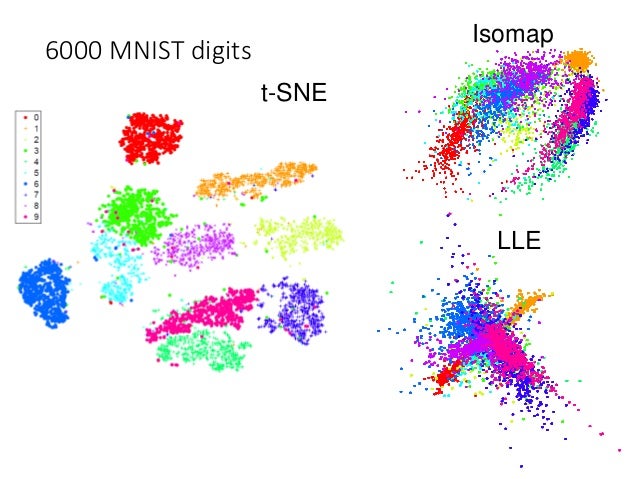
    1. On 2014 Aug 04, Samir Ounzain commented:

      Overall a nice piece of work further extending the characterisation and identification of novel murine lncRNAs within the developing and adult heart post injury. However, sadly, a number of important publications predating the submission date of this manuscript were omitted.Specifically within introduction authors state ''Indeed, it is not yet known with certainty which lncRNAs are expressed in mouse hearts, nor have the identities of lncRNAs exhibiting 'cardiac-enriched' expression been defined''.

      These points have been addressed in previous publications and I kindly refer the authors of this manuscript and readers here on PubMed to the following important publications which were published prior to this paper being submitted. Sadly the peer review process also missed these

      1: Werber M, Wittler L, Timmermann B, Grote P, Herrmann BG. The tissue-specific transcriptomic landscape of the mid-gestational mouse embryo. Development. 2014 Jun;141(11):2325-30. doi: 10.1242/dev.105858. Epub 2014 May 6. PubMed PMID: 24803591.

      1: Ounzain S, Micheletti R, Beckmann T, Schroen B, Alexanian M, Pezzuto I, Crippa S, Nemir M, Sarre A, Johnson R, Dauvillier J, Burdet F, Ibberson M, Guigó R, Xenarios I, Heymans S, Pedrazzini T. Genome-wide profiling of the cardiac transcriptome after myocardial infarction identifies novel heart-specific long non-coding RNAs. Eur Heart J. 2014 Apr 30. [Epub ahead of print] PubMed PMID: 24786300.


      This comment, imported by Hypothesis from PubMed Commons, is licensed under CC BY.
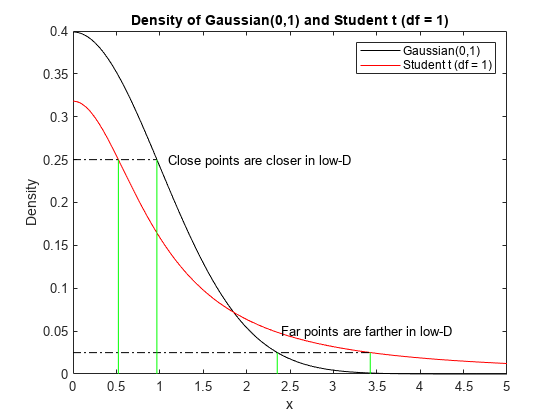
    1. On 2014 Dec 30, William Grant commented:

      Geographical variations in solar ultraviolet-B doses may explain some of the spatial-temporal excess mortality patterns of the 1918-1919 influenza pandemic in Spain

      Disclosure I receive funding from Bio-Tech Pharmacal (Fayetteville, AR), the Sunlight Research Forum (Veldhoven), and Medi-Sun Engineering, LLC (Highland Park, IL).

      The paper by Chowell and colleagues presents maps of excess respiratory death rates during the 1918-1919 influenza pandemic in Spain 1. The summer and winter peak rates are in the center and south of Spain, while the fall peak rates are predominantly in the north. The authors suggested that colder temperatures and lower humidity in the north and in fall-winter might explain the observed patterns. I agree that this suggestion is generally correct. However, there is another factor that should also be considered - the role of solar UVB irradiance and vitamin D production. In an ecological study of the 1918-1919 influenza pandemic in the United States, it was reported that both summertime and wintertime solar UVB doses were inversely correlated with case-fatality rates for a dozen communities 2. Most of the deaths associated with the influenza were due to pneumonia, and occurred about ten days after the start of influenza. The mechanisms suggested were induction of cathelicidin, which has antibiotic properties, and reduction of the cytokine storm due to the body fighting influenza. The UVB-vitamin D-influenza hypothesis was proposed in 2006 by John Cannell and colleagues 3. This hypothesis has gained further support from vitamin D randomized controlled trials involving people with low 25-hydroxyvitamin D-25OHD concentrations at the time of enrollment in the trials 4-6.

      Broadband solar UVB doses have been measured for 14 locations in Spain 7. In summer, values at solar noon ranged from 1234 to 1726 units but do not follow a strict latitude gradient. In winter, the values ranged from 160 to 348 and showed a strong latitudinal gradient. Based on these values, the higher mortality rates in winter and in the north may be due in part to lower UVB doses in winter. The higher rates in south and central Spain in summer may be related to where influenza was first introduced into Spain. A related paper found that cancer mortality rates were often inversely correlated with latitude and directly correlated with nonmelanoma skin cancer 8.

      This analysis suggests that 25OHD concentrations be raised by vitamin D supplementation in winter in Europe to reduce the risk of respiratory infections. Optimal 25OHD concentrations are between 75 and 125 nmol per L 9, which can be achieved with 800-2000 IU per day vitamin D3 for most people 10. There are also many other beneficial effects of higher 25OHD concentrations 9, 11.

      References 1. Chowell G, Erkoreka A, Viboud C, Echeverri-Dávila B. Spatial-temporal excess mortality patterns of the 1918-1919 influenza pandemic in Spain. BMC Infect Dis. 2014;14:371. 2. Grant WB, Giovannucci E. The possible roles of solar ultraviolet-B radiation and vitamin D in reducing case-fatality rates from the 1918–1919 influenza pandemic in the United States. Dermatoendocrinol. 2009;1:215-9. 3. Cannell JJ, Vieth R, Umhau JC, Holick MF, Grant WB, Madronich S, Garland CF, Giovannucci E. Epidemic influenza and vitamin D. Epidemiol Infect. 2006;134:1129-40.<br> 4. Aloia JF, Li-Ng M. Re: epidemic influenza and vitamin D. Epidemiol Infect. 2007 Oct;135:1095-6; author reply 1097-8. 5. Urashima M, Segawa T, Okazaki M, Kurihara M, Wada Y, Ida H. Randomized trial of vitamin D supplementation to prevent seasonal influenza A in schoolchildren. Am J Clin Nutr. 2010;91:1255-60. 6. Camargo CA Jr, Ganmaa D, Frazier AL, Kirchberg FF, Stuart JJ, Kleinman K, Sumberzul N, Rich-Edwards JW. Randomized trial of vitamin D supplementation and risk of acute respiratory infection in Mongolia. Pediatrics. 2012;130:e561-7. 7. Martínez-Lozano JA, Utrillas, MP, Nunez JA, Esteve AR, Gomea-Amo JL, Estelles V, Pedros R. Measurement and Analysis of Broadband UVB Solar Radiation in Spain. Photochemistry and Photobiology, 2012;88:1489–96 8. Grant WB. An ecologic study of cancer mortality rates in Spain with respect to indices of solar UV irradiance and smoking. Int J Cancer. 2007;120:1123-7. 9. Pludowski P, Holick MF, Pilz S, Wagner CL, Hollis BW, Grant WB, Shoenfeld Y, Lerchbaum E, Llewellyn DJ, Kienreich K, Soni M. Vitamin D effects on musculoskeletal health, immunity, autoimmunity, cardiovascular disease, cancer, fertility, pregnancy, dementia and mortality- a review of recent evidence. Autoimmun Rev. 2013;12:976-89. 10. Pludowski P, Karczmarewicz E, Bayer M, Carter G, Chlebna-Sokół D, Czech-Kowalska J, Dębski R, Decsi T, Dobrzańska A, Franek E, Głuszko P, Grant WB, Holick MF, Yankovskaya L, Konstantynowicz J, Książyk JB, Księżopolska-Orłowska K, Lewiński A, Litwin M, Lohner S, Lorenc RS, Lukaszkiewicz J, Marcinowska-Suchowierska E, Milewicz A, Misiorowski W, Nowicki M, Povoroznyuk V, Rozentryt P, Rudenka E, Shoenfeld Y, Socha P, Solnica B, Szalecki M, Tałałaj M, Varbiro S, Zmijewski MA. Practical guidelines for the supplementation of vitamin D and the treatment of deficits in Central Europe - recommended vitamin D intakes in the general population and groups at risk of vitamin D deficiency. Endokrynol Pol. 2013;64:319-27. 11. Hossein-Nezhad A, Holick MF. Vitamin D for Health: A Global Perspective. Mayo Clin Proc. 2013;88:720-55.


      This comment, imported by Hypothesis from PubMed Commons, is licensed under CC BY.
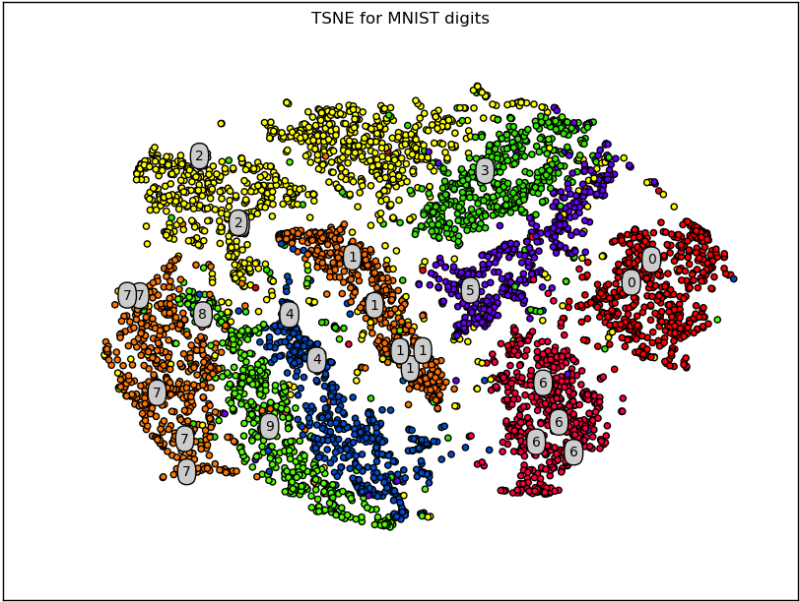
    1. On 2016 Oct 16, Jaime A. Teixeira da Silva commented:

      This paper has been retracted: "BioMed Research International has retracted this article. The article was found to contain images with signs of duplication and manipulation in Figures 1(a), 1(b), 1(d), 2(b), 3(a), 3(b), 3(c), 3(d), 3(k), 4(d), 4(g), 4(m), 4(p), 8, 10(c), 10(d), 10(e), 10(f), 10(g), 10(h), 10(i), 10(j), 10(k), 10(l), and 10(o) and duplication from Talukdar D. An induced glutathione-deficient mutant in grass pea (Lathyrus sativus L.): Modifications in plant morphology, alteration in antioxidant activities and increased sensitivity to cadmium. Biorem. Biodiv Bioavail. 2012; 6: 75–86 in Figure 2B and from Dibyendu Talukdar and Tulika Talukdar, “Superoxide-Dismutase Deficient Mutants in Common Beans (Phaseolus vulgaris L.): Genetic Control, Differential Expressions of Isozymes, and Sensitivity to Arsenic,” BioMed Research International, vol. 2013, Article ID 782450, 11 pages, 2013, doi: 10.1155/2013/782450 in Figure 10."


      This comment, imported by Hypothesis from PubMed Commons, is licensed under CC BY.

    1. On 2014 Aug 16, A Martinez-Arias commented:

      There is much that is interesting and significant in this work but the section on ES cells needs to be looked at closely, particularly as the conclusions drawn here (that YAP/TAZ loss of function favours pluripotency) are at odds with others published (that YAP/TAZ are necessary for pluripotency [1]).

      Here Azzolin et al. show that loss of function for YAP/TAZ can substitute for Chiron in 2i conditions. As Chiron leads to the upregulation of ß-catenin, the authors conclude that in keeping with their other findings, the effects of YAP/TAZ in pluripotency, are due to ß-catenin. Something supported by the dependence of this effect on the presence of ß-catenin. The experiments are clear but the interpretation should be given some thought.

      There are three facts that need to be considered in the interpretation of these results. (a) 2i conditions are special non-physiological conditions which set cells in a peculiar, though experimentally useful, state; in fact, 2i really means “2 out of 3 (PD03, CHIR and LIF)” as LIF+PD03 and LIF+CHIR will work as well as PD03+CHIR [2] in maintaining pluripotency. In fact, ß-catenin mutant cells can be maintained in PD03+LIF, an observation which has been used to state that ß-catenin is not required for pluripotency [2]. (b) There is evidence that the levels of Oct4 are crucial for the maintenance of pluripotency [3-5] and that there is a very close relationship between ß-catenin and Oct4 [6-8]. This might be important in the interpretation of the results here. (c) The function of ß-catenin is pluripotency is not mediated by its transcriptional activity. It is curious that the authors quote Wray et al [2] in support of ß-catenin transcriptional activity in pluripotency when the manuscript shows and states that the transcriptional activity of ß-catenin is dispensable for pluripotency. Something that is further supported by studies in GSK3 mutants that lead to high levels of ß-catenin transcriptional activity which upon introduction of a dominant negative Tcf4, can be shown to be irrelevant for pluripotency [8 see also 2, 6 and 7].

      The results on transcriptional activities of YAP/TAZ in ES cells and their overlap with ß-catenin/Tcf are therefore not particularly relevant to the interpretation of the results but the other two might be, as there is a need to understand the discrepancy with previous experiments. It would have been good if the authors had repeated some of their experiments in Serum and LIF or LIF and BMP to have a proper comparison. As it is, we can only consider possibilities. Lin et al. [1] show that YAP/TAZ leads to upregulation of Oct4 and it is known that lowering the levels of ß-catenin leads to increases in Oct4. As low Oct4 favours pluripotency [3, 4], could it be that lowering YAP/TAZ in 2i lowers the levels of Oct4 which then balance the ratios of the different factors and maintains pluripotency? This would provide a partial explanation for the discrepancy. There are two other possibilities worth considering. Could it be that in the same manner that 2i is ‘two out of three’, could be that it is “two out of four”, the fouth being YAP/TAZ? Finally, a key event in pluripotency is the downregulation of Tcf3 whose mechanism remains open [9]. Could it be that YAP/TAZ helps ß-catenin to downregulate Tcf3?

      Removal of YAP/TAZ in 2i conditions has no effect on pluripotency, which is not surprising as in 2i condition cells are, for the most part, at the maximum capacity for pluripotency. However, to date the factors involved in 2i have been shown to also maintain pluripotency in Serum or Serum free conditions (at this it is surprising to observe the inability of PD03 to maintain pluripotency, which contradicts multiple previous results). For this reason it would be good to know if the authors have performed knock downs of YAP/TAZ in conditions other than 2i as only then one can consider the portrayed discrepancy.

      References

      [1] Lian I, Kim J, Okazawa H, Zhao J, Zhao B, Yu J, Chinnaiyan A, Israel MA, Goldstein LS, Abujarour R, Ding S, Guan KL. (2010) The role of YAP transcription coactivator in regulating stem cell self-renewal and differentiation. Genes Dev. 24,1106-18.

      [2] Wray, J., Kalkan, T., Gomez-Lopez, S., Eckardt, D., Cook, A., Kemler, R. and Smith, A. (2011) 'Inhibition of glycogen synthase kinase-3 alleviates Tcf3 repression of the pluripotency network and increases embryonic stem cell resistance to differentiation', Nat Cell Biol. 13, 838-45.

      [3] Radzisheuskaya A, Le Bin Chia G, dos Santos R, Theunissen TW, Castrro LF, Nichols J, Silva J (2013) Defined Oct4 level governs cell state transitions of pluripotency entry and differentiation into all embryonic lineages. Nature Cell Biology 15, 579-90. [4] Karwacki-Neisius V, Goke J, Osorno R, Halbritter F, Ng JH, Weisse AY, Wong FC, Gagliardi A, Mullin NP, Festuccia N, Colby D, Tomlinson SR, Ng HH, Chambers I (2013) Reduced oct4 expression directs a robust pluripotent state with distinct signaling activity and increased enhancer occupancy by oct4 and nanog. Cell Stem Cell 12: 531-45.

      [5] Muñoz Descalzo S, Rué P, Faunes F, Hayward P, Jakt LM, Balayo T, Garcia-Ojalvo J, Martinez Arias A. (2013) A competitive protein interaction network buffers Oct4-mediated differentiation to promote pluripotency in embryonic stem cells. Mol Syst Biol. 9:694.

      [6] Faunes F, Hayward P, Muñoz-Descalzo S, Chatterjee SS, Balayo T, Trott J, Christophorou A, Ferrer-Vaquer A, Hadjantonakis AK, DasGupta R, Martinez Arias A (2013) A membrane-associated β-catenin/Oct4 complex correlates with ground-state pluripotency in mouse embryonic stem cells. Development 140: 1171-83.

      [7] Livigni A, Peradziryi H, Sharov AA, Chia G, Hammachi F, Migueles RP, Sukparangsi W, Pernagallo S, Bradley M, Nichols J, Ko MS, Brickman JM. (2013) A conserved Oct4/POUV-dependent network links adhesion and migration to progenitor maintenance. Curr Biol. 123:2233-44.

      [8] Kelly, K. F., Ng, D. Y., Jayakumaran, G., Wood, G. A., Koide, H. and Doble, B. W. (2011) 'beta-catenin enhances Oct-4 activity and reinforces pluripotency through a TCF-independent mechanism', Cell Stem Cell 8, 214-27.

      [9] Yi F, Pereira L, Hoffman JA, Shy BR, Yuen CM, Liu DR, Merrill BJ. (2011) Opposing effects of Tcf3 and Tcf1 control Wnt stimulation of embryonic stem cell self-renewal. Nat Cell Biol. 13, 762-70.


      This comment, imported by Hypothesis from PubMed Commons, is licensed under CC BY.

    1. On 2014 Dec 31, William Grant commented:

      The paper by Huss and colleagues studied the relation between 25-hydroxyvirtamin D [25(OH)D] concentrations and breast cancer mortality rates for women enrolled in the Malmö Diet and Cancer Study observed between 1991 and 2006 [1]. 17,035 women completed the baseline examination, and from these, 672 women were diagnosed with invasive unilateral breast cancer after baseline, of whom 101 died from breast cancer and 54 died from other causes. The mean time between enrollment and breast cancer was 6.0 to 8.3 years with standard deviations of 7.4 to 8.9 years. They found a U-shaped relation between 25(OH)D concentration at baseline and mortality rate for three tertiles with ranges <75 nmol/L 76-99 nmol/L, and >100 nmol/L. Each tertile had 216 to 221 invasive breast cancer cases and 21 to 30 breast cancer specific deaths. While no explanation was given why high 25(OH)D concentrations should be associated with increased risk. In this comment, I present three reasons why the increased mortality rate at the highest 25(OH)D tertile is probably not representative of natural 25(OH)D concentrations, i.e., derived from solar UVB or diet.

      First, breast cancer develops very rapidly, so baseline 25(OH)D concentrations are not useful for long-term studies. For example, there is a global seasonality of breast cancer incidence rates, with peaks in spring and fall [2]. The authors of this paper suggested that UVB and vitamin D reduce incidence rates in summer while dark days and melatonin reduce incidence rates in winter. In addition, breast cancer screening using mammography is recommended annually, unlike colorectal cancer, for which decadal screening is generally used. There are large seasonal variations in 25(OH)D concentrations in Europe [3]. In addition, there are significant drifts in 25(OH)D concentrations over periods of years such that for periods longer than about three years, observational studies generally do not find significant inverse correlations between baseline 25(OH)D concentration and incidence of breast cancer, although they do for colorectal cancer [4]. Long follow-up times also adversely affect observational studies of all-cause mortality rate with respect to baseline 25(OH)D concentration [5].

      Second, 25(OH)D concentrations above 100 nmol/L are most likely due to vitamin D supplementation. In addition, the supplementation may have begun late in life, perhaps after a physician noticed a vitamin D deficiency disease such as osteoporosis, or in order to prevent osteoporosis. Support for this hypothesis is found in a pair of observational studies on frailty as a function of 25(OH)D concentrations. In a cross-sectional study of elderly men in the United States, there was a monotonic decrease in frailty status with increasing 25(OH)D concentration [6]. However, in a similar study of elderly women, there was a U-shaped relation, with those having 25(OH)D concentration >75 nmol/L having significantly increased prevalence of frailty than those with 50 nmol/L <25(OH)D <75 nmol/L [7]. In the United States, postmenopausal women are often advised to take vitamin D supplements while men are not.

      Third, there is no support for a U-shaped breast cancer mortality rate relation from geographical ecological studies with respect to solar UVB doses. In Ref. 8, there is a graph of breast cancer mortality rate with respect to July solar UVB doses in over 400 state economic areas of the United States. The regression line shows a monotonically decreasing mortality rate with respect so solar UVB doses from 3.5 kJ/m2 to 10 kJ/m2 with no evidence in the data of an upturn at higher UVB doses. Other ecological studies from mid- to high-latitude countries also do not show evidence of a U-shaped relation [9].

      Thus, for these three reasons the finding of increased breast cancer specific mortality rate for 25(OH)D concentrations >100 nmol/L is most likely not due to long term natural 25(OH)D concentrations but, rather, vitamin D supplementation late in life. This does not imply that taking vitamin D supplements to raise 25(OH)D concentrations above 100 nmol/L is not recommended. However, it suggests that taking supplements should begin earlier in life since many chronic diseases including cancer can develop over periods of decades. That high concentrations are not adverse per se is demonstrated in a recent meta-analysis of 32 prospective observational studies of all-cause mortality rate with respect to baseline 25(OH)D concentration. There was a nearly linear decrease in the hazard ratio from 0-25 nmol/L to 50-73 nmol/L with a minimum reached at 90 nmol/L, after which there was no change [10].

      References 1. Huss L, Butt S, Borgquist S, Almquist M, Malm J, Manjer J. Serum levels of vitamin D, parathyroid hormone and calcium in relation to survival following breast cancer. Cancer Causes Control. 2014;25:1131-1140. 2. Oh EY, Ansell C, Nawaz H, Yang CH, Wood PA, Hrushesky WJ. Global breast cancer seasonality. Breast Cancer Res Treat. 2010;123:233-243. 3. Hyppönen E, Power C. Hypovitaminosis D in British adults at age 45 y: nationwide cohort study of dietary and lifestyle predictors. Am J Clin Nutr. 2007;85:860-868. 4. Grant WB. Effect of interval between serum draw and follow-up period on relative risk of cancer incidence with respect to 25-hydroxyvitamin D level; implications for meta-analyses and setting vitamin D guidelines. Dermatoendocrinol. 2011;3:199-204. 5. Grant WB. Effect of follow-up time on the relation between prediagnostic serum 25-hydroxyitamin D and all-cause mortality rate. Dermatoendocrinol. 2012;4:198-202. 6. Ensrud KE, Blackwell TL, Cauley JA, Cummings SR, Barrett-Connor E, Dam TT, Hoffman AR, Shikany JM, Lane NE, Stefanick ML, Orwoll ES, Cawthon PM; Osteoporotic Fractures in Men Study Group. Circulating 25-hydroxyvitamin D levels and frailty in older men: the osteoporotic fractures in men study. J Am Geriatr Soc. 2011;59:101-106. 7. Ensrud KE, Ewing SK, Fredman L, Hochberg MC, Cauley JA, Hillier TA, Cummings SR, Yaffe K, Cawthon PM; Study of Osteoporotic Fractures Research Group. Circulating 25-hydroxyvitamin D levels and frailty status in older women. J Clin Endocrinol Metab. 2010;95:5266-5273. 8. Grant WB. An estimate of premature cancer mortality in the U.S. due to inadequate doses of solar ultraviolet-B radiation. Cancer. 2002;94:1867-75. 9. Moukayed M, Grant WB. Molecular link between vitamin D and cancer prevention. Nutrients. 2013;5:3993-4023. 10. Garland CF, Kim JJ, Mohr SB, Gorham ED, Grant WB, Giovannucci EL, Baggerly L, Hofflich H, Ramsdell J, Zeng K, Heaney RP. Meta-analysis of all-cause mortality according to serum 25-hydroxyvitamin D. Am J Pub Health. 2014;104:e43-50.

      Disclosure I receive funding from Bio-Tech Pharmacal (Fayetteville, AR) and Medi-Sun Engineering, LLC (Highland Park, IL).


      This comment, imported by Hypothesis from PubMed Commons, is licensed under CC BY.

    1. On 2014 Jun 26, Jackie Marchington commented:

      Ghostwriting is neither common nor current

      We, the members of the Global Alliance for Publication Professionals, are concerned by the implication in Gabriel and Goldberg’s article that ghostwriting is a common and current practice in pharmaceutical industry-sponsored research reporting.

      We wholeheartedly agree that ghostwriting – undisclosed writing support, of any kind – is dishonest and unethical. We understand that the thrust of Gabriel and Goldberg’s article is not about ghostwriting, but casual references to ghostwriting in the present tense and use of anecdotal and popularised stories about its frequency are not supported by published evidence. We appreciate why Gabriel and Goldberg (and others) have the perception that ghostwriting is common, given the lack of critical analysis of early reports of ghostwriting and the traction that this perception has had in the literature, despite subsequent research that refutes it. The prevalence of ghostwriting is small (0.16%) and decreasing.[1] Indeed, the first systematic review on the prevalence of ghostwriting (Stretton S; accepted for publication in BMJ Open) documents how early estimates of ghostwriting have been poorly interpreted, incorrectly cited, and published without critical review.

      In contrast to ghostwriters, professional medical writers are transparent about their contributions, work within ethical guidelines and ensure that authors control the content at every step of the process.[2–4] In addition, articles written with professional medical writing assistance are more likely to comply with reporting standards[5,6] and are less likely to be retracted for misconduct.[7]

      The World Association of Medical Editors (WAME) Editorial Policy Committee statement quoted by Gabriel and Goldberg goes on to state that professional medical writers can be legitimate contributors to an article as long as their roles, affiliations and funding are described in the manuscript,[8] as do the recently revised International Committee of Medical Journal Editors’ (ICMJE) recommendations for the conduct, reporting, editing, and publication of scholarly work in medical journals.[9]

      Gabriel and Goldberg also mention that reform efforts in the US are underway, but make no reference to any of the steps taken internationally by the pharmaceutical industry and by publication professionals to create best practice guidelines relating to ethical and transparent publication development. [10–13] The recently published Global Publication Survey of publication professionals shows that these guidelines are routinely followed by over 90% of pharmaceutical industry, medical communications agency and contract research organization (CRO) respondents, and that acknowledgement of medical writing support by authors working with publication professionals was almost universal (96% industry, 99% agency, 100% CRO).[14]

      Gabriel and Goldberg discuss a range of activities they describe as “...dubious practices that should be significantly curtailed if not entirely eliminated”. As previously stated, we wholeheartedly agree that ghostwriting should be curtailed and eliminated, and we believe the publications we have cited demonstrate the commitment and progress of professional medical writers – not ghostwriters – towards this goal.

      Authors and affiliations Jackie Marchington PhD CMPP,a Art Gertel MS,b Cindy W. Hamilton PharmD,c Adam Jacobs PhD,d Karen L. Woolley PhD CMPPe (Global Alliance of Publication Professionals; www.gappteam.org) a. Director of Operations, Caudex Medical, UK. b. Principal Consultant, MedSciCom, LLC c. Assistant Clinical Professor, Virginia Commonwealth University School of Pharmacy; Principal, Hamilton House, USA. d. Director, Dianthus Medical Limited, UK. e. Divisional Lead. ProScribe – Envision Pharma Group; Adjunct Professor, University of the Sunshine Coast, Australia; Adjunct Professor, University of Queensland, Australia; Director, Sunshine Coast Hospital and Health Service. Disclosure: All authors declare that: 1) we have provided or do provide ethical medical writing services to academic, biotechnology, or pharmaceutical clients, 2) KW’s husband is also an employee of Proscribe – Envision Pharma Group; all other authors’ spouses, partners, or children have no financial relationships that may be relevant to the submitted work; and 3) we are active in national and international not-for-profit associations that encourage ethical medical writing practices. No external sponsors were involved in the preparation of this comment, and no external funding was used.

      References 1. Wislar JS, 2011 2. International Society for Medical Publication Professionals. Code of Ethics. Available: http://www.ismpp.org/ismpp-code-of-ethics. Accessed 14 April 2014. 3. American Medical Writers Association. AMWA Code of ethics. Available: http://www.amwa.org/amwa_ethics. Accessed 14 April 2014. 4. Jacobs A, 2005 5. Global Alliance of Publication Professionals (GAPP):., 2012 6. Jacobs A (2010) Adherence to the CONSORT guideline in papers written by professional medical writers. Med Writ 19: 196–200. 7. Woolley KL, 2011 8. WAME Editorial Policy Committee (2005) Policy Statements: #Ghost Writing. Available: <http://www.wame.org/about/policy-statements#Ghost Writing>. Accessed 23 June 2014. 9. International Committee of Medical Journal Editors. Recommendations for the Conduct, Reporting, Editing, and Publication of Scholarly work in Medical Journals. Available: http://www.icmje.org/recommendations/. Accessed 14 April 2014. 10. Wager E, 2003 11. Graf C, 2009 12. Chipperfield L, 2010 13. Clark J, 2010 14. Wager E, 2014


      This comment, imported by Hypothesis from PubMed Commons, is licensed under CC BY.

    1. On 2015 May 29, David Reardon commented:

      In previous studies of the intersection of reproductive health and mental health, Munk-Olsen's team has failed to control for the impact of prior pregnancy losses (miscarriage and induced abortion). See for example Munk-Olsen T, 2012, Munk-Olsen T, 2012, Munk-Olsen T, 2011 and my comments on each entry with requests for additional analyses to address these oversights . . . all of which have been refused.

      In this case, once again, Munk-Olsen's examination of psychiatric disorders following fetal death is flawed by her decision to disclose the effects of induced abortions on the analyses. She reports that IRR were adjusted for "age, calendar period, parity status, induced abortion status and family history of formerly treated psychiatric disorders" but she chose not to report on how each of these factors contributed to psychiatric illness. This appears to be selective reporting to avoid publication of data that contradicts her previous claims that abortion does not contribute to mental health problems.

      Numerous other researchers, in many countries using many different methodologies, have found that both natural miscarriage and induced abortion have distinct effects on subsequent mental health, especially during and after subsequent pregnancies. Below is a list of such studies.

      I once again ask Munk-Olsen to address these oversights by publishing analyses which compare outcomes relative to the full reproductive history of women, including segregated results showing the outcome relative to no prior pregnancy loss, one or more miscarriages, one or more induced abortions, and for women with a history of at least one induced abortion and one miscarriage.

      See for example:

      • Giannandrea SA, 2013 Increased risk for postpartum psychiatric disorders among women with past pregnancy loss. Giannandrea SA, Cerulli C, Anson E, Chaudron LH. J Womens Health (Larchmt). 2013 Sep;22(9):760-8. doi: 10.1089/jwh.2012.4011.

      • Gong X, 2013 Pregnancy loss and anxiety and depression during subsequent pregnancies: data from the C-ABC study. Eur J Obstet Gynecol Reprod Biol. 2013 Jan;166(1):30-6. doi: 10.1016/j.ejogrb.2012.09.024. Epub 2012 Nov 10.Source School of Public Health, Anhui Medical University, Hefei, Anhui, China.

      • Coleman PK, 2002 History of induced abortion in relation to substance abuse during subsequent pregnancies carried to term. Am J Obstet Gynecol 187: 1673-1678, 2002.

      • Coleman PK, 2005 Substance use among pregnant women in the context of previous reproductive loss and desire for current pregnancy. Br J Health Psychol 2005; 10: 255–68.

      • Reardon DC, 2003 Psychiatric admissions of low income women following abortion and childbirth. Can Med Assoc J. 2003; 168(10):1253-7

      • Coleman PK, 2002 State-funded abortions vs. deliveries: A comparison of outpatient mental health claims over five years. American Journal of Orthopsychiatry, 2002; 72(1):141–52.

      • H David et al, "Postabortion or Postpartum Psychotic Reactions," Family Planning Perspectives 13(2): 892, 1981

      • Ronald Somers, "Risk of Admission to Psychiatric Institutions among Danish Women Who Experienced Induced Abortion: An Analysis Based on A National Record Linkage," Dissertation Abstracts Int'l, Public Health 2621-B, 1979.


      This comment, imported by Hypothesis from PubMed Commons, is licensed under CC BY.

    1. On 2014 Jun 03, David Keller commented:

      Two large, well-designed randomized trials agree: Multivitamins reduce cancer risk in men

      Guallar and colleagues dismiss the clinical trial data demonstrating that multivitamin and mineral supplements (MVM’s) reduce cancer risk in men, stating: “ Because the observed possible benefits were limited to men, were modest (as in PHS II), or were evident only in subgroup analyses (as in the SU.VI.MAX study) and did not consistently extend to reductions in mortality, these findings are only weak signals compatible with small or no benefit.” (1)

      I will challenge each clause of their compound statement separately, but first, for the record, I quote the abstract of the Su.Vi.Max study (2):

      "However, a significant interaction between sex and group effects on cancer incidence was found (P = .004). Sex-stratified analysis showed a protective effect of antioxidants in men (relative risk, 0.69 [95% confidence interval {CI}, 0.53-0.91]) but not in women (relative risk, 1.04 [95% CI, 0.85-1.29]). A similar trend was observed for all-cause mortality (relative risk, 0.63 [95% CI, 0.42-0.93] in men vs 1.03 [95% CI, 0.64-1.63] in women; P = .11 for interaction)."

      Simply stated: Men who took multivitamins had significantly fewer cancers and a lower overall death rate than men who did not. These were not small effects: the cancer rate for men was reduced by 31% and the overall death rate by 37%.

      First, let us discuss the fact that these benefits “were evident only in subgroup analyses”. Multiple post-hoc subgroup analyses are frowned on because they can be used to dredge the data for statistical flukes, such as finding that the tested intervention benefits only persons born under a certain astrological sign, or some other biologically implausible subgroup. The criteria for an acceptable subgroup analysis are: the subgroup should be rational, predefined in the experimental protocol, based on pre-randomization patient characteristics, large enough to retain statistical power, one of only a small number of such analyses, and the subgroup effect should be evident in other studies (3,4). The Su.vi.max subgroup analysis met these requirements; it was conducted on men, a large, natural subgroup which derived benefits in another study and was pre-specified in the study protocol. This rigorous analysis for the male subgroup yielded unambiguous results, the integrity of which withstands methodological scrutiny.

      Guallar and colleagues also cast doubt on the data because the benefits of MVM’s were limited to men. The Su.vi.max investigators explained this by noting that women generally have better nutritional status than men; they are both more likely to eat fruits and vegetables, and also more likely to take MVM’s at baseline. Women, with good baseline nutrition, have less to gain by taking MVM’s and therefore exhibit no benefit in these studies.

      There are many differences between men and women, both biological and cultural, which result, for one thing, in the fact that women outlive men by several years on average. The Su.vi.max and PHS-II study results indicate that relative dietary deficiencies of micro-nutrients may help explain the premature mortality of the male half of the population, as compared with the female.

      As I pointed out in another comment (5), the five antioxidants included in the Su.vi.max supplement were a subset of the 30 nutrients in Centrum Silver, but at significantly higher doses. Thus, there was a dose-response effect evident for these antioxidants, with the PHS-II men who took MVM’s displaying a small but significant reduction in cancer rates, and the Su.vi.max men exhibiting a larger reduction in cancer rates, plus a decrease in all-cause mortality, consistent with the higher nutrient levels in the Su.vi.max supplement. The dose-response effect explains why the men in Su.vi.max had lower cancer rates compared with the men in PHS-II, and a significant reduction in overall mortality: they were taking higher doses of the beneficial micronutrients. Guallar’s complaint that the reduction in mortality was “not consistent” is thus refuted.

      The USPSTF update again gave MVM supplements a grade of “I” (insufficient evidence to make a recommendation for the general population) for cancer prevention. However, NIH regulations mandate that clinical studies be analyzed separately for men and women when the response to an intervention differs by sex (6). Given the quality of the data supporting MVM use for men, USPSTF should change their rating of MVM supplements to at least a “C” level recommendation for men - meaning that men should discuss MVM supplements with their doctors in the context of their individual diet quality and nutritional status.

      Unless they are consuming a diet rich in fruits and vegetables, men should consider adding a standard multivitamin & mineral supplement to reduce their risk of cancer, according to the best available evidence from two large, prospective randomized trials.

      References:

      1: Guallar E. Enough Is Enough, Annals of Int Med. June 3 2014; Vol 160, No. 9

      2: Hercberg S, Galan P, Preziosi P, Bertrais S, Mennen L, Malvy D, et al. The SU.VI.MAX Study: a randomized, placebo-controlled trial of the health effects of antioxidant vitamins and minerals. Arch Intern Med. 2004; 164:2335-42.

      3: Wittes J. On Looking at Subgroups. Circulation.2009; 119: 912-915 doi: 10.1161/CIRCULATIONAHA.108.836601

      4: Dijkman B, et al. How to work with a subgroup analysis. Can J Surg. Dec 2009; 52(6): 515–522. PMCID: PMC2792383

      5: Keller DL. Open letter to the USPSTF: the evidence shows multivitamins reduce cancers in men, PubMed Commons, accessed on 6/3/2014 http://www.ncbi.nlm.nih.gov/pubmed/24566474#cm24566474_4093

      6: NIH website, accessed on 6/29/2014 http://grants.nih.gov/grants/funding/women_min/guidelines_update.htm


      This comment, imported by Hypothesis from PubMed Commons, is licensed under CC BY.

    1. On 2014 Jun 02, Gaetano Santulli commented:

      In this article, Ribeiro and colleagues report that β2-adrenergic receptor (β2AR) knockout (KO) mice exhibit altered glucose homeostasis (1). Albeit surprisingly not reported by the Authors, the notion that deletion of the β2AR has profound effects on glucose metabolism is a consolidated acquisition. Indeed, we recently demonstrated that the deletion of β2AR impairs insulin release ultimately leading to glucose intolerance (2). Previously, Muzzin and colleagues had found that the lack of βARs associates with glucose intolerance (3). Findings from several groups support such a molecular mechanism (4-6). Equally important, in the clinical scenario, a mechanistic role for β2AR in the regulation of insulin secretion had been also suggested by the evidence of a decreased number of β2AR in type I diabetes mellitus patients (7-9). Nevertheless, the Authors fail to discuss previous relevant literature describing the alterations in glucose metabolism observed in β2AR KO mice and do not accurately circumstantiate their findings. In fact, they state that “available animal models indicate only a minor metabolic role” for β2AR. Moreover, despite insulin signaling has been shown to play a key role in the regulation of thermogenesis, as recently verified by Ron Kahn and colleagues (10), the Authors just show baseline serum insulin levels without providing any measurement (not even in isolated islets) following glucose challenge. We believe that for the sake of scientific appropriateness the Readers will appreciate a clarification by the Authors and the Editors, in particular regarding the fact that pertinent literature in the field has been overlooked.

      References:

      1. Fernandes GW, Ueta CB, Fonseca TL, Gouveia CH, Lancellotti CL, Brum PC, Christoffolete MA, Bianco AC, Ribeiro MO 2014 Inactivation of the adrenergic receptor beta2 disrupts glucose homeostasis in mice. The Journal of endocrinology 221:381-390
      2. Santulli G, Lombardi A, Sorriento D, Anastasio A, Del Giudice C, Formisano P, Beguinot F, Trimarco B, Miele C, Iaccarino G 2012 Age-related impairment in insulin release: the essential role of beta(2)-adrenergic receptor. Diabetes 61:692-701
      3. Asensio C, Jimenez M, Kuhne F, Rohner-Jeanrenaud F, Muzzin P 2005 The lack of beta-adrenoceptors results in enhanced insulin sensitivity in mice exhibiting increased adiposity and glucose intolerance. Diabetes 54:3490-3495
      4. Panagiotidis G, Stenstrom A, Lundquist I 1993 Influence of beta 2-adrenoceptor stimulation and glucose on islet monoamine oxidase activity and insulin secretory response in the mouse. Pancreas 8:368-374
      5. Ahren B, Jarhult J, Lundquist I 1981 Insulin secretion induced by glucose and by stimulation of beta 2 -adrenoceptors in the rat. Different sensitivity to somatostatin. Acta physiologica Scandinavica 112:421-426
      6. Loubatieres A, Mariani MM, Sorel G, Savi L 1971 The action of beta-adrenergic blocking and stimulating agents on insulin secretion. Characterization of the type of beta receptor. Diabetologia 7:127-132
      7. Schwab KO, Bartels H, Martin C, Leichtenschlag EM 1993 Decreased beta 2-adrenoceptor density and decreased isoproterenol induced c-AMP increase in juvenile type I diabetes mellitus: an additional cause of severe hypoglycaemia in childhood diabetes? European journal of pediatrics 152:797-801
      8. Noji T, Tashiro M, Yagi H, Nagashima K, Suzuki S, Kuroume T 1986 Adaptive regulation of beta-adrenergic receptors in children with insulin dependent diabetes mellitus. Hormone and metabolic research = Hormon- und Stoffwechselforschung = Hormones et metabolisme 18:604-606
      9. Santulli G, Iaccarino G 2013 Pinpointing beta adrenergic receptor in ageing pathophysiology: victim or executioner? Evidence from crime scenes. Immunity & ageing : I & A 10:10
      10. Boucher J, Mori MA, Lee KY, Smyth G, Liew CW, Macotela Y, Rourk M, Bluher M, Russell SJ, Kahn CR 2012 Impaired thermogenesis and adipose tissue development in mice with fat-specific disruption of insulin and IGF-1 signalling. Nature communications 3:902

      Gaetano Santulli MD, PhD (1,2) and Guido Iaccarino MD, PhD (3,4)

      From the (1) College of Physicians & Surgeons, Columbia University Medical Center, New York, NY, USA; (2) Departments of Translational Medical Sciences and Advanced Biomedical Sciences, “Federico II” University, Naples Italy; (3) Department of Medicine and Surgery, University of Salerno, Salerno, Italy; (4) IRCCS Multimedica, Milan, Italy.


      This comment, imported by Hypothesis from PubMed Commons, is licensed under CC BY.

    1. On 2014 May 31, David Keller commented:

      Can Directional DBS be combined with Adaptive DBS to further optimize therapeutic effects?

      Directional DBS was shown to provide a therapeutic window 41.3% wider than for standard omnidirectional DBS, and to achieve this with a smaller electrode; this new technique seems to offer significant improvements over standard DBS.

      Standard DBS is observed to cause a syndrome of mild loss of verbal fluency due to the small amount of brain damage caused by the placement of the leads. Does the smaller lead size employed for directional DBS reduce this adverse side effect compared with standard lead placement surgery?

      Because it requires a new electrode, patients with pre-existing omnidirectional DBS will likely require repeat stereotactic neurosurgery to replace their brain leads when and if they need an upgrade to directional DBS. Waiting for directional DBS to be approved may be a reasonable choice for patients who can defer DBS.

      Recently, another new technique known as adaptive DBS (aDBS) was also demonstrated to provide meaningful improvements over standard DBS (1). aDBS involves using feedback from a pathological brain electrical signal to modulate the applied DBS signal, and it also serves to reduce the required electrical signal to achieve therapeutic effects.

      An obvious question arises: can we combine directional DBS with adaptive DBS, in order to more fully optimize their therapeutic effects? The answer to that question, according to Peter Brown, Professor of Experimental Neurology at University of Oxford, and principal investigator on the team which developed aDBS, is "I agree that the two could be usefully combined in the future" (2). I invite the scientists who developed dDBS to add their assessment of the utility of combining these 2 techniques, and to consider a collaborative effort with Dr. Brown to do so.

      Reference

      1: Little S, Pogosyan A, Neal S, Zavala B, Zrinzo L, Hariz M, Foltynie T, Limousin P, Ashkan K, FitzGerald J, Green AL, Aziz TZ, Brown P. Adaptive deep brain stimulation in advanced Parkinson disease. Ann Neurol. 2013 Sep;74(3):449-57. doi: 10.1002/ana.23951. Epub 2013 Jul 12. PubMed PMID: 23852650; PubMed Central PMCID: PMC3886292.

      2: Brown P, private correspondence, June 1, 2014


      This comment, imported by Hypothesis from PubMed Commons, is licensed under CC BY.

    1. On 2015 Apr 21, Bernard J Crespi commented:

      We are happy to clarify some points regarding our article, and reply to the issues raised in the comment from Dr. Bishop.

      First, we would consider the title of our article to be accurate, as it simply refers to mediation of schizotypy and handedness by the LRRTM1 gene, and does not, as the comment indicates, make any statements about SNPs in relation to handedness. We consider epigenetic phenomena, such as the methylation that we measured for LRRTM1, to be important mediators of a gene's functional effects. For example, Brucato et al. (2014) have recently linked methylation of LRRTM1 with risk of schizophrenia.

      Second, we used a measure of strength of handedness, which is compatible with Francks et al. (2007) only in being a continuous measure. We apologize in that we could have worded the relevant sentence more precisely. We did not use a specific measure that, like that of Francks et al. (2007), may confound handedness direction with handedness strength, because these two variables, direction and strength, appear to exhibit independent genetic underpinnings (e. g., Ocklenberg et al. 2014). Moreover, schizophrenia and schizotypy show associations predominantly with handedness strength, not direction, from previous work (e. g., Chapman et al. 2011).

      Third, we found a significant association at P = 0.026 (r = -0.375, product-moment correlation) for an association of PC1 (a composite methylation score) with handedness for our full sample, based on our predictions. We also provided the results for males and females separately, because of extensive evidence of gender differences for cognitive and psychiatric phenotypes such as those analyzed here. Considered separately, only the results for females were statistically significant (at r = -0.469, P = 0.032). Higher statistical significance would always be more compelling, of course.

      We welcome insightful comments and constructive criticism, and we hope that our results regarding LRRTM1 will motivate further research into the effects of genetic and epigenetic variation in this fascinating gene.

      References

      Brucato N, DeLisi LE, Fisher SE, Francks C. Hypomethylation of the paternally inherited LRRTM1 promoter linked to schizophrenia. Am J Med Genet B Neuropsychiatr Genet. 2014 Oct;165B(7):555-63.

      Chapman HL, Grimshaw GM, Nicholls ME. Going beyond students: an association between mixed-hand preference and schizotypy subscales in a general population. Psychiatry Res. 2011 May 15;187(1-2):89-93.

      Francks C, Maegawa S, Laurén J, … Monaco AP. LRRTM1 on chromosome 2p12 is a maternally suppressed gene that is associated paternally with handedness and schizophrenia. Mol Psychiatry. 2007 Dec;12(12):1129-39, 1057.

      Ocklenburg S, Beste C, Arning L. Handedness genetics: considering the phenotype. Front Psychol. 2014 Nov 11;5:1300.


      This comment, imported by Hypothesis from PubMed Commons, is licensed under CC BY.

    2. On 2015 Apr 19, Dorothy V M Bishop commented:

      The genetics of handedness is a topic where there seems to be a considerable mismatch between conventional wisdom, where handedness is regarded as a highly heritable trait, and research, which has struggled to find evidence of significant heritability. I am aware that a meta-analysis of twin studies by Medland and colleagues reported heritability of around .25, but a subsequent study by Armour et al (2014) with N = 3940 failed to find any locus that reached genome-wide significance. I also appreciate that this does not rule out genetic influences with small effect sizes, especially when the picture is made more complex by potential imprinting.

      I think, though, that the title of this paper does rather overstate the case in claiming that LRRTM1 mediates schizotypy and handedness. (My focus is solely on the claims regarding handedness).

      I appreciate that researchers in this area have some major problems to grapple with. One is that there is no agreement about how to define the phenotype of handedness. Most studies rely on handedness questionnaires, but these have only an imperfect relationship with measures of relative hand skill. In the absence of an adequate underlying model of etiology of handedness, almost any kind of measure can be justified: a binary distinction between left and right, a distinction between left, mixed and right, a continuous, quantitative scale, or a distinction between consistent (left or right) vs inconsistent (mixed) handers. As I argued many years ago, such flexibility is dangerous, because it almost always possible to find some handedness measure that will show an apparently meaningful relationship with a criterion measure (Bishop, 1990).

      In this study, the handedness measure was strength of handedness, assessed by "taking the absolute value of the handedness score such that values near zero represent mixed handedness and values near 64 represent strong handedness (right or left)." It is stated that this was done to be consistent with the previous study on LRRTM1 by Francks et al (2007). However, my impression was that Francks et al used a continuous quantitative phenotype that represented relative hand skill, with R>L at one end and L>R at the other. Thus the raw laterality quotient (-64 to +64) from the Waterloo Handedness Questionnaire would seem conceptually closer to the measure used by Francks et al than the absolute measure. It's possible I have misunderstood this (Francks et al is an exceedingly complex paper), but I'd be grateful for clarification.

      I find the title misleading because in the current paper the LRRTM1 SNPs were not associated with the absolute handedness measure used with this sample. (This cannot be regarded as a failure to replicate Francks et al, since parent-of-origin effect were not analyzed and the measurement of handedness appears to have been different). The reference in the title to the gene mediating handedness presumably refers to the significant correlation between methylation in CpG sites and absolute handedness. However, this result does not survive correction for multiple comparisons. I therefore would suggest that the evidence for an association between LRRTM1 and handedness in this study is not compelling.

      References

      Armour, J. A. L., Davison, A., & McManus, I. C. (2014). Genome-wide association study of handedness excludes simple genetic models. Heredity, 112(3), 221-225. doi: 10.1038/hdy.2013.93

      Bishop, D. V. M. (1990). How to increase your chances of obtaining a significant association between handedness and disorder. Journal of Clinical and Experimental Ñeuropsychology, 12, 786-790.

      Francks, C., Maegawa, S., Lauren, J., Abrahams, B. S., Velayos-Baeza, A., Medland, S. E., . . . Monaco, A. P. (2007). LRRTM1 on chromosome 2p12 is a maternally suppressed gene that is associated paternally with handedness and schizophrenia. Molecular Psychiatry, 12(12), 1129-1139.

      Medland, S. E., Duffy, D. L., Wright, M. J., Geffen, G. M., Hay, D. A., Levy, F., . . . Boomsma, D. I. (2009). Genetic influences on handedness: Data from 25,732 Australian and Dutch twin families. Neuropsychologia, 47(2), 330-337. doi: 10.1016/j.neuropsychologia.2008.09.005


      This comment, imported by Hypothesis from PubMed Commons, is licensed under CC BY.

    1. On 2015 Jan 14, Richard Schulz commented:

      This interesting paper challenges the traditional and widely held view of matrix metalloproteinases (MMPs) as secreted proteases which cleave extracellular proteins after activation in the pericellular space by the proteolytic removal of their inhibitory propeptide. It adds another novel entry to the growing number of intracellular functions performed by this family of 23 human enzymes [1,2].

      Yet some important findings regarding MMP localization, activation mechanisms and nuclear targets have been overlooked in this report. For example, Marchant et al wrote that “the intracellular transport and nuclear targeting mechanisms of these proteins are unknown, as are their intracellular roles”. However, MMP-2 does possess a canonical nuclear localization sequence [3], and MMP-2 and MMP-9 were identified a decade ago in purified nuclear fractions from heart and liver extracts, and visualized in the nuclei of cardiomyocytes by immunogold electron microscopy [3]. Furthermore, the nuclear proteins PARP1 [3] and XRCC1 [4] have both been shown to be proteolysed by MMPs.

      This paper ascribed the nuclear localization of MMP-12 to an unknown mechanism where it is secreted by macrophages and then taken up by the target cell and enters the nucleus. In contrast, there are at least 3 bona fide intracellular isoforms of MMP-2 [5,6]. MMP-2 has an N-terminal signal sequence that only inefficiently targets it to the secretory pathway, resulting in approximately half of it being retained in the cytosol [5]. In addition, two MMP-2 isoforms lacking the signal sequence (and hence non-secreted) are expressed in cardiomyocytes [5,6]. Intracellular MMP-2 [7] and other MMPs [8] can be activated by post-translational modifications triggered by oxidants such as peroxynitrite, without proteolytic removal of the inhibitory propeptide. Regarding these supposedly unknown “intracellular roles”, one pathological role of intracellular MMP-2 in cardiomyocytes is its cleavage of specific sarcomeric proteins such as troponin I, which results in acute contractile dysfunction in ischemia-reperfusion injury [1,2,9].

      In addition to MMP-12 and MMP-2, at least 6 other nuclear MMPs have already been reported [2]. Unbiased high throughput screens to identify putative MMP targets [2] suggest that several more nuclear protein targets will come to light, and unveil, as reported by Marchant et al for MMP-12, more nuclear functions for these proteases. In this respect, it is worth noting that the authors did not directly assess the potential contribution of MMP-12 to the transcription of endogenous genes but instead measured gene products (mRNA and protein). This is notable because the localization that they observe in HeLa cells reveals several large foci located in chromatin-depleted regions of the nucleus, which is not typical for a protein that binds to chromatin or regulates RNA polymerase II transcription, but shows some similarity to proteins involved in mRNA processing [10].

      A better understanding of how MMPs act within the cell will be key to the development of better targeted MMP inhibitors for the treatment of viral infections, cancer, inflammation and heart disease.

      This comment was written as a collaboration by Bryan G. Hughes, Sabina Baghirova, Michael J. Hendzel and Richard Schulz

      References

      1.Schulz R. Intracellular Targets of Matrix Metalloproteinase-2 in Cardiac Disease: Rationale and Therapeutic Approaches. Annual Review of Pharmacology and Toxicology 2007;47:211-242. Schulz R, 2007

      2.Cauwe B, Opdenakker G. Intracellular substrate cleavage: a novel dimension in the biochemistry, biology and pathology of matrix metalloproteinases. Crit Rev Biochem Mol Biol 2010;45:351-423.<br> Cauwe B, 2010

      3.Kwan JA, Schulze CJ, Wang W, Leon H, Sariahmetoglu M, Sung M, Sawicka J, Sims DE, Sawicki G, Schulz R. Matrix metalloproteinase-2 (MMP-2) is present in the nucleus of cardiac myocytes and is capable of cleaving poly (ADP-ribose) polymerase (PARP) in vitro. The FASEB Journal 2004;18:690-692.<br> Kwan JA, 2004

      4.Yang Y, Candelario-Jalil E, Thompson JF, Cuadrado E, Estrada EY, Rosell A, Montaner J, Rosenberg GA. Increased intranuclear matrix metalloproteinase activity in neurons interferes with oxidative DNA repair in focal cerebral ischemia. Journal of Neurochemistry 2010;112:134-149.<br> Yang Y, 2010

      5.Ali MAM, Chow AK, Kandasamy AD, Fan X, West LJ, Crawford BD, Simmen T, Schulz R. Mechanisms of cytosolic targeting of matrix metalloproteinase-2. Journal of Cellular Physiology 2012;227:3397-3404.<br> Ali MA, 2012

      6.Lovett DH, Mahimkar R, Raffai RL, Cape L, Maklashina E, Cecchini G, Karliner JS. A Novel Intracellular Isoform of Matrix Metalloproteinase-2 Induced by Oxidative Stress Activates Innate Immunity. PLoS One 2012;7:e34177.<br> Lovett DH, 2012

      7.Viappiani S, Nicolescu AC, Holt A, Sawicki G, Crawford BD, León H, van Mulligen T, Schulz R. Activation and modulation of 72 kDa matrix metalloproteinase-2 by peroxynitrite and glutathione. Biochemical Pharmacology 2009;77:826-834.<br> Viappiani S, 2009

      8.Okamoto T, Akaike T, Sawa T, Miyamoto Y, van der Vliet A, Maeda H. Activation of Matrix Metalloproteinases by Peroxynitrite-induced Protein S-Glutathiolation via Disulfide S-Oxide Formation. Journal of Biological Chemistry 2001;276:29596-29602.<br> Okamoto T, 2001

      9.Wang W, Schulze CJ, Suarez-Pinzon WL, Dyck JRB, Sawicki G, Schulz R. Intracellular Action of Matrix Metalloproteinase-2 Accounts for Acute Myocardial Ischemia and Reperfusion Injury. Circulation 2002;106:1543-1549.<br> Wang W, 2002

      10.Hendzel MJ, Kruhlak MJ, Bazett-Jones DP. Organization of Highly Acetylated Chromatin around Sites of Heterogeneous Nuclear RNA Accumulation. Molecular Biology of the Cell 1998;9:2491-2507.<br> Hendzel MJ, 1998


      This comment, imported by Hypothesis from PubMed Commons, is licensed under CC BY.

    1. On 2015 May 17, Maya Guglin commented:

      It is true that patients with advanced HF typically have low blood pressure. That is why almost none of them are tolerating thiazide diuretics. In fact, not a single patient from our cohort was on thiazides, so their contribution to the reported effect of LVADs can be completely excluded. Admittedly, we did not record the doses of ACE inhibitors before and after LVADs, although cardiologists are known for neglecting uptitration of HF meds after LVAD implant.

      However, other publications on the same topic can shed some light on ACE doses, because I am sure some authors did record them. We summarized their findings in our recent paper "What did we learn about VADs in 2014?" published in our newborn "The VAD Journal". The text below is the excerpt from this paper.

      Several reports, including ours, unanimously confirmed the discovery made by Uriel et al.in 2011: diabetes improves after LVAD. Choudhary et al. also found that fasting blood glucose improved from 136 +/- 35 to 108 +/- 29 mg/dl post-LVAD (p < 0.001), and daily insulin dose decreased from 43 +/- 37 to 29 +/- 24 units (p = 0.02). Mohamedali et al. presented similar findings and added that some patients were able to completely discontinue oral hypoglycemics. Other groups published similar findings. The nature of this phenomenon is unclear; however, Koerner et al. measured cortisol and plasma catecholamine levels and found that both decreased after the LVAD implant. (6). This may mean that reduction of the systemic inflammatory and stress response may play a role. Otherwise, improved hemodynamics in either pancreas or peripheral tissues or both may be the cause of improvement of glucose metabolism. In any case, diabetes should not be considered a contraindication to LVAD.

      Uriel N, Naka Y, Colombo PC et al. Improved diabetic control in advanced heart failure patients treated with left ventricular assist devices. European journal of heart failure 2011;13:195-9.

      Choudhary N, Chen L, Kotyra L, Wittlin SD, Alexis JD. Improvement in glycemic control after left ventricular assist device implantation in advanced heart failure patients with diabetes mellitus. ASAIO journal (American Society for Artificial Internal Organs : 1992) 2014;60:675-80.

      Mohamedali B, Yost G, Bhat G. Mechanical circulatory support improves diabetic control in patients with advanced heart failure. European journal of heart failure 2014;16:1120-4.

      Subauste AR, Esfandiari NH, Qu Y et al. Impact of left ventricular assist device on diabetes management: an evaluation through case analysis and clinical impact. Hospital practice (1995) 2014;42:116-22.

      Koerner MM, El-Banayosy A, Eleuteri K et al. Neurohormonal regulation and improvement in blood glucose control: reduction of insulin requirement in patients with a nonpulsatile ventricular assist device. The heart surgery forum 2014;17:E98-102.


      This comment, imported by Hypothesis from PubMed Commons, is licensed under CC BY.

    1. On 2014 Apr 16, Claudiu Bandea commented:

      What if we have totally missed the true nature of viruses? (Part II)

      (Due to size limitations, this comment was entered as two parts)

      Another way to react to the critical question raised by Wolkowicz and Schaechter (24) is to invoke the notion that viruses are not even living entities, and come up with “Ten reasons to exclude viruses from the tree of life” (26). As discussed in more detail elsewhere (8), many of the reasons presented by David Moreira and Purificación López-García (26) were rationalized within the framework of the misleading conventional paradigms about their nature and evolution, so their scientific validity is compromised. Interestingly, Moreira and López-García were well aware of the problems with the dogma of viruses as virus particles, as they wrote: “Claverie recently proposed a provocative redefinition of the viral identity wherein the true nature of a virus is not the virion (the infective viral particle)” (26). However, they dismissed the entire issue by justifiably arguing that the solution to the problems associated with the dogma of viruses as virus particles as proposed by Claverie, “The virus factory should be considered the actual virus organism when referring to a virus” (4), is nonsensical, as the identity of an organism should rely solely on its components and properties, not those of its environment (i.e. the host cell; for more discussion on this issue see Ref. 9); incidentally, this rationale also questions the ‘virocell concept,’ which was developed by Patrick Forterre as a novel solution to the misleading dogma of viruses as virus particles (11, 27). Moreover, in their response to a flurry of comments prompted by their article (see the published correspondence associated with Ref. 26 in the journal Nature Rev. Microbiol.), Moreira and López-García explained the reasons for much of the scientific confusion afflicting the current paradigms on the evolution of viruses: “We realize that much of this confusion comes from the fact that many virologists and other biologists are not familiar with the theory and practice of molecular phylogeny.” That might be true. However, generating correct data and observations is only half of the scientific process, the other half is their interpretation; and, as previously discussed (9), the interpretation of their own (presumably valid) molecular phylogeny data by Moreira and López-García was compromised by the current misleading paradigms on their nature and evolutionary origin.

      The allegations outlined here against the conventional paradigms on the nature and evolution of viruses are strong and implicating, climaxing with the assertion that the life and welfare of tens of millions of people suffering from neurodegenerative diseases might have been affected by the constrains imposed by the dogma of viruses as virus particles on understanding the true etiology of these devastating diseases and on the development of preventive and treatment approaches (14-16). It should be expected, therefore, that scientists working in these basic and applied biomedical fields would timely and openly refute or embrace these allegations. That might not happen, though, as it is well recognized by the historians and philosophers of science (28, 29) that the scientific theories, paradigms and dogmas, even if blatantly wrong, have a life of their own, which doesn’t necessarily follow Peter Medawar’s sensible recipe for conducting science: “The scientific method is a potentiation of common sense, exercised with a specially firm determination not to persist in error” (30). However, in this particular case, there is hope that some of the millions of patients affected by neurodegenerative diseases, as well as their family members and friends, might put some pressure on the scientists working these fields to either dismiss or to embrace these allegations.

      References:

      (1) Edwards, RA, Rohwer F. Viral metagenomics. 2005. Nat. Rev. Microbiol. 3:504-510. Edwards RA, 2005

      (2) Suttle C.A. 2007. Marine viruses--major players in the global ecosystem. Nat Rev Microbiol. 5:801-12. Suttle CA, 2007

      (3) Forterre P. 2006. The origin of viruses and their possible roles in major evolutionary transitions. Virus Res. 117:5-16. Forterre P, 2006

      (4) Claverie JM. 2006. Viruses take center stage in cellular evolution. Genome Biol. 7, 110. Claverie JM, 2006

      (5) Koonin EV, Senkevich TG, Dolja VV. 2006. The ancient Virus World and evolution of cells. Biol Direct. 1-27. Koonin EV, 2006

      (6) Bandea CI. 2009. A Unifying Scenario on the Origin and Evolution of Cellular and Viral Domains. Nature Precedings; http://precedings.nature.com/documents/3888/version/1

      (7) Rohwer F, Barott K. 2013. Viral information. Biol Philos. 28:283-297. Rohwer F, 2013

      (8) Bandea CI. 1983. A new theory on the origin and the nature of viruses. Journal of Theoretical Biology 105:591-602. Bândea CI, 1983

      (9) Bandea CI. 2009. The origin and evolution of viruses as molecular organisms. Nature Precedings; http://precedings.nature.com/documents/3886/version/1

      (10) Watson, JD. 1976. Molecular Biology of the Gene. Benjamin-Cummings, Menlo Park.

      (11) Forterre P. 2010. Giant viruses: conflicts in revisiting the virus concept. Intervirology. 53:362-78. Forterre P, 2010

      (12) Legendre M et al. 2014. Thirty-thousand-year-old distant relative of giant icosahedral DNA viruses with a pandoravirus morphology. Proc Natl Acad Sci U S A. 111:4274-9. Legendre M, 2014

      (13) Zimmer C. 2011. A Planet of Viruses. University of Chicago Press, Chicago.

      (14) Bandea CI. 1986. From prions to prionic viruses. Med Hypotheses. 20:139-142.Bândea CI, 1986

      (15) Bandea CI. 2009 Endogenous viral etiology of prion diseases. Nature Precedings; http://precedings.nature.com/documents/3887/version/1

      (16) Bandea CI. 2013. Aβ, tau, α-synuclein, huntingtin, TDP-43, PrP and AA are members of the innate immune system: a unifying hypothesis on the etiology of AD, PD, HD, ALS, CJD and RSA as innate immunity disorders. bioRxiv; http://biorxiv.org/content/early/2013/11/18/000604

      (17) Prusiner, SB. 1998. Prions. Proc. Natl. Acad. Sci. U. S. A. 95:13363-13383. Prusiner SB, 1998

      (18) Raoult D et al. 2004. The 1.2-megabase genome sequence of Mimivirus. Science. 306:1344-50. Raoult D, 2004

      (19) Philippe N et al. 2013. Pandoraviruses: amoeba viruses with genomes up to 2.5 Mb reaching that of parasitic eukaryotes. Science 341:281-6. Philippe N, 2013

      (20) Hoffmann R et al. 1998. Archaea-like endocytobiotic organisms isolated from Acanthamoeba sp. (Gr II). Endocytobiosis & Cell Res.12, 185.

      (21) Michel R et al. 2003. Endocytobiont KC5/2 induces transformation into sol-like cytoplasm of its host Acanthamoeba sp. as substrate for its own development. Parasitol Res. 90:52-6. Michel R, 2003

      (22) Scheid P et al. 2008. An extraordinary endocytobiont in Acanthamoeba sp. isolated from a patient with keratitis. Parasitol. Res.102, 945, (2008). Scheid P, 2008

      (23) Scheid P, Hauröder B, Michel R. 2010. Investigations of an extraordinary endocytobiont in Acanthamoeba sp.: development and replication. Parasitol Res.106:1371-7. Scheid P, 2010

      (24) Wolkowicz R, Schaechter M. 2008.What makes a virus a virus? Nat Rev Microbiol. 6:643. Wolkowicz R, 2008

      (25) Raoult D, Forterre P. 2008. Redefining viruses: lessons from Mimivirus. Nat Rev Microbiol. 6:315-9. Raoult D, 2008

      (26) Moreira D. & López-García P. 2009.Ten reasons to exclude viruses from the tree of life. Nature Rev. Microbiol. 7:306–311. Moreira D, 2009

      (27) Forterre P. 2013. The virocell concept and environmental microbiology.ISME J. 7:233-6. Forterre P, 2013

      (28) Kuhn TS. 1962. The Structure of Scientific Revolutions. University of Chicago Press, Chicago.

      (29) Popper K. 1963. Conjectures and Refutations: The Growth of Scientific Knowledge. Routledge, London

      (30) Medawar PB. 1969. Induction and Intuition in Scientific Thought. Methuen, London.


      This comment, imported by Hypothesis from PubMed Commons, is licensed under CC BY.

    1. On 2014 Mar 24, Karen Woolley commented:

      FINALLY...more attention is being paid to PRACTICAL issues about data sharing!

      Well done to Wilhelm, Oster, and Shoulson for reminding us that it takes resources (financial and nonfinancial) to share data. We should also remember that it takes resources (financial and nonfinancial) to publish data. This issue seems to have been lost in the hand-wringing taking place over low and slow publication rates.

      A robust systematic review, presented at the 2013 Peer Review Congress (organised by JAMA and the BMJ) identified “lack of time” as the main reason why researchers don’t write up manuscripts.<sup>1</sup> Clearly, many researchers need writing support (ie, from legitimate, ethical, highly trained and qualified professional medical writers; NOT ghostwriters). Similar to Wilhelm et al., we outlined the need to consider the cost issue if we want to enhance publication speed and quality.<sup>2</sup> We think our paper struck a chord - it was among the top 5 most downloaded papers from Current Medical Research & Opinion that year.

      Professional medical writers are trained to help make complex data understandable to different target audiences (eg, researchers, regulators, patients) and could, therefore, help address another critical point made by Wilhelm et al., “Standardization costs for data-sharing models include the additional effort required to share, beyond what is required of any high-quality clinical research, because it takes considerably more effort to organize and make data understandable to others.”

      Wilhelm et al. conclude that “Understanding and planning for the costs [for data sharing] at the outset of research can help realize the full potential of data sharing.” The same sentence could apply to publications ie, understanding and planning for the costs of manuscript writing at the outset of research can help realise the full potential of peer-reviewed publications.

      Authors and affiliations Karen L. Woolley PhD CMPP,a Art Gertel MS,b Cindy Hamilton PharmD,c Adam Jacobs PhD,d Jackie Marchington PhD CMPPe (Global Alliance of Publication Professionals; www.gappteam.org) a. Division Lead. ProScribe – Envision Pharma Group; Adjunct Professor, University of the Sunshine Coast, Australia. b. VP, Regulatory and Medical Affairs, TFS, Inc.. USA; Senior Research Fellow, CIRS. c. Assistant Clinical Professor, Virginia Commonwealth University School of Pharmacy; Principal, Hamilton House, USA. d. Director, Dianthus Medical Limited, UK. e. Director of Scientific Operations, Caudex Medical, UK.

      Disclosures All authors declare that: (1) all authors have or do provide ethical medical writing services to academic, biotechnology, or pharmaceutical clients; (2) KW’s husband is also an employee of ProScribe – Envision Pharma Group; all other authors’ spouses, partners, or children have no financial relationships that may be relevant to the submitted work; and (3) all authors are active in national and international not-for-profit associations that encourage ethical medical writing practices. No external sponsors were involved in this study and no external funding was used.

      References 1. Scherer RW, Ugarte-Gil C. Authors’ reasons for unpublished research presented at biomedical conferences: A systematic review. http://www.peerreviewcongress.org/abstracts_2013.html#1 Accessed 27 February 2014. 2. Woolley KL, Gertel A, Hamilton C, Jacobs A, Snyder G (GAPP). Poor compliance with reporting research results – we know it’s a problem…how do we fix it? Curr Med Res Opin 2012;28:1857-1860.


      This comment, imported by Hypothesis from PubMed Commons, is licensed under CC BY.

    1. On 2014 Mar 08, David Reardon commented:

      Findings in Doubt Due to Failure to Account for Interrelationships Between Breast Cancer, Smoking & Abortion

      Like similar studies exploring the association between smoking and breast cancer, this study by Kawai et al<sup>1</sup> unfortunately fails to explore a very important and intertwined risk factor: abortion history.

      Numerous studies have shown that young women report starting or smoking more in order to cope with feelings associated with past abortions.

      For example, a very recent longitudinal study published in the Journal of Adolescent Health revealed young women with a history of abortion had adjusted higher 4.1 times higher risk of smoking (CI, 1.9-8.8) and 4.5 times higher risk of nicotine dependence (OR 4.5; CI, 2.1-9.6).<sup>2</sup> Similar results are reported by others.<sup>3</sup>(4) In one post-abortion follow-up study, nearly one fourth of the women specifically described that they used smoking to "deal with" feelings related to their abortions.<sup>5</sup>

      The importance of examining the three-way associations between smoking, abortion history and breast cancer is underscored by the controversy regarding statistical associations between abortion history and breast cancer. That controversy was recently reignited by meta-analysis of 36 studies conducted in China which found a significant association between abortion and breast cancer, including a dose effect. <sup>6</sup>

      To my knowledge, while plenty of researchers have explored the associations between smoking and breast cancer and abortion and breast cancer, none have yet to look at both risk factors in the same study. This is a serious problem, especially if one of these factors is actually just a proxy for the other.

      Clearly, whether smoking and abortion arise from common risk factors or from causal interactions, the fact that they are associated in any fashion raises important research questions:

      • Is the elevated risk of breast cancer associated with abortion due to behavioral changes (such as increased smoking) with the biological mechanism behind the elevated breast cancer rate due to smoking? or

      • Is the apparent elevated risk of breast cancer associated with smoking really due to increased exposure to abortion in the population of smoking women and it is abortion (perhaps due to disruption of early pregnancy hormone cycles) contributing a biological mechanism that accounts for all or part of the observed increased cancer risk associated with smoking?, or

      • Is there a combination of incidental associations and/or overlapping biological risk factors?

      In my view, it clear that new analyses must be done which, when looking at the abortion history variable, segregate smokers from non-smokers. This would show if abortion has an independent effect. Similarly, when looking at the smoking history, the analyses should include segregation of smokers and non-smokers relative to history of 0, 1, or 2+ abortions.

      It is my hope that Dr. Kawai's team, and others with similar data sets, will begin to explore these interactions.

      References

      (1) Kawai M, Malone KE, Tang MT, Li CI. Active smoking and the risk of estrogen receptor-positive and triple-negative breast cancer among women ages 20 to 44 years. Cancer. 2014 Feb 10. doi: 10.1002/cncr.28402.

      (2) Olsson CA, Horwill E, Moore E, Eisenberg ME, Venn A, O'Loughlin C, Patton GC. Social and Emotional Adjustment Following Early Pregnancy in Young Australian Women: A Comparison of Those Who Terminate, Miscarry, or Complete Pregnancy. J Adolesc Health. 2014 Jan 15. pii: S1054-139X(13)00738-6. doi: 10.1016/j.jadohealth.2013.10.203.

      (3) Pedersen, W. Childbirth, abortion and subsequent substance use in young women: a population-based longitudinal study. Addiction. 2007 102: 1971–1978.

      (4) L Henriet, M Kaminski. Impact of induced abortions on subsequent pregnancy outcome: the 1995 French national perinatal pregnancy survey, Br J Obstet Gynaecol 2001 108:1036-1042.

      (5) Major B, Richards C, Cooper ML et al. Personal resilience, cognitive appraisals, and coping: An integrative model of adjustment to abortion. J Person Soc Psychol, 1998; 74: 735-752.

      (6) Huang Y1, Zhang X, Li W, Song F, Dai H, Wang J, Gao Y, Liu X, Chen C, Yan Y, Wang Y, Chen K. A meta-analysis of the association between induced abortion and breast cancer risk among Chinese females. Cancer Causes Control. 2014 Feb;25(2):227-36. doi: 10.1007/s10552-013-0325-7. Epub 2013 Nov 24.


      This comment, imported by Hypothesis from PubMed Commons, is licensed under CC BY.

    1. On 2014 Mar 01, Karen Woolley commented:

      Professional medical writers: More haste, less waste

      To paraphrase the paraphrased opening line of the much-needed paper by Glasziou et al.,<sup>1</sup>

      “The problem [with researchers who need, but don’t use, professional medical writing support] is long-standing, worldwide, pervasive, potentially serious, and not at all apparent to many researchers, peer-reviewers, journal editors, sponsors, and journalists.”

      We, the members of the Global Alliance of Publication Professionals, congratulate Glasziou and his colleagues for highlighting the need for better reporting to help reduce research waste. We are surprised, however, that the authors did not explicitly recommend the use of professional medical writers (ie, those writers who are NOT ghostwriters).<sup>2-5</sup> If researchers used professional medical writers with more haste, we believe ¬─ and evidence suggests ─ there would be less research waste.

      We readily acknowledge that some researchers don’t necessarily require professional writers. These researchers: - Write well - Are given adequate time to write - Follow journal guidelines - Are aware of, and adhere to, best-practice reporting guidelines - Keep up-to-date on regulations affecting medical writing practices - Expertly project manage themselves and their co-authors - Ensure disclosures are complete, etc...

      Based on our collective experience of 100+ years of working with researchers around the world, however, not all researchers are so well-equipped. They (and the biomedical literature) could benefit greatly from the ethical, legitimate, and valuable support professional medical writers provide.<sup>6</sup> Although evidence on the use of professional medical writers is embryonic, studies have shown that manuscripts with professional medical writing support are more compliant with CONSORT guidelines (especially reporting of harms),<sup>7</sup> accepted more quickly for publication,<sup>8</sup> and less likely to be retracted for misconduct,<sup>9</sup> compared with those without writing support. A recent survey of authors also showed that 84% of authors valued the use of professional medical writers, with 1 in 3 viewing such support as extremely valuable.<sup>10</sup>

      The cost of providing medical writing support has been calculated and is certainly affordable.<sup>6</sup> Glasziou and his colleagues are correct that “a small proportion of core grant funding” should be dedicated to writing. Who should do this writing though...and, importantly, who has the time and expertise to do it quickly and do it well? A recent systematic review of 27 studies identified lack of time as the main reason researchers don’t write.<sup>11</sup> Professional medical writers have the advantage of being able to provide focused time, in addition to being able to provide the expertise to help authors prepare timely, high-quality reports. Indeed, writers who have passed a psychometrically validated exam to become a Certified Medical Publication Professional (CMPP) have had to prove their knowledge on 150 topics related to ethical and efficient medical writing practices.<sup>12</sup> Results from the Global Publication Survey (manuscript in preparation) will also reveal the extent of knowledge and guidance that professional medical writers provide to authors.

      Like Glasziou et al., we support author training. We doubt, however, that every author who needs training will have the capacity, resources, or inclination to be trained. It can take years to become a great writer and it takes an increasing amount of time to keep abreast of best-practice reporting guidelines and regulations that affect writing. In the same way that professional statisticians help researchers who lack the time or expertise to analyse their data, professional medical writers can help researchers, who lack the time or expertise, to report their data. Today, biomedical research often requires a team effort and, given the need to improve results reporting, we believe (and evidence now suggests) that professional medical writers should be trusted and valued members of these teams. The time to recognise and use professional medical writers is now – those who act with haste should incur less waste.

      Authors and affiliations

      Karen L. Woolley PhD CMPP,a Art Gertel MS,b Cindy Hamilton PharmD,c Adam Jacobs PhD,d Jackie Marchington PhD CMPPe (Global Alliance of Publication Professionals; www.gappteam.org)

      a. Divisional Lead. ProScribe – Envision Pharma Group; Adjunct Professor, University of the Sunshine Coast, Australia. b. VP, Regulatory and Medical Affairs, TFS, Inc.. USA; Senior Research Fellow, CIRS. c. Assistant Clinical Professor, Virginia Commonwealth University School of Pharmacy; Principal, Hamilton House, USA. d. Director, Dianthus Medical Limited, UK. e. Director of Scientific Operations, Caudex Medical, UK.

      Disclosures

      All authors declare that: (1) all authors have or do provide ethical medical writing services to academic, biotechnology, or pharmaceutical clients; (2) KW’s husband is also an employee of ProScribe – Envision Pharma Group; all other authors’ spouses, partners, or children have no financial relationships that may be relevant to the submitted work; and (3) all authors are active in national and international not-for-profit associations that encourage ethical medical writing practices. No external sponsors were involved in this study and no external funding was used.

      References

      1. Glasziou P, Altman DG, Bossuyt P et al. Reducing waste from incomplete or unusable reports of biomedical research. Lancet 2014; 383:267-276.
      2. Woolley KL. Goodbye Ghostwriters!: How to work ethically and efficiently with professional medical writers. Chest 2006;130:921-923.
      3. Woolley KL, Gertel A, Hamilton C, Snyder G, Jacobs A (GAPP). Don’t Be a Fool – Don’t Use Fool’s Gold. Am J Med 2012; 125:e21–e22.
      4. Gøtzsche PC, Kassirer JP, Woolley KL, et al., What should be done to tackle ghostwriting in the medical literature? PLoS Med. 2009;6(2):e1000023.
      5. Hamilton C, (GAPP). Differential diagnosis: Distinguishing between ghostwriting and professional medical writing in biomedical journals. JAMA Intern Med 2013;173(22):2091-2092.<br>
      6. Woolley KL, Gertel A, Hamilton C, Jacobs A, Snyder G (GAPP). Poor compliance with reporting research results – we know it’s a problem…how do we fix it? Curr Med Res Opin 2012;28:1857-1860.
      7. Jacobs A. Adherence to the CONSORT guideline in papers written by professional medical writers. Write Stuff. 2010;19:196-200.
      8. Bailey M. Science editing and its effect on manuscript acceptance time. AMWA Journal. 2011;26(4):147-152.
      9. Woolley KL, Lew RA, Stretton S, et al. Lack of involvement of medical writers and the pharmaceutical industry in publications retracted for misconduct: a systematic, controlled, retrospective study. Curr Med Res Opin. 2011;27:1175-1182.
      10. Marchington J, Burd G, Kidd C. Author attitudes to professional medical writing support. Curr Med Res Opin 2013;29:S17.
      11. Scherer RW, Ugarte-Gil C. Authors’ reasons for unpublished research presented at biomedical conferences: A systematic review. http://www.peerreviewcongress.org/abstracts_2013.html#1 Accessed 27 February 2014.
      12. Woolley KL. Coincidence? Publication expertise boosts publication output. J Surg Educ 2014 71:7.


      This comment, imported by Hypothesis from PubMed Commons, is licensed under CC BY.

    1. On 2014 Jan 24, Tom Kindlon commented:

      References:

      [1]. Crawley E, Mills N, Beasant L, Johnson D, Collin SM, Deans Z, White K, Montgomery A. The feasibility and acceptability of conducting a trial of specialist medical care and the Lightning Process in children with chronic fatigue syndrome: feasibility randomized controlled trial (SMILE study). Trials. 2013 Dec 5;14:415.

      [2]. Specialist Medical Intervention & Lightning Evaluation: Comparing specialist medical care with specialist medical care plus the Lightning Process for Chronic Fatigue Syndrome or Myalgic Encephalopathy (CFS/ME) ISRCTN81456207 http://www.controlled-trials.com/ISRCTN81456207 (last accessed: December 20, 2013)

      [3]. The Lightning Process Didn't Work For me. http://sallycats.hubpages.com/hub/The-Lightning-Process-Didnt-Work-For-me (last accessed: December 20, 2013)

      [4]. LP & ME What is the truth Identities withheld. http://groups.yahoo.com/neo/groups/MERSC-Viewpoint/conversations/topics/840?var=1 (last accessed: December 20, 2013)

      [5]. The Skeptic's Dictionary, From Abracadabra to Zombies, Phil Parker Lightning Process http://www.skepdic.com/lightningprocess.html (last accessed: December 20, 2013)

      [6]. Kewley AJ. Does Cognitive Behavioral Therapy or Graded Exercise Therapy Reduce Disability in Chronic Fatigue Syndrome Patients? Objective Measures Are Necessary. Clinical Psychology: Science and Practice 2013 20:321-322.

      [7]. Wiborg JF, Knoop H, Stulemeijer M, Prins JB, Bleijenberg, G. (2010). How does cognitive behaviour therapy reduce fatigue in patients with chronic fatigue syndrome? The role of physical activity. Psychological Medicine, 40(8), 1281–1287.

      [8]. White PD, Goldsmith KA, Johnson AL, Potts L, Walwyn R, DeCesare JC, Baber HL, Burgess M, Clark LV, Cox DL, Bavinton J, Angus BJ, Murphy G, Murphy M, O'Dowd H, Wilks D, McCrone P, Chalder T, Sharpe M; PACE trial management group. Comparison of adaptive pacing therapy, cognitive behaviour therapy, graded exercise therapy, and specialist medical care for chronic fatigue syndrome (PACE): a randomised trial. Lancet. 2011 Mar 5;377(9768):823-36

      [9]. Mason A. CBT and GET did not significantly reduce employment losses, overall service costs, welfare benefits or other financial payments. http://www.plosone.org/annotation/listThread.action?root=52797 (last accessed: December 20, 2013)

      [10]. Newton JL, Pairman J, Hallsworth K, Moore S, Plötz T, Trenell MI. Physical activity intensity but not sedentary activity is reduced in chronic fatigue syndrome and is associated with autonomic regulation. QJM. 2011 Aug;104(8):681-7

      [11]. Cockshell SJ, Mathias JL. Cognitive functioning in chronic fatigue syndrome: a meta-analysis. Psychol Med. 2010 Aug;40(8):1253-67.

      [12]. Loge JH, Ekeberg O, Kaasa S. Fatigue in the general Norwegian population: normative data and associations. J Psychosom Res 1998; 45:53-65.

      [13]. van Kessel K, Moss-Morris R, Willoughby E, Chalder T, Johnson MH, Robinson E. A randomized controlled trial of cognitive behavior therapy for multiple sclerosis fatigue. Psychosom Med. 2008 70:205-13

      [14]. Stouten B. Identification of ambiguities in the 1994 chronic fatigue syndrome research case definition and recommendations for resolution. BMC Health Serv Res. 2005 May 13;5:37.

      [15]. Goudsmit, EM., Stouten, B and Howes, S. (2008). Fatigue in myalgic encephalomyelitis. Bulletin of the IACFS/ME, 16(3), 3-10.

      [16]. Chalder T, Berelowitz G, Pawlikowska T, Watts L, Wessely S, Wright D, Wallace EP. Development of a fatigue scale. J Psychosom Res. 1993;37(2):147-53.


      This comment, imported by Hypothesis from PubMed Commons, is licensed under CC BY.

    1. On 2014 Jan 08, Daniele Focosi commented:

      Anelloviruses and immune competence.

      We read with interest the recent article by De Vlaminck et al showing marked human plasma virome compositional dynamics in 96 heart and lung transplant recipients (De Vlaminck et al., 2013). Since most fluctuations in plasma virome were due to expansions and contractions of members of the family Anelloviridae, specifically torquetenovirus (TTV) species, these authors suggested that levels and fluctuations of these viruses in plasma might serve as indicators of immune system functionality These findings and hypotheses are not unexpected to us. In 2008, using a quantitative real-time PCR assay targeting conserved TTV genome regions, we reported very similar dynamics in myeloma and lymphoma patients receiving high-dose chemotherapy supported by autologous hematopoietic stem cells transplantation. Here we found a clear correlation between peaks of TTV viremia and expansion of senescent CD8+CD57+ T lymphocytes, which are known to soothe immune responses and are associated with CMV infections (Maggi et al., 2008 ). We then demonstrated that the time needed for TTV viremia to return to baseline levels after the peak that inexorably followed conditioning predicts how long is the time for recovery of the immune system function, and hence we proposed TTV viremia as a surrogate marker of functional immune competence (Focosi et al., 2010 ). We finally confirmed the preeminent role of hematopoietic cells in controlling plasma TTV viremia in fully myeloablated recipients of haploidentical stem cell transplantations (Maggi et al., 2010). We also found TTV viremia kinetics similar to those reported by De Vlaminck et al in 114 kidney and pancreas transplant recipients followed-up for 1 year (Focosi et al., 2013; manuscript in preparation). CMV positive (donor or recipient) transplant cases were treated with anti-CMV prophylaxis, valganciclovir. Here again we found that the hematopoietic cells played a pivotal role in regulating plasma TTV viremia, and demonstrated a massive drop of TTV viremia in the immediate days after lympho-depleting induction regimens. TTV viremia rebounded after day 7, peaked at month 3-6 to decline thereafter during maintenance immunosuppression. Interestingly, although statistical limitations did not allow to demonstrate a correlation between TTV viremia levels and graft rejections, we found a positive association with CMV reactivations. In their paper, De Vlaminck et al. used shotgun sequencing to determine human virome composition in cell-free plasma DNA and concluded that this data offer a potential application to monitor the effect of pharmacological treatment and predict immunocompetence. Shotgun sequencing is a powerful technique but is time-consuming, expensive, and poorly apt for routine diagnostics. In our papers we have instead shown that a fast and cheap quantitative, TTV-universal real-time PCR can provide an estimate of immunocompetence and be a simple and practical tool for tailor-made maintenance immune suppression. In conclusion, although we should be aware that the factors that can impact on TTV viremia levels and complexity are numerous (including polymorphisms in innate immunity genes and superinfections with different TTV genotypes) and largely uninvestigated, we totally agree with De Vlaminck et al that replication of TTV in humans is a promising marker to monitor functional activity of immune system. We declare that we don’t have any conflict of interest related to this comment.

      Dr. Fabrizio Maggi, MD<sup>1,2,*,#</sup> Dr. Daniele Focosi, MD<sup>3,*</sup> Prof. Mauro Bendinelli, MD, PhD<sup>3</sup> Prof. Ugo Boggi, MD, PhD<sup>3</sup> Prof. Mauro Pistello, PhD<sup>3</sup>

      <sup>1</sup> Virology Section, Pisa University Hospital, Pisa, Italy <sup>2</sup> Chair, Anelloviridae Study Group, International Committee on Taxonomy of Viruses <sup>3</sup> Department of Translational Research, University of Pisa, Pisa, Italy

      <sup>*</sup> both authors contributed equally to this manuscript. <sup>#</sup> corresponding author : Virology Section, Pisa University Hospital, via Paradisa 2, 56124 Pisa, Italy. E-mail: fabrizio.maggi63@gmail.com. Phone : +39 050 997055

      References : 1. De Vlaminck, I., Khush, K.K., Strehl, C., Kohli, B., Luikart, H., Neff, N.F., Okamoto, J., Snyder, T.M., Cornfield, D.N., Nicolls, M.R., et al. (2013). Temporal response of the human virome to immunosuppression and antiviral therapy. Cell 155, 1178-1187. 2. Focosi, D., Macera, L., Santi, M., Vistoli, F., Pistello, M., Scatena, F., Maggi, F., and Boggi, U. (2013). TTV kinetics as a novel marker of functional immune deficiency. Paper presented at: European Society for Organ Transplantation (ESOT) (Vienna). 3. Focosi, D., Maggi, F., Albani, M.M., L, Ricci, V.G., S, Di Beo, S.G., M, Antonelli, G., Bendinelli, M.P., M, and Ceccherini-Nelli, L.P., M (2010 ). Torquetenovirus viremia kinetics after autologous stem cell transplantation are predictable and may serve as a surrogate marker of functional immune reconstitution. J Clin Virol 47, 189-192. 4. Maggi, F., Focosi, D., Albani, M., Lanini, L., Vatteroni, M.L., Petrini, M., Ceccherini-Nelli, L., Pistello, M., and Bendinelli, M. (2010). Role of hematopoietic cells in the maintenance of chronic human torquetenovirus plasma viremia. J Virol 84, 6891-6893. 5. Maggi, F., Focosi, D., Ricci, V., Paumgardhen, E., Ghimenti, M., Bendinelli, M., Ceccherini-Nelli, L., Papineschi, F., and Petrini, M. (2008 ). Changes in CD8+57+ T lymphocyte expansions after autologous hematopoietic stem cell transplantation correlate with changes in torquetenovirus viremia. Transplantation 85, 1867-1868.


      This comment, imported by Hypothesis from PubMed Commons, is licensed under CC BY.

    1. On 2013 Nov 16, M Mangan commented:

      This editorial provides an interesting explanation for why this journal chose to publish an article that generated a negative result, which was an attempt to replicate previous work. It provides an interesting discussion of the philosophy of replicating work and of publishing replications, which not all journals will elect to do, apparently. The replication article they published this one: Dickinson B, 2013.

      The new article described the inability to replicate the claims from this prior article: Zhang L, 2012.


      This comment, imported by Hypothesis from PubMed Commons, is licensed under CC BY.

    1. On 2014 Jan 09, B Martini commented:

      In their recent article (1), The Brugada brothers reported that “Martini et al had published a series of patients with idiopathic ventricular fibrillation and, upon retrospective analysis, one had an electrocardiogram (ECG) with similar characteristics. However, in contrast to the report in JACC, their patients had structural heart disease with no evidence for a hereditary disorder”. This statement is again a personal interpretation of the contribution of Italian and Japanese Colleagues who published the syndrome 5 years before the Brugada article (1-4). It is not true that only 1 patient had the discussed ecg, and that there was no evidence of hereditary disorder. We have recently re-discussed and documented all the true history (5). Moreover also the “recently discovered” depolarization theory was fully proposed and demonstrated in those early articles. We wrote and still believe that all these patients have some underlying heart disease, and that there is not a distinguished functional syndrome, different from an organic one.<br> I personally have an high respect for the Brugada contribution to the syndrome, but the repeated authorital attempts to erase the true history of the discover, do not further enhance the importance of their contribution.

      1. Brugada P,Brugada J, Roy D. Brugada syndrome 1992–2012: 20 years of scientific excitement, and more. Eur Heart J 2013 in press

      2. Nava A, Canciani B, Schiavinato, M. L, Martini B: La repolarisation precoce dans le precordiales droites: trouble de la conduction intraventriculaire droite? Correlationse l'electrocardiographie- vectorcardiographie avec l'electro-physiologie. Mises a Jour Cardiologiques 1988;17:157-159

      3. Martini B, Nava, A, Thiene, G, et al: Ventricular fibrillation without apparent heart disease: description Of six cases. Am. Heart J. 1989; 118: 1203-1209

      4. Aihara, N, Ohe, T, Kamakura S, et al: Clinical and electro physiologic characteristics of idiopathic ventricular fibrillation. Shinzo 1990;22 (suppl. 2). 80-83

      5. Martini B, Wu J. Nava A. A rare lethal syndrome in search of its identity: Sudden death, right bundle branch block and ST segment elevation. In Wu J, Wu J Editors: Sudden Death. Nova Biomedical New York, pp.1-39


      This comment, imported by Hypothesis from PubMed Commons, is licensed under CC BY.

    1. On 2013 Oct 31, John Cannell commented:

      I wonder if the authors are aware that the genes for the antioxidants superoxide dismutase and thioredoxin reductase are directly up-regulated by the secosteroid 1,25 di-hydroxy vitamin D3 (calcitriol). I believe both genes also harbor a vitamin D response element.

      Peehl DM, Shinghal R, Nonn L, Seto E, Krishnan AV, Brooks JD, Feldman D. Molecular activity of 1,25‐dihydroxyvitamin D3 in primary cultures of human prostatic epithelial cells revealed by cDNA microarray analysis. J. Steroid Biochem Mol. Biol 2004;92:131–141. Peehl DM, 2004

      Calcitriol also directly up-regulates glutathione reductase and increases glutathione levels.

      Jain SK, Micinski D.Vitamin D upregulates glutamate cysteine ligase and glutathione reductase, and GSH formation, and decreases ROS and MCP-1 and IL-8 secretion in high-glucose exposed U937 monocytes. Biochem Biophys Res Commun. 2013 Jul 19;437(1):7-11. doi: 10.1016/j.bbrc.2013.06.004. Jain SK, 2013

      Also, supplemental vitamin D significantly reduces oxidative stress in humans.

      Nikooyeh B, et al. Daily intake of vitamin D- or calcium-vitamin D-fortified Persian yogurt drink (doogh) attenuates diabetes-induced oxidative stress: evidence for antioxidative properties of vitamin D.J Hum Nutr Diet. 2013 Jul 5. doi: 10.1111/jhn.12142. Nikooyeh B, 2014

      Asemi Z, et al. Vitamin D supplementation affects serum high-sensitivity C-reactive protein, insulin resistance, and biomarkers of oxidative stress in pregnant women. J Nutr. 2013 Sep;143(9):1432-8. doi: 10.3945/jn.113.177550. Asemi Z, 2013

      Thus the vitamin D theory of ASD (vitamin D deficiency being the environmental risk factor for this highly heritable disorder) is consistent with the authors work. Three recent studies, using community controls, have found 25(OH)D levels are significantly lower in children with ASD. Two of the studies below (Mostafa et al and Gong et al) also found ASD severity, as rated on standard ASD rating scales, is inversely correlated with 25(OH)D levels. Mostafa et al found an R value of -.86 for the association of serum 25(OH)D with ASD severity.

      Gong ZL, Luo CM, Wang L, Shen L, Wei F, Tong RJ, Liu Y. Serum 25-hydroxyvitamin D levels in Chinese children with autism spectrum disorders. Neuroreport. 2013 Oct 1. Gong ZL, 2014

      Meguid NA, Hashish AF, Anwar M, Sidhom G. Reduced serum levels of 25-hydroxy and 1,25-dihydroxy vitamin D in Egyptian children with autism. J Altern Complement Med. 2010 Jun;16(6):641-5. Meguid NA, 2010

      Mostafa GA, Al-Ayadhi LY.Reduced serum concentrations of 25-hydroxy vitamin D in children with autism: relation to autoimmunity. J Neuroinflammation. 2012 Aug 17;9:201. Mostafa GA, 2012

      There is a plethora of basic science explaining why low gestational or early childhood 25(OH)D levels would adversely effect brain development.

      Eyles DW, Feron F, Cui X, Kesby JP, Harms LH, Ko P, McGrath JJ, Burne TH. Developmental vitamin D deficiency causes abnormal brain development. Psychoneuroendocrinology. 2009 Dec;34 Suppl 1:S247-57. doi: 10.1016/j.psyneuen.2009.04.015. Epub . Review. Eyles DW, 2009

      DeLuca GC, Kimball SM, Kolasinski J, Ramagopalan SV, Ebers GC. Review: the role of vitamin D in nervous system health and disease. Neuropathol Appl Neurobiol. 2013 Aug;39(5):458-84. doi: 10.1111/nan.12020. DeLuca GC, 2013

      Eyles DW, Burne TH, McGrath JJ. Vitamin D, effects on brain development, adult brain function and the links between low levels of vitamin D and neuropsychiatric disease. Front Neuroendocrinol. 2013 Jan;34(1):47-64. doi: 10.1016/j.yfrne.2012.07.001. Epub 2012 Jul 11. Review. Eyles DW, 2013

      Furthermore, the vitamin D theory of autism explains most of the epidemiological facts of ASD.

      Cannell JJ. On the aetiology of autism. Acta Paediatr. 2010 Aug;99(8):1128-30. Cannell JJ, 2010

      Cannell JJ. Autism and vitamin D. Med Hypotheses. 2008;70(4):750-9. Cannell JJ, 2008

      70% of American toddlers do not take the American Pediatric Association's recommended vitamin D supplement of 400 IU/day and few to


      This comment, imported by Hypothesis from PubMed Commons, is licensed under CC BY.

    1. On 2015 Jul 27, Simon Young commented:

      While the aims of this article are good it has some problems: 1. The Abstract states “Because serotonin levels in the brain are dependent on the availability of the food-derived precursor tryptophan, foods such as chicken, soyabeans, cereals, tuna, nuts and bananas may serve as an alternative to improve mood and cognition”. However, as the authors state correctly in the Discussion “contrary to popular belief, most common foods high in Trp do not increase the plasma TRP:LNAA ratio enough to exert any positive effects on mood/cognition, because they also contain large amounts of other LNAA.” Ingestion of chicken, soyabeans, cereals, tuna and nuts would certainly not, as suggested in the Abstract, improve mood and cognition due to increased brain serotonin synthesis, as they would not increase brain synthesis. Why bananas are included in the list is not clear. Bananas contain high serotonin levels Feldman JM, 1985, but as mentioned in the article serotonin in food does not cross the blood-brain barrier. Apparently the high level of serotonin in bananas has resulted in the popular belief that bananas must contain high tryptophan levels. A search in Google using the key words banana and tryptophan finds numerous sites stating that bananas have high levels of serotonin. However, the United States Department of Agriculture Nutrient Database http://ndb.nal.usda.gov/ndb/foods gives the tryptophan content of bananas as 9mg per 100g, a very low level that would contribute a negligible fraction of the normal daily intake of tryptophan even if several bananas were eaten. 2. Another problem with the article is that the authors ignore that fact that food may act as a cognitive enhancer through mechanisms other than alterations in tryptophan and serotonin. The acute improvement in memory after a meal is well known and is, in whole or in part, associated with an increase in blood glucose, which may improve cognition through an increase in acetylcholine, but not serotonin Smith MA, 2011. All macronutrients may have beneficial effects on cognition as protein, carbohydrate and fat meals all improve performance on different cognitive tests in humans Kaplan RJ, 2001. Thus, for example, the enhancement of memory due to a high carbohydrate diet mentioned in relation to citation 111 in the article may have nothing to do with changes in brain serotonin synthesis. 3. Hulsken et al discuss the effect of tryptophan supplementation using alpha-lactalbumin, a protein with high levels of tryptophan, and egg protein hydrolysate. They also mention some studies using pure tryptophan, but omit mention of many articles in which mood and/or cognition were measured after administration of pure tryptophan. The first such study was published more than 50 years ago SMITH B, 1962. Many of the missing studies on healthy participants are cited in a recent review Silber BY, 2010. Numerous studies in which tryptophan was given to vulnerable subjects were not cited by Hulsken et al. A Cochrane Database Systematic Review concluded that the available evidence suggests that tryptophan is better than placebo at alleviating depression Shaw K, 2002. Tryptophan has also been used in other conditions. For example, while the article mentions the beneficial effects of a high carbohydrate diet and alpha-lactalbumin on premenstrual mood it does not mention a clinical trial in which tryptophan (6g per day) was better than placebo in treating premenstrual dysphoria Steinberg S, 1999. Given the high dose of tryptophan given, studies such as this clinical trial need to be taken into account when assessing the authors’ suggestion that “Unphysiological high increases in brain Trp lead to negative effects on mood in both healthy and vulnerable subjects”.


      This comment, imported by Hypothesis from PubMed Commons, is licensed under CC BY.

    1. On 2013 Oct 31, John Cannell commented:

      I wonder if the authors are aware that the genes for the antioxidants superoxide dismutase and thioredoxin reductase are directly up-regulated by the secosteroid 1,25 di-hydroxy vitamin D3 (calcitriol). I believe both genes also harbor a vitamin D response element.

      Peehl DM, Shinghal R, Nonn L, Seto E, Krishnan AV, Brooks JD, Feldman D. Molecular activity of 1,25‐dihydroxyvitamin D3 in primary cultures of human prostatic epithelial cells revealed by cDNA microarray analysis. J. Steroid Biochem Mol. Biol 2004;92:131–141. PMID:15555907>

      Calcitriol also directly up-regulates glutathione reductase and increases glutathione levels.

      Jain SK, et alo. Vitamin D upregulates glutamate cysteine ligase and glutathione reductase, and GSH formation, and decreases ROS and MCP-1 and IL-8 secretion in high-glucose exposed U937 monocytes. Biochem Biophys Res Commun. 2013 Jul 19;437(1):7-11. doi: 10.1016/j.bbrc.2013.06.004. Jain SK, 2013

      Also, supplemental vitamin D significantly reduces oxidative stress in humans.

      Nikooyeh B, et al. Daily intake of vitamin D- or calcium-vitamin D-fortified Persian yogurt drink (doogh) attenuates diabetes-induced oxidative stress: evidence for antioxidative properties of vitamin D.J Hum Nutr Diet. 2013 Jul 5. doi: 10.1111/jhn.12142. Nikooyeh B, 2014

      Asemi Z, et al. Vitamin D supplementation affects serum high-sensitivity C-reactive protein, insulin resistance, and biomarkers of oxidative stress in pregnant women. J Nutr. 2013 Sep;143(9):1432-8. doi: 10.3945/jn.113.177550. Asemi Z, 2013

      Thus the vitamin D theory of ASD (vitamin D deficiency being the environmental risk factor for this highly heritable disorder) is consistent with the authors work. Three recent studies, using community controls, have found 25(OH)D levels are significantly lower in children with ASD. Two of the studies below (Mostafa et al and Gong et al) also found ASD severity, as rated on standard ASD rating scales, is inversely correlated with 25(OH)D levels. Mostafa et al found an R value of -.86 for the association of serum 25(OH)D with ASD severity.

      Gong ZL, Luo CM, Wang L, Shen L, Wei F, Tong RJ, Liu Y. Serum 25-hydroxyvitamin D levels in Chinese children with autism spectrum disorders. Neuroreport. 2013 Oct 1. Gong ZL, 2014

      Meguid NA, Hashish AF, Anwar M, Sidhom G. Reduced serum levels of 25-hydroxy and 1,25-dihydroxy vitamin D in Egyptian children with autism. J Altern Complement Med. 2010 Jun;16(6):641-5. Meguid NA, 2010

      Mostafa GA, Al-Ayadhi LY.Reduced serum concentrations of 25-hydroxy vitamin D in children with autism: relation to autoimmunity. J Neuroinflammation. 2012 Aug 17;9:201. Mostafa GA, 2012

      There is a plethora of basic science explaining why low gestational or early childhood 25(OH)D levels would adversely effect brain development.

      Eyles DW, Feron F, Cui X, Kesby JP, Harms LH, Ko P, McGrath JJ, Burne TH. Developmental vitamin D deficiency causes abnormal brain development. Psychoneuroendocrinology. 2009 Dec;34 Suppl 1:S247-57. doi: 10.1016/j.psyneuen.2009.04.015. Epub . Review. Eyles DW, 2009

      DeLuca GC, Kimball SM, Kolasinski J, Ramagopalan SV, Ebers GC. Review: the role of vitamin D in nervous system health and disease. Neuropathol Appl Neurobiol. 2013 Aug;39(5):458-84. doi: 10.1111/nan.12020. DeLuca GC, 2013

      Eyles DW, Burne TH, McGrath JJ. Vitamin D, effects on brain development, adult brain function and the links between low levels of vitamin D and neuropsychiatric disease. Front Neuroendocrinol. 2013 Jan;34(1):47-64. doi: 10.1016/j.yfrne.2012.07.001. Epub 2012 Jul 11. Review. Eyles DW, 2013

      Furthermore, the vitamin D theory of autism explains most of the epidemiological facts of ASD.

      Cannell JJ. On the aetiology of autism. Acta Paediatr. 2010 Aug;99(8):1128-30. Cannell JJ, 2010

      Cannell JJ. Autism and vitamin D. Med Hypotheses. 2008;70(4):750-9. Cannell JJ, 2008

      70% of American toddlers do not take the American Pediatric Association's recommended vitamin D supplement of 400 IU/day and few toddle


      This comment, imported by Hypothesis from PubMed Commons, is licensed under CC BY.

    1. On 2014 Jan 29, Peter Beerli commented:

      Inheritance patterns in diploid and triploid water frog hybrids (Pelophylax esculentus) – a comment on Pruvost et al.

      Jörg Plötner<sup>1,</sup> Gaston-Denis Guex<sup>2,</sup> Peter Beerli<sup>3,</sup> and Thomas Uzzell<sup>4</sup>

      (Addresses at the end)

      Pruvost et al. (2013) described the gamete production and ploidy of water frogs from five populations in Germany, Poland, and Slovakia. Two populations were composed of P. lessonae (genotype LL), P. ridibundus (RR) and their hybridogenetic hybrid P. esculentus (LR, LLR, RRL) whereas three populations consisted of only diploid LR individuals and triploids (LLR, RRL). Based on crossing experiments involving 64 P. esculentus and the analysis of microsatellites, the authors found that diploid males (genotype LR) produced haploid gametes with a ridibundus (R) genome whereas LR females usually produced diploid eggs containing both parental genomes (LR gametes). Moreover, most of the triploid individuals transmitted to their gametes the genome that was present in two copies; i.e. the L genome was inherited from LLR triploids and the R genome from RRL triploids. Their findings confirm the principal inheritance patterns of P. esculentus, which have been known for more than three decades (e.g. Uzzell et al. 1975; Günther et al. 1979; Uzzell et al. 1980; Vinogradov et al. 1990). Transmission of two L genomes by LLR males, which was observed in the Slovakian population Šajdíkove (Mikulíček and Kotlík 2001, Pruvost et al. 2013), can be considered a rare exception. It is not certain, however, that all LLR males of this population produce only LL sperm (nine of 14 LLR males transmitted only LL gametes, but five such males produced no progeny) nor is it certain that LR males in this population transmit only the R genome (only eight F1 individuals from two crosses involving a single male could be genotyped). That no P. lessonae individuals were found in a sample of 169 individuals from this population (Mikulíček and Kotlík 2001; Provost et al. 2013) suggests that the LR individuals in this population originate from LR x LLR and/or LR x LR crosses; as mentioned by Pruvost et al., both LLR males and occasionally LR males and females are able to produce L gametes (Binkert et al. 1982; Günther 1983). Only a few crosses in which either the diploid or the triploid parent produced L gametes would be sufficient for the persistence of such all-hybrid populations; in a relatively large Polish esculentus population comprising 300-400 females, for example, less than 1% of the eggs laid transformed to tadpoles (Berger 1988). Thus, even a high number of artificial crossing experiments does not guarantee that rare inheritance patterns, which may be critical to population persistence, are discovered. Based on the 10 genetic markers that they used, Pruvost et al. suggested that the two L genomes transmitted by LLR males from Šajdíkove are identical. Identity of markers does not, however, necessarily mean identity of genomes. Mikulíček and Kotlík (2001) investigated one LLR male from this population electrophoretically and found two distinct lessonae-specific alleles at the ldh-1 locus, which is evidence that the L genomes of this male differed from each other. On the other hand, it is not certain that in all cases “triploid hybrids recombine the genome they have in double dose” (Pruvost et al. 2013), although evidence for recombination between the double genomes in triploids comes from enzyme loci (Günther et al. 1979) and microsatellites (Christiansen and Reyer 2009). Because the few polymorphic markers available until recently do not allow distinguishing between the double genomes in many triploids, it cannot be said whether recombination between the two L or the two R genomes has taken place in such individuals. Biases in sex ratio of the progeny from crosses in which triploid individuals were involved (Günther et al. 1979; Berger and Günther 1988; 1991-1992), putative recombination between the L and the R genome in triploids (e.g. Plötner and Klinkhardt 1992; Christiansen et al. 2005), the occasional production of LL and LR eggs by some triploid (LLR) females (Christiansen et al. 2005; Christiansen 2009), the rare production of R or LL sperm by LLR males (Brychta and Tunner 1994; Christiansen et al. 2005), incomplete elimination of the R genome in some spermatogonia (Vinogradov et al. 1990), and chromosomal aberrations in meiosis of triploid males (Günther 1975) reflect the huge complexity of inheritance in triploid P. esculentus. P. esculentus may represent a useful model for hybrid speciation. It is not surprising, however, that hybrid forms in early stages of speciation exhibit a plethora of genetic disturbances and irregularities (Dobzhansky-Muller incompatibilities; e.g. reviewed by Landry et al. 2007; Maheshwari and Barbasch 2011) especially in gametogenesis and embryonic development expressed as fertility disorders in adults (Günther 1973), abnormal cleavage of eggs, malformations in larvae, and high mortality during larval development (e. g. Christiansen et al. 2005; reviewed by Ogielska 2009). The observed differences in the inheritance patterns of triploid water frog hybrids may thus be interpreted as a simple result of selection-mediated interactions between specific genomic features and spatial-environmental conditions of different evolutionary lineages representing a monophyletic group; at present there is no character-based evidence that triploid frogs are of polyphyletic origin as proposed by Pruvost et al. More genomic data are required to answer this and many other questions concerning the genetics and evolutionary history of western Palearctic water frogs.

      List of references can be downloaded from here

      http://www.peterbeerli.com/papers/misc/Reply_Pruvost_et_al_2013.pdf

      1 Museum für Naturkunde, Leibniz-Institut für Evolutions- und Biodiversitätsforschung, Invalidenstraße 43, 10115 Berlin. Germany. Email: joerg.ploetner@mfn-berlin.de

      2 Field Station Dätwil, 8452 Adlikon, Hauptstrasse 2, Switzerland

      3 Florida State University, Department of Scientific Computing, Tallahassee, FL 32306-4120, USA

      4 Academy of Natural Sciences, Laboratory for Molecular Systematics and Ecology, 1900 B. F. Parkway, PA 19103 Philadelphia, USA


      This comment, imported by Hypothesis from PubMed Commons, is licensed under CC BY.

    1. On 2013 Oct 31, John Cannell commented:

      The authors found markers oxidative stress is present in ASD. I wonder if the authors are aware that the genes for the antioxidants superoxide dismutase and thioredoxin reductase are directly up-regulated by the secosteroid 1,25 di-hydroxy vitamin D3 (calcitriol). I believe both genes also harbor a vitamin D response element.

      Peehl DM, Shinghal R, Nonn L, Seto E, Krishnan AV, Brooks JD, Feldman D. Molecular activity of 1,25‐dihydroxyvitamin D3 in primary cultures of human prostatic epithelial cells revealed by cDNA microarray analysis. J. Steroid Biochem Mol. Biol 2004;92:131–141. PMID:15555907>

      Calcitriol also directly up-regulates glutathione reductase and increases glutathione levels.

      Jain SK, et alo. Vitamin D upregulates glutamate cysteine ligase and glutathione reductase, and GSH formation, and decreases ROS and MCP-1 and IL-8 secretion in high-glucose exposed U937 monocytes. Biochem Biophys Res Commun. 2013 Jul 19;437(1):7-11. doi: 10.1016/j.bbrc.2013.06.004. Jain SK, 2013

      Also, supplemental vitamin D significantly reduces oxidative stress in humans.

      Nikooyeh B, et al. Daily intake of vitamin D- or calcium-vitamin D-fortified Persian yogurt drink (doogh) attenuates diabetes-induced oxidative stress: evidence for antioxidative properties of vitamin D.J Hum Nutr Diet. 2013 Jul 5. doi: 10.1111/jhn.12142. Nikooyeh B, 2014

      Asemi Z, et al. Vitamin D supplementation affects serum high-sensitivity C-reactive protein, insulin resistance, and biomarkers of oxidative stress in pregnant women. J Nutr. 2013 Sep;143(9):1432-8. doi: 10.3945/jn.113.177550. Asemi Z, 2013

      Thus the vitamin D theory of ASD (vitamin D deficiency being the environmental risk factor for this highly heritable disorder) is consistent with the authors work. Three recent studies, using community controls, have found 25(OH)D levels are significantly lower in children with ASD. Two of the studies below (Mostafa et al and Gong et al) also found ASD severity, as rated on standard ASD rating scales, is inversely correlated with 25(OH)D levels. Mostafa et al found an R value of -.86 for the association of serum 25(OH)D with ASD severity.

      Gong ZL, Luo CM, Wang L, Shen L, Wei F, Tong RJ, Liu Y. Serum 25-hydroxyvitamin D levels in Chinese children with autism spectrum disorders. Neuroreport. 2013 Oct 1. Gong ZL, 2014

      Meguid NA, Hashish AF, Anwar M, Sidhom G. Reduced serum levels of 25-hydroxy and 1,25-dihydroxy vitamin D in Egyptian children with autism. J Altern Complement Med. 2010 Jun;16(6):641-5. Meguid NA, 2010

      Mostafa GA, Al-Ayadhi LY.Reduced serum concentrations of 25-hydroxy vitamin D in children with autism: relation to autoimmunity. J Neuroinflammation. 2012 Aug 17;9:201. Mostafa GA, 2012

      There is a plethora of basic science explaining why low gestational or early childhood 25(OH)D levels would adversely effect brain development.

      Eyles DW, Feron F, Cui X, Kesby JP, Harms LH, Ko P, McGrath JJ, Burne TH. Developmental vitamin D deficiency causes abnormal brain development. Psychoneuroendocrinology. 2009 Dec;34 Suppl 1:S247-57. doi: 10.1016/j.psyneuen.2009.04.015. Epub . Review. Eyles DW, 2009

      DeLuca GC, Kimball SM, Kolasinski J, Ramagopalan SV, Ebers GC. Review: the role of vitamin D in nervous system health and disease. Neuropathol Appl Neurobiol. 2013 Aug;39(5):458-84. doi: 10.1111/nan.12020. DeLuca GC, 2013

      Eyles DW, Burne TH, McGrath JJ. Vitamin D, effects on brain development, adult brain function and the links between low levels of vitamin D and neuropsychiatric disease. Front Neuroendocrinol. 2013 Jan;34(1):47-64. doi: 10.1016/j.yfrne.2012.07.001. Epub 2012 Jul 11. Review. Eyles DW, 2013

      Furthermore, the vitamin D theory of autism explains most of the epidemiological facts of ASD.

      Cannell JJ. On the aetiology of autism. Acta Paediatr. 2010 Aug;99(8):1128-30. Cannell JJ, 2010

      Cannell JJ. Autism and vitamin D. Med Hypotheses. 2008;70(4):750-9. Cannell JJ, 2008

      70% of American toddlers do not take the American Pediatric Association's


      This comment, imported by Hypothesis from PubMed Commons, is licensed under CC BY.

    1. On 2013 Dec 13, David Schindel commented:

      Marques, Maronna and Collins (1) rightly call on the biodiversity research community to include latitude/longitude data in database and published records of natural history specimens. However, they have overlooked an important signal that the community is moving in the right direction. The Consortium for the Barcode of Life (CBOL) developed a data standard for DNA barcoding (2) that was approved and implemented in 2005 by the International Nucleotide Sequence Database Collaboration (INSDC; GenBank, ENA and DDBJ) and revised in 2009. . All data records that meet the requirements of the data standard include the reserved keyword 'BARCODE'. The required elements include: (a) information about the voucher specimen from which the DNA barcode sequence was derived (e.g., species name, unique identifier in a specimen repository, country/ocean of origin); (b) a sequence from an approved gene region with minimum length and quality; and (c) primer sequences and the forward and reverse trace files. Participants in the workshops that developed the data standard decided to include latitude and longitude as strongly recommended elements but not as strict requirements for two reasons. First, many voucher specimens from which BARCODE records are generated may have been collected before GPS devices were available. Second, barcoding projects such as the Barcode of Wildlife Project (4) are concentrating on rare and endangered species. Publishing the GPS coordinates of collecting localities would facilitate illegal collecting and trafficking that could contribute to biodiversity loss. The BARCODE data standard is promoting precisely the trend toward georeferencing called for by Marques, Marrona and Collins. Table 1 shows that there are currently 346,994 BARCODE records in INSDC (3). Of these BARCODE records, 83% include latitude/longitude data. Despite not being a required element in the data standard, this level of georeferencing is much higher than for all cytochrome c oxidase I gene (COI), the BARCODE region, 16S rRNA, and cytochrome b (cytb), another mitochondrial region that was used used for species identification prior to the growth of barcoding. Data are also presented on the numbers and percentages of data records that include information on the voucher specimen from which the nucleotide sequence was obtained. In an increasing number of cases, these voucher specimen identifiers in INSDC are hyperlinked to the online specimen data records in museums, herbaria and other biorepositories. Table 2 provides these same data for the time interval used in the Marques et al. letter (1). These tables indicate the clear effect that the BARCODE data standard is having on the community’s willingness to provide more complete data documentation.

      See Tables 1 & 2

      The DNA barcoding community's data standard is demonstrating two positive trends: better documentation of specimens in natural history collections, and new connectivity between databases of species occurrences and DNA sequences. We believe that these trends will become standard practices in the coming years as more researchers, funders, publishers and reviewers acknowledge the value of, and begin to enforce compliance with the BARCODE data standard and related minimum information standards for marker genes (5).

      DAVID E. SCHINDEL(A), MICHAEL TRIZNA(A), SCOTT E. MILLER(A), ROBERT HANNER(B), PAUL D. N. HEBERT(B), SCOTT FEDERHEN(C), ILENE MIZRACHI(C)

      (A) National Museum of Natural History, Smithsonian Institution Smithsonian Institution, Washington, DC 20013–7012, USA. (B) University of Guelph, Ontario, Canada (C) National Center for Biotechnology Information, National Library of Medicine, National Institutes of Health, Bethesda, MD, USA

      1. A.C. Marques, M.M. Maronna, A.G. Collins, Science 341, 1341 (2013)
      2. Consortium for the Barcode of Life, http://www.barcodeoflife.org/sites/default/files/DWG_data_standards-Final.pdf (2009)
      3. Data in Tables 1 and 2 were drawn from GenBank (www.ncbi.nlm.nih.gov/genbank/) [data as of 1 October 2013]
      4. Barcode of Wildlife Project, www.barcodeofwildlife.org (2013)
      5. Yilmaz, P., Kottmann, R., Field, D., Knight, R., Cole, J. R., Amaral-Zettler, L., et al. (2011). Minimum information about a marker gene sequence (MIMARKS) and minimum information about any (x) sequence (MIxS) specifications. Nature Biotechnology, 29(5), 415–420. doi:10.1038/nbt.1823


      This comment, imported by Hypothesis from PubMed Commons, is licensed under CC BY.

    1. On 2014 Sep 09, David J Volkman commented:

      The following letter was sent to the NEJM and rejected after internal review after one day.

      Under-diagnosis of Lyme Borreliosis It was recently estimated that of the more than 300,000 annual borrelia infections (Lyme disease (LD)) in the US, the CDC reports only 30,000 (1). The two-tier serology criterion recommended by the CDC, derived from the 1994 Dearborn Conference (2), requires 5-10 antibody reactivities to confirm a case, resulting in many positive Lyme disease (LD) titers with fewer reactivities being ignored and untreated. In contrast, a single reactivity against a crude flagella antigen or a positive IgG ELISA against a whole cell borrelia sonicate (WCS) is often sufficient to detect new infection (3). In 1999 Felz reported 22/22 people with an erythema migrans rash in Georgia and South Carolina, areas the CDC insist is devoid of LD, had IgG antibody against the flagella (3). The WCS from the inexpensive, widely available B31 Long Island borrelia isolate has enough ubiquitous p41 flagella epitopes to detect borrelia infections across the US, Europe, and China (4). As shown in Table 1 specific antibodies may take more than 5 weeks to develop and if assayed too early may be absent. Table 1 shows the serology of a woman with a negative LD serology hospitalized with a diagnosis of aseptic meningitis. A week after discharge she had a highly positive ELISA, a strong anti-41 kd IgG band, and 3 IgM bands. She was treated with 4 weeks of oral doxycycline, recovered fully, and remains well 2 years later. Anti-borrelia antibodies can take 5 weeks to develop and may have reactivity only to the p41 flagella; obtained too early or requiring restrictive criteria, serology may be falsely reported as negative. Since Congress is considering closer oversight of FDA approved LD testing (5); it is imperative testing becomes evidence-based, sensitive, and reflects biomedical reality. The CDC’s current 20 year old criteria for LD testing leave many infected people with spurious false negative tests, undiagnosed, and untreated.   Table 1: Serologic Response to EM

      Date IgG/IgM EIA IgG bands IgM bands

      Early June noted 5 mm light brown bump on thigh June 27 negative none none negative July 8 5.49* P41 + p23,39,41 + IgM positive/WB negative < 5 bands

      August 1 month 100mg BID PO doxycycline Next year 4.79 p41, p23 + none negative

      • relative optical density (1.00 = 3 Standard Deviations greater than mean of negative controls)
      • present

      References 1. Kuehn BM. CDC Estimates 300000 US Cases of Lyme Disease Annually. JAMA.18, 2013. 310, 1110.

      1. CDC (1995) Recommendations for test performance and interpretation from the second national conference on serologic diagnosis of Lyme disease. Morbidity and Mortality Weekly Report 44, 590–591.
      2. Felz MW, Chandler FW Jr, Oliver JH Jr, Rahn DW, Schriefer ME. Solitary erythema migrans in Georgia and South Carolina. Arch Dermatol. 1999; 135:1317-26.

      3. Chao LL, Chen YJ, Shih CM. First isolation and molecular identification of Borrelia burgdorferi sensu stricto andBorrelia afzelii from skin biopsies of patients in Taiwan. Int J Infect Dis. 2011 Mar; 15:e182-7.

      4. Nelson C, Hojvat S, Johnson B, Petersen J, Schriefer M, Beard CB, Petersen L, Mead P. Concerns regarding a new culture method for Borrelia burgdorferi not approved for the diagnosis of Lyme disease. Centers for Disease Control and Prevention (CDC). MMWR Mor


      This comment, imported by Hypothesis from PubMed Commons, is licensed under CC BY.

    1. On 2013 Oct 29, John Cannell commented:

      As the authors suggest, micronutrient deficiencies may explain their findings. One micronutrient that is depleted in multiparous women is vitamin D.

      Andersen LB, Abrahamsen B, Dalgård C, Kyhl HB, Beck-Nielsen SS, Frost-Nielsen M, Jørgensen JS, Barington T, Christesen HT. Parity and tanned white skin as novel predictors of vitamin D status in early pregnancy: a population-based cohort study. Clin Endocrinol (Oxf). 2013 Sep;79(3):333-41. doi: 10.1111/cen.12147. Epub 2013 Jul 2. Andersen LB, 2013

      Furthermore, the states with the highest participants in the Women's and Infant and Child program, which includes prenatal as well as postnatal vitamin D supplements, have significantly lower autism rates.

      Shamberger RJ. Autism rates associated with nutrition and the WIC program. Jn Am Coll Nutr. 2011 Oct;30(5):348-53. Shamberger RJ, 2011

      Three recent studies, using community controls, have found 25(OH)D levels are significantly lower in children with autism. Two of the studies below (Mostafa et al and Gong et al) also found autism severity, as rated on standard autism rating scales, is inversely correlated with 25(OH)D levels. Mostafa et al found an R value of -.86 for the association of serum 25(OH)D with autism severity.

      Gong ZL, Luo CM, Wang L, Shen L, Wei F, Tong RJ, Liu Y. Serum 25-hydroxyvitamin D levels in Chinese children with autism spectrum disorders. Neuroreport. 2013 Oct 1. Gong ZL, 2014

      Meguid NA, Hashish AF, Anwar M, Sidhom G. Reduced serum levels of 25-hydroxy and 1,25-dihydroxy vitamin D in Egyptian children with autism. J Altern Complement Med. 2010 Jun;16(6):641-5. Meguid NA, 2010

      Mostafa GA, Al-Ayadhi LY.Reduced serum concentrations of 25-hydroxy vitamin D in children with autism: relation to autoimmunity. J Neuroinflammation. 2012 Aug 17;9:201. Mostafa GA, 2012

      There is a plethora of basic science explaining why low gestational or early childhood 25(OH)D levels would adversely effect brain development.

      DeLuca GC, Kimball SM, Kolasinski J, Ramagopalan SV, Ebers GC. Review: the role of vitamin D in nervous system health and disease. Neuropathol Appl Neurobiol. 2013 Aug;39(5):458-84. doi: 10.1111/nan.12020. DeLuca GC, 2013

      Eyles DW, Feron F, Cui X, Kesby JP, Harms LH, Ko P, McGrath JJ, Burne TH. Developmental vitamin D deficiency causes abnormal brain development. Psychoneuroendocrinology. 2009 Dec;34 Suppl 1:S247-57. doi: 10.1016/j.psyneuen.2009.04.015. Epub . Review. Eyles DW, 2009

      Furthermore, the vitamin D theory of autism explains many of the epidemiological facts of autism.

      Cannell JJ. On the aetiology of autism. Acta Paediatr. 2010 Aug;99(8):1128-30. Cannell JJ, 2010

      Cannell JJ. Autism and vitamin D. Med Hypotheses. 2008;70(4):750-9. Cannell JJ, 2008

      70% of American toddlers do not take the American Pediatric Association's recommended vitamin D supplement of 400 IU/day.

      Cannell JJ. Autism, will vitamin D treat core symptoms? Medical Hypotheses. 2013 Aug;81(2):195-8. Cannell JJ, 2013

      A group of well-known European autism researchers, including Professor Christopher Gillberg of the Gillberg Neuropsychiatric Institute, have recently called for the need for “urgent research” into the theory of vitamin D deficiency and autism.

      Kočovská E, Fernell E, Billstedt E, Minnis H, Gillberg C. Vitamin D and autism: clinical review. Res Dev Disabil. 2012 Sep-Oct;33(5):1541-50. doi: 10.1016/j.ridd.2012.02.015. Epub 2012 Apr 21.Kočovská E, 2012

      The author's important finding of higher autism rates with lower inter-pregnancy intervals is entirely consistent with the vitamin D theory of autism.

      John J Cannell, MD

      Vitamin D Council

      http://www.vitamindcouncil.org


      This comment, imported by Hypothesis from PubMed Commons, is licensed under CC BY.

    1. On 2015 Nov 13, University of Kansas School of Nursing Journal Club commented:

      Reviewers: (Team 10) Lucy Bush, Sydney Jordan, Elijah Penny, Alex Noller, Parwana Noori, Cassidy Playter, Brittany Winter (Senior Nursing Students – Class of 2016)

      Background:

      This article was chosen based on how it directly correlates with the transformational leadership section we recently covered in lecture. This study explores how transformational leadership effects nursing innovation and the role of an organizational climate. This article bridges the gap in knowledge present between transformational leadership of management and the behavior of employees subjected to this leadership style. As discussed by Marquis and Huston (2015), transformational leadership by definition is designed to encourage nurses to be innovative, compassionate, and caring; however, this definition does not cover what kinds of innovative behaviors nurses under transformational management exhibit. The purpose of us analyzing this article was to discover what specific behaviors that could be evoked by the consistent support of a manager with a transformational leadership style. The authors of the article conducted the study in three regional hospitals in Taiwan that yielded a different cultural perspective of nursing and leadership, (Weng, Huang, Chen, & Chang, 2013, p. 427). Much effort and resources are focused on nurses’ performance in the clinical setting, and transformational leadership has its proper place in the drive to improve nursing innovation.

      Methods:

      The databases used to retrieve this article were The Biosemantics Group, CINAHL, and PubMed. The article we choose was originally not found when using the following Boolean search: “transformational leadership” AND “nursing.” Even though the subject heading being searched was adjusted from title to abstract, CINAHL revealed no articles of interest. When PubMed was searched for: “the impact of transformational leadership,” the article we decided upon was found. The study employed a cross-sectional research design that used personal reporting from nursing professionals. Data was collected using a questionnaire survey consisting of a 5-point Likert scale sent out to 150 selected nurses from three separate Taiwan hospitals (Weng et al., 2013, p. 431). The questionnaires were sent out anonymously to nurses in the selected hospitals. A total of 450 questionnaires were sent out from 11 April to 15 May 2011 and the research team obtained a total of 439 questionnaires with viable data (Weng et al., 2013, p. 431). The target population of nurses was selected primarily based upon their age, educational background, role in the clinical ladder, marital status, department of employment, and hospital experience in order to eliminate extraneous factors that could have affected the implication of the results on nursing practice (Weng et al., 2013, p. 431). The study also recognized that inspirational motivation, idealized influence, and a patient safety climate could also positively influence the innovation of staff nurses in Taiwan hospitals. After removing all potentially compromising variables, the research team analyzed the impact of transformational leadership on nurse innovation.

      Findings:

      The key findings of this study showed that their initial hypothesis one was correct: transformational leadership has a significantly positive influence on nurse innovation behavior. The questionnaires would go on to reveal that nurse managers can indirectly, positively influence nurse innovative behaviors through the establishment of a culture of patient safety and innovation (Weng et al., 2013). In other words, organizational climate directed by transformational leadership could impacts innovative behavior. A large limitation is that the study was only carried out in three Taiwanese hospitals; therefore, it would be hard to say that the results are externally valid or applicable to all nursing care across the world. Further research will need to be carried out in U.S. hospital settings to determine if the effects seen in Taiwanese hospitals were not influenced by other factors such as geography, culture or traditions not evident in the U.S. care settings. Another difference noted in this study was the time frame of data collection. The questionnaires were only sent out for a little over a month-long period in 2011; therefore, the data collected only represents a time-limited analysis of the effects of transformational leadership on nurse innovative behaviors. In the future, it would be recommended that the study be carried out over a considerably longer time frame to ensure data collection evidenced sustained nursing innovative behaviors. On a macro-system level, this problem impacts nearly all nursing units across the world because nursing innovations in patient care could be applicable to all scenarios in which nursing care is needed. From a microsystem perspective, nurse managers interested in boosting creativity and innovation among their unit staff should understand the indirect influence transformation leadership and organizational climate can have on nursing innovative behaviors. The importance of innovation is highly applicable to all hospital development and especially nursing care development, as nurses are deeply involved in direct patient care and the practice of healthcare.

      Implications:

      The study reports the significance of transformational leadership. This implies that hospitals should develop and encourage transformational leadership approach by designing and implementing leadership training programs aimed at developing cultures of patient safety and innovation. On the microsystems level, the findings of this study demonstrate that nurse managers can foster innovation by involving nurses in team projects to develop and implement creative ideas. Throughout the implementation and evaluation phases of nurse innovative projects, nurse manager should recognize success and encourage behaviors attributed to the success in an effort to sustain such innovation. Weng (2013) also stated the importance of establishing a culture of patient safety through development of a patient safety problem-reporting network. Not only does patient safety reporting make nurse managers aware of threats to patient safety, but it also supports development of innovations through staff involvement. This literature is important to our group because it allows us to explore what transformational leadership can look like at the microsystems level. Only through continual reflection on our own practices, can we accomplish changes in our leadership behaviors in the clinical setting. This article models the important affects that we as future nurse leaders can have on the safety of the patients we are caring for. Personal empowerment exercises like the discovery of these cultures of innovation have proved to be inspirational to us throughout our learning process.

      References

      Weng, R. H., Huang, C. Y., Chen, L. M., & Chang, L. Y. (2013). Exploring the impact of transformational leadership on nurse innovation behavior: a cross‐sectional study. Journal of nursing management. 23,4. doi:10.1111/jonm.12149

      Marquis, B., & Huston, C. (2015). Leadership Roles and Management functions in Nursing: Theory and Application. (8th ed). Wolster & Kluwer. Philadelphia. Chapter 3: Twenty-First Century Thinking about Leadership and Management, pp. 60-61.


      This comment, imported by Hypothesis from PubMed Commons, is licensed under CC BY.

    1. On 2013 Oct 31, John Cannell commented:

      The authors reported that immune system dysregulation is common in autism spectrum disorder (ASD). Vitamin D deficiency produces very similar immune dysregulation.

      Prietl B, 2013

      Kamen DL, 2010

      Yang CY, 2013

      Baeke F, 2010

      Thus the vitamin D theory of ASD (vitamin D deficiency being the environmental risk factor for this highly heritable disorder) is consistent with the authors work. Three recent studies, using community controls, have found 25(OH)D levels are significantly lower in children with ASD. Two of the studies below (Mostafa et al and Gong et al) also found ASD severity, as rated on standard ASD rating scales, is inversely correlated with 25(OH)D levels. Mostafa et al found an R value of -.86 for the association of serum 25(OH)D with ASD severity.

      Gong ZL, Luo CM, Wang L, Shen L, Wei F, Tong RJ, Liu Y. Serum 25-hydroxyvitamin D levels in Chinese children with autism spectrum disorders. Neuroreport. 2013 Oct 1. Gong ZL, 2014

      Meguid NA, Hashish AF, Anwar M, Sidhom G. Reduced serum levels of 25-hydroxy and 1,25-dihydroxy vitamin D in Egyptian children with autism. J Altern Complement Med. 2010 Jun;16(6):641-5. Meguid NA, 2010

      Mostafa GA, Al-Ayadhi LY.Reduced serum concentrations of 25-hydroxy vitamin D in children with autism: relation to autoimmunity. J Neuroinflammation. 2012 Aug 17;9:201. Mostafa GA, 2012

      There is a plethora of basic science explaining why low gestational or early childhood 25(OH)D levels would adversely effect brain development.

      Eyles DW, Feron F, Cui X, Kesby JP, Harms LH, Ko P, McGrath JJ, Burne TH. Developmental vitamin D deficiency causes abnormal brain development. Psychoneuroendocrinology. 2009 Dec;34 Suppl 1:S247-57. doi: 10.1016/j.psyneuen.2009.04.015. Epub . Review. Eyles DW, 2009

      DeLuca GC, Kimball SM, Kolasinski J, Ramagopalan SV, Ebers GC. Review: the role of vitamin D in nervous system health and disease. Neuropathol Appl Neurobiol. 2013 Aug;39(5):458-84. doi: 10.1111/nan.12020. DeLuca GC, 2013

      Eyles DW, Burne TH, McGrath JJ. Vitamin D, effects on brain development, adult brain function and the links between low levels of vitamin D and neuropsychiatric disease. Front Neuroendocrinol. 2013 Jan;34(1):47-64. doi: 10.1016/j.yfrne.2012.07.001. Epub 2012 Jul 11. Review. Eyles DW, 2013

      Furthermore, the vitamin D theory of autism explains most of the epidemiological facts of ASD.

      Cannell JJ. On the aetiology of autism. Acta Paediatr. 2010 Aug;99(8):1128-30. Cannell JJ, 2010

      Cannell JJ. Autism and vitamin D. Med Hypotheses. 2008;70(4):750-9. Cannell JJ, 2008

      70% of American toddlers do not take the American Pediatric Association's recommended vitamin D supplement of 400 IU/day and few toddlers or pregnant women get any sunshine due to the sun scare. As vitamin D fortified milk consumption and sun exposure has declined, so have toddlers and pregnant women’s vitamin D levels. The dramatic increase in the incidence of ASD occurred during the same time vitamin D levels were falling in toddlers and pregnant women.

      Cannell JJ. Autism, will vitamin D treat core symptoms? Medical Hypotheses. 2013 Aug;81(2):195-8. Cannell JJ, 2013

      Some autism researchers seem cognizant of the entire body of autism research. For example, a group of well-known European ASD researchers, including Professor Christopher Gillberg of the Gillberg Neuropsychiatric Institute, have recently called for the need for “urgent research” into the vitamin D deficiency theory of ASD.

      Kočovská E, Fernell E, Billstedt E, Minnis H, Gillberg C. Vitamin D and autism: clinical review. Res Dev Disabil. 2012 Sep-Oct;33(5):1541-50. doi: 10.1016/j.ridd.2012.02.015. Epub 2012 Apr 21.Kočovská E, 2012

      Until all autism researchers become cognizant of the wider body of scientific research, we will continue to wonder how to prevent - and perhaps even treat - this modern day plague.

      John J Cannell, MD

      Vitamin D Council

      http://www.vitamindcouncil.org


      This comment, imported by Hypothesis from PubMed Commons, is licensed under CC BY.

    1. On 2014 Feb 04, Jean-Jacques Letesson commented:

      In the bacteria and plasmid section of this paper, the readers should be aware that it is impossible to grow B. melitensis in the minimal medium stated "B. melitensis 16 M was routinely cultured in rich medium Tryptic Soy Broth (TSB) or in minimal medium GEM7.0 (MgSO4.7H2O 0.2 g/L, Citric acid•H2O 2.0 g/L, K2HPO4 10.0 g/L, NaNH4HPO4.4H2O 3.5 g/L, Glucose 20 g/L, pH 7.0)" All Brucella strictly require biotin, panthotenate, thiamine and nicotinamide as additional factors. In addition 20g/L of glucose is almost ten times as much as normaly needed.


      This comment, imported by Hypothesis from PubMed Commons, is licensed under CC BY.

    1. On 2014 Sep 15, Andrea Messori commented:

      Bayesian models implemented under Winbugs: can they be considered the new standard for conducting a network meta-analysis?

      When multiple agents are available to treat the same disease condition, network meta-analysis of randomized controlled trials (RCTs) has the purpose of synthesising the available evidence. In the application of this technique, both direct and indirect comparisons are made between individual treatments. Direct comparisons are those for which a “real” randomised study is available while indirect comparisons are those for which no real trial has been conducted.

      Initial approaches for conducting network meta-analyses were designed to separately evaluate each indirect comparison; hence, there were as many separate analyses as the number of indirect comparisons [1,3]. More recently, the Bayesian approach for network meta-analysis has emerged as the new standard in this area [4-7]. This method relies on a sort of “all-in-one” modelling in which a single model incorporates the evidence available from all clinical trials and estimates, through a unified approach, all comparative results for both direct and indirect comparisons.

      In network meta-analysis, the phases of literature search and data extraction do not differ from those commonly employed for standard meta-analysis [5,6]. As regards the type of end-points, network meta-analysis favours binary end-points [4] as opposed to continuous ones. Hence, irrespective of whether the analysis is aimed at evaluating effectiveness or safety, the starting material for conducting a network meta-analysis is given by the rates of end-point occurrence (i.e. numerator and denominator) for each arm of each RCT.

      In present times, statistical modelling for network meta-analysis recognises its new standard in these Bayesian approaches based on an “all-in-one” model and implemented in the WINBUGS environment [4,7]. This approach has found a wide acceptance also because the methods and the software, developed by an authoritative institution (the NICE), are freely available [7]. The code for these estimations is available as fixed-effect model and random-effect model.

      The Winbugs Bayesian model employs a random sequence of chains, called a Markov chain Monte Carlo simulation. Each chain must be run for a length of time sufficient to allow model convergence (burn-in) before estimating posterior probabilities. Typically, the random-effect logistic regression model is created according to the binary outcome of subjects reaching the end-point concerned. Randomization within each study is preserved by specifying each arm in each study separately, thus accounting for the effect of the comparator. Results are generally presented as odds ratio or log odds ratio. Heterogeneity among studies can be accounted by applying meta-regression techniques and by consequently generating an index of heterogeneity [4,7].

      As regards the software, these analyses can be conducted by using the software package WinBUGS 1.4.3 (Cambridge, United Kingdom) in combination with the meta-analysis code developed by the National Institute for Health and Care Excellence[7]. Odds-ratio is the typical outcome measure of this software; however, odds-ratios can be converted into risk ratios or risk differences by application of standard equations [8,9]

      Sobieraj and co-workers [10] have published an article that reviews all previously published studies that have adopted the Bayesian approach.

      In conclusion, the present literature clearly indicates that Bayesian network meta-analysis can be considered the new standard in this field.

      References

      1. Lumley T. Network meta-analysis for indirect treatment comparisons. Stat Med 2002, 30; 21(16): 2313-24

      2. Bucher HC, Guyatt GH, Griffith LE, Walter SD. The results of direct and indirect treatment comparisons in meta-analysis of randomized controlled trials. J Clin Epidemiol 1997;50(6):683–91

      3. Wells GA, Sultan SA, Chen L, Khan M, Coyle D. Indirect treatment comparison [computer program]. Version 1.0. Ottawa: Canadian Agency for Drugs and Technologies in Health; 2009. Software available at:http://www.cadth.ca/preview/en/resources/itc-user-guide

      4. Greco T, Landoni G, Biondi-Zoccai G, D'Ascenzo F, Zangrillo A. A Bayesian network meta-analysis for binary outcome: how to do it. Stat Methods Med Res. 2013 Oct 28.

      5. Hoaglin DC, Hawkins N, Jansen JP,. et al. Conducting Indirect-Treatment-Comparison and Network-Meta-Analysis Studies: Report of the ISPOR Task Force on Indirect Treatment Comparisons Good Research Practices—Part 2. Value Health 2011;14:429-37.

      6. Jansen JP, Fleurence R, Devine B, et al. Interpreting Indirect Treatment Comparisons and Network Meta-Analysis for Health-Care Decision Making: Report of the ISPOR Task Force on Indirect Treatment Comparisons Good Research Practices: Part 1. Value Health 2011;14:417-28.

      7. NICE Clinical Guidelines, No. 92. National Clinical Guideline Centre – Acute and Chronic Conditions (UK). London: Royal College of Physicians (UK); 2010. Available at http://www.ncbi.nlm.nih.gov/books/NBK116530/ Accessed 14 August 2014

      8. Zhang J, Yu KF. What's the relative risk? A method of correcting the odds ratio in cohort studies of common outcomes. JAMA. 1998 Nov 18;280(19):1690-1.

      9. ClinCalc Website. Odds-ratio to risk ratio. http://clincalc.com/Stats/ConvertOR.aspx

      10. Sobieraj DM, Cappelleri JC, Baker WL, Phung OJ, White CM, Coleman CI. Methods used to conduct and report Bayesian mixed treatment comparisons published in the medical literature: a systematic review. BMJ Open. 2013 Jul 21;3(7). pii:e003111. doi: 10.1136/bmjopen-2013-003111. Print 2013.


      This comment, imported by Hypothesis from PubMed Commons, is licensed under CC BY.

    1. On 2013 Oct 31, John Cannell commented:

      The authors found markers oxidative stress is present in autism spectrum disorder (ASD). I wonder if the authors are aware that the genes for the antioxidants superoxide dismutase and thioredoxin reductase are directly up-regulated by the secosteroid 1,25 di-hydroxy vitamin D3 (calcitriol). I believe both genes also harbor a vitamin D response element.

      Peehl DM, Shinghal R, Nonn L, Seto E, Krishnan AV, Brooks JD, Feldman D. Molecular activity of 1,25‐dihydroxyvitamin D3 in primary cultures of human prostatic epithelial cells revealed by cDNA microarray analysis. J. Steroid Biochem Mol. Biol 2004;92:131–141. PMID:15555907>

      Calcitriol also directly up-regulates glutathione reductase and increases glutathione levels.

      Jain SK, et alo. Vitamin D upregulates glutamate cysteine ligase and glutathione reductase, and GSH formation, and decreases ROS and MCP-1 and IL-8 secretion in high-glucose exposed U937 monocytes. Biochem Biophys Res Commun. 2013 Jul 19;437(1):7-11. doi: 10.1016/j.bbrc.2013.06.004. Jain SK, 2013

      Also, supplemental vitamin D significantly reduces oxidative stress in humans.

      Nikooyeh B, et al. Daily intake of vitamin D- or calcium-vitamin D-fortified Persian yogurt drink (doogh) attenuates diabetes-induced oxidative stress: evidence for antioxidative properties of vitamin D.J Hum Nutr Diet. 2013 Jul 5. doi: 10.1111/jhn.12142. Nikooyeh B, 2014

      Asemi Z, et al. Vitamin D supplementation affects serum high-sensitivity C-reactive protein, insulin resistance, and biomarkers of oxidative stress in pregnant women. J Nutr. 2013 Sep;143(9):1432-8. doi: 10.3945/jn.113.177550. Asemi Z, 2013

      Thus the vitamin D theory of ASD (vitamin D deficiency being the environmental risk factor for this highly heritable disorder) is consistent with the authors work. Three recent studies, using community controls, have found 25(OH)D levels are significantly lower in children with ASD. Two of the studies below (Mostafa et al and Gong et al) also found ASD severity, as rated on standard ASD rating scales, is inversely correlated with 25(OH)D levels. Mostafa et al found an R value of -.86 for the association of serum 25(OH)D with ASD severity.

      Gong ZL, Luo CM, Wang L, Shen L, Wei F, Tong RJ, Liu Y. Serum 25-hydroxyvitamin D levels in Chinese children with autism spectrum disorders. Neuroreport. 2013 Oct 1. Gong ZL, 2014

      Meguid NA, Hashish AF, Anwar M, Sidhom G. Reduced serum levels of 25-hydroxy and 1,25-dihydroxy vitamin D in Egyptian children with autism. J Altern Complement Med. 2010 Jun;16(6):641-5. Meguid NA, 2010

      Mostafa GA, Al-Ayadhi LY.Reduced serum concentrations of 25-hydroxy vitamin D in children with autism: relation to autoimmunity. J Neuroinflammation. 2012 Aug 17;9:201. Mostafa GA, 2012

      There is a plethora of basic science explaining why low gestational or early childhood 25(OH)D levels would adversely effect brain development.

      Eyles DW, Feron F, Cui X, Kesby JP, Harms LH, Ko P, McGrath JJ, Burne TH. Developmental vitamin D deficiency causes abnormal brain development. Psychoneuroendocrinology. 2009 Dec;34 Suppl 1:S247-57. doi: 10.1016/j.psyneuen.2009.04.015. Epub . Review. Eyles DW, 2009

      DeLuca GC, Kimball SM, Kolasinski J, Ramagopalan SV, Ebers GC. Review: the role of vitamin D in nervous system health and disease. Neuropathol Appl Neurobiol. 2013 Aug;39(5):458-84. doi: 10.1111/nan.12020. DeLuca GC, 2013

      Eyles DW, Burne TH, McGrath JJ. Vitamin D, effects on brain development, adult brain function and the links between low levels of vitamin D and neuropsychiatric disease. Front Neuroendocrinol. 2013 Jan;34(1):47-64. doi: 10.1016/j.yfrne.2012.07.001. Epub 2012 Jul 11. Review. Eyles DW, 2013

      Furthermore, the vitamin D theory of autism explains most of the epidemiological facts of ASD.

      Cannell JJ. On the aetiology of autism. Acta Paediatr. 2010 Aug;99(8):1128-30. Cannell JJ, 2010

      Cannell JJ. Autism and vitamin D. Med Hypotheses. 2008;70(4):750-9. Cannell JJ, 2008

      70% of American toddlers do not take the Ameri


      This comment, imported by Hypothesis from PubMed Commons, is licensed under CC BY.

    1. On 2013 Oct 31, John Cannell commented:

      The authors found markers oxidative stress is present in autism spectrum disorder (ASD). I wonder if the authors are aware that the genes for the antioxidants superoxide dismutase and thioredoxin reductase are directly up-regulated by the secosteroid 1,25 di-hydroxy vitamin D3 (calcitriol). I believe both genes also harbor a vitamin D response element.

      Peehl DM, Shinghal R, Nonn L, Seto E, Krishnan AV, Brooks JD, Feldman D. Molecular activity of 1,25‐dihydroxyvitamin D3 in primary cultures of human prostatic epithelial cells revealed by cDNA microarray analysis. J. Steroid Biochem Mol. Biol 2004;92:131–141. PMID:15555907>

      Calcitriol also directly up-regulates glutathione reductase and increases glutathione levels.

      Jain SK, et alo. Vitamin D upregulates glutamate cysteine ligase and glutathione reductase, and GSH formation, and decreases ROS and MCP-1 and IL-8 secretion in high-glucose exposed U937 monocytes. Biochem Biophys Res Commun. 2013 Jul 19;437(1):7-11. doi: 10.1016/j.bbrc.2013.06.004. Jain SK, 2013

      Also, supplemental vitamin D significantly reduces oxidative stress in humans.

      Nikooyeh B, et al. Daily intake of vitamin D- or calcium-vitamin D-fortified Persian yogurt drink (doogh) attenuates diabetes-induced oxidative stress: evidence for antioxidative properties of vitamin D.J Hum Nutr Diet. 2013 Jul 5. doi: 10.1111/jhn.12142. Nikooyeh B, 2014

      Asemi Z, et al. Vitamin D supplementation affects serum high-sensitivity C-reactive protein, insulin resistance, and biomarkers of oxidative stress in pregnant women. J Nutr. 2013 Sep;143(9):1432-8. doi: 10.3945/jn.113.177550. Asemi Z, 2013

      Thus the vitamin D theory of ASD (vitamin D deficiency being the environmental risk factor for this highly heritable disorder) is consistent with the authors work. Three recent studies, using community controls, have found 25(OH)D levels are significantly lower in children with ASD. Two of the studies below (Mostafa et al and Gong et al) also found ASD severity, as rated on standard ASD rating scales, is inversely correlated with 25(OH)D levels. Mostafa et al found an R value of -.86 for the association of serum 25(OH)D with ASD severity.

      Gong ZL, Luo CM, Wang L, Shen L, Wei F, Tong RJ, Liu Y. Serum 25-hydroxyvitamin D levels in Chinese children with autism spectrum disorders. Neuroreport. 2013 Oct 1. Gong ZL, 2014

      Meguid NA, Hashish AF, Anwar M, Sidhom G. Reduced serum levels of 25-hydroxy and 1,25-dihydroxy vitamin D in Egyptian children with autism. J Altern Complement Med. 2010 Jun;16(6):641-5. Meguid NA, 2010

      Mostafa GA, Al-Ayadhi LY.Reduced serum concentrations of 25-hydroxy vitamin D in children with autism: relation to autoimmunity. J Neuroinflammation. 2012 Aug 17;9:201. Mostafa GA, 2012

      There is a plethora of basic science explaining why low gestational or early childhood 25(OH)D levels would adversely effect brain development.

      Eyles DW, Feron F, Cui X, Kesby JP, Harms LH, Ko P, McGrath JJ, Burne TH. Developmental vitamin D deficiency causes abnormal brain development. Psychoneuroendocrinology. 2009 Dec;34 Suppl 1:S247-57. doi: 10.1016/j.psyneuen.2009.04.015. Epub . Review. Eyles DW, 2009

      DeLuca GC, Kimball SM, Kolasinski J, Ramagopalan SV, Ebers GC. Review: the role of vitamin D in nervous system health and disease. Neuropathol Appl Neurobiol. 2013 Aug;39(5):458-84. doi: 10.1111/nan.12020. DeLuca GC, 2013

      Eyles DW, Burne TH, McGrath JJ. Vitamin D, effects on brain development, adult brain function and the links between low levels of vitamin D and neuropsychiatric disease. Front Neuroendocrinol. 2013 Jan;34(1):47-64. doi: 10.1016/j.yfrne.2012.07.001. Epub 2012 Jul 11. Review. Eyles DW, 2013

      Furthermore, the vitamin D theory of autism explains most of the epidemiological facts of ASD.

      Cannell JJ. On the aetiology of autism. Acta Paediatr. 2010 Aug;99(8):1128-30. Cannell JJ, 2010

      Cannell JJ. Autism and vitamin D. Med Hypotheses. 2008;70(4):750-9. Cannell JJ, 2008

      70% of American toddlers do not take the Ameri


      This comment, imported by Hypothesis from PubMed Commons, is licensed under CC BY.

    1. On 2014 Dec 05, Gaetano Santulli commented:

      Jiang and colleagues report that beta2-adrenergic receptor (B2AR) knockout (KO) mice exhibit a diabetic retinopathy phenotype. We recently demonstrated that B2AR KO mice display a progressive impairment in insulin release that leads to glucose intolerance (1). Our report, which seems to be mechanistically important in the pathophysiology of diabetic rethinopathy (if an animal is glucose intolerant a diabetic retinophaty phenotype appears to be more than obvious) is completely ignored by the Authors. A functional role for B2AR in the regulation of insulin secretion and thereby in the pathogenesis of diabetes had been suggested by the evidence of a decreased number of B2AR in type I diabetes patients (2, 3). Findings from other groups support such a mechanism (4-7). In addition, human polymorphisms in the B2AR gene have been associated with obesity and other metabolic disorders (8, 9). Moreover, the Authors state that B2AR KO mice exhibit attributes of retinal changes common in diabetes, despite normal glucose levels. However, they do not provide any experiment to show glucose (or insulin) levels, nor in basal conditions, nor after a challenge, nor during a clamp assay. Similarly, the Authors also state that in their previous studies they have shown that B1AR KO mice exhibit retinal changes similar to diabetic animals in spite of normal glucose levels, quoting a paper in which there is no experiment showing the claimed normal glucose levels, as well.

      We believe that the Readers will appreciate a clarification on these studies by the Authors and the Editors.

      Gaetano Santulli MD, PhD 1,2, and Guido Iaccarino MD, PhD 3,4

      From the Departments of 1Translational Medical Sciences and 2Advanced Biomedical Sciences, Federico II University, Naples Italy; 3Department of Medicine and Surgery, University of Salerno, Salerno, Italy; 4Multimedica Research Hospital, Milan, Italy.

      Essential References 1. Santulli G, Lombardi A, Sorriento D, Anastasio A, Del Giudice C, Formisano P, et al. Age-related impairment in insulin release: the essential role of beta(2)-adrenergic receptor. Diabetes. 2012;61(3):692-701. doi: 10.2337/db11-1027. PubMed PMID: 22315324; PubMed Central PMCID: PMC3282797; http://www.ncbi.nlm.nih.gov/pubmed/22315324

      1. Schwab KO, Bartels H, Martin C, Leichtenschlag EM. Decreased beta 2-adrenoceptor density and decreased isoproterenol induced c-AMP increase in juvenile type I diabetes mellitus: an additional cause of severe hypoglycaemia in childhood diabetes? European journal of pediatrics. 1993;152(10):797-801. http://www.ncbi.nlm.nih.gov/pubmed/8223779. PubMed PMID: 8223779; http://www.ncbi.nlm.nih.gov/pubmed/8223779.
      2. Noji T, Tashiro M, Yagi H, Nagashima K, Suzuki S, Kuroume T. Adaptive regulation of beta-adrenergic receptors in children with insulin dependent diabetes mellitus. Hormone and metabolic research. 1986;18(9):604-6. Epub 1986/09/01. doi: 10.1055/s-2007-1012385. PubMed PMID: 3023224; http://www.ncbi.nlm.nih.gov/pubmed/3023224.
      3. Panagiotidis G, Stenstrom A, Lundquist I. Influence of beta 2-adrenoceptor stimulation and glucose on islet monoamine oxidase activity and insulin secretory response in the mouse. Pancreas. 1993;8(3):368-74. Epub 1993/05/01. http://www.ncbi.nlm.nih.gov/pubmed/8387193. PubMed PMID: 8387193; http://www.ncbi.nlm.nih.gov/pubmed/8387193.
      4. Loubatieres A, Mariani MM, Sorel G, Savi L. The action of beta-adrenergic blocking and stimulating agents on insulin secretion. Characterization of the type of beta receptor. Diabetologia. 1971;7(3):127-32. http://www.ncbi.nlm.nih.gov/pubmed/4397807. PubMed PMID: 4397807; http://www.ncbi.nlm.nih.gov/pubmed/4397807.
      5. Ahren B, Jarhult J, Lundquist I. Insulin secretion induced by glucose and by stimulation of beta 2 -adrenoceptors in the rat. Different sensitivity to somatostatin. Acta physiologica Scandinavica. 1981;112(4):421-6. http://www.ncbi.nlm.nih.gov/pubmed/6119001. PubMed PMID: 6119001; http://www.ncbi.nlm.nih.gov/pubmed/6119001.
      6. Asensio C, Jimenez M, Kuhne F, Rohner-Jeanrenaud F, Muzzin P. The lack of beta-adrenoceptors results in enhanced insulin sensitivity in mice exhibiting increased adiposity and glucose intolerance. Diabetes. 2005;54(12):3490-5. Epub 2005/11/25. doi: 54/12/3490 [pii]. PubMed PMID: 16306366; http://www.ncbi.nlm.nih.gov/entrez/query.fcgi?cmd=Retrieve&db=PubMed&dopt=Citation&list_uids=16306366.
      7. Large V, Hellstrom L, Reynisdottir S, Lonnqvist F, Eriksson P, Lannfelt L, et al. Human beta-2 adrenoceptor gene polymorphisms are highly frequent in obesity and associate with altered adipocyte beta-2 adrenoceptor function. The Journal of clinical investigation. 1997;100(12):3005-13. Epub 1998/01/31. doi: 10.1172/JCI119854. PubMed PMID: 9399946; PubMed Central PMCID: PMC508512; http://www.ncbi.nlm.nih.gov/pubmed/9399946.
      8. Thomsen M, Dahl M, Tybjaerg-Hansen A, Nordestgaard BG. beta2-adrenergic receptor Thr164Ile polymorphism, obesity, and diabetes: comparison with FTO, MC4R, and TMEM18 polymorphisms in more than 64,000 individuals. The Journal of clinical endocrinology and metabolism. 2012;97(6):E1074-9. doi: 10.1210/jc.2011-3282. PubMed PMID: 22466342; http://www.ncbi.nlm.nih.gov/pubmed/22466342


      This comment, imported by Hypothesis from PubMed Commons, is licensed under CC BY.

    1. On 2013 Oct 31, John Cannell commented:

      The authors stated that markers of oxidative stress are present in autism spectrum disorder (ASD). I wonder if the authors are aware that the genes for the antioxidants superoxide dismutase and thioredoxin reductase are directly up-regulated by the secosteroid 1,25 di-hydroxy vitamin D3 (calcitriol). I believe both genes also harbor a vitamin D response element.

      Peehl DM, Shinghal R, Nonn L, Seto E, Krishnan AV, Brooks JD, Feldman D. Molecular activity of 1,25‐dihydroxyvitamin D3 in primary cultures of human prostatic epithelial cells revealed by cDNA microarray analysis. J. Steroid Biochem Mol. Biol 2004;92:131–141. PMID:15555907>

      Calcitriol also directly up-regulates glutathione reductase and increases glutathione levels.

      Jain SK, et alo. Vitamin D upregulates glutamate cysteine ligase and glutathione reductase, and GSH formation, and decreases ROS and MCP-1 and IL-8 secretion in high-glucose exposed U937 monocytes. Biochem Biophys Res Commun. 2013 Jul 19;437(1):7-11. doi: 10.1016/j.bbrc.2013.06.004. Jain SK, 2013

      Also, supplemental vitamin D significantly reduces oxidative stress in humans.

      Nikooyeh B, et al. Daily intake of vitamin D- or calcium-vitamin D-fortified Persian yogurt drink (doogh) attenuates diabetes-induced oxidative stress: evidence for antioxidative properties of vitamin D.J Hum Nutr Diet. 2013 Jul 5. doi: 10.1111/jhn.12142. Nikooyeh B, 2014

      Asemi Z, et al. Vitamin D supplementation affects serum high-sensitivity C-reactive protein, insulin resistance, and biomarkers of oxidative stress in pregnant women. J Nutr. 2013 Sep;143(9):1432-8. doi: 10.3945/jn.113.177550. Asemi Z, 2013

      Thus the vitamin D theory of ASD (vitamin D deficiency being the environmental risk factor for this highly heritable disorder) is consistent with the authors work. Three recent studies, using community controls, have found 25(OH)D levels are significantly lower in children with ASD. Two of the studies below (Mostafa et al and Gong et al) also found ASD severity, as rated on standard ASD rating scales, is inversely correlated with 25(OH)D levels. Mostafa et al found an R value of -.86 for the association of serum 25(OH)D with ASD severity.

      Gong ZL, Luo CM, Wang L, Shen L, Wei F, Tong RJ, Liu Y. Serum 25-hydroxyvitamin D levels in Chinese children with autism spectrum disorders. Neuroreport. 2013 Oct 1. Gong ZL, 2014

      Meguid NA, Hashish AF, Anwar M, Sidhom G. Reduced serum levels of 25-hydroxy and 1,25-dihydroxy vitamin D in Egyptian children with autism. J Altern Complement Med. 2010 Jun;16(6):641-5. Meguid NA, 2010

      Mostafa GA, Al-Ayadhi LY.Reduced serum concentrations of 25-hydroxy vitamin D in children with autism: relation to autoimmunity. J Neuroinflammation. 2012 Aug 17;9:201. Mostafa GA, 2012

      There is a plethora of basic science explaining why low gestational or early childhood 25(OH)D levels would adversely effect brain development.

      Eyles DW, Feron F, Cui X, Kesby JP, Harms LH, Ko P, McGrath JJ, Burne TH. Developmental vitamin D deficiency causes abnormal brain development. Psychoneuroendocrinology. 2009 Dec;34 Suppl 1:S247-57. doi: 10.1016/j.psyneuen.2009.04.015. Epub . Review. Eyles DW, 2009

      DeLuca GC, Kimball SM, Kolasinski J, Ramagopalan SV, Ebers GC. Review: the role of vitamin D in nervous system health and disease. Neuropathol Appl Neurobiol. 2013 Aug;39(5):458-84. doi: 10.1111/nan.12020. DeLuca GC, 2013

      Eyles DW, Burne TH, McGrath JJ. Vitamin D, effects on brain development, adult brain function and the links between low levels of vitamin D and neuropsychiatric disease. Front Neuroendocrinol. 2013 Jan;34(1):47-64. doi: 10.1016/j.yfrne.2012.07.001. Epub 2012 Jul 11. Review. Eyles DW, 2013

      Furthermore, the vitamin D theory of autism explains most of the epidemiological facts of ASD.

      Cannell JJ. On the aetiology of autism. Acta Paediatr. 2010 Aug;99(8):1128-30. Cannell JJ, 2010

      Cannell JJ. Autism and vitamin D. Med Hypotheses. 2008;70(4):750-9. Cannell JJ, 2008

      70% of American toddlers do not take


      This comment, imported by Hypothesis from PubMed Commons, is licensed under CC BY.

    1. On 2013 Nov 09, Claudiu Bandea commented:

      What is a virus?

      With 1 µm in length and 0.5 µm in diameter, and a genome coding for more than 2500 putative proteins, the intriguing parasites isolated in Acanthamoeba cultures by Philippe et al. (1) dwarf numerous cellular microorganisms, including many eukaryotic microbes. To confirm microscopic observations that these parasitic organisms, labeled Pandoraviruses, are indeed viruses, Philippe et al., used negative defining criteria based on absence of components for three “basic cellular functions”: (i) production of adenosine 5’-triphosphate, (ii) binary fission, and (iii) translational machinery.

      However, many cellular microorganisms lack the components for production of adenosine 5’-triphosphate (2, 3), and some, such as yeast (4), produce multiple internal spores by de novo assembly of cellular membranes, rather than by binary fission. Moreover, some cellular microorganisms (2) don’t encode a full set of translational components, and many viruses produce translational components (e. g. tRNAs, amino acid-tRNA ligases, eIF4E translation initiation factor). Therefore, the negative criteria used by Philippe et al. for defining viruses, which were also emphasized in the accompanying article (5) and in ‘About the Cover’ (Science, 19 July 2013), do not differentiate between viruses and cellular microorganisms.

      Are Pandoraviruses viruses? Addressing this question might require a fundamental re-evaluation of the conventional view about the nature of viruses (6-9), not only in light of the vast amounts of data and knowledge about their composition, life cycle and evolution, but also in context of the expanding data and knowledge about the diversity of cellular microorganisms (2,3). One of the fundamental features that differentiate viruses from parasitic or symbiotic cellular organisms is that, during their intracellular development, viruses have their genome and other specific components more or less ‘free’ or dispersed within the host cell, whereas intracellular bacterial, archaeal and eukaryotic microorganisms maintain a cellular membrane and cellular organization throughout their life cycle.

      This view on the fundamental nature of viruses is consistent with a radical evolutionary model proposing that viral lineages originated from parasitic cellular species that started their intracellular development by fusing with their host cell (6, 8). By discarding their cellular membrane within their particular environment, the host cell, these novel parasites increased their access to host’s resources, including the translation machinery. Nevertheless, after synthesizing their specific molecules and replicating their genome using the resources found in their intracellular environment, the parasites produced spore-like transmissible forms, which started a new life cycle by fusing with other host cells.

      Although the life cycle of many extant viruses, including Poxviruses and Mimivirus, fully support the fusion model on the origin of viral lineages (8), Pandoraviruses represent overwhelming evidence. There is also strong evidence, including the absence of ribosomes, that some previously isolated parasitic microorganisms, such as KC5/2 (10) and KLaHel endocytobionts (11), are complex viral organisms. However, as previously discussed (8), there are many other complex parasitic species that are genuine viral organisms although they still produce ribosomes or ribosomal remnants.

      The absence of a cellular membrane within the host cell has presented the viral lineages with unique evolutionary opportunities, not readily available for their relatives that maintained a cellular membrane during their intracellular development. However, similar to all intracellular parasitic or symbiotic cellular species, which have been evolving towards a smaller genome (2, 3), the viral lineages have diversified by reductive evolution into a myriad of viruses with smaller genome and diverse life cycles (6, 8). One of the most remarkable implications of the fusion model is that numerous cellular species have evolved into viral lineages throughout the history of life and that this process is still active.

      This radical evolutionary theory on the nature and origin of viral lineages also addresses one of the most persisting and intriguing issue in biology, an issue that has puzzled scientists and philosophers for more than a century: are viruses alive? If viral lineages originated from cellular microorganisms as proposed in the fusion model, then, there are few remaining arguments against their living status and their rightful place on the Tree of Life (8).

      References

      (1) Philippe N. et al., Pandoraviruses: amoeba viruses with genomes up to 2.5 Mb reaching that of parasitic eukaryotes. Science 341, 281, (2013). Philippe N, 2013

      (2) Keeling PJ, Corradi N. Shrink it or lose it: balancing loss of function with shrinking genomes in the microsporidia. Virulence 2, 67, (2011). Keeling PJ, 2011

      (3) McCutcheon JP, Moran NA. Extreme genome reduction in symbiotic bacteria. Nature reviews. Microbiology 10, 13, (2011). McCutcheon JP, 2011

      (4) Neiman AM. Sporulation in the budding yeast Saccharomyces cerevisiae. Genetics 189, 737, (2011). Neiman AM, 2011

      (5) Pennisi E. Microbiology. Ever-bigger viruses shake tree of life. Science 341, 226, (2013). Pennisi E, 2013

      (6) Bandea CI. A new theory on the origin and the nature of viruses. Journal of Theoretical Biology 105, 591, (1983). Bândea CI, 1983

      (7) Claverie JM. Viruses take center stage in cellular evolution. Genome Biol. 7, 110, (2006). Claverie JM, 2006

      (8) Bandea CI. The origin and evolution of viruses as molecular organisms. Nature Precedings: http://precedings.nature.com/documents/3886/version/1; (2009).

      (9) Forterre P. Giant viruses: conflicts in revisiting the virus concept. Intervirology 53, 362, (2010). Forterre P, 2010

      (10) Hoffmann R, Michel R, Müller KD, Schmid EN. Archaea-like endocytobiotic organisms isolated from Acanthamoeba sp. (Gr II). Endocytobiosis & Cell Res.12, 185, (1998). http://zs.thulb.uni-jena.de/servlets/MCRFileNodeServlet/jportal_derivate_00100794/ECR_12_1997_185-188_Hoffmann.pdf

      (11) Scheid P, Zoller L, Pressmar S, Richard G, Michel R. An extraordinary endocytobiont in Acanthamoeba sp. isolated from a patient with keratitis. Parasitol. Res.102, 945, (2008). Scheid P, 2008


      This comment, imported by Hypothesis from PubMed Commons, is licensed under CC BY.

    1. On 2013 Oct 31, John Cannell commented:

      I congratulate the authors on a fine review. I wonder if they are aware that vitamin D deficiency has been implicated in virtually all the immune abnormalities they review.

      Prietl B, 2013

      Kamen DL, 2010

      Yang CY, 2013

      Baeke F, 2010

      It goes to show how little communication is occurring among scientists in different fields. Each scientist seems to be immersed in his or her own research interest but seemingly oblivious to the larger body of research.

      Thus the vitamin D theory of ASD (vitamin D deficiency being the environmental risk factor for this highly heritable disorder) is consistent with the authors work. Three recent studies, using community controls, have found 25(OH)D levels are significantly lower in children with ASD. Two of the studies below (Mostafa et al and Gong et al) also found ASD severity, as rated on standard ASD rating scales, is inversely correlated with 25(OH)D levels. Mostafa et al found an R value of -.86 for the association of serum 25(OH)D with ASD severity. Mostafa et al were the first to find that 25(OH)D levels were inversely related to a autoantibody with an R value of -.86.

      Gong ZL, Luo CM, Wang L, Shen L, Wei F, Tong RJ, Liu Y. Serum 25-hydroxyvitamin D levels in Chinese children with autism spectrum disorders. Neuroreport. 2013 Oct 1. Gong ZL, 2014

      Meguid NA, Hashish AF, Anwar M, Sidhom G. Reduced serum levels of 25-hydroxy and 1,25-dihydroxy vitamin D in Egyptian children with autism. J Altern Complement Med. 2010 Jun;16(6):641-5. Meguid NA, 2010

      Mostafa GA, Al-Ayadhi LY.Reduced serum concentrations of 25-hydroxy vitamin D in children with autism: relation to autoimmunity. J Neuroinflammation. 2012 Aug 17;9:201. Mostafa GA, 2012

      There is a plethora of basic science explaining why low gestational or early childhood 25(OH)D levels would adversely effect brain development.

      DeLuca GC, Kimball SM, Kolasinski J, Ramagopalan SV, Ebers GC. Review: the role of vitamin D in nervous system health and disease. Neuropathol Appl Neurobiol. 2013 Aug;39(5):458-84. doi: 10.1111/nan.12020. DeLuca GC, 2013

      Eyles DW, Feron F, Cui X, Kesby JP, Harms LH, Ko P, McGrath JJ, Burne TH. Developmental vitamin D deficiency causes abnormal brain development. Psychoneuroendocrinology. 2009 Dec;34 Suppl 1:S247-57. doi: 10.1016/j.psyneuen.2009.04.015. Epub . Review. Eyles DW, 2009

      Furthermore, the vitamin D theory of autism explains most of the epidemiological facts of ASD.

      Cannell JJ. On the aetiology of autism. Acta Paediatr. 2010 Aug;99(8):1128-30. Cannell JJ, 2010

      Cannell JJ. Autism and vitamin D. Med Hypotheses. 2008;70(4):750-9. Cannell JJ, 2008

      70% of American toddlers do not take the American Pediatric Association's recommended vitamin D supplement of 400 IU/day. As milk consumption has fallen, so have toddler’s vitamin D levels.

      Cannell JJ. Autism, will vitamin D treat core symptoms? Medical Hypotheses. 2013 Aug;81(2):195-8. Cannell JJ, 2013

      Some autism researchers seem cognizant of the entire body of autism research. For example, a group of well-known European autism researchers, including Professor Christopher Gillberg of the Gillberg Neuropsychiatric Institute, have recently called for the need for “urgent research” into the vitamin D deficiency theory of ASD.

      Kočovská E, Fernell E, Billstedt E, Minnis H, Gillberg C. Vitamin D and autism: clinical review. Res Dev Disabil. 2012 Sep-Oct;33(5):1541-50. doi: 10.1016/j.ridd.2012.02.015. Epub 2012 Apr 21.Kočovská E, 2012

      However, these scientists appear to be in the minority. Until all autism researchers become cognizant of the wider body of scientific research, we will continue to wonder how to prevent - and perhaps even treat - this modern day plague.

      John J Cannell, MD

      Vitamin D Council

      http://www.vitamindcouncil.org


      This comment, imported by Hypothesis from PubMed Commons, is licensed under CC BY.

    1. On 2013 Oct 31, John Cannell commented:

      The authors found markers oxidative stress is present in autism spectrum disorder (ASD). I wonder if the authors are aware that the genes for the antioxidants superoxide dismutase and thioredoxin reductase are directly up-regulated by the secosteroid 1,25 di-hydroxy vitamin D3 (calcitriol). I believe both genes also harbor a vitamin D response element.

      Peehl DM, Shinghal R, Nonn L, Seto E, Krishnan AV, Brooks JD, Feldman D. Molecular activity of 1,25‐dihydroxyvitamin D3 in primary cultures of human prostatic epithelial cells revealed by cDNA microarray analysis. J. Steroid Biochem Mol. Biol 2004;92:131–141. PMID:15555907>

      Calcitriol also directly up-regulates glutathione reductase and increases glutathione levels.

      Jain SK, et alo. Vitamin D upregulates glutamate cysteine ligase and glutathione reductase, and GSH formation, and decreases ROS and MCP-1 and IL-8 secretion in high-glucose exposed U937 monocytes. Biochem Biophys Res Commun. 2013 Jul 19;437(1):7-11. doi: 10.1016/j.bbrc.2013.06.004. Jain SK, 2013

      Also, supplemental vitamin D significantly reduces oxidative stress in humans.

      Nikooyeh B, et al. Daily intake of vitamin D- or calcium-vitamin D-fortified Persian yogurt drink (doogh) attenuates diabetes-induced oxidative stress: evidence for antioxidative properties of vitamin D.J Hum Nutr Diet. 2013 Jul 5. doi: 10.1111/jhn.12142. Nikooyeh B, 2014

      Asemi Z, et al. Vitamin D supplementation affects serum high-sensitivity C-reactive protein, insulin resistance, and biomarkers of oxidative stress in pregnant women. J Nutr. 2013 Sep;143(9):1432-8. doi: 10.3945/jn.113.177550. Asemi Z, 2013

      Thus the vitamin D theory of ASD (vitamin D deficiency being the environmental risk factor for this highly heritable disorder) is consistent with the authors work. Three recent studies, using community controls, have found 25(OH)D levels are significantly lower in children with ASD. Two of the studies below (Mostafa et al and Gong et al) also found ASD severity, as rated on standard ASD rating scales, is inversely correlated with 25(OH)D levels. Mostafa et al found an R value of -.86 for the association of serum 25(OH)D with ASD severity.

      Gong ZL, Luo CM, Wang L, Shen L, Wei F, Tong RJ, Liu Y. Serum 25-hydroxyvitamin D levels in Chinese children with autism spectrum disorders. Neuroreport. 2013 Oct 1. Gong ZL, 2014

      Meguid NA, Hashish AF, Anwar M, Sidhom G. Reduced serum levels of 25-hydroxy and 1,25-dihydroxy vitamin D in Egyptian children with autism. J Altern Complement Med. 2010 Jun;16(6):641-5. Meguid NA, 2010

      Mostafa GA, Al-Ayadhi LY.Reduced serum concentrations of 25-hydroxy vitamin D in children with autism: relation to autoimmunity. J Neuroinflammation. 2012 Aug 17;9:201. Mostafa GA, 2012

      There is a plethora of basic science explaining why low gestational or early childhood 25(OH)D levels would adversely effect brain development.

      Eyles DW, Feron F, Cui X, Kesby JP, Harms LH, Ko P, McGrath JJ, Burne TH. Developmental vitamin D deficiency causes abnormal brain development. Psychoneuroendocrinology. 2009 Dec;34 Suppl 1:S247-57. doi: 10.1016/j.psyneuen.2009.04.015. Epub . Review. Eyles DW, 2009

      DeLuca GC, Kimball SM, Kolasinski J, Ramagopalan SV, Ebers GC. Review: the role of vitamin D in nervous system health and disease. Neuropathol Appl Neurobiol. 2013 Aug;39(5):458-84. doi: 10.1111/nan.12020. DeLuca GC, 2013

      Eyles DW, Burne TH, McGrath JJ. Vitamin D, effects on brain development, adult brain function and the links between low levels of vitamin D and neuropsychiatric disease. Front Neuroendocrinol. 2013 Jan;34(1):47-64. doi: 10.1016/j.yfrne.2012.07.001. Epub 2012 Jul 11. Review. Eyles DW, 2013

      Furthermore, the vitamin D theory of autism explains most of the epidemiological facts of ASD.

      Cannell JJ. On the aetiology of autism. Acta Paediatr. 2010 Aug;99(8):1128-30. Cannell JJ, 2010

      Cannell JJ. Autism and vitamin D. Med Hypotheses. 2008;70(4):750-9. Cannell JJ, 2008

      70% of American toddlers do not take the Ameri


      This comment, imported by Hypothesis from PubMed Commons, is licensed under CC BY.

    1. On 2014 Mar 25, Pat Arndt commented:

      There is another case of HDFN due to anti-Js<sup>b</sup> that can be added to Table 2; it was the first reported case of fatal hydrops due to anti-Js<sup>b.</sup> The case was presented as an abstract at an AABB meeting in 1987. Additional information not in the abstract has been included below. Publication: Ratcliff D, Fiorenza S, Culotta E, Arndt P, Garratty G. Hydrops fetalis (HF) and a maternal hemolytic transfusion reaction associated with anti-Js<sup>b.</sup> Transfusion 1987;27:534 Maternal age and ethnicity: 22 years old, G4P2 (corrected from abstract), Black Sensitization event: Unknown (pregnancy?) Prior history: Third child was stillborn. Time of presentation: 26 weeks Titer: 64 Management: Neonatal transfusion Source of blood during pregnancy: N/A Fetal outcome: Hydropic fetus delivered at 30 weeks gestation by C-section with birth Hb of 56 g/L. Infant died at about 9 hours of life. Neonatal transfusion requirements: 100 mL Js(b+) RBCs transfused about 5 hours after birth


      This comment, imported by Hypothesis from PubMed Commons, is licensed under CC BY.

    1. On 2013 Oct 31, John Cannell commented:

      The authors found markers oxidative stress is present in autism spectrum disorder (ASD). I wonder if the authors are aware that the genes for the antioxidants superoxide dismutase and thioredoxin reductase are directly up-regulated by the secosteroid 1,25 di-hydroxy vitamin D3 (calcitriol). I believe both genes also harbor a vitamin D response element.

      Peehl DM, Shinghal R, Nonn L, Seto E, Krishnan AV, Brooks JD, Feldman D. Molecular activity of 1,25‐dihydroxyvitamin D3 in primary cultures of human prostatic epithelial cells revealed by cDNA microarray analysis. J. Steroid Biochem Mol. Biol 2004;92:131–141. PMID:15555907>

      Calcitriol also directly up-regulates glutathione reductase and increases glutathione levels.

      Jain SK, et alo. Vitamin D upregulates glutamate cysteine ligase and glutathione reductase, and GSH formation, and decreases ROS and MCP-1 and IL-8 secretion in high-glucose exposed U937 monocytes. Biochem Biophys Res Commun. 2013 Jul 19;437(1):7-11. doi: 10.1016/j.bbrc.2013.06.004. Jain SK, 2013

      Also, supplemental vitamin D significantly reduces oxidative stress in humans.

      Nikooyeh B, et al. Daily intake of vitamin D- or calcium-vitamin D-fortified Persian yogurt drink (doogh) attenuates diabetes-induced oxidative stress: evidence for antioxidative properties of vitamin D.J Hum Nutr Diet. 2013 Jul 5. doi: 10.1111/jhn.12142. Nikooyeh B, 2014

      Asemi Z, et al. Vitamin D supplementation affects serum high-sensitivity C-reactive protein, insulin resistance, and biomarkers of oxidative stress in pregnant women. J Nutr. 2013 Sep;143(9):1432-8. doi: 10.3945/jn.113.177550. Asemi Z, 2013

      Thus the vitamin D theory of ASD (vitamin D deficiency being the environmental risk factor for this highly heritable disorder) is consistent with the authors work. Three recent studies, using community controls, have found 25(OH)D levels are significantly lower in children with ASD. Two of the studies below (Mostafa et al and Gong et al) also found ASD severity, as rated on standard ASD rating scales, is inversely correlated with 25(OH)D levels. Mostafa et al found an R value of -.86 for the association of serum 25(OH)D with ASD severity.

      Gong ZL, Luo CM, Wang L, Shen L, Wei F, Tong RJ, Liu Y. Serum 25-hydroxyvitamin D levels in Chinese children with autism spectrum disorders. Neuroreport. 2013 Oct 1. Gong ZL, 2014

      Meguid NA, Hashish AF, Anwar M, Sidhom G. Reduced serum levels of 25-hydroxy and 1,25-dihydroxy vitamin D in Egyptian children with autism. J Altern Complement Med. 2010 Jun;16(6):641-5. Meguid NA, 2010

      Mostafa GA, Al-Ayadhi LY.Reduced serum concentrations of 25-hydroxy vitamin D in children with autism: relation to autoimmunity. J Neuroinflammation. 2012 Aug 17;9:201. Mostafa GA, 2012

      There is a plethora of basic science explaining why low gestational or early childhood 25(OH)D levels would adversely effect brain development.

      Eyles DW, Feron F, Cui X, Kesby JP, Harms LH, Ko P, McGrath JJ, Burne TH. Developmental vitamin D deficiency causes abnormal brain development. Psychoneuroendocrinology. 2009 Dec;34 Suppl 1:S247-57. doi: 10.1016/j.psyneuen.2009.04.015. Epub . Review. Eyles DW, 2009

      DeLuca GC, Kimball SM, Kolasinski J, Ramagopalan SV, Ebers GC. Review: the role of vitamin D in nervous system health and disease. Neuropathol Appl Neurobiol. 2013 Aug;39(5):458-84. doi: 10.1111/nan.12020. DeLuca GC, 2013

      Eyles DW, Burne TH, McGrath JJ. Vitamin D, effects on brain development, adult brain function and the links between low levels of vitamin D and neuropsychiatric disease. Front Neuroendocrinol. 2013 Jan;34(1):47-64. doi: 10.1016/j.yfrne.2012.07.001. Epub 2012 Jul 11. Review. Eyles DW, 2013

      Furthermore, the vitamin D theory of autism explains most of the epidemiological facts of ASD.

      Cannell JJ. On the aetiology of autism. Acta Paediatr. 2010 Aug;99(8):1128-30. Cannell JJ, 2010

      Cannell JJ. Autism and vitamin D. Med Hypotheses. 2008;70(4):750-9. Cannell JJ, 2008

      70% of American toddlers do not take the Ameri


      This comment, imported by Hypothesis from PubMed Commons, is licensed under CC BY.

    1. On 2013 Oct 31, John Cannell commented:

      The authors concluded markers of oxidative stress is present in autism spectrum disorder (ASD). I wonder if the authors are aware that the genes for the antioxidants superoxide dismutase and thioredoxin reductase are directly up-regulated by the secosteroid 1,25 di-hydroxy vitamin D3 (calcitriol). I believe both genes also harbor a vitamin D response element.

      Peehl DM, Shinghal R, Nonn L, Seto E, Krishnan AV, Brooks JD, Feldman D. Molecular activity of 1,25‐dihydroxyvitamin D3 in primary cultures of human prostatic epithelial cells revealed by cDNA microarray analysis. J. Steroid Biochem Mol. Biol 2004;92:131–141. PMID:15555907>

      Calcitriol also directly up-regulates glutathione reductase and increases glutathione levels.

      Jain SK, et alo. Vitamin D upregulates glutamate cysteine ligase and glutathione reductase, and GSH formation, and decreases ROS and MCP-1 and IL-8 secretion in high-glucose exposed U937 monocytes. Biochem Biophys Res Commun. 2013 Jul 19;437(1):7-11. doi: 10.1016/j.bbrc.2013.06.004. Jain SK, 2013

      Also, supplemental vitamin D significantly reduces oxidative stress in humans.

      Nikooyeh B, et al. Daily intake of vitamin D- or calcium-vitamin D-fortified Persian yogurt drink (doogh) attenuates diabetes-induced oxidative stress: evidence for antioxidative properties of vitamin D.J Hum Nutr Diet. 2013 Jul 5. doi: 10.1111/jhn.12142. Nikooyeh B, 2014

      Asemi Z, et al. Vitamin D supplementation affects serum high-sensitivity C-reactive protein, insulin resistance, and biomarkers of oxidative stress in pregnant women. J Nutr. 2013 Sep;143(9):1432-8. doi: 10.3945/jn.113.177550. Asemi Z, 2013

      Thus the vitamin D theory of ASD (vitamin D deficiency being the environmental risk factor for this highly heritable disorder) is consistent with the authors work. Three recent studies, using community controls, have found 25(OH)D levels are significantly lower in children with ASD. Two of the studies below (Mostafa et al and Gong et al) also found ASD severity, as rated on standard ASD rating scales, is inversely correlated with 25(OH)D levels. Mostafa et al found an R value of -.86 for the association of serum 25(OH)D with ASD severity.

      Gong ZL, Luo CM, Wang L, Shen L, Wei F, Tong RJ, Liu Y. Serum 25-hydroxyvitamin D levels in Chinese children with autism spectrum disorders. Neuroreport. 2013 Oct 1. Gong ZL, 2014

      Meguid NA, Hashish AF, Anwar M, Sidhom G. Reduced serum levels of 25-hydroxy and 1,25-dihydroxy vitamin D in Egyptian children with autism. J Altern Complement Med. 2010 Jun;16(6):641-5. Meguid NA, 2010

      Mostafa GA, Al-Ayadhi LY.Reduced serum concentrations of 25-hydroxy vitamin D in children with autism: relation to autoimmunity. J Neuroinflammation. 2012 Aug 17;9:201. Mostafa GA, 2012

      There is a plethora of basic science explaining why low gestational or early childhood 25(OH)D levels would adversely effect brain development.

      Eyles DW, Feron F, Cui X, Kesby JP, Harms LH, Ko P, McGrath JJ, Burne TH. Developmental vitamin D deficiency causes abnormal brain development. Psychoneuroendocrinology. 2009 Dec;34 Suppl 1:S247-57. doi: 10.1016/j.psyneuen.2009.04.015. Epub . Review. Eyles DW, 2009

      DeLuca GC, Kimball SM, Kolasinski J, Ramagopalan SV, Ebers GC. Review: the role of vitamin D in nervous system health and disease. Neuropathol Appl Neurobiol. 2013 Aug;39(5):458-84. doi: 10.1111/nan.12020. DeLuca GC, 2013

      Eyles DW, Burne TH, McGrath JJ. Vitamin D, effects on brain development, adult brain function and the links between low levels of vitamin D and neuropsychiatric disease. Front Neuroendocrinol. 2013 Jan;34(1):47-64. doi: 10.1016/j.yfrne.2012.07.001. Epub 2012 Jul 11. Review. Eyles DW, 2013

      Furthermore, the vitamin D theory of autism explains most of the epidemiological facts of ASD.

      Cannell JJ. On the aetiology of autism. Acta Paediatr. 2010 Aug;99(8):1128-30. Cannell JJ, 2010

      Cannell JJ. Autism and vitamin D. Med Hypotheses. 2008;70(4):750-9. Cannell JJ, 2008

      70% of American toddlers do not take th


      This comment, imported by Hypothesis from PubMed Commons, is licensed under CC BY.

    1. On 2013 Oct 31, John Cannell commented:

      The authors reported that immune system dysregulation is common in autism spectrum disorder (ASD”. Vitamin D deficiency produces very similar immune dysregulation.

      Prietl B, 2013

      Kamen DL, 2010

      Yang CY, 2013

      Baeke F, 2010

      Thus the vitamin D theory of ASD (vitamin D deficiency being the environmental risk factor for this highly heritable disorder) is consistent with the authors work. Three recent studies, using community controls, have found 25(OH)D levels are significantly lower in children with ASD. Two of the studies below (Mostafa et al and Gong et al) also found ASD severity, as rated on standard ASD rating scales, is inversely correlated with 25(OH)D levels. Mostafa et al found an R value of -.86 for the association of serum 25(OH)D with ASD severity.

      Gong ZL, Luo CM, Wang L, Shen L, Wei F, Tong RJ, Liu Y. Serum 25-hydroxyvitamin D levels in Chinese children with autism spectrum disorders. Neuroreport. 2013 Oct 1. Gong ZL, 2014

      Meguid NA, Hashish AF, Anwar M, Sidhom G. Reduced serum levels of 25-hydroxy and 1,25-dihydroxy vitamin D in Egyptian children with autism. J Altern Complement Med. 2010 Jun;16(6):641-5. Meguid NA, 2010

      Mostafa GA, Al-Ayadhi LY.Reduced serum concentrations of 25-hydroxy vitamin D in children with autism: relation to autoimmunity. J Neuroinflammation. 2012 Aug 17;9:201. Mostafa GA, 2012

      There is a plethora of basic science explaining why low gestational or early childhood 25(OH)D levels would adversely effect brain development.

      Eyles DW, Feron F, Cui X, Kesby JP, Harms LH, Ko P, McGrath JJ, Burne TH. Developmental vitamin D deficiency causes abnormal brain development. Psychoneuroendocrinology. 2009 Dec;34 Suppl 1:S247-57. doi: 10.1016/j.psyneuen.2009.04.015. Epub . Review. Eyles DW, 2009

      DeLuca GC, Kimball SM, Kolasinski J, Ramagopalan SV, Ebers GC. Review: the role of vitamin D in nervous system health and disease. Neuropathol Appl Neurobiol. 2013 Aug;39(5):458-84. doi: 10.1111/nan.12020. DeLuca GC, 2013

      Eyles DW, Burne TH, McGrath JJ. Vitamin D, effects on brain development, adult brain function and the links between low levels of vitamin D and neuropsychiatric disease. Front Neuroendocrinol. 2013 Jan;34(1):47-64. doi: 10.1016/j.yfrne.2012.07.001. Epub 2012 Jul 11. Review. Eyles DW, 2013

      Furthermore, the vitamin D theory of autism explains most of the epidemiological facts of ASD.

      Cannell JJ. On the aetiology of autism. Acta Paediatr. 2010 Aug;99(8):1128-30. Cannell JJ, 2010

      Cannell JJ. Autism and vitamin D. Med Hypotheses. 2008;70(4):750-9. Cannell JJ, 2008

      70% of American toddlers do not take the American Pediatric Association's recommended vitamin D supplement of 400 IU/day and few toddlers or pregnant women get any sunshine due to the sun scare. As vitamin D fortified milk consumption and sun exposure has declined, so have toddlers and pregnant women’s vitamin D levels. The dramatic increase in the incidence of ASD occurred during the same time vitamin D levels were falling in toddlers and pregnant women.

      Cannell JJ. Autism, will vitamin D treat core symptoms? Medical Hypotheses. 2013 Aug;81(2):195-8. Cannell JJ, 2013

      Some autism researchers seem cognizant of the entire body of autism research. For example, a group of well-known European ASD researchers, including Professor Christopher Gillberg of the Gillberg Neuropsychiatric Institute, have recently called for the need for “urgent research” into the vitamin D deficiency theory of ASD.

      Kočovská E, Fernell E, Billstedt E, Minnis H, Gillberg C. Vitamin D and autism: clinical review. Res Dev Disabil. 2012 Sep-Oct;33(5):1541-50. doi: 10.1016/j.ridd.2012.02.015. Epub 2012 Apr 21.Kočovská E, 2012

      Until all autism researchers become cognizant of the wider body of scientific research, we will continue to wonder how to prevent - and perhaps even treat - this modern day plague.

      John J Cannell, MD

      Vitamin D Council

      http://www.vitamindcouncil.org


      This comment, imported by Hypothesis from PubMed Commons, is licensed under CC BY.

    1. On 2015 Apr 27, Chloe Wong commented:

      Thank you for your interest and comments on our manuscript. As we hope is clear from the Discussion section of our paper, we are very conservative in our conclusions and are the first to recognize the many limitations of doing this type of work. Please also see our articles highlighting the many important issues to consider when undertaking and interpreting epigenetic epidemiological analyses (Mill & Heijmans, 2013; Heijmans & Mill, 2012).

      There are many reasons why the standard research approaches developed for genetic epidemiology are not necessarily appropriate for epigenetic studies of common disease. To date, no real precedents have been set about the optimal sample-sizes needed to detect epigenetic changes associated with disease. The number of ASD-discordant twin-pairs available for this study was small - these are extremely rare samples, and we were only able to recruit and characterize six discordant monozygotic (MZ) pairs. Furthermore, it is recognized that standard multiple testing parameters (as used in GWAS analyses) are not necessarily appropriate for genome-wide DNA methylation data ­ first, most of the sites on the commonly-used Illumina EWAS array are actually non-variable, and second there is considerable non-independence between DNA methylation at proximal CpG sites. With the aim of identifying real, biologically relevant within-twin and between-group DNA methylation differences, we therefore decided to use an analytic approach that incorporated both the significance (that is, t-test statistic) and magnitude (that is, absolute DNA methylation difference) of any observed differences to produce a ranked list of DMRs. Of note, we confirmed the variation at selected loci using an independent technology (bisulfite-pyrosequencing) to rule out technical artifacts in the data.

      Because individual studies such as this are, by necessity, small, it is absolutely clear that findings should be treated with caution until they are replicated and/or validated using complimentary approaches. In this regard, it is noteworthy that one of the top-ranked differentially methylated regions identified in our twin study ­ located in the vicinity of the OR2L13 gene - is also a top-ranked differentially methylated locus in a more recent epigenetic study of ASD by Berko and colleagues (2014). Furthermore, OR2L13 was found to be significantly differentially expressed in post-mortem brain tissue from ASD cases compared to unaffected controls in the most systematic transcriptomic analysis of autism brain yet undertaken (Voineagu et al, 2011). Finally, this gene has also been implicated in autism by genetic studies that have identified recurrent CNVs spanning the locus in cases.

      The main concern raised by Professor Bishop is that methylomic differences are also identified within concordant affected and concordant unaffected twins. We would argue this is not necessarily surprising; given that it is not feasible to directly study brain tissue from our twins, and ASD is a subtle developmental brain problem, it's plausible (perhaps likely) that these individuals are discordant for other traits/exposures that are also associated with epigenetic variation detected in blood. That doesn¹t mean that differences specific to ASD discordant twin-pairs are not interesting. What is clear from our analyses is that i) the sites identified as differentially methylated in the six ASD-discordant twin-pairs are not differentially methylated in concordant-unaffected twin-pairs, and ii) the overall distribution of average within-pair DNA methylation differences is significantly skewed in ASD-discordant twins, with a higher number of CpG sites demonstrating a larger average difference in DNA methylation.

      We acknowledge that our data represent only the first step in identifying molecular variation associated with autism. For example, we cannot begin to tackle issues regarding causality in this study, and it is possible (perhaps likely) that many of the changes we identified represent consequences of the disease. As discussed, we were also limited to using DNA derived from blood, and moving forward it will be important to understand the utility of peripheral tissues as a proxy for inaccessible organs such as the brain. We are currently undertaking more systematic analyses in larger samples of twins and post-mortem brain to address many of the limitations of this study.

      Berko ER, Suzuki M, Beren F, Lemetre C, Alaimo CM, Calder RB, Ballaban-Gil K, Gounder B, Kampf K, Kirschen J, Maqbool SB, Momin Z, Reynolds DM, Russo N, Shulman L, Stasiek E, Tozour J, Valicenti-McDermott M, Wang S, Abrahams BS, Hargitai J, Inbar D, Zhang Z, Buxbaum JD, Molholm S, Foxe JJ, Marion RW, Auton A, Greally JM. Mosaic epigenetic dysregulation of ectodermal cells in autism spectrum disorder. PLoS Genet. 2014 May 29;10(5):e1004402.

      Heijmans BT, Mill J. Commentary: The seven plagues of epigenetic epidemiology. Int J Epidemiol. 2012 Feb;41(1):74-8.

      Mill J, Heijmans BT. From promises to practical strategies in epigenetic epidemiology. Nat Rev Genet. 2013 Aug;14(8):585-94.

      Voineagu I, Wang X, Johnston P, Lowe JK, Tian Y, et al. (2011) Transcriptomic analysis of autistic brain reveals convergent molecular pathology. Nature 474: 380­384.


      This comment, imported by Hypothesis from PubMed Commons, is licensed under CC BY.

    1. On 2013 Oct 31, John Cannell commented:

      The authors stated that markers of oxidative stress are present in autism spectrum disorder (ASD). I wonder if the authors are aware that the genes for the antioxidants superoxide dismutase and thioredoxin reductase are directly up-regulated by the secosteroid 1,25 di-hydroxy vitamin D3 (calcitriol). I believe both genes also harbor a vitamin D response element.

      Peehl DM, Shinghal R, Nonn L, Seto E, Krishnan AV, Brooks JD, Feldman D. Molecular activity of 1,25‐dihydroxyvitamin D3 in primary cultures of human prostatic epithelial cells revealed by cDNA microarray analysis. J. Steroid Biochem Mol. Biol 2004;92:131–141. PMID:15555907>

      Calcitriol also directly up-regulates glutathione reductase and increases glutathione levels.

      Jain SK, et alo. Vitamin D upregulates glutamate cysteine ligase and glutathione reductase, and GSH formation, and decreases ROS and MCP-1 and IL-8 secretion in high-glucose exposed U937 monocytes. Biochem Biophys Res Commun. 2013 Jul 19;437(1):7-11. doi: 10.1016/j.bbrc.2013.06.004. Jain SK, 2013

      Also, supplemental vitamin D significantly reduces oxidative stress in humans.

      Nikooyeh B, et al. Daily intake of vitamin D- or calcium-vitamin D-fortified Persian yogurt drink (doogh) attenuates diabetes-induced oxidative stress: evidence for antioxidative properties of vitamin D.J Hum Nutr Diet. 2013 Jul 5. doi: 10.1111/jhn.12142. Nikooyeh B, 2014

      Asemi Z, et al. Vitamin D supplementation affects serum high-sensitivity C-reactive protein, insulin resistance, and biomarkers of oxidative stress in pregnant women. J Nutr. 2013 Sep;143(9):1432-8. doi: 10.3945/jn.113.177550. Asemi Z, 2013

      Thus the vitamin D theory of ASD (vitamin D deficiency being the environmental risk factor for this highly heritable disorder) is consistent with the authors work. Three recent studies, using community controls, have found 25(OH)D levels are significantly lower in children with ASD. Two of the studies below (Mostafa et al and Gong et al) also found ASD severity, as rated on standard ASD rating scales, is inversely correlated with 25(OH)D levels. Mostafa et al found an R value of -.86 for the association of serum 25(OH)D with ASD severity.

      Gong ZL, Luo CM, Wang L, Shen L, Wei F, Tong RJ, Liu Y. Serum 25-hydroxyvitamin D levels in Chinese children with autism spectrum disorders. Neuroreport. 2013 Oct 1. Gong ZL, 2014

      Meguid NA, Hashish AF, Anwar M, Sidhom G. Reduced serum levels of 25-hydroxy and 1,25-dihydroxy vitamin D in Egyptian children with autism. J Altern Complement Med. 2010 Jun;16(6):641-5. Meguid NA, 2010

      Mostafa GA, Al-Ayadhi LY.Reduced serum concentrations of 25-hydroxy vitamin D in children with autism: relation to autoimmunity. J Neuroinflammation. 2012 Aug 17;9:201. Mostafa GA, 2012

      There is a plethora of basic science explaining why low gestational or early childhood 25(OH)D levels would adversely effect brain development.

      Eyles DW, Feron F, Cui X, Kesby JP, Harms LH, Ko P, McGrath JJ, Burne TH. Developmental vitamin D deficiency causes abnormal brain development. Psychoneuroendocrinology. 2009 Dec;34 Suppl 1:S247-57. doi: 10.1016/j.psyneuen.2009.04.015. Epub . Review. Eyles DW, 2009

      DeLuca GC, Kimball SM, Kolasinski J, Ramagopalan SV, Ebers GC. Review: the role of vitamin D in nervous system health and disease. Neuropathol Appl Neurobiol. 2013 Aug;39(5):458-84. doi: 10.1111/nan.12020. DeLuca GC, 2013

      Eyles DW, Burne TH, McGrath JJ. Vitamin D, effects on brain development, adult brain function and the links between low levels of vitamin D and neuropsychiatric disease. Front Neuroendocrinol. 2013 Jan;34(1):47-64. doi: 10.1016/j.yfrne.2012.07.001. Epub 2012 Jul 11. Review. Eyles DW, 2013

      Furthermore, the vitamin D theory of autism explains most of the epidemiological facts of ASD.

      Cannell JJ. On the aetiology of autism. Acta Paediatr. 2010 Aug;99(8):1128-30. Cannell JJ, 2010

      Cannell JJ. Autism and vitamin D. Med Hypotheses. 2008;70(4):750-9. Cannell JJ, 2008

      70% of American toddlers do not take


      This comment, imported by Hypothesis from PubMed Commons, is licensed under CC BY.

    1. On 2013 Oct 31, John Cannell commented:

      The authors reported that immune system dysregulation is common in autism spectrum disorder (ASD”. Vitamin D deficiency produces very similar immune dysregulation.

      Prietl B, 2013

      Kamen DL, 2010

      Yang CY, 2013

      Baeke F, 2010

      Thus the vitamin D theory of ASD (vitamin D deficiency being the environmental risk factor for this highly heritable disorder) is consistent with the authors work. Three recent studies, using community controls, have found 25(OH)D levels are significantly lower in children with ASD. Two of the studies below (Mostafa et al and Gong et al) also found ASD severity, as rated on standard ASD rating scales, is inversely correlated with 25(OH)D levels. Mostafa et al found an R value of -.86 for the association of serum 25(OH)D with ASD severity.

      Gong ZL, Luo CM, Wang L, Shen L, Wei F, Tong RJ, Liu Y. Serum 25-hydroxyvitamin D levels in Chinese children with autism spectrum disorders. Neuroreport. 2013 Oct 1. Gong ZL, 2014

      Meguid NA, Hashish AF, Anwar M, Sidhom G. Reduced serum levels of 25-hydroxy and 1,25-dihydroxy vitamin D in Egyptian children with autism. J Altern Complement Med. 2010 Jun;16(6):641-5. Meguid NA, 2010

      Mostafa GA, Al-Ayadhi LY.Reduced serum concentrations of 25-hydroxy vitamin D in children with autism: relation to autoimmunity. J Neuroinflammation. 2012 Aug 17;9:201. Mostafa GA, 2012

      There is a plethora of basic science explaining why low gestational or early childhood 25(OH)D levels would adversely effect brain development.

      Eyles DW, Feron F, Cui X, Kesby JP, Harms LH, Ko P, McGrath JJ, Burne TH. Developmental vitamin D deficiency causes abnormal brain development. Psychoneuroendocrinology. 2009 Dec;34 Suppl 1:S247-57. doi: 10.1016/j.psyneuen.2009.04.015. Epub . Review. Eyles DW, 2009

      DeLuca GC, Kimball SM, Kolasinski J, Ramagopalan SV, Ebers GC. Review: the role of vitamin D in nervous system health and disease. Neuropathol Appl Neurobiol. 2013 Aug;39(5):458-84. doi: 10.1111/nan.12020. DeLuca GC, 2013

      Eyles DW, Burne TH, McGrath JJ. Vitamin D, effects on brain development, adult brain function and the links between low levels of vitamin D and neuropsychiatric disease. Front Neuroendocrinol. 2013 Jan;34(1):47-64. doi: 10.1016/j.yfrne.2012.07.001. Epub 2012 Jul 11. Review. Eyles DW, 2013

      Furthermore, the vitamin D theory of autism explains most of the epidemiological facts of ASD.

      Cannell JJ. On the aetiology of autism. Acta Paediatr. 2010 Aug;99(8):1128-30. Cannell JJ, 2010

      Cannell JJ. Autism and vitamin D. Med Hypotheses. 2008;70(4):750-9. Cannell JJ, 2008

      70% of American toddlers do not take the American Pediatric Association's recommended vitamin D supplement of 400 IU/day and few toddlers or pregnant women get any sunshine due to the sun scare. As vitamin D fortified milk consumption and sun exposure has declined, so have toddlers and pregnant women’s vitamin D levels. The dramatic increase in the incidence of ASD occurred during the same time vitamin D levels were falling in toddlers and pregnant women.

      Cannell JJ. Autism, will vitamin D treat core symptoms? Medical Hypotheses. 2013 Aug;81(2):195-8. Cannell JJ, 2013

      Some autism researchers seem cognizant of the entire body of autism research. For example, a group of well-known European ASD researchers, including Professor Christopher Gillberg of the Gillberg Neuropsychiatric Institute, have recently called for the need for “urgent research” into the vitamin D deficiency theory of ASD.

      Kočovská E, Fernell E, Billstedt E, Minnis H, Gillberg C. Vitamin D and autism: clinical review. Res Dev Disabil. 2012 Sep-Oct;33(5):1541-50. doi: 10.1016/j.ridd.2012.02.015. Epub 2012 Apr 21.Kočovská E, 2012

      Until all autism researchers become cognizant of the wider body of scientific research, we will continue to wonder how to prevent - and perhaps even treat - this modern day plague.

      John J Cannell, MD

      Vitamin D Council

      http://www.vitamindcouncil.org


      This comment, imported by Hypothesis from PubMed Commons, is licensed under CC BY.

    1. On 2014 Apr 08, David Reardon commented:

      The authors of this study<sup>1</sup> concluded that smoking explains about one-third of the variation in preterm birth rates among low income and high income groups (SES) while reproductive history accounts for only one-fourth of preterm births.

      Unfortunately this analysis and conclusion is marred by the incorrect assumption that smoking behavior is independent of prior reproductive history. It is not.

      Smoking behavior is driven by many emotional factors, including loss and bereavement.<sup>2</sup> Women are especially more likely to explain a desire to smoke to cope with emotional upsets.<sup>3</sup>

      Most importantly to the study at hand, research has consistently shown that women with a history of abortion smoke substantially more.<sup>4,5</sup> In addition, a dose effect has also been observed, with the number of abortions correlating with even higher rates of smoking.<sup>6</sup>

      Research has also shown that women with a history of abortion are more likely to persist in or increase smoking (and alcohol or illegal drug use) during subsequent wanted pregnancies.<sup>7,8</sup> The most common explanation for this—provided by women themselves and by therapists experienced in treating post-abortion maladjustment<sup>9</sup> is that subsequent wanted pregnancies may stir up unresolved feelings of loss, grief, or guilt relative to past abortions. From this perspective, smoking, drinking, and the use of other mood altering substances are just forms self-medication employed to assist in the repression of unresolved negative emotions.

      A causal connection between abortion and smoking behavior is reported in a survey of 527 women interviewed one month after their abortions in which 23% reported using smoking specifically “to help deal with [their] abortion." Drinking and drug use were also reported as being used “to help deal with” their abortions by 18% and 9% respectively.10 Yet another follow up survey of women after their abortions found that higher post-abortion anxiety scores correlated to heavier smoking patterns.<sup>11</sup>

      It is also known that smoking rates increase with exposue to trauma and PTSD<sup>12.</sup> This is important because studies of abortion patients, using multiple scales and assessments before and subsequent to abortion, show a significantly higher rates of PTSD following abortion.<sup>13,14,15</sup>

      In light of this evidence, it is clear that history of abortion should not be treated as simply an aspect of a woman’s physical history. It has psychological components more profound than, for example, a history of placenta previa. These psychological reactions can contribute to behaviors such as elevated smoking, drinking, and drug use which may not only persist through subsequent wanted pregnancies<sup>16,</sup> but may even be accentuated by the emotions surrounding the pregnancy.<sup>9</sup>

      In light of the above observations, I would encourage the authors to undertake additional analyses to tease out any possible distinctions between the direct biological effect associated with abortion and the possible indirect effects which may be associated with the psychological effects of abortion on behaviors like smoking.

      Notably, the current study observe adjusted odds ratios for extremely preterm, very preterm, and moderately preterm for abortion (1.28, 1.16, 1.07, respectively) which were in a range similar to the adjusted odds ratios for smoking (1.21, 1.23, 1.15). Additional analyses could be performed to separate the potential effects of smoking and abortion.

      In my proposed analysis, the first uninterrupted pregnancy outcomes (full term live singleton birth, stillbirth, moderate preterm, very preterm, extremely preterm, miscarriage, ectopic pregnancy) would be compared for three groups of women (no smoking, quit smoking during first trimester, smoked beyond first trimester) with results segregated for a prior exposure to induced abortion.

      The proposed analysis would also allow us to determine if a history of abortion does reduce the likelihood that woman will stop smoking in the first trimester. In addition, comparing the two groups of women without any history of smoking would give us a clearer picture of the effects of abortion when smoking is not a confounding factor. This comparison would not eliminate other possible indirect, emotional factors (such as eating disorders, which can also be associated with abortion<sup>9,</sup> might still play a role, but it would at least demonstrate whether smoking behavior in combination with abortion is confounding these currently published results.

      References

      1) Raisanen S, Gissler M, Saari J, Kramer M, Heinonen S (2013) Contribution of Risk Factors to Extremely, Very and Moderately Preterm Births – Register- Based Analysis of 1,390,742 Singleton Births. PLoS ONE 8(4): e60660.

      2) Parkes CM, Brown RJ. Health after bereavement. A controlled study of young Boston widows and widowers. Psychosom Med. 1972 Sep-Oct;34(5):449-61.

      3) United States Public Health Service, Adult Use of Tobacco. U.S. Dept of Health, Education and Welfare, CDC, Bureau of Health Education (1975)

      4) Pedersen W. Childbirth, abortion and subsequent substance use in young women: a population-based longitudinal study. Addiction. 2007 Dec;102(12):1971-8.

      5) Henriet L, Kaminski M. Impact of induced abortions on subsequent pregnancy outcome: the 1995 French national perinatal pregnancy survey, Br J Obstet Gynaecol 108:1036-1042, 2001.

      6) Levin AA, Schoenbaum SC, Monson RR, Stubblefield PG, Ryan KJ. Association of induced abortion with subsequent pregnancy loss. JAMA. 1980 Jun 27;243(24):2495-9.

      7) Coleman P, Reardon D, Rue V, Cougle J. A history of induced abortion in relation to substance use during subsequent pregnancies carried to term. Am J Obst Gynecol 2002; 187: 1673–8.

      8) Coleman P, Reardon D, Cougle J. Substance use among pregnant women in the context of previous reproductive loss and desire for current pregnancy. Br J Health Psychol 2005; 10: 255–68.

      9) Burke T, Reardon DC. Forbidden Grief: The Unspoken Pain of Abortion. Acorn Books. (2002) Springfield, IL.

      10) Major B, Richards C, Cooper ML, Cozzarelli C, Zubek J. Personal resilience, cognitive appraisals, and coping: an integrative model of adjustment to abortion. J Pers Soc Psychol. 1998 Mar;74(3):735-52.

      11) Henshaw R, et al, "Psychological responses following medical abortion (using mifepristone and gemepost) and surgical aspiration. Acta Obstet Gynecol Scand 73:812, 1994.

      12) Feldner MT, Babson KA, Zvolensky MJ. Smoking, traumatic event exposure, and post-traumatic stress: a critical review of the empirical literature.. Clin Psychol Rev. 2007 Jan;27(1):14-45. Epub 2006 Oct 10.

      13) Sharain Suliman et. al., Comparison of pain, cortisol levels, and psychological distress in women undergoing surgical termination of pregnancy under local anaesthesia versus intravenous sedation. BMC Psychiatry 2007, 7:24.

      14) Rue VM, Coleman PK, Rue JJ, Reardon DC. Induced abortion and traumatic stress: A preliminary comparison of American and Russian women. Med Sci Monit, 2004 10(10): SR5-16.

      15) Rousset, C. Brulfert, N. Séjourné, N. Goutaudier & H. Chabrol. Posttraumatic Stress Disorder and psychological distress following medical and surgical abortion. C. Journal of Reproductive and Infant Psychology, (2011) Volume 29(5), 506-517.

      16) Coleman PK, Reardon DC, Cougle JR. Substance use among pregnant women in the context of previous reproductive loss and desire for current pregnancy.Br J Health Psychol. 2005 May;10(Pt 2):255-68.


      This comment, imported by Hypothesis from PubMed Commons, is licensed under CC BY.

    1. On 2016 Mar 22, Joshua L Cherry commented:

      This excellent study provides much useful information, but some important points are not apparent from the article. An important claim of the article is that the unmutated common ancestor (UCA) antibody binds the founder ENV protein with high affinity. However, several amino acids in the important CDR3 of the heavy chain “UCA” cannot have been encoded by germline sequences. These include most of the RGQLVN sequence that comprises six of the twelve paratope residues in the heavy chain. Either the nucleotide positions in question represent mutated germline residues, or they represent random additions by TdT. In the first case, the “UCA” that bound antigen with high affinity actually included mutations, presumably the product of affinity maturation. In the second case, we cannot know the identities of the original, unmutated nucleotides, and it is reasonable to suspect that the true UCA had a different sequence and a lower affinity for ENV. In any case, the fact that so many important residues are not encoded by the germline might mean that antibodies of this type are rare in the naive repertoire and therefore difficult to elicit.

      The reconstructed UCA sequence contains 27 bases between the V and J regions. The longest perfect match to any germline D segment is just five bases. Five bases would be an unusually small size for a D region; less than 1% of the naive B cell repertoire contains a D region of five or fewer bases. Furthermore, a total of 22 N nucleotides, though not extraordinary, would be larger than typical. This suggests that some of the “UCA” bases in this region, including some of those encoding the critical RGQLVN sequence, are actually mutated D nucleotides, presumably selected for higher affinity to ENV.

      Suppose, though, that the 22 bases that do not match the germline indeed represent N nucleotides, randomly added by TdT (with perhaps a small contribution from P nucleotides). In that case, we cannot know with any certainty what these bases were in the unmutated ancestor. If these bases changed early in the affinity maturation, perhaps greatly increasing the more modest affinity of the actual unmutated ancestor, there would be no way to know this.

      The authors did construct three other candidate UCAs that differed at one or two amino acids. These, however, encompass only a small component of the uncertainty in the UCA sequence. Furthermore, results with these variants illustrate the concern raised here. Two of the variants bore an E at the third position of the critical hexapeptide, which is consistent with a longer D region. These more plausible UCA antibodies exhibited a 3.8- to 7-fold reduction in ENV affinity compared to the candidate containing RGQLVN.

      If the UCA sequence is correct, the fact that several of the most important residues are encoded by randomly added nucleotides may have implications for the ease of eliciting similar antibodies through vaccination. Sequences encoded by commonly used germline segments will be present at reasonable frequencies in the naive B cell repertoire. Sequences encoded by N nucleotides will be rarer. If they must be associated with unusually short D regions, the combination will be rarer still. To the extent that a vaccination strategy is aimed at eliciting antibodies of this type, this may be a problem.


      This comment, imported by Hypothesis from PubMed Commons, is licensed under CC BY.

    1. On 2014 Apr 05, Andrea Messori commented:

      Incidence of new vertebral fractures in women treated with an antireabsorptive agent or placebo: re-analysis of 9 randomized trials

      In the study of anti-reabsorptive agents for preventing vertebral fractures in women with post-menopausal osteoporosis, the systematic review published by Migliore et al[1] is the most recent contribution in this area and has also the merit that mixed treatment comparisons were carried out.

      One limitation of the study by Migliore et al[1] is that, in studying the end-point of new vertebral fractures according to 9 randomized placebo-controlled trials [2-10], the crude event rates were not presented for individual trials. In fact, only the denominators of these rates were reported (see Table I of the publication by Migliore et al[1]). In addition, these denominators were affected by some typographical errors (eg. see the number of patients enrolled in the placebo arm of the trial by Lieberman et al. [3], N=42, which is erroneous and seems to be an inadvertent duplicate presentation of the age of the same patients).

      We have previously stressed that the crude event rates extracted from individual trials should be reported in any meta-analysis study [11] because this presentation allows us to verify the quality of the extraction process and the reliability of the final results.

      We have therefore re-extracted the event rates from the 9 trials [2-10] and we have reanalyzed these rates by redoing the same meta-analysis carried out by Migliore et al.[1] (see their Table II, first five comparisons vs placebo). Our analysis was based on the random-effect model as implemented in the OMA software [12]. We expressed our results as both odds-ratio and relative risk.

      Figure 1 shows the results of this re-analysis. Our results are nearly identical to those published by Migliore et al. [1] and can therefore be seen as a useful confirmation of the findings of the referenced study.

      Andrea Messori HTA Unit ESTAV Centro 50100 Firenze Italy

      FIGURE 1 - Incidence of new vertebral fractures in women treated with an anti-reabsorptive agent or placebo.

      The Forest plot shows the subgroup analysis for 5 treatments (alendronate, risedronate, zolendronate, ibandronate, and denosumab) compared with placebo. The original material was derived from 9 randomized trials [2-10]. The meta-analysis results are expressed as odds-ratio (Panel A) and relative risk (Panel B).<br> Abbreviations and symbols: horizontal black lines represent the 95CI% around the event rate (■); yellow diamonds represent the pooled (meta-analytical) rate with its 95%CI for the various subgroups, while the blue diamond represents the pooled overall rate across the two subgroups. The vertical dotted line (in red) represents the pooled rate from the overall series of 9 trials. I<sup>2</sup> is the index of heterogeneity and is accompanied by the p-value of its statistical significance. Abbreviations: RR, relative risk; Ev, number of events; Trt, number of patients in the treatment group; Ctrl, number of patient in the control group; ALE, alendronate; RIS, risedronate,; ZOL, zolendronate; IBA, ibandronate; DEN, denosumab.

      This figure can be downloaded at the address: http://www.osservatorioinnovazione.net/papers/migliore2013fig1.jpg

      References

      1. Migliore A, Broccoli S, Massafra U, Cassol M, Frediani B. Ranking antireabsorptive agents to prevent vertebral fractures in postmenopausal osteoporosis by mixed treatment comparison meta-analysis. Eur Rev Med Pharmacol Sci. 2013 Mar;17(5):658-67.

      2. Black DM, Cummings SR, Karpf DB, Cauley JA, Thompson DE, Nevitt MC, Bauer DC, Genant HK, Haskell WL, Marcus R, Ott SM, Torner JC, Quandt SA, Reiss TF, Ensrud KE. Randomised trial of effect of alendronate on risk of fracture in women with existing vertebral fractures. Fracture Intervention Trial Research Group. Lancet. 1996 Dec 7;348(9041):1535-41. PubMed PMID: 8950879.

      3. Liberman UA, Weiss SR, Bröll J, Minne HW, Quan H, Bell NH, Rodriguez-Portales J, Downs RW Jr, Dequeker J, Favus M. Effect of oral alendronate on bone mineral density and the incidence of fractures in postmenopausal osteoporosis. The Alendronate Phase III Osteoporosis Treatment Study Group. N Engl J Med. 1995 Nov 30;333(22):1437-43. PubMed PMID: 7477143.

      4. Cummings SR, Black DM, Thompson DE, Applegate WB, Barrett-Connor E, Musliner TA, Palermo L, Prineas R, Rubin SM, Scott JC, Vogt T, Wallace R, Yates AJ, LaCroix AZ. Effect of alendronate on risk of fracture in women with low bone density but without vertebral fractures: results from the Fracture Intervention Trial. JAMA. 1998 Dec 23-30;280(24):2077-82. PubMed PMID: 9875874.

      5. Harris ST, Watts NB, Genant HK, McKeever CD, Hangartner T, Keller M, Chesnut CH 3rd, Brown J, Eriksen EF, Hoseyni MS, Axelrod DW, Miller PD. Effects of risedronate treatment on vertebral and nonvertebral fractures in women with postmenopausal osteoporosis: a randomized controlled trial. Vertebral Efficacy With Risedronate Therapy (VERT) Study Group. JAMA. 1999 Oct 13;282(14):1344-52. PubMed PMID: 10527181.

      6. Reginster J, Minne HW, Sorensen OH, Hooper M, Roux C, Brandi ML, Lund B, Ethgen D, Pack S, Roumagnac I, Eastell R. Randomized trial of the effects of risedronate on vertebral fractures in women with established postmenopausal osteoporosis. Vertebral Efficacy with Risedronate Therapy (VERT) Study Group. Osteoporos Int. 2000;11(1):83-91. PubMed PMID: 10663363.

      7. Black DM, Delmas PD, Eastell R, Reid IR, Boonen S, Cauley JA, Cosman F, Lakatos P, Leung PC, Man Z, Mautalen C, Mesenbrink P, Hu H, Caminis J, Tong K, Rosario-Jansen T, Krasnow J, Hue TF, Sellmeyer D, Eriksen EF, Cummings SR; HORIZON Pivotal Fracture Trial. Once-yearly zoledronic acid for treatment of postmenopausal osteoporosis. N Engl J Med. 2007 May 3;356(18):1809-22. PubMed PMID: 17476007.

      8. Lyles KW, Colón-Emeric CS, Magaziner JS, Adachi JD, Pieper CF, Mautalen C, Hyldstrup L, Recknor C, Nordsletten L, Moore KA, Lavecchia C, Zhang J, Mesenbrink P, Hodgson PK, Abrams K, Orloff JJ, Horowitz Z, Eriksen EF, Boonen S; HORIZON Recurrent Fracture Trial. Zoledronic acid and clinical fractures and mortality after hip fracture. N Engl J Med. 2007 Nov 1;357(18):1799-809. Epub 2007 Sep 17. PubMed PMID: 17878149.

      9. Chesnut III CH, Skag A, Christiansen C, Recker R, Stakkestad JA, Hoiseth A, Felsenberg D, Huss H, Gilbride J, Schimmer RC, Delmas PD; Oral Ibandronate Osteoporosis Vertebral Fracture Trial in North America and Europe (BONE). Effects of oral ibandronate administered daily or intermittently on fracture risk in postmenopausal osteoporosis. J Bone Miner Res. 2004 Aug;19(8):1241-9. Epub 2004 Mar 29. PubMed PMID: 15231010.

      10. Cummings SR, San Martin J, McClung MR, Siris ES, Eastell R, Reid IR, Delmas P, Zoog HB, Austin M, Wang A, Kutilek S, Adami S, Zanchetta J, Libanati C, Siddhanti S, Christiansen C; FREEDOM Trial. Denosumab for prevention of fractures in postmenopausal women with osteoporosis. N Engl J Med. 2009 Aug 20;361(8):756-65. doi: 10.1056/NEJMoa0809493. Epub 2009 Aug 11. Erratum in: N Engl J Med. 2009 Nov 5;361(19):1914. PubMed PMID: 19671655.

      11. Messori A, Fadda V, Maratea D, Trippoli S. The need to know crude event rates in meta-analysis. Am Heart J. 2013 Sep;166(3):e17. doi: 10.1016/j.ahj.2013.06.016. Epub 2013 Jul 25. PubMed PMID: 24016516.

      12. OMA software (OMA, Open Meta-Analyst version 4.16.12, Tufts University, U.S., url http://tuftscaes.org/open_meta/)


      This comment, imported by Hypothesis from PubMed Commons, is licensed under CC BY.

    1. On 2013 Oct 31, John Cannell commented:

      The authors reported that immune system dysregulation is common in autism spectrum disorder (ASD”. Vitamin D deficiency produces very similar immune dysregulation.

      Prietl B, 2013

      Kamen DL, 2010

      Yang CY, 2013

      Baeke F, 2010

      Thus the vitamin D theory of ASD (vitamin D deficiency being the environmental risk factor for this highly heritable disorder) is consistent with the authors work. Three recent studies, using community controls, have found 25(OH)D levels are significantly lower in children with ASD. Two of the studies below (Mostafa et al and Gong et al) also found ASD severity, as rated on standard ASD rating scales, is inversely correlated with 25(OH)D levels. Mostafa et al found an R value of -.86 for the association of serum 25(OH)D with ASD severity.

      Gong ZL, Luo CM, Wang L, Shen L, Wei F, Tong RJ, Liu Y. Serum 25-hydroxyvitamin D levels in Chinese children with autism spectrum disorders. Neuroreport. 2013 Oct 1. Gong ZL, 2014

      Meguid NA, Hashish AF, Anwar M, Sidhom G. Reduced serum levels of 25-hydroxy and 1,25-dihydroxy vitamin D in Egyptian children with autism. J Altern Complement Med. 2010 Jun;16(6):641-5. Meguid NA, 2010

      Mostafa GA, Al-Ayadhi LY.Reduced serum concentrations of 25-hydroxy vitamin D in children with autism: relation to autoimmunity. J Neuroinflammation. 2012 Aug 17;9:201. Mostafa GA, 2012

      There is a plethora of basic science explaining why low gestational or early childhood 25(OH)D levels would adversely effect brain development.

      Eyles DW, Feron F, Cui X, Kesby JP, Harms LH, Ko P, McGrath JJ, Burne TH. Developmental vitamin D deficiency causes abnormal brain development. Psychoneuroendocrinology. 2009 Dec;34 Suppl 1:S247-57. doi: 10.1016/j.psyneuen.2009.04.015. Epub . Review. Eyles DW, 2009

      DeLuca GC, Kimball SM, Kolasinski J, Ramagopalan SV, Ebers GC. Review: the role of vitamin D in nervous system health and disease. Neuropathol Appl Neurobiol. 2013 Aug;39(5):458-84. doi: 10.1111/nan.12020. DeLuca GC, 2013

      Eyles DW, Burne TH, McGrath JJ. Vitamin D, effects on brain development, adult brain function and the links between low levels of vitamin D and neuropsychiatric disease. Front Neuroendocrinol. 2013 Jan;34(1):47-64. doi: 10.1016/j.yfrne.2012.07.001. Epub 2012 Jul 11. Review. Eyles DW, 2013

      Furthermore, the vitamin D theory of autism explains most of the epidemiological facts of ASD.

      Cannell JJ. On the aetiology of autism. Acta Paediatr. 2010 Aug;99(8):1128-30. Cannell JJ, 2010

      Cannell JJ. Autism and vitamin D. Med Hypotheses. 2008;70(4):750-9. Cannell JJ, 2008

      70% of American toddlers do not take the American Pediatric Association's recommended vitamin D supplement of 400 IU/day and few toddlers or pregnant women get any sunshine due to the sun scare. As vitamin D fortified milk consumption and sun exposure has declined, so have toddlers and pregnant women’s vitamin D levels. The dramatic increase in the incidence of ASD occurred during the same time vitamin D levels were falling in toddlers and pregnant women.

      Cannell JJ. Autism, will vitamin D treat core symptoms? Medical Hypotheses. 2013 Aug;81(2):195-8. Cannell JJ, 2013

      Some autism researchers seem cognizant of the entire body of autism research. For example, a group of well-known European ASD researchers, including Professor Christopher Gillberg of the Gillberg Neuropsychiatric Institute, have recently called for the need for “urgent research” into the vitamin D deficiency theory of ASD.

      Kočovská E, Fernell E, Billstedt E, Minnis H, Gillberg C. Vitamin D and autism: clinical review. Res Dev Disabil. 2012 Sep-Oct;33(5):1541-50. doi: 10.1016/j.ridd.2012.02.015. Epub 2012 Apr 21.Kočovská E, 2012

      Until all autism researchers become cognizant of the wider body of scientific research, we will continue to wonder how to prevent - and perhaps even treat - this modern day plague.

      John J Cannell, MD

      Vitamin D Council

      http://www.vitamindcouncil.org


      This comment, imported by Hypothesis from PubMed Commons, is licensed under CC BY.

    1. On 2013 Oct 31, John Cannell commented:

      The authors reported that immune system dysregulation is common in autism spectrum disorder (ASD”. Vitamin D deficiency produces very similar immune dysregulation.

      Prietl B, 2013

      Kamen DL, 2010

      Yang CY, 2013

      Baeke F, 2010

      Thus the vitamin D theory of ASD (vitamin D deficiency being the environmental risk factor for this highly heritable disorder) is consistent with the authors work. Three recent studies, using community controls, have found 25(OH)D levels are significantly lower in children with ASD. Two of the studies below (Mostafa et al and Gong et al) also found ASD severity, as rated on standard ASD rating scales, is inversely correlated with 25(OH)D levels. Mostafa et al found an R value of -.86 for the association of serum 25(OH)D with ASD severity.

      Gong ZL, Luo CM, Wang L, Shen L, Wei F, Tong RJ, Liu Y. Serum 25-hydroxyvitamin D levels in Chinese children with autism spectrum disorders. Neuroreport. 2013 Oct 1. Gong ZL, 2014

      Meguid NA, Hashish AF, Anwar M, Sidhom G. Reduced serum levels of 25-hydroxy and 1,25-dihydroxy vitamin D in Egyptian children with autism. J Altern Complement Med. 2010 Jun;16(6):641-5. Meguid NA, 2010

      Mostafa GA, Al-Ayadhi LY.Reduced serum concentrations of 25-hydroxy vitamin D in children with autism: relation to autoimmunity. J Neuroinflammation. 2012 Aug 17;9:201. Mostafa GA, 2012

      There is a plethora of basic science explaining why low gestational or early childhood 25(OH)D levels would adversely effect brain development.

      Eyles DW, Feron F, Cui X, Kesby JP, Harms LH, Ko P, McGrath JJ, Burne TH. Developmental vitamin D deficiency causes abnormal brain development. Psychoneuroendocrinology. 2009 Dec;34 Suppl 1:S247-57. doi: 10.1016/j.psyneuen.2009.04.015. Epub . Review. Eyles DW, 2009

      DeLuca GC, Kimball SM, Kolasinski J, Ramagopalan SV, Ebers GC. Review: the role of vitamin D in nervous system health and disease. Neuropathol Appl Neurobiol. 2013 Aug;39(5):458-84. doi: 10.1111/nan.12020. DeLuca GC, 2013

      Eyles DW, Burne TH, McGrath JJ. Vitamin D, effects on brain development, adult brain function and the links between low levels of vitamin D and neuropsychiatric disease. Front Neuroendocrinol. 2013 Jan;34(1):47-64. doi: 10.1016/j.yfrne.2012.07.001. Epub 2012 Jul 11. Review. Eyles DW, 2013

      Furthermore, the vitamin D theory of autism explains most of the epidemiological facts of ASD.

      Cannell JJ. On the aetiology of autism. Acta Paediatr. 2010 Aug;99(8):1128-30. Cannell JJ, 2010

      Cannell JJ. Autism and vitamin D. Med Hypotheses. 2008;70(4):750-9. Cannell JJ, 2008

      70% of American toddlers do not take the American Pediatric Association's recommended vitamin D supplement of 400 IU/day and few toddlers or pregnant women get any sunshine due to the sun scare. As vitamin D fortified milk consumption and sun exposure has declined, so have toddlers and pregnant women’s vitamin D levels. The dramatic increase in the incidence of ASD occurred during the same time vitamin D levels were falling in toddlers and pregnant women.

      Cannell JJ. Autism, will vitamin D treat core symptoms? Medical Hypotheses. 2013 Aug;81(2):195-8. Cannell JJ, 2013

      Some autism researchers seem cognizant of the entire body of autism research. For example, a group of well-known European ASD researchers, including Professor Christopher Gillberg of the Gillberg Neuropsychiatric Institute, have recently called for the need for “urgent research” into the vitamin D deficiency theory of ASD.

      Kočovská E, Fernell E, Billstedt E, Minnis H, Gillberg C. Vitamin D and autism: clinical review. Res Dev Disabil. 2012 Sep-Oct;33(5):1541-50. doi: 10.1016/j.ridd.2012.02.015. Epub 2012 Apr 21.Kočovská E, 2012

      Until all autism researchers become cognizant of the wider body of scientific research, we will continue to wonder how to prevent - and perhaps even treat - this modern day plague.

      John J Cannell, MD

      Vitamin D Council

      http://www.vitamindcouncil.org


      This comment, imported by Hypothesis from PubMed Commons, is licensed under CC BY.

    1. On 2015 Apr 06, Peter Good commented:

      To PubMed Commons: comment to Frye RE, 2013.<br> Frye et al. [2010] previously reported that sapropterin, a synthetic form of tetrahydrobiopterin (BH4), improved behavior in children with autism spectrum disorders (ASD) [Frye RE, 2010]. Their 2013 study [Frye RE, 2013] was intended to test whether sapropterin’s benefit was due to BH4’s role as cofactor for synthesis of the monoamine neurotransmitters dopamine and serotonin (as previous investigators suspected), or BH4’s role as cofactor for nitric oxide synthase (NOS), which produces the critical gaseous molecule nitric oxide (NO). Frye et al. concluded that improvements in communicative language in these children from sapropterin were due to restoration of NOS “coupling” disrupted by lack of BH4, which dysregulated nitric oxide metabolism. In support of their conclusion they cited evidence by Sweeten et al. [Sweeten TL, 2004] and others of high levels of nitric oxide metabolites nitrite and nitrate in blood of ASD children. In their previous study Frye et al. concluded: “[I]t is possible that BH4 in ASD could be depleted by the overactivation of the immune system and inflammatory processes during an excessive production of nitric oxide.” [Frye RE, 2010]

      There may, however, be more to this story. A few months after publication of Frye et al. 2013, Stanhewicz et al. reported sapropterin increased reflex vasodilation in aging human skin by increasing release of nitric oxide by endothelial and neuronal nitric oxide synthases [Stanhewicz AE, 2013]. Nitric oxide, the primary dilator of blood vessels in the body, is produced by three different forms of nitric oxide synthase – two constitutive forms present in blood vessel endothelial cells (eNOS) and neurons (nNOS), and a third form (iNOS) induced in brain microglia and other cells of the immune system in response to infections and other agencies. Endothelial nitric oxide maintains the vasodilator tone of blood vessels. Neuronal nitric oxide may be largely responsible for neurovascular coupling – dilation of nearby blood vessels when brain neurons fire. Faraci & Brian: “. . . NO appears to mediate cerebral vasodilatation in response to local neuronal activation.” [Faraci FM, 1994]. Koehler et al.: “. . . NO is required as a mediator of neurovascular coupling in the cerebellum, whereas NO acts as a modulator in the cerebral cortex.” [Koehler RC, 2009]. Inducible nitric oxide is released in large quantities to flush infective agents and toxins, and kill damaged cells.

      If nitric oxide is too high in autistic disorders, inducible nitric oxide is the form likely responsible, Frye et al. concluded. Sweeten et al. concluded likewise: “[I]t is reasonable to hypothesize that iNOS is involved in the elevated NO production in autism.” [Sweeten TL, 2004]. Yet inducible nitric oxide is often released to compensate deficiencies of constitutive nitric oxide [Hecker M, 1999;Kubes P, 2000]. One indication neuronal nitric oxide is deficient in children with autistic disorders is their failure of neurovascular coupling – their brains are often hyperexcitable, yet brain blood flow is consistently low [e.g. Ohnishi T, 2000]. Nitrite and nitrate also serve as reservoir forms to deliver nitric oxide elsewhere [Dejam A, 2005]. Lundberg & Weitzberg: “[N]itrate and nitrite should probably be viewed as storage pools for NO rather than inert waste products.” [Lundberg JO, 2005].

      Did sapropterin increase endothelial and neuronal nitric oxide in the brains of ASD children in Frye et al. 2013? Why would endothelial and neuronal nitric oxide be deficient in these children? One explanation is deficiency of BH4. Another is deficiency of the amino acid arginine – only substrate for nitric oxide [Wiesinger H, 2001]. Frye et al. found higher baseline levels of blood arginine in these children, and higher ratios of arginine to citrulline, were associated with greater improvements in language from sapropterin. They noted blood arginine and the arginine/citrulline ratio did not change significantly during sapropterin treatment – but also stated improvements in language were greater in children with “an attenuated increase in arginine.” [Frye RE, 2013]

      Considerable evidence argues that arginine is deficient in ASD children: (a) high levels of inducible nitric oxide; (b) consistently low brain creatine (arginine + glycine) [Friedman SD, 2003]; (c) frequent high blood ammonia [Filipek PA, 2004] which requires arginine to detoxify to urea; and (d) high levels of arginine vasopressin in autistic boys [Carter CS, 2007; Momeni N, 2005]. Furthermore, NOS produces harmful oxidants superoxide and peroxynitrite when NOS “uncouples” from lack of BH4 – or when arginine is deficient [Xia Y, 1996]. Because most supplemental arginine is taken up by the liver (thus unavailable to other tissues), citrulline (arginine’s precursor) or glutamine (citrulline’s precursor) may be better sources of arginine for NOS [Cynober L, 2010]. The evidence speaks for itself.

      Peter Good Autism Studies La Pine, OR www.autismstudies.net autismstudies1@gmail.com

      Carter CS. Sex differences in oxytocin and vasopressin: implications for autism spectrum disorders? Behav Brain Res 2007;176:170–186.

      Cynober L, Moinard C, De Bandt J. The 2009 ESPEN Sir David Cuthbertson. Citrulline: A new major signaling molecule or just another player in the pharmaconutrition game? Clinical Nutrition 2010;29:545–551.

      Dejam A, Hunter CJ, Pelletier MM, et al. Erythrocytes are the major intravascular storage sites of nitrite in human blood. Blood 2005;106:734–739.

      Faraci FM, Brian Jr. JE. Nitric oxide and the cerebral circulation. Stroke 1994;25:692–703.

      Filipek PA, Juranek J, Nguyen MT, et al. Relative carnitine deficiency in autism. J Autism Dev Disord 2004;34:615–623.

      Friedman SD, Shaw DW, Artru AA, et al. Regional brain chemical alterations in young children with autism spectrum disorder. Neurology 2003;60:100–107.

      Frye RE, Huffman LC, Elliott GR. Tetrahydrobiopterin as a novel therapeutic intervention for autism. Neurotherapeutics. 2010;7(3):241–249.

      Hecker M, Cattaruzza M, Wagner AH. Regulation of inducible nitric oxide synthase gene expression in vascular smooth muscle cells. Gen Pharmacol 1999;32:9–16.

      Koehler RC, Roman RJ, Harder DR. Astrocytes and the regulation of cerebral blood flow. TINS 2009;32(3):160–169.

      Kubes P. Inducible nitric oxide synthase – a little bit of good in all of us. Glia 2000;47:6–9.

      Lundberg JO, Weitzberg E. NO generation from nitrite and its role in vascular control. Arterioscler Thromb Vasc Biol 2005;25:915–922.

      Momeni N, Nordström BM, Horstmann V, et al. Alterations of prolyl endopeptidase activity in the plasma of children with autistic spectrum disorders. BMC Psychiatry 2005;5:27–32.

      Ohnishi T, Matsuda H, Hashimoto T, et al. Abnormal regional cerebral blood flow in childhood autism. Brain 2000;123(Pt. 9):1838–1844.

      Stanhewicz AE, Alexander LM, Kenney WL. Oral sapropterin acutely augments reflex vasodilation in aged human skin through nitric oxide-dependent mechanisms. J Appl Physiol 2013:115:972–978.

      Sweeten TL, Posey DJ, Shankar S, McDougle CJ. High nitric oxide production in autistic disorder: a possible role for interferon-gamma. Biol Psychiatry 2004;55(4):434–437.

      Wiesinger H. Arginine metabolism and the synthesis of nitric oxide in the nervous system. Prog Neurobiol 2001;64(4):365–391.

      Xia Y, Dawson VL, Dawson TM, et al. Nitric oxide synthase generates superoxide and nitric oxide in arginine-depleted cells leading to peroxynitrite-mediated cellular injury. Proc Natl Acad Sci USA 1996;93:6770–6774.


      This comment, imported by Hypothesis from PubMed Commons, is licensed under CC BY.

    1. On 2013 Oct 31, John Cannell commented:

      The authors stated that markers of oxidative stress are present in autism spectrum disorder (ASD). I wonder if the authors are aware that the genes for the antioxidants superoxide dismutase and thioredoxin reductase are directly up-regulated by the secosteroid 1,25 di-hydroxy vitamin D3 (calcitriol). I believe both genes also harbor a vitamin D response element.

      Peehl DM, Shinghal R, Nonn L, Seto E, Krishnan AV, Brooks JD, Feldman D. Molecular activity of 1,25‐dihydroxyvitamin D3 in primary cultures of human prostatic epithelial cells revealed by cDNA microarray analysis. J. Steroid Biochem Mol. Biol 2004;92:131–141. PMID:15555907>

      Calcitriol also directly up-regulates glutathione reductase and increases glutathione levels.

      Jain SK, et alo. Vitamin D upregulates glutamate cysteine ligase and glutathione reductase, and GSH formation, and decreases ROS and MCP-1 and IL-8 secretion in high-glucose exposed U937 monocytes. Biochem Biophys Res Commun. 2013 Jul 19;437(1):7-11. doi: 10.1016/j.bbrc.2013.06.004. Jain SK, 2013

      Also, supplemental vitamin D significantly reduces oxidative stress in humans.

      Nikooyeh B, et al. Daily intake of vitamin D- or calcium-vitamin D-fortified Persian yogurt drink (doogh) attenuates diabetes-induced oxidative stress: evidence for antioxidative properties of vitamin D.J Hum Nutr Diet. 2013 Jul 5. doi: 10.1111/jhn.12142. Nikooyeh B, 2014

      Asemi Z, et al. Vitamin D supplementation affects serum high-sensitivity C-reactive protein, insulin resistance, and biomarkers of oxidative stress in pregnant women. J Nutr. 2013 Sep;143(9):1432-8. doi: 10.3945/jn.113.177550. Asemi Z, 2013

      Thus the vitamin D theory of ASD (vitamin D deficiency being the environmental risk factor for this highly heritable disorder) is consistent with the authors work. Three recent studies, using community controls, have found 25(OH)D levels are significantly lower in children with ASD. Two of the studies below (Mostafa et al and Gong et al) also found ASD severity, as rated on standard ASD rating scales, is inversely correlated with 25(OH)D levels. Mostafa et al found an R value of -.86 for the association of serum 25(OH)D with ASD severity.

      Gong ZL, Luo CM, Wang L, Shen L, Wei F, Tong RJ, Liu Y. Serum 25-hydroxyvitamin D levels in Chinese children with autism spectrum disorders. Neuroreport. 2013 Oct 1. Gong ZL, 2014

      Meguid NA, Hashish AF, Anwar M, Sidhom G. Reduced serum levels of 25-hydroxy and 1,25-dihydroxy vitamin D in Egyptian children with autism. J Altern Complement Med. 2010 Jun;16(6):641-5. Meguid NA, 2010

      Mostafa GA, Al-Ayadhi LY.Reduced serum concentrations of 25-hydroxy vitamin D in children with autism: relation to autoimmunity. J Neuroinflammation. 2012 Aug 17;9:201. Mostafa GA, 2012

      There is a plethora of basic science explaining why low gestational or early childhood 25(OH)D levels would adversely effect brain development.

      Eyles DW, Feron F, Cui X, Kesby JP, Harms LH, Ko P, McGrath JJ, Burne TH. Developmental vitamin D deficiency causes abnormal brain development. Psychoneuroendocrinology. 2009 Dec;34 Suppl 1:S247-57. doi: 10.1016/j.psyneuen.2009.04.015. Epub . Review. Eyles DW, 2009

      DeLuca GC, Kimball SM, Kolasinski J, Ramagopalan SV, Ebers GC. Review: the role of vitamin D in nervous system health and disease. Neuropathol Appl Neurobiol. 2013 Aug;39(5):458-84. doi: 10.1111/nan.12020. DeLuca GC, 2013

      Eyles DW, Burne TH, McGrath JJ. Vitamin D, effects on brain development, adult brain function and the links between low levels of vitamin D and neuropsychiatric disease. Front Neuroendocrinol. 2013 Jan;34(1):47-64. doi: 10.1016/j.yfrne.2012.07.001. Epub 2012 Jul 11. Review. Eyles DW, 2013

      Furthermore, the vitamin D theory of autism explains most of the epidemiological facts of ASD.

      Cannell JJ. On the aetiology of autism. Acta Paediatr. 2010 Aug;99(8):1128-30. Cannell JJ, 2010

      Cannell JJ. Autism and vitamin D. Med Hypotheses. 2008;70(4):750-9. Cannell JJ, 2008

      70% of American toddlers do not take


      This comment, imported by Hypothesis from PubMed Commons, is licensed under CC BY.

    1. On 2013 Oct 31, John Cannell commented:

      The authors reported that immune system dysregulation is common in autism spectrum disorder (ASD”. Vitamin D deficiency produces very similar immune dysregulation.

      Prietl B, 2013

      < PMID:20119827>

      < PMID:23359064>

      < PMID:20427238>

      Thus the vitamin D theory of ASD (vitamin D deficiency being the environmental risk factor for this highly heritable disorder) is consistent with the authors work. Three recent studies, using community controls, have found 25(OH)D levels are significantly lower in children with ASD. Two of the studies below (Mostafa et al and Gong et al) also found ASD severity, as rated on standard ASD rating scales, is inversely correlated with 25(OH)D levels. Mostafa et al found an R value of -.86 for the association of serum 25(OH)D with ASD severity.

      Gong ZL, Luo CM, Wang L, Shen L, Wei F, Tong RJ, Liu Y. Serum 25-hydroxyvitamin D levels in Chinese children with autism spectrum disorders. Neuroreport. 2013 Oct 1. Gong ZL, 2014

      Meguid NA, Hashish AF, Anwar M, Sidhom G. Reduced serum levels of 25-hydroxy and 1,25-dihydroxy vitamin D in Egyptian children with autism. J Altern Complement Med. 2010 Jun;16(6):641-5. Meguid NA, 2010

      Mostafa GA, Al-Ayadhi LY.Reduced serum concentrations of 25-hydroxy vitamin D in children with autism: relation to autoimmunity. J Neuroinflammation. 2012 Aug 17;9:201. Mostafa GA, 2012

      There is a plethora of basic science explaining why low gestational or early childhood 25(OH)D levels would adversely effect brain development.

      Eyles DW, Feron F, Cui X, Kesby JP, Harms LH, Ko P, McGrath JJ, Burne TH. Developmental vitamin D deficiency causes abnormal brain development. Psychoneuroendocrinology. 2009 Dec;34 Suppl 1:S247-57. doi: 10.1016/j.psyneuen.2009.04.015. Epub . Review. Eyles DW, 2009

      DeLuca GC, Kimball SM, Kolasinski J, Ramagopalan SV, Ebers GC. Review: the role of vitamin D in nervous system health and disease. Neuropathol Appl Neurobiol. 2013 Aug;39(5):458-84. doi: 10.1111/nan.12020. DeLuca GC, 2013

      Eyles DW, Burne TH, McGrath JJ. Vitamin D, effects on brain development, adult brain function and the links between low levels of vitamin D and neuropsychiatric disease. Front Neuroendocrinol. 2013 Jan;34(1):47-64. doi: 10.1016/j.yfrne.2012.07.001. Epub 2012 Jul 11. Review. Eyles DW, 2013

      Furthermore, the vitamin D theory of autism explains most of the epidemiological facts of ASD.

      Cannell JJ. On the aetiology of autism. Acta Paediatr. 2010 Aug;99(8):1128-30. Cannell JJ, 2010

      Cannell JJ. Autism and vitamin D. Med Hypotheses. 2008;70(4):750-9. Cannell JJ, 2008

      70% of American toddlers do not take the American Pediatric Association's recommended vitamin D supplement of 400 IU/day and few toddlers or pregnant women get any sunshine due to the sun scare. As vitamin D fortified milk consumption and sun exposure has declined, so have toddlers and pregnant women’s vitamin D levels. The dramatic increase in the incidence of ASD occurred during the same time vitamin D levels were falling in toddlers and pregnant women.

      Cannell JJ. Autism, will vitamin D treat core symptoms? Medical Hypotheses. 2013 Aug;81(2):195-8. Cannell JJ, 2013

      Some autism researchers seem cognizant of the entire body of autism research. For example, a group of well-known European ASD researchers, including Professor Christopher Gillberg of the Gillberg Neuropsychiatric Institute, have recently called for the need for “urgent research” into the vitamin D deficiency theory of ASD.

      Kočovská E, Fernell E, Billstedt E, Minnis H, Gillberg C. Vitamin D and autism: clinical review. Res Dev Disabil. 2012 Sep-Oct;33(5):1541-50. doi: 10.1016/j.ridd.2012.02.015. Epub 2012 Apr 21.Kočovská E, 2012

      Until all autism researchers become cognizant of the wider body of scientific research, we will continue to wonder how to prevent - and perhaps even treat - this modern day plague.

      John J Cannell, MD

      Vitamin D Council

      http://www.vitamindcouncil.org


      This comment, imported by Hypothesis from PubMed Commons, is licensed under CC BY.

    1. On 2013 Oct 31, John Cannell commented:

      The authors found markers oxidative stress is present in autism spectrum disorder (ASD). I wonder if the authors are aware that the genes for the antioxidants superoxide dismutase and thioredoxin reductase are directly up-regulated by the secosteroid 1,25 di-hydroxy vitamin D3 (calcitriol). I believe both genes also harbor a vitamin D response element.

      Peehl DM, Shinghal R, Nonn L, Seto E, Krishnan AV, Brooks JD, Feldman D. Molecular activity of 1,25‐dihydroxyvitamin D3 in primary cultures of human prostatic epithelial cells revealed by cDNA microarray analysis. J. Steroid Biochem Mol. Biol 2004;92:131–141. PMID:15555907>

      Calcitriol also directly up-regulates glutathione reductase and increases glutathione levels.

      Jain SK, et alo. Vitamin D upregulates glutamate cysteine ligase and glutathione reductase, and GSH formation, and decreases ROS and MCP-1 and IL-8 secretion in high-glucose exposed U937 monocytes. Biochem Biophys Res Commun. 2013 Jul 19;437(1):7-11. doi: 10.1016/j.bbrc.2013.06.004. Jain SK, 2013

      Also, supplemental vitamin D significantly reduces oxidative stress in humans.

      Nikooyeh B, et al. Daily intake of vitamin D- or calcium-vitamin D-fortified Persian yogurt drink (doogh) attenuates diabetes-induced oxidative stress: evidence for antioxidative properties of vitamin D.J Hum Nutr Diet. 2013 Jul 5. doi: 10.1111/jhn.12142. Nikooyeh B, 2014

      Asemi Z, et al. Vitamin D supplementation affects serum high-sensitivity C-reactive protein, insulin resistance, and biomarkers of oxidative stress in pregnant women. J Nutr. 2013 Sep;143(9):1432-8. doi: 10.3945/jn.113.177550. Asemi Z, 2013

      Thus the vitamin D theory of ASD (vitamin D deficiency being the environmental risk factor for this highly heritable disorder) is consistent with the authors work. Three recent studies, using community controls, have found 25(OH)D levels are significantly lower in children with ASD. Two of the studies below (Mostafa et al and Gong et al) also found ASD severity, as rated on standard ASD rating scales, is inversely correlated with 25(OH)D levels. Mostafa et al found an R value of -.86 for the association of serum 25(OH)D with ASD severity.

      Gong ZL, Luo CM, Wang L, Shen L, Wei F, Tong RJ, Liu Y. Serum 25-hydroxyvitamin D levels in Chinese children with autism spectrum disorders. Neuroreport. 2013 Oct 1. Gong ZL, 2014

      Meguid NA, Hashish AF, Anwar M, Sidhom G. Reduced serum levels of 25-hydroxy and 1,25-dihydroxy vitamin D in Egyptian children with autism. J Altern Complement Med. 2010 Jun;16(6):641-5. Meguid NA, 2010

      Mostafa GA, Al-Ayadhi LY.Reduced serum concentrations of 25-hydroxy vitamin D in children with autism: relation to autoimmunity. J Neuroinflammation. 2012 Aug 17;9:201. Mostafa GA, 2012

      There is a plethora of basic science explaining why low gestational or early childhood 25(OH)D levels would adversely effect brain development.

      Eyles DW, Feron F, Cui X, Kesby JP, Harms LH, Ko P, McGrath JJ, Burne TH. Developmental vitamin D deficiency causes abnormal brain development. Psychoneuroendocrinology. 2009 Dec;34 Suppl 1:S247-57. doi: 10.1016/j.psyneuen.2009.04.015. Epub . Review. Eyles DW, 2009

      DeLuca GC, Kimball SM, Kolasinski J, Ramagopalan SV, Ebers GC. Review: the role of vitamin D in nervous system health and disease. Neuropathol Appl Neurobiol. 2013 Aug;39(5):458-84. doi: 10.1111/nan.12020. DeLuca GC, 2013

      Eyles DW, Burne TH, McGrath JJ. Vitamin D, effects on brain development, adult brain function and the links between low levels of vitamin D and neuropsychiatric disease. Front Neuroendocrinol. 2013 Jan;34(1):47-64. doi: 10.1016/j.yfrne.2012.07.001. Epub 2012 Jul 11. Review. Eyles DW, 2013

      Furthermore, the vitamin D theory of autism explains most of the epidemiological facts of ASD.

      Cannell JJ. On the aetiology of autism. Acta Paediatr. 2010 Aug;99(8):1128-30. Cannell JJ, 2010

      Cannell JJ. Autism and vitamin D. Med Hypotheses. 2008;70(4):750-9. Cannell JJ, 2008

      70% of American toddlers do not take the Ameri


      This comment, imported by Hypothesis from PubMed Commons, is licensed under CC BY.

    1. On 2013 Oct 31, John Cannell commented:

      The authors reported that immune system dysregulation is common in autism spectrum disorder (ASD”. Vitamin D deficiency produces very similar immune dysregulation.

      Prietl B, 2013

      Kamen DL, 2010

      Yang CY, 2013

      Baeke F, 2010

      Thus the vitamin D theory of ASD (vitamin D deficiency being the environmental risk factor for this highly heritable disorder) is consistent with the authors work. Three recent studies, using community controls, have found 25(OH)D levels are significantly lower in children with ASD. Two of the studies below (Mostafa et al and Gong et al) also found ASD severity, as rated on standard ASD rating scales, is inversely correlated with 25(OH)D levels. Mostafa et al found an R value of -.86 for the association of serum 25(OH)D with ASD severity.

      Gong ZL, Luo CM, Wang L, Shen L, Wei F, Tong RJ, Liu Y. Serum 25-hydroxyvitamin D levels in Chinese children with autism spectrum disorders. Neuroreport. 2013 Oct 1. Gong ZL, 2014

      Meguid NA, Hashish AF, Anwar M, Sidhom G. Reduced serum levels of 25-hydroxy and 1,25-dihydroxy vitamin D in Egyptian children with autism. J Altern Complement Med. 2010 Jun;16(6):641-5. Meguid NA, 2010

      Mostafa GA, Al-Ayadhi LY.Reduced serum concentrations of 25-hydroxy vitamin D in children with autism: relation to autoimmunity. J Neuroinflammation. 2012 Aug 17;9:201. Mostafa GA, 2012

      There is a plethora of basic science explaining why low gestational or early childhood 25(OH)D levels would adversely effect brain development.

      Eyles DW, Feron F, Cui X, Kesby JP, Harms LH, Ko P, McGrath JJ, Burne TH. Developmental vitamin D deficiency causes abnormal brain development. Psychoneuroendocrinology. 2009 Dec;34 Suppl 1:S247-57. doi: 10.1016/j.psyneuen.2009.04.015. Epub . Review. Eyles DW, 2009

      DeLuca GC, Kimball SM, Kolasinski J, Ramagopalan SV, Ebers GC. Review: the role of vitamin D in nervous system health and disease. Neuropathol Appl Neurobiol. 2013 Aug;39(5):458-84. doi: 10.1111/nan.12020. DeLuca GC, 2013

      Eyles DW, Burne TH, McGrath JJ. Vitamin D, effects on brain development, adult brain function and the links between low levels of vitamin D and neuropsychiatric disease. Front Neuroendocrinol. 2013 Jan;34(1):47-64. doi: 10.1016/j.yfrne.2012.07.001. Epub 2012 Jul 11. Review. Eyles DW, 2013

      Furthermore, the vitamin D theory of autism explains most of the epidemiological facts of ASD.

      Cannell JJ. On the aetiology of autism. Acta Paediatr. 2010 Aug;99(8):1128-30. Cannell JJ, 2010

      Cannell JJ. Autism and vitamin D. Med Hypotheses. 2008;70(4):750-9. Cannell JJ, 2008

      70% of American toddlers do not take the American Pediatric Association's recommended vitamin D supplement of 400 IU/day and few toddlers or pregnant women get any sunshine due to the sun scare. As vitamin D fortified milk consumption and sun exposure has declined, so have toddlers and pregnant women’s vitamin D levels. The dramatic increase in the incidence of ASD occurred during the same time vitamin D levels were falling in toddlers and pregnant women.

      Cannell JJ. Autism, will vitamin D treat core symptoms? Medical Hypotheses. 2013 Aug;81(2):195-8. Cannell JJ, 2013

      Some autism researchers seem cognizant of the entire body of autism research. For example, a group of well-known European ASD researchers, including Professor Christopher Gillberg of the Gillberg Neuropsychiatric Institute, have recently called for the need for “urgent research” into the vitamin D deficiency theory of ASD.

      Kočovská E, Fernell E, Billstedt E, Minnis H, Gillberg C. Vitamin D and autism: clinical review. Res Dev Disabil. 2012 Sep-Oct;33(5):1541-50. doi: 10.1016/j.ridd.2012.02.015. Epub 2012 Apr 21.Kočovská E, 2012

      Until all autism researchers become cognizant of the wider body of scientific research, we will continue to wonder how to prevent - and perhaps even treat - this modern day plague.

      John J Cannell, MD

      Vitamin D Council

      http://www.vitamindcouncil.org


      This comment, imported by Hypothesis from PubMed Commons, is licensed under CC BY.

    1. On 2013 Oct 31, John Cannell commented:

      The authors stated that markers of oxidative stress are present in autism spectrum disorder (ASD). I wonder if the authors are aware that the genes for the antioxidants superoxide dismutase and thioredoxin reductase are directly up-regulated by the secosteroid 1,25 di-hydroxy vitamin D3 (calcitriol). I believe both genes also harbor a vitamin D response element.

      Peehl DM, Shinghal R, Nonn L, Seto E, Krishnan AV, Brooks JD, Feldman D. Molecular activity of 1,25‐dihydroxyvitamin D3 in primary cultures of human prostatic epithelial cells revealed by cDNA microarray analysis. J. Steroid Biochem Mol. Biol 2004;92:131–141. PMID:15555907>

      Calcitriol also directly up-regulates glutathione reductase and increases glutathione levels.

      Jain SK, et alo. Vitamin D upregulates glutamate cysteine ligase and glutathione reductase, and GSH formation, and decreases ROS and MCP-1 and IL-8 secretion in high-glucose exposed U937 monocytes. Biochem Biophys Res Commun. 2013 Jul 19;437(1):7-11. doi: 10.1016/j.bbrc.2013.06.004. Jain SK, 2013

      Also, supplemental vitamin D significantly reduces oxidative stress in humans.

      Nikooyeh B, et al. Daily intake of vitamin D- or calcium-vitamin D-fortified Persian yogurt drink (doogh) attenuates diabetes-induced oxidative stress: evidence for antioxidative properties of vitamin D.J Hum Nutr Diet. 2013 Jul 5. doi: 10.1111/jhn.12142. Nikooyeh B, 2014

      Asemi Z, et al. Vitamin D supplementation affects serum high-sensitivity C-reactive protein, insulin resistance, and biomarkers of oxidative stress in pregnant women. J Nutr. 2013 Sep;143(9):1432-8. doi: 10.3945/jn.113.177550. Asemi Z, 2013

      Thus the vitamin D theory of ASD (vitamin D deficiency being the environmental risk factor for this highly heritable disorder) is consistent with the authors work. Three recent studies, using community controls, have found 25(OH)D levels are significantly lower in children with ASD. Two of the studies below (Mostafa et al and Gong et al) also found ASD severity, as rated on standard ASD rating scales, is inversely correlated with 25(OH)D levels. Mostafa et al found an R value of -.86 for the association of serum 25(OH)D with ASD severity.

      Gong ZL, Luo CM, Wang L, Shen L, Wei F, Tong RJ, Liu Y. Serum 25-hydroxyvitamin D levels in Chinese children with autism spectrum disorders. Neuroreport. 2013 Oct 1. Gong ZL, 2014

      Meguid NA, Hashish AF, Anwar M, Sidhom G. Reduced serum levels of 25-hydroxy and 1,25-dihydroxy vitamin D in Egyptian children with autism. J Altern Complement Med. 2010 Jun;16(6):641-5. Meguid NA, 2010

      Mostafa GA, Al-Ayadhi LY.Reduced serum concentrations of 25-hydroxy vitamin D in children with autism: relation to autoimmunity. J Neuroinflammation. 2012 Aug 17;9:201. Mostafa GA, 2012

      There is a plethora of basic science explaining why low gestational or early childhood 25(OH)D levels would adversely effect brain development.

      Eyles DW, Feron F, Cui X, Kesby JP, Harms LH, Ko P, McGrath JJ, Burne TH. Developmental vitamin D deficiency causes abnormal brain development. Psychoneuroendocrinology. 2009 Dec;34 Suppl 1:S247-57. doi: 10.1016/j.psyneuen.2009.04.015. Epub . Review. Eyles DW, 2009

      DeLuca GC, Kimball SM, Kolasinski J, Ramagopalan SV, Ebers GC. Review: the role of vitamin D in nervous system health and disease. Neuropathol Appl Neurobiol. 2013 Aug;39(5):458-84. doi: 10.1111/nan.12020. DeLuca GC, 2013

      Eyles DW, Burne TH, McGrath JJ. Vitamin D, effects on brain development, adult brain function and the links between low levels of vitamin D and neuropsychiatric disease. Front Neuroendocrinol. 2013 Jan;34(1):47-64. doi: 10.1016/j.yfrne.2012.07.001. Epub 2012 Jul 11. Review. Eyles DW, 2013

      Furthermore, the vitamin D theory of autism explains most of the epidemiological facts of ASD.

      Cannell JJ. On the aetiology of autism. Acta Paediatr. 2010 Aug;99(8):1128-30. Cannell JJ, 2010

      Cannell JJ. Autism and vitamin D. Med Hypotheses. 2008;70(4):750-9. Cannell JJ, 2008

      70% of American toddlers do not take


      This comment, imported by Hypothesis from PubMed Commons, is licensed under CC BY.

    1. On 2014 Mar 19, Patrice Brassard commented:

      We are interested in the study by Schramm et al. (1) on a relationship between the incidence of sepsis-associated delirium (SAD) and cerebral autoregulation. Cerebral autoregulation was found impaired one day after the diagnosis of sepsis and several patients developed SAD (after four days). SAD was attributed to the impaired cerebral autoregulation detected on day 1 suggesting that impaired dynamic cerebral autoregulation might trigger SAD. As mentioned by the authors, PaCO2 levels were at the upper normal range and increased from day 1 to 4. We consider that these high PaCO2 levels could have impaired dynamic cerebral autoregulation in these patients.

      The reason for that consideration is that we (2) and others (3) studied systemic hemodynamics, cerebral blood flow velocity, and dynamic cerebral autoregulation (by transfer function analysis) in healthy volunteers before and after an endotoxin bolus, which represents a model for evaluation of the systemic inflammatory response including vasodilatation (2) without the SAD-associated altered microcirculation. In these healthy volunteers, in whom cerebrovascular reactivity to CO2 seemed intact, endotoxemia was associated with reduced PaCO2 and cerebral perfusion and, in contrast to the patients studied by Schramm et al. (1), with enhanced dynamic cerebral autoregulation. Cerebral autoregulation depends critically on PaCO2 (4-6) and it may be that in septic patients a low PaCO2 would maintain (dynamic) cerebral autoregulation and in turn delay the development of SAD.

      Patrice Brassard (a) Yu-Sok Kim (b,c) Johannes van Lieshout (b,c,f) Niels H. Secher (d) Jaya B. Rosenmeier (e)

      a) Department of Kinesiology, Faculty of Medicine, Laval University, Quebec, Canada; b) Department of Internal Medicine; c) Laboratory for Clinical Cardiovascular Physiology, Heart Failure Research Center, Academic Medical Center, University of Amsterdam, Amsterdam, The Netherlands; d) Department of Anesthesia, The Copenhagen Muscle Research Center, Rigshospitalet, University of Copenhagen, Copenhagen, Denmark; e) Department of Cardiology, Gentofte University Hospital, Gentofte, Denmark; f) School of Biomedical Sciences, University of Nottingham Medical School, Queen’s Medical Centre, Nottingham, U.K.

      References (1) Schramm P, Klein KU, Falkenberg L, Berres M, Closhen D, Werhahn KJ, David M, Werner C, Engelhard K. Impaired cerebrovascular autoregulation in patients with severe sepsis and sepsis-associated deliriu. Crit Care. 2012;16:R181

      (2) Brassard P, Kim YS, van Lieshout J, Secher NH, Rosenmeier JB. Endotoxemia reduces cerebral perfusion but enhances dynamic cerebrovascular autoregulation at reduced arterial carbon dioxide tension. Crit Care Med. 2012;40:1873-1878

      (3) Berg RM, Plovsing RR, Ronit A, Bailey DM, Holstein-Rathlou NH, Moller K. Disassociation of Static and Dynamic Cerebral Autoregulatory Performance in Healthy Volunteers After Lipopolysaccharide Infusion and in Patients with Sepsis. Am J Physiol Regul Integr Comp Physiol. 2012 [Epub ahead of print]

      (4) Paulson OB, Strandgaard S, Edvinsson L: Cerebral autoregulation. Cerebrovasc Brain Metab Rev 1990; 2:161–192

      (5) Ainslie PN, Celi L, McGrattan K, et al: Dynamic cerebral autoregulation and baroreflex sensitivity during modest and severe step changes in arterial PCO2. Brain Res 2008; 1230:115–124

      (6) Aaslid R, Lindegaard KF, Sorteberg W, et al: Cerebral autoregulation dynamics in humans. Stroke 1989; 20:45–52

      This comment originally appeared here : http://ccforum.com/content/16/5/R181/comments


      This comment, imported by Hypothesis from PubMed Commons, is licensed under CC BY.

    1. On 2013 Oct 31, John Cannell commented:

      The authors reported that immune system dysregulation is common in autism spectrum disorder (ASD”. Vitamin D deficiency produces very similar immune dysregulation.

      Prietl B, 2013

      < PMID:20119827>

      < PMID:23359064>

      < PMID:20427238>

      Thus the vitamin D theory of ASD (vitamin D deficiency being the environmental risk factor for this highly heritable disorder) is consistent with the authors work. Three recent studies, using community controls, have found 25(OH)D levels are significantly lower in children with ASD. Two of the studies below (Mostafa et al and Gong et al) also found ASD severity, as rated on standard ASD rating scales, is inversely correlated with 25(OH)D levels. Mostafa et al found an R value of -.86 for the association of serum 25(OH)D with ASD severity.

      Gong ZL, Luo CM, Wang L, Shen L, Wei F, Tong RJ, Liu Y. Serum 25-hydroxyvitamin D levels in Chinese children with autism spectrum disorders. Neuroreport. 2013 Oct 1. Gong ZL, 2014

      Meguid NA, Hashish AF, Anwar M, Sidhom G. Reduced serum levels of 25-hydroxy and 1,25-dihydroxy vitamin D in Egyptian children with autism. J Altern Complement Med. 2010 Jun;16(6):641-5. Meguid NA, 2010

      Mostafa GA, Al-Ayadhi LY.Reduced serum concentrations of 25-hydroxy vitamin D in children with autism: relation to autoimmunity. J Neuroinflammation. 2012 Aug 17;9:201. Mostafa GA, 2012

      There is a plethora of basic science explaining why low gestational or early childhood 25(OH)D levels would adversely effect brain development.

      Eyles DW, Feron F, Cui X, Kesby JP, Harms LH, Ko P, McGrath JJ, Burne TH. Developmental vitamin D deficiency causes abnormal brain development. Psychoneuroendocrinology. 2009 Dec;34 Suppl 1:S247-57. doi: 10.1016/j.psyneuen.2009.04.015. Epub . Review. Eyles DW, 2009

      DeLuca GC, Kimball SM, Kolasinski J, Ramagopalan SV, Ebers GC. Review: the role of vitamin D in nervous system health and disease. Neuropathol Appl Neurobiol. 2013 Aug;39(5):458-84. doi: 10.1111/nan.12020. DeLuca GC, 2013

      Eyles DW, Burne TH, McGrath JJ. Vitamin D, effects on brain development, adult brain function and the links between low levels of vitamin D and neuropsychiatric disease. Front Neuroendocrinol. 2013 Jan;34(1):47-64. doi: 10.1016/j.yfrne.2012.07.001. Epub 2012 Jul 11. Review. Eyles DW, 2013

      Furthermore, the vitamin D theory of autism explains most of the epidemiological facts of ASD.

      Cannell JJ. On the aetiology of autism. Acta Paediatr. 2010 Aug;99(8):1128-30. Cannell JJ, 2010

      Cannell JJ. Autism and vitamin D. Med Hypotheses. 2008;70(4):750-9. Cannell JJ, 2008

      70% of American toddlers do not take the American Pediatric Association's recommended vitamin D supplement of 400 IU/day and few toddlers or pregnant women get any sunshine due to the sun scare. As vitamin D fortified milk consumption and sun exposure has declined, so have toddlers and pregnant women’s vitamin D levels. The dramatic increase in the incidence of ASD occurred during the same time vitamin D levels were falling in toddlers and pregnant women.

      Cannell JJ. Autism, will vitamin D treat core symptoms? Medical Hypotheses. 2013 Aug;81(2):195-8. Cannell JJ, 2013

      Some autism researchers seem cognizant of the entire body of autism research. For example, a group of well-known European ASD researchers, including Professor Christopher Gillberg of the Gillberg Neuropsychiatric Institute, have recently called for the need for “urgent research” into the vitamin D deficiency theory of ASD.

      Kočovská E, Fernell E, Billstedt E, Minnis H, Gillberg C. Vitamin D and autism: clinical review. Res Dev Disabil. 2012 Sep-Oct;33(5):1541-50. doi: 10.1016/j.ridd.2012.02.015. Epub 2012 Apr 21.Kočovská E, 2012

      Until all autism researchers become cognizant of the wider body of scientific research, we will continue to wonder how to prevent - and perhaps even treat - this modern day plague.

      John J Cannell, MD

      Vitamin D Council

      http://www.vitamindcouncil.org


      This comment, imported by Hypothesis from PubMed Commons, is licensed under CC BY.

    1. On 2013 Oct 31, John Cannell commented:

      The authors reported that immune system dysregulation is common in autism spectrum disorder (ASD”. Vitamin D deficiency produces very similar immune dysregulation.

      Prietl B, 2013

      < PMID:20119827>

      < PMID:23359064>

      < PMID:20427238>

      Thus the vitamin D theory of ASD (vitamin D deficiency being the environmental risk factor for this highly heritable disorder) is consistent with the authors work. Three recent studies, using community controls, have found 25(OH)D levels are significantly lower in children with ASD. Two of the studies below (Mostafa et al and Gong et al) also found ASD severity, as rated on standard ASD rating scales, is inversely correlated with 25(OH)D levels. Mostafa et al found an R value of -.86 for the association of serum 25(OH)D with ASD severity.

      Gong ZL, Luo CM, Wang L, Shen L, Wei F, Tong RJ, Liu Y. Serum 25-hydroxyvitamin D levels in Chinese children with autism spectrum disorders. Neuroreport. 2013 Oct 1. Gong ZL, 2014

      Meguid NA, Hashish AF, Anwar M, Sidhom G. Reduced serum levels of 25-hydroxy and 1,25-dihydroxy vitamin D in Egyptian children with autism. J Altern Complement Med. 2010 Jun;16(6):641-5. Meguid NA, 2010

      Mostafa GA, Al-Ayadhi LY.Reduced serum concentrations of 25-hydroxy vitamin D in children with autism: relation to autoimmunity. J Neuroinflammation. 2012 Aug 17;9:201. Mostafa GA, 2012

      There is a plethora of basic science explaining why low gestational or early childhood 25(OH)D levels would adversely effect brain development.

      Eyles DW, Feron F, Cui X, Kesby JP, Harms LH, Ko P, McGrath JJ, Burne TH. Developmental vitamin D deficiency causes abnormal brain development. Psychoneuroendocrinology. 2009 Dec;34 Suppl 1:S247-57. doi: 10.1016/j.psyneuen.2009.04.015. Epub . Review. Eyles DW, 2009

      DeLuca GC, Kimball SM, Kolasinski J, Ramagopalan SV, Ebers GC. Review: the role of vitamin D in nervous system health and disease. Neuropathol Appl Neurobiol. 2013 Aug;39(5):458-84. doi: 10.1111/nan.12020. DeLuca GC, 2013

      Eyles DW, Burne TH, McGrath JJ. Vitamin D, effects on brain development, adult brain function and the links between low levels of vitamin D and neuropsychiatric disease. Front Neuroendocrinol. 2013 Jan;34(1):47-64. doi: 10.1016/j.yfrne.2012.07.001. Epub 2012 Jul 11. Review. Eyles DW, 2013

      Furthermore, the vitamin D theory of autism explains most of the epidemiological facts of ASD.

      Cannell JJ. On the aetiology of autism. Acta Paediatr. 2010 Aug;99(8):1128-30. Cannell JJ, 2010

      Cannell JJ. Autism and vitamin D. Med Hypotheses. 2008;70(4):750-9. Cannell JJ, 2008

      70% of American toddlers do not take the American Pediatric Association's recommended vitamin D supplement of 400 IU/day and few toddlers or pregnant women get any sunshine due to the sun scare. As vitamin D fortified milk consumption and sun exposure has declined, so have toddlers and pregnant women’s vitamin D levels. The dramatic increase in the incidence of ASD occurred during the same time vitamin D levels were falling in toddlers and pregnant women.

      Cannell JJ. Autism, will vitamin D treat core symptoms? Medical Hypotheses. 2013 Aug;81(2):195-8. Cannell JJ, 2013

      Some autism researchers seem cognizant of the entire body of autism research. For example, a group of well-known European ASD researchers, including Professor Christopher Gillberg of the Gillberg Neuropsychiatric Institute, have recently called for the need for “urgent research” into the vitamin D deficiency theory of ASD.

      Kočovská E, Fernell E, Billstedt E, Minnis H, Gillberg C. Vitamin D and autism: clinical review. Res Dev Disabil. 2012 Sep-Oct;33(5):1541-50. doi: 10.1016/j.ridd.2012.02.015. Epub 2012 Apr 21.Kočovská E, 2012

      Until all autism researchers become cognizant of the wider body of scientific research, we will continue to wonder how to prevent - and perhaps even treat - this modern day plague.

      John J Cannell, MD

      Vitamin D Council

      http://www.vitamindcouncil.org


      This comment, imported by Hypothesis from PubMed Commons, is licensed under CC BY.

    1. On 2013 Oct 31, John Cannell commented:

      The authors stated that markers of oxidative stress are present in autism spectrum disorder (ASD). I wonder if the authors are aware that the genes for the antioxidants superoxide dismutase and thioredoxin reductase are directly up-regulated by the secosteroid 1,25 di-hydroxy vitamin D3 (calcitriol). I believe both genes also harbor a vitamin D response element.

      Peehl DM, Shinghal R, Nonn L, Seto E, Krishnan AV, Brooks JD, Feldman D. Molecular activity of 1,25‐dihydroxyvitamin D3 in primary cultures of human prostatic epithelial cells revealed by cDNA microarray analysis. J. Steroid Biochem Mol. Biol 2004;92:131–141. PMID:15555907>

      Calcitriol also directly up-regulates glutathione reductase and increases glutathione levels.

      Jain SK, et alo. Vitamin D upregulates glutamate cysteine ligase and glutathione reductase, and GSH formation, and decreases ROS and MCP-1 and IL-8 secretion in high-glucose exposed U937 monocytes. Biochem Biophys Res Commun. 2013 Jul 19;437(1):7-11. doi: 10.1016/j.bbrc.2013.06.004. Jain SK, 2013

      Also, supplemental vitamin D significantly reduces oxidative stress in humans.

      Nikooyeh B, et al. Daily intake of vitamin D- or calcium-vitamin D-fortified Persian yogurt drink (doogh) attenuates diabetes-induced oxidative stress: evidence for antioxidative properties of vitamin D.J Hum Nutr Diet. 2013 Jul 5. doi: 10.1111/jhn.12142. Nikooyeh B, 2014

      Asemi Z, et al. Vitamin D supplementation affects serum high-sensitivity C-reactive protein, insulin resistance, and biomarkers of oxidative stress in pregnant women. J Nutr. 2013 Sep;143(9):1432-8. doi: 10.3945/jn.113.177550. Asemi Z, 2013

      Thus the vitamin D theory of ASD (vitamin D deficiency being the environmental risk factor for this highly heritable disorder) is consistent with the authors work. Three recent studies, using community controls, have found 25(OH)D levels are significantly lower in children with ASD. Two of the studies below (Mostafa et al and Gong et al) also found ASD severity, as rated on standard ASD rating scales, is inversely correlated with 25(OH)D levels. Mostafa et al found an R value of -.86 for the association of serum 25(OH)D with ASD severity.

      Gong ZL, Luo CM, Wang L, Shen L, Wei F, Tong RJ, Liu Y. Serum 25-hydroxyvitamin D levels in Chinese children with autism spectrum disorders. Neuroreport. 2013 Oct 1. Gong ZL, 2014

      Meguid NA, Hashish AF, Anwar M, Sidhom G. Reduced serum levels of 25-hydroxy and 1,25-dihydroxy vitamin D in Egyptian children with autism. J Altern Complement Med. 2010 Jun;16(6):641-5. Meguid NA, 2010

      Mostafa GA, Al-Ayadhi LY.Reduced serum concentrations of 25-hydroxy vitamin D in children with autism: relation to autoimmunity. J Neuroinflammation. 2012 Aug 17;9:201. Mostafa GA, 2012

      There is a plethora of basic science explaining why low gestational or early childhood 25(OH)D levels would adversely effect brain development.

      Eyles DW, Feron F, Cui X, Kesby JP, Harms LH, Ko P, McGrath JJ, Burne TH. Developmental vitamin D deficiency causes abnormal brain development. Psychoneuroendocrinology. 2009 Dec;34 Suppl 1:S247-57. doi: 10.1016/j.psyneuen.2009.04.015. Epub . Review. Eyles DW, 2009

      DeLuca GC, Kimball SM, Kolasinski J, Ramagopalan SV, Ebers GC. Review: the role of vitamin D in nervous system health and disease. Neuropathol Appl Neurobiol. 2013 Aug;39(5):458-84. doi: 10.1111/nan.12020. DeLuca GC, 2013

      Eyles DW, Burne TH, McGrath JJ. Vitamin D, effects on brain development, adult brain function and the links between low levels of vitamin D and neuropsychiatric disease. Front Neuroendocrinol. 2013 Jan;34(1):47-64. doi: 10.1016/j.yfrne.2012.07.001. Epub 2012 Jul 11. Review. Eyles DW, 2013

      Furthermore, the vitamin D theory of autism explains most of the epidemiological facts of ASD.

      Cannell JJ. On the aetiology of autism. Acta Paediatr. 2010 Aug;99(8):1128-30. Cannell JJ, 2010

      Cannell JJ. Autism and vitamin D. Med Hypotheses. 2008;70(4):750-9. Cannell JJ, 2008

      70% of American toddlers do not take


      This comment, imported by Hypothesis from PubMed Commons, is licensed under CC BY.

    1. On 2014 Mar 03, Andrea Messori commented:

      Overlapping meta-analyses on novel oral anticoagulants in atrial fibrillation

      The systematic review by Baker and Phung [1] is probably the most comprehensive analysis presently available on the comparative effectiveness of novel oral anticoagulants in patients with non-valvular atrial fibrillation. One problem for researchers who are interested in this topic is that PubMed now includes 13 meta-analyses or systematic reviews focused on this issue [1-13]. This confirms that a problem exists with multiple overlapping meta-analyses that study the same randomized trials published on the same topic [14,15]. However, there seems to be no simple solution to this problem.

      Andrea Messori, HTA Unit, Regional Health Service 50100 Firenze ITALY

      1. Baker WL, Phung OJ. Systematic review and adjusted indirect comparison meta-analysis of oral anticoagulants in atrial fibrillation. Circ Cardiovasc Qual Outcomes. 2012 Sep 1;5(5):711-9.
      2. Lip GY, Larsen TB, Skjøth F, Rasmussen LH. Indirect comparisons of new oral anticoagulant drugs for efficacy and safety when used for stroke prevention in atrial fibrillation. J Am Coll Cardiol. 2012 Aug 21;60(8):738-46.
      3. Sardar P, Chatterjee S, Wu WC, Lichstein E, Ghosh J, Aikat S, Mukherjee D. New oral anticoagulants are not superior to warfarin in secondary prevention of stroke or transient ischemic attacks, but lower the risk of intracranial bleeding: insights from a meta-analysis and indirect treatment comparisons. PLoS One. 2013 Oct 25;8(10):e77694.
      4. Assiri A, Al-Majzoub O, Kanaan AO, Donovan JL, Silva M. Mixed treatment comparison meta-analysis of aspirin, warfarin, and new anticoagulants for stroke prevention in patients with nonvalvular atrial fibrillation. Clin Ther. 2013 Jul;35(7):967-984.e2.
      5. Biondi-Zoccai G, Malavasi V, D'Ascenzo F, Abbate A, Agostoni P, Lotrionte M, Castagno D, Van Tassell B, Casali E, Marietta M, Modena MG, Ellenbogen KA, Frati G. Comparative effectiveness of novel oral anticoagulants for atrial fibrillation: evidence from pair-wise and warfarin-controlled network meta-analyses. HSR Proc Intensive Care Cardiovasc Anesth. 2013;5(1):40-54.
      6. Pink J, Pirmohamed M, Hughes DA. Comparative effectiveness of dabigatran, rivaroxaban, apixaban, and warfarin in the management of patients with nonvalvular atrial fibrillation. Clin Pharmacol Ther. 2013 Aug;94(2):269-76. doi:10.1038/clpt.2013.83.
      7. Messori A, Maratea D, Fadda V, Trippoli S. New and old anti-thrombotic treatments for patients with atrial fibrillation. Int J Clin Pharm. 2013Jun;35(3):297-302.
      8. Messori A, Maratea D, Fadda V, Trippoli S. Comparing new anticoagulants in atrial fibrillation using the number needed to treat. Eur J Intern Med. 2013 Jun;24(4):382-3.
      9. Harenberg J, Marx S, Wehling M. Head-to-head or indirect comparisons of the novel oral anticoagulants in atrial fibrillation: what's next? Thromb Haemost. 2012 Sep;108(3):407-9.
      10. Schneeweiss S, Gagne JJ, Patrick AR, Choudhry NK, Avorn J. Comparative efficacy and safety of new oral anticoagulants in patients with atrial fibrillation. Circ Cardiovasc Qual Outcomes. 2012 Jul 1;5(4):480-6.
      11. Skjøth F, Larsen TB, Rasmussen LH. Indirect comparison studies--are they useful? Insights from the novel oral anticoagulants for stroke prevention in atrial fibrillation. Thromb Haemost. 2012 Sep;108(3):405-6.
      12. Testa L, Agnifili M, Latini RA, Mattioli R, Lanotte S, De Marco F, Oreglia J, Latib A, Pizzocri S, Laudisa ML, Brambilla N, Bedogni F. Adjusted indirect comparison of new oral anticoagulants for stroke prevention in atrial fibrillation. QJM. 2012 Oct;105(10):949-57.
      13. Mantha S, Ansell J. An indirect comparison of dabigatran, rivaroxaban and apixaban for atrial fibrillation. Thromb Haemost. 2012 Sep;108(3):476-84.
      14. Moher D. The problem of duplicate systematic reviews. BMJ. 2013 Aug 14;347:f5040. doi: 10.1136/bmj.f5040.
      15. Siontis KC, Hernandez-Boussard T, Ioannidis JP. Overlapping meta-analyses on the same topic: survey of published studies. BMJ. 2013 Jul 19;347:f4501. doi: 10.1136/bmj.f4501.


      This comment, imported by Hypothesis from PubMed Commons, is licensed under CC BY.

    1. On 2013 Oct 25, Paul Glasziou commented:

      These comments are from a journal club at CREBP - www.crebp.net.au/ - where we later had the opportunity to put our questions to the papers first author (F Legare). Chris Del Mar presented this cluster RCT; Elaine Beller presented the Study Protocol (BMC Fam Pract 2011) and pilot Protocol (BMC Fam Pract 2007)

      Issues:

      1. The paper suggests that randomisation occurred after baseline data were collected (suboptimal). Although loss from each arm was similar, some baseline characteristics were not balanced (eg Table 3 and Table 4). However Légaré tells us in fact the randomisation took place before the baseline data were analysed. An added refinement might be to stratify by prescribing rates (detected in the Baseline phase).
      2. The patient recruitment was low: average of 3/physician for the whole season (and some physicians recruited none!). This was apparently because of ‘specialisation’ within practices – (‘Clusters’) -- which are very large (20-40 GPs), and some see only obstetrics or child development, etc (and hence recruited 0 patients). Nevertheless all the GPs in Clusters got the intervention, whether or not they see ‘drop-ins’ (more likely to be ARIs). Lagare comment: Patients were recruited by an RA who was attached full-time in the waiting room of the practice. Thus most eligible patients were recruited in each practice. This means the effect is unlikely to have been greater than reported (by a halo effect).
      3. Outcomes: ‘intention to use antibiotics’ is clearly a sub-optimal primary outcome because it is so soft. It was not possible to measure actual ABs dispensed (about 70% are in the private sector, unsubsidised by the Province).
      4. What was the intervention? As with all complex interventions, the effective components are sometimes hard to tease out. In this case, was it the ‘epidemiological’ education that did the trick, or the introduction to ‘shared decision-making’?
      5. Was the effect sustained? Legare comment: This was not measured in the study, but in the earlier pilot the effect was sustained.
      6. Were doctors paid to recruit patients? Legare comment: No – their main incentive was CEM credit.
      7. Did the intervention include the option of “delayed prescribing”? Legare comment: No – this was not considered as acceptable practice at the time.
      8. More minor things: a. More clusters would be better (and easier in Australia where practices appear to be smaller) b. What’s the financial influence (perverse incentives)? For this trial the practice clusters were not fee-for-service, (although they were in the pilot study. Leblanc A, Legare F, Labrecque M, Godin G, Thivierge R, Laurier C, et al. Feasibility of a randomised trial of a continuing medical education program in shared decision-making on the use of antibiotics for acute respiratory infections in primary care: the DECISION+ pilot trial. Implementation science : IS. 2011;6:5. PubMed PMID: 21241514. Pubmed Central PMCID: 3033351. Epub 2011/01/19. eng. or capitation). c. Was there contamination (despite the controls not having access to the Training, because the GPs were academic doctors who may all have known about the trial, its intent, and its hoped for outcome? We know that the control practices were on a wait-list (they were offered the intervention after the trial, although some the data from this – not published – showed a more modest response than the data from the trial proper. This might have been different (not CIs) offering the intervention to the control clusters.


      This comment, imported by Hypothesis from PubMed Commons, is licensed under CC BY.

    1. On 2013 Oct 31, John Cannell commented:

      The authors stated that markers of oxidative stress are present in autism spectrum disorder (ASD). I wonder if the authors are aware that the genes for the antioxidants superoxide dismutase and thioredoxin reductase are directly up-regulated by the secosteroid 1,25 di-hydroxy vitamin D3 (calcitriol). I believe both genes also harbor a vitamin D response element.

      Peehl DM, Shinghal R, Nonn L, Seto E, Krishnan AV, Brooks JD, Feldman D. Molecular activity of 1,25‐dihydroxyvitamin D3 in primary cultures of human prostatic epithelial cells revealed by cDNA microarray analysis. J. Steroid Biochem Mol. Biol 2004;92:131–141. PMID:15555907>

      Calcitriol also directly up-regulates glutathione reductase and increases glutathione levels.

      Jain SK, et alo. Vitamin D upregulates glutamate cysteine ligase and glutathione reductase, and GSH formation, and decreases ROS and MCP-1 and IL-8 secretion in high-glucose exposed U937 monocytes. Biochem Biophys Res Commun. 2013 Jul 19;437(1):7-11. doi: 10.1016/j.bbrc.2013.06.004. Jain SK, 2013

      Also, supplemental vitamin D significantly reduces oxidative stress in humans.

      Nikooyeh B, et al. Daily intake of vitamin D- or calcium-vitamin D-fortified Persian yogurt drink (doogh) attenuates diabetes-induced oxidative stress: evidence for antioxidative properties of vitamin D.J Hum Nutr Diet. 2013 Jul 5. doi: 10.1111/jhn.12142. Nikooyeh B, 2014

      Asemi Z, et al. Vitamin D supplementation affects serum high-sensitivity C-reactive protein, insulin resistance, and biomarkers of oxidative stress in pregnant women. J Nutr. 2013 Sep;143(9):1432-8. doi: 10.3945/jn.113.177550. Asemi Z, 2013

      Thus the vitamin D theory of ASD (vitamin D deficiency being the environmental risk factor for this highly heritable disorder) is consistent with the authors work. Three recent studies, using community controls, have found 25(OH)D levels are significantly lower in children with ASD. Two of the studies below (Mostafa et al and Gong et al) also found ASD severity, as rated on standard ASD rating scales, is inversely correlated with 25(OH)D levels. Mostafa et al found an R value of -.86 for the association of serum 25(OH)D with ASD severity.

      Gong ZL, Luo CM, Wang L, Shen L, Wei F, Tong RJ, Liu Y. Serum 25-hydroxyvitamin D levels in Chinese children with autism spectrum disorders. Neuroreport. 2013 Oct 1. Gong ZL, 2014

      Meguid NA, Hashish AF, Anwar M, Sidhom G. Reduced serum levels of 25-hydroxy and 1,25-dihydroxy vitamin D in Egyptian children with autism. J Altern Complement Med. 2010 Jun;16(6):641-5. Meguid NA, 2010

      Mostafa GA, Al-Ayadhi LY.Reduced serum concentrations of 25-hydroxy vitamin D in children with autism: relation to autoimmunity. J Neuroinflammation. 2012 Aug 17;9:201. Mostafa GA, 2012

      There is a plethora of basic science explaining why low gestational or early childhood 25(OH)D levels would adversely effect brain development.

      Eyles DW, Feron F, Cui X, Kesby JP, Harms LH, Ko P, McGrath JJ, Burne TH. Developmental vitamin D deficiency causes abnormal brain development. Psychoneuroendocrinology. 2009 Dec;34 Suppl 1:S247-57. doi: 10.1016/j.psyneuen.2009.04.015. Epub . Review. Eyles DW, 2009

      DeLuca GC, Kimball SM, Kolasinski J, Ramagopalan SV, Ebers GC. Review: the role of vitamin D in nervous system health and disease. Neuropathol Appl Neurobiol. 2013 Aug;39(5):458-84. doi: 10.1111/nan.12020. DeLuca GC, 2013

      Eyles DW, Burne TH, McGrath JJ. Vitamin D, effects on brain development, adult brain function and the links between low levels of vitamin D and neuropsychiatric disease. Front Neuroendocrinol. 2013 Jan;34(1):47-64. doi: 10.1016/j.yfrne.2012.07.001. Epub 2012 Jul 11. Review. Eyles DW, 2013

      Furthermore, the vitamin D theory of autism explains most of the epidemiological facts of ASD.

      Cannell JJ. On the aetiology of autism. Acta Paediatr. 2010 Aug;99(8):1128-30. Cannell JJ, 2010

      Cannell JJ. Autism and vitamin D. Med Hypotheses. 2008;70(4):750-9. Cannell JJ, 2008

      70% of American toddlers do not take


      This comment, imported by Hypothesis from PubMed Commons, is licensed under CC BY.

    2. On 2013 Oct 31, John Cannell commented:

      The authors stated that markers of oxidative stress are present in autism spectrum disorder (ASD). I wonder if the authors are aware that the genes for the antioxidants superoxide dismutase and thioredoxin reductase are directly up-regulated by the secosteroid 1,25 di-hydroxy vitamin D3 (calcitriol). I believe both genes also harbor a vitamin D response element.

      Peehl DM, Shinghal R, Nonn L, Seto E, Krishnan AV, Brooks JD, Feldman D. Molecular activity of 1,25‐dihydroxyvitamin D3 in primary cultures of human prostatic epithelial cells revealed by cDNA microarray analysis. J. Steroid Biochem Mol. Biol 2004;92:131–141. PMID:15555907>

      Calcitriol also directly up-regulates glutathione reductase and increases glutathione levels.

      Jain SK, et alo. Vitamin D upregulates glutamate cysteine ligase and glutathione reductase, and GSH formation, and decreases ROS and MCP-1 and IL-8 secretion in high-glucose exposed U937 monocytes. Biochem Biophys Res Commun. 2013 Jul 19;437(1):7-11. doi: 10.1016/j.bbrc.2013.06.004. Jain SK, 2013

      Also, supplemental vitamin D significantly reduces oxidative stress in humans.

      Nikooyeh B, et al. Daily intake of vitamin D- or calcium-vitamin D-fortified Persian yogurt drink (doogh) attenuates diabetes-induced oxidative stress: evidence for antioxidative properties of vitamin D.J Hum Nutr Diet. 2013 Jul 5. doi: 10.1111/jhn.12142. Nikooyeh B, 2014

      Asemi Z, et al. Vitamin D supplementation affects serum high-sensitivity C-reactive protein, insulin resistance, and biomarkers of oxidative stress in pregnant women. J Nutr. 2013 Sep;143(9):1432-8. doi: 10.3945/jn.113.177550. Asemi Z, 2013

      Thus the vitamin D theory of ASD (vitamin D deficiency being the environmental risk factor for this highly heritable disorder) is consistent with the authors work. Three recent studies, using community controls, have found 25(OH)D levels are significantly lower in children with ASD. Two of the studies below (Mostafa et al and Gong et al) also found ASD severity, as rated on standard ASD rating scales, is inversely correlated with 25(OH)D levels. Mostafa et al found an R value of -.86 for the association of serum 25(OH)D with ASD severity.

      Gong ZL, Luo CM, Wang L, Shen L, Wei F, Tong RJ, Liu Y. Serum 25-hydroxyvitamin D levels in Chinese children with autism spectrum disorders. Neuroreport. 2013 Oct 1. Gong ZL, 2014

      Meguid NA, Hashish AF, Anwar M, Sidhom G. Reduced serum levels of 25-hydroxy and 1,25-dihydroxy vitamin D in Egyptian children with autism. J Altern Complement Med. 2010 Jun;16(6):641-5. Meguid NA, 2010

      Mostafa GA, Al-Ayadhi LY.Reduced serum concentrations of 25-hydroxy vitamin D in children with autism: relation to autoimmunity. J Neuroinflammation. 2012 Aug 17;9:201. Mostafa GA, 2012

      There is a plethora of basic science explaining why low gestational or early childhood 25(OH)D levels would adversely effect brain development.

      Eyles DW, Feron F, Cui X, Kesby JP, Harms LH, Ko P, McGrath JJ, Burne TH. Developmental vitamin D deficiency causes abnormal brain development. Psychoneuroendocrinology. 2009 Dec;34 Suppl 1:S247-57. doi: 10.1016/j.psyneuen.2009.04.015. Epub . Review. Eyles DW, 2009

      DeLuca GC, Kimball SM, Kolasinski J, Ramagopalan SV, Ebers GC. Review: the role of vitamin D in nervous system health and disease. Neuropathol Appl Neurobiol. 2013 Aug;39(5):458-84. doi: 10.1111/nan.12020. DeLuca GC, 2013

      Eyles DW, Burne TH, McGrath JJ. Vitamin D, effects on brain development, adult brain function and the links between low levels of vitamin D and neuropsychiatric disease. Front Neuroendocrinol. 2013 Jan;34(1):47-64. doi: 10.1016/j.yfrne.2012.07.001. Epub 2012 Jul 11. Review. Eyles DW, 2013

      Furthermore, the vitamin D theory of autism explains most of the epidemiological facts of ASD.

      Cannell JJ. On the aetiology of autism. Acta Paediatr. 2010 Aug;99(8):1128-30. Cannell JJ, 2010

      Cannell JJ. Autism and vitamin D. Med Hypotheses. 2008;70(4):750-9. Cannell JJ, 2008

      70% of American toddlers do not take


      This comment, imported by Hypothesis from PubMed Commons, is licensed under CC BY.

    1. On 2016 Apr 18, PAMELA RONALD commented:

      Following the publication of this Article, we discovered that Xanthomonas oryzae pv. oryzae (Xoo) lacking the peptide Ax21 is still able to trigger XA21-mediated immunity<sup>1.</sup> Furthermore, we were unable to consistently reproduce experiments demonstrating that synthetic AxYS22 triggers XA21-mediated immunity<sup>2,3,4.</sup>

      In light of these results, we repeated the experiments reported in this Article. We found that neither AxYS22 nor Xoo enhance accumulation of the XA21-GFP protein beyond that observed following mock treatment. Shredding of leaf tissue (mock), with or without treatment, induces higher levels of XA21-GFP protein and correspondingly higher levels of the cleavage product as compared with the unshredded control. The presence of higher levels of cleavage product after wounding or Xoo treatment facilitates detection. Based on these results, we can no longer ascribe a role for Xoo or AxYs22 in XA21-GFP cleavage.

      These findings do not alter the main conclusion of this Article that XA21-GFP is cleaved and translocates to the nucleus of protoplasts when transiently overexpressed and that the putative nuclear localization sequence (NLS) is required for localization. We are currently investigating the in vivo biological relevance of the putative NLS in the rice immune response. This notice of correction was first submitted to the editors April 7, 2014.

      1. Bahar, O. P., Pruitt, R., Luu, D. D., Schwessinger, B., Daudi, A., Liu, F., Ruan, R., Fontaine-Bodin, L., Koebnik, R. & Ronald, P. C. The Xanthomonas Ax21 protein is processed by the general secretory system and is secreted in association with outer membrane vesicles. PeerJ 2, e242 (2014).
      2. Lee, S. W., Han, S. W., Sririyanum, M., Park, C. J., Seo, Y. S. & Ronald, P. C. A type I-secreted, sulfated peptide triggers XA21-mediated innate immunity. Science 326, 850–853 (2009).
      3. Lee S. W., Han S. W., Sririyanum M., Park C. J., Seo Y. S. & Ronald P. C. Retraction. Science 342, 191 (2013).
      4. Ronald P. C. 2013. Lab Life: The Anatomy of a Retraction, Scientific American. October 10, 2013. http://blogs.scientificamerican.com/food-matters/2013/10/10/lab-life-the-anatomy-of-a-retraction/


      This comment, imported by Hypothesis from PubMed Commons, is licensed under CC BY.

    1. On 2013 Dec 20, Raphael Stricker commented:

      Clinical Evidence for Rapid Transmission of Lyme Disease Following a Tickbite: Response to Sugar.

      Raphael B. Stricker, MD,* Eleanor D. Hynote, MD,* and Phyllis C. Mervine, EdM.*

      *International Lyme and Associated Diseases Society, P.O. Box 341461, Bethesda, MD 20827-1461. www.ILADS.org

      Sugar complains about the lack of seroconvesion from IgM to IgG in our promptly treated patients, but then acknowledges that the IgM response may be persistent, as seen in our patient with acute Lyme disease and Babesia duncani coinfection. Although the IgM response may persist for long periods in some patients with Lyme disease (Craft et al, 1986; Aguero-Rosenfeld et al, 1996; Kalish et al, 2001; Porwancher et al, 2011), reversion to seronegative status has been associated with response to treatment in other patients with acute infection (Engstrom et al, 1995; Trevejo et al, 1999). Contrary to the statement by Sugar, serological testing appears to have adequate sensitivity and specificity to establish a diagnosis of Babesia infection (Abrams, 2008; Prince et al, 2010). Thus the clinical and laboratory features of our cases comply with standards for the diagnosis of tickborne diseases.

      Our report confirms studies in both animals and humans that document transmission of Lyme disease within 24 hours of a tickbite (Piesman et al, 1987; Patmas and Remorca, 1994; Strle et al, 1996a, 1996b; Angelov, 1996; Sood et al, 1997). When animal and human studies produce apparently conflicting results, the contradictory findings should be given serious consideration, even if they contravene existing clinical dogma.

      References

      1. Abrams Y. Complications of coinfection with Babesia and Lyme disease after splenectomy. J Am Board Fam Med. 2008;21:75-7.
      2. Aguero-Rosenfeld ME, Nowakowski J, Bittker S, Cooper D, Nadelman RB, Wormser GP. Evolution of the serologic response to Borrelia burgdorferi in treated patients with culture-confirmed erythema migrans. J Clin Microbiol. 1996;34:1-9.
      3. Angelov L. Unusual features in the epidemiology of Lyme borreliosis. Eur J Epidemiol. 1996;12:9-11.
      4. Craft JE, Fischer DK, Shimamoto GT, Steere AC. Antigens of Borrelia burgdorferi recognized during Lyme disease. Appearance of a new immunoglobulin M response and expansion of the immunoglobulin G response late in the illness. J Clin Invest. 1986;78:934-9.
      5. Engstrom SM, Shoop E, Johnson RC. Immunoblot interpretation criteria for serodiagnosis of early Lyme disease. J Clin Microbiol. 1995;33:419-27.
      6. Hynote ED, Mervine PC, Stricker RB. Clinical evidence for rapid transmission of Lyme disease following a tickbite. Diagn Microbiol Infect Dis. 2012;72:188-92.
      7. Kalish RA, McHugh G, Granquist J, Shea B, Ruthazer R, Steere AC. Persistence of immunoglobulin M or immunoglobulin G antibody responses to Borrelia burgdorferi 10–20 years after active Lyme disease. Clin Infect Dis 2001;33:780–5.
      8. Patmas MA, Remorca C. Disseminated Lyme disease after short-duration tick bite. J Spiro Tick Dis. 1994;1:77-78.
      9. Piesman J, Mather TN, Sinsky RJ, Spielman A. Duration of tick attachment and Borrelia burgdorferi transmission. J Clin Microbiol. 1987;25:557-8.
      10. Porwancher RB, Hagerty CG, Fan J, Landsberg L, Johnson BJ, Kopnitsky M, Steere AC, Kulas K, Wong SJ. Multiplex immunoassay for Lyme disease using VlsE1-IgG and pepC10-IgM antibodies: improving test performance through bioinformatics. Clin Vaccine Immunol. 2011;18:851-9.
      11. Prince HE, Lapé-Nixon M, Patel H, Yeh C. Comparison of the Babesia duncani (WA1) IgG detection rates among clinical sera submitted to a reference laboratory for WA1 IgG testing and blood donor specimens from diverse geographic areas of the United States. Clin Vaccine Immunol. 2010;17:1729-33.
      12. Sood SK, Salzman MB, Johnson BJ, Happ CM, Feig K, Carmody L, Rubin LG, Hilton E, Piesman J. Duration of tick attachment as a predictor of the risk of Lyme disease in an area in which Lyme disease is endemic. J Infect Dis. 1997;175:996-9.
      13. Stricker RB, Hynote ED, Mervine PC. Clinical evidence for rapid transmission of Lyme disease following a tickbite: response to Piesman and Gray. Diagn Microbiol Infect Dis. 2012;73:104-5.
      14. Strle F, Nelson JA, Ruzic-Sabljic E, Cimperman J, Maraspin V, Lotric-Furlan S, Cheng Y, Picken MM, Trenholme GM, Picken RN. European Lyme borreliosis: 231 culture-confirmed cases involving patients with erythema migrans. Clin Infect Dis. 1996a;23:61-5.
      15. Strle F, Maraspin V, Furlan-Lotric S, Cimperman J. Epidemiological study of a cohort of adult patients with Erythema migrans registered in Slovenia in 1993. Eur J Epidemiol. 1996b ;12:503-7.
      16. Trevejo RT, Krause PJ, Sikand VK, Schriefer ME, Ryan R, Lepore T, Porter W, Dennis DT. Evaluation of two-test serodiagnostic method for early Lyme disease in clinical practice. J Infect Dis. 1999;179:931-8.

      Disclosure: RBS is a member of the International Lyme and Associated Diseases Society (ILADS) and a director of LymeDisease.org. He has no financial or other conflicts to declare.


      This comment, imported by Hypothesis from PubMed Commons, is licensed under CC BY.

    1. On 2017 Aug 22, Raphael Stricker commented:

      Another LYMErix Whitewash.

      Raphael B. Stricker, MD

      Union Square Medical Associates, San Francisco, CA, USA. rstricker@usmamed.com

      The Aronowitz article presents an unsatisfactory analysis of the LYMErix vaccine debacle. The spin in the article is a classic example of blaming the victims for their misfortune while ignoring the problems leading to that misfortune.

      The spin in the article is that the science underlying the LYMErix vaccine was sound and beyond question, that the vaccine was proven to be safe beyond a shadow of a doubt, and that the antiscience lobbying of misguided Lyme activists brought down the vaccine. Considering that the LYMErix vaccine was the object of a class-action lawsuit brought by patients who claimed to have been harmed by the vaccine (1), and in view of the safety concerns described below, the article spin is impossible to defend.

      The premise of the article is that the LYMErix vaccine was proven to be safe. This ignores substantial reports of LYMErix-induced patient harm in the peer-reviewed medical literature (2-6), and studies using animal models and in vitro systems support these safety concerns (7,8). The vaccine-induced rheumatological and neurological complications are what alarmed the Lyme community and ultimately led to rejection of the vaccine as unsafe. An intriguing and disturbing scientific aspect of the LYMErix vaccine is that, although it was made from a subunit protein, the vaccine elicited all manner of immune responses in vaccinees, and these remain unexplained (9,10). Thus there was significant clinical and laboratory evidence underlying doubts about the safety of this ill-fated vaccine.

      Another curious spin is that the author blames Lyme activists for spreading fear about the vaccine that ultimately diminished its use and prevented an adequate assessment of its clinical value. In reality, the vaccine was pulled off the market to avoid disclosure of Phase IV data that would have shown limited efficacy and significant safety concerns related to LYMErix (11-13).

      Aronowitz divides the Lyme universe into "orthodox" and "heterodox" camps. The "orthodox" camp defines Lyme disease in a narrow fashion that excludes various clinical manifestations and chronic forms of the disease despite growing evidence to the contrary (14). Thus a patient who develops fibromyalgia or fatigue symptoms after receiving the Lyme vaccine would not have complications related to the vaccine because fibromyalgia and fatigue are separate entities unrelated to Lyme disease. This narrow definition serves to enhance the benefit of the vaccine (ie, no Lyme symptoms) while dismissing potential complications of the vaccine (ie, fibromyalgia and fatigue are separate and unrelated problems). It is easy to see why the Lyme community would be reluctant to go along with this selective view of the vaccine.

      In contrast, Aronowitz defines the "heterodox" camp as having a broad view of Lyme disease that requires prolonged treatment with antibiotics rather than any attempt to prevent the disease. The implication that this patient group is opposed to a Lyme vaccine because its members are invested in being chronically ill and taking prolonged courses of antibiotics strains credibility. The recognition that numerous patients fail the "orthodox" approach to Lyme disease and remain chronically ill is what drives these patients to seek better treatment, and certainly a vaccine that is safe and effective would be welcome (15). Unfortunately as outlined above, LYMErix was not it.

      References 1. LDA website: Vaccine lawsuit. Available at: https://www.lymediseaseassociation.org/about-lyme/controversy/vaccine/1157-vaccine-suit-lda-ltr-a-judgement. Accessed July 22, 2017. 2. Rose et al, J Rheumatol. 2001;28:2555-7. 3. Latov et al, Periph Nerv Syst. 2004;9:165-7. 4. Souayah et al, Vaccine 2009;27:7322-5. 5. Nardelli et al, Future Microbiol. 2009;4:457-69. 6. Marks DH, Int J Risk Saf Med. 2011;23:89-96. 7. Croke et al, Infect Immun. 2000;68:658-63. 8. Alaedini & Latov, J Neuroimmunol. 2005;159:192-5. 9. Molloy et al, Clin Infect Dis. 2000;31:42-7. 10. Fawcett et al, Clin Diagn Lab Immunol. 2001;8:79-84. 11. Hanson & Edelman, Expert Rev Vaccines 2003;2:683-703. 11. Nigrovic & Thompson, Epidemiol Infect. 2007;135:1-8. 13. LDA website: LYMERIX Meeting; LDA Meets with FDA. Available at https://www.lymediseaseassociation.org/about-lyme/controversy/vaccine/261-lymerix-meeting. Accessed July 22, 2017. 14. Stricker RB, Fesler MC. Chronic Dis Int 2017;4:1025. 15. Stricker RB, Johnson L. Lancet Infect Dis 2014;14:12.

      Disclosure: RBS is a member of the International Lyme and Associated Diseases Society (ILADS) and a director of LymeDisease.org. He has no financial or other conflicts to declare.


      This comment, imported by Hypothesis from PubMed Commons, is licensed under CC BY.

    1. On 2013 Oct 31, John Cannell commented:

      The authors stated that markers of oxidative stress are present in autism spectrum disorder (ASD). I wonder if the authors are aware that the genes for the antioxidants superoxide dismutase and thioredoxin reductase are directly up-regulated by the secosteroid 1,25 di-hydroxy vitamin D3 (calcitriol). I believe both genes also harbor a vitamin D response element.

      Peehl DM, Shinghal R, Nonn L, Seto E, Krishnan AV, Brooks JD, Feldman D. Molecular activity of 1,25‐dihydroxyvitamin D3 in primary cultures of human prostatic epithelial cells revealed by cDNA microarray analysis. J. Steroid Biochem Mol. Biol 2004;92:131–141. PMID:15555907>

      Calcitriol also directly up-regulates glutathione reductase and increases glutathione levels.

      Jain SK, et alo. Vitamin D upregulates glutamate cysteine ligase and glutathione reductase, and GSH formation, and decreases ROS and MCP-1 and IL-8 secretion in high-glucose exposed U937 monocytes. Biochem Biophys Res Commun. 2013 Jul 19;437(1):7-11. doi: 10.1016/j.bbrc.2013.06.004. Jain SK, 2013

      Also, supplemental vitamin D significantly reduces oxidative stress in humans.

      Nikooyeh B, et al. Daily intake of vitamin D- or calcium-vitamin D-fortified Persian yogurt drink (doogh) attenuates diabetes-induced oxidative stress: evidence for antioxidative properties of vitamin D.J Hum Nutr Diet. 2013 Jul 5. doi: 10.1111/jhn.12142. Nikooyeh B, 2014

      Asemi Z, et al. Vitamin D supplementation affects serum high-sensitivity C-reactive protein, insulin resistance, and biomarkers of oxidative stress in pregnant women. J Nutr. 2013 Sep;143(9):1432-8. doi: 10.3945/jn.113.177550. Asemi Z, 2013

      Thus the vitamin D theory of ASD (vitamin D deficiency being the environmental risk factor for this highly heritable disorder) is consistent with the authors work. Three recent studies, using community controls, have found 25(OH)D levels are significantly lower in children with ASD. Two of the studies below (Mostafa et al and Gong et al) also found ASD severity, as rated on standard ASD rating scales, is inversely correlated with 25(OH)D levels. Mostafa et al found an R value of -.86 for the association of serum 25(OH)D with ASD severity.

      Gong ZL, Luo CM, Wang L, Shen L, Wei F, Tong RJ, Liu Y. Serum 25-hydroxyvitamin D levels in Chinese children with autism spectrum disorders. Neuroreport. 2013 Oct 1. Gong ZL, 2014

      Meguid NA, Hashish AF, Anwar M, Sidhom G. Reduced serum levels of 25-hydroxy and 1,25-dihydroxy vitamin D in Egyptian children with autism. J Altern Complement Med. 2010 Jun;16(6):641-5. Meguid NA, 2010

      Mostafa GA, Al-Ayadhi LY.Reduced serum concentrations of 25-hydroxy vitamin D in children with autism: relation to autoimmunity. J Neuroinflammation. 2012 Aug 17;9:201. Mostafa GA, 2012

      There is a plethora of basic science explaining why low gestational or early childhood 25(OH)D levels would adversely effect brain development.

      Eyles DW, Feron F, Cui X, Kesby JP, Harms LH, Ko P, McGrath JJ, Burne TH. Developmental vitamin D deficiency causes abnormal brain development. Psychoneuroendocrinology. 2009 Dec;34 Suppl 1:S247-57. doi: 10.1016/j.psyneuen.2009.04.015. Epub . Review. Eyles DW, 2009

      DeLuca GC, Kimball SM, Kolasinski J, Ramagopalan SV, Ebers GC. Review: the role of vitamin D in nervous system health and disease. Neuropathol Appl Neurobiol. 2013 Aug;39(5):458-84. doi: 10.1111/nan.12020. DeLuca GC, 2013

      Eyles DW, Burne TH, McGrath JJ. Vitamin D, effects on brain development, adult brain function and the links between low levels of vitamin D and neuropsychiatric disease. Front Neuroendocrinol. 2013 Jan;34(1):47-64. doi: 10.1016/j.yfrne.2012.07.001. Epub 2012 Jul 11. Review. Eyles DW, 2013

      Furthermore, the vitamin D theory of autism explains most of the epidemiological facts of ASD.

      Cannell JJ. On the aetiology of autism. Acta Paediatr. 2010 Aug;99(8):1128-30. Cannell JJ, 2010

      Cannell JJ. Autism and vitamin D. Med Hypotheses. 2008;70(4):750-9. Cannell JJ, 2008

      70% of American toddlers do not take


      This comment, imported by Hypothesis from PubMed Commons, is licensed under CC BY.

    1. On 2013 Dec 19, Raphael Stricker commented:

      Clinical Evidence for Rapid Transmission of Lyme Disease Following a Tickbite: Response to Binnicker et al.

      Raphael B. Stricker, MD,* Eleanor D. Hynote, MD,* and Phyllis C. Mervine, EdM.*

      *International Lyme and Associated Diseases Society, P.O. Box 341461, Bethesda, MD 20827-1461. www.ILADS.org

      Binnicker et al. dispute the clinical diagnosis of Lyme disease in our patients based on three factors: (1) a “physician-diagnosed target lesion” was not present at the site of the tickbite; (2) although an IgM antibody response was present, conversion to an IgG response was not documented; and (3) recovery of Borrelia burgdorferi, the spirochetal agent of Lyme disease, was not demonstrated by culture or molecular techniques.

      First, it is important to recall that Lyme disease is a clinical diagnosis according to the Centers for Disease Control and Prevention (CDC), which states that “general symptoms” such as fatigue, chills, fever, headache, muscle and joint aches, and swollen lymph nodes “may be the only evidence of infection” in early Lyme disease (CDC, 2012). In addition, the erythema migrans (EM) rash manifests as a “target lesion” in only 9% of cases (Stonehouse et al, 2010), may take up to 30 days to develop (CDC, 2012) and may be completely absent in up to 50% of patients with Lyme disease, as it was in our three patients (Steinberg et al, 1996; Stricker et al, 2006; Kudish et al, 2007). Second, in the setting of a tickbite and clinical symptoms of acute Lyme disease, the prompt administration of antibiotics may abort the typical serological response, as acknowledged by Binnicker et al. and others (Dattwyler et al. 1988; Aguero-Rosenfeld et al, 1996). Few studies have evaluated the serological evolution in Lyme disease patients treated as promptly as ours were (see below). Third, culture and molecular testing is highly insensitive in blood samples and even in tissue or synovial fluid from Lyme disease patients (Coulter et al, 2005; Stricker, 2007; Babady et al, 2008). Thus from a symptom-based and serological perspective, our patients met the CDC case definition of acute Lyme disease even in the absence of a target-shaped EM rash and insensitive laboratory procedures.

      Binnicker et al. also mention the CDC “recommendation” that Lyme serology should be performed using a two-tier algorithm. This serological analysis involves a screening enzyme immunoassay or immunofluorescence assay and confirmatory Western blot performed with kits approved by the Food and Drug Administration (FDA) for commercial sale. However the CDC states that this algorithm was developed “for the purposes of surveillance” and was not intended for diagnosis of Lyme disease (CDC, 2011). Furthermore, the FDA-approved commercial two-tier test system has a sensitivity of only 46% and yields results that appear to be biased against women (Binnicker et al, 2008; Stricker and Johnson, 2011). Our patients were tested using a “gender neutral” system that has a sensitivity and specificity of >90% (Shah et al, 2010). Thus our patients had laboratory evaluation that was appropriate for the diagnosis of Lyme disease.

      Our report confirms studies in both animals and humans that document transmission of Lyme disease within 24 hours of a tickbite (Piesman et al, 1987; Patmas and Remorca, 1994; Strle et al, 1996a, 1996b; Angelov, 1996; Sood et al, 1997). When animal and human studies produce apparently conflicting results, the contradictory findings should be given serious consideration, even if they contravene existing clinical dogma.

      References

      1. Aguero-Rosenfeld ME, Nowakowski J, Bittker S, Cooper D, Nadelman RB, Wormser GP. Evolution of the serologic response to Borrelia burgdorferi in treated patients with culture-confirmed erythema migrans. J Clin Microbiol. 1996;34:1-9.
      2. Angelov L. Unusual features in the epidemiology of Lyme borreliosis. Eur J Epidemiol. 1996;12:9-11.
      3. Babady NE, Sloan LM, Vetter EA, Patel R, Binnicker MJ. Percent positive rate of Lyme real-time polymerase chain reaction in blood, cerebrospinal fluid, synovial fluid, and tissue. Diagn Microbiol Infect Dis. 2008 ;62:464-6.
      4. Binnicker MJ, Jespersen DJ, Harring JA, Rollins LO, Bryant SC, Beito EM. Evaluation of two commercial systems for automated processing, reading, and interpretation of Lyme borreliosis Western blots. J Clin Microbiol. 2008;46:2216-21.
      5. Binnicker MJ, Theel ES, Pritt BS. Lack of evidence for rapid transmission of Lyme disease following a tick bite. Diagn Microbiol Infect Dis. 2012;73:102-3.
      6. Centers for Disease Control and Prevention (CDC, 2011). Lyme disease (Borrelia burgdorferi) 2011 case definition. Available at http://wwwn.cdc.gov/NNDSS/script/casedef.aspx?CondYrID=752&DatePub=1/1/2011 12:00:00 AM. Accessed December 4, 2013.
      7. Centers for Disease Control and Prevention (CDC, 2012). Signs and symptoms of Lyme disease. Available at http://www.cdc.gov/lyme/signs_symptoms/index.html. Accessed December 4, 2013.
      8. Coulter P, Lema C, Flayhart D, Linhardt AS, Aucott JN, Auwaerter PG, Dumler JS. Two-year evaluation of Borrelia burgdorferi culture and supplemental tests for definitive diagnosis of Lyme disease. J Clin Microbiol. 2005;43:5080-4.
      9. Dattwyler RJ, Volkman DJ, Luft BJ, Halperin JJ, Thomas J, Golightly MG. Seronegative Lyme disease. Dissociation of specific T- and B-lymphocyte responses to Borrelia burgdorferi. N Engl J Med. 1988;319:1441-6.
      10. Hynote ED, Mervine PC, Stricker RB. Clinical evidence for rapid transmission of Lyme disease following a tickbite. Diagn Microbiol Infect Dis. 2012;72:188-92.
      11. Kudish K, Sleavin W, Hathcock L. Lyme disease trends: Delaware, 2000 - 2004. Del Med J. 2007;79:51-8.
      12. Patmas MA, Remorca C. Disseminated Lyme disease after short-duration tick bite. J Spiro Tick Dis. 1994;1:77-78.
      13. Piesman J, Mather TN, Sinsky RJ, Spielman A. Duration of tick attachment and Borrelia burgdorferi transmission. J Clin Microbiol. 1987;25:557-8.
      14. Shah JS, Du Cruz I., Narciso W, Lo W, Harris NS. Improved clinical sensitivity for detection of antibodies to Borrelia burgdorferi by Western blots prepared from a mixture of two strains of B. burgdorferi, 297 and B31, and interpreted by in-house criteria. European Infect Dis. 2010;4:56–60.
      15. Sood SK, Salzman MB, Johnson BJ, Happ CM, Feig K, Carmody L, Rubin LG, Hilton E, Piesman J. Duration of tick attachment as a predictor of the risk of Lyme disease in an area in which Lyme disease is endemic. J Infect Dis. 1997;175:996-9.
      16. Steinberg SH, Strickland GT, Pena C, Israel E. Lyme disease surveillance in Maryland, 1992. Ann Epidemiol. 1996;6:24-9.
      17. Stonehouse A, Studdiford JS, Henry CA. An update on the diagnosis and treatment of early Lyme disease: "focusing on the bull's eye, you may miss the mark". J Emerg Med. 2010;39:e147-51.
      18. Stricker RB, Lautin A, Burrascano JJ. Lyme disease: the quest for magic bullets. Chemotherapy. 2006;52:53-9.
      19. Stricker RB. Counterpoint: long-term antibiotic therapy improves persistent symptoms associated with lyme disease. Clin Infect Dis. 2007;45:149-57.
      20. Stricker RB, Johnson L. The pain of chronic Lyme disease: moving the discourse backward? FASEB J. 2011;25:4085-7.
      21. Stricker RB, Hynote ED, Mervine PC. Clinical evidence for rapid transmission of Lyme disease following a tickbite: response to Piesman and Gray. Diagn Microbiol Infect Dis. 2012;73:104-5.
      22. Strle F, Nelson JA, Ruzic-Sabljic E, Cimperman J, Maraspin V, Lotric-Furlan S, Cheng Y, Picken MM, Trenholme GM, Picken RN. European Lyme borreliosis: 231 culture-confirmed cases involving patients with erythema migrans. Clin Infect Dis. 1996a;23:61-5.
      23. Strle F, Maraspin V, Furlan-Lotric S, Cimperman J. Epidemiological study of a cohort of adult patients with Erythema migrans registered in Slovenia in 1993. Eur J Epidemiol. 1996b ;12:503-7.


      This comment, imported by Hypothesis from PubMed Commons, is licensed under CC BY.

    1. On 2013 Oct 31, John Cannell commented:

      The authors found markers oxidative stress is present in autism spectrum disorder (ASD). I wonder if the authors are aware that the genes for the antioxidants superoxide dismutase and thioredoxin reductase are directly up-regulated by the secosteroid 1,25 di-hydroxy vitamin D3 (calcitriol). I believe both genes also harbor a vitamin D response element.

      Peehl DM, Shinghal R, Nonn L, Seto E, Krishnan AV, Brooks JD, Feldman D. Molecular activity of 1,25‐dihydroxyvitamin D3 in primary cultures of human prostatic epithelial cells revealed by cDNA microarray analysis. J. Steroid Biochem Mol. Biol 2004;92:131–141. PMID:15555907>

      Calcitriol also directly up-regulates glutathione reductase and increases glutathione levels.

      Jain SK, et alo. Vitamin D upregulates glutamate cysteine ligase and glutathione reductase, and GSH formation, and decreases ROS and MCP-1 and IL-8 secretion in high-glucose exposed U937 monocytes. Biochem Biophys Res Commun. 2013 Jul 19;437(1):7-11. doi: 10.1016/j.bbrc.2013.06.004. Jain SK, 2013

      Also, supplemental vitamin D significantly reduces oxidative stress in humans.

      Nikooyeh B, et al. Daily intake of vitamin D- or calcium-vitamin D-fortified Persian yogurt drink (doogh) attenuates diabetes-induced oxidative stress: evidence for antioxidative properties of vitamin D.J Hum Nutr Diet. 2013 Jul 5. doi: 10.1111/jhn.12142. Nikooyeh B, 2014

      Asemi Z, et al. Vitamin D supplementation affects serum high-sensitivity C-reactive protein, insulin resistance, and biomarkers of oxidative stress in pregnant women. J Nutr. 2013 Sep;143(9):1432-8. doi: 10.3945/jn.113.177550. Asemi Z, 2013

      Thus the vitamin D theory of ASD (vitamin D deficiency being the environmental risk factor for this highly heritable disorder) is consistent with the authors work. Three recent studies, using community controls, have found 25(OH)D levels are significantly lower in children with ASD. Two of the studies below (Mostafa et al and Gong et al) also found ASD severity, as rated on standard ASD rating scales, is inversely correlated with 25(OH)D levels. Mostafa et al found an R value of -.86 for the association of serum 25(OH)D with ASD severity.

      Gong ZL, Luo CM, Wang L, Shen L, Wei F, Tong RJ, Liu Y. Serum 25-hydroxyvitamin D levels in Chinese children with autism spectrum disorders. Neuroreport. 2013 Oct 1. Gong ZL, 2014

      Meguid NA, Hashish AF, Anwar M, Sidhom G. Reduced serum levels of 25-hydroxy and 1,25-dihydroxy vitamin D in Egyptian children with autism. J Altern Complement Med. 2010 Jun;16(6):641-5. Meguid NA, 2010

      Mostafa GA, Al-Ayadhi LY.Reduced serum concentrations of 25-hydroxy vitamin D in children with autism: relation to autoimmunity. J Neuroinflammation. 2012 Aug 17;9:201. Mostafa GA, 2012

      There is a plethora of basic science explaining why low gestational or early childhood 25(OH)D levels would adversely effect brain development.

      Eyles DW, Feron F, Cui X, Kesby JP, Harms LH, Ko P, McGrath JJ, Burne TH. Developmental vitamin D deficiency causes abnormal brain development. Psychoneuroendocrinology. 2009 Dec;34 Suppl 1:S247-57. doi: 10.1016/j.psyneuen.2009.04.015. Epub . Review. Eyles DW, 2009

      DeLuca GC, Kimball SM, Kolasinski J, Ramagopalan SV, Ebers GC. Review: the role of vitamin D in nervous system health and disease. Neuropathol Appl Neurobiol. 2013 Aug;39(5):458-84. doi: 10.1111/nan.12020. DeLuca GC, 2013

      Eyles DW, Burne TH, McGrath JJ. Vitamin D, effects on brain development, adult brain function and the links between low levels of vitamin D and neuropsychiatric disease. Front Neuroendocrinol. 2013 Jan;34(1):47-64. doi: 10.1016/j.yfrne.2012.07.001. Epub 2012 Jul 11. Review. Eyles DW, 2013

      Furthermore, the vitamin D theory of autism explains most of the epidemiological facts of ASD.

      Cannell JJ. On the aetiology of autism. Acta Paediatr. 2010 Aug;99(8):1128-30. Cannell JJ, 2010

      Cannell JJ. Autism and vitamin D. Med Hypotheses. 2008;70(4):750-9. Cannell JJ, 2008

      70% of American toddlers do not take the Ameri


      This comment, imported by Hypothesis from PubMed Commons, is licensed under CC BY.

    1. On 2013 Oct 31, John Cannell commented:

      The authors stated that markers of oxidative stress are present in autism spectrum disorder (ASD). I wonder if the authors are aware that the genes for the antioxidants superoxide dismutase and thioredoxin reductase are directly up-regulated by the secosteroid 1,25 di-hydroxy vitamin D3 (calcitriol). I believe both genes also harbor a vitamin D response element.

      Peehl DM, Shinghal R, Nonn L, Seto E, Krishnan AV, Brooks JD, Feldman D. Molecular activity of 1,25‐dihydroxyvitamin D3 in primary cultures of human prostatic epithelial cells revealed by cDNA microarray analysis. J. Steroid Biochem Mol. Biol 2004;92:131–141. PMID:15555907>

      Calcitriol also directly up-regulates glutathione reductase and increases glutathione levels.

      Jain SK, et alo. Vitamin D upregulates glutamate cysteine ligase and glutathione reductase, and GSH formation, and decreases ROS and MCP-1 and IL-8 secretion in high-glucose exposed U937 monocytes. Biochem Biophys Res Commun. 2013 Jul 19;437(1):7-11. doi: 10.1016/j.bbrc.2013.06.004. Jain SK, 2013

      Also, supplemental vitamin D significantly reduces oxidative stress in humans.

      Nikooyeh B, et al. Daily intake of vitamin D- or calcium-vitamin D-fortified Persian yogurt drink (doogh) attenuates diabetes-induced oxidative stress: evidence for antioxidative properties of vitamin D.J Hum Nutr Diet. 2013 Jul 5. doi: 10.1111/jhn.12142. Nikooyeh B, 2014

      Asemi Z, et al. Vitamin D supplementation affects serum high-sensitivity C-reactive protein, insulin resistance, and biomarkers of oxidative stress in pregnant women. J Nutr. 2013 Sep;143(9):1432-8. doi: 10.3945/jn.113.177550. Asemi Z, 2013

      Thus the vitamin D theory of ASD (vitamin D deficiency being the environmental risk factor for this highly heritable disorder) is consistent with the authors work. Three recent studies, using community controls, have found 25(OH)D levels are significantly lower in children with ASD. Two of the studies below (Mostafa et al and Gong et al) also found ASD severity, as rated on standard ASD rating scales, is inversely correlated with 25(OH)D levels. Mostafa et al found an R value of -.86 for the association of serum 25(OH)D with ASD severity.

      Gong ZL, Luo CM, Wang L, Shen L, Wei F, Tong RJ, Liu Y. Serum 25-hydroxyvitamin D levels in Chinese children with autism spectrum disorders. Neuroreport. 2013 Oct 1. Gong ZL, 2014

      Meguid NA, Hashish AF, Anwar M, Sidhom G. Reduced serum levels of 25-hydroxy and 1,25-dihydroxy vitamin D in Egyptian children with autism. J Altern Complement Med. 2010 Jun;16(6):641-5. Meguid NA, 2010

      Mostafa GA, Al-Ayadhi LY.Reduced serum concentrations of 25-hydroxy vitamin D in children with autism: relation to autoimmunity. J Neuroinflammation. 2012 Aug 17;9:201. Mostafa GA, 2012

      There is a plethora of basic science explaining why low gestational or early childhood 25(OH)D levels would adversely effect brain development.

      Eyles DW, Feron F, Cui X, Kesby JP, Harms LH, Ko P, McGrath JJ, Burne TH. Developmental vitamin D deficiency causes abnormal brain development. Psychoneuroendocrinology. 2009 Dec;34 Suppl 1:S247-57. doi: 10.1016/j.psyneuen.2009.04.015. Epub . Review. Eyles DW, 2009

      DeLuca GC, Kimball SM, Kolasinski J, Ramagopalan SV, Ebers GC. Review: the role of vitamin D in nervous system health and disease. Neuropathol Appl Neurobiol. 2013 Aug;39(5):458-84. doi: 10.1111/nan.12020. DeLuca GC, 2013

      Eyles DW, Burne TH, McGrath JJ. Vitamin D, effects on brain development, adult brain function and the links between low levels of vitamin D and neuropsychiatric disease. Front Neuroendocrinol. 2013 Jan;34(1):47-64. doi: 10.1016/j.yfrne.2012.07.001. Epub 2012 Jul 11. Review. Eyles DW, 2013

      Furthermore, the vitamin D theory of autism explains most of the epidemiological facts of ASD.

      Cannell JJ. On the aetiology of autism. Acta Paediatr. 2010 Aug;99(8):1128-30. Cannell JJ, 2010

      Cannell JJ. Autism and vitamin D. Med Hypotheses. 2008;70(4):750-9. Cannell JJ, 2008

      70% of American toddlers do not take


      This comment, imported by Hypothesis from PubMed Commons, is licensed under CC BY.

    1. On 2013 Oct 31, John Cannell commented:

      The authors stated that markers of oxidative stress are present in autism spectrum disorder (ASD). I wonder if the authors are aware that the genes for the antioxidants superoxide dismutase and thioredoxin reductase are directly up-regulated by the secosteroid 1,25 di-hydroxy vitamin D3 (calcitriol). I believe both genes also harbor a vitamin D response element.

      Peehl DM, Shinghal R, Nonn L, Seto E, Krishnan AV, Brooks JD, Feldman D. Molecular activity of 1,25‐dihydroxyvitamin D3 in primary cultures of human prostatic epithelial cells revealed by cDNA microarray analysis. J. Steroid Biochem Mol. Biol 2004;92:131–141. PMID:15555907>

      Calcitriol also directly up-regulates glutathione reductase and increases glutathione levels.

      Jain SK, et alo. Vitamin D upregulates glutamate cysteine ligase and glutathione reductase, and GSH formation, and decreases ROS and MCP-1 and IL-8 secretion in high-glucose exposed U937 monocytes. Biochem Biophys Res Commun. 2013 Jul 19;437(1):7-11. doi: 10.1016/j.bbrc.2013.06.004. Jain SK, 2013

      Also, supplemental vitamin D significantly reduces oxidative stress in humans.

      Nikooyeh B, et al. Daily intake of vitamin D- or calcium-vitamin D-fortified Persian yogurt drink (doogh) attenuates diabetes-induced oxidative stress: evidence for antioxidative properties of vitamin D.J Hum Nutr Diet. 2013 Jul 5. doi: 10.1111/jhn.12142. Nikooyeh B, 2014

      Asemi Z, et al. Vitamin D supplementation affects serum high-sensitivity C-reactive protein, insulin resistance, and biomarkers of oxidative stress in pregnant women. J Nutr. 2013 Sep;143(9):1432-8. doi: 10.3945/jn.113.177550. Asemi Z, 2013

      Thus the vitamin D theory of ASD (vitamin D deficiency being the environmental risk factor for this highly heritable disorder) is consistent with the authors work. Three recent studies, using community controls, have found 25(OH)D levels are significantly lower in children with ASD. Two of the studies below (Mostafa et al and Gong et al) also found ASD severity, as rated on standard ASD rating scales, is inversely correlated with 25(OH)D levels. Mostafa et al found an R value of -.86 for the association of serum 25(OH)D with ASD severity.

      Gong ZL, Luo CM, Wang L, Shen L, Wei F, Tong RJ, Liu Y. Serum 25-hydroxyvitamin D levels in Chinese children with autism spectrum disorders. Neuroreport. 2013 Oct 1. Gong ZL, 2014

      Meguid NA, Hashish AF, Anwar M, Sidhom G. Reduced serum levels of 25-hydroxy and 1,25-dihydroxy vitamin D in Egyptian children with autism. J Altern Complement Med. 2010 Jun;16(6):641-5. Meguid NA, 2010

      Mostafa GA, Al-Ayadhi LY.Reduced serum concentrations of 25-hydroxy vitamin D in children with autism: relation to autoimmunity. J Neuroinflammation. 2012 Aug 17;9:201. Mostafa GA, 2012

      There is a plethora of basic science explaining why low gestational or early childhood 25(OH)D levels would adversely effect brain development.

      Eyles DW, Feron F, Cui X, Kesby JP, Harms LH, Ko P, McGrath JJ, Burne TH. Developmental vitamin D deficiency causes abnormal brain development. Psychoneuroendocrinology. 2009 Dec;34 Suppl 1:S247-57. doi: 10.1016/j.psyneuen.2009.04.015. Epub . Review. Eyles DW, 2009

      DeLuca GC, Kimball SM, Kolasinski J, Ramagopalan SV, Ebers GC. Review: the role of vitamin D in nervous system health and disease. Neuropathol Appl Neurobiol. 2013 Aug;39(5):458-84. doi: 10.1111/nan.12020. DeLuca GC, 2013

      Eyles DW, Burne TH, McGrath JJ. Vitamin D, effects on brain development, adult brain function and the links between low levels of vitamin D and neuropsychiatric disease. Front Neuroendocrinol. 2013 Jan;34(1):47-64. doi: 10.1016/j.yfrne.2012.07.001. Epub 2012 Jul 11. Review. Eyles DW, 2013

      Furthermore, the vitamin D theory of autism explains most of the epidemiological facts of ASD.

      Cannell JJ. On the aetiology of autism. Acta Paediatr. 2010 Aug;99(8):1128-30. Cannell JJ, 2010

      Cannell JJ. Autism and vitamin D. Med Hypotheses. 2008;70(4):750-9. Cannell JJ, 2008

      70% of American toddlers do not take


      This comment, imported by Hypothesis from PubMed Commons, is licensed under CC BY.

    1. On 2013 Oct 29, Tom Kindlon commented:

      Findings may be relevant for some patients diagnosed with myalgic encephalomyelitis or chronic fatigue syndrome

      I would like to thank the authors for taking the time to write up this case report, as well as thanking the patient for giving permission for the use of her story.

      I thought it was worth pointing out that the symptoms described by the authors and the patient would be quite similar to the symptoms patients with myalgic encephalomyelitis (ME) or chronic fatigue syndrome (CFS) would report.<sup>1-7</sup> I don't believe patients with an ME or CFS diagnosis are often assessed for a mitochondrial myopathy using the tests mentioned although a novel test did find evidence for mitochondrial dysfunction.<sup>8</sup> At least two studies have found carnitine supplementation to be of benefit in patients diagnosed with CFS.<sup>9,10</sup>

      Excessive acidosis on exercise has been found in patients.<sup>11,12</sup> One study, looking for an association with enterovirus infection, found that 58% of CFS patients had an abnormal lactate response to subanaerobic threshold exercise test.<sup>13</sup>

      CFS is increasingly recoognized as being heterogeneous.<sup>14</sup> Despite its name, more symptoms than fatigue are generally associated with it.<sup>15</sup> Mitochondrial problems could relevant for some patients even if they may not be relevant for all patients.

      References:

      (1) Fukuda K, Straus SE, Hickie I, Sharpe MC, Dobbins JG, Komaroff A. The chronic fatigue syndrome: A comprehensive approach to its definition and study. Annals of Internal Medicine. 1994;121:953-959.

      (2) Sharpe MC, Archard LC, Banatvala JE, et al. A report--chronic fatigue syndrome: guidelines for research. J R Soc Med. 1991 Feb;84(2):118-21.

      (3) Carruthers B, Jain A, de Meirleir K, Peterson D, Klimas N, Lemer A, et al.: Myalgic encephalomyelitis/chronic fatigue syndrome: clinical working case definition, diagnostic and treatment protocols. J Chronic Fatigue Syndrome 2003;11(1):7-33

      (4) Holmes GP, Kaplan JE, Gantz NM, et al. Chronic fatigue syndrome: a working case definition. Ann Intern Med. 1988 Mar;108(3):387-9.

      (5) Jason LA, Evans M, Porter N, et al. The development of a revised Canadian Myalgic Encephalomyelitis-Chronic Fatigue Syndrome case definition. American Journal of Biochemistry and Biotechnology. 2010:6;120–135. Retrieved from http://www.scipub.org/fulltext/ajbb/ajbb62120-135.pdf

      (6) Carruthers BM, van de Sande MI, De Meirleir KL, et al. Myalgic Encephalomyelitis: International Consensus Criteria. J Intern Med. 2011 Jul 20. doi: 10.1111/j.1365- 2796.2011.02428.x. [Epub ahead of print]

      (7) Goudsmit EM, Shepherd C, Dancey CP, Howes S. ME: Chronic fatigue syndrome or a distinct clinical entity? Health Psychology Update, 2009, 18, 1, 26-33.

      (8) Myhill S, Booth NE, McLaren-Howard J. Chronic fatigue syndrome and mitochondrial dysfunction. Int J Clin Exp Med. 2009;2(1):1-16. Epub 2009 Jan 15.

      (9) Vermeulen RC, Scholte HR. Exploratory open label, randomized study of acetyl- and propionylcarnitine in chronic fatigue syndrome. Psychosom Med. 2004 Mar-Apr;66(2):276-82.

      (10) Plioplys AV, Plioplys S. Amantadine and L-carnitine treatment of Chronic Fatigue Syndrome. Neuropsychobiology. 1997;35(1):16-23.

      (11) Arnold DL, Bore PJ, Radda GK, Styles P, Taylor DJ. Excessive intracellular acidosis of skeletal muscle on exercise in a patient with a post-viral exhaustion/fatigue syndrome. A 31P nuclear magnetic resonance study. Lancet. 1984 Jun 23;1(8391):1367-9.

      (12) Jones DE, Hollingsworth KG, Jakovljevic DG, Fattakhova G, Pairman J, Blamire AM, Trenell MI, Newton JL. Loss of capacity to recover from acidosis on repeat exercise in chronic fatigue syndrome: a case-control study. Eur J Clin Invest. 2012 Feb;42(2):186-94.

      (13) Lane RJ, Soteriou BA, Zhang H, Archard LC. Enterovirus related metabolic myopathy: a postviral fatigue syndrome. J Neurol Neurosurg Psychiatry. 2003 Oct;74(10):1382-6.

      (14) Jason, L.A., Corradi, K., Torres-Harding, S., Tay


      This comment, imported by Hypothesis from PubMed Commons, is licensed under CC BY.

    1. On 2015 Sep 17, Tom Kindlon commented:

      This study uses the (so-called) empiric CFS criteria (Reeves et al., 2005)

      This study used the Reeves et al. (2005) criteria(1) for defining Chronic Fatigue Syndrome (CFS) (sometimes described by the CDC as an operationalization of the Fukuda et al. (1994) criteria (2)).

      These (Reeves) criteria greatly increased the prevalence of CFS. The "empirical" definition gives a prevalence rate of 2.54% of the adult population(3) compared to 0.235% (95% confidence interval, 0.142%-0.327%) and 0.422% (95% confidence interval, 0.29%-0.56%) when the Fukuda definition was used in previous population studies in the US(4,5).

      The definition lacks specificity. For example, one research study(6) found that 38% of those with a diagnosis of a Major Depressive Disorder were misclassified as having CFS using the empirical/Reeves definition. A letter of mine discussed my concerns in more detail(7).

      Due to the problems with the criteria, these criteria have not been used by researchers outside those contracted to analyse CDC data (apart from Leonard Jason's research team who studied it and showed problems with it (6)).

      References:

      1 Reeves WC, Wagner D, Nisenbaum R, Jones JF, Gurbaxani B, Solomon L, Papanicolaou DA, Unger ER, Vernon SD, Heim C. Chronic fatigue syndrome – a clinically empirical approach to its definition and study. BMC Med. 2005;3:19.

      2 Fukuda K, Straus SE, Hickie I, Sharpe MC, Dobbins JG, Komaroff A. The chronic fatigue syndrome; a comprehensive approach to its definition and study. Ann Int Med 1994, 121:953-959.

      3 Reeves WC, Jones JF, Maloney E, Heim C, Hoaglin DC, Boneva RS, Morrissey M, Devlin R. Prevalence of chronic fatigue syndrome in metropolitan, urban, and rural Georgia. Popul Health Metr. 2007 Jun 8;5:5.

      4 Reyes M, Nisenbaum R, Hoaglin DC, Unger ER, Emmons C, Randall B, Stewart JA, Abbey S, Jones JF, Gantz N, Minden S, Reeves WC: Prevalence and incidence of chronic fatigue syndrome in Wichita, Kansas. Arch Int Med 2003, 163:1530-1536.

      5 Jason LA, Richman JA, Rademaker AW, Jordan KM, Plioplys AV, Taylor RR, McCready W, Huang CF, Plioplys S. A community-based study of chronic fatigue syndrome. Arch Intern Med. 1999 Oct 11;159(18):2129-37.

      6 Jason, LA, Najar N, Porter N, Reh C. Evaluating the Centers for Disease Control's empirical chronic fatigue syndrome case definition. Journal of Disability Policy Studies 2008, doi:10.1177/1044207308325995.

      7 Kindlon T. Criteria used to define chronic fatigue syndrome questioned. Psychosom Med. 2010 Jun;72(5):506-7


      This comment, imported by Hypothesis from PubMed Commons, is licensed under CC BY.

    1. On 2017 Aug 15, Andrea Messori commented:

      Pearl-I trial: incremental benefit between patients treated with ulipristal 5 mg/day and those receiving placebo

      Andrea Messori, HTA Unit, Regional Health Service, 50100 Firenze, Italy

      In the Pearl-I trial [1], women with symptomatic fibroids, excessive uterine bleeding (PBAC score>100) and anemia were randomized to receive oral ulipristal (dose: 5 mg/day for 13 weeks) or placebo (48 women). A third arm received 10 mg/day of ulipristal. In the comparison between ulipristal 5 mg/day and placebo, the end point of controlled uterine bleeding (PBAC score<75) was achieved by 91% of the patients in the treatment group vs 19% in the controls receiving placebo. Figure 2 (Panel A) of the article by Donnez et al.[1] shows the time-to-event curve for treated patients and controls. Nagy et al.[2] have estimated that the value of utility is around 0.83 for patients with mild-to-moderate bleeding vs 0.72 for patients with severe bleeding (see Table 3 of Nagy’s article). We have carried out an analysis of the results of the Pearl-I trial in order to estimate the magnitude of the incremental benefit between patients treated with ulipristal 5 mg/day and those receiving placebo by expressing this benefit in quality-adjusted life years (QALYs). For this purpose, we employed a statistical tool (WebPlotDigitizer program) with which we analyzed the time-to-event curves reported in Figure 2 Panel A of the Pearl-I trial (time interval: from 0 to 100 days). As regards the ulipristal group, this statistical program estimated an average of 77.38 days per patient after achievement of the end-point vs 22.62 days per patient without achievement of the end-point. Likewise, in the control group there were on average 13.30 days per patient after achievement of the end-point vs 86.70 days per patient without achievement of the end-point. Using the two values of utility previously mentioned, these figures generated the following estimates of quality-adjusted survival: 80.51 quality adjusted days per patient in the treatment group (i.e. 0.22058 QALYs) and 73.46 quality adjusted days per patient in the control group (i.e. 0.20127 QALYs). The difference between these two QALY values yields 0.01931 QALYs per patient (around 7 quality-adjusted days per patient), which represents the incremental benefit between patients treated with ulipristal 5 mg/day and those receiving placebo.

      References

      [1] Donnez J, Tatarchuk TF, Bouchard P, Puscasiu L, Zakharenko NF, Ivanova T, Ugocsai G, Mara M, Jilla MP, Bestel E, Terrill P, Osterloh I, Loumaye E; PEARL I Study Group. Ulipristal acetate versus placebo for fibroid treatment before surgery. N Engl J Med. 2012 Feb 2;366(5):409-20.

      [2] Nagy B, Timár G, Józwiak-Hagymásy J, Kovács G, Merész G, Vámossy I, Ágh T, László Á, Vokó Z, Kaló Z. The cost-effectiveness of ulipristal acetate tablets in treating patients with moderate to severe symptoms of uterine fibroids. Eur J Obstet Gynecol Reprod Biol. 2014 Apr;175:75-81.

      [3] Rohatgi A. WebPlotDigitizer, Version: 3.12, Austin, Texas, available at http://arohatgi.info/WebPlotDigitizer, last accessed 15 August 2017


      This comment, imported by Hypothesis from PubMed Commons, is licensed under CC BY.

    1. On 2013 Oct 31, John Cannell commented:

      The authors found markers oxidative stress is present in autism spectrum disorder (ASD). I wonder if the authors are aware that the genes for the antioxidants superoxide dismutase and thioredoxin reductase are directly up-regulated by the secosteroid 1,25 di-hydroxy vitamin D3 (calcitriol). I believe both genes also harbor a vitamin D response element.

      Peehl DM, Shinghal R, Nonn L, Seto E, Krishnan AV, Brooks JD, Feldman D. Molecular activity of 1,25‐dihydroxyvitamin D3 in primary cultures of human prostatic epithelial cells revealed by cDNA microarray analysis. J. Steroid Biochem Mol. Biol 2004;92:131–141. PMID:15555907>

      Calcitriol also directly up-regulates glutathione reductase and increases glutathione levels.

      Jain SK, et alo. Vitamin D upregulates glutamate cysteine ligase and glutathione reductase, and GSH formation, and decreases ROS and MCP-1 and IL-8 secretion in high-glucose exposed U937 monocytes. Biochem Biophys Res Commun. 2013 Jul 19;437(1):7-11. doi: 10.1016/j.bbrc.2013.06.004. Jain SK, 2013

      Also, supplemental vitamin D significantly reduces oxidative stress in humans.

      Nikooyeh B, et al. Daily intake of vitamin D- or calcium-vitamin D-fortified Persian yogurt drink (doogh) attenuates diabetes-induced oxidative stress: evidence for antioxidative properties of vitamin D.J Hum Nutr Diet. 2013 Jul 5. doi: 10.1111/jhn.12142. Nikooyeh B, 2014

      Asemi Z, et al. Vitamin D supplementation affects serum high-sensitivity C-reactive protein, insulin resistance, and biomarkers of oxidative stress in pregnant women. J Nutr. 2013 Sep;143(9):1432-8. doi: 10.3945/jn.113.177550. Asemi Z, 2013

      Thus the vitamin D theory of ASD (vitamin D deficiency being the environmental risk factor for this highly heritable disorder) is consistent with the authors work. Three recent studies, using community controls, have found 25(OH)D levels are significantly lower in children with ASD. Two of the studies below (Mostafa et al and Gong et al) also found ASD severity, as rated on standard ASD rating scales, is inversely correlated with 25(OH)D levels. Mostafa et al found an R value of -.86 for the association of serum 25(OH)D with ASD severity.

      Gong ZL, Luo CM, Wang L, Shen L, Wei F, Tong RJ, Liu Y. Serum 25-hydroxyvitamin D levels in Chinese children with autism spectrum disorders. Neuroreport. 2013 Oct 1. Gong ZL, 2014

      Meguid NA, Hashish AF, Anwar M, Sidhom G. Reduced serum levels of 25-hydroxy and 1,25-dihydroxy vitamin D in Egyptian children with autism. J Altern Complement Med. 2010 Jun;16(6):641-5. Meguid NA, 2010

      Mostafa GA, Al-Ayadhi LY.Reduced serum concentrations of 25-hydroxy vitamin D in children with autism: relation to autoimmunity. J Neuroinflammation. 2012 Aug 17;9:201. Mostafa GA, 2012

      There is a plethora of basic science explaining why low gestational or early childhood 25(OH)D levels would adversely effect brain development.

      Eyles DW, Feron F, Cui X, Kesby JP, Harms LH, Ko P, McGrath JJ, Burne TH. Developmental vitamin D deficiency causes abnormal brain development. Psychoneuroendocrinology. 2009 Dec;34 Suppl 1:S247-57. doi: 10.1016/j.psyneuen.2009.04.015. Epub . Review. Eyles DW, 2009

      DeLuca GC, Kimball SM, Kolasinski J, Ramagopalan SV, Ebers GC. Review: the role of vitamin D in nervous system health and disease. Neuropathol Appl Neurobiol. 2013 Aug;39(5):458-84. doi: 10.1111/nan.12020. DeLuca GC, 2013

      Eyles DW, Burne TH, McGrath JJ. Vitamin D, effects on brain development, adult brain function and the links between low levels of vitamin D and neuropsychiatric disease. Front Neuroendocrinol. 2013 Jan;34(1):47-64. doi: 10.1016/j.yfrne.2012.07.001. Epub 2012 Jul 11. Review. Eyles DW, 2013

      Furthermore, the vitamin D theory of autism explains most of the epidemiological facts of ASD.

      Cannell JJ. On the aetiology of autism. Acta Paediatr. 2010 Aug;99(8):1128-30. Cannell JJ, 2010

      Cannell JJ. Autism and vitamin D. Med Hypotheses. 2008;70(4):750-9. Cannell JJ, 2008

      70% of American toddlers do not take the Ameri


      This comment, imported by Hypothesis from PubMed Commons, is licensed under CC BY.

    1. On 2013 Oct 31, John Cannell commented:

      The authors found markers oxidative stress is present in autism spectrum disorder (ASD). I wonder if the authors are aware that the genes for the antioxidants superoxide dismutase and thioredoxin reductase are directly up-regulated by the secosteroid 1,25 di-hydroxy vitamin D3 (calcitriol). I believe both genes also harbor a vitamin D response element.

      Peehl DM, Shinghal R, Nonn L, Seto E, Krishnan AV, Brooks JD, Feldman D. Molecular activity of 1,25‐dihydroxyvitamin D3 in primary cultures of human prostatic epithelial cells revealed by cDNA microarray analysis. J. Steroid Biochem Mol. Biol 2004;92:131–141. PMID:15555907>

      Calcitriol also directly up-regulates glutathione reductase and increases glutathione levels.

      Jain SK, et alo. Vitamin D upregulates glutamate cysteine ligase and glutathione reductase, and GSH formation, and decreases ROS and MCP-1 and IL-8 secretion in high-glucose exposed U937 monocytes. Biochem Biophys Res Commun. 2013 Jul 19;437(1):7-11. doi: 10.1016/j.bbrc.2013.06.004. Jain SK, 2013

      Also, supplemental vitamin D significantly reduces oxidative stress in humans.

      Nikooyeh B, et al. Daily intake of vitamin D- or calcium-vitamin D-fortified Persian yogurt drink (doogh) attenuates diabetes-induced oxidative stress: evidence for antioxidative properties of vitamin D.J Hum Nutr Diet. 2013 Jul 5. doi: 10.1111/jhn.12142. Nikooyeh B, 2014

      Asemi Z, et al. Vitamin D supplementation affects serum high-sensitivity C-reactive protein, insulin resistance, and biomarkers of oxidative stress in pregnant women. J Nutr. 2013 Sep;143(9):1432-8. doi: 10.3945/jn.113.177550. Asemi Z, 2013

      Thus the vitamin D theory of ASD (vitamin D deficiency being the environmental risk factor for this highly heritable disorder) is consistent with the authors work. Three recent studies, using community controls, have found 25(OH)D levels are significantly lower in children with ASD. Two of the studies below (Mostafa et al and Gong et al) also found ASD severity, as rated on standard ASD rating scales, is inversely correlated with 25(OH)D levels. Mostafa et al found an R value of -.86 for the association of serum 25(OH)D with ASD severity.

      Gong ZL, Luo CM, Wang L, Shen L, Wei F, Tong RJ, Liu Y. Serum 25-hydroxyvitamin D levels in Chinese children with autism spectrum disorders. Neuroreport. 2013 Oct 1. Gong ZL, 2014

      Meguid NA, Hashish AF, Anwar M, Sidhom G. Reduced serum levels of 25-hydroxy and 1,25-dihydroxy vitamin D in Egyptian children with autism. J Altern Complement Med. 2010 Jun;16(6):641-5. Meguid NA, 2010

      Mostafa GA, Al-Ayadhi LY.Reduced serum concentrations of 25-hydroxy vitamin D in children with autism: relation to autoimmunity. J Neuroinflammation. 2012 Aug 17;9:201. Mostafa GA, 2012

      There is a plethora of basic science explaining why low gestational or early childhood 25(OH)D levels would adversely effect brain development.

      Eyles DW, Feron F, Cui X, Kesby JP, Harms LH, Ko P, McGrath JJ, Burne TH. Developmental vitamin D deficiency causes abnormal brain development. Psychoneuroendocrinology. 2009 Dec;34 Suppl 1:S247-57. doi: 10.1016/j.psyneuen.2009.04.015. Epub . Review. Eyles DW, 2009

      DeLuca GC, Kimball SM, Kolasinski J, Ramagopalan SV, Ebers GC. Review: the role of vitamin D in nervous system health and disease. Neuropathol Appl Neurobiol. 2013 Aug;39(5):458-84. doi: 10.1111/nan.12020. DeLuca GC, 2013

      Eyles DW, Burne TH, McGrath JJ. Vitamin D, effects on brain development, adult brain function and the links between low levels of vitamin D and neuropsychiatric disease. Front Neuroendocrinol. 2013 Jan;34(1):47-64. doi: 10.1016/j.yfrne.2012.07.001. Epub 2012 Jul 11. Review. Eyles DW, 2013

      Furthermore, the vitamin D theory of autism explains most of the epidemiological facts of ASD.

      Cannell JJ. On the aetiology of autism. Acta Paediatr. 2010 Aug;99(8):1128-30. Cannell JJ, 2010

      Cannell JJ. Autism and vitamin D. Med Hypotheses. 2008;70(4):750-9. Cannell JJ, 2008

      70% of American toddlers do not take the Ameri


      This comment, imported by Hypothesis from PubMed Commons, is licensed under CC BY.

    1. On 2013 Oct 31, John Cannell commented:

      The authors stated that markers of oxidative stress are present in autism spectrum disorder (ASD). I wonder if the authors are aware that the genes for the antioxidants superoxide dismutase and thioredoxin reductase are directly up-regulated by the secosteroid 1,25 di-hydroxy vitamin D3 (calcitriol). I believe both genes also harbor a vitamin D response element.

      Peehl DM, Shinghal R, Nonn L, Seto E, Krishnan AV, Brooks JD, Feldman D. Molecular activity of 1,25‐dihydroxyvitamin D3 in primary cultures of human prostatic epithelial cells revealed by cDNA microarray analysis. J. Steroid Biochem Mol. Biol 2004;92:131–141. PMID:15555907>

      Calcitriol also directly up-regulates glutathione reductase and increases glutathione levels.

      Jain SK, et alo. Vitamin D upregulates glutamate cysteine ligase and glutathione reductase, and GSH formation, and decreases ROS and MCP-1 and IL-8 secretion in high-glucose exposed U937 monocytes. Biochem Biophys Res Commun. 2013 Jul 19;437(1):7-11. doi: 10.1016/j.bbrc.2013.06.004. Jain SK, 2013

      Also, supplemental vitamin D significantly reduces oxidative stress in humans.

      Nikooyeh B, et al. Daily intake of vitamin D- or calcium-vitamin D-fortified Persian yogurt drink (doogh) attenuates diabetes-induced oxidative stress: evidence for antioxidative properties of vitamin D.J Hum Nutr Diet. 2013 Jul 5. doi: 10.1111/jhn.12142. Nikooyeh B, 2014

      Asemi Z, et al. Vitamin D supplementation affects serum high-sensitivity C-reactive protein, insulin resistance, and biomarkers of oxidative stress in pregnant women. J Nutr. 2013 Sep;143(9):1432-8. doi: 10.3945/jn.113.177550. Asemi Z, 2013

      Thus the vitamin D theory of ASD (vitamin D deficiency being the environmental risk factor for this highly heritable disorder) is consistent with the authors work. Three recent studies, using community controls, have found 25(OH)D levels are significantly lower in children with ASD. Two of the studies below (Mostafa et al and Gong et al) also found ASD severity, as rated on standard ASD rating scales, is inversely correlated with 25(OH)D levels. Mostafa et al found an R value of -.86 for the association of serum 25(OH)D with ASD severity.

      Gong ZL, Luo CM, Wang L, Shen L, Wei F, Tong RJ, Liu Y. Serum 25-hydroxyvitamin D levels in Chinese children with autism spectrum disorders. Neuroreport. 2013 Oct 1. Gong ZL, 2014

      Meguid NA, Hashish AF, Anwar M, Sidhom G. Reduced serum levels of 25-hydroxy and 1,25-dihydroxy vitamin D in Egyptian children with autism. J Altern Complement Med. 2010 Jun;16(6):641-5. Meguid NA, 2010

      Mostafa GA, Al-Ayadhi LY.Reduced serum concentrations of 25-hydroxy vitamin D in children with autism: relation to autoimmunity. J Neuroinflammation. 2012 Aug 17;9:201. Mostafa GA, 2012

      There is a plethora of basic science explaining why low gestational or early childhood 25(OH)D levels would adversely effect brain development.

      Eyles DW, Feron F, Cui X, Kesby JP, Harms LH, Ko P, McGrath JJ, Burne TH. Developmental vitamin D deficiency causes abnormal brain development. Psychoneuroendocrinology. 2009 Dec;34 Suppl 1:S247-57. doi: 10.1016/j.psyneuen.2009.04.015. Epub . Review. Eyles DW, 2009

      DeLuca GC, Kimball SM, Kolasinski J, Ramagopalan SV, Ebers GC. Review: the role of vitamin D in nervous system health and disease. Neuropathol Appl Neurobiol. 2013 Aug;39(5):458-84. doi: 10.1111/nan.12020. DeLuca GC, 2013

      Eyles DW, Burne TH, McGrath JJ. Vitamin D, effects on brain development, adult brain function and the links between low levels of vitamin D and neuropsychiatric disease. Front Neuroendocrinol. 2013 Jan;34(1):47-64. doi: 10.1016/j.yfrne.2012.07.001. Epub 2012 Jul 11. Review. Eyles DW, 2013

      Furthermore, the vitamin D theory of autism explains most of the epidemiological facts of ASD.

      Cannell JJ. On the aetiology of autism. Acta Paediatr. 2010 Aug;99(8):1128-30. Cannell JJ, 2010

      Cannell JJ. Autism and vitamin D. Med Hypotheses. 2008;70(4):750-9. Cannell JJ, 2008

      70% of American toddlers do not take


      This comment, imported by Hypothesis from PubMed Commons, is licensed under CC BY.

    1. On 2015 Aug 12, Tom Kindlon commented:

      This study uses the (so-called) empiric CFS criteria (Reeves et al., 2005)

      This study used the Reeves et al. (2005) criteria(1) for defining Chronic Fatigue Syndrome (CFS) (sometimes described by the CDC as an operationalization of the Fukuda et al. (1994) criteria (2)).

      These (Reeves) criteria greatly increased the prevalence of CFS. The "empirical" definition gives a prevalence rate of 2.54% of the adult population(3) compared to 0.235% (95% confidence interval, 0.142%-0.327%) and 0.422% (95% confidence interval, 0.29%-0.56%) when the Fukuda definition was used in previous population studies in the US(4,5).

      The definition lacks specificity. For example, one research study(6) found that 38% of those with a diagnosis of a Major Depressive Disorder were misclassified as having CFS using the empirical/Reeves definition. A letter of mine discussed my concerns in more detail(7).

      Due to the problems with the criteria, these criteria have not been used by researchers outside those contracted to analyse CDC data (apart from Leonard Jason's research team who studied it and showed problems with it (6)).

      References:

      1 Reeves WC, Wagner D, Nisenbaum R, Jones JF, Gurbaxani B, Solomon L, Papanicolaou DA, Unger ER, Vernon SD, Heim C. Chronic fatigue syndrome – a clinically empirical approach to its definition and study. BMC Med. 2005;3:19.

      2 Fukuda K, Straus SE, Hickie I, Sharpe MC, Dobbins JG, Komaroff A. The chronic fatigue syndrome; a comprehensive approach to its definition and study. Ann Int Med 1994, 121:953-959.

      3 Reeves WC, Jones JF, Maloney E, Heim C, Hoaglin DC, Boneva RS, Morrissey M, Devlin R. Prevalence of chronic fatigue syndrome in metropolitan, urban, and rural Georgia. Popul Health Metr. 2007 Jun 8;5:5.

      4 Reyes M, Nisenbaum R, Hoaglin DC, Unger ER, Emmons C, Randall B, Stewart JA, Abbey S, Jones JF, Gantz N, Minden S, Reeves WC: Prevalence and incidence of chronic fatigue syndrome in Wichita, Kansas. Arch Int Med 2003, 163:1530-1536.

      5 Jason LA, Richman JA, Rademaker AW, Jordan KM, Plioplys AV, Taylor RR, McCready W, Huang CF, Plioplys S. A community-based study of chronic fatigue syndrome. Arch Intern Med. 1999 Oct 11;159(18):2129-37.

      6 Jason, LA, Najar N, Porter N, Reh C. Evaluating the Centers for Disease Control's empirical chronic fatigue syndrome case definition. Journal of Disability Policy Studies 2008, doi:10.1177/1044207308325995.

      7 Kindlon T. Criteria used to define chronic fatigue syndrome questioned. Psychosom Med. 2010 Jun;72(5):506-7


      This comment, imported by Hypothesis from PubMed Commons, is licensed under CC BY.

    1. On 2015 Sep 17, Tom Kindlon commented:

      This study uses the (so-called) empiric CFS criteria (Reeves et al., 2005)

      Although they don't make it very clear, this study used the Reeves et al. (2005) criteria(1) for defining Chronic Fatigue Syndrome (CFS) (sometimes described by the CDC as an operationalization of the Fukuda et al. (1994) criteria (2)). This can be seen by examining the Reeves et al. (2005) paper which shows that 43 people from the two-day study satisfied the Reeves et al. (2005) operationalization of the criteria which the number satisfying how they operationalized the Fukuda et al. criteria was considering less(1,2).

      These (Reeves) criteria greatly increased the prevalence of CFS. The "empirical" definition gives a prevalence rate of 2.54% of the adult population(3) compared to 0.235% (95% confidence interval, 0.142%-0.327%) and 0.422% (95% confidence interval, 0.29%-0.56%) when the Fukuda definition was used in previous population studies in the US(4,5).

      The definition lacks specificity. For example, one research study(6) found that 38% of those with a diagnosis of a Major Depressive Disorder were misclassified as having CFS using the empirical/Reeves definition. A letter of mine discussed my concerns in more detail(7).

      Due to the problems with the criteria, these criteria have not been used by researchers outside those contracted to analyse CDC data (apart from Leonard Jason's research team who studied it and showed problems with it (6)).

      References:

      1 Reeves WC, Wagner D, Nisenbaum R, Jones JF, Gurbaxani B, Solomon L, Papanicolaou DA, Unger ER, Vernon SD, Heim C. Chronic fatigue syndrome – a clinically empirical approach to its definition and study. BMC Med. 2005;3:19.

      2 Fukuda K, Straus SE, Hickie I, Sharpe MC, Dobbins JG, Komaroff A. The chronic fatigue syndrome; a comprehensive approach to its definition and study. Ann Int Med 1994, 121:953-959.

      3 Reeves WC, Jones JF, Maloney E, Heim C, Hoaglin DC, Boneva RS, Morrissey M, Devlin R. Prevalence of chronic fatigue syndrome in metropolitan, urban, and rural Georgia. Popul Health Metr. 2007 Jun 8;5:5.

      4 Reyes M, Nisenbaum R, Hoaglin DC, Unger ER, Emmons C, Randall B, Stewart JA, Abbey S, Jones JF, Gantz N, Minden S, Reeves WC: Prevalence and incidence of chronic fatigue syndrome in Wichita, Kansas. Arch Int Med 2003, 163:1530-1536.

      5 Jason LA, Richman JA, Rademaker AW, Jordan KM, Plioplys AV, Taylor RR, McCready W, Huang CF, Plioplys S. A community-based study of chronic fatigue syndrome. Arch Intern Med. 1999 Oct 11;159(18):2129-37.

      6 Jason, LA, Najar N, Porter N, Reh C. Evaluating the Centers for Disease Control's empirical chronic fatigue syndrome case definition. Journal of Disability Policy Studies 2008, doi:10.1177/1044207308325995.

      7 Kindlon T. Criteria used to define chronic fatigue syndrome questioned. Psychosom Med. 2010 Jun;72(5):506-7


      This comment, imported by Hypothesis from PubMed Commons, is licensed under CC BY.

    1. On 2013 Oct 31, John Cannell commented:

      The authors stated that markers of oxidative stress are present in autism spectrum disorder (ASD). I wonder if the authors are aware that the genes for the antioxidants superoxide dismutase and thioredoxin reductase are directly up-regulated by the secosteroid 1,25 di-hydroxy vitamin D3 (calcitriol). I believe both genes also harbor a vitamin D response element.

      Peehl DM, Shinghal R, Nonn L, Seto E, Krishnan AV, Brooks JD, Feldman D. Molecular activity of 1,25‐dihydroxyvitamin D3 in primary cultures of human prostatic epithelial cells revealed by cDNA microarray analysis. J. Steroid Biochem Mol. Biol 2004;92:131–141. PMID:15555907>

      Calcitriol also directly up-regulates glutathione reductase and increases glutathione levels.

      Jain SK, et alo. Vitamin D upregulates glutamate cysteine ligase and glutathione reductase, and GSH formation, and decreases ROS and MCP-1 and IL-8 secretion in high-glucose exposed U937 monocytes. Biochem Biophys Res Commun. 2013 Jul 19;437(1):7-11. doi: 10.1016/j.bbrc.2013.06.004. Jain SK, 2013

      Also, supplemental vitamin D significantly reduces oxidative stress in humans.

      Nikooyeh B, et al. Daily intake of vitamin D- or calcium-vitamin D-fortified Persian yogurt drink (doogh) attenuates diabetes-induced oxidative stress: evidence for antioxidative properties of vitamin D.J Hum Nutr Diet. 2013 Jul 5. doi: 10.1111/jhn.12142. Nikooyeh B, 2014

      Asemi Z, et al. Vitamin D supplementation affects serum high-sensitivity C-reactive protein, insulin resistance, and biomarkers of oxidative stress in pregnant women. J Nutr. 2013 Sep;143(9):1432-8. doi: 10.3945/jn.113.177550. Asemi Z, 2013

      Thus the vitamin D theory of ASD (vitamin D deficiency being the environmental risk factor for this highly heritable disorder) is consistent with the authors work. Three recent studies, using community controls, have found 25(OH)D levels are significantly lower in children with ASD. Two of the studies below (Mostafa et al and Gong et al) also found ASD severity, as rated on standard ASD rating scales, is inversely correlated with 25(OH)D levels. Mostafa et al found an R value of -.86 for the association of serum 25(OH)D with ASD severity.

      Gong ZL, Luo CM, Wang L, Shen L, Wei F, Tong RJ, Liu Y. Serum 25-hydroxyvitamin D levels in Chinese children with autism spectrum disorders. Neuroreport. 2013 Oct 1. Gong ZL, 2014

      Meguid NA, Hashish AF, Anwar M, Sidhom G. Reduced serum levels of 25-hydroxy and 1,25-dihydroxy vitamin D in Egyptian children with autism. J Altern Complement Med. 2010 Jun;16(6):641-5. Meguid NA, 2010

      Mostafa GA, Al-Ayadhi LY.Reduced serum concentrations of 25-hydroxy vitamin D in children with autism: relation to autoimmunity. J Neuroinflammation. 2012 Aug 17;9:201. Mostafa GA, 2012

      There is a plethora of basic science explaining why low gestational or early childhood 25(OH)D levels would adversely effect brain development.

      Eyles DW, Feron F, Cui X, Kesby JP, Harms LH, Ko P, McGrath JJ, Burne TH. Developmental vitamin D deficiency causes abnormal brain development. Psychoneuroendocrinology. 2009 Dec;34 Suppl 1:S247-57. doi: 10.1016/j.psyneuen.2009.04.015. Epub . Review. Eyles DW, 2009

      DeLuca GC, Kimball SM, Kolasinski J, Ramagopalan SV, Ebers GC. Review: the role of vitamin D in nervous system health and disease. Neuropathol Appl Neurobiol. 2013 Aug;39(5):458-84. doi: 10.1111/nan.12020. DeLuca GC, 2013

      Eyles DW, Burne TH, McGrath JJ. Vitamin D, effects on brain development, adult brain function and the links between low levels of vitamin D and neuropsychiatric disease. Front Neuroendocrinol. 2013 Jan;34(1):47-64. doi: 10.1016/j.yfrne.2012.07.001. Epub 2012 Jul 11. Review. Eyles DW, 2013

      Furthermore, the vitamin D theory of autism explains most of the epidemiological facts of ASD.

      Cannell JJ. On the aetiology of autism. Acta Paediatr. 2010 Aug;99(8):1128-30. Cannell JJ, 2010

      Cannell JJ. Autism and vitamin D. Med Hypotheses. 2008;70(4):750-9. Cannell JJ, 2008

      70% of American toddlers do not take


      This comment, imported by Hypothesis from PubMed Commons, is licensed under CC BY.

    1. On 2016 Dec 20, Alessandro Rasman commented:

      Anatomical stenosis of the internal jugular veins : supportive evidence of chronic cerebrospinal venous insufficiency ?

      Andrea Baiocchini, MD Raffaele Toscano, Wilfredo von Lorch and Franca Del Nonno National Institute for Infectious Diseases "L. Spallanzani", Via Portuense 292, 00149 Rome, Italy, +390655170277, Fax +390655170430

      We write in relation to the editorial commentary from Khan et Tselis (1) who rightly suggest caution to consider chronic cerebrospinal venous insufficiency (CCSVI) as a pathological entity and cast serious doubt on its relevance to multiple sclerosis (MS); they forecast properly designed studies to investigate the relevance of CCSVI to MS, in order to carry out interventional procedures.

      The absence of extracranial venous stenosis at the earliest stage of MS makes it an unlikely cause of the disease (2). The idea of venous congestion as a possible contributor to the pathogenesis of MS has been discussed for the past 40 years, but remained widely unappreciated by the scientific community.

      In contrast with other authors, Zamboni et al (3) defined CCSVI as a vascular condition associated with MS; it is characterized by multiple intraluminal stenosing malformations of the principal pathways of extracranial venous drainage, particularly in the internal jugular veins (IJVs) and the azygous vein (AZY), that restrict the normal outflow of blood from the brain. In the study of Zamboni et al there was significant extracranial venous stenosis localised at the principal level of the cerebrospinal venous segments as detected by selective venography and anomalies of venous outflow at color Doppler high resolution examination. The pathological consequences of CCSVI have been hypothesised to emanate from chronic venous reflux and hypertension leading to increased iron deposition in the brain and subsequent MS pathology, including inflammation and neurodegeneration.

      Other recent reports found no differences in cerebrospinal venous drainage using transcranial and extracranial Doppler imaging (4-5). The discrepancies in the results may be explained with the absence of standardized internationally accepted criteria for normal Doppler venous flow parameters (2).

      We performed complete post-mortem examination of two patients with MS, died for different causes. One patient, a 74 year-old-woman, was hospitalized for acute respiratory illness and died because of bacterial pneumonia; the other one, a 35 year-old-woman, died for otogenic bacterial meningitis complicated with internal jugular thrombosis as demonstrated on MR venography.

      Postmortem examination demonstrated in both patients a marked stenosis of left internal jugular vein at the apex of the angle formed by the two heads of the sternocleidomastoid muscle where the IJV overlie the carotid artery with ectasia and congestion of the intracranial veins. Venous flow slowing, caused by the stenosis, had predisposed to IJV thrombosis, histologically demonstrated in the second case.

      Severe inflammatory disease may be a risk factor for deep venous thrombosis but also chronic cerebrospinal venous insufficiency. We demonstrate, for the first time as far as we are aware, the presence of anatomical alteration in the veins of the neck with impaired venous drainage from the central nervous system in two patients with multiple sclerosis who died from other causes.

      We do not know the exact implications in MS pathology and certainly there is no doubt that this area warrants a great deal more study. Clinical trials for evaluating new therapeutic agents and other clinical experimental protocols may be required.

      References: 1. Khan O, Tselis A. Chronic cerebrospinal venous insufficiency and multiple sclerosis: science or science fiction? J Neurol Neurosurg Psychiatry 2011;82:355. 2. Yamout B, Herlopian A, Issa Z Extracranial venous stenosis is an unlikely cause of multiple sclerosis Mult Scler 2010 16: 1341-9 3. Zamboni P, Galeotti R, Menegatti E, et al Chronic cerebrospinal venous insuffiency in patients with multiple sclerosis. J Neurol Neurosurg Psychiatry 2009;80:392-9. 4. Doepp F, Paul F, Valdueza JM, et al No cerebrocervical venous congestion in patients with multiple sclerosis. Ann Neurol 2010, 68:173-183. 5. Sundstrom P, Wahlin A, Ambarki K, et al Venous and cerebrospinal fluid flow in multiple sclerosis: a case-control study. Ann Neurol 2010, 68:255-259.

      Conflict of Interest: None declared

      Published 28 April 2011


      This comment, imported by Hypothesis from PubMed Commons, is licensed under CC BY.

    1. On 2014 Feb 06, Anastasia L Bodnar commented:

      This comment focuses on the claim by Aris and Leblanc that CryAb1 toxin was detected. In short, they used an incorrect method and an incorrect standard.

      The ELISA kit used by Aris and Leblanc to detect Bt was made by a company called Agdia (as described in section 2.4. of the paper). The kit was created and tested to detect Bt in plant tissues (Agdia doesn’t make any kits for animal tissues). This is potentially a problem because a kit that is not tested on mammalian tissues might cross-react with proteins found in mammals that aren’t found in plants, giving a false positive result. ELISA methods have been developed for Cry proteins in mammalian blood, but these methods have had varying success.

      German researchers developed an ELISA method for cows’ blood, which was able to detect Cry proteins in blood that was spiked with the protein. They did not find any significant difference between cows that had been fed Bt and conventional maize for a two month period, and all values detected in all cows’ blood were less than 1.5 ng/mL. Paul V, 2008

      Aris and Leblanc did cite a paper that showed fragments and intact Bt protein could be detected with ELISA in the gastrointestinal tract (not in blood). Aris and Leblanc did not mention that the researchers found that Bt was probably digested in cattle, and suggested that a different method besides ELISA should be used to confirm presence of Cry protein. Lutz B, 2005

      Aris and Leblanc also cited a paper that used ELISA to detect Cry protein in pigs. ELISA, immunochromatography, and immunoblot were sucessful in detecting Cry protein fragments in the gastrointestinal tract. Aris and Leblanc did not mention that the researchers did not detect any Cry protein in blood with any of these methods. Chowdhury EH, 2003

      In addition to using an incorrect method to detect Cry proteins in blood, Aris and Leblanc also used an incorrect standard. Aris and LeBlanc created Cry protein solutions of 0.1 to 10 ng/mL. In Table 2, they report that a a range of 0 to 1.50 ng/mL was detected in maternal blood and 0 to 0.14 was detected in fetal cord blood. The mean and SD for maternal was 0.19 ng/mL ± 0.30 and for fetal was 0.04 ± 0.04 ng/mL. Ideally, test values will be in the middle of a standard curve. Any values outside or at the edges of of the standard curve may be false positives. Aris and Leblanc could have confirmed their results with a Western blot or any number of other methods, but they did not.


      This comment, imported by Hypothesis from PubMed Commons, is licensed under CC BY.

    1. On 2016 Sep 27, Alem Matthees commented:

      Post-hoc outcome switching inflated clinical response rates by several times

      The primary outcomes as pre-specified in the published PACE trial protocol [1] were abandoned after the trial was over but before the unmasking of data [2] (although the trial was already open-label). While the new primary outcomes are useful, they were group-level and therefore not a direct replacement of the original primary outcomes, which were individual-level i.e. the proportion of participants meeting thresholds for fatigue and physical function.

      The thresholds for individual-level improvement on the measures of fatigue and physical function were eventually replaced with post-hoc analyses after the unmasking of data [3], and it is unclear whether these changes were independently approved. The new thresholds have been criticised for being too lax, much less stringent than the pre-specified version, poorly calculated, and a possible example of "outcome reporting bias" [4,5].

      On 8 September 2016, Queen Mary University of London (QMUL) released the PACE trial primary outcome results as defined in the published trial protocol [6]. This happened one day before the deadline to appeal the Information Tribunal’s ruling that QMUL must disclose a selection of de-identified participant-level data under the Freedom of Information Act (see EA/2015/0269).

      Here is a comparison of the different rates: the clinically useful difference in both fatigue and physical function (Lancet 2011) [3] was 45% for SMC, 59% for CBT, and 61% for GET; the overall improvers or positive outcomes for both fatigue and physical function (QMUL 2016) [6] were 10% for SMC, 20% for CBT, and 21% for GET.

      Without going into the issues with the nature and generalisability of the reported benefits, these new results provide a more realistic estimation of the clinical response rates of CBT and GET. However it also indicates that post-hoc outcome switching had inflated the estimated response rates in the PACE trial by several times. This exaggeration allowed proponents of CBT and GET to claim that 60% improved after these therapies (often without mentioning the SMC control rate of 45%). Outcome switching is recognised as a major problem in the research community [7].

      There is also evidence that the PACE trial investigators changed the primary outcome measures in the trial registration entry (ISRCTN54285094 [8]). Using web.archive.org shows that an earlier version dated May 2005 [9] describes the primary outcomes with details about the pre-specified thresholds for improvement, but the current version only describes the primary hypotheses being tested or general objectives, without those additional details, allowing the investigators to change their primary outcomes without appearing to be deviating from the trial registration details.

      References

      1) White PD, Sharpe MC, Chalder T, DeCesare JC, Walwyn R; PACE trial group. Protocol for the PACE trial: a randomised controlled trial of adaptive pacing, cognitive behaviour therapy, and graded exercise, as supplements to standardised specialist medical care versus standardised specialist medical care alone for patients with the chronic fatigue syndrome/myalgic encephalomyelitis or encephalopathy. BMC Neurol. 2007 Mar 8;7:6. PMID: 17397525. https://www.ncbi.nlm.nih.gov/pmc/articles/PMC2147058/

      2) Walwyn R, Potts L, McCrone P, Johnson AL, DeCesare JC, Baber H, Goldsmith K, Sharpe M, Chalder T, White PD. A randomised trial of adaptive pacing therapy, cognitive behaviour therapy, graded exercise, and specialist medical care for chronic fatigue syndrome (PACE): statistical analysis plan. Trials. 2013 Nov 13;14:386. doi: 10.1186/1745-6215-14-386. PMID: 24225069. https://www.ncbi.nlm.nih.gov/pmc/articles/PMC4226009/

      3) White PD, Goldsmith KA, Johnson AL, Potts L, Walwyn R, DeCesare JC, Baber HL, Burgess M, Clark LV, Cox DL, Bavinton J, Angus BJ, Murphy G, Murphy M, O'Dowd H, Wilks D, McCrone P, Chalder T, Sharpe M; PACE trial management group. Comparison of adaptive pacing therapy, cognitive behaviour therapy, graded exercise therapy, and specialist medical care for chronic fatigue syndrome (PACE): a randomised trial. Lancet. 2011 Mar 5;377(9768):823-36. doi: 10.1016/S0140-6736(11)60096-2. Epub 2011 Feb 18. PMID: 21334061. https://www.ncbi.nlm.nih.gov/pmc/articles/PMC3065633/

      4) Giakoumakis J. The PACE trial in chronic fatigue syndrome. Lancet. 2011 May 28;377(9780):1831; author reply 1834-5. doi: 10.1016/S0140-6736(11)60689-2. Epub 2011 May 16. PMID: 21592554. http://www.thelancet.com/journals/lancet/article/PIIS0140-6736(11)60689-2/fulltext

      5) Stouten B, Goudsmit EM, Riley N. The PACE trial in chronic fatigue syndrome. Lancet. 2011 May 28;377(9780):1832-3; author reply 1834-5. doi: 10.1016/S0140-6736(11)60685-5. Epub 2011 May 16. PMID: 21592558. http://www.thelancet.com/journals/lancet/article/PIIS0140-6736(11)60685-5/fulltext

      6) Goldsmith KA, White PD, Chalder T, Johnson AL, Sharpe M. The PACE trial: analysis of primary outcomes using composite measures of improvement. 8 September 2016. http://www.wolfson.qmul.ac.uk/images/pdfs/pace/PACE_published_protocol_based_analysis_final_8th_Sept_2016.pdf

      7) http://compare-trials.org/

      8) http://www.controlled-trials.com/ISRCTN54285094

      9) <http://web.archive.org/web/20050524130106/http://www.controlled-trials.com/mrct/trial/CHRONIC FATIGUE SYNDROME/1042/40645.html>


      This comment, imported by Hypothesis from PubMed Commons, is licensed under CC BY.

    1. On 2016 Sep 27, Alem Matthees commented:

      The 'normal range' was not a strict criterion for recovery nor was it based on healthy scores

      The editorial by Bleijenberg & Knoop (2011) contains a misleading statement: “PACE used a strict criterion for recovery: a score on both fatigue and physical function within the range of the mean plus (or minus) one standard deviation of a healthy person’s score. In accordance with this criterion, the recovery rate of cognitive behavioural and graded exercise therapy was about 30%—although not very high, the rate is significantly higher than that with both other interventions.” [1]

      However, the PACE publication did not report on "recovery" [2] and the PACE authors issued a statement to that effect [3] despite previously approving the editorial before it was published [4,5]. The normal range overlapped with trial eligibility criteria for severe disabling fatigue [2]. The largest overlap was with SF-36 physical function, where 13% of participants simultaneously met the normal range on this measure and the entry criteria for "significant disability" [6]. The individual participant data recently released from the PACE trial reveals that 45% (60/134) of those within the normal range at 52-week follow-up still met Oxford CFS criteria [7].

      It is disappointing that the Lancet and Bleijenberg & Knoop stand by the comment on recovery despite being alerted of the problems [5]. The Press Complaints Commission ruled that the editorial was misleading [4,5]. Oddly enough, both Bleijenberg & Knoop have previously co-authored papers where a score of 60 (the threshold for normal physical function) was regarded as severe impairment [8-11].

      The normal range was not based on healthy people of working age only. For example, the normal range for physical function was based on a general population that included the elderly and chronically disabled [3]. If the normal range was based on a healthy population as asserted, the threshold for normal physical function would be 85 points or more, not 60 or more [6]. A preliminary re-analysis of recovery in the PACE trial, based on the protocol-specified recovery criteria, shows that the recovery rates in the CBT and GET groups were 6.8% and 4.4% respectively, and not significantly higher than with specialist medical care alone [7].

      References

      1) Bleijenberg G, Knoop H. Chronic fatigue syndrome: where to PACE from here? Lancet. 2011 Mar 5;377(9768):786-8. doi: 10.1016/S0140-6736(11)60172-4. Epub 2011 Feb 18. PMID: 21334060. http://www.thelancet.com/journals/lancet/article/PIIS0140-6736(11)60172-4/fulltext

      2) White PD, Goldsmith KA, Johnson AL, Potts L, Walwyn R, DeCesare JC, Baber HL, Burgess M, Clark LV, Cox DL, Bavinton J, Angus BJ, Murphy G, Murphy M, O'Dowd H, Wilks D, McCrone P, Chalder T, Sharpe M; PACE trial management group. Comparison of adaptive pacing therapy, cognitive behaviour therapy, graded exercise therapy, and specialist medical care for chronic fatigue syndrome (PACE): a randomised trial. Lancet. 2011 Mar 5;377(9768):823-36. doi: 10.1016/S0140-6736(11)60096-2. Epub 2011 Feb 18. PMID: 21334061. https://www.ncbi.nlm.nih.gov/pmc/articles/PMC3065633/

      3) White PD, Goldsmith KA, Johnson AL, Walwyn R, Baber HL, Chalder T, Sharpe M, [on behalf of the coauthors]. The PACE trial in chronic fatigue syndrome — Authors' reply. The Lancet, Volume 377, Issue 9780, Pages 1834 - 1835, 28 May 2011 (Published Online: 17 May 2011). doi:10.1016/S0140-6736(11)60651-X http://www.thelancet.com/journals/lancet/article/PIIS0140-6736(11)60651-X/fulltext

      4) http://www.pcc.org.uk/cases/adjudicated.html?article=ODQwOQ

      5) Continuing Correspondence Between Countess of Mar and Professor Peter White and Professor Sir Simon Wessely. 26 January 2013. http://forums.phoenixrising.me/index.php?threads/continuing-correspondence-countess-of-mar-and-prof-white-and-prof-sir-s-wessely.21545/

      6) Matthees A. Re: Tackling fears about exercise is important for ME treatment, analysis indicates. BMJ Rapid Response. 21 January 2015. http://www.bmj.com/content/350/bmj.h227/rr-16

      7) Matthees A, Kindlon T, Maryhew C, Stark P, Levin B. A preliminary analysis of ‘recovery’ from chronic fatigue syndrome in the PACE trial using individual participant data. Virology Blog. 21 September 2016. http://www.virology.ws/wp-content/uploads/2016/09/preliminary-analysis.pdf

      8) van't Leven M, Zielhuis GA, van der Meer JW, Verbeek AL, Bleijenberg G. Fatigue and chronic fatigue syndrome-like complaints in the general population. Eur J Public Health. 2010 Jun;20(3):251-7. Epub 2009 Aug 18. PMID: 19689970. http://eurpub.oxfordjournals.org/content/20/3/251.long

      9) Tummers M, Knoop H, van Dam A, Bleijenberg G. Implementing a minimal intervention for chronic fatigue syndrome in a mental health centre: a randomized controlled trial. Psychol Med. 2012 Oct;42(10):2205-15. doi: 10.1017/S0033291712000232. Epub 2012 Feb 21. PMID: 22354999. http://www.ncbi.nlm.nih.gov/pubmed/22354999

      10) Stulemeijer M, de Jong LW, Fiselier TJ, Hoogveld SW, Bleijenberg G. Cognitive behaviour therapy for adolescents with chronic fatigue syndrome: randomised controlled trial. BMJ. 2005 Jan 1;330(7481):14. Epub 2004 Dec 7. doi: 10.1136/bmj.38301.587106.63. PMID: 15585538. http://www.ncbi.nlm.nih.gov/pmc/articles/PMC539840

      11) Heins M, Knoop H, Nijs J, Feskens R, Meeus M, Moorkens G, Bleijenberg G. Influence of symptom expectancies on stair-climbing performance in chronic fatigue syndrome: effect of study context. Int J Behav Med. 2013 Jun;20(2):213-8. doi: 10.1007/s12529-012-9253-2. PMID: 22865100. http://www.ncbi.nlm.nih.gov/pubmed/22865100


      This comment, imported by Hypothesis from PubMed Commons, is licensed under CC BY.

    1. On 2015 Aug 12, Tom Kindlon commented:

      This study uses the (so-called) empiric CFS criteria (Reeves et al., 2005)

      This study used the Reeves et al. (2005) criteria(1) for defining Chronic Fatigue Syndrome (CFS) (sometimes described by the CDC as an operationalization of the Fukuda et al. (1994) criteria (2)).

      These (Reeves) criteria greatly increased the prevalence of CFS. The "empirical" definition gives a prevalence rate of 2.54% of the adult population(3) compared to 0.235% (95% confidence interval, 0.142%-0.327%) and 0.422% (95% confidence interval, 0.29%-0.56%) when the Fukuda definition was used in previous population studies in the US(4,5).

      The definition lacks specificity. For example, one research study(6) found that 38% of those with a diagnosis of a Major Depressive Disorder were misclassified as having CFS using the empirical/Reeves definition. A letter of mine discussed my concerns in more detail(7).

      Due to the problems with the criteria, these criteria have not been used by researchers outside those contracted to analyse CDC data (apart from Leonard Jason's research team who studied it and showed problems with it (6)).

      References:

      1 Reeves WC, Wagner D, Nisenbaum R, Jones JF, Gurbaxani B, Solomon L, Papanicolaou DA, Unger ER, Vernon SD, Heim C. Chronic fatigue syndrome – a clinically empirical approach to its definition and study. BMC Med. 2005;3:19.

      2 Fukuda K, Straus SE, Hickie I, Sharpe MC, Dobbins JG, Komaroff A. The chronic fatigue syndrome; a comprehensive approach to its definition and study. Ann Int Med 1994, 121:953-959.

      3 Reeves WC, Jones JF, Maloney E, Heim C, Hoaglin DC, Boneva RS, Morrissey M, Devlin R. Prevalence of chronic fatigue syndrome in metropolitan, urban, and rural Georgia. Popul Health Metr. 2007 Jun 8;5:5.

      4 Reyes M, Nisenbaum R, Hoaglin DC, Unger ER, Emmons C, Randall B, Stewart JA, Abbey S, Jones JF, Gantz N, Minden S, Reeves WC: Prevalence and incidence of chronic fatigue syndrome in Wichita, Kansas. Arch Int Med 2003, 163:1530-1536.

      5 Jason LA, Richman JA, Rademaker AW, Jordan KM, Plioplys AV, Taylor RR, McCready W, Huang CF, Plioplys S. A community-based study of chronic fatigue syndrome. Arch Intern Med. 1999 Oct 11;159(18):2129-37.

      6 Jason, LA, Najar N, Porter N, Reh C. Evaluating the Centers for Disease Control's empirical chronic fatigue syndrome case definition. Journal of Disability Policy Studies 2008, doi:10.1177/1044207308325995.

      7 Kindlon T. Criteria used to define chronic fatigue syndrome questioned. Psychosom Med. 2010 Jun;72(5):506-7


      This comment, imported by Hypothesis from PubMed Commons, is licensed under CC BY.