10,000 Matching Annotations
  1. Dec 2025
    1. Note: This preprint has been reviewed by subject experts for Review Commons. Content has not been altered except for formatting.

      Learn more at Review Commons


      Referee #2

      Evidence, reproducibility and clarity

      The study by Beniazza et al. aims to address the inefficiencies associated with OSKM-mediated reprogramming. Through a genome-wide CRISPR/Cas9 knockout screen, the authors identified 14 genes essential for iPSC reprogramming but dispensable for ESC self-renewal. Among these, HIC2 significantly enhanced reprogramming efficiency, yielding approximately a tenfold increase compared to standard conditions. scRNA-seq analyses revealed that HIC2-overexpressing cells follow a more direct trajectory toward pluripotency, bypassing the KLF4-dependent activation of keratinocyte and epidermal gene programs. ChIP-seq profiling further demonstrated that HIC2 and KLF4 co-occupy approximately 60% of their genomic targets, indicating substantial regulatory overlap. Notably, this co-binding and its functional effects are dose-dependent on KLF4, as shown by experiments comparing high KLF4 expression systems (standard OSKM and STEMCCA+9 constructs) with low KLF4 conditions (STEMCCA cassette lacking additional KLF4). The authors conclude that HIC2's modulatory effect occurs specifically under high KLF4 levels.

      Major Comments

      Figure 1D: What is the efficiency of gRNA library transduction into MEFs? What percentage of MEF cells were successfully knocked out? Figures 2B/C: To rule out the possibility that the observed variability in reprogramming efficiency among the tested factor combinations stems from differences in MKOS expression levels, the authors should provide evidence showing that the expression levels of all MKOS factors are comparable across samples. Figures 2D/E: To rule out a fibroblast-specific effect, can the authors show whether the epidermal gene signature is also upregulated during NSC reprogramming and whether Hic2 overexpression suppresses this signature? Figure 2H: Are the 13 signature genes that distinguish MKOS-Hic2-iPSCs from MKOS-iPSCs consistently identified across independent Hic2-iPSC lines, or does each reprogramming event produce a distinct gene set? If the signature is consistent, this is an important observation and should be further addressed and discussed. Figure 3K: Can the authors show the expression levels of MKOS and Hic2 transgenes in all samples? The same concern applies to Figure 4I. The reviewer wishes to be confident that the reduction in epidermal gene expression observed in MEFs is not due to variable transgene expression caused by multiple vector introductions (e.g., KLF4 alone versus KLF4 + Hic2), which could potentially lead to lower KLF4 expression through co-transfection competition. Does KLF4 overexpression in Hic2-knockdown MEFs lead to greater upregulation of the epidermal gene signature compared to the wild-type control? Figure 4C: It appears that only about half of the Hic2 binding sites overlap with KLF4 sites. What are the characteristics of the other Hic2-specific sites, and how might they contribute to reprogramming, if at all? Can the authors perform a reprogramming experiment using a combination that lacks KLF4 (e.g., replacing KLF4 with Esrrb or BMP4, as shown in PMID: 19136965 and PMID: 21135873) and test the effect of Hic2 under these conditions? Do KLF4 and HIC2 physically interact? The authors should perform a co-immunoprecipitation assay to address this question. What is the effect of Hic2 during human reprogramming? Does it play a similar regulatory role?

      Minor Comments

      • Typographical errors should be checked and avoided; for example, on page 10, the word 'colonies' was misspelled.
      • Some blank squares appear in the Methods section; please correct these formatting errors.

      Referee cross-commenting

      All suggestions are feasible within a relatively short time frame and will improve the manuscript.

      Significance

      Overall, this study is of significant interest to the stem cell community and presents a well-designed and carefully executed experimental framework. However, several concerns remain that should be addressed prior to publication.

    2. Note: This preprint has been reviewed by subject experts for Review Commons. Content has not been altered except for formatting.

      Learn more at Review Commons


      Referee #1

      Evidence, reproducibility and clarity

      Summary: This work identified 14 genes essential for iPSC reprogramming but not essential for ESC maintenance and MEF proliferation by analyzing three CRISPR/Cas9-mediated genome-wide KO screens. Among them, they found that overexpression of the Hic2 gene can greatly promote OSKM-driven reprogramming. By using scRNA-seq in time points of the reprogramming process, they found that Hic2 can bypass the epidermal gene expressing state during reprogramming. Then, using ChIP-seq, they found that HIC2 and KLF4 have common binding sites on epidermal genes. Finally, by expressing KLF4 alone or KLF4 and HIC2 together, they demonstrated that HIC2 can inhibit KLF4-driven epidermal gene expression.

      Major comments: The claims and conclusions are well-supported by the data and do not require additional experiments or analysis. The data and methods are presented in a reproducible way.

      Minor comments: There seem to be some typos. For example, "we selected 30 genes with low FDRs in ESC maintenance" may be "high depletion FDR," since you want nonessential genes for ESC maintenance. The "log10(-FDR)" may be "-log10(FDR)." Some figures lack P values. Perhaps it would be useful to analyze whether Hic2 reduces reprogramming heterogeneity. Validation experiments, such as trilineage differentiation, could be considered to demonstrate that Hic2 does not affect the pluripotency and differentiation capacity of iPSCs.

      Significance

      General Assessment: This work is based on three CRISPR/Cas9-mediated genome-wide KO screens, which makes it comprehensive and reliable. They discovered that HIC2 and OSKM can drive reprogramming without an epidermal gene expression intermediate. They also found extensive common binding sites of HIC2 and KLF4 at target genes. This work not only enables more efficient reprogramming but also expands our understanding of the reprogramming process. Among HIC2 and KLF4 common target genes, some are repressed while others are activated, and it will be very interesting to study the mechanism of this selective function.

      Advance: Compared to natural `embryonic development, OSKM-driven reprogramming is very inefficient, and our understanding of the mechanisms of efficient reprogramming remains poor. The specific role of the epidermal gene expression state in the reprogramming process remains unclear. This work strongly supports the idea that repression of the epidermal gene expression state can promote iPSC generation. Moreover, previous studies on Hic2 are limited, and this work enriches our understanding of its mechanisms and functions.

      Audience: This study may be of interest to those interested in basic research on reprogramming mechanisms or Hic2, as well as those developing efficient reprogramming technologies.

      My field: Reprogramming, stem cells, aging, transcription factors.

    1. Author response:

      The following is the authors’ response to the original reviews.

      Reviewer #1 (Public review):

      Summary:

      In this paper, the authors develop a biologically plausible recurrent neural network model to explain how the hippocampus generates and uses barcode-like activity to support episodic memory. They address key questions raised by recent experimental findings: how barcodes are generated, how they interact with memory content (such as place and seed-related activity), and how the hippocampus balances memory specificity with flexible recall. The authors demonstrate that chaotic dynamics in a recurrent neural network can produce barcodes that reduce memory interference, complement place tuning, and enable context-dependent memory retrieval, while aligning their model with observed hippocampal activity during caching and retrieval in chickadees.

      Strengths:

      (1) The manuscript is well-written and structured.

      (2) The paper provides a detailed and biologically plausible mechanism for generating and utilizing barcode activity through chaotic dynamics in a recurrent neural network. This mechanism effectively explains how barcodes reduce memory interference, complement place tuning, and enable flexible, context-dependent recall.

      (3) The authors successfully reproduce key experimental findings on hippocampal barcode activity from chickadee studies, including the distinct correlations observed during caching, retrieval, and visits.

      (4) Overall, the study addresses a somewhat puzzling question about how memory indices and content signals coexist and interact in the same hippocampal population. By proposing a unified model, it provides significant conceptual clarity.

      Weaknesses:

      The recurrent neural network model incorporates assumptions and mechanisms, such as the modulation of recurrent input strength, whose biological underpinnings remain unclear. The authors acknowledge some of these limitations thoughtfully, offering plausible mechanisms and discussing their implications in depth.

      One thread of questions that authors may want to further explore is related to the chaotic nature of activity that generates barcodes when recurrence is strong. Chaos inherently implies sensitivity to initial conditions and noise, which raises questions about its reliability as a mechanism for producing robust and repeatable barcode signals. How sensitive are the results to noise in both the dynamics and the input signals? Does this sensitivity affect the stability of the generated barcodes and place fields, potentially disrupting their functional roles? Moreover, does the implemented plasticity mitigate some of this chaos, or might it amplify it under certain conditions? Clarifying these aspects could strengthen the argument for the robustness of the proposed mechanism.

      In our model, chaos is used to produce a random barcode when forming memories, but memory retrieval depends on attractor dynamics. Specifically, the plasticity update at the end of the cache creates an attractor state, and then afterwards for successful memory retrieval the network activity must settle into this attractor rather than remaining chaotic. This attractor state is a conjunction of memory content (place and seed activity) and memory index (barcode activity). Thus a barcode is ‘reactivated’ when network dynamics during retrieval settle into this cache attractor, or in other words chaotic dynamics do not need to generate the same barcode twice.

      The reviewer raises an important point, which is how sensitivity to initial conditions and noise would affect the reliability of our proposed mechanism. The key question here is how noise will affect the network’s dynamics during retrieval. Would adding noise to the dynamics make memory retrieval more difficult? We thank the reviewer for suggesting we investigate this further, and below describe our experiments and changes to the manuscript to better address this topic.

      We first experimented with adding independent gaussian distributed noise into each unit, drawn independently at each timestep. We analyzed recall accuracy using the same task and methods as Fig. 4F while varying the magnitude of noise. Memory recall was quite robust to this form of noise, even as the magnitude of noise approached half of the signal amplitude. This first experiment added noise into the temporal dynamics of the network. We subsequently examined adding static noise into the network inputs, which can also be thought of as introducing noise into initial conditions. Specifically, we added independent gaussian distributed noise into each unit, with the random value held constant for the extent of temporal dynamics. This perturbation decreased the likelihood of memory recall in a graded manner with noise magnitude, without dramatically changing the spatial profile. Examination of dynamics on individual trials revealed that the network failed to converge onto a cache attractor on some random fraction of trials, with other trials appearing nearly identical to noiseless results. We now include these results in the text and as a new supplementary figure, Figure S4AB.

      To clarify the network dynamics and the purpose of chaos in our model, we make the following modifications in text:

      Section 2.3, paragraph 2 (starting at “To store memories…”):

      “…place inputs arrive into the RNN, recurrent dynamics generate an essentially random barcode, seed inputs are activated, and then Hebbian learning binds a particular pattern of barcode activity to place- and seed-related activity.”

      Section 2.3, paragraph 3 (starting at “Memory recall in our network…”): As an example, consider a scenario in which an animal has already formed a memory at some location l, resulting in the storage of an attractor \vec{a} into the RNN. The attractor \vec{a} can be thought of as a linear combination of place input-driven activity $p(l)$, seed input-driven activity $s$, and a recurrent-driven barcode component $b$. Later, the animal returns to the same location and attempts recall (i.e. sets r \= 1, Figure 3B). Place inputs for location l drive RNN activity towards $p(l)$, which is partially correlated with attractor \vec{a}, and the recurrent dynamics cause network activity to converge onto attractor \vec{a}. In this way, barcode activity $b$ is reactivated, along with the place and seed components stored in the attractor state, $p(l)$ and $s$. The seed input can also affect recall, as discussed in the following section.

      Section 2.4, final paragraph (starting “We further examined how model hyperparameters affected performance on these tasks”), added the following describing new results on adding noise: We found that adding noise to the network's temporal dynamics had little effect on memory recall performance (Figure S4A). However, large static noise vectors added to the network's input and initial state decreased the overall probability of memory recall, but not its spatial profile (Figure S4B).

      It may also be worth exploring the robustness of the results to certain modeling assumptions.  For instance, the choice to run the network for a fixed amount of time and then use the activity  at the end for plasticity could be relaxed.

      As described above, chaotic dynamics are necessary to generate a barcode during a cache, but not to reactivate that barcode during retrieval. During a successful memory retrieval, network activity settles into an attractor state and thus does not depend on the duration of simulated dynamics. The choice of duration to run dynamics during caching is important, but only insofar as activity significantly decorrelates from the initial state. We show in Figure S1B that decorrelation saturates ~t=25, and thus any random time point t > 25 would be similarly effective. We used a fixed duration runtime for caches only to avoid introducing unnecessary complication into our model.

      Reviewer #2 (Public review):

      Summary:

      Striking experimental results by Chettih et al 2024 have identified high-dimensional, sparse patterns of activity in the chickadee hippocampus when birds store or retrieve food at a given site. These barcode-like patterns were interpreted as "indexes" allowing the birds to retrieve from memory the locations of stored food.

      The present manuscript proposes a recurrent network model that generates such barcode activity and uses it to form attractor-like memories that bind information about location and food. The manuscript then examines the computational role of barcode activity in the model by simulating two behavioral tasks, and by comparing the model with an alternate model in which barcode activity is ablated.

      Strengths of the study:

      Proposes a potential neural implementation for the indexing theory of episodic memory - Provides a mechanistic model of striking experimental findings: barcode-like, sparse patterns of activity when birds store a grain at a specific location

      A particularly interesting aspect of the model is that it proposes a mechanism for binding discrete events to a continuous spatial map, and demonstrates the computational advantages of this mechanism.

      Weaknesses:

      The relation between the model and experimentally recorded activity needs some clarification

      The relation with indexing theory could be made more clear

      The importance of different modeling ingredients and dynamical mechanisms could be made more clear

      The paper would be strengthened by focusing on the most essential aspects

      Comments:

      The model distinguishes between "barcode activity" and "attractors". Which of the two corresponds to experimentally-recorded barcodes? I would presume the attractors. A potential issue is that the attractors are, as explained in the text (l.137), conjunctions of place activity, barcode activity and "seed" inputs. The fact that the seed activity is shared across attractors seems to imply that they have a non-zero correlation independent of distance. Is that the case in the model? If I understand correctly, Fig 3D shows correlations between an attractor and barcodes at different locations, but correlations between attractors at different locations are not shown. Fig 1 F instead shows that correlations between recorded retrieval activities decay to zero with distance.

      More generally, the fact that the expression "barcode" is apparently used with different meanings in the model and in the experiments is potentially confusing (in the model they correspond to activity generating during caching, and this activity is distinct from the memories; my understanding is that in the experiments barcodes correspond to both caching and retrieval, but perhaps I am mistaken?).

      Our intent is to use the expression “barcode” as similarly as possible between model and experimental work. The reviewer points out that the connection between barcodes in experimental and modeling work is unclear, as well as the relation of “attractors” in our model to previous experimental results. The meaning of ‘barcode’ is absolutely critical—we clarify below our intended meaning, and then describe changes to the manuscript to highlight this.

      In experiments, we observed that activity during caching looked different than ordinary hippocampal activity (i.e. typical “place activity” observed during visits). Empirically there were two major differences. First, there was a pattern of neural activity which was present during every cache . This pattern was also present when birds visually inspected sites containing a cached seed, but not when visually inspecting an empty site. This is what we refer to as “seed activity”. Second, there was a pattern of neural activity which was unique to each cache. This pattern re-occurred during retrieval, and was orthogonal to place activity (see Fig. 1E-F). This is what we refer to as “barcode activity”. In summary, activity during a cache (or retrieval) contains a combination of three components: place activity, seed activity, and barcode activity.

      These experimental findings are recapitulated in our model, as activity during a cache contains a combination of three components: place activity driven by place inputs, seed activity driven by seed inputs, and barcode activity generated by recurrent dynamics. Cache activity in the model corresponds to cache activity in experiments, and barcodes in the model correspond to barcodes in experiments. Our model additionally has “attractors”, meaning that network connectivity changes so that the activity generated during a simulated cache becomes an attractor state of network dynamics. “Attractors” refers to a feature of network dynamics, not a distinct activity state, and we do not yet know if these attractors exist in experimental data.

      Figure 3D, as described in the figure legend, is a correlation of activity during cache and retrieval (in purple), for cache-retrieval pairs at the same or at different sites. We believe this is what the reviewer asks to see: the correlation between attractor states for different cache locations. The reviewer makes an important point: seed activity is shared across all attractors, so then why are correlations not high for all locations? This is because attractors also have a place component, which is anti-correlated for distant locations. This is evident in Fig. 3D by noticing that visit-visit correlations (black line, corresponding to place activity only) are negative for distant locations, and the correlation between attractors (purple line, cache-retrieval pairs) is subtly shifted up relative to the black line (place code only) for these distant locations. The size of this shift is due to the relative magnitude of place and seed inputs. For example, if we increase the strength of the seed input during caching (blue line), we can further increase the correlation between attractors even for quite distant sites:

      Author response image 1.

      To clarify the manuscript, we made the following modifications:

      Section 2.2, first paragraph: We model the hippocampus as a recurrent neural network (RNN) (Alvarez and Squire, 1994; Tsodyks, 1999; Hopfield, 1982) and propose that recurrent dynamics can generate barcodes from place inputs. As in experiments, the model’s population activity during a cache should exhibit both place and barcode activity components.

      Section 2.3, paragraph 3 (starting at “Memory recall in our network…”): As an example, consider a scenario in which an animal has already formed a memory at some location l , resulting in the storage of an attractor \vec{a} into the RNN . The attractor \vec{a} can be thought of as a linear combination of place input-driven activity $p(l)$, seed input-driven activity $s$, and a recurrent-driven barcode component $b$. Later, the animal returns to the same location and attempts recall (i.e. sets r \= 1, Figure 3B). Place inputs for l drive RNN activity towards $p(l)$, which is partially correlated with attractor \vec{a}, and the recurrent dynamics cause network activity to converge onto attractor \vec{a}. In this way, barcode activity $b$ is reactivated as part of attractor \vec{a}, along with the place and seed components stored in the attractor state, $p(l)$ and $s$. The seed input can also affect recall, as discussed in the following section.

      The insights obtained from the network model for the computational role of barcode activity could be explained more clearly. The introduction starts by laying out the indexing theory, which proposes that the hippocampus links an index with each memory so that the memory is reactivated when the index is presented. The experimental paper suggests that the barcode activations play the role of indexes. Yet, in the model reactivations of memories are driven not by presenting bar-code activity, but by presenting place activity (Cache Presence task) or seed activity (Cache Location task). So it seems that either place activity and seed activity play the role of indexes. Section 2.5 nicely shows that ultimately the role of barcode activity is to decorrelate attractors, which seems different from playing the role of indexes. I feel it would be useful that the Discussion reassess more critically the relationship between barcodes, indexing theory, and key-value architectures.

      The reviewer highlights a failure on our part to clearly identify the connection between our findings on barcodes, indexing theory, and key-value architectures. This is another major component of the paper, and below we propose changes to the manuscript to clarify these concepts and their relationships. First, we will summarize the key points that were unclear in our original manuscript.

      The reviewer equates the concept of an ‘index’ with that of a ‘query’: the signal that drives memory reactivation. This may be intuitive, but it is not how a memory index was defined in indexing theory (e.g. Teyler & DiScenna 1986). In indexing theory, the index is a pattern of hippocampal activity that is (a) generated during memory formation, (b) separate from the activity encoding memory content, and (c) linked to memory content via associative plasticity. After memory formation, a memory might be queried by activating a partial set of the memory contents, which would then drive reactivation of the hippocampal index, leading to pattern completion of memory contents. See, for example, figure 1 of Teyler and DiScenna 1986. The ‘index’ is thus not the same as the ‘query’ that drives recall.

      We propose in this work that barcode activity is such an index. Indexing theory originally posited that memory content was encoded by neocortex, and memory index was encoded by hippocampus. However the experiments of Chettih et al. 2024 revealed that the hippocampus contained both memory content and memory index signals, and furthermore there was no division of cells into ‘content’ and ‘index’ subtypes. Thus our model drops the assumption of earlier work that index and content signals correspond to different neurons in different brain areas—a significant advance of our work. Otherwise, the experimentally observed barcodes and the barcodes generated by our computational model play the role of indices as originally defined.

      Our original manuscript was unclear on the relationship of indexing theory and key-value systems. Our work connects diverse areas of memory models, including attractor dynamics, key-value memory systems, and memory indexing. A full account of these literatures and their relationships may be beyond the scope of this manuscript, and we note that a recent review article (Gershman, Fiete, and Irie, 2025) further clarifies the relationship between key-value memory, indexing theory, and the hippocampus. We will cite this work in our discussion as a source for the interested reader.

      Briefly, a key-value memory system distinguishes between the address where a memory is stored, the ‘key’, and the content of that memory, the ‘value’. An advantage of such systems is that keys can be optimized for purposes independent of the value of each memory. The use of barcodes in our model to decorrelate memories is related to this optimization of keys in key-value memory systems. By generating barcodes and adding this to the attractor state corresponding to a cache memory, the ‘address’ of the memory in population activity is differentiated from other memories. Our work is thus consistent with the idea that hippocampus generates keys and implements a key storage system. However it is not so straightforward to equate barcodes with keys, as they are defined in key-value memory. As the reviewer points out, memory recall can be driven by location and seed inputs, i.e. it is content-addressable. We think of the barcode as modifying the memory address to better separate similar memories, without changing memory content, and the resulting memory can be recalled by querying with either content or barcode. Given the complex and speculative nature of these relationships, we prefer to note the salient connection of our work with ongoing efforts applying the key-value framework to biological memory, and leave the precise details of this connection to future work.

      We make the following changes in the manuscript to clarify these ideas:

      Introduction, first paragraph: In this scheme, during memory formation the hippocampus generates an index of population activity, and the neurons representing this index are linked with the neurons representing memory content by associative plasticity . Later, re-experience of partial memory contents may reactivate the index, and reactivation of the index drives complete recall of the memory contents.

      Discussion, 4th paragraph on key-value: Interestingly, prior theoretical work has suggested neural implementations for both key-value memory and attention mechanisms, arguing for their usefulness in neural systems such as long term memory (Kanerva, 1988; Tyulmankov et al., 2021; Bricken and Pehlevan, 2021; Whittington et al., 2021; Kozachkov et al., 2023; Krotov and Hopfield, 2020; Gershman 2025 ). In this framework, the address where a memory is stored (the key) may be optimized independently of the value or content of the memory. In our model, barcodes improve memory performance by providing a content-independent scaffold that binds to memory content, preventing memories with overlapping content from blurring together. Thus barcodes can be considered as a change in memory address, and our model suggests important connections between recurrent neural activity and key generation mechanisms. However we note that barcodes should not be literally equated with keys in key-value systems as our model’s memory is ‘content-addresable’—it can be queried by place and seed inputs.

      The model includes a number of non-standard ingredients. It would be useful to explain which of these ingredients and which of the described mechanisms are essential for the studied phenomenon. In particular:

      - the dynamics in Eq.2 include a shunting inhibition term. Is it essential and why?

      The shunting inhibition is important as it acts to normalize the network activity to prevent runaway excitation. We hope to clarify this further by amending the following sentence in section 2.2: “g (·) is a leak rate that depends on the average activity of the full network, representing a form of global shunting inhibition that normalizes network activity to prevent runaway excitation from recurrent dynamics.”

      - same question for the global inhibition included in the random connectivity;

      The distribution from which connectivity strengths are drawn has a negative mean (global inhibition). This causes activity during caching (i.e. r = 1) to be sparser than activity during visits (i.e. r = 0), and was chosen to match experimental findings. In figures 2B and S2B we show that our model can transition between a mode with place code only, barcode only, or a mode containing both, by changing the variance of the weight distribution while holding the mean constant. We suggest clarifying this by editing the following in section 2.2, paragraph 2: “We initialize the recurrent weights from a random Gaussian distribution, . where 𝑁<sub>𝑋</sub> is the number of RNN neurons and μ < 0, reflecting global subtractive inhibition that encourages sparse network activity to match experimental findings (Chettih et al. 2024).”

      - the model is fully rate-based, but for certain figures, spikes are randomly generated. This seems superfluous.

      Spikes are simulated for one analysis and one visualization, where it is important to consider noise or variability in neural responses across trials. First, for Fig. 2H,J, we generated spikes to allow a visual comparison to figures that can be easily generated from experimental data. Second, and more significantly, for the analysis underlying Fig. 3D, it is essential to simulate variability in neural responses. Because our rate-based models are noiseless, the RNN’s rate vector at site distance = 0 will always be the same and result in a correlation of 1 for both visit-visit and cache-retrieval. However, we show that, if one interprets the rate as a noisy Poisson spiking process, the correlation at site distance = 0 between a cache-retrieval pair is higher than that of two visits. This is because under a Poisson spiking model, the signal-to-noise ratio is higher for cache-retrieval activity, where rates are higher in magnitude. The greater correlation for a cache-retrieval pair at the same site, relative to visits at the same site, is an experimental finding that was critical for our model to reproduce. We detail clarifications to the manuscript below in response to the reviewer’s following and related question.

      How are the correlations determined in the model (e.g., Fig 2 B)? The methods explain that they are computed from Poisson-generated spikes, but over which time period? Presumably during steady-state responses, but are these responses time-averaged?

      The reviewer points out a lack of clarity in our original manuscript. Correlations for events (caches, retrievals and visits) at different sites are calculated in two sections of the paper (2B, 3D), for different purposes and with slight differences in methods:

      - For figure 2B, no spikes are simulated. Note that the methods mentioning poisson spike generation specify only Fig. 2H,J and Fig. 3D. We simply take the network’s rate vector at timestep t=100 (when the decorrelating effect of chaotic dynamics has saturated, S1A-B) and correlate this vector when generated at different locations. We now clarify this in the legend for Figure 2B: “We show correlation of place inputs (gray) and correlation of the RNN's rate vector at t = 100 (black).”

      - For Figure 3D, we want to compare the model to empirical results from Chettih et al. 2024, and reproduced in this paper in Fig. 1E-F. These empirical results are derived from correlating vectors of spiking activity on pairs of single trials, and are thus affected by noise or variability in neural responses as described in our response to the reviewer’s previous question. We thus took the RNN’s rate vector at t=100 and simulated spiking data by drawing samples from a poisson distribution to get spike counts. Our original manuscript was unclear about this, and we suggest the following changes:

      - Legend for Figure 3D: D. Correlation of Poisson-generated spikes simulated from RNN rate vectors at two sites, plotted as a function of the distance between the two sites.

      - Section 2.3, last paragraph: Population activity during retrieval closely matches activity during caching, and is substantially decorrelated from activity during visits (Figure 3C). To compare our model with the empirical results reproduced in Figure 1E,F, we ran in silico experiments with caches and retrievals at varying sites in the circular arena. We simulated Poisson-generated spikes drawn from our network's underlying rates to match the intrinsic variability in empirical data (see Methods).

      - Methods, subsection Spatial correlation of RNN activity for cache-retrieval pairs at different sites: To calculate correlation values as in Figure \ref{fig3}D, we simulated experiments where 5 sites were randomly chosen for caching and retrieval. To compare model results to the empirical data in Fig. 1E,F, which includes intrinsic neural variability, we sampled Poisson-generated spike counts from the rates output by our model. Specifically, for RNN activity \vec{r_i} at location i, using the rates at t=100 as elsewhere, we first generate a sample vector of spikes…

      I was confused by early and late responses in Fig 2 C. The text says that the activity is initialized at zero, so the response at t=0 should be flat (and zero). More generally, I am not sure I understand why the dynamics matter for the phenomenon at all, presumably the decorrelation shown in Fig 2B depends only on steady state activity (cf previous question).

      Thanks for catching this mistake. The legend has been updated to indicate that the ‘early’ response is actually at t=1, when network activity reflects place inputs without the effects of dynamics. The reviewer is correct that we are primarily interested in the ‘late’ response of the network. All other results in the paper use this late response at t=100. As shown in Fig. S2A,B, this timepoint is not truly a steady state, as activity in the network continues to change, but the decorrelation of network activity with place-driven activity has saturated.

      We include the early response in Fig. 2C for visual comparison of the purely place-driven early activity with the eventual network response. It is also relevant since, as the reviewer points out above, there is a shunting inhibition term in the dynamics that is present during both low and high recurrent strength simulations.

      Related to the previous point, the discussion of decorrelation (l.79 - 97) is somewhat confusing. That paragraph focuses on chaotic activity, but chaos decorrelates responses across different time points. Here the main phenomenon is the decorrelation of responses across different spatial inputs (Fig 2B). This decorrelation is presumably due to the fact that different inputs lead to different non-trivial steady-state responses, but this requires some clarification. If that is correct, the temporal chaos adds fluctuations around these non-trivial steady-state responses, but that alone would not lead to the decorrelation shown in Fig 2B.

      We agree with the reviewer that chaotic activity produces a decorrelation across time points. Because of chaotic dynamics, network activity does not settle into a trivial steady-state, and instead evolves from the initial state in an unpredictable way. The network does not settle into a steady-state pattern, but both the decorrelation of network state with initial state and the rate of change in the network state saturate after ~t=25 timesteps, as shown in Fig. S2A-B.

      The initial activity for nearby states is similar, due to them receiving similar place inputs.

      Because network activity is chaotically decorrelated from this initial state by temporal dynamics, ‘late stage’ network activity between nearby spatial states is less correlated than ‘early stage’ activity. Thus the temporal decorrelation produces a spatial decorrelation. We believe that the changes we have introduced to the manuscript in revision will make this point clearer in our resubmission.

      A key ingredient of the model is that the recurrent interactions are switched on and off between "caching" and "visits". The discussion argues that a possible mechanism for this is recurrent inhibition (l.320), which would need to be added. However two forms of inhibition are already included in the model. The text also says that it is unclear how units in the model should be mapped onto E and I neurons. However the model makes explicit assumptions about this, in particular by generating spikes from individual neurons. Altogether, I did not find that part of the Discussion convincing.

      We agree with the reviewer that this section is a limitation of our current work, and in fact it is an ongoing area of future research. However we think the advances in this current work warrant publication despite this topic requiring further research. We attempted to discuss this limitation explicitly, and note that the other reviewer pointed this section out as particularly helpful. We do not think it is problematic for a realistic model of the brain to ultimately include 3, or even more forms of inhibition. We do not think that poisson-generated spikes commit us to interpreting network units as single neurons. Spikes are not a core part of our model’s mechanism, and were used only as a mechanism of introducing variability on top of deterministic rates for specific analyses. Furthermore one could still view network units as pools of both E and I spiking neurons. We would welcome further recommendations the reviewer believes are important to note in this section on our model’s limitations.

      On lines 117-120 the text briefly mentions an alternate feed-forward model and promptly discards it. The discussion instead says that a "separate possibility is that barcodes are generated in a circuit upstream of where memories are stored, and supplied as inputs to the hippocampal population", and that this possibility would lead to identical conclusions. The two statements seem a bit contradictory. It seems that the alternative possibility would replace the need for switching on and off recurrent interactions, with a mechanism where barcode inputs are switched on and off. This alternate scenario is perhaps more plausible, so it would be useful to discuss it more explicitly.

      We apologize for the confusion here, which seems to be due to our phrasing in the discussion section. We do reject the idea that a simple feed-forward model could generate the spatial correlation profile observed in data, as mentioned in the text and included as Fig. S2. Our statement in the discussion may have seemed contradictory because here we intended to discuss the possibility that an upstream area generates barcodes, for example by the chaotic recurrent dynamics proposed in our work, while a downstream network receives these barcodes as inputs and undergoes plasticity to store memories as attractors. We did not intend to suggest any connection to the feedforward model of barcode generation, and apologize for the confusion. Our claim that this ‘2 network’ solution would lead to similar conclusions is because the upstream network would need an efficient means of barcode generation, and the downstream network would need an efficient means of storing memory attractors, and separating these functions into different networks is not likely to affect for example the advantage of partially decorrelating memory attractors. Moreover, the downstream network would still require some form of recurrent gating, so that during visits it exhibits place activity without activating stored memory attractors!

      We thus chose a 1 network instead of a 2 network solution because it was simpler and, we believe, more interesting. It is challenging in the absence of more data to say which is more plausible, thus we wanted to mention the possibility of a 2 network solution. We suggest the following changes to the manuscript:

      - Discussion, 3rd paragraph: “Alternatively, other mechanisms may be involved in generating barcodes. We demonstrated that conventional feed-forward sparsification (Babadi and Sompolinsky, 2014; Xie et al., 2023) was highly inefficient, but more specialized computations may improve this (Földiak, 1990; Olshausen and Field, 1996; Sacouto and Wichert, 2023; Muscinelli et al., 2023). Another possibility is that barcodes are generated in a separate recurrent network upstream of the recurrent network where memories are stored. In this 2-network scenario, the downstream network receives both spatial tuning and barcodes as inputs. This would not obviate the need for modulating recurrent strength in the downstream network to switch between input-driven modes and attractor dynamics. We suspect separating barcode generation and memory storage in separate networks would not fundamentally affect our conclusions.”

      As a minor note, the beginning of the discussion states that the presented model is similar to previous recurrent network models of the hippocampus. It would be worth noting that several of the cited works assign a very different role to recurrent interactions: they generate place cell activity, while the present model assumes it is inherited from upstream inputs.

      We are not sure how best to modify the paper to address this suggestion. As far as we know, all of the cited models which deal with spatial encoding do assume that the hippocampus receives a spatially-modulated or spatially-tuned input. For example, the Tsodyks 1999 paper cited in this paragraph uses exponentially-decaying place inputs to each neuron highly similar to our model. Furthermore we explore how our model would perform if we change the format of spatial inputs in Fig. S4, and find key results are unchanged. It is unclear how hippocampal place fields could emerge without inputs that differentiate between spatial locations. We think it is appropriate to highlight the similarity of our model to well known hopfield-type recurrent models, where memories are stored as attractor states of the network dynamics.

      On the other hand, we agree that a common line of hippocampal modeling proposes that recurrent interactions reshape spatial inputs to produce place fields. This often arises in the context of hippocampus generating a predictive map, where inputs may be one-hot for a single spatial state, in a grid cell-like format, or a random projection of sensory features. We attempted to address this in section 2.6, using a model which superimposes the random connectivity needed for barcode generation with the structured connectivity needed for predictive map formation. We found that such a model was able to perform both predictive and barcode functions, suggesting a path forward to connecting different lines of hippocampal modeling in future work.

    1. deer-flow

      Does not support 100% OpenAI style input requests. Instead additionally to messages field it has thread_id, auto_accepted_plan & feedback fields.

      If request to deer-flow is router through LiteLLM then on LiteLLM side we can enrich user request with those additional fields but we might need some "feedback" string mathcing to ensure that's really a feedback instead of initial deep research request.

    1. Note: This response was posted by the corresponding author to Review Commons. The content has not been altered except for formatting.

      Learn more at Review Commons


      Reply to the reviewers

      Reviewer #1 (Evidence, reproducibility and clarity (Required)):

      In this manuscript, Xiong and colleagues investigate the mechanisms operating downstream to TRIM32 and controlling myogenic progression from proliferation to differentiation. Overall, the bulk of the data presented is robust. Although further investigation of specific aspects would make the conclusions more definitive (see below), it is an interesting contribution to the field of scientists studying the molecular basis of muscle diseases.

      We thank the Reviewer for appreciating our work and for their valuable suggestions to improve our manuscript. We have carefully addressed some of the concerns raised, as detailed here, while others, which require more experimental efforts, will be addressed as detailed in the Revision Plan.

      In my opinion, a few aspects would improve the manuscript. Firstly, the conclusion that Trim32 regulates c-Myc mRNA stability could be expanded and corroborated by further mechanistic studies:

      1. Studies investigating whether Tim32 binds directly to c-Myc RNA. Moreover, although possibly beyond the scope of this study, an unbiased screening of RNA species binding to Trim32 would be informative. Authors’ response. This point will be addressed as detailed in the Revision Plan

      If possible, studies in which the overexpression of different mutants presenting specific altered functional domains (NHL domain known to bind RNAs and Ring domain reportedly involved in protein ubiquitination) would be used to test if they are capable or incapable of rescuing the reported alteration of Trim32 KO cell lines in c-Myc expression and muscle maturation.

      Authors’ response. This point will be addressed as detailed in the Revision Plan

      An optional aspect that might be interesting to explore is whether the alterations in c-Myc expression observed in C2C12 might be replicated with primary myoblasts or satellite cells devoid of Trim32.

      Authors’ response. This point will be addressed as detailed in the Revision Plan

      I also have a few minor points to highlight:

        • It is unclear if the differences highlighted in graphs 5G, EV5D, and EV5E are statistically significant.*

      Authors’ response. We thank the Reviewer for raising this point. We now indicated the statistical analyses performed on the data presented in the mentioned figures (according also to a point of Reviewer #3). According to the conclusion that Trim32 is necessary for proper regulation of c-Myc transcript stability, using 2-way-ANOVA, the data now reported as Figure 5G show the statistically significant effect of the genotype at 6h (right-hand graph) but not at D0 (left-hand graph). In the graphs of Fig. EV5 D and E at D0 no significant changes are observed whereas at 6h the data show significant difference at the 40 min time point. We included this info in the graphs and in the corresponding legends.

      - On page 10, it is stated that c-Myc down-regulation cannot rescue KO myotube morphology fully nor increase the differentiation index significantly, but the corresponding data is not shown. Could the authors include those quantifications in the manuscript?

      Authors’ response. As suggested, we included the graph showing the differentiation index upon c-Myc silencing in the Trim32 KO clones and in the WT clones, as a novel panel in Figure 6 (Fig. 6D). As already reported in the text, a partial recovery of differentiation index is observed but the increase is not statistically significant. In contrast, no changes are observed applying the same silencing in the WT cells. Legend and text were modified accordingly.

      Reviewer #1 (Significance (Required)):

      The manuscript offers several strengths. It provides novel mechanistic insight by identifying a previously unrecognized role for Trim32 in regulating c-Myc mRNA stability during the onset of myogenic differentiation. The study is supported by a robust methodology that integrates CRISPR/Cas9 gene editing, transcriptomic profiling, flow cytometry, biochemical assays, and rescue experiments using siRNA knockdown. Furthermore, the work has a disease relevance, as it uncovers a mechanistic link between Trim32 deficiency and impaired myogenesis, with implications for the pathogenesis of LGMDR8. * * At the same time, the study has some limitations. The findings rely exclusively on the C2C12 myoblast cell line, which may not fully represent primary satellite cell or in vivo biology. The functional rescue achieved through c-Myc knockdown is only partial, restoring Myogenin expression but not the full differentiation index or morphology, indicating that additional mechanisms are likely involved. Although evidence supports a role for Trim32 in mRNA destabilization, the precise molecular partners-such as RNA-binding activity, microRNA involvement, or ligase function-remain undefined. Some discrepancies with previous studies, including Trim32-mediated protein degradation of c-Myc, are acknowledged but not experimentally resolved. Moreover, functional validation in animal models or patient-derived cells is currently lacking. Despite these limitations, the study represents an advancement for the field. It shifts the conceptual framework from Trim32's canonical role in protein ubiquitination to a novel function in RNA regulation during myogenesis. It also raises potential clinical implications by suggesting that targeting the Trim32-c-Myc axis, or modulating c-Myc stability, may represent a therapeutic strategy for LGMDR8. This work will be of particular interest to muscle biology researchers studying myogenesis and the molecular basis of muscle disease, RNA biology specialists investigating post-transcriptional regulation and mRNA stability, and neuromuscular disease researchers and clinicians seeking to identify new molecular targets for therapeutic intervention in LGMDR8. * * The Reviewer expressing this opinion is an expert in muscle stem cells, muscle regeneration, and muscle development.

      Reviewer #2 (Evidence, reproducibility and clarity (Required)):

      Summary: * * In this study, the authors sought to investigate the molecular role of Trim32, a tripartite motif-containing E3 ubiquitin ligase often associated with its dysregulation in Limb-Girdle Muscular Dystrophy Recessive 8 (LGMDR8), and its role in the dynamics of skeletal muscle differentiation. Using a CRISPR-Cas9 model of Trim32 knockout in C2C12 murine myoblasts, the authors demonstrate that loss of Trim32 alters the myogenic process, particularly by impairing the transition from proliferation to differentiation. The authors provide evidence in the way of transcriptomic profiling that displays an alteration of myogenic signaling in the Trim32 KO cells, leading to a disruption of myotube formation in-vitro. Interestingly, while previous studies have focused on Trim32's role in protein ubiquitination and degradation of c-Myc, the authors provide evidence that Trim32-regulation of c-Myc occurs at the level of mRNA stability. The authors show that the sustained c-Myc expression in Trim32 knockout cells disrupts the timely expression of key myogenic factors and interferes with critical withdrawal of myoblasts from the cell cycle required for myotube formation. Overall, the study offers a new insight into how Trim32 regulates early myogenic progression and highlights a potential therapeutic target for addressing the defects in muscular regeneration observed in LGMDR8.

      We thank the Reviewer for valuing our work and for their appreciated suggestions to improve our manuscript. We have carefully addressed some of the concerns raised as detailed here, while others, which require more laborious experimental efforts, will be addressed as reported in the Revision Plan.

      Major Comments:

      The work is a bit incremental based on this:

      https://journals.plos.org/plosone/article?id=10.1371/journal.pone.0030445 * * And this:

      https://www.nature.com/articles/s41418-018-0129-0 * * To their credit, the authors do cite the above papers.

      Authors’ response. We thank the Reviewer for this careful evaluation of our work against the current literature and for recognising the contribution of our findings to the understanding of myogenesis complex picture in which the involvement of Trim32 and c-Myc, and of the Trim32-c-Myc axis, can occur at several stages and likely in narrow time windows along the process, thus possibly explaining some reports inconsistencies.

      The authors do provide compelling evidence that Trim32 deficiency disrupts C2C12 myogenic differentiation and sustained c-Myc expression contributes to this defective process. However, while knockdown of c-Myc does restore Myogenin levels, it was not sufficient to normalize myotube morphology or differentiation index, suggesting an incomplete picture of the Trim32-dependent pathways involved. The authors should qualify their claim by emphasizing that c-Myc regulation is a major, but not exclusive, mechanism underlying the observed defects. This will prevent an overgeneralization and better align the conclusions with the author's data.

      Authors’ response. We agree with the Reviewer and we modified our phrasing that implied Trim32-c-Myc axis as the exclusive mechanism by explicitly indicated that other pathways contribute to guarantee proper myogenesis, in the Abstract and in Discussion.

      The Abstract now reads: … suggesting that the Trim32–c-Myc axis may represent an essential hub, although likely not the exclusive molecular mechanism, in muscle regeneration within LGMDR8 pathogenesis.”

      The Discussion now reads: “Functionally, we demonstrated that c-Myc contributes to the impaired myogenesis observed in Trim32 KO clones, although this is clearly not the only factor involved in the Trim32-mediated myogenic network; realistically other molecular mechanisms can participate in this process as also suggested by our transcriptomic results.”

      The authors provide a thorough and well-executed interrogation of cell cycle dynamics in Trim32 KO clones, combining phosphor-histone H3 flow cytometry of DNA content, and CFSE proliferation assays. These complementary approaches convincingly show that, while proliferation states remain similar in WT and KO cells, Trim32-deficient myoblasts fail in their normal withdraw from the cell cycle during exposure to differentiation-inducing conditions. This work adds clarity to a previously inconsistent literature and greatly strengthens the study.

      Authors’ response. We thank the Reviewer for appreciating our thorough analyses on cell cycle dynamics in proliferation conditions and at the onset of the differentiation process.

      The transcriptomic analysis (detailed In the "Transcriptomic analysis of Trim32 WT and KO clones along early differentiation" section of Results) is central to the manuscript and provides strong evidence that Trim32 deficiency disrupts normal differentiation processes. However, the description of the pathway enrichment results is highly detailed and somewhat compressed, which may make it challenging for readers to following the key biological 'take-homes'. The narrative quickly moves across their multiple analyses like MDS, clustering, heatmaps, and bubble plots without pausing to guide the reader through what each analysis contributes to the overall biological interpretation. As a result, the key findings (reduced muscle development pathways in KO cells and enrichment of cell cycle-related pathways) can feel somewhat muted. The authors may consider reorganizing this section, so the primary biological insights are highlighted and supported by each of their analyses. This would allow the biological implications to be more accessible to a broader readership.

      Authors’ response. We thank the Reviewer for raising this point and apologise for being too brief in describing the data, leaving indeed some points excessively implicit. As suggested, we now reorganised this session and added the lists of enriched canonical pathways relative to WT vs KO comparisons at D0 and D3 (Fig. EV3B) as well as those relative to the comparison between D0 and D3 for both WT and Trim32 KO samples (Fig. EV3C), with their relative scores. We changed the Results section “Transcriptomic analysis of Trim32 WT and Trim32 KO clones along early differentiationas reported here below and modified the legends accordingly.

      The paragraph now reads: Based on our initial observations, the absence of Trim32 already exerts a significant impact by day 3 (D3) of C2C12 myogenic differentiation. To investigate how Trim32 influences early global transcriptional changes during the proliferative phase (D0) and early differentiation (D3), we performed an unbiased transcriptomic profiling of WT and Trim32 KO clones (Fig. 2A). Multidimensional Scaling (MDS) analysis revealed clear segregation of gene expression profiles based on both time of differentiation (Dim1, 44% variance) and Trim32 genotype (Dim2, 16% variance) (Fig. 2A). Likewise, hierarchical clustering grouped WT and Trim32 KO clones into distinct clusters at both timepoints, indicating consistent genotype-specific transcriptional differences (Fig. EV3A). Differentially Expressed Genes (DEGs) were detected in the Trim32 KO transcriptome relative to WT, at both D0 and D3. In proliferating conditions, 72 genes were upregulated and 189 were downregulated whereas at D3 of differentiation, 72 genes were upregulated and 212 were downregulated. Ingenuity Pathway Analysis of the DEGs revealed the top 10 Canonical Pathways displayed in Fig. EV3B as enriched at either D0 or D3 (Fig. EV3B). Several of these pathways can underscore relevant Trim32-mediated functions though most of them represent generic functions not immediately attributable to the observed myogenesis defects.

      Notably, the transcriptional divergence between WT and Trim32 KO cells is more pronounced at D3, as evidenced by a greater separation along the MSD Dim2 axis, suggesting that Trim32-dependent transcriptional regulation intensifies during early differentiation (Fig. 2A). Given our interest in the differentiation process, we therefore focused our analyses comparing the changes occurring from D0 to D3 in WT (WT D3 vs. D0) and in Trim32 KO (KO D3 vs. D0) RNAseq data.

      Pathway enrichment analysis of D3 vs. D0 DEGs allowed the selection of the top-scored pathways for both WT and Trim32 KO data. We obtained 18 top-scored pathways enriched in each genotype (-log(p-value) ³ 9 cut-off): 14 are shared while 4 are top-ranked only in WT and 4 only in Trim32 KO (Fig. EV3C). For the following analyses, we employed thus a total of 22 distinct pathways and to better mine those relevant in the passage from the proliferation stage to the early differentiation one and that are affected by the lack of Trim32, we built a bubble plot comparing side-by-side the scores and enrichment of the 22 selected top-scored pathways above in WT and Trim32 KO (Fig. 2B). A heatmap of DEGs included within these selected pathways confirms the clustering of the samples considering both the genotypes and the timepoints highlighting gene expression differences (Fig. 2C). These pathways are mainly related to muscle development, cell cycle regulation, genome stability maintenance and few other metabolic cascades.

      As expected given the results related to Figure 1, moving from D0 to D3 WT clones showed robust upregulation of key transcripts associated with the Inactive Sarcomere Protein Complex, a category encompassing most genes in the “Striated Muscle Contraction” pathway, while in Trim32 KO clones this pathway was not among those enriched in the transition from D0 to D3 (Fig. EV3C). Detailed analyses of transcripts enclosed within this pathway revealed that on the transition from proliferation to differentiation, WT clones show upregulation of several Myosin Heavy Chain isoforms (e.g., MYH3, MYH6, MYH8), α-Actin 1 (ACTA1), α-Actinin 2 (ACTN2), Desmin (DES), Tropomodulin 1 (TMOD1), and Titin (TTN), a pattern consistent with previous reports, while these same transcripts were either non-detected or only modestly upregulated in Trim32 KO clones at D3 (Fig. 2D). This genotype-specific disparity was further confirmed by gene set enrichment barcode plots, which demonstrated significant enrichment of these muscle-related transcripts in WT cells (FDR_UP = 0.0062), but not in Trim32 KO cells (FDR_UP = 0.24) (Fig. EV3D). These findings support an early transcriptional basis for the impaired myogenesis previously observed in Trim32 KO cells.

      In addition to differences in muscle-specific gene expression, we observed that also several pathways related to cell proliferation and cell cycle regulation were more enriched in Trim32 KO cells compared to WT. This suggests that altered cell proliferation may contribute to the distinct differentiation behavior observed in Trim32 KO versus WT (Fig. 2B). Given that cell cycle exit is a critical prerequisite for the onset of myogenic differentiation and considering that previous studies on Trim32 role in cell cycle regulation have reported inconsistent findings, we further examined cell cycle dynamics under our experimental conditions to clarify Trim32 contribution to this process

      The work would be greatly strengthened by the conclusion of LGMDR8 primary cells, and rescue experiments of TRIM32 to explore myogenesis.

      Authors’ response. This point will be addressed as detailed in the Revision Plan

      Also, EU (5-ethynyl uridine) pulse-chase experiments to label nascent and stable RNA coupled with MYC pulldowns and qPCR (or RNA-sequencing of both pools) would further enhance the claim that MYC stability is being affected.

      Authors’ response. This point will be addressed as detailed in the Revision Plan

      "On one side, c-Myc may influence early stages of myogenesis, such as myoblast proliferation and initial myotube formation, but it may not contribute significantly to later events such as myotube hypertrophy or fusion between existing myotubes and myocytes. This hypothesis is supported by recent work showing that c-Myc is dispensable for muscle fiber hypertrophy but essential for normal MuSC function (Ham et al, 2025)." Also address and discuss the following, as what is currently written is not entirely accurate: https://www.embopress.org/doi/full/10.1038/s44319-024-00299-z and https://journals.physiology.org/doi/prev/20250724-aop/abs/10.1152/ajpcell.00528.2025

      Authors’ response. We thank the Reviewer for bringing to our attention these two publications, that indeed, add important piece of data to recapitulate the in vivo complexity of c-Myc role in myogenesis. We included this point in our Discussion.

      The Discussion now reads: “On one side, c-Myc may influence early stages of myogenesis, such as myoblast proliferation and initial myotube formation, but it may not contribute significantly to later events such as myotube hypertrophy or fusion between existing myotubes and myocytes. This hypothesis is supported by recent work showing that c-Myc is dispensable for muscle fiber hypertrophy but essential for normal MuSC function (Ham et al, 2025). Other reports, instead, demonstrated the implication of c-Myc periodic pulses, mimicking resistance-exercise, in muscle growth, a role that cannot though be observed in our experimental model (Edman et al., 2024; Jones et al., 2025).”

      Minor Comments:

      Z-score scale used in the pathway bubble plot (Figure 2C) could benefit from alternative color choices. Current gradient is a bit muddy and clarity for the reader could be improved by more distinct color options, particularly in the transition from positive to negative Z-score.

      Authors’ response. As suggested, we modified the z-score-representing colors using a more distinct gradient especially in the positive to negative transition in Figure 2B.

      Clarification on the rationale for selecting the "top 18" pathways would be helpful, as it is not clear if this cutoff was chosen arbitrarily or reflects a specific statistical or biological threshold.

      Authors’ response. As now better explained (see comment regarding Major point: Transcriptomics), we used a cut-off of -log(p-value) above or equal to 9 for pathways enriched in DEGs of the D0 vs D3 comparison for both WT and Trim32 KO. The threshold is now included in the Results section and the pathways (shared between WT and Trim32 KO and unique) are listed as Fig. EV3C.

      The authors alternates between using "Trim 32 KO clones" and "KO clones" throughout the manuscript. Consistent terminology across figures and text would improve readability.

      Authors’ response. We thank the Reviewer for this remark, and we apologise for having overlooked it. We amended this throughout the manuscript by always using for clarity “Trim32 KO clones/cells”.

      Cell culture methodology does not specify passage number or culture duration (only "At confluence") before differentiation. This is important, as C2C12 differentiation potential can drift with extended passaging.

      Authors’ response. We agree with the Reviewer that C2C12 passaging can reduce the differentiation potential of this myoblast cell lines; this is indeed the main reason why we decided to employ WT clones, which underwent the same editing process as those that resulted mutated in the Trim32 gene, as reference controls throughout our study. We apologise for not indicating the passages in the first version of the manuscript that now is amended as per here below in the Methods section:

      The C2C12 parental cells used in this study were maintained within passages 3–8. All clonal cell lines (see below) were utilized within 10 passages following gene editing. In all experiments, WT and Trim32 KO clones of comparable passage numbers were used to ensure consistency and minimize passage-related variability.

      Reviewer #2 (Significance (Required)):

      General Assessment:

      This study provides a thorough investigation of Trim32's role the processes related to skeletal muscle differentiation using a CRISPR-Cas9 knockout C2C12 model. The strengths of this study lie in the multi-layered experimental approach as the authors incorporated transcriptomics, cell cycle profiling, and stability assays which collectively build a strong case for their hypothesis that Trim32 is a key factor in the normal regulation of myogenesis. The work is also strengthened by the use of multiple biological and technical replicates, particularly the independent KO clones which helps address potential clonal variation issues that could occur. The largest limitation to this study is that, while the c-Myc mechanism is well explored, the other Trim32-dependent pathways associated with the disruption (implicated by the incomplete rescue by c-Myc knockdown) are not as well addressed. Overall however, the study convincingly identifies a critical function for Trim32 during skeletal muscle differentiation. * * Advance: * * To my knowledge, this is the first study to demonstrate the mRNA stability level of c-Myc regulation by Trim32, rather than through the ubiquitin-mediated protein degradation. This work will advance the current understanding and provide a more complete understanding of Trim32's role in c-Myc regulation. Beyond c-Myc, this work highlights the idea that TRIM family proteins can influence RNA stability which could implicate a broader role in RNA biology and has potential for future therapeutic targeting. * * Audience: * * This research will be of interest to an audience that focuses on broad skeletal muscle biology but primarily to readers with more focused research such as myogenesis and neuromuscular disease (LGMDR8 in particular) where the defined Trim32 governance over early differentiation checkpoints will be of interest. It will also provide mechanistic insights to those outside of skeletal muscle that study TRIM family proteins, ubiquitin biology, and RNA regulation. For translational/clinical researchers, it identifies the Trim32/c-Myc axis as a potential therapeutic target for LGMDR8 and related muscular dystrophies.

      Expertise: * * My expertise lies in skeletal muscle biology, gene editing, transgenic mouse models, and bioinformatics. I feel confident evaluating the data and conclusions as presented.

      Reviewer #3 (Evidence, reproducibility and clarity (Required)):

      • In this paper, the authors examine the role of TRIM32, implicated in limb girdle muscular dystrophy recessive 8 (LGMDR8), in the differentiation of C2C12 mouse myoblasts. Using CRISPR, they generate mutant and wild-type clones and compare their differentiation capacity in vitro. They report that Trim32-deficient clones exhibit delayed and defective myogenic differentiation. RNA-seq analysis reveals widespread changes in gene expression, although few are validated by independent methods. Notably, Trim32 mutant cells maintain residual proliferation under differentiation conditions, apparently due to a failure to downregulate c-Myc. Translation inhibition experiments suggest that TRIM32 promotes c-Myc mRNA destabilization, but this conclusion is insufficiently substantiated. The authors also perform rescue experiments, showing that c-Myc knockdown in Trim32-deficient cells alleviates some differentiation defects. However, this rescue is not quantified, was conducted in only two of the three knockout lines, and is supported by inappropriate statistical analysis of gene expression. Overall, the manuscript in its current form has substantial weaknesses that preclude publication. Beyond statistical issues, the major concerns are: (1) exclusive reliance on the immortalized C2C12 line, with no validation in primary/satellite cells or in vivo, (2) insufficient mechanistic evidence that TRIM32 acts directly on c-Myc mRNA, and (3) overinterpretation of disease relevance in the absence of supporting patient or in vivo data. Please find more details below:*

      We thank the Reviewer for the in-depth assessment of our work and precious suggestions to improve the manuscript. We have carefully addressed some of the concerns raised, as detailed here, while others, which require more experimental efforts, will be addressed as detailed in the Revision Plan.

      - TRIM32 complementation / rescue experiments to exclude clonal or off-target CRISPR effects and show specificity are lacking.

      Authors’ response. This point will be addressed as detailed in the Revision Plan

      - The authors link their in vitro findings to LGMDR8 pathogenesis and propose that the Trim32-c-Myc axis may serve as a central regulator of muscle regeneration in the disease. However, LGMDR8 is a complex disorder, and connecting muscle wasting in patients to differentiation assays in C2C12 cells is difficult to justify. No direct evidence is provided that the proposed mRNA mechanism operates in patient-derived samples or in mouse satellite cells. Moreover, the partial rescue achieved by c-Myc knockdown (which does not fully restore myotube morphology or differentiation index) further suggests that the disease connection is not straightforward. Validation of the TRIM32-c-Myc axis in a physiologically relevant system, such as LGMD patient myoblasts or Trim32 mutant mouse cells, would greatly strengthen the claim.

      Authors’ response. This point will be addressed as detailed in the Revision Plan

      -Some gene expression changes from the RNA-seq study in Figure 2 should be validated by qPCR

      Authors’ response. We thank the reviewer for this suggestion. This point will be addressed as detailed in the Revision Plan. We have selected several transcripts that will be evaluated in independent samples in order to validate the RNAseq results.

      - The paper shows siRNA knockdown of c-Myc in KO restores Myogenin RNA/protein but does not fully rescue myotube morphology or differentiation index. This suggests that Trim32 controls additional effectors beyond c-Myc; yet the authors do not pursue other candidate mediators identified in the RNA-seq. The manuscript would be strengthened by systematically testing whether other deregulated transcripts contribute to the phenotype.

      Authors’ response. This point will be addressed as detailed in the Revision Plan

      - There are concerns with experimental/statistical issues and insufficient replicate reporting. The authors use unpaired two-tailed Student's t-test across many comparisons; multiple testing corrections or ANOVA where appropriate should be used. In Figure EV5B and Figure 6B, the authors perform statistical analyses with control values set to 1. This method masks the inherent variability between experiments and artificially augments p values. Control sample values need to be normalized to one another to have reliable statistical analysis. Myotube morphology and differentiation index quantifications need clear description of fields counted, blind analysis, and number of biological replicates.

      Authors’ response. We thank the Reviewer for raising this point.

      Regarding the replicates, we clarified in the Methods and Legends that the Trim32 KO experiments have been performed on 3 biological replicates (independent clones) and the same for the reference control (3 independent WT clones), except for the Fig. 6 experiments that were performed on 2 Trim32 KO and 2 WT clones. All the Western Blots, immunofluorescence, qPCR data are representative of the results of at least 3 independent experiments unless otherwise stated. We reported the number and type of replicates as well as the microscope fields analyzed.

      We repeated the statistical analyses of the data in Figure 5G, EV5D, EV5E, employing more appropriately the 2-way-ANOVA test, as suggested, and we now reported this info in the graphs and legends.

      We thank the Reviewer for raising this point, we agree and substituted the graphs in Fig. EV5B and 6B showing the control values normalised as suggested. The statistical analyses now reflect this change.

      -Some English mistakes require additional read-throughs. For example: "Indeed, Trim32 has no effect on the stability of c-Myc mRNA in proliferating conditions, but upon induction of differentiation the stability of c-Myc mRNA resulted enhanced in Trim32 KO clones (Fig. 5G, Fig. EV5D and 5E)."

      Authors’ response. We re-edited this revised version of the manuscript as suggested.

      -Results in Figure 5A should be quantified

      Authors’ response. We amended this point by quantifying the results shown in Fig. 5A, we added the graph of the quantification of 3 experimental replicates to the Figure. Quantification confirms that no statistically significant difference is observed. The Figure and the relative legend are modified accordingly.

      -Based on the nuclear marker p84, the separation of cytoplasmic and nuclear fractions is not ideal in Figure 5D

      Authors’ response. We agree with the Reviewer that the presence of p84 also in the cytoplasmic fraction is not ideal. Regrettably, we observed this faint p84 band in all the experiments performed. We think however, that this is not impacting on the result that clearly shows that c-Myc and Trim32 are never detected in the same compartment.

      -In Figure 6, it is not appropriate to perform statistical analyses on only two data points per condition.

      Authors’ response. We agree with the Reviewer and we now show the graph of the results of the 3 technical replicates for 2 biological replicates and do not indicate any statistics (Fig. 6B). The graph was also modified according to a previous point raised.

      -The nuclear MYOG phenotype is very interesting; could this be related to requirements of TRIM32 in fusion?

      Authors’ response. We agree with the Reviewer that Trim32 might also be necessary for myoblast fusion. This point is however beyond the scope of the present study and will be addressed in future work.

      - The hypothesis that TRIM32 destabilizes c-Myc mRNA is intriguing but requires stronger mechanistic support. This would be more convincing with RNA immunoprecipitation to test direct association with c-Myc mRNA, and/or co-immunoprecipitation to identify interactions between TRIM32 and proteins involved in mRNA stability. The study would also be strengthened by reporter assays, such as c-Myc 3′UTR luciferase constructs in WT and KO cells, to directly demonstrate 3′UTR-dependent regulation of mRNA stability.

      Authors’ response. This point will be addressed as detailed in the Revision Plan

      Reviewer #3 (Significance (Required)):

      The manuscript presents a minor conceptual advance in understanding TRIM32 function in myogenic differentiation. Its main limitation is that all experiments were performed in C2C12 cells. While C2C12 are a classical system to study muscle differentiation, they are an immortalized, long-cultured, and genetically unstable line that represents a committed myoblast stage rather than bona fide satellite cells. They therefore do not fully model the biology of early regenerative responses. Several TRIM32 phenotypes reported in the literature differ between primary satellite cells and cell lines, and the authors themselves note such discrepancies. Extrapolating these findings to LGMDR8 pathogenesis without validation in primary human myoblasts, satellite cell assays, or in vivo regeneration models is therefore not justified. Previous work has already established clear roles for TRIM32 in mouse satellite cells in vivo and in patient myoblasts in vitro, whereas this study introduces a novel link to c-Myc regulation during differentiation. In addition, without mechanistic evidence, the central claim that TRIM32 regulates c-Myc mRNA stability remains descriptive and incomplete. Nevertheless, the results will be of interest to researchers studying LGMD and to those exploring TRIM32 biology in broader contexts. I review this manuscript as a muscle biologist with expertise in satellite cell biology and transcriptional regulation.

      Note: This preprint has been reviewed by subject experts for Review Commons. Content has not been altered except for formatting.

      Reply to the Reviewers

      I thank the Referees for their...

      Referee #1

      1. The authors should provide more information when...

      Responses + The typical domed appearance of a hydrocephalus-harboring skull is apparent as early as P4, as shown in a new side-by-side comparison of pups at that age (Fig. 1A). + Though this is not stated in the MS 2. Figure 6: Why has only...

      Response: We expanded the comparison

      Minor comments:

      1. The text contains several...

      Response: We added...

      Referee #2

      Note: This preprint has been reviewed by subject experts for Review Commons. Content has not been altered except for formatting.

      Reply to the Reviewers

      I thank the Referees for their...

      Referee #1

      1. The authors should provide more information when...

      Responses + The typical domed appearance of a hydrocephalus-harboring skull is apparent as early as P4, as shown in a new side-by-side comparison of pups at that age (Fig. 1A). + Though this is not stated in the MS 2. Figure 6: Why has only...

      Response: We expanded the comparison

      Minor comments:

      1. The text contains several...

      Response: We added...

      Referee #2

    2. Note: This preprint has been reviewed by subject experts for Review Commons. Content has not been altered except for formatting.

      Learn more at Review Commons


      Referee #3

      Evidence, reproducibility and clarity

      In this paper, the authors examine the role of TRIM32, implicated in limb girdle muscular dystrophy recessive 8 (LGMDR8), in the differentiation of C2C12 mouse myoblasts. Using CRISPR, they generate mutant and wild-type clones and compare their differentiation capacity in vitro. They report that Trim32-deficient clones exhibit delayed and defective myogenic differentiation. RNA-seq analysis reveals widespread changes in gene expression, although few are validated by independent methods. Notably, Trim32 mutant cells maintain residual proliferation under differentiation conditions, apparently due to a failure to downregulate c-Myc. Translation inhibition experiments suggest that TRIM32 promotes c-Myc mRNA destabilization, but this conclusion is insufficiently substantiated. The authors also perform rescue experiments, showing that c-Myc knockdown in Trim32-deficient cells alleviates some differentiation defects. However, this rescue is not quantified, was conducted in only two of the three knockout lines, and is supported by inappropriate statistical analysis of gene expression. Overall, the manuscript in its current form has substantial weaknesses that preclude publication. Beyond statistical issues, the major concerns are: (1) exclusive reliance on the immortalized C2C12 line, with no validation in primary/satellite cells or in vivo, (2) insufficient mechanistic evidence that TRIM32 acts directly on c-Myc mRNA, and (3) overinterpretation of disease relevance in the absence of supporting patient or in vivo data. Please find more details below:

      • TRIM32 complementation / rescue experiments to exclude clonal or off-target CRISPR effects and show specificity are lacking.
      • The authors link their in vitro findings to LGMDR8 pathogenesis and propose that the Trim32-c-Myc axis may serve as a central regulator of muscle regeneration in the disease. However, LGMDR8 is a complex disorder, and connecting muscle wasting in patients to differentiation assays in C2C12 cells is difficult to justify. No direct evidence is provided that the proposed mRNA mechanism operates in patient-derived samples or in mouse satellite cells. Moreover, the partial rescue achieved by c-Myc knockdown (which does not fully restore myotube morphology or differentiation index) further suggests that the disease connection is not straightforward. Validation of the TRIM32-c-Myc axis in a physiologically relevant system, such as LGMD patient myoblasts or Trim32 mutant mouse cells, would greatly strengthen the claim. -Some gene expression changes from the RNA-seq study in Figure 2 should be validated by qPCR
      • The paper shows siRNA knockdown of c-Myc in KO restores Myogenin RNA/protein but does not fully rescue myotube morphology or differentiation index. This suggests that Trim32 controls additional effectors beyond c-Myc; yet the authors do not pursue other candidate mediators identified in the RNA-seq. The manuscript would be strengthened by systematically testing whether other deregulated transcripts contribute to the phenotype.
      • There are concerns with experimental/statistical issues and insufficient replicate reporting. The authors use unpaired two-tailed Student's t-test across many comparisons; multiple testing corrections or ANOVA where appropriate should be used. In Figure EV5B and Figure 6B, the authors perform statistical analyses with control values set to 1. This method masks the inherent variability between experiments and artificially augments p values. Control sample values need to be normalized to one another to have reliable statistical analysis. Myotube morphology and differentiation index quantifications need clear description of fields counted, blind analysis, and number of biological replicates. -Some English mistakes require additional read-throughs. For example: "Indeed, Trim32 has no effect on the stability of c-Myc mRNA in proliferating conditions, but upon induction of differentiation the stability of c-Myc mRNA resulted enhanced in Trim32 KO clones (Fig. 5G, Fig. EV5D and 5E)." -Results in Figure 5A should be quantified -Based on the nuclear marker p84, the separation of cytoplasmic and nuclear fractions is not ideal in Figure 5D -In Figure 6, it is not appropriate to perform statistical analyses on only two data points per condition. -The nuclear MYOG phenotype is very interesting; could this be related to requirements of TRIM32 in fusion?
      • The hypothesis that TRIM32 destabilizes c-Myc mRNA is intriguing but requires stronger mechanistic support. This would be more convincing with RNA immunoprecipitation to test direct association with c-Myc mRNA, and/or co-immunoprecipitation to identify interactions between TRIM32 and proteins involved in mRNA stability. The study would also be strengthened by reporter assays, such as c-Myc 3′UTR luciferase constructs in WT and KO cells, to directly demonstrate 3′UTR-dependent regulation of mRNA stability.

      Significance

      The manuscript presents a minor conceptual advance in understanding TRIM32 function in myogenic differentiation. Its main limitation is that all experiments were performed in C2C12 cells. While C2C12 are a classical system to study muscle differentiation, they are an immortalized, long-cultured, and genetically unstable line that represents a committed myoblast stage rather than bona fide satellite cells. They therefore do not fully model the biology of early regenerative responses. Several TRIM32 phenotypes reported in the literature differ between primary satellite cells and cell lines, and the authors themselves note such discrepancies. Extrapolating these findings to LGMDR8 pathogenesis without validation in primary human myoblasts, satellite cell assays, or in vivo regeneration models is therefore not justified. Previous work has already established clear roles for TRIM32 in mouse satellite cells in vivo and in patient myoblasts in vitro, whereas this study introduces a novel link to c-Myc regulation during differentiation. In addition, without mechanistic evidence, the central claim that TRIM32 regulates c-Myc mRNA stability remains descriptive and incomplete. Nevertheless, the results will be of interest to researchers studying LGMD and to those exploring TRIM32 biology in broader contexts. I review this manuscript as a muscle biologist with expertise in satellite cell biology and transcriptional regulation.

    3. Note: This preprint has been reviewed by subject experts for Review Commons. Content has not been altered except for formatting.

      Learn more at Review Commons


      Referee #2

      Evidence, reproducibility and clarity

      Summary:

      In this study, the authors sought to investigate the molecular role of Trim32, a tripartite motif-containing E3 ubiquitin ligase often associated with its dysregulation in Limb-Girdle Muscular Dystrophy Recessive 8 (LGMDR8), and its role in the dynamics of skeletal muscle differentiation. Using a CRISPR-Cas9 model of Trim32 knockout in C2C12 murine myoblasts, the authors demonstrate that loss of Trim32 alters the myogenic process, particularly by impairing the transition from proliferation to differentiation. The authors provide evidence in the way of transcriptomic profiling that displays an alteration of myogenic signaling in the Trim32 KO cells, leading to a disruption of myotube formation in-vitro. Interestingly, while previous studies have focused on Trim32's role in protein ubiquitination and degradation of c-Myc, the authors provide evidence that Trim32-regulation of c-Myc occurs at the level of mRNA stability. The authors show that the sustained c-Myc expression in Trim32 knockout cells disrupts the timely expression of key myogenic factors and interferes with critical withdrawal of myoblasts from the cell cycle required for myotube formation. Overall, the study offers a new insight into how Trim32 regulates early myogenic progression and highlights a potential therapeutic target for addressing the defects in muscular regeneration observed in LGMDR8.

      Major Comments:

      The work is a bit incremental based on this: https://journals.plos.org/plosone/article?id=10.1371/journal.pone.0030445 And this: https://www.nature.com/articles/s41418-018-0129-0 To their credit, the authors do cite the above papers.

      The authors do provide compelling evidence that Trim32 deficiency disrupts C2C12 myogenic differentiation and sustained c-Myc expression contributes to this defective process. However, while knockdown of c-Myc does restore Myogenin levels, it was not sufficient to normalize myotube morphology or differentiation index, suggesting an incomplete picture of the Trim32-dependent pathways involved. The authors should qualify their claim by emphasizing that c-Myc regulation is a major, but not exclusive, mechanism underlying the observed defects. This will prevent an overgeneralization and better align the conclusions with the author's data. The authors provide a thorough and well-executed interrogation of cell cycle dynamics in Trim32 KO clones, combining phosphor-histone H3 flow cytometry of DNA content, and CFSE proliferation assays. These complementary approaches convincingly show that, while proliferation states remain similar in WT and KO cells, Trim32-deficient myoblasts fail in their normal withdraw from the cell cycle during exposure to differentiation-inducing conditions. This work adds clarity to a previously inconsistent literature and greatly strengthens the study.

      The transcriptomic analysis (detailed In the "Transcriptomic analysis of Trim32 WT and KO clones along early differentiation" section of Results) is central to the manuscript and provides strong evidence that Trim32 deficiency disrupts normal differentiation processes. However, the description of the pathway enrichment results is highly detailed and somewhat compressed, which may make it challenging for readers to following the key biological 'take-homes'. The narrative quickly moves across their multiple analyses like MDS, clustering, heatmaps, and bubble plots without pausing to guide the reader through what each analysis contributes to the overall biological interpretation. As a result, the key findings (reduced muscle development pathways in KO cells and enrichment of cell cycle-related pathways) can feel somewhat muted. The authors may consider reorganizing this section, so the primary biological insights are highlighted and supported by each of their analyses. This would allow the biological implications to be more accessible to a broader readership.

      The work would be greatly strengthened by the conclusion of LGMDR8 primary cells, and rescue experiments of TRIM32 to explore myogenesis. Also, EU (5-ethynyl uridine) pulse-chase experiments to label nascent and stable RNA coupled with MYC pulldowns and qPCR (or RNA-sequencing of both pools) would further enhance the claim that MYC stability is being affected.

      "On one side, c-Myc may influence early stages of myogenesis, such as myoblast proliferation and initial myotube formation, but it may not contribute significantly to later events such as myotube hypertrophy or fusion between existing myotubes and myocytes. This hypothesis is supported by recent work showing that c-Myc is dispensable for muscle fiber hypertrophy but essential for normal MuSC function (Ham et al, 2025)." Also address and discuss the following, as what is currently written is not entirely accurate: https://www.embopress.org/doi/full/10.1038/s44319-024-00299-z and https://journals.physiology.org/doi/prev/20250724-aop/abs/10.1152/ajpcell.00528.2025

      Minor Comments:

      Z-score scale used in the pathway bubble plot (Figure 2C) could benefit from alternative color choices. Current gradient is a bit muddy and clarity for the reader could be improved by more distinct color options, particularly in the transition from positive to negative Z-score.

      Clarification on the rationale for selecting the "top 18" pathways would be helpful, as it is not clear if this cutoff was chosen arbitrarily or reflects a specific statistical or biological threshold.

      The authors alternates between using "Trim 32 KO clones" and "KO clones" throughout the manuscript. Consistent terminology across figures and text would improve readability.

      Cell culture methodology does not specify passage number or culture duration (only "At confluence") before differentiation. This is important, as C2C12 differentiation potential can drift with extended passaging.

      Significance

      General Assessment:

      This study provides a thorough investigation of Trim32's role the processes related to skeletal muscle differentiation using a CRISPR-Cas9 knockout C2C12 model. The strengths of this study lie in the multi-layered experimental approach as the authors incorporated transcriptomics, cell cycle profiling, and stability assays which collectively build a strong case for their hypothesis that Trim32 is a key factor in the normal regulation of myogenesis. The work is also strengthened by the use of multiple biological and technical replicates, particularly the independent KO clones which helps address potential clonal variation issues that could occur. The largest limitation to this study is that, while the c-Myc mechanism is well explored, the other Trim32-dependent pathways associated with the disruption (implicated by the incomplete rescue by c-Myc knockdown) are not as well addressed. Overall however, the study convincingly identifies a critical function for Trim32 during skeletal muscle differentiation.

      Advance:

      To my knowledge, this is the first study to demonstrate the mRNA stability level of c-Myc regulation by Trim32, rather than through the ubiquitin-mediated protein degradation. This work will advance the current understanding and provide a more complete understanding of Trim32's role in c-Myc regulation. Beyond c-Myc, this work highlights the idea that TRIM family proteins can influence RNA stability which could implicate a broader role in RNA biology and has potential for future therapeutic targeting.

      Audience:

      This research will be of interest to an audience that focuses on broad skeletal muscle biology but primarily to readers with more focused research such as myogenesis and neuromuscular disease (LGMDR8 in particular) where the defined Trim32 governance over early differentiation checkpoints will be of interest. It will also provide mechanistic insights to those outside of skeletal muscle that study TRIM family proteins, ubiquitin biology, and RNA regulation. For translational/clinical researchers, it identifies the Trim32/c-Myc axis as a potential therapeutic target for LGMDR8 and related muscular dystrophies.

      Expertise:

      My expertise lies in skeletal muscle biology, gene editing, transgenic mouse models, and bioinformatics. I feel confident evaluating the data and conclusions as presented.

    4. Note: This preprint has been reviewed by subject experts for Review Commons. Content has not been altered except for formatting.

      Learn more at Review Commons


      Referee #1

      Evidence, reproducibility and clarity

      In this manuscript, Xiong and colleagues investigate the mechanisms operating downstream to TRIM32 and controlling myogenic progression from proliferation to differentiation. Overall, the bulk of the data presented is robust. Although further investigation of specific aspects would make the conclusions more definitive (see below), it is an interesting contribution to the field of scientists studying the molecular basis of muscle diseases. In my opinion, a few aspects would improve the manuscript.

      Firstly, the conclusion that Trim32 regulates c-Myc mRNA stability could be expanded and corroborated by further mechanistic studies:

      1. Studies investigating whether Tim32 binds directly to c-Myc RNA. Moreover, although possibly beyond the scope of this study, an unbiased screening of RNA species binding to Trim32 would be informative.
      2. If possible, studies in which the overexpression of different mutants presenting specific altered functional domains (NHL domain known to bind RNAs and Ring domain reportedly involved in protein ubiquitination) would be used to test if they are capable or incapable of rescuing the reported alteration of Trim32 KO cell lines in c-Myc expression and muscle maturation. An optional aspect that might be interesting to explore is whether the alterations in c-Myc expression observed in C2C12 might be replicated with primary myoblasts or satellite cells devoid of Trim32.

      I also have a few minor points to highlight:

      • It is unclear if the differences highlighted in graphs 5G, EV5D, and EV5E are statistically significant.
      • On page 10, it is stated that c-Myc down-regulation cannot rescue KO myotube morphology fully nor increase the differentiation index significantly, but the corresponding data is not shown. Could the authors include those quantifications in the manuscript?

      Significance

      The manuscript offers several strengths. It provides novel mechanistic insight by identifying a previously unrecognized role for Trim32 in regulating c-Myc mRNA stability during the onset of myogenic differentiation. The study is supported by a robust methodology that integrates CRISPR/Cas9 gene editing, transcriptomic profiling, flow cytometry, biochemical assays, and rescue experiments using siRNA knockdown. Furthermore, the work has a disease relevance, as it uncovers a mechanistic link between Trim32 deficiency and impaired myogenesis, with implications for the pathogenesis of LGMDR8. At the same time, the study has some limitations. The findings rely exclusively on the C2C12 myoblast cell line, which may not fully represent primary satellite cell or in vivo biology. The functional rescue achieved through c-Myc knockdown is only partial, restoring Myogenin expression but not the full differentiation index or morphology, indicating that additional mechanisms are likely involved. Although evidence supports a role for Trim32 in mRNA destabilization, the precise molecular partners-such as RNA-binding activity, microRNA involvement, or ligase function-remain undefined. Some discrepancies with previous studies, including Trim32-mediated protein degradation of c-Myc, are acknowledged but not experimentally resolved. Moreover, functional validation in animal models or patient-derived cells is currently lacking.

      Despite these limitations, the study represents an advancement for the field. It shifts the conceptual framework from Trim32's canonical role in protein ubiquitination to a novel function in RNA regulation during myogenesis. It also raises potential clinical implications by suggesting that targeting the Trim32-c-Myc axis, or modulating c-Myc stability, may represent a therapeutic strategy for LGMDR8. This work will be of particular interest to muscle biology researchers studying myogenesis and the molecular basis of muscle disease, RNA biology specialists investigating post-transcriptional regulation and mRNA stability, and neuromuscular disease researchers and clinicians seeking to identify new molecular targets for therapeutic intervention in LGMDR8.

      The Reviewer expressing this opinion is an expert in muscle stem cells, muscle regeneration, and muscle development.

    1. Reviewer #2 (Public review):

      A long-standing debate in the field of Pavlovian learning relates to the phenomenon of timescale invariance in learning i.e. that the rate at which an animal learns about a Pavlovian CS is driven by the relative rate of reinforcement of the cue (CS) to the background rate of reinforcement. In practice, if a CS is reinforced on every trial, then the rate of acquisition is determined by the relative duration of the CS (T) and the ITI (C = inter-US-interval = duration of CS + ITI), specifically the ratio of C/T. Therefore, the point of acquisition should be the same with a 10s CS and a 90s ITI (T = 10; C = 90 + 10 = 100, C/T = 100/10 = 10) and with a 100s CS and a 900s ITI (T = 100; C = 900 + 100 = 1000, C/T = 1000/100 = 10). That is to say, the rate of acquisition is invariant to the absolute timescale as long as this ratio is the same. This idea has many other consequences, but is also notably different from more popular prediction-error based associative learning models such as the Rescorla-Wagner model. The initial demonstrations that the ratio C/T predicts the point of acquisition across a wide range of parameters (both within and across multiple studies) was conducted in Pigeons using a Pavlovian autoshaping procedure. What has remained under contention is whether or not this relationship holds across species, particularly in the standard appetitive Pavlovian conditioning paradigms used in rodents. The results from rodent studies aimed at testing this have been mixed, and often the debate around the source of these inconsistent results focuses on the different statistical methods used to identify the point of acquisition for the highly variable trial-by-trial responses at the level of individual animals.

      The authors successfully replicate the same effect found in pigeon autoshaping paradigms decades ago (with almost identical model parameters) in a standard Pavlovian appetitive paradigm in rats. They achieve this through a clever change the experimental design, using a convincingly wide range of parameters across 14 groups of rats, and by a thorough and meticulous analysis of these data. It is also interesting to note that the two authors have published on opposing sides of this debate for many years, and as a result have developed and refined many of the ideas in this manuscript through this process.

      Main findings

      (1) The present findings demonstrate that the point of initial acquisition of responding is predicted by the C/T ratio.

      (2) The terminal rates of responding to the CS appear to be related to the reinforcement rate of the CS (T; specifically, 1/T) but not its relation to the reinforcement rate of the context (i.e. C or C/T). In the present experiment, all CS trials were reinforced so it is also the case that the terminal rate of responding was related to the duration of the CS.

      (3) An unexpected finding was that responding during the ITI was similarly related to the rate of contextual reinforcement (1/C). This novel finding suggests that the terminal rate of responding during the ITI and the CS are related to their corresponding rates of reinforcement. This finding is surprising as it suggests that responding during the ITI is not being driven by the probability of reinforcement during the ITI.

      (4) Finally, the authors characterised the nature of increased responding from the point of initial acquisition until responding peaks at a maximum. Their analyses suggest that nature of this increase was best described as linear in the majority of rats, as opposed to the non-linear increase that might be predicted by prediction error learning models (e.g. Rescorla-Wagner). However, more detailed analyses revealed that these changes can be quite variable across rats, and more variable when the CS had lower informativeness (defined as C/T).

      Strengths and Weaknesses:

      There is an inherent paradox regarding the consistency of the acquisition data from Gibbon & Balsam's (1981) meta-analysis of autoshaping in pigeons, and the present results in magazine response frequency in rats. This consistency is remarkable and impressive, and is suggestive of a relatively conserved or similar underlying learning principle. However, the consistency is also surprising given some significant differences in how these experiments were run. Some of these differences might reasonably be expected to lead to differences in how these different species respond. For example:

      The autoshaping procedure commonly used in the pigeons from these data were pretrained to retrieve rewards from a grain hopper with an instrumental contingency between head entry into the hopper and grain availability. During Pavlovian training, pecking the key light also elicited an auditory click feedback stimulus, and when the grain hopper was made available, the hopper was also illuminated.

      In the present experimental procedure, the rats were not given contextual exposure to the pellet reinforcers in the magazine (e.g. a magazine training session is typically found in similar rodent procedures). The Pavlovian CS was a cue light within the magazine itself.

      These design features in the present rodent experiment are clearly intentional. Pretraining with the reinforcer in the testing chambers would reasonably alter the background rate of reinforcement (parameter), so it make sense not to include this but differs from the paradigm used in pigeons. Having the CS inside the magazine where pellets are delivered provides an effective way to reduce any potential response competition between CS and US directed responding and combines these all into the same physical response. This makes the magazine approach response more like the pecking of the light stimulus in the pigeon autoshaping paradigm. However, the location of the CS and US is separated in pigeon autoshaping, raising questions about why the findings across species are consistent despite these differences.

      Intriguingly, when the insertion of a lever is used as a Pavlovian cue in rodent studies, CS directed responding (sign-tracking) often develops over training such that eventually all animals bias their responding towards the lever than towards the US (goal-tracking at the magazine). However, the nature of this shift highlights the important point that these CS and US directed responses can be quite distinct physically as well as psychologically. Therefore, by conflating the development of these different forms of responding, it is not clear whether the relationship between C/T and the acquisition of responding describes the sum of all Pavlovian responding or predominantly CS or US directed responding.

      Another interesting aspect of these findings is that there is a large amount of variability that scales inversely with C/T. A potential account of the source of this variability is related to the absence of preexposure to the reward pellets. This is normally done within the animals' homecage as a form of preexposure to reduce neophobia. If some rats take longer to notice and then approach and finally consume the reward pellets in the magazine, the impact of this would systematically differ depending on the length of the ITI. For animals presented with relatively short CSs and ITIs, they may essentially miss the first couple of trials and/or attribute uneaten pellets accumulating in the magazine to the background/contextual rate of reinforcement. What is not currently clear is whether this was accounted for in some way by confirming when the rats first started retrieving and consuming the rewards from the magazine.

      While the generality of these findings across species is impressive, the very specific set of parameters employed to generate these data raise questions about the generality of these findings across other standard Pavlovian conditioning parameters. While this is obviously beyond the scope of the present experiment, it is important to consider that the present study explored a situation with 100% reinforcement on every trial, with a variable duration CS (drawn form a uniform distribution), with a single relatively brief CS (maximum of 122s) CS and a single US. Again, the choice of these parameters in the present experiment is appropriate and very deliberately based on refinements from many previous studies from the authors. This includes a number of criteria used to define magazine response frequency which includes discarding specific responses (discussed and reasonably justified clearly in the methods section). Similarly, the finding that terminal rates of responding are reliably related to 1/T is surprising, and it is not clear whether this might be a property specific to this form of variable duration CS, the use of a uniform sampling distribution, or the use of only a single CS. However, it is important to keeps these limitations in mind when considering some of the claims made in the discussion section of this manuscript that go beyond what these data can support.

    2. Author response:

      The following is the authors’ response to the previous reviews.

      Recommendations for the authors:

      Reviewer #1 (Recommendations for the authors):

      Conceptually, I feel that the authors addressed many concerns. However, I am still not convinced that their data support the strength of their claims. Additionally, I spent considerable time investigating the now freely available code and data and found several inconsistencies that would be critical to rectify. My comments are split into two parts, reflecting concerns related to the responses/methods and concerns resulting from investigation of the provided code/data. The former is described in the public review above. Because I show several figures to illustrate some key points for the latter part, an attached file will provide the second part: https://elife-rp.msubmit.net/elife-rp_files/2025/02/24/00136468/01/136468_1_attach_15_2451_convrt.pdf

      (1) This point is discussed in more detail in the attached file, but there are some important details regarding the identification of the learned trial that require more clarification. For instance, isn’t the original criterion by Gibbon et al. (1977) the first “sequence of three out of four trials in a row with at least one response”? The authors’ provided code for the Wilcoxon signed rank test and nDkl thresholds looks for a permanent exceeding of the threshold. So, I am not yet convinced that the approaches used here and in prior papers are directly comparable.

      We agree that there remain unresolved issues with our two attempts to create criteria that match that used by Gibbon and Balsam for trials to criterion. Therefore, we have decided to remove those analyses and return to our original approach showing trials to acquisition using several different criteria so as to demonstrate that the essential feature of the results—the scaling between learning rate and information—is robust. Figure 2A shows the results for a criterion that identifies the trial after which the cumulative response rate during the CS (=cumulative CS response count from Trial 1 divided by cumulative CS time from Trial 1) is consistently above the cumulative overall response rate across the trial (i.e., including both the CS and ITI). These data compare the CS response rate with the overall response rate, rather than with ITI rate as done in the previous version (in Figure 3A of that submission), to be consistent with the subsequent comparisons that are made using the nDkl. (The nDkl relies on the comparison between the CS rate and the overall rate, rather than between the CS and ITI rates.) Figures 2B and 2C show trials to acquisition when two statistical criteria, based on the nDkl, are applied to the difference between CS and overall response rates (the criteria are for odds >= 4:1 and p<.05). As we now explain in the text, a statistical threshold is useful inasmuch as it provides some confidence to the claim that the animals had learned by a given trial. However, this trial is very likely to be after the point when they had learned because accumulating statistical evidence of a difference necessarily adds trials.

      Also, there’s still no regression line fitted to their data (Fig 3’s black line is from Fig 1,according to the legends). Accordingly, I think the claim in the second paragraph of the Discussion that the old data and their data are explained by a model with “essentially the same parameter value” is not yet convincing without actually reporting the parameters of the regression. Related to this, the regression for their data based on my analysis appears to have a slope closer to -0.6, which does not support strict timescale invariance. I think that this point should be discussed as a caveat in the manuscript.

      We now include regression lines fitted to our data in Figures 2A-C, and their slopes are reported in the figure note. We also note on page 14 of the revision that these regressions fitted to our data diverge from the black regression line (slope -1) as the informativeness increases. On pages 14-15, we offer an explanation for this divergence; that, in groups with high informativeness, the effective informativeness is likely to be lower than the assigned value because the rats had not been magazine trained which means they would not have discovered the food pellet as soon as it was released on the first few trials. On pages 15-16, we go on to note that evidence for a change in response rate during the CS in those very first few trials may have been missed because the initial response rates were very low in rats trained with very long inter-reinforcement intervals (and thus high informativeness). We also propose a solution to this problem of comparing between very low response rates, one that uses the nDkl to parse response rates into segments (clusters of trials with equivalent response rates). This analysis with parsed response rates provides evidence that differential responding to the CS may have been acquired earlier than is revealed using trial-by-trial comparisons.

      (2) The authors report in the response that the basis for the apparent gradual/multiple step-like increases after initial learning remains unclear within their framework. This would be important to point out in the actual manuscript Further, the responses indicating the fact that there are some phenomena that are not captured by the current model would be important to state in the manuscript itself.

      We have included a paragraph (on page 26) that discusses the interpretation of the steady/multi-step increase in responding across continued training.

      (3) There are several mismatches between results shown in figures and those produced by the authors’ code, or other supplementary files. As one example, rat 3 results in Fig 11 and Supplementary Materials don’t match and neither version is reproduced by the authors’ code. There are more concerns like this, which are detailed in the attached review file.

      Addressed next….

      The following is the response to the points raised in Part 2 of Reviewer 1’s pdf.

      (1a) I plotted the calculated nDkl with the provided code for rat 3 (Fig 11), but itlooks different, and the trials to acquisition also didn’t match with the table  provided (average of ~20 trial difference). The authors should revise the provided code and plots. Further, even in their provided figures, if one compares rat 3 in Supplementary Materials to data from the same rat in Fig 11, the curves are different. It is critical to have reproducible results in the manuscript, including the ability to reproduce with the provided code.

      We apologise for those inconsistencies. We have checked the code and the data in the figures to ensure they are all now consistent and match the full data in the nHT.mat file in OSF. Figures 11 and 12 from the previous version are now replaced with Figure 6 in the revised manuscript (still showing data from Rats 3 and 176). The data plotted in Fig 6 match what is plotted in the supplementary figures for those 2 rats (but with slightly different cropping of the x-axes) and all plots draw directly from nHT.mat.

      (1b) I tried to replicate also Fig 3C with the results from the provided code, but I failed especially for nDkl > 2.2. Fig 3A and B look to be OK.

      There was error in the previous Fig 3C which was plotting the data from the wrong column of the Trials2Acquisition Table. We suspect this arose because some changes to the file were not updated in Dropbox. However, that figure has changed (now Figure 2) as already mentioned, and no longer plots data obtained with that specific nDkl criterion. The figure now shows criteria that do not attempt to match the Gibbon and Balsam criterion.

      (1c) The trials to learn from the code do match with those in the  Trials2Acquisition Table, but the authors’ code doesn’t reproduce the reported trials to learn values in the nDkl Acquisition Table. The trials to learn from the code are ~20 trials different on average from the table’s ones, for 1:20, 1:100, and 1:1000 nDkl.

      We agree that discrepancies between those different files were a source of potential confusion because they were using different criteria or different ways of measuring response rate (i.e., the “conventional” calculation of rate as number of responses/time, vs our adjusted calculation in which the 1<sup>st</sup> response in the CS was excluded as well as the time spent in the magazine, vs parsed response rates based on inter-response intervals). To avoid this, there is now a single table called Acquisition_Table.xlsx in OSF that includes Trials to acquisition for each rat based on a range of criteria or estimates of response rate in labelled columns. The data shown in Figure 2 are all based on the conventional calculation of response rate (provided in Columns E to H of Acquisition_Table.xlsx). To make the source of these data explicit, we have provided in OSF the matlab code that draws the data from the nHT.mat file to obtain these values for trials-to-acquisition.

      (1d) The nDkl Acquisition Table has columns with the value of the nDkl statistics at various acquisition landmarks, but the value does not look to be true, especially for rat 19. The nDkl curve provided by the authors (Supplementary Materials) doesn’t match the values in the table. The curve is below 10 until at least 300 trials, while the table reports a value higher than 20 (24.86) at the earliest evidence of learning (~120 trials?).

      We are very grateful to the reviewer for finding this discrepancy in our previous files. The individual plots in the Supplementary Materials now contain a plot of the nDkl computed using the conventional calculation of response rate (plot 3 in each 6-panel figure) and a plot of the nDkl computed using the new adjusted calculation of response rate (plot 4). These correspond to the signed nDkl columns for each rat in the full data file nHT.mat. The nDkl values at different acquisition landmarks included in Acquisition_Table.xlsx (Cols AB to AF) correspond to the second of these nDkl formulations. We point out that, of the acquisition landmarks based on the conventional calculation of response rate (Cols E to J of Acquisition_Tabls.xlsx), only the first two landmarks (CSrate>Contextrate and min_nDkl) match the permanently positive and minimum values of the plotted nDkl values. This is because the subsequent acquisition landmarks are based on a recalculation of the nDkl starting from the trial when CSrate>ContextRate, whereas the plotted nDkl starts from Trial 1.

      (2) The cumulative number of responses during the trial (Total) in the raw data table is not measured directly, but indirectly estimated from the pre-CS period, as (cumNR_Pre*[cumITI/cumT_Pre])+ cumNR_CS (cumNR_Pre: cumulative nose-poke response number during pre-CS period; cumITI: cumulative sum of ITI duration; cumT_Pre: cumulative pre-CS duration; cumNR_CS: cumulative response number during CS), according to ‘Explanation of TbyTdataTable (MATLAB).docx’.Why not use the actual cumulative responses during the whole trial instead of using a noisier measure during a smaller time window and then scaling it for the total period?

      Unfortunately, the bespoke software used to control the experimental events and record the magazine activity did not record data continuously throughout the experiment. The ITI responses were only sampled during a specified time-window (the “pre-CS” period) immediately before each CS onset. Therefore, response counts across the whole ITI had to be extrapolated.

      (3) Regarding the “Matlab code for Find Trials to Criterion.docx”:

      (a) What’s the rationale for not using all the trials to calculate nDkl but starting the cumulative summation from the earliest evidence trial (truncated)? Also, this procedure is not described in the manuscript, and this should be mentioned.

      The procedure was perhaps not described clearly enough in the previous manuscript. We have expanded that text to make it clearer (page 12) which includes the text…

      “We started from this trial, rather than from Trial 1, because response rate data from trials prior to the point of acquisition would dilute the evidence for a statistically significant difference in responding once it had emerged, and thereby increase the number of trials required to observe significant responding to the CS. The data from Rat 1 illustrates this point. The CS response rate of Rat 1 permanently exceeded its overall response rate on Trial 52 (when the nD<sub>KL</sub> also became permanently positive). The nD<sub>KL</sub>, calculated from that trial onwards, surpassed 0.82 (odds 4:1) after a further 11 trials (on Trial 63) and reached 1.92 (p < .05) on Trial 81. By contrast, the nD<sub>KL</sub> for this rat, calculated from Trial 1, did not permanently exceed 0.82 until Trial 83 and did not exceed 1.92 until Trial 93, adding 10 or 20 trials to the point of acquisition.”

      (3b) The authors' threshold is the trial when the nDkl value exceeds the threshold permanently.  What about using just the first pass after the minimum?

      Rat 19 provides one example where the nDkl was initially positive, and even exceeded threshold for odds 4:1 and p<.05, but was followed by an extended period when the nDkl was negative because the CS response rate was less than the overall response rate. It illustrates why the first trial on which the nDkl passes a threshold cannot be used as a reliably index of acquisition.

      (3c) Can the authors explain why a value of 0.5 is added to the cumulative response number before dividing it by the cumulative time?

      This was done to provide an “unbiased” estimate of the response count because responses are integers. For example, if a rat has made 10 responses over 100 s of cumulative CS time, the estimated rate should be at least 10/100 but could be anything up to, but not including, 11/100. A rate of 10.5/100 is the unbiased estimate. However, we have now removed this step when calculating the nDkl to identify trials to acquisition because we recognise that it would represent a larger correction to the rate calculated across short intervals than across long intervals and therefore bias comparison between CS and overall response rates that involve very different time durations. As such, the correction would artefactually inflate evidence that the CS response rate was higher than the contextual response rate. However, as noted earlier in this reply, we have now instituted a similar correction when calculating the pre-CS response rate over the final 5 sessions for rats that did not register a single response (hence we set their response count to 0.5).

      (3d) Although the authors explain that nDkl was set to negative if pre-CS rate is higher than CS rate, this is not included in the code because the code calculates the nDkl using the truncated version, starting to accumulate the poke numbers and time from the earliest evidence, thus cumulative CS rate is always higher than cumulative contextual rate. I expect then that the cumulative CS rate will be always higher than the cumulative pre-CS rate.

      Yes, that is correct. The negative sign is added to the nDkl when it is computed starting from Trial 1. But when it is computed starting from the trial when the CS rate is permanently > the overall rate, there is no need to add a sign because the divergence is always in the positive direction.

      (3e) Regarding the Wilcoxon signed rank test, please clarify in the manuscript that the input ‘rate’ is not the cumulative rate as used for the earliest evidence. Please also clarify if the rates being compared for the signed nDkl are just the instantaneous rates or the cumulative ones. I believe that these are the ‘cumulative’ ones (not as for Wilcoxon signed rank test), because if not, the signed nDkl curve of rat 3 would fluctuate a lot across the x-axis.

      The reviewer is correct in both cases. However, as already mentioned, we have removed the analysis involving the Wilcoxon test. The description of the nDkl already specifies that this was done using the cumulative rates.

      (4) Supplemental table ‘nDkl Acquisition Table.xlsx’ 3rd column (“Earliest”) descriptions are unclear.

      (a) It is described in the supplemental ‘Explanation of Excel Tables.docx’ as the ‘earliest estimate of the onset of a poke rate during the CSs higher than the contextual poke rate’, while the last paragraph of the manuscript’s method section says ‘Columns 4, 5 and 6 of the table give the trial after which conditioned responding appeared as estimated in the above described three different ways— by the location of the minimum in the nDkl, the last upward 0 crossings, and the CS parse consistently greater than the ITI parse, respectively. Column 3 in that table gives the minimum of the three estimates.’ I plotted the data from column 3 (right) and comparing them with Fig 3A (left) makes it clear that there’s an issue in this column. If the description in the ‘Explanation of Excel Tables.docx’ is incorrect, please update it.

      We agree that the naming of these criteria can cause confusion, hence we have changed them. On page 9 we have replaced “earliest” with “first” in describing the criterion plotted in Figure 2A showing the trial starting from which the cumulative CS response rate permanently exceeded the cumulative overall rate. What is labelled as “Earliest” in “Acquisition_Table.xlsx” is, as the explanation says, the minimum value across the 3 estimates in that table.

      (b) Also, the term ‘contextual poke rate’ in the 3rd column’s description isconfusing as in the nDkl calculation it represents the poke rate during all the training time, while in the first paragraph of the ‘Data analysis’ part, the earliest evidence is calculated by comparing the ITI (pre-CS baseline) poke rate.

      Yes, we have kept the term “contextual” response rate to refer to responding across the whole training interval (the ITI and the CS duration). This is used in calculation of the nDkl. For consistency with this comparison, we now take the first estimate of acquisition (in Fig 2A) based on a comparison between the CS rate and the overall (context) rate (not the pre-CS rate).

      Reviewer #2 (Recommendations for the authors):

      In response to the Rebuttal comments:

      Analytical (1) relating to Figure 3C/D

      This is a reasonable set of alternative analyses, but it is not clear that it answers the original comment regarding why the fit was worse when using a theoretically derived measure. Indeed, Figure 3C now looks distinctly different to the original Gibbon and Balsam data in terms of the shape of the relationship (specifically, the Group Median - filled orange circles) diverge from the black regression line.

      As mentioned in response to Reviewer 1, there was a mistake in Figure 3C of the revised manuscript. The figure was actually plotting data using a more stringent criterion of nDkl > 5.4, corresponding to p<0.001. The figure was referencing the data in column J of the public Trials2Acquisition Table. The data previously plotted in Figure 3C are no longer plotted because we no longer attempt to identify a criterion exactly matching that used by Gibbon and Balsam.

      We agree that the data shown in the first 3 panels of Figure 2 do diverge somewhat from the black regression line at the highest levels of informativeness (C/T ratios > 70), and the regression lines fitted to the data have slopes greater than -1. We acknowledge this on page 14 of the revised manuscript. Since Gibbon and Balsam did not report data from groups with such high ratios, we can’t know whether their data too would have diverged from the regression line at this point. We now report in the text a regression fitted to the first 10 groups in our experiment, which have C/T ratios that coincide with those of Gibbon and Balsam, and those regression lines do have slopes much closer to -1 (and include -1 in the 95% confidence intervals). We believe the divergence in our data at the high C/T ratios may be due to the fact that our rats were not given magazine training before commencing training with the CS and food. Because of this, it is quite likely that many rats did not find the food immediately after delivery on the first few trials. Indeed, in subsequent experiments, when we have continued to record magazine entries after CS-offset, we have found that rats can take 90 s or more to enter the magazine after the first pellet delivery. This delay would substantially increase the effective CS-US interval, measured from CS onset to discovery of the food pellet by the rat, making the CS much less informative over those trials. We now make this point on pages 14-15 of the revised manuscript.

      Analytical (2)

      We may have very different views on the statistical and scientific approaches here.

      This scalar relationship may only be uniquely applicable to the specific parameters of an experiment where CS and US responding are measured with the same behavioral response (magazine entry). As such, statements regarding the simplicity of the number of parameters in the model may simply reflect the niche experimental conditions required to generate data to fit the original hypotheses.

      To the extent that our data are consistent with the data reported decades ago by Gibbon and Balsam indicates the scalar relationship they identified is not unique to certain niche conditions since those special conditions must be true of both the acquisition of sign-tracking responses in pigeons and magazine entry responses in rats. How broadly it applies will require further experimental work using different paradigms and different species to assess how the rate of acquisition is affected across a wide range of informativeness, just as we have done here.

    1. Why Choose GFS for Your Returns Management?

      We could use a section that really talks about the service you give. There is power in providing that 60-100 words of written text over everything being bullet points

      it makes it easier for search but we believe that the LLMs need that 40 odd word micro summary that binds each section together - we feel that this is the key to success in AI

    2. Returns are unavoidable in online retail, but they don’t have to cost you time, money or customers.

      could we extend this to say something like

      Returns are unavoidable in online retail, but they don’t have to cost you time, money or customers with a managed returns service

    3. Meta Title update to align with keywords We understand the theory behind the writing of the meta title but we are not harnessing the power of keywords in the correct places. H1 is perfect for the bigger message but the meta title needs to be simple / straight to the point

      from Returns Management | Simplify Returns with GFS

      to Returns Management Services | GFS

    1. Reviewer #2 (Public review):

      Summary:

      The authors have made a convincing argument that the current system of in vitro translation using E. coli extracts can be significantly optimized to work with much lesser components, while maintaining activity. They have showcased their improved activity using not only physical but also functional readouts.

      Strengths:

      The experiments are designed in a very logical and easy-to-understand manner, which makes it easier not only to follow the paper but also to reproduce the results. Functional assays with the synthesized proteins are a good way to demonstrate functionality and applicability of the system.

      Weaknesses:

      The production of the lysate requires special instrumentation, limiting accessibility. While the strengths of the study are well-emphasized, the limitations are not mentioned. Representation of some experiments could be done in a more complete manner.

    1. Returns Management Technology

      This page has some decent rankings for the very specific terms returns management software returns management solution returns platform returns software

      We need to look at including in content updates the software, solution and platform words in relation to the returns offering. It does not have to be exact as written above but we need around 10 mentions combined of the above terms to help give it a push it to being more relevant

    1. I do think it is a requirement of intellectuals to speak a kind of truth. Maybe not truth with a capital T but, anyway, some kind of truth, the best truth they know or can discover—to speak that truth to power.

      Parresía (Sócrates y Foucault)

    1. eLife Assessment

      This study provides important evidence for the mechanism underlying KCNC1-related developmental and epileptic encephalopathy. The authors have generated and characterized a new knock-in mouse with a pathogenic mutation found in patients to determine the synaptic and circuit mechanisms contributing to KCNC1-associated epilepsy. They provide convincing evidence for reduced excitability of parvalbumin-positive fast-spiking interneurons, but not in neighboring excitatory neurons, and suggest that this may contribute to seizures and premature death in the mice.

    2. Author response:

      The following is the authors’ response to the original reviews.

      Reviewer #1 (Public review):           

      Summary:

      The authors have created a new model of KCNC1-related DEE in which a pathogenic patient variant (A421V) is knocked into a mouse in order to better understand the mechanisms through which KCNC1 variants lead to DEE.  

      Strengths:

      (1)  The creation of a new DEE model of KCNC1 dysfunction. 

      (2)  In Vivo phenotyping demonstrates key features of the model such as early lethality and several types of electrographic seizures. 

      (3)  The ex vivo cellular electrophysiology is very strong and comprehensive including isolated patches to accurately measure K+ currents, paired recording to measure evoked synaptic transmission, and the measurement of membrane excitability at different time points and in two cell types.

      We thank Reviewer 1 for these positive comments related to strengths of the study.   

      Weaknesses:

      (1) The assertion that membrane trafficking is impaired by this variant could be bolstered by additional data.

      We agree with this comment. However, given the technical challenges of standard biochemical experiments for investigating voltage-gated potassium channels (e.g., antibody quality), the lack of a Kv3.1-A421V specific antibody, and the fact that Kv3.1 is expressed in only a small subset of cells, we did not undertake this approach. However, we did perform additional experiments and analysis to improve the rigor of the experiments supporting our conclusion that membrane trafficking is impaired in the Kcnc1-A421V/+ mouse. 

      Such experiments support a highly significant and robust difference in our (albeit imperfect) measurement of the membrane:cytosol ratio of Kv3.1 immunofluorescence between WT and Kcnc1-A421V/+ mice, which is consistent with lack of membrane trafficking (Figure 3). In the revised manuscript, we have added additional data points to this plot and updated the representative example images using improved imaging techniques to better showcase how Kcnc1-A421V/+ PV-INs differ from age-matched WT littermate controls. We think the result is quite clear. Future biochemical experiments perhaps best performed in a culture system in vitro could provide additional support for this conclusion.

      (2) In some experiments details such as the age of the mice or cortical layer are emphasized, but in others, these details are omitted.

      We apologize for this omission. We have now clarified the age of the mice and cortical layer for each experiment in the Methods and Results sections as well as figure legends.   

      (3) The impairments in PV neuron AP firing are quite large. This could be expected to lead to changes in PV neuron activity outside of the hypersynchronous discharges that could be detected in the 2-photon imaging experiments, however, a lack of an effect on PV neuron activity is only loosely alluded to in the text. A more formal analysis is lacking. An important question in trying to understand mechanisms underlying channelopathies like KCNC1 is how changes in membrane excitability recorded at the whole cell level manifest during ongoing activity in vivo. Thus, the significance of this work would be greatly improved if it could address this question.

      Yes, the impairments in the neocortical PV-IN excitability are notably severe relative to other PV interneuronopathies that we and others have directly investigated (e.g., Kv3.1 or Kv3.2-/- knockout mice; Scn1a+/- mice). In the revised version of the manuscript, we have now added a more thorough in vivo 2P calcium imaging investigation and analysis of our in vivo 2P calcium imaging data of PV-IN (and presumptive excitatory cell) neural activity (Figure 8 and Supplementary Figure 9, Methods- lines 230-271 Results- lines 630-657, and Discussion lines- 795-814). 

      Because of the prominent recruitment of neuropil during presumptive myoclonic seizures, further investigation of individual neuronal excitability in vivo required a slightly different labeling strategy now using a soma-tagged GCaMP8m as well as a separate AAV containing tdTomato driven by the PV-IN-specific S5E2 enhancer. Our new results reveal an increase in the baseline calcium transient frequency in non-PV-INs, and reduced mean transient amplitudes in both non-PV cells and PV-INs. These interesting findings, which are consistent with attenuated PV-IN-mediated perisomatic inhibition leading to disinhibited excitatory cells in the Kcnc1-A421V/+ mice, link our in vivo results to the slice electrophysiology experiments. Of course, there are residual issues with the application of this technique to interneurons and the ability to resolve individual or small numbers of spikes, which likely explains the lack of genotype difference in calcium transient frequency in PV-INs.

      (4) Myoclonic jerks and other types of more subtle epileptiform activity have been observed in control mice, but there is no mention of littermate control analyzed by EEG. 

      We performed additional experiments as requested and did not observe myoclonic jerks or any other epileptic activity in WT control mice. We have included this data in the revised manuscript (Figure 9C).   

      Reviewer #2 (Public review):           

      Summary:

      Wengert et al. generated and thoroughly characterized the developmental epileptic encephalopathy phenotype of Kcnc1A421V/+ knock-in mice. The Kcnc1 gene encodes the Kv3.1 channel subunit. Analogous to the role of BK channels in excitatory neurons, Kv3 channels are important for the recurrent high-frequency discharge in interneurons by accelerating the downward hyperpolarization of the individual action potential. Various Kcnc1 mutations are associated with developmental epileptic encephalopathy, but the effect of a recurrent A421V mutation was somewhat controversial and its influence on neuronal excitability has not been fully established. In order to determine the neurological deficits and underlying disease mechanisms, the authors generated cre-dependent KI mice and characterized them using neonatal neurological examination, high-quality in vitro electrophysiology, and in vivo imaging/electrophysiology analyses. These analyses revealed excitability defects in the PV+ inhibitory neurons associated with the emergence of epilepsy and premature death. Overall, the experimental data convincingly support the conclusion.

      Strengths:

      The study is well-designed and conducted at high quality. The use of the Cre-dependent KI mouse is effective for maintaining the mutant mouse line with premature death phenotype, and may also minimize the drift of phenotypes which can occur due to the use of mutant mice with minor phenotype for breeding. The neonatal behavior analysis is thoroughly conducted, and the in vitro electrophysiology studies are of high quality.

      We appreciate these positive comments from Reviewer 2. 

      Weaknesses:

      While not critically influencing the conclusion of the study, there are several concerns.

      In some experiments, the age of the animal in each experiment is not clearly stated. For example, the experiments in Figure 2 demonstrate impaired K+ conductance and membrane localization, but it is not clear whether they correlated with the excitability and synaptic defects shown in subsequent figures. Similarly, it is unclear how old mice the authors conducted EEG recordings, and whether non-epileptic mice are younger than those with seizures. 

      We have now updated the manuscript to include clear report of age for all experiments including the impaired K<sup>+</sup> conductance (now Figure 3) and EEG (now Figure 9). There was no intention to omit this information. The recordings of K<sup>+</sup> conductance impairments in PV-INs from Kcnc1-A421V/+ mice were completed at P1621. Thus, we interpret the loss of potassium current density to be causally linked with the impairments in intrinsic physiological function at that same time-period in neocortical layer II-IV PV-INs and more subtly in PV-positive cells in the RTN and neocortical layer V PVINs.

      Mice used in the EEG experiments were P24-48, an age range which roughly corresponded with the midpoint on the survival curve for Kcnc1-A421V/+ mice. Although we saw significant mouse-to-mouse variability in seizure phenotype, no Kcnc1-A421V/+ mice completely lacked epilepsy or marked epileptiform abnormalities, neither of which were seen in WT mice. We did not detect a clear relationship between seizure frequency/type and mouse age. 

      The trafficking defect of mutant Kv3.1 proposed in this study is based only on the fluorescence density analysis which showed a minor change in membrane/cytosol ratio. It is not very clear how the membrane component was determined (any control staining?). In addition to fluorescence imaging, an addition of biochemical analysis will make the conclusion more convincing (while it might be challenging if the Kv3.1 is expressed only in PV+ cells).

      This relates to comment 3 of Reviewer 1. We agree that, in the initial submission of the manuscript, the evidence from IHC for Kv3.1 trafficking deficits was somewhat subtle. In the revised version of the paper, we have gathered additional replicates of this original experiment with improved imaging quality and clarify how the membrane component was specified, to now show a robust and highly significant (***P<0.001) decrease in membrane:cytosol Kv3.1 ratio. We have also now provided new example images better showcasing the deficits observed in the Kcnc1-A421V/+ mice (Figure 3). The membrane compartment was defined as the outermost 1 micron of the parvalbumin-defined cell soma (drawn blind to the Kv3.1b signal), and, importantly, all analysis was conducted blinded to mouse genotype. These measures help to ensure that the result is robust and unbiased. Nonetheless, we have added a paragraph in the Discussion section highlighting the limitations of our IHC evidence for trafficking impairment (Lines 868-883). 

      While the study focused on the superficial layer because Kv3.1 is the major channel subunit, the PV+ cells in the deeper cortical layer also express Kv3.1 (Chow et al., 1999) and they may also contribute to the hyperexcitable phenotype via negative effect on Kv3.2; the mutant Kv3.1 may also block membrane trafficking of Kv3.1/Kv3.2 heteromers in the deeper layer PV cells and reduce their excitability. Such an additional effect on Kv3.2, if present, may explain why the heterozygous A421V KI mouse shows a more severe phenotype than the Kv3.1 KO mouse (and why they are more similar to Kv3.2 KO). Analyzing the membrane excitability differences in the deep-layer PV cells may address this possibility.

      We appreciate this thoughtful suggestion. We have now provided data from neocortical layer V PV interneurons in the revised manuscript (Supplementary Figure 5). Abnormalities in intrinsic excitability from neocortical layer V PV-INs in Kcnc1A421V/+ mice were present, but less pronounced than in PV-INs from more superficial cortical layers. These results are consistent with the view that greater relative expression of Kv3.2 “dilutes” the impact of the Kv3.1 A421V/+ variant. More specific determination of whether the A421V/+ variant impairs membrane trafficking and/or gating of Kv3.2 remains unclear. 

      We attempted to assess how the mutant Kv3.1 affects Kv3.2 localization, but were unsuccessful due to the lack of reliable antibodies. After immunostaining mouse brain sections with two different anti-Kv3.2 antibodies, only one produced somewhat promising signal (see below). However, even in this case, Kv3.2 staining was successful only once (out of five independent staining experiments) and the signal varied across cortical regions, showing widespread cellular Kv3.2 signal in some areas (b, top panel), and barely detectable signal in others, regardless of Kv3.1 expression. In the remaining four attempts, we detected only ‘fiber-like’ immunostaining signal, further diminishing our confidence in anti-Kv3.2 antibody, although results could be improved with still further testing and refinement which we will attempt. Consequently, this important question remains unsolved in this study. 

      Author response image 1.

      Immunostaining of Kv3.1 and Kv3.2 in sagittal mouse brain sections. a) An example of intracellular Kv3.2 immunostaining signal, variable across the cortex of a WT mice independent of Kv3.1 expression b) Kv3.2 is detectable intracellularly in most of the cells in the top panel but barely detectable in the lowest panel. c) Representative image of Kv3.2 immunostaining signal in other sagittal mouse brain sections.

      We have discussed these important implications and limitations of our results in the Discussion (Lines 868-883). We agree with the Reviewer’s interpretation that an impact on Kv3.1/Kv3.2 heteromultimers across the neocortex may explain why the Kcnc1A421V/+ mouse exhibits a more severe phenotype than Kv3.1-/- or Kv3.2-/- mice (see below), a view which we have attempted to further clarify in the Conclusion.    

      In Table 1, the A421V PV+ cells show a depolarized resting membrane potential than WT by ~5 mV which seems a robust change and would influence the circuit excitability. The authors measured firing frequency after adjusting the membrane voltage to -65mV, but are the excitability differences less significant if the resting potential is not adjusted? It is also interesting that such a membrane potential difference is not detected in young adult mice (Table 2). This loss of potential compensation may be important for developmental changes in the circuit excitability. These issues can be more explicitly discussed.

      We do not entirely understand this finding and its apparent developmental component. It could be compensatory, as suggested by the Reviewer; however, it is transient and seems to be an isolated finding (i.e., it is not accompanied by compensation in other properties). It is also possible that this change in Kcnc1-A421V/+ PV-INs may reflect impaired/delayed development. We cannot test excitability at a meaningfully later time point as the mice are deceased.

      The revised version of the manuscript contains additional data (Supplementary Figure 4) showing that major deficits in intrinsic excitability are still observed even when the resting membrane potential is left unadjusted. These results are further discussed in the Results section (lines 522-523) and the Discussion section (lines 727-731).   

      Reviewer #3 (Public review):           

      Summary:

      Here Wengert et al., establish a rodent model of KCNC1 (Kv3.1) epilepsy by introducing the A421V mutation. The authors perform video-EEG, slice electrophysiology, and in vivo 2P imaging of calcium activity to establish disease mechanisms involving impairment in the excitability of fast-spiking parvalbumin (PV) interneurons in the cortex and thalamic PV cells.

      Outside-out nucleated patch recordings were used to evaluate the biophysical consequence of the A421V mutation on potassium currents and showed a clear reduction in potassium currents. Similarly, action potential generation in cortical PV interneurons was severely reduced. Given that both potassium currents and action potential generation were found to be unaffected in excitatory pyramidal cells in the cortex the authors propose that loss of inhibition leads to hyperexcitability and seizure susceptibility in a mechanism similar to that of Dravet Syndrome.  

      Strengths: 

      This manuscript establishes a new rodent model of KCNC1-developmental and epileptic encephalopathy. The manuscript provides strong evidence that parvabumin-type interneurons are impaired by the A421V Kv3.1 mutation and that cortical excitatory neurons are not impaired. Together these findings support the conclusion that seizure phenotypes are caused by reduced cortical inhibition.

      We thank Reviewer 3 for their view of the strengths of the study.

      Weaknesses:

      The manuscript identifies a partial mechanism of disease that leaves several aspects unresolved including the possible role of the observed impairments in thalamic neurons in the seizure mechanism. Similarly, while the authors identify a reduction in potassium currents and a reduction in PV cell surface expression of Kv3.1 it is not clear why these impairments would lead to a more severe disease phenotype than other loss-of-function mutations which have been characterized previously. Lastly, additional analysis of videoEEG data would be helpful for interpreting the extent of the seizure burden and the nature of the seizure types caused by the mutation.

      We agree with this comment(s) from Reviewer 3. We studied neurons in the reticular thalamus and layer V neocortical PV-INs since they are also linked to epilepsy pathogenesis and are known to express Kv3.1. However, for most of the study, we focused on neocortical layer II-IV PV-INs, because these cells exhibited the most robust impairments in intrinsic excitability. Cross of our novel Kcnc1-Flox(A421V)/+ mice to a cerebral cortex interneuron-specific driver that would avoid recombination in the thalamus, such as Ppp1r2-Cre (RRID:IMSR_JAX:012686), could assist in determining the relative contribution of thalamic reticular nucleus dysfunction to overall phenotype as used by (Makinson et al., 2017) to address a similar question; however, we have been unable to obtain this mouse despite extensive effort. There are of course other Kv3.1expressing neurons in the brain, including in the hippocampus, amygdala, and cerebellum, and we have provided additional discussion (Lines 731-736) of this issue.

      We further agree with the Reviewer that a major question in the field of KCNC1-related neurological disorders is the mechanistic underpinning of why the KCNC1-A421V variant leads to a more severe disease phenotype than other loss of function KCNC1 variants, and, further, why the mouse phenotype is more severe than the Kcnc1 knockout. Previous results and our own recordings in heterologous systems suggest that the A421V variant is more profoundly loss of function than the R320H variant (Oliver et al., 2017; Cameron et al., 2019; Park et al., 2019), which is consistent with A421V having a more severe disease phenotype. Relative to knockout of Kv3.1, our results are consistent with the view that the A421V exhibits dominant negative activity by reducing surface expression of Kv3.1 and/or Kv3.2 (an effect that would not occur in knockout mice), with a possible additional contribution of impairing gating of those Kv3.1-A421V variant containing Kv3.1/Kv3.2 heteromultimers by inclusion of A421V subunits into the heterotetramer. Our finding that the magnitude of total potassium current was reduced in PV-INs by ~50% is consistent with a combination of these various mechanisms but does not distinguish between them.

      In the revised version of the manuscript, we have provided a more complete discussion of these important remaining questions regarding our interpretation of how the severity of KCNC1 disorders relates to the biophysical features of the ion channel variant (lines 868883).

      Recommendations for the authors

      Reviewer #1 (Recommendations for the authors):          

      Major

      (1) The authors suggest that the reduced K+ current density in Kcnc1-A421V/+ neurons is due in part to impaired trafficking and cell surface expression of Kv3.1 in these neurons. The data supporting this claim aren't completely convincing. First, it's difficult to visualize a difference in Kv3.1 localization in the images shown in panel H, and importantly, it seems problematic that the method to assess Kv3.1 levels in membrane vs. cytosol relied on using PV co-staining to define the membrane compartment as the outermost 1 um of the PV-defined cell soma. This doesn't seem to be the best method to define the membrane compartment, as the PV signal should be largely cytosolic.

      As noted above, we have completed additional data collection to confirm our results, and have performed additional imaging and updated our example images to be more representative of the observed deficits in membrane Kv3.1 expression in the Kcnc1-A421V/+ mice. We attempted to identify a marker to more clearly label the membrane to combine with PV immunocytochemistry but were unable to do so despite some effort. 

      Is it possible that in control neurons, the cytosolic PV signal localizes within the membrane-bound Kv3.1 signal, with less colocalization, whereas in Kcnc1-A421V/+ neurons, there would be more colocalization of the cytosolic PV and improperly trafficked Kv3.1.? Could the data be presented in this way showing altered colocalization of Kv3.1 with PV?

      We do not entirely understand the nature of this concern. In our experiments, we utilized the PV signal to determine the cell membrane and cytosolic compartments in an unbiased manner using a 1-micron shell traced around/outside the edge of the PV signal to define the membrane compartment, with the remainder of the area (minus the nuclear signal defined by DAPI) defined as the cytosol (see Methods 176-186). Because we did not identify any alterations in PV signal or correlation between PV immunohistochemistry and tdTomato expression in Cre reporter strains between WT and Kcnc1-A421V/+ mice, we believe that our strategy for determining membrane:cytosol ratio of Kv3.1 in an unbiased manner is acceptable (albeit of course imperfect). 

      Alternatively, membrane fractionation could be performed on WT vs Kcnc1-A421V/+ neurons, followed by Western blotting with a Kv3.1 antibody to show altered proportions in the cytosolic vs. membrane protein fractions. It's important that these results are convincing, as the findings are mentioned in the Abstract, the Results section, and multiple times in the Discussion, although it is still unclear how much the potential altered trafficking contributes to the decrease in K+ currents versus changes in channel gating.

      Multiple technical barriers made it difficult for us to gain direct biochemical evidence for altered trafficking of the A421V/+ Kv3.1 variant (see above). It is not clear how membrane fractionation techniques could be easily applied in this case (at least by us) when PV-INs constitute 3-5% of all neocortical neurons. We further agree (as noted above) that it is difficult to properly disentangle the relative roles of impaired membrane trafficking vs. gating deficits to the observed effect; however, we think that both phenomena are likely occurring. In the revised version of the manuscript, we have more explicitly discussed these limitations in the Discussion section (Lines 868-883).   

      (2) More information is needed regarding the age of mice used for experiments for the following results (added to the Results section as well as figure legends):

      PV density (Supplementary Figure 1) 

      K+ current data (Figure 2A-G)       

      Kv3.1 localization (Figure 2H and I)        

      RTN electrophysiology (Supplementary Figure 3)

      Excitatory neuron electrophysiology (Figure 4)             

      In vivo 2P calcium imaging (Figure 7) 

      Video-EEG (Figure 8)

      We apologize for omitting this critical information. In the revised manuscript, we have provided the age of mice for each of our experiments in the results section, in the figure legend, and in the methods section.   

      (3) It's unclear why developmental milestones/behavioral assessments were only done at P5-P10. In the previous publication of another Kcnc1 LOF variant (Feng et al. 2024), no differences were found at P5-P10, and it was suggested in the discussion that this finding was "consistent with the known developmental expression pattern of Kv3.1 in mouse, where Kv3.1 protein does not appear until P10 or later". In that paper, they did find behavioral deficits at 2-4 months. Even though this model is more severe than the previous model, it would be interesting to determine if there are any behavioral deficits at a later time point (especially as they find more neurophysiological impairments at P32P42).

      As in our previous study, the lack of clear behavioral deficits in developmental milestones from P5-15 is potentially expected considering the developmental expression of Kv3.1, and we performed these experiments primarily to showcase that the Kcnc1-A421V/+ mice exhibit otherwise normal overall early development (although this could be an artifact of the sensitivity of our testing methods).

      For the revised manuscript, we have conducted additional experiments to investigate behavioral deficits in adult Kcnc1-A421V/+ mice. We found cognitive/learning deficits in both Kcnc1-A421V/+ mice relative to WT in both the Barnes maze (Figure 2A-C) and Ymaze (Figure 2D-F). Other aspects of animal behavior including cerebellar-related motor function are likely also impaired at post-weaning timepoints, and will be included in a forthcoming research study focusing on the motor function in these mice.  

      (4) In the Results section, it should be more clearly stated which cortical layer/layers are being studied. In some cases, it mentions layers 2-4, and in some, only layer 4, and in others, it doesn't mention layers at all. Toward the beginning of the Results section, the rationale for focusing on layers 2-4 to assess the effects of this variant should be well described and then, for each experiment, it should be stated which cortical layers were assessed. Related to this point, it seems electrophysiology was only done in layer 4; the rationale for this should also be included.

      We have now clarified which neocortical layers were under investigation in the study. All PV-INs were targeted in somatosensory layers II-IV, while excitatory neurons were either cortical layer IV spiny stellate cells or pyramidal cells. Paired recordings were also completed in layer IV. We have also more explicitly articulated our rationale for looking at PV-INs in layers II-IV to examine the cellular/circuitlevel impact of Kv3.1 in a model of developmental and epileptic encephalopathy (Lines 487-491). 

      (5) Kcnc1-A421V/+ PV neurons showed more robust impairments in AP shape and firing at P32-42 than at P16-21 (Figure 3), and only showed synaptic neurotransmission alterations at P32-42 (Figure 6). Thus, it's unclear why Kcnc1-A421V/+ excitatory neurons were only assessed at P16-21 (Figure 4 and Supplementary Figure 4 related to Figure 5), particularly if only secondary or indirect effects on this population would be expected.

      We appreciate this excellent point raised by the Reviewer and we have taken the suggestion to examine excitatory neurons at P32-42 in addition to the earlier juvenile timepoint. Our new results from the later timepoint are similar to our results at P16-21: Excitatory neurons show no statistically significant impairments in intrinsic excitability at either of the two timepoints examined (Supplementary Figure 7). This adds support to our original conclusion that PV-INs represent the major driver of disease pathology across development.   

      (6) The 2P calcium imaging experiments are potentially interesting, however, a relationship between these results and the electrophysiology results for PV neurons is lacking. Was there an attempt to assess the frequency and/or amplitude of calcium events specifically in PV neurons, outside of the hypersynchronous discharges, to determine whether there are differences between WT and Kcnc1-A421V/+, as was seen in the electrophysiological analyses? It does seem there are some key differences between the two experiments (age: later timepoint for 2P vs. P16-21 and P32-42, layer: 2/3 vs. 4, and PV marking method: virus vs. mouse line), but the electrophysiological differences reported were quite strong. Thus, it would be surprising if there were no alterations in calcium activity among the Kcnc1-A421V/+ PV neurons.

      In our initial experiments, the prominent neuropil GCaMP signal in Kcnc1-A421V/+ mice rendered it difficult to distinguish and accurately describe baseline neuronal excitability in PV-INs and non-PV cells. In our revised manuscript, we utilized a soma-tagged GCaMP8m and separately labeled PV-INs through S5E2-tdTomato. This strategy made it possible to assess the amplitude and frequency of calcium transients in both PV-positive and PV-negative cells in vivo. We have updated the description of our methods (lines 230-271) and our results (lines 630-657) in the revised manuscript.

      As noted above, our more detailed analysis of somatic calcium transients in PV-IN and non-PV cells during quiet rest (Figure 8 and Supplementary Figure 9) shows that PV-INs from Kcnc1-A421V/+ mice are abnormally excitable- having reduced transient amplitude relative to WT controls. Interestingly, non-PV cells also exhibited an increased calcium transient frequency and reduced amplitude which is potentially consistent with reduced perisomatic inhibition causing disinhibition in cortical microcircuits. We again highlight that the slow kinetics of GCaMP combined with the calcium buffering and brief spikes of PVINs render quantification of action potential frequency and comparisons between groups difficult.  

      (7) As mentioned above, it would be helpful to state the time points or age ranges of these experiments to better understand the results and relate them to each other. For example, the 2P imaging showed apparent myoclonic seizures in 7/7 Kcnc1-A421V/+ mice (recorded for a total of 30-50 minutes/mouse), but the video-EEG showed myoclonic seizures in only 3/11 Kcnc1-A421V/+ mice (recorded for 48-72 hours/mouse). Were these experiments done at very different age ranges, so this difference could be due to some sort of progression of seizure types and events as the mice age? Is it possible these are not the same seizure types (even though they are similarly described)? This discrepancy should be discussed.

      Mice in the EEG experiments were between the ages of P24 and 48, slightly younger than the age in which we carried out the in vivo calcium imaging experiments (>P50). Therefore, an age-related exacerbation in myoclonic jerks is possible. 

      As is highlighted by the Reviewer, it is interesting that the myoclonic seizures were only detected in a portion of the Kcnc1-A421V/+ mice during EEG monitoring (4/12). We believe that the difference is most likely driven by more sensitive detection of the myoclonic jerk activity and behavior in the 2P imaging of neuropil cellular activity compared to our video-EEG monitoring and 2P imaging of soma-tagged GCaMP. We have occasionally observed repetitive myoclonic jerking in mice that appears highly localized (i.e. one forepaw only) suggesting that the myoclonic seizures exist on a spectra of severity from focal to diffuse. It is therefore possible that myoclonic events and electrographic activity may be slightly underestimated in our video-EEG experiments? 

      We have now added a few lines discussing this discrepancy in the Discussion (lines 809814).   

      (8) Myoclonic jerks and other types of more subtle epileptiform activity have been observed in control mice. Was video-EEG performed on control mice? These data should be added to Figure 8.

      We have added recordings in control WT mice (N=4). We did not detect myoclonic jerks or other epileptiform activity in the control mice (Figure 9).  

      Minor

      (1) In the first Results section, Line 365, the P value (P<0.001) is different from that in the legend for Figure 1, line 743 (P<0.0001).

      We have fixed this discrepancy. 

      (2) For Supplementary Figure 1, it would be helpful to show images that span the cortical layers (1-6), as PV and Kv3.1 are both expressed across the cortical layers.

      We have updated Supplementary Figure 1 with better example images that span the cortical layers.    

      (3) Error bars should be added to the line graphs in Supplementary Figure 2, particularly panels B and C. Some of the differences appear small considering the highly significant p-values (i.e. body weight at P7 and brain weight at P21).

      The values shown in Supplementary Figure 2D-E are percentages of mice displaying a particular characteristic, so there is no variance for the data.

      Supplementary Figure 2B-C actually do contain error bars plotted as SEM, however, because of the large number of N and small degree of variance in the measurements, the error bars are not apparent in the graphs. This has been noted in the Supplementary Figure 2 legend for clarity. 

      (4) In Figure 3, although the Kcnc1-A421V/+ neurons have elevated AP amplitudes relative to WT, the representative traces for P16-21 and P32-42 groups appear strikingly opposite (traces in B in G appear to have much higher amplitudes than those in C and H). As this is one of the three AP phenotypes described, it would be nice to have it reflected in the traces.

      We have updated our example traces to better represent our main findings including AP amplitude for both P16-21 and P32-42 timepoints.  

      (5) Were any effects on the AHP assessed in the electrophysiology experiments? As other studies have reported the effects of altered Kv3 channel activity on AHP, this parameter could be interesting to report as well.

      We have now provided data on the afterhyperpolarization for each condition displayed in the Supplementary data tables. Interestingly, we failed to detect significant differences in AHP between WT and Kcnc1-A421V/+ PV-INs, RTN neurons, or pyramidal cells, although we did identify differences in the dV/dt of the repolarization phase of the AP.   

      (6) The figure legend for Figure 7 has errors in the panel labeling (D instead of C, and two Fs).

      This error has been corrected in the revised manuscript.

      Reviewer #3 (Recommendations for the authors):

      Specific comments and questions for the authors:         

      (1) Do the authors provide a reason for why the juvenile animals are unaffected by the A421V mutation? Is it that PV cells have not fully integrated at this early time point or that Kv3.1 expression is low? Is the developmental expression profile of Kv3.1 in PV cells known and if so could the authors update the discussion with this information?

      We interpret the normal early developmental milestones (P5-P15) to reflect that Kcnc1-A421V/+ mice exhibit the onset of their neurological impairment at the same time that PV-INs upregulate Kv3.1, develop a fast-spiking physiological phenotype, and integrate into functional circuits in the third and fourth postnatal weeks. We have updated the discussion (Line 780-782) with this information and more clearly describe our interpretation of these early-life behavioral experiments.   

      (2) I would like to see a more complete analysis of the Video-EEG data that is included in Figure 8. What was the seizure duration and frequency? Were there spike-wave seizure types observed? Were EEG events that involve thalamocortical circuitry affected such as spindles? Was sleep architecture impaired in the model? Were littermate control animals recorded?

      Although classical convulsive seizures represent only part of the overall epilepsy phenotype that this mouse exhibits, we agree that reporting seizure duration and frequency is important. We have now included this in our revised manuscript (line 624-626). We have also now added WT control mice to our dataset, and, as expected, we failed to observe any epileptic features in our WT recordings.

      In our EEG experiments, we did not record EMG activity in the mouse to allow for unambiguous determination of sleep vs. quiet wakefulness. For that reason, and because we believe it beyond the scope of this particular study, we did not examine sleep-related EEG phenomena such as spindles or sleep architecture. We have, however, added a line in the discussion (line 771-774) suggesting that future studies focus on a more thorough investigation of the EEG activity in these animals. 

      (3) The in vivo calcium imaging data shows synchronous bursts in A421V animals which is in agreement with the synchronous bursts observed in the EEG. Overall the analysis of the in vivo calcium imaging data appears to be rudimentary and perhaps this is a missed opportunity. What additional insights were gained from this technically demanding experiment that were not obtained from the EEG recordings?

      As noted above, in the revised version of the manuscript, we have conducted additional experiments which allowed us to separately examine PV-IN and non-PV neuron excitability via 2P in vivo calcium imaging. This required an alternative strategy to label individual neuronal somata without contamination by the robust neuropil signal that we observed in the approach undertaken in the original submission. We’ve described the details of this new approach in methods (Lines 230-271) and results section (lines 630-657).

      Our new results (Figure 8 and Supplementary Figure 9) reveal that, during quiet rest, neocortical PV-INs from Kcnc1-A421V/+ mice exhibit a reduction in calcium transient amplitude during quiet wakefulness and that non-PV cells exhibit altered transient frequency and amplitude. Overall, we believe that these results are consistent with the view that PV-IN-mediated perisomatic inhibition is compromised in Kcnc1-A421V/+ mice which leads to a downstream hyperexcitability in excitatory neurons within cortical microcircuits.  

      (4) The increased severity of seizure phenotypes observed in the A421V model relative to knockout mice is interesting but also confusing given what is known about this mutation. As the authors point out, a possible explanation is that the mutation is acting in a dominant negative manner, where mutant Kv3.1 channels compete with other Kvs that would otherwise be able to partially compensate for the loss of Kv function. Alternatively, the A421V mutation might act by affecting the trafficking of heterotetrameric Kv3 channels to the membrane. Can the authors clarify why a trafficking deficit would produce a different effect than a loss of function mutation? Are the authors proposing that a hypomorphic mutation involving both a partial trafficking deficit and a dominant negative effect of those channels that are properly localized is more severe than a "clean" loss of function? The roughly 50% loss of potassium current absent a change in gating would be expected to behave like a loss-of-function mutation. This might be addressed by comparing the surface expression of the other Kv channels and/or through the use of Kv3.1-selective pharmacology.

      These are excellent points raised by the Reviewer. As noted above, we have endeavored to clarify our hypothesis as to the basis of this phenomenon, although the mechanistic basis for the more severe phenotype in the Kcnc1-A421V/+ mouse relative to the Kv3.1 knockout is not entirely clear. Our physiology results and the evidence presented supporting a trafficking impairment, are consistent with dominant negative action of the Kv3.1 A421V variant at the level of channel gating and/or trafficking. To restate, we think the Kcnc1-A421V/+ heterozygous variant is more severe than a Kv3.1 knockout for (at least) three reasons: variant Kv3.1 is incorporated into Kv3.1/Kv3.2 heterotetramers to (1) impair trafficking to the membrane as well as (2) alter the electrophysiological function of those channels that do successfully traffic to the membrane (while Kv3.1 knockout affects Kv3.1 only), and (3) the heterozygous variant may escape compensatory upregulation of Kv3.2 and which is known to occur in Kv3.1 knockout mice.

      For example, our data suggests and is consistent with the view that heterotetramers of WT Kv3.1 and Kv3.2 potentially come together with the A421V Kv3.1 subunit in the endoplasmic reticulum and then fail to traffic to the membrane due to the presence of one or more A421V subunit(s), as evidenced by increased Kv3.1 staining in the cytosol in the Kcnc1-A421V/+ mouse relative to WT. This is in contrast to what would occur in the Kv3.1knockout mice as there is no subunit produced from the null allele to impair WT Kv3.2 subunits from forming fully functional Kv3.2 homotetramers to then reach the cell surface and function properly. This is one specific possible mechanism for dominant negative activity.

      A non-mutually-exclusive mechanism is that inclusion of one or more Kv3.1 A421V subunits into Kv3 heterotetramers impairs gating and prevents potassium flux such that, even if the tetramer does reach the membrane, that entire tetramer fails to contribute to the total potassium current. This is another possible mechanism for dominant negative function of the A421V subunit.

      Experimental elucidation of the precise mechanism of the dominant negative activity of the A421V Kcnc1 variant is beyond the scope of this study; yet, our lab is continuing to work on this. It will likely require dose-response experiments in which various ratios of WT and Kv3.1 A421V subunits are co-expressed in heterologous cells and then recorded for an overall effect on potassium current similar to (Clatot et al., 2017).

      In the revised manuscript, we have updated our discussion of these mechanistic considerations for KCNC1-related epilepsy syndromes in lines 868-883 in the Discussion. 

      References

      Cameron JM et al. (2019) Encephalopathies with KCNC1 variants: genotype-phenotypefunctional correlations. Annals of Clinical and Translational Neurology 6:1263– 1272.

      Clatot J, Hoshi M, Wan X, Liu H, Jain A, Shinlapawittayatorn K, Marionneau C, Ficker E, Ha T, Deschênes I (2017) Voltage-gated sodium channels assemble and gate as dimers. Nature Communications 8.

      Makinson CD, Tanaka BS, Sorokin JM, Wong JC, Christian CA, Goldin AL, Escayg A, Huguenard JR (2017) Regulation of Thalamic and Cortical Network Synchrony by Scn8a. Neuron 93:1165-1179.e6.

      Oliver KL et al. (2017) Myoclonus epilepsy and ataxia due to KCNC1 mutation: Analysis of 20 cases and K+ channel properties. Annals of Neurology 81.

      Park J et al. (2019) KCNC1-related disorders: new de novo variants expand the phenotypic spectrum. Annals of Clinical and Translational Neurology 6:1319–1326.

    1. Reviewer #1 (Public review):

      Sandkuhler et al. re-evaluated the biological functions of TANGO2 homologs in C. elegans, yeast, and zebrafish. Compared to the previously reported role of TANGO2 homologs in transporting heme, Sandkuhler et al. expressed a different opinion on the biological functions of TANGO2 homologs. With the support of some results from their tests, they conclude that 'there is insufficient evidence to support heme transport as the primary function of TANGO2', in addition to the evidence that C. elegans TANGO2 helps counteract oxidative stress.. While the differences are reported in this study, more work is needed to elucidate the intuitive biological function of TANGO2.

      Strengths:

      (1) This work revisits a set of key experiments, including the toxic heme analog GaPP survival assay, the fluorescent ZnMP accumulation assay, and the multi-organismal investigations documented by Sun et al. in Nature (2022), which are critical for comparing the two works. Meanwhile, the authors also highlight the differences in reagents and methods between the two studies, demonstrating significant academic merit.

      (2) This work reported additional phenotypes for the C. elegans mutant of the TANGO2 homologs, including lawn avoidance, reduced pharyngeal pumping, smaller brood size, faster exhaustion under swimming test, and a shorter lifespan. These phenotypes are important for understanding the biological function of TANGO2 homologs, while they were missing from the report by Sun et al.

      (3) Investigating the 'reduced GaPP consumption' as a cause of increased resistance against the toxic GaPP for the TANGO2 homologs, hrg-9 hrg-10 double null mutant provides a valuable perspective for studying the biological function of TANGO2 homologs.

      (4) The induction of hrg-9 gene expression by paraquat indicates a strong link between TANGO2 and mitochondrial function.

      (5) This work thoroughly evaluated the role of TANGO2 homologs in supporting yeast growth using multiple yeast strains and also pointed out the mitochondrial genome instability feature of the yeast strain used by Sun et al.

      Weakness:

      It is always a challenge to replicate someone else's work, but it is worthwhile to take on the challenge, provide evidence, and raise concerns about it. These authors attempted to replicate the experiment using the same biological material as that used by Sun et al. in Nature (2022), despite some experimental differences between the two studies. This study does not have many technical weaknesses, but it can become a much better project by focusing on the new phenotypes discovered here.

    2. Reviewer #3 (Public review):

      In this paper, Sandkuhler et al. reassessed the role of TANGO2 as a heme chaperone proposed by Sun et al in a recently published paper (https://doi.org/10.1038/s41586-022-05347-z). Overall, Sandkuhler et al. conclude that the heme-related roles of TANGO2 had been overemphasized by Sun et al. especially because the hrg9 gene does not exclusively respond to different regimens of heme synthesis/uptake but is susceptible to a greater extent to, for example, oxidative stress. Impaired heme trafficking is then interpreted as due to general mitochondrial dysfunction. In recent years, the discussion around the heme-related roles of TANGO2 has been tantalizing but is still far from a definitive consensus. Discrepancies between results and their interpretation are testament to how ambitious the understanding of TANGO2 and the phenotypes associated with TANGO2 defects are.

      The work presented by Sandkuhler et al. is methodologically sound, and the authors have appropriately addressed my concerns in the first round of review. Overall, this paper challenges the recent developments in the field in relation to heme trafficking and provides a wider perspective on the biological roles of TANGO2.

    3. Author response:

      The following is the authors’ response to the original reviews.

      Reviewer #1 (Public review):

      (1) A detailed comparison between this work and the work of Sun et al. on experimental protocols and reagents in the main text will be beneficial for readers to assess critically.

      We have added a Key Reagents Table outlining the key reagents used in our study. In terms of experimental protocols, we replicated those described by Sun et al. in most instances and described any differences when present. With this resubmission, we included additional ZnMP accumulation experiments in liquid media (see point 3 below).

      (2) The GaPP used by Sun et al. (purchased from Frontier Scientific) is more effective in killing the worm than the one used in this study (purchased from Santa Cruz). Is the different outcome due to the differences in reagents? Moreover, Sun et al. examined the lethality after 3-4 days, while this work examined the lethality after 72 hours. Would the extra 24 hours make any difference in the result?

      We now cite product vender differences as a possible reason for the observed difference in worm death, as the reviewer suggests, on page 8 (see text below) and include these differences in the Key Reagents Table. We also now stress the fact that our experiments included different doses of GaPP and the use of eat-2 mutants as an additional control, which we believe adds rigor and demonstrates the potency of GaPP in our experiments. We decided on assessment at 72 hours, as we deemed it a less nebulous time point as compared to 3-4 days. Most of the observed worm death occurred earlier in this interval, so we believe it is unlikely that large group differences would emerge after an additional 24 hours.

      “Exposing worms to GaPP, a toxic heme analog, we observed that nematodes deficient in HRG-9 and HRG-10 displayed increased survival compared to WT worms, consistent with prior work,[13] though the between-group difference was markedly smaller in our study. We required higher GaPP concentrations to induce lethality, potentially due to product vendor differences, but did observe a clear dose-dependent effect across strains. Although it was previously proposed that the survival benefit seen in worms lacking HRG-9 and HRG-10 resulted from reduced transfer from intestinal cells after GaPP ingestion, our data suggest the reduced lethality is more likely due to decreased environmental GaPP uptake. Supporting this notion, DKO worms exhibited lawn avoidance, reduced pharyngeal pumping, and modestly lower intestinal ZnMP accumulation when exposed to this fluorescent heme analog on agar plates. In liquid media, DKO worms demonstrated higher fluorescence, but only in ZnMP-free conditions, suggesting the presence of gut granule autofluorescence. Furthermore, survival following exposure to GaPP was highest in eat-2 mutants, despite heme trafficking being unaffected in this strain.”

      (3) This work reported the opposite result of Sun et al. for the fluorescent ZnMP accumulation assay. However, the experimental protocols used by the two studies are massively different. Sun et al. did the ZnMP staining by incubating the L4-stage worms in an axenic mCeHR2 medium containing 40 μM ZnMP (purchased from Frontier Scientific) and 4 μM heme at 20 ℃ for 16 h, while this work placed the L4-stage worms on the OP50 E. coli seeded NGM plates treated with 40 μM ZnMP (purchased from Santa Cruz) for 16 h. The liquid axenic mCeHR2 medium is bacteria-free, heme-free, and consistent for ZnMP uptake by worms. This work has mentioned that the hrg-9 hrg-10 double null mutant has bacterial lawn avoidance and reduced pharyngeal pumping phenotypes. Therefore, the ZnMP staining protocol used in this work faces challenges in the environmental control for the wild type vs. the mutant. The authors should adopt the ZnMP staining protocol used by Sun et al. for a proper evaluation of fluorescent ZnMP accumulation.

      We agree with this comment. As such, we performed the ZnMP assay in liquid media conditions, as now described on page 13:

      “For liquid media experiments, three generations of worms were cultured in regular heme (20 uM) axenic media, with the first two generations receiving antibiotic-supplemented media (10 mg/ml tetracycline) and the 3<sup>rd</sup> generation cultivated without antibiotic. L4 worms from the 3<sup>rd</sup> generation were placed in media containing 40uM ZnMP for 16 hours before being prepared and mounted for imaging as above. Worms were imaged on Zeiss Axio Imager 2 at 40x magnification, with image settings kept uniform across all images. Fluorescent intensity was measured within the proximal region of the intestine using ImageJ.”

      In heme-free media, both WT and DKO worms invariably entered L1 arrest, thus we were not able to replicate the results reported by Sun et al. Using media containing heme, we did see an increase in fluorescence, but this was only in the ZnMP-free condition, indicating that the increased signal was attributable to autofluorescence. This is a known phenomenon associated with gut granules in C. elegans in the setting of oxidative stress. The results of these experiments are now summarized on page 6:

      “DKO nematodes at the L4 larval stage were previously shown to accumulate the fluorescent heme analog zinc mesoporphyrin IX (ZnMP) in intestinal cells in low-heme (4 µM) liquid media. While attempting to replicate this experiment, we observed that both wildtype and DKO nematodes entered L1 arrest under these conditions. Therefore, to allow for developmental progression, we grew worms on standard OP50 E. coli plates and in media containing physiological levels of heme (20 µM). We then examined whether differences in ZnMP uptake persisted under these basal conditions. DKO worms grown on ZnMP-treated E. coli plates displayed significantly reduced intestinal ZnMP fluorescence compared to N2 (Figure 1B and C). Using basal heme media with ZnMP, there was no significant difference in ZnMP fluorescence between DKO and wildtype nematodes, although DKO worms grown in media without ZnMP exhibited significantly higher autofluorescence (Figure 1D and E). To test whether autofluorescence may have contributed to the higher fluorescent intensities previously reported in heme-deficient DKO worms, we repeated this experiment on agar plates under starved conditions but did not observe a difference between groups (Figure 1B).”

      (4) A striking difference between the two studies is that Sun et al. emphasize the biochemical function of TANGO2 homologs in heme transporting with evidence from some biochemical tests. In contrast, this work emphasizes the physiological function of TANGO2 homologs with evidence from multiple phenotypical observations. In the discussion part, the authors should address whether these observed phenotypes in this study can be due to the loss of heme transporting activities upon eliminating TANGO2 homologs. This action can improve the merit of academic debate and collaboration.

      Thank you for this suggestion. The following text has been added to the Discussion section (page 9):

      “In addition to altered pharyngeal pumping, DKO worms displayed multiple previously unreported phenotypic features, suggesting a broader metabolic impairment and reminiscent of some clinical manifestations observed in patients with TDD. Elucidating the mechanisms underlying this phenotype, and whether they reflect a core bioenergetic defect, is an active area of investigation in our lab. Several C. elegans heme-responsive genes have been characterized, revealing relatively specific defects in heme uptake or utilization rather than broad organismal dysfunction. For example, hrg-1 and hrg-4 mutants exhibit impaired growth only under heme-limited conditions,[23] and hrg-3 loss affects brood size and embryonic viability specifically when maternal heme is scarce.[24] ]By contrast, hrg-9 and hrg-10 mutants exhibit the most severe organismal phenotypes of the hrg family, to date, including reduced pharyngeal pumping, decreased motility, shortened lifespan, and smaller broods, even when fed a heme-replete diet.”

      Reviewer #2 (Public review):

      (1) The manuscript is written mainly as a criticism of a previously published paper. Although reproducibility in science is an issue that needs to be acknowledged, a manuscript should focus on the new data and the experiments that can better prove and strengthen the new claims.

      Thank you for this suggestion. While the primary intent of this study was to replicate key findings from the 2022 publication by Sun et al., the revised manuscript now emphasizes underlying mechanisms more broadly rather than focusing narrowly on that prior publication.

      (2) The current presentation of the logic of the study and its results does not help the authors deliver their message, although they possess great potential.

      We have attempted to rectify this through substantial revision of the Discussion section and other places throughout the manuscript.

      (3) The study is missing experiments to link hrg-9 and hrg-10 more directly to bioenergetic and oxidative stress pathways.

      The reviewer is correct in this assertion, but it was not our intent to definitively prove this link or, indeed, the primary mechanism of TANGO2 in the present manuscript. This said, we are actively engaged in this endeavor in our lab and anticipate these data will be published in a separate, forthcoming publication.

      We have added additional references pertaining to hrg-9 enrichment as part of the mitochondrial unfolded protein response (page 10) and a comparison of the phenotype observed in hrg-9 and hrg-10 deficient worms versus those lacking other proteins in the hrg family (page 9).

      Reviewer #3 (Public review):

      (1) The authors stress - with evidence provided in this paper or indicated in the literature - that the primary role of TANGO2 and its homologues is unlikely to be related to heme trafficking, arguing that observed effects on heme transport are instead downstream consequences of aberrant cellular metabolism. But in light of a mounting body of evidence (referenced by the authors) connecting more or less directly TANGO2 to heme trafficking and mobilization, it is recommended that the authors comment on how they think TANGO2 could relate to and be essential for heme trafficking, albeit in a secondary, moonlighting capacity. This would highlight a seemingly common theme in emerging key players in intracellular heme trafficking, as it appears to be the case for GAPDH - with accumulating evidence of this glycolytic enzyme being critical for heme delivery to several downstream proteins.

      TANGO2 is essential for mitochondrial health, albeit in a yet unknown capacity. In the absence of TANGO2, defects in heme trafficking may be secondary sequelae of mitochondrial dysfunction. We would point out that prior studies that attempted to show that TANGO2 and its homologs are involved in heme trafficking proposed very different mechanisms (direct binding vs. membrane protein interaction) and relied on artificially low or high heme conditions to produce these effects. We have attempted to address these more clearly in the Discussion section and have added a fifth figure to summarize our current unifying theory for how heme levels and mitochondrial stress may be linked.

      (2) The observation - using eat-2 mutants and lawn avoidance behaviour - that survival patterns can be partially explained by reduced consumption, is fascinating. It would be interesting to quantify the two relative contributions.

      We have completed additional ZnMP experiments in liquid media at the reviewers’ request. This experimental condition eliminates lawn avoidance as a factor in consumption. Fluorescent intensity was significantly higher in the DKO worms in media lacking ZnMP, indicating increased autofluorescence in DKO worms, while signal was not significantly different in media with ZnMP.

      (3) In the legend to Figure 1A it's a bit unclear what the differently coloured dots represent for each condition. Repeated measurements, worms, independent experiments? The authors should clarify this.

      The following sentence has been added to the legend for Figure 1:

      “Each dot represents the number of offspring laid by one adult worm on one GaPP-treated plate after 24 hours.”

      (4) It would help if the entire fluorescence images (raw and processed) for the ZnMP treatments were provided. Fluorescence images would also benefit Figure 1B.

      Fluorescent intensity values pertaining to the ZnMP experiments are included in our Extended Data supplement, and we have added representative images to Figure 1, per the reviewer’s request. We thank the reviewer for this helpful suggestion. We would be happy to upload raw images to an open-access repository if deemed necessary by the editorial team.

      (5) Increasingly, the understanding of heme-dependent roles relies on transient or indirect binding to unsuspected partners, not necessarily relying on a tight affinity and outdating the notion of heme as a static cofactor. Despite impressive recent advancements in the detection of these interactions (for example https://doi.org/10.1021/jacs.2c06104; cited by the authors), a full characterisation of the hemome is still elusive. Sandkuhler et al. deemed it possible but seem to question that heme binding to TANGO2 occurs. However, Sun et al. convincingly showed and characterised TANGO2 binding to heme. It is recommended that the authors comment on this.

      We believe it is plausible that TANGO2 binds heme (as do hundreds of other proteins), especially as it has been shown to bind other hydrophobic molecules. However, we also note that a separate paper examining the role of TANGO2 in heme transport posited that GAPDH is the sole heme binding partner for cytoplasmic transport (https://doi.org/10.1038/s41467-025-62819-2), contradicting the originally posited theory of how TANGO2 functions. This is described in the Discussion section and, as noted above, we have added an additional figure to demonstrate our unifying hypothesis for why TANGO2 may be important in the low-heme state, irrespective of any direct effect on heme trafficking.

      Additional comments and revisions:

      (1) It was suggested that a triple mutant (eat-2; hrg-9; hrg-10) be tested to determine the primary driver of GaPP toxicity. We appreciate this suggestion, but we offer the following rationale for why these experiments were not pursued. The eat-2 mutant, which lacks a nicotinic acetylcholine receptor subunit in pharyngeal muscles, was included solely as a dietary restriction control to illustrate that reduced GaPP toxicity in the hrg-9/10 double mutant could arise from poor feeding rather than defective heme transport. Both eat-2 and hrg-9/10 mutants exhibit markedly reduced feeding but via different mechanisms. In our assays, GaPP survival was inversely correlated with ingestion rate: eat-2 animals, which feed the least, showed the highest survival, while hrg-9/10 mutants showed intermediate feeding and intermediate survival. Consistent with this, eat-2 worms also displayed the lowest ZnMP accumulation.

      (2) GaPP solution was added to NGM plates after seeding with OP50. This is now expressly stated in the Methods section (page 15). We would note that Sun et al. mixed GaPP in with NGM in the liquid phase. We would expect that if there were a difference in GaPP exposure due to these different protocols, worms in our experiment would have received higher GaPP concentrations.

      “Standard NGM plates were treated with 1, 2, 5, or 10 µM gallium protoporphyrin IX (GaPP; Santa Cruz) after seeding with OP50. Plates were swirled to ensure an even distribution of GaPP and allowed to dry completely.

      (3) The manuscript has been reworked to read as more of an independent study rather than a rebuttal of prior work, though the primary objective of validating prior work remains unchanged.

      (4) Several technical details of experiments have been moved from the main text to the materials and methods section.

      (5) One reviewer noted that the figure numbering should be adjusted. Numbering does not progress sequentially (i.e., 1A…1B…2A…2B) early in the text, because we have opted to consolidate data pertaining to heme analog experiments in Figure 1 and behavioral data in Figure 2.

      (6) “Kingdoms” has been changed to “domains” (page 4).

      (7) Example images are now included for Figure 1B, as noted above.

    1. eLife Assessment

      This important study presents an impressive large-scale effort to assess the reproducibility of published findings in the field of Drosophila immunity. The authors analyse 400 papers published between 1959 and 2011, and assess how many of the claims in these papers have been tested in subsequent publications. In a companion article they report the results of experiments to test a subset of the claims that, according to the literature, have not been tested. The present article also explores if various factors related to authors, institutions and journals influence reproducibility in this field. The evidence supporting the claims is solid, but there is considerable scope for strengthening and extending the analysis. The limitations inherent to evaluating reproducibility based on the published literature should also be acknowledged.

    2. Reviewer #1 (Public review):

      Summary:

      The authors set out on the ambitious task of establishing the reproducibility of claims from the Drosophila immunity literature. Starting out from a corpus of 400 articles from 1959 and 2011, the authors sought to determine whether their claims were confirmed or contradicted by previous or subsequent publications. Additionally, they actively sought to replicate a subset of the claims for which no previous replications were available (although this set was not representative of the whole sample, as the authors focused on suspicious and/or easily testable claims). The focus of the article is on inferential reproducibility; thus, methods don't necessarily map exactly to the original ones.

      The authors present a large-scale analysis of the individual replication findings, which are presented in a companion article (Westlake et al., 2025. DOI 10.1101/2025.07.07.663442). In their retrospective analysis of reproducibility, the authors find that 61% of the original claims were verified by the literature, 7.5% were partialy verified, and only 6.8% were challenged, with 23.8% having no replication available. This is in stark contrast with the result of their prospective replications, in which only 16% of claims were successfully reproduced.

      The authors proceed to investigate correlates of replicability, with the most consistent finding being that findings stemming from higher-ranked universities (and possibly from very high impact journals) were more likely to be challenged.

      Strengths:

      (1) The work presents a large-scale, in-depth analysis of a particular field of science that includes authors with deep domain expertise of the field. This is a rare endeavour to establish the reproducibility of a particular subfield of science, and I'd argue that we need many more of these in different areas.

      (2) The project was built on a collaborative basis (https://ReproSci.epfl.ch/), using an online database (https://ReproSci.epfl.ch/), which was used to organize the annotations and comments of the community about the claims. The website remains online and can be a valuable resource to the Drosophila immunity community.

      (3) Data and code are shared in the authors' GitHub repository, with a Jupyter notebook available to reproduce the results.

      Main concerns:

      (1) Although the authors claim that "Drosophila immunity claims are mostly replicable", this conclusion is strictly based on the retrospective analysis - in which around 84% of the claims for which a published verification attempt was found. This is in very stark contrast with the findings that the authors replicate prospectively, of which only 16% are verified.

      Although this large discrepancy may be explained by the fact that the authors focused on unchallenged and suspicious claims (which seems to be their preferred explanation), an alternative hypothesis is that there is a large amount of confirmation bias in the Drosophila immunity literature, either because attempts to replicate previous findings tend to reach similar results due to researcher bias, or because results that validate previous findings are more likely to be published.

      Both explanations are plausible (and, not being an expert in the field, I'd have a hard time estimating their relative probability), and in the absence of prospective replication of a systematic sample of claims - which could determine whether the replication rate for a random sample of claims is as high as that observed in the literature -, both should be considered in the manuscript.

      (2) The fact that the analysis of factors correlating with reproducibility includes both prospective and retrospective replications also leads to the possibility of confusion bias in this analysis. If most of the challenged claims come from the authors' prospective replications, while most of the verified ones come from those that were replicated by the literature, it becomes unclear whether the identified factors are correlated with actual reproducibility of the claims or with the likelihood that a given claim will be tested by other authors and that this replication will be published.

      (3) The methods are very brief for a project of this size, and many of the aspects in determining whether claims were conceptually replicated and how replications were set up are missing.

      Some of these - such as the PubMed search string for the publications and a better description of the annotation process - are described in the companion article, but this could be more explicitly stated. Others, however, remain obscure. Statements such as "Claims were cross-checked with evidence from previous, contemporary and subsequent publications and assigned a verification category" summarize a very complex process for which more detail should be given - in particular because what constitutes inferential reproducibility is not a self-evident concept. And although I appreciate that what constitutes a replication is ultimately a case-by-case decision, a general description of the guidelines used by the authors to determine this should be provided. As these processes were done by one author and reviewed by another, it would also be useful to know the agreement rates between them to have a general sense of how reproducible the annotation process might be.

      The same gap in methods descriptions holds for the prospective replications. How were labs selected, how were experimental protocols developed, and how was the validity of the experiments as a conceptual replication assessed? I understand that providing the methods for each individual replication is beyond the scope of the article, but a general description of how they were developed would be important.

      (4) As far as I could tell, the large-scale analysis of the replication results was not preregistered, and many decisions seem somewhat ad hoc. In particular, the categorization of journals (e.g. low impact, high impact, "trophy") and universities (e.g. top 50, 51-100, 101+) relies on arbitrary thresholds, and it is unclear how much the results are dependent on these decisions, as no sensitivity analyses are provided.

      Particularly, for analyses that correlate reproducibility with continuous variable (such as year of publication, impact factor or university ranking, I'd strongly favor using these variables as continuous variables in the analysis (e.g. using logistic regression) rather than performing pairwise comparisons between categories determined by arbitrary cutoffs. This would not only reduce the impact of arbitrary thresholds in the analysis, but would also increase statistical power in the univariate analyses (as the whole sample can be used in at once) and reduce the number of parameters in the multivariate model (as they will be included as a single variable rather than multiple dummy variables when there are more than two categories).

      (5) The multivariate model used to investigate predictors of replicability includes unchallenged claims along with verified ones in the outcome, which seems like an odd decision. If the intention is to analyze which factors are correlated with reproducibility, it would make more sense to remove the unchallenged findings, as these are likely uninformative in this sense. In fact, based on the authors' own replications of unchallenged findings, they may be more likely to belong the "challenged" category than to the "unchallenged" one if they were to be verified.

    3. Reviewer #3 (Public review):

      Summary:

      The authors of this paper were trying to identify how reproducible, or not, their subfield (Drosophilia immunity) was since its inception over 50 years ago. This required identifying not only the papers, but the specific claims made in the paper, assessing if these claims were followed up in the literature, and if so whether the subsequent papers supported or refuted the original claim. In addition to this large manually curated effort, the authors further investigated some claims that were left unchallenged in the literature by conducting replications themselves. This provided a rich corpus of the subfield that could be investigated into what characteristics influence reproducibility.

      Strengths:

      A major strength of this study is the focus on a subfield, the detailing of identifying the main, major, and minor claims - which is a very challenging manual task - and then cataloging not only their assessment of if these claims were followed up in the literature, but also what characteristics might be contributing to reproducibility, which also included more manual effort to supplement the data that they were able to extract from the published papers. While this provides a rich dataset for analysis, there is a major weakness with this approach, which is not unique to this study.

      Weaknesses:

      The main weakness is relying heavily on the published literature as the source for if a claim was determined to be verified or not. There are many documented issues with this stemming from every field of research - such as publication bias, selective reporting, all the way to fraud. It's understandable why the authors took this approach - it is the only way to get at a breadth of the literature - however the flaw with this approach is it takes the literature as a solid ground truth, which it is not. At the same time, it is not reasonable to expect the authors to have conducted independent replications for all of the 400 papers they identified. However, there is a big difference trying to assess the reproducibility of the literature by using the literature as the 'ground truth' vs doing this independently like other large-scale replication projects have attempted to do. This means the interpretation of the data is a bit challenging.

      Below are suggestions for the authors and readers to consider:

      (1) I understand why the authors prefer to mention claims as their primary means of reporting what they found, but it is nested within paper, and that makes it very hard to understand how to interpret these results at times. I also cannot understand at the high-level the relationship between claims and papers. The methods suggest there are 3-4 major claims per paper, but at 400 papers and 1,006 claims, this averages to ~2.5 claims per paper. Can the authors consider describing this relationship better (e.g., distribution of claims and papers) and/or considering presenting the data two ways (primary figures as claims and complimentary supplementary figures with papers as the unit). This will help the reader interpret the data both ways without confusion. I am also curious how the results look when presented both ways (e.g., does shifting to the paper as the unit of analysis shift the figures and interpretation?). This is especially true since the first and last author analysis shows there is varying distribution of papers and claims by authors (and thus the relationship between these is important for the reader).

      (2) As mentioned above, I think the biggest weakness is that the authors are taking the literature at face value when assigning if a claim was validated or challenged vs gathering new independent evidence. This means the paper leans more on papers, making it more like a citation analysis vs an independent effort like other large-scale replication projects. I highly recommend the authors state this in their limitations section.

      On top of that, I have questions that I could not figure out (though I acknowledge I did not dig super deep into the data to try). The main comment I have is How was verified (and challenged) determined? It seems from the methods it was determined by "Claims were cross-checked with evidence from previous, contemporary and subsequent publications and assigned a verification category". If this is true, and all claims were done this way - are verified claims double counted then? (e.g., an original claim is found by a future claim to be verified - and thus that future claim is also considered to be verified because of the original claim).

      Related, did the authors look at the strength of validation or challenged claims? That is, if there is a relationship mapping the authors did for original claims and follow-up claims, I would imagine some claims have deeper (i.e., more) claims that followed up on them vs others. This might be interested to look at as well.

      (3) I recommend the authors add sample sizes when not present (e.g., Fig 4C). I also find that the sample sizes are a bit confusing, and I recommend the authors check them and add more explanation when not complete, like they did for Fig 4A. For example, Fig 7B equals to 178 labs (how did more than 156 labs get determined here?), and yet the total number of claims is 996 (opposed to 1,006). Another example, is why does Fig 8B not have all 156 labs accounted for? (related to Fig 8B, I caution on reporting a p value and drawing strong conclusions from this very small sample size - 22 authors). As a last example, Fig 8C has al 156 labs and 1,006 claims - is that expected? I guess it means authors who published before 1995 (as shown in Figure 8A continued to publish after 1995?) in that case, it's all authors? But the text says when they 'set up their lab' after 1995, but how can that be?

      (4) Finally, I think it would help if the authors expanded on the limitations generally and potential alternative explanations and/or driving factors. For example, the line "though likely underestimated' is indicated in the discussion about the low rate of challenged claims, it might be useful to call out how publication bias is likely the driver here and thus it needs to be carefully considered in the interpretation of this. Related, I caution the authors on overinterpreting their suggestive evidence. The abstract for example, states claims of what was found in their analysis, when these are suggestive at best, which the authors acknowledge in the paper. But since most people start with the abstract, I worry this is indicating stronger evidence than what the authors actually have.

      The authors should be applauded for the monumental effort they put into this project, which does a wonderful job of having experts within a subfield engage their community to understand the connectiveness of the literature and attempt to understand how reliable specific results are and what factors might contribute to them. This project provides a nice blueprint for others to build from as well as leverage the data generated from this subfield, and thus should have an impact in the broader discussion on reproducibility and reliability of research evidence.

    1. Reviewer #1 (Public review):

      One of the roadblocks in PfEMP1 research has been the challenges in manipulating var genes to incorporate markers to allow the transport of this protein to be tracked and to investigate the interactions taking place within the infected erythrocyte. In addition, the ability of Plasmodium falciparum to switch to different PfEMP1 variants during in vitro culture has complicated studies due to parasite populations drifting from the original (manipulated) var gene expression. Cronshagen et al have provided a useful system with which they demonstrate the ability to integrate a selectable drug marker into several different var genes that allows the PfEMP1 variant expression to be 'fixed'. This on its own represents a useful addition to the molecular toolbox and the range of var genes that have been modified suggests that the system will have broad application. As well as incorporating a selectable marker, the authors have also used selective linked integration (SLI) to introduce markers to track the transport of PfEMP1, investigate the route of transport and probe interactions with PfEMP1 proteins in the infected host cell.

      One of the major strengths of this paper is that the authors have not only put together a robust system for further functional studies, but they have used it to produce a range of interesting findings including:

      Co-activation of rif and var genes when in a head-to-head orientation.

      The reduced control of expression of var genes in the 3D7-MEED parasite line.

      More support for the PTEX transport route for PfEMP1.<br /> Identification of new proteins involved in PfEMP1 interactions in the infected erythrocyte, including some required for cytoadherence.

      In most cases the experimental evidence is straightforward, and the data support the conclusions strongly. The authors have been very careful in the depth of their investigation, and where unexpected results have been obtained, they have looked carefully at why these have occurred.

      A weakness of the paper is, as mentioned above, that the results are sometimes not as clear as might have been expected, for example, in the requirement for panning modified parasites to produce binding to EPCR. Where this has happened, the authors take a robust and thoughtful approach, and acknowledge that (as in most research) there are more questions to address. Being able to select specific var gene switches using drug markers will provide some useful starting points to understand how switching happens in P. falciparum. However, our trypanosome colleagues might remind us that forcing switches may show us some mechanisms, but perhaps not all.

      Despite these sometimes complicated findings, the authors have achieved their aim as stated in the title of the paper, and in doing so have provided an excellent resource to themselves and other researchers in the field to answer some important questions.

      Overall, the authors have produced a useful and robust system to support functional studies on PfEMP1, which provides a platform for future studies manipulating the domain content in var genes. They have used this system to produce a range of interesting findings and to support its use by the research community.

      Comments on revisions:

      I have no further recommendations for changes by the authors. They have addressed my concerns, and the paper reads very well.

    2. Reviewer #2 (Public review):

      Summary

      Croshagen et al develop a range of tools based on selection-linked integration (SLI) to study PfEMP1 function in P. falciparum. PfEMP1 is encoded by a family of ~60 var genes subject to mutually exclusive expression. Switching expression between different family members can modify the binding properties of the infected erythrocyte while avoiding the adaptive immune response. Although critical to parasite survival and Malaria disease pathology, PfEMP1 proteins are difficult to study owing to their large size and variable expression between parasites within the same population. The SLI approach previously developed by this group for genetic modification of P. falciparum is employed here to selectively and stably activate expression of target var genes at the population level. Using this strategy, the binding properties of specific PfEMP1 variants were measured for several distinct var genes with a novel semi-automated pipeline to increase throughput and reduce bias. Activation of similar var genes in both the common lab strain 3D7 and the cytoadhesion competent FCR3/IT4 strain revealed higher binding for several PfEMP1 IT4 variants with distinct receptors, indicating this strain provides a superior background for studying PfEMP1 binding. SLI also enables modifications to target var gene products to study PfEMP1 trafficking and identify interacting partners by proximity-labeling proteomics, revealing two novel exported proteins required for cytoadherence. Overall, the data demonstrate a range of SLI-based approaches for studying PfEMP1 that will be broadly useful for understanding the basis for cytoadhesion and parasite virulence.

      Comments:

      While the capability of SLI to active selected var gene expression was initially reported by Omelianczyk et al., the present study greatly expands the utility of this approach. Several distinct var genes are activated in two different P. falciparum strains and shown to modify the binding properties of infected RBCs to distinct endothelial receptors; development of SLI2 enables multiple SLI modifications in the same parasite line; SLI is used to modify target var genes to study PfEMP1 trafficking and determine PfEMP1 interactomes with BioID. Along the way, the authors also demonstrate a new selection marker for P. falciparum transfection (a mutant FNT lactate transporter that provides resistance to the compound BH267.meta). Curiously, Omelianczyk et al activated a single var (Pf3D7_0421300) and observed elevated expression of an adjacent var arranged in a head to tail manner, possibly resulting from local chromatin modifications enabling expression of the neighboring gene. In contrast, the present study observed activation of neighboring genes with head to head but not head to tail arrangement, which may be the result of shared promoter regions. The reason for these differing results is unclear although it should be noted that the two studies examined different var loci.

      The IT4var19 panned line that became binding-competent showed increased expression of both paralogs of ptp3 (as well as a phista and gbp), suggesting that overexpression of PTP3 may improve PfEMP1 display and binding. Interestingly, IT4 appears to be the only known P. falciparum strain (only available in PlasmoDB) that encodes more than one ptp3 gene (PfIT_140083100 and PfIT_140084700). PfIT_140084700 is almost identical to the 3D7 PTP3 (except for a ~120 residue insertion in 3D7 beginning at residue 400). In contrast, while the C-terminal region of PfIT_140083100 shows near perfect conservation with 3D7 PTP3 beginning at residue 450, the N-terminal regions between the PEXEL and residue 450 are quite different. This may indicate the generally stronger receptor binding observed in IT4 relative to 3D7 results from increased PTP3 activity due to multiple isoforms or that specialized trafficking machinery exists for some PfEMP1 proteins.

      Revisions:

      The authors thoughtfully addressed all the reviewer comments.

    3. Reviewer #3 (Public review):

      Summary:

      The submission from Cronshagen and colleagues describes the application of a previously described method (selection linked integration) to the systematic study of PfEMP1 trafficking in the human malaria parasite Plasmodium falciparum. PfEMP1 is the primary virulence factor and surface antigen of infected red blood cells and is therefore a major focus of research into malaria pathogenesis. Since the discovery of the var gene family that encodes PfEMP1 in the late 1990s, there have been multiple hypotheses for how the protein is trafficked to the infected cell surface, crossing multiple membranes along the way. One difficulty in studying this process is the large size of the var gene family and the propensity of the parasites to switch which var gene is expressed, thus preventing straightforward gene modification-based strategies for tagging the expressed PfEMP1. Here the authors solve this problem by forcing expression of a targeted var gene by fusing the PfEMP1 coding region with a drug selectable marker separated by a skip peptide. This enabled them to generate relatively homogenous populations of parasites all expressing tagged (or otherwise modified) forms of PfEMP1 suitable for study. They then applied this method to study various aspects of PfEMP1 trafficking.

      Strengths:

      The study is very thorough, and the data are well presented. The authors used SLI to target multiple var genes, thus demonstrating the robustness of their strategy. They then perform experiments to investigate possible trafficking through PTEX, they knockout proteins thought to be involved in PfEMP1 trafficking and observe defects in cytoadherence, and they perform proximity labeling to further identify proteins potentially involved in PfEMP1 export. These are independent and complimentary approaches that together tell a very compelling story.

      Weaknesses:

      (1) When the authors targeted IT4var19, they were successful in transcriptionally activating the gene, however they did not initially obtain cytoadherent parasites. To observe binding to ICAM-1 and EPCR, they had to perform selection using panning. This is an interesting observation and potentially provides insights into PfEMP1 surface display, folding, etc. However, it also raises questions about other instances in which cytoadherence was not observed. Would panning of these other lines have successfully selected for cytoadherent infected cells? Did the authors attempt panning of their 3D7 lines? Given that these parasites do export PfEMP1 to the infected cell surface (Figure 1D), it is possible that panning would similarly rescue binding. Likewise, the authors knocked out PTP1, TryThrA and EMPIC3 and detected a loss of cytoadhesion, but they did not attempt panning to see if this could rescue binding. The strong selection that panning exerts on parasite populations could result in selection of compensatory changes that enable cytoadherence, which could be very informative, although the analysis could potentially be quite complicated and beyond the scope of the current paper. Nonetheless, these are important concepts to consider when assessing these phenotypes.

      (2) The authors perform a series of trafficking experiments to help discern whether PfEMP1 is trafficked through PTEX. While the results were not entirely definitive, they make a strong case for PTEX in PfEMP1 export. The authors then used BioID to obtain a proxiome for PfEMP1 and identified proteins they suggest are involved in PfEMP1 trafficking. However, it seemed that components of PTEX were missing from the list of interacting proteins. Is this surprising and does this observation shed any additional light on the possibility of PfEMP1 trafficking through PTEX? This warrants a comment or discussion.

      Comments on revisions:

      The authors have responded thoroughly and constructively to suggestions and comments in the initial review. I have no additional comments. This is a great contribution to the literature.

    4. Author response:

      The following is the authors’ response to the original reviews.

      eLife Assessment:

      This study introduces an important approach using selection linked integration (SLI) to generate Plasmodium falciparum lines expressing single, specific surface adhesins PfEMP1 variants, enabling precise study of PfEMP1 trafficking, receptor binding, and cytoadhesion. By moving the system to different parasite strains and introducing an advanced SLI2 system for additional genomic edits, this work provides compelling evidence for an innovative and rigorous platform to explore PfEMP1 biology and identify novel proteins essential for malaria pathogenesis including immune evasion.

      Reviewer #1 (Public review):

      One of the roadblocks in PfEMP1 research has been the challenges in manipulating var genes to incorporate markers to allow the transport of this protein to be tracked and to investigate the interactions taking place within the infected erythrocyte. In addition, the ability of Plasmodium falciparum to switch to different PfEMP1 variants during in vitro culture has complicated studies due to parasite populations drifting from the original (manipulated) var gene expression. Cronshagen et al have provided a useful system with which they demonstrate the ability to integrate a selectable drug marker into several different var genes that allows the PfEMP1 variant expression to be 'fixed'. This on its own represents a useful addition to the molecular toolbox and the range of var genes that have been modified suggests that the system will have broad application. As well as incorporating a selectable marker, the authors have also used selective linked integration (SLI) to introduce markers to track the transport of PfEMP1, investigate the route of transport, and probe interactions with PfEMP1 proteins in the infected host cell.

      What I particularly like about this paper is that the authors have not only put together what appears to be a largely robust system for further functional studies, but they have used it to produce a range of interesting findings including:

      Co-activation of rif and var genes when in a head-to-head orientation.

      The reduced control of expression of var genes in the 3D7-MEED parasite line.

      More support for the PTEX transport route for PfEMP1.

      Identification of new proteins involved in PfEMP1 interactions in the infected erythrocyte, including some required for cytoadherence.

      In most cases the experimental evidence is straightforward, and the data support the conclusions strongly. The authors have been very careful in the depth of their investigation, and where unexpected results have been obtained, they have looked carefully at why these have occurred.

      We thank the reviewer for the kind assessment and the comments to improve the paper.

      (1) In terms of incorporating a drug marker to drive mono-variant expression, the authors show that they can manipulate a range of var genes in two parasite lines (3D7 and IT4), producing around 90% expression of the targeted PfEMP1. Removal of drug selection produces the expected 'drift' in variant types being expressed. The exceptions to this are the 3D7-MEED line, which looks to be an interesting starting point to understand why this variant appears to have impaired mutually exclusive var gene expression and the EPCR-binding IT4var19 line. This latter finding was unexpected and the modified construct required several rounds of panning to produce parasites expressing the targeted PfEMP1 and bind to EPCR. The authors identified a PTP3 deficiency as the cause of the lack of PfEMP1 expression, which is an interesting finding in itself but potentially worrying for future studies. What was not clear was whether the selected IT4var19 line retained specific PfEMP1 expression once receptor panning was removed.

      We do not have systematic long-term data for the Var19 line but do have medium-term data. After panning the Var19 line, the binding assays were done within 3 months without additional panning. The first binding assay was 2 months after the panning and the last binding assays three weeks later, totaling about 3 months without panning. While there is inherent variation in these assays that precludes detection of smaller changes, the last assay showed the highest level of binding, giving no indication for rapid loss of the binding phenotype. Hence, we can say that the binding phenotype appears to be stable for many weeks without panning the cells again and there was no indication for a rapid loss of binding in these parasites.

      Systematic long-term experiments to assess how long the Var19 parasites retain binding would be interesting, but given that the binding-phenotype appears to remain stable over many weeks or even months, this would only make sense if done over a much longer time frame. Such data might arise if the line is used over extended times for a specific project in which case it might be advisable to monitor continued binding. We included a statement in the discussion that the binding phenotype was stable over many weeks but that if long-term work with this line is planned, monitoring the binding phenotype might be advisable: “In the course of this work the binding phenotype of the IT4var19 expressor line remained stable over many weeks without further panning. However, given that initial panning had been needed for this particular line, it might be advisable for future studies to monitor the binding phenotype if the line is used for experiments requiring extended periods of cultivation.”

      (2) The transport studies using the mDHFR constructs were quite complicated to understand but were explained very clearly in the text with good logical reasoning.

      We are aware of this being a complex issue and are glad this was nevertheless understandable.

      (3) By introducing a second SLI system, the authors have been able to alter other genes thought to be involved in PfEMP1 biology, particularly transport. An example of this is the inactivation of PTP1, which causes a loss of binding to CD36 and ICAM-1. It would have been helpful to have more insight into the interpretation of the IFAs as the anti-SBP1 staining in Figure 5D (PTP-TGD) looks similar to that shown in Figure 1C, which has PTP intact. The anti-EXP2 results are clearly different.

      We realize the description of the PTP1-TGD IFA data and that of the other TGDs (see also response to Recommendation to authors point 4 and reviewer 2, major points 6 and 7) was rather cursory. The previously reported PTP1 phenotype is a fragmentation of the Maurer’s clefts into what in IFA appear to be many smaller pieces (Rug et al 2014, referenced in the manuscript). The control in Fig. 5D has 13 Maurer’s cleft spots (previous work indicates an average of ~15 MC per parasite, see e.g. the originally co-submitted eLife preprint doi.org/10.7554/eLife.103633.1 and references therein). The control mentioned by the reviewer in Fig. 1C has about 22 Maurer’s clefts foci, at the upper end of the typical range, but not unusual. In contrast, the PTP1-TGD in Fig. 5D, has more than 30 foci with an additional cytoplasmic pool and additional smaller, difficult to count foci. This is consistent with the published phenotype in Rug et al 2014. The EXP1 stained cell has more than 40 Maurer’s cleft foci, again beyond what typically is observed in controls. Therefore, these cells show a difference to the control in Fig. 5 but also to Fig. 1C. Please note that we are looking at two different strains, in Fig. 1 it is 3D7 and in Fig. 5 IT4. While we did not systematically assess this, the Maurer’s clefts number per cell seemed to be largely comparable between these strains (Fig. 10C and D in the other eLife preprint doi.org/10.7554/eLife.103633.1). 

      Overall, as the PTP1 loss phenotype has already been reported, we did not go into more experimental detail. However, we now modified the text to more clearly describe how the phenotype in the PTP1-TGD parasites was different to control: “IFAs showed that in the PTP1-TGD parasites, SBP1 and PfEMP1 were found in many small foci in the host cell that exceeded the average number of ~ 15 Maurer’s clefts typically found per infected RBC [66] (Fig. 5D). This phenotype resembled the previously reported Maurer’s clefts phenotype of the PTP1 knock out in CS2 parasites [39].”

      (4) It is good to see the validation of PfEMP1 expression includes binding to several relevant receptors. The data presented use CHO-GFP as a negative control, which is relevant, but it would have been good to also see the use of receptor mAbs to indicate specific adhesion patterns. The CHO system if fine for expression validation studies, but due to the high levels of receptor expression on these cells, moving to the use of microvascular endothelial cells would be advisable. This may explain the unexpected ICAM-1 binding seen with the panned IT4var19 line.

      We agree with the reviewer that it is desirable to have better binding systems for studying individual binding interactions. As the main purpose of this paper was to introduce the system and provide proof of principle that the cells show binding, we did not move to more complicated binding systems. However, we would like to point out that the CSA binding was done on receptor alone in addition to the CSA-expressing HBEC-5i cells and was competed successfully with soluble CSA. In addition, apart from the additional ICAM1-binding of the Var19 line, all binding phenotypes were conform with expectations. We therefore hope the tools used for binding studies are acceptable at this stage of introducing the system while future work interested in specific PfEMP1 receptor interactions may use better systems, tailored to the specific question (e.g. endothelial organoid models and engineered human capillaries and inhibitory antibodies or relevant recombinant domains for competition).

      (5) The proxiome work is very interesting and has identified new leads for proteins interacting with PfEMP1, as well as suggesting that KAHRP is not one of these. The reduced expression seen with BirA* in position 3 is a little concerning but there appears to be sufficient expression to allow interactions to be identified with this construct. The quantitative impact of reduced expression for proxiome experiments will clearly require further work to define it.

      This is a valid point. Clearly there seems to be some impact on binding when BirA* is placed in the extracellular domain (either through reduced presentation or direct reduction of binding efficiency of the modified PfEMP1; please see also minor comment 10 reviewer 2). The exact quantitative impact on the proxiome is difficult to assess but we note that the relative enrichment of hits to each other is rather similar to the other two positions (Fig. 6H-J). We therefore believe the BioIDs with the 3 PfEMP1-BirA* constructs are sufficient to provide a general coverage of proteins proximal to PfEMP1 and hope this will aid in the identification of further proteins involved in PfEMP1 transport and surface display as illustrated with two of the hits targeted here.

      The impact of placing a domain on the extracellular region of PfEMP1 will have to be further evaluated if needed in other studies. But the finding that a large folded domain can be placed into this part at all, even if binding was reduced, in our opinion is a success (it was not foreseeable whether any such change would be tolerated at all).

      (6) The reduced receptor binding results from the TryThrA and EMPIC3 knockouts were very interesting, particularly as both still display PfEMP1 on the surface of the infected erythrocyte. While care needs to be taken in cross-referencing adhesion work in P. berghei and whether the machinery truly is functionally orthologous, it is a fair point to make in the discussion. The suggestion that interacting proteins may influence the "correct presentation of PfEMP1" is intriguing and I look forward to further work on this.

      We hope future work will be able to shed light on this.

      Overall, the authors have produced a useful and reasonably robust system to support functional studies on PfEMP1, which may provide a platform for future studies manipulating the domain content in the exon 1 portion of var genes. They have used this system to produce a range of interesting findings and to support its use by the research community. Finally, a small concern. Being able to select specific var gene switches using drug markers could provide some useful starting points to understand how switching happens in P. falciparum. However, our trypanosome colleagues might remind us that forcing switches may show us some mechanisms but perhaps not all.

      Point noted! From non-systematic data with the Var01 line that has been cultured for extended periods of time (several years), it seems other non-targeted vars remain silent in our SLI “activation” lines but how much SLI-based var-expression “fixing” tampers with the integrity of natural switching mechanisms is indeed very difficult to gage at this stage. We now added a statement to the discussion that even if mutually exclusive expression is maintained, it is not certain the mechanisms controlling var expression all remain intact: “However, it should be noted that it is not known whether all mechanisms controlling mutually exclusive expression and switching remain intact in parasites with SLI-activated var genes.”

      Reviewer #2 (Public review):

      Summary

      Croshagen et al develop a range of tools based on selection-linked integration (SLI) to study PfEMP1 function in P. falciparum. PfEMP1 is encoded by a family of ~60 var genes subject to mutually exclusive expression. Switching expression between different family members can modify the binding properties of the infected erythrocyte while avoiding the adaptive immune response. Although critical to parasite survival and Malaria disease pathology, PfEMP1 proteins are difficult to study owing to their large size and variable expression between parasites within the same population. The SLI approach previously developed by this group for genetic modification of P. falciparum is employed here to selectively and stably activate the expression of target var genes at the population level. Using this strategy, the binding properties of specific PfEMP1 variants were measured for several distinct var genes with a novel semi-automated pipeline to increase throughput and reduce bias. Activation of similar var genes in both the common lab strain 3D7 and the cytoadhesion competent FCR3/IT4 strain revealed higher binding for several PfEMP1 IT4 variants with distinct receptors, indicating this strain provides a superior background for studying PfEMP1 binding. SLI also enables modifications to target var gene products to study PfEMP1 trafficking and identify interacting partners by proximity-labeling proteomics, revealing two novel exported proteins required for cytoadherence. Overall, the data demonstrate a range of SLI-based approaches for studying PfEMP1 that will be broadly useful for understanding the basis for cytoadhesion and parasite virulence.

      We thank the reviewer for the kind assessment and the comments to improve the paper.

      Comments

      (1) While the capability of SLI to actively select var gene expression was initially reported by Omelianczyk et al., the present study greatly expands the utility of this approach. Several distinct var genes are activated in two different P. falciparum strains and shown to modify the binding properties of infected RBCs to distinct endothelial receptors; development of SLI2 enables multiple SLI modifications in the same parasite line; SLI is used to modify target var genes to study PfEMP1 trafficking and determine PfEMP1 interactomes with BioID. Curiously, Omelianczyk et al activated a single var (Pf3D7_0421300) and observed elevated expression of an adjacent var arranged in a head-to-tail manner, possibly resulting from local chromatin modifications enabling expression of the neighboring gene. In contrast, the present study observed activation of neighboring genes with head-to-head but not head-totail arrangement, which may be the result of shared promoter regions. The reason for these differing results is unclear although it should be noted that the two studies examined different var loci.

      The point that we are looking at different loci is very valid and we realize this is not mentioned in the discussion. We now added to the discussion that it is unclear if our results and those cited may be generalized and that different var gene loci may respond differently

      “However, it is unclear if this can be generalized and it is possible that different var loci respond differently.”

      (2) The IT4var19 panned line that became binding-competent showed increased expression of both paralogs of ptp3 (as well as a phista and gbp), suggesting that overexpression of PTP3 may improve PfEMP1 display and binding. Interestingly, IT4 appears to be the only known P. falciparum strain (only available in PlasmoDB) that encodes more than one ptp3 gene (PfIT_140083100 and PfIT_140084700). PfIT_140084700 is almost identical to the 3D7 PTP3 (except for a ~120 residue insertion in 3D7 beginning at residue 400). In contrast, while the C-terminal region of PfIT_140083100 shows near-perfect conservation with 3D7 PTP3 beginning at residue 450, the N-terminal regions between the PEXEL and residue 450 are quite different. This may indicate the generally stronger receptor binding observed in IT4 relative to 3D7 results from increased PTP3 activity due to multiple isoforms or that specialized trafficking machinery exists for some PfEMP1 proteins.

      We thank the reviewer for pointing this out, the exact differences between the two PTP3s of IT4 and that of other strains definitely should be closely examined if the function of these proteins in PfEMP1 binding is analysed in more detail. 

      It is an interesting idea that the PTP3 duplication could be a reason for the superior binding of IT4. We always assumed that IT4 had better binding because it was less culture adapted but this does not preclude that PTP3(s) is(are) a reason for this. However, at least in our 3D7 PTP3 can’t be the reason for the poor binding, as our 3D7 still has PfEMP1 on the surface while in the unpanned IT4-Var19 line and in the Maier et al., Cell 2008 ptp3 KO (PMID: 18614010)) PfEMP1 is not on the surface anymore. 

      Testing the impact of having two PTP3s would be interesting, but given the “mosaic” similarity of the two PTP3s isoforms, a simple add-on experiment might not be informative. Nevertheless, it will be interesting in future work to explore this in more detail.

      Reviewer #3 (Public review):

      Summary:

      The submission from Cronshagen and colleagues describes the application of a previously described method (selection linked integration) to the systematic study of PfEMP1 trafficking in the human malaria parasite Plasmodium falciparum. PfEMP1 is the primary virulence factor and surface antigen of infected red blood cells and is therefore a major focus of research into malaria pathogenesis. Since the discovery of the var gene family that encodes PfEMP1 in the late 1990s, there have been multiple hypotheses for how the protein is trafficked to the infected cell surface, crossing multiple membranes along the way. One difficulty in studying this process is the large size of the var gene family and the propensity of the parasites to switch which var gene is expressed, thus preventing straightforward gene modification-based strategies for tagging the expressed PfEMP1. Here the authors solve this problem by forcing the expression of a targeted var gene by fusing the PfEMP1 coding region with a drug-selectable marker separated by a skip peptide. This enabled them to generate relatively homogenous populations of parasites all expressing tagged (or otherwise modified) forms of PfEMP1 suitable for study. They then applied this method to study various aspects of PfEMP1 trafficking.

      Strengths:

      The study is very thorough, and the data are well presented. The authors used SLI to target multiple var genes, thus demonstrating the robustness of their strategy. They then perform experiments to investigate possible trafficking through PTEX, they knock out proteins thought to be involved in PfEMP1 trafficking and observe defects in cytoadherence, and they perform proximity labeling to further identify proteins potentially involved in PfEMP1 export. These are independent and complimentary approaches that together tell a very compelling story.

      We thank the reviewer for the kind assessment and the comments to improve the paper.

      Weaknesses:

      (1)  When the authors targeted IT4var19, they were successful in transcriptionally activating the gene, however, they did not initially obtain cytoadherent parasites. To observe binding to ICAM-1 and EPCR, they had to perform selection using panning. This is an interesting observation and potentially provides insights into PfEMP1 surface display, folding, etc. However, it also raises questions about other instances in which cytoadherence was not observed. Would panning of these other lines have been successfully selected for cytoadherent infected cells? Did the authors attempt panning of their 3D7 lines? Given that these parasites do export PfEMP1 to the infected cell surface (Figure 1D), it is possible that panning would similarly rescue binding. Likewise, the authors knocked out PTP1, TryThrA, and EMPIC3 and detected a loss of cytoadhesion, but they did not attempt panning to see if this could rescue binding. To ensure that the lack of cytoadhesion in these cases is not serendipitous (as it was when they activated IT4var19), they should demonstrate that panning cannot rescue binding.

      These are very important considerations. Indeed, we had repeatedly attempted to pan 3D7 when we failed to get the SLI-generated 3D7 PfEMP1 expressor lines to bind, but this had not been successful. The lack of binding had been a major obstacle that had held up the project and was only solved when we moved to IT4 which readily bound (apart from Var19 which was created later in the project). After that we made no further efforts to understand why 3D7 does not bind but the fact that PfEMP1 is on the surface indicates this is not a PTP3 issue because loss of PTP3 also leads to loss of PfEMP1 surface display. Also, as the parent 3D7 could not be panned, we assumed this issue is not easily fixed in the SLI var lines we made in 3D7.

      Panning the TGD lines: we see the reasoning for conducting panning experiments with the TGD lines. However, on second thought, we are unsure this should be attempted. The outcome might not be easily interpretable as at least two forces will contribute to the selection in panning experiments with TGD lines that do not bind anymore:

      Firstly, panning would work against the SLI of the TGD, resulting in a tug of war between the TGD-SLI and binding. This is because a small number of parasites will loop out the TGD plasmid (revert) and would normally be eliminated during standard culturing due to the SLI drug used for the TGD. These revertant cells would bind and the panning would enrich them. Hence, panning and SLI are opposed forces in the case of a TGD abolishing binding. It is unclear how strong this effect would be, but this would for sure lead to mixed populations that complicate interpretations. 

      The second selecting force are possible compensatory changes to restore binding. These can be due to different causes: (i) reversal of potential independent changes that may have occurred in the TGD parasites and that are in reality causing the binding loss (i.e. such as ptp3 loss or similar, the concern of the reviewer) or (ii) new changes to compensate the loss of the TGD target (in this case the TGD is the cause of the binding loss but for instance a different change ameliorates it by for instance increasing PfEMP1 expression or surface display). As both TGDs show some residual binding and have VAR01 on the surface to at least some extent, it is possible that new compensatory changes might indeed occur that indirectly increase binding again. 

      In summary, even if more binding occurs after panning of the lines, it is not clear whether this is due to a compensatory change ameliorating the TGD or reversal of an unrelated change or are counter-selections against the SLI. To determine the cause, the panned TGD lines would need to be subjected to a complex and time-consuming analysis (WGS, RNASeq, possibly Maurer’s clefts phenotype) to find out whether they were SLI-revertants, or had an unrelated chance that was reverted or a new compensatory change that helps binding. This might be further muddled if a mix of cells come out of the selection that have different changes of the options indicated above. In that case, it might even require scRNASeq to make sense of the panning experiment. Due to the envisaged difficulty in interpreting the outcome, we did not attempt this panning.

      To exclude loss of ptp3 expression as the reason for binding loss (something we would not have seen in the WGS if it is only due to a transcriptional change), we now carried out RNASeq with the TGD lines that have a binding phenotype. While we did not generate replicas to obtain quantitative data, the results show that both ptp3 copies were expressed in these TGDs comparable to other parasite lines that do bind with the same SLI-activated var gene, indicating that the effect is not due to ptp3 (see response to point 4 on PTP3 expression in the Recommendations for the authors). While we can’t fully exclude other changes in the TGDs that might affect binding, the WGS did not show any obvious alterations that could be responsible for this. 

      (2) The authors perform a series of trafficking experiments to help discern whether PfEMP1 is trafficked through PTEX. While the results were not entirely definitive, they make a strong case for PTEX in PfEMP1 export. The authors then used BioID to obtain a proxiome for PfEMP1 and identified proteins they suggest are involved in PfEMP1 trafficking. However, it seemed that components of PTEX were missing from the list of interacting proteins. Is this surprising and does this observation shed any additional light on the possibility of PfEMP1 trafficking through PTEX? This warrants a comment or discussion.

      This is an interesting point and we agree that this warrants to be discussed. A likely reason why PTEX components are not picked up as interactors is that BirA* is expected to be unfolded when it passes through the channel and in that state can’t biotinylate. Labelling likely would only be possible if PfEMP1 lingered at the PTEX translocation step before BirA* became unfolded to go through the channel which we would not expect under physiological conditions. We added the following sentences to the discussion: “While our data indicates PfEMP1 uses PTEX to reach the host cell, this could be expected to have resulted in the identification of PTEX components in the PfEMP1 proxiomes, which was not the case. However, as BirA* must be unfolded to pass through PTEX, it likely is unable to biotinylate translocon components unless PfEMP1 is stalled during translocation. For this reason, a lack of PTEX components in the PfEMP1 proxiomes does not necessarily exclude passage through PTEX.”

      Recommendations for the authors:

      Reviewer #1 (Recommendations for the authors):

      Most of my comments are in the public section. I would just highlight a few things:

      (1) In the binding studies section you talk about "human brain endothelial cells (HBEC-5i)". These cells do indeed express CSA but this is a property of their immortalisation rather than being brain endotheliium, which does not express CSA. I think this could be confusing to readers so I think you might want to reword this sentence to focus on CSA expressing the cell line rather than other features.

      We thank the reviewer for pointing this out, we now modified the sentence to focus on the fact these are CSA expressing cells and provided a reference for it.

      (2) As I said in the public section, CHO cells are great for proof of concept studies, but they are not endothelium. Not a problem for this paper.

      Noted! Please also see our response to the public review.

      (3) I wonder whether your comment about how well tolerated the Bir3* insertion is may be a bit too strong. I might say "Nonetheless, overall the BirA* modified PfEMP1 were functional."

      Changed as requested.

      (4) I'm not sure how you explain the IFA staining patterns to the uninitiated, but perhaps you could explain some of the key features you are looking for.

      We apologise for not giving an explanation of the IFA staining patterns in the first place. Please see detailed response to public review of this reviewer (point 3 on PTP1-TGD phenotype) and to reviewer 2 (Recommendations to the authors, points 6 and 7 on better explaining and quantifying the Maurer’s clefts phenotypes). For this we now also generated parasites that episomally express mCherry tagged SBP1 in the TGD parasites with the reduced binding phenotype. This resulted in amendments to Fig. S7, addition of a Fig. S8 and updated results to better explain the phenotypes. 

      This is a great paper - I just wish I'd had this system before.

      Thank you!

      Reviewer #2 (Recommendations for the authors):

      Major Comments

      (1) Does the RNAseq analysis of 3D7var0425800 and 3D7MEEDvar0425800 (Figure 1G, H) reveal any differential gene expression that might suggest a basis for loss of mutually exclusive var expression in the MEED line?

      We now carried out a thorough analysis of these RNASeq experiments to look for an underlying cause for the phenotype. This was added as new Figure 1J and new Table S3. This analysis again illustrated the increased transcript levels of var genes. In addition, it showed that transcripts of a number of other exported proteins, including members of other gene families, were up in the MEED line. 

      One hit that might be causal of the phenotype was sip2, which was down by close to 8-fold (pAdj 0.025). While recent work in P. berghei found this ApiAP2 to be involved in the expression of merozoite genes (Nishi et al., Sci Advances 2025(PMID: 40117352)), previous work in P. falciparum showed that it binds heterochromatic telomere regions and certain var upstream regions (Flück et al., PlosPath 2010 (PMID: 20195509), now cited in the manuscript). The other notable change was an upregulation of the non-coding RNA ruf6 which had been linked with impaired mono-allelic var expression (Guizetti et al., NAR 2016 (PMID: 27466391), now also cited in the manuscript). While it would go beyond this manuscript to follow this up, it is conceivable that alterations in chromosome end biology due to sip2 downregulation or upregulation of ruf6 are causes of the observed phenotype

      We now added a paragraph on the more comprehensive analysis of the RNA Seq data of the MEED vs non-MEED lines at the end of the second results section.

      (2) Could the inability of the PfEMP1-mDHFR fusion to block translocation (Fig 2A) reflect unique features of PfEMP1 trafficking, such as the existence of a soluble, chaperoned trafficking state that is not fully folded? Was a PfEMP1-BPTI fusion ever tested as an alternative to mDHFR?

      This is an interesting suggestion. The PfEMP1-BPTI was never tested. However, a chaperoned trafficking state would likely also affect BPTI. Given that both domains (mDHFR and BPTI) in principle do the same when folded and would block when the construct is in the PV, it is not so likely that using a different blocking domain would make a difference. Therefore, the scenario where BPTI would block when mDHFR does not, is not that probable. The opposite would be possible (mDHFR blocking while BPTI does not, because only the latter depends on the redox state). However, this would only happen if the block  occurred before the construct reaches the PV.

      At present, we believe the lacking block to be due to the organization of the domains in the construct. In the PfEMP1-mDHFR construct in this manuscript the position of the blocking domain is further away from the TMD compared to all other previously tested mDHFR fusions. Increased distance to the TMD has previously been found to be a factor impairing the blocking function of mDHFR (Mesen-Ramirez et al., PlosPath 2016 (PMID: 27168322)). Hence, our suspicion that this is the reason for the lacking block with the PfEMP1-mDHFR rather than the type of blocking domain. However, the latter option can’t be fully excluded and we might test BPTI in future work.

      (3) The late promoter SBP1-mDHFR is 2A fused with the KAHRP reporter. Since 2A skipping efficiency varies between fusion contexts and significant amounts of unskipped protein can be present, it would be helpful to include a WB to determine the efficiency of skipping and provide confidence that the co-blocked KAHRP in the +WR condition (Fig 2D) is not actually fused to the C-terminus of SBP1-mDHFR-GFP.

      Fortunately, this T2A fusion (crt_SBP1-mDHFR-GFP-2A-KAHRP-mScarlet<sup>epi</sup>) was used before in work that included a Western blot showing its efficient skipping (S3 A Fig in MesenRamirez et al., PlosPath 2016). In agreement with these Western blot result, fluorescence microscopy showed very limited overlap of SBP1-mDHFR-GFP and KAHRP-mCherry in absence of WR (Fig. 3B in Mesen-Ramirez et al., PlosPath 2016 and Fig. 2 in this manuscript) which would not be the case if these two constructs were fused together. Please note that KAHRP is known to transiently localize to the Maurer’s clefts before reaching the knobs (Wickham et al., EMBOJ 2001, PMID: 11598007), and therefore occasional overlap with SBP1 at the Maurer’s clefts is expected. However, we would expect much more overlap if a substantial proportion of the construct population would not be skipped and therefore the co-blocked KAHRP-mCherry in the +WR sample is unlikely to be due to inefficient skipping and attachment to SBP1-mDHFR-GFP.

      (4) Does comparison of RNAseq from the various 3D7 and IT4 lines in the study provide any insight into PTP3 expression levels between strains with different binding capacities? Was the expression level of ptp3a/b in the IT4var19 panned line similar to the expression in the parent or other activated IT4 lines? Could the expanded ptp3 gene number in IT4 indicate that specialized trafficking machinery exists for some PfEMP1 proteins (ie, IT4var19 requires the divergent PTP3 paralog for efficient trafficking)?

      PTP3 in the different IT4 lines that bind:

      In those parasite lines that did bind, the intrinsic variation in the binding assays, the different binding properties of different PfEMP1 variants and the variation in RNA Seq experiments to compare different parasite lines precludes a correlation of binding level vs ptp3 expression. For instance, if a PfEMP1 variant has lower binding capacity, ptp3 may still be higher but binding would be lower than if comparing to a parasite line with a better binding PfEMP1 variant. Studying the effect of PTP3 levels on binding could probably be done by overexpressing PTP3 in the same PfEMP1 SLI expressor line and assessing how this affects binding, but this would go beyond this manuscript.

      PTP3 in panned vs unpanned Var19:

      We did some comparisons between IT4 parent, and the IT4-Var19 panned and unpanned

      (see Author response table 1). This did not reveal any clear associations. While the parent had somewhat lower ptp3 transcript levels, they were still clearly higher than in the unpanned Var19 line and other lines had also ptp3 levels comparable to the panned IT4-Var19 (see Author response table 2) 

      PTP3 in the TGDs and possible reason for binding phenotype:

      A key point is whether PTP3 could have influenced the lack of binding in the TGD lines (see also weakness section and point 1 of public review of reviewer 3: ptp3 may be an indirect cause resulting in lacking binding in TGD parasites). We now did RNA Seq to check for ptp3 expression in the relevant TGD lines although we did not do a systematic quantitative comparison (which would require 3 replicates of RNASeq), but we reasoned that loss of expression would also be evident in one replicate. There was no indication that the TGD lines had lost PTP3 expression (see Author response table 2) and this is unlikely to explain the binding loss in a similar fashion to the Var19 parasites. Generally, the IT4 lines showed expression of both ptp3 genes and only in the Var19 parasites before panning were the transcript levels considerably lower:

      Author response table 1.

      Parent vs IT4-Var19 panned and unpanned

      Author response table 2.

      TGD lines with binding phenotype vs parent

      The absence of an influence of PTP3 on the binding phenotype in the cell lines in this manuscript (besides Var19) is further supported by its role in PfEMP1 surface display. Previous work has shown that KO of ptp3 leads to a loss of VAR2CSA surface display (Maier et al., Cell 2008). The unpanned Var19 parasite also lacked PfEMP1 surface display and panning and the resulting appearance of the binding phenotype was accompanied by surface display of PfEMP1. As both, the EMPIC3 and TryThra-TGD lines had still at least some PfEMP1 on the surface, this also (in addition to the RNA Seq above) speaks against PTP3 being the cause of the binding phenotype. The same applies to 3D7 which despite the poor binding displays PfEMP1 on the host cell surface (Figure 1D). This indicating that also the binding phenotype in 3D7 is not due to PTP3 expression loss, as this would have abolished PfEMP1 surface display. 

      The idea about PTP3 paralogs for specific PfEMP1s is intriguing. In the future it might be interesting to test the frequency of parasites with two PTP3 paralogs in endemic settings and correlate it with the PfEMP1 repertoire, variant expression and potentially disease severity. 

      (5) The IT4var01 line shows substantially lower binding in Figure 5F compared with the data shown in Figure 4E and 6F. Does this reflect changes in the binding capacity of the line over time or is this variability inherent to the assay?

      There is some inherent variability in these assays. While we did not systematically assess this, we had no indication that this was due to the parasite line changing. The Var01 line was cultured for months and was frozen down and thawed more than once without a clear gradual trend for more or less binding. While we can’t exclude some variation from the parasite side, we suspect it is more a factor of the expression of the receptor on the CHO cells the iRBCs bind to. 

      Specifically, the assays in Fig. 6F and 4E mentioned by the reviewer both had an average binding to CD36 of around 1000 iE/mm2, only the experiments in Fig. 5F are different (~ 500 iE/mm2) but these were done with a different batch of CHO cells at a different time to the experiments in Fig. 6F and 4E. 

      (6) In Figure S7A, TryThrA and EMPIC3 show distinct localization as circles around the PfEMP1 signal while PeMP2 appears to co-localize with PfEMP1 or as immediately adjacent spots (strong colocalization is less apparent than SBP1, and the various PfEMP1 IFAs throughout the study). Does this indicate that TryThrA and EMPIC3 are peripheral MC proteins? Does this have any implications for their function in PfEMP1 binding? Some discussion would help as these differences are not mentioned in the text. For the EMPIC3 TGD IFAs, localization of SBP1 and PfEMP1 is noted to be normal but REX1 is not mentioned (although this also appears normal).

      We apologise for the lacking description of the candidate localisations and cursory description of the Maurer’s clefts phenotypes (next point). Our original intent was to not distract too much from the main flow of the manuscript as almost every part of the manuscript could be followed up with more details. However, we fully agree that this is unsatisfactory and now provided more description (this point) and more data (next point).

      Localisation of TryThrA and EMPIC3 compared to PfEMP1 at the Maurer’s clefts: the circular pattern is reminiscent of the results with Maurer’s clefts proteins reported by McMillan et al using 3D-SIM in 3D7 parasites (McMillan et al., Cell Microbiology 2014 (PMID: 23421990)). In that work SBP1 and MAHRP1 (both integral TMD proteins) were found in foci but REX1 (no TMD) in circular structures around these foci similar to what we observed here for TryThrA and EMPIC3 which both also lack a TMD. The SIM data in McMillan et al indicated that also PfEMP1 is “more peripheral”, although it did only partially overlap with REX1. The conclusion from that work was that there are sub-compartments at the Maurer’s clefts. In our IFAs (Fig. S7A) PfEMP1 is also only partially overlapping with the TryThrA and EMPIC3 circles, potentially indicating similar subcompartments to those observed by 3D-SIM. We agree with the reviewer that this might be indicative of peripheral MC proteins, fitting with a lack of TMD in these candidates, but we did not further speculate on this in the manuscript.

      We now added enlargements of the ring-like structures to better illustrate this observation in Fig. S7A. In addition, we now specifically mention the localization data and the ring like signal with TryThrA and EMPIC3 in the results and state that this may be similar to the observations by McMillan et al., Cell Microbiology 2014.

      We also thank the reviewer for pointing out that we had forgotten to mention REX1 in the EMPIC3-TGD, this was amended.  

      (7) The atypical localization in TryThrA TGD line claimed for PfEMP1 and SBP1 in Fig S7B is not obvious. While most REX1 is clustered into a few spots in the IFA staining for SBP1 and REX1, SBP1 is only partially located in these spots and appears normal in the above IFA staining for SBP1 and HA. The atypical localization of PfEMP1-HA is also not obvious to me. The authors should clarify what is meant by "atypical" localization and provide support with quantification given the difference between the two SBP1 images shown.

      We apologise for the inadequate description of these IFA phenotypes. The abnormal signal for SBP1, REX1 and PfEMP1 in the TryThrA-TGD included two phenotypes found with all 3 proteins: 

      (1) a dispersed signal for these proteins in the host cell in addition to foci (the control and the other TGD parasites have only dots in the host cell with no or very little detectable dispersed signal). 

      (2) foci of disproportionally high intensity and size, that we assumed might be aggregation or enlargement of the Maurer’s clefts or of the detected proteins.

      The reason for the difference between the REX1 (aggregation) phenotype and the PfEMP1 and SBP1 (dispersed signal, more smaller foci) phenotypes in the images in Fig. S7B is that both phenotypes were seen with all 3 proteins but we chose a REX1 stained cell to illustrate the aggregation phenotype (the SBP1 signal in the same cell is similar to the REX1 signal, illustrating that this phenotype is not REX1 specific; please note that this cell also has a dispersed pool of REX1 and SBP1). 

      Based on the IFAs 66% (n = 106 cells) of the cells in the TryThrA-TGD parasites had one or both of the observed phenotypes. We did not include this into the previous version of the manuscript because a description would have required detouring from the main focus of this results section. In addition, IFAs have some limitations for accurate quantifications, particularly for soluble pools (depending on fixing efficiency and agent, more or less of a soluble pool in the host cell can leak out). 

      To answer the request to better explain and quantify the phenotype and given the limitations of IFA, we now transfected the TryThrA-TGD parasites with a plasmid mediating episomal expression of SBP1-mCherry, permitting live cell imaging and a better classification of the Maurer’s clefts phenotype. Due to the two SLI modifications in these parasites (using up 4 resistance markers) we had to use a new selection marker (mutated lactate transporter PfFNT, providing resistance to BH267.meta (Walloch et al., J. Med. Chem. 2020 (PMID: 32816478))) to transfect these parasites with an additional plasmid. 

      These results are now provided as Fig. S8 and detailed in the last results section. The new data shows that the majority of the TryThrA-TGD parasites contain a dispersed pool of SBP1 in the host cell. About a third of the parasites also showed disproportionally strong SBP1 foci that may be aggregates of the Maurer’s clefts. We also transfected the EMPIC3-TGD parasites with the FNT plasmid mediating episomal SBP1-mCherry expression and observed only few cells with a cytoplasmic pool or aggregates (Fig. S8). Overall these findings agree with the previous IFA results. As the IFA suggests similar results also for REX1 and PfEMP1, this defect is likely not SBP1 specific but more general (Maurer’s clefts morphology; association or transport of multiple proteins to the Maurer’s clefts). This gives a likely explanation for the cytoadherence phenotype in the TryThrA-TGD parasites. The reason for the EMPIC3-TGD phenotype remains to be determined as we did not detect obvious changes of the Maurer’s clefts morphology or in the transport of proteins to these structures in these experiments. 

      Minor comments

      (1) Italicized numbers in parenthesis are present in several places in the manuscript but it is not clear what these refer to (perhaps differently formatted citations from a previous version of the manuscript). Figure 1

      legend: (121); Figure S3 legend: (110), (111); Figure S6 legend: (66); etc.

      We thank the reviewer for pointing out this issue with the references, this was amended.

      (2) Figure 5A and legend: "BSD-R: BSD-resistance gene". Blasticidin-S (BS) is the drug while Blasticidin-S deaminase (BSD) is the resistance gene.

      We thank the reviewer for pointing this out, the legend and figure were changed.

      (3) Figure 5E legend: µ-SBP1-N should be α-SBP1-N.

      This was amended.

      (4) Figure S5 legend: "(Full data in Table S1)" should be Table S3.

      This was amended.

      (5) Figure S1G: The pie chart shows PF3D7_0425700 accounts for 43% of rif expression in 3D7var0425800 but the text indicates 62%.

      We apologize for this mistake, the text was corrected. We also improved the citations to Fig. S1G and H in this section.

      (6) "most PfEMP1-trafficking proteins show a similar early expression..." The authors might consider including a table of proteins known to be required for EMP1 trafficking and a graph showing their expression timing. Are any with later expressions known?

      Most exported proteins are expressed early, which is nicely shown in Marti et al 2004 (cited for the statement) in a graph of the expression timing of all PEXEL proteins (Fig. 4B in that paper). PNEPs also have a similar profile (Grüring et al 2011, also cited for that statement), further illustrated by using early expression as a criterion to find more PNEPs (Heiber et al., 2013 (PMID: 23950716)). Together this includes most if not all of the known PfEMP1 trafficking proteins. The originally co-submitted paper (Blancke-Soares & Stäcker et al., eLife preprint doi.org/10.7554/eLife.103633.1) analysed several later expressed exported proteins

      (Pf332, MSRP6) but their disruption, while influencing Maurer’s clefs morphology and anchoring, did not influence PfEMP1 transport. However, there are some conflicting results for Pf332 (referenced in Blancke-Soares & Stäcker et al). This illustrates that it may not be so easy to decide which proteins are bona fide PfEMP1 trafficking proteins. We therefore did not add a table and hope it is acceptable for the reader to rely on the provided 3 references to back this statement.

      (7)  Figure S1J: The predominate var in the IT4 WT parent is var66 (which appears to be syntenic with Pf3D7_0809100, the predominate var in the 3D7 WT parent). Is there something about this locus or parasite culture conditions that selects for these vars in culture? Is this observed in other labs as well?

      This is a very interesting point (although we are not certain these vars are indeed syntenic, they are on different chromosomes). As far as we know at least Pf3D7_0809100 is commonly a dominant var transcribed in other labs and was found expressed also in sporozoites (Zanghì et al. Cell Rep. 2018). However, it is unclear how uniform this really is. For IT4 we do not know in full but have also here commonly observed centromeric var genes to be dominating transcripts in unselected parasite cultures. It is possible that transcription drifts to centromeric var genes in cultured parasites. However, given the anecdotal evidence, it is unknown to which extent this is related to an inherent switching and regulation regiment or a consequence of faulty regulation following prolonged culturing.

      (8) Figure 4B, C: Presumably the asterisks on the DNA gels indicate non-specific bands but this is not described in the legend. Why are non-specific bands not consistent between parent and integrated lanes?

      We apologize for not mentioning this in the legend, this was amended.

      It is not clear why the non-specific bands differ between the lines but in part this might be due to different concentrations and quality of DNA preps. A PCR can also behave differently depending on whether the correct primer target is present or not. If present, the PCR will run efficiently and other spurious products will be outcompeted, but in absence of the correct target, they might become detectable.  

      Overall, we do not think the non-specific bands are indications of anything untoward with the lines, as for instance in Fig. 4B the high band in the 5’ integration in the IT4 line (that does not occur anywhere else) can’t be due to a genomic change as this is the parental line and does not contain the plasmid for integration. In the same gel, the ori locus band of incorrect size (likely due to crossreaction of the primers to another var gene which due to the high similarity of the ATS region is not always fully avoidable), is present in both, the parent IT4 and the integrant line which therefore also is not of concern. In C there are a couple of bands of incorrect size in the Integration line. One of these is very faint and both are too large and again therefore are likely other vars that are inefficiently picked up by these primers. The reason they are not seen in the parent line is that there the correct primer binding site is present, which then efficiently produces a product that outcompetes the product derived from non-optimal matching primer products and hence appear in the Int line where the correct match is not there anymore. For these reasons we believe these bands are not of any concern.  

      (9) Figure 4C: Is there a reason KAHRP was used as a co-marker for the IFA detecting IT4var19 expression instead of SBP1 which was used throughout the rest of the study?

      This is a coincidence as this line was tested when other lines were tested for KAHRP. As there were foci in the host cell we were satisfied that the HA-tagged PfEMP1 is produced and the localization deemed plausible. 

      (10) Figure 6: Streptavidin labeling for the IT4var01-BirA position 3 line is substantially less than the other two lines in both IFA and WB. Does the position 3 fusion reduce PfEMP1 protein levels or is this a result of the context or surface display of the fusion? Interestingly, the position 3 trypsin cleavage product appears consistently more robust compared with the other two configurations. Does this indicate that positioning BirA upstream of the TM increases RBC membrane insertion and/or makes the surface localized protein more accessible to trypsin?

      It is possible that RBC membrane insertion or trypsin accessibility is increased for the position 3 construct. But there could also be other explanations:

      The reason for the more robustly detected protected fragment for the position 3 construct in the WB might also be its smaller size (in contrast to the other two versions, it does not contain BirA*) which might permit more efficient transfer to the WB membrane. In that case the more robust band might not (only) be due to better membrane insertion or better trypsin accessibility.

      The lower biotinylation signal with the position 3 construct might also be explained by the farther distance of BirA* to the ATS (compared to position 1 and 2), the region where interactors are expected to bind. The position 1 and 2 constructs may therefore generally be more efficient (as closer) to biotinylate ATS proximal proteins. Further, in the final destination (PfEMP1 inserted into the RBC membrane) BirA* would be on the other side of the membrane in the position 3 construct while in the position 1 and 2 constructs BirA* would be on the side of the membrane where the ATS anchors PfEMP1 in the knob structure. In that case, labelling with position 3 would come from interactions/proximities during transport or at the Maurer’s clefts (if there indeed PfEMP1 is not membrane embedded) and might therefore be less.

      Hence, while alterations in trypsin accessibility and RBC membrane insertion are possible explanations, other explanations exist. At present, we do not know which of these explanations apply and therefore did not mention any of them in the manuscript. 

      Reviewer #3 (Recommendations for the authors):

      (1) In the abstract and on page 8, the authors mention that they generate cell lines binding to "all major endothelial receptors" and "all known major receptors". This is a pretty allencompassing statement that might not be fully accepted by others who have reported binding to other receptors not considered in this paper (e.g. VCAM, TSP, hyaluronic acid, etc). It would be better to change this statement to something like "the most common endothelial receptors" or "the dominant endothelial receptors", or something similar.

      We agree with the reviewer that these statements are too all-encompassing and changed them to “the most common endothelial receptors” (introduction) and “the most common receptors” (results).

      (2) The authors targeted two rif genes for activation and in each case the gene became the most highly expressed member of the family. However, unlike var genes, there were other rif genes also expressed in these lines and the activated copy did not always make up the majority of rif mRNAs. The authors might wish to highlight that this is inconsistent with mutually exclusive expression of this gene family, something that has been discussed in the past but not definitively shown.

      We thank the reviewer for highlighting this, we now added the following statement to this section: “While SLI-activation of rif genes also led to the dominant expression of the targeted rif gene, other rif genes still took up a substantial proportion of all detected rif transcripts, speaking against a mutually exclusive expression in the manner seen with var genes.”

      (3) In Figure 6, H-J, the authors display volcano plots showing proteins that are thought to interact with PfEMP1. These are labeled with names from the literature, however, several are named simply "1, 2, 3, 4, 5, or 6". What do these numbers stand for?

      We apologize for not clarifying this and thank the reviewer for pointing this out. There is a legend for the numbered proteins in what is now Table S4 (previously Table S3). We now amended the legend of Figure 6 to explain the numbers and pointing the reader to Table S4 for the accessions.

    1. Reviewer #1 (Public review):

      Summary:

      This study resolves a cryo-EM structure of the GPCR, GPR30, in the presence of bicarbonate, which the author's lab recently identified as the physiological ligand. Understanding the ligand and the mechanism of activation is of fundamental importance to the field of receptor signaling. This solid study provides important insight into the overall structure and suggests a possible bicarbonate binding site.

      Strengths:

      The overall structure, and proposed mechanism of G-protein coupling are solid. Based on the structure, the authors identify a binding pocket that might accommodate bicarbonate. Although assignment of the binding pocket is speculative, extensive mutagenesis of residues in this pocket identifies several that are important to G-protein signaling. The structure shows some conformational differences with a previous structure of this protein determined in the absence of bicarbonate (PMC11217264). To my knowledge, bicarbonate is the only physiological ligand that has been identified for GPR30, making this study an important contribution to the field. However, the current study provides novel and important circumstantial evidence for the bicarbonate binding site based on mutagenesis and functional assays.

      Weaknesses:

      Bicarbonate is a challenging ligand for structural and biochemical studies, and because of experimental limitations, this study does not elucidate the exact binding site. Higher resolution structures would be required for structural identification of bicarbonate. The functional assay monitors activation of GPR30, and thus reports on not only bicarbonate binding, but also the integrity of the allosteric network that transduces the binding signal across the membrane. However, biochemical binding assays are challenging because the binding constant is weak, in the mM range.

      The authors appropriately acknowledge the limitations of these experimental approaches, and they build a solid circumstantial case for the bicarbonate binding pocket based on extensive mutagenesis and functional analysis. However, the study does fall short of establishing the bicarbonate binding site.

    2. Reviewer #2 (Public review):

      Summary:

      In this manuscript, "Cryo-EM structure of the bicarbonate receptor GPR30," the authors aimed to enrich our understanding of the role of GPR30 in pH homeostasis by combining structural analysis with a receptor function assay. This work is a natural development and extension of their previous work on Nature Communications (PMID: 38413581). In the current body of work, they solved the cryo-EM structure of the human GPR30-G-protein (mini-Gsqi) complex in the presence of bicarbonate ions at 3.15 Å resolution. From the atomic model built based on this map, they observed the overall canonical architecture of class A GPCR and also identified 3 extracellular pockets created by ECLs (Pockets A-C). Based on the polarity, location, size, and charge of each pocket, the authors hypothesized that pocket A is a good candidate for the bicarbonate binding site. To identify the bicarbonate binding site, the authors performed an exhaustive mutant analysis of the hydrophilic residues in Pocket A and analyzed receptor reactivity via calcium assay. In addition, the human GPR30-G-protein complex model also enabled the authors to elucidate the G-protein coupling mechanism of this special class A GPCR, which plays a crucial role in pH homeostasis.

      Strengths:

      As a continuation of their recent Nature Communications publication, the authors used cryo-EM coupled with mutagenesis and functional studies to elucidate bicarbonate-GPR30 interaction. This work provided atomic-resolution structural observations for the receptor in complex with G-protein, allowing us to explore its mechanism of action, and will further facilitate drug development targeting GPR30. There were 3 extracellular pockets created by ECLs (Pockets A-C). The authors were able to filter out 2 of them and hypothesized that pocket A was a good candidate for the bicarbonate binding site based on the polarity, location, and charge of each pocket. From there, the authors identified the key residues on GPR30 for its interaction with the substrate, bicarbonate. Together with their previous work, they mapped out amino acids that are critical for receptor reactivity.

      Weaknesses:

      When we see a reduction of a GPCR-mediated downstream signaling, several factors could potentially contribute to this observation: 1) a reduced total expression of this receptor due to the mutation (transcription and translation issue); 2) a reduced surface expression of this receptor due to the mutation (trafficking issue); and 3) a dysfunctional receptor that doesn't signal due to the mutation. In the current revision, based on the gating strategy, the surface expression of the HA-positive WT GPR30-expressing cells is only 10.6% of the total population, while the surface expression levels of the mutants range from 1.89% (P71A) to 64.4% (D111A). Combining this information with the functional readout in Figure 3F and G, as well as their previous work, the authors concluded that mutations at P71, E115, D125, Q138, C207, D210, and H307 would decrease bicarbonate responses. Among those sites,

      E115, Q138, and H307 were from their previous Nature Comm paper.

      Authors claim P71 and C207 make a structural-stability contribution, as their mutations result in a significant reduction in surface expression: P71A (1.89%) and C207A (2.71%). However, compared to 10.6% of the total population in the WT, (P71A is 17.8% of the WT, and C207A is 25.6% of the WT), this doesn't rule out the possibility that the mutated receptor is also dysfunctional: at 10 mM NaHCO3, RFU of WT is ~500, RFU of P71 and C207 are ~0.

      The authors also interpret "The D125ECL1A mutant has lost its activity but is located on the surface" and only mention "D125 is unlikely to be a bicarbonate binding site, and the mutational effect could be explained due to the decreased surface expression". Again, compared to 10.6% of the total population in the WT, D125A (3.94%) is 37.2% of the WT. At 10 mM NaHCO3, the RFU of the WT is ~500, the RFU of D125 is ~0. This doesn't rule out the possibility that the mutated receptor is also dysfunctional. It is not clear why D125A didn't make it to the surface.

      Other mutants that the authors didn't mention much in their text: D111A (64.4%, 607.5% of WT surface expression), E121A (50.4%, 475.5% of WT surface expression), R122 (41.0%, 386.8% of WT surface expression), N276A (38.9%, 367.0% of WT surface expression) and E218A (24.6%, 232.1% of WT surface expression) all have similar RFU as WT, although the surface expression is about 2-6 times more. On the other hand, Q215A (3.18%, 30% of WT surface expression) has similar RFU as WT, with only a third of the receptor on the surface.

      Altogether, the wide range of surface expression across the different cell lines, combined with the different receptor function readouts, makes the cell functional data only partially support their structural observations.

    3. Reviewer #3 (Public review):

      Summary

      GPR30 responds to bicarbonate and plays a role in regulating cellular pH and ion homeostasis. However, the molecular basis of bicarbonate recognition by GPR30 remains unresolved. This study reports the cryo-EM structure of GPR30 bound to a chimeric mini-Gq in the presence of bicarbonate, revealing mechanistic insights into its G-protein coupling. Nonetheless, the study does not identify the bicarbonate-binding site within GPR30.

      Strengths

      The work provides strong structural evidence clarifying how GPR30 engages and couples with Gq.

      Weaknesses

      Several GPR30 mutants exhibited diminished responses to bicarbonate, but their expression levels were also reduced. As a result, the mechanism by which GPR30 recognizes bicarbonate remains uncertain, leaving this aspect of the study incomplete.

    4. Author response:

      The following is the authors’ response to the original reviews.

      The parts of the text that have been changed.The major changes are as follows:

      We re-analyzed the dataset and improved the local resolution of the extracellular region (Author response image 1).

      We re-modeled based on the improved density and canceled the bicarbonate model based on comments from all reviewers.

      We performed calcium assay using cell lines stably expressing the mutants, whose surface expression levels were analyzed by fluorescence-activated cell sorting (FACS)<br /> (Figure 3F, G and Figure 3–figure supplement 1-3).

      Thus, we significantly revised our discussion of the extracellular binding pocket and the result of the mutational study. In the revised manuscript, we speculate that H307 is a candidate for the bicarbonate binding site.

      Author response image 1.

      Figure Comparison of local resolution between re-analyzed and previous maps.A Side and top view of the re-analyzed receptor-focused map of GPR30 colored by local resolution. B Side and top view of the previous receptor-focused map of GPR30 colored by local resolution

      Reviewer #1 (Public Review):

      Summary:

      This study resolves a cryo-EM structure of the GPCR, GPR30, which was recently identified as a bicarbonate receptor by the authors' lab. Understanding the ligand and the mechanism of activation is of fundamental importance to the field of receptor signaling. However, the main claim of the paper, the identification of the bicarbonate binding site, is only partly supported by the structural and functional data, leaving the study incomplete.

      Strengths:

      The overall structure, and proposed mechanism of G-protein coupling seem solid. The authors perform fairly extensive unbiased mutagenesis to identify a host of positions that are important to G-protein signaling. To my knowledge, bicarbonate is the only physiological ligand that has been identified for GPR30, making this study a particularly important contribution to the field.

      Weaknesses:

      Without higher resolution structures and/or additional experimental assessment of the binding pocket, the assignment of the bicarbonate remains highly speculative. The local resolution is especially poor in the ECL loop region where the ligand is proposed to bind (4.3 - 4 .8 Å range). Of course, sometimes it is difficult to achieve high structural resolution, but in these cases, the assignment of ligands should be backed up by even more rigorous experimental validation.The functional assay monitors activation of GPR30, and thus reports on not only bicarbonate binding, but also the integrity of the allosteric network that transduces the binding signal across the membrane. Thus, disruption of bicarbonate signaling by mutagenesis of the putative coordinating residues does not necessarily mean that bicarbonate binding has been disrupted. Moreover, the mutagenesis was apparently done prior to structure determination, meaning that residues proposed to directly surround bicarbonate binding, such as E218, were not experimentally validated. Targeted mutagenesis based on the structure would strengthen the story.

      Moreover, the proposed bicarbonate binding site is surprising in a chemical sense, as it is located within an acidic pocket. The authors cite several other structural studies to support the surprising observation of anionic bicarbonate surrounded by glutamate residues in an acidic pocket (references 31-34). However, it should be noted that in general, these other structures also possess a metal ion (sodium or calcium) and/or a basic sidechain (arginine or lysine) in the coordination sphere, forming a tight ion pair. Thus, the assigned bicarbonate binding site in GPR30 remains an anomaly in terms of the chemical properties of the proposed binding site.

      Thank you for your insightful comments. Based on the weaknesses you pointed out, we reconstructed the receptor based on the improved density and removed the bicarbonate model. We performed calcium assays using cell lines stably expressing the variant based on the structure.

      Reviewer #2(Public Review):

      Summary:

      In this manuscript, "Cryo-EM structure of the bicarbonate receptor GPR30," the authors aimed to enrich our understanding of the role of GPR30 in pH homeostasis by combining structural analysis with a receptor function assay. This work is a natural development and extension of their previous work (PMID: 38413581). In the current body of work, they solved the first cryo-EM structure of the human GPR30-G-protein (mini-Gsqi) complex in the presence of bicarbonate ions at 3.21 Å resolution. From the atomic model built based on this map, they observed the overall canonical architecture of class A GPCR and also identified 4 extracellular pockets created by extracellular loops (ECLs) (Pockets A-D). Based on the polarity, location, and charge of each pocket, the authors hypothesized that pocket D is a good candidate for the bicarbonate binding site. To verify their structural observation, on top of the 10 mutations they generated in the previous work, the authors introduced another 11 mutations to map out the essential residues for the bicarbonate response on hGPR30. In addition, the human GPR30-G-protein complex model also allowed the authors to untangle the G-protein coupling mechanism of this special class A GPCR that plays an important role in pH homeostasis.

      Strengths:

      As a continuation of their recent Nature Communication publication (PMID: 38413581), this study was carefully designed, and the authors used mutagenesis and functional studies to confirm their structural observations. This work provided high-resolution structural observations for the receptor in complex with G-protein, allowing us to explore its mechanism of action, and will further facilitate drug development targeting GPR30. There were 4 extracellular pockets created by ECLs (Pockets A-D). The authors were able to filter out 3 of them and identified that pocket D was a good candidate for the bicarbonate binding site based on the polarity, location, and charge of each pocket. From there, the authors identified the key residues on GPR30 for its interaction with the substrate, bicarbonate. Together with their previous work, they carefully mapped out nine amino acids that are critical for receptor reactivity.

      Weaknesses:

      It is unclear how novel the aspects presented in the new paper are compared to the most recent Nature Communications publication (PMID: 38413581). Some areas of the manuscript appear to be mixed with the previous publication. The work is still impactful to the field. The new and novel aspects of this manuscript could be better highlighted.

      I also have some concerns about the TGFα shedding assay the authors used to verify their structural observation. I understand that this assay was also used in the authors' previous work published in Nature Communications. However, there are still several things in the current data that raised concerns:

      Thank you for your insightful comments. Based on the weaknesses you pointed out, we highlighted the new and novel aspects of this manuscript could be better highlighted.l. We performed calcium assays using cell lines stably expressing the variant based on the structure.

      (1) The authors confirmed the "similar expression levels of HA-tagged hGPR30" mutants by WB in Supplemental Figure 1A and B. However, compared to the hGPR30-HA (~6.5 when normalized to the housekeeping gene, Na-K-ATPase), several mutants of the key amino acids had much lower surface expression: S134A, D210A, C207A had ~50% reduction, D125A had ~30% reduction, and Q215A and P71A had ~20% reduction. This weakens the receptor reactivity measured by the TGFα shedding assay.

      Since the calcium assay data is included in the main figure, the TGFα shedding assay and WB expression quantification data are Figure 3. –– supplement figure 1-4, but we included an explanation of the expression levels in the figure caption.

      (2) In the previous work, the authors demonstrated that hGPR30 signals through the Gq signaling pathway and can trigger calcium mobilization. Given that calcium mobilization is a more direct measurement for the downstream signaling of hGPR30 than the TGFα shedding assay, pairing the mutagenesis study with the calcium assay will be a better functional validation to confirm the disruption of bicarbonate signaling.

      According to the suggestion, we performed calcium assay using cell lines stably expressing the mutants (Figure 3F, G and Figure 3–figure supplement 1-3).

      (3) It was quite confusing for Figure 4B that all statistical analyses were done by comparing to the mock group. It would be clearer to compare the activity of the mutants to the wild-type cell line.

      Thank you for your comment. As you mentioned, the comparisons are made between wild-type GPR30 and mutants in the revised manuscript (Figure 3G, Figure 3.—figure supplement 4B)

      Additional concerns about the structural data include

      (1) E218 was in close contact with bicarbonate in Figure 4D. However, there is no functional validation for this observation. Including the mutagenesis study of this site in the cell-based functional assay will strengthen this structural observation.

      We cancelled the bicarbonate model, and we performed mutation analysis targeting all residues facing the binding pocket using cell lines that stably express variants including E218A.

      (2) For the flow chart of the cryo-EM data processing in Supplemental data 2, the authors started with 10,148,422 particles after template picking, then had 441,348 Particles left after 2D classification/heterogenous refinement, and finally ended with 148,600 particles for the local refinement for the final map. There seems to be a lot of heterogeneity in this purified sample. GPCRs usually have flexible and dynamic loop regions, which explains the poor resolution of the ECLs in this case. Thus, a solid cell-based functional validation is a must to assign the bicarbonate binding pocket to support their hypothesis.

      We re-analyzed the dataset and improved the local resolution of the extracellular region (Author response image 1) and cancelled the bicarbonate model. Yet, as suggested by the reviewer, solid cell-based functional validation is efficient to analyze the receptor function response to bicarbonate. Thus, we performed mutation analysis targeting all residues facing the binding pocket using cell lines stably expressing the mutants, whose surface expression levels were analyzed by FACS (Figure 3F, G and Figure 3.––figure supplement 1-3).

      Reviewer #3 (Public Review):

      Summary:

      GPR30 responds to bicarbonate and regulates cellular responses to pH and ion homeostasis. However, it remains unclear how GPR30 recognizes bicarbonate ions. This paper presents the cryo-EM structure of GPR30 bound to a chimeric mini-Gq in the presence of bicarbonate. The structure together with functional studies aims to provide mechanistic insights into bicarbonate recognition and G protein coupling.

      Strengths:

      The authors performed comprehensive mutagenesis studies to map the possible binding site of bicarbonate.

      Weaknesses:

      Owing to the poor resolution of the structure, some structural findings may be overclaimed.

      Based on EM maps shown in Figure 1a and Figure Supplement 2, densities for side chains in the receptor particularly in ECLs (around 4 Å) are poorly defined. At this resolution, it is unlikely to observe a disulfide bond (C130ECL1-C207ECl2) and bicarbonate ions. Moreover, the disulfide between ECL1 and ECL2 has not been observed in other GPCRs and the published structure of GPR30 (PMID: 38744981). The density of this disulfide bond could be noise.

      The authors observed a weak density in pocket D, which is accounted for by the bicarbonate ions. This ion is mainly coordinated by Q215 and Q138. However, the Q215A mutation only reduced but not completely abolished bicarbonate response, and the author did not present the data of Q138A mutation. Therefore, Q215 and Q138 could not be bicarbonate binding sites. While H307A completely abolished bicarbonate response, the authors proposed that this residue plays a structural role. Nevertheless, based on the structure, H307 is exposed and may be involved in binding bicarbonate. The assignment of bicarbonate in the structure is not supported by the data.

      Thank you for your insightful comments. Based on the weaknesses you pointed out, we reconstructed the receptor based on the improved density and removed the bicarbonate model. We performed calcium assays using cell lines stably expressing the variant based on the structure.

      Reviewer #1 (Recommendations For The Authors):

      (1) The experimental validation of the bicarbonate binding could be strengthened by developing an assay that directly monitors bicarbonate binding (rather than GPCR signaling)

      We agree that a direct binding assay for bicarbonate would be highly attractive (i.e. Filter binding assay using 14C-HCO₃⁻). However, the weak affinity of bicarbonate ions (in the mM range) would make reliable radioisotope-based detection impossible due to minimal specific receptor occupancy and high non-specific background and thus it is highly challenging and there are limitations to what can be done in this structural paper.

      and determining a structure at comparable resolution in the absence of bicarbonate. In addition, all residues that are proposed to be located adjacent to the bicarbonate should be mutated and functionally validated.

      We re-modeled the receptor based on the improved density and canceled the bicarbonate model. We performed calcium assay using cell lines stably expressing the mutants (Figure 3F, G and Figure 3.–figure supplement 1-3).

      (2) What are the maps contoured in Figure 4D? The legend should describe this. Is 218 within the map region shown, or is there no density for its sidechain?

      We removed the corresponding figure and cancelled the bicarbonate model.

      (3) The contour level of the maps in Figure 1 - Figure Supplement 2 should also be indicated. Are these all contoured at the same level?

      Thank you for your comment. We re-analyzed the same data set and obtained new density maps and models. We reworked Figure 1 and Figure 1. figure supplement 2; the contour level of the map for Figure 1 and composite map for the Figure 1. figure supplement 2 is the same, 7.65. 

      (4) Regarding the cited structures of bicarbonate-binding proteins, for three of the four cited structures, the bicarbonate is actually coordinated by positive ligands, with the Asp/Glu playing a more peripheral role:

      Capper et al: Overall basic cavity with tight bidentate coordination by Arg. The Glu is 5-6 Å away.

      Koropatkin et al: Two structures. The first, solved at pH 5, is proposed to have carbonic acid bound. The second, solved at pH 8, shows carbonate in a complex with calcium, with the calcium coordinated by carboxylates.

      Wang et al: The bicarbonate is coordinated by a lysine and a sodium ion. The sodium is coordinated by carboxylates.

      The authors should more thoughtfully discuss the unusual properties of this binding site with regard to the previous literature. Is it possible that bicarbonate binds in complex with a metal ion? Could this possibility be experimentally tested?

      We cancelled the bicarbonate model.

      (5) As a structure of GPR30 has been recently published by another group (PMID: 38744981), it would be valuable to discuss structural similarities and differences and discuss how bicarbonate activation and activation by the chloroquine ligand identified by the other group might both be accommodated by this structure.

      Thank you for your valuable comment. We compared the structure presented by another group and added our discussion, as “During the revision of this manuscript, the structures of apo-GPR30-G<sub>q</sub> (PDB 8XOG) and the exogenous ligand Lys05-bound GPR30-G<sub>q</sub> (PDB 8XOF) were reported [42]. We compared our structure of GPR30 in the presence of bicarbonate with these structures. In the extracellular region, the position of TM5 in GPR30 in the presence of bicarbonate is similar to that in apo-GPR30. In contrast, the position of TM6 is shifted outward relative to that of apo-GPR30, resembling the conformation observed in Lys05-bound GPR30 (Figure 6A, B). Additionally, the position of ECL1 is also shifted outward compared to that of apo-GPR30 (Figure 6B). In the GPR30 structure in the presence of bicarbonate, ECL2 was modeled, suggesting differences in structural flexibility. These findings indicate that the structure of GPR30 in the presence of bicarbonate is different from both the apo structure and the Lys05-bound structure, demonstrating that the structure and the flexibility of the extracellular domain of GPR30 change depending on the type of ligand. Furthermore, focusing on the interaction with G<sub>q</sub>, the αN helix of G<sub>q</sub> is not rotated in the structure bound to Lys05, in contrast to the characteristic bending of the αN helix in our structure (Figure 6C, D). Although it is necessary to consider variations in experimental conditions, such as salt concentration, the differences in the G<sub>q</sub> binding modes suggest that the downstream signals may change in a ligand-dependent manner.” (lines 249-266).

      Reviewer #2 (Recommendations For The Authors):

      (1) It is highly recommended that the authors carefully go through the "insights into bicarbonate binding" section. The results of the new findings in this paper were blended in with the results from the previous work: the importance of E115, Q138, and H307 in the receptor-bicarbonate interaction was shown in the Nature Communication paper but the authors didn't make it clear, which added a little confusion.

      We emphasized this fact in the main text (lines 130-132).

      (2) It would be nice for the authors to add some content about the physiological concentration of HCO3 or refer more to their previous work about the rationale for selecting the bicarbonate dose in their functional assay.

      Thank you for your comment. The physiological concentration of bicarbonate is 22-26 mM in the extracellular fluid, including interstitial fluid and blood, and 10-12 mM in the intracellular fluid. The bicarbonate concentration alters in various physiological and pathological conditions – metabolic acidosis in chronic kidney disease causes a drop to 2-3 mM, and metabolic alkalosis induced by severe vomiting increases HCO<sub>3</sub><sup>-</sup> concentrations more than 30 mM. Thus, our present and previous works clearly show that GPR30 is activated by physiological concentrations of bicarbonate, whether it is localized intracellularly or on the membrane, and that GPR30 can be deactivated or reactivated in various pathophysiological conditions. We added this in the discussion section (lines 267-278).

      (3) In Figure 3A, in the legend, the authors mentioned: "black dashed lines indicate hydrogen bonds". No hydrogen bond was noted in the figure.

      We totally corrected Figure 3.

      (4) Figure 3B, it would be helpful for the authors to denote the meaning of the blue-white-red color coding in the legend.

      We removed the figure.

      (5) Supplemental Figure 3: since AF3 was released on May 3rd, it would be awesome in the revision version if the authors would update this to the AF3 model.

      The AF2 model has been replaced with the AF3. (Figure 2–figure supplement 2A-C). The AF2 and AF3 models are almost identical, and they form incorrect disulfide bonds. This confirms the usefulness of the experimental structural determination in this study.

      (6) Supplemental Figure 4: it wasn't clear to me if the expression experiments were repeated multiple times or if there was any statistical analysis for the expression level was done in this study.

      We performed the expression experiment by western blotting once and did not perform statistical analyses. We performed repeated FACS analyses of HEK cells stably expressing N-terminally HA-tagged wild-type or mutant GPR30s to analyze their membrane and whole-cell expressions during revision (Figure 3.–figure supplement 1-3). Using these stable cells, we performed calcium assays using cell lines stably expressing the mutants (Figure 3F, G and Figure 3–figure supplement 1-3).

      (7) Supplemental Figure 4: Also, is there a reason for the authors to compare the expression level of hGPR30 to the housekeeping gene NA-K-ATPase rather than the total loaded protein? Traditionally housekeeping genes have been used as loading controls to semiquantitatively compare the expression of target proteins in western blots. However, numerous recent studies show that housekeeping proteins can be altered due to experimental conditions, biological variability across tissues, or pathologies. A consensus has developed for using total protein as the internal control for loading. An editorial from the Journal of Biological Chemistry reporting on "Principles and Guidelines for Reporting Preclinical Research" from the workshop held in June 2014 by the NIH Director's Office, Nature Publishing Group, and Science stated, "It is typically better to normalize Western blots using total protein loading as the denominator".

      Thank you for your instructive comment. We evaluated western blotting with the same amount of total protein loaded 20 µg for whole-cell lysate and 1.5 µg for cell surface protein (Figure 3.–figure supplement 3C-F).

      Reviewer #3 (Recommendations For The Authors):

      The claim about this disulfide should be removed unless the authors can provide mass spec evidence.

      Thank you for your crucial comments. Firstly, C130 is a residue of TM3, not ECL1, so our misprint has been corrected to C130<sup>3.25</sup>. C207<sup>ECL2</sup>, located at position 45.50, is the most conserved residue in ECL2, and it forms a disulfide bond with cysteine at position 3.25 (PMID: 35113559). The paper was additionally cited regarding the preservation of the bond of C130<sup>3.25</sup>-C207<sup>ECL2</sup> (line 103). Indeed, disruption of this disulfide bond by the C207<sup>ECL2</sup> A mutation resulted in a marked reduction in receptor activity. In addition, the data set was re-analyzed to improve the local resolution of the extracellular region, and it was shown that the density of ECL2 is not noise (Figure 2. ––figure supplement 2). We are confident about the presence of the disulfide bond, based on the structural analysis data and the conservation.

      The highly flexible extracellular region is greatly affected by experimental conditions and ligands, so we speculate that the ECL2 and the disulfide bond was not observed in other reported structures of GPR30. Then, we have added the following content to the discussion, as “In the GPR30 in the presence of bicarbonate, ECL2 was modelled, suggesting differences in structural flexibility.” (lines 256-257).

      The authors should remove the assignment of bicarbonate in the structure, and tone down the binding site of bicarbonate.

      We cancelled the bicarbonate model.

      Minor:

      (1) The potency of bicarbonate for GPR30 is in the mM range. Although the concentration of bicarbonate in the serum can reach mM range, how about its concentration in the tissues? Given its low potency, it may be not appropriate to claim GPR30 is a bicarbonate receptor at this point, but the authors can claim that GPR30 can be activated by or responds to bicarbonate.

      The physiological concentration of bicarbonate is 22-26 mM in the extracellular fluid, including interstitial fluid and blood, and 10-12 mM in the intracellular fluid. Therefore, GPR30 is activated by physiological concentrations of bicarbonate in the tissues. Also, the bicarbonate concentration alters in various physiological and pathological conditions – metabolic acidosis in chronic kidney disease causes a drop to 2-3 mM, and metabolic alkalosis induced by severe vomiting increases HCO3- concentrations more than 30 mM. Thus, our work clearly shows that GPR30 is activated by physiological concentrations of bicarbonate, whether it is localized intracellularly or on the membrane, and that GPR30 can be deactivated or reactivated in various pathophysiological conditions. According to the reasons above, we claim GPR30 is a bicarbonate receptor (lines 267-278).

      (2) The description that there is no consensus on a drug that targets GPR30 is not accurate, since lys05 has been reported as an agonist of GPR30 and their structure is published (PMID: 38744981). The published structures of GPR30 should be introduced in the paper.

      We added the discussion about the structural comparison with the Lys05-bound structure (Figure 6, lines 249-266)

      (3) BW numbers in Figure 4A should be shown.

      We added BW numbers in the figures of the mutational studies.

    1. Edward Tellella, another physicist, had naughty calculation that there's a nonzero chance that detonating the bomb would ignite the entire atmosphere of Earth, killing not just all humans, but every single shred of life. By that time, the US also knew that the Nazis were no longer capable of making the bomb nor even pursuing their own project anymore. They still went ahead and took the risk.

      for - progress trap - technology - nuclear - psychopathic behavior - Edward Teller calculation - decision to go ahead anyways!

    2. what we've done since then uh uh is to increase the number of crystalline inorganic compounds that is minerals in every but formal sense at the earth's surface um uh by orders of magnitude so now more than 300,000 most of those have been made since 1950

      for - stats - minerals - since 1950, 300,000 new minerals - only 5,000 up til modernity - planetary boundary - novel entities

    1. Producing and reading elegant writing is a pleasure, but what really matters in academic writing is precision.

      This sentence stands out to me because it challenges the idea that academic writing must sound fancy to be good. I sometimes worry that my writing isn’t “academic” enough, but this chapter reminds me that precision is more important than sounding sophisticated. Clear writing shows clear thinking, and readers care more about understanding the ideas than being impressed by complicated sentences.

    1. R0:

      Reviewer #1:

      This sub study was nested in a factorial randomized controlled trial (RCT) in women aged 18–30 years. Participants included in this study were randomized to receive either a preconception intervention package or routine care until early childhood. The design strategy involved a reasonable sample size justification to show superiority. The sample needed for the study objectives was well justified with power considerations. However, the investigators do note that the sample size, while adequate for detecting moderate effect sizes, may have been insufficient to identify smaller but clinically meaningful differences. The descriptives are informative as seen in Tables 1 and 2.

      1. Please define IQR in the footnote of Table 2 or put a descriptive section in the ‘Analysis Plan’ paragraph.

      Generalized linear models (GLMs) with a Gaussian family and identity link function were used to estimate mean differences in CRP, AGP, IGF-1, and IGFBP3 concentrations. To estimate risk ratios for inflammatory status between infants in the intervention and routine care groups, GLMs with a binomial family and log link function were employed. Final models were adjusted for place of birth. There are several considerations needing clarification.

      There are four endpoints. Therefore,

      1. Some consideration of multiple comparison p-value adjustment should have been discussed.

      Also, with respect to model content,

      1. Exactly how was adjustment by birthplace incorporated into the models?

      The overall conclusions follow from the analyses performed and results seen in Table 3. The strengths and limitations are reasonably described in the ‘Discussion’ section. As an added point, however,

      4.There is a gap between the manuscript text and the supplement supporting information proposal Version 2.0. Was there any attempt to explore the mediation analysis discussed in that proposal?

      Reviewer #2:

      1. Overall Assessment This study reports a well-designed randomized controlled trial. It investigates the impact of an integrated intervention on infant biomarkers related to inflammation and growth like CRP, AGP, IGF-1, IGFBP3. The research addresses a significant question in maternal and child health. However, the discussion sections can be improved with detailed explanation on biological plausibility. Also, the implications of this study can be broadly elaborated.
      2. Originality and Relevance The research topic appears to be original and highly relevant. The novelty in this study is integrated interventions across different stages right from preconception to 2 years of early child development. The intervention is policy-relevant and aligns well as per Goal-2 and Goal-4 of SDG-2030. The concept is innovative and similar integrated frameworks are reported in the literature. The specific distinct approach of this study needs to be articulated.
      3. Scientific Rigor and Methodology This randomized controlled design follows standard protocols and manuscript is well-aligned as per CONSORT guidelines. Please elaborate on randomization process, blinding, and control of confounders. The sample size calculations appear to be powered for anthropometric assessments. For biomarker outcomes, sample size calculations need to be refined/justified.
      4. Results and Interpretation The results of this study report no significant differences in biomarkers between intervention and control groups. The null findings can be discussed with possible biological explanations like timing of assessment, nutritional variability, breastfeeding. Subgroup analysis by maternal or infant characteristics can be helpful.
      5. Discussion and Implications There is a scope to elaborate the discussion section by linking the pathways of maternal interventions with infant biomarker responses. Implications of this study for public health, including integration into maternal and child health programs, can be discussed highlighting the need for long-term follow-up.
      6. Presentation and Clarity The manuscript is well-written and well-organized as per required guidelines. However, most of the references are quite older and references from 2022 onwards are missing. More recent Citations can be included from year 2023-2025.
      7. Ethical and Data Considerations All the ethical procedures are described clearly including IEC and CTRI. Data availability through Open Access links is provided.
      8. Conclusion and Recommendation This well-executed trial can be good evidence for understanding the biological outcomes of integrated maternal-child interventions.

      Recommendation: Minor Revision.

      Reviewer #3:

      This study is a secondary analysis of the WINGS factorial randomized controlled trial evaluating the effects of a multidomain, integrated intervention delivered from preconception through early childhood on infant biomarkers of inflammation and growth (CRP, AGP, IGF-1, IGFBP3) at 3 and 6 months of age. This study links the integrated intervention to specific changes in inflammatory and growth-related biomarkers like CRP, AGP, IGF-1 and IGFBP3. The study addressed the biologically relevant and policy-important question related to early-life interventions in low-resource settings The findings indicate no significant differences in these biomarkers between the intervention and control groups, except for a transient decrease in IGFBP3 at 3 months, which was not sustained at 6 months. The authors conclude that while the intervention improved growth outcomes in the parent trial, it did not significantly influence early-life inflammation or IGF axis biomarkers. The manuscript is well-written, clearly articulated and follows the required CONSORT Guidelines. Major Comments 1. Rationale and Framing • Biological rationale connecting integrated maternal–child interventions (nutrition, WASH, psychosocial care) with the specific biomarkers studied (CRP, AGP, IGF-1, IGFBP3), needs clarity • Clarify why these markers and 3- and 6-month time points were selected, especially since primary growth outcomes were reported at 24 months in the main WINGS paper. • A concise conceptual model or figure showing hypothesized pathways could help readers follow the mechanistic logic. 2. Study Power and Sample • The power calculation is based on CRP only. Please justify the adequacy of the sample size for detecting meaningful differences in IGF-1 and IGFBP3, given their biological variability in infancy. • Power calculations are based on LAZ outcomes from the primary WINGS study rather than biomarker data. This needs justification. 3. Statistical Analysis and results • Tables 2 and 3 could be simplified to highlight group comparisons more effectively. • Adjustment only for the place of delivery seems limited. • The author may consider other covariates, such as mothers’ BMI, socioeconomic indicators, or exposure to infections, in the analysis. In case they are intentionally excluded from the analysis, explain their exclusion. • It would be useful to include effect size interpretation (e.g., percentage change or standardized mean difference) to better convey the biological relevance of null findings. 4. Interpretation of Findings • However, cautious interpretation of the null findings is needed. Aspects such as biological plausibility, contextual limitations, and future implications for longitudinal research require further elaboration. • The discussion acknowledges the absence of significant effects, but can be deepened if the authors discuss the following issues o Address low baseline inflammation as a potential ceiling effect. o Note that intervention effects might appear later in life (after 6 months). o Acknowledge that non-inflammatory mechanisms (caregiving, infection prevention, psychosocial stimulation) might explain the positive growth outcomes in the primary trial. • Expand the comparison with similar trials—such as SHINE (Zimbabwe), ELICIT (Tanzania), and MAL-ED studies—that examined inflammation and growth factor pathways. • The trial was conducted in a single urban Indian setting, which limits extrapolation to rural or diverse socioeconomic contexts. The discussion should acknowledge this limitation more explicitly and suggest strategies for replication in varied environments. 5. Policy and Program Implications • The conclusion is based on the non-significant findings of biomarkers. Whereas the short duration of biomarker assessment may oversimplify complex biological processes. More elaborate discussion is needed on possible confounders like infections, duration, and type of breastfeeding.

      Minor Comments 1. Abstract: Conclude with a stronger statement about contribution: e.g., “These findings add to the understanding of biological mechanisms underlying integrated early-life interventions in LMICs.” 2. Tables: Present only adjusted results in the main text; unadjusted data may be submitted as supplementary files. Ensure all tables include units (mg/L, ng/mL) and consistent decimal formatting. 3. CONSORT Diagram: Please include the number of exclusions, losses to follow-up, and reasons for non-participation in Figure 1 for transparency. 4. Discussion: Add a short note acknowledging that biomarker variability in early infancy is high and may obscure subtle intervention effects. 5. References: Consider citing more recent literature (published within the last 3 years) that links microbiome–inflammation–growth relationships in infants. 6. Language and Formatting: Ensure consistency in abbreviations (e.g., IGFBP3 vs IGF-BP3). Use consistent phrasing for “preconception, pregnancy, and early childhood interventions, growth-related biomarkers, and growth factor profiles” throughout.

      Overall Recommendations: Minor–to–Moderate Revision This is a robust, well-implemented study addressing an important mechanistic question within global child health. Although the results are null, they offer valuable insights into early-life biology and integrated program evaluation. Strengthening the biological framing, contextual discussion, and presentation of adjusted analyses will substantially enhance the manuscript’s impact and readability.

    1. codeswitching from a linguistic perspective: two languages and dialects co-existing inone speech act (Auer).But since so many teachers be jackin up code switching with they “speak this way atschool and a different way at home,” we need a new term. I call it CODE MESHING!

      Defines code-switching, also introduces code meshing as his preference when discussing the different dialects that come together in different ways academically, such as writing.

    1. When I write in Diné bizaad the sounds come from the center of what it means to be Diné.

      Explains why people code-switch, it's apart of their identity and English is helpful but Dine is the center of her.

    2. I’m interested in the intersection between Navajo and English languages. As a bilingual Native writer, I still write primarily in English, although Navajo words and expressions have greater meaning and depth in poetry which I can use.

      While writing poetry she primarily writes in English but uses Dine to express and go more into depth about the meaning of what she's writing. She uses code-switching to add more meaning to her poems.

    3. In school it was English-only, but tribal languages were everywhere outside the classroom. I was surrounded by Diné bizaad, English, Zuni, and Spanish languages. Navajo and Zuni DJs code-switched on the AM radio station that brought us “Navajo Hour” and “Zuni Hour.”

      Code-switching occurred on the radio and created community as there was a Native audience and representation. It was a way to accept herself and culture as she wasn't in her oppressive school environment.

    1. Close to half of all refugee children – 46 percent – remain out of school

      nearly half of refugee children lack access to education, but the data spuriously shows that refugee students often have high exam pass rates when given the chance

    1. Elena and Cam met through friends when they were in their early twenties. Elena had been out of college for two years and worked in the city procurement office; she took graduate classes in operations management, but she’d need a few more years to finish her Master’s. Cam had received extensive computing training while in the Navy, and was a database architect at an insurance company.In their first few years of dating, the idea of marriage came up mostly through other people. Friends’ weddings seemed like monthly events, and “who’s next?” small talk was unavoidable. Elena’s grandmother and aunts added to the chorus; they talked about their home country, where women were married with a couple of children by the time they reached Elena’s age. (Elena often pointed out that they were wrong, and the average age of marriage had been climbing for decades.) These pressures were pretty minor at first. They came in the form of jokes, wedding dress texts, and the occasional insult about Cam’s salary. But every once in a while someone would sit Elena down for a serious talk, or corner Cam while he was at a family gathering.Most of Elena’s family predicted that things would change when she earned her graduate degree and could “focus on her family.” Things did change; Elena became compliance officer for the office of city services, resulting in almost a ten percent increase in her salary. Cam became a supervisor three months later. They moved out of their apartment, which was in Cam’s mother’s garage, and into their own place downtown. They were happy. They were committed to each other. They didn’t get married.Five years later, Elena and Cam were still living downtown, but they’d traded their rental for a condo. Aside from work, they co-founded a nonprofit where Elena taught financial literacy and Cam ran computing boot camps for recent immigrants and refugees. Maybe it was the hundreds of children they met through the organization, or maybe it was seeing their friends’ kids, or maybe it was being in her thirties, but Elena realized she wanted to be a mother. They started the adoption process, and eighteen months later welcomed a young girl who had been born in another country.When did Elena and Cam become a family? Was it when they moved in together? When they adopted the child? Does their not being married matter?

      The pressure Elena receives from her relatives shows how cultural norms strongly shape the expectations around marriage and family. It made me think about what different cultures defined as the right age to marry or have children.

    1. About 16 percent of children are living in blended families, those with step parents and/or step-siblings. This number has remained relatively stable since the 1980s when the Census Bureau began reliably measuring it. Four percent of children live in families with couples who are not married. (That number is partially composed of parents in same-sex relationships who were previously prohibited from getting married.)

      I actually come from a single parent household, but When I turned about 11, my family turned into a blended family. When I was 11, it was about 2017 So I am the statistic!

    1. The term digital divide provides recognition of the gap in opportunities and experiences of those who are online with those who are not, including students. Today, the uneven level of access with ICTs is known as the first-level digital divide.

      This gives a more recent explanation of what a digital divide is in our modern context. In my own classroom (High School Art) there are some students who have Pinterest boards full of artistic inspiration and tons of saved art posts on Instagram that they can use as reference or inspiration when we are working on projects, but some students do not know how to use those same platforms in they way that the first type of student does. Some students are very familiar with using digital art programs as well, even on a rudimentary level, but some students have never even used a program such as MS Paint, so the gap of understanding digital art terms for exaple is widened for those students.

    1. With single parenting and cohabitation (when a couple shares a residence but not a marriage) becoming more acceptable in recent years, people may be less motivated to get married. In a recent survey, 39 percent of respondents answered “yes” when asked whether marriage is becoming obsolete (Pew Research Center 2010). The institution of marriage is likely to continue, but some previous patterns of marriage will become outdated as new patterns emerge. In this context, cohabitation contributes to the phenomenon of people getting married for the first time at a later age than was typical in earlier generations (Glezer 1991). Furthermore, marriage will continue to be delayed as more people place education and career ahead of “settling down.”

      The people that are just OK with cohabitation rather than marriage surprise me but then it makes sense when we get to the next Section and they talk about one partner or many. The reason why more people are OK with cohabitation is because it’s less commitment rather than actually proposing a marriage, people want to still feel like they have the option to leave.(so they don’t feel trapped) It’s like they’re afraid of not having freedom or just afraid of the commitment in general.

    1. Willow’s presence elicited coos of sympathy from agents whose job it is to impose unshakable traumas on the wretched of the earth.

      It is an ironic observation, where they focus on comfort for agents who cause harm but not the people to arrest and harm.

    2. This same sympathy was later extended to a disturbing Department of Defense “BigDog” robot named Confidence, whose handler directed it to waggle its hips and peer up inquisitively at onlookers. Its thin frame resembled a miniature fuselage with imitation deer legs attached to the bottom. Its hooves looked like the wheels of an office chair, and it had a

      Why can the agents show kindness to a dog, but not to the people they arrest?

    3. Back at the ICE booth, a lone protester was at last present, asking a simple question. At the deportation officer recruiting table, he asked the agent, “Have you read Eichmann in Jerusalem?”

      The author introduces Willow to show a softer side of law enforcement, but this gentle image contrasts with ICE’s harsh duties.

    4. The agent demurred, turned away. She looked shy and frazzled. He asked her again, “Have you read Eichmann in Jerusalem?” But at this point another agent — a thick-necked, red-faced pig — walked up to the protester and leaned into his face in an effort at intimidation. I am not certain I heard the next part correctly, but I think the man hissed: “Eichmann in WHAT?”

      In reality, there are also such people who ignorantly and carelessly disrupts people.Connect to the author mentioned earlier about her aversion to ICE.

    1. the Nazi operative responsible for organising the transportation of millions of Jews and others to various concentration camps in support of the Nazi’s Final Solution.

      His role is interesting where he did not directly participate but did help in the slaughter of the Jews. In this process, however, he should know that he’s supporting mass killing.

    2. ‘[I]t seems to me that what you are saying is that Eichmann lacks an inherent human quality: the capacity for thought, consciousness – conscience. But then isn’t he a monster simply?’

      It indicates that people without consciousness are just monsters and considered evil, but why should consciousness be valued so much that it simply determines if someone is a monster or not?

    3. Arendt found Eichmann an ordinary, rather bland, bureaucrat, who in her words, was ‘neither perverted nor sadistic’, but ‘terrifyingly normal’.

      It is interesting because it contrasts terrifying and normal and suggests that normal people can also be the ones who causes danger and be evil.

    4. the capacity for thought, consciousness – conscience. But then isn’t he a monster simply?’

      So does it means that if we do not have consciousness thought, we are also monsters? In other words, are these what made us a human?

    5. it seemed absolutely inexplicable that Eichmann could have played a key role in the Nazi genocide yet have no evil intentions.

      It is related to the text, when the beautiful aliens come, people welcome, but though the text, we could infer that they could be the one killing all the other aliens and destroy their home-planet.

    6. he was a man who drifted into the Nazi Party, in search of purpose and direction

      then can we argue that he is morally wrong, but having a sense of purpose?

      Maybe not because he does not understand what kind of crime he was committing.

    1. But their wars are no less unthinkable, their uprootedness no less traumatic, their civilisation no less valid, than the thousands now leaving Ukraine.

      some suffering is viewed as less urgent or less valid based on where it occurs or who is affected, even though the situation is equally tragic

    2. But there is a third realisation that appears to shape the perception of too many western journalists justifiably appalled at the defiling of Europe.

      How can journalists film senes in battle fields? Do they use drones, or just simply film the victims after war

    3. There is an acceptance that war is natural in other places but an aberration here.

      Shows that war is normal elsewhere, and reflects that fact that in certain places of the planet, war is considered as normal to happen and expected, while some other places aren't, they are shocking and unexpected.

    4. Al Jazeera to CBS News, journalists were appalled that this was not happening in “Iraq or Afghanistan” but in a “relatively civilised European city.”

      Many Western journalists write that the Ukraine conflict as more shocking because its victims are white people, Christian, European. Contrasting them with refugees from Iraq, Afghanistan, or Syria, showing a bias toward different type pf people.

    5. There is an acceptance that war is natural in other places but an aberration here.

      This quote challenges the idea that certain regions are “naturally” war-torn. When war happens in Europe or other Western nations, it is very normal, while it’s considered a norm in other regions. This may be saying how easily we normalize violence in certain parts of the world, and how this view shapes global empathy.

    6. These are beliefs that fall apart under the slightest of scrutiny to reveal a worldview warped by what has for too long been a popular, unchallenged discourse on refugees and asylum seekers

      This quote is interesting because the quote asserts that anti-refugee seeking for settlements are not fact-based, but through the constructed narratives. This quote justify the harsh policies by dehumanizing the people they affect

    7. I thought it was just clumsy phrasing from a couple of reporters under pressure, but soon it became clear that it was, in fact, a media-wide tic

      This quotes have the similarities to the article "Wretch and Beauty" which both article illustrate the reporters as a character who reversing the fact. This similarities demonstrate the reporter spread he unverified rumors as "news" and media serve as the amplifier of rumors.

    1. IPLD takes all of the incidental choices that must be made (but don't "matter", per se)

      incidental choices that must be made but do not matter pers

    2. The IPLD Data Model is like an "AST" for data -- but without the "S"; the Data Model is independent of syntax.

      data model independent of syntax AST

    1. we manually selected corresponding cellular keypoints across both imaging modalities. This selection tool then generated a 3×3 transformation matrix to adjust the STARmap images to align with the Raman regions. The manual alignment process utilized a least-squares method, employing a modified two-dimensional version of Horn’s (1987) algorithm to account for differences in translation, scale, rotation, and reflection. For each Raman-STARmap paired sample, hundreds of keypoints were manually selected, and the fitgeotrans function in MATLAB was used to transform the STARmap image to match the Raman region. The imshowpair function was employed iteratively after every 20 keypoints to ensure satisfactory alignment.

      I appreciate that this is an important and sometimes tricky problem, but well worth doing! Did you consider using an accuracy metric for the registration?

    2. In mouse lung, we identified distinct Raman peak clusters, including 602-630 cm⁻¹ (607 cm⁻¹, glycerol; 614 cm⁻¹, cholesterol ester), 1106-1111 cm⁻¹ (1108 cm⁻¹, α-D-glucose; 1109 cm⁻¹, amylopectin), and 1128-1135 cm⁻¹ (1130 cm⁻¹, 12-methyl-tetradecanoic acid (15Aiso); 1131 cm⁻¹, palmitic acid; 1134 cm⁻¹, 13-methylmyristic acid (15iso); 1135 cm⁻¹, and 15-methylpalmitic acid (17iso)).

      Could you explain how you are justifying the molecular assignments here? I understand these peaks can be tied to specific vibrations (e.g. 1120-1140 cm-1 can be C-C stretching) which molecules such as lipids may have, but using this as the basis for identifying a specific molecule seems to be an overinterpretation. Other fatty acids, for example, may have very similar peaks, within the error of the instrument especially.

    3. Together, these results indicate that aging in lung is generally associated with elevated Raman intensity at the tissue level but reduced intensity in specific immune population, whereas in skin, cell type specific spectral profiles highlight distinct metabolic adaptations and functional states that differentiate aging from senescence.

      It would be helpful to explain the possible biological significance or interpretation of this difference, as it feels a little inscrutable at first glance.

    4. using 70% of the cells for training and 30% for testing to compare the performance in classifying senescence cells

      Does this include cells from all tissue and cell types? This seems like a major result, but the differences in performance are modest, so it would be informative to cross-validate on one of these dimensions (e.g. train on lung and predict for skin, and vice versa)

    5. To evaluate the performance of the combined multimodal features in identifying senescent cells, we built a random forest classifier

      I might be missing something, but it seems like this is a bit circular, as the features (DEGs and DPs) are selected using the same marker (p21+/-) that the model is predicting, so the feature space is "pre-aligned" to the prediction task.

    6. A total of 360 decreased and 422 increased DPs

      Small comment: this is the first time the abbreviation "DP" is used, but what it stands for is not explained. Is it equivalent to the abbreviation "DPP" used in the methods section?

    1. A reader may not have experienced similar life circumstances as yours, but that doesn’t mean the reader won’t be able to identify emotionally with what you and your characters go through. Human strife is human strife.

      very important to keep in mind because sometimes we think that our personal experiences aren't relatable.

    1. Climate change is already causing widespread disruption in every region in the world with just 1.1 degrees C (2 degrees F) of warming.

      There is global impact, although it is just 1.1degree, but it's making severe effect and we need to focus and mind this danger. Earth is sensitive and need to be protected, these small changes matter alot.

    2. But some impacts of climate change are already too severe to adapt to. The world needs urgent action now to address losses and damages.

      As much as the Earth might still hold beauty like ecosystems, there’s also harsh injustice. The “hard limits” described in the report parallels with the story’s sense of inevitability

    1. Because questions vary significantly from discipline to discipline and from field to field, it is important that you assess your questions according to the discourse community you are writing within.

      Questions are important but you have to know what you are asking and where.

    1. Don’ts: Avoid copying and pasting your own post to respond to several of your classmates. Your instructor, who will be viewing and grading your posts, can tell that your posts are identical and is unlikely to give you full credit for identical posts. Second, avoid copying and pasting your classmates’ posts to present as your own. There is a timestamp on your posts in an online classroom, and your instructor will have physical evidence of who posted a response first. Also, your classmates and instructor will notice your copied post, and you will be guilty of plagiarism. Last, do not post unrelated ideas; for example, if you are asked about the main idea of a text you read, make sure to read the text, and respond by giving what you think is the main idea, not by posting that you liked the text because of a personal experience you had. It isn’t wrong to include personal content, but be sure to answer the instructor’s questions first to earn full credit.

      Don't cheat your way out of work

    1. But if we decide to help Ukrainians in their desperate time of need because they happen to look like “us” or dress like “us” or pray like “us,” or if we

      Question: Should sympathy depend on how "similar" someone is to us?

    2. Consider how Ukraine’s neighbors are now opening their doors to refugee flows, after demonizing and abusing refugees, especially Muslim and African refugees, for years.

      This is interesting because it exposes that humanitarian aid often isn’t about humanity but it’s about favoritism.

    3. Ukrainians are living under a credible threat of violence and death coming directly from Russia’s criminal invasion, and we absolutely should be providing Ukrainians with life-saving security wherever and whenever we can.

      The writer explains that helping Ukrainians is right, but the reasons must not be racist.

    4. Righteous outrage immediately mounted online, as it should have in this case, and the veteran correspondent quickly apologized

      People reacted strongly, and the journalist apologized, but the author argues that many other people have said similar things.

    1. Reviewer #1 (Public review):

      Summary:

      This study presents a new Bayesian approach to estimate importation probabilities of malaria combining epidemiological data, travel history, and genetic data through pairwise IBD estimates. Importation is an important factor challenging malaria elimination, especially in low transmission settings. This paper focus on Magude and Matutuine, two districts in south Mozambique with very low malaria transmission. The results show isolation-by-distance in Mozambique, with genetic relatedness decreasing with distances larger than 100 km, and no spatial correlation for distances between 10 and 100 km. But again strong spatial correlation in distances smaller than 10 km. They report high genetic relatedness between Matutuine and Inhambane, higher than between Matutuine and Magude. Inhambane is the main source of importation in Matutuine, accounting for 63.5% of imported cases. Magude, on the other hand, shows smaller importation and travel rates than Matutuine, as it is a rural area with less mobility. Additionally, they report higher levels of importation and travel in the dry season, when transmission is lower. Also, no association with importation was found for occupation, sex and other factors. These data have practical implications for public health strategies aiming malaria elimination, for example, testing and treating travelers from Matutuine in the dry season.

      Strengths:

      The strength of this study relies in the combination of different sources of data - epidemiological, travel and genetic data - to estimate importation probabilities, the statistical analyses.

      Weaknesses:

      The authors recognize the limitations related to sample size and the biases of travel reports.

    2. Author response:

      The following is the authors’ response to the original reviews

      Public Reviews:

      Reviewer #1 (Public review):

      Summary:

      This study presents a new Bayesian approach to estimate importation probabilities of malaria, combining epidemiological data, travel history, and genetic data through pairwise IBD estimates. Importation is an important factor challenging malaria elimination, especially in low-transmission settings. This paper focuses on Magude and Matutuine, two districts in southern Mozambique with very low malaria transmission. The results show isolation-by-distance in Mozambique, with genetic relatedness decreasing with distances larger than 100 km, and no spatial correlation for distances between 10 and 100 km. But again, strong spatial correlation in distances smaller than 10 km. They report high genetic relatedness between Matutuine and Inhambane, higher than between Matutuine and Magude. Inhambane is the main source of importation in Matutuine, accounting for 63.5% of imported cases. Magude, on the other hand, shows smaller importation and travel rates than Matutuine, as it is a rural area with less mobility. Additionally, they report higher levels of importation and travel in the dry season, when transmission is lower. Also, no association with importation was found for occupation, sex, and other factors. These data have practical implications for public health strategies aiming for malaria elimination, for example, testing and treating travelers from Matutuine in the dry season.

      Strengths:

      The strength of this study lies in the combination of different sources of data - epidemiological, travel, and genetic data - to estimate importation probabilities, and the statistical analyses.

      Weaknesses:

      The authors recognize the limitations related to sample size and the biases of travel reports.

      We appreciate the review and comment about the manuscript.

      Reviewer #2 (Public review):

      Summary:

      Based on a detailed dataset, the authors present a novel Bayesian approach to classify malaria cases as either imported or locally acquired.

      Strengths:

      The proposed Bayesian approach for case classification is simple, well justified, and allows the integration of parasite genomics, travel history, and epidemiological data. The work is well-written, very organized, and brings important contributions both to malaria control efforts in Mozambique and to the scientific community. Understanding the origin of cases is essential for designing more effective control measures and elimination strategies.

      Weakness:

      While the authors aim to classify cases as imported or locally acquired, the work lacks a quantification of the contribution of each case type to overall transmission.

      The method presented here allows for classifying individual cases according to whether the infection occurred locally or was imported during a trip. By definition, it does not look to secondary infections after an importation event. Our next step is to conduct outbreak investigation to quantify the impact of importation events on the overall transmission, but this activity goes beyond the scope of this manuscript. We clarify this in the discussion section.

      The Bayesian rationale is sound and well justified; however, the formulation appears to present an inconsistency that is replicated in both the main text and the Supplementary Material.

      Thank you for pointing out the inconsistency in the final formula. In fact, the final formula corresponds to P(IA | G), instead of P(IA), so:

      instead of

      We have now corrected this error in the new version of the manuscript.

      Reviewer #3 (Public review):

      The authors present an important approach to identify imported P. falciparum malaria cases, combining genetic and epidemiological/travel data. This tool has the potential to be expanded to other contexts. The data was analyzed using convincing methods, including a novel statistical model; although some recognized limitations can be improved. This study will be of interest to researchers in public health and infectious diseases.

      Strengths:

      The study has several strengths, mainly the development of a novel Bayesian model that integrates genomic, epidemiological, and travel data to estimate importation probabilities. The results showed insights into malaria transmission dynamics, particularly identifying importation sources and differences in importation rates in Mozambique. Finally, the relevance of the findings is to suggest interventions focusing on the traveler population to help efforts for malaria elimination.

      Weaknesses:

      The study also has some limitations. The sample collection was not representative of some provinces, and not all samples had sufficient metadata for risk factor analysis, which can also be affected by travel recall bias. Additionally, the authors used a proxy for transmission intensity and assumed some conditions for the genetic variable when calculating the importation probability for specific scenarios. The weaknesses were assessed by the authors.

      We acknowledge the limitations commented by the reviewer. We have the following plans to address the limitations. We will repeat the study for our data collected in 2023, which this time contains a good representation of all the provinces of Mozambique, and completeness of the metadata collection was ensured by implementing a new protocol in January 2023. Regarding the proxy for transmission intensity, we will refine the model by integrating monthly estimates of malaria incidence (previously calibrated to address testing and reporting rates) from the DHIS2 data, taking also into account the date of the reported cases in the analysis.

      Reviewing Editor Comments:

      The reviewers have made specific suggestions that could improve the clarity and accuracy of this report.

      Reviewer #1 (Recommendations for the authors):

      (1) Abstract, lines 36, 37 and 38: "Spatial genetic structure and connectivity were assessed using microhaplotype-based genetic relatedness (identity-by-descent) from 1605 P. falciparum samples collected (...)", but only 540 samples were successfully sequenced, therefore used in spatial genetic structure and connectivity analysis.

      The 540 samples refer to those from Maputo province and are described in Fig. 1. The Spatial and connectivity analyses also included the samples from the rest of the provinces from the multi-cluster sampling scheme. Sample sizes from these provinces are described in Suppl. Table 2, and the total between them and the 540 samples from Maputo are the 1605 samples mentioned in the abstract. We specify this number in the caption of Sup. Fig. 4, and add it now into Fig. 3

      (2) In the Introduction, some epidemiological context about Magude and Matutuine could be added. It is only mentioned in the Discussion section (lines 265-269).

      We have added some context about both districts in the introduction now.

      (3) In the Discussion, lines 241-244, could the lack of structure mean no barriers for gene flow due to high mobility in short distances? Maybe it could only be resolved with a large number of samples.

      This could be an explanation (we mention it in the new version), although it is not something we can prove, or at least in this study.

      Reviewer #2 (Recommendations for the authors):

      The work is well written, very organized, and brings important contributions both to malaria control efforts in Mozambique and to the scientific community. Based on detailed datasets from Mozambique, the authors present a novel Bayesian approach to classify malaria cases as either imported or locally acquired. Understanding the origin of cases is essential for designing more effective control measures and elimination strategies. My review focuses on the Bayesian approach as well as on a few aspects of the presentation of results.

      The authors combine travel history, parasite genetic relatedness, and transmission intensity from different areas to compute the probability of infection occurring in the study area, given the P. falciparum genome. The Bayesian rationale is sound and well justified; however, the formulation appears to present an inconsistency that is replicated in both the main text and the Supplementary Material. According to Bayes' Rule:

      P(I_A |G) = (P(I_A) ∙ P(G|I_A)) / (P(G)),

      with

      P(I_A) = K ∙ T_A ∙ PR_A,

      P(G│I_A) = R'_A,

      and assuming

      P(I_A│G) + P(I_B│G) = 1,

      the expression,

      (T_A ∙ PR_A ∙ R'_A) / (T_A ∙ PR_A ∙ R'_A + T_B ∙ PR_B ∙ R'_B)

      appears to refer to P(I_A│G), not to P(I_A) (as indicated in the main text and Supplementary Material).

      P(I_A│G) + P(I_B│G) = (P(I_A) ∙ P(G|I_A) + P(I_B) ∙ P(G|I_B)) / P(G) = 1

      ⇒P(G) = P(I_A) ∙ P(G|I_A) + P(I_B) ∙ P(G|I_B)

      ⇒P(G) = K ∙ T_A ∙ PR_A ∙ R'_A + K ∙ T_B ∙ PR_B ∙ R'_B

      ⇒P(I_A│G) = (T_A ∙ PR_A ∙ R'_A) / (T_A ∙ PR_A ∙ R'_A + T_B ∙ PR_B ∙ R'_B)

      Please clarify this.

      As mentioned in a previous comment, we acknowledge this point from the reviewer.  In fact, the final formula corresponds to P(IA | G), instead of P(IA), so:

      instead of

      We have now corrected this error in the new version of the manuscript and in the supplementary information.

      Additional comments:

      (1) Figure 3A has a scale that includes negative values, which is not reasonable for R.

      We agree that R estimates are not compatible with negative values. The intention of this scale was to show the overall mean R in the centre, in white, so that blue colours represented values below the average and red values above the average. However, we proceeded to update the figures according to your recommendations.

      (2) I suggest using a common scale from 0 to 0.12 (maximum values among panels) across panels A, C, and D, as well as in Sup Fig 3, to facilitate comparison.

      We updated the figures according to the recommendations.

      (3) The x-axis labels in Figure 3A and Supplementary Figure 2A are not aligned with the x-axis ticks.

      We updated the figures so that the alignment in the x-axis is clear.

      (4) Supplementary Figure 5 would be better presented if the data were divided into four separate panels.

      We have divided the figure into four separate panels.

      (6) Figure 5D is not referenced in the main text.

      We missed the mention, which is now fixed in the new version.

      (7) The authors state: "No significant differences in R were found comparing parasite samples from Magude and the rest of the districts." However, Supplementary Figure 3 shows statistically significant relatedness between parasites from Magude and Matutuine. Please clarify this.

      Answer: we added clarity to this sentence which was indeed confusing.

      Reviewer #3 (Recommendations for the authors):

      (1) Introduction: More background info about malaria in Mozambique would be appreciated.

      We included some contextualisation about malaria in Mozambique and our study districts.

      (2) Why were most of the samples collected from children? Is malaria most prevalent in that group? Information could be added in the introduction.

      Children are usually considered an appropriate sentinel group for malaria surveillance for several reasons. First, most malaria cases reported from symptomatic outpatient visits are children, especially in areas with moderate to high burden. Second (and probably the cause for the first reason), their lower immunity levels, due to lower time of exposure, and their immature system, provides a cleaner scenario of the effects of malaria, since the body response is less adapted from past exposures. Finally, as a vulnerable population, they deserve a stronger focus in surveillance systems. We added a comment in the introduction referring to them as a common sentinel group for surveillance.

      (3) Minor: Check spaces in the text (for example, line 333 and the start of the Discussion).

      Thank you for noticing, we fixed in in the new version

      (4) Minor: In my case, the micro (u) symbol can be observed in Word, but not in PDF.

      One of the symbols produced an error, we hope that the new version is correct now.

      (5) Were COI calculations with MOIRE performed across provinces and regions, or taking all samples as one population?

      Wwe took all samples as one population. However, we validated that the same results (reaching equivalent numbers and the same conclusions) were obtained when run across different populations (regions or provinces). We mention this in the manuscript now.

      (6) Have you tested lower values than 0.04 for PR in Maputo?

      This would not have had any impact in the classification. Only two individuals reported a trip to Maputo city (where we assumed PR=0.04), and none of them were classified as imported. If lower values of PR were assumed, their probabilities of importation would have reduced, so that we would still obtain no imported cases.

      (7) Map (Supplementary Figure 1): Please, improve the resolution (like in the zoom in) and add a scale and a compass rose.

      We improved the resolution of the map. We did not add a scale and a compass rose, but labelled the coordinates as longitude and latitude to clarify the scale and orientation of the map. We added this in the rest of the maps of the manuscript as well.

      (8) In this work, Pimp values were bimodal to 0 or 1, making the classification easy. I wonder in other scenarios, where Pimp values are more intermediate (0.4-0.6), is the threshold at 0.5 still useful? Is there another way, like having a confidence interval of Pimp, to ensure the final classification? A discussion on this topic may be appreciated.

      In this case, we would recommend doing probabilistic analyses, keeping the probability of being imported as the final outcome, and quantifying the importation rates from the weighted sum of probabilities across individuals. We added this clarification in the Methods section: “ In case of obtaining a higher fraction of intermediate values (0.4-0.6), weighted sums of individual probabilities would be more appropriate to better quantify importation rates.”

      (9) Results: More details per panel, not as the whole figure (Figure 2B, Figure 3A, etc) in the manuscript would be appreciated.

      We appreciate the comment and added more details

      (10) Figure 3: Please, add a color legend in panel B (not only in the caption, but in the panel, such as in A, C, D).

      We added a color legend in panel B.

      (11) Do the authors recommend routine surveillance to detect importation in Mozambique, or are these results solid enough to propose strategies? How possible is it that importation rates vary in the future in the south? If so, how feasible is it to implement all this process (including the amplicon sequencing) routinely?

      We added the following text in the discussion: “While these results propose programmatic strategies for the two study districts, routine surveillance to detect importation in Mozambique would allow for identifying new strategies in other districts aiming for elimination, as well as monitoring changes in importation rates in Magude and Matutuine in the future. If scaling molecular surveillance is not feasible, travel reports could be integrated in the routing surveillance to extrapolate the case classification based on the results of this study. “

      (12) Which other proxies of transmission intensity could have been used?

      Better proxies of transmission intensity could be malaria incidence at the monthly level from national surveillance systems, or estimates of force of infection, for example from the use of molecular longitudinal data if available. We added this text in the discussion.

      (13) Can this strategy be applied to P. vivax-endemic areas outside Africa?

      This new method can also be applied to P. vivax-endemic areas outside Africa. Symptomatic P. vivax cases are not necessarily reflecting recent infections, so that travel reports might need to cover longer time periods, which does not require any essential adaptation to the method. We added this text to the discussion.

    1. Avoid focusing on writing about every moment of the event or process. Reflective writing should focus on specific snapshots of your experience, so avoid spending too much time narrating. Instead, reflect on how a specific choice impacted the experience. Ultimately, your essay’s goal is not to create a narrative but to speculate about the significance of your experience.

      Getting straight to the point when writing will make the process go a lot smoother

    1. In 1968, researchers John Darley and Bibb Latané published a famous study on diffusion of responsibility in emergency situations. In part, their study was conducted to better understand the 1964 murder of Kitty Genovese, which had captured the public’s attention. When Kitty was attacked while walking home from work, The New York Times reported that dozens of people witnessed the attack, but didn’t take action to help Kitty.

      Diffusion of responsibility directly affects everyday tasks like group projects

    2. When Kitty was attacked while walking home from work, The New York Times reported that dozens of people witnessed the attack, but didn’t take action to help Kitty.

      This quote make connection to the article "Wretch and Beauty", nearly no people want to support alien might because their responsibility decrease, which

    3. In 1968, researchers John Darley and Bibb Latané published a famous study on diffusion of responsibility in emergency situations. In part, their study was conducted to better understand the 1964 murder of Kitty Genovese, which had captured the public’s attention. When Kitty was attacked while walking home from work, The New York Times reported that dozens of people witnessed the attack, but didn’t take action to help Kitty.

      Gives their study background

    1. In the case of spatial data sets which comply with thecondition set out in paragraph 1(c), but in respect of which athird party holds intellectual property rights, the public authoritymay take action under this Directive only with the consent ofthat third party.

      deleted

    1. Pursuant to Article 1(7) of Directive (EU) 2019/1024, that Directive governs the re-use of existing documents held by public sector bodies and public undertakings of theMember States, including documents to which Directive 2007/2/EC applies. Since theinteroperability requirements for open data apply to spatial data, the empowerment toadopt implementing rules laying down technical arrangements for the interoperabilityand, where practicable, harmonisation of spatial data sets and related provisionsshould be deleted

      Wrt standards this makes usage (g2g) the same as re-use (INSPIRE was not only for re-use imo) but not explicitly?

    1. Author response:

      The following is the authors’ response to the original reviews.

      Reviewer #1 (Public review):

      Summary:

      Colorectal cancer (CRC) is the third most common cancer globally and the second leading cause of cancer-related deaths. Colonoscopy and fecal immunohistochemical testing are among the early diagnostic tools that have significantly enhanced patient survival rates in CRC. Methylation dysregulation has been identified in the earliest stages of CRC, offering a promising avenue for screening, prediction, and diagnosis. The manuscript entitled "Early Diagnosis and Prognostic Prediction of Colorectal Cancer through Plasma Methylation Regions" by Zhu et al. presents that a panel of genes with methylation pattern derived from cfDNA (27 DMRs), serving as a noninvasive detection method for CRC early diagnosis and prognosis.

      Strengths:

      The authors provided evidence that the 27 DMRs pattern worked well in predicting CRC distant metastasis, and the methylation score remarkably increased in stage III-IV.

      Weaknesses:

      The major concerns are the design of DMR screening, the relatively low sensitivity of this DMR pattern in detecting early-stage CRC, the limited size of the cohorts, and the lack of comparison with the traditional diagnosis test.

      We sincerely thank the reviewer for their thorough evaluation and constructive feedback on our manuscript. We are encouraged that the reviewer found our 27-DMR panel promising for predicting distant metastasis and for its performance in late-stage CRC. We have carefully considered the weaknesses pointed out and have made revisions to address these concerns, which we believe have significantly strengthened our paper.

      We agree with the reviewer that achieving high sensitivity for early-stage disease is the ultimate goal for any noninvasive screening test. Detecting the minute quantities of cfDNA shed from early-stage tumors is a well-recognized challenge in the field. Although the sensitivity of our current panel for early-stage CRC is modest, its core strengths, lie in its capability to also detect advanced adenomas and its excellent performance in assessing CRC metastasis and prognosis. Furthermore, we have now added a direct comparative analysis of our 27-DMR panel against the most widely used clinical serum biomarker for CRC, carcinoembryonic antigen (CEA), using samples from the same patient cohorts. Our results demonstrate that 27-DMR methylation score significantly outperforms CEA in diagnostic accuracy for early-stage CRC (64% vs. 18%) (Table s7). And in the Discussion section, we have also acknowledged our limitations and suggest that future studies are warranted to combine the cfDNA methylation model with commonly used clinical markers, such as CEA and CA19-9, with the aim of improving the sensitivity for early diagnosis.

      We acknowledge the reviewer's concern regarding the cohort size and validation in larger, prospective, multi-center cohorts is essential before this panel can be considered for clinical application. We have explicitly stated this as a limitation of our study in the Discussion section and have highlighted the need for future large-scale validation studies (Page 18, Lines 367-373). We once again thank the reviewer for their insightful comments, which have allowed us to substantially improve our manuscript. We hope that the revised version is now suitable for publication.

      Reviewer #2 (Public review):

      This work presents a 27-region DMR model for early diagnosis and prognostic prediction of colorectal cancer using plasma methylation markers. While this non-invasive diagnostic and prognostic tool could interest a broad readership, several critical issues require attention.

      Major Concerns:

      (1) Inconsistencies and clarity issues in data presentation

      (a) Sample size discrepancies

      The abstract mentions screening 119 CRC tissue samples, while Figure 1 shows 136 tissues. Please clarify if this represents 119 CRC and 17 normal samples.

      We sincerely thank the reviewer for this careful observation and for pointing out the inconsistency. We apologize for the error and the confusion it caused. Regarding Figure 1: The reviewer is correct. The number 136 in the original Figure 1 was an error. This was due to an inadvertent double-counting of the tumor samples that were used in the differential analysis against adjacent normal tissues. The actual number of tissue samples used in this analysis is 89. We have now corrected this value in the revised Figure 1.

      Regarding the Abstract: The 119 CRC tissue samples mentioned in the abstract represents the total number of unique tumor samples analyzed across all stages of our study. This number is composed of two cohorts: the initial 15 pairs of tissues used for preliminary screening, and the subsequent 89 tissue samples used for validation, totaling 119 samples. We have ensured all sample numbers are now consistent throughout the revised manuscript.

      The plasma sample numbers vary across sections: the abstract cites 161 samples, Figure 1 shows 116 samples, and the Supplementary Methods mentions 77 samples (13 Normal, 15 NAA, 12 AA, 37 CRC).

      We sincerely thank the reviewer for their meticulous review and for identifying these inconsistencies in the plasma sample numbers. We apologize for this oversight and the lack of clarity.

      Figure 1 & Supplementary Methods (77 samples): The number 116 in the original Figure 1 was a clerical error. The correct number is 77, which is the cohort used for our differential methylation analysis. This number is now consistent with the Supplementary Methods. This cohort is composed of 13 Normal, 15 NAA, 12 AA, and 37 CRC samples. The figure has been revised accordingly.

      Abstract (161 samples): The total of 161 plasma samples mentioned in the abstract is the sum of two distinct sample sets used for different stages of our analysis: The 77 samples (13 Normal, 15 NAA, 12 AA, 37 CRC) used for the differential analysis.  An additional 84 samples (33 Normal, 51 CRC) which served as the training set for the LASSO regression model. We have now clarified these distinctions in the text and ensured consistency across the abstract, figures, and methods sections.

      (b) Methodological inconsistencies

      The Supplementary Material reports 477 hypermethylated sites from TCGA data analysis (Δβ>0.20, FDR<0.05), but Figure 1 indicates 499 sites.

      The manuscript states that analyzing TCGA data across six cancer types identified 499 CRC-specific methylation sites, yet Figure 1 shows 477. Please also explain the rationale for selecting these specific cancer types from TCGA.

      We sincerely thank the reviewer for their sharp observation and for highlighting these inconsistencies. We apologize for this clerical error, which occurred when labeling the figure. The numbers 477 and 499 in Figure 1 were inadvertently swapped and the text in Supplementary Material is correct. We have now corrected this error throughout the manuscript to ensure clarity and consistency. We deeply regret the confusion this has caused.

      Regarding the rationale for selecting the cancer types:

      The selection of colorectal, esophageal, gastric, lung, liver, and breast cancers was based on the following strategic criteria to ensure the stringent identification of CRC-specific markers. Firstly, esophageal, gastric, liver, and colorectal cancers all originate from the gastrointestinal tract and share developmental and functional similarities. Comparing CRC against these closely related cancers allowed us to filter out general GI-tract-related methylation patterns and isolate those that are truly unique to colorectal tissue. Secondly, we included lung and breast cancer as they are two of the most common non-GI malignancies worldwide with distinct tissue origins. This helps ensure our identified markers are not just pan-cancer methylation events but are specific to CRC, even when compared against highly prevalent cancers from different lineages. Finally, these six cancer types have some of the largest and most complete datasets available in the TCGA database, including high-quality methylation data. This provided a robust statistical foundation for a reliable cross-cancer comparison. We hope this explanation clarifies our methodology. Thank you again for your valuable feedback.

      "404 CRC-specific DMRs" mentioned in the main text while "404 MCBs" in Figure 1, the authors need to clarify if these terms are interchangeable or how MCBs are defined.

      We sincerely thank the reviewer for pointing out this important inconsistency in terminology. We apologize for the confusion this has caused and for the error in Figure 1. The two terms are closely related in our study. The final 404 markers are technically DMRs that were identified through an analysis of MCBs. To avoid confusion, we have decided to unify the terminology. The manuscript has now been revised to consistently use "DMRs", which is the most accurate final descriptor. The label in Figure 1 has been corrected accordingly.

      (2) Methodological documentation

      The Results section requires a more detailed description of marker identification procedures and justification of methodological choices.

      Figure 3 panels need reordering for sequential citation.

      We thank the reviewer for this valuable suggestion. We agree that the original Results section lacked sufficient detail regarding the marker identification procedures and the justification for our methodological choices. To address this, we have substantially rewritten the "Methylation markers selection" subsection. This revised section provides a clear, step-by-step narrative of our marker discovery. The revised text now integrates the specific methodological details and statistical criteria. For instance, we now explicitly describe the three-pronged approach for the initial TCGA data mining and the specific criteria (Δβ, FDR, log2FC) for each, and the analysis methodology such as Wilcoxon test and LASSO regression analysis. We believe this detailed narrative now provides the necessary description and justification for our methodological choices directly within the results, significantly improving the clarity and logical flow of our manuscript. This revision can be found on (Page 9-11, Lines 180-195, 202-213). We hope these changes fully address the reviewer's concerns.

      We thank the reviewer for pointing out the citation order of the panels in Figure 3. This was a helpful suggestion for improving the clarity of our manuscript. We have now reordered the panels in Figure 3 to ensure they are cited sequentially within the text. These adjustments have been made in the "Development and validation of the CRC diagnosis model" subsection of the Results (Page 11, lines 224-230). We appreciate the reviewer's attention to detail.

      (3) Quality control and data transparency

      No quality control metrics are presented for the in-house sequencing data (e.g., sequencing quality, alignment rate, BS conversion rate, coverage, PCA plots for each cohort).

      The analysis code should be publicly available through GitHub or Zenodo.

      At a minimum, processed data should be made publicly accessible to ensure reproducibility.

      We sincerely thank the reviewer for their valuable and constructive feedback regarding quality control and data transparency. We fully agree that these elements are crucial for ensuring the robustness and reproducibility of our research. As the reviewer suggested, we have made all processed data and the key quality control metrics for each sample including sequencing quality scores, bisulfite (BS) conversion rates, and sequencing coverage publicly available to ensure the reproducibility of our findings. The analysis was performed using standard algorithms as detailed in the Methods section. While we are unable to host the code in a public repository at this time, all analysis scripts are available from the corresponding author upon reasonable request. The data has been deposited in the National Genomics Data Center (NGDC) and is accessible under the accession number OMIX009128. This information is now clearly stated in the "Data and Code Availability" section of the manuscript. We thank the reviewer again for pushing us to improve our manuscript in this critical aspect.

      Reviewer #3 (Public review):

      Summary:

      This article provides a model for early diagnosis and prognostic prediction of Colorectal Cancer and demonstrates its accuracy and usability. However, there are still some minor issues that need to be revised and paid attention to.

      Strengths:

      A large amount of external datasets were used for verification, thus demonstrating robustness and accuracy. Meanwhile, various influencing factors of multiple samples were taken into account, providing usability.

      Weaknesses:

      There are notable language issues that hinder readability, as well as a lack of some key conclusions provided.

      We are very grateful to the reviewer for their positive assessment of our study and for the constructive feedback provided. We are particularly encouraged that the reviewer recognized the strengths of our work, especially the robustness demonstrated through extensive external validation and the practical usability of our model. Regarding the weaknesses, we have taken the comments very seriously and have thoroughly revised the manuscript. We sincerely apologize for the language issues that hindered readability in our initial submission. To address this, the entire manuscript has undergone a comprehensive round of professional language polishing and editing. We have carefully reviewed and revised the text to improve clarity, flow, and grammatical accuracy. Besides, we agree that the conclusions could be stated more explicitly. To rectify this, we have substantially revised the final paragraph of the Discussion and the Conclusion section (Page 14-18, lines 279-305, 319-334, 346-348, 358-360, 367-379). We now more clearly summarize the main findings of our study, emphasize the clinical significance and potential applications of our model, and provide clear take-home messages. We thank you again for your time and insightful comments, which have been invaluable in improving the quality of our paper. We hope the revised manuscript now meets the standards for publication.

      Reviewer #1 (Recommendations for the authors):

      Detail comments are outlined below:

      (1) In this study, the authors have highlighted methylated cfDNA as a noninvasive approach for CRC early diagnosis. However, the small size of cohorts for plasma screening, particularly the sample number of NAA and AA , may cause bias in the selection of DMRs. This bias may lead to inappropriate DMRs for early diagnosis. Furthermore, the similar issues for the training set with a high percentage of late-stage CRC, no AA or NAA samples were included. This absence may be the key factor in screening changed methylated cfDNA that can predict the early stages of CRC.

      We are very grateful to the reviewer for this insightful methodological critique. We agree that cohort composition and sample size are critical factors in the development of robust biomarkers, and we appreciate the opportunity to clarify our study design and the interpretation of our results.

      We agree with the reviewer that the number of precancerous lesion samples (NAA and AA) in our initial plasma screening cohort was limited. This is a valid point. However, it is important to contextualize the role of this step within our overall multi-stage marker selection funnel. The markers evaluated in this plasma cohort were not discovered from this small sample set alone. They were the result of a rigorous pre-selection process based on large-scale public TCGA data and our own tissue-level sequencing. This robust, tissue-based validation ensured that only the most promising CRC-specific markers were advanced for plasma testing. Therefore, while the plasma cohort was modest in size, its purpose was to confirm the circulatory detectability of markers already known to have a strong tissue-of-origin signal, thereby mitigating the potential bias from a smaller discovery set.

      Our primary aim was to first build a model that could robustly and accurately identify a definitive cancer-specific methylation signal. By training the model on clear-cut invasive cancer cases versus healthy controls, we could isolate the most powerful and specific markers for established malignancy. Our working hypothesis was that these strong cancer-specific methylation patterns are initiated during the precursor stages and would therefore be detectable, albeit at lower levels, in precancerous lesions.  Unfortunately, the panel could only identify a limited proportion of precancerous lesions (48.4% in the NAA group and 52.2% in the AA group). We fully agree with the reviewer's sentiment that including a larger and more balanced set of precancerous lesions in future training cohorts could potentially optimize a model specifically for adenoma detection. We have now explicitly added this point to our Discussion section, highlighting it as an important direction for future research (Page 18, lines 367-373).

      (2) The sensitivity of 27 DMRs in the external validation set (for NAA, AA and CRC 0-Ⅱare 48.4%. 52.2% and 66.7%, respectively) were much lower compared with previously published studies, like ColonES assay (DOI: 10.1016/j.eclinm.2022.101717) and ColonSecure test (DOI: 10.1186/s12943-023-01866-z). The 27 DMRs from the layered screening process did not show superior performance in a small population of an external validation cohort. Therefore, it is unlikely that this DMR pattern will be applicable to the general population in the future.

      We sincerely thank the reviewer for their insightful comments and for providing a thorough comparison with the highly relevant ColonES and ColonSecure assays. This has given us an important opportunity to clarify the unique contributions and specific clinical applications of our 27-DMR panel.

      We acknowledge the reviewer's point that the sensitivities of our panel for precancerous lesions (NAA: 48.4%, AA: 52.2%), while substantial, are numerically lower than those reported by the excellent ColonES assay (AA: 79.0%). However, it is important to clarify that while the ColonES and ColonSecure tests are outstanding benchmarks designed primarily for early detection and screening, the primary objective and contribution of our study were slightly different. Our model demonstrated an exceptional ability to predict distant metastasis with an AUC of 0.955 and a strong capacity for predicting overall prognosis with an AUC of 0.867. Our goal was to develop a multi-functional, biologically-rooted biomarker panel that not only contributes to early detection but, more importantly, provides crucial information for post-diagnosis patient management, including staging, risk stratification, and prognostication, from a single preoperative sample. We believe this ability to preoperatively identify high-risk patients who may require more aggressive treatment or intensive surveillance is the key contribution of our work. It provides a distinct clinical utility that complements, rather than directly competes with, pure screening assays.

      We agree with the reviewer that our external validation was performed on a limited cohort, and we have acknowledged this as a limitation in our Discussion section. However, the purpose of this validation was to provide a proof-of-concept for the panel's performance across its multiple functions. The promising and exceptionally high-performing results in the prognostic domain strongly warrant further validation in larger, prospective, multi-center cohorts.

      (3) The 27 DMRs pattern worked well in predicting CRC distant metastasis, and the methylation score remarkably increased in stage III-IV. In contrast, the increase of AA and 0-II groups was very mild in the validation cohort. This observation raises concerns regarding the study design, particularly in the context of the layered screening process and sample assigning.

      We sincerely thank the reviewer for this insightful and critical comment. We agree with the reviewer's observation that the methylation score increased more remarkably in late-stage (III-IV) CRC compared to the milder increase in adenoma (AA) and early-stage (0-II) CRC in the validation cohort. However, the observed pattern is biologically plausible and consistent with the nature of colorectal cancer progression. Carcinogenesis is a multi-step process involving the gradual accumulation of genetic and epigenetic alterations. The methylation changes we identified are likely associated with tumor progression and metastasis. Therefore, it is expected that advanced, metastatic cancers (Stage III-IV), which have undergone significant biological changes, would exhibit a much stronger and more robust methylation signal compared to pre-cancerous lesions (adenomas) or early-stage, non-metastatic cancers (Stage 0-II). The "mild" increase in early stages reflects the initial, more subtle epigenetic alterations, while the "remarkable" increase in late stages reflects the extensive changes required for invasion and metastasis. We believe this graduated increase actually strengthens the validity of our methylation signature, as it mirrors the underlying biological progression of the disease. We hope this response and the corresponding revisions address the reviewer's comments.

      (4) The authors did not provide the 27 DMRs prediction efficacy comparison with other noninvasive CRC assays, like a CEA and a FIT test.

      Thank you for this valuable suggestion. We agree that comparing our model with established non-invasive assays is crucial for demonstrating its clinical potential. Following your advice, we have now included a direct comparison of the diagnostic performance between our model and the traditional tumor marker, carcinoembryonic antigen (CEA), using the external validation cohort. The results show that our model has a significantly higher sensitivity for detecting early-stage colorectal cancer and adenomas compared to CEA. This detailed comparison has been added as Table s7 in the supplementary materials, and the corresponding description has been incorporated into the Results section of our manuscript (Page 12, lines 234-236). Regarding the Fecal Immunochemical Test (FIT), we unfortunately could not perform a direct statistical comparison because very few individuals in our cohort had undergone FIT. A comparison based on such a small sample size would lack statistical power and might not yield meaningful conclusions. We have acknowledged this as a limitation of our study in the Discussion section.We believe these additions and clarifications have substantially strengthened our manuscript. Thank you again for your constructive feedback.

      (5) The authors did not explicitly describe how they assigned the plasma samples to the distinct sets, nor did they specify the criteria for the plasma screen set, training set, and validation set. The detailed information for the patient grouping should be listed.

      Responce: Thank you for this essential feedback. We agree that a transparent and detailed description of the sample allocation process is crucial for the manuscript. We apologize for the previous lack of clarity and have now revised the Methods section to address this. Our patient cohorts were assigned to the screening, training, and validation sets based on a chronological splitting strategy. Specifically, samples were allocated based on the date of collection in a consecutive manner. This approach was chosen to minimize selection bias and to provide a more realistic, forward-looking assessment of the model's performance, simulating a prospective validation scenario. The screening set comprised 89 tissue samples and 77 plasma samples collected between June to December 2020. The primary purpose of this set was for the initial discovery and screening of potential methylation markers. The training set and validation set included 165 plasma samples collected from December 2020 to July 2022. The external validation cohort comprised 166 plasma samples collected from from July 2022 to December 2022. The subsection titled "Study design and samples" within the Methods section of the revised manuscript, which now contains all of this detailed information (Page 6, lines 116-133). We believe this detailed explanation now makes our study design clear and transparent. Thank you again for helping us improve our manuscript.

      Reviewer #2 (Recommendations for the authors):

      The manuscript requires significant language editing to improve clarity and readability. We recommend that the authors seek professional editing services for revision.

      Thank you for your constructive comments on the language of our manuscript. We apologize for any lack of clarity in the previous version. To address this, we have performed a thorough revision of the manuscript. The text has been carefully reviewed and edited by a native English-speaking colleague who is an expert in our research field. We have focused on correcting all grammatical errors, improving sentence structure, and refining the phrasing throughout the document to enhance readability. We are confident that these extensive revisions have significantly improved the clarity of the manuscript. We hope you will find the current version much easier to read and understand.

      Reviewer #3 (Recommendations for the authors):

      (1) However, I think the abstract part of the article is too detailed and should be more concise and shortened. It is not necessary to show detailed values but to summarize the results.

      Thank you for this valuable suggestion. We agree that the previous version of the abstract was overly detailed and that a more concise summary would be more effective for the reader. Following your advice, we have substantially revised the abstract. We have removed the specific numerical values (such as detailed statistics) and have instead focused on summarizing the key findings and their broader implications (Page 3, lines 54-60, 64-66, 70-72). The revised abstract is now shorter and provides a clearer, high-level overview of our study's background, methods, main results, and conclusions. We believe these changes have significantly improved its readability and impact. We hope you will find the current version more appropriate.

      (2) Figure 4, the color in the legend and plot are not the same, and should be revised.

      Thank you for your careful attention to detail and for pointing out the color inconsistency in Figure 4. We apologize for this oversight. We have now corrected the figure as you suggested, ensuring that the colors in the legend perfectly match those in the plot. The revised Figure 4 has been updated in the manuscript. We appreciate your help in improving the quality of our figures.

      (3) Please pay attention to the article format, such as the consistency of fonts and punctuation marks. (For example, Lines 75 and Line 230).

      Thank you for your meticulous review and for pointing out the inconsistencies in our manuscript's formatting. We sincerely apologize for these oversights and any inconvenience they may have caused. Following your feedback, we have carefully corrected the specific issues you highlighted. Furthermore, we have conducted a thorough proofread of the entire manuscript to ensure consistency in all fonts, punctuation marks, and overall adherence to the journal's formatting guidelines. We appreciate your help in improving the presentation and professionalism of our paper.

    1. Reviewer #1 (Public review):

      Summary:

      Taylar Hammond and colleagues identified new regulators of the G1/S transition of the cell cycle. They did so by screening publicly available data from the Cancer Dependency Map and identified FAM53C as a positive regulator of the G1/S transition. Using biochemical assays they then show that FAM53 interacts with the DYRK1A kinase to inhibit its function. They show in RPE1 cells that loss of FAMC53 leads to a DYRK1A + P53-dependent cell cycle arrest. Combined inactivation of FAM53C and DYRK1A in a TP53-null background caused S-phase entry with subsequent apoptosis. Finally the authors assess the effect of FAM53C deletion in a cortical organoid model, and in Fam53c knockout mice. Whereas proliferation of the organoids is indeed inhibited, mice show virtually no phenotype.

      The authors have revised the manuscript, and I respond here point-by-point to indicate which parts of the revision I found compelling, and which parts were less convincing. So the numbering is consistent with the numbering in my first review report.

      (1) The p21 knockdowns are a valuable addition, and the claim that other p53 targets than p21 are involved in the FAMC53 RNAi-mediated arrest is now much more solid. Minor detail: if S4D is a quantification of S4C, it is hard to believe that the quantification was done properly (at least the DYRK1Ai conditions). Perhaps S4C is not the best representative example, or some error was made?

      (2a) I appreciate the decision to remove the cyclin D1 phosphorylation data. A more nuanced model now emerges. It is not clear to me however why the Protein Simple immunoassay was used for experiments with RPE cells, and not the cortical organoids. Even though no direct claims are made based on the phospho-cyclin D data in Figure 5E+G, showing these data suggests that FAM53C deletion increases DYRK1A-mediated cyclin D1 phosphorylation. I find it tricky to show these data, while knowing now that this effect could not be shown in the RPE1 cells.<br /> (2b) The quantifications of the immunoassays are not convincing. In multiple experiments, the HSP90 levels vary wildly, which indicates big differences in protein loading if HSP90 is a proper loading control. This is for example problematic for the interpretation of figure 3F and S3I. The cyclin D1 "bands" look extremely similar between siCtrl and siFAM53C (Fig S3I), in fact the two series of 6 samples with different dosages of DYRK1Ai look seem an identical repetition of each other. I did not have to option to overlay them, but it would be important to check if a mistake was made here. The cyclin D1 signals aside, the change in cycD1/HSP90 ratios seems to be entirely caused by differences in HSP90 levels. Careful re-analysis of the raw data and more equal loading seem necessary. The same goes (to a lesser extent) for S3J+K.<br /> (2c) the new model in Fig S4L: what do the arrows at the right FAM53C and p53 that merge a point straight towards S-phase mean? They suggest that p53 (and FAM53C) directly promote S-phase progression, but most likely this is not what the authors intended with it.

      (3) Clear; nicely addressed.

      (4) Thank you for correcting.

      (5) I appreciate that the authors are now more careful to call the IMPC analysis data preliminary. This is acceptable to me, but nevertheless, I suggest the authors to seriously consider taking this part entirely out. The risk of chance finding and the extremely skewed group sizes (as reviewer #2 had pointed out) hamper the credibility of this statistical analysis.

    2. Reviewer #2 (Public review):

      The authors sought to identify new regulators of the G1/S transition by mining the Cancer Dependency Map (DepMap) co-dependency dataset. This analysis successfully identified FAM53C, a poorly characterized protein, as a candidate. The strength of the paper lies in this initial discovery and the subsequent biochemical work convincingly showing that FAM53C can directly interact with the kinase DYRK1A, a known cell cycle regulator.

      The authors then present evidence, primarily from acute siRNA knockdown in RPE-1 cells, that loss of FAM53C induces a strong G1 cell cycle arrest. Their follow-up investigation proposes a model where FAM53C normally inhibits DYRK1A, thereby protecting Cyclin D from degradation and preventing p53 activation, to allow for G1/S progression. The authors have commendably addressed some concerns from the initial review: they have now demonstrated the G1 arrest using two independent siRNAs (an improvement over the initial pool), shown the effect in several additional cancer cell lines (U2OS, A549, HCT-116), and developed a more nuanced model that incorporates p53 activation, which helps to explain some of the complex data.

      However, a central and critical weakness persists. The entire functional model is built upon the very strong G1 arrest phenotype observed in vitro following acute knockdown. This finding is in stark contrast to data from other contexts. As the authors note, the knockout of Fam53c in mice results in minimal phenotypes, and the DepMap data itself suggests the gene is largely non-essential in most cancer cell lines.

      This major discrepancy creates two competing interpretations:

      As the authors suggest, FAM53C has a critical role in the cell cycle, but its loss is rapidly masked by compensatory mechanisms in long-term knockout models (like iPSCs and mice) or in established cancer cell lines.

      The strong acute G1 arrest is an experimental artifact of the siRNA-mediated knockdown, and not a true reflection of FAM53C's primary function.

      The authors' new controls (using two individual siRNAs and showing the arrest is RB-dependent) make an off-target effect less likely, but they do not definitively rule it out. The gold-standard experiment to distinguish between these two possibilities-a rescue of the phenotype using an siRNA-resistant cDNA-has not been performed.

      Because this key control is missing, the foundation of the paper's functional claims is not as solid as it needs to be. While the study provides an interesting and valuable new candidate for the cell cycle field to investigate, readers should be cautious in accepting the strength of FAM53C's role in the G1/S transition until this central discrepancy is definitively resolved.

    3. Reviewer #3 (Public review):

      Summary:

      In this study Hammond et al. investigated the role of Dual-specificity Tyrosine Phosphorylation regulated Kinase 1A (DYRK1) in G1/S transition. By exploiting Dependency Map portal, they identified a previously unexplored protein FAM53C as potential regulator of G1/S transition. Using RNAi, they confirmed that depletion of FAM53C suppressed proliferation of human RPE1 cells and that this phenotype was dependent on the presence protein RB. In addition, they noted increased level of CDKN1A transcript and p21 protein that could explain G1 arrest of FAM53C-depleted cells but surprisingly, they did not observe activation of other p53 target genes. Proteomic analysis identified DYRK1 as one of the main interactors of FAM53C and the interaction was confirmed in vitro. Further, they showed that purified FAM53C blocked the ability of DYRK1 to phosphorylate cyclin D in vitro although the activity of DYRK1 was likely not inhibited (judging from the modification of FAM53C itself). Instead, it seems more likely that FAM53C competes with cyclin D in this assay. Authors claim that the G1 arrest caused by depletion of FAM53C was rescued by inhibition of DYRK1 but this was true only in cells lacking functional p53. This is quite confusing as DYRK1 inhibition reduced the fraction of G1 cells in p53 wild type cells as well as in p53 knock-outs, suggesting that FAM53C may not be required for regulation of DYRK1 function. Instead of focusing on the impact of FAM53C on cell cycle progression, authors moved towards investigating its potential (and perhaps more complex) roles in differentiation of IPSCs into cortical organoids and in mice. They observed a lower level of proliferating cells in the organoids but if that reflects an increased activity of DYRK1 or if it is just an off-target effect of the genetic manipulation remains unclear. Even less clear is the phenotype in FAM53C knock-out mice. Authors did not observe any significant changes in survival nor in organ development but they noted some behavioral differences. Weather and how these are connected to the rate of cellular proliferation was not explored. In the summary, the study identified previously unknown role of FAM53C in proliferation but failed to explain the mechanism and its physiological relevance at the level of tissues and organism. Although some of the data might be of interest, in current form the data is too preliminary to justify publication.

      Major comments:

      (1) Whole study is based on one siRNA to Fam53C and its specificity was not validated. Level of the knock down was shown only in the first figure and not in the other experiments. The observed phenotypes in the cell cycle progression may be affected by variable knock-down efficiency and/or potential off target effects.

      (2) Experiments focusing on the cell cycle progression were done in a single cell line RPE1 that showed a strong sensitivity to FAM53C depletion. In contrast, phenotypes in IPSCs and in mice were only mild suggesting that there might be large differences across various cell types in the expression and function of FAM53C. Therefore, it is important to reproduce the observations in other cell types.

      (3) Authors state that FAM53C is a direct inhibitor of DYRK1A kinase activity (Line 203), however this model is not supported by the data in Fig 4A. FAM53C seems to be a good substrate of DYRK1 even at high concentrations when phosphorylations of cyclin D is reduced. It rather suggests that DYRK1 is not inhibited by FAM53C but perhaps FAM53C competes with cyclin D. Further, authors should address if the phosphorylation of cyclin D is responsible for the observed cell cycle phenotype. Is this Cyclin D-Thr286 phosphorylation, or are there other sites involved?

      (4) At many places, information on statistical tests is missing and SDs are not shown in the plots. For instance, what statistics was used in Fig 4C? Impact of FAM53C on cyclin D phosphorylation does not seem to be significant. IN the same experiment, does DYRK1 inhibitor prevent modification of cyclin D?

      (5) Validation of SM13797 compound in terms of specificity to DYRK1 was not performed.

      (6) A fraction of cells in G1 is a very easy readout but it does not measure progression through the G1 phase. Extension of the S phase or G2 delay would indirectly also result in reduction of the G1 fraction. Instead, authors could measure the dynamics of entry to S phase in cells released from a G1 block or from mitotic shake off.

      Comments to the revised manuscript:

      In the revised version of the manuscript, authors addressed most of the critical points. They now include new data with depletion of FAM53C using single siRNAs that show small but significant enrichment of population of the G1 cells. This G1 arrest is likely caused by a combined effects on induction of p21 expression and decreased levels of cyclin D1. Authors observed that inhibition of DYRK1 rescued cyclin D1 levels in FAM53 depleted cells suggesting that FAM53C may inhibit DYRK1. This possibility is also supported by in vitro experiments. On the other hand, inhibition of DYRK1 did not rescue the G1 arrest upon depletion of FAM53C, suggesting that FAM53C may have also DYRK1-independent role in G1. Functional rescue experiments with cyclin D1 mutants and detection of DYRK1 activity in cells would be necessary to conclusively explain the function of FAM53C in progression through G1 phase but unfortunately these experiments were technically not possible. Knock out of FAM53C in iPSCs and in mice suggest that FAM53C may have additional functions besides the cell cycle control and/or that adaptation may have occurred in these model systems. Overall, the study implicated FAM53C in fine tuning DYRK1 activity in cells that may to some extent influence the progression through G1 phase. In addition, FAM53C may also have DYRK1 and cell cycle independent functions that remain to be addressed by future studies.

    4. Author response:

      (1) General Statements

      We thank the Reviewers for a fair review of our work and helpful suggestions. We have significantly revised the manuscript in response to these suggestions. We provide a point-by-point response to the Reviewers below but wanted to highlight in our response a recurring concern related to the strong cell cycle arrest observed upon the acute FAM53C knock-down being different than the limited phenotypes in other contexts, including the knockout mice and DepMap data.

      First, we now show that we can recapitulate the strong G1 arrest resulting from the FAM53C knock-down using two independent siRNAs in RPE-1 cells, supporting the specificity of the effects.

      Second, the G1 arrest that results from the FAM53C knock-down is also observed in cells with inactive p53, suggesting it is not due to a non-specific stress response due to “toxic” siRNAs. In addition, the arrest is dependent on RB, which fits with the genetic and biochemical data placing FAM53C upstream of RB, further supporting a specific phenotype.

      Third, we have performed experiments in other human cells, including cancer cell lines. As would be expected for cancer cells, the G1 arrest is less pronounced but is still significant, indicating that the G1 arrest is not unique to RPE-1 cells.

      Fourth, it is not unexpected that compensatory mechanisms would be activated upon loss of FAM53C during development or in cancer – which may explain the lack of phenotypes in vivo or upon long-term knockout. This has been true for many cell cycle regulators, either because of compensation by other family members that have overlapping functions, or by a larger scale rewiring of signaling pathways. 

      (2) Point-by-point description of the revisions

      Reviewer #1 (Evidence, reproducibility and clarity): 

      Summary: 

      Taylar Hammond and colleagues identified new regulators of the G1/S transition of the cell cycle.

      They did so by screening public available data from the Cancer Dependency Map, and identified FAM53C as a positive regulator of the G1/S transition. Using biochemical assays they then show that FAM53 interacts with the DYRK1A kinase to inhibit its function. DYRK1A in its is known to induce degradation of cyclin D, leading the authors to propose a model in which DYRK1Adependent cyclin D degradation is inhibited by FAM53C to permit S-phase entry. Finally the authors assess the effect of FAM53C deletion in a cortical organoid model, and in Fam53c knockout mice. Whereas proliferation of the organoids is indeed inhibited, mice show virtually no phenotype.  

      Major comments: 

      The authors show convincing evidence that FAM53C loss can reduce S-phase entry in cell cultures, and that it can bind to DYRK1A. However, FAM53 has multiple other binding partners and I am not entirely convinced that negative regulation of DYRK1A is the predominant mechanism to explain its effects on S-phase entry. Some of the claims that are made based on the biochemical assays, and on the physiological effects of FAM53C are overstated. In addition, some choices made methodology and data representation need further attention. 

      (1) The authors do note that P21 levels increase upon FAM53C. They show convincing evidence that this is not a P53-dependent response. But the claim that " p21 upregulation alone cannot explain the G1 arrest in FAM53C-deficient cells (line 138-139) is misleading. A p53-independent p21 response could still be highly relevant. The authors could test if FAM53C knockdown inhibits proliferation after p21 knockdown or p21 deletion in RPE1 cells. 

      The Reviewer raises a great point. Our initial statement needed to be clarified and also need more experimental support. We have performed experiments where we knocked down FAM53C and p21 individually, as well as in combination, in RPE-1 cells. These experiment show that p21 knock-down is not sufficient to negate the cell cycle arrest resulting from the FAM53C knockdown in RPE-1 cells (Figure 4B,C and Figure S4C,D).

      We now extended these experiments to conditions where we inhibited DYRK1A, and we also compared these data to experiments in p53-null RPE-1 cells. Altogether, these experiments point to activation of p53 downstream of DYRK1A activation upon FAM53C knock-down, and indicate that p21 is not the only critical p53 target in the cell cycle arrest observed in FAM53C knock-down cells (Figure 4 and Figure S4).

      (2) The authors do not convincingly show that FAM53C acts as a DYRK1A inhibitor in cells. Figures 4B+C and S4B+C show extremely faint P-CycD1 bands, and tiny differences in ratios. The P values are hovering around the 0.05, so n=3 is clearly underpowered here. Total CycD1 levels also correlate with FAM53C levels, which seems to affect the ratios more than the tiny pCycD1 bands. Why is there still a pCycD1 band visible in 4B in the GFP + BTZ + DYRK1Ai condition? And if I look at the data points I honestly don't understand how the authors can conclude from S4C that knockdown of siFAM53C increases (DYRK1A dependent) increases in pCycD1 (relative to total CycD1). In figure 5C, no blot scans are even shown, and again the differences look tiny. So the authors should either find a way to make these assays more robust, or alter their claims appropriately. 

      We appreciate these comments from the Reviewer and have significantly revised the manuscript to address them.

      The analysis of Cyclin D phosphorylation and stability are complicated by the upregulation of p21 upon FAM53C knock-down, in particular because p21 can be part of Cyclin D complexes, which may affect its protein levels in cells (as was nicely showed in a previous study from the lab of Tobias Meyer – Chen et al., Mol Cell, 2013). Instead of focusing on Cyclin D levels and stability, we refocused the manuscript on RB and p53 downstream of FAM53C loss.

      We removed previous panel 4B from the revised manuscript. For panels 4E and S4B (now panels S3J and S3K)), we used a true “immunoassay” (as indicated in the legend – not an immunoblot), which is much more quantitative and avoids error-prone steps in standard immunoblots (“Western blots”). Briefly, this system was developed by ProteinSimple. It uses capillary transfer of proteins and ELISA-like quantification with up to 6 logs of dynamic range (see their web site https://www.proteinsimple.com/wes.html). The “bands” we show are just a representation of the luminescence signals in capillaries. We made sure to further clarify the figure legends in the revised manuscript.

      The representative Western blot images for 5C-D (now 5F-G) in the original submission are shown in Figure 5E, we apologize if this was not clear. The differences are small, which we acknowledge in the revised manuscript. Note that several factors can affect Cyclin D levels in cells, including the growth rate and the stage of the cell cycle. Our FACS analysis shows that normal organoids have ~63% of cells in G1 and ~13% in S phase; the overall lower proportion of S-phase cells in organoids may make the immunoblot difference appear smaller, with fewer cycling cells resulting in decreased Cyclin D phosphorylation.

      Nevertheless, the Reviewer brings up a good point and comments from this Reviewer and the others made us re-think how to best interpret our results. As discussed above, we re-read carefully the Meyer paper and think that FAM53C’s role and DYRK1A activity in cells may be understood when considering levels of both CycD and p21 at the same time in a continuum. While our genetic and biochemical data support a role for FAM53C in DYRK1A inhibition, it is likely that the regulation of cell cycle progression by FAM53C is not exclusively due to this inhibition. As discussed above and below, we noted an upregulation of p21 upon FAM53C knock-down, and activation of p53 and its targets likely contributes significantly to the phenotypes observed. We added new experiments to support this more complex model (Figure 4 and Figure S4, with new model in S4L).

      (3) The experiments to test if DYRK1A inhibition could rescue the G1 arrest observed upon FAM53C knockdown are not entirely convincing either. It would be much more convincing if they also perform cell counting experiments as they have done in Figures 1F and 1G, to complement the flow cytometry assays. I suggest that the authors do these cell counting experiments in RPE1 +/- P53 cells as well as HCT116 cells. In addition, did the authors test if P21 is induced by DYRK1Ai in HCT116 cells? 

      We repeated the experiments with the DYRK1A inhibitor and counted the cells. In p53-null RPE1 cells, we found that cell numbers do not increase in these conditions where we had observed a cell cycle re-entry (Fig. 4E), which was accompanied by apoptotic cell death (Fig. S4I). Thus, cells re-enter the cell cycle but die as they progress through S-phase and G2/M. We note that inhibition of DYRK1A has been shown to decrease expression of G2/M regulators (PMID: 38839871), which may contribute to the inability of cells treated to DYRK1Ai to divide. Because our data in RPE-1 cells showed that p21 knock-down was not sufficient to allow the FAM53C knock-down cells to re-enter the cell cycle, we did not further analyze p21 in HCT-116 cells.

      (4) The data in Figure 5C and 5D are identical, although they are supposed to represent either pCycD1 ratios or p21 levels. This is a problem because at least one of the two cannot be true. Please provide the proper data and show (representative) images of both data types.

      We apologize for these duplicated panels in the original submission. We now replaced the wrong panel with the correct data (Fig. 5F,G). 

      (5) Line 246: "Fam53c knockout mice display developmental and behavioral defects." I don't agree with this claim. The mutant mice are born at almost the expected Mendelian ratios, the body weight development is not consistently altered. But more importantly, no differences in adult survival or microscopic pathology were seen. The authors put strong emphasis on the IMPC behavioral analysis, but they should be more cautious. The IMPC mouse cohorts are tested for many other phenotypes related to behavior and neurological symptoms and apparently none of these other traits were changed in the IMPC Famc53c-/- cohort. Thus, the decreased exploration in a new environment could very well be a chance finding. The authors need to take away claims about developmental and behavioral defects from the abstract, results and discussion sections; the data are just too weak to justify this. 

      We agree with the Reviewer that, although we observed significant p-values, this original statement may not be appropriate in the biological sense. We made sure in the revised manuscript to carefully present these data.

      Minor comments: 

      (6) Can the authors provide a rationale for each of the proteins they chose to generate the list of the 38 proteins in the DepMap analysis? I looked at the list and it seems to me that they do not all have described functions in the G1/S transition. The analysis may thus be biased. 

      To address this point, we updated Table S1 (2nd tab) to provide a better rationale for the 38 factors chosen. Our focus was on the canonical RB pathway and we included RB binding proteins whose function had suggested they may also be playing a role in the G1/S transition. We do agree that there is some bias in this selection (e.g., there are more RB binding factors described) but we hope the Reviewer will agree with us that this list and the subsequent analysis identified expected factors, including FAM53C. Future studies using this approach and others will certainly identify new regulators of cell cycle progression.

      (7) Figure 1B is confusing to me. Are these just some (arbitrarily) chosen examples? Consider leaving this heatmap out altogether, of explain in more detail. 

      We agree with the Reviewer that this panel was not necessarily useful and possibly in the wrong place, and we removed it from the manuscript. We replaced it with a cartoon of top hits in the screen.

      (8) The y-axes in Figures 2C, 2D, 2E, and 4D are misleading because they do not start at 0. Please let the axis start at 0, or make axis breaks. 

      We re-graphed these panels.

      (9) Line 229: " Consequences ... brain development." This subheader is misleading, because the in vitro cortical organoid system is a rather simplistic model for brain development, and far away from physiological brain development. Please alter the header. 

      We changed the header to “Consequences of FAM53C inactivation in human cortical organoids in culture”.

      (10) Figure S5F: the gating strategy is not clear to me. In particular, how do the authors know the difference between subG1 and G1 DAPI signals? Do they interpret the subG1 as apoptotic cells? If yes, why are there so many? Are the culturing or harvesting conditions of these organoids suboptimal? Perhaps the authors could consider doing IF stainings on EdU or BrdU on paraffin sections of organoids to obtain cleaner data?

      Thank you for your feedback. The subG1 population in the original Figure S5F represents cells that died during the dissociation step of the organoids for FACS analysis. To address this point, we performed live & dead staining to exclude dead cells and provide clearer data. We refined gating strategy for better clarity in the new S5F panel.

      (11) Figure S6A; the labeling seems incorrect. I would think that red is heterozygous here, and grey mutant. 

      We fixed this mistake, thank you. 

      Reviewer #1 (Significance): 

      The finding that the poorly studied gene FAM53C controls the G1/S transition in cell lines is novel and interesting for the cell cycle field. However, the lack of phenotypes in Famc53-/- mice makes this finding less interesting for a broader audience. Furthermore, the mechanisms are incompletely dissected. The importance of a p53-indepent induction of p21 is not ruled out. And while the direct inhibitory interaction between FAM53C and DYRK1A is convincing (and also reported by others; PMID: 37802655), the authors do not (yet) convincingly show that DYRK1A inhibition can rescue a cell proliferation defect in FAM53C-deficient cells. 

      Altogether, this study can be of interest to basic researchers in the cell cycle field. 

      I am a cell biologist studying cell cycle fate decisions, and adaptation of cancer cells & stem cells to (drug-induced) stress. My technical expertise aligns well with the work presented throughout this paper, although I am not familiar with biolayer interferometry. 

      Reviewer #2 (Evidence, reproducibility and clarity): 

      Summary 

      In this study Hammond et al. investigated the role of Dual-specificity Tyrosine Phosphorylation regulated Kinase 1A (DYRK1) in G1/S transition. By exploiting Dependency Map portal, they identified a previously unexplored protein FAM53C as potential regulator of G1/S transition. Using RNAi, they confirmed that depletion of FAM53C suppressed proliferation of human RPE1 cells and that this phenotype was dependent on the presence protein RB. In addition, they noted increased level of CDKN1A transcript and p21 protein that could explain G1 arrest of FAM53Cdepleted cells but surprisingly, they did not observe activation of other p53 target genes. Proteomic analysis identified DYRK1 as one of the main interactors of FAM53C and the interaction was confirmed in vitro. Further, they showed that purified FAM53C blocked the ability of DYRK1 to phosphorylate cyclin D in vitro although the activity of DYRK1 was likely not inhibited (judging from the modification of FAM53C itself). Instead, it seems more likely that FAM53C competes with cyclin D in this assay. Authors claim that the G1 arrest caused by depletion of FAM53C was rescued by inhibition of DYRK1 but this was true only in cells lacking functional p53. This is quite confusing as DYRK1 inhibition reduced the fraction of G1 cells in p53 wild type cells as well as in p53 knock-outs, suggesting that FAM53C may not be required for regulation of DYRK1 function. Instead of focusing on the impact of FAM53C on cell cycle progression, authors moved towards investigating its potential (and perhaps more complex) roles in differentiation of IPSCs into cortical organoids and in mice. They observed a lower level of proliferating cells in the organoids but if that reflects an increased activity of DYRK1 or if it is just an off target effect of the genetic manipulation remains unclear. Even less clear is the phenotype in FAM53C knock-out mice. Authors did not observe any significant changes in survival nor in organ development but they noted some behavioral differences. Weather and how these are connected to the rate of cellular proliferation was not explored. In the summary, the study identified previously unknown role of FAM53C in proliferation but failed to explain the mechanism and its physiological relevance at the level of tissues and organism. Although some of the data might be of interest, in current form the data is too preliminary to justify publication.

      Major points 

      (1) Whole study is based on one siRNA to Fam53C and its specificity was not validated. Level of the knock down was shown only in the first figure and not in the other experiments. The observed phenotypes in the cell cycle progression may be affected by variable knock-down efficiency and/or potential off target effects. 

      We thank the Reviewer for raising this important point. First, we need to clarify that our experiments were performed with a pool of siRNAs (not one siRNA). Second, commercial antibodies against FAM53C are not of the best quality and it has been challenging to detect FAM53C using these antibodies in our hands – the results are often variable. In addition, to better address the Reviewer’s point and control for the phenotypes we have observed, we performed two additional series of experiments: first, we have confirmed G1 arrest in RPE-1 cells with individual siRNAs, providing more confidence for the specificity of this arrest (Fig. S1B); second, we have new data indicating that other cell lines arrest in G1 upon FAM53C knock-down (Fig. S1E,F and Fig. 4F).

      (2) Experiments focusing on the cell cycle progression were done in a single cell line RPE1 that showed a strong sensitivity to FAM53C depletion. In contrast, phenotypes in IPSCs and in mice were only mild suggesting that there might be large differences across various cell types in the expression and function of FAM53C. Therefore, it is important to reproduce the observations in other cell types. 

      As mentioned above, we have new data indicating that other cell lines arrest in G1 upon FAM53C knock-down (three cancer cell lines) (Fig. S1E,F and Fig. 4F).

      (3) Authors state that FAM53C is a direct inhibitor of DYRK1A kinase activity (Line 203), however this model is not supported by the data in Fig 4A. FAM53C seems to be a good substrate of DYRK1 even at high concentrations when phosphorylations of cyclin D is reduced. It rather suggests that DYRK1 is not inhibited by FAM53C but perhaps FAM53C competes with cyclin D. Further, authors should address if the phosphorylation of cyclin D is responsible for the observed cell cycle phenotype. Is this Cyclin D-Thr286 phosphorylation, or are there other sites involved? 

      We revised the text of the manuscript to include the possibility that FAM53C could act as a competitive substrate and/or an inhibitor.

      We removed most of the Cyclin D phosphorylation/stability data from the revised manuscript. As the Reviewers pointed out, some of these data were statistically significant but the biological effects were small. As discussed above in our response to Reviewer #1, the analysis of Cyclin D phosphorylation and stability are complicated by the upregulation of p21 upon FAM53C knockdown, in particular because p21 can be part of Cyclin D complexes, which may affect its protein levels in cells (as was nicely showed in a previous study from the lab of Tobias Meyer – Chen et al., Mol Cell, 2013). Instead of focusing on Cyclin D levels and stability, we refocused the manuscript on RB and p53 downstream of FAM53C loss.

      We note, however, that we used specific Thr286 phospho-antibodies, which have been used extensively in the field. Our data in Figure 1 with palbociclib place FAM53C upstream of Cyclin D/CDK4,6. We performed Cyclin D overexpression experiments but RPE-1 cells did not tolerate high expression of Cyclin D1 (T286A mutant) and we have not been able to conduct more ‘genetic’ studies. 

      (4) At many places, information on statistical tests is missing and SDs are not shown in the plots. For instance, what statistics was used in Fig 4C? Impact of FAM53C on cyclin D phosphorylation does not seem to be significant. In the same experiment, does DYRK1 inhibitor prevent modification of cyclin D? 

      As discussed above, we removed some of these data and re-focused the manuscript on p53-p21 as a second pathway activated by loss of FAM53C.

      (5) Validation of SM13797 compound in terms of specificity to DYRK1 was not performed. 

      This is an important point. We had cited an abstract from the company (Biosplice) but we agree that providing data is critical. We have now revised the manuscript with a new analysis of the compound’s specificity using kinase assays. These data are shown in Fig. S3F-H.

      (6) A fraction of cells in G1 is a very easy readout but it does not measure progression through the G1 phase. Extension of the S phase or G2 delay would indirectly also result in reduction of the G1 fraction. Instead, authors could measure the dynamics of entry to S phase in cells released from a G1 block or from mitotic shake off. 

      The Reviewer made a good point. As discussed in our response to Reviewer #1, with p53-null RPE-1 cells, we found that cell numbers do not increase in these conditions where we had observed a cell cycle re-entry (Fig. 4E), which was accompanied by apoptotic cell death (Fig. S4I). Thus, cells re-enter the cell cycle but die as they progress through S-phase and G2/M. We note that inhibition of DYRK1A has been shown to decrease expression of G2/M regulators (PMID: 38839871), which may contribute to the inability of cells treated to DYRK1Ai to divide.

      Because our data in RPE-1 cells showed that p21 knock-down was not sufficient to allow the FAM53C knock-down cells to re-enter the cell cycle, we did not further analyze p21 in HCT-116 cells. These data indicate that G1 entry by flow cytometry will not always translate into proliferation.

      Other points:

      (7) Fig. 2C, 2D, 2E graphs should begin with 0 

      We remade these graphs.

      (8) Fig. 5D shows that the difference in p21 levels is not significant in FAM53C-KO cells but difference is mentioned in the text. 

      We replaced the panel by the correct panel; we apologize for this error.

      (9) Fig. 6D comparison of datasets of extremely different sizes does not seem to be appropriate

      We agree and revised the text. We hope that the Reviewer will agree with us that it is worth showing these data, which are clearly preliminary but provide evidence of a possible role for FAM53C in the brain.

      (10) Could there be alternative splicing in mice generating a partially functional protein without exon 4? Did authors confirm that the animal model does not express FAM53C? 

      We performed RNA sequencing of mouse embryonic fibroblasts derived from control and mutant mice. We clearly identified fewer reads in exon 4 in the knockout cells, and no other obvious change in the transcript (data not shown). However, immunoblot with mouse cells for FAM53C never worked well in our hands. We made sure to add this caveat to the revised manuscript.

      Reviewer #2 (Significance): 

      Main problem of this study is that the advanced experimental models in IPSCs and mice did not confirm the observations in the cell lines and thus the whole manuscript does not hold together. Although I acknowledge the effort the authors invested in these experiments, the data do not contribute to the main conclusion of the paper that FAM53C/DYRK1 regulates G1/S transition. 

      Reviewer #3 (Evidence, reproducibility and clarity: 

      This paper identifies FAM53C as a novel regulator of cell cycle progression, particularly at the G1/S transition, by inhibiting DYRK1A. Using data from the Cancer Dependency Map, the authors suggest that FAM53C acts upstream of the Cyclin D-CDK4/6-RB axis by inhibiting DYRK1A.  Specifically, their experiments suggest that FAM53C Knockdown induces G1 arrest in cells, reducing proliferation without triggering apoptosis. DYRK1A Inhibition rescues G1 arrest in P53KO cells, suggesting FAM53C normally suppresses DYRK1A activity. Mass Spectrometry and biochemical assays confirm that FAM53C directly interacts with and inhibits DYRK1A. FAM53C Knockout in Human Cortical Organoids and Mice leads to cell cycle defects, growth impairments, and behavioral changes, reinforcing its biological importance. 

      Strength of the paper: 

      The study introduces a novel cell cycle control signalling module upstream of CDK4/6 in G1/S regulation which could have significant impact. The identification of FAM53C using a depmap correlation analysis is a nice example of the power of this dataset. The experiments are carried out mostly in a convincing manner and support the conclusions of the manuscript. 

      Critique: 

      (1) The experiments rely heavily on siRNA transfections without the appropriate controls. There are so many cases of off-target effects of siRNA in the literature, and specifically for a strong phenotype on S-phase as described here, I would expect to see solid results by additional experiments. This is especially important since the ko mice do not show any significant developmental cell cycle phenotypes. Moreover, FAM53C does not show a strong fitness effect in the depmap dataset, suggesting that it is largely non-essential in most cancer cell lines. For this paper to reach publication in a high-standard journal, I would expect that the authors show a rescue of the S-phase phenotype using an siRNA-resistant cDNA, and show similar S-phase defects using an acute knock out approach with lentiviral gRNA/Cas9 delivery. 

      We thank the Reviewer for this comment. Please refer to the initial response to the three Reviewers, where we discuss our use of single siRNAs and our results in multiple cell lines. Briefly, we can recapitulate the G1 arrest upon FAM53C knock-down using two independent siRNAs in RPE-1 cells. We also observe the same G1 arrest in p53 knockout cells, suggesting it is not due to a non-specific stress response. In addition, the arrest is dependent on RB, which fits with the genetic and biochemical data placing FAM53C upstream of RB, further supporting a specific phenotype. Human cancer cell lines also arrest in G1 upon FAM53C knock-down, not just RPE-1 cells. Finally, we hope the Reviewer will agree with us that compensatory mechanisms are very common in the cell cycle – which may explain the lack of phenotypes in vivo or upon long-term knockout of FAM53C.

      (2) The S-phase phenotype following FAM53C should be demonstrated in a larger variety of TP53WT and mutant cell lines. Given that this paper introduces a new G1/S control element, I think this is important for credibility. Ideally, this should be done with acute gRNA/Cas9 gene deletion using a lentiviral delivery system; but if the siRNA rescue experiments work and validate an on-target effect, siRNA would be an appropriate alternative. 

      We now show data with three cancer cell lines (U2OS, A549, and HCT-116 – Fig. S1E,F and Fig. 4F), in addition to our results in RPE-1 cells and in human cortical organoids. We note that the knock-down experiments are complemented by overexpression data (Fig. 1G-I), by genetic data (our original DepMap screen), and our biochemical data (showing direct binding of FAM53C to DYRK1A).

      (3) The western blot images shown in the MS appear heavily over-processed and saturated (See for example S4B, 4A, B, and E). Perhaps the authors should provide the original un-processed data of the entire gels? 

      For several of our panels (e.g., 4E and S4B, now panels S3J and S3K)), we used a true “immunoassay” (as indicated in the legend – not an immunoblot), which is much more quantitative and avoids error-prone steps in standard immunoblots (“Western blots”). Briefly, this system was developed by ProteinSimple. It uses capillary transfer of proteins and ELISA-like quantification with up to 6 logs of dynamic range (see their web site https://www.proteinsimple.com/wes.html). The “bands” we show are just a representation of the luminescence signals in capillaries. We made sure to further clarify the figure legends in the revised manuscript.

      Data in 4A are also not a western blot but a radiograph.

      For immunoblots, we will provide all the source data with uncropped blots with the final submission.

      (4) A critical experiment for the proposed mechanism is the rescue of the FAM53C S-phase reduction using DYRK1A inhibition shown in Figure 4. The legend here states that the data were extracted from BrdU incorporation assays, but in Figure S4D only the PI histograms are shown, and the S-phase population is not quantified. The authors should show the BrdU scatterplot and quantify the phenotype using the S-phase population in these plots. G1 measurements from PI histograms are not precise enough to allow for conclusions. Also, why are the intensities of the PI peaks so variable in these plots? Compare, for example, the HCT116 upper and lower panels where the siRNA appears to have caused an increase in ploidy. 

      We apologize for the confusion and we fixed these errors, for most of the analyses, we used PI to measure G1 and S-phase entry. We added relevant flow cytometry plots to supplemental figures (Fig. S1G, H, I, as well as Fig. S4E and S4K, and Fig. S5F).

      (5) There's an apparent contradiction in how RB deletion rescues the G1 arrest (Figure 2) while p21 seems to maintain the arrest even when DYRK1A is inhibited. Is p21 not induced when FAM53C is depleted in RB ko cells? This should be measured and discussed. 

      This comment and comments from the two other Reviewers made us reconsider our model. We re-read carefully the Meyer paper and think that DYRK1A activity may be understood when considering levels of both CycD and p21 at the same time in a continuum (as was nicely showed in a previous study from the lab of Tobias Meyer – Chen et al., Mol Cell, 2013). While our genetic and biochemical data support a role for FAM53C in DYRK1A inhibition, it is obvious that the regulation of cell cycle progression by FAM53C is not exclusively due to this inhibition. As discussed above and below, we noted an upregulation of p21 upon FAM53C knock-down, and activation of p53 and its targets likely contributes significantly to the phenotypes observed. We added new experiments to support this more complex model (Figure 4 and Figure S4, with new model in S4L).

      Reviewer #3 (Significance): 

      In conclusion, I believe that this MS could potentially be important for the cell cycle field and also provide a new target pathway that could be relevant for cancer therapy. However, the paper has quite a few gaps and inconsistencies that need to be addressed with further experiments. My main worry is that the acute depletion phenotypes appear so strong, while the gene is nonessential in mice and shows only a minor fitness effect in the depmap screens. More convincing controls are necessary to rule out experimental artefacts that misguide the interpretation of the results.

      We appreciate this comment and hope that the Reviewer will agree it is still important to share our data with the field, even if the phenotypes in mice are modest.

    1. Reviewer #1 (Public review):

      Summary:

      Cotton et al. investigated the role of tusB in antibiotic tolerance in Yersinia pseudotuberculosis. They used the IP2226 strain and introduced appropriate mutations and complementation constructs. Assays were performed to measure growth rates, antibiotic tolerance, tRNA modification, gene expression and proteomic profiles. In addition, experiments to measure ribosome pausing and bioinformatic analysis of codon usage in ribosomal proteins provided in-depth mechanistic support for the conclusions.

      Strengths:

      The findings are consistent with the authors having uncovered new mechanistic insights into bacterial antibiotic tolerance mediated by reducing ribosomal protein abundance.

      Weaknesses:

      Since the WT strain grows faster than the tusB mutant, there is a question of how growth rate, per se, impacts some of the analysis done. The authors should address this issue. In addition, it may not be essential, but would analysis of another slow-growing mutant (in some other antibiotic tolerance pathway if available) serve as a good control in this context?

    2. Author response:

      Reviewer #1 (Public review): 

      Summary: 

      Cotton et al. investigated the role of tusB in antibiotic tolerance in Yersinia pseudotuberculosis. They used the IP2226 strain and introduced appropriate mutations and complementation constructs. Assays were performed to measure growth rates, antibiotic tolerance, tRNA modification, gene expression and proteomic profiles. In addition, experiments to measure ribosome pausing and bioinformatic analysis of codon usage in ribosomal proteins provided in-depth mechanistic support for the conclusions. 

      Strengths: 

      The findings are consistent with the authors having uncovered new mechanistic insights into bacterial antibiotic tolerance mediated by reducing ribosomal protein abundance. 

      Weaknesses: 

      Since the WT strain grows faster than the tusB mutant, there is a question of how growth rate, per se, impacts some of the analysis done. The authors should address this issue. In addition, it may not be essential, but would analysis of another slow-growing mutant (in some other antibiotic tolerance pathway if available) serve as a good control in this context? 

      We would like to thank the reviewer for their time spent reviewing our manuscript and for their positive review. We plan to address their comment as to how growth rate impacts the analyses and plan to incorporate another slow-growing mutant in the revised version of the manuscript.

      Reviewer #2 (Public review): 

      Summary: 

      This study addresses a critical clinical challenge-bacterial antibiotic tolerance (a key driver of treatment failure distinct from genetic resistance)-by uncovering a novel regulatory role of the conserved s2U tRNA modification in Yersinia pseudotuberculosis. Its strengths are notable and lay a solid foundation for understanding phenotypic drug tolerance. The study is the first to link s2U tRNA modification loss to antibiotic tolerance, specifically targeting translation/transcription-inhibiting antibiotics (doxycycline, gentamicin, rifampicin). By establishing a causal chain - s2U deficiency → codon-specific ribosome pausing (at AAA/CAA/GAA) → reduced ribosomal protein translation → global translational suppression → tolerance - it expands the functional landscape of tRNA modifications beyond canonical translation fidelity, filling a gap in how RNA epigenetics shapes bacterial stress adaptation. 

      Strengths: 

      This study makes a valuable contribution to understanding tRNA modification-mediated antibiotic tolerance. 

      Weaknesses: 

      There are several limitations that weaken the robustness of the study's mechanistic conclusions. Addressing these gaps would significantly enhance its impact and translational potential. 

      We would like to thank the reviewer for their time spent reviewing our manuscript, and for both their positive comments about the significance and novelty of this work as well as their critiques. We plan to address their specific recommendations in the revised manuscript by focusing on the contribution of specific ribosomal proteins (i.e. the 30S subunit protein, S13) through overexpression, codon replacement, and stability experiments. We also plan to design experiments to assess in vivo relevance and assess possible impacts on other pathways involved in antibiotic tolerance.

      Reviewer #3 (Public review): 

      Summary: 

      In the manuscript of Cotten et al., the authors study the 2-thiolation of tRNA in bacterial antibiotic resistance. The wildtype organism, Yersinia pseudotuberculosis, downregulates 2-thiolation as a response to antibiotics targeting the ribosome. In this manuscript, the authors show that a knockout of tusB causes slower translation. They provide evidence on the mechanisms of the slowing by determining transcription and translation, ribosome profiling and performing codon-usage analysis. They successfully determined that 2 codons are drivers of the translation slowdown, and the data is highly conclusive. Technically, I have nothing to criticize. 

      Strengths: 

      All in all, the study is very well made, and the writing is clear and concise. It covers a wide array of state-of-the-art analyses to unravel the interplay of tRNA modifications in translation. 

      Weaknesses: 

      The only question that remains to be asked is why the slowed translation leads to a better survival of the bacteria under antibiotic stress. In my opinion, the mechanism itself remains unclear. Thus, the statement that "We expect that this reduction in ribosomal proteins is globally reducing the translational capacity of the cell and is responsible for inducing tolerance to ribosome and RNA polymerase-targeting antibiotics" does not truly emphasize the remaining open question of why slowed translation favors survival. Therefore, I would recommend a minor text revision. 

      We would like to thank the reviewer for their time spent reviewing our manuscript and for their positive review of the technical aspects, experimental design, and writing. We will incorporate their suggested text revision into the revised manuscript, and will add to this statement if additional planned experiments shed light on this remaining question.

    1. Today's simplification package is composed of six legislative proposals.

      6 legislative proposals (but press release lists 5)

      1. Environmental assessments wrt permits
      2. industrial emissions directive
      3. SCIP database (substances of concern, in the Waste Framework directive) to be replaced with DPP ( #openvraag DPP is not in effect yet, so repeal of SCIP early / protection erosion?)
      4. Extended Producer Responsibility req changed for EU producers.
      5. INSPIRE
    1. Author response:

      The following is the authors’ response to the original reviews.

      eLife Assessment:

      This valuable study examines how mammals descend effectively and securely along vertical substrates. The conclusions from comparative analyses based on behavioral data and morphological measurements collected from 21 species across a wide range of taxa are convincing, making the work of interest to all biologists studying animal locomotion.

      We would like to greatly thank the two reviewers for their time in reviewing this work, and for their valuable comments and suggestions that will help to improve this manuscript.

      Overall, we agree with the weaknesses raised, which are mainly areas for consideration in future studies: to study more species, and in a natural habitat context.

      We will nevertheless add a few modifications to improve the manuscript, notably by making certain figures more readable, and adding definitions and bibliography in the main text concerning gait characteristics.

      We also provide brief comments on each point of weakness raised by the reviewers below, in blue.

      Reviewer #1 (Public review):

      Summary:

      This unique study reports original and extensive behavioral data collected by the authors on 21 living mammal taxa in zoo conditions (primates, tree shrew, rodents, carnivorans, and marsupials) on how descent along a vertical substrate can be done effectively and securely using gait variables. Ten morphological variables reflecting head size and limb proportions are examined in relationship to vertical descent strategies and then applied to reconstruct modes of vertical descent in fossil mammals.

      Strengths:

      This is a broad and data-rich comparative study, which requires a good understanding of the mammal groups being compared and how they are interrelated, the kinematic variables that underlie the locomotion used by the animals during vertical descent, and the morphological variables that are associated with vertical descent styles. Thankfully, the study presents data in a cogent way with clear hypotheses at the beginning, followed by results and a discussion that addresses each of those hypotheses using the relevant behavioral and morphological variables, always keeping in mind the relationships of the mammal groups under investigation. As pointed out in the study, there is a clear phylogenetic signal associated with vertical descent style. Strepsirrhine primates much prefer descending tail first, platyrrhine primates descend sideways when given a choice, whereas all other mammals (with the exception of the raccoon) descend head first. Not surprisingly, all mammals descending a vertical substrate do so in a more deliberate way, by reducing speed, and by keeping the limbs in contact for a longer period (i.e., higher duty factors).

      Weaknesses:

      The different gait patterns used by mammals during vertical descent are a bit more difficult to interpret. It is somewhat paradoxical that asymmetrical gaits such as bounds, half bounds, and gallops are more common during descent since they are associated with higher speeds and lower duty factors. Also, the arguments about the limb support polygons provided by DSDC vs. LSDC gaits apply for horizontal substrates, but perhaps not as much for vertical substrates.

      We analyzed gait patterns using methods commonly found in the literature and discussed our results accordingly. However, the study of limbs support polygons was indeed developed specifically for studying locomotion on horizontal supports, and may not be applicable for studying vertical locomotion, which is in fact a type of locomotion shared by all arboreal species. In the future, it would be interesting to consider new methods for analyzing vertical gaits.

      The importance of body mass cannot be overemphasized as it affects all aspects of an animal's biology. In this case, larger mammals with larger heads avoid descending head-first. Variation in trunk/tail and limb proportions also covaries with different vertical descent strategies. For example, a lower intermembral index is associated with tail-first descent. That said, the authors are quick to acknowledge that the five lemur species of their sample are driving this correlation. There is a wide range of intermembral indices among primates, and this simple measure of forelimb over hindlimb has vital functional implications for locomotion: primates with relatively long hindlimbs tend to emphasize leaping, primates with more even limb proportions are typically pronograde quadrupeds, and primates with relatively long forelimbs tend to emphasize suspensory locomotion and brachiation. Equally important is the fact that the intermembral index has been shown to increase with body mass in many primate families as a way to keep functional equivalence for (ascending) climbing behavior (see Jungers, 1985). Therefore, the manner in which a primate descends a vertical substrate may just be a by-product of limb proportions that evolved for different locomotor purposes. Clearly, more vertical descent data within a wider array of primate intermembral indices would clarify these relationships. Similarly, vertical descent data for other primate groups with longer tails, such as arboreal cercopithecoids, and particularly atelines with very long and prehensile tails, should provide more insights into the relationship between longer tail length and tail-first descent observed in the five lemurs. The relatively longer hallux of lemurs correlates with tail-first descent, whereas the more evenly grasping autopods of platyrrhines allow for all four limbs to be used for sideways descent. In that context, the pygmy loris offers a striking contrast. Here is a small primate equipped with four pincer-like, highly grasping autopods and a tail reduced to a short stub. Interestingly, this primate is unique within the sample in showing the strongest preference for head-first descent, just like other non-primate mammals. Again, a wider sample of primates should go a long way in clarifying the morphological and behavioral relationships reported in this study.

      We agree with this statement. In the future, we plan to study other species, particularly large-bodied ones with varied intermembral indexes.

      Reconstruction of the ancient lifestyles, including preferred locomotor behaviors, is a formidable task that requires careful documentation of strong form-function relationships from extant species that can be used as analogs to infer behavior in extinct species. The fossil record offers challenges of its own, as complete and undistorted skulls and postcranial skeletons are rare occurrences. When more complete remains are available, the entire evidence should be considered to reconstruct the adaptive profile of a fossil species rather than a single ("magic") trait.

      We completely agree with this, and we would like to emphasize that our intention here was simply to conduct a modest inference test, the purpose of which is to provide food for thought for future studies, and whose results should be considered in light of a comprehensive evolutionary model.

      Reviewer #2 (Public review):

      Summary:

      This paper contains kinematic analyses of a large comparative sample of small to medium-sized arboreal mammals (n = 21 species) traveling on near-vertical arboreal supports of varying diameter. This data is paired with morphological measures from the extant sample to reconstruct potential behaviors in a selection of fossil euarchontaglires. This research is valuable to anyone working in mammal locomotion and primate evolution.

      Strengths:

      The experimental data collection methods align with best research practices in this field and are presented with enough detail to allow for reproducibility of the study as well as comparison with similar datasets. The four predictions in the introduction are well aligned with the design of the study to allow for hypothesis testing. Behaviors are well described and documented, and Figure 1 does an excellent job in conveying the variety of locomotor behaviors observed in this sample. I think the authors took an interesting and unique angle by considering the influence of encephalization quotient on descent and the experience of forward pitch in animals with very large heads.

      Weaknesses:

      The authors acknowledge the challenges that are inherent with working with captive animals in enclosures and how that might influence observed behaviors compared to these species' wild counterparts. The number of individuals per species in this sample is low; however, this is consistent with the majority of experimental papers in this area of research because of the difficulties in attaining larger sample sizes.

      Yes, that is indeed the main cost/benefit trade-off with this type of study. Working with captive animals allows for large comparative studies, but there is a risk of variations in locomotor behavior among individuals in the natural environment, as well as few individuals per species in the dataset. That is why we plan and encourage colleagues to conduct studies in the natural environment to compare with these results. However, this type of study is very time-consuming and requires focusing on a single species at a time, which limits the comparative aspect.

      Figure 2 is difficult to interpret because of the large amount of information it is trying to convey.

      We agree that this figure is dense. One possible solution would be to combine species by phylogenetic groups to reduce the amount of information, as we did with Fig. 3 on the dataset relating to gaits. However, we believe that this would be unfortunate in the case of speed and duty factor because we would have to provide the complete figure in SI anyway, as the species-level information is valuable. We therefore prefer to keep this comprehensive figure here and we will enlarge the data points to improve their visibility, and provide the figure with a sufficiently high resolution to allow zooming in on the details.

      Reviewer #1 (Recommendations for the authors):

      As indicated in the first section above, this is a strong comparative study that addresses important questions, relative to the evolution of arboreal locomotion in primates and close mammal relatives. My recommendations should be taken in the context of improving a manuscript that is already generally acceptable.

      (1) The terms symmetrical and asymmetrical gaits should be briefly defined in the main text (not just in the Methods section) by citing work done by Hildebrand and other relevant studies. To that effect, the statement on lines 96-97 about the convergence of symmetrical gaits is unclear. What does "Symmetrical gaits have evolved convergently in rodents, scandentians, carnivorans, and marsupials" mean? Symmetrical gaits such as the walk, run, trot, etc., are pretty the norm in most mammals and were likely found in metatherians and basal eutherians. This needs clarification. On line 239, the term "ambling" is used in the context of related asymmetrical gaits. To be clear, the amble is a type of running gait involving no whole-body aerial phase and is therefore a symmetrical gait (see Schmitt et al., 2006).

      We have added a definition of the terms symmetrical and asymmetrical gaits and added references in the introduction such as: “Symmetrical gaits are defined as locomotor patterns in which the footfalls of a girdle (a pair of fore- or hindlimbs) are evenly spaced in time, with the right and left limbs of a pair of limbs being approximately 50% out of phase with each other (Hildebrand, 1966, 1967). Symmetrical gaits can be further divided into two types: diagonal-sequence gaits, in which a hindlimb footfall is followed by that of the contralateral forelimb, and lateral-sequence gaits, in which a hindlimb footfall is followed by that of the ipsilateral forelimb (Hildebrand, 1967; Shapiro and Raichlen, 2005; Cartmill et al., 2007b). In contrast, asymmetrical gaits are characterized by unevenly spaced footfalls within a girdle, with the right and left limbs moving in near synchrony (Hildebrand, 1977).” Now found in lines 87-94.

      We corrected the sentence such as “Symmetrical gaits are also common in rodents, scandentians, etc..” Now found in line 107.

      Thank you for pointing this out. We indeed did not use the right term to mention related asymmetrical gaits with increased duty factors. We removed the term « ambling » and the associated reference here. Now found in line 256.

      (2) Correlations are used in the paper to examine how brain mass scales with body mass. It is correct to assume that a correlation significantly different from 0 is indicative of allometry (in this case, positive). That said, lines are used in Figure S2 that go through the bivariate scatter plot. The vast majority of scaling studies rely on regression techniques to calculate and compare slopes, which are different statistically from correlations. In this case, a slope not significantly different from 1.0 would support the hypothesis of isometry based on geometric similarity (as brain mass and body mass are two volumes). The authors could refer to the work of Bob Martin and the 1985 edited book by Jungers and contributions therein. These studies should also be cited in the paper.

      Thank you for recommending us this better suited method. We replaced the correlations with major axis orthogonal regressions, as recommended by Martin and Barbour 1989. We found a positive slope for all species significantly different from 1 (0.36), indicating a negative allometry (we realized we were mistaken about the allometry terminology, initially reporting a “positive allometry” instead of a positive correlation).

      We corrected in the manuscript in the Results and Methods sections, and cited Martin and Barbour 1989 such as:

      “To ensure that the EQs of the different species studied are comparable and meaningful, we tested the allometry between the brain and body masses in our dataset following [84] and found a significant and positive slope for all species (major axis orthogonal regression on log transformed values: slope = 0.36, r<sup>2</sup> = 0.92, p = 5.0.10<sup>-12</sup>), indicating a negative allometry (r = 0.97, df = 19, p = 2.0.10<sup>-13</sup>), and similar allometric coefficients when restricting the analysis to phylogenetic groups (Fig. S2).” Now found in lines 289-298.

      - “To control that brain allometry is homogeneous among all phylogenetic groups, to be able to compare EQ between species, we computed major axis orthogonal regressions, following the recommendation of Martin and Barbour [84], between the Log transformed brain and body masses, over all species and by phylogenetic group using the sma package in R (Fig. S2).” Now found in lines 336-338.

      We also changed Figure S2 in Supplementary Information accordingly.

      (3) Trunk length is used as the denominator for many of the indices used in the study. In this way, trunk length is considered to be a proxy for body size. There should be a demonstration that trunk length scales isometrically with body mass in all of the mammals compared. If not the case, some of the indices may not be directly comparable.

      We did not use trunk length as a proxy for body mass, but to compute geometric body proportions in order to test whether intrinsic body proportions could be related to vertical descent behaviors, namely the length of the tail and of the fore- and hindlimbs relative to the animal. We chose those indices to quantify the capability of limbs to act as levers or counterweights to rotate the animals for this specific question of vertical descent behavior. We therefore do not think that body mass allometry with respect to trunk length is relevant to compare these indices across species here. Also, we don’t expect that trunk length (which is a single dimension) would scale isometrically with body mass, which scales more as a volume.

      (4) Given the numerous comparisons done in this study, a Bonferroni correction method should be considered to mitigate type I error (accepting a false positive).

      We had already corrected all our statistical tests using the Benjamini-Hochberg method to control for false positives; see the SuppTables Excel file for the complete results of the statistical analyses. We chose this method over the Bonferroni correction because the more modern and balanced Benjamini-Hochberg procedure is better suited for analyses involving a large number of hypotheses.

      (5) The terms "arm" and "leg" used in the main text and Table 1 are anatomically incorrect. Instead, the terms "forelimb" and hindlimb" should be used as they include the length sum of the stylopod, zeugopod, and autopod.

      Indeed, thank you for pointing that out. We have corrected this error within the manuscript as well as in the figures 4 and S3.

      (6) On p. 14, the authors make the statement that the postcranial anatomy of Adapis and Notharctus remains undescribed. The authors should consult the work of Dagosto, Covert, Godinot and others.

      We did not state that the postcranial remains of Adapis and Notharctus have not been described. However, we were unfortunately unable to find published illustrations of the known postcranial elements that could be reliably used in this study. To avoid any misunderstanding, we removed the sentence such as: “However, we could not find suitable illustrations of the known postcranial elements of these species in the literature that could be reliably incorporated into this study. Thus, we only included their reconstructed body mass and EQ,..”. Now found in lines 393-397.

      Reviewer #2 (Recommendations for the authors):

      (1) Line 65/69 - Perchalski et al. 2021 is a single-author publication, so no et al. or w/ colleagues.

      Indeed. This has been corrected in the manuscript, now found in lines 65 and 70.

      (2) Lines 96-98 - Is it appropriate to say that the use of symmetrical gaits are examples of convergent evolution? There's less burden of evidence to state that these are shared behaviors, rather than suggesting they independently evolved across all those groups.

      We agree with this and corrected the sentence such as “Symmetrical gaits are also common in rodents, scandentians, etc..” Now found in line 107.

      (3) Line 198 - I am confused by how to interpret (-16,36 %) compared to how other numbers are presented in the rest of the paragraph.

      To avoid confusion, we rephrased this sentence such as: “In contrast, primates did not significantly reduce their speed compared to ascents when descending sideways or tail-first (Fig. 2A, SuppTables B).”  Now found in lines 207-209.

    1. Reviewer #2 (Public review):

      The Revision title and abstract are not updated enough to distinguish the special niche piRNA clusters from the more prominent major dual strand piRNA clusters that are widely known in the field for Drosophila, like 42AB and 38C. This revision mainly adds the term "piRNA source loci (piSL)" that is too vague and not a well-accepted name that would distinguish just these particularly niche piRNA clusters from major dual strand piRNA clusters like 42AB and 38C. This piSL term is problematic because it seems to imply these piSL's are connected to or would eventually become major dual strand piRNA clusters, but there is zero evidence in this study for any genetic or evolutionary connection between these two distinct types of piRNA sources. This revision still lacks the necessary changes needed to point out like in the abstract that major dual strand piRNA clusters like 42AB, 38C, 80F, and 102F in Drosophila that make up the bulk of piRNAs cannot be shown to be impacted by changes aimed at depleting ADMA-histones from these loci, and the authors' current evidence is still only limited to showing in these few 'niche' piRNA clusters that ADMA-histones may exhibit a direct interaction with Rhino as supported only by the knockdown of Drosophila Art4.

      The author's rebuttal letter argues that 42AB and 38C are just conserved piRNA clusters that may no longer be regulated by ADMA. This is still a weak claim for dismissing the potential genetic redundancy problem when this study can only report strong knockdown of Art4. First, the dual strand 42AB piRNA cluster's conservation as a Drosophilid piRNA cluster is actually still a relatively recent evolutionary innovation in just D.simulans and D.melanogaster that are less than 3MYA diverged. This 42AB cluster is no longer conserved in D.sechelia and is also younger than the uni-strand Flamenco piRNA cluster that is conserve to 7MYA. The evolutionary arguments by the authors are not well-grounded. Second, the 42AB and 38C are the largest major dual strand piRNA clusters with very significant localization of Rhino and impact from Rhino loss of function, and if this paper's central thesis is that ADMA-histones directed by Art1 or Art4 is critical for the expression of dual-strand piRNA cluster loci by impacting Rhino, the current data still remain weak with no new experiments to help bolster their claims.

      The author's rebuttal letter argues that the challenges they faced in trying to knock down Art1 in the fly was thwarted by reagent issues, and the explanations are unsatisfactory. They claim they only tested two RNAi cross lines to try to knock down Art1: the strain BDSC #36891, y[1] sc[*] v[1] sev[21]; P{y[+t7.7], v[+t1.8]=TRiP.GL01072}attP2/TM3, Sb[1] that they said they could not obtain this strain to be alive from the stock center? And then testing an alternative line VDRC #v110391P{KK101196}VIE-260B that displayed mediocre knockdown, the authors seemed to suggest they have given up trying to make this very important experiment work? They should have tried to figure out with the BDSC, a venerable stock center for Drosophila genetic tools, why they could not receive that fly strain alive (shipping flies at the economy rate internationally may be cheaper but often is too strenuous for flies to survive), and the authors have not acknowledged testing two other available knockdown lines for Art1: BDSC #31348, y[1] v[1]; P{y[+t7.7] v[+t1.8]=TRiP.JF01306}attP2 dsRNA and VDRC #w1118 P{GD11959}v40388. Trying to get good knockdown of Art1 would be a critical must-have experiment to address whether this arginine methyltransferase has an in vivo impact on ADMA-histones in the Drosophila ovary and showing an impact on 42AB and 38C. The revision does not address this major deficiency in impact on these two major dual strand piRNA clusters, only the very few niche piRNA clusters that are responsive to Art4 knockdown.

      The rebuttal letter argues that "Therefore, conserved clusters such as 42AB and 38C may no longer be regulated by ADMA." but then the revision discussion is still speculating much too wildly that the piRNA source loci are then precursors for the eventual large piRNA clusters of 42AB and 38C. This renaming of the term piRNA source loci and the model in Fig. 7C is still misleading because 42AB and 38C are the main largest dual-strand piRNA clusters, and the pictures depict the ADMA-histones as recruiting Rhino and then Kipferl at a piRNA cluster. The term "piRNA source loci" does not sound distinct enough to separate it from the main piRNA clusters of 42AB and 38C, and I had suggested calling them 'niche piRNA clusters' to denote they are very special and distinct to only be responsive to Drosophila Art4 knockdown.

      In regards to the revision's changing of gene names, the convention for gene names is to use the previous name designation. Rather than calling the gene DART1, the conventional name of this gene in Flybase is Art1 (CG6554). There is the same problem with using the new name DART4 when in Flybase the gene is called Art4 (CG5358). Alternatively, the authors should clarify the re-naming up front and make it consistent with Drosophila genetics nomenclature, perhaps dArt1 or dArt4 would be more appropriate.

    2. Author response:

      The following is the authors’ response to the original reviews.

      Reviewer #1(Public review):

      Summary:

      In this study, the authors aim to understand how Rhino, a chromatin protein essential for small RNA production in fruit flies, is initially recruited to specific regions of the genome. They propose that asymmetric arginine methylation of histones, particularly mediated by the enzyme DART4, plays a key role in defining the first genomic sites of Rhino localization. Using a combination of inducible expression systems, chromatin immunoprecipitation, and genetic knockdowns, the authors identify a new class of Rhinobound loci, termed DART4 clusters, that may represent nascent or transitional piRNA clusters.

      Strengths:

      One of the main strengths of this work lies in its comprehensive use of genomic data to reveal a correlation between ADMA histones and Rhino enrichment at the border of known piRNA clusters. The use of both cultured cells and ovaries adds robustness to this observation. The knockdown of DART4 supports a role for H3R17me2a in shaping Rhino binding at a subset of genomic regions.

      Weaknesses:

      However, Rhino binding at, and piRNA production from, canonical piRNA clusters appears largely unaffected by DART4 depletion, and spreading of Rhino from ADMArich boundaries was not directly demonstrated. Therefore, while the correlation is clearly documented, further investigation would be needed to determine the functional requirement of these histone marks in piRNA cluster specification.

      The study identify piRNA cluster-like regions called DART4 clusters. While the model proposes that DART4 clusters represent evolutionary precursors of mature piRNA clusters, the functional output of these clusters remains limited. Additional experiments could help clarify whether low-level piRNA production from these loci is sufficient to guide Piwi-dependent silencing.

      In summary, the authors present a well-executed study that raises intriguing hypotheses about the early chromatin context of piRNA cluster formation. The work will be of interest to researchers studying genome regulation, small RNA pathways, and the chromatin mechanisms of transposon control. It provides useful resources and new candidate loci for follow-up studies, while also highlighting the need for further functional validation to fully support the proposed model.

      We sincerely thank Reviewer #1 for the thoughtful and constructive summary of our work. We appreciate the reviewer’s recognition that our study provides a comprehensive analysis of the relationship between ADMA-histones and Rhino localization, and that it raises intriguing hypotheses about the early chromatin context of piRNA cluster formation.

      We fully agree with the reviewer that our data primarily demonstrate correlation between ADMA-histones and Rhino localization, rather than direct causation. In response, we have carefully revised the text throughout the manuscript to avoid overstatements implying causality (details provided below).

      We also acknowledge the reviewer’s important point that the functional requirement of ADMA-histones for piRNA clusters specification remains to be further established. We have now added the discussion about our experimental limitations (page 18).

      Overall, we have revised the manuscript to present our findings more cautiously and transparently, emphasizing that our data reveal a correlation between ADMA-histone marks and the initial localization of Rhino, rather than proving a direct mechanistic requirement. We thank the reviewer again for highlighting these important distinctions.

      Reviewer #2 (Public review):

      This study seeks to understand how the Rhino factor knows how to localize to specific transposon loci and to specific piRNA clusters to direct the correct formation of specialized heterochromatin that promotes piRNA biogenesis in the fly germline. In particular, these dual-strand piRNA clusters with names like 42AB, 38C, 80F, and 102F generate the bulk of ovarian piRNAs in the nurse cells of the fly ovary, but the evolutionary significance of these dual-strand piRNA clusters remains mysterious since triple null mutants of these dual-strand piRNA clusters still allows fly ovaries to develop and remain fertile. Nevertheless, mutants of Rhino and its interactors Deadlock, Cutoff, Kipferl and Moonshiner, etc, causes more piRNA loss beyond these dual-strand clusters and exhibit the phenotype of major female infertility, so the impact of proper assembly of Rhino, the RDC, Kipferl etc onto proper piRNA chromatin is an important and interesting biological question that is not fully understood.

      This study tries to first test ectopic expression of Rhino via engineering a Dox-inducible Rhino transgene in the OSC line that only expresses the primary Piwi pathway that reflects the natural single pathway expression the follicle cells and is quite distinct from the nurse cell germline piRNA pathway that is promoted by Rhino, Moonshiner, etc. The authors present some compelling evidence that this ectopic Rhino expression in OSCs may reveal how Rhino can initiate de novo binding via ADMA histone marks, a feat that would be much more challenging to demonstrate in the germline where this epigenetic naïve state cannot be modeled since germ cell collapse would likely ensue. In the OSC, the authors have tested the knockdown of four of the 11 known Drosophila PRMTs (DARTs), and comparing to ectopic Rhino foci that they observe in HP1a knockdown (KD), they conclude DART1 and DART4 are the prime factors to study further in looking for disruption of ADMA histone marks. The authors also test KD of DART8 and CG17726 in OSCs, but in the fly, the authors only test Germ Line KD of DART4 only, they do not explain why these other DARTs are not tested in GLKD, the UAS-RNAi resources in Drosophila strain repositories should be very complete and have reagents for these knockdowns to be accessible.

      The authors only characterize some particular ADMA marks of H3R17me2a as showing strong decrease after DART4 GLKD, and then they see some small subset of piRNA clusters go down in piRNA production as shown in Figure 6B and Figure 6F and Supplementary Figure 7. This small subset of DART4-dependent piRNA clusters does lose Rhino and Kipferl recruitment, which is an interesting result.

      However, the biggest issue with this study is the mystery that the set of the most prominent dual-strand piRNA clusters. 42AB, 38C, 80F, and 102F, are the prime genomic loci subjected to Rhino regulation, and they do not show any change in piRNA production in the GLKD of DART4. The authors bury this surprising negative result in Supplementary Figure 5E, but this is also evident in no decrease (actually an n.s. increase) in Rhino association in Figure 5D. Since these main piRNA clusters involve the RDC, Kipferl, Moonshiner, etc, and it does not change in ADMA status and piRNA loss after DART4 GLKD, this poses a problem with the model in Figure 7C. In this study, there is only a GLKD of DART4 and no GLKD of the other DARTs in fly ovaries.

      One way the authors rationalize this peculiar exception is the argument that DART4 is only acting on evolutionarily "young" piRNA clusters like the bx, CG14629, and CG31612, but the lack of any change on the majority of other piRNA clusters in Figure 6F leaves upon the unsatisfying concern that there is much functional redundancy remaining with other DARTs not being tested by GLKD in the fly that would have a bigger impact on the other main dual-strand piRNA clusters being regulated by Rhino and ADMA-histone marks.

      Also, the current data does not provide convincing enough support for the model Figure 7C and the paper title of ADMA-histones being the key determinant in the fly ovary for Rhino recognition of the dual-strand piRNA clusters. Although much of this study's data is well constructed and presented, there remains a large gap that no other DARTs were tested in GLKD that would show a big loss of piRNAs from the main dual-strand piRNA clusters of 42AB, 38C, 80F, and 102F, where Rhino has prominent spreading in these regions.

      As the manuscript currently stands, I do not think the authors present enough data to conclude that "ADMA-histones [As a Major new histone mark class] does play a crucial role in the initial recognition of dual-strand piRNA cluster regions by Rhino" because the data here mainly just show a small subset of evolutionarily young piRNA clusters have a strong effect from GLKD of DART4. The authors could extensively revise the study to be much more specific in the title and conclusion that they have uncovered this very unique niche of a small subset of DART4-dependent piRNA clusters, but this niche finding may dampen the impact and significance of this study since other major dual-strand piRNA clusters do not change during DART4 GLKD, and the authors do not show data GLKD of any other DARTs. The niche finding of just a small subset of DART-4-dependent piRNA clusters might make another specialized genetics forum a more appropriate venue.

      We are deeply grateful to Reviewer #2 for the detailed and insightful review that carefully situates our study in the broader context of Rhino-mediated piRNA cluster regulation. We appreciate the reviewer’s recognition that our inducible Rhino expression system in OSCs provides a valuable model to explore de novo Rhino recruitment under a simplified chromatin environment.

      At the same time, we agree that the current data mainly support a role for DART4 in regulating a subset of evolutionarily young piRNA clusters, and do not demonstrate a requirement for ADMA-histones at the major dual-strand piRNA clusters such as 42AB or 38C. We have therefore revised the title and main conclusions to more accurately reflect the scope of our findings.

      We agree with the reviewer that functional redundancy among DARTs may explain why major dual-strand piRNA clusters are unaffected by DART4 GLKD. Indeed, we have tried DART1 GLKD in the germline, which shows collapse of Rhino foci in OSCs.For DART1 GLKD, two approaches were possible:

      (1) Crossing the BDSC UAS-RNAi line (ID: 36891) with nos-GAL4.

      (2) Crossing the VDRC UAS-RNAi line (ID: 110391) with nos-GAL4 and UAS-Dcr2.

      The first approach was not feasible because the UAS-RNAi line always arrived as dead on arrival (DOA) and could not be maintained in our laboratory. The second approach did not yield effective and stable knockdown (as follows).

      DART8 and CG17726 did not alter Rhino foci in OSC knockdown experiments; therefore, we did not attempt germline knockdown (GLKD) of these DARTs in the ovary.  We agree with the reviewer’s opinion that there are piRNA source loci where Rhino localization depends on DART1, and that simultaneous depletion of multiple DARTs may indeed reveal additional positive results because ADMA-histones such as H3R8me2a may be completely eliminated by the knockdown of multiple DARTs. At the same time, we note that many evolutionarily conserved piRNA clusters show a loss of ADMA accumulation compared with evolutionarily young piRNA clusters, with levels that are comparable to the background input in ChIP-seq reads. Therefore, conserved clusters such as 42AB and 38C may no longer be regulated by ADMA. Even if multiple DARTs function redundantly to regulate ADMA, it may be difficult to disrupt Rhino localization at such conserved piRNA clusters by depletion of DARTs. While disruption of Rhino localization at conserved clusters like 42AB and 38C may be challenging, we cannot exclude the possibility that DART depletion affects Rhino binding at less conserved piRNA clusters, where ADMA modification remains detectable. We added clarifications in the Discussion to acknowledge the potential redundancy with other DARTs and to note that further knockdown experiments in the germline will be necessary to test this model comprehensively (page 18).

      We appreciate the reviewer’s critical feedback, which has helped us refine the message and strengthen the interpretative balance of the paper.

      Reviewer #1 (Recommendations for the authors):

      In multiple places, the link between ADMA histones and Rhino recruitment is presented in terms that imply causality. Please revise these statements to reflect that, in most cases, the evidence supports correlation rather than direct functional necessity. Similarly, statements suggesting that ADMA histones promote Rhino spreading should be revised unless supported by direct evidence.

      We sincerely thank the reviewer for the insightful comments. We recognize that these suggestions are crucial for improving the manuscript, and we have revised it accordingly to address the concerns. The specific revisions we made are detailed below.

      (1) Page 1, line 14: The original sentence “in establishing the sites” was changed to “may establish the potential sites.”

      (2) Page 4, lines 11-12: The original sentence “genomic regions where Rhino binds at the ends and propagates in the areas in a DART4-dependent manner, but not stably anchored” was changed to “genomic regions that have ADMA-histones at their ends and exhibit broad Rhino spreading across their internal regions in a DART4dependent manner”

      (3) Page4, lines 12-15: The original sentence “Kipferl is present at the regions but not sufficient to stabilize Rhino-genomic binding after Rhino propagates.” was changed to “In contrast to authentic piRNA clusters, Kipferl was lost together with Rhino upon DART4 depletion in these regions, suggesting that Kipferl by itself is not sufficient to stabilize Rhino binding; rather, their localization depends on DART4.”

      (4) Page4, lines17-18: The original sentence “are considered to be primitive clusters” was changed to “might be nascent dual-strand piRNA source loci”.

      (5) Page 8, line 7: The original sentence “Involvement of ADMA-histones in the genomic localization of Rhino was implicated.” was changed to “Correlation of ADMA-histones in the genomic localization of Rhino was implicated.”

      (6) Page 8, lines 19-21: The original sentence “These results suggest that ADMAhistones, together with H3K9me3, contribute significantly and specifically to the recruitment of Rhino to the ends of dual-strand clusters in OSCs.” was changed to “These results raise the possibility that ADMA-histones, together with H3K9me3, may contribute specifically to the recruitment of Rhino to the ends of dual-strand clusters in OSCs.”

      (7) Page 10, lines 11-13: The original sentence “These results suggest that DART1 and DART4 are involved in Rhino recruitment at distinct genomic sites through the decreases in ADMA-histones in each of their KD conditions (H4R3me2a and H3R17me2a, respectively).” was changed to ”These results suggest that DART1 and DART4 could contribute to Rhino recruitment at distinct genomic sites through the decreases in ADMA-histones in each of their KD conditions (H4R3me2a and H3R17me2a, respectively).”

      (8) Page 13, line 2: The original sentence “Genomic regions where Rhino spreads in a DART4-dependent manner, but not stably anchored, produce some piRNAs“ was changed to “Genomic regions where Rhino binds broadly in a DART4-dependent manner, but not stably anchored, produce some piRNAs”

      (9) Page 13, lines 21-22: The original sentence “These results support the hypothesis that ADMA-histones are involved in the genomic binding of Rhino both before and after Rhino spreading, resulting in stable genome binding.” was changed to “These results raise the possibility that a subset of Rhino localized to genomic regions correlating with ADMA-histones may serve as origins of spreading.”

      (10) Page 16, lines 6-8: The original sentence “In this study, we took advantage of cultured OSCs for our analysis and found that chromatin marks (i.e., ADMA-histones) play a crucial role in the loading of Rhino onto the genome.” was changed to “In this study, we took advantage of cultured OSCs for our analysis and found that chromatin marks (i.e., bivalent nucleosomes containing H3K9me3 and ADMA-histones) appear to contribute to the initial loading of Rhino onto the genome.”

      (11) Page16, line 12: The original sentence “We propose that the process of piRNA cluster formation begins with the initial loading of Rhino onto bivalent nucleosomes containing H3K9me3 and ADMA-histones (Fig. 7C). In OSCs, the absence of Kipferl and other necessary factors means that Rhino loading into the genome does not proceed to the next step.” was removed.

      Major points

      (1)  Clarify the limited colocalization between Rhino and H3K9me3 in OSCs. The observation that FLAG-Rhino foci show minimal overlap with H3K9me3 in OSCs appears inconsistent with the proposed model by the authors in the discussion, in which Rhino is initially recruited to bivalent nucleosomes bearing both H3K9me3 and ADMA marks. This discrepancy should be addressed. 

      We thank the reviewer’s insightful comments. Indeed, ChIP-seq shows that Rhino partially overlaps with H3K9me3 (Fig. 1F), but immunofluorescence did not reveal any detectable overlap (Fig. 1A). We interpret this discrepancy as arising from the fact that immunofluorescence primarily visualizes H3K9me3 foci that are localized as broad domains in the genome, such as those at centromeres, pericentromeres, or telomeres (named chromocenters), whereas the sharp and interspersed H3K9me3 signals along chromosome arms are difficult to detect by immunofluorescence. We now have these explanations in the revised text (page 6).

      (2)  Please indicate whether the FLAG-Rhino used in OSCs has been tested for functionality in vivo-for example, by rescuing Rhino mutant phenotypes. This is particularly relevant given that no spreading is observed with this construct.

      We thank the reviewer for raising this important point. We have not directly tested the functionality of FLAG-Rhino construct used in OSCs in living Drosophila fly; i.e., it has not been used to rescue Rhino mutant phenotypes in flies. We acknowledge that FLAGRhino has not previously been expressed in OSCs, and that its localization pattern in OSCs differs from that observed in ovaries, where Rhino is endogenously expressed. However, several lines of evidence suggest that the addition of the N-terminal FLAG tag is unlikely to compromise Rhino function

      (1) In previous studies, N-terminally tagged Rhino (e.g., 3xFLAG-V5-Precision-GFPRhino) was expressed in a living Drosophila ovary and was shown to localize properly to piRNA clusters, indicating that the tag does not prevent Rhino from binding its genomic targets (Baumgartner et al., 2022; eLife. Fig. 3 supplement 1G).

      (2) In Drosophila S2 cells, FLAG-tagged tandem Rhino chromodomains construct was shown to bind H3K9me3/H3K27me3 bivalent chromatin, demonstrating that the FLAG tag does not impair this fundamental chromatin interaction (Akkouche et al., 2025; Nat Struct Mol Biol. Fig. 4b).

      (3) GFP-tagged Rhino has been demonstrated to rescue the transposon derepression phenotype of Rhino mutant flies, further supporting that the addition of tags does not abolish its in vivo function. (Parhad et al., 2017; Dev Cell. Fig.1D).

      Therefore, we interpret the partial localization of FLAG-Rhino in OSCs as reflecting the specific chromatin environment and regulatory context of OSCs rather than functional impairment due to the FLAG tag.

      (3) Given the low levels of piRNA production and the absence of measurable effects on transposon expression or fertility upon DART4 knockdown, the rationale for classifying these regions as piRNA clusters should be clearly stated. Additional experiments could help clarify whether low-level piRNA production from these loci is sufficient to guide Piwidependent silencing. The authors should also consider and discuss the possibility that some of these differences may reflect background-specific genomic variation rather than DART4-dependent regulation per see.

      We thank the reviewer for the insightful comments. As noted, DART4 knockdown did not measurably affect transposon expression or fertility. piRNAs generated from DART4associated clusters associate with Piwi but are insufficient for target repression. Although loss of DART4 largely eliminated piRNAs from these clusters, the cluster-derived transcripts themselves were unchanged. To clarify this point, we now refer to these regions as DART4-dependent piRNA-source loci (DART4 piSLs) in the revised text. We also acknowledge that some observed differences may reflect strain-specific genomic variation and have added this caveat on page 16.

      (4)  The authors should describe the genomic context of DART4 clusters in more detail. Specifically, it would be helpful to indicate whether these regions overlap with known transposable elements, gene bodies, or intergenic regions, and to report the typical size range of the clusters. Are any of the piRNAs produced from these clusters predicted to target known transcripts? 

      We thank the reviewer’s insightful comments. The overlap of DART4 piSL with transposable elements, gene bodies, and intergenic regions is shown in the right panel of Supplementary Fig. 6E (denoted as “Rhino reduced regions in DART4 GLKD” in the figure). The typical size range of these clusters is presented in Supplementary Fig. 6G. The annotation of piRNA reads derived from these piSL is shown in the right panel of Supplementary Fig. 6F, indicating that most of them appear to target host genes. The specific genes and transposons matched by the piRNAs produced from DART4 piSL are listed in Supplementary Table 8.

      (5)  While correlations between Rhino and ADMA histone marks (especially H3R8me2a,H3R17me2a, H4R3me2a) are robust, many ADMA-enriched regions do not recruit Rhino. Please discuss this observation and consider the possible involvement of additional factors.

      We thank the reviewer’s insightful comments. As pointed out, not all ADMA-enriched regions recruit Rhino; rather, Rhino is recruited only at sites where ADMAs overlap with H3K9me3. Furthermore, the combination of H3K9me3 and ADMAs alone does not fully account for the specificity of Rhino recruitment, suggesting the involvement of additional co-factors (for example, other ADMA marks such as H3R42me2a, or chromatininteracting proteins). In addition, since histone modifications—including arginine methylation—have the possibility that they are secondary consequences of modifications on other proteins rather than primary regulatory events, it is possible that DART1/4 contribute to Rhino recruitment not only through histone methylation but also via arginine methylation of non-histone chromatin-interacting factors. However, methylation of HP1a does not appear to be involved (Supplementary Fig. 3G). We have added new sentences about these points in the Discussion section (page 18).

      (6) The manuscript states that Kipferl is present at DART4 clusters but does not stabilize Rhino binding. Please specify which experimental results support this conclusion and explain.

      We apologize for the lack of clarity regarding Kipferl data. Supplementary Fig. 7A and 7B show that Kipferl localizes at major DART4 piSL. This Kipferl localization is lost together with Rhino upon DART4 GLKD, indicating that Rhino localization at DART4 piSL depends on DART4 rather than on Kipferl. From these results, we infer that, unlike at authentic piRNA clusters, Kipferl may not be sufficient to stabilize the association of Rhino with the genome at DART4 piSL. We have added this interpretation on page 14.

      Minor points

      (1) Figure 1D: Please specify which piRNA clusters are included in the metaplot - all clusters, or only the major producers? 

      We thank the reviewer for the question. The metaplot was not generated from a predefined list of “all” piRNA clusters or only the “major producers.” Instead, it was constructed from Rhino ChIP–seq peaks (“Rhino domains”) that are ≥1.5 kb in length.These Rhino domains mainly correspond to the subregions within major dual-strand clusters (e.g., 42AB, 38C) as well as additional clusters such as 80F, 102F, and eyeless, among others. We have provided the full list of domains and their corresponding piRNA clusters (with genomic coordinates) in Supplementary Table 9 and added the additional explanation in Fig. 1d legend.

      (2) Supplemental Figure 5E is referred to as 5D in the main text.

      We corrected the figure citations on pages 11-12: the reference to Supplementary Fig. 5E has been changed to 5D, and the reference to Supplementary Fig. 5F has been changed to 5E.

      (3) Supplemental Figure 7C: The color legend does not match the pie chart, which may confuse readers.

      We thank the reviewer for the helpful comment. We are afraid we were not entirely sure what specific aspect of the legend was confusing, but to avoid any possible misunderstanding, we revised Supplemental Fig. 7C so that the color boxes in the legend now exactly match the corresponding colors in the pie chart. We hope this modification improves clarity.

      (4) Since the manuscript focuses on the roles of DART1 and DART4, including their expression profiles in OSCs and ovaries would help contextualize the observed phenotypes. Please consider adding this information if available.

      We thank the reviewer for the suggestion. We have now included a scatter plot comparing RNA-seq expression in OSCs and ovaries (Supplementary Fig. 3H). In these datasets, DART1 is strongly expressed in both tissues, whereas DART4 shows no detectable reads. Notably, ref. 28 reports strong expression of both DART1 and DART4 in ovaries by western blot and northern blot. In our own qPCR analysis in OSCs, DART4 expression is about 3% of DART1, which, although low, may still be sufficient for functional roles such as modification of H3R17me2a (Fig. 3C, Supplementary Fig. 3F and 3I). We have added these new data and additional explanation in the revised manuscript (page 11).

      (5) Several of the genome browser snapshots, particularly scale and genome coordinates, are difficult to read. 

      We apologize for the difficulty in reading several of the genome browser snapshots in the original submission. We have re-generated the relevant figures using IGV, which provides clearer visualization of scale and genome coordinates. The previous images have been replaced with the improved versions in the revised manuscript.

      Reviewer #2 (Recommendations for the authors):

      (1) The authors need to elaborate on what this sentence means, as it is very unclear what they are describing about Rhino residency: "The results show that Rhino in OSCs tends to reside in the genome where Rhino binds locally in the ovary (Fig. 1C)." 

      We apologize for the lack of clarity in the original sentence. The text has been revised as follows:

      ”Rhino expressed in OSCs bound predominantly to genomic sites exhibiting sharp and interspersed Rhino localization patterns in the ovary, while showing little localization within broad Rhino domains, including major piRNA clusters.”

      In addition, to clarify the behavior of Rhino at broad domains, we have added the phrase “the terminal regions of broad domains, such as major piRNA clusters” to the subsequent sentence.

      (2) The red correlation line is very confusing in Figure 5F. What sort of line does this mean in this scatter plot? 

      We apologize for the lack of clarity regarding the red line in Fig. 5F. The red line represents the least-squares linear regression fit to the data points, calculated using the lm() function in R, and was added with abline() to illustrate the correlation between ctrl GLKD and DART4 GLKD values. In the revised figure, we have clarified this in the legend by specifying that it is a regression line.

      (3) There is no confirmation of the successful knockdown of the various DARTs in the OSCs.

      We thank the reviewer for the comment. The knockdown efficiency of the various DARTs in OSCs was confirmed by RT–qPCR. The data are now shown in Supplementary Fig. 3J. 

      (4) What is the purpose of an unnumbered "Method Figure" in the supplementary data file? Why not just give it a number and mention it properly in the text? 

      We thank the reviewer for the suggestion. We have now assigned a number to the previously unnumbered "Method Figure" and have included it as Supplementary Fig. 9.

      The figure is now properly cited in the Methods section.

      (5) For Figure 5A, those fly strain numbers in the labels are better reserved in the Methods, and a more appropriate label is to describe the GAL4 driver and the UAS-RNAi construct by their conventional names.

      We thank the reviewer for the suggestion. The labels in Fig. 5A have been updated to use the conventional names of the GAL4 drivers and UAS-RNAi constructs. Specifically, they now read Ctrl GLKD (nos-GAL4 > UAS-emp) and DART4 GLKD (nos-GAL4 > UASDART4). The original fly strain numbers are listed in the Methods section.

    1. Reviewer #1 (Public review):

      Summary:

      Even though mutations in LRRK2 and GBA1 (which encodes the protein GCase) increase the risk of developing Parkinson's disease (PD), the specific mechanisms driving neurodegeneration remain unclear. Given their known roles in lysosomal function, the authors investigate how LRRK2 and GCase activity influence the exocytosis of the lysosomal lipid BMP via extracellular vesicles (EVs). They use fibroblasts carrying the PD-associated LRRK2-R1441G mutation and pharmacologically modulate LRRK2 and GCase activity.

      Strengths:

      The authors examine both proteins at endogenous levels, using MEFs instead of cancer cells. The study's scope is potentially interesting and could yield relevant insights into PD disease mechanisms.

      Weaknesses:

      Many of the authors' conclusions are overstated and not sufficiently supported by the data. Several statistical errors undermine their claims. Pharmacological treatment is very long, leading to potential off target effects. Additionally, the authors should be more rigorous when using EV markers.

      Comments on revisions:

      The authors have not addressed most of my concerns. For example, instead of trying with a 1-2 hour MLi2 treatment, they cited all the papers that use extremely long time points for LRRK2 inhibition; the fact that other groups do it does not mean it is biologically correct. They also refused to quantify their western blots in a proper manner, without the "hyper-normalization" claiming that it is an accepted way to quantify western blots. Again, it is statistically incorrect and biologically impossible. They also do not have a satisfactory explanation as to why the R1441G cells (which increase LRRK2 kinase activity) have no effect on EV release, but they still claim it is LRRK2 kinase activity dependent.

      Overall, I am very confused by the model proposed by the authors. They only see increased EV release in the G2019S expressing cells, but not the R1441G cells, yet they claim that the increase of EV release is LRRK2 kinase activity dependent. Then, they claim that the presence of BMP (unchanged in R1441G vs CTL) in EVs is also LRRK2 kinase activity dependent. Finally, they perform TIRF with pHluorin-CD63 construct and observed an increase in G2019S cells vs CTL "further confirming that BMP release is associated with EV secretion". First, I could not see the increase in BMP release in G2019S cells (if I missed it, I apologize). And second, why didn't they do this experiment in R1441G cells? As, the R1441G cells have not displayed an increase in EV release compared to CTL cells, it could also be possible that the BMP release might be more abundant through lysosomal exocytosis (which could explain the pHluorin results) than EVs. Overall, the authors nicely demonstrate that the R1441G cells have more BMP species, likely due to increase CLN5 expression, but the release of the BMP is still not clear to this reviewer.

    2. Reviewer #2 (Public review):

      Summary:

      In this paper, authors used MEFs expressing the R1441G mutant of leucine-rich repeat kinase 2 (LRRK2), a mutant associated with the early onset of Parkinson's disease. They report that in these cells LAMP2 fluorescence is higher but BMP fluorescence is lower, MVE size is reduced and that MVEs contain less ILVs. They also report that LAMP2-positive EVs are increased in mutant cells in a process sensitive to LRRK2 kinase inhibition but are further increased by glucocerebrosidase (GCase) inhibition, and that total di-22:6-BMP and total di-18:1-BMP are increased in mutant LRRK2 MEFs compared to WT cells by mass spectrometry. They also report that LRRK2 kinase inhibition partially restores cellular BMP levels, and that GCase inhibition further increased BMP levels, and that in EVs from the LRRK2 mutant, LRRK2 inhibition decreases BMP while GCase inhibition has the opposite effect. Moreover, they report that BMP increase is not due to increased BMP synthesis, although authors observe that CLN5 is increased in LRRK2 mutant cells. Finally, they report that GW4869 decreases EV release and exosomal BMP, while bafilomycin A1 increases EV release. They conclude that LRRK2 regulates BMP levels (in cells) and release (via EVs). They also conclude that the process is modulated by GCase in LRRK2 mutant cells, and that these studies may contribute to the use of BMP-positive EVs as a biomarker for Parkinson's disease and associated treatments.

      Strengths:

      This is a potentially interesting paper,. However, I had comments that authors needed to address to clarify some aspects of their study.

      Weaknesses:

      (1) The authors seem to have missed the point in their reply to my first comment. They mention the paper by Stuffers et al., who reports that endosome biogenesis continues without ESCRT. This is a nice paper, but it is irrelevant to the subject at hand. In my initial comment, I drew the author's attention to an apparent contradiction: higher LAMP2 staining in R1441G LRRK2 knock-in MEFs and yet smaller MVEs with a reduced surface area. LAMP2 being one of the major glycoproteins of MVE's limiting membrane, one would have expected lower LAMP2 staining if cells contain fewer and smaller MVEs. Authors now state that elevated LAMP2 expression in cells expressing R1441G reflects a cell type-specific effect (differential penetrance of LRRK2 signaling on lysosomal biogenesis), because amounts of LAMP1 and CD63 are similar in cells from LRRK2 G2019S PD patients and control cells (new Fig 7A-F). However, authors still conclude that LRRK2 modulates the lysosomal network, including LAMP2 and CLN5. Does it?

      Similarly, the mass spec analysis of BMP (Fig S1H) does not support the data in Fig 1. Does this Table include all major isoforms found in these cells? If so, the dominant isoform is by far the di-18:1 isoform in wt and R1441G cells (at least 10X more abundant than other isoforms). Now, di-18:1-BMP is roughly 4X more abundant in R1441G cells when compared to wt cells, while BMP is reduced by half in R1441G cells (light microscopy in Fig 1). Authors argue that light microscopy may only detects a so-called antibody accessible pool. What is this? And why would this pool decrease in R1441G cells when LAMP2 is higher? Alternatively, they argue that the anti-BMP antibody may be less specific and detect other analytes. As I had already mentioned, this makes no sense, since the observed signal is lower and not higher. If authors do not trust their light microscopy analysis, why show the data?

      (2) Cells contain 3 LAMP2 isoforms. Which one is upregulated and/or secreted in exosomes?

      (3) The new Fig S4A is far from convincing. How were cells fractionated and what are the gradients (not described in Methods)? CD63 (presumably endolysosomes) is spread over fractions 8 - 13. LRRK2 (fractions 8-9) does not copurify with CD63. The bulk of LRRK2 is at the bottom (presumably cytosol if this is a floatation gradient), and a minor fraction moves into the gradient. CLN5 is even less clear since the bulk is also at the bottom with a tiny fraction only between LRRK2 and CD63. Also, why do authors conclude that a considerable pool of newly synthesized CLN5 did not reach its final destination at the endolysosome and may instead be retained in the ER? Where is the ER on the gradient?

      (4) Fig S4B shows blots of whole cell lysates from CTRL and LRRK2 mutant-derived fibroblasts: 6 lanes are shown but without captions, containing varying amounts of calnexin and CD63. In addition, the blots look very dirty. Where is CD63? Is it the minor band at ≈37 kD (as in Fig S4A)? Or the major band below the 50kD marker? What are the other bands on these blots? As a result, the quantification shown in the bar graph does not mean much.

      (5) The cell content of 18.1-BMP is increased approx. 5X by BafA1 (Fig 6C) but amounts of 18.1-BMP secreted in EVs hardly changes (Fig 6E). Since BMP is mostly present as 18.1 isoform (22:6-BMP being only a minor species, Fig S1H), does it mean that BafA1 does not increase BMP secretion and/or only a minor fraction of total cellular BMP is secreted in exosomes?

      Comments on revisions:

      How come 0.2 mmol/L of 22:6 and 18:1 fatty acid both correspond to 65 µg/mL (Fig 4A)?

      It is stated in the Legend of Fig4 that long (B-C) and short (D) chase time points are shown as fold change. There is no panel D in the figure.

    3. Author response:

      The following is the authors’ response to the original reviews.

      eLife Assessment

      This useful study presents the potentially interesting concept that LRRK2 regulates cellular BMP levels and their release via extracellular vesicles, with GCase activity further modulating this process in mutant LRRK2-expressing cells. However, the evidence supporting the conclusions remains incomplete, and certain statistical analyses are inadequate. This work would be of interest to cell biologists working on Parkinson's disease.

      Reviewer #1 (Public review):

      Summary:

      Even though mutations in LRRK2 and GBA1 (which encodes the protein GCase) increase the risk of developing Parkinson's disease (PD), the specific mechanisms driving neurodegeneration remain unclear. Given their known roles in lysosomal function, the authors investigate how LRRK2 and GCase activity influence the exocytosis of the lysosomal lipid BMP via extracellular vesicles (EVs). They use fibroblasts carrying the PDassociated LRRK2-R1441G mutation and pharmacologically modulate LRRK2 and GCase activity.

      Strengths:

      The authors examine both proteins at endogenous levels, using MEFs instead of cancer cells. The study's scope is potentially interesting and could yield relevant insights into PD disease mechanisms.

      Weaknesses:

      Many of the authors' conclusions are overstated and not sufficiently supported by the data. Several statistical errors undermine their claims. Pharmacological treatment is very long, leading to potential off-target effects. Additionally, the authors should be more rigorous when using EV markers.

      We thank the reviewer for these valuable observations. In the revised manuscript, we have addressed each of these points as follows:

      (1) Conclusions and data support – We carefully revised our text throughout the manuscript to ensure that all conclusions are better supported by the presented data. For instance, we now explicitly state that while pharmacological modulation supports the regulatory role of LRRK2 activity in EV-mediated BMP release, we have softened our conclusions concerning the contribution of GCase in this model (see revised Results and Discussion sections).

      (2) Statistical analyses – We reanalyzed experiments involving more than two groups and replaced simple t-tests with non-parametric Kruskal-Wallis tests followed by Dunn’s post hoc comparisons. This approach, described in the updated figure legends (e.g., Figure 2D-F and H-J), provides a more rigorous statistical framework that accounts for small sample sizes and variability typical of EV quantifications.

      (3) Pharmacological treatment duration – Prolonged MLi-2 treatments have been extensively used in the field without evidence of significant off-target effects. Several studies, including Fell et al. (2015, J Pharmacol Exp Ther 355:397-409), De Wit et al. (2019, Mol Neurobiol 56:5273-5286), Ho et al. (2022, NPJ Parkinson’s Dis 8:115),Tengberg et al. (2024, Neurobiol Dis 202:106728), and Jaimon et al. (2025, Sci Signal 18:eads5761), have applied long-term (24-48 h) MLi-2 treatments at comparable concentrations without detecting toxicity or off-target alterations, including in MEFs (Ho et al., 2022; Dhekne et al., 2018, eLife 7:e40202).  In our study, 48-hour incubations were necessary to sustain full LRRK2 inhibition throughout the extracellular vesicle (EV) collection period. EV biogenesis, BMP biosynthesis, and packaging into EVs are timedependent processes; therefore, extended incubation and collection periods (48 h) were required to allow downstream effects of LRRK2 inhibition on BMP production and release to manifest, and to obtain sufficient EV material for biochemical and lipidomic analyses. This experimental design also reflects our and others’ previous observations in humans and non-human primates, where urinary BMP changes are associated with chronic or subchronic LRRK2 inhibitor treatment (Baptista MAS, Merchant K, et al. Sci Transl Med. 2020, 12:eaav0820; Jennings D, et al. Sci Transl Med. 2022, 14:eabj2658; Maloney MT, et al. Mol Neurodegener. 2025, 20:89). Importantly, under these conditions, we did not observe significant changes in cell viability or morphology, supporting that the treatment was well tolerated.  We have clarified this rationale in the revised Methods section to emphasize that the prolonged incubation reflects the experimental design for EV isolation rather than a requirement for achieving LRRK2 inhibition.

      (4) EV markers – We and others have reported enrichment of Flotillin-1 and LAMP proteins in isolated small EV fractions (Kowal et al., 2016; Lu et al., 2018; Mathieu et al., 2021; Ferreira et al., 2022). Moreover, LAMP proteins have been reported to be more enriched in EVs of endolysosomal origin (Mathieu et al., 2021). To further strengthen this point, we performed new experiments using a CD63-pHluorin sensor combined with TIRF microscopy, which allowed real-time visualization of CD63-positive exosome release. These new data (now presented in Figure 7, Panels G-I; Videos 1 and 2) confirm increased CD63-positive EV release in LRRK2 mutant fibroblasts, which was reversed by LRRK2 inhibition with MLi-2. The CD63-positive compartment was also largely BMPpositive (new Figure 7D, F, G), reinforcing our conclusions and providing additional rigor in EV marker validation.

      Reviewer #2 (Public review):

      Summary:

      In this paper, the authors used MEFs expressing the R1441G mutant of leucine-rich repeat kinase 2 (LRRK2), a mutant associated with the early onset of Parkinson's disease. They report that in these cells LAMP2 fluorescence is higher but BMP fluorescence is lower, MVE size is reduced, and that MVEs contain less ILVs. They also report that LAMP2-positive EVs are increased in mutant cells in a process sensitive to LRRK2 kinase inhibition but are further increased by glucocerebrosidase (GCase) inhibition, and that total di-22:6-BMP and total di-18:1-BMP are increased in mutant LRRK2 MEFs compared to WT cells by mass spectrometry. They also report that LRRK2 kinase inhibition partially restores cellular BMP levels, and that GCase inhibition further increases BMP levels, and that in EVs from the LRRK2 mutant, LRRK2 inhibition decreases BMP while GCase inhibition has the opposite effect. Moreover, they report that the BMP increase is not due to increased BMP synthesis, although the authors observe that CLN5 is increased in LRRK2 mutant cells. Finally, they report that GW4869 decreases EV release and exosomal BMP, while bafilomycin A1 increases EV release. They conclude that LRRK2 regulates BMP levels (in cells) and release (via EVs). They also conclude that the process is modulated by GCase in LRRK2 mutant cells, and that these studies may contribute to the use of BMP-positive EVs as a biomarker for Parkinson's disease and associated treatments.

      Strengths:

      This is an interesting paper, which provides novel insights into the biogenesis of exosomes with exciting biomedical potential. However, I have comments that authors need to address to clarify some aspects of their study.

      Weaknesses:

      (1) The intensity of LAMP2 staining is increased significantly in cells expressing the R1441G mutant of LRRK2 when compared to WT cells (Figure 1C). Yet mutant cells contain significantly smaller MVEs with fewer ILVs, and the MVE surface area is reduced (Figure 1D-F). This is quite surprising since LAMP2 is a major component of the limiting membrane of late endosomes. Are other proteins of endo-lysosomes (eg, LAMP1, CD63, RAB7) or markers (lysotracker) also decreased (see also below)?

      As referenced in our original manuscript, several previous studies have reported endolysosomal morphological and homeostatic defects in cells harboring pathogenic LRRK2 mutations. LAMP2 can be upregulated as part of a lysosomal biogenesis or stress response (e.g., via MiT/TFE transcription factors such as TFEB; Sardiello et al., Science 2009, 325:473-477), whereas ILV biogenesis is primarily controlled by ESCRT- and SMPD3-dependent pathways that are regulated independently of MiT/TFE-driven transcriptional programs. Indeed, Stuffers et al. (Traffic 2009, 10:925-937) demonstrated that depletion of key ESCRT subunits markedly inhibited ILV formation while concomitantly increasing LAMP2 expression, highlighting the mechanistic dissociation between LAMP2 abundance and ILV number. In our study, we observed a similar pattern in R1441G LRRK2 MEFs, in which elevated LAMP2 staining and protein levels occurred despite a reduction in MVE size and ILV number. We interpret this as a compensatory lysosomal biogenesis response.

      Our revised manuscript now includes new immunofluorescence data for BMP, LAMP1 and CD63 (New Figure 7, Panels A-F) together with biochemical analysis of CD63 protein levels (New Supplemental Figure 4, Panel B) in human skin fibroblasts derived from healthy donors and LRRK2 G2019S PD patients. Quantitative analysis of these experiments revealed no statistically significant differences in total cellular levels of either LAMP1 or CD63 between groups. However, we observed a consistent decrease in BMP immunostaining intensity (New Figure 7, Panel A and B), in agreement with our findings in mouse fibroblasts. We therefore propose that the elevated LAMP2 expression observed in the engineered MEF clone expressing R1441G may reflect a cell type-specific effect, potentially linked to differential penetrance of LRRK2 signaling on the lysosomal biogenesis response. We have updated the Results and Discussion section of the manuscript to incorporate and clarify these findings.

      (2) LRRK2 has been reported to interact with endolysosomal membranes. Does the R1441G mutant bind LAMP2- and/or BMP-positive membranes? 

      We agree that LRRK2 has been reported to associate dynamically with endolysosomal membranes, particularly under conditions of endolysosomal stress or damage (Eguchi T, et al. PNAS 2018, 115:E9115-E9124; Bonet-Ponce L, et al. Sci Adv. 2020, 6:eabb2454; Wang X, et al. Elife. 2023, 12:e87255).

      Nevertheless, to explore whether LRRK2 associates with BMP-positive endolysosomes, we performed subcellular fractionation followed by biochemical analysis of endolysosomal fractions, since our available LRRK2 antibodies did not provide reliable immunofluorescence signals. These experiments were carried out using human skin fibroblasts derived from both healthy controls and Parkinson’s disease patients carrying the LRRK2-G2019S mutation. In both control and mutant fibroblasts, a pool of LRRK2 was detected in fractions positive for the BMP synthase CLN5 and the endolysosomal marker CD63 (New Supplementary Figure 4, Panel A), supporting the localization of LRRK2 to endolysosomal membranes that are likely BMP-enriched. Our manuscript’s Results and Methods sections have been updated accordingly.

      Does the mutant affect endolysosomes?

      As referenced in our original manuscript, several studies have reported that pathogenic LRRK2 mutations can lead to endolysosomal defects. Consistent with these reports, we also observed morphological alterations in endolysosomes of cells expressing mutant LRRK2, including reduced MVE size and fewer ILVs, as shown in Figure 1D–F. These observations are in agreement with previously described phenotypes associated with pathogenic LRRK2 variants. Furthermore, in mutant LRRK2 MEFs, and now in humanderived fibroblasts (see new Figure 7, Panel A and B), we observed a decrease in BMP immunostaining signal.

      (3) Immunofluorescence data indicate that BMP is decreased in mutant LRRK2expressing cells compared to WT (Figure 1A-B), but mass spec data indicate that di-22:6BMP and di-18:1-BMP are increased (Figure 3). Authors conclude that the BMP pool detected by mass spec in mutant cells is less antibody-accessible than that present in wt cells, or that the anti-BMP antibody is less specific and that it detects other analytes. This is an awkward conclusion, since the IF signal with the antibody is lower (not higher): why would the antibody be less specific? Could it be that the antibody does not see all BMP isoforms equally well? Moreover, the observations that mutant cells contain smaller MVEs (Figure 1D-F) with fewer ILVs are consistent with the IF data and reduced BMP amounts. This needs to be clarified.

      As previously reported by us (Lu et al., J Cell Biol 2022;221:e202105060) and others (Berg AL, et al. Cancer Lett. 2023, 557:216090), discrepancies can occur between BMP levels detected by immunofluorescence and those quantified by mass spectrometry. This is because immunostaining reflects the pool of antibody-accessible BMP, whereas lipidomics measures the total cellular content of all BMP molecular species, irrespective of their distribution or accessibility.

      We agree that the anti-BMP antibody may not detect all BMP isoforms equally well. Differences in acyl chain composition (such as the degree of saturation or chain length) can alter the stereochemistry of BMP and, consequently, epitope accessibility to antibody binding.

      In addition, in a personal communication with Monther Abu-Remaileh (Stanford University), we were informed that the antibody may also cross-react with other lipid species in endolysosomes. Nevertheless, since there is no formal evidence supporting this, we have removed the sentence in the Discussion section stating “Alternatively, the antibody may also detect non-BMP analytes” to avoid any potential misinterpretations. In its place, we have added a short statement noting that “not all BMP isoforms may be detected equally well”.

      Mass spectrometry data are only shown for two BMP species (di-22:6, di-18:1). What are the major BMP isoforms in WT cells? The authors should show the complete analysis for all BMP species if they wish to draw quantitative conclusions about the amounts of BMP in wt and mutant cells. Finally, BMP and PG are isobaric lipids. Fragmentation of BMPs or PGs results in characteristic fingerprints, but the presence of each daughter ion is not absolutely specific for either lipid. This should be clarified, e.g., were BMP and PG separated before mass spec analysis? Was PG affected? The authors should also compare the BMP data with mass spec data obtained with a control lipid, e.g., PC.

      Regarding BMP isoforms, our targeted UPLC-MS/MS analyses revealed that 2,2′-di-22:6-BMP (sn2/sn2′) and 2,2′-di-18:1-BMP (sn2/sn2′) are the predominant BMP isoforms in MEF cells, consistent with previous reports showing docosahexaenoyl (22:6; DHA) and oleoyl (18:1) BMP as the most abundant isoforms. Across diverse mammalian cells and tissues, BMP typically exhibits a fatty acid composition dominated by oleoyl, with polyunsaturated fatty acids (particularly DHA) also contributing substantially. Enrichment of DHA-containing BMP species has been observed in multiple systems, including rat uterine stromal cells, PC12 cells, THP-1 and RAW macrophages, as well as in rat and human liver. This consistent presence of oleoyl- and docosahexaenoyl-containing BMP species across tissues indicates that these acyl chains are conserved features influencing the lipid’s structural and functional characteristics (Kobayashi et al. J Biol Chem, 2002; Hullin-Matsuda et al. Prostaglandins Leukotriens Essent Fatty Acids, 2009; Thompson et al. Int J Toxicol. 2012; Delton-Vandenbroucke et al. J Lipid Res, 2019).

      Nevertheless, we have included a Table (Panel H in updated Supplemental Figure 1) showing other BMP species that were also detected in our lipidomics analysis. Overall, dioleoyl (18:1)- and di-docosahexaenoyl (22:6)-BMP species were the most abundant in MEF cells, whereas di-arachidonoyl (20:4)- and di-linoleoyl (18:2)-BMP isoforms were present at lower levels. Consistently, R1441G LRRK2 MEFs displayed higher levels of dioleoyl- and di-docosahexaenoyl-BMP compared with WT cells, and these elevations were reduced following LRRK2 kinase inhibition with MLi-2. Data from three independent representative experiments are shown, and the manuscript has been revised accordingly to include these results.

      Regarding the separation of BMP and PG species, we confirm that BMP and PG were chromatographically resolved prior to MS/MS detection using a validated UPLC-MS/MS method developed by Nextcea, Inc. PG exhibits a substantially longer LC retention time than BMP, ensuring complete baseline separation. This approach (established by Nextcea nearly two decades ago and later validated through a multi-year collaboration with the U.S. FDA to clinically qualify di-22:6-BMP as a biomarker) prevents any ambiguity arising from the isobaric nature of BMP and PG species. No changes in PG levels were detected under any experimental conditions.

      Finally, we employed isotope-labeled BMP as an internal standard to ensure robust normalization across samples. These additional details and references cited above have been included in the revised Methods and References sections to further clarify the analytical rigor of our lipidomics workflow.

      (4) It is quite surprising that the amounts of labeled BMP continue to increase for up to 24h after a short 25min pulse with heavy BMP precursors (Figure 4B).

      In these isotope-labeling experiments, it is important to note (as described in our original manuscript) that two distinct pools of metabolically labeled BMP species were detected: semi-labeled BMP (with only one heavy isotope-labeled fatty acyl chain) and fully-labeled BMP (with both fatty acyl chains labeled). We consider the fully-labeled BMP pool to provide the most reliable readout for BMP turnover, as it showed a rapid decline after a 1h chase (decreasing by more than 50% within 8 h in all conditions), reaching its lowest levels at the end of the 48-h chase period.

      The apparent increase in semi-labeled BMP species over time may be explained by continued incorporation of labeled precursors following the initial pulse. Specifically, once existing semi-labeled and fully-labeled BMP molecules are degraded by PLA2G15 (Nyame K, et al. Nature 2025, 642:474-483), the resulting isotope-labeled lysophosphatidylglycerol (LPG) and fatty acids could be recycled and re-enter a new round of BMP biosynthesis, leading to a gradual accumulation of semi-labeled BMP such as di-18:1-BMP. Why would this reasoning not also apply to the fully-labeled species? Once the pulse is completed, newly incorporated non-labeled fatty acyl chains present in the cellular pool can compete with labeled ones during subsequent rounds of lipid remodeling or synthesis. As a result, the probability of generating semi-labeled BMP molecules becomes higher than that of forming fully-labeled species. Consistent with this, our data show an increase in only semi-labeled BMP species (but not in fully-labeled ones) up to 24 hours after the pulse. We have added a clarification regarding this point in the revised manuscript.

      (5) It is argued that upregulation of CLN5 may be due to an overall upregulation of lysosomal enzymes, as LAMP2 levels were also increased (Figure 2A, C, E). Again, this is not consistent with the observed decrease in MVE size and number (Figure 1D-F). As mentioned above, other independent markers of endo-lysosomes should be analyzed (eg, LAMP1, CD63, RAB7), and/or other lysosomal enzymes (e.g. cathepsin. D).

      Our revised manuscript now includes new immunofluorescence data for BMP, LAMP1 and CD63 (New Figure 7, Panels A-F) together with biochemical analysis of CD63 protein levels (New Supplemental Figure 4, Panel B) in human skin fibroblasts derived from healthy controls and LRRK2 G2019S PD patients. Quantitative analysis of these experiments revealed no statistically significant differences in total cellular levels of either LAMP1 or CD63 between groups. However, our results consistently show increased CLN5 protein levels in both mouse and human fibroblast cell lines harboring pathogenic LRRK2 mutations. Upregulation of CLN5 may reflect a compensatory effect from loss of BMP via EV exocytosis. As discussed above, the elevated LAMP2 signal observed in the engineered MEF clone expressing R1441G could represent a cell type-specific effect, potentially linked to differential penetrance of LRRK2 signaling on the lysosomal biogenesis response. Our Results and Discussion sections have been updated accordingly.

      (6) The authors report that the increase in BMP is not due to an increase in BMP synthesis (Figure 4), although they observe a significant increase in CLN5 (Figure 5A) in LRRK2 mutant cells. Some clarification is needed.

      In our original manuscript, we proposed that although CLN5 protein levels are increased in R1441G LRRK2 MEFs, the absence of significant changes in BMP synthesis rates (Figure 4B, C) may reflect either limited substrate availability or that CLN5 is already operating near its maximal enzymatic capacity. Our new subcellular fractionation data (new Figure 7, Panel A) further indicate that, despite a relative increase in total CLN5 levels in G2019S LRRK2 human fibroblasts, the amount of CLN5 associated with endolysosomes remains comparable between mutant LRRK2 and control cells. This suggests that a considerable fraction of upregulated CLN5 may not localize to endolysosomes, potentially accumulating in the endoplasmic reticulum due to enhanced translation or impaired trafficking. Unfortunately, the available anti-CLN5 antibody did not yield reliable immunofluorescence signals, preventing us from directly confirming this possibility. Nevertheless, in light of our new data (new Supplemental Figure 4A), we have included a clarification in the revised manuscript discussing this possibility as well.

      (7) Authors observe that both LAMP2 and BMP are decreased in EVs by GW4869 and increased by bafilomycin (Figure 6). Given my comments above on Figure 1, it would also be nice to illustrate/quantify the effects of these compounds on cells by immunofluorescence.

      We appreciate the reviewer’s suggestion. We have previously published immunofluorescence data showing increased BMP accumulation in endolysosomes following treatment with bafilomycin A1 Lu A, et al. J Cell Biol. 2009, 184:863-879). However, in the present study, our lipidomics analyses revealed a decrease in both di22:6-BMP and di-18:1-BMP species in cells treated with this compound. As discussed above, this apparent discrepancy likely reflects methodological differences between immunofluorescence, which detects only antibody-accessible BMP pools, and lipidomics, which quantifies total cellular BMP content. 

      Moreover, in a recent study (Andreu Z, et al. Nanotheranostics 2023, 7:1-21), BMP levels were analyzed by immunofluorescence in cells treated with spiroepoxide, a potent and selective irreversible inhibitor of nSMase (different from GW4869) known to block EV release. Spiroepoxide-treated cells showed decreased BMP immunostaining; a result that, again, does not align with mass spectrometry data revealing increased cellular BMP levels upon GW4869 treatment. Notably, in that study, spiroepoxide was used instead of GW4869 because the intrinsic autofluorescence of GW4869 could potentially interfere with the immunofluorescence BMP signal.

      We therefore consider lipidomics measurements to provide a more reliable and quantitative representation of BMP dynamics under these conditions.

      Reviewer #1 (Recommendations for the authors):

      Major concerns:

      (1) 48 h for MLi2 treatment seems too long. LRRK2 kinase activity is inhibited with much shorter incubation times. The longer the incubation, the more likely off-target effects are. The authors should repeat these experiments with 1-2 h of MLi2.

      We thank the reviewer for this valuable comment. We acknowledge that MLi-2 is a potent and selective LRRK2 kinase inhibitor that achieves near-complete target engagement within a few hours of treatment. However, prolonged exposure has been widely used in the field without evidence of significant off-target effects. Several studies, including Fell et al. (2015, J Pharmacol Exp Ther 355:397-409), De Wit et al. (2019, Mol Neurobiol 56:5273-5286), Ho et al. (2022, NPJ Parkinson’s Dis 8:115), Tengberg et al. (2024, Neurobiol Dis 202:106728), and Jaimon et al. (2025, Sci Signal 18:eads5761), have employed long-term (24-48 h) MLi-2 treatments at comparable concentrations without detecting toxicity or off-target alterations, including in MEFs (Ho et al., 2022; Dhekne et al., 2018, eLife 7:e40202).

      In our study, 48-hour incubations were necessary to sustain full LRRK2 inhibition throughout the extracellular vesicle (EV) collection period. EV biogenesis, BMP biosynthesis, and packaging into EVs are time-dependent processes; therefore, extended incubation and collection periods (48 h) were required to allow downstream effects of LRRK2 inhibition on BMP production and release to manifest, and to obtain sufficient EV material for biochemical and lipidomic analyses. This experimental design also reflects our and others’ previous observations in humans and non-human primates, where urinary BMP changes are associated with chronic or subchronic LRRK2 inhibitor treatment (Baptista MAS, Merchant K, et al. Sci Transl Med. 2020, 12:eaav0820; Jennings D, et al. Sci Transl Med. 2022, 14:eabj2658; Maloney MT, et al. Mol Neurodegener. 2025, 20:89). Importantly, under these conditions, we did not observe significant changes in cell viability or morphology, supporting that the treatment was well tolerated.

      We have clarified this rationale in the revised Methods section to emphasize that the prolonged incubation reflects the experimental design for EV isolation rather than a requirement for achieving LRRK2 inhibition.

      (2) Is there a reason why the authors don't include CD81, CD63, and Syntenin-1 in their study as an EV marker? Using solely Flotilin-1 does not seem to be enough to justify their claims.

      We actually used not only Flotillin-1 but also LAMP2 as EV markers in our study. While both Flotillin-1 and LAMP2 detection on EVs may vary depending on the cell type, we and others have reported enrichment of Flotillin-1 and LAMP proteins in isolated small EV fractions (Kowal et al., 2016; Lu et al., 2018; Mathieu et al., 2021; Ferreira et al., 2022). In particular, one of these studies reported that “LAMP1-positive subpopulations of EVs represent MVB/lysosome-derived exosomes, which also contain syntenin-1.” Therefore, our choice of EV markers (LAMP2 and Flotillin-1) is consistent with those previously and reliably used to characterize small EVs.

      Nevertheless, to further address the reviewer’s concern, we performed additional experiments using a CD63-based fluorescence sensor (CD63-pHluorin), which, combined with TIRF microscopy, enables real-time visualization of CD63-positive exosome release. These experiments were conducted in control and LRRK2-mutant fibroblasts, and the data are presented in new Figure 7 (Panels G-I; Videos 1 and 2). We have also included all relevant references and clarified this point in the revised manuscript.

      (3) Indeed, to quantify the amount of certain proteins in EVs, the authors should normalize them by CD63 or CD81.

      Protein normalization in isolated EV fractions is indeed challenging. Although tetraspanins such as CD63 and CD81 are commonly enriched in EVs, their abundance can vary considerably across EV subpopulations, cell types, and experimental conditions, making them unreliable as universal normalization markers (Théry et al., J Extracell Vesicles, 2018; Margolis & Sadovsky, Nat Rev Mol Cell Biol, 2019).  Current guidelines from the International Society for Extracellular Vesicles (ISEV), as described in the Minimal Information for Studies of Extracellular Vesicles 2018 (MISEV2018; Théry C, et al. JExtracell Vesicles. 2018, 7:1535750) and updated in MISEV2024 (Welsh JA, et al. J Extracell Vesicles. 2024, 13:e12404), recommend reporting multiple EV markers rather than relying on a single protein for normalization. They also suggest ensuring comparable experimental conditions by using the same number of cells at the start of the experiment and normalizing EV data to cell number or whole-cell lysate protein content at the end of the experiment, among other approaches.

      In our study, we normalized EV data to whole-cell lysate (WCL) protein content, as this approach accounts for differences in EV production due to variations in cell number or treatment conditions and is commonly used in the field (Kowal et al., PNAS, 2016; Mathieu et al., Nat Commun, 2021). We also included Flotillin-1 and LAMP2 as EV markers, both of which have been validated as molecular markers of small EV subpopulations.

      (4) Hyper normalization in WB quantification in Figure 2E-G is statistically incorrect, as it assumes that one group (in this case, R1441G ctrl) has no variability at all, which is not biologically possible. The authors should repeat the quantification without hypernormalizing one of their groups. This issue is prevalent across the whole manuscript.

      We understand the concern regarding “hyper-normalization” (i.e., expressing all values relative to one condition set to 1), which may mask variability in the reference group. However, it is standard practice in immunoblotting analysis to express data relative to a control condition for comparison, as variations in membrane transfer, exposure time, and signal development can differ across blots. In our case, the data are expressed as relative levels (arbitrary units) rather than absolute quantitative values. To facilitate comparison between datasets and account for inter-experimental variation, we continued to express values relative to the mutant LRRK2 MEF condition.

      On the other hand, in lipidomics experiments, despite using the same number of seeded cells and identical extraction and analysis protocols, minor biological and technical variability was observed across independent replicates. This variability is inherent to the experimental system and is now explicitly represented in the new table included in Supplemental Figure 1F, which compiles three independent representative lipidomics experiments showing quantitative BMP levels across different conditions.

      (5) The authors perform a t-test in Figure 2E-G when comparing more than 2 groups, which is wrong. The authors should use a two-way ANOVA as they are comparing genotype and treatment.

      We appreciate the reviewer’s comment and agree with this observation. The MLi-2 and CBE experiments were performed independently and in separate experimental runs; therefore, we have reanalyzed these datasets separately rather than combining them in a two-way ANOVA. To properly compare more than two groups within each dataset, we have now applied a Kruskal-Wallis test followed by an uncorrected Dunn’s post hoc test (Figure 2 D-F and H-J). This non-parametric approach is more appropriate for our data structure, as EV experiments are usually subject to high variability and immunoblot quantifications involving small sample sizes (n≈6) do not always meet the assumptions of normality or equal variance. The Kruskal-Wallis test does not assume normality or equal variances, making it more robust for small, variable biological datasets. The statistical analyses and figure legend have been updated in the revised manuscript accordingly.

      In addition, since our CBE treatments yielded statistically non-significant data, we have softened our conclusions throughout the manuscript concerning the contribution of GCase activity to EV-mediated BMP release modulation.

      (6) There is a very strong reduction in flotillin-1 in R1441G cells vs WT (Figure 2G) in the EV fraction. That reduction is further exacerbated with MLi2, which likely means it is not kinase activity dependent. Can the authors comment on that?

      We agree with the reviewer that Flotillin-1 showed a different behavior compared with LAMP2 in these experiments. As recommended by the MISEV guidelines (Théry C, et al. J Extracell Vesicles. 2018;  7:1535750; Welsh JA, et al. J Extracell Vesicles. 2024, 13:e12404), it is important to analyze more than one EV-associated protein marker. We examined LAMP2, which, together with LAMP1, has been reported to be specifically enriched in EVs of endolysosomal origin (exosomes; Mathieu et al., Nat Commun. 2021, 12:4389 ). In contrast, Flotillin-1 is also associated with small EVs but may represent a distinct EV subpopulation from those positive for LAMP proteins (Kowal J, et al. PNAS 2016, 113:E968-E977).

      Nevertheless, the biochemical analysis of isolated EV fractions was complemented by our lipidomics data and, in the revised version, by TIRF microscopy analysis of exosome release in control and G2019S LRRK2 human fibroblasts (new Figure 7, Panels G-I; Videos 1 and 2). In this analysis, we confirmed increased exocytosis of CD63-pHluorin– positive endolysosomes in G2019S LRRK2 human fibroblasts compared to controls, an effect that was reversed by MLi-2 treatment. The CD63-pHluorin–positive compartment of these cells was also largely positive for BMP (new Figure 7G). Collectively, these findings further support the regulatory role of LRRK2 activity in EV-mediated BMP secretion.

      (7) In Figure 2C, the authors should express that the LAMP2-EV and flotillin-1 EV fractions from the WB are highly exposed. As presently presented, it is slightly misleading.

      We thank the reviewer for this comment. In EV preparations, the amount of protein recovered is typically very low. Therefore, although we loaded all the EV protein obtained from each sample, the immunoblots for LAMP2 and Flotillin-1 in EV fractions required longer exposure times to visualize clear signals across all conditions. We have now indicated in the corresponding figure legend that these EV blots are long-exposure blots to facilitate signal detection and avoid any potential misunderstanding.

      (8) If Figure 2C and D are from two different experiments, they should not be plotted together in Figure 2E-G. You cannot compare the effect of MLi2 vs CBE if done in completely different experiments.

      We appreciate the reviewer’s comment and agree with this observation. The MLi-2 and CBE experiments were performed independently and in separate experimental runs; therefore, we have reanalyzed these datasets separately rather than combining them in a two-way ANOVA. To properly compare more than two groups within each dataset, we have now applied a Kruskal-Wallis test followed by an uncorrected Dunn’s post hoc test (Figure 2 D-F and H-J). This non-parametric approach is more appropriate for our data structure, as EV experiments are usually subject to high variability and immunoblot quantifications involving small sample sizes (n≈6) do not always meet the assumptions of normality or equal variance. The Kruskal-Wallis test does not assume normality or equal variances, making it more robust for small, variable biological datasets. The revised statistical analyses and figure legends have been updated accordingly in the manuscript.

      (9) The authors state that "For the R1441G MEF cells, MLi-2 decreased EV concentration while CBE increased EV particles per ml, in agreement with the effects observed in our biochemical analysis." As Figure S1D shows no statistical significance, the authors don't have sufficient evidence to make this claim.

      We apologize for this overstatement. We have revised the text to clarify that, although the differences did not reach statistical significance, a consistent trend toward decreased EV concentration upon MLi-2 treatment and increased EV release following CBE treatment was observed in R1441G MEF cells.

      (10) "Altogether, given that BMP is specifically enriched in ILVs (which become exosomes upon release), the data presented above support our biochemical analysis (Figure 2C, D, F) and suggest a role for LRRK2 and GCase in modulating BMP release in association with LAMP2-positive exosomes from MEF cells." As Figure 3E shows no statistical difference of BMP on EVs upon CBE treatment, this sentence is not accurate and should be reframed. Furthermore, the authors claim an increase in EV-LAMP2 in R1441G cells compared to WT, however, the amount of BMP in EVs of R1441G cells vs WT is unchanged with a non-significant reduction. This contradiction does not support the authors' conclusions and really puts into question their whole model.

      We thank the reviewer for this observation. After reanalyzing our biochemical data from isolated EV fractions (see new Panels D-F and H-J) using an improved statistical approach, we found that although EV-associated LAMP2 levels were consistently elevated in untreated R1441G LRRK2 MEFs compared to WT cells, CBE treatment only produced a non-significant trend toward increased EV-associated LAMP2 compared to untreated R1441G LRRK2 cells. Accordingly, we have revised the sentence to read as follows:

      “Altogether, given that BMP is specifically enriched in ILVs (which become exosomes upon release), the data presented above support our biochemical analysis (Figure 2C, E, G, I) and suggest that LRRK2 activity regulates BMP release in association with LAMP2positive exosomes, whereas GCase activity appears to have a more variable effect under the tested conditions.”

      We also agree with the reviewer that, in our MEF model, the amount of BMP in EVs of R1441G cells vs WT is unchanged with a non-significant reduction. However, pharmacological modulation supports our conclusion that BMP release is modulated by LRRK2 activity. Specifically, treatment with the LRRK2 inhibitor MLi-2 decreased EVassociated BMP and LAMP2 levels in R1441G LRRK2 MEFs, and our new data (new Figure 7, Panel G-I; Videos 1 and 2) show increased exocytosis of CD63-pHluorin– positive endolysosomes in G2019S LRRK2 human fibroblasts compared to controls, an effect that was reversed by MLi-2 treatment. The CD63-pHluorin–positive compartment of these cells was also largely positive for BMP (new Figure 7G).

      In light of the reviewer’s comment about CBE treatment, we have softened our conclusions throughout the manuscript concerning the contribution of GCase activity in this model.

      (11) In Figure 5, 16 h of MLi2 treatment is too long and can lead to off-target effects. I would advise reducing it to 1-4 h.

      Prolonged MLi-2 treatments have been extensively used in the field without evidence of significant off-target effects. Several studies, including Fell et al. (2015, J Pharmacol Exp Ther 355:397-409), De Wit et al. (2019, Mol Neurobiol 56:5273-5286), Ho et al. (2022, NPJ Parkinson’s Dis 8:115), Tengberg et al. (2024, Neurobiol Dis 202:106728), and Jaimon et al. (2025, Sci Signal 18:eads5761), have applied long-term (24-48 h) MLi-2 treatments at comparable concentrations without detecting toxicity or off-target alterations, including in MEFs (Ho et al., 2022; Dhekne et al., 2018, eLife 7:e40202). Moreover, the data presented in Figure 5 demonstrate a reduction in CLN5 protein levels in both MEFs and human fibroblasts following MLi-2 treatment, confirming the specificity of the observed effects in LRRK2 mutant cells.

      (12) "Our data suggest that BMP is exocytosed in association with EVs and that LRRK2 and GCase activities modulate BMP secretion." Again, cells carrying the R1441G mutation have the same amount of BMP in EVs than WT. This sentence is not factually accurate. Accordingly, CBE did not change the amount of BMP in EVs.

      We thank the reviewer for this observation and agree that, in our MEF model, the amount of BMP in EVs from R1441G LRRK2 cells is comparable to that observed in WT cells. However, pharmacological modulation supports our conclusion that BMP release is modulated by LRRK2 activity. Specifically, treatment with the LRRK2 inhibitor MLi-2 decreased EV-associated BMP levels in R1441G LRRK2 MEFs, and our new data (new Figure 7G-I; Videos 1 and 2) show increased exocytosis of CD63-pHluorin–positive endolysosomes in G2019S LRRK2 human fibroblasts compared to controls, an effect that was reversed by MLi-2 treatment. The CD63-pHluorin–positive compartment of these cells was also largely positive for BMP (new Figure 7G). These findings further support the regulatory role of LRRK2 activity in EV-mediated BMP secretion. In addition, in light of the reviewer’s comment about CBE treatment, we have softened our conclusions throughout the paper concerning the contribution of GCase activity in this model.

      (13) Figure 6; EV release should have been monitored by more accurate markers such as CD63 and CD81.

      We thank the reviewer for this comment. We and others (Kowal et al., 2016; Lu et al., 2018; Mathieu et al., 2021; Ferreira et al., 2022) have reported enrichment of Flotillin-1 and LAMP proteins in isolated small EV fractions. In particular, one of these studies (Mathieu et al., Nat Commun. 2021), in which bafilomycin A1 was also used (to boost exosome release), reported that “LAMP1-positive subpopulations of EVs represent MVB/lysosome-derived exosomes, which also contain syntenin-1.” Altogether, our choice of EV markers (LAMP2 and Flotillin-1) is consistent with those previously and accurately used to characterize EVs. We have now included all relevant references in the revised manuscript to further clarify this point.

      (14) Figure 6 suggests that exosomal BMP is controlled by EV release. I would think that is rather obvious.

      We agree that the finding that exosomal BMP release is influenced by EV secretion may appear “obvious.” However, our intention in Figure 6 was to provide direct experimental evidence confirming this relationship using pharmacological modulators of EV release. Specifically, inhibition of EV secretion with GW4869 reduced exosomal BMP levels, whereas stimulation with bafilomycin A1 increased them. These data were important to establish a causal link between EV trafficking and BMP export, thereby validating our model and supporting the interpretation that LRRK2 regulates BMP homeostasis through EV-mediated exocytosis, which is further modulated, to some extent, by GCase activity. 

      Minor concerns:

      (1) Figure 1: Change colors to be color blind friendly.

      We thank the reviewer for this helpful suggestion. We have adjusted the colors in Figure 1 to be color-blind friendly. In addition, we have applied the same color-blind friendly palette to the new immunofluorescence data presented in new Figure 7, Panel A and D.

      (2) More consistency on "Xmin" vs "X min" would be appreciated.

      We thank the reviewer for this observation. We have revised the manuscript to ensure consistent formatting of time indications throughout the text and figures, using the standardized format “X min.”

      Reviewer #2 (Recommendations for the authors):

      (1)  Figure 2C-D. Were equal amounts of protein loaded in each lane?

      Equal protein amounts were loaded in lanes corresponding to whole-cell lysate (WCL) fractions and normalized based on α-Tubulin levels.

      For the extracellular vesicle (EV) fractions, all protein recovered from EV pellets after isolation was loaded. In all EV-related experiments, we seeded the same number of EVproducing cells per condition, and the resulting EV-derived data (from both immunoblotting and lipidomics analyses) were normalized to the corresponding whole cell lysate (WCL) protein content to ensure comparability across conditions.

      All these technical details have been included in the Materials section of our revised manuscript.

      (2) The authors refer to the papers of Medoh et al (ref 43) and Singh et al. (44) for the key role of CLN5 in the BMP biosynthetic pathway. However, Medoh et al reported that CLN5 is the lysosomal BMP synthase. In contrast, Singh et al. reported that PLD3 and PLD4 mediate the synthesis of SS-BMP, and did not find any role for CLN5. 

      To avoid any confusion or misinterpretation of our findings regarding CLN5 and given that we do not analyze PLD3 or PLD4 in our study, we have decided to replace the reference to Singh et al. with Bulfon D. et al. (Nat. Commun. 2024, 15:9937) instead. This last work, conducted by an independent group distinct from the one that originally described CLN5, also validated CLN5 as the sole BMP synthase in cells.

      Also, authors mention that bafilomycin A1 (B-A1) dramatically boosts EV exocytosis, referring to Kowal et al., 2016 (ref 35) and Lu et al., 2018 (ref 45). However, this is not shown in Kowal et al.

      We thank the reviewer for pointing out this mistake. We apologize for the incorrect citation and have now corrected the reference. The statement regarding the effect of bafilomycin A1 on EV exocytosis now appropriately refers to Mathieu et al., 2021 and Lu et al., 2018.

      (3) Page 7, it is stated that "No statistically significant differences in intracellular BMP levels were observed in WT LRRK2 MEFs upon LRRK2 or GCase inhibition(Supplemental Figure 1D, E)". The authors probably mean "Supplemental Figure 1F, G"

      We thank the reviewer for noting this error. We have corrected the text to refer to panels F and G of Supplemental Figure 1, which correspond to the relevant data. We have also revised the reference to panel I of Supplemental Figure 1 accordingly.

    1. This perspective on technology as an unproblematic labor saving de-vice fits well with so-called common-sense but wrongheaded ideasabout technologies as neutral tools (see Myth #1) that can smoothlyand easily take on the burden of labor from humans and increase ef-ficiency. This idea has been notably critiqued by Langdon Winner butalso many other scholars of Science and Technology Studies such asBruno Latour (1996) and Susan Leigh Star (1999)

      In a way, like with energy, which is not spent or generated but continuously transferred, we should not think in close yes-no, action-result. The event is part of a system, it's on the move, and efficiency doesn't emerge from nothing, it requires other work. I am not talking about zero-sum competition, we can most win with tech, but transformations like eye glasses or leg prosthetics need of workers on the other end, but by automatising them, we are just making them less visible, we are moving them from the artisan workshop to the factory or the mine. We'll have to wait a lot until this manual labour gets replaced by robotics, because once again, the trade-off is not "efficient" right now.

    2. The idea of using an immersive, interactive entertainmenttechnology such as a game or VR experience to ‘change minds’ via em-pathy (which is here understood as an almost involuntary, emotionalresponse) plays into a fantasy that neatly aligns with a privileged posi-tionality, seeking quick, easy, and relatively painless methods of mitiga-tion that fall far short of actual change. Worse yet, these projects aresometime tokenised and held up in hyper visible ways, that signal toothers that change has been achieved, when it has not

      Okay, I get it, snake oil vendors are the people who get popular and get government grants to do next to nothing, because the instruction is only a part of the process. Beyond unlearning and learning there must be a change of habits, and no single play session or workshop can achieve that.

      Yes, they can nudge toward visibility, but do they re-distribute? They can pinpoint and landmarks to look, and provide ways to not missbehave, but if they then need to be applied, and moral courage is not at its peak, as violence looms on the other side of the spectrum, these products can be almost a self-cleansing sterilisation tool, to merely perform predisposition to change, and to alleviate the cognitive dissonance of not doing so.

    3. UnReal engine(2018), he examines the ways in which the the engine itself communi-cates embedded politics, which it also forces (or at least strongly en-courages) onto designers who work with it.

      The example is pretty shitty, but it's true that when you work in a commercial game company and you can flip assets and code, Unreal becomes very easy to use with first person shooting and enemies: It's purposelly built, like Fortnite UEFN.

    4. scanner found at airports today (see Figure 1). This example is dis-cussed in more recent scholarship from Sasha Costanza-Chock (2020),in which they identify the narrow ways the scanner conceptualises the‘normal’ and ‘safe’ human body, marking and penalising those with bod-ies deemed ‘different’ as dangerous, such as trans and disabled people.The capabilities of the core technology of the scanner, electromag-netic waves that bounce off of and detect the surface of the body, areonly meaningful for airport security purposes when put in relation to acomparative set of data marked as “normative” (and therefore “safe”)— and herein lie the embedded politics of the technology.

      I knew about the scanners, but I hadn't thought about the actual process! Upon lifting the veil, it makes sense that its usage as a visual sensory extension-augmentation is only tangible insofar as we used the data comparatively, like a medic would with Breast cancer or other illness - issue being here data gaps, and non-updating practicioners that do not know about minority illnesses.

    Annotators

    1. In religious art, a halo often hovers over a saint's head, bathing the individual in a heavenly light to create the impression that that person is good.

      This is interesting because the halo effect was not only expressed in literature but also deliberately used in other areas like art.

    2. a worker's enthusiasm or positive attitude may overshadow their lack of knowledge or skill

      Reality is actually different from appearance but it doesn't matter that much, it's all about what is seen instead of what is really done.

    1. Reviewer #1 (Public review):

      Summary:

      Marchand et al. seek to understand how basement membrane (BM) is initially assembled around developing vasculature (and by extension basement membrane assembly generally progresses). To do this, they use an established cell culture system that is amenable to advanced microscopy techniques, including high-resolution fluorescence imaging and atomic force microscopy. This allows them to produce very high-quality imaging data that includes both protein localization and matrix topography in 3D. They show that fibronectin (FN) is remodeled as collagen IV (Col IV) assembles. Lysyl oxidase-like-2 (LOXL2) is needed for this process, and without it, BM does not form correctly, cells cannot adhere to BM, and cells also don't correctly form junctions with other cells.

      Detailed Review:

      The authors provide quantitative measures of BM fibril assembly at the earliest timepoints. They show two phases of growth - initial deposition, elongation, and interconnection of short fibers; the second is a significant thickening. As the BM forms, FN is immediately associated with filaments, but laminin and Col IV are not associated with fibers as detected by AFM. LOXL2 is associated with fibers, similar to FN. At a later time point, Col IV becomes associated with fibers, but laminin never does. Likely FN templates LOXL2, which crosslink Col IV into fibrils over time. Could the authors comment on how this data fits with in vivo data from model organisms? Also, I would like to know if they can uncouple LOXL2 from the FN matrix? Could you express a mutated form of LOXL2 that cannot interact with FN but still is able to crosslink Col IV?)

      Depletion of LOXL2 supports this mechanism. Without it, Col IV and FN are uncoupled and accumulate as large aggregates rather than a complex fibrous network. Further, long-term thickening/growth of the fibronectin network is inhibited, indicating LOXL2 and/or the Col IV network positively reinforces fibronectin assembly. (Does LOXL2 directly act on FN, or is this effect dependent on Col IV? The nature of the molecular interactions between COL IV, LOXL2, and FN will be an important future research area.)

      Next, Marchand et al. ask if failure to produce mature BM (induced by LOXL2 depletion) has consequences for underlying cells. They demonstrate a clear shift in the orientation of actin towards a linear alignment, and similarly, cells change shape from round to very elongated. Cell junctions also shifted to a linear arrangement in LOXL2 depletion. This fits with the known balance between cell-ECM and cell-cell adhesion. The changes in actin network and cell shape/adhesion correlate with a change in B1 integrin localization upon LOXL2 depletion. B1 integrin colocalized with sparse early FN fibers, but was absent from large FN aggregates that occur if LOXL2 is depleted. Similar reorganization of integrin adhesion components (FAK, Vinc, Pax). Clearly, there is feedback between BM assembly and cell junction organization. But I think the authors might emphasize to the reader that this normally reinforces the epithelial fate of these cells. It's less a balance and more like a tipping point. (Related to this section, I could not read Figure 4C graphs unless I enlarged them to 300%.)

      Finally, they culture cells on micro groove plates, with or without LOXL2. The grooved substrate can orient the cells, and they show this is superseded by BM once it assembles. Without LOXL2 cells on micro-grooved substrates become disorganized, similar to their observation on flat surfaces (elongated cells, linear actin, etc.). This demonstrates a switch from external topographical cues to self-generated BM. This is consistent with the idea of reorganizing junctions to produce a stable epithelial tube. I was very interested in their 3D culture. The effect of BM assembly on tube diameter makes sense. But how does BM assembly support complex capillary functions like branching? (Can they force branching with targeted mutations that decouple integrin from the BM?) Is this a question of change to cell fate? (Are other remodeling enzymes activated after initial BM assembly that could support growth and/or branching?)

    1. Compared to college students in previous samples, these participants reported perceiving even stronger threats and experiencing more hostility toward refugees.

      This is interesting but also expected because older generations often hold a more conservative view on new things, and older people aimed for stability and peace instead of risky actions.

    2. Source: georgephoto/Pixabay With the recent mass shooting in Germany, some people are again asking why anybody would hate refugees and aliens (i.e. foreigners). If you are an immigrant, particularly a recent refugee or asylum seeker, you may have already asked this question many times after having experienced prejudice, racism, and discrimination. If you are among those who hate refugees, do you know why you feel this way? Is it a vague feeling of hostility or does it stem from specific unpleasant experiences or future worries? For instance, do you worry about foreigners spreading diseases, committing violence, or taking away jobs and depressing wages? In this post, I discuss new research by Helen Landmann and colleagues in Germany, which has examined the reasons people use to justify anti-refugee hostility. The study’s findings are published in the December 2019 issue of the European Journal of Social Psychology.1 Why do we find immigrants threatening? Whether the threat is true or imagined, immigrants might be perceived as threatening in a number of ways. Refugees, for instance, pose an economic threat because they need jobs, low-cost housing, access to health care, etc. In addition, they pose a health threat because some refugees come from countries with comparably higher rates of certain diseases (e.g., tuberculosis, AIDS). Furthermore, immigrants pose an identity threat, especially if they have a “different cultural identity, religious identity, and value system than members of the host community.” Perceptions of threat, according to previous research, “are one of the most important predictors of attitudes and prejudice toward immigrants and other outgroups”(p. 82).2 Six reasons for hostility toward refugees Landmann and colleagues in Germany conducted a series of four related studies to examine hostility toward refugees. In the first of these investigations, they used a sample of 55 male and 121 female psychology students (average age of 32 years). The participants were initially asked how many refugees Germany could host per year and then asked what would happen if this number was exceeded. Six threat types emerged from the analysis of the responses:1 Symbolic threat (the migrants’ culture and religion being threatening to one’s way of life) Realistic threat (job availability and pay) Safety threat (immigrants committing crimes) Social functioning threat (the creation of ghettos) Prejudice threat (the potential rise of racist and right-wing views) Altruistic threat (the host nation failing to provide needed support for refugees) article continues after advertisement While the first three threats may be considered direct threats, the other three are extended threats. For example, a person who fears he might catch a deadly disease from refugees is reacting to a direct threat, but a person who fears negative changes in politics of the country, such as a significant increase in popular support for extremist right-wing and far-right parties, is reacting to an indirect or extended threat. Examining these six threat types, researchers tried to determine if only one or two of them might explain hostility toward refugees just as well or even better than all six factors combined. To answer this question, they conducted a second study using a sample of 289 female and 118 male students (average age of 32 years). They concluded that the six threat types explained the data better than one general threat factor or two factors (i.e. symbolic and realistic). In addition, they found that every threat type—even altruistic threat (concerns about the host country’s ability to care for refugees)—was linked with negative views of immigration and refugees. A third study, a replication of the second study, included a sample of 23 male and 108 female students (average age of 33 years) and concluded that, aside from the prejudice threat, every threat type was associated with unfavorable attitudes toward migrants. Bias Essential Reads When the Brain Shapes Belief Racism Is Not Innate Study 4 used a more representative sample, consisting of 111 women and 140 men (mean age of 50 years). Compared to college students in previous samples, these participants reported perceiving even stronger threats and experiencing more hostility toward refugees. And the results again showed support for the six threat types. Every threat type was correlated with unfavorable views of migration and refugees and with favoring more restrictive control of migration. article continues after advertisement Both direct and indirect threats were related to unfavorable attitudes toward refugees,

      This is relevant to the text because in "The Wretched and The Beautiful", human's different attitudes toward two groups of aliens contribute to different threats that alien met.

    3. efugees, for instance, pose an economic threat because they need jobs, low-cost housing, access to health care, etc. In addition, they pose a health threat because some refugees come f

      Linking with some personal experience, I've meet some English people whom said that many for their people don't like refugee because they have access to benefits but don't contribute to the society as much.

    1. eLife Assessment

      Amyotrophic lateral sclerosis (ALS) affects nerve cells in the brain and spinal cord. The authors' approach to use genetic code expansion to tag two ALS proteins associated with stress granules has value and should be useful in the ALS field. Parts of the work are well done, but there are concerns that the evidence is incomplete overall, and additional controls would strengthen the study.

    1. Reviewer #2 (Public review):

      Summary:

      Egawa et al describe the developmental timeline of the assembly of nodes of Ranvier in the chick brainstem auditory circuit. In this unique system, the spacing between nodes varies significantly in different regions of the same axon from early stages, which the authors suggest is critical for accurate sound localization. Egawa et al set out to determine which factors regulate this differential node spacing. They do this by using immunohistological analyses to test the correlation of node spacing with morphological properties of the axons, and properties of oligodendrocytes, glial cells that wrap axons with the myelin sheaths that flank the nodes of Ranvier. They find that axonal structure does not vary significantly, but that oligodendrocyte density and morphology varies in the different regions traversed by these axons, which suggests this is a key determinant of the region-specific differences in node density and myelin sheath length. They also find that differential oligodendrocyte density is partly determined by secreted neuronal signals, as (presumed) blockage of vesicle fusion with tetanus toxin reduced oligodendrocyte density in the region where it is normally higher. Based on these findings, the authors propose that oligodendrocyte morphology, myelin sheath length, and consequently nodal distribution are primarily determined by intrinsic oligodendrocyte properties rather than neuronal factors such as activity.

      Significance:

      In our view the study tackles a fundamental question likely to be of interest to a specialized audience of cellular neuroscientists. This descriptive study is suggestive that in the studied system, oligodendrocyte density determines the spacing between nodes of Ranvier, but further manipulations of oligodendrocyte density per se are needed to test this convincingly.

    2. Reviewer #3 (Public review):

      Summary:

      The authors have investigated the myelination pattern along the axons of chick avian cochlear nucleus. It has already been shown that there are regional differences in the internodal length of axons in the nucleus magnocellularis. In the tract region across the midline, internodes are longer than in the nucleus laminaris region. Here the authors suggest that the difference in internodal length is attributed to heterogeneity of oligodendrocytes. In the tract region oligodendrocytes would contribute longer myelin internodes, while oligodendrocytes in the nucleus laminaris region would synthesize shorter myelin internodes. Not only length of myelin internodes differs, but also along the same axon unmyelinated areas between two internodes may vary. This is an interesting contribution since all these differences contribute to differential conduction velocity regulating ipsilateral and contralateral innervation of coincidence detector neurons. However, the demonstration falls rather short of being convincing.

      Significance:

      The authors suggest that the difference in internodal length is attributed to heterogeneity of oligodendrocytes. In the tract region oligodendrocytes would contribute longer myelin internodes, while oligodendrocytes in the nucleus laminaris region would synthesize shorter myelin internodes. Not only length of myelin internodes differs, but also along the same axon unmyelinated areas between two internodes may vary. This is an interesting contribution since all these differences contribute to differential conduction velocity regulating ipsilateral and contralateral innervation of coincidence detector neurons.

      Editors' note: The authors have written an effective rebuttal to the previous round of reviews.

    3. Author response:

      The following is the authors’ response to the previous reviews

      Reviewer #3:

      Comments on revised version:

      This revised version is in large improved and the responses to reviewers' comments are generally relevant. However, the response regarding pre-nodes is not satisfactory. I understand that the authors prefer to avoid further experimentations, but I think this is an important point that needs to be clarified. Exploring stages between E12 and E15 are therefore of importance. When carefully examining some of the figures (Fig. 1E or 2D) I think that at E15 they may well be pre-nodes formation prior to myelin deposition, on structure the authors considered to be heminodes. To be convincing they should use double or triple labeling with, in addition to the nodal proteins (ankG and/or Nav pan), a good myelin marker such as antiPLP. The rat monoclonal developed by late Pr Ikenaka would give a sharper staining than the anti MAG they used. (I assume the clone must still be available in Okazaki ).

      We appreciate your insightful comment regarding the possible presence of pre-nodal clusters along NM axons and your kind suggestion to use the PLP antibody (clone AA3; Yamamura et al., J Neurochem, 1991). We have obtained this monoclonal antibody from Dr. Kenji Tanaka previously in Okazaki and confirmed that it works well in chicken tissues. However, since this clone recognizes both PLP and DM-20 isoforms, it labels not only myelin-forming oligodendrocytes (MFOLs) but also newly formed oligodendrocytes (NFOLs) (Yokoyama et al., J Neurochem, 2025). Therefore, it is not ideal for determining whether nodal protein clusters are formed before myelin deposition.

      Instead, we performed double immunostaining for MAG and AnkG between E12 and E15 to clarify the temporal relationship between myelin maturation and node formation. The results showed that detectable AnkG clusters along NM axons began to appear very sparsely around E13, coinciding with the emergence of MAG signals, and became more prominent with development. This temporal pattern does not match the definition of pre-nodal clusters, which are formed prior to myelination.

      Although we cannot completely rule out the possibility of undetectable pre-nodal clusters or those composed of molecules other than AnkG, our results support the view that pre-nodal clusters are unlikely to play a major role in determining the regional difference in nodal spacing along NM axons. These new data have been added as Figure 2—figure supplement 1, and the relevant sections in the Results, Discussion, and Figure legend have been revised accordingly (page 5, line 4; page 10, line 7; page 29, line 1).

    1. About 70 percent were willing to continue the experiment at this point, suggesting that subjects remain just as compliant in the 21st century. Nonetheless, Burger’s study was based upon a questionable assumption, namely that 150-volt compliance has remained a reliable predictor of 450-volt compliance. Subjects today might be willing to go a bit beyond 150 volts, but perhaps not to the far end of the scale (after learners demand that the experiment be discontinued etc.). In fact, this assumption begs the critical question at issue.

      What does a constant degree of compatibility symbolize?

    1. Reviewer #2 (Public review):

      Summary:

      In this manuscript, the authors apply a variety of biophysical and computational techniques to characterize the effects of mutations in the SARS-CoV-2 N protein on the formation of ribonucleoprotein particles (RNPs). They find convergent evolution in multiple repeated independent mutations strengthening binding interfaces, compensating for other mutations that reduce RNP stability but which enhance viral replication.

      Strengths:

      The authors assay the effects of a variety of mutations found in SARS-CoV-2 variants of concern using a variety of approaches, including biophysical characterization of assembly properties of RNPs, combined with computational prediction of the effects of mutations on molecular structures and interactions. The findings of the paper contribute to our increasing understanding of the principles driving viral self-assembly, and increases the foundation for potential future design of therapeutics such as assembly inhibitors.

      Weaknesses:

      For the most part, the paper is well-written, the data presented support the claims made, and the arguments made easy to follow. However, I believe that parts of the presentation could be substantially improved. I found portions of the text to be overly long and verbose and likely could be substantially edited; the use of acronyms and initialisms is pervasive, making parts of the exposition laborious to follow; and portions of the figures are too small and difficult to read/understand.

      Comments on revisions:

      The authors have adequately addressed all of my concerns.

    2. Author response:

      The following is the authors’ response to the original reviews.

      Reviewer #1 (Public Review):

      Summary:

      The authors attempted to clarify the impact of N protein mutations on ribonucleoprotein (RNP) assembly and stability using analytical ultracentrifugation (AUC) and mass photometry (MP). These complementary approaches provide a more comprehensive understanding of the underlying processes. Both SV-AUC and MP results consistently showed enhanced RNP assembly and stability due to N protein mutations.

      The overall research design appears well planned, and the experiments were carefully executed.

      Strengths:

      SV-AUC, performed at higher concentrations (3 µM), captured the hydrodynamic properties of bulk assembled complexes, while MP provided crucial information on dissociation rates and complex lifetimes at nanomolar concentrations. Together, the methods offered detailed insights into association states and dissociation kinetics across a broad concentration range. This represents a thorough application of solution physicochemistry.

      We thank the Reviewer for this positive assessment. 

      Weaknesses:

      Unlike AUC, MP observes only a part of the solution. In MP, bound molecules are accumulated on the glass surface (not dissociated), thus the concentration in solution should change as time develops. How does such concentration change impact the result shown here?

      We agree with the Reviewer that the concentration in solution above the surface will change with time; however, the impact of surface adsorption turns out to be negligible. To show this we have added a calculation as Supplementary Methods that is based on the number of imaged adsorption events, the fraction of imaged area to total surface area, and the initial sample volume and concentration. Under our experimental conditions the reduction is less than 1%, which is well within the range of experimental concentration errors.

      This is in line with the observation that surface adsorption of proteins to glass is critical and needs to be prevented when working at picomolar concentrations (Zhao H, Mayer ML, Schuck P. 2014. Analysis of protein interactions with picomolar binding affinity by fluorescence-detected sedimentation velocity. Anal Chem 86:3181–3187. doi:10.1021/ac500093m), but is ordinarily negligible when working at the mid nanomolar concentration range. The difference in the MP experiments is that where usually the surface adsorption to glass and plastic is invisible, it is being imaged and quantified in MP. The negligible impact of surface adsorption on solution concentration in typical MP experiments is also in line with the results of several studies that have successfully measured dissociation constants of binding equilibria by MP (Young G et al., Science 360 (2018) 432; Wu & Piszczeck, Anal Biochem 592 (2020) 113575; Solterman et al. Angewandte Chemie 59 (2020) 10774) with samples in the 5-50 nM range and similar experimental setup. It should be noted that in the MP experiments no surface functionalization is employed, in contrast to optical biosensors that utilize surface-immobilized ligands and polymeric matrices and thereby enhance the surface binding capacity.

      Even though this depletion effect is negligible under ordinary MP conditions, the Reviewer raises a good point and readers may have a similar question with this novel technique. For this reason, we have added in the MP section of the Methods the sentence “In either configuration, the impact of surface binding on the sample concentration is < 1% and negligible, as described in the Supplementary Methods S1.” and added the detailed calculations in the Supplement accordingly. The use of SV as a traditional, orthogonal technique and the observation of consistent results with those of MP should further dispel readers’ methodological concerns in this point.

      Reviewer #2 (Public Review):

      Summary:

      In this manuscript, the authors apply a variety of biophysical and computational techniques to characterize the effects of mutations in the SARS-CoV-2 N protein on the formation of ribonucleoprotein particles (RNPs). They find convergent evolution in multiple repeated independent mutations strengthening binding interfaces, compensating for other mutations that reduce RNP stability but which enhance viral replication.

      Strengths:

      The authors assay the effects of a variety of mutations found in SARS-CoV-2 variants of concern using a variety of approaches, including biophysical characterization of assembly properties of RNPs, combined with computational prediction of the effects of mutations on molecular structures and interactions. The findings of the paper contribute to our increasing understanding of the principles driving viral self-assembly, and increase the foundation for potential future design of therapeutics such as assembly inhibitors.

      Thank you for highlighting the strengths of our paper and the potential impact on future design of therapeutics.

      Weaknesses:

      For the most part, the paper is well-written, the data presented support the claims made, and the arguments are easy to follow. However, I believe that parts of the presentation could be substantially improved. I found portions of the text to be overly long and verbose and likely could be substantially edited; the use of acronyms and initialisms is pervasive, making parts of the exposition laborious to follow; and portions of the figures are too small and difficult to read/understand.

      We are glad the Reviewer concurs the data support our conclusions, and finds the arguments easy to follow.  We appreciate the comment that the work was not optimally presented. To address this point, we have identified multiple opportunities to streamline the text without jeopardizing the clarity. We have also rewritten the end of the Introduction.

      As recommended, we have reduced and harmonized the use of acronyms and abbreviations throughout the text to improve readability. Specifically, we have now spelled out nucleic acid (NA), intrinsically disordered regions (IDR), full-length (FL), AlphaFold (AF3), and variants of concern (VOC).

      Finally, we have improved the presentation of most figures, adding labels and new panels, and increased the label font sizes to facilitate more detailed inspections of the data.

      Reviewer #3 (Public Review):

      This manuscript investigates how mutations in the SARS-CoV-2 nucleocapsid protein (N) alter ribonucleoprotein (RNP) assembly, stability, and viral fitness. The authors focus on mutations such as P13L, G214C, and G215C, combining biophysical assays (SV-AUC, mass photometry, CD spectroscopy, EM), VLP formation, and reverse genetics. They propose that SARS-CoV-2 exploits "fuzzy complex" principles, where distributed weak interfaces in disordered regions allow both stability and plasticity, with measurable consequences for viral replication.

      Strengths:

      (1) The paper demonstrates a comprehensive integration of structural biophysics, peptide/protein assays, VLP systems, and reverse genetics.

      (2) Identification of both de novo (P13L) and stabilizing (G214C/G215C) interfaces provides a mechanistic insight into RNP formation.

      (3) Strong application of the "fuzzy complex" framework to viral assembly, showing how weak/disordered interactions support evolvability, is a significant conceptual advance in viral capsid assembly.

      (4) Overall, the study provides a mechanistic context for mutations that have arisen in major SARS-CoV-2 variants (Omicron, Delta, Lambda) and a mechanistic basis for how mutations influence phenotype via altered biomolecular interactions.

      We are grateful for these comments highlighting this work as a significant conceptual advance.

      Weaknesses:

      (1) The arrangement of N dimers around LRS helices is presented in Figure 1C, but the text concedes that "the arrangement sketched in Figure 1C is not unique" (lines 144-146) and that AF3 modeling attempts yielded "only inconsistent results" (line 149).

      The authors should therefore present the models more cautiously as hypotheses instead. Additional alternative arrangements should be included in the Supplementary Information, so the readers do not over-interpret a single schematic model.

      We agree that in the absence of high-resolution structures the RNP models are hypothetical, and have now emphasized this in the Results, following the Reviewer’s recommendation. To present alternative arrangements that satisfy the biophysical constraints upfront, we have promoted the previous Supplementary Figure 11 showing different models to the first Supplementary Figure, and expanded it with examples of different oligomers. In this way it is referenced early on in the Results and in the legend to Figure 1C. We agree this strengthens the manuscript, as one of the take-home messages is the inherent polydispersity of the RNPs.

      The fact that AF3 can only provide inconsistent results will not come as a surprise, given the substantial disordered regions of the complex, and is a drawback of AF3 rather than our structural model. We slightly emphasized this point so as to clarify that the presentation of the AF3-based RNP structure serves solely as supporting evidence that our hypothetical model is sterically reasonable.

      The new Results paragraph reads:

      “As suggested in the cartoon of Figure 1C, this supports the hypothesis of a three-dimensional arrangement with a central LRS oligomer with symmetry properties and dimensions similar to low resolution EM images of model RNPs (Carlson et al., 2022, 2020) and cryo-ET of RNPs in virions (Klein et al., 2020; Yao et al., 2020).  It should be noted, however, that the arrangement sketched in Figure 1C is not unique and other subunit orientations could be envisioned that satisfy all constraints from experimentally observed binding interfaces, including different oligomers and anti-parallel subunits as illustrated in Supplementary Figure S1. Extending previous ColabFold structural predictions that show multiple N-protein dimers self-assembled via the LRS coiled-coils (Zhao et al., 2023), we attempted the AlphaFold modeling of RNPs combining multiple N dimers with SL7 RNA ligands, mimicking our biophysical assembly model. Current AlphaFold restrictions limit the prediction to pentamers of N-protein dimers with 10 copies of SL7 RNA. While only inconsistent results were obtained – which is not surprising given the large intrinsically disordered regions exceed the predictive power of AlphaFold – some models did produce an overall RNP organization similar to Figure 1C, suggesting such an arrangement is at least sterically reasonable with regard to possible N-protein subunit orientations in an RNP (Supplementary Figure S2)”

      (2) Negative-stained EM fibrils (Figure 2A) and CD spectra (Figure 2B) are presented to argue that P13L promotes β-sheet self-association. However, the claim could benefit from more orthogonal validation of β-sheet self-association. Additional confirmation via FTIR spectra or ThT fluorescence could be used to further distinguish structured β-sheets from amorphous aggregation.

      We completely agree that the application of multiple orthogonal biophysical methods can strengthen the conclusions. In addition to EM fibrils and CD spectra (a classical gold standard technique for protein secondary structure in solution), we already have support from ColabFold modeling, as well as NMR results from the Zweckstetter lab showing the potential for for β-sheet-like conformations.

      Furthermore, we believe the evidence for the absence of ‘amorphous aggregates’ is very strong, as this would be inconsistent with the long-range order required to create the visibly fibrillar morphology in EM, and amorphous aggregates would be inconsistent with the increased solution viscosity. In this context, it is also highly relevant that the β-sheet-like secondary structure recorded by CD is concentration-dependent and reversible upon dilution. The long-range spatial order of fibrils is consistent with the formation of secondary structure in solution.

      In addition, it must be kept in mind that what we see is specific to N-arm peptides carrying the P13L mutation (in EM, CD, and structural prediction) and does not occur in the other two N-arm peptides (ancestral N-arm and N-arm with deletion of 31-33), linker peptides, or C-arm peptides.

      Most importantly, as elaborated in more detail below, we do not claim that fibril formation is physiologically relevant. At the heart of this – in the context of the evolution of fuzzy complexes – is that the P13L mutation creates additional weak protein-protein interactions. Indeed, the assembly of fibrils geometrically requires at least two interfaces for each subunit. These weak interactions are at play physiologically in the context of the disordered RNP particles, and in macromolecular condensates, but not in the formation of fibrils. Therefore, while we appreciate the suggestion for FTIR spectra ThT staining, we are afraid further emphasis on the fibril structure might confuse the reader, and therefore we would rather clarify upfront that these fibrillar assemblies are not thought to form in vivo from full-length protein, but merely demonstrate the presence of N-arm self-association interfaces in the model of truncated peptides.

      Accordingly, we have amended the Results paragraph reporting the fibrils:

      “Thus, the N-arm mutation P13L is responsible for the formation of fibrils in N-arm peptides after prolonged storage. Some of these N-arm fibrils exhibit a twisted morphology with width of »5 nm (Figure 2A), in some instances exhibiting patterns of strand breaks. Such fibrils are frequently encountered in proteins that can stack β-sheets, such as in amyloids (Paravastu et al., 2008). While we have not observed fibril formation in the context of full-length N, and have no evidence such fibrils are physiologically relevant, their occurrence in solutions of truncated N-arm peptide nonetheless demonstrates the introduction of ordered N-arm self-association interfaces in conformations of P13L mutants.”

      And more completely summarized experimental evidence prior to describing the ColabFold prediction results (which previously did not include mention of the NMR):

      “Finally, confirming the interpretation of the EM images and the CD data, as well as the b-structure propensity reported from NMR data (Zachrdla et al., 2022), the structural prediction of N[10-20]:P13L in ColabFold displayed oligomers with stacking b-sheets …”

      (3) In the main text, the authors alternate between emphasizing non-covalent effects ("a major effect of the cysteines already arises in reduced conditions without any covalent bonds," line 576) and highlighting "oxidized tetrameric N-proteins of N:G214C and N:G215C can be incorporated into RNPs". Therefore, the biological relevance of disulfide redox chemistry in viral assembly in vivo remains unclear. Discussing cellular redox plausibility and whether the authors' oxidizing conditions are meant as a mechanistic stress test rather than physiological mimicry could improve the interpretation of these results.

      The paper could benefit if the authors provide a summary figure or table contrasting reduced vs. oxidized conditions for G214C/G215C mutants (self-association, oligomerization state, RNP stability). Explicitly discuss whether disulfides are likely to form in infected cells.

      We thank the Reviewer for raising this most interesting point.  The reason why the biological relevance of N dilsulfides remains unclear is simply that this is still unknown, unfortunately. Recently, Kubinski et al. have strongly argued for the formation of disulfides in infected cells, but in our view the evidence remains weak since the majority of disulfide bonds in that work presented as post-lysis artifacts, and it appears the non-covalent effects alone could explain the physiological observations. We aimed for a balanced presentation and wrote in the relevant Results section:

      “Covalent disulfide bonds in the LRS in non-reducing conditions were found to further promote LRS oligomerization. However, there is no conclusive data yet whether covalent bonds in the LRS occur in vivo, or any G215C effect is entirely non-covalent due to the significant strengthening of LRS helix oligomerization (see Discussion).”

      Despite the uncertainty regarding physiological disulfide bond formation, we believe it is useful to ask whether covalently crosslinked N dimers would aid or constrain RNP assembly in our biophysical model. We have now better explained this motivation in the Results section describing the RNP experiments:

      “Even though it is still unclear whether disulfide bonds of N cysteine mutants form in vivo, we were curious about the impact of disulfide-linked oligomers of the cysteine mutants on their RNP structure and stability in our biophysical assembly model.”

      The referenced paragraph from the Discussion reads:

      “Regarding the cysteine mutations that have been repeatedly introduced in the LRS prior to the rise of the Omicron VOCs, it is an open question whether they lead to covalent bonds in vivo or in the VLP assay. While examples of disulfide-linked viral nucleocapsid proteins have been reported (Kubinski et al., 2024; Prokudina et al., 2004; Wootton and Yoo, 2003), a methodological difficulty in their detection is artifactual disulfide bond formation post-lysis of infected cells (Kubinski et al., 2024; Wootton and Yoo, 2003).  However, our results clearly show that a major effect of the cysteines already arises in reduced conditions without any covalent bonds, through extension of the LRS helices, and concomitant redirection of the disordered N-terminal sequence. While oxidized tetrameric N-proteins of N:G214C and N:G215C can be incorporated into RNPs, the covalent bonds provided only marginally improved RNP stability.  Interestingly, the introduction of cysteines imposes preferences of RNP oligomeric states dependent on oxidation state, consistent with our MD simulations highlighting the impact of cysteine orientation of 214C versus 215C relative to the hydrophobic surface of the LRS helices. Overall, considering potentially detrimental structural constraints from covalent bonds on LRS clusters seeding RNPs, energetic penalties on RNP disassembly, as well as the required monomeric state of the LRS helix for interaction with the NSP3 Ubl domain (Bessa et al., 2022), at present it is unclear to what extent the formation of disulfide linkages between LRS helices would be beneficial or detrimental in the viral life cycle.”

      We feel that this text addresses the Reviewer’s comment, and that expanding the existing discussion further would conflict with other recommendations to shorten and focus the text.

      Finally, we have addressed the valuable suggestion of a new table summarizing the oligomeric state and self-association of the different cysteine mutants by inserting a new column in the existing Table 1 reporting all species’ oligomeric state at low micromolar concentrations. In this way they can be compared at a glance with the other mutants as well. A more detailed comparison of the concentration-dependent size-distribution is provided in Figure 4.

      (4) VLP assays (Figure 7) show little enhancement for P13L or G215C alone, whereas Figure 8 shows that P13L provides clear fitness advantages. This discrepancy is acknowledged but not reconciled with any mechanistic or systematic rationale. The authors should consider emphasizing the limitations of VLP assays and the sources of the discrepancy with respect to Figure 8.

      We thank the Reviewer for this comment, which highlights a very important point. 

      For clarification and to improve the cohesion of the manuscript we have inserted a reference to the Discussion after the presentation of the VLP results, which provides a natural transition to the following description of the reverse genetics experiments:

      “As expanded on in the Discussion, the failure to observe enhancement by P13L alone may be related to limitations of the VLP assay in sensitivity, including the restriction to a single round of infection, and protein expression levels.”

      This references a paragraph in the Discussion about the limitations of the VLP assay in general and the reasons we believe the enhancement by P13L alone was not picked up:

      “…While this assay has been widely used for rapid assessment of spike protein and N variants (Syed et al., 2021), it has limitations due to the addition of non-genomic RNA and the lack of double membrane vesicles from which gRNA emerges through the NSP3/NSP4 pore complex potentially poised for packaging (Bessa et al., 2022; Ke et al., 2024; Ni et al., 2023). It should also be recognized that the results do not directly reflect the relative efficiency of RNP assembly only, since protein expression levels, their localization, and their posttranslational modifications are not controlled for. Susceptibility for such factors might be exacerbated with mutations that modulate weak protein interactions. For example, as shown previously (Syed et al., 2024; Zhao et al., 2024), a GSK3 inhibitor inhibiting N-protein phosphorylation significantly enhances VLP formation and eliminates the advantage provided for by the N:G215C mutation relative to the ancestral N – presumably due to an increase in assembly-competent, non-phosphorylated N-protein erasing an affinity advantage. A similar process may be underlying the absent or marginal improvement in VLP readout from the cysteine LRS mutants and P13L at the achieved transfection level in the present work, and the enhanced signal from R203K/G204R and R203M (the latter being consistent with previous reports (Li et al., 2025; Syed et al., 2021)) modulating protein phosphorylation. Nonetheless, mirroring the results of the biophysical in vitro experiments, the addition of RNP-stabilizing P13L and G214C mutations on top of R203K/G204R led to a significantly larger VLP signal.

      The VLP assay may be limited in sensitivity to mutation effects due to its restriction to a single round of infection. To avoid this and other potential limitations of the VLP assay for the study of viral packaging, for the key mutation N:P13L we carried out reverse genetics experiments. These showed the sole N:P13L mutation significantly increases viral fitness (Figure 8).”

      (5) Figures 5 and 6 are dense, and the several overlays make it hard to read. The authors should consider picking the most extreme results to make a point in the main Figure 5 and move the other overlays to the Supplementary. Additionally, annotating MP peaks directly with "2×, 4×, 6× subunits" can help non-experts.

      We completely agree with the Reviewer – these figures were very dense.  To mitigate this problem without having the reader to switch back-and-forth to the supplement, we subdivided the panels of Figure 5 and showed only a subset of curves in each.  In this way the data are easier to read while still readily compared. It is a large figure, but it contains the key data for the present work and is therefore worthwhile to have in one place. For the MP histogram data we also have inserted the suggested peak labels. Similarly, we have split Figure 6A into two panels for clarity.

      (6) The paper has several names and shorthand notations for the mutants, making it hard to keep up. The authors could include a table that contains mutation keys, with each shorthand (Ancestral, Nο/No, Nλ, etc.) mapped onto exact N mutations (P13L, Δ31-33, R203K/G204R, G214C/G215C, etc.). They could then use the same glyphs (Latin vs Greek) consistently in text and figure labels.

      Yes, we agree this is a problem and we apologize for the confusion. However, it is not possible to refer exclusively to either Latin or Greek terminology, which we feel would be even more detrimental to readability (the former being exhaustively lengthy and the latter being imprecise). But we have used a rational system: If the complete set of mutations of a variant are present, then its Greek letter will be used as an abbreviation, and otherwise we use Latin amino acid/position indicators for individual mutations or combinations thereof. Unfortunately, previously we inadvertently failed to explicitly mention this, and we are most grateful for the Reviewer to point this out.

      We have now rectified this by including upfront the sentence:

      “We will adopt a nomenclature where the complete set of defining mutations of a variant will be referred to by its Greek letter, i.e., N:P13L/R203K/G204R/G214C is N<sub>­­λ</sub>, and analogously the set of Omicron mutations N:P13L/Δ31-33/R203K/G204R are referred to as N<sub>ο</sub>; see Table 1”

      This will define the two shorthands N<sub>λ</sub> and N<sub>ο</sub> used. Furthermore, as suggested and pointed to in the text, Table 1 does provide the keys to mutation and variants, including the information in which variant any of the other mutations studied here occur.

      (7) The EM fibrils (Figure 2A) and CD spectra (Figure 2B) were collected at mM peptide concentrations. These are far above physiological levels and may encourage non-specific aggregation. Similarly, the authors mention" ultra-weak binding energies that require mM concentrations to significantly populate oligomers". On the other hand, the experiments with full-length protein were performed at concentrations closer to biologically relevant concentrations in the micromolar range. While I appreciate the need to work at high concentrations to detect weak interactions, this raises questions about physiological relevance.

      This is indeed an important point to clarify. We agree that much lower nucleocapsid protein concentrations are present in the cytosol on average, and these were used in our RNP assembly experiments. However, there are at least two important physiologically relevant cases where high local N concentrations do occur:

      (1) Once assembled in RNPs, the disordered N-terminal extensions are locally at a very high concentration within the volume they can explore while tethered to the NTD. A back-of-the-envelope calculation assuming 12 N-protein subunits confining 12 N-terminal extensions to the volume of a single RNP (≈14x14x14 nm<sup>3</sup> by cryoEM; Klein et al 2020) leads to an effective concentration of 7.4 mM. Obviously the N-arm peptides are not completely free and there will be constraints that would hinder or promote encounter complex probability, but interfaces with mM Kd are clearly strong enough to populate Narm-Narm contacts extending from N-protein in the RNP.

      Additionally, any interaction where N-proteins are brought in close proximity could allow weak N-arm interactions to provide additional stability. Besides the RNP, we demonstrate this in our Results for nucleic-acid liganded N tetramers (Figure 4B), but this might similarly occur in complexes with NSP3 or host proteins. Generally, it is quite common that small additional binding energies play important roles in the modulation of multivalent protein complexes.

      (2) Within the macromolecular condensate the local concentration will be substantially higher than on average within the infected cell.  While we do not know its precise concentration, it is well-established that the sum of many ultra-weak interactions is driving the formation of this dense liquid phase. In our previous eLife paper (Nguyen et al., 2024) we have shown LLPS is suppressed with the R203K/G204R mutation, but it is ‘rescued’ with the additional P13L/del31-33 mutation of the Omicron variant showing strong LLPS. Similarly, LLPS is suppressed by the LRS mutant L222P, but rescued in conjunction with P13L. This is another biologically relevant scenario where weak interactions are critical.

      We have emphasized these points in the revised manuscript as described below.

      Specifically:

      (a) Could some of the fibril/β-sheet features attributed to P13L (Figure 2A-C) reflect non-specific aggregation at high concentrations rather than bona fide self-association motifs that could play out in biologically relevant scenarios?

      We understand this concern from the experience with proteins that often have limited solubility and tendencies to aggregate, sometimes accompanied by unfolding and driven by hydrophobic interactions, or clustering on the path to LLPS. However, we are struggling to reconcile the picture of non-specific aggregation with the context of our P13L N-arm peptides. The term ‘non-specific aggregation’ implies the idea of amorphous aggregates, which we would contend is inconsistent with the observed geometry of fibrils, which exhibit long-range order. In addition, non-specific aggregation does not lead to increased solution viscosity, which we describe, but fibril formation does. Another connotation of ‘aggregates’ is irreversibility.  However, we find the beta-sheet-like conformation seen at 1 mM becomes significantly more disordered when the same sample is diluted to 0.4 mM peptide. This is consistent with a reversible self-association driven by a conformational change toward ordered secondary structure.

      To highlight the reversibility, we have clarified the description: “Interestingly, diluting the 1 mM sample (solid) to a concentration of 0.4 mM (dashed) reveals a large shift in the far-UV spectra … both indicative of a significant increase of disorder upon dilution. This is consistent with the stabilization of b-sheets in a reversible, strongly cooperative self-association process with an effective K<sub>D</sub> in the high mM to low mM range.”

      We have also inserted a concentration conversion to mg/ml units, which shows even 1 mM of peptides is only ~5 mg/ml, i.e. not excessively high. “While the ancestral N-arm at »1 mM (» 4.6 mg/ml) concentrations exhibits CD spectra with a minimum at »200 nm typical of disordered conformations (black)”

      With regard to the question of specificity, we have studied similar N-arm peptides without P13L mutations and with the 31-33 deletion under equivalent conditions. But we observe the reversible self-association, conformational change, and fibril formation only for those containing the P13L mutation, consistent with ColabFold predictions. Neither did we observe fibrils with disordered C-arm peptides.

      How these weak self-association motifs in the N-arm can be physiologically relevant in the context of full-length protein modulating the stability of multi-molecular complexes and enhancing LLPS was outlined above, and further clarified in the manuscript as detailed below.

      (b) How do the authors justify extrapolating from the mM-range peptide behaviors to the crowded but far lower effective concentrations in cells?

      As pointed out above, the key to this question is the local preconcentration as the N-arm peptides are tethered to the rest of protein in the context of flexible multi-molecular assemblies. Another mechanism to consider is the formation of condensates. The response to the next comment will expand on this.

      The authors should consider adding a dedicated section (either in Methods or Discussion) justifying the use of high concentrations, with estimation of local concentrations in RNPs and how they compare to the in vitro ranges used here. For concentration-dependent phenomena discussed here, it is vital to ensure that the findings are not artefacts of non-physiological peptide aggregation..

      The use of high concentration in biophysical experiments is quite common, for example, in NMR or crystallography, insofar as they elucidate molecular properties. We believe this is obvious; the Reviewer will certainly agree with us, and this does not require further elaboration. The property observed in this case is the existence of specific, weak protein self-association interfaces in the N-arm.

      Our response to the Reviewer’s point 7(a) addresses the distinction between artefactual aggregation and self-association of N-arm peptides. The relevance of these weak protein self-association interfaces in the context of the full-length protein is the second underlying question.

      As we have previously stated in a dedicated Results paragraph:

      “In contrast to the modulation of the coiled-coil LRS interfaces, the de novo creation of the N-arm self-association interface through beta-sheet interactions enabled by P13L cannot be readily observed in full-length N-protein at low M concentrations. Similar to the ancestral LRS interface, it provides only ultra-weak binding energies that require mM concentrations to significantly populate oligomers. This is fully consistent with the previous observation by SV-AUC that neither N:P13L,31-33 nor N<sub>o</sub> with the full set of Omicron mutations show any significant higher-order self-association at low M concentrations, whereas at high local concentrations – as observed in phase-separated droplets – they can modulate and cooperatively enhance self-association processes (Nguyen et al., 2024). (If fact, P13L can substitute for the LRS promoting LLPS, as observed in the rescue of LLPS by N:P13L,31-33/L222P mutants whereas N:L222P LRS-abrogating mutants are deficient in LLPS.) Another process that increases the local concentration of N-arm chains is the tetramerization of full-length N-protein. As described earlier, occupancy of the NA-binding site in the NTD allosterically promotes self-assembly of the LRS into higher oligomers (Zhao et al., 2021). We hypothesized that these oligomers may be cooperatively stabilized by additional N-arm interactions in P13L mutants.”

      To state completely unambiguously why weak interfaces are important, we have followed the Reviewer’s suggestion and added an additional clarification already earlier, at the end of the P13L Results section:

      “While this self-association interface in the P13L N-arm is weak and its direct observation in biophysical experiments requires mM concentrations, which far exceed average intracellular concentration of N, such  weak interactions can become highly relevant physiologically when high local concentrations are prevailing, for example, when the disordered extension is preconcentrated while tethered within macromolecular assemblies as in the RNP, or in macromolecular condensates.”

      Furthermore, we have added early in the Discussion:

      “Even though the solution affinity of the N-arm P13L interface is ultra-weak, the average local concentration of N-arm chains across the RNP volume (in a back-of-the-envelope calculation assuming a ≈14 nm cube (Klein et al., 2020) with a dodecameric N cluster) is ≈7.4 mM, such that disordered N-arm peptides could well create populations of N-arm clusters stabilizing RNPs through this interface.  However, besides the RNP-stabilizing mutants we have also observed unexpected RNP destabilization by the ubiquitous R203K/G204R double mutation, which may be caused by the introduction of additional charges close to the self-association interface in the LRS. In our experiments, this destabilization is more than compensated for by the P13L mutation. (Another scenario where ultra-weak interactions can have a critical impact is in molecular condensates. We previously reported the suppression of LLPS by the R203K/G204R mutation, which is rescued by the additional P13L/Δ31-33 mutation (Nguyen et al., 2024). This is consistent with compensatory weak stabilizing and destabilizing impacts of weak interactions on the RNP observed here.)”

      Reviewer #1 (Recommendations for the Authors):

      In Figure 1B, it is unclear what the orange lines connecting polypeptides represent, as well as the zig-zag orange lines in the N-arm.

      We thank the Reviewer for this comment. We intended this to represent regions of self-association but recognize the patterned background is confusing. We have changed this now to solid-colored backgrounds, and indicated this in the figure legend:

      “Regions of self-association are indicated by shaded backgrounds.”

      Regarding presentation, in Figure 5 (MP), the relationship between mass and oligomer size should be shown more clearly.

      We agree. To this end we have labeled the peaks in the MP histograms in Figure 5 with the oligomeric state of the 2N/2SL7 subunits.

      Reviewer #2 (Recommendations for the Authors):

      I find the science of the paper to be convincing and compellingly supported.

      Thank you for this positive statement.

      My primary complaints are with presentation or minor technical questions that, honestly, primarily arise due to my own ignorance and unfamiliarity with some of the techniques employed.

      My primary issue is with the figures. I find, generally, the text in axes labels, ticks, and legends to be too small to comfortably read. This is particularly true in the CD spectra and

      other data presented in Figures 1D, 2B, 4, 5, 6, and 8.

      We agree and have increased the font size of all text and labels of the plots in Figure 1, 2, 4, 5, 6, and 8.

      I also found the use of initialisms to be a bit overbearing and inconsistent. For example, the authors repeatedly switch between spelling out "nucleic acid" and the initialism "NA" (which is also never explicitly spelled out in the text). With the already substantial length of the text, my own personal opinion would be to suggest spelling out all initialisms in the interest of making the reading easier.

      This is a valid criticism. To improve the readability, we have followed this advice and systematically spelled out “nucleic acid” instead of using “NA”.  Similarly, we have now written out full-length instead of the abbreviation FL, and omitted the abbreviation IDR for intrinsically disordered regions, as well as VOC for variant of concern, and AF3 for AlphaFold.

      Regarding the reference to mutants, we have now explained upfront the system of Latin and Greek nomenclature we consistently applied.

      “We will adopt a nomenclature where the complete set of defining mutations of a variant will be referred to by its Greek letter, i.e., N:P13L/R203K/G204R/G214C is N­­<sub>l</sub>, and analogously the set of Omicron mutations N:P13L/Δ31-33/R203K/G204R are referred to as N<sub>ο</sub>; see Table 1”

      I found the text to be verbose, bordering on overly so; the Introduction is more than two pages long. The section "Enhanced oligomerization of the leucine-rich sequence through cysteine mutations" has two long paragraphs of introduction before the present results are discussed, et cetera. An (admittedly, very rough) estimation of the length of the paper places it at ~9,000 -10,000 words long, and I think that the presentation might benefit from significant editing and

      shortening.

      We agree the manuscript is longer than would be desirable, and we generally prefer not to insert mini-introductions into Results sections. On the other hand, in order to make a solid contribution to understanding the big picture of fuzzy complexes in molecular evolution of RNA virus proteins it is indispensable to go into the details of RNP assembly and several of the interfaces. Therefore, we feel the length is in the range that it needs to be without losing clarity. In addition, other Reviewer suggestions to extend the discussion, for example, of limitations of VLP assays and the in vivo state of cysteines, conflict with significant shortening.

      In the particular case of the cysteine mutations, cited by the Reviewer, we believe it is important to add detailed background on G215C, because the Results proceed in a comparison of the self-association mode between G215C and G214C. This is of significant interest in the present context not only for the independent introduction of interface-enhancing mutations highlighting the evolution of fuzzy complexes, but also because it illustrates the pleomorphic ability of RNPs.

      Nonetheless, we have slightly shortened this text and merged the background into a single paragraph. More generally, we have critically reread the text to remove tangential sentences where possible and to make it more concise.

      I have a few more specific comments.

      In Figure 1A, I suggest explicitly labeling the location of the LRS, as it comes up repeatedly.

      Yes, we thank the Reviewer for this suggestion and have introduced this label in Figure 1A.

      In Figure 1B, the legend indicates that the red lines indicate "new inter-dimer interactions." However, these red lines are overlayed on a vertical stripe of red squiggles; it is unclear to me and not explicitly described in the legend what these squiggles are meant to illustrate.

      We agree this background was confusing. As mentioned in our Response to Reviewer #1 we have replaced the structured background with a solid background and explained in the figure legend that these areas depict regions of self-association.

      On lines 44-45, the authors state, "The IDRs amount to 45%, ..." 45% of what?

      Thank you, this was unclear.  We have now clarified “The IDRs amount to ≈45% of total residues”

      In lines 244 - 246, the authors compare the sizes of complexes in reducing versus non- reducing conditions as measured by dynamic light scattering, stating, "However, dynamic light scattering (DLS) revealed the presence of N210-246:G214C complexes with hydrodynamic radii 244 ranging from 6 to 40 nm (in comparison to 1-2 nm for N210- 246:G215C(Zhao et al., 2022)) in reducing conditions, and slightly larger in non-reducing conditions (Supplementary Figure S4)." Using this single statistic seems to me to be a less-than-ideal way of characterizing what seems to me to be happening here. In Supplementary Figure 4, it appears to me that what is happening is that in non-reduced conditions, the sample is monodisperse, whereas in reducing conditions, the distribution becomes polydisperse/bimodal, with two clearly separate populations. I feel that this could use a more

      thorough description rather than just stating the overall range of particle sizes.

      Yes, the Reviewer is correct – it is indeed a good idea to be more precise here. To this end we have carried out cumulant analyses on the autocorrelation functions, as a time-honored method to quantify the polydispersity.  Both samples are polydisperse, but more so in reducing conditions. We have now added “For N210-246:G214C a cumulant analysis results in radii of 8.8 nm and 10.6 nm and polydispersity indices of 0.40 and 0.35 for reducing and non-reducing conditions, respectively”

      Finally, I have one remaining comment that is a result of my own inexperience with circular dichroism and interpreting the spectra. For me personally, I would appreciate a more thoroughdescription/illustration of the statistics involved in the CD spectra, but perhaps this is not necessary for people who are more familiar with interpreting these kinds of data. For example, in Figure 1D, it is not clear to me what the error bars/confidence intervals for the CD data look like. I see many squiggles, some of which the authors claim are significant (e.g., the differences between ~215 - 230 nm), and others are not worthy of comment. Let's say, for example, that I fit a smoothed spline through these data and then measure the magnitude of the fluctuations from that spline to define/quantify confidence intervals. What does that distribution look like? Or maybe the confidence intervals are so small that all squiggles are significant?

      Thank you, this is a good question. As mentioned in the methods section, the CD spectra shown are averages of triplicate scans. Therefore, it is straightforward to extract the standard deviation at each wavelength from the three measurements (although a spline would probably work just as well). The values are what one would expect for the squiggles to be random noise. In the region 215 – 220 nm characteristic for helical secondary structure the standard deviations are small relative to the separation between curves, which indicates that the differences are highly significant. Naturally, the curves do overlap in other spectral regions, which would make a plot including the wavelength-dependent error bars or confidence bands too crowded. Therefore, we have kept the plot of the averaged triplicate scans, but have now provided the average standard deviations for all species in the figure legend and mentioned their significant separation:

      “Triplicate scans yield average standard deviations of 0.13 (N), 0.17 (N+SL7), 0.16 (N<sub>l</sub>), and 0.21 (N<sub>l</sub> +SL7) 10<sup>3</sup> deg cm<sup>2</sup>/dmol, respectively, with non-overlapping confidence bands for the different species, for example, between 215-220 nm.”

      Reviewer #3 (Recommendations for the Authors):

      (1) The Discussion reiterates much of the background (mutational tolerance, fuzziness, SLiMs) already covered in the Introduction, diluting focus on the key new findings. The authors should consider shortening and refocusing the discussion on the main contributions in light of existing knowledge of viral assembly.

      In the Introduction we have provided background on intrinsically disordered proteins in general and their mutational tolerance, as well as the concept of fuzzy complexes. The first several paragraphs of the Discussion have a different focus, which is protein binding interfaces between viral proteins (obviously key in fuzzy complexes), specifically their modulation and the remarkable de novo introduction of binding interfaces. We believe this deserves emphasis, since this highlights a novel aspect of fuzziness, for the mutant spectrum of RNA viruses to encode a range and of assembly stabilities and architectures. 

      To reduce redundancy between the end of the Introduction and the beginning of the Discussion, we have shortened the last paragraph of the Introduction and removed its preview of the conclusions, as described in the response to the next comment of the Reviewer (see below).

      Unfortunately, the length of the Discussion is dictated in part also by the need to discuss methodological aspects, among them the limitations of VLP assays, and the redox state of the cysteine in the LRS mutants, which were important points recommended by other suggestions of the Reviewers. Similarly, we believe the discussion of other potential functions of Omicron N-arm mutations is warranted, as well as the background of the R203K/G204R double mutation that has attracted significant attention in the field due to its effects on phosphorylation and expression of truncated N species that also form RNPs. Our goal was to integrate the results by us and other laboratories regarding specific mutation effects into a comprehensive picture of molecular evolution of N, which we believe the framework of fuzzy complexes can provide.

      (2) The Abstract and early Introduction set a broad stage (IDPs, fuzziness), but don't explicitly state the concrete hypotheses that the experiments test. Please add 2-3 sentences in the Introduction that enumerate testable hypotheses, e.g.:

      (a) P13L creates a new N-arm interface that increases RNP stability.

      (b) G214C/G215C strengthens LRS oligomerization to stabilize higher-order N assemblies.

      We agree the introduction can be improved.  However, it seems to us that it cannot be neatly framed in the hypothesis – answer dichotomy, without losing a lot of nuances and without requiring an even longer and more detailed introduction.

      One of the main questions is to test whether the framework of fuzzy complexes can be applied to understand molecular evolution of N, and we feel the introduction is already flowing well towards this:

      “ … In fuzzy complexes the total binding energy is distributed into multiple distinct ultra-weak interaction sites (Olsen et al., 2017). Similar to individual RNA virus proteins with loose or absent structure, maintaining disorder and a spatial distribution of low-energy interactions in the protein complexes may increase the tolerance for mutations and improve evolvability of protein complexes.\

      The unprecedented worldwide sequencing effort of SARS-CoV-2 genomes during its rapid evolution in humans provides a unique opportunity to examine these concepts. ...”

      To bring this to a more concrete set of questions in the end, we have shortened and rewritten the last paragraph in the Introduction:

      “To examine how architecture and energetics of RNP assemblies can be impacted by N-protein mutations we study a panel of N-proteins derived from ancestral Wuhan-Hu-1 and different VOCs, including Alpha, Delta, Lambda, and Omicron (see Table 1), in biophysical experiments, VLP assays, and mutant virus. Specifically, we ask how the RNP size distribution and life-time is modulated by: (1) the novel binding interface created by the P13L mutation of Omicron; (2) enhancements of other weak self-association interfaces through G215C of Delta and G214C of Lambda; (3) the ubiquitous R203K/G204R double mutation of Alpha, Lambda, and Omicron.  We also test whether the P13L mutation improves viral fitness, similar to G215C and R203K/G204R. The results are discussed in the framework of fuzzy complexes and molecular evolution of N in the course of viral adaptation to the human host. Understanding the salient features of the binding interfaces in viral assembly and their evolution expands our foundation for the design of therapeutics such as assembly inhibitors.”

    1. Author response:

      The following is the authors’ response to the previous reviews.

      eLife Assessment:

      Glioblastoma is one of the most aggressive cancers without a cure. Glioblastoma cells are known to have high mitochondrial potential. This useful study demonstrates the critical role of the ribosome-associated quality control (RQC) pathway in regulating mitochondrial membrane potential and glioblastoma growth. Some assays are incomplete; further revision will improve the significance of this study.

      For clarity, we propose revising the second sentence to: "It is well-established that certain cancer cells, such as glioblastoma cells, exhibit elevated mitochondrial membrane potential."

      Reviewer #1 (Public Review):

      Summary:

      Cai et al have investigated the role of msiCAT-tailed mitochondrial proteins that frequently exist in glioblastoma stem cells. Overexpression of msiCAT-tailed mitochondrial ATP synthase F1 subunit alpha (ATP5) protein increases the mitochondrial membrane potential and blocks mitochondrial permeability transition pore formation/opening. These changes in mitochondrial properties provide resistance to staurosporine (STS)-induced apoptosis in GBM cells. Therefore, msiCAT-tailing can promote cell survival and migration, while genetic and pharmacological inhibition of msiCAT-tailing can prevent the overgrowth of GBM cells.

      Strengths:

      The CAT-tailing concept has not been explored in cancer settings. Therefore, the present provides new insights for widening the therapeutic avenue. 

      Your acknowledgment of our study's pioneering elements is greatly appreciated.

      Weaknesses:

      Although the paper does have strengths in principle, the weaknesses of the paper are that these strengths are not directly demonstrated. The conclusions of this paper are mostly well-supported by data, but some aspects of image acquisition and data analysis need to be clarified and extended.

      We are grateful for your acknowledgment of our study’s innovative approach and its possible influence on cancer therapy. We sincerely appreciate your valuable feedback. In response, this updated manuscript presents substantial new findings that reinforce our central argument. Moreover, we have broadened our data analysis and interpretation, as well as refined our methodological descriptions.

      Reviewer #2 (Public Review):

      This work explores the connection between glioblastoma, mito-RQC, and msiCAT-tailing. They build upon previous work concluding that ATP5alpha is CAT-tailed and explore how CAT-tailing may affect cell physiology and sensitivity to chemotherapy. The authors conclude that when ATP5alpha is CAT-tailed, it either incorporates into the proton pump or aggregates and that these events dysregulate MPTP opening and mitochondrial membrane potential and that this regulates drug sensitivity. This work includes several intriguing and novel observations connecting cell physiology, RQC, and drug sensitivity. This is also the first time this reviewer has seen an investigation of how a CAT tail may specifically affect the function of a protein. However, some of the conclusions in this work are not well supported. This significantly weakens the work but can be addressed through further experiments or by weakening the text.

      We appreciate the recognition of our study's novelty. To address your concerns about our conclusions, we have revised the manuscript. This revision includes new data and corrections of identified issues. Our detailed responses to your specific points are outlined below.

      Reviewer #1 (Recommendations For The Authors):

      (1) In Figure 1B, please replace the high-exposure blots of ATP5 and COX with representative results. The current results are difficult to interpret clearly. Additionally, it would be helpful if the author could explain the nature of the two different bands in NEMF and ANKZF1. Did the authors also examine other RQC factors and mitochondrial ETC proteins? I'm also curious to understand why CAT-tailing is specific to C-I30, ATP5, and COX-V, and why the authors did not show the significance of COX-V.

      We appreciate your inquiry regarding the data.  Additional attempts were made using new patient-derived samples; however, these results did not improve upon the existing ATP5⍺, (NDUS3)C-I30, and COX4 signals presented in the figure.  This is possibly due to the fact that CAT-tail modified mitochondrial proteins represent only a small fraction of the total proteins in these cells.  It is acknowledged that the small tails visible above the prominent main bands are not particularly distinct. To address this, the revised version includes updated images to better illustrate the differences. We believe the assertion that GBM/GSCs possess CAT-tailed proteins is substantiated by a combination of subsequent experimental findings. The figure (refer to new Fig. 1B) serves primarily as an introduction. It is important to note that the CAT-tailed ATP5⍺ plays a vital role in modulating mitochondrial potential and glioma phenotypes, a function which has been demonstrated through subsequent experiments.

      It is acknowledged that the CAT-tail modification is not exclusive to the ATP5⍺protein.  ATP5⍺ was selected as the primary focus of this study due to its prevalence in mitochondria and its specific involvement in cancer development, as noted by Chang YW et al.  Future research will explore the possibility of CAT tails on other mitochondrial ETC proteins. Currently, NDUS3 (C-I30), ATP5⍺, and COX4 serve as examples confirming the existence of these modifications. It remains challenging to detect endogenous CAT-tailing, and bulk proteomics is not yet feasible for this purpose. COX4 is considered significant.  We hypothesize that CAT-tailed COX4 may function similarly to the previously studied C-I30 (Wu Z, et al), potentially causing substantial mitochondrial proteostasis stress.  

      Concerning RQC proteins, our blotting analysis of GBM cell lines now includes additional RQC-related factors. The primary, more prominent bands (indicated by arrowheads) are, in our assessment, the intended bands for NEMF and ANKZF1.  Subsequent blotting analyses showed only single bands for both ANKZF1 and NEMF, respectively. The additional, larger molecular weight band of NEMF, which was initially considered for property analysis (phosphorylation, ubiquitination, etc.), was not examined further as it did not appear in subsequent experiments (refer to new Fig. S1C).

      References:

      Chang YW, et al. Spatial and temporal dynamics of ATP synthase from mitochondria toward the cell surface. Communications biology. 2023;6(1).

      Wu Z, et al. MISTERMINATE Mechanistically Links Mitochondrial Dysfunction With Proteostasis Failure. Molecular cell. 2019;75(4).

      (2) In addition to Figure 1B, it would be interesting to explore CAT-tailed mETC proteins in cancer tissue samples.

      This is an excellent point, and we appreciate the question. We conducted staining for ATP5⍺ and key RQC proteins in both tumor and normal mouse tissues. Notably, ATP5⍺ in GBM exhibited a greater tendency to form clustered punctate patterns compared to normal brain tissue, and not all of it co-localized with the mitochondrial marker TOM20 (refer to new Fig. S3C-E). Crucially, we observed a significant increase in NEMF expression within mouse xenograft tumor tissues, alongside a decrease in ANKZF1 expression (refer to new Fig. S1A, B). These findings align with our observations in human samples.

      (3) Please knock down ATP5 in the patient's cells and check whether both the upper band and lower band of ATP5 have disappeared or not.

      This control was essential and has been executed now. To validate the antibody's specificity, siRNA knockdown was performed. The simultaneous elimination of both upper and lower bands upon siRNA treatment (refer to new Fig. S2A) confirms they represent genuine signals recognized by the antibody.

      (4) In Figure 1C and ID, add long exposure to spot aggregation and oligomer. Figure 1D, please add the blots where control and ATP5 are also shown in NHA and SF (similar to SVG and GSC827).

      New data are included in the revised manuscript to address the queries. Specifically, the new Fig 1D now displays the full queue as requested, featuring blots for Control, ATP5α, AT3, and AT20. Our analysis reveals that AT20 aggregates exhibit higher expression and accumulation rates in GSC and SF cells.

      Fig. 1C has been updated to include experimental groups treated with cycloheximide and sgNEMF. Our results show that sgNEMF effectively inhibits CAT-tailing in GBM cell lines, whereas cycloheximide has no impact. After consulting with the Reporter's original creator and optimizing expression conditions, we observed no significant aggregates with β-globin-non-stop protein, potentially due to the length of endogenous CAT-tail formation (as noted by Inada, 2020, in Cell Reports). Our analysis focused on the ratio of CAT-tailed (red box blots) and non-CAT-tailed proteins (green box blots). Comparing these ratios revealed that both anisomycin treatment and sgNEMF effectively hinder the CAT-tailing process, while cycloheximide has no effect.

      (5) In Figure 1E, please double-check the results with the figure legend. ATP5A aggregated should be shown endogenously. The number of aggregates shown in the bar graph is not represented in micrographs. Please replace the images. For Figure 1E, to confirm the ATP5-specific aggregates, it would be better if the authors would show endogenous immunostaining of C-130 and Cox-IV.

      Labels in Fig. 1E were corrected to reflect that the bar graph in Fig. 1F indicates the number of cells with aggregates, not the quantity of aggregates per cell. The presence

      (6) Figure 3A. Please add representative images in the anisomycin sections. It is difficult to address the difference.

      We appreciate your feedback. Upon re-examining the Calcein fluorescence intensity data in Fig. 3A, we believe the images accurately represent the statistical variations presented in Fig. 3B. To address your concerns more effectively, please specify which signals in Fig. 3A you find potentially misleading. We are prepared to revise or substitute those images accordingly.

      (7) Figure 3D. If NEMF is overexpressed, is the CAT-tailing of ATP 5 reversed?

      Thank you. Your prediction aligns with our findings. We've added data to the revised Fig. S6A, B, which demonstrates that both NEMF overexpression and ANKZF1 knockdown lead to elevated levels of CRC. This increase, however, was not statistically significant in GSC cells. A plausible explanation for this discrepancy is that the MPTP of GSC cells is already closed, thus any additional increase in CAT-tailing activity does not result in further amplification.

      (8) Figure 3G. Why on the BN page are AT20 aggregates not the same as shown in Figure 2E?

      We appreciate your inquiry regarding the ATP5⍺ blots, specifically those in the original Fig. 3G (left) and 2E (right). Careful observation of the ATP5⍺ band placement in these figures reveals a high degree of similarity. Notably, there are aggregates present at the top, and the diffuse signals extend downwards. Given that this is a gradient polyacrylamide native PAGE, the concentration diminishes towards the top. Consequently, the non-rigid nature of the Blue Native PAGE gel may lead to slight variations in the aggregate signals; however, the overall patterns are very much alike. To mitigate potential misinterpretations, we have rearranged the blot order in the new Fig. 3M.

      (9) Figure 4D. The amount of aggregation mediated by AT20 is more compared to AT3. Why are there no such drastic effects observed between AT3 and AT20 in the Tunnel assay?

      The previous Figure 4D presents the quantification of cell migration from the experiment depicted in Figure 4C. But this is a good point. TUNEL staining results are directly influenced by mitochondrial membrane potential and the state of mitochondrial permeability transition pores

      (MPTP), not by the degree of protein aggregation. Our previous experiments showed comparable effects of AT3 and AT20 on mitochondria (Fig. 2E, 3K), which aligns with the expected similar outcomes on TUNEL staining. As for its biological nature, this could be very complicated. We hope to explore it in future studies.

      (10) Figure 5C: The role of NEMF and ANKZF1 can be further clarified by conducting Annexin-PI assays using FACS. The inclusion of these additional data points will provide more robust evidence for CAT-tailing's role in cancer cells.

      In response to your suggestion, we have incorporated additional data into the revised version.Using the Annexin-PI kit, we labeled apoptotic cells and detected them using flow cytometry (FACS). Our findings indicate that anisomycin pretreatment, NEMF knockdown (sgNEMF), and ANZKF1 upregulation (oeANKZF1) significantly increase the rate of STS-induced apoptosis compared to the control group (refer to new Fig. S9D-G).

      (11) Figure 5F: STS is a known apoptosis inhibitor. Why it is not showing PARP cleavage? Also, cell death analysis would be more pronounced, if it could be shown at a later time point. What is the STS and Anisomycin at 24h or 48h time-point? Since PARP is cleaved, it would also be better if the authors could include caspase blots.

      I guess what you meant to say here is "Staurosporine is a protein kinase inhibitor that can induce apoptosis in multiple mammalian cell lines." Our study observed PARP cleavage even in GSCs, which are typically more resistant to staurosporine-induced apoptosis (C-PARP in Fig. S9B). The ratio of C-PARP to total PARP increased. We selected a 180-minute treatment duration because longer treatments with STS + anisomycin led to a late stage of apoptosis and non-specific protein degradation (e.g., at 24 or 48 hours), making PARP comparisons less meaningful. Following your suggestion, we also examined caspase 3/7 activity in GSC cells treated with DMSO, CHX, and anisomycin. We found that anisomycin treatment also activated caspases (Fig. S9A).

      (12) In Figure 5, the addition of an explanation, how CAT-tailing can induce cell death, would add more information such as BAX-BCL2 ratio, and cytochrome-c release from the mitochondria.

      Thank you for your suggestion. In this study, we state that specific CAT-tails inhibit GSC cell death/apoptosis rather than inducing it. Therefore, we do not expect that examining BAX-BCL2 and mitochondrial cytochrome c release would offer additional insights.

      (13) To confirm the STS resistance, it would be better if the author could do the experiments in the STS-resistant cell line and then perform the Anisomycin experiments.

      Thank you. We should emphasize that our data primarily originates from GSC cells. These cells already exhibit STS-resistance when compared to the control cells (Fig. S8A-C).

      (14) It would be more advantageous if the author could show ATP5 CATailed status under standard chemotherapy conditions in either cell lines or in vivo conditions.

      This is an interesting question. It's worth exploring this question; however, GSC cells exhibit strong resistance to standard chemotherapy treatments like temozolomide (TMZ).

      Additionally, we couldn't detect changes in CAT-tailed ATP5⍺ and thus did not include that data.

      (15) In vivo (cancer mouse model or cancer fly model) data will add more weight to the story.

      We appreciate your intriguing question. An effective approach would be to test the RQC pathway's function using the Drosophila Notch overexpression-induced brain tumor model. However, Khaket et al. have conducted similar studies, stating, "The RNAi of Clbn, VCP, and Listerin (Ltn), homologs of key components of the yeast RQC machinery, all attenuated NSC over-proliferation induced by Notch OE (Figs. 5A and S5A–D, G)." This data supports our theory, and we have incorporated it into the Discussion. While the mouse model more closely resembles the clinical setting, it is not covered by our current IACUC proposal. We intend to verify this hypothesis in a future study.

      Reference:

      Khaket TP, Rimal S, Wang X, Bhurtel S, Wu YC, Lu B. Ribosome stalling during c-myc translation presents actionable cancer cell vulnerability. PNAS Nexus. 2024 Aug 13;3(8):pgae321.

      Reviewer #2 (Recommendations For The Authors):

      Figure 1B, C: To demonstrate that Globin, ATP5alpha, and C-130 are CAT-tailed, it is necessary to show that the high mobility band disappears after NEMF deletion or mutagenesis of the NFACT domain of NEMF. This can be done in a cell line. The anisomycin experiment is not convincing because the intensity of the bands drops and because no control is done to show that the effects are not due to translation inhibition (e.g. cycloheximide, which inhibits translation but not CAT tailing). Establishing ATP5alpha as a bonafide RQC substrate and CAT-tailed protein is critical to the relevance of the rest of the paper.

      Thank you for suggesting this crucial control experiment. To confirm the observed signal is indeed a bona fide CAT-tail, it's essential to demonstrate that NEMF is necessary for the CAT-tailing process. We have incorporated data from NEMF knockdown (sgNEMF) and cycloheximide treatment into the revised manuscript. Our findings show that both sgNEMF and anisomycin treatment effectively inhibit the formation of CAT-tailing signals on the reporter protein (Fig. 1C). Similarly, NEMF knockdown in a GSC cell line also effectively eliminated CAT-tails on overexpressed ATP5⍺ (Fig. S2B).

      In general, the text should be weakened to reflect that conclusions were largely gleaned from artificial CAT tails made of AT repeats rather than endogenously CAT-tailed ATP5alpha. CAT tails could have other sequences or be made of pure alanine, as has been suggested by some studies.

      Thank you for your reminder. We have reviewed the recent studies by Khan et al. and Chang et al., and we found their analysis of CAT tail components to be highly insightful. We concur with your suggestion regarding the design of the CAT tail sequence. We aimed to design a tail that maintained stability and resisted rapid degradation, regardless of its length. In the revised version, we clarify that our conclusions are based on artificial CAT tails, specifically those composed of AT repeat sequences (p. 9). We acknowledge that the presence of other sequence components may lead to different outcomes (p. 19).

      Reference:

      Khan D, Vinayak AA, Sitron CS, Brandman O. Mechanochemical forces regulate the composition and fate of stalled nascent chains. bioRxiv [Preprint]. 2024 Oct 14:2024.08.02.606406. Chang WD, Yoon MJ, Yeo KH, Choe YJ. Threonine-rich carboxyl-terminal extension drives aggregation of stalled polypeptides. Mol Cell. 2024 Nov 21;84(22):4334-4349.e7. 

      Throughout the work (e.g. 3B, C), anisomycin effects should be compared to those with cycloheximide to observe if the effects are specific to a CAT tail inhibitor rather than a translation inhibitor.

      We agree that including cycloheximide control experiments is crucial. The revised version now incorporates new data, as depicted in Fig. S5A, B, illustrating alterations in the on/off state of MPTP following cycloheximide treatment. Furthermore, Fig. S6A, B present changes in Calcium Retention Capacity (CRC) under cycloheximide treatment. The consistency of results across these experiments, despite cycloheximide treatment, suggests that anisomycin's role is specifically as a CAT tail inhibitor, rather than a translation inhibitor.

      Line 110, it is unclear what "short-tailed ATP5" is. Do you mean ATP5alpha-AT3? If so this needs to be introduced properly. Line 132: should say "may indicate accumulation of CAT-tailed protein" rather than "imply".

      We acknowledge your points. We have clarified that the "short-tailed ATP5α" refers to ATP5α-AT3 and incorporated the requested changes into the revised manuscript.

      Figure 1C: how big are those potential CAT-tails (need to be verified as mentioned earlier)?They look gigantic. Include a ladder.

      In the revised Fig. 1D, molecular weight markers have been included to denote signal sizes. The aggregates in the previous Fig. 1C, also present in the control plasmid, are likely a result of signal overexposure. The CAT-tailed protein is observed just above the intended band in these blots. These aggregates have been re-presented in the updated figures, and their signal intensities quantified.

      Line 170: "indicating that GBM cells have more capability to deal with protein aggregation". This logic is unclear. Please explain.

      We appreciate your question and have thoroughly re-evaluated our conclusion. We offer several potential explanations for the data presented in Fig. 1D: (1) ATP5α-AT20 may demonstrate superior stability. (2) GSC (GBM) cells might lack adequate mechanisms to monitor protein accumulation. (3) GSC (GBM) cells could possess an increased adaptive capacity to the toxicity arising from protein accumulation. This discussion has been incorporated into the revised manuscript (lines 166-169).

      Line 177: how do you know the endogenous ATP5alpha forms aggregates due to CAT-tailing? Need to measure in a NEMF hypomorph.

      We understand your concern and have addressed it. Revised Fig. 3G, H demonstrates that a reduction in NEMF levels, achieved through sgNEMF in GSC cells, significantly diminishes ATP5α aggregation. This, in conjunction with the Anisomycin treatment data presented in revised Fig. 3E, F, confirms the substantial impact of the CAT-tailing process on this aggregation.

      Line 218: really need a cycloheximide or NEMF hypomorph control to show this specific to CAT-tailing.

      We have revised the manuscript to include data from sgNEMF and cycloheximide treatments, specifically Fig. 3G, H, and Fig. S5C, D, as detailed in our response above.

      Lines 249,266, Figure 5A: The mentioned experiments would benefit from controls including an extension of ATP5alpha that was not alanine and threonine, perhaps a gly-ser linker, as well as an NEMF hypomorph.

      We sincerely appreciate your insightful comments. In response, the revised manuscript now incorporates control data for ATP5α featuring a poly-glycine-serine (GS) tail. This data is specifically presented in Figs. S2E-G, S4E, S7A, D, E, and S8F, G. Our experimental findings consistently demonstrate that the overexpression of ATP5α, when modified with GS tails, had no discernible impact on protein aggregation, mitochondrial membrane potential, GSC cell mobility, or any other indicators assessed in our study.

      Figure S5A should be part of the main figures and not in the supplement.

      This has been moved to the main figure (Fig. 5C).

    1. Make it legal to have a masculine office culture again.

      This requires an Adult type character in the room, sad thing is we don't have that. There are no "Adult" gen Z characters. I haven't even seen any Millenial "Adults".

      When I say Adult imagine a competent school principal that everyone respects and listens to. The kids are sort of scared from him but they know they can talk to him in a friendly way. When there is a dispute he is the arbitrator that people trust.

      There is no "Arbitrator people trust" in organizations any more. There is just HR.

    2. Quote from the Article

      Many people think wokeness is over, slain by the vibe shift, but if wokeness is the result of demographic feminization, then it will never be over as long as the demographics remain unchanged.

    3. Many people think wokeness is over, slain by the vibe shift, but if wokeness is the result of demographic feminization, then it will never be over as long as the demographics remain unchanged.

      Most important quote of the article

    4. Lithwick lauds women for their irreverent attitude to the law’s formalities, which, after all, originated in an era of oppression and white supremacy. “The American legal system was fundamentally a machine built to privilege propertied white men,” Lithwick writes. “But it’s the only thing going, and you work with what you have.” Those who view the law as a patriarchal relic can be expected to treat it instrumentally. If that ethos comes to prevail throughout our legal system, then the trappings will look the same, but a revolution will have occurred.

      The Lawyers, and the way law is interpreted, of the 2050's are going to be very different from the 1950's

    5. But they lacked many of the safeguards that our legal system holds sacred, such as the right to confront your accuser, the right to know what crime you are accused of, and the fundamental concept that guilt should depend on objective circumstances knowable by both parties, not in how one party feels about an act in retrospect. These protections were abolished because the people who made these rules sympathized with the accusers, who were mostly women, and not with the accused, who were mostly men.

      I feel like this would be used to bully people, like if "Mean Girls" politics resonates with real life this is a dangerous president.

    6. The most relevant differences are not about individuals but about groups. In my experience, individuals are unique and you come across outliers who defy stereotypes every day, but groups of men and women display consistent differences. Which makes sense, if you think about it statistically. A random woman might be taller than a random man, but a group of ten random women is very unlikely to have an average height greater than that of a group of ten men. The larger the group of people, the more likely it is to conform to statistical averages

      There is a meme for this I saw on Twitter, "But not all X are Y"

    7. but you live in a country where what gets written in The New York Times determines what is publicly accepted as the truth. If the Times becomes a place where in-group consensus can suppress unpopular facts (more so than it already does), that affects every citizen.

      A knowledge garden of contested NYT facts and biases would be interesting, I wonder if an AI could do it

    8. That is because women’s conflicts were traditionally within the tribe over scarce resources, to be resolved not by open conflict but by covert competition with rivals, with no clear terminus.

      Possibly like fighting over a mate

    9. Female group dynamics favor consensus and cooperation. Men order each other around, but women can only suggest and persuade. Any criticism or negative sentiment, if it absolutely must be expressed, needs to be buried in layers of compliments. The outcome of a discussion is less important than the fact that a discussion was held and everyone participated in it. The most important sex difference in group dynamics is attitude to conflict. In short, men wage conflict openly while women covertly undermine or ostracize their enemies.

      This is very well articulated, I think about this all the time but this really get's to the point and makes it clear

    1. Reviewer #1 (Public review):

      This study uses a new 'hidden multivariate pattern method' to parse in time and space the neural events intervening between stimulus and response in an immediately-reported perceptual decision, and use the resultant neural event timing information to show quite convincingly that Pieron's and Fechner's laws can apply in concert at distinct processing levels.

      They designed a clever contrast comparison paradigm in which the contrast difference is kept constant while widely manipulating mean contrast, so that sensory encoding of the overall stimulus would be boosted with increasing mean contrast, whereas decision difficulty and hence duration would increase. With this, they found that the time intervening between early sensory-evoked components, up to an 'N200'-type component associated with launching the decision process, varies inversely with contrast according to Pieron's law. Meanwhile, the time intervals running up to neural events peaking near the time of response, consistent with decision termination, increases with contrast, fitting Fechner's law. Further, a diffusion model whose drift rates are scaled by Fechner's law, fit to RT, predicts the observed proportion of correct responses very well.

      In the process of review and revision it was highlighted that presumably the full sequence of neural events intervening between stimulus and response is massively task dependent, but;

      (1) The method is intended to capture all key components that specifically covary with RT, as opposed to each and every component in general, and

      (2) The main conclusions of the study mentioned above do not change whether the method is set up to track three neural events, or five, as was done in the final analysis.

      The propensity for topographic parsing algorithms to potentially lump-together distinct processes that partially co-evolve was acknowledged, but a key clarification in review was that even though the method entails a specification of neural event duration - which was changed from 50 to 25 ms - the success of the method is not strongly contingent on the actual underlying neural events in question having that very duration - indeed, the components extracted using that short template duration can be observed to evolve over a longer time frame associated with the Fechner diffusion process.

      Notably, standard average event-related potential analysis was able to show expected amplitude effects - where sensory signals increased with contrast but decision signals decreased - but assessment of the by-trial distribution of their timings was grealy aided by the HMP method.

      One of the stages of processing implicated in the parsing analysis was linked to attention orientation, and the authors speculate on whether this might reflect a spatially-selective deployment of attention or a resource allocation, but sensibly refrain from speculating too far since the focus here was on the sensory and decision process durations and their respective adherence to Pieron and Fechner's laws.

    2. Reviewer #3 (Public review):

      Summary:

      In this manuscript the authors examine the processing stages involved in perceptual decision-making using a new approach to analysing EEG data, combined with a critical stimulus manipulation. This new EEG analysis method enables single-trial estimates of the timing and amplitude of transient changes in EEG time-series recurrent across trials in a behavioural task. The authors find evidence for five events between stimulus onset and the response in a two-spatial-interval visual discrimination task. By analysing the timing and amplitude of these events in relation to behaviour and the stimulus manipulation, the authors interpret these events as related to separable processing stages for stimulus encoding (first two events), attention orientation (second event), motor planning (fourth event) and decision (deliberation, final event). This is largely consistent with previous findings from both event-related potentials (across trials) and single-trial estimates using decoding techniques and neural network approaches. However, by taking a data-driven approach (as opposed to theory-driven decoding analyses) a more nuanced picture emerges: there are several stimulus encoding steps which may contribute differently to behaviour, and decision processes extend beyond the planning of the motor response.

      Strengths:

      This work is not only important for the conceptual advance, but also in promoting this new analysis technique, which will likely prove useful in future research. For the broader picture, this work is an excellent example of the utility of neural measures for mental chronometry.

      Weaknesses:

      Though beyond the scope of this manuscript, these results should be considered within the broader decision-making literature, where task or domain-specific processes may not generalise (for example, in value-based decision-making).

    3. Author response:

      The following is the authors’ response to the original reviews.

      Reviewer #1 (Public review):  

      From my reading, this study aimed to achieve two things:  

      (1) A neurally-informed account of how Pieron's and Fechner's laws can apply in concert at distinct processing levels.  

      (2) A comprehensive map in time and space of all neural events intervening between stimulus and response in an immediately-reported perceptual decision.  

      I believe that the authors achieved the first point, mainly owing to a clever contrast comparison paradigm, but with good help also from a new topographic parsing algorithm they created. With this, they found that the time intervening between an early initial sensory evoked potential and an "N2" type process associated with launching the decision process varies inversely with contrast according to Pieron's law. Meanwhile, the interval from that second event up to a neural event peaking just before response increases with contrast, fitting Fechner's law, and a very nice finding is that a diffusion model whose drift rates are scaled by Fechner's law, fit to RT, predicts the observed proportion of correct responses very well. These are all strengths of the study.   

      We thank the reviewer for their comments that added context to the events we detected in relation to previous findings. We also believe that the change in the HMP algorithm suggested by the reviewer improved the precision of our analyses and the manuscript. We respond to the reviewer’s specific comments below.

      (1) The second, generally stated aim above is, in the opinion of this reviewer, unconvincing and ill-defined. Presumably, the full sequence of neural events is massively task-dependent, and surely it is more in number than just three. Even the sensory evoked potential typically observed for average ERPs, even for passive viewing, would include a series of 3 or more components - C1, P1, N1, etc. So are some events being missed? Perhaps the authors are identifying key events that impressively demarcate Pieron- and Fechner-adherent sections of the RT, but they might want to temper the claim that they are finding ALL events. In addition, the propensity for topographic parsing algorithms to potentially lump together distinct processes that partially co-evolve should be acknowledged.  

      We agree with the reviewer that the topographical solutions found by HMP will be dependent on the task and the quality and type of data. We address this point in the last section of the discussion (see also response to R3.5). We would also like to add that the events detected by HMP are, by construction, those that contribute to the RT and not necessarily all ERPs elicited by a stimulus.

      In addition to the new last section of the discussion we also make these points clear in the revised manuscript at the discussion start: 

      “By modeling the recorded single-trial EEG signal between stimulus onset and response as a sequence of multivariate events with varying by-trial peak times, we  aimed to detect recurrent events that contribute to the duration of the reaction time in the present perceptual decision-making task”.

      Regarding the typical visual ERPs, in response to this comment but also comments R1.2, R1.3 and R2.1, we aimed for a more precise description of the topographies and thus reduced the width of the HMP expected events to 25ms. This ensures that we do not miss events shorter than the initial expectations of 50ms (see Appendix B of Weindel et al., 2024 and also response to  R1.3). This new estimation provides evidence for at least two of the visual ERPs that, based on their timings and topographies (in relation with the spatial frequency of the stimulus), we interpret as the N40 and the P100 (see response to R1.5 for the justification of this categorization). We provide a description and justification of the interpretations in the result section “Five trial-recurrent sequential events occur in the EEG during decisions” and the discussion section “Visual encoding time”.

      (2) To take a salient example, the last neural event seems to blend the centroparietal positivity with a more frontal midline negativity, some of which would capture the CNV and some motor-execution related components that are more tightly time-locked to, of course, the response. If the authors plotted the traditional single-electrode ERP at the frontal focus and centroparietal focus separately, they are likely to see very different dynamics and contrast- and SAT-dependency. What does this mean for the validity of the multivariate method? If two or more components are being lumped into one neural event, wouldn't it mean that properties of one (e.g., frontal burstiness at response) are being misattributed to the other (centroparietal signal that also peaks but less sharply at response)?

      Using the new HMP parameterization described above we show that the reviewer's intuition was correct. Using an expected pattern duration of 25ms the last event in the original manuscript splits in two events. The before-last event, now referred to the lateralized readiness potential (LRP) presents a strong lateralization (Figure 3) with an increased negativity over the motor cortex contralateral to the right hand. The effect of contrast is mostly on the last event that we interpret as the CPP (Figure 5). Despite the improved precision of the topographies of the identified events, it is however to be noted that some components will overlap. If the LRP is generated when a certain amount of evidence is accumulated (e.g. that the CPP crosses a certain value) then a time-based topography will necessarily include that CPP activity in addition to the lateralized potential. We discuss this in the section “Motor execution” of the discussion:

      “Adding the abrupt onset of this potential, we believe that this event is the start of motor execution, engaged after a certain amount of evidence. The evidence for this interpretation is manifest in the fact that the event's topography shares some activity with the CPP event that follows, an expected result if the LRP is triggered at a certain amount of evidence, indexed by the CPP”.

      (3) Also related to the method, why must the neural events all be 50 ms wide, and what happens if that is changed? Is it realistic that these neural events would be the same duration on every trial, even if their duration was a free parameter? This might be reasonable for sensory and motor components, but unlikely for cognitive.  

      The HMP method is sensitive to the event's duration as shown in the manuscript about the method (Appendix B of Weindel et al., 2024). Nevertheless as long as the topography in the real data is longer than the expected one it shouldn't be missed (i.e. same goes for by-trial variations in the event width). For this reason we halved the expected event width of 50ms (introduced by the original HsMM-MVPA paper by Anderson and colleagues) in the revision. This new estimation with 25ms thus is much less likely to miss events as evidenced by the new visual and motor events. In the revised manuscript this is addressed at the start of the Results section:

      “Contrary to previous applications (Anderson et al.,2016; Berberyan et al., 2021; Zhang et al., 2018; Krause et al., 2024) we assumed that the multivariate pattern was represented by a 25ms half-sine as our previous research showed that a shorter expected pattern width increases the likelihood of detecting cognitive events (see Appendix B of Weindel et al., 2024)”.

      Regarding the event width as a free parameter this is both technically and statistically difficult to implement as the amount of computing capacity, flexibility and trade-offs among the HMP parameters would, given the current implementation, render the model unfit for most computers and statistically unidentifiable.

      (4) In general, I wonder about the analytic advantage of the parsing method - the paradigm itself is so well-designed that the story may be clear from standard average event-related potential analysis, and this might sidestep the doubts around whether the algorithm is correctly parsing all neural events.  

      Average ERP analysis suffers from an impossibility to differentiate between an effect of an experimental factor on the amplitude vs. on the timing of the underlying components (Luck, 2005). Furthermore the overlap of components across trials bluries the distinction between them. For both reasons we would not be able to reach the same level of certainty and precision using ERP analyses. Furthermore the relatively low number of trials per experimental cell (contrast level X SAT X participant = 6 trials) makes the analyses hard to perform on ERP which typically require more trials per modality. From the reviewer’s comment we understand that this point was not clear. We therefore discuss this in the revision, Section “Functional interpretation of the events” of the results:

      “Nevertheless identifying neural dynamics on these ERPs centered on stimulus is complicated by the time variation of the underlying single-trial events (see probabilities displayed in Figure 3 for an illustration and Burle et al., 2008, for a discussion). The likely impact of contrast on both amplitude and time on the underlying single-trial event does not allow one to interpret the average ERP traces as showing an effect in one or the other dimension without strong assumptions (Luck, 2005)”.

      (5) In particular, would the authors consider plotting CPP waveforms in the traditional way, across contrast levels? The elegant design is such that the C1 component (which has similar topography) will show up negative and early, giving way to the CPP, and these two components will show opposite amplitude variations (not just temporal intervals as is this paper's main focus), because the brighter the two gratings, the stronger the aggregate early sensory response but the weaker the decision evidence due to Fechner. I believe this would provide a simple, helpful corroborating analysis to back up the main functional interpretation in the paper.  

      We agree with the suggestion and have introduced the representation on top of Figure 5 for sets of three electrodes in the occipital, posterior and frontal regions. The new panels clearly show an inversion of the contrast effect dependent on the time and locus of the electrodes. We discuss this in Section “Functional interpretation of the events” of the results:

      “This representation shows that there is an inversion of the contrast effect with higher contrasts having a higher amplitude on the electrodes associated with visual potentials in the first couple of deciseconds (left panel of Figure 5A) while parietal and frontal electrodes shows a higher amplitude for lower contrasts in later portions of the ERPs (middle and right panel of Figure 5A)”.

      To us, this crucially shows that we cannot achieve the same decomposition using traditional ERP analyses. In these plots it appears that while, as described by the reviewer, there is an inversion, the timing and amplitude of the changes due to contrast can hardly be interpreted.

      (6) The first component is picking up on the C1 component (which is negative for these stimulus locations), not a "P100". Please consult any visual evoked potential study (e.g., Luck, Hillyard, etc). It is unexpected that this does not vary in latency with contrast - see, for example. Gebodh et al (2017, Brain Topography) - and there is little discussion of this. Could it be that nonlinear trends were not correctly tested for?  

      We disagree with the reviewer on the interpretation of the ERP. The timing of the detected component is later than the one usually associated with a C1. Furthermore the central display does not create optimal conditions to detect a C1

      We do agree that the topography raises the confusion but we believe that this is due to the spatial frequency of the stimulus that generates a high posterior positivity (see references in the following extract). The new HMP solution also now happens to show an effect of contrast on the P100 latencies, we believe this is due to the increased precision in the time location of the component. We discuss this in the “Visual encoding time” section of the discussion:

      “The following event, the P100, is expressed around 70ms after the N40, its topography is congruent with reports for stimuli with low spatial frequencies as used in the current study (Kenemans et al., 2002, 2000; Proverbio et al., 1996). The timing of this P100 component is changed by the contrast of the stimulus in the direction expected by the Piéron law (Figure 4A)”. 

      (7) There is very little analysis or discussion of the second stage linked to attention orientation - what would the role of attention orientation be in this task? Is it spatial attention directed to the higher contrast grating (and if so, should it lateralise accordingly?), or is it more of an alerting function the authors have in mind here?  

      We agree that we were not specific enough on the interpretation of this attention stage. We now discuss our hypothesis in the section “Attention orientation” of the discussion:  

      “We do however observe an asymmetry in the topographical map Figure 3. This asymmetry might point to an attentional bias with participants (or at least some participants) allocating attention to one side over the other in the same way as the N2pc component (Luck and Hillyard, 1994, Luck et al., 1997). Based on this collection of observations, we conclude that this third event represents an attention orientation process. In line with the finding of Philiastides et al. (2006), this attention orientation event might also relate to the allocation of resources. Other designs varying the expected cognitive load or spatial attention could help in further interpreting the functional role of this third event”.

      We would like to add that it is unlikely that the asymmetry we mention in the discussion cannot stem from the redirection towards higher contrast as the experimental design balanced the side of presentation. We therefore believe that this is a behavioral bias rather than a bias toward the highest contrast stimulus as suggested by the reviewer. We hope that, while more could be tested and discussed, this discussion is sufficient given the current manuscript's goal.

      Reviewer #2 (Public review):  

      Summary:  

      The authors decomposed response times into component processes and manipulated the duration of these processes in opposing directions by varying contrast, and overall by manipulating speed-accuracy tradeoffs. They identify different processes and their durations by identifying neural states in time and validate their functional significance by showing that their properties vary selectively as expected with the predicted effects of the contrast manipulation. They identify 3 processes: stimulus encoding, attention orienting, and decision. These map onto classical event-related potentials. The decision-making component matched the CPP, and its properties varied with contrast and predicted decision-accuracy, while also exhibiting a burst not characteristic of evidence accumulation.  

      Strengths:  

      The design of the experiment is remarkable and offers crucial insights. The analysis techniques are beyond state-of-the-art, and the analyses are well motivated and offer clear insights.  

      Weaknesses:  

      It is not clear to me that the results confirm that there are only 3 processes, since e.g., motor preparation and execution were not captured. While the authors discuss this, this is a clear weakness of the approach, as other components may also have been missed. It is also unclear to what extent topographies map onto processes, since, e.g., different combinations of sources can lead to the same scalp topography.  

      We thank the reviewer for their kind words and for the attention they brought on the question of the missing motor preparation event. In light of this comment (and also R1.1, R3.3) the revised manuscript uses a finer grained approach for the multivariate event detection. This preciser estimation comes from the use of a shorter expected pattern in which the initial expectation of a 50ms half-sine was halved, therefore ensuring that we do not miss events shorter than the initial expectations (see Appendix B of Weindel et al., 2024 and also response to  R1.3). In the new solution the motor component that the reviewer expected is found as evidenced by the topography of the event, its lateralization and a time-to-response congruent with a response execution event. This is now described in the section “Motor execution” of the revised manuscript: 

      “The before last event, identified as the LRP, shows a strong hemispheric asymmetry congruent with a right hand response. The peak of this event is approximately 100 ms before the response which is congruent with reports that the LRP peaks at the onset of electromyographical activity in the effector muscle (Burle et al., 2004), typically happening 100ms before the response in such decision-making tasks (Weindel et al., 2021). Furthermore, while its peak time is dependent on contrast, its expression in the EEG is less clearly related to the contrast manipulation than the following CPP event”.

      Reviewer #3 (Public review):  

      Summary:  

      In this manuscript, the authors examine the processing stages involved in perceptual decision-making using a new approach to analysing EEG data, combined with a critical stimulus manipulation. This new EEG analysis method enables single-trial estimates of the timing and amplitude of transient changes in EEG time-series, recurrent across trials in a behavioural task. The authors find evidence for three events between stimulus onset and the response in a two-spatial-interval visual discrimination task. By analysing the timing and amplitude of these events in relation to behaviour and the stimulus manipulation, the authors interpret these events as related to separable processing stages for stimulus encoding, attention orientation, and decision (deliberation). This is largely consistent with previous findings from both event-related potentials (across trials) and single-trial estimates using decoding techniques and neural network approaches.  

      Strengths:  

      This work is not only important for the conceptual advance, but also in promoting this new analysis technique, which will likely prove useful in future research. For the broader picture, this work is an excellent example of the utility of neural measures for mental chronometry.  

      We appreciate the very positive review and thank the reviewer for pointing out important weaknesses in our original manuscript and also providing resources to address them in the recommendations to authors. Below we comment on each identified weakness and how we addressed them.   

      Weaknesses:  

      (1) The manuscript would benefit from some conceptual clarifications, which are important for readers to understand this manuscript as a stand-alone work. This includes clearer definitions of Piéron's and Fechner's laws, and a fuller description of the EEG analysis technique.

      We agree that the description of both laws were insufficient, we therefore added the following text in the last paragraph of the introduction:

      “Piéron’s law predicts that the time to perceive the two stimuli (and thus the choice situation) should follow a negative power law with the stimulus intensity (Figure 1, green curve). In contradistinction, Fechner’s law states that the perceived difference between the two patches follows the logarithm of the absolute contrast of the two patches (Figure 1, yellow curve). As the task of our participants is to judge the contrast difference, Piéron’s law should predict the time at which the comparison starts (i.e. the stimuli become perceptible), while Fechner’s law should implement the comparison, and thus decision, difficulty”.

      Regarding the EEG analysis technique we added a few elements at the start of the result:

      “The hidden multivariate pattern model (HMP) implemented assumed that a task-related multivariate pattern event is represented by a half-sine whose timing varies from trial to trial based on a gamma distribution with a shape parameter of 2 and a scale, controlling the average latency of the event, free-to-vary per event (Weindel et al., 2024)”.

      We also made the technique clearer at the start of the discussion:

      “By modeling the recorded single-trial EEG signal between stimulus onset and response as a sequence of multivariate events with varying by-trial peak times, we aimed to detect recurrent events that contribute to the duration of the reaction time in the present perceptual decision-making task. In addition to the number of events, using this hidden multivariate pattern approach (Weindel et al., 2024) we estimated the trial-by-trial probability of each event’s peak, therefore accessing at which time sample each event was the most likely to occur”.

      Additionally, we added a proper description in the method section (see the new first paragraph of the “Hidden multivariate pattern” subsection). 

      (2) The manuscript, broadly, but the introduction especially, may be improved by clearly delineating the multiple aims of this project: examining the processes for decision-making, obtaining single-trial estimates of meaningful EEG-events, and whether central parietal positivity reflects ramping activity or steps averaged across trials.

      For the sake of clarity we removed the question of the ramping activity vs steps in the introduction and focused on the processes in decision-making and their single-trial measurement as this is the main topic of the paper. Furthermore the references provided by the reviewer allowed us to write a more comprehensive review of previous studies and how the current study is in line with those. These changes are mainly manifested in these new sentences:

      “As an example Philiastides et al. (2006) used a classifier on the EEG activity of several conditions to show that the strength of an early EEG component was proportional to the strength of the stimulus while a later component was related to decision difficulty and behavioral performance (see also Salvador et al., 2022; Philiastides and Sajda, 2006). Furthermore the authors interpreted that a third EEG component was indicative of the resource allocated to the upcoming decision given the perceived decision difficulty. In their study, they showed that it is possible to use single-trial information to separate cognitive processes within decision-making. Nevertheless, their method requires a decoding approach, which requires separate classifiers for each component of interest and restrains the detection of the components to those with decodable discriminating features (e.g. stimuli with strong neural generators such as face stimuli, see Philiastides et al., 2006)”.

      (3) A fuller discussion of the limitations of the work, in particular, the absence of motor contributions to reaction time, would also be appreciated. 

      As laid out in responses to comments R1.1 and R2 the new estimates now include evidence for a motor preparation component. We discuss this in the new “motor execution” paragraph in the discussion section. Additionally we discuss the limitation of the study and the method in the two last paragraphs of the discussion (in the new Section “Generalization and limitation”).

      (4) At times, the novelty of the work is perhaps overstated. Rather, readers may appreciate a more comprehensive discussion of the distinctions between the current work and previous techniques to gauge single-trial estimates of decision-related activity, as well as previous findings concerning distinct processing stages in decision-making. Moreover, a discussion of how the events described in this study might generalise to different decision-making tasks in different contexts (for example, in auditory perception, or even value-based decision-making) would also be appreciated.  

      We agree that the original text could be read as overstating. In addition to the changes linked to R3.2 we also now discuss the link with the previous studies in the before-last paragraph of the discussion before the conclusion in the new “Generalization and limitations” section:

      “The present study showed what cognitive processes are contributing to the reaction time and estimated single-trial times of these processes for this specific perceptual decision-making task. The identified processes and topographies ought to be dependent on the task and even the stimuli (e.g. sensory events will change with the sensory modality). More complex designs might generate a higher number of cognitive processes (e.g. memory retrieval from a cue, Anderson et al., 2016) and so could more natural stimuli which might trigger other processes in the EEG (e.g. appraisal vs. choice as shown by Frömer et al., 2024). Nevertheless, the observation of early sensory vs. late decision EEG components is likely to generalize across many stimuli and tasks as it has been observed in other designs and methods (Philiastides et al., 2006; Salvador et al., 2022). To these studies we add that we can evaluate the trial-level contribution, as already done for specific processes (e.g. Si et al., 2020; Sturm et al., 2016), for the collection of events detected in the current study”.

      Reviewing Editor Comments:  

      As you will see, all three reviewers agree that the paper makes a valuable contribution and has many strengths. You will also see that they have provided a range of constructive comments highlighting potential issues with the interpretation of the outcomes of your signal decomposition method. In particular, all three reviewers point out that your results do not identify separate motor preparation signals, which we know must be operating on this type of task. The reviewers suggest further discussion of this issue and the potential limitations of your analysis approach, as well as suggesting some additional analyses that could be run to explore this further. While making these changes would undoubtedly enhance the paper and the final public reviews, I should note that my sense is that they are unlikely to change the reviewers' ratings of the significance of the findings and the strength of evidence in the final eLife assessment  

      Reviewer #1 (Recommendations for the authors):  

      (1) Abstract: "choice onset" is ill-defined and not the label most would give the start of the RT interval. Do you mean stimulus onset?  

      We replaced with "choice onset" with "stimulus onset" in the abstract

      (2) Similarly "choice elements" in the introduction seem to refer to sensory attributes/objects being decided about?  

      We replaced "choice-elements" with "choice-relevant features of the stimuli"

      (3) "how the RT emerges from these putative components" - it would be helpful to specify more what level of answer you're looking for, as one could simply answer "when they're done."  

      We replaced with "how the variability in RTs emerges from these putative components"

      (4) Line 61-62: I'm not sure this is a fully correct characterisation of Frömer et al. It was not similar in invoking a step function - it did not invoke any particular mechanism or function, and in that respect does not compare well to Latimer et al. Also, I believe it was the overlap of stimulus-locked components, not response-locked, that they argued could falsely generate accumulator-like buildup in the response-locked ERP.  

      We indeed wrongly described Frömer et al. The sentence is now "In human EEG data, the classical observation of a slowly evolving centro-parietal positivity, scaling with evidence accumulation, was suggested to result from the overlap of time-varying stimulus-related activity in the response-locked event related potential"

      (5) Line 78: Should this be single-trial *latency*?  

      This referred to location in time but we agree that the term is confusing and thus replaced it with latencies.

      (6) The caption of Figure 1 should state what is meant by the y-axis "time"  

      We added the sentence "The y-axis refers the time predicted by each law given a contrast value (x-axis) and the chosen set of parameters." in the caption of Figure 1

      (7) Line 107: Is this the correct description of Fechner's law? If the perceived difference follows the log of the physical difference, then a constant physical difference should mean a constant perceived difference. Perhaps a typo here.  

      This was indeed a typo we replaced the corresponding part of the sentence with "the perceived difference between the two patches follows the logarithm of the absolute contrast of the two patches"

      (8) Line 128: By scale, do you mean magnitude/amplitude?  

      No, this refers to the parameter of a gamma distribution. To clarify we edited the sentence:  "based on a gamma distribution with a shape parameter of 2 and a scale parameter, controlling the average latency of the event, free-to-vary per event"

      (9) The caption of Figure 3 is insufficient to make sense of the top panel. What does the inter-event interval mean, and why is it important to show? What is the "response" event?  

      We agree that the top panel was insufficiently described. To keep the length of the paper short and because of the relatively low amount of information provided by these panels we replaced them for a figure only showing the average topographies as well as the asymmetry tests for each event.

      (10) Figure 4: caption should say what the top vs bottom row represents (presumably, accuracy vs speed emphasis?), and what the individual dots represent, given the caption says these are "trial and participant averaged". A legend should be provided for the rightmost panels.  

      We agree and therefore edited Figure 4. The beginning of the caption mentioned by the reviewer now reads: “A) The panels represent the average duration between events for each contrast level, averaged across participants and trials (stimulus and response respectively as first and last events) for accuracy (top) and speed instructions (bottom).”. Additionally we added legends for the SAT instructions and the model fits.

      (11) Line 189: argued for a decision-making role of what?  

      Stafford and Gurney (2004) proposed that Pieron’s law could reflect a non-linear transformation from sensory input to action outcomes, which they argued reflected a response mechanism. We (Van Maanen et al., 2012) specified this result by showing that a Bayesian Observer Model in which evidence for two alternative options was accumulated following Bayes Rule indeed predicted a power relation between the difference in sensory input of the two alternatives, and mean RT. However, the current data suggest that such an explanation cannot be the full story, as also noted by R3. To clarify this point we replaced the comment by the following sentence:

      “Note that this observation is not necessarily incongruent with theoretical work that argued that Piéron’s law could also be a result of a response selection mechanism (Stafford and Gurney, 2004; Van Maanen et al., 2012; Palmer et al., 2005). It could be that differences in stimulus intensity between the two options also contribute to a Piéron-like relationship in the later intervals, that is convoluted with Fechner’s law (see Donkin and Van Maanen, 2014 for a similar argument). Unfortunately, our data do not allow us to discriminate between a pure logarithmic growth function and one that is mediated by a decreasing power function”.

      (12) Table 2: There is an SAT effect even on the first interval, which is quite remarkable and could be discussed more - does this mean that the C1 component occurs earlier under speed pressure? This would be the first such finding.  

      The original event we qualified as a P100 was sensitive to SAT but the earliest event is now the N40 and isn’t statistically sensitive to speed pressure in this data. We believe that the fact that the P100 is still sensitive to SAT is not a surprise and therefore do not outline it.

      (13) Line 221: "decrease of activation when contrast (and thus difficulty) increases" - is this shown somewhere in the paper?  

      The whole section for this analysis was rewritten (see comment below)

      (14) I find the analysis of Figure 5 interesting, but the interpretation odd. What is found is that the peak of the decision signal aligns with the response, consistent with previous work, but the authors choose to interpret this as the decision signal "occurring as a short-lived burst." Where is the quantitative analysis of its duration across trials? It can at least be visually appraised in the surface plot, and this shows that the signal has a stimulus-locked onset and, apart from the slowest RTs, remains present and for the most part building, until response. What about this is burst-like? A peak is not a burst.  

      This was the residue of a previous version of the paper where an analysis reported that no evidence accumulation trace was found. But after proper simulations this analysis turned out to be false because of a poor statistical test. Thus we removed this paragraph in the revised manuscript and Figure 5 has now been extended to include surface plots for all the events.

      Reviewer #2 (Recommendations for the authors):  

      Overall, I really enjoyed reading this paper. However, in some places the approach is a bit opaque or the results are difficult to follow. As I read the paper, I noted:  

      Did you do a simple DDM, or did you do a collapsing bound for speed?  

      The fitted DDM was an adaptation of the proportional rate diffusion model. We make this clearer at the end of the introduction: "Given that Fechner’s law is expected to capture decision difficulty we connected this law to the classical diffusion decision models by replacing the rate of accumulation with Fechner’s law in the proportional rate diffusion model of Palmer et al.(2005).”

      It is confusing that the order of intervals in the text doesn't match the order in the table. It might be better to say what events the interval is between rather than assuming that the reader reconstructs.  

      We agree and adapted the order in both the text and the table. The table is now also more explicit (e.g. RT instead of S-R)

      Otherwise, I do wonder to what extent the method is able to differentiate processes that yield similar scalp topographies and find it a bit concerning that no motor component was identified.  

      We believe that the new version with the LRP/CPP is a demonstration that the method can handle similar topographies. The method can handle events with close topographies as long as they are separate in time, however if they are not sequential to one another the method cannot capture both events. We now discuss this, in relation with the C1/P100 overlap, in the discussion section “Visual encoding time”:

      “Nevertheless this event, seemingly overlapping with the P100 even at the trial level (Figure 5C), cannot be recovered by the method we applied. The fact that the P100 was recovered instead of the C1 could indicate that only the timing of the P100 contributes to the RT (see Section 3 of Weindel et al., 2024)”.

      And we more generally address the question of overlap in the new section “Generalization and limitation”.

      Reviewer #3 (Recommendations for the authors):  

      Major Comments:  

      (1) If we agree on one thing, it is that motor processes contribute to response time. Line 364: "In the case of decision-making, these discrete neural events are visual encoding, attention-orientation, and decision commitment, and their latency make up the reaction time." Does the third event, "decision commitment", capture both central parietal positivity (decision deliberation) and motor components? If so, how can the authors attribute the effects to decision deliberation as opposed to motor preparation?  

      Thanks to the suggestions also in the public part. This main problem is now addressed as we do capture both a motor component and a decision commitment.

      Line 351 suggests that the third event may contain two components.  

      This was indeed our initial, badly written, hypothesis. Nevertheless the new solution again addresses this problem.

      The time series in Figure 6 shows an additional peak that is not evident in the simulated ramp of Appendix 1.  

      This was probably due to the overlap of both the CPP and the LRP. It is now much clearer that the CPP looks mostly like a ramp while the LRP looks much more like a burst-like/peaked activity. We make this clear in the “Decision event” paragraph of the discussion section:

      “Regarding the build-up of this component, the CPP is seen as originating from single-trial ramping EEG activities but other work (Latimer et al., 2015; Zoltowski et al., 2019) have found support for a discrete event at the trial-level. The ERPs on the trial-by-trial centered event in Figure 5 show support for both accounts. As outlined above, the LRP is indeed a short burst-like activity but the build-up of the CPP between high vs low contrast diverges much earlier than its peak”.

      Previous analyses (Weindel et al., 2024) found motor-related activity from central parietal topographies close to the response by comparing the difference in single-trial events on left- vs right-hand response trials. The authors suggest at line 315 that the use of only the right hand for responding prevented them from identifying a motor event.  

      The use of only the right hand should have made the event more identifiable because the topography would be consistent across trials (rather than inverting on left vs right hand response trials).  

      The reviewer is correct, in the original manuscript we didn’t test for lateralization, but the comment of the reviewer gave us the idea to explicitly test for the asymmetry (Figure 3). This test now clearly shows what would be expected for a motor event with a strong negativity over the left motor cortex.

      The authors state on line 422 that the EEG data were truncated at the time of the response.  

      Could this have prevented the authors from identifying a motor event that might overlap with the timing of the response?  

      We thank the reviewer for this suggestion. This would have been a possibility but the problem is that adding samples after the response also adds the post-response processes (error monitoring, button release, stimulus disappearance, etc.). While increasing the samples after the response is definitely something that we need to inspect, we think that the separation we achieved in this revision doesn’t call for this supplementary analysis.

      The largest effects of contrast on the third event amplitude appear around the peak as opposed to the ramp. If the peak is caused by the motor component, how does this affect the conclusions that this third event shows a decision-deliberation parietal processes as opposed to a motor process (a number of studies suggest a causal role for motor processes in decision-making e.g. Purcell et al., 2010 Psych Rev; Jun et al., 2021 Nat Neuro; Donner et al., 2009 Curr Bio).  

      This result now changed and it does look like the peak capturing most of the effect is no longer true. We do however think that there might be some link to theories of motor-related accumulation. We therefore added this to the discussion in the Motor execution section:

      “Based on all these observations, it is therefore very likely that this LRP event signs the first passage of a two-step decision process as suggested by recent decision-making models (Servant et al., 2021; Verdonck et al., 2021; Balsdon et al., 2023)”.

      I would suggest further investigation into the motor component (perhaps by extending the time window of analysed EEG to a few hundred ms after the response) and at least some discussion of the potential contribution of motor processes, in relation to the previous literature.  

      We believe that the absence of a motor component is sufficiently addressed in the revised manuscript and in the responses to the other comments.    

      (2) What do we learn from this work? Readers would appreciate more attention to previous findings and a clearer outline of how this work differs. Two points stand out, outlined below. I believe the authors can address these potential complaints in the introduction and discussion, and perhaps provide some clarification in the presentation of the results.  

      In the introduction, the authors state that "... to date, no study has been able to provide single-trial evidence of multiple EEG components involved in decision-making..." (line 64). Many readers would disagree with this. For example, Philiastides, Ratcliff, & Sadja (2006) use a single-trial analysis to unravel early and late EEG components relating to decision difficulty and accuracy (across different perceptual decisions), which could be related to the components in the current work. Other, network-based single-trial EEG analyses (e.g., Si et al., 2020, NeuroImage, Sturn et al., 2016 J Neurosci Methods) could also be related to the current component approach. Yet other approaches have used inverse encoding models to examine EEG components related to separable decision processes within trials (e.g., Salvador et al., 2022, Nat Comms). The results of the current work are consistent with this previous work - the two components from Philiastides et al., 2006 can be mapped onto the components in the current work, and Salvador et al., 2022 also uncover stimulus- and decision-deliberation related components.  

      We completely agree with the reviewer that the link to previous work was insufficient. We now include all references that the reviewer points out both in the introduction (see response R3.2) and in the discussion (see response R3.4). We wish to thank the reviewer for bringing these papers to our attention as they are important for the manuscript.

      The authors relate their components to ERPs. This prompts the question of whether we would get the same results with ERP analyses (and, on the whole, the results of the current work are consistent with conclusions based on ERP analyses, with the exception of the missing motor component). It's nice that this analysis is single-trial, but many of the follow-up analyses are based on grouping by condition anyway. Even the single-trial analysis presented in Figure 4 could be obtained by median splits (given the hypotheses propose opposite directions of effects, except for the linear model). 

      We do not agree with the reviewer in the sense that classical ERP analyses would require much more data-points. The performance of the method is here to use the information shared across all contrast levels to be able to model the processing time of a single contrast level (6 trials per participant). Furthermore, as stated in the response to R1.4 and R1.5, the aim of the paper is to have the time of information processing components which cannot be achieved with classical ERPs without strong, and likely false, assumptions.

      Medium Comments:  

      (1) The presentation of Piéron's law for the behavioural analysis is confusing. First, both laws should be clearly defined for readers who may be unfamiliar with this work. I found the proposal that Piéron's law predicts decreasing RT for increasing pedestal contrast in a contrast discrimination paradigm task surprising, especially given the last author's previous work. For example, Donkin and van Maanen (2014) write "However, the commonality ofPiéron's Law across so many paradigms has lead researchers (e.g., Stafford & Gurney, 2004; Van Maanen et al., 2012) to propose that Piéron's Law is unrelated to stimulus scaling, but is a result of the architecture of the response selection (or decision making) process." The pedestal contrast is unrelated to the difficulty of the contrast discrimination task (except for the consideration of Fechner's law). Instead, Piéron's law would apply to the subjective difference in contrast in this task, as opposed to the pedestal contrast. The EEG results are consistent with these intuitions about Piéron's law (or more generally, that contrast is accumulated over time, so a later EEG component for lower pedestal contrast makes sense): pedestal contrast should lead to faster detection, but not necessarily faster discrimination. Perhaps, given the complexity of the manuscript as a whole, the predictions for the behavioural results could be simplified?  

      We agree that the initial version was confusing. We now clarified the presentation of Piéron's law at the end of the introduction (see also response to R2).

      Once Fechner's law is applied, decision difficulty increases with increasing contrast, so Piéron's law on the decision-relevant intensity (perceived difference in contrast) would also predict increasing RT with increasing pedestal contrast. It is unlikely that the data are of sufficient resolution to distinguish a log function from a power of a log function, but perhaps the claim on line 189 could be weakened (the EEG results demonstrate Piéron's law for detection, but do not provide evidence against Piéron's law in discrimination decisions).  

      This is an excellent observation, thank you for bringing it to our attention. Indeed, the data support the notion that Pieron’s law is related to detection, but do not rule out that it is also related to decision or discrimination. In earlier work, we (Donkin & Van Maanen, 2014) addressed this question as well, and reached a similar conclusion. After fitting evidence accumulation models to data, we found no linear relationship between drift rates and stimulus difficulty, as would have been the case if Pieron's law could be fully explained by the decision process (as -indirectly- argued by Stafford & Gurney, 2004; Van Maanen et al., 2012). The fact that we observed evidence for a non-linear relationship between drift rates and stimulus difficulty led us to the same conclusion, that Pieron’s law could be reflected in both discrimination and decision processes. We added the following comment to the discussion about the functional locus of Pieron's law to clarify this point:

      “Note that this observation is not necessarily incongruent with theoretical work that argued that Piéron’s law could also be a result of a response selection mechanism (Stafford and Gurney, 2004; Van Maanen et al., 2012; Palmer et al., 2005). It could be that differences in stimulus intensity between the two options also contribute to a Piéron like relationship in the later intervals, that is convoluted with Fechner’s law (see Donkin and Van Maanen, 2014, for a similar argument). Unfortunately, our data do not allow us to discriminate between a pure logarithmic growth function and one that is mediated by a decreasing power function”.

      (2) Appendix 1 shows that the event detection of the HMP method will also pick up on ramping activity. The description of the problem in the introduction is that event-like activity could look like ramping when averaged across trials. To address this problem, the authors should simulate events (with some reasonable dispersion in timing such that they look like ramping when averaged) and show that the HMP method would not pull out something that looked like ramping. In other words, the evidence for ramping in this work is not affected by the previously identified confounds.  

      We agree that this demonstration was necessary and thus added the suggested simulation to Appendix 1. As can be seen in the Figure 1 of the appendix, when we simulate a half-sine the average ERP based on the timing of the event looks like a half-sine.

      (3) Some readers may be interested in a fuller discussion of the failure of the Fechner diffusion model in the speed condition.  

      We are unsure which failure the reviewer refers to but assumed it was in relation to the behavioral results and thus added: 

      It is unlikely that neither Piéron nor Fechner law impact the RT in the speed condition. Instead this result is likely due to the composite nature of the RT where both laws co-exist in the RT but cancel each other out due to their opposite prediction.

      Minor Comments:  

      (1) "By-trial" is used throughout. Normally, it is "trial-by-trial" or "single-trial" or "trial-wise".

      We replaced all occurrences of “by-trial”  with the three terms suggested were appropriate.

      (2) Line 22: "The sum of the times required for the completion of each of these precessing steps is the reaction time (RT)." The total time required. Processing.  

      Corrected for both.

      (3) Line 26/27: "Despite being an almost two century old problem (von Helmholtz, 2021)." Perhaps the citation with the original year would make this point clearer.  

      We agree and replaced the citation.

      (4) Line 73: "accounted by estimating". Accounted for by estimating.  

      Corrected.

      (5) Line 77 "provides an estimation on the." Of the.  

      Corrected.

      (6) Line 86: "The task of the participants was to answer which of two sinusoidal gratings." The picture looks like Gabor's? Is there a 2d Gaussian filter on top of the grating? Clarify in the methods, too.  

      We incorrectly described the stimuli as those were indeed just Gabor’s. This is now corrected both in the main text and the method section.

      (7) Figure 1 legend: "The Fechner diffusion law" Fechner's law or your Fechner diffusion model?  

      Law was incorrect so we changed to model as suggested.

      (8) Line 115: "further allows to connects the..." Allows connecting the.  

      Corrected.

      (9) Line 123: "lower than 100 ms or higher than..." Faster/slower.  

      Corrected.

      (10) Line 131: "To test what law." Which law.?  

      Corrected to model.

      (11) Figure 2 legend: "Left: Mean RT (dot) and average fit (line) over trials and participants for each contrast level used." The fit is over trials and participants? Each dot is? Average trials for each contrast level in each participant?  

      This sentence was corrected to “Mean RT (dot) for each contrast level and averaged predictions of the individual fits (line) with Accuracy (Top) and Speed (Bottom) instructions.”.

      (12) Line 231: "A comprehensive analysis of contrast effect on". The effect of contrast on.  

      This title was changed to “functional interpretation of the events”.

      (13) Line 23: "the three HMP event with". Three HMP events.

      The sentence no longer exists in the revised manuscript.

      (14) Line 270: "Secondly, we computed the Pearson correlation coefficient between the contrast averaged proportion of correct." Pearson is for continuous variables. Proportion correct is not continuous. Use Spearman, Kendall, or compute d'.  

      The reviewer rightly pointed out our error, we corrected this by computing Spearman correlation.

      (15)  Line 377: "trial 𝑛 + 1 was randomly sampled from a uniform distribution between 0.5 and 1.25 seconds." It's just confusing why post-response activity in Figure 5 does look so consistent. Throughout methods: "model was fitted" should be "was fit", and line 448, "were split".  

      We do not have a specific hypothesis of why the post-response activity in the previous Figure 5 was so consistent. Maybe the Gaussian window (same as in other manuscripts with a similar figure, e.g. O’Connell et al. 2012) generated this consistency. We also corrected the errors mentioned in the methods.

      (16) The linear mixed models paragraph is a bit confusing. Can it clearly state which data/ table is being referred to and then explain the model? "The general linear mixed model on proportion of correct responses was performed using a logit link. The linear mixed models were performed on the raw milliseconds scale for the interval durations and on the standardized values for the electrode match." We go directly from proportion correct to raw milliseconds...  

      The confusion was indeed due to the initial inclusion of a general linear mixed model on proportion correct which was removed as it was not very informative. The new revision should be clearer on the linear mixed models (see first sentence of subsection ‘linear mixed models' in the method section).

      (17) A fuller description of the HMP model would be appreciated.  

      We agree that this was necessary and added the description of the HMP model in the corresponding method section “Hidden multivariate pattern” in addition to a more comprehensive presentation of HMP in the first paragraph of the Result and Discussion sections.

      (18) Line 458: "Fechner's law (Fechner, 1860) states that the perceived difference (𝑝) between the two patches follows the logarithm of the difference in physical intensity between..." ratio of physical intensity.  

      Corrected.

      (19) P is defined in equations 2 and 4. I would include the beta in equation 4, like in equation 2, then remove the beta from equations 3 and 5 (makes it more readable). I would also just include the delta in equation 2, state that in this case, c1 = c+delta/2 or whatever.  

      This indeed makes the equation more readable so we applied the suggestions for equations 2, 3, 4 and 5. The delta was not added in equation 2 but instead in the text that follows:

      “Where 𝐶1 = 𝐶0 + 𝛿, again with a modality and individual specific adjustment slope (𝛽).” 

      (20) The appendix suggests comparing the amplitudes with those in Figure 3, but the colour bar legend is missing, so the reader can only assume the same scale is used?  

      We added the color bar as it was indeed missing. Note though that the previous version displayed the estimation for the simulated data while this plot in the revised manuscript shows the solution on real data obtained after downsampling the data (and therefore look for a larger pattern as in the main text). We believe that this representation is more useful given that the solution for the downsampled data is no longer the same as the one in the main text (due to the difference in pattern width).

    1. Recent efforts of digitization and decolonization have done little toalleviate colonial legacies. Colonial-era practices endure

      With the rise of anti-South Asian sentiment, South Asian countries are posted on social media with negative criticism of the polluted rivers, and littered streets; media consumers use this as an excuse to dehumanize South Asian people. But South Asian countries are lack the studies and sources for environmental work, as well as the politics involved, lobbyed by the BJP right wing Indian party and the Trump administration.

    2. But whatever the name, the same histories andissues persist.

      Science is often very exclusive to stem students, or its western epistemologies as Harding explains is only comprehensible from a anglo saxon male perspective. Banu encurages botany to be accessible to everyone, making learning and findings unlimted, and creating that change of feminist science.

    3. I have retained the term botany, but you caneasily substitute newer terms like plant sciences or plant biology

      Banu reassures to her readers that botany and this book is for everyone to read, which is why she is inclusive with these scientific terms.

    4. After all, plants are forever forced intohuman time for science and commerce—botany, agriculture, horticulture, andplant biotechnologies.

      I appreciate how Banu correlates the growth and sciences of a plant to queer theory. She pulls apart the definition of queer as not only a homosexual term but something does not align the strict labels and frameworks that human beings apply. She explains in a way that nature and plants are queer in itself if humans wanted to label it.

    5. Linnaeus’s nuptaiae plantarum (or the marriageof plants) opened up a polyandrous and polygynous sexual imagination wheremultiple husbands and wives were housed in flowers.

      I find it quite pathetic how easily people sexualize objects and living things and I cannot understand how that works, but I see the influence of scientists like Linnaeus encouraging this type of objectification in scientific studies. This reminds me of Paasnonen's concept of objectification, where people and things simply exist to be objectified, and that is due to the cultural dynamics and social constructions of a society.

    Annotators

    1. A thesis is not your paper’s topic, but rather your interpretation of the question or subject.

      This is your interpretation. It is up to you to support it with evidence provided to you by the author. This is your time to take a stance on your argument.

    1. After gaining control of the fabled wealth of the Delhi Sultans, Timur stripped the city of not only gold and jewels, but of architects, masons, and other artisans whom he took back to Samarkand to build monuments.

      This is interesting that Timur stripped the city of all jewels, gold, masons, etc. I feel like this is a huge act to do.

    1. AI gives you a list of journal articles to use in your research. Two references look unfamiliar, but you include them without checking. What is the best description of this behaviour?

      It's more likely students will ask AI a question on a research topic and within the answer false references will emerge. Student then need to verify them. It's also unlikely students would look at a list of references and then not recognise a few. Likely they would not recognise any if they haven't done any searching of journals. All of this practice is dishonest, not just potentially. Add link to Library evaluating outputs page. https://ecu.au.libguides.com/generative-ai/critical-assessment

    Tags

    Annotators

    URL

    1. Note: This response was posted by the corresponding author to Review Commons. The content has not been altered except for formatting.

      Learn more at Review Commons


      Reply to the reviewers

      We are grateful to the reviewers for their thoughtful and constructive evaluations of our manuscript. Their comments helped us clarify key aspects of the study and strengthen both the presentation and interpretation of our findings. The central goal of this work is to dissect how the opposing activities of GATA4 and CTCF coordinate chromatin topology and transcriptional timing during human cardiomyogenesis. The reviewers’ feedback has allowed us to refine this message and better contextualize our results within the broader framework of chromatin regulation and cardiac development.

      In response to the reviews, in our preliminary revision we have already implemented substantial improvements to the manuscript, including additional analyses, clearer data visualization, and revisions to the text to avoid overinterpretation. These refinements enhance the robustness of our conclusions without altering the overall scope of the study. A small number of additional analyses and experiments are ongoing and will be added to the full revision, as detailed below.

      We believe that the revised manuscript, together with the planned updates, fully addresses the reviewers’ concerns and substantially strengthens the contribution of this work to the field.

      Reviewer 1 – Point 1:

      In the datasets you are examining, what are the relative percentages in each of the four groups relating compartmentalization change to expression change (A→B, expression up; A→B, down; B→A, up; B→A, down)?

      We quantified compartment–expression relationships using Hi-C and bulk RNA-seq from H9 ESCs and CMs. The percentages for each category are shown below and incorporated into updated Figure S2H.

      Group

      Downregulated in CM

      Upregulated in CM

      A-to-A

      11.92%

      8.44%

      A-to-B

      18.20%

      2.79%

      B-to-A

      7.96%

      18.07%

      B-to-B

      14.36%

      6.44%

      A chi-squared test comparing observed vs. expected distributions (based on gene density across bins) confirmed a strong association between compartment dynamics and transcriptional behavior. B-to-A genes are significantly enriched among genes upregulated in CMs, while A-to-B genes are enriched among those downregulated (updated Figure S2H).

      We next assessed with GSEA how these gene classes respond to GATA4 and CTCF knockdown. In 2D CMs, GATA4 knockdown reduces expression of CM-upregulated B-to-A genes and increases expression of CM-downregulated A-to-B genes, whereas CTCF knockdown produces the opposite pattern (updated Figure 2F).

      Applying the same analysis to cardioid bulk RNA-seq (updated Figure 4E) revealed the strongest effects in SHF-RV organoids, consistent with monolayer data. In SHF-A organoids, only GATA4 knockdown had a measurable impact on CM-upregulated B-to-A and CM-downregulated A-to-B genes. Because the subsets of CM-downregulated B-to-A and CM-upregulated A-to-B genes were very small and showed no consistent trends, Figure 4 focuses on the two informative categories only. The full classification is provided in Reviewer Figure 1 below.

      (The figure cannot be rendered in this text-only format)

      Reviewer Figure 1. GSEA for CM-upregulated B-to-A and CM-downregulated A-to-B genes. p-values by Adaptive Monte-Carlo Permutation test.

      Reviewer 1 – Point 2

      This phrase in the abstract is imprecise: ‘whereas premature CTCF depletion accelerates yet confounds cardiomyocyte maturation.’


      The abstract has been revised to: “whereas premature CTCF depletion accelerates yet alters cardiomyocyte maturation.” (lines 29-30).

      Reviewer 1 – Point 3

      Regarding this statement: "Disruption of [3D chromatin architecture] has been linked to genetic dilated cardiomyopathy (DCM) caused by lamin A/C mutations8,9, and mutations in chromatin regulators are strongly enriched in de novo congenital heart defects (CHD)10, underscoring their pathogenic relevance11." The first studies to implicate chromatin structural changes in heart disease, including the role of CTCF in that process, were PMID: 28802249, a model of acquired, rather than genetic, disease.

      We added the following sentence to the paragraph introducing CTCF: “Moreover, depletion of CTCF in the adult cardiomyocytes leads to heart failure28,29.” (line 72)

      Reviewer 1 – Point 4

      Can you quantify this statement: ‘the compartment switch coincided with progressive reduction of promoter–gene body interactions’?

      We quantified promoter–gene body contacts by calculating the area under the curve (AUC) of the virtual 4C signal derived from H9 Hi-C data across differentiation. As a result of this analysis we added the following sentence: “Quantitatively, interactions between the TTN promoter and its gene body decreased by ~55% from the pluripotent stage to day 80 cardiomyocytes.” (lines 89-91).


      Reviewer 1 – Point 5

      Regarding this statement: "six regions became less accessible in CMs, correlating with ChIP-seq signal for the ubiquitous architectural protein CTCF." I don't see 6 ATAC peaks in either TTN trace in Figure 1A.

      We corrected the text as it follows: “TTN experienced clear changes in chromatin accessibility during CM differentiation: ATAC-seq identified two CM-specific peaks that correlated with ChIP-seq signal for the cardiac pioneer TF GATA4 at the two promoters, one driving full length titin and the other the shorter cronos isoform. In contrast, two regions became less accessible in CMs, correlating with two of the six ChIP-seq peaks for the ubiquitous architectural protein CTCF” (lines 93-97). We attribute the differences between ChIP-seq and ATAC-seq profiles to methodological sensitivity and/or biological variability between datasets generated in different laboratories and cell batches.

      Reviewer 1 – Point 6

      Western blots need molecular weight markers.

      We edited the relevant panels accordingly (updated Figures 1E and 2B).

      Reviewer 1 – Point 7

      Regarding this statement: "The decrease in CTCF protein levels may explain its selective detachment from TTN during cardiomyogenesis." At face value, these findings suggest the opposite: i.e. that a massive downregulation of CTCF at protein level should affect its binding across the genome, which is not tested and is hard to evaluate between ChIP-seq studies from different groups and from different developmental timeframes.

      We revised the text to avoid implying selective detachment and performed a genome-wide analysis of CTCF occupancy using ENCODE ChIP-seq datasets generated by the same laboratory with matched protocols in hESCs and hESC-derived CMs. This analysis shows that 43.2% of CTCF sites present in ESCs are lost in CMs, whereas only 5.7% are gained, confirming a broad reduction in CTCF binding during differentiation. These results are now included in__ updated Figure 1B__.

      Reviewer 1 – Point 8a

      A couple thoughts on the FISH experiments in Figure 2. A claim of 'impaired B-A transition' would be more convincing if you show, by FISH, that the relative distance of TTN from lamin B increases with differentiation.

      Although prior work from us and others has established that TTN transitions from the nuclear periphery in hESCs to a more internal position during cardiomyogenesis (Poleshko et al. 2017; Bertero et al. 2019a), we are reproducing this trajectory in WTC11 hiPSCs as part of the FISH experiments for the full revision.

      __Reviewer 1 – Point 8b __

      In the [FISH] images: are you showing a total projection of all z planes? One assumes the quantitation is relative to a 3D reconstruction in which the lamin B signal is restricted to the periphery. Have you shown this? __

      Quantification was performed on full 3D reconstructions from Z-stacks, as detailed in the Methods (lines 721-727). While the original submission displayed maximum-intensity projections, updated Figure 2D and Figure S2E now show representative single optical sections, which more clearly highlight the spatial relationship between the TTN locus and the nuclear lamina.

      Reviewer 1 – Point 8c

      Lastly, these data are very interesting and important, provoking reexamination of your interpretation of the results in Figure 1. Figure 1 was interpreted to show that less CTCF binding led to decreased lamina (and thus B compartment) association during development. Figure 2 shows that depleting CTCF does not change association of TTN with lamina.

      Our interpretation is that by day 25 of hiPSC-CM differentiation the TTN locus may have reached its maximal radial repositioning even in control cells, limiting the ability to detect earlier effects of CTCF depletion. To test whether CTCF knockdown accelerates lamina detachment at earlier stages, we are repeating the FISH analysis for the inducible CTCF knockdown line at multiple time points during differentiation.

      Reviewer 1 – Point 9

      A thought about this statement: "Altogether, these results suggest that GATA4 and CTCF function as positive and negative regulators of B-to-A compartment switching, likely acting through global and local chromatin remodeling, respectively." GATA4 induces TTN expression and its knockdown prevents TTN expression-the evidence that GATA4 affects compartmentalization is unclear. By activating the gene, GATA4 may shift TTN to B classification.

      Our current data do not allow us to disentangle whether GATA4-driven transcriptional activation precedes or follows the B-to-A compartment shift. We have therefore removed the mechanistic speculation from this sentence to avoid overinterpretation. Nevertheless, the analyses in updated Figure 2F, discussed in the response to Reviewer 1 - Point 1, show that GATA4 knockdown preferentially reduces expression of CM-upregulated B-to-A genes, while CTCF knockdown has the opposite effect, supporting the conclusion that both factors influence the transcriptional programs associated with B-to-A transitions.

      Reviewer 1 – Point 10

      __I'm not sure what I am looking at in Figure 3C. Are those traces integration of interactions over a defined window? "Each [mutant is] clearly different from WT" is not obvious from the presentation. The histograms are plotting AUC of what? Interactions of those peaks with the mutated region? I genuinely appreciate how laborious this experiment must have been and encourage you to explain better what you are showing. __

      We revised the main text to avoid overstating the differences (“clearly” “in a similar manner”, line 192) and expanded the l__egends of updated Figures 3C–D__ to clarify what is being shown: “(C) 4C-seq in hiPSCs using the promoter-proximal region of TTN as viewpoint. The top panel shows raw interaction profiles. The lower panels plot pairwise differences between conditions to reveal subtle changes. A schematic indicating the 4C viewpoint is included for clarity. Right inset: zoom of the CBS4–5 region. Mean of n = 3 cultures. (D) AUC of the differential 4C-seq signal for defined intervals (panel C). p-values by one-sample t-test against μ = 0.”. We also added a visual cue in updated Figure 3C indicating the 4C viewpoint to facilitate interpretation.

      Reviewer 1 – Point 11

      Again acknowledging how challenging these experiments are: when you mutant a locus, you change CTCF binding but you also change the DNA. Thus, attributing the changes in interactions to presence/absence of CTCF binding is difficult, because the DNA substrate itself has changed. Perhaps you are presenting all of this as a negative result, given the modest effect on transcription, which is as important as a positive result, given the assumptions usually made about such things. But the results are not clearly described and your interpretation seems to go between implying the structural change causative and being agnostic.

      We recognize that deleting a genomic region can affect both CTCF binding and the DNA substrate itself. For this reason, we implemented two parallel genome-editing strategies:

      (1) a straightforward Cas9-mediated deletion of ~100 bp centered on each CBS, and

      (2) a more precise HDR approach replacing only the 20 bp core CTCF motif.

      Because the HDR strategy succeeded, all downstream analyses were carried out on these minimal edits, which substantially limit disruption of other transcription factor motifs and reduce the likelihood of sequence-dependent polymer effects unrelated to CTCF.

      Nevertheless, to avoid implying unwarranted causality in the absence of more conclusive evidence, we added a paragraph to the Discussion outlining these limitations, including the sentence: “Our study also reflects general challenges in separating chromatin-architectural and transcriptional mechanisms. Although the CBS edits were restricted to the core CTCF motifs, additional sequence-dependent effects cannot be fully excluded, and we therefore interpret the resulting changes as consistent with—but not exclusively due to—loss of CTCF binding.” (lines 365-368)

      Reviewer 1 - Point 12.

      Figure 4C: since you have RNA-seq data, a much more objective way to present these data would be to show all data (again, A-B, up; A-B, down; B-A, up; B-A, down) and the effects of CTCF or GATA4. Regardless, you can still focus on the cardiac specific genes. But my guess is if you examine all genes, the pattern you show in panel C will not be present in the majority of cases. Furthermore, if this hypothesis is wrong, such an analysis will allow you to identify other genes affected by the mechanisms you describe and your analysis will test whether these mechanisms are in fact conserved at different loci.

      As outlined in our response to Point 1, we extended the analysis to all genes undergoing compartment changes and incorporated this into the cardioid RNA-seq dataset. This revealed a clear and consistent relationship between GATA4 or CTCF knockdown and the expression of B-to-A and A-to-B gene classes (updated Figure 4E).

      Reviewer 2 - Point 1.1

      1. CTCF regulation at TTN locus:

      (1) Figure 1A: The claim of the authors about convergent CTCF sites and transcriptional activation of TTN is quite simplistic. This claim is only valid when we know where cohesin is loaded. If cohesin is loaded at then intragenic GATA4 binding site, then the only important CTCF sites is at the promoter of TTN. I suggest that the authors read few more publications which may help the authors to better understand how cohesin and CTCF team up to regulate transcription, such as Hsieh et al., Nature Genetics, 2022; Liu et al., Nature Genetics, 2021; Rinzema et al., Nature Structural and Molecular Biology, 2022.

      __Suggestion: The authors should add cohesin (RAD21/SMC1A) and NIPBL ChIP-seq for better interpretation. __

      In line with the reviewer’s insightful suggestion, we integrated cohesin ChIP-seq data into updated Figure 1A. Specifically, we added a RAD21 ChIP-seq track from hESCs, which provides direct evidence of cohesin occupancy across the TTN locus. RAD21 binding closely parallels CTCF binding at five sites within the gene body, supporting a model in which promoter-proximal CTCF anchors cohesin to stabilize repressive loops at this locus. This analysis substantially strengthens the mechanistic framework and is consistent with the studies recommended by the reviewer, which we have now cited (lines 68 and 104).

      Reviewer 2 - Point 1.2. (2) Figure 3B: If delta2CBS only has heterozygenous deletion of CBS6, why we would expect the binding will be weaken to 50%. However, the CTCF binding is reduced to around 1/10 in the ChIP-qPCR. How do the authors explain this?

      Sequencing of the Δ2CBS line shows that one CBS6 allele carries the intended EcoRI replacement, while the second allele contains a 2-bp deletion within the core CTCF motif (Figure S3C). Remarkably, this small deletion is sufficient to abolish CTCF binding, resulting in complete loss of occupancy at CBS6 despite heterozygosity. We clarified this in the text as follows: “CTCF ChIP-qPCR in hiPSCs confirmed complete loss of CTCF binding at the targeted sites, including CBS6 in the Δ2CBS line, indicating that the 2-bp deletion sufficed to disrupt CTCF binding while occupancy at other CBSs remained unaffected.” (lines 187–189).

      Reviewer 2 - Point 1.3a (3) Figure 3C: There are two problems with the 4C experiments: (a) The changes are really mild. In fact, none of the p-values in Figure 3D are significant.

      The effect of deleting CBS1 is indeed modest, consistent with reports that individual CTCF binding sites often show functional redundancy (i.e., Rodríguez-Carballo et al. 2017; Barutcu et al. 2018; Kang et al. 2021). Nevertheless, our 4C-seq experiments have reproducibly shown the same directional trend across biological replicates. To increase statistical power and more rigorously assess the robustness of this effect, we are generating additional 4C replicates as part of the full revision.

      Reviewer 2 - Point 1.3b [In the 4C experiments] (b) The authors should also consider a model that CTCF directly serves as a repressor. In this way, 3D genome may not be involved. B-A switch is simply caused by the activation of the locus.

      We now explicitly acknowledge this possibility in the Discussion. The revised text states: “Moreover, our data cannot unambiguously separate CTCF’s architectural role from potential direct repressive activity. Both mechanisms could contribute to the observed effects, and our findings likely reflect the combined influence of CTCF on chromatin topology and gene regulation.” (lines 368–371).

      Reviewer 2 - Point 2.1a 2. __(CTCF) detachment: The authors mentioned few times "detachment". In the context of this manuscript, the authors indicate detachment from nuclear lamina. However, the authors haven't provide convincing evidence about this. __

      In the two instances where we used the term “detachment,” we intended it to refer exclusively to reduced CTCF binding to DNA, not to lamina repositioning. To avoid ambiguity, we have replaced “detachment” with “reduced binding” in both locations (lines 123 and 329). We do not use this term to describe TTN–lamina positioning.

      Reviewer 2 - Point 2.1b (1) Figure 1D: I doubt whether such changes of CTCF protein abundance will lead to LAD detachment. Suggest the authors read van Schaik et al., Genome Biology, 2022. With the full depletion of CTCF, the effects on LADs are still very restricted.

      We agree that the observed correlation between reduced CTCF levels and the relocation of TTN away from a LAD does not establish causality. As outlined in our response to Reviewer 1 – Point 8c, we are performing additional FISH experiments at earlier differentiation stages in the CTCF inducible knockdown line to directly assess whether partial CTCF depletion is sufficient to alter the timing of TTN–lamina separation.

      Reviewer 2 - Point 2.2 (2) Figure 2D: Lamin B1 should be mostly at nuclear periphery. I have few questions: (1) is the antibody specific? (2) do these cells carry mutation in LMNB1 gene? (3) is the staining actually LMNA?

      As also clarified in response to Reviewer 1 – Point 8b, the original images displayed maximum-intensity projections of Z-stacks, which obscured the peripheral distribution of LMNB1. We have updated Figure 2D and Figure S2E to show representative individual optical sections, which more clearly display the expected peripheral LMNB1 signal. We also confirm that the antibody used is specific for LMNB1 and previously validated (Bertero et al. 2019b), and that the WTC11-derived lines used in this study carry no mutation in LMNB1.

      Reviewer 2 - Point 3

      3. Opposite functions of GATA4 and CTCF: These data in Figure 5E-H argues the opposite role of GATA4 and CTCF in transcriptional regulation. Would it be that CTCF KD just affected cell proliferation, which is actually known for many cell types, rather than affect CM differentiation process? If this is the reason, inversed correlation between CTCF KD and GATA4 KD in Figure 4D could also be explained by opposite effects on cell cycle.

      We directly evaluated this possibility. In FHF–LV cardioids, cell cycle profiling in Figure 6C and Figure S6C (now S7C) showed that CTCF knockdown does not alter the distribution of CMs across G1/S/G2–M phases, in contrast to the marked increase in proliferation observed with GATA4 knockdown.

      Because this comment referred specifically to the SHF data, we also analyzed mitotic gene expression in the SHF–RV bulk RNA-seq dataset using GSEA. CTCF knockdown did not significantly enrich any cell cycle–related gene sets, whereas GATA4 knockdown produced a strong enrichment for mitotic cell cycle terms, in line with FHF-LV data (Reviewer Figure 2).

      These results are summarized in updated Figure S5C, reporting also the results of the broader GSEA analysis, and together indicate that the transcriptional divergence between CTCF and GATA4 knockdown is not simply explained by opposing effects on proliferation.

      (The figure cannot be rendered in this text-only format)

      Reviewer Figure 2. GSEA for mitotic cell cycle in SHF-RV after inducible knockdown of CTCF (left) or GATA4 (right). p-values by Adaptive Monte-Carlo Permutation test.

      Reviewer 2 - Point 4 4. In discussion, the authors suggested that CTCF is a local chromatin remodeller. In my view, association with local chromatin compaction doesn't qualify CTCF as a chromatin remodeler. To my knowledge, CTCF does not have an enzymatic domain, then how does it remodel chromatin?

      Our intended meaning was that CTCF shapes 3D chromatin architecture through its role in organizing intergenic looping, not that it remodels chromatin enzymatically. To avoid confusion, we have removed the original sentence from the Discussion.

      Reviewer 2 - Point 5. 5. Some conclusions are drawn based on insignificant p-values, e.g. Figure 2F, Figure 3D, etc. The authors should be careful about their conclusion, and tone down their statement for the observations have borderline significance.

      The conclusions based on bulk RNA-seq have been revised in response to Reviewer 1 – Point 1 (updated Figure 2F). By subsetting B-to-A and A-to-B genes according to their expression dynamics, this analysis now yields clearer and statistically significant differences between conditions.

      Regarding the 4C-seq data, as acknowledged in Reviewer 2 – Point 3a, the observed effects are modest. We are generating additional biological replicates to increase statistical power. In the meantime, we have adjusted the text to avoid overstating these findings. The revised manuscript now states: “While the difference did not reach significance, these trends suggest …” (lines 199–200).

      Reviewer 2 - Minor comment 1. Minor comments: 1. Figure 1A: (1) I suggest to label two promoters in the gene model. It's unclear in the figure in the current version; (2) I was a bit confused with the way how the authors labeled CTCF directionality. I thought there are a lot of promoters. Why didn't they use triangles?

      We updated Figure 1A to label both TTN promoters and indicate their orientation. For CTCF sites, we now clearly display the motif direction and core binding region as determined by FIMO analysis of the CTCF ChIP-seq peaks, improving consistency and interpretability.

      Reviewer 2 - Minor comment 2. 2. Figure 2C: I think the drastical reduction of titin-mEGFP levels is only due to the way how the authors analyze their FACS data. Can the author quantify on median fluorescence intensity?

      The gating strategy for titin-mEGFP⁺ cells was defined using a reporter-negative control, and cells lacking TNNT2 expression showed no detectable titin-mEGFP signal, confirming the specificity of the gate. To complement this analysis, we also quantified the median fluorescence intensity (MFI) of titin-mEGFP⁺ cells. The MFI analysis corroborates the original findings, showing a significant decrease in GATA4 knockdown and an increase in CTCF knockdown (updated Figure S2D).

      __Reviewer 2 - Minor comment 3. 3. Figure S2G: P value should be -log10, I assume. Please label it accurately. __

      We appreciate the reviewer pointing out this labeling error. In the revised manuscript, this panel has been removed to accommodate the updated compartment–expression analysis now presented in updated Figure 2H (see response to Reviewer 1 – Point 1), and the issue is no longer applicable.

      References

      Barutcu AR, Maass PG, Lewandowski JP, Weiner CL, Rinn JL. 2018. A TAD boundary is preserved upon deletion of the CTCF-rich Firre locus. Nat Commun 9: 1444.

      Bertero A, Fields PA, Ramani V, Bonora G, Yardımcı GG, Reinecke H, Pabon L, Noble WS, Shendure J, Murry CE. 2019a. Dynamics of genome reorganization during human cardiogenesis reveal an RBM20-dependent splicing factory. Nature communications 10: 1538.

      Bertero A, Fields PA, Smith AS, Leonard A, Beussman K, Sniadecki NJ, Kim D-H, Tse H-F, Pabon L, Shendure J, et al. 2019b. Chromatin compartment dynamics in a haploinsufficient model of cardiac laminopathy. Journal of Cell Biology 218: 2919–44.

      Kang J, Kim YW, Park S, Kang Y, Kim A. 2021. Multiple CTCF sites cooperate with each other to maintain a TAD for enhancer–promoter interaction in the β-globin locus. The FASEB Journal 35: e21768.

      Poleshko A, Shah PP, Gupta M, Babu A, Morley MP, Manderfield LJ, Ifkovits JL, Calderon D, Aghajanian H, Sierra-Pagán JE, et al. 2017. Genome-Nuclear Lamina Interactions Regulate Cardiac Stem Cell Lineage Restriction. Cell 171: 573–587.

      Rodríguez-Carballo E, Lopez-Delisle L, Zhan Y, Fabre PJ, Beccari L, El-Idrissi I, Huynh THN, Ozadam H, Dekker J, Duboule D. 2017. The HoxD cluster is a dynamic and resilient TAD boundary controlling the segregation of antagonistic regulatory landscapes. Genes Dev 31: 2264–2281.

    2. Note: This preprint has been reviewed by subject experts for Review Commons. Content has not been altered except for formatting.

      Learn more at Review Commons


      Referee #2

      Evidence, reproducibility and clarity

      Becca et al. characterized the functions of GATA4 and CTCF in the context of cardiomyogenesis. The authors aim to establish a link between 3D genome changes (A/B compartment and long-range chromatin interactions) and activation of cardiac specific genes such as TTN. They showed opposite effects of GATA4 and CTCF in regulating these genes as well as phenotypical traits. I have the following suggestions and questions:

      Major comments:

      1. CTCF regulation at TTN locus:

      (1) Figure 1A: The claim of the authors about convergent CTCF sites and transcriptional activation of TTN is quite simplistic. This claim is only valid when we know where cohesin is loaded. If cohesin is loaded at then intragenic GATA4 binding site, then the only important CTCF sites is at the promoter of TTN. I suggest that the authors read few more publications which may help the authors to better understand how cohesin and CTCF team up to regulate transcription, such as Hsieh et al., Nature Genetics, 2022; Liu et al., Nature Genetics, 2021; Rinzema et al., Nature Structural and Molecular Biology, 2022.

      Suggestion: The authors should add cohesin (RAD21/SMC1A) and NIPBL ChIP-seq for better interpretation. (2) Figure 3B: If delta2CBS only has heterozygenous deletion of CBS6, why we would expect the binding will be weaken to 50%. However, the CTCF binding is reduced to around 1/10 in the ChIP-qPCR. How do the authors explain this?

      (3) Figure 3C: There are two problems with the 4C experiments: (a) The changes are really mild. In fact, none of the p-values in Figure 3D are significant; (b) The authors should also consider a model that CTCF directly serves as a repressor. In this way, 3D genome may not be involved. B-A switch is simply caused by the activation of the locus. 2. (CTCF) detachment: The authors mentioned few times "detachment". In the context of this manuscript, the authors indicate detachment from nuclear lamina. However, the authors haven't provide convincing evidence about this.

      (1) Figure 1D: I doubt whether such changes of CTCF protein abundance will lead to LAD detachment. Suggest the authors read van Schaik et al., Genome Biology, 2022. With the full depletion of CTCF, the effects on LADs are still very restricted.

      (2) Figure 2D: Lamin B1 should be mostly at nuclear periphery. I have few questions: (1) is the antibody specific? (2) do these cells carry mutation in LMNB1 gene? (3) is the staining actually LMNA? 3. Opposite functions of GATA4 and CTCF: These data in Figure 5E-H argues the opposite role of GATA4 and CTCF in transcriptional regulation. Would it be that CTCF KD just affected cell proliferation, which is actually known for many cell types, rather than affect CM differentiation process? If this is the reason, inversed correlation between CTCF KD and GATA4 KD in Figure 4D could also be explained by opposite effects on cell cycle. 4. In discussion, the authors suggested that CTCF is a local chromatin remodeller. In my view, association with local chromatin compaction doesn't qualify CTCF as a chromatin remodeler. To my knowledge, CTCF does not have an enzymatic domain, then how does it remodel chromatin? 5. Some conclusions are drawn based on insignificant p-values, e.g. Figure 2F, Figure 3D, etc. The authors should be careful about their conclusion, and tone down their statement for the observations have borderline significance.

      Minor comments:

      1. Figure 1A: (1) I suggest to label two promoters in the gene model. It's unclear in the figure in the current version; (2) I was a bit confused with the way how the authors labeled CTCF directionality. I thought there are a lot of promoters. Why didn't they use triangles?
      2. Figure 2C: I think the drastical reduction of titin-mEGFP levels is only due to the way how the authors analyze their FACS data. Can the author quantify on median fluorescence intensity?
      3. Figure S2G: P value should be -log10, I assume. Please label it accurately.

      Significance

      Strengths and limitations:

      I feel that single-cell analysis and functional analysis of GATA4 and CTCF using cardiac organoid model are elegant. However, the weak part of the manuscript is the link between 3D genome and activation of TTN. I also think the authors should include more possible explanations for the interpretation of some genome organization data (CTCF site deletion, 4C, etc).

      Advance: The study does provide useful information to understand transcriptional regulation during cardiac lineage specification. The link between 3D genome and cardiac lineage specification is conceptually nice but needs more data to support.

      Audience: developmental biologists who is interested in heart development and molecular biologists with specific interests in gene regulation.

    3. Note: This preprint has been reviewed by subject experts for Review Commons. Content has not been altered except for formatting.

      Learn more at Review Commons


      Referee #1

      Evidence, reproducibility and clarity

      This manuscript by Becca and others examines the relationship between GATA4 and CTCF in chromatin organization and cardiac maturation. There are several very interesting observations that lead to potentially new insights into the relationship between genome folding, gene expression and the relationship between transcription factors and chromatin structural proteins. To better justify their interpretations and provide a more objective analysis of the data, the authors may consider the following:

      In the datasets you are examining, what are the relative percentages in each of the four groups relating compartmentalization change to expression change (A to B, expression up; A-B, down; B-A, up; B-A, down)?

      This phrase in the abstract is imprecise: "whereas premature CTCF depletion accelerates yet confounds cardiomyocyte maturation."

      Regarding this statement: "Disruption of [3D chromatin architecture] has been linked to genetic dilated cardiomyopathy (DCM) caused by lamin A/C mutations8,9, and mutations in chromatin regulators are strongly enriched in de novo congenital heart defects (CHD)10, underscoring their pathogenic relevance11." The first studies to implicate chromatin structural changes in heart disease, including the role of CTCF in that process, were PMID: 28802249, a model of acquired, rather than genetic, disease.

      Can you quantify this statement: "the compartment switch coincided with progressive reduction of promoter-gene body interactions"?

      Regarding this statement: "six regions became less accessible in CMs, correlating with ChIP-seq signal for the ubiquitous architectural protein CTCF." I don't see 6 ATAC peaks in either TTN trace in Figure 1A.

      Western blots need molecular weight markers.

      Regarding this statement: "The decrease in CTCF protein levels may explain its selective detachment from TTN during cardiomyogenesis." At face value, these findings suggest the opposite: i.e. that a massive downregulation of CTCF at protein level should affect its binding across the genome, which is not tested and is hard to evaluate between ChIP-seq studies from different groups and from different developmental timeframes.

      A couple thoughts on the FISH experiments in Figure 2. A claim of 'impaired B-A transition' would be more convincing if you show, by FISH, that the relative distance of TTN from lamin B increases with differentiation. In the images: are you showing a total projection of all z planes? One assumes the quantitation is relative to a 3D reconstruction in which the lamin B signal is restricted to the periphery. Have you shown this? Lastly, these data are very interesting and important, provoking reexamination of your interpretation of the results in Figure 1. Figure 1 was interpreted to show that less CTCF binding led to decreased lamina (and thus B compartment) association during development. Figure 2 shows that depleting CTCF does not change association of TTN with lamina.

      A thought about this statement: "Altogether, these results suggest that GATA4 and CTCF function as positive and negative regulators of B-to-A compartment switching, likely acting through global and local chromatin remodeling, respectively." GATA4 induces TTN expression and its knockdown prevents TTN expression-the evidence that GATA4 affects compartmentalization is unclear. By activating the gene, GATA4 may shift TTN to B classification.

      I'm not sure what I am looking at in Figure 3C. Are those traces integration of interactions over a defined window? "Each [mutant is] clearly different from WT" is not obvious from the presentation. The histograms are plotting AUC of what? Interactions of those peaks with the mutated region? I genuinely appreciate how laborious this experiment must have been and encourage you to explain better what you are showing.

      Again acknowledging how challenging these experiments are: when you mutant a locus, you change CTCF binding but you also change the DNA. Thus, attributing the changes in interactions to presence/absence of CTCF binding is difficult, because the DNA substrate itself has changed. Perhaps you are presenting all of this as a negative result, given the modest effect on transcription, which is as important as a positive result, given the assumptions usually made about such things. But the results are not clearly described and your interpretation seems to go between implying the structural change causative and being agnostic.

      Figure 4C: since you have RNA-seq data, a much more objective way to present these data would be to show all data (again, A-B, up; A-B, down; B-A, up; B-A, down) and the effects of CTCF or GATA4. Regardless, you can still focus on the cardiac specific genes. But my guess is if you examine all genes, the pattern you show in panel C will not be present in the majority of cases. Furthermore, if this hypothesis is wrong, such an analysis will allow you to identify other genes affected by the mechanisms you describe and your analysis will test whether these mechanisms are in fact conserved at different loci.

      Significance

      This manuscript by Becca and others examines the relationship between GATA4 and CTCF in chromatin organization and cardiac maturation. There are several very interesting observations that lead to potentially new insights into the relationship between genome folding, gene expression and the relationship between transcription factors and chromatin structural proteins.

    1. One of you is a Devil i.e. a Devil for quality & disposition: not a Devil for Nature, for he was a man &c. but a Devil for likeness & operation.

      Defines “Devils” metaphorically as sinful humans, not supernatural beings. This allows Parris to morally condemn individuals without claiming literal possession.

    1. a collection of n soft-ware agents. The minimum size of n required toauthentically represent an actual group of real peopleusing software is a very relevant question, but we will notgo into further detail here

      Oh, okay!

    Annotators

    1. No, only people with accounts that I have authorized can post here. The vast majority of the edits are made by me, but a small number may be made by graduate or undergraduate research assistants. Check the “history” tab on any given page to see who changed what; any changes made by “Caleb McDaniel” or “wcaleb” are attributable to me.

      Open access to thoughts, etc. but restricted when it comes to collaboration, as it is not a collaborative project / looking for information or input from its viewers

    1. Welcome to my open lab notebook. This is the active, permanent record of my scientific research, standing in place of the traditional paper bound lab notebook. The notebook is primarily a tool for me to do science, not communicate it. I write my entries with the hope that they are intelligible to my future self; and maybe my collaborators and experts in my field. Only the occasional entry will be written for a more general audience. […] In these pages you will find not only thoughts and ideas, but references to the literature I read, the codes or manuscripts I write, derivations I scribble and graphs I create and mistakes I make.
      • The author is presenting their work (notes, drafts, etc.) on this website for others to view/learn from
        • No collaboration - comments accepted but this is purely for a view into their research / thought processes
        • "Open notebook"
    1. Unless otherwise noted (i.e., on a draft manuscript), notes posted here is made available under the Creative Commons NonCommercial-Attribution-ShareAlike license. This means you are free to make use of it, change it, use it for any non-commercial purposes, as long as you acknowledge the source. Journal manuscripts under development here are often NOT covered by this Creative Commons license, because they will eventually be subject to whatever license the target journal requires. Thus, drafts are readable in their posted form, but all rights are reserved beyond viewing (and, of course, having your own ideas with respect to the material).

      This is the prime reason why digital humanities was taken over so soon by multiple disciples. The main purpose was to connect other intellects and even those who are just curious - the information can be added/edited by anyone who has something to add.

    2. But by far the more important aspect of open science is an open process, and reproducible results. To that end, I have been exploring the use of wikis and blogs to record interim thinking on research topics, and this is the second iteration of an online "lab notebook" that goes beyond occasional blog posting. My first digital lab notebook was a local installation of the Instiki wiki, synchronized with Dropbox. This was useful for doing my own work wherever I happened to be, but was not truly "open" in the sense of public access. I have been migrating some of those reading notes, and topical notebooks to this current iteration, and that process is ongoing. My first "online open notebook" was hosted by Wikispaces, but I found that the lack of offline access was difficult for me, given travel and limited internet access where I live and work.

      This author is presenting academic blogging as a way to connect with others (whether this be students or other teachers, etc.)

    1. Cohesion refers to the flow from sentence to sentence. For example, compare these passages: Version A (That I Rewrote): Granovetter begins by looking at balance theory. If an actor, A, is strongly tied to both B and C, it is extremely likely that B and C are, sooner or later, going to be tied to each other, according to balance theory (1973:1363).[10] Bridge ties between cliques are always weak ties, Granovetter argues (1973:1364). Weak ties may not necessarily be bridges, but Granovetter argues that bridges will be weak. If two actors share a strong tie, they will draw in their other strong relations and will eventually form a clique. Only weak ties that do not have the strength to draw together all the “friends of friends” can connect people in different cliques. Version B (The Original By Giuffre): Granovetter begins by looking at balance theory. In brief, balance theory tells us that if an actor, A, is strongly tied to both B and C, it is extremely likely that B and C are, sooner or later, going to be tied to each other (1973:1363). Granovetter argues that because of this, bridge ties between cliques are always weak ties (1973:1364). Weak ties may not necessarily be bridges, but Granovetter argues that bridges will be weak. This is because if two actors share a strong tie, they will draw in their other strong relations and will eventually form a clique. The only way, therefore, that people in different cliques can be connected is through weak ties that do not have the strength to draw together all the “friends of friends.” [11] Version A has the exact same information as version B, but it is harder to read because it is less cohesive.

      The comparison between Version A and Version B shows me how cohesion works. I realize my writing feels choppy sometimes because I don’t connect old and new information clearly.

    2. Effective paragraphs are the fundamental units of academic writing; consequently, the thoughtful, multifaceted arguments that your professors expect depend on them. Without good paragraphs, you simply cannot clearly convey sequential points and their relationships to one another

      This section reminds me how important paragraph organization is. I used to think content and style were separate, but the author shows they work together.

    1. Reviewer #1 (Public review):

      Summary:

      The authors report the results of a tDCS brain stimulation study (verum vs sham stimulation of left DLPFC; between-subjects) in 46 participants, using an intense stimulation protocol over 2 weeks, combined with an experience-sampling approach, plus follow-up measures after 6 months.

      Strengths:

      The authors are studying a relevant and interesting research question using an intriguing design, following participants quite intensely over time and even at a follow-up time point. The use of an experience-sampling approach is another strength of the work.

      Weaknesses:

      There are quite a few weaknesses, some related to the actual study and some more strongly related to the reporting about the study in the manuscript. The concerns are listed roughly in the order in which they appear in the manuscript.

      (1) In the introduction, the authors present procrastination nearly as if it were the most relevant and problematic issue there is in psychology. Surely, procrastination is a relevant and study-worthy topic, but that is also true if it is presented in more modest (and appropriate) terms. The manuscript mentions that procrastination is a main cause of psychopathology and bodily disease. These claims could possibly be described as 'sensationalized'. Also, the studies to support these claims seem to report associations, not causal mechanisms, as is implied in the manuscript.

      (2) It is laudable that the study was pre-registered; however, the cited OSF repository cannot be accessed and therefore, the OSF materials cannot be used to (a) check the preregistration or to (b) fill in the gaps and uncertainties about the exact analyses the authors conducted (this is important because the description of the analyses is insufficiently detailed and it is often unclear how they analyzed the data).

      (3) Related to the previous point: I find it impossible to check the analyses with respect to their appropriateness because too little detail and/or explanation is given. Therefore, I find it impossible to evaluate whether the conclusions are valid and warranted.

      (4) Why is a medium effect size chosen for the a priori power analysis? Is it reasonable to assume a medium effect size? This should be discussed/motivated. Related: 18 participants for a medium effect size in a between-subjects design strikes me as implausibly low; even for a within-subjects design, it would appear low (but perhaps I am just not fully understanding the details of the power analysis).

      (5) It remains somewhat ambiguous whether the sham group had the same number of stimulation sessions as the verum stimulation group; please clarify: Did both groups come in the same number of times into the lab? I.e., were all procedures identical except whether the stimulation was verum or sham?

      (6) The TDM analysis and hyperbolic discounting approach were unclear to me; this needs to be described in more detail, otherwise it cannot be evaluated.

      (7) Coming back to the point about the statistical analyses not being described in enough detail: One important example of this is the inclusion of random slopes in their mixed-effects model which is unclear. This is highly relevant as omission of random slopes has been repeatedly shown that it can lead to extremely inflated Type 1 errors (e.g., inflating Type 1 errors by a factor of then, e.g., a significant p value of .05 might be obtained when the true p value is .5). Thus, if indeed random slopes have been omitted, then it is possible that significant effects are significant only due to inflated Type 1 error. Without more information about the models, this cannot be ruled out.

      (8) Related to the previous point: The authors report, for example, on the first results page, line 420, an F-test as F(1, 269). This means the test has 269 residual degrees of freedom despite a sample size of about 50 participants. This likely suggests that relevant random slopes for this test were omitted, meaning that this statistical test likely suffers from inflated Type 1 error, and the reported p-value < .001 might be severely inflated. If that is the case, each observation was treated as independent instead of accounting for the nestedness of data within participants. The authors should check this carefully for this and all other statistical tests using mixed-effects models.

      (9) Many of the statistical procedures seem quite complex and hard to follow. If the results are indeed so robust as they are presented to be, would it make sense to use simpler analysis approaches (perhaps in addition to the complex ones) that are easier for the average reader to understand and comprehend?

      (10) As was noted by an earlier reviewer, the paper reports nearly exclusively about the role of the left DLPFC, while there is also work that demonstrates the role of the right DLPFC in self-control. A more balanced presentation of the relevant scientific literature would be desirable.

      (11) Active stimulation reduced procrastination, reduced task aversiveness, and increased the outcome value. If I am not mistaken, the authors claim based on these results that the brain stimulation effect operates via self-control, but - unless I missed it - the authors do not have any direct evidence (such as measures or specific task measures) that actually capture self-control. Thus, that self-control is involved seems speculation, but there is no empirical evidence for this; or am I mistaken about this? If that is indeed correct, I think it needs to be made explicit that it is an untested assumption (which might be very plausible, but it is still in the current study not empirically tested) that self-control plays any role in the reported results.

      (12) Figures 3F and 3H show that procrastination rates in the active modulation group go to 0 in all participants by sessions 6 and 7. This seems surprising and, to be honest, rather unlikely that there is absolutely no individual variation in this group anymore. In any case, this is quite extraordinary and should be explicitly discussed, if this is indeed correct: What might be the reasons that this is such an extreme pattern? Just a random fluctuation? Are the results robust if these extreme cells are ignored? The authors remove other cells in their design due to unusual patterns, so perhaps the same should be done here, at least as a robustness check.

      (13) The supplemental materials, unfortunately, do not give more information, which would be needed to understand the analyses the authors actually conducted. I had hoped I would find the missing information there, but it's not there.

      In sum, the reported/cited/discussed literature gives the impression of being incomplete/selectively reported; the analyses are not reported sufficiently transparently/fully to evaluate whether they are appropriate and thus whether the results are trustworthy or not. At least some of the patterns in the results seem highly unlikely (0 procrastination in the verum group in the last 2 observation periods), and the sample size seems very small for a between-subjects design.

    2. Reviewer #3 (Public review):

      This manuscript explores whether high-definition transcranial direct current stimulation (HD-tDCS) of the left DLPFC can reduce real-world procrastination, as predicted by the Temporal Decision Model (TDM). The research question is interesting, and the topic - neuromodulation of self-regulatory behavior - is timely.

      However, the study also suffers from a limited sample size, and sometimes it was difficult to follow the statistics.

      The preregistration and ecological design (ESM) are commendable, but I was not able the find the preregistration, as reported in the paper.

      Overall, the paper requires substantial clarification and tightening.

    3. Author response:

      Reviewer #1:

      (1) We fully thank you to point out the risks of sensationalizing ramification of procrastination on psychopathology, and would rewrite the Introduction section by adding balanced evidence and overall toning down such inappropriate claims meanwhile.

      (2) Thank you to raise this crucial question. We are sorry for this fundamental technical issue to preregistration. This occurs from a seriously technical hurdle. The OSF has banned my OSF account, as it claimed to detect “suspicious user’s activities” in my account. This causes no accesses to all materials that already deposited in this OSF account, including this preregistration. We have contacted OSF team, but received no valid technical solution. We reckon that this may be mistaken by my affiliation changes to Third Military Medical University of People’s Liberation Army (PLA). To tackle with this technical issue, we shall upload preregistration in a new repository soon.

      (3) This is a back-to-back study to conceptually probe into whether strengthening left DLPFC can mitigate procrastination via reducing task aversiveness or weighting outcome value. Thus, the current study selected a medium effect size in aprior by following the previous one (Xu et al., 2023). This effect size is calculated by the new tool called “Power Contours” (Baker et al., 2021), which weights statistical power by increasing within-subject repeated measures. As you kindly pointed out, we shall clarify effect size calculation in the revised manuscript.

      (4) Yes, both groups come in the same number of times into the lab for tDCS stimulation, except to the type (active vs sham).

      (5) We shall add full details for clarifying TDM and hyperbolic discounting modeling.

      (6) Thank you to raise this very crucial statistical question. We shall double-check whether multiple sessions are modeled as random slopes, and would like to reanalysis it in case which those random slopes are omitted.

      (7) Thank you. We have no intentions of confusing you by adding those complicated statistics, but indeed enrich understanding of how we can interpret those findings.

      (8) Yes, as mentioned above, we shall add balanced evidence to clarify both left and right DLPFC may function to self-control capability in the Introduction section.

      (9) Yes, this is a conceptual hypothesis --- actively stimulating left DLPFC could improve self-control functions. Thank you for this very nuanced but crucial insight, and we could explicitly clarify the nature of our conclusions.

      (10) Yes, we ensure that all the participants successfully completed their tasks before deadline at session 6 and 7, and the procrastination rates have been all decreased to 0. Personally speaking, this is somewhat surprise to us as well, but we affirmed this case. For a portion of participants included in the active group, we have received written letters of thanks from them. Thus, this is surprise but exciting finding. Furthermore, thank you for this helpful suggestion, and we would like to do this robustness check by iteratively removing each session, to obviate the statistical biases from an extreme pattern.

      (11) Yep, we fully agree with you to add full details in the main text rather in Supplemental materials, and would like to do so in the first round of revision.

      Reviewer #2:

      (1) Thank you for this very crucial suggestion. We are sorry for this case that much details are omitted to comply with editorial requirement at Nature Human Behaviour (last submission). We do apologize to confuse you as those ambiguous descriptions, and would like to clearly clarify how we measure participants’ procrastination in the real-world tasks. In brief, we asked participant to report a real task that would really happen in the tomorrow and its deadline is also no more than tomorrow. When tomorrow comes, we used ESM to require participant reporting real task completion rate (0-100%) at five time points before the deadline. The five time points are determined by a hyperbolic discounting model (see how and why we set those five time points in the full author’s response letter later). When participant reports the real task completion rate (0-100%) at a given time point, she/he is required to provide a photo to prove its authenticity. The dependent variable --- real-world procrastination rates --- is thus calculated as 100% subtracts the task completion rate (0-100%) when the deadline meets. That is to say, if participant reports task has been fully completed before or when deadline meets, his/her real-world procrastination rate is 100% - 100% = 0%; if reporting task has been completed 60% when deadline meets, the real-world procrastination rate is determined as 100% - 60% = 40%. Do not worry for spurious reporting, we asked all the participants to provide photo verifying the real task completion rate. This is merely a short instance. We shall show the full details in the formal author response letter later.

      (2) This is a very meaningful point. We agree with you for this case that participants may learn how to complete this experiment task swiftly rather benefit from neuromodulation. This speculation makes sense, but is compromised by experimental control and empirical observations. Firstly, we do not say “You must complete this task” or “The task completion is associated with bonus/rewards you may get” for participants, which indicates no motivations to do so. Then, the measures to task completion rate are not yet fully based on self-reporting, and we mandate them to provide photos for verification. Thus, this controls the marked risks of spurious reporting. Lastly, all the participants, including ones in either active or sham group, received all the same treatments, excepting “real simulation” and “sham simulation” protocol. Results demonstrated the significant amelioration in the active group rather sham one, indicating no significant “placebo” or “task learning” side effect.

      (3) Thank you. As you kindly suggested, we would like to add huge details for those measures in the revised manuscript. While this is a great idea, we did not collect procrastination scores from scales after neuromodulation, and would like to warrant this point into the Limitation section.

      (4) Yep, this is a conceptual hypothesis --- actively stimulating left DLPFC could improve self-control functions. We cannot rule out possibilities of amplifying working memory, attention or other cognitive components from this neuromodulation protocol. We fully agree with you for this helpful recommendation --- we would like tone down those claims regarding the roles of DLPFC on self-control, and explicitly warrant that this mechanism may be specialized to the procrastination.

      Reviewer #3:

      (1) Thank you for taking valuable time to review our manuscript. Yep, limited sample size should warrant cautions to draw a solid conclusion. We would like to claim it into the limitation section. Also, we have streamlined and tightened statistic section by removing complicated and redundancy statistical models.

      (2) As mentioned above, we are sorry for this fundamental technical issue to preregistration. This occurs from a seriously technical hurdle. The OSF has banned my OSF account, as it claimed to detect “suspicious user’s activities” in my account. This causes no accesses to all materials that already deposited in this OSF account, including this preregistration. We have contacted OSF team, but received no valid technical solution. We reckon that this may be mistaken by my affiliation changes to Third Military Medical University of People’s Liberation Army (PLA). To tackle with this technical issue, we shall upload preregistration in a new repository soon.

      (3) Yep, thank you for this very helpful suggestion. As you kindly indicated, we would like to clarify measures, analyses, methods, and protocols, as well as tighten the whole manuscript.

      References

      Baker, D. H., Vilidaite, G., Lygo, F. A., Smith, A. K., Flack, T. R., Gouws, A. D., & Andrews, T. J. (2021). Power contours: Optimising sample size and precision in experimental psychology and human neuroscience. Psychological methods, 26(3), 295–314. https://doi.org/10.1037/met0000337

      Xu, T., Zhang, S., Zhou, F., & Feng, T. (2023). Stimulation of left dorsolateral prefrontal cortex enhances willingness for task completion by amplifying task outcome value. Journal of experimental psychology. General, 152(4), 1122-1133. https://doi.org/10.1037/xge0001312

      Again, we wholeheartedly appreciate all of those very helpful and insightful comments, with each one to contribute substantially for the quality of this manuscript. Notably, those response we presented above are merely provisional and initial. We shall revise our manuscript following those suggestions, one-by-one, along with a full-length response letter.

    1. Reviewer #1 (Public review):

      Summary:

      This paper is a comprehensive review of perturbation studies and the state-dependence of the brain's response to perturbation at the circuit, mesoscale, and macroscale levels.

      Strengths:

      The strengths of the paper are the thorough description of many perturbation studies at different levels of organization, and the integration of both experimental and modeling studies. The review clearly communicates the need to consider (1) brain or local-population state, and (2) multiple levels of organization, in order to understand perturbation responses. Another major strength is the ability for the reader to reproduce figures using the EBRAINS platform.

      Weaknesses:

      Two major points of improvement should be resolved with the review, in order to make it useful for a broad audience.

      The first is that the review does not include a significant integration across scales, and as a result, reads like three separate (though comprehensive) reviews. Currently, the only integration across the scales is in the brief conclusion paragraph. I would recommend adding an additional section, in which the overarching picture is discussed. (i.e. a unifying view of state dependence, and what is learned by considering across scales). This need not be too long, but it should be longer than a single conclusion paragraph.

      The second major weakness is that there is a lack of clarity on many points throughout, which is needed for the reader to fully understand the results described.

    2. Reviewer #2 (Public review):

      Summary:

      In this review article, the authors discuss the whole-brain activity changes induced by brain stimulation. They review the literature on how these activity changes depend on the cognitive state of the brain and divide the results by the scale of the change being induced, from microscale changes across small groups of neurons, up to macroscale changes across the entire brain. Finally, they describe attempts to model these changes using computational models.

      Strengths:

      The review provides an overview of the results within this subfield of neuroscience, and the authors are able to discuss a lot of prior results. The framing of the changes in neuronal activity in terms of computational changes is also a helpful approach.

      Weaknesses:

      However, the authors are not able to contextualize these results within a single framework, i.e. explaining from first principles how different aspects of stimulus-induced changes interact to generate functional changes in the brain, and how different changes - at distinct spatiotemporal scales - combine to form larger effects. This is a significant weakness in generating a review of the literature, since the authors do not provide a cohesive conceptual framework on which to frame the results. Similarly, the authors do not explain how their different computational models fit together, and how one can get a singular computational understanding of the distinct mechanisms of brain activity changes due to stimulation under different brain states, by combining the results derived from each separate model.

      Major Comments:

      (1) The authors have written this review as if it were intended for an audience who is already familiar with the topics. For example, they introduce concepts like complexity, spiral vs planar waves, without much explanation.

      (2) Regarding complexity, the authors present a quantification termed PCI. However, in the associated box, they state that PCI could be implemented in a number of different ways, using analogous metrics (which are, nonetheless, not identical). Yet the authors simply claim that all these metrics are sufficiently similar to be grouped together as "PCI". The authors do not provide much intuition about this, and they also don't present any other potential quantifications. This makes any interpretation of their results strongly dependent on your understanding of the concept of PCI. It would be helpful to present some other, analogous metric to demonstrate that the results that the authors are focusing on are not somehow tied to the specific computational structure of the PCI metric.

      (3) The authors divide the review into sections organized by the spatial extent of the effects that they are exploring (e.g. from microscale to macroscale). However, they don't bring together these insights into a cohesive structure - for example, by providing potential explanations of the macroscale effects by using the microscale changes.

      (4) The authors completely ignore any aspect of cell-type specificity in their review, despite the known importance of specific cell types at the microcircuit scale. This makes it difficult to map their results onto the true biological system.

      (5) The authors introduce several different computational models, such as the Hopf model, the AdEx model, and the MPR model. However, they do not provide the reader with a conceptual understanding of the structure of each of these models (except through potentially more complex terminology, e.g. the Hopf model is a "phenomenological Stuart-Landau nonlinear oscillator"). Additionally, though they present the results of each simulation, they don't provide the reader with intuition about how these models compare against each other, and how best to interpret results derived from each model.

      (6) In several cases, the authors make statements that they appear to believe to be completely straightforward (and require no justification), but that do not appear so to the reader. For example, they mention: "In wakefulness and REM sleep, ..., the membrane potential is depolarized and close to the spike threshold, which explains why neurons respond more reliably and with less response variability compared with slow-wave sleep". However, this statement is not obvious to the reader and requires explanation (for example, in a system that is close to balance, bringing cells closer to the firing threshold can result in increased response jitter).

    1. Reviewer #1 (Public review):

      Summary:

      In the paper, the authors review literature on synchronous activity, its relationship to brain state, and the multi-scale mechanisms underlying it.

      Strengths:

      The overall strength of the paper is the wide range of information reviewed, and the diversity of perspectives/approaches it brings together.

      Weaknesses:

      However, this strength is also the source of its major weaknesses - namely, that the overall structure lacks clarity, and there are inconsistencies throughout. Overall, in the opinion of this reviewer, the manuscript reads as disorganized and incomplete. Major and minor points are delineated below.

      Major points:

      (1) Most of the text in many figures was too small to read.

      (2) Terminology is inconsistent throughout the manuscript. What is the difference between slow oscillations and delta waves? Sometimes the term slow waves is used instead. For sleep state, sometimes the term SWS is used, sometimes non-REM. Similarly, "spindle activity" is not defined, but simply stated as if the reader knows. This brings up two issues: (a) the manuscript should be clearer and more consistent about its terminology, and (b) it's unclear who is the intended readership of the review - is it a pedagogical review for people outside the field of sleep and slow oscillations, or is it meant to be a consensus statement for readers who are already in the field in which a pressing concern has been addressed? It seems part way between these two, and as a result, is ineffective at either goal.

      (3) I suggest the authors look again at the overall structure and flow of the review... many sections feel redundant, and it's unclear how they fit together into a single review.

      (4) There are many speculative statements in the review that are not justified or explained sufficiently for the reader. For example: "While highly regular slow waves in vivo suggest a single mechanism of generation, namely local cortical circuits, irregular cycles are compatible with a larger role of subcortical nuclei, ..."; "The involvement of different cortical areas and subcortical nuclei can form the basis of these different roles in memory.". For these statements, I assume the relationship between slow wave statistics, subcortical nuclei, and memory either has been written about before, and then should be cited and summarized, or is a novel claim of the authors, which then should be explained and defended rather than stated. There are other similar examples, and I suggest the authors go through the manuscript and make sure that it's clear what is a novel claim of the authors vs a cited claim, and make sure that both are sufficiently justified for the reader.

      (5) An especially notable example can be found in the section on the role of the thalamus, where the authors state that they "hold that slow oscillations are fundamentally cortical". However, this section is far too short, and very little evidence is provided to back up this claim. Please review the ways in which the thalamus modulates, and, e.g., ways in which up-down is similar/different without the thalamus.

    2. Reviewer #2 (Public review):

      Summary:

      In this review article, the authors discuss the correlated dynamical states associated with distinct cognitive states, including those associated with anesthesia and sleep. They present evidence that these states are primarily cortically generated, and demonstrate the properties of these dynamical states at different levels, from the microscale dynamics in individual neurons to the macroscale dynamics across the brain.

      Strengths:

      Multiple groups have been adding to this field over the past decades, and therefore, a review of this literature is very helpful. This review collates a large amount of the literature within this field into a single document, which should make it a valuable resource within this area of neuroscience.

      Weaknesses:

      Unfortunately, this review does not seem to be a balanced viewpoint of the field in question. Although there are a lot of authors in the review, it feels as if they are from a common school of thought. The authors provide only a single perspective on these dynamical states, focusing on the perspective of wave-like electrical dynamics across the cortex. Their perspective is embedded in methods such as EEG and LFP recordings. This makes the work hard to interpret outside of the field in which the authors reside. Indeed, the review seems intended for a more specialized audience.

      In addition, the article reads more like a catalog of prior studies as opposed to a true synthesis across the large volume of data in this field that highlights links across multiple sources. Hence, it does not seem to provide a novel way of understanding the dynamics involved in cognitive state transitions.

      We have included more details on these general comments below:

      Major Comments:

      (1) The authors have written this review as if it were intended for an audience who is already familiar with these topics. They do not define many of the terms that they introduce within the review, including concepts like complexity, metastability, and oscillations that are fundamental to the concepts that the authors are introducing. Though these may seem like first principles concepts to the authors, they often introduce assumptions that may be unfamiliar to the general reader. For example, are slow wave oscillations periodic? A naïve reader may assume that oscillations - characterized by their frequency - should be somewhat periodic, but that is often not the case. For a journal with a general biological science readership, it would be particularly helpful for each of these terms to be formally defined and characterized.

      (2) It would be helpful for the authors to reframe their work in different perspectives and to incorporate all the literature on the dynamics of cortical brain states, and not simply the work that is most familiar to them. As one example, the authors do not discuss cell-type-specific changes in brain state during anesthesia and in altered states of consciousness (including dissociative states and hallucinatory states). There is recent work in this vein (Suzuki and Larkum, 2020; Vesuna et al, 2020; Bharioke, Munz et al, 2023), and yet the authors do not discuss these papers.

      (3) Given the authors' clear, extensive knowledge of their field, it would also be extremely helpful for the authors to reframe fundamental concepts in terms of neuronal population activity, trajectory analyses, etc. This would enable a more general audience to better understand their work.

      (4) The authors have one section focused on thalamic contributions to cortical wave-like activity. This is a cursory treatment of a subject that is quite controversial in the field. It would be helpful if the authors could provide a more balanced consideration of all the evidence regarding potential thalamocortical interactions and their role in wave-like activity.

      (5) The authors present many computational models and describe the results of simulations with these different models. However, this doesn't provide the reader with intuition about what each model adds or removes from the true biological picture. It would be helpful for the authors to provide some intuition about the assumptions and constraints that underlie each model.

      (6) The authors state that "The main mechanism [of slow oscillatory dynamics] consists of a combination of two ingredients: the recurrent connectivity, which maintains the excitability in the network, and adaptation, an activity-dependent fatigue variable that provides inhibitory feedback". They make this statement as a fact, yet they don't provide much justification for it. Additionally, it's not clear that any other possible combination of ingredients would be able to produce slow oscillatory dynamics.

      (7) The authors often define one concept in terms of other equally complex concepts. For example: "EIA (excitatory-inhibitory with adaptation) cortical circuits then display the typical slow-fast dynamics of relaxation oscillators". The reader would need an explanation of slow-fast dynamics and relaxation oscillators to understand this line, neither of which is provided in the text.

      (8) When discussing sleep, the authors do not discuss REM sleep, focusing on slow-wave non-REM sleep. It would be helpful if the authors could at least frame the full sleep cycle and discuss why they are focusing on one part of it.

      (9) The authors introduce the concept of sleep spindles without any explanation.

    1. The labelled solutions are:   Core Vocabularies – common semantic building blocks that help public administrations describe key concepts (such as persons, organisations or locations) in a consistent way across borders and sectors.  DCAT-AP – a common specification that makes data catalogues interoperable and helps make public sector data easier to discover and reuse.

      Two things labeled as interoperability solutions now. DCAT-AP and core vocabs. Odd as they're not 'solutions' but DCAT-AP is a standard. Risk of board repeating existing standardisation efforts?

    1. Companies will not be obliged to use the European Business Wallets. The Regulation places obligations solely on public sector bodies to accept its core functions, while companies remain free to decide whether to adopt the wallets for their commercial operations or interactions with public authorities

      wallets are voluntary, but PSBs must accept them. Asymmetry may impact adoption? ('costly to prepare but noone uses them')

    1. Still, even the UN recognizes that effective digital cooperation is not just about new portals or pacts, but about inclusive governance and values. In fact, the UN’s digital cooperation blueprint emphasizes a multi-stakeholder approach, calling for “open, free and secure” digital futures anchored in universal human rights. This implies that improv

      I'm just concerned that all that the UN does is makes its "opinion" public knowing fair well that whatever they advocate and is not in line with the power players will be ignored

    1. Reviewer #1 (Public review):

      Summary:

      This study presents a valuable contribution of NO signaling in zebrafish retinal regeneration in larval animals. The data on NO signaling are solid. There are multiple limitations to the study, but these are largely acknowledged by the authors in the revised text.

      Strengths:

      New data on NO signaling is valuable to the field but may be limited to larval "regeneration".

      Weaknesses:

      A weakness of the approach is testing cone ablation and regeneration in early larval animals. A near identical study was already done by Hoang et al 2020 in the adult zebrafish, a more relevant biological timepoint.

    2. Author response:

      The following is the authors’ response to the original reviews.

      Reviewer #1:

      (1) The authors state that more is known about glial reactivation than cell-cycle re-entry. They are confusing many points here. More gene networks that require cell-cycle re-entry are known. Some of the genes listed for "reactivation" are, in fact, required for cell cycle re-entry/proliferation. And the authors confuse gliosis vs glial reactivation.

      We thank the reviewer for this important and constructive comment. We fully agree that clearly distinguishing between the concepts of glial reactivation, glial proliferation, gliosis, and neurogenesis is essential to avoid conceptual confusion in our study.

      Injury-induced retinal regeneration in zebrafish:

      Glial reactivation refers to the initial response of quiescent Müller glia (MG) to injury, characterized by morphological changes and upregulation of reactive markers (e.g., gfap, ascl1a, lin28a) and activation of signaling pathways such as Notch, Jak/Stat, and Wnt (Lahne et al., 2020; Pollak et al., 2013; Sifuentes et al., 2016; Yao et al., 2016).

      Glial proliferation refers to the clonal expansion of these MG-derived progenitor cells, which undergo rapid cell-cycle re-entry and amplify to generate sufficient progenitors for regeneration (Iribarne and Hyde, 2022; Lee et al., 2024; Wan and Goldman, 2016)

      Gliosis vs neurogenesis represents a divergent fate decision following proliferation. In zebrafish, MG-derived progenitor cells differentiate into retinal neurons that can replace those damaged or lost due to retinal injury. In contrast, mammalian MG tend to undergo an initial gliotic surge and rapidly revert to a quiescent state, exhibiting gliosis and glial scarring (Thomas et al., 2016; Yin et al., 2024). Thus, we totally agreed that gliosis cannot be confused with glial reactivation because glial reactivation is the very first step of glial injury responses, whereas gliogensis is the very last glial response to the injury.

      We agree with the reviewer that many genes typically described as “reactivation markers” (e.g., ascl1a, lin28a, sox2, mycb, mych) are also essential regulators of cell-cycle re-entry (Gorsuch et al., 2017; Hamon et al., 2019; Lee et al., 2024; Lourenço et al., 2021; Pollak et al., 2013; Thomas et al., 2016). Because the glial reactivation is a leading event for glial proliferation, the regulators of glial reactivation are expected to be responsible for glial proliferation as well.

      In our study, we focused on the states preceding glial proliferation to understand the mechanism underlying injury-induced glial cell-cycle re-entry. We defined these transitional states and the subsequent proliferative MG states based on single-cell RNA-seq trajectory analysis. (revised lines: 41-58)

      (2) A major weakness of the approach is testing cone ablation and regeneration in early larval animals. For example, cones are ablated starting the day that they are born. MG that are responding are also very young, less than 48 hrs old. It is also unclear whether the immune response of microglia is a mature response. All of these assays would be of higher significance if they were performed in the context of a mature, fully differentiated, adult retina. All analysis in the paper is negatively affected by this biological variable.

      We thank the reviewer for raising this important point regarding the developmental stage of the retina in our model system. We have carefully considered this concern and now provide additional clarification and justification, as follows:

      (1) The glial responses in larval and adult retina:

      Previous studies have demonstrated that injury-induced glial responses are largely conserved in larval and adult zebrafish retina, including reactive gliosis marked by gfap upregulation and proliferation(Meyers et al., 2012; Sarich et al., 2025). In our study, G/R cones were ablated beginning at 5 dpf using metronidazole (MTZ), and we observed robust induction of PCNA⁺ MG in the inner nuclear layer, consistent with injury-induced proliferation (Figure 1E). These findings align with previous studies showing that key features of MG regenerative responses are conserved across larval and adult stages.

      (2) The microglial responses in larval and adult retina:

      Retinal microglia functionally mature at 5 dpf in the zebrafish retina (Mazzolini et al., 2020; Svahn et al., 2013), and prior studies have demonstrated that microglia in larval and adult zebrafish exhibit similar responses to injury, including migration, morphological activation, and phagocytosis(Nagashima and Hitchcock, 2021; White et al., 2017). In our experiments using Tg(mpeg1: GFP) larvae, we observed clear microglial recruitment to the outer nuclear layer (ONL) following cone ablation (Figure 1E and Figure 1-figure supplement 1A), supporting the functional competence of larval microglia in injury-induced immune responses

      (3) The contribution using larval animals to study the regeneration program:

      We agree that regeneration studies in the adult retina can provide important biological insights, particularly in a fully differentiated tissue environment. Accordingly, we have acknowledged this limitation in our revised manuscript “limitations of this study” section (revised lines 534-540: “1. Our study focuses on larval zebrafish, in which the core features of MG and immune responses are conserved compared to the adult. However, we acknowledge that the adult retina—with its fully matured differentiated retina and immune response—provides irreplaceable biological insight. Nevertheless, larval models offer a powerful platform to uncover conserved regenerative mechanisms and serve as a valuable complement for identifying age-dependent differences in MG-mediated regeneration.”) and have stated our intention to extend future analyses to adult zebrafish, especially to explore age-dependent differences in redox signaling and MG proliferation. At the same time, we believe that the larval model offers unique advantages for uncovering fundamental, conserved mechanisms of regeneration and enables characterization of age-dependent regulatory differences. Thus, our study in larval animals serves as a complementary and informative platform for understanding both the conserved and developmental stage-specific features of injury-induced regeneration.

      (4) Related to the above point, the clonal analysis of cxcl18b+ MG is complicated by the fact that new MG are still being born in the CMZ (as are new cones for that matter).

      We thank the reviewer for raising this important point regarding potential contributions from CMZ-derived progenitors to the lineage-traced cxcl18b⁺ MG clones. To address this concern, we have implemented evidence to rule out a CMZ origin for the clones analyzed:

      Spatial restriction of clones: All clones included in our analysis were located exclusively within the central and dorsal retina, as shown in Figure 2H. From the spatial distribution of reactive MG populations across the retina, we observed a patterned organization in which the vast majority of proliferating MG arose from local mature MG–derived progenitors, rather than from peripheral CMZ-derived progenitors. However, we acknowledge that we cannot entirely exclude the possibility that CMZ-derived progenitors contribute to injury-induced MG proliferation, particularly in the peripheral retina.

      We have clarified this point in the revised Methods section (revised lines 756–762: “Clone analysis of cxcl18b<sup>+</sup> lineage-traced MG was restricted to cells located in the central and dorsal region of the zebrafish retina after G/R cone ablation in Figure 2, Figure 6, and their figure supplement. This spatial restriction strongly suggests that the proliferative MG originate from local mature MG, although we cannot completely rule out the possibility that CMZ-derived progenitors contribute to the generation of proliferative MG in the peripheral retina.”) and updated the corresponding figure legends.

      (4) A near identical study was already done by Hoang et al., 2020, in adult zebrafish, a more relevant biological timepoint. Did the authors check this published RNA-seq database for their gene(s) of interest?

      We thank the reviewer for pointing out the relevance of the study by Hoang et al., 2020, which characterized the transcriptional dynamics of MG reactivation in the adult zebrafish retina. We agree that comparisons with their single-cell RNA-seq dataset are important to confirm the conservation of our findings in larval vs adult zebrafish.

      To this end, we examined the adult zebrafish MG dataset reported by Hoang et al., and confirmed that cxcl18b is also present and enriched in their analysis, particularly in activated MG populations under various injury paradigms:

      (1) cxcl18b is listed as a differentially expressed gene (DEG) in Supplementary Table ST2, enriched in GFP⁺ MG following injury. It is also significantly upregulated in both NMDA-induced and light damage conditions, as shown in Supplementary Table ST3.

      (2) In Supplementary Table ST5, cxcl18b is identified as a classifier of activated MG, with classification power scores of 0.552 (NMDA), 0.632 (light damage), and 0.574 (TNFα + γ-secretase inhibitor treatment), indicating its consistent expression across multiple injury models.

      (3). In their pseudotime analysis (Figure 4C and Supplementary Table ST8), cxcl18b is specifically expressed in Module 5, which is expressed earlier along the trajectory than ascl1a. This temporal pattern of cxcl18b preceding ascl1a expression is consistent with our trajectory analysis in larval MG (Figure 1H), further supporting its role as an early marker of the transitional state before proliferation.

      These findings underscore the robustness and biological relevance of cxcl18b as a conserved marker of injury-responsive MG in both larval and adult zebrafish. Our data expand upon the prior work by specifically characterizing a cxcl18b-defined transitional MG state preceding cell-cycle re-entry, thereby offering additional insights into the temporal staging of MG activation during regeneration.

      (5) KD of cxcl18b did not affect MG proliferation or any other defined outcome. And yet the authors continually state such phrases as "microglia-mediated inflammation is critical for activating the cxcl18b-defined transitional states that drive MG proliferation." This is false. Cxcl18b does not drive MG proliferation at all.

      We thank the reviewer for raising this concern. We agree with the reviewer and have revised this statement as "These findings suggest that microglia-mediated inflammation may contribute to the activation of cxcl18b-defined transitional states that precede MG proliferation, although a causal relationship remains to be established." (revised lines 251-253).

      (6) A technical concern is that intravitreal injections are not routinely performed in larval fish.

      We appreciate the reviewer’s technical concern regarding the use of intravitreal injections in larval zebrafish. In our study, we performed intraocular injection according to previously established methods (Alvarez et al., 2009; Giannaccini et al., 2018; Rosa et al., 2023). This approach involves carefully delivering a small volume of viral suspension into the intraocular space by a glass micropipette. To address this concern, we will revise the Materials and Methods section to clearly describe the injection procedure and will cite the relevant references accordingly.

      Reviewer #2:

      (1) The authors note a peak of PCNA+ Muller glia at 72 hours post injury. This is somewhat surprising as the MG would be expected to generate progenitor cells that would continue proliferating and stain with PCNA. Indeed, only a handful of PCNA+ cells are seen in the INL/ONL layer in Figure 1E2 with few clusters of progenitors present. It would be helpful to stain with a Muller glia marker to confirm these PCNA+ cells are Muller glia. It's also curious that almost all the PCNA+ cells are in the dorsal retina, even though G/R cone loss extends across both dorsal and ventral retina. Is this typical for cone ablation models in larval zebrafish?

      We thank the reviewer for their insightful comment regarding the spatial distribution and identity of PCNA⁺ cells following injury.

      In our study, we observed that the injury-induced proliferating cells (PCNA⁺) were predominantly located in the central and dorsal regions of the retina at 72 hours post-injury (hpi) (Figure 1E). To verify the identity of these proliferating cells, we performed additional immunostaining using BLBP, and confirmed that the majority of PCNA⁺ cells also express BLBP (Figure 1–figure supplement 1B in our revised Data), these results supporting their MG origin.

      The regional bias of MG proliferation towards the central and dorsal retina is consistent with previous findings. Notably, (Krylov et al., 2023) demonstrated that MG exhibit region-specific heterogeneity in their regenerative responses to photoreceptor ablation. Their study identified proliferative MG subpopulations predominantly in the central (fgf24-expressing) and dorsal (efnb2a-expressing) domains, whereas ventral MG showed limited proliferative capacity (Krylov et al., 2023). These observations provide a plausible explanation for the spatially restricted PCNA⁺ MG population observed in our model following cone ablation.

      (2) In Line 148: What is meant by "most original MG states" in this context? Original meaning novel? Or original meaning the earliest state MG adopted following injury? The language here is confusing.

      We thank the reviewer for pointing out the ambiguous phrasing in our original manuscript. The term “most original MG states” was imprecise and misleading, as it could be interpreted as referring to the quiescent state of MG. In our context, we intended to describe the earliest transitional states in MG respond to injury, as they begin to exit quiescence and enter reactive characteristics. These early transitional MG populations co-express quiescent markers such as cx43 and early reactive markers gfap, as shown in Figure 1H.

      To avoid confusion and improve conceptual clarity, we have revised the manuscript by replacing “most original MG states” with “early transitional MG state” (revised line 154) and have added a clearer explanation in the corresponding Results section to define this population more accurately.

      (3) Perhaps provide a better image in Figure 2A of the cxcl18b at 48 hpi and 72 hpi. The current images appear virtually identical, with very little cxcl18b expression observed, especially compared to the 24 hpi. This is in contrast to the Tg(cxcl18b:GFP) transgenic line shown in Figure 2D, which indicates either much higher expression in proliferating cells at 48 hpi or the stability of GFP protein. Can the authors provide guidance on the accurate temporal expression of cxcl18b? Does expression peak rapidly at 24 hpi and then rapidly decline or is there persistence of expression to 48-72 hpi?

      We appreciate the reviewer’s careful observation regarding the apparent similarity of cxcl18b expression at 48 hpi and 72 hpi in the in situ hybridization (ISH) images (Figure 2A), and the differences compared to the Tg(cxcl18b: GFP) reporter line shown in Figure 2D.

      (1) The similarity of ISH images at the 48 hpi and 72 hpi (Figure 2A):

      The cxcl18b mRNA signal peaked at 24 hpi, suggesting a rapid transcriptional response after retina injury. By 48 hpi, cxcl18b expression had already declined substantially, and by 72 hpi, the signal was further reduced to near-background levels. This temporal expression pattern explains why the ISH images at 48 hpi and 72 hpi appear nearly identical and much weaker compared to 24 hpi.

      (2) The discrepancy between ISH and GFP reporter signal (Figure 2D):

      The Tg(cxcl18b: GFP) reporter line shows persistent GFP expression beyond the transcriptional window of cxcl18b mRNA. This may be due to the prolonged stay of GFP protein, which remains detectable even after the endogenous transcription of cxcl18b has diminished. This explanation is also noted in the manuscript (revised lines 198–200). As a result, GFP⁺ MG cells are still visible at 48–72 hpi, and some of them co-label with PCNA.

      These findings are consistent with our Pseudotime analysis based on scRNA-seq data (Figure 1H), which shows that cxcl18b expression precedes the induction of proliferative markers such as pcna and ascl1a.

      (4) Line 198: The establishment of the Tg(cxcl18b:Cre-vhmc:mcherry::ef1a:loxP-dsRed-loxP-EGFP::lws2:nfsb-mCherry) is considerable but the nomenclature doesn't properly fit. Is the mCherry fused with Cre and driven by the cxcl18b promoter? What is the vhmc component? Finally, while this may provide the ability to clonally track cxcl18b-expressing MG, it does not address the prior question of what is the actual temporal expression of cxcl18b? If anything, this only addresses whether proliferating MG expressed cxcl18b at some point in their history, but does not indicate that cxcl18b expression co-exists in proliferating cells. The most convincing evidence is in Supplemental Figure 2B.

      The "vmhc" component refers to the ventricular myosin heavy chain promoter, commonly used to label atrial cardiomyocytes (Jin et al., 2009). We cloned the vmhc upstream region containing its promoter and fusing with mCherry for selection during transgenic fish line construction.

      Clone analysis using the Tg(cxcl18b: Cre-vmhc: mCherry::ef1a: loxP-DsRed-loxP-EGFP::lws2: nfsb-mCherry) further indicates that cxcl18b-defined the transitional state is the essential routing for MG proliferation. We have clarified in the revised text that this lineage tracing indicates a “history of injury-induced cxcl18b expression” rather than its ongoing expression during proliferation (revised line 205).

      (5) Line 203: The data shown in Figure 2F do not indicate that these MG are cxcl18b+. Rather, the data are consistent with the interpretation that these MG expressed Cre at some prior stage and now express GFP from the ef1a promoter rather than DsRed. Whether these MG continue to express cxcl18b at the time these fish were collected is not addressed by these data. It is not accurate to conclude that these cells are cxcl18b+.

      We thank the reviewer for pointing out this important issue. We agreed that the GFP<sup>+</sup> MG shown in Figure 2F represents cells that have previously expressed cxcl18b and thus belong to the cxcl18b-expressing cell lineage, but this does not indicate that they continue to express cxcl18b at the time of sample collection. Performing clonal analysis using the Cre-loxp system, the GFP signal reflects historical cxcl18b promoter activity rather than ongoing transcription. We have revised the relevant sentence in our manuscript to clarify this point and now refer to these GFP<sup>+</sup> cells as "cxcl18b lineage-traced MG" rather than "cxcl18b<sup>+</sup> MG" to avoid any misinterpretation (revised line 207).

      (6) Line 213: The statement that proliferative MG mostly originated from cxcl18b+ MG transitional states is a conclusion that does appear fully supported by the data. Whether those MG continue to express cxcl18b remains unanswered by the data in Figure 2 and would likely be inconsistent with the single-cell data in Figure 1.

      We thank the reviewer for this valuable comment. We agree that the original statement on Line 213 regarding the lineage relationship between cxcl18b⁺ transitional MG and proliferative MG required clarification.

      (1) The cxcl18b expression dynamics:

      Our single-cell RNA-seq and ISH analyses consistently show that cxcl18b expression peaks as early as 24 hpi and declines rapidly, with significantly reduced expression by 48 and 72 hpi. These findings suggest that cxcl18b marks an early transitional MG state, rather than being maintained in proliferative MG. Indeed, in our scRNA-seq pseudotime trajectory analysis (Figure 1H), cxcl18b expression is highest in early transitional MG clusters (Clusters 1) and downregulated as cells progress toward proliferative states (Clusters 3/6), supporting a model in which cxcl18b is downregulated before cell-cycle re-entry.

      (2) Prolonged stability of GFP protein:

      The GFP signal observed in Tg(cxcl18b: GFP) retinas at 72 hpi may be because of the prolonged stability of GFP protein, rather than sustained cxcl18b transcription. The actual expression dynamics of cxcl18b are more directly reflected by our in situ hybridization and single-cell RNA-seq data, both showing a rapid decline after its early peak at 24 hpi. This explanation is also noted in the manuscript (revised lines 196–197).

      (7) Line 246: The use of Dexamethasone to block inflammation is a widely used approach. However, dexamethasone is a broad-spectrum anti-inflammatory molecule that works through glucocorticoid signaling that may involve more than microglia. The observation that microglia recruitment and cxcl18a expression are both reduced is correlative but does not prove causation. Thus, the data are not sufficient to conclude that microglia-mediated inflammation is critical for activating cxcl18b expression. Indeed, data in Figure 1 indicate that cxcl18b expression occurs prior to microglia migration to the ONL.

      We thank the reviewer for this thoughtful and important comment. We fully acknowledge that dexamethasone is a broad-spectrum anti-inflammatory agent that acts via glucocorticoid receptor signaling and may influence multiple immune and non-immune pathways beyond microglia.

      In our study, dexamethasone treatment led to a reduction in both microglial recruitment and the number of cxcl18b<sup>+</sup> MG at 72 hpi, suggesting a potential association between inflammation and cxcl18b activation. However, we agree that this observation remains correlative and is not sufficient to establish a direct link between microglia activity and cxcl18b induction. Our time-course analysis indicates that cxcl18b expression peaks at 24 hpi, preceding robust microglial accumulation in the ONL, further highlighting the need to clarify the temporal dynamics and cellular sources of inflammatory cues.

      To address this question more conclusively, selective ablation of microglia during cone injury would be necessary. However, implementing such an approach would require a complex intersection of three transgenic lines—Tg(mpeg1: nfsB-mCherry) for microglia ablation, Tg(lws2: nfsB-mCherry) for cone ablation, and Tg(cxcl18b: GFP) for reporting—posing substantial genetic and experimental challenges.

      We have revised the Results section accordingly to state: “These findings suggest that microglia-mediated inflammation may contribute to the activation of cxcl18b-defined transitional states that precede MG proliferation, although a causal relationship remains to be established.” (revised lines 251–253). We also added a new paragraph in the “Result: Clonal analysis reveals injury-induced MG proliferation via cxcl18b-defined transitional states associated with inflammation” as “While dexamethasone suppressed both microglial recruitment and cxcl18b<sup>+</sup> MG generation, its broad anti-inflammatory action precludes definitive conclusions about microglial causality. Dissecting this relationship would require concurrent ablation of microglia and cone photoreceptors using a triple-transgenic strategy, which is beyond the scope of the current study. Targeted approaches will be necessary to resolve the specific role of microglia in initiating cxcl18b expression.” (revised lines 251–258) to explicitly acknowledge this limitation and the need for future studies using microglia-specific ablation models to resolve the mechanism.

      (8) Could the authors clarify the basis of investigating NO signaling, given the relative expression of the genes by either cxcl18b+ MG or uninjured MG? Based on the expression illustrated in Supplemental Figure 4A, there is almost no expression of nos1 or nos2b in any MG. The authors are encouraged to revisit the earlier single-cell data sets to identify those cells that express components of NO signaling to determine the source(s) of NO that could be impacting the Muller glia.

      We thank the reviewer for raising these important points.

      Nitric oxide (NO) signaling has been implicated in the regeneration of multiple zebrafish tissues, including the heart (Rochon et al., 2020; Yu et al., 2024), spinal cord (Bradley et al., 2010), and fin (Matrone et al., 2021). Based on these findings, we hypothesized that NO signaling might also contribute to retinal regeneration.

      As described in the manuscript, we compiled a redox-related gene list and systematically screened their roles in injury-induced MG proliferation using CRISPR-Cas9-mediated gene disruption. Among the candidates, disruption of nos genes significantly reduced the number of PCNA<sup>+</sup> MG cells following G/R cone ablation (Figure 4), prompting us to further investigate the role of NO signaling.

      (9) Line 319-320: this sentence appears to be missing text as "while no influenced across the nos mutants and gsnor mutants" does not make sense.

      We appreciate the reviewer’s observation and agree that the original sentence was unclear. We have revised the sentence in the manuscript as follows:

      “In contrast, no significant change in MG proliferation was observed in nos1, nos2a, or gsnor mutants compared to wild type (Figures 4F–4I)” (revised lines 326-328).

      (10) Line 326-328: The text should be rewritten as the current meaning would suggest there was no significant loss of photoreceptors in the nos2b mutants. That is incorrect. Rather, there was no significant difference between WT and the nos2b mutants in the number of photoreceptors lost at 72 hpi following MTZ treatment. Both groups lost photoreceptors, but the number lost in nos2b hets and homozygotes was the same as WT.

      We agree with the suggestion and have revised our manuscript. We have revised the sentence in the manuscript as follows:

      “We observed no significant difference in the loss of cone photoreceptor at 72 hpi between nos2b mutants and WT, indicating that the reduced MG proliferation observed in nos2b mutants is independent of the injury (WT: 45 ± 8 remaining cones, n = 24; nos2b⁺/⁻: 49 ± 12, n = 20; nos2b⁻/⁻: 46 ± 9, n = 20; mean ± SEM) (Figure 4K).” (revised lines 331-335).

      (11) There is concern over the inconsistencies with some of the data. In Figure 4, Supplement 1A, the single-cell data found virtually no expression of nos2b in either uninjured MG or cxcl18b+ MG. In contrast, the authors find nos2b expression by RT-PCR in the cxcl18b:GFP+ MG. The in situ expression of nos2b in Figure 5 - Supplement 1 is not persuasive. The red puncta are seen in a single cxcl18b:GFP+ cell but also in the plexiform layer and is other non cxcl18b:GFP+ cells.

      We appreciate the concern regarding the apparent inconsistencies in nos2b expression across different datasets. We provide the following explanations:

      (1) Low expression of nos2b in scRNA-seq data:

      We propose a potential explanation: Nitric oxide (NO) signaling is known to exert its biological functions in a dose-dependent manner and is tightly regulated post-transcriptionally, especially in inducible nitric oxide synthase (iNOS) (Bogdan, 2001; Nathan and Xie, 1994; Thomas et al., 2008). Thus, even modest changes in nos2b expression may exert meaningful biological effects without producing strong transcriptional signals detectable by scRNA-seq, which could fall below the detection threshold of scRNA-seq methods. Supporting this idea, our functional assay (Figure 4J) reveals a clear concentration-dependent effect of NO on MG proliferation, consistent with the biological relevance of Nos2b activity despite its low transcript abundance.

      (2) Regarding the in situ hybridization data:

      We used both commercially available in situ hybridization probes from (HCR<sup>TM</sup>) and RNAscope<sup>TM</sup> (data not shown) to detect nos2b transcripts. While the nos2b signal was observed in other retinal cell types, including cells in the plexiform layer, our primary study was focused on examining its expression within the cxcl18b<sup>+</sup> MG lineage.

      (3) Regarding RT-PCR detection of nos2b in cxcl18b: GFP<sup>+</sup> MG:

      To enhance detection sensitivity, we enriched cxcl18b: GFP<sup>+</sup> MG by FACS at 72 hpi and performed cDNA amplification before RT-PCR. This approach allowed the detection of low-abundance transcripts such as nos2b. It is also important to note that RT-PCR reflects fold changes in expression compared to MG to other retina cell type. The subtle but biologically upregulated of nos2b expression may not be readily captured by in situ hybridization or scRNA-seq.

      (12) Line 356 - there is a disagreement over the interpretation of the current data. The statement that nos2b was specifically expressed in cxcl18b+ transitional MG states is not entirely accurate. This conclusion is based on expression of GFP from a cxcl18b promoter, which may reflect persistence of the GFP protein and not evidence of cxcl18b expression. Even assuming that the nos2b in situ hybridization and RT-PCR data are correct, the data would indicate that nos2b is expressed in proliferating MG that are derived from the cxcl18b+ transitional states. The single-cell trajectory analysis in Figure 2 indicates that cxcl18b is not co-expressed with PCNA. Furthermore, the single-cell data in Figure 4, Supplement 1, indicates no expression of nos2b in cxcl18b+ MG. The authors need to reconcile these seemingly contradictory pieces of data.

      We thank the reviewer for this thoughtful and important comment. We agree that clarification is needed to accurately interpret the relationship between cxcl18b, nos2b, and MG proliferation, particularly considering the different temporal and technical contexts of our datasets.

      (1) Lineage labeling and interpretation of GFP expression:

      We acknowledge that in the Tg(cxcl18b: Cre-vhmc: mcherry::ef1a: loxP-dsRed-loxP-EGFP::lws2: nfsb-mCherry) line, GFP expression reflects historical activity of the cxcl18b promoter, rather than ongoing transcription. This GFP signal, due to its prolonged stay, may persist beyond the time window of endogenous cxcl18b expression. Accordingly, we have revised the manuscript to replace “cxcl18b⁺ MG” with “cxcl18b⁺ lineage-traced MG” throughout the relevant sections to prevent potential misinterpretation.

      (2) Functional experiments support a lineage relationship between cxcl18b⁺ states and nos2b activity:

      To further investigate the regulatory relationship between cxcl18b and nos2b, we conducted NO scavenging experiments using C-PTIO in the Tg(cxcl18b: GFP) background. We observed that the generation of cxcl18b: GFP⁺ MG after injury was not affected by NO depletion, indicating that cxcl18b activation precedes NO signaling (data not shown). However, PCNA⁺ MG was significantly reduced under the same treatment, suggesting that NO signaling is not required for cxcl18b⁺ transitional state formation, but is necessary for proliferation. Together with our MG-specific nos2b knockout data, these results support a model in which nos2b-derived NO acts downstream of the cxcl18b⁺ transitional state to promote MG cell-cycle re-entry.

      (3) The scRNA-seq data with nos2b expression:

      We agree with the reviewer that our scRNA-seq dataset shows minimal overlap between cxcl18b and pcna expression, which is consistent with our interpretation that cxcl18b expression marks a transitional phase before cell-cycle entry. Furthermore, nos2b transcripts were not robustly detected in cxcl18b⁺ MG clusters in our scRNA dataset. This discrepancy may be caused by technical limitations of scRNA-seq in capturing low-abundance or transient transcripts such as nos2b, as discussed in response to comment #11.

      (13) The data in Figure 7 are interesting and suggest a link between NO signaling and notch activity. The use of the C-PTIO NO scavenger is not specific to MG, which limits the conclusions related to autocrine NO signaling in cxcl18b+ MG.

      We acknowledge that the use of C-PTIO cannot distinguish between NO signaling within MG and paracrine effects from other retinal cells. Currently, technical limitations prevent MG-specific NO depletion. We have discussed this limitation accordingly in our revised “Limitations of this study” section (revised lines 540-545: “2. While our data suggest that injury-induced NO suppresses Notch signaling activation and promotes MG proliferation, the use of a general NO scavenger (C-PTIO) does not allow us to determine whether this regulation occurs in an autocrine or paracrine manner. The specific role of NO signaling within cxcl18b⁺ MG requires further validation using MG-specific NO depletion.”)

      (14) Line 446-448. As mentioned before, the data do not support a causative link between microglia recruitment and cxcl18b induction. More specifically, dexamethasone is a broad-spectrum anti-inflammatory drug that blocks microglia activation and recruitment. Critically, the authors demonstrate that expression of cxcl18b occurs prior to microglia recruitment (see Figure 1, Supplement 1). Thus, the statement that cxcl18b induction depends on microglia recruitment is not accurate.

      We thank the reviewer for reiterating this important point. We fully agree that the current data do not support a direct causal relationship between microglia recruitment and cxcl18b induction. As also addressed in our response to Comment 7, dexamethasone, as a broad-spectrum anti-inflammatory agent, cannot distinguish microglia-specific effects from those of other immune components. We have revised the text in revised lines 251–258 to clarify that microglia-mediated inflammation is associated with—but not required for—activation of cxcl18b-defined transitional MG states.

      Reference:

      Bogdan, C. (2001). Nitric oxide and the immune response. Nature immunology 2, 907-916.

      Bradley, S., Tossell, K., Lockley, R., and McDearmid, J.R. (2010). Nitric oxide synthase regulates morphogenesis of zebrafish spinal cord motoneurons. The Journal of neuroscience : the official journal of the Society for Neuroscience 30, 16818-16831.

      Gorsuch, R.A., Lahne, M., Yarka, C.E., Petravick, M.E., Li, J., and Hyde, D.R. (2017). Sox2 regulates Müller glia reprogramming and proliferation in the regenerating zebrafish retina via Lin28 and Ascl1a. Experimental eye research 161, 174-192.

      Hamon, A., García-García, D., Ail, D., Bitard, J., Chesneau, A., Dalkara, D., Locker, M., Roger, J.E., and Perron, M. (2019). Linking YAP to Müller Glia Quiescence Exit in the Degenerative Retina. Cell reports 27, 1712-1725.e1716.

      Iribarne, M., and Hyde, D.R. (2022). Different inflammation responses modulate Müller glia proliferation in the acute or chronically damaged zebrafish retina. Frontiers in cell and developmental biology 10, 892271.

      Jin, D., Ni, T.T., Hou, J., Rellinger, E., and Zhong, T.P. (2009). Promoter analysis of ventricular myosin heavy chain (vmhc) in zebrafish embryos. Developmental dynamics : an official publication of the American Association of Anatomists 238, 1760-1767.

      Krylov, A., Yu, S., Veen, K., Newton, A., Ye, A., Qin, H., He, J., and Jusuf, P.R. (2023). Heterogeneity in quiescent Müller glia in the uninjured zebrafish retina drive differential responses following photoreceptor ablation. Frontiers in molecular neuroscience 16, 1087136.

      Lahne, M., Nagashima, M., Hyde, D.R., and Hitchcock, P.F. (2020). Reprogramming Müller Glia to Regenerate Retinal Neurons. Annual review of vision science 6, 171-193.

      Lee, M.S., Jui, J., Sahu, A., and Goldman, D. (2024). Mycb and Mych stimulate Müller glial cell reprogramming and proliferation in the uninjured and injured zebrafish retina. Development (Cambridge, England) 151.

      Lourenço, R., Brandão, A.S., Borbinha, J., Gorgulho, R., and Jacinto, A. (2021). Yap Regulates Müller Glia Reprogramming in Damaged Zebrafish Retinas. Frontiers in cell and developmental biology 9, 667796.

      Matrone, G., Jung, S.Y., Choi, J.M., Jain, A., Leung, H.E., Rajapakshe, K., Coarfa, C., Rodor, J., Denvir, M.A., Baker, A.H., et al. (2021). Nuclear S-nitrosylation impacts tissue regeneration in zebrafish. Nat Commun 12, 6282.

      Mazzolini, J., Le Clerc, S., Morisse, G., Coulonges, C., Kuil, L.E., van Ham, T.J., Zagury, J.F., and Sieger, D. (2020). Gene expression profiling reveals a conserved microglia signature in larval zebrafish. Glia 68, 298-315.

      Meyers, J.R., Hu, L., Moses, A., Kaboli, K., Papandrea, A., and Raymond, P.A. (2012). β-catenin/Wnt signaling controls progenitor fate in the developing and regenerating zebrafish retina. Neural development 7, 30.

      Nagashima, M., and Hitchcock, P.F. (2021). Inflammation Regulates the Multi-Step Process of Retinal Regeneration in Zebrafish. Cells 10.

      Nathan, C., and Xie, Q.W. (1994). Nitric oxide synthases: roles, tolls, and controls. Cell 78, 915-918.

      Pollak, J., Wilken, M.S., Ueki, Y., Cox, K.E., Sullivan, J.M., Taylor, R.J., Levine, E.M., and Reh, T.A. (2013). ASCL1 reprograms mouse Muller glia into neurogenic retinal progenitors. Development (Cambridge, England) 140, 2619-2631.

      Rochon, E.R., Missinato, M.A., Xue, J., Tejero, J., Tsang, M., Gladwin, M.T., and Corti, P. (2020). Nitrite Improves Heart Regeneration in Zebrafish. Antioxidants & redox signaling 32, 363-377.

      Sarich, S.C., Sreevidya, V.S., Udvadia, A.J., Svoboda, K.R., and Gutzman, J.H. (2025). The transcription factor Jun is necessary for optic nerve regeneration in larval zebrafish. PloS one 20, e0313534.

      Sifuentes, C.J., Kim, J.W., Swaroop, A., and Raymond, P.A. (2016). Rapid, Dynamic Activation of Müller Glial Stem Cell Responses in Zebrafish. Investigative ophthalmology & visual science 57, 5148-5160.

      Svahn, A.J., Graeber, M.B., Ellett, F., Lieschke, G.J., Rinkwitz, S., Bennett, M.R., and Becker, T.S. (2013). Development of ramified microglia from early macrophages in the zebrafish optic tectum. Developmental neurobiology 73, 60-71.

      Thomas, D.D., Ridnour, L.A., Isenberg, J.S., Flores-Santana, W., Switzer, C.H., Donzelli, S., Hussain, P., Vecoli, C., Paolocci, N., Ambs, S., et al. (2008). The chemical biology of nitric oxide: implications in cellular signaling. Free radical biology & medicine 45, 18-31.

      Thomas, J.L., Ranski, A.H., Morgan, G.W., and Thummel, R. (2016). Reactive gliosis in the adult zebrafish retina. Experimental eye research 143, 98-109.

      Wan, J., and Goldman, D. (2016). Retina regeneration in zebrafish. Current opinion in genetics & development 40, 41-47.

      White, D.T., Sengupta, S., Saxena, M.T., Xu, Q., Hanes, J., Ding, D., Ji, H., and Mumm, J.S. (2017). Immunomodulation-accelerated neuronal regeneration following selective rod photoreceptor cell ablation in the zebrafish retina. Proceedings of the National Academy of Sciences of the United States of America 114, E3719-e3728.

      Yao, K., Qiu, S., Tian, L., Snider, W.D., Flannery, J.G., Schaffer, D.V., and Chen, B. (2016). Wnt Regulates Proliferation and Neurogenic Potential of Müller Glial Cells via a Lin28/let-7 miRNA-Dependent Pathway in Adult Mammalian Retinas. Cell reports 17, 165-178.

      Yin, Z., Kang, J., Xu, H., Huo, S., and Xu, H. (2024). Recent progress of principal techniques used in the study of Müller glia reprogramming in mice. Cell regeneration (London, England) 13, 30.

      Yu, C., Li, X., Ma, J., Liang, S., Zhao, Y., Li, Q., and Zhang, R. (2024). Spatiotemporal modulation of nitric oxide and Notch signaling by hemodynamic-responsive Trpv4 is essential for ventricle regeneration. Cellular and molecular life sciences : CMLS 81, 60.
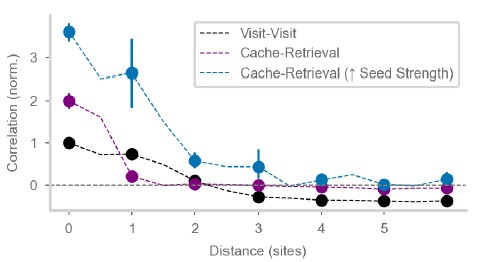
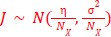
    1. Reviewer #1 (Public review):

      Summary:

      Lai and Doe address the integration of spatial information with temporal patterning and genes that specify cell fate. They identify the Forkhead transcription factor Fd4 as a lineage-restricted cell fate regulator that bridges transient spatial transcription factors to terminal selector genes in the developing Drosophila ventral nerve cord. The experimental evidence convincingly demonstrates that Fd4 is both necessary for late-born NB7-1 neurons, but also sufficient to transform other neural stem cell lineages toward the NB7-1 identity. This work addresses an important question that will be of interest to developmental neurobiologists: How can cell identities defined by initial transient developmental cues be maintained in the progeny cells, even if the molecular mechanism remains to be investigated? In addition, the study proposes a broader concept of lineage identity genes that could be utilized in other lineages and regions in the Drosophila nervous system and in other species.

      Strengths:

      While the spatial factors patterning the neuroepithelium to define the neuroblast lineages in the Drosophila ventral nerve cord are known, these factors are sometimes absent or not required during neurogenesis. In the current work, Lai and Doe identified Fd4 in the NB7-1 lineage that bridges this gap and explains how NB7-1 neurons are specified after Engrailed (En) and Vnd cease their expression. They show that Fd4 is transiently co-expressed with En and Vnd and is present in all nascent NB7-1 progenies. They further demonstrate that Fd4 is required for later-born NB7-1 progenies and sufficient for the induction of NB7-1 markers (Eve and Dbx) while repressing markers of other lineages when force-expressed in neural progenitors, e.g., in the NB5-6 lineage and in the NB7-3 lineage. They also demonstrate that, when Fd4 is ectopically expressed in NB7-3 and NB5-6 lineages, this leads to the ectopic generation of dorsal muscle-innervating neurons. The inclusion of functional validation using axon projections demonstrates that the transformed neurons acquire appropriate NB7-1 characteristics beyond just molecular markers. Quantitative analyses are thorough and well-presented for all experiments.

      Weaknesses:

      (1) While Fd4 is required and sufficient for several later-born NB7-1 progeny features, a comparison between early-born (Hb/Eve) and later-born (Run/Eve) appears missing for pan-progenitor gain of Fd4 (with sca-Gal4; Figure 4) and for the NB7-3 lineage (Figure 6). Having a quantification for both could make it clearer whether Fd4 preferentially induces later-born neurons or is sufficient for NB7-1 features without temporal restriction.

      (2) Fd4 and Fd5 are shown to be partially redundant, as Fd4 loss of function alone does not alter the number of Eve+ and Dbx+ neurons. This information is critical and should be included in Figure 3.

      (3) Several observations suggest that lineage identity maintenance involves both Fd4-dependent and Fd4-independent mechanisms. In particular, the fact that fd4-Gal4 reporter remains active in fd4/fd5 mutants even after Vnd and En disappear indicates that Fd4's own expression, a key feature of NB7-1 identity, is maintained independently of Fd4 protein. This raises questions about what proportion of lineage identity features require Fd4 versus other maintenance mechanisms, which deserves discussion.

      (4) Similarly, while gain of Fd4 induces NB7-1 lineage markers and dorsal muscle innervation in NB5-6 and NB7-3 lineages, drivers for the two lineages remain active despite the loss of molecular markers, indicating some regulatory elements retain activity consistent with their original lineage identity. It is therefore important to understand the degree of functional conversion in the gain-of-function experiments. Sparse labeling of Fd4 overexpressing NB5-6 and NB7-3 progenies, as was done in Seroka and Doe (2019), would be an option.

      (5) The less-penetrant induction of Dbx+ neurons in NB5-6 with Fd4-overexpression is interesting. It might be worth the authors discussing whether it is an Fd4 feature or an NB5-6 feature by examining Dbx+ neuron number in NB7-3 with Fd4-overexpression.

      (6) It is logical to hypothesize that spatial factors specify early-born neurons directly, so only late-born neurons require Fd4, but it was not tested. The model would be strengthened by examining whether Fd4-Gal4-driven Vnd rescues the generation of later-born neurons in fd4/fd5 mutants.

      (7) It is mentioned that Fd5 is not sufficient for the NB7-1 lineage identity. The observation is intriguing in how similar regulators serve distinct roles, but the data are not shown. The analysis in Figure 4 should be performed for Fd5 as supplemental information.

    2. Reviewer #2 (Public review):

      Summary:

      Via a detailed expression analysis, they find that Fd4 is selectively expressed in embryonic NB7-1 and newly born neurons within this lineage. They also undertake a comprehensive genetic analysis to provide evidence that fd4 is necessary and sufficient for the identity of NB7-1 progeny.

      Strengths:

      The analysis is both careful and rigorous, and the findings are of interest to developmental neurobiologists interested in molecular mechanisms underlying the generation of neuronal diversity. Great care was taken to make the figures clear and accessible. This work takes great advantage of years of painstaking descriptive work that has mapped embryonic neuroblast lineages in Drosophila.

      Weaknesses:

      The argument that Fd4 is necessary for NB7-1 lineage identity is based on a Fd4/Fd5 double mutant. Loss of fd4 alone did not alter the number of NB7-1-derived Eve+ or Dbx+ neurons. The authors clearly demonstrate redundancy between fd4 and fd5, and the fact that the LOF analysis is based on a double mutant should be better woven through the text. The authors generated an Fd5 mutant. I assume that Fd5 single mutants do not display NB7-1 lineage defects, but this is not stated. The focus on Fd4 over Fd5 is based on its highly specific expression profile and the dramatic misexpression phenotypes. But the LOF analysis demonstrates redundancy, and the conclusions in the abstract and through the results should reflect the existence of Fd5 in the conclusions of this manuscript.

      It is notable that Fd4 overexpression can rewire motor circuits. This analysis adds another dimension to the changes in transcription factor expression and, importantly, demonstrates functional consequences. Could the authors test whether U4 and U5 motor axon targeting changes in the fd4/fd5 double mutant? To strengthen claims regarding the importance of fd4/fd5 for lineage identity, it would help to address terminal features of U motorneuron identity in the LOF condition.

    3. Reviewer #3 (Public review):

      The goal of the work is to establish the linkage between the spatial transcription factors (STFs) that function transiently to establish the identities of the individual NBs and the terminal selector genes (typically homeodomain genes) that appear in the newborn post-mitotic neurons. How is the identity of the NB maintained and carried forward after the spatial genes have faded away? Focusing on a single neuroblast (NB 7-1), the authors present evidence that the fork-head transcription factor, fd4, provides a bridge linking the transient spatial cues that initially specified neuroblast identity with the terminal selector genes that establish and maintain the identity of the stem cell's progeny.

      The study is systematic, concise, and takes full advantage of 40+ years of work on the molecular players that establish neuronal identities in the Drosophila CNS. In the embryonic VNC, fd4 is expressed only in the NB 7-1 and its lineage. They show that Fd4 appears in the NB while the latter is still expressing the Spatial Transcription Factors and continues after the expression of the latter fades out. Fd4 is maintained through the early life of the neuronal progeny but then declines as the neurons turn on their terminal selector genes. Hence, fd4 expression is compatible with it being a bridging factor between the two sets of genes.

      Experimental support for the "bridging" role of Fd4 comes from a set of loss-of-function and gain-of-function manipulations. The loss of function of Fd4, and the partially redundant gene Fd5, from lineage 7-1 does not affect the size of the lineage, but terminal markers of late-born neuronal phenotypes, like Eve and Dbx, are reduced or missing. By contrast, ectopic expression of fd4, but not fd5, results in ectopic expression of the terminal markers eve and Dbx throughout diverse VNC lineages.

      A detailed test of fd4's expression was then carried out using lineages 7-3 and 5-6, two well-characterized lineages in Drosophila. Lineage 7-3 is much smaller than 7-1 and continues to be so when subjected to fd4 misexpression. However, under the influence of ectopic Fd4 expression, the lineage 7-3 neurons lost their expected serotonin and corazonin expression and showed Eve expression as well as motoneuron phenotypes that partially mimic the U motoneurons of lineage 7-1.

      Ectopic expression of Fd4 also produced changes in the 5-6 lineage. Expression of apterous, a feature of lineage 5-6, was suppressed, and expression of the 7-1 marker, Eve, was evident. Dbx expression was also evident in the transformed 5-6 lineages, but extremely restricted as compared to a normal 7-1 lineage. Considering the partial redundancy of fd4 and fd5, it would have been interesting to express both genes in the 5-6 lineage. The anatomical changes that are exhibited by motoneurons in response to Fd4 expression confirm that these cells do, indeed, show a shift in their cellular identity.

    4. Author response:

      Reviewer #1 (Public Review):

      Lai and Doe address the integration of spatial information with temporal patterning and genes that specify cell fate. They identify the Forkhead transcription factor Fd4 as a lineage-restricted cell fate regulator that bridges transient spatial transcription factors to terminal selector genes in the developing Drosophila ventral nerve cord. The experimental evidence convincingly demonstrates that Fd4 is both necessary for lateborn NB7-1 neurons, but also sufficient to transform other neural stem cell lineages toward the NB7-1 identity. This work addresses an important question that will be of interest to developmental neurobiologists: How can cell identities defined by initial transient developmental cues be maintained in the progeny cells, even if the molecular mechanism remains to be investigated? In addition, the study proposes a broader concept of lineage identity genes that could be utilized in other lineages and regions in the Drosophila nervous system and in other species. 

      Thanks for the accurate summary and positive comments!

      While the spatial factors patterning the neuroepithelium to define the neuroblast lineages in the Drosophila ventral nerve cord are known, these factors are sometimes absent or not required during neurogenesis. In the current work, Lai and Doe identified Fd4 in the NB7-1 lineage that bridges this gap and explains how NB7-1 neurons are specified after Engrailed (En) and Vnd cease their expression. They show that Fd4 is transiently co-expressed with En and Vnd and is present in all nascent NB7-1 progenies. They further demonstrate that Fd4 is required for later-born NB7-1 progenies and sufficient for the induction of NB7-1 markers (Eve and Dbx) while repressing markers of other lineages when force-expressed in neural progenitors, e.g., in the NB56 lineage and in the NB7-3 lineage. They also demonstrate that, when Fd4 is ectopically expressed in NB7-3 and NB5-6 lineages, this leads to the ectopic generation of dorsal muscle-innervating neurons. The inclusion of functional validation using axon projections demonstrates that the transformed neurons acquire appropriate NB7-1 characteristics beyond just molecular markers. Quantitative analyses are thorough and well-presented for all experiments.

      Thanks for the positive comments!

      (1) While Fd4 is required and sufficient for several later-born NB7-1 progeny features, a comparison between early-born (Hb/Eve) and later-born (Run/Eve) appears missing for pan-progenitor gain of Fd4 (with sca-Gal4; Figure 4) and for the NB7-3 lineage (Figure 6). Having a quantification for both could make it clearer whether Fd4 preferentially induces later-born neurons or is sufficient for NB7-1 features without temporal restriction.

      We quantified the percentage of Hb+ and Runt+ cells among Eve+ cells with sca-gal4, and the results are shown in Figure 4-figure supplement 1. We found that the proportion of early-born cells is slightly reduced but the proportion of later-born cells remain similar. Interestingly, we also found a subset of Eve+ cells with a mixed fate (Hb+Runt+) but the reason remains unclear.

      (2) Fd4 and Fd5 are shown to be partially redundant, as Fd4 loss of function alone does not alter the number of Eve+ and Dbx+ neurons. This information is critical and should be included in Figure 3.

      Because every hemisegment in an fd4 single mutant is normal, we just added it as the following text: “In fd4 mutants, we observe no change in the number of Eve+ neurons or Dbx+ neurons (n=40 hemisegments).”

      (3) Several observations suggest that lineage identity maintenance involves both Fd4dependent and Fd4-independent mechanisms. In particular, the fact that fd4-Gal4 reporter remains active in fd4/fd5 mutants even after Vnd and En disappear indicates that Fd4's own expression, a key feature of NB7-1 identity, is maintained independently of Fd4 protein. This raises questions about what proportion of lineage identity features require Fd4 versus other maintenance mechanisms, which deserves discussion.

      We agree, thanks for raising this point. We add the following text to the Discussion. “Interestingly, the fd4 fd5 mutant maintains expression of fd4:gal4, suggesting that the fd4/fd5 locus may have established a chromatin state that allows “permanent” expression in the absence of Vnd, En, and Fd4/Fd5 proteins.”

      (4) Similarly, while gain of Fd4 induces NB7-1 lineage markers and dorsal muscle innervation in NB5-6 and NB7-3 lineages, drivers for the two lineages remain active despite the loss of molecular markers, indicating some regulatory elements retain activity consistent with their original lineage identity. It is therefore important to understand the degree of functional conversion in the gain-of-function experiments. Sparse labeling of Fd4 overexpressing NB5-6 and NB7-3 progenies, as was done in Seroka and Doe (2019), would be an option.

      We agree it is interesting that the NB7-3 and NB5-6 drivers remain on following Fd4 misexpression. To explore this, we used sca-gal4 to overexpress Fd4 and observed that Lbe expression persisted while Eg was largely repressed (see Author response image 1 below). The results show that Lbe and Eg respond differently to Fd4. A non-mutually exclusive possibility is that the continued expression of lbe-Gal4 UAS-GFP or eg-Gal4 UAS-GFP may be due to the lengthy perdurance of both Gal4 and GFP.

      Author response image 1.

      (5) The less-penetrant induction of Dbx+ neurons in NB5-6 with Fd4-overexpression is interesting. It might be worth the authors discussing whether it is an Fd4 feature or an NB56 feature by examining Dbx+ neuron number in NB7-3 with Fd4-overexpression.

      In the NB7-3 lineages misexpressing Fd4, only 5 lineages generated Dbx+ cells (0.1±0.4, n=64 hemisegments), suggesting that the low penetrance of Dbx+ induction is an intrinsic feature of Fd4 rather than lineage context. We have added this information in the results section. 

      (6) It is logical to hypothesize that spatial factors specify early-born neurons directly, so only late-born neurons require Fd4, but it was not tested. The model would be strengthened by examining whether Fd4-Gal4-driven Vnd rescues the generation of laterborn neurons in fd4/fd5 mutants.

      When we used en-gal4 driver to express UAS-vnd in the fd4/fd5 mutant background, we found an average 7.4±2.2 Eve+ cells per hemisegment (n=36), significantly higher than fd4/fd5 mutant alone (3.9±0.8 cells, n=52, p=2.6x10<sup.-11</sup>) (Figure 3J). In addition, 0.2±0.5 Eve+ cells were ectopic Hb+ (excluding U1/U2), indicating that Vnd-En integration is sufficient to generate both early-born and late-born Eve+ cells in the fd4/fd5 mutants. We have added the results to the text.

      (7) It is mentioned that Fd5 is not sufficient for the NB7-1 lineage identity. The observation is intriguing in how similar regulators serve distinct roles, but the data are not shown. The analysis in Figure 4 should be performed for Fd5 as supplemental information.

      Thanks for the suggestion. Because the results are exactly the same as the wild type, we don’t think it is necessary to provide an additional images or analysis as supplemental information.

      Reviewer #2 (Public review):

      Via a detailed expression analysis, they find that Fd4 is selectively expressed in embryonic NB7-1 and newly born neurons within this lineage. They also undertake a comprehensive genetic analysis to provide evidence that fd4 is necessary and sufficient for the identity of NB7-1 progeny. 

      Thanks for the accurate summary!

      The analysis is both careful and rigorous, and the findings are of interest to developmental neurobiologists interested in molecular mechanisms underlying the generation of neuronal diversity. Great care was taken to make the figures clear and accessible. This work takes great advantage of years of painstaking descriptive work that has mapped embryonic neuroblast lineages in Drosophila. 

      Thanks for the positive comments!

      The argument that Fd4 is necessary for NB7-1 lineage identity is based on a Fd4/Fd5 double mutant. Loss of fd4 alone did not alter the number of NB7-1-derived Eve+ or Dbx+ neurons. The authors clearly demonstrate redundancy between fd4 and fd5, and the fact that the LOF analysis is based on a double mutant should be better woven through the text.

      The authors generated an Fd5 mutant. I assume that Fd5 single mutants do not display NB7-1 lineage defects, but this is not stated. The focus on Fd4 over Fd5 is based on its highly specific expression profile and the dramatic misexpression phenotypes. But the LOF analysis demonstrates redundancy, and the conclusions in the abstract and through the results should reflect the existence of Fd5 in the conclusions of this manuscript.

      We agree, and have added new text to clarify the single mutant phenotypes (there are none) and the double mutant phenotype (loss of NB7-1 molecular and morphological features. The following text is added to the manuscript: “Not surprisingly, we found that fd4 single mutants or fd5 single mutants had no phenotype (Eve+ neurons were all normal). Thus, to assess their roles, we generated a fd4 and fd5 double mutant. Because many Eve+ and Dbx+ cells are generated outside of NB7-1 lineage, it was also essential to identify the Eve+ or Dbx+ cells within NB7-1 lineage in wild type and fd4 mutant embryos. To achieve this, we replaced the open reading frame of fd4 with gal4 (called fd4-gal4) (see Methods); this stock simultaneously knocked out both fd4 and fd5 (called fd4/fd5 mutant hereafter) while specifically labeling the NB7-1 lineage. For the remainder of this paper we use the fd4/fd5 double mutant to assay for loss of function phenotypes.”

      It is notable that Fd4 overexpression can rewire motor circuits. This analysis adds another dimension to the changes in transcription factor expression and, importantly, demonstrates functional consequences. Could the authors test whether U4 and U5 motor axon targeting changes in the fd4/fd5 double mutant? To strengthen claims regarding the importance of fd4/fd5 for lineage identity, it would help to address terminal features of U motorneuron identity in the LOF condition.

      Thanks for raising this important point. We examined the axon targeting on body wall muscles in both wild type and in fd4/fd5 mutant background and added the results in Figure 3-figure supplement 2. We found that the axon targeting in the late-born neuron region (LL1) is significantly reduced, suggesting that the loss of late-born neurons in fd4/fd5 mutant leads to the absence of innervation of corresponding muscle targets.

      Reviewer #3 (Public review):

      The goal of the work is to establish the linkage between the spatial transcription factors (STFs) that function transiently to establish the identities of the individual NBs and the terminal selector genes (typically homeodomain genes) that appear in the newborn postmitotic neurons. How is the identity of the NB maintained and carried forward after the spatial genes have faded away? Focusing on a single neuroblast (NB 7-1), the authors present evidence that the fork-head transcription factor, fd4, provides a bridge linking the transient spatial cues that initially specified neuroblast identity with the terminal selector genes that establish and maintain the identity of the stem cell's progeny. 

      Thanks for the positive comments!

      The study is systematic, concise, and takes full advantage of 40+ years of work on the molecular players that establish neuronal identities in the Drosophila CNS. In the embryonic VNC, fd4 is expressed only in the NB 7-1 and its lineage. They show that Fd4 appears in the NB while the latter is still expressing the Spatial Transcription Factors and continues after the expression of the latter fades out. Fd4 is maintained through the early life of the neuronal progeny but then declines as the neurons turn on their terminal selector genes. Hence, fd4 expression is compatible with it being a bridging factor between the two sets of genes. 

      Thanks for the accurate summary!

      Experimental support for the "bridging" role of Fd4 comes from a set of loss-of-function and gain-of-function manipulations. The loss of function of Fd4, and the partially redundant gene Fd5, from lineage 7-1 does not aoect the size of the lineage, but terminal markers of late-born neuronal phenotypes, like Eve and Dbx, are reduced or missing. By contrast, ectopic expression of fd4, but not fd5, results in ectopic expression of the terminal markers eve and Dbx throughout diverse VNC lineages. 

      Thanks for the accurate summary!

      A detailed test of fd4's expression was then carried out using lineages 7-3 and 5-6, two well-characterized lineages in Drosophila. Lineage 7-3 is much smaller than 7-1 and continues to be so when subjected to fd4 misexpression. However, under the influence of ectopic Fd4 expression, the lineage 7-3 neurons lost their expected serotonin and corazonin expression and showed Eve expression as well as motoneuron phenotypes that partially mimic the U motoneurons of lineage 7-1.

      Thanks for the positive comments!

      Ectopic expression of Fd4 also produced changes in the 5-6 lineage. Expression of apterous, a feature of lineage 5-6, was suppressed, and expression of the 7-1 marker, Eve, was evident. Dbx expression was also evident in the transformed 5-6 lineages, but extremely restricted as compared to a normal 7-1 lineage. Considering the partial redundancy of fd4 and fd5, it would have been interesting to express both genes in the 5-6 lineage. The anatomical changes that are exhibited by motoneurons in response to Fd4 expression confirm that these cells do, indeed, show a shift in their cellular identity.

      We appreciate the positive comments. We agree double misexpression of Fd4 and Fd5 might give a stronger phenotype (as the reviewer says) but the lack of this experiment does not change the conclusions that Fd4 can promote NB7-1 molecular and morphological aspects at the expense of NB5-6 molecular markers.

    1. Reviewer #3 (Public review):

      The study by Yadav et al. describes a new setup to quantify a number of aggression and mating behaviors in Drosophila melanogaster. The investigation of these behaviors requires the analysis of large number of videos to identify each kind of behavior displayed by a fly. Several approaches to automatize this process have been published before, but each of them has their limitations. The authors set out to develop a new setup that includes a very low-cost, easy to acquire hardware and open-source machine-learning classifiers to identify and quantify the behavior.

      Strengths:

      (1) The study demonstrates that their cheap, simple, and easy to obtain hardware works just as well as custom-made, specialized hardware for analyzing aggression and mating behavior. This enables the setup to be used in a wide range of settings, from research with limited resources to classroom teaching.

      (2) The authors used previously published software to train new classifiers for detecting a range of behaviors related to aggression and mating and make them freely available. The classifiers are very positively benchmarked against a manually acquired ground-truth as well as existing algorithms.

      (3) The study demonstrates the applicability of the setup (hardware and classifiers) to common methods in the field by confirming a number of expected phenotypes with their setup.

      Taken together, this work can greatly facilitate research of aggression and mating in Drosophila. The combination of low-cost, off-the-shelf hardware and open-source, robust software enables researchers with very little funding or technical expertise to contribute to the scientific process, and also allows large-scale experiments, for example, in classroom teaching with many students, or for systematic screenings.

    2. Author response:

      The following is the authors’ response to the original reviews.

      Reviewer #1 (Public review):

      The study introduces an open-source, cost-effective method for automating the quantification of male social behaviors in Drosophila melanogaster. It combines machine-learning-based behavioral classifiers developed using JAABA (Janelia Automatic Animal Behavior Annotator) with inexpensive hardware constructed from off-the-shelf components. This approach addresses the limitations of existing methods, which often require expensive hardware and specialized setups. The authors demonstrate that their new "DANCE" classifiers accurately identify aggression (lunges) and courtship behaviors (wing extension, following, circling, attempted copulation, and copulation), closely matching manually annotated groundtruth data. Furthermore, DANCE classifiers outperform existing rule-based methods in accuracy. Finally, the study shows that DANCE classifiers perform as well when used with low-cost experimental hardware as with standard experimental setups across multiple paradigms, including RNAi knockdown of the neuropeptide Dsk and optogenetic silencing of dopaminergic neurons.

      The authors make creative use of existing resources and technology to develop an inexpensive, flexible, and robust experimental tool for the quantitative analysis of Drosophila behavior. A key strength of this work is the thorough benchmarking of both the behavioral classifiers and the experimental hardware against existing methods. In particular, the direct comparison of their low-cost experimental system with established systems across different experimental paradigms is compelling.

      While JAABA-based classifiers have been previously used to analyze aggression and courtship (Tao et al., J. Neurosci., 2024; Sten et al., Cell, 2023; Chiu et al., Cell, 2021; Isshi et al., eLife, 2020; Duistermars et al., Neuron, 2018), the demonstration that they work as well without expensive experimental hardware opens the door to more low-cost systems for quantitative behavior analysis.

      We thank the reviewer for their positive assessment and constructive suggestions. We have cited these additional JAABA studies in the Introduction. We clarified that several prior JAABA-based classifiers were developed using specialized machinevision cameras or custom setups, and that in some cases the original code and classifiers were not made publicly available, which limits reproducibility and wider adoption. To address this, we explicitly note in the revised manuscript that DANCE was developed with accessibility in mind.

      Although the study provides a detailed evaluation of DANCE classifier performance, its conclusions would be strengthened by a more comprehensive analysis. The authors assess classifier accuracy using a bout-level comparison rather than a frame-level analysis, as employed in previous studies (Kabra et al., Nat Methods, 2013). They define a true positive as any instance where a DANCE-detected bout overlaps with a manually annotated ground-truth bout by at least one frame. This criterion may inflate true positive rates and underestimate false positives, particularly for longer-duration courtship behaviors. For example, a 15-second DANCE-classified wing extension bout that overlaps with ground truth for only one frame would still be considered a true positive. A frame-level analysis performance would help address this possibility.

      We thank the reviewer for raising this important point. Our original use of bout-level analysis followed existing literature (Duistermars et al., 2018; Ishii et al., 2020; Chiu et al., 2021; Tao et al., 2024; Hindmarsh Sten et al., 2025). While our lunge classifier already operates at the frame level, we have now performed additional frame-level evaluations for the duration based courtship classifiers. These analyses revealed only minor differences in precision, recall, and F1 scores compared with the original bout-level approach (see new Figure 5—Figure Supplement 3). Details of this analysis are now included in the Materials and Methods.

      In summary, this work provides a practical and accessible approach to quantifying Drosophila behavior, reducing the economic barriers to the study of the neural and molecular mechanisms underlying social behavior.

      We thank the reviewer for their encouraging comments and for recognizing the accessibility and practical value of our approach. We appreciate the constructive suggestions, which have helped strengthen the manuscript.

      Reviewer #2 (Public review):

      Summary:

      This manuscript addresses the development of a low-cost behavioural setup and standardised open-source high-performing classifiers for aggression and courtship behaviour. It does so by using readily available laboratory equipment and previously developed software packages. By comparing the performance of the setup and the classifiers to previously developed ones, this study shows the classifier's overperformance and the reliability of the low-cost setup in recapitulating previously described effects of different manipulations on aggression and courtship.

      Strengths:

      The newly developed classifiers for lunges, wing extension, attempted copulation, copulation, following, and circling, perform better than available previously developed ones. The behavioural setup developed is low cost and reliably allows analysis of both aggression and courtship behaviour, validated through social experience manipulation (social isolation), gene knock (Dsk in Dilp2 neurons) and neuronal inactivation (dopaminergic neurons) known to affect courtship and aggression.

      We thank the reviewer for the clear summary of our work and for highlighting its strengths. We appreciate these positive comments and suggestions, which have helped improve the clarity of the manuscript.

      Weaknesses:

      Aggression encompasses multiple defined behaviours, yet only lunges were analysed. Moreover, the CADABRA software to which DANCE was compared analyses further aggression behaviours, making their comparisons incomplete. In addition, though DANCE performs better than CADABRA and Divider in classifying lunges in the behavioural setup tested, it did not yield very high recall and F1 scores.

      We thank the reviewer for raising this important point. We focused on lunges because they are widely used as a standard proxy for male aggression across multiple laboratories (Agrawal et al., 2020; Asahina et al., 2014; Chiu et al., 2021; Chowdhury et al., 2021; Dierick et al., 2007; Hoyer et al., 2008; Jung et al., 2020; Nilsen et al., 2004; Watanabe et al., 2017). As noted in the Discussion, our study also provides a template for the future development of additional aggression classifiers (fencing, wing flick, tussle, chase, female headbutt) and courtship classifiers (tapping, licking, rejection), which can be trained and shared through the same DANCE framework. Developing and validating these was beyond the scope of the present work.

      To address the concern regarding precision, recall, and F1 scores, we performed additional analyses across all training videos and compiled these results in the new Figure 2—Figure Supplement 2. Our earlier lunge classifier had performance metrics obtained after training on a total of 11 videos. Our analysis shows performance metrics for classifiers trained on four independent datasets (Videos 8– 11). We found that the classifier trained on nine videos provided the best balance of precision, recall, and F1 (78.73%, 73.07%, and 75.79%, respectively), which was slightly better than the earlier classifier. We therefore updated the main figure, text, and Materials and Methods to use this version and uploaded the corresponding classifier and training details to the GitHub repository. 

      DANCE is of limited use for neuronal circuit-level enquiries, since mechanisms for intensity and temporally controlled optogenetic manipulations, which are nowadays possible with open-source software and low-cost hardware, were not embedded in its development.

      We thank the reviewer for this valuable point. The primary aim of DANCE is to provide an accessible, modular, and low-cost behavioural recording and analysis platform. It was designed so that users can readily integrate additional components such as optogenetic control when needed. As a proof of concept, we implemented optogenetic silencing of dopaminergic neurons using the DANCE hardware and confirmed that this manipulation increased aggression (Figure 7R). 

      To facilitate adoption, we now provide schematic diagrams, LED control code, and instructions on our GitHub page and setup photographs in the manuscript (see new Figure 7—Figure Supplement 1). The released code allows programmable timing and intensity control, enabling users to reproduce temporally precise optogenetic protocols or extend the system for other stimulation paradigms.

      Reviewer #3 (Public review):

      The preprint by Yadav et al. describes a new setup to quantify a number of aggression and mating behaviors in Drosophila melanogaster. The investigation of these behaviors requires the analysis of a large number of videos to identify each kind of behavior displayed by a fly. Several approaches to automatize this process have been published before, but each of them has its limitations. The authors set out to develop a new setup that includes very low-cost, easy-to-acquire hardware and open-source machine-learning classifiers to identify and quantify the behavior.

      Strengths:

      (1) The study demonstrates that their cheap, simple, and easy-to-obtain hardware works just as well as custom-made, specialized hardware for analyzing aggression and mating behavior. This enables the setup to be used in a wide range of settings, from research with limited resources to classroom teaching.

      (2) The authors used previously published software to train new classifiers for detecting a range of behaviors related to aggression and mating and to make them freely available. The classifiers are very positively benchmarked against a manually acquired ground truth as well as existing algorithms.

      (3) The study demonstrates the applicability of the setup (hardware and classifiers) to common methods in the field by confirming a number of expected phenotypes with their setup.

      We thank the reviewer for the positive assessment of our work and for highlighting its strengths. We appreciate these encouraging comments and suggestions, which have helped improve the clarity and presentation of the manuscript.

      Weaknesses:

      (1) When measuring the performance of the duration-based classifiers, the authors count any bout of behavior as true positive if it overlaps with a ground-truth positive for only 1 frame - despite the minimal duration of a bout is 10 frames, and most bouts are much longer. That way, true positives could contain cases that are almost totally wrong as long there was an overlap of a single frame. For the mating behaviors that are classified in ongoing bouts, I think performance should be evaluated based on the % of correctly classified frames, not bouts.

      We thank the reviewer for raising this concern. In response to this point, and to Reviewer #1’s similar comment, we performed a frame-level evaluation of all duration-based courtship classifiers. The analysis revealed only minor differences compared with the original bout-level metrics (see new Figure 5—Figure Supplement 3), confirming the robustness of our classifiers. We have also added a description of this analysis in the Materials and Methods section.

      (2) In the methods part, only one of the pre-existing algorithms (MateBook), is described. Given that the comparison with those algorithms is a so central part of the manuscript, each of them should be briefly explained and the settings used in this study should be described.

      We thank the reviewer for this helpful suggestion. In the revised manuscript, we expanded the Materials and Methods to include concise descriptions and parameter settings for all pre-existing algorithms used for comparison. This includes dedicated subsections for CADABRA and the Divider assay, with explicit reference to their rulebased or geometric features. For MateBook, we specified the persistence filters used and the adjustments made for fair benchmarking. These changes ensure transparency and reproducibility.

      Taken together, this work can greatly facilitate research on aggression and mating in Drosophila. The combination of low-cost, off-the-shelf hardware and open-source, robust software enables researchers with very little funding or technical expertise to contribute to the scientific process and also allows large-scale experiments, for example in classroom teaching with many students, or for systematic screenings.

      We thank the reviewer for the encouraging comments and for recognizing the accessibility and broad applicability of DANCE. We believe these revisions have further strengthened the manuscript.

      Reviewer #1 (Recommendations for the authors):

      The following comments highlight areas where additional context, clarification, or further analysis could strengthen the manuscript. I hope these suggestions will be useful in refining your work.

      (1) Lines 71-73: The authors state that Ctrax "leads to frequent identity switches among tracked flies, which is not the case while using FlyTracker." However, Ctrax was specifically designed to minimize identity errors, and Kabra et al. (2013) reported a low frequency of such errors-approximately one per five fly-hours in 10-fly videos. In contrast, Caltech FlyTracker does not correct identity errors automatically, requiring manual corrections, as noted in the Methods section of this study. If this is not an oversight, please provide further context to clarify this distinction.

      We thank the reviewer for raising this clarification. As reported by Bentzur et al. (2021), when groups of flies were tracked simultaneously, Ctrax often generated multiple identities for the same individual, sometimes producing more trajectories than the actual number of flies. To prevent ambiguity, we revised the text to read: “While both Ctrax and FlyTracker (Eyjolfsdottir et al., 2014) may produce identity switches, when groups of flies were tracked simultaneously, Ctrax led to inaccuracies that required manual correction using specialized algorithms such as FixTrax (Bentzur et al., 2021).”  We also quantified FlyTracker identity-switch rates in our datasets and report them in new Supplementary File 5, confirming that such events were rare (< 2% of tracked intervals). We believe, this updated version provides the necessary context and ensures accuracy in describing each tracker’s limitations.

      (2) Line 85: Providing additional context on how this study builds on previous work using JAABA-based classifiers for fly social behavior and comparing these classifiers to rule-based methods would more accurately situate it within the field. The authors state that "recently, a few JAABA-based classifiers have been developed for measuring aggression and courtship" and cite four related studies. However, this statement seems to underrepresent the use of JAABA-based classifiers for quantifying fly social behavior, which has become common in the field. Several additional studies (as noted in the public review) have developed JAABA-based classifiers for scoring aggression or courtship. Furthermore, other studies have compared the performance of JAABA-based classifiers with rule-based classifiers like CADABRA (e.g., Chowdhury et al., Comm Biology 2021; Leng et al., PlosOne 2020; Kabra et al., Nat Methods 2013). Mentioning the similar findings in those studies and your own helps strengthen the conclusion that machine-learning-based classifiers outperform rule-based classifiers in several experimental contexts.

      We thank the reviewer for this helpful suggestion. We have revised the Introduction to include additional references to studies that applied JAABA-based classifiers for aggression and courtship and made textual edits to reflect this. We further noted that, unlike several previous studies, all DANCE classifiers and analysis code are publicly available.

      Reviewer #2 (Recommendations for the authors):

      (1) Suggestions for improved or additional experiments, data or analyses: As mentioned in the description of the effect of optogenetic inactivation of dopaminergic neurons, in the conclusion and also reported in the literature, there are other important identified aggression behaviours, such as fencing, wing flick, tussle, and chase. Similarly, for courtship, tapping and licking have also been defined. This study, as opposed to proposed future studies, would benefit from creating opensource classifiers for these established behaviours, which are important for the analysis of aggression and courtship.

      We thank the reviewer for this valuable suggestion. As clarified in the Discussion, this manuscript intentionally focuses on six core, well-validated aggression and courtship behaviors to demonstrate DANCE’s modularity and reproducibility. Developing additional classifiers such as fencing, wing flick, tussle, chase, tapping, and licking would require extensive annotation and validation beyond the present scope. To address this point, we explicitly note in the revised text that the DANCE pipeline is readily extendable, allowing the community to build new classifiers within the same framework.

      In terms of observer bias assessment for ground-truthing in courtship, this was only presented for circling and it would be beneficial to have encompassed all behaviours analysed.

      We thank the reviewer for this suggestion. Observer-bias comparisons for all six classifiers are presented in Figure 2—Figure Supplement 1 (panels A–F). We clarified in the Results that annotations from two independent evaluators were compared for all classifiers, with no significant differences observed, confirming their robustness.

      Finally, intensity and temporal optogenetic control are important for neuronal circuit analysis of underlying behaviour. The authors could embed this aspect in DANCE by integrating control of the green light LED strip used in this study using, for example, the open-source visual reactive programming software Bonsai (Lopes et al., 2015) and open-source electronics platform Arduino. This is an important and valuable addition in line with maintaining low cost.

      We thank the reviewer for this valuable suggestion. DANCE was designed to be modular, allowing integration of temporal optogenetic control. To support immediate adoption, we now provide Arduino LED control code, setup schematics, and photographs (new Figure 7—Figure Supplement 1) along with step-by-step instructions on our GitHub page. We also note that Bonsai and Arduino frameworks are compatible with DANCE, enabling future extensions for closed-loop or behaviortriggered stimulation.

      (2) Minor corrections to the text and figures:

      Figure Supplement 1 refers only to Figure 2, yet panels D-F refer to the behaviour circling in courtship and therefore should be assigned to the respective figure.

      Thanks, we have corrected this.

      In lines 315-316, the cumbersome task of fluon coating for aggression assays seems to be ubiquitous across assays which is not the case, and therefore the sentence should include the word 'some'.

      Thanks, we have edited this.

      The cost of the phone and/or tablet should be included in the DANCE setup costs, as presumably these devices will be dedicated to the behavioural studies, for consistency purposes.

      We thank the reviewer for this comment. We intentionally did not include smartphones or tablets in the setup cost because, in our experiments, these devices were not dedicated exclusively to DANCE but were repurposed from routine personal use. Our aim was to leverage readily available consumer electronics so that their cost does not become a barrier to adoption. We confirmed that commonly available Android phones capable of 30 fps at 1080p in H.264 format, as well as tablets or phones running a simple white-screen light app, are sufficient for reliable behavior classification and illumination. Since these devices can be returned to regular use after recordings, including their cost in the setup would not accurately reflect the intended accessibility of DANCE. For consistency, we now clarify in the Materials and Methods that such devices should be placed in airplane mode during recordings.

      Reviewer #3 (Recommendations for the authors):

      (1) For my taste, the authors put too much emphasis on the point that their method outperforms existing methods. I understand the value in comparing to published methods and it is of course fully justified to state the advantages of the new method. But the whole preprint is set up as a competition with the old algorithms, and the conclusion that the new classifier is better is repeated in each figure caption and after each paragraph of the results. This competitive mindset also extends to the selection of which results are presented as main figures and which as supplements - all cases in which the previous methods actually perform well are only presented in the supplement. I think this is simply unnecessary as the authors' results speak for themselves, and do not need the continuous competitive comparison.

      We thank the reviewer for this thoughtful suggestion. Our intention was to benchmark DANCE rigorously against existing methods, not to frame the study competitively. We agree that repeated emphasis on relative performance was unnecessary. In the revised version, we streamlined figure captions and text throughout the manuscript to balance comparisons and removed redundant phrasing. Instances where other methods performed well are now presented with equal clarity to maintain a neutral and informative tone.

      (2) When describing the DANCE hardware, as a reader I would find it interesting to also read about potential issues that the authors encountered. For example, how difficult is it to handle the materials without breaking or deforming them, which could affect the behavioral assays? How critical is it to use specific blister packs - the availability of which will likely vary strongly between countries? Did the authors try different sizes, and products? Such information, even as a supplement, could be very helpful for the widespread use of the hardware.

      We thank the reviewer for this important point. To address this, we conducted additional tests comparing DANCE arenas of different diameters (new Figure 7— Figure Supplement 3A–C and new Figure 7—Figure Supplement 4A–L). We also consulted colleagues in multiple countries and verified that the blister packs used in our assays are readily available. The Materials and Methods now include practical handling notes: blister foils can be reused ~30–40 times for aggression assays and ~10–15 times for courtship assays before deformation. We also describe how to prevent agar surface damage during assembly and how to wash and dry the arenas for optimal reusability.

      (3) I find the arrows pointing to several videos in a number of figures rather distracting and redundant, and suggest omitting them.

      Thanks, we have omitted these arrows from all relevant figures and clarified the figure legends to enhance readability.

      (4) P8, line 169 ff: this is a very long sentence that should be separated into several sentences.

      We have rewritten this as follows: “DANCE scores remained comparable to groundtruth scores across all categories, whereas CADABRA and Divider underestimated the lunge counts (Figure 2B–E). Correlation analysis revealed a strong relationship between DANCE and ground-truth scores (Figure 2F, Supplementary File 2). In comparison, CADABRA and the Divider assay classifier showed a weaker correlation (Figure 2G-H, Supplementary File 2).”

      (5) P10, line 216: please explain, here and in the methods, how these behavioral indices are calculated. I did not find this information anywhere in the paper.

      We thank the reviewer for pointing this out. We now define the behavioral index explicitly in Materials and Methods: “For each assay, a behavioral index was calculated as the proportion of frames in which the male engaged in the specified behavior. This was obtained by dividing the total number of frames annotated for that behavior by the total number of frames in the recording.”

      (6) P11, line 253: I don't understand the modifications to MateBook regarding attempted copulations, neither in the results nor the methods section. I would ask the authors to explain more explicitly what was done.

      We thank the reviewer for this helpful suggestion. We have re-written several parts of the Materials and methods to clarify these details and streamline the text. To train the attempted copulation classifier, we combined datasets from assays with mated and decapitated virgin females, using manual annotations as ground truth. We also adapted MateBook’s persistence filters (Ribeiro et al., 2018) and defined thresholds explicitly: mounting lasting >45 s (>1350 frames at 30 fps) was defined as copulation, whereas abdominal curling without mounting, or mounting lasting 0.33– 45 s, was defined as attempted copulation.

      (7) Figure 7F: this is the only case with a significant difference between the two setups. What explanations do the authors have for the discrepancy?

      We thank the reviewer for raising this point. After repeating the experiments, we no longer found a significant difference between the setups. Figure 7 and its legend have been updated to reflect these results.

      (8) Figure 2 - Supplement 1: I do not understand why the boxes for Observer 1 have different colors in different figures. Does this have a meaning?

      Thanks for pointing this out. The color differences had no intended meaning, and we have corrected the figure for consistency across panels.

      (9) P22, line 517ff: It would be interesting to know how frequently identity switches occurred. For large-scale, automatic behavioral screenings that step could be a crucial bottleneck.

      We thank the reviewer for this valuable suggestion. We analyzed identity switches using the FlyTracker “Visualizer” package, which flags frames with possible overlaps or jumps. Flagged intervals were manually verified, and we report these data in new Supplementary File 5. Identity switch rates were very low: 0.66% for high-resolution recordings and 1.9% for smartphone DANCE videos in the most challenging decapitated-virgin dataset. These findings demonstrate robust tracking performance under both setups.

    1. Author response:

      The following is the authors’ response to the original reviews.

      Reviewer #1 (Public review): 

      Summary: 

      Biomolecular condensates are an essential part of cellular homeostatic regulation. In this manuscript, the authors develop a theoretical framework for the phase separation of membrane-bound proteins. They show the effect of non-dilute surface binding and phase separation on tight junction protein organization. 

      Strengths: 

      It is an important study, considering that the phase separation of membrane-bound molecules is taking the center stage of signaling, spanning from immune signaling to cell-cell adhesion. A theoretical framework will help biologists to quantitatively interpret their findings. 

      Weaknesses: 

      Understandably, the authors used one system to test their theory (ZO-1). However, to establish a theoretical framework, this is sufficient. 

      We acknowledge this limitation. While we agree that additional systems would strengthen the generality of our theory, we note that the focus of this work is to introduce and validate a theoretical framework. As the reviewer notes, this is sufficient for establishing the framework. Nonetheless, we are open to further collaborations or future studies to test the model with other systems.

      Reviewer #2 (Public review): 

      Summary: 

      The authors present a clear expansion of biophysical (thermodynamic) theory regarding the binding of proteins to membrane-bound receptors, accounting for higher local concentration effects of the protein. To partially test the expanded theory, the authors perform in vitro experiments on the binding of ZO1 proteins to Claudin2 C-terminal receptors anchored to a supported lipid bilayer, and capture the effects that surface phase separation of ZO1 has on its adsorption to the membrane. 

      Strengths: 

      (1) The derived theoretical framework is consistent and largely well-explained. 

      (2) The experimental and numerical methodologies are transparent. 

      (3) The comparison between the best parameterized non-dilute theory is in reasonable agreement with experiments. 

      Weaknesses: 

      (1) In the theoretical section, what has previously been known, compared to which equations are new, should be made more clear. 

      We have revised the theory section to clearly distinguish previously established formulations from novel contributions following equation (4), which is .

      (2) Some assumptions in the model are made purely for convenience and without sufficient accompanying physical justification. E.g., the authors should justify, on physical grounds, why binding rate effects are/could be larger than the other fluxes. 

      For our problem, binding is relevant together with diffusive transport in each phase. Each process is accompanied by kinetic coefficients that we estimate for the experimental system. For the considered biological systems (and related ones), it is difficult to determine whether other fluxes (see, e.g., Eq. 8(e)) have relaxed or not. We note that their effects are, of course, included in the kinetic model applied to the coarsening of ZO1 surface condensates as boundary conditions. But we cannot exclude that the corresponding kinetic coefficient in the actual biological system is large enough such that, e.g., Eq. (9e) does not vanish to zero “quasi-statically”. We have now added a sentence to the outlook highlighting the relevance of testing those flux-force relationships in biological systems. 

      (3) I feel that further mechanistic explanation as to why bulk phase separation widens the regime of surface phase separation is warranted.  

      We have discussed the mechanistic explanation related to bulk protein interaction strength in the manuscript in the section: “Effects of binding affinity and interactions on surface phase separation”. We explained how the bulk interaction parameter affects the binding equilibrium. 

      (4) The major advantage of the non-dilute theory as compared with a best parameterized dilute (or homogenous) theory requires further clarification/evidence with respect to capturing the experimental data. 

      We thank reviewer for this helpful question. To address this point, we have added new paragraphs in the conclusion section, which explicitly discuss the necessity of employing the non-dilute theory for interpreting the experimental data.

      (5) Discrete (particle-based) molecular modelling could help to delineate the quantitative improvements that the non-dilute theory has over the previous state-of-the-art. Also, this could help test theoretical statements regarding the roles of bulk-phase separation, which were not explored experimentally.  

      We appreciate the suggestion and agree that such modeling would be valuable. However, this is beyond the scope of the current study. 

      (6) Discussion of the caveats and limitations of the theory and modelling is missing from the text. 

      We sincerely appreciate the reviewer’s helpful comment. We have added a discussion in the conclusion section outlining the caveats and limitations of our modeling approach.

      Reviewing Editor Comments: 

      Upon discussing with the reviewers, we feel that this manuscript could significantly be improved if testing the model with a different model system (beyond ZO1/tight junctions), in which case we foresee that we could enhance the strength of evidence from "compelling" to "exceptional". But of course, this is up to the authors to go for it or not, the paper is already very good. 

      Reviewer #2 (Recommendations for the authors): 

      (1) Lines 132-134: Re-word, the use of "complex" is confusing.

      We have rephrased the sentence for clarity. The revised version reads: ṽ<sub>_𝑃𝑅</sub>_ are the molecular volume and area of the protein-receptor complex ѵ<sub>𝑃𝑅</sub>, respectively”, and the changes have been in the revised manuscript.

      (2) Line 154 use of ""\nu"" for volume and area could be avoided for better clarity. 

      We thank the reviewer for this helpful suggestion. We have removed the statement involving ""\nu"" as these quantities have already been defined in the preceding context.

      (3) Line 158 the total "Helmholtz" free energy F... 

      We have added the word "Helmholtz" to the sentence.

      (4) Line 160 typo "In specific,..." 

      We carefully checked this sentence but could not identify a typo.  

      (5) For equation 5 explain the physical origins of each term, or provide a reference if this equation is explained elsewhere. 

      Thank you very much for your valuable suggestions. We have carefully rephrased Equation (5) and added a paragraph immediately afterward to provide a detailed explanation of its physical meaning.

      (6) Derivation on lines 163-174 is poorly written. Make the logical flow between the equations clearer. 

      We greatly appreciate your insightful suggestions. Equation (6) has been carefully revised for clarity, and the explanation has been rewritten to ensure better readability. All modifications are Done.

      (7) Define bold "t" in Equation 6. 

      The variable “t” has been explicitly defined in the context for clarity.

      (8) In equations. 7b-7c the nablas (gradients) should be the 2D versions.  

      We have updated the gradient operators in Equations (7b) and (7c) [Eq. (9) in revised manuscript]  to their 2D forms for consistency. 

      (9) Line 190, avoid referring to the future Equation 14, and state in words what is meant by "thermodynamic equilibrium". 

      We have added the explanation of “thermodynamic equilibrium” and remove the reference to equation accordingly.

      (10) In Equation 11 you don't explain what you are doing ( which is a perturbation around the minimum of the free energy). 

      We have revised the paragraph before equation (11) [Eq. (13) in revised manuscript] to clarify that the expression represents a perturbation around the minimum of the free energy.

      (11)  In Equation 12, doesn't this also depend on how you have written equation 6 (not just equation 5). 

      Eq. (12) [Eq. (14) in revised manuscript] is derived directly from the variation of the total free energy F. In contrast, Eq. (6) contains the time derivative of free energies that were not written in their final form. In the revised version, we have now given the conjugate forces and fluxes in Eqs. (7) and (8) for clarity.

      (12) Line 206 specify the threshold of local concentration (or provide a reference). 

      We have specified the threshold of local concentration in the revised text, and the corresponding statement has been highlighted.

      (13) Line 223 is the deviation from ideality captured in a pair-wise fashion? I presume it does not account for N many-body interactions?  

      Yes, our model is formulated within a mean-field framework that incorporates pairwise (second order) interaction coefficients. For example, 𝜒<sub>𝑃𝑅 -𝑅</sub> characterizes the interaction between the complex 𝑃𝑅 and the free receptor 𝑅, 𝜒<sub>𝑅 -L</sub> the interaction between free receptor 𝑅 and free lipid 𝐿, 𝜒<sub>𝑃𝑅-𝐿</sub> the interaction between complex 𝑃𝑅and free lipid 𝐿. We have stressed this choice of free energy in the revised manuscript.

      (14) Line 274, how do the authors know the secondary effects (of which they should mention a few) do not significantly impact the observed behaviour?  

      We sincerely thank the reviewer for the helpful comment. First, the parameters 𝜒<sub>𝑅 -L</sub> and 𝜒<sub>𝑃𝑅 -𝑅</sub> are not essential based on the experimental observations. For more information, please see our revised paragraph on the choice of the specific parameter values, which has been in the following Eq. (21).

      (15) It's not clear how Figures 3 b and c are generated with reference to which parameters are changed to investigate with/without bulk phase separation. 

      To improve clarity, we have revised Figure 3 to display the corresponding parameter values directly in each panel. Figures 3b and 3c were generated by computing the surface binding curves (as shown in Fig. 2) for each binding affinity 𝜔<sub>𝑃𝑅</sub> and membrane-complex interaction strength 𝜒<sub>𝑃𝑅-𝐿</sub>, under different bulk interaction strengths chi, to compare the cases with and without bulk phase separation. 

      (16) The jump between theory and the "Mechanism in ..." section is too much. The authors should include the biological context of tight junctions and ZO1 in the main introduction. 

      We appreciate the reviewer’s suggestion. Following this comment, we have added an extended discussion in the main introduction to provide the necessary biological context of tight junctions and ZO1. In addition, we inserted new bridging paragraphs between the theoretical section and the section “Mechanism in tight junction formation” to create a smoother transition from theory to experiments. These revisions help to better connect the theoretical framework with the biological phenomena discussed in the later section.

    1. I am less worried about AI as an aid to guide expert-level reasoning in targeted domains, as when, for example, a doctor might use AI in diagnosis to ensure that she hasn’t overlooked an unusual disease. But the problem is that there is too much hype surrounding LLMs as general reasoners upon which we can (at least partially) offload our thinking about any topic whatsoever. It’s in the interest of people producing the technology to make us think that its possibilities are limitless and that it will usher in a wonderful new future for everyone. We should be cautious before we too enthusiastically pin our hopes on the latest technological trend.

      Джефф Бэхрендс подытоживает прошлые высказывания и говорит о своих опасениях, что современные технологии становятся настолько распространенными, что мы полагаемся на его работу без сомнений. Нам рекламируют способности ИИ как то, что не может ошибаться и давать не точною информацию, однако это не так

    2. AI is forcing us to think differently about the various components of critical thinking. For instance, AI can be a helpful partner in analyzing and inferring, as well as with certain types of problem-solving, but it’s not always that successful at evaluating, and reflecting can’t (yet) be outsourced to AI.

      Карен Торнбер продолжает мысль предыдущих авторов, ИИ лишен критического мышление, он-машина для сбора данных, анализа по заданным критериям, но он не может оценить масштаб и сложность процессов в глобальном масштабе, у него нет того набора жизненного опята,что и у человека

    3. At the end of the day, if you think you’re in school to produce outputs, then you might be OK with AI helping you produce those outputs. But if you’re in school because you want to be learning, remember that the output is just a vehicle through which that learning is going to happen. The output is typically not the ultimate goal. When you confuse those two things, you might use AI in ways that are not conducive to learning.

      Дэн Леви высказывает конкретную мысль о том, для чего создан ИИ, если ваша цель в обучении- простое получение результатов, а не получение знаний, то он конечно является подручным средством. Если вы хотите учиться, то ИИ-полезный инструмент, который действительно может помочь повысить эффективность вашего обучения

    1. Reviewer #1 (Public review):

      Disclaimer: While I am familiar with the CFS method and the CFS literature, I am not familiar with primate research or two-photon calcium imaging. Additionally, I may be biased regarding unconscious processing under CFS, as I have extensively investigated this area but have found no compelling evidence in favor of unconscious processing under CFS.

      This manuscript reports the results of a nonhuman-primate study (N=2 behaving macaque monkeys) investigating V1 responses under continuous flash suppression (CFS). The results show that CFS substantially suppressed V1 orientation responses, albeit slightly differently in the two monkeys. The authors conclude that CFS-suppressed orientation information "may not suffice for high-level visual and cognitive processing" (abstract).

      The manuscript is clearly written and well-organized. The conclusions are supported by the data and analyses presented (but see disclaimer). However, I believe that the manuscript would benefit from a more detailed discussion of the different results observed for monkeys A and B (i.e., inter-individual differences), and how exactly the observed results are related to findings of higher-order cognitive processing under CFS, on the one hand, and the "dorsal-ventral CFS hypothesis", on the other hand.

      Major Comments:

      (1) Some references are imprecise. For example, l.53: "Nevertheless, two fMRI studies reported that V1 activity is either unaffected or only weakly affected (Watanabe et al., 2011; Yuval-Greenberg & Heeger, 2013)". "To the best of my understanding, the second study reaches a conclusion that is entirely opposite to that of the first, specifically that for low-contrast, invisible stimuli, stimulus-evoked fMRI BOLD activity in the early visual cortex (V1-V3) is statistically indistinguishable from activity observed during stimulus-absent (mask-only) trials. Therefore, high-level unconscious processing under CFS should not be possible if Yuval-Greenberg & Heeger are correct. The two studies contradict each other; they do not imply the same thing.

      (2) Line 354: "The flashing masker was a circular white noise pattern with a diameter of 1.89{degree sign}{degree sign}, a contrast of 0.5, and a flickering rate of 10 Hz. The white noise consisted of randomly generated black and white blocks (0.07 × 0.07 each)." Why did the authors choose a white noise stimulus as the CFS mask? It has previously been shown that the depth of suppression engendered by CFS depends jointly on the spatiotemporal composition of the CFS and the stimulus it is competing with (Yang & Blake, 2012). For example, Hesselmann et al. (2016) compared Mondrian versus random dot masks using the probe detection technique (see Supplementary Figure S4 in the reference below) and found only a poor masking performance of the random dot masks.

      Yang, E., & Blake, R. (2012). Deconstructing continuous flash suppression. Journal of Vision, 12(3), 8. https://doi.org/10.1167/12.3.8

      Hesselmann, G., Darcy, N., Ludwig, K., & Sterzer, P. (2016). Priming in a shape task but not in a category task under continuous flash suppression. Journal of Vision, 16, 1-17.

      (3) Related to my previous point: I guess we do not know whether the monkeys saw the CF-suppressed grating stimuli or not? Therefore, could it be that the differences between monkey A and B are due to a different individual visibility of the suppressed stimuli? Interocular suppression has been shown to be extremely variable between participants (see reference below). This inter-individual variability may, in fact, be one of the reasons why the CFS literature is so heterogeneous in terms of unconscious cognitive processing: due to the variability in interocular suppression, a significant amount of data is often excluded prior to analysis, leading to statistical inconsistencies. Moreover, the authors' main conclusion (lines 305-307) builds on the assumption that the stimuli were rendered invisible, but isn't this speculation without a measure of awareness?

      Yamashiro, H., Yamamoto, H., Mano, H., Umeda, M., Higuchi, T., & Saiki, J. (2014). Activity in early visual areas predicts interindividual differences in binocular rivalry dynamics. Journal of Neurophysiology, 111(6), 1190-1202. https://doi.org/10.1152/jn.00509.2013

      (4) The authors refer to the "tool priming" CFS studies by Almeida et al. (l.33, l.280, and elsewhere) and Sakuraba et al. (l.284). A thorough critique of this line of research can be found here:

      Hesselmann, G., Darcy, N., Rothkirch, M., & Sterzer, P. (2018). Investigating Masked Priming Along the "Vision-for-Perception" and "Vision-for-Action" Dimensions of Unconscious Processing. Journal of Experimental Psychology. General. https://doi.org/10.1037/xge0000420

      This line of research ("dorsal-ventral CFS hypothesis") has inspired a significant body of behavioral and fMRI/EEG studies (see reference for a review below). The manuscript would benefit from a brief paragraph in the discussion section that addresses how the observed results contribute to this area of research.

      Ludwig, K., & Hesselmann, G. (2015). Weighing the evidence for a dorsal processing bias under continuous flash suppression. Consciousness and Cognition, 35, 251-259. https://doi.org/10.1016/j.concog.2014.12.010

    2. Reviewer #2 (Public review):

      Summary:

      The goal of this study was to investigate the degree to which low-level stimulus features (i.e., grating orientation) are processed in V1 when stimuli are not consciously perceived under conditions of continuous flash suppression (CFS). The authors measured the activity of a population of V1 neurons at single neuron resolution in awake fixating monkeys while they viewed dichoptic stimuli that consisted of an oriented grating presented to one eye and a noise stimulus to the other eye. Under such conditions, the mask stimulus can prevent conscious perception of the grating stimulus. By measuring the activity of neurons (with Ca2+ imaging) that preferred one or the other eye, the authors tested the degree of orientation processing that occurs during CFS.

      Strengths:

      The greatest strength of this study is the spatial resolution of the measurement and the ability to quantify stimulus representations during CSF in populations of neurons, preferring the eye stimulated by either the grating or the mask. There have been a number of prominent fMRI studies of CFS, but all of them have had the limitation of pooling responses across neurons preferring either eye, effectively measuring the summed response across ocular dominance columns. The ability to isolate separate populations offers an exciting opportunity to study the precise neural mechanisms that give rise to CFS, and potentially provide insights into nonconscious stimulus processing.

      Weaknesses:

      While this is an impressive experimental setup, the major weakness of this study is that the experiments don't advance any theoretical account of why CFS occurs or what CFS implies for conscious visual perception. There are two broad camps of thinking with regard to CFS. On the one hand, Watanabe et al. (2011) reported that V1 activity remained intact during CFS, implying that CFS interrupts stimulus processing downstream of V1. On the other hand, Yuval-Greenberg and Heeger (2013) showed that V1 activity is, in fact, reduced during CFS. By using a parametric experimental design, they measured the impact of the mask on the stimulus response as a function of contrast and concluded that the mask reduces the gain of neural responses to the grating stimulus. They presented a theoretical model in which the mask effectively reduced the SNR of the grating, making it invisible in the same way that reducing contrast makes a stimulus invisible.

      An important discussion point of Yuval-Greenberg and Heeger is that null results (such as those presented by Watanabe et al.) are difficult to interpret, as the lack of an effect may be simply due to insufficient data. I am afraid that this critique also applies to the present study. Here, the authors report that CFS effectively 'abolishes' tuning for stimuli in neurons preferring the eye with the grating stimulus. The authors would have been in a much stronger position to make this claim if they had varied the contrast of the stimulus to show that the loss of tuning was not simply due to masking. So, while this is an incredibly impressive set of measurements that in many ways raises the bar for in vivo Ca2+ imaging in behaving macaques, there isn't anything in the results that constitutes a real theoretical advance.

    1. eLife Assessment

      In this important paper, Garcia et al seek to determine whether the superior frontal sulcus (SFS), an area previously implicated in evidence accumulation for perceptual decisions, plays a causal role in perceptual and/or value-based decisions. Through a combination of careful paradigm design, computational modelling, transcranial magnetic stimulation and fMRI analyses, the authors provide convincing evidence that the SFS supports perceptual but not value-based decisions and that its disruption leads to a lowering of decision boundaries.

    2. Reviewer #1 (Public review):

      Summary:

      In this study, participants completed two different tasks. A perceptual choice task in which they compared the sizes of pairs of items and a value-different task in which they identified the higher value option among pairs of items with the two tasks involving the same stimuli. Based on previous fMRI research, the authors sought to determine whether the superior frontal sulcus (SFS) is involved in both perceptual and value-based decisions or just one or the other. Initial fMRI analyses were devised to isolate brain regions that were activated for both types of choices and also regions that were unique to each. Transcranial magnetic stimulation was applied to the SFS in between fMRI sessions and it was found to lead to a significant decrease in accuracy and RT on the perceptual choice task but only a decrease in RT on the value-different task. Hierarchical drift diffusion modelling of the data indicated that the TMS had led to a lowering of decision boundaries in the perceptual task and a lowering of non-decision times on the value-based task. Additional analyses show that SFS covaries with model derived estimates of cumulative evidence, that this relationship is weakened by TMS.

      The paper has many strengths including the rigorous multi-pronged approach of causal manipulation, fMRI and computational modelling which offers a fresh perspective on the neural drivers of decision making. Some additional strengths include the careful paradigm design which ensured that the two types of tasks were matched for their perceptual content while orthogonalizing trial-to-trial variations in choice difficulty. The paper also lays out a number of specific hypotheses at the outset regarding the behavioural outcomes that are tied to decision model parameters and well justified.

    3. Reviewer #2 (Public review):

      Summary:

      The authors set out to test whether a TMS-induced reduction in excitability of the left Superior Frontal Sulcus influenced evidence integration in perceptual and value-based decisions. They directly compared behaviour-including fits to a computational decision process model---and fMRI pre and post TMS in one of each type of decision-making task. Their goal was to test domain-specific theories of the prefrontal cortex by examining whether the proposed role of the SFS in evidence integration was selective for perceptual but not value-based evidence.

      Strengths:

      The paper presents multiple credible sources of evidence for the role of the left SFS in perceptual decision making, finding similar mechanisms to prior literature and a nuanced discussion of where they diverge from prior findings. The value-based and perceptual decision making tasks were carefully matched in terms of stimulus display and motor response, making their comparison credible.

    4. Author response:

      The following is the authors’ response to the previous reviews

      Public Reviews:

      Reviewer #1 (Public review):

      Summary:

      In this study, participants completed two different tasks. A perceptual choice task in which they compared the sizes of pairs of items and a value-different task in which they identified the higher value option among pairs of items with the two tasks involving the same stimuli. Based on previous fMRI research, the authors sought to determine whether the superior frontal sulcus (SFS) is involved in both perceptual and value-based decisions or just one or the other. Initial fMRI analyses were devised to isolate brain regions that were activated for both types of choices and also regions that were unique to each. Transcranial magnetic stimulation was applied to the SFS in between fMRI sessions and it was found to lead to a significant decrease in accuracy and RT on the perceptual choice task but only a decrease in RT on the value-different task. Hierarchical drift diffusion modelling of the data indicated that the TMS had led to a lowering of decision boundaries in the perceptual task and a lower of nondecision times on the value-based task. Additional analyses show that SFS covaries with model derived estimates of cumulative evidence, that this relationship is weakened by TMS.

      Strengths:

      The paper has many strengths, including the rigorous multi-pronged approach of causal manipulation, fMRI and computational modelling, which offers a fresh perspective on the neural drivers of decision making. Some additional strengths include the careful paradigm design, which ensured that the two types of tasks were matched for their perceptual content while orthogonalizing trial-to-trial variations in choice difficulty. The paper also lays out a number of specific hypotheses at the outset regarding the behavioural outcomes that are tied to decision model parameters and well justified.

      We thank the reviewer for their thoughtful summary of the study and for highlighting these strengths. We are pleased that the multi-pronged approach combining causal manipulation, fMRI, and hierarchical drift–diffusion modelling, as well as the careful matching of perceptual content across the two tasks, came across clearly. We also appreciate the reviewer’s positive remarks on the specificity of our a priori hypotheses and their links to decision-model parameters. In revising the manuscript, we have aimed to further streamline the presentation of these hypotheses and to more explicitly connect the behavioural predictions, model parameters, and neural readouts throughout the Results and Discussion sections.

      Weaknesses:

      In my previous comments (1.3.1 and 1.3.2) I noted that key results could be potentially explained by cTBS leading to faster perceptual decision making in both the perceptual and value-based tasks. The authors responded that if this were the case then we would expect either a reduction in NDT in both tasks or a reduction in decision boundaries in both tasks (whereas they observed a lowering of boundaries in the perceptual task and a shortening of NDT in the value task). I disagree with this statement. First, it is important to note that the perceptual decision that must be completed before the value-based choice process can even be initiated (i.e. the identification of the two stimuli) is no less trivial than that involved in the perceptual choice task (comparison of stimulus size). Given that the perceptual choice must be completed before the value comparison can begin, it would be expected that the model would capture any variations in RT due to the perceptual choice in the NDT parameter and not as the authors suggest in the bound or drift rate parameters since they are designed to account for the strength and final quantity of value evidence specifically. If, in fact, cTBS causes a general lowering of decision boundaries for perceptual decisions (and hence speeding of RTs) then it would be predicted that this would manifest as a short NDT in the value task model, which is what the authors see.

      We thank the reviewer for raising these points and for the helpful clarification. We agree that, in principle, the architecture of the value-based task can be conceived as involving an upstream perceptual process that must be completed, to some degree, before value comparison can proceed. Under such a multistage framework, it is indeed possible that cTBS-induced changes in a perceptual decision stage could manifest as a reduction in boundary separation in the pure perceptual task, while the same perturbation appears as a shortening of non-decision time (NDT) when fitting a single-stage DDM to the value task. In this sense, our earlier statement that a “general speeding effect” would necessarily produce identical parameter changes (either NDT or boundaries) in both tasks was too strong, and we are grateful to the reviewer for pointing this out.

      At the same time, this alternative explanation remains fully compatible with our central claim that the left SFS plays a perceptual rather than value-based role. We agree with the reviewer that there must be a stimulus-related circuit (in visual and parietal regions) that encodes the physical attributes of the options, and that this upstream processing can influence both tasks. However, a large body of work suggests that left SFS is not part of this primary identification circuitry, but rather contributes specifically to the accumulation and comparison of sensory evidence (e.g., Heekeren et al., 2004, 2006), downstream from areas such as FFA, PPA, or MT/V5 that encode stimulus identity. In other words, stimulus identification (forming a representation of “what is where”) is anatomically and functionally distinct from the accumulation of evidence toward a perceptual decision. Within this framework, the reviewer’s proposal that cTBS speeds “perceptual decisions” across tasks can be understood as targeting precisely the evidence-accumulation stage we ascribe to SFS, with the value-comparison stage proper likely implemented in other regions (e.g., vmPFC and connected valuation circuitry).

      We therefore do not rely solely on the dissociation between boundary changes in the perceptual task and NDT changes in the value task as decisive evidence against a “general speeding” account. Instead, our interpretation is based on the convergence of behavioural, model-based, and neural results. First, in the perceptual task, cTBS to left SFS leads to a selective reduction in decision boundary and a concomitant change in trialwise BOLD activity within the stimulated region that covaries with perceptual choice behaviour and with the latent decision variable inferred from the HDDM. Second, in the value task, cTBS does not affect value sensitivity or accuracy, nor does it alter value-related drift or boundary parameters; the only robust HDDM effect is a modest shortening of NDT. Third, critically, left SFS BOLD activity is modulated by perceptual evidence and by cTBS in the perceptual task, but we observe no evidence that SFS activity encodes value evidence or shows value-related cTBS neuronal effects in the value task.

      Taken together, these findings indicate that the left SFS serves a causal role in the accumulation of perceptual evidence and in the setting of the choice criterion for perceptual decisions. The reviewer’s suggestion that cTBS may induce a general speeding of perceptual processes that also influences the value task is compatible with this conclusion, in the sense that any contribution of SFS to the value task is best understood as acting via a perceptual component that is upstream of value comparison, rather than via the value accumulation process itself. We have clarified this point in the Discussion of the revised manuscript and now explicitly acknowledge that our DDM dissociation alone does not exclude a general perceptual speeding account, but that the combination of task-specific neural effects in SFS, preserved value-based choice behaviour, and the absence of value-related BOLD changes in SFS strongly support a primarily perceptual role for this region.

      Reviewer #2 (Public review):

      Summary:

      The authors set out to test whether a TMS-induced reduction in excitability of the left Superior Frontal Sulcus influenced evidence integration in perceptual and value-based decisions. They directly compared behaviour-including fits to a computational decision process model---and fMRI pre and post TMS in one of each type of decision-making task. Their goal was to test domain-specific theories of the prefrontal cortex by examining whether the proposed role of the SFS in evidence integration was selective for perceptual but not value-based evidence.

      Strengths:

      The paper presents multiple credible sources of evidence for the role of the left SFS in perceptual decision making, finding similar mechanisms to prior literature and a nuanced discussion of where they diverge from prior findings. The value-based and perceptual decision-making tasks were carefully matched in terms of stimulus display and motor response, making their comparison credible.

      We thank the reviewer for their clear summary of our aims and approach, and for highlighting these strengths. We are pleased that the convergence between causal TMS, fMRI, and hierarchical modelling comes across as providing credible evidence for the role of left SFS in perceptual decision-making, and that our attempt to link these results to the existing literature is seen as appropriately nuanced. We also appreciate the reviewer’s positive assessment of the task design, in particular the close matching of perceptual content and motor output across perceptual and value-based decisions, which was central to our goal of testing domain-specific theories of prefrontal function. In revising the manuscript, we have further clarified these design choices and their rationale, and we have streamlined the exposition of how the hypotheses, model parameters, and neural readouts are connected across the two decision domains.

      Weaknesses:

      I was confused about the model specification in terms of the relationship between evidence level and drift rate. While the methods (and e.g. supplementary figure 3) specify a linear relationship between evidence level and drift rate, suggesting, unless I misunderstood, that only a single drift rate parameter (kappa) is fit. However, the drift rate parameter estimates in the supplementary tables (and response to reviewers) do not scale linearly with evidence level.

      We thank the reviewer for raising this point and appreciate the opportunity to clarify the model specification. In our hierarchical DDM, we did not fit separate, free drift parameters for each evidence level. As shown in Supplementary Fig. 3, the drift on each trial is specified as

      where 𝐸<sub>𝑐,𝑠,𝑖</sub> the trial-wise evidence (difference in size or value) and κ<sub>𝑐,𝑠</sub> is a single drift-scaling parameter per condition and session. Thus, the linear dependence of drift on evidence is implemented at the trial level via 𝜅; we do not estimate independent 𝛿 parameters for each evidence level.

      In Supplementary Tables 8 and 9 we report, for descriptive purposes, the posterior means of 𝛿 conditional on each evidence bin (levels 1–4), alongside the corresponding decision boundary and nondecision time summaries. These values are therefore derived quantities that reflect the combination of (i) the single κ<sub>𝑐,𝑠</sub> parameter, (ii) the empirical distribution of continuous evidence values 𝐸 within each bin, and (iii) hierarchical pooling across subjects and sessions. Consequently, they are expected to increase monotonically with evidence level—as they do in our data—but not to lie exactly on a straight line in the discrete level index, because the underlying evidence bins are not equally spaced in physical units and because of between-subject variability and posterior uncertainty.

      We will revise the text and table captions to make clear that the evidence-level entries are descriptive summaries of 𝛿 implied by the 𝜅×𝐸 formulation, rather than independently estimated drift parameters, in order to avoid this confusion.

      -The fit quality for the value-based decision task is not as good as that for the PDM, and this would be worth commenting on in the paper.

      We agree that the HDDM fit for the value-based task is somewhat weaker than for the perceptual task. This is reflected in the somewhat higher DIC values for VDM compared with PDM and in slightly broader posterior-predictive distributions (Supplementary Tables 8–11 and Supplementary Figs. 11–16). We believe this difference primarily reflects the greater intrinsic variability of subjective value-based choices (e.g. trial-to-trial fluctuations in preferences, satiety, or attention), coupled with our decision to use the same relatively simple DDM architecture for both tasks to allow a principled cross-task comparison. Importantly, posterior-predictive checks show that, for VDM as well, the model adequately reproduces both accuracy and full RT distributions at the group and subject level (Supplementary Figs. 11–16), indicating that the fit quality is sufficient for our purposes. In the revised manuscript we now explicitly note that the model captures PDM behaviour more tightly than VDM and that this may reduce sensitivity to very small cTBS effects on value-based decision parameters, even though no systematic effects are evident in our data. Crucially, our central conclusion—that left SFS plays a domain-specific role in setting the decision boundary for perceptual evidence—relies on the robust behavioural, computational, and neural effects observed in PDM and does not depend on assuming a perfect model fit for VDM.

      - Supplementary Figure 3 specifies the distribution for kappa hyper-parameter twice.

      We thank the reviewer for spotting this typo. We have revised Supplementary Figure 3 legend.

    1. Reviewer #2 (Public review):

      This manuscript presents an ambitious and technically innovative study that combines in situ cell-surface proteomics, functional genetic screening, and single-nucleus RNA sequencing to uncover glial factors that influence aging in Drosophila. The authors identify DIP-β as a glial protein whose overexpression extends lifespan and report intriguing sex-specific differences in lifespan outcomes. Overall, the study is conceptually compelling and offers a valuable dataset that will be of considerable interest to researchers studying glia-neuron communication, aging biology, and proteomic profiling in vivo.

      The in-situ proteomic labeling approach represents a notable methodological advance. If validated more extensively, it has the potential to become a widely used resource for probing glial aging mechanisms. The use of an inducible glial GeneSwitch driver is another strength, enabling the authors to carefully separate aging-relevant effects from developmental confounds. These technical choices meaningfully elevate the rigor of the study and support its central conclusions. The discovery of new candidate genes from the proteomics pipeline, including DIP-β, is intriguing and opens new avenues for understanding glial contributions to organismal lifespan. The observation of sex-specific lifespan effects is particularly interesting and warrants further exploration; the study sets the stage for future work in this direction.

      At the same time, several areas would benefit from clarification or additional analysis to fully support the manuscript's claims:

      (1) The manuscript frequently refers to "improved" or "increased" cell-cell communication following DIP-β overexpression, but the meaning of this term remains somewhat vague. Because the current analysis relies largely on transcriptomic predictions, it would be helpful to define precisely what metric is being used, e.g., increased numbers of predicted ligand-receptor interactions, enrichment of specific signaling pathways, or altered expression of communication-related components. Strengthening the mechanistic link between DIP-β, cell-cell communication, and lifespan extension, potentially through targeted validation of specific glial interactions, would substantially reinforce the interpretation.

      (2) The lifespan screen is central to the paper, and clearer visualization and contextualization of these results would significantly improve the manuscript's impact. For example, Figure 3D is challenging to interpret in its current form. More explicit presentation of which manipulations extend lifespan in each sex, along with effect sizes and significance values, would provide clarity. Including positive controls for lifespan extension would also help contextualize the magnitude of the observed effects. The reported effects of DIP-β, while promising, are modest relative to baseline effects of RU feeding, and a discussion of this would help appropriately calibrate the conclusions.

      (3) Several figures would benefit from improved labeling or more detailed legends. For instance, the meaning of "N" and "C" in Figure 1D is unclear; Figure 3A should clarify that Repo is a glial marker; and Figure 5C appears to have truncated labels. Reordering certain panels (e.g., moving control data in Figure 4A-B) may also improve narrative flow. These refinements would greatly aid reader comprehension.

      (4) A few claims would be strengthened by more specific references or acknowledgment of alternative interpretations. Examples include the phenoxy-radical labeling radius, the impact of H₂O₂ exposure, and the specificity of neutravidin. Additionally, downregulation of synapse-related GO terms may reflect age-related transcriptional changes rather than impaired glia-neuron communication per se, and this possibility should be recognized. The term "unbiased" to describe the screen may also be reconsidered, given the preselection of candidate genes.

      (5) Clarifying the rationale for focusing on central brain glia over optic-lobe glia would be useful.

    1. for - James Hansen - youtube - The truth about global warming

      Transcript

      2:47 We do not have to wait 10 years to conclude that we have reached 1.5 Degrees of warming. Satelllite data shows that earth is strongly out of energy balance.

      3:09 An important factor is that IPCC's best estimate of climate sensitivity is a substantial underestimate. I will show that tomorrow in several independent ways.

      3:28 Climate sensitivity is probably between 4 and 5 degrees Celcius for doubled CO2 rather than 3 degrees

      4:28 What we witness now is scientific reticence on steroids, perhaps because IPCC was granted the position of supreme authority

      4:43 But in science, supreme authority is not granted to anyone. Galileo proved that.

      4:55 An example of expert herd mentality is the response to our global warming acceleration paper which Annie was coauthor on. The next day, these experts condemned our paper in the media.

      5:26 Not one of them discussed the physics in our paper or explained what was wrong. Instead there were ad hominem remarks.

      5:51 What could the media do They dropped the paper.

    1. for - planetary tipping points - social tipping points - positive tipping points

      SRG Comment - 2025 summary of current state of tipping points - good summary of current state of planetary and social and positive tipping points - crossed our first tipping point - positive one - renewable energy - but it's still too slow, carbon emissions are still too high - comparison - irony - China will become world's first electrostate while the US doubles down as a leading petrostate