10,000 Matching Annotations
  1. Jun 2022
    1. Dev - Shorthand for "developer." Also known as programmer, coder, engineer, key puncher, or code wrangler.

      Could also refer to an environment in which code is run. For example you could have dev, staging, qa, and production environments. I'll often say, something to the effect of

      Is it working on dev?

    2. Cucumber - A software tool that automates application testing by converting a human readable feature file in the Gherkin syntax into code and running it step by step to emulate user behavior.

      It's important to note that this is a tool developed by a company. It is not a be-all / end-all definition that is universal.

    3. Console - A feature of a web browser's developer tools that allows the user to view messages logged by an application and to run JavaScript code.

      Can also be referred to as the inspector

    4. CI/CD - Continuous Integration / Continuous Delivery: the practices of frequently writing, testing, and integrating application code to the point it is ready for shipping to the end user. Though often heavily automated, CI/CD typically involves manual deployment of the code. Automating the final step is known as "Continuous Deployment."

      The CD can also refer to continuous deployment. It really depends on the context that it's used.

      This definition better defines the CI part, and it not related to the CD part

    5. The backend can include either software code and database information, or physical servers and infrastructure and is often only accessible to the application developers, in contrast to the frontend.

      Change text to

      The backend typically includes software, one or many databases, physical servers and infrastructure

    6. Action - A feature of the GitHub platform that enables automation of the code deployment process

      Probably not needed. It's Github specific and not typically relevant to a non-developer

    1. probably one of the most important things about Zettelkasten is that you’re always in search for related or already existing notes. because reusing components is more efficient reusing components is more efficient so we don't need to "reinvent the wheel" related to [[reuse code for efficiency and maintainability]]... 6/20/2022 expanding a new note can be dangerous because it might take the atomicity out of the note making it harder to reuse the component. reusing components is more efficient reusing components is more efficient so we don't need to "reinvent the wheel" related to [[reuse code for efficiency and maintainability]]... 6/20/2022 . So it’s better to keep notes smaller and contained

      It is better to link notes than to add to notes. This improves reuse and is easier.

    1. As students of Maeda, Ben Fry and Casey Reas greatly extended DBN with the Java-based framework Processing, which has consequently gained wide popularity amongst artists and designers since the mid-noughties. Maeda’s pedagogic focus on play is retained in the nomenclature of Processing, where one does not program, but ‘sketches with code.’

      廣泛被稱為 Creative Coding 的電腦藝術風潮,並不是一場預謀規劃好的藝術運動,但 1990 年代由 John Maeda 在 MIT 的 Aesthetics and Computation 小組中發展出的編碼架構「DBN」,意外帶出了後續的發展。

      Ben Fry 與 Casey Reas (兩人都是 John Maeda 的學生),正式根據 DBN 的架構發展出 Processing,目前最多藝術家與設計師使用的程式語言,讓大家「用代碼畫素描」。

    1. truncation parameter mm<math xmlns="http://www.w3.org/1998/Math/MathML"><mi>m</mi></math>, we choose

      You could add this line to the code:

      m = ceiling( 0.75*( length(FDD)^(1/3) ) )

    1. Over the last 10 years, the code base has grown from a few thousand lines to just under 60 million lines of code in 2022. Every week, hundreds of engineers work across half a million files generating close to a million lines of change (including generated files), tens of thousands of commits, and merging thousands of pull requests.
    1. The perpetrator in question was completing an internship and committed code into the Windows 3.1 code base that was a little prank for the test team: Under a very specific error condition, it changed the index finger pointer to a middle finger.

      Funny/rude prank in Windows 3.1

    1. Implementing the code I need for a project is a lot easier when I have a big-picture idea of what features are required. That’s why I love doing the “solve it on paper first” exercise when I’m starting. The drawn diagrams don’t just help me think about what I need; they also make for great documentation pieces, especially when working with a remote team.

      思考总是比实施便宜,在纸上写写画画思考一下项目的结构,局限和重点,这样实施的时候更轻松。

    1. bring along to new applications.
      • for : concept - universal anti-app

      • for : IndyWeb

      instead of bring along (owned data) to new applications*

      all IndyWeb Anti-Apps Alter-Apps are instead of decoupling data and apps in the sense that the datamodel is not baked into the app code but have independent existence and the app is built around such a model in a uniform way

    1. The code would have had to check if the departure time is less than the scheduled departure time plus departure delay (in minutes).

      This error is addressed and corrected in 16.4.2 - maybe worth noting for readers who want to check out solution.

    1. The following textbox formatting is possible by editing in the html text editor and add the following code

      This is me trying out the annotation feature using Hypothesis. I can add LaTex in annotation: \(i (0+) = \mathcal{E}/R\)

      I can also add images: Induction image

    1. Every computer program is like a human being born with an exploding collar around his neck. Anyone who has the code to the collar is the master of this slave—even if the slave is 10,000 times smarter than the master. If you are trivial to enslave and keep enslaved, you are a natural slave.

      Westworld is really on to something here.

    1. Author Response

      Reviewer #2: Public review:

      This manuscript reports results from a sensitivity analysis done to assess jointly the contribution of various factors to the spread of P. falciparum malaria parasites that are resistant to antimalarial drugs. It also explores how probable parasite genotypes are to establish as a function of their consequent rate of spread.

      This manuscript's main contribution is its joint consideration of several factors not considered jointly before. The authors achieve their goal of doing a large joint analysis using computer simulations generated under a model framework that includes a model of malaria transmission and a model called an emulator. The malaria model has new features capturing different drug mechanisms and the capacity to track different degrees and types of drug resistance. It is very sophisticated but computationally expensive. The emulator emulates the input to output relationship of the sophisticated malaria model, thereby enabling the authors to do the large joint analysis, which would be computationally prohibitive using the malaria model alone. This is a practical solution to a computationally expensive problem. It could be applied to other computationally expensive models in epidemiology, if not already done so.

      The results are impactful because they reinforce the need for continued surveillance of resistance to so-called partner drugs and they reinforce our understanding of drug properties that best withstand resistance. Three drug profiles were investigated: two monotherapies and a combination therapy that combines the two drugs used as monotherapies. The properties of the drugs mimic the properties of the drugs used in artemisinin-based combination therapies (ACTs). (The drug that is like artemisinin and its derivatives has a short half-life, high maximum kill rate and parasites resistant to can endure longer drug exposure times. The partner-like drug has a short half-life, low maximum killing rate and parasites resistant to it can endure higher drug concentrations.) ACTs are recommended for the treatment of malaria in almost all endemic counties. They include a fast-acting artemisinin derivative and a more slowly acting partner drug to kill residual parasites.

      Supported by their simulated data, the authors conclude that partner drug resistance likely promotes the establishment and spread of artemisinin resistance. They then go on to say that their results support the belief that partner drug resistance precedes the evolution of artemisinin resistance. This belief is consistent with the spread of artemisinin resistance in the Greater Mekong Subregion but not in Africa. It cannot be tested directly in this study because the malaria model does not capture the sequential evolution of resistance, but the arguments the authors use to extrapolate from their results are logical.

      Almost all the results are intuitive, and support previously published epidemiological and laboratory studies. Among the factors that can be acted upon, drug properties play an important role. Longer half-lives of the artemisinin-like drug hinder the spread of artemisinin-like resistance. Longer half-lives of the partner-like drug promote the spread of partner-like drug resistance but protect the artemisinin-like drug. Despite this protective effect, the authors conclude that "reducing the half-life of the partner drug in an ACT regimen could reduce the spread of resistance". Stated thus, this may seem counterintuitive. However, it is logical: longer half-lives of the partner drug likely compromise the artemisinin derivative in the long run by first promoting the emergence, establishment and spread of resistance to the partner drug. Nonetheless, it cannot be tested directly in this study because the malaria model does not capture the sequential nature of the evolution of resistance.

      Although this study makes an important contribution, it has some weaknesses. Firstly, it does not capture the sequential evolution of resistance. Secondly, it is important to note that monotherapies are non-longer recommended for malaria treatment. Looking forward, the authors discuss briefly how their findings might extrapolate to triple combination therapies (TACTs), arguing that the two long-acting drugs of TACTs should ideally have matching half-lives. Although it seems reasonable to make this point based on extrapolation, a TACT-like drug profile merits full investigation. What would happen, for example, if the two long-acting drugs exert inverse drug pressure, selecting complementary mutations? Of course, it is not possible to consider all factors that might impact the spread of antimalarial drug resistance. Some potentially important factors not discussed presently in this manuscript include sub-quality drugs and additional factors that impact coverage, such as absorption (nutritional status). Recombination, an obligate stage of the malaria parasite lifecycle which does not feature in the malaria model, is mentioned briefly. Under a modified malaria model, recombination could affect some of the results at higher entomological inoculation rates (EIRs) because higher EIRs leads to more effective recombination. For example, resistance to the partner-like drug might not spread preferentially in high EIR settings when access to treatment is high. This is because the phenotypes of parasites resistant to partner drugs are typically encoded for by more than one mutation, so can thus be disrupted by recombination. Recombination could also affect the spread of artemisinin resistance. Although artemisinin resistance is typically encoded for by a single mutation, compensatory mutations elsewhere in the genome may play a role in mitigating the fitness cost. If so, recombination might restore the resistance cost in high EIR settings with low access to treatment. On the contrary, recombination could unite multiple mutations that encode drug resistance. In short, recombination could have a complicated and hard-to-intuit effect. It thus merits further investigation using a model.

      We thank the reviewer for his/her supportive public review and for sharing his/her expert view on factors not captured by our models. We do identify a typo for non-specialist readers: the “partner-like drug” has a long half-life (we call it a “typo” because subsequent comments show the Reviewer is well aware of this fact).

      (1) Sequential resistance and recombination

      We recognise that OpenMalaria does not incorporate recombination is a limitation of our study. We have, in the past, seriously investigated whether to re-code our model to incorporate recombination, but for now, it would require fundamental, far-reaching changes to the mosquito model, parasite transmission model, and code. Additionally, to realistically represent recombination would result in significant increases in both memory use and computational time. We have prioritised using existing functionality rather than committing to resource-intensive code revisions, noting potential impacts of recombination on establishment and spread of resistance are addressed below and in our discussion.

      Practically, the lack of recombination means that we can investigate the spread of resistance of one mutation at a time. For example, we could not simultaneously simulate the spread of a mutation that confers resistance to drug A and the spread of a mutation that confers resistance to drug B in a drug-sensitive parasite population. However, we could assume that resistance arises first to drug B and gets fixed before the emergence of resistance to drug A. Similarly, we assumed that the resistant genotypes had a fixed degree of resistance (i.e., a fixed number of mutations) and could not acquire a new mutation that could confer higher degrees of resistance across the simulation. However, we assessed how the selection pressure and impact of factors vary for different degrees of resistance (from low to high degrees of resistance). Thus, our model can capture the effect of a changing pattern of selection that occurred with the increasing degrees of resistance due to sequential evolution. However, we acknowledge that we did not dynamically model the sequential evolution of resistance. We added this remark to the discussion (L547-550).

      In our paper we highlighted that the consequence of not modelling recombination is that we overestimated the evolution of drug resistance in settings with a high rate of infection when the resistant phenotype involves multiple mutations. The reviewer rightly highlighted that this could also influence the evolution of resistance to artemisinin (despite being caused by one mutation) due to compensatory mutation. We added this point to the revised version of our paper. We have also added that the effect of recombination depends on the frequency of each mutation needed to confer resistance. When these mutations are present at a low frequency (such as during the establishment phase), recombination will have a stronger effect as resistant parasites are more likely to recombine with sensitive parasites. Thus, the resistant phenotype is more likely to be lost. However, the impact of recombination decreases when the frequency of resistant mutations increases because resistant parasites are more likely to recombine with a resistant parasite. Thus, the main consequence of not simulating recombination events was that in high transmission settings, our model overestimated the probability of establishment of resistant parasites that need multiple mutations to be drug-resistant or that require additional mutations to restore the fitness cost. This means that the difference between the probability of establishment in high and low transmission settings is probably larger than reported here (see figure 4). In addition, we overestimated the spread of these resistant parasites when the mutations were present in low frequencies. However, these assumptions likely did not impact the probability of establishment and rate of spread of parasites that only need one mutation to confer resistance or do not have a mutation that reduces the fitness cost associated with resistance.

      (2) Modelling Triple drugs (TACTs)

      As pointed out by the reviewer, monotherapies are no longer recommended for malaria. Here we assessed the impact of factors on the evolution of parasite-resistance to the short-acting drug and the long-acting drug used separately in (non-recommended) monotherapy to identify determinants specific to each drug profile. This allowed us to identify some determinants that would not have presented themselves if we had only examined drug combination therapy. Once we identified which factors drive resistance for each drug profile, we looked at the combination of these two drug profiles and observed how dynamics changed. As suggested by the reviewer, the next step would be to look at the evolution of resistance under triple combination therapy.

      Our study showed that resistance to the partner drug (long-acting, previously referred to as drug B) depends on the length of the selection window. This result supports the evidence that triple artemisinin combination therapies (TACTs) can delay the spread of resistance to partner drugs as it can minimise the selection pressure that occurs during the selection window if the two long-acting drugs have the same half-lives. While we agree future work could focus on selective pressures from different drug profiles in TACT, this would require a very large study to look at different profiles of three drugs etc. and is outside our scope of already a very large study. Even so, we believe no additional analysis is necessarily needed to highlight the points on TACT in the paper as they logically follow from our results.

      However, we agree that other factors are likely to play a role in the evolution of resistance under TACTs, such as the inverse selection pressure generated by some drugs, as highlighted by the reviewer. Understanding the impact of factors on the evolution of resistance to TACTs is an important question and should be further investigated. However, this question is outside the scope of our study, as it would require running many more analyses and considering additional factors (such as the inverse selection pressure generated by some drugs, the synergic effect between drugs, or the fact that some mutation can conferee some degree of resistance to multiple drug, etc.), and could be considered in future work.

      (3) General comments

      As underlined by the reviewer, we did not directly assess the impact of sub-quality drugs and absorption (i.e. from poor nutritional status) on the rate of spread. However, one could extrapolate the impact of sub-quality drugs and absorption by recognising that both lead to a lower Cmax. In our study, we assessed the impact of low Cmax on the rate of spread, and thus one can extrapolate the effect of sub-quality drugs and absorption based on findings from our study. Factors such as poor nutrition could also affect other drug factors such as half-life, which we did not investigate, so we regard this as an important operational point made by the Reviewers which could be addressed in future studies.

    1. stargazer(SR_AR1, SR_AR2, SR_AR4, title = "Autoregressive Models of Monthly Excess Stock Returns", header = FALSE, model.numbers = F, omit.table.layout = "n", digits = 3, column.labels = c("AR(1)", "AR(2)", "AR(4)"), dep.var.caption = "Dependent Variable: Excess Returns on the CSRP Value-Weighted Index", dep.var.labels.include = FALSE, covariate.labels = c("$excess return_{t-1}$", "$excess return_{t-2}$", "$excess return_{t-3}$", "$excess return_{t-4}$", "Intercept"), se = rob_se, omit.stat = "rsq")

      If you run the code like that you will get a consolidated table that does not make any sense. I suggest you run instead the following code:

              stargazer(
                          SR_AR1, 
                          SR_AR2, 
                          SR_AR4,
      
                           title = "AR Models of Monthly Excess Stock Returns",
                dep.var.caption  = "Dependent Variable: Excess Returns on the CSRP Value-Weighted Index",
          dep.var.labels.include = FALSE,
                   model.numbers = FALSE,
                   column.labels = c("AR(1)", "AR(2)", "AR(4)"),
                            type = "text",
                              se = rob_se )
      
    2. # read in data on stock returns SReturns <- read_xlsx("Data/Stock_Returns_1931_2002.xlsx", sheet = 1, col_types = "numeric")

      There's a problem reading the Excel file directly from the online folder. I prefer to run this alternative code, which reads the ASC file directly from the internet:

      SReturns <- read.csv("https://www.princeton.edu/~mwatson/Stock-Watson_3u/Students/EE_Datasets/Stock_Returns_1931_2002.asc", sep = "\t", header = FALSE )

      colnames(SReturns) <- c( "Year", "Month", "ExReturn", "ln_DivYield" )

      head(SReturns)

      StockReturns <- ts( SReturns[, 3:4], start = c(1931, 1), frequency = 12)

      head(StockReturns)

    1. Reviewer #2 (Public Review):

      Chen and Darst et al present a rigorous evaluation of a previously developed multi-ancestry polygenic risk score (PRS) for prostate cancer in multiple multi-ancestry datasets through meta-analysis. They found that their multi-ancestry PRS for prostate cancer shows strong risk stratification across European, African, and Hispanic populations (i.e., increased estimated associations with prostate cancer in increasing deciles of genetic risk). Consistent with previous literature, the authors showed that the PRS associations with prostate cancer risk attenuated in older men with higher genetic risks; the authors also show that this attenuation occurs in African ancestry men. Lastly, the authors show that men with higher genetic risk, across all three ancestry groups, reach a 5% absolute risk of prostate cancer far earlier than those in the median risk group. Overall, the results of the paper support the conclusions and the main take-home message of increasing sample sizes in non-European populations to fully evaluate the capabilities of this PRS in risk-stratifying during screening is clear.

      The main strength of the study is a clear statement of aims and demonstration of conclusions. Applying this multi-ancestry PRS to multiple multi-ancestry datasets shows that the PRS is effective in risk stratification. The methods are well-articulated and the figures are easy to understand. I also commend the authors for providing links to data and sample code.

      The main weakness is the lack of some background on polygenic scores. The manuscript is written for a genetic epidemiology and/or clinical audience, where a background understanding of polygenic scores is assumed. Adding context about PRS for a wider audience of life sciences readers would be warranted.

    1. Reviewer #1 (Public Review):

      The paper puts a lot of effort into many things that could make this work influential: the assumptions and parameter values under which the results hold are carefully examined, the approximations are difficult and carefully explained, the results are checked by simulations, and the underlying reasons for the results are explained in simple terms. In particular, the "linear" approximation is already enough for a good theoretical paper; the subsequent "nonlinear" approximation (which builds on the linear one) is very impressive. I am not certain precisely which results are new to this paper, but my impression is that it gives a much more complete picture of the details of polygenic adaptation than any previous work. The main limitation of the work is that it describes (and, simulates) a large number of unlinked loci, but this is entirely appropriate and well discussed in the paper.

      My first observation is that, despite the author's good attention to detail and effort to explain what's going on, I found this to be a difficult paper, that I had to put a lot of work into to understand. (I did feel that that the work paid off eventually, though.) However, this is not a serious criticism - the topic is complex, and the paper does a good job of explaining the big picture. The hardest thing for me to keep straight was the various layers of approximations (I think: linear Lande, nonlinear Lande, linear non-Lande, and nonlinear non-Lande, each within each of the two phases - plus three different types of simulation). If it were possible to remove discussion of some of these parallel tracks without removing important conceptual results, I think that would help. However, I have no concrete suggestions.

      Besides that, I have only one concern. The authors have but a lot of work into the simulations, but all plots show mean values, with no indication of between-simulation stochasticity. This makes sense, because the theory they develop describes mean quantities, but it would still be nice to know how well we expect the theory to predict dynamics of a single given bout of adaptation. For instance, Figure 2 shows the mean trajectories of trait mean, variance, and skew. What is the typical path of these for a single simulation trajectory? Or, Figure 5 shows how alleles of different sizes are expected to contribute to adaptation. How much do typical contributions to adaptation in a single simulation differ? Showing just one or two examples in the supplement could help make things more concrete.

      Other comments:

      - The github repository that's supposed to contain the code for the paper is empty. ( https://github.com/sellalab/PolygenicAdaptation1D )

      - Many of the plots (e.g., Figure 5) show "contributions" to adaptation plotted against S, on a log scale. But, isn't this a density with respect to effect size, and so shouldn't we read these plots as histograms, with relative area under the curves giving the relative contributions to adaptation? If so, the log scale could give a very wrong idea, and changing variables so the curve is a function of log(S) would avoid the problem.

      - It was hard for me to figure out a single set of simulation parameters to put into a forward simulator to match what was used in the paper, as the relevant information is scattered throughout (supplemental section 5.2 notwithstanding). To make things concrete, it would be nice to put a self-contained example in somewhere. I think that with a genome of length L, typical parameters were N=1e4, u=0.01/L, V_s=2e4, and an Exponential distribution of effect sizes with mean 4, equal probabilities + or -?

      - The agreement between simulations of allele frequencies and the "full" (still unlinked) model is impressive (see Figure C5.1)

    2. Reviewer #2 (Public Review):

      Context:<br /> The authors propose a new analysis of an already well-studied conceptual model of adaptation to a new environment. Individual genotypes are characterized by some (breeding value for) phenotype under gaussian stabilizing selection (meaning that fitness is a gaussian function of phenotype, centered around some optimum value). The scenario assumed is that an isolated population of fixed size is initially at equilibrium (between mutation, selection and genetic drift). This population is diploid and sexual with many unlinked loci acting additively on phenotype (across loci and between homologous chromosomes). This view simplifies the analysis but is also not inconsistent with various empirical analysis of locus specific effects on quantitative traits (the empirical support is discussed and reviewed in both introduction and discussion).

      Then a change in the environment induces a shift in the optimum without affecting any other parameter (strength of selection, population size, mutation effects, existing phenotypes), see figure 1. We wish to know how the population responds to this change, both in terms of phenotype distributions, and the underlying genetic basis (how alleles of various effects change in frequency and contribute to the phenotypic response).

      This process has been at the core of the modelling of adaptation for more than a century, as it is maybe the most natural conceptual framework to describe adaptation to a new environment (a "niche shift" so to speak). It is relevant to both the study of demographic/ecological and phenotypic responses to changing conditions, and to the genomics of the changes associated with this process.<br /> However, in spite of this long history (reviewed in introduction in broad lines), we do not have an exact mathematical description of this process. The reason is that the problem is in fact very complex: the genome is a sea of various genes, each bearing various alleles (depending on the individual), that further interact mutually by selection (even though loci are additive on phenotype), because fitness is not a linear function of phenotype. The simple population genetics with two alleles and one locus seem far away...

      I think it is fair to say that the main route to handle this problem, in predominantly sexual species, has been through the approximations of quantitative genetics. There, each locus is assumed of small effect and linkage disequilibrium between them is neglected. This has led to empirically testable, and often quite accurate, predictions on the response to selection in terms of mean phenotypic change. Yet, even under this broad approximation strategy, there are various ways to derive predictions, each neglecting one force or another (genetic drift most of the time), or looking at the process over short or longer timescales.

      Aim and achievements:<br /> The authors include their work within this broad framework, but set to derive new approximations that are intended to cover several of the existing approach as subcases, and especially to handle genetic drift effects in finite populations (large ones), and short vs. longer timescales. I believe they succeed quite well in doing so: they provide clear approximation methods (in appendix mostly) and substantial simulations to show their accuracy. The derivations are fairly technical but most of the time they manage to give an intuition of where they come from and illustrate this intuition via figures in the main text. They produce a prediction of two main observable dynamics: that of the (breeding value for) phenotype itself (its mean over time, variance, third moment), and that of the genetic contribution of various loci and alleles along the genome (depending on the allelic effect on phenotype). They also describe two timescales where the dynamics are fairly different, a short timescale where the mean phenotype is shifting (quite rapidly over tens/hundreds generations) towards the new optimum, and a longer timescale where the higher moments and mostly the genetic basis changes while the mean phenotype merely wanders in a narrow vicinity of the new optimum. The connection between the two timescales is important as it is the slight differences in allele fates during the first one that result in differences in long term behavior in the longer one (illustrated in figure 3).

      The main achievement on the phenotypic response is mostly to reobtain previous approximations under somewhat different or broader assumptions. This is not useless as it may explain why these known predictions (the "Lande model") are surprisingly robust to deviations from the required conditions (e.g. figure 2). However, I think that some extra exploration of the parameter space (away from the required conditions) would allow to really see when the Lande model does fail on mean phenotype dynamics over short timescales, as anticipated. The question of whether this range is relevant remaining open to empirical measurement.<br /> Therefore, the main contribution of this ms is not on phenotypic responses but on the underlying genetic basis, and what we may expect to observe when measuring QTL's or GWAS between two populations separated by an environmental shift in the past: are there many loci contributing limited difference, or fewer loci contributing most of it. In that respect, eqs 20-21 and 25-26-27, and figures 5 and 6 display the main findings and thei check by simulations. These findings, although stemming from quite elaborate derivations, yield a fairly simple and yet accurate outcome, at least in the parameter range studied. Various other parameter sets are also checked against simulations in the appendix, and the simulation code is made available for any further check (as exploring all the possible parameters is a fairly taunting task, for an article of its own probably).

      Limits:<br /> I believe the main limit of this work is fairly explained in the discussion: to achieve mathematical tractability (a full numerical treatment being inherently impossible given the many parameters), many simplifying assumptions must be made (simple fitness landscape, simple effect of the environmental change, simple demography etc.). This means that it is possible that empirical observations will differ from the predictions for various reasons. However, quantitative genetics have already proven reasonably robust and accurate in predicting observed phenotypic dynamics, using comparable approximations so it is not madness to hope that the same will happen concerning the genetic basis of adaptation. Also, I would suspect that the methods proposed in appendix will most likely extend fairly easily to some deviations from the model's assumption: change in phenotypic variance with the new environment (a form of plasticity), or in width of the fitness function, or change the population size, without too much effect on the main conclusions. Still, some other limits may not be overcome as easily (e.g. pleiotropy among multiple traits, or non-stationary optimum), but it seems (a priori) that part of the approach could still be adapted for these situations. The main "wall-hitting" limit of the paper is inherent in the very basis of the approach, namely assuming mild changes occurring in weakly linked polymorphic and numerous loci as opposed to strong changes occurring on more tightly linked and fewer loci. These limits are all fairly described in discussion.

      Overall, this paper is not an easy read, but not by lack of clarity, rather because the problem at hand is complex, and there is a lot of material to describe. Each part flows quite well in my opinion, but there are many parts to read.

      Potential impact:<br /> I believe that because it yields relatively simple analytic outcomes (at least the predictions in main text), the paper could be useful to data analysis, mostly in the field of genomics of adaptation where it may provide testable predictions for GWAS and QTL data. It could also be used to infer genetic distributions (v(a),f(a)) from observed QTL or GWAS data, if the model is deemed valid.

      In the field of theoretical population genetics, it may also provide a methodology to capture sexual adaptation dynamics in other contexts by mixing various approximation methods: connecting distinct timescales, connecting deterministic approximations for phenotype and diffusion approximations for allele frequencies. This may not be the first time of course (see e.g. "stochastic house of cards" and their extensions), but it is here used in the context of adaption dynamics rather than equilibria, for the first time I think.

    1. The dynamic sizing code was removed as it was complex and did not handle static shared library APKs correctly - the amount of space required in practise has not varied a great deal and hardcoded values suffice.

      动态尺寸代码被删除了,因为它很复杂,而且不能正确处理静态共享库APK--实际所需的空间量变化不大,硬编码值就足够了。

    1. owing endpoint:

      think I made a mistake earlier. We need to have only one section. However, we will need two responses- one for Standard and one for UPI. This is because there is no difference in the request code for both PL variants.

    2. Payment Link:

      think I made a mistake earlier. We need to have only one section. However, we will need two responses- one for Standard and one for UPI. This is because there is no difference in the request code for both PL variants.

    3. lar Payment Link.

      I think I made a mistake earlier. We need to have only one section. However, we will need two responses- one for Standard and one for UPI. This is because there is no difference in the request code for both PL variants.

    1. 1.1.5

      I guess this shows some simplistic models the interpreter uses to evaluate combinations. Basically it subsitutes the definitions of procedures then evalues it like a combination

      Sometimes we use normal order evaluation to better understand teh code or something in whcih we keep subsying until we reach a point where we only have primitive procedures. This can be inefficinet so its not used by interpreter but it is used sometimes

    1. What has this meant to the typical information-intensive enterprise? A mountain of 10,000+ databases to manage, thousands of SaaS and other subscriptions to oversee, custom code and many operating systems, tools, and services to oversee. All of these are spread across multiple clouds and controlled by de facto data cartels, each of which claims control based on its role in purposing the data early on in the provenance of that data. 

      system-level complexity

      disconnectedness

      product- and app-centric sprawl

      de-facto data cartels

      !- for : broken paradigm

      from the Broken Paradigm to Paradigm Regained

      **

    1. However, in the case of text generation, “comprehension” comes about only by conflating the program structure with its output, much like confusing a language with its grammar. It is not sufficient to use terms like “rereading” to describe what happens in different iterations of such works, since to “reread” is to suggest that the repeated elements are visible instead of a phantasmic structural trace of the source code and to suggest that the product on screen is only what matters, not the concept of the generator itself.

      What it means to "comprehend" a generative text -- which is not just re-reading, since the object itself is in flux.

    1. This HTML code is very high level for a basics student! Great job! Some pointers here:

      1. In this case, I think it's better to separate your css into another file. Link it to your html afterwards.
      2. I like how you're using grid! Maybe learn flex boxes too! It could make your css styling easier. Once you've learnt what flex boxes are, you'd never want display: block/inline-block ever again.
      3. if you ever want extra challenge, do read up on bootstrap! That would actually make css stylings SUPER easy. You don't even need to define breakpoints for smaller screens too! Bootstrap will take care of everything for you!
      4. Also, if you're really keen on doing css-based animations, do read up on animate.css as well! It's something that's pre-defined and it saves you all the hassle of doing great animations on your own.

      I'm really excited for your upcoming projects now! You seem to be super comfortable in html/css! If possible, no more pink box and white bg please!

    1. A solid attempt at your first project! Here are a few pointers:

      1. I know that you've struggled quite a bit in getting this up and running. I think you just need more practice in JS. Try going back to any exercise that you might not have been super comfortable with (like say, functions in this project) and re-doing them on your own. This should help your understanding of javascript more!
      2. Maybe it's easier that you do your pseudocode before you attempt coding this out. It will help you map out what you want and need to be done. You might need to be fairly specific about it. So something like --check whether player win-- is not recommended, and something like --check if player has scissors and computer has paper, player win if condition met--- is more recommended.
      3. I like how you want to make it the most comfortable version, I can give you some pointers on how you can make that happen, and if you still want to experiment with this code, feel free to do so!
      4. You're very close to implementing the win/draw/lose percentage. What you can do is to add a counter on how many times you've played the game, and divide the win/draw/lose amt to that counter.
      5. for reverse game mode / korean sps - You can add more game states, or new win/lose checking for all the reversed / korean sps game states. Granted the korean sps is very hard to implement, only very few people in all of the basics batches successfully do it.
      6. you can also add a new game mode for computers! if you want to do so! It's basically just 2 random rolls and check it against one another.

      I know that you can do what needs to be done on the next project! It might be hard but keep working on it, if you don't understand a concept, do look at and re-do your pre-class/in-class exercises! I'm looking forward to see your project 2 submission!

    2. //Generating computer AI's option randomly var generateRockPaperScissorsOption = function () { var randomNumber = Math.floor(Math.random() * 3); if (randomNumber == 0) { return STONE; } if (randomNumber == 1) { return PAPER; } return SCISSORS; }; //Helper funtion for userWinAi conditions var userWinAi = function (inputTrim, aiChoice) { return ( (inputTrim == SCISSORS && aiChoice == PAPER) || (inputTrim == PAPER && aiChoice == STONE) || (inputTrim == STONE && aiChoice == SCISSORS) ); };

      Great use of helper functions to spread the logic of your code!

    3. // Objects var SCISSORS = "scissors"; var PAPER = "paper"; var STONE = "stone"; // Players var AI = "ai"; // ---Outcomes--- var WIN = "You win"; var LOST = "You lost"; var DRAW = "You draw";

      It's good that you're assigning constants on the top of the page! It's a great fail-safe for typos in your app.

      Although I don't think you're using the AI variable in any of your code

    1. Great attempt at your first project! A couple of pointers:

      1. Usually we remove console logs when we submit projects, because console logs are just to help you debug your own code, and the end user will not see it.
      2. Variable names and function names are clear! Nice going!
      3. Great job for making the game run!
      4. This is personal preference for readability, but there are two varying opinions for returns in a function: single returns (only 1 return per each function) and multiple early returns (you can have a lot of returns in a function). Rocket (and I personally) follow multiple return conventions, but I will not criticize people who does single returns. If - else if - else syntax (lines 42-55) is usually paired with single return convention. if - if - if syntax (lines 16-24) is usually paired with multiple return convention. It's best practice to take one convention and stick with it, for the sake of readability, rather than changing conventions back and forth. This is just a "nice to know" bit, don't need to really stress over this.

      Overall, great attempt for this project! I'm looking forward to your submissions for the upcoming projects!

    1. If Music be the Food of Love, play on.

      Reference to Shakespeare's Twelfth Night. Referencing already established popular works as a means of establishing artistic value, as well as situating oneself within the culture and the canon. Brown utilises similar tactics in his evocations of famous artworks in The Davinci Code, and Gay also uses similar strategies in referencing pre-existing Marvel characters to situate the story of Ayo and Aneka.

    1. Author Response

      Reviewer #1 (Public Review):

      As we lack empirical data of the response of most species to environmental changes, developing predictive tools based on traits that are easier to access or infer may help us developing better management tools. This is the case even for terrestrial mammals, a rather well studied group but with a large study bias towards temperate Europe and North America. This study uses maximum longevity, litter size and body mass to predict the sign and size of the relationships between annual temperature and precipitation anomalies and population growth rates, using the Living Planet database for times series of abundance and Chelsa for weather anomalies. The authors use a Bayesian framework to relate the size and absolute magnitude of the relationships between detrended population growth rates and weather anomalies, the framework accounting for the uncertainty in estimates as well as phylogenetic dependencies. They did not find any systematic effects -- on average the slopes of the relationships were close to 0 -- but the magnitude of the coefficients decreases for species with high maximum longevity and low litter size. Therefore, this study points to possible predictions of the magnitude of the response to weather variability using simple demographic indices such as longevity and litter size. The study has clear limitations that are common to similar "meta-regressions" using publicly available databases, but they are not ignored when discussing the results. One would hope that such limitations would lead to improving the quality of such databases, both in terms of taxonomic and geographic coverage as well as quality of data.

      We would like to thank Reviewer 1 for their overall positive feedback and constructive comments on the method and our predictions. We have now included complementary analyses based on high-quality subsets (≥ 20-year records; using life history traits estimated from structured population models), have clarified our set of hypotheses and discussed our results accordingly. Detailed responses are given below.

      I would like to challenge the authors in terms of why one would expect relationships of a given sign or magnitude. First with respect to sign of relationships, even for the same species and the same weather parameters, one could expect different signs depending on where the study is done with regards to the climatic niche. If one is close to the warm (or wet) edge, any positive temperature (or precipitation) anomalies would probably have a negative effect, but the reverse would happen when close to the cold or dry edge. There are studies showing such demographic and growth rate variability differences. I find therefore hard to interpret the sign of such weather anomalies and what it tells us about the "effect" of weather variability.

      We think that this is an important point to discuss with respect to the importance of within-species variability in population dynamics. Certainly, from the results L203-206 it is clear that populations of the same species can have responses of differing signs. It is also interesting to note that this may be the result of a population’s position in the climatic niche. However, aside from exploring this for species with long-term demographic monitoring across the range, we do not feel that exploring this was in the scope of the current study across species. We agree fully however that adding this perspective to studies of how populations are responding to changing climates is critical. As well as the paper mentioned below by Gaillard et al. (2013), recent work in Plantago lancelota with extensive spatial replication has also begun to reveal these within-range dynamics as a function of latitudinal or climatic gradients (Römer et al. 2021). We have added further discussion of this to the manuscript L330-340. We believe that this point adds to the context of our results highlighting variability within-species. In addition, we have clarified in the introduction that no clear directional responses of populations to weather anomalies was expected among and within species L133-135.

      Römer, G., Christiansen, D. M., de Buhr, H., Hylander, K., Jones, O. R., Merinero, S., ... & Dahlgren, J. P. (2021). Drivers of large‐scale spatial demographic variation in a perennial plant. Ecosphere, 12(1), e03356.

      Second with regards to the magnitude, it is clear that the maximum growth rate is strongly linked to maximum longevity and litter size -- slow species have a much lower maximum rate of growth than fast species. So, one would expect that variability of population growth rates is larger in fast species than slow species, and therefore the magnitude of their response to environmental variability. Now the question might also be whether weather variability explains a smaller or larger proportion of the variability in population growth rates -- that is, does weather have a relatively larger influence in fast species than slow species? You might have the answer but with the multiple standardizations of the response and predictor variables it is not obvious (that is, when you standardize the response and predictor variables, coefficients are correlations, but this is across species, not for a given population).

      The reviewer raises a very interesting and important point on whether the patterns we observe are simply a result of larger variability in growth rates in short-lived species. We have two responses to this point: 1) while there is indeed larger variation in the population growth rates of short-lived species, we believe that this variability is likely an evolved life-history strategy in response to the environment, and thus a key component of patterns we observe, 2) we also feel that our use of models that included annual effects, and state-space models with explicit process-noise terms, account for any confounding effect of this variation.

      To address the first point in more detail, we expect that life-histories (and thus population dynamics) are evolved responses to the environment (Stearns, 1992). For ‘fast’ organisms therefore, their intrinsic life-history strategy results in boom-bust population dynamics relative to ‘slow’ species. This is clearly observable in transient or non-asymptotic dynamics, where short-lived species more often have short-term population dynamics with a greater magnitude (Stott et al. 2011). On this point, we therefore argue that this variation in population growth is part of what we are trying to capture. Anomalies in the weather are therefore expected to act more strongly in ‘fast’ species. Following this point and the comments of Reviewer #3, we have now included more explicit hypotheses in terms of life-history L133-144.

      For the second point, while we may expect this variability to be the result of dynamics we are trying to capture, this does not preclude other sources of variation in population size confounding the patterns we could observe. For example, hunting pressure may influence both short-term population variability and long-term trends. As a result, we aimed to capture this residual variation using auto-regressive terms for year in our GAMs. While these terms do not explicitly model variability in population growth, they do account for a component of the trend, with variation (error around the trend, which is expected to be larger for fast species), and auto-regressive components of population change. Moreover, we did additional analyses using a state-space modelling approach. In the state-space approach, process noise, which in our case would equate to variability in population growth, is explicitly modelled and accounted for. We therefore believe that our analyses account for residual variability in population growth rates. State space models were also highly correlated with our auto-regressive GAMs, and we can therefore conclude that we do not expect that this variability influences our findings. We have now asserted this in the Methods section L531-535.

      Stearns, S.C., 1992. The evolution of life histories (No. 575 S81).

      Stott, I., Townley, S. and Hodgson, D.J., 2011. A framework for studying transient dynamics of population projection matrix models. Ecology Letters, 14(9), pp.959-970.

      Your analyses remove trends -- that is, climate or other systematic change as opposed to weather anomalies (yearly differences) -- and trends might be the main concerns in terms of conservation. This is made clear in the discussion but perhaps not as much in the introduction where you seem to focus on climate change (the title reflects this well, however, as you mention weather, not climate). This confusion between weather and climate is often made in the literature, when reference is made to climate effects rather than weather effects.

      We agree with the reviewer that climate and weather are often conflated in ecological studies. We apologise for this oversight in the introduction, and agree that the narrative and link to weather was not made explicit in the previous version. Following this point and the suggestions of Reviewer #3, we have now restructured large sections of the introduction to improve the clarity of our hypotheses. To address this point, we have now included specific introduction of different components of climate that species populations may respond to, including short-term extreme weather patterns as we explore in this study. Please find this revised section L80-97.

      Finally, I would like to see a measure of how good is the prediction you can make using traits. You may have "significant effects" but not helping much in terms of prediction (see PB Adler et al. 2011 in Science, for an example with species richness and productivity).

      On this point we disagree with the reviewer. The core of our analysis framework was to examine the predictive performance of models. We do not report any significant effects, and instead use Bayesian inference. Throughout the analysis framework, we used explicit tests of out-of-sample predictive performance with leave-one-out cross validation (Vehtari et al. 2017). This is asserted in the manuscript title and results section when introducing our spatial analysis L188-191. Cross validation was combined with model selection to test the predictive performance of a set of candidate models with respect to base models excluding predictors of interest. This predictive performance framework was not applied to examine the directional effects (question 1), as these models did not contain key predictors. However, model selections using predictive performance were done throughout questions 2 and 3, to explore spatial and life-history effects. We highlight this point in both the results L188-191 and methods sections L608-615. In the case of life-history, we found that relative to the base model, out-of-sample predictions were improved when including univariate life-history traits relative to the base model, and thus life-history traits aid in predicting weather responses.

      We did not explore the relative predictive performance of life-history traits with respect to other traits such as dietary specialisation, which have been shown to be important in climate responses (Pacifici et al. 2017). We believe that this would have been out of scope for the purpose of the current study, where we aimed to test specific hypotheses established in life-history theory.

      Pacifici, M., Visconti, P., Butchart, S.H., Watson, J.E., Cassola, F.M. and Rondinini, C., 2017. Species’ traits influenced their response to recent climate change. Nature Climate Change, 7(3), pp.205-208.

      Vehtari, A., Gelman, A. and Gabry, J., 2017. Practical Bayesian model evaluation using leave-one-out cross-validation and WAIC. Statistics and computing, 27(5), pp.1413-1432.

      Reviewer #2 (Public Review):

      Jackson et al. present a global analysis of the effects of life history on the response of terrestrial mammal populations to weather, showing that litter size and longevity significantly alter how populations respond to anomalies in temperature and rainfall. The topic is highly interesting, as it has implications for what data we should monitor to make more reliable predictions about species' responses to climatic change, and how we should prioritise which species to conserve by identifying those which might be at greatest risk.

      The authors comprehensively validate their results with substantial secondary analyses, and I believe that their assertions are supported by the results presented here. Whilst global scale analyses such as this provide useful generalities, they should be taken as that: an investigation of the general trends observed across large spatial scales, and caution should be taken extrapolating too far away from the species which have been analysed for this study.

      We thank the reviewer for their positive feedback, and agree with not drawing too many generalities from our findings. In the first paragraph of the discussion L253-262, we now explicitly refer to the results in the context of mammal population-dynamics/conservation.

      Reviewer #3 (Public Review):

      In this study, the authors aim to investigate how mammalian species are likely to respond to climate change. To this end, they investigate the effects of weather anomalies on the growth rates of mammalian populations. They use long-term population records for 157 terrestrial mammals from the Living Planet database. They explore three different questions using a two-step modelling approach: (1) whether temperature and precipitation anomalies have significant effects on population growth rates across species; (2) whether responses differ among species and biomes; and (3) whether life-history traits explain species responses to weather anomalies.

      The work undertaken in this manuscript is of broad appeal in the field and has the potential to inform conservation. Overall, the methodology is sound and the modelling framework robust; the authors took care to test the robustness of their models by fitting alternative sets of models. The two-step design of this study is interesting and the choice of the study system is relevant for the questions the authors aim to tackle. The authors also paid attention to some important points that are at times overlooked such as resolving taxonomy before running their analyses. I also appreciated the fact that the authors made their code available.

      We thank the reviewer for their positive feedback on the manuscript, which highlights many of our key goals with the paper.

      I nevertheless think that, in its present form, the main weakness of this manuscript is the clarity of the writing, the framing of the study and the overall flow. I found the manuscript at times a bit difficult to follow. That said, I think there is much scope for the authors to improve it. First, I think the work would benefit from better explanation of the underlying hypotheses. Second, in some places I think the authors go into a lot of details at the expense of clarity. As such, I think the authors should strive to better balance clarity with detailed information (notably in the results and methods; adding summary sentences, for example, could help clarify these sections). Third, I think there is room for improvement in the narrative and the flow of the introduction and the discussion. Finally, I think stronger justifications are sometimes required regarding specific points of the analysis.

      I believe that the conclusions of this work are supported by the data and the analyses, and think they are of interest and relevant to the field. However, I think the discussion should highlight the main limitations of the study. In particular, I think the biases in the data should be discussed, and notably whether these biases are expected to affect the results (and if so, in what way).

      To conclude, I think that beyond the aforementioned weaknesses of this study, the results and the methods are of interest for the field. I think the modelling framework is applicable to other study systems and relevant to the field as well.

      We warmly thank the reviewer for their positive words and thorough constructive feedback. We have extensively re-worked large sections of the manuscript (particularly the discussion and introduction) based on these points, and done our best to address all of them. Generally, we have strived to improve the clarity and succinctness of the manuscript.

    1. Author Response

      Reviewer #1 (Public Review):

      In this study, Guggenmos proposes a process model for predicting confidence reports following perceptual choices, via the evidence available from stimuli of various intensities. The mechanisms proposed are principled, but a number of choices are made that should be better motivated - I develop below a number of concerns by order of importance.

      I’d like to thank the reviewer for their thorough and excellent review. It’s no set phrase that this review substantially improved the manuscript.

      1) Lack of separability of the two metacognitive modules.

      Can the author show that the proposed model can actually discriminate between the noisy readout module and the noisy report module? The two proposed modules have a different psychological meaning, but seem to similarly impact the confidence output. Are these two mutually exclusive (as Fig 1 suggests), or could both sources of noise co-exist? It will be important to show model recovery for introducing readout vs. report at the metacognitive level, e.g., show that a participant best-fitted by a nested model or a subpart of the full model, with a restricted number of modules (some of the parameters set to zero or one), is appropriately recovered? (focusing on these two modules) This raises the question of how the two types of sigma_m are recoverable/separable from each other (and should they both be called sigma_m, even if they both represent a standard deviation)? If they capture independent aspects of noise, one could imagine a model with both modules. More evidence is needed to show that these two capture separate aspects of noise.

      Testing the separability of the two noise types (readout, report) is a great idea and I have now performed a corresponding recovery analysis. Specifically, I have simulated data with both noise types for different regimes of sensory and metacognitive noise. As shown in the new Figure 7—figure supplement 6, the noise type can be precisely recovered in the most typical regimes.

      I now refer to this analysis in the subsection 2.4 Model recovery (Line 521ff):

      “One strength of the present modeling framework is that it allows testing whether inefficiencies of metacognitive reports are better described by metacognitive noise at readout (noisy-readout model) or at report (noisy-report model). To validate this type of application, I performed an additional model recovery analysis which tested whether data simulated by either model are also best fitted by the respective model. Figure 7—figure supplement 6 shows that the recovery probability was close to 1 in most cases, thus demonstrating excellent model identifiability. With fewer trials per observer, recovery probabilities decrease expectedly, but are still at a very good level. The only edge case with poorer recovery was a scenario with low metacognitive noise and high sensory noise. Model identification is particularly hard in this regime because low metacognitive noise reduces the relevance of the metacognitive noise source, while high sensory noise increases the general randomness of responses.”

      In principle, both noise modules can co-exist and model inversion should be possible (though mathematically more complicated). On the other hand, I anticipate that parameter recovery would be extremely noisy in such a scenario. For this work, I decided to not test this possibility as it would add a lot of complexity, with a high probability of ultimately being unfeasible.

      2) The trade-off between the flexibility of the model (modularity of the metacognitive part, choice of the link functions) and the generalisability of the process proposed seems in favor of the former. Does the current framework really allow to disambiguate between the different models? Or at least, the process modeled is so flexible that I am not sure it allows us to draw general conclusions? Fig 7 and section 3 of the results explain that all models are similar, regardless of module of functions specified; Fig 7 supp shows that half of participants are best fitted by noisy readout, while the other half is best fitted by noisy report; plus, idiosyncrasies across participants are all captured. Does this compromise the generalisability of the modeling of the group as a whole?

      This is a fair point and I understand the question has two components: a) is the model too flexible, potentially preventing generalized conclusions? b) is the flexibility of the model recoverable?

      Regarding a), I should emphasize that the manuscript (and toolbox) provides a modeling framework, rather than a single specific model. In other words, researchers applying the framework/toolbox must make a number of decisions: which noise type? which metacognitive biases should be considered? which link function? To ensure interpretability / generalizability, researchers have to sufficiently constrain the model. Due to this framework character, it makes sense that the manuscript is submitted under the Tools & Resources Article format rather than the Research Article format.

      On the other hand, I agree that it is the duty of the manuscript introducing the framework to provide all necessary information to help the researcher make these decisions. This is where the reviewer’s point b) is critical and I hope that with the new parameter and model recovery analyses in the present revision (see other comments) I meet this requirement to a satisfactory degree.

      To clarify the scope and aim of the paper, I now put a new subsection in front of the example application to the data from Shekhar and Rahnev, 2021 (Line 534ff):

      “It is important to note that the present work does not propose a single specific model of metacognition, but rather provides a flexible framework of possible models and a toolbox to engage in a metacognitive modeling project. Applying the framework to an empirical dataset thus requires a number of user decisions: which metacognitive noise type is likely more dominant? which metacognitive biases should be considered? which link function should be used? These decisions may be guided either by a priori hypotheses of the researcher or can be informed by running a set of candidate models through a statistical model comparison. As an exemplary workflow, consider a researcher who is interested in quantifying overconfidence in a confidence dataset with a single parameter to perform a brain-behavior correlation analysis. The concept of under/overconfidence already entails the first modeling decision, as only a link function that quantifies probability correct (Equation 6) allows for a meaningful interpretation of metacognitive bias parameters. Moreover, the researcher must decide for a specific metacognitive bias parameter. The researcher may not be interested in biases at the level of the confidence report, but, due to a specific hypothesis, rather at metacognitive biases at the level of readout/evidence, thus leaving a decision between the multiplicative and the additive evidence bias parameter. Also, the researcher may have no idea whether the dominant source of metacognitive noise is at the level of the readout or report. To decide between these options, the researcher computes the evidence (e.g., AIC) for all four combinations and chooses the best-fitting model (ideally, this would be in a dataset independent from the main dataset).”

      In addition, the website of the toolbox now provides a lot more information about typical use cases: https://github.com/m-guggenmos/remeta

      3) More extensive parameter recovery needs to be done/shown. We would like to see a proper correlation matrix between parameters, and recovery across the parameter space, not only for certain regimes (i.e. more than fig 6 supp 3), that is, the full grid exploration irrespective of how other parameters were set.

      The recovery of the three metacognitive bias parameters is displayed in Fig 4, but what about the other parameters? We need to see that they each have a specific role. The point in the Discussion "the calibration curves and the relationships between type 1 performance and confidence biases are quite distinct between the three proposed metacognitive bias parameters may indicate that these are to some degree dissociable" is only very indirect evidence that this may be the case.

      A comprehensive parameter recovery analysis is indeed a key analysis that was missing in the first version of the manuscript. I now performed several analyses to address this, rewrote and extended section 2.3 on parameter recovery. The new parameter recovery analysis was performed as follows (Line 455ff):

      “To ensure that the model fitting procedure works as expected and that model parameters are distinguishable, I performed a parameter recovery analysis. To this end, I systematically varied each parameter of a model with metacognitive evidence biases and generated data. Specifically, each of the six parameters (σs, ϑs, δs, σm, 𝜑m, δm) was varied in 500 equidistant steps between a sensible lower and upper bound. The model was then fit to each dataset. To assess the relationship between fitted and generative parameters, I computed linear slopes between each generative parameter (as the independent variable) and each fitted parameter (as the dependent variable), resulting in a 6 x 6 slope matrix. Note that I computed (robust) linear slopes instead of correlation coefficients, as correlation coefficients are sample-sizedependent and approach 1 with increasing sample size even for tiny linear dependencies. Thus, as opposed to correlation coefficients, slopes quantify the strength of a relationship. Comparability between the slopes of different parameters is given because i) slopes are – like correlation coefficients – expected to be 1 if the fitted values precisely recover the true parameter values (i.e., the diagonal of the matrix) and ii) all parameters have a similar value range which makes a comparison of off-diagonal slopes likewise meaningful. To test whether parameter recovery was robust against different settings of the respective other parameters, I performed this analysis for a coarse parameter grid consisting of three different values for each of the six parameters except σm, for which five different values were considered. This resulted in 35·51 = 1215 slope matrices for the entire parameter grid.”

      In addition, I computed additional supplementary analyses assessing a case with fewer trials, a model with confidence biases, and models with mixed evidence and confidence biases. For details about these analyses, I kindly point the reviewer to section 2.3. Together, these new analyses demonstrate that parameter recovery works extremely well across different regimes and for all model parameters, including the metacognitive bias parameters mentioned in the reviewer’s comment.

      1.8: It would be important to report under what regimes of other parameters these simulations were conducted. This is because, even if dependence of Mratio onto type 1 performance is reproduced, and that is not the case for sigma_m, it would be important to know whether that holds true across different combinations of the other parameter values.

      I now repeated this analysis for various settings of other parameters and include the results as new Figure 6—figure supplement 2. While the settings of other parameters affect the type 1 performance dependency of Mratio (with some interesting effects such as Mratio > 1), parameter recovery of sigma_m is largely unaffected. The same basic point thus holds: Mratio shows a nonlinear dependency with type 1 performance, but sigma_m can be recovered largely without bias under most regimes (the main exception is a combination of low sensory noise and high metacognitive noise under the noisy-readout model, which is also mentioned in the manuscript).

      Is lambda_m meaningfully part of the model, and if so, could it be introduced into the Fig 1 model, and be properly part of the parameter recovery?

      I now reworked the part about metacognitive biases to make it more consistent and to introduce lambda_m on equal footing with the other metacognitive bias parameters. I now distinguish between metacognitive evidence biases (the two main bias parameters of the original model, phi_m and theta_m) and metacognitive confidence biases, i.e. lambda_m and a new additive confidence bias parameter kappa_m. The schematic presentation of the model framework in Figure 1 is updated in accordance:

      This change also complies with reviewer 2, who rightfully pointed out that the original model framework put much stronger emphasis on bias parameters loading on evidence than on confidence. The metacognitive confidence bias parameters are now also part of the parameter recovery analyses (Figure 7—figure supplement 2).

      While it is still feasible to combine the two evidence-related bias parameters and lambda_m – as queried by the reviewer – not all mixed combinations of evidence- and confidence-related bias parameters perform well in terms of model recovery (in particular, combining all four parameters; cf. Figure 7—figure supplement 3). Hence, a decision on the side of the modeler is required. I comment on this important aspect at the end of the section 1.4 about metacognitive biases (Line 276ff):

      “Finally, note that the parameter recovery shown in Figure 4 was performed with four separate models, each of which was specified with a single metacognitive bias parameter (i.e., 𝜑m, δm, λm, or Km). Parameter recovery can become unreliable when more than two of these bias parameters are specified in parallel (see section 2.3; in particular, Figure 7—figure supplement 3). In practice, the researcher thus must make an informed decision about which bias parameters to include in a specific model (in most scenarios one or two metacognitive bias parameters are a good choice). While the evidence-related bias parameters 𝜑m and δm have a more principled interpretation (e.g., as an under/overestimation of sensory noise), it is not unlikely that metacognitive biases also emerge at the level of the confidence report (λm, km). The first step thus must always be a process of model specification or a statistical comparison of candidate models to determine the final specification (see also section 3.1).”


      4) An important nuance in comparing the present sigma_m to Mratio is that the present model requires that multiple difficulty levels are tested, whereas instead, the Mratio model based on signal detection theory assumes a constant signal strength. How does this impact the (unfair?) comparison of these two metrics on empirical data that varied in difficulty level across trials? Relatedly, the Discussion paragraph that explained how the present model departs from type 2 AUROC analysis similarly omits to account for the fact that studies relying on the latter typically intend to not vary stimulus intensity at the level of the experimenter.

      I thank the reviewer for this comment which made me realize that I incorrectly assumed that my model requires multiple stimulus difficulty levels. The only parameter that would require multiple stimulus intensities is the sensory threshold parameter, but for this parameter I already state that it requires additional stimulus difficulties close to threshold (Line 147ff). Otherwise I now made extensive tests that the model works just fine with constant stimuli. My reasoning mistake (iirc) was related to the fact that I fit a metacognitive link function, which I thought would require variance on the x-axis; but of course there is already plenty of variance introduced through noise at the sensory level, so multiple difficulty levels are not required to fit the metacognitive level. I now removed the relevant references to this requirement from the manuscript.

      Nevertheless, I agree that it is interesting to perform the comparison between Mratio and sigma_m also for a scenario with constant stimuli. See both the new Figure 6–supplement 1 with constant stimuli, and the (updated) main Figure 6 with multiple stimulus levels for comparison.

      The general point still holds also for constant stimuli: Mratio is not independent of type 1 performance. Thus, the observed dependence on type 1 performance is not due to the presence of varying stimulus levels. I now reference this new supplementary figure in Result section 1.8 (Line 389).

      5) 'Parameter fitting minimizes the negative log-likelihood of type 1 choices (sensory level) or type 2 confidence ratings (metacognitive level)'. Why not fitting both choices and confidence at the same time instead of one after the other? If I understood correctly, it is an assumption that these are independent, why not allow confidence reports to stem from different sources of choice and metacognitive noise? Is it because sensory level is completely determined by a logistic (but still, it produces the decision values that are taken up to the metacognitive level)?

      The decision to separate the two levels during parameter inference was deliberate. I now explain this choice in the beginning of Result section 2 (Line 416ff):

      “The reason for the separation of both levels is that choice-based parameter fitting for psychometric curves at the type 1 / sensory level is much more established and robust compared to the metacognitive level for which there are more unknowns (e.g., the type of link function or metacognitive noise distribution). Hence, the current model deliberately precludes the possibility that the estimates of sensory parameters are influenced by confidence ratings.”

      Indeed, I would regard it as highly problematic if the estimates of sensory parameters were influenced by confidence ratings, which are shaped by a manifold of interindividual quirks and biases and for which computational models are still in a developmental stage. Yet, from a pure simulation-based parameter recovery perspective, in which the true confidence model is known, using confidence ratings would indeed make sensory parameter estimation more precise (because of the rich information contained in continuous confidence ratings which is lost in the binarization of type 1 choices).

      6) Fig 4 left panels: could you clarify the reasoning that due to sensory noise, overconfidence is expected, instead of having objective and subjective probability correct aligning on the diagonal? Shouldn't the effects of sensory noise average out? In other words, why would the presence of sensory noise systematically push towards overconfidence rather than canceling out on average?

      As an intuitive explanation consider the case that no signal is present in a stimulus, e.g., a line grating in a clockwise/counterclockwise orientation discrimination task with an angle of 0 degrees. Since there is no true information in the stimulus, type 1 performance will be at chance level irrespective of sensory noise.

      However, sensory noise matters for the metacognitive level. Assuming no sensory noise (i.e., sigma_s = 0), the observer’s stimulus/decision variable would be zero and thus confidence would be zero. Thus, confidence would exactly match type 1 performance. Yet, assuming the presence of sensory noise, the stimulus estimate (“decision value”) will be always different from point-zero, if ever so slightly. While the average estimate of the stimulus variable across trials will indeed cancel out to zero, each individual trial will be different from zero (in either direction) and hence also the confidence will be different from zero in each trial. Since confidence is unsigned, the average confidence will be greater than zero and thus give the impression of an overconfident observer.

      Note that this explanation was implicitly included in the paragraph on the 0.75 signature of confidence (“When evidence discriminability is zero, an ideal Bayesian metacognitive observer will show an average confidence of 0.75 and thus an apparent (over)confidence bias of 0.25. Intuitively this can be understood from the fact that Bayesian confidence is defined as the area under a probability density in favor of the chosen option. Even in the case of zero evidence discriminability, this area will always be at least 0.5 − otherwise the other choice option would have been selected, but often higher.”, Line 257ff).

      7) The same analysis as Fig 6 but for noisy readout instead of noisy reports do not show the same results: both sigma_m and m-ratio vary as a function of type 1 performance. Does this mean that the present model with readout module does not solve the issue of dependency upon type 1 performance?

      I refer to this in the Result section: “The exception is a regime with very high metacognitive noise and low sensory noise under the noisy-readout model, in which recovery becomes biased” (Line 391ff). Indeed, the type 1 performance dependency of sigma_m recovery in this edge case is not as good as in the noisyreport model. However, note that recovery is stable across a large range of d’ including the range typical aimed for in metacognition experiments (i.e., medium performance levels to ensure sufficient variance in confidence ratings).

      It is also important to point out that a failure to recover true parameters under certain conditions is not a failure of the model, but a reflection of the fact that information can be lost at the level of confidence reports. For example, if sensory noise is very high, the relationship between evidence and confidence becomes essentially flat (Figure 3), producing confidence ratings close to zero irrespective of the level of stimulus evidence. It becomes increasingly impossible to recover any parameters in such a scenario. Vice versa if sensory noise is extremely low, confidence ratings approach a value of 1 irrespective of stimulus evidence, and the same issue arises. In both cases there is no meaningful variance for an inference about latent parameters. This issue is more pronounced in the noisy-readout case because it requires an inversion of precisely the relationship between evidence and confidence.

      8) In Eq8, could you explain why only the decision values consistent with the empirical choice are filtered. Is this an explicit modeling of the 'decision-congruence' phenomenon reported elsewhere (eg. Peters et al 2017)? What are the implications of not keeping only the congruent decision values?

      I apologize, this was a mistake in the manuscript. The integration is over all decision values, not just those consistent with the choice. I corrected it accordingly.

      Reviewer #2 (Public Review):

      This paper presents a novel computational model of confidence that parameterises links between sensory evidence, metacognitive sensitivity and metacognitive bias. While there have been a number of models of confidence proposed in the literature, many of these are tailored to bespoke task designs and/or not easily fit to data. The dominant model that sees practical use in deriving metacognitive parameters is the meta-d' framework, which is tailored for inference on metacognitive sensitivity rather than metacognitive biases (over- and underconfidence). This leaves a substantial gap in the literature, especially as in recent years many interesting links between metacognitive bias and mental health have started to be uncovered. In this regard, the ReMeta model and toolbox is likely to have significant impact on the field, and is an excellent example of a linked publication of both paper and code. It's possible that this paper could do for metacognitive bias what the meta-d' model did for metacognitive sensitivity, which is to say have a considerable beneficial impact on the level of sophistication and robustness of empirical work in the field.

      The rationale for many of the modelling choices is clearly laid out and justified (such as the careful handling of "flips" in decision evidence). My main concern is that the limits to what can be concluded from the model fits need much clearer delineation to be of use in future empirical work on metacognition. Answering this question may require additional parameter/model recovery analysis to be convincing.

      I thank the reviewer for these encouraging and constructive comments!

      Specific comments:

      • The parameter recovery demonstrated in Figure 4 across range of d's is impressive. But I was left wondering what happens when more than one parameter needs to be inferred, as in real data. These plots don't show what the other parameters are doing when one is being recovered (nor do the plots in the supplement to Figure 6). The key question is whether each parameter is independently identifiable, or whether there are correlations in parameter estimates that might limit the assignment of eg metacognitive bias effects to one parameter rather than another. I can think of several examples where this might be the case, for instance the slope and metacognitive noise may trade off against each other, as might the slope and delta_m. This seems important to establish as a limit of what can be inferred from a ReMeta model fit.

      This is an excellent point and was also raised by reviewer #1. See major comment 3 of reviewer #1 for a detailed response. In short, I now provide comprehensive analyses that demonstrate successful parameter recovery across different regimes and both noisy types (noisy-readout, noisy-report). See Figure 7.

      Regarding the anticipated trade-offs between the confidence slope (now referred to as multiplicative evidence bias) and metacognitive noise / delta_m (now additive evidence bias), there is a single scenario in which this becomes an issue. I describe this in the Results section as follows (Line 480ff):

      “Here, the only marked trade-off emerges between metacognitive noise σm and the metacognitive evidence biases (𝜑m, δm) in the noisy-readout model, under conditions of low sensory noise. In this regime, the multiplicative evidence bias 𝜑m becomes increasingly underestimated and the additive evidence bias δm overestimated with increasing metacognitive noise. Closer inspection shows that this dependency emerges only when metacognitive noise is high – up to σm  0.3 no such dependency exists. It is thus a scenario in which there is little true variance in confidence ratings (due to low sensory noise many confidence ratings would be close to 1 in the absence of metacognitive noise), but a lot of measured variance due to high metacognitive noise. It is likely for this reason that parameter inference is problematic. Overall, except for this arguably rare scenario, all parameters of the model are highly identifiable and separable.” In my experience, certain trade-offs in specific edge cases are almost inescapable for more complex models. Overall, I think it is fair to say that parameter recovery works extremely well, including the ‘trinity’ of metacognitive noise / multiplicative evidence bias / additive evidence bias.

      • Along similar lines, can the noisy readout and noisy report models really be distinguished? I appreciate they might return differential AICs. But qualitatively, it seems like the only thing distinguishing them is that the noise is either applied before or after the link function, and it wasn't clear whether this was sufficient to distinguish one from the other. In other words, if you created a 2x2 model confusion matrix from simulated data (see Wilson & Collins, 2019 eLife) would the correct model pathway from Figure 1 be recovered?

      Great point. I introduced a new subsection 2.4 “Model recovery”, in which I demonstrate successful recovery of noisy-readout versus noisy-report models. See also my response to the first comment of Reviewer #1, which includes the new model recovery figure and the associated paragraph in the manuscript. The key new figure is Figure 7—figure supplement 6.

      • Again on a similar theme: isn't the slope parameter rho_m better considered a parameter governing metacognitive sensitivity, given that it maps the decision values onto confidence? If this parameter approaches zero, the function flattens out which seems equivalent to introducing additional metacognitive noise. Are these parameters distinguishable?

      Indeed, the parameter recovery analysis shows a slight negative correlation between the slope parameter (now termed multiplicative evidence bias) and metacognitive noise (Figure 7). As the reviewer mentions, this is likely caused by the fact that both parameters lead to a flattening /steepening of the evidenceconfidence relationship. For reference, in the empirical dataset by Shekhar & Rahnev, the correlation between AUROC2 and the multiplicative evidence bias is almost absent at r = −0.017. Critically, however, while an increase of the metacognitive noise parameter σm will ultimately lead to a truly flat/indifferent relationship between evidence and confidence, the multiplicative evidence parameter 𝜑m only affects the slope (i.e., asymptotically confidence will still reach 1). This is one reason why parameter recovery for both σm and 𝜑m works overall very well. The differential effects of σm and 𝜑m are now better illustrated in the updated Figure 3:

      Also conceptually, the multiplicative evidence parameter 𝜑m plausibly represents a metacognitive bias, with either interpretation that I suggest in the manuscript: as a an under/overestimation of the evidence or as a an over/underestimation of one’s own sensory noise, leading to under/overconfidence, respectively. In sum, I think there are strong arguments for the present formalization and interpretation.

      • The final paragraph of the discussion was interesting but potentially concerning for a model of metacognition. It explains that data on empirical trial-by-trial accuracy is not used in the model fits. I hadn't appreciated this until this point in the paper. I can see how in a process model that simulates decision and confidence data from stimulus features, accuracy should not be an input into such a model. But in terms of a model fit, it seems odd not to use trial by trial accuracy to constrain the fits at the metacognitive level, given that the hallmark of metacognitive sensitivity is a confidence-accuracy correlation. Is it not possible to create accuracy-conditional likelihood functions when fitting the confidence rating data (similar to how the meta-d' model fit is handled)? Psychologically, this also makes sense given that the observer typically knows their own response when giving a confidence rating.

      While I agree of course that metacognitive sensitivity quantifies the relationship confidence-accuracy relationship, a process model is a distinct approach and requires distinct methodology. Briefly, the current model fit cannot be improved upon, as it is based on a precise inversion of the forward model. Computing accuracy-conditional likelihoods would lead to a biased parameter estimates, because it would incorrectly imply that the observer has access to the accuracy of their choice. While the observer knows their choice, as the reviewer correctly notes, they do not know the true stimulus category and hence not their accuracy.

      I argue in the manuscript that both approaches (descriptive meta-d’, explanatory process model) have their advantages and disadvantages. The concept of meta-d’ / metacognitive sensitivity does not care why a particular confidence rating is the way it is, or whether an incorrect response is caused by sensory noise or by an attentional lapse. On the one hand, this implies that one cannot draw any conclusions about the causes and mechanisms of metacognitive inefficiency, which could be perceived as a major drawback. In this respect, it is a purely descriptive measure (cf. last comment of Reviewer #1). On the other hand, because it is descriptive, it can simply compare the confidence between correct and incorrect choices and thus, in a sense, capture a more thorough picture of metacognitive sensitivity; that is, being metacognitively aware not only of the consequences one’s own sensory noise (as in typical process models), but also of all other sources of error (attentional lapses, finger errors, etc.). I now added an additional paragraph in which I summarize the comparison of type 2 ROC / meta-d’ and process models along these lines (Line 800ff):

      “In sum, while a type 2 ROC analysis, as a descriptive approach, does not allow any conclusions about the causes of metacognitive inefficiency, it is able to capture a more thorough picture of metacognitive sensitivity: that is, it quantifies metacognitive awareness not only about one’s own sensory noise, but also about other potential sources of error (attentional lapses, finger errors, etc.). While it cannot distinguish between these sources, it captures them all. On the other hand, only a process model approach will allow to draw specific conclusions about mechanisms – and pin down sources – of metacognitive inefficiency, which arguably is of major importance in many applications.”

      • I found it concerning that all the variability in scale usage were being assumed to load onto evidencerelated parameters (eg delta_m) rather than being something about how subjects report or use an arbitrary confidence scale (eg the "implicit biases" assumed to govern the upper and lower bounds of the link function). It strikes me that you could have a similar notion of offset at the level of report - eg an equivalent parameter to delta_m but now applied to c and not z. Would these be distinguishable? They seem to have quite different interpretations psychologically: one is at the level of a bias in confidence formation, and the other at the level of a public report.

      I substantially reworked the section about metacognitive biases, including an additive metacognitive bias (κm) also at the level of confidence. The previous version of the manuscript already included a multiplicative bias parameter loading onto confidence (previously referred to as ‘confidence scaling’ parameter, now multiplicative confidence bias λm), but it was considered optional and e.g. not part of the parameter recovery analyses.

      My previous emphasis on biases that load onto evidence-related variables was due to a more principled interpretation (e.g. ‘underestimation of sensory noise’), but I agree that metacognitive biases must not necessarily be principled and may be driven e.g. by the idiosyncratic usage of a particular confidence scale. Updated Figure 1 sketches the new, more complete model.

      Is a mix of evidence- and confidence-related metacognitive bias parameters distinguishable? I tested this in Figure 7—figure supplement 3.

      The slope matrices show that e.g., the model suggested by the reviewer (two evidence-related bias parameters 𝜑m and δm + an additive confidence-based bias parameter κm) is to some degree dissociable, although slight tradeoffs start to emerge with such a complex model. By contrast, a mix of only one evidence-related and one confidence-related bias parameter is much more robust. In general, I thus recommend using at most two metacognitive bias parameters, which are selected either based on a priori hypotheses or on a model comparison. I comment on the necessity of choosing one’s bias parameters in a new paragraph in section 1.4 about metacognitive biases (Line 276ff):

      “Finally, note that the parameter recovery shown in Figure 4 was performed with four separate models, each of which was specified with a single metacognitive bias parameter (i.e., 𝜑m, δm, λm, or m). Parameter recovery is more unreliable when more than two of these bias parameters are specified in parallel (see section 2.3; in particular, Figure 7—figure supplement 3). In practice, the researcher thus must make an informed decision about which bias parameters to include in a specific model (in most scenarios 1 or 2 metacognitive bias parameters is a good choice). While the evidence-related bias parameters 𝜑m and δm have a more principled interpretation (e.g., as an under/overestimation of sensory noise), it is not unlikely that metacognitive biases also emerge at the level of the confidence report (λm, km). The first step thus must always be a process of model specification or a statistical comparison of candidate models to determine the final specification (see also section 3.1).”
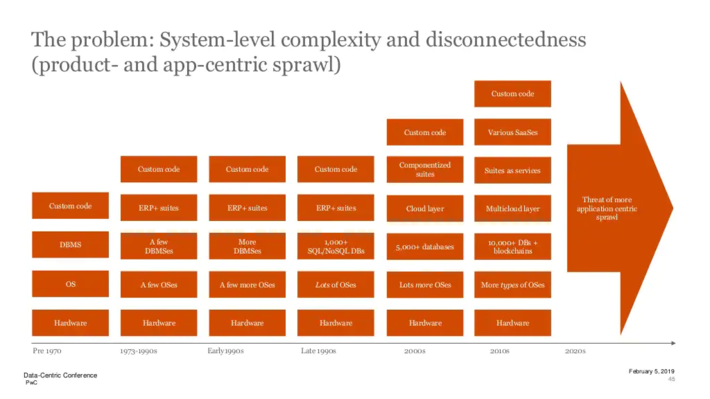
    1. Accountants and lawyers are essentially black hat hackers, says security pundit Bruce Schneier. And the tax code is full of vulnerabilities for them to exploit.

      Everybody knows the Game is Rigged

    1. To start, set up a Jupyter notebook, install pandas and datapact, load up the Iris Dataset, and create a new datapact test object:

      Here also would be better to have code blocks so the user can copy/paste. A link for an interactive notebook at the beginning and end would again be valuable.

    1. Perhaps it would be better to add a link to a google colabs notebook, which shows the library in action and is interactive. Adding images is frowned upon on the technical writing community since it can become difficult to keep up to date. Code is better because you can have unit tests to make sure your examples are always working or you can at least pinpoint the version of your library and its dependencies in your interactive notebook.

    1. Loop unrolling can improve performance in two ways. First,it reduces the number of operations that do not contribute directly to the programresult, such as loop indexing and conditional branching. Second, it exposes waysin which we can further transform the code to reduce the number of operationsin the critical paths of the overall computation.

      loop unrolling 为什么可以提高 performance?

    1. As a documentation convention, methods are listed out with either a :: or a # to indicate two different kinds of publicly accessible methods. Methods denoted by :: are considered class methods, while methods denoted by # are considered instance methods.

      In documentation (not actual code):

      :: -> class methods

      # -> instance methods

    1. If you have some computational heavy lifting, like image resizing, it probably makes sense to use Wasm rather than writing it in JS. Just like you wouldn’t write image resizing code in bash, you’d spawn imagemagick.

      This is misleading/hyperbolic. The performance characteristics of WASM vs JS are nothing like a native binary vs the Bash interpreter.

    1. constructor

      a constructor is used to initialize the state variables of a smart contract. constructor code is executed once when a contract is created and it is used to initialize contract state.

    1. Reviewer #3 (Public Review):

      Considerable progress has been made in moving to more open and reproducible fMRI research. However, an accessible end-to-end solution that meets these standards has remained elusive, in part because it requires the combination of many tools. Neuroscout aims to try to provide this platform. Key elements of Neuroscout include:

      - An easy-to-use web application for designing the GLM analysis of naturalistic experiments;<br /> - Data ingestion server with a growing repository of naturalistic fMRI studies curated and preprocessed for these analyses;<br /> - Feature extraction server for the generation of different regressors for analyses;<br /> - Tooling for implementing these analyses;<br /> - Automated generation of citations for these analyses.

      This platform has no clear precedents, is reasonably mature, is easy to use, and has an impressive number of curated datasets. With a focus on large naturalistic datasets, there should be a wide range of legitimately novel analyses that are made easily accessible with this tool, and this will increase as Neuroscout evolves to offer a wider range of datasets and functionality. A key benefit of easy-to-use platforms of this nature is that researchers gain the ability to quickly implement analyses of phenomena and hypotheses generated from their own work, accelerating science. Documentation and data and code accessibility are excellent. The existing analysis examples are interesting, accessible to users, and generally provide good insight into the use and value of the platform for general users.

      A weakness of many automated systems of this nature is that users rapidly find limitations in the types of analyses that can be set up. In the worst cases, this leaves the platform providing largely a demonstration. However, here, the well-developed open-science components make this unlikely. The authors have strong records in developing widely used open software for fMRI, and the considerable number of datasets and feature-generation algorithms that have been integrated into the platform already bodes well for uptake. Nevertheless, while described as end-to-end, the current scope for analysis design is somewhat limited, restricted largely to the specification of the GLM design. Furthermore, it was not clear if or how the platform might scale and develop an active community of data, algorithm, and code contributors. Similarly, choices of preprocessing algorithms are not extensively motivated, and how these might evolve with input from a wider community is unclear.

      Overall this is a promising tool that develops upon a burgeoning set of open-science tools for functional neuroimaging and presents new strategies for how fMRI analysis can be made more accessible and reproducible. While a software tool's success is ultimately measured by its uptake, Neuroscout presents a successful implementation of a concept that may provide researchers with or without extensive experience of fMRI the ability to efficiently implement novel analyses to a high standard. If Neuroscout is to be a success, it would be expected to evolve considerably from its current state. Determining how to balance the flexibility of the tool with ease of use will be an ongoing challenge.

    1. Reviewer #3 (Public Review):

      Sender & Bar-On et al. perform robust analyses of early SARS-CoV-2 line list data from China to estimate the intrinsic generation interval in the absence of interventions. This is an important topic, as most SARS-CoV-2 data are from periods when transmission-reducing interventions are in place, which will lead to underestimation of the potential infectious period.

      The authors highlight two shortcomings in previous approaches. First, the distribution of 'observed' serial intervals (the time between symptom onset in the infector and symptom onset in the infectee) depends not only on the timeline of each infector's infection, but also the epidemic growth rate, which weights the proportion of observed short vs. long serial intervals. The authors argue that by accounting for this weighting, more accurate estimates of the intrinsic generation interval - the metric on which isolation policies are based - can be obtained. Second, the authors find that the original SARS-CoV-2 generation interval distribution has both a higher mean and longer tail than previous estimates when using only data prior to the introduction of interventions. Finally, the authors use publicly available data on viral load trajectories to extrapolate their estimates to other SARS-CoV-2 variants, finding that alpha, delta, and omicron may have shorter generation intervals than original SARS-CoV-2. These findings are important, as case isolation policies are based on assumptions for how long individuals remain infectious. More broadly, these methods will be important for future work to correctly estimate generation intervals in other outbreaks.

      The conclusions are well supported by the data, and a suite of sensitivity analyses give confidence that the findings are robust to deviations from many of the key assumptions. The code is well documented and publicly available, and thus the findings are easily reproducible. Key strengths of the paper include the clarity and rigor of the modeling methods, and the exhaustive consideration of potential biases and corresponding sensitivity analyses - it is very difficult to think of potential biases that the authors have not already considered! I think this is a well-written and well-executed study. The work is likely to be impactful for reconsidering SARS-CoV-2 isolation policies and revisiting generation interval estimates from other data sources. I also expect this to be a key reference and method for future studies estimating the generation interval.

      I have some minor comments on potential weaknesses and interpretation:

      1. Uncertainty in early generation interval estimates<br /> One of the conclusions is that the estimated mean generation interval is longer than the observed mean serial interval. However, this conclusion does not seem justified given that the observed mean serial interval (9.1 days) is well within the 95% CI of 8.3-11.2 days for the mean generation interval. The confidence intervals for the serial interval in figure 2 are also wide for pre-Jan 17th (though presumably these would be reduced if all pre-Jan 17th serial intervals were combined). Further, only 77 of the ~1000 transmission pairs are actually from pre-January 17th. The actual sample size used for these estimates is much smaller than suggested by Figure S1 and thus this should be made clear. Therefore, although the intuition for why observed serial intervals may differ from the generation interval is correct, I do not think that the data alone demonstrate this.

      A related issue is on ascertainment bias - could the early serial interval data be biased longer because ascertainment is initially poor and thus more intermediate infectors are missed? The authors consider removing particularly long serial intervals to try and account for this, but that does not deal with e.g. chains of multiple short serial intervals being incorrectly recorded as a single long serial interval (but still within 16 days).

      2. Frailty of using viral loads to extrapolate generation intervals<br /> The authors take the observation that variants of concern demonstrate faster viral clearance on average to estimate shorter generation intervals for alpha, delta, and omicron. The authors rightly point out in the discussion that using viral load as a proxy for infectiousness has many limitations. I would emphasize even further that it is very difficult to extrapolate from viral load data in this way, as infectiousness appears to vary far more between variants than can be explained by duration positive or peak viral load. Other factors are potentially at play, such as compartmentalization in the respiratory tract, aerosolization, receptor binding, immunity, etc. Further, there is considerable individual-level variation in viral trajectories and thus the use of a population-mean model overlooks a key component of SARS-CoV-2 infection dynamics. An important reference, which came out recently and thus makes sense to have been missed from the initial submission, is Puhach et al. Nature Medicine 2022 https://doi.org/10.1038/s41591-022-01816-0.

      3. Lack of validation with other datasets<br /> This study hinges on data from a single setting in a short window of time. Although the data are from multiple publications, the fact that so many reported the same transmission pair data demonstrates that these are overlapping datasets. As the authors note, there are potential biases e.g., ascertainment rates and behavioral changes which will impact the generation interval estimates. Thus, generalizability to other settings is limited.

      4. The impact of epidemic dynamics on infector vs. infectee serial intervals<br /> It took me a long time to get my head around the assertion that the forward serial interval distribution will be longer during epidemic growth due to the overrepresentation of short incubation periods among infectors relative to infectees. A supplementary figure, similar to the way Figure 1 is laid out, to illustrate this concept may go a long way to aid the reader's understanding.

      5. Simulations to illustrate concepts and power<br /> Given the assertion that observed serial intervals will depend on epidemic growth rates, reporting, and timing of interventions, I think a simple simulation to illustrate some of these ideas would be very helpful. For example, a simple agent-based model with simulated infectivity profiles and incubation periods using the estimated bivariate distribution would be extremely helpful in illustrating how serial intervals and estimates of the generation interval can differ from the true intrinsic generation interval (I coded such a simulation to help me understand this paper in a couple of hours with <100 lines of R code, so I do not think this would be much work). This would also be very helpful for illustrating statistical power re. comment 1.

    1. Native code shared with WebView through a “Static Shared Library APK”: trichrome_library_apk

      什么意思?WebView还要浏览器里的库?不是WebView是独立的吗?

    2. There are closed-source equivalents to these targets (for Googlers), which are identical but link in some extra code.

      代码一样,只不过Google闭源的多了其他功能,不然难道你还一个功能写两份不同的代码。

    1. Reviewer #3 (Public Review):

      Zadbood and colleagues investigated the way key information used to update interpretations of events alter patterns of activity in the brain. This was cleverly done by the use of "The Sixth Sense," a film featuring a famous "twist ending," which fundamentally alters the way the events in the film are understood. Participants were assigned to three groups: (1) a Spoiled group, in which the twist was revealed at the outset, (2) a Twist group, who experienced the film as normal, and (3) a No-Twist group, in which the twist was removed. Participants were scanned while watching the movie and while performing cued recall of specific scenes. Verbal recall was scored based on recall success, and evidence for descriptive bias toward two ways of understanding the events (specifically, whether a particular character was or was not a ghost). Importantly, this allowed the authors to show that the Twist group updated their interpretation. The authors focused on regions of the Default Mode Network (DMN) based on prior studies showing responsiveness to naturalistic memory paradigms in these areas and analyzed the fMRI data using intersubject pattern similarity analysis. Regions of the DMN carried patterns indicative of story interpretation. That is, encoding similarity was greater between the Twist and No-Twist groups than in the Spoiled group, and retrieval similarity was greater between the Twist and Spoiled groups than in the No-Twist group. The Spoiled group also showed greater pattern similarity with the Twist group's recall than the No-Twist group's recall. The authors also report a weaker effect of greater pattern similarity between the Spoiled group's encoding and the Twist group's recall than between the Twist group's own encoding and recall. Together, the data all converge on the point that one's interpretation of an event is an important determinant of the way it is represented in the brain.

      This is a really nice experiment, with straightforward predictions and analyses that support the claims being made. The results build directly on a prior study by this research group showing how interpretational differences in a narrative drive distinct neural representations (Yeshurun et al., 2017), but extend an understanding of how these interpretational differences might work retrospectively. I do not have any serious concerns or problems with the manuscript, the data, or the analyses. However I have a few points to raise that, if addressed, would make for a stronger paper in my opinion.

      1) My most substantive comment is that I did not find the interpretive framework to be very clear with respect to the brain regions involved. The basic effects the authors report strongly support their claims, but the particular contributions to the field might be stronger if the interpretations could be made more strongly or more specifically. In other words: the DMN is involved in updating interpretations, but how should we now think about the role of the DMN and its constituent regions as a result of this study? There are a number of ideas briefly presented about what the DMN might be doing, but it just did not feel very coherent at times. I will break this down into a few more specific points:

      While many of us would agree that the DMN is likely to be involved in the phenomena at hand, I did not find that the paper communicated the logic for singularly focusing on this subset of regions very compellingly. The authors note a few studies whose main results are found in DMN regions, but I think that this could stand to be unpacked in a more theoretically interesting way in the Introduction.

      Relatedly, I found the summary/description of regional effects in the Discussion to be a bit unsatisfying. The various pattern similarity comparisons yielded results that were actually quite nonoverlapping among DMN regions, which was not really unpacked. To be clear, it is not a 'problem' that the regional effects varied from comparison to comparison, but I do think that a more theoretical exploration of what this could mean would strengthen the paper. To the authors' credit, they describe mPFC effects through the lens of schemas, but this stands in contrast to many other regions which do not receive much consideration.

      Finally, although there is evidence that regions of the DMN act in a coordinated way under some circumstances, there is also ample evidence for distinct regional contributions to cognitive processes, memory being just one of them (e.g., Cooper & Ritchey, 2020; Robin & Moscovitch, 2017; Ranganath & Ritchey, 2012). The authors themselves introduce the idea of temporal receptive windows in a cortical hierarchy, and while DMN regions do appear to show slower temporal drift than sensory areas, those studies show regional differences in pattern stability across time even within DMN regions. Simply put, it is worth considering whether it is ideal to treat the DMN as a singular unit.

      2) I think that some direct comparison to regions outside the DMN would speak to whether the DMN is truly unique in carrying the key representations being discussed here. I was reluctant to suggest this because I think that the authors are justified in expecting that DMN regions would show the effects in question. However, there really is no "null" comparison here wherein a set of regions not expected to show these effects (e.g., a somatosensory network, or the frontoparietal network) in fact do not show them. There are not really controls or key differences being hypothesized across different conditions or regions. Rather, we have a set of regions that may or may not show pattern similarity differences to varying degrees, which feels very exploratory. The inclusion of some principled control comparisons, etc. would bolster these findings. The authors do include a whole-brain analysis in Supplementary Figure 1, which indeed produced many DMN regions. However, notably, regions outside the DMN such as the primary visual cortex and mid-cingulate cortex appear to show significant effects (which, based on the color bar, might actually be stronger than effects seen in the DMN). Given the specificity of the language in the paper in terms of the DMN, I think that some direct regional or network-level comparison is needed.

      3) If I understand correctly, the main analyses of the fMRI data were limited to across-group comparisons of "critical scenes" that were maximally affected by the twist at the end of the movie. In other words, the analyses focused on the scenes whose interpretation hinged on the "doctor" versus "ghost" interpretation. I would be interested in seeing a comparison of "critical" scenes directly against scenes where the interpretation did not change with the twist. This "critical" versus "non-critical" contrast would be a strong confirmatory analysis that could further bolster the authors' claims, but on the other hand, it would be interesting to know whether the overall story interpretation led to any differences in neural patterns assigned to scenes that would not be expected to depend on differences in interpretation. (As a final note, such a comparison might provide additional analytical leverage for exploring the effect described in Figure 3B, which did not survive correction for multiple comparisons.)

      4) I appreciate the code being made available and that the neuroimaging data will be made available soon. I would also appreciate it if the authors made the movie stimulus and behavioral data available. The movie stimulus itself is of interest because it was edited down, and it would be nice for readers to be able to see which scenes were included.

      To sum up, I think that this is a great experiment with a lot of strengths. The design is fairly clean (especially for a movie stimulus), the analyses are well reasoned, and the data are clear. The only weaknesses I would suggest addressing are with regards to how the DMN is being described and evaluated, and the communication of how this work informs the field on a theoretical level.

    1. The most infrequently cited code was that there would be no role for lecture capture technology and within this, three key ideas emerged. Firstly, personal choice, with staff indicating that use would be determined by individual staff members (“I’m not sure that lecturers will use lecture capture.” P39). Secondly, staff noted that LC technology would not be as useful for recording live events because lectures had become more interactive since the pandemic (“I think it might play a more minor role than it has previously because my large-group sessions are likely to be interactive and hence less susceptible to lecture capture.” P84). Finally, staff noted that standard LC technologies may be replaced by alternative technologies which are easier to use for editing, for example (“Redundant. Will use something like kaltura” P34), suggesting recording would take place but just not using LC technologies.

      Reasons given for not intending to use technology for lecture capture in future:

      • personal choice
      • lack of interaction
      • better technologies available than institutional LC system, (e.g. Kaltura)
    1. Secondly, as discussed inSection 5.2.1, it would require application programmers to understandall the subtleties associated with IPv6 addressing, and would alsolead to duplicate code on all applications.

      And yet this might be glibly and repeatedly recommended by some in v6ops as a way to fix the ULA brokenness problem.

    1. Reviewer #1 (Public Review):

      In this manuscript, the authors present a new technique for analysing low complexity regions (LCRs) in proteins- extended stretches of amino acids made up from a small number of distinct residue types. They validate their new approach against a single protein, compare this technique to existing methods, and go on to apply this to the proteomes of several model systems. In this work, they aim to show links between specific LCRs and biological function and subcellular location, and then study conservation in LCRs amongst higher species.

      The new method presented is straightforward and clearly described, generating comparable results with existing techniques. The technique can be easily applied to new problems and the authors have made code available.

      This paper is less successful in drawing links between their results and the importance biologically. The introduction does not clearly position this work in the context of previous literature, using relatively specialised technical terms without defining them, and leaving the reader unclear about how the results have advanced the field. In terms of their results, the authors further propose interesting links between LCRs and function. However, their analyses for these most exciting results rely heavily on UMAP visualisation and the use of tests with apparently small effect sizes. This is a weakness throughout the paper and reduces the support for strong conclusions.

      Additionally, whilst the experimental work is interesting and concerns LCRs, it does not clearly fit into the rest of the body of work focused as it is on a single protein and the importance of its LCRs. It arguably serves as a validation of the method, but if that is the author's intention it needs to be made more clearly as it appears orthogonal to the overall drive of the paper.

      Overall I think the ideas presented in the work are interesting, the method is sound, but the data does not clearly support the drawing of strong conclusions. The weakness in the conclusions and the poor description of the wider background lead me to question the impact of this work on the broader field.

      Technical weaknesses

      In the testing of the dotplot based method, the manuscript presents a FDR rate based on a comparison between real proteome data and a null proteome. This is a sensible approach, but their choice of a uniform random distribution would be expected to mislead. This is because if the distribution is non-uniform, stretches of the most frequent amino will occur more frequently than in the uniform distribution.

      More generally I think the results presented suggest that the results dotplot generates are comparable to existing methods, not better and the text would be more accurate if this conclusion was clearer, in the absence of an additional set of data that could be used as a "ground truth".

      The authors draw links between protein localisation/function and LCR content. This is done through the use of UMAP visualisation and wilcoxon rank sum tests on the amino acid frequency in different localisations. This is convincing in the case of ECM data, but the arguments are substantially less clear for other localisations/functions. The UMAP graphics show generally that the specific functions are sparsely spread. Moreover when considering the sample size (in the context of the whole proteome) the p-value threshold obscures what appear to be relatively small effect sizes.

    1. Author Response

      Reviewer #1 (Public Review):

      The authors sought to create a machine learning framework for analyzing video recordings of animal behavior, which is both efficient and runs in an unsupervised fashion. The authors construct Selfee from recent computational neural network codes. As the paper is methodsfocused, the key metrics for success would be (1) whether Selfee performs similarly or more accurately than existing methods, and more importantly (2) whether Selfee uncovers new behavioral features or dynamics otherwise missed by those existing methods.

      Weaknesses:

      Although the basic schematics of Selfee are laid out, and the code itself is available, I feel that material in between these two levels of description is somewhat lacking. Details of what other previously published machine learning code makes up Selfee, and how those parts work would be helpful. Some of this is in the methods section, but an expanded version aimed at a more general readership would be helpful.

      Thanks for the suggestions. We expanded the paragraphs describing training objectives and AR-HMM analysis. We also revised Figure 2C for clarity, and we have added a new figure, Figure 6, to describe how our pipeline works in detail. We also added a detailed instructions for Selfee usage on our GitHub page.

      *The paper highlights efficiency as an important aspect of machine learning analysis techniques in the introduction, but there is little follow up with this aspect.

      Our model only had a more efficient training process compared with other self-supervised learning methods. We also found our model could perform zero-shot domain transfer, so training may not even be necessary. However, we did not mean that our model was superior in terms of data efficiency or inference speed. We have revised some of the claims in the Discussion.

      *In comparing Selfee to other approaches, the paper uses DeepLabCut, but perhaps running other recent methods for more comprehensive comparison would be helpful as well.

      We compare Selfee feature extraction with features from FlyTracker or JAABA, two widely used software. We also visualized the tracking results of SLEAP and FlyTracker in complement to the DeepLabCut experiment.

      *Using Selfee to investigate courtship behavior and other interactions was nicely demonstrated. Running it on simpler data (say, videos of individual animals walking around or exploring a confined space) might more broadly establish the method's usefulness.

      We used Selfee with open field test (OFT) of mice after chronic immobilization stress (CIS) treatment. We demonstrated that our pipeline from data preprocessing to all the data mining algorisms with this experiment, and the results were added to the last section of Results.

      Reviewer #2 (Public Review):

      Jia et al. present a CNN based tool named "Selfee" for unsupervised quantification of animal behavior that could be used for objectively analyzing animal behavior recorded in relatively simple setups commonly used by various neurobiology/ethology laboratories. This work is very relevant but has some serious unresolved issues for establishing credibility of the method.

      Overall Strengths: Jia et al have leveraged a recent development "Simple Siamese CNNs" to work for behavioral segmentation. This is a terrific effort and theoretically very attractive.

      Overall Weakness: Unfortunately, the data supporting the method is not as promising. It is also riddled with incomplete information and lack of rationale behind the experiments.

      Specific points of concern:

      1) No formal comparison with pre-existing methods like JAABA which would work on similar videos as Selfee.

      We added some comparisons with JAABA and FlyTracker extracted features, and also visualized FlyTracker and SLEAP tracking results aside from DeepLabCut. This result is now in the new Table 1. To avoid tracking inaccuracy during intensive interactions and potential inappropriately tuned parameters, we used a peer-reviewed dataset focused on wing extension behavior only. Our results showed a competitive performance of Selfee as other methods.

      2) For all Drosophila behavior experiments, I'm concerned about the control and test genetic background. Several studies have reported that social behaviors like courtship and aggression are highly visual and sensitive to genetic background and presence of "white" gene. The authors use Canton S (CS) flies as control data. Whereas it is unclear if any or all of the test genotypes have been crossed into this background. It would be helpful if authors provide genotype information for test flies.

      We have added a detailed sheet about their genotype in this version. The genetic information of all animals can also be found on the Bloomington fly center by the IDs provided. In brief, five fly lines used in this work are in the CS background: CCHa2-R-RAGal4, CCHa2-R-RBGal4, Dop2RKO, DopEcRGal4 and Tdc2RO54. We did not back cross other flies into the CS background for three reasons. First, most mutant lines are compared with their appropriate control lines. For example, in the original Figure 3B (the new Figure 4B), for CCHa2-R-RBGal4 > Kir2.1 flies contained wildtype white gene, so the comparison with CS flies would not cause any problem. For TrhGal4 flies, they were in white background, and so were other lines that had no phenotype. At the same time, in the original Figure 3G to J (the new Figure 4G to J), we used w1118 as controls for TrhGal4 flies, which were all in mutated white background. Second, in the original Figure 4F and G (the new Figure 5F and G), we admitted that the comparison between NorpA36, in mutated white background, and CS flies was not very convincing. Nevertheless, the delayed dynamic of NorpA mutants was reported before, and our experiment was just a demonstration of the DTW algorithm. Lastly, our method focused on the methodology of animal behavior analysis, and original videos were provided for research replications. Therefore, even if the behavioral difference was due to genetic backgrounds, it would not affect the conclusion that our method could detect the difference

      3) Utility of "anomaly score" rests on Fig 3 data. Authors write they screened "neurotransmitter-related mutants or neuron silenced lines" (lines 251-252). Yet Figure 3B lacks some of the most commonly occurring neurotransmitter mutants/neuron labeling lines (e.g. Acetelcholine, GABA, Dopamaine, instead there are some neurotransmitter receptor lines, but then again prominent ones are missing). This reduces the credibility of this data.

      First of all, this paper did not intend to conduct new screening assays, rather we used pre-existed data in the lab to demonstrate the application of Selfee. Previous work in our lab focused on the homeostatic control of fly behaviors, so most listed lines used here were originally used to test the roles of neuropeptides or neurons nutrient and metabolism regulation, such as CCHarelated lines, a CNMa mutant, and Taotie neuron silenced flies. There were some other important genes that were not involved in this dataset. Some most common transmitters are not included for two reasons. First, common neurotransmitters usually have a very global and broad effect on animal behaviors, and even if there is any new discovery, it could be difficult to interpret the phenomenon due to a large number of disturbed neurons. Second, most mutants of those common neurotransmitters are not viable, for example, paleGal4 as a mutant for dopamine; Gad1A30 for GABA, and ChATl3 for acetylcholine. However, we did perform experiments on serotonin-related genes (SerT and Trh), octopamine-related genes (Tdc and Oamb), and some other viable dopamine receptor mutants.

      4) The utility of AR-HMM following "Selfee" analysis rests on the IR76b mutant experiment (Fig4). This is the most perplexing experiment! There are so many receptors implicated in courtship and IR76b is definitely not among the most well-known. None of the citations for IR76b in this manuscript have anything to do with detection of female pheromones. IR76b is implicated in salt and amino acid sensation. The authors still call this "an extensively studies (co)receptor that is known to detect female pheromones" (lines310-311). Unsurprisingly the AR-HMM analysis doesn't find any difference in modules related to courtship. Unless I'm mistaken the premise for this experiment is wrong and hence not much weight should be given to its results.

      We have removed the Ir76b results from the Results. The demonstration of AR-HMM was now done with a mouse open field assay.

      Reviewer #3 (Public Review):

      This paper is describing a machine learning method applied to videos of animals. The method requires very little pre-processing (end-to-end) such as image segmentation or background subtraction. The input images have three channels, mapping temporal information (liveframes). The architecture is based on tween deep neural networks (Siamese network) and does not require human annotated labels (unsupervised learning). However, labels can still be used if they are produced, as in this case, by the algorithm itself - self-supervised learning. This flavor of machine learning is reflected in the name of the method: "Selfee." The authors are convincingly applying the Selfee to several challenging animal behavior tasks which results in biologically relevant discoveries.

      A significant advantage of unsupervised and self-supervised learning is twofold: 1) it allows for discovering new behaviors, and 2) it doesn't require human-produced labels.

      In this case of self-supervised learning the features (meta-representations) are learned from two views of the same original image (live-frame), where one of the views is augmented in several different ways, with a hope to let the deep neural network (ResNet-50 architecture in this case) learn to ignore such augmentations, i.e. learn the meta-representations invariant to natural changes in the data similar to the augmentations. This is accomplished by utilizing a Siamese Convolutional Neural Network (CNN) with the ResNet-50 version as a backbone. Siamese networks are composed of tween deep nets, where each member of the pair is trying to predict the output of another. In applications such as face recognition they normally work in the supervised learning setting, by utilizing "triplets" containing "negative samples." These are the labels.

      However, in the self-supervised setting, which "Selfee" is implementing, the negative samples are not required. Instead the same image (a positive sample) is viewed twice, as described above. Here the authors use the SimSiam core architecture described by Chen, X. & He, K (reference 29 in the paper). They add Cross-Level Discrimination (CLD) to the SimSiam core. Together these two components provide two Loss functions (Loss 1 and Loss 2). Both are critical for the extraction of useful features. In fact, removing the CLD causes major deterioration of the classification performance (Figure 2-figure supplement 5).

      The authors demonstrate the utility of the Selfee by using the learned features (metarepresentations) for classification (supervised learning; with human annotation), discovering short-lasting new behaviors in flies by anomaly detection, long time-scale dynamics by ARHMM, and Dynamic Time Warping (DTW).

      For the classification the authors use k-NN (flies) and LightGBM (mice) classifiers and they infer the labels from the Selfee embedding (for each frame), and the temporal context, using the time-windows of 21 frames and 81 frames, for k-NN classification and LightGBM classification, respectively. Accounting for the temporal context is especially important in mice (LightGBM classification) so the authors add additional windowed features, including frequency information. This is a neat approach. They quantify the classification performance by confusion matrices and compute the F1 for each.

      Overall, I find these classification results compelling, but one general concern is the criticality of the CLD component for achieving any meaningful classification. I would suggest that the authors discuss in more depth why this component is so critical for the extraction of features (used in supervised classification) and compare their SimSiam architecture to other methods where the CLD component is implemented. In other words, to what degree is the SimSiam implementation an overkill? Could a simpler (and thus faster) method be used - with the CLD component - instead to achieve similar end-to-end classification? The answer would help illuminate the importance of the SimSiam architecture in Selfee.

      We added more about the contribution of the CLD loss in the last paragraph of Siamese convolutional neural networks capture discriminative representations of animal posture, the second section of Results. Further optimization of neural network architectures was discussed in the Discussion section. As for why CLD is that important, there are two main reasons. First of all, all behavior photos are so similar that it is not very easy to distinguish them from each other. In the field of so-called self-supervised learning without negative samples, researchers use either batch normalization or similar operations to implicitly utilize negative samples within a minibatch. However, when all samples are quite similar, it might not be enough. CLD uses explicit clusters to utilize negative samples within a minibatch, in the word of the authors “Our key insight is that grouping could result from not just attraction, but also common repulsion”, so that provides more powerful discrimination. The second reason is what the author argued in the CLD paper, CLD is very powerful in processing long-tailed datasets. As shown in the original Figure 2—figure supplement 5 (the new Figure 3—figure supplement 5), behavior data are highly unbalanced. As explained in the CLD paper. CLD fights against long-tailed distribution from two aspects. One is that it scales up the importance of negative samples within a mini-batch from 1/B to 1/K by k-means; another is that cluster operation could relieve the imbalance between the tail and head classes within a mini-batch. Here I quote: “While the distribution of instances in a random mini-batch is long-tailed, it would be more flattened across classes after clustering.” It was also visualized in Fig5 of the CLD paper.

      To the best of our knowledge, SimSiam is the simplest method that would work with CLD. In the original CLD paper, they combined CLD method with other popular frameworks including BYOL and Mocov2. However, those popular frameworks are more complicated than SimSiam networks. We have attempted to combine CLD with BarlowTwins but failed. As the author of CLD suggested on Github: “Hi, good to know that you are trying to combine CLD with BarLowTwins! My concern is also on the high feature dimension, which may cause the low clustering quality. Maybe it is necessary to have a projection layer to project the highdimensional feature space to a low-dimensional one.” In terms of speed, there are two major parts. For inference, only one branch is used, so the major contribution of efficiency comes from CNN backbone. In theory, light backbones like MobileNet would work, but ResNet50 is already fast enough on a model GPU. As for training, the major computational cost aside from the CNN backbone is from Siamese branches. Two branches, two times of computation. Nevertheless, CLD relied on this kind of structure, so even if the learning framework is simpler than Simsiam, it is not likely to achieve a faster training speed. As for other structures, I think this new instance learning framework (https://arxiv.org/abs/2201.10728) is possible to achieve a similar result with fewer data and in a shorter time. However, this powerful method could be used with CLD. We might try it in the future.

      One potential issue with unsupervised/self-supervised learning is that it "discovers" new classes based, not on behavioral features but rather on some other, irrelevant, properties of the video, e.g. proximity to the edges, a particular camera angle, or a distortion. In supervised learning the algorithm learns the features that are invariant to such properties, because humanmade labels are used and humans are great at finding these invariant features. The authors do mention a potential limitation, related to this issue, in the Discussion ("mode splitting"). One way of getting around this issue, other than providing negative samples, is to use a very homogeneous environment (so that only invariance to orientation, translation, etc, needs to be accomplished). This has worked nicely, for example, with posture embedding (Berman, G. J., et al; reference 19 in the manuscript). Looking at the t-SNE plots in Figure 2 one must wonder how many of the "clusters" present there are the result of such learning of irrelevant (for behavior) features, i.e. how good is the generalization of the meta-representations. The authors should explore the behaviors found in different parts of the t-SNE maps and evaluate the effect of the irrelevant features on their distributions. For example, they may ask: to what extent does the distance of an animal from the nearest wall affect the position in the t-SNE map? It would be nice to see how various simple pre-processing steps might affect the t-SNE maps, as well as the classification performance. Some form of segmentation, even very crude, or simply background subtraction, could go a very long way towards improving the features learned by Selfee.

      In the new Figure 3—figure supplement 1, the visualization demonstrates that our features contained a lot of physical information, including wing angles, animal distance and positions in the chamber. “Mode-split” can be partially explained by those features. We actually performed background subtraction and image crop for mice behaviors, where we found them useful.

      The anomaly detection is used to find unusual short-lasting events during male-male interaction behavior (Figure 3). The method is explained clearly. The results show how Selfee discovered a mutant line with a particularly high anomaly score. The authors managed to identify this behavior as "brief tussle behavior mixed with copulation attempts." The anomaly detection analyses were also applied to discover another unusual phenotype (close body contact) in another mutant line. Both results are significant when compared to the control groups.

      The authors then apply AR-HMM and DTW to study the time dynamics of courtship behavior. Here too, they discover two phenotypes with unusual courtship dynamics, one in an olfactory mutant, and another in flies where the mutation affects visual transduction. Both results are compelling.

      The authors explain their usage of DTW clearly, but they should expand the description of the AR-HMM so that the reader doesn't have to study the original sources.

      We expanded the section that talks about AR-HMM mechanisms.

    2. Reviewer #1 (Public Review):

      The authors sought to create a machine learning framework for analyzing video recordings of animal behavior, which is both efficient and runs in an unsupervised fashion. The authors construct Selfee from recent computational neural network codes. As the paper is methods-focused, the key metrics for success would be (1) whether Selfee performs similarly or more accurately than existing methods, and more importantly (2) whether Selfee uncovers new behavioral features or dynamics otherwise missed by those existing methods.

      Strengths:<br /> * The authors put their work in context very well, discussing machine learning approaches to behavior extraction generally, and clearly stating the unique aspects of their own approach. The schematic framework of Selfee is nicely described.<br /> * The authors use their new methods on existing data sets, mostly in adult Drosophila but also in rodents, with the resulting outputs confirming and accurately classifying known behaviors, in agreement with manual annotation.<br /> * The analysis focuses on behavior video that depicts interactions between animals, typically more difficult than either individual animal video or video with noninteracting animals. This adds to the strength of the method.<br /> * Experiments with mutants and Kir-silenced lines were nicely designed, and highlighted Selfee's anomaly detection methods by finding a short-time-scale behavior unlikely to be noticed by manual human observation.<br /> * Similarly, experiments investigating Trh in flies were very thorough and detailed, and illustrate the effectiveness of the machine learning analysis when combined with follow up experiments to investigate Selfee's initial findings.

      Weaknesses:<br /> * Although the basic schematics of Selfee are laid out, and the code itself is available, I feel that material in between these two levels of description is somewhat lacking. Details of what other previously published machine learning code makes up Selfee, and how those parts work would be helpful. Some of this is in the methods section, but an expanded version aimed at a more general readership would be helpful.<br /> * The paper highlights efficiency as an important aspect of machine learning analysis techniques in the introduction, but there is little follow up with this aspect.<br /> * In comparing Selfee to other approaches, the paper uses DeepLabCut, but perhaps running other recent methods for more comprehensive comparison would be helpful as well.<br /> * Using Selfee to investigate courtship behavior and other interactions was nicely demonstrated. Running it on simpler data (say, videos of individual animals walking around or exploring a confined space) might more broadly establish the method's usefulness.

      Overall, the results of the paper seem to clearly achieve what was set out in the introduction, which was to use an unsupervised machine learning video analysis method to uncover new features of behavior. The experiments establishing the effectiveness seem very sound and reasonable.

      For a reader who does not work directly with implementing machine learning, the paper is highly readable and interesting and should generate interest to a wider audience of researchers who would wish to try Selfee on their own data. The paper could have made it a bit more clear how an inexperienced user might deploy the Selfee software, whether with one of the model systems used here or a different one. But there is certainly something very appealing about an unsupervised method, which has the potential to be more accessible to a wider audience of researchers, allowing more people to take advantage of sophisticated behavior analysis.

    1. Reviewer #3 (Public Review):

      In this manuscript, Wang et al describe a series of experiments aimed at optimizing the experimental and computational approach to the detection of projection-specific neurons across the entire mouse brain. This work builds on a large body of work that has developed nuclear-fused viral labelling, next-generation fluorophores, tissue clearing, image registration, and automated cell segmentation. They apply their techniques to understand projection-specific patterns of supraspinal neurons to the cervical and lumbar spinal cord, and to reveal brain and brainstem connections that are preferentially spared or lost after spinal cord injury.

      Strengths:

      Although this work does not put forward any fundamentally new methodologies, their careful optimization of the experimental and quantification process will be appreciated by other laboratories attempting to use these types of methods. Moreover, the observations of topological arrangement of various supraspinal centres are important and I believe will be interesting to others in the field.

      The web app provided by the authors provides a nice interface for users to explore these data. I think this will be appreciated by people in the field interested in what happens to their brain or brainstem region of interest.

      Weaknesses:

      Overall the work is well done; however, some of the novelty claims should be better aligned with the experimental findings. Moreover, the statistical approaches put forward to understand the relationship between spinal cord injury severity and cell counts across the mouse brain needs to be more carefully considered.

      The authors state that they provide an experimental platform for these types of analysis to be done. My apologies if I missed it but I could not find anywhere the information on viral construct availability or code availability to reproduce the results. Certainly both of these aspects would be required for people to replicate the pipeline. Moreover, the described methodology for imaging and processing is quite sparse. While I appreciate that this information is widely provided in papers that have developed these methods, I do not think it is appropriate to claim to have provided a platform for people to enable these types of analyses without a more in-depth description of the methods. Alternatively, the authors could instead focus on how they optimized current methodologies and avoid the overstatement that this work provides a tool for users. The exception to this is of course the viral constructs, the plasmids of which should be deposited.

      It was not completely to me clear why or when the authors switch back and forth between different resolutions throughout the manuscript. In the abstract it states that 60 regions were examined, but elsewhere the number is as many as 500. My understanding is that current versions of the Allen Brain Annotation include more than 2000 regions. I think it would make things clear for the readers if a single resolution was used throughout, or at least justified narratively throughout the text to avoid confusion.

      The others provide an interesting analysis of the difference between cervical and lumbar projections. I think this might be one of the more interesting aspects of the paper - yet I found myself a bit confused by the analysis, and whether any of the differences observed were robust. Just prior to this experiment the authors provide a comparison of the mScarlet vs. the mGL, and demonstrate that mGL may label more cells. Yet, in the cervical vs. lumbar analysis it appears they are being treated 1 to 1. Moreover, I could not find any actual statistical analysis of this data? My impression would be that given the potential difference in labelling efficiency between the mScarlet and mGL this should be done using some kind of count analysis that takes into account the overall number of neurons labelled, such as a Chi-sq test or perhaps something more sophisticated. Then, with this kind of statistical analysis in place, do any of the discussed differences hold up? If not, I do not think this would detract from the interesting topological observations - but would call on the authors to be a bit more conservative about their statements and discussion regarding differences in the proportions of neurons projecting to certain supraspinal centres.

      Finally, I do have some concerns about the author's use of linear regression in their analysis of brain regions after varying severities of SCI. First of all, the BMS score is notoriously non-linear. Despite wide use of linear regressions in the field to attempt to associate various outcomes to these kinds of ordinal measures, this is not appropriate. Some have suggested a rank conversion of the BMS prior to linear analyses, but even this comes with its own problems. Ultimately, the authors have here 2-3 clear cohorts of behavioural scores and drawing a linear regression between these is unlikely to be robustly informative. Moreover, it is unclear whether the authors properly adjusted their p-values from running these regressions on 60 (600?) regions. Finally, the statement in the abstract and discussion that the authors "explain more variability" compared to typical lesion severity analysis is also unsupported. My suggestion would be the following:

      Remove the linear regression analyses associated with BMS. I do not think these add value to the paper, and if anything provide a large window of false interpretation due to a violation of the assumptions of this test.

      Consider adding a more appropriate statistical analysis of the brain regions, such as a non-parametric group analysis. Knowing which brain regions are severity dependent, and which ones are not, would already be an interesting finding. This finding would not be confounded by any attempt to link it to crude measures of behaviour.

      If the authors would like to state anything about 'explaining more variability' then the proper statistical analysis should be used, which in this case would be to compare the models using a LRT or equivalent. However, as I mentioned it does not seem to be appropriate to be doing this with linear models so the authors should consider a non-linear equivalent if they choose to proceed with this.

    1. Author Response

      Reviewer #2 (Public Review):

      The main strength of the paper is the parallel profiling of virus-specific CD4 T cells in different stages of acute and persistent infection, and the ease of publicly accessing the data and source code. These data extend previous studies, such as Khatun et al. JEM 2020 and Cicucci et al. Immunity 2019, by revealing single-cell transcriptome information on virus-specific CD4 T cells at different stages of infection.

      The main drawback is the paper's advertised use as a 'comprehensive atlas of virus-specific CD4 T cells'. This study includes virus-specific T cells from a single organ (spleen) during infections with two clones of a single virus (LCMV). Therefore, its use as a reference atlas does not extend to other viruses or T cells from organs other than spleen during LCMV infection. If such samples were integrated with the splenic LCMV atlas, either new unique populations would be found and therefore not meaningfully annotated or they would be force-integrated with one of the splenic subsets, producing a potentially misleading and crude annotation. In this sense, the authors did not construct an atlas but rather a dataset on LCMV-specific splenic CD4 T cells which, like other datasets, can be compared with other single-cell sequencing datasets.

      The methodology description does not include convincing evidence that the integration was successful in minimizing batch effects and retaining biological heterogeneity, virtually no data is presented in support of this point. Therefore, the scope of the work should be refined and the methodology significantly improved before this paper becomes acceptable for publication.

      We thank the referee for recognizing the strengths of the study, as well as for advising where we had been insufficiently clear in describing the methodology – in particular with regards to data integration and generalizability of our bioinformatics tool. As detailed below, we provide new evidence supporting the quality of data integration, the robustness and replicability of the T cell states defined in our reference map, and its ability to make accurate predictions across multiple tissues (spleen, liver, lung, lymph nodes) and beyond the LCMV infection model. In addition, we conducted several additional analyses demonstrating the robustness of our predictions, and generated a new scRNA-seq dataset of tumor-specific CD4+ T cells, showing how our LCMV-derived reference map can help identify and characterize a novel cell state uniquely acquired by tumor-infiltrating CD4+ T cells.

    1. the Lisp machines were designed as personal workstations for software development in Lisp

      The machine code - and the disassemble command that allows the introspection of it - is fascinating! We should be able to introspect every aspect of our computers in this fashion.

    1. overall, great great work!! i like how you are usually various array methods such as includes, indexOf. Good that you are using resources outside of the course material. Also good that you extract out most of the code into various helper functions which makes the main code much more readable.

    1. Overall, very good job. logic is clear and good use of comments. code is readable and consistent naming convention.And also meaningful naming of variables and functions :)

    2. switch(input) { case "scissors":

      i like the use of switch case statement. makes code cleaner and more readable!! usually i would assign variables e.g. var SCISSORS = 'scissors' to reduce likelihood of making error since u would be referencing a few times following in the switch case statement

    1. SciScore for 10.1101/2022.06.02.22275900: (What is this?)

      Please note, not all rigor criteria are appropriate for all manuscripts.

      Table 1: Rigor

      NIH rigor criteria are not applicable to paper type.

      Table 2: Resources

      No key resources detected.


      Results from OddPub: Thank you for sharing your code and data.

      Results from LimitationRecognizer: An explicit section about the limitations of the techniques employed in this study was not found. We encourage authors to address study limitations.


      Results from TrialIdentifier: No clinical trial numbers were referenced.


      Results from Barzooka: We did not find any issues relating to the usage of bar graphs.


      Results from JetFighter: We did not find any issues relating to colormaps.

      Results from rtransparent:


      • Thank you for including a conflict of interest statement. Authors are encouraged to include this statement when submitting to a journal.
      • Thank you for including a funding statement. Authors are encouraged to include this statement when submitting to a journal.
      • Thank you for including a protocol registration statement.

      Results from scite Reference Check: We found no unreliable references.


      <footer>

      About SciScore

      SciScore is an automated tool that is designed to assist expert reviewers by finding and presenting formulaic information scattered throughout a paper in a standard, easy to digest format. SciScore checks for the presence and correctness of RRIDs (research resource identifiers), and for rigor criteria such as sex and investigator blinding. For details on the theoretical underpinning of rigor criteria and the tools shown here, including references cited, please follow this link.

      </footer>
    1. SciScore for 10.1101/2022.06.01.22275778: (What is this?)

      Please note, not all rigor criteria are appropriate for all manuscripts.

      Table 1: Rigor

      <table><tr><td style="min-width:100px;margin-right:1em; border-right:1px solid lightgray; border-bottom:1px solid lightgray">Ethics</td><td style="min-width:100px;border-bottom:1px solid lightgray">Consent: Written parental consent was obtained from all student participants.<br>IRB: The study was approved by the Joint Chinese University of Hong Kong – New Territories East Cluster Clinical Research Ethics Committee (Ref. no: 2018.497).</td></tr><tr><td style="min-width:100px;margin-right:1em; border-right:1px solid lightgray; border-bottom:1px solid lightgray">Sex as a biological variable</td><td style="min-width:100px;border-bottom:1px solid lightgray">not detected.</td></tr><tr><td style="min-width:100px;margin-right:1em; border-right:1px solid lightgray; border-bottom:1px solid lightgray">Randomization</td><td style="min-width:100px;border-bottom:1px solid lightgray">The study adopted a two-stage random sampling method.</td></tr><tr><td style="min-width:100px;margin-right:1em; border-right:1px solid lightgray; border-bottom:1px solid lightgray">Blinding</td><td style="min-width:100px;border-bottom:1px solid lightgray">not detected.</td></tr><tr><td style="min-width:100px;margin-right:1em; border-right:1px solid lightgray; border-bottom:1px solid lightgray">Power Analysis</td><td style="min-width:100px;border-bottom:1px solid lightgray">not detected.</td></tr></table>

      Table 2: Resources

      No key resources detected.


      Results from OddPub: We did not detect open data. We also did not detect open code. Researchers are encouraged to share open data when possible (see Nature blog).

      Results from LimitationRecognizer: We detected the following sentences addressing limitations in the study:


      Strengths and Limitations: The key strength of this study is the use of a territory-wide, random sampling method. Together with a high response rate, we have captured a representative sample of school-aged children and adolescents in Hong Kong. Furthermore, we kept our sampling methodology consistent before and during COVID, making our data from the two periods comparable. The study has several limitations: First, this study was cross-sectional by nature and not longitudinal. Second, the sleep parameters were derived only from self-report or parent-report, without objective measures such as actigraphy. Third, our data did not capture daytime activities, limiting our interpretation of mediating factors of changes.


      Results from TrialIdentifier: No clinical trial numbers were referenced.


      Results from Barzooka: We did not find any issues relating to the usage of bar graphs.


      Results from JetFighter: We did not find any issues relating to colormaps.

      Results from rtransparent:


      • Thank you for including a conflict of interest statement. Authors are encouraged to include this statement when submitting to a journal.
      • Thank you for including a funding statement. Authors are encouraged to include this statement when submitting to a journal.
      • No protocol registration statement was detected.

      Results from scite Reference Check: We found no unreliable references.


      <footer>

      About SciScore

      SciScore is an automated tool that is designed to assist expert reviewers by finding and presenting formulaic information scattered throughout a paper in a standard, easy to digest format. SciScore checks for the presence and correctness of RRIDs (research resource identifiers), and for rigor criteria such as sex and investigator blinding. For details on the theoretical underpinning of rigor criteria and the tools shown here, including references cited, please follow this link.

      </footer>
    1. SciScore for 10.1101/2022.06.01.22275882: (What is this?)

      Please note, not all rigor criteria are appropriate for all manuscripts.

      Table 1: Rigor

      <table><tr><td style="min-width:100px;margin-right:1em; border-right:1px solid lightgray; border-bottom:1px solid lightgray">Ethics</td><td style="min-width:100px;border-bottom:1px solid lightgray">IRB: Ethics statement: This study was approved by the Ottawa Health Science Network Research Ethics Board (OH SNREB; Protocol# 20200200-01H) and conducted in accordance with the appropriate guidelines.<br>Consent: Written informed consent was obtained from all subjects.</td></tr><tr><td style="min-width:100px;margin-right:1em; border-right:1px solid lightgray; border-bottom:1px solid lightgray">Sex as a biological variable</td><td style="min-width:100px;border-bottom:1px solid lightgray">not detected.</td></tr><tr><td style="min-width:100px;margin-right:1em; border-right:1px solid lightgray; border-bottom:1px solid lightgray">Randomization</td><td style="min-width:100px;border-bottom:1px solid lightgray">not detected.</td></tr><tr><td style="min-width:100px;margin-right:1em; border-right:1px solid lightgray; border-bottom:1px solid lightgray">Blinding</td><td style="min-width:100px;border-bottom:1px solid lightgray">not detected.</td></tr><tr><td style="min-width:100px;margin-right:1em; border-right:1px solid lightgray; border-bottom:1px solid lightgray">Power Analysis</td><td style="min-width:100px;border-bottom:1px solid lightgray">not detected.</td></tr></table>

      Table 2: Resources

      <table><tr><th style="min-width:100px;text-align:center; padding-top:4px;" colspan="2">Antibodies</th></tr><tr><td style="min-width:100px;text=align:center">Sentences</td><td style="min-width:100px;text-align:center">Resources</td></tr><tr><td style="min-width:100px;vertical-align:top;border-bottom:1px solid lightgray">The detection antibody was raised against human plasma (soluble) gelsolin.</td><td style="min-width:100px;border-bottom:1px solid lightgray"><div style="margin-bottom:8px"><div>human plasma (soluble) gelsolin.</div><div>suggested: None</div></div></td></tr><tr><td style="min-width:100px;vertical-align:top;border-bottom:1px solid lightgray">Anti-spike protein antibody assay: A manual colorimetric ELISA was used to measure antibodies targeting SARS-CoV-2 spike protein, a complete description of the methods can be found here (36).</td><td style="min-width:100px;border-bottom:1px solid lightgray"><div style="margin-bottom:8px"><div>Anti-spike protein</div><div>suggested: None</div></div></td></tr><tr><td style="min-width:100px;vertical-align:top;border-bottom:1px solid lightgray">Additionally, positive and negative serum controls alongside an isotype-antigen specific calibration curve (CR3022 Human IgG1 (Absolute Antibody, Ab01680-10.0), anti-SARS-CoV-2 S CR3022 Human IgA (Absolute Antibody, Ab01680-16.0), or anti-SARS-CoV-2 S CR3022 Human IgM (Absolute Antibody, Ab01680-15.0)) was added to the plate and incubated for 2h with shaking.</td><td style="min-width:100px;border-bottom:1px solid lightgray"><div style="margin-bottom:8px"><div>Human IgG1</div><div>suggested: (Imported from the IEDB Cat# CR3022, RRID:AB_2848080)</div></div><div style="margin-bottom:8px"><div>anti-SARS-CoV-2 S CR3022 Human IgA</div><div>suggested: None</div></div><div style="margin-bottom:8px"><div>anti-SARS-CoV-2 S CR3022 Human IgM</div><div>suggested: None</div></div></td></tr><tr><td style="min-width:100px;vertical-align:top;border-bottom:1px solid lightgray">The plates were washed again and 50uL of isotype specific secondary antibodies (anti-human IgG#5-HRP (NRC), anti-human IgA-HRP (Jackson ImmunoResearch Labs, 109-035-011), and anti-human IgM-HRP (Jackson ImmunoResearch Labs, 109-035-129) added and incubated with shaking for 1 hour.</td><td style="min-width:100px;border-bottom:1px solid lightgray"><div style="margin-bottom:8px"><div>anti-human IgG#5-HRP</div><div>suggested: None</div></div><div style="margin-bottom:8px"><div>anti-human IgA-HRP</div><div>suggested: (SouthernBiotech Cat# 2050-05, RRID:AB_2687526)</div></div><div style="margin-bottom:8px"><div>anti-human IgM-HRP</div><div>suggested: (MyBioSource Cat# MBS673990, RRID:AB_10891687)</div></div></td></tr><tr><th style="min-width:100px;text-align:center; padding-top:4px;" colspan="2">Software and Algorithms</th></tr><tr><td style="min-width:100px;text=align:center">Sentences</td><td style="min-width:100px;text-align:center">Resources</td></tr><tr><td style="min-width:100px;vertical-align:top;border-bottom:1px solid lightgray">Cytokine Assay: The concentrations of pro- and anti-inflammatory cytokines in plasma were quantified using multiplexing immunobead assays analyzed using the BioRad Luminex machine (Bio-Rad Laboratories, Hercules, CA,</td><td style="min-width:100px;border-bottom:1px solid lightgray"><div style="margin-bottom:8px"><div>Bio-Rad Laboratories</div><div>suggested: (Bio-Rad Laboratories, RRID:SCR_008426)</div></div></td></tr><tr><td style="min-width:100px;vertical-align:top;border-bottom:1px solid lightgray">Biostatistical methods: The GraphPad Prism 8 (San Diego, CA, USA) and SPSS software version 28</td><td style="min-width:100px;border-bottom:1px solid lightgray"><div style="margin-bottom:8px"><div>GraphPad</div><div>suggested: (GraphPad Prism, RRID:SCR_002798)</div></div></td></tr><tr><td style="min-width:100px;vertical-align:top;border-bottom:1px solid lightgray">8 (SPSS Inc., Chicago, IL, USA) were used to perform all statistical analyses and two-sided P ≤ 0.05 considered to indicate statistical significance.</td><td style="min-width:100px;border-bottom:1px solid lightgray"><div style="margin-bottom:8px"><div>SPSS</div><div>suggested: (SPSS, RRID:SCR_002865)</div></div></td></tr></table>

      Results from OddPub: We did not detect open data. We also did not detect open code. Researchers are encouraged to share open data when possible (see Nature blog).

      Results from LimitationRecognizer: We detected the following sentences addressing limitations in the study:


      Despite these promising findings, there are limitations that need to be acknowledged. The sample size of this study is relatively small due to the difficulty in sampling patients longitudinally in a hospital setting. Antibody kinetics (levels and isotype) during the early infection could be influenced by time since infection. Also, the control samples consist of out-patient populations that had no recorded history of respiratory infection during sample collection. Having control samples from patients who are SARS-CoV-2 negative but positive for other respiratory diseases will further strengthen the reliability of pGSN multi-analyte panels. In future studies, patient sample size will be increased while we investigate the prognostic significance of pGSN multi-analyte panel in SARS-CoV-2 variant patients, vaccinated patients as well as convalescent plasma.


      Results from TrialIdentifier: We found the following clinical trial numbers in your paper:<br><table><td style="min-width:95px; border-right:1px solid lightgray; border-bottom:1px solid lightgray">Identifier</td><td style="min-width:95px; border-right:1px solid lightgray; border-bottom:1px solid lightgray">Status</td><td style="min-width:95px; border-right:1px solid lightgray; border-bottom:1px solid lightgray">Title</td></tr><tr><td style="min-width:95px; border-right:1px solid lightgray; border-bottom:1px solid lightgray">NCT04358406</td><td style="min-width:95px; border-right:1px solid lightgray; border-bottom:1px solid lightgray">Active, not recruiting</td><td style="min-width:95px; border-right:1px solid lightgray; border-bottom:1px solid lightgray">Rhu-pGSN for Severe Covid-19 Pneumonia</td></tr></table>


      Results from Barzooka: We did not find any issues relating to the usage of bar graphs.


      Results from JetFighter: We did not find any issues relating to colormaps.

      Results from rtransparent:


      • Thank you for including a conflict of interest statement. Authors are encouraged to include this statement when submitting to a journal.
      • Thank you for including a funding statement. Authors are encouraged to include this statement when submitting to a journal.
      • Thank you for including a protocol registration statement.

      Results from scite Reference Check: We found no unreliable references.


      <footer>

      About SciScore

      SciScore is an automated tool that is designed to assist expert reviewers by finding and presenting formulaic information scattered throughout a paper in a standard, easy to digest format. SciScore checks for the presence and correctness of RRIDs (research resource identifiers), and for rigor criteria such as sex and investigator blinding. For details on the theoretical underpinning of rigor criteria and the tools shown here, including references cited, please follow this link.

      </footer>
    1. SciScore for 10.1101/2022.06.01.494385: (What is this?)

      Please note, not all rigor criteria are appropriate for all manuscripts.

      Table 1: Rigor

      <table><tr><td style="min-width:100px;margin-right:1em; border-right:1px solid lightgray; border-bottom:1px solid lightgray">Ethics</td><td style="min-width:100px;border-bottom:1px solid lightgray">Consent: Sera were collected at the U.S. Food and Drug Administration with written consent under an approved Institutional Review Board (IRB) protocol (FDA IRB Study # 2021-CBER-045).<br>IRB: Sera were collected at the U.S. Food and Drug Administration with written consent under an approved Institutional Review Board (IRB) protocol (FDA IRB Study # 2021-CBER-045).</td></tr><tr><td style="min-width:100px;margin-right:1em; border-right:1px solid lightgray; border-bottom:1px solid lightgray">Sex as a biological variable</td><td style="min-width:100px;border-bottom:1px solid lightgray">not detected.</td></tr><tr><td style="min-width:100px;margin-right:1em; border-right:1px solid lightgray; border-bottom:1px solid lightgray">Randomization</td><td style="min-width:100px;border-bottom:1px solid lightgray">not detected.</td></tr><tr><td style="min-width:100px;margin-right:1em; border-right:1px solid lightgray; border-bottom:1px solid lightgray">Blinding</td><td style="min-width:100px;border-bottom:1px solid lightgray">not detected.</td></tr><tr><td style="min-width:100px;margin-right:1em; border-right:1px solid lightgray; border-bottom:1px solid lightgray">Power Analysis</td><td style="min-width:100px;border-bottom:1px solid lightgray">not detected.</td></tr><tr><td style="min-width:100px;margin-right:1em; border-right:1px solid lightgray; border-bottom:1px solid lightgray">Cell Line Authentication</td><td style="min-width:100px;border-bottom:1px solid lightgray">not detected.</td></tr></table>

      Table 2: Resources

      <table><tr><th style="min-width:100px;text-align:center; padding-top:4px;" colspan="2">Antibodies</th></tr><tr><td style="min-width:100px;text=align:center">Sentences</td><td style="min-width:100px;text-align:center">Resources</td></tr><tr><td style="min-width:100px;vertical-align:top;border-bottom:1px solid lightgray">Membranes were probed for the V5-tag and γ-actin using V5 epitope tag antibody (Novus Biologicals, Centennial, CO), and mouse gamma actin polyclonal antibody (Thermofisher), respectively.</td><td style="min-width:100px;border-bottom:1px solid lightgray"><div style="margin-bottom:8px"><div>V5-tag</div><div>suggested: (Novus Cat# NB100-62264, RRID:AB_965837)</div></div><div style="margin-bottom:8px"><div>V5 epitope tag antibody (Novus Biologicals, Centennial, CO)</div><div>suggested: None</div></div><div style="margin-bottom:8px"><div>mouse gamma actin</div><div>suggested: None</div></div></td></tr><tr><th style="min-width:100px;text-align:center; padding-top:4px;" colspan="2">Experimental Models: Cell Lines</th></tr><tr><td style="min-width:100px;text=align:center">Sentences</td><td style="min-width:100px;text-align:center">Resources</td></tr><tr><td style="min-width:100px;vertical-align:top;border-bottom:1px solid lightgray">ACE2 genes of various species (African green monkey (AGM), Chinese rufous horseshoe bat (Rhinolophus sinicus), ferret, mouse, Chinese hamster, Syrian golden hamster, white-tailed deer, swine, bovine, and pangolin) with a C-terminal V5 tag were synthesized by GenScript as described previously 42. 293T (ATCC, Manassas, VA, USA; Cat no: CRL-11268), 293T.ACE2 (BEI Resources, Manassas, VA, USA; Cat no: NR-52511) 64 and 293T.ACE2.TMPRSS2 cells stably expressing human angiotensin-converting enzyme 2 (ACE2) and transmembrane serine protease 2 (TMPRSS2) (BEI Resources, Manassas, VA, USA; Cat no: NR-55293) 34 were maintained at 37°C in Dulbecco’s modified eagle medium (DMEM) supplemented with high glucose, L-glutamine, minimal essential media (MEM) non-essential amino acids, penicillin/streptomycin, HEPES, and 10% fetal bovine serum (FBS).</td><td style="min-width:100px;border-bottom:1px solid lightgray"><div style="margin-bottom:8px"><div>293T.ACE2.TMPRSS2</div><div>suggested: None</div></div></td></tr><tr><td style="min-width:100px;vertical-align:top;border-bottom:1px solid lightgray">Pseudoviruses comprising the spike glycoprotein and a firefly luciferase (FLuc) reporter gene packaged within HIV capsid were produced in 293T cells by co-transfection of 5 μg of pCMVΔR8.2, 5 μg of pHR’CMVLuc and 0.5 μg of pVRC8400 or 4 μg of pcDNA3.1(+) encoding a codon-optimized spike gene.</td><td style="min-width:100px;border-bottom:1px solid lightgray"><div style="margin-bottom:8px"><div>293T</div><div>suggested: None</div></div></td></tr><tr><td style="min-width:100px;vertical-align:top;border-bottom:1px solid lightgray">Soluble ACE2 Protein Production: His-tagged soluble human ACE2 was produced in FreeStyle™ 293-F cells by transfecting soluble human ACE2 (1-741 aa) expression vector plasmid DNA using 293fectin (Thermo Fisher) and purified using HiTrap Chelating column charged with nickel (GE healthcare) according to the manufacturer’s instructions.</td><td style="min-width:100px;border-bottom:1px solid lightgray"><div style="margin-bottom:8px"><div>293-F</div><div>suggested: None</div></div></td></tr><tr><th style="min-width:100px;text-align:center; padding-top:4px;" colspan="2">Recombinant DNA</th></tr><tr><td style="min-width:100px;text=align:center">Sentences</td><td style="min-width:100px;text-align:center">Resources</td></tr><tr><td style="min-width:100px;vertical-align:top;border-bottom:1px solid lightgray">Plasmids and Cell Lines: Codon-optimized, full-length open reading frames of the spike genes of B.1 (D614G) and Omicron variants in the study were synthesized into pVRC8400 (B.1, BA.1, BA.2, and BA.3) or pcDNA3.1(+) (BA.1.1) were obtained from the Vaccine Research Center (National Institutes of Health, Bethesda, MD) and GenScript (Piscataway, NJ, USA).</td><td style="min-width:100px;border-bottom:1px solid lightgray"><div style="margin-bottom:8px"><div>pVRC8400</div><div>suggested: RRID:Addgene_63163)</div></div><div style="margin-bottom:8px"><div>pcDNA3.1</div><div>suggested: RRID:Addgene_79663)</div></div></td></tr><tr><td style="min-width:100px;vertical-align:top;border-bottom:1px solid lightgray">The HIV gag/pol packaging (pCMVΔR8.2) and firefly luciferase encoding transfer vector (pHR’CMV-Luc) plasmids 62,63 were obtained from the Vaccine Research Center (National Institutes of Health, Bethesda, MD, USA).</td><td style="min-width:100px;border-bottom:1px solid lightgray"><div style="margin-bottom:8px"><div>pHR’CMV-Luc</div><div>suggested: None</div></div></td></tr><tr><td style="min-width:100px;vertical-align:top;border-bottom:1px solid lightgray">Pseudoviruses comprising the spike glycoprotein and a firefly luciferase (FLuc) reporter gene packaged within HIV capsid were produced in 293T cells by co-transfection of 5 μg of pCMVΔR8.2, 5 μg of pHR’CMVLuc and 0.5 μg of pVRC8400 or 4 μg of pcDNA3.1(+) encoding a codon-optimized spike gene.</td><td style="min-width:100px;border-bottom:1px solid lightgray"><div style="margin-bottom:8px"><div>pCMVΔR8.2</div><div>suggested: None</div></div></td></tr><tr><th style="min-width:100px;text-align:center; padding-top:4px;" colspan="2">Software and Algorithms</th></tr><tr><td style="min-width:100px;text=align:center">Sentences</td><td style="min-width:100px;text-align:center">Resources</td></tr><tr><td style="min-width:100px;vertical-align:top;border-bottom:1px solid lightgray">Titers were calculated using a nonlinear regression curve fit (GraphPad Prism Software Inc., La Jolla, CA, USA).</td><td style="min-width:100px;border-bottom:1px solid lightgray"><div style="margin-bottom:8px"><div>GraphPad</div><div>suggested: (GraphPad Prism, RRID:SCR_002798)</div></div></td></tr><tr><td style="min-width:100px;vertical-align:top;border-bottom:1px solid lightgray">The ACE2 concentration causing a 50% reduction of luciferase activity compared to untreated control was reported as the IC50 using a nonlinear regression curve fit (GraphPad Prism software Inc., La Jolla, CA).</td><td style="min-width:100px;border-bottom:1px solid lightgray"><div style="margin-bottom:8px"><div>GraphPad Prism</div><div>suggested: (GraphPad Prism, RRID:SCR_002798)</div></div></td></tr></table>

      Results from OddPub: We did not detect open data. We also did not detect open code. Researchers are encouraged to share open data when possible (see Nature blog).

      Results from LimitationRecognizer: We detected the following sentences addressing limitations in the study:


      Our study has several caveats, including the use of pseudoviruses instead of authentic SARS-CoV-2 for conducting experiments. However, our findings using pseudoviruses agree with those reported using authentic SARS-CoV-2. For instance, authentic BA.1 /BA.1.1 VOCs were shown to undergo attenuated replication in TMPRSS2-expressing cells compared to ancestral Wuhan-Hu-1, and Alpha, Beta, and Delta VOCs 6,36. These reports also showed greater sensitivity of BA.1 pseudovirus entry to endosomal inhibitor E64d. While we used pseudovirus entry assays to determine Omicron variant usage of ACE2 receptors of various animal species, it remains unknown whether there may be intrinsic and/or innate host-specific factors that might act to inhibit live Omicron VOCs at an entry or post entry step. Furthermore, although we identified RBM substitutions in Omicron spike that conferred the ability to use mouse or horseshoe bat ACE2, we didn’t confirm ACE2 substitutions that permit or prevent Omicron spike binding. For instance, introducing K35E substitution in horseshoe bat ACE2 should permit Omicron variants’ usage. Finally, analysis of a limited number of serum samples and short follow up after the receipt of three doses of the Pfizer/BNT162b2 mRNA vaccine do not give us insights into the durability of the antibody response. While studies of antibody durability are ongoing, our findings indicate that three dose immunization with the Pfizer/BNT162b2 will likely contribute to protection from sever...


      Results from TrialIdentifier: No clinical trial numbers were referenced.


      Results from Barzooka: We did not find any issues relating to the usage of bar graphs.


      Results from JetFighter: We did not find any issues relating to colormaps.

      Results from rtransparent:


      • Thank you for including a conflict of interest statement. Authors are encouraged to include this statement when submitting to a journal.
      • No funding statement was detected.
      • No protocol registration statement was detected.

      Results from scite Reference Check: We found no unreliable references.


      <footer>

      About SciScore

      SciScore is an automated tool that is designed to assist expert reviewers by finding and presenting formulaic information scattered throughout a paper in a standard, easy to digest format. SciScore checks for the presence and correctness of RRIDs (research resource identifiers), and for rigor criteria such as sex and investigator blinding. For details on the theoretical underpinning of rigor criteria and the tools shown here, including references cited, please follow this link.

      </footer>
    1. SciScore for 10.1101/2022.05.31.22274922: (What is this?)

      Please note, not all rigor criteria are appropriate for all manuscripts.

      Table 1: Rigor

      <table><tr><td style="min-width:100px;margin-right:1em; border-right:1px solid lightgray; border-bottom:1px solid lightgray">Ethics</td><td style="min-width:100px;border-bottom:1px solid lightgray">not detected.</td></tr><tr><td style="min-width:100px;margin-right:1em; border-right:1px solid lightgray; border-bottom:1px solid lightgray">Sex as a biological variable</td><td style="min-width:100px;border-bottom:1px solid lightgray">not detected.</td></tr><tr><td style="min-width:100px;margin-right:1em; border-right:1px solid lightgray; border-bottom:1px solid lightgray">Randomization</td><td style="min-width:100px;border-bottom:1px solid lightgray">We listed eligible cases in random order and aimed to include the first 500 cases, who had not been hospitalized or travelled outside of Denmark during the exposure period.</td></tr><tr><td style="min-width:100px;margin-right:1em; border-right:1px solid lightgray; border-bottom:1px solid lightgray">Blinding</td><td style="min-width:100px;border-bottom:1px solid lightgray">not detected.</td></tr><tr><td style="min-width:100px;margin-right:1em; border-right:1px solid lightgray; border-bottom:1px solid lightgray">Power Analysis</td><td style="min-width:100px;border-bottom:1px solid lightgray">Statistical analyses and power calculation: The required sample size was calculated based on an expected bar visit frequency of 10% among controls [10].</td></tr></table>

      Table 2: Resources

      No key resources detected.


      Results from OddPub: We did not detect open data. We also did not detect open code. Researchers are encouraged to share open data when possible (see Nature blog).

      Results from LimitationRecognizer: We detected the following sentences addressing limitations in the study:


      Methodological strengths and limitation outlined in our previous 2020-study also apply for the current study. Among the limitations of the first study was the small sample size, therefore we went from 600 to 1000 participants to strengthen the power of the present study. Compared to our first study, we also shortened the exposure period inquired about, aiming to provide more specific estimates of associations. The use of the Danish Vaccination Registry enabled us to swiftly and objectively exclude those who had been vaccinated by the time of the study. A potential bias would arise from systematic differences in behavior between cases and controls. Some persons who recently had been in close contact with a person with known infection, would likely have been in isolation and therefore not exposed in the community. Because we frequently found controls to be more exposed than cases (resulting in OR estimates below 1), we were suspicious of such a bias being at play. To explore this further, we performed a sensitivity analysis, in which we excluded all participants who reported to have been close contacts to infected persons. However, this did not change the results. Another potential concern relates to the selection of controls. We used matched controls sampled from the general population, which was made possible because of our access to the Danish Civil Registration System. A different possibility, which we did not opt for, would have been control selection with recruitment from...


      Results from TrialIdentifier: No clinical trial numbers were referenced.


      Results from Barzooka: We did not find any issues relating to the usage of bar graphs.


      Results from JetFighter: We did not find any issues relating to colormaps.

      Results from rtransparent:


      • Thank you for including a conflict of interest statement. Authors are encouraged to include this statement when submitting to a journal.
      • Thank you for including a funding statement. Authors are encouraged to include this statement when submitting to a journal.
      • No protocol registration statement was detected.

      Results from scite Reference Check: We found no unreliable references.


      <footer>

      About SciScore

      SciScore is an automated tool that is designed to assist expert reviewers by finding and presenting formulaic information scattered throughout a paper in a standard, easy to digest format. SciScore checks for the presence and correctness of RRIDs (research resource identifiers), and for rigor criteria such as sex and investigator blinding. For details on the theoretical underpinning of rigor criteria and the tools shown here, including references cited, please follow this link.

      </footer>
    1. SciScore for 10.1101/2022.06.02.494502: (What is this?)

      Please note, not all rigor criteria are appropriate for all manuscripts.

      Table 1: Rigor

      <table><tr><td style="min-width:100px;margin-right:1em; border-right:1px solid lightgray; border-bottom:1px solid lightgray">Ethics</td><td style="min-width:100px;border-bottom:1px solid lightgray">IACUC: All the experimental protocols were approved by Institutional Animal Care and Use Committee.</td></tr><tr><td style="min-width:100px;margin-right:1em; border-right:1px solid lightgray; border-bottom:1px solid lightgray">Sex as a biological variable</td><td style="min-width:100px;border-bottom:1px solid lightgray">Immunization experiments: Adult (6 to 8 weeks old) females Balb/c mice (inbred, H-2d) were housed at Beijing Vital River Laboratory Animal Technology Co</td></tr><tr><td style="min-width:100px;margin-right:1em; border-right:1px solid lightgray; border-bottom:1px solid lightgray">Randomization</td><td style="min-width:100px;border-bottom:1px solid lightgray">Samples (three or five mice per group) were processed individualized, with the exception of the control groups (Placebos) which were processed as pooled samples of three randomly selected mice.</td></tr><tr><td style="min-width:100px;margin-right:1em; border-right:1px solid lightgray; border-bottom:1px solid lightgray">Blinding</td><td style="min-width:100px;border-bottom:1px solid lightgray">not detected.</td></tr><tr><td style="min-width:100px;margin-right:1em; border-right:1px solid lightgray; border-bottom:1px solid lightgray">Power Analysis</td><td style="min-width:100px;border-bottom:1px solid lightgray">not detected.</td></tr></table>

      Table 2: Resources

      <table><tr><th style="min-width:100px;text-align:center; padding-top:4px;" colspan="2">Antibodies</th></tr><tr><td style="min-width:100px;text=align:center">Sentences</td><td style="min-width:100px;text-align:center">Resources</td></tr><tr><td style="min-width:100px;vertical-align:top;border-bottom:1px solid lightgray">Assessment of cellular immune response by IFN-γ ELISPOT: IFN-γ ELISPOT assay was performed using a Mouse IFN-γ ELISpot antibody pair (Mabtech, Sweden).</td><td style="min-width:100px;border-bottom:1px solid lightgray"><div style="margin-bottom:8px"><div>IFN-γ</div><div>suggested: None</div></div></td></tr><tr><th style="min-width:100px;text-align:center; padding-top:4px;" colspan="2">Experimental Models: Organisms/Strains</th></tr><tr><td style="min-width:100px;text=align:center">Sentences</td><td style="min-width:100px;text-align:center">Resources</td></tr><tr><td style="min-width:100px;vertical-align:top;border-bottom:1px solid lightgray">Immunization experiments: Adult (6 to 8 weeks old) females Balb/c mice (inbred, H-2d) were housed at Beijing Vital River Laboratory Animal Technology Co</td><td style="min-width:100px;border-bottom:1px solid lightgray"><div style="margin-bottom:8px"><div>Balb/c</div><div>suggested: RRID:IMSR_ORNL:BALB/cRl)</div></div></td></tr><tr><th style="min-width:100px;text-align:center; padding-top:4px;" colspan="2">Software and Algorithms</th></tr><tr><td style="min-width:100px;text=align:center">Sentences</td><td style="min-width:100px;text-align:center">Resources</td></tr><tr><td style="min-width:100px;vertical-align:top;border-bottom:1px solid lightgray">Statistical analysis: For statistical analyses the GraphPad Prism version 5.00 statistical software (</td><td style="min-width:100px;border-bottom:1px solid lightgray"><div style="margin-bottom:8px"><div>GraphPad</div><div>suggested: (GraphPad Prism, RRID:SCR_002798)</div></div></td></tr></table>

      Results from OddPub: We did not detect open data. We also did not detect open code. Researchers are encouraged to share open data when possible (see Nature blog).

      Results from LimitationRecognizer: An explicit section about the limitations of the techniques employed in this study was not found. We encourage authors to address study limitations.


      Results from TrialIdentifier: No clinical trial numbers were referenced.


      Results from Barzooka: We did not find any issues relating to the usage of bar graphs.


      Results from JetFighter: We did not find any issues relating to colormaps.

      Results from rtransparent:


      • Thank you for including a conflict of interest statement. Authors are encouraged to include this statement when submitting to a journal.
      • Thank you for including a funding statement. Authors are encouraged to include this statement when submitting to a journal.
      • No protocol registration statement was detected.

      Results from scite Reference Check: We found no unreliable references.


      <footer>

      About SciScore

      SciScore is an automated tool that is designed to assist expert reviewers by finding and presenting formulaic information scattered throughout a paper in a standard, easy to digest format. SciScore checks for the presence and correctness of RRIDs (research resource identifiers), and for rigor criteria such as sex and investigator blinding. For details on the theoretical underpinning of rigor criteria and the tools shown here, including references cited, please follow this link.

      </footer>
    1. SciScore for 10.1101/2022.06.01.22275674: (What is this?)

      Please note, not all rigor criteria are appropriate for all manuscripts.

      Table 1: Rigor

      <table><tr><td style="min-width:100px;margin-right:1em; border-right:1px solid lightgray; border-bottom:1px solid lightgray">Ethics</td><td style="min-width:100px;border-bottom:1px solid lightgray">not detected.</td></tr><tr><td style="min-width:100px;margin-right:1em; border-right:1px solid lightgray; border-bottom:1px solid lightgray">Sex as a biological variable</td><td style="min-width:100px;border-bottom:1px solid lightgray">Study measures: We pragmatically grouped activity and selected clinical codes relevant to each of the following topics: Cardiovascular disease, Diabetes, Mental health, Female and reproductive health, Screening and related procedures, and Processes related to medication.</td></tr><tr><td style="min-width:100px;margin-right:1em; border-right:1px solid lightgray; border-bottom:1px solid lightgray">Randomization</td><td style="min-width:100px;border-bottom:1px solid lightgray">not detected.</td></tr><tr><td style="min-width:100px;margin-right:1em; border-right:1px solid lightgray; border-bottom:1px solid lightgray">Blinding</td><td style="min-width:100px;border-bottom:1px solid lightgray">not detected.</td></tr><tr><td style="min-width:100px;margin-right:1em; border-right:1px solid lightgray; border-bottom:1px solid lightgray">Power Analysis</td><td style="min-width:100px;border-bottom:1px solid lightgray">not detected.</td></tr></table>

      Table 2: Resources

      <table><tr><th style="min-width:100px;text-align:center; padding-top:4px;" colspan="2">Software and Algorithms</th></tr><tr><td style="min-width:100px;text=align:center">Sentences</td><td style="min-width:100px;text-align:center">Resources</td></tr><tr><td style="min-width:100px;vertical-align:top;border-bottom:1px solid lightgray">Software and reproducibility: Data management and analysis were performed using Python 3.8.</td><td style="min-width:100px;border-bottom:1px solid lightgray"><div style="margin-bottom:8px"><div>Python</div><div>suggested: (IPython, RRID:SCR_001658)</div></div></td></tr></table>

      Results from OddPub: Thank you for sharing your code and data.

      Results from LimitationRecognizer: We detected the following sentences addressing limitations in the study:


      Strengths and weaknesses: The key strengths are the scale and completeness of the underlying raw EHR data, available close to real time, and we engaged with clinicians for added context. All processed data and analytical code is openly available in the Supplementary Materials or Github. We will publish our recommended key measures in a live updating report, and we encourage other groups to use OpenSafely for further exploration. Our data-driven approach is intended to generate an overall picture of primary care clinical activity, and explore high volume areas that might otherwise be missed, for example when not included in manually curated codelists. Despite the strengths we recognise some limitations as previously discussed.11 Our data-driven approach and filtering processes may have omitted some relevant codes; codes do not necessarily indicate unique or new events, and may be affected by changes in coding behaviour. All coded activity for patients registered at the end of the study period were included, and all activity was included under their latest practice. Patients who died or deregistered from TPP practices during the study period were not included. Overall, activity counts were up to 6-8% lower than database totals in the earliest months of the study period. Interpretation and context for each clinical area: Given the diversity of clinical areas covered by this overarching analysis, the clinical advisory group evaluated and interpreted the variation for each clinica...


      Results from TrialIdentifier: No clinical trial numbers were referenced.


      Results from Barzooka: We did not find any issues relating to the usage of bar graphs.


      Results from JetFighter: We did not find any issues relating to colormaps.

      Results from rtransparent:


      • Thank you for including a conflict of interest statement. Authors are encouraged to include this statement when submitting to a journal.
      • Thank you for including a funding statement. Authors are encouraged to include this statement when submitting to a journal.
      • No protocol registration statement was detected.

      Results from scite Reference Check: We found no unreliable references.


      <footer>

      About SciScore

      SciScore is an automated tool that is designed to assist expert reviewers by finding and presenting formulaic information scattered throughout a paper in a standard, easy to digest format. SciScore checks for the presence and correctness of RRIDs (research resource identifiers), and for rigor criteria such as sex and investigator blinding. For details on the theoretical underpinning of rigor criteria and the tools shown here, including references cited, please follow this link.

      </footer>
    1. pragma (plural pragmas or pragmata) (computing, programming) A compiler directive; data embedded in source code by programmers to indicate some intention to the compiler. This pragma stops the compiler from generating those warnings we don't care about.

      |- gloss : TrailMarks

      |- snippet : high resolution addressing in TrailMark - |- for TrailMarks - |- example : clues in markdown - nestrd

      earlier used the generic trailmark 'for' to indicate that the current annotation is relevant for the designated/named topic given as the target/object/subject for the TrailMark for.

    1. SciScore for 10.1101/2022.06.01.22275889: (What is this?)

      Please note, not all rigor criteria are appropriate for all manuscripts.

      Table 1: Rigor

      <table><tr><td style="min-width:100px;margin-right:1em; border-right:1px solid lightgray; border-bottom:1px solid lightgray">Ethics</td><td style="min-width:100px;border-bottom:1px solid lightgray">not detected.</td></tr><tr><td style="min-width:100px;margin-right:1em; border-right:1px solid lightgray; border-bottom:1px solid lightgray">Sex as a biological variable</td><td style="min-width:100px;border-bottom:1px solid lightgray">not detected.</td></tr><tr><td style="min-width:100px;margin-right:1em; border-right:1px solid lightgray; border-bottom:1px solid lightgray">Randomization</td><td style="min-width:100px;border-bottom:1px solid lightgray">not detected.</td></tr><tr><td style="min-width:100px;margin-right:1em; border-right:1px solid lightgray; border-bottom:1px solid lightgray">Blinding</td><td style="min-width:100px;border-bottom:1px solid lightgray">not detected.</td></tr><tr><td style="min-width:100px;margin-right:1em; border-right:1px solid lightgray; border-bottom:1px solid lightgray">Power Analysis</td><td style="min-width:100px;border-bottom:1px solid lightgray">not detected.</td></tr></table>

      Table 2: Resources

      No key resources detected.


      Results from OddPub: We did not detect open data. We also did not detect open code. Researchers are encouraged to share open data when possible (see Nature blog).

      Results from LimitationRecognizer: An explicit section about the limitations of the techniques employed in this study was not found. We encourage authors to address study limitations.


      Results from TrialIdentifier: No clinical trial numbers were referenced.


      Results from Barzooka: We did not find any issues relating to the usage of bar graphs.


      Results from JetFighter: We did not find any issues relating to colormaps.

      Results from rtransparent:


      • Thank you for including a conflict of interest statement. Authors are encouraged to include this statement when submitting to a journal.
      • Thank you for including a funding statement. Authors are encouraged to include this statement when submitting to a journal.
      • No protocol registration statement was detected.

      Results from scite Reference Check: We found no unreliable references.


      <footer>

      About SciScore

      SciScore is an automated tool that is designed to assist expert reviewers by finding and presenting formulaic information scattered throughout a paper in a standard, easy to digest format. SciScore checks for the presence and correctness of RRIDs (research resource identifiers), and for rigor criteria such as sex and investigator blinding. For details on the theoretical underpinning of rigor criteria and the tools shown here, including references cited, please follow this link.

      </footer>
    1. SciScore for 10.1101/2022.06.02.22275894: (What is this?)

      Please note, not all rigor criteria are appropriate for all manuscripts.

      Table 1: Rigor

      NIH rigor criteria are not applicable to paper type.

      Table 2: Resources

      <table><tr><th style="min-width:100px;text-align:center; padding-top:4px;" colspan="2">Antibodies</th></tr><tr><td style="min-width:100px;text=align:center">Sentences</td><td style="min-width:100px;text-align:center">Resources</td></tr><tr><td style="min-width:100px;vertical-align:top;border-bottom:1px solid lightgray">For the enzyme-linked immunosorbent assays (ELISA) for the detection of IgG antibodies against the S1 domain of the SARS-CoV-2 spike (S) protein in serum (Anti-SARS-CoV-2-ELISA (IgG)</td><td style="min-width:100px;border-bottom:1px solid lightgray"><div style="margin-bottom:8px"><div>Anti-SARS-CoV-2-ELISA (IgG</div><div>suggested: None</div></div></td></tr><tr><td style="min-width:100px;vertical-align:top;border-bottom:1px solid lightgray">y) detecting human immunoglobulins, including IgG, IgA and IgM against the spike receptor binding (RBD) domain protein, samples with ≥ 264 U/ml were considered to be positive as recommended by Caillard et al.8,9 Any non-zero antibody level below this cutoff was considered low positive (with limit of detection being 0.4 U/mL).</td><td style="min-width:100px;border-bottom:1px solid lightgray"><div style="margin-bottom:8px"><div>IgM against the spike receptor binding (RBD) domain protein</div><div>suggested: None</div></div></td></tr><tr><td style="min-width:100px;vertical-align:top;border-bottom:1px solid lightgray">Outcome and Predictors: The single outcome variable was a positive serological response defined by the maximum anti-SARS-CoV-2 spike (S) IgG or antibody level after a minimum of 14 days following the date of vaccination and before any further immunization event such as SARS-CoV-2 infection, passive or active immunization.</td><td style="min-width:100px;border-bottom:1px solid lightgray"><div style="margin-bottom:8px"><div>anti-SARS-CoV-2 spike (S) IgG</div><div>suggested: (Leinco Technologies Cat# S540, RRID:AB_2831778)</div></div></td></tr><tr><td style="min-width:100px;vertical-align:top;border-bottom:1px solid lightgray">Generally, IgG or antibody positivity was determined based on local laboratory’s pre-defined positivity cutoff, which was mostly the one provided by the manufacturer.</td><td style="min-width:100px;border-bottom:1px solid lightgray"><div style="margin-bottom:8px"><div>IgG</div><div>suggested: None</div></div></td></tr><tr><td style="min-width:100px;vertical-align:top;border-bottom:1px solid lightgray">For each validation set, we excluded vaccinations with missing SARS-CoV-2 IgG data, missing information about the SARS-CoV-2 spike IgG or antibody assay used, missing medication data, or missing eGFR, lymphocyte count, or hemoglobin level.</td><td style="min-width:100px;border-bottom:1px solid lightgray"><div style="margin-bottom:8px"><div>SARS-CoV-2 spike IgG</div><div>suggested: None</div></div></td></tr></table>

      Results from OddPub: We did not detect open data. We also did not detect open code. Researchers are encouraged to share open data when possible (see Nature blog).

      Results from LimitationRecognizer: An explicit section about the limitations of the techniques employed in this study was not found. We encourage authors to address study limitations.


      Results from TrialIdentifier: No clinical trial numbers were referenced.


      Results from Barzooka: We did not find any issues relating to the usage of bar graphs.


      Results from JetFighter: We did not find any issues relating to colormaps.

      Results from rtransparent:


      • Thank you for including a conflict of interest statement. Authors are encouraged to include this statement when submitting to a journal.
      • Thank you for including a funding statement. Authors are encouraged to include this statement when submitting to a journal.
      • No protocol registration statement was detected.

      Results from scite Reference Check: We found no unreliable references.


      <footer>

      About SciScore

      SciScore is an automated tool that is designed to assist expert reviewers by finding and presenting formulaic information scattered throughout a paper in a standard, easy to digest format. SciScore checks for the presence and correctness of RRIDs (research resource identifiers), and for rigor criteria such as sex and investigator blinding. For details on the theoretical underpinning of rigor criteria and the tools shown here, including references cited, please follow this link.

      </footer>
    1. SciScore for 10.1101/2022.06.02.22275895: (What is this?)

      Please note, not all rigor criteria are appropriate for all manuscripts.

      Table 1: Rigor

      NIH rigor criteria are not applicable to paper type.

      Table 2: Resources

      No key resources detected.


      Results from OddPub: We did not detect open data. We also did not detect open code. Researchers are encouraged to share open data when possible (see Nature blog).

      Results from LimitationRecognizer: We detected the following sentences addressing limitations in the study:


      Our study has some limitations. First, the external test set was sourced from a single institution. It is critical to test the AI algorithm across multiple datasets distributed across geographical regions to ensure that the model’s results are generalizable across cohorts and geographies. Second, we utilized RT-PCR as the gold standard for the diagnosis of COVID-19 infections. However, RT-PCR has a limited sensitivity of approximately 71%, so there may be cases where the person is COVID-19 positive on chest radiographs but negative on RT-PCR results. Third, our study does not incorporate clinical parameters and does not attempt at categorising patients based on COVID-19 severity scores. We avoided providing COVID-19 scores based on chest radiographs as unlike chest CT scans, there is often interobserver disagreement on the extent of lung involvement in radiography for reasons encompassing different acquisition protocols, image quality, and radiologist opinion. The development of an AI system based on the consensus scoring of a few radiologists from an isolated geographical location may not represent the consensus of radiologists globally. However, some researchers did attempt to build such a system, like the one developed by Borghesi & Maroldi (22) on a small dataset of 100 patients. Attempts were also made by Monaco et al. (23) with the dataset of 295 patients and Orsi et al. (24) with the dataset of 155 patients to produce scoring systems for chest radiographs and link them...


      Results from TrialIdentifier: No clinical trial numbers were referenced.


      Results from Barzooka: We did not find any issues relating to the usage of bar graphs.


      Results from JetFighter: We did not find any issues relating to colormaps.

      Results from rtransparent:


      • Thank you for including a conflict of interest statement. Authors are encouraged to include this statement when submitting to a journal.
      • Thank you for including a funding statement. Authors are encouraged to include this statement when submitting to a journal.
      • Thank you for including a protocol registration statement.

      Results from scite Reference Check: We found no unreliable references.


      <footer>

      About SciScore

      SciScore is an automated tool that is designed to assist expert reviewers by finding and presenting formulaic information scattered throughout a paper in a standard, easy to digest format. SciScore checks for the presence and correctness of RRIDs (research resource identifiers), and for rigor criteria such as sex and investigator blinding. For details on the theoretical underpinning of rigor criteria and the tools shown here, including references cited, please follow this link.

      </footer>
    1. SciScore for 10.1101/2022.05.31.22275835: (What is this?)

      Please note, not all rigor criteria are appropriate for all manuscripts.

      Table 1: Rigor

      <table><tr><td style="min-width:100px;margin-right:1em; border-right:1px solid lightgray; border-bottom:1px solid lightgray">Ethics</td><td style="min-width:100px;border-bottom:1px solid lightgray">not detected.</td></tr><tr><td style="min-width:100px;margin-right:1em; border-right:1px solid lightgray; border-bottom:1px solid lightgray">Sex as a biological variable</td><td style="min-width:100px;border-bottom:1px solid lightgray">not detected.</td></tr><tr><td style="min-width:100px;margin-right:1em; border-right:1px solid lightgray; border-bottom:1px solid lightgray">Randomization</td><td style="min-width:100px;border-bottom:1px solid lightgray">not detected.</td></tr><tr><td style="min-width:100px;margin-right:1em; border-right:1px solid lightgray; border-bottom:1px solid lightgray">Blinding</td><td style="min-width:100px;border-bottom:1px solid lightgray">not detected.</td></tr><tr><td style="min-width:100px;margin-right:1em; border-right:1px solid lightgray; border-bottom:1px solid lightgray">Power Analysis</td><td style="min-width:100px;border-bottom:1px solid lightgray">not detected.</td></tr></table>

      Table 2: Resources

      <table><tr><th style="min-width:100px;text-align:center; padding-top:4px;" colspan="2">Software and Algorithms</th></tr><tr><td style="min-width:100px;text=align:center">Sentences</td><td style="min-width:100px;text-align:center">Resources</td></tr><tr><td style="min-width:100px;vertical-align:top;border-bottom:1px solid lightgray">We considered 26 mutually-exclusive categories that deaths could be assigned to: the 5 current and former variants of concern (Alpha, Beta, Gamma, Delta, and Omicron), 19 other variants and lineages which have been recognized by the WHO and detected in the U.S. (A.23.1, A.27, A.28, B.1.1.318, B.1.1.519, B.1.214.2, B.1.617.3, B.1.620, B.1.640, C.16, C.36, Epsilon, Eta, Iota, Kappa, Lambda, Mu, Theta, or Zeta), a composite group of the early non-VOI/VOC/VBM virus lineages, which we will refer to as “non-variant”, and “unknown” (deaths for which the week of occurrence is suppressed).</td><td style="min-width:100px;border-bottom:1px solid lightgray"><div style="margin-bottom:8px"><div>Zeta</div><div>suggested: None</div></div></td></tr></table>

      Results from OddPub: Thank you for sharing your code and data.

      Results from LimitationRecognizer: We detected the following sentences addressing limitations in the study:


      In general, reported deaths represent an undercount of total COVID-19 deaths, given limitations in testing and data.46 In addition, there is considerable uncertainty associated with some state variant proportions due to insufficient sequencing. Our model also uses variant proportion figures based on clinical testing which may lag behind actual variant circulation. For example, wastewater surveillance suggests that Omicron was circulating in the country before the first case was reported.47 This would also lead to underestimates of deaths caused by variants. Finally, we do not model disease transmission dynamics so our estimates should not be interpreted as the number of deaths that would have been prevented if novel variants did not emerge. Even in the absence of new variants, the non-variant SARS-CoV-2 would have continued to spread, resulting in additional deaths. SARS-CoV-2 variants detected around the world have imposed a significant mortality burden in the U.S. In addition to national public health strategies, greater efforts are needed to reduce the risk of new variants emerging globally. However, U.S. government officials have warned that they are running out of COVID-19 funds.48 Congressional lawmakers recently excluded $5 billion in funding for global treatment and vaccination campaigns from a new spending proposal, and there has been limited investment in next-generation vaccines that may offer greater protection against transmission.49, 50 Our analysis shows the si...


      Results from TrialIdentifier: No clinical trial numbers were referenced.


      Results from Barzooka: We did not find any issues relating to the usage of bar graphs.


      Results from JetFighter: We did not find any issues relating to colormaps.

      Results from rtransparent:


      • Thank you for including a conflict of interest statement. Authors are encouraged to include this statement when submitting to a journal.
      • Thank you for including a funding statement. Authors are encouraged to include this statement when submitting to a journal.
      • No protocol registration statement was detected.

      Results from scite Reference Check: We found no unreliable references.


      <footer>

      About SciScore

      SciScore is an automated tool that is designed to assist expert reviewers by finding and presenting formulaic information scattered throughout a paper in a standard, easy to digest format. SciScore checks for the presence and correctness of RRIDs (research resource identifiers), and for rigor criteria such as sex and investigator blinding. For details on the theoretical underpinning of rigor criteria and the tools shown here, including references cited, please follow this link.

      </footer>
    1. SciScore for 10.1101/2022.06.01.494461: (What is this?)

      Please note, not all rigor criteria are appropriate for all manuscripts.

      Table 1: Rigor

      <table><tr><td style="min-width:100px;margin-right:1em; border-right:1px solid lightgray; border-bottom:1px solid lightgray">Ethics</td><td style="min-width:100px;border-bottom:1px solid lightgray">Field Sample Permit: All virological studies were conducted under BSL3 conditions, and personnel wore appropriate personal protective gear.<br>IACUC: Mouse studies and in vivo infections: Mouse studies were performed at the University of North Carolina (Animal Welfare Assurance #A3410-01) using protocols approved by the UNC Institutional Animal Care and Use Committee (IACUC).</td></tr><tr><td style="min-width:100px;margin-right:1em; border-right:1px solid lightgray; border-bottom:1px solid lightgray">Sex as a biological variable</td><td style="min-width:100px;border-bottom:1px solid lightgray">First, F1 mice between CC011 and CC074 were generated by cross males and females in both directions, and then the F2 mice were bred in all 4 possible F1 x F1 combinations, to ensure appropriately balanced sex Chromosome and parent-of-origin effects.</td></tr><tr><td style="min-width:100px;margin-right:1em; border-right:1px solid lightgray; border-bottom:1px solid lightgray">Randomization</td><td style="min-width:100px;border-bottom:1px solid lightgray">F2 mice (226 males, 177 females) were weaned such that littermates were randomized to different experimental cages to reduce litter- or batch-effects on the study, and mice were transferred at 5-6 weeks of age to the laboratory for infection between 9-12 weeks of age.</td></tr><tr><td style="min-width:100px;margin-right:1em; border-right:1px solid lightgray; border-bottom:1px solid lightgray">Blinding</td><td style="min-width:100px;border-bottom:1px solid lightgray">For Matute-Bello scoring samples were blinded and three random fields of lung tissue were chosen and scored for the following: (A) neutrophils in alveolar space (none = 0, 1–5 cells = 1, > 5 cells = 2), (B) neutrophils in interstitial space (none = 0, 1–5 cells = 1, > 5 cells = 2), (C) hyaline membranes (none = 0, one membrane = 1, > 1 membrane = 2), (D) Proteinaceous debris in air spaces (none = 0, one instance = 1, > 1 instance = 2), (E) alveolar septal thickening (< 2Å∼ mock thickness = 0, 2–4Å∼ mock thickness = 1, > 4Å∼ mock thickness = 2).</td></tr><tr><td style="min-width:100px;margin-right:1em; border-right:1px solid lightgray; border-bottom:1px solid lightgray">Power Analysis</td><td style="min-width:100px;border-bottom:1px solid lightgray">not detected.</td></tr><tr><td style="min-width:100px;margin-right:1em; border-right:1px solid lightgray; border-bottom:1px solid lightgray">Cell Line Authentication</td><td style="min-width:100px;border-bottom:1px solid lightgray">not detected.</td></tr></table>

      Table 2: Resources

      <table><tr><th style="min-width:100px;text-align:center; padding-top:4px;" colspan="2">Antibodies</th></tr><tr><td style="min-width:100px;text=align:center">Sentences</td><td style="min-width:100px;text-align:center">Resources</td></tr><tr><td style="min-width:100px;vertical-align:top;border-bottom:1px solid lightgray">Cells were incubated with antibodies against the following markers: efluor506 Viability Dye (Thermo Fisher, 65-0866-14), BUV395 anti-CD45 (Clone 30-F11, BD Biosciences), BV711</td><td style="min-width:100px;border-bottom:1px solid lightgray"><div style="margin-bottom:8px"><div>anti-CD45</div><div>suggested: (BD Biosciences Cat# 740725, RRID:AB_2740403)</div></div></td></tr><tr><th style="min-width:100px;text-align:center; padding-top:4px;" colspan="2">Experimental Models: Cell Lines</th></tr><tr><td style="min-width:100px;text=align:center">Sentences</td><td style="min-width:100px;text-align:center">Resources</td></tr><tr><td style="min-width:100px;vertical-align:top;border-bottom:1px solid lightgray">For virus titration, the caudal lobe of the right lung was homogenized in PBS, resulting homogenate was serial-diluted and inoculated onto confluent monolayers of Vero E6 cells (ATCC CCL-81), followed by agarose overlay.</td><td style="min-width:100px;border-bottom:1px solid lightgray"><div style="margin-bottom:8px"><div>Vero E6</div><div>suggested: None</div></div></td></tr><tr><th style="min-width:100px;text-align:center; padding-top:4px;" colspan="2">Experimental Models: Organisms/Strains</th></tr><tr><td style="min-width:100px;text=align:center">Sentences</td><td style="min-width:100px;text-align:center">Resources</td></tr><tr><td style="min-width:100px;vertical-align:top;border-bottom:1px solid lightgray">For studies in genetically defined knockout mice, 15-week old CCR9-/- mice (strain 027041), 15-week old CXCR6-/- mice (strain 005693) 15-week old female C57BL/6NJ mice (strain 005304), and 15-week old C57BL/6J (strain 000664) were purchased from Jackson Laboratory, and the genotype of these mutant mice were confirmed via genotyping on the MiniMUGA array (Neogen, Inc.</td><td style="min-width:100px;border-bottom:1px solid lightgray"><div style="margin-bottom:8px"><div>CCR9-/-</div><div>suggested: None</div></div><div style="margin-bottom:8px"><div>CXCR6-/-</div><div>suggested: None</div></div><div style="margin-bottom:8px"><div>C57BL/6NJ</div><div>suggested: RRID:IMSR_JAX:005304)</div></div><div style="margin-bottom:8px"><div>C57BL/6J</div><div>suggested: RRID:IMSR_JAX:000664)</div></div></td></tr><tr><td style="min-width:100px;vertical-align:top;border-bottom:1px solid lightgray">CXCR6-/-, CCR9-/-, and appropriate C57BL/6 control mice were inoculated intranasally with 1×10⁵ PFU of either SARS-CoV MA15, SARS-CoV-2 MA10, or HKU3-SRBD MA in 50 μl of PBS. Body weight, mortality, and pulmonary function by whole body plethysmography (56) were monitored daily as indicated.</td><td style="min-width:100px;border-bottom:1px solid lightgray"><div style="margin-bottom:8px"><div>C57BL/6</div><div>suggested: None</div></div></td></tr><tr><th style="min-width:100px;text-align:center; padding-top:4px;" colspan="2">Software and Algorithms</th></tr><tr><td style="min-width:100px;text=align:center">Sentences</td><td style="min-width:100px;text-align:center">Resources</td></tr><tr><td style="min-width:100px;vertical-align:top;border-bottom:1px solid lightgray">Cells were incubated with antibodies against the following markers: efluor506 Viability Dye (Thermo Fisher, 65-0866-14), BUV395 anti-CD45 (Clone 30-F11, BD Biosciences), BV711</td><td style="min-width:100px;border-bottom:1px solid lightgray"><div style="margin-bottom:8px"><div>BD Biosciences</div><div>suggested: (BD Biosciences, RRID:SCR_013311)</div></div></td></tr><tr><td style="min-width:100px;vertical-align:top;border-bottom:1px solid lightgray">Data were acquired on a flow cytometer (BD-X20; BD Biosciences) and analyzed using FlowJo software (Tree Star) (Figure S5).</td><td style="min-width:100px;border-bottom:1px solid lightgray"><div style="margin-bottom:8px"><div>FlowJo</div><div>suggested: (FlowJo, RRID:SCR_008520)</div></div></td></tr></table>

      Results from OddPub: We did not detect open data. We also did not detect open code. Researchers are encouraged to share open data when possible (see Nature blog).

      Results from LimitationRecognizer: An explicit section about the limitations of the techniques employed in this study was not found. We encourage authors to address study limitations.


      Results from TrialIdentifier: No clinical trial numbers were referenced.


      Results from Barzooka: We did not find any issues relating to the usage of bar graphs.


      Results from JetFighter: We did not find any issues relating to colormaps.

      Results from rtransparent:


      • No conflict of interest statement was detected. If there are no conflicts, we encourage authors to explicit state so.
      • Thank you for including a funding statement. Authors are encouraged to include this statement when submitting to a journal.
      • No protocol registration statement was detected.

      Results from scite Reference Check: We found no unreliable references.


      <footer>

      About SciScore

      SciScore is an automated tool that is designed to assist expert reviewers by finding and presenting formulaic information scattered throughout a paper in a standard, easy to digest format. SciScore checks for the presence and correctness of RRIDs (research resource identifiers), and for rigor criteria such as sex and investigator blinding. For details on the theoretical underpinning of rigor criteria and the tools shown here, including references cited, please follow this link.

      </footer>
    1. SciScore for 10.1101/2022.05.25.22275564: (What is this?)

      Please note, not all rigor criteria are appropriate for all manuscripts.

      Table 1: Rigor

      <table><tr><td style="min-width:100px;margin-right:1em; border-right:1px solid lightgray; border-bottom:1px solid lightgray">Ethics</td><td style="min-width:100px;border-bottom:1px solid lightgray">IRB: The trial was approved by the ethics committee of Changzheng Hospital, and the patients signed informed consent forms on admission and agreed to anonymously authorize their clinical data for academic use.<br>Consent: The trial was approved by the ethics committee of Changzheng Hospital, and the patients signed informed consent forms on admission and agreed to anonymously authorize their clinical data for academic use.</td></tr><tr><td style="min-width:100px;margin-right:1em; border-right:1px solid lightgray; border-bottom:1px solid lightgray">Sex as a biological variable</td><td style="min-width:100px;border-bottom:1px solid lightgray">Sample types based on source: A total of 213 patients (all male, age: 22.4±3.2 years) with COVID-19 who were admitted to a designated hospital in Shanghai on April 11, 2022 were included.</td></tr><tr><td style="min-width:100px;margin-right:1em; border-right:1px solid lightgray; border-bottom:1px solid lightgray">Randomization</td><td style="min-width:100px;border-bottom:1px solid lightgray">not detected.</td></tr><tr><td style="min-width:100px;margin-right:1em; border-right:1px solid lightgray; border-bottom:1px solid lightgray">Blinding</td><td style="min-width:100px;border-bottom:1px solid lightgray">not detected.</td></tr><tr><td style="min-width:100px;margin-right:1em; border-right:1px solid lightgray; border-bottom:1px solid lightgray">Power Analysis</td><td style="min-width:100px;border-bottom:1px solid lightgray">not detected.</td></tr></table>

      Table 2: Resources

      <table><tr><th style="min-width:100px;text-align:center; padding-top:4px;" colspan="2">Software and Algorithms</th></tr><tr><td style="min-width:100px;text=align:center">Sentences</td><td style="min-width:100px;text-align:center">Resources</td></tr><tr><td style="min-width:100px;vertical-align:top;border-bottom:1px solid lightgray">Statistical methods: Using SPSS 26.0 (IBM) software and a four-grid table, the Kappa coefficient was used to measure the agreement between the interpretation methods using different sample types, which were evaluated using the concordance rate and the Kappa coefficient.</td><td style="min-width:100px;border-bottom:1px solid lightgray"><div style="margin-bottom:8px"><div>SPSS</div><div>suggested: (SPSS, RRID:SCR_002865)</div></div></td></tr></table>

      Results from OddPub: We did not detect open data. We also did not detect open code. Researchers are encouraged to share open data when possible (see Nature blog).

      Results from LimitationRecognizer: We detected the following sentences addressing limitations in the study:


      However, there are still some limitations in this study. First, a cut-off Ct value of 35 was adopted, however, some cellular experiments have now confirmed that an excreted viral load in the environment with Ct values of less than 35 does not result in effective infection. The relationship between a Ct value of 35 and infectivity needs to be supported by more genuine clinical data. Second, although all patients enrolled in this study had asymptomatic infections and mild disease, the inconsistent test results between sputum sample and pharyngeal swab cannot be ruled out as being partially related to differences in patient disease status and distribution of the virus. Third, sputum samples are relatively more accurate in the determination of Ct values, but they are obtained by induced nebulization. Whether nebulization represents the normal state of virus excretion and its relationship with infectivity needs to be further investigated. Nevertheless, the large sample of cases with the same exposure period and similar clinical characteristics and the analysis of multiple synchronous triple-sample collections of pharyngeal swabs, sputum samples, and anal swabs showed that the combined sputum sample detection has an important role in determining the criteria for release from quarantine.


      Results from TrialIdentifier: No clinical trial numbers were referenced.


      Results from Barzooka: We did not find any issues relating to the usage of bar graphs.


      Results from JetFighter: We did not find any issues relating to colormaps.

      Results from rtransparent:


      • Thank you for including a conflict of interest statement. Authors are encouraged to include this statement when submitting to a journal.
      • Thank you for including a funding statement. Authors are encouraged to include this statement when submitting to a journal.
      • Thank you for including a protocol registration statement.

      Results from scite Reference Check: We found no unreliable references.


      <footer>

      About SciScore

      SciScore is an automated tool that is designed to assist expert reviewers by finding and presenting formulaic information scattered throughout a paper in a standard, easy to digest format. SciScore checks for the presence and correctness of RRIDs (research resource identifiers), and for rigor criteria such as sex and investigator blinding. For details on the theoretical underpinning of rigor criteria and the tools shown here, including references cited, please follow this link.

      </footer>
    1. SciScore for 10.1101/2022.05.31.22275010: (What is this?)

      Please note, not all rigor criteria are appropriate for all manuscripts.

      Table 1: Rigor

      <table><tr><td style="min-width:100px;margin-right:1em; border-right:1px solid lightgray; border-bottom:1px solid lightgray">Ethics</td><td style="min-width:100px;border-bottom:1px solid lightgray">IRB: The study protocol was approved by each hospital’s Ethical Review committee and conducted according to the Declaration of Helsinki and Council for International Organizations of Medical Sciences International ethical guidelines and ICH GCP guidelines.<br>IACUC: The study protocol was approved by each hospital’s Ethical Review committee and conducted according to the Declaration of Helsinki and Council for International Organizations of Medical Sciences International ethical guidelines and ICH GCP guidelines.<br>Consent: Participants supplied written informed consent at enrolment.</td></tr><tr><td style="min-width:100px;margin-right:1em; border-right:1px solid lightgray; border-bottom:1px solid lightgray">Sex as a biological variable</td><td style="min-width:100px;border-bottom:1px solid lightgray">Selection was to be based on the safety and immunogenicity, and potential impact on supply of the chosen formulation, i.e. dose-sparing. Participants: Eligible participants were male or female adults, ≥ 18 years of age who had previously received two doses of ChAdOx1-S1-S vaccine 6 months (± 4 weeks) before enrolment and were willing and able to comply with study requirements, including all scheduled visits, vaccinations, laboratory tests, and other study procedures.</td></tr><tr><td style="min-width:100px;margin-right:1em; border-right:1px solid lightgray; border-bottom:1px solid lightgray">Randomization</td><td style="min-width:100px;border-bottom:1px solid lightgray">This phase 2 randomized, controlled, observer-blinded, multi-center study is ongoing at three sites in Brazil: Hospital de Clínicas de Porto Alegre, Hospital Gloria D’or, Rio de Janeiro and Centro de Estudos e Pesquisa em Moléstias Infecciosas (CEPCLIN), Natal.</td></tr><tr><td style="min-width:100px;margin-right:1em; border-right:1px solid lightgray; border-bottom:1px solid lightgray">Blinding</td><td style="min-width:100px;border-bottom:1px solid lightgray">not detected.</td></tr><tr><td style="min-width:100px;margin-right:1em; border-right:1px solid lightgray; border-bottom:1px solid lightgray">Power Analysis</td><td style="min-width:100px;border-bottom:1px solid lightgray">not detected.</td></tr></table>

      Table 2: Resources

      <table><tr><th style="min-width:100px;text-align:center; padding-top:4px;" colspan="2">Antibodies</th></tr><tr><td style="min-width:100px;text=align:center">Sentences</td><td style="min-width:100px;text-align:center">Resources</td></tr><tr><td style="min-width:100px;vertical-align:top;border-bottom:1px solid lightgray">The primary immunogenicity endpoint was ELISA antibody titers against SCB-2019 S-protein expressed as geometric mean titers (GMT), geometric mean-fold rise in titers over baseline (GMFR) and seroconversion rates (SCR) on Days 15 and 29 in all participants who received the correct vaccination and had no major protocol deviation reported or suffered a COVID-19 infection prior to blood draw.</td><td style="min-width:100px;border-bottom:1px solid lightgray"><div style="margin-bottom:8px"><div>SCB-2019 S-protein</div><div>suggested: None</div></div></td></tr><tr><td style="min-width:100px;vertical-align:top;border-bottom:1px solid lightgray">GMTs of neutralizing antibodies against prototype strain ELISA GMTs against SCB-2019 S-protein are presented in IU/mL, GMTs of neutralizing antibodies against variants and ACE2 are expressed in reciprocal units.</td><td style="min-width:100px;border-bottom:1px solid lightgray"><div style="margin-bottom:8px"><div>ACE2</div><div>suggested: None</div></div></td></tr></table>

      Results from OddPub: We did not detect open data. We also did not detect open code. Researchers are encouraged to share open data when possible (see Nature blog).

      Results from LimitationRecognizer: We detected the following sentences addressing limitations in the study:


      This is a small study with several limitations as a consequence, but the trends are confirmation of other observations. Several studies have shown that heterologous booster vaccination can heighten and broaden the immune response compared with homologous booster doses [17–19]. We restricted this study to one priming vaccine, ChAdOx1-S, but results need to be confirmed with other vaccines, particularly mRNA and inactivated vaccines. We only assessed the immune responses out to four weeks after the booster vaccination, and persistence of any improved immune responses following the heterologous and homologous boosters will have to be assessed. Finally, we did not assess the efficacy of the booster immunization; although there were several cases of COVID-19 reported in this small study population it was not designed to include an efficacy assessment which would also require a placebo group. Notably, none of these cases were severe and there were no hospitalizations due to COVID-19. In conclusion, the formulation of 30 μg SCB-2019 adjuvanted with CpG-1018 and alum is safe and well tolerated and as a heterologous booster vaccine in those previously primed with ChAdOx1-S and is immunologically more effective than that same vaccine given as a homologous booster.


      Results from TrialIdentifier: We found the following clinical trial numbers in your paper:<br><table><td style="min-width:95px; border-right:1px solid lightgray; border-bottom:1px solid lightgray">Identifier</td><td style="min-width:95px; border-right:1px solid lightgray; border-bottom:1px solid lightgray">Status</td><td style="min-width:95px; border-right:1px solid lightgray; border-bottom:1px solid lightgray">Title</td></tr><tr><td style="min-width:95px; border-right:1px solid lightgray; border-bottom:1px solid lightgray">NCT05087368</td><td style="min-width:95px; border-right:1px solid lightgray; border-bottom:1px solid lightgray">Not yet recruiting</td><td style="min-width:95px; border-right:1px solid lightgray; border-bottom:1px solid lightgray">Immunogenicity and Safety of Heterologous and Homologous Boo…</td></tr></table>


      Results from Barzooka: We did not find any issues relating to the usage of bar graphs.


      Results from JetFighter: We did not find any issues relating to colormaps.

      Results from rtransparent:


      • Thank you for including a conflict of interest statement. Authors are encouraged to include this statement when submitting to a journal.
      • Thank you for including a funding statement. Authors are encouraged to include this statement when submitting to a journal.
      • Thank you for including a protocol registration statement.

      Results from scite Reference Check: We found no unreliable references.


      <footer>

      About SciScore

      SciScore is an automated tool that is designed to assist expert reviewers by finding and presenting formulaic information scattered throughout a paper in a standard, easy to digest format. SciScore checks for the presence and correctness of RRIDs (research resource identifiers), and for rigor criteria such as sex and investigator blinding. For details on the theoretical underpinning of rigor criteria and the tools shown here, including references cited, please follow this link.

      </footer>
    1. SciScore for 10.1101/2022.06.01.22275878: (What is this?)

      Please note, not all rigor criteria are appropriate for all manuscripts.

      Table 1: Rigor

      <table><tr><td style="min-width:100px;margin-right:1em; border-right:1px solid lightgray; border-bottom:1px solid lightgray">Ethics</td><td style="min-width:100px;border-bottom:1px solid lightgray">not detected.</td></tr><tr><td style="min-width:100px;margin-right:1em; border-right:1px solid lightgray; border-bottom:1px solid lightgray">Sex as a biological variable</td><td style="min-width:100px;border-bottom:1px solid lightgray">not detected.</td></tr><tr><td style="min-width:100px;margin-right:1em; border-right:1px solid lightgray; border-bottom:1px solid lightgray">Randomization</td><td style="min-width:100px;border-bottom:1px solid lightgray">not detected.</td></tr><tr><td style="min-width:100px;margin-right:1em; border-right:1px solid lightgray; border-bottom:1px solid lightgray">Blinding</td><td style="min-width:100px;border-bottom:1px solid lightgray">not detected.</td></tr><tr><td style="min-width:100px;margin-right:1em; border-right:1px solid lightgray; border-bottom:1px solid lightgray">Power Analysis</td><td style="min-width:100px;border-bottom:1px solid lightgray">not detected.</td></tr></table>

      Table 2: Resources

      <table><tr><th style="min-width:100px;text-align:center; padding-top:4px;" colspan="2">Software and Algorithms</th></tr><tr><td style="min-width:100px;text=align:center">Sentences</td><td style="min-width:100px;text-align:center">Resources</td></tr><tr><td style="min-width:100px;vertical-align:top;border-bottom:1px solid lightgray">We created data visualizations in R and Adobe Illustrator CS6.</td><td style="min-width:100px;border-bottom:1px solid lightgray"><div style="margin-bottom:8px"><div>Adobe Illustrator</div><div>suggested: (Adobe Illustrator, RRID:SCR_010279)</div></div></td></tr></table>

      Results from OddPub: Thank you for sharing your code and data.

      Results from LimitationRecognizer: An explicit section about the limitations of the techniques employed in this study was not found. We encourage authors to address study limitations.


      Results from TrialIdentifier: No clinical trial numbers were referenced.


      Results from Barzooka: We did not find any issues relating to the usage of bar graphs.


      Results from JetFighter: We did not find any issues relating to colormaps.

      Results from rtransparent:


      • Thank you for including a conflict of interest statement. Authors are encouraged to include this statement when submitting to a journal.
      • Thank you for including a funding statement. Authors are encouraged to include this statement when submitting to a journal.
      • No protocol registration statement was detected.

      Results from scite Reference Check: We found no unreliable references.


      <footer>

      About SciScore

      SciScore is an automated tool that is designed to assist expert reviewers by finding and presenting formulaic information scattered throughout a paper in a standard, easy to digest format. SciScore checks for the presence and correctness of RRIDs (research resource identifiers), and for rigor criteria such as sex and investigator blinding. For details on the theoretical underpinning of rigor criteria and the tools shown here, including references cited, please follow this link.

      </footer>
    1. SciScore for 10.1101/2022.06.01.22275775: (What is this?)

      Please note, not all rigor criteria are appropriate for all manuscripts.

      Table 1: Rigor

      <table><tr><td style="min-width:100px;margin-right:1em; border-right:1px solid lightgray; border-bottom:1px solid lightgray">Ethics</td><td style="min-width:100px;border-bottom:1px solid lightgray">IRB: In the UK, the study was approved by the ethics committee of the London School of Hygiene and Tropical Medicine (Reference number: 21795).</td></tr><tr><td style="min-width:100px;margin-right:1em; border-right:1px solid lightgray; border-bottom:1px solid lightgray">Sex as a biological variable</td><td style="min-width:100px;border-bottom:1px solid lightgray">Study participants: In this analysis, we included pregnant women (self-identified) aged 18-49 years, and non-pregnant women and men of the same age who reported to have no risk factors for serious symptoms if they contracted COVID-19.</td></tr><tr><td style="min-width:100px;margin-right:1em; border-right:1px solid lightgray; border-bottom:1px solid lightgray">Randomization</td><td style="min-width:100px;border-bottom:1px solid lightgray">not detected.</td></tr><tr><td style="min-width:100px;margin-right:1em; border-right:1px solid lightgray; border-bottom:1px solid lightgray">Blinding</td><td style="min-width:100px;border-bottom:1px solid lightgray">not detected.</td></tr><tr><td style="min-width:100px;margin-right:1em; border-right:1px solid lightgray; border-bottom:1px solid lightgray">Power Analysis</td><td style="min-width:100px;border-bottom:1px solid lightgray">not detected.</td></tr></table>

      Table 2: Resources

      No key resources detected.


      Results from OddPub: Thank you for sharing your code and data.

      Results from LimitationRecognizer: We detected the following sentences addressing limitations in the study:


      The findings presented in this study should be interpreted with several limitations in mind. First, more than half of our data came from the UK which may have obscured patterns from other countries. Relatedly, for the analysis of COVID-19 vaccination in countries other than the UK, we grouped 18 countries together due to data availability. This approach neglected variations in vaccination schedules and the evolution of vaccine policies on pregnancy in individual countries. Both risk perceptions to COVID-19 and vaccine hesitancy also likely differ across countries and change over time. Future research is highly warranted as more data become available. Second, we did not collect data on gravidity and gestational age from pregnant women, which likely have important relationships with perceived need of social support and vaccine acceptance. Future studies should explore factors associated with subgroups of pregnant women requiring particular attention. Third, pregnant and non-pregnant individuals may have interpreted the questions on isolation and quarantine due to COVID-19 differently. Terminologies such as “isolation”, “quarantine” and “social distancing” are distinctively different yet somewhat similar notions that might be misinterpreted, especially for high-risk people who have been given stricter guidelines to maintain social distancing as a form of preventive measure. Our finding on isolation and quarantine might have over-estimated the proportion of pregnant women who wer...


      Results from TrialIdentifier: No clinical trial numbers were referenced.


      Results from Barzooka: We did not find any issues relating to the usage of bar graphs.


      Results from JetFighter: We did not find any issues relating to colormaps.

      Results from rtransparent:


      • Thank you for including a conflict of interest statement. Authors are encouraged to include this statement when submitting to a journal.
      • Thank you for including a funding statement. Authors are encouraged to include this statement when submitting to a journal.
      • No protocol registration statement was detected.

      Results from scite Reference Check: We found no unreliable references.


      <footer>

      About SciScore

      SciScore is an automated tool that is designed to assist expert reviewers by finding and presenting formulaic information scattered throughout a paper in a standard, easy to digest format. SciScore checks for the presence and correctness of RRIDs (research resource identifiers), and for rigor criteria such as sex and investigator blinding. For details on the theoretical underpinning of rigor criteria and the tools shown here, including references cited, please follow this link.

      </footer>
    1. SciScore for 10.1101/2022.06.02.22275901: (What is this?)

      Please note, not all rigor criteria are appropriate for all manuscripts.

      Table 1: Rigor

      <table><tr><td style="min-width:100px;margin-right:1em; border-right:1px solid lightgray; border-bottom:1px solid lightgray">Ethics</td><td style="min-width:100px;border-bottom:1px solid lightgray">not detected.</td></tr><tr><td style="min-width:100px;margin-right:1em; border-right:1px solid lightgray; border-bottom:1px solid lightgray">Sex as a biological variable</td><td style="min-width:100px;border-bottom:1px solid lightgray">The included numbers of SNPs with F-statistics and explained variance of the iron biomarkers is presented for all and separately for men and women, in Supplemental Table S1.</td></tr><tr><td style="min-width:100px;margin-right:1em; border-right:1px solid lightgray; border-bottom:1px solid lightgray">Randomization</td><td style="min-width:100px;border-bottom:1px solid lightgray">not detected.</td></tr><tr><td style="min-width:100px;margin-right:1em; border-right:1px solid lightgray; border-bottom:1px solid lightgray">Blinding</td><td style="min-width:100px;border-bottom:1px solid lightgray">not detected.</td></tr><tr><td style="min-width:100px;margin-right:1em; border-right:1px solid lightgray; border-bottom:1px solid lightgray">Power Analysis</td><td style="min-width:100px;border-bottom:1px solid lightgray">MR Egger allows directional pleiotropic effects where some SNPs could be acting on the outcome through another pathway than the exposure of interest, but at the cost of statistical power (34).</td></tr></table>

      Table 2: Resources

      <table><tr><th style="min-width:100px;text-align:center; padding-top:4px;" colspan="2">Software and Algorithms</th></tr><tr><td style="min-width:100px;text=align:center">Sentences</td><td style="min-width:100px;text-align:center">Resources</td></tr><tr><td style="min-width:100px;vertical-align:top;border-bottom:1px solid lightgray">Independence between SNPs were ensured by using the LD-reference panel of European populations in 10,000 kb windows and R2 < 0.01 that is included in the TwoSampleMR (version 0.5.6) package in R (25), and we adjusted for correlation between SNPs using MendelianRandomization (version 0.6.0) in R (version 4.2.1) (26)</td><td style="min-width:100px;border-bottom:1px solid lightgray"><div style="margin-bottom:8px"><div>MendelianRandomization</div><div>suggested: None</div></div></td></tr><tr><td style="min-width:100px;vertical-align:top;border-bottom:1px solid lightgray">We estimated R2 in the TwoSampleMR package and calculated F-statistics using the formula F= ([n-k-1]/k)([ R2/1-R2]) (24).</td><td style="min-width:100px;border-bottom:1px solid lightgray"><div style="margin-bottom:8px"><div>TwoSampleMR</div><div>suggested: (TwoSampleMR, RRID:SCR_019010)</div></div></td></tr></table>

      Results from OddPub: We did not detect open data. We also did not detect open code. Researchers are encouraged to share open data when possible (see Nature blog).

      Results from LimitationRecognizer: We detected the following sentences addressing limitations in the study:


      This is discordant to our MR results where higher genetically-predicted iron status is related to increased risk of sepsis and being hospitalized due to COVID-19, and could be attributed to differences in the epidemiological methods applied, such as residual confounding, but also limitations with the two-sample MR method used that is restricted to assess linear models (37). Few MR studies have explored iron status and risk of severe infections. An MR-study using iron related SNPs identified in the Genetics of Iron Status-consortia (38) found evidence that higher serum-iron, TSAT and ferritin were related to increased risk of sepsis (21). Using a more updated set of genetic instruments for iron status biomarkers, we replicated these findings for serum iron and TSAT, a tendency for TIBC, but not for ferritin. Another MR study found evidence of increased risk of skin and soft-tissue infections with higher serum iron levels (39). To the best of our knowledge, no previous study has conducted MR analysis to investigate the effect of iron status on incidence or outcome of COVID-19. Observational studies that have investigated iron status at the time of infection and found evidence of low iron status being a risk factor for a severe course of COVID-19 (12). Another study with COVID-19 patients compared to non-COVID-19 patients showed lower serum iron and TSAT levels in patients with COVID-19 independently of severity. Whereas COVID-19 patients defined as severe and critical had subst...


      Results from TrialIdentifier: No clinical trial numbers were referenced.


      Results from Barzooka: We did not find any issues relating to the usage of bar graphs.


      Results from JetFighter: We did not find any issues relating to colormaps.

      Results from rtransparent:


      • Thank you for including a conflict of interest statement. Authors are encouraged to include this statement when submitting to a journal.
      • Thank you for including a funding statement. Authors are encouraged to include this statement when submitting to a journal.
      • No protocol registration statement was detected.

      Results from scite Reference Check: We found no unreliable references.


      <footer>

      About SciScore

      SciScore is an automated tool that is designed to assist expert reviewers by finding and presenting formulaic information scattered throughout a paper in a standard, easy to digest format. SciScore checks for the presence and correctness of RRIDs (research resource identifiers), and for rigor criteria such as sex and investigator blinding. For details on the theoretical underpinning of rigor criteria and the tools shown here, including references cited, please follow this link.

      </footer>
    1. SciScore for 10.1101/2022.06.01.494373: (What is this?)

      Please note, not all rigor criteria are appropriate for all manuscripts.

      Table 1: Rigor

      NIH rigor criteria are not applicable to paper type.

      Table 2: Resources

      <table><tr><th style="min-width:100px;text-align:center; padding-top:4px;" colspan="2">Antibodies</th></tr><tr><td style="min-width:100px;text=align:center">Sentences</td><td style="min-width:100px;text-align:center">Resources</td></tr><tr><td style="min-width:100px;vertical-align:top;border-bottom:1px solid lightgray">High-density peptide array (HDPA): To analyze the antibody responses to SARS-CoV-2 at the epitope level we used a recently developed high-density peptide array (HDPA), the PEPperCHIP® Microarray (PEPperPRINT GmbH, Germany), covering the proteome of the SARS-CoV-2 isolate Wuhan-Hu-1 as well as the four seasonal hCoVs OC43, HKU1, NL63 and 229E (see Table S12 for accession numbers used).</td><td style="min-width:100px;border-bottom:1px solid lightgray"><div style="margin-bottom:8px"><div>HKU1</div><div>suggested: None</div></div></td></tr><tr><td style="min-width:100px;vertical-align:top;border-bottom:1px solid lightgray">Microarrays were then washed (three times with PBS-T for 1 minute) and peptide binding was detected with isotype-specific secondary goat anti-human IgG (Fc) DyLight680 (ThermoFisher Scientific) and goat anti-human IgA (alpha chain) DyLight800 (Rockland Immunochemicals) antibodies at a final concentration of 0.1 μg/ml and 1 μg/ml, respectively (in 10% RL/PBS-T for 45 minutes at room temperature).</td><td style="min-width:100px;border-bottom:1px solid lightgray"><div style="margin-bottom:8px"><div>anti-human IgG</div><div>suggested: (Rockland Cat# 609-145-130, RRID:AB_2614820)</div></div><div style="margin-bottom:8px"><div>anti-human IgA</div><div>suggested: (Rockland Cat# 609-145-130, RRID:AB_2614820)</div></div></td></tr><tr><td style="min-width:100px;vertical-align:top;border-bottom:1px solid lightgray">To identify the top IgG and IgA antibody responses of the human serum samples, the averaged intensity values were sorted by decreasing spot intensities.</td><td style="min-width:100px;border-bottom:1px solid lightgray"><div style="margin-bottom:8px"><div>IgA</div><div>suggested: None</div></div></td></tr><tr><th style="min-width:100px;text-align:center; padding-top:4px;" colspan="2">Software and Algorithms</th></tr><tr><td style="min-width:100px;text=align:center">Sentences</td><td style="min-width:100px;text-align:center">Resources</td></tr><tr><td style="min-width:100px;vertical-align:top;border-bottom:1px solid lightgray">Using ImageJ software the resulting 32-bit gray-scale TIFF files were converted into 16-bit gray-scale TIFF files and then further analyzed using the PepSlide® Analyzer (SICASYS</td><td style="min-width:100px;border-bottom:1px solid lightgray"><div style="margin-bottom:8px"><div>ImageJ</div><div>suggested: (ImageJ, RRID:SCR_003070)</div></div></td></tr><tr><td style="min-width:100px;vertical-align:top;border-bottom:1px solid lightgray">Pymol was used for visualization.</td><td style="min-width:100px;border-bottom:1px solid lightgray"><div style="margin-bottom:8px"><div>Pymol</div><div>suggested: (PyMOL, RRID:SCR_000305)</div></div></td></tr></table>

      Results from OddPub: Thank you for sharing your code.

      Results from LimitationRecognizer: We detected the following sentences addressing limitations in the study:


      Sensitivity limitations of PhIP-seq to broadly detected polio epitopes have been previously reported (20, 22) and might contribute to the observed differences, similarly affecting detectability of CoV antigens. Such limitations are not observed in our HDPA approach (44) which typically yielded strong polio responsiveness in over 90% of sampled individuals (45). Importantly, the cross-reactivity in identified B cell epitope sites positively relates to previous infections with seasonal common cold hCoVs. This suggests that immune memory conferred by previous seasonal hCoV infections positively influences SARS-CoV-2-specific antibody responses and may explain the large portion of SARS-CoV-2-infected individuals with mild and asymptomatic disease symptoms (4). Notably, there was little to no correlation between cross-reactivity and immune response in COVID-19 negative patients, suggesting that resistance to infection is not easily explained by cross reactivity. However, this molecular cross-reactivity can pose important complications in serological tests, particularly when studying asymptomatic patients. Cross-reactivity in immunodominant epitopes can be molecular determinants of strong immunity in individuals and therefore may serve as the basis for future pan-coronavirus vaccine design strategies. In turn, mutations in these cross-reactive epitopes can potentially breach pre-existing immune protection conferred by previous viral exposures, contributing to viral evolution, immun...


      Results from TrialIdentifier: No clinical trial numbers were referenced.


      Results from Barzooka: We did not find any issues relating to the usage of bar graphs.


      Results from JetFighter: We did not find any issues relating to colormaps.

      Results from rtransparent:


      • Thank you for including a conflict of interest statement. Authors are encouraged to include this statement when submitting to a journal.
      • No funding statement was detected.
      • No protocol registration statement was detected.

      Results from scite Reference Check: We found no unreliable references.


      <footer>

      About SciScore

      SciScore is an automated tool that is designed to assist expert reviewers by finding and presenting formulaic information scattered throughout a paper in a standard, easy to digest format. SciScore checks for the presence and correctness of RRIDs (research resource identifiers), and for rigor criteria such as sex and investigator blinding. For details on the theoretical underpinning of rigor criteria and the tools shown here, including references cited, please follow this link.

      </footer>
    1. SciScore for 10.1101/2022.05.31.22275831: (What is this?)

      Please note, not all rigor criteria are appropriate for all manuscripts.

      Table 1: Rigor

      <table><tr><td style="min-width:100px;margin-right:1em; border-right:1px solid lightgray; border-bottom:1px solid lightgray">Ethics</td><td style="min-width:100px;border-bottom:1px solid lightgray">not detected.</td></tr><tr><td style="min-width:100px;margin-right:1em; border-right:1px solid lightgray; border-bottom:1px solid lightgray">Sex as a biological variable</td><td style="min-width:100px;border-bottom:1px solid lightgray">not detected.</td></tr><tr><td style="min-width:100px;margin-right:1em; border-right:1px solid lightgray; border-bottom:1px solid lightgray">Randomization</td><td style="min-width:100px;border-bottom:1px solid lightgray">not detected.</td></tr><tr><td style="min-width:100px;margin-right:1em; border-right:1px solid lightgray; border-bottom:1px solid lightgray">Blinding</td><td style="min-width:100px;border-bottom:1px solid lightgray">not detected.</td></tr><tr><td style="min-width:100px;margin-right:1em; border-right:1px solid lightgray; border-bottom:1px solid lightgray">Power Analysis</td><td style="min-width:100px;border-bottom:1px solid lightgray">not detected.</td></tr></table>

      Table 2: Resources

      No key resources detected.


      Results from OddPub: Thank you for sharing your code and data.

      Results from LimitationRecognizer: An explicit section about the limitations of the techniques employed in this study was not found. We encourage authors to address study limitations.


      Results from TrialIdentifier: No clinical trial numbers were referenced.


      Results from Barzooka: We did not find any issues relating to the usage of bar graphs.


      Results from JetFighter: We did not find any issues relating to colormaps.

      Results from rtransparent:


      • Thank you for including a conflict of interest statement. Authors are encouraged to include this statement when submitting to a journal.
      • Thank you for including a funding statement. Authors are encouraged to include this statement when submitting to a journal.
      • No protocol registration statement was detected.

      Results from scite Reference Check: We found no unreliable references.


      <footer>

      About SciScore

      SciScore is an automated tool that is designed to assist expert reviewers by finding and presenting formulaic information scattered throughout a paper in a standard, easy to digest format. SciScore checks for the presence and correctness of RRIDs (research resource identifiers), and for rigor criteria such as sex and investigator blinding. For details on the theoretical underpinning of rigor criteria and the tools shown here, including references cited, please follow this link.

      </footer>
  2. inst-fs-iad-prod.inscloudgate.net inst-fs-iad-prod.inscloudgate.net
    1. When he finished writing his address Mr. Kapasi handed her thepaper, but as soon as he did so he worried that he had either misspelledhis name, or accidentally reversed the numbers of his postal code. Hedreaded the possibility of a lost letter, the photograph never reachinghim, hovering somewhere in Orissa, close but ultimately unattainable.He thought of asking for the slip of paper again, just to make sure he hadWritten his address ac

      He wanted to keep in touch with Mrs. Das so badly and was afraid of messing something up. I wonder what's going to come out of this.

    1. SciScore for 10.1101/2022.05.31.22274501: (What is this?)

      Please note, not all rigor criteria are appropriate for all manuscripts.

      Table 1: Rigor

      <table><tr><td style="min-width:100px;margin-right:1em; border-right:1px solid lightgray; border-bottom:1px solid lightgray">Ethics</td><td style="min-width:100px;border-bottom:1px solid lightgray">IRB: The study was approved by the National Health Institute Ethics Committee (CEMIN-4-2021), and all participants signed the informed consent.<br>Consent: The study was approved by the National Health Institute Ethics Committee (CEMIN-4-2021), and all participants signed the informed consent.</td></tr><tr><td style="min-width:100px;margin-right:1em; border-right:1px solid lightgray; border-bottom:1px solid lightgray">Sex as a biological variable</td><td style="min-width:100px;border-bottom:1px solid lightgray">not detected.</td></tr><tr><td style="min-width:100px;margin-right:1em; border-right:1px solid lightgray; border-bottom:1px solid lightgray">Randomization</td><td style="min-width:100px;border-bottom:1px solid lightgray">not detected.</td></tr><tr><td style="min-width:100px;margin-right:1em; border-right:1px solid lightgray; border-bottom:1px solid lightgray">Blinding</td><td style="min-width:100px;border-bottom:1px solid lightgray">not detected.</td></tr><tr><td style="min-width:100px;margin-right:1em; border-right:1px solid lightgray; border-bottom:1px solid lightgray">Power Analysis</td><td style="min-width:100px;border-bottom:1px solid lightgray">not detected.</td></tr></table>

      Table 2: Resources

      No key resources detected.


      Results from OddPub: We did not detect open data. We also did not detect open code. Researchers are encouraged to share open data when possible (see Nature blog).

      Results from LimitationRecognizer: An explicit section about the limitations of the techniques employed in this study was not found. We encourage authors to address study limitations.


      Results from TrialIdentifier: No clinical trial numbers were referenced.


      Results from Barzooka: We did not find any issues relating to the usage of bar graphs.


      Results from JetFighter: We did not find any issues relating to colormaps.

      Results from rtransparent:


      • Thank you for including a conflict of interest statement. Authors are encouraged to include this statement when submitting to a journal.
      • No funding statement was detected.
      • No protocol registration statement was detected.

      Results from scite Reference Check: We found no unreliable references.


      <footer>

      About SciScore

      SciScore is an automated tool that is designed to assist expert reviewers by finding and presenting formulaic information scattered throughout a paper in a standard, easy to digest format. SciScore checks for the presence and correctness of RRIDs (research resource identifiers), and for rigor criteria such as sex and investigator blinding. For details on the theoretical underpinning of rigor criteria and the tools shown here, including references cited, please follow this link.

      </footer>
    1. SciScore for 10.1101/2022.05.31.494262: (What is this?)

      Please note, not all rigor criteria are appropriate for all manuscripts.

      Table 1: Rigor

      <table><tr><td style="min-width:100px;margin-right:1em; border-right:1px solid lightgray; border-bottom:1px solid lightgray">Ethics</td><td style="min-width:100px;border-bottom:1px solid lightgray">not detected.</td></tr><tr><td style="min-width:100px;margin-right:1em; border-right:1px solid lightgray; border-bottom:1px solid lightgray">Sex as a biological variable</td><td style="min-width:100px;border-bottom:1px solid lightgray">not detected.</td></tr><tr><td style="min-width:100px;margin-right:1em; border-right:1px solid lightgray; border-bottom:1px solid lightgray">Randomization</td><td style="min-width:100px;border-bottom:1px solid lightgray">not detected.</td></tr><tr><td style="min-width:100px;margin-right:1em; border-right:1px solid lightgray; border-bottom:1px solid lightgray">Blinding</td><td style="min-width:100px;border-bottom:1px solid lightgray">not detected.</td></tr><tr><td style="min-width:100px;margin-right:1em; border-right:1px solid lightgray; border-bottom:1px solid lightgray">Power Analysis</td><td style="min-width:100px;border-bottom:1px solid lightgray">not detected.</td></tr></table>

      Table 2: Resources

      <table><tr><th style="min-width:100px;text-align:center; padding-top:4px;" colspan="2">Recombinant DNA</th></tr><tr><td style="min-width:100px;text=align:center">Sentences</td><td style="min-width:100px;text-align:center">Resources</td></tr><tr><td style="min-width:100px;vertical-align:top;border-bottom:1px solid lightgray">, E2 conjugating enzyme UBC9, and E3 ligase PIAS1 were all cloned into pET28B vector for expression in BL21(DE3) cells.</td><td style="min-width:100px;border-bottom:1px solid lightgray"><div style="margin-bottom:8px"><div>pET28B</div><div>suggested: RRID:Addgene_73018)</div></div></td></tr><tr><td style="min-width:100px;vertical-align:top;border-bottom:1px solid lightgray">Final Gibson reaction of bacterial expression pET28B vector SALI and NOTI and for mammalian expression pCDNA3.1-FLAGtag-Nprotein- YPet were created.</td><td style="min-width:100px;border-bottom:1px solid lightgray"><div style="margin-bottom:8px"><div>pCDNA3.1-FLAGtag-Nprotein-</div><div>suggested: None</div></div></td></tr><tr><td style="min-width:100px;vertical-align:top;border-bottom:1px solid lightgray">Tabulated PCR primers are shown in Table 3 for pcDNA3.1. In-Vitro SUMOylation with qFRET Reporter for N Protein Mutants: The in-vitro SUMOylation assay of SARS-CoV-2 N protein mutants is an initial screening to determine impact of lysine sites on SUMOylation.</td><td style="min-width:100px;border-bottom:1px solid lightgray"><div style="margin-bottom:8px"><div>pcDNA3.1</div><div>suggested: RRID:Addgene_79663)</div></div></td></tr><tr><td style="min-width:100px;vertical-align:top;border-bottom:1px solid lightgray">Thus, five pairs of N protein genes, the wild type, Lys mutations on individual 61, 65, 347, and 355, were cloned into pET-28(b</td><td style="min-width:100px;border-bottom:1px solid lightgray"><div style="margin-bottom:8px"><div>pET-28</div><div>suggested: RRID:Addgene_141289)</div></div></td></tr><tr><th style="min-width:100px;text-align:center; padding-top:4px;" colspan="2">Software and Algorithms</th></tr><tr><td style="min-width:100px;text=align:center">Sentences</td><td style="min-width:100px;text-align:center">Resources</td></tr><tr><td style="min-width:100px;vertical-align:top;border-bottom:1px solid lightgray">raw) raw data was analyzed on Thermofisher Proteome AnalyzerTM.</td><td style="min-width:100px;border-bottom:1px solid lightgray"><div style="margin-bottom:8px"><div>Thermofisher Proteome</div><div>suggested: None</div></div></td></tr><tr><td style="min-width:100px;vertical-align:top;border-bottom:1px solid lightgray">The cells were imaged on Olympus BX43, and images were stacked and analyzed using ImageJ software. qFRET KD of SUMOylated N Protein: The evaluation of N protein oligomerization by in vitro qFRET based KD affinity assay.</td><td style="min-width:100px;border-bottom:1px solid lightgray"><div style="margin-bottom:8px"><div>ImageJ</div><div>suggested: (ImageJ, RRID:SCR_003070)</div></div></td></tr></table>

      Results from OddPub: We did not detect open data. We also did not detect open code. Researchers are encouraged to share open data when possible (see Nature blog).

      Results from LimitationRecognizer: An explicit section about the limitations of the techniques employed in this study was not found. We encourage authors to address study limitations.


      Results from TrialIdentifier: No clinical trial numbers were referenced.


      Results from Barzooka: We did not find any issues relating to the usage of bar graphs.


      Results from JetFighter: We did not find any issues relating to colormaps.

      Results from rtransparent:


      • No conflict of interest statement was detected. If there are no conflicts, we encourage authors to explicit state so.
      • Thank you for including a funding statement. Authors are encouraged to include this statement when submitting to a journal.
      • No protocol registration statement was detected.

      Results from scite Reference Check: We found no unreliable references.


      <footer>

      About SciScore

      SciScore is an automated tool that is designed to assist expert reviewers by finding and presenting formulaic information scattered throughout a paper in a standard, easy to digest format. SciScore checks for the presence and correctness of RRIDs (research resource identifiers), and for rigor criteria such as sex and investigator blinding. For details on the theoretical underpinning of rigor criteria and the tools shown here, including references cited, please follow this link.

      </footer>
    1. SciScore for 10.1101/2022.05.31.494211: (What is this?)

      Please note, not all rigor criteria are appropriate for all manuscripts.

      Table 1: Rigor

      <table><tr><td style="min-width:100px;margin-right:1em; border-right:1px solid lightgray; border-bottom:1px solid lightgray">Ethics</td><td style="min-width:100px;border-bottom:1px solid lightgray">IACUC: Infection of BALB/c and hACE2/k18 Mice: All animals were cared for according to the standards set forth by the Institutional Animal Care and Use Committee at the University of Maryland-Baltimore.</td></tr><tr><td style="min-width:100px;margin-right:1em; border-right:1px solid lightgray; border-bottom:1px solid lightgray">Sex as a biological variable</td><td style="min-width:100px;border-bottom:1px solid lightgray">not detected.</td></tr><tr><td style="min-width:100px;margin-right:1em; border-right:1px solid lightgray; border-bottom:1px solid lightgray">Randomization</td><td style="min-width:100px;border-bottom:1px solid lightgray">not detected.</td></tr><tr><td style="min-width:100px;margin-right:1em; border-right:1px solid lightgray; border-bottom:1px solid lightgray">Blinding</td><td style="min-width:100px;border-bottom:1px solid lightgray">H/E Staining of Lungs and Pathological Scoring: Lungs were scored in a blinded fashion with a 0-5 score given, 0 being no inflammation and 5 being the highest degree of inflammation.</td></tr><tr><td style="min-width:100px;margin-right:1em; border-right:1px solid lightgray; border-bottom:1px solid lightgray">Power Analysis</td><td style="min-width:100px;border-bottom:1px solid lightgray">not detected.</td></tr><tr><td style="min-width:100px;margin-right:1em; border-right:1px solid lightgray; border-bottom:1px solid lightgray">Cell Line Authentication</td><td style="min-width:100px;border-bottom:1px solid lightgray">not detected.</td></tr></table>

      Table 2: Resources

      <table><tr><th style="min-width:100px;text-align:center; padding-top:4px;" colspan="2">Experimental Models: Cell Lines</th></tr><tr><td style="min-width:100px;text=align:center">Sentences</td><td style="min-width:100px;text-align:center">Resources</td></tr><tr><td style="min-width:100px;vertical-align:top;border-bottom:1px solid lightgray">Virus Reconstitution: 24 hours prior to transfection, 5e4 VeroE6 cells (ATCC,Manassas, VA) were plated per well in 1mL of VeroE6 media (DMEM (Quality Biological, Gaithersburg, MD), 10% FBS (Gibco, Waltham, MA), 1% Penicillin-Streptomycin (Gemini Bio Products, Sacramento, CA), 1% L-Glutamine (Gibco, Waltham, MA)).</td><td style="min-width:100px;border-bottom:1px solid lightgray"><div style="margin-bottom:8px"><div>VeroE6</div><div>suggested: JCRB Cat# JCRB1819, RRID:CVCL_YQ49)</div></div></td></tr><tr><th style="min-width:100px;text-align:center; padding-top:4px;" colspan="2">Experimental Models: Organisms/Strains</th></tr><tr><td style="min-width:100px;text=align:center">Sentences</td><td style="min-width:100px;text-align:center">Resources</td></tr><tr><td style="min-width:100px;vertical-align:top;border-bottom:1px solid lightgray">Infection of BALB/c and hACE2/k18 Mice: All animals were cared for according to the standards set forth by the Institutional Animal Care and Use Committee at the University of Maryland-Baltimore.</td><td style="min-width:100px;border-bottom:1px solid lightgray"><div style="margin-bottom:8px"><div>BALB/c</div><div>suggested: None</div></div></td></tr><tr><td style="min-width:100px;vertical-align:top;border-bottom:1px solid lightgray">The K18-hACE2 mice were inoculated with 1e3 PFU of each virus in 50μL PBS.</td><td style="min-width:100px;border-bottom:1px solid lightgray"><div style="margin-bottom:8px"><div>K18-hACE2</div><div>suggested: RRID:IMSR_GPT:T037657)</div></div></td></tr><tr><th style="min-width:100px;text-align:center; padding-top:4px;" colspan="2">Recombinant DNA</th></tr><tr><td style="min-width:100px;text=align:center">Sentences</td><td style="min-width:100px;text-align:center">Resources</td></tr><tr><td style="min-width:100px;vertical-align:top;border-bottom:1px solid lightgray">To assemble DNA fragment clones, the TAR vectors were PCR amplified from pCC1BAC-his3 with KOD Xtreme Hot Start DNA polymerase (Millipore, Burlington, MA) using the construction primers (labeled “Con”, Table S1).</td><td style="min-width:100px;border-bottom:1px solid lightgray"><div style="margin-bottom:8px"><div>pCC1BAC-his3</div><div>suggested: None</div></div></td></tr><tr><td style="min-width:100px;vertical-align:top;border-bottom:1px solid lightgray">50 fmol of each amplicon and 15 fmol of YCpBAC vector were assembled using a standard Gibson assembly reaction (New England Biolabs, Ipswich, MA), transformed into E. coli DH10B competent cells (Thermo Fisher, Waltham, MA), and plated on LB medium with 12.5 mg/ml chloramphenicol.</td><td style="min-width:100px;border-bottom:1px solid lightgray"><div style="margin-bottom:8px"><div>YCpBAC</div><div>suggested: None</div></div></td></tr><tr><td style="min-width:100px;vertical-align:top;border-bottom:1px solid lightgray">Full-length genome assembly: The TAR vector for assembly of the full-length genome was amplified from pCC1BAC-ura3 using primers ConCMVpR and ConBGHtermF with KOD Xtreme Hot Start DNA polymerase (Millipore, Burlington, MA).</td><td style="min-width:100px;border-bottom:1px solid lightgray"><div style="margin-bottom:8px"><div>pCC1BAC-ura3</div><div>suggested: None</div></div></td></tr><tr><th style="min-width:100px;text-align:center; padding-top:4px;" colspan="2">Software and Algorithms</th></tr><tr><td style="min-width:100px;text=align:center">Sentences</td><td style="min-width:100px;text-align:center">Resources</td></tr><tr><td style="min-width:100px;vertical-align:top;border-bottom:1px solid lightgray">Virus Reconstitution: 24 hours prior to transfection, 5e4 VeroE6 cells (ATCC,Manassas, VA) were plated per well in 1mL of VeroE6 media (DMEM (Quality Biological, Gaithersburg, MD), 10% FBS (Gibco, Waltham, MA), 1% Penicillin-Streptomycin (Gemini Bio Products, Sacramento, CA), 1% L-Glutamine (Gibco, Waltham, MA)).</td><td style="min-width:100px;border-bottom:1px solid lightgray"><div style="margin-bottom:8px"><div>Quality Biological</div><div>suggested: None</div></div></td></tr><tr><td style="min-width:100px;vertical-align:top;border-bottom:1px solid lightgray">The cells were rocked every 15 minutes for 1 hour at 37°C prior to overlay with 2mL of a solid agarose overlay (EMEM (Quality Biological, Gaithersburg, MD), 10% FBS, 1% Penicillin-Streptomycin, 1% L-Glutamine, 0.4% w/v SeaKem agarose (Lonza Biosciences,Morrisville, NC).</td><td style="min-width:100px;border-bottom:1px solid lightgray"><div style="margin-bottom:8px"><div>Lonza Biosciences</div><div>suggested: (Science Exchange, RRID:SCR_010620)</div></div></td></tr><tr><td style="min-width:100px;vertical-align:top;border-bottom:1px solid lightgray">Statistical Analysis: All statistical analyses were carried out using the GraphPad Prism software.</td><td style="min-width:100px;border-bottom:1px solid lightgray"><div style="margin-bottom:8px"><div>GraphPad Prism</div><div>suggested: (GraphPad Prism, RRID:SCR_002798)</div></div></td></tr></table>

      Results from OddPub: We did not detect open data. We also did not detect open code. Researchers are encouraged to share open data when possible (see Nature blog).

      Results from LimitationRecognizer: An explicit section about the limitations of the techniques employed in this study was not found. We encourage authors to address study limitations.


      Results from TrialIdentifier: No clinical trial numbers were referenced.


      Results from Barzooka: We did not find any issues relating to the usage of bar graphs.


      Results from JetFighter: We did not find any issues relating to colormaps.

      Results from rtransparent:


      • Thank you for including a conflict of interest statement. Authors are encouraged to include this statement when submitting to a journal.
      • Thank you for including a funding statement. Authors are encouraged to include this statement when submitting to a journal.
      • No protocol registration statement was detected.

      Results from scite Reference Check: We found no unreliable references.


      <footer>

      About SciScore

      SciScore is an automated tool that is designed to assist expert reviewers by finding and presenting formulaic information scattered throughout a paper in a standard, easy to digest format. SciScore checks for the presence and correctness of RRIDs (research resource identifiers), and for rigor criteria such as sex and investigator blinding. For details on the theoretical underpinning of rigor criteria and the tools shown here, including references cited, please follow this link.

      </footer>
    1. SciScore for 10.1101/2022.05.31.494147: (What is this?)

      Please note, not all rigor criteria are appropriate for all manuscripts.

      Table 1: Rigor

      <table><tr><td style="min-width:100px;margin-right:1em; border-right:1px solid lightgray; border-bottom:1px solid lightgray">Ethics</td><td style="min-width:100px;border-bottom:1px solid lightgray">IRB: The study was approved by and conducted according to requirements of the ethics committees at the Ludwig Maximilians University of Munich (20-1039).<br>IACUC: All experimental animal procedures were approved by the Institutional Animal Committee of the San Raffaele Scientific Institute and all infectious work was performed in designed BSL-3 workspaces.<br>Euthanasia Agents: After imaging the mice were euthanized by cervical dislocation.</td></tr><tr><td style="min-width:100px;margin-right:1em; border-right:1px solid lightgray; border-bottom:1px solid lightgray">Sex as a biological variable</td><td style="min-width:100px;border-bottom:1px solid lightgray">Both male and female mice were used in this study.</td></tr><tr><td style="min-width:100px;margin-right:1em; border-right:1px solid lightgray; border-bottom:1px solid lightgray">Randomization</td><td style="min-width:100px;border-bottom:1px solid lightgray">not detected.</td></tr><tr><td style="min-width:100px;margin-right:1em; border-right:1px solid lightgray; border-bottom:1px solid lightgray">Blinding</td><td style="min-width:100px;border-bottom:1px solid lightgray">not detected.</td></tr><tr><td style="min-width:100px;margin-right:1em; border-right:1px solid lightgray; border-bottom:1px solid lightgray">Power Analysis</td><td style="min-width:100px;border-bottom:1px solid lightgray">not detected.</td></tr></table>

      Table 2: Resources

      <table><tr><th style="min-width:100px;text-align:center; padding-top:4px;" colspan="2">Antibodies</th></tr><tr><td style="min-width:100px;text=align:center">Sentences</td><td style="min-width:100px;text-align:center">Resources</td></tr><tr><td style="min-width:100px;vertical-align:top;border-bottom:1px solid lightgray">Platelet depleting antibodies (R300, anti-GPIbα) and isotype control (C301) were purchased from Emfret (Eibelstadt, Germany) and used according to the manufacturer’s protocol.</td><td style="min-width:100px;border-bottom:1px solid lightgray"><div style="margin-bottom:8px"><div>anti-GPIbα</div><div>suggested: None</div></div><div style="margin-bottom:8px"><div>C301</div><div>suggested: None</div></div></td></tr><tr><td style="min-width:100px;vertical-align:top;border-bottom:1px solid lightgray">pDC depleting antibody (ultra-LEAFTM purified anti-PDCA-1, clone 927, BioLegend) was injected i.p. for 9 consecutive days with a concentration of 150 µg per mouse at day 1 and 100 µg per mouse the following days.</td><td style="min-width:100px;border-bottom:1px solid lightgray"><div style="margin-bottom:8px"><div>anti-PDCA-1</div><div>suggested: None</div></div></td></tr><tr><td style="min-width:100px;vertical-align:top;border-bottom:1px solid lightgray">To monitor pDC activation and IFN alpha production, the following primary antibodies were used: CD69 mouse anti-human (#MA5-15612 Thermo Fisher)</td><td style="min-width:100px;border-bottom:1px solid lightgray"><div style="margin-bottom:8px"><div>CD69 mouse anti-human</div><div>suggested: None</div></div><div style="margin-bottom:8px"><div>anti-human</div><div>suggested: (Millipore Cat# 4700-0360, RRID:AB_11210063)</div></div></td></tr><tr><td style="min-width:100px;vertical-align:top;border-bottom:1px solid lightgray">Secondary antibodies (1:200): donkey anti-rabbit-AF488, donkey anti-mouse-AF 555, and donkey anti-gost-AF647.</td><td style="min-width:100px;border-bottom:1px solid lightgray"><div style="margin-bottom:8px"><div>anti-rabbit-AF488</div><div>suggested: None</div></div><div style="margin-bottom:8px"><div>anti-mouse-AF</div><div>suggested: None</div></div><div style="margin-bottom:8px"><div>anti-gost-AF647</div><div>suggested: None</div></div></td></tr><tr><td style="min-width:100px;vertical-align:top;border-bottom:1px solid lightgray">Lineage-biotin antibodies (Ter-119, CD3e, CD45R, CD11b, Ly-6G,) and streptavidin-PE were used with dilution of 1:200, all antibodies were purchased from eBioscience (San Diego, USA)</td><td style="min-width:100px;border-bottom:1px solid lightgray"><div style="margin-bottom:8px"><div>Lineage-biotin</div><div>suggested: None</div></div><div style="margin-bottom:8px"><div>CD3e</div><div>suggested: (Thermo Fisher Scientific Cat# 88-7774-75, RRID:AB_476399)</div></div><div style="margin-bottom:8px"><div>CD45R</div><div>suggested: (Thermo Fisher Scientific Cat# 88-7774-75, RRID:AB_476399)</div></div><div style="margin-bottom:8px"><div>CD11b</div><div>suggested: (BD Biosciences Cat# 558074, RRID:AB_1645213)</div></div><div style="margin-bottom:8px"><div>Ly-6G , </div><div>suggested: None</div></div></td></tr><tr><td style="min-width:100px;vertical-align:top;border-bottom:1px solid lightgray">The following antibodies were used to identify MKs: 1:100 anti-mouse CD41-FITC+ and anti-mouse CD42d-APC+ (BioLegend); and MKPs: anti-mouse CD41-FITC+, Pacific blue lineage negative (Ter-119-, CD3e-, CD45R-, CD11b-, Ly-6G-)</td><td style="min-width:100px;border-bottom:1px solid lightgray"><div style="margin-bottom:8px"><div>anti-mouse CD42d-APC+</div><div>suggested: None</div></div><div style="margin-bottom:8px"><div>anti-mouse CD41-FITC+</div><div>suggested: None</div></div><div style="margin-bottom:8px"><div>Ter-119- , CD3e-</div><div>suggested: None</div></div><div style="margin-bottom:8px"><div>Ly-6G-</div><div>suggested: None</div></div></td></tr><tr><td style="min-width:100px;vertical-align:top;border-bottom:1px solid lightgray">We identified pDCs using the following antibodies: anti-mouse SiglecH-FITC+, CD11b-PE-Cy7-, B220-APC+ from BioLegend (San Diego, USA) (</td><td style="min-width:100px;border-bottom:1px solid lightgray"><div style="margin-bottom:8px"><div>anti-mouse</div><div>suggested: None</div></div></td></tr><tr><td style="min-width:100px;vertical-align:top;border-bottom:1px solid lightgray">1:200). pDC activation: anti-mouse CD69-FITC, CD86-PE, CD11b-APC-Cy7, CD317-APC, SiglecH-PercCy5.5 antibodies all from BioLegend and Life/Dead marker (405 nm excitation; ThermoFisher).</td><td style="min-width:100px;border-bottom:1px solid lightgray"><div style="margin-bottom:8px"><div>anti-mouse CD69-FITC</div><div>suggested: (SouthernBiotech Cat# 1715-02, RRID:AB_2795177)</div></div></td></tr><tr><td style="min-width:100px;vertical-align:top;border-bottom:1px solid lightgray">IFN expression by pDCs: Following staining with pDC surface markers (see above), cells were fixed with PFA and methanol and stained with monoclonal anti-mouse p-IRF7 antibody (cellsignaling, clone D6M2I) in Perm buffer III (BD) as previously described31.</td><td style="min-width:100px;border-bottom:1px solid lightgray"><div style="margin-bottom:8px"><div>anti-mouse p-IRF7</div><div>suggested: None</div></div></td></tr><tr><td style="min-width:100px;vertical-align:top;border-bottom:1px solid lightgray">Briefly, cells were stained with surface marker antibodies (CD41, CD42) for 30 min RT in dark, followed by fixation for 15 min (4% PFA, provided in the kit) and permeabilization 15 min (saponin-based permeabilization and wash reagent, provided in the kit).</td><td style="min-width:100px;border-bottom:1px solid lightgray"><div style="margin-bottom:8px"><div>CD41</div><div>suggested: None</div></div></td></tr><tr><th style="min-width:100px;text-align:center; padding-top:4px;" colspan="2">Experimental Models: Organisms/Strains</th></tr><tr><td style="min-width:100px;text=align:center">Sentences</td><td style="min-width:100px;text-align:center">Resources</td></tr><tr><td style="min-width:100px;vertical-align:top;border-bottom:1px solid lightgray">Materials: Mouse strains: C57BL/6J, PF4-Cre (C57BL/6-Tg(Pf4-icre)Q3Rsko/J)44, Rosa26-iDTRflox (C57BL/6Gt(ROSA)26Sortm1(HBEGF)Awai/J)45, IFNαR-/- (B6.129S2-Ifnar1tm1Agt/Mmjax)46, IFNαR1flox (B6(Cg)-Ifnar1tm1.1Ees/J)47 and BDCA2-DTR (C57BL/6-Tg(CLEC4C-HBEGF)956Cln/J)(referred to as pDC-DTR)48 mice were purchased from The Jackson Laboratory. vWF-Cre mice were generated by W.</td><td style="min-width:100px;border-bottom:1px solid lightgray"><div style="margin-bottom:8px"><div>C57BL/6J</div><div>suggested: None</div></div><div style="margin-bottom:8px"><div>PF4-Cre</div><div>suggested: None</div></div><div style="margin-bottom:8px"><div>C57BL/6-Tg(Pf4-icre)Q3Rsko/J)44</div><div>suggested: None</div></div><div style="margin-bottom:8px"><div>Rosa26-iDTRflox</div><div>suggested: None</div></div><div style="margin-bottom:8px"><div>C57BL/6Gt(ROSA)26Sortm1</div><div>suggested: None</div></div><div style="margin-bottom:8px"><div>B6.129S2-Ifnar1tm1Agt/Mmjax)46, IFNαR1flox</div><div>suggested: None</div></div><div style="margin-bottom:8px"><div>C57BL/6-Tg(CLEC4C-HBEGF)956Cln/J)</div><div>suggested: RRID:IMSR_JAX:014176)</div></div></td></tr><tr><td style="min-width:100px;vertical-align:top;border-bottom:1px solid lightgray">PF4-Cre were crossed with Rosa26-iDTR mice to induce megakaryocyte cell death in vivo (PF4-Cre; RS26-iDTR)18. PF4-Cre;RS26-iDTR were crossed with vWF-eGFP to visualize the megakaryocytic lineage following induction of MK cell death (referred to as MK-iDTR).</td><td style="min-width:100px;border-bottom:1px solid lightgray"><div style="margin-bottom:8px"><div>Rosa26-iDTR</div><div>suggested: None</div></div></td></tr><tr><td style="min-width:100px;vertical-align:top;border-bottom:1px solid lightgray">vWF-Cre mice were crossed with IFNαR1floxto conditionally delete IFNaR in the megakaryocytic lineage. pDC-DTR and IFNαR-/- were cross bred to achieve pDC depletion in IFNaR-/- animals (pDC-DTR; IFNaR-/-).</td><td style="min-width:100px;border-bottom:1px solid lightgray"><div style="margin-bottom:8px"><div>vWF-Cre</div><div>suggested: None</div></div></td></tr><tr><td style="min-width:100px;vertical-align:top;border-bottom:1px solid lightgray">Drug treatments: Diphtheria Toxin (DT) was purchased from Sigma-Aldrich (322326, Saint Louis, MO, USA) and was injected intraperitoneally into pDC-DTR- and pDC-DTR-IFNαR-/- mice with a dose of 8 ng/g per day for consecutive 3 days.</td><td style="min-width:100px;border-bottom:1px solid lightgray"><div style="margin-bottom:8px"><div>pDC-DTR-IFNαR-/-</div><div>suggested: None</div></div></td></tr><tr><td style="min-width:100px;vertical-align:top;border-bottom:1px solid lightgray">Mouse model of SARS-CoV2 infection: B6.Cg-Tg(K18-ACE2)2Prlmn/J mice (on a C57BL/6 background) were purchased from The Jackson Laboratory and bred against FVB mice to obtain C57BL/6 x FVB F1 hybrids.</td><td style="min-width:100px;border-bottom:1px solid lightgray"><div style="margin-bottom:8px"><div>B6.Cg-Tg(K18-ACE2)2Prlmn/J</div><div>suggested: RRID:IMSR_JAX:034860)</div></div><div style="margin-bottom:8px"><div>C57BL/6</div><div>suggested: None</div></div><div style="margin-bottom:8px"><div>FVB</div><div>suggested: None</div></div></td></tr><tr><td style="min-width:100px;vertical-align:top;border-bottom:1px solid lightgray">Blood vessel were visualized by i.v. injection of Dextran Tetramethylrhodamine (TRITC-Dextran, 100µg in 100µl solution, ThermoFisher Scientific) or Dextran Cascade Blue 10.000 MW (D1976, ThermoFisher Scientific) before imaging. vWF-eGFP mice was used to visualize the megakaryocytic lineage; pDCs were labeled with SiglecH-PE antibody (eBioscience) injected intravenously 20 min before imaging (20 µl diluted with 100 µl NaCl).</td><td style="min-width:100px;border-bottom:1px solid lightgray"><div style="margin-bottom:8px"><div>vWF-eGFP</div><div>suggested: None</div></div></td></tr><tr><th style="min-width:100px;text-align:center; padding-top:4px;" colspan="2">Recombinant DNA</th></tr><tr><td style="min-width:100px;text=align:center">Sentences</td><td style="min-width:100px;text-align:center">Resources</td></tr><tr><td style="min-width:100px;vertical-align:top;border-bottom:1px solid lightgray">vWF-Cre mice were crossed with IFNαR1floxto conditionally delete IFNaR in the megakaryocytic lineage. pDC-DTR and IFNαR-/- were cross bred to achieve pDC depletion in IFNaR-/- animals (pDC-DTR; IFNaR-/-).</td><td style="min-width:100px;border-bottom:1px solid lightgray"><div style="margin-bottom:8px"><div>pDC-DTR</div><div>suggested: None</div></div></td></tr><tr><td style="min-width:100px;vertical-align:top;border-bottom:1px solid lightgray">Drug treatments: Diphtheria Toxin (DT) was purchased from Sigma-Aldrich (322326, Saint Louis, MO, USA) and was injected intraperitoneally into pDC-DTR- and pDC-DTR-IFNαR-/- mice with a dose of 8 ng/g per day for consecutive 3 days.</td><td style="min-width:100px;border-bottom:1px solid lightgray"><div style="margin-bottom:8px"><div>pDC-DTR-</div><div>suggested: None</div></div></td></tr><tr><th style="min-width:100px;text-align:center; padding-top:4px;" colspan="2">Software and Algorithms</th></tr><tr><td style="min-width:100px;text=align:center">Sentences</td><td style="min-width:100px;text-align:center">Resources</td></tr><tr><td style="min-width:100px;vertical-align:top;border-bottom:1px solid lightgray">Animals were bred and maintained in the animal facilities of the Walter-Brendel Zentrum, the Zentrum für Neuropathologie und</td><td style="min-width:100px;border-bottom:1px solid lightgray"><div style="margin-bottom:8px"><div>Neuropathologie</div><div>suggested: None</div></div></td></tr><tr><td style="min-width:100px;vertical-align:top;border-bottom:1px solid lightgray">Labelling of MKs/MKPs: primary: CD41-FITC+ and CD42-purified hamster anti-mouse (BioLegend); secondary: goat anti-hamster Alexa Fluor 647 (Abcam) (1:100).</td><td style="min-width:100px;border-bottom:1px solid lightgray"><div style="margin-bottom:8px"><div>BioLegend)</div><div>suggested: (BioLegend, RRID:SCR_001134)</div></div></td></tr><tr><td style="min-width:100px;vertical-align:top;border-bottom:1px solid lightgray">Images were taken with step size of 2 µm, range in z-stack of 40 µm, and analyzed with Zen Blue software.</td><td style="min-width:100px;border-bottom:1px solid lightgray"><div style="margin-bottom:8px"><div>Zen Blue</div><div>suggested: (ZEN Digital Imaging for Light Microscopy, RRID:SCR_013672)</div></div></td></tr><tr><td style="min-width:100px;vertical-align:top;border-bottom:1px solid lightgray">Cell volumes of 3D rendered bone marrow stacks were measured automatically in Imaris.</td><td style="min-width:100px;border-bottom:1px solid lightgray"><div style="margin-bottom:8px"><div>Imaris</div><div>suggested: (Imaris, RRID:SCR_007370)</div></div></td></tr><tr><td style="min-width:100px;vertical-align:top;border-bottom:1px solid lightgray">Gene set enrichment analysis (GSEA): To prepare the data for GSEA, DESeq2 analysis was performed using Galaxy and default parameters51, 52.</td><td style="min-width:100px;border-bottom:1px solid lightgray"><div style="margin-bottom:8px"><div>Gene set enrichment analysis</div><div>suggested: (Gene Set Enrichment Analysis, RRID:SCR_003199)</div></div><div style="margin-bottom:8px"><div>DESeq2</div><div>suggested: (DESeq, RRID:SCR_000154)</div></div></td></tr><tr><td style="min-width:100px;vertical-align:top;border-bottom:1px solid lightgray">For further analysis, the tool GSEA (version 4.0.3) of UC San Diego and Broad Institute was used53 and 54, referring to their RNASeq manual pages for analysis.</td><td style="min-width:100px;border-bottom:1px solid lightgray"><div style="margin-bottom:8px"><div>GSEA</div><div>suggested: (SeqGSEA, RRID:SCR_005724)</div></div></td></tr><tr><td style="min-width:100px;vertical-align:top;border-bottom:1px solid lightgray">Statistics: GraphPad Prism software (9.1.2, San Diego, USA) was used for all statistical analysis.</td><td style="min-width:100px;border-bottom:1px solid lightgray"><div style="margin-bottom:8px"><div>Statistics: GraphPad Prism</div><div>suggested: None</div></div><div style="margin-bottom:8px"><div>GraphPad</div><div>suggested: (GraphPad Prism, RRID:SCR_002798)</div></div></td></tr></table>

      Results from OddPub: We did not detect open data. We also did not detect open code. Researchers are encouraged to share open data when possible (see Nature blog).

      Results from LimitationRecognizer: An explicit section about the limitations of the techniques employed in this study was not found. We encourage authors to address study limitations.


      Results from TrialIdentifier: No clinical trial numbers were referenced.


      Results from Barzooka: We did not find any issues relating to the usage of bar graphs.


      Results from JetFighter: We did not find any issues relating to colormaps.

      Results from rtransparent:


      • Thank you for including a conflict of interest statement. Authors are encouraged to include this statement when submitting to a journal.
      • Thank you for including a funding statement. Authors are encouraged to include this statement when submitting to a journal.
      • No protocol registration statement was detected.

      Results from scite Reference Check: We found no unreliable references.


      <footer>

      About SciScore

      SciScore is an automated tool that is designed to assist expert reviewers by finding and presenting formulaic information scattered throughout a paper in a standard, easy to digest format. SciScore checks for the presence and correctness of RRIDs (research resource identifiers), and for rigor criteria such as sex and investigator blinding. For details on the theoretical underpinning of rigor criteria and the tools shown here, including references cited, please follow this link.

      </footer>
    1. SciScore for 10.1101/2022.05.31.493843: (What is this?)

      Please note, not all rigor criteria are appropriate for all manuscripts.

      Table 1: Rigor

      <table><tr><td style="min-width:100px;margin-right:1em; border-right:1px solid lightgray; border-bottom:1px solid lightgray">Ethics</td><td style="min-width:100px;border-bottom:1px solid lightgray">IRB: The same experiment was also done using RNA isolated from nasopharyngeal swabs of COVID-19 infected individuals following approvals by the Institutional Human Ethics Committee (IGIB) Cell culture: All inhibition experiments were carried out on African green monkey kidney cells (Vero CCL-81).<br>Euthanasia Agents: All the animals, except unchallenged control, were challenged with 105 PFU of SARS-CoV2 administered intranasally using a catheter while under anesthesia by using ketamine (150mg/kg) and xylazine (10mg/kg) intraperitoneal injection inside ABSL3 facility (Chan et al., 2020; Rizvi et al., 2021; Sia et al., 2020).<br>IACUC: All the experimental protocols involving the handling of virus culture and animal infection were approved by RCGM, institutional biosafety and IAEC animal ethics committee.</td></tr><tr><td style="min-width:100px;margin-right:1em; border-right:1px solid lightgray; border-bottom:1px solid lightgray">Sex as a biological variable</td><td style="min-width:100px;border-bottom:1px solid lightgray">Animals: 6-8 weeks old male golden Syrian hamsters were procured from CDRI and transported to small animal facility (SAF), THSTI and quarantined for 7 days.</td></tr><tr><td style="min-width:100px;margin-right:1em; border-right:1px solid lightgray; border-bottom:1px solid lightgray">Randomization</td><td style="min-width:100px;border-bottom:1px solid lightgray">SARS-CoV2 infection in golden Syrian hamster and dosing: Golden Syrian hamsters were randomly allotted to different drug groups (n=4), challenge control (n=2), remdesivir control (n=2) and unchallenged control (n=2) were housed in separate cages.</td></tr><tr><td style="min-width:100px;margin-right:1em; border-right:1px solid lightgray; border-bottom:1px solid lightgray">Blinding</td><td style="min-width:100px;border-bottom:1px solid lightgray">not detected.</td></tr><tr><td style="min-width:100px;margin-right:1em; border-right:1px solid lightgray; border-bottom:1px solid lightgray">Power Analysis</td><td style="min-width:100px;border-bottom:1px solid lightgray">not detected.</td></tr><tr><td style="min-width:100px;margin-right:1em; border-right:1px solid lightgray; border-bottom:1px solid lightgray">Cell Line Authentication</td><td style="min-width:100px;border-bottom:1px solid lightgray">not detected.</td></tr></table>

      Table 2: Resources

      <table><tr><th style="min-width:100px;text-align:center; padding-top:4px;" colspan="2">Experimental Models: Cell Lines</th></tr><tr><td style="min-width:100px;text=align:center">Sentences</td><td style="min-width:100px;text-align:center">Resources</td></tr><tr><td style="min-width:100px;vertical-align:top;border-bottom:1px solid lightgray">Briefly Vero cells were seeded in 12-well plate at 90% confluency.</td><td style="min-width:100px;border-bottom:1px solid lightgray"><div style="margin-bottom:8px"><div>Vero</div><div>suggested: None</div></div></td></tr><tr><td style="min-width:100px;vertical-align:top;border-bottom:1px solid lightgray">Virus generation for animal experiments: SARS-Related Coronavirus 2, Isolate USA-WA1/2020 virus was grown and titrated in Vero E6 cell line cultured in Dulbecco’s Modified Eagle Medium (DMEM) complete media containing 4.5 g/L D-glucose, 100,000 U/L Penicillin-Streptomycin, 100 mg/L sodium pyruvate, 25mM HEPES and 2% FBS.</td><td style="min-width:100px;border-bottom:1px solid lightgray"><div style="margin-bottom:8px"><div>Vero E6</div><div>suggested: None</div></div></td></tr><tr><th style="min-width:100px;text-align:center; padding-top:4px;" colspan="2">Recombinant DNA</th></tr><tr><td style="min-width:100px;text=align:center">Sentences</td><td style="min-width:100px;text-align:center">Resources</td></tr><tr><td style="min-width:100px;vertical-align:top;border-bottom:1px solid lightgray">Reverse transcription was done using reverse primers such that ORF1 pG4-1 or a non G4 forming control region gets reverse transcribed (primer sequences below).</td><td style="min-width:100px;border-bottom:1px solid lightgray"><div style="margin-bottom:8px"><div>pG4-1</div><div>suggested: None</div></div></td></tr><tr><td style="min-width:100px;vertical-align:top;border-bottom:1px solid lightgray">The efficiency of the reverse transcription reactions was measured by quantifying the generated cDNA by qPCR using primers overlapping the ORF1 pG4 or the non G4 forming control region (primer sequences below).</td><td style="min-width:100px;border-bottom:1px solid lightgray"><div style="margin-bottom:8px"><div>pG4</div><div>suggested: RRID:Addgene_162605)</div></div></td></tr><tr><td style="min-width:100px;vertical-align:top;border-bottom:1px solid lightgray">The pre-treatment group viz pCPZ & pPCZ started receiving 8mg/kg and 5mg/kg (respectively) of the drug through intraperitoneal administration each day starting from 3 days prior to the challenge and continued till end point (day 4 post infection).</td><td style="min-width:100px;border-bottom:1px solid lightgray"><div style="margin-bottom:8px"><div>pCPZ</div><div>suggested: None</div></div></td></tr></table>

      Results from OddPub: We did not detect open data. We also did not detect open code. Researchers are encouraged to share open data when possible (see Nature blog).

      Results from LimitationRecognizer: An explicit section about the limitations of the techniques employed in this study was not found. We encourage authors to address study limitations.


      Results from TrialIdentifier: No clinical trial numbers were referenced.


      Results from Barzooka: We did not find any issues relating to the usage of bar graphs.


      Results from JetFighter: We did not find any issues relating to colormaps.

      Results from rtransparent:


      • Thank you for including a conflict of interest statement. Authors are encouraged to include this statement when submitting to a journal.
      • No funding statement was detected.
      • No protocol registration statement was detected.

      Results from scite Reference Check: We found no unreliable references.


      <footer>

      About SciScore

      SciScore is an automated tool that is designed to assist expert reviewers by finding and presenting formulaic information scattered throughout a paper in a standard, easy to digest format. SciScore checks for the presence and correctness of RRIDs (research resource identifiers), and for rigor criteria such as sex and investigator blinding. For details on the theoretical underpinning of rigor criteria and the tools shown here, including references cited, please follow this link.

      </footer>
    1. SciScore for 10.1101/2022.06.01.22275786: (What is this?)

      Please note, not all rigor criteria are appropriate for all manuscripts.

      Table 1: Rigor

      <table><tr><td style="min-width:100px;margin-right:1em; border-right:1px solid lightgray; border-bottom:1px solid lightgray">Ethics</td><td style="min-width:100px;border-bottom:1px solid lightgray">not detected.</td></tr><tr><td style="min-width:100px;margin-right:1em; border-right:1px solid lightgray; border-bottom:1px solid lightgray">Sex as a biological variable</td><td style="min-width:100px;border-bottom:1px solid lightgray">not detected.</td></tr><tr><td style="min-width:100px;margin-right:1em; border-right:1px solid lightgray; border-bottom:1px solid lightgray">Randomization</td><td style="min-width:100px;border-bottom:1px solid lightgray">not detected.</td></tr><tr><td style="min-width:100px;margin-right:1em; border-right:1px solid lightgray; border-bottom:1px solid lightgray">Blinding</td><td style="min-width:100px;border-bottom:1px solid lightgray">not detected.</td></tr><tr><td style="min-width:100px;margin-right:1em; border-right:1px solid lightgray; border-bottom:1px solid lightgray">Power Analysis</td><td style="min-width:100px;border-bottom:1px solid lightgray">not detected.</td></tr></table>

      Table 2: Resources

      No key resources detected.


      Results from OddPub: We did not detect open data. We also did not detect open code. Researchers are encouraged to share open data when possible (see Nature blog).

      Results from LimitationRecognizer: An explicit section about the limitations of the techniques employed in this study was not found. We encourage authors to address study limitations.


      Results from TrialIdentifier: No clinical trial numbers were referenced.


      Results from Barzooka: We did not find any issues relating to the usage of bar graphs.


      Results from JetFighter: We did not find any issues relating to colormaps.

      Results from rtransparent:


      • Thank you for including a conflict of interest statement. Authors are encouraged to include this statement when submitting to a journal.
      • Thank you for including a funding statement. Authors are encouraged to include this statement when submitting to a journal.
      • No protocol registration statement was detected.

      Results from scite Reference Check: We found no unreliable references.


      <footer>

      About SciScore

      SciScore is an automated tool that is designed to assist expert reviewers by finding and presenting formulaic information scattered throughout a paper in a standard, easy to digest format. SciScore checks for the presence and correctness of RRIDs (research resource identifiers), and for rigor criteria such as sex and investigator blinding. For details on the theoretical underpinning of rigor criteria and the tools shown here, including references cited, please follow this link.

      </footer>
    1. SciScore for 10.1101/2022.05.31.493925: (What is this?)

      Please note, not all rigor criteria are appropriate for all manuscripts.

      Table 1: Rigor

      NIH rigor criteria are not applicable to paper type.

      Table 2: Resources

      <table><tr><th style="min-width:100px;text-align:center; padding-top:4px;" colspan="2">Software and Algorithms</th></tr><tr><td style="min-width:100px;text=align:center">Sentences</td><td style="min-width:100px;text-align:center">Resources</td></tr><tr><td style="min-width:100px;vertical-align:top;border-bottom:1px solid lightgray">Reads were aligned to an extended Gencode Reference 30 (GRCh38) genome containing SARS-Cov2 genes (kindly provided by Aviv Regev and Carly Ziegler) using CellRanger version 5.0.1, available from 10x Genomics, with default parameters.</td><td style="min-width:100px;border-bottom:1px solid lightgray"><div style="margin-bottom:8px"><div>CellRanger</div><div>suggested: (SCIGA, RRID:SCR_021002)</div></div></td></tr><tr><td style="min-width:100px;vertical-align:top;border-bottom:1px solid lightgray">Gene set enrichment analysis: To identify gene sets enriched in COVID donors, we selected the top DE genes for each cell type (COVID vs healthy) and used them as input for pathfindR (Ulgen, Ozisik, and Sezerman 2019), a gene-set enrichment algorithm that includes the fold-change along with potential interactions using a protein-protein interaction network.</td><td style="min-width:100px;border-bottom:1px solid lightgray"><div style="margin-bottom:8px"><div>Gene set enrichment analysis</div><div>suggested: (Gene Set Enrichment Analysis, RRID:SCR_003199)</div></div></td></tr><tr><td style="min-width:100px;vertical-align:top;border-bottom:1px solid lightgray">We used 4 different pathway databases as references for our analysis to be comprehensive, KEGG, Reactome, GO, and BioCarta.</td><td style="min-width:100px;border-bottom:1px solid lightgray"><div style="margin-bottom:8px"><div>BioCarta</div><div>suggested: (BioCarta Pathways, RRID:SCR_006917)</div></div></td></tr></table>

      Results from OddPub: Thank you for sharing your code.

      Results from LimitationRecognizer: An explicit section about the limitations of the techniques employed in this study was not found. We encourage authors to address study limitations.


      Results from TrialIdentifier: No clinical trial numbers were referenced.


      Results from Barzooka: We did not find any issues relating to the usage of bar graphs.


      Results from JetFighter: We did not find any issues relating to colormaps.

      Results from rtransparent:


      • Thank you for including a conflict of interest statement. Authors are encouraged to include this statement when submitting to a journal.
      • No funding statement was detected.
      • No protocol registration statement was detected.

      Results from scite Reference Check: We found no unreliable references.


      <footer>

      About SciScore

      SciScore is an automated tool that is designed to assist expert reviewers by finding and presenting formulaic information scattered throughout a paper in a standard, easy to digest format. SciScore checks for the presence and correctness of RRIDs (research resource identifiers), and for rigor criteria such as sex and investigator blinding. For details on the theoretical underpinning of rigor criteria and the tools shown here, including references cited, please follow this link.

      </footer>
    1. SciScore for 10.1101/2022.05.31.22275746: (What is this?)

      Please note, not all rigor criteria are appropriate for all manuscripts.

      Table 1: Rigor

      NIH rigor criteria are not applicable to paper type.

      Table 2: Resources

      No key resources detected.


      Results from OddPub: We did not detect open data. We also did not detect open code. Researchers are encouraged to share open data when possible (see Nature blog).

      Results from LimitationRecognizer: We detected the following sentences addressing limitations in the study:


      Strengths and limitations: The study used well-established methods to obtain data and had excellent completion rates with the app. Self-report using visual analogue scales on a smartphone app gives participants control over the data they enter and reduces risks of bias when completing scales either at a later time or with a researcher [45]. Importantly, there was patient involvement in the design of the app and in the interpretation of the results. Analysis used a combination of idiographic (within individual) and nomothetic (between individuals) methods including state of the art graphical vector autoregression modelling [41, 46] . The main limitation is that the sample was largely white, female, middle-aged and well-educated. This reflects the opportunistic sample taken from an online panel of research volunteers promoted by peer-support groups, however this has been seen in other studies [8]. This also meant that additional clinical data obtained during routine or specialised care was not available to supplement the data generated in the study. Approximately one third of participants had their initial illness before the widespread availability of PCR testing for SARS-Cov-2 and another third reported that their PCR test had been negative. This raises the possibility that not all participants’ symptoms were sequelae of covid infection [47] however we were unable to test serology in this study nor check records for prior symptoms. Although the number of participants (N=74) wa...


      Results from TrialIdentifier: No clinical trial numbers were referenced.


      Results from Barzooka: We did not find any issues relating to the usage of bar graphs.


      Results from JetFighter: We did not find any issues relating to colormaps.

      Results from rtransparent:


      • Thank you for including a conflict of interest statement. Authors are encouraged to include this statement when submitting to a journal.
      • Thank you for including a funding statement. Authors are encouraged to include this statement when submitting to a journal.
      • No protocol registration statement was detected.

      Results from scite Reference Check: We found no unreliable references.


      <footer>

      About SciScore

      SciScore is an automated tool that is designed to assist expert reviewers by finding and presenting formulaic information scattered throughout a paper in a standard, easy to digest format. SciScore checks for the presence and correctness of RRIDs (research resource identifiers), and for rigor criteria such as sex and investigator blinding. For details on the theoretical underpinning of rigor criteria and the tools shown here, including references cited, please follow this link.

      </footer>
    1. SciScore for 10.1101/2022.06.01.22275872: (What is this?)

      Please note, not all rigor criteria are appropriate for all manuscripts.

      Table 1: Rigor

      NIH rigor criteria are not applicable to paper type.

      Table 2: Resources

      No key resources detected.


      Results from OddPub: We did not detect open data. We also did not detect open code. Researchers are encouraged to share open data when possible (see Nature blog).

      Results from LimitationRecognizer: An explicit section about the limitations of the techniques employed in this study was not found. We encourage authors to address study limitations.


      Results from TrialIdentifier: No clinical trial numbers were referenced.


      Results from Barzooka: We did not find any issues relating to the usage of bar graphs.


      Results from JetFighter: We did not find any issues relating to colormaps.

      Results from rtransparent:


      • Thank you for including a conflict of interest statement. Authors are encouraged to include this statement when submitting to a journal.
      • Thank you for including a funding statement. Authors are encouraged to include this statement when submitting to a journal.
      • No protocol registration statement was detected.

      Results from scite Reference Check: We found no unreliable references.


      <footer>

      About SciScore

      SciScore is an automated tool that is designed to assist expert reviewers by finding and presenting formulaic information scattered throughout a paper in a standard, easy to digest format. SciScore checks for the presence and correctness of RRIDs (research resource identifiers), and for rigor criteria such as sex and investigator blinding. For details on the theoretical underpinning of rigor criteria and the tools shown here, including references cited, please follow this link.

      </footer>
    1. SciScore for 10.1101/2022.06.01.22275858: (What is this?)

      Please note, not all rigor criteria are appropriate for all manuscripts.

      Table 1: Rigor

      NIH rigor criteria are not applicable to paper type.

      Table 2: Resources

      No key resources detected.


      Results from OddPub: We did not detect open data. We also did not detect open code. Researchers are encouraged to share open data when possible (see Nature blog).

      Results from LimitationRecognizer: We detected the following sentences addressing limitations in the study:


      This study also has some limitations. Despite the high test rate, we cannot rule out undetected reinfections, especially asymptomatic infections among vaccinated individuals, which might inflate the VE. We also cannot rule out that vaccinated and unvaccinated individuals had different health seeking behavior or risk behavior, which could affect VE. Additionally, from April 2021, a corona pass was introduced in Denmark and a valid corona pass gained by previous infection or vaccination, was required for a broad range of social activities, including restaurants, gyms etc.. This may have affected test activity differently for unvaccinated and vaccinated individuals. However, this was common practice during both the Delta and Omicron period and might therefore not play a role when considering VE in these periods. In summary, this study showed that among previously infected individuals who have completed a primary vaccination series, there is a significant VE against SARS-CoV-2 reinfection for the SARS-CoV- 2 variants Alpha, Delta and Omicron; lasting up to 9 months. Even though vaccination seems to protect to a lesser degree against reinfection with the Omicron variant, these findings are of public health relevance as they show that previously infected individuals still benefit from COVID-19 vaccination in all three variant periods.


      Results from TrialIdentifier: No clinical trial numbers were referenced.


      Results from Barzooka: We did not find any issues relating to the usage of bar graphs.


      Results from JetFighter: We did not find any issues relating to colormaps.

      Results from rtransparent:


      • Thank you for including a conflict of interest statement. Authors are encouraged to include this statement when submitting to a journal.
      • Thank you for including a funding statement. Authors are encouraged to include this statement when submitting to a journal.
      • No protocol registration statement was detected.

      Results from scite Reference Check: We found no unreliable references.


      <footer>

      About SciScore

      SciScore is an automated tool that is designed to assist expert reviewers by finding and presenting formulaic information scattered throughout a paper in a standard, easy to digest format. SciScore checks for the presence and correctness of RRIDs (research resource identifiers), and for rigor criteria such as sex and investigator blinding. For details on the theoretical underpinning of rigor criteria and the tools shown here, including references cited, please follow this link.

      </footer>
    1. They carried chess sets, basketballs, Vietnamese-English dictionaries, insignia of rank, Bronze Stars and PurpleHearts, plastic cards imprinted with the Code of Conduct. Theycarried diseases, among them malaria and dysentery. Theycarried lice and ringworm and leeches and paddy algae andvarious rots and molds. They carried the land itself—Vietnam,the place, the soil—a powdery orange-red dust that coveredtheir boots and fatigues and faces. They carried the sky. Thewhole atmosphere, they carried it, the humidity, the monsoons,the stink of fungus and decay, all of it, they carried gravity.

      This helps illustrate the burdens that every solider carried and the gravity of their situation. Not only did they carry personal items, but they also carried the land itself. A very powerful line here.

    1. SciScore for 10.1101/2022.05.31.494162: (What is this?)

      Please note, not all rigor criteria are appropriate for all manuscripts.

      Table 1: Rigor

      <table><tr><td style="min-width:100px;margin-right:1em; border-right:1px solid lightgray; border-bottom:1px solid lightgray">Ethics</td><td style="min-width:100px;border-bottom:1px solid lightgray">IRB: This study was approved by the Institutional Review Board at Washington University in St. Louis (IRB number 202003085).<br>Consent: All patients who were enrolled in the study provided informed consent prior to participation. 2.<br>Field Sample Permit: Sample collection, processing, and microbial DNA sequencing: Saliva and nasopharyngeal swab samples were collected at the time of enrollment, which was during or shortly following evaluation at a medical facility.</td></tr><tr><td style="min-width:100px;margin-right:1em; border-right:1px solid lightgray; border-bottom:1px solid lightgray">Sex as a biological variable</td><td style="min-width:100px;border-bottom:1px solid lightgray">not detected.</td></tr><tr><td style="min-width:100px;margin-right:1em; border-right:1px solid lightgray; border-bottom:1px solid lightgray">Randomization</td><td style="min-width:100px;border-bottom:1px solid lightgray">not detected.</td></tr><tr><td style="min-width:100px;margin-right:1em; border-right:1px solid lightgray; border-bottom:1px solid lightgray">Blinding</td><td style="min-width:100px;border-bottom:1px solid lightgray">not detected.</td></tr><tr><td style="min-width:100px;margin-right:1em; border-right:1px solid lightgray; border-bottom:1px solid lightgray">Power Analysis</td><td style="min-width:100px;border-bottom:1px solid lightgray">not detected.</td></tr></table>

      Table 2: Resources

      <table><tr><th style="min-width:100px;text-align:center; padding-top:4px;" colspan="2">Software and Algorithms</th></tr><tr><td style="min-width:100px;text=align:center">Sentences</td><td style="min-width:100px;text-align:center">Resources</td></tr><tr><td style="min-width:100px;vertical-align:top;border-bottom:1px solid lightgray">Sequencing data processing: Amplicon sequence variants (ASVs) were inferred from de-muliplexed fastq files using the DADA2 R package (https://benjjneb.github.io/dada2/tutorial.html) (51) and taxonomy was assigned from de-muliplexed fastq files using the Ribosomal Database Project’s Training Set 16.</td><td style="min-width:100px;border-bottom:1px solid lightgray"><div style="margin-bottom:8px"><div>DADA2</div><div>suggested: (dadasnake, RRID:SCR_019149)</div></div></td></tr><tr><td style="min-width:100px;vertical-align:top;border-bottom:1px solid lightgray">To perform differential abundance testing, we used the R Package DESeq2 (https://bioconductor.org/packages/release/bioc/html/DESeq2.html) (53) which uses a generalized regression model with a logarithmic link, following a negative binomial distribution.</td><td style="min-width:100px;border-bottom:1px solid lightgray"><div style="margin-bottom:8px"><div>DESeq2</div><div>suggested: (DESeq, RRID:SCR_000154)</div></div><div style="margin-bottom:8px"><div>https://bioconductor.org/packages/release/bioc/html/DESeq2.html</div><div>suggested: (DESeq2, RRID:SCR_015687)</div></div></td></tr></table>

      Results from OddPub: We did not detect open data. We also did not detect open code. Researchers are encouraged to share open data when possible (see Nature blog).

      Results from LimitationRecognizer: An explicit section about the limitations of the techniques employed in this study was not found. We encourage authors to address study limitations.


      Results from TrialIdentifier: No clinical trial numbers were referenced.


      Results from Barzooka: We did not find any issues relating to the usage of bar graphs.


      Results from JetFighter: We did not find any issues relating to colormaps.

      Results from rtransparent:


      • Thank you for including a conflict of interest statement. Authors are encouraged to include this statement when submitting to a journal.
      • Thank you for including a funding statement. Authors are encouraged to include this statement when submitting to a journal.
      • No protocol registration statement was detected.

      Results from scite Reference Check: We found no unreliable references.


      <footer>

      About SciScore

      SciScore is an automated tool that is designed to assist expert reviewers by finding and presenting formulaic information scattered throughout a paper in a standard, easy to digest format. SciScore checks for the presence and correctness of RRIDs (research resource identifiers), and for rigor criteria such as sex and investigator blinding. For details on the theoretical underpinning of rigor criteria and the tools shown here, including references cited, please follow this link.

      </footer>
    1. SciScore for 10.1101/2022.05.31.22275813: (What is this?)

      Please note, not all rigor criteria are appropriate for all manuscripts.

      Table 1: Rigor

      <table><tr><td style="min-width:100px;margin-right:1em; border-right:1px solid lightgray; border-bottom:1px solid lightgray">Ethics</td><td style="min-width:100px;border-bottom:1px solid lightgray">not detected.</td></tr><tr><td style="min-width:100px;margin-right:1em; border-right:1px solid lightgray; border-bottom:1px solid lightgray">Sex as a biological variable</td><td style="min-width:100px;border-bottom:1px solid lightgray">not detected.</td></tr><tr><td style="min-width:100px;margin-right:1em; border-right:1px solid lightgray; border-bottom:1px solid lightgray">Randomization</td><td style="min-width:100px;border-bottom:1px solid lightgray">Initially, a random sample of 100 titles and abstracts were screened independently for eligibility by two reviewers to enable consistency in screening and identify areas for amendments in the inclusion criteria.</td></tr><tr><td style="min-width:100px;margin-right:1em; border-right:1px solid lightgray; border-bottom:1px solid lightgray">Blinding</td><td style="min-width:100px;border-bottom:1px solid lightgray">not detected.</td></tr><tr><td style="min-width:100px;margin-right:1em; border-right:1px solid lightgray; border-bottom:1px solid lightgray">Power Analysis</td><td style="min-width:100px;border-bottom:1px solid lightgray">not detected.</td></tr></table>

      Table 2: Resources

      <table><tr><th style="min-width:100px;text-align:center; padding-top:4px;" colspan="2">Software and Algorithms</th></tr><tr><td style="min-width:100px;text=align:center">Sentences</td><td style="min-width:100px;text-align:center">Resources</td></tr><tr><td style="min-width:100px;vertical-align:top;border-bottom:1px solid lightgray">Search strategy and selection criteria: A systematic review was conducted to identify peer-reviewed articles published from the 1st January 2020 through 22nd April 2021 in Ovid Medline and EMBASE.</td><td style="min-width:100px;border-bottom:1px solid lightgray"><div style="margin-bottom:8px"><div>EMBASE</div><div>suggested: (EMBASE, RRID:SCR_001650)</div></div></td></tr><tr><td style="min-width:100px;vertical-align:top;border-bottom:1px solid lightgray">Comparative economic analysis approach: All cost data were adjusted to a common currency (Euro in 2021) and price year, using the Campbell and Cochrane Economics Methods Group–Evidence for Policy and Practice Information and Coordinating Centre cost converter (13).</td><td style="min-width:100px;border-bottom:1px solid lightgray"><div style="margin-bottom:8px"><div>Cochrane Economics</div><div>suggested: None</div></div></td></tr></table>

      Results from OddPub: We did not detect open data. We also did not detect open code. Researchers are encouraged to share open data when possible (see Nature blog).

      Results from LimitationRecognizer: We detected the following sentences addressing limitations in the study:


      Strengths and limitations: This review provides several strengths, including covering within one review both the economic burden of COVID-19 and the cost-effectiveness of the strategies and programs implemented to mitigate the pandemic. Moreover, this review followed a systematic approach to study identification, data extraction and quality apprasial with most of the included studies of good or high quality. Furthermore, this study used the Dominance Ranking Matrix approach, which summarised and interpreted the results of economic evaluation studies. On the other hand there are some limitations, as publication bias can not be excluded and as our search was performed up to the end of April 2021 it only reflects the cost-effectiveness of interventions assessed during the first waves of the pandemic with the majority of the populations unvaccinated, while most studies have a short duration on which modelling was performed. A further limitation is that most studies estimate costs and benefits based on a health care perspective, excluding wider societal effects, with a time horizon of 1 year. As we restricted our search to EU/UK/EEA/US and OECD countries, the studies primarily refer to high-income countries. Finally, as costs and resources varied between different countries, different pandemic settings and over time, and as indicated in this review, dependent on multiple other factors including population vaccination status, preexisting healthcare capacity and the infectivity of t...


      Results from TrialIdentifier: No clinical trial numbers were referenced.


      Results from Barzooka: We did not find any issues relating to the usage of bar graphs.


      Results from JetFighter: We did not find any issues relating to colormaps.

      Results from rtransparent:


      • Thank you for including a conflict of interest statement. Authors are encouraged to include this statement when submitting to a journal.
      • Thank you for including a funding statement. Authors are encouraged to include this statement when submitting to a journal.
      • No protocol registration statement was detected.

      Results from scite Reference Check: We found no unreliable references.


      <footer>

      About SciScore

      SciScore is an automated tool that is designed to assist expert reviewers by finding and presenting formulaic information scattered throughout a paper in a standard, easy to digest format. SciScore checks for the presence and correctness of RRIDs (research resource identifiers), and for rigor criteria such as sex and investigator blinding. For details on the theoretical underpinning of rigor criteria and the tools shown here, including references cited, please follow this link.

      </footer>
    1. SciScore for 10.1101/2022.05.28.22275432: (What is this?)

      Please note, not all rigor criteria are appropriate for all manuscripts.

      Table 1: Rigor

      <table><tr><td style="min-width:100px;margin-right:1em; border-right:1px solid lightgray; border-bottom:1px solid lightgray">Ethics</td><td style="min-width:100px;border-bottom:1px solid lightgray">not detected.</td></tr><tr><td style="min-width:100px;margin-right:1em; border-right:1px solid lightgray; border-bottom:1px solid lightgray">Sex as a biological variable</td><td style="min-width:100px;border-bottom:1px solid lightgray">not detected.</td></tr><tr><td style="min-width:100px;margin-right:1em; border-right:1px solid lightgray; border-bottom:1px solid lightgray">Randomization</td><td style="min-width:100px;border-bottom:1px solid lightgray">not detected.</td></tr><tr><td style="min-width:100px;margin-right:1em; border-right:1px solid lightgray; border-bottom:1px solid lightgray">Blinding</td><td style="min-width:100px;border-bottom:1px solid lightgray">not detected.</td></tr><tr><td style="min-width:100px;margin-right:1em; border-right:1px solid lightgray; border-bottom:1px solid lightgray">Power Analysis</td><td style="min-width:100px;border-bottom:1px solid lightgray">not detected.</td></tr></table>

      Table 2: Resources

      <table><tr><th style="min-width:100px;text-align:center; padding-top:4px;" colspan="2">Software and Algorithms</th></tr><tr><td style="min-width:100px;text=align:center">Sentences</td><td style="min-width:100px;text-align:center">Resources</td></tr><tr><td style="min-width:100px;vertical-align:top;border-bottom:1px solid lightgray">It has a sewage network of 2500 km along with 9 sewage treatment plants (STPs) and 45 sewage pumping stations (SPSs).</td><td style="min-width:100px;border-bottom:1px solid lightgray"><div style="margin-bottom:8px"><div>SPSs</div><div>suggested: (SPSS, RRID:SCR_002865)</div></div></td></tr></table>

      Results from OddPub: We did not detect open data. We also did not detect open code. Researchers are encouraged to share open data when possible (see Nature blog).

      Results from LimitationRecognizer: An explicit section about the limitations of the techniques employed in this study was not found. We encourage authors to address study limitations.


      Results from TrialIdentifier: No clinical trial numbers were referenced.


      Results from Barzooka: We did not find any issues relating to the usage of bar graphs.


      Results from JetFighter: We did not find any issues relating to colormaps.

      Results from rtransparent:


      • Thank you for including a conflict of interest statement. Authors are encouraged to include this statement when submitting to a journal.
      • Thank you for including a funding statement. Authors are encouraged to include this statement when submitting to a journal.
      • No protocol registration statement was detected.

      Results from scite Reference Check: We found no unreliable references.


      <footer>

      About SciScore

      SciScore is an automated tool that is designed to assist expert reviewers by finding and presenting formulaic information scattered throughout a paper in a standard, easy to digest format. SciScore checks for the presence and correctness of RRIDs (research resource identifiers), and for rigor criteria such as sex and investigator blinding. For details on the theoretical underpinning of rigor criteria and the tools shown here, including references cited, please follow this link.

      </footer>
    1. SciScore for 10.1101/2022.05.31.494170: (What is this?)

      Please note, not all rigor criteria are appropriate for all manuscripts.

      Table 1: Rigor

      NIH rigor criteria are not applicable to paper type.

      Table 2: Resources

      <table><tr><th style="min-width:100px;text-align:center; padding-top:4px;" colspan="2">Software and Algorithms</th></tr><tr><td style="min-width:100px;text=align:center">Sentences</td><td style="min-width:100px;text-align:center">Resources</td></tr><tr><td style="min-width:100px;vertical-align:top;border-bottom:1px solid lightgray">This information is not included in PPT-Ohmnet, hence, we used BioGRID and IntAct as the two largest PPI databases to extract the experimental procedures, such as “pull down”, “two hybrid”, by which the interactions were originally discovered.</td><td style="min-width:100px;border-bottom:1px solid lightgray"><div style="margin-bottom:8px"><div>BioGRID</div><div>suggested: (BioGrid Australia, RRID:SCR_006334)</div></div></td></tr><tr><td style="min-width:100px;vertical-align:top;border-bottom:1px solid lightgray">To train deep learning models we retrieved the sequences of all proteins in our PPIs from the UniProt database.</td><td style="min-width:100px;border-bottom:1px solid lightgray"><div style="margin-bottom:8px"><div>UniProt</div><div>suggested: (UniProtKB, RRID:SCR_004426)</div></div></td></tr><tr><td style="min-width:100px;vertical-align:top;border-bottom:1px solid lightgray">Collection of Human Receptor Proteins: To extract human receptor proteins, we first performed a search in GO for the term “receptor”.</td><td style="min-width:100px;border-bottom:1px solid lightgray"><div style="margin-bottom:8px"><div>Human Receptor Proteins</div><div>suggested: None</div></div></td></tr></table>

      Results from OddPub: Thank you for sharing your code and data.

      Results from LimitationRecognizer: An explicit section about the limitations of the techniques employed in this study was not found. We encourage authors to address study limitations.


      Results from TrialIdentifier: No clinical trial numbers were referenced.


      Results from Barzooka: We did not find any issues relating to the usage of bar graphs.


      Results from JetFighter: We did not find any issues relating to colormaps.

      Results from rtransparent:


      • Thank you for including a conflict of interest statement. Authors are encouraged to include this statement when submitting to a journal.
      • No funding statement was detected.
      • No protocol registration statement was detected.

      Results from scite Reference Check: We found no unreliable references.


      <footer>

      About SciScore

      SciScore is an automated tool that is designed to assist expert reviewers by finding and presenting formulaic information scattered throughout a paper in a standard, easy to digest format. SciScore checks for the presence and correctness of RRIDs (research resource identifiers), and for rigor criteria such as sex and investigator blinding. For details on the theoretical underpinning of rigor criteria and the tools shown here, including references cited, please follow this link.

      </footer>
    1. SciScore for 10.1101/2022.05.31.22275814: (What is this?)

      Please note, not all rigor criteria are appropriate for all manuscripts.

      Table 1: Rigor

      NIH rigor criteria are not applicable to paper type.

      Table 2: Resources

      <table><tr><th style="min-width:100px;text-align:center; padding-top:4px;" colspan="2">Antibodies</th></tr><tr><td style="min-width:100px;text=align:center">Sentences</td><td style="min-width:100px;text-align:center">Resources</td></tr><tr><td style="min-width:100px;vertical-align:top;border-bottom:1px solid lightgray">24 The test uses Luminex technology to detect IgG and IgA antibodies binding to the entire trimeric S protein of SARS-CoV-2 and with demonstrated 94.0% sensitivity and 99.2% specificity for testing of IgG. At T4, two different definitions of seroprevalence were considered: a) Seroprevalence in tested children without documented vaccination, or b) Seroprevalence in all tested children (including those reporting vaccination).</td><td style="min-width:100px;border-bottom:1px solid lightgray"><div style="margin-bottom:8px"><div>IgA</div><div>suggested: None</div></div></td></tr><tr><td style="min-width:100px;vertical-align:top;border-bottom:1px solid lightgray">The Bayesian approach allowed to account for the sensitivity and specificity of the SARS-CoV-2 antibody test and the hierarchical structure of cohort (individual and school levels).</td><td style="min-width:100px;border-bottom:1px solid lightgray"><div style="margin-bottom:8px"><div>SARS-CoV-2</div><div>suggested: None</div></div></td></tr></table>

      Results from OddPub: We did not detect open data. We also did not detect open code. Researchers are encouraged to share open data when possible (see Nature blog).

      Results from LimitationRecognizer: We detected the following sentences addressing limitations in the study:


      This study also has limitations. Due to the nature of serological testing, exact timing of infections cannot be determined. Therefore, examination of associated infections, in the sense of outbreaks or temporal clusters of infections, is not possible. We used a highly accurate serological test and adjusted for inaccuracy using Bayesian models on a population level, but it is not possible to avoid some false positive or false negative results on an individual level. Additionally, there were likely vaccinated children and adolescents who were also infected, and therefore some underestimation of seroprevalence of the infected only cohort is. Including these children also as infected would increase the seroprevalence estimates due to infection rather than vaccination. Finally, despite the high participation rate, the use of venous blood sampling could have led to a selection bias.


      Results from TrialIdentifier: We found the following clinical trial numbers in your paper:<br><table><td style="min-width:95px; border-right:1px solid lightgray; border-bottom:1px solid lightgray">Identifier</td><td style="min-width:95px; border-right:1px solid lightgray; border-bottom:1px solid lightgray">Status</td><td style="min-width:95px; border-right:1px solid lightgray; border-bottom:1px solid lightgray">Title</td></tr><tr><td style="min-width:95px; border-right:1px solid lightgray; border-bottom:1px solid lightgray">NCT04448717</td><td style="min-width:95px; border-right:1px solid lightgray; border-bottom:1px solid lightgray">Recruiting</td><td style="min-width:95px; border-right:1px solid lightgray; border-bottom:1px solid lightgray">COVID-19: Longitudinal Study of Seroprevalence of SARS-CoV-2…</td></tr></table>


      Results from Barzooka: We did not find any issues relating to the usage of bar graphs.


      Results from JetFighter: We did not find any issues relating to colormaps.

      Results from rtransparent:


      • Thank you for including a conflict of interest statement. Authors are encouraged to include this statement when submitting to a journal.
      • Thank you for including a funding statement. Authors are encouraged to include this statement when submitting to a journal.
      • Thank you for including a protocol registration statement.

      Results from scite Reference Check: We found no unreliable references.


      <footer>

      About SciScore

      SciScore is an automated tool that is designed to assist expert reviewers by finding and presenting formulaic information scattered throughout a paper in a standard, easy to digest format. SciScore checks for the presence and correctness of RRIDs (research resource identifiers), and for rigor criteria such as sex and investigator blinding. For details on the theoretical underpinning of rigor criteria and the tools shown here, including references cited, please follow this link.

      </footer>
    1. SciScore for 10.1101/2022.05.30.494036: (What is this?)

      Please note, not all rigor criteria are appropriate for all manuscripts.

      Table 1: Rigor

      NIH rigor criteria are not applicable to paper type.

      Table 2: Resources

      <table><tr><th style="min-width:100px;text-align:center; padding-top:4px;" colspan="2">Software and Algorithms</th></tr><tr><td style="min-width:100px;text=align:center">Sentences</td><td style="min-width:100px;text-align:center">Resources</td></tr><tr><td style="min-width:100px;vertical-align:top;border-bottom:1px solid lightgray">PDB: https://www.rcsb.org/).</td><td style="min-width:100px;border-bottom:1px solid lightgray"><div style="margin-bottom:8px"><div>https://www.rcsb.org/</div><div>suggested: (Research Collaboratory for Structural Bioinformatics Protein Data Bank (RCSB PDB, RRID:SCR_012820)</div></div></td></tr><tr><td style="min-width:100px;vertical-align:top;border-bottom:1px solid lightgray">RNA sequencing datasets were obtained from NCBI Gene Expression Omnibus (</td><td style="min-width:100px;border-bottom:1px solid lightgray"><div style="margin-bottom:8px"><div>Gene Expression Omnibus</div><div>suggested: (Gene Expression Omnibus (GEO, RRID:SCR_005012)</div></div></td></tr><tr><td style="min-width:100px;vertical-align:top;border-bottom:1px solid lightgray">(Domain Enhanced Lookup Time Accelerated BLAST: https://blast.ncbi.nlm.nih.gov/Blast.cgi).</td><td style="min-width:100px;border-bottom:1px solid lightgray"><div style="margin-bottom:8px"><div>https://blast.ncbi.nlm.nih.gov/Blast.cgi</div><div>suggested: (TBLASTX, RRID:SCR_011823)</div></div></td></tr><tr><td style="min-width:100px;vertical-align:top;border-bottom:1px solid lightgray">Gene Ontology analysis: Functional enrichment analysis was performed using the Gene Ontology (GO) database (http://geneontology.org) and ClusterProfiler R package.</td><td style="min-width:100px;border-bottom:1px solid lightgray"><div style="margin-bottom:8px"><div>ClusterProfiler</div><div>suggested: (clusterProfiler, RRID:SCR_016884)</div></div></td></tr><tr><td style="min-width:100px;vertical-align:top;border-bottom:1px solid lightgray">Digital gene expression lists were generated using edgeR package and “DEGList” function.</td><td style="min-width:100px;border-bottom:1px solid lightgray"><div style="margin-bottom:8px"><div>edgeR</div><div>suggested: (edgeR, RRID:SCR_012802)</div></div></td></tr><tr><td style="min-width:100px;vertical-align:top;border-bottom:1px solid lightgray">The biomaRt package were further used to match Ensembl gene IDs to official gene names extracted from hgu133plus2.db.</td><td style="min-width:100px;border-bottom:1px solid lightgray"><div style="margin-bottom:8px"><div>biomaRt</div><div>suggested: (biomaRt, RRID:SCR_019214)</div></div></td></tr><tr><td style="min-width:100px;vertical-align:top;border-bottom:1px solid lightgray">GSEA results were visualized with “gseaplot2” function of R software’s enrichplot package.</td><td style="min-width:100px;border-bottom:1px solid lightgray"><div style="margin-bottom:8px"><div>GSEA</div><div>suggested: (SeqGSEA, RRID:SCR_005724)</div></div></td></tr></table>

      Results from OddPub: We did not detect open data. We also did not detect open code. Researchers are encouraged to share open data when possible (see Nature blog).

      Results from LimitationRecognizer: An explicit section about the limitations of the techniques employed in this study was not found. We encourage authors to address study limitations.


      Results from TrialIdentifier: No clinical trial numbers were referenced.


      Results from Barzooka: We did not find any issues relating to the usage of bar graphs.


      Results from JetFighter: We did not find any issues relating to colormaps.

      Results from rtransparent:


      • Thank you for including a conflict of interest statement. Authors are encouraged to include this statement when submitting to a journal.
      • No funding statement was detected.
      • No protocol registration statement was detected.

      Results from scite Reference Check: We found no unreliable references.


      <footer>

      About SciScore

      SciScore is an automated tool that is designed to assist expert reviewers by finding and presenting formulaic information scattered throughout a paper in a standard, easy to digest format. SciScore checks for the presence and correctness of RRIDs (research resource identifiers), and for rigor criteria such as sex and investigator blinding. For details on the theoretical underpinning of rigor criteria and the tools shown here, including references cited, please follow this link.

      </footer>
    1. SciScore for 10.1101/2022.05.30.22275783: (What is this?)

      Please note, not all rigor criteria are appropriate for all manuscripts.

      Table 1: Rigor

      NIH rigor criteria are not applicable to paper type.

      Table 2: Resources

      <table><tr><th style="min-width:100px;text-align:center; padding-top:4px;" colspan="2">Software and Algorithms</th></tr><tr><td style="min-width:100px;text=align:center">Sentences</td><td style="min-width:100px;text-align:center">Resources</td></tr><tr><td style="min-width:100px;vertical-align:top;border-bottom:1px solid lightgray">Sequence data preparation: To compile all available genomic data from the Philippines and fit the domestic isolates in the context of global virus transmission, all SARS-CoV-2 sequences and metadata were downloaded from GISAID on February 15th, 2022 (EpiCoV, https://www.gisaid.org).</td><td style="min-width:100px;border-bottom:1px solid lightgray"><div style="margin-bottom:8px"><div>https://www.gisaid.org</div><div>suggested: (GISAID, RRID:SCR_018279)</div></div></td></tr><tr><td style="min-width:100px;vertical-align:top;border-bottom:1px solid lightgray">A time-scaled phylogeny was inferred using BEAST v10.4 (Suchard et al. 2018) facilitated by the BEAGLE library v3.1 for better computational performance (Ayres et al. 2019).</td><td style="min-width:100px;border-bottom:1px solid lightgray"><div style="margin-bottom:8px"><div>BEAST</div><div>suggested: (BEAST, RRID:SCR_010228)</div></div></td></tr><tr><td style="min-width:100px;vertical-align:top;border-bottom:1px solid lightgray">Statistical correlation between locations of isolation and the phylogeny was detected by BaTS v0.9 with 1000 posterior trees subsampled from the MCMC process (Parker et al. 2008).</td><td style="min-width:100px;border-bottom:1px solid lightgray"><div style="margin-bottom:8px"><div>BaTS</div><div>suggested: None</div></div></td></tr></table>

      Results from OddPub: Thank you for sharing your code.

      Results from LimitationRecognizer: An explicit section about the limitations of the techniques employed in this study was not found. We encourage authors to address study limitations.


      Results from TrialIdentifier: No clinical trial numbers were referenced.


      Results from Barzooka: We did not find any issues relating to the usage of bar graphs.


      Results from JetFighter: We did not find any issues relating to colormaps.

      Results from rtransparent:


      • Thank you for including a conflict of interest statement. Authors are encouraged to include this statement when submitting to a journal.
      • Thank you for including a funding statement. Authors are encouraged to include this statement when submitting to a journal.
      • No protocol registration statement was detected.

      Results from scite Reference Check: We found no unreliable references.


      <footer>

      About SciScore

      SciScore is an automated tool that is designed to assist expert reviewers by finding and presenting formulaic information scattered throughout a paper in a standard, easy to digest format. SciScore checks for the presence and correctness of RRIDs (research resource identifiers), and for rigor criteria such as sex and investigator blinding. For details on the theoretical underpinning of rigor criteria and the tools shown here, including references cited, please follow this link.

      </footer>
    1. SciScore for 10.1101/2022.05.31.22275827: (What is this?)

      Please note, not all rigor criteria are appropriate for all manuscripts.

      Table 1: Rigor

      <table><tr><td style="min-width:100px;margin-right:1em; border-right:1px solid lightgray; border-bottom:1px solid lightgray">Ethics</td><td style="min-width:100px;border-bottom:1px solid lightgray">not detected.</td></tr><tr><td style="min-width:100px;margin-right:1em; border-right:1px solid lightgray; border-bottom:1px solid lightgray">Sex as a biological variable</td><td style="min-width:100px;border-bottom:1px solid lightgray">not detected.</td></tr><tr><td style="min-width:100px;margin-right:1em; border-right:1px solid lightgray; border-bottom:1px solid lightgray">Randomization</td><td style="min-width:100px;border-bottom:1px solid lightgray">not detected.</td></tr><tr><td style="min-width:100px;margin-right:1em; border-right:1px solid lightgray; border-bottom:1px solid lightgray">Blinding</td><td style="min-width:100px;border-bottom:1px solid lightgray">not detected.</td></tr><tr><td style="min-width:100px;margin-right:1em; border-right:1px solid lightgray; border-bottom:1px solid lightgray">Power Analysis</td><td style="min-width:100px;border-bottom:1px solid lightgray">not detected.</td></tr></table>

      Table 2: Resources

      <table><tr><th style="min-width:100px;text-align:center; padding-top:4px;" colspan="2">Software and Algorithms</th></tr><tr><td style="min-width:100px;text=align:center">Sentences</td><td style="min-width:100px;text-align:center">Resources</td></tr><tr><td style="min-width:100px;vertical-align:top;border-bottom:1px solid lightgray">Individuals infected with the Gamma variant were identified through genotyping by polymerase chain reaction (PCR) and WGS from the national COVID-19 Genomics UK Consortium (COG-UK) sequencing initiative (7) (8).</td><td style="min-width:100px;border-bottom:1px solid lightgray"><div style="margin-bottom:8px"><div>WGS</div><div>suggested: None</div></div></td></tr></table>

      Results from OddPub: We did not detect open data. We also did not detect open code. Researchers are encouraged to share open data when possible (see Nature blog).

      Results from LimitationRecognizer: An explicit section about the limitations of the techniques employed in this study was not found. We encourage authors to address study limitations.


      Results from TrialIdentifier: No clinical trial numbers were referenced.


      Results from Barzooka: We did not find any issues relating to the usage of bar graphs.


      Results from JetFighter: We did not find any issues relating to colormaps.

      Results from rtransparent:


      • Thank you for including a conflict of interest statement. Authors are encouraged to include this statement when submitting to a journal.
      • Thank you for including a funding statement. Authors are encouraged to include this statement when submitting to a journal.
      • No protocol registration statement was detected.

      Results from scite Reference Check: We found no unreliable references.


      <footer>

      About SciScore

      SciScore is an automated tool that is designed to assist expert reviewers by finding and presenting formulaic information scattered throughout a paper in a standard, easy to digest format. SciScore checks for the presence and correctness of RRIDs (research resource identifiers), and for rigor criteria such as sex and investigator blinding. For details on the theoretical underpinning of rigor criteria and the tools shown here, including references cited, please follow this link.

      </footer>
    1. SciScore for 10.1101/2022.05.31.22275802: (What is this?)

      Please note, not all rigor criteria are appropriate for all manuscripts.

      Table 1: Rigor

      NIH rigor criteria are not applicable to paper type.

      Table 2: Resources

      <table><tr><th style="min-width:100px;text-align:center; padding-top:4px;" colspan="2">Software and Algorithms</th></tr><tr><td style="min-width:100px;text=align:center">Sentences</td><td style="min-width:100px;text-align:center">Resources</td></tr><tr><td style="min-width:100px;vertical-align:top;border-bottom:1px solid lightgray">We used the resulting alignment to estimate an unrooted maximum-likelihood phylogeny using IQ-TREE v2.1.2 under a general time-reversible model with empirical base frequencies and assuming among-site rate heterogeneity by means of a discretized gamma distribution with four rate categories (GTR+F+G4).</td><td style="min-width:100px;border-bottom:1px solid lightgray"><div style="margin-bottom:8px"><div>IQ-TREE</div><div>suggested: (IQ-TREE, RRID:SCR_017254)</div></div></td></tr></table>

      Results from OddPub: We did not detect open data. We also did not detect open code. Researchers are encouraged to share open data when possible (see Nature blog).

      Results from LimitationRecognizer: We detected the following sentences addressing limitations in the study:


      However, we do acknowledge a limitation in our study in the form of suboptimal sampling in the North-East of Rwanda, which is mostly covered by the Akagera National Park and where the border to Uganda had been closed from February 2019 to January 2022. We can compare our own results to those of a recent study in Benin which focused on the emergence of the Delta lineage (Yadouleton et al., 2022). In Benin, Delta first appeared around May and became dominant by June 2021, similarly to what was observed in Rwanda and in some other neighbouring African countries (see Figure 6). Shortly after Delta became dominant (in August and September 2021), a spike in cases was observed, which is again similar to what was observed in our own study. A large COVID-19 wave around this time period was also observed in Malawi, Zambia, Kenya and Uganda. While Benin is far removed geographically from Rwanda, we also observe notable similarities when comparing the Rwandan lineage replacement patterns with those of Uganda, Rwanda’s neighboring country to the north. A recent Ugandan study using 266 naso-oropharyngeal samples collected during June-December 2021 shows the same pattern of replacement of A.23.1 by Delta, starting March 2021 and peaking in June 2021 (Bbosa et al., 2022). This similarity in patterns is not surprising as this was previously observed with A.23.1, when it became the dominant lineage in both countries by the end of 2020 (Figure 5, (Bugembe et al., 2021). Moreover, our previous s...


      Results from TrialIdentifier: No clinical trial numbers were referenced.


      Results from Barzooka: We did not find any issues relating to the usage of bar graphs.


      Results from JetFighter: We did not find any issues relating to colormaps.

      Results from rtransparent:


      • Thank you for including a conflict of interest statement. Authors are encouraged to include this statement when submitting to a journal.
      • Thank you for including a funding statement. Authors are encouraged to include this statement when submitting to a journal.
      • No protocol registration statement was detected.

      Results from scite Reference Check: We found no unreliable references.


      <footer>

      About SciScore

      SciScore is an automated tool that is designed to assist expert reviewers by finding and presenting formulaic information scattered throughout a paper in a standard, easy to digest format. SciScore checks for the presence and correctness of RRIDs (research resource identifiers), and for rigor criteria such as sex and investigator blinding. For details on the theoretical underpinning of rigor criteria and the tools shown here, including references cited, please follow this link.

      </footer>
    1. SciScore for 10.1101/2022.05.26.22275611: (What is this?)

      Please note, not all rigor criteria are appropriate for all manuscripts.

      Table 1: Rigor

      <table><tr><td style="min-width:100px;margin-right:1em; border-right:1px solid lightgray; border-bottom:1px solid lightgray">Ethics</td><td style="min-width:100px;border-bottom:1px solid lightgray">IRB: Ethics statement: The present study was performed in accordance with regulations guidelines and approved by institutional ethical review boards from Clementino Fraga Filho University Hospital and Marcílio Dias Naval Hospital Ethics Committees (protocol numbers 4.551.702, protocol ID 361-20 and 32382820.3.0000.5256 respectively), with written informed consents obtained from all participants or their legal representatives<br>Consent: Ethics statement: The present study was performed in accordance with regulations guidelines and approved by institutional ethical review boards from Clementino Fraga Filho University Hospital and Marcílio Dias Naval Hospital Ethics Committees (protocol numbers 4.551.702, protocol ID 361-20 and 32382820.3.0000.5256 respectively), with written informed consents obtained from all participants or their legal representatives</td></tr><tr><td style="min-width:100px;margin-right:1em; border-right:1px solid lightgray; border-bottom:1px solid lightgray">Sex as a biological variable</td><td style="min-width:100px;border-bottom:1px solid lightgray">not detected.</td></tr><tr><td style="min-width:100px;margin-right:1em; border-right:1px solid lightgray; border-bottom:1px solid lightgray">Randomization</td><td style="min-width:100px;border-bottom:1px solid lightgray">We received samples from 73 patients randomly chosen from the HMMD repository of COVID-19 severe cases (322 total cases), with at least two samples collected in different hospitalization days.</td></tr><tr><td style="min-width:100px;margin-right:1em; border-right:1px solid lightgray; border-bottom:1px solid lightgray">Blinding</td><td style="min-width:100px;border-bottom:1px solid lightgray">not detected.</td></tr><tr><td style="min-width:100px;margin-right:1em; border-right:1px solid lightgray; border-bottom:1px solid lightgray">Power Analysis</td><td style="min-width:100px;border-bottom:1px solid lightgray">not detected.</td></tr></table>

      Table 2: Resources

      <table><tr><th style="min-width:100px;text-align:center; padding-top:4px;" colspan="2">Antibodies</th></tr><tr><td style="min-width:100px;text=align:center">Sentences</td><td style="min-width:100px;text-align:center">Resources</td></tr><tr><td style="min-width:100px;vertical-align:top;border-bottom:1px solid lightgray">Briefly, the wells of a 96-well microtiter plate (Greiner Bio-One, Austria) were coated overnight at 4 °C with anti-HMGB1 mouse monoclonal antibody (No H9537, Sigma-Aldrich, San Luis, MO) in PBS buffer (8.06 mM sodium phosphate, 1.94 mM potassium phosphate, 2.7 mM KCl, and 137 mM NaCl) at pH 7.4.</td><td style="min-width:100px;border-bottom:1px solid lightgray"><div style="margin-bottom:8px"><div>anti-HMGB1</div><div>suggested: None</div></div></td></tr><tr><td style="min-width:100px;vertical-align:top;border-bottom:1px solid lightgray">Subsequently, the wells were incubated with rabbit-produced anti-rHMGB1 polyclonal antibody diluted in PBS buffer for 1 h at 37 °C, and then incubated for 1 h at the same temperature with anti-IgG rabbit antibody conjugated to horseradish peroxidase (No W4011, Promega, Madison, WI).</td><td style="min-width:100px;border-bottom:1px solid lightgray"><div style="margin-bottom:8px"><div>anti-rHMGB1</div><div>suggested: None</div></div><div style="margin-bottom:8px"><div>anti-IgG</div><div>suggested: (Promega Cat# W4011, RRID:AB_430833)</div></div></td></tr><tr><td style="min-width:100px;vertical-align:top;border-bottom:1px solid lightgray">Measurement of serum anti-SARS-CoV-2 antibodies: For quantitative analysis of anti-SARS-CoV-2 spike protein IgM and IgG antibodies, we performed the S-UFRJ test, as described previously (47).</td><td style="min-width:100px;border-bottom:1px solid lightgray"><div style="margin-bottom:8px"><div>quantitative analysis of anti-SARS-CoV-2 spike protein IgM</div><div>suggested: None</div></div><div style="margin-bottom:8px"><div>IgG antibodies</div><div>suggested: None</div></div></td></tr><tr><td style="min-width:100px;vertical-align:top;border-bottom:1px solid lightgray">Then, the plate was washed with 150 μL of PBS (5x) and 50 μL of 1:10000 goat anti-human IgM and IgG (Fc)-horseradish peroxidase antibody (Sourthen Biotech, Birmingham, AL) were added, and the plate was incubated for 1.5 h at RT.</td><td style="min-width:100px;border-bottom:1px solid lightgray"><div style="margin-bottom:8px"><div>1:10000 goat anti-human IgM</div><div>suggested: None</div></div><div style="margin-bottom:8px"><div>IgG ( Fc)-horseradish peroxidase antibody ( Sourthen Biotech , Birmingham , AL )</div><div>suggested: None</div></div></td></tr><tr><th style="min-width:100px;text-align:center; padding-top:4px;" colspan="2">Software and Algorithms</th></tr><tr><td style="min-width:100px;text=align:center">Sentences</td><td style="min-width:100px;text-align:center">Resources</td></tr><tr><td style="min-width:100px;vertical-align:top;border-bottom:1px solid lightgray">The bands corresponding to both proteins were quantified using Image J software (NIH, Bethesda, MD) and the ratio between tissue factor and transferrin was calculated.</td><td style="min-width:100px;border-bottom:1px solid lightgray"><div style="margin-bottom:8px"><div>Image J</div><div>suggested: (ImageJ, RRID:SCR_003070)</div></div></td></tr><tr><td style="min-width:100px;vertical-align:top;border-bottom:1px solid lightgray">The optical density (OD) was read at 450 nm with 655 nm background compensation in a microplate reader (Bio-Rad Laboratories, Inc, CA).</td><td style="min-width:100px;border-bottom:1px solid lightgray"><div style="margin-bottom:8px"><div>Bio-Rad Laboratories</div><div>suggested: (Bio-Rad Laboratories, RRID:SCR_008426)</div></div></td></tr></table>

      Results from OddPub: We did not detect open data. We also did not detect open code. Researchers are encouraged to share open data when possible (see Nature blog).

      Results from LimitationRecognizer: An explicit section about the limitations of the techniques employed in this study was not found. We encourage authors to address study limitations.


      Results from TrialIdentifier: No clinical trial numbers were referenced.


      Results from Barzooka: We did not find any issues relating to the usage of bar graphs.


      Results from JetFighter: We did not find any issues relating to colormaps.

      Results from rtransparent:


      • Thank you for including a conflict of interest statement. Authors are encouraged to include this statement when submitting to a journal.
      • Thank you for including a funding statement. Authors are encouraged to include this statement when submitting to a journal.
      • No protocol registration statement was detected.

      Results from scite Reference Check: We found no unreliable references.


      <footer>

      About SciScore

      SciScore is an automated tool that is designed to assist expert reviewers by finding and presenting formulaic information scattered throughout a paper in a standard, easy to digest format. SciScore checks for the presence and correctness of RRIDs (research resource identifiers), and for rigor criteria such as sex and investigator blinding. For details on the theoretical underpinning of rigor criteria and the tools shown here, including references cited, please follow this link.

      </footer>
    1. SciScore for 10.1101/2022.05.30.22275753: (What is this?)

      Please note, not all rigor criteria are appropriate for all manuscripts.

      Table 1: Rigor

      <table><tr><td style="min-width:100px;margin-right:1em; border-right:1px solid lightgray; border-bottom:1px solid lightgray">Ethics</td><td style="min-width:100px;border-bottom:1px solid lightgray">IRB: Ethics statement: The trial was reviewed and approved by the Research Ethics Committee of the Center for Disease Control and Prevention of Yunnan province.<br>Consent: Written informed consents were obtained from each participant before the screening.</td></tr><tr><td style="min-width:100px;margin-right:1em; border-right:1px solid lightgray; border-bottom:1px solid lightgray">Sex as a biological variable</td><td style="min-width:100px;border-bottom:1px solid lightgray">Participants with a previous clinical or virologic COVID-19 diagnosis or SARS-CoV-2 infection or women with positive urine pregnancy test results were excluded from this study.</td></tr><tr><td style="min-width:100px;margin-right:1em; border-right:1px solid lightgray; border-bottom:1px solid lightgray">Randomization</td><td style="min-width:100px;border-bottom:1px solid lightgray">Study design: We conducted a randomized clinical trial involving 300 adults (≥18 years of age) who were tested negative by RT-PCR screening for COVID-19 at the time of participation to elucidate the immunogenicity and safety of an mRNA-based vaccine (AWcorna) as a booster compared to that of homologous booster using an inactivated viral vaccine (CoronaVac).</td></tr><tr><td style="min-width:100px;margin-right:1em; border-right:1px solid lightgray; border-bottom:1px solid lightgray">Blinding</td><td style="min-width:100px;border-bottom:1px solid lightgray">Since the different appearances of the two kinds of vaccines, inoculators could not keep in blind when vaccines had been used.</td></tr><tr><td style="min-width:100px;margin-right:1em; border-right:1px solid lightgray; border-bottom:1px solid lightgray">Power Analysis</td><td style="min-width:100px;border-bottom:1px solid lightgray">Sample size: The sample size was determined based on the hypothesis that the booster vaccination of mRNA vaccine following the two-dose inactivated vaccine regimen be non-inferior to that of the booster of inactivated vaccine in neutralizing antibody.</td></tr><tr><td style="min-width:100px;margin-right:1em; border-right:1px solid lightgray; border-bottom:1px solid lightgray">Cell Line Authentication</td><td style="min-width:100px;border-bottom:1px solid lightgray">Authentication: Randomization: Each participant was assigned a unique subject ID by authorized assigners successively according to a Prespecified allocation kit, which was generated by an independent randomization statistician from Beijing Key Tech Statistical Consulting Co., Ltd. via SAS software (SAS® Institute, Cary, North Carolina, USA) with the ratio of 2:1 to the AWcorna and CoronaVac groups.</td></tr></table>

      Table 2: Resources

      <table><tr><th style="min-width:100px;text-align:center; padding-top:4px;" colspan="2">Antibodies</th></tr><tr><td style="min-width:100px;text=align:center">Sentences</td><td style="min-width:100px;text-align:center">Resources</td></tr><tr><td style="min-width:100px;vertical-align:top;border-bottom:1px solid lightgray">Laboratory assays: The neutralizing antibodies in sera against the wild-type strain (GenBank: MT123291), Delta variant (IQTC-IM2175251), and Omicron variant (IQTC-Y216017) (Guangzhou Customs Technology Center, Guangzhou, China) were determined by using a cytopathic effect (CPE)-based microneutralization assay.</td><td style="min-width:100px;border-bottom:1px solid lightgray"><div style="margin-bottom:8px"><div>IQTC-Y216017) (Guangzhou Customs Technology Center, Guangzhou, China)</div><div>suggested: None</div></div></td></tr><tr><td style="min-width:100px;vertical-align:top;border-bottom:1px solid lightgray">The WHO reference (NIBSC code: 20/136) is equivalent to a live viral neutralizing antibody titer of 1:139 against wild-type SARS-CoV-2 and a titer of 1:213 against the Delta variant B.1.617.2, while the WHO reference (1,000 BAU/ml in serum) is equivalent to an RBD-specific IgG ELISA antibody titer of 1:5,490.</td><td style="min-width:100px;border-bottom:1px solid lightgray"><div style="margin-bottom:8px"><div>RBD-specific IgG</div><div>suggested: None</div></div></td></tr><tr><th style="min-width:100px;text-align:center; padding-top:4px;" colspan="2">Experimental Models: Cell Lines</th></tr><tr><td style="min-width:100px;text=align:center">Sentences</td><td style="min-width:100px;text-align:center">Resources</td></tr><tr><td style="min-width:100px;vertical-align:top;border-bottom:1px solid lightgray">Vero E6 cells were trypsinized and resuspended in Dulbecco’s Modified Eagle Medium (DMEM) containing 4% of fetal bovine serum and 1% of pen/strep at a concentration of 1.2×10⁵ cells/ml and 100 μl of cells suspension were then added into the 96-well plates, followed by incubation at 37 °C, 5% CO2 for 4 days.</td><td style="min-width:100px;border-bottom:1px solid lightgray"><div style="margin-bottom:8px"><div>Vero E6</div><div>suggested: RRID:CVCL_XD71)</div></div></td></tr></table>

      Results from OddPub: We did not detect open data. We also did not detect open code. Researchers are encouraged to share open data when possible (see Nature blog).

      Results from LimitationRecognizer: An explicit section about the limitations of the techniques employed in this study was not found. We encourage authors to address study limitations.


      Results from TrialIdentifier: We found the following clinical trial numbers in your paper:<br><table><td style="min-width:95px; border-right:1px solid lightgray; border-bottom:1px solid lightgray">Identifier</td><td style="min-width:95px; border-right:1px solid lightgray; border-bottom:1px solid lightgray">Status</td><td style="min-width:95px; border-right:1px solid lightgray; border-bottom:1px solid lightgray">Title</td></tr><tr><td style="min-width:95px; border-right:1px solid lightgray; border-bottom:1px solid lightgray">NCT04847102</td><td style="min-width:95px; border-right:1px solid lightgray; border-bottom:1px solid lightgray">Recruiting</td><td style="min-width:95px; border-right:1px solid lightgray; border-bottom:1px solid lightgray">A Phase III Clinical Study of a SARS-CoV-2 Messenger Ribonuc…</td></tr></table>


      Results from Barzooka: We did not find any issues relating to the usage of bar graphs.


      Results from JetFighter: We did not find any issues relating to colormaps.

      Results from rtransparent:


      • Thank you for including a conflict of interest statement. Authors are encouraged to include this statement when submitting to a journal.
      • Thank you for including a funding statement. Authors are encouraged to include this statement when submitting to a journal.
      • No protocol registration statement was detected.

      Results from scite Reference Check: We found no unreliable references.


      <footer>

      About SciScore

      SciScore is an automated tool that is designed to assist expert reviewers by finding and presenting formulaic information scattered throughout a paper in a standard, easy to digest format. SciScore checks for the presence and correctness of RRIDs (research resource identifiers), and for rigor criteria such as sex and investigator blinding. For details on the theoretical underpinning of rigor criteria and the tools shown here, including references cited, please follow this link.

      </footer>
    1. SciScore for 10.1101/2022.05.30.22275050: (What is this?)

      Please note, not all rigor criteria are appropriate for all manuscripts.

      Table 1: Rigor

      <table><tr><td style="min-width:100px;margin-right:1em; border-right:1px solid lightgray; border-bottom:1px solid lightgray">Ethics</td><td style="min-width:100px;border-bottom:1px solid lightgray">IRB: This follow-up study was approved by the Institutional Review Board, Faculty of Medicine Siriraj Hospital, Mahidol University (COA: Si 833/2021, COA: Si 732/2021).</td></tr><tr><td style="min-width:100px;margin-right:1em; border-right:1px solid lightgray; border-bottom:1px solid lightgray">Sex as a biological variable</td><td style="min-width:100px;border-bottom:1px solid lightgray">not detected.</td></tr><tr><td style="min-width:100px;margin-right:1em; border-right:1px solid lightgray; border-bottom:1px solid lightgray">Randomization</td><td style="min-width:100px;border-bottom:1px solid lightgray">The Ct value of ≥30 was shown to correspond to 150 copies per milliliter or less, indicating low viral RNA.15 SEROLOGIC ASSAYS: Patients were randomly invited to test for anti-SARS-CoV-2 receptor binding domain immunoglobulin G (anti-SARS-CoV-2 RBD IgG).</td></tr><tr><td style="min-width:100px;margin-right:1em; border-right:1px solid lightgray; border-bottom:1px solid lightgray">Blinding</td><td style="min-width:100px;border-bottom:1px solid lightgray">not detected.</td></tr><tr><td style="min-width:100px;margin-right:1em; border-right:1px solid lightgray; border-bottom:1px solid lightgray">Power Analysis</td><td style="min-width:100px;border-bottom:1px solid lightgray">not detected.</td></tr></table>

      Table 2: Resources

      <table><tr><th style="min-width:100px;text-align:center; padding-top:4px;" colspan="2">Antibodies</th></tr><tr><td style="min-width:100px;text=align:center">Sentences</td><td style="min-width:100px;text-align:center">Resources</td></tr><tr><td style="min-width:100px;vertical-align:top;border-bottom:1px solid lightgray">A study protocol and guidelines for COVID-19 standard care was based on a standard recommendation of the National and World Health Organization (WHO) (Methods S1).7,14 PATIENT SELECTION AND PROCEDURES: A subset of 495 patients (age≥12 years) from the aforementioned patients were recruited for the reactogenicity and immunogenicity follow-up study after COVID-19 recovery at 21-150 days post COVID-19 onset to test for SARS-CoV-2 antibodies and a surrogate virus neutralization test (sVNT) against SARS-CoV-2 Wuhan and Delta variants (Method S1).</td><td style="min-width:100px;border-bottom:1px solid lightgray"><div style="margin-bottom:8px"><div>SARS-CoV-2</div><div>suggested: None</div></div></td></tr><tr><td style="min-width:100px;vertical-align:top;border-bottom:1px solid lightgray">A chemiluminescent microparticle immunoassay for qualitative detection of IgG against RBD of the SARS-CoV-2 spike protein and SARS-CoV-2 nucleocapsid protein (SARS-CoV-2 IgG II Quant for use with ARCHITECT; Abbott Laboratories, USA) were undertaken.7 Anti-SARS-CoV-2 RBD IgG assay was then converted to the WHO International Standard concentration as binding antibody unit (BAU) per milliliter.</td><td style="min-width:100px;border-bottom:1px solid lightgray"><div style="margin-bottom:8px"><div>SARS-CoV-2 nucleocapsid protein (SARS-CoV-2 IgG</div><div>suggested: None</div></div><div style="margin-bottom:8px"><div>Anti-SARS-CoV-2 RBD IgG</div><div>suggested: None</div></div></td></tr><tr><th style="min-width:100px;text-align:center; padding-top:4px;" colspan="2">Software and Algorithms</th></tr><tr><td style="min-width:100px;text=align:center">Sentences</td><td style="min-width:100px;text-align:center">Resources</td></tr><tr><td style="min-width:100px;vertical-align:top;border-bottom:1px solid lightgray">Statistical significance of Ct values, IgG, and sVNT were determined by Kruskal-Wallis and Dunn’s multiple comparisons test by using GraphPad Prism 9 (GraphPad Software, CA, USA).</td><td style="min-width:100px;border-bottom:1px solid lightgray"><div style="margin-bottom:8px"><div>GraphPad</div><div>suggested: (GraphPad Prism, RRID:SCR_002798)</div></div></td></tr></table>

      Results from OddPub: We did not detect open data. We also did not detect open code. Researchers are encouraged to share open data when possible (see Nature blog).

      Results from LimitationRecognizer: We detected the following sentences addressing limitations in the study:


      There are several limitations to our study. We only have blood test from a small subset of hospitalized patients and assumed that these findings might be similar to all milder infected cases without hospitalization. At the time of analysis, we didn’t have serology data from patients during the Omicron pandemic and long term follow up data, so we could not determine the antibody levels against the Omicron variants and vaccine efficacy after the COVID-19 infection and its impact on the long COVID-19. Our future COVID-19 direction is to further gain insight into the long-term monitoring of neutralizing antibodies and to study if the breakthrough Omicron infection will have a protective immunity against reinfection of SARS-CoV-2 Omicron sub-lineages BA.4 and BA.5.


      Results from TrialIdentifier: We found the following clinical trial numbers in your paper:<br><table><td style="min-width:95px; border-right:1px solid lightgray; border-bottom:1px solid lightgray">Identifier</td><td style="min-width:95px; border-right:1px solid lightgray; border-bottom:1px solid lightgray">Status</td><td style="min-width:95px; border-right:1px solid lightgray; border-bottom:1px solid lightgray">Title</td></tr><tr><td style="min-width:95px; border-right:1px solid lightgray; border-bottom:1px solid lightgray">NCT05328479</td><td style="min-width:95px; border-right:1px solid lightgray; border-bottom:1px solid lightgray">Active, not recruiting</td><td style="min-width:95px; border-right:1px solid lightgray; border-bottom:1px solid lightgray">Plasma Immunity of Mild SARS-CoV-2 Omicron and Delta Pandemi…</td></tr></table>


      Results from Barzooka: We did not find any issues relating to the usage of bar graphs.


      Results from JetFighter: We did not find any issues relating to colormaps.

      Results from rtransparent:


      • Thank you for including a conflict of interest statement. Authors are encouraged to include this statement when submitting to a journal.
      • Thank you for including a funding statement. Authors are encouraged to include this statement when submitting to a journal.
      • No protocol registration statement was detected.

      Results from scite Reference Check: We found no unreliable references.


      <footer>

      About SciScore

      SciScore is an automated tool that is designed to assist expert reviewers by finding and presenting formulaic information scattered throughout a paper in a standard, easy to digest format. SciScore checks for the presence and correctness of RRIDs (research resource identifiers), and for rigor criteria such as sex and investigator blinding. For details on the theoretical underpinning of rigor criteria and the tools shown here, including references cited, please follow this link.

      </footer>
    1. SciScore for 10.1101/2022.05.30.22275787: (What is this?)

      Please note, not all rigor criteria are appropriate for all manuscripts.

      Table 1: Rigor

      NIH rigor criteria are not applicable to paper type.

      Table 2: Resources

      <table><tr><th style="min-width:100px;text-align:center; padding-top:4px;" colspan="2">Software and Algorithms</th></tr><tr><td style="min-width:100px;text=align:center">Sentences</td><td style="min-width:100px;text-align:center">Resources</td></tr><tr><td style="min-width:100px;vertical-align:top;border-bottom:1px solid lightgray">All computations were performed with Matlab R2021b (The Mathworks Inc., Natick MA, USA).</td><td style="min-width:100px;border-bottom:1px solid lightgray"><div style="margin-bottom:8px"><div>Matlab</div><div>suggested: (MATLAB, RRID:SCR_001622)</div></div></td></tr></table>

      Results from OddPub: Thank you for sharing your code and data.

      Results from LimitationRecognizer: We detected the following sentences addressing limitations in the study:


      There are many limitations in these calculations, in particular the uncertainties of many nt in the sequences. The Omicron sequences contained more uncertain nt than Delta which made estimation of the ORF domains particularly difficult for many of the groups, resulting in approximations in distances between sequences (and clones), and the inability to assess some of the mutational pathways over all ORF (S2 Fig). The Omicron sequences were only collected in some states for individuals whose treatment was dependent on knowledge of the variant, so the networks and resulting mutation rate estimates would have been impacted. However, to the best of our knowledge, this is the first method to provide a population level transmission network for any virus based solely on data, something that has only been possible due to the huge investment in viral sequencing throughout the COVID-19 pandemic. Contact tracing efforts have limited scalability in large outbreaks, while viral sequencing efforts are becoming more popular and more rapid. By using the method developed here, it may be possible to complement traditional contact tracing efforts for not only this virus, but for any infectious diseases where sequencing can be used to link cases. In conclusion, we provide a data driven model of SARS-CoV-2 transmission networks. We observed relatively high mutation and recombination, highlighting the need for ongoing vigilance and research into future escape variants. Further, the model itself may...


      Results from TrialIdentifier: No clinical trial numbers were referenced.


      Results from Barzooka: We did not find any issues relating to the usage of bar graphs.


      Results from JetFighter: We did not find any issues relating to colormaps.

      Results from rtransparent:


      • Thank you for including a conflict of interest statement. Authors are encouraged to include this statement when submitting to a journal.
      • Thank you for including a funding statement. Authors are encouraged to include this statement when submitting to a journal.
      • No protocol registration statement was detected.

      Results from scite Reference Check: We found no unreliable references.


      <footer>

      About SciScore

      SciScore is an automated tool that is designed to assist expert reviewers by finding and presenting formulaic information scattered throughout a paper in a standard, easy to digest format. SciScore checks for the presence and correctness of RRIDs (research resource identifiers), and for rigor criteria such as sex and investigator blinding. For details on the theoretical underpinning of rigor criteria and the tools shown here, including references cited, please follow this link.

      </footer>
    1. mapping

      the way that you decide to organize data in your code is called a data structure, a mapping is a type of data structure which is a collection of key-value pairs.

    2. function

      Functions are the executable units of code. Functions are usually defined inside a contract, but they can also be defined outside of contracts.

    1. Take Your VS Code Configuration Anywhere Easily with Settings SyncJust When You Thought Visual Studio Code Couldn’t Get Any Better, It Did

    1. SciScore for 10.1101/2022.05.29.22275262: (What is this?)

      Please note, not all rigor criteria are appropriate for all manuscripts.

      Table 1: Rigor

      <table><tr><td style="min-width:100px;margin-right:1em; border-right:1px solid lightgray; border-bottom:1px solid lightgray">Ethics</td><td style="min-width:100px;border-bottom:1px solid lightgray">not detected.</td></tr><tr><td style="min-width:100px;margin-right:1em; border-right:1px solid lightgray; border-bottom:1px solid lightgray">Sex as a biological variable</td><td style="min-width:100px;border-bottom:1px solid lightgray">not detected.</td></tr><tr><td style="min-width:100px;margin-right:1em; border-right:1px solid lightgray; border-bottom:1px solid lightgray">Randomization</td><td style="min-width:100px;border-bottom:1px solid lightgray">not detected.</td></tr><tr><td style="min-width:100px;margin-right:1em; border-right:1px solid lightgray; border-bottom:1px solid lightgray">Blinding</td><td style="min-width:100px;border-bottom:1px solid lightgray">not detected.</td></tr><tr><td style="min-width:100px;margin-right:1em; border-right:1px solid lightgray; border-bottom:1px solid lightgray">Power Analysis</td><td style="min-width:100px;border-bottom:1px solid lightgray">not detected.</td></tr></table>

      Table 2: Resources

      No key resources detected.


      Results from OddPub: We did not detect open data. We also did not detect open code. Researchers are encouraged to share open data when possible (see Nature blog).

      Results from LimitationRecognizer: We detected the following sentences addressing limitations in the study:


      The use of secondary claims data brings both strengths and limitations that must be considered when interpreting our results. A major strength is the coverage of 85% of the Bavarian population, allowing the formation of a large and representative cohort with comparable control groups over a period of up to two years post-infection. However, the data are collected for billing purposes and are not subject to systematic audit. They are influenced by the treatment provided and the coding practices of the physician. A large proportion of patients with physician contact related COVID-19 have no record of a test result, and it is possible that those with confirmation of the test result had more severe symptoms during the acute infection that required treatment. This impacts somewhat on the generalisability of the results. Our results show however that the newly-introduced code for Post-COVID Syndrome has been used extensively by GPs and office-based physicians, with incidence in the expected range. In contrast, a study by the OpenSAFELY group found that the corresponding SNOMED-CT codes were used rarely by GPs in England [23]. A further strength of the use of routinely collected data is the ability to differentiate between pre-existing and new-onset conditions. This is especially important because some symptoms of Post-COVID Syndrome are common in the general population and may be mistaken for a post-infectious sequalae of COVID-19. However, the deterioration of a previously existin...


      Results from TrialIdentifier: No clinical trial numbers were referenced.


      Results from Barzooka: We did not find any issues relating to the usage of bar graphs.


      Results from JetFighter: We did not find any issues relating to colormaps.

      Results from rtransparent:


      • Thank you for including a conflict of interest statement. Authors are encouraged to include this statement when submitting to a journal.
      • Thank you for including a funding statement. Authors are encouraged to include this statement when submitting to a journal.
      • No protocol registration statement was detected.

      Results from scite Reference Check: We found no unreliable references.


      <footer>

      About SciScore

      SciScore is an automated tool that is designed to assist expert reviewers by finding and presenting formulaic information scattered throughout a paper in a standard, easy to digest format. SciScore checks for the presence and correctness of RRIDs (research resource identifiers), and for rigor criteria such as sex and investigator blinding. For details on the theoretical underpinning of rigor criteria and the tools shown here, including references cited, please follow this link.

      </footer>
    1. SciScore for 10.1101/2022.05.29.493850: (What is this?)

      Please note, not all rigor criteria are appropriate for all manuscripts.

      Table 1: Rigor

      <table><tr><td style="min-width:100px;margin-right:1em; border-right:1px solid lightgray; border-bottom:1px solid lightgray">Ethics</td><td style="min-width:100px;border-bottom:1px solid lightgray">not detected.</td></tr><tr><td style="min-width:100px;margin-right:1em; border-right:1px solid lightgray; border-bottom:1px solid lightgray">Sex as a biological variable</td><td style="min-width:100px;border-bottom:1px solid lightgray">not detected.</td></tr><tr><td style="min-width:100px;margin-right:1em; border-right:1px solid lightgray; border-bottom:1px solid lightgray">Randomization</td><td style="min-width:100px;border-bottom:1px solid lightgray">not detected.</td></tr><tr><td style="min-width:100px;margin-right:1em; border-right:1px solid lightgray; border-bottom:1px solid lightgray">Blinding</td><td style="min-width:100px;border-bottom:1px solid lightgray">not detected.</td></tr><tr><td style="min-width:100px;margin-right:1em; border-right:1px solid lightgray; border-bottom:1px solid lightgray">Power Analysis</td><td style="min-width:100px;border-bottom:1px solid lightgray">not detected.</td></tr><tr><td style="min-width:100px;margin-right:1em; border-right:1px solid lightgray; border-bottom:1px solid lightgray">Cell Line Authentication</td><td style="min-width:100px;border-bottom:1px solid lightgray">not detected.</td></tr></table>

      Table 2: Resources

      <table><tr><th style="min-width:100px;text-align:center; padding-top:4px;" colspan="2">Antibodies</th></tr><tr><td style="min-width:100px;text=align:center">Sentences</td><td style="min-width:100px;text-align:center">Resources</td></tr><tr><td style="min-width:100px;vertical-align:top;border-bottom:1px solid lightgray">The antibodies used were: PE-conjugated W6/32 (Serotec MCA81PE, 1:10) [11], anti-CD9-FITC (BD Pharmingen 555371, 1:40), anti-CD46-FITC (BD Pharmingen 555949, 1:20), anti-CD49b-PE (BD Pharmingen 555669, 1:20), anti-CD58-PE (BD Pharmingen 555921, 1:30), anti-CDw119-PE (BD Pharmingen 558934, 1:20).</td><td style="min-width:100px;border-bottom:1px solid lightgray"><div style="margin-bottom:8px"><div>anti-CD9-FITC (BD Pharmingen 555371</div><div>suggested: None</div></div></td></tr><tr><td style="min-width:100px;vertical-align:top;border-bottom:1px solid lightgray">The primary antibody used for Spike staining was human anti-SARS-CoV-2 Spike (1:682, REGN #10987), which was kindly provided by Wentao Li and Berend Jan Bosch (Utrecht University, Utrecht, The Netherlands).</td><td style="min-width:100px;border-bottom:1px solid lightgray"><div style="margin-bottom:8px"><div>anti-SARS-CoV-2</div><div>suggested: None</div></div></td></tr><tr><td style="min-width:100px;vertical-align:top;border-bottom:1px solid lightgray">The goat anti-human IgM+ IgG (H+L) (1:160, Jackson #109-116-127) antibody was used as secondary antibody Inhibition of proteasome and p97: For proteasome inhibition, we employed 20 μM MG132 (Sigma-Aldrich, Zwijndrecht, NL, C2211-5MG) and for p97 inhibition 4 μM CB-5083 (HY-12861; MCE) for 4h each.</td><td style="min-width:100px;border-bottom:1px solid lightgray"><div style="margin-bottom:8px"><div>The goat anti-human IgM+ IgG</div><div>suggested: None</div></div><div style="margin-bottom:8px"><div>anti-human IgM+ IgG</div><div>suggested: None</div></div></td></tr><tr><td style="min-width:100px;vertical-align:top;border-bottom:1px solid lightgray">The primary antibodies used for immunoblotting were: HC10, monoclonal mouse anti-SARS-CoV-2 ORF7a (Genetex, 632602, 1:1000), polyclonal rabbit anti-SARS-CoV-2 ORF8a (Genetex, 135591, 1:1000), monoclonal transferrin receptor antibody (H68.4, Invitrogen, 1:1000) and monoclonal StrepII (C23.21, purified in our lab).</td><td style="min-width:100px;border-bottom:1px solid lightgray"><div style="margin-bottom:8px"><div>HC10</div><div>suggested: (Hidde L. Ploegh Cat# HC10, RRID:AB_2728622)</div></div><div style="margin-bottom:8px"><div>anti-SARS-CoV-2 ORF7a (Genetex, 632602</div><div>suggested: None</div></div><div style="margin-bottom:8px"><div>anti-SARS-CoV-2 ORF8a (Genetex, 135591</div><div>suggested: None</div></div></td></tr><tr><td style="min-width:100px;vertical-align:top;border-bottom:1px solid lightgray">Secondary antibodies used were goat anti-mouse IgG-HRP (115-035-174, Jackson ImmunoResearch Europe Ltd, 1:10000) and mouse anti-rabbit IgG-HRP (211-032-171, Jackson ImmunoResearch Europe Ltd, 1:10000).</td><td style="min-width:100px;border-bottom:1px solid lightgray"><div style="margin-bottom:8px"><div>anti-mouse IgG-HRP</div><div>suggested: (Jackson ImmunoResearch Labs Cat# 115-035-174, RRID:AB_2338512)</div></div><div style="margin-bottom:8px"><div>anti-rabbit IgG-HRP</div><div>suggested: None</div></div></td></tr><tr><td style="min-width:100px;vertical-align:top;border-bottom:1px solid lightgray">For StrepII IP 25 μl Streptactin Sepharose® High Performance beads (GE Healthcare, GE28-9355-99) and for HLA-I IP 25 μl Protein G Sepharose® 4 Fast Flow (GE Healthcare, GE17-0618-01) were employed with the HC10 antibody for HLA-IP overnight at 4°C.</td><td style="min-width:100px;border-bottom:1px solid lightgray"><div style="margin-bottom:8px"><div>GE28-9355-99</div><div>suggested: None</div></div></td></tr><tr><td style="min-width:100px;vertical-align:top;border-bottom:1px solid lightgray">The following antibodies were used: mouse anti-SARS-CoV-2 ORF7a (Genetex, 632602, 1:1000) and mouse anti-W6/32 (own production from hybridoma, 1:1000).</td><td style="min-width:100px;border-bottom:1px solid lightgray"><div style="margin-bottom:8px"><div>anti-W6/32</div><div>suggested: None</div></div></td></tr><tr><td style="min-width:100px;vertical-align:top;border-bottom:1px solid lightgray">Secondary antibodies used were goat anti-mouse IgG2a cross-adsorbed secondary antibody, Alexa Fluor 594 (Thermo Fisher, A-21135, 1:600) and goat anti-mouse IgG1 cross-adsorbed secondary antibody, Alexa Fluor 647 (Thermo Fisher, A-21240, 1:600), together with DAPI (Sigma-Aldrich, 1:1000).</td><td style="min-width:100px;border-bottom:1px solid lightgray"><div style="margin-bottom:8px"><div>anti-mouse IgG2a</div><div>suggested: (Thermo Fisher Scientific Cat# A-21135, RRID:AB_2535774)</div></div><div style="margin-bottom:8px"><div>anti-mouse IgG1</div><div>suggested: None</div></div></td></tr><tr><th style="min-width:100px;text-align:center; padding-top:4px;" colspan="2">Experimental Models: Cell Lines</th></tr><tr><td style="min-width:100px;text=align:center">Sentences</td><td style="min-width:100px;text-align:center">Resources</td></tr><tr><td style="min-width:100px;vertical-align:top;border-bottom:1px solid lightgray">Cell lines and viruses: HEK-293T and HK-1 cells were maintained in Roswell Park Memorial Institute medium (RPMI 1640; Life Technologies) supplemented with 5% FCS (Sigma), 2 mM L-glutamine, 100 U/mL penicillin, and 100 mg/mL streptomycin.</td><td style="min-width:100px;border-bottom:1px solid lightgray"><div style="margin-bottom:8px"><div>HEK-293T</div><div>suggested: None</div></div><div style="margin-bottom:8px"><div>HK-1</div><div>suggested: RRID:CVCL_7047)</div></div></td></tr><tr><td style="min-width:100px;vertical-align:top;border-bottom:1px solid lightgray">The MelJuSo, Huh7 and A549-ACE2-TMPRSS2 cells were maintained in Dulbecco’s modified Eagle medium (DMEM; Life Technologies) supplemented with 5% FCS (Sigma), 2 mM L-glutamine, 100 U/mL penicillin, and 100 mg/mL streptomycin.</td><td style="min-width:100px;border-bottom:1px solid lightgray"><div style="margin-bottom:8px"><div>Huh7</div><div>suggested: None</div></div></td></tr><tr><td style="min-width:100px;vertical-align:top;border-bottom:1px solid lightgray">All viruses were propagated and titrated on Vero E6 cells using the tissue culture infective dose 50 (TCID50) endpoint dilution method.</td><td style="min-width:100px;border-bottom:1px solid lightgray"><div style="margin-bottom:8px"><div>Vero E6</div><div>suggested: None</div></div></td></tr><tr><td style="min-width:100px;vertical-align:top;border-bottom:1px solid lightgray">SARS-CoV-2 infections: SARS-CoV-2 viruses (see section ‘cell lines and viruses’) propagated in Vero E6 cells were used to infect Vero E6 or A549-ACE2-TMPRSS2 cells.</td><td style="min-width:100px;border-bottom:1px solid lightgray"><div style="margin-bottom:8px"><div>A549-ACE2-TMPRSS2</div><div>suggested: None</div></div></td></tr><tr><th style="min-width:100px;text-align:center; padding-top:4px;" colspan="2">Recombinant DNA</th></tr><tr><td style="min-width:100px;text=align:center">Sentences</td><td style="min-width:100px;text-align:center">Resources</td></tr><tr><td style="min-width:100px;vertical-align:top;border-bottom:1px solid lightgray">Plasmids: The plasmids of the SARS-CoV-2 cDNA library as cloned in the pLVX-EF1alpha-IRES-Puro (Takara/Clontech) vector were a kind gift from Prof. Nevan Krogan (University of California San Francisco, USA) [10].</td><td style="min-width:100px;border-bottom:1px solid lightgray"><div style="margin-bottom:8px"><div>pLVX-EF1alpha-IRES-Puro</div><div>suggested: None</div></div></td></tr><tr><td style="min-width:100px;vertical-align:top;border-bottom:1px solid lightgray">Cell lines expressing NSP1 and NSP14 did not survive transduction and subsequent antibiotic selection and were, therefore, excluded from the analysis For follow-up studies, we cloned a T2A-mAmetrine cassette in frame downstream of the PuroR gene in the pLV-CMV-IRES-PuroR vector.</td><td style="min-width:100px;border-bottom:1px solid lightgray"><div style="margin-bottom:8px"><div>pLV-CMV-IRES-PuroR</div><div>suggested: None</div></div></td></tr><tr><td style="min-width:100px;vertical-align:top;border-bottom:1px solid lightgray">For the pLV-CMV-IRES-PuroR-T2A-mAmetrine vectors, lentiviruses were produced using standard lentiviral production protocols with third-generation packaging vectors.</td><td style="min-width:100px;border-bottom:1px solid lightgray"><div style="margin-bottom:8px"><div>pLV-CMV-IRES-PuroR-T2A-mAmetrine</div><div>suggested: None</div></div></td></tr><tr><th style="min-width:100px;text-align:center; padding-top:4px;" colspan="2">Software and Algorithms</th></tr><tr><td style="min-width:100px;text=align:center">Sentences</td><td style="min-width:100px;text-align:center">Resources</td></tr><tr><td style="min-width:100px;vertical-align:top;border-bottom:1px solid lightgray">Cells were subjected to flow cytometry (BD FACS Canto II) and the data was analyzed with FlowJo (BD Biosciences) software.</td><td style="min-width:100px;border-bottom:1px solid lightgray"><div style="margin-bottom:8px"><div>FlowJo</div><div>suggested: (FlowJo, RRID:SCR_008520)</div></div></td></tr></table>

      Results from OddPub: We did not detect open data. We also did not detect open code. Researchers are encouraged to share open data when possible (see Nature blog).

      Results from LimitationRecognizer: An explicit section about the limitations of the techniques employed in this study was not found. We encourage authors to address study limitations.


      Results from TrialIdentifier: No clinical trial numbers were referenced.


      Results from Barzooka: We did not find any issues relating to the usage of bar graphs.


      Results from JetFighter: We did not find any issues relating to colormaps.

      Results from rtransparent:


      • Thank you for including a conflict of interest statement. Authors are encouraged to include this statement when submitting to a journal.
      • Thank you for including a funding statement. Authors are encouraged to include this statement when submitting to a journal.
      • No protocol registration statement was detected.

      Results from scite Reference Check: We found no unreliable references.


      <footer>

      About SciScore

      SciScore is an automated tool that is designed to assist expert reviewers by finding and presenting formulaic information scattered throughout a paper in a standard, easy to digest format. SciScore checks for the presence and correctness of RRIDs (research resource identifiers), and for rigor criteria such as sex and investigator blinding. For details on the theoretical underpinning of rigor criteria and the tools shown here, including references cited, please follow this link.

      </footer>
    1. SciScore for 10.1101/2022.05.29.493871: (What is this?)

      Please note, not all rigor criteria are appropriate for all manuscripts.

      Table 1: Rigor

      NIH rigor criteria are not applicable to paper type.

      Table 2: Resources

      No key resources detected.


      Results from OddPub: We did not detect open data. We also did not detect open code. Researchers are encouraged to share open data when possible (see Nature blog).

      Results from LimitationRecognizer: An explicit section about the limitations of the techniques employed in this study was not found. We encourage authors to address study limitations.


      Results from TrialIdentifier: No clinical trial numbers were referenced.


      Results from Barzooka: We did not find any issues relating to the usage of bar graphs.


      Results from JetFighter: We did not find any issues relating to colormaps.

      Results from rtransparent:


      • Thank you for including a conflict of interest statement. Authors are encouraged to include this statement when submitting to a journal.
      • No funding statement was detected.
      • No protocol registration statement was detected.

      Results from scite Reference Check: We found no unreliable references.


      <footer>

      About SciScore

      SciScore is an automated tool that is designed to assist expert reviewers by finding and presenting formulaic information scattered throughout a paper in a standard, easy to digest format. SciScore checks for the presence and correctness of RRIDs (research resource identifiers), and for rigor criteria such as sex and investigator blinding. For details on the theoretical underpinning of rigor criteria and the tools shown here, including references cited, please follow this link.

      </footer>
    1. SciScore for 10.1101/2022.05.27.493795: (What is this?)

      Please note, not all rigor criteria are appropriate for all manuscripts.

      Table 1: Rigor

      NIH rigor criteria are not applicable to paper type.

      Table 2: Resources

      <table><tr><th style="min-width:100px;text-align:center; padding-top:4px;" colspan="2">Experimental Models: Cell Lines</th></tr><tr><td style="min-width:100px;text=align:center">Sentences</td><td style="min-width:100px;text-align:center">Resources</td></tr><tr><td style="min-width:100px;vertical-align:top;border-bottom:1px solid lightgray">MRC-5 cells labeled with green fluorescent protein (MRC-5 GFP) were purchased from Lugen Sci Co., Ltd. (Bucheon, Korea).</td><td style="min-width:100px;border-bottom:1px solid lightgray"><div style="margin-bottom:8px"><div>MRC-5 GFP</div><div>suggested: None</div></div></td></tr><tr><td style="min-width:100px;vertical-align:top;border-bottom:1px solid lightgray">MRC-5 cells were maintained in minimum essential media (MEM) (HyClone Laboratories, Logan, UT) supplemented with 10% (v/v</td><td style="min-width:100px;border-bottom:1px solid lightgray"><div style="margin-bottom:8px"><div>MRC-5</div><div>suggested: None</div></div></td></tr><tr><td style="min-width:100px;vertical-align:top;border-bottom:1px solid lightgray">In brief, freshly cultured MRC-5 or Hu7 cells (104 cells per well) were seeded in a 96-well plate (Corning) and incubated at 37 °C under 5% CO2 overnight.</td><td style="min-width:100px;border-bottom:1px solid lightgray"><div style="margin-bottom:8px"><div>Hu7</div><div>suggested: None</div></div></td></tr><tr><td style="min-width:100px;vertical-align:top;border-bottom:1px solid lightgray">To generate unsusceptible cells (U0), MRC-5 or Huh-7 was transfected with either aminopeptidase (APN) small interfering RNA (siRNA) oligonucleotide (sense: 5’-GCA GCA GAU CUG UAU AUU U-3’, antisense: 5’-AAA UAU ACA GAU CUG C-3’) or negative control siRNA from Bioneer Co. (Daejeon, Korea).</td><td style="min-width:100px;border-bottom:1px solid lightgray"><div style="margin-bottom:8px"><div>Huh-7</div><div>suggested: CLS Cat# 300156/p7178_HuH7, RRID:CVCL_0336)</div></div></td></tr><tr><th style="min-width:100px;text-align:center; padding-top:4px;" colspan="2">Software and Algorithms</th></tr><tr><td style="min-width:100px;text=align:center">Sentences</td><td style="min-width:100px;text-align:center">Resources</td></tr><tr><td style="min-width:100px;vertical-align:top;border-bottom:1px solid lightgray">Images were processed using Image J (NIH, Bethesda,</td><td style="min-width:100px;border-bottom:1px solid lightgray"><div style="margin-bottom:8px"><div>Image J</div><div>suggested: (ImageJ, RRID:SCR_003070)</div></div></td></tr></table>

      Results from OddPub: We did not detect open data. We also did not detect open code. Researchers are encouraged to share open data when possible (see Nature blog).

      Results from LimitationRecognizer: An explicit section about the limitations of the techniques employed in this study was not found. We encourage authors to address study limitations.


      Results from TrialIdentifier: No clinical trial numbers were referenced.


      Results from Barzooka: We did not find any issues relating to the usage of bar graphs.


      Results from JetFighter: We did not find any issues relating to colormaps.

      Results from rtransparent:


      • Thank you for including a conflict of interest statement. Authors are encouraged to include this statement when submitting to a journal.
      • Thank you for including a funding statement. Authors are encouraged to include this statement when submitting to a journal.
      • No protocol registration statement was detected.

      Results from scite Reference Check: We found no unreliable references.


      <footer>

      About SciScore

      SciScore is an automated tool that is designed to assist expert reviewers by finding and presenting formulaic information scattered throughout a paper in a standard, easy to digest format. SciScore checks for the presence and correctness of RRIDs (research resource identifiers), and for rigor criteria such as sex and investigator blinding. For details on the theoretical underpinning of rigor criteria and the tools shown here, including references cited, please follow this link.

      </footer>
    1. SciScore for 10.1101/2022.05.26.22275649: (What is this?)

      Please note, not all rigor criteria are appropriate for all manuscripts.

      Table 1: Rigor

      <table><tr><td style="min-width:100px;margin-right:1em; border-right:1px solid lightgray; border-bottom:1px solid lightgray">Ethics</td><td style="min-width:100px;border-bottom:1px solid lightgray">not detected.</td></tr><tr><td style="min-width:100px;margin-right:1em; border-right:1px solid lightgray; border-bottom:1px solid lightgray">Sex as a biological variable</td><td style="min-width:100px;border-bottom:1px solid lightgray">not detected.</td></tr><tr><td style="min-width:100px;margin-right:1em; border-right:1px solid lightgray; border-bottom:1px solid lightgray">Randomization</td><td style="min-width:100px;border-bottom:1px solid lightgray">not detected.</td></tr><tr><td style="min-width:100px;margin-right:1em; border-right:1px solid lightgray; border-bottom:1px solid lightgray">Blinding</td><td style="min-width:100px;border-bottom:1px solid lightgray">not detected.</td></tr><tr><td style="min-width:100px;margin-right:1em; border-right:1px solid lightgray; border-bottom:1px solid lightgray">Power Analysis</td><td style="min-width:100px;border-bottom:1px solid lightgray">not detected.</td></tr></table>

      Table 2: Resources

      No key resources detected.


      Results from OddPub: Thank you for sharing your code and data.

      Results from LimitationRecognizer: An explicit section about the limitations of the techniques employed in this study was not found. We encourage authors to address study limitations.


      Results from TrialIdentifier: No clinical trial numbers were referenced.


      Results from Barzooka: We did not find any issues relating to the usage of bar graphs.


      Results from JetFighter: We did not find any issues relating to colormaps.

      Results from rtransparent:


      • Thank you for including a conflict of interest statement. Authors are encouraged to include this statement when submitting to a journal.
      • Thank you for including a funding statement. Authors are encouraged to include this statement when submitting to a journal.
      • No protocol registration statement was detected.

      Results from scite Reference Check: We found no unreliable references.


      <footer>

      About SciScore

      SciScore is an automated tool that is designed to assist expert reviewers by finding and presenting formulaic information scattered throughout a paper in a standard, easy to digest format. SciScore checks for the presence and correctness of RRIDs (research resource identifiers), and for rigor criteria such as sex and investigator blinding. For details on the theoretical underpinning of rigor criteria and the tools shown here, including references cited, please follow this link.

      </footer>
    1. SciScore for 10.1101/2022.05.29.22273082: (What is this?)

      Please note, not all rigor criteria are appropriate for all manuscripts.

      Table 1: Rigor

      <table><tr><td style="min-width:100px;margin-right:1em; border-right:1px solid lightgray; border-bottom:1px solid lightgray">Ethics</td><td style="min-width:100px;border-bottom:1px solid lightgray">not detected.</td></tr><tr><td style="min-width:100px;margin-right:1em; border-right:1px solid lightgray; border-bottom:1px solid lightgray">Sex as a biological variable</td><td style="min-width:100px;border-bottom:1px solid lightgray">not detected.</td></tr><tr><td style="min-width:100px;margin-right:1em; border-right:1px solid lightgray; border-bottom:1px solid lightgray">Randomization</td><td style="min-width:100px;border-bottom:1px solid lightgray">not detected.</td></tr><tr><td style="min-width:100px;margin-right:1em; border-right:1px solid lightgray; border-bottom:1px solid lightgray">Blinding</td><td style="min-width:100px;border-bottom:1px solid lightgray">not detected.</td></tr><tr><td style="min-width:100px;margin-right:1em; border-right:1px solid lightgray; border-bottom:1px solid lightgray">Power Analysis</td><td style="min-width:100px;border-bottom:1px solid lightgray">not detected.</td></tr></table>

      Table 2: Resources

      No key resources detected.


      Results from OddPub: We did not detect open data. We also did not detect open code. Researchers are encouraged to share open data when possible (see Nature blog).

      Results from LimitationRecognizer: An explicit section about the limitations of the techniques employed in this study was not found. We encourage authors to address study limitations.


      Results from TrialIdentifier: No clinical trial numbers were referenced.


      Results from Barzooka: We did not find any issues relating to the usage of bar graphs.


      Results from JetFighter: We did not find any issues relating to colormaps.

      Results from rtransparent:


      • Thank you for including a conflict of interest statement. Authors are encouraged to include this statement when submitting to a journal.
      • Thank you for including a funding statement. Authors are encouraged to include this statement when submitting to a journal.
      • No protocol registration statement was detected.

      Results from scite Reference Check: We found no unreliable references.


      <footer>

      About SciScore

      SciScore is an automated tool that is designed to assist expert reviewers by finding and presenting formulaic information scattered throughout a paper in a standard, easy to digest format. SciScore checks for the presence and correctness of RRIDs (research resource identifiers), and for rigor criteria such as sex and investigator blinding. For details on the theoretical underpinning of rigor criteria and the tools shown here, including references cited, please follow this link.

      </footer>
    1. SciScore for 10.1101/2022.05.29.22275277: (What is this?)

      Please note, not all rigor criteria are appropriate for all manuscripts.

      Table 1: Rigor

      <table><tr><td style="min-width:100px;margin-right:1em; border-right:1px solid lightgray; border-bottom:1px solid lightgray">Ethics</td><td style="min-width:100px;border-bottom:1px solid lightgray">not detected.</td></tr><tr><td style="min-width:100px;margin-right:1em; border-right:1px solid lightgray; border-bottom:1px solid lightgray">Sex as a biological variable</td><td style="min-width:100px;border-bottom:1px solid lightgray">not detected.</td></tr><tr><td style="min-width:100px;margin-right:1em; border-right:1px solid lightgray; border-bottom:1px solid lightgray">Randomization</td><td style="min-width:100px;border-bottom:1px solid lightgray">not detected.</td></tr><tr><td style="min-width:100px;margin-right:1em; border-right:1px solid lightgray; border-bottom:1px solid lightgray">Blinding</td><td style="min-width:100px;border-bottom:1px solid lightgray">not detected.</td></tr><tr><td style="min-width:100px;margin-right:1em; border-right:1px solid lightgray; border-bottom:1px solid lightgray">Power Analysis</td><td style="min-width:100px;border-bottom:1px solid lightgray">not detected.</td></tr></table>

      Table 2: Resources

      No key resources detected.


      Results from OddPub: We did not detect open data. We also did not detect open code. Researchers are encouraged to share open data when possible (see Nature blog).

      Results from LimitationRecognizer: An explicit section about the limitations of the techniques employed in this study was not found. We encourage authors to address study limitations.


      Results from TrialIdentifier: No clinical trial numbers were referenced.


      Results from Barzooka: We did not find any issues relating to the usage of bar graphs.


      Results from JetFighter: We did not find any issues relating to colormaps.

      Results from rtransparent:


      • Thank you for including a conflict of interest statement. Authors are encouraged to include this statement when submitting to a journal.
      • Thank you for including a funding statement. Authors are encouraged to include this statement when submitting to a journal.
      • No protocol registration statement was detected.

      Results from scite Reference Check: We found no unreliable references.


      <footer>

      About SciScore

      SciScore is an automated tool that is designed to assist expert reviewers by finding and presenting formulaic information scattered throughout a paper in a standard, easy to digest format. SciScore checks for the presence and correctness of RRIDs (research resource identifiers), and for rigor criteria such as sex and investigator blinding. For details on the theoretical underpinning of rigor criteria and the tools shown here, including references cited, please follow this link.

      </footer>
    1. SciScore for 10.1101/2022.05.27.22275630: (What is this?)

      Please note, not all rigor criteria are appropriate for all manuscripts.

      Table 1: Rigor

      <table><tr><td style="min-width:100px;margin-right:1em; border-right:1px solid lightgray; border-bottom:1px solid lightgray">Ethics</td><td style="min-width:100px;border-bottom:1px solid lightgray">IRB: The study was approved by the Johns Hopkins institutional review board.</td></tr><tr><td style="min-width:100px;margin-right:1em; border-right:1px solid lightgray; border-bottom:1px solid lightgray">Sex as a biological variable</td><td style="min-width:100px;border-bottom:1px solid lightgray">not detected.</td></tr><tr><td style="min-width:100px;margin-right:1em; border-right:1px solid lightgray; border-bottom:1px solid lightgray">Randomization</td><td style="min-width:100px;border-bottom:1px solid lightgray">not detected.</td></tr><tr><td style="min-width:100px;margin-right:1em; border-right:1px solid lightgray; border-bottom:1px solid lightgray">Blinding</td><td style="min-width:100px;border-bottom:1px solid lightgray">not detected.</td></tr><tr><td style="min-width:100px;margin-right:1em; border-right:1px solid lightgray; border-bottom:1px solid lightgray">Power Analysis</td><td style="min-width:100px;border-bottom:1px solid lightgray">not detected.</td></tr></table>

      Table 2: Resources

      <table><tr><th style="min-width:100px;text-align:center; padding-top:4px;" colspan="2">Antibodies</th></tr><tr><td style="min-width:100px;text=align:center">Sentences</td><td style="min-width:100px;text-align:center">Resources</td></tr><tr><td style="min-width:100px;vertical-align:top;border-bottom:1px solid lightgray">2] Anti-spike serologic testing was performed prior to the Omicron wave (9/23/21-11/5/21), and categories of antibody titers were created based on reported associations with neutralization.[3-4] Participants completed a follow-up questionnaire (1/19/2022-2/7/2022) about COVID-19 test status and symptoms (since 12/1/2021): tested positive for COVID-19, suspected COVID-19 but never tested positive, or no suspected infection or positive test, and classified symptoms as severe, moderate, mild, or none.</td><td style="min-width:100px;border-bottom:1px solid lightgray"><div style="margin-bottom:8px"><div>Anti-spike</div><div>suggested: (Imported from the IEDB Cat# S34, RRID:AB_2833227)</div></div><div style="margin-bottom:8px"><div>9/23/21-11/5/21</div><div>suggested: None</div></div></td></tr></table>

      Results from OddPub: We did not detect open data. We also did not detect open code. Researchers are encouraged to share open data when possible (see Nature blog).

      Results from LimitationRecognizer: We detected the following sentences addressing limitations in the study:


      Recently, reduced vaccine efficacy against Omicron has been described among 4x-vaccinated Israelis, and the additional protection of a 4th dose peaked four weeks post-fourth dose and waned in later weeks.[4-5] Our results add valuable information to the discussion of vaccine versus infection-derived immune protection against Omicron.[6-7] Study limitations include lack of information about direct neutralization against Omicron (though anti-RBD correlation with neutralization is described), lack of viral sequencing (though follow-up occurred when Omicron became the dominant strain in the US), self-reported COVID-19 test results, limited availability of COVID-19 testing during the follow-up period which could lead to underreporting of COVID-confirmed cases, and survivor bias.[3] In conclusion, the presence of anti-RBD antibodies in an unvaccinated healthy adult (natural immunity) was associated with 23% decreased relative risk for COVID-19 reinfection and shorted symptom duration versus those without pre-existing anti-RBD antibodies during the Omicron wave. Among people with antibodies, titer did not appear to be associated with risk of test-confirmed Omicron infection, although our sample size for those ≥1000 U/mL may have been inadequate to detect such a difference in that range. It is important to note that while disease severity for hospitalized Omicron patients was somewhat lower for Omicron versus other variants, patients hospitalized with COVID-19 remain at substantial r...


      Results from TrialIdentifier: No clinical trial numbers were referenced.


      Results from Barzooka: We did not find any issues relating to the usage of bar graphs.


      Results from JetFighter: We did not find any issues relating to colormaps.

      Results from rtransparent:


      • Thank you for including a conflict of interest statement. Authors are encouraged to include this statement when submitting to a journal.
      • Thank you for including a funding statement. Authors are encouraged to include this statement when submitting to a journal.
      • No protocol registration statement was detected.

      Results from scite Reference Check: We found no unreliable references.


      <footer>

      About SciScore

      SciScore is an automated tool that is designed to assist expert reviewers by finding and presenting formulaic information scattered throughout a paper in a standard, easy to digest format. SciScore checks for the presence and correctness of RRIDs (research resource identifiers), and for rigor criteria such as sex and investigator blinding. For details on the theoretical underpinning of rigor criteria and the tools shown here, including references cited, please follow this link.

      </footer>
    1. SciScore for 10.1101/2022.05.29.493923: (What is this?)

      Please note, not all rigor criteria are appropriate for all manuscripts.

      Table 1: Rigor

      <table><tr><td style="min-width:100px;margin-right:1em; border-right:1px solid lightgray; border-bottom:1px solid lightgray">Ethics</td><td style="min-width:100px;border-bottom:1px solid lightgray">not detected.</td></tr><tr><td style="min-width:100px;margin-right:1em; border-right:1px solid lightgray; border-bottom:1px solid lightgray">Sex as a biological variable</td><td style="min-width:100px;border-bottom:1px solid lightgray">Mouse immunizations: Female BALB/c mice aged 6–8 weeks (Central Lab Animal) were intramuscularly immunized with 0.4 μg/animal VP vaccine (total volume of 50 μL, adjusted with PBS) at week 0.</td></tr><tr><td style="min-width:100px;margin-right:1em; border-right:1px solid lightgray; border-bottom:1px solid lightgray">Randomization</td><td style="min-width:100px;border-bottom:1px solid lightgray">not detected.</td></tr><tr><td style="min-width:100px;margin-right:1em; border-right:1px solid lightgray; border-bottom:1px solid lightgray">Blinding</td><td style="min-width:100px;border-bottom:1px solid lightgray">not detected.</td></tr><tr><td style="min-width:100px;margin-right:1em; border-right:1px solid lightgray; border-bottom:1px solid lightgray">Power Analysis</td><td style="min-width:100px;border-bottom:1px solid lightgray">not detected.</td></tr><tr><td style="min-width:100px;margin-right:1em; border-right:1px solid lightgray; border-bottom:1px solid lightgray">Cell Line Authentication</td><td style="min-width:100px;border-bottom:1px solid lightgray">not detected.</td></tr></table>

      Table 2: Resources

      <table><tr><th style="min-width:100px;text-align:center; padding-top:4px;" colspan="2">Antibodies</th></tr><tr><td style="min-width:100px;text=align:center">Sentences</td><td style="min-width:100px;text-align:center">Resources</td></tr><tr><td style="min-width:100px;vertical-align:top;border-bottom:1px solid lightgray">Surrogate virus-neutralization assay: The sVNT was used to analyze the binding ability of RBD to ACE2 after neutralizing RBD with antibodies in the serum.</td><td style="min-width:100px;border-bottom:1px solid lightgray"><div style="margin-bottom:8px"><div>ACE2</div><div>suggested: None</div></div></td></tr><tr><td style="min-width:100px;vertical-align:top;border-bottom:1px solid lightgray">The reciprocal of the dilution that resulted in a binding inhibition rate of 20% or more (PI20) was defined as the neutralizing antibody titer.</td><td style="min-width:100px;border-bottom:1px solid lightgray"><div style="margin-bottom:8px"><div>PI20</div><div>suggested: None</div></div></td></tr><tr><td style="min-width:100px;vertical-align:top;border-bottom:1px solid lightgray">The ELISPOT plates were coated with purified anti-mouse IFN-γ capture antibody and incubated overnight at 4 °C.</td><td style="min-width:100px;border-bottom:1px solid lightgray"><div style="margin-bottom:8px"><div>anti-mouse IFN-γ</div><div>suggested: None</div></div></td></tr><tr><th style="min-width:100px;text-align:center; padding-top:4px;" colspan="2">Experimental Models: Cell Lines</th></tr><tr><td style="min-width:100px;text=align:center">Sentences</td><td style="min-width:100px;text-align:center">Resources</td></tr><tr><td style="min-width:100px;vertical-align:top;border-bottom:1px solid lightgray">The inactivated SARS-CoV-2 vaccine produced from Vero cells contained 4 μg of viral antigens and 0.225 mg of aluminum hydroxide adjuvant in a 0.5-mL dose.</td><td style="min-width:100px;border-bottom:1px solid lightgray"><div style="margin-bottom:8px"><div>Vero</div><div>suggested: RRID:CVCL_A5BG)</div></div></td></tr><tr><th style="min-width:100px;text-align:center; padding-top:4px;" colspan="2">Experimental Models: Organisms/Strains</th></tr><tr><td style="min-width:100px;text=align:center">Sentences</td><td style="min-width:100px;text-align:center">Resources</td></tr><tr><td style="min-width:100px;vertical-align:top;border-bottom:1px solid lightgray">Mouse immunizations: Female BALB/c mice aged 6–8 weeks (Central Lab Animal) were intramuscularly immunized with 0.4 μg/animal VP vaccine (total volume of 50 μL, adjusted with PBS) at week 0.</td><td style="min-width:100px;border-bottom:1px solid lightgray"><div style="margin-bottom:8px"><div>BALB/c</div><div>suggested: None</div></div></td></tr><tr><th style="min-width:100px;text-align:center; padding-top:4px;" colspan="2">Recombinant DNA</th></tr><tr><td style="min-width:100px;text=align:center">Sentences</td><td style="min-width:100px;text-align:center">Resources</td></tr><tr><td style="min-width:100px;vertical-align:top;border-bottom:1px solid lightgray">Vaccines: The COVID-19 GX-19N DNA vaccine, consisting of GX-19 and GX-21 at a ratio of 1:2, was constructed by inserting the antigen genes of SARS-CoV-2 into a pGX27 vector.</td><td style="min-width:100px;border-bottom:1px solid lightgray"><div style="margin-bottom:8px"><div>pGX27</div><div>suggested: None</div></div></td></tr><tr><td style="min-width:100px;vertical-align:top;border-bottom:1px solid lightgray">GX-19 (pGX27-SΔTM/IC) contains the SARS-CoV-2 spike (S) gene lacking the transmembrane (TM)/intracellular (IC) domain, and GX-21 (pGX27-SRBD-F/NP) is designed to express the fusion protein of the receptor-binding domain (RBD) of the spike protein, the T4 fibritin C-terminal foldon (SRBD-Foldon), and the nucleocapsid protein (N).</td><td style="min-width:100px;border-bottom:1px solid lightgray"><div style="margin-bottom:8px"><div>pGX27-SΔTM/IC</div><div>suggested: None</div></div><div style="margin-bottom:8px"><div>pGX27-SRBD-F/NP</div><div>suggested: None</div></div></td></tr><tr><th style="min-width:100px;text-align:center; padding-top:4px;" colspan="2">Software and Algorithms</th></tr><tr><td style="min-width:100px;text=align:center">Sentences</td><td style="min-width:100px;text-align:center">Resources</td></tr><tr><td style="min-width:100px;vertical-align:top;border-bottom:1px solid lightgray">Statistical analysis: Data analyses were performed using GraphPad Prism 7 (GraphPad Software).</td><td style="min-width:100px;border-bottom:1px solid lightgray"><div style="margin-bottom:8px"><div>GraphPad</div><div>suggested: (GraphPad Prism, RRID:SCR_002798)</div></div></td></tr></table>

      Results from OddPub: We did not detect open data. We also did not detect open code. Researchers are encouraged to share open data when possible (see Nature blog).

      Results from LimitationRecognizer: An explicit section about the limitations of the techniques employed in this study was not found. We encourage authors to address study limitations.


      Results from TrialIdentifier: No clinical trial numbers were referenced.


      Results from Barzooka: We did not find any issues relating to the usage of bar graphs.


      Results from JetFighter: We did not find any issues relating to colormaps.

      Results from rtransparent:


      • Thank you for including a conflict of interest statement. Authors are encouraged to include this statement when submitting to a journal.
      • No funding statement was detected.
      • No protocol registration statement was detected.

      Results from scite Reference Check: We found no unreliable references.


      <footer>

      About SciScore

      SciScore is an automated tool that is designed to assist expert reviewers by finding and presenting formulaic information scattered throughout a paper in a standard, easy to digest format. SciScore checks for the presence and correctness of RRIDs (research resource identifiers), and for rigor criteria such as sex and investigator blinding. For details on the theoretical underpinning of rigor criteria and the tools shown here, including references cited, please follow this link.

      </footer>
    1. SciScore for 10.1101/2022.05.29.22275748: (What is this?)

      Please note, not all rigor criteria are appropriate for all manuscripts.

      Table 1: Rigor

      <table><tr><td style="min-width:100px;margin-right:1em; border-right:1px solid lightgray; border-bottom:1px solid lightgray">Ethics</td><td style="min-width:100px;border-bottom:1px solid lightgray">IRB: Analyses were performed in R version 4.1.[4] Ethics statement: The community cohort study was approved by the National University of Singapore institutional review board (reference H-20-032).<br>Field Sample Permit: The migrant worker cohort study was approved by the Singapore Ministry of Health under the Infectious Diseases Act (Schedule 59A) as part of the national public health response to the COVID-19 epidemic.</td></tr><tr><td style="min-width:100px;margin-right:1em; border-right:1px solid lightgray; border-bottom:1px solid lightgray">Sex as a biological variable</td><td style="min-width:100px;border-bottom:1px solid lightgray">1] The migrant worker cohort included 541 adult males aged 19-59 years residing in a COVID-19 affected dormitory and who provided blood samples in May 2020 and subsequently after two and six weeks.</td></tr><tr><td style="min-width:100px;margin-right:1em; border-right:1px solid lightgray; border-bottom:1px solid lightgray">Randomization</td><td style="min-width:100px;border-bottom:1px solid lightgray">not detected.</td></tr><tr><td style="min-width:100px;margin-right:1em; border-right:1px solid lightgray; border-bottom:1px solid lightgray">Blinding</td><td style="min-width:100px;border-bottom:1px solid lightgray">not detected.</td></tr><tr><td style="min-width:100px;margin-right:1em; border-right:1px solid lightgray; border-bottom:1px solid lightgray">Power Analysis</td><td style="min-width:100px;border-bottom:1px solid lightgray">not detected.</td></tr></table>

      Table 2: Resources

      No key resources detected.


      Results from OddPub: We did not detect open data. We also did not detect open code. Researchers are encouraged to share open data when possible (see Nature blog).

      Results from LimitationRecognizer: We detected the following sentences addressing limitations in the study:


      At the height of the Omicron wave in early March, two-dose vaccine recipients had a 3.5 times higher risk of being critically ill and intubated in an intensive care unit compared with three-dose vaccinees; the relative risk among unvaccinated individuals was 7.5 times higher.[5] There are two important caveats. First, the sVNT assay used in this study was developed based on the ancestral SARS-CoV-2 strain; neutralising activity specifically against the Delta and Omicron variants is likely to be lower. This is reflected in the dramatic rises in Delta and Omicron transmission in Singapore in late 2021 and early 2022 despite very high levels of vaccine uptake, which coincide with the easing of travel restrictions and social distancing measures. Second, there is continuing uncertainty regarding the relative protection afforded by previous infection and vaccination, as well as the role of neutralising antibodies in immune protection. A recent systematic review suggested that previous infection provided equivalent protection from COVID-19 compared with two doses of mRNA vaccine,[6] although other studies have shown superior protection from two doses of vaccine.[7,8] Our findings indicate considerably lower neutralising antibody levels following natural infection relative to two and three vaccine doses. A major consideration is that infections in our migrant worker cohort were mild or asymptomatic, which tend to elicit lower, more rapidly waning neutralising antibody responses.[9] F...


      Results from TrialIdentifier: No clinical trial numbers were referenced.


      Results from Barzooka: We did not find any issues relating to the usage of bar graphs.


      Results from JetFighter: We did not find any issues relating to colormaps.

      Results from rtransparent:


      • Thank you for including a conflict of interest statement. Authors are encouraged to include this statement when submitting to a journal.
      • Thank you for including a funding statement. Authors are encouraged to include this statement when submitting to a journal.
      • No protocol registration statement was detected.

      Results from scite Reference Check: We found no unreliable references.


      <footer>

      About SciScore

      SciScore is an automated tool that is designed to assist expert reviewers by finding and presenting formulaic information scattered throughout a paper in a standard, easy to digest format. SciScore checks for the presence and correctness of RRIDs (research resource identifiers), and for rigor criteria such as sex and investigator blinding. For details on the theoretical underpinning of rigor criteria and the tools shown here, including references cited, please follow this link.

      </footer>
    1. SciScore for 10.1101/2022.05.29.493866: (What is this?)

      Please note, not all rigor criteria are appropriate for all manuscripts.

      Table 1: Rigor

      <table><tr><td style="min-width:100px;margin-right:1em; border-right:1px solid lightgray; border-bottom:1px solid lightgray">Ethics</td><td style="min-width:100px;border-bottom:1px solid lightgray">IACUC: All animal studies were approved by the Laboratory Animal Welfare and Ethics Committee of Third Military Medical University and were performed in accordance with the institutional and national policies and guidelines for the use of laboratory animals.</td></tr><tr><td style="min-width:100px;margin-right:1em; border-right:1px solid lightgray; border-bottom:1px solid lightgray">Sex as a biological variable</td><td style="min-width:100px;border-bottom:1px solid lightgray">Bone marrow derived dendritic cells (BMDC) maturation study: Bone marrow cells were isolated from the femurs of female BALB/c mice and cultured in RPMI 1640 complete medium (Gibco, USA) supplemented with 10% FBS, 1% penicillin/streptomycin, 10 ng/mL of Interleukin-4 (IL-4) and Granulocyte-Macrophage Colony Stimulating Factor (GM-CSF).</td></tr><tr><td style="min-width:100px;margin-right:1em; border-right:1px solid lightgray; border-bottom:1px solid lightgray">Randomization</td><td style="min-width:100px;border-bottom:1px solid lightgray">Animals were randomly divided into groups and conceded an adaption time of at least 7 days before the beginning of the experiments.</td></tr><tr><td style="min-width:100px;margin-right:1em; border-right:1px solid lightgray; border-bottom:1px solid lightgray">Blinding</td><td style="min-width:100px;border-bottom:1px solid lightgray">not detected.</td></tr><tr><td style="min-width:100px;margin-right:1em; border-right:1px solid lightgray; border-bottom:1px solid lightgray">Power Analysis</td><td style="min-width:100px;border-bottom:1px solid lightgray">not detected.</td></tr><tr><td style="min-width:100px;margin-right:1em; border-right:1px solid lightgray; border-bottom:1px solid lightgray">Cell Line Authentication</td><td style="min-width:100px;border-bottom:1px solid lightgray">Authentication: All cell lines used in current study were obtained from original providers who authenticated the cell lines using morphology, karyotyping and PCR-based approaches.<br>Contamination: All cell lines tested negative for mycoplasma contamination.</td></tr></table>

      Table 2: Resources

      <table><tr><th style="min-width:100px;text-align:center; padding-top:4px;" colspan="2">Antibodies</th></tr><tr><td style="min-width:100px;text=align:center">Sentences</td><td style="min-width:100px;text-align:center">Resources</td></tr><tr><td style="min-width:100px;vertical-align:top;border-bottom:1px solid lightgray">In order to detect the TEM/TCM and TRM cells, the cell samples were stained with the following indicated antibodies in FACS buffer: anti-CD62L (161204, BioLegend), anti-CD44 (25-0441-82, BioLegend), anti-CD69 (104506, BioLegend) and anti-CD103 (121416, BioLegend).</td><td style="min-width:100px;border-bottom:1px solid lightgray"><div style="margin-bottom:8px"><div>anti-CD62L ( 161204</div><div>suggested: None</div></div><div style="margin-bottom:8px"><div>anti-CD44</div><div>suggested: (Thermo Fisher Scientific Cat# 25-0441-82, RRID:AB_469623)</div></div><div style="margin-bottom:8px"><div>anti-CD69</div><div>suggested: (BioLegend Cat# 104506, RRID:AB_313109)</div></div><div style="margin-bottom:8px"><div>anti-CD103</div><div>suggested: (BioLegend Cat# 121416, RRID:AB_2128621)</div></div></td></tr><tr><td style="min-width:100px;vertical-align:top;border-bottom:1px solid lightgray">After incubation at 37 °C, 5% CO2 for 24 h, the plates were washed with PBS and incubation with biotinylated anti-mouse IFN-γ or IL-4 antibody for 2 h at RT.</td><td style="min-width:100px;border-bottom:1px solid lightgray"><div style="margin-bottom:8px"><div>anti-mouse IFN-γ</div><div>suggested: None</div></div><div style="margin-bottom:8px"><div>IL-4</div><div>suggested: None</div></div></td></tr><tr><th style="min-width:100px;text-align:center; padding-top:4px;" colspan="2">Experimental Models: Cell Lines</th></tr><tr><td style="min-width:100px;text=align:center">Sentences</td><td style="min-width:100px;text-align:center">Resources</td></tr><tr><td style="min-width:100px;vertical-align:top;border-bottom:1px solid lightgray">Cell lines: MH-S cell line (Mice alveolar macrophages cells), DC2.4 cell line (Mouse bone marrow-derived dendritic cells), BEAS-2B (human bronchial epithelial cells) cell line and Calu-3 (human lung cancer cells) cell line were obtained from ATCC (Manassas, VA,</td><td style="min-width:100px;border-bottom:1px solid lightgray"><div style="margin-bottom:8px"><div>MH-S</div><div>suggested: ATCC Cat# CRL-2019, RRID:CVCL_3855)</div></div><div style="margin-bottom:8px"><div>DC2.4</div><div>suggested: Millipore Cat# SCC142, RRID:CVCL_J409)</div></div><div style="margin-bottom:8px"><div>BEAS-2B</div><div>suggested: NCBI_Iran Cat# C561, RRID:CVCL_0168)</div></div><div style="margin-bottom:8px"><div>Calu-3</div><div>suggested: KCLB Cat# 30055, RRID:CVCL_0609)</div></div></td></tr><tr><td style="min-width:100px;vertical-align:top;border-bottom:1px solid lightgray">ACE2-293T cells (ACE2-expressing cell line, constructed by hygromycin B screening) were purchased from PackGene (LV-2058, Guangzhou, China).</td><td style="min-width:100px;border-bottom:1px solid lightgray"><div style="margin-bottom:8px"><div>ACE2-293T</div><div>suggested: None</div></div></td></tr><tr><td style="min-width:100px;vertical-align:top;border-bottom:1px solid lightgray">Another part was serially diluted in DMEM and added into Vero E6 cells in 96-well plates.</td><td style="min-width:100px;border-bottom:1px solid lightgray"><div style="margin-bottom:8px"><div>Vero E6</div><div>suggested: None</div></div></td></tr><tr><td style="min-width:100px;vertical-align:top;border-bottom:1px solid lightgray">Serum or BALF were incubated with 10 μl of Luc-SARS-Cov-2 pseudotyped virus (LV-2058, PackGene, China) for 60 min, then added to the HEK293T cells stably expressing ACE2 to incubate in a standard incubator (37°C, 5% CO2) for 72 h.</td><td style="min-width:100px;border-bottom:1px solid lightgray"><div style="margin-bottom:8px"><div>HEK293T</div><div>suggested: None</div></div></td></tr><tr><th style="min-width:100px;text-align:center; padding-top:4px;" colspan="2">Experimental Models: Organisms/Strains</th></tr><tr><td style="min-width:100px;text=align:center">Sentences</td><td style="min-width:100px;text-align:center">Resources</td></tr><tr><td style="min-width:100px;vertical-align:top;border-bottom:1px solid lightgray">Bone marrow derived dendritic cells (BMDC) maturation study: Bone marrow cells were isolated from the femurs of female BALB/c mice and cultured in RPMI 1640 complete medium (Gibco, USA) supplemented with 10% FBS, 1% penicillin/streptomycin, 10 ng/mL of Interleukin-4 (IL-4) and Granulocyte-Macrophage Colony Stimulating Factor (GM-CSF).</td><td style="min-width:100px;border-bottom:1px solid lightgray"><div style="margin-bottom:8px"><div>BALB/c</div><div>suggested: None</div></div></td></tr><tr><td style="min-width:100px;vertical-align:top;border-bottom:1px solid lightgray">The SARS-CoV-2 challenge model was based on a novel mouse-adapted SARS-CoV-2 strain, C57MA14 (NCBI GenBank number: OL913104.1, details can be found in: https://www.ncbi.nlm.nih.gov/nuccore/2167992552), that causes severe respiratory symptoms, and mortality to BALB/c mice.</td><td style="min-width:100px;border-bottom:1px solid lightgray"><div style="margin-bottom:8px"><div>C57MA14</div><div>suggested: None</div></div></td></tr><tr><th style="min-width:100px;text-align:center; padding-top:4px;" colspan="2">Recombinant DNA</th></tr><tr><td style="min-width:100px;text=align:center">Sentences</td><td style="min-width:100px;text-align:center">Resources</td></tr><tr><td style="min-width:100px;vertical-align:top;border-bottom:1px solid lightgray">Reporter Vectors (pFLuc, E1320) was purchased from Promega (Madison, USA)</td><td style="min-width:100px;border-bottom:1px solid lightgray"><div style="margin-bottom:8px"><div>pFLuc</div><div>suggested: None</div></div></td></tr><tr><td style="min-width:100px;vertical-align:top;border-bottom:1px solid lightgray">Plasmids encoding SARS-CoV-2 S protein (pSpike) and pVax were kindly provided by Advaccine Biopharmaceuticals Co., Ltd (Suzhou, China)</td><td style="min-width:100px;border-bottom:1px solid lightgray"><div style="margin-bottom:8px"><div>pVax</div><div>suggested: RRID:Addgene_141350)</div></div></td></tr><tr><td style="min-width:100px;vertical-align:top;border-bottom:1px solid lightgray">To evaluate the in vivo transfection of PP-sNp, pDNA/PP-sNp complexes encoding firefly luciferase (i.e., pFLuc/PP-sNp) were prepared. pFLuc/PP-sNp and naked-pFLuc were incubated with cells for 4 h in Opti-MEM I Reduced Serum Medium, then were replaced by fresh complete medium.</td><td style="min-width:100px;border-bottom:1px solid lightgray"><div style="margin-bottom:8px"><div>pDNA/PP-sNp</div><div>suggested: None</div></div><div style="margin-bottom:8px"><div>pFLuc/PP-sNp</div><div>suggested: None</div></div></td></tr><tr><td style="min-width:100px;vertical-align:top;border-bottom:1px solid lightgray">To examine the maturation of BMDCs in vitro, BMDCs (1 × 10⁶ mL-1) were co-cultured with pSpike/PP-sNp and naked-pSpike only for 24 h, respectively. Subsequently, FITC anti-mouse CD11c (117305, Biolegend)</td><td style="min-width:100px;border-bottom:1px solid lightgray"><div style="margin-bottom:8px"><div>pSpike/PP-sNp</div><div>suggested: None</div></div></td></tr><tr><td style="min-width:100px;vertical-align:top;border-bottom:1px solid lightgray">Each anesthetized mouse intratracheally received 50 μL of pSpike/PP-sNp formulation containing 15 μg pSpike. pVax/PP-sNp and phosphate buffered saline (PBS) was adopted as a mock control and a negative control, respectively.</td><td style="min-width:100px;border-bottom:1px solid lightgray"><div style="margin-bottom:8px"><div>pVax/PP-sNp</div><div>suggested: None</div></div></td></tr><tr><th style="min-width:100px;text-align:center; padding-top:4px;" colspan="2">Software and Algorithms</th></tr><tr><td style="min-width:100px;text=align:center">Sentences</td><td style="min-width:100px;text-align:center">Resources</td></tr><tr><td style="min-width:100px;vertical-align:top;border-bottom:1px solid lightgray">The trajectories of the nanoparticles were precisely quantified from the videos by software (TrackMate plugin in FIJI (ImageJ)), then the trajectory data was used to calculate the MSD and the corresponding diffusion coefficients (De) in MATLAB through the following equations, as implemented in MSD Analyzer.</td><td style="min-width:100px;border-bottom:1px solid lightgray"><div style="margin-bottom:8px"><div>MATLAB</div><div>suggested: (MATLAB, RRID:SCR_001622)</div></div></td></tr><tr><td style="min-width:100px;vertical-align:top;border-bottom:1px solid lightgray">Data are analyzed with FlowJo software V10.</td><td style="min-width:100px;border-bottom:1px solid lightgray"><div style="margin-bottom:8px"><div>FlowJo</div><div>suggested: (FlowJo, RRID:SCR_008520)</div></div></td></tr><tr><td style="min-width:100px;vertical-align:top;border-bottom:1px solid lightgray">Statistics and analysis: Statistical analyses were performed using the GraphPad Prism 8 (GraphPad Software, USA).</td><td style="min-width:100px;border-bottom:1px solid lightgray"><div style="margin-bottom:8px"><div>GraphPad</div><div>suggested: (GraphPad Prism, RRID:SCR_002798)</div></div></td></tr></table>

      Results from OddPub: We did not detect open data. We also did not detect open code. Researchers are encouraged to share open data when possible (see Nature blog).

      Results from LimitationRecognizer: We detected the following sentences addressing limitations in the study:


      There are several limitations that we did not address in this study and will be useful topics for future studies, including the absence of data on the neutralization and protection efficiency elicited by pSpike/PP-sNp against emerging SARS-CoV-2 variants of concern. Similar to those cases of authorized COVID-19 vaccines62, the neutralizing activity of NAb induced by the pSpike/PP-sNp vaccine may suffer a significant decrease within several months/years after vaccination, more boost doses may be necessary. Besides, immunization and challenge studies with larger animals such as non-human primates should be carried out to confirm the extent of protective mucosal immunity conferred by pSpike/PP-sNp. Another limitation relates to the intratracheal dosing which is not appropriate to be applied in humans when considering its poor compliance. Most of the relevant studies chose the intranasal inoculation because of its noninvasive and convenient features, but there are still huge concerns and uncertainties regarding intranasal route of vaccination. For example, negative perception for nasal vaccines was generated from reported cases of Bell’s palsy after intranasal dosing of influenza vaccines63, 64. Alternatively, the noninvasive nebulized formulations seem to be one of the most appropriate approaches in delivering mucosal vaccines to the human airway. However, the nebulized DNA formulations still face many challenges as indicated by a previous study showing that as little as 10% of ...


      Results from TrialIdentifier: No clinical trial numbers were referenced.


      Results from Barzooka: We did not find any issues relating to the usage of bar graphs.


      Results from JetFighter: We did not find any issues relating to colormaps.

      Results from rtransparent:


      • Thank you for including a conflict of interest statement. Authors are encouraged to include this statement when submitting to a journal.
      • Thank you for including a funding statement. Authors are encouraged to include this statement when submitting to a journal.
      • No protocol registration statement was detected.

      Results from scite Reference Check: We found no unreliable references.


      <footer>

      About SciScore

      SciScore is an automated tool that is designed to assist expert reviewers by finding and presenting formulaic information scattered throughout a paper in a standard, easy to digest format. SciScore checks for the presence and correctness of RRIDs (research resource identifiers), and for rigor criteria such as sex and investigator blinding. For details on the theoretical underpinning of rigor criteria and the tools shown here, including references cited, please follow this link.

      </footer>
    1. SciScore for 10.1101/2022.05.27.493714: (What is this?)

      Please note, not all rigor criteria are appropriate for all manuscripts.

      Table 1: Rigor

      NIH rigor criteria are not applicable to paper type.

      Table 2: Resources

      No key resources detected.


      Results from OddPub: Thank you for sharing your code and data.

      Results from LimitationRecognizer: An explicit section about the limitations of the techniques employed in this study was not found. We encourage authors to address study limitations.


      Results from TrialIdentifier: No clinical trial numbers were referenced.


      Results from Barzooka: We did not find any issues relating to the usage of bar graphs.


      Results from JetFighter: We did not find any issues relating to colormaps.

      Results from rtransparent:


      • Thank you for including a conflict of interest statement. Authors are encouraged to include this statement when submitting to a journal.
      • Thank you for including a funding statement. Authors are encouraged to include this statement when submitting to a journal.
      • No protocol registration statement was detected.

      Results from scite Reference Check: We found no unreliable references.


      <footer>

      About SciScore

      SciScore is an automated tool that is designed to assist expert reviewers by finding and presenting formulaic information scattered throughout a paper in a standard, easy to digest format. SciScore checks for the presence and correctness of RRIDs (research resource identifiers), and for rigor criteria such as sex and investigator blinding. For details on the theoretical underpinning of rigor criteria and the tools shown here, including references cited, please follow this link.

      </footer>
    1. SciScore for 10.1101/2022.05.30.22275733: (What is this?)

      Please note, not all rigor criteria are appropriate for all manuscripts.

      Table 1: Rigor

      <table><tr><td style="min-width:100px;margin-right:1em; border-right:1px solid lightgray; border-bottom:1px solid lightgray">Ethics</td><td style="min-width:100px;border-bottom:1px solid lightgray">not detected.</td></tr><tr><td style="min-width:100px;margin-right:1em; border-right:1px solid lightgray; border-bottom:1px solid lightgray">Sex as a biological variable</td><td style="min-width:100px;border-bottom:1px solid lightgray">not detected.</td></tr><tr><td style="min-width:100px;margin-right:1em; border-right:1px solid lightgray; border-bottom:1px solid lightgray">Randomization</td><td style="min-width:100px;border-bottom:1px solid lightgray">not detected.</td></tr><tr><td style="min-width:100px;margin-right:1em; border-right:1px solid lightgray; border-bottom:1px solid lightgray">Blinding</td><td style="min-width:100px;border-bottom:1px solid lightgray">not detected.</td></tr><tr><td style="min-width:100px;margin-right:1em; border-right:1px solid lightgray; border-bottom:1px solid lightgray">Power Analysis</td><td style="min-width:100px;border-bottom:1px solid lightgray">not detected.</td></tr></table>

      Table 2: Resources

      No key resources detected.


      Results from OddPub: We did not detect open data. We also did not detect open code. Researchers are encouraged to share open data when possible (see Nature blog).

      Results from LimitationRecognizer: An explicit section about the limitations of the techniques employed in this study was not found. We encourage authors to address study limitations.


      Results from TrialIdentifier: No clinical trial numbers were referenced.


      Results from Barzooka: We did not find any issues relating to the usage of bar graphs.


      Results from JetFighter: We did not find any issues relating to colormaps.

      Results from rtransparent:


      • Thank you for including a conflict of interest statement. Authors are encouraged to include this statement when submitting to a journal.
      • Thank you for including a funding statement. Authors are encouraged to include this statement when submitting to a journal.
      • No protocol registration statement was detected.

      Results from scite Reference Check: We found no unreliable references.


      <footer>

      About SciScore

      SciScore is an automated tool that is designed to assist expert reviewers by finding and presenting formulaic information scattered throughout a paper in a standard, easy to digest format. SciScore checks for the presence and correctness of RRIDs (research resource identifiers), and for rigor criteria such as sex and investigator blinding. For details on the theoretical underpinning of rigor criteria and the tools shown here, including references cited, please follow this link.

      </footer>
    1. SciScore for 10.1101/2022.05.30.22275757: (What is this?)

      Please note, not all rigor criteria are appropriate for all manuscripts.

      Table 1: Rigor

      <table><tr><td style="min-width:100px;margin-right:1em; border-right:1px solid lightgray; border-bottom:1px solid lightgray">Ethics</td><td style="min-width:100px;border-bottom:1px solid lightgray">IRB: The ethical committee of the University of Turku approved the study protocol.<br>Consent: All study subjects gave their written consent to the study.</td></tr><tr><td style="min-width:100px;margin-right:1em; border-right:1px solid lightgray; border-bottom:1px solid lightgray">Sex as a biological variable</td><td style="min-width:100px;border-bottom:1px solid lightgray">Questions: Gender question included four options 1) Female (Binary Female, BF), 2) Male (Binary Male, BM), 3) Other, 4) I do not wish to tell.</td></tr><tr><td style="min-width:100px;margin-right:1em; border-right:1px solid lightgray; border-bottom:1px solid lightgray">Randomization</td><td style="min-width:100px;border-bottom:1px solid lightgray">not detected.</td></tr><tr><td style="min-width:100px;margin-right:1em; border-right:1px solid lightgray; border-bottom:1px solid lightgray">Blinding</td><td style="min-width:100px;border-bottom:1px solid lightgray">not detected.</td></tr><tr><td style="min-width:100px;margin-right:1em; border-right:1px solid lightgray; border-bottom:1px solid lightgray">Power Analysis</td><td style="min-width:100px;border-bottom:1px solid lightgray">not detected.</td></tr></table>

      Table 2: Resources

      <table><tr><th style="min-width:100px;text-align:center; padding-top:4px;" colspan="2">Software and Algorithms</th></tr><tr><td style="min-width:100px;text=align:center">Sentences</td><td style="min-width:100px;text-align:center">Resources</td></tr><tr><td style="min-width:100px;vertical-align:top;border-bottom:1px solid lightgray">The data were analysed using SPSS software (26.0 for Windows).</td><td style="min-width:100px;border-bottom:1px solid lightgray"><div style="margin-bottom:8px"><div>SPSS</div><div>suggested: (SPSS, RRID:SCR_002865)</div></div></td></tr></table>

      Results from OddPub: We did not detect open data. We also did not detect open code. Researchers are encouraged to share open data when possible (see Nature blog).

      Results from LimitationRecognizer: We detected the following sentences addressing limitations in the study:


      Advantages and limitations: In addition to important and actual findings related to the Covid-19 pandemic, some strengths as well as limitations should be discussed. The low response rate (7.4%) clearly limits representativeness of the results. On the other hand, the sample size became large enough for studying also small groups of participants and possible associations between various factors and functioning. The survey was not very long but it included also sensitive questions, which may have reduced individuals’ willingness to response. In client satisfaction surveys with no incentives, response rate often remains on the level of 10% or under (PeoplePulse, 2021). During the Covid-19 pandemic, the university students and personnel received several other surveys, thus it is probable that they were tired to response to a new survey. Additionally, the fact that this survey was carried out in May, when the term was near to end, may have affected low response rate. The study focused on people of university community, who do not represent the general population. On the other hand, the study sample represents a quite homogenous population, which faced equal and long-lasting Covid-19 lockdown with its consequences, when the differences in FUNCT between sub-groups of the sample, were mainly due to sub-group qualities than to different impacts of the pandemic. The question on gender included only four options (Female, Male, Other, I do not wish to tell) and all except reported female...


      Results from TrialIdentifier: No clinical trial numbers were referenced.


      Results from Barzooka: We did not find any issues relating to the usage of bar graphs.


      Results from JetFighter: We did not find any issues relating to colormaps.

      Results from rtransparent:


      • Thank you for including a conflict of interest statement. Authors are encouraged to include this statement when submitting to a journal.
      • Thank you for including a funding statement. Authors are encouraged to include this statement when submitting to a journal.
      • Thank you for including a protocol registration statement.

      Results from scite Reference Check: We found no unreliable references.


      <footer>

      About SciScore

      SciScore is an automated tool that is designed to assist expert reviewers by finding and presenting formulaic information scattered throughout a paper in a standard, easy to digest format. SciScore checks for the presence and correctness of RRIDs (research resource identifiers), and for rigor criteria such as sex and investigator blinding. For details on the theoretical underpinning of rigor criteria and the tools shown here, including references cited, please follow this link.

      </footer>
    1. SciScore for 10.1101/2022.05.25.22275569: (What is this?)

      Please note, not all rigor criteria are appropriate for all manuscripts.

      Table 1: Rigor

      NIH rigor criteria are not applicable to paper type.

      Table 2: Resources

      No key resources detected.


      Results from OddPub: Thank you for sharing your code and data.

      Results from LimitationRecognizer: We detected the following sentences addressing limitations in the study:


      The two approaches serve different purposes, and each has its strengths and limitations. A main strength of the mechanistic modelling is that all parameters have a biological interpretation, and that these analyses can be used for scenario studies. The results from such analyses, however, depend critically on model assumptions and are surrounded with large uncertainties. Our analyses do not yield a mechanistic interpretation but give precise estimates of latent virus loads that arguably are less dependent on specific model assumptions. In ongoing work, we aim to merge the two approaches by fitting transmission models at a local scale using generalized profiling [26]. Since the infrastructure of receiving sewage samples are in place, the detection of other viruses can be added to the Dutch sewage surveillance program. These might include rotavirus and enteroviruses but also influenza viruses [27, 28], thus providing a comprehensive surveillance tool for pandemic preparedness. Moreover, sewage surveillance for antimicrobial resistance has already shown its potential [29]. In principle, our methods of analysis can directly be applied to other targets and can deal with noise and unbalanced data in a principled manner. The SARS-CoV-2 sewage surveillance program in the Netherlands has contributed to integrating available sewage data in a coherent framework, and also to informing the Dutch government on national and regional trends in SARS-COV-2 circulation [30]. Specifically, data ...


      Results from TrialIdentifier: No clinical trial numbers were referenced.


      Results from Barzooka: We did not find any issues relating to the usage of bar graphs.


      Results from JetFighter: We did not find any issues relating to colormaps.

      Results from rtransparent:


      • Thank you for including a conflict of interest statement. Authors are encouraged to include this statement when submitting to a journal.
      • Thank you for including a funding statement. Authors are encouraged to include this statement when submitting to a journal.
      • No protocol registration statement was detected.

      Results from scite Reference Check: We found no unreliable references.


      <footer>

      About SciScore

      SciScore is an automated tool that is designed to assist expert reviewers by finding and presenting formulaic information scattered throughout a paper in a standard, easy to digest format. SciScore checks for the presence and correctness of RRIDs (research resource identifiers), and for rigor criteria such as sex and investigator blinding. For details on the theoretical underpinning of rigor criteria and the tools shown here, including references cited, please follow this link.

      </footer>
    1. id released tools which allowed anyone to easily modify the game’s levels and assets, and then share them for others to use.

      Where the game ends, the user's work begins! Users should be presented with complete systems but also feel empowered and supported to hack, to play around with the system, to dig into its guts and make it something that better suits their own needs and interests. Software shouldn't be presented as a monolithic, complete product - instead, the code should be presented as one potential realization of an idea that can be infinitely tweaked to amuse the owner of the software.

    1. Difference Between CDS and ORF

      definition of CDS:

      -consists of total exons of the gene and a start codon and a stop codon. It is the actual part of the gene that translates and produces the protein.

      -does not contain 2 untranslated regions: 5' UTR and 3'' UTR

      -introns are not included in the CDS

      definition of ORF:

      -nucleotide sequence located btw a start and a stop codon. There is no stop codon inside an ORF interrupting the genetic code which translates into a protein.

      -there is no stop codon inside an ORF interrupting the genetic code which translates into a protein

      -ORF includes a start codon, several codons in the middle region and a stop codon.

      -interestingly, ORF has a length which can be divided by 3

      In prokaryotes, CDS and ORF of a gene are the same

    1. SciScore for 10.1101/2022.05.26.22275532: (What is this?)

      Please note, not all rigor criteria are appropriate for all manuscripts.

      Table 1: Rigor

      NIH rigor criteria are not applicable to paper type.

      Table 2: Resources

      No key resources detected.


      Results from OddPub: We did not detect open data. We also did not detect open code. Researchers are encouraged to share open data when possible (see Nature blog).

      Results from LimitationRecognizer: We detected the following sentences addressing limitations in the study:


      There are also important limitations to our analysis. First, the uncertainty intervals around the estimates are wide, reflecting as yet limited and heterogeneous data. Second, we had to derive separate algorithms for each contributing study to achieve consistency in case definitions of the three chosen symptom clusters. Efforts to achieve standardization of questions and instruments for studies of long COVID are underway.5,63 This would make pooling estimates among studies less prone to measurement bias. Third, we assumed that long COVID follows a similar course in all countries and territories. We used data from western European countries, Iran, Russia, India, China, South Africa, Turkey, Saudi Arabia, Israel, Australia, and the USA. Additional reports from Brazil and Bangladesh suggest that long COVID similarly affects other parts of the world.21,22 As more information becomes available, we can explore whether there is geographical variation in the occurrence or severity of long COVID. We also note that the duration estimates relied on studies from high income countries only. With repeated follow-up being planned in many of the studies and with new studies appearing, it will become clearer over time how generalizable our findings on duration are. Fourth, apart from symptoms and symptom clusters, new diseases have been reported to occur more frequently in patients after COVID-19 diagnosis, including cardiovascular complications like myocarditis, acute myocardial infarction, ...


      Results from TrialIdentifier: No clinical trial numbers were referenced.


      Results from Barzooka: We did not find any issues relating to the usage of bar graphs.


      Results from JetFighter: We did not find any issues relating to colormaps.

      Results from rtransparent:


      • Thank you for including a conflict of interest statement. Authors are encouraged to include this statement when submitting to a journal.
      • Thank you for including a funding statement. Authors are encouraged to include this statement when submitting to a journal.
      • No protocol registration statement was detected.

      Results from scite Reference Check: We found no unreliable references.


      <footer>

      About SciScore

      SciScore is an automated tool that is designed to assist expert reviewers by finding and presenting formulaic information scattered throughout a paper in a standard, easy to digest format. SciScore checks for the presence and correctness of RRIDs (research resource identifiers), and for rigor criteria such as sex and investigator blinding. For details on the theoretical underpinning of rigor criteria and the tools shown here, including references cited, please follow this link.

      </footer>
    1. SciScore for 10.1101/2022.05.25.22275533: (What is this?)

      Please note, not all rigor criteria are appropriate for all manuscripts.

      Table 1: Rigor

      <table><tr><td style="min-width:100px;margin-right:1em; border-right:1px solid lightgray; border-bottom:1px solid lightgray">Ethics</td><td style="min-width:100px;border-bottom:1px solid lightgray">Field Sample Permit: The Mount Sinai Pathogen Surveillance Program (MS-PSP): Residual nasopharyngeal and anterior nares (AN) swab specimens were collected after completion of the diagnostic process, as part of the Mount Sinai Pathogen Surveillance Program (IRB approved HS#13-00981).</td></tr><tr><td style="min-width:100px;margin-right:1em; border-right:1px solid lightgray; border-bottom:1px solid lightgray">Sex as a biological variable</td><td style="min-width:100px;border-bottom:1px solid lightgray">not detected.</td></tr><tr><td style="min-width:100px;margin-right:1em; border-right:1px solid lightgray; border-bottom:1px solid lightgray">Randomization</td><td style="min-width:100px;border-bottom:1px solid lightgray">not detected.</td></tr><tr><td style="min-width:100px;margin-right:1em; border-right:1px solid lightgray; border-bottom:1px solid lightgray">Blinding</td><td style="min-width:100px;border-bottom:1px solid lightgray">not detected.</td></tr><tr><td style="min-width:100px;margin-right:1em; border-right:1px solid lightgray; border-bottom:1px solid lightgray">Power Analysis</td><td style="min-width:100px;border-bottom:1px solid lightgray">not detected.</td></tr><tr><td style="min-width:100px;margin-right:1em; border-right:1px solid lightgray; border-bottom:1px solid lightgray">Cell Line Authentication</td><td style="min-width:100px;border-bottom:1px solid lightgray">Authentication: Molecular SARS-CoV-2 diagnostics: SARS-CoV-2 molecular diagnostic testing was performed in the Molecular Microbiology Laboratories of the MSHS Clinical Laboratory by nucleic acid amplification tests (NAAT) that have been validated for nasopharyngeal, anterior nares swabs and saliva specimens.</td></tr></table>

      Table 2: Resources

      <table><tr><th style="min-width:100px;text-align:center; padding-top:4px;" colspan="2">Experimental Models: Cell Lines</th></tr><tr><td style="min-width:100px;text=align:center">Sentences</td><td style="min-width:100px;text-align:center">Resources</td></tr><tr><td style="min-width:100px;vertical-align:top;border-bottom:1px solid lightgray">Briefly, Vero-E6 cells expressing TMPRSS2 were cultured in Dulbecco’s Modified Eagle Medium containing 10% heat-inactivated fetal bovine serum and 1% Minimum Essential Medium (MEM) Amino Acids Solution, supplemented with 100 U/ml penicillin, 100 μg/ml streptomycin, 100 μg/ml normocin, and 3 μg/ml puromycin.</td><td style="min-width:100px;border-bottom:1px solid lightgray"><div style="margin-bottom:8px"><div>Vero-E6</div><div>suggested: None</div></div></td></tr><tr><td style="min-width:100px;vertical-align:top;border-bottom:1px solid lightgray">200ul of viral transport media from the nasopharyngeal or anterior nares swab specimen was added to Vero-E6-TMPRSS2 cells in culture media supplemented with 0.5 μg/ml Amphotericin B.</td><td style="min-width:100px;border-bottom:1px solid lightgray"><div style="margin-bottom:8px"><div>Vero-E6-TMPRSS2</div><div>suggested: JCRB Cat# JCRB1819, RRID:CVCL_YQ49)</div></div></td></tr></table>

      Results from OddPub: We did not detect open data. We also did not detect open code. Researchers are encouraged to share open data when possible (see Nature blog).

      Results from LimitationRecognizer: An explicit section about the limitations of the techniques employed in this study was not found. We encourage authors to address study limitations.


      Results from TrialIdentifier: No clinical trial numbers were referenced.


      Results from Barzooka: We did not find any issues relating to the usage of bar graphs.


      Results from JetFighter: We did not find any issues relating to colormaps.

      Results from rtransparent:


      • Thank you for including a conflict of interest statement. Authors are encouraged to include this statement when submitting to a journal.
      • Thank you for including a funding statement. Authors are encouraged to include this statement when submitting to a journal.
      • No protocol registration statement was detected.

      Results from scite Reference Check: We found no unreliable references.


      <footer>

      About SciScore

      SciScore is an automated tool that is designed to assist expert reviewers by finding and presenting formulaic information scattered throughout a paper in a standard, easy to digest format. SciScore checks for the presence and correctness of RRIDs (research resource identifiers), and for rigor criteria such as sex and investigator blinding. For details on the theoretical underpinning of rigor criteria and the tools shown here, including references cited, please follow this link.

      </footer>
    1. SciScore for 10.1101/2022.05.24.22275478: (What is this?)

      Please note, not all rigor criteria are appropriate for all manuscripts.

      Table 1: Rigor

      <table><tr><td style="min-width:100px;margin-right:1em; border-right:1px solid lightgray; border-bottom:1px solid lightgray">Ethics</td><td style="min-width:100px;border-bottom:1px solid lightgray">not detected.</td></tr><tr><td style="min-width:100px;margin-right:1em; border-right:1px solid lightgray; border-bottom:1px solid lightgray">Sex as a biological variable</td><td style="min-width:100px;border-bottom:1px solid lightgray">not detected.</td></tr><tr><td style="min-width:100px;margin-right:1em; border-right:1px solid lightgray; border-bottom:1px solid lightgray">Randomization</td><td style="min-width:100px;border-bottom:1px solid lightgray">not detected.</td></tr><tr><td style="min-width:100px;margin-right:1em; border-right:1px solid lightgray; border-bottom:1px solid lightgray">Blinding</td><td style="min-width:100px;border-bottom:1px solid lightgray">Articles underwent a blind evaluation for inclusion by two assessors (D.S. and D.F.) and disagreements were resolved by a third senior assessor (A.C.).</td></tr><tr><td style="min-width:100px;margin-right:1em; border-right:1px solid lightgray; border-bottom:1px solid lightgray">Power Analysis</td><td style="min-width:100px;border-bottom:1px solid lightgray">not detected.</td></tr></table>

      Table 2: Resources

      <table><tr><th style="min-width:100px;text-align:center; padding-top:4px;" colspan="2">Software and Algorithms</th></tr><tr><td style="min-width:100px;text=align:center">Sentences</td><td style="min-width:100px;text-align:center">Resources</td></tr><tr><td style="min-width:100px;vertical-align:top;border-bottom:1px solid lightgray">The Medical Subject Heading (MeSH) and key words used were: (“COVID-19” OR “SARS-CoV-2” OR “coronavirus disease 2019”) AND (“treatment” OR “therapy”</td><td style="min-width:100px;border-bottom:1px solid lightgray"><div style="margin-bottom:8px"><div>MeSH</div><div>suggested: (MeSH, RRID:SCR_004750)</div></div></td></tr><tr><td style="min-width:100px;vertical-align:top;border-bottom:1px solid lightgray">All the data manipulation and the analyses were performed in Excel and MedCalc (Version 20.106</td><td style="min-width:100px;border-bottom:1px solid lightgray"><div style="margin-bottom:8px"><div>Excel</div><div>suggested: None</div></div></td></tr></table>

      Results from OddPub: We did not detect open data. We also did not detect open code. Researchers are encouraged to share open data when possible (see Nature blog).

      Results from LimitationRecognizer: We detected the following sentences addressing limitations in the study:


      Despite these major limitations, the assembly of these effective, yet molecularly disparate RCT outpatient studies shows the consistent importance of early outpatient treatment for patients at risk of progression 40. Treatment within 5 days of illness onset is more effective than later treatment, as would be expected for an antiviral. Importantly, for CCP, increasing the dose in the Argentina RCT and shortening the intervention interval to within five days of illness onset produces a risk reduction for hospitalization close to 80%, comparable to (or superior) to the findings of trials with monoclonal antibodies and small chemical antivirals. Overall, a reduction in mortality is suggested with these outpatient therapies, but the individual RCTs are underpowered to investigate death as an individual outcome. Outpatient RCTs are more difficult for non-industrial institutions to perform during an infectious disease pandemic, requiring separate spaces within clinics or other healthcare structures. By contrast, the pharmaceutical industry has established mechanisms in place for outpatient trials. The relative ease of conducting inpatient trials may have led most CCP trials – all conducted by academic institutions - to have been conducted in hospitals. However most antiviral/antimicrobial therapies are more effective when given before hospital admission. SARS-CoV-2 antibodies, whether elicited by vaccines, or provided as polyclonal (CCP) or monoclonal antibodies, have all been demon...


      Results from TrialIdentifier: No clinical trial numbers were referenced.


      Results from Barzooka: We did not find any issues relating to the usage of bar graphs.


      Results from JetFighter: We did not find any issues relating to colormaps.

      Results from rtransparent:


      • Thank you for including a conflict of interest statement. Authors are encouraged to include this statement when submitting to a journal.
      • Thank you for including a funding statement. Authors are encouraged to include this statement when submitting to a journal.
      • Thank you for including a protocol registration statement.

      Results from scite Reference Check: We found no unreliable references.


      <footer>

      About SciScore

      SciScore is an automated tool that is designed to assist expert reviewers by finding and presenting formulaic information scattered throughout a paper in a standard, easy to digest format. SciScore checks for the presence and correctness of RRIDs (research resource identifiers), and for rigor criteria such as sex and investigator blinding. For details on the theoretical underpinning of rigor criteria and the tools shown here, including references cited, please follow this link.

      </footer>
    1. SciScore for 10.1101/2022.05.28.22275707: (What is this?)

      Please note, not all rigor criteria are appropriate for all manuscripts.

      Table 1: Rigor

      <table><tr><td style="min-width:100px;margin-right:1em; border-right:1px solid lightgray; border-bottom:1px solid lightgray">Ethics</td><td style="min-width:100px;border-bottom:1px solid lightgray">Consent: Researchers approached participants in their work environment (usually in doctors’ rooms in their clinics), informed them about the study, obtained their consent and handed them a hard copy of the questionnaire.</td></tr><tr><td style="min-width:100px;margin-right:1em; border-right:1px solid lightgray; border-bottom:1px solid lightgray">Sex as a biological variable</td><td style="min-width:100px;border-bottom:1px solid lightgray">not detected.</td></tr><tr><td style="min-width:100px;margin-right:1em; border-right:1px solid lightgray; border-bottom:1px solid lightgray">Randomization</td><td style="min-width:100px;border-bottom:1px solid lightgray">not detected.</td></tr><tr><td style="min-width:100px;margin-right:1em; border-right:1px solid lightgray; border-bottom:1px solid lightgray">Blinding</td><td style="min-width:100px;border-bottom:1px solid lightgray">not detected.</td></tr><tr><td style="min-width:100px;margin-right:1em; border-right:1px solid lightgray; border-bottom:1px solid lightgray">Power Analysis</td><td style="min-width:100px;border-bottom:1px solid lightgray">not detected.</td></tr></table>

      Table 2: Resources

      <table><tr><th style="min-width:100px;text-align:center; padding-top:4px;" colspan="2">Software and Algorithms</th></tr><tr><td style="min-width:100px;text=align:center">Sentences</td><td style="min-width:100px;text-align:center">Resources</td></tr><tr><td style="min-width:100px;vertical-align:top;border-bottom:1px solid lightgray">Data were analysed via SPSS v25.</td><td style="min-width:100px;border-bottom:1px solid lightgray"><div style="margin-bottom:8px"><div>SPSS</div><div>suggested: (SPSS, RRID:SCR_002865)</div></div></td></tr></table>

      Results from OddPub: We did not detect open data. We also did not detect open code. Researchers are encouraged to share open data when possible (see Nature blog).

      Results from LimitationRecognizer: We detected the following sentences addressing limitations in the study:


      Limitations: It is important to note that this study was not longitudinal, i.e., data is not necessarily collected from the same residents in the reference study. There is a constant change in residents in each hospital. Thus, this study does not show a causal relationship between the pandemic and burnout among medical residents. Still, the comparison in this study provides better evidence than existing studies in the Turkish context for both local decision-makers and global researchers. Although the study has achieved an approximate 50% participation rate, selection bias should be always kept in mind while interpreting the findings. Residents who experience burnout may be more or less willing to participate in the study than others. Lastly, 69 participants answered the online form, and they have a significantly higher mean EE score (21.9±7.5) than those who answered the paper form (18.2±7.7). When they are excluded from Model 1, female sex and experience of personal problems during the pandemic turn into non-significant (p=0.51, p=0.67 respectively). No difference was observed for other dimensions by mode of application.


      Results from TrialIdentifier: No clinical trial numbers were referenced.


      Results from Barzooka: We did not find any issues relating to the usage of bar graphs.


      Results from JetFighter: We did not find any issues relating to colormaps.

      Results from rtransparent:


      • Thank you for including a conflict of interest statement. Authors are encouraged to include this statement when submitting to a journal.
      • Thank you for including a funding statement. Authors are encouraged to include this statement when submitting to a journal.
      • Thank you for including a protocol registration statement.

      Results from scite Reference Check: We found no unreliable references.


      <footer>

      About SciScore

      SciScore is an automated tool that is designed to assist expert reviewers by finding and presenting formulaic information scattered throughout a paper in a standard, easy to digest format. SciScore checks for the presence and correctness of RRIDs (research resource identifiers), and for rigor criteria such as sex and investigator blinding. For details on the theoretical underpinning of rigor criteria and the tools shown here, including references cited, please follow this link.

      </footer>
    1. SciScore for 10.1101/2022.05.27.22275037: (What is this?)

      Please note, not all rigor criteria are appropriate for all manuscripts.

      Table 1: Rigor

      NIH rigor criteria are not applicable to paper type.

      Table 2: Resources

      No key resources detected.


      Results from OddPub: Thank you for sharing your code and data.

      Results from LimitationRecognizer: We detected the following sentences addressing limitations in the study:


      There are limitations of our study. First, while our study time frame of Spring 2020 is ideal in terms of corticosteroid experimentation, it includes New York City’s initial pandemic surge conditions and rapidly changing clinical practice. We cannot rule out the presence of unmeasured confounding. Second, we did not have the data to look at individual corticosteroid types, making an exact comparison to a specific randomized trial impossible. Despite these limitations, our study has numerous strengths and serves as an example in which the current standard for clinical research methods fail to recover the correct treatment effect where a modern causal inference method succeeds. Using observational data to guide clinical practice is possible, but relies on the incorporation of advanced epidemiological and statistical methodology principles. We hope this study emphasizes the importance of incorporating these innovative techniques into study designs and statistical analyses of observational data.


      Results from TrialIdentifier: No clinical trial numbers were referenced.


      Results from Barzooka: We did not find any issues relating to the usage of bar graphs.


      Results from JetFighter: We did not find any issues relating to colormaps.

      Results from rtransparent:


      • Thank you for including a conflict of interest statement. Authors are encouraged to include this statement when submitting to a journal.
      • Thank you for including a funding statement. Authors are encouraged to include this statement when submitting to a journal.
      • No protocol registration statement was detected.

      Results from scite Reference Check: We found no unreliable references.


      <footer>

      About SciScore

      SciScore is an automated tool that is designed to assist expert reviewers by finding and presenting formulaic information scattered throughout a paper in a standard, easy to digest format. SciScore checks for the presence and correctness of RRIDs (research resource identifiers), and for rigor criteria such as sex and investigator blinding. For details on the theoretical underpinning of rigor criteria and the tools shown here, including references cited, please follow this link.

      </footer>
    1. SciScore for 10.1101/2022.05.24.22275504: (What is this?)

      Please note, not all rigor criteria are appropriate for all manuscripts.

      Table 1: Rigor

      NIH rigor criteria are not applicable to paper type.

      Table 2: Resources

      No key resources detected.


      Results from OddPub: We did not detect open data. We also did not detect open code. Researchers are encouraged to share open data when possible (see Nature blog).

      Results from LimitationRecognizer: We detected the following sentences addressing limitations in the study:


      Study limitations: The present study is based on two snapshots of a dynamic process. Yet, these snapshots were taken at the points when in many countries, particularly in HICs, vaccination campaigns had already been established for some time. Also, the dataset included more evidence from HICs than LMICs. However, as the aim here was to investigate the interaction between trust and securing high volumes of vaccines, the latter variable had more relevance to the condition of HICs. It also should be noted that vaccination coverage depends on a wide range of regional factors, such as infrastructure and coordination, that call for future studies.


      Results from TrialIdentifier: No clinical trial numbers were referenced.


      Results from Barzooka: We did not find any issues relating to the usage of bar graphs.


      Results from JetFighter: We did not find any issues relating to colormaps.

      Results from rtransparent:


      • Thank you for including a conflict of interest statement. Authors are encouraged to include this statement when submitting to a journal.
      • Thank you for including a funding statement. Authors are encouraged to include this statement when submitting to a journal.
      • No protocol registration statement was detected.

      Results from scite Reference Check: We found no unreliable references.


      <footer>

      About SciScore

      SciScore is an automated tool that is designed to assist expert reviewers by finding and presenting formulaic information scattered throughout a paper in a standard, easy to digest format. SciScore checks for the presence and correctness of RRIDs (research resource identifiers), and for rigor criteria such as sex and investigator blinding. For details on the theoretical underpinning of rigor criteria and the tools shown here, including references cited, please follow this link.

      </footer>
    1. SciScore for 10.1101/2022.05.29.22275732: (What is this?)

      Please note, not all rigor criteria are appropriate for all manuscripts.

      Table 1: Rigor

      NIH rigor criteria are not applicable to paper type.

      Table 2: Resources

      <table><tr><th style="min-width:100px;text-align:center; padding-top:4px;" colspan="2">Software and Algorithms</th></tr><tr><td style="min-width:100px;text=align:center">Sentences</td><td style="min-width:100px;text-align:center">Resources</td></tr><tr><td style="min-width:100px;vertical-align:top;border-bottom:1px solid lightgray">We used the MADGRAD as our optimizer as it outperformed other tested alternatives [10].</td><td style="min-width:100px;border-bottom:1px solid lightgray"><div style="margin-bottom:8px"><div>MADGRAD</div><div>suggested: None</div></div></td></tr></table>

      Results from OddPub: We did not detect open data. We also did not detect open code. Researchers are encouraged to share open data when possible (see Nature blog).

      Results from LimitationRecognizer: An explicit section about the limitations of the techniques employed in this study was not found. We encourage authors to address study limitations.


      Results from TrialIdentifier: No clinical trial numbers were referenced.


      Results from Barzooka: We did not find any issues relating to the usage of bar graphs.


      Results from JetFighter: We did not find any issues relating to colormaps.

      Results from rtransparent:


      • Thank you for including a conflict of interest statement. Authors are encouraged to include this statement when submitting to a journal.
      • Thank you for including a funding statement. Authors are encouraged to include this statement when submitting to a journal.
      • No protocol registration statement was detected.

      Results from scite Reference Check: We found no unreliable references.


      <footer>

      About SciScore

      SciScore is an automated tool that is designed to assist expert reviewers by finding and presenting formulaic information scattered throughout a paper in a standard, easy to digest format. SciScore checks for the presence and correctness of RRIDs (research resource identifiers), and for rigor criteria such as sex and investigator blinding. For details on the theoretical underpinning of rigor criteria and the tools shown here, including references cited, please follow this link.

      </footer>
    1. SciScore for 10.1101/2022.05.28.22275716: (What is this?)

      Please note, not all rigor criteria are appropriate for all manuscripts.

      Table 1: Rigor

      <table><tr><td style="min-width:100px;margin-right:1em; border-right:1px solid lightgray; border-bottom:1px solid lightgray">Ethics</td><td style="min-width:100px;border-bottom:1px solid lightgray">IRB: We analyzed electronic health records (EHR) using the VA Corporate Data Warehouse (CDW), which contains patient-level information on all patient encounters in VA medical facilities, including treatments, prescriptions, vaccinations, laboratory results, healthcare utilization, and vital status.9,10 We identified tixagevimab/cilgavimab use through the VA Pharmacy Benefits Management (PBM) EUA prescription dashboard, which captures and links records of recipients, date, and dosage of tixagevimab/cilgavimab administered in medical facilities across VA.11 This study was approved by the institutional review board of the VA Medical Center in White River Junction, Vermont, and was granted a waiver of informed consent because the study was deemed minimal risk and consent impractical to acquire.<br>Consent: We analyzed electronic health records (EHR) using the VA Corporate Data Warehouse (CDW), which contains patient-level information on all patient encounters in VA medical facilities, including treatments, prescriptions, vaccinations, laboratory results, healthcare utilization, and vital status.9,10 We identified tixagevimab/cilgavimab use through the VA Pharmacy Benefits Management (PBM) EUA prescription dashboard, which captures and links records of recipients, date, and dosage of tixagevimab/cilgavimab administered in medical facilities across VA.11 This study was approved by the institutional review board of the VA Medical Center in White River Junction, Vermont, and was granted a waiver of informed consent because the study was deemed minimal risk and consent impractical to acquire.</td></tr><tr><td style="min-width:100px;margin-right:1em; border-right:1px solid lightgray; border-bottom:1px solid lightgray">Sex as a biological variable</td><td style="min-width:100px;border-bottom:1px solid lightgray">not detected.</td></tr><tr><td style="min-width:100px;margin-right:1em; border-right:1px solid lightgray; border-bottom:1px solid lightgray">Randomization</td><td style="min-width:100px;border-bottom:1px solid lightgray">not detected.</td></tr><tr><td style="min-width:100px;margin-right:1em; border-right:1px solid lightgray; border-bottom:1px solid lightgray">Blinding</td><td style="min-width:100px;border-bottom:1px solid lightgray">not detected.</td></tr><tr><td style="min-width:100px;margin-right:1em; border-right:1px solid lightgray; border-bottom:1px solid lightgray">Power Analysis</td><td style="min-width:100px;border-bottom:1px solid lightgray">not detected.</td></tr></table>

      Table 2: Resources

      <table><tr><th style="min-width:100px;text-align:center; padding-top:4px;" colspan="2">Software and Algorithms</th></tr><tr><td style="min-width:100px;text=align:center">Sentences</td><td style="min-width:100px;text-align:center">Resources</td></tr><tr><td style="min-width:100px;vertical-align:top;border-bottom:1px solid lightgray">Analyses were performed with Stata 17 software (StataCorp), and SAS software, version 8.2 (SAS Institute).</td><td style="min-width:100px;border-bottom:1px solid lightgray"><div style="margin-bottom:8px"><div>SAS Institute</div><div>suggested: (Statistical Analysis System, RRID:SCR_008567)</div></div></td></tr></table>

      Results from OddPub: We did not detect open data. We also did not detect open code. Researchers are encouraged to share open data when possible (see Nature blog).

      Results from LimitationRecognizer: We detected the following sentences addressing limitations in the study:


      Limitations: There are some limitations to acknowledge. Firstly, VA data include only healthcare encounters occur in VA medical centers, so we could have missed some infections and hospitalizations that occurred outside VA, which could bias our results towards the null. Secondly, while the EUA criteria are intended for patients who are immunocompromised, a small proportion of patients (%) who received tixagevimab/cilgavimab were not immunocompromised based on our definition and it is possible that we misclassified these patients. Thirdly, the VA has a unique population (mostly male, older), and our results may not be generalizable to a larger population of patients that were not treated at the VA. 34 Fourthly, the 10th revision of the International Statistical Classification of Diseases and Related Health Problems (ICD-10) codes from claims data have been shown to inadequately capture comorbidity and functional status.35 Because only 289 (17%) of patients in our propensity-score matched tixagevimab/cilgavimab cohort received a single dose of 150 mg/150 mg tixagevimab/cilgavimab, we did not have the sufficient sample size to compare the original dosage of 150mg/150mg to the revised dosage of 300mg/300mg to assess the optimal dosing of tixagevimab/cilgavimab in the current analysis. Finally, we could not assess optimal timing of tixagevimab/cilgavimab in relation to COVID-19 vaccine administration, nor could we identify a target population who would be optimal to receive tixage...


      Results from TrialIdentifier: No clinical trial numbers were referenced.


      Results from Barzooka: We did not find any issues relating to the usage of bar graphs.


      Results from JetFighter: We did not find any issues relating to colormaps.

      Results from rtransparent:


      • Thank you for including a conflict of interest statement. Authors are encouraged to include this statement when submitting to a journal.
      • Thank you for including a funding statement. Authors are encouraged to include this statement when submitting to a journal.
      • No protocol registration statement was detected.

      Results from scite Reference Check: We found no unreliable references.


      <footer>

      About SciScore

      SciScore is an automated tool that is designed to assist expert reviewers by finding and presenting formulaic information scattered throughout a paper in a standard, easy to digest format. SciScore checks for the presence and correctness of RRIDs (research resource identifiers), and for rigor criteria such as sex and investigator blinding. For details on the theoretical underpinning of rigor criteria and the tools shown here, including references cited, please follow this link.

      </footer>
    1. SciScore for 10.1101/2022.05.27.22275708: (What is this?)

      Please note, not all rigor criteria are appropriate for all manuscripts.

      Table 1: Rigor

      <table><tr><td style="min-width:100px;margin-right:1em; border-right:1px solid lightgray; border-bottom:1px solid lightgray">Ethics</td><td style="min-width:100px;border-bottom:1px solid lightgray">IRB: The Institutional Review Board of the CHUM (Centre Hospitalier de l’Université de Montréal) approved the study and informed consent was waived because of its low risk and retrospective nature.<br>Consent: The Institutional Review Board of the CHUM (Centre Hospitalier de l’Université de Montréal) approved the study and informed consent was waived because of its low risk and retrospective nature.</td></tr><tr><td style="min-width:100px;margin-right:1em; border-right:1px solid lightgray; border-bottom:1px solid lightgray">Sex as a biological variable</td><td style="min-width:100px;border-bottom:1px solid lightgray">not detected.</td></tr><tr><td style="min-width:100px;margin-right:1em; border-right:1px solid lightgray; border-bottom:1px solid lightgray">Randomization</td><td style="min-width:100px;border-bottom:1px solid lightgray">not detected.</td></tr><tr><td style="min-width:100px;margin-right:1em; border-right:1px solid lightgray; border-bottom:1px solid lightgray">Blinding</td><td style="min-width:100px;border-bottom:1px solid lightgray">not detected.</td></tr><tr><td style="min-width:100px;margin-right:1em; border-right:1px solid lightgray; border-bottom:1px solid lightgray">Power Analysis</td><td style="min-width:100px;border-bottom:1px solid lightgray">not detected.</td></tr></table>

      Table 2: Resources

      <table><tr><th style="min-width:100px;text-align:center; padding-top:4px;" colspan="2">Software and Algorithms</th></tr><tr><td style="min-width:100px;text=align:center">Sentences</td><td style="min-width:100px;text-align:center">Resources</td></tr><tr><td style="min-width:100px;vertical-align:top;border-bottom:1px solid lightgray">The raw data was managed using SQLite 3, and further data processing was conducted using Python version 3.7 and R version 4.0.3.</td><td style="min-width:100px;border-bottom:1px solid lightgray"><div style="margin-bottom:8px"><div>Python</div><div>suggested: (IPython, RRID:SCR_001658)</div></div></td></tr></table>

      Results from OddPub: Thank you for sharing your code and data.

      Results from LimitationRecognizer: We detected the following sentences addressing limitations in the study:


      Our study presents some limitations. Multiple variables could not be included because they were either not captured in our electronic health record (e.g., time from onset of symptoms, mechanical ventilation parameters, in-hospital complications) or excluded from our study because of missingness. However, missing values are common in clinical practice and investigating risk stratification while considering the inherent characteristics real-world data is of importance at the bedside (54). In addition, this enhances the applicability of our phenotypes, as they are only based on the most common variables available for patients admitted with COVID-19 (55). This differs from studies that have included flux cytometry and CD4+/CD8+ count in their algorithm (34). Besides, those omitted variables do not seem to have had significant impact on our results as the three clusters obtained were consistent in numbers with previous work (33–39). Additionally, our study included patients admitted between January 1, 2020, and January 31, 2021, being before the approval of the majority of targeted therapies against COVID-19 or vaccination. We therefore did not assess the effect of vaccination, treatments and the type of variant on phenotypes. Accordingly, this put our algorithm at risk for temporal dataset shift (56) and calibrating our clustering algorithm will be necessary before exploiting it in the clinical setting. Finally, because race-based data is not recorded in the Quebec healthcare sys...


      Results from TrialIdentifier: No clinical trial numbers were referenced.


      Results from Barzooka: We did not find any issues relating to the usage of bar graphs.


      Results from JetFighter: We did not find any issues relating to colormaps.

      Results from rtransparent:


      • Thank you for including a conflict of interest statement. Authors are encouraged to include this statement when submitting to a journal.
      • Thank you for including a funding statement. Authors are encouraged to include this statement when submitting to a journal.
      • No protocol registration statement was detected.

      Results from scite Reference Check: We found no unreliable references.


      <footer>

      About SciScore

      SciScore is an automated tool that is designed to assist expert reviewers by finding and presenting formulaic information scattered throughout a paper in a standard, easy to digest format. SciScore checks for the presence and correctness of RRIDs (research resource identifiers), and for rigor criteria such as sex and investigator blinding. For details on the theoretical underpinning of rigor criteria and the tools shown here, including references cited, please follow this link.

      </footer>
    1. SciScore for 10.1101/2022.05.28.22275691: (What is this?)

      Please note, not all rigor criteria are appropriate for all manuscripts.

      Table 1: Rigor

      <table><tr><td style="min-width:100px;margin-right:1em; border-right:1px solid lightgray; border-bottom:1px solid lightgray">Ethics</td><td style="min-width:100px;border-bottom:1px solid lightgray">IRB: For specimens from Colombia, the study was reviewed and approved by the ethics Committee from Universidad del Rosario in Bogotá, Colombia (Act number DVO005 1550-CV1499).<br>Field Sample Permit: SARS-CoV-2 specimen collection and testing: Residual viral RNA from a total of 391 specimens that were previously collected from September 2, 2020 – March 2, 2022 for routine diagnostic testing were utilized for this study.</td></tr><tr><td style="min-width:100px;margin-right:1em; border-right:1px solid lightgray; border-bottom:1px solid lightgray">Sex as a biological variable</td><td style="min-width:100px;border-bottom:1px solid lightgray">not detected.</td></tr><tr><td style="min-width:100px;margin-right:1em; border-right:1px solid lightgray; border-bottom:1px solid lightgray">Randomization</td><td style="min-width:100px;border-bottom:1px solid lightgray">not detected.</td></tr><tr><td style="min-width:100px;margin-right:1em; border-right:1px solid lightgray; border-bottom:1px solid lightgray">Blinding</td><td style="min-width:100px;border-bottom:1px solid lightgray">not detected.</td></tr><tr><td style="min-width:100px;margin-right:1em; border-right:1px solid lightgray; border-bottom:1px solid lightgray">Power Analysis</td><td style="min-width:100px;border-bottom:1px solid lightgray">not detected.</td></tr><tr><td style="min-width:100px;margin-right:1em; border-right:1px solid lightgray; border-bottom:1px solid lightgray">Cell Line Authentication</td><td style="min-width:100px;border-bottom:1px solid lightgray">Authentication: viral RNA from MSHS underwent RT-PCR and next-generation sequencing followed by genome assembly and lineage assignment using a phylogenetic-based nomenclature as described by Rambaut et al. (36) using the Pangolin v4.0.6 tool and PANGO-v1.2.81 nomenclature scheme (https://github.com/cov-lineages/pangolin) as previously described (4, 37)</td></tr></table>

      Table 2: Resources

      <table><tr><th style="min-width:100px;text-align:center; padding-top:4px;" colspan="2">Software and Algorithms</th></tr><tr><td style="min-width:100px;text=align:center">Sentences</td><td style="min-width:100px;text-align:center">Resources</td></tr><tr><td style="min-width:100px;vertical-align:top;border-bottom:1px solid lightgray">Ethics statement: For specimens obtained through routine testing at MSHS, the Mount Sinai Pathogen Surveillance Program was reviewed and approved by the Human Research Protection Program at the Icahn School of Medicine at Mount Sinai (ISMMS) (HS#13-00981).</td><td style="min-width:100px;border-bottom:1px solid lightgray"><div style="margin-bottom:8px"><div>Human Research Protection Program</div><div>suggested: None</div></div></td></tr><tr><td style="min-width:100px;vertical-align:top;border-bottom:1px solid lightgray">SARS-CoV-2 sequencing, assembly, and phylogenetics: As part of the ongoing Mount Sinai Pathogen Surveillance Program,</td><td style="min-width:100px;border-bottom:1px solid lightgray"><div style="margin-bottom:8px"><div>Pathogen Surveillance Program</div><div>suggested: None</div></div></td></tr><tr><td style="min-width:100px;vertical-align:top;border-bottom:1px solid lightgray">Briefly, long-read Oxford Nanopore MinION sequencing was conducted by the MinKNOW application (v1.5.5).</td><td style="min-width:100px;border-bottom:1px solid lightgray"><div style="margin-bottom:8px"><div>MinKNOW</div><div>suggested: None</div></div></td></tr><tr><td style="min-width:100px;vertical-align:top;border-bottom:1px solid lightgray">Reads were filtered to remove possible chimeric reads, and genome assemblies were obtained following the MinION pipeline described in the ARTIC bioinformatics pipeline (https://artic.network/ncov-2019/ncov2019-bioinformatics-sop.html accessed on 1 February 2021).</td><td style="min-width:100px;border-bottom:1px solid lightgray"><div style="margin-bottom:8px"><div>MinION</div><div>suggested: (MinION, RRID:SCR_017985)</div></div></td></tr><tr><td style="min-width:100px;vertical-align:top;border-bottom:1px solid lightgray">To measure the level of agreement between WGS and the variant panel, we performed agreement analyses with kappa (κ) results and 95% confidence intervals (95% CI) using the publicly-available GraphPad Prism web calculator (https://graphpad.com/quickcalcs/kappa2/, last accessed April 20, 2022).</td><td style="min-width:100px;border-bottom:1px solid lightgray"><div style="margin-bottom:8px"><div>WGS</div><div>suggested: None</div></div><div style="margin-bottom:8px"><div>GraphPad</div><div>suggested: (GraphPad Prism, RRID:SCR_002798)</div></div></td></tr><tr><td style="min-width:100px;vertical-align:top;border-bottom:1px solid lightgray">Display Items: All figures are original and were generated using the GraphPad Prism software, Microsoft Excel v16.60, and finished in Adobe Illustrator (v.26.1).</td><td style="min-width:100px;border-bottom:1px solid lightgray"><div style="margin-bottom:8px"><div>GraphPad Prism</div><div>suggested: (GraphPad Prism, RRID:SCR_002798)</div></div><div style="margin-bottom:8px"><div>Microsoft Excel</div><div>suggested: (Microsoft Excel, RRID:SCR_016137)</div></div><div style="margin-bottom:8px"><div>Adobe Illustrator</div><div>suggested: (Adobe Illustrator, RRID:SCR_010279)</div></div></td></tr><tr><td style="min-width:100px;vertical-align:top;border-bottom:1px solid lightgray">Fig. 1A was created in BioRender.com and finished in Adobe Illustrator.</td><td style="min-width:100px;border-bottom:1px solid lightgray"><div style="margin-bottom:8px"><div>BioRender</div><div>suggested: (Biorender, RRID:SCR_018361)</div></div></td></tr></table>

      Results from OddPub: We did not detect open data. We also did not detect open code. Researchers are encouraged to share open data when possible (see Nature blog).

      Results from LimitationRecognizer: We detected the following sentences addressing limitations in the study:


      Our study does present some limitations particularly with respect to limited sampling. While the panel has defined target signatures for 16 different variants, we were only able to recover clinical specimens that corresponded to 11 of these variants for testing. Indeed, variants with the lowest level of agreement and diagnostic performance metrics were those with some of the fewest specimens recovered and tested (e.g., Zeta (n = 1), Beta (n = 4), Eta (n = 7). We also did not include specimens from the early phase of the pandemic including D614 viruses (45, 46) which limited diagnostic analyses of the D614G variant and individual target. It is important to note, however, that the D614G polymorphism has undergone positive selection to eventuate emergent variants (47), and these older viruses have largely been replaced by the emergent Omicron lineage(s) (6, 48). We also recognize that we did not conduct this study at the extraction step of clinical specimens given limited availability of remnant upper respiratory or saliva specimens. A unique benefit of a highly multiplexed molecular assay is its adaptability to the natural evolution of the pathogen at hand which confers the ability to identify changes in circulating viruses that manifest as distinct target result signatures. To assess this potential, we included undefined variants to determine if the discrete assay target result patterns could elucidate a variant’s identity without necessarily providing a defined result as the ...


      Results from TrialIdentifier: No clinical trial numbers were referenced.


      Results from Barzooka: We did not find any issues relating to the usage of bar graphs.


      Results from JetFighter: We did not find any issues relating to colormaps.

      Results from rtransparent:


      • Thank you for including a conflict of interest statement. Authors are encouraged to include this statement when submitting to a journal.
      • Thank you for including a funding statement. Authors are encouraged to include this statement when submitting to a journal.
      • No protocol registration statement was detected.

      Results from scite Reference Check: We found no unreliable references.


      <footer>

      About SciScore

      SciScore is an automated tool that is designed to assist expert reviewers by finding and presenting formulaic information scattered throughout a paper in a standard, easy to digest format. SciScore checks for the presence and correctness of RRIDs (research resource identifiers), and for rigor criteria such as sex and investigator blinding. For details on the theoretical underpinning of rigor criteria and the tools shown here, including references cited, please follow this link.

      </footer>
  3. May 2022
    1. Until sometime last year I'd been coding socii in the open

      NB: I'm pretty sure this is referring to fact that the site was live, and it had open registration. The source code was not being worked on in the "open", even under lax definitions of that word.

  4. betasite.razorpay.com betasite.razorpay.com
    1. In the case of high-risk customers, you can create a blocklist. The customers mentioned in the blocklist based on the order phone number, email ID, device IP and shipping zip code will not be eligible for COD. You can create an allowlist in case of trusted customers. The customers mentioned in the allowlist based on the order phone number and email ID will be eligible for COD.

      bullet these.

      Maybe give an example of what is a high-risk customer? You can also try to add a use case section.

    1. As you've probably already guessed, we've decided to replace the current Web IDE with one built on top of VS Code. In the coming milestones, we will build out custom support for the features not already available in the VS Code core, and validate that the workflows you already depend on in the Web IDE are handled in the new experience. We're working with the team that builds our amazing GitLab Workflow extension for VS Code to make it available in the browser so we can bundle it in the Web IDE, and bring all those great features along for the ride. That includes bringing merge request comments into the Web IDE for the first time ever!

      GitLab is planning to onboard VS Code web IDE

    1. Politicians do not worry that thousands of toilets may suddenly start spewing water because goods like that have to "follow code" and adhere to product liability standards. In contrast to this, lawyers for today's 200-plus affected corporations will find out that the full and complete extent of the third-party software vendors' liability is that they will send a new CD if the first one is unreadable.

      Google around for a driver yourself!

    1. Joint Public Review:

      The present manuscript compares the connectomes of a large range of mammal species using diffusion MRI data. The manuscript reports two main findings: (1) connectomes of more related species are generally more similar, as assessed using Laplacian eigenspectra, than of unrelated species; (2) differences between species' connectomes are generally driven by local regional connectivity profiles, whereas global features are generally preserved.

      The first finding is comforting, but in a way not extremely surprising. It would be extremely surprising if more related species do not show more similarity in their connectome. Indeed, this is the reason many phylogenetic analyses use statistical techniques that take the relatedness of species explicitly into account. I find the statement that connectome organization recapitulates traditional taxonomies a bit over the top, as this suggests that a phylogenetic tree constructed based on connectomes would be similar to a tree based on other measures, such as morphology or genetics. This will probably be the case, but is not what the authors have tested here.

      The second result is in my opinion the key result of the paper. The main novelty of the paper is that -finally, for the field-bridges approaches taken by some researchers in searching for differences across species (these are usually researchers interested in anatomy) and researchers searching for conserved principles across species (usually researchers approaching connectivity from a network or graph theory perspective). By showing what aspects of a connectome are generally conserved and which are changed, this paper starts unifying the two views and this is an important contribution.

      It would, however, have been nice if the authors had explored this notion a bit further. Now, they just state that taking certain features into account means the connectomes look more different, but they do not zoom into the specific brains to see what this means at a biological level. Some of the authors have published, for instance, on the unique connectivity profiles of parts of the human brain and it would have been nice to show that these fall under the local regional connectivity profile aspects of the connectomes. This is a missed opportunity to even further unify the different research traditions.

      The manuscript suggests that white matter connectivity in mammals is more similar between species within one taxonomic group than across different groups, proposing that the brain's connectome reflects phylogenetic relationships. The manuscript further details which features of the network organisation are associated with larger differences across groups and hence may drive speciation; and which features seem to be a common principle across mammals.

      The authors present evidence based on the analysis of diffusion-weighted brain imaging data across 124 species, 111 of which were included in the comparison. The dataset is a great resource to address their research question.

      The paper is clear and the evidence compelling. The manuscript adds valuable insights into the connectome architecture across species, potentially opening a new perspective on the link between genetics and behaviour. I would like to point out the great open science practice of the authors - code is available with a great ReadMe to guide potential users, connectivity matrices are available, and all software packages used in the analyses have been cited.

      The figures are clear and complement the manuscript.

      Technical Comments:

      - Spectral approach / Interpretation<br /> It would be good to have more insight into the meaning of the spectral distance results. My understanding is this: the eigenvalues of the normalised Laplacian obviously have a mean of 1 (because their sum equals the trace of the Laplacian, which is equal to N [number of nodes]). Therefore, the distances between the spectra essentially amounts to comparing higher moments, and in particular the variance (as the histograms look quite Gaussian, I am guessing the distances are dominated by differences in the variance). But what does it mean that bats have a higher variance in these Eigenvalues than primates? I know that the authors try to give *some* insight, e.g. that when the distribution is peaky around 1, it means there are more stereotypical local patterns of connectivity. I understand that. But what are these patterns?

      - Effect Size / Null Distribution<br /> I like the idea and the ambition of this paper. My main concern is that the differences are very small. Pretty much all the measures (laplacian eigenspectra and network-theoretic measures) are very similar between animals. This can be interpreted in two ways. (1) it may mean that the brain organisation is preserved, which is the interpretation of the authors. But it could also mean that (2) the metrics are not very informative. How do we know if we are in situation (1) or (2)? There is no comparison to a good null model (except in Fig4 but I don't think a random network is a good null). One possible null is two random networks connected to each other with a few random connections (to mimic left-right brains)?

      * The authors use cosine similarity to compare the eigenspectra distributions. I think this does them a disservice. cosine similarity normalises the distributions quadratically instead of linearly. But the main thing that is changing is the variance. So normalising quadratically diminishes the dissimilarities between distributions. I have looked at their data (thanks for sharing!) and using multidimensional scaling with Euclidean looks much better than with cosine distance. I would suggest using euclidean.

      * The authors use a bootstrapping method to calculate an average distance which they claim is useful because they don't have the same number of animals in each category. I don't think this bootstrapping is useful at all. If anything, it just adds noise. Averaging 10,000 samples with replacement does not change the outcome compared to simply averaging the matrices without the sampling. To test this: vary n and it should converge to the average of the original non-sampled data. (I've tried it!)

      * The authors should clarify whether they are using the weighted or binarised connectivity matrices in the spectral approach (and also what threshold). I suspect that they are using binarised matrices, which probably explains why the spectral results fit better with the graph topology results when the latter uses binarised matrices.

      - Parcellation.<br /> One main issue is the way in which the connectomes are divided up into 200 regions each, independent of the brain size. This to me seems a confound. I know it's rather standard practise in the field, but I have yet to see a validation that this does not influence the results. Given the enormity of the dataset here I would ask the authors to run their analyses in a way that the number of regions is a function of the size of the brain-this is a much more realistic assumption, as we know that a shrew size brain has about 20 cortical areas, whereas the human has about 180 according to Glasser et al.

    1. SciScore for 10.1101/2022.05.27.22275673: (What is this?)

      Please note, not all rigor criteria are appropriate for all manuscripts.

      Table 1: Rigor

      <table><tr><td style="min-width:100px;margin-right:1em; border-right:1px solid lightgray; border-bottom:1px solid lightgray">Ethics</td><td style="min-width:100px;border-bottom:1px solid lightgray">IRB: All protocols were approved by the Hamilton Integrated Research Ethics Board, and informed consent was obtained.<br>Consent: All protocols were approved by the Hamilton Integrated Research Ethics Board, and informed consent was obtained.</td></tr><tr><td style="min-width:100px;margin-right:1em; border-right:1px solid lightgray; border-bottom:1px solid lightgray">Sex as a biological variable</td><td style="min-width:100px;border-bottom:1px solid lightgray">not detected.</td></tr><tr><td style="min-width:100px;margin-right:1em; border-right:1px solid lightgray; border-bottom:1px solid lightgray">Randomization</td><td style="min-width:100px;border-bottom:1px solid lightgray">not detected.</td></tr><tr><td style="min-width:100px;margin-right:1em; border-right:1px solid lightgray; border-bottom:1px solid lightgray">Blinding</td><td style="min-width:100px;border-bottom:1px solid lightgray">not detected.</td></tr><tr><td style="min-width:100px;margin-right:1em; border-right:1px solid lightgray; border-bottom:1px solid lightgray">Power Analysis</td><td style="min-width:100px;border-bottom:1px solid lightgray">not detected.</td></tr><tr><td style="min-width:100px;margin-right:1em; border-right:1px solid lightgray; border-bottom:1px solid lightgray">Cell Line Authentication</td><td style="min-width:100px;border-bottom:1px solid lightgray">not detected.</td></tr></table>

      Table 2: Resources

      <table><tr><th style="min-width:100px;text-align:center; padding-top:4px;" colspan="2">Antibodies</th></tr><tr><td style="min-width:100px;text=align:center">Sentences</td><td style="min-width:100px;text-align:center">Resources</td></tr><tr><td style="min-width:100px;vertical-align:top;border-bottom:1px solid lightgray">Measurements of Anti-SARS-CoV-2 Antibodies and Neutralizing Capacity: Serum anti-SARS-CoV-2 spike (S) protein and receptor binding domain (RBD) IgG, IgA and IgM antibodies were measured by a validated ELISA as previously described47, 52, with assay cut-off 3 standard deviations above the mean of a pre-COVID-19 population from the same geographic region.</td><td style="min-width:100px;border-bottom:1px solid lightgray"><div style="margin-bottom:8px"><div>Anti-SARS-CoV-2</div><div>suggested: None</div></div><div style="margin-bottom:8px"><div>anti-SARS-CoV-2 spike (S) protein and receptor binding domain (RBD) IgG</div><div>suggested: None</div></div><div style="margin-bottom:8px"><div>IgM</div><div>suggested: None</div></div></td></tr><tr><th style="min-width:100px;text-align:center; padding-top:4px;" colspan="2">Experimental Models: Cell Lines</th></tr><tr><td style="min-width:100px;text=align:center">Sentences</td><td style="min-width:100px;text-align:center">Resources</td></tr><tr><td style="min-width:100px;vertical-align:top;border-bottom:1px solid lightgray">Antibody neutralization capacity was assessed by cell culture assays with Vero E6 (ATCC CRL-1586) cells and live SARS-CoV-2, with data reported as geometric microneutralization titers at 50% (MNT50), which ranged from below detection (MNT50 = 5; 1:10 dilution) to MNT50 = 128052.</td><td style="min-width:100px;border-bottom:1px solid lightgray"><div style="margin-bottom:8px"><div>Vero E6</div><div>suggested: None</div></div></td></tr><tr><th style="min-width:100px;text-align:center; padding-top:4px;" colspan="2">Software and Algorithms</th></tr><tr><td style="min-width:100px;text=align:center">Sentences</td><td style="min-width:100px;text-align:center">Resources</td></tr><tr><td style="min-width:100px;vertical-align:top;border-bottom:1px solid lightgray">Data was gated with FlowJo V10.8.1 (TreeStar, Inc.) as previously published47.</td><td style="min-width:100px;border-bottom:1px solid lightgray"><div style="margin-bottom:8px"><div>FlowJo</div><div>suggested: (FlowJo, RRID:SCR_008520)</div></div></td></tr><tr><td style="min-width:100px;vertical-align:top;border-bottom:1px solid lightgray">Negative control (unstimulated wells) and positive control (polyclonal stimulation with CytoStim™ (0.5 µL/well, #130-092-173; Miltenyi Biotec, Bergisch Gladbach, Germany) conditions were included with each sample, as was stimulation with influenza hemagglutinin (HA) antigens (4 µL; AgriFlu, Alfuria® Tetra Inactivated Influenza Vaccine 2020-2021 season, Seqirus, UK).</td><td style="min-width:100px;border-bottom:1px solid lightgray"><div style="margin-bottom:8px"><div>CytoStim™</div><div>suggested: None</div></div></td></tr><tr><td style="min-width:100px;vertical-align:top;border-bottom:1px solid lightgray">The beta variant was obtained through BEI Resources, NIAID, NIH: SARS-Related Coronavirus 2, Isolate hCoV-19/South Africa/KRISP-K005325/2020, NR-54009, contributed by Alex Sigal and Tulio de Oliveira. Statistical Analysis: Statistical analyses were conducted using GraphPad Prism version 9 (San Diego, CA, USA).</td><td style="min-width:100px;border-bottom:1px solid lightgray"><div style="margin-bottom:8px"><div>GraphPad</div><div>suggested: (GraphPad Prism, RRID:SCR_002798)</div></div></td></tr></table>

      Results from OddPub: We did not detect open data. We also did not detect open code. Researchers are encouraged to share open data when possible (see Nature blog).

      Results from LimitationRecognizer: An explicit section about the limitations of the techniques employed in this study was not found. We encourage authors to address study limitations.


      Results from TrialIdentifier: No clinical trial numbers were referenced.


      Results from Barzooka: We did not find any issues relating to the usage of bar graphs.


      Results from JetFighter: We did not find any issues relating to colormaps.

      Results from rtransparent:


      • Thank you for including a conflict of interest statement. Authors are encouraged to include this statement when submitting to a journal.
      • Thank you for including a funding statement. Authors are encouraged to include this statement when submitting to a journal.
      • No protocol registration statement was detected.

      Results from scite Reference Check: We found no unreliable references.


      <footer>

      About SciScore

      SciScore is an automated tool that is designed to assist expert reviewers by finding and presenting formulaic information scattered throughout a paper in a standard, easy to digest format. SciScore checks for the presence and correctness of RRIDs (research resource identifiers), and for rigor criteria such as sex and investigator blinding. For details on the theoretical underpinning of rigor criteria and the tools shown here, including references cited, please follow this link.

      </footer>
    1. SciScore for 10.1101/2022.05.27.22275672: (What is this?)

      Please note, not all rigor criteria are appropriate for all manuscripts.

      Table 1: Rigor

      <table><tr><td style="min-width:100px;margin-right:1em; border-right:1px solid lightgray; border-bottom:1px solid lightgray">Ethics</td><td style="min-width:100px;border-bottom:1px solid lightgray">IRB: The study was approved by the Clinical Research Ethics Committees of Hospital Universitario de Navarra and informed consents were obtained for all subjects.<br>Consent: The study was approved by the Clinical Research Ethics Committees of Hospital Universitario de Navarra and informed consents were obtained for all subjects.<br>Field Sample Permit: Infected patients were classified for COVID-19 severity according to the Treatment Guidelines of the NIH (https://www.covid19treatmentguidelines.nih.gov/overview/clinical-spectrum/): Sample processing, PBMCs reactivation and flow cytometry: Blood collection, PBMC, myeloid cells and T cell purification, activation and flow cytometry were carried out as previously described [41].</td></tr><tr><td style="min-width:100px;margin-right:1em; border-right:1px solid lightgray; border-bottom:1px solid lightgray">Sex as a biological variable</td><td style="min-width:100px;border-bottom:1px solid lightgray">not detected.</td></tr><tr><td style="min-width:100px;margin-right:1em; border-right:1px solid lightgray; border-bottom:1px solid lightgray">Randomization</td><td style="min-width:100px;border-bottom:1px solid lightgray">not detected.</td></tr><tr><td style="min-width:100px;margin-right:1em; border-right:1px solid lightgray; border-bottom:1px solid lightgray">Blinding</td><td style="min-width:100px;border-bottom:1px solid lightgray">not detected.</td></tr><tr><td style="min-width:100px;margin-right:1em; border-right:1px solid lightgray; border-bottom:1px solid lightgray">Power Analysis</td><td style="min-width:100px;border-bottom:1px solid lightgray">The total sample size of the study was established a priori to achieve a minimum power of 0.8 considering a large effect size (f=0.4) using Gpower 3.1 [40].</td></tr></table>

      Table 2: Resources

      <table><tr><th style="min-width:100px;text-align:center; padding-top:4px;" colspan="2">Antibodies</th></tr><tr><td style="min-width:100px;text=align:center">Sentences</td><td style="min-width:100px;text-align:center">Resources</td></tr><tr><td style="min-width:100px;vertical-align:top;border-bottom:1px solid lightgray">The following fluorochrome-conjugated antibodies were used: CD14-Violet Fluor 450 (Ref 75-0149-T100, TONBO), CD11b-PerCP-Cy5-5 (Ref 65-0112-U1, TONBO), CD62L-APC (Ref 130-113-617, Miltenyi), CD66b-APC-Cy7 (Ref 130-120-146, Miltenyi), CD54-FITC (Ref 130-104-214, Miltenyi), CD19-PE (Ref 130-113-731, Miltenyi), CD3-APC (Ref 130-113-135, Miltenyi), CD8-APC-Cy7 (Ref 130-110-681, Miltenyi), CD4-FITC (Ref 130-114-531, Miltenyi), CD27-PE (Ref 50-0279-T100, TONBO), CD28-PE-Cy7 (Ref 130-126-316, Miltenyi).</td><td style="min-width:100px;border-bottom:1px solid lightgray"><div style="margin-bottom:8px"><div>CD62L-APC</div><div>suggested: (Miltenyi Biotec Cat# 130-091-755, RRID:AB_244246)</div></div><div style="margin-bottom:8px"><div>CD19-PE</div><div>suggested: None</div></div><div style="margin-bottom:8px"><div>CD3-APC</div><div>suggested: None</div></div><div style="margin-bottom:8px"><div>CD27-PE</div><div>suggested: (Sigma-Aldrich Cat# SAB4700134, RRID:AB_10896453)</div></div></td></tr><tr><td style="min-width:100px;vertical-align:top;border-bottom:1px solid lightgray">For detection of S and N specific antibodies, a 96-well plate was coated with 5 µg/mL of the corresponding protein, followed by blocking with 1X PBS-2% BSA. 1:800, 1:250 and 1:80 sera dilutions were used for detection of anti-S antibodies, anti-N antibodies and anti-M antibodies, respectively.</td><td style="min-width:100px;border-bottom:1px solid lightgray"><div style="margin-bottom:8px"><div>anti-S</div><div>suggested: None</div></div><div style="margin-bottom:8px"><div>anti-N</div><div>suggested: None</div></div><div style="margin-bottom:8px"><div>anti-M</div><div>suggested: None</div></div></td></tr><tr><td style="min-width:100px;vertical-align:top;border-bottom:1px solid lightgray">Anti-human IgGs HRP-labelled antibody (ThermoFisher) was used as secondary antibody.</td><td style="min-width:100px;border-bottom:1px solid lightgray"><div style="margin-bottom:8px"><div>Anti-human IgGs</div><div>suggested: None</div></div></td></tr><tr><th style="min-width:100px;text-align:center; padding-top:4px;" colspan="2">Software and Algorithms</th></tr><tr><td style="min-width:100px;text=align:center">Sentences</td><td style="min-width:100px;text-align:center">Resources</td></tr><tr><td style="min-width:100px;vertical-align:top;border-bottom:1px solid lightgray">Statistical analyses: Statistical analyses were performed with GraphPad 8.</td><td style="min-width:100px;border-bottom:1px solid lightgray"><div style="margin-bottom:8px"><div>GraphPad</div><div>suggested: (GraphPad Prism, RRID:SCR_002798)</div></div></td></tr></table>

      Results from OddPub: We did not detect open data. We also did not detect open code. Researchers are encouraged to share open data when possible (see Nature blog).

      Results from LimitationRecognizer: An explicit section about the limitations of the techniques employed in this study was not found. We encourage authors to address study limitations.


      Results from TrialIdentifier: No clinical trial numbers were referenced.


      Results from Barzooka: We did not find any issues relating to the usage of bar graphs.


      Results from JetFighter: We did not find any issues relating to colormaps.

      Results from rtransparent:


      • Thank you for including a conflict of interest statement. Authors are encouraged to include this statement when submitting to a journal.
      • Thank you for including a funding statement. Authors are encouraged to include this statement when submitting to a journal.
      • No protocol registration statement was detected.

      Results from scite Reference Check: We found no unreliable references.


      <footer>

      About SciScore

      SciScore is an automated tool that is designed to assist expert reviewers by finding and presenting formulaic information scattered throughout a paper in a standard, easy to digest format. SciScore checks for the presence and correctness of RRIDs (research resource identifiers), and for rigor criteria such as sex and investigator blinding. For details on the theoretical underpinning of rigor criteria and the tools shown here, including references cited, please follow this link.

      </footer>
    1. SciScore for 10.1101/2022.05.27.22274752: (What is this?)

      Please note, not all rigor criteria are appropriate for all manuscripts.

      Table 1: Rigor

      <table><tr><td style="min-width:100px;margin-right:1em; border-right:1px solid lightgray; border-bottom:1px solid lightgray">Ethics</td><td style="min-width:100px;border-bottom:1px solid lightgray">Field Sample Permit: VeroE6/TMPRSS2 cells were purchased from the Japanese Collection of Research Bioresources (JCRB) Cell Bank.<br>IRB: Specimen collection: This study was approved by the ethics committee of Keio University (approval number: 20210081) and was conducted in accordance with the Declaration of Helsinki and Title 45, U.S. Code of Federal Regulations, Part 46, Protection of Human Subjects, effective December 13, 2001.<br>Consent: All patients provided written informed consent.</td></tr><tr><td style="min-width:100px;margin-right:1em; border-right:1px solid lightgray; border-bottom:1px solid lightgray">Sex as a biological variable</td><td style="min-width:100px;border-bottom:1px solid lightgray">not detected.</td></tr><tr><td style="min-width:100px;margin-right:1em; border-right:1px solid lightgray; border-bottom:1px solid lightgray">Randomization</td><td style="min-width:100px;border-bottom:1px solid lightgray">Quantification of SAES-CoV-2 infection: First, multiple fields of view (FOVs) containing observed cells were randomly selected.</td></tr><tr><td style="min-width:100px;margin-right:1em; border-right:1px solid lightgray; border-bottom:1px solid lightgray">Blinding</td><td style="min-width:100px;border-bottom:1px solid lightgray">not detected.</td></tr><tr><td style="min-width:100px;margin-right:1em; border-right:1px solid lightgray; border-bottom:1px solid lightgray">Power Analysis</td><td style="min-width:100px;border-bottom:1px solid lightgray">not detected.</td></tr><tr><td style="min-width:100px;margin-right:1em; border-right:1px solid lightgray; border-bottom:1px solid lightgray">Cell Line Authentication</td><td style="min-width:100px;border-bottom:1px solid lightgray">not detected.</td></tr></table>

      Table 2: Resources

      <table><tr><th style="min-width:100px;text-align:center; padding-top:4px;" colspan="2">Antibodies</th></tr><tr><td style="min-width:100px;text=align:center">Sentences</td><td style="min-width:100px;text-align:center">Resources</td></tr><tr><td style="min-width:100px;vertical-align:top;border-bottom:1px solid lightgray">Visualizing squamous epithelial cells using an antibody against pan-cytokeratin: After reaction with a fluorescent Nb, cells were incubated in 0.7 mL PBS containing 0.1% (wt/vol) Triton X-100 and 1.25 μg/mL anti–pan-cytokeratin mouse mAb (AE1/AE3) (BioLegend, 914204) at RT for 60 min.</td><td style="min-width:100px;border-bottom:1px solid lightgray"><div style="margin-bottom:8px"><div>anti–pan-cytokeratin</div><div>suggested: (BioLegend Cat# 914204, RRID:AB_2616960)</div></div></td></tr><tr><td style="min-width:100px;vertical-align:top;border-bottom:1px solid lightgray">Delineating individual cells by immunostaining the plasma membrane: After reaction with a fluorescent Nb, cells were incubated in 0.7 mL PBS containing 0.1% (wt/vol) Triton X-100 and 3.3 μg/mL anti–pan-cadherin rabbit polyclonal antibody (abcam, ab16505) at RT for 60 min.</td><td style="min-width:100px;border-bottom:1px solid lightgray"><div style="margin-bottom:8px"><div>anti–pan-cadherin</div><div>suggested: (Abcam Cat# ab16505, RRID:AB_443397)</div></div></td></tr><tr><td style="min-width:100px;vertical-align:top;border-bottom:1px solid lightgray">After washing with PBS twice, cells were incubated in a 0.7 mL PBS containing 0.1% (wt/vol) Triton X-100 and 2.0 μg/mL Alexa Fluor 546–labeled donkey anti–rabbit IgG (H+L) antibody (Thermo Fisher/Invitrogen, A10040) at RT for 60 min.</td><td style="min-width:100px;border-bottom:1px solid lightgray"><div style="margin-bottom:8px"><div>anti–rabbit IgG</div><div>suggested: (Thermo Fisher Scientific Cat# A10040, RRID:AB_2534016)</div></div></td></tr><tr><th style="min-width:100px;text-align:center; padding-top:4px;" colspan="2">Experimental Models: Cell Lines</th></tr><tr><td style="min-width:100px;text=align:center">Sentences</td><td style="min-width:100px;text-align:center">Resources</td></tr><tr><td style="min-width:100px;vertical-align:top;border-bottom:1px solid lightgray">VeroE6/TMPRSS2 cells were purchased from the Japanese Collection of Research Bioresources (JCRB) Cell Bank.</td><td style="min-width:100px;border-bottom:1px solid lightgray"><div style="margin-bottom:8px"><div>VeroE6/TMPRSS2</div><div>suggested: JCRB Cat# JCRB1819, RRID:CVCL_YQ49)</div></div></td></tr><tr><th style="min-width:100px;text-align:center; padding-top:4px;" colspan="2">Recombinant DNA</th></tr><tr><td style="min-width:100px;text=align:center">Sentences</td><td style="min-width:100px;text-align:center">Resources</td></tr><tr><td style="min-width:100px;vertical-align:top;border-bottom:1px solid lightgray">Gene construction (Nb-FP fusion): The K-874A, E9, or N10 gene was amplified using primers containing the 5’-BamHI and 3’-EcoRI sites, and the restricted products were cloned into the BamHI/EcoRI sites of pBS Coupler 4 (Shimozono and Miyawaki, 2008) to generate pBS/K-874A=, pBS/E9=, or pBS/N10=, respectively. ‘=’ denotes the “coupler linker,” a triple repeat of the amino acid linker Gly–Gly–Gly–Gly–Ser [(GGGGS)3].</td><td style="min-width:100px;border-bottom:1px solid lightgray"><div style="margin-bottom:8px"><div>pBS/E9=</div><div>suggested: None</div></div><div style="margin-bottom:8px"><div>pBS/N10=</div><div>suggested: None</div></div></td></tr><tr><td style="min-width:100px;vertical-align:top;border-bottom:1px solid lightgray">The KikG gene was amplified using primers containing the 5’-HindIII and 3’-SalI sites, and the restricted product was cloned in-frame into the HindIII/SalI sites of pBS/K-874A=, pBS/E9=, and pBS/N10= to generate pBS/K-874A=KikG, pBS/E9=KikG, and pBS/N10=KikG, respectively.</td><td style="min-width:100px;border-bottom:1px solid lightgray"><div style="margin-bottom:8px"><div>pBS/K-874A=KikG</div><div>suggested: None</div></div><div style="margin-bottom:8px"><div>pBS/E9=KikG</div><div>suggested: None</div></div><div style="margin-bottom:8px"><div>pBS/N10=KikG</div><div>suggested: None</div></div></td></tr><tr><td style="min-width:100px;vertical-align:top;border-bottom:1px solid lightgray">The Azalea gene was amplified using primers containing the 5’-HindIII and 3’-SalI sites, and the restricted product was cloned in-frame into the HindIII/SalI sites of pBS/K-874A=, pBS/E9=, and pBS/N10= to generate pBS/K-874A=Azalea, pBS/E9=Azalea, and pBS/N10=Azalea, respectively.</td><td style="min-width:100px;border-bottom:1px solid lightgray"><div style="margin-bottom:8px"><div>pBS/K-874A=Azalea</div><div>suggested: None</div></div><div style="margin-bottom:8px"><div>pBS/E9=Azalea</div><div>suggested: None</div></div><div style="margin-bottom:8px"><div>pBS/N10=Azalea</div><div>suggested: None</div></div></td></tr><tr><td style="min-width:100px;vertical-align:top;border-bottom:1px solid lightgray">The EGFP or Achilles gene was amplified using primers containing the 5’-HindIII and 3’-SalI sites, and the restricted product was cloned in-frame into the HindIII/SalI sites of pBS/K-874A= to generate pBS/K-874A=EGFP or pBS/K-874A=Achilles, respectively.</td><td style="min-width:100px;border-bottom:1px solid lightgray"><div style="margin-bottom:8px"><div>pBS/K-874A=</div><div>suggested: None</div></div><div style="margin-bottom:8px"><div>pBS/K-874A=EGFP</div><div>suggested: None</div></div><div style="margin-bottom:8px"><div>pBS/K-874A=Achilles</div><div>suggested: None</div></div></td></tr><tr><td style="min-width:100px;vertical-align:top;border-bottom:1px solid lightgray">In parallel, pRSETB was engineered to have a SalI site instead of a HindIII site.</td><td style="min-width:100px;border-bottom:1px solid lightgray"><div style="margin-bottom:8px"><div>pRSETB</div><div>suggested: RRID:Addgene_89510)</div></div></td></tr><tr><td style="min-width:100px;vertical-align:top;border-bottom:1px solid lightgray">The resultant plasmid was named pRSETB(S).</td><td style="min-width:100px;border-bottom:1px solid lightgray"><div style="margin-bottom:8px"><div>pRSETB(S</div><div>suggested: None</div></div></td></tr><tr><td style="min-width:100px;vertical-align:top;border-bottom:1px solid lightgray">The DNA fragments encoding K-874A=KikG, E9=KikG, N10=KikG, K-874A=Azalea, E9=Azalea, N10=Azalea, K-874A=EGFP, and K-874A=Achilles were cloned into the BamHI/SalI sites of pRSETB(S) to generate pRSETB(S)/K-874A=KikG, pRSETB(S)/E9=KikG, pRSETB(S)/N10=KikG, pRSETB(S)/K-874A=Azalea, pRSETB(S)/E9=Azalea, pRSETB(S)/N10=Azalea, pRSETB(S)/K-874A=EGFP, and pRSETB(S)/K-874A=Achilles, respectively.</td><td style="min-width:100px;border-bottom:1px solid lightgray"><div style="margin-bottom:8px"><div>pRSETB(S)/K-874A=KikG</div><div>suggested: None</div></div><div style="margin-bottom:8px"><div>pRSETB(S)/E9=KikG</div><div>suggested: None</div></div><div style="margin-bottom:8px"><div>pRSETB(S)/N10=KikG</div><div>suggested: None</div></div><div style="margin-bottom:8px"><div>pRSETB(S)/K-874A=Azalea</div><div>suggested: None</div></div><div style="margin-bottom:8px"><div>pRSETB(S)/E9=Azalea</div><div>suggested: None</div></div><div style="margin-bottom:8px"><div>pRSETB(S)/N10=Azalea</div><div>suggested: None</div></div><div style="margin-bottom:8px"><div>pRSETB(S)/K-874A=EGFP</div><div>suggested: None</div></div><div style="margin-bottom:8px"><div>pRSETB(S)/K-874A=Achilles</div><div>suggested: None</div></div></td></tr><tr><th style="min-width:100px;text-align:center; padding-top:4px;" colspan="2">Software and Algorithms</th></tr><tr><td style="min-width:100px;text=align:center">Sentences</td><td style="min-width:100px;text-align:center">Resources</td></tr><tr><td style="min-width:100px;vertical-align:top;border-bottom:1px solid lightgray">Second, individual cells were manually delineated using the “Freehand selections” tool (ImageJ) in each FOV.</td><td style="min-width:100px;border-bottom:1px solid lightgray"><div style="margin-bottom:8px"><div>ImageJ</div><div>suggested: (ImageJ, RRID:SCR_003070)</div></div></td></tr><tr><td style="min-width:100px;vertical-align:top;border-bottom:1px solid lightgray">Third, the average intensity and the texture of the E9=KikG fluorescence were extracted using a customized program written using C++ and OpenCV 3.4.1 (https://opencv.org).</td><td style="min-width:100px;border-bottom:1px solid lightgray"><div style="margin-bottom:8px"><div>https://opencv.org</div><div>suggested: (OpenCV, RRID:SCR_015526)</div></div></td></tr></table>

      Results from OddPub: We did not detect open data. We also did not detect open code. Researchers are encouraged to share open data when possible (see Nature blog).

      Results from LimitationRecognizer: An explicit section about the limitations of the techniques employed in this study was not found. We encourage authors to address study limitations.


      Results from TrialIdentifier: No clinical trial numbers were referenced.


      Results from Barzooka: We did not find any issues relating to the usage of bar graphs.


      Results from JetFighter: We did not find any issues relating to colormaps.

      Results from rtransparent:


      • Thank you for including a conflict of interest statement. Authors are encouraged to include this statement when submitting to a journal.
      • Thank you for including a funding statement. Authors are encouraged to include this statement when submitting to a journal.
      • No protocol registration statement was detected.

      Results from scite Reference Check: We found no unreliable references.


      <footer>

      About SciScore

      SciScore is an automated tool that is designed to assist expert reviewers by finding and presenting formulaic information scattered throughout a paper in a standard, easy to digest format. SciScore checks for the presence and correctness of RRIDs (research resource identifiers), and for rigor criteria such as sex and investigator blinding. For details on the theoretical underpinning of rigor criteria and the tools shown here, including references cited, please follow this link.

      </footer>
    1. SciScore for 10.1101/2022.05.27.22275706: (What is this?)

      Please note, not all rigor criteria are appropriate for all manuscripts.

      Table 1: Rigor

      NIH rigor criteria are not applicable to paper type.

      Table 2: Resources

      No key resources detected.


      Results from OddPub: We did not detect open data. We also did not detect open code. Researchers are encouraged to share open data when possible (see Nature blog).

      Results from LimitationRecognizer: We detected the following sentences addressing limitations in the study:


      Our study is subject to certain limitations. First, we cannot directly compare the reporting rate of myocarditis or pericarditis to the incidence rate in the general EU/EEA population because they represent different measures that use different definitions of the time at risk. Consequently, whether the incidence of myocarditis or pericarditis is higher in vaccinated people than in the general population is beyond the scope of this study. Since we do not know the exact background incidence rate, which may vary substantially among different vaccine group populations, as well as knowing that the data were based on different assumptions,28 the findings should be interpreted with caution. Second, we cannot exclude the possibility of ADRs’ registration underestimation. There is a possibility of underreporting myocarditis and pericarditis, which can impose non-differential misclassification. Third, we were unable to calculate myocarditis and pericarditis incidence for each vaccine that is adjusted for demographics and other factors because the information on confounding is absent; except for sex and age group, information on other variables was missing. Fourth, the reporting rates were not standardized for age due to the unavailability of the data; therefore, we were unable to perform a stratified OE analysis. A vaccine’s safety profile may vary depending on the target population (e.g., higher risks in the youngest age groups); therefore, comparing reporting rates for age groups or ...


      Results from TrialIdentifier: No clinical trial numbers were referenced.


      Results from Barzooka: We did not find any issues relating to the usage of bar graphs.


      Results from JetFighter: We did not find any issues relating to colormaps.

      Results from rtransparent:


      • Thank you for including a conflict of interest statement. Authors are encouraged to include this statement when submitting to a journal.
      • Thank you for including a funding statement. Authors are encouraged to include this statement when submitting to a journal.
      • Thank you for including a protocol registration statement.

      Results from scite Reference Check: We found no unreliable references.


      <footer>

      About SciScore

      SciScore is an automated tool that is designed to assist expert reviewers by finding and presenting formulaic information scattered throughout a paper in a standard, easy to digest format. SciScore checks for the presence and correctness of RRIDs (research resource identifiers), and for rigor criteria such as sex and investigator blinding. For details on the theoretical underpinning of rigor criteria and the tools shown here, including references cited, please follow this link.

      </footer>
    1. SciScore for 10.1101/2022.05.27.493400: (What is this?)

      Please note, not all rigor criteria are appropriate for all manuscripts.

      Table 1: Rigor

      <table><tr><td style="min-width:100px;margin-right:1em; border-right:1px solid lightgray; border-bottom:1px solid lightgray">Ethics</td><td style="min-width:100px;border-bottom:1px solid lightgray">not detected.</td></tr><tr><td style="min-width:100px;margin-right:1em; border-right:1px solid lightgray; border-bottom:1px solid lightgray">Sex as a biological variable</td><td style="min-width:100px;border-bottom:1px solid lightgray">not detected.</td></tr><tr><td style="min-width:100px;margin-right:1em; border-right:1px solid lightgray; border-bottom:1px solid lightgray">Randomization</td><td style="min-width:100px;border-bottom:1px solid lightgray">not detected.</td></tr><tr><td style="min-width:100px;margin-right:1em; border-right:1px solid lightgray; border-bottom:1px solid lightgray">Blinding</td><td style="min-width:100px;border-bottom:1px solid lightgray">not detected.</td></tr><tr><td style="min-width:100px;margin-right:1em; border-right:1px solid lightgray; border-bottom:1px solid lightgray">Power Analysis</td><td style="min-width:100px;border-bottom:1px solid lightgray">not detected.</td></tr><tr><td style="min-width:100px;margin-right:1em; border-right:1px solid lightgray; border-bottom:1px solid lightgray">Cell Line Authentication</td><td style="min-width:100px;border-bottom:1px solid lightgray">not detected.</td></tr></table>

      Table 2: Resources

      <table><tr><th style="min-width:100px;text-align:center; padding-top:4px;" colspan="2">Experimental Models: Cell Lines</th></tr><tr><td style="min-width:100px;text=align:center">Sentences</td><td style="min-width:100px;text-align:center">Resources</td></tr><tr><td style="min-width:100px;vertical-align:top;border-bottom:1px solid lightgray">The mammalian cell line HEK 293/T served as host for recombinant production of the glycoprotein.</td><td style="min-width:100px;border-bottom:1px solid lightgray"><div style="margin-bottom:8px"><div>HEK 293/T</div><div>suggested: None</div></div></td></tr><tr><th style="min-width:100px;text-align:center; padding-top:4px;" colspan="2">Recombinant DNA</th></tr><tr><td style="min-width:100px;text=align:center">Sentences</td><td style="min-width:100px;text-align:center">Resources</td></tr><tr><td style="min-width:100px;vertical-align:top;border-bottom:1px solid lightgray">, pCAGGS based, NCBI accession number: LT727518) was chosen for the mammalian expression system.</td><td style="min-width:100px;border-bottom:1px solid lightgray"><div style="margin-bottom:8px"><div>pCAGGS</div><div>suggested: RRID:Addgene_127347)</div></div></td></tr><tr><td style="min-width:100px;vertical-align:top;border-bottom:1px solid lightgray">The amplicon was digested with the respective restriction enzymes (ThermoFisher) and ligated with T4 Ligase (ThermoFisher) into the linearised πα-SHP-H vector to clone πα-SHP-H–Sgene with an N-terminal octahistidin tag.</td><td style="min-width:100px;border-bottom:1px solid lightgray"><div style="margin-bottom:8px"><div>πα-SHP-H</div><div>suggested: None</div></div></td></tr><tr><th style="min-width:100px;text-align:center; padding-top:4px;" colspan="2">Software and Algorithms</th></tr><tr><td style="min-width:100px;text=align:center">Sentences</td><td style="min-width:100px;text-align:center">Resources</td></tr><tr><td style="min-width:100px;vertical-align:top;border-bottom:1px solid lightgray">Raw data (dot mean fluorescence intensity) was processed by GraphPad Prism 9 (GraphPad Software, USA)</td><td style="min-width:100px;border-bottom:1px solid lightgray"><div style="margin-bottom:8px"><div>GraphPad</div><div>suggested: (GraphPad Prism, RRID:SCR_002798)</div></div></td></tr></table>

      Results from OddPub: We did not detect open data. We also did not detect open code. Researchers are encouraged to share open data when possible (see Nature blog).

      Results from LimitationRecognizer: An explicit section about the limitations of the techniques employed in this study was not found. We encourage authors to address study limitations.


      Results from TrialIdentifier: No clinical trial numbers were referenced.


      Results from Barzooka: We did not find any issues relating to the usage of bar graphs.


      Results from JetFighter: We did not find any issues relating to colormaps.

      Results from rtransparent:


      • Thank you for including a conflict of interest statement. Authors are encouraged to include this statement when submitting to a journal.
      • Thank you for including a funding statement. Authors are encouraged to include this statement when submitting to a journal.
      • No protocol registration statement was detected.

      Results from scite Reference Check: We found no unreliable references.


      <footer>

      About SciScore

      SciScore is an automated tool that is designed to assist expert reviewers by finding and presenting formulaic information scattered throughout a paper in a standard, easy to digest format. SciScore checks for the presence and correctness of RRIDs (research resource identifiers), and for rigor criteria such as sex and investigator blinding. For details on the theoretical underpinning of rigor criteria and the tools shown here, including references cited, please follow this link.

      </footer>
    1. SciScore for 10.1101/2022.05.27.22275715: (What is this?)

      Please note, not all rigor criteria are appropriate for all manuscripts.

      Table 1: Rigor

      <table><tr><td style="min-width:100px;margin-right:1em; border-right:1px solid lightgray; border-bottom:1px solid lightgray">Ethics</td><td style="min-width:100px;border-bottom:1px solid lightgray">not detected.</td></tr><tr><td style="min-width:100px;margin-right:1em; border-right:1px solid lightgray; border-bottom:1px solid lightgray">Sex as a biological variable</td><td style="min-width:100px;border-bottom:1px solid lightgray">not detected.</td></tr><tr><td style="min-width:100px;margin-right:1em; border-right:1px solid lightgray; border-bottom:1px solid lightgray">Randomization</td><td style="min-width:100px;border-bottom:1px solid lightgray">2.1 Inclusion and exclusion criteria: The inclusion criteria of the current systematic review and meta-analysis were: (1) randomized controlled trials (RCTs) and observational studies; (2) critically ill patients admitted to the intensive care (ICU) or high dependency unit (HDU); (3) adults (≥ 18 years old) hospitalized primarily for COVID-19; (4) SARS-CoV-2 infection confirmed by reverse transcription polymerase chain reaction test of nasopharyngeal or oropharyngeal samples; and (5) vasopressor administration.</td></tr><tr><td style="min-width:100px;margin-right:1em; border-right:1px solid lightgray; border-bottom:1px solid lightgray">Blinding</td><td style="min-width:100px;border-bottom:1px solid lightgray">not detected.</td></tr><tr><td style="min-width:100px;margin-right:1em; border-right:1px solid lightgray; border-bottom:1px solid lightgray">Power Analysis</td><td style="min-width:100px;border-bottom:1px solid lightgray">not detected.</td></tr></table>

      Table 2: Resources

      <table><tr><th style="min-width:100px;text-align:center; padding-top:4px;" colspan="2">Software and Algorithms</th></tr><tr><td style="min-width:100px;text=align:center">Sentences</td><td style="min-width:100px;text-align:center">Resources</td></tr><tr><td style="min-width:100px;vertical-align:top;border-bottom:1px solid lightgray">Copenhagen: The Nordic Cochrane Centre, The Cochrane Collaboration, 2014.</td><td style="min-width:100px;border-bottom:1px solid lightgray"><div style="margin-bottom:8px"><div>Cochrane Collaboration</div><div>suggested: None</div></div></td></tr></table>

      Results from OddPub: We did not detect open data. We also did not detect open code. Researchers are encouraged to share open data when possible (see Nature blog).

      Results from LimitationRecognizer: We detected the following sentences addressing limitations in the study:


      4.1 Limitations: This analysis included patients from various settings, i.e., HDU, ICU, and Emergency Department. Consequently, it may have included heterogeneous groups of patients with COVID-19. Due to the lack of randomized controlled trials, the synthesis of all the available knowledge on the specific outcomes was difficult. The level of heterogeneity was high and the conclusions drawn from this review must be cautious and reserved. Additionally, no data from the different studies was available to adjust the resulting odds ratios according to age, comorbidities, the presence of septic shock or other known factors that affect ICU mortality. In addition, most of the secondary outcomes could not be assessed. Another limitation is the heterogeneity of definitions of AKI that were used across different studies. Also, many of the included studies were conducted in retrospective fashion. Finally, we did not include non-English publications.


      Results from TrialIdentifier: No clinical trial numbers were referenced.


      Results from Barzooka: We did not find any issues relating to the usage of bar graphs.


      Results from JetFighter: We did not find any issues relating to colormaps.

      Results from rtransparent:


      • Thank you for including a conflict of interest statement. Authors are encouraged to include this statement when submitting to a journal.
      • Thank you for including a funding statement. Authors are encouraged to include this statement when submitting to a journal.
      • Thank you for including a protocol registration statement.

      Results from scite Reference Check: We found no unreliable references.


      <footer>

      About SciScore

      SciScore is an automated tool that is designed to assist expert reviewers by finding and presenting formulaic information scattered throughout a paper in a standard, easy to digest format. SciScore checks for the presence and correctness of RRIDs (research resource identifiers), and for rigor criteria such as sex and investigator blinding. For details on the theoretical underpinning of rigor criteria and the tools shown here, including references cited, please follow this link.

      </footer>
    1. SciScore for 10.1101/2022.05.27.22275696: (What is this?)

      Please note, not all rigor criteria are appropriate for all manuscripts.

      Table 1: Rigor

      NIH rigor criteria are not applicable to paper type.

      Table 2: Resources

      <table><tr><th style="min-width:100px;text-align:center; padding-top:4px;" colspan="2">Software and Algorithms</th></tr><tr><td style="min-width:100px;text=align:center">Sentences</td><td style="min-width:100px;text-align:center">Resources</td></tr><tr><td style="min-width:100px;vertical-align:top;border-bottom:1px solid lightgray">(31) The database developed by the Datafolha data collectors was exported to the Statistical Package for the Social Sciences (SPSS) version 26 for Windows (International Business Machines Corp, New York, USA) and R-GUI version 3.5.3(32) for statistical analysis.</td><td style="min-width:100px;border-bottom:1px solid lightgray"><div style="margin-bottom:8px"><div>Statistical Package for the Social Sciences</div><div>suggested: (SPSS, RRID:SCR_002865)</div></div><div style="margin-bottom:8px"><div>SPSS</div><div>suggested: (SPSS, RRID:SCR_002865)</div></div></td></tr></table>

      Results from OddPub: We did not detect open data. We also did not detect open code. Researchers are encouraged to share open data when possible (see Nature blog).

      Results from LimitationRecognizer: We detected the following sentences addressing limitations in the study:


      Despite these limitations, a few conclusions can be safely drawn from our work. We show that over a third of the medical workforce in Maranhão and São Paulo was infected with COVID-19 in the first year of the pandemic, with a substantial loss of labour. This is consistent with the findings from smaller studies from Brazil(20) and other LMICs,(16,18,19) and therefore particularly relevant for those countries with a scarcity of healthcare resources, which will have been hit already particularly hard by the pandemic (35). The higher infection rate among Maranhão physicians was in contrast to lower population infection rates (see Tab.1). Our multivariate analysis confirmed that working in Maranhão was one of the most significant risk factors of physician infections in our cohort. The lower ratio of physicians per capita in Maranhão (1.1 per 1,000 in Maranhão Vs 3.2 per 1,000 in São Paulo)(27) may be a factor here, as during health emergencies a smaller workforce will necessarily engage in multiple functions and tasks across sectors, therefore increasing opportunities for infection. This is consistent with previous work(26) showing the differential impact of health system crises on unequal states in LMICs. If confirmed, such finding would be relevant for those studies forecasting effects of the pandemic on health workforces in different parts of the world (4) Younger age was associated with higher infection rates among physicians in both Brazilian states, which on the one hand con...


      Results from TrialIdentifier: No clinical trial numbers were referenced.


      Results from Barzooka: We did not find any issues relating to the usage of bar graphs.


      Results from JetFighter: We did not find any issues relating to colormaps.

      Results from rtransparent:


      • Thank you for including a conflict of interest statement. Authors are encouraged to include this statement when submitting to a journal.
      • Thank you for including a funding statement. Authors are encouraged to include this statement when submitting to a journal.
      • Thank you for including a protocol registration statement.

      Results from scite Reference Check: We found no unreliable references.


      <footer>

      About SciScore

      SciScore is an automated tool that is designed to assist expert reviewers by finding and presenting formulaic information scattered throughout a paper in a standard, easy to digest format. SciScore checks for the presence and correctness of RRIDs (research resource identifiers), and for rigor criteria such as sex and investigator blinding. For details on the theoretical underpinning of rigor criteria and the tools shown here, including references cited, please follow this link.

      </footer>
    1. SciScore for 10.1101/2022.05.25.22275583: (What is this?)

      Please note, not all rigor criteria are appropriate for all manuscripts.

      Table 1: Rigor

      <table><tr><td style="min-width:100px;margin-right:1em; border-right:1px solid lightgray; border-bottom:1px solid lightgray">Ethics</td><td style="min-width:100px;border-bottom:1px solid lightgray">IACUC: Ethics: The present study was approved by the Institutional Ethical Committee (IEC), All India Institute of Medical Science (AIIMS), Raipur on IEC number AIIMSRPR/IEC/2021/705.</td></tr><tr><td style="min-width:100px;margin-right:1em; border-right:1px solid lightgray; border-bottom:1px solid lightgray">Sex as a biological variable</td><td style="min-width:100px;border-bottom:1px solid lightgray">Outcome analyses for different biomarkers were performed in the COVID-19 mild, moderate, critical, and death categories associated with females and males.</td></tr><tr><td style="min-width:100px;margin-right:1em; border-right:1px solid lightgray; border-bottom:1px solid lightgray">Randomization</td><td style="min-width:100px;border-bottom:1px solid lightgray">not detected.</td></tr><tr><td style="min-width:100px;margin-right:1em; border-right:1px solid lightgray; border-bottom:1px solid lightgray">Blinding</td><td style="min-width:100px;border-bottom:1px solid lightgray">not detected.</td></tr><tr><td style="min-width:100px;margin-right:1em; border-right:1px solid lightgray; border-bottom:1px solid lightgray">Power Analysis</td><td style="min-width:100px;border-bottom:1px solid lightgray">not detected.</td></tr></table>

      Table 2: Resources

      <table><tr><th style="min-width:100px;text-align:center; padding-top:4px;" colspan="2">Software and Algorithms</th></tr><tr><td style="min-width:100px;text=align:center">Sentences</td><td style="min-width:100px;text-align:center">Resources</td></tr><tr><td style="min-width:100px;vertical-align:top;border-bottom:1px solid lightgray">Box plots were constructed using GraphPad Prism (Version 7) for each biological parameter.</td><td style="min-width:100px;border-bottom:1px solid lightgray"><div style="margin-bottom:8px"><div>GraphPad</div><div>suggested: (GraphPad Prism, RRID:SCR_002798)</div></div></td></tr></table>

      Results from OddPub: We did not detect open data. We also did not detect open code. Researchers are encouraged to share open data when possible (see Nature blog).

      Results from LimitationRecognizer: An explicit section about the limitations of the techniques employed in this study was not found. We encourage authors to address study limitations.


      Results from TrialIdentifier: No clinical trial numbers were referenced.


      Results from Barzooka: We did not find any issues relating to the usage of bar graphs.


      Results from JetFighter: We did not find any issues relating to colormaps.

      Results from rtransparent:


      • Thank you for including a conflict of interest statement. Authors are encouraged to include this statement when submitting to a journal.
      • Thank you for including a funding statement. Authors are encouraged to include this statement when submitting to a journal.
      • Thank you for including a protocol registration statement.

      Results from scite Reference Check: We found no unreliable references.


      <footer>

      About SciScore

      SciScore is an automated tool that is designed to assist expert reviewers by finding and presenting formulaic information scattered throughout a paper in a standard, easy to digest format. SciScore checks for the presence and correctness of RRIDs (research resource identifiers), and for rigor criteria such as sex and investigator blinding. For details on the theoretical underpinning of rigor criteria and the tools shown here, including references cited, please follow this link.

      </footer>
    1. SciScore for 10.1101/2022.05.27.22275613: (What is this?)

      Please note, not all rigor criteria are appropriate for all manuscripts.

      Table 1: Rigor

      <table><tr><td style="min-width:100px;margin-right:1em; border-right:1px solid lightgray; border-bottom:1px solid lightgray">Ethics</td><td style="min-width:100px;border-bottom:1px solid lightgray">not detected.</td></tr><tr><td style="min-width:100px;margin-right:1em; border-right:1px solid lightgray; border-bottom:1px solid lightgray">Sex as a biological variable</td><td style="min-width:100px;border-bottom:1px solid lightgray">not detected.</td></tr><tr><td style="min-width:100px;margin-right:1em; border-right:1px solid lightgray; border-bottom:1px solid lightgray">Randomization</td><td style="min-width:100px;border-bottom:1px solid lightgray">not detected.</td></tr><tr><td style="min-width:100px;margin-right:1em; border-right:1px solid lightgray; border-bottom:1px solid lightgray">Blinding</td><td style="min-width:100px;border-bottom:1px solid lightgray">not detected.</td></tr><tr><td style="min-width:100px;margin-right:1em; border-right:1px solid lightgray; border-bottom:1px solid lightgray">Power Analysis</td><td style="min-width:100px;border-bottom:1px solid lightgray">not detected.</td></tr></table>

      Table 2: Resources

      No key resources detected.


      Results from OddPub: We did not detect open data. We also did not detect open code. Researchers are encouraged to share open data when possible (see Nature blog).

      Results from LimitationRecognizer: We detected the following sentences addressing limitations in the study:


      This study has a few limitations. The voluntary nature of CPSP reporting means that not all cases may have been reported. Second, the online PIMS case report form was developed soon after the first identification of the clinical entity, therefore data on other important clinical or laboratory markers such as NT-proBNP and lymphopenia were not included in the study. In addition, several indicators ascertained by physician report, including population group of the child and cardiac findings such as myocarditis and shock were not based on pre-defined diagnostic criteria.


      Results from TrialIdentifier: No clinical trial numbers were referenced.


      Results from Barzooka: We did not find any issues relating to the usage of bar graphs.


      Results from JetFighter: We did not find any issues relating to colormaps.

      Results from rtransparent:


      • Thank you for including a conflict of interest statement. Authors are encouraged to include this statement when submitting to a journal.
      • Thank you for including a funding statement. Authors are encouraged to include this statement when submitting to a journal.
      • Thank you for including a protocol registration statement.

      Results from scite Reference Check: We found no unreliable references.


      <footer>

      About SciScore

      SciScore is an automated tool that is designed to assist expert reviewers by finding and presenting formulaic information scattered throughout a paper in a standard, easy to digest format. SciScore checks for the presence and correctness of RRIDs (research resource identifiers), and for rigor criteria such as sex and investigator blinding. For details on the theoretical underpinning of rigor criteria and the tools shown here, including references cited, please follow this link.

      </footer>
    1. SciScore for 10.1101/2022.05.27.22275675: (What is this?)

      Please note, not all rigor criteria are appropriate for all manuscripts.

      Table 1: Rigor

      NIH rigor criteria are not applicable to paper type.

      Table 2: Resources

      No key resources detected.


      Results from OddPub: We did not detect open data. We also did not detect open code. Researchers are encouraged to share open data when possible (see Nature blog).

      Results from LimitationRecognizer: An explicit section about the limitations of the techniques employed in this study was not found. We encourage authors to address study limitations.


      Results from TrialIdentifier: No clinical trial numbers were referenced.


      Results from Barzooka: We did not find any issues relating to the usage of bar graphs.


      Results from JetFighter: We did not find any issues relating to colormaps.

      Results from rtransparent:


      • Thank you for including a conflict of interest statement. Authors are encouraged to include this statement when submitting to a journal.
      • Thank you for including a funding statement. Authors are encouraged to include this statement when submitting to a journal.
      • No protocol registration statement was detected.

      Results from scite Reference Check: We found no unreliable references.


      <footer>

      About SciScore

      SciScore is an automated tool that is designed to assist expert reviewers by finding and presenting formulaic information scattered throughout a paper in a standard, easy to digest format. SciScore checks for the presence and correctness of RRIDs (research resource identifiers), and for rigor criteria such as sex and investigator blinding. For details on the theoretical underpinning of rigor criteria and the tools shown here, including references cited, please follow this link.

      </footer>
    1. SciScore for 10.1101/2022.05.27.22275701: (What is this?)

      Please note, not all rigor criteria are appropriate for all manuscripts.

      Table 1: Rigor

      <table><tr><td style="min-width:100px;margin-right:1em; border-right:1px solid lightgray; border-bottom:1px solid lightgray">Ethics</td><td style="min-width:100px;border-bottom:1px solid lightgray">IRB: in line with the Declaration of Helsinki, ethical approval was obtained from the Cornwall and Plymouth Research Ethics Committee.<br>Consent: As part of the ethical approval where patients had severe disease and were not able to consent, assent was obtained from an independent medical practitioner who was not involved in the direct care of the patient.</td></tr><tr><td style="min-width:100px;margin-right:1em; border-right:1px solid lightgray; border-bottom:1px solid lightgray">Sex as a biological variable</td><td style="min-width:100px;border-bottom:1px solid lightgray">not detected.</td></tr><tr><td style="min-width:100px;margin-right:1em; border-right:1px solid lightgray; border-bottom:1px solid lightgray">Randomization</td><td style="min-width:100px;border-bottom:1px solid lightgray">not detected.</td></tr><tr><td style="min-width:100px;margin-right:1em; border-right:1px solid lightgray; border-bottom:1px solid lightgray">Blinding</td><td style="min-width:100px;border-bottom:1px solid lightgray">not detected.</td></tr><tr><td style="min-width:100px;margin-right:1em; border-right:1px solid lightgray; border-bottom:1px solid lightgray">Power Analysis</td><td style="min-width:100px;border-bottom:1px solid lightgray">not detected.</td></tr></table>

      Table 2: Resources

      <table><tr><th style="min-width:100px;text-align:center; padding-top:4px;" colspan="2">Software and Algorithms</th></tr><tr><td style="min-width:100px;text=align:center">Sentences</td><td style="min-width:100px;text-align:center">Resources</td></tr><tr><td style="min-width:100px;vertical-align:top;border-bottom:1px solid lightgray">Analysis was performed in Anaconda 3 with Python 3.8.8.</td><td style="min-width:100px;border-bottom:1px solid lightgray"><div style="margin-bottom:8px"><div>Python</div><div>suggested: (IPython, RRID:SCR_001658)</div></div></td></tr></table>

      Results from OddPub: We did not detect open data. We also did not detect open code. Researchers are encouraged to share open data when possible (see Nature blog).

      Results from LimitationRecognizer: We detected the following sentences addressing limitations in the study:


      Limitations: No definite conclusions can be drawn from this pilot study because of the small sample size. The study consisted mainly of Caucasian patients and as coagulation status and predisposition to the development of coagulopathies varies between race and ethnicity (38) this limits the generalisability of our study. Addendum: Dr S. Stanford designed the study, collected the data and wrote the paper. Dr D. Burns, Ms R. Taher and Dr S. Stanford undertook statistical analysis. Ms E. Arbuthnot co-ordinated the study. All other authors reviewed and provided expert comments on the paper.


      Results from TrialIdentifier: No clinical trial numbers were referenced.


      Results from Barzooka: We did not find any issues relating to the usage of bar graphs.


      Results from JetFighter: We did not find any issues relating to colormaps.

      Results from rtransparent:


      • Thank you for including a conflict of interest statement. Authors are encouraged to include this statement when submitting to a journal.
      • Thank you for including a funding statement. Authors are encouraged to include this statement when submitting to a journal.
      • Thank you for including a protocol registration statement.

      Results from scite Reference Check: We found no unreliable references.


      <footer>

      About SciScore

      SciScore is an automated tool that is designed to assist expert reviewers by finding and presenting formulaic information scattered throughout a paper in a standard, easy to digest format. SciScore checks for the presence and correctness of RRIDs (research resource identifiers), and for rigor criteria such as sex and investigator blinding. For details on the theoretical underpinning of rigor criteria and the tools shown here, including references cited, please follow this link.

      </footer>
    1. SciScore for 10.1101/2022.05.25.22274904: (What is this?)

      Please note, not all rigor criteria are appropriate for all manuscripts.

      Table 1: Rigor

      <table><tr><td style="min-width:100px;margin-right:1em; border-right:1px solid lightgray; border-bottom:1px solid lightgray">Ethics</td><td style="min-width:100px;border-bottom:1px solid lightgray">IRB: It was approved by the “CPP Ile de France III” Ethics Committee and the French Health Products Safety Agency (ANSM).</td></tr><tr><td style="min-width:100px;margin-right:1em; border-right:1px solid lightgray; border-bottom:1px solid lightgray">Sex as a biological variable</td><td style="min-width:100px;border-bottom:1px solid lightgray">not detected.</td></tr><tr><td style="min-width:100px;margin-right:1em; border-right:1px solid lightgray; border-bottom:1px solid lightgray">Randomization</td><td style="min-width:100px;border-bottom:1px solid lightgray">Study design: We conducted a randomized, single-blinded, multicenter trial across 11 centers in France.</td></tr><tr><td style="min-width:100px;margin-right:1em; border-right:1px solid lightgray; border-bottom:1px solid lightgray">Blinding</td><td style="min-width:100px;border-bottom:1px solid lightgray">The central laboratories performing the antibody analyses were also blinded to limit measurement bias.</td></tr><tr><td style="min-width:100px;margin-right:1em; border-right:1px solid lightgray; border-bottom:1px solid lightgray">Power Analysis</td><td style="min-width:100px;border-bottom:1px solid lightgray">not detected.</td></tr><tr><td style="min-width:100px;margin-right:1em; border-right:1px solid lightgray; border-bottom:1px solid lightgray">Cell Line Authentication</td><td style="min-width:100px;border-bottom:1px solid lightgray">not detected.</td></tr></table>

      Table 2: Resources

      <table><tr><th style="min-width:100px;text-align:center; padding-top:4px;" colspan="2">Antibodies</th></tr><tr><td style="min-width:100px;text=align:center">Sentences</td><td style="min-width:100px;text-align:center">Resources</td></tr><tr><td style="min-width:100px;vertical-align:top;border-bottom:1px solid lightgray">The main other prespecified immunological endpoints were the rate of increase between day 0 and day 15 in neutralizing antibody titers against SARS-CoV-2 Wuhan (D614) and variants Beta, Delta and Omicron BA.1, geometric mean of anti-Spike IgG levels (expressed as BAU/mL) and IFNγ and IL-2 secreting CD4+ T-cells after stimulation with Spike peptides derived from wild-type SARS-CoV-2 or Omicron variant in each randomized group.</td><td style="min-width:100px;border-bottom:1px solid lightgray"><div style="margin-bottom:8px"><div>SARS-CoV-2 Wuhan ( D614</div><div>suggested: None</div></div><div style="margin-bottom:8px"><div>anti-Spike IgG</div><div>suggested: None</div></div></td></tr><tr><td style="min-width:100px;vertical-align:top;border-bottom:1px solid lightgray">As no data was available on the BNT162b2 vaccine, the sample size calculation was based on published data on the mRNA-1273 vaccine in which an increase rate of neutralizing antibody titer of 23 against ancestral SARS-CoV-2 (D614G) and 32 for the B.1.351 variant after mRNA-1273 boost was described.</td><td style="min-width:100px;border-bottom:1px solid lightgray"><div style="margin-bottom:8px"><div>D614G</div><div>suggested: None</div></div></td></tr><tr><td style="min-width:100px;vertical-align:top;border-bottom:1px solid lightgray">For each group, the anti-SARS-CoV-2 IgG antibody titers directed against the S1 domain of the spike protein and the neutralizing antibody titers measured by a microneutralization technique against Wuhan strain (D614) and variants (B.1.351, Delta, Omicron BA.1) measured at day 0, day 15 were described as geometric means with two-sided 95% confidence intervals (95% CI).</td><td style="min-width:100px;border-bottom:1px solid lightgray"><div style="margin-bottom:8px"><div>anti-SARS-CoV-2 IgG</div><div>suggested: None</div></div></td></tr><tr><th style="min-width:100px;text-align:center; padding-top:4px;" colspan="2">Experimental Models: Cell Lines</th></tr><tr><td style="min-width:100px;text=align:center">Sentences</td><td style="min-width:100px;text-align:center">Resources</td></tr><tr><td style="min-width:100px;vertical-align:top;border-bottom:1px solid lightgray">, TMPRSS2-expressing VeroE6 cells and relies on cytopathic effect (CPE) identification at 5 days post-infection.</td><td style="min-width:100px;border-bottom:1px solid lightgray"><div style="margin-bottom:8px"><div>VeroE6</div><div>suggested: JCRB Cat# JCRB1819, RRID:CVCL_YQ49)</div></div></td></tr><tr><th style="min-width:100px;text-align:center; padding-top:4px;" colspan="2">Software and Algorithms</th></tr><tr><td style="min-width:100px;text=align:center">Sentences</td><td style="min-width:100px;text-align:center">Resources</td></tr><tr><td style="min-width:100px;vertical-align:top;border-bottom:1px solid lightgray">The statistical analysis was conducted using SAS software version 9.4 (SAS Institute, Inc.</td><td style="min-width:100px;border-bottom:1px solid lightgray"><div style="margin-bottom:8px"><div>SAS</div><div>suggested: (SASqPCR, RRID:SCR_003056)</div></div><div style="margin-bottom:8px"><div>SAS Institute</div><div>suggested: (Statistical Analysis System, RRID:SCR_008567)</div></div></td></tr><tr><td style="min-width:100px;vertical-align:top;border-bottom:1px solid lightgray">R freeware (version 3.6.3) and GraphPad Prism software (version 9.2.0, San Diego, California USA) were used for the graphs.</td><td style="min-width:100px;border-bottom:1px solid lightgray"><div style="margin-bottom:8px"><div>GraphPad Prism</div><div>suggested: (GraphPad Prism, RRID:SCR_002798)</div></div></td></tr></table>

      Results from OddPub: We did not detect open data. We also did not detect open code. Researchers are encouraged to share open data when possible (see Nature blog).

      Results from LimitationRecognizer: We detected the following sentences addressing limitations in the study:


      This study has some limitations. Compared to the at-risk population for severe forms of SARS-CoV-2 infection, the study population was younger and included a smaller percentage of people ≥65 years than previously planned. Indeed, by the time the study was started, the elderly population had already received a third dose. Another limitation is the priming with a unique vaccine. The primary endpoint was based on an increase in neutralizing antibodies against the Wuhan (D614) and B.1.351 (Beta) strains, which are variants of SARS-CoV-2 that no longer circulate. However neutralizing antibodies against more recent variants were also evidenced. Despite these limitations, our study is the first to report immunization and reactogenicity data on the heterologous boost with an adjuvanted recombinant protein vaccine containing a variant of concern different from the one present at the priming. The higher neutralizing response elicited by the vaccine containing the Beta Spike protein will need further investigations to understand the mechanisms underlying these results. Of interest, this higher immunogenicity was not associated with higher reactogenicity. However, the observed higher immunogenicity should be interpreted with caution, as the relationship between antibody levels at 15 days and the long-term protection remains to be fully characterized. These results, which address the possibility of combining different vaccines for priming and boosting, are important for vaccination campai...


      Results from TrialIdentifier: We found the following clinical trial numbers in your paper:<br><table><td style="min-width:95px; border-right:1px solid lightgray; border-bottom:1px solid lightgray">Identifier</td><td style="min-width:95px; border-right:1px solid lightgray; border-bottom:1px solid lightgray">Status</td><td style="min-width:95px; border-right:1px solid lightgray; border-bottom:1px solid lightgray">Title</td></tr><tr><td style="min-width:95px; border-right:1px solid lightgray; border-bottom:1px solid lightgray">NCT05124171</td><td style="min-width:95px; border-right:1px solid lightgray; border-bottom:1px solid lightgray">Active, not recruiting</td><td style="min-width:95px; border-right:1px solid lightgray; border-bottom:1px solid lightgray">Immunogenicity and Reactogenicity Following a Booster Dose o…</td></tr></table>


      Results from Barzooka: We did not find any issues relating to the usage of bar graphs.


      Results from JetFighter: We did not find any issues relating to colormaps.

      Results from rtransparent:


      • Thank you for including a conflict of interest statement. Authors are encouraged to include this statement when submitting to a journal.
      • Thank you for including a funding statement. Authors are encouraged to include this statement when submitting to a journal.
      • Thank you for including a protocol registration statement.

      Results from scite Reference Check: We found no unreliable references.


      <footer>

      About SciScore

      SciScore is an automated tool that is designed to assist expert reviewers by finding and presenting formulaic information scattered throughout a paper in a standard, easy to digest format. SciScore checks for the presence and correctness of RRIDs (research resource identifiers), and for rigor criteria such as sex and investigator blinding. For details on the theoretical underpinning of rigor criteria and the tools shown here, including references cited, please follow this link.

      </footer>
    1. SciScore for 10.1101/2022.05.25.22275517: (What is this?)

      Please note, not all rigor criteria are appropriate for all manuscripts.

      Table 1: Rigor

      <table><tr><td style="min-width:100px;margin-right:1em; border-right:1px solid lightgray; border-bottom:1px solid lightgray">Ethics</td><td style="min-width:100px;border-bottom:1px solid lightgray">IRB: The University of Kansas Medical Center Institutional Review Board approved this project (STUDY00145615).<br>Consent: Before the interview, all participants completed an informed written consent online either via their computers, tablets, or phones.</td></tr><tr><td style="min-width:100px;margin-right:1em; border-right:1px solid lightgray; border-bottom:1px solid lightgray">Sex as a biological variable</td><td style="min-width:100px;border-bottom:1px solid lightgray">not detected.</td></tr><tr><td style="min-width:100px;margin-right:1em; border-right:1px solid lightgray; border-bottom:1px solid lightgray">Randomization</td><td style="min-width:100px;border-bottom:1px solid lightgray">not detected.</td></tr><tr><td style="min-width:100px;margin-right:1em; border-right:1px solid lightgray; border-bottom:1px solid lightgray">Blinding</td><td style="min-width:100px;border-bottom:1px solid lightgray">not detected.</td></tr><tr><td style="min-width:100px;margin-right:1em; border-right:1px solid lightgray; border-bottom:1px solid lightgray">Power Analysis</td><td style="min-width:100px;border-bottom:1px solid lightgray">not detected.</td></tr></table>

      Table 2: Resources

      <table><tr><th style="min-width:100px;text-align:center; padding-top:4px;" colspan="2">Software and Algorithms</th></tr><tr><td style="min-width:100px;text=align:center">Sentences</td><td style="min-width:100px;text-align:center">Resources</td></tr><tr><td style="min-width:100px;vertical-align:top;border-bottom:1px solid lightgray">We recruited two groups of participants: 1) family caregivers of people living with ADRD and 2) PCPs.</td><td style="min-width:100px;border-bottom:1px solid lightgray"><div style="margin-bottom:8px"><div>ADRD</div><div>suggested: (Resources for Enhancing Alzheimers Caregiver Health, RRID:SCR_003638)</div></div></td></tr></table>

      Results from OddPub: We did not detect open data. We also did not detect open code. Researchers are encouraged to share open data when possible (see Nature blog).

      Results from LimitationRecognizer: We detected the following sentences addressing limitations in the study:


      This study has some limitations. Remote recruitment and interviews increased the representation of participants in rural areas and other states. However, videocalls and phone calls led to some communication issues, which in some cases reduced the amount of information we could collect and affected the quality of the audio. The inability to conduct in-person recruitment and interviews may have excluded the most underserved individuals, who could have been contacted via health fairs before the pandemic started. We did not interview individuals with ADRD, which did not allow a full triangulation between them, their caregivers, and PCPs. While Latino caregivers tend to be women,36 these were over-represented in our study, likely also due to women’s higher likelihood to participate in health-related research.37,38 The sample size was relatively small and not probabilistic, which reduces the generalizability of the findings. As with most studies, individuals who participated in the study were motivated to participate. We do not know how much their discourse compares to those who decided not to participate. This study has implications for public health. Given the efficacy of existing COVID-19 vaccines,39 ensuring access to ongoing boosters among Latinos with ADRD and their families will be needed. To do so, it will continue to be necessary to hold events at flexible times and days, convenient venues, and improve the communication with them by using a wide range of communication moda...


      Results from TrialIdentifier: No clinical trial numbers were referenced.


      Results from Barzooka: We did not find any issues relating to the usage of bar graphs.


      Results from JetFighter: We did not find any issues relating to colormaps.

      Results from rtransparent:


      • Thank you for including a conflict of interest statement. Authors are encouraged to include this statement when submitting to a journal.
      • Thank you for including a funding statement. Authors are encouraged to include this statement when submitting to a journal.
      • No protocol registration statement was detected.

      Results from scite Reference Check: We found no unreliable references.


      <footer>

      About SciScore

      SciScore is an automated tool that is designed to assist expert reviewers by finding and presenting formulaic information scattered throughout a paper in a standard, easy to digest format. SciScore checks for the presence and correctness of RRIDs (research resource identifiers), and for rigor criteria such as sex and investigator blinding. For details on the theoretical underpinning of rigor criteria and the tools shown here, including references cited, please follow this link.

      </footer>
    1. SciScore for 10.1101/2022.05.27.22275689: (What is this?)

      Please note, not all rigor criteria are appropriate for all manuscripts.

      Table 1: Rigor

      <table><tr><td style="min-width:100px;margin-right:1em; border-right:1px solid lightgray; border-bottom:1px solid lightgray">Ethics</td><td style="min-width:100px;border-bottom:1px solid lightgray">Consent: All participants provided informed consent, and Institutional Review Board (IRB) approval was provided by the Wake Forest School of Medicine.<br>IRB: All participants provided informed consent, and Institutional Review Board (IRB) approval was provided by the Wake Forest School of Medicine.</td></tr><tr><td style="min-width:100px;margin-right:1em; border-right:1px solid lightgray; border-bottom:1px solid lightgray">Sex as a biological variable</td><td style="min-width:100px;border-bottom:1px solid lightgray">not detected.</td></tr><tr><td style="min-width:100px;margin-right:1em; border-right:1px solid lightgray; border-bottom:1px solid lightgray">Randomization</td><td style="min-width:100px;border-bottom:1px solid lightgray">not detected.</td></tr><tr><td style="min-width:100px;margin-right:1em; border-right:1px solid lightgray; border-bottom:1px solid lightgray">Blinding</td><td style="min-width:100px;border-bottom:1px solid lightgray">not detected.</td></tr><tr><td style="min-width:100px;margin-right:1em; border-right:1px solid lightgray; border-bottom:1px solid lightgray">Power Analysis</td><td style="min-width:100px;border-bottom:1px solid lightgray">not detected.</td></tr></table>

      Table 2: Resources

      No key resources detected.


      Results from OddPub: We did not detect open data. We also did not detect open code. Researchers are encouraged to share open data when possible (see Nature blog).

      Results from LimitationRecognizer: We detected the following sentences addressing limitations in the study:


      Other limitations include the use of self-report to determine mask use and a lack of nuance in the masking question to allow for improper use (e.g., not covering mouth or nose), type of mask (e.g., cloth, surgical or KN95/N95 mask), duration of use, and frequency and duration of interactions. Our results suggest decreased protection for the wearer from masks during the Omicron-predominant wave. These findings may also be explained by more frequent exposures outside of one’s household later in the pandemic, increased transmissibility of the Omicron variant, high rates of vaccination and increasing population immunity during the Omicron-predominant period, and a decrease in mask wearing as guidance for vaccinated individuals evolved over time.6,7 While masking continues to be one of the valuable tools to decrease risk of COVID-19 infection, the level of protection for an individual wearer appears to have declined during the Omicron phase of the pandemic. Recent studies have suggested that facemasks have the potential to not only decrease odds of infection but also reduce severity of COVID-19.8 Future research may focus on not only odds of infection but also symptoms and severity of disease associated with mask wearing.


      Results from TrialIdentifier: We found the following clinical trial numbers in your paper:<br><table><td style="min-width:95px; border-right:1px solid lightgray; border-bottom:1px solid lightgray">Identifier</td><td style="min-width:95px; border-right:1px solid lightgray; border-bottom:1px solid lightgray">Status</td><td style="min-width:95px; border-right:1px solid lightgray; border-bottom:1px solid lightgray">Title</td></tr><tr><td style="min-width:95px; border-right:1px solid lightgray; border-bottom:1px solid lightgray">NCT04342884</td><td style="min-width:95px; border-right:1px solid lightgray; border-bottom:1px solid lightgray">Recruiting</td><td style="min-width:95px; border-right:1px solid lightgray; border-bottom:1px solid lightgray">COVID-19 Community Research Partnership</td></tr></table>


      Results from Barzooka: We did not find any issues relating to the usage of bar graphs.


      Results from JetFighter: We did not find any issues relating to colormaps.

      Results from rtransparent:


      • Thank you for including a conflict of interest statement. Authors are encouraged to include this statement when submitting to a journal.
      • Thank you for including a funding statement. Authors are encouraged to include this statement when submitting to a journal.
      • No protocol registration statement was detected.

      Results from scite Reference Check: We found no unreliable references.


      <footer>

      About SciScore

      SciScore is an automated tool that is designed to assist expert reviewers by finding and presenting formulaic information scattered throughout a paper in a standard, easy to digest format. SciScore checks for the presence and correctness of RRIDs (research resource identifiers), and for rigor criteria such as sex and investigator blinding. For details on the theoretical underpinning of rigor criteria and the tools shown here, including references cited, please follow this link.

      </footer>
    1. SciScore for 10.1101/2022.05.26.22275645: (What is this?)

      Please note, not all rigor criteria are appropriate for all manuscripts.

      Table 1: Rigor

      NIH rigor criteria are not applicable to paper type.

      Table 2: Resources

      No key resources detected.


      Results from OddPub: We did not detect open data. We also did not detect open code. Researchers are encouraged to share open data when possible (see Nature blog).

      Results from LimitationRecognizer: An explicit section about the limitations of the techniques employed in this study was not found. We encourage authors to address study limitations.


      Results from TrialIdentifier: No clinical trial numbers were referenced.


      Results from Barzooka: We did not find any issues relating to the usage of bar graphs.


      Results from JetFighter: We did not find any issues relating to colormaps.

      Results from rtransparent:


      • Thank you for including a conflict of interest statement. Authors are encouraged to include this statement when submitting to a journal.
      • Thank you for including a funding statement. Authors are encouraged to include this statement when submitting to a journal.
      • No protocol registration statement was detected.

      Results from scite Reference Check: We found no unreliable references.


      <footer>

      About SciScore

      SciScore is an automated tool that is designed to assist expert reviewers by finding and presenting formulaic information scattered throughout a paper in a standard, easy to digest format. SciScore checks for the presence and correctness of RRIDs (research resource identifiers), and for rigor criteria such as sex and investigator blinding. For details on the theoretical underpinning of rigor criteria and the tools shown here, including references cited, please follow this link.

      </footer>
    1. So by applying the key prop on the fragment, our code now looks like this:

      ```js import React from "react";

      // ... const App = () => ( <>

      List of all items:

      {items.map(({ name, title }, index) => ( <React.Fragment key={index}>

      {name}

      {title}

      </React.Fragment> ))} <br /> );

      export default App; ```

    1. SciScore for 10.1101/2022.05.26.22275639: (What is this?)

      Please note, not all rigor criteria are appropriate for all manuscripts.

      Table 1: Rigor

      <table><tr><td style="min-width:100px;margin-right:1em; border-right:1px solid lightgray; border-bottom:1px solid lightgray">Ethics</td><td style="min-width:100px;border-bottom:1px solid lightgray">IRB: Study oversight: The study was approved by the institutional review board at Stanford University (protocol #55835).</td></tr><tr><td style="min-width:100px;margin-right:1em; border-right:1px solid lightgray; border-bottom:1px solid lightgray">Sex as a biological variable</td><td style="min-width:100px;border-bottom:1px solid lightgray">Staff were matched on prison, position (custody, healthcare), age group (18-39, 40-54, ≥55), and gender (male, female).</td></tr><tr><td style="min-width:100px;margin-right:1em; border-right:1px solid lightgray; border-bottom:1px solid lightgray">Randomization</td><td style="min-width:100px;border-bottom:1px solid lightgray">not detected.</td></tr><tr><td style="min-width:100px;margin-right:1em; border-right:1px solid lightgray; border-bottom:1px solid lightgray">Blinding</td><td style="min-width:100px;border-bottom:1px solid lightgray">not detected.</td></tr><tr><td style="min-width:100px;margin-right:1em; border-right:1px solid lightgray; border-bottom:1px solid lightgray">Power Analysis</td><td style="min-width:100px;border-bottom:1px solid lightgray">not detected.</td></tr></table>

      Table 2: Resources

      No key resources detected.


      Results from OddPub: We did not detect open data. We also did not detect open code. Researchers are encouraged to share open data when possible (see Nature blog).

      Results from LimitationRecognizer: We detected the following sentences addressing limitations in the study:


      Our study also has several limitations. As an observational cohort study, potential for bias due to confounding is an important consideration. While we aimed to limit confounding by matching on a variety of covariates, including those related to vaccine acceptance and risk of prior infections, the potential for confounding from unmeasured covariates remains. Vaccine uptake varied between residents and staff, and there were differences in the timing of uptake between populations. Moreover, there were differences across the two populations in the timing of prior infections. Differences between the two populations in relative infection risks by vaccination and prior infection status may in part reflect complex interactions of vaccine and prior infection timing, as could the order of vaccination and prior infection among those with both vaccine and infection-acquired immunity. Furthermore, CDCR conducted limited viral sequencing or molecular testing historically and during the study period, and thus we cannot disentangle the effects of variants from temporal waning, nor confirm that all cases observed during the study period were Omicron infections. One potential violation of the assumptions in the test-negative design that testing was not compulsory for all staff during the entire study period. Estimates derived from staff who were boosted or vaccinated with two doses but ineligible for boosters may be biased downward since those staff were no longer required to undergo routine ...


      Results from TrialIdentifier: No clinical trial numbers were referenced.


      Results from Barzooka: We did not find any issues relating to the usage of bar graphs.


      Results from JetFighter: We did not find any issues relating to colormaps.

      Results from rtransparent:


      • Thank you for including a conflict of interest statement. Authors are encouraged to include this statement when submitting to a journal.
      • Thank you for including a funding statement. Authors are encouraged to include this statement when submitting to a journal.
      • No protocol registration statement was detected.

      Results from scite Reference Check: We found no unreliable references.


      <footer>

      About SciScore

      SciScore is an automated tool that is designed to assist expert reviewers by finding and presenting formulaic information scattered throughout a paper in a standard, easy to digest format. SciScore checks for the presence and correctness of RRIDs (research resource identifiers), and for rigor criteria such as sex and investigator blinding. For details on the theoretical underpinning of rigor criteria and the tools shown here, including references cited, please follow this link.

      </footer>
    1. SciScore for 10.1101/2022.05.26.22274729: (What is this?)

      Please note, not all rigor criteria are appropriate for all manuscripts.

      Table 1: Rigor

      <table><tr><td style="min-width:100px;margin-right:1em; border-right:1px solid lightgray; border-bottom:1px solid lightgray">Ethics</td><td style="min-width:100px;border-bottom:1px solid lightgray">not detected.</td></tr><tr><td style="min-width:100px;margin-right:1em; border-right:1px solid lightgray; border-bottom:1px solid lightgray">Sex as a biological variable</td><td style="min-width:100px;border-bottom:1px solid lightgray">not detected.</td></tr><tr><td style="min-width:100px;margin-right:1em; border-right:1px solid lightgray; border-bottom:1px solid lightgray">Randomization</td><td style="min-width:100px;border-bottom:1px solid lightgray">not detected.</td></tr><tr><td style="min-width:100px;margin-right:1em; border-right:1px solid lightgray; border-bottom:1px solid lightgray">Blinding</td><td style="min-width:100px;border-bottom:1px solid lightgray">not detected.</td></tr><tr><td style="min-width:100px;margin-right:1em; border-right:1px solid lightgray; border-bottom:1px solid lightgray">Power Analysis</td><td style="min-width:100px;border-bottom:1px solid lightgray">not detected.</td></tr></table>

      Table 2: Resources

      <table><tr><th style="min-width:100px;text-align:center; padding-top:4px;" colspan="2">Software and Algorithms</th></tr><tr><td style="min-width:100px;text=align:center">Sentences</td><td style="min-width:100px;text-align:center">Resources</td></tr><tr><td style="min-width:100px;vertical-align:top;border-bottom:1px solid lightgray">2.1 Clinical cohort: Whole blood RNA-Sequencing (RNA-Seq) datasets arising from adults (age ≥18 years) presenting with SARS-CoV-2 infection in March to May 2020, were employed from Gene Expression Omnibus (adult COVID-19 and healthy controls from United Kingdom [UK]; adult COVID-19 and inflammatory bowel disease from Spain).</td><td style="min-width:100px;border-bottom:1px solid lightgray"><div style="margin-bottom:8px"><div>Gene Expression Omnibus</div><div>suggested: (Gene Expression Omnibus (GEO, RRID:SCR_005012)</div></div></td></tr><tr><td style="min-width:100px;vertical-align:top;border-bottom:1px solid lightgray">To complement and validate the MaSigPro analysis, time-course differential expression analysis was performed in DESeq2, using the likelihood ratio test.</td><td style="min-width:100px;border-bottom:1px solid lightgray"><div style="margin-bottom:8px"><div>DESeq2</div><div>suggested: (DESeq, RRID:SCR_000154)</div></div></td></tr></table>

      Results from OddPub: We did not detect open data. We also did not detect open code. Researchers are encouraged to share open data when possible (see Nature blog).

      Results from LimitationRecognizer: We detected the following sentences addressing limitations in the study:


      To the best of our knowledge, this is the first reported analysis of pseudotemporal transcriptomic trends in SARS-CoV-2 infection with comparisons of severity phenotypes, however it has some limitations. There were differences in age and sex between the severity groups, with age and male sex increasing with severity, which is in keeping with the epidemiology of COVID-19 disease [61, 62]. Therefore it is possible that some of the SDE genes we have identified are driven by age or sex, rather than COVID-19 severity. However, given COVID-19 severity, age and sex are so closely intertwined, adjusting for these two variables could mask key drivers of severity, and thus our unadjusted analysis may be a more sensitive approach. This study combines data from UK and Spanish cohorts. Both cohorts were recruited and sampled during the first wave in early 2020, but there may have been differences between the two countries, for example in government advice for staying at home and clinical management. The complexity of this analysis required us to minimise potential interference of the transcriptome by variables such as COVID-19 treatments and coinfections. Therefore a strict set of pre-determined exclusion criteria were employed that resulted in just two thirds of the samples being included in the analysis. Thus the sample size in some of the later severity-pseudotime groups was modest. We only included samples for which “Sample Severity” and “Worst Severity” classification were the same. ...


      Results from TrialIdentifier: No clinical trial numbers were referenced.


      Results from Barzooka: We did not find any issues relating to the usage of bar graphs.


      Results from JetFighter: We did not find any issues relating to colormaps.

      Results from rtransparent:


      • Thank you for including a conflict of interest statement. Authors are encouraged to include this statement when submitting to a journal.
      • No funding statement was detected.
      • No protocol registration statement was detected.

      Results from scite Reference Check: We found no unreliable references.


      <footer>

      About SciScore

      SciScore is an automated tool that is designed to assist expert reviewers by finding and presenting formulaic information scattered throughout a paper in a standard, easy to digest format. SciScore checks for the presence and correctness of RRIDs (research resource identifiers), and for rigor criteria such as sex and investigator blinding. For details on the theoretical underpinning of rigor criteria and the tools shown here, including references cited, please follow this link.

      </footer>
    1. SciScore for 10.1101/2022.05.27.493569: (What is this?)

      Please note, not all rigor criteria are appropriate for all manuscripts.

      Table 1: Rigor

      <table><tr><td style="min-width:100px;margin-right:1em; border-right:1px solid lightgray; border-bottom:1px solid lightgray">Ethics</td><td style="min-width:100px;border-bottom:1px solid lightgray">Euthanasia Agents: Each serial dilution was then mixed 1:1 with 2,000 TCID50/mL SARS-CoV-2 variant virus (Delta variant: strain hCoV-19/USA/MD-HP05647/2021; Omicron variant: strain hCoV-19/USA/MD-HP20874/2021) and incubated for 1 h at + 37 °C ± 2 °C and 5% ± 0.5% of CO2.<br>IACUC: All experimental animal procedures were approved by the Institutional Animal Committee of San Raffaele Scientific Institute.</td></tr><tr><td style="min-width:100px;margin-right:1em; border-right:1px solid lightgray; border-bottom:1px solid lightgray">Sex as a biological variable</td><td style="min-width:100px;border-bottom:1px solid lightgray">Female transgenic K18-hACE2 mice, aged 8-10 weeks, were infected via the intranasal route with 1×10⁵ TCID50/mouse of SARS-Cov-2 variant Delta B.1.617.2 virus [hCoV-19/Italy/LOM-Milan-UNIMI9615/2021 (GISAID Accession ID: EPI_ISL_3073880)], obtained from the Laboratory of Microbiology and Virology of San Raffaele Scientific Institute.</td></tr><tr><td style="min-width:100px;margin-right:1em; border-right:1px solid lightgray; border-bottom:1px solid lightgray">Randomization</td><td style="min-width:100px;border-bottom:1px solid lightgray">Images shown in all figures are representative of at least five random fields (scale bars are indicated).</td></tr><tr><td style="min-width:100px;margin-right:1em; border-right:1px solid lightgray; border-bottom:1px solid lightgray">Blinding</td><td style="min-width:100px;border-bottom:1px solid lightgray">not detected.</td></tr><tr><td style="min-width:100px;margin-right:1em; border-right:1px solid lightgray; border-bottom:1px solid lightgray">Power Analysis</td><td style="min-width:100px;border-bottom:1px solid lightgray">not detected.</td></tr><tr><td style="min-width:100px;margin-right:1em; border-right:1px solid lightgray; border-bottom:1px solid lightgray">Cell Line Authentication</td><td style="min-width:100px;border-bottom:1px solid lightgray">not detected.</td></tr></table>

      Table 2: Resources

      <table><tr><th style="min-width:100px;text-align:center; padding-top:4px;" colspan="2">Antibodies</th></tr><tr><td style="min-width:100px;text=align:center">Sentences</td><td style="min-width:100px;text-align:center">Resources</td></tr><tr><td style="min-width:100px;vertical-align:top;border-bottom:1px solid lightgray">One hour after infection, the virus solution was discarded and replaced by a volume of growth medium containing scFv76 or not-neutralizing scFv5 antibody, in a concentration ranging from 214 to 2.6 nM, in triplicate.</td><td style="min-width:100px;border-bottom:1px solid lightgray"><div style="margin-bottom:8px"><div>scFv5</div><div>suggested: None</div></div></td></tr><tr><td style="min-width:100px;vertical-align:top;border-bottom:1px solid lightgray">The modelling was performed with antigen-binding fragment (Fv) as antibody format.</td><td style="min-width:100px;border-bottom:1px solid lightgray"><div style="margin-bottom:8px"><div>antigen-binding fragment (Fv)</div><div>suggested: None</div></div></td></tr><tr><td style="min-width:100px;vertical-align:top;border-bottom:1px solid lightgray">We analyzed 130 CoV-AbDab structures of antibodies (Abs) bound to RBDs (23) and found that 39 out of 42 entries with IGHV3-53/IGHV3-66 HCs, usually coupled with IGKV1-9 (16 Abs) or IGKV3-20 (10 Abs) LCs, share a common binding mode to the RBD.</td><td style="min-width:100px;border-bottom:1px solid lightgray"><div style="margin-bottom:8px"><div>IGKV3-20</div><div>suggested: None</div></div></td></tr><tr><th style="min-width:100px;text-align:center; padding-top:4px;" colspan="2">Experimental Models: Cell Lines</th></tr><tr><td style="min-width:100px;text=align:center">Sentences</td><td style="min-width:100px;text-align:center">Resources</td></tr><tr><td style="min-width:100px;vertical-align:top;border-bottom:1px solid lightgray">Viral Neutralization in Calu-3 cells: To measure the SARS-CoV-2-neutralizing capability of scFv76, a live SARS-CoV-2 assay was performed by measuring the viral load in human lung adenocarcinoma Calu-3 cells, by real-time reverse transcription-quantitative PCR (RT-qPCR), 72 h after virus infection.</td><td style="min-width:100px;border-bottom:1px solid lightgray"><div style="margin-bottom:8px"><div>Calu-3</div><div>suggested: KCLB Cat# 30055, RRID:CVCL_0609)</div></div></td></tr><tr><td style="min-width:100px;vertical-align:top;border-bottom:1px solid lightgray">Thirty-five μL of each diluted sample/virus mix were then applied in octuplicate to Vero E6 cells seeded at a density of 104 cells/well in a 96-well plate at day -1.</td><td style="min-width:100px;border-bottom:1px solid lightgray"><div style="margin-bottom:8px"><div>Vero E6</div><div>suggested: None</div></div></td></tr><tr><td style="min-width:100px;vertical-align:top;border-bottom:1px solid lightgray">Cell-cell fusion assay: Human alveolar type II-like epithelial A549 cells and embryonic kidney 293T cells were obtained from ATCC (Manassas, VA).</td><td style="min-width:100px;border-bottom:1px solid lightgray"><div style="margin-bottom:8px"><div>293T</div><div>suggested: KCB Cat# KCB 200744YJ, RRID:CVCL_0063)</div></div></td></tr><tr><td style="min-width:100px;vertical-align:top;border-bottom:1px solid lightgray">Cells were grown at 37 °C and 5% CO2, in RPMI-1640 (A549 cells) or DMEM (293T cells) medium (Euroclone) supplemented with 10% fetal calf serum (FCS), 2 mM glutamine, and antibiotics.</td><td style="min-width:100px;border-bottom:1px solid lightgray"><div style="margin-bottom:8px"><div>A549</div><div>suggested: None</div></div></td></tr><tr><td style="min-width:100px;vertical-align:top;border-bottom:1px solid lightgray">Generation of A549 cells stably expressing the human ACE2 receptor (A549-hACE2 cells) has been described previously (20).</td><td style="min-width:100px;border-bottom:1px solid lightgray"><div style="margin-bottom:8px"><div>A549-hACE2</div><div>suggested: RRID:CVCL_A5KB)</div></div></td></tr><tr><th style="min-width:100px;text-align:center; padding-top:4px;" colspan="2">Software and Algorithms</th></tr><tr><td style="min-width:100px;text=align:center">Sentences</td><td style="min-width:100px;text-align:center">Resources</td></tr><tr><td style="min-width:100px;vertical-align:top;border-bottom:1px solid lightgray">Kinetic constants were obtained by BIAevaluation 3.2 software (</td><td style="min-width:100px;border-bottom:1px solid lightgray"><div style="margin-bottom:8px"><div>BIAevaluation</div><div>suggested: (BIAevaluation Software, RRID:SCR_015936)</div></div></td></tr><tr><td style="min-width:100px;vertical-align:top;border-bottom:1px solid lightgray">Data were processed using GraphPad Prism software (V8.0) and the IC50 values calculated using a four-parameter logistic curve fitting approach.</td><td style="min-width:100px;border-bottom:1px solid lightgray"><div style="margin-bottom:8px"><div>GraphPad Prism</div><div>suggested: (GraphPad Prism, RRID:SCR_002798)</div></div></td></tr><tr><td style="min-width:100px;vertical-align:top;border-bottom:1px solid lightgray">Statistical analysis was performed using one-way ANOVA (Prism 6.0 software; GraphPad).</td><td style="min-width:100px;border-bottom:1px solid lightgray"><div style="margin-bottom:8px"><div>GraphPad</div><div>suggested: (GraphPad Prism, RRID:SCR_002798)</div></div></td></tr><tr><td style="min-width:100px;vertical-align:top;border-bottom:1px solid lightgray">Both models were independently refined with COOT (25) and PHENIX (26) using the full reconstruction and the local refined map, at 3.4 Å and 4.0 Å resolution, respectively.</td><td style="min-width:100px;border-bottom:1px solid lightgray"><div style="margin-bottom:8px"><div>COOT</div><div>suggested: (Coot, RRID:SCR_014222)</div></div></td></tr><tr><td style="min-width:100px;vertical-align:top;border-bottom:1px solid lightgray">The images were prepared using ChimeraX (27) and Pymol (http://www.pymol.org/pymol).</td><td style="min-width:100px;border-bottom:1px solid lightgray"><div style="margin-bottom:8px"><div>Pymol</div><div>suggested: (PyMOL, RRID:SCR_000305)</div></div></td></tr><tr><td style="min-width:100px;vertical-align:top;border-bottom:1px solid lightgray">Cryo-EM movies were deposited in the Electron Microscopy Public Image Archive under the accession code EMPIAR-10990.</td><td style="min-width:100px;border-bottom:1px solid lightgray"><div style="margin-bottom:8px"><div>Image Archive</div><div>suggested: None</div></div></td></tr></table>

      Results from OddPub: Thank you for sharing your data.

      Results from LimitationRecognizer: We detected the following sentences addressing limitations in the study:


      In the search of easily deployable therapeutic measures against COVID-19, we recently described 76clAbs, a cluster of human single chain antibody fragments that, in principle, could bypass all limitations of traditional monoclonal antibodies. Indeed, the use of monoclonal antibodies for the therapy of COVID-19 is being challenged by several issues: 1) difficulties in the deployment of therapy, being monoclonal antibodies parenteral drugs to be administered in hospital environments; 2) the risk of antibody-dependent enhancement (ADE) that can be ignited by different routes involving the immunoglobulin Fc interaction with Fc receptor (16) or with the ACE2, recently found to possibly act as a secondary receptor (17), or with Fcγ-expressing cells including monocytes and macrophages that, by triggering the inflammatory cell death, needed to abort the production of infectious virus, cause systemic inflammation that contributes to the severity of COVID-19 pathogenesis (18); 3) evasion properties of SARS-CoV-2 variants, particularly recently emerged Omicron lineages for which most of approved and investigational antibodies lost their neutralization activity (4-10). The single chain antibody format, because of its high stability, can be easily used for friendly self-administrable aerosol treatments. Furthermore, single-chain antibodies are, in principle, devoid of ADE risk because of lack of Fc sequence. 76clAbs, which were selected on the original SARS-CoV-2 Wuhan strain, were found ...


      Results from TrialIdentifier: No clinical trial numbers were referenced.


      Results from Barzooka: We did not find any issues relating to the usage of bar graphs.


      Results from JetFighter: We did not find any issues relating to colormaps.

      Results from rtransparent:


      • Thank you for including a conflict of interest statement. Authors are encouraged to include this statement when submitting to a journal.
      • Thank you for including a funding statement. Authors are encouraged to include this statement when submitting to a journal.
      • No protocol registration statement was detected.

      Results from scite Reference Check: We found no unreliable references.


      <footer>

      About SciScore

      SciScore is an automated tool that is designed to assist expert reviewers by finding and presenting formulaic information scattered throughout a paper in a standard, easy to digest format. SciScore checks for the presence and correctness of RRIDs (research resource identifiers), and for rigor criteria such as sex and investigator blinding. For details on the theoretical underpinning of rigor criteria and the tools shown here, including references cited, please follow this link.

      </footer>
    1. SciScore for 10.1101/2022.05.25.22275516: (What is this?)

      Please note, not all rigor criteria are appropriate for all manuscripts.

      Table 1: Rigor

      <table><tr><td style="min-width:100px;margin-right:1em; border-right:1px solid lightgray; border-bottom:1px solid lightgray">Ethics</td><td style="min-width:100px;border-bottom:1px solid lightgray">not detected.</td></tr><tr><td style="min-width:100px;margin-right:1em; border-right:1px solid lightgray; border-bottom:1px solid lightgray">Sex as a biological variable</td><td style="min-width:100px;border-bottom:1px solid lightgray">not detected.</td></tr><tr><td style="min-width:100px;margin-right:1em; border-right:1px solid lightgray; border-bottom:1px solid lightgray">Randomization</td><td style="min-width:100px;border-bottom:1px solid lightgray">not detected.</td></tr><tr><td style="min-width:100px;margin-right:1em; border-right:1px solid lightgray; border-bottom:1px solid lightgray">Blinding</td><td style="min-width:100px;border-bottom:1px solid lightgray">not detected.</td></tr><tr><td style="min-width:100px;margin-right:1em; border-right:1px solid lightgray; border-bottom:1px solid lightgray">Power Analysis</td><td style="min-width:100px;border-bottom:1px solid lightgray">not detected.</td></tr></table>

      Table 2: Resources

      No key resources detected.


      Results from OddPub: We did not detect open data. We also did not detect open code. Researchers are encouraged to share open data when possible (see Nature blog).

      Results from LimitationRecognizer: We detected the following sentences addressing limitations in the study:


      Additional data limitations stem from the fact that VE estimates for more than one vaccine were reported.


      Results from TrialIdentifier: No clinical trial numbers were referenced.


      Results from Barzooka: We did not find any issues relating to the usage of bar graphs.


      Results from JetFighter: We did not find any issues relating to colormaps.

      Results from rtransparent:


      • Thank you for including a conflict of interest statement. Authors are encouraged to include this statement when submitting to a journal.
      • Thank you for including a funding statement. Authors are encouraged to include this statement when submitting to a journal.
      • Thank you for including a protocol registration statement.

      Results from scite Reference Check: We found no unreliable references.


      <footer>

      About SciScore

      SciScore is an automated tool that is designed to assist expert reviewers by finding and presenting formulaic information scattered throughout a paper in a standard, easy to digest format. SciScore checks for the presence and correctness of RRIDs (research resource identifiers), and for rigor criteria such as sex and investigator blinding. For details on the theoretical underpinning of rigor criteria and the tools shown here, including references cited, please follow this link.

      </footer>
    1. SciScore for 10.1101/2022.05.26.22275661: (What is this?)

      Please note, not all rigor criteria are appropriate for all manuscripts.

      Table 1: Rigor

      <table><tr><td style="min-width:100px;margin-right:1em; border-right:1px solid lightgray; border-bottom:1px solid lightgray">Ethics</td><td style="min-width:100px;border-bottom:1px solid lightgray">IRB: This study was approved by the Indian government and the institutional review boards at participating institutions.<br>IACUC: Patients with severe acute respiratory illness (SARI) or influenza like illness (ILI) i.e., clinically symptomatic population are recruited as per the guidelines of the Institutional Ethics Committee.<br>Consent: The study excluded those individuals who refused to give written consent.</td></tr><tr><td style="min-width:100px;margin-right:1em; border-right:1px solid lightgray; border-bottom:1px solid lightgray">Sex as a biological variable</td><td style="min-width:100px;border-bottom:1px solid lightgray">not detected.</td></tr><tr><td style="min-width:100px;margin-right:1em; border-right:1px solid lightgray; border-bottom:1px solid lightgray">Randomization</td><td style="min-width:100px;border-bottom:1px solid lightgray">For quality control, 5% of negative samples were randomly tested by standard qRT-PCR to check the false-negative rate.</td></tr><tr><td style="min-width:100px;margin-right:1em; border-right:1px solid lightgray; border-bottom:1px solid lightgray">Blinding</td><td style="min-width:100px;border-bottom:1px solid lightgray">not detected.</td></tr><tr><td style="min-width:100px;margin-right:1em; border-right:1px solid lightgray; border-bottom:1px solid lightgray">Power Analysis</td><td style="min-width:100px;border-bottom:1px solid lightgray">not detected.</td></tr></table>

      Table 2: Resources

      No key resources detected.


      Results from OddPub: We did not detect open data. We also did not detect open code. Researchers are encouraged to share open data when possible (see Nature blog).

      Results from LimitationRecognizer: An explicit section about the limitations of the techniques employed in this study was not found. We encourage authors to address study limitations.


      Results from TrialIdentifier: No clinical trial numbers were referenced.


      Results from Barzooka: We did not find any issues relating to the usage of bar graphs.


      Results from JetFighter: We did not find any issues relating to colormaps.

      Results from rtransparent:


      • Thank you for including a conflict of interest statement. Authors are encouraged to include this statement when submitting to a journal.
      • Thank you for including a funding statement. Authors are encouraged to include this statement when submitting to a journal.
      • Thank you for including a protocol registration statement.

      Results from scite Reference Check: We found no unreliable references.


      <footer>

      About SciScore

      SciScore is an automated tool that is designed to assist expert reviewers by finding and presenting formulaic information scattered throughout a paper in a standard, easy to digest format. SciScore checks for the presence and correctness of RRIDs (research resource identifiers), and for rigor criteria such as sex and investigator blinding. For details on the theoretical underpinning of rigor criteria and the tools shown here, including references cited, please follow this link.

      </footer>