College instructor turns to typewriters to curb AI-written work<br /> by [[Jocelyn Gecker]] | AP News<br /> accessed on 2026-03-31T08:39:49
48 Matching Annotations
- Last 7 days
-
www.youtube.com www.youtube.com
Tags
Annotators
URL
- Mar 2026
-
www.youtube.com www.youtube.com
-
Mail Time March 2026<br /> by [[Joe Van Cleave]] on YouTube<br /> accessed on 2026-03-16T13:17:39
-
-
www.reddit.com www.reddit.com
-
https://old.reddit.com/r/typewriters/comments/1rl3u5p/olympia_sm_4_case/
Olympia SM4 case with viny cover stripped off.

Compare with https://www.reddit.com/r/typewriters/comments/1fkmj9d/i_refinished_my_olympia_sm3_case_a_while_agoheres/
-
- Nov 2025
-
www.just-my-typewriter.com www.just-my-typewriter.com
-
the key guide<br /> by [[Sarah Everett]] of [[Just My Typewriter]]<br /> accessed on 2025-11-01T22:44:16
A collection of photos of keys for typewriter cases
-
-
www.youtube.com www.youtube.com
-
Hunting for Typewriter Accessories - YouTube<br /> by [[Just My Typewriter]] - Sarah Everett accessed on 2025-11-01T22:07:29
Estate sales often have interesting office supplies and paper in desks.
2:45 typewriter ribbon tins; made out of tin, cardboard, paper<br /> sometimes tins come with spools or spare parts
5:35 Typewriter ribbon display kits and pieces
6:58 Typewriter case keys<br /> She's collected images of case keys to know what to buy.<br /> She's got a buying guide on her website with photos.
10:04 Typewriter key tops
13:20 typewriter brushes and cleaning products, blower brushes, typeslug cleaners,
15:25 Typing books, user manuals, Typatune,
16:29 Typewriter toys; often in the $25+ range
17:23 Typewriter advertisements<br /> Sarah often purchases these online and uses them in her videos.<br /> Underwood fingernail polish advertisements
19:15 Typewriter playing cards (advertisement)
20:13 Typewriter related postcards
20:45 Typewriter books:<br /> - references; lots online; - Anthony Casillo - Typewriters (coffee books) - Michael Adler: Antique Typewriters - Paul Robert and Peter Weil - Iron Whim by Darren Werschler-Henry - non-fiction, history, - books written by other collectors<br /> - Tom Hanks' Uncommon Type<br /> - Olivetti by Allie Millington
Crescent City Books in New Orleans - has typewriters as decoration
25:03 Typewriter community collectors/creators<br /> - Lucas Dul - The Williams Typewriter (Loose Dog Press) - Loose Dog Press series<br /> - Woz Flint - The Distraction-Free First Draft<br /> - Richard Polt - The Typewriter Revolution (after thought)
28:43: Typewriter Magazines - ETCetera - Novellum Magazine (Writing related)
Tags
- typewriter accessories
- typewriter ephemera
- typewriter collecting
- typewriter manuals
- watch
- typewriter cases and keys
- Typeatune
- vintage paper
- typing books
- typewriter creator community
- typewriter ribbon tins
- stationery
- typewriter brushes
- typewriter erasers
- typewriter toys
- cleaning tools
Annotators
URL
-
- Oct 2025
-
www.berkley-fishing.com www.berkley-fishing.com
-
https://www.berkley-fishing.com/collections/line-tools/products/line-counter
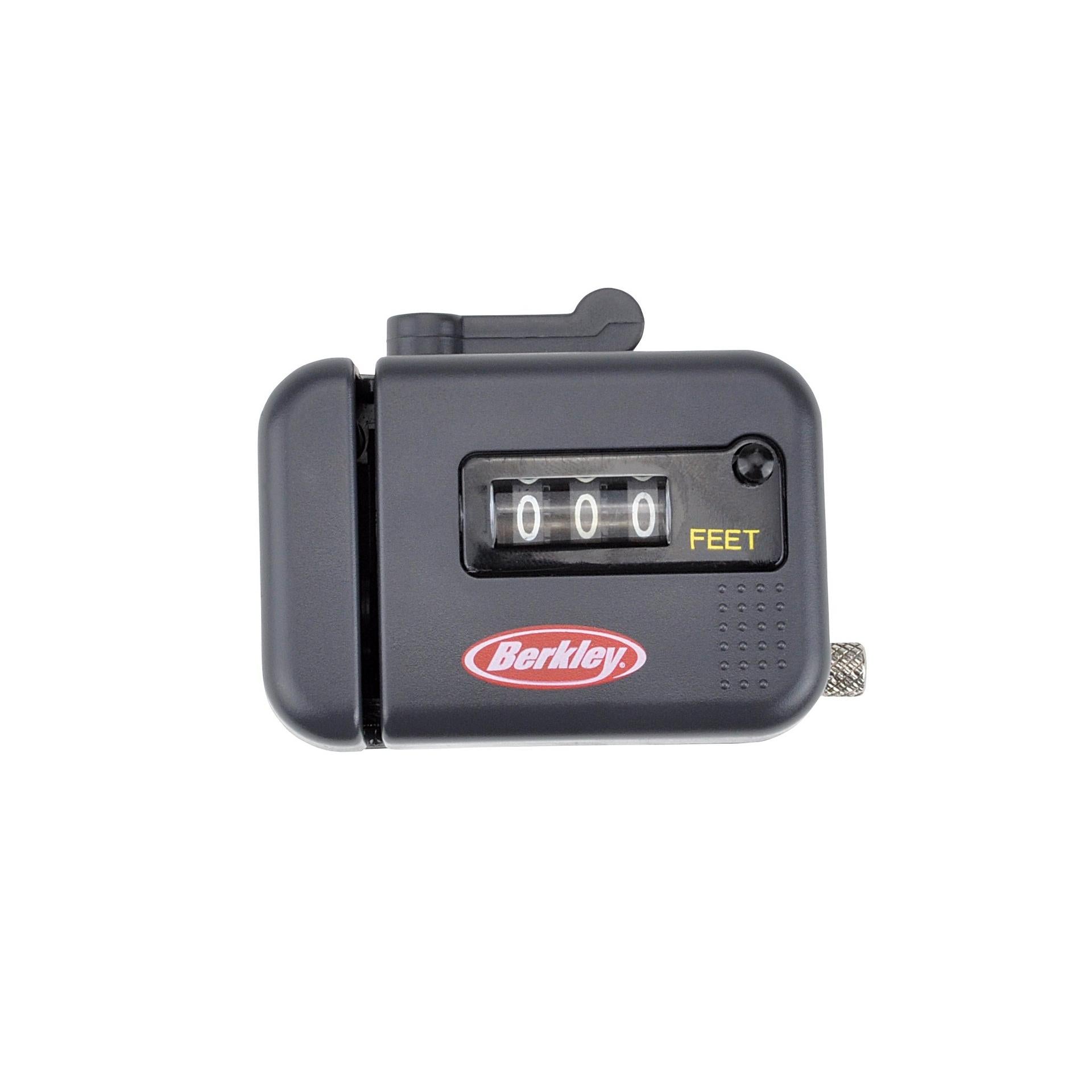
Off-label use of a line counter with typewriter ribbon length?
-
-
www.walmart.com www.walmart.com
-
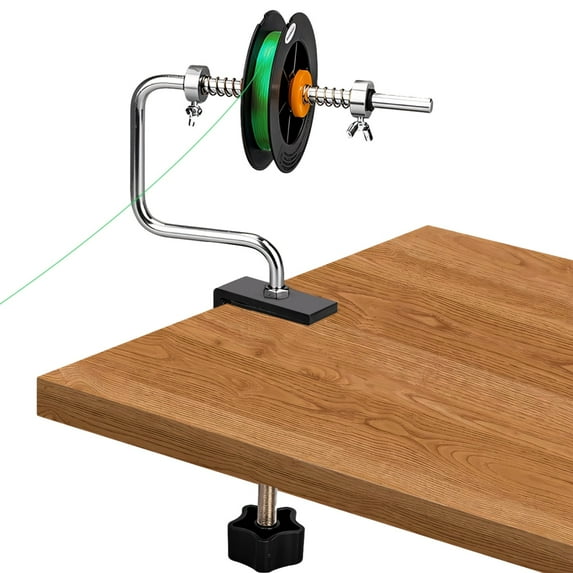
Off-label uses for linewinders as typewriter ribbon winders?
- https://www.walmart.com/ip/Fishing-Line-Winder-Spooler-Aluminum-Alloy-Spooling-Station-Adjustable-Rotating-Axis-Steel-Frame-Clamp-Workbench-Fishing-Line-Spooler-Machine-Multipl/17084510284?classType=REGULAR
- https://www.walmart.com/ip/Fishing-Line-Spoolers-Adjustable-Fishing-Line-Winders-Spoolers-Machine-Spinnings-Baitcasting-Reel-Spooling/17886252799?classType=VARIANT
- https://www.walmart.com/ip/Apooke-Spinning-Reel-Fishing-Line-Fishingline-Winder-Equipment-Winder-Spooler-Machine-with-Suction-Cup-Fishing-Line-Spooler/5648376830?classType=REGULAR
Tags
- fishing
- off-label use cases
- photos
- fishing line
- linewinders
- typewriter spools
- typewriter ribbon winder
Annotators
URL
-
-
www.trianglesport.com www.trianglesport.com
-
https://www.trianglesport.com/
Potential off-label use cases for their line winders with respect to spooling typewriter ribbon?
-
-
www.youtube.com www.youtube.com
-
Tools of the typewriter trade by [[Retrotype]]
Excellent overview of many of the basic tools for typewriter repair. Didn't have the strongest grasp of all the tools' specific names, but good enough for describing their general use cases.
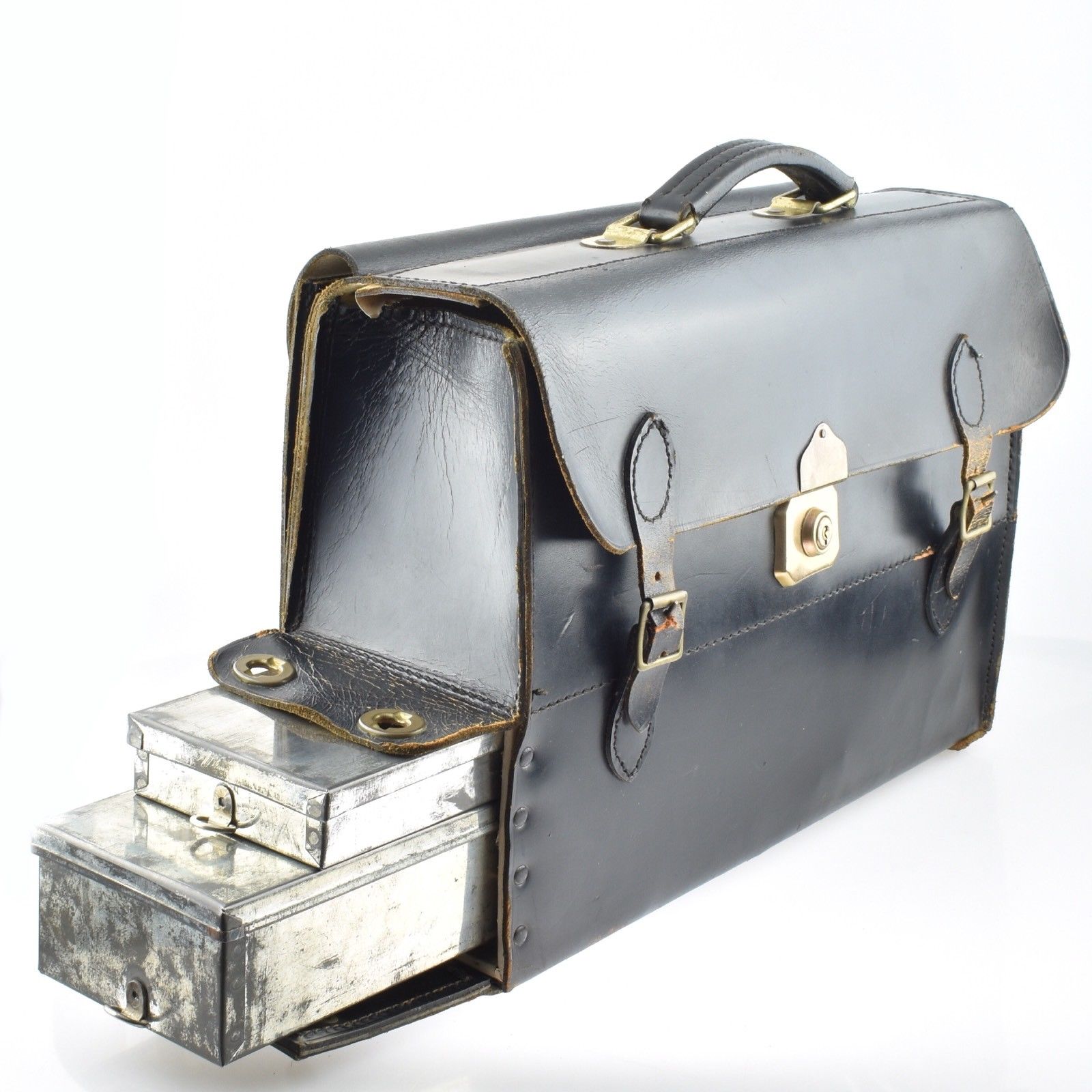
Example of a typewriter toolset including a case made for telephone company repair, but which works with typewriters.
- Shore A durometer gauge 2:22
- nylon fishing/picture hanging wire spec to 25kg (for drawband replacement)
- thick waxed string/yarn for repairing fishing nets (for drawbands)
- nitrile gloves (to prevent staining, issues with mineral spirits, and other caustic chemicals)
- XPower pressure blower for blowing out dust/dirt and mineral spirits. (smaller than an air compressor)
- nail grooming set with tweezers, picks, etc. (not technically necessary, but sometimes useful)
- dental tools (for use as spring hooks)
- Renaissance micro-crystalline wax (non-corrosive, made for British Museum, good on marble, wood, leather, etc. Good on bare metal for treating previously rusted metal. (It's recommended to use an abrasive polish for improving the shine of glossy paint however)
- Pouch and set of precision screwdrivers (he only uses the flatheads though the set includes other) Prefer hollow ground tips which are squared off rather than wedges.
- Chapman bit set of screwdrivers (with hollow ground tips) He prefers these for hard to remove screws. Issue that it's a bit thicker at the tip.
- Liquid wrench penetrating oil for helping to loosen screws (he likes this better than WD-40)
- brash wire brushes
- steel wire brushes (uses less frequently as they're more abrasive)
- pouch of precision wrenches (imperial and metric) his are bladed, Moody tools wrenches (mfg.) prefer the thinnest tips
- microfiber cloths
- jig for soldering typeslugs on typearms
- pouch with various typewriter specific pliers:
- 3 prong pliers (total of 9 prongs) for making bends/forming typebars (especially making bends in the middle of bars rather than the end.;
- peening bend pliers;
- bending pliers for sideways bends esp. with thinner typebars;
- vertical adjustment pliers (with rollers) not good for making adjustments of 3mm or more;
- forming pliers with screws on the end to rotate heads for bending, peening and cutting;
- peening pliers (bending by metal displacement)
- Magnetized screwdrivers
- forceps
- screw grabber (active capture)
- spring hooks (push/pull)
- nylon brushes for dusting
- needle nose pliers
- t-bender with slotted head for forming metal
- small bottles for mineral spirits and sewing machine oil. They have small metal tips for precision application.
-
- Sep 2025
-
www.reddit.com www.reddit.com
-
Reddit Search for typewriter uses:<br /> https://www.reddit.com/r/typewriters/search/?q=typewriter+uses
Tags
Annotators
URL
-
-
www.reddit.com www.reddit.com
-
www.reddit.com www.reddit.com
-
reply to u/todddiskin at https://www.reddit.com/r/typewriters/comments/1nlodr0/how_do_you_use_your_machines/
Some various recent uses:
- I've got writing projects sitting in two different machines.
- I use one on my primary desk for typing up notes on index cards, recipes, my commonplace "book", letters, and other personal correspondence.
- I use a few of my portables on the porch in the mornings/evenings for journaling.
- One machine in the hallway is for impromptu ideas and poetry and an occasional bit of typewriter art.
- One machine near the kitchen is always gamed up for adding to the ever-growing shopping list.
- I'll often get one out for scoring baseball games.
- Participating in One Typed Page and One Typed Quote
- Typing up notes in zoom calls - I've got a camera mount over a Royal KMG that has its own Zoom account so people can watch the notes typed in real time.
- Labels for folders, index card dividers, and sticky labels.
- Addressing envelopes.
- Writing out checks.
- Typecasting
- Hiding a flask or two of bourbon (the Fold-A-Matic Remingtons are great for this)
- Supplementing the nose of my bourbon and whisky collection.
At the end of the day though, unless you're Paul Sheldon, typewriters are unitaskers and are designed to do one thing well: put text on paper. All the rest are just variations on the theme. 😁🤪☠️
see also: https://www.reddit.com/r/typewriters/search/?q=typewriter+uses
-
- Aug 2025
-
www.youtube.com www.youtube.com
-
Ray Bradbury's Rules to Writing: Don't Think!<br /> accessed on 2025-08-12T09:45:59
"...you must never think at the typewriter, you must feel." —Ray Bradbury
This also cleverly goes against the idea that "writing is thinking". Bradbury frames it as "writing is feeling" or "writing is being."
-
- Jul 2025
-
archive.org archive.org
-
www.reddit.com www.reddit.com
-
Small differences in typewriter cases for the Olympia SM3: - Older versions (circa 1954) were simply painted inside and didn't have the flocking - Older versions also had Bakelite handles rather than the flexible plastic strap - Older versions also didn't have the plastic curved feet molded into the (typewriter half of the) bottom of the case.
-
-
www.reddit.com www.reddit.com
-
reply to u/FriendlyAd4234 at https://www.reddit.com/r/typewriters/comments/1cn004l/olympia_sg1_dust_cover/
Other than the traditional fabric-like dust covers, you might consider doing a thicker plastic/acrylic cover, particularly if you've got several machines and are using them for display purposes. I live in Los Angeles and there are half a dozen places that do this sort of custom work all the time for very reasonable rates. Searching for "plastic fabricator memoriabilia case" along with variations of plastics (acrylic, lucite, plexiglass) should get you what you want locally. (Here's a few examples I've used in Los Angeles before to give you an idea: https://solterplastics.com/, https://www.plasticfactoryinc.com/, https://www.customacrylicproducts.com/, https://plexidisplays.com/). Search for something similar in your area for easier communication and pick up/shipping.
If you search around for companies that make plastic displays, particularly for memorabilia (baseball bats, baseball cards, etc.), you can have them design and make a custom sized clear plastic box/enclosure that will keep the dust and dirt out, but still allow you to see the machine inside.
-
-
www.reddit.com www.reddit.com
-
it probably needs new feet too. I snagged a rubber urethane jeweler's pad off Amazon for $9 and it's enough for 4+ machines. Better than the $35 I saw online. The feet are just 1x1x1/2 in blocks. I cut them a hair big with a utility knife and many passes and sanded them to fit. Kinda messy.
-
-
www.reddit.com www.reddit.com
-
www.youtube.com www.youtube.com
-
https://youtu.be/qrlt6VyC8D0?si=nqMErXlEd-rfkQL0&t=409
I love that Joe sets up a camera inside the case of the Royal Arrow to show how the metal fixtures on the case dovetail with the machine. In one instance the piece on the right has been bent while the one on the left properly tucks the carriage return arm inside.
-
-
www.reddit.com www.reddit.com
-
That's an important question with several answers. Give it to someone as a gift. Give it to someone as a punishment. Store it in a safe place. Send it to a type pal. Give it to recycling. Rub yourself down with (mud? molasses? butter? beer? blood? snow?) and burn it in a bonfire. Throw it in the sea. Throw it in a volcano. Throw it in a hallway. Throw it in a drawer. Take a picture of it and submit it on one typed page. Type over it in another colour. Type over it in the same colour. Eat it. (The last should only be considered for very little amounts. Please use common sense.)
reply from u/andrebartels1977 to u/Electrical_Raise_345's question: "Hey what should I do with my type writing." at https://reddit.com/r/typewriters/comments/1lru709/hey_what_should_i_do_with_my_type_writing/
-
- Jun 2025
-
www.facebook.com www.facebook.com
-
https://www.facebook.com/groups/1713118022537412/posts/2146096495906227/
Diagrams and photos of how several latches and locks are put together on typewriter cases.
-
-
www.reddit.com www.reddit.com
-
https://www.reddit.com/r/typewriters/comments/1l8m84q/putting_the_imperial_back_into_service_again/
Use of a typewriter in inhospitable environments (cold, no cell service, remote)
-
-
incowrimo.org incowrimo.org
-
InCoWriMo is the short name for International Correspondence Writing Month, otherwise known as February. With an obvious nod to NaNoWriMo for the inspiration, InCoWriMo challenges you to hand-write and mail/deliver one letter, card, note or postcard every day during the month of February.
-
- May 2025
-
www.reddit.com www.reddit.com
-
https://www.reddit.com/r/typewriters/comments/1kzw0fk/your_typewriter_collection/?sort=old
-
reply to u/Back2Analog at https://old.reddit.com/r/typewriters/comments/1kzw0fk/your_typewriter_collection/?sort=old
-
Total: I currently have 53 with 2 incoming and 1 outbound. About 12 are standards, 7 ultra-portables, and the remainder are portables. Maybe a dozen non-standard typefaces including 2 Vogues and a Clarion Gothic. You can find most of the specifics at https://typewriterdatabase.com/typewriters.php?hunter_search=7248 or on my site at https://boffosocko.com/research/typewriter-collection/#My%20Typewriter%20Collection
-
Display: I've usually got eight displayed in various places around the house including three on desks, but ready to actively type on. The remainder are in cases either behind our living room couch or a closet for easy access and rotation. I'm debating a large credenza or cabinet for additional display/storage space. There are two machines out in the garage, and one currently disassembled on our dining room table (my wife isn't a fan of this one right now).
-
About 25 have been cleaned and mostly restored, most are functional/usable, but need to be cleaned, repaired, or restored to some level. One is a parts machine. I always have a Royal KMG, a Royal FP, and two other standards out ready to go and rotate the others on a semi-weekly basis. There's usually at least one portable in my car for typing out in the wild.
-
Use cases: I spend a few hours a day writing on one or more machines and use them for nearly every conceivable case from quick notes (zettels), letters, essays, lists, snide remarks, poetry, etc., etc. I should spend more time typing for the typosphere. Because I enjoy restoring machines maybe even more than collecting them, I've recently started taking mechanic/restoration commissions.
-
At 50 machines, I'm about at the upper limit of my collecting space. I've given away a few to interested parties, and sold a small handful that I didn't use as frequently. I'm currently trying to balance incoming versus outgoing and might like to get my collection down to a tighter 35-40 machines in excellent condition.
-
Next typewriters: I'm currently looking for an Olympia SG1, a Royal Ten, a Hermes Ambassador, and a Hermes 3000. I'm also passively looking for either very large (6 or 8 CPI) or very small typefaces (>12CPI). I'm definitely spending less time actively hunting these days and more time restoring. I'm tending towards being far more selective in acquisitions compared to my earlier "acquisition campaign".
-
Miscellaneous: I enjoy writing about typewriter collecting and repair to help out others: https://boffosocko.com/research/typewriter-collection/
-
-
Writing letters mostly to people from InCoWriMo or (more frequently) TypePals.com I often will write short stories for my kids or journaling entries, though I have been writing more journal entries with fountain pens these days.
via u/brianlpowers at https://www.reddit.com/r/typewriters/comments/1kzw0fk/your_typewriter_collection/?sort=old
-
-
www.reddit.com www.reddit.com
-
I repaired it using 2-part epoxy, and fiberglass dry wall tape. First routed out the path of the crack, and created a little reservoir for the glue just past the end of the crack, then applied the tape and worked the epoxy into the voids. I've been using it for a week now, and it looks like it's going to hold just fine.
-
-
www.reddit.com www.reddit.com
-
It's oil cloth, but not the kind made today, sadly. Contact cement is fine. For a refurb, take lots of pictures. Undo any screwed in components (usually the handle and a couple springs). Using a dremel or similar rotary tool, gently grind down the inside cap of each rivet. It's easiest to use a pin and hammer to knock them out and avoid damaging the wood rather than prying the hardware up. Set aside the hardware for cleaning. Sometimes they're split rivets (which I loathe) and you have to be VERY careful to not wreck the wood pulling those. LOATHE. Get the case WET. It'll soften the glue, make it far easier to remove and keep the glue dust out of your lungs. Pay attention to the order in which it comes off and where the various cuts are made. Scrub the case clean. Let it FULLY dry. Sand any uneven areas and patch what needs patching. Make placement templates in case you have trouble locating the original holes for the hardware. Ensure your rivets or attachment parts will work with the existing holes, modify if needed. Install the internal top and bottom lining. Install the hardware with a pop rivet gun. Put the outside upholstery on. Install the handles/feet/rest. Put the sidewall lining in. Seal any surfaces as desired. Done. If the wooden case is beyond repair but hardware is good, you can build a new case and use the same hardware provided the internal dimensions and hardware placements match the original. I'm mid process on two portable wooden cases or I'd show pics.
https://www.reddit.com/r/typewriters/comments/1ksx0qy/adhesive_to_fix_peeling_covering_on_cases/
-
-
www.reddit.com www.reddit.com
- Apr 2025
-
www.reddit.com www.reddit.com
-
https://www.reddit.com/r/typewriters/comments/1kbp3bb/corona_3_with_case_key/

Corona 3 cases had very straightforward keys with a simple 1-2mm numb at the far end.
-
-
www.reddit.com www.reddit.com
-
I’m so excited by the wide carriage, I use my typewriter to edition prints and drawings, and I’m so excited to be able to edition larger ones now.
https://www.reddit.com/r/typewriters/comments/1k6zfvl/help_with_id_i_cant_find_anything_online/
via u/Pinkbumblebee-666
-
-
www.youtube.com www.youtube.com
-
Typewriter expert shares 8 helpful advice to take care of your typewriter. by [[Mr. & Mrs. Vintage Typewriters]]
Tipp-Ex correction paper
Don't bathe your typewriter
Leave oil to the professionals. "Never oil it." (Wow!) - I get why he says this, but...
-
-
www.reddit.com www.reddit.com
-
Mathematics with Typewriters
What you're suggesting is certainly doable, and was frequently done in it's day, but it isn't the sort of thing you want to subject yourself to while you're doing your Ph.D. (and probably not even if you're doing it as your stress-releiving hobby on the side.)
I several decades of heavy math and engineering experience and really love typewriters. I even have a couple with Greek letters and other basic math glyphs available, but I wouldn't ever bother with typing out any sort of mathematical paper using a typewriter these days.
Unless you're in a VERY specific area that doesn't require more than about 10 symbols, you're highly unlikely to be pleased with the result and it's going to require a huge amount of hand drawn symbols and be a pain to add in the graphs and illustrations. Even if you had a 60's+ Smith-Corona with a full set of math fonts using their Chageable Type functionality, you'd spend far more time trying to typeset your finished product than it would be worth.
You can still find some typewritten textbooks from the 30s and 40s in math and even some typed lecture notes collections into the 1980s and they are all a miserable experience to read. As an example, there's a downloadable copy of Claude Shannon's master's thesis at MIT from 1940, arguably one of the most influential and consequential masters theses ever written, that only uses basic Boolean Algebra and it's just dreadful to read this way: https://dspace.mit.edu/handle/1721.1/11173 (Incidentally, a reasonable high schooler should be able to read and appreciate this thesis today, which shows you just how far things have come since the 1940s.)
If you're heavily enough into math to be doing a Ph.D. you not only should be using TeX/LaTeX, but you'll be much, much, much happier with the output in the long run. It's also a professional skill any mathematician should have.
As a professional aside, while typewriten mathematical texts may seem like a fun and quirky thing to do, there probably isn't an awful lot of audience that would appreciate them. Worse, most professional mathematicians would automatically take a typescript verison as the product of a quack and dismiss it out of hand.
tl;dr in terms of The Godfather: Buy the typewriter, leave the thesis in LaTeX.
a reply to u/Quaternion253 RE: Typing a maths PhD thesis using a typewriter at https://reddit.com/r/typewriters/comments/1js3cs5/typing_a_maths_phd_thesis_using_a_typewriter/
-
-
www.reddit.com www.reddit.com
- Mar 2025
-
www.reddit.com www.reddit.com
-
Almost every portable and ultra portable typewriter made from the 1930s onward came with a case that the typewriter locked into. On almost all of these the top of the typewriter case was easily removeable from the base with a spring loaded locking mechanism of some sort. This allowed the user to sit in almost any chair and use the typewriter on their lap. The thin case bottoms prevent dirt and oil from soiling one's clothes.
Beginning in the late 60s/early 70s some manufacturers began making plastic tops that clipped onto the typewriter bodies, but often these are more brittle and prone to breaking/shattering due to the type and age of the plastic. (I'm looking at you Remington Streamliners...)
Our cat used to love "hiding" in the wooden case tops of my 1940s and 1950s Smith-Coronas (Clippers, Sterlings, Silents, Silent Supers).
It's really only the larger and much heavier standard machines that didn't come with cases at all.
-
- Oct 2024
-
www.reddit.com www.reddit.com
-
www.facebook.com www.facebook.com
-
https://www.facebook.com/groups/typewritermaintenance/posts/3902381636665923/
Buckram is a good choice of material for recovering pre-war black typewriter cases.
TypewriterCellar on Instagram may have some good ideas in this area.
-
- Sep 2024
-
www.reddit.com www.reddit.com
-
https://old.reddit.com/r/typewriters/comments/1f9arin/interesting_substitute_typewriter_case/
Using an Akona regulator bag from a diving supply store in Hollywood as a replacement case/bag for an ultraportable typewriter.
-
-
myoldtypewriter.com myoldtypewriter.com
-
https://myoldtypewriter.com/2018/08/05/adler-j3-please-release-me/
Adler's have a quirky locking mechanism for helping to lock the machines into their cases and after decades of storage, the rubber can compress thereby locking the typewriter into the case permanently. Removing the e-clips internally will unlock them at which point the rubber compression locks can be replaced.
The article mentions other incidences of this. Another example at https://new.reddit.com/r/typewriters/comments/1fckg8f/removing_triumph_gabriele_1_from_case_base_plate/
-
- Aug 2024
-
www.reddit.com www.reddit.com
-
On many of the older 40s/50s typewriters, the same key will work on almost everything. If you search online there are a few people who have posted a 3D printable key that you can download and may be able to print at your local library. I'm guessing based on the limited photo, yours is an early 40s Smith-Corona.
I've tried a few local locksmiths who don't seem to carry these keys anymore.
I've got a late 40s Smith-Corona latch that occasionally self-locks and for ages I used a bent paperclip in the rough shape of the old keys to easily pick the lock with just 10 seconds of jiggling around inside. Roughly a 2 mm straight section of paperclip with a 1mm "T" section that sticks out (even just on one side) about 4-5mm and then continues straight ought to work if you're in a jam.
The level of security these keys/locks provide is minimal at best.
If you go the online route to buy a key, they can be quite expensive, so if you're a collector, just wait for a machine that comes with one and you'll have another typewriter for "free" in the deal.
reply to u/Succu6us66 at https://old.reddit.com/r/typewriters/comments/1eqk6rd/typewriter_lock/
-
-
www.instructables.com www.instructables.com
-
Restoring a 1926 Typewriter Case by knife141 on Instructables
-
-
munk.org munk.org
-
www.mrmrsvintagetypewriters.com www.mrmrsvintagetypewriters.com
- Jul 2024
-
www.mrmrsvintagetypewriters.com www.mrmrsvintagetypewriters.com
- Jun 2024
-
www.youtube.com www.youtube.com
-
How A Rusty 1930s Royal Typewriter Is Professionally Restored | Refurbished | Insider
Done by Lucas Dul. Some particularly interesting portions on adjustments after restoration. He generally touches on the order of adjustments he makes, but in brief rather than completely.
-
- May 2023
-
www.reddit.com www.reddit.com
-
www.youtube.com www.youtube.com
-
Hermes Rocket Typewriter Case Cleaning — Crazy Results, Simple Tools
A few hours with some mild soap and water and a toothbrush will clean up most of a plastic typewriter case.
A mild solvent like isopropyl alcohol can generally get the remainder of any tough spots or gummy spills.
-