10,000 Matching Annotations
  1. Oct 2025
    1. Are we like these cave dwellers? Is this gloomy cave the image of the womb from which we were all thrust unknowing into the light? But do we not then quickly overcome this primal oblivion — or do we all still dwell in a place of such abysmal ignorance? To think this through, I want to reverse Plato’s approach: Rather than describing how we may know the truth, let us consider how we recognize ignorance.

      I believe we all are ignorant, but I would like to see how to describe what I believe in the correct wording.

    2. The Cave is a fiction, of course. With a shudder, we gratefully distance ourselves and our lives from that bizarre place and its “strange prisoners.” We breathe deeply the air of the sunlit world. But then, almost off-handedly, comes Plato’s stark and chilling statement: “They’re like us.”

      "They’re like us.” Yes, they are, think about politics, data centers, crime that happens every day.

    3. Life is what it is, what it has always been; they do what they do and feel what they feel because they know nothing else. They are ignorant. But we know … and it is terrifying. Because Plato has, through his narrative, given us privileged knowledge of their situation, we know what they do not; we can affirm their ignorance.

      "Ignorance is not bliss. Well, in some special cases, it's better not to know available information," because it's scary to know all, life is frightening, so sometimes peace of mind is acting as if nothing "exists".

    1. We left Syria when she was in 6th grade.That was the last time she had any schooling. And then the next time she was in school againwas in NJ. She was placed in 10th grade because she was 16 years old. She was very confusedand struggled in school. She eventually dropped out of H.S.

      So not only will there be cultural divides but also a fallout from whatever they were fleeing

    Annotators

    1. The problem that Strauss and Bradley raise concerning the possibility of aphilosophical ethics and political science, a problem that has long been anobject of scholarly debate, admits of a definitive solution on the basis ofAquinas’s texts. Ultimately, the key to realizing how Aquinas can maintainboth that the ultimate end of man as man is supernatural and that politicalscience is genuinely philosophical is recognizing the fact that, in his view,unaided reason can give an account of political happiness that establishesits superordination over other temporal goods without appealing to its rela-tion to human nature’s final end. The primacy of virtuous activity over othertemporal goods derives from the fact that it more fully instantiates the generalattributes of beatitude and thus is more worthy of pursuit than they are. Itdoes not rest on claims about the relation, order, or conduciveness ofearthly happiness to the perfect good of supernatural beatitude, contrary tothe assumption of Strauss, Bradley, and most other scholars. The sciences con-cerning the attainment of temporal happiness by the individual and the polit-ical community are thus philosophical, since the desirability of the end thatconstitutes their first principle and the superiority of this end to other tempo-ral ends can be established without revelation. Of course, temporal happinessis still for Aquinas an imperfect form of beatitude. It does not fully measureup to the definition of beatitude as the perfect and self-sufficient good that ful-fills all human desire, 87 and the philosopher, knowing that natural desirecannot be satisfied by any naturally attainable good, can know the imperfec-tion of the beatitude of the present life. But even in the knowledge of theimperfection of all temporal goods, the philosopher still knows by theunaided light of natural reason that some goods are more perfect thanothers and ought to be pursued as such

      Stronger Alternatives: A stronger argument for Strauss would be to emphasize Aquinas's theological framework, since every natural human good depends on its relation to the supernatural end. Without knowledge of the supernatural, Aquinas' argument lacks the standard against which it is measured, making his view of the perfect and imperfect views of human good incomplete. It could strengthen Strauss's point by showing that Aquinas's logic renders political science entirely theological, even when it seems reasonable.

    2. Aquinas frequentlyaffirms that the ruler is the “supreme authority” in political matters. 70 Tomaintain, however, that the king is the supreme political authority seemsincompatible with claiming that the political good includes as a constitutiveelement the promotion of eternal beatitude. If promotion of this end werean intrinsic element of the specifically political good, then, contrary toAquinas’s stated position, the Catholic church rather than the king wouldhave final or supreme say in all political affairs, since all political affairswould be reducible to mere means to the supernatural beatitude overwhich the church has ultimate custody. These texts suggest a formal distinc-tion between the political and supernatural goods, between kingly and eccle-siastical office, that does not subordinate the former to the latter in all affairs, aswould be the case if promoting eternal beatitude were an essential part of thepolitical good. Further, Aquinas clearly distinguishes the “earthly city” whichaims at the happiness brought about by naturally acquired virtue from the“heavenly society of Jerusalem”—eternal beatitude—of which man is madea citizen not by acquired virtue but only by supernaturally infused virtue.71The implication is that the two cities and the authorities which govern themhave formally distinct goods and that promoting the beatitude of the heavenlycity does not enter into the task of the earthly city qua earthly city, since pro-gress towards eternal beatitude requires supernatural virtues that politics—which belongs to the natural order—could never produce

      Ambiguity/Misleading Language: The phrase "Supreme Authority" is unclear whether it refers to political or supernatural authority. Whereas the use of "political goods" could be misleading in the argument about the paranormal. It is unclear whether it concerns the natural good of humans or if it serves a supernatural end.

    3. If political society is ordained to the higher end of eternal beatitude, thequestion arises whether the promotion of eternal beatitude is an intrinsicelement of the properly political good, such that promoting the supernaturalend enters into the formal specification of the bonum civile that the king quaking is charged with procuring. If the answer is affirmative, then supernaturalrevelation is necessary for politics to carry out its proper task―promotion ofthe civic good―and a philosophical political science is impossible. Later in Deregno, Aquinas appears to conclude that because virtuous living in the polit-ical community is ultimately ordered to a supernatural end, and because onewho has charge over something that is ordained to a further end must ensurethat the thing made is suitable to that end, the king is bound to govern in away that makes citizens fit for the kingdom of God, taking explicit accountof Christian beatitude in his political decision making:Now anyone on whom it devolves to do something which is ordained toanother thing as to its end is bound to see that his work is suitable to thatend. . . . Therefore, since the beatitude of heaven is the end of that virtuouslife which we live at present, it pertains to the king’s office to promote thegood life of the multitude in such a way as to make it suitable for theattainment of heavenly happiness; that is to say, the king shouldcommand those things which lead to the happiness of heaven and, asfar as possible, forbid the contrary.What conduces to true beatitude and what hinders it are learned fromthe law of God, the teaching of which belongs to the office of the priest. . . .Thus the king, taught the law of God [by the priest], should have for his

      Consistency: It's consistent in linking physical, moral, and supernatural needs. But some phrases blur the lines between the natural political order and Aquinas' supernatural theology. The argument maintains the same spiritual justification but fails to distinguish between theology and politics.

    4. Vernon Bourke offers another variant of the second solution. 22 He claimsthat for Aquinas only the vision of the divine essence could satisfy ournatural desire for beatitude and that the philosopher can recognize thatsuch a vision is beyond the capacity of unaided nature to attain. Moreover,the philosopher cannot prove that man has been given the grace necessaryto attain this vision, and hence he or she cannot recognize that it is, inpoint of fact, the goal of human life. Nevertheless, although philosophycannot prove that supernatural beatitude is in fact our ultimate end, itwould be reasonable for the philosopher to believe that it is the ultimategoal of human life if he or she can show that, as a matter of empirically ver-ifiable fact, the notion of a supernatural end has brought “rational order” intoindividuals’ lives. 23 History, Bourke continues, proves that the concept ofsupernatural beatitude has indeed brought such order into individuals’lives, specifically in the lives of Christian saints. The philosopher thereforehas a plausible reason to suppose that the vision of God is the ultimate endof human life―even though he cannot prove this definitively―and he istherefore justified in determining what constitutes temporal happiness orthe first principle of ethics and political science based on what is conduciveto supernatural beatitude. For Bourke as for Maritain, the fact that philosophycannot prove demonstratively that our ultimate end is supernatural is noobstacle to asserting the philosophical character of a science of humanaction in this life that presupposes this end as its first principle.

      Some flaws in this argument are an appeal to consequences, as Bourke argues that the supernatural end has brought "rational order" to some people's lives, so it is reasonable to accept that Aquinas' belief is true. But it also falls into the hasty generalization, assuming that everyone shares Aquinas's religious beliefs, even though this does not represent all philosophical and religious beliefs. Lastly, there's a categorical mistake because we cannot logically confirm the existence of a supernatural theoretical end.

    5. Notwithstanding Aquinas’s seemingly unambiguous affirmation of politi-cal science as part of philosophy, Leo Strauss and Denis Bradley have ques-tioned its philosophical character, suggesting that Aquinas’s understandingof human beatitude makes impossible a genuinely philosophical moral and,by extension, political science. Strauss argues that since, for Aquinas, nonatural good completely perfects human nature and thus constitutes its beat-itude, the end of man as man must be supernatural―the vision of God’sessence in the afterlife―and hence knowable only through divine revelation.In turn, since the end, good, or beatitude that perfects human nature is thefirst principle of natural law and ultimately of political science, scientia politicarequires revelation for a justification of its first principle and is thus not aspecies of philosophy but rather of theology

      Validity: The premise is valid because, in the conclusion, Strauss argues that if Aquinas believes that no good can be perfect from human nature, then human fulfillment has to lie in the supernatural end. Since political science is dependent on an understanding of the ultimate end, he relies on theology rather than philosophy. However, the argument's validity doesn't imply it's true, as Strauss's reasoning is sound and free of contradictions, unlike Aquinas's.

    1. But if change is our goal, we must understand how collective identitiesare constructed beyond the basic categories of ethnicity or nationality, and how thatconstruction can reshape the world around us. Transformative solidarity is abstracted from ourgiven identities and extended outward to create wider circles of belonging

      It seems that transformative solidarity is centered not on necessarily changing the "Us" but reframing it. In order to bring change we must take the solidarity we feel from friends and family and expand those feelings to broader societal categories. In doing so we practice transformative solidarity and create more uniformed collective identities.

    1. Our results show that many salient features of African American Vernacular English were not innovated, but are instead the legacy of an older stage of English.

      A quote that really highlights what this article is about.

    2. But historical evidence of an earlier stage is in short supply: recording technology is too recent, and written representations are both scarce and unreliable.

      I am always curious about language and such before we were able to record things. The sounds of our past are so recent, and to really know what something sounded like before we had the ability to record is so unknown. Fascinating to me.

    1. No matter how innovative the visual delights, how creative the soundscape, or how many millions are spent on the production design and celebrity talent, if it isn’t all in service of a compelling narrative we’ll walk away unmoved and unsatisfied. And good storytelling, of course, has been around at least as long as humans have been able to put together complete sentences. Let’s face it, probably longer.

      Cinema’s gotten super complex image, sound, VR, all that, but the heartbeat is still story. If the fireworks don’t serve a clean narrative, we leave cold.

    1. But it can also mark the signature style of a particular genre or type of cinema. Take film noir

      I have never seen a noir film. I always thought they were interesting, but I still have been reluctant.

    2. As should be obvious, you can’t have cinema without light. Light exposes the image and, of course, allows us to see it. But it’s the creative use of light, or lighting, is what makes it an element design. A cinematographer can illuminate a given scene with practical light, that is, light from lamps and other fixtures that are part of the set design, set lights, light fixtures that are off camera and specifically designed to light a film set, or even available light, light from the sun or whatever permanent fixtures are at a given location. But in each case, the cinematographer is not simply throwing a light switch, they are shaping that light, making it work for the scene and the story as a whole. They do this by emphasizing different aspects of lighting direction and intensity. A key light, for example, is the main light that illuminates a subject. A fill light fills out the shadows a strong key light might create. And a back light helps separate the subject from the background. And it’s the consistent use of a particular lighting design that makes it a powerful part of mise-en-scène.

      Lighting is more than just turning things on; it’s an art form that shapes the mood and meaning of a scene. Every choice with key, fill, or back light changes how we see characters and space, making light itself part of the story.

    3. In that case, the setting must be augmented with computer generated imagery (CGI). The most common way this is implemented is through the use of green screen technology.

      The use of CGI has grown throughout the years, but so has its quality. Still giving us something to real as possible.

    4. soundstage. A soundstage provides the control over the environment production designers need to give the director exactly the look and feel she wants from a particular scene. On a big enough soundstage, a production designer can fabricate interiors and exteriors, sections of buildings, even small villages. And since it is all shielded from the outside, the production has complete control over lighting and sound. It can be dawn or twilight for 12 hours a day. And a shot will never be interrupted by an airplane flying loudly overhead

      It’s not just about building sets, but about locking down light, sound, and even time of day so the director’s vision can play out without outside interruptions.

    5. production designer. The production designer is the point person for the overall aesthetic design of a film or series. Working closely with the director, they help translate the aesthetic vision for the project – its mise-en-scène – to the various design departments, including set design, art department, costume, hair and make-up. But arguably their most important job is to make sure the setting matches that aesthetic vision, specifically through set design and set decoration.

      The architect of the film’s look. They’re the ones making sure every detail in the environment lines up with the director’s vision, so the world on screen actually feels intentional and consistent.

    6. But if there’s any hope of that final product having a unified aesthetic, and a coherent, underlying theme that ties it all together, it needs a singular vision to give it direction. That, really, is the job of a director. To make sure everyone is moving in the same direction, making the same work of art. And they do that not so much by managing people

      The director feels more like a glue role than a boss role. They’re less about controlling every move and more about making sure all the parts flow into the same bigger picture.

    7. But the idea is simple. Borrowed from theater, it refers to every element in the frame that contributes to the overall look of a film. And I mean everything: set design, costume, hair, make-up, color scheme, framing, composition, lighting… Basically, if you can see it, it contributes to the mise-en-scène.

      mise-en-scène is really just the full package, every single detail we see on screen, shaping the vibe. Nothing is random; everything adds to the story being told.

    1. Postpartum depression is a common but underdiagnosed condition, often leading to negative effects on maternal-infant bonding and overall family well-being. What are the most effective screening methods for early detection of postpartum depression?

      important proposal research

    1. Reviewer #2 (Public review):

      In this paper Chang et al follow up on their lab's previous findings about the secreted protein Shv and its role in activity-induced synaptic remodeling at the fly NMJ. Previously they reported that shv mutants have impaired synaptic plasticity. Normally a high stimulation paradigm should increase bouton size and GluR expression at synapses but this does not happen in shv mutants. The phenotypes relating to activity-dependent plasticity were completely recapitulated when Shv was knocked down only in neurons and could be completely rescued by incubation in exogenously applied Shv protein. The authors also showed that Shv activation of integrin signaling on both the pre- and post-synapse was the molecular mechanism underlying its function in plasticity. Here they extend their study to consider a role of Shv derived from glia in modulating synaptic features at baseline and remodeling conditions. The authors show evidence that Shv is expressed in both neurons and glia. Despite the fact that neuron-specific RNAi knockdown of Shv recapitulated the plasticity phenotypes seen in whole animal mutants, the authors asked whether glial-specific knockdown would have any effects. Surprisingly, knockdown of Shv only in glia also blocked plasticity, just like neuron-specific knockdown, and supporting an important role for glial-derived Shv in plasticity. Unlike neuronal knockdown, though, glial knockdown also caused abnormally high baseline GluR expression. Restoring Shv in ONLY glia in mutant animals is sufficient to completely rescue the plasticity phenotypes and baseline GluR expression, but glial-Shv does not appear to activate integrin signaling which was shown to be the mechanism for neuronally derived Shv to control plasticity. This suggests a different or indirect mechanism of action for glial-derived Shv. This led the authors to hypothesize that glial Shv might work via controlling the levels of neuronal Shv and/or extracellular glutamate. To test these hypotheses, they provide evidence that in the absence of glial Shv, synaptic levels of Shv go up overall, suggesting that glial Shv could somehow have a suppressive effect on release of neuronal Shv. This would indirectly modulate integrin signaling to control plasticity. Using an extracelluar glutamate sensor in presynaptic boutons, they also observe decreased signal (extracellular glutamate) from the sensor in glial Shv KD animals, and increased signal in glial Shv overexpression animals, supporting the hypothesis that glial Shv can regulate glutamate levels somehow. These results establish glia as an important source of Shv in these processes and identify some mechanisms for how this might be accomplished. Several outstanding questions remain-most importantly: how/why do glial-derived and neuronal-derived Shv have different effects when in the same space? No obvious isoform or size differences were found, and the same rescue construct expressed either in neurons or glia could have different effects on integrin activation or glutamate levels. Answering these questions using modified rescue constructs will be an important future direction to understand Shv function specifically and how neurons and glia work together in this context--and potentially many other contexts.

      Comments on revisions:

      The authors addressed my and the other reviewers' concerns from the original review adequately and this has strengthened the paper substantially.

      One small omission to correct: In Figures 4 and 6, the graphs in the figures do not have a legend for the colored bars.

    2. Author response:

      The following is the authors’ response to the original reviews.

      Reviewer #1 (Public review):

      In this manuscript, Chang et al. investigated the cell type-specific role of the integrin activator Shv in activity-dependent synaptic remodeling. Using the Drosophila larval neuromuscular junction as a model, they show that glial-secreted Shv modulates synaptic plasticity by maintaining the extracellular balance of neuronal Shv proteins and regulating ambient extracellular glutamate concentrations, which in turn affects postsynaptic glutamate receptor abundance. Furthermore, they report that genetic perturbation of glial morphogenesis phenocopies the defects observed with the loss of glial Shv. Altogether, their findings propose a role for glia in activity-induced synaptic remodeling through Shv secretion. While the conclusions are intriguing, several issues related to experimental design and data interpretation merit further discussion.

      We appreciate the insightful and constructive comments. We have added new data and modified the text to address your concerns.  In doing so, the manuscript has been substantially strengthened.  Please see our detailed point-by-point response below. 

      Reviewer #2 (Public review):

      In this paper Chang et al follow up on their lab's previous findings about the secreted protein Shv and its role in activity-induced synaptic remodeling at the fly NMJ. Previously they reported that shv mutants have impaired synaptic plasticity. Normally a high stimulation paradigm should increase bouton size and GluR expression at synapses but this does not happen in shv mutants. The phenotypes relating to activity dependent plasticity were completely recapitulated when Shv was knocked down only in neurons and could be completely rescued by incubation in exogenously applied Shv protein. The authors also showed that Shv activation of integrin signaling on both the pre- and post- synapse was the molecular mechanism underlying its function. Here they extend their study to consider the role of Shv derived from glia in modulating synaptic features at baseline and remodeling conditions. This study is important to understand if and how glia contribute to these processes. Using cell-type specific knockdown of Shv only in glia causes abnormally high baseline GluR expression and prevents activity-dependent increases in bouton size or GluR expression post-stimulation. This does not appear to be a developmental defect as the authors show that knocking down Shv in glia after basic development has the same effects as lifelong knockdown, so Shv is acting in real time. Restoring Shv in ONLY glia in mutant animals is sufficient to completely rescue the plasticity phenotypes and baseline GluR expression, but glial-Shv does not appear to activate integrin signaling which was shown to be the mechanism for neuronally derived Shv to control plasticity. This led the authors to hypothesize that glial Shv works by controlling the levels of neuronal Shv and extracellular glutamate. They provide evidence that in the absence of glial Shv, synaptic levels of Shv go up overall, presumably indicating that neurons secrete more Shv. In this context which could then work via integrin signaling as described to control plasticity. They use a glutamate sensor and observe decreased signal (extracellular glutamate) from the sensor in glial Shv KD animals, however, this background has extremely high GluR levels at the synapse which may account for some or all of the decreases in sensor signal in this background. Additional controls to test if increased GluR density alone affects sensor readouts and/or independently modulating GluR levels in the glial KD background would help strengthen this data. In fact, glialspecific shv KD animals have baseline levels of GluR that are potentially high enough to have hit a ceiling of expression or detection that accounts for the inability for these levels to modulate any higher after strong stimulation and such a ceiling effect should be considered when interpreting the data and conclusions of this paper. Several outstanding questions remain-why can't glial derived Shv activate integrin pathways but exogenously applied recombinant Shv protein can? The effects of neuronal specific rescue of shv in a shv mutant are not provided vis-à-vis GluR levels and bouton size to compare to the glial only rescue. Inclusion of this data might provide more insight to outstanding questions of how and why the source of Shv seems to matter for some aspects of the phenotypes but not others despite the fact that exogenous Shv can rescue and in some experimental paradigms but not others.

      We appreciate your insightful comments. We have added new data and modified the text to address your concerns.  In doing so, the manuscript has been substantially strengthened.  Please also see the enclosed point-by-point response.

      To address the question of whether altered GluR density alone affects sensor readouts, we expressed GluR using a mhc promoter-driven GluRIIA fusion line, which increases total GluRIIA expression in muscle independently of the Gal4/UAS system. As shown in Figure 6 – figure supplement 1, mhc-GluRIIA animals exhibited elevated levels of not only GluRIIA but also the obligatory GluRIIC subunit. Despite this increase in GluR expression, we did not observe any change in extracellular glutamate levels, as measured by live imaging using the neuronal iGluSnFR sensor (updated Figure 6A). These results suggest that elevated GluR density alone does not alter iGluSnFR sensors dynamics and further support our conclusions.

      In regard to the question about ceiling effect, we do not think that the lack of GluR enhancement in repo>shv-RNAi is due to a saturated postsynaptic state. This is based on results in Figure 6, which shows that GluR levels can increase up to fourfold upon stimulation in the presence of glutamate, whereas repo>shv-RNAi results in only a ~2-fold increase in baseline GluR concentration. These results suggest that the synapse retains the capacity for further upregulation. 

      To address the question of why exogenously applied Shv activates integrin while glial derived Shv does not, we tested whether glia and neurons could differentially modify Shv. Based on Western blot analyses of adult heads and larval brains showing that Shv is present as a single band (Fig. 1A and Figure 2 – figure supplement 1B), the functional differences in neuronal or glial Shv is not likely due to the presence of different isoforms. Consistent with this, FlyBase also suggests that shv encodes a single isoform. However, while we did not detect obvious posttranslational modifications when Shv protein was expressed in neurons or glia (Figure 5 – figure supplement 1A), we cannot exclude the possibility that different cell types process Shv differently through post-transcriptional or post-translational mechanisms. Notably, shv is predicted to undergo A-to-I RNA editing, including an editing site in the coding region, which will result in a single amino acid change (St Laurent et al., 2013). Given that ADAR, the editing enzyme, is enriched in neurons and absent from glia (Jepson et al., 2011), such cell-specific editing could contribute to functional differences. It will be interesting to investigate this in the future. We have now included this in the Discussion section.

      Additionally, we have now included new data on neuronal Shv rescue of shv<sup>1</sup> mutants as suggested in the updated Figure 4. Consistent with previous findings that neuronal Shv rescues integrin signaling and electrophysiological phenotypes (Lee et al., 2017), we found that it also restores bouton size, GluR levels, and activity-induced synaptic remodeling. These results support the functional contribution of neuronal Shv. 

      Reviewer #3 (Public review):

      Summary:

      The manuscript by Chang and colleagues provides compelling evidence that glia-derived Shriveled (Shv) modulates activity-dependent synaptic plasticity at the Drosophila neuromuscular junction (NMJ). This mechanism differs from the previously reported function of neuronally released Shv, which activates integrin signaling. They further show that this requirement of Shv is acute and that glial Shv supports synaptic plasticity by modulating neuronal Shv release and the ambient glutamate levels. However, there are a number of conceptual and technical issues that need to be addressed.

      We appreciate the insightful and constructive comments. We have added new data and modified the text to address your concerns.  In doing so, the manuscript has been substantially strengthened.  Please see our detailed point-by-point response below.

      Major comments:

      (1) From the images provided for Fig 2B +RU486, the bouton size appears to be bigger in shv RNAi + stimulation, especially judging from the outline of GluR clusters.

      Thank you for pointing this out. We have selected another image to better represent the data.

      (2) The shv result needs to be replicated with a separate RNAi.

      We have used another independent RNAi line targeting shv to confirm our findings (BDSC 37507). This shv-RNAi<sup>37507</sup> line also showed the same phenotype, including increased GluR levels and impaired activity-induced synaptic remodeling line (new Figure 2 – figure supplement 1A).

      (3) The phenotype of shv mutant resembles that of neuronal shv RNAi - no increased GluR baseline. Any insights why that is the case?

      This is an interesting question. We speculate that neuronal Shv normally has a dominant role in maintaining GluR levels during development, mainly through its ability to activate integrin signaling. Consistent with this, we have shown that mutations in integrin leads to a drastic reduction in GluR levels at the NMJ (Lee et al., 2017). While we have shown that neuronal knockdown of shv elevates Shv from glia (Fig. 5E), glial Shv cannot activate integrin signaling (Fig. 5B, 5C). Additionally, high levels of glial Shv will elevate ambient glutamate concentrations (Figure 6A), which will likely reduce GluR abundance and impair synaptic remodeling (Augustin et al.  2007, Chen et al., 2009, and Figure 6B). Therefore, neuronal knockdown of Shv resulted in the same phenotype as shv<sup>1</sup> mutant. 

      (4) In Fig 3B, SPG shv RNAi has elevated GluR baseline, while PG shv RNAi has a lower baseline. In both cases, there is no activity induced GluR increase. What could explain the different phenotypes?

      SPG is the middle glial cell layer in the fly peripheral nervous system and may also influence the PG layer through signaling mechanisms (Lavery et al., 2007), therefore having a stronger effect. We have now mentioned this in the text. 

      (5) In Fig 4C, the rescue of PTP is only partial. Does that suggest neuronal shv is also needed to fully rescue the deficit of PTP in shv mutants?

      This is indeed a possibility. We have shown that neuronal and glial Shv each contribute to activity-induced synaptic remodeling through different mechanisms. It will be interesting test this in the future.

      (6) The observation in Fig 5D is interesting. While there is a reduction in Shv release from glia after stimulation, it is unclear what the mechanism could be. Is there a change in glial shv transcription, translation or the releasing machinery? It will be helpful to look at the full shv pool vs the released ones. 

      Thank you for the suggestion. To address this, we monitored the levels of intracellular Shv using a permeabilized preparation (we found that the addition of detergent to permeabilize the sample strips away extracellular Shv). Combined with the extracellular staining results, we can get an idea about the total amount of Shv. As shown in the updated Figure 5D, intracellular Shv levels (permeabilized) remained unchanged following stimulation, indicating that there is no intracellular accumulation and that the observed decrease in extracellular Shv is unlikely due to impaired release machinery.

      (7) In Fig 5E, what will happen after stimulation? Will the elevated glial Shv after neuronal shv RNAi be retained in the glia? 

      Thank you for the interesting question. We agree that examining Shv distribution following neuronal activity would be highly informative. While we plan to perform time-lapse experiments in future studies to address this, we feel that such analyses are beyond the scope of the current manuscript.

      (8) It would be interesting to see if the localization of shv differs based on if it is released by neuron or glia, which might be able to explain the difference in GluR baseline. For example, by using glia-Gal4>UAS-shv-HA and neuronal-QF>QUAS-shv-FLAG. It seems important to determine if they mix together after release? It is unclear if the two shv pools are processed differently.

      We agree that investigating whether neuronal and glial shv pools colocalize or are differentially processed is an important future direction. We hope to examine how each pool responds to stimulation in the shv<sup>1</sup> mutant background using LexA and Gal4 systems in the future

      (9) Alternatively, do neurons and glia express and release different Shv isoforms, which would bind different receptors?

      Thank you for the questions. We have now addressed this in the discussion and also enclosed below:

      Based on Western blot analyses of adult heads and larval brains showing that Shv is present as a single band (Fig. 1A and Figure 2 – figure supplement 1B), the functional differences in neuronal or glial Shv is not likely due to the presence of different isoforms. Consistent with this, FlyBase also suggests that shv encodes a single isoform (Ozturk-Colak et al., 2024). However, while we did not detect obvious post-translational modifications when Shv protein was expressed in neurons or glia (Figure 5 – figure supplement 1A), we cannot exclude the possibility that different cell types process Shv differently through posttranscriptional or post-translational mechanisms. Notably, shv is predicted to undergo A-to-I RNA editing, including an editing site in the coding region, which could result in a single amino acid change (St Laurent et al., 2013). Given that ADAR, the editing enzyme, is enriched in neurons and absent from glia (Jepson et al., 2011), such cell-specific editing could contribute to functional differences. It will be interesting to investigate this in the future.

      (10) It is claimed that Sup Fig 2 shows no observable change in gross glial morphology, further bolstering support that glial Shv does not activate integrin. This seems quite an overinterpretation. There is only one image for each condition without quantification. It is hard to judge if glia, which is labeled by GFP (presumably by UAS-eGFP?), is altered or not.

      Thank you for raising this concern. To strengthen our claim, we now include additional images (Figure 5, figure supplement 2). No obvious change in overall glial morphology was observed, with glia continuing to wrap the segmental nerves and extend processes that closely associate with proximal synaptic boutons (Figure 5, figure supplement 2). These observations suggest that glial  Shv is not essential for maintaining normal glial structure or survival, and is consistent with the idea that glial Shv does not activate integrin, as integrin signaling is required to maintain the integrity of peripheral glial layers. 

      (11) The hypothesis that glutamate regulates GluR level as a homeostatic mechanism makes sense. What is the explanation of the increased bouton size in the control after glutamate application in Fig 6?

      We speculate that it could be due to a retrograde signaling mechanism activated by elevated extracellular glutamate, allowing neurons to modulate bouton morphology in response to synaptic demand. It will be interesting to investigate this possibility in the future.  

      (12) What could be a mechanism that prevents elevated glial released Shv to activate integrin signaling after neuronal shv RNAi, as seen in Fig 5E?

      One potential mechanism is post-translational or post-transcriptional processing of Shv. Although our Western blots did not reveal differences in the molecular weight of glial vs. neuronal Shv, we cannot exclude the possibility that modifications not readily detectable by this method are responsible. Additionally, as mentioned in the Discussion section, post-transcriptional processing such as A-to-I RNA editing could introduce changes in the Shv protein, potentially altering its ability to interact with or activate integrin. 

      (13) Any speculation on how the released Shv pool is sensed?

      The same RNA editing modification mentioned earlier or post-translational modifications in Shv may also influence how it is sensed by target cells. 

      Reviewer #1 (Recommendations for the authors):

      Issues Regarding Cell Type-Specific Secretion and the Role of Shv:

      Extracellular Secretion of Shv:

      (1) The data in Figure 1 suggest that Shv is not secreted under resting conditions, challenging the proposed extracellular role of Shv. It remains unclear whether Shv secretion can be confirmed using Shv-eGFP (knock-in) following high K+ stimulation.

      We apologize for not being clear. In Figure 1, Shv signals we’ve shown are from permeabilized preparation, which preferentially labels intracellular Shv. We do observe secreted Shv-eGFP following stimulation (Figure 5E), consistent with our hypothesis. However, endogenous extracellular Shv-eGFP signal is very weak, and was therefore detected using the GFP antibody and amplified with a  fluorescent secondary antibody. We have now also included additional controls in Figure 5E to demonstrate the specificity of the staining.

      (2) In Figure 5D, total Shv staining should be included to evaluate potential presynaptic accumulation of intracellular Shv, which may lead to extracellular secretion upon stimulation. Additionally, the representative images of glial rescue do not seem to align with the quantification data; more extracellular Shv signals were observed after stimulation.

      Thank you for the comments. We monitored the levels of intracellular Shv using a permeabilized preparation (detergent treatment stripped away extracellular Shv signal). When combined with non-permeabilized extracellular staining, this approach provides insights into total Shv levels. We found no intracellular accumulation of Shv and the intracellular levels remained unchanged following stimulation (updated Figure 5D), suggesting that reduced extracellular Shv is not likely due to impaired release. Additionally, we have selected another image for glial rescue by avoiding the trachea region, which better represent the quantification data.

      (3) In Figure 5E, "extracellular" Shv staining in repo>shv-RNAi samples appears localized within synaptic boutons. This raises concerns about the staining protocol potentially labeling intracellular proteins. Control experiments using presynaptic cytosolic markers are needed to confirm staining specificity.

      Thank you for the thoughtful suggestion. To validate that our staining protocol is selective for extracellular proteins, we also stained for cysteine string protein (CSP), an intracellular synaptic vesicle protein predominantly located in the presynaptic terminals (Zinsmaier et al., 1990; Umbach et al., 1994), under the same conditions. CSP was detected only in the permeabilized condition (updated Figure 5E), suggesting that the non-permeabilizing protocol is selective for extracellular proteins. 

      (4) The study does not clarify why Shv knockdown in either perineurial glia or subperineurial glia abolishes stimulus-dependent synaptic remodeling. Does Shv secretion occur from PG, SPG, or both toward the synaptic bouton?

      Thank you for raising this point. SPG is the middle glial cell layer in the fly peripheral nervous system and may also influence the PG layer through signaling mechanisms (Lavery et al., 2007). Consistent with this, we observed a stronger effect on GluR levels when SPG was disrupted compared to PG. It will be interesting to distinguish whether Shv is released by PG or SPG in the future.

      (5) The possibility of an inter-glial role for Shv via integrin signaling in regulating glial morphogenesis is underexplored. The rough morphological characterization in Supplemental Figure 2 requires more detailed quantification and the use of sub-glial typespecific GAL4 drivers.

      We now include additional images (Figure 5, figure supplement 2) to examine the overall glial morphology. There was no obvious change in gross glial morphology, with glia continuing to wrap the segmental nerves and extend processes that closely associate with proximal synaptic boutons when shv is knocked down in glia (Figure 5, figure supplement 2). These observations suggest that glial  Shv is not essential for maintaining normal glial structure or survival, and is consistent with the idea that glial Shv does not activate integrin, as integrin signaling is required to maintain the integrity of peripheral glial layers (Xie and Auld, 2011; Hunter et al., 2020).

      (6) While repo>shv rescues stimulus-dependent bouton size and GluR increases in the shv mutant (Figure 5), the interaction between neuronal and glial Shv remains unclear. Does neuronal Shv influence the expression or distribution of glial Shv?

      We agree that investigating whether neuronal and glial shv pools influence each other’s expression or distribution is an important future direction. We hope to investigate this in more detail in the future using LexA-LexOp and GAL4/UAS dual expression systems.

      Issues Regarding the Regulation of GluR and Perisynaptic Glutamate by Glial Shv:

      (7) The methodology for iGluSnFR measurement (Figure 6A) is inadequately described. If anti-HRP staining was used to normalize signals, it suggests the experiment may have involved fixed tissue. However, iGluSnFR typically measures glutamate levels in live cells, raising concerns about the validity of this approach in fixed samples.

      We apologize for not being clear about the method used to measure iGluSnFR. The original figure was generated from imaging iGluSnFR signals immediately following fixation. To address the reviewer’s concern and validate these results, we have now performed live imaging experiments using a water dipping objective to measure iGluSnFR intensity in unfixed preparations (new Figure 6A). To label synaptic boutons, we co-expressed mtdTomato using the neuronal driver, nSybGAL4. The results from the live imaging experiments confirmed our original observations that glial Shv required to control ambient extracellular glutamate levels (see updated Fig. 6A and text). Additionally, to ascertain that the decrease in iGluSnFR signal reflects a decrease in ambient extracellular glutamate levels rather than glutamate depletion caused by high levels of GluR, we upregulated GluR levels using mhc-GluRIIA, which drives GluRIIA expression in muscles (Petersen et al., 1997). We found mhc-GluRIIA animals exhibited elevated levels of not only GluRIIA but also the obligatory GluRIIC subunit. However, iGluSnFR signals at the synapse remained unchanged (Figure 6A), suggesting that elevated GluR density alone does not reduce signals. Taken together, these results suggest that glial Shv plays a critical role in controlling ambient extracellular glutamate levels. 

      (8) As shown in Figure 2, repo>shv-RNAi increases GluR levels before high K+ stimulation, potentially saturating postsynaptic GluR expression and precluding further increases upon stimulation.

      Our data in Figure 6 show that GluR levels can increase up to four-fold upon stimulation in the presence of glutamate, whereas repo>shv-RNAi results in only a ~2-fold increase in baseline GluR concentration. These results suggest that the synapse retains the capacity for further upregulation. Thus, we do not think that the lack of GluR enhancement in repo>shv-RNAi is due to a saturated postsynaptic state, but rather reflects a requirement for glial Shv in activity-dependent modulation.

      (9) Despite glial shv knockdown lowering extracellular glutamate levels, GluR levels unexpectedly increase (Figure 6B). This contradicts the known requirement for high ambient glutamate concentrations to promote GluR clustering and membrane expression (Chen et al., 2009). Furthermore, adding 2 mM glutamate reverses these increases, suggesting additional complexity in the regulation of Shv synaptic remodeling.

      Thank you for the comment and the opportunity to clarify this point. While it may seem counterintuitive at first glance, our observations are in line with previous reports that showed low ambient glutamate levels significantly elevated GluR intensity at the Drosophila NMJ (Chen et al., 2009), but such increase can be reversed by glutamate supplementation (Augustin et al., 2007; Chen et al., 2009). We have revised the text to more clearly reflect this connection.

      (10) If glial Shv promotes GluR expression, why does the increased extracellular Shv from neuronal shv knockdown (elav>shv-RNAi, Figure 5E) fail to elicit stimulus-dependent GluR elevation?

      We speculate that this is because glial Shv does not activate integrin signaling (Figure 5B, C), and elevated glial Shv increases ambient glutamate concentration (Figure 6A), thereby reducing GluR expression (Augustin et al., 2007; Chen et al., 2009). This is indeed what we observed when shv is knocked down in neurons. 

      Additional Issues:

      (11) The type of bouton used for quantification (e.g., Ib or Is boutons) is not specified, which is critical for interpreting the results.

      We apologize for not being clear. We analyzed type Ib boutons as done previously (Lee et al., 2017 and Chang et al., 2024), and have now included this information in the Methods section.  

      (12) The extent of Shv protein depletion in the repo-GeneSwitch system needs validation to confirm the efficacy of the knockdown.

      Thank you for the suggestion. We confirmed the efficiency of acute shv knockdown by the repo-GeneSwitch system by performing Western blot analysis of dissected larval brains (Figure 2 – figure supplement 1B). Acute glial knockdown using the repo-GeneSwitch driver resulted in a 30% reduction in Shv levels, similar to the decrease observed with the repo-GAL4 driver, suggesting that the GeneSwitch driver is functional. Furthermore, knockdown of shv by the ubiquitous tubulin-GAL4 driver completely eliminated Shv protein, indicating that the RNAi construct is effective.  

      Reviewer #2 (Recommendations for the authors):

      (1) General comment on statistics/data presentation: The authors employ an unusual method of using both one-way ANOVA and multiple t-test stats for the same data. Would a 2-way ANOVA be the more appropriate solution to this problem (to analyze across genotype and stimulation condition)? Also a chart in the supplementals showing all comparisons rather than just the fraction explicitly reported in the graphs would be helpful (it is not clear if no indication on significance indicates no difference or just not reported between some of the baseline levels, especially since everything is presented as ratios and in some cases this could help with data interpretation of which baseline levels are different and how they compare to other baselines and other post-stim levels). Further, there are no sample sizes given for any experiment, nor are any values of means, SD, etc ever explicitly given.

      We appreciate the thoughtful suggestion. While a two-way ANOVA could be used to examine interaction effects between genotype and stimulation condition, our analysis was designed to address a specific biological question: whether each genotype, independent of baseline levels, is capable of undergoing activitydependent synaptic remodeling. To this end, we used t-tests to directly compare unstimulated vs. stimulated conditions within each genotype, allowing us to determine whether stimulation produces a significant effect in an all-or-none manner. In parallel, we applied one-way ANOVA with post hoc tests to analyze differences among baseline (unstimulated) conditions across genotypes. This approach is justified by the fact that stimulation was applied acutely and separately, and therefore the baseline values should not be influenced by the stimulated condition. Because we were not aiming to compare the extent of synaptic remodeling between genotypes, we did not use a two-way ANOVA to analyze interaction effects across all conditions.

      In response to the reviewer’s suggestion, we have now added the sample number in the graphs. Additionally, in the Methods section, we include information that each sample represents biological repeats, and that data are presented as fold-change relative to unstimulated controls from the same experimental batch. This normalization is necessary, as absolute GluR intensities can vary depending on microscope settings and staining conditions.

      (2) To clarify distinct roles of Shv coming from neurons vs glia it would help if the authors could include more data on the rescue of shv mutants with UAS-Shv in neurons alone. This data is never shown in the manuscript and data on what effect this rescue has on the pertinent phenotypes in this paper (bouton size and GluR staining) is not reported in the referred to 2017 paper. What this does and does not do for these phenotypes has important implications for how to interpret the glia-only rescue findings.

      Thank you for the suggestion. We have now included new data on neuronal Shv rescue in shv<sup>1</sup> mutants as suggested (updated Figure 4A). Consistent with previous findings that neuronal Shv rescues integrin signaling and electrophysiological phenotypes (Lee et al., 2017), we found that it also restores bouton size, GluR levels, and activity-induced synaptic remodeling. These results support the functional contribution of neuronal Shv. 

      (3) Figure 1C: Where are the images in the periphery taken? The morphology of the glia is odd in that "blobs" of glial membrane seemingly unattached to anything else are floating about? Perhaps these are a thin stack projection and so the connection to the main glia "stalks" are just cut off? Could a specific individual synapse be shown? Also consider HRP shown on its own so that where the actual boutons are could be more clear. It seems like both the Tomato and HRP channels are really overexposed making visualizing the morphology quite confusing. Also why not use the antibody against Shv to directly visualize expression which is more direct than a knock-in tagged version?

      Figure 1C shows a single optical slice of the NMJ at muscle segment 2, selected to clearly highlight Shv-eGFP localization at a branch in close contact with the glial membrane. The glial stalk is not visible in this image because it lies in a different focal plane from the branch of interest. We have now specified this information in the figure legend. In the original figure, the HRP signal (405 channel) was oversaturated, which interfered with visual clarity. In the updated Figure 1C, we reduced the intensity of overexposed channels to better reveal the weak ShveGFP signal and fine glial processes. While we have generated an antibody against Shv, the amount is extremely limited, and hence the Shv-eGFP fusion serves as a valuable tool for visualizing subcellular localization.

      (4) Do glutamate levels really rise in glia Shv KD? Although iGluSnFR signal changes could it be the high level of GluR at the synapse acting as sponges to sequester glutamate so that it can't stimulate the sensor as well? One way to test this would be to overexpress or KD GluRs in muscle in wildtype (or in the repo>Shv RNAi background) to see if that alone can modulate iGluSnfR signals?

      Thank you for suggesting this important control. To address the question of whether high level GluR density alone could influence neuronal iGluSnFR sensor readouts, we expressed GluR using a mhc promoter-driven GluRIIA fusion line, which increases total GluRIIA expression in muscle independently of the Gal4/UAS system. As shown in Figure 6 – figure supplement 1, mhc-GluRIIA animals exhibited elevated levels of not only GluRIIA but also the obligatory GluRIIC subunit. Despite this increase in GluR expression, we did not observe any change in extracellular glutamate levels, as measured by live imaging using the neuronal iGluSnFR sensor (updated Figure 6A). These results suggest that elevated GluR density alone does not alter iGluSnFR sensors  dynamics and further support our conclusions.

      (5) The authors have some Shv constructs that can't be secreted or can't bind to integrins. Performing cell type specific rescues with these constructs might also help distinguish how source matters for each proposed sub-function of Shv though this may be outside the scope of this study. 

      Thank you for noticing the Shv constructs we have. We hope to further test subfunctions of Shv in the future.

      (6) At one point the authors discuss experiments that measure how much Shv is released by glia during neuronal stimulation. Then state that "These data indicate that glial Shv does not directly inhibit integrin signaling." But how this experiment relates to integrin signaling is not explained and unclear.

      We apologize for the confusion. We have now updated the text to better explain our logic: “This activity-induced decrease in glial Shv levels, along with reduced integrin activation (Fig. 5B), suggest that glial Shv does not act by directly inhibiting integrin signaling.”

      Reviewer #3 (Recommendations for the authors):

      Minor comments

      (1) Readers are left wondering what causes the increased baseline of GluR after glial shv RNAi at Fig 1, which is addressed much later. It would be helpful to preemptively mention this.

      Thank you for the suggestion. To maintain a logical flow, we chose to first present the phenotypic data in Figures 1 and 2 and then return to the mechanistic explanation once we introduced ambient glutamate measurements. 

      (2) Be consistent with eGFP vs EGFP.

      Thank you, we have corrected the inconsistencies.  

      (3) Scale bar for Fig 1B is missing in the low-magnification panel.

      Thank you for pointing out. We’ve put in the scale bar for Figure 1B.   

      (4) Fig 1C, it would be helpful to elaborate on the anatomy. For example, what NMJ/abdominal segment is this? Why only some axons are surrounded by glia?

      Figure 1C presents a single optical slice of the NMJ at muscle segment 2, chosen to highlight Shv-eGFP localization at a branch closely juxtaposed to the glial membrane. The glial stalk is not shown in this image because it resides in a different focal plane than the branch being visualized. We have now included this information in the figure legend.

      (5) For Fig 3B, while it is stated that "we observed normal synaptic remodeling using alrmGAL4," the effect size is smaller. There seems to be a decrease in the amount of synaptic remodeling occurring?

      Thank you for pointing this out. Our primary goal was to determine whether each genotype, regardless of baseline GluR levels, is capable of undergoing activitydependent synaptic remodeling in response to stimulation. For this reason, we focused on detecting the presence or absence of remodeling rather than comparing the extent of remodeling across genotypes. While a smaller effect on activity-induced bouton size was observed with alrm-GAL4, the change was still statistically significant, indicating that remodeling does occur in this genotype. Currently, we do not have a clear biological interpretation for differences in the magnitude of remodeling, and therefore chose not to emphasize cross-genotype comparisons.

    1. However, just as we can analyze technique, the formal properties of cinema, to better understand how a story is communicated, we can also analyze content, that is, what stories are communicating to better understand how they fit into the wider cultural context. Cinema, again like literature, can represent valuable cultural documents, reflecting our own ideas, values and morals back to us as filmmakers and audiences

      Movies ain’t just about the way they’re shot, but also what they’re actually saying about us as people. Like every film ends up being a mirror, showing back the values and beliefs we carry around, whether we notice it or not.

    2. “The actor seemed like they were in a different movie from everyone else.”

      I have yet to hear this saying before, but it's a funny saying nonetheless.

    3. This is perhaps most obvious in the use of music. A non-diegetic musical score, that is music that only the audience can hear as it exists outside the world of the characters, can drive us toward an action-packed climax, or sweep us up in a romantic moment. Or it can contradict what we see on the screen, creating a sense of unease at an otherwise happy family gathering or making us a laugh during a moment of excruciating violence. In fact, this powerful combination of moving image and music pre-dates synchronized sound. Even some of the earliest silent films were shipped to theaters with a musical score meant to be played during projection. But as powerful as music can be, sound in cinema is much more than just music. Sound design includes music, but also dialog, sound effects and ambient sound to create a rich sonic context for what we see on the screen. From the crunch of leaves underfoot, to the steady hum of city traffic, to the subtle crackle of a cigarette burning, what we hear – and what we don’t hear – can put us in the scene with the characters in a way that images alone could never do, and as a result, add immeasurably to the effective communication of both explicit and implicit meaning.

      Just thinking about all the iconic one-liners like "You're killing me, smalls", or just iconic music like Michael Myers chasing someone.

    4. Unless there is no thematic intent, or the filmmaker did not take the time to make it a unifying idea. Then you may have a “bad” movie on your hands. But at least you’re well on your way to understanding why!

      It is very rare, in my opinion, that I see a bad movie. I have not experienced a movie where there was not a theme in any way.

    5. The same applies to cinematic language. The way cinema communicates is the product of many different tools and techniques, from production design to narrative structure to lighting, camera movement, sound design, performance and editing. But all of these are employed to manipulate the viewer without us ever noticing. In fact, that’s kind of the point. The tools and techniques – the mechanics of the form – are invisible. There may be a thousand different elements flashing before our eyes – a subtle dolly-in here, a rack focus there, a bit of color in the set design that echoes in the wardrobe of the protagonist, a music cue that signals the emotional state of a character, a cut on an action that matches an identical action in the next scene, and on and on and on – but all we see is one continuous moving picture. A trick. An illusion.

      I don't like the term manipulate in this context; more so, I'd say it's a matter of engaging the audience with the movie.

    1. As to your extraordinary Code of Laws, I cannot but laugh. We have been told that our Struggle has loosened the bands of Government every where. That Children and Apprentices were disobedient — that schools and Colledges were grown turbulent — that Indians slighted their Guardians and Negroes grew insolent to their Masters. But your Letter was the first Intimation that another Tribe more numerous and powerfull than all the rest were grown discontented. — This is rather too coarse a Compliment but you are so saucy, I wont blot it out.

      It's wild how he doesn't take his own wife seriously. It sounds like he's just saying "add it to the list of problems" or "now the women are complaining?"

    2. Depend upon it, We know better than to repeal our Masculine systems. Altho they are in full Force, you know they are little more than Theory. We dare not exert our Power in its full Latitude. We are obliged to go fair, and softly, and in Practice you know We are the subjects. We have only the Name of Masters, and rather than give up this, which would compleatly subject Us to the Despotism of the Peticoat, I hope General Washington, and all our brave Heroes would fight. I am sure every good Politician would plot, as long as he would against Despotism, Empire, Monarchy, Aristocracy, Oligarchy, or Ochlocracy. — A fine Story indeed. I begin to think the Ministry as deep as they are wicked. After stirring up Tories, Landjobbers, Trimmers, Bigots, Canadians, Indians, Negroes, Hanoverians, Hessians, Russians, Irish Roman Catholicks, Scotch Renegadoes, at last they have stimulated the to demand new Priviledges and threaten to rebell.

      It seems that this whole part just disregards anything Abigail had written about. He says something along the lines of "men know their role, and they'll go easy on women, but they need to go wo war and fight". In the second part of the paragraph, he just restates what he's saying in the beginning, that women are just the next subgroup of people to rebel against the patriots.

    3. I find as much as I can do to manufacture cloathing for my family which would else be Naked. I know of but one person in this part of the Town who has made any, that is Mr. Tertias Bass as he is calld who has got very near an hundred weight which has been found to be very good.

      This as well as the rest of the paragraph shows that she is in touch with the town, as well as all she is doing for their family. Just goes to show it's ridiculous that women can fill this important role but cant have any rights outside of their home.

    4. Men of Sense in all Ages abhor those customs which treat us only as the vassals of your Sex. Regard us then as Beings placed by providence under your protection and in immitation of the Supreem Being make use of that power only for our happiness.

      It just doesn't sound right even coming from her words, but the harsh reality was women seems like they were just there to satisfy men, which is absolutely terrible, I don't blame her for speaking in this tone.

    5. I am willing to allow the Colony great merrit for having produced a Washington but they have been shamefully duped by a Dunmore.

      Dunmore Passed "Lord Dunmore's Proclamation" which freed slaves of the south so they could join the British army.

  2. inst-fs-iad-prod.inscloudgate.net inst-fs-iad-prod.inscloudgate.net
    1. I know that college is important but right now I have to focus on help-ing my family. Without papers there’s not much I can do. And it’s not the focus of our teachers. They just want us to learn English and so they don’t talk to us about how to apply to college. I think it’s best if I work and help my family

      This was the mentality of so many people i knew in middle school and highschool they chose to drop out of education in order to pursue work in trade or rap or whatever they could get their hands on because the education system failed them and denied them their ability to pursue something higher

    2. 194 Roberto G. Gonzales and Cynthia N. Carvajalhours away from home and children. Restricted access to decent wages also impacted parents’ ability to fi nd affordable housing. These

      when i was a child i faced this exact situation where no one would be home but me the oldest to care for all the children while my parents went to work to make enough to pay for rent and the kids wants

    3. Seeing friends move forward punctuated our respondents’ own immo-bility. Confusion about the future constrained their decisions regarding the present. Ruben, from Seattle, explained to us that his entire future was turned upside down. You know, you grew up thinking, dreaming of your future. Like, “I’m going to be a fi refi ghter when I grow up”. You know, like that. I thought I could be something more. It’s hard to swallow realizing that you’re just an immigrant. How do you say? Undocumented? It really stopped me in my tracks

      From the perspective of immigrant students, this passage reveals how uncertainty about the future can deeply affect motivation and self-worth. Many undocumented students grow up believing in the same dreams as their peers—going to college, finding a good job, contributing to society—but later realize that their immigration status limits those possibilities. Seeing friends move forward while they remain stuck creates a painful sense of immobility and isolation. The confusion about what’s even possible makes it hard for them to plan or stay engaged in the present. For these students, education becomes a source of both hope and frustration—it represents opportunity but also reminds them of the barriers they face just to belong.

    4. But when I think about it, there was no one there saying, “hey, I care about you and I want to help you stay in school”. I was needed by my family and I get that. I’d do anything for them, you know.

      This shows how family responsibility can pull students away from school, especially when emotional or academic support is missing. It’s sad because even though the student cares deeply about their family, the lack of encouragement from teachers makes it harder to stay motivated in education.

    5. . My parents tried to talk to my teacher about it, but it was kind of hard. They don’t really speak much English and my teacher wasn’t much of a help either. She cancelled a couple meetings with them and, you know, they were taking time off work to go, so they felt bad, like she wasn’t respecting their time. When they fi nally met she really scared them with stories about teachers being attacked by students and that she didn’t feel safe there. They ended up taking me out of school a couple weeks later.

      This section really stood out to me in a personal way. Growing up, my parents were not involved in my education. Not because they didn't want to, but because they didn't know how. They werent English speakers, they couldn't read the flyers the teachers sent home so they werent aware of what was going on. Not to mention, they were both working countless hours. My teacher knew not to expect anything from my parents. I don't blame my parents because they were working and trying their best to stay afloat. However, I totally relate to how the teacher could of put more effort, maybe even sending home translated papers letting them know school events and discussions.

    1. But brainstorming sessions can be extremely potent if you approach them differently.

      I believe having different ways to brainstorm, especially in a group setting, only helps to generate more ideas and ways to approach a topic. This is something that personally helps me generate ideas in creative ways.

    1. Reviewer #2 (Public review):

      Summary:

      In the present study, Rishiq et al. investigated whether the RadD protein expressed by Fusobacterium nucleatum subsp. Nucleatum serves as a natural ligand for the NK-activating receptor NKp46, and whether RadD-NKp46 interaction enhances NK cell cytotoxicity against tumor cells. To address this, the authors first performed an association analysis of F. nucleatum abundance and NKp46 expression in head and neck squamous cell carcinoma (HNSC) and colorectal cancer (CRC) using the TCMA and TCGA databases, respectively. While a positive association between NKp46⁺ and F. nucleatum⁺ status with improved overall survival was observed in HNSC patients, no such correlation was found in CRC.

      Next, they examined the binding of NKp46-Ig to various F. nucleatum strains. To confirm that this interaction was mediated specifically by RadD, they employed a RadD-deficient mutant strain. Finally, to establish the functional relevance of the RadD-NKp46 interaction in promoting NK cell cytotoxicity and anti-tumor responses, they utilized a syngeneic mouse breast cancer model. In this setup, AT3 cells were orthotopically implanted into the mammary fat pad of C57BL/6 wild-type (WT) or Ncr1-deficient (NCR1⁻/⁻; murine orthologue of human NKp46) mice, followed by intravenous inoculation with either WT F. nucleatum or the ∆RadD mutant strain.

      Strengths:

      A notable strength of the work is that it identifies a previously unrecognized activating interaction between F. nucleatum RadD and the NK cell receptor NKp46, demonstrating that the same bacterial protein can engage distinct NK cell receptors (activating or inhibitory) to exert context-dependent effects on anti-tumor immunity. This dual-receptor insight adds depth to our understanding of F. nucleatum-immune interactions and highlights the complexity of microbial modulation of the tumor microenvironment.

      Weaknesses:

      (1) A previous study by this group (PMID: 38952680) demonstrated that RadD of F. nucleatum binds to NK cells via Siglec-7, thereby diminishing their cytotoxic potential. They further proposed that the RadD-Siglec-7 interaction could act as an immune evasion mechanism exploited by tumor cells. In contrast, the present study reports that RadD of F. nucleatum can also bind to the activating receptor NKp46 on NK cells, thereby enhancing their cytotoxic function.

      While F. nucleatum-mediated tumor progression has been documented in breast and colon cancers, the current study proposes an NK-activating role for F. nucleatum in HNSC. However, it remains unclear whether tumor-infiltrating NK cells in HNSC exhibit differential expression of NKp46 compared to Siglec-7. Furthermore, heterogeneity within the NK cell compartment, particularly in the relative abundance of NKp46⁺ versus Siglec-7⁺ subsets, may differ substantially among breast, colon, and HNSC tumors. Such differences could have been readily investigated using publicly available single-cell datasets. A deeper understanding of this subset heterogeneity in NK cells would better explain why F. nucleatum is passively associated with a favorable prognosis in HNSC but correlates with poor outcomes in breast and colon cancers.

      (2) The in vivo tumor data (Figure 5D-F) appear to contradict the authors' claims. Specifically, Figure 5E suggests that WT mice engrafted with AT3 breast tumors and inoculated with WT F. nucleatum exhibited an even greater tumor burden compared to mice not inoculated with F. nucleatum, indicating a tumor-promoting effect. This finding conflicts with the interpretation presented in both the results and discussion sections.

      (3) Although the authors acknowledge that F. nucleatum may have tumor context-specific roles in regulating NK cell responses, it is unclear why they chose a breast cancer model in which F. nucleatum has been reported to promote tumor growth. A more appropriate choice would have been the well-established preclinical oral cancer model, such as the 4-nitroquinoline 1-oxide (4NQO)-induced oral cancer model in C57BL/6 mice, which would more directly relate to HNSC biology.

      (4) Since RadD of F. nucleatum can bind to both Siglec-7 and NKp46 on NK cells, exerting opposing functional effects, the expression profiles of both receptors on intratumoral NK cells should be evaluated. This would clarify the balance between activating and inhibitory signals in the tumor microenvironment and provide a more mechanistic explanation for the observed tumor context-dependent outcomes.

    2. Author response:

      Reviewer #1 (Public review):

      Major Concerns:

      (1) Lack of Direct Evidence for RadD-NKp46 Interaction

      The central claim that RadD interacts with NKp46 is not formally demonstrated. A direct binding assay (e.g., Biacore, ELISA, or pull-down with purified proteins) is essential to support this assertion. The absence of this fundamental experiment weakens the mechanistic conclusions of the study.

      The reviewer is correct. Direct assays are currently quite impossible because RadD is huge protein and it will take years to purify it. Instead, we used immunoprecipitation assays using NKp46-Ig (Author response images 1 and 2). Fusobacteria were lysed using RIPA buffer, and the lysates were centrifuged twice to separate the supernatant from the pellet (which contains the bacterial membranes). The resulting lysates were incubated overnight with 2.5 µg of purified NKp46 and protein G-beads. After thorough washing, the bound proteins were placed in sample buffer and heated at 95 °C for 8 minutes. The eluates were run on a 10% acrylamide gel and visualized by Coomassie blue staining. As can be seen the NKp46-Ig was able to precipitate protein band around 350Kd in both F. polymorphum ATCC10953 (Author response image 1) and in F. nucleatum ATCC23726 (Author response image 2).

      Author response image 1. NKp46 immunoprecipitation with Fusobacterium polymorphum (ATCC 10953) lysates. The resulting lysates of supernatant and pellet of Fusobacterium were immunoprecipitated (IP) with 2.5 μg of control fusion protein (RBD-Ig) or with NKp46-Ig. A 2.5 μg of purified fusion proteins were also run on gel.

      Author response image 2. NKp46 immunoprecipitation with Fusobacterium nucleatum (ATCC 23726) lysates. The resulting lysates of supernatant and pellet of Fusobacterium were immunoprecipitated (IP) with 2.5 μg of Control fusion protein (RBD-Ig) or with NKp46-Ig. 2.5 μg of purified fusion proteins were also run on gel.

      (2) Figure 2: Binding Specificity and Bacterial Strains

      A CEACAM1-Ig control should be included in all binding experiments to distinguish between specific and non-specific Ig interactions. There is differential Ig binding between strains ATCC 23726 and 10953. The authors should quantify RadD expression in each strain to determine if the difference in binding is due to variation in RadD levels.

      No significant difference in mCEACAM-1-Ig binding was observed across multiple independent experiments. Author response image 3 shows a representative histogram showing mCEACAM-1-Ig binding to F. nucleatum ATCC 23726 and F. polymorphum ATCC 10953. Comparable binding levels were detected in both bacterial species (upper histogram). Similarly, NKp46-Ig and Ncr1-Ig fusion proteins exhibited comparable binding patterns (lower histogram). It is currently not possible to quantify RadD expression directly, as no anti-RadD antibody is available.

      Author response image 3. CEACAM-1 Ig binding to Fusobacterium ATCC 23726 and ATCC 10953. Upper histograms show staining with secondary antibody alone (gray) compared to CEACAM-1 Ig (black line). Lower histograms show binding of NKp46 and Ncr1 fusion proteins to the two Fusobacterium strains. Gray represent secondary antibody controls.

      (3) Figure 3: Flow Cytometry Inconsistencies and Missing Controls

      What do the FITC-negative, Ig-negative events represent? The authors should clarify whether these are background signals, bacterial aggregates, or debris.

      We now present the gating strategy used in these experiments (Author response image 4). Fusion negative Ig samples were the bacterial samples stained only with the secondary antibody APC (anti-human AF647). The TITC-negative represent unlabeled bacteria.

      Author response image 4. Gating strategy for FITC-labeled Fusobacterium stained with fusion proteins. Bacteria were first gated as shown in the left panel. The gated population was then further analyzed in the right plot: the lower-left quadrant represents bacterial debris, the upper-left quadrant corresponds to FITC-stained bacteria only, and the upper-right quadrant shows bacteria double-positive for FITC and APC, indicating binding of the fusion proteins.

      Panel B, CEACAM1-Ig binding appears markedly increased compared to WT bacteria. The reason for this enhancement should be discussed-does it reflect upregulation of the bacterial ligand or an artifact of overexpression? Fluorescence compensation should be carefully reviewed for the NKp46/NCR1-Ig binding assays to ensure that the signals are not due to spectral overlap or nonspecific binding. Importantly, binding experiments using the FadI/RadD double knockout strain are missing and should be included. This control is essential.

      We don’t know why expression of CEACAM1-Ig binding is increased. Indeed, it will be nice to have the FadI/RadD double knockout strain which we currently don’t have.

      In Panel E, the basis for calculating fold-change in MFI is unclear. Please indicate the reference condition to which the change is normalized.

      The mean fluorescence intensity (MFI) fold change was calculated by dividing the MFI obtained from staining with the fusion proteins by the MFI of the corresponding secondary antibody control (bacteria incubated without fusion proteins).

      (4) Figure 4: Binding Inhibition and Receptor Sensitivity

      Panel A lacks representative FACS plots and is currently difficult to interpret.

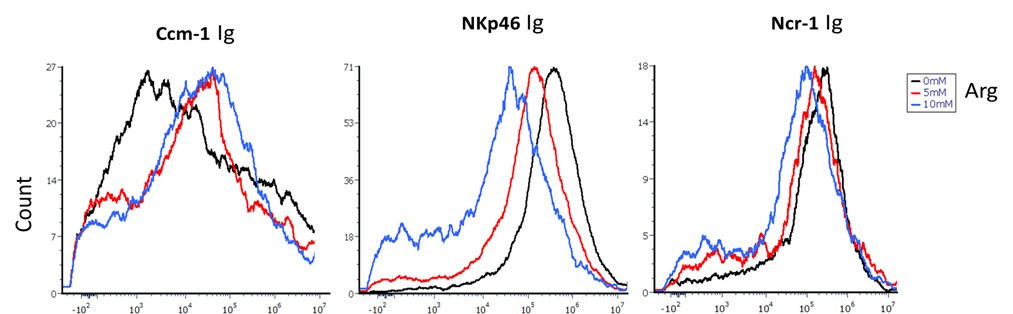
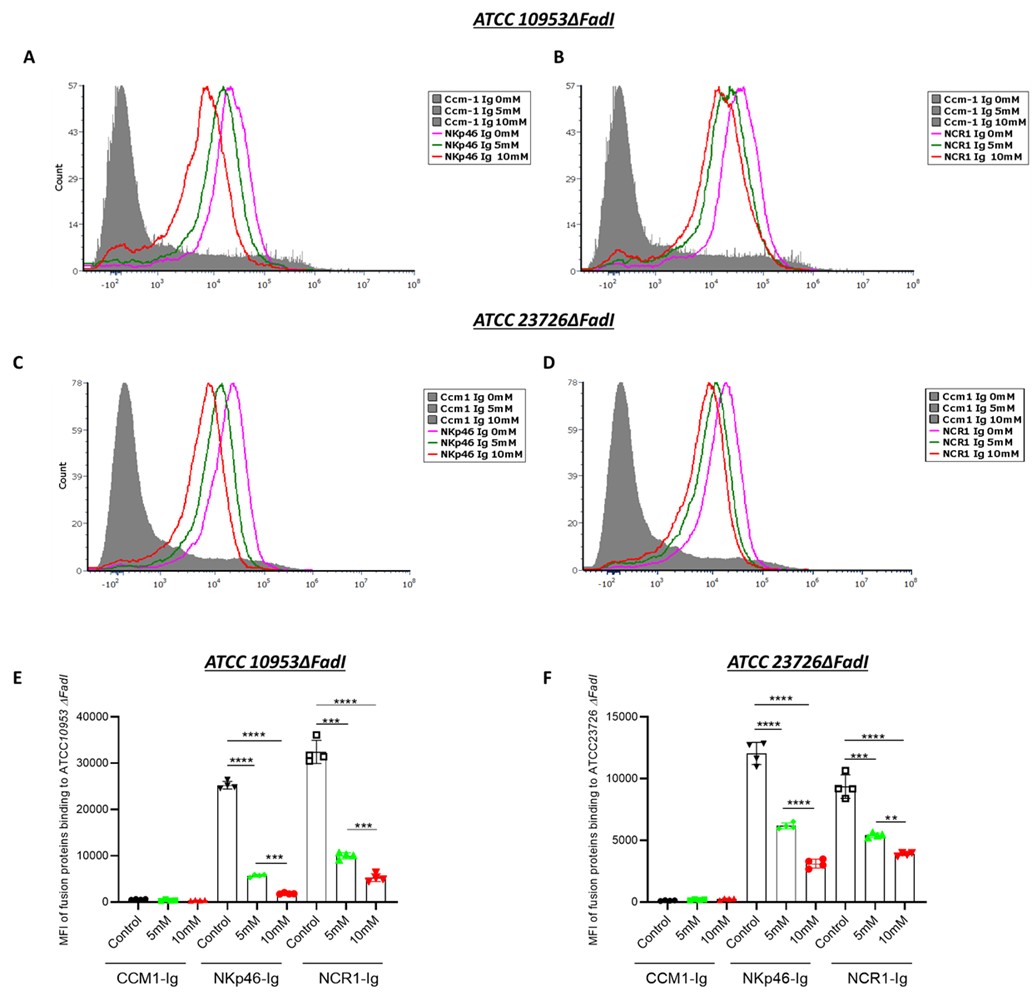
      Fusobacteria binding to CEACAM-1, NKp46, and NCR1 fusion proteins was tested in the presence of 5 and 10 mM L-arginine (Author response image 5). L-arginine inhibited the binding of NKp46-Ig and NCR1-Ig, whereas no effect was observed on CEACAM-1-Ig binding.

      Author response image 5. Fusobacterium binding inhibition by L-Arginine. The figure shows the binding of CEACAM1-Ig (left panel), NKp46-Ig (middle panel), and Ncr1-Ig (right panel) in the presence of 0 mM (black), 5 mM (red), and 10 mM (blue) L-arginine.

      Differences in the sensitivity of human vs. mouse NKp46 to arginine inhibition should be discussed, given species differences in receptor-ligand interactions.

      Ncr1, the murine orthologue of human NKp46, shares approximately 58% sequence identity with its human counterpart (1). The observed differences in arginine-mediated inhibition of bacterial binding between mouse and human NKp46 might stem from structural differences or distinct posttranslational modifications, such as glycosylation. Indeed, prediction algorithms combined with high-performance liquid chromatography analysis revealed that Ncr1 possesses two putative novel O-glycosylation sites, of which only one is conserved in humans (2).

      References

      (1) Biassoni R., Pessino A., Bottino C., Pende D., Moretta L., Moretta A. The murine homologue of the human NKp46, a triggering receptor involved in the induction of natural cytotoxicity. Eur J Immunol. 1999 Mar; 29(3).

      (2) Glasner A., Roth Z., Varvak A., Miletic A., Isaacson B., Bar-On Y., Jonjić S., Khalaila I., Mandelboim O. Identification of putative novel O-glycosylations in the NK killer receptor Ncr1 essential for its activity. Cell Discov. 2015 Dec 22; 1:15036.

      What are the inhibition results using F. nucleatum strains deficient in FadI?

      The inhibition pattern observed in the F. nucleatum ΔFadI mutant was comparable to that of the wild-type strain (Author response image 6). When cultured under identical conditions and exposed to increasing concentrations of arginine (0, 5, and 10 mM), the F. nucleatum ΔFadI strain also demonstrated a dose-dependent reduction in binding to NKp46 and Ncr1.

      Author response image 6. Arginine inhibition of NKp46-Ig and Ncr1-Ig binding in F. nucleatum ΔFadI. Histograms show NKp46-Ig (A, C) and Ncr1-Ig (B, D) binding to F. nucleatum ATCC10953 ΔFadI (A and B) and to F. nucleatum ATCC23726 ΔFadI (A and B) following exposure to 5 mM and 10 mM L-Arginine. Panels (E) and (F) display the mean fluorescence intensity (MFI) quantification corresponding to (A and B) and (C and D), respectively.

      In Panel B, CEACAM1-Ig and RadD-deficient bacteria must be included as negative controls for binding specificity upon anti-NKp46 blocking.

      We appreciate the request to include CEACAM1-Ig and RadD-deficient bacteria as negative controls for specificity under anti-NKp46 blocking. We don’t not think it is necessary since the 02 antibody is specific for NKp46, we used other anti0NKp46 antibodies that did not block the interaction and an irrelevant antibofy, we showed that arginine produced a dose-dependent reduction in NKp46/Ncr1 binding, consistent with an arginine-inhibitable RadD interaction already shown in our manuscript (Fig. 4A). The ΔRadD strains we used already demonstrate loss of NKp46/Ncr1 binding and loss of NK-boosting activity (Figs. 3, 5). Collectively, these data establish that NKp46/Ncr1 recognition of a high-molecular-weight ligand consistent with RadD is specific and functionally relevant.

      Figure 5: Functional NK Activation and Tumor Killing

      In Panels B and C, the key control condition (NK cells + anti-NKp46, without bacteria) is missing. This is needed to evaluate if NKp46 recognition is involved in tumor killing. The authors should explicitly test whether pre-incubation of NK cells with bacteria enhances their anti-tumor activity.

      No significant difference in NK cell cytotoxicity was observed between untreated NK cells and NK cells incubated with anti-NKp46 antibody in the absence of bacteria. Therefore, the NK + anti-NKp46 (O2) group was included as an additional control alongside the other experimental conditions shown in Figures 5b and 5c, and is presented in Author response image 7 below.

      Author response image 7. NK cytotoxicity against breast cancer cell lines. NK cell cytotoxicity against T47D (left) and MCF7 (right) breast cancer cell lines. This experiment follows the format of Figure 5b and 5c, with the addition of the NK cells + O2 antibody group. No significant differences were observed when values were normalized to NK cells alone.

      Could bacteria induce stress signals in tumor cells that sensitize them to NK killing? This distinction is critical.

      It remains unclear whether the bacteria induce stress-related signals in tumor cells that render them more susceptible to NK cell–mediated cytotoxicity.

      (6) Figure 5D: Mechanism of Peripheral Activation

      It is suggested that contact between bacteria and NK cells in the periphery leads to their activation. Can the authors confirm whether this pre-activation leads to enhanced killing of tumor targets, or if bacteria-tumor co-localization is required? The literature indicates that F. nucleatum localizes intracellularly within tumor cells. If so, how is RadD accessible to NKp46 on infiltrating NK cells?

      We do not expect that pre-activation of NK cells with bacteria would enhance their tumor-killing capacity. In fact, when NK cells were co-incubated with bacteria, we occasionally observed NK cell death. Although F. nucleatum can reside intracellularly, bacterial entry requires prior adhesion to tumor cells. At this stage—before internalization—the bacteria are accessible for recognition and binding by NK cells.

      (8) Figure 5E and In Vivo Relevance

      Surprisingly, F. nucleatum infection is associated with increased tumor burden. Does this reflect an immunosuppressive effect? Are NK cells inhibited or exhausted in infected mice (TGIT, SIGLEC7...)? If NK cell activation leads to reduced tumor control in the infected context, the role of RadD-induced activation needs further explanation. RadD-deficient bacteria, which do not activate NK cells, result in even poorer tumor control. This paradox needs to be addressed: how can NK activation impair tumor control while its absence also reduces tumor control?

      Siglec-7 lacks a direct orthologue in mice, and neither mouse TIGIT nor CEACAM1 bind F. nucleatum. The increased tumor burden observed in infected mice may therefore result from bacterial interference with immune cell infiltration and accumulation within the tumor microenvironment (Parhi, L., Alon-Maimon, T., Sol, A. et al. Breast cancer colonization by Fusobacterium nucleatum accelerates tumor growth and metastatic progression. Nat Commun 11, 3259 (2020)). Consequently, the NK cells that do reach the tumor site can recognize and kill F. nucleatum–bearing tumor cells through RadD–NKp46 interactions. In the absence of RadD, this recognition is impaired, leading to reduced NK-mediated cytotoxicity and increased tumor growth.

      (9) NKp46-Deficient Mice: Inconsistencies

      In Ncr1⁻/⁻ mice, infection with WT or RadD-deficient F. nucleatum has no impact on tumor burden. This suggests that NKp46 is dispensable in this context and casts doubt on the physiological relevance of the proposed mechanism. This contradiction should be discussed more thoroughly.

      Ncr1 is also directly involved in mediating NK cell–dependent killing of tumor cells, even in the absence of bacterial infection. Therefore, in Ncr1-deficient mice, F. nucleatum has no additional effect on tumor progression (Glasner, A., Ghadially, H., Gur, C., Stanietsky, N., Tsukerman, P., Enk, J., Mandelboim, O. Recognition and prevention of tumor metastasis by the NK receptor NKp46/NCR1. J Immunol. 2012).

      Reviewer #2 (Public review):

      Weaknesses:

      (1) A previous study by this group (PMID: 38952680) demonstrated that RadD of F. nucleatum binds to NK cells via Siglec-7, thereby diminishing their cytotoxic potential. They further proposed that the RadD-Siglec-7 interaction could act as an immune evasion mechanism exploited by tumor cells. In contrast, the present study reports that RadD of F. nucleatum can also bind to the activating receptor NKp46 on NK cells, thereby enhancing their cytotoxic function.

      Siglec-7 lacks a direct orthologue in mice, and neither mouse TIGIT nor CEACAM1 bind F. nucleatum. In contrast, NKp46 and its murine homologue, Ncr1, both recognize and bind the bacterium.

      While F. nucleatum-mediated tumor progression has been documented in breast and colon cancers, the current study proposes an NK-activating role for F. nucleatum in HNSC. However, it remains unclear whether tumor-infiltrating NK cells in HNSC exhibit differential expression of NKp46 compared to Siglec-7. Furthermore, heterogeneity within the NK cell compartment, particularly in the relative abundance of NKp46⁺ versus Siglec-7⁺ subsets, may differ substantially among breast, colon, and HNSC tumors. Such differences could have been readily investigated using publicly available single-cell datasets. A deeper understanding of this subset heterogeneity in NK cells would better explain why F. nucleatum is passively associated with a favorable prognosis in HNSC but correlates with poor outcomes in breast and colon cancers.

      Currently, there are no publicly available single-cell datasets suitable for characterizing NK cell heterogeneity in the context of F. nucleatum infection—particularly regarding the expression of Siglec-7, NKp46, or CEACAM1 and their potential association with poor clinical outcomes in breast, head and neck squamous cell carcinoma (HNSC), or colorectal cancer (CRC). Furthermore, no RNA-seq datasets are available for breast cancer cases specifically associated with F. nucleatum infection and poor prognosis. Therefore, we analyzed bulk RNA expression datasets for Siglec-7 and CEACAM1 and evaluated their associations with HNSC and CRC using the same patient databases utilized in our manuscript (Author response image 8). No significant differences in Siglec-7 expression were detected between HNSC and CRC samples (Author response image 8A). Although CEACAM1 mRNA levels did not differ between F. nucleatum–positive and –negative cases within either cancer type, its overall expression was higher in CRC compared to HNSC (Author response image 8B).

      Author response image 8. Siglec7 and Ceacam1 expression and the prognostic effect of F. nucleatum in a tumor-type-specific manner. Comparison of Siglec7 (A) and Ceacam1 (B) expression across HNSC and CRC tumors. Log₂ expression levels of NKp46 mRNA were compared across HNSC and CRC cohorts, stratified by F. nucleatum positive and negative. Results were analyzed by one-way ANOVA with Bonferroni post hoc correction.

      (2) The in vivo tumor data (Figure 5D-F) appear to contradict the authors' claims. Specifically, Figure 5E suggests that WT mice engrafted with AT3 breast tumors and inoculated with WT F. nucleatum exhibited an even greater tumor burden compared to mice not inoculated with F. nucleatum, indicating a tumor-promoting effect. This finding conflicts with the interpretation presented in both the results and discussion sections.

      Siglec-7 lacks a direct orthologue in mice, and neither mouse TIGIT nor CEACAM1 bind F. nucleatum. The increased tumor burden observed in infected mice may therefore result from bacterial interference with immune cell infiltration and accumulation within the tumor microenvironment (Parhi, L., Alon-Maimon, T., Sol, A. et al. Breast cancer colonization by Fusobacterium nucleatum accelerates tumor growth and metastatic progression. Nat Commun 11, 3259 (2020)). Consequently, the NK cells that do reach the tumor site can recognize and kill F. nucleatum–bearing tumor cells through RadD–NKp46 interactions. In the absence of RadD, this recognition is impaired, leading to reduced NK-mediated cytotoxicity and increased tumor growth.

      (3) Although the authors acknowledge that F. nucleatum may have tumor context-specific roles in regulating NK cell responses, it is unclear why they chose a breast cancer model in which F. nucleatum has been reported to promote tumor growth. A more appropriate choice would have been the well-established preclinical oral cancer model, such as the 4-nitroquinoline 1-oxide (4NQO)-induced oral cancer model in C57BL/6 mice, which would more directly relate to HNSC biology.

      The tumor model we employed is, to date, the only model in which F. nucleatum has been shown to exert a measurable effect, which is why we selected it for our study (Parhi, L., Alon-Maimon, T., Sol, A. et al. Breast cancer colonization by Fusobacterium nucleatum accelerates tumor growth and metastatic progression. Nat Commun. 2020; 11: 3259). We have not tested the 4-nitroquinoline-1-oxide (4NQO)–induced oral cancer model, and we are uncertain whether its use would be ethically justified.

      (4) Since RadD of F. nucleatum can bind to both Siglec-7 and NKp46 on NK cells, exerting opposing functional effects, the expression profiles of both receptors on intratumoral NK cells should be evaluated. This would clarify the balance between activating and inhibitory signals in the tumor microenvironment and provide a more mechanistic explanation for the observed tumor context-dependent outcomes.

      This question was answered in Author response image 8 above.

    1. Are there headings on the syllabus that indicate larger units of material? For example, if you see that a paper comes at the end of a three-week unit on the role of the Internet in organizational behavior, then your professor likely wants you to synthesize that material in your own way. You should also check your notes and online course resources for any other guidelines about the workflow. Maybe you got a rubric a couple weeks ago and forgot about it. Maybe your instructor posted a link about “how to make an annotated bibliography” but then forgot to mention it in class.

      With my stats class, the only way of knowing materials/big assignments are coming is looking at the modules as the professor has not and will not express any reminders or talk about it at all in class. I don’t even know the reason why I’m going to class. If most of us have to look online, he doesn’t talk about anything.

    2. most instructors do a lot to make their pedagogical goals and expectations transparent to students: they explain the course learning goals associated with assignments, provide grading rubrics in advance, and describe several strategies for succeeding. Other professors … not so much. Some students perceive more open-ended assignments as evidence of a lazy, uncaring, or even incompetent instructor.

      Most of my teachers did not express the expectations to the students and the course/Learning goals isn't clear instead very confusing not efficient as way of communicating. Mostly through Pages of work but not explaining what this actually means.

    3. both children and adults need to be able to regulate their own emotions in order to cope with the challenges of building competence in a new area

      I strongly disagree with this claim. Regulating your emotions makes you dull, and apathetic. While in arguments, yes, you should stay away from emotional arguments and claims because they are not factual, however, arguing itself is the emotion. It is how you feel about the piece you are writing and defending, the passion, that there itself is emotion that shouldn't be regulated. Critical thinking doesn't require such emotional intelligence or control, but rather being able to fluctuate it and allow it to improve your writing and your voice.

    4. it is better to think of rubrics as roadmaps, displaying your destination, rather than a GPS system directing every move you make.

      Bouncing off my other annotation, while we should use the rubric to help us out on writings and assignments, we should rely too much on it, because that also can make it harder to write a successful paper. It's a "It's not the destination, but the journey," of a saying. As a writer, you shouldn't be tunneled into just hitting all the checkboxes to have a bare minimum piece, but to also explore and take your own paths, while still following the correct way.

    5. But you really should read it over carefully before you begin and again as your work progresses. A lot of rubrics do have some useful specifics.

      A lot of the times when I come across a rubric, I skim over the basics and write what the main question is asking, without really thinking the little things through, and this in often times, has shown holes of errors through my work. Reading and using the rubric actively is one of the best ways to guide someone through there paper, especially if they are not as experienced or if they are struggling. Rubrics arent just strict outlines that you have to follow but rather are "the road map" to success.

    6. The idea is that if you just make yourself write, you can’t help but produce some kind of useful nugget.

      The common saying "if a million monkeys are typing randomly on a keyboard eventually one will write Shakespeare" comes to mind. I often hate free writing, but what the author says here is something I need to keep in mind. I do not need to analyze the words I am putting down in this time. If I end up writing something that sparks an idea then that will happen without me thinking about it, it will be more of an emotional reaction, which will then trigger the intellectual side of my brain that was blocked off.

    1. College is optional, costly, and performance-based. Most institutions will dismiss you if your grades don’t meet a certain minimum. But college is different in more subtle ways as well, and those differences reflect the evolution of the university.

      Like for example this class the standard of writing is much higher degree as in high school when you wrote there was usually no clear goal to the writing but in a college you have a goal which makes it easier to write as you have an angle of looking and what you need to do.

    2. Becoming an excellent communicator will save you a lot of time and hassle in your studies, advance your career, and promote better relationships and a higher quality of life off the job. Honing your writing is a good use of your scarce time.

      Like stated in the article, becoming an excellent communicator will make anything you do more efficient and smooth as you can deliver information to a better degree but don’t agree with honing my writing because the limited time I have can be spent on better things than writing.

    3. Professors are scholars and artists: Most of your professors have had little to no formal training in pedagogy (the science of teaching). They’re extensively trained in their scholarly or creative fields, well versed in relevant theories, methods, and significant findings.

      In collage teaching is the technical term for what professors do, but in reality they more give out the information they have accumulated to people who also wish to go into the fields they have spent, sometimes, decades studying. It is not so much teaching as it is the sharing.

    4. Writing a paper isn’t about getting the “right answer” and adhering to basic conventions; it’s about joining an academic conversation with something original to say, borne of rigorous thought.

      I find this paragraph, and this specific line, most interesting. Most of high school, you focus on organization and writing a paper properly; however, in college, writing demands intellectual independence, rather than just summarizing and following a guide. The main goal of a writer isn't supposed to be being perfect at what you write and checking off a list of what you're supposed to write, but instead a discovery and an exploration of your own personal thoughts and ideas.

    5. Obviously you can write. And in the age of Facebook and smartphones, you might be writing all the time, perhaps more often than speaking

      We communicate more through text than with our voice. We send emojis to show our faces. We have digitized ourselves completely, so what is the point in meeting with someone? To talk and form a connection, to create individuality with one another, you remember one person's face as opposed to another, but when everyone is just black text, or a single image in the corner of your screen, who is anyone anymore?

    1. Mañjuśrī Kumārabhūta

      the glossary should pick both parts of the name together as a single glossary entry for 'jam dpal gzhon nur gyur pa (which could also link to just Mañjuśrī, but the point is that both parts of the name should highlight, not just the first part). The same issue is found for other instances of the name that occur later in the sūtra.

    1. Reviewer #1 (Public review):

      Summary:

      This is an interesting study on the role of FGF signaling in the induction of primitive streak like-cells (PS-LC) in human 2D-gastruloids. The authors use a previously characterized standard culture that generates a ring of PS-LCs (TBXT+) and correlate this with pERK staining. A requirement for FGF signaling in TBXT induction is demonstrated via pharmacological inhibition of MEK and FGFR activity. A second set of culture conditions (with no exogenous FGFs) suggests that endogenous FGFs are required for pERK and TBXT induction. The authors then characterize, via scRNA-seq, various components of the FGF pathway (genes for ligand, receptors, ERK regulators, HSPG regulation). They go on to characterize the pFGFR1, receptor isoforms and polarized localization of this receptor. Finally, they perform FGF4 inhibition and use a cell line with a limited FGF17 inactivation (heterozygous null) and show that loss of these FGFs reduce PS-LC and derivative cell types.

      Strengths:

      (1) As the authors point out, the role of FGF signaling in gastrulation is less well understood than other signaling pathways. Hence this is a valuable contribution to that field.

      (2) The FGF4 and FGF17 loss-of-function experiments in Figure 5 are very intriguing. This is especially so given the intriguing observation that these FGFs appear to be dominating in this model of human gastrulation, in contrast to what FGFs dominate in mice, chick and frogs.

      (3) In general this paper is valuable as a further development of the Human gastruloid system and the role of FGF signaling in the induction of PS-CLs. The wide net that the authors cast in characterizing FGF ligand gene, receptor isoforms, and downstream components provides a foundation for future work. As the authors write near the beginning of the Discussion "Many questions remain."

      Weaknesses:

      (1) FGFs are cell survival factors in various aspects of development. The authors fail to address cell death due to loss of FGF signaling in any of their experiments. For example, in Figure 1E (which requires statistical analysis) and 1G (the bottom FGFRi row), there appears to be a significant amount of cell loss. Is this due to cell death? The authors should address the question of whether the role of FGF/ERK signaling is to keep the cells alive.

      (2) Regarding the sparse cells in 1G, is there a reduction in cell number only with FGFRi and not MEKi? Is this reproducible? Gattiglio et al (Development, 2023, PMID: 37530863) present data supporting a "community effect" in the FGF-induced mesoderm differentiation of mouse embryonic stem cells. Could a community effect be at play in this human system (especially given the images in the bottom row of 1G). If the authors don't address this experimentally they should at least address the ideas in Gattoglio et al.

      (3) Do the FGF4 and FGF17 LOF experiments in Figure 5 affect cell number like FGFRi in Figure 1? Why examine PS-LC induction only in FGF17 heterozygous cells and not homozygous FGF17 nulls?

      (4) The idea that FGF8 plays a dominant role during gastrulation of other species but not humans is so intriguing it warrants deeper testing. The authors dismiss FGF8 because its mRNA "...levels always remained low." (line 363) as well as the data published in Zhai et al (PMID: 36517595) and Tyser et al (PMID: 34789876). But there are cases in mouse development where a gene was expressed at levels so low, it might be dismissed, and yet LOF experiments revealed it played a role or even was required in a developmental process. The authors should consider FGF8 inhibition or inactivation to explore its potential role, despite its low levels of expression.

      (5) Redundancy is a common feature in FGF genetics. What is the effect of inhibiting FGF4 in FGF17 LOF cells?

      (6) I suggest stating that the authors take more caution describing FGF gradients. For example, in one Results heading they write "Endogenous FGF4 and FGF17 gradients underly the ERK activity pattern.", implying an FGF protein gradient. However, they only present data for FGF mRNA , not protein. This issue would be clarified if they used proper nomenclature for gene, mRNA (italics) and protein (no italics) throughout the paper.

      Comments on revisions:

      The authors have addressed my concerns.

    2. Reviewer #3 (Public review):

      Jo and colleagues set out to investigate the origins and functions of localized FGF/ERK signaling for the differentiation and spatial patterning of primitive streak fates of human embryonic stem cells in a well-established micropattern system. They demonstrate that endogenous FGF signaling is required for ERK activation in a ring-domain in the micropatterns, and that this localized signaling is directly required for differentiation and spatial patterning of specific cell types. Through high-resolution microscopy and transwell assays, they show that cells receive FGF signals through basally localized receptors. Finally, the authors find that there is a requirement for exogenous FGF2 to initiate primitive streak-like differentiation, but endogenous FGFs, especially FGF4 and FGF17, fully take over at later stages.

      Even though some of the authors' findings - such as the localized expression of FGF ligands during gastrulation and the importance of FGF/ERK signaling for cell differentiation in the primitive streak - have been reported in model organisms before, this is one of the first studies to investigate the role of FGF signaling during primitive streak-like differentiation of human cells. In doing so, the paper reports a number of interesting and valuable observations, namely the basal localization of FGF receptors which mirrors that of BMP and Nodal receptors, as well as the existence of a positive feedback loop centered on FGF signaling that drives primitive-streak differentiation. In the revised version of their work, the authors have furthermore dissected the role of different FGFs through knockdown approaches. These experiments reveal discrete functions for different FGF genes in their system, as well as interesting differences between the role of specific FGFs in human compared to model systems.

      Comments on revisions:

      The authors have appropriately addressed all comments and suggestions from the previous round of review. The only textual change that I would still like to suggest is to write explicitly in the main text corresponding to Fig. 1 that the mTESR1 medium used for these initial experiments already contains FGF. This is something that is probably known to experts in the field, but not necessarily to a broader readership.

    3. Author response:

      The following is the authors’ response to the original reviews.

      Reviewer #1 (Public review): 

      Summary: 

      This is an interesting study on the role of FGF signaling in the induction of primitive streak-like cells (PS-LC) in human 2D-gastruloids. The authors use a previously characterized standard culture that generates a ring of PSLCs (TBXT+) and correlate this with pERK staining. A requirement for FGF signaling in TBXT induction is demonstrated via pharmacological inhibition of MEK and FGFR activity. A second set of culture conditions (with no exogenous FGFs) suggests that endogenous FGFs are required for pERK and TBXT induction. The authors then characterize, via scRNA-seq, various components of the FGF pathway (genes for ligands, receptors, ERK regulators, and HSPG regulation). They go on to characterize the pFGFR1, receptor isoforms, and polarized localization of this receptor. Finally, they perform FGF4 inhibition and use a cell line with a limited FGF17 inactivation (heterozygous null) and show that loss of these FGFs reduces PS-LC and derivative cell types. 

      Strengths: 

      (1) As the authors point out, the role of FGF signaling in gastrulation is less well understood than other signaling pathways. Hence this is a valuable contribution to that field. 

      (2) The FGF4 and FGF17 loss-of-function experiments in Figure 5 are very intriguing. This is especially so given the intriguing observation that these FGFs appear to be dominating in this model of human gastrulation, in contrast to what FGFs dominate in mice, chicks, and frogs. 

      (3) In general this paper is valuable as a further development of the Human gastruloid system and the role of FGF signaling in the induction of PS-CLs. The wide net that the authors cast in characterizing the FGF ligand gene, receptor isoforms, and downstream components provides a foundation for future work. As the authors write near the beginning of the Discussion "Many questions remain." 

      We thank the reviewer for these positive comments.

      Weaknesses: 

      (1) FGFs are cell survival factors in various aspects of development. The authors fail to address cell death due to loss of FGF signaling in their experiments. For example, in Figure 1E (which requires statistical analysis) and 1G (the bottom FGFRi row), there appears to be a significant amount of cell loss. Is this due to cell death? The authors should address the question of whether the role of FGF/ERK signaling is to keep the cells alive. 

      Indeed, FGF also strongly affects cell survival and it is an interesting question to what extent this depends on ERK. Our manuscript focuses instead on the role of FGF/ERK signaling in cell fate patterning. As mentioned in our discussion, figure 1de show that doxycycline induced pERK leads to more TBXT+ cells than the control without restoring cell number, suggesting the role of FGF in controlling cell number is independent of the requirement for FGF/ERK in PS-LC differrentiation. To further support this, we have added data showing low doses of MEKi are sufficient to inhibit differentiation without affecting cell number (Supp. Fig. 1i).

      To address the reviewers question regarding the cause of cell loss, we now stained for BrdU and cleaved Cas3 to assess proliferation and apoptosis in the presence and absence of MEK and FGFR inhibition (new Supp. Fig.

      1ef). This shows that the effect of these inhibitors on cell number is primarily due to a reduction in proliferation. We have also included statistical analysis in Fig.1e. 

      (2) Regarding the sparse cells in 1G, is there a reduction in cell number only with FGFRi and not MEKi? Is this reproducible? Gattiglio et al (Development, 2023, PMID: 37530863) present data supporting a "community effect" in the FGF-induced mesoderm differentiation of mouse embryonic stem cells. Could a community effect be at play in this human system (especially given the images in the bottom row of 1G)? If the authors don't address this experimentally they should at least address the ideas in Gattoglio et al. 

      Indeed, FGFRi reproducibly affects cell number more than MEKi, in line with the fact that pathways other than MAPK/ERK downstream of FGF (e.g. PI3K) play important roles in cell survival and growth. However, we think the lack of differentiation in MEKi and FGFRi in Fig.1g cannot be attributed to a loss of cells combined with a community effect. This is because without FGFRi or MEKi cells efficiently differentiate to primitive streak at much lower densities than those originally shown, consistent with the data we discuss in response to (1) arguing against a primarily indirect effect of FGF on PS-LC differentiation through cell density. In the context of directed differentiation (rather than 2D gastruloids), we have now shown in a controlled manner that the effect of MEKi and FGFRi does not depend on a community effect by repeating the experiment in Fig.1g while adjusting cell seeding densities to obtain similar final cell densities in all three conditions (new Fig.1g, new Supp Fig.1g). Furthermore we have included new data showing extremely sparse cells without MEKi or FGFRi still differentiate without problems (new Supp Fig 1h). We have also include Gattoglio et al in our revised discussion.

      (3) Do the FGF4 and FGF17 LOF experiments in Figure 5 affect cell numbers like FGFRi in Figure 1? 

      We did not observe major changes in cell number in the FGF4 and FGF17 loss of function experiments. This is in line with our observation that low levels of ERK signaling are sufficient to maintain proliferation (new Supp. Fig. 1i), and the fact that low levels of ERK signaling are maintained in the absence of FGF4 and FGF17 (Fig.5), likely by FGF2 (Fig. 2). In contrast, FGFRi treatment in Fig.1 leads to a nearly complete loss of FGF signaling (ERK and other pathways) that has a dramatic effect on cell number.

      Why examine PS-LC induction only in FGF17 heterozygous cells and not homozygous FGF17 nulls? 

      We were unable to obtain homozygous FGF17 nulls, it is not clear if there is a reason for this. In the absence of homozygous nulls, we have now further corroborated our findings with additional knockdown data (described in response to other comments below).

      (4) The idea that FGF8 plays a dominant role during gastrulation of other species but not humans is so intriguing it warrants deeper testing. The authors dismiss FGF8 because its mRNA "...levels always remained low." (line 363) as well as the data published in Zhai et al (PMID: 36517595) and Tyser et al (PMID: 34789876). But there are cases in mouse development where a gene was expressed at levels so low, that it might be dismissed, and yet LOF experiments revealed it played a role or even was required in a developmental process. The authors should consider FGF8 inhibition or inactivation to explore its potential role, despite its low levels of expression. 

      We thank the reviewer for this suggestion. We have now analyzed the role of FGF8 using FISH to visualize its expression and siRNA to understand its function (Fig.5d,f,h; Supp.Fig.5e,g,6e). We found that FGF8 expression is higher earlier in differentiation, preceding most expression of TBXT. Our scRNA-seq only analyzed samples at 42h so did not capture this. Furthermore, FGF8 expression localized inside the PS-like ring rather than coinciding with it like FGF4. Surprisingly, FGF8 knockdown led to an increase in primitive streak-like differentiation, suggesting it may counteract FGF4. The results are shown in the revised Fig. 5 and Supplemental Fig. 5. While this certainly merits further investigation, understanding the role of FGF8 in more detail is beyond the scope of the current work. 

      (5) Redundancy is a common feature in FGF genetics. What is the effect of inhibiting FGF4 in FGF17 LOF cells? 

      Further siRNA and shRNA experiments showed that FGF17 knockdown had a much smaller effect than FGF4 knockdown on expression of primitive streak markers (Fig.5i, Supp.Fig.6f-i) but that FGF17 knockdown did lead to a complete loss of the mesoderm marker TBX6 (Fig.5j, Supp.Fig.6j). A double knockdown of FGF4+FGF17 looked similar to FGF4 alone (Supp.Fig.6k). Thus, we now think the more likely scenario is that FGF17 is downstream of FGF4-dependent PS-differentiation and although this may have a positive feedback effect whereby this FGF17 can then enhance further PS-differentiation, which we previously interpreted as partial redundancy, the primary role of FGF17 may be later, in mesoderm differentiation.

      (6) I suggest stating that the authors take more caution in describing FGF gradients. For example, in one Results heading they write "Endogenous FGF4 and FGF17 gradients underly the ERK activity pattern.", implying an FGF protein gradient. However, they only present data for FGF mRNA , not protein. This issue would be clarified if they used proper nomenclature for gene, mRNA (italics), and protein (no italics) throughout the paper. 

      Thank you for the suggestion. We have edited the paper to more clearly distinguish protein and mRNA. We do think our data provide substantial indirect evidence for a protein gradient which is what the results heading is meant to convey. Receptor activation is high where ERK activity is high (Fig.3), and receptor activation is limited by ligands, since creating a scratch to let exogenous FGF reach the basal side of cells in the center leads to receptor activation (Fig.4). This strongly suggests ERK activity reflects an FGF protein gradient. 

      Reviewer #2 (Public review): 

      Summary: 

      The role of FGFs in embryonic development and stem cell differentiation has remained unclear due to its complexity. In this study, the authors utilized a 2D human stem cell-based gastrulation model to investigate the functions of FGFs. They discovered that FGF-dependent ERK activity is closely linked to the emergence of primitive streak cells. Importantly, this 2D model effectively illustrates the spatial distribution of key signaling effectors and receptors by correlating these markers with cell fate markers, such as T and ISL1. Through inhibition and loss-of-function studies, they further corroborated the needs of FGF ligands. Their data shows that FGFR1 is the primary receptor, and FGF2/4/17 are the key ligands for primitive streak development, which aligns with observations in primate embryos. Additional experiments revealed that the reduction of FGF4 and FGF17 decreases ERK activity. 

      Strengths: 

      This study provides comprehensive data and improves our understanding of the role of FGF signaling in primate

      primitive streak formation. The authors provide new insights related to the spatial localization of the key components of FGF signaling and attempt to reveal the temporal dynamics of the signal propagation and cell fate decision, which has been challenging. 

      Weaknesses: 

      Given the solid data, the work only partially clarifies the complex picture of FGF signaling, so details remain somewhat elusive. The findings lack a strong punchline, which may limit their broader impact. 

      We thank this reviewer for their valuable feedback and compliment on the solidity of our data. The punchline of our work is that FGF4 and FGF17-dependent ERK signaling plays a key role in differentiation of human PS-like cells and mesoderm, and that these are different FGFs than those thought to drive mouse gastrulation. A second key point is that like BMP and TGFβ signaling, FGF signaling is restricted to the basolateral sides of pluripotent stem cell colonies due to polarized receptor expression, which is crucial for understanding the response to exogenous ligands added to the cell medium. Indeed, many facets of FGF signaling remain to be investigated in the future, such as how FGF regulates and is regulated by other signals, which we will dedicate a different manuscript to. 

      Reviewer #3 (Public review): 

      Jo and colleagues set out to investigate the origins and functions of localized FGF/ERK signaling for the differentiation and spatial patterning of primitive streak fates of human embryonic stem cells in a well-established micropattern system. They demonstrate that endogenous FGF signaling is required for ERK activation in a ringdomain in the micropatterns, and that this localized signaling is directly required for differentiation and spatial patterning of specific cell types. Through high-resolution microscopy and transwell assays, they show that cells receive FGF signals through basally localized receptors. Finally, the authors find that there is a requirement for exogenous FGF2 to initiate primitive streak-like differentiation, but endogenous FGFs, especially FGF4 and FGF17, fully take over at later stages. 

      Even though some of the authors' findings - such as the localized expression of FGF ligands during gastrulation and the importance of FGF/ERK signaling for cell differentiation in the primitive streak - have been reported in model organisms before, this is one of the first studies to investigate the role of FGF signaling during primitive streak-like differentiation of human cells. In doing so, the paper reports a number of interesting and valuable observations, namely the basal localization of FGF receptors which mirrors that of BMP and Nodal receptors, as well as the existence of a positive feedback loop centered on FGF signaling that drives primitive-streak differentiation. The authors also perform a comparison of the role of different FGFs across species and try to assign specific functions to individual FGFs. In the absence of clean genetic loss-of-function cell lines, this part of the work remains less strong. 

      We thank the reviewer for emphasizing the value of our findings in a human model for gastrulation. We agree more loss-of-function experiments would provide further insight into the role of different FGFs. While we did not manage to create knockout cell lines, we have now performed both siRNA and shRNA knock-down of all FGF4, and FGF17 in two different hPSC lines, performed siRNA knockdown of FGF8, and also made a FGF4+FGF17 shRNA double knockdown cell lines to more completely test the functions of the individual FGFs (Fig.5, Supp.Fig.5,6). Our data suggest FGF17 may be downstream of FGF4 and primarily required for mesoderm differentiation while FGF8 appears to counteract FGF4. In doing this we have added a large amount of new data to the manuscript and we have removed the heterozygous knockout data in the first version of the manuscript which we felt added little to the new data. Further experiments are still needed to solidify our interpretation but those are beyond the scope of the current work.   

      Reviewer #1 (Recommendations for the authors): 

      (1) FGF2 is added to culture experiments (e.g. Figure 4), but the commercial source is not mentioned in Methods. For example, it could be added to "Supplementary Table 1: Cell signaling reagents." 

      We apologize for this oversight and have now added the information to Supplementary Table 1.

      (2) Line 117-118: "For example, by controlling the expression of Wnt or Nodal which are both required for PS-like differentiation". It is clear what the authors mean, but this is not a complete sentence. 

      We edited this for clarity, it now reads: “First, is FGF/ERK signaling required directly for PS-like differentiation, or does it act indirectly? These possibilities are not mutually exclusive. For example, FGF/ERK could be required directly but also act indirectly by controlling Wnt or Nodal expression, as both Wnt and Nodal signaling are required for PS-like differentiation.”

      (3) Line 246 "...found its spatial pattern to strongly resembles that of pERK..." either remove "to" or change "resembles" to "resemble" 

      Thank you for catching this. We removed “to”.

      (4) Lines 391- 393 seem to be missing a word in the last phrase: "...with FGF17 more important continued differentiation to mesoderm and endoderm." Maybe "during" after the word "important"? 

      Thank you for catching this, indeed the word “during” was missing and we have now added it.

      (5) Please define acronyms in Figure 3D (PS-LC was defined previously, but not others). 

      We apologize for the oversight, we have now defined the acronyms.

      (6) The three blue lines in Figure 5B (right) are hard to discern (and I'm not colorblind). I suggest also using a variety of dotted lines in a subset of these FGFs. 

      Thanks you for the suggestion. We have now given all the FGFs colors that are more clearly distinct and made the TBXT and TBX6 lines dashed.  

      Reviewer #2 (Recommendations for the authors): 

      (1) The reviewer acknowledges that FGF signaling is complex, particularly when dynamics and its correlation with cell fates are considered. To improve the clarity of the findings, the authors are encouraged to provide an additional schematic figure that clearly delineates the main findings of this study.  

      Thank you for the suggestion. We have now added a summary figure (Fig.6) to our discussion, which we hope helps present our findings more clearly.

      (2) The data suggest that FGF signaling may function differently in mice compared to primates, and their stem cell model aligns more closely with the latter. While the authors discuss this in the contents only based on sequencing data, it would be valuable to conduct some experiments with mouse embryos to validate the key differences. 

      It is unclear to us which experiments the reviewer has in mind. There is ample data on FGF expression in the mouse literature, as are many knockout phenotypes. Furthermore, verifying loss of function phenotypes (e.g. FGF17 knockout) in mouse is beyond our expertise.

      (3) Heparan sulfate proteoglycan (HSPG) is mentioned as an important component of FGF signaling; however, the only data related to HSPG is single-cell sequencing results. The authors should consider performing immunostaining or other assays to validate HSPG expression and spatial distribution, similar to the approach they used for other signaling components. 

      Our scratch experiments in Fig. 4 strongly argue against HSPGs as being responsible for the spatial pattern of FGF receptor activation: after a scratch across the colony the response is strong all along the scratch as expected if presence of FGF (an FGF gradient) controls the level of activity. If HSPGs were limiting, FGF flowing in from the media show not be able to uniformly activate receptors around the scratch.

      In addtion, we have now included an immunostain for HS in a newly added Supp. Fig. 4 which does not explain the observed pattern of ERK signaling.

      (4) In the scratch experiment, particularly high PERK expression is observed at the edge of the scratch. The authors should provide an explanation for why this expression is significantly higher compared to the edges of the colony. Additionally, it would be interesting to investigate the fate of the cells with super high PERK expression.  

      We have now determined that adaptive response to FGF is the reason that the response around the scratch is initially much higher than in the ERK activity ring that overlaps with the primitive streak-like cells. We have added figures showing that although the intial response to FGF exposure after scratching is very high, the response around the scratch adapts to levels similar in those in the ERK ring over the course of 6 hours (Fig.4ij). 

      (5) For some of the key experiments, multiple cell lines should be used to ensure that the findings are reproducible and applicable across different human stem cell lines.

      We have now checked FISH stainings and knockdown phenotypes for different FGFs in two different cell lines: ESI17 (hESC, XX) and PGP1 (hiPSC, XY). These results are shown in Supplementary Figures 6. We found all results to be consistent.

      (6) Where applicable, the meaning of error bars needs to be more clearly presented, including details on the number of independent experiments or samples used. 

      Thank you for pointing this out. Where error bar definitions were missing we have now added them to the figure captions.

      Reviewer #3 (Recommendations for the authors): 

      (1) The authors only analyze the ppERK ring in micropatterns of a single size. What was the motivation for the choice of this size? Can the authors how the ppERK ring is expected to depend on colony size? 

      Much smaller patterns lose the interior pluripotent regions while much larger patters have a much larger pluripotent region, which requires larger tilings to image without providing additional insight. The colony sizedependence of cell fate patterning was described in the paper that established the 2D gastruloids model (Warmflash Nat Methods 2014) and we later showed this due to a fixed length scale of the BMP and Nodal signaling gradients from the colony edge (Jo et al Elife 2022). We have now included data showing that the ERK patterns behaves similarly, with a fixed length scale of the pattern implying that in smaller colonies the ERK ring becomes a disc and the entire center of the colony has high ERK signaling (Supp Fig 1a).

      (2) The scRNAseq is somewhat confusing - why do the two datasets not overlap in the PHATE representation? This is unexpected, because the two samples have been treated similarly, and the authors have integrated their data to iron out possible batch effects. This discrepancy should be discussed. The authors should also specify from which reference exactly the first dataset comes from.  

      The two datasets do overlap nicely, the same fates are well mixed in the same place and the gene expresison profiles for the integrated data (e.g., Fig.2e) look smooth, so we believe the integration is good, but different cell fates are represented to different degrees. In particular, sample 2 shows much more mesoderm differentiation making the mesoderm branch mostly orange. Occassionally samples differentiate faster or slower than average which we see here, and these samples were collected far apart in time. We do not believe this affects our conclusions, if anything, we think performing the analysis on two samples that differ this much should make the conclusions more robust.  

      (3) If find it intriguing that exogenous FGF2 is important early on for primitive streak-like differentiation, although the authors show that it does not reach the center of the colony. The authors may want to discuss this conundrum. Does the FGF2 effect propagate from the outside to the inside, or does it act at an early stage when the cells have not yet formed a tight epithelium on the micropattern? 

      The cells in the experiment in Fig. 5a were given 24h to epithelialize, so we we do believe it acts from the edge. We believe this may be due to FGF2 modulating the early BMP response on the edge and are working on a manuscript that further explores this pathway crosstalk.

      (4) The authors' statement that FGF4 and FGF17 have partially redundant functions is not very strong, mainly because the study lacks a full FGF17 loss-of-function cell line. If the authors wanted to improve on this point, they could knock down FGF4 in the FGF17 heterozygous line, or produce a homozygous FGF17 KO line. If there are specific reasons why FGF17 homozygous lines cannot be produced, this could be interesting to discuss, too. Finally, I noticed that the methods list experiments with an FGF17 siRNA, but these are not shown in the manuscript. 

      We agree our evidence was previously not as strong as it could be. While there is no reason we know of why homozygous knockout lines cannot be produced, we failed to produce on. To strengthen our evidence we have therefore included substantial new knockdown data.  We have now performed both siRNA and shRNA knockdown of all FGF4, and FGF17 in two different hPSC lines, performed siRNA knockdown of FGF8, and also made a FGF4+FGF17 shRNA double knockdown cell lines to more completely test the functions of the individual FGFs (Fig.5, Supp.Fig.5,6). These experiments showed that FGF17 knockdown had a much smaller effect than FGF4 knockdown on expression of primitive streak markers (Fig.5i, Supp.Fig.6f-i) but that FGF17 knockdown did lead to a complete loss of the mesoderm marker TBX6 (Fig.5j, Supp.Fig.6j). A double knockdown of FGF4+FGF17 looked similar to FGF4 alone (Supp.Fig.6k). Thus, we now think the more likely scenario is that FGF17 is downstream of FGF4-dependent PS-differentiation and although this may have a positive feedback effect whereby this FGF17 can then enhance further PS-differentiation, which we previously interpreted as partial redundancy, the primary role of FGF17 may be later, in mesoderm differentiation. Furthermore, our new data suggests FGF8 may counteract FGF4 and limit PS-like differentiation. 

      Minor 

      (5) Line 63: Reference(s) appear to be missing. 

      This whole paragraph summarizes the results of the references given on line 55, we have now repeated the relevant references where the reviewer indicated.

      (6) Supplementary Figure 1a,b does not show ppERK, unlike stated in lines 102 - 104. 

      Indeed, the data described in lines 102-104 is shown in Fig.1a and we have removed the original Supplementary Figure 1ab since it did not provide relevant information.

      (7) Line 201: It is not clear whether this is a new sequencing dataset, or if existing datasets have been reanalyzed. 

      We agree our description was unclear. We have edited the text, which now explicitly states that our analysis is based on one dataset we collected previously and a replicate that was newly collected and deposited on GEO for this manuscript.

      (8) Figure 2f; Supplementary Figure 2b, c: The colors need to be explained in scale bars. How has this data been normalized to allow for comparison between very different sample types? 

      We have now added color bars indicating the scale for each of these figure panels. As the caption stated, the interspecies comparison was normalized within each species, so the highest FGF level for any FGF at any time within each species is normalized to one. We are thus comparing between species the relative expression of different FGFs within each species. Indeed there is no good way to compare absolute expression between species. For extra clarity we have expanded our description of the interspecies comparison analysis and normalization in the methods section.

      (9) Line 232: Where is the expression of SEF shown? 

      It is shown in Fig. 2i, under the official gene name IL17RD.

      (10) Supplementary Figure 4 seems to be missing. 

      Thank you for pointing this out. We have now added a supplementary Fig.4.

      (11) Line 437: Citation needed. 

      We have included citations now.

      (12) Line 439: A similar feedback loop has been proposed to operate during mesoderm differentiation in mouse ESC (pmid: 37530863 ). The authors may consider citing this work. 

      Thank you for the suggestion, we have now included this work in the discussion. The feedback loop proposed in that work involves FGF8, while we were trying to explain why FGF4 and not FGF8 appears to be conserved across species by invoking an FGF4 feedback loop. Thus, it becomes even harder to explain differences in FGF4 and FGF8 expression between human and mouse gastrulation.

      (13) Supplementary Figure 6 is not described in the main text. 

      We have removed the original Supplementary Figure 6 and corresponding heterozygous knockout data in the main figure which we felt added little to the extensive knockdown data we now present. We did create a new Supplementary Figure 6 showing additional knockdown data which is described in the main tekst.

      (14) Submission of sequencing data to GEO needs to be updated. 

      We have now made the GEO data public.

    1. Many experts think it could happen far sooner if we simply continue with the status quo. Looking back from such a vantage point, if anyone will even be able to do that, who then will seem to be the ‘winners’ of history? Will history have made losers of us all? Would the ‘fittest’ have found an exit route, some way to terraform other parts of the solar system, founding colonies on Mars or Venus that resemble Palo Alto, or even Massachusetts?

      This proposition sounds crazy, but not when you consider this is what humans have been doing since the beginning of time. When you go so far into history, the patterns of civilization and society become very apparent, yet maybe not much easier to avoid.

    2. Sometimes, the unfree did this too, against much harder odds. How many, back then, preferred imperial control to non-imperial freedoms? How many were given a choice? How much choice do we have now? It seems nobody really knows the answers to these questions, at least not yet

      This frames the archaeological narrative around tribes, nomads and others not traditionally thought of as being part of a rigid state as not only important for historical understanding, but also as a heavily politicized topic that still has implications in our understanding of freedom today.

    3. It is from such sources that we get, not just our notion of empire as handmaiden to civilisation, but also our contemporary image of life before and beyond empire as being small-scale, chaotic and largely unproductive. In short, everything that is still implied by the word ‘tribal’.

      The author writes that tribal societies were not only written and reconfirmed as 'barbaric' for millenia, but also were thought of largely as not contributing to a larger world order or production despite their often large numbers. He goes into further the effect of ideas of population on this narrative later in the article.

    4. Tribes are to empires (and their scholarly champions) much as children were to adults of Gibbon’s generation – occasionally charming or amusing creatures, but mostly a disruptive force, whose destiny is to be disciplined, put to useful work, and governed, at least until they are ready to govern themselves in a similar fashion.

      This sounds like Tribes were often viewed as broken or less mature versions of civilization compared to Empires. It is a problem similar to what Boas brought up in that we shouldn't view certain cultures as incomplete versions of other cultures.

    5. Investigating the human past in this way is not a matter of searching for utopia, but of freeing us to think about the true possibilities of human existence

      His closing message: studying history isn’t just about the past it’s about expanding our imagination for how people can live freely today and in the future.

    6. It is from such sources that we get, not just our notion of empire as handmaiden to civilisation, but also our contemporary image of life before and beyond empire as being small-scale, chaotic and largely unproductive. In short, everything that is still implied by the word ‘tribal’

      Wengrow says historians like Gibbon helped create the stereotype that tribal societies were primitive or childlike compared to “civilized” empires. He’s challenging this bias — showing how empire has shaped how we define civilization and freedom.

    7. were organised not as empires or even kingdoms, but fiercely autonomous republics, long before the Spanish conquest

      Different cultural views of "civilization"

    8. Gibbon’s barbarian is an inveterate idler: free, yes, but only to live in scattered homesteads, wearing skins for clothes, or following his ‘monstrous herds of cattle’. ‘Their poverty,’ wrote Gibbon of the ancient Germans, ‘secured their freedom.’

      "free" equates to "not being civilized"

    9. Now, it is surely true that in any period of human history, there will always be those who feel most comfortable in ranks and orders. As Étienne de La Boétie had already pointed out in the 16th century, the source of ‘voluntary servitude’ is arguably the most important political question of them all.

      Archaeology shows that many societies that experimented with freedom, fluid leadership, and non-coercive systems. People were not forced into hierarchy by a law of progress, but they rather made choices.

    10. It is from such sources that we get, not just our notion of empire as handmaiden to civilisation, but also our contemporary image of life before and beyond empire as being small-scale, chaotic and largely unproductive.

      The source that history comes from, in most cases is portrayed in favor of the writers origins and beliefs.

    11. Investigating the human past in this way is not a matter of searching for utopia, but of freeing us to think about the true possibilities of human existence. Unhampered by outdated theoretical assumptions and dogmatic interpretations of obsolete data, could we look with fresh eyes at the very meaning of terms like ‘civilisation’? Our species has existed for something like 300,000 years. Today, we stand on a precipice, confronting a future defined by environmental collapse, the erosion of democracy, and wars of unprecedented destructiveness: a new age of empire, perhaps the last in a cycle of such ages that, for all we really know, may represent only a modest fraction of the human experience.

      It contrasts humanity’s long past with today’s crises, environmental collapse, democratic decline, and destructive wars, suggesting that our current age may be just one small, repeating phase in the broader human story.

    12. Over the past few decades, geographical spaces once written off as blanks on the map, or dismissed as ‘an unchanging palaeolithic backwater’ (as our 1978 Atlas puts it, for Aboriginal Australia), have been flooded with new data. Archaeology, specifically rapid advances in settlement archaeology and methods of survey, has been one major contributor. Among other things, these new techniques are revealing entire traditions of urban life, spanning centuries or even millennia, where none were previously suspected. All of them lie within the scope of the past 5,000 years, but surprisingly few can be convincingly identified with the rise of bureaucratically ordered kingdoms or empires.

      Recent archaeological discoveries have revealed complex urban histories in regions once thought to lack them. These findings challenge old views that linked cities only to powerful kingdoms or empires, showing that diverse urban traditions existed over the past 5,000 years.

    13. Scholars of the ancient Near East once tookʿApiru to be an early reference to the Hebrews, but it’s now thought to be an umbrella term, used almost indiscriminately for any group of political defectors, dissenters, insurgents or refugees who threatened the interests of Egypt’s vassals in neighbouring Canaan (much as some modern politicians have been known to use the word ‘terrorist’ for rhetorical effect today).

      I find it interesting how we use terms and references from past civilizations to shape our own language and way of speaking.

    1. Reviewer #2 (Public review):

      Summary:

      Here the effect of overall transcription blockade, and then specifically depletion of YAP/TAZ transcription factors was tested on cytoskeletal responses, starting from a previous paper showing YAP/TAZ-mediated effects on the cytoskeleton and cell behaviors. Here, primary endothelial cells were assessed on substrates of different stiffness and parameters such as migration, cell spreading, and focal adhesion number/length were tested upon transcriptional manipulation. Zebrafish subjected to similar manipulations were also assessed during the phase of intersegmental vessel elongation. The conclusion was that there is a feedback loop of 4 hours that is important for the effects of mechanical changes to be translated into transcriptional changes that then permanently affect the cytoskeleton.

      The idea is intriguing and a previous paper contains data supporting the overall model. The fish washout data is quite interesting and supports the kinetics conclusions. New transcriptional profiling in this version supports that cytoskeletal genes are differentially regulated with YAP/TAZ manipulations.

      Major strengths:

      The combination of in vitro and in vivo assessment provides evidence for timing in physiologically relevant contexts, and rigorous quantification of outputs is provided. The idea of defining temporal aspects of the system is quite interesting. New RNA profiling supports the model.

      Weaknesses:

      Actinomycin D blocks most transcription so exposure for hours likely leads to secondary and tertiary effects and perhaps effects on viability.

      Comments on latest version:

      I read the author response to previous reviews, and it seems they agree with the weaknesses stated in the reviews but did not provide any text or data revisions.

    1. eLife Assessment

      These valuable studies explore the consequences of exposure to the toxin hydrogen sulfide (H2S) on the behavior and physiology of C. elegans. The work finds that behavioral changes evoked by H2S exposure are modulated by several regulatory pathways known to influence chemosensory-evoked locomotor behavior, but there is incomplete data to support the authors' claim of comprehensive mechanistic insight into the consequences of H2S exposure. Nevertheless, the findings may be informative for those studying organismal stress responses and the effects of mitochondrial ROS on behavior and physiology.

    2. Reviewer #3 (Public review):

      Summary:

      The manuscript explores behavioral responses of C. elegans to hydrogen sulfide, which is known to exert remarkable effects on animal physiology in a range of contexts. The possibility of genetic and precise neuronal dissection of responses to H2S motivates the study of responses in C. elegans.

      The authors have followed up observations in the initial version of the manuscript, and their data do not support the direct sensing of H2S by the ASJ neurons or other sensory neurons. Genetic and parallel analysis of O2 and CO2 responsive pathways do not reveal further insights regarding potential mechanisms underlying H2S sensing. Gene expression analysis extends prior work. Finally, the authors have examined how H2S-evoked locomotory behavioral responses are affected in mutants with altered stress and detoxification response to H2S, most notably hif-1 and egl-9. These data, while examining locomotion, are more suggestive that observed effects on animal locomotion are secondary to altered organismal toxicity as opposed to specific behavioral responedse

      Overall, the manuscript provides a wide range of preliminary observations of genetic interactions that may influence locomotory responses to H2S, but mechanistic insight or a synthesis of disparate data is lacking.

    3. Author response:

      The following is the authors’ response to the previous reviews.

      Reviewer #3 (Public review): 

      Summary: 

      The manuscript explores behavioral responses of C. elegans to hydrogen sulfide, which is known to exert remarkable effects on animal physiology in a range of contexts. The possibility of genetic and precise neuronal dissection of responses to H2S motivates the study of responses in C. elegans. The revised manuscript does not seem to have significantly addressed what was lacking in the initial version. 

      The authors have added further characterization of possible ASJ sensing of H2S by calcium imaging but ASJ does not appear to be directly involved. Genetic and parallel analysis of O2 and CO2 responsive pathways do not reveal further insights regarding potential mechanisms underlying H2S sensing. Gene expression analysis extends prior work. Finally, the authors have examined how H2S-evoked locomotory behavioral responses are affected in mutants with altered stress and detoxification response to H2S, most notably hif-1 and egl-9. These data, while examining locomotion, are more suggestive that observed effects on animal locomotion are secondary to altered organismal toxicity as opposed to specific behavioral responedse 

      Overall, the manuscript provides a wide range of intriguing observations, but mechanistic insight or a synthesis of disparate data is lacking. 

      We thank the reviewer for the valuable feedback. We agree that while our investigation provides broad coverage, it does not fully resolve the mechanisms of H<sub>2</sub>S perception. As both reviewers noted, the avoidance response to high levels of H<sub>2</sub>S is most likely driven by its toxicity, particularly at the level of mitochondria, rather than by direct perception of H<sub>2</sub>S. We also favor this model and have revised the results and discussion to highlight this interpretation, while acknowledging that other mechanisms cannot be excluded (main changes lines 387-402 and 535-547).

      Building on this view, our observations point toward mitochondrial ROS transients as the trigger for H<sub>2</sub>S avoidance. First, toxic levels of H<sub>2</sub>S are known to promote ROS production (1). Second, similar to acute H<sub>2</sub>S, brief exposure to rotenone, an ETC complex I inhibitor that rapidly generates mitochondrial ROS, triggers locomotory responses (Figure 7E) (Lines 393-396). Third, regardless of duration, rotenone exposure inhibits H<sub>2</sub>S-evoked avoidance (Figure 7E) (Lines 389-391), likely by preventing or dampening H<sub>2</sub>S-evoked mitochondrial ROS bursts when ETC function is impaired and ROS is already high. Notably, animals subjected to prolonged rotenone exposure, ETC mutants, and quintuple sod mutants, each experiencing chronically high ROS levels, fail to respond to H<sub>2</sub>S and display reduced locomotory activity, presumably due to ROS toxicity and/or activation of stress-adaptive mechanisms (Figure 7).

      Consistent with the activation of stress-responsive pathways, H<sub>2</sub>S exposure alters expression of genes controlled by SKN-1 and HIF-1 signaling. Both pathways are ROS-sensitive and promote adaptation to chronic ROS production (2-4). Their activation, as in egl-9, render these animals insensitive to H<sub>2</sub>S-evoked ROS transients (Figure 5B) (Lines 303-305). Conversely, mutants defective in these adaptive pathways, such as hif-1, still show initial locomotory responses to H<sub>2</sub>S, but rapidly lose activity during prolonged H<sub>2</sub>S exposure (Figure 5D) (Lines 318-319). These observations suggest that HIF-1 pathway is dispensable for initiating the response to H<sub>2</sub>S evoked ROS transients, but essential for protecting against ROS toxicity.

      In this context, the neural circuit we examined, such as ASJ neurons, is not directly involved in H<sub>2</sub>S perception (Line 165-169 and 448-457). Instead, it likely modulates a circuit that is responsive to ROS toxicity. This circuit is also influenced by ambient O<sub>2</sub> levels, the state of O<sub>2</sub> sensing circuit, and nutrient status, in a manner reminiscent of the CO<sub>2</sub> responses (5, 6).

      Reviewer #4 (Public review): 

      Summary: 

      The authors establish a behavioral paradigm for avoidance of H2S and conduct a large candidate screen to identify genetic requirements. They follow up by genetically dissecting a large number of implicated pathways - insulin, TGF-beta, oxygen/HIF-1, and mitochondrial ROS, which have varied effects on H2S avoidance. They additionally assay whole-animal gene expression changes induced by varying concentrations and durations of H2S exposure. 

      Strengths: 

      The implicated pathways are tested extensively through mutants of multiple pathway molecules. The authors address previous reviewer concerns by directly testing the ability of ASJ to respond to H2S via calcium imaging. This allows the authors to revise their previous conclusion and determine that ASJ does not directly respond to H2S and likely does not initiate the behavioral response. 

      We thank the reviewer for the supportive comments.

      Weaknesses: 

      Despite the authors focus on acute perception of H2S, I don't think the experiments tell us much about perception. I think they indicate pathways that modulate the behavior when disrupted, especially because most manipulations used broadly affect physiology on long timescales. For instance, genetic manipulation of ASJ signaling, oxygen sensing, HIF-1 signaling, mitochondrial function, as well as starvation are all expected to constitutively alter animal physiology, which could indirectly modulate responses to H2S. The authors rule out effects on general locomotion in some cases, but other physiological changes could relatively specifically modulate the H2S response without being involved in its perception. 

      I am actually not convinced that H2S is directly perceived by the C. elegans nervous system at all. As far as I can tell, the avoidance behavior could be a response to H2S-induced tissue damage rather than the gas itself. 

      We thank the reviewer for the valuable insights, and fully agree that the H<sub>2</sub>S may not be directly perceived by C. elegans. Please see detailed responses below.

      Reviewer #4 (Recommendations for the authors): 

      The clarity of the paper is improved in this version. My main issue has to do with "perception" of H2S. At times the authors suggest that hydrogen sulfide should be perceived by a neural circuit ("we did not specifically identify the neural circuit mediating H2S signaling"), while at other times they discuss the possibility that it is not directly perceived neuronally ("Supporting the idea that acute mitochondrial ROS generation initiates avoidance of high H2S levels,"). The authors should clearly state their model for H2S perception. Do they think there is a receptor and sensory neuron for H2S (not identified in this paper)? If not, what does it mean for there to be a neural circuit mediating the response? To me, it looks more like what is being "perceived" by a neural circuit is ROS-induced toxicity, not H2S itself. 

      To drill down on direct modulation of acute perception, are any of the pathway manipulations used in this paper performed on the timescale of perception? Rotenone for 10 mins is close to that timescale, and in fact it increases speed independently of H2S, consistent with ROSinduced toxicity, not H2S being the signal that induces the behavior. Optogenetic activation of RMG could also be on the acute timescale. Can the authors clarify for how long blue light was on the worms before the start of the assay? Or was it turned on at the same time as video acquisition commenced? This could be evidence that RMG acutely modulates this behavioral response. 

      I feel that the ASJ calcium imaging data should be in the main figure given its importance in revising the original model. 

      We thank the reviewer for the valuable advice.

      As suggested, ASJ calcium imaging data are displayed in the main figure (Figure 2I) (Line 167).

      As both reviewers noted, our initial presentation was not sufficiently clear regarding the mechanism underlying H<sub>2</sub>S avoidance. We agree with the reviewer that H<sub>2</sub>S avoidance is unlikely mediated by direct perception via a H<sub>2</sub>S-specific receptor, but likely arises from acute mitochondrial dysfunction and ROS generation. 

      ROS

      In line with the reviewer’s perspective, our observations point toward mitochondrial ROS transients as the trigger for H<sub>2</sub>S avoidance. First, toxic levels of H<sub>2</sub>S are known to promote ROS production (1). Second, similar to acute H<sub>2</sub>S, brief exposure to rotenone, an ETC complex I inhibitor that rapidly generates mitochondrial ROS, triggers locomotory responses (Figure 7E) (Lines 393-396). Third, regardless of duration, rotenone exposure inhibits H<sub>2</sub>S-evoked avoidance (Figure 7E) (Lines 389-391), likely by preventing or dampening H<sub>2</sub>S-evoked mitochondrial ROS bursts when ETC function is impaired and ROS is already high. Notably, animals subjected to prolonged rotenone exposure, ETC mutants, and quintuple sod mutants, each experiencing chronically high ROS levels, fail to respond to H<sub>2</sub>S and display reduced locomotory activity, presumably due to ROS toxicity and/or activation of stress-adaptive mechanisms (Figure 7). We revised the Results and Discussion to present the model more consistently (main changes lines 387-402 and 535-547).

      Consistent with the activation of stress-responsive pathways, H<sub>2</sub>S exposure alters expression of genes controlled by SKN-1 and HIF-1 signaling. Both pathways are ROS-sensitive and promote adaptation to chronic ROS production (2-4). Their activation, as in egl-9, render these animals insensitive to H<sub>2</sub>S-evoked ROS transients (Figure 5B) (Lines 303-305). Conversely, mutants defective in these adaptive pathways, such as hif-1, still show initial locomotory responses to H<sub>2</sub>S, but rapidly lose activity during prolonged H<sub>2</sub>S exposure (Figure 5D) (Lines 318-319). These observations suggest that HIF-1 pathway is dispensable for initiating the response to H<sub>2</sub> Sevoked ROS transients, but essential for protecting against ROS toxicity.

      ASJ neurons

      ASJ neurons and DAF-11 signaling are required for H<sub>2</sub>S-evoked behavioral responses. However, ASJ does not exhibit an H<sub>2</sub>S-evoked calcium transient. It suggests that ASJ neurons do not directly detect H<sub>2</sub>S (Line 165-169 and 448-457), but likely modulate the circuit responsive to ROS toxicity. This circuit can also be modulated by ambient O<sub>2</sub> levels, the state of O<sub>2</sub> sensing circuit, and nutrient status, in a manner reminiscent of the CO<sub>2</sub> responses (5, 6). 

      O<sub>2</sub> sensing circuit

      Consistent with the reviewer’s view, we favor the model that H<sub>2</sub>S avoidance is likely induced by ROS transients. We believe that the state of O<sub>2</sub> sensing circuit, similar to ASJ neurons, modulates the neural circuit that is responsive to H<sub>2</sub>S-evoked ROS toxicity. This circuit is inhibited as long as O<sub>2</sub> sensing circuit is active. In the RMG optogenetic experiment, channelrhodopsin was photo-stimulated as soon as the assay was initiated at 7% O<sub>2</sub> (Methods Lines 633-634 and Figure legend Lines 1177-1178), therefore RMG remained active throughout the assay including at 7% O<sub>2</sub>. Our interpretation is that RMG activation inhibits this ROSresponsive circuit and H<sub>2</sub>S avoidance. However, these observations do not resolve if H<sub>2</sub>S is acutely and directly perceived. The modulation of H<sub>2</sub>S response by O<sub>2</sub> circuit was discussed between Lines 437-447.

      References

      (1) J. Jia et al., SQR mediates therapeutic effects of H(2)S by targeting mitochondrial electron transport to induce mitochondrial uncoupling. Sci Adv 6, eaaz5752 (2020).

      (2) S. J. Lee, A. B. Hwang, C. Kenyon, Inhibition of Respiration Extends C. elegans Life Span via Reactive Oxygen Species that Increase HIF-1 Activity. Current Biology 20, 2131-2136 (2010).

      (3) C. Lennicke, H. M. Cocheme, Redox metabolism: ROS as specific molecular regulators of cell signaling and function. Mol Cell 81, 3691-3707 (2021).

      (4) D. A. Patten, M. Germain, M. A. Kelly, R. S. Slack, Reactive oxygen species: stuck in the middle of neurodegeneration. J Alzheimers Dis 20 Suppl 2, S357-367 (2010).

      (5) A. J. Bretscher, K. E. Busch, M. de Bono, A carbon dioxide avoidance behavior is integrated with responses to ambient oxygen and food in Caenorhabditis elegans. Proc Natl Acad Sci U S A 105, 8044-8049 (2008).

      (6) E. A. Hallem, P. W. Sternberg, Acute carbon dioxide avoidance in Caenorhabditis elegans. Proc Natl Acad Sci U S A 105, 8038-8043 (2008).

    1. Reviewer #1 (Public review):

      Summary:

      Okazaki et al. showed flickering stimuli to patients with unilateral spatial neglect (USN) and measured EEG responses. They compared this with another patient group (post-stroke, but no USN) and healthy controls. The author's rationale was to entrain intrinsic brain rhythms using the flicker of different frequencies (3-30 Hz). Effects found unique to the 9-Hz stimulation condition differentiate USN patients from the other groups, leading them to conclude that USN can be characterized by increased hemispheric alpha asymmetry, driven by a relatively increased response in the intact hemisphere.

      Strengths:

      This study is principled empirical work that benefits from access to special patient groups of considerable size (about 60 stroke patients in total, and 20 USN). The authors use state-of-the-art established methods to (1) deliver and (2) quantify the responses to the flicker stimulation in the EEG recordings. In addition, they use phase-coupling measures to investigate cross-frequency coupling (here: alpha-gamma) and a measure of directed connectivity between brain areas, transfer entropy. The results are supported by means of simulations using a coupled-oscillators model.

      Weaknesses:

      In my eyes, the major conceptual weakness of the study is that the authors make the a priori assumption that the flicker stimulation entrains intrinsic brain rhythms, especially alpha (9 Hz). To date, there is no direct (and only equivocal indirect) evidence that alpha rhythms can be entrained with periodic visual stimulation. In the present study, the assumption of alpha entrainment permeates some analytical decisions - where it would be possible to separate stimulus-driven from intrinsic rhythms more strongly than is currently the case, potentially yielding deeper insights into the oscillopathy of USN - and, ultimately, the interpretation of the results. Another potential issue to consider here is the analysis of gamma rhythms in EEG data, absent a control of miniature eye movements, a known problem (Yuval-Greenberg et al., 2008, https://doi.org/10.1016/j.neuron.2008.03.027) that may be exacerbated here, given that USN patients could show different auxiliary gaze behaviour.

    2. Author response:

      Reviewer #1 (Public review):

      Summary:

      Okazaki et al. showed flickering stimuli to patients with unilateral spatial neglect (USN) and measured EEG responses. They compared this with another patient group (post-stroke, but no USN) and healthy controls. The author's rationale was to entrain intrinsic brain rhythms using the flicker of different frequencies (3-30 Hz). Effects found unique to the 9-Hz stimulation condition differentiate USN patients from the other groups, leading them to conclude that USN can be characterized by increased hemispheric alpha asymmetry, driven by a relatively increased response in the intact hemisphere.

      Strengths:

      This study is principled empirical work that benefits from access to special patient groups of considerable size (about 60 stroke patients in total, and 20 USN). The authors use state-of-the-art established methods to (1) deliver and (2) quantify the responses to the flicker stimulation in the EEG recordings. In addition, they use phase-coupling measures to investigate cross-frequency coupling (here: alpha-gamma) and a measure of directed connectivity between brain areas, transfer entropy. The results are supported by means of simulations using a coupled-oscillators model.

      Weaknesses:

      In my eyes, the major conceptual weakness of the study is that the authors make the a priori assumption that the flicker stimulation entrains intrinsic brain rhythms, especially alpha (9 Hz). To date, there is no direct (and only equivocal indirect) evidence that alpha rhythms can be entrained with periodic visual stimulation. In the present study, the assumption of alpha entrainment permeates some analytical decisions - where it would be possible to separate stimulus-driven from intrinsic rhythms more strongly than is currently the case, potentially yielding deeper insights into the oscillopathy of USN - and, ultimately, the interpretation of the results. Another potential issue to consider here is the analysis of gamma rhythms in EEG data, absent a control of miniature eye movements, a known problem (Yuval-Greenberg et al., 2008, https://doi.org/10.1016/j.neuron.2008.03.027) that may be exacerbated here, given that USN patients could show different auxiliary gaze behaviour.

      Reviewer #1 expressed concern that alpha entrainment is assumed a priori; however, our interpretation is based on the empirical observation of frequency-specific (9 Hz) hemispheric asymmetry, not on a prior assumption. This 9 Hz specificity is difficult to explain by a simple summation of stimulus-evoked responses and is more appropriately interpreted as a resonance phenomenon in the alpha band, which is close to the intrinsic resonance frequency of the visual system [1, 2]. In the revision, we will strengthen the conceptual distinction between stimulus-driven and intrinsic components and clarify that entrainment is a conclusion supported by our data and modeling.

      Gamma contamination by eye movements is a valid theoretical concern. However, it is unlikely that saccadic spike potentials explain our α-γ coupling findings, due to several factors including timing constraints and spectral properties. In the revision, we will add explicit discussion of this limitation while explaining why our coupling patterns are more consistent with physiological neural coupling than with artifacts.

      Reviewer #2 (Public review):

      This study investigates how altered neural oscillations may contribute to unilateral spatial neglect (USN) following right-hemisphere stroke. By combining steady-state visual evoked potentials (SSVEPs), phase-amplitude coupling (PAC), transfer entropy (TE), and computational modeling, the authors aim to show that USN arises from disrupted hemispheric synchronization dynamics rather than simply from lesion extent. The integration of empirical EEG data with a mechanistic model is a major strength and offers a valuable new perspective on how frequency-specific neural dynamics relate to clinical symptoms.

      The work has several notable strengths. The combination of experimental and modeling approaches is innovative and powerful, and the findings provide a coherent mechanistic framework linking abnormal neural entrainment to attentional deficits. The study also provides concrete evidence to support the potential for frequency-specific neuromodulatory interventions, which could have translational relevance At the same time, there are areas where the evidence could be clarified or contextualized further. The manuscript would benefit from more detailed characterization of lesions, since differences in lesion topography (white vs. gray matter, occipital vs. parietal areas) could greatly improve our understanding of the physiopathology causing unilateral spatial neglect and the altered neural oscillations reported. Methodological choices, such as focusing analyses on occipital electrodes rather than parietal sites, and the potential influence of volume conduction in transfer entropy analyses, also need clearer justification/elaboration. In addition, while the authors report several neural metrics, it is not always clear why SSVEP power was chosen as the primary correlate of clinical severity over other measures. More broadly, the manuscript would be strengthened by clearer definitions of dependent variables and reporting of software and toolboxes used.

      Overall, the study makes a significant contribution by demonstrating that USN can be conceptualized as a disorder of disrupted oscillatory dynamics. With some clarifications and expansions, the paper will provide readers with a clearer understanding of both the strengths and the limitations of the evidence, and it will stand as a valuable reference for future work on oscillatory mechanisms in stroke and attention.

      We agree that further lesion characterization would be generally useful. However, as shown in Supplementary Figure 1, lesions in our USN cohort involved both cortical and subcortical regions, and cortical damage often extended into adjacent white matter. Therefore, a strict gray-versus-white-matter classification was not feasible. This anatomical diversity suggests that the frequency-specific hemispheric asymmetry observed here cannot be fully explained by lesion location or size alone, but rather may reflect altered network dynamics following right-hemisphere damage. We will clarify this point in the revised Discussion.

      Regarding transfer entropy (TE) and volume conduction, TE is theoretically insensitive to zero-lag correlations and quantifies temporally directed information transfer. Furthermore, we used amplitude envelopes rather than raw oscillations as input, which should greatly reduce the risk of spurious causal estimation due to sinusoidal autocorrelation structure. Moreover, if such spurious connectivity due to autocorrelation had occurred, it would have been expected to appear equally in both feedforward and feedback directions. Therefore, the feedforward-limited (visual→frontal) asymmetry observed in our study cannot be explained by volume conduction or autocorrelation effects. We will maintain this position clearly in the revision.

      Regarding other methodological points: we focused on occipital electrodes (O1/O2) because visual stimuli primarily drive the visual system (we also analyzed parietal sites but found no significant hemispheric differences; Figure 4). We chose SSVEP power for clinical correlation because it was the primary phenomenon distinguishing USN from non-USN patients. In the revision, we will clarify these points and include software and toolbox information.

      We believe these revisions will substantially strengthen the manuscript and clarify the conceptual and methodological contributions of our study.

      References

      (1) Rosanova, M., Casali, A., Bellina, V., Resta, F., Mariotti, M., and Massimini, M. (2009). Natural frequencies of human corticothalamic circuits. J Neurosci 29, 7679-7685.

      (2) Okazaki, Y.O., Nakagawa, Y., Mizuno, Y., Hanakawa, T., and Kitajo, K. (2021). Frequency- and Area-Specific Phase Entrainment of Intrinsic Cortical Oscillations by Repetitive Transcranial Magnetic Stimulation. Front Hum Neurosci 15, 608947.

    1. Reviewer #3 (Public review):

      Summary:

      Cuentas-Condori et al. generate cell-specific tools for visualizing the endogenous expression of, as well as knocking out, four different classes of neurotransmitter vesicular transporters (glutamatergic, cholinergic, GABAergic, and monoaminergic) in C. elegans. They then use these tools in an intersectional strategy to provide evidence for the co-expression of these transporters in individual neurons, suggesting co-transmission of the associated neurotransmitters.

      Strengths:

      A major strength of the work is the generation of several endogenous tools that will be of use to the community. Additionally, this adds to accumulating evidence of co-transmission of different classes of neurotransmitters in the nervous system.

      Weaknesses:

      A weakness of the study is a lack of comparison to previously published single-cell sequencing data. These tools are alternatively described in the manuscript as superior to the sequencing data and as validation of the sequencing data, but neither claim can be assessed without knowing how they compare and contrast to that data. It is thus not clear to what extent the conclusions of this paper are an advance over what could be determined from the sequencing data on its own. Finally, some technical considerations should be discussed as potential caveats to the robustness of their intersectional strategy for concluding that certain genes are indeed co-expressed. Overall, claims about co-transmission should be tempered by the caveats presented in the discussion, suggesting that co-expression of these transporters is not in and of itself sufficient for neurotransmitter release.

    1. Reviewer #3 (Public review):

      In this manuscript, the authors introduce Megabouts, a software package designed to standardize the analysis of larval zebrafish locomotion, through clustering the 2D posture time series into canonical behavioral categories. Beyond a first, straightforward segmentation that separates glides from powered movements, Megabouts uses a Transformer neural network to classify the powered movements (bouts). This Transformer network is trained with supervised examples. The authors apply their approach to improve the quantification of sensorimotor transformations and enhance the sensitivity of drug-induced phenotype screening. Megabouts also includes a separate pipeline that employs convolutional sparse coding to analyze the less predictable tail movements in head-restrained fish.

      I presume that the software works as the authors intend, and I appreciate the focus on quantitative behavior. My primary concerns reflect an implicit oversimplification of animal behavior. Megabouts is ultimately a clustering technique, categorizing powered locomotion into distinct, labelled states which, while effective for analysis, may confuse the continuous and fluid nature of animal behavior. Certainly, Megabouts could potentially miss or misclassify complex, non-stereotypical movements that do not fit the defined categories. In fact, it appears that exactly this situation led the authors to design a new clustering for head-restrained fish. Can we anticipate even more designs for other behavioral conditions?

      Ultimately, I am not yet convinced that Megabouts provides a justifiable picture of behavioral control. And if there was a continuous "control knob", which seems very likely, wouldn't that confuse the clustering process, as many distinct clusters would correspond to, say, different amplitudes of the same control knob?

      There has been tremendous recent progress in the measurement and analysis of animal behavior, including both continuous and discrete perspectives. However, the supervised clustering approach described here feels like a throwback to an earlier era. Yes, it's more automatic and quantifiable, and the amount of data is fantastic. But ultimately, the method is conceptually bound to the human eye in conditions where we are already familiar.

    1. Reviewer #1 (Public review):

      Summary:

      This manuscript investigates the interplay between spontaneous attention and melody formation during polyphonic music listening. The authors use EEG recordings during uninstructed listening to examine how attention bias influences melody processing, employing both behavioural measures and computational modelling with music transformers. The study introduces a very clever pitch-inversion manipulation design to dissociate high-voice superiority from melodic salience, and proposes a "weighted integration" model where attention dynamically modulates how multiple voices are combined into perceived melody.

      Strengths:

      (1) The attention bias findings (Figure 2) are compelling and methodologically sound, with convergent evidence from both behavioral and neural measures.

      (2) The pitch-inversion manipulation appears to super elegantly dissociate two competing factors (high-voice superiority vs melodic salience), moreover, the authors claim that the chosen music lends itself perfectly to his PolyInv condition. A claim I cannot really evaluate, but which would make it even more neat.

      (3) Nice bridge between hypotheses and operationalisations.

      Weaknesses:


      The results in Figure 3 are very striking, but I have a number of questions before I can consider myself convinced. 


      (1) Conceptual questions about surprisal analysis:


      The pattern of results seems backwards to me. Since the music is inherently polyphonic in PolyOrig, I'd expect the polyphonic model to fit the brain data better - after all, that's what the music actually is. These voices were composed to interact harmonically, so modeling them as independent monophonic streams seems like a misspecification. Why would the brain match this misspecified model better?
<br /> Conversely, it would seem to me the pitch inversion in PolyInv disrupts (at least to some extent) the harmonic coherence, so if anywhere, I'd a priori expect that in this condition, listeners would rather be processing streams separately - making the monophonic model fit better there (or less bad), not in PolyOrig. The current pattern is exactly opposite to what seems logical to me.


      (2) Missing computational analyses:


      If the transformer is properly trained, it should "understand" (i.e., predict/compress) the polyphonic music better, right? Can the authors demonstrate this via perplexity scores, bits-per-byte, or other prediction metrics, comparing how well each model (polyphonic vs monophonic) handles the music in both conditions? Similarly, if PolyInv truly maintains musical integrity as claimed, the polyphonic model should handle it as well as PolyOrig. But if the inversion does disrupt the music, we should see this reflected in degraded prediction scores. These metrics would validate whether the experimental manipulation works as intended. Also, how strongly are the surprisal streams correlated? There are many non-trivial modelling steps that should be reported in more detail.


      (3) Methodological inconsistencies:

      Why are the two main questions (Figures 2 and 3) answered with completely different analytical approaches? The switch from TRF to CCA with match-vs-mismatch classification seems unmotivated. I think it's very important to provide a simpler model comparison - just TRF with acoustic features plus either polyphonic or monophonic surprisal - evaluated on relevant electrodes or the full scalp. This would make the results more comparable and interpretable.

      (4) Presentation and methods:

      a) Coming from outside music/music theory, I found the paper somewhat abstract and hard to parse initially. The experimental logic becomes clearer with reflection, but you're doing yourselves a disservice with the jargon-heavy presentation. It would be useful to include example stimuli.

      b) The methods section is extremely brief - no details whatsoever are provided regarding the modelling: What specific music transformer architecture? Which implementation of this "anticipatory music transformer"? Pre-trained on what corpus - monophonic, polyphonic, Western classical only? What constituted "technical issues" for the 9 excluded participants? What were the channel rejection criteria?

    2. Reviewer #2 (Public review):

      Summary:

      The authors sought to understand the drivers of spontaneous attentional bias and melodic expectation generation during listening to short two-part classical pieces. They measured scalp EEG data in a monophonic condition and trained a model to reconstruct the audio envelope from the EEG. They then used this model to probe which of the two voices was best reflected in the neural signal during two polyphonic conditions. In one condition, the original piece was presented, in the other, the voices were switched in an attempt to distinguish between effects of (a) the pitch range of one voice compared to the other and (b) intrinsic melodic features. They also collected a behavioural measure of attentional bias for a subset of the stimuli in a separate study. Further modelling assessed whether expectations of how the melody would unfold were formed based on an integrated percept of melody across the two voices, or based on a single voice. The authors sought to relate the findings to different theories of how musical/auditory scene analysis occurs, based on divided attention, figure-ground perception, and stream integration.

      Strengths:

      (1) A clever but simple manipulation - transposing the voices such that the higher one became the lower one - allowed an assessment of different factors that might affect the allocation of attention.

      (2) State-of-the-art analytic techniques were applied to (a) build a music attention decoder (these are more commonly encountered for speech) and (b) relate the neural data to features of the stimulus at the level of acoustics and expectation.

      (3) The effects appeared robust across the group, not driven by a handful of participants.

      Weaknesses:

      (1) A key goal of the work is to establish the relative importance for the listener's attention of a voice's (a) mean pitch in the context of the two voices (high-voice superiority) and (b) intrinsic melodic statistics/motif attractiveness. The rationale of the experimental manipulation is that switching the relative height of the lines allows these to be dissociated by imparting the same high-voice benefit to the new high-voice and the same preferred intrinsic melodic statistics to the new low voice. However, previous work suggests that the high-voice superiority effect is not all-or-nothing. Electrophysiology supported by auditory nerve modelling found it to depend on the degree of voice separation in a non-monotonic way (see https://doi.org/10.1016/j.heares.2013.07.014 at p. 68). Although the authors keep the overall pitch of the lower (and upper) line fixed across conditions, systematically different contour patterns across the voices could give rise to a sub-optimal distribution of separations in the PolyInv versus PolyOrig condition. This could weaken the high-voice superiority effect in PolyInv and explain the pattern of results. One could argue that such contour differences are examples of the "intrinsic melodic statistics" put forward as the effect working in opposition to high-voice superiority, but it is their interaction across voices that matters here.

      (2) Although melody statistics are mentioned throughout, none have been calculated. It would be helpful to see the features that presumably lead to "motif attractiveness" quantified, as well as how they differ across lines. The work of David Huron, such as at https://dl.acm.org/doi/abs/10.1145/3469013.3469016, provides examples that could be calculated with ease and compared across the two lines: "the tendency for small over large pitch movements, for large leaps to ascend, for musical phrases to fall in pitch, and for phrases to begin with an initial pitch rise". The authors also mention differences in ornamentation. Such comparisons would make it more tangible for the reader as to what differs across the original "melody" and "support" line. In particular, as the authors themselves note, lines in double-counterpoint pieces can, to a degree, operate interchangeably. Bach's inventions in particular use a lot of direct repetition (up to octave invariance), which one would expect to minimise differences in the statistics mentioned. The references purporting to relate to melodic statistics (11-14 in original numbering) seem rather to relate to high-voice superiority.

      (3) The exact nature of the transposition manipulation is obscured by a confusing Figure 1B, which shows an example in which the transposed line does not keep the same note-to-note interval structure as the original line.

      (4) The transformer model is barely described in the main text. Even readers who are familiar with the Hidden Markov Models (e.g., in IDyOM) previously used by some of the authors to model melodic surprise and entropy would benefit from a brief description in the main text at least of how transformer models are different. The Methods section goes a little further but does not mention what the training set was, nor the relative weight given to long- and short-term memory models.

      (5) The match-mismatch procedure should be explained in enough detail for readers to at least understand what value represents chance performance and why performance would be measured as an average over participants. Relatedly, there is no description at all of CCA or the match-mismatch procedure in the Methods.

      (6) Details of how the integration model was implemented will be critical to interpreting the results relating to melodic expectations. It is not clear how "a single melody combining the two streams" was modelled, given that at least some notes presumably overlapped in time.

      (7) The authors propose a weighted integration model, referring in the Discussion to dynamics and an integration rate. They do show that in the PolyOrig case, the top stream bias is highest and the monophonic model gives the best prediction, while in the PolyInv case, the top stream bias is weaker and the polyphonic model provides the best prediction. However, that doesn't seem to say anything about the temporal rate of integration, just the degree, which could be fixed over the whole stimulus. Relatedly, the terms "strong attention bias" and "weak attention bias" in Highlight 4 might give the impression of different attention modes for a given listener, or perhaps different types of listeners, but this seems to be shorthand for how attention is allocated for different types of stimuli (namely those that have or have not had their voices reversed).

      (8) Another aspect of the presentation relating to temporal dynamics is that in places (e.g., Highlight 1), the authors suggest they are tracking attention dynamically. However, as acknowledged in the Discussion, neither the behavioural nor neural measure of attentional bias are temporally resolved. The measures indicate that on average participants attend more to the higher line (less so when it formed the lower line in the original composition).

      (9) It is not clear whether the sung-back data were analysed (and if not why participants were asked to sing the melody back rather than just listen to the two components and report which they thought was the melody). It is also not stated whether the order in which the high and low voices were played back was randomised. If not, response biases or memory capacity might have affected the behavioural attention data.

    3. Reviewer #3 (Public review):

      Summary:

      In this paper, Winchester and colleagues investigated melodic perception in natural music listening. They highlight the central role of attentional processes in identifying one particular stream in polyphonic material, and propose to compare several theoretical accounts, namely (1) divided attention, (2) figure-ground separation, and (3) stream integration. In parallel, the authors compare the relative strength of exogenous attentional effects (i.e., salience) produced by two common traits of melodies: high-pitch (compared to other voices), and attractive statistics. To ensure the generalisability of their results to real-life listening contexts, they developed a new uninstructed listening paradigm in which participants can freely attend to any part of a musical stimulus.

      Major strengths and weaknesses of the methods and results:

      (1) Winchester and colleagues capitalized on previous attention decoding techniques and proposed an uninstructed listening paradigm. This is an important innovation for the study of music perception in ecological settings, and it is used here to investigate the spontaneous attentional focus during listening. The EEG decoding results obtained are coherent with the behavioral data, suggesting that the paradigm is robust and relevant.

      (2) The authors first evaluate the relative importance of high-pitch and statistics in producing an attentional bias (Figure 2). Behavioral results show a clear pattern, in which both effects are present, with a dominance of the high-pitch one. The only weakness inherent to this protocol is that behavioral responses are measured based on a second presentation of short samples, which may induce a different attentional focus than in the first uninstructed listening.

      (3) Then, the analyses of EEG data compare the decoding results of each melody (the high or low voice, and with "richer" or "poorer" statistics), and show a similar pattern of results. However, this report leaves open the possibility of a confounding factor. In this analysis, a TRF decoding model is first trained based on the presentation of monophonic samples, and it is later used to decode the envelope of the corresponding melodies in the polyphonic scenario. The fitting scores of the training phase are not reported. If the high-pitch or richer melodies were to produce higher decoding scores during monophonic listening (due to properties of the physiological response, or to perceptual processes), a similar difference could be expected during polyphonic listening. To capture attentional biases specifically, the decoding scores in the polyphonic conditions should be compared to the scores in the monophonic conditions, and attention could be expected to increase the decoding of the attended stream or decrease the unattended one.

      (4) Then, Winchester and colleagues investigate the processing of melodic information by evaluating the encoding of melodic surprise and uncertainty (Figure 3). They compare the surprise and uncertainty estimated from a monophonic or a polyphonic model (Anticipatory Music Transformer), and analyse the data with a CCA analysis. The results show a double dissociation, where the processing of melodies with a strong attentional bias (high-pitch, rich statistics) is better approximated with a monophonic model, while a polyphonic model better classifies the other melodies. While this global result is compelling, it remains a preliminary and intriguing finding, and the manuscript does not further investigate it. As it stands, the result appears more like a starting point for further exploration than a definitive finding that can support strong theoretical claims. First, it could be complemented by a comparison of the encoding of individual melodies (e.g., AMmono high-voice vs AMmono low-voice, in PolyOrig and PolyInv conditions) to highlight a more direct correspondence with the previous results (Figure 2) and allow a more precise interpretation. Second, additional analyses or experiments would be needed to unpack this result and provide greater explanatory power. Additionally, the CCA analysis is not described in the method. The statistical testing conducted on this analysis seems to be performed across the 250 repetitions of the evaluation rather than across the 40 participants, which may bias the resulting p-values. Moreover, the choice and working principle of the Anticipatory Music Transformer are not described in the method. Overall, these results seem at first glance solid, but the missing parts of the method do not allow for full evaluation or replication of them.

      An appraisal of whether the authors achieved their aims, and whether the results support their conclusions:

      (1) Winchester and colleagues aimed at identifying the melodic stream that attracts attention during the listening of natural polyphonic music, and the underlying attentional processes. Their behavioral results confirm that high-pitched and attractive statistics increase melodic salience with a greater effect size of the former, as stated in the discussion. The TRF analyses of EEG data seem to show a similar pattern, but could also be explained by confounding factors. Next, the authors interpret the CCA results as the results of stream segregation when there is a high melodic salience, and stream integration when there are weaker attentional biases. These interpretations seem to be supported by the data, but unfortunately, no additional analyses or experiments have been conducted to further evaluate this hypothesis. The authors also acknowledge that their results do not show whether stream segregation occurs via divided attention or figure-ground separation. However, the lack of information about the music model used (Anticipatory Music Model) and the way it was set up raises some questions about its relevance and limits as a model of cognition (e.g. Is this transformer a "better" model of the listeners' expectations than the well-established IDyOM model, and why ?), and about the validity of those results.

      (2) Overall, the authors achieved most of the aims presented in the introduction, although they couldn't give a more precise account of the attentional processes at stake. The interpretations are sound and not overstated, with the exception of potential confounding factors that could compromise the conclusions on the neural tracking of salient melodies (EEG results, Figure 2).

      Impact of the work on the field, and the utility of the methods and data to the community:

      The new uninstructed listening paradigm introduced in this paper will likely have an important impact on psychologists and neuroscientists working on music perception and auditory attention, enabling them to conduct experiments in more ecological settings. While the attentional biases towards melodies with high-pitch and attractive statistics are already known, showing their relative effect is an important step in building precise models of auditory attention, and allows future paradigms to explore more fine-grained effects. Finally, the stream segregation and integration shown with this paradigm could be important for researchers working on music perception. Future work may be necessary to identify the models (Markov chains, deep learning) and setup (data analysis, stimuli, control variables) that do or do not replicate these results.

    1. Reviewer #1 (Public review):

      Summary:

      This is a well-structured and interesting manuscript that investigates how herbivorous insects, specifically whiteflies and planthoppers, utilize salivary effectors to overcome plant immunity by targeting the RLP4 receptor.

      Strengths:

      The authors present a strong case for the independent evolution of these effectors and provide compelling evidence for their functional roles.

      Weaknesses:

      Western blot evidence for effector secretion is weak. The possibility of contamination from insect tissues during the sample preparation should be avoided.

      Below are some specific comments and suggestions to strengthen the manuscript.

      (1) Western blot evidence for effector secretion:

      The western blot evidence in Figure 1, which aims to show that the insect protein is secreted into plants, is not fully convincing. The band of the expected size (~30 kDa) in the infested tissues is very weak. Furthermore, the high and low molecular weight bands that appear in the infested tissues do not match the size of the protein in the insects themselves, and a high molecular weight band also appears in the uninfested control tissues. It is difficult to draw a definitive conclusion that this protein is secreted into the plants based on this evidence. The authors should also address the possibility of contamination from insect tissues during the sample preparation and explain how they have excluded this possibility.

      (2) Inconsistent conclusion (Line 156 and Figure 3c): T

      The statement in line 156 is inconsistent with the data presented in Figure 3c. The figure clearly shows that the LRR domain of the protein is the one responsible for the interaction with BtRDP, not the region mentioned in the text. This is a critical misrepresentation of the experimental findings and must be corrected. The conclusion in the text should accurately reflect the data from the figure.

      (3) Role of SOBIR1 in the RLP4/SOBIR1 Complex:

      The authors demonstrate that the salivary effectors destabilize the RLP4 receptor, leading to a decrease in its protein levels and a reduction in the RLP4/SOBIR1 complex. A key question remains regarding the fate of SOBIR1 within this complex. The authors should clarify what happens to the SOBIR1 protein after the destabilization of RLP4. Does SOBIR1 become unbound, targeted for degradation itself, or does it simply lose its function without RLP4? This would provide further insight into the mechanism of action of the effectors.

      (4) Clarification on specificity and evolutionary claims:

      The paper's most significant claim is that the effectors from both whiteflies and planthoppers "independently evolved" to target RLP4. While the functional data is compelling, this evolutionary claim would be more convincing with stronger evidence. Showing that two different effector proteins target the same host protein is a fascinating finding but without a robust phylogenetic analysis, the claim of independent evolution is not fully supported. It would be valuable to provide a more detailed evolutionary analysis, such as a phylogenetic tree of the effector proteins, showing their relationship to other known insect proteins, to definitively rule out a shared, but highly divergent, common ancestor.

      (5) Role of SOBIR1 in the interaction:

      The results suggest that the effectors disrupt the RLP4/SOBIR1 complex. It is not entirely clear if the effectors are specifically targeting RLP4, SOBIR1, or both. Further experiments, such as a co-immunoprecipitation assay with just RLP4 and the effector, could clarify if the effector can bind to RLP4 in the absence of SOBIR1. This would help to definitively place RLP4 as the primary target.

      (6) Transcriptome analysis (Lines 130-143):

      The transcriptome analysis section feels disconnected from the rest of the manuscript. The findings, or lack thereof, from this analysis do not seem to be directly linked to the other major conclusions of the paper. This section could be removed to improve the manuscript's overall focus and flow. If the authors believe this data is critical, they should more clearly and explicitly connect the conclusions of the transcriptome analysis to the core findings about the effector-RLP4 interaction.

      (7) Signal peptide experiments (Lines 145 and beyond):

      The experiments conducted with the signal peptide (SP) are questionable. The SP is typically cleaved before the protein reaches its final destination. As such, conducting experiments with the SP attached to the protein may have produced biased observations and could lead to unjustified conclusions about the protein's function within the plant cell. We suggest the authors remove the experiments that include the signal peptide.

      (8) Overly strong conclusion and unclear evidence (Line 176):

      The use of the word "must" on line 176 is very strong and presents a definitive conclusion without sufficient evidence. The authors state that the proteins must interact with SOBIR1, but they do not provide a clear justification for this claim. Is SOBIR1 the only interaction partner for NtRLP4? The authors should provide a specific reason for focusing on SOBIR1 instead of demonstrating an interaction with NtRLP4 first. Additionally, do BtRDP or NlSP694 also interact with SOBIR1 directly? The authors should either tone down their language to reflect the evidence or provide a clearer justification for this strong claim.

    2. Reviewer #2 (Public review):

      Summary:

      The authors tested an interesting hypothesis that white flies and planthoppers independently evolved salivary proteins to dampen plant immunity by targeting a receptor-like protein.

      Strengths:

      The authors used a wide range of methods to dissect the function of the white fly protein BtRDP and identify its host target NtRLP4.

      Weaknesses:

      (1) Serious concerns about protein work.

      I did not find the indicated protein bands for anti-BtRDP in Figures 1a and 1b in the original blot pictures shown in Figure S30. In Figure 1a, I can't get the point of showing an unspecific protein band with a size of ~190 kD as a loading control for a protein of ~ 30 kD.

      The data discrepancy led me to check other Western blot pictures. Similarly, Figures 2d, 3b, 3d, and S15b (anti-Myc) do not correspond to the original blots shown. In addition, the anti-Myc blot in Figure 4i, all blot pictures in Figures 5b, 5h, and S19a appeared to be compressed vertically. These data raised concerns about the quality of the manuscript.

      Blots shown in Figure 3d, 4f, 4g, and 4h appeared to be done at a different exposure rate compared to the complete blot shown in Figure S30. The undesirable connection between Western blot pictures shown in the figures and the original data might be due to the reduced quality of compressed figures during submission. Nevertheless, clarification will be necessary to support the strength of the data provided.

      (2) Misinterpretation of data.

      I am afraid the authors misunderstood pattern-triggered immunity through receptor-like proteins. It is true that several LRR-type RLPs constitutively associate with SOBIR1, and further recruit BAK1 or other SERKs upon ligand binding. One should not take it for granted that every RLP works this way. To test the hypothesis that NtRLP4 confers resistance to B.tabaci infestation, the author compared transcriptional profiles between an EV plant line and an RLP4 overexpression line. If I understood the methods and figure legends correctly, this was done without B. tabaci treatment. This experimental design is seriously flawed. To provide convincing genetic evidence, independent mutant lines (optionally independent overexpression lines) in combination with different treatments will be necessary. Otherwise, one can only conclude that overexpressing the RLP4 protein generated a nervous plant. In addition, ROS burst, but not H2O2 accumulation, is a common immune response in pattern-triggered immunity.

      (3) Lack of logic coherence.

      The written language needs substantial improvement. This impeded the readability of the work. More importantly, the logic throughout the manuscript appeared scattered. The choice of testing protein domains for protein-protein interactions, using plants overexpressing an insect protein to study its subcellular localization, switching back and forth between using proteins with signal peptides and without signal peptides, among others, lacks a clear explanation.

    3. Reviewer #3 (Public review):

      Summary:

      In this study, Wang et al. investigate how herbivorous insects overcome plant receptor-mediated immunity by targeting plant receptor-like proteins. The authors identify two independently evolved salivary effectors, BtRDP in whiteflies and NlSP694 in brown planthoppers, that promote the degradation of plant RLP4 through the ubiquitin-dependent proteasome pathway. NtRLP4 from tobacco and OsRLP4 from rice are shown to confer resistance against herbivores by activating defense signaling, while BtRDP and NlSP694 suppress these defenses by destabilizing RLP4 proteins.

      Strengths:

      This work highlights a convergent evolutionary strategy in distinct insect lineages and advances our understanding of insect-plant coevolution at the molecular level.

      Weaknesses:

      (1) I found the naming of BtRDP and NlSP694 somewhat confusing. The authors defined BtRDP as "B. tabaci RLP-degrading protein," whereas NlSP694 appears to have been named after the last three digits of its GenBank accession number (MF278694, presumably). Is there a standard convention for naming newly identified proteins, for example, based on functional motifs or sequence characteristics? As it stands, the inconsistency makes it difficult for readers to clearly distinguish these proteins from those reported in other studies.

      (2) Figure 2 and other figures. Transgenic experiments require at least two independent lines, because results from a single line may be confounded by position effects or unintended genomic alterations, and multiple lines provide stronger evidence for reproducibility and reliability.

      (3) Figure 3e. Quantitative analysis of NtRLP4 was required. Additionally, since only one band was observed in oeRLP, were any tags included in the construct?

      (4) Figure 4a. The RNAi effect appears to be well rescued in Line 1 but poorly in Line 2. Could the authors clarify the reason for this difference?

      (5) ROS accumulation is shown for only a single leaf. A quantitative analysis of ROS accumulation across multiple samples would be necessary to support the conclusion. The same applies to Figure 16f.

      (6) Figure 4f: NtRLP4 abundance was significantly reduced in oeBtRDP plants but not in oeBtRDP-SP. Although coexpression analysis suggests that BtRDP promotes NtRLP4 degradation in an ubiquitin-dependent manner, the reduced NtRLP4 levels may not result from a direct interaction between BtRDP and NtRLP4. It is possible that BtRDP influences other factors that indirectly affect NtRLP4 abundance. The authors should discuss this possibility.

      (7) The statement in lines 335-336 that 'Overexpression of NtRLP4 or NtSOBIR1 enhances insect feeding, while silencing of either gene exerts the opposite effect' is not supported by the results shown in Figures S16-S19. The authors should revise this description to accurately reflect the data.

      (8) BtRDP is reported to attach to the salivary sheath. Does the planthopper NlSP694 exhibit a similar secretion localization (e.g., attachment to the salivary sheath)? The authors should supplement this information or discuss the potential implications of any differences in secretion localization between BtRDP and NlSP694 for their respective modes of action.

    1. Reviewer #1 (Public review):

      A summary of what the authors were trying to achieve:

      Zhang et al. examine connections between supramammillary (SuM) neurons and the subiculum in the context of stress-induced anxiety-like behaviors. They identify stress-activated neurons (SANs) in the SuM using Fos2A-iCreERT2 TRAP mice and show that reactivation of SANs increases anxiety-like behavior and corticosterone levels. Circuit mapping reveals inputs from glutamatergic neurons in both ventral and dorsal subiculum (Sub) to SANs. vSub neurons showing calcium dynamics correlated with open-arm exploration in the elevated zero maze (EZM), which is interpreted to indicate a link to e. Finally, chronic inhibition of vSub→SuM neurons during chronic social defeat stress (CSDS) reduces anxiety-like behaviors.

      An account of the major strengths and weaknesses of the methods and results:

      Strengths:

      The manuscript provides compelling evidence for monosynaptic connections from the subiculum to SuM neurons activated by stress. Demonstrating that SuM neuronal activity is altered after CSDS is of particular interest, potentially linking SuM circuits to stress-related psychiatric disorders. The TRAP approach highlights a stress-responsive population of neurons, and reactivation studies suggest behavioral relevance. Together, these data contribute to an emerging literature implicating SuM in stress and anxiety regulation.

      Weaknesses

      As presented, the manuscript has limitations that weaken support for the central conclusions drawn by the authors. Many of the findings align with prior work on this topic, but do not extend those findings substantially.<br /> An overarching limitation is the lack of temporal resolution in the manipulations relative to the behavioral assays. This is particularly important for anxiety-like behaviors, as antecedent exposures can alter performance. In the open field and elevated zero maze assays, testing occurred 30 minutes after CNO injection. During much of this interval, the targeted neurons were likely active, making it difficult to determine whether observed behavioral changes were primary - resulting directly from SuM neuronal activity - or secondary, reflecting a stress-like state induced by prolonged activation of SuM and related circuits. This concern also applies to the chronic inhibition of ventral subiculum (vSub) neurons during 10 days of CSDS.

      The combination of stressors (foot shock and CSDS) and behavioral assays further complicates interpretation. The precise role of SuM neurons, including SANs, remains unclear. Both vSub and dSub neurons responded to foot shock, but only vSub neurons showed activity differences associated with open-arm transitions in the EZM.

      In light of prior studies linking SuM to locomotion (Farrell et al., Science 2021; Escobedo et al., eLife 2024), the absence of analyses connecting subpopulations to locomotor changes weakens the claim that vSub neurons selectively encode anxiety. Because open- and closed-arm transitions are inherently tied to locomotor activity, locomotion must be carefully controlled to avoid confounding interpretations.

      Another limitation is the narrow behavioral scope. Beyond open field and EZM, no additional assays were used to assess how SAN reactivation affects other behaviors. Without richer behavioral analyses, interpretations about fear engrams, freezing, or broader stress-related functions of SuM remain incomplete.

      In addition, small n values across several datasets reduce confidence in the strength of the conclusions.

      Figure level concerns:

      (1) Figure 1: In Figure 1, the acute recruitment of SuM neurons by for shock is paired with changes in neural activity induced by social defeat stress. Although interesting, the connections of changes induced by a chronic stressor to Fos induction following acute foot shock are unclear and do not establish a baseline for the studies in Figure 3 on activation of SANs by social stressors.

      (2) Figure 2: The chemogenetic experiments using AAV-hSyn-Gq-DREADDs lack data or images, or hit maps showing viral spread across animals. This omission is critical given the small size of SuM, where viral spread directly determines which neurons are manipulated. Without this, it is difficult to interpret findings in the context of prior studies on SuM circuits involved in threats and rewards.

      (3) Figure 3: The TRAP experiments show that the number of labeled neurons following foot shock (Figure 3F) is approximately double that of baseline home-cage animals, though y-axis scaling complicates interpretation. It is unclear whether this reflects true Fos induction, low TRAP efficiency, or baseline recombination. Overlap analyses are also limited. For example, it is not shown what proportion of foot shock SANs are reactivated by subsequent foot shock. Comparisons of Fos induction after sucrose reward are also weakened by the very low Fos signal observed. If sucrose reward does not robustly induce Fos in SuM, its utility in distinguishing reward- versus stress-activated neurons is questionable. Thus, conclusions about overlap between SANs and socially stressed neurons remain uncertain due to the missing quantification of Fos+ populations.

      (4) Supplemental Figure 3: The claim that "SANs in the SuM encode anxiety but not fear memory" is not well supported. Inhibition of SANs (Gi-DREADDs) did not alter freezing behavior, but the absence of change could reflect technical issues (e.g., insufficient TRAP efficiency, low expression of Gi-DREADDs). Moreover, the manuscript does not provide a positive control showing that SuM SANs inhibition alters anxiety-like behavior, making it difficult to interpret the negative result. Prior work (Escobedo et al., eLife 2024) suggests SuM neurons drive active responses, not freezing, raising further interpretive questions.

      (5) Figure 4: The statement that corticosterone concentration is "usually used to estimate whether an individual is anxious" (line 236) is an overstatement. Corticosterone fluctuates dynamically across the day and responds to a broad range of stimuli beyond anxiety.

      (6) Figures 5-6: The conclusion that vSub neurons encode anxiety-like behavior is not firmly supported. Data from photo-activating terminals in SuM is shown for ex vivo recording, but not in vivo behavior, which would strengthen support for this conclusion. Both vSub and dSub neurons responded to foot shock. The key evidence comes from apparent differential recruitment during open-arm exploration. However, the timing appears to lag arm entry, no data are provided for closed-arm entry, and there is heterogeneity across animals. These limitations reduce confidence in the authors' central claim regarding vSub-specific encoding of anxiety.

      An appraisal of whether the authors achieved their aims, and whether the results support their conclusions:

      (1) From the data presented, the authors conclude that "the SuM is the critical brain region that regulates anxiety" (line 190). This interpretation appears overstated, as it downplays well-established contributions of other brain regions and does not place SuM's role within a broader network context. The data support that SuM neurons are recruited by foot shock and, to a lesser extent, by acute social stress. However, the alterations in activity of SuM subpopulations following chronic stress reported in Figure 1 remain largely unexplored, limiting insight into their functional relevance.

      (2) The limited temporal resolution of DREADD-based manipulations leaves alternative explanations untested. For example, if SANs encode signals of threat, generalized stress, or nociception, then prolonged activation could indirectly alter behavior in the open field and EZM assays, rather than reflecting direct anxiety regulation.

      (3) The conclusion that "SuM store information about stress but not memory" (line 240) is not fully supported, particularly with respect to possible roles in memory. The lack of a role in memory of events, as opposed to the output of threat or stress memory, may be true, but is functionally untested in presented experiments. The data do indicate activation of the SuM neuron by foot shock, which has been previously reported(Escobedo et al eLife 2024). The changes in SuM activity following chronic stress (Figure 1) are intriguing, but their relationship to "stress information storage" is not clearly established.

      A discussion of the likely impact of the work on the field, and the utility of the methods and data to the community:

      The reported results align with prior studies on SuM and Sub areas' roles in stress in anxiety. There are limitations due to narrowly focused behavioral assays and the limited temporal resolution of the tools used. Overall, the study further supports a role for SuM in threat and stress responses. The reported changes in SuM neuron activity following chronic stress may offer new insights into stress-induced disorders and behavioral changes.

    2. Reviewer #2 (Public review):

      This manuscript investigates the neural mechanisms of anxiety and identifies the supramammillary nucleus (SuM) as a critical hub in mediating anxiety-related behaviors. The authors describe a population of neurons in the SuM that are activated by acute and chronic stress. While their activity is not required for fear memory recall, reactivation of these neurons after chronic stress robustly increases anxiety-like behaviors as well as physiological stress markers. Circuit analysis further shows that these stress-activated neurons are driven by inputs from the ventral, but not dorsal, subiculum, and inhibition of this pathway exerts an anxiolytic effect.

      The study provides an elegant integration of techniques to link stress, neuronal ensembles, and circuit function, thereby advancing our understanding of the neural substrates of anxiety. A particularly notable point is the selective role of these stress-activated neurons in anxiety, but not in associative fear memory, which highlights functional distinctions between neural circuits underlying anxiety and fear.

      Some aspects would benefit from clarification. For example, how selective is the recruitment of this population to stress compared with other aversive states, and how should one best interpret their definition as "stress-activated neurons" given the relatively modest overlap across stress exposures? In addition, the use of the term "engram" in this context raises conceptual questions. Is it appropriate to describe a neuronal ensemble encoding an emotional state as an engram, a term usually tied to specific memory recall?

      Overall, this work makes a valuable contribution by identifying SuM stress-activated neurons and their ventral subiculum inputs as central elements of the circuitry underlying anxiety. These findings provide a valuable framework for future studies investigating anxiety circuitry and may inform the development of targeted interventions for stress-related disorders.

    3. Reviewer #3 (Public review):

      Summary:

      The authors aim to investigate the mechanisms of anxiety. The paper focuses on the supramammillary nucleus (SuM) based on a fos screen and recordings showing that footshock and social defeat stress increase activity in this region. Using activity-dependent tagging, they show that reactivation of stress-activated neurons in SuM has an anxiety-like effect, reducing open-arm exploration in the elevated zero task. They then investigate the ventral subiculum as a potential source of anxiety-related information for SuM. They show that ventral subiculum (vSub) inputs to SuM are more strongly activated than dSub when mice explore the open arms of the elevated zero. Finally, they show that DREADD-mediated inhibition of vSub-SuM projections alleviates stress-enhanced anxiety. Overall, the results provide good evidence that SuM contains a stress-activated neuronal population whose later activity increases anxiety-like behavior. It further provides evidence that vSub projects to SuM are activated by stress, and their inhibition alleviates some effects of stress.

      Strengths:

      Strengths of this paper include the use of convergent methods (e.g., fos plus electrode recordings, footshock, and social defeat) to demonstrate that the SuM is activated by different forms of stress. The activity-dependent tagging experiment shows that footshock-activated SuM neurons are reactivated by social defeat but not by sucrose is also compelling because it provides evidence that SuM neurons are driven by some integrative aspect of stress rather than by a simple sensory stimulus.

      Weaknesses:

      The strength of some of the evidence is judged to be incomplete. The paper provides good evidence that SuM contains stress-responsive neurons, and the activity of these neurons increases some measure of anxiety-like behavior. However, the evidence that the vSub-SuM projection "encodes anxiety" and that the SuM is a key regulator of anxiety is judged to be incomplete. The claim that SuM generates an "anxiety engram" is also judged to be incompletely supported by the evidence. Namely, what is unclear is whether these cells/regions encode anxiety per se versus modulate behaviors (like exploration) that tend to correlate with anxiety. Since many brain regions respond to footshock and other stressors, the response of SuM to these stimuli is not strong evidence for a role in anxiety. I am not convinced that the identified SuM cells have a specific anxiety function. As the authors mention in the introduction, SuM regulates exploration and theta activity. Since theta potently regulates hippocampal function, there is the concern that SuM manipulations could have broad effects. As shown in Supplementary Figure 2, stimulating stress-responsive cells in SuM potently reduces general locomotor exploration. This raises concerns that the manipulation could have broader effects that go beyond just changes in anxiety-like behavior. Furthermore, the meaning of an "anxiety engram" is unclear. Would this engram encode stress, the sense of a potential threat, or the behavioral response? A more developed analysis of the behavioral correlates of SuM activity and the behavioral effects of SuM manipulations could give insight into these questions.

    1. eLife Assessment

      This valuable study characterises receptors for calcitonin-related peptides from a deuterostomian animal, the echinoderm Apostichopus japonicus, by a combination of heterologous expression, pharmacological experiments, and the quantification of gene-expression levels. The authors provide convincing evidence for a functional calcitonin-related peptide system in the sea cucumber, but further work will be needed to confirm the proposed physiological functions of PDF receptor system in this species. This work should be of interest to scientists studying the signaling pathways, functions, and evolution of neuropeptides, and could be of relevance to improving the culture conditions of this economically key species.

    2. Reviewer #1 (Public review):

      Summary:

      The manuscript characterizes a functional peptidergic system in the echinoderm Apostichopus japonicus that is related to the widely conserved family of calcitonin/diuretic hormone 31 (CT/DH31) peptides in bilaterian animals. In vitro analysis of receptor-ligand interactions, using multiple receptor activation assays, identifies three cognate receptors for two CT-like peptides in the sea cucumber, which stimulate cAMP, calcium, and ERK signaling. Only one of these receptors clusters within the family of calcitonin and calcitonin-like receptors (CTR/CLR) in bilaterian animals, whereas two other receptors cluster with invertebrate pigment dispersing factor receptors (PDFRs). In addition, this study sheds light on the expression and in vivo functions of CT-like peptides in A. japonicus, by quantitative real-time PCR, immunohistochemistry, pharmacological experiments on body wall muscle and intestine preparations, and peptide injection and RNAi knockdown experiments. This reveals a conserved function of CT-like peptides as muscle relaxants and growth regulators in A. japonicus.

      Strengths:

      This work combines both in vitro and in vivo functional assays to identify a CT-like peptidergic system in an economically relevant echinoderm species, the sea cucumber A. japonicus. A major strength of the study is that it identifies three G protein-coupled receptors for AjCT-like peptides, one related to the CTR/CLR family and two related to the PDFR family. A similar finding was previously reported for the CT-related peptide DH31 in Drosophila melanogaster that activates both CT-type and PDF-type receptors. Here, the authors expand this observation to a deuterostomian animal, which suggests that receptor promiscuity is a more general feature of the CT/DH31 peptide family and that CT/DH31-like peptides may activate both CT-type and PDF-type receptors in other animals as well.

      Besides the identification of receptor-ligand pairs, the downstream signaling pathways of AjCT receptors have been characterized, revealing broad and in some cases receptor-specific effects on cAMP, calcium, and ERK signaling.

      Functional characterization of the CT-related peptide system in heterologous cells is complemented with ex vivo and in vivo experiments. First, peptide injection and RNAi knockdown experiments establish transcriptional regulation of all three identified receptors in response to changing AjCT peptide levels. Second, ex vivo experiments reveal a conserved role for the two CT-like peptides as muscle relaxants, which have differential effects on body wall muscle and intestine preparations. Finally, peptide injection and knockdown experiments uncover a growth-promoting role for one CT-like peptide (AjCT2). Injection of AjCT2 at high concentration, or long-term knockdown of the AjCT precursor, affects diverse growth-related parameters including weight gain rate, specific growth rate, and transcript levels of growth-regulating transcription factors. The authors also reveal a growth-promoting function for the PDFR-like receptor AjPDFR2, suggesting that this receptor mediates the effects of AjCT2 on growth.

      Weaknesses:

      Expression of CT-like peptides was investigated both at transcript and protein level, but insight into the expression of the three peptide receptors is limited. This makes it difficult to understand the mechanism underlying the (different) functions of the two CT-like peptides in vivo. The authors identify differences in signal transduction cascades activated by each peptide, which might underpin distinct functions, but these differences were established only in heterologous cells.

      The authors show overlapping phenotypes for a long-term knockdown of the AjCT precursor and the AjPDFR2 receptor, suggesting that the growth-regulating functions of AjCT2 are mediated by this receptor pathway. However, it remains unclear whether this mechanism underpins the growth-regulating function of AjCT2, until further in vivo evidence for this ligand-receptor interaction is presented. For example, the authors could investigate whether knockdown of AjPDFR2 attenuates the effects of AjCT2 peptide injection. In addition, a functional PDF system in this species remains uncharacterized, and a potential role of PDF-like peptides in growth regulation has not yet been investigated in A. japonicus. Therefore, it also remains unclear whether the ability of CT-like peptides to activate PDFRs is an evolutionary ancient property of this peptide family or whether this is an example of convergent evolution in some protostomian (Drosophila) and deuterostomian (sea cucumber) species.

    3. Reviewer #2 (Public review):

      Summary:

      The authors show that A. japonicus calcitonins (AjCT1 and AjCT2) activate not only the calcitonin/calcitonin-like receptor, but they also activate the two "PDF receptors", ex vivo. They also explore secondary messenger pathways that are recruited following receptor activation. They determine the source of CT1 and CT2 using qPCR and in situ hybridization and finally test the effects of these peptides on tissue contractions, feeding and growth. This study provides solid evidence that CT1 and CT2 act as ligands for calcitonin receptors; however, evidence supporting cross-talk between CT peptides and "PDF receptors" is weak.

      Strengths:

      This is the first study to report pharmacological characterization of CT receptors in an echinoderm. Multiple lines of evidence in cell culture (receptor internalization and secondary messenger pathways) support this conclusion.

    4. Author response:

      The following is the authors’ response to the previous reviews

      Reviewer #1 (Public review):

      Summary:

      The manuscript characterizes a functional peptidergic system in the echinoderm Apostichopus japonicus that is related to the widely conserved family of calcitonin/diuretic hormone 31 (CT/DH31) peptides in bilaterian animals. In vitro analysis of receptor-ligand interactions, using multiple receptor activation assays, identifies three cognate receptors for two CT-like peptides in the sea cucumber, which stimulate cAMP, calcium, and ERK signaling. Only one of these receptors clusters within the family of calcitonin and calcitonin-like receptors (CTR/CLR) in bilaterian animals, whereas two other receptors cluster with invertebrate pigment dispersing factor receptors (PDFRs). In addition, this study sheds light on the expression and in vivo functions of CT-like peptides in A. japonicus, by quantitative real-time PCR, immunohistochemistry, pharmacological experiments on body wall muscle and intestine preparations, and peptide injection and RNAi knockdown experiments. This reveals a conserved function of CT-like peptides as muscle relaxants and growth regulators in A. japonicus.

      Strengths:

      This work combines both in vitro and in vivo functional assays to identify a CT-like peptidergic system in an economically relevant echinoderm species, the sea cucumber A. japonicus. A major strength of the study is that it identifies three G protein-coupled receptors for AjCT-like peptides, one related to the CTR/CLR family and two related to the PDFR family. A similar finding was previously reported for the CT-related peptide DH31 in Drosophila melanogaster that activates both CT-type and PDF-type receptors. Here, the authors expand this observation to a deuterostomian animal, which suggests that receptor promiscuity is a more general feature of the CT/DH31 peptide family and that CT/DH31-like peptides may activate both CT-type and PDF-type receptors in other animals as well.

      Besides the identification of receptor-ligand pairs, the downstream signaling pathways of AjCT receptors have been characterized, revealing broad and in some cases receptor-specific effects on cAMP, calcium, and ERK signaling.

      Functional characterization of the CT-related peptide system in heterologous cells is complemented with ex vivo and in vivo experiments. First, peptide injection and RNAi knockdown experiments establish transcriptional regulation of all three identified receptors in response to changing AjCT peptide levels. Second, ex vivo experiments reveal a conserved role for the two CT-like peptides as muscle relaxants, which have differential effects on body wall muscle and intestine preparations. Finally, peptide injection and knockdown experiments uncover a growth-promoting role for one CT-like peptide (AjCT2). Injection of AjCT2 at high concentration, or long-term knockdown of the AjCT precursor, affects diverse growth-related parameters including weight gain rate, specific growth rate, and transcript levels of growth-regulating transcription factors. The authors also reveal a growth-promoting function for the PDFR-like receptor AjPDFR2, suggesting that this receptor mediates the effects of AjCT2 on growth.

      Weaknesses:

      The authors present a more detailed phylogenetic analysis in the revised version, including a larger number of species. But some clusters in the analysis are not well supported because they have only low bootstrap values. This makes it difficult to interpret the clustering in some parts of the tree.

      Thank you for the reviewer’s comments. In response, we have produced a new phylogenetic analysis using the maximum likelihood method. This was done by Nayeli Escudero Castelán and Kite Jones in the Elphick group at QMUL and therefore they have been added as co-authors of this paper. The new phylogenetic tree (Figure 2, line 206) includes broad taxonomic sampling of CT-type receptors and PDF-type receptors. CRH-type receptors, which are also members of the secretin-type GPCR sub-family, have been included as an outgroup to root the tree. In the previous version the much more distantly related vasopressin/oxytocin-type receptors, which are rhodopsin-type GPCRs, were included as an outgroup. Furthermore, VIP-type receptors were also included in the previous tree but these have been omitted from the new tree because VIP receptor orthologs only occur in vertebrates and therefore they are not representative of a bilaterian GPCR family. The new tree shows high bootstrap support for key clades, notably achieving a bootstrap value of 100 for a clade comprising both deuterostomian and protostomian PDF receptors. This provides important evidence that the A. japonicus PDF-type receptors characterised in this study (AjPDFR1, AjPDFR2) are co-orthologs of the PDF-type receptor that has been characterised previously in Drosophila. Similarly, there is strong bootstrap support (100) for a clade comprising CT/DH31-type receptors and, importantly, the CT-type receptor characterised in this study (AjCTR) is positioned in a branch of this clade that comprises deuterostomian CT-type receptors (with bootstrap support of 100). Details of methods employed to produce the new receptor tree are included in lines 727-739. The new phylogenetic tree is shown below and has been incorporated into the revised manuscript (Figure 2, line 206). The description of new phylogenetic tree has also been modified accordingly in the revised manuscript (line 169-183).

      References:

      Bauknecht P, Jékely G. Large-Scale Combinatorial Deorphanization of Platynereis Neuropeptide GPCRs. Cell reports, 2015, 12(4), 684–693. doi:  10.1016/j.celrep.2015.06.052.

      Beets I, Zels S, Vandewyer E, Demeulemeester J, et al. System-wide mapping of peptide-GPCR interactions in C. elegans. Cell reports, 2023, 42(9), 113058. doi: 10.1016/j.celrep.2023.113058.

      Cardoso J C, Mc Shane J C, Li Z, et al. Revisiting the evolution of Family B1 GPCRs and ligands: Insights from mollusca. Molecular and cellular endocrinology, 2024, 586, 112192. doi: 10.1016/j.mce.2024.112192.

      Gorn A H, Lin H Y, Yamin M, et al. Cloning, characterization, and expression of a human calcitonin receptor from an ovarian carcinoma cell line. The Journal of clinical investigation, 1992, 90(5), 1726–1735. doi: 10.1172/JCI116046.

      Huang T, Su J, Wang X, et al. Functional Analysis and Tissue-Specific Expression of Calcitonin and CGRP with RAMP-Modulated Receptors CTR and CLR in Chickens. Animals: an open access journal from MDPI, 2024, 14(7), 1058. doi: 10.3390/ani14071058.

      Johnson E C, Shafer O T, Trigg J S, et al. A novel diuretic hormone receptor in Drosophila: evidence for conservation of CGRP signaling. Journal of Experimental Biology, 2005, 208(7): 1239-1246. doi: 10.1242/jeb.01529.

      McLatchie L M, Fraser N J, Main M J, et al. RAMPs regulate the transport and ligand specificity of the calcitonin-receptor-like receptor. Nature, 1998, 393(6683): 333-339. doi: 10.1038/30666.

      Schwartz J, Réalis-Doyelle E, Dubos M P, et al. Characterization of an evolutionarily conserved calcitonin signaling system in a lophotrochozoan, the Pacific oyster (Crassostrea gigas). Journal of Experimental Biology, 2019, 222(13): jeb201319. doi: 10.1242/jeb.201319.

      Sekiguchi T, Kuwasako K, Ogasawara M, et al. Evidence for conservation of the calcitonin superfamily and activity-regulating mechanisms in the basal chordate Branchiostoma floridae: insights into the molecular and functional evolution in chordates. Journal of Biological Chemistry, 2016, 291(5): 2345-2356. doi: 10.1074/jbc.M115.664003.

      Expression of CT-like peptides was investigated both at transcript and protein level, but insight into the expression of the three peptide receptors is limited. This makes it difficult to understand the mechanism underlying the (different) functions of the two CT-like peptides in vivo. The authors identify differences in signal transduction cascades activated by each peptide, which might underpin distinct functions, but these differences were established only in heterologous cells.

      We appreciate the reviewer's insightful comments. Regarding expression of CT-like peptide receptors, we have quantitatively analyzed the mRNA expression levels of the three receptors in key tissues using qRT-PCR (Figure 6, line 319) and receptor expression exhibits significant tissue-specific differences. Combined with the heterologous expression assays and In vivo functional validation, we believe our findings have provided clear mechanistic insights into the functional divergence of the two CT-like peptides. Investigation of the expression of the three receptor proteins in A. japonicus would require generation of specific antibodies, which was beyond the scope of this study. Furthermore, immunohistochemical visualization of neuropeptide receptor expression in other invertebrates has not been reported widely, which likely reflects technical difficulties in generation of antibodies that can be used to specifically detect receptor proteins that are typically expressed a low level in comparison to the neuropeptides that act as their ligands. 

      We acknowledge that investigating signal transduction cascades in heterologous cells (rather than native A. japonicus cells) is a limitation. However, as a non-model organism, A. japonicus currently lacks established cell lines for such research. Therefore, using heterologous cells was the most feasible approach to examine the differential signaling cascades activated by the peptides through the three receptors. Importantly, our in vivo experiments demonstrated that long-term knockdown of either the AjCT precursor or AjPDFR2 resulted in similar and significant growth defects. The phenotypic consistency strongly suggests that AjCT2 and AjPDFR2 function within the same signaling pathway, with AjPDFR2 serving as the key receptor functionally activated by AjCT2.

      The authors show overlapping phenotypes for a long-term knockdown of the AjCT precursor and the AjPDFR2 receptor, suggesting that the growth-regulating functions of AjCT2 are mediated by this receptor pathway. However, it remains unclear whether this mechanism underpins the growth-regulating function of AjCT2, until further in vivo evidence for this ligand-receptor interaction is presented. For example, the authors could investigate whether knockdown of AjPDFR2 attenuates the effects of AjCT2 peptide injection. In addition, a functional PDF system in this species remains uncharacterized, and a potential role of PDF-like peptides in growth regulation has not yet been investigated in A. japonicus. Therefore, it also remains unclear whether the ability of CT-like peptides to activate PDFRs is an evolutionary ancient property of this peptide family or whether this is an example of convergent evolution in some protostomian (Drosophila) and deuterostomian (sea cucumber) species.

      Thank you for the reviewer’s insightful comments and constructive questions. We acknowledge the request for more direct evidence to demonstrate how AjCT2 functions in vivo through AjPDFR2. However, long-term knockdown of the AjCT precursor and AjPDFR2 both resulted in identical and significant growth defect phenotypes. The high phenotypic consistency, combined with the activation effect of AjCT2 on AjPDFR2 in heterologous cells, strongly suggests that they function within the same signaling pathway, with AjPDFR2 serving as the key receptor functionally activated by AjCT2. While exogenous peptide injection combined with receptor knockdown is a classic method for verifying receptor activation, phenotypic overlap itself is widely accepted in genetic research as robust evidence for pathway association (Shafer and Taghert, 2009; Van Sinay et al., 2017). A. japonicus is a non-model organism with a 3-month aestivation period in summer followed shortly by winter hibernation. During these periods, we are unable to conduct in vivo experiments. Any single experimental suggestion from reviewers could potentially require one more year of research and we have already conducted an additional year of research, in response to reviewer feedback, since submitting the original manuscript. We hope therefore that these challenges associated with working with aquatic invertebrate non-model organisms is recognized by the reviewers.

      We fully agree that the functional PDF/PDFR system in A. japonicus and its potential role in growth regulation remain uncharacterized. Currently, the precursors of the PDF-type neuropeptide in echinoderms remain unidentified, which precludes clear pharmacological characterization of the two receptors. While further exploration of echinoderm PDF-type neuropeptides is still needed, our phylogenetic analysis-conducted using the maximum likelihood method with optimized parameters and rigorous sequence curation-demonstrates that the deuterostomian PDFRs (including AjPDFR1 and AjPDFR2) are positioned in a clade with the well-characterized protostomian PDFR clades with extremely high bootstrap support (value=100). Therefore, these two receptors in A. japonicus clearly belong to the PDF receptor family and our findings clearly indicate that the ability of CT-like peptides to activate PDFRs is either an evolutionarily ancient and conserved property or has arisen independently in different lineages. Details of methods employed to produce the new receptor tree are included in line 727-739. The new phylogenetic tree is shown below and has been incorporated into the revised manuscript (Figure 2, line 206). The description of new phylogenetic tree has also been modified accordingly in the revised manuscript (line 169-183).

      References:

      Bauknecht P, Jékely G. Large-Scale Combinatorial Deorphanization of Platynereis Neuropeptide GPCRs. Cell reports, 2015, 12(4), 684–693. doi:  10.1016/j.celrep.2015.06.052.

      Beets I, Zels S, Vandewyer E, Demeulemeester J, et al. System-wide mapping of peptide-GPCR interactions in C. elegans. Cell reports, 2023, 42(9), 113058. doi: 10.1016/j.celrep.2023.113058.

      Cardoso J C, Mc Shane J C, Li Z, et al. Revisiting the evolution of Family B1 GPCRs and ligands: Insights from mollusca. Molecular and cellular endocrinology, 2024, 586, 112192. doi: 10.1016/j.mce.2024.112192.

      Gorn A H, Lin H Y, Yamin M, et al. Cloning, characterization, and expression of a human calcitonin receptor from an ovarian carcinoma cell line. The Journal of clinical investigation, 1992, 90(5), 1726–1735. doi: 10.1172/JCI116046.

      Huang T, Su J, Wang X, et al. Functional Analysis and Tissue-Specific Expression of Calcitonin and CGRP with RAMP-Modulated Receptors CTR and CLR in Chickens. Animals: an open access journal from MDPI, 2024, 14(7), 1058. doi: 10.3390/ani14071058.

      Johnson E C, Shafer O T, Trigg J S, et al. A novel diuretic hormone receptor in Drosophila: evidence for conservation of CGRP signaling. Journal of Experimental Biology, 2005, 208(7): 1239-1246. doi: 10.1242/jeb.01529.

      McLatchie L M, Fraser N J, Main M J, et al. RAMPs regulate the transport and ligand specificity of the calcitonin-receptor-like receptor. Nature, 1998, 393(6683): 333-339. doi: 10.1038/30666.

      Schwartz J, Réalis-Doyelle E, Dubos M P, et al. Characterization of an evolutionarily conserved calcitonin signaling system in a lophotrochozoan, the Pacific oyster (Crassostrea gigas). Journal of Experimental Biology, 2019, 222(13): jeb201319. doi: 10.1242/jeb.201319.

      Sekiguchi T, Kuwasako K, Ogasawara M, et al. Evidence for conservation of the calcitonin superfamily and activity-regulating mechanisms in the basal chordate Branchiostoma floridae: insights into the molecular and functional evolution in chordates. Journal of Biological Chemistry, 2016, 291(5): 2345-2356. doi: 10.1074/jbc.M115.664003.

      Shafer, O. T., & Taghert, P. H. (2009). RNA-interference knockdown of Drosophila pigment dispersing factor in neuronal subsets: the anatomical basis of a neuropeptide's circadian functions. PloS one, 4(12), e8298. doi: 10.1371/journal.pone.0008298.

      Van Sinay, E., Mirabeau, O., Depuydt, G., Van Hiel, M. B., Peymen, K., Watteyne, J., Zels, S., Schoofs, L., & Beets, I. (2017). Evolutionarily conserved TRH neuropeptide pathway regulates growth in Caenorhabditis elegans. Proceedings of the National Academy of Sciences of the United States of America, 114(20), E4065–E4074. doi: 10.1073/pnas.1617392114.
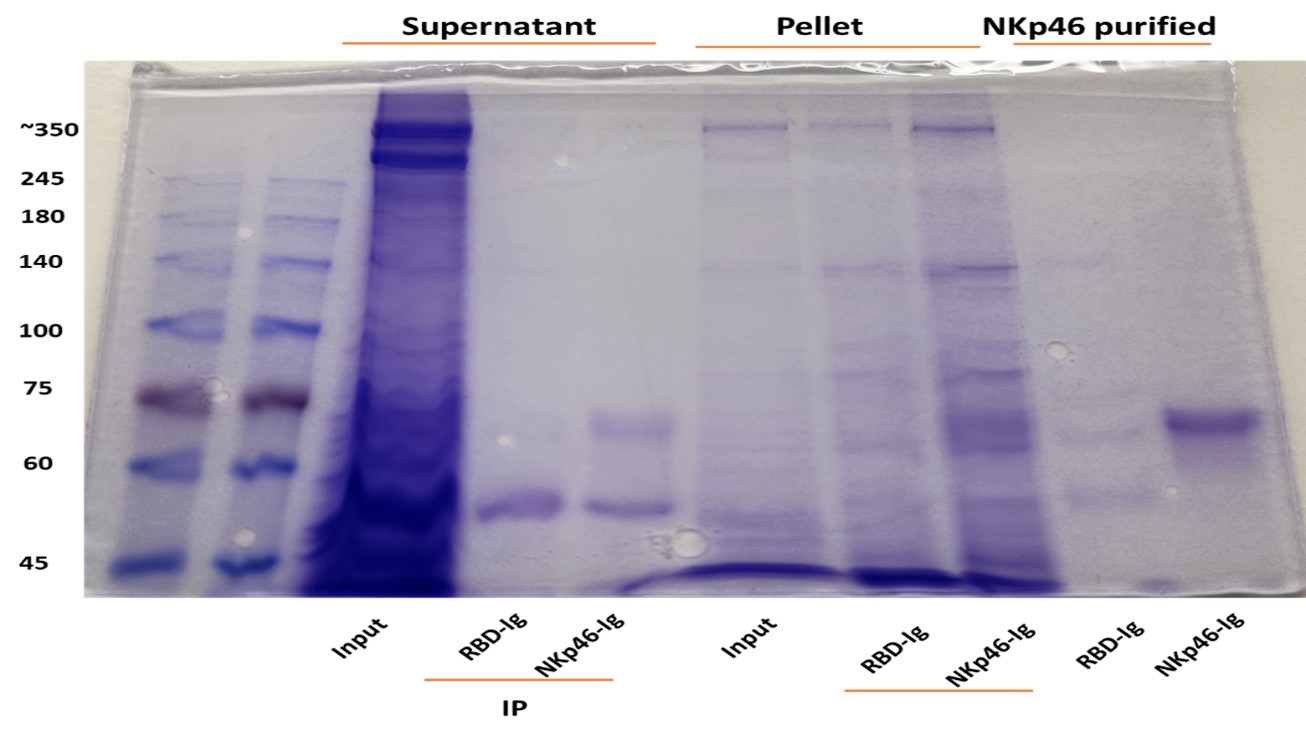
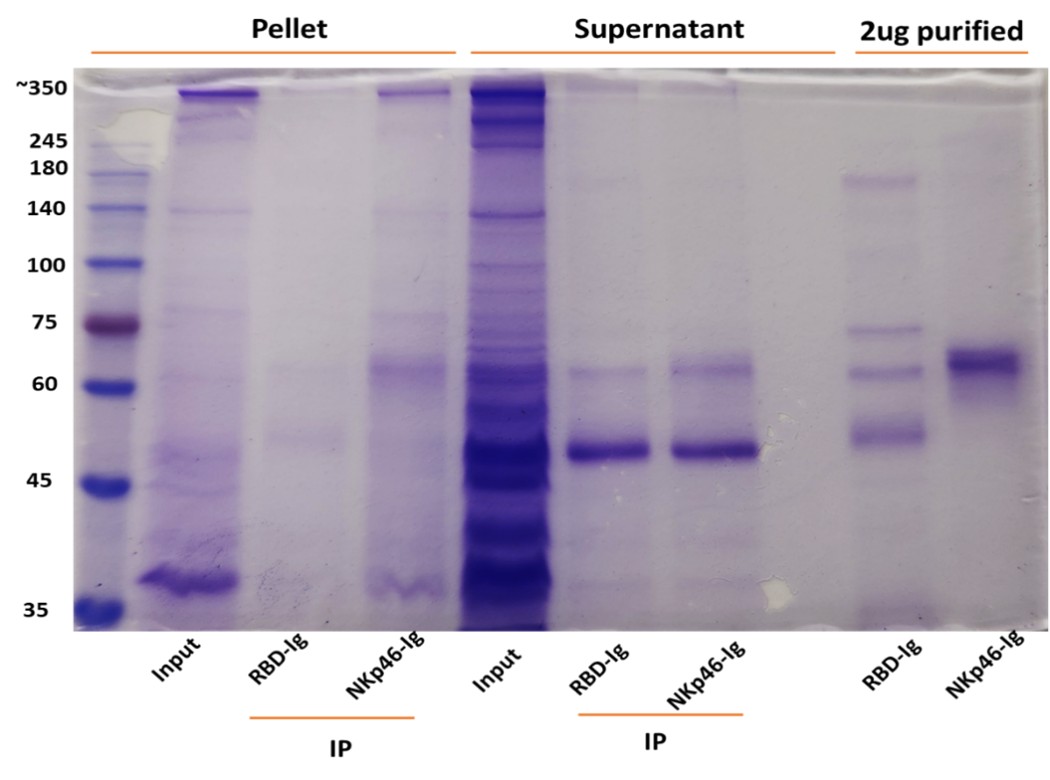
      Reviewer #2 (Public review):

      Summary:

      The authors show that A. japonicus calcitonins (AjCT1 and AjCT2) activate not only the calcitonin/calcitonin-like receptor, but they also activate the two "PDF receptors", ex vivo. They also explore secondary messenger pathways that are recruited following receptor activation. They determine the source of CT1 and CT2 using qPCR and in situ hybridization and finally test the effects of these peptides on tissue contractions, feeding and growth. This study provides solid evidence that CT1 and CT2 act as ligands for calcitonin receptors; however, evidence supporting cross-talk between CT peptides and "PDF receptors" is weak.

      Strengths:

      This is the first study to report pharmacological characterization of CT receptors in an echinoderm. Multiple lines of evidence in cell culture (receptor internalization and secondary messenger pathways) support this conclusion.

      Weaknesses:

      The authors claim that A. japonicus CTs activate "PDF" receptors and suggest that this cross-talk is evolutionary ancient since similar phenomenon also exists in the fly Drosophila melanogaster. These conclusions are not fully supported. The authors perform phylogenetic analysis to show that the two "PDF" receptors form an independent clade. The bootstrap support is quite low in a lot of instances, especially for the deuterostomian and protostomian PDFR clades which is below 30. With such low support, it is unclear if the clade comprising deuterostomian "PDFR" is in fact PDFRs and not another receptor type whose endogenous ligand (besides CT) remains to be discovered.

      Thank you for the reviewer’s comments. In response, we have produced a new phylogenetic analysis using the maximum likelihood method. This was done by Nayeli Escudero Castelán and Kite Jones in the Elphick group at QMUL and therefore they have been added as co-authors of this paper. The new phylogenetic tree (Figure 2, line 206) includes broad taxonomic sampling of CT-type receptors and PDF-type receptors. CRH-type receptors, which are also members of the secretin-type GPCR sub-family, have been included as an outgroup to root the tree. In the previous version the much more distantly related vasopressin/oxytocin-type receptors, which are rhodopsin-type GPCRs, were included as an outgroup. Furthermore, VIP-type receptors were also included in the previous tree but these have been omitted from the new tree because VIP receptor orthologs only occur in vertebrates and therefore they are not representative of a bilaterian GPCR family. The new tree shows high bootstrap support for key clades, notably achieving a bootstrap value of 100 for a clade comprising both deuterostomian and protostomian PDF receptors. This provides important evidence that the A. japonicus PDF-type receptors characterized in this study (AjPDFR1, AjPDFR2) are co-orthologs of the PDF-type receptor that has been characterized previously in Drosophila. Similarly, there is strong bootstrap support (100) for a clade comprising CT/DH31-type receptors and, importantly, the CT-type receptor characterized in this study (AjCTR) is positioned in a branch of this clade that comprises deuterostomian CT-type receptors (with bootstrap support of 100). Details of methods employed to produce the new receptor tree are included in lines 727-739. The new phylogenetic tree is shown below and has been incorporated into the revised manuscript (Figure 2, line 206). The description of new phylogenetic tree has also been modified accordingly in the revised manuscript (line 169-183).

      References:

      Bauknecht P, Jékely G. Large-Scale Combinatorial Deorphanization of Platynereis Neuropeptide GPCRs. Cell reports, 2015, 12(4), 684–693. doi:  10.1016/j.celrep.2015.06.052.

      Beets I, Zels S, Vandewyer E, Demeulemeester J, et al. System-wide mapping of peptide-GPCR interactions in C. elegans. Cell reports, 2023, 42(9), 113058. doi: 10.1016/j.celrep.2023.113058.

      Cardoso J C, Mc Shane J C, Li Z, et al. Revisiting the evolution of Family B1 GPCRs and ligands: Insights from mollusca. Molecular and cellular endocrinology, 2024, 586, 112192. doi: 10.1016/j.mce.2024.112192.

      Gorn A H, Lin H Y, Yamin M, et al. Cloning, characterization, and expression of a human calcitonin receptor from an ovarian carcinoma cell line. The Journal of clinical investigation, 1992, 90(5), 1726–1735. doi: 10.1172/JCI116046.

      Huang T, Su J, Wang X, et al. Functional Analysis and Tissue-Specific Expression of Calcitonin and CGRP with RAMP-Modulated Receptors CTR and CLR in Chickens. Animals: an open access journal from MDPI, 2024, 14(7), 1058. doi: 10.3390/ani14071058.

      Johnson E C, Shafer O T, Trigg J S, et al. A novel diuretic hormone receptor in Drosophila: evidence for conservation of CGRP signaling. Journal of Experimental Biology, 2005, 208(7): 1239-1246. doi: 10.1242/jeb.01529.

      McLatchie L M, Fraser N J, Main M J, et al. RAMPs regulate the transport and ligand specificity of the calcitonin-receptor-like receptor. Nature, 1998, 393(6683): 333-339. doi: 10.1038/30666.

      Schwartz J, Réalis-Doyelle E, Dubos M P, et al. Characterization of an evolutionarily conserved calcitonin signaling system in a lophotrochozoan, the Pacific oyster (Crassostrea gigas). Journal of Experimental Biology, 2019, 222(13): jeb201319. doi: 10.1242/jeb.201319.

      Sekiguchi T, Kuwasako K, Ogasawara M, et al. Evidence for conservation of the calcitonin superfamily and activity-regulating mechanisms in the basal chordate Branchiostoma floridae: insights into the molecular and functional evolution in chordates. Journal of Biological Chemistry, 2016, 291(5): 2345-2356. doi: 10.1074/jbc.M115.664003.

      Reviewer #2 (Recommendations for the authors):

      Figure 1C: The bootstrap support is quite low in a lot of instances, especially for the deuterostomian and protostomian PDFR clades which is below 30. With such support, I would be hesitant to label the blue clade as deuterostomian PDFR for two reasons: 1) no members of this clade have been shown to be activated by a PDF-like substance and 2) the current study shows that these receptors are activated by CT-type peptides. Therefore, the phylogenetic analyses do not support the conclusions of this paper. What is the basis for calling these receptors PDFR and not CTR in light of weak phylogenetic support?

      Thank you for the reviewer’s comments. In response, we have produced a new phylogenetic analysis using the maximum likelihood method. This was done by Nayeli Escudero Castelán and Kite Jones in the Elphick group at QMUL and therefore they have been added as co-authors of this paper. The new phylogenetic tree (Figure 2, line 206) includes broad taxonomic sampling of CT-type receptors and PDF-type receptors. CRH-type receptors, which are also members of the secretin-type GPCR sub-family, have been included as an outgroup to root the tree. In the previous version the much more distantly related vasopressin/oxytocin-type receptors, which are rhodopsin-type GPCRs, were included as an outgroup. Furthermore, VIP-type receptors were also included in the previous tree but these have been omitted from the new tree because VIP receptor orthologs only occur in vertebrates and therefore they are not representative of a bilaterian GPCR family. The new tree shows high bootstrap support for key clades, notably achieving a bootstrap value of 100 for a clade comprising both deuterostomian and protostomian PDF receptors. This provides important evidence that the A. japonicus PDF-type receptors characterized in this study (AjPDFR1, AjPDFR2) are co-orthologs of the PDF-type receptor that has been characterized previously in Drosophila. Similarly, there is strong bootstrap support (100) for a clade comprising CT/DH31-type receptors and, importantly, the CT-type receptor characterized in this study (AjCTR) is positioned in a branch of this clade that comprises deuterostomian CT-type receptors (with bootstrap support of 100). Details of methods employed to produce the new receptor tree are included in lines 727-739 The new phylogenetic tree is shown below and has been incorporated into the revised manuscript (Figure 2, line 206). The description of new phylogenetic tree has also been modified accordingly in the revised manuscript (line 169-183).

      We agree with the reviewer that no members of the PDF-type receptor clade in deuterostomes have yet been shown to be activated by a PDF-like substance. That is because the precursors of the PDF-type neuropeptides in echinoderms remain unidentified so far, which precludes clear pharmacological characterization of these receptors within the deuterostomian PDFR clade. However, the new phylogenetic tree now provides strong support (bootstrap value = 100) for the clade comprising deuterostomian and protostomian PDFRs, confirming the classification of AjPDFR1 and AjPDFR2 as PDF-type receptors. 

      References:

      Bauknecht P, Jékely G. Large-Scale Combinatorial Deorphanization of Platynereis Neuropeptide GPCRs. Cell reports, 2015, 12(4), 684–693. doi:  10.1016/j.celrep.2015.06.052.

      Beets I, Zels S, Vandewyer E, Demeulemeester J, et al. System-wide mapping of peptide-GPCR interactions in C. elegans. Cell reports, 2023, 42(9), 113058. doi: 10.1016/j.celrep.2023.113058.

      Cardoso J C, Mc Shane J C, Li Z, et al. Revisiting the evolution of Family B1 GPCRs and ligands: Insights from mollusca. Molecular and cellular endocrinology, 2024, 586, 112192. doi: 10.1016/j.mce.2024.112192.

      Gorn A H, Lin H Y, Yamin M, et al. Cloning, characterization, and expression of a human calcitonin receptor from an ovarian carcinoma cell line. The Journal of clinical investigation, 1992, 90(5), 1726–1735. doi: 10.1172/JCI116046.

      Huang T, Su J, Wang X, et al. Functional Analysis and Tissue-Specific Expression of Calcitonin and CGRP with RAMP-Modulated Receptors CTR and CLR in Chickens. Animals: an open access journal from MDPI, 2024, 14(7), 1058. doi: 10.3390/ani14071058.

      Johnson E C, Shafer O T, Trigg J S, et al. A novel diuretic hormone receptor in Drosophila: evidence for conservation of CGRP signaling. Journal of Experimental Biology, 2005, 208(7): 1239-1246. doi: 10.1242/jeb.01529.

      McLatchie L M, Fraser N J, Main M J, et al. RAMPs regulate the transport and ligand specificity of the calcitonin-receptor-like receptor. Nature, 1998, 393(6683): 333-339. doi: 10.1038/30666.

      Schwartz J, Réalis-Doyelle E, Dubos M P, et al. Characterization of an evolutionarily conserved calcitonin signaling system in a lophotrochozoan, the Pacific oyster (Crassostrea gigas). Journal of Experimental Biology, 2019, 222(13): jeb201319. doi: 10.1242/jeb.201319.

      Sekiguchi T, Kuwasako K, Ogasawara M, et al. Evidence for conservation of the calcitonin superfamily and activity-regulating mechanisms in the basal chordate Branchiostoma floridae: insights into the molecular and functional evolution in chordates. Journal of Biological Chemistry, 2016, 291(5): 2345-2356. doi: 10.1074/jbc.M115.664003.

      The new results following AjCT and AjPDFR2 knockdown are a welcome addition. While this additional evidence supports the claim that AjCT could mediate its effects via AjPDFR2, this evidence does not show that AjCT acts as an endogenous ligand for PDFR in vivo. In combination with the weak phylogenetic analyses, I would recommend the authors to key down their claims that they have functionally characterized a PDFR (in the title and text).

      Thank you for your insightful comments and we do understand the reviewer’s concern. 

      Regarding “the weak phylogenetic analyses”, as highlighted above, we have produced a new phylogenetic tree (Fig 2, line 206) that provides strong bootstrap support for the clade comprising deuterostome and protostome PDF-type receptors. For this reason, it is our opinion that inclusion of “pigment-dispersing factor-type receptors” in the title of the paper is appropriate. The details of phylogenetic analysis method were added in line 727-739, and the updated phylogenetic tree has been incorporated into the revised manuscript (Figure 2, line 206). The description of new phylogenetic tree has also been modified accordingly in the revised manuscript (line 169-183). Besides, long-term knockdown of the AjCT precursor and AjPDFR2 both resulted in identical and significant growth defect phenotypes. And the observation of phenotypic overlap is widely accepted in genetic research as strong evidence for pathway association (Shafer and Taghert, 2009; Van Sinay et al., 2017). This high degree of phenotypic consistency, coupled with our in vitro finding that AjCT2 specifically activates AjPDFR2, strongly supports the conclusion that AjCT2 and AjPDFR2 function within the same signaling pathway in vivo, with AjPDFR2 serving as the key receptor functionally activated by AjCT2.

      References:

      Shafer, O. T., & Taghert, P. H. (2009). RNA-interference knockdown of Drosophila pigment dispersing factor in neuronal subsets: the anatomical basis of a neuropeptide's circadian functions. PloS one, 4(12), e8298. doi: 10.1371/journal.pone.0008298.

      Van Sinay, E., Mirabeau, O., Depuydt, G., Van Hiel, M. B., Peymen, K., Watteyne, J., Zels, S., Schoofs, L., & Beets, I. (2017). Evolutionarily conserved TRH neuropeptide pathway regulates growth in Caenorhabditis elegans. Proceedings of the National Academy of Sciences of the United States of America, 114(20), E4065–E4074. doi: 10.1073/pnas.1617392114.
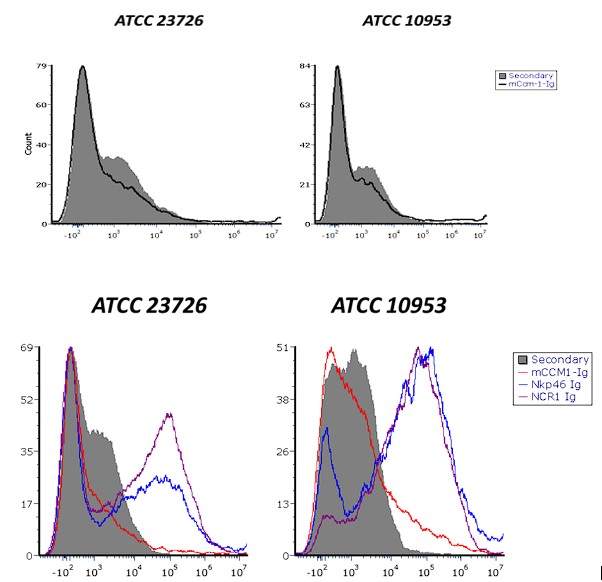
      Since there is no formal logic defining the use of "type" vs "like" vs "related", I would encourage the authors to use one term (of their choice) to avoid unnecessary confusion. Or another possibility is that these relationships are defined at some point in the manuscript so that it becomes clear to the reader.

      Thank you for the reviewer’s comments. The “CT-related peptides” has defined in the Introduction (line 54-58). As per your suggestion, we have now defined both “CT-type peptides” and “CT-like peptides” in the Introduction (line 76-79). “CT-type peptides” are characterized by an N-terminal disulphide bridge, whereas “CT-like peptides” (diuretic hormone 31 (DH31)-type peptides) lack this feature. Additionally, in accordance with the definitions, we have corrected these three descriptions in the revised manuscript (line 80, 83, 88 for “CT-type peptides”) to ensure consistent and accurate usage of these terms.

      "To provide in vivo evidence supporting CT-mediated activation of "PDF" receptors, we conducted the following experiments: Firstly, we confirmed that AjPDFR1 and AjPDFR2were the functional receptors of AjCT1and AjCT2 (Figure 2, 3 and 4). Secondly, injection of AjCT2 and siAjCTP1/2-1 in vivo induced corresponding changes in AjPDFR1and AjPDFR2expression levels in the intestine (Figure 8C, 9A, 9B and 9C)."

      None of these experiments provide direct evidence that CT activates PDFR in vivo. The functional studies are indeed a welcome addition but they cannot discriminate between correlation and causation.

      Thank you for the reviewer’s insightful comments. We agree that the functional studies do not constitute direct proof that CT’s activation of PDFR in vivo. However, we observed identical and significant growth defect phenotypes following long-term knockdown of the AjCT precursor and the AjPDFR2. This high degree of phenotypic congruence, combined with the established in vitro activation of AjPDFR2 by AjCT2, provides strong support for the conclusion that AjCT2 acts as the key endogenous ligand activating the AjPDFR2 signaling pathway in vivo. Importantly, such phenotypic overlap has been widely accepted in genetic research as strong evidence for functional pathway association (Shafer and Taghert, 2009; Van Sinay et al., 2017).

      References:

      Shafer, O. T., & Taghert, P. H. (2009). RNA-interference knockdown of Drosophila pigment dispersing factor in neuronal subsets: the anatomical basis of a neuropeptide's circadian functions. PloS one, 4(12), e8298. doi: 10.1371/journal.pone.0008298.

      Van Sinay, E., Mirabeau, O., Depuydt, G., Van Hiel, M. B., Peymen, K., Watteyne, J., Zels, S., Schoofs, L., & Beets, I. (2017). Evolutionarily conserved TRH neuropeptide pathway regulates growth in Caenorhabditis elegans. Proceedings of the National Academy of Sciences of the United States of America, 114(20), E4065–E4074. doi: 10.1073/pnas.1617392114.
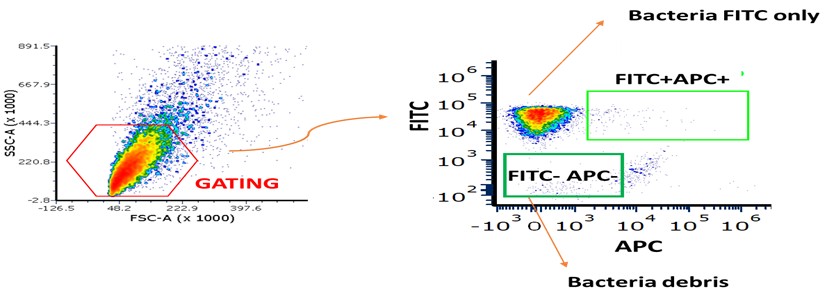
    1. Ironically, the policies meant to unlock innovation have ended up reinforcing Li-ion’s dominance. Italy offered 15-year fixed contracts, exactly the kind of revenue certainty newer techs need. But only lithium-ion could hit the bankability and pricing targets. In the UK, Ofgem’s eligibility screen knocked out most alternatives before they could even bid.

      Wow, bad news for iron air

    1. writing is, indeed, pathological, but the pathology dwells not in the symptom but in the attempts to treat it.

      Doesn't this seem a tad dangerous? I mean, Lavery's pathology has lead to some damaging behavior (like getting wasted beyond belief in order to write). Also, couldn't the pathology just be the compulsion to write?

    1. This means that every prototype has a single reason for being: to help you make decisions. You don’t make a prototype in the hopes that you’ll turn it into the final implemented solution. You make it to acquire knowledge, and then discard it, using that knowledge to make another better prototype.Because the purpose of a prototype is to acquire knowledge, before you make a prototype, you need to be very clear on what knowledge you want from the prototype and how you’re going to get it. That way, you can focus your prototype on specifying only the details that help you get that knowledge, leaving all of the other details to be figured out later. Let’s walk through an example. Imagine you’re working with a community of assisted living residents who want the ability to easily order a pizza without having to remember a phone number, make a phone call, or share an address. You have an idea for a smart watch application that lets you order delivery pizza with a single tap. You have some design questions about it. Each of these design questions demands a different prototype:

      I thought I knew what prototype means before but upon reading this chapter I realized my idea was somewhat wrong or at least incomplete. I had in mind that prototype would be a synonym for 'test'. By condensing it in something that help us make decisions and to acquire knowledge Ko gave me the insight that it would not be only testing if X works or not, but the knowledge that it works or not.

    2. As you can see, prototyping isn’t strictly about learning to make things, but also learning how to decide what prototype to make and what that prototype would teach you. These are judgements that are highly contextual because they depend on the time and resources you have and the tolerance for risk you have in whatever organization you’re in.

      I really agree with the idea that prototyping isn’t just about making something, it is about figuring out what’s worth making and why. I think that perspective is super useful because it reminds me that not every idea needs a polished version right away and sometimes a quick, rough prototype can teach you more. It also made me realize how much context matters like how your time, resources, or even your team’s comfort with risk can totally change what kind of prototype makes sense.

    3. Each of these design questions demands a different prototype:

      This is something that appears a little surprising to me as this is not something I was aware of. I thought there could be same prototype that consists of multiple design questions but I guess not? But also at the same time, what if there are some prototypes that are able to answer multiple design questions? Would that be possible?

    4. the purpose of a prototype isn’t the making of it, but the knowledge gained from making and testing it. This means that what you make has to be closely tied to how you test it.

      This part really changed my mind. I agree that prototyping isn’t about making something perfect, but about learning through testing. For example, in a project last quarter, I spent hours creating a polished mockup for a class app prototype without testing it with anyone. When I finally received feedback, I realized some of my design assumptions were completely wrong, and much of my work went to waste. Ko’s point makes me see that starting with quick sketches or paper prototypes can be much more effective, even if they look messy. It also reminds me to focus on what questions I want answered before building anything, so I can learn as much as possible from each test. For current group project in class and my future projects, I believe this approach will absolutely save a lot of time and also improve my design decisions,.

    5. Whereas a sketch is just an informal drawing used to facilitate communication, a paper prototype is something you can actually test. Creating one involves creating a precise wireframe for every screen a person might encounter while using a design, including all of the feedback the user interface might provide while someone is using it. This allows you to have someone pretend to use a real interface, but clicking and tapping on paper instead of a screen. If you plan the layout of an interface in advance, then decide which parts of the interface you need to change in order to test the interface with someone, you can build one of these in less than an hour.

      I like how this section highlights the practicality and accessibility of paper prototyping. I agree that being able to “pretend to use a real interface” through paper is such a simple but powerful way to test ideas early without committing to code or visuals. It really changes how I think about design; I used to assume you needed advanced tools to prototype effectively, but this shows how low-tech methods can be just as valuable for gathering feedback. I also appreciate that it emphasizes speed and iteration; being able to build a testable prototype in under an hour encourages experimentation instead of perfectionism.

    6. As you can see, prototyping isn’t strictly about learning to make things, but also learning how to decide what prototype to make and what that prototype would teach you. These are judgements that are highly contextual because they depend on the time and resources you have and the tolerance for risk you have in whatever organization you’re in.

      I really agree with the reading’s point that prototyping isn’t just about building something; it’s about deciding what you need to build to learn the right thing at the right moment. That reminder shifts my perspective, because I used to think of prototypes as just early versions of the final product, but now I see them as experiments designed to answer specific questions. I think it's important to balance how much you don’t know with how much you can afford to discover.

    7. As you can see, prototyping isn’t strictly about learning to make things, but also learning how to decide what prototype to make and what that prototype would teach you. These are judgements that are highly contextual because they depend on the time and resources you have and the tolerance for risk you have in whatever organization you’re in.

      Agreed and again, this just reminds me that design thinking requires extensive research and evaluation. The example of the pizza app just reminds me that you can't simply design a good product by prototype -> test -> improve. Somewhere within that process, you must stop to evaluate whether this is the right problem to solve and if you even have the correct solution, and how you can test these hypothesis.

    1. Michael Warner’s theory of publics provides essential grounding for understanding Reddit as more than a collection of posts. Warner argues that “publics have an ongoing life: one doesn’t publish to them once and for all (as one does, say, to a scholarly archive). It’s the way texts circulate, and become the basis for further representations, that convinces us that publics have activity and duration” (2002, 68). A public exists not through singular acts of communication but through continuous circulation; text must move through time and become part of an “intertextual environment of citation and implication” to constitute public discourse (Warner 2002, 68). This circulation principle distinguishes platforms like Reddit, where posts remain searchable and citeable across years, from ephemeral communication channels where discourse vanishes after immediate consumption.

      IMPORTANT: Add a Digital Networks and Public-Sphere Theory section above this paragraph.

    2. Posts capture disclosure, not experience. Food insecurity threads document those prepared to discuss hunger in public view. Silence does not indicate stability; it reflects only that no one posted. Platform data shows discourse patterns rather than the prevalence of conditions. Text-based archives strip away embodied cues. Facial expression, tone, and immediate physical context disappear. In Geertz’s (1973) terms, the record offers thin description. Timestamps, campus identifiers, and community responses supply partial context, but the situated texture of interactions requires ethnographic supplementation.

      These paragraphs are unusually terse and short. Interweave the logic and make argumentative links between these punchy individual claims so that the paragraphs read more like the ones before and after them.

    1. It’s important to remember that there is no “average user,” and so your choice of defaults will inevitably serve some people better than others. For example, if Google detects that a browser is in the United States, what language should it default too? Some might say English, but that prioritizes English-speaking people over others. But should it be Spanish? Or more dependent on a specific region?Or tied to a browser setting?

      Professor Amy makes a really good point because it talks about how small design choices like default choice can even reinforce inequality. This made me relize that how much bias can be built into everyday interfaces like on the devices we use. Like my own parents; since they only speak vietnamese, a lot of american interfaces are english by default which makes it confuse to look for the language option. This also reminded me that inclusive design isn't just about accessibility for people with disabilities but also about making sure products work for people with different language and cultural.

    2. Designers therefore have a responsibility to think carefully about who their serving through a choice of defaults, engaging with communities to understand how they’ll be impacted.

      This is actually a very interesting quote that I somewhat knew in the back of my mind but never had someone talk about. I am really curious how designers are able to think about their choice of defaults as there would be so many. I feel like designers are facing many problems that are open to endless options of answers and no matter what they are designing that is the challenge all of designers probably face in every field.

    3. Let’s define each of them. Input is any kind of data that a user provides to a computer. Most often, these are keystrokes, mouse positions, mouse clicks, taps, and other sequences of low-level inputs. These lower-level inputs are usually aggregated into higher level inputs, such as clicks, taps, text strings, and gestures, which user interfaces then process. Every user interface accepts some range of input, and those inputs each have some structure. Part of a user interface is providing means by which users can express those inputs in valid structures.

      I find this explanation of input really clear and helpful; it breaks down something we often take for granted when using technology. I agree with how the reading shows that input isn’t just about pressing buttons but about how systems interpret and structure those actions. It makes me think more about the design challenges behind making input feel “natural” for users. For example, gestures or voice commands might seem simple to us, but they require careful design to ensure the system understands them correctly. This section made me appreciate how much thought goes into translating human intention into digital interaction.

    4. The Google search page actually accepts many other implicit inputs too. There are a variety of personalization settings, such as search history, search preferences, and even sensor input (such as your location) that it also accepts as input. The user interface doesn’t provide explicit controls for providing this input, but it is user input nonetheless. These implicit inputs contain issues of justice. For example, what harms may come by Google tracking your location when you search? For many, no harm, but what about people do not secure their accounts, and might be stalked by a violent ex, or someone in witness protection?

      I agree that these implicit inputs, like location tracking and personalized history, create serious ethical concerns because the consequences aren’t evenly distributed across all users. For someone with stable circumstances and no threats to their safety, personalized search may feel convenient and harmless. But for someone vulnerable, like a stalking victim or a person relying on anonymity for protection, the same data trail becomes a map for harm. I find this perspective really useful because it makes me rethink digital design as not only about convenience but about protecting the worst-case scenario user. Google may not intend to create danger, yet the system can accidentally amplify risk for people who are already at risk. It reminds me that “smart” features aren’t universally smart — sometimes they’re sharp objects that require careful safety guards.

    5. The gulf of execution is the gap between what a person wants to do with an interface and what inputs are actually possible to provide. It’s the struggle every person has to translate their goal into input that further their goal. For example, if you were using an alarm clock, one of the gulfs to bridge is how to make the alarm active; an interface with a big switch that says “on” and “off” has a small gulf for the user to bridge; they’ll probably figure out what those buttons mean. An interface that has a similar switch hidden away in a menu that’s not discoverable poses a much larger gulf of execution.

      I've never heard of the term "gulf of execution", but I agree that this is a very important concept to keep in mind when designing a solution. There is always a gap between what a person wants a product to do versus what it can actually do with the inputs a user provides. I find that many usability issues occur when this gap exists; the user doesn't know how to translate their goals into input that an interface is allowed to accept. In this example of the alarm clock, I wonder if a user manual would be helpful in reducing the gulf of execution? Apart from the design itself, I feel like an instructional manual would be helpful as well!

  3. inst-fs-iad-prod.inscloudgate.net inst-fs-iad-prod.inscloudgate.net
    1. itxposure to Native Speake-;;-·-, The maxim "less contact, less learning" succinctly summarizes the argu-ments supporting students' exposure to quality language models and in-struction. 42 fo·lea~n a°qanguage-we'tr,"'orre"'ftrrmflave-st1stained inter~1?t10ns \~t edueated-~ative-speakers--of-Englrnn, as \vellasgooct1angu_a~ i~s~~~l(-tion. Students can only learn the new language in the style to which they are exposed. If an English-language learner lives and talks daily with Eng-lish speakers in a boarding school in London, she will learn a very different kind of English and sound very different than if she had been immersed in a public school in Atlanta, Sidney, or Toronto. Likewise, someone hoping to improve their Spanish-speaking skills will sound very different ,1fter ,in extended study-abroad stay in Madrid, Mexico City, Santo Domingo, or Buenos Aires.

      This paragraph emphasizes the importance of authentic, sustained interaction with native speakers in mastering a new language. It shows that language learning is not only about grammar and vocabulary but also about social immersion and exposure to real-world communication styles. I want to share a funny story about learning English as an international student. Growing up, I always thought I was learning American English because that's the accent commonly used in China. But then I went to study in New Zealand, where they have Australian accents and British culture. At the time, I believed my pronunciation was already set in stone. But when I later came to study in the United States, my friends pointed out that my accent was Australian—similar to BLACKPINK's member ROSÉ. That's when I suddenly realized how profoundly environment and real-life communication shape language.

    2. econd year of the study, we asked students, "What do you think are the main obstacles to getting ahead in the United States?" Fifty-six percent spontaneously responded "•IIIIFlfft'l~Mrl~h"-singling out not knowing English as a greater impediment than even discrimination, lack of re-sources, or not being documented. We then listed a number of obstacles that over the years we have learned are concerns for new immigrants. Fully 90 percent of our participants responded that learning English was a chal-lenge they needed to overcome to get ahead. In the last year of the study, we also asked students what they perceived were obstacles to getting to college. Of those who thought they would go to college, 45 percent responded that their English fluency presented a prob-

      This paragraph highlights how language barriers remain one of the biggest challenges for immigrant students in the U.S. It’s striking that many students viewed learning English as an even greater obstacle than discrimination or lack of resources. This shows how deeply language proficiency is tied to access and opportunity—students feel that without English fluency, they cannot fully participate or advance academically and socially. This reminds me of when I first came abroad to study. My school offered specialized English transition classes for international students. While local students were learning a second foreign language, we were studying English. But this approach actually made it difficult for international students to make local friends, and we still couldn't complete a full second foreign language by graduation.

    3. LTHOUGH THE UNITED STATES was founded by immigrants and has as part of its identity the notion that it welcomes the "poor and hud-dled masses,'er1...9.ns ar'e-ambivalel}f aooutTmviig~atio~--

      I think this statement really captures the contradiction at the heart of America’s identity. The United States was built by immigrants and prides itself on being a place of opportunity, yet there’s a deep hypocrisy in how it treats new arrivals. People celebrate the idea of the “American Dream,” but at the same time, there’s fear and resistance toward those seeking that dream today. It’s frustrating to see how history repeats itself and how every generation of immigrants faces judgment or exclusion, even though immigration is what keeps shaping and strengthening the country. This tension shows how far the U.S. still has to go in truly living up to its values of equality and inclusion.

    1. Hyperlinks are very useful for linking to information that will be read immediately. We all use hyperlinks in emails to link to videos, articles, and recipes. These are good uses of hyperlinks because, most likely, the information will still be there. And, you are probably linking to information that is free and available to the public. However, hyperlinks are not very useful for academic papers. Here are some reasons: Links change: The internet changes every day. Websites add and remove articles, on-line magazines and newspapers change their links. If there is only a link to a source and if that link changes, then the reader cannot find the source. Inaccessible Databases: Some of the information you will use will be from CNM databases. The readers of your article may not have access to the same database; therefore, a link is not sufficient. The reader needs to know pertinent information, such as the author’s name, title, etc., to be able to find the source.

      hyperlinks are useful for emails to link videos or other things but they are very useful for paper work

    2. List each source that you have cited in your paper with an in-text citation in the Works Cited page. Only list sources you have cited in the paper. Do not list sources that you have consulted but not cited.

      list sources that you cited on your text

    1. custom international law prohibits the use of starvation of the civilian population as a method of warfare.”

      Quoting the ICJ and referencing international law provides some legal weight. It frames the issue as not only political, but a complete violation and neglect for our world. This quote, to me, evokes some sort of responsibility or guilt in me as an American that this is happening on the other side of the world right now.

    2. “Starvation as a Weapon of War”

      This metaphor right away in the headline of the story frames hunger as a deliberate military tactic. It implies that denying food is not only neglect, but it's a sign of aggression, like using guns or bombs.

    1. river courses shift over time

      What are some examples of rivers that have changed courses ? I think I heard of one being diverted in Libya by Gaddafi through aquafers to bring water to arid regions, and that the Euphrates and Tigris rivers would change courses accross history but I would like to know other examples

    1. idk eddie is really cooking here in this situation like. i get it i really get it. He understands he cannot fundamentally change karl so he just offers his opinion and leaves it at that. he recognizes that he is responsible for his own actions but not for others.

      would i take this mindset and expand it to the whole world? Well no. we have to make change somehow or else its every man for himself. maybe its like. Small enough circumstances need not be interfered with but big ones should be. or you can interfere a little bit, just enough that it adds up little by litte, diffused across time or circumstances

    Annotators

    1. “If you were hunter-gatherers or nomads, however numerous, spreading your biodegradable trash thinly across the landscape, you were likely to vanish entirely from the archaeological record.” Scott points out that groups that didn’t leave big ruins like nomads or foragers, get erased from history, not because they weren’t important, but because they didn’t leave permanent traces.

    2. All states were surrounded by nonstate peoples, but owing to their dispersal, we know precious little about their coming and going, their shifting relationship to states, and their political structures. When a city is burned to the ground, it is often hard to tell whether it was an accidental

      fire such as plagued all ancient cities built of combustible ma- terials, a civil war or uprising, or a raid from outside.

    1. Where institutions maintain industrial-era schedules, students forced into perpetual crisis vigilance embody this sleepless consumer, monitoring deadlines and aid calculations at 2am not from choice but from bureaucratic necessity.

      DELETE

    1. Our next question deals with love of neighbor. It is not uncommon for persons to ask whether charity as love of neighbor is destructive of human friendship. Friendship requires a benevolent love that goes out to the person as a value in himself, but love of neighbor as imperated by charity seems to “use” the person as a means or instrument for loving God. Is not this in reality loving a person as a good ordained for someone else, and is it not therefore a love-of-desire (amor concupiscentiae) rather than a love-of-friendship (amor amicitiae)?

      Cont. Here

    1. That independent spirit in American cinema also created space for women and people of color to have a voice in the art form. A quick scan of the history above and you’ll notice there are not a lot of women’s names. And almost all of the men are white. But filmmakers like Shirley Clarke, Julie Dash and Allison Anders didn’t wait around for Hollywood to give them permission to make great cinema. Nor did the filmmakers of the early so-called Blaxploitation movement (though their success was eventually and sadly co-opted by white filmmakers).

      I think one of the greatest factors leading to the Women's Suffrage Amendment. Especially with Olivia de Havilland suing Warner Bros in 1939.

    2. If all of that makes your head spin, you’re not alone. In short, back in 1983, 90% of all American media was controlled by more than 50 distinct companies. By 2012, that same percentage was controlled by just 5. By 2019, it was down to 4: Comcast, Disney, AT&T and National Amusements.

      Not knowing this prior, but now understanding how much money some of these companies truly make.

    3. JAWS (1975) cost $9 million to make (three times more than Universal budgeted) and took 159 days to shoot (three times longer the Universal had hoped), but it grossed more than $120 million in its first theatrical run. It hit Hollywood like a tidal wave. A simple genre movie with clear heroes and just enough eye-popping special effects to wow the audience. Best of all, there was no need for an expensive, star-studded cast or a well-known, temperamental director. The concept was the star. It was a formula the studios understood and knew they could replicate. Two years later, 20th Century Fox released Star Wars (1977). Its success dwarfed that of JAWS. Hollywood would never be the same.

      Again, two movies that are so recognizable by their success. Truly changed the direction of cinema and the amount of success each one can create.

    4. Whatever the reason, Warner Bros. bankrolled Bonnie and Clyde (1967), tried to bury it on release, but ultimately had to admit they had a huge hit on their hands. It was as bold, unpredictable, and transgressive (for its time) as Beatty had hoped. And audiences, especially younger audiences, loved it.

      I didn't even know that Warner Bros made the original Bonnie and Clyde. So if they did bury it, I probably would have never found this out

    5. Olivia de Havilland, a young actress known for her role as Melanie in Gone with the Wind (1939), sued Warner Bros. for adding six months to her contract, the amount of time she had been suspended by the studio for refusing to take roles she didn’t want. She wasn’t the first Hollywood actor to sue a studio over their stifling contracts. But she was the first to win her case.

      Glad to see the actors got what was deserved. No one should get their time and work treated unfairly.

    6. Warner Bros. was a family-owned studio run by five brothers and smaller than some of the other larger companies like Universal and MGM. But one of those brothers, Sam, had a vision. Or rather, an ear. Up to that point, cinema was still a silent medium. But Sam was convinced that sound, and more specifically, sound that was synchronized to the image, was the future. And almost everyone thought he was crazy.

      Funny to think about people just sitting there in silence prior. Now it's so rare to get any silence at all, and when so it's concerning

    7. Not surprisingly, a lot of would-be filmmakers bristled at Edison’s control over the industry. And since patent law was difficult to enforce across state lines at the time, many of them saw California as an ideal place to start a career in filmmaking. Sure, the weather was nice. But it was also as far away from the northeast as you could possibly get within the continental United States, and a lot harder for Edison to sue for patent violations.

      People are funny; we always find ways to get around to what we want.

    8. In 1895, Woodville Latham, a chemist and Confederate veteran of the Civil War, lured away a couple of Edison’s employees and perfected the technique of motion picture projection. In that same year, over in France, Auguste and Louis Lumiere invented the cinematographe which could perform the same modern miracle. The Lumiere brothers would receive the lion’s share of the credit, but Latham and the Lumieres essentially tied for first place in the invention of cinema as we know it.

      In less than 100 years, the conceptualization of cinema or the projection of images was formed, very impressive for the amount of progression early on in a short time frame historically.

    9. Six years later, after narrowly avoiding a murder conviction (but that’s another story), Muybridge perfected a technique of photographing a horse in motion with a series of 12 cameras triggered in sequence. One of the photos clearly showed that all four of the horse’s hooves left the ground at full gallop. Stanford won the bet and went on to found Stanford University. Muybridge pocketed the $25,000 and became famous for the invention of series photography, a critical first step toward motion pictures.

      I find it interesting and funny at the same time that we got the invention of series photography from a bet.

    1. The motivated students affirmed that they enjoy their English classes because they are usually fun,dynamic, and interesting, but they also associate those good moments to the teacher’s ability in running the classesin a smoothly way, always being happy, devoting great care to her work and helping them in clarifying theirdoubts with patience and dedication

      Motivation is strongly tied to the teacher’s attitude, while demotivation often stems from external factors like fatigue or home issues.

    2. Research Question 3: Do the adolescent students investigated feel motivated or not in their EFLclasses?

      Around 70% feel motivated, but 9th graders report lower motivation due to discipline issues and repetitive lessons.

    3. THE CLASSROOM CONTEXT

      The study was conducted in two schools in Joinville, Brazil, one private (School 1) and one public (School 2). Both schools offer English classes twice a week to adolescents, but differ in socioeconomic background, resources, and teaching materials.

    4. human beings have to be considered active, reflective, critical and creative agents ofwhat surrounds them and of the information that they receive from others.

      It reflects both internal drives and external social interactions, with learners seen as active, reflective agents shaped, but not determined, by their environment.

    5. Bastidas Arteaga (2006), “socio-constructivism is not just one theory, but a group oftheories that refers to human cognitive development and students’ learning in the classroom.

      Bastidas Arteaga (2006) elaborates that socio-constructivism encompasses a range of theories rooted in Vygotsky’s (1978) ideas about social learning.

    6. individual’s motivation is alsosubject to social and contextual influences

      From this view, motivation emerges from an individual’s personal goals and self-concept but is continually modified by social interactions, classroom dynamics, and cultural expectations.

    7. Motivation to learn a language is a complex situation, as language learning is not only an educationalactivity, but also involves social and cultural issues (Dornyei, 2001b).

      Language learning is not an isolated cognitive process but a deeply social and cultural experience.

    8. Finochiaro`s (1989) opinion is that motivationis not either extrinsic or intrinsic; or instrumental or integrative; and it does not depend solely on the learner’saptitude, personality, or learning strategies.

      Finnochiaro (1989) critiqued the earlier models for oversimplifying motivation into dual categories. He argued that motivation is not purely intrinsic or extrinsic but emerges from a blend of personal, social, and classroom-related factors, especially from positive teacher–student relationships and supportive learning environments.

    9. raditionally, motivation was viewed in terms of volition, will, instinct, drive, or need, whichrepresented a rationalist tendency of looking at psychological processes. The advent of behaviorist psychologyproduced a decline of theories that linked motivation with some inner force and linked motivation to some outerforce, instead

      Early theories viewed motivation as driven by instincts or needs, but behaviorism shifted the focus to external reinforcement. Later, cognitive psychology emphasized internal processes, such as beliefs, expectations, and goals, as key to motivation.

    10. ven in L1 acquisition there is aso called ‘critical period’ for language development, which is a “limited phase in development of an organismduring which a particular activity or competency must be acquired if it is to be incorporated into the behavior of

      Refers to the Critical Period Hypothesis, which suggests that learning after puberty becomes more challenging, but argues adolescents can still succeed due to cognitive maturity.

    1. I cried. What would Robert think of our shabby Chinese Christmas? What would he think of our noisyChinese relatives who lacked proper American manners? What terrible disappoint-ment would he feelupon seeing not a roasted turkey and sweet potatoes but Chinese food?

      This moment introduces the main conflict of how Amy is embarrassed about her Chinese culture. The dinner invitation makes her face her American crush and Chinese heritage at the same time.

    1. The academic strand of business ethics began in the 1970s. The term "businessethics" was modeled after the term ';medical ethics"-an area that began as anacademic area of study a decade earlier. Have philosophers engaged in the studyof ethics in business added anything to the academic area? A separate but relatedquestion is whether they have in fact changed business, business practices, andbusiness people. I believe that the answer in both cases is: yes. They have doneso in part because of their knowledge of the history of philosophy and the historyof ethics, because of their original analyses of moral issues in business and of thepresuppositions of particular economic systems, and because they took the lead inraising and attempting to answer normative questions in business.Before philosophers entered upon the scene in the 1970s, there was no academicfield of business ethics. The field developed precisely because of a felt need forwhat philosophers had to offer that was not provided by teachers of social issuesin management courses, by corporate critics, and by the conventional ethics-in-business approach. In this sense, to ask whether philosophers had anything to addto the field is almost a meaningless question because they formed the field. More-over, the field did not and does not consist of questions for philosophers or whata Wittgensteinian might consider pseudo-questions. What differentiated businessethics as a Eleld from social issues in management was the fact that business ethicssought to provide an explicitly ethical framework within which to evaluate busi-ness, and especially corporate, activities. What philosophers brought to the tablethat others had not was a systematic inquiry into our individual and collective moral* . s .experlence ln ouslness.

      In this piece of the article De George affirms that philosophers were the primary founders and builders of academic business ethics. This is technically a historical claim that can be evaluated. The argument has a very logical structure because technically if philosophers initiated curricula, journals, societies, and research agendas, then they can be credited with founding the field, but the soundness of this argument requires a citation or supporting evidence like dates, founding figures, institutional histories. Because these citations are missing, the claim is risking falling in generalization because other figures like lawyers, scientists, teachers and activists have also contributed to the growth of philosophy. To make this argument stronger he should present more specific examples and evidence to substantiate causation other than the apparented correlation.

    2. e takes "philosophy" globally, andso abstractly. He takes contemporary philosophy to mean analytic philosophy, andclaims that metaphysics and epistemology are "no more relevant to applied ethicsthan is astrophysics or neurophysiology

      De George goes on to contend Rorty's account is way too narrow because it basically makes philosophy be equal to just the analytic core. The structure is in fact valid because the premise that Rorty is treating philosophy in a very narrow way can support the conclussion that his dismissal of philosophy's relevance is mistaken. I personally think ths soundness of the claim depends pretty much on whether Rorty did in fact intend to give it such a short meaning. De George provides textual evidence but sometimes attributes an extreme thesis to Rorty without showing that Rorty consistently uses that narrow definition. I think ther is a risk of Strawman happening here if De George overgeneralizes Rorty’s position. I think a more careful and detailed analysis/approach would quote Rorty’s key passages and show precisely where De George’s counterexamples undermine them.

    1. Some recommendation algorithms can be simple such as reverse chronological order, meaning it shows users the latest posts (like how blogs work, or Twitter’s “See latest tweets” option). They can also be very complicated taking into account many factors, such as: Time since posting (e.g., show newer posts, or remind me of posts that were made 5 years ago today) Whether the post was made or liked by my friends or people I’m following How much this post has been liked, interacted with, or hovered over Which other posts I’ve been liking, interacting with, or hovering over What people connected to me or similar to me have been liking, interacting with, or hovering over What people near you have been liking, interacting with, or hovering over (they can find your approximate location, like your city, from your internet IP address, and they may know even more precisely) This perhaps explains why sometimes when you talk about something out loud it gets recommended to you (because someone around you then searched for it). Or maybe they are actually recording what you are saying and recommending based on that. Phone numbers or email addresses (sometimes collected deceptively [k1]) can be used to suggest friends or contacts. And probably many more factors as well!

      I never realized how many things go into deciding what shows up on my feed. It's little scary to think that apps might use my friends' searches or my location to guess what I want. Sometimes the recommendations are really accurate, but other times they feel creepy, like the app knows too much about me. It makes me wonder how much of what I see online is actually my choice.

  4. drive.google.com drive.google.com
    1. Perhaps I have once again been too optimistic. Is organized religion too inextricably bound to thestatus quo to save our nation and the world? Perhaps I must turn my faith to the inner spiritualchurch, the church within the church, as the true ekklesia and the hope of the world.

      Ekklesia is a Greek word for church, often used to mean "assembly," or "community." Now understanding what Ekklesia means, King is calling upon the church's authenticity. The church shouldn't just a institution; but a community of people committed to justice. King has a shift in focus to the "inner spiritual church" detailing a more personal form of faith. Change cant just come from an organized building (church) but a individual spiritual awakening. All in all King is questing the ability of the church body to be able to force true change, which is very significant as he is a religious leader.

    2. But when you have seenvicious mobs lynch your mothers and fathers at will and drown your sisters and brothers at whim

      All of the different examples in this paragraph of violent and non violent racism really emphasize the horrible things that he was fighting against.

    1. BDEDIM

      This often true, yes, the research done will hopefully benefit the people being researched but that might not be for years and years to come.

  5. social-media-ethics-automation.github.io social-media-ethics-automation.github.io
    1. How to ADHD. What is Executive Function and Why Do We Need it? March 2021. URL: https://www.youtube.com/watch?v=H4YIHrEu-TU (visited on 2023-12-07).

      It's interesting to see it explores how accessibility features aren’t just “extra” for a few users, but foundational for designing inclusive social-media environments. It challenged me to rethink how often accessibility is treated as an afterthought rather than baked in from the start.

    2. [j16]

      Conversion Therapy is the idea that one can change their sexual orientation or gender identity by receiving treatment. Though it has been proven that not only is it not effective at erasing someones identity but also extremely harmful to their well being. Leaving them vulnerable to depression, anxiety, drug use, homelessness, and suicide.

    3. Assistive technology. December 2023. Page Version ID: 1188353371. URL: https://en.wikipedia.org/w/index.php?title=Assistive_technology&oldid=1188353371 (visited on 2023-12-07).

      This website explains that assistive technology is basically any technology that can help individuals who have disabilities, or need extra assistance. This can range from physical objects such as hearing aids, to even software such has a feature to increase text size for people with poor vision. I never really thought out this feature before, but now I've realized that it is incredibly important that we have inclusive features like this, because so many people often struggle with everyday objects!

    4. Ash. Autism is NOT A Disability. July 2022. URL: https://www.autism360.com/autism-is-not-a-disability/ (visited on 2023-12-07).

      This source discusses people saying autism is not a disability. Many people consider autism as a disability and think this way because they see the meltdowns on social media, but that only really occurs when there are other stimulating factors for the people with autism. So one must consider the the other factors when seeing an autism meltdown.

    5. Social model of disability. November 2023. Page Version ID: 1184222120. URL: https://en.wikipedia.org/w/index.php?title=Social_model_of_disability&oldid=1184222120#Social_construction_of_disability (visited on 2023-12-07).

      This part made me realize that disability is not merely a disease, but something deeply influenced by history and social values. Interestingly, how society's definition of "normal" or "healthy" changes over time depends on power and culture. It also shows how unfair it is when certain groups are labeled as "less capable" simply because they do not meet these social expectations.

    6. Ash. Autism is NOT A Disability. July 2022. URL: https://www.autism360.com/autism-is-not-a-disability/ (visited on 2023-12-07).

      This article left a deep impression on me because it challenged the common notion that "disability equals defect". Ash mentioned that many people with autism do not consider themselves in need of being "cured", but rather hope that society can be more inclusive of their unique ways of thinking and behaving. Reading this, I particularly resonated with it - this actually reflects the core idea of the social model of disability: the problem does not lie with the individual, but whether the environment provides sufficient understanding and support. This article made me start to think: If we could view neurodiversity in the same way as we do wearing glasses, allowing everyone to have the convenience that suits them, then "disability" might not be regarded as a "mistake", but just a part of human diversity.

    7. Social model of disability. November 2023. Page Version ID: 1184222120. URL: https://en.wikipedia.org/w/index.php?title=Social_model_of_disability&oldid=1184222120#Social_construction_of_disability (visited on 2023-12-07).

      This article expands on the same idea presented in Chapter 10 that disability is not caused by an individual's physical or mental condition, but by barriers built into society. What stood out to me is how the model shifts focus from fixing people to fixing environments. This connects that exclusion often comes from design choices rather than personal limitations. It also mede me think about my own digital and academic spaces; how often are they designed for neurotypical, able-bodied users by default? The social model reminds us that inclusion is not charity; it's justice through design.

    8. Meg Miller and Ilaria Parogni. The Hidden Image Descriptions Making the Internet Accessible. The New York Times, February 2022. URL: https://www.nytimes.com/interactive/2022/02/18/arts/alt-text-images-descriptions.html (visited on 2023-12-07).

      This source shows why alt-text matters: it should be short, concrete, and task-focused. Useful alt-text names the subject, the action, the setting, and any visible text in the image. A simple policy would help: when someone uploads an image, the tool asks for alt-text with a small prompt. AI can suggest a draft, but a human should review. This makes posts more accessible and also more professional.

    1. We could look at inventions of new accessible technologies and think the world is getting better for disabled people. But in reality, it is much more complicated. Some new technologies make improvements for some people with some disabilities, but other new technologies are continually being made in ways that are not accessible. And, in general, cultures shift in many ways all the time, making things better or worse for different disabled people.

      I really appreciated how the chapter highlights different approaches to accessibility — making the environment work for all, adapting tools for users, and the burden often being placed on the user instead of the design. One question I have is: what’s a practical checklist or metric developers could use early in the UI design to shift from the “modifying the person” model to the “making the tool adapt” model?

    2. We could look at inventions of new accessible technologies and think the world is getting better for disabled people. But in reality, it is much more complicated. Some new technologies make improvements for some people with some disabilities, but other new technologies are continually being made in ways that are not accessible. And, in general, cultures shift in many ways all the time, making things better or worse for different disabled people.

      I think it's interesting how, with how much society emphasizes progressiveness and inclusivity, there are still many instances in society where people with disabilities are excluded. Reading this section of the chapter made me realize how complex it is to accommodate for everyone when designing buildings and other social structures.

    3. 10.2.5. Are things getting better?# We could look at inventions of new accessible technologies and think the world is getting better for disabled people. But in reality, it is much more complicated. Some new technologies make improvements for some people with some disabilities, but other new technologies are continually being made in ways that are not accessible. And, in general, cultures shift in many ways all the time, making things better or worse for different disabled people.

      I personally think this are getting better. New technologies and settings are being created for people with disabilities to use online services. People with disabilities are also just being considered more today when company's invent a new app or game. For example text to speech or video games that offer color blind settings.

    4. Those with disabilities often find ways to cope with their disability, that is, find ways to work around difficulties they encounter and seek out places and strategies that work for them (whether realizing they have a disability or not). Additionally, people with disabilities might change their behavior (whether intentionally or not) to hide the fact that they have a disability, which is called masking and may take a mental or physical toll on the person masking, which others around them won’t realize. For example, kids who are nearsighted and don’t realize their ability to see is different from other kids will often seek out seats at the front of classrooms where they can see better. As for us two authors, we both have ADHD and were drawn to PhD programs where our tendency to hyperfocus on following our curiosity was rewarded (though executive dysfunction with finishing projects created challenges)[1]. This way of managing disabilities puts the burden fully on disabled people to manage their disability in a world that was not designed for them, trying to fit in with “normal” people.

      Reading this section personally hit very close to home for me. I also have ADHD, and have a tendency to hyperfocus when it comes to art as I can spend hours on a single painting, but then struggle to focus for more than 30 minutes on a homework assignment. I find it very true that people tend to "mask" their disabilities, as almost everyone I know has something they hide in order to fit in. I as well often hide that fact that homework often takes longer for me due to my ADHD. Knowing this, this is why I strongly think it's important we as a society work to becoming more inclusive in all aspects of life!

    5. Another strategy for managing disability is to use Universal Design [j17], which originated in architecture. In universal design, the goal is to make environments and buildings have options so that there is a way for everyone to use it[2]. For example, a building with stairs might also have ramps and elevators, so people with different mobility needs (e.g., people with wheelchairs, baby strollers, or luggage) can access each area. In the elevators the buttons might be at a height that both short and tall people can reach. The elevator buttons might have labels both drawn (for people who can see them) and in braille (for people who cannot), and the ground floor button may be marked with a star, so that even those who cannot read can at least choose the ground floor.

      Universal Design makes sense because it moves the work from the disabled person to the builder. When spaces include ramps, elevators, and clear labels (including braille), many different people benefit at the same time. It treats access as part of the plan, not a special fix. The hard part is balancing needs when space and budgets are tight, but a fair goal is to offer equal, visible paths so no one is sent to a “back door.”

    1. Whedon executes his justice on Claudio not by rightinghis perspective, but by forcing him to occupy a position akin to Hero’s.The effect of this parallel is to suggest that the film’s ultimate resolution isfound in empathy, rather than critical viewership. That is, Claudio cannothope to discern between the roles of voyeur and audience member but hecan, by being subjected to the same gaze to which he has subjected Hero,recognize the tenuousness of the distinction

      this is interesting. saying that claudio cant distinguish between voyeur and audience member but instead acknowledges how the two roles can be easily mistaken for the other as he experiences "the same gaze to which he has subjected hero"

    2. Because so many of Messina’s residents are engaged inthis constant practice of peeping through arbors and hiding behind ar-rases, the guests of Leonato’s household inevitably exploit this behavior

      interesting because even though characters intentionally exploit voyeurism as a mode of discovery, the same characters get exploited too. for example, hero plans a scheme with her waiting woman to convince beatrice to fall in love with benedict but also is involved on the other side of another scheme involving her infidelity

    3. In each of these instances, the character who behaves asvoyeur does so intentionally, using this approach as a tactic to gain infor-mation and thus secure a social advantage over their peers

      viewing something as a voyeur and as an audience member are both done intentionally but the difference is in how the viewer interprets the action (as authentic or performed)

    1. When designers and programmers don’t think to take into account different groups of people, then they might make designs that don’t work for everyone. This problem often shows up in how designs do or do not work for people with disabilities. But it also shows up in other areas as well.

      The designer's bias, whether intentionally or unintentionally, could be worked into the design of the item. This is why it is important to have diversity in tech. Since the products will be used by everyone, it needs to be made for everyone.

    2. 10.3. Why It Matters Who Designs# 10.3.1. Who gets designed for# When designers and programmers don’t think to take into account different groups of people, then they might make designs that don’t work for everyone. This problem often shows up in how designs do or do not work for people with disabilities. But it also shows up in other areas as well. The following tweet has a video of a soap dispenser that apparently was only designed to work for people with light-colored skin.[1] If you have ever had a problem grasping the importance of diversity in tech and its impact on society, watch this video pic.twitter.com/ZJ1Je1C4NW— Chukwuemeka Afigbo (@nke_ise) August 16, 2017 Similarly, Twitter looked into bias in how their automatic image cropping algorithm worked [j20]. 10.3.2. Who gets to be designers# In how we’ve been talking about accessible design, the way we’ve been phrasing things has implied a separation between designers who make things, and the disabled people who things are made for. And unfortunately, as researcher Dr. Cynthia Bennett [j21] points out, disabled people are often excluded from designing for themselves, or even when they do participate in the design, they aren’t considered to be the “real designers.” You can see Dr. Bennet’s research talk on this in the following Youtube Video: 10.3.3. Design Justice# We mentioned Design Justice [j22] earlier, but it is worth reiterating again here that design justice includes considering which groups get to be part of the design process itself. [1] If you can’t see the video, it shows someone with light skin putting their hand under a soap dispenser, and soap comes out. Then a person with dark skin puts their hand under a soap dispenser, and nothing happens. The person with dark skin then puts a white paper towel on their hand and then when they put their hand under the soap dispenser, soap comes out. When the person with dark skin takes off the white paper towel, the soap dispenser won’t work for them anymore.

      This part made me realize how a lot of designs are made without thinking about everyone who’ll use them. That soap dispenser example was crazy — I never knew something so small could show such a big problem. It really shows why diversity in tech matters. I also thought it was interesting when Dr. Cynthia Bennett talked about how people with disabilities aren’t seen as “real designers,” even when they help create things. That’s messed up. It made me think that tech should include more voices from different people so things work better for everyone.

    1. The rich (not all, but a large portion of them) look down with contempt upon the poor—feel themselves degraded if found among them—and think themselves insulted if spoken to by one of the “vulgar”; and the contemptible law (as they think it) which places us on a level with them, would soon be repealed could they act with the same freedom as political as in pecuniary affairs.

      Observation: It is being stated that wealthy people look down on the poor and feel so entitled that it's insulting to come in contact with them. The rich believe that the laws put in place calling us equals should be overturned.

      Interpretation- This text shows the imbalance between classes and how big of a deal social hierarchy actually was at the time. From this perspective the wealthy feel superior and do not believe that higher class and lower classes should have the same access or rights.

      Connection- This connects to the 19th century working class movements where workers fought against the social inequality.

      This connects to my learning because it gives a different insight on what the fight for social/economic equality looked like and how the movement itself got more attention.

      Contingency- If a change did not occur and the wealthy won the fight with social and economic inequality to power balance even to this day would look very different.

    1. If you are in immediate danger, call 911.If you aren’t in immediate danger, reach out to a trusted friend or family member, therapist, or volunteer with an abuse shelter or domestic violence hotline . Learn more about how to get help if you are in an emotionally or verbally abusive relationship.

      The article recognizes that building strength is important, but also makes sure that the immediate practical safety of someone takes priority. This quote is useful for the section of my paper where I will begin to discuss next-steps or resources for someone deciding to leave.

  6. social-media-ethics-automation.github.io social-media-ethics-automation.github.io
    1. Disabilities can be accepted as socially normal, like is sometimes the case for wearing glasses or contacts, or it can be stigmatized [j5] as socially unacceptable, inconvenient, or blamed on the disabled person.

      I personally wear glasses and contacts, and it has never impeded me negatively, nor has it been considered a disability. So here I disagree with the course content because glasses I believe are not seen as a disability but rather a normal thing in society.

    2. A disability is an ability that a person doesn’t have, but that their society expects them to have.[1] For example:

      I think this section really changed how I understand disability, it’s not just about what someone can or can’t do, but about what society assumes everyone should be able to do. The examples make it clear how design and environment can create barriers. It made me realize how important accessibility and inclusive design are in everyday life.

    3. Many of the disabilities we mentioned above were permanent disabilities, that is, disabilities that won’t go away. But disabilities can also be temporary disabilities, like a broken leg in a cast, which may eventually get better. Disabilities can also vary over time (e.g., “Today is a bad day for my back pain”). Disabilities can even be situational disabilities, like the loss of fine motor skills when wearing thick gloves in the cold, or trying to watch a video on your phone in class with the sound off, or trying to type on a computer while holding a baby.

      I particularly agree with the idea in this passage that "disability is situational". It reminds us that disability is not always a "physical problem" of an individual, but rather depends on the environment, tools and social support. For instance, when we wear thick gloves, hold a baby, or watch a video without sound, we actually temporarily "lose" some abilities. This perspective makes me rethink what "normal" really means - perhaps what is called "normal" is just the kind of ability that society currently chooses to support. If we could provide corresponding conveniences for all kinds of differences as we do for wearing glasses, then the word "disability" might not carry so much stigma.

    4. A disability is an ability that a person doesn’t have, but that their society expects them to have.[1] For example: If a building only has staircases to get up to the second floor (it was built assuming everyone could walk up stairs), then someone who cannot get up stairs has a disability in that situation. If a physical picture book was made with the assumption that people would be able to see the pictures, then someone who cannot see has a disability in that situation. If tall grocery store shelves were made with the assumption that people would be able to reach them, then people who are short, or who can’t lift their arms up, or who can’t stand up, all would have a disability in that situation. If an airplane seat was designed with little leg room, assuming people’s legs wouldn’t be too long, then someone who is very tall, or who has difficulty bending their legs would have a disability in that situation. Which abilities are expected of people, and therefore what things are considered disabilities, are socially defined [j1]. Different societies and groups of people make different assumptions about what people can do, and so what is considered a disability in one group, might just be “normal” in another.

      I really appreciate how this section reframes disability as a social design issue rather than an individual problem. The examples about stairs and color vision made me realize how often our environments are built for a narrow idea of normal. I've never thought about how something as simple as shelf height or screen brightness can include or exclude people. This reminds me that accessibility isn't just a technical feature; it's an ethical responsibility. If design creates disability, them redesign can also remove it. It makes me wonder how many limitations in our world are actually design failures, not human ones.

    5. A disability is an ability that a person doesn’t have, but that their society expects them to have.[1] For example:

      A disability is something ultimately deemed by society. Society's structure and standards are what shape/determine what a disability is. The concept of a disability has also changed from "madness" to a state of of medical illness over the years.

    1. , I would say Jordan's filling those shoes,"

      Opinion included from Kraft that one, believes that Rodgers left a legacy, but also that Jordan is fulfilling that legacy.

    2. "He played great, played fantastic,"

      Every quote and opinion that is showed in this article is from the side that believes that Love is a great player. Everyone that is attributed thinks that Love did all the right things, but there are definitely people and players out there that think the opposite, but this is not shown in this article.

    3. Jordan Love didn't need Sunday night's thumping

      First sentence is an informed opinion or speculation because Love didn't come out and say these things, but there was evidence of this from last night's game.

    1. This mindset should be reexamined to include students who only use English, including multiple varieties of English.

      AAVE and other vernacular English styes don't need to be silenced, but rather explored.

    2. unless systemic racism is eradicated--which would require significant structural changes--racialized students will continue to suffer from raciolinguistic stigmatization.

      This is and always will be my biggest gripe with this subject. Education as a whole needs reform, not simply one piece of it. But then, recognition of the smaller pieces within a bigger problem is the first step in reform.

    3. Although these laws were often symbolic, in some cases, they have curtailed multilingual services and led to English Only education policies, which have impacted raciolinguistically diverse learners in literacy contexts

      Upon consideration, I don't really hear about bilingual classes being offered outside of New Mexico and other border states, even now. But perhaps I don't ask.

    4. The discourse on diversity in literacy education is often framed by race and ethnicity, but racial and ethnic identities can be more fully understood when we consider how historically minoritized learners are positioned linguistically within literacy instruction.

      This is especially prevalent when considering black individuals within the civil rights context, as well as immigrant children from places with vastly different language rules.

  7. drive.google.com drive.google.com
    1. In March 2023, a bug was discovered in ChatGPT, which caused aleak of information (in particular the titles of conversations with the chatbot)from one user’s chat history to other users

      A ChatGPT bug in March 2023 leaked some users’ chat info to others which is kind of scary, but it makes sense since the software isn’t perfect. The paragraph makes it seem like it’s over and done with, but stuff like this could happen again. It would be better if they explained how OpenAI actually fixed it or what they’re doing to prevent future leaks, but it shows that AI isn’t totally risk-free, and people should still be careful with their data.

    2. If, withoutthe data subject’s consent, the personal data is scraped (ie, extracted usingweb scraping technology) and used for generating new images of that namedstaff for an advertisement on tourism, for example, personal data privacylaws might have been breached.

      Using people’s personal data without permission for AI could break privacy laws. That makes sense cause privacy laws are supposed to protect people, and using data for something totally different seems wrong. But the paragraph kind of assumes all countries handle this the same way, which isn’t true and makes the point weaker. It would be stronger if it gave like examples of real laws or cases where AI misused personal data.

    3. However,this verification process may not be straightforward, as the current versionof some chatbots does not readily identify where its sources of informationare located. Improvements to ensure accountability and transparency arelikely to need to be further considered for future advances in technology.

      AI tools being reliable if they are verified is what the author is saying here. Verification could be an easy step, but chatbots don’t always show sources. We are not told though how verification could be done, so this is missing that point. And the author could make the argument stronger by showing examples of AI mistakes and explaining verification steps.

    1. 8

      have to annotate something for a class so im just gonna annotate my friend's fanfic, I am quite sure no one will ever notice I've made annotations here. if they did that would be crazy. if it does happen please make an annotation somewhere on this page! i wont promise i'll actually check on this, but who knows....

  8. pressbooks.library.torontomu.ca pressbooks.library.torontomu.ca
    1. The dream is the truth. Then they act and do things accordingly.

      difference bwteen women and men with these dreams:

      its basically saying that women are more realistic, and men are just waiitting and watching for them the dream is not described as a far away ship because they dont rely on like fantasies to keep them waiting and hping they depend of the truth theyre similar but wishes are more like hopinf for it to happen and a dream is something yhat youre trying to accomplish yourself

    1. Han Wu (156-87 BCE) was the seventh emperor of the Han dynasty, who ascended the throne at age fourteen and ruled for 54 years. Emperor Wu inherited a land threatened by aggressive neighbors such as the Xiongnu (Huns), but led the empire through its rapidest period of territorial growth.

      Im so surprised that Han Wu took over when there was conflict at age 14 and still led them to the best period of growth.

    2. The Silk Road was not a single highway, but a series of overland routes that connected China with the Mediterranean, Europe, and Africa. Although east-west trade had existed since the Bronze Age, Han Wu's conquest of the Xiongnu and reorganization of the economy provided a more stable route as well as products that would be valued in the West.

      The Silk Road used to get things like spices from India all the way to England.

    3. Roman concrete, which was able even to set underwater, was so durable that concrete domes such as the 71-foot Temple of Mercury at Baiae, built in the 1st century BCE, are still standing.

      Its so shocking how they found that out so long ago but isstill so useful is todays time.

    1. In previous years, such in situ deaths had occurred only in association with heavy mosquito parasitism (Gaston et al., 2002; A.J. Gaston, unpubl. data). A minimum of 25 additional deaths were observed elsewhere on the colony, but the total number of deaths was probably higher: our observations covered only a small part of the mosquito-affected zone, as large parts of the colony were not visible from the cliff top.

      What evidence suggests that mosquito parasitism was the primary cause of adult murre deaths in 2011, and how might limited visibility of the colony have affected the accuracy of mortality estimates?

    1. Reviewer #1 (Public review):

      Summary:

      This preprint from Shaowei Zhao and colleagues presents results that suggest tumorous germline stem cells (GSCs) in the Drosophila ovary mimic the ovarian stem cell niche and inhibit the differentiation of neighboring non-mutant GSC-like cells. The authors use FRT-mediated clonal analysis driven by a germline-specific gene (nos-Gal4, UASp-flp) to induce GSC-like cells mutant for bam or bam's co-factor bgcn. Bam-mutant or bgcn-mutant germ cells produce tumors in the stem cell compartment (the germarium) of the ovary (Figure 1). These tumors contain non-mutant cells - termed SGC for single-germ cells. 75% of SGCs do not exhibit signs of differentiation (as assessed by bamP-GFP) (Figure 2). The authors demonstrate that block in differentiation in SGC is a result of suppression of bam expression (Figure 2). They present data suggesting that in 73% of SGCs, BMP signaling is low (assessed by dad-lacZ) (Figure 3) and proliferation is less in SGCs vs GSCs. They present genetic evidence that mutations in BMP pathway receptors and transcription factors suppress some of the non-autonomous effects exhibited by SGCs within bam-mutant tumors (Figure 4). They show data that bam-mutant cells secrete Dpp, but this data is not compelling (see below) (Figure 5). They provide genetic data that loss of BMP ligands (dpp and gbb) suppresses the appearance of SGCs in bam-mutant tumors (Figure 6). Taken together, their data support a model in which bam-mutant GSC-like cells produce BMPs that act on non-mutant cells (i.e., SGCs) to prevent their differentiation, similar to what is seen in the ovarian stem cell niche. This preprint from Shaowei Zhao and colleagues presents results that suggest tumorous germline stem cells (GSCs) in the Drosophila ovary mimic the ovarian stem cell niche and inhibit the differentiation of neighboring non-mutant GSC-like cells. The authors use FRT-mediated clonal analysis driven by a germline-specific gene (nos-Gal4, UASp-flp) to induce GSC-like cells mutant for bam or bam's co-factor bgcn. Bam-mutant or bgcn-mutant germ cells produce tumors in the stem cell compartment (the germarium) of the ovary (Figure 1). These tumors contain non-mutant cells - termed SGC for single-germ cells. 75% of SGCs do not exhibit signs of differentiation (as assessed by bamP-GFP) (Figure 2). The authors demonstrate that block in differentiation in SGC is a result of suppression of bam expression (Figure 2). They present data suggesting that in 73% of SGCs, BMP signaling is low (assessed by dad-lacZ) (Figure 3) and proliferation is less in SGCs vs GSCs. They present genetic evidence that mutations in BMP pathway receptors and transcription factors suppress some of the non-autonomous effects exhibited by SGCs within bam-mutant tumors (Figure 4). They show data that bam-mutant cells secrete Dpp, but this data is not compelling (see below) (Figure 5). They provide genetic data that loss of BMP ligands (dpp and gbb) suppresses the appearance of SGCs in bam-mutant tumors (Figure 6). Taken together, their data support a model in which bam-mutant GSC-like cells produce BMPs that act on non-mutant cells (i.e., SGCs) to prevent their differentiation, similar to what in seen in the ovarian stem cell niche.

      Strengths:

      (1) Use of an excellent and established model for tumorous cells in a stem cell microenvironment.

      (2) Powerful genetics allow them to test various factors in the tumorous vs non-tumorous cells.

      (3) Appropriate use of quantification and statistics.

      Weaknesses:

      (1) What is the frequency of SGCs in nos>flp; bam-mutant tumors? For example, are they seen in every germarium, or in some germaria, etc, or in a few germaria?

      (2) Does the breakdown in clonality vary when they induce hs-flp clones in adults as opposed to in larvae/pupae?

      (3) Approximately 20-25% of SGCs are bam+, dad-LacZ+. Firstly, how do the authors explain this? Secondly, of the 70-75% of SGCs that have no/low BMP signaling, the authors should perform additional characterization using markers that are expressed in GSCs (i.e., Sex lethal and nanos).

      (4) All experiments except Figure 1I (where a single germarium with no quantification) were performed with nos-Gal4, UASp-flp. Have the authors performed any of the phenotypic characterizations (i.e., figures other than Figure 1) with hs-flp?

      (5) Does the number of SGCs change with the age of the female? The experiments were all performed in 14-day-old adult females. What happens when they look at a young female (like 2-day-old). I assume that the nos>flp is working in larval and pupal stages, and so the phenotype should be present in young females. Why did the authors choose this later age? For example, is the phenotype more robust in older females? Or do you see more SGCs at later time points?

      (6) Can the authors distinguish one copy of GFP versus 2 copies of GFP in germ cells of the ovary? This is not possible in the Drosophila testis. I ask because this could impact the clonal analyses diagrammed in Figure 4A and 4G and in 6A and B. Additionally, in most of the figures, the GFP is saturated, so it is not possible to discern one vs two copies of GFP.

      (7) More evidence is needed to support the claim of elevated Dpp levels in bam or bgcn mutant tumors. The current results with the dpp-lacZ enhancer trap in Figure 5A, B are not convincing. First, why is the dpp-lacZ so much brighter in the mosaic analysis (A) than in the no-clone analysis (B)? It is expected that the level of dpp-lacZ in cap cells should be invariant between ovaries, and yet LacZ is very faint in Figure 5B. I think that if the settings in A matched those in B, the apparent expression of dpp-lacZ in the tumor would be much lower and likely not statistically significant. Second, they should use RNA in situ hybridization with a sensitive technique like hybridization chain reactions (HCR) - an approach that has worked well in numerous Drosophila tissues, including the ovary.

      (8) In Figure 6, the authors report results obtained with the bamBG allele. Do they obtain similar data with another bam allele (i.e., bamdelta86)?

    2. Author response:

      Reviewer #1 (Public review):

      Summary:

      This preprint from Shaowei Zhao and colleagues presents results that suggest tumorous germline stem cells (GSCs) in the Drosophila ovary mimic the ovarian stem cell niche and inhibit the differentiation of neighboring non-mutant GSC-like cells. The authors use FRT-mediated clonal analysis driven by a germline-specific gene (nos-Gal4, UASp-flp) to induce GSC-like cells mutant for bam or bam's cofactor bgcn. Bam-mutant or bgcn-mutant germ cells produce tumors in the stem cell compartment (the germarium) of the ovary (Figure 1). These tumors contain non-mutant cells - termed SGC for single-germ cells. 75% of SGCs do not exhibit signs of differentiation (as assessed by bamP-GFP) (Figure 2). The authors demonstrate that block in differentiation in SGC is a result of suppression of bam expression (Figure 2). They present data suggesting that in 73% of SGCs, BMP signaling is low (assessed by dad-lacZ) (Figure 3) and proliferation is less in SGCs vs GSCs. They present genetic evidence that mutations in BMP pathway receptors and transcription factors suppress some of the non-autonomous effects exhibited by SGCs within bam-mutant tumors (Figure 4). They show data that bam-mutant cells secrete Dpp, but this data is not compelling (see below) (Figure 5). They provide genetic data that loss of BMP ligands (dpp and gbb) suppresses the appearance of SGCs in bam-mutant tumors (Figure 6). Taken together, their data support a model in which bam-mutant GSC-like cells produce BMPs that act on nonmutant cells (i.e., SGCs) to prevent their differentiation, similar to what is seen in the ovarian stem cell niche. 

      Strengths:

      (1) Use of an excellent and established model for tumorous cells in a stem cell microenvironment.

      (2) Powerful genetics allow them to test various factors in the tumorous vs nontumorous cells.

      (3) Appropriate use of quantification and statistics.

      We greatly appreciate these comments.

      Weaknesses:

      (1) What is the frequency of SGCs in nos>flp; bam-mutant tumors? For example, are they seen in every germarium, or in some germaria, etc, or in a few germaria?

      This is a great question. Because the SGC phenotype depends on the presence of germline tumor clones, our quantification was restricted to germaria that contained them.These quantification data ("SGCs and/or germline cysts per germarium with germline clones") will be presented in the revised Figure 1.

      (2) Does the breakdown in clonality vary when they induce hs-flp clones in adults as opposed to in larvae/pupae?

      Our initial attempts to induce ovarian hs-flp germline clones by heat-shocking adult flies were unsuccessful, with very few clones being observed. Therefore, we shifted our approach to an earlier developmental stage. Successful induction was achieved by subjecting late-L3/early-pupal animals to a twice-daily heatshock at 37°C for 6 consecutive days (2 hours per session with a 6-hour interval, see Lines 325-329) (Zhao et al., 2018).

      (3) Approximately 20-25% of SGCs are bam+, dad-LacZ+. Firstly, how do the authors explain this? Secondly, of the 70-75% of SGCs that have no/low BMP signaling, the authors should perform additional characterization using markers that are expressed in GSCs (i.e., Sex lethal and nanos).

      These 20-25% of SGCs are bamP-GFP<sup>+</sup> dad-lacZ-, not bam<sup>+</sup> dad-lacZ<sup>+</sup> (see Figure 2C and 3D). They would be cystoblast-like cells that may have initiated a differentiation program toward forming germline cysts (see Lines 109-117). The 70-75% of SGCs that have low BMP signaling exhibit GSC-like properties, including: 1) dot-like spectrosomes; 2) dad-lacZ positivity; 3) absence of bamP-GFP expression. While additional markers would be beneficial, we think that this combination of properties is sufficient to classify these cells as GSC-like. 

      (4) All experiments except Figure 1I (where a single germarium with no quantification) were performed with nos-Gal4, UASp-flp. Have the authors performed any of the phenotypic characterizations (i.e., figures other than Figure 1) with hs-flp?

      Yes, we initially identified the SGC phenotype through hs-flp-mediated mosaic analysis of bam or bgcn mutant in ovaries. However, as noted in our response to Weakness (2), this approach was very labor-intensive. Therefore, we switched to using the more convenient nos::flp system for subsequent experiments. To our observation, there was no difference in the SGC phenotype between these two approaches, confirming that the nos::flp system is a valid and more practical alternative for its study. 

      (5) Does the number of SGCs change with the age of the female? The experiments were all performed in 14-day-old adult females. What happens when they look at a young female (like 2-day-old). I assume that the nos>flp is working in larval and pupal stages, and so the phenotype should be present in young females. Why did the authors choose this later age? For example, is the phenotype more robust in older females? Or do you see more SGCs at later time points?

      These are very good questions. Such time-course analysis data will be provided in revised Figure 1. The SGC phenotype depends on the presence of bam or bgcn mutant germline clones. Germaria from 14-day-old flies contained bigger and more such clones than those from younger flies. This age-dependent increase in clone size and frequency significantly enhanced the efficiency of our quantification (see Lines 129-131). 

      (6) Can the authors distinguish one copy of GFP versus 2 copies of GFP in germ cells of the ovary? This is not possible in the Drosophila testis. I ask because this could impact the clonal analyses diagrammed in Figure 4A and 4G and in 6A and B. Additionally, in most of the figures, the GFP is saturated, so it is not possible to discern one vs two copies of GFP.

      We greatly appreciate this comment. It was also difficult for us to distinguish 1 and 2 copies of GFP in the Drosophila ovary. In Figure 4A-F, to resolve this problem, we used a triplecolor system, in which red germ cells (RFP<sup>+/+</sup> GFP<sup>-/-</sup>) are bam mutant, yellow germ cells (RFP<sup>+/-</sup> GFP<sup>+/-</sup>) are wild-type, and green germ cells (RFP<sup>-/-</sup> GFP<sup>+/+</sup>) are punt or med mutant. In Figure 4G-J, we quantified the SGC phenotype only in black germ cells (GFP<sup>-/-</sup>), which are wild-type (control) or mad mutant.  In Figure 6, we quantified the SGC phenotype only in green germ cells (both GFP<sup>+/+</sup> and GFP<sup>+/-</sup>), all of which are wild-type.

      (7) More evidence is needed to support the claim of elevated Dpp levels in bam or bgcn mutant tumors. The current results with the dpp-lacZ enhancer trap in Figure 5A, B are not convincing. First, why is the dpp-lacZ so much brighter in the mosaic analysis (A) than in the no-clone analysis (B)? It is expected that the level of dpplacZ in cap cells should be invariant between ovaries, and yet LacZ is very faint in Figure 5B. I think that if the settings in A matched those in B, the apparent expression of dpp-lacZ in the tumor would be much lower and likely not statistically significant. Second, they should use RNA in situ hybridization with a sensitive technique like hybridization chain reactions (HCR) - an approach that has worked well in numerous Drosophila tissues, including the ovary.

      We appreciate this critical comment. The settings of immunofluorescent staining and confocal parameters in Figure 5A were the same as those in 5B. To our observation, the level of dpp-lacZ in cap cells was variable across germaria, even within the same ovary, as quantified in Figure 5C. We will provide RNA in situ hybridization data to further strengthen the conclusion that bam or bgcn mutant germline tumors secret BMP ligands.  

      (8) In Figure 6, the authors report results obtained with the bamBG allele. Do they obtain similar data with another bam allele (i.e., bamdelta86)?

      No. Given that bam<sup>BG</sup> was functionally indistinguishable from bam<sup>Δ86</sup> in inducing the SGC phenotype (compare Figure 6F, I with Figure 6-figure supplement 3C), we believe that repeating these experiments with bam<sup>Δ86</sup> would be redundant and would not alter the key conclusion of our study. Thanks for the understanding!

      Reviewer #2 (Public review):

      While the study by Zhang et al. provides valuable insights into how germline tumors can non-autonomously suppress the differentiation of neighboring wild-type germline stem cells (GSCs), several conceptual and technical issues limit the strength of the conclusions.

      Major points:

      (1) Naming of SGCs is confusing. In line 68, the authors state that "many wild-type germ cells located outside the niche retained a GSC-like single-germ-cell (SGC) morphology." However, bam or bgcn mutant GSCs are also referred to as "SGCs," which creates confusion when reading the text and interpreting the figures. The authors should clarify the terminology used to distinguish between wild-type SGCs and tumor (bam/bgcn mutant) SGCs, and apply consistent naming throughout the manuscript and figure legends.

      We apologize for any confusion. In our manuscript, the term "SGC" is reserved specifically for wild-type germ cells that maintain a GSC-like morphology outside the niche. bam or bgcn mutant germ cells are referred to as GSC-like tumor cells (Lines 87-88), not SGCs.

      (a) The same confusion appears in Figure 2. It is unclear whether the analyzed SGCs are wild-type or bam mutant cells. If the SGCs analyzed are Bam mutants, then the lack of Bam expression and failure to differentiate would be expected and not informative. However, if the SGCs are wild-type GSCs located outside the niche, then the observation would suggest that Bam expression is silenced in these wildtype cells, which is a significant finding. The authors should clarify the genotype of the SGCs analyzed in Figure 2C, as this information is not currently provided.

      The SGCs analyzed in Figure 2A-C are wild-type, GSC-like cells located outside the niche. They were generated using the same genetic strategy depicted in Figures 1C and 1E (with the schematic in Figure 1B). The complete genotypes for all experiments are available in Source data 1. 

      (b) In Figures 4B and 4E, the analysis of SGC composition is confusing. In the control germaria (bam mutant mosaic), the authors label GFP⁺ SGCs as "wild-type," which makes interpretation unclear. Note, this is completely different from their earlier definition shown in line 68.

      The strategy to generate SGCs in Figure 4B-F (with the schematic in Figure 4A) is completely different from that in Figure 1C-F, H, and I (with the schematic in Figure 1B). In Figure 4B-F, we needed to distinguish punt<sup>-/-</sup> (or med<sup>-/-</sup>) with punt<sup>+/-</sup> (or med<sup>+/-</sup>) germ cells. As noted in our response to Reviewer #1’s Weakness (6), it was difficult for us to distinguish 1 and 2 copies of GFP in the Drosophila ovary. Therefore, we chose to use the triple-color system to distinguish these germ cells in Figure 4B-F (see genotypes in Source data 1). 

      (c) Additionally, bam⁺/⁻ GSCs (the first bar in Figure 4E) should appear GFP⁺ and Red⁺ (i.e., yellow). It would be helpful if the authors could indicate these bam⁺/⁻ germ cells directly in the image and clarify the corresponding color representation in the main text. In Figure 2A, although a color code is shown, the legend does not explain it clearly, nor does it specify the identity of bam⁺/⁻ cells alone. Figure 4F has the same issue, and in this graph, the color does not match Figure 4A.

      The color-to-genotype relationships for the schematics in Figures 2A and 4E are provided in Figures 1B and 4A, respectively. Due to the high density of germ cells, it is impractical to label each genotype directly in the images. In contrast to Figure 4E, the colors in Figure 4F do not represent genotypes; instead, blue denotes the percentage of SGCs, and red denotes the percentage of germline cysts, as indicated below the bar chart. 

      (2) The frequencies of bam or bgcn mutant mosaic germaria carrying [wild-type] SGCs or wild-type germ cell cysts with branched fusomes, as well as the average number of wild-type SGCs per germarium and the number of days after heat shock for the representative images, are not provided when Figure 1 is first introduced. Since this is the first time the authors describe these phenotypes, including these details is essential. Without this information, it is difficult for readers to follow and evaluate the presented observations.

      Thanks for this constructive suggestion. We will include such quantification data in the revised manuscript.

      (3) Without the information mentioned in point 2, it causes problems when reading through the section regarding [wild-type] SGCs induced by impairment of differentiation or dedifferentiation. In lines 90-97, the authors use the presence of midbodies between cystocytes as a criterion to determine whether the wild-type GSCs surrounded by tumor GSCs arise through dedifferentiation. However, the cited study (Mathieu et al., 2022) reports that midbodies can be detected between two germ cells within a cyst carrying a branched fusome upon USP8 loss.

      Unlike wild-type cystocytes, which undergo incomplete cytokinesis and lack midbodies, those with USP8 loss undergo complete cell division, with the presence of midbodies (white arrow, Figure 1F’ from Mathieu et al., 2022) as a marker of the late cytokinesis stage (Mathieu et al., 2022). 

      (a) Are wild-type germ cell cysts with branched fusomes present in the bam mutant mosaic germaria? What is the proportion of germaria containing wild-type SGCs versus those containing wild-type germ cell cysts with branched fusomes?

      (b) If all bam mutant mosaic germaria carry only wild-type GSCs outside the niche and no germaria contain wild-type germ cell cysts with branched fusomes, then examining midbodies as an indicator of dedifferentiation may not be appropriate.

      We greatly appreciate this critical comment. bam mutant mosaic germaria indeed contained wild-type germline cysts, as evidenced by an SGC frequency of ~70%, rather than 100% (see Figures 2H, 4F, 4J, 6F, 6I, and Figure 6-figure supplement 3C). Since the SGC phenotype depends on the presence of bam or bgcn mutant germline tumors, we quantified it as “the percentage of SGCs relative to the total number of SGCs and germline cysts that are surrounded by germline tumors” (see Lines 124-129). Quantifying the SGC phenotype as "the percentage of germaria with SGCs" would be imprecise. This is because the presence and number of SGCs were highly variable among germaria with bam mutant germline clones, and a small number of germaria entirely lacked these clones. We will provide the data of "SGCs and/or germline cysts per germarium with germline clones" in revised Figure 1.

      (c) If, however, some germaria do contain wild-type germ cell cysts with branched fusomes, the authors should provide representative images and quantify their proportion.

      Such representative germaria are shown in Figure 2G, 3B, 3C, 6D, 6E, and 6H. The percentage of germline cysts can be calculated by “100% - SGC%”.

      (d) In line 95, although the authors state that 50 germ cell cysts were analyzed for the presence of midbodies, it would be more informative to specify how many germaria these cysts were derived from and how many biological replicates were examined.

      As noted in our response to points a) and b) above, the germ cells surrounded by germline tumors, rather than germarial numbers, are more precise for analyzing the phenotype. For this experiment, we examined >50 such germline cysts via confocal microscopy. As the analysis was performed on a defined cellular population, this sample size should be sufficient to support our conclusion. 

      (4) Note that both bam mutant GSCs and wild-type SGCs can undergo division to generate midbodies (double cells), as shown in Figure 4H. Therefore, the current description of the midbody analysis is confusing. The authors should clarify which cell types were examined and explain how midbodies were interpreted in distinguishing between cell division and differentiation.

      We assayed for the presence of midbodies or not specifically within the germline cysts surrounded by bam mutant tumors, not within the tumors themselves (Lines 94-95). As detailed in Lines 88-97, the absence of midbodies was used as a key criterion to exclude the possibility of dedifferentiation.  

      (5) The data in Figure 5 showing Dpp expression in bam mutant tumorous GSCs are not convincing. The Dpp-lacZ signal appears broadly distributed throughout the germarium, including in escort cells. To support the claim more clearly, the authors should present corresponding images for Figures 5D and 5E, in which dpp expression was knocked down in the germ cells of bam or bgcn mutant mosaic germaria. Showing these images would help clarify the localization and specificity of Dpp-lacZ expression relative to the tumorous GSCs.

      We greatly appreciate this comment. RNA in situ hybridization data will be provided to further strengthen the conclusion that bam or bgcn mutant germline tumors secret BMP ligands.

      (6) While Figure 6 provides genetic evidence that bam mutant tumorous GSCs produce Dpp to inhibit the differentiation of wild-type SGCs, it should be noted that these analyses were performed in a dpp⁺/⁻ background. To strengthen the conclusion, the authors should include appropriate controls showing [dpp⁺/⁻; bam⁺/⁻] SGCs and [dpp⁺/⁻; bam⁺/⁻] germ cell cysts without heat shock (as referenced in Figures 6F and 6I).

      Schematic cartoons in Figure 6A and 6B demonstrate that these analyses were performed in a dpp<sup>+/-</sup> background. Figure 6-figure supplement 1 indicates that dpp<sup>+/-</sup> or gbb<sup>+/-</sup> does not affect GSC maintenance, germ cell differentiation, and female fly fertility. Figure 6C is the control for 6D and 6E, and 6G is the control for 6H, with quantification in 6F and 6I.  We used nos::flp, not the heat shock method, to induce germline clones in these experiments (see genotypes in Source data 1).

      (7) Previous studies have reported that bam mutant germ cells cause blunted escort cell protrusions (e.g., Kirilly et al., Development, 2011), which are known to contribute to germ cell differentiation (e.g., Chen et al., Frontiers in Cell and Developmental Biology, 2022). The authors should include these findings in the Discussion to provide a broader context and to acknowledge how alterations in escort cell morphology may further influence differentiation defects in their model.

      Thanks for teaching us! Such discussion will be included in the revised manuscript.

      (8) Since fusome morphology is an important readout of SGCs vs differentiation. All the clonal analysis should have fusome staining.

      SGC is readily distinguishable from multi-cellular germline cyst based on morphology. In some clonal analysis experiments, fusome staining was not feasible due to technical limitations such as channel saturation or antibody incompatibility. Thanks for the understanding! 

      (9) Figure arrangement. It is somewhat difficult to identify the figure panels cited in the text due to the current panel arrangement.

      The figure panels were arranged to optimize space while ensuring that related panels are grouped in close proximity for logical comparison. We would be happy to consider any specific suggestions for an alternative layout that could improve clarity. Thanks!

      (10) The number of biological replicates and germaria analyzed should be clearly stated somewhere in the manuscript-ideally in the Methods section or figure legends. Providing this information is essential for assessing data reliability and reproducibility.

      Thanks for this constructive suggestion. Such information will be included in figure legends in the revised manuscript.

      Reviewer #3 (Public review):

      Summary:

      Zhang et al. investigated how germline tumors influence the development of neighboring wild-type (WT) germline stem cells (GSC) in the Drosophila ovary. They report that germline tumors inhibit the differentiation of neighboring WT GSCs by arresting them in an undifferentiated state, resulting from reduced expression of the differentiation-promoting factor Bam. They find that these tumor cells produce low levels of the niche-associated signaling molecules Dpp and Gbb, which suppress bam expression and consequently inhibit the differentiation of neighboring WT GSCs non-cell-autonomously. Based on these findings, the authors propose that germline tumors mimic the niche to suppress the differentiation of the neighboring stem cells.

      Strengths:

      This study addresses an important biological question concerning the interaction between germline tumor cells and WT germline stem cells in the Drosophila ovary. If the findings are substantiated, they could provide valuable insights applicable to other stem cell systems.

      We greatly appreciate these comments.

      Weaknesses:

      Previous work from Xie's lab demonstrated that bam and bgcn mutant GSCs can outcompete WT GSCs for niche occupancy. Furthermore, a large body of literature has established that the interactions between escort cells (ECs) and GSC daughters are essential for proper and timely germline differentiation (the differentiation niche). Disruption of these interactions leads to arrest of germline cell differentiation in a status with weak BMP signaling activation and low bam expression, a phenotype virtually identical to what is reported here. Thus, it remains unclear whether the observed phenotype reflects "direct inhibition by tumor cells" or "arrested differentiation due to the loss of the differentiation niche". Because most data were collected at a very late stage (more than 10 days after clonal induction), when tumor cells already dominate the germarium, this question cannot be solved. To distinguish between these two possibilities, the authors could conduct a time-course analysis to examine the onset of the WT GSC-like singlegerm-cell (SGC) phenotype and determine whether early-stage tumor clones with a few tumor cells can suppress the differentiation of neighboring WT GSCs with only a few tumor cells present. If tumor cells indeed produce Dpp and Gbb (as proposed here) to inhibit the differentiation of neighboring germline cells, a small cluster or probably even a single tumor cell generated at an early stage might prevent the differentiation of their neighboring germ cells.

      Thanks for this critical comment. Such time-course analysis data will be provided in revised Figure 1.

      The key evidence supporting the claim that tumor cells produce Gpp and Gbb comes from Figures 5 and 6, which suggest that tumor-derived dpp and gbb are required for this inhibition. However, interpretation of these data requires caution. In Figure 5, the authors use dpp-lacZ to support the claim that dpp is upregulated in tumor cells (Figure 5A and 5B). However, the background expression in somatic cells (ECs and pre-follicular cells) differs noticeably between these panels. In Figure 5A, dpp-lacZ expression in somatic cells in 5A is clearly higher than in 5B, and the expression level in tumor cells appears comparable to that in somatic cells (dpplacZ single channel). Similarly, in Figure 5B, dpp-lacZ expression in germline cells is also comparable to that in somatic cells. Providing clear evidence of upregulated dpp and gbb expression in tumor cells (for example, through single-molecular RNA in situ) would be essential.

      We greatly appreciate this critical comment. In our data, the expression of dpp-lacZ in cap cells was variable across germaria, even within the same ovary, as quantified in Figure 5C. The images in Figures 5A and 5B were selected as representative examples of positive signaling. To directly address the reviewer's point and strengthen our conclusion, we will perform RNA in situ hybridization data in the revised manuscript to visualize the expression of BMP ligands within the bam or bgcn mutant germline tumor cells.

      Most tumor data present in this study were collected from the bam[86] null allele, whereas the data in Figure 6 were derived from a weaker bam[BG] allele. This bam[BG] allele is not molecularly defined and shows some genetic interaction with dpp mutants. As shown in Figure 6E, removal of dpp from homozygous bam[BG] mutant leads to germline differentiation (evidenced by a branched fusome connecting several cystocytes, located at the right side of the white arrowhead). In Figure 6D, fusome is likely present in some GFP-negative bam[BG]/bam[BG] cells. To strengthen their claim that the tumor produces Dpp and Gbb to inhibit WT germline cell differentiation, the authors should repeat these experiments using the bam[86] null allele.

      Although a structure resembling a "branched fusome" is visible in Figure 6E (right of the white arrowhead), it is an artifact resulting from the cytoplasm of GFP-positive follicle cells, which also stain for α-Spectrin, projecting between germ cells of different clones (see the merged image). In both our previous (Zhang et al., 2023) and current studies, bam<sup>BG</sup> was functionally indistinguishable from bam<sup>Δ86</sup> in its ability to block GSC differentiation and induce the SGC phenotype (compare Figure 6F, I with Figure 6-figure supplement 3C). Given this, we believe that repeating the extensive experiments in Figure 6 with the bam<sup>Δ86</sup> allele would be scientifically redundant and would not change the key conclusion of our study. We thank the reviewer for their consideration.

      It is well established that the stem niche provides multiple functional supports for maintaining resident stem cells, including physical anchorage and signaling regulation. In Drosophila, several signaling molecules produced by the niche have been identified, each with a distinct function - some promoting stemness, while others regulate differentiation. Expression of Dpp and Gbb alone does not substantiate the claim that these tumor cells have acquired the niche-like property. To support their assertion that these tumors mimic the niche, the authors should provide additional evidence showing that these tumor cells also express other niche-associated markers. Alternatively, they could revise the manuscript title to more accurately reflect their findings.

      Dpp and Gbb are the key niche signals from cap cells for maintaining GSC stemness. Our work demonstrates that germline tumors can specifically mimic this signaling function, not the full suite of cap cell properties, to create a non-cell-autonomous differentiation block. The current title “Tumors mimic the niche to inhibit neighboring stem cell differentiation” reflects this precise concept: a partial, functional mimicry of the niche's most relevant activity in this context. We feel it is an appropriate and compelling summary of our main conclusion.

      In the Method section, the authors need to provide details on how dpp-lacZ expression levels were quantified and normalized.

      Thanks for this suggestion. Such information will be included in the revised manuscript.

    1. conflictbetween different values

      As there is a difference between ethical, social and personal values, certain situations can lead to conflict between the values of different groups. e.g. an ethical value may encourage the general population to help someone in an accident, but an individual's personal values may disagree with that

    1. Note: This response was posted by the corresponding author to Review Commons. The content has not been altered except for formatting.

      Learn more at Review Commons


      Reply to the reviewers

      We thank all the reviewers for their comments and suggestions, which has helped in revising the manuscript for a broader audience. Some of the experiments that was suggested by the reviewers has been performed and included in the revised manuscript. The response to reviewers is provided below their comments.

      Reviewer #1 (Evidence, reproducibility and clarity (Required)):

      MprF proteins exist in many bacteria to synthesize aminoacyl phospholipids that have diverse biological functions, e.g. in the defense against small cationic peptides. They integrate two functions, the aminoacylation of lipids, i.e. the transfer of Lys, Arg or Ala from tRNAs to the head group, and the flipping of these modified lipids to the membrane outer leaflet. The authors present structures of MprF from Pseudomonas aeruginosa and describe these structures in great detail. As MprF enzymes confer antibiotic resistance and are therefore highly important, studying them is significant and interesting. Consequently, their structures have been substantially characterized in recent years, including the publication of the dimeric full-length MpfR from Rhizobium (Song et al., 2021).

      While the structural work appears to be solid and carried out well on the technical part, one big criticism is how the data are presented in the manuscript, how they are analyzed and how they are put into relation to previous work. As structures of Mpfr from Rhizobium have been published, it is not required and rather distracting to explain the methodological details and the structure of Pseudomonas MprF in such great detail. Instead, the manuscript would benefit very strongly from reaching the interesting and novel parts, the comparison with the previous structures, as early as possible. Overall, the manuscript should be substantially shortened to not divert the reader's attention away from the novel parts by drowning them in miniscule description of the structural features such as secondary structure elements or lipid molecule positions where it remains completely unclear what their relevance is to the story and the message of the paper. Finally, during this revision, care should be taken to improve the language and maybe involve a native speaker in doing so.

      It is true that we have described the experimental details of PaMprF in detail including the constructs. We had reconstructed the map of dimeric PaMprF in 2020 but with the publication of the homologues structures (Song et al 2021 and the unpublished Rhizobium etli structure), we had to make sure the PaMprF dimer is not an artefact. Hence, our attempts to rule out this with different constructs and extensive testing with various detergents. Thus, we would like to keep this in the manuscript. We realise the importance of focusing on novel/interesting parts and have reshuffled sections (comparing structures and validating the dimer interface) followed by description of modelling of lipid molecules.

      Even more importantly, since the authors observe a dimer interface which strongly deviates from the previously presented arrangement of another species, the most important thing would be to properly characterize this interface and experimentally validate it, both of which has not been done sufficiently. When also taking into account that there were significant differences in the arrangement of the dimer between their structures in GDN and nanodisc, and that in the GDN structure, the cholesterol backbone of GDN appears to be involved in the interface (there should not be any cholesterol in native bacterial membranes!), there is a realistic chance that the observed dimer is an artefact. If the authors cannot convincingly rule out this possibility, all their conclusions are meaningless.

      The trials with cholesterol hemisuccinate stems more of out of curiosity (we are aware that no cholesterol is present in bacterial membranes). We had started the initial analysis of PaMprF with DDM and by itself it was largely monomeric (unpublished observation and supported by recent publication of PaMprF in DDM – Hankins et al 2025). When we observed that GDN was essential for the stability of the dimer (and not even LMNG), we asked if a combination of CHS with DDM will keep the dimer intact, which didn’t work and GDN was found to be important. The use of CHS for prokaryotic membrane protein studies has now been reported in few different systems and a recent one includes – Caliseki et al., 2025. We would like to keep the observation with CHS in the manuscript, and we have moved this figure to Appendix Fig. S3C.

      In addition, in a recent report on MgtA, a magnesium transporter (Zeinert et al., 2025), it was observed that DDM/LMNG resulted in monomeric enzyme, while GDN resulted in dimeric enzyme albeit, the dimer interface was in the soluble domain. We have added this reference and observation of MgtA in the discussion (page 13, lines 407-411).

      We like to think that the milder GDN tends to keep the membrane proteins or oligomers of membrane proteins more stable but further studies on multiple labile membrane protein systems will be required to substantiate this.

      Hence, while I think that the data presented here would be worth publishing. However, a major drawback is that the authors do not sufficiently analyse, characterise and validate the dimer interface and fail to show that the dimer is biologically relevant.

      Further major points: - The authors always jump between their structures in detergent and nanodisc during all the descriptions, which makes following the story even more difficult. Please first describe one of the structures and then (briefly) discuss relevant similarities and differences afterwards.

      The flow and description of the structures is now modified and the figures have now been rearranged to make it easier to follow. The panel in figure 2 describing the overlay of the GDN and nanodisc is now moved to Appendix Fig. S2B. Thus, figure 2 has only description of salient features of the structures (the interacting residues between the membrane and soluble domain) and the terminal helix.

      • The difference in dimerization between Pseudomonas and Rhizobium is the most interesting and surprising feature (if true) of the new structures. However, it is not really presented as such. The authors should put more emphasis on making clear that this is a complete rotation of the monomers with respect to each other (by how many degrees?) and they should visualize it even more clearly in Figure 4 (and label the figure so that it is possible to understand it without having to read the text or the legend first).

      We thought the colouring of the TM helices should make the difference in interface more obvious (the N and C-terminal TM helices in different colours). Now, we have also labelled the TM helices, so that it is easier to follow (this was also shown in panel E). The rotation is ~180° and this is now mentioned in the figure legend.

      • P. 10: The authors insinuate that only one of the dimer interfaces, either Pseudomonas or Rhizobium could be real, but disregard the possibility that both might be the biologically relevant interfaces of the respective species and that there might have been a switch of interfaces during evolution. They should also mention and discuss this possibility.

      We didn’t imply that one of the interfaces is real but clearly mentioned that it could also be different conformational state (page 7, lines 226-228). In the revised version, we have included a multiple sequence alignment (we had not included in the initial draft as it had been presented in several previous publications). The MSA (Appendix Fig. S6) reveals that neither of the interfaces are highly conserved.

      • Fig. 5G: The authors claim that the higher molecular band that appears in the mutant is a "dimer with aberrant migration" of >250 kDa as opposed to the expected 150 kDa. They should explain how they came to this conclusion and how they can be sure that the band does not correspond to a higher oligomer (trimer or tetramer). They could show, by extraction and purification scheme similar to the wildtype using first LMNG and then GDN, followed by at least a preliminary EM analysis, that the crosslinked mutant MprF is indeed a dimer, or use other biophysical methods to do the same, otherwise this experiment does not show much. Furthermore, they should also include a cysteine mutant in the part of Pseudomonas MprF that would be involved in a Rhizobium-like interface in their crosslinking experiments to check whether they could also stabilize dimers in this case.

      The band of the double mutant after crosslinking (or even without crosslinking) migrates at higher molecular weight than that expected for a dimer, and could potentially be a higher molecular band that a dimer. We also note that in the previous publication by Song et al 2021, the crosslinking of RtMprF also resulted in a higher molecular weight band (shown also by Western blot).

      We now substantiate the dimer of PaMprF with different approaches. We employed blue-native gel and also SDS-PAGE of the purified protein. This clearly shows that the higher molecular band after crosslinking is a dimer (Figure 4B and Fig. EV4D). In particular, in the BN-PAGE, the treatment of mutants with crosslinkers revealed a dimeric band even in the presence of SDS. Further, we have performed cryoEM analysis of the mutants - H386C/F389C and H566C. The images, classes and reconstruction show that the enzyme forms a dimer similar to the WT. Interestingly, we also observe in H566C mutant in nanodisc, a small population that has similar architecture to the Rhizobium-like interface (classes shown in Fig. EV7 and Appendix Fig. S5). This prompted us to look closely at other datasets and it is clear that during the process of reconstitution in nanodisc, we observe both kinds of dimer interface but the PaMprF dimer is predominant. We also observe higher order oligomers (tetramer) in GDN but as only few views are visible, a reconstruction could not be obtained (Appendix Fig. S5). In addition, we also introduced two cysteines on the Rhizobium-like interface and no crosslinking on the membranes were observed (Figure 4B). But it is possible that these chosen mutants are not accessible to the crosslinker. Thus, we conclude that the oligomers of PaMprF is sensitive to nature of detergents and labile.

      • As the question whether the observed interface is real or an artefact is very central to the value of the structural data and the drawn conclusions from it, the authors should make more effort to analyze and try to validate the interface. First, an analysis of interface properties (buried surface area, nature of the interactions, conservation) should be performed for the interface as observed in the Pseudomonas structure but also for a (hypothetical) Rhizobium-like interface of two Pseudomonas monomers (such a model of a dimer should be easily obtainable by AlphaFold using the available Rhizobium structures as models). Then, experimental methods such as FRET or crosslinking-MS would allow to draw more solid conclusions on the distances between potential interface residues. While these experiments are a certain effort, the question whether the dimer interface is real is so central to the paper that it would be worthwhile to make this effort.

      We have included the interface area and nature of interactions in the revised manuscript (page 7, lines 221-223).

      We attempted AlphaFold for predicting the dimeric structure of PaMprF (and included RtMprF also). Some of the attempts from the predictions is summarised in figure 1.

      The prediction of monomer is of high confidence but the oligomer (here dimer) is of low confidence (from ipTM values). Even the prediction for Rhizobium enzyme has low confidence, and gives a complete different architecture (and in some trials with lipids, it gives an inverted or non-physiological dimer). Only when the monomer of PaMprF with lipids and tRNA was given as input (requested by reviewer 2 and described below), it predicts oligomeric structure with some confidence but rest were not informative.

      • As it seems that detergents might disrupt or modify the dimer interface, it might be an alternative to solubilize the protein in a more native environment by polymer-stabilized nanodiscs using DIBMA or similar molecules.

      We have tried to use SMALPs for extraction of PaMprF. We were able to solubilise but unable to enrich the enzyme sufficient for structural studies currently and will require further optimisation.

      • Since parts of the Discussion are mostly repetitions of the Results part and other parts of the Discussion also contain a large extend of structure analysis one would usually rather expect in the Results part instead of the Discussion, the authors should consider condensing both to a combined (and overall much shorter) Results & Discussion section.

      We have rewritten much of the discussion section and removed any repetition from the results sections. We would prefer to keep the results and discussion separate.

      Minor points: - Explain abbreviations the first time they appear in the text, e.g. TTH

      This is now expanded in the first instance

      • Figure labels are very minimalistic. This should be improved, e.g. by putting labels to important structural features that appear in the text, otherwise the figures are not an adequate support for the text.

      The font size for the labels have been increased.

      • Figure 5: Label where the different oligomers run on the gels

      Labelled.

      Reviewer #1 (Significance (Required)):

      While the structural work appears to be solid and carried out well on the technical part, one big criticism is how the data are presented in the manuscript, how they are analyzed and how they are put into relation to previous work. As structures of Mpfr from Rhizobium have been published, it is not required and rather distracting to explain the methodological details and the structure of Pseudomonas MprF in such great detail. Instead, the manuscript would benefit very strongly from reaching the interesting and novel parts, the comparison with the previous structures, as early as possible. Overall, the manuscript should be substantially shortened to not divert the reader's attention away from the novel parts by drowning them in miniscule description of the structural features such as secondary structure elements or lipid molecule positions where it remains completely unclear what their relevance is to the story and the message of the paper. Finally, during this revision, care should be taken to improve the language and maybe involve a native speaker in doing so.

      Even more importantly, since the authors observe a dimer interface which strongly deviates from the previously presented arrangement of another species, the most important thing would be to properly characterize this interface and experimentally validate it, both of which has not been done sufficiently. When also taking into account that there were significant differences in the arrangement of the dimer between their structures in GDN and nanodisc, and that in the GDN structure, the cholesterol backbone of GDN appears to be involved in the interface (there should not be any cholesterol in native bacterial membranes!), there is a realistic chance that the observed dimer is an artefact. If the authors cannot convincingly rule out this possibility, all their conclusions are meaningless.

      Hence, while I think that the data presented here would be worth publishing. However, a major drawback is that the authors do not sufficiently analyse, characterise and validate the dimer interface and fail to show that the dimer is biologically relevant.

      Reviewer #2 (Evidence, reproducibility and clarity (Required)):

      Shaileshanand J. et al., reported the structures of Multiple Peptide Resistance Factor, MprF, which is a bi-functional enzyme in bacteria responsible for aminoacylation of lipid head groups. The authors purified MprF from Pseudomonas aeruginosa in GDN micelles and nanodiscs, and by applying cryo-EM single particle method, they successfully reached near-atomic resolution, and built corresponding atomic models. By applying structural analysis as well as biochemistry methods, the authors demonstrated dimeric formation of MprF, exhibited the dynamic nature of the catalytic domain of this enzyme, and proposed a possible model on tRNA binding and aminoacylation.

      Major comments 1. In abstract, the authors stated 'Several lipid-like densities are observed in the cryoEM maps, which might indicate the path taken by the lipids and the coupling function of the two functional domains. Thus, the structure of a well characterised PaMprF lays a platform for understanding the mechanism of amino acid transfer to a lipid head group and subsequent flipping across the leaflet that changes the property of the membrane.' Firstly, those lipid-like densities were demonstrated in Fig 3A, since densities of lipids of purified membrane proteins often exist within regions of relatively low local resolution, or low quality, I think more detailed description on how the authors defined which part of the density belongs to lipid and how they acquired the modeling of some of the lipids is required. And the authors modeled phosphatidylglycerol into the GDN MprF, I would require additional experiment, for instance, mass spectrometry over the purified sample, to demonstrate the existence of this specific lipid with the sample. Secondly, regarding the last sentence in the abstract, how these structures lay a platform for further understanding was poorly discussed in both result section and discussion section, since the authors clearly stated 'This cavity perhaps provides a path for holding lipids...', then the statement in the next sentence 'Taken together... the vicinity to the cavities described above indicates the possible path taken by the lipids to enter and exit the enzyme' does not have a reliable evidence to support this conclusion, I would suggest the authors move these statements into discussion section, and elaborate more over this issue since it is an important part in the abstract, or make a more solid proof using other approaches, such as molecular dynamics simulation, to make these statements solid in the result section.

      The membranes of E. coli have predominantly phosphatidyl ethanolamine (PE) and phosphatidyl glycerol (PG) as the next abundant lipid with cardiolipin though smaller in number, plays an important role in functioning of many membrane proteins. In our map, the non-protein density are unambiguous and they can be observed as long density reflective of acyl chains (note that GDN used in purification has no acyl chain) and hence attributed these densities to lipids (Fig. EV4E/F and Figure 5A). Only in few of these densities, head group could be modelled and the identity of the lipid as PG at the dimer interface is based on the requirement of negatively charged lipids for oligomerisation of membrane proteins in general (for example – KcsA tetramer formation requires PG, Marius et al., 2005; Valiyaveetil et al., 2002;2004). It is true that the lipid densities are at the peripheral regions of the map but here only acyl chains have been modelled. Within the membrane domain, one reasonably ordered lipid is observed and by analogy with R. tropici structure, it is possible to build a modified-PG (in PaMprF here ala-PG). However, the density of the head group is not unambiguous (unlike lysine in the R. tropici, whose density stands out) and hence we have modelled it as PG alone. In the methods (page 20, lines 649-650), the identification and modelling of lipid densities is described.

      We agree that mass spectrometry analysis of purified lipids will be useful but it will not be able to tell the position of the lipid in the map (model) and for this we still require a map at higher resolution with better ordered lipids. We have recently built/developed the workflow for native MS and we plan to initiate analysis of PaMprF in the near future, which will provide details for the lipid purified with the enzyme.

      We had initiated molecular dynamics simulation during the review process, and we had included tRNA molecules (shorter version) as we felt the connection between tRNA binding and lipid modification was important. This would have also explained the path taken by lipids (performed by Hankins et al., 2025 in their publication). However, this is likely to require more work (and computing resources) and both mass spectrometry and molecular dynamics will be part of the future work.

      We have rewritten the discussion and changed the last line of the abstract to the following

      “From the structures, the binding modes of tRNA and lipid transport can be postulated and the mobile secondary structural elements in the synthase domain might play a mechanistic role”.

      (in the abstract, lines 24-26).

      Fig 2B, it seems the H566 sidechains were overlapping in the zoom-in figure of distance measurement between H566 residues, to clarify this, authors should either present another figure with rotation, to better demonstrate their relative locations, or swap this zoom-in figure with another figure with rotations. Also, could the authors briefly commenting on why they chose H566 for distance measurement specifically?

      The side chain of residue H566 in the nanodisc model face towards each other at the interface, hence this residue was chosen to shown the proximity.

      Related to previous comment, I see one additional green square in Fig. 2A and an additional green square in Fig. 2B, without any zoom-in images provided on these regions. Besides, they're focusing on two different domains with same color, any particular reason why they're there? If so, please provide the information in figure legends.

      The green squares in panels 2A and 2B are the regions that have been zoomed in panels 2D and 2E showing the interactions of the TTH. This is now made clear in the legend as well as in the figure.

      Related to previous comment, authors should also provide distance measurement over electrostatic interaction sites in Fig. 2A, since distance plays as an important factor in these forces.

      The electrostatic interactions have been included.

      For Fig. 2C, since in Fig. 1, the authors have already indicated the differences between reconstruction of the GDN and nanodisc datasets, this information provided here seems to be a bit abundant, I suggest either move this panel to Fig. 1, to make a visualization on both electron densities as well as atomic models, or move this panel to supplementary figures.

      We thank the reviewer for the suggestion. The panel, figure 2C is moved to Appendix Fig. S2B.

      Fig. 3B, some of the spheres of the lipids were also marked as red, any particular reason why they're red? Do they indicate they're phosphate heads? If so, could the authors provide evidences how they define these orientations of the lipid heads? If not, any particular reason why they're red?

      Although, there are non-protein densities (i.e., density beyond noise that remain after modelling of protein residues and found individually) have been modelled as lipids (In Fig. EV4E, these additional densities are shown). Except for few, all these densities have been modelled only as acyl chain. The lipids modelled with head group and phosphate (that have oxygen) and the fit of the density are shown in both figure 3A and EV4F. Hence, the red (oxygen) is seen in the space filling model of lipids (the density for few lipids are shown, also in the response to the comment below).

      Fig. 3C, the fitted model of lipid and its corresponding density should be added to Fig. S4, to give more detailed view on the quality of the fitting.

      The figure 3 has now been reorganised and the new figure (fig. 5) has only 3 panels. We have provided an enlarged view of the lipids in the membrane domain along with unmodelled densities in 3A. In addition, in fig. EV4F, fit of the lipid to density (select lipids) are shown.

      Fig. 4D and 4E, could the authors also indicate the RMSD values when comparing the differences of RtMprF, PaMprF, ReMprF, this information would be helpful to understand how big of a difference within these three models.

      The RMSD values of the structural comparison is given in the text.

      Fig. 6E, the coloring used for CCA-Ala were similar to the blue part of soluble domain, could the authors change the coloring a bit? Also, for Fig. 6F, I would suggest the authors provide a prediction model, such as using AlphaFold3, of this tRNA interaction site, to further validate this proposed model.

      The colour of the CCA part is changed in the revised figure. Following the suggestion of the reviewer, we used AlphaFold3 to predict the complex formation of PaMprF with tRNA (or shorter version) (Figure 2). As mentioned above in response to reviewer 1, the prediction of dimeric enzyme was of low confidence and this is also reflected when a combination of tRNA, lipids and enzyme sequence are given. Instead of full-length tRNA, if only the CCA end is provided, then the prediction program does position this in the postulated cavity. Only with the monomeric enzyme and tRNA does one get a reasonable model. With respect to the proposed model in 6F, currently we don’t have any evidence and this remains a postulate. In the revised manuscript, we have replaced this with conservation figure, which we thought is more relevant.

      In Supplementary Figures S1 and S3, the angular distribution of maps exhibited preferred orientation to certain extent, 3D FSC estimation should also be supplied for these maps, as an indication of whether the reconstructed densities were affected or not.

      We have included the 3DFSC plots for all the data sets (including the new ones in figures EV1, 2, 5, 6, 7). It is evident that the nanodisc datasets in general are slightly anisotropic.

      For Fig S3B, could the authors switch to another image with better contrast?

      This is now replaced with an image to show the particles.

      Minor comments 1. Fig. 2E and 2F, distance measurement should also be supplied to these two panels.

      We have now included the distance measurement in both the panels, which are now Fig. 2D and 2E.

      Fig. 5D, since in Fig. 4F and 4G already mentioned the skeleton of GDN, this modeling part should be presented before exhibit it in dimer interface, the authors should rearrange the sequence over these three panels.

      The figures in the revised manuscript has been rearranged. Figure 5 (now figure 4) has been modified to include the biochemical analysis (crosslinking studies) and the panel 5D has been removed.

      In Supplementary Figure S3, which density was shown for the PaMprF local resolution estimation result? Authors should provide this information as two maps were shown in this figure.

      The local resolution is for C2 symmetrised map and this is now mentioned in the panel.

      CROSS-REFEREE COMMENTS Both Reviewer #1 and #3 made comments over technical issue, their evaluation over functional aspects of this protein is what I was lacking over my comments, also, their evaluation of the biological narrative, relevance toward previous research is also more insightful. Finally, they offer valuable suggestions on how to adjust the article to make it more readable, and better describing the biological story which I would suggest the authors to pay attention to.

      Reviewer #2 (Significance (Required)):

      Significance The authors mainly focused on the structure of MprF in Pseudomonas aeruginosa, this protein is essential for the resistance to cationic antimicrobial peptides. A combination of structural and biochemical analysis provided evidences to the dimeric formation to this enzyme, and the analysis over differences of purified proteins using GDN and nanodisc was particular interesting, which provide new insight regarding the flexible nature of this enzyme, and potentially could be beneficial to the membrane protein community, as it demonstrates the differences in detergent/nanodisc of choice could affect the assembly of the protein of interest. Still, some of the statements in the manuscript, for instance, the assignment of lipids was over-claimed and could be benefited from additional approaches to support the issue. I would suggest some refinement in the discussion section as well as some of the figures.

      My expertise: cryo-EM single particle analysis; cryo-ET; sub-tomo averaging; cryo-FIB;

      Reviewer #3 (Evidence, reproducibility and clarity (Required)):

      Jha and Vinothkumar characterize the cryoEM structure of the alanyl-phosphatidylglycerol producing multiple peptide resistance factor (MprF) of Pseudomonas aeruginosa. MprF proteins mediate the transfer of amino acids from aminoacyl-tRNAs to negatively charged phospholipids resulting in reduced membrane interactions with cationic antimicrobial peptides (produced by the host and competing microorganisms). The phospholipid modifications involve in most cases the transfer of lysine or alanine to phosphatidylglycerol. MprF proteins are membrane proteins consisting of a soluble and hydrophobic domain. Multiple functional studies have shown that the soluble domain of MprF mediates the aminoacylation of phosphatidylglycerol, while the hydrophobic domain mediates the "flipping" of aminoacylated phospholipids across the membrane, a process that is crucial to repulse or prevent the interaction of antimicrobial peptides encountered at the outer leaflet of bacterial membranes. Aside from its role in conferring antimicrobial peptide resistance, other roles of MprF have been described including more physiological roles such as improving growth under acidic conditions. Interestingly, MprF proteins are also found in Gram-negative bacteria which are already protected by an additional membrane that includes LPS. However, in Pseudomonas aeruginosa, MprF confers phenotypes that are similar to those observed in Gram-positive bacteria. Importantly, crystal structures of the soluble domain have led to important insights into aminoacyl phospholipid synthesis and recent studies on the cryoEM structure of Rhizobium tropici have confirmed functional and preliminary structural studies with other MprF proteins. The cryoEM structure from R. tropici confirmed the dimeric structure of MprF and supported a role of the hydrophobic domain in flipping lysyl-phosphatidylglycerol across the membrane. A comparison of the structures of lysyl-phosphatidylglycerol with alanyl-phosphatidylglycerol producing MprFs could reveal new insights into the mechanism of transferring aminoacyl-phospholipids from the soluble domain to the hydrophobic domain and translocation of alanyl- vs lysyl-phosphatidylglycerol across the membrane.

      Major concerns

      1. The study by Jha and Vinothkumar provides the cryoEM structure of an alanyl-phosphatidylglycerol producing MprF protein which is in principle an important milestone in gaining a better understanding of the mechanism of aminoacyl-phospholipid synthesis and flipping, including the potentially different requirements of accommodating different aminoacyl -tRNAs and aminoacyl-phospholipid species. However, this is not addressed. The authors present a "distinct architecture" compared to the structure of R. tropici- MprF, without providing functional insights and the focus of the study shifts to the role of detergents in determining MprF structures via cryoEM. Thus, after fundamental discoveries have been made with crystal structures of the soluble domain and cryoEM structure of R. tropici, this study -while valuable as a resource- seems to offer only an incremental advance in understanding the mode of action of MprF and the potential different requirements for transferring alanyl-phosphatidylglycerol to the hydrophobic domain and flipping across the membrane. The reader is left with the finding of a distinct architecture with no further explanation or hypothesis.

      We thank the reviewer for his/her comments. It is true that the crystal structures of soluble domains of MprF (from 3 species) and the cryoEM structures are now available (two Rhizobium species). However, the cryoEM maps that we have obtained has several salient features including the distinct dimeric interface and the position of the C-terminal helix of the soluble domain. This in particular is important. In the previous study, Hebecker et al 2011 had reported that the terminal helix of PaMprF was important for the activity and the construct without the TM domain can also function in modifying the lipids. The full-length cryoEM map of PaMprF in GDN now provides an idea how this occurs, with the terminal helix buried at the interface. Further, the proposed tRNA binding site (from Hebecker et al 2015, lysine amide bound structure) face other in the dimeric architecture of R. tropici and it is not clear how the full-length tRNA will bind without disrupting the dimer. In contrast, the dimer architecture observed for PaMprF has the tRNA binding site facing away and they can bind to the enzyme without any constraints. We think the mobile/dynamic elements (or secondary structure) of the synthase domain play a major role in interaction with substrates and mechanism. The current structures provide some evidence for this and form the basis of future studies. Instead of cartoon description, we have now included a conservation plot of the molecule in explaining the possible mechanism along with the surface representation in figure 6.

      Differences to R.tropici MprF and other studies are difficult to follow as only a topological map of the Pseudomonas MprF is provided and conserved amino acids that have been shown to be crucial in mediating synthesis and flipping are not highlighted in the text or in the figures, specifically addressed, or discussed. Conserved amino acids in the presented cryoEM structure could provide important mechanistic insights and could address substrate specificity/requirements for aminoacyl phospholipid synthesis, transfer to the hydrophobic domain and flipping.

      The conservation of residues across MprF homologues have been presented in previous published articles and hence, initially we had not included in the manuscript. We have now included multiple sequence alignment of select homologues of MprF highlighting conserved residues (Appendix Fig. S6) as well a figure (Fig. 6F) colouring the molecule with conservation scores with CONSURF. In figure 6F, zoomed in version, we highlight the many of the conserved residues in the synthase domain as they play a role in substrate selectivity.

      Authors characterize an alanyl-phosphatidylglycerol producing MprF but do not detect the lipid in the cryoEM structure. Thus, the potential path taken by alanyl-phosphatidylglycerol remains unclear. Authors model the detected lipids as phosphatidylglycerol, which may be an interesting finding as it would indicate that MprF is generally capable of flipping phospholipids (this is however not discussed). While it is plausible that MprF flippases may be able to flip phosphatidyglycerol it could have a different path and structural requirements. It is also difficult to follow what the suggested pathway of flipping is in the Pseudomonas-MprF flippase (compared to R.tropici). Authors could provide a similar overview figure as in Song et al. and indicate what the potential differences are.

      We modelled phosphatidylglycerol as the lipid as the current density doesn’t allow to model ala-PG ambiguously though it is found in the same position as the lys-PG in the R. tropici maps. The recent in-vitro assay by Hankins et al 2025 shows that PaMprF is able to flip wide range of lipids and we would also like to point out that PG from outer leaflet can be flipped, whose headgroup can be modified at the inner leaflet and flipped back. As shown by Song et al 2021 and Hebecker et al 2011, the specificity for the substrates is in the synthase domain (by mutagenesis and swapping). We don’t think there will be any difference between the lys-PG and Ala-PG path but in our opinion the positional relation between the soluble and membrane domain is the most important and has remained the focus of the manuscript along with the dimeric architecture. The figure 6 in the manuscript is descriptive of this and provides a summary of the structural observation from the presented structures.

      Minor concerns

      • Page 13: the following sentence should be rephrased: "Among the missing links in the current cryoEM maps is the lack of well-ordered density for lipid molecules on the inner leaflet closer to the re-entrant helices but it is reasonable to assume from the cluster of positive charge that there will be lipid molecules and are dynamic. "

      This is has been rephrased.

      • Page 4: Klein et al do not show that the Pseudomonas aeruginosa MprF mediates flipping

      Corrected to reflect only the modification of lipid and not flipping.

      Reviewer #3 (Significance (Required)):

      General assessment: see review

      Advance: Minor

      Audience: Specialized

    2. Note: This preprint has been reviewed by subject experts for Review Commons. Content has not been altered except for formatting.

      Learn more at Review Commons


      Referee #3

      Evidence, reproducibility and clarity

      Jha and Vinothkumar characterize the cryoEM structure of the alanyl-phosphatidylglycerol producing multiple peptide resistance factor (MprF) of Pseudomonas aeruginosa. MprF proteins mediate the transfer of amino acids from aminoacyl-tRNAs to negatively charged phospholipids resulting in reduced membrane interactions with cationic antimicrobial peptides (produced by the host and competing microorganisms). The phospholipid modifications involve in most cases the transfer of lysine or alanine to phosphatidylglycerol. MprF proteins are membrane proteins consisting of a soluble and hydrophobic domain. Multiple functional studies have shown that the soluble domain of MprF mediates the aminoacylation of phosphatidylglycerol, while the hydrophobic domain mediates the "flipping" of aminoacylated phospholipids across the membrane, a process that is crucial to repulse or prevent the interaction of antimicrobial peptides encountered at the outer leaflet of bacterial membranes. Aside from its role in conferring antimicrobial peptide resistance, other roles of MprF have been described including more physiological roles such as improving growth under acidic conditions. Interestingly, MprF proteins are also found in Gram-negative bacteria which are already protected by an additional membrane that includes LPS. However, in Pseudomonas aeruginosa, MprF confers phenotypes that are similar to those observed in Gram-positive bacteria. Importantly, crystal structures of the soluble domain have led to important insights into aminoacyl phospholipid synthesis and recent studies on the cryoEM structure of Rhizobium tropici have confirmed functional and preliminary structural studies with other MprF proteins. The cryoEM structure from R. tropici confirmed the dimeric structure of MprF and supported a role of the hydrophobic domain in flipping lysyl-phosphatidylglycerol across the membrane. A comparison of the structures of lysyl-phosphatidylglycerol with alanyl-phosphatidylglycerol producing MprFs could reveal new insights into the mechanism of transferring aminoacyl-phospholipids from the soluble domain to the hydrophobic domain and translocation of alanyl- vs lysyl-phosphatidylglycerol across the membrane.

      Major concerns:

      1. The study by Jha and Vinothkumar provides the cryoEM structure of an alanyl-phosphatidylglycerol producing MprF protein which is in principle an important milestone in gaining a better understanding of the mechanism of aminoacyl-phospholipid synthesis and flipping, including the potentially different requirements of accommodating different aminoacyl -tRNAs and aminoacyl-phospholipid species. However, this is not addressed. The authors present a "distinct architecture" compared to the structure of R. tropici- MprF, without providing functional insights and the focus of the study shifts to the role of detergents in determining MprF structures via cryoEM. Thus, after fundamental discoveries have been made with crystal structures of the soluble domain and cryoEM structure of R. tropici, this study -while valuable as a resource- seems to offer only an incremental advance in understanding the mode of action of MprF and the potential different requirements for transferring alanyl-phosphatidylglycerol to the hydrophobic domain and flipping across the membrane. The reader is left with the finding of a distinct architecture with no further explanation or hypothesis.

      2. Differences to R.tropici MprF and other studies are difficult to follow as only a topological map of the Pseudomonas MprF is provided and conserved amino acids that have been shown to be crucial in mediating synthesis and flipping are not highlighted in the text or in the figures, specifically addressed, or discussed. Conserved amino acids in the presented cryoEM structure could provide important mechanistic insights and could address substrate specificity/requirements for aminoacyl phospholipid synthesis, transfer to the hydrophobic domain and flipping.

      3. Authors characterize an alanyl-phosphatidylglycerol producing MprF but do not detect the lipid in the cryoEM structure. Thus, the potential path taken by alanyl-phosphatidylglycerol remains unclear. Authors model the detected lipids as phosphatidylglycerol, which may be an interesting finding as it would indicate that MprF is generally capable of flipping phospholipids (this is however not discussed). While it is plausible that MprF flippases may be able to flip phosphatidyglycerol it could have a different path and structural requirements. It is also difficult to follow what the suggested pathway of flipping is in the Pseudomonas-MprF flippase (compared to R.tropici). Authors could provide a similar overview figure as in Song et al. and indicate what the potential differences are.

      Minor concerns:

      1. Page 13: the following sentence should be rephrased: "Among the missing links in the current cryoEM maps is the lack of well-ordered density for lipid molecules on the inner leaflet closer to the re-entrant helices but it is reasonable to assume from the cluster of positive charge that there will be lipid molecules and are dynamic. "

      2. Page 4: Klein et al do not show that the Pseudomonas aeruginosa MprF mediates flipping

      Significance

      General assessment:

      The study by Jha and Vinothkumar provides the cryoEM structure of an alanyl-phosphatidylglycerol producing MprF protein which is in principle an important milestone in gaining a better understanding of the mechanism of aminoacyl-phospholipid synthesis and flipping, including the potentially different requirements of accommodating different aminoacyl -tRNAs and aminoacyl-phospholipid species. However, this is not addressed. The authors present a "distinct architecture" compared to the structure of R. tropici- MprF, without providing functional insights and the focus of the study shifts to the role of detergents in determining MprF structures via cryoEM. Thus, after fundamental discoveries have been made with crystal structures of the soluble domain and cryoEM structure of R. tropici, this study -while valuable as a resource- seems to offer only an incremental advance in understanding the mode of action of MprF and the potential different requirements for transferring alanyl-phosphatidylglycerol to the hydrophobic domain and flipping across the membrane

      Advance: Minor

      Audience: Specialized