10,000 Matching Annotations
  1. Last 7 days
  2. www-cambridge-org.lse.idm.oclc.org www-cambridge-org.lse.idm.oclc.org
    1. incident must be put to gooduse to tame Serbia, whose aggressive behaviour, and indeed its very existence,were a danger to the stability of the ‘multi-national’ Empire.

      The incident at Sarajevo became a clearly crafted argument for Serbian aggressiveness and supported the preventative war the Austrian leadership had sought for

    2. thevery different attitude taken by other members of the government wasechoed in the press, which represented the nationalist and pan-Serb oppo-sition. It exulted whole-heartedly and congratulated Princip and his com-panions, who were raised to hero status, even martyrs, in the ‘Yugoslav’cause

      The nationalistic demands of the public thus undermined its government.

    3. was above all a means ofapplying pressure to the Prime Minister, Nikola Pašic ́; having personifiedthe Serb nationalist current, Pašic ́ was now accused of passivity and com-plaisancy towards Austria-Hungary

      Domestic Nationalistic means thus were at the front of mind of the Serbian plotters

    4. Russia, protector of the Slavs, was unable to respond to this situation: ithad been weakened by the combination of its defeat against Japan in 1905and the revolutionary movements of 1905

      Russian humiliation led to Russia refusing to backdown in fear of losing further prestige

    5. Hadnot Conrad demanded, at least three times since December 1912, that thisdisturbing neighbour be disposed of by means of a preventive war?

      Demand for preventative war to prevent any further challenge of Austrian power by Serbia

    6. Using all the documentation known at that time, he accused theGerman government of having intended and prepared for this war since 1912 as aconflict from which Germany was to emerge as a world power – in other words,a power of world supremacy.

      War of world supremacy

    7. when historians of thedifferent nationalities agreed that none of the Great Powers could be consid-ered entirely free from some degree of responsibility.

      All nations had a part to play in the war

    8. need to justify to public opinion thedeaths of the 10 million soldiers who were killed in the war.

      Needs of justification thus lead to the great historiography of the outbreak of war

    9. From the very beginning of a European war such as had not been seen fornearly a century, it was impossible to compare it to any other conflict: byreason of the general mobilisations at its outbreak, and the call for massvolunteers in Britain, this time millions of men would be involved in thewar.

      A true people's war had become possible.

    10. On 28 July 1914, Austria-Hungary declared war on Serbia. On 30 July, Russiaordered general mobilisation. During the night of 30–31 July, Austria-Hungarydecided to mobilise, followed on 1 August by Germany and France atapproximately the same time. Also on 1 August, Germany declared waron Russia, and on France on 3 August. On 4 August the United Kingdomdeclared war on Germany, and on 6 August Austria-Hungary declared waron Russia

      The progression of war

    1. Synthèse d'analyse : L'enseignement explicite et son impact (Maroc et Martinique)

      Résumé Exécutif

      L'enseignement explicite se définit comme une approche pédagogique structurée, systématique et sans ambiguïté, dont l'efficacité repose sur des données probantes accumulées depuis plus de cinquante ans. Contrairement aux approches fondées exclusivement sur l'apprentissage par découverte autonome, l'enseignement explicite articule rigoureusement la conception du curriculum (du simple au complexe) et sa mise en œuvre en classe (modelage, pratique guidée, pratique autonome).

      Les données d'expérimentation à grande échelle récemment obtenues au Maroc et en Martinique démontrent des impacts quantitatifs inédits dans la recherche en éducation :

      • Maroc (Écoles pionnières) : Le déploiement de l'enseignement explicite et d'un programme de remédiation ciblée (TARLE) a généré une taille d'effet (effect size) globale de 0,60 au primaire (contre 0,10 pour les réformes internationales à grande échelle habituellement réussies). Au secondaire, la taille d'effet atteint 0,50 à 0,74. En une seule année, le taux de décrochage scolaire a chuté de plus de 30 % et le taux de redoublement de 40 %.- Martinique (Éducation prioritaire REP/REP+) : Trois études expérimentales sur des notions mathématiques complexes (soustraction en CE1, division en CM1, notion d'aire en CM2) ont mesuré des tailles d'effet allant de 0,80 à 1,62. L'approche a permis d'élever le niveau général des classes tout en annulant de manière statistiquement significative l'écart de performance initial entre les élèves forts et les élèves en difficulté.

      Le succès de ces implantations repose sur la fourniture aux enseignants de matériel « clé en main » (leçons scriptées), la restructuration des programmes axée sur les idées maîtresses, un accompagnement direct par du coaching en classe, et une évaluation fréquente pilotée par les données.


      1. Cadre Théorique et Principes Fondamentaux

      Définition et osature de l'enseignement explicite

      Selon la définition proposée par Archer, l'enseignement explicite est une approche qui traite à la fois la conception de l'enseignement et sa mise en œuvre opérationnelle :

      • La conception (Ingénierie pédagogique) :
        • Restructuration du curriculum pour aller du simple au complexe.- Identification rigoureuse des « idées maîtresses » (notions fondamentales).- Ordonnancement logique et chronologique des apprentissages.- La mise en œuvre (Séquençage de séance) :
        • Ouverture de la leçon : Enoncé clair des objectifs et réactivation des prérequis.- Modelage (Modeling) : L'enseignant exécute la tâche devant les élèves en verbalisant sa pensée.- Pratique guidée (Guided practice) : Les élèves pratiquent sous supervision étroite, avec vérification continue de la compréhension et rétroactions immédiates.- Pratique autonome (Independent practice) : Les élèves réalisent les exercices seuls une fois la maîtrise acquise.- Fermeture de la leçon : Bilan des apprentissages.

      Le degré d'étayage et de guidage diminue au fur et à mesure que l'élève gagne en compétence, l'objectif final étant l'autonomie complète.

      [Conception Pédagogique] -> [Modelage] -> [Pratique Guidée] -> [Pratique Autonome] -> [Autonomie]

      Origine historique et validation scientifique

      L'enseignement explicite n'a pas été conçu théoriquement dans des laboratoires universitaires, mais est issu de l'observation empirique menée dans les années 1960 et 1970 :

      • Études observationnelles : Les chercheurs ont identifié sur le terrain des enseignants obtenant des résultats exceptionnels auprès de publics comparables à ceux de leurs collègues. Ils ont répertorié leurs gestes professionnels quotidiens.- Études expérimentales : D'autres enseignants ont été formés à ces gestes observés (ex. projet Follow Through aux États-Unis). Les résultats des élèves de ces derniers se sont nettement améliorés.- Généralisation et synthèses : La méthode a été testée sur différents publics (primaire, secondaire, adultes) et disciplines. L'accumulation de recherches permet aujourd'hui de s'appuyer sur des méta-analyses (synthèses quantitatives) et des méga-analyses (synthèses de méta-analyses) attestant de son efficacité supérieure pour les apprentissages structurés.

      L'ingénierie sous-jacente : La métaphore de l'iceberg

      L'efficacité de l'enseignement explicite ne se limite pas aux phases visibles en classe (modelage/pratique). Elle repose sur un travail sous-jacent d'ingénierie pédagogique :

      • Partie émergée (Animation de la classe) : Modelage, pratique guidée, pratique autonome, régulation en direct.- Partie immergée (Conception) :
        • Alignement pédagogique : Adéquation stricte entre objectifs, tâches demandées et évaluations.- Conception à rebours (Backward Design) : Définition de l'évaluation finale à partir des programmes -> détermination des objectifs observables et mesurables -> identification des prérequis -> création des micro-étapes d'apprentissage avec choix d'exemples et de contre-exemples -> rédaction des scripts.- Gestion de la charge cognitive : Anticipation des erreurs conceptuelles, des blocages et réduction des surcharges attentionnelles.

      2. L'Expérimentation à Grande Échelle au Maroc (2022–2026)

      Contexte et architecture de la réforme

      Face à un constat initial où environ 70 % des élèves présentaient des retards scolaires importants, le Ministère de l'Éducation du Maroc a lancé la « Feuille de route 2022-2026 ». Élaborée avec le concours de chercheurs (notamment Clermont Gauthier et Steve Bissonnette) et d'experts comme Youssef Saadani, cette réforme repose sur le modèle des « Écoles pionnières ».

      Le dispositif repose sur trois dimensions clés : la gestion des apprentissages (curriculum), la gestion de l'enseignement, et la gestion des comportements/de la classe.

      Les deux piliers pédagogiques

      • Le pilier remédiatif (Méthode TARLE - Teaching at the Right Level) :
        • Originaire d'Inde, cette méthode est appliquée durant les 6 premières semaines de l'année scolaire au primaire, à temps plein.- Focalisation exclusive sur le français, l'arabe et les mathématiques.- Les élèves ne sont pas regroupés par âge mais par niveau de compétence réel.- Évaluations fréquentes pour réajuster les groupes au fil des progrès.- La méthode TARLE a été formatée pour intégrer le déroulement de l'enseignement explicite (modelage, pratique guidée, pratique autonome).- Le pilier de l'Enseignement Explicite :
        • Déployé une fois la période de remédiation achevée.- Matériel scripté et « clé en main » fourni aux enseignants (détaillant les actions et les formulations exactes pour le modelage et le guidage).

      Échelle de déploiement et résultats quantitatifs

      Évolution du réseau des Écoles Pionnières

      • 2023-2024 : 626 écoles primaires (300 000 élèves, 12 000 enseignants) évaluées via un protocole expérimental rigoureux avec groupe témoin.- 2024-2025 : Extension à +2 000 écoles.- 2025-2026 : Extension à +2 000 écoles supplémentaires (soit 80 % des écoles primaires du pays et 1 collège sur 2).

      Impact mesuré sur les performances scolaires

      Les évaluations indépendantes menées sur les différentes cohortes révèlent des gains d'apprentissage hors normes :

      | Niveau d'enseignement | Périmètre mesuré | Taille d'effet (Effect Size) | Benchmark habituel des réformes | | --- | --- | --- | --- | | Enseignement Primaire | Français, Arabe, Mathématiques | 0,60 | ~0,10 | | Enseignement Secondaire (Collèges) | 232 collèges, 12 régions (32% de l'effectif) | \> 0,50 | ~0,10 | | Effet Cumulé (Primaire + Collège) | Élèves issus du primaire pionnier entrant au collège | 0,74 | \- |

      Note sur l'équité : Bien que le gain de performance soit particulièrement élevé chez les élèves initialement en difficulté, l'impact est également positif et mesurable chez les élèves déjà performants.

      Impact sur les indicateurs systémiques (en 1 seule année d'implantation)

      • Réduction du taux de décrochage scolaire : > 30 %- Réduction du taux de redoublement : 40 %

      Facteurs clés du succès marocain

      • Dégraissage du curriculum : Centration sur les idées maîtresses des programmes en éliminant la surcharge inutile.- Matériel pédagogique scripté : Distribution de guides et de fiches d'enseignement pré-rédigés pour harmoniser les pratiques et décharger les enseignants du travail de conception nocturne.- Transformation du rôle des inspecteurs : Réduction du nombre d'écoles sous leur charge (environ 5 écoles par inspecteur au début) pour leur permettre de passer 1 jour par semaine dans chaque école. Les inspecteurs effectuent du coaching direct : démonstration de leçons explicites en classe réelle devant l'enseignant, puis observation et rétroaction.- Pilotage par la donnée : Évaluation des élèves toutes les 6 semaines, centralisée dans une banque de données informatisée pour ajuster les ressources en temps réel.

      3. Les Données Expérimentales de la Martinique

      Dispositif expérimental et résultats en Éducation Prioritaire

      Trois études expérimentales ont été conduites en Martinique au sein d'écoles classées REP et REP+ (un contexte où la moitié du territoire est en éducation prioritaire et présentait des résultats très critiques en mathématiques).

      • Périmètre : Environ 1 000 élèves au total.- Protocoles : Évaluation pré-test, assignation aléatoire des classes (groupes contrôles vs groupes expérimentaux contrôlés pour l'expérience des enseignants et le quartier), interventions quotidiennes massées (1 séance/jour) avec matériel scripté clé en main, post-test, et analyse statistique en aveugle.

      Notions évaluées et tailles d'effet (D de Cohen)

      • Soustraction (CE1) : Taille d'effet = 1,32- Division (CM1) : Taille d'effet = 0,80- Notion d'aire (CM2) : Taille d'effet = 1,62

      (Pour rappel, en sciences humaines, un effet est considéré comme très fort à partir d'un seuil de 0,40).

      Réduction des écarts de niveau (Équité pédagogique)

      Selon les critères de définition de l'efficacité pédagogique (Bressous), une méthode est performante si elle élève le niveau global tout en réduisant les écarts.

      L'étude menée en CE1 sur la soustraction démontre qu'après la séquence en enseignement explicite, la différence de résultat entre les élèves initialement faibles/à risque et les élèves fort/moyens est devenue statistiquement non significative, alors que cet écart est resté très marqué dans les groupes témoins.

      Écart initial (Faibles vs Forts) ──> Enseignement Explicite ──> Écart final NON SIGNIFICATIF Écart initial (Faibles vs Forts) ──> Méthode Traditionnelle ──> Écart final MAINTENU / ACCENTUÉ

      Le projet "Fractions et Décimaux" (CE1 à CM2)

      Face au coût temporel de l'ingénierie (la rédaction scriptée de 18 séquences représentant 126 séances du CE1 au CM1 a exigé près de 300 heures de travail à deux concepteurs), l'Académie de Martinique déploie un projet d'ingénierie partagée :

      • Mise à disposition de leçons scriptées et de jeux mathématiques photocopiables.- Intégration explicite de séances de révision et de rebrassage régulier pour consolider la mémoire à long terme.- Accompagnement des enseignants axé non pas sur l'application aveugle du script, mais sur la compréhension des micro-décisions de conception (pourquoi cet exemple, pourquoi ce prérequis, pourquoi cette question de vérification).

      4. Analyse Comparative des Impacts et Synthèse des Données

      Le tableau ci-dessous récapitule les données clés issues des deux terrains d'expérimentation :

      | Indicateur / Variable | Expérimentation Maroc | Expérimentation Martinique | | --- | --- | --- | | Publics cibles | Primaire (80% des écoles) & Secondaire (50% des collèges) | Primaires en REP / REP+ (CE1, CM1, CM2) | | Disciplines évaluées | Arabe, Français, Mathématiques, Sciences | Mathématiques (Soustraction, Division, Aire) | | Volume d'élèves/écoles | \> 300 000 élèves (Phase 1) à plusieurs millions | ~ 1 000 élèves par étude | | Taille d'effet globale | 0,60 (Primaire) / 0,50 - 0,74 (Collège) | 0,80 à 1,62 (selon la notion) | | Impact Équité / Difficulté | Profitable aux faibles comme aux forts | Annulation statistique de l'écart faibles/forts | | Impact Systémique | Redoublement (-40%), Décrochage (-30%) | Hausse générale du niveau d'acquisition | | Levier central | Leçons scriptées + Remédiation TARLE + Inspecteurs | Leçons scriptées + Ingénierie à rebours |


      5. Débats, Gestes Professionnels et Recommandations

      La question des scripts et de la liberté pédagogique

      L'utilisation de matériel « clé en main » ou scripté fait régulièrement l'objet de débats autour de la « liberté pédagogique ». Les données recueillies apportent les éclairages suivants :

      • Standardisation du design vs Standardisation de l'enseignant : Le script ne robotise pas l'enseignant ; il standardise la qualité de la conception pédagogique. En le libérant du temps lourd de conception, le script disponible permet à l'enseignant de déplacer son expertise sur l'observation fine des élèves, la régulation en direct, la vitesse du rythme de leçon et le désétayage.- Impact des détails de formulation : Les captations vidéo en classe montrent que l'omission de mots clés dans une consigne (ex. oublier de préciser « découper en parts égales » lors d'une leçon sur les fractions) modifie immédiatement la mise au travail et la compréhension des élèves. Le script sécurise ces formulations critiques.- Harmonisation des pratiques : La littérature sur les « écoles efficaces » confirme que l'harmonisation des méthodes au sein d'un même établissement constitue l'un des plus forts leviers d'équité et de réussite pour les milieux défavorisés.

      Enseignement explicite et pédagogies de découverte

      L'enseignement explicite ne s'oppose pas de manière rigide aux activités de découverte ou au travail en binôme, mais réordonne leur calendrier d'apparition :

      • Les activités de découverte lourdes ne doivent pas être placées en début d'apprentissage d'une notion nouvelle et complexe chez des élèves novices (sous peine d'échec ou de surcharge cognitive).- Elles prennent toute leur place une fois que les prérequis et les idées maîtresses sont maîtrisés, permettant alors à l'élève de mobiliser ses connaissances de manière créative.

      Recommandations pour le pilotage des systèmes éducatifs

      • Ressources d'ingénierie : Mettre à disposition des corps enseignants du matériel didactique rigoureux, testé et scripté pour économiser le temps de préparation.- Formation aux micro-décisions : Former les enseignants à la rationalité du design pédagogique (analyser pourquoi le script est structuré d'une certaine façon plutôt que d'exiger une simple récitation).- Coaching de proximité : Accompagner le changement par de la démonstration et du coaching direct en classe (sur le modèle du rôle renouvelé des inspecteurs au Maroc).- Évaluation rigoureuse : Mesurer régulièrement la fidélité de la mise en œuvre et la progression réelle des élèves au moyen d'outils d'évaluation alignés.
    1. eLife Assessment

      This study presents valuable findings regarding cardiac and autonomic effects of seizures and epilepsy, with relevance to sudden unexpected death in epilepsy (SUDEP). They present solid evidence that genetic deletion of the potassium-chloride co-transporter in hypothalamic corticotropin-releasing hormone (CRH) neurons exacerbates bradycardia and enhances autonomic disturbances in a mouse model of temporal lobe epilepsy. This work will be of interest to neuroscientists working on epilepsy, the HPA axis, and autonomic control.

    2. Reviewer #1 (Public review):

      Summary:

      The manuscript entitled "Autonomic reflex plasticity associates with time-dependent SUDEP susceptibility in a murine model with hyperactive stress circuits" by Dr. Saunders and colleagues combined a traditional mouse model of SUDEP, ventral intrahippocampal kainite (vIHKA) injection, with a genetic model of chronic hyperactivity of central corticotropin-releasing hormone (CRH) neurons (Kcc2/Crh) that further increases the risk of SUDEP in the weeks following seizure.

      Strengths:

      Their results show during spontaneous seizures Kcc2/Crh mice had more pronounced reflex-like ictal bradycardias compared to WT controls that notably occurred prior (~10 sec) to seizure termination and had greater autonomic disturbances compared to WT controls, including a pronounced serotonin-mediated Bezold Jarisch reflex. These results show chronic hyperactivity of central corticotropin-releasing hormone (CRH) neurons (Kcc2/Crh) increased autonomic disturbances and risk of SUDEP in a kainic acid model of epilepsy.

      Weaknesses:

      This study could be improved with a more thorough assessment of heart rate, blood pressure and breathing during and following the seizures, and in particular the fatal event. It is unclear if the bradycardias were spontaneous, or a result of preceding central or obstructive apneas, oxygen desaturations, hypercapnia, arrhythmias, or other possible triggers.

      Considerable prior work in the literature suggests SUDEP could be mediated, in some patients, by a burst of parasympathetic activity to the heart. Were the heart rate changes in these animals during seizures inhibited or blocked by atropine, or atenolol? The injection of the 5HT agonist phenylbiguanide into the right jugular is not a selective approach for activating the Bezold Jarisch Reflex (BJR) which is caused by increased activity of intracardiac sensory neurons (generally activated with ischemia or a combination of low preload with high contractility). The results should be interpreted more cautiously, as a response to systemic administration of phenylbiguanide only.

    3. Reviewer #2 (Public review):

      Summary:

      In this manuscript, the authors set out to evaluate the role of hypothalamic pituitary axis hyperactivity on cardiac and autonomic changes during epileptogenesis and following seizures in a mouse model of temporal lobe epilepsy. Epilepsy is very common. It can frequently result in death from sudden unexpected death in epilepsy, or SUDEP. SUDEP is thought to be at least in part due to seizure related cardiac and autonomic instability. Increased stress states are well known to be comorbid with epilepsy. This comorbidity is thought to increase the risk of SUDEP. Here the authors hypothesized that a mouse model of heightened stress in which there is hyperactivity of the CRH neurons in the hypothalamus would demonstrate exaggerated cardiac and autonomic effects of seizures and epilepsy.

      Strengths:

      For the chronic stress model, they employed the Kcc2/Crh mice that have a genetic deletion of the potassium chloride cotransporter in CRH neurons. They treated these mice and their wild type littermates with intra hippocampal kainic acid or saline, as epileptic and sham-treated animals respectively. The assessed cardiac activity, blood pressure, baroreflex, and the Bezold-Jerisch reflex during epileptogenesis. This in general is an interesting study. They make some interesting and potentially important observations regarding heart rate and blood pressure in seizures and epilepsy.

      Weaknesses:

      While the revised manuscript is much improved, there are still some concerns that should be addressed.

      (1) The low-pressure baroreceptor responses they show in Figure 4 are somewhat confusing. Should they not be seeing a reflex increase in heart rate when blood pressure is lowered with sodium nitroprusside? It would be helpful if they could describe whether the control responses were as expected or not, and if not, why? This makes it difficult to assess changes seen in the different genotypes and conditions.

      (2) It does not seem appropriate to label the assessments associated with Figure 5 as the Bezold Jarisch Reflex. This reflex involves bradycardia, hypotension, vasoconstriction, and hypopnea. They seem to be only looking at the cardiac component, which is likely mediated though peripheral 5HT3 receptors. Did they measure blood pressure and breathing? Can they include these? If they can only comment on HR, then the discussion should reflect this.

      (3) In Figure 1B, it would be helpful to show some short (e.g., 0.5 sec) snippets of ECG traces that exemplify the changes in HR (spikes/second).

      (4) The day 21 examples given in Figure 1B, do not seem to be representative of the data depicted in Figure 1C.

      (5) From the top panel examples in Figure 2A it looks like there might be greater EEG suppression following seizures in the Kcc2/CRH mice. Was this consistent? It might be worth looking into.

      (6) Can the authors include scale bars for the top panels in Figure 2A?

    4. Author response:

      The following is the authors’ response to the original reviews.

      eLife Assessment

      This study presents valuable findings regarding cardiac and autonomic effects of seizures and epilepsy, with relevance to sudden unexpected death in epilepsy (SUDEP). They present solid evidence that genetic deletion of the potassium-chloride cotransporter in hypothalamic corticotropin-releasing hormone (CRH) neurons exacerbates bradycardia and enhances autonomic disturbances in a mouse model of temporal lobe epilepsy. However, the evidence that this deletion produces chronic hyperexcitability of the hypothalamic-pituitary-adrenal axis was incomplete, leaving a mechanistic gap. This work will be of interest to neuroscientists working on epilepsy, the HPA axis, and autonomic control.

      We thank the editors and reviewers for their feedback. Although the loss of Kcc2 from CRH neurons in Kcc2/Crh mice has been confirmed (Melon et al., 2018) and leads to HPA axis hyperexcitability in response to stress or seizures, it does not chronically drive HPA axis hyperactivity in unstressed conditions (Basu et al., 2024).

      The following details have been added regarding the Kcc2/Crh model. We now describe the Kcc2/Crh as “hyperreactive” rather than “hyperexcitable/hyperactive” throughout the manuscript.

      -In the Introduction: “This loss of Kcc2 in CRH neurons has been previously confirmed and shown to cause an exaggerated HPA axis response to stress that is absent in baseline conditions (Basu et al., 2024; Melon et al., 2018)”

      -In the Discussion: “This aligns well with lack of elevated plasma corticosterone at baseline in Kcc2/Crh mice, compared to WT, because elevated PVN<sup>CRH</sup> neuron activity should otherwise increase this signal (Basu et al., 2024).”

      -In the Discussion: “Most notable, our model utilizes a developmental strategy to knock out Kcc2 from CRH neurons, which has been confirmed previously (Melon et al., 2018).”

      Public Reviews:

      Reviewer #1 (Public review):

      This study could be improved with a more thorough assessment of heart rate, blood pressure and breathing during and following the seizures, and in particular the fatal event.

      Post-ictal HR data are now included in the Results, Table 2.1 and Figure 2. Overall, pronounced bradycardia that occurred near seizure termination was followed by recovery of HR to pre-ictal baseline in the early post-ictal period (30 sec). In Results: “Independent of genotype, HR recovered to baseline levels during the immediate post-ictal period (0-10 sec, Fig. 2G; 10-30 sec, Fig. 2K).

      In pilot work, we determined that HR during spontaneous seizures were fundamentally different than HR during status epilepticus (see Author response image 1). Therefore, it was critical for us to examine HR during spontaneous seizures. We previously published that Kcc2/Crh+KA mice have a rate of 1-2 seizures per day. To limit additional stressors and seizure provocation, we employed radio telemetry (over tethered systems) and opted out of carotid instrumentation for BP as well as restricted environments of plethysmography chambers for these assessments of HR. After determining that heart rate was different between our mouse lines, we tested whether this change was mediated by central circuits regulating HR (ie: baroreflex, Bezold-Jarisch reflex) (Fig. 3, 4, 5).

      Author response image 1.

      In Discussion: “Although the present study includes only non-fatal seizures, our report of HR during spontaneous seizure events supports work suggesting physiological events during non-fatal seizures predict SUDEP risk (Lamrani et al., 2023; Ryvlin, Nashef, & Tomson, 2013; Schuele et al., 2011). It remains to be determined if ictal events during fatal and non-fatal spontaneous seizures are different and future studies could help clarify any distinctions. Our examination focused on HR (and not respiration or BP). Whether exaggerated BJR-mediated HR response co-occurs with greater magnitude BJR-mediated apnea and hypotension remains to be determined.”

      It is unclear if the bradycardias were spontaneous or a result of preceding central or obstructive apneas, oxygen desaturations, hypercapnia, arrhythmias, or other possible triggers.

      Our work demonstrates the occurrence of ictal bradycardia whereas identifying precipitating factor(s) and interaction(s) of this phenomenon will require alternate approaches. Normal activation of hypoxic and hypercapnic ventilatory responses would be expected to increase HR. However, whether these chemoreflex circuits undergo remodeling in Kcc2/Crh mice remains unknown. Obstructive apnea via laryngospasm can cause reflex bradycardia, but we did not record airflow or respiratory EMG in these studies to determine the existence of obstructive apnea. More testing is merited.

      In Discussion, “…Additional seizure-related disturbances such as central or obstructive apneas may contribute to BJR activation. Hypoxia, which could result from ictal apnea, is known to increase excitatory neurotransmission to cardiac vagal motor neurons that cause vagal bradycardia (Griffioen et al., 2007) and induces platelet activation (Tyagi et al., 2014) which is considered the main source of circulating serotonin for the BJR. As such, hypoxia resulting from apnea may increase likelihood of exaggerated BJR during seizures. Consistent with this…”

      Considerable prior work in the literature suggests SUDEP could be mediated, in some patients, by a burst of parasympathetic activity to the heart. Were the heart rate changes in these animals during seizures inhibited or blocked by atropine or atenolol?

      With this study targeting spontaneous seizures we were unable to test acute pre-treatment with atropine or atenolol. We did observe reduced mortality in Kcc2/Crh+KA mice that underwent chronic parasympathetic blockade via osmotic minipump of methylscopolamine (Figure 5).

      In Discussion:

      “Chronic inhibition of vagal parasympathetic motor output (the driver of BJR reflex bradycardia) improved mortality by 10% in Kcc2/Crh mice. Although this improvement provides some hope for patients at high risk for SUDEP with no treatment options, additional avenues of investigation are needed to more directly link seizure-related bradycardias to vagal parasympathetic motor output.”

      The injection of the 5HT agonist phenylbiguanide into the right jugular is not a selective approach for activating the Bezold Jarisch Reflex (BJR), which is caused by increased activity of intracardiac sensory neurons (generally activated with is chemia or a combination of low preload with high contractility). The results should be interpreted more cautiously, as a response to systemic administration of phenylbiguanide only.

      BJR can be experimentally triggered with intravenous infusion of various compounds including veratrum alkaloids (Cramer, 1915), 5HT (Fozard 1983), or 5HT3R agonists (Verberne & Guyenet, 1992). We now specifically refer to BJR in our study as that induced by PBG (a 5HT3R agonist), as others have done (Yamano et al., 1995; PMID: 8786638) and acknowledge endogenous BJR activation in the discussion.

      Added to the results: “As dysfunction of serotonergic signaling is implicated in the pathophysiology of SUDEP (Richerson & Buchanan, 2011), we investigated the Bezold Jarisch Reflex (BJR) (Fig. 5), a cardioinhibitory reflex that is reliably triggered experimentally by activation of cardiopulmonary vagal afferents containing serotonin type 3 receptors (5HT3R) (Fozard 1983; Yamano et al., 1995).”

      Added to Discussion: “Although our report is the first to link BJR to SUDEP, serum serotonin levels are elevated following generalized seizures (Murugesan et al., 2018), likely via release from activated platelets (Cloutier et al., 2018). This surge in serum serotonin could lead to endogenous activation of BJR, as bolus intravenous infusion of serotonin reliably triggers BJR experimentally (Fozard 1983; Whalen et al., 2000).”

      Reviewer #2 (Public review):

      Some of the conclusions may be a bit overstated as is and would benefit from more discussion and perhaps additional data.

      Post-ictal HR data are now included in the Results, Table 2.1 and Figure 2.

      The Discussion now includes more details regarding respiration, BP, obstructive apnea, properties of the BJR, and distinctions in seizure type based on whether evoked or lethal.

    1. The research population comprises institutions providing gastronomy education in Turkey, with the sample focusing on foundation universities located in Istanbul. Data were collected through face-to-face and online interviews conducted with department heads responsible for academic and administrative operations. In total, ten interviews were conducted, recorded, and transcribed for analysis. The collected data were analysed using a systematic coding process and organized through thematic analysis.

      ÖRNEKLEM

    2. o explore this question, the study adopts a qualitative case study approach, enabling an in-depth examination of ERP system integration within a specific educational context.

      YÖNTEM CÜMLESİ

    1. Document de Synthèse : Inégalités Scolaires – Comprendre et Agir

      Synthèse Exécutive

      Les inégalités scolaires en France reposent sur un constat documenté : elles apparaissent dès la petite enfance, s'accentuent au fil de la scolarité et touchent non seulement les acquis disciplinaires, mais aussi les choix d'orientation et les compétences transversales.

      Toutefois, les démarches d'analyse empirique et les données de terrain démontrent que ces inégalités ne sont pas inéluctables.

      Constats Clés

      • Des écarts précoces et cumulatifs : Dès le CP, seuls 12 % des enfants d'ouvriers figurent parmi les 20 % des élèves les plus performants aux évaluations nationales, contre 33 % des enfants de cadres supérieurs.

      Ces écarts prennent racine dès la maternelle et augmentent jusqu'en classe de seconde.

      • L'autocensure dans l'orientation : À niveau scolaire identique, l'origine sociale influe massivement sur les choix d'orientation.

      Par exemple, parmi les élèves ayant obtenu entre 12 et 15 de moyenne au diplôme national du brevet (DNB), 84 % des enfants d'ouvriers demandent une seconde générale et technologique (GT), contre 98 % des enfants de cadres supérieurs.

      • Une disparité étendue aux compétences transversales : Les données de la DEPP (juin 2026) auprès des élèves de 6e et de 4e révèlent des écarts liés à l'indice de position sociale (IPS) sur les fonctions exécutives, l'autorégulation, la métacognition et la régulation émotionnelle, avec une magnitude comparables aux écarts de résultats académiques.

      Leviers d'Action Prioritaires

      • Pédagogies fondées sur la preuve : L'enseignement explicite, l'apprentissage intensif du vocabulaire dès la maternelle (10 à 20 mots appris par jour entre 3 et 6 ans) et l'utilisation de la méthode phonique synthétique stricte pour la lecture ont démontré leur capacité à soutenir en priorité les élèves en difficulté.

      • Pilotage par les données « à hauteur d'acteurs » : L'expérience menée dans l'académie de Poitier démontre qu'une décomposition locale et problématisée des évaluations nationales permet un dialogue pédagogique ciblé et conduit à des améliorations rapides, notamment sur l'affluence en lecture.

      • Correction des biais d'information et d'auto-évaluation : Révéler aux élèves performants issus de milieux défavorisés leur position réelle dans la distribution des notes (souvent sous-estimée de 8 percentiles) résorbe entièrement le déficit de candidatures et d'admissions dans les filières sélectives comme les CPGE.

      • Dispositifs d'accompagnement ciblés : La mise en place de soutiens à piliers multiples (détection précoce, remédiation ciblée puis soutiens intensifs), du tutorat et d'un continuum lycée-enseignement supérieur renforcé (redynamisation des Cordées de la réussite) constituent des leviers structurants.


      État des Lieux des Inégalités Scolaires en France

      L'analyse s'appuie sur les données des évaluations nationales françaises et des études de la Direction de l'évaluation, de la prospective et de la performance (DEPP), en écartant délibérément les comparaisons internationales pour se concentrer sur les mécanismes internes au système éducatif français.

      [Maternelle] ➔ [CP : 12% ouvriers vs 33% cadres sup dans le Top 20%] ➔ [S'accentue jusqu'en 2de] │ ▼ [Amplification par les choix d'orientation]

      1. Inégalités de Résultats Scolaires

      Les inégalités liées à l'origine sociale sont mesurables dès l'entrée dans la scolarité obligatoire :

      • Entrée au CP : En considérant le groupe des 20 % d'élèves les plus performants, la part d'enfants d'ouvriers s'élève à 12 %, contre 33 % pour les enfants de cadres supérieurs.

      • Évolution au cours de la scolarité : Les comparaisons entre le CP, le CE2, la 6e, la 3e et la seconde montrent une hausse de la proportion d'élèves favorisés parmi les plus performants et une diminution progressive pour les enfants d'ouvriers.

      • Dynamique de l'apprentissage : Les données de la DEPP indiquent que les élèves du bas de la distribution apprennent moins rapidement entre le CP et la seconde que ceux du haut de la distribution.

      L'écart d'apprentissage effectif s'accentue donc encore plus nettement que ne le suggère la simple mesure du classement relatif.

      • Constance disciplinaire : Les profils d'écart constatés en français s'observent de manière quasi identique en mathématiques.

      2. Inégalités dans les Choix d'Orientation

      L'origine sociale agit comme un filtre qui amplifie les inégalités scolaires initiales, indépendamment des compétences réelles des élèves.

      Transition Collège - Lycée (Passage en 2de GT)

      Les choix de poursuite d'études en classe de 3e varient fortement selon l'origine sociale pour des résultats scolaires équivalents au DNB :

      | Moyenne au DNB | Demande de 2de GT (Enfants d'ouvriers) | Demande de 2de GT (Enfants de cadres sup.) | Écart constaté | | --- | --- | --- | --- | | Entre 12 et 15 | 84 % | 98 % | 14 points | | Entre 10 et 12 | ~50 % (selon graphique) | ~80 % (selon graphique) | 30 points | | Entre 8 et 10 | Seuil marginal | Seuil marginal | Écart maximal |

      Les travaux de recherche (notamment de Nina Guyon et Eric Maurin) confirment que les informations disponibles sur les lycées et la perception qu'ont les élèves de leur capacité de réussite diffèrent fortement à niveau égal.

      Transition Lycée - Enseignement Supérieur (Parcoursup)

      Pour les élèves atteignant un niveau d'excellence au baccalauréat (Mention Très Bien) :

      • Candidatures en CPGE : 36 % des élèves issus de milieux défavorisés (enfants d'ouvriers et d'employés) formulent au moins un vœu en Classe Préparatoire aux Grandes Écoles sur Parcoursup, contre 51 % des élèves issus de milieux favorisés.

      • Conséquences : Cet écart d'autocensure à la candidature se traduit directement par une sous-représentation des élèves défavorisés dans les admissions effectives en CPGE.

      3. Inégalités dans les Compétences Transversales

      Une enquête menée par la DEPP (publiée en juin 2026) auprès d'élèves de 6e et de 4e a mesuré l'impact de l'Indice de Position Sociale (IPS) sur un ensemble de compétences non exclusivement académiques :

      • Fonctions exécutives : Mémoire, autocontrôle, flexibilité, inhibition (présentant un écart en fonction de l'IPS d'une ampleur similaire aux résultats disciplinaires).

      • Compétences cognitives : Autorégulation et résolution de problèmes.

      • Compétences sociales : Capacité à résoudre les conflits, capacité à demander ou apporter de l'aide.

      • Métacognition : Compréhension des étapes de l'apprentissage et du propre fonctionnement cognitif de l'élève.

      • Compétences émotionnelles et prosociales : Régulation émotionnelle, confiance, coopération, altruisme et bien-être.


      Analyse Territorialisée : L'Exemple de l'Académie de Poitier

      L'action menée dans l'académie de Poitier illustre la démarche visant à transformer les constats statistiques en leviers opérationnels de pilotage.

      Diagnostic Territorial

      • Profil socio-économique : L'académie se situe dans le premier tiers des académies les plus favorisées de France selon l'IPS.

      La présence d'un milieu rural n'explique pas à elle seule les décalages constatés en matière d'orientation et de maîtrise des apprentissages.

      • Anomalie sur l'affluence en lecture : Alors que les élèves de l'académie obtenaient en CP des résultats supérieurs à la moyenne nationale en français, un décrochage net apparaissait au CE1 sur l'affluence (lecture à voix haute de mots et de textes), s'étendant jusqu'en 6e, sans que la compréhension ne soit touchée dans les mêmes proportions.

      • Sous-orientation en filière générale : L'académie figurait à l'avant-dernière place nationale pour l'orientation des bacheliers généraux vers l'enseignement supérieur, révélant un déficit d'accès aux filières sélectives.

      Méthodologie du Pilotage par la Donnée « à Hauteur d'Acteurs »

      Pour éviter la paralysie face à des données macroscopiques désespérantes, l'académie a développé un outil dynamique de visualisation des données mis à la disposition des inspecteurs de circonscription et des directeurs d'école :

      • Mise en relation IPS / Résultats : Cartographie des écoles croisant l'IPS de l'établissement (ex. CM2) et le taux d'acquisition des compétences.

      • Mise en évidence de la variabilité : Pour un même IPS (par exemple un IPS moyen de 100), les taux d'acquisition variaient de 10 % à 70 % selon les écoles, démontrant l'absence de déterminisme absolu et l'impact des pratiques pédagogiques.

      • Dialogue professionnel : Utilisation de l'outil lors d'échanges d'équipe en école (ex. écoles rurales multiniveaux) pour analyser la mise en activité des élèves et la densité des apprentissages.

      • Mise à disposition de moyens : Utilisation des moyens de carte scolaire pour renforcer la formation continue, les brigades de remplacement et organiser des « stages école » de 1 à 3 jours consécutifs.

      Résultat constaté : Dès la rentrée 2023, la résorption complète de l'écart national sur l'affluence en lecture a été mesurée dans l'académie.


      Interventions Scientifiquement Évaluées pour Résorber les Inégalités

      La recherche expérimentale met en avant plusieurs dispositifs ayant fait preuve d'efficacité, en particulier pour les élèves initialement en difficulté.

      ┌─────────────────────────────────────────────────────────────────────────┐ │ BOÎTE À OUTILS D'INTERVENTION │ ├──────────────────────────┬──────────────────────────┬───────────────────┤ │ PÉDAGOGIE │ REMÉDIATION │ ORIENTATION │ ├──────────────────────────┼──────────────────────────┼───────────────────┤ │ • Enseignement explicite │ • Soutien à piliers │ • Correction des │ │ • Vocabulaire précoce │ multiples (P1 / P2) │ biais de note │ │ (Maternelle 3-6 ans) │ • Tutorat par les pairs │ • Nouveaux onglets│ │ • Méthode phonique │ • Suivi continu et │ Parcoursup │ │ synthétique stricte │ évaluation interne │ • Modèles d'impa- │ │ │ │ ct (Role models)│ └──────────────────────────┴──────────────────────────┴───────────────────┘

      1. Leviers Pédagogiques

      • Enseignement explicite : Particulièrement bénéfique pour les élèves aux acquis faibles.

      • Intervention très précoce (Maternelle) : Entre 3 et 6 ans, un enfant apprend entre 10 et 20 mots par jour.

      Le niveau de vocabulaire conditionne directement la compréhension écrite ultérieure (qui nécessite le déchiffrage ET la compréhension du lexique déchiffré).

      • Apprentissage de la lecture : La méthode phonique synthétique stricte démontre une efficacité supérieure aux méthodes phoniques mixtes (qui intègrent une part de reconnaissance globale/par cœur des mots).

      • Apprentissage des mathématiques : Mise en place de protocoles précoces (ex. Pionniers des maths, protocole Ours en maternelle).

      2. Dispositifs de Remédiation et Soutien Multi-Niveaux

      Le modèle de soutien à piliers multiples repose sur une réaction immédiate aux difficultés émergentes :

                    ```
                    ┌─────────────────────────────────┐
                    │    PALIER 2 : Soutien Intensif  │
                    │  (Si l'échec du P1 persiste)    │
                    └────────────────┬────────────────┘
                                     ▲
                                     │
                    ┌────────────────┴────────────────┐
                    │ PALIER 1 : Renforcement Ciblé   │
                    │  (Quelques semaines en classe)  │
                    └────────────────┬────────────────┘
                                     ▲
                                     │
                    ┌────────────────┴────────────────┐
                    │   Évaluations Régulières en    │
                    │   Classe & Détection Précoce    │
                    └─────────────────────────────────┘
      

      ```

      • Principe de fluidité : Les passages entre le groupe général et les paliers 1 ou 2 doivent être fréquents et non stigmatisants.

      • Tutorat : Qu'il soit assuré par des enseignants, des professionnels ou entre pairs (relation tuteur/tuteuré), le tutorat génère des gains académiques et non cognitifs (confiance en soi, posture d'élève-enseignant).

      3. Réduction des Biais d'Orientation et d'Autocensure

      Intervention sur la Perception des Notes

      Une recherche menée sur des élèves de terminale montre que les filles et les élèves de milieux défavorisés situent systématiquement leur niveau académique 8 percentiles plus bas que leur position réelle dans la distribution des notes.

      • Expérimentation : Informer de manière aléatoire 50 % des élèves de leur classement réel réduit ou élimine intégralement l'écart de vœux et d'admissions en CPGE entre élèves favorisés et défavorisés de même niveau.

      Évolutions de la Plateforme Parcoursup (Depuis Janvier 2025)

      Afin de démocratiser l'accès à l'information, deux outils d'aide au positionnement ont été intégrés :

      • Profil des admis : Présentation du profil des lycéens admis lors des trois dernières années (ex. proportion d'admis ayant eu entre 13-14 ou 17-19 de moyenne).

      • Calculateur de chances d'accès personnalisé : L'élève renseigne sa doublette de spécialités (ex. Mathématiques/Physique) et sa moyenne générale via un curseur.

      La plateforme lui indique si la formation a envoyé des propositions d'admission à plus de 50 % des candidats ayant un profil similaire au sien.

      Effet des Modèles (Role Models)

      La mise en contact d'élèves avec des enseignants ou des professionnels issus de milieux sociaux similaires ou de même genre contribue à lever les verrous d'autocensure et à développer l'imaginaires des possibles parcours de réussite.

      Réorientation des Cordées de la Réussite

      Pour garantir l'équité, l'académie de Poitier a recentré les conventions des Cordées de la réussite sur les filières sélectives et ambitionnées (ex. CPGE MPSI du lycée Camille-Guérin), mettant fin à l'usage détourné du dispositif qui servait à remplir des formations post-bac non sélectives ou déficitaires.


      Synthèse Comparative des Dispositifs d'Action

      | Domaine | Problématique Identifiée | Intervention Recommandée | Impact / Résultat Documenté | | --- | --- | --- | --- | | Apprentissage précoce | Écart de vocabulaire en maternelle dû à l'origine sociale. | Enseignement structuré du lexique (10-20 mots/jour entre 3 et 6 ans). | Conditionne la compréhension écrite ultérieure et réduit l'écart initial. | | Lecture au primaire | Décrochage sur l'affluence en CE1-6e. | Méthode phonique synthétique stricte et formation ciblée des enseignants. | Fermeture des écarts d'affluence au niveau académique (Poitier 2023). | | Difficultés scolaires | Accumulation des retards d'apprentissage sans réponse immédiate. | Système de soutien à piliers multiples (Palier 1 ciblé, Palier 2 intensif). | Prévention de l'échec durable par évaluation interne et fluidité non stigmatisante. | | Choix Post-Bac | Sous-estimation du niveau réel chez les élèves défavorisés (-8 percentiles). | Restitution de la position réelle dans la distribution des notes / Transparence Parcoursup. | Résorption complète de l'écart de vœux et d'admissions en CPGE à niveau égal. | | Continuum Lycée-Supérieur | Décrochage des taux d'orientation vers le post-bac en zone rurale/défavorisée. | Diagnostic par établissement et redéploiement stratégique des Cordées de la réussite. | Alignement durable des taux d'orientation académiques sur la moyenne nationale. |


      Éléments Issus de la Session de Questions-Réponses

      • Question du terrain (Psychologue de l'Éducation nationale) : Constat de la visibilité des difficultés dès le 1er degré, mais préoccupation quant au manque de moyens concrets, d'outils d'accompagnement et à la réduction des réseaux d'aides spécialisées (RASED) pour mettre en œuvre le soutien à piliers multiples.

      • Réponse de C. Terrier : La recherche scientifique valide l'efficacité théorique et empirique du modèle à piliers multiples.

      Cependant, la question des ressources professionnelles nécessaires pour encadrer les 20 % d'élèves relevant du palier 1 ou du palier 2 reste un défi de déploiement réel.

      • Réponse de B. Robert : Publication récente d'un rapport de l'Inspection Générale sur l'accessibilité des apprentissages.

      La priorité doit rester la transformation des pratiques au cœur de la classe ordinaire (par exemple via des projets comme Pionniers des maths), tout en appuyant l'action des enseignants sur les réseaux d'aide, les personnels médico-sociaux et les nouveaux pôles d'appui à la scolarité.

    1. Beshrew him for ’t! How comes this trick upon him?

      Every line that Iago says in this scene can have an interesting connotation in a stage performance. Because the audience already knows that Iago is the root cause of the problem, these lines where he questions the cause of the problem could come off as genuine to Desdemona, but sarcastic to viewers.

    2. She says enough. Yet she’s a simple bawd 2724  That cannot say as much. This is a subtle whore,

      This shows exactly why Iago said a line earlier stereotyping women. If he had only been diminishing Desdemona’s honesty, Othello may have trusted Emilia in this scene enough to question his stance. Instead, he dismisses her input as just more ramblings of women, who he believes have no honesty.

    1. Note d'Information : Les Enjeux de l'Enseignement de la Rhétorique au Collège et au Lycée

      Synthèse Exécutive

      L'enseignement des lettres dans le système éducatif français et occidental traverse une crise majeure de sens et d'efficacité, marquée par le déclin de la maîtrise de l'écrit, l'éloignement de la lecture chez les jeunes et des difficultés d'attractivité des filières littéraires. La présente note synthétise les travaux et réflexions présentés par Alain Brunn (Inspecteur général de l'éducation, du sport et de la recherche) et Pierre Chiron (philologue, historien de la rhétorique et romancier) lors du Forum Éducation 2026 organisé par le Conseil scientifique de l'Éducation nationale (CSEN).

      Il ressort de ces analyses que la crise actuelle découle historiquement du remplacement, au tournant du XXe siècle, du paradigme de la rhétorique par celui de la littérature. En réduisant l'élève à un rôle passif de commentateur d'œuvres jugées inimitables, l'enseignement traditionnel a séparé l'étude de la langue de sa production dynamique. Pour refonder l'enseignement des lettres et répondre aux défis contemporains (réseaux sociaux, intelligences artificielles génératives, dégradation du débat public), les deux experts préconisent un retour modernisé à la rhétorique démocratique, étayé par le cycle séculaire des exercices préparatoires appelés Progymnasmata. Ce modèle vise à redonner de l'autonomie à l'élève en faisant de la langue un outil d'expression active, de décentrement et de construction du sujet parlant et écrivant.


      1. État des Lieux et Constat de Crise dans l'Enseignement des Lettres

      A. Indicateurs Chiffrés du Déclin de la Maîtrise de la Langue

      Selon Alain Brunn, un faisceau d'indicateurs hétérogènes confirme que l'entrée dans l'écrit et le rapport à la chose écrite se détériorent :

      • Enquêtes PISA : La dernière évaluation (2026) fixe à 456 points le score moyen en compréhension de l'écrit pour un élève de 15 ans, contre 474 points quatre ans auparavant.- Tests de positionnement (DEPP) : La proportion d'élèves les moins performants en français augmente, tandis que la tranche des plus performants se réduit.- Données du Centre National du Livre (CNL) : On observe un désengagement de la lecture, tant scolaire que de loisir, particulièrement chez les garçons :
        • Un garçon de 16 à 19 ans ne consacre en moyenne que 10 minutes par jour à la lecture de loisir.- 41 % des lecteurs déclarent effectuer une autre activité en même temps qu'ils lisent.- Recrutement et Attractivité : Désertion progressive des bancs des facultés de lettres par rapport aux trois dernières décennies et difficultés d'attractivité des concours de recrutement des professeurs de lettres.

      | Indicateur | Valeur Antérieure | Valeur Actuelle / Constat | | --- | --- | --- | | Score PISA (Compréhension de l'écrit) | 474 points (4 ans auparavant) | 456 points | | Temps de lecture (Garçons 16-19 ans) | \- | 10 minutes / jour (loisir) | | Multitâches durant la lecture | \- | 41 % des lecteurs font autre chose simultanément |

      B. L'Évolution Historique des Paradigmes Pédagogiques

      L'enseignement des lettres a connu trois grands paradigmes successifs :

      • Paradigme des Bonnes Lettres (Renaissance) : Centré sur l'imitation et la rhétorique.- Paradigme des Belles Lettres (Âge classique) : Maintien de l'imitation des modèles esthétiques.- Paradigme de la Littérature (Fin du XIXe / début du XXe siècle) : Émergence du modèle moderne.

      La bascule décisive s'opère en 1902 avec la suppression de la « classe de rhétorique », remplacée par la « classe de première » (exactement 100 ans après la naissance de Victor Hugo, figure majeure de la fin des belles lettres). Sous la Troisième République, ce rejet de la rhétorique répondait à un impératif politique : la rhétorique était perçue comme un reliquat de l'Ancien Régime, incarné par une parole d'autorité hiérarchique (la figure de l'Hercule gaulois enchaînant ses auditeurs par sa parole). La République a privilégié une « démocratie d'écriture » basée sur la littérature, conçue par Jacques Rancière comme une « parole muette », c'est-à-dire une circulation indifférente et égalitaire des textes coupés de leur situation d'énonciation.

      C. Les Limites du Modèle Littéraire Actuel

      Ce modèle littéraire a progressivement opposé deux approches :

      ```
      [ MODÈLE LITTÉRAIRE TRADITIONNEL ]             [ APPROCHE RHÉTORIQUE PROPOSÉE ]
      

      Centré sur l'écrit et le métadiscours Centré sur l'articulation Oral/Écrit Commentaire / Dissertation d'œuvres Production discursive / Création L'œuvre est vue comme « inimitable » L'œuvre est vue comme un « gisement de modèles » Valeur centrale : Originalité absolue Valeurs combinées : Imitation puis Autonomie ```

      Aujourd'hui, l'exigence d'un discours secondaire (le commentaire) sur une œuvre jugée sacrée et inimitable ne fonctionne plus auprès d'un public scolaire massifié. Elle se heurte au nouvel ordre des discours contemporains caractérisé par l'immédiat des réseaux sociaux et l'émergence des intelligences artificielles génératives.


      2. Redéfinir la Rhétorique : Démystification et Fondements Théoriques

      Pour fonder le renouveau pédagogique, Pierre Chiron lève quatre préjugés majeurs récurrents dans le débat public au sujet de la rhétorique :

      • La rhétorique n'est pas un art du sophisme ou de la manipulation : L'emploi politique moderne du mot qualifie à tort l'échec d'un discours dont les « ficelles » sont visibles. La rhétorique authentique est au contraire la maîtrise technique de la parole publique.- Elle est parfaitement compatible avec la philosophie : Bien que Platon ait dénoncé la démagogie sophistique dans le Gorgias, près de 80 % du savoir rhétorique antique nous vient d'Aristote, qui a réconcilié la discipline avec les exigences éthiques et philosophiques.- Elle est consubstantielle à la démocratie : Née aux Ve et IVe siècles av. J.-C. (de Gorgias à Démosthène), la rhétorique est la verbalisation des conflits, c'est-à-dire une alternative directe à la violence physique. Démosthène, initialement bègue et peu doué (batalos), a surmonté ses handicaps grâce à la technique rhétorique, apportant la preuve qu'une méthode permet de faire progresser tous les élèves, y compris les plus en difficulté.- Ce n'est pas un système antique obsolète : La rhétorique n'a disparu des programmes européens qu'il y a un peu plus d'un siècle. Elle a historiquement prouvé sa plasticité en traversant la Renaissance, la Réforme protestante et la pédagogie des Jésuites.

      Les Deux Colonnes de l'Héritage Grec (selon la métaphore d'Henri-Irénée Marrou remaniée)

      • La Colonne Aristotélicienne : La rhétorique ne définit pas le contenu de la pensée. Elle fournit des moyens d'expression adaptés à des contenus élaborés en dehors d'elle (dans la politique ou l'éthique).- La Colonne Isocratique : Le simple fait d'apprendre à parler est formateur en soi. Il n'y a pas de séparation entre le fond et la forme ; la progression dans les moyens d'expression produit un progrès simultanément linguistique, intellectuel et moral. C'est le socle de la tradition humaniste.

      3. Le Dispositif Pédagogique des Progymnasmata

      Pierre Chiron met en avant la découverte philologique récente effectuée par Michel Pétillon, qui a reconstitué en grec (via une rétroversion à partir d'une traduction arménienne ancienne) un traité complet de Progymnasmata datant du Ier ou IIe siècle après J.-C. Ce texte restitue dans sa pureté le cycle pédagogique pratiqué dans l'Antiquité.

      A. Définition et Structure Évolutive

      Les Progymnasmata sont des exercices préparatoires de rhétorique. Ils organisent un apprentissage méthodique, progressif et de longue durée, structuré de la manière suivante :

      ```
      [ FABLE ] ──► [ NARRATION ] ──► [...] ──► [ ÉTHOPÉE ] ──► [ THÈSE ]
      

      (Ludique/Morale) (Affectif/Théâtral) (Logique/Argumentation) ```

      • La Fable : Exercice élémentaire et ludique débouchant sur la compréhension d'une morale (énoncé gnomique).- La Narration : Développement du récit, réutilisé ultérieurement à un niveau complexe au sein de l'argumentation.- L'Éthopée : Exercice affectif consistant à faire parler un personnage dans une situation dramatique donnée (ex. écrire une tirade théâtrale).- La Thèse : Étape ultime de réflexion logique construite (réponse à une question, anticipation des objections et synthèse).

      Ce parcours est enrichi par des exercices d'accompagnement : la lecture à voix haute, la fréquentation des audiences ou tribunaux pour écouter et rapporter les discours, la paraphrase (qui permet de s'approprier les contenus) ainsi que l'élaboration et la contradiction.

      B. Les « 7 Coups de Génie » des Progymnasmata

      L'efficacité prouvée de cette pédagogie repose sur sept principes directeurs :

      • Une formation progressive et étalée sur une longue durée.- Un apprentissage par la pratique active de l'élève, rompant avec la passivité du cours magistral.- L'entrelacement du ludique, de l'affectif et du logique (de la fable à la thèse en passant par l'éthopée).- L'association permanente de la formation linguistique et de l'expression : Le lexique et la syntaxe ne sont pas des objets d'analyse abstraits, mais des outils mobilisés en situation d'énonciation pour donner du rythme et du sens.- Un apprentissage méthodique du décentrement : L'élève apprend à adopter un autre point de vue (par exemple, un garçon prenant la parole sous les traits d'une femme, ou un membre de la bourgeoisie s'exprimant comme un paysan en adaptant son idiolecte).- Une ouverture naturelle vers la littérature : Les œuvres ne constituent plus un corpus intimidant, mais un gisement de modèles esthétiques dans lequel l'élève puise pour forger sa propre identité d'auteur.- Le développement de l'autonomie et de la prise de parole subjective.

      (Note d'application : Les travaux présentés par Jim Selby aux États-Unis, qui a appliqué les Progymnasmata pendant 25 ans auprès d'élèves du secondaire, démontrent une amélioration spectaculaire et mesurable des performances lors des examens d'entrée à l'université).


      4. Renouvellement Didactique et Articulation avec les Programmes Actuels

      A. Repenser la Place de l'Élève : Le « Sujet Lecteur-Scripteur »

      Le recours à la rhétorique permet de sortir de la position exclusive de commentateur pour amener l'élève à devenir un sujet lecteur-scripteur. Les pédagogies des écrits d'invention, des écrits d'appropriation et des écrits d'intervention procèdent de cette culture rhétorique de l'imitation créatrice :

      • On étudie Virgile non seulement pour l'analyser, mais pour écrire des vers.- On n'étudie pas seulement Bossuet ou Racine pour tenir un discours métatextuel sur leur originalité, mais pour apprendre à construire son propre discours et maîtriser les émotions qu'on transmet.

      B. Refondre le Lien entre la Langue, l'Écrit et l'Oral

      Pour s'adapter à la société contemporaine, la rhétorique propose de reconfigurer l'enseignement de la langue :

      • Faire de la grammaire pour produire : Dépasser « l'étiquetage mécanique » des fonctions grammaticales pour faire de la syntaxe le moyen d'amplifier, de réduire ou d'ajuster le rythme de sa parole.- Va-et-vient régulé entre oral et écrit : Écrire dans la perspective de parler, et mesurer l'impact des modifications apportées lorsqu'un énoncé oral est porté à l'écrit. La rhétorique fabrique des sujets maîtrisant un oral structuré par l'écrit.- Création de florilèges personnels : Réintroduire la pratique usitée à l'époque moderne consistant à faire tenir aux élèves des carnets de citations et de formules marquantes, constituant un « trésor » linguistique réutilisable tout au long de leur vie.

      C. Compatibilité avec le Système Éducatif Actuel

      Alain Brunn et Pierre Chiron soulignent que ce modèle rhétorique est pleinement compatible avec les programmes officiels actuels du collège et du lycée :

      • Contourner la rigidité des examens : La rhétorique offre de multiples chemins pédagogiques pour atteindre plus efficacement les objectifs du Brevet ou du Baccalauréat, sans bloquer la classe sur le seul formatage des épreuves.- Inflexions récentes des épreuves : La seconde partie de l'épreuve orale anticipée de français au Baccalauréat (où l'élève présente et défend une œuvre de son choix qu'il s'est appropriée) relève directement de la posture d'un orateur rhétorique.- Expérimentations terrain : Le programme AGIR pour l'éducation du Collège de France (sous la direction de Marc Fumaroli / Jean-Luc Fournet) déploie concrètement la pratique de la rhétorique dans les classes pour faire vivre l'éloquence et retisser du lien social.

      Citations Clés

      « L'enseignement de la littérature consiste en l'apprentissage du discours sur la littérature et non du discours de la littérature qui est conçu comme inimitable. » — Alain Brunn

      « La rhétorique [...] apparaît alors comme l'outil d'une vigilance reconduite pour ce que les mots font aux autres et me font lorsque je les prononce ou lorsque je les écoute. » — Alain Brunn

      « La rhétorique [...] c'est tout simplement la verbalisation des conflits. C'est une alternative à la violence. » — Pierre Chiron

      « Lexique et syntaxe ne sont pas des objets à décrire et à mémoriser hors contexte, mais des outils qui sont constamment mobilisés pour la communication. » — Pierre Chiron

      « [Les Progymnasmata permettent une] ouverture naturelle vers une littérature conçue non comme un corpus sacré intimidant, mais comme un gisement de moyens d'expression et de modèles esthétiques à imiter. » — Pierre Chiron

    1. Research on the ‘parchment skin’ illusion has revealedthat the feeling of our own skin is modulated by theauditory cues that are associated with self-touch [44].Similarly, our rating of the roughness and pleasantnessof the feel of other inanimate surfaces such as, for exam-ple, sandpaper, are also influenced by the contact soundswe hear [45].

      Everything we look at, we know how it would feel to touch. This is also a weird fact but we have the same sensation in our tongues, So everything you look at, you would know how it would feel if you were to lick it

    1. He’s that he is. I may not breathe my censure 2686  What he might be. If what he might he is not, 2687  I would to heaven he were.

      This line feels like less of an answer to his question and more of a diversion from the question while answering quite weakly. Iago is playing the innocent bystander to not be implicated in the supposed downfall of Othello in the eyes of the public.

    2. OTHELLO  2646 I am glad to see you mad. DESDEMONA  2647 Why, sweet Othello! OTHELLO, ⌜striking her⌝  2648 270Devil! DESDEMONA  2649 I have not deserved this.

      On stage, this moment would most likely play out slowly in order to build up intensity leading to the strike. There would also be a pause directly after the strike, as it is by far the most climatic moment yet.

    3. var _____WB$wombat$assign$function_____ = function(name) {return (self._wb_wombat && self._wb_wombat.local_init && self._wb_wombat.local_init(name)) || self[name]; }; if (!self.__WB_pmw) { self.__WB_pmw = function(obj) { this.__WB_source = obj; return this; } } { let window = _____WB$wombat$assign$function_____("window"); let self = _____WB$wombat$assign$function_____("self"); let document = _____WB$wombat$assign$function_____("document"); let location = _____WB$wombat$assign$function_____("location"); let top = _____WB$wombat$assign$function_____("top"); let parent = _____WB$wombat$assign$function_____("parent"); let frames = _____WB$wombat$assign$function_____("frames"); let opener = _____WB$wombat$assign$function_____("opener"); let arguments; {window.addEventListener('load', alignSplitLines.bind(null,'sftln-2512','ftln-2511','E')); }}Now he importunes him 2513 135 To tell it o’er. Go to, well said, well said.

      Othello can’t hear Iago mention Bianca previously, but easily hears that he implores Cassio to repeat himself. The are a couple of interpretations for this, one being selective hearing. Othello could simply be so convinced of his Wife’s promiscuity that he simply chooses not to register the actual subject of the conversation. The other possibility involves how the lines are read. Iago could be saying his line louder in order to make Othello hear exactly what Iago wants him to hear. If so, Cassio’s lines are an unfortunate victim of the circumstance to where they are mostly unheard, yet also completely misconstrued.

    4. My lord is fall’n into an epilepsy. 2442  This is his second fit. He had one yesterday.

      Although it is an odd connection, this is not the only Shakespearean character to be betrayed and have epileptic seizures. The other is Caesar from The Tragedy of Julius Caesar.

    5. 2684  Are his wits safe? Is he not light of brain? IAGO  2685  He’s that he is. I may not breathe my censure 2686  What he might be. If what he might he is not, 2687  I would to heaven he were. LODOVICO  2688 310  var _____WB$wombat$assign$function_____ = function(name) {return (self._wb_wombat && self._wb_wombat.local_init && self._wb_wombat.local_init(name)) || self[name]; }; if (!self.__WB_pmw) { self.__WB_pmw = function(obj) { this.__WB_source = obj; return this; } } { let window = _____WB$wombat$assign$function_____("window"); let self = _____WB$wombat$assign$function_____("self"); let document = _____WB$wombat$assign$function_____("document"); let location = _____WB$wombat$assign$function_____("location"); let top = _____WB$wombat$assign$function_____("top"); let parent = _____WB$wombat$assign$function_____("parent"); let frames = _____WB$wombat$assign$function_____("frames"); let opener = _____WB$wombat$assign$function_____("opener"); let arguments; {window.addEventListener('load', alignSplitLines.bind(null,'sftln-2688','ftln-2687','E')); }}What? Strike his wife? IAGO  2689  ’Faith, that was not so well. Yet would I knew 2690  That stroke would prove the worst. LODOVICO  2691   var _____WB$wombat$assign$function_____ = function(name) {return (self._wb_wombat && self._wb_wombat.local_init && self._wb_wombat.local_init(name)) || self[name]; }; if (!self.__WB_pmw) { self.__WB_pmw = function(obj) { this.__WB_source = obj; return this; } } { let window = _____WB$wombat$assign$function_____("window"); let self = _____WB$wombat$assign$function_____("self"); let document = _____WB$wombat$assign$function_____("document"); let location = _____WB$wombat$assign$function_____("location"); let top = _____WB$wombat$assign$function_____("top"); let parent = _____WB$wombat$assign$function_____("parent"); let frames = _____WB$wombat$assign$function_____("frames"); let opener = _____WB$wombat$assign$function_____("opener"); let arguments; {window.addEventListener('load', alignSplitLines.bind(null,'sftln-2691','ftln-2690','E')); }}Is it his use? 2692  Or did the letters work upon his blood 2693 315 And new-create ⟨this⟩ fault? IAGO  2694   var _____WB$wombat$assign$function_____ = function(name) {return (self._wb_wombat && self._wb_wombat.local_init && self._wb_wombat.local_init(name)) || self[name]; }; if (!self.__WB_pmw) { self.__WB_pmw = function(obj) { this.__WB_source = obj; return this; } } { let window = _____WB$wombat$assign$function_____("window"); let self = _____WB$wombat$assign$function_____("self"); let document = _____WB$wombat$assign$function_____("document"); let location = _____WB$wombat$assign$function_____("location"); let top = _____WB$wombat$assign$function_____("top"); let parent = _____WB$wombat$assign$function_____("parent"); let frames = _____WB$wombat$assign$function_____("frames"); let opener = _____WB$wombat$assign$function_____("opener"); let arguments; {window.addEventListener('load', alignSplitLines.bind(null,'sftln-2694','ftln-2693','E')); }}Alas, alas! 2695  It is not honesty in me to speak 2696  What I have seen and known. You shall observe 2697  him, 2698 320 And his own courses will denote him so 2699  That I may save my speech. Do but go after 2700  And mark how he continues.

      Iago pretends to defend Othello while planting small doubts, exactly as he did with Othello himself. It now works on a Venetian noble too, not just on his victim. His line "He's that he is" also echoes his own "I am not what I am".

    6. OTHELLO, ⌜striking her⌝  2648 270Devil! DESDEMONA  2649 I have not deserved this. LODOVICO  2650  My lord, this would not be believed in Venice, 2651  Though I should swear I saw ’t. ’Tis very much. 2652  Make her amends. She weeps.

      By hitting his wife in public, Othello loses all credibility. Shakespeare uses Lodovico, who just arrived from Venice, to measure the fall: he still remembers the perfect general. Othello now becomes in public the savage his enemies always said he was.

    7. The lethargy must have his quiet course. 2446  If not, he foams at mouth, and by and by 2447  Breaks out to savage madness. Look, he stirs.

      The older methods for treating seizures are understandably quite dangerous, but Iago stating that helping Othello during his seizure would only make him worse feels more like a personal want from Iago than for the sake of Othello’s safety.

    8. Do it not with poison. Strangle her in her bed, 2607  even the bed she hath contaminated. OTHELLO  2608 230Good, good. The justice of it pleases. Very 2609  good.

      Iago doesn't just convince Othello to kill: he chooses the method and the place. Turning the "contaminated" bed into the punishment makes the murder look like justice, and Othello agrees. He thinks he is judging his wife while he follows someone else's script.

    9. Ay, let her rot and perish and be damned 2581  tonight, for she shall not live. No, my heart is turned 2582  to stone. I strike it, and it hurts my hand. O, the 2583 205 world hath not a sweeter creature! She might lie by 2584  an emperor’s side and command him tasks.

      Othello switches from hate to love in a few seconds: he is torn between the two. That's the tragedy — he never stopped loving her, and he will kill the woman he still admires. Iago has to keep pushing him back, which shows his love is still fighting.

    10. Do but encave yourself, 2477  And mark the fleers, the gibes, and notable scorns 2478 100 That dwell in every region of his face.

      Iago finally gives Othello the ocular proof he asked for, but a completely false one. Othello sees a real scene without hearing it: Cassio is laughing about Bianca, not Desdemona. Iago doesn't even have to lie, he just controls what Othello can see.

    11. Work on, 2434  My medicine, ⟨work!⟩ Thus credulous fools are 2435  caught, 2436  And many worthy and chaste dames even thus, 2437  All guiltless, meet reproach.—What ho! My lord! 2438 60 My lord, I say. Othello!

      Iago admires his own work and calls it his "medicine", like a doctor giving poison. The worst part is that he admits innocent women are destroyed this way: he knows Desdemona is guiltless and continues anyway. It's no longer revenge, it's pleasure.

    12. Lie with her? Lie on her? We say “lie on her” 2424  when they belie her. Lie with her—⟨Zounds,⟩ that’s 2425  fulsome! Handkerchief—confessions—handkerchief.

      In front of the Senate, Othello was a master of words. Now his sentences are broken into pieces and he isn't in control of his language anymore. The collapse is physical too: right after, he falls into a trance. Iago destroyed his main weapon, his speech.

  3. stylo.ecrituresnumeriques.ca stylo.ecrituresnumeriques.ca
    1. La complexité du fact checking se manifeste dans la manière dont les organisations attribuent des indices ou des scores de véracité aux énoncés qu’elles évaluent. Cette opération repose sur des jugements interprétatifs et éditoriaux qui varient selon les cadres méthodologiques, les traditions professionnelles et les objectifs de chaque organisation. En pratique, les échelles ‑ de véracité utilisées par les organisations de fact checking ne sont ni homogènes ni standardisées. Certaines mobilisent des catégories fines (« plutôt vrai », « partiellement faux », « trompeur »), tandis que d’autres privilégient des systèmes plus synthétiques. Ces différences tiennent notamment aux seuils de preuve retenus, aux cadres d’interprétation mobilisés et aux choix éditoriaux opérés face à des faits souvent provisoires, interprétatifs ou ‑ institutionnellement définis. Il en résulte que des fact checks portant sur un même sujet peuvent conduire à des évaluations divergentes sans que les faits eux ‑ mêmes soient nécessairement contradictoires.

      Insérer des exemples ici ? Et dire aussi qu'il y a eu une certaine évolution à ce sujet (on est passé de qualifications assez binaires vrai/faux vers des jugements plus nuancés et moins basés justement sur l'idée de véracité binaire).

    2. Comprendre les techniques de manipulation

      Comprendre les mécanismes des désordres informationnels De la manipulation à la circulation : comprendre les désordres informationnels

    3. Tableau 11. Principales techniques et mécanismes observés dans les désordres informationnels.

      Il pourrait être intéressant de présenter les différentes techniques par ordre de gradation ?

    4. Vérifier dans l’urgence et l’abondance

      Cette sous-partie mériterait d'être un peu reprise pour apporter plus de "lien" entre les différentes idées. C'est assez dense, et par ailleurs très intéressant, mais parfois ça fait un peu "patchwork" d'un paragraphe à l'autre.

    5. Mais si fact-checking et investigation partagent ainsi des méthodes, ils s’opposent sur leur logique : l’un part d’un énoncé déjà public pour le confirmer, nuancer ou réfuter ; l’autre part d’une question ou d’un soupçon pour produire un fait inédit. Le premier contrôle une affirmation existante ; le second met au jour ce qui ne l’était pas encore.

      La construction de l'argumentation du paragraphe est un peu redondante, à revoir pour que ce soit plus clair

    6. En journalisme, la vérification n’intervient plus nécessairement uniquement en amont de la publication. Elle s’effectue aussi a posteriori, notamment pour évaluer des propos ou des contenus devenus viraux sur les réseaux sociaux. Ce déplacement temporel de la vérification a contribué à l’émergence du fact-checking comme sous genre journalistique à part entière, centré sur l’évaluation publique d’énoncés déjà diffusés.

      Ici peut-être ajouter quelque chose sur le fait qu'au départ, le fact-checking était une vérification en amont/en interne des faits dans les productions journalistiques et que la "nouvelle version numérique", depuis la fin des 2000s, a renversé les choses (cf. Bigot, L. (2017). Le fact-checking ou la réinvention d’une pratique de vérification. Communication & langages, 192(2), 131-156. https://doi.org/10.3917/comla.192.0131.)

    7. Si le rôle du journaliste est toujours celui de faire le tri, le travail sur les sources s’en trouve considérablement complexifié : il implique d’évaluer leur crédibilité, leur positionnement social, leurs intérêts éventuels, ainsi que leurs conditions de production et de diffusion. Un fait n’existe journalistiquement que parce qu’il est adossé à des sources jugées suffisamment solides pour soutenir un récit publiable. Cette conception de la vérification rejoint une approche épistémologique pragmatique : les faits journalistiques ne sont pas des données brutes immédiatement accessibles, mais des constructions stabilisées à partir d’éléments hétérogènes (documents, témoignages, données, images, expertises) qui doivent être mis en relation. Vérifier revient donc aussi à reconstruire des chaînes de production de l’information.

      Préciser les choses ici, notamment en donnant un exemple ? Et ajouter une référence car l'approche pragmatique mérite d'être explicitée peut-être ?

    8. es analyses présentées dans ce chapitre dialoguent notamment avec les travaux de Graves sur le fact-checking, Wardle et Derakhshan sur les désordres informationnels, Starbird sur les écosystèmes de désinformation, ainsi qu’avec les réflexions de Arendt et Ellul sur la propagande, la vérité et la construction des réalités collectives.

      Il faudrait peut-être mettre les références vu qu'il y a en a juste au-dessus ?

    9. Ce module s’appuie sur mes travaux de recherche consacrés au fact-checking, aux pratiques contemporaines de vérification de l’information et à leurs transformations dans des environnements numériques marqués par l’essor des intelligences artificielles génératives (Dierickx & Lindén, 2023 ; Dierickx et al., 2023 ; Dierickx & Lindén, 2024 ; Dierickx et al., 2024a, 2024b ; Khan et al., 2025 ; Dierickx & Lindén, 2026 ; Dierickx et al., 2026).

      Ici, comme il y a des références scientifiques, les insérer après chaque "thématique" plutôt qu'à la fin ?

    10. Le numérique fragilise les pratiques traditionnelles de vérification : les informations circulent sans ancrage clair, peuvent être manipulées ou simulées, et doivent parfois (voire souvent) être vérifiées dans l’urgence et l’incertitude.

      Ici typiquement je pense que des références à des travaux seraient bienvenues

  4. stylo.ecrituresnumeriques.ca stylo.ecrituresnumeriques.ca
    1. A cela s’ajoute la question des audiences, souvent plus prudentes que les discours technophiles ne le suggèrent. Les enquêtes et retours d’expérience montrent que certains usages sont acceptés lorsqu’ils comportent des risques limités pour la qualité de l’information, tels que la correction orthographique, la transcription d’entretiens ou la traduction automatique. La tolérance diminue dès que l’IA intervient dans la collecte, la synthèse ou la mise en forme interprétative de l’informatio

      source ?

    2. De nombreux intervenants, devenus « experts » après avoir interagi de manière intensive avec un modèle de langage ou suivi une formation de courte durée, occupent aujourd’hui l’espace médiatique. Souvent bons communicants et habiles vulgarisateurs, ils contribuent à diffuser des récits simplifiés, voire exagérés, des capacités des systèmes d’IA

      peut-être des exemples ?

    3. il faudrait s’adapter sans délai, sous peine de « rester à la traîne », de perdre en compétitivité ou de devenir obsolète.

      Peut-être mentionner quand même les débats actuels sur l'encadrement ou le ralentissement dans un paragraphe ?

    1. Investigate the Mutual Learning among Civilizations, of Which there is More Historical Evidence than there is for the Clash of Civilizations

      I'm not surprised to hear that his approach has many critics within the discipline. It is grounded in a positivist approach where things can actually be studied as reality, rather than simply taking a posture of critique towards dominant approaches. The genuine (if measured) optimism I'm sure strikes a false note for some people but I found it refreshing.

    2. lam has been at the epicenter of the “clash of civilizations” debate and the “war on terror.” But a historical perspective reveals that Islamic civilization not only served as a “successor civilization” (Braudel 1993:41) to the earlier civilizations of Egypt and Mesopotamia but also as a “bridge of the world,” and as the pioneer of the world economy (Hobson 2004:29–49). Islamic scholars and rulers during the Abbasid Caliphate in Baghdad and in subsequent periods not only translated and preserved Greek, Roman, and Indian scientific and philosophical ideas, but also contributed to that knowledge through their own innovations. These ideas played their part in the making of the European Renaissance and modern Europe (Carboni, Trinita, and Marwell 2007; Saliba 2007). This is reminiscent of the crucial role of Chinese translations of Buddhist texts from India, which preserved them for the posterity after Buddhism more or less disappeared in India itself.

      I think what I particularly like in the article as a whole is this meeting of theory and historical context, and the use of historical context to challenge stereotypes. This made the article genuinely quite fascinating.

    3. And while race has been receiving attention in IR (Bell 2013:1), there remains a problem with “the manner of its current inclusion which is basically one of paternalism”

      This is very interesting and I wish he had elaborated on it

    4. The IR of Sahib and Munshis is over. The time for Global IR has come. I invite you to discuss and debate the project of Global IR and help move our discipline to a new frontier which leaves behind arrogance and exclusion and “where humility and learning drive one's engagements with others” (Ling 2010:225). Together, we must ensure that the Global IR project does not suffer the fate of the Fort William College in British India, but becomes a vibrant, innovative, and inclusive enterprise that reflects the voices, experiences, interests, and identities of all of humankind.

      Overall I'm extremely impressed by this article. I'm not surprised to hear that he is a giant in the field, as Liam described in the short lecture, the article is magisterial. I'm particularly impressed by how he describes not just a need for a different program of research but in detail how it can be done. It's such a huge contrast to the article in week 1 which seems to contain only good intentions. This is someone who has really done the work of scholarship.

    1. Note d'Information : Synthèse Critique sur l'Échec et la Réalité des Sciences Cognitives

      Résumé Exécutif

      Les sciences cognitives se sont constituées autour d'une ambition fondamentale : réunir six disciplines distinctes au sein d'un cadre d'étude pluridisciplinaire et unifié pour expliciter les capacités computationnelles et représentationnelles de l'esprit.

      Cependant, le bilan théorique et institutionnel de cette entreprise révèle un échec vis-à-vis de ses objectifs initiaux.

      Sur le plan théorique, la discipline ne parvient pas à établir une méthode ou une architecture cognitive générale qui lui soit propre.

      Les modèles globaux existants souffrent d'une forme d'infalsifiabilité due à un surdimensionnement de leurs paramètres libres, tandis que les tentatives de réductionnisme neurobiologique heurtent l'obstacle de la réalisabilité multiple.

      De surcroît, la multidisciplinarité théorique s'efface au profit d'une prédominance massive de la psychologie, qui phagocyte la majorité des publications scientifiques au détriment de domaines comme l'anthropologie ou la philosophie.

      Sur le plan académique et professionnel, la formation en sciences cognitives souffre d'un manque d'intégration interdisciplinaire réelle, le cursus se résumant souvent à une juxtaposition de cours isolés.

      Si le Master attire des profils très variés, il peine à fournir un niveau d'expertise suffisant en programmation et en statistiques, compétences pourtant primordiales dans le secteur de la recherche.

      Enfin, l'insertion professionnelle post-Master présente une asymétrie marquée : les étudiants issus des mathématiques, de l'informatique ou d'écoles d'ingénieurs bénéficient d'un avantage concurrentiel déterminant pour l'obtention de financements de thèse, alors que les profils issus des sciences humaines (psychologie, linguistique) pâtissent d'un statut de « couteau suisse » face à des candidats surspécialisés.


      1. Origine, Définition et Ambition Multi-institutionnelle

      1.1 L'Objectif Fondateur

      Selon la formulation établie par la fondation Sloan en 1978, l'émergence des sciences cognitives repose sur un objectif explicite :

      « Ce qui a conduit à l'existence du domaine est un objectif de recherche commun : découvrir les capacités représentationnelles et computationnelles de l'esprit ainsi que leurs représentations structurelles et fonctionnelles dans le cerveau. »

      1.2 L'Hexagone des Sciences Cognitives

      L'implémentation pratique de ce domaine scientifique s'appuie sur la synergie de six disciplines interconnectées par des interactions dites « fortes » ou « faibles » :

        • La psychologie
        • L'intelligence artificielle
        • Les neurosciences
        • La linguistique
        • La philosophie
        • L'anthropologie

      1.3 Le Problème de la Spécificité Expliative

      La justification d'une discipline autonome réside dans sa capacité à produire des théories, des modèles et des succès explicatifs propres.

      Si les chercheurs issus des six disciplines fondamentales parviennent à élaborer les mêmes théories et à obtenir les mêmes résultats explicatifs en collaborant ponctuellement — sans recourir au cadre institutionnel des sciences cognitives —, l'existence formelle de cette sur-discipline devient superflue.

      Actuellement, l'interdisciplinarité s'effectue spontanément par la lecture croisée entre chercheurs, sans qu'une approche unifiée propre aux sciences cognitives n'apporte de valeur explicative spécifique.


      2. Obstacles Théoriques, Méthodologiques et Épistémologiques

      Pour former une discipline scientifique unifiée, les sciences cognitives devaient s'accorder sur une méthodologie, un objet d'étude commun ou des modèles partagés.

      L'absence d'accord sur ces éléments constitue l'un des facteurs majeurs de leur échec unificateur.

      2.1 L'Infalsifiabilité des Architectures Cognitives Générales

      Les tentatives de création d'architectures cognitives générales (telles que le modèle ACT-R) ont échoué à s'imposer de manière unanime.

      Ces modèles globaux présentent des faiblesses majeures :

      • Incapacité de prédiction et sur-paramétrage : Ces architectures intègrent un nombre excessif de « paramètres libres » (par exemple, 30 paramètres libres pour ACT-R). Cette souplesse permet au modèle de se réajuster a posteriori à presque n'importe quel jeu de données empiriques.

      • Infalsifiabilité au sens poppérien/lakatosien : Les prédictions faites par ces architectures sont si générales et peu précises qu'il est impossible de tester formellement leur validité.

      Lorsqu'un résultat contredit une hypothèse, l'architecture est simplement réagencée au lieu d'être remise en question.

      • Confusion entre théorie du modèle et théorie de la tâche : L'évaluation empirique nécessite la création d'une tâche expérimentale précise (par exemple, la mémorisation de chiffres sur un écran pour mesurer la mémoire de travail).

      En cas d'échec expérimental, il est impossible de déterminer si la défaillance provient du modèle théorique sous-jacent ou de la conception de la tâche elle-même.

      2.2 L'Échec des Tentatives d'Unification

      Plusieurs cadres méthodologiques ont été proposés pour unifier les sciences cognitives, sans succès décisif :

      | Méthode d'Unification Proposée | Mécanisme / Principe | Raison de l'Échec ou Limite | | --- | --- | --- | | Réductionnisme Neurobiologique | Réduction des concepts psychologiques de haut niveau (crooyances, désirs) à des interactions neuronales. | Réalisabilité multiple : Un même état psychologique peut résulter de configurations neuronales distinctes. De plus, les conditions strictes de la réduction (énoncés propositionnels clairs, lois nomologiques, principes ponts) ne sont pas satisfaites. | | Approche Mécaniste | Unification autour de l'identification de mécanismes représentés par des modèles. | Définition trop générale : le mécanicisme est un présupposé partagé par l'ensemble des sciences modernes, il n'apporte aucune spécificité au domaine. | | Unités / Langage Commun | Utilisation de notions partagées (fonctions exécutives, mémoire, attention). | Déjà mis en œuvre en pratique, mais insuffisant pour créer une véritable intégration disciplinaire. | | Cadres Unifiés Majeurs (ex. Codage Prédictif) | Imposition d'une théorie générale du cerveau à toutes les sous-disciplines. | Théorie hautement contestable ; difficilement transposable à des disciplines comme l'anthropologie ou la philosophie ; risque d'imposer un dogme. |

      Détails sur l'Échec du Réductionnisme

      La réduction formelle d'une discipline à une autre exige la satisfaction de trois critères fondamentaux, absents en sciences cognitives :

      • Énoncés propositionnels clairs : Formulables de manière strictement vraie ou fausse (forme mathématique comme F\=m⋅a ou implications strictes X⟹Y).

      La science cognitive produit essentiellement des mécanismes restreints à des cadres précis.

      • Lois nomologiques : Principes généraux et généralisables liant les niveaux d'analyse.

      En réalité, les modèles actuels sont circonscrits à des domaines restreints et ne se prêtent pas à la généralisation inter-niveaux.

      • Principes ponts : Établissement de relations d'équivalence strictes entre concepts (ex. douleur psychologique = activation de la fibre C). L'identification de telles équivalences demeure hautement spéculative ou purement tautologique.

      • La métaphore de Fodor : L'argent est un concept unifié de haut niveau.

      Toutefois, ses réalités physiques concrètes peuvent être des coquillages, des pièces d'or ou du papier.

      De la même manière, un concept psychologique unifié peut posséder une multiplicité d'implémentations physiques.

      2.3 Les Risques d'une Unification Coercitive (Argument de Gentner)

      Certains théoriciens soutiennent que renoncer à l'unification théorique ou méthodologique peut s'avérer bénéfique.

      Fixer prématurément un cadre théorique rigide comporte le risque d'inhiber le développement de nouveaux paradigmes plus pertinents.

      Par exemple, si le modèle représentationnel/computationnel classique de manipulation de symboles avait été verrouillé, des avancées majeures comme le connexionnisme ou la cognition incarnée n'auraient potentiellement pas pu émerger.


      3. La Phagocytose par la Psychologie

      Alors que les sciences cognitives devaient constituer un équilibre entre six domaines, une asymétrie majeure s'est installée dans la littérature scientifique.

      Poids des publications en Sciences Cognitives (Aperçu) +-------------------------------------------------------------+ | Psychologie (Invasion majoritaire des publications) | +-------------------------------------------------------------+ | Neurosciences / Intelligence Artificielle (Part modérée) | +-------------------------------------------------------------+ | Philosophie (~3%) | +-------------------------------------------------------------+ | Anthropologie (~1%) | +-------------------------------------------------------------+

      3.1 Un Déséquilibre Statistique Avéré

      Les données portant sur la répartition des publications académiques en sciences cognitives démontrent la prédominance absolue de la psychologie :

      • L'anthropologie ne représente qu'environ 1 % des publications du domaine.

      • La philosophie ne compte que pour environ 3 % des publications.

      • La psychologie supplante même des disciplines disposant de moyens financiers et de réseaux de recherche considérables, telles que l'intelligence artificielle et les neurosciences.

      3.2 Facteurs Explicatifs du Phénomène

      • Le rôle de « langage commun » : Les termes fondamentaux d'étude des sciences cognitives (attention, mémoire, conscience) sont issus du vocabulaire de la psychologie et du langage courant, faisant de la psychologie la matière unificatrice naturelle.

      • Ancrage institutionnel : Les formations universitaires (Masters) et les laboratoires de sciences cognitives sont majoritairement rattachés ou hébergés au sein de facultés de psychologie, orientant ainsi les recrutements d'enseignants et le contenu des enseignements.

      • Disparités de financement : Les disciplines comme l'anthropologie disposent de volumes de chercheurs et d'investissements financiers très inférieurs, ce qui accentue le déséquilibre dans la production scientifique globale.


      4. Analyse du Parcours Académique et Réalités du Marché du Travail

      L'examen du cursus de Master en sciences cognitives révèle un décalage entre la promesse d'interdisciplinarité et la réalité de l'enseignement académique, ainsi que d'importantes inégalités d'insertion professionnelle.

      4.1 Hétérogénéité des Étudiants et Effets sur la Pédagogie

      En raison de la quasi-absence de Licences dédiées aux sciences cognitives, l'accès au Master s'effectue à partir de diplômes variés (psychologie, mathématiques, informatique, linguistique).

      Cette diversité impose des contraintes académiques :

      • Niveau des cours aligné au bas mot : Les enseignements disciplinaires d'initiation dispensés en Master doivent s'adapter aux étudiants novices.

      Par conséquent, un étudiant issu d'un cursus initial dans cette même matière (ex. un diplômé de psychologie assistant à un cours de psychologie) est confronté à des redondances et à un niveau académique peu exigeant.

      • Asymétrie de rattrapage : Il est nettement plus accessible pour un étudiant venant d'un parcours quantitatif (mathématiques, informatique) de rattraper les connaissances théoriques en psychologie — celles-ci étant modulaires et isolables — que pour un étudiant en psychologie de combler des lacunes structurelles en mathématiques et programmation.

      4.2 Lacunes Structurelles de la Formation

      • Absence d'intégration interdisciplinaire : Les cours sont dispensés de manière cloisonnée (« en tuyaux de poêle »).

      Les enseignants interviennent strictement dans leur domaine sans articulation transversale autour d'objets d'étude communs (ex. manque de semaines thématiques unifiées autour d'un sujet comme la mémoire).

      • Déficit en outils quantitatifs : Les cursus universitaires classiques pèchent par un manque d'approfondissement en statistiques avancées et en programmation, qui constituent pourtant le cœur méthodologique de la recherche scientifique et de la publication de papiers.

      4.3 Débouchés Professionnels et Accès au Doctorat

      La poursuite d'études en doctorat (thèse) constitue le débouché quasi exclusif d'un Master en sciences cognitives à vocation de recherche.

      Le marché de la recherche se caractérise par une concurrence aiguë et une hiérarchie marquée des profils :

      Typologie des Profils face à la Recherche

      [Diplômes d'Origine / Profils] | +---> Profils Ingénieurs / Mathématiques / Informatique | - Compétences très recherchées (programmation, réseaux de neurones, analyse de données). | - Opportunités professionnelles et d'accès aux thèses très élevées. | +---> Profils Psychologie / Linguistique / Sciences Humaines - Statut de « couteau suisse » sans surspécialisation. - Forte concurrence face aux Masters spécialisés (ex. Masters purs en Neurosciences). - Accès aux thèses complexe et hautement sélectif.

      • Les Profils Hautement Favorisés (STEM / Ingénieurs) : Les compétences techniques en codage, conception de réseaux de neurones et modélisation mathématique sont rares et extrêmement recherchées.

      Les étudiants issus d'écoles d'ingénieurs, d'informatique ou de mathématiques bénéficient d'une insertion aisée et d'un accès prioritaire aux financements.

      • La Vulnérabilité des Profils « Couteau Suisse » (Sciences Humaines) : Dans le cadre d'appels à candidatures pour des thèses hautement spécialisées (par exemple, l'analyse d'ondes alpha en neurosciences), les diplômés de sciences cognitives issus de psychologie se trouvent en concurrence directe avec des candidats détenant un Master spécialisé dans cette sous-discipline exacte.

      Sans profil d'ingénieur ou spécialisation pointue, l'obtention d'un contrat doctoral devient précaire.

      • Le Rôle Déterminant du Réseau : L'excellence académique (notes élevées, double Master) ne suffit pas à garantir l'obtention d'une thèse.

      L'anticipation des relations interpersonnelles, la réalisation du stage de Master 2 auprès d'un encadrant prêt à financer la continuité en doctorat et le développement d'un réseau professionnel s'avèrent indispensables pour éviter le chômage à l'issue du cursus.

    1. LETTER XIX

      In Letter XIX, Eliza tells Lucy that Major Sanford unexpectedly visits her while she is alone in the garden. Sanford immediately declares his feelings and tries to convince her not to marry Boyer. He argues that being married to a minister like Boyer would limit her freedom and force her into a more restricted, domestic life. Eliza admits that she doesn’t agree with Sanford, but she is still attracted to the way he speaks and presents his ideas. Sanford asks to remain in her life as a friend and companion, even if he cannot be her lover. Eliza tells him that Mrs. and General Richman have concerns about him because of his reputation. Sanford admits that he has lived a life of pleasure and made immoral or foolish choices, but he argues that he is not truly evil and asks Eliza to judge him by his present behavior rather than his past. When General Richman enters, Sanford acts completely polite and charming, making the situation seem innocent. After he leaves, Mrs. Richman warns Eliza that Sanford is trying to seduce and manipulate her. She compares him to Lovelace, the manipulative man from Clarissa, and tells Eliza not to be fooled by his flattering words or promises of pleasure. Mrs. Richman reminds her that she already has an understanding with Boyer and should follow sincerity and virtue instead. Eliza starts realizing that Sanford's presence may be dangerous and says she is thinking about returning to Lucy's circle partly so she can get away from him.

    2. LETTER XXVIII.

      Sanford tells Charles that his relationship with Eliza is going well because she enjoys his company, accepts his flirting, and listens to his compliments, even though she has not openly said that she loves him. Sanford believes Eliza may think she can change or reform him, but he admits that he has become genuinely attached to her and might even become more respectable if it meant keeping her. However, he is frustrated that he has not completely won her heart and suspects she still favors Boyer. Sanford is deliberately trying to separate Eliza from Boyer by emphasizing how different their personalities and lifestyles are. He admits that he does not plan to marry Eliza, but he does not want her to marry Boyer either. Part of his motivation is jealousy and part is revenge against Eliza’s friends, especially because they disapprove of him. Most importantly, he openly considers the possibility of seducing Eliza, saying that she knows his bad character and should not be surprised if he acts according to it. He says he is currently enjoying her company and wants to keep her nearby now that he has bought property close to her mother’s home.

  5. www-cambridge-org.lse.idm.oclc.org www-cambridge-org.lse.idm.oclc.org
    1. these shares will be secondary in comparison to the aggressivediplomacy and armament policies that the German monarchy, with Viennaincreasingly in its wake, pursued from the turn of the century, and that forthe reasons examined here, culminated in the idea of the Central Powerslaunching a preventive war in 1914.

      The aggresive policies of Germany plunged the world into war

    2. Only when it became absolutely clear that the main thrust ofthe German invasion was head on through Belgium and not further southagainst France, was he able to sway his Cabinet colleagues. Like London,Paris similarly took a more ‘attentiste’ position and not the proactive one ofthe decision-makers in Berlin and Vienna

      France and Britain were not proactively involved in the outbreak of the war

    3. it seems that for their own profession’s sakethey wanted to make great wars fightable and winnable again. Hence theyadopted Schlieffen’s idea of annihilation and added to it the notion of alightning war.

      The need to justify the profession of war, thus forced military leaders to adopt the Short War Illusion

    4. Pondering in his years of retirement the lessons of the Franco-Prussian Warin which he had led Prussia to victory against Napoleon III, he came to theconclusion that a future war could no longer be fought among the GreatPowers of Europe. Such a war, he was convinced, would be a Volkskrieg, apeople’s war, that no belligerent could hope to win. Everything shouldtherefore be done to avoid a major European war.3

      The growing nationalization of the conflict and growing technological efforts thus made it possible for countries to mobilize such a great amount of technological but more importantly human resources that war became total

    5. Brilliant mood. The government has succeeded very well inmaking us appear as the attacked.’

      The need to appeal the lower classes (social appeasement) thus factored into nations war plans

    6. These demonstrations made Reich Chancellor Theobald von BethmannHollweg realise that Germany could not possibly join an Austro-Hungarianwar, unless the population could be convinced that they were being calledup to defend the fatherland against the autocratic tsarist juggernau

      The need for nationalistic calls for patriotism thus fed a greater call to war.

    7. The prospects of the future seriously worried him [Moltke]. Russia will havecompleted her armaments in 2 to 3 years. The military superiority of ourenemies would be so great then that he did not know how we might copewith them.

      German pessimism thus fed her own insecurities and desire to go to war

    8. oltke was by now firmly convinced that ‘to waitany longer meant a diminishing of our chances; as far as manpower wasconcerned, one cannot enter into a competition with Russia

      Insecurity over the arms race thus fed ineviatbility

    9. Having summarised his worries, in particular about the size of the Russianarmament programme

      The arms races made it more convenient for each nation to launch preventative war

    10. he country’s enemies ‘were arming more rapidly than we do, aswe were short of money’.

      This race to the top thus became a deadly slippery slope as each nation desperate to hold to its advantage sought war

    11. Moltke also took the view that a warwas inevitable. The sooner it took place the better it would be.

      Germany belief in the inevitability of war thus hastened its approach as Germany pushed for an earlier war while it still had the advantage

    12. To the Kaiser the life-or-deathquestion had been raised for his realm:28 ‘The eventual struggle for existencewhich the Germans (Austria, Germany) will have to fight in Europe againstthe Slavs (Russia) supported by the Romans (Gauls) will find the Anglo-Saxonson the side of the Slavs.’

      This life or death question had mostly come about through Germany's own hand

    13. the pressure was rising, also from Vienna,to launch an early war against Serbia in an effort to strengthen the position ofAustria-Hungary against Slav nationalism

      Preventative war thus became a realistic option to strengthen a nations position against its enemies

    14. They promptly intro-duced army bills themselves so that the abandoned Anglo-German naval armsrace was now being replaced by an even more dangerous military competitionon land.

      The German land arms race became a continental one as each nation attempted to respond to threats from rivals land forces

    15. more alarmed about the future of its own position in the Balkans. In 1908 theHabsburgs had tried to bolster their territorial position by annexing Bosnia-Herzegovina. However, this move backfired because it angered the Russianswho now saw themselves more than ever as the protectors of the Slavs in theBalkans.

      Attempts to strengthen national positions merely fed more inecurities and led to greater anger amongst rivals

    16. Anystate that is involved in a struggle for its survival must use, with utmostenergy, all its forces and resources if it wants to live up to its highestduties.’23 The number of Germany’s enemies, he added, had now become‘so great that it could become our inescapable duty’ to use ‘in certain cases’and from the first moment every available soldier. Thenceforth everythingdepended ‘on our winning the first battles’

      Germany with is encirclement became determined to strengthen its armed forces and if tensions continued to win its battles

    17. the spectre of ‘encirclement’ tookroot in the thinking of the German general staff and of the Kaiser.

      Germany became frightfully insecure about its position vis a vis the entente. This insecurity fed the need for preventative action

    18. In 1907 Britain and Russia had settled their longstanding differences inAfghanistan, which had facilitated the formation of the Triple Entente ofFrance, Britain and Russia

      The process begun by Germanys naval arms race concluded in her encirclement

    19. f course, Ballin was alsoopposed to a continuation of the Anglo-German naval arms race because hefeared a further escalation of tensions that the building of battleships hadalready produced.

      Arms races fed the growing insecurities, rivalries, and tensions between nations

    20. At thesame time, he continued to hope that increasing the social insurance benefitsthat Bismarck had first introduced in the 1880s would woo the industrialworkers away from the Social Democrats and the Social Democratic tradeunions.

      The need to maintain both social appeasement and nationalist demands

    21. Faced with the failure of the disarmament talks(largely because Germany refused to be part of any armament reduction)and with the need to fulfil election promises, the Liberal Cabinet decidedto finance both stepped-up naval armaments and social programmes

      Public pressure to defend the nation (we want eight and we won't wait) became too much for the liberals to handle

    22. When Tirpitz, unwilling to concede that his ambitious plan was failing, alsobegan to build dreadnoughts, Fisher stepped up the building tempo

      Both sides became hopelessly entrapped by the need to one up the opponent or face annihilation by the other nations battle fleet

    23. oroccan test proved to be a very bad miscalculation, and theinternational conference that followed left Germany without the gains she hadexpected

      The Moroccan test merely strengthened British-French relations

    24. Britain began to wonder about the relentless building tempoacross the Channel, and concluded the Entente Cordiale with France,Germany’s arch-enemy on the continent. It was not quite as solid as theFranco-Russian alliance treaty of 1893 that would involve Germany in a night-marish war on two fronts. But the Entente of 1904 rattled the German ForeignOffice and caused it to test its firmness by challenging France in North Africa ayear later.

      The building program ultimately forced Britain into the Entente camp and strengthened Germany's two direct rivals on the continent

    25. ‘danger zone’, as he called it, that the ImperialNavy would be passing through. For, if London discovered the ultimate aims,it was likely that it would try to destroy the embryonic Imperial Navy in acoup reminiscent of the preventive strike Britain had launched against theDanish fleet in 1805 outside Copenhagen

      German diplomacy thus became a crucial part to enacting the German plan

    26. the building tempo looked quite modest in its early stagesand was therefore unlikely to alarm the Royal Navy. In other words, atthe turn of the century Germany started a unilateral arms build-up againstBritain, and Germany’s long-term ambition of defeating the Royal Navyhad to be kept secret

      These two hypocrisies ultimately doomed the German program

    27. By 1897, Tirpitz, by now the Kaiser’s naval secretary, had opted for thelatter strategy. He was convinced that the only way to gain sufficient power-political leverage against Britain, the first sea power, was to expand thehitherto modest Imperial Navy into a major tool that could be used towring territorial concessions from the British at the conference table whenanother ‘division of the world’ was being negotiate

      Tirpitz saw the need for naval power as necessary to extract territorial concessions from the British and leapfrog Germany into dominant world power status (the fact this would antagonize the British was ignored)

    28. During the late nineteenth century, the Great Powers on the Europeancontinent eyed the armament policies of their rivals with much suspicion.Perhaps one of them would achieve military superiority and then use thisadvantage to start a preventive war.

      The growth of technology led to great insecurities amongst the Great Powers of being outclassed by her enemies in armament

    29. To him, major wars among Great Powers had become a loss for allparticipants, even for those who formally won, and the drain on resourceswould be so great that the region might never recover.

      War became a no win situation

    30. It containeddisturbingly accurate descriptions of what this war would be like, i.e., a massslaughter of the kind that occurred for real in the trenches of the First WorldWar. War between industrialised nations was for him tantamount to thedestruction of civil and civilised society.

      Many believed that any future war would be so destructive it would be impossible for future states to think of war or at least of a war as long as WW1

    31. However, for reasons to be examined below, from around 1910 the businesscommunities on both sides of the Atlantic became increasingly nervousabout the international diplomatic and military situation

      The rivalries inherent in colonialism and European power politics upset the peace and balance of the international economy

    32. Colonialism was dangerous and, indeed, self-defeating in the sense that itexacerbated economic tensions and rivalries that were inherent in theeconomic systems of an increasingly industrialised Europe

      Colonialism did not ease tensions but in many ways exacerbated them.

    33. heviolence practised in this war became part of German military culture.8 Inother words, it became so deeply ingrained in the ethos of the officer corpsthat it came to see a future European war in the same terms of completeannihilation

      The idea of a war of annihilation came out of the experiences of colonial troops and their wars of brutality against local populations

    34. imperialism was designed to draw all classes together in defence of the nationand empire and aimed to prove to the least well-to-do class that its interestswere inseparable from those of the nation. It aimed at undermining theargument of the socialists and demonstrating that, contrary to the Marxistallegation, the workers had more to lose than their chains.’

      The idea of imperialism helped to support the idea that even the lowest classes had something to gain from the nation.

    35. This expansion, he added, was necessary ‘to no small degree alsobecause the great patriotic task and the economic benefits to be derived fromit will offer a strong palliative against educated and uneducated SocialDemocrats’

      Economic and political benefit to imperialism

    36. The notion that imperialism was a useful tool not only to respond tocommercial pressures but also to divert and ease domestic tensions and topromise material gains for more than a few businessmen involved in interna-tional trade, had by the 1890s become popular among politicians and intellec-tuals all over Europe

      Imperialism became a way to divert domestic tensions while also fulfilling higher class commercial interets

    37. There was yet another device by which – so politicians calculated – patrioticpride and support for the national state could be fostered: the lure of expan-sion into overseas territories and the quest for a colonial empire

      Colonialism became a key part of supporting nationalism back home

    38. A third method was to mobilise nationalist feelings and to win over citizensby appealing to the integrating force of patriotism.

      The established order also helped shift the people away from their political and economic concerns by appealing to nationalist feelings

    39. theyall were faced with growing numbers of citizens living in the cities underconditions that were crying out for improvement. Perceiving a threat to theestablished order, politicians and bureaucrats relied on and refined severalmeans by which they tried to stabilise political conditions.

      The demands of the lower classes was a threat to the established order, whose representatives took it upon them to maintain either through appeasement or repression

    40. It did not take long for the otherparties and classes to see them as a threat

      Threat of political participation from the lower classes led to growing fears amongst the higher classes

    41. the lower classes, too, were able to articulate their hopes and expect-ations vis-à-vis their local and national governments

      Growing political consciousness led to a demand for greater political participation amongst the lower classes

    42. The gap between the wealthyand the poor was particularly visible in residential segregation, dress andshopping habits. Accordingly, the industrial societies of pre-1914 Europebecame more rigidly stratified in terms of socio-economic position and cul-tural habitus

      Social status became rigidly stratified

    43. To grasp the highly dynamic developments that the societies of Europeunderwent in the three or four decades before 1914, the impact of industri-alisation, demography and urbanisation must be considered as major back-ground factor

      Europe went through massive societal changes due to industrialization

    44. Yet at each level there was a willingness to riskor to accept war as a solution to a whole range of problems, political, social,international, to say nothing of war as apparently the only way of resisting adirect physical threat. It is these attitudes which made war possible; and it isstill in an investigation of the mentalities of the rulers of Europe and theirsubjects that the explanation of the causes of the war will ultimately lie

      The Mood of 1914 accepted war as a solution to numerous problems which eventually made war possible

    1. Atir and colleagues argue that experts have deeper and more differentiated conceptual structures, helping them distinguish more accurately between what they know and what they do not know.

      I found the concept of automaticity interesting that was written about in the article, and I would add a part here about that.

    2. An LLM could be considered another cognitive technology.

      I think that this claim should be a bit more nuanced. For me that statement is a bit too strong and I think it's something that should be considered further.

    1. Fifteen eggs, every hand up, the whole

      You know how the peeps picture was like a bunch of the characters altogether it kind of almost looked like a find Wally scene if it wasn't seen it was just people how about we do the same thing like the whole screen just pops up with a bunch of people saying hi and whatever and then slowly when we're talking in the future but the people who don't exist in terms of percentage we can like dim some people make them sleep you know until there's whoever actually is reading and they would be reading so they want sleeping sleep the ones we disappear disappear already go grey like a ghost the ones who are we think of reading we can see it's a computer reading versus a real person reading a book I don't know

    2. counted three times becomes one egg standing in three drawers at on

      How about the character picking out of a bucket and each bucket might have a couple of characters but there's one that's always there and it's obviously there the other ones have to be you know not always there or maybe some crowds you know we show how one what you think is 50,000 ends up being less than 50,000 duplicate and multiple lists

    3. ws who is reall

      Shouldn't we be using Sally in the story if it's Sally story all the examples or whatever kind of relay back to Sally it might have to fix certain things so that makes sense

    4. three stops and the headline share one screen. Four scenes instead: one stop

      How do we show this visually so what's what's going on in the background do you like visually represent these things over we're saying

    5. go grey and vanish are [the quiet one], [the one who moved on] and [the one who left], so each one we meet later was in the very first pictur

      Make sure that the arms are actually touching the house in the house is the right design and you know what I mean it makes sense and I'll be floating and when it breaks it has a break so if you have to design that let's go

    6. Draw the wall tall wi

      Well mother we have the egg we can make it like somebody's climbing a mountain and the mountain is just way more difficult to by November let's say like a fake like graph but looking like a mountain kind of thing what do you think we would need a tracking outfit though and who's the one doing it Sally herself or the envelope which represents the e-

    7. talk is on 5 November. By then the peak started three months ago, so "clean before August" is advice the room cannot take this year. The adde

      we cn do the depending on how much you send per person and goals of how many emails you wanna send it to who we can say that some people have to start all the way from August if you don't know just ask us will help you but definitely not one week before that's not gonna be enough for anybody

    8. gatekeeper

      is gatekeeper losing emails "or doing what he thinks is protecting" the person getting it eithe rprotectinv their attention, data, etc? (scam, authentication, abd reputation, represents either blocklists, or spamfilters, all together, unless you got a better idea?)

    9. reenYou do not need a bigger list, you need one you can trust. · 9 out of 10 · when email stops working, the list is the culprit · Meet the sender who sends to everyone.

      this means we say it, we just don'T show it on the screen right?

    10. t the door at the end of the road stands [the loyal subscriber], the real person on the other end. The room meets the person the talk is about before it meets

      sally send should be on computer on one side of the screen tapping and it looks like an email is sent to the other side of the screen to a person getting an email on their laptop or their cel;lhpobe that they get like star eyes or like love the email! Read, click, purchased! or wtv witout it talking too much attention though right?

    1. Multiple Deposit Creation

      deposit multiplier model Shortcoming of the Simple Model: Multiple deposit creation is reduced if 1. Banks hold excess reserves (ER) or deltaER > 0; 2. Proceeds from loans are partly kept in currency (C) or C > 0

    2. Note:

      • Which monetary aggregate should central banks focus upon?

      o If the various monetary aggregates move closely together, it does not matter much which monetary aggregate is examined.<br /> o If they do not move together, then what one monetary aggregate tells us is happening to the money supply might be quite different from what a different monetary aggregate tells us: each monetary aggregate then is informative.

    3. Store of value

      used to save purchasing power over time. Money is the most liquid of all assets but loses value due to inflation. Liquidity here is the ease and speed at which an asset can be converted into the medium of exchange and money obviously is the medium of exchange.

    4. payment system

      The payments system: method of conducting transactions in the economy. It is not rigid but evolves over time and can strongly differ across countries:

    1. High-risk, per Annex III: Systems used in employment, credit, education, essential services, law enforcement - domains where a wrong output changes a life.

      Does healthcare fall under Annex III? The list says essential services, but I would expect AI in a medical diagnosis or analysis to be of higher risk than credit scoring per say. The script does not mention the Annex I path to high risk AI Act tier: High-risk AI systems are those: - used as a safety component or a product covered by EU laws in Annex I AND required to undergo a third-party conformity assessment under those Annex I laws.

      Annex 1 (11,12)

      Quoted and taken from https://artificialintelligenceact.eu/high-level-summary/

    1. eLife Assessment

      This important study provides new insights into the patterns of organelle inheritance in the protozoan parasite Toxoplasma gondii. The authors introduce an innovative dual-labeling approach to distinguish maternally inherited from de novo synthesized organelles, representing convincing evidence that different organelles follow distinct inheritance fates during parasite replication. Future studies will be needed to determine whether the residual body functions as a central recycling hub, as the current data are also consistent with alternative models.

    2. Reviewer #1 (Public review):

      [Editors' note: this version has been assessed by the Reviewing Editor without further input from the original reviewers. The authors have addressed the comments raised in the previous round of review.]

      Summary:

      This work asks the question of how different organelles and structures in the apicomplexan parasite Toxoplasma gondii are recycled and/or segregated to the daughter cells during cell replication. In particular, they consider an unusual cell structure called the residual body that links replicating cells during the intracellular infection stage of this parasite. The residual body has historically been considered a 'dumping ground' for unnecessary relics of the mother cell during division, but this notion is increasingly being revised. Indeed, cell replication in Toxoplasma is often misinterpreted as cell division (cytokinesis), but in fact, the cell replicates its organelles and structures to multiple 10s of copies in seemingly distinctly formed daughter cells, but cytokinesis is delayed for many such cycles and typically only occurs simultaneously with parasite egress from its host cell. The residual body is, in fact, the connection between these pre-cytokinetic replicated daughters, and effectively, this is still a single cell at this stage. The authors have previously shown that an actin network extends through the residual body between these daughter cells, and ER and mitochondria common to all cells are also linked through this structure. This study examining the fates of organelles during cell replication is timely for continuing our understanding of how this fascinating component of the cell participates in these processes. The authors use Halo-tags as their principal tool to track discrete populations of proteins, labelling their organelle locations, and this provides beautiful insight into these processes.

      Strengths:

      Using dyes conjugated to Halo tags this work elegantly tracks the fates of proteins synthesised by an original 'mother' cell over several replication cycles of pre-cytokinetic 'daughters'. Using this tool, they show that some organelles are made intact just once and that some of these can be subsequently sorted to the daughters (micronemes and rhoptries) while others are dismantled (IMC) and the daughters must make their own. A third set of organelles (largely synthesis, sorting and metabolic compartments) are divided and inherited, and new daughter-synthesised proteins are added to the preexisting maternal proteins in these structures. A role for actin and myosin is clearly demonstrated for micronemes and rhoptries, and this correlates with their relatively late inheritance into the developing daughters. Overall, this work gives clarity to the behaviours of several cell structures during replication and paves the way to better understanding the mechanisms that drive the differences between structures and the universality of these processes in other apicomplexan parasites. In particular, this study shows that the residue body is a region of the cell syncytium that organelles can be actively transported from. Therefore, it is a space that can actively contribute to the segregation of the late segregating micronemes and rhoptries.

    3. Reviewer #2 (Public review):

      Summary:

      Toxoplasma gondii is an obligate intracellular parasite and the causative agent of toxoplasmosis. Parasite invasion of host cells, intracellular replication, and subsequent egress, which results in destruction of the infected cell, are central to pathogenicity. This manuscript focuses on understanding how maternal resources, specifically cellular organelles, are shared between daughter parasites during cell division. Many organelles are present as a single copy, making their division and inheritance essential for successful replication. In T. gondii, our understanding of how organelles are divided during cell division remains limited, and this study helps address this important knowledge gap.

      Strengths:

      The major strength of this study is the use of a Halo-based pulse-chase assay to characterize patterns of organelle inheritance and to monitor protein synthesis, turnover, and movement. This approach will be of considerable interest to the field. Using this method, the authors identify three major modes of organelle inheritance:

      (1) Organelles present in multiple copies (such as micronemes and rhoptries) are partitioned between daughter parasites, with additional contributions from newly formed vesicles. Newly synthesized and pre-existing material remain as distinct populations within the cell.

      (2) Single-copy organelles, such as the Golgi and apicoplast, are expanded through the incorporation of newly synthesized material before division.

      (3) Cytoskeletal structures are synthesized de novo during each round of cell division.

      These findings provide a more refined understanding of organelle inheritance and demonstrate that secretory organelles are not generated entirely de novo during each round of division, as was previously thought.

      The paper places particular emphasis on the fate of maternal micronemes and rhoptries during division. The data show that (1) during division in wild-type cells, maternal micronemes and rhoptries are detectable in the residual body (RB); however, the majority of these organelles are localized within the parasite body, either at the apical or basal ends of the daughter parasites (Fig. 6). (2) In the absence of the myosin motor MyoF, micronemes and rhoptries accumulate in the residual body and are not properly trafficked to the daughter cells. Upon restoration of MyoF protein levels, these organelles redistribute to the daughter cells, although in an uneven manner.

      Weaknesses:

      The second half of the paper focuses on a more detailed characterization of microneme and rhoptry recycling. While the authors propose that the RB acts as a central hub for recycling both organelles, the current data do not fully support this conclusion.<br /> The model that microneme and rhoptry recycling is RB-dependent relies largely on the MyoF depletion phenotype and the limited detection of maternal organelles in the RB of wild-type parasites. Alternative models remain plausible, including direct trafficking to daughter cells, with RB accumulation upon MyoF depletion reflecting impaired trafficking rather than an obligatory RB-dependent recycling pathway, as now discussed by the authors.

    4. Reviewer #3 (Public review):

      Summary:

      Knoerzer-Suckow et al. explore the mechanisms of organelle inheritance during endodyogeny in Toxoplasma gondii using an innovative dual-labeling approach to track the distribution of maternal organelles into daughter parasites. They can clearly distinguish between maternal and daughter-derived organelles using their dual-labeling Halo Tag approach. They reveal that different organelles are trafficked to daughter parasites in three broad patterns they have binned into groups. Their findings reveal a role for MyoF in the inheritance of micronemes and rhoptries, and notably, they observe that the inner membrane complex (IMC) is not recycled. Instead, the IMC undergoes a pronounced relocalization to the posterior of the maternal cell, where it is likely targeted for degradation.

      Strength:

      The data surrounding their MyoF knockdown experiments, IMC degradation, and trafficking of MIC2 after auxin washout are convincing. These data add to the knowledge of how organelle inheritance occurs in T. gondii, increasing the field's understanding of endodyogeny.

      Weakness:

      The inability to achieve higher temporal resolution due to phototoxicity precluded tracking of single micronemes, thus it remains possible that some micronemes follow a path similar to rhoptries and enter daughter cells before development of the residual body while others are recycled via the residual body.

    5. Author response:

      The following is the authors’ response to the original reviews.

      Public Reviews:

      Weaknesses:

      (1) In addressing the question of residual body participation in sorting of organelles, a clear definition of this structure is required including when and where it is delineated from the posterior of a mother cell during the formation of daughter structures. The authors' definition is as follows: 'The RB originates from the collapse of the maternal parasite during daughter cell budding and occupies the space previously occupied by the mother cell.' As such, a clear marker of the mother cell 'collapse' is required, but such a marker is not identified or used in the study to separate what might be considered an active part of the mother cell during early daughter formation, and the residual body. This might seem like moot a point, but it would help to give clarity to notions of recycling and 'reservoirs'. Mother cells retain their active invasion apparatus until very late in daughter formation and the need for micronemes and rhoptries to be released from this service late in the process might explain why they are only then trafficked to the cell posterior and then into the daughters. So, is this a distinct 'residual body' body function/reservoir or just a spatial constraint of this sequence of daughter formation? The authors elegantly show that MyoF is necessary for segregation of micronemes and rhoptries into daughters, and that MyoF depletion leads to accumulation of these organelles within the residual body. Moreover, restored expression of MyoF can then recover these organelles. This clearly demonstrates the activity of the residual body as part of the syncytium space that participates in the maintenance of the vacuole. But does it imply that this space necessarily handles all inherited micronemes and rhoptries as a 'trafficking hub'? My concern with the lack of a clear definition could provide some misinterpretation or overinterpretation of the contribution residual body.

      We thank the reviewer for raising this conceptual point. We agree that, in the absence of a molecular marker that uniquely defines the nascent RB, the precise transition between posterior maternal cytoplasm and a morphologically distinct RB cannot be determined during early daughter formation. We have therefore clarified our terminology in the revised manuscript and define the RB operationally as the posterior compartment/connection between daughter parasites. We also avoid assigning early posterior trafficking events unambiguously to a fully formed RB. We further agree that the current data do not establish that all inherited micronemes and rhoptries must transit through the RB. We have therefore revised the Results and Discussion and softened terminology such as “central trafficking hub” and now conclude that the RB represents an important dynamic compartment in organelle recycling and redistribution, without implying that it is an obligatory intermediate for every inherited secretory organelle.

      (2) A further, remarkable conclusion is that maternal micronemes are evenly segregated into daughters through an active process for 'balanced microneme inheritance'. The proportion of maternal micronemes is quantified up to the 8-cell stage and shown to be not significantly different between cells. But would this result be expected with random assortment at this stage? The authors model the probability of a 32-cell stage vacuole occurring with each daughter having within 0-3 maternal micronemes and this is considered unlikely. However, the authors neither present the modelling for the 8cell stage or show quantification of 32-cell vacuoles. They do show some images of large vacuoles, but it is not possible to determine the distribution of maternal micronemes in these images. A regulated process of segregation would require a complex mechanism where some form of microneme counting would be required to create the proposed balance. It is, therefore, important to have strong data supporting such a hypothesis, but this is not currently presented.

      We agree that the previous wording implied a mechanistic conclusion beyond what can be established from the present dataset. We have therefore revised the manuscript so that the relatively even distribution of maternal micronemes at the 8-cell stage is presented as an observation that is consistent with a non-random or regulated partitioning process, rather than evidence for an established microneme-counting mechanism. The 32-cell model is now presented as supportive rather than definitive evidence, and we explicitly acknowledge that the quantitative experimental dataset was obtained at the 8-cell stage. 

      Reviewer #2 (Public review):

      (1) The second half of the paper focuses on a more detailed characterization of microneme and rhoptry recycling. The authors strongly argue that the RB is a central hub for recycling micronemes and rhoptries; however, this conclusion is not fully supported by the data. For example, the authors state…Thus, the model that all microneme and rhoptry trafficking is RB-dependent is based primarily on the MyoF depletion phenotype (which results in RB accumulation) together with the observation that a relatively small amount of maternal microneme and rhoptry material is detectable in the RB of wild-type parasites. Although the authors' interpretation-that recycling is RB-dependent-is one possible explanation, alternative models are not discussed. For example, an alternative possibility is that the majority of micronemes and rhoptries are trafficked directly from the apical end of the mother parasite to the daughter cells without passing through the RB. In this scenario, only a subset of the organelles would enter the residual body, perhaps reflecting imperfect trafficking efficiency rather than an obligatory recycling step. Loss of MyoF would impair this trafficking pathway, resulting in the accumulation of secretory organelles within the RB. In other words, RB accumulation could be a consequence of MyoF depletion rather than evidence that all trafficking in wild-type parasites normally proceeds through the RB. This alternative interpretation seems particularly relevant for the rhoptries, given that the authors themselves state that "M-RON2 was integrated into daughter rhoptries prior to mother cell collapse and formation of the RB."

      We agree with the reviewer that the current data do not establish obligatory transit of all maternal micronemes and rhoptries through the RB. We have revised the manuscript throughout to make this distinction explicit. In particular, we now emphasize that maternal MIC2 can be directly observed entering the RB, whereas most maternal RON2 is incorporated into daughter rhoptries before mother-cell collapse and formation of a morphologically distinct RB. This observation leaves open the possibility that a substantial fraction of maternal rhoptries is transferred directly from the mother to developing daughters. We have also revised our interpretation of the MyoF-depletion phenotype. The accumulation of maternal MIC2 and RON2 in the RB following MyoF depletion demonstrates that MyoF is required for efficient redistribution of both organelle populations, but does not by itself demonstrate that both normally follow an identical spatial route through the RB. We now explicitly state that their precise trafficking routes and timing may differ.

      We nevertheless retain the conclusion that the RB is a dynamic compartment involved in organelle recycling because maternal MIC2 can be directly observed entering and leaving this compartment, and material accumulated there following MyoF depletion can subsequently be redistributed after restoration of MyoF.

      (2) Figure S10C. To determine whether microneme degradation occurs in the RB, the authors quantified the fluorescence intensity of individual micronemes in control parasites and following auxin washout, showing that after redistribution the fluorescence intensity of individual vesicles is unchanged. However, this is not the appropriate analysis to address the question being asked. To conclude that micronemes are not degraded, the authors would need to quantify the total fluorescence intensity within the entire vacuole. For example, if half of the micronemes were degraded, the remaining micronemes would be expected to retain the same fluorescence intensity as those in the control parasites. Thus, unchanged fluorescence intensity of individual vesicles does not exclude the possibility that degradation has occurred.

      We agree with this criticism and have revised the interpretation of the experiment accordingly. We no longer conclude that the analysis excludes microneme degradation. We now explicitly acknowledge that analysis of individual recovered micronemes cannot exclude degradation of a fraction of the total microneme population during RB retention. Thus, the experiment supports preservation of MIC2 signal in the recovered organelles but is no longer presented as evidence that no microneme degradation occurs.

      Reviewer #3 (Public review):

      Weakness:

      The inability to achieve higher temporal resolution due to phototoxicity precluded tracking of single micronemes, thus it remains possible that some micronemes follow a path similar to rhoptries and enter daughter cells before development of the residual body while others are recycled via the residual body. 

      We agree and have incorporated this limitation into the revised interpretation. Our live imaging demonstrates that maternal MIC2 can enter the RB and subsequently redistribute to daughter parasites, but it does not establish that every individual maternal microneme follows this route. We thank the reviewer for highlighting this distinction, which has helped us clarify the model presented in the Results and Discussion.

      Recommendations for the authors:

      Reviewer #1 (Recommendations for the authors):

      (1) Carruthers and Sibley, 1997, is still the cited ref for Tic20 in the apicoplast despite the authors saying that would correct this to a van Dooren publication.

      Corrected

      (2) In Figure 2B three biological replicates were used however there are no error bars shown. The only reason for performing replicates is the observe the variance in the data, so if this is not shown the replicates are effectively meaningless. I strongly advice that error bars are given to indicate this seeing that the data in this figure form the basis of the major conclusions of the study. It might be necessary to show this in supplemental forms with fewer proteins if the error bars are too difficult to see in the combined figure.

      We agree and have corrected Figure 2B to display the variability between the three independent biological replicates. Error bars now represent the standard deviation.

      (3) Line 136: Can you conclude that these inheritance patterns are 'organelle-specific' when each organelle is only sampled with one or two proteins. Isn't it better to conclude that these are protein-specific, with the hypothesis that they might represent the orgnalle as a whole. I imagine that some proteins in organelles such as the apicoplast have shorter half-lives than others, and therefore some apicoplast proteins might behave like 'Group 3' proteins.

      We thank the reviewer for raising this point. We agree that individual proteins within the same organelle may differ in their turnover kinetics and that analysis of one or two markers cannot establish that every molecular component of an organelle behaves identically. However, we do not think that describing the observations exclusively as protein-specific inheritance would fully reflect the biological process investigated here. The proteins analysed are established markers of defined organelles, and our conclusions are based not only on changes in fluorescence intensity, but also on the localization, morphology, partitioning, and spatial relationship between maternally inherited and newly synthesized organelle populations.

      This is particularly evident for micronemes and rhoptries, where maternal and de novo material remain spatially separated and individual organelles can be followed during inheritance.

      In addition, the microneme phenotype observed with MIC2 was confirmed using AMA1, MIC4, and MIC8.

      We therefore retain the terminology of organelle inheritance, while acknowledging that individual proteins within a given organelle may exhibit different turnover kinetics and that the markers analysed may not represent the behaviour of every molecular component of the organelle.

      (4) Line 222: It is an odd phrase to suggest that the Golgi, ER etc 'bypass' the residual body, which suggests an active avoidance mechanism. Would the authors also conclude that the nucleus 'bypasses' the RB? Moreover, the ER and mitochondria are actually known to be present in the RB forming continuous organelles between daughters in a vacuole. So again, this might be an overstatement that mispresents how the RB participates in vacuole functions.

      We agree and have removed the term “bypass.” The revised text now states only that we did not observe comparable accumulation of the analysed Golgi, ER, or apicoplast markers in the RB during inheritance. This avoids implying an active avoidance mechanism and is compatible with the known continuity of ER and mitochondria through the RB.

      Reviewer #2 (Recommendations for the authors):

      Minor comments:

      Figure 8F and Video S6: The authors should specify the time point after IAA washout at which live imaging was initiated. Does time 0 in the video correspond to the point at which IAA was removed?

      We have clarified this in the Results and Methods. Auxin was removed after 24 h of replication, and live imaging was subsequently initiated. Time 0 in Figure 8F and Video S6 corresponds to the first acquired frame after auxin washout.

      Figure S10 should read auxin, not auxine.

      Corrected

      Reviewer #3 (Recommendations for the authors):

      I have no further suggestions. Congratulations to the authors for a lovely study.

    1. eLife Assessment

      This important study shows that nutrient resorption efficiency in the widespread wetland grass Phragmites australis varies with population origin and remains largely stable under experimentally imposed salt stress, supporting limited short-term plasticity and a role for genetic differentiation. The findings suggest that predictions of wetland nutrient cycling under increasing salinization should account for intraspecific variation and phylogeographic composition, the evidence is compelling, based on a common-garden experiment involving 110 genotypes, paired control and salinity treatments, and convergent metabolomic, ionomic, and whole-plant evidence confirming substantial physiological stress. The revised manuscript clarifies the partial overlap between ecotype and phylogeographic lineage and appropriately qualifies the modest explanatory contribution of latitude, conclusions remain restricted to one species, one growing season, and a single moderate salinity treatment; an ecotype-specific nitrogen resorption response also indicates that plasticity is not entirely absent and the physiological mechanisms and responses to chronic, stronger, or multigenerational salinity exposure remain unresolved. The study will interest researchers working on plant functional ecology, nutrient cycling, and wetland responses to global change.

    2. Reviewer #1 (Public review):

      Summary:

      This study demonstrates that nutrient resorption efficiency (NuRE) in Phragmites australis is genetically canalized rather than plastic to salt stress. Using 110 genotypes in a common garden, the authors show that intraspecific variation in NuRE is explained by phylogeographic lineage, ecotype, and latitude, not by effective salinity. Element specific regulatory strategies further reveal how N, P, and K resorption are differentially controlled. At the population level, this is an important study that fundamentally advances our understanding of plant functional trait evolution and its implications for ecosystem nutrient dynamics under global change.

      Strengths:

      This study is the first to demonstrate genetic determination of a key nutrient conservation trait under effective salt stress in a widespread macrophyte, directly testing the 'plastic acclimation versus inherent conservatism' paradigm in a non-nutrient stress context. The experimental design is rigorous: each genotype was paired across control and salt treatments, and multilevel stress effectiveness (metabolomics, biomass, Na accumulation) was confirmed before evaluating NuRE. The large sample size of a macrophyte and dual classification (phylogeography + ecotype) allow robust disentangling of genetic versus plastic sources of variation.

      The analysis comprehensively tests three resorption control hypotheses using appropriate SMA regression, revealing element specific and condition dependent patterns. The latitudinal gradient and variation partitioning provide strong evidence that genetic origin and geographic context outweigh short term plasticity, with important implications for predicting ecosystem nutrient cycling under global change. This study provides a clear empirical demonstration that a key nutrient conservation trait can remain homeostatic under non nutrient stress, and that intraspecific variation is primarily a product of population differentiation rather than short term plasticity.

      Weaknesses:

      First, the salinity treatment spanned only one growing season. The conclusion of genetic canalization therefore specifically refers to the absence of plasticity to an acute salt shock. Whether long term, multigenerational chronic salinity could act as a selective agent or induce transgenerational plasticity remains an open and interesting question for further research. Likewise, the physiological mechanisms underlying the observed lack of plastic increase in NuRE (for example, phloem loading or senescence gene expression) are not directly resolved, leaving some inference about trade-offs versus true unresponsiveness. These points do not weaken the study's main conclusion. Instead, they suggest productive future directions, such as longer-term field manipulations and targeted molecular investigations.

      Second, the test of nutrient limitation control relies on resorbed N:P and N:K ratios as proxies, an established but indirect approach. Direct nutrient addition experiments would provide stronger causal evidence. Also, the metabolomic analysis is used primarily to validate stress effectiveness; deeper integration of specific metabolites with NuRE variation across genotypes could have offered mechanistic insights but was not pursued. Additionally, the potential collinearity between ecotype and phylogeographic lineage among Chinese populations is not quantitatively addressed. None of these considerations undermine the main finding, which is supported by a robust experimental design and widely accepted analytical approaches.

      Comments on revised version.

      The author carefully revised the parts that might cause confusion.

    3. Reviewer #2 (Public review):

      Summary:

      The manuscript shows that nutrient resorption efficiency in Phragmites australis is largely genetically canalized rather than plastic under effective salt stress, with variation mainly associated with phylogeographic lineage, ecotype, and latitude.

      Strengths:

      The common-garden experiment with 110 genotypes, paired control and salt treatments, multi-level stress validation, and element-specific analyses provides compelling support for the central conclusions.

      Weaknesses:

      The generality is limited by the focus on a single species and a single growing season, and some mechanisms are inferred indirectly.

    4. Author response:

      The following is the authors’ response to the original reviews.

      The major revisions include:

      (1) Conceptual framing and scope: defined canalization in the Introduction and clarified that our conclusions are restricted to limited NuRE plasticity during one growing season under a single moderate salinity treatment.

      (2) Methods and classification: clarified the substrate composition and elemental measurements, specified that the ecotype analysis included only Chinese populations, and explained the partial association between ecotype and phylogeographic group.

      (3) Interpretation: expanded the discussion of K resorption and inverted nutrient limitation and tempered the interpretation of latitude and the substantial unexplained variation.

      (4) Robustness and presentation: added Supplementary Figure S7 showing that carbon standardization did not alter the main conclusions, added significance symbols to Table 1, corrected the unit in Figure 2b, and revised repetitive wording in the Discussion.

      Public Reviews:

      Reviewer #1 (Public review):

      Weaknesses:

      (R1-P1) First, the salinity treatment spanned only one growing season. The conclusion of genetic canalization therefore specifically refers to the absence of plasticity to an acute salt shock. Whether long-term, multigenerational chronic salinity could act as a selective agent or induce transgenerational plasticity remains an open and interesting question for further research. Likewise, the physiological mechanisms underlying the observed lack of plastic increase in NuRE (for example, phloem loading or senescence gene expression) are not directly resolved, leaving some inference about trade-offs versus true unresponsiveness. These points do not weaken the study’s main conclusion. Instead, they suggest productive future directions, such as longer-term field manipulations and targeted molecular investigations.

      We agree that our evidence is limited to the absence of NuRE plasticity during one growing season under the imposed salinity treatment and does not resolve chronic or multigenerational responses or their physiological basis. We therefore revised Discussion 4.1 to delimit the canalization inference, identify the proposed mechanisms as untested, and specify the longer-term and mechanistic studies needed to distinguish among them.

      Discussion 4.1, fourth paragraph, inserted immediately after the sentence beginning “This discrepancy may stem from differences in the type and duration of stress applied ”.

      “Our inference of canalization is therefore limited to the absence of a plastic NuRE response during one growing season under the imposed salinity treatment. Chronic, more severe, or multigenerational salinity exposure may produce acclimatory, epigenetic, or transgenerational responses that cannot be evaluated here. Moreover, although altered phloem loading, disruption of senescence-associated remobilization, and reallocation towards osmotic adjustment are plausible explanations for the observed response, we did not directly measure these mechanisms. Long-term experiments combined with targeted molecular and transport measurements are needed to distinguish among these possibilities.”

      (R1-P2) Second, the test of nutrient limitation control relies on resorbed N:P and N:K ratios as proxies, an established but indirect approach. Direct nutrient addition experiments would provide stronger causal evidence. Also, the metabolomic analysis is used primarily to validate stress effectiveness; deeper integration of specific metabolites with NuRE variation across genotypes could have offered mechanistic insights but was not pursued. Additionally, the potential collinearity between ecotype and phylogeographic lineage among Chinese populations is not quantitatively addressed. None of these considerations undermines the main finding, which is supported by a robust experimental design and widely accepted analytical approaches.

      We agree and have clarified all three evidential limits. First, the resorbed N: P and N: K analyses are now described as indirect evidence consistent with nutrient-limitation control, not as a causal test; direct nutrient-addition experiments would be required for causal inference. Second, metabolomics is identified as validation of physiological stress rather than a genotype-specific mechanistic analysis. Third, because ecotype and phylogeographic group are partly associated, they were fitted in separate models. The genotype random effect accounts for paired measurements but does not remove confounding between the classification schemes; ecotype differences are therefore interpreted as complementary rather than independent evidence.

      Discussion 4.2, third paragraph.

      “Within this context, the consistent ‘inverted’ nutrient limitation pattern (i.e., a slope significantly >1 for the relationship between log Resorbed N:P and log Green N:P) provides indirect evidence consistent with nutrient-limitation control at the intraspecific level in P. australis, but it cannot establish causal nutrient limitation. Direct factorial nutrient-addition experiments would be required to determine whether the observed resorption patterns are driven by the relative limitation of N, P, or K.”

      Discussion 4.1, first paragraph, inserted immediately after the sentence ending “providing a robust foundation to evaluate NuRE responses”.

      “In this study, metabolomic profiling was used primarily to confirm that the salinity treatment induced broad physiological stress, rather than to resolve genotype-specific metabolic mechanisms underlying NuRE variation. Integrating metabolite profiles with genotype-level NuRE responses would be a valuable direction for future mechanistic research.”

      Methods 2.4.

      “Phylogeographic group and ecotype were analysed in separate linear mixed-effects models because ecotype classifications were available only for Chinese populations and were partly associated with phylogeographic structure. Each model included salinity treatment and either phylogeographic group or ecotype as fixed effects, with genotype fitted as a random effect to account for the paired experimental design in which each genotype was exposed to both control and salt conditions.”

      Discussion 4.4, first paragraph, inserted immediately after the sentence ending “governed by geographic origin (phylogeographic group and ecotype)”.

      “The separate-model approach avoids including the two correlated classification schemes as simultaneous independent predictors, but it does not fully disentangle deep phylogeographic history from recent habitat-associated differentiation. We therefore interpret the ecotype analysis as complementary evidence of habitat-associated differentiation rather than as an effect independent of phylogeographic history.”

      Reviewer #2 (Public review):

      (R2-P1) The experiment covers only one growing season, with salinity applied in June and measurements in December. While the stress is clearly effective, longer-term or multi-year stress might reveal acclimation or epigenetic effects that are not captured. Given the author team’s expertise in parental and transgenerational effects in clonal plants, this limitation is particularly relevant and warrants more thorough discussion in the manuscript.

      We agree. This concern overlaps with Reviewer #1’s temporal-scope comment. We have revised Discussion 4.1 to state explicitly that our inference is restricted to the absence of a plastic NuRE response during one growing season. We also acknowledge that chronic or multigenerational exposure could induce acclimatory, epigenetic, or transgenerational responses that were not captured by the present design.

      See the full revised text under R1-P1 above.

      (R2-P2) The salinity treatment uses a single moderate level of 10 ppt, which does not allow assessment of whether more extreme stress might trigger a plastic response. A dose-response design across a gradient would have provided stronger inference about the threshold at which NuRE canalization might be overcome. Additionally, the ecotype analysis in Figure 4 applies only to Chinese populations, as classification was not available for non-Chinese populations, which should be stated more explicitly in the Results.

      We agree with both points. We have revised Discussion 4.1 to acknowledge that the single 10 ppt treatment does not exclude the possibility of a plastic NuRE response at higher salinity or along a broader dose-response gradient. We therefore frame the identification of a possible response threshold as a priority for future experiments.

      We have also revised Results 3.2 to state explicitly that the ecotype analysis in Figure 4 included only Chinese populations because ecotype classifications were unavailable for non-Chinese populations.

      Discussion 4.1, fourth paragraph, at the same revision point as R1-P1: immediately after the sentence beginning “This discrepancy may stem from differences in the type and duration of stress applied”.

      “Because only one moderate salinity level (10 ppt) was tested, our results do not exclude plastic NuRE responses at higher salinity or along a dose-response gradient. Future experiments should determine whether a threshold exists beyond which the apparent stability of NuRE is overcome.”

      Results 3.2, second paragraph, inserted immediately after the sentence reporting the ecotype effects and ending “(Figure 4; Figure S5)”.

      “It should be noted that the ecotype analysis here was based only on Chinese populations, as ecotype classification was not available for non-Chinese populations.”

      (R2-P3) The variation partitioning shows latitude as a significant predictor, but the R<sup>2</sup> values are relatively low, indicating that much variance remains unexplained. The manuscript should avoid overinterpreting latitude’s explanatory power and more openly acknowledge the role of unmeasured factors. The interpretation of slopes greater than 1 for the resorbed N:P versus green N:P relationship, labeled as “inverted limitation”, also needs further explanation regarding its functional significance.

      We agree that the original wording overemphasized latitude. Results 3.4 and Discussion 4.3 now describe latitude as the largest contributor among the measured predictors while emphasizing its modest individual R<sup>2</sup> and the substantial unexplained variation. We also expanded Discussion 4.2 to explain that slopes greater than 1 indicate disproportionate recovery of P or K relative to N and to present nutrient balance, P conservation, K mobility, and constraints on N remobilization as non-exclusive hypotheses rather than established mechanisms.

      Results 3.4, first paragraph, replacing the sentence beginning “Furthermore, variation partitioning analysis indicated that latitude”.

      “Variation partitioning indicated that latitude had the largest individual contribution among the measured predictors, but its contribution was modest for N, P, and K resorption (individual R<sup>2</sup> = 0.092, 0.057, and 0.094, respectively; Table 1). The very small contributions of green-leaf P concentration (R<sup>2</sup> = 0.006) and stoichiometry (R<sup>2</sup> < 0.001) further indicate that most variation in P resorption was associated with factors not represented in the present models.”

      Discussion 4.3, first paragraph.

      “Although latitude explained more variation than the other measured predictors, its individual contribution remained modest. The substantial unexplained variance indicates that additional climatic, edaphic, demographic, or genetic factors also contribute to NuRE variation. We therefore interpret latitude as a significant but limited correlate of NuRE rather than as a dominant determinant.”

      Discussion 4.2, first paragraph.

      “Functionally, slopes greater than 1 indicate that changes in green-leaf N:P or N: K are accompanied by disproportionate changes in the corresponding resorbed ratio, consistent with relatively greater recovery of P or K than of N across the observed nutrient gradient. This pattern may contribute to maintaining internal N:P:K balance during regrowth. It may also reflect stronger conservation of P, the high mobility of K, or constraints on the remobilization of N retained in structural or metabolic compounds. Because the experiment did not include nutrient additions or direct measurements of remobilization costs, these explanations remain hypotheses.”

      Recommendations for the authors:

      Reviewer #1 (Recommendations for the authors):

      (R1-R1) Clarify the concept of “canalization” early. Consider adding one sentence in the Introduction or Discussion explicitly defining canalization in this context (i.e., NuRE varies among populations but this variation is genetically determined and shows little plasticity to salinity). This will help readers less familiar with evolutionary biology terminology.

      We thank the reviewer for this helpful suggestion. We agree that canalization should be defined when it is first introduced. We have therefore added a sentence to the Introduction, immediately after introducing the evolutionary canalization hypothesis, to clarify how this concept is used in our study.

      Introduction, fourth paragraph.

      “Here, canalization denotes genetically based differences in NuRE among populations, coupled with limited phenotypic plasticity of this trait under the short-term salinity treatment.”

      (R1-R2) Discuss potassium more deeply. In the Discussion (section 4.2 or 4.4), speculate on why K resorption lacks concentration control. Does Na<sup>+</sup> accumulation functionally substitute for K in osmotic adjustment, thereby decoupling resorption from green leaf K concentration?

      We appreciate this suggestion and have expanded Discussion 4.2. We now propose partial functional substitution of K<sup>+</sup> by accumulated Na<sup>+</sup> during osmotic adjustment as one possible explanation for the weak coupling between green-leaf K concentration and K resorption. We explicitly frame this explanation as tentative because it was not directly tested in the present experiment.

      Discussion 4.2, second paragraph.

      “One possible explanation is the partial functional substitution of K<sup>+</sup> by Na<sup>+</sup> during osmotic adjustment. Na<sup>+</sup> can replace part of the nonspecific vacuolar osmotic function of K<sup>+</sup> in plants and has been reported to become a major osmoticum in P. australis from higher-salinity habitats (Wakeel et al., 2011; Zhao et al., 1999). Increased Na<sup>+</sup> accumulation may therefore reduce reliance on K<sup>+</sup> for osmotic adjustment, potentially contributing to the weak relationship between green-leaf K concentration and K resorption efficiency observed here.”

      Wakeel, A., Farooq, M., Qadir, M., & Schubert, S. (2011). Potassium substitution by sodium in plants. Critical Reviews in Plant Sciences, 30(4), 401–413. https://doi.org/10.1080/07352689.2011.587728

      Zhao, K. F., Feng, L. T., & Zhang, S. Q. (1999). Study on the salinity-adaptation physiology in different ecotypes of Phragmites australis in the Yellow River Delta of China: Osmotica and their contribution to the osmotic adjustment. Estuarine, Coastal and Shelf Science, 49(Supplement 1), 37–42. https://doi.org/10.1016/S0272-7714(99)80006-7

      (R1-R3) Address the potential confounding of ecotype and phylogeography. The dual classification (Figure 3 vs 4) is elegant. However, Chinese ecotypes (freshwater, coastal, inland saltmarsh) may be partially confounded with phylogeographic lineages. A brief sentence explaining how the analytical approach (separate models, random effects) helps separate deep evolutionary history from recent local adaptation would strengthen the interpretation.

      We agree. This concern is addressed in detail under R1-P2. We clarified why phylogeographic group and ecotype were fitted in separate models, what the genotype random effect accounts for, and why the ecotype results cannot be interpreted independently of phylogeographic history.

      See R1-P2, Locations C1 and C2.

      (R1-R4) In section 2.1, specify whether the soil mixture ratio (2 soil: 1 peat moss: 1 river sand) is by volume or by mass.

      We thank the reviewer for identifying this ambiguity. The ratio was based on volume, and we have revised Methods 2.1 accordingly.

      “The plants were planted in barrels (total volume 25 L; top diameter 32.5 cm, bottom diameter 28.4 cm, height 38.5 cm) containing 20 L of a substrate composed of soil, peat moss, and river sand in a 2:1:1 volume ratio (Figure S1).”

      (R1-R5) In the Materials and Methods section, the element potassium (K) is described twice. Specifically, in line 176, the sentence “Besides C, N and P, other eight elements (K, Cu, Zn, Fe, Mn, Mg, Si, Na) were quantified in leaf tissues” should be revised to “Besides C, N, P and K, other seven elements (Cu, Zn, Fe, Mn, Mg, Si, Na) were quantified in leaf tissues” to avoid redundancy.

      We thank the reviewer for identifying this redundancy. We have corrected the sentence in Methods 2.2.

      “Besides C, N, P and K, seven additional elements (Cu, Zn, Fe, Mn, Mg, Si, and Na) were quantified in leaf tissues.”

      (R1-R6) Citations should be formatted and ordered alphabetically or by year of publication.

      We thank the reviewer for pointing out this issue. We standardized multi-reference citations, reordered the reference list alphabetically by first-author surname, and verified correspondence between in-text citations and reference entries.

      Full-manuscript citation and reference-list audit.

      Reviewer #2 (Recommendations for the authors):

      (R2-R1) In the discussion of the “inverted” nutrient limitation, elaborate on why P and K are recovered more relative to N. Consider whether this reflects a strategy to maintain an optimal N: P: K ratio or arises from higher costs or lower availability of N.

      We agree. This issue is addressed in detail under R2-P3, where we explain the meaning of slopes greater than 1 and present the possible functional mechanisms as hypotheses rather than established explanations.

      See R2-P3, Location C.

      (R2-R2) Expand Table 1 to include confidence intervals or p-values for individual effects. The extremely low R<sup>2</sup> for concentration and stoichiometry on P resorption should be more explicitly noted as evidence for the dominance of latitude.

      We agree and have expanded Table 1 by adding significance symbols (*) to the individual R<sup>2</sup> values. Significance was assessed for the corresponding fixed effects in the full linear mixed-effects models using Type III tests with Satterthwaite’s approximation for degrees of freedom. For P resorption, latitude had the largest individual contribution and was significant (R<sup>2</sup> = 0.057, p = 0.005), whereas the contributions of green-leaf P concentration and stoichiometry were very small and nonsignificant (R<sup>2</sup> = 0.006 and < 0.001, respectively). We revised the Results to emphasize this contrast while acknowledging that latitude explained only a modest proportion of the total variation.

      See R2-P3, Locations A and B, for the corresponding Results and Discussion revisions.

      (R2-R3) Standardize the abbreviation to “NuRE” throughout, correcting the use of “NRE” in the introduction.

      We thank the reviewer for identifying this inconsistency. We standardized the abbreviation to NuRE throughout the manuscript.

      (R2-R4) Acknowledge in the discussion that the single moderate salinity level may not have been severe enough to trigger a plastic response, justifying future dose-response experiments.

      We agree. This limitation is addressed under R2-P2, where we state that a single 10-ppt treatment cannot exclude plastic responses at higher salinity or along a broader dose-response gradient.

      See R2-P2, Location A.

      (R2-R5) In the Results section, explicitly state that the ecotype analysis in Figure 4 is based only on Chinese populations, not all 110 genotypes, because ecotype classification was not available for non-Chinese populations.

      We agree. This clarification is provided under R2-P2, where Results 3.2 is revised to state that the Figure 4 ecotype analysis includes only Chinese populations.

      See R2-P2, Location B.

      (R2-R6) Consider adding a supplementary figure comparing raw and carbon-standardized NuRE values to show whether the correction altered main conclusions.

      We agree and have added Supplementary Figure S7 comparing raw and carbon-standardized NuRE. The two estimates were strongly correlated for N, P, and K (Pearson’s r = 0.997–0.999), and analyses using raw NuRE retained the same conclusions for phylogeographic group, ecotype, salinity, their interactions, and latitude. Thus, carbon standardization slightly shifted the absolute values without altering the main conclusions.

      Methods 2.3.

      “Raw NuRE was calculated without carbon standardization and compared with carbon-standardized NuRE using Pearson correlations; the main linear mixed-effects analyses were also repeated using raw NuRE.”

      Results 3.4, inserted after the existing paragraph reporting the latitude effects and referring to Figure 6 and Table 1.

      “Raw and carbon-standardized NuRE were strongly correlated for N, P, and K (Pearson’s r = 0.997–0.999; Figure S7), and analyses using raw NuRE did not alter the conclusions for phylogeographic group, ecotype, salinity, their interactions, or latitude.”

      Supplementary Figure S7 legend

      “Figure S7 Comparison of raw and carbon-standardized nutrient resorption efficiency (NuRE) for N, P, and K. Points represent genotype-by-treatment observations (n = 206), coloured by treatment. Grey dashed lines indicate the 1:1 relationship, and black lines show ordinary least-squares fits. Pearson’s r and the mean standardized-minus-raw difference (Δmean, percentage points) are shown.”

      (R2-R7) In Figure 2b, check the y-axis label; the text reports mg/kg, but the axis shows g/kg, which needs correction.

      We thank the reviewer for identifying this unit discrepancy. We corrected the y-axis label in Figure 2b from g/kg to mg/kg so that it matches the units reported in the text.

      (R2-R8) In the Discussion, rephrase the sentence “This indicates that NuRE is a conservative trait…” to avoid repetition with the Results summary, for example, “This finding highlights the conservative nature of NuRE.”

      We thank the reviewer for this helpful wording suggestion. We have rephrased the sentence to avoid repetition.
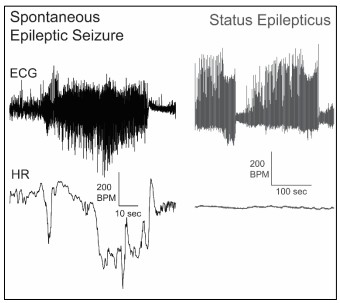
    1. Les deux autres principaux motifs sont l’aide à la traduction et le traitement des données à travers la retranscription d’entretiens avec Whisper ou l’édition de code informatique.

      pourquoi ces motifs sont-ils regroupés ? Je ne suis pas certaines d'avoir compris

    2. L’analyse de la question “pourquoi les utilisez-vous ?” à l’aide de l’algorithme de Topic modeling “BERTopic” [Grootendorst, n.d.] fait ressortir six motifs avancés par les personnes enquêtées pour expliquer leur utilisation de l’IA.

      Phrase un peu longue, peut-on la couper en deux ?

      Les réponses à la question ouverte "pourquoi les utilisez-vous" ont été analysées à l'aide de l'algo... Cette analyse faire ressortir 6 motifs. Celui qui revient le plus souvent...

    3. 90% des personnes interrogés disent travailler le plus souvent à leur domicile (Table 13). C’est aussi le lieu le plus souvent cité en premier.

      Je ne comprends pas la différence entre ces deux phrases

    1. at den uautoriserede adgang ikke omfatter navne og adresser på personer, som har valgt at lade sig registrere med navne- og adressebeskyttelse.

      protected names and addresses were not affected.

    1. I strongly recommend you to add HSPGs-related work on the roles of anosmin-1 to myelination/remyelination. Regarding the role of BMPs, it is also desirable to discuss the involvement of the balance Shh/BMPs for OPC differentiation/myelination/remyelination.

    1. college as something to invest in, something people mustbuy,

      A bad introductory class can ruin a major, ask my friend Ed. He's had that experience and its sad because he could've liked it later on.

    2. As Nikki declared, “You gotta be readyfor college,”

      This makes college sound like a product they sell you, I get it; tuition can be expensive but I'd worry this mindset makes any new students hate classes that don't directly seem useful.

    3. consider how students persist in the face of such pow-erful urges to quit.

      The author flipping the question, instead of asking why students fail in the first place, ask them why they keep on going?

    4. For these students, higher education represented an investmentin their future, and they wanted some assurance that their edu

      Higher education represented an investment and wanted assurance to pay that off.

    5. “Why do I have tosit around here and learn things that I don’t want to learn, orspend my parents’ money on things that I’m not going to use?”

      Shes questioning spending her parents hard earned money on things shes not gonna use.

    6. Liz had beenplaced on academic probation. Rather than continue there, sheenrolled in classes at the nearby community college as her “alter-native solution.”

      Prior experience shaping attitudes myself.

    7. Liz thus decided to major in business merely to obtain an aca-demic credential; she was convinced she would get “no educa-tion” for her career in radio.

      No wonder shes a bit synical.

    8. that college was important primarilyas it applied to her occupational and finan cial future, and thatthe best college experience was the shortest one.

      Extreme example of utilitarianism.

    9. For Mariella, earning the certificaterather than the degree offered an appealing means of improvingher occupational prospects, particularly because the only courseshe reported enjoying that semester was also the only one re-quired for the certificate.

      She wasn' told, it was advising failure.

    10. She re flected, “AndI know fifteen dollars an hour is not a lot. But what is a lot?”

      Good question, even if moneys not always better you'd still work for it.

    11. “I don’t enjoyschool. I don’t really think it brings anything to me, to be hon-est. So I kind of—that’s why I have this whole negative attitude.To be honest with you, I’m just in school to have some kind ofcareer.”

      Purely instrumental, without pressure she wouldn't have gotten there.