10,000 Matching Annotations
  1. Feb 2026
    1. Sometimes people with invisible disabilities get unfairly accused of “faking” or “making up” their disability (e.g., someone who can walk short distances but needs to use a wheelchair when going long distances).

      This statement highlights how "invisible disabilities" often lead to unfair treatment because bystanders tend to judge authenticity based on visible evidence. It reveals a social bias: people imagine disability as a stable, singular, and always visible state, neglecting symptom fluctuations and situational differences. The example of "being able to walk short distances but needing a wheelchair for longer distances" illustrates that functional ability is not binary but a continuous spectrum. Such misunderstandings can lead to humiliation, skepticism, and even hinder access to reasonable accommodations.

    2. A disability is an ability that a person doesn’t have, but that their society expects them to have.

      This statement shifts the understanding of "disability" from a purely physical/mental impairment to a social relationship: when the environment and institutions assume a certain ability, those lacking that ability are "manufactured" into disabled individuals. It emphasizes that disability is not solely inherent in the individual, but arises from a mismatch between the individual and their environment. For example, stairs, written instructions, and classrooms that assume auditory abilities all implicitly set a template for the "normal" person. The significance of this understanding is that addressing disability doesn't necessarily mean "fixing the person," but can also involve "fixing the environment."

    3. A disability is an ability that a person doesn’t have, but that their society expects them to have.1 For example:

      Disability is not just about individual limitations, but about the assumptions society makes when designing spaces, technologies, and systems.

    4. If an airplane seat was designed with little leg room, assuming people’s legs wouldn’t be too long, then someone who is very tall, or who has difficulty bending their legs would have a disability in that situation.

      Although I wouldn't consider this particular example as a "disability" I think it definitely affects a large group of people who don't fit into the "average height" category. As someone who's 5'5", I've never had to deal with this issue, as airplane seats are usually quite comfy for me, but when I met my boyfriend I found out relatively quickly that booking flights is a pretty big hassle for this reason. Going on a flight for 3 hours or less could be bearable, but when traveling around the world on a 15 hour flight, that's a nightmare for anyone that is taller than average. You have to either pay extra to choose a seat by the emergency exit, or have your legs in an awkward position in the aisle for the entirety of the flight. It's easy to not consider the minority of a population when designing something for consumers, but it is essential to keep the minority in mind, especially as sometimes their lives could be at risk if someone were to be designing a device or technology that was made for health related reasons

    5. Would illiteracy be considered a disability? It's somewhat strange to think of it as such, but given this definition, I think it fits well. It also reminds me of someone that I knew who was infact illiterate, which was why he would always send voice messages instead of text.

    6. Which abilities are expected of people, and therefore what things are considered disabilities, are socially defined.

      Reading this made me realize that disability isn’t really a fixed trait, but something that shows up when the environment doesn’t match people’s abilities. It made me think about how many everyday spaces are built with very narrow assumptions about what “normal” is. That feels less like an accident and more like a design choice.

    7. Which abilities are expected of people, and therefore what things are considered disabilities, are socially defined. Different societies and groups of people make different assumptions about what people can do, and so what is considered a disability in one group, might just be “normal” in another. There are many things we might not be able to do that won’t be considered disabilities because our social groups don’t expect us to be able to do them. For example, none of us have wings that we can fly with, but that is not considered a disability, because our social groups didn’t assume we would be able to. Or, for a more practical example, let’s look at color vision:

      In a world of ever-growing diversity, it is vital to keep in mind all the different types of people who might be using a certain technology. Many websites and apps now have accessibility settings which account for any disabilities or accessibility needs, but these are constantly being revamped or updated — standardizing and requiring accessibility settings is a helpful thing to do since it ensures that everyone can use different platforms and have a good experience.

    8. Some disabilities are visible disabilities that other people can notice by observing the disabled person (e.g., wearing glasses is an indication of a visual disability, or a missing limb might be noticeable). Other disabilities are invisible disabilities that other people cannot notice by observing the disabled person (e.g., chronic fatigue syndrome, contact lenses for a visual disability, or a prosthetic for a missing limb covered by clothing). Sometimes people with invisible disabilities get unfairly accused of “faking” or “making up” their disability (e.g., someone who can walk short distances but needs to use a wheelchair when going long distances).

      This really stood out to me because it shows how much we rely on visibility to decide what we believe. If a disability doesn’t match people’s expectations of what it “should” look like, they’re quick to doubt it. It highlights how harmful those assumptions can be, especially when people already have to manage their condition privately.

    9. Some disabilities are visible disabilities that other people can notice by observing the disabled person (e.g., wearing glasses is an indication of a visual disability, or a missing limb might be noticeable). Other disabilities are invisible disabilities that other people cannot notice by observing the disabled person (e.g., chronic fatigue syndrome, contact lenses for a visual disability, or a prosthetic for a missing limb covered by clothing). Sometimes people with invisible disabilities get unfairly accused of “faking” or “making up” their disability (e.g., someone who can walk short distances but needs to use a wheelchair when going long distances).

      This really stood out to me because it shows how much we rely on visibility to decide what we believe. If a disability doesn’t match people’s expectations of what it “should” look like, they’re quick to doubt it. It highlights how harmful those assumptions can be, especially when people already have to manage their condition privately.

    10. Some disabilities are visible disabilities that other people can notice by observing the disabled person (e.g., wearing glasses is an indication of a visual disability, or a missing limb might be noticeable). Other disabilities are invisible disabilities that other people cannot notice by observing the disabled person (e.g., chronic fatigue syndrome, contact lenses for a visual disability, or a prosthetic for a missing limb covered by clothing). Sometimes people with invisible disabilities get unfairly accused of “faking” or “making up” their disability (e.g., someone who can walk short distances but needs to use a wheelchair when going long distances).

      This really stood out to me because it shows how much we rely on visibility to decide what we believe. If a disability doesn’t match people’s expectations of what it “should” look like, they’re quick to doubt it. It highlights how harmful those assumptions can be, especially when people already have to manage their condition privately.

    11. A disability is an ability that a person doesn’t have, but that their society expects them to have.1 For example: If a building only has staircases to get up to the second floor (it was built assuming everyone could walk up stairs), then someone who cannot get up stairs has a disability in that situation. If a physical picture book was made with the assumption that people would be able to see the pictures, then someone who cannot see has a disability in that situation. If tall grocery store shelves were made with the assumption that people would be able to reach them, then people who are short, or who can’t lift their arms up, or who can’t stand up, all would have a disability in that situation. If an airplane seat was designed with little leg room, assuming people’s legs wouldn’t be too long, then someone who is very tall, or who has difficulty bending their legs would have a disability in that situation.

      I like the framing that disability is not just an individual trait, but something created by a mismatch between a person and the assumptions built into an environment (e.g., stairs-only buildings or picture books assuming sight). This makes accessibility feel like an ethical design obligation: when platforms assume one “default user,” they silently decide who gets full participation and who has to work around barriers.

    1. Note: This response was posted by the corresponding author to Review Commons. The content has not been altered except for formatting.

      Learn more at Review Commons


      Reply to the reviewers

      COMBINED REVIEW REPORTS

      __1.1. The biochemical and biophysical experiments performed in this study were well designed, data were clear and the conclusions were well supported by the results. One potential improvement is to check whether NLS could affect the normal activation targets of ΔNp63α, such as KRT14 and other epithelial genes. This could complement the experiments testing the inhibition effect of ΔNp63α on p53-mediated gene activation. This will be interesting, as ΔNp63α is a master regulator in epithelial cells via regulation of diverse epithelial genes. __

      We thank the Review for such useful comment. In order to further investigate the relationship between p63 nuclear import and function, and the importance of the oligomerization driven tolerance to point mutations in the latter, we have now performed a number of novel experiments. First of all, we have included both DNp63a NLSn and NLSc mutants in DNA binding/p53 -inhibition assays shown in original Figure 7. The new data is shown in Figure 4E and Supplementary Figure__ S5__. As expected, such mutants had a much smaller effect on DNA binding/p53-inhibition as compared to the NLSbip mutant, further establishing a functional link between p63 nuclear levels and transcriptional activity, and proving the functional relevance of the compensatory mechanism evolved by p63 to tolerate the effect of mutations inactivating either NLSn or NLSc.

      In addition, and as specifically suggested by the Reviewer, we have measured the effect of NLS impairing mutations on the ability of DNap63 to transactivate the K14 and the Bax promoters, which. Our results, shown in revised Figure 4F and 4G, as well as in Supplementary Figure S6 clearly show that both DNp63a NLSn and NLSc mutants transactivate the promoters at undistinguishable levels compared to the wild-type, consistent with their minimal effect on DNA binding and nuclear transport, while the NLSbip mutation, which prevents nuclear localization and DNA binding, also prevents transcriptional transactivation.

      __1.2. A minor suggestion: authors could consider use p63 rather than ΔNp63α in the manuscript. The heterogenous sequences of NLS regions are relevant for the delta isoform of p63. In addition, all experiments performed in the study are not necessarily specific for the biology of the ΔNp63α isoform, but they are probably informative for all p63 isoforms. __

      We thank the Reviewer for this suggestion. We have modified the text in the discussion to introduce this concept. Indeed, we expect the bipartite NLS to mediate nuclear transport of most p63 isoforms, whereas the p63 delta isoform, which lacks NLSn, would be transported into the nucleus by NLSc. We have modified the text in the Discussion section to make this point clearer and more explicit "the bipartite NLS identified here is responsible for nuclear localization of most p63 isoforms, while p63 delta is transported into the nucleus by NLSc: SIKKRRSPD)." To further corroborate this statement, we have also included new data obtained with the TAp63a and gNp63a isoforms. Our data clearly show that nuclear import of both isoforms depends on the NLSbip identified here and is mediated by the IMPa/b1 heterodimer, so that the findings obtained for the ΔNp63α isoform can be generalized to others. The new data is shown in Figure 3 and in Supplementary Figure S3.

      __1.3. Another minor suggestion: As p63 forms a tetramer when binding to DNA sequence for gene regulation, it would be good for authors to speculate the role of NLS and its variations in tetramerization. __

      We thank the Reviewer for such comment. Since the NLS is located outside of the tetramerization domain, it is not expected to play a direct role in tetramerization. We have addressed this issue by generating computational models of ΔNp63α and DNp63α;mNLS dimers and tetramers to allow a direct comparison. The new data is shown in Figure 5A-D and Supplementary Figure S11A-D. The data suggests that mutation of the NLS residues, which lies outside of the oligomerizaiton domain, does not affect ΔNp63α oligomerization abilities supporting the experimental evidences from Figure 5E (BRET experiments).

      __

      2.1. In immunofluorescence images it is sometime difficult to see nuclear accumulation. Single channels of the GFP signal may help to make the point. __

      We thank the Reviewer for pointing out this issue. We have provided single channels for every microscopic image in Supplemental Figures.

      __ 2.2. The binding assays in Fig. 3 would profit from using the most efficient imp a variant together with imp beta to show potential cooperative binding.__

      We thank the Reviewer for such comment, which helped enhancing the physiological relevance of our binding data. We have now introduced the requested data in Supplementary Figure S2A. In the revised Figure panel, we compared binding of FITC-labelled p63-NLS peptide to either full length IMPa1 alone, IMPa1DIBB and pre-heterodimerized IMPa1/IMPb1 complex. The data are consistent with a classical binding mode whereby interaction with IMPb1 releases full length IMPa1 binding minor and major binding sites by engaging with the autoinhibitory IBB domain. To corroborate our results even further and demonstrate the bipartite nature of p63 NLS identified here, we have also performed FP experiments between p63-NLS and LTA SV40 NLS (a well characterized monopartite NLS) in the presence of either wt IMPa1DIBB or its minor and major site mutants. As expected from a bipartite NLS, either mutation impaired binding significantly, whereas the mutation of the minor site had a much smaller effect on binding of SV40 LTA NLS. The new data, shown in Supplementary Figure S2BC and Supplementary Table S3 confirm our hypothesis by highlighting a very strong binding affinity reduction of p63 NLS peptide for IMPa1 major site mutant (

      __2.3. please mention that NTR can also recognize 3D structures of structural RNAs, e.g. tRNAs or miRNAs __

      We thank the Reviewer for this very useful suggestion. We have now introduced this concept in the Introduction and added two references to support our statement. The paragraph is as follows: "Additionally, Exportin 5 and Exportin-T evolved to recognize specific RNA structures within pre-miRNAs and t-RNAs, respectively (5, 6)."

      2.4. longer TA isoforms

      We have added corrected the typo and we thank the Reviewer for noticing it.

      __ 2.5. homologues or orthologues? __

      We thank the reviewer for pointing out this issue. We have corrected the text, so now IMPas and members of the p53 family are referred to as paralogs and not as orthologs

      __3.1. The major function of DNp63a seems to be that of a bookmarking factor that ensures the establishment of an epithelial transcriptional program. It is found to bind more to enhancer than to promoter regions. While it might also act for a few genes as a classical transcription factor (K14). this bookmarking and interaction with other transcriptional regulators seems to be its major task. This should be included in the introduction. __

      We thank the Reviewer for this suggestion. The Introduction has been modified as requested to incorporate this important concept "Additionally, p63 has been shown to act as a pioneer factor, shaping the chromatin and enhancer landscape, thus regulating accessibility to activating and repressing transcription factors (18-20)."

      __ 3.2. "DNp63a can be imported into the nucleus as a dimer" What is the evidence that DNp63a is imported as a dimer and not as a tetramer? Although functional not really relevant, because all conclusions drawn for a dimer are true for a tetramer (such as the mutation compensation), this statement (and others in the text) should either be substantiated or modified. __

      The Reviewer is correct in pointing out that, while p63 isoforms bind DNA as tetramers (7), the precise oligomeric state at which nuclear import occurs is not firmly established. Indeed, little is known about the regulation of the p63 oligomerization process during nucleocytoplasmic trafficking. While TA isoforms are generally maintained in an inactive, closed, and dimeric conformation-requiring external stimuli such as phosphorylation to undergo activation and tetramerization-ΔNp63α has been reported to form tetramers even in the absence of such stimuli (4, 8). In light of this, we have modified the text to explicitly acknowledge the possibility that ΔNp63α may be transported into the nucleus either as a dimer or as a tetramer, rather than implying a single obligatory oligomeric state.

      Importantly, to directly address the Reviewer's concern, we have broadened the scope of the manuscript to include additional p63 isoforms, particularly TAp63α, which is predominantly present as a dimer under basal conditions. Our new data (Figure 3) demonstrate that TAp63α is efficiently translocated into the nucleus via the IMPα/β1 heterodimer in an NLSbip-dependent manner. Notably, despite its inability to form tetramers, TAp63α displays a similar tolerance to mutations that inactivate individual basic clusters within the bipartite NLS, analogous to what is observed for ΔNp63α (Supplementary Figure S11).

      Together, these results formally demonstrate that dimerization is sufficient to support efficient nuclear import in the presence of NLS-inactivating mutations, and that higher-order oligomerization (i.e., tetramerization) is not required for this property. We have therefore revised the manuscript accordingly to avoid over-interpretation and to more accurately reflect the experimental evidence.

      __ 3.3. The explanation for the difference in the sensitivity of mutations in the bipartite NLS in the isolated peptide experiments and experiments with the full length DNp63a is intriguing. Unfortunately, it is not based on direct experimental evidence. To proof their model (which is the central claim of this manuscript) they should fuse the bipartite NLS to any dimerization module (e.g. a leucine zipper sequence) and show that by dimerization of the bipartite NLS the same results towards mutations are obtained as for full length DNp63a. This would strongly support their model. __

      We agree that the model for nuclear transport is a central claim of our work, and deserves additional experimental validation. In order to support our hypothesis, in the revised manuscript we have generated a number of additional DNp63a mutants uncapable of self-interaction, based on deletion of residues 301-347(p63-DOD).

      We have now:

      (i) Validated the inability of the DOD mutant to self-interact by means of BRET assays in living cells, whereby a strong decrease in BRET ratio is observed compared to wild-type DNp63a (New Figure 6E and New Supplementary Figure S8).

      (ii) Shown that, in such context, substitution of either the N-terminal or C-terminal basic stretch of amino acids in the NLS is sufficient to impact p63 nuclear import, whereas in the context of the full-length protein, they are not (New Figure 6F-H, and New Supplementary Figure S9).

      (iii) Shown that while FLAG-p63 wt could relocalize to the nucleus YFP-p63mNLSbip but not YFP-p63;DOD;mNLSbip (New Supplementary Figure S10).

      We believe that these new data further demonstrate the impact of p63 self-association on subcellular localization and strongly support our hypothesis. We greatly thank the Reviewer for their inspiring comment, which led to a significant improvement of our manuscript.

      References

      Lotz R, Osterburg C, Chaikuad A, Weber S, Akutsu M, Machel AC, et al. Alternative splicing in the DBD linker region of p63 modulates binding to DNA and iASPP in vitro. Cell Death Dis. 2025;16(1):4. Ciribilli Y, Monti P, Bisio A, Nguyen HT, Ethayathulla AS, Ramos A, et al. Transactivation specificity is conserved among p53 family proteins and depends on a response element sequence code. Nucleic Acids Res. 2013;41(18):8637-53. Monti P, Ciribilli Y, Bisio A, Foggetti G, Raimondi I, Campomenosi P, et al. ∆N-P63alpha and TA-P63alpha exhibit intrinsic differences in transactivation specificities that depend on distinct features of DNA target sites. Oncotarget. 2014;5(8):2116-30. Pitzius S, Osterburg C, Gebel J, Tascher G, Schafer B, Zhou H, et al. TA*p63 and GTAp63 achieve tighter transcriptional regulation in quality control by converting an inhibitory element into an additional transactivation domain. Cell Death Dis. 2019;10(10):686. Okada C, Yamashita E, Lee SJ, Shibata S, Katahira J, Nakagawa A, et al. A high-resolution structure of the pre-microRNA nuclear export machinery. Science. 2009;326(5957):1275-9. Kutay U, Lipowsky G, Izaurralde E, Bischoff FR, Schwarzmaier P, Hartmann E, et al. Identification of a tRNA-specific nuclear export receptor. Mol Cell. 1998;1(3):359-69. Enthart A, Klein C, Dehner A, Coles M, Gemmecker G, Kessler H, et al. Solution structure and binding specificity of the p63 DNA binding domain. Scientific reports. 2016;6:26707. Deutsch GB, Zielonka EM, Coutandin D, Weber TA, Schafer B, Hannewald J, et al. DNA damage in oocytes induces a switch of the quality control factor TAp63alpha from dimer to tetramer. Cell. 2011;144(4):566-76.

    2. Note: This preprint has been reviewed by subject experts for Review Commons. Content has not been altered except for formatting.

      Learn more at Review Commons


      Referee #2

      Evidence, reproducibility and clarity

      Summary

      General assessment:

      The authors show a number of generally very solid experiments that consistently support what is stated in the headline and further developed. They use wt and recombinant deltaN63alpha (N63) to sort out a previously published NLS whose inactivation did not lead to preventing nuclear localization of N63. The authors convincingly show that import is governed by a bipartite NLS. The interesting observation is that - when the bipartite stretch is transferred to GFP to drive the import, each motif is required - but the full-length protein tolerates alterations in either motif. The puzzle is solved by further structural analysis of binding of the NLS to importin alpha that shows the bipartite signal to work as expected. However, additional binding studies using BRET demonstrate dimerization that brings two copies of N63 and thus two bipartite signals together that compensate for mutations in one or the other part. Transcriptional activity of p53 can be modulated consistently with nuclear import, i.e. functional NLS motifs.

      The manuscript is overall in a very mature state, and I foresee publication essentially in its present form. A few suggestions may be considered prior to publication:

      1. In immunofluorescence images it is sometime difficult to see nuclear accumulation. Single channels of the GFP signal may help to make the point.
      2. The binding assays in Fig. 3 would profit from using the most efficient imp a variant together with imp beta to show potential cooperative binding.
      3. wording:

      please mention that NTR can also recognize 3D structures of structural RNAs, e.g. tRNAs or miRNAs

      longer TA isoforms

      homologues or orthologues?

      Significance

      General assessment:

      see above: this is a very consistent and mature study that can be pubslihed essentially in its present form.

      Advance:

      Even though the described mechanisms are not novel, they clarify how N63 is imported into human cell nuclei. We understand that in molecular mechanism and can deduce that the amounts of nuclear N63 are directly linked to its transcriptional response on p53.

      Audience:

      I see that this is interesting to experts in the nucleo-cytoplasmic transport field since it adds a novel aspect how robustness of import via dimerization can be reached. Beyond, the work brings news in translational research for physiology and pathology of epithelial tissue differentiation and homeostasis.

    3. Note: This preprint has been reviewed by subject experts for Review Commons. Content has not been altered except for formatting.

      Learn more at Review Commons


      Referee #1

      Evidence, reproducibility and clarity

      In this manuscript, authors performed a solid biochemical and biophysical study to identify the nuclear localization signal (NLS) of the transcription factor p63 and its regulatory mechanism. By deletion and mutagenesis experiments, the two partially overlapping NLS were identified. They were shown to have relatively minor consequences for nuclear localization when disrupted individually but the nuclear localization was abolished when both were affected. The nuclear localization was important for transactivation activity but not for dimerization. In addition, authors also performed bioinformatics analysis and showed that sequences of part of these NLS were diverse in p63 in different species. This led to the conclusion that NLS of p63 is quite robust for nuclear localization which not easily affected by sequence divergence. This is important information for the p63 field.

      Major comments

      The biochemical and biophysical experiments performed in this study were well designed, data were clear and the conclusions were well supported by the results. One potential improvement is to check whether NLS could affect the normal activation targets of ΔNp63α, such as KRT14 and other epithelial genes. This could complement the experiments testing the inhibition effect of ΔNp63α on p53-mediated gene activation. This will be interesting, as ΔNp63α is a master regulator in epithelial cells via regulation of diverse epithelial genes.

      Major comments

      The biochemical and biophysical experiments performed in this study were well designed, data were clear and the conclusions were well supported by the results. One potential improvement is to check whether NLS could affect the normal activation targets of ΔNp63α, such as KRT14 and other epithelial genes. This could complement the experiments testing the inhibition effect of ΔNp63α on p53-mediated gene activation. This will be interesting, as ΔNp63α is a master regulator in epithelial cells via regulation of diverse epithelial genes.

      Minor comments

      A minor suggestion: authors could consider use p63 rather than ΔNp63α in the manuscript. The heterogenous sequences of NLS regions are relevant for the delta isoform of p63. In addition, all experiments performed in the study are not necessarily specific for the biology of the ΔNp63α isoform, but they are probably informative for all p63 isoforms. Another minor suggestion: As p63 forms a tetramer when binding to DNA sequence for gene regulation, it would be good for authors to speculate the role of NLS and its variations in tetramerization.

      Significance

      In this manuscript, authors performed a biochemical and biophysical study on nuclear localization signal (NLS) of the transcription factor ΔNp63α, a topic that is not yet fully understood. Previous study did not yet provide sufficiently convincing evidence for NLS that is essential for ΔNp63α nuclear localization. Authors also investigated the robustness of the NLS and its function, which provides important information for the field of p63, a key factor in epithelial development and in cancer.

    1. Puritan ideas about the land were quite different. Their approach was best expressed by John Winthrop, who said, “As for the Natives in New England, they enclose no Land, neither have any settled habitation, nor any tame Cattle to improve the Land, and so have no other but a Naturall Right to those countries, so as if we leave them sufficient for their use, we may lawfully take the rest.” Or as the records of the Milford, Connecticut town records state, “the earth is the Lord’s…the earth is given to the Saints…[and] we are the Saints.” Many of the settlers agreed with William Bradford who maintained that the Indians were “savage people who are cruel, barbarous and most treacherous.

      Saying that they don't deserve it

    1. Author response:

      The following is the authors’ response to the original reviews.

      Public Reviews:

      Reviewer #1 ( Public review):

      The strength of the current study lies in their establishing the molecular mechanism through which PRMT1 could alter craniofacial development through regulation of the transcriptome, but the data presented to support the claim that a PRMT1-SFPQ axis directly regulates intron retention of the relevant gene networks should be robust and with multiple forms of clear validation. For example, elevated intron retention findings are based on the intron retention index, and according to the manuscript, are assessed considering the relative expression of exons and introns from a given transcript. However, delineating between intron retention and other forms of alternative splicing (i.e., cryptic splice site recognition) requires a more comprehensive consideration of the intron splicing defects that could be represented in data. A certain threshold of intron read coverage (i.e., the percent of an intron that is covered by mapped reads) is needed to ascertain if those that are proximal to exons could represent alternative introns ends rather than full intron retention events. In other words, intron retention is a type of alternative splicing that can be difficult to analyze in isolation given the confounding influence of cryptic splicing and cryptic exon inclusion. If other forms of alternative splicing were assessed and not detected, more confident retention calls can be made.

      This manuscript is a mechanistic exploration that follows previous work we published on the role of Prmt1 in craniofacial development, in which genetic deletion of Prmt1 in CNCCs leads to cleft palate and mandibular hypoplasia (PMID: 29986157).

      As the reviewer pointed out, a certain threshold of intron read coverage is needed to assess intron retention events. We employed IRTools to assess the collective changes of intron retention between cell-states associated with certain biological function or pathway. IRTools incorporated considerations for intron read coverage by checking the evenness of read distribution in an intron. Specifically, every constitutive intronic regions (CIR) is divided into 10 equally sized bins and the proportion of reads that map to each bin is calculated. CIRs are then ranked according to their imbalance in bin-wise reads distribution, represented by the proportion of reads in its most populated bin. Those among top 1% are considered to contain potentially false IR events and excluded. We further addressed this question by developing another measure of intron retention, intron retention coefficient (IRC), which assesses IR events using the junction reads (Supplemental Figure-S8). Junction reads that straddle two exons are called exon-exon junction reads (spliced reads), and those that straddle an exon and a neighboring intron are called exon-intron junction reads (retained reads). The IRC of an intron is defined as the fraction of junction reads that are exon-intron junction reads: IRC = exon-intron read-count / (exon-exon read-count + exon-intron read-count), where exon-intron read-count = (5’ exon-intron read-count + 3’ exon-intron read-count) / 2. The IRC of a gene is defined as the exon-intron fraction of all junction reads overlapping or over the constitutive introns of this gene. In the calculation of the IRC, only exon-intron junction reads that cover the junction point and overlap both of each side for at least 8 bps were counted, and only exon-exon junction reads that jump over the relevant junction points and overlap each of the respective exons for at least 8 bps were counted. In this process, evenness of the proportion of exon-intron junction reads that are 5’ or 3’ exon-intron junction reads are taken into account. As shown in the Supplemental Figure S7A and S7B, IRC analysis generated consistent results with those obtained from using IRI (Figure 3A and 3I).

      In addition, as the reviewer pointed out, intron retention can be difficult to analyze in isolation. We followed the reviewer’s suggestion that “If other forms of alternative splicing were assessed and not detected, more confident retention calls can be made“ and analyzed other forms of alternative splicing for all ECM and GAG genes with significant IRI increase (genes highlighted in Figure-3A and 3I) using rMATS (Supplemental Figure-S9). Among these genes, only 5 genes (Cthcr1, Mmp23, Adamts10, Ccdc80 and Col25a1) showed statistically significant changes in skipped exon, 1 gene (Bmp7) showed significant changes in mutually exclusive exons, and none showed significant changes in alternative 5’ or 3’ splicing. SE and MXE changes detected were marginal (Supplemental figure S8), while the majority of matrix genes with significant intron retention didn’t exhibit other forms of alternative splicing, further supporting the confidence of intron retention calls.

      While data presented to support the PRMT1-SFPQ activation axis is quite compelling, that this is directly responsible for the elevated intron retention remains enigmatic. First, in characterizing their PRMT1 knockout model, it is unclear whether the elevated intron retention events directly correspond to downregulated genes.

      In the revised manuscript, we demonstrate IR-triggered NMD as a mechanism for transcript decay and downregulation of matrix genes. When IR-triggered NMD was blocked by chemical inhibitor NMDI14, the intron-retaining transcripts showed significant accumulation (new Figure-4). NMD is the RNA surveillance system to degrade aberrant RNAs. Intron retention-triggered NMD in cancer has both promotive and suppressive roles and NMD inhibitors has been tested for cancer therapy including immunotherapy. During embryonic development, the functional significance of NMD machinery is suggested by human genetic findings and mouse genetic models. NMD is driven by a protein complex composed of SMG and UPF proteins. Smg6, Upf1, Upf2 and Upf3a knockout mouse die at early embryonic stages (E5.5-E9.5), and Smg1 gene trap mutant mice die at E12.5 (PMID: 29272451). SMG9 mutation in human patients causes malformation in the face, hand, heart and brain (PMID: 27018474).

      We show that in CNCCs NMD functions both as a physiological mechanism and invoked by molecular insult. Blocking NMD in CNCCs caused significant accumulation of intron-retaining Adamts2, Alpl, Eln, Matn2, Loxl1 and Bgn transcripts, suggesting a basal role for NMD to degrade intron-retaining transcripts (Figure-4Ba-4Bf). We further demonstrated the accumulation of Adamts2 and Fbln5 using semi-quantitative PCR with the detection of a longer product from Adamts2 intron 19 and Fbln5 intron 7 (Figure-4Ca-4Ch). In CNCCs and ST2 cells, NMD is further invoked by Prmt1 and Sfpq deficiency. In Prmt1 deficient CNCCs, NMD blockage led to higher accumulation of intron-retaining Adamts2 and Alpl transcripts, suggesting that Prmt1 deficiency triggers NMD to reduce intron-containing transcripts (Figure-4Aa, 4Ab). In Sfpq-depleted ST2 cells, blocking NMD caused accumulation of intron-retaining transcripts Col4a2, St6galnac3 and Ptk7 (Figure-9B, 9C).

      Moreover, intron splicing is a well-documented node for gene regulation during embryogenesis and in other proliferation models, and craniofacial defects are known to be associated with 'spliceosomopathies'. However, reproduction of this phenotype does not suggest that the targets of interest are inherently splicing factors, and a more robust assessment is needed to determine the exact nature of alternative splicing in this system. Because there are several known splicing factors downstream of PRMT1 and presented in the supplemental data, the specific attribution of retention to SFPQ would be additionally served by separating its splicing footprint from that of other factors that are primed to cause alternative splicing.

      We have previously shown that a group of splicing factors depends on Prmt1 for arginine methylation, including SFPQ (PMID: 31451547). We tested additional splicing factors that are highly expressed in CNCCs and depends on PRMT1 for arginine methylation: SRSF1, EWSR1, TAF15, TRA2B and G3BP1 (Figure-5, 6 and 10). Among these factors, EWSR1 and TRA2B are both methylated in CNCCs and depend on PRMT1 for methylation (Fig. 5 and Supplemental Figure-S3B, S3C). We weren’t able to assess TAF15 methylation because of lack of efficient antibody for the PLA assay. We also demonstrated that their protein expression or subcellular localization was not altered by Prmt1 deletion in CNCCs, unlike SFPQ (Supplemental Figure-S4). To define their splicing footprint, we performed siRNA-mediated knockdown in ST2 cells, followed by RNA-seq and IRI analysis to define differentially regulated genes and introns, which revealed distinct biological pathways regulated by SFPQ, EWSR1, TRA2B and TAF15, but minimal roles of EWSR1, TRA2B and TAF15 on intron retention when compared to SFPQ (Fig. 10F-10S, Supplemental Figure S7A-S7F, Supplemental Tables S4-S6). ECM genes are significantly downregulated by all four splicing factors (Fig. 10F-10I), but EWSR1, TRA2B and TAF15 function through IR-independent mechanisms, such as exon skipping, as exemplified by Postn (Fig. 10J-10S).

      Clarifying the relationship between SFPQ and splicing regulation is important given that the observed splicing defects are incongruous with published data presented by Takeuchi et al., (2018) regarding SFPQ control of neuronal apoptosis in mice. In this system, SFPQ was more specifically attributed to the regulation of transcription elongation over long introns and its knockout did not result in significant splicing changes. Thus, to establish the specificity for the SFPQ in regulating these retention events, authors would need to show that the same phenotype is not achieved by mis-regulation of other splicing factors. That the authors chose SFPQ based on its binding profile is understandable but potentially confounding given its mechanism of action in transcription of long introns (Takeuchi 2018). Because mechanisms and rates of transcription can influence splicing and exon definition interactions, the role of SFPQ as a transcription elongation factor versus a splicing factor is inadequately disentangled by authors.

      To test whether SFPQ acts as a transcription elongation factor, we performed Pol II Cut&Tag in ST2 cells and demonstrated that depletion of SFPQ only caused marginal changes in either the promoter region or gene body of ECM genes, suggesting that the role of SFPQ as a transcriptional activator or elongation factor is minimal (Fig. 7G, 7H). This finding is distinct from SFPQ function in neurons (PMID: 29719248), suggesting that the activation or recruitment of SFPQ in transcriptional regulation may involve tissue-specific factors in neurons.

      Reviewer #2 (Public review):

      Summary:

      The manuscript by Lima et al examines the role of Prmt1 and SFPQ in craniofacial development. Specifically, the authors test the idea that Prmt1 directly methylates specific proteins that results in intron retention in matrix proteins. The protein SFPQ is methylated by Prmt1 and functions downstream to mediate Prmt1 activity. The genes with retained introns activate the NMD pathway to reduce the RNA levels. This paper describes an interesting mechanism for the regulation of RNA levels during development.

      Strengths:

      The phenotypes support what the authors claim that Prmt1 is involved in craniofacial development and splicing. The use of state-of-the-art sequencing to determine the specific genes that have intron retention and changes in gene expression is a strength.

      Weaknesses:

      Some of the data seems to contradict the conclusions. And it is unclear how direct the relationships are between Prmt1 and SFPQ.

      Recommendations for the authors:

      Reviewer #1 (Recommendations for the authors):

      First, the claims regarding the effect of PRMT1 loss on splicing are unclear by the section title. In other words, does loss PRMT1 change the incidence of baseline alternative splicing events, or does it introduce new retention events that are responsible for underwriting the craniofacial phenotype? Consistent with this idea, the narrative could benefit from more cellular and/or histological validations of the transcriptomic defects discovered in the RNAseq, which could help contextualize the bioinformatics data with the developmental defects. Moreover, the conclusions drawn about intron retention could be clarified in terms of how applicable the mechanism is likely to be outside of this tissue-specific set of responsive introns.

      Loss of Prmt1 did not cause a global shift in intron retention, as shown in Supplemental Figure S2. Instead, Prmt1 deletion caused increase of intron retention specifically in genes enriched in cartilage development, glycosaminoglycan biology, dendrite and axon, and decreased intron retention in mitochondria and metabolism genes (Table. S1). We also tested matrix protein expression by histology to confirm that transcriptomic defects revealed at the RNA level resulted in lower protein production. The new data are in Figure 3E-3H.

      Additionally, invoking NMD to align splicing and differential gene expression data understandable but lacking sufficient controls to be conclusive, such as positive control genes to confirm inhibition of NMD.

      To validate the blockage of NMD, glutathione peroxidase 1 (Gpx1) intron 1, a well-documented substrate for NMD, is tested as positive control (Fig 4Ac, 4Ad, 9B).

      Additionally, it should be clarified whether NMD is a basal mechanism for the regulation of these introns or whether it is an induced mechanism that is invoked by the molecular insult.

      In CNCCs, NMD functions both as a physiological mechanism and invoked by molecular insult. Please refer to responses to Reviewer 1’s public review for detailed explanations.

      Further, authors present data downstream of two siRNAs for the same gene target, but it remains unclear how siRNAs for the same gene target produce different effects. It may be helpful for authors to clarify how many of the transcriptomic defects are shared versus unique between the siRNAs.

      To address this question, we used bioinformatic analysis of the whole genome data to the similarity in changes caused by the two SFPQ-targeting siRNAs. As shown in the new Fig. 7Ba & 7Bb, transcriptomic and intron changes are consistent between the two siRNAs, suggesting that genes targeted by the two siRNA predominantly overlap. This overlap is illustrated by scatter plot analysis of RNAseq DEG and IRI data from each siRNA against SFPQ.

      Finally, we stress the importance of presenting the full conceptual basis for SFPQ's potential role in splicing and gene expression. It is significant to note that SFPQ has been previously studied as a splicing factor and was instead determined to function in support of the transcription elongation rather than in splicing. Thus, if authors are confident that the SFPQ manifests directly in splicing changes they encumber the burden of proof to show that its role in transcription, nor another splicing factor, are driving splicing changes.

      We demonstrated that depletion of SFPQ only caused marginal changes in either the promoter region or gene body of ECM genes, suggesting that the role of SFPQ as a transcriptional activator or elongation factor is minimal (Fig. 7G, 7H). Please refer to responses to Reviewer 1’s public review for detailed explanations.

      Reviewer #2 (Recommendations for the authors):

      (1) It is not clear why the authors focused on intron retention targets vs the other possibilities. Skipped Exon is much higher in terms of the number of changes, please clarify. For the intron retention how is this quantified? The traces are nice, but it is hard to tell which part is retained at this magnification. Also, because the focus is on extracellular matrix (ECM) and NMD it would be nice to show some of those targets here. In the tbx1 trace, some are up and some are down. What does that mean for the gene expression?

      We have investigated SE initially and found that genes with significant changes in Prmt1 CKO CNCCs fall into diverse functional pathways. Among them, a few genes are critical for skeletal formation, including Postn and Fn, and the function of their exon skipping has been documented. For example, the two exons that are skipped in Postn, Exon17 and 21, have been shown to regulate craniofacial skeleton shape and mandibular condyle hypertrophic zone thickness using transgenic mouse models (PMID: 36859617). As illustrated by Figure 10, the skipped exon of Postn is regulated by multiple splicing factors that may perform overlapping functions in vivo.

      Intron retention of each gene is quantified by the ratio of the overall read density of its constitutive intronic regions (CIRs) to the overall read density of its constitutive exonic regions (CERs) and defined as the intron retention index (IRI). In the first section of Response to Reviewer 1’s comments, we explained additional bioinformatic analysis that was performed to address reviewers’ questions, support the confidence of intron event calls and rule out the possibility of other alternative splicing mechanisms, such as by SE, MXE, A5SS or A3SS (Supplemental Figure S5, S6, Table S7).

      (2) RNA-Sequencing of Prmt1 mutants nicely shows gene expression changes, including in ECM and GAG genes. While validation of the sequencing results is not necessarily required, it would be very interesting to show the expression in situ. In addition, the heat map shows both downregulated but also upregulated transcripts. This is expected since this protein regulates many genes. However, the volcano plot shows a significant number of genes upregulated. It would be interesting to show what the upregulated genes are. And what is the proposed mechanism for Prmt1 regulation of upregulated genes?

      Validation for the transcriptomic changes is shown in Fig. 3E-3H using immunostaining.

      As for upregulated genes in Prmt1 mutant, top pathways include cytokine-mediated signaling pathway, signal transduction by p53 signaling pathway and cell morphogenesis (Figure 2E), which are consistent with our previous reports that Prmt1 deletion induces cytokine production in oral epithelium and leads to p53 accumulation in embryonic epicardium (PMID: 32521264, 29420098). Besides these pathways, Prmt1 deletion also caused upregulation of genes involved in adult behavior, postsynaptic organization and apoptotic process, which is consistent with findings from other labs on PRMT1 function in neuronal and cancer cells (PMID: 34619150, 33127433).

      (3) Specific transcripts were shown to have elevated intron retention involved in the ECM and GAG pathway. However in Figure 3D it seems to show the opposite with intronic expression decreased and exonic increases and intronic decrease. This is very important to the final conclusion of the paper. In addition, is there a direct relationship between increased intron and downregulation of this specific gene expression? It seems a bit correlational as it could also be an indirect mechanism. One way to test this is to do in vitro translation with and without the specific intron to test if it results in lower expression.

      We apologize for the mis-labeling in previous version of Figure 3D, which is now corrected. We also tried to test the direct relationship between intron and downregulation of matrix genes such as Adamts2 using in vitro experiments, however, the introns of matrix genes with high retention tends to be long, many 10 to 50kb in length, making it challenging to generate mini-gene constructs for molecular analysis. We used a different approach and demonstrated that inhibition of NMD with a chemical inhibitor NMDI14 caused dramatic accumulation of the Adamts2, Alpl, Eln, Matn2, Loxl1 and Bgn transcripts, suggesting that retained introns triggered NMD to regulate gene expression and this mechanism acts as a physiological level in CNCCs (Fig. 4). We also blocked NMD in control and Prmt1 null CNCCs, where NMD blockage led to higher accumulation of Adamts2 and Alpl transcripts, suggesting that upon Prmt1 deficiency, NMD is further utilized to degrade intron-containing transcripts (Fig. 4). Similarly, in Sfpq-depleted ST2 cells, blocking NMD caused accumulation of intron-retaining transcripts Col4a2, St6galnac3 and Ptk7 (Fig. 9A, 9B).

      (4) While Figure 4 nicely shows the methylation of SFPQ is reduced in Prmt1 CKO cells, it is unclear which reside this methylation occurs. Also the overall expression of SFPQ is also down so it is possible that the methylation is indirect ie Prmt1 regulates some other methyltransferase that regulates SFPQ. Or that because the overall level of SFPQ is down, there is no protein to methylate. How do the authors differentiate between these possibilities?

      Previously, arginine methylation of SFPQ has been characterized using in vitro reaction and cell lines with biochemical assays by Snijders., et al in 2015 (PMID: 25605962). Among all PRMTs that catalyze asymmetric arginine dimethylation (ADMA), SFPQ is methylated by only PRMT1 and PRMT3, with PRMT1 showing higher efficiency while PRMT3 showing a lower efficiency. However, PRMT3 is mainly cytosolic. Its expression in CNCCs is about 100-fold lower than PRMT1 (Fig. 1). Based on these knowledges, PRMT1 is the primary arginine methyltransferase for SFPQ, a nuclear protein in CNCCs. We and others have shown in a previous publication that SFPQ methylation on arginine 7 and 9 depends on PRMT1 (PMID: 31451547).

      To investigate SFPQ protein degradation in CNCCs, we used MG132 to block proteasomal degradation and observed a partial rescue of SFPQ protein degradation in Prmt1 mutant embryos, suggesting that SFPQ is degraded through proteasomal-mediated mechanism. To address the relationship between SFPQ methylation and protein expression, we assessed arginine methylation of SFPQ that accumulated after MG132 treatment. The accumulated SFPQ was not methylated, confirming the absence of methylation even when SFPQ protein expression is restored.

      Snijders., et al, also shown that citrullination induced by PADI4 regulate SFPQ stability (Snijders 2015). We considered this possibility and assessed the expression levels of PADIs. In E13.5 and E15.5 CNCCs, PADI1-4 mRNA expression levels are very low (TPM<5), suggesting that PADIs may not regulate SFPQ stability in CNCCs. A detailed mechanism as to how PRMT1-mediated SFPQ methylation controls stability awaits further investigation.

      (5) For the Sfpq deleted experiment, it seems that the two knockdowns are not similar in the gene targets and GO terms different except Wnt signaling. This makes this data difficult to interpret. The genes identified as intron retention are different than the ones identified in Prmt1 deletion and not reduced as much. How does this fit in with the Prmt1 story? If working through Sfpq, it assumes that the targets will be similar and more the 8% would be in common.

      To address the first concern, we used bioinformatic analysis of the whole genome data to the similarity in changes caused by the two SFPQ-targeting siRNAs. As shown in the new Fig. 7Ba & 7Bb, transcriptomic and intron changes are consistent between the two siRNAs, suggesting that genes targeted by the two siRNA predominantly overlap. This overlap is illustrated by scatter plot analysis of RNAseq DEG and IRI data from each siRNA against SFPQ.

      We have previously identified a group of splicing factors that depends on PRMT1 for arginine methylation, including SFPQ (PMID: 31451547). In the new data in Figures 5, 6 and 10, we tested an additional five PRMT1-dependent splicing factors that are highly expressed in CNCCs: SRSF1, EWSR1, TAF15, TRA2B and G3BP1 (Fig. 5, 6 and 10). Among these factors, SRSF1 and G3BP1 are predominantly expressed in the cytosol of NCCs at E13.5. As splicing activity in the nucleus is needed for pre-mRNA splicing, we excluded these two and focused on the other three proteins. EWSR1 and TRA2B are both methylated in CNCCs and depend on PRMT1 for methylation (Fig. 5). We weren’t able to assess TAF15 methylation because of lack of efficient antibody for the PLA assay. We also demonstrated that their protein expression or subcellular localization was not altered by Prmt1 deletion in CNCCs, unlike SFPQ (Fig. S2). To define their splicing footprint, we performed siRNA-mediated knockdown in ST2 cells, followed by RNA-seq and IRI analysis to define differentially regulated genes and introns, which revealed distinct biological pathways regulated by SFPQ, EWSR1, TRA2B and TAF15, but minimal roles of EWSR1, TRA2B and TAF15 on intron retention when compared to SFPQ (Fig. 10F-10I, Supplemental Figure S7A-S7F). ECM genes are significantly downregulated by all four splicing factors (Fig. 10J-10M), but EWSR1, TRA2B and TAF15 regulate transcription or exon skipping instead of IR, as exemplified by Alpl and Postn (Fig. 10N-10T).

      (6) The addition of an NMD mechanism is interesting but not surprising that when inhibiting the pathway broadly, there is an increase in gene expression in the mesoderm cell line. How specific is this to craniofacial development?

      NMD is driven by a protein complex composed of SMG and UPF proteins. We show in the revised manuscript that NMD is both a physiological mechanism in CNCCs and triggered by genetic disturbance (Fig. 4). These data are in line with human patient reports where SMG9 mutation in human causes malformation in the face, hand, heart and brain (PMID: 27018474). Mouse genetic studies also demonstrated roles of NMD components during embryonic development.Smg6, Upf1, Upf2 and Upf3a knockout mouse die at early embryonic stages (E5.5-E9.5), and Smg1 gene trap mutant mice die at E12.5 (Han 2018). Additionally, intron retention-triggered NMD in cancer has both promotive and suppressive roles and NMD inhibitors has been tested for cancer therapy and recently cancer immunotherapy. Our findings highlight matrix genes as one of the key targets for NMD during craniofacial development.

      Minor:

      (1) The supplemental figures are difficult to understand. In the first upload there are many figures and tables, some excel files that are separate uploads and some not. Please upload as separate files so it is clear. And also put them in order that they are in the manuscript.

      (2) For the heat map in figure 2B, it would be good to show all the genes or none at all. It seems a bit like cherry-picking to highly only a few. And they are not labeled where they are located in the graph. Are these the top lines if so please label.

      (3) Gene names in Figure 3A are difficult to read. I would also not consider BMP7 an ECM gene.

      (4) A summary diagram of the interactions proposed will help to make this more understandable.

      The supplemental figures are reorganized and uploaded as separate word and excel documents. For Heat map in Fig. 2B, we have removed the gene names. For Fig. 3A, only the most significantly changed gene are labeled in red dots with names. We didn’t label all the genes because of the large number of genes. For the new Figure 3B, we have replaced BMP7. A schematic summary is also added to Supplemental Fig. S9 to illustrate the PRMT1-SFPQ pathway.

    1. eLife Assessment

      This important study provides one mechanism that can explain the rapid diversification of poison-antidote pairs in fission yeast: recombination between existing pairs. The evidence is largely solid, but the study needs to tune down its claims (as it is not shown that the novel poison-antidote can serve as a meiotic driver), and to address small experimental requests. The work is of interest to scientists studying genetic incompatibilities.

    2. Reviewer #1 (Public review):

      Summary

      The authors determine the phylogenetic relation of the roughly two dozen wtf elements of 21 S. pombe isolates and show that none of them in the original S. pombe are essential for robust mitotic growth. It would be interesting to test their meiotic function by simply crossing each deletion mutant with the parent and analyzing spores for non-Mendelian inheritance. If this has been reported already, that information should be added to the MS. If not, I suggest the authors do these simple experiments and add this information.

      Strengths:

      The most interesting data (Fig. 4) show that one recombinant (wtfC4) between wtf18 and wtf23 produces in mitotic growth a poison counteracted by its own antidote but not by the parental antidotes. Again, it would be interesting to test this recombinant in a more natural setting - meiosis between it and each of the parents.

      Weaknesses:

      Some minor rewriting is needed.

      Comments on Revision:

      (1) The parameter for "maximum growth rate" in Figure 2D needs to be defined and put on the graph.

      (2) On page 8, line 182, the authors should consider testing the hybrid wtf in meiosis using strain 975 of Leupold, which is h+, or another standard h+ strain. I don't think the antidote allele is needed; rather, it seems to me it would counter the lethality of the poison protein and should be omitted to test drive of the hybrid wtf. This is a simple experiment and would add considerably to the paper.

    3. Reviewer #3 (Public review):

      Summary:

      In this manuscript, Wang and colleagues explore factors contributing to the diversification of wtf meiotic drivers. wtf genes are autonomous, single-gene poison-antidote meiotic drivers that encode both a spore-killing poison (short isoform) and an antidote to the poison (long isoform) through alternative transcriptional initiation. There are dozens of wtf drivers present in the genomes of various yeast species, yet the evolutionary forces driving their diversification remain largely unknown. This manuscript is written in a straightforward and effective manner, and the analyses and experiments are easy to follow and interpret. While I find the research question interesting and the experiments persuasive, they do not provide any deeper mechanistic understanding of this gene family.

      Revision update:

      Having read the response to the reviewers, I believe the major issues have been addressed. However, I would strongly suggest toning down the claim regarding the chimeric WTF element in the abstract, which currently reads

      "As proof-of-principle, we generate a novel meiotic driver through artificial recombination between wtf drivers, and its encoded poison cannot be detoxified by the antidotes encoded by their parental wtf genes but can be detoxified by its own antidote."

      As the author reports in their response, despite various attempts, it was not possible to show that this chimeric WTF element was indeed capable of meiotic drive in a natural context (not transgenic overexpression experiment). thus the authors should not claim they generated "a novel meiotic driver"

      Strengths:

      (1) The authors present a comprehensive compendium and analysis of the evolutionary relationships among wtf genes across 21 strains of S. pombe

      (2) The authors found that a synthetic chimeric wtf gene, combining exons 1-5 of wtf23 and exon 6 of wtf18, behaves like a meiotic driver that could only be rescued by the chimeric antidote but neither of the parental antidotes. This is a very interesting observation that could account for their inception and diversification.

      Weaknesses:

      (1) Deletion strains

      The authors separately deleted all 25 Wtf genes in the S. pombe ference strain. Next, the authors performed spot assay to evaluate the effect of wtf gene knockout on the yeast growth. They report no difference to the WT and conclude that the wtf genes might be largely neutral to the fitness of their carriers in the asexual life cycle at least in normal growth condition.

      The authors could have conducted additional quantitative growth assays in yeast, such as growth curves or competition assays, which would have allowed them to detect subtle fitness effects that cannot be quantified with a spot assay. Furthermore, the authors do not rule out simpler explanations, such as genetic redundancy. This could have been addressed by crossing mutants of closely related paralogs or editing multiple wtf genes in the same genetic background.

      Another concern is the lack of detailed information about the 25 knockout strains used in the study. There is no information provided on how these strains were generated or, more importantly, validated. Many of these wtf genes have close paralogs and are flanked by repetitive regions, which could complicate the generation of such deletion strains. As currently presented, these results would be difficult to replicate in other labs due to insufficient methodological details

      Revision update:

      The authors measured the fitness of the deletion strains using growth curves (Fig. 2C and D) and no significant differences were found, further supporting their claims. The requested information (details on the generation of the deletion strains) is now available in the methods section.

      (2) Lack of controls

      The authors found that a synthetic chimeric wtf gene, constructed by combining exons 1-5 of wtf23 and exon 6 of wtf18, behaves as a meiotic driver that can be rescued only by its corresponding chimeric antidote, but not by either of the parental antidotes (Figure 4F). In contrast, three other chimeric wtf genes did not display this property (Figure 4C-E). No additional experiments were conducted to explain these differences, and basic control experiments, such as verifying the expression of the chimeric constructs, were not performed to rule out trivial explanations. This should be at the very least discussed. Also, it would have been better to test additional chimeras.

      Revision update:

      The authors report that the expression of the construct was measured. However, they do not make reference to any specific figure or section of the main text. It would be very useful if the authors explicitly referenced where exactly changes were made (this is true for all changed made)

      (3) Statistical analyses

      In line 130 the authors state that: "Given complex phylogenetic mixing observed among wtf genes (Figure 1E), we tested whether recombination occurred. We detected signals of recombination in the 25 wtf genes of the S. pombe reference genome (p = 0) and in the wtf genes of the 21 S. pombe strains (p = 0) using pairwise homoplasy index (HPI) test. "<br /> Reporting a p-value of 0 is not appropriate. Please report exact P-values.

      Revision update:

      This has been addressed.

    4. Author response:

      The following is the authors’ response to the original reviews.

      Public Reviews:

      Reviewer #1 (Public review):

      Summary

      The authors determine the phylogenetic relation of the roughly two dozen wtf elements of 21 S. pombe isolates and show that none of them in the original S. pombe are essential for robust mitotic growth. It would be interesting to test their meiotic function by simply crossing each deletion mutant with the parent and analyzing spores for non-Mendelian inheritance. If this has been reported already, that information should be added to the manuscript. If not, I suggest the authors do these simple experiments and add this information.

      Thanks for the great summary! All the wtf genes have been tested for meiotic drive phenotypes previously by Bravo Nunez et al. (2020; http://doi.org/10.1371/journal.pgen.1008350). The reference was cited in our original manuscript, and we added the details in the revised manuscript.  

      Strengths:

      The most interesting data (Figure 4) show that one recombinant (wtfC4) between wtf18 and wtf23 produces in mitotic growth a poison counteracted by its own antidote but not by the parental antidotes. Again, it would be interesting to test this recombinant in a more natural setting - meiosis between it and each of the parents.

      Thanks for this insightful comment! As suggested, we have tried to test this recombinant in a more natural setting. We created a recombinant strain (wtfC4) based on the laboratory strain 972h-. Specifically, we replaced the last exon of the original wtf23 gene with the last exon of wtf18. However, we encountered a challenge: since strain 972h- has only one mating type and cannot undergo meiosis on its own, we had to mate the recombinant strain with a BN0 h⁺ strain that only carries the wtf23<sup>antidote</sup>. Unfortunately, despite of tens of attempts over nearly a year, we did not observe meiotic driver phenotype as expected. This might be due to issues with the proper splicing and expression of the potential poison and antidote proteins or due to the genetic background. Similarly, the drive activity of wtf13 has been shown to be specifically suppressed in certain backgrounds.

      Weaknesses:

      In the opinion of this reviewer, some minor rewriting is needed.

      We did the rewriting as this reviewer suggested.

      Reviewer #2 (Public review):

      Summary:

      This important study provides a mechanism that can explain the rapid diversification of poison-antidote pairs (wtf genes) in fission yeast: recombination between existing genes.

      Thanks!

      Strengths:

      The authors analyzed the diversity of wtf in S. pombe strains, and found pervasive copy number variations. They further detected signals of recurrent recombination in wtf genes. To address whether recombination can generate novel wtf genes, the authors performed artificial recombination between existing wft genes, and showed that indeed a new wtf can be generated: the poison cannot be detoxified by the antidotes encoded by parental wtf genes but can be detoxified by own antidote.

      Thanks for the great summary!

      Weaknesses:

      The study can benefit from demonstrating that the novel poison-antidote constructed by the authors can serve as a meiotic driver.

      Thanks for this insightful comment! As suggested, we have tried to test this recombinant in a more natural setting. We created a recombinant strain (wtfC4) based on the laboratory strain 972h-. Specifically, we replaced the last exon of the original wtf23 gene with the last exon of wtf18. However, we encountered a challenge: since strain 972h- has only one mating type and cannot undergo meiosis on its own, we had to mate the recombinant strain with a BN0 h⁺ strain that only carries the wtf23<sup>antidote</sup>. Unfortunately, despite of tens of attempts over nearly a year, we did not observe meiotic driver phenotype as expected. This might be due to issues with the proper splicing and expression of the potential poison and antidote proteins or due to the genetic background. Similarly, the drive activity of wtf13 has been shown to be specifically suppressed in certain backgrounds.

      Reviewer #3 (Public review):

      Summary:

      In this manuscript, Wang and colleagues explore factors contributing to the diversification of wtf meiotic drivers. wtf genes are autonomous, single-gene poison-antidote meiotic drivers that encode both a spore-killing poison (short isoform) and an antidote to the poison (long isoform) through alternative transcriptional initiation. There are dozens of wtf drivers present in the genomes of various yeast species, yet the evolutionary forces driving their diversification remain largely unknown. This manuscript is written in a straightforward and effective manner, and the analyses and experiments are easy to follow and interpret. While I find the research question interesting and the experiments persuasive, they do not provide any deeper mechanistic understanding of this gene family.

      Thanks! Please see the following for our point-to-point response.

      Strengths:

      (1) The authors present a comprehensive compendium and analysis of the evolutionary relationships among wtf genes across 21 strains of S. pombe.

      (2) The authors found that a synthetic chimeric wtf gene, combining exons 1-5 of wtf23 and exon 6 of wtf18, behaves like a meiotic driver that could only be rescued by the chimeric antidote but neither of the parental antidotes. This is a very interesting observation that could account for their inception and diversification.

      Thanks for the great summary!

      Weaknesses:

      (1) Deletion strains

      The authors separately deleted all 25 Wtf genes in the S. pombe ference strain. Next, the authors performed a spot assay to evaluate the effect of wtf gene knockout on the yeast growth. They report no difference to the WT and conclude that the wtf genes might be largely neutral to the fitness of their carriers in the asexual life cycle at least in normal growth conditions.

      The authors could have conducted additional quantitative growth assays in yeast, such as growth curves or competition assays, which would have allowed them to detect subtle fitness effects that cannot be quantified with a spot assay. Furthermore, the authors do not rule out simpler explanations, such as genetic redundancy. This could have been addressed by crossing mutants of closely related paralogs or editing multiple wtf genes in the same genetic background.

      Another concern is the lack of detailed information about the 25 knockout strains used in the study. There is no information provided on how these strains were generated or, more importantly, validated. Many of these wtf genes have close paralogs and are flanked by repetitive regions, which could complicate the generation of such deletion strains. As currently presented, these results would be difficult to replicate in other labs due to insufficient methodological details

      We generated growth curves for all the 25 wtf deletion strains. We provided the details for wtf gene knockout. However, for 25 wtf genes, there are too many combinations for editing two genes, and it is technically challenging to knock out multiple wtf together. Nevertheless, our results suggest single wtf genes have little effect on the host fitness under normal condition.

      (2) Lack of controls

      The authors found that a synthetic chimeric wtf gene, constructed by combining exons 1-5 of wtf23 and exon 6 of wtf18, behaves as a meiotic driver that can be rescued only by its corresponding chimeric antidote, but not by either of the parental antidotes (Figure 4F). In contrast, three other chimeric wtf genes did not display this property (Figure 4C-E). No additional experiments were conducted to explain these differences, and basic control experiments, such as verifying the expression of the chimeric constructs, were not performed to rule out trivial explanations. This should be at the very least discussed. Also, it would have been better to test additional chimeras.

      We verified the expression of the chimeric genes. The last exon of wtf18 is too small (128bp) to do more meaningful chimeras.

      (3) Statistical analyses

      In line 130 the authors state that: "Given complex phylogenetic mixing observed among wtf genes (Figure 1E), we tested whether recombination occurred. We detected signals of recombination in the 25 wtf genes of the S. pombe reference genome (p = 0) and in the wtf genes of the 21 S. pombe strains (p = 0) using pairwise homoplasy index (HPI) test." Reporting a p-value of 0 is not appropriate. Exact P-values should be reported. 

      Due to software limitations, the PHI test reports p-values of 0.0 for extremely significant results. We have therefore reported them as <0.0001 in the revised manuscript.

      Recommendations for the authors:

      Reviewing Editor Comments:

      Regarding the synthetic chimeric wtf gene constructed by combining exons of wtf23 and wtf18, the authors did not explicitly test whether it acts as a meiotic driver in the natural context of a cross. Instead, they examined this possibility only through transgenic overexpression experiments. Given that this is arguably the most important claim of the paper, it is critical that the authors perform, report, and discuss such an experiment in a natural context, regardless of the outcome. It is not necessary to test other recombinants or other wtf loci.

      Thanks for this insightful comment! As suggested, we have tried to test this recombinant in a more natural setting. We created a recombinant strain (wtfC4) based on the laboratory strain 972h-. Specifically, we replaced the last exon of the original wtf23 gene with the last exon of wtf18. However, we encountered a challenge: since strain 972h- has only one mating type and cannot undergo meiosis on its own, we had to mate the recombinant strain with a BN0 h⁺ strain that only carries the wtf23<sup>antidote</sup>. Unfortunately, despite of tens of attempts over nearly a year, we did not observe meiotic driver phenotype as expected. This might be due to issues with the proper splicing and expression of the potential poison and antidote proteins or due to the genetic background. Similarly, the drive activity of wtf13 has been shown to be specifically suppressed in certain backgrounds.

      Reviewer #1 (Recommendations for the authors):

      The paper is very well written, but some minor points should be corrected or checked.

      (1) Line 95: Why "Putative"? Is it not clear what a wtf pseudogene is?

      “Putative” was removed.

      (2) Line 105: Does "known functional" mean they are active (i.e., have been tested and shown to be active)? If so, a reference should be added.

      We used “known meiotic divers”, and added reference here.

      (3) Line 135: "no recombination signal was tested". Do the authors mean no signal was inferred? 

      We changed “tested” to “detected”.

      (4) Line 147: References for "known functional meiotic drivers (wtf23) and artificially generated meiotic driver (wtf18)" should be given. A statement of how wtf18 was "artificially generated" is essential so the reader knows how that element differs from the wtfC4 generated here.

      Reference for wtf23. As for wtf18, we have specified in the follow text, namely “we artificially introduced an in-frame ATG codon right before the start of exon 2, generating wtf18poison/-0M.”

      (5) Lines 154 and 424 say an ATG codon was introduced "right before the start of exon 2," but Figure 4B shows it before exon 1.

      We thank the reviewer. The introduced ATG is the second start codon in the long transcript and the first in the short transcript. The right panel of Figure 4B shows the short transcript, so the text and figure are consistent.

      (6) Line 159: The wtf18 mutant with this additional ATG codon should be tested in meiosis, to see if "putative" is correct.

      Thanks. As wtfC4, we came with technical challenges to show the driver phenotype in a natural setting, and thus removed this statement.

      (7) Line 181: change "driver" to "drive".

      Driver is correct.

      (8) Line 184: insert to read "wtf genes tested". Also, what is the basis for proposing that "the last exon might be crucial for antidote function"?

      “Tested” added, and removed the statement.

      (9) Line 198: change to read "detects only large differences".

      Done as suggested.

      (10) Line 204: change "removed" to "removal".

      Done as suggested.

      (11) Lines 242 and 243: Are "Splittree4" and "SplitsTree4" different, or is this a misprint?

      Corrected!

      (12) Lines 274-5 and 412 -3 would read better as "strains were diluted in five 10-fold steps” and “...μL of each dilution spotted on” “…to assay for…"

      Done as suggested.

      (13) Line 284 says "No new data were generated." This is clearly wrong. Perhaps the authors mean there are no supplementary data files.

      Corrected!

      (14) Line 406: Change "is" to "are".

      Corrected!

      (15) Line 413: Surely, they were spotted onto YE agar medium, not liquid medium.

      Corrected!

      (16) Figure 3C: Define "Rho" and the scale used.

      The definition of Rho has been added to the Methods section in the revised manuscript.

      Reviewer #2 (Recommendations for the authors):

      The evidence is largely solid, but the study can benefit from demonstrating that the novel poison-antidote constructed by the authors can serve as a meiotic driver.

      As suggested, we have tried to test this recombinant in a more natural setting. We created a recombinant strain (wtfC4) based on the laboratory 972h-. Specifically, we replaced the last exon of the original wtf23 gene with the last exon of wt18f. However, we encountered a challenge: since 972h- is a mating-type strain and cannot undergo meiosis on its own, we had to mate the recombinant strain with a BN0 h⁺ strain that carries the wtf23<sup>antidote</sup>. Unfortunately, despite of tens of attempts over nearly a year, we did not observe meiotic driver phenotype as expected. This might be due to issues with the proper splicing and expression of the potential poison and antidote proteins.

      Reviewer #3 (Recommendations for the authors):

      I strongly recommend the authors provide all the details concerning the generation of the knock-out strains, including specific primers used (for both the deletion and validation), the result of these validations, and the specific genotype (and ID) of the strains generated.

      These details are now included in the Materials and Methods section and in Supplementary.

      Please also provide exact P-values (see point 3).

      Due to software limitations, the PHI test reports p-values of 0.0 for extremely significant results. We have therefore reported them as <0.0001 in the revised manuscript.

    1. Author response:

      The following is the authors’ response to the previous reviews

      Public Reviews:

      Reviewer #2 (Public review):

      In this valuable manuscript, Lin et al attempt to examine the role of long non coding RNAs (lncRNAs) in human evolution, through a set of population genetics and functional genomics analyses that leverage existing datasets and tools. Although the methods are incomplete and at times inadequate, the results nonetheless point towards a possible contribution of long non coding RNAs to shaping humans, and suggest clear directions for future, more rigorous study.

      Comments on revisions:

      I thank the authors for their revision and changes in response to previous rounds of comments. As before, I appreciate the changes made in response to my comments, and I think everyone is approaching this in the spirit of arriving at the best possible manuscript, but we still have some deep disagreements on the nature of the relevant statistical approach and defining adequate controls. I highlight a couple of places that I think are particularly relevant, but note that given the authors disagree with my interpretation, they should feel free to not respond!

      (1) On the subject of the 0.034 threshold, I had previously stated: "I do not agree with the rationale for this claim, and do not agree that it supports the cutoff of 0.034 used below."

      In their reply to me, the authors state:

      "What we need is a gene number, which (a) indicates genes that effectively differentiate humans from chimpanzees, (b) can be used to set a DBS sequence distance cutoff. Since this study is the first to systematically examine DBSs in humans and chimpanzees, we must estimate this gene number based on studies that identify differentially expressed genes in humans and chimpanzees. We choose Song et al. 2021 (Song et al. Genetic studies of human-chimpanzee divergence using stem cell fusions. PNAS 2021), which identified 5984 differentially expressed genes, including 4377 genes whose differential expression is due to trans-acting differences between humans and chimpanzees. To the best of our knowledge, this is the only published data on trans-acting differences between humans and chimpanzees, and most HS lncRNAs and their DBSs/targets have trans-acting relationships (see Supplementary Table 2). Based on these numbers, we chose a DBS sequence distance cutoff of 0.034, which corresponds to 4248 genes (the top 20%), slightly fewer than 4377."

      I have some notes here. First, Agoglia et al, Nature, 2021, also examined the nature of cis vs trans regulatory differences between human and chimps using a very similar set up to Song et al; their Supplementary Table 4 enables the discovery of genes with cis vs trans effects although admittedly this is less straightforward than the Song et al data. Second, I can't actually tell how the 4377 number is arrived at. From Song et al, "Of 4,671 genes with regulatory changes between human-only and chimpanzee-only iPSC lines, 44.4% (2,073 genes) were regulated primarily in cis, 31.4% (1,465 genes) were regulated primarily in trans, and the remaining 1,133 genes were regulated both in cis and in trans (Fig. 2C). This final category was further broken down into a cis+trans category (cis- and transregulatory changes acting in the same direction) and a cis-trans category (cis- and trans-regulatory changes acting in opposite directions)." Even when combining trans-only and cis&trans genes that gives 2,598 genes with evidence for some trans regulation. I cannot find 4,377 in the main text of the Song et al paper.

      Elsewhere in their response, the authors respond to my comment that 0.034 is an arbitrary threshold by repeating the analyses using a cutoff of 0.035. I appreciate the sentiment here, but I would not expect this to make any great difference, given how similar those numbers are! A better approach, and what I had in mind when I mentioned this, would be to test multiple thresholds, ranging from, eg,0.05 to 0.01 <DBS dist =0.01 -> 0.034 -> 0.05> at some well-defined step size.

      (1) We sincerely thank the reviewer for this critical point. Our initial purpose, based on DBS distances from the human genome to chimpanzee genome and archaic genomes, was that genes with large DBS distances may have contributed more to human evolution. However, our ORA (overrepresentation analysis) explored only genes with large DBS distances (the legend of old Figure 2 was “1256 target genes whose DBSs have the largest distances from modern humans to chimpanzees and Altai Neanderthals are enriched in different Biological Processes GO terms”), with the use of the cutoff (threshold) of 0.034 for defining large distance. The cutoff is not totally unreasonable (as our new results and the following sensitivity analysis indicate), but this approach was indirect and flawed.

      (2) We have now performed ORA using two methods. The first uses only DBS distances. Instead of using a cutoff, we now sort genes by DBS distance (human-chimpanzee distances and human-Altai Neanderthal distance, respectively, see Supplementary Table 5) and use the top 25% and bottom 25% of genes to perform ORA. This directly examines whether DBS distances along indicate that genes with large DBS distances contribute more to human evolution than genes with small DBS distances. The second also explores the ASE genes (allele-specific expression, genes undergoing human/chimpanzee-specific regulation in the tetraploid human–chimpanzee hybrid iPS) reported by Agoglia et al. 2021. We select the top 50% and bottom 50% of genes with large and small DBS distances, intersect them with ASE genes from Agoglia et al. 2021 (their Supplementary Table 4), and apply ORA to the intersections. Both the results are that: (a) more GO terms are obtained from genes with large DBS distances, (b) more human evolution-related GO terms are obtained from genes with large DBS distances (Supplementary Table 5,6,7; Figure 2; Supplementary Fig. 15). These results directly suggest that genes with large DBS distances contribute more to human evolution than genes with small DBS distances, which is a key theme of the study.

      (3) Regarding Song et al 2021, the statement of “we differentiated…allotetraploid (H1C1a, H1C1b, H2C2a, H2C2b) lines into ectoderm, mesoderm, and endoderm” made us assume that their differentiated hybrid cell lines cover more tissue types than those of Agoglia et al. 2021. Now, upon re-examining Supplementary Table 5 of Song et al. and Supplementary Table 4 of Agoglia et al. 2021, we find that the latter more clearly indicates significant ASE genes (p-adj<0.01 and |LFC>0.5| in GRCh38 and PanTro5).

      (4) We have also performed two additional analyses in response to the suggestion of “test multiple thresholds, ranging from, eg, 0.05 to 0.01 <DBS dist =0.01 -> 0.034 -> 0.05> at some well-defined step size”. First, we performed a multi-threshold sensitivity analysis using a spectrum of cutoffs (0.03, 0.034, 0.04, 0.05), and tracked the number of genes identified and the enrichment significance of key GO terms (e.g., "neuron projection development," "behavior") across these thresholds. The result confirms that while the absolute number of genes varies with the cutoffs, the core biological conclusion (specifically, the significant enrichment of target genes in neurodevelopmental and cognitive functions) remains stable and significant. For instance, "behavior" maintains strong statistical significance (FDR<0.01) in both the human-chimpanzee and human-Altai Neanderthal comparisons across all tested cutoffs, and "Neuron projection development" also remains significant across three (0.03, 0.034, 0.04) of the four cutoffs in the Altai comparison. This pattern suggests that our core findings regarding neurodevelopmental functions are robust across a range of cutoffs. Nevertheless, we did not extend the analysis to smaller cutoffs (e.g., 0.01 or 0.02) because such values would identify an excessively large number of genes (>10000) for ORA, which would render the GOterm enrichment analysis less meaningful due to a loss of specificity.

      Second, we have performed an additional validation to directly evaluate whether the 0.034 cutoff itself represents a stringent and biologically meaningful value. We sought to empirically determine how often a DBS sequence distance of 0.034 or greater might occur by chance in promoter regions, thereby testing its significance as a marker of potential evolutionary divergence. We randomly sampled 10,000 windows from annotated promoter regions across the hg38 genome, each with a size matching the average length of DBSs (147 bp). We then calculated the per-base sequence distances for these random windows between modern humans and chimpanzees, as well as between modern humans and the three archaic humans (Altai, Denisovan, Vindija). The analysis reveals that a distance of ≥0.034 is a rare event in random promoter sequences: for Human-Chimp, Human-Altai, HumanDenisovan, and Human-Vindija, 5.49% (549/10000), 0.31% (31/10000), 4.47% (447/10000), and0.03% (3/10000) of random windows reach this distance. This empirical evidence suggests that 0.034 is a sufficiently strong cutoff for defining large DBS distance, it would occur very unlikely in a random genomic background (P<0.1 for Chimpanzee and P<0.05 for the archaic humans), and DBSs exceeding this cutoff are significantly enriched for sequences that have undergone substantial evolutionary change instead of being random neutral variations.  

      (5) We present new Figure 2, Supplementary Table 5,6,7, and Supplementary Fig. 15. We have substantially revised section 2.3, related sections in Results, Supplementary Note 3, and Supplementary Table 8. We have removed related descriptions and explanations in the main text and Supplementary Notes. The results of the above two analyses are presented here as two Author response images.

      Author response table 1.

      Sensitivity analysis of GO-term enrichment across different DBS sequence distance cutoffs. The table shows the numbers of target genes identified and the false discovery rates (FDR) for the enrichment of three selected GO terms at four different distance cutoffs. Note that, unlike in the old Figure 2, the results for chimpanzees and Altai Neanderthals are not directly comparable here, as the numbers of target genes used for the enrichment analysis differ between them at each cutoff.

      Author response image 1.

      Distribution of per-base sequence distances for DBS size-matched random genomic windows in Ensembl-annotated promoter regions, calculated between modern humans and (A) chimpanzee, (B) Altai Neanderthal, (C) Denisovan, and (D) Vindija Neanderthal genomes.

      (2) The authors have introduced a new TFBS section, as a control for their lncRNAs - this is welcome, though again I would ask for caution when interpreting results. For instance, in their reply to me the authors state: "The number of HS TFs and HS lncRNAs (5 vs 66) <HS TF vs all HS lncRNAs> alone lends strong evidence suggesting that HS lncRNAs have contributed more significantly to human evolution than HS TFs (note that 5 is the union of three intersections between <many2zero + one2zero> and the three <human TF list>)."

      But this assumes the denominator is the same! There are 35899 lncRNAs according to the current GENCOVE build; 66/35899 = 0.0018, so, 0.18% of lncRNAs are HS. The authors compare this to 5 TFs. There are 19433 protein coding genes in the current GENCOVE build, which naively (5/19433) gives a big depletion (0.026%) relative to the lnc number. However, this assumes all protein coding genes are TFs, which is not the case. A quick search suggests that ~2000 protein coding genes are TFs (see, eg, https://pubmed.ncbi.nlm.nih.gov/34755879/); which gives an enrichment (although I doubt it is a statistically significant one!) of HS TFs over HS lncRNAs (5/2000 = 0.0025). Hence my emphasis on needing to be sure the controls are robust and valid throughout!

      We thank the reviewer for this comment. While 5 vs 66 reveals a difference, a direct comparison is too simplified. The real take-home message of the new TFBS section is not the numbers but the distributions of HS TFs’ targets and HS lncRNAs’ targets across GTEx organs and tissues (Figure 3 and Supplementary Figures 24, 25) - correlated HS lncRNA-target transcript pairs are highly enriched in brain regions, but correlated HS TF-target transcript pairs are distributed broadly across GTEx tissues and organs. We have now removed the simple comparison of “5 vs 66” and more carefully explained our comparison in section 2.6.

      (3) In my original review I said: line 187: "Notably, 97.81% of the 105141 strong DBSs have counterparts in chimpanzees, suggesting that these DBSs are similar to HARs in evolution and have undergone human-specific evolution." I do not see any support for the inference here. Identifying HARs and acceleration relies on a far more thorough methodology than what's being presented here. Even generously, pairwise comparison between two taxa only cannot polarise the direction of differences; inferring human-specific change requires outgroups beyond chimpanzee.

      In their reply to me, the authors state:

      Here, we actually made an analogy but not an inference; therefore, we used such words as "suggesting" and "similar" instead of using more confirmatory words. We have revised the latter half sentence, saying "raising the possibility that these sequences have evolved considerably during human evolution".

      Is the aim here to draw attention to the ~2.2% of DBS that do not have a counterpart? In that case, it would be better to rewrite the sentence to emphasise those, not the ones that are shared between the two species? I do appreciate the revised wording, though.

      (1) Our original phrasing may be misleading, and we agree entirely that “pairwise comparison between two taxa only cannot polarise the direction of differences; inferring human-specific change requires outgroups beyond chimpanzee”. As explained in that reply, we know and think that DBSs and HARs are two different classes of sequences, and indeed, identifying HARs and acceleration relies on a far more thorough methodology. Yet, three factors prompted us to compare them. First, both suggest the importance of sequences outside genes. Second, both are quite “old” sequences and have undergone considerable evolution recently (although the references are different). Third, both have contributed greatly to human brain evolution.  

      (2) Here, our stress is 97.81% but not 2.2%, and we have made this analogy more clearly and cautiously. Relevant revisions have been made in the Results, Discussion, and Methods sections.   

      (3) We also have further determined whether the 2.2% DBSs are human-specific gains by analyzing them using the UCSC Multiz Alignments of 100 Vertebrates. The result confirms that all 2248 DBSs are present in the human genome but are absent from the chimpanzee genome and all other aligned vertebrate genomes. We add this result into the manuscript.

      (4) Finally, Line 408: "Ensembl-annotated transcripts (release 79)" Release 79 is dated to March 2015, which is quite a few releases and genome builds ago. Is this a typo? Both the human and the chimpanzee genome have been significantly improved since then!

      (1) We thank the reviewer for this comment, which prompts us to provide further explanation and additional data. First, we began predicting HS lncRNAs’ DBSs when Ensembl release 79 was available, but did not re-predict DBSs when new Ensembl releases were published because (a) these new Ensembl releases are based also on hg38, (b) we did not find any fault in the LongTarget program during our use, nor received any one from users, (c) predicting lncRNAs’ DBSs using the LongTarget program is highly time-consuming.  

      (2) Second, to assess the influence of newer Ensembl releases, we compared the promoters annotated in release 79 and in release 115. We found that the vast majority (87.3%) of promoters newly annotated in release 115 belong to non-coding genes. Thus, using release 115 may predict more DBSs in non-coding genes, but downstream analyses based on protein-coding genes would be essentially the same (meaning that all figures and tables would be the same).

      (3) Third, a key element of this study is GTEx data analysis, and these data were also published years ago.  

      (4) Finally, some lncRNA genes have new gene symbols in new Ensembl releases. To allow researchers to use our data conveniently, we have added a new column titled "Gene symbol (Ensembl release115)" to Supplementary Tables 2A and 2B.  

      Summary:

      Major changes based on Reviewer’s comments:

      (1) The following revisions are made to address the comment on “the 0.034 threshold”: (a) Section 2.3, section 2.4, Supplementary Note 3, and related contents in Discussion and Methods are revised, (b) new Figure 2, Supplementary Figure 15, new Supplementary Table 5,6,7, (c) Table 2 and Supplementary Table 8 are revised.

      (2) To address the comment on “new TFBS section”, section 2.6 and section 4.13 are revised.  

      (3) To address the comment on “97.81% and 2.2% of DBSs”, section 2.3 is revised.

      (4) The following revisions are made to address the comment on “release 79”: (a) the old Supplementary Table 2, 3 are merged to Supplementary Table 2AB, and the new column "Gene symbol (Ensembl release115)" is added to Supplementary Table 2AB, (b) accordingly, Supplementary Table 4,5 are renamed to Supplementary Table 3,4.

      Additional revisions:

      (1) Section 2.5 “Young weak DBSs may have greatly promoted recent human evolution” is moved into Supplementary Note 3 (which now has the subtitle “Target genes with specific DBS features are enriched in specific functions”), because this section is short and lacking sufficient cross-validation.

      (2) Considerable minor revisions of sentences have been made.

      (3) Since there are many supplementary figures, the main text now cites only Supplementary Notes, as the reader can easily access supplementary figures in Supplementary Notes.

    1. Reviewer #3 (Public review):

      Summary

      This study aimed to investigate whether the differences observed in the organization of visual brain networks between blind and sighted adults result from a reorganization of an early functional architecture due to blindness, or whether the early architecture is immature at birth and requires visual experience to develop functional connections. This question was investigated through the comparison of 3 groups of subjects with resting-state functional MRI (rs-fMRI). Based on convincing analyses, the study suggests that: 1) secondary visual cortices showed higher connectivity to prefrontal cortical regions (PFC) than to non-visual sensory areas (S1/M1 and A1) in infants like in blind adults, in contrast to sighted adults; 2) the V1 connectivity pattern of infants lies between that of sighted adults (showing stronger functional connectivity with non-visual sensory areas than with PFC) and that of blind adults (showing stronger functional connectivity with PFC than with non-visual sensory areas); 3) the laterality of the connectivity patterns of infants resembled those of sighted adults more than those of blind adults, but infants showed a less differentiated fronto-occipital connectivity pattern than adults.

      Strengths

      - The question investigated in this article is important for understanding the mechanisms of plasticity during typical and impaired development, and the approach considered, which compares different groups of subjects including, neonates/infants and blind adults, is highly original.

      - Overall, the presented analyses are solid and well-detailed, and the results and discussion are convincing.

      Weaknesses

      - While it is informative to compare the "initial" state (close to birth) and the "final" states in blind and sighted adults to study the impact of post-natal and visual experience, this study does not analyze the chronology of this development and when the specialization of functional connections is completed. This would require investigating the evolution of functional connectivity of the visual system as a function of visual experience and thus as a function of age, at least during toddlerhood given the early and intense maturation of the visual system after birth. This could be achieved by analyzing different developmental periods using open databases such as the Baby Connectome Project.

      - The rationale for grouping full-term neonates and preterm infants (scanned at term-equivalent age) is not understandable when seeking to perform comparisons with adults. Even if the study results do not show differences between full-terms and preterms in terms of functional connectivity differences between regions and of connectivity patterns, preterms group had different neurodevelopment and post-natal (including visual) experiences (even a few weeks might have an impact). And actually they show reduced connectivity strength systematically for all regions compared with full-terms (Sup Fig 7). Considering a more homogeneous group of neonates would have strengthened the study design.

      - The rationale for presenting results on the connectivity of secondary visual cortices before the one of primary cortices (V1) could be clarified.

      - The authors acknowledge the methodological difficulties for defining regions of interest (ROIs) in infants in a similar way as adults. Since the brain development is not homogeneous and synchronous across brain regions (in particular with the frontal and parietal lobes showing a delayed growth), this poses major problems for registration. This raises the question of whether the study findings could be biased by differences in ROI positioning across groups.

      Comments on revisions:

      The authors have addressed my specific recommendations, but some weaknesses in the study remain, particularly the inclusion of preterm infants alongside full-term neonates.

    2. Author response:

      The following is the authors’ response to the previous reviews

      Public Reviews:

      Reviewer #1 (Public review):

      Summary:

      The present study evaluates the role of visual experience in shaping functional correlations between human extrastriate visual cortex and frontal regions. The authors used fMRI to assess "resting-state" temporal correlations in three groups: sighted adults, congenitally blind adults, and neonates. Previous research has already demonstrated differences in functional correlations between visual and frontal regions in sighted compared to early blind individuals. The novel contribution of the current study lies in the inclusion of an infant dataset, which allows for an assessment of the developmental origins of these differences.

      The main results of the study reveal that correlations between prefrontal and visual regions are more prominent in the blind and infant groups, with the blind group exhibiting greater lateralization. Conversely, correlations between visual and somato-motor cortices are more prominent in sighted adults. Based on these data, the authors conclude that visual experience plays an instructive role in shaping these cortical networks. This study provides valuable insights into the impact of visual experience on the development of functional connectivity in the brain.

      Strengths:

      The dissociations in functional correlations observed among the sighted adult, congenitally blind, and neonate groups provide strong support for the main conclusion regarding postnatal experience-driven shaping of visual-frontal connectivity.

      The inclusion of neonates offers a unique and valuable developmental anchor for interpreting divergence between blind and sighted adults. This is a major advance over prior studies limited to adult comparisons.

      Convergence with prior findings in the blind and sighted adult groups reinforces the reliability and external validity of the present results.

      The split-half reliability analysis in the infant data increases confidence in the robustness of the reported group differences.

      Weaknesses:

      The manuscript risks overstating a mechanistic distinction between sighted and blind development by framing visual experience as "instructive" and blindness as "reorganizing." Similarly, the binary framing of visual experience and blindness as independent may oversimplify shared plasticity mechanisms.

      The interpretation of changes in temporal correlations as altered neural communication does not adequately consider how shifts in shared variance across networks may influence these measures without reflecting true biological reorganization.

      The discussion does not substantively engage with the longstanding debate over whether sensory experience plays an instructive or permissive role in cortical development.

      The relationship between resting-state and task-based findings in blindness remains unclear.

      Reviewer #2 (Public review):

      Summary:

      Tian et al. explore the developmental origins of cortical reorganization in blindness. Previous work has found that a set of regions in the occipital cortex show different functional responses and patterns of functional correlations in blind vs. sighted adults. Here, Tian et al. explore how this organization arises over development. Is the "starting state" more like the blind pattern, or more like the adult pattern? Their analyses reveal that the answer depends on the particular networks investigated. Some functional connections in infants look more like blind than sighted adults; other functional connections look more like sighted than blind adults; and others fall somewhere in the middle, or show an altogether different pattern in infants compared with both sighted and blind adults.

      Strengths:

      The paper addresses very important questions about the starting state in the developing visual cortex, and how cortical networks are shaped by experience. Another clear strength lies in the unequivocal nature of many results. Many results have very large effect sizes, critical interactions between regions and groups are tested and found, and infant analyses are replicated in split halves of the data.

      Weaknesses:

      While potential roles of experience (e.g., visual, cross-modal) are discussed in detail, little consideration is given to the role of experience-independent maturation. The infants scanned are extremely young, only 2 weeks old. It is possible then that the sighted adult pattern may still emerge later in infancy or childhood, regardless of infant visual experience. If so, the blind adult pattern may depend on blindness-related experience only (which may or may not reflect "visual" experience per se). In short, it is not clear that birth, or the first couple weeks of life, are a clear cut "starting point" for development, after which all change can be attributed to experience.

      Reviewer #3 (Public review):

      Summary

      This study aimed to investigate whether the differences observed in the organization of visual brain networks between blind and sighted adults result from a reorganization of an early functional architecture due to blindness, or whether the early architecture is immature at birth and requires visual experience to develop functional connections. This question was investigated through the comparison of 3 groups of subjects with resting-state functional MRI (rs-fMRI). Based on convincing analyses, the study suggests that: 1) secondary visual cortices showed higher connectivity to prefrontal cortical regions (PFC) than to non-visual sensory areas (S1/M1 and A1) in infants like in blind adults, in contrast to sighted adults; 2) the V1 connectivity pattern of infants lies between that of sighted adults (showing stronger functional connectivity with non-visual sensory areas than with PFC) and that of blind adults (showing stronger functional connectivity with PFC than with non-visual sensory areas); 3) the laterality of the connectivity patterns of infants resembled those of sighted adults more than those of blind adults, but infants showed a less differentiated fronto-occipital connectivity pattern than adults.

      Strengths

      - The question investigated in this article is important for understanding the mechanisms of plasticity during typical and impaired development, and the approach considered, which compares different groups of subjects including, neonates/infants and blind adults, is highly original.

      - Overall, the presented analyses are solid and well detailed, and the results and discussion are convincing.

      Weaknesses

      - While it is informative to compare the "initial" state (close to birth) and the "final" states in blind and sighted adults to study the impact of post-natal and visual experience, this study does not analyze the chronology of this development and when the specialization of functional connections is completed. This would require investigating the evolution of functional connectivity of the visual system as a function of visual experience and thus as a function of age, at least during toddlerhood given the early and intense maturation of the visual system after birth. This could be achieved by analyzing different developmental periods using open databases such as the Baby Connectome Project.

      - The rationale for grouping full-term neonates and preterm infants (scanned at term-equivalent age) is not understandable when seeking to perform comparisons with adults. Even if the study results do not show differences between full-terms and preterms in terms of functional connectivity differences between regions and of connectivity patterns, preterms group had different neurodevelopment and post-natal (including visual) experiences (even a few weeks might have an impact). And actually they show reduced connectivity strength systematically for all regions compared with full-terms (Sup Fig 7). Considering a more homogeneous group of neonates would have strengthen the study design.

      - The rationale for presenting results on the connectivity of secondary visual cortices before the one of primary cortices (V1) could be clarified.

      - The authors acknowledge the methodological difficulties for defining regions of interest (ROIs) in infants in a similar way as adults. Since the brain development is not homogeneous and synchronous across brain regions (in particular with the frontal and parietal lobes showing a delayed growth), this poses major problems for registration. This raises the question of whether the study findings could be biased by differences in ROI positioning across groups.

      Recommendations for the authors:

      Reviewer #1 (Recommendations for the authors):

      The authors are appropriately cautious in many parts of the discussion and include several helpful control analyses. Nonetheless, additional clarification of key assumptions and potential confounds would strengthen the paper.

      (1) The current framing labels vision as "instructive" and blindness as "reorganizing," but it is unclear why these two experiential factors are characterized differently. Both involve activity-dependent changes to functional architecture from a shared immature scaffold. Labeling them differently risks conflating divergent outcomes with distinct underlying mechanisms. Just because visual and blind adults show different patterns of functional connectivity does not mean they reflect separate processes. While the discussion briefly acknowledges the possibility of shared plasticity mechanisms, much of the framing across the manuscript, including in the abstract and introduction, implies a dichotomy. A clearer articulation of the criteria used to assign these labels, or reconsideration of whether such a distinction is warranted, would improve conceptual clarity. The current framing appears analogous to saying that "heat causes expansion" and "cold causes contraction" as if these were separate mechanisms, when they are actually two directions of change along a single factor: temperature. A more parsimonious framework, such as activity-dependent reweighting of pre-existing connectivity, may better capture the nature of plasticity at play in both sighted and blind development.

      Following the reviewer’s suggestion, we have revised the manuscript to clarify that both vision and blindness can be understood as manifestations of a common framework of experience-driven plasticity. We removed all mention of reorganization and clarify and modified the wording throughout.

      Specifically:

      Abstract: “Are infant visual cortices functionally like those of sighted adults, with blindness leading to functional change? We find that, on the contrary that secondary visual cortices of infants are functionally more like those of blind adults: stronger coupling with PFC than with nonvisual sensory-motor networks, suggesting that visual experience modifies elements of the sighted-adult long-range functional connectivity profile. Infant primary visual cortices are in-between blind and sighted adults i.e., more balanced PFC and sensory-motor connectivity than either adult group. The lateralization of occipital-to-frontal connectivity in infants resembles the sighted adults, consistent with the idea that blindness leads to functional change. These results suggest that both vision and blindness modify functional connectivity through experience-driven (i.e., activity-dependent) plasticity.” (Page 1, Line 13)

      Introduction: We replaced “blindness leads to functional reorganization” with “blindness modifies this functional connectivity” (Page 2, Line 52), and the following sentence has also been modified to: “lifetime visual experience shapes connectivity toward the sighted-adult pattern” (Page 2, Line 54) For the lateralization patterns, we now describe them as “blindness-related modification” rather than “reorganization”, to keep the interpretation descriptive rather than mechanistic. (Page 4, Line 114),

      (2) In interpreting the functional correlation differences, the discussion should more explicitly consider how statistical interdependence between areas could influence the observed results. For example, an increase in shared variance between visual and motor areas, such as might result from visually guided action, could result in a reduction in the apparent strength of visual-prefrontal temporal correlation (at the resolution of fMRI) without any true biological change in communication between visual-prefrontal cortex. This possibility is not ruled out by reporting groupwise patterns of relative connectivity. A more cautious systems-level framing could help clarify the distinction between neural plasticity and statistical redistribution of variance.

      We thank the reviewer for raising this important point. We agree that resting-state fMRI provides a measure of statistical synchrony in BOLD signals rather than direct causal interactions between regions. This a fundamental limitation of resting state fMRI, which we now note in the Discussion section. Such changes in correlation are consistent with a variety of underlying biological mechanisms. Online task is one factor that influences cross-region correlations. In the current study, both blind and sighted groups were measured while blindfolded and were not performing visually guided actions during the resting state fMRI scans. It is possible that past visual-guided action experience changes the resting state correlations of sighted participants. Indeed, this is one interesting hypothesis.

      In the revised Discussion, we now explicitly note this limitation and clarify that differences in FC do not by themselves establish whether or how underlying neurophysiological mechanisms are changed. We also emphasize that future work will need to investigate whether FC changes are accompanied by alterations in structural connectivity and to probe causal interactions and mechanistic underpinnings as follows:

      “Resting-state functional connectivity captures synchrony in BOLD signal fluctuations rather than causal interactions and differences in functional connectivity cannot on their own reveal how underlying neurophysiological mechanisms are modified.” (page 13,line 342)

      “Future studies will be needed to determine whether these functional changes are accompanied by alterations in structural connectivity, and to probe causal interactions and mechanistic underpinnings.” (page 13,line 350)

      (3) The mechanistic interpretation of group differences in visual-motor coupling would benefit from stronger network-level justification. Direct connections between these areas are sparse in primates. If effects reflect indirect polysynaptic interactions or shared thalamic input, as the authors suggest, one might expect corresponding group differences in intermediate regions (e.g., parietal cortex, thalamus) that mediate these interactions. Is there any evidence for this in the data?

      We thank the reviewer for raising this point. We agree and as noted above, resting state fMRI cannot distinguish between direct causal interactions between two regions and ones that a mediating region is involved. This is a fundamental limitation of resting state fMRI. The current study further focused on testing a specific hypothesis motivated by previously observed group differences between blind and sighted adults and our analyses focused on ROI-to-ROI connectivity between occipital, frontal, and sensory-motor cortices, and did not include these additional regions. In prior work, we and others, have looked at effects in parietal cortices (Abboud & Cohen, 2019; Bedny et al., 2009; Deen et al., 2015; Kanjlia et al., 2016, 2021; Sen et al., 2022). In blindness, parietal networks show increased correlations with some visual areas, rather than decreased. Regarding the thalamus, there is less clear evidence and there is some ongoing work trying to address this question. A couple of studies suggest that there is indeed increased connectivity between some parts of the thalamus and visual cortex in blindness. Although the anatomical information is limited, some of the work suggests that this increase is with higher-cognitive nuclei of the thalamus (Bedny et al., 2011; Liu et al., 2007).

      We agree that this is an important direction for future work. To acknowledge this point, we have revised the manuscript to highlight the potential role of cortical and subcortical hub regions in mediating connectivity changes. The text has been modified as follows:

      “Connectivity changes between two areas could be mediated by ‘third-party’ hub regions. For example, posterior parietal cortex serves as a cortical hub for multisensory integration and visuo-motor coordination and could mediate occipital-to-sensory-motor communication (Rolls et al., 2023; Sereno & Huang, 2014). Subcortical structures such as the thalamus could also play a mediating role (Vega-Zuniga et al., 2025).” (page 13,line 345)

      (4) The discussion would benefit from deeper engagement with prior work on experience-dependent plasticity, particularly the longstanding distinction between instructive and permissive roles of experience. While the authors briefly define these concepts and reference their historical use, a more explicit consideration of how their findings relate to this broader literature would help clarify whether such distinctions are necessary or appropriate.

      We thank the reviewer for this thoughtful suggestion to engage more explicitly with the longstanding literature on instructive versus permissive roles of experience. However, most of this literature comes from animal models, where experimental manipulations of the anatomical structure, of experience itself (e.g., controlled rearing studies) and sometimes of neural activity patterns allow clear tests of these mechanisms. Such manipulations are not feasible in humans. The terminology in the animal literature does not directly map onto the methods and data available in the present study or in other work with humans. For this reason, the current data does not allow us to fully engage with the debates in the animal literature and doing risks overinterpreting our findings.

      Nevertheless, we agree that once the instructive/permissive framework has been introduced, it is important to clarify how our results relate to it, rather than only providing definitions. We have therefore added the following text to the discussion:

      “In humans, such manipulations are not feasible, leaving us to study only the consequences of the presence or absence of vision. Under an instructive account, visual and multisensory experience could strengthen coupling between visual and other non-visual sensory-motor cortices through coordinated activity, thereby establishing the sighted-adult connectivity pattern. In the absence of visual input, by contrast, the lack of such coordinated activity may prevent these couplings from being established. Alternatively, vision may act permissively, indirectly enabling maturational processes that shift connectivity toward the sighted-adult configuration.” (page 14,line 362)

      (5) The revised discussion acknowledges the divergence between resting-state and task-based findings, but does not fully frame the theoretical implications of this discrepancy. Although this study cannot resolve the issue with its own data, a more integrative discussion could help clarify whether these measures reflect distinct functional states, developmental trajectories, or mechanisms of plasticity. Without such framing, readers are left without clear guidance on how to reconcile the present results with prior work on cross-modal recruitment in blindness.

      We thank the reviewer for this thoughtful comment. We agree that know how resting-state evidence relates to task-based evidence is a fundamentally important issue. We now discuss this more in the Introduction as well as in the Discussion.

      There is a sizable literature of both task-based and resting state studies. Some of prior studies have measured resting state and task-based data within the same participants and found relationships (Kanjlia et al., 2016, 2021; Lane et al., 2015). We now clarify this in the introduction. These studies find that within visual cortices of blind people, the task-based profile of a cortical area is related to its resting state connectivity pattern (Abboud & Cohen, 2019; Deen et al., 2015; Kanjlia et al., 2016, 2021). This suggests that these two measures are related. However, the timecourse of this relationship, the developmental trajectory and mechanism of plasticity is not known. We note this now in the introduction on page 2. Primarily this is because there is very little relevant developmental evidence. For example, in the current study we find that the resting state profile of secondary visual networks in infants is similar to that of blind adults. However, we do not know whether the visual cortices of infants show task-based cross modal responses. To our knowledge nobody has tested this question. We agree with the reviewer that raising this question in the paper is better than not commenting on the relationship at all.

      To address the reviewer’s comment, we have expanded the discussion to situate our results within a developmental framework, highlighting how early intrinsic connectivity may scaffold alternative trajectories shaped by either visual experience or blindness. The revised text now reads as follows:

      “Conversely, for people who remain blind throughout life, visual-PFC connectivity could enable recruitment of visual cortices for higher-order non-visual functions, such as language and executive control (Bedny et al., 2011; Kanjlia et al., 2021). Our results suggest that blind adults may build on connectivity patterns already present in infancy: like blind adults, sighted infants show stronger occipital–PFC than occipital–sensory–motor coupling. Repeated engagement of occipital networks during higher cognitive tasks in early development could intern enhance connectivity and specialization of visual networks for non-visual higher-order functions.

      Some prior studies have measured resting-state and task-based functional profiles in the same participants. These studies find that within visual cortices of blind people, the task-based profile of a cortical area is related to its resting state connectivity pattern (citations.) This suggests that these two measures are related. However, the timecourse of this relationship, the developmental trajectory and mechanism of plasticity is not known. Primarily this is because there is very little relevant developmental evidence. For example, in the current study we find that the resting state profile of secondary visual networks in infants is similar to that of blind adults. However, we do not know whether the visual cortices of infants show enhanced task-based cross modal responses, relative to sighted adults and how this compares to responses observed in blind adults. Future work with infants and children would be able to address this question.

      In the current study, the clearest evidence for functional change driven by blindness was observed for laterality. Connectivity lateralization in sighted infants resembles that of sighted adults, in both V1 and secondary visual cortices. Relative to both sighted infants and sighted adults, blind adults show more lateralized connectivity patterns between occipital and prefrontal cortices. Previous studies suggest that in people born blind occipital and non-occipital language responses are co-lateralized (Lane et al., 2017; Tian et al., 2023). We speculate that habitual activation of visual cortices by higher-cognitive tasks, such as language, which are themselves highly lateralized, contributes to this biased connectivity pattern of occipital cortex in blindness. Taken together, these results suggest a developmental framework in which intrinsic connectivity present in infancy provides a scaffold that is subsequently shaped and reinforced by experience-dependent recruitment, through either visual experience or the lifelong absence of vision in blindness. Longitudinal work across successive developmental stages will be crucial to test how the alternative trajectories shaped by visual experience versus blindness unfold over development.” (page 14-15)

      (6) The split-half reliability analysis is a valuable control. Additional details would clarify what these noise ceilings reflect. Were the rsFC patterns for each ROI calculated only for the ROIs included in the current study or was a broader assessment across the whole brain performed? It also would be helpful to report whether reliability differed for individual ROIs within and between groups. Even if global reliability is matched, selective differences could influence group comparisons. Several infants in the dhcp dataset were scanned twice. Were any second scans included in the current analyses? Comparing first versus second scans directly could strengthen the claim that several weeks of visual experience are insufficient to shift connectivity toward a sighted adult profile.

      Thanks to the reviewer’s comments on the reliability of the current study.

      In the present study, the noise ceiling was computed from the reliability of the ROI-wise FC profiles used across all analyses. Reliability was estimated using a split-half procedure: each rs-fMRI time series was divided into two equal halves, FC among all ROIs included in the study was computed separately for each half, and the noise ceiling for each ROI was defined as the Pearson correlation between its two FC profiles. Then we averaged these ROI-wise noise ceilings to evaluate group-level reliability, which exceeded 0.70 in all three groups and found no significant difference across groups. This provides an estimate of the upper bound on explainable variance for the exact FC features subjected to statistical testing (Lage-Castellanos et al., 2019). A brief description has been added to the manuscript (page 19, line 518).

      Regarding the reviewer’s question about the scope of rsFC features used in the noise-ceiling analysis: we computed noise ceilings only for the ROIs included in the present study, because all analyses in this work were conducted at the ROI–ROI level and did not involve voxelwise whole-brain FC. Thus, the noise-ceiling estimates correspond directly to the full set of FC features on which all statistical comparisons were based.

      As suggested by the reviewer, we examined noise ceilings for each ROI separately. All ROIs showed high absolute reliability (noise ceiling > 0.80) across the three groups, indicating that the ROI-wise FC estimates are generally robust across participants. Although many ROIs exhibited statistically significant group differences in noise ceiling (one-way ANOVA, p < 0.05), the effect sizes were small to moderate (partial η<sup>2</sup> < 0.14). These differences indicate that reliability may vary modestly across groups at the ROI level, and we cannot fully determine whether such variability contributes to the observed different FC patterns across groups. We have included this point in the revised manuscript (page 19, line 525), along with the full statistical results for the ROI-wise noise ceilings in the Supplementary Table S2.

      Last, we fully agree that longitudinal comparisons across multiple time points can provide important insights into how early visual experience shapes connectivity. At the same time, in the present dataset, the first scan occurred at a preterm age and the second at term-equivalent age. The differences between the first and second scans would reflect not only additional weeks of visual input, but also differences in prematurity status and overall neurodevelopmental maturity, which would make the interpretation of such comparisons difficult in the context of our current aims. We have clarified in the revised manuscript that only term-equivalent (second) scans were included. We see careful longitudinal work as an important avenue for addressing this question more directly.

      (7) The signal dropout assessment in the infant dataset is a valuable quality control step. Applying the same metric to the adult datasets would help harmonize preprocessing across groups and increase confidence in group-level comparisons.

      Thank you for this valuable suggestion. Following your comment, we applied the same signal dropout assessment to the adult datasets. One participant in the sighted adult group and two participants in the blind adult group showed signal dropout in one ROI each. The corresponding results are now included in the Supplementary Materials (Figure S13). The findings remain unchanged after this additional control analysis. We also add the relevant content in the Method part as follows:

      “The same signal dropout assessment was also applied to the blind and sighted adults to ensure consistent quality control across groups. One participant in the sighted adult group and two participants in the blind adult group exhibited signal dropout in one ROI each. Excluding these participants did not alter the group-level results (see Figure S13).” (page 16, line 449)

      Minor:

      (8) The authors added accurate anatomical descriptions to the methods but a less precise characterization remains in the introduction: "Anatomically, these regions correspond roughly to the location of areas such as motion area V5/MT+, the lateral occipital complex (LO), V3a and V4v in sighted people."

      We thank the reviewer for this helpful comment. We have revised the Introduction to provide a fuller anatomical description, consistent with the Methods. The text now reads:

      “Anatomically, these regions in sighted people approximately correspond to the locations of motion-sensitive V5/MT+ and the lateral occipital complex (LO), as well as ventral portions of occipito-temporal cortex including V4v and dorsal portions including V3a. The occipital ROI also extends ventrally into the middle portion of the ventral temporal lobe and dorsally into the intraparietal sulcus and superior parietal lobule.” (page 3, line 88)

      (9)Typo: "lager effect" should be "larger effect."

      Secondary visual cortices showed a significant within > between difference in both groups, with a lager effect in the blind group (post-hoc tests, Bonferroni-corrected paired: t-test: sighted adults within hemisphere > between hemisphere: t (49) = 7.441, p = 0.012; blind adults within hemisphere > between hemisphere: t (29) = 10.735, p < 0.001; V1: F(1, 78) =87.211, p < 0.001).

      We thank the reviewer for catching this typo. We have corrected “lager effect” to “larger effect” in the revised manuscript. (page 9, line 214)

      Reviewer #2 (Recommendations for the authors):

      All of my other concerns were adequately addressed.

      We thank the reviewer for their positive evaluation, and we are glad that our revisions have addressed their concerns.

      Reviewer #3 (Recommendations for the authors):

      In my view, qualifying infants as "sighted" is confusing and unnecessary: why not simplifying and homogenizing the wording along the manuscript and figures?

      We thank the reviewer for this suggestion. We agree and have revised the manuscript to use consistent wording, avoiding the qualification of infants as “sighted.”

      l188, I don't understand the sentence "By contrast, in sighted adults, this cross-hemisphere difference is weak or absent."

      We thank the reviewer for noting that this sentence was unclear. We have revised the text to provide a more precise explanation. The text now reads:

      “By contrast, in sighted adults this lateralized pattern is weaker: visual areas in each hemisphere show only a modest preference for ipsilateral prefrontal cortices, and connectivity with the contralateral PFC remains comparatively strong.” (page 8, line 207)

      l193: "Secondary visual cortices showed a significant within > between difference in both groups, with a lager effect in the blind group": providing effect sizes for the 2 groups would strengthen this result (+ note the typo laRger).<br /> - Figure S7, S11: Please add titles of y-axes.

      Thank you for this helpful suggestion. We have corrected the typo and added the effect sizes for both groups in the revised text. The revised sentence now reads as follows:

      “Secondary visual cortices showed a significant within > between difference in both groups, with a larger effect in the blind group (post-hoc tests, Bonferroni-corrected paired: t-test: sighted adults within hemisphere > between hemisphere: t (49) = 7.441, p = 0.012, cohen’d = 0.817; blind adults within hemisphere > between hemisphere: t (29) = 10.735, p < 0.001, cohen’d = 1.96).” (page 9, line 214)

      Titles of the y-axes have also been added to Figures S7 and S11.

    1. MPR vs CEE

      CEE pre-trend : arguably not problematic since it seems to disappear end 2021 (but would be more credible if we had an explanation for it).

      "Price" pre-trend : problematic, maybe also partly driven by performance effects ? [Also a decline in CEE but an increase in prices seems contradictory, unless there's an end of CEE phase effect driving CEE prices down even as the price is increasing ?]

    2. The HonestDID analysis shows that the estimated post-intervention coefficients are not robust to the pre-intervention deviations from parallel-trends

      Arguably the more relevant HDID test is for a positive & increasing pre-trend differential ("SD").

      -> Visually, the pre-trend differential does not seem increasing but linear ?

    1. Design Justice

      It’s wild how much tech can fail when the people building it don't represent the people using it, like that soap dispenser that literally couldn't see dark skin. It really drives home the point that design justice isn't just about the final product, but about making sure disabled and marginalized people are actually the ones in the room making the decisions.

    2. When designers and programmers don’t think to take into account different groups of people, then they might make designs that don’t work for everyone. This problem often shows up in how designs do or do not work for people with disabilities. But it also shows up in other areas as well. The following tweet has a video of a soap dispenser that apparently was only designed to work for people with light-colored skin.

      I agree with the first statement above, as it is common for programmers and designers to consider common disabilities and create accessibility features for them. There are still some disabilities that some may not know about or get ignored, which leads to those people with those specific disabilities not being able to use the website.

    3. The following tweet has a video of a soap dispenser that apparently was only designed to work for people with light-colored skin

      I feel like this shows, that design is a very biased field. I Denmark we also had the issue with train doors between cabins. You have to put your hand up and wave for the door to open, but like the soap dispenser it didn't react the same way with people of darker skin colors. It just highlights the gap in accessible design, and the fact that even though a designer might try to include everyone, someone will alway be left out, whether that be unconscious for conscious.

    1. Reviewer #1 (Public review):

      Summary:

      Lesser et al provide a comprehensive description of Drosophila wing proprioceptive sensory neurons at the electron microscopy resolution. This "tour-de-force", provides a strong foundation for future structural and functional research aimed at understanding wing motor control in Drosophila with implications to understanding wing control across other insects.

      Strengths:

      (1) Authors leverage previous research that described many of the fly wing proprioceptors, and combine this knowledge with EM connectome data such that they now provide a near-complete morphological description of all wing proprioceptors.

      (2) Authors cleverly leverage genetic tools and EM connectome data to tie the location of proprioceptors on the wings with axonal projections in the connectome. This enables them to both align with previous literature as well as make some novel claims.

      (3) In addition to providing a full description of wing proprioceptors, authors also identified a novel population of sensors on the wing tegula that make direct connections with the B1 wing motor neurons implicating the role of tegula in wing movements that was previously underappreciated.

      (4) Despite being the most comprehensive description so far, it is reassuring that authors clearly state the missing elements in the discussion.

      Weaknesses:

      (1) Authors do their main analysis on data from FANC connectome but provide corresponding IDs for sensory neurons in the MANC connectome. I wonder how the connectivity matrix compares across FANC and MANC if the authors perform similar analysis as they have done in Fig. 2. This could be a valuable addition and potentially also pick up any sexual dimorphism.

      (2) Authors speculate about presence of gap junctions based on density of mitochondria. I'm not convinced about this given mitochondrial densities could reflect other things that correlate with energy demands in sub-compartments.

      Overall, I consider this an exceptional analysis which will be extremely valuable to the community.

    2. Author response:

      The following is the authors’ response to the original reviews.

      Public Reviews:

      Reviewer #1 (Public review):

      Summary:

      Lesser et al provide a comprehensive description of Drosophila wing proprioceptive sensory neurons at the electron microscopy resolution. This “tour-de-force” provides a strong foundation for future structural and functional research aimed at understanding wing motor control in Drosophila with implications for understanding wing control across other insects.

      Strengths:

      (1) The authors leverage previous research that described many of the fly wing proprioceptors, and combine this knowledge with EM connectome data such that they now provide a near-complete morphological description of all wing proprioceptors.

      (2) The authors cleverly leverage genetic tools and EM connectome data to tie the location of proprioceptors on the wings with axonal projections in the connectome. This enables them to both align with previous literature as well as make some novel claims.

      (3) In addition to providing a full description of wing proprioceptors, the authors also identified a novel population of sensors on the wing tegula that make direct connections with the B1 wing motor neurons, implicating the role of the tegula in wing movements that was previously underappreciated.

      (4) Despite being the most comprehensive description so far, it is reassuring that the authors clearly state the missing elements in the discussion.

      Weaknesses:

      (1) The authors do their main analysis on data from the FANC connectome but provide corresponding IDs for sensory neurons in the MANC connectome. I wonder how the connectivity matrix compares across FANC and MANC if the authors perform a similar analysis to the one they have done in Figure 2. This could be a valuable addition and potentially also pick up any sexual dimorphism.

      We agree that systematic comparisons will provide valuable insights as more connectome datasets become available. However, the primary goal of this study was to link central axon morphology with peripheral structures in the wing. We deliberately omitted more detailed and quantitative analyses of the downstream VNC circuitry, apart from providing a global view of the connectivity matrix and using it to cluster the sensory axon types. A more detailed and systematic comparison of wing sensorimotor circuit connectivity across different connectome datasets (FANC, MANC, BANC, IMAC) is the subject of ongoing work in our lab, which we feel is beyond the scope of this study. Here, we chose to match the wing proprioceptors to axons in MANC to demonstrate their stereotypy across individuals and to make them more accessible to other researchers. We found no obvious sexual dimorphism at the level of wing sensory neurons. We now note this in the Discussion.

      (2) The authors speculate about the presence of gap junctions based on the density of mitochondria. I’m not convinced about this, given that mitochondrial densities could reflect other things that correlate with energy demands in sub-compartments.

      We have moved speculation about mitochondria and gap junctions to the Discussion.

      (3) I’m intrigued by how the tegula CO is negative for iav. I wonder if authors tried other CO labeling genes like nompc. And what does this mean for the nature of this CO. Some more discussion on this anomaly would be helpful.

      Based on this suggestion, we have added an image showing that tegula CO neurons are labeled by nompC-Gal4.

      (4) The authors conclude there are no proprioceptive neurons in sclerite pterale C based on Chat-Gal4 expression analysis. It would be much more rigorous if authors also tried a pan-neuronal driver like nsyb/elav or other neurotransmitter drivers (Vglut, GAD, etc) to really rule this out. (I hope I didn’t miss this somewhere.)

      To address this, we imaged OK371-GFP, which labels glutamatergic neurons, in the wing and wing hinge. We saw expression in the wing, as others have reported (Neukomm et. al., 2014), but we saw no expression at the wing hinge. Apart from a handful of glutamatergic gustatory neurons in the leg, we are not aware of any other sensory neurons in the fly that are not labeled by Chat-Gal4.

      Overall, I consider this an exceptional analysis that will be extremely valuable to the community.

      We sincerely appreciate the reviewer’s positive feedback.

      Reviewer #2 (Public review):

      Summary:

      Lesser et al. present an atlas of Drosophila wing sensory neurons. They proofread the axons of all sensory neurons in the wing nerve of an existing electron microscopy dataset, the female adult fly nerve cord (FANC) connectome. These reconstructed sensory axons were linked with light microscopy images of full-scale morphology to identify their origin in the periphery of the wing and encoded sensory modalities. The authors described the morphology and postsynaptic targets of proprioceptive neurons as well as previously unknown sensory neurons.

      Strengths:

      The authors present a valuable catalogue of wing sensory neurons, including previously undescribed sensory axons in the Drosophila wing. By providing both connectivity information with linked genetic drive lines, this research facilitates future work on the wing motor-sensory network and applications relating to Drosophila flight. The findings were linked to previous research as well as their putative role in the proprioceptive and nerve cord circuitry, providing testable hypotheses for future studies.

      Weaknesses:

      (1) With future use as an atlas, it should be noted that the evidence is based on sensory neurons on only one side of the nerve cord. Fruit flies have stereotyped left/right hemispheres in the brain and left/right hemisegments in the nerve cord. The comparison of left and right neurons of the nervous system can give a sense of how robust the morphological and connectivity findings are. Here, the authors have not compared the left and right side sensory axons from the wing nerve, leaving potential for developmental variability across samples and left/right hemisegments.

      The right ADMN nerve in the FANC dataset is partially severed, making left/right comparisons unreliable (see Azevedo 2024, Extended Data Figure 4). We have updated the text to explain this within the Methods section of the paper.

      (2) Not all links between the EM reconstructions and driver lines are convincing. To strengthen these, for all EM-LM matches in Figures 3-7, rotated views of the driver line (matching the rotated EM views) should be shown to provide a clearer comparison of the data. In particular, Figure 3G and Figure 7B are not very convincing based on the images shown. MCFO imaging of the driver lines in Figure 3G and 7B would make this position stronger if a clone that matches the EM reconstruction could be identified.

      Many of the z-stack images in the paper are from the Janelia FlyLight collection, and unfortunately their imaging parameters were not optimized for orthogonal views. Rotated views are blurry and not especially helpful for comparison to EM reconstruction. We now point out in the text that interested readers can access the z-stacks from FlyLight to see the dorsal-ventral projections.

      Regarding Figure 3G and 7B, we have added markers to the image with corresponding descriptions in the legend to guide the reader through the image of the busy driver line. Although these lines label many cells in the VNC as a whole, they sparsely label cells in the ADMN, making them nonetheless useful for identifying peripheral sensory neurons.

      (3) Figure 7B looks like the driver line might have stochastic expression in the sensory neuron, which further reduces confidence in the result shown in Figure 7C. Is this expression pattern in the wing consistently seen? Many split-GAL4s have stochastic expressions. The evidence would be strengthened if the authors presented multiple examples (~4-5) of each driver line’s expression pattern in the supplement.

      Figure 7B shows sparse labeling of the driver line using the MCFO technique, as specified in the legend. Its unilateral expression is therefore not due to stochastic expression of the Gal4 line. We have added the “MFCO” label to the image to clarify.

      (4) Certain claims in this work lack quantitative evidence. On line 128, for instance, “Overall, our comprehensive reconstruction revealed many morphological subgroups with overlapping postsynaptic partners, suggesting a high degree of integration within wing sensorimotor circuits.” If a claim of subgroups having shared postsynaptic partners is being made, there should have been quantitative evidence. For example, cosine similar amongst members of each group compared to the cosine similarity of shuffled/randomised sets of axons from different groups. The heat map of cosine similarity in Figure 2B alone is not sufficient.

      We agree that illustrating the extent of shared postsynaptic partners across subgroups strengthens this point. We added a visualization showing pairwise similarity scores for within- and between-cluster neuron pairs (Figure 2B inset). We also performed a permutation test to determine that within-cluster similarity is significantly higher than between clusters, and we report the test in the results as well as the figure legend. This analysis provides a more quantitative summary of the qualitative trends in connectivity that are summarized in Figure 2B.

      (5) Similarly, claims about putative electrical connections to b1 motor neurons are very speculative. The authors state that “their terminals contain very densely packed mitochondria compared to other cells”, without providing a quantitative comparison to other sensory axons. There is also no quantitative comparison to the one example of another putative electrical connection from the literature. Further, it should be noted that this connection from Trimarchi and Murphey, 1997, is also stated as putative on line 167, which further weakens this evidence. Quantification would strongly strengthen this position. Identification of an example of high mitochondrial density at a confirmed electrical connection would be even better. In the related discussion section “A potential metabolic specialization for flight circuitry”, it should be more clearly noted that the dense mitochondria could be unrelated to a putative electrical connection. If the authors have an alternative hypothesis about the mitochondria density, this should be stated as well.

      We agree with the reviewer that the link between mitochondrial density and metabolic specialization is purely speculative in this context. Based on reviewer feedback, we have moved all mention of the relationship between mitochondrial density and gap junction coupling to the Discussion. We acknowledge that this may seem like a somewhat random and not quantitatively supported observation. However, we found the coincidence striking and worthy of mention, though it is only tangentially relevant to the rest of the paper. From conversations with colleagues, we have also heard that this relationship is consistent with as yet unpublished work in other model organisms (e.g., zebrafish, mouse).

      The electrical coupling to b1 motor neurons is well-established (Fayyazuddin and Dickinson, 1999), and we have updated the text to state this more clearly. However, we agree that whether the specific neurons we have identified based on their anatomy are the same ones functionally identified through whole-nerve recordings remains unknown.

      (6) It would be appropriate to cite previous work using a similar strategy to match sensory axons to their cell bodies/dendrites at the periphery using driver lines and connectomics (see Figure 5 for example in the following paper: https://doi.org/10.7554/eLife.40247 ).

      At this point, there are now dozens of papers that match the axons of sensory neurons to their cell bodies/dendrites in the periphery by comparing light microscopy and connectomics. When we dug in, we found examples in C. elegans, Ciona intestinalis, zebrafish, and mouse, all published prior to the study cited above. For basically every animal for which scientists have acquired EM volumes of neural tissue, they have used other anatomical labeling methods to determine cell types inside and outside the imaged volume. In summary, we found it difficult to establish a single primary citation for this approach. In lieu of this, we have added a citation to an earlier review by a pioneer in EM connectomics that discusses the general approach of matching cells across different labeling/imaging modalities (Meinertzhagen et al., 2009).

      The methods section is very sparse. For the sake of replicability, all sections should be expanded upon.

      We have expanded the methods section, and also a STAR methods table.

      Reviewer #3 (Public review):

      Summary:

      The authors aim to identify the peripheral end-organ origin in the fly’s wing of all sensory neurons in the anterior dorsomedial nerve. They reconstruct the neurons and their downstream partners in an electron microscopy volume of a female ventral nerve cord, analyse the resulting connectome, and identify their origin with a review of the literature and imaging of genetic driver lines. While some of the neurons were already known through previous work, the authors expand on the identification and create a near-complete map of the wing mechanosensory neurons at synapse resolution.

      Strengths:

      The authors elegantly combine electron microscopy, neuron morphology, connectomics, and light microscopy methods to bridge the gap between fly wing sensory neuron anatomy and ventral nerve cord morphology. Further, they use EM ultrastructural observations to make predictions on the signaling modality of some of the sensory neurons and thus their function in flight.

      The work is as comprehensive as state-of-the-art methods allow to create a near-complete mapof the wing mechanosensory neurons. This work will be of importance to the field of fly connectomics and modelling of fly behavior, as well as a useful resource to the Drosophila research community.

      Through this comprehensive mapping of neurons to the connectome, the authors create a lot of hypotheses on neuronal function, partially already confirmed with the literature and partially to be tested in the future. The authors achieved their aim of mapping the periphery of the fly’s wing to axonal projections in the ventral nerve cord, beautifully laying out their results to support their mapping.

      The authors identify the neurons in a previously published connectome of a male fly ventral nerve cord to enable cross-individual analysis of connections. Further, together with their companion paper, Dhawan et al. 2025, describing the haltere sensory neurons in the same EM dataset, they cover the entire mechanosensory space involved in Drosophila flight.

      Weaknesses:

      The connectomic data are only available upon request; the inclusion of a connectivity table of the reconstructed neurons would aid analysis reproducibility and cross-dataset comparisons.

      We have added a connectivity table as well as analysis scripts in the github repository for the paper (https://github.com/EllenLesser/Lesser_eLife_2025).

      Recommendations for the authors:

      Reviewer #2 (Recommendations for the authors):

      The methods section should be expanded in every aspect. Most pressing sections are:

      (1) Data and Code availability: All code should be included as a Zenodo database, the suggestion to ask authors for code upon request is inappropriate.

      We have added all code to a public github repository, which is now linked in the Methods section.

      (2) Samples: Standard cornmeal and molasses medium should have a reference, as many institutes use different recipes.

      The recipe used by the University of Washington fly kitchen is based on the Bloomington standard Cornmeal, Molasses and Yeast Medium recipe, which can be found at https://bdsc.indiana.edu/information/recipes/molassesfood.html. The UW recipe is slightly modified for different antifungal ingredients and includes tegosept, propionic acid, and phosophoric acid.

      (3) Table 3: Driver lines labelling wing sensory neurons: The genetic driver lines should have associated Bloomington stock centre numbers. Additionally, relevant information for effector lines used should be included in the methods.

      We now include the Bloomington stock numbers and more information on effector lines in the STAR methods table.

      Minor corrections:

      (1) Lines 119-120: “Notably, many of the axons do not form crisp cluster boundaries, suggesting that multimodal sensory information is integrated at early stages of sensory processing.” We do not follow the logic of this statement and suspect it is a bit too speculative.

      We removed this sentence from the manuscript.

      (2) Figure 1: The ADMN is missing in the schematics and would be helpful to depict for non-experts. Is this what is highlighted in Figure 1D?

      Yes, and we now label 1D as the ADMN wing nerve.

      (3) Figure 1B: Which driver lines are being depicted here? Looking at Table 3 does not clarify. It should be specified at least in the figure legend.

      As stated in the legend, we include a table of all of the driver lines we screened and which sensory structures they label.

      (4) Figure 1C: There are some minor placement issues with the text in the schematic. There is an arrow very close to the “CO” on the top right, which makes the “O” look like the symbol for male. “ax ii” is a bit too close to the wing hinge

      We updated the figure to address this issue.

      (5) Figure 1D: The outlined grey masks are not clear. The use of colour would be very useful for the reader to help understand what the authors are referring to here

      We now use color for the masks.

      (6) Figure 2A: It is unclear if the descending neuron and non-motor efferent neuron are not shown because they are under the described threshold, or to simplify the plot. They should be included in the plot if over the threshold.

      We have updated the legend to specify that the exclusion of the descending and non-motor efferent neurons are to visually simplify the plot. We include % of sensory output to each of these neurons in the legend, and they are included in the connectivity matrix data in the public  GitHub repository associated with the paper, included in the Methods.

      (7) Figure 2B: What clustering is used specifically? The method says it’s from Scikit-learn, but there are many types of clustering available in this package.

      We now include the specific clustering type used in the Methods section, which is agglomerative clustering.

      (8) Figure 3A: What does the green box behind the plot represent?

      The green box represents the tegula CO axons, which we now specify in the legend.

      (9) Figure 3C: the “C” is clipped at the top.

      We updated the figure to address this issue.

      (10) Figure 4A: the main text says a “group of four axons” (line 203) while the figure says 5 axons.

      We updated the text to address this issue.

      (11) Line 360: “We found that the campaniform sensilla on the tegula provide the most direct feedback onto wing steering motor neurons”. We struggled to find where this was directly shown, because several sensory axon types directly synapse onto motor neurons.

      We now specify in the text that this finding is shown in Figure 3.

      Reviewer #3 (Recommendations for the authors):

      I would like to congratulate the authors on their beautiful, easy-to-read, and easy-to-comprehend manuscript, with clear figures and nice visualizations. This work provides a valuable resource that will contribute to the interpretability of connectomic data and further to connectome-based modeling of fly behavior.

      We sincerely appreciate the reviewer’s positive feedback.

    1. Author response:

      The following is the authors’ response to the original reviews

      Public Reviews:

      Reviewer #1 (Public review):

      This article deals with the chemotactic behavior of E coli bacteria in thin channels (a situation close to 2D). It combines experiments and simulations.

      The authors show experimentally that, in 2D, bacteria swim up a chemotactic gradient much more effectively when they are in the presence of lateral walls. Systematic experiments identify an optimum for chemotaxis for a channel width of ~8µm, close to the average radius of the circle trajectories of the unconfined bacteria in 2D. It is known that these circles are chiral and impose that the bacteria swim preferentially along the right-side wall when there is no chemotactic gradient. In the presence of a chemotactic gradient, this larger proportion of bacteria swimming on the right wall yields chemotaxis. This effect is backed by numerical simulations and a geometrical analysis.

      If the conclusions drawn from the experiments presented in this article seem clear and interesting, I find that the key elements of the mechanism of this wall-directed chemotaxis are not sufficiently emphasized. Moreover, the paper would be clearer with more details on the hypotheses and the essential ingredients of the analyses.

      We thank the reviewer for these constructive suggestions. We agree that emphasizing the underlying mechanism is crucial for the clarity of our findings. In the revised manuscript, we have now explicitly highlighted the critical roles of chiral circular motion and the alignment effect following side-wall collisions in both the Abstract (lines 25-27) and the Discussion (lines 391-393). Furthermore, we have added a new analysis of bacterial trajectories post-collision (Fig. S2), which demonstrates that cells predominantly align with and swim along the sidewalls. We have also clarified the assumptions in our numerical simulations, specifically how the radius of circular trajectories and the alignment effect are incorporated into the equations of motion. Please refer to our detailed responses in the "Recommendations for the authors" section for further specifics.

      Reviewer #2 (Public review):

      Summary:

      In this study, the authors investigated the chemotaxis of E. coli swimming close to the bottom surface in gradients of attractant in channels of increasingly smaller width but fixed height = 30 µm and length ~160 µm. In relatively large channels, they find that on average the cells drift in response to the gradient, despite cells close to the surface away from the walls being known to not be chemotactic because they swim in circles.

      They find that this average drift is due to the cell localization close to the side walls, where they slide along the wall. Whereas the bacteria away from the walls have no chemotaxis (as shown before), the ones on the left side wall go down-gradient on average, but the ones on the right-side wall go up-gradient faster, hence the average drift. They then study the effect of reducing channel width. They find that chemotaxis is higher in channels with a width of about 8 µm, which approximately corresponds to the radius of the circular swimming R. This higher chemotactic drift is concomitant to an increased density of cells on the RSW. They do simulations and modeling to suggest that the disruption of circular swimming upon collision with the wall increases the density of cells on the RSW, with a maximal effect at w = ~ 2/3 R, which is a good match for their experiments.

      Strengths:

      The overall result that confinement at the edge stabilises bacterial motion and allows chemotaxis is very interesting although not entirely unexpected. It is also important for understanding bacterial motility and chemotaxis under ecologically relevant conditions, where bacteria frequently swim under confinement (although its relevance for controlling infections could be questioned). The experimental part of the study is nicely supported by the model.

      Weaknesses:

      Several points of this study, in particular the interpretation of the width effect, need better clarification:

      (1) Context:

      There are a number of highly relevant previous publications that should have been acknowledged and discussed in relation to the current work:

      https://pubs.rsc.org/en/content/articlehtml/2023/sm/d3sm00286a

      https://link.springer.com/article/10.1140/epje/s10189-024-00450-7

      https://doi.org/10.1016/j.bpj.2022.04.008

      https://doi.org/10.1073/pnas.1816315116

      https://www.pnas.org/doi/full/10.1073/pnas.0907542106

      https://doi.org/10.1038/s41467-020-15711-0

      http://doi.org/10.1038/s41467-020-15711-0

      http://doi.org/10.1039/c5sm00939a

      We appreciate the reviewer bringing these important publications to our attention. We have now cited and discussed these works in the Introduction (lines 55-62 and 76-85) to better contextualize our study regarding bacterial motility and chemotaxis in confined geometries.

      (2) Experimental setup:

      a) The channels are built with asymmetric entrances (Figure 1), which could trigger a ratchet effect (because bacteria swim in circle) that could bias the rate at which cells enter into the channel, and which side they follow preferentially, especially for the narrow channel. Since the channel is short (160 µm), that would reflect on the statistics of cell distribution. Controls with straight entrances or with a reversed symmetry of the channel need to be performed to ensure that the reported results are not affected by this asymmetry.

      We appreciate the reviewer's insight regarding the potential ratchet effect caused by asymmetric entrances. To rule this out, we fabricated a control device with straight entrances and repeated the measurements. As shown in Figure S3, the chemotactic drift velocity follows the same trend as observed in the original setup, confirming an optimal width of ~9 mm. These results demonstrate that the entrance geometry does not bias the reported statistics. We have updated the manuscript text at lines 233-235.

      b) The authors say the motile bacteria accumulate mostly at the bottom surface. This is strange, for a small height of 30 µm, the bacteria should be more-or-less evenly spread between the top and bottom surface. How can this be explained?

      We apologize for not explaining this clearly in the text. As shown by Wei et al., Phys. Rev. Lett. 135, 188401 (2025), significant surface accumulation occurs in channels with heights exceeding 20 µm. In our specific experimental setup, we did not use Percoll to counteract gravity. Therefore, the bacteria accumulated mostly at the bottom surface under the combined influence of gravity and hydrodynamic attraction. This bottom-surface localization is supported by our observation that the bacterial trajectories were predominantly clockwise (characteristic of the bottom surface) rather than counter-clockwise (characteristic of the top surface). We have added this explanation to Line 141.

      c) At the edge, some of the bacteria could escape up in the third dimension (http://doi.org/10.1039/c5sm00939a). What is the magnitude of this phenomenon in the current setup? Does it have an effect?

      We thank the reviewer for raising this important point regarding 3D escape. We have quantified this phenomenon and found the escape rate from the edge into the third dimension to be 0.127 s<sup>-1</sup>. This corresponds to a mean residence time that allows a cell moving at 20 mm/s to travel approximately 157.5 mm along the edge. Since this distance is comparable to the full length of our lanes (~160 mm), most cells traverse the entire edge without escaping. Furthermore, our analysis is based on the average drift of the surface trajectories per unit of time; this metric is independent of the absolute number of cells present. Therefore, the escape phenomenon does not significantly impact our conclusions. We have added a statement clarifying this at line 154.

      d) What is the cell density in the device? Should we expect cell-cell interactions to play a role here? If not, I would suggest to de-emphasize the connection to chemotaxis in the swarming paper in the introduction and discussion, which doesn't feel very relevant here, and rather focus on the other papers mentioned in point 1.

      The cell density in our experiments was approximately 1.3×10<sup>-3</sup> μm<sup>-2</sup>. Given this low density, we do not expect cell-cell interactions to play a role in the observed behaviors.

      Regarding the connection to swarming chemotaxis: We agree that our low-density setup differs from a high-density swarm; however, we believe the comparison remains relevant for two reasons. First, it provides a necessary contrast to studies showing surface inhibition of chemotaxis. Second, while we eliminate cell-cell interactions, we isolate the geometric aspect of swarming. In a swarm, cells move within narrow lanes created by their neighbors. Our device mimics this specific physical confinement by replacing neighboring cells with PDMS sidewalls. This allows us to decouple the effects of physical confinement from cell-cell interactions. We have added the text (Line 370) to clarify this rationale and have incorporated the additional references in introduction as suggested in point 1.

      e) We are not entirely convinced by the interpretation of the results in narrow channels. What is the causal relationship between the increased density on the RSW and the higher chemotactic drift? The authors seem to attribute higher drift to this increased RSW density, which emerges due to the geometric reasons. But if there is no initial bias, the same geometric argument would induce the same increased density of down-gradient swimmers on the LSW, and so, no imbalance between RSW and LSW density. Could it be the opposite that the increased RSW density results from chemotaxis (and maybe reinforces it), not the other way around? Confinement could then deplete one wall due to the proximity of the other, and/or modify the swimming pattern - 8 µm is very close to the size of the body + flagellum. To clarify this point, we suggest measuring the bacterial distributions in the absence of a gradient for all channel widths as a control.

      We thank the reviewer for this insightful comment regarding the causal relationship between cell density and chemotactic drift. We apologize if the initial explanation was unclear.

      Regarding the no-gradient control: Without an attractant gradient (and no initial bias), there is no breaking of symmetry and the labels of "LSW" and "RSW" are arbitrary. Therefore, there will be no asymmetry in the bacterial distributions on both sides (within experimental fluctuations) in the absence of a gradient for any channel width.

      Regarding the causality and density imbalance: We agree that the increased RSW density is a result of chemotaxis, which is then reinforced by the lane geometry especially at narrow lane width. The mechanism relies on the coupling of chemotactic bias with surface circularity. The angle ranges that lead to RSW-UG accumulation (Fig. 6A-C) coincide with the up-gradient direction. Because these cells experience suppressed tumbling (longer runs), they can maintain the steady circular trajectories required to reach and align with the RSW. Conversely, while pure geometric analysis suggests a similar potential for LSW-DG accumulation, these trajectories coincide with the down-gradient direction. These cells experience enhanced tumbling, which distorts the circular trajectories. This prevents them from effectively reaching the LSW and also increases the probability of them leaving the wall. Therefore, the causality is indeed a positive feedback loop: the attractant gradient creates an initial bias that allows the RSW-UG fraction to form stable trajectories; the optimal lane width (matching the swimming radius) then maximizes this capture efficiency, further enriching the RSW fraction and enhancing the overall drift.

      We have added clarifications regarding these points in the revised manuscript (the last paragraph of “Results”).

      (3) Simulations:

      The simulations treat the wall interaction very crudely. We would suggest treating it as a mechanical object that exerts elastic or "hard sphere" forces and torques on the bacteria for more realistic modeling.

      We appreciate the reviewer's suggestion to incorporate more detailed mechanical interactions, such as elastic or hard-sphere forces, for the wall collisions. While we agree that a full hydrodynamic or mechanical model would offer higher fidelity, our experimental observations suggest that a simplified kinematic approach is sufficient for the specific phenomena studied here.

      As shown in the new Fig. S2, our analysis of cell trajectories in the 44-µm-wide channels reveals that cells colliding with the sidewalls tend to align with the surface almost instantaneously. The timescale required for this alignment is negligible compared to the typical wall residence time (see also Ref. 6). Consequently, to maintain computational efficiency without sacrificing the essential physics of the accumulation effect, we employed a coarse-grained phenomenological model where a bacterium immediately aligns parallel to the wall upon contact, similar to approaches used previously (Ref. 43). We have added relevant text to the manuscript on lines 168-171.

      Notably, the simulations have a constant (chemotaxis independent) rate of wall escape by tumbling. We would expect that reduced tumbling due to up-gradient motility induces a longer dwell time at the wall.

      We apologize for the confusion. The chemotaxis effect is indeed fully integrated into our simulation. Specifically, the simulated cells sense the chemical gradient and adjust their motor CW bias (B) accordingly. This adjustment directly modulates the tumble rate (k), calculated as k \= B/0.31 s<sup>-1</sup>. Consequently, the wall escape rate is not constant but varies with the chemotactic response. We also imposed a maximum detention time limit which, when combined with the variable tumble rate, results in an average wall residence time of approximately 2 s, consistent with our experimental observations (Fig. S6B). We have clarified these details in the final section of 'Materials and Methods'.

      Reviewer #3 (Public review):

      This paper addresses through experiment and simulation the combined effects of bacterial circular swimming near no-slip surfaces and chemotaxis in simple linear gradients. The authors have constructed a microfluidic device in which a gradient of L-aspartate is established to which bacteria respond while swimming while confined in channels of different widths. There is a clear effect that the chemotactic drift velocity reaches a maximum in channel widths of about 8 microns, similar in size to the circular orbits that would prevail in the absence of side walls. Numerical studies of simplified models confirm this connection.

      The experimental aspects of this study are well executed. The design of the microfluidic system is clever in that it allows a kind of "multiplexing" in which all the different channel widths are available to a given sample of bacteria.

      While the data analysis is reasonably convincing, I think that the authors could make much better use of what must be voluminous data on the trajectories of cells by formulating the mathematical problem in terms of a suitable Fokker-Planck equation for the probability distribution of swimming directions. In particular, I would like to see much more analysis of how incipient circular trajectories are interrupted by collisions with the walls and how this relates to enhanced chemotaxis. In essence, there needs to be a much clearer control analysis of trajectories without sidewalls to understand the mechanism in their presence.

      We thank the reviewer for this insightful suggestion. We agree that understanding how circular trajectories are interrupted by wall collisions is central to explaining the enhanced chemotaxis. While we did not explicitly formulate a Fokker-Planck equation, we have addressed the reviewer's core point by employing two complementary mathematical approaches that model the probability distribution of swimming directions and wall interactions:

      (1) Stochastic simulations (Langevin approach): As detailed in the "Simulation of E. coli chemotaxis within lane confinements" subsection of “Results” and Figure 5, we modeled cells as self-propelled particles performing random walks. This model explicitly accounts for the "interruption" of circular trajectories by incorporating a constant angular velocity (circular swimming) and an alignment effect upon collision with sidewalls. These simulations successfully reproduced the experimental trends, confirming that the interplay between circular radius and lane width determines the optimal drift velocity.

      (2) Geometric probability analysis: To provide the "intuitive understanding", we included a specific Geometrical Analysis section (the last subsection of “Results”) and Figure 6. This analysis mathematically formulates the problem by calculating the exact proportion of swimming angles that allow a cell to transition from a circular trajectory in the bulk to an up-gradient trajectory along the Right Sidewall (RSW). By integrating over the possible swimming directions, we derived the probability of wall interception as a function of lane width (w) and swimming radius (r). This analysis reveals that the interruption of circular paths is most favorable for chemotaxis when w » (0.7-0.8)´r.

      (3) Control analysis: regarding the "control analysis of trajectories without sidewalls," we utilized the cells in the Middle Area (MA) of the wide lanes as an internal control. As shown in Fig. 2B and 4A, these cells exhibit typical surface-associated circular swimming (Fig. 3B) but generate zero net drift. This serves as the baseline "no sidewall" condition, demonstrating that the chemotactic enhancement is strictly driven by the rectification of circular swimming into wall-aligned motion at the boundaries.

      The authors argue that these findings may have relevance to a number of physiological and ecological contexts. Yet, each of these would be characterized by significant heterogeneity in pore sizes and geometries, and thus it is very unclear whether or how the findings in this work would carry over to those situations.

      We thank the reviewer for this important observation regarding environmental heterogeneity. We agree that we should be cautious about directly extrapolating to complex ecological contexts without qualification. We have revised the last sentence of the abstract to adopt a more measured tone: "Our results may offer insights into bacterial navigation in complex biological environments such as host tissues and biofilms, providing a preliminary step toward exploring microbial ecology in confined habitats and potential strategies for controlling bacterial infections."

      Recommendations for the authors:

      Reviewer #1 (Recommendations for the authors):

      Key elements of the mechanism of wall-directed chemotaxis are not sufficiently emphasized:

      For instance, the chirality of the trajectories is an essential part of the analysis but is mentioned only briefly in the introduction. In the geometrical analysis, I understand that one of the critical parameters is the angle at which bacteria "collide" with the walls. But, again, this remains largely implicit in the discussion. This comes to the point that these ideas are not even mentioned in the abstract which doesn't provide any hint of a mechanism. An analysis of the actual trajectories of the cells after they hit the walls, as a function of their initial angle would be helpful in comparison with the simulations and the geometrical analysis.

      We appreciate the reviewer's insightful comment regarding the need to better emphasize the mechanism of wall-directed chemotaxis. We agree that the chirality of trajectories and the geometry of wall collisions are central to our analysis and were previously under-emphasized.

      To address this, we have made the following revisions:

      (1) We have revised the Abstract (lines 25-27) and the Discussion (lines 391-393) to explicitly highlight the crucial role of chiral circular motion and the alignment effect following sidewall collisions.

      (2) We further analyzed bacterial trajectories at different collision angles. Typical examples are shown in Supplementary Fig. S2. We observed that cells tend to align with and swim along the sidewalls regardless of their initial collision angles. This finding is now described in the main text at lines 168-171.

      The motion of the bacteria is modelled as run-and-tumble at several places in the manuscript, and in particular in the simulations. Yet, the trajectories of the bacteria seem to be smooth in this almost 2D geometry, except of course when they directly interact with the walls (I hardly see tumbles in the MA region in Figure 1B). Can the authors elaborate on the assumptions made in the numerical simulations? In particular, how is the radius of the trajectories included in these equations of motion (line 514)?

      We apologize for the lack of clarity regarding the bacterial motion model. It has been established that while bacteria do tumble near solid surfaces, they exhibit a smaller reorientation angle compared to bulk fluids; in fact, the most probable reorientation angle on a surface is zero (Ref. 41). Consequently, tumbles are often difficult to distinguish from runs with the naked eye. Additionally, the trajectories in Figure 1B are plotted on a 44 mm ´ 150 mm canvas with unequal coordinate scales, which may further obscure the visual distinctness of tumbling events.

      Regarding the equations of motion: We modeled the bacteria as self-propelled particles governed by the internal chemotaxis pathway, alternating between run and tumble states. As noted in the equations on lines 286 & 578, we incorporated the circular motion by introducing a constant angular velocity, −ν<sub>0</sub>/r, during the run state. Here, ν<sub>0</sub> represents the swimming speed, r denotes the radius of circular swimming, and the negative sign indicates clockwise chirality. Furthermore, to model the hydrodynamic interaction with the boundaries, we assumed that when a cell collides with a sidewall, its velocity vector instantly aligns parallel to that wall.

      The comparison of Figure 5B (simulations) with Figure 4B (experiments) does not strike me as so "similar". Why are the points at small widths so noisy (Figure 5AB)? Figure 5C is cut at these widths, it should be plotted over the entire scale.

      We acknowledge that the agreement between simulation and experiment is less robust in the narrowest channels. The discrepancy and "noise" at small widths in Figure 5 arise from the limitations of the self-propelled particle model in highly confined geometries. Specifically, our simulation treats bacteria as point particles and does not explicitly calculate the physical exclusion (steric effects) caused by the finite size of the flagella and cell body.

      In the experimental setup, steric constraints within narrow channels (comparable to the cell size) restrict the cells' ability to turn freely, effectively stabilizing their motion. However, because our model allows particles to reorient more freely than actual cells would in such confined spaces, it produces fluctuations and an overestimation of the drift velocity at small widths. If these confinement effects were fully incorporated, the cell density mismatch between the left and right sidewalls would be reduced, leading to lower drift velocities that match the experimental data more closely.

      Regarding Figure 5C: Since the "active particle" assumption loses physical validity in channels narrower than the scale of the bacterium, the simulation results in this regime are not representative of biological reality. Plotting these non-physical points would distort the analysis. Therefore, we have maintained the truncation of Figure 5C at 4 mm to ensure the data presented is physically meaningful. We have added a clear discussion of these model limitations to the manuscript at lines 310-314.

      These important precisions should be added to the text or in a supplementary section. A validated mechanism describing in detail the impact of the walls on the cell trajectories would greatly improve the conclusions.

      We thank the reviewer for the suggestions. As noted in the responses above, we have incorporated the details concerning the simulation assumptions and the model limitations at narrow widths into the revised manuscript. We have performed further analysis of the collision trajectories between bacteria and the sidewalls. As illustrated in the new Fig. S2, the data confirms that cells tend to align with and swim along the sidewalls following a collision, regardless of the initial impact angle.

      Reviewer #2 (Recommendations for the authors):

      Minor points

      (1) Related to swimming in 3D: The authors should specify the depth of field of the objective in their setup.

      We thank the reviewer for pointing this out. We have calculated the depth of field (DOF) of our objective to be approximately 3.7 µm. This estimate is based on the standard formula:

      where l = 610 nm (emission wavelength), n = 1.0 (refractive index), NA = 0.45 (numeric aperture), M = 20 (magnification), and e = 6.5 µm (camera resolution). We have added this specification to the "Microscopy and Data Acquisition" section of “Materials and Methods”.

      (2) Related to the interpretation of the width effect: We think plotting the cell enrichment, ie the probabilities P in Figure 4B normalized to the expected value if cells were homogeneously distributed ((3µm)/w for the side walls, (w - 6µm)/w for the middle) would help understand the strength of the wall 'siphoning' effect.

      We thank the reviewer for the suggestion. We have calculated the cell enrichment by normalizing the observed probabilities against the expected values for a homogeneous distribution, as suggested. The resulting relationship between cell enrichment and lane width is presented in Figure S4.

      Related to simulations:

      (1) Showing vd for the 3 regions in Figure S5 would be helpful also to understand the underlying mechanism.

      We thank the reviewer for the suggestion. The V<sub>d</sub> values for the three regions are shown in Fig. S5.

      (2) Figure 5B vs 4B: There is a mismatch in the right vs left side density at w=6µm in the simulations that is not here in the experiments. What could explain this difference?

      We appreciate the reviewer pointing this out. The mismatch in the simulations is due to the simplified treatment of cells as self-propelled particles, which overlooks the physical volume of the cell body and flagella. In narrow channels (w\=6 mm), these physical constraints would restrict the cells' ability to change direction freely - a factor not fully captured in the simulation. Accounting for these steric effects would trap cells more effectively against the walls, reducing the density asymmetry between the LSW and RSW and lowering the drift velocity. This would bring the simulation results closer to the experimental observations. We have added a discussion of these limitations and effects to the revised manuscript (lines 310-314).

      (3) The simulations essentially assume that the density of motile cells is homogeneous and equal at both x=0 and x=L open ends of the channel. Is it the case in the experiments, even with the gradient, and the walls creating some cell transport?

      We thank the reviewer for pointing this out. The simulation assumption is consistent with our experimental observations. Our data were recorded within 160-μm-long lanes located in the center of the wider (400 μm) cell channel. In this central region, the cells maintain a continuous flux. Furthermore, experiments were performed within 8 min of flow, limiting the time for significant cell density gradients to establish. As illustrated in Author response image 11, the inhomogeneity in the measured cell density distribution is insignificant across the length of the observation window, indicating that the walls and gradient do not create significant heterogeneity at the boundaries of the region of interest.

      Author response image 1.

      The cell density distribution along the gradient field from the data of 44-μm-wide lane.

      (4) Line 506: There is something strange with the definition of the bias. B cannot be the tumbling bias if k=B/0.31 s<sup>-1</sup> and the tumble-to-run rate is 5/s, because then the tumbling bias is B/0.31 / (B/0.31 + 5). Please clarify.

      We apologize for the confusion caused by the notation. In our model, B represents the CW bias of the individual flagellar motor, not the macroscopic tumbling bias of the cell. We assume the run-to-tumble rate is equivalent to the motor CCW-to-CW switching rate (k). Previous studies have shown that this rate increases linearly with the motor CW bias according to k=B/t, where t is a characteristic time (Ref. 50).

      Based on experimental data for wildtype cells, the average run time in the near-surface region is ~2.0 s (corresponding to a run-to-tumble rate of ~0.5 s<sup>-1</sup>) (Ref. 11), and the steady-state wildtype CW bias is ~0.15. Using these values, we determined t ~ 0.31 s. Consequently, the switching rate is defined as k=B/0.31 s<sup>-1</sup>. Since the tumble duration is constant (0.2 s) (Ref. 51), the tumble-to-run rate is fixed at 5 s<sup>-1</sup>. We have clarified these definitions and parameter values in lines 569-573.

      Other minor comments:

      (1) Line 20 and lines 34-35: We think that the connection to infection is questionable here and should be toned down.

      Thank you for the suggestion. We have revised Line 20 to read: “Understanding bacterial behavior in confined environments is helpful to elucidating microbial ecology and developing strategies to manage bacterial infections.” Additionally, we modified lines 34-35 to state: “Our results may offer insights into bacterial navigation in complex biological environments such as host tissues and biofilms, providing a preliminary step toward exploring microbial ecology in confined habitats and potential strategies for controlling bacterial infections.”

      (2) Line 49: Consider highlighting the change in the sense of rotation at the air-liquid interface.

      Thank you for the suggestion. We have now highlighted the difference in chirality between trajectories at the air-liquid interface and those at the liquid-solid interface. The text has been updated to read: “For example, E. coli swim clockwise when observed from above a solid surface, whereas Caulobacter crescentus move in tight, counter-clockwise circles when viewed from the liquid side.”

      (3) Lines 58-59: The sentence should be better formulated, explaining what is CheY-P and that its concentration changes because of a change in phosphorylation (P).

      Thank you for the suggestion. We have reformulated this section to explicitly define CheY-P and explain how its concentration is regulated through phosphorylation. The revised text reads: “The transmembrane chemoreceptors detect attractants or repellents and transmit signals into the cell by modulating the autophosphorylation of the histidine kinase CheA. Attractant binding suppresses CheA autophosphorylation, while repellent binding promotes it. This modulation alters the concentration of the phosphorylated response regulator protein, CheY-P.”

      (4) Lines 63-64: CheR CheB do a bit more than "facilitating" adaptation, they mediate it. The notation CheB(p) may be confusing, since "-P" was used above for CheY.

      Thank you for pointing this out. We have corrected the notation and strengthened the description of the enzymes' roles. The revised text is: “The adaptation enzymes CheR and CheB methylate and demethylate the receptors, respectively, mediating sensory adaptation.”

      (5) Line 130: there must be a typo in the formula.

      We have replaced the ambiguous lag time variable in Fig. 1C with _n_Δt to ensure mathematical consistency.

      (6) Additionally, \Delta t is both the time between the frame here and the lag time in Figure 1.

      Thank you for highlighting this ambiguity. We have updated the notation to distinguish these two values. The lag time in Figure 1 is now explicitly denoted as _n_Δt, while Δt remains the time interval between individual frames.

      (7) Line 162: "Consistent with previous reports," a reference to said reports is missing.

      Thank you for pointing this out. We have now added the reference (Ref. 41) to support this statement.

      (8) Figure 1B: Are these tracks in the presence of a gradient? Same as used in panel C? This needs to be explained.

      Response: Thank you for this question. We confirm that the tracks shown in Figure 1B were indeed recorded in the presence of a gradient and represent a subset of the data used in Figure 1C. We have clarified this in the figure legend as follows: "Thirty bacterial trajectories selected from the data of the 44-mm-wide lane in gradient assays. These represent a subset of the trajectories analyzed in panel C."

      (9) Simulations: the equation for x(t) should also be given for completeness.

      Thank you for the suggestion. For completeness, we have added the position updating equations for the run state to the Materials and Methods section (lines 579-580). The equations are defined as:

      (10) Figure S2: For the swimming directions that are more unstable due to the surface friction torque, RSW-DG, and LSW-UG, one would have expected that the Up-gradient motion is more persistent than the down gradient one. It seems to be the opposite. Is it significant, and what could be the reason for this?

      We apologize for the lack of clarity in our original explanation. While we would generally expect up-gradient motion to be more persistent than down-gradient motion in bulk fluid, our measurements near the surface show a different trend due to the specific contributions of run and tumble states to the escape rate. Cells swimming up-gradient (UG) in the LSW experience higher probability of running. Consequently, they are subjected to the destabilizing surface friction torque for a greater proportion of time compared to cells swimming down-gradient (DG) in the RSW. This can be explained mathematically. The escape rates for RSW-DG and LSW-UG can be expressed as:

      Where B<sup>+</sup> and B<sup>−</sup> represent the tumble bias (probability of tumbling) when swimming up-gradient and down-gradient, respectively, and k<sub>T</sub> and k<sub>R</sub> denote the escape rates during a tumble and a run, respectively. Due to the chemotactic response, 0≤ B<sup>+</sup>< B<sup>−</sup> ≤1. Crucially, our system is characterized by k<sub>R</sub>>k<sub>T</sub> (the escape rate is higher during a run than a tumble). Therefore, the lower tumble bias during up-gradient swimming (B<sup>+</sup>< B<sup>−</sup>) increases the weight of the run-state escape term((1−B<sup>+</sup>)k<sub>R</sub>), leading to a higher overall escape rate for LSW-UG compared to RSW-DG. We have added an intuitive understanding of k<sub>R</sub>>k<sub>T</sub> in the Supplemental text.

    1. Reviewer #2 (Public review):

      The unstructured α- and β-tubulin C-terminal tails (CTTs), which differ between tubulin isoforms, extend from the surface of the microtubule, are post-translationally modified, and help regulate the function of MAPs and motors. Their dynamics and extent of interactions with the microtubule lattice are not well understood. Hotta et al. explore this using a set of three distinct probes that bind to the CTTs of tyrosinated (native) α-tubulin. Under normal cellular conditions, these probes associate with microtubules only to a limited extent, but this binding can be enhanced by various manipulations thought to alter the tubulin lattice conformation (expanded or compact). These include small-molecule treatment (Taxol), changes in nucleotide state, and the binding of microtubule-associated proteins and motors. Overall, the authors conclude that microtubule lattice "expanders" promote probe binding, suggesting that the CTT is generally more accessible under these conditions. Consistent with this, detyrosination is enhanced. Mechanistically, molecular dynamics simulations indicate that the CTT may interact with the microtubule lattice at several sites, and that these interactions are affected by the tubulin nucleotide state.

      Strengths and weaknesses:

      Key strengths of the work include the use of three distinct probes that yield broadly consistent findings, and a wide variety of experimental manipulations (drugs, motors, MAPs) that collectively support the authors' conclusions, alongside a careful quantitative approach.

      The challenges of studying the dynamics of a short, intrinsically disordered protein region within the complex environment of the cellular microtubule lattice, amid numerous other binders and regulators, should not be understated. While it is very plausible that the probes report on CTT accessibility as proposed, the possibility of confounding factors (e.g., effects on MAP or motor binding) cannot be ruled out. Sensitivity to the expression level clearly introduces additional complications. Likewise, for each individual "expander" or "compactor" manipulation, one must consider indirect consequences (e.g., masking of binding sites) in addition to direct effects on the lattice; however, this risk is mitigated by the collective observations all pointing in the same direction.

      The discussion does a good job of placing the findings in context and acknowledging relevant caveats and limitations. Overall, this study introduces an interesting and provocative concept, well supported by experimental data, and provides a strong foundation for future work. This will be a valuable contribution to the field.

    2. Reviewer #3 (Public review):

      Summary:

      In this study, the authors investigate how the structural state of the microtubule lattice influences the accessibility of the α-tubulin C-terminal tail (CTT). By developing and applying new biosensors, they reveal that the tyrosinated CTT is largely inaccessible under normal conditions but becomes more accessible upon changes to the tubulin conformational state induced by taxol treatment, MAP expression, or GTP-hydrolysis-deficient tubulin. The combination of live imaging, biochemical assays, and simulations suggests that the lattice conformation regulates the exposure of the CTT, providing a potential mechanism for modulating interactions with microtubule-associated proteins. The work addresses a highly topical question in the microtubule field and proposes a new conceptual link between lattice spacing and tail accessibility for tubulin post-translational modification. Future work is required to distinguish CTT exposure in the microtubule lattice is sensitive to additional factors present in vivo but not in vitro.

      Strengths:

      (1) The study targets a highly relevant and emerging topic-the structural plasticity of the microtubule lattice and its regulatory implications.

      (2) The biosensor design represents a methodological advance, enabling direct visualization of CTT accessibility in living cells.

      (3) Integration of imaging, biochemical assays, and simulations provides a multi-scale perspective on lattice regulation.

      (4) The conceptual framework proposed lattice conformation as a determinant of post-translational modification accessibility is novel and potentially impactful for understanding microtubule regulation.

      [Editors' note: the authors have responded to the reviewers and this version was assessed by the editors.]

    3. Author response:

      The following is the authors’ response to the original reviews

      Public Reviews:

      Reviewer #1 (Public review):

      Summary:

      This is a careful and comprehensive study demonstrating that effector-dependent conformational switching of the MT lattice from compacted to expanded deploys the alpha tubulin C-terminal tails so as to enhance their ability to bind interactors.

      Strengths:

      The authors use 3 different sensors for the exposure of the alpha CTTs. They show that all 3 sensors report exposure of the alpha CTTs when the lattice is expanded by GMPCPP, or KIF1C, or a hydrolysis-deficient tubulin. They demonstrate that expansion-dependent exposure of the alpha CTTs works in tissue culture cells as well as in vitro.

      Weaknesses:

      There is no information on the status of the beta tubulin CTTs. The study is done with mixed isotype microtubules, both in cells and in vitro. It remains unclear whether all the alpha tubulins in a mixed isotype microtubule lattice behave equivalently, or whether the effect is tubulin isotype-dependent. It remains unclear whether local binding of effectors can locally expand the lattice and locally expose the alpha CTTs.

      Appraisal:

      The authors have gone to considerable lengths to test their hypothesis that microtubule expansion favours deployment of the alpha tubulin C-terminal tail, allowing its interactors, including detyrosinase enzymes, to bind. There is a real prospect that this will change thinking in the field. One very interesting possibility, touched on by the authors, is that the requirement for MAP7 to engage kinesin with the MT might include a direct effect of MAP7 on lattice expansion.

      Impact:

      The possibility that the interactions of MAPS and motors with a particular MT or region feed forward to determine its future interaction patterns is made much more real. Genuinely exciting.

      We thank the reviewer for their positive response to our work. We agree that it will be important to determine if the bCTT is subject to regulation similar to the aCTT. However, this will first require the development of sensors that report on the accessibility of the bCTT, which is a significant undertaking for future work.

      We also agree that it will be important to examine whether all tubulin isotypes behave equivalently in terms of exposure of the aCTT in response to conformational switching of the microtubule lattice.

      We thank the reviewer for the comment about local expansion of the microtubule lattice. We believe that Figure 3 does show that local binding of effectors can locally expand the lattice and locally expose the alpha-CTTs. We have added text to clarify this.

      Reviewer #2 (Public review):

      The unstructured α- and β-tubulin C-terminal tails (CTTs), which differ between tubulin isoforms, extend from the surface of the microtubule, are post-translationally modified, and help regulate the function of MAPs and motors. Their dynamics and extent of interactions with the microtubule lattice are not well understood. Hotta et al. explore this using a set of three distinct probes that bind to the CTTs of tyrosinated (native) α-tubulin. Under normal cellular conditions, these probes associate with microtubules only to a limited extent, but this binding can be enhanced by various manipulations thought to alter the tubulin lattice conformation (expanded or compact). These include small-molecule treatment (Taxol), changes in nucleotide state, and the binding of microtubule-associated proteins and motors. Overall, the authors conclude that microtubule lattice "expanders" promote probe binding, suggesting that the CTT is generally more accessible under these conditions. Consistent with this, detyrosination is enhanced. Mechanistically, molecular dynamics simulations indicate that the CTT may interact with the microtubule lattice at several sites, and that these interactions are affected by the tubulin nucleotide state.

      Strengths:

      Key strengths of the work include the use of three distinct probes that yield broadly consistent findings, and a wide variety of experimental manipulations (drugs, motors, MAPs) that collectively support the authors' conclusions, alongside a careful quantitative approach.

      Weaknesses:

      The challenges of studying the dynamics of a short, intrinsically disordered protein region within the complex environment of the cellular microtubule lattice, amid numerous other binders and regulators, should not be understated. While it is very plausible that the probes report on CTT accessibility as proposed, the possibility of confounding factors (e.g., effects on MAP or motor binding) cannot be ruled out. Sensitivity to the expression level clearly introduces additional complications. Likewise, for each individual "expander" or "compactor" manipulation, one must consider indirect consequences (e.g., masking of binding sites) in addition to direct effects on the lattice; however, this risk is mitigated by the collective observations all pointing in the same direction.

      The discussion does a good job of placing the findings in context and acknowledging relevant caveats and limitations. Overall, this study introduces an interesting and provocative concept, well supported by experimental data, and provides a strong foundation for future work. This will be a valuable contribution to the field.

      We thank the reviewer for their positive response to our work. We are encouraged that the reviewer feels that the Discussion section does a good job of putting the findings, challenges, and possibility of confounding factors and indirect effects in context. 

      Reviewer #3 (Public review):

      Summary:

      In this study, the authors investigate how the structural state of the microtubule lattice influences the accessibility of the α-tubulin C-terminal tail (CTT). By developing and applying new biosensors, they reveal that the tyrosinated CTT is largely inaccessible under normal conditions but becomes more accessible upon changes to the tubulin conformational state induced by taxol treatment, MAP expression, or GTP-hydrolysis-deficient tubulin. The combination of live imaging, biochemical assays, and simulations suggests that the lattice conformation regulates the exposure of the CTT, providing a potential mechanism for modulating interactions with microtubule-associated proteins. The work addresses a highly topical question in the microtubule field and proposes a new conceptual link between lattice spacing and tail accessibility for tubulin post-translational modification.

      Strengths:

      (1) The study targets a highly relevant and emerging topic-the structural plasticity of the microtubule lattice and its regulatory implications.

      (2) The biosensor design represents a methodological advance, enabling direct visualization of CTT accessibility in living cells.

      (3) Integration of imaging, biochemical assays, and simulations provides a multi-scale perspective on lattice regulation.

      (4) The conceptual framework proposed lattice conformation as a determinant of post-translational modification accessibility is novel and potentially impactful for understanding microtubule regulation.

      Weaknesses:

      There are a number of weaknesses in the paper, many of which can be addressed textually. Some of the supporting evidence is preliminary and would benefit from additional experimental validation and clearer presentation before the conclusions can be considered fully supported. In particular, the authors should directly test in vitro whether Taxol addition can induce lattice exchange (see comments below).

      We thank the reviewer for their positive response to our work. We have altered the text and provided additional experimental validation as requested (see below).

      Recommendations for the authors:

      Reviewer #1 (Recommendations for the authors):

      (1) The resolution of the figures is insufficient.

      (2) The provision of scale bars is inconsistent and insufficient.

      (3) Figure 1E, the scale bar looks like an MT.

      (4) Figure 2C, what does the grey bar indicate?

      (5) Figure 2E, missing scale bar.

      (6) Figure 3 C, D, significance brackets misaligned.

      (7) Figure 3E, consider using the same alpha-beta tubulin / MT graphic as in Figure 1B.

      (8) Figure 5E, show cell boundaries for consistency?

      (9) Figure 6D, stray box above the y-axis.

      (11) Figure S3A, scale bar wrong unit again.

      (12) S3B "fixed" and mount missing scale bar in the inset.

      (13) S4 scale bars without scale, inconsistency in scale bars throughout all the figures.

      We apologize for issues with the figures. We have corrected all of the issues indicated by the reviewer.

      (10) Figure 6F, surprising that 300 mM KCL washes out rigor binding kinesin

      We thank the reviewer for this important point. To address the reviewer’s concern, we have added a new supplementary figure (new Figure 6 – Figure Supplement 1) which shows that the washing step removes strongly-bound (apo) KIF5C(1-560)-Halo<sup>554</sup> protein from the microtubules. In addition, we have made a correction to the Materials and Methods section noting that ATP was added in addition to the KCl in the wash buffer. We apologize for omitting this detail in the original submission. We also added text noting that the wash out step was based on Shima et al., 2018 where the observation chamber was washed with either 1 mM ATP and 300 mM K-Pipes or with 10 mM ATP and 500 mM K-Pipes buffer. In our case, the chamber was washed with 3 mM ATP and 300 mM KCl. It is likely that the addition of ATP facilitates the detachment of strongly-bound KIF5C.

      (14) Supplementary movie, please identify alpha and beta tubules for clarity. Please identify residues lighting up in interaction sites 1,2 & 3.

      Thank you for the suggestions. We have made the requested changes to the movie.

      Reviewer #2 (Recommendations for the authors):

      There appear to have been some minor issues (perhaps with .pdf conversion) that leave some text and images pixelated in the .pdf provided, alongside some slightly jarring text and image positioning (e.g., Figure 5E panels). The authors should carefully look at the figures to ensure that they are presented in the clearest way possible.

      We apologize for these issues with the figures. We have reviewed the figures carefully to ensure that they are presented in the clearest way possible.

      The authors might consider providing a more definitive structural description of compact vs expanded lattice, highlighting what specific parameters are generally thought to change and by what magnitude. Do these differ between taxol-mediated expansion or the effects of MAPs?

      Thank you for the suggestion. We have added additional information to the Introduction section.

      Reviewer #3 (Recommendations for the authors):

      (1) Figure 1 should include a schematic overview of all constructs used in the study. A clear illustration showing the probe design, including the origin and function of each component (e.g., tags, domains), would improve clarity.

      Thank you for the suggestion. We have added new illustrations to Figure 1 showing the origin and design (including domains and tags) of each probe.

      (2) Add Western blot data for the 4×CAP-Gly construct to Figure 1C for completeness.

      We thank the reviewer for this suggestion. We carried out a far-western blot using the purified 4xCAPGly-mEGFP protein to probe GST-Y, GST-DY, and GST-DC2 proteins (new Figure 1 – Figure Supplement 1C). We note that some bleed-through signal can be seen in the lanes containing GST-ΔY and GST-ΔC2 protein due to the imaging requirements and exposure needed to visualize the 4xCAPGly-mEGFP protein. Nevertheless, the blot shows that the purified CAPGly sensor specifically recognizes the native (tyrosinated) CTT sequence of TUBA1A.

      (3) Essential background information on the CAP-Gly domain, SXIP motif, and EB proteins is missing from the Introduction. These concepts appear abruptly in the Results and should be properly introduced.

      Thank you for the suggestion. We have added additional information to the Introduction section about the CAP-Gly domain. However, we feel that introducing the SXIP motif and EB proteins at this point would detract from the flow of the Introduction and we have elected to retain this information in the Results section when we detail development of the 4xCAPGly probe.

      (4) In Figure 2E, it remains possible that the CAP-Gly domain displacement simply follows the displacement of EB proteins. An experiment comparing EB protein localization upon Taxol treatment would clarify this relationship.

      We thank the reviewer for raising this important point. To address the reviewer’s concern, we utilized HeLa cells stably expressing EB3-GFP. We performed live-cell imaging before and after Taxol addition (new Figure 2 – Figure Supplement 1C). EB3-EGFP was lost from the microtubule plus ends within minutes and did not localize to the now-expanded lattice.

      (5) Statements such as "significantly increased" (e.g., line 195) should be replaced with quantitative information (e.g., "1.5-fold increase").

      We have made the suggested changes to the text.

      (6) Phrases like "became accessible" should be revised to "became more accessible," as the observed changes are relative, not absolute. The current wording implies a binary shift, whereas the data show a modest (~1.5-fold) increase.

      We have made the suggested changes to the text.

      (7) Similarly, at line 209, the terms "minimally accessible" versus "accessible" should be rephrased to reflect the small relative change observed; saturation of accessibility is not demonstrated.

      We have made the suggested changes to the text.

      (8) Statements that MAP7 "expands the lattice" (line 222) should be made cautiously; to my knowledge, that has not been clearly established in the literature.

      We thank the reviewer for this important comment. We have added text indicating that MAP7’s ability to induce or presence an expanded lattice has not been clearly established.

      (9) In Figures 3 and 4, the overexpression of MAP7 results in a strikingly peripheral microtubule network. Why is there this unusual morphology?

      The reviewer raises an interesting question. We are not sure why the overexpression of MAP7 results in a strikingly peripheral microtubule network but we suspect this is unique to the HeLa cells we are using. We have observed a more uniform MAP7 localization in other cell types [e.g. COS-7 cells (Tymanskyj et al. 2018), consistent with the literature [e.g. BEAS-2B cells (Shen and Ori-McKenney 2024), HeLa cells (Hooikaas et al. 2019)].

      (10) In Supplementary Figure 5C, the Western blot of detyrosination levels is inconsistent with the text. Untreated cells appear to have higher detyrosination than both wild-type and E254A-overexpressing cells. Do you have any explanation?

      We thank the reviewer for this important comment. We do not have an explanation at this point but plan to revisit this experiment. Unfortunately, the authors who carried out this work recently moved to a new institution and it will be several months before they are able to get the cell lines going and repeat the experiment. We thus elected to remove what was Supp Fig 5C until we can revisit the results. We believe that the important results are in what is now Figure 5 - Figure Supplement 1A,B which shows that the expression levels of the WT and E254E proteins are similar to each other.

      (11) The image analysis method in Figures 5B and 5D requires clarification. It appears that "density" was calculated from skeletonized probe length over total area, potentially using a strict intensity threshold. It looks like low-intensity binding has been excluded; otherwise, the density would be the same from the images. If so, this should be stated explicitly. A more appropriate analysis might skeletonize and integrate total fluorescence intensity relative to the overall microtubule network.

      We have added additional information to the Materials and Methods section to clarify the image analysis. We appreciate the reviewer’s valuable feedback and the suggestion to use the integrated total fluorescence intensity, which is a theoretically sound approach. While we agree that integrated intensity is a valid metric for specific applications, its appropriate use depends on two main preconditions:

      (1) Consistent microscopy image acquisition conditions.

      (2) Consistent probe expression levels across all cells and experiments.

      We successfully maintained consistent image acquisition conditions (e.g., exposure time) throughout the experiment. However, despite generating a stably-expressing sensor cell lines to minimize variation, there remains an inherent, biological variability in probe expression levels between individual cells. Integrated intensity is highly susceptible to this cell-to-cell variability. Relying on it would lead to a systematic error where differences in the total amount of expressed probe would be mistaken for differences in Y-aCTT accessibility.

      The density metric (skeletonized probe length / total cell area) was deliberately chosen as it serves as a geometric measure rather than an intensity-based normalization. The density metric quantifies the proportion of the microtubule network that is occupied by Y-aCTT-labeled structures, independent of fluorescence intensity. Thus, the density metric provides a more robust and interpretable measure of Y-aCTT accessibility under the variable expression conditions inherent to our experimental system. Therefore, we believe that this geometric approach represents the most appropriate analysis for our image dataset.

      (12) In Figure 5D, the fold-change data are difficult to interpret due to the compressed scale. Replotting is recommended. The text should also discuss the relative fold changes between E254A and Taxol conditions, Figure 2H.

      We appreciate the reviewer's insightful comment. We agree that the presence of significant outliers led to a compressed Y-axis scale in Figure 5D, obscuring the clear difference between the WT-tubulin and E254A-tubulin groups. As suggested, we have replotted Figure 5D using a broken Y-axis to effectively expand the relevant lower range of the data while still accurately representing all data points, including the outliers. We believe that the revised graph significantly enhances the clarity and interpretability of these results. For Figure 2, we have added the relative fold changes to the text as requested.

      (13) Figure 6. The authors should directly test in vitro whether Taxol addition can induce lattice exchange, for example, by adding Taxol to GDP-microtubules and monitoring probe binding. Including such an assay would provide critical mechanistic evidence and substantially strengthen the conclusions. I was waiting for this experiment since Figure 2.

      We thank the reviewer for this suggestion. As suggested, we generated GDP-MTs from HeLa tubulin and added it to two flow chambers. We then flowed in the YL1/2<sup>Fab</sup>-EGFP probe into the chambers in the presence of DMSO (vehicle control) or Taxol. Static images were taken and the fluorescence intensity of the probe on microtubules in each chamber was quantified. There was a slight but not statistically significant difference in probe binding between control and Taxol-treated GDP-MTs (Author response image 1). While disappointing, these results underscore our conclusion (Discussion section) that microtubule assembly in vitro may not produce a lattice state resembling that in cells, either due to differences in protofilament number and/or buffer conditions and/or the lack of MAPs during polymerization.

      Author response image 1.

      References

      Hooikaas, P. J., Martin, M., Muhlethaler, T., Kuijntjes, G. J., Peeters, C. A. E., Katrukha, E. A., Ferrari, L., Stucchi, R., Verhagen, D. G. F., van Riel, W. E., Grigoriev, I., Altelaar, A. F. M., Hoogenraad, C. C., Rudiger, S. G. D., Steinmetz, M. O., Kapitein, L. C. and Akhmanova, A. (2019). MAP7 family proteins regulate kinesin-1 recruitment and activation. J Cell Biol, 218, 1298-1318.

      Shen, Y. and Ori-McKenney, K. M. (2024). Microtubule-associated protein MAP7 promotes tubulin posttranslational modifications and cargo transport to enable osmotic adaptation. Dev Cell, 59, 1553-1570.

      Tymanskyj, S. R., Yang, B. H., Verhey, K. J. and Ma, L. (2018). MAP7 regulates axon morphogenesis by recruiting kinesin-1 to microtubules and modulating organelle transport. Elife, 7.

    1. Reviewer #2 (Public review):

      Summary:

      In this work, the authors applied a range of computational methods to probe the translocation of cholesterol through the Smoothened receptor. They test whether cholesterol is more likely to enter the receptor straight from the outer leaflet of membrane or via a binding pathway in the inner leaflet first. Their data reveal that both pathways are plausible but that the free energy barriers of pathway 1 is lower suggesting this route is preferable. They also probe the pathway of cholesterol transport from the transmembrane region to the cysteine-rich domain (CRD).

      Strengths:

      A wide range of computational techniques are used, including potential of mean force calculations, adaptative sampling, dimensionality reduction using tICA, and MSM modelling. These are all applied in a rigorous manner and the data are very convincing. The computational work is an exemplar of a well-carried out study.

      Their computational predictions are experimentally supported using mutagenesis, with an excellent agreement between their PMF and mRNA fold change data.

      The data are described clearly and coherently, with excellent use of figures. They combine their findings into a mechanism for cholesterol transport, which on the whole seems sound.

      Their methods are described well, and much of their analysis methods have been made available via GitHub, which is an additional strength.

    2. Author response:

      The following is the authors’ response to the original reviews

      Public Reviews:

      Reviewer #1 (Public review):

      Summary:

      This manuscript uses primarily simulation tools to probe the pathway of cholesterol transport with the smoothened (SMO) protein. The pathway to the protein and within SMO is clearly discovered, and interactions deemed important are tested experimentally to validate the model predictions.

      Strengths:

      The authors have clearly demonstrated how cholesterol might go from the membrane through SMO for the inner and outer leaflets of a symmetrical membrane model. The free energy profiles, structural conformations, and cholesterol-residue interactions are clearly described.

      We thank the reviewer for their kind words.

      (1) Membrane Model: The authors decided to use a rather simple symmetric membrane with just cholesterol, POPC, and PSM at the same concentration for the inner and outer leaflets. This is not representative of asymmetry known to exist in plasma membranes (SM only in the outer leaflet and more cholesterol in this leaflet). This may also be important to the free energy pathway into SMO. Moreover, PE and anionic lipids are present in the inner leaflet and are ignored. While I am not requesting new simulations, I would suggest that the authors should clearly state that their model does not consider lipid concentration leaflet asymmetry, which might play an important role.

      We thank the reviewer for their comment. Membrane asymmetry is inherent in endogenous systems; we acknowledge that as a limitation of our current model. We have addressed the comment by adding this limitation to our discussion in the manuscript.

      Added lines: (End of paragraph 6, Results subsection 2):

      “One possibility that might alter the thermodynamic barriers is native membrane asymmetry, particularly the anionic lipid-rich inner leaflet. This presents as a limitation of our current model.”

      (2) Statistical comparison of barriers: The barriers for pathways 1 and 2 are compared in the text, suggesting that pathway 2 has a slightly higher barrier than pathway 1. However, are these statistically different? If so, the authors should state the p-value. If not, then the text in the manuscript should not state that one pathway is preferred over the other.

      We thank the reviewer for their comment. We have added statistical t-tests for the barriers.

      Changes made: (Paragraph 6, Results subsection 2)

      “However, we also observe that pathway 1 shows a lower thermodynamic barrier (5.8 ± 0.7 kcal/mol v/s 6.5 ± 0.8 kcal/mol, p = 0.0013)”

      (3) Barrier of cholesterol (reasoning): The authors on page 7 argue that there is an enthalpy barrier between the membrane and SMO due to the change in environment. However, cholesterol lies in the membrane with its hydroxyl interacting with the hydrophilic part of the membrane and the other parts in the hydrophobic part. How is the SMO surface any different? It has both characteristics and is likely balanced similarly to uptake cholesterol. Unless this can be better quantified, I would suggest that this logic be removed.

      We thank the reviewer for this suggestion. We have removed the line to avoid confusion.

      Reviewer #2 (Public review):

      Summary:

      In this work, the authors applied a range of computational methods to probe the translocation of cholesterol through the Smoothened receptor. They test whether cholesterol is more likely to enter the receptor straight from the outer leaflet of the membrane or via a binding pathway in the inner leaflet first. Their data reveal that both pathways are plausible but that the free energy barriers of pathway 1 are lower, suggesting this route is preferable. They also probe the pathway of cholesterol transport from the transmembrane region to the cysteine-rich domain (CRD).

      Strengths:

      (1) A wide range of computational techniques is used, including potential of mean force calculations, adaptive sampling, dimensionality reduction using tICA, and MSM modelling. These are all applied rigorously, and the data are very convincing. The computational work is an exemplar of a well-carried out study.

      (2) The computational predictions are experimentally supported using mutagenesis, with an excellent agreement between their PMF and mRNA fold change data.

      (3) The data are described clearly and coherently, with excellent use of figures. They combine their findings into a mechanism for cholesterol transport, which on the whole seems sound.

      (4) The methods are described well, and many of their analysis methods have been made available via GitHub, which is an additional strength.

      Weaknesses:

      (1) Some of the data could be presented a little more clearly. In particular, Figure 7 needs additional annotation to be interpretable. Can the position of the cholesterol be shown on the graph so that we can see the diameter change more clearly?

      We thank the reviewer for this suggestion. We have added the cholesterol positions as requested.

      Changes made: (Caption, Figure 7)

      “The tunnel profile during cholesterol translocation in SMO. (a) Free energy plot of the zcoordinate v/s the tunnel diameter when cholesterol is present in the core TMD. The tunnel shows a spike in the radius in the TMD domain, indicating the presence of a cholesterol-accommodating cavity. (b) Representative figure for the tunnel when a cholesterol molecule is in the TMD. (c) Same as (a), when cholesterol is at the TMD-CRD interface. (e) same as (b), when cholesterol is at the TMD-CRD interface. (e) same as (a), when cholesterol is at the CRD binding site. (f) same as (b), when cholesterol is at the CRD binding site. Tunnel diameters shown as spheres. Cholesterol positions marked on plots using dotted lines. All snapshots presented are frames taken from MD simulations.”

      (2) In Figure 3C, it doesn’t look like the Met is constricting the tunnel at all. What residue is constricting the tunnel here? Can we see the Ala and Met panels from the same angle to compare the landscapes? Or does the mutation significantly change the tunnel? Why not A283 to a bulkier residue? Finally, the legend says that the figure shows that cholesterol can still pass this residue, but it doesn’t really show this. Perhaps if the HOLE graph was plotted, we could see the narrowest point of the tunnel and compare it to the size of cholesterol.

      We thank the reviewer for this suggestion. A283 was mutated to methionine as it presents with a longer heavy tail containing sulfur. We have plotted the tunnel radii for both WT and A283M mutants and added them as a supplemental figure. As shown in the figure, the presence of methionine doesn’t completely block the tunnel, but occludes it, thereby increasing the barrier for cholesterol transport slightly.

      Changes made: (End of Results subsection 1)

      “When we calculated the PMF for cholesterol entry, A<sup>2.60f</sup>M mutant showed restricted tunnel but it did not fully block the tunnel (Figure 3—figure Supplement 3).”

      (3) The PMF axis in 3b and d confused me for a bit. Looking at the Supplementary data, it’s clear that, e.g., the F455I change increases the energy barrier for chol entering the receptor. But in 3d this is shown as a -ve change, i.e., favourable. This seems the wrong way around for me. Either switch the sign or make this clearer in the legend, please.

      We thank the reviewer for this suggestion. We measured ∆PMF as PMF<sub>WT</sub> PMF<sub>mutant</sub>, hence the negative values. We have added additional text to the legend to clarify this.

      Changes made: (Caption, Figure 3)

      “(b) ∆Gli1 mRNA fold change (high SHH vs untreated) and ∆ PMF (difference of peak PMF , calculated as PMF<sub>WT</sub> - PMF<sub>mutant</sub>) plotted for the mutants in Pathway 1. (c) Example mutant A<sup>2_._60f</sup>M shows that cholesterol can enter SMO through Pathway 1 even on a bulky mutation. (d) Same as (b) but for Pathway 2 (e) Example mutant L<sup>5.62f</sup>A shows that cholesterol can enter SMO through Pathway 2 due to lesser steric hindrance. All snapshots presented are frames taken from MD simulations.”

      Changes made: (Caption, Figure 6)

      “(b) ∆Gli1 mRNA fold change (high SHH vs untreated) and ∆ PMF (difference of peak PMF, calculated as PMF<sub>WT</sub> - PMF<sub>mutant</sub>) plotted for mutants along the TMD-CRD pathway. (c, d) Example mutants Y<sup>LD</sup>A and F<sup>5.65f</sup>A show that cholesterol is unable to translocate through this pathway because of the loss of crucial hydrophobic contacts provided by Y207 and F484 and along the solvent-exposed pathway.”

      (4) The impact of G280V is put down to a decrease in flexibility, but it could also be a steric hindrance. This should be discussed.

      We thank the reviewer for this suggestion. We have added it as a possible mechanism of the decrease in activity of SMO.

      Changes made: (Paragraph 5, Results subsection 1)

      “We mutated G280<sup>2.57f</sup>  to valine - G<sup>2.57f</sup>V to test whether reducing the flexibility of TM2 prevents cholesterol entry into the TMD. Consequently, the activity of mSMO showed a decrease. However, this decrease could also be attributed to steric hindrance added by the presence of a bulky propyl group in valine.”

      (5) Are the reported energy barriers of the two pathways (5.8plus minus0.7 and 6.5plus minus0.8 kcal/mol) significantly and/or substantially different enough to favour one over the other? This could be discussed in the manuscript.

      We thank the reviewer for this suggestion. We have added statistical t-tests for the barriers.

      Changes made: (Paragraph 6, Results subsection 2)

      “However, we also observe that pathway 1 shows a lower thermodynamic barrier (5.8 ± 0.7 kcal/mol v/s 6.5 ± 0.8 kcal/mol, p = 0.001)”

      (6) Are the energy barriers consistent with a passive diffusion-driven process? It feels like, without a source of free energy input (e.g., ion or ATP), these barriers would be difficult to overcome. This could be discussed.

      We thank the reviewer for this suggestion. We have added a discussion to further clarify this point.

      Discussion: (Paragraph 6, Results subsection 2)

      “These values are comparable to ATP-Binding Cassette (ABC) transporters of membrane lipids, which use ATP hydrolysis (-7.54 ± 0.3 kcal/mol) (Meurer et al., 2017) to drive lipid transport from the membrane to an extracellular acceptor. Some of these transporters share the same mechanism as SMO, where the lipid from the inner leaflet is flipped and transported to the extracellular acceptor protein (Tarling et al., 2013). Additionally, for secondary active transporters that do not use ATP for the transport of substrates, a thermodynamic barrier of 5-6 kcal/mol has been reported in literature. (Chan et al., 2022; Selvam et al., 2019; McComas et al., 2023; Thangapandian et al., 2025).”

      (7) Regarding the kinetics from MSM, it is stated that the values seen here are similar to MFS transporters, but this then references another MSM study. A comparison to experimental values would support this section a lot.

      We thank the reviewer for this suggestion. We have added a discussion discussing millisecond-scale timescales measured for MFS transporters.

      Changes made: (Paragraph 2, Results subsection 5)

      “These timescales are comparable to the substrate transport timescales of Major Facilitator Superfamily (MFS) transporters (Chan et al., 2022). Furthermore, several experimental studies have also resolved the millisecond-scale kinetics of MFS transporters (Blodgett and Carruthers, 2005; Körner et al., 2024; Bazzone et al., 2022; Smirnova et al., 2014; Zhu et al., 2019), further corroborating the results from our study.”

      Reviewer #2 (Recommendations for the authors):

      (1) The heatmaps in Figures 2a and 4a are great. On these, an arrow denotes what looks like a minimum energy path. Is it possible to see this plotted, as this might show the height of the energy barriers more clearly?

      We thank the reviewer for this suggestion. We have computed the minimum energy paths for both pathways and presented them in a supplementary figure.

      Added lines: (Paragraph 4, Results subsection 1):

      For further clarity, we have plotted the minimum energy path taken by cholesterol as it translocates along this pathway (Figure 2—figure Supplement 3)a,b)

      Added lines: (Paragraph 4, Results subsection 2):

      For further clarity, we have plotted the minimum energy path taken by cholesterol as it translocates along this pathway (Figure 2—figure Supplement 3)c,d)

      (2) The tiCA data in S15 is first referred to on line 137, but the technique isn’t introduced until line 222. This makes understanding the data a little confusing. Reordering this might improve readability.

      We thank the reviewer for this suggestion. We have reordered the text to make it clearer.

      Changes made: (Paragraph 2, Results subsection 1) This provides evidence for multiple stable poses along the pathway as observed in the multiple stable poses of cholesterol in Cryo-EM structures of SMO bound to sterols (Deshpande et al., 2019; Qi et al., 2019b, 2020). A reliable estimate of the barriers comes from using the time-lagged Independent Components (tICs), which project the entire dataset along the slowest kinetic degrees of freedom. Overall, the highest barrier along Pathway 1 is 5.8 ± 0.7 kcal/mol, and it is associated with the entry of cholesterol into the TMD (Figure 2—Figure Supplement 2).

      Changes made: (Paragraph 3, Results subsection 2)

      “On plotting the first two components of tICs, (Figure 2—Figure Supplement 2), we observe that the energetic barrier between η and θ is ∼6.5 ± 0.8 kcal/mol.”

      (3) Missing bracket on line 577.

      We thank the reviewer for this suggestion. The typo has been fixed.

      (4) Line 577: Fig. S2nd?

      We thank the reviewer for this suggestion. This typo has been fixed.

      Reviewer #3 (Public review):

      Summary:

      This manuscript presents a study combining molecular dynamics simulations and Hedgehog (Hh) pathway assays to investigate cholesterol translocation pathways to Smoothened (SMO), a G protein-coupled receptor central to Hedgehog signal transduction. The authors identify and characterize two putative cholesterol access routes to the transmembrane domain (TMD) of SMO and propose a model whereby cholesterol traverses through the TMD to the cysteine-rich domain (CRD), which is presented as the primary site of SMO activation. The MD simulations and biochemical experiments are carefully executed and provide useful data.

      Weaknesses:

      However, the manuscript is significantly weakened by a narrow and selective interpretation of the literature, overstatement of certain conclusions, and a lack of appropriate engagement with alternative models that are well-supported by published data-including data from prior work by several of the coauthors of this manuscript. In its current form, the manuscript gives a biased impression of the field and overemphasizes the role of the CRD in cholesterol-mediated SMO activation. Below, I provide specific points where revisions are needed to ensure a more accurate and comprehensive treatment of the biology.

      (1) Overstatement of the CRD as the Orthosteric Site of SMO Activation

      The manuscript repeatedly implies or states that the CRD is the orthosteric site of SMO activation, without adequate acknowledgment of alternative models. To give just a few examples (of many in this manuscript):

      (a) “PTCH is proposed to modulate the Hh signal by decreasing the ability of membrane cholesterol to access SMO’s extracellular cysteine-rich domain (CRD)” (p. 3).

      (b) “In recent years, there has been a vigorous debate on the orthosteric site of SMO” (p. 3).

      (c) “cholesterol must travel through the SMO TMD to reach the orthosteric site in the CRD” (p. 4).

      (d) “we observe cholesterol moving along TM6 to the TMD-CRD interface (common pathway, Fig. 1d) to access the orthosteric binding site in the CRD” (p. 6).

      While the second quote in this list at least acknowledges a debate, the surrounding text suggests that this debate has been entirely resolved in favor of the CRD model. This is misleading and not reflective of the views of other investigators in the field (see, for example, a recent comprehensive review from Zhang and Beachy, Nature Reviews Molecular and Cell Biology 2023, which makes the point that both the CRD and 7TM sites are critical for cholesterol activation of SMO as well as PTCH-mediated regulation of SMO-cholesterol interactions).

      In contrast, a large body of literature supports a dual-site model in which both the CRD and the TMD are bona fide cholesterol-binding sites essential for SMO activation. Examples include:

      (a) Byrne et al., Nature 2016: point mutation of the CRD cholesterol binding site impairs-but does not abolish-SMO activation by cholesterol (SMO D99A, Y134F, and combination mutants - Fig 3 of the 2016 study).

      (b) Myers et al., Dev Cell 2013 and PNAS 2017: CRD deletion mutants retain responsiveness to PTCH regulation and cholesterol mimetics (similar Hh responsiveness of a CRD deletion mutant is also observed in Fig. 4 Byrne et al, Nature 2016).

      (c) Deshpande et al., Nature 2019: mutation of residues in the TMD cholesterol binding site blocks SMO activation entirely, strongly implicating the TMD as a required site, in contrast to the partial effects of mutating or deleting the CRD site.

      Qi et al., Nature 2019, and Deshpande et al., Nature 2019, both reported cholesterol binding at the TMD site based on high-resolution structural data. Oddly, Deshpande et al., Nature 2019, is not cited in the discussion of TMD binding on p. 3, despite being one of the first papers to describe cholesterol in the TMD site and its necessity for activation (the authors only cite it regarding activation of SMO by synthetic small molecules).

      Kinnebrew et al., Sci Adv 2022 report that CRD deletion abolished PTCH regulation, which is seemingly at odds with several studies above (e.g., Byrne et al, Nature 2016; Myers et al, Dev Cell 2013); but this difference may reflect the use of an N-terminal GFP fusion to SMO in the Kinnebrew et al 2022, which could alter SMO activation properties by sterically hindering activation at the TMD site by cholesterol (but not synthetic SMO agonists like SAG); in contrast, the earlier work by Byrne et al is not subject to this caveat because it used an untagged, unmodified form of SMO.

      Although overexpression of PTCH1 and SMO (wild-type or mutant) has been noted as a caveat in studies of CRD-independent SMO activation by cholesterol, this reviewer points out that several of the studies listed above include experiments with endogenous PTCH1 and low-level SMO expression, demonstrating that SMO can clearly undergo activation by cholesterol (as well as regulation by PTCH1) in a manner that does not require the CRD.

      Recommendation: The authors should revise the manuscript to provide a more balanced overview of the field and explicitly acknowledge that the CRD is not the sole activation site. Instead, a dual-site model is more consistent with available structural, mutational, and functional data. In addition, the authors should reframe their interpretation of their MD studies to reflect this broader and more accurate view of how cholesterol binds and activates SMO.

      We thank the reviewer for this comprehensive overview of the existing literature. We agree that cholesterol binding to both the TMD and CRD sites is required for full activation of SMO. As described below in responses to comments, we have made changes to the manuscript to make this point clear. For instance, in the revised manuscript, we refrain from calling the CRD cholesterol binding site the “orthosteric site”. Instead, we highlight that the goal of the manuscript is not to resolve the debate over whether the TMD or CRD site is more important for PTCH1 regulation by SMO but rather to use molecular dynamics to understand the fascinating question of how cholesterol in the membrane can reach the CRD, located at a significant distance above the outer leaflet of the membrane. We believe that this is an important goal since there is an abundance of evidence that supports the view that PTCH1 inhibits SMO by reducing cholesterol access to the CRD. This evidence is now summarized succinctly in the introduction:

      Changes made: (Paragraph 4, Introduction)

      “While cholesterol binding to both the TMD and CRD sites is required for full SMO activation, our work focuses on how cholesterol gains access to the CRD site, perched above the outer leaflet of the membrane (Luchetti et al., 2016; Kinnebrew et al., 2022). Multiple lines of evidence suggest that PTCH1-regulated cholesterol binding to the CRD plays an instructive role in SMO regulation both in cells and animals. Mutations in residues predicted to make hydrogen bonds with the hydroxyl group of cholesterol bound to the CRD reduced both the potency and efficacy of SHH in cellular signaling assays (Kinnebrew et al., 2022; Byrne et al., 2016) and, more importantly, eliminated HH signaling in mouse embryos (Xiao et al., 2017). Experiments using both covalent and photocrosslinkable sterol probes in live cells directly show that PTCH1 activity reduces sterol access to the CRD (Kinnebrew et al., 2022; Xiao et al., 2017). Notably, our simulations evaluate a path of cholesterol translocation that includes both the TMD and CRD sites: cholesterol first enters the 7-transmembrane domain bundle from the membrane; it then engages the TMD site before continuing along a conduit to the CRD site. Thus, we analyze translocation energetics and residue-level contacts along a path that includes both the TMD and the CRD.”

      However, Reviewer 3 makes several comments below that are biased, inaccurate, or selective. We feel it is important to address these so readers can approach the literature from a balanced perspective. Indeed, the eLife review forum provides an ideal venue to present contrasting views on a scientific model. We encourage the editors to publish both Reviewer 3’s comments and our response in full so readers can read the original papers and reach their own conclusions. It is important to note these issues are not relevant to the quality of the computational and experimental data presented in this paper.

      We have now removed the term “orthosteric” to describe the CRD site throughout the paper and clearly state in the introduction that “both the CRD and TMD sites are required for SMO activation” but that our focus is on how cholesterol moves from the membrane to the CRD site. There is no doubt that cholesterol binding to the CRD plays a key role in SMO activation– our focus on this path is justified and does not devalue the importance of the TMD site. Our prior models (see Figure 7 of Kinnebrew 2022 explicitly include contributions of both sites).

      Now we respond to some of the concerns outlined, individually:

      (1) Byrne et al., Nature 2016: point mutation of the CRD cholesterol binding site impairs-but does not abolish-SMO activation by cholesterol (SMO D99A, Y134F, and combination mutants - Fig 3 of the 2016 study)

      The fact that a point mutation dramatically diminishes (but does not abolish signaling) does not mean that the CRD cholesterol binding site is not important for SMO regulation. Indeed, the reviewer fails to mention that Song et. al. (Molecular Cell, 2017) found that a SMO protein carrying a subtle mutation at D99 (D95/99N, a residue that makes a hydrogen bond with the cholesterol hydroxyl) completely abolishes SMO signaling in mouse embryos. Thus, the CRD site is critical for SMO activation in an intact animal, justifying our focus on evaluating the path of cholesterol translocation to the CRD site.

      (2) Myers et al., Dev Cell 2013 and PNAS 2017: CRD deletion mutants retain responsiveness to PTCH regulation and cholesterol mimetics (similar Hh responsiveness of a CRD deletion mutant is also observed in Fig 4 Byrne et al, Nature 2016).

      The Reviewer fails to note that CRD-deleted versions of SMO have markedly (>10-fold) higher basal (i.e. ligand-independent) activity compared to full-length SMO. The response to SHH is minimal (∼2-fold), compared to >50-100-fold with full-length SMO. Thus, CRD-deleted SMO is likely in a non-native conformation. Local changes in cholesterol accessibility caused by PTCH1 inactivation or cholesterol loading can cause small fluctuations in delta-CRD activity, but this cannot be used to infer meaningful insights about how native, full-length SMO (with >10-fold lower basal activity) is regulated. We encourage the reviewer to read our previous paper (Kinnebrew et. al. 2022), which presents a unified view of how the TMD and CRD sites together regulate SMO activation.

      A more physiological experiment, reported in Kinnebrew et. al. 2022, tested mutations in residues that make hydrogen bonds with cholesterol at the CRD and TMD sites in the context of full-length SMO. These mutants were stably expressed at moderate levels in Smo<sup>−/−</sup> cells. Mutations at the CRD site reduced the fold-increase in signaling output in response to SHH, as would be expected for a PTCH1-regulated site. In contrast, analogous mutations in the TMD site reduced the magnitude of both basal and maximal signaling, without affecting the fold-change in response to SHH. In signaling assays, the key parameter in evaluating the impact of a mutation is whether it impacts the change in output in response to a signal (in this case PTCH1 inactivation by SHH). A mutation in SMO that affects PTCH1 regulation is expected to decrease the fold-change in signaling in response to SHH, a criterion that is fulfilled by mutations in the CRD site. Accordingly, mutations in the CRD site abolish SMO signaling in mouse embryos (Xiao et al., 2017).

      (3) Deshpande et al., Nature 2019: mutation of residues in the TMD cholesterol binding site blocks SMO activation entirely, strongly implicating the TMD as a required site, in contrast to the partial effects of mutating or deleting the CRD site.

      Introduction of bulky mutations at the TMD site (V333F) that abolish SMO activity were first reported by Byrne et. al. 2016 and were used to markedly increase the stability of SMO for protein expression. These mutations indeed stabilize the inactive state of SMO, increasing protein abundance and completely preventing its localization at primary cilia. SMO variants carrying such bulky mutations cannot be used to infer the importance of the TMD site since they do not distinguish between the following possibilities: (1) SMO is inactive because the sterol cannot bind, or (2) SMO is inactive because it is locked in an inactive conformation, or (3) SMO is inactive because it cannot localize to primary cilia (where it must be localized to activate downstream signaling).

      As described in Response 3.3, a better evaluation of the importance of the TMD site is the use of mutations in residues that make hydrogen bonds with the hydroxyl group of TMD cholesterol. These mutations do not markedly increase protein stability or prevent ciliary localization (Kinnebrew 2022, Fig.S2). While a TMD site mutation decreases the magnitude of maximal (and basal) SMO signaling, it does not impact the fold-increase in signal output in response to Hh ligands (the key parameter that should be used to evaluate PTCH1 activity).

      (4) Qi et al., Nature 2019, and Deshpande et al., Nature 2019, both reported cholesterol binding at the TMD site based on high-resolution structural data. Oddly, Deshpande et al., Nature 2019 not cited in the discussion of TMD binding on p. 3, despite being one of the first papers to describe cholesterol in the TMD site and its necessity for activation (the authors only cite it regarding activation of SMO by synthetic small molecules)

      The reference has now been added at this location in the manuscript.

      (5) Kinnebrew et al., Sci Adv 2022 report that CRD deletion abolished PTCH regulation, which is seemingly at odds with several studies above (e.g., Byrne et al, Nature 2016; Myers et al, Dev Cell 2013); but this difference may reflect the use of an N-terminal GFP fusion to SMO in the Kinnebrew et al 2022, which could alter SMO activation properties by sterically hindering activation at the TMD site by cholesterol (but not synthetic SMO agonists like SAG); in contrast, the earlier work by Byrne et al is not subject to this caveat because it used an untagged, unmodified form of SMO.

      The reviewer fails to note that CRD deleted versions of SMO have markedly (>10-fold) higher basal activity than full-length SMO. The response to SHH is minimal (∼2fold), compared to >50-fold with full-length SMO. Thus, CRD-deleted SMO is likely in a non-native conformation. Local changes in cholesterol accessibility caused by PTCH1 inactivation or cholesterol loading can cause small fluctuations in delta-CRD activity, but this cannot be used to infer meaningful insights about how native, full-length SMO (with >10-fold lower basal activity) is regulated. Please see Response 3.3 for further details.

      Reviewer 3 presents an incomplete picture of the extensive experiments reported in Kinnebrew et. al. to establish the functionality of YFP-tagged delta-CRD SMO. Most importantly, a TMDselective sterol analog (KK174) can fully activate YFP-tagged delta-CRD, showing conclusively that the YFP fusion does not block sterol access to the TMD site. The fact that this protein is nearly unresponsive to SHH highlights the critical role of the CRD-bound cholesterol in SMO regulation by PTCH1. Indeed, the YFP-tagged, CRD-deleted SMO was made purposefully to test the requirement of the CRD in a construct that had normal basal activity. Again, this data justifies the value of investigating the path of cholesterol movement from the membrane via the TMD site to the CRD.

      (6) Although overexpression of PTCH1 and SMO (wild-type or mutant) has been noted as a caveat in studies of CRD-independent SMO activation by cholesterol, this reviewer points out that several of the studies listed above include experiments with endogenous PTCH1 and low-level SMO expression, demonstrating that SMO can clearly undergo activation by cholesterol (as well as regulation by PTCH1) in a manner that does not require the CRD.

      This comment is inaccurate. The data presented in Deshpande et. al. (and prior work in Myers et. al.) used transient transfection to overexpress SMO in Smo<sup>−/−</sup> cells. At the individual cell level transient transfection produces expression levels that are markedly higher (10-1000-fold) than stable expression (in addition to being more variable). Most scientists would agree that stable expression (as used in Kinnebrew 2022) at a moderate expression level is a better system to compare mutant phenotypes, assess basal and activated signaling, and provide an accurate measure of the fold-change in signal output in response to SHH. Notably, introduction of a mutation in the CRD cholesterol binding site at the endogenous mouse Smo locus (an even better experiment than stable expression) leads to complete loss of SMO activity (PMID 28344083). This result again justifies our investigation of the pathway of cholesterol movement from the membrane to the CRD site.

      We have changed the initial discussion and reflect a more general outlook.

      Changes made: (Paragraph 1, Introduction)

      “PTCH modulates the availability of accessible cholesterol at the primary cilium and thereby regulates SMO, with models invoking effects on both the CRD and 7TM pockets.”

      Changes made: (Results subsection 3, paragraph 1)

      “According to the dual-site model, to reach the binding site in the CRD (ζ), cholesterol translocate along the TMD-CRD interface from the TM binding site (α∗) is required.”

      Added lines: (Paragraph 5, Results subsection 3):

      “The computational investigation showed here covers the dual-site model, where cholesterol reaches the CRD site via binding to the TM binding site first. In comparison to the CRD site, the TM site is more stable by ∼ 2 kcal/mol (Figure 2—Figure Supplement 3b, d).”

      Added lines: (Paragraph 2, Conclusions):

      “Here we have explored the role the CRD-site plays in SMO activation. In addition, through simulating the CRD site-dependent SMO activation hypothesis, we have also simulated the TMD site-dependent activation. We show that the overall stability of cholesterol is higher than the CRD site by ∼ 2 kcal/mol.”

      (2) Bias in Presentation of Translocation Pathways

      The manuscript presents the model of cholesterol translocation through SMO to the CRD as the predominant (if not sole) mechanism of activation. Statements such as: "Cholesterol traverses SMO to ultimately reach the CRD binding site" (p. 6) suggest an exclusivity that is not supported by prior literature in the field. Indeed, the authors’ own MD data presented here demonstrate more stable cholesterol binding at the TMD than at the CRD (p 17), and binding of cholesterol to the TMD site is essential for SMO activation. As such, it is appropriate to acknowledge that cholesterol may activate SMO by translocating through the TM5/6 tunnel, then binding to the TMD site, as this is a likely route of SMO activation in addition to the CRD translocation route they highlight in their discussion.

      The authors describe two possible translocation pathways (Pathway 1: TM2/3 entry to TMD; Pathway 2: TM5/6 entry and direct CRD transfer), but do not sufficiently acknowledge that their own empirical data support Pathway 2 as more relevant. Indeed, because their experimental data suggest Pathway 2 is more strongly linked to SMO activation, this pathway should be weighted more heavily in the authors’ discussion. In addition, Pathway 2 is linked to cholesterol binding to both the TMD and CRD sites (the former because the TMD binding site is at the terminus of the hydrophobic tunnel, the latter via the translocation pathway described in the present manuscript), so it is appropriate that Pathway 2 figures more prominently than Pathway 1 in the authors’ discussion.

      The authors also claim that "there is no experimental structure with cholesterol in the inner leaflet region of SMO TMD" (p 16). However, a structural study of apo-SMO from the Manglik and Cheng labs (Zhang et al., Nat Comm, 2022) identified a cholesterol molecule docked at the TM5/6 interface and also proposed a "squeezing" mechanism by which cholesterol could enter the TM5/6 pocket from the membrane. The authors do not consider this SMO conformation in their models, nor do they discuss the possibility that conformational dynamics at the TM5/6 interface could facilitate cholesterol flipping and translocation into the hydrophobic conduit, despite both possibilities having precedent in the 2022 empirical cryoEM structural analysis.

      Recommendation: The authors should avoid oversimplifying the SMO cholesterol activation process, either by tempering these claims or broadening their discussion to better reflect the complexity and multiplicity of cholesterol access and activation routes for SMO. They should also consider the 2022 apo-SMO cryoEM structure in their analysis of the TM5/6 translocation pathway.

      We thank the reviewer for this comprehensive overview of the existing literature and parts we have missed to include in the discussion. We agree with the reviewer, since our data shows that both pathways are probable. Through our manuscript, we have avoided using a competitive approach (that one pathway dominates over the other). Instead, we have evaluated both pathways independently and presented a comparative rather than competitive overview of both pathways from our observations. While we agree that experimental evidence suggests the inner leaflet pathway is possible, we cannot discount the observations made in previous studies that support the outer leaflet pathway, particularly Hedger et al. (2019), Bansal et al. (2023), and Kinnebrew et al. (2021). Therefore, considering the reviewer’s comments have made the following changes:

      (1) Added lines: (Paragraph 3, Conclusions):

      “We show that the barriers associated with the pathway starting from the outer leaflet are lower by ∼0.7 kcal, (p=0.0013). We also provide evidence that cholesterol can enter SMO via both leaflets, considering that multiple computational and experimental studies have found cholesterol entry sites and activation modulation via the outer leaflet, between TM2TM3. This is countered by evidence from multiple experimental and computational studies corroborating entry via the inner leaflet, between TM5-TM6, including this study. Overall, we posit that cholesterol translocation from either pathway is feasible.”

      (2)nChanges made: (Paragraph 6, Results subsection 2)

      “Based on our experimental and computational data, we conclude that cholesterol translocation can happen via either pathway. This is supported on the basis of the following observations: mutations along pathway 2 affect SMO activity more significantly, and the presence of a direct conduit that connects the inner leaflet to the TMD binding site. In addition, a resolved structure of SMO in the presence of cholesterol shows a cholesterol situated at the entry point from the membrane into the protein between TM5 and TM6, in the inner leaflet. However, we also observe that pathway 1 shows a lower thermodynamic barrier (5.8 ± 0.7 kcal/mol vs. 6.5 ± 0.8 kcal/mol, p \= 0.0013). Additionally, PTCH1 controls cholesterol accessibility in the outer leaflet. This shows that there is a possibility for transport from both leaflets. One possibility that might alter the thermodynamic barriers is native membrane asymmetry, particularly the anionic lipid-rich inner leaflet. This presents as a limitation of our current model.”

      (3)nChanges made: (Paragraph 1, Results subsection 2)

      “In a structure resolved in 2022, cholesterol was observed at the interface between the protein and the membrane, in the inner leaflet, between TMs 5 and 6. However, cholesterol in the inner leaflet has a downward orientation, with the polar hydroxyl group pointing intracellularly (η). A striking observation is that this cholesterol binding site pose was never used as a starting point for simulations and was discovered independent of the pose described in Zhang et al. (2022) (Figure 4—Figure Supplement 1).”

      (3) Alternative Possibility: Direct Membrane Access to CRD

      The possibility that the CRD extracts cholesterol directly from the membrane outer leaflet is not considered. While the crystal structures place the CRD in a stable pose above the membrane, multiple cryo-EM studies suggest that the CRD is dynamic and adopts a variety of conformations, raising the possibility that the stability of the CRD in the crystal structures is a result of crystal packing and that the CRD may be far more dynamic under more physiological conditions.

      Recommendation: The authors should explicitly acknowledge and evaluate this potential mechanism and, if feasible, assess its plausibility through MD simulations.

      We thank the reviewer for the suggestion. We have addressed this comment by calculating the distance from the lipid headgroups for each lipid in the membrane to the cholesterol binding site. We show that in our study, we do not observe any bending of the CRD over the membrane, precluding any cholesterol from being extracted from the membrane directly.

      Added lines: (Paragraph 3, Conclusions):

      “An alternative possibility states that the flexibility associated with the CRD would allow it to directly access the membrane, and consequently, cholesterol. In the extensive simulations reported in this study, the binding site of cholesterol in the CRD remains at least 20 Å away from the nearest lipid head group in the membrane, suggesting that such direct extraction and the bending of the CRD do not occur within the timescales sampled (Appendix 2 – Figure 6).

      The mechanistic details of this process are still unexplored and form the basis of future work.”

      (4) Inconsistent Framing of Study Scope and Limitations

      The discussion contains some contradictory and misleading language. For example, the authors state that "In this study we only focused on the cholesterol movement from the membrane to the CRD binding site," and then several sentences later state that "We outline the entire translocation mechanism from a kinetic and thermodynamic perspective." These statements are at odds. The former appropriately (albeit briefly) notes the limited scope of the modeling, while the latter overstates the generality of the findings.

      In addition, the authors’ narrow focus on the CRD site constitutes a major caveat to the entire work. It should be acknowledged much earlier in the manuscript, preferably in the introduction, rather than mentioned as an aside in the penultimate paragraph of the conclusion.

      Recommendation: The authors should clarify the scope of the study and expand the discussion of its limitations. They should explicitly acknowledge that the study models one of several cholesterol access routes and that the findings do not rule out alternative pathways.

      We thank the reviewer for the suggestion. We have addressed this comment by explicitly mentioning the scope of the study.

      Changes made: (Paragraph 3, Conclusions)

      “We outline the entire translocation mechanism from a kinetic and thermodynamic perspective for one of the leading hypotheses for the activation mechanism of SMO.”

      (5) Summary:

      This study has the potential to make a useful contribution to our understanding of cholesterol translocation and SMO activation. However, in its current form, the manuscript presents an overly narrow and, at times, misleading view of the literature and biological models; as such, it is not nearly as impactful as it could be. I strongly encourage the authors to revise the manuscript to include:

      (1) A more balanced discussion of the CRD vs. TMD binding sites.

      (2) Acknowledgment of alternative cholesterol access pathways.

      (3) More comprehensive citation of prior structural and functional studies.

      (4) Clarification of assumptions and scope.

      Of note, the above suggestions require little to no additional MD simulations or experimental studies, but would significantly enhance the rigor and impact of the work.

      We thank the reviewer for the suggestions. We have taken into account the literature and diverse viewpoints. We have changed the initial discussion and reflected a more general outlook. In the revised version of the manuscript, we have refrained from referring to the CRD site as the orthosteric site. Instead, we refer to it as the CRD sterol-binding site. To better represent the dual-site model, we add further discussion in the Introduction. Through our manuscript, we have avoided using a competitive approach (that one pathway dominates over the other). Instead, we have evaluated both pathways independently and presented a comparative rather than competitive overview of both pathways from our observations. We explicitly mention the scope of the study.

    1. Reviewer #2 (Public review):

      This is an ambitious and technically powerful study, investigating a long-standing question about the functional organization of area V4. The project combined large-scale single-unit electrophysiology in macaque V4 with deep learning-based activation maximization to characterize neuronal tuning in natural image space. The authors built predictive encoding models for V4 neurons and used these models to synthesize most exciting images (MEIs), which are subsequently validated in vivo using a closed-loop experimental paradigm.

      Overall, the manuscript advances three main claims:

      (1) Individual V4 neurons showed complex and highly structured selectivity for naturalistic visual features, including textures, curvatures, repeating patterns, and apparently eye-like motifs.

      (2) Neurons recorded along the same linear probe penetration tended to have more similar MEIs than neurons recorded at different cortical locations (this similarity was supported by human psychophysics and by distances in a learned, contrastive image embedding space).

      (3) MEIs clustered into a limited number of functional groups that resembled feature visualizations observed in deep convolutional neural networks.

      Strengths:

      (1) The study is important in that it is the first to apply activation maximization to neurons sampled at such fine spatial resolution. The authors used 32-channel linear silicon probes, spanning approximately 2 mm of cortical depth, with inter-contact spacing of roughly 60 µm. This enabled fine sampling across most of the cortical thickness of V4, substantially finer resolution than prior Utah-array or surface-biased approaches.

      (2) A key strength is the direct in vivo validation of model-derived synthetic images by stimulating the same neurons used to build the models, a critical step often absent in other neural network-based encoding studies.

      (3) More broadly, the study highlights the value of probing neuronal selectivity with rich, naturalistic stimulus spaces rather than relying exclusively on oversimplified stimuli such as Gabors.

      Weaknesses:

      (1) A central claim is that neurons sampled within the same penetration shared MEI tuning properties compared to neurons sampled in different penetrations because of functional organization. I am concerned about technical correlations in activity due to technical or methodology-related approaches (for example, shared reference or grounding) instead of functional organization alone. These recordings were obtained with linear silicon probes, and there have been observations that neuronal activity along this type of probe (including neuropixels probes) may be correlated above what prior work showed, using manually advanced single electrodes. For example, Fujita et al. (1992) showed finer micro-domains and systematic changes in selectivity along a cortical penetration, and it is not clear if that is true or detectable here. I think that the manuscript would be strengthened by a more thorough and explicit characterization of lower-level response correlations (at the neuronal electrophysiology level) prior to starting with fitting models. In particular, the authors could examine noise correlations along the electrode shaft (using the repeated test images, for example), as well as signal correlations in tuning, both within and across sessions. It would also be helpful to clarify whether these correlations depended on penetration day, recording chamber hole (how many were used?), or spatial separation between penetrations, and whether repeated use of the same hole yielded stable or changing correlations. Illustrations of the peristimulus time histogram changes across the shaft and across penetrations would also help. All of this would help us understand if the reports of clustering were technically inevitable due to the technique.

      (2) It is difficult to understand a story of visual cortex neurons without more information about their receptive field locations and widths, particularly given that the stimulus was full-screen. I understand that there was a sparse random dot stimulus used to find the population RF, so it should be possible to visualize the individual and population RFs. Also, the investigators inferred the locations of the important patches using a masking algorithm, but where were those masks relative to the retinal image, and how distributed were they as a function of the shaft location? This would help us understand how similar each contact was.

      (3) A major claim is that V4 MEIs formed groups that were comparable to those produced by artificial vision systems, "suggesting potential shared encoding strategies." The issue is that the "shared encoding strategy" might be the authors' use of this same class of models in the first place. It would be useful to know if different functional groups arise as a function of other encoding neural network models, beyond the robust-trained ResNet-50. I am unsure to what extent the reported clustering, depth-wise similarity, and correspondence to artificial features depended on architectural and training bias. It would substantially strengthen the manuscript to test whether a similar organizational structure would emerge using alternative encoding models, such as attention-based vision transformers, self-supervised visual representations, or other non-convolutional architectures. Another important point of contrast would be to examine the functional groups encoded by the ResNet architecture before its activations were fit to V4 neuronal activity: put simply, is ResNet just re-stating what it already knows?

      (4) Several comparisons to prior work are presented largely at a qualitative level, without quantitative support. For example, the authors state that their MEIs are consistent with known tuning properties of macaque V4, such as selectivity for shape, curvature, and texture. However, this claim is not supported by explicit image analyses or metrics that would substantiate these correspondences beyond appeal to visual inspection. Incorporating quantitative analyses, for instance, measures of curvature, texture statistics, or comparisons to established stimulus sets, would strengthen these links to prior literature and clarify the relationship between the synthesized MEIs and previously characterized V4 tuning properties.

    1. Note: This response was posted by the corresponding author to Review Commons. The content has not been altered except for formatting.

      Learn more at Review Commons


      Reply to the reviewers

      Reviewer #1

      Evidence, reproducibility and clarity

      Authors should be commended for the availability of data/code and detailed methods. Clarity is good. Authors have clearly spent a lot of time thinking about the challenges of metabolomics data analysis.

      Significance

      Schmidt et al. present MetaProViz, a comprehensive and modular platform for metabolomics data analysis. The tool provides a full suite of processing capabilities spanning metabolite annotation, quality control, normalization, differential analysis, integration of prior knowledge, functional enrichment, and visualization. The authors also include example datasets, primarily from renal cancer studies, to demonstrate the functionality of the pipeline. The MetaProViz framework addresses several long-standing challenges in metabolomics data analysis, particularly issues of reproducibility, ambiguous metabolite annotation, and the integration of metabolite features with pathway knowledge. The platform is likely to be a valuable addition for the community, but the reviewer has some comments that need to be addressed prior to publication.

      We thank the reviewer for this positive feedback.

      Comments:

      (1) (Planned)

      The section "Improving the connection between prior knowledge and metabolomics features" could benefit from additional clarification. It is not entirely clear to the reader what specific steps were taken beyond using RaMP-DB to translate metabolite identifiers. For example, how exactly were ambiguous mappings ("different scenarios") handled in practice, and to what extent does this process "fix" or merely flag inconsistencies? A more explicit description or example of how MetaProViz resolves these cases would help readers better understand the improvements claimed.

      We thank the reviewer for pointing this out and we agree that this section requires extension to ensure clarity. Beyond using RaMP-DB, we are characterising the mapping ambiguity (one-to-none, one-to-many, many-to-one, many-to-many) within and across metabolite-sets (i.e. pathways) and return this information to the user together with the translated identifiers. This is important to understand potential inflation/deflation of metabolite-sets that occur due to the translation. Moreover, we also offer the manually curated amino-acid collection to ensure L-, D- and zwitterion without chirality IDs are assigned for aminoacids (Fig. 2b). Ambiguous mappings are handled based on the measured data (Fig. 2e). Indeed, many translation cases that deflate (many-to-one mapping) or inflate (one-to-many mapping) the metabolite-sets are resolved when merging the prior knowledge with actual measured data (i.e. Fig. 2e, one-to-many in scenario 1, which becomes obsolete as only one/none of the many potential metabolite IDs is detected). By sorting each mapping into one of those scenarios, we only flag those cases. The reason for this decision has been that in many cases multiple decisions are valid (i.e. Fig. 2e, Scenario 5: Here the values of the two detected metabolites could be summed or the metabolite value with the larger Log2FC could be kept) and it should really be up to the user to make those dependent on their knowledge of the biological system and the analytical LC-MS method used.

      Since these points have not been clear enough, we will add a more explicit description to the results section by showcasing more details on how we exactly tackled this problem in the ccRCC example data. This has also been suggested by Reviewer 3 (Minor Comment 7 and 8), so feel free to also see the responses below.

      (2) (Planned)

      The introduction of MetSigDB is intriguing, but its construction and added value are not sufficiently described. It would be helpful to clarify what specific advantages MetSigDB provides over directly using existing pathway resources such as KEGG, Reactome, or WikiPathways. For example, how many features, interactions, or metabolite-set relationships are included, and in what way are these pathways improved or extended compared to those already available in public databases?

      We thank the reviewer for this valuable comment and we apologise that this was not described sufficiently. One of the major advantages is that all the resources are available in one place following the same table format without the need to visit the different original resources and perform data wrangling prior to enrichment analysis. In addition, where applicable, we have removed metabolites that are not detectable by LC-MS (i.e. ions, H2O, CO2) to circumvent pathway inflation with features that are never within the data and hence impacting the statistical testing in enrichment analysis workflows.

      During the revision, we will compile an Extended Data Table listing all the resources present in MetSigDB, their number of features and interactions. We will also extend the methods section "Prior Knowledge access" about MetSigDB and how we removed metabolites.

      (3)

      Figure 1D/1E: The reviewer appreciates the inclusion of the visualizations illustrating the different mapping scenarios, as these effectively convey the complexity of metabolite ID translation. However, it took some time to interpret what each scenario represented. It would be helpful to include brief annotations or explanatory text directly on the figures to clarify what each scenario depicts and how it relates to the underlying issue being addressed.

      *We think the reviewer refers to Fig. 2D/E and we acknowledge that this is a complex problem we try to convey. We received a similar comment from Reviewer 2 (Minor Comment 1), who asked to extend the figure legend description of what the different scenarios display. *

      We have extended the figure legend and specifically explained each displayed case and its meaning (Line 222-242):

      "d-e) Schematics of possible mapping cases between metabolite IDs (= each circle corresponds to one ID) of a pathway-metabolite set (e.g. KEGG) to metabolites IDs of a different database (e.g. HMDB) with (d) showing many-to-many mappings that can occur within and across pathway-metabolite sets and (e) additionally showing the mapping to metabolite IDs that were assigned to the detected peaks within and across pathway-metabolite sets. (d) __Translating the metabolite IDs of a pathway-metabolite set can lead to special cases such as many-to-one mappings (Pathway 1), where for example the original resource used the ID for L-Alanine (Pathway 1, green) and D-Alanine (Pathway 1, yellow) in the amino-acid pathway, whilst the translated resources only has an entry for Alanine zwitterion (Pathway 1, blue). Additionally, many-to-one mappings can also occur across pathways (Pathway 2-4), where this mapping is only detected when mappings are analysed taking all pathways into account. Both of these cases deflate the pathways, which can also happen for one-to-none mappings (Pathway 1, white). There are also cases that inflate the pathway such as one-to-many mappings (e.g. Pathway 2-4, orange mapping to pink and violet). (e)__ Showcasing the different scenarios when merging measured data (detected) based on the translated metabolites within pathways (scenario 1-5) and across pathways (scenario 6-8) highlighting problematic scenarios (4-7) that require further actions. Unproblematic scenarios (1-3 and 8) can include special cases between original and translated (i.e. one-to-many in scenario 1), which become obsolete as only one/none of the many potential metabolite IDs is detected. Yet, if multiple metabolites are detected action is required (scenario 5), which can include building the sum of the multiple detected features or only keeping the one with the highest Log2FC between two conditions. Other special cases between original and translated (i.e. many-to-one in scenario 4 and 6) also depend on what has been mapped to the measured features. If features have been measured in those scenarios, pathway deflation (i.e. only one original entry remains) or measured feature duplication (the same measurement is mapped to many features in the prior knowledge) are the possible results within and across pathways. Those scenarios should be addressed on a case-by-case basis as they also require biological information to be taken into account."

      We have also rearranged the Scenarios in Fig. 2e. We hope that together with the extended figure legend this is now clear.

      (4) (Planned)

      "By assigning other potential metabolite IDs and by translating between the present ID types, we not only increase the number of features within all ID types but also increase the feature space with HMDB and KEGG IDs (Fig. 2a, right, SFig. 2 and Supplementary Table 1)". The reviewer would appreciate additional clarification on how this was done. It is not clear what specific steps or criteria were used to assign additional metabolite IDs or to translate between identifier types. The reviewer also appreciates the inclusion of the UpSet plots. However, simply having the plots side-by-side makes it difficult to determine the specific differences. An alternative visualization, such as stacked bar plots, scatter plots summarizing the changes in feature counts, or other representation that more clearly highlights the deltas, might make these results easier to interpret.

      The main Fig. 2a shows the original (left) metabolite ID availability per detected metabolite feature in the ccRCC data and the adapted (right) metabolite IDs. The individual steps taken to extend the metabolite ID coverage of the measured features and obtain Fig 2a (right), are shown in SFig. 2 for HMDB (SFig. 2a) and KEGG (SFig. 2b). We did not include the plots for the pubchem IDs as they follow the same principle. The individual steps we are showcasing with SFig. 2 are (I) How many of the detected features (577) have a HMDB ID (341, red bar + grey bar), (II) How this distribution changed after equivalent amino-acid IDs are added, which does not change the number of features with an HMDB ID, but the number of features with a single HMDB ID, and (III) How this distribution changed after translating from the other available ID types (KEGG and PubChem) to HMDB IDs using RaMP-DBs knowledge, which leads to 430 detected features with one or multiple HMDB IDs. The exact numbers can be extracted from Supplementary Table 1, Sheet "Feature metadata", where for example N-methylglutamate had no HMDB ID assigned in the original publication (see column HMDB_Original), yet by translating HMDB from KEGG (hmdb_from_kegg) and PubChem (see column hmdb_from_pubchem) we obtain in both cases the same HMDB ID "HMDB0062660". In order to clarify this in the manuscript, we have extended the figure legend of SFig. 2: "a-b) Bargraphs showing the frequency at which a certain number of metabolite IDs per integrated peak are available as per ccRCC patients feature metadata provided in the original publication (left), after potential equivalent IDs for amino-acid and amnio-acid-related features were assigned (middle), which increases the number of features with multiple (middle: grey bars) and after IDs were translated from the other available ID types (right). for a) Of 577 detected features, 341 had at least one HMDB IDs assigned (left graph, red + grey bar) according to the original publication (left). Translating from KEGG-to-HMDB and from PubChem-to-HMDB increased the number of features with an HMDB ID from 341 to 430 (left). and __b) __Of 577 detected features, 306 had at least one KEGG IDs assigned (left graph, red + grey bar) according to the original publication (left). Translating from HMDB-to-KEGG and from PubChem-to-KEGG did not increase the total number of features with an KEGG ID (left)."

      We like the suggestion of the reviewer to provide representations of the deltas and will add additional plots to SFig. 2 as part of our planned revision.

      (5) (Planned)

      MetaboAnalyst is mentioned several times in the manuscript. The reviewer is familiar with some of the limitations and practical challenges associated with using MetaboAnalyst and its R package. Given that MetaboAnalyst already offers some overlapping functionality with MetaProViz (and offers it in the form of an interactive website and a sometimes functional R package), a more explicit comparison between the two tools would help readers fully understand the unique advantages and improvements provided by MetaProViz.

      This is a good point the reviewer raises. As part of the revisions, we plan to create a supplementary data table that includes both tools and their respective features. We will refer to this table within the manuscript text.

      (6)

      Page 11: The authors state that they used limma for statistical testing, including for the analysis of exometabolomics data, where the values appear to represent log2-transformed distances or ratios rather than normally distributed intensities. Since limma assumes approximately normal residuals, please provide evidence or justification that this assumption holds for these data types. If the distributions deviate substantially from normality, a non-parametric alternative might be more appropriate.

      For exometabolomics data we use data normalised to media blank and growth factor (formula (1)). Limma is performed on those data, not on the log2-transformed distances. The Log2(Distance) is calculated separately to the statistical results using the normalised exometabolomics data. In addition, we always perform the Shapiro-Wilk test as part of MetaProViz differential analysis function on each metabolite to understand the distribution. In this particular case we have the following distributions:

      Cell line

      Metabolites normal distribution [%]

      Metabolites not-normal distribution [%]

      HK2

      82.35

      17.65

      786-O

      95.71

      4.29

      786-M1A

      97.14

      2.86

      786-M2A

      88.57

      11.43

      OSRC2

      92.86

      7.14

      OSLM1B

      85.71

      14.29

      RFX631

      97.14

      2.86

      If a user would have distributions that deviate substantially from normality, non-parametric alternatives are also available in MetaProViz (see methods section for all options).

      7)

      Page 13: why were young and old defined this way? Authors should provide their reasoning and/or citations for this grouping.

      We thank the reviewer for pointing this out. The explanation of our choices of the age groups is purely based on the literature:

      First, ccRCC can be sporadic (>96%) or familial (https://www.ncbi.nlm.nih.gov/pmc/articles/PMC3308682/pdf/nihms362390.pdf). This was also observed in other cohorts, where of 1233 patients only 93 were under 40 years of age (%, whilst 1140 (%) were older than 40 years (https://www.europeanurology.com/article/S0302-2838(06)01316-9/fulltext). Second, given the high frequency of sporadic cases it is unsurprising that ccRCC incidences were found to peak in patients aged 60 to 79 years with more male than female incidences (https://journals.lww.com/md-journal/Fulltext/2019/08020/Frequency,_incidence_and_survival_outcomes_of.49.aspx). Third, it was shown that sex impacts on the renal cancer-specific mortality and is modified by age, which is a proxy for hormonal status with premenopausal period below 42 years and postmenopausal period above 58 years (https://www.ncbi.nlm.nih.gov/pmc/articles/PMC4361860/pdf/srep09160.pdf). Putting all of this information together, we decided on our age groups of young (58years) following the hormonal period in order to account for sex impact. Additionally, our young age group is representative of the age of familial ccRCC, whilst our old age group summarises the age group where incidences were found to peak.

      To make this clear in the manuscript we have extended the method section of the manuscript (Line 547-548):

      "For the patient's ccRCC data, we compared tumour versus normal of two patient subset, "young" (58years)."

      (8)

      Figure 4e: It may help with interpretation to have these Sankey-like graph edges be proportional to the number of metabolites.

      We thank the reviewer for this suggestion, which we also pondered. When we tested this visualisation, the plot became convoluted, hard to interpret and not all potential flows exist in the data. This is why we have opted to create an overview graph of each potential flow, with each edge representing a potentially existing flow. The number of times a flow exists is shown in Fig. 4f.

      (9)

      Figure 4h: The values appear to be on an intensity scale (e.g., on the order of 3e10), yet some of them are negative, which would not be expected for raw or log-transformed mass spectrometry intensities. It is unclear whether these represent normalized abundance values, distances, or some other transformation. In addition, for the comparison of tumour versus normal tissue, it is not specified what statistical test was applied. Since mass spectrometry data are typically log2-transformed to approximate a log-normal distribution before performing t-tests or similar parametric methods, clarification is needed on how these data were processed.

      Thanks for pointing this out, it made us realize that we need to extend our figure legend for clarity for Fig. 4h (Line 343-345). In both cases we show normalized intensities following the workflow described in Fig. 3a. In case of the left graph labelled "CoRe", we are plotting an exometabolomics experiment, were additionally normalised using both media blanks (samples where no cells were cultured in) and growth factor (accounts for cell growth during experiment) as growth rate (accounts for variations in cell proliferation) has not been available (see also formula (1) in methods section). A result has a negative value if the metabolite has been consumed from the media, or a positive value if the metabolite has been released from the cell into the culture media.

      In addition, the reviewer refers to the comparison of tumour versus normal (Fig. 4a __and 4d__) and the missing description of the chosen statistical test. We have added the details to the figure legend (Lines 334 and 345).

      Adapted legend Fig. 4: "a) Differential metabolite analysis results for exometabolomics data comparing 786-O versus HK2 cells using Annova and false discovery rate (FDR) for p-value adjustment. b) __Heatmap of mean consumption-release of the measured metabolites across cell lines. c) Heatmap of normalised ccRCC cell line exometabolomics data for the selected metabolites of amino acid metabolism for a sample subset. __d) __Differential metabolite analysis results for intracellular data comparing 786-O versus HK2 cells using Annova and false discovery rate (FDR) for p-value adjustment. __e) __Schematics of bioRCM process to integrate exometabolomics with intracellular metabolomics and __f) __number of metabolites by their combined change patterns in intracellular- and exometabolomics in 786-M1A versus HK2. g)__ Heatmap of the metabolite abundances in the "Both_DOWN (Released/Comsumed)" cluster. __h) __Bar graphs of normalised methionine intensity for exometabolomics (CoRe: negative value, if the metabolite has been consumed from the media, or a positive value, if the metabolite has been released from the cell into the culture media) and intracellular metabolomics (Intra)."


      (10)

      Figure 5: "Tukey's p.adj We thank the reviewer for pointing this out. We have used the TukeyHSD (Tukey's Honestly Significant Difference) test in R on the Anova results. We have added more details into the figure legend (Line 384): "(Tukey's post-doc test after anova p.adj<br /> (11)

      The potential for multi-omics is mentioned. Please clarify how generalizable this framework is. Can it readily accommodate transcriptomics, proteomics, or fluxomics data, or does it require custom logic or formatting for each new data type?

      Thanks for raising this question. MetaProViz can readily accommodate transcriptomics and proteomics data for combined enrichment analysis using for example MetalinksDB metabolite-receptor pairs. Yet, MetaProViz does not support modelling fluxomics data into metabolic networks. We state in the discussion that this could be future development ("Beyond current capabilities, future developments could also incorporate mechanistic modeling to capture metabolic fluxes, subcellular compartmentalization, enzyme kinetics, regulatory feedback loops, and thermodynamic constraints to dissect metabolic response under perturbations."). To clarify on the availability of multi-omics integration for combined enrichment analysis, we have added some more details into the discussion section.

      Line 467-469: "In addition, providing knowledge of receptor-, transporter- and enzyme-metabolite pairs, MetaProViz can readily accommodate transcriptomics and proteomics data for combined enrichment analysis."

      (12)

      Please clarify if/how enrichment analyses account for varying set sizes and redundant metabolite memberships across pathways, which can bias over-representation analysis results.

      This is a very relevant point, which we have already been working on. Indeed, we agree that enrichment results from enrichment analyses can be biased due to varying set sizes and redundant metabolite memberships across pathways. MetaProViz explicitly accounts for varying set sizes when running over representation analysis (functions standard_ora()and cluster_ora()), which uses a model that computes the p-value under a hypergeometric distribution. Thereby, larger pathways are penalized unless the overlap is proportionally large, while smaller pathways can be significant with fewer overlaps. Hence, the test quantifies whether the observed overlap between the query set and a pathway is larger than would be expected under random sampling. In addition, we explicitly filter by gene‑set size using min_gssize/max_gssize, which further controls for extreme small or large sets. So both the statistical test itself and the size filters incorporate gene‑set size variation.

      Regarding the redundant metabolite-set (i.e. pathways) memberships, we have now implemented a new function (cluster_pk()) to cluster metabolite-sets like pathways based on overlapping metabolites. Thereby we allow investigation of enrichment results in regard to redundancy and similarity. For given metabolite-sets, the function calculates pathway similarities via either overlap- or correlation-based metrics. After optional thresholding to remove weak similarities, we implemented three clustering algorithms (connected-components clustering, Louvain community detection and hierarchical clustering) to group similar pathways. We then visualize the clustering results as a network graph using the new function viz_graph based on igraph. We have added all information into our methods section "Metabolite-set clustering" (Lines 656-671). In addition, we have also added the results of the clustering into Fig. 5f.

      New Fig. 5f:"f) *Network graph of top enriched pathways (p.adjusted

      Reviewer #2

      Evidence, reproducibility and clarity

      Schmidt et al report the development of MetaProViz, an integrated R package to process, analyze and visualize metabolomics data, including integration with prior knowledge. The authors then go on to demonstrate utility by analyzing several metabolomes of cell lines, media and patient samples from kidney cancer. The manuscript provides a concise description of key challenges in metabolomics that the authors identify and address in their software. The examples are helpful and illustrative, although I should point out that I lack the expertise to evaluate the R package itself. I only have a few very minor comments.

      Significance

      This is a very significant advance from one of the leading groups in the field that is likely to enhance metabolomics data analysis in the wider community.

      We thank the reviewer for this positive feedback on our package. We appreciate that there are no major comments from the reviewer.

      Minor comments:

      (1)

      Figure 2D, E: While the schematics are fairly intuitive, a brief figure legend description of what the different scenarios etc. represent would make this easier to grasp.

      We thank the reviewer for pointing this out and we acknowledge that this is a complex problem we try to convey. We received a similar comment from Reviewer 1 (Comment 3), so please see the extensive response there. In brief, we have extended the figure legend and specifically explained each displayed case and its meaning (Line 222-242) and extended the Figure itself by adding additional categories to Fig. 2e.

      Extended legend Fig.2 d-e: "d-e) Schematics of possible mapping cases between metabolite IDs (= each circle corresponds to one ID) of a pathway-metabolite set (e.g. KEGG) to metabolites IDs of a different database (e.g. HMDB) with (d) showing many-to-many mappings that can occur within and across pathway-metabolite sets and (e) additionally showing the mapping to metabolite IDs that were assigned to the detected peaks within and across pathway-metabolite sets. (d) __Translating the metabolite IDs of a pathway-metabolite set can lead to special cases such as many-to-one mappings (Pathway 1), where for example the original resource used the ID for L-Alanine (Pathway 1, green) and D-Alanine (Pathway 1, yellow) in the amino-acid pathway, whilst the translated resources only has an entry for Alanine zwitterion (Pathway 1, blue). Additionally, many-to-one mappings can also occur across pathways (Pathway 2-4), where this mapping is only detected when mappings are analysed taking all pathways into account. Both of these cases deflate the pathways, which can also happen for one-to-none mappings (Pathway 1, white). There are also cases that inflate the pathway such as one-to-many mappings (e.g. Pathway 2-4, orange mapping to pink and violet). (e)__ Showcasing the different scenarios when merging measured data (detected) based on the translated metabolites within pathways (scenario 1-5) and across pathways (scenario 6-8) highlighting problematic scenarios (4-7) that require further actions. Unproblematic scenarios (1-3 and 8) can include special cases between original and translated (i.e. one-to-many in scenario 1), which become obsolete as only one/none of the many potential metabolite IDs is detected. Yet, if multiple metabolites are detected action is required (scenario 5), which can include building the sum of the multiple detected features or only keeping the one with the highest Log2FC between two conditions. Other special cases between original and translated (i.e. many-to-one in scenario 4 and 6) also depend on what has been mapped to the measured features. If features have been measured in those scenarios, pathway deflation (i.e. only one original entry remains) or measured feature duplication (the same measurement is mapped to many features in the prior knowledge) are the possible results within and across pathways. Those scenarios should be addressed on a case-by-case basis as they also require biological information to be taken into account."

      (2) Fig. 4: The authors briefly state that they integrate prior knowledge to identify the changes in methionine metabolism in kidney cancer, but it is not clear how exactly they contribute to this conclusion. It could be helpful to expand a bit on this to better illustrate how MetaProViz can be used to integrate prior knowledge into the analysis workflow.

      We think the reviewer refers to this section in the text (Line 363-370):

      "Next, we focused on the cluster "Both_DOWN (Released-Consumed)" and found that several amino acids are consumed by the ccRCC cell line 786-M1A but released by healthy HK2 cells. At the same time, intracellular levels are significantly lower than in HK2 (Log2FC = -0.9, p.adj = 4.4e-5) (Fig. 4g). To explore the role of these metabolites in signaling, we queried the prior knowledge resource MetalinksDB, which includes metabolite-receptor, metabolite-transporter and metabolite-enzyme relationships, for their known upstream and downstream protein interactors for the measured metabolites (Supplementary Table 5). This approach is especially valuable for exometabolomics, as it allows us to generate hypotheses about cell-cell communication. Notably, we identified links involving methionine (Fig. 4h), enzymes such as BHMT, and transporters such as SLC43A2 that were previously shown to be important in ccRCC25,42 (Supplementary Table 5)."

      We have now extended this part to clearly state that here MetalinkDB is the prior knowledge resource we used to identify the links for methionine (Line 363-364). In addition we have extended our summary statement to ensure clarity for the reader that we combine the biological clustering, which revealed the amino acid changes, with prior knowledge for the mechanistic insight (Line 380-381):

      "In summary, calculating consumption-release and combining it with intracellular metabolomics via biological regulated clustering reveals metabolites of interest. Further combining these results with prior knowledge using the MetaproViz toolkit facilitates biological interpretation of the data."

      (3)

      Given the functional diversity among metabolites -central to diverse pathways, are key signaling molecules, restricted functions, co-variation within a pathway - I wonder how informative approaches such as PCA or enrichment analyses are for identifying metabolic drivers of a (patho)physiological state. To some extent, this can be addressed by integrating prior knowledge, and it would be helpful if the authors could comment on (and if applicable explain) whether/how this is integrated into MetaProViz.

      The reviewer is correct in stating the functional diversity of metabolites, which is also why prior knowledge is needed to add mechanistic interpretation to the finding from the metadata analysis (as we showcased by focusing on the separation of age (Fig. 5c-d)). We think that approaches such as PCA or enrichment can be helpful, even if admittedly limited. For example, in the metadata analysis presented in Fig. 5b and the subsequent enrichment analysis presented in Fig. 5, we used PCA to extract the eigenvector and the loading, which act as weights indicating the contribution of each original metabolite to that specific principal components separation. Hence, the eigenvector of PCA shows the metabolite drivers of the separation. This does not necessarily mean that those metabolites are drivers of a (patho)physiological state - the (patho)physiological state can equally be the reason for those metabolites driving the separation on the Eigenvectors. Thus, the metadata analysis presented in Fig. 5b enables us to extract the metadata variables (patho)physiological states separated on a PC with the explained variance. This can also lead to co-variation, when multiple (patho)physiological states are separated on the same PC, as the reviewer correctly points out. Regarding the enrichment analysis, we provide different types of prior knowledge for classical mapping, but also the prior knowledge we used to create the biological regulated clustering, which together help to identify key metabolic groups as we can first cluster the metabolites and afterwards perform functional enrichment. Yet, this does not account for the technical issues of enrichment analysis. In this context multi-omics integration building metabolic-centric networks could further elucidate the diversity of metabolic pathways and connection to signalling and co-variation, yet this is not the scope of MetaProViz. To sum up, we are aware of the limitations of this analysis and the constraints on the downstream interpretation.

      To capture the functional diversity amongst metabolites, which leads to metabolites being present in multiple pathways of metabolite-pathways sets, we have implemented a new function to cluster metabolite-sets like pathways based on overlapping metabolites and visualize redundant metabolite-set (i.e. pathways) memberships (Fig.5f). For more details also see our response to Reviewer 1, Comment 12. We hope this will circumvent miss- and over-interpretation of the enrichment results.

      In addition, we have extended the text to include the analysis pitfalls explicitly (Line 416-419): "Another variable explaining the same amount of variance in PC1 is the tumour stage, which could point to adjacent normal tissue metabolic rewiring that happens in relation to stage and showcases that biological data harbour co-variations, which can not be disentangled by this method."

      Reviewer #3

      Evidence, reproducibility and clarity

      This manuscript introduces an R package MetaProViz for metabolomics data analysis (post anotation), aiming to solve a poor-analysis-choices problem and enable more people to do the analysis. MetaProViz not only guides people to select the best statistical method, but also enables to solve previously unsolved problems: e.g. multiple and variable metabolite names in different databases and their connections to prior knowledge. They also created exometabolomics analysis and the needed steps to visualise intra-cell / media processes. The authors demonstrated their new package via kidney cancer (clear-cell renal cell carcinoma dataset, steping one step closer to improve biological interpretability of omics data analysis.

      Significance

      This is a great tool and I can't wait to use it on many upcoming metabolomics projects! Authors tackle multiple ongoing issues within the field: from poor selection of statistical methods (they provide guidance or have default safer options) to the messiness of data annotation between databases and improving data interpretability. The field is still evolving quickly, and it's impossible to solve all problems with one package; thus some limitations within the package could be seen as a bit rigid. Nonetheless, this fully steps toward filling an existing methodological gap. All bioinformaticians doing metabolomic analysis, or those learning how to do it, will greatly benefit from this knowledge.

      I myself lead a team of 6 bioinformaticians, and we do analysis for researchers, clinicians, drug discovery, and various companies. We run internal metabolomics pipelines every day and fully sympathise with the problems addressed by the authors.

      Major comments affecting conclusions

      none.

      We thank the reviewer for this positive feedback on evidence, reproducibility and clarity as well as significance of our work given the reviewers experience with metabolomics data analysis mentioned. We appreciate that there are no major comments from the reviewer.

      Minor comments

      Minor comments, important issues that could be addressed and possibly improve the clarity or generally presentation of the tool. Please see all below.

      (1)

      1- You start with separating and talking about metabolomics and lipidomics, but lipidomics quickly dissapears (especially beyond abstract/intro) - no real need to discuss lipidomics.

      Thanks, that's a good note and we have removed it from the abstract and introduction.

      (2)

      2- You refer to the MetImp4 imputation web tool, but I cannot find an active website, manuscript, or R package for it, and the cited link does not load. This raises doubts about whether the tool is currently usable. Additionally, imputation choice should be guided by biological context and study design, not just by testing a few methods and selecting the one that performs best.

      We fully agree with the reviewer on imputation handling. The manuscript we cite from Wei et. al. (https://doi.org/10.1038/s41598-017-19120-0) compared a multitude of missing value imputation methods and made this comparison strategy available as a web-based tool not as any code-based package such as an R-package. Yet, the reviewer is right, the web-tool is no longer reachable. Hence, we have adapted the statement in our introduction (Line 61-62): "Moreover, there are tools that focus on specific steps of the pre-processing of feature intensities, which encompasses feature selection, missing value imputation (MVI)9 and data normalisation. For example, MetImp4 is a web-tool that includes and compares multiple MVI methods9. "

      (3)

      3- The authors address key metabolomics issues such as ambiguous metabolite names and isoforms, and their focus on resolving mapping ambiguities and translating between database identifiers is highly valuable. However, the larger challenge of de novo identification and the "dark matter" of unannotated metabolites remains unresolved (initiatives as MassIVE might help in the future https://massive.ucsd.edu/ProteoSAFe/ ), and readers may benefit from clearer acknowledgement that MetaProViz does not operate on raw spectral data. The introduction currently emphasizes annotation, but since MetaProViz requires already annotated metabolite tables (and then deals with all the messiness), this space might be better used to frame the interpretability and pathway-analysis challenges that the tool directly addresses.

      We appreciate the comment and have highlighted this in the abstract and introduction: "MetaProViz operates on annotated intensity values..." (Line 29 and 88).

      Given the newest advancements in metabolite identification using AI-based methods, MetaProViz toolkit with a focus on connecting metabolite IDs to prior knowledge becomes increasingly valuable. We added this to our discussion (Line 484-488): "Given the imminent shift in metabolite identification through AI-based approaches, including language model-guided48 methods and self-supervised learning49, the growing number of identified metabolites will make the MetaProViz toolkit increasingly valuable for the community to gain functional insights."

      In regards to the introduction, where we mention some tools for peak annotation: The reason why we have this paragraph where peak annotation are named is that we wanted to set the basis by (I) listing the different steps of metabolomics data analysis and (II) pointing to well-known tools of those steps. We also have a dedicated paragraph for pathway-analysis challenges.

      (4)

      4- I also really enjoyed you touching on the point of user-friendly but then inflexible and problem of reproducibility. We truly need well working packages for other bioinformaticians, rather than expecting wet-lab scientists to do all the analysis within the user interface.

      We thank the reviewer for this positive feedback.

      (5)

      5- It would be helpful to explain why the authors chose cancer/RCC samples for the demonstration. Was it because the dataset included both media and cell measurements? Does the tool perform best when multiple layers of information are available from the same experiment?

      We specifically chose the ccRCC cell line data as example since, for a multitude of cell lines, both media (exometabolomics) and intracellular metabolomics had been performed. The combination of both data types is only used in the biological regulated clustering (Fig. 5e-g), all other analyses do not require additional data modalities. We have not specifically tested how performance differs for this particular case as it would require multiple paired data (exometabolomics and intracellular metabolomics) taken at the same time and at different times.

      (6)

      6- Figure 2B: The upset plots effectively show increased overlap after adaptation, but it would be easier to compare changes if the order of the intersection bars in the "adapted" plot matched the original. For example, while total intersections increased (251→285), the PubChem+KEGG overlap decreased (24→5), likely due to reallocation to the full intersection.

      Thanks for raising this point. We initially had ordered the bars based on their intersection size, but we agree with the reviewers that for our point it makes sense to fix the order in the adapted plot to match the order of the original plot. We have done this (Fig 2a) and also extended the figure legend text of SFig. 2, which shows the individually performed adaptations summarized in Fig 2a.

      (7) (Planned)

      7- In your example of D-alanine and L-alanine - you mention how chirality is important biological feature, but up to this point it's not clear how do you do translation exactly and in which situations this would be treated just as "alanine" and when the more precise information would be retained? You mention RaMP-DB knowledge and one to X mappings as well as your general guidance in the "methods" part, but it would be useful to describe in this publication how you exactly tackled this problem in the ccRCC case.

      We thank the reviewer for this suggestion. Since this is a complex problem, we will add a more explicit description to the results section by showcasing more details on how we exactly tackled this problem in the ccRCC example data.

      In regards to D- and L-alanine, even though chirality is an important biological feature, in a standard experiment we can not distinguish if we detect the L- or D-aminoacid. This is why we try to assign all possible IDs to increase the overlap with the prior knowledge. In Fig. 2b we showcase that this can potentially lead to multiple mappings of the same measured feature to multiple pathways. For example, if we measure alanine and assign the pubchem ID for L-Alanine, D-Alanine and Alanine and try to map to metabolite-sets that include both L-Alanine and D-Alanine. In turn this could fall into Scenario 6 (Fig. 2e), where across pathways there is a D-Alanine specific one (Pathway 1) and a L-Alanine specific one (Pathway 2). Now we can decide, if we want to allow both mapping (many-to-one) or if we decide to exclude D-Alanine because we know our biological system is human and should primarily have L-Alanine.

      (8) (Planned)

      8- In one to many mappings, it would be interesting to see quantification how frequently it was happening within a pathway or across pathways. I.e. Would going into pathway analysis "solve" the issue of "lost in translation" or not really?

      We have quantified the frequency for the example of translating the KEGG metabolite-set into HMDB IDs (Fig. 2c, left panel). Yet, we are not showcasing the quantification across the KEGG metabolite-sets with this plot. During the revision we will add the full results available to the Extended Data Table 2, which currently only includes the results displayed in Fig.2c.

      (9)

      9- QC: the coefficient of variation (CV) helps identify features with high variability and thus low detection accuracy. Here it's important to acknowledge that if the feature is very variable between groups it can be extremely important, but if the feature is very variable within the group - only then one would have low trust in the accuracy.

      Yes, we totally agree with the reviewer on this. For this reason, we have applied CV only in instances where this is not leading to any condition-driven CV differences, but is truly feature-focused: (1) Function pool_estimation performs CV on the pool samples only, which are a homogeneous mixture of all samples, and hence can be used to assess feature variability. (2) Function processing performs CV on exometabolomics media samples (=blanks), which are also not impacted by different conditions.

      (10)

      10- Missing value imputation - while missing not at random is a great way to deal with missingness, it would be great to have options for others (not just MNAR), as missingness is of a complex nature. If a pretty strong decision has been made, it would be good to support this by some supplementary data (i.e. how results change while applying various combinations of missingness and why choosing MNAR seems to be the most robust).

      We have decided to only offer support for MNAR, since we would recommend MVI only if there is a biological basis for it.

      As mentioned in the response to your minor comment 2, Wei et. al. (https://doi.org/10.1038/s41598-017-19120-0) compared a multitude of missing value imputation methods. They compared six imputation methods (i.e., QRILC, Half-minimum, Zero, RF, kNN, SVD) for MNAR and systematically measured the performance of those imputation methods. They showed that QRILC and Half-Minimum produced much smaller SOR values, showing consistent good performances on data with different numbers of missing variables. This was the reason for us to only provide Half-minimum.

      (11) (Planned)

      11- In the pre-processing and imputation stages - it would be interesting to see a summary table of how many features are left after each stage.

      This is a good suggestion and refers to the steps described in Fig. 3a. We will create an overview table for this, add it into the Extended Data Table and refer to it in the results section.

      (12)

      12- Is there a reason not to do UMAP or PSL-DA graphs for outlier detection? Doing more than PCA would help to have more confidence in removing or retaining outliers in the cases where biological relevance is borderline.

      The reason we decided to use PCA was the standardly used combination with the Hotelling T2 outlier testing. Since PCA is a linear dimensionality reduction technique that preserves the overall variance in the data and has a clear mathematical foundation linked to the covariance structure, it specifically fits the required assumptions of the Hotelling T2 outlier testing. Indeed, Hotelling T2 relies on the properties of the covariance matrix and the assumption of a multivariate Gaussian distribution. UMAP is a non-linear dimensionality reduction technique, which prioritizes preserving local and global structures in a way that often results in good clustering visualization, but it distorts distances between clusters and does not have the same rigorous statistical underpinnings as PCA. In terms of PLS-DA, which focuses on maximizing the covariance between variables and the class labels, even though not commonly done, one could use the optimal latent variables for discrimination and apply Hotelling's T² to those latent variables. Yet, PLS-DA is supervised and actively tries to separate data points in the latent space, which can be misleading for outlier detection where methods like PCA that are unbiased, unsupervised and preserve global variance are advantageous.

      (13)

      13- Metadata vs metabolite features - can this be used beyond metabolomics (i.e. proteomics, transcriptomics, etc)? It can be always very useful when there are many metadata features and it's hard to pre-select beforehand which ones are the most biologically relevant.

      Yes, definitely. In fact, we have used the metadata analysis strategy also with proteomics data and it will work equally with any omics data type.

      (14)

      14- While authors discussed what KEGG pathways were significantly deregulated, it would be interesting to see all the pathways that were affected (e.g. aPEAR "bubble" graphs can show this (https://github.com/kerseviciute/aPEAR) , or something similar to NES scores). I appreciate the trickiness of it, but it would be quite interesting to see how authors e.g. Figure5e narrowed it down to the two pathways and how all the others looked like.

      We thank the reviewer for the suggestion of the aPEAR graphs. Following this suggestion, we have implemented a new function to enable clustering of the pathways based on overlapping metabolites (cluster_pk()). For more details regarding the method see also our response to Reviewer 1 (Comment 12) and our extended method section "Metabolite-set clustering" (Lines 656-671). We visualize the clustering results as a network graph, which we also included into Fig. 5f.

      The complete result of the KEGG enrichment can be found in Extended Data Table 1, Sheet 13 (Pathway enrichment analysis using KEGG on Young patient subset). The pathways are ranked by p.adjusted value and also include a score (FoldEnrichment) from the fishers exact test (similar to NES scores in GSEA). Here one can find a total of seven pathways with a p.adjusted value For Fig. 5e we narrowed down to these two pathways based on the previous findings of dysregulated dipeptides (Fig. 5d), as we searched for a potential explanation of this observation.

      (15)

      15- Could you comment on the runtime of the pipeline? In particular, do the additional translation steps and use of multiple databases substantially affect computational speed?

      Downloading and parsing databases takes significant time, especially large ones like RaMP or HMDB might take minutes on a standard laptop. Our local cache speeds up the process by eliminating the need for repeated downloads. In the future, database access will be even faster: according to our plans, all prior knowledge will be accessible in an already parsed format by our own API (omnipathdb.org). The ambiguity analysis, which is a complex data transformation pipeline, and plotting by ggplot2, another key component of MetaProViz, are the slowest parts, especially when performing analysis for the first time when no cache can be used. This means there are a few slow operations which complete in maximum a few dozens of seconds. However, the implementation and speed of these solutions doesn't fall behind what we commonly find in bioinformatics packages, and most importantly, the speed of MetaProViz doesn't pose an obstacle or difficulty regarding an efficient use of it in analysis pipelines.

      (16)

      16- I clap to the authors for automated checks if selected methods are appropriate!

      Thank you, this is something we think is important to ensure correct analysis and circumvent misinterpretation.

      (17)

      17- My suggestion would be to also look into power calculation or p-value histogram. In your example you saw some clear signal, but very frequently research studies are under-sampled and while effect can be clearly seen, there are just not enough samples to have statistically significant hits.

      We fully agree that power calculations are very important. Yet, this should ideally happen prior to the user's experiment. MetaProViz analysis starts at a later time-point and power calculations should have been done before. In regards to p-value histogram, we have implemented a similar measure, namely a density plot, which is plotted as a quality control measure within MetaProViz differential analysis function. The density plot is a smoothed version of a histogram that represents the distribution as a continuous probability density function and can be used to assess whether the p-values follow a uniform distribution.

      (18)

      18- Overall functional parts are novel and next step in helping with data interpretability, but I still found it hard to read into functionally clear insights (re to pathways / functional groupings of metabolites) - especially as you have e.g. enzyme-metabolite databases etc. I think clarity there could be improved and would help to get your message more widely across.

      Regarding the clarity to the pathway enrichment and their functional insights, we have extended the Figure legends of Fig. 4 and 5, clearly state that for the functional interpretation MetalinkDB is the prior knowledge resource we used to identify the links for methionine (Line 367-368), and we have extended our summary statement to highlight that we combine the biological clustering with prior knowledge for the mechanistic insight (Line 380-381).

    2. Note: This preprint has been reviewed by subject experts for Review Commons. Content has not been altered except for formatting.

      Learn more at Review Commons


      Referee #3

      Evidence, reproducibility and clarity

      This manuscript introduces an R package MetaProViz for metabolomics data analysis (post anotation), aiming to solve a poor-analysis-choices problem and enable more people to do the analysis. MetaProViz not only guides people to select the best statistical method, but also enables to solve previously unsolved problems: e.g. multiple and variable metabolite names in different databases and their connections to prior knowledge. They also created exometabolomics analysis and the needed steps to visualise intra-cell / media processes. The authors demonstrated their new package via kidney cancer (clear-cell renal cell carcinoma dataset, steping one step closer to improve biological interpretability of omics data analysis.

      Major comments affecting conclusions: none.

      Minor comments, important issues that could be addressed and possibly improve the clarity or generally presentation of the tool. Please see all below.

      1. You start with separating and talking about metabolomics and lipidomics, but lipidomics quickly dissapears (especially beyond abstract/intro) - no real need to discuss lipidomics.
      2. You refer to the MetImp4 imputation web tool, but I cannot find an active website, manuscript, or R package for it, and the cited link does not load. This raises doubts about whether the tool is currently usable. Additionally, imputation choice should be guided by biological context and study design, not just by testing a few methods and selecting the one that performs best.
      3. The authors address key metabolomics issues such as ambiguous metabolite names and isoforms, and their focus on resolving mapping ambiguities and translating between database identifiers is highly valuable. However, the larger challenge of de novo identification and the "dark matter" of unannotated metabolites remains unresolved (initiatives as MassIVE might help in the future https://massive.ucsd.edu/ProteoSAFe/ ), and readers may benefit from clearer acknowledgement that MetaProViz does not operate on raw spectral data. The introduction currently emphasizes annotation, but since MetaProViz requires already annotated metabolite tables (and then deals with all the messiness), this space might be better used to frame the interpretability and pathway-analysis challenges that the tool directly addresses.
      4. I also really enjoyed you touching on the point of user-friendly but then inflexible and problem of reproducibility. We truly need well working packages for other bioinformaticians, rather than expecting wet-lab scientists to do all the analysis within the user interface.
      5. It would be helpful to explain why the authors chose cancer/RCC samples for the demonstration. Was it because the dataset included both media and cell measurements? Does the tool perform best when multiple layers of information are available from the same experiment?
      6. Figure 2B: The upset plots effectively show increased overlap after adaptation, but it would be easier to compare changes if the order of the intersection bars in the "adapted" plot matched the original. For example, while total intersections increased (251→285), the PubChem+KEGG overlap decreased (24→5), likely due to reallocation to the full intersection.
      7. In your example of D-alanine and L-alanine - you mention how chirality is important biological feature, but up to this point it's not clear how do you do translation exactly and in which situations this would be treated just as "alanine" and when the more precise information would be retained? You mention RaMP-DB knowledge and one to X mappings as well as your general guidance in the "methods" part, but it would be useful to describe in this publication how you exactly tackled this problem in the ccRCC case.
      8. In one to many mappings, it would be interesting to see quantification how frequently it was happening within a pathway or across pathways. I.e. Would going into pathway analysis "solve" the issue of "lost in translation" or not really?
      9. QC: the coefficient of variation (CV) helps identify features with high variability and thus low detection accuracy. Here it's important to acknowledge that if the feature is very variable between groups it can be extremely important, but if the feature is very variable within the group - only then one would have low trust in the accuracy.
      10. Missing value imputation - while missing not at random is a great way to deal with missingness, it would be great to have options for others (not just MNAR), as missingness is of a complex nature. If a pretty strong decision has been made, it would be good to support this by some supplementary data (i.e. how results change while applying various combinations of missingness and why choosing MNAR seems to be the most robust).
      11. In the pre-processing and imputation stages - it would be interesting to see a summary table of how many features are left after each stage.
      12. Is there a reason not to do UMAP or PSL-DA graphs for outlier detection? Doing more than PCA would help to have more confidence in removing or retaining outliers in the cases where biological relevance is borderline.
      13. Metadata vs metabolite features - can this be used beyond metabolomics (i.e. proteomics, transcriptomics, etc)? It can be always very useful when there are many metadata features and it's hard to pre-select beforehand which ones are the most biologically relevant.
      14. While authors discussed what KEGG pathways were significantly deregulated, it would be interesting to see all the pathways that were affected (e.g. aPEAR "bubble" graphs can show this (https://github.com/kerseviciute/aPEAR) , or something similar to NES scores). I appreciate the trickiness of it, but it would be quite interesting to see how authors e.g. Figure5e narrowed it down to the two pathways and how all the others looked like.
      15. Could you comment on the runtime of the pipeline? In particular, do the additional translation steps and use of multiple databases substantially affect computational speed?
      16. I clap to the authors for automated checks if selected methods are appropriate!
      17. My suggestion would be to also look into power calculation or p-value histogram. In your example you saw some clear signal, but very frequently research studies are under-sampled and while effect can be clearly seen, there are just not enough samples to have statistically significant hits.
      18. Overall functional parts are novel and next step in helping with data interpretability, but I still found it hard to read into functionally clear insights (re to pathways / functional groupings of metabolites) - especially as you have e.g. enzyme-metabolite databases etc. I think clarity there could be improved and would help to get your message more widely across.

      Significance

      This is a great tool and I can't wait to use it on many upcoming metabolomics projects! Authors tackle multiple ongoing issues within the field: from poor selection of statistical methods (they provide guidance or have default safer options) to the messiness of data annotation between databases and improving data interpretability. The field is still evolving quickly, and it's impossible to solve all problems with one package; thus some limitations within the package could be seen as a bit rigid. Nonetheless, this fully steps toward filling an existing methodological gap. All bioinformaticians doing metabolomic analysis, or those learning how to do it, will greatly benefit from this knowledge.

      I myself lead a team of 6 bioinformaticians, and we do analysis for researchers, clinicians, drug discovery, and various companies. We run internal metabolomics pipelines every day and fully sympathise with the problems addressed by the authors.

    3. Note: This preprint has been reviewed by subject experts for Review Commons. Content has not been altered except for formatting.

      Learn more at Review Commons


      Referee #2

      Evidence, reproducibility and clarity

      Schmidt et al report the development of MetaProViz, an integrated R package to process, analyze and visualize metabolomics data, including integration with prior knowledge. The authors then go on to demonstrate utility by analyzing several metabolomes of cell lines, media and patient samples from kidney cancer. The manuscript provides a concise description of key challenges in metabolomics that the authors identify and address in their software. The examples are helpful and illustrative, although I should point out that I lack the expertise to evaluate the R package itself. I only have a few very minor comments.

      Minor comments:

      1. Figure 2D, E: While the schematics are fairly intuitive, a brief figure legend description of what the different scenarios etc. represent would make this easier to grasp.
      2. Fig. 4: The authors briefly state that they integrate prior knowledge to identify the changes in methionine metabolism in kidney cancer, but it is not clear how exactly they contribute to this conclusion. It could be helpful to expand a bit on this to better illustrate how MetaProViz can be used to integrate prior knowledge into the analysis workflow.
      3. Given the functional diversity among metabolites -central to diverse pathways, are key signaling molecules, restricted functions, co-variation within a pathway - I wonder how informative approaches such as PCA or enrichment analyses are for identifying metabolic drivers of a (patho)physiological state. To some extent, this can be addressed by integrating prior knowledge, and it would be helpful if the authors could comment on (and if applicable explain) whether/how this is integrated into MetaProViz.

      Significance

      This is a very significant advance from one of the leading groups in the field that is likely to enhance metabolomics data analysis in the wider community.

    4. Note: This preprint has been reviewed by subject experts for Review Commons. Content has not been altered except for formatting.

      Learn more at Review Commons


      Referee #1

      Evidence, reproducibility and clarity

      Schmidt et al. present MetaProViz, a comprehensive and modular platform for metabolomics data analysis. The tool provides a full suite of processing capabilities spanning metabolite annotation, quality control, normalization, differential analysis, integration of prior knowledge, functional enrichment, and visualization. The authors also include example datasets, primarily from renal cancer studies, to demonstrate the functionality of the pipeline. The MetaProViz framework addresses several long-standing challenges in metabolomics data analysis, particularly issues of reproducibility, ambiguous metabolite annotation, and the integration of metabolite features with pathway knowledge. The platform is likely to be a valuable addition for the community, but the reviewer has some comments that need to be addressed prior to publication.

      The section "Improving the connection between prior knowledge and metabolomics features" could benefit from additional clarification. It is not entirely clear to the reader what specific steps were taken beyond using RaMP-DB to translate metabolite identifiers. For example, how exactly were ambiguous mappings ("different scenarios") handled in practice, and to what extent does this process "fix" or merely flag inconsistencies? A more explicit description or example of how MetaProViz resolves these cases would help readers better understand the improvements claimed.

      The introduction of MetSigDB is intriguing, but its construction and added value are not sufficiently described. It would be helpful to clarify what specific advantages MetSigDB provides over directly using existing pathway resources such as KEGG, Reactome, or WikiPathways. For example, how many features, interactions, or metabolite-set relationships are included, and in what way are these pathways improved or extended compared to those already available in public databases?

      Figure 1D/1E: The reviewer appreciates the inclusion of the visualizations illustrating the different mapping scenarios, as these effectively convey the complexity of metabolite ID translation. However, it took some time to interpret what each scenario represented. It would be helpful to include brief annotations or explanatory text directly on the figures to clarify what each scenario depicts and how it relates to the underlying issue being addressed.

      "By assigning other potential metabolite IDs and by translating between the present ID types, we not only increase the number of features within all ID types but also increase the feature space with HMDB and KEGG IDs (Fig. 2a, right, SFig. 2 and Supplementary Table 1)". The reviewer would appreciate additional clarification on how this was done. It is not clear what specific steps or criteria were used to assign additional metabolite IDs or to translate between identifier types. The reviewer also appreciates the inclusion of the UpSet plots. However, simply having the plots side-by-side makes it difficult to determine the specific differences. An alternative visualization, such as stacked bar plots, scatter plots summarizing the changes in feature counts, or other representation that more clearly highlights the deltas, might make these results easier to interpret.

      MetaboAnalyst is mentioned several times in the manuscript. The reviewer is familiar with some of the limitations and practical challenges associated with using MetaboAnalyst and its R package. Given that MetaboAnalyst already offers some overlapping functionality with MetaProViz (and offers it in the form of an interactive website and a sometimes functional R package), a more explicit comparison between the two tools would help readers fully understand the unique advantages and improvements provided by MetaProViz.

      Page 11: The authors state that they used limma for statistical testing, including for the analysis of exometabolomics data, where the values appear to represent log2-transformed distances or ratios rather than normally distributed intensities. Since limma assumes approximately normal residuals, please provide evidence or justification that this assumption holds for these data types. If the distributions deviate substantially from normality, a non-parametric alternative might be more appropriate.

      Page 13: why were young and old defined this way? Authors should provide their reasoning and/or citations for this grouping.

      Figure 4e: It may help with interpretation to have these Sankey-like graph edges be proportional to the number of metabolites.

      Figure 4h: The values appear to be on an intensity scale (e.g., on the order of 3e10), yet some of them are negative, which would not be expected for raw or log-transformed mass spectrometry intensities. It is unclear whether these represent normalized abundance values, distances, or some other transformation. In addition, for the comparison of tumour versus normal tissue, it is not specified what statistical test was applied. Since mass spectrometry data are typically log2-transformed to approximate a log-normal distribution before performing t-tests or similar parametric methods, clarification is needed on how these data were processed.

      Figure 5: "Tukey's p.adj < 0.05" . Was this a Tukey's post-hoc test? This should be explicitly stated.

      The potential for multi-omics is mentioned. Please clarify how generalizable this framework is. Can it readily accommodate transcriptomics, proteomics, or fluxomics data, or does it require custom logic or formatting for each new data type?

      Please clarify if/how enrichment analyses account for varying set sizes and redundant metabolite memberships across pathways, which can bias over-representation analysis results.

      Significance

      The MetaProViz framework addresses several long-standing challenges in metabolomics data analysis, particularly issues of reproducibility, ambiguous metabolite annotation, and the integration of metabolite features with pathway knowledge. The platform is likely to be a valuable addition for the community, but the reviewer has some comments that need to be addressed prior to publication.

      Authors should be commended for the availability of data/code and detailed methods. Clarity is good. Authors have clearly spent a lot of time thinking about the challenges of metabolomics data analysis.

    1. Reviewer #1 (Public review):

      The author presents a new method for microRNA target prediction based on (1) a publicly available pretrained Sentence-BERT language model that the author fine-tunes using MeSH information and (2) downstream classification analysis for microRNA target prediction. In particular, the author's approach, named "miRTarDS", attempts to solve the microRNA target prediction problem by utilizing disease information (i.e., semantic similarity scores) from their language model. The author then compares the prediction performance with other sequence- and disease-based methods and attempts to show that miRTarDS is superior or at least comparable to existing methods. The author's general approach to this microRNA target prediction problem seems promising, but fails to demonstrate concrete computational evidence that miRTarDS outperforms other existing methods. The author's claim that disease information-based language models are sufficient is unfounded. The manuscript requires substantial rewriting and reorganization for readers with a strong background in biomedical research.

      A major issue related to the author's claim of computational advance of miRTarDS: The author does not introduce existing biomedical-specific language models, and does not compare them against miRTarDS's fine-tuned model. The performance of miRTarDS is largely dependent on the semantic embedding of disease terms. The author shows in Figure 5 that MeSH-based fine-tuning leads to a substantial improvement in MeSH-based correlation compared to the publicly available pretrained SBERT model "multi-qa-MiniLM-L6-cos-v1" without sacrificing a large amount of BIOSSES-based correlation. However, the author does not compare the performance of MeSH- and BIOSSES-based correlation with existing language models such as ChatGPT, BioBERT, PubMedBERT, and more. Also, the substantial improvement in MeSH-based correlation is a mere indication that the MeSH-based fine-tuning strategy was reasonable and not that it's superior to the publicly available pretrained SBERT model "multi-qa-MiniLM-L6-cos-v1".

      Another major issue is in the author's claim that disease-information from miRTarDS's language model is "sufficient" for accurate microRNA target prediction. Available microRNA targets with experimental evidence are largely biased for those with disease implications that have been reported in the biomedical literature. It's possible that their language model is biased by existing literature that has also been used to build microRNA target databases. Therefore, it is important that the author provides strong evidence that excludes the possibility of data leakage circularity. Similar concerns are prevalent across the manuscript, and so I highly recommend that the author reassess the evaluation frameworks and account for inflated performance, biased conclusions, and self-confirming results.

      Last but not least, the manuscript requires a deeper and careful description and computational encoding of microRNA biology. I'd advise the author to include an expert in microRNA biology to improve the quality of this manuscript. For example, the author uses the pre-miRNA notation and replaces the mature miRNA notation to maintain computational encoding consistency across databases. However, the mature microRNA notation "the '-3p' or '-5p' is critical as the 3p and 5p mature microRNAs have different seed sequences and thus different mRNA targets. The 3p mature microRNA would most likely not target an mRNA targeted by the 5p mature microRNA.

    2. Author response:

      Public Reviews:

      Reviewer #1 (Public review):

      The author presents a new method for microRNA target prediction based on (1) a publicly available pretrained Sentence-BERT language model that the author fine-tunes using MeSH information and (2) downstream classification analysis for microRNA target prediction. In particular, the author's approach, named "miRTarDS", attempts to solve the microRNA target prediction problem by utilizing disease information (i.e., semantic similarity scores) from their language model. The author then compares the prediction performance with other sequence- and disease-based methods and attempts to show that miRTarDS is superior or at least comparable to existing methods. The author's general approach to this microRNA target prediction problem seems promising, but fails to demonstrate concrete computational evidence that miRTarDS outperforms other existing methods. The author's claim that disease information-based language models are sufficient is unfounded. The manuscript requires substantial rewriting and reorganization for readers with a strong background in biomedical research.

      We appreciate the reviewer’s careful examination of modeling, benchmarking, and interpretation, and we are particularly encouraged that they found the proposed method promising. We will make corresponding revisions to the manuscript based on the reviewer’s comments.

      A major issue related to the author's claim of computational advance of miRTarDS: The author does not introduce existing biomedical-specific language models, and does not compare them against miRTarDS's fine-tuned model. The performance of miRTarDS is largely dependent on the semantic embedding of disease terms. The author shows in Figure 5 that MeSH-based fine-tuning leads to a substantial improvement in MeSH-based correlation compared to the publicly available pretrained SBERT model "multi-qa-MiniLM-L6-cos-v1" without sacrificing a large amount of BIOSSES-based correlation. However, the author does not compare the performance of MeSH- and BIOSSES-based correlation with existing language models such as ChatGPT, BioBERT, PubMedBERT, and more. Also, the substantial improvement in MeSH-based correlation is a mere indication that the MeSH-based fine-tuning strategy was reasonable and not that it's superior to the publicly available pretrained SBERT model "multi-qa-MiniLM-L6-cos-v1".

      We thank the reviewer for the constructive suggestions regarding the benchmarking of language models. We acknowledge that the performance of miRTarDS largely depends on the semantic embeddings of disease terms. So, in the revisions, I will: 1) conduct a literature review to introduce existing biomedical-specific language models, and 2) perform a horizontal comparison between our fine-tuned model and these existing models, to more comprehensively evaluate the model’s capabilities.

      Another major issue is in the author's claim that disease-information from miRTarDS's language model is "sufficient" for accurate microRNA target prediction. Available microRNA targets with experimental evidence are largely biased for those with disease implications that have been reported in the biomedical literature. It's possible that their language model is biased by existing literature that has also been used to build microRNA target databases. Therefore, it is important that the author provides strong evidence that excludes the possibility of data leakage circularity. Similar concerns are prevalent across the manuscript, and so I highly recommend that the author reassess the evaluation frameworks and account for inflated performance, biased conclusions, and self-confirming results.

      We thank the reviewer for the comment. We recognize that existing experimentally validated microRNA targets may be biased toward those reported in biomedical literature as disease‑related. To mitigate this bias, we attempted to extract predicted microRNA targets that share a very similar number of miRNA- and gene‑ disease entries as the experimentally validated microRNA targets using the K‑Nearest Neighbors (KNN) method. Then applied Positive‑Unlabeled (PU) Learning to classify the two groups. PU‑Learning is designed to address scenarios where only a subset of the training data is explicitly labeled as positive, while the remaining data are unlabeled—with the unlabeled set containing both potential positives and true negatives—which is highly suitable for the application context of this manuscript [1]. Preliminary results show that after applying the new data extraction and classification approach, model performance drops to around F1=0.73 (the MISIM method also shows a decline, with F1 around 0.58; detailed code is available on GitHub). The specific reasons for this require further investigation.

      Last but not least, the manuscript requires a deeper and careful description and computational encoding of microRNA biology. I'd advise the author to include an expert in microRNA biology to improve the quality of this manuscript. For example, the author uses the pre-miRNA notation and replaces the mature miRNA notation to maintain computational encoding consistency across databases. However, the mature microRNA notation "the '-3p' or '-5p' is critical as the 3p and 5p mature microRNAs have different seed sequences and thus different mRNA targets. The 3p mature microRNA would most likely not target an mRNA targeted by the 5p mature microRNA.

      We thank the reviewer for the critique and suggestion. We fully agree with the reviewer that the distinction between the 3p and 5p mature strands is critical for determining mRNA targeting, as they possess distinct seed sequences. In our study, we relied on the miRNA–disease associations provided by the HMDD database, which annotates interactions at the pre-miRNA level: “… the enriched functions of each mature miRNA are aggregated to the corresponding miRNA precursor.” [2] Furthermore, existing literature suggests that the pre-miRNA level can be appropriate and informative for disease association analyses: “Compared with the mature miRNA method, the pre-miRNA method is more useful for studying disease association.” [3] We also find that, in some cases, both strands cooperate to regulate the same or complementary pathways [4]. We acknowledge the reviewer’s point as an important consideration for future revision. We plan to consult or collaborate with biologists to enhance the quality of the manuscript in biology.

      Reviewer #2 (Public review):

      This study introduces a novel knowledge-driven approach, miRTarDS, which enables microRNA-Target Interaction (MTI) prediction by leveraging the disease association degree between a miRNA and its target gene. The core hypothesis is that this single feature is sufficient to distinguish experimentally validated functional MTIs from computationally predicted MTIs in a binary classification setting. To quantify the disease association, the authors fine-tuned a Sentence-BERT (SBERT) model to generate embeddings of disease descriptions and compute their semantic similarity. Using only this disease association feature, miRTarDS achieved an F1 score of 0.88 on the test set.

      We thank the reviewers for their positive feedback, especially for their recognition of the novelty of this manuscript.

      Strengths:

      The primary strength is the innovative use of the disease association degree as an independent feature for MTI classification. In addition, this study successfully adapts and fine-tunes the Sentence-BERT (SBERT) model to quantify the semantic similarity between biomedical texts (disease descriptions). This approach establishes a critical pathway for integrating powerful language models and the vast growth in clinical/disease data into biochemical discovery, like MTI prediction.

      We would like to thank the reviewer again for their positive feedback. We appreciate their recognition of the novelty of our work, as well as their acknowledgment that the proposed method paves the way for integrating language models with clinical/disease data into biochemical discovery.

      Weaknesses:

      The main weakness lies in its definition of the ground-truth dataset, which serves as a foundation for methodological evaluation. The study defines the Negative Set as computationally predicted MTIs that lack experimental evidence. However, the absence of experimental validation does not equate to non-functionality. Similarly, the miRAW sets are classified by whether the target and miRNA could form a stable duplex structure according to RNA structure prediction. This definition is biologically irrelevant, as duplex stability does not fully encapsulate the complex in vivo binding of miRNAs within the AGO protein complex.

      We thank the reviewers for their constructive feedback. We have realized that treating predicted MTI as a negative class may pose some issues. Therefore, we have decided to adopt Positive Unlabeled (PU) Learning in subsequent updates. This classification method can be applied to datasets such as ours, which contain only positive classes and lack negative ones [1]. We used the miRAW dataset to enable a horizontal comparison of our method with traditional sequence-based prediction approaches. We acknowledge that miRAW may overlook some biological insights, and we plan to optimize the construction of test datasets in the future. Some preliminary explorations have already been conducted, and the relevant code is available on GitHub.

      Furthermore, we will make the following revisions: 1) We will clearly specify the version of miRBase and incorporate more miRNA-related databases. 2) Conduct a further literature review on miRNA biological mechanisms to enhance the quality of the manuscript in biology. 3) Perform a more comprehensive evaluation of the model’s performance. 4) Attempt to identify some representative MTIs that have been overlooked by existing prediction tools but can be predicted by our proposed method.

      References

      (1) Li, F., Dong, S., Leier, A., Han, M., Guo, X., Xu, J., ... & Song, J. (2022). Positive-unlabeled learning in bioinformatics and computational biology: a brief review. Briefings in Bioinformatics, 23(1), bbab461.

      (2) Huang, Z., Shi, J., Gao, Y., Cui, C., Zhang, S., Li, J., ... & Cui, Q. (2019). HMDD v3. 0: a database for experimentally supported human microRNA–disease associations. Nucleic acids research, 47(D1), D1013-D1017.

      (3) Wang, H., & Ho, C. (2023). The human pre-miRNA distance distribution for exploring disease association. International Journal of Molecular Sciences, 24(2), 1009.

      (4) Mitra, R., Adams, C. M., Jiang, W., Greenawalt, E., & Eischen, C. M. (2020). Pan-cancer analysis reveals cooperativity of both strands of microRNA that regulate tumorigenesis and patient survival. Nature Communications, 11(1), 968.

    1. If you include a screenshot of a same-day donation to Wikipedia of 10.42 GBP / 15.42 USD and  "d48b8eb9a99bc6MUSTREPLY" in the subject line I will reply to your email.

      Notably Jakob does not promise a specific a time frame for reply. It might be long? Hard to collect data on this, but I followed these instructions and have been waiting 5 days. I suspect he is very busy.

    1. Reviewer #2 (Public review):

      Summary:

      The manuscript describes a combined computational and experimental approach to investigate the ABHD5 binding to and insertion into membranes.

      Strengths:

      Mutational experiments support computational findings obtained on ABHD5 membrane insertion with enhanced-sampling atomistic simulations.

      Weaknesses:

      While the addressed problem is interesting, I have several concerns, which fall into two categories:

      (A) I see statements throughout the manuscript, e.g. on PNPLA activation, that are not supported by the results.

      (B) The presentation of the computational and experimental results lacks in part clarity and detail.

      Comments and questions on (A):

      (1) I think the following statements in the abstract, which go beyond ABHD5 membrane binding, are not supported by the presented data:

      the addition "to control lipolytic activation" in the 3rd sentence of the abstract.

      further below ".... transforming ABHD5 into an active and membrane-localized regulator".

      (2) The authors state in the Introduction (page numbers and line numbers are missing to be more specific):

      "We hypothesize that binding of ABHD5 alters the nanoscale chemical and biophysical properties of the LD monolayer, which, combined with direct protein-protein interactions, enables PNPLA paralogs to access membrane-restricted substrates. This regulatory mechanism represents a paradigm shift from conventional enzyme-substrate interactions to sophisticated allosteric control systems that operate at membrane interfaces."

      This hypothesis and the suggested paradigm shift are not supported by the data. Protein-protein interactions are not considered. What is meant by "sophisticated allosteric control"?

      (3) The authors state in the Results section:

      "We hypothesize that this TAG nanodomain is critical for ABHD5-activated TAG hydrolysis by PNPLA2." In previous pages, the authors state the location of the nanodomain: "TAG nanodomain under ABHD5".

      If the nanodomain is located under ABHD5, how can it be accessible to PNPLA2? To my understanding, ABHD5 then sterically blocks access of PNPLA2 to the TAG nandomain.

      (4) Another statement: "Our findings suggest that ABHD5-mediated membrane remodeling regulates lipolysis in part by regulating PNPLA2 access to its TAG substrate."

      I don't see how the reported results support this statement (see point 3 above).

      Comments and questions on (B):

      (1) The authors state that the GaMD simulations started "from varying conformations observed during CGMD".

      What is missing is a clear description of the CGMD simulation conformations, and the CG simulations as a whole, prior to the results section on GaMD. The authors use standard secondary and tertiary constraints in the Martini CG simulations. Do the authors observe some (constrained) conformational changes of ABHD5 already in the CG simulations (depending on the strength of the constraints)? Or do the conformational changes occur exclusively in the GaMD simulations? Both are fine, but this needs to be described.

      (2) The authors write: "Three replicas of GaMD were performed."

      Do these replicas lead to similar, or statistically identical, membrane-bound ABHD5 conformations? Is this information, i.e. a statistical analysis of differences in the replica runs, already included in the manuscript?

      (3) The authors state on the hydrogen exchange results:

      "HDX-MS provided orthogonal experimental evidence for the dynamics of the lid. In solution, a peptide (residues 200-226) spanning the lid helix displayed a bimodal isotopic distribution (Fig. S4), indicating the coexistence of different conformations. Upon LD binding, this distribution shifted to a single, low-exchange peak, demonstrating stabilization of the membrane-bound conformation with reduced solvent accessibility. These experimental observations corroborate our MD simulations."

      I find this far too short to be understandable. Also, there are no computational results of ABHD5 in solution that show a bimodal conformational distribution of the lid helix, which is observed in the hydrogen exchange experiments. Which aspects of the MD simulations are corroborated?

    1. Reviewer #1 (Public review):

      Summary:

      The goal of the study was to address the question of the degree to which social position in a group is a stable trait that persists across conditions. Reinwald et al. use a custom-built cage system with automated tracking and continuous testing for social dominance that does not require intervention by the experimenter. Remixing of individuals from different groups revealed that social position was rather stable and not really predictable from other measures that were taken. The authors conclude that social position is multifaceted but dependent on characteristics like personality traits.

      Strengths:

      (1) Reductionistic, highly controlled setting that allows for the control of many confounding variables.

      (2) Very interesting and important question.

      (3) Confirms the emergence of inter-individual behavior-driven differences in inbred mice in a shared environment.

      (4) Innovative paradigm and experimental setup.

      (5) Fresh perspective on an old question that makes the best use of modern technology.

      (6) Intelligent use of behavioral and cognitive covariables to generate a non-social context.

      (7) Bold and almost provocative conclusion, inviting discussion and further elaboration.

      Weaknesses:

      (1) Reductionistic, highly controlled setting that blends out much of the complexity of social behavior in a community.

      (2) The motivation to enter the test tube is not "trait" (or at least not solely a trait) but the basic need to reach food and water; chasing behavior would be less dependent on this stimulus.

      (3) Dominance is only one aspect of sociality, social structure is reduced to rank. The information that might lie in the chasing behavior is not optimally used to explain social behavior beyond the rank measure.

      (4) Focus on rank bears the risk of overgeneralization for readers not familiar with the context.

      (5) Conclusion only valid for the reductionistic setting, in which environment, social and non-social changes only within narrow limits, and in which the mouse population does not face challenges

      (6) Animals are not naive at the beginning of the experiment, but are already several weeks old.

      In summary, this is a wonderful study, but not one that is easy to interpret. The bold conclusion is valid only within the constraints of the study, but nevertheless points in an important direction. The paradigm is clever and could be used for many interesting follow-ups.

      To define social position as a personality trait will elicit strong opposition and much debate; the nuances of the paper might be lost on many readers and call for the (re)-consideration of many concepts that are touched. I find this attitude a strength of the paper, but the approach bears the risk of misunderstanding.

    2. Reviewer #2 (Public review):

      Summary:

      This manuscript presents the "NoSeMaze", a novel automated platform for studying social behavior and cognitive performance in group-housed male mice. The authors report that mice form robust, transitive dominance hierarchies in this environment and that individual social rank remains largely stable across multiple group compositions. They further demonstrate that social dominance and aggressive behaviors, like chasing, are partially dissociable and that dominance traits are independent of non-social cognitive performance. The study includes a genetic manipulation of oxytocin receptor expression in the anterior olfactory nucleus, which showed only transient effects on social rank.

      Strengths:

      (1) Innovative Methodology:<br /> The NoSeMaze platform is a technically elegant and conceptually well-integrated system that enables fully automated, long-term monitoring of both social and cognitive behaviors in large groups of group-housed mice. It combines tube-test-like dominance contests, voluntary chase-escape interactions, and an embedded operant olfactory discrimination task within a single, ethologically relevant environment. This modular design allows for high-throughput, minimally invasive behavioral assessment without the need for repeated handling or artificial isolation.

      (2) Experimental Scale and Rigor:<br /> The study includes 79 male mice and over 4,000 mouse-days of observation across multiple group reshufflings. The use of RFID-based identification, automated data logging, and longitudinal design enables robust quantification of individual trait stability and group-level social structure.

      (3) Multidimensional Behavioral Profiling:<br /> The integration of social (tube dominance, proactive chasing), physical (body weight), and cognitive (olfactory learning task) measures offers a rich, multi-dimensional profile of each individual mouse. The authors' finding that social dominance traits and non-social cognitive performance are largely uncorrelated reinforces emerging models of orthogonal behavioral trait axes or "animal personalities".

      (4) Clarity and Data Analysis:<br /> The analytical framework is well-suited to the study's complexity, with appropriate use of dominance metrics, mixed-effects models, and permutation tests. The analyses are clearly explained, statistically rigorous, and supported by transparent supplementary materials.

      Weaknesses:

      (1) Conceptual Novelty and Prior Work:<br /> While the study is carefully executed and methodologically innovative, several of its core findings reaffirm concepts already established in the literature. The emergence of stable, transitive social hierarchies, the persistence of individual differences in social behavior, and the presence of non-despotic social structures have all been previously reported in mice, including under semi-naturalistic conditions (e.g., Fan et al., 2019; Forkosh et al., 2019). Although this work extends those findings with greater behavioral resolution and scale, the manuscript would benefit from a clearer articulation of what is genuinely novel at the conceptual level, beyond the technological advance.

      (2) Role of OXTR Deletion:<br /> The inclusion of the OXTR manipulation feels somewhat disconnected from the manuscript's central aims. The effects were minimal and transient, and the authors defer full interpretation to a separate study.

      (3) Scope Limitations (Sex and Age):<br /> The study is limited to male mice, and although this is acknowledged, the title and overall framing imply broader generalizability. This sex-specific focus represents a common but problematic bias. Additionally, results from the older mouse cohort are under-discussed; if age had no effect, this should be explicitly stated.

      (4) Ambiguity of Dominance as a Construct:<br /> While the study robustly quantifies social rank and hierarchy structure, the broader functional meaning of "dominance" remains unclear. As in prior work (e.g., Varholick et al., 2019), dominance rank here shows only weak associations with physical attributes (e.g., body weight), cognitive strategy, or neuromodulatory manipulation (OXTR deletion). This recurring pattern, where rank metrics are reliably established yet poorly predictive of other behavioral or biological traits, raises important questions about what such measures actually capture. In particular, it challenges the assumption that outcomes in paradigms like the tube test or chase frequency necessarily reflect dominance per se, rather than other constructs.

    3. Reviewer #3 (Public review):

      Reinwald et al. present the NoSeMaze, a semi-natural behavioral system designed to track social behaviors alongside reinforcement-learning in large groups of mice. Accumulating more than 4,000 days of behavioral monitoring, the authors demonstrate that social rank (determined by tube competitions) is a stable trait across shuffled cohorts and correlated with active chasing behaviors. The system also provides a solid platform for long-term measurements of reinforcement learning, including flexibility, response adaptation, and impulsiveness. Yet, the authors show that social ranking and chasing are mostly independent of these cognitive traits, and both seem mostly independent of oxytocin signaling in the AON.

      Strengths:

      (1) The neuroethological approach for automated tracking of several mice under semi-natural conditions is still rare in social behavioral research and should be encouraged.

      (2) The assessment of dominance by two independent measures, i.e., spontaneous tube competitions and proactive chasing, is innovative and valuable.

      (3) The integration of a long-term reinforcement-learning module into the semi-natural system provides novel opportunities to combine cognitive traits into social personality assessments.

      (4) The open-source system provides a valuable resource for the scientific community.

      Limitations:

      (1) Apparent ambiguity and inconsistency in age structure and cohort participation across rounds, raising concerns about uncontrolled confounds.

      (2) Chasing behavior appears more stable than tube-test competitions (Figure 4D vs. Figure 3D), which challenges the authors' decision to treat tube competitions as the primary basis for hierarchy determination.

      Major concerns:

      (1) Unclear and inconsistent handling of age groups and repeated sampling. The manuscript repeatedly refers to "younger" and "older" adults, but it is unclear whether age was ever controlled for or included in models. Some mice completed only one round, others 2-5 rounds, without explanation of the criteria or balancing.

      (2) Stability of chasing appears stronger than the stability of tube competitions. Figure 4D shows highly consistent chasing behavior across weeks, while Figure 3D shows weaker and more variable correlations for tube-based David scores. This is also evident from Figure 5A-B,D. Thus, it appears that chasing, which serves to quantify dominance in similar semi-natural setups, may be a more reliable and behaviorally meaningful measure of dominance than the incidental tube competitions.

      (3) Unbalanced participation across rounds compromises stability analyses. Stability analyses (e.g., ICCs, round-to-round correlations) assume comparable sampling across individuals. However, some mice contribute 1 round, others 2, 3, 4, and even 5 rounds. This imbalance may inflate stability estimates or confound group reshuffling effects, and the rationale for variable participation is not explained.

    1. Reviewer #1 (Public review):

      Summary:

      This manuscript uses serological data to quantify the effects of imprinting on subsequent influenza antibody responses. While this is an admirable goal, the HI dataset sounds impressive, and the authors developed a number of models, the manuscript came off as very dense and technical. One of the biggest pitfalls is that it is not easy to understand the lessons learned. The two Results section headers make clear statements - there was an imprinting signal in the HI titers, but much of this signal could also be seen in an imprinting-free simulation - and then the Discussion states a number of limitations. This is fine, but it leaves the reader wondering exactly how large an error would be introduced by ignoring imprinting effects altogether; alternatively, if imprinting is purposefully added, what would the expected effect size be? The comments below will provide some concrete steps to help clarify these points.

      Major comments:

      (1) Lines 107-133: The first Results section is a dense slog of information, and the reader is never given a good overview of what the imprinting coefficients exactly are. As the paper currently stands, if you do not start by reading the Methods, you will take away very little. I suggest adding a schematic for any of your models, showing what HI titers would be expected with/without imprinting effects. or age effects, or both, to tie in your modeling coefficients with quantities that all readers are familiar with.

      (1.1) Clarify what the imprinting coefficient (y-axis in Figure 1A) looks like in this schematic.

      (1.2) Another aspect that I missed: In addition to stating which models were best by BIC, what is the absolute effect size in the HI titers? During my initial reading, I had hoped that Figure 3 would answer this question, but it turned out to be just an overview of the dataset. I strongly suggest having such a figure to show the imprinting effect inferred by different models. What would the expected effect be if you kept someone's birth year constant but tuned their age? What if you kept their age at collection constant but tuned their birth year?

      (1.3) It would also help to explain in your schematic what the x-axis labels (H1, H2, H1/H3) would look like in these scenarios, and what imprinting relative to H3 means.

      (2) As mentioned above, it was hard to understand the takeaway messages, such as:

      (2.1) A similar question would be: If you model antibody titers without imprinting, how far off would you be from the actual measurements (2x off, 4x off...)? If you add the imprinting effect, how much closer do you get?

      (2.2) Are there specific age groups that require imprinting to be taken into consideration, since otherwise HI analyses will be markedly off?

      (2.3) Are there age groups where imprinting can be safely ignored?

      (3) HI titers against multiple H1 and H3 variants were measured, but it is unclear how these are used, and why titers against a single variant each season would not have worked equally well.

    1. Reviewer #1 (Public review):

      Summary:

      This study employed a saccade-shifting sequential working memory paradigm, manipulating whether a saccade occurred after each memory array to directly compare retinotopic and transsaccadic working memory for both spatial location and color. Across four participant groups (young and older healthy adults, and patients with Parkinson's disease and Alzheimer's disease), the authors found a consistent saccade-related cost specifically for spatial memory - but not for color - regardless of differences in memory precision. Using computational modeling, they demonstrate that data from healthy participants are best explained by a complex saccade-based updating model that incorporates distractor interference. Applying this model to the patient groups further elucidates the sources of spatial memory deficits in PD and AD. The authors then extend the model to explain copying deficits in these patient groups, providing evidence for the ecological validity of the proposed saccade-updating retinotopic mechanism.

      Strengths:

      Overall, the manuscript is well written, and the experimental design is both novel and appropriate for addressing the authors' key research questions. I found the study to be particularly comprehensive: it first characterizes saccade-related costs in healthy young adults, then replicates these findings in healthy older adults, demonstrating how this "remapping" cost in spatial working memory is age-independent. After establishing and validating the best-fitting model using data from both healthy groups, the authors apply this model to clinical populations to identify potential mechanisms underlying their spatial memory impairments. The computational modeling results offer a clearer framework for interpreting ambiguities between allocentric and retinotopic spatial representations, providing valuable insight into how the brain represents and updates visual information across saccades. Moreover, the findings from the older adult and patient groups highlight factors that may contribute to spatial working memory deficits in aging and neurological disease, underscoring the broader translational significance of this work.

      Comments on revisions:

      The authors have addressed my earlier concerns.

    2. Reviewer #3 (Public review):

      Summary:

      The manuscript introduces a visual paradigm aimed at studying tran-saccadic memory.

      The authors observe how memory of object location is selectively impaired across eye movements, whereas object colour memory is relatively immune to intervening eye movements.<br /> Results are reported for young and elderly healthy controls, as well as PD and AD participants.

      A computational model is introduced to account for these results, indicating how early differences in memory encoding and decay (but not tran-saccadic updating per se) can account for the observed differences between healthy controls and clinical groups.

      In the revised manuscript, the authors have addressed most of my initial concerns. The dataset is generally compelling, as it includes healthy younger and older adults as well as clinical populations. In addition, the authors propose an interesting modelling approach designed to isolate and characterize the key components underlying the observed patterns of results.

      It is important to acknowledge potential limitations of the modelling approach, particularly the differences in the number of parameters across the tested models. As models with more parameters typically achieve better fit, this issue warrants careful consideration. The authors have substantially addressed this point in their rebuttal.

      Concerns regarding the specificity of the findings were also raised and have been adequately discussed in the authors' response. Specifically, they clarified the selective impact of saccade-related costs on spatial working memory updating across eye movements-without affecting feature‑based memory (e.g., color) -as well as the specificity of the updating effects observed with the Rey-Osterrieth Complex Figure.

    3. Author response:

      The following is the authors’ response to the original reviews.

      Reviewer #1 (Public review):

      Thank you so much for your comprehensive and insightful assessment of our manuscript. We appreciate your recognition of the novelty of our experimental design and the utility of our computational framework for interpreting visual remapping across the lifespan and in clinical populations. We are very grateful for your suggestions regarding the narrative flow, which have helped us to improve the manuscript's focus and coherence. Our responses to your specific concerns are detailed below.

      (1) Relevance of the figure-copy results (pp. 13-15). Is it necessary to include the figure-copy task results within the main text? The manuscript already presents a clear and coherent narrative without this section. The figure-copy task represents a substantial shift from the LOCUS paradigm to an entirely different task that does not measure the same construct. Moreover, the ROCF findings are not fully consistent with the LOCUS results, which introduces confusion and weakens the manuscript's coherence. While I understand the authors' intention to assess the ecological validity of their model, this section does not effectively strengthen the manuscript and may be better removed or placed in the Supplementary Materials.

      We thank the reviewer  for their perspective regarding the narrative flow and the transition between the LOCUS paradigm and the ROCF results. However, we remain keen to retain these findings in the main text, as they provide critical ecological and clinical validation for the computational mechanisms identified in our study.

      We think these results strengthen the manuscript for the following main reasons:

      (1) The ROCF we used is a standard neuropsychological tool for identifying constructional apraxia. Our results bridge the gap between basic cognitive neuroscience and clinical application by demonstrating that specific remapping parameters—rather than general memory precision—predict real-world deficits in patients.

      (2) The finding that our winning model explains approximately 62% of the variance in ROCF copy scores across all diagnostic groups further indicates that these parameters from the LOCUS task represent core computational phenotypes that underpin complex, real-life visuospatial construction (copying drawings).

      (3) Previous research has often observed only a weak or indirect link between drawing ability and traditional working memory measures, such as digit span (Senese et al., 2020). This was previously attributed to “deictic” strategies—like frequent eye and hand movements—that minimise the need to hold large amounts of information in memory (Ballard et al., 1995; Cohen, 2005; Draschkow et al., 2021). While our study was not exclusively designed to catalogue all cognitive contributions to drawing, the findings provide significant and novel evidence indicating that transsaccadic integration is a critical driver of constructional (copying drawing) ability. By demonstrating this link, the results provide evidence to stimulate a new direction for future research, shifting the focus from general memory capacity toward the precision of spatial updating across eye movements.

      In summary, by including the ROCF results in the main text, we provide evidence for a functional role for spatial remapping that extends beyond perceptual stability into the domain of complex visuomotor control. We have expanded on these points throughout the revised manuscript:

      In the Introduction: p.2:

      “The clinical relevance of these spatial mechanisms is underscored by significant disruptions to visuospatial processing and constructional apraxia—a deficit in copying and drawing figures—observed in neurodegenerative conditions such as Alzheimer's disease (AD) and Parkinson's disease (PD).[20,21] This raises a crucial question: do clinical impairments in complex visuomotor tasks stem from specific failures in transsaccadic remapping? If so, the computational parameters that define normal spatial updating should also provide a mechanistic account of these clinical deficits, differentiating them from general age-related decline.”

      p.3: "Finally, by linking these mechanistic parameters to a standard clinical measure of constructional ability (the Rey-Osterrieth Complex Figure task), we demonstrate that transsaccadic updating represents a core computational phenotype underpinning real-world visuospatial construction in both health and neurodegeneration.

      In the Results:

      “To assess whether the mechanistic parameters derived from the LOCUS task represent core phenotypes of real-world visuospatial abilities, we also instructed all participants to complete the Rey-Osterrieth Complex Figure copy task (ROCF; Figure 7A) on an Android tablet using a digital pen (see examples in Figure 7B; all Copy data are available in the open dataset: https://osf.io/95ecp/). The ROCF is a gold-standard neuropsychological tool for identifying constructional apraxia.[29] Historically, drawing performance has shown only weak or indirect correlations with traditional working memory measures.[30] This disconnect has been attributed to active visual-sampling strategies—frequent eye movements that treat the environment as an external memory buffer, minimising the necessity of holding large volumes of information in internal working memory.[3–5]

      We hypothesised that drawing accuracy is primarily constrained by the precision of spatial updating across frequent saccades rather than raw memory capacity. To evaluate the ecological validity of the identified saccade-updating mechanism, we modelled individual ROCF copy scores across all four groups using the estimated (maximum a posteriori) parameters from the winning “Dual (Saccade) + Interference” model (Model 7; Figure 8) as regressors in a Bayesian linear model. Prior to inclusion, each regressor was normalised by dividing by the square root of its variance.

      This model successfully explained 61.99% of the variance in ROCF copy scores, indicating that these computational parameters are strong predictors of real-word constructional ability (Figure 8A). … This highlights the critical role of accurate remapping based on saccadic information; even if the core saccadic update mechanism is preserved across groups (as shown in previous analyses), the precision of this updating process is crucial for complex visuospatial tasks. Moreover, worse ROCF copy performance is associated particularly with higher initial angular encoding error. This indicates that imprecision in the initial registration of angular spatial information contributes to difficulties in accurately reproducing complex visual stimuli.”

      In the Discussion:

      “Importantly, our computational framework establishes a direct mechanistic link between trassaccadic updating and real-world constructional ability. Specifically, higher saccade and angular encoding errors contribute to poorer ROCF copy scores. By mapping these mechanistic estimates onto clinical scores, we found that the parameters derived from our winning model explain approximately 62% of the variance in constructional performance across groups. These findings suggest that the computational parameters identified in the LOCUS task represent core phenotypes of visuospatial ability, providing a mechanistic bridge between basic cognitive theory and clinical presentation.

      This relationship provides novel insights into the cognitive processes underlying drawing, specifically highlighting the role of transsaccadic working memoty.ry. Previous research has primarily focused on the roles of fine motor control and eye-hand coordination in this skill.[4,50–55] This is partly because of consistent failure to find a strong relation between traditional memory measures and copying abili [4,31] For instance, common measures of working memory, such as digit span and Corsi block tasks, do not directly predict ROCF copying performance.[31,56] Furthermore, in patients with constructional apraxia, these memory performance measures often remain relatively preserved despite significant drawing impairments.[56–58] In the literature, this lack of association has often been attributed to “deictic” visual-sampling strategies, characterised by frequent eye movements that treat the environment as an external memory buffer, thereby minimising the need to maintain a detailed internal representation.[4,59] In a real-world copying task, the ROCF requires a high volume of saccades, making it uniquely sensitive to the precision of the dynamic remapping signals identified here. Recent eye-tracking evidence confirms that patients with AD exhibit significantly more saccades and longer fixations during figure copying compared to controls, potentially as a compensatory response to trassaccadic working memory constraints.[56] This high-frequency sampling—averaging between 150 and 260 saccades for AD patients compared to approximately 100 for healthy controls—renders the task highly dependent on the precision of dynamic remapping signals.[56] To ensure this relationship was not driven by a general "g-factor" or non-spatial memory impairment, we further investigated the role of broader cognitive performance using the ACE-III Memory subscale. We found that the relationship between transsaccadic working memory and ROCF performance remains highly significant, even after controlling for age, education, and ACE-III Memory subscore. This suggests that transsaccadic updating may represent a discrete computational phenotype required for visuomotor control, rather than a non-specific proxy for global cognitive decline.

      In other words, even when visual information is readily available in the world, the act of copying depends critically on working memory across saccades. This reveals a fundamental computational trade-off: while active sampling strategies (characterised with frequent eye-hand movements) effectively reduce the load on capacity-limited working memory, they simultaneously increase the demand for precise spatial updating across eye movements. By treating the external world as an "outside" memory buffer, the brain minimises the volume of information it must hold internally, but it becomes entirely dependent on the reliability with which that information is remapped after each eye movement. This perspective aligns with, rather contradicts, the traditional view of active sampling, which posits that individuals adapt their gaze and memory strategies based on specific task demands.[3,60] Furthermore, this perspective provides a mechanistic framework for understanding constructional apraxia; in these clinical populations, the impairment may not lie in a reduced memory "span," but rather in the cumulative noise introduced by the constant spatial remapping required during the copying process.[58,61]

      Beyond constructional ability, these findings suggest that the primary evolutionary utility of high-resolution spatial remapping lies in the service of action rather than perception. While spatial remapping is often invoked to explain perceptual stability,[11–13,15] the necessity of high-resolution transsaccadic memory for basic visual perception is debated.[13,62–64] A prevailing view suggests that detailed internal models are unnecessary for perception, given the continuous availability of visual information in the external world.[13,44] Our findings support an alternative perspective, aligning with the proposal that high-resolution transsaccadic memory primarily serves action rather than perception.[13] This is consistent with the need for precise localisation in eye-hand coordination tasks such as pointing or grasping.[65] Even when unaware of intrasaccadic target displacements, individuals rapidly adjust their reaching movements, suggesting direct access of the motor system to remapping signals.66 Further support comes from evidence that pointing to remembered locations is biased by changes in eye position,[67] and that remapping neurons reside within the dorsal “action” visual pathway, rather than the ventral “perception” visual pathway.[13,68,69] By demonstrating a strong link between transsaccadic working memory and drawing (a complex fine motor skill), our findings suggest that precise visual working memory across eye movements plays an important role in complex fine motor control.”

      (2) Model fitting across age groups (p. 9).

      It is unclear whether it is appropriate to fit healthy young and healthy elderly participants' data to the same model simultaneously. If the goal of the model fitting is to account for behavioral performance across all conditions, combining these groups may be problematic, as the groups differ significantly in overall performance despite showing similar remapping costs. This suggests that model performance might differ meaningfully between age groups. For example, in Figure 4A, participants 22-42 (presumably the elderly group) show the best fit for the Dual (Saccade) model, implying that the Interference component may contribute less to explaining elderly performance.

      Furthermore, although the most complex model emerges as the best-fitting model, the manuscript should explain how model complexity is penalized or balanced in the model comparison procedure. Additionally, are Fixation Decay and Saccade Update necessarily alternative mechanisms? Could both contribute simultaneously to spatial memory representation? A model that includes both mechanisms-e.g., Dual (Fixation) + Dual (Saccade) + Interference-could be tested to determine whether it outperforms Model 7 to rule out the sole contribution of complexity.

      We thank you for the opportunity to expand upon and clarify our modelling approach. Our decision to use a common generative model for both young and older adults was grounded in the empirical finding that there was no significant interaction between age group and saccade condition for either location or colour memory. While older adults demonstrated lower baseline precision, the specific "saccade cost" remained remarkably consistent across cohorts. This was the justification we proceeded on to use of a common model to assess quantitative differences in parameter estimates while maintaining a consistent mechanistic framework for comparison.

      Moreover, our winning model nests simpler models as special cases, providing the flexibility to naturally accommodate groups where certain components—such as interference—might play a reduced role. This ultimately confirms that the mechanisms for age-related memory deficits in this task reflect more general decline rather than a qualitative failure of the saccadic remapping process.

      This approach is further supported by the properties of the Bayesian model selection (BMS) procedure we used, which inherently penalises the inclusion of unnecessary parameters. Unlike maximum likelihood methods, BMS compares marginal likelihoods, representing the evidence for a model integrated over its entire parameter space. This follows the principle of Bayesian Occam’s Razor, where a model is only favoured if the improvement in fit justifies the additional parameter space; redundant parameters instead "dilute" the probability mass and lower the model evidence.

      Consequently, we contend that a hybrid model combining fixation and saccade mechanisms is unnecessary, as we have already adjudicated between alternative mechanisms of equal complexity. Specifically, Model 6 (Dual Fixation + Interference) and Model 7 (Dual Saccade + Interference) possess an identical number of parameters. The fact that Model 7 emerged as the clear winner—providing substantial evidence against Model 6 with a Bayes Factor of 6.11—demonstrates that our model selection is driven by the specific mechanistic account of the data rather than a simple preference for complexity.

      We have revised the Results and Discussion sections of the manuscript to state these points more explicitly for readers and have included references to established literature regarding the robustness of marginal likelihoods in guarding against overfitting.

      In the Results,

      “By fitting these models to the trial-by-trial response data from all healthy participants (N=42), we adjudicated between competing mechanisms to determine which best explained participant performance (Figure 4). We used random-effects Bayesian model selection to identify the most plausible generative model. This process relies on the marginal likelihood (model evidence), which inherently balances model fit against complexity—a principle often referred to as Occam’s razor.[25–27] The analysis yielded a strong result: the “Dual (Saccade) + Interference” model (Model 7 in Table 1) emerged as the winning model, providing substantial evidence against the next best alternative with a Bayes Factor of 6.11.”

      In the Discussion:

      “Our framework employs Variational Laplace, a method used to recover computational phenotypes in clinical populations like those with substance use disorders,[34,35] and the models we fit using this procedure feature time-dependent parameterisation of variance—conceptually similar to the widely-used Hierarchical Gaussian Filter.[36–39] Importantly, the risk of overfitting is mitigated by the Bayesian Model Selection framework; by utilising the marginal likelihood for model comparison, the procedure inherently penalises excessive model complexity and promotes generalisability.[25–27,40] This generalisability was further evidenced by the model's ability to predict performance on the independent ROCF task, confirming that these parameters represent robust mechanistic phenotypes rather than idiosyncratic fits to the initial dataset.”

      Minor point: On p. 9, line 336, Figure 4A does not appear to include the red dashed vertical line that is mentioned as separating the age groups.

      Thank you for pointing out this inconsistency. We apologise for the oversight; upon further review, we concluded that the red dashed vertical line was unnecessary for the clear presentation of the data. We have therefore removed the line from Figure 4A and deleted the corresponding sentence in the figure caption.

      (3) Clarification of conceptual terminology.

      Some conceptual distinctions are unclear. For example, the relationship between "retinal memory" and "transsaccadic memory," as well as between "allocentric map" and "retinotopic representation," is not fully explained. Are these constructs related or distinct? Additionally, the manuscript uses terms such as "allocentric map," "retinotopic representation," and "reference frame" interchangeably, which creates ambiguity. It would be helpful for the authors to clarify the relationships among these terms and apply them consistently.

      Thank you for pointing this out. We have revised the manuscript to ensure that these terms are applied with greater precision and consistency. Our revisions standardise the terminology based on the following distinctions:

      Reference frames: We distinguish between the eye-centred reference frame (coordinate systems that shift with gaze) and the world-centred reference frame (coordinate systems anchored to the environment).

      Retinotopic representation vs. allocentric map: We clarify that retinotopic representations are encoded within an eye-centred reference frame and are updated with every ocular movement. Conversely, the allocentric map is anchored to stable environmental features, remaining invariant to the observer’s gaze direction or position.

      Retinotopic memory vs. transsaccadic memory: We have removed the term "retinal memory" to avoid ambiguity. We now consistently use retinotopic memory to describe the persistence of visual information in eye-centred coordinates within a single fixation. In contrast, transsaccadic memory refers to the higher-level integration of visual information across saccades, which involves the active updating or remapping of representations to maintain stability.

      To incorporate these clarifications, we have implemented the following changes:

      In the Introduction, the second paragraph has been entirely rewritten to establish these definitions at the outset, providing a clearer theoretical framework for the study.

      “Central to this enquiry is the nature of the coordinate system used for the brain's internal spatial representation. Does the brain maintain a single, world-centred (allocentric) map, or does it rely on a dynamic, eye-centred (retinotopic) representation?[11,13,15,16] In the latter system, retinotopic memory preserves spatial information within a fixation, whereas transsaccadic memory describes the active process of updating these representations across eye movements to achieve spatiotopic stability—the perception of a stable world despite eye movements.[11,16–18] If spatial stability is indeed reconstructed through such remapping, the mechanism remains unresolved: do we retain memories of absolute fixation locations, or do we reconstruct these positions from noisy memories of the intervening saccade vectors? We can test these hypotheses by analysing when and where memory errors occur. Assuming that memory precision declines over time,[19] the resulting error distributions should reveal the specific variables that are represented and updated across each saccade.”

      In the Results, the opening section of the Results has been reorganised to align with this terminology. We have ensured that the hypotheses and behavioural data—specifically the definition of "saccade cost"—are introduced using this consistent conceptual vocabulary to improve the overall coherence of the narrative.

      (4) Rationale for the selective disruption hypothesis (p. 4, lines 153-154). The authors hypothesize that "saccades would selectively disrupt location memory while leaving colour memory intact." Providing theoretical or empirical justification for this prediction would strengthen the argument.

      We have revised the Results to state the hypothesis more explicitly and expanded the Discussion to provide a robust theoretical and empirical rationale:

      In the Results,

      “This design allowed us to isolate and quantify the unique impact of saccades on spatial memory, enabling us to test competing hypotheses regarding spatial representation. If spatial memory were solely underpinned by an allocentric mechanism, precision should remain comparable across all conditions as the representation would be world-centred and unaffected by eye movements. Thus, performance in the no-saccade condition should be comparable to the two-saccade condition. Conversely, if spatial memory relies on a retinotopic representation requiring active updating across eye movements, the two-saccade condition was anticipated to be the most challenging due to cumulative decay in the memory traces used for stimulus reconstruction after each saccade.[22] Critically, we hypothesised that this saccade cost would be specific to the spatial domain; while location requires active remapping via noisy oculomotor signals, non-spatial features like colour are not inherently tied to coordinate transformations and should therefore remain stable (see more in Discussion below).

      Meanwhile, the no-saccade condition was expected to yield the most accurate localisation, relying solely on retinotopic information (retinotopic working memory). These predictions were confirmed in young healthy adults (N = 21, mean age = 24.1 years, ranged between 19 and 34). A repeated measures ANOVA revealed a significant main effect of saccades on location memory (F(2.2,43.9)=33.2, p<0.001, partial η²=0.62), indicating substantial impairment after eye movements (Figure 2A). In contrast, colour memory remained remarkably stable across all saccade conditions (Figure 2B; F(2.2, 44.7) = 0.68, p=0.53, partial η² =0.03).

      This “saccade cost”—the loss of memory precision following an eye movement—indicates that spatial representations require active updating across saccades rather than being maintained in a static, world-centred reference frame.

      Critically, our comparison between spatial and colour memory does not rely on the absolute magnitude of errors, which are measured in different units (degrees of visual angle vs. radians). Instead, we assessed the relative impact of the same saccadic demand on each feature within the same trial. While location recall showed a robust saccade cost, colour recall remained statistically unchanged. To ensure this null effect was not due to a lack of measurement sensitivity, we examined the recency effect; recall performance for the second item was predicted to be better than for the first stimulus in each condition.[23,24] As expected, colour memory for Item 2 was significantly more accurate than for Item 1 (F(1,20) = 6.52, p = 0.02, partial η² = 0.25), demonstrating that the task was sufficiently sensitive to detect standard working memory fluctuations despite the absence of a saccade-induced deficit.”

      In the Discussion, we now write that on p.18:

      “A clear finding was the specificity of the saccade cost to spatial features; it was not observed for non-spatial features like colour, even in neurodegenerative conditions. This discrepancy challenges notions of fixed visual working memory capacity unaffected by saccades.16,44–46 The differential impact on spatial versus non-spatial features in transsaccadic memory aligns with the established "what" and "where" pathways in visual processing.32,33 For objects to remain unified, object features must be bound to stable representations of location across saccades.19 One possibility is that remapping updates both features and location through a shared mechanism, predicting equal saccadic interference for both colour and location in the present study.

      However, our findings suggest otherwise. One potential concern is whether this dissociation simply reflects the inherent spatial noise introduced by fixational eye movements (FEMs), such as microssacades and drifts.47 Because locations are stored in a retinotopic frame, fixational instability necessarily shifts retinal coordinates over time. However, the "saccade cost" here was defined as the error increase relative to a no-saccade baseline of equal duration; because both conditions are subject to the same fixational drift, any FEM-induced noise is effectively subtracted out. Thus, despite the ballistic and non-Gaussian nature of FEMs,48 they cannot account for the fact the saccade cost in the spatial memory, but total absence in the colour domain. Another possibility is that this dissociation reflects differences in baseline task difficulty or dynamic range. Yet, the presence of a robust recency effect in colour memory (Figure 2B) confirms that our paradigm was sensitive to memory-dependent variance and was not limited by floor or ceiling effects.

      The fact that identical eye movements—executed simultaneously and with identical vectors—systematically degraded spatial precision while sparing colour suggests a feature-specific susceptibility to transsaccadic remapping. This supports the view that the computational process of updating an object’s location involves a vector-subtraction mechanism—incorporating noisy oculomotor commands (efference copies)—that introduces specific spatial variance. Because this remapping is a coordinate transformation, the resulting sensorimotor noise does not functionally propagate to non-spatial feature representations. Consequently, features like colour may be preserved or automatically remapped without the precision loss associated with spatial updating.11,49 Our paradigm thus provides a refined tool to investigate the architecture of transsaccadic working memory across distinct object features.”

      (5) Relationship between saccade cost and individual memory performance (p. 4, last paragraph).

      The authors report that larger saccades were associated with greater spatial memory disruption. It would be informative to examine whether individual differences in the magnitude of saccade cost correlate with participants' overall/baseline memory performance (e.g. their memory precision in the no-saccade condition). Such analyses might offer insights into how memory capacity/ability relates to resilience against saccade-induced updating.

      We have now conducted the correlation analysis to determine whether baseline memory capacity (no-saccade condition) predicts resilience to saccade-induced updating. The results indicate that these two factors are independent.

      To clarify the nature of the saccade-induced impairment, we have updated the text as follows:

      p.4: “This “saccade cost”—the loss of memory precision following an eye movement—indicates that spatial representations require active updating across saccades rather than being maintained in a static, world-centred reference frame.”

      p.5: “Further analysis examined whether individual differences in baseline memory precision (no-saccade condition) predicted resilience to saccadic disruption. Crucially, individual saccade costs (defined as the precision loss relative to baseline) did not correlate with baseline precision (rho = 0.20, p = 0.20). This suggests that the noise introduced by transsaccadic remapping acts as an independent, additive source of variance that is not modulated by an individual’s underlying memory capacity. These findings imply a functional dissociation between the mechanisms responsible for maintaining a representation and those involved in its coordinate transformation.”

      (6) Model fitting for the healthy elderly group to reveal memory-deficit factors (pp. 11-12). The manuscript discusses model-based insights into components that contribute to spatial memory deficits in AD and PD, but does not discuss components that contribute to spatial memory deficits in the healthy elderly group. Given that the EC group also shows impairments in certain parameters, explaining and discussing these outcomes of the EC group could provide additional insights into age-related memory decline, which would strengthen the study's broader conclusions.

      This is a very good point. We rewrote the corresponding results section (p.12-13):

      “Modelling reveals the sources of spatial memory deficits in healthy aging and neurodegeneration - To understand the source of the observed deficits, we applied the winning ‘Dual (Saccade) + Interference’ model the data from all participants (YC, EC, AD, and PD). By fitting the model to the entire dataset, we obtained estimates of the parameters for each individual, which then formed the basis for our group-level analysis. To formally test for group differences, we used Parametric Empirical Bayes (PEB), a hierarchical Bayesian approach that compares parameter estimates across groups while accounting for the uncertainty of each estimate [28]. This allowed us to identify which specific cognitive mechanisms, as formalised by the model parameters, were affected by age and disease.

      The Bayesian inversion used here allows us to quantify the posterior mode and variance for each parameter and the covariance for each parameter. From these, we can compute the probabilities that pairs of parameters differ from one another, which we report as P(A>B)—meaning the posterior probability that the parameter for group A was greater than that for group B.

      We first examined the specific parameters differentiating healthy elderly (EC) from young controls (YC) to isolate the factors contributing to non-pathological, age-related decline. The analysis revealed that healthy ageing is primarily characterised by a significant increase in Radial Decay (P(EC > YC) = 0.995), a heightened susceptibility to Interference (P(EC > YC) = 1.000), and a reduction in initial Angular Encoding precision (P(YC < EC) = 0.002; Figure 6). These results suggest that normal ageing degrades the fidelity of the initial memory trace and its resilience over time, while the core computational process of updating information across saccades remains intact.

      Beyond these baseline ageing effects, our clinical cohorts exhibited more severe and condition-dependent impairments. Radial decay showed a clear, graded impairment: AD patients had a greater decay rate than PD patients (P(AD > PD) = 1.000), who in turn were more impaired than the EC group (P(PD > EC) = 0.996). A similar graded pattern was observed for Interference, where AD patients were most susceptible (P(AD > PD) = 0.999), while the PD and EC groups did not significantly differ (P(PD > EC) = 0.532).

      Patients with AD also showed a tendency towards greater angular decay than controls (P(AD > EC) = 0.772), although this fell below the 95% probability threshold. This effect was influenced by a lower decay rate in the PD group compared to the EC group (P(PD < EC) = 0.037). In contrast, group differences in encoding were less pronounced. While YC exhibited significantly higher precision than all other groups, AD patients showed significantly higher angular encoding error than PD patients (P(AD > PD) = 0.985), though neither group differed significantly from the EC group.

      Crucially, parameters related to the saccade itself—saccade encoding and saccade decay—did not differentiate the groups. This indicates that neither healthy ageing nor the early stages of AD and PD significantly impair the fundamental machinery for transsaccadic remapping. Instead, the visuospatial deficits in these conditions arise from specific mechanistic failures: a faster decay of radial position information and increased susceptibility to interference, both of which are present in healthy ageing but significantly amplified by neurodegeneration.”

      In the Discussion, we added:

      “Although saccade updating was an essential component of the winning model, its two key parameters—initial encoding error and decay rate during maintenance—did not significantly differ across groups. This indicates that the core computational process of updating spatial information based on eye movements is largely preserved in healthy aging and neurodegeneration.

      Instead, group differences were driven by deficits in angular encoding error (precision of initial angle from fixation), angular decay, radial decay (decay in memory of distance from fixation), and interference susceptibility. This implies a functional and neuroanatomical dissociation: while the ventral stream (the “what” pathway) shows an age-related decline in the quality and stability of stored representations, the dorsal-stream (the “where” pathway) parietal-frontal circuits responsible for coordinate transformations remain functionally robust.[31–34] These spatial updating mechanisms appear resilient to the normal ageing trajectory and only break down when challenged by the specific pathological processes seen in Alzheimer’s or Parkinson’s disease.”

      (7) Presentation of saccade conditions in Figure 5 (p. 11). In Figure 5, it may be clearer to group the four saccade conditions together within each patient group. Since the main point is that saccadic interference on spatial memory remains robust across patient groups, grouping conditions by patient type rather than intermixing conditions would emphasize this interpretation.

      There are several valid ways to present these plots, but we chose this format because it allows for a direct visual comparison of the post-hoc group differences within each specific task demand. This arrangement clearly illustrates the graded impairment from young controls through to patients with Alzheimer’s disease across every condition. This structure also directly mirrors our two-way ANOVA, which identified significant main effects for both Group and Condition, but crucially, no significant Group x Condition interaction. We felt that grouping the data by participant group would force readers to look across four separate clusters to compare the slopes, making the stability of the saccadic remapping mechanism much harder to grasp at a glance.

      Reviewer #1 (Recommendations for the authors):

      (1) Formatting of statistical parameters.

      The formatting of statistical symbols should be consistent throughout the manuscript. Some instances of F, p, and t are italicized, while others are not. All statistical symbols should be italicized.

      Thank you for pointing this out. We have audited the manuscript. While we have revised the text to address these instances throughout the Results and Methods sections, any remaining minor formatting inconsistencies will be corrected during the final typesetting stage.

      (2) Minor typographical issues.

      (a) Line 532: "are" should be "be."

      (b) Line 654: "cantered" should be "centered."

      (c) Line 213: In "(p(bonf) < 0.001, |t| {greater than or equal to} 5.94)," the t value should be reported with its degrees of freedom, and t should be reported before p. The same applies to line 215.

      Thank you for your careful reading. All corrected.

      Reviewer #2 (Public review):

      We thank you for your positive feedback regarding our eye-tracking methodology and computational approach. We appreciate your critical insights into the feature-specific disruption hypothesis and the task structure. We have substantially revised the results and discussion about the saccadic interference on colour memory. Below we will answer your suggestions point-by-point:

      Reviewer #2 (Recommendations for the authors):

      (1) The study treats colour and location errors as comparable when arguing that saccades selectively disrupt spatial but not colour memory. However, these measures are defined in entirely different units (degrees of visual angle vs radians on a colour wheel) and are not psychophysically or statistically calibrated. Baseline task difficulty, noise level, or dynamic range do not appear to be calibrated or matched across features. As a result, the null effect of saccades on colour could reflect lower sensitivity or ceiling effects rather than implicit feature-specific robustness.

      We agree that direct comparisons of absolute error magnitudes across different dimensions are not appropriate. Our argument for feature-specific disruption relies not on the scale of errors, but on the presence or absence of a saccade cost within identical trials. In our within-subject design, the same saccade vectors produced a systematic increase in location error while leaving colour error statistically unchanged. To address sensitivity, we observed that colour memory was sufficiently precise to show a significant recency effect (p = 0.02). To further quantify the evidence for the null effect, we performed Bayesian repeated measures ANOVAs, which yielded a BF10 = 0.22. This provides substantial evidence that saccades do not disrupt colour precision, regardless of baseline sensitivity.

      We have substantially revised this in Results, Methods and Discussion:

      In the Results:

      “This design allowed us to isolate and quantify the unique impact of saccades on spatial memory, enabling us to test competing hypotheses regarding spatial representation. If spatial memory were solely underpinned by an allocentric mechanism, precision should remain comparable across all conditions as the representation would be world-centred and unaffected by eye movements. Thus, performance in the no-saccade condition should be comparable to the two-saccade condition. Conversely, if spatial memory relies on a retinotopic representation requiring active updating across eye movements, the two-saccade condition was anticipated to be the most challenging due to cumulative decay in the memory traces used for stimulus reconstruction after each saccade.[22] Critically, we hypothesised that this saccade cost would be specific to the spatial domain; while location requires active remapping via noisy oculomotor signals, non-spatial features like colour are not inherently tied to coordinate transformations and should therefore remain stable (see more in Discussion below).

      Meanwhile, the no-saccade condition was expected to yield the most accurate localisation, relying solely on retinotopic information (retinotopic working memory). These predictions were confirmed in young healthy adults (N = 21, mean age = 24.1 years, ranged between 19 and 34). A repeated measures ANOVA revealed a significant main effect of saccades on location memory (F(2.2,43.9)=33.2, p<0.001, partial η²=0.62), indicating substantial impairment after eye movements (Figure 2A). In contrast, colour memory remained remarkably stable across all saccade conditions (Figure 2B; F(2.2, 44.7) = 0.68, p=0.53, partial η² =0.03).

      This “saccade cost”—the loss of memory precision following an eye movement—indicates that spatial representations require active updating across saccades rather than being maintained in a static, world-centred reference frame.

      Critically, our comparison between spatial and colour memory does not rely on the absolute magnitude of errors, which are measured in different units (degrees of visual angle vs. radians). Instead, we assessed the relative impact of the same saccadic demand on each feature within the same trial. While location recall showed a robust saccade cost, colour recall remained statistically unchanged. To ensure this null effect was not due to a lack of measurement sensitivity, we examined the recency effect; recall performance for the second item was predicted to be better than for the first stimulus in each condition.[23,24] As expected, colour memory for Item 2 was significantly more accurate than for Item 1 (F(1,20) = 6.52, p = 0.02, partial η² = 0.25), demonstrating that the task was sufficiently sensitive to detect standard working memory fluctuations despite the absence of a saccade-induced deficit.”

      In the Methods, at the beginning of “Statistical Analysis”, we added

      “Because location and colour recall involve different scales and units, all analyses were performed independently for each feature to avoid cross-dimensional magnitude comparisons.” (p25)

      In the Discussion, we added:

      “A potential concern is whether the observed dissociation between colour and location reflects differences in baseline task difficulty or dynamic range. Yet, the presence of a robust recency effect in colour memory (Figure 2B) confirms that our paradigm was sensitive to memory-dependent variance and was not limited by floor or ceiling effects.”

      (2) Colour and then location are probed serially, without a counter-balanced order. This fixed response order could introduce a systematic bias because location recall is consistently subject to longer memory retention intervals and cognitive interference from the colour decision. The observed dissociation-saccades impair location but not colour, and may therefore reflect task structure rather than implicit feature-specific differences in trans-saccadic memory.

      Thank you for the insightful observation regarding our fixed response order. We acknowledge that that a counterbalanced design is typically preferred to mitigate potential order effects. However, we chose this consistent sequence to ensure the task remained accessible for cognitively impaired patients (i.e., the Alzheimer’s disease (AD) and Parkinson’s disease (PD) cohorts). Conducting an eye-tracking memory task with cognitively impaired patients is challenging, as they may struggle with task engagement or forget complex instructions. During the design phase, we prioritised a consistent structure to reduce the cognitive load and task-switching demands that typically challenge these cohorts.

      Critically, because the saccade cost is a relative measure calculated by comparing conditions with identical timings, any bias from the fixed order is present in both the baseline and saccade trials. The disruption we report is therefore a specific effect of eye movements that goes beyond the noise introduced by the retention interval or the preceding colour report.

      We added the following text in the Methods – experimental procedure (p.22):

      “Recall was performed in a fixed order, with colour reported before location. This sequence was primarily chosen to minimise cognitive load and task-switching demands for the two neurological patient cohorts, ensuring the paradigm remained accessible for individuals with AD and PD. While this order results in a slightly longer retention interval for location recall, the saccade cost was identified by comparing location error across experimental conditions with similar timings but varying saccadic demands.”

      (3) Relatedly, because spatial representations are retinotopic, fixational eye movements (FEMs - microsaccades and drift) displace the retinal coordinates of encoded positions, increasing apparent spatial noise with time delays. Colour memory, however, is feature-based and unaffected by small retinal translations. Thus, any between-condition or between-group differences in FEMs could selectively inflate location error and the associated model parameters (encoding noise, decay, interference), while leaving colour error unchanged. Note that FEMs tend to be slightly ballistic [1,2], hence not well modelled with a Gaussian blur.

      This is a very insightful point. We have now addressed this in detail within the discussion:

      “However, our findings suggest otherwise. One potential concern is whether this dissociation simply reflects the inherent spatial noise introduced by fixational eye movements (FEMs), such as microssacades and drifts.[46] Because locations are stored in a retinotopic frame, fixational instability necessarily shifts retinal coordinates over time. However, the "saccade cost" here was defined as the error increase relative to a no-saccade baseline of equal duration; because both conditions are subject to the same fixational drift, any FEM-induced noise is effectively subtracted out. Thus, despite the ballistic and non-Gaussian nature of FEMs,n [47] they cannot account for the fact the saccade cost in the spatial memory, but total absence in the colour domain. Another possibility is that this dissociation reflects differences in baseline task difficulty or dynamic range. Yet, the presence of a robust recency effect in colour memory (Figure 2B) confirms that our paradigm was sensitive to memory-dependent variance and was not limited by floor or ceiling effects.”

      (4) There is no in silico demonstration that the modelling framework can recover the true generating model from synthetic data or recover accurate parameters under realistic noise levels, which can be challenging in generative models with a hierarchical structure (as per [3], for example). Figure 8b shows that the parameters possess substantial posterior covariance, which raises concerns as to whether they can be reliably disambiguate.

      Many thanks for this comment. We have added a simple recovery analysis as detailed below but are also keen to ensure we fully answer your question—which has more to do with empirical rather than simulated data—and make clear the rationale for this analysis in this instance.

      We added this in Supplementary Materials:

      “Model validation and recovery analysis

      The following section provides a detailed technical assessment of the model inversion scheme, focusing on the discriminability of the model space and the identifiability of individual parameters.

      Recovery analyses of this sort are typically used prior to collecting data to allow one to determine whether, in principle, the data are useful in disambiguating between hypotheses. In this sense, they have a role analogous to a classical power calculation. However, their utility is limited when used post-hoc when data have already been collected, as the question of whether the models can be disambiguated becomes one of whether non-trivial Bayes factors can be identified from those data.

      The reason for including a recovery analysis here is not to identify whether the model inversion scheme identifies a ‘true’ model. The concept of ‘true generative models’ commits to a strong philosophical position which is at odds with the ‘all models are wrong, but some are useful’ perspective held by many in statistics, e.g., (So, 2017). Of note, one can always confound a model recovery scheme by generating the same data in a simple way, and in (one of an infinite number of) more complex ways. A good model inversion scheme will always recover the simple model and therefore would appear to select the ‘wrong’ model in a recovery analysis. However, it is still the best explanation for the data. For these reasons, we do not necessarily expect ‘good’ recoverability in all parameter ranges. This is further confounded by the relationship between the models we have proposed—e.g., an interference model with very low interference will look almost identical to a model with no interference. The important question here is whether they can be disambiguated with real data.

      Instead, the value of a post-hoc recovery analysis here is to evaluate whether there was a sensible choice of model space—i.e., that it was not a priori guaranteed that a single model (and, specifically, the model we found to be the best explanation for the data) would explain the results of all others. To address this, for each model, we simulated 16 datasets, each of which relied upon parameters sampled from the model priors, which included examples of each of the experimental conditions. We then fit each of these datasets to each of the 7 models to construct the confusion matrix shown in the lower panel of Supplementary Figure 3, by accumulating evidence over each of the 16 participants generated according to each ‘true’ model (columns) for each of the possible explanatory models (rows). This shows that no one model, for the parameter ranges sampled here, explains all other datasets. Interestingly, our ‘winning’ model in the empirical analysis is not the best explanation for any of the datasets simulated (including its own). This is reassuring, in that it implies this model winning was not a foregone conclusion and is driven by the data—not just the choice of model space.”

      Your point about the posterior covariance is well founded. As we describe in Supplementary Materials, this is an inherent feature of inverse problems (analogous to EEG source localisation). However, the fact that our posterior densities move significantly away from the prior expectations demonstrates that the data are indeed informative. By adopting a Bayesian framework, we are able to explicitly quantify this uncertainty rather than ignoring it, providing a more transparent account of parameter identifiability. We have added the following in the same section of Supplementary Materials:

      “This problem is an inverse problem—inferring parameters from a non-linear model. We therefore expect a degree of posterior covariance between parameters and, consequently, that they cannot be disambiguated with complete certainty. While some degree of posterior covariance is inherent to inverse models—including established methods like EEG source localisation—the fact that many of the parameters are estimated with posterior densities that do not include their prior expectations implies the data are informative about these.

      The advantage of the Bayesian approach we have adopted here is that we can explicitly quantify posterior covariance between these parameters, and therefore the degree to which they can be disambiguated. While the posterior covariance matrices from empirical data are the relevant measure here, we can better understand the behaviour of the model inversion scheme in relation to the specific models used using the model recovery analysis reported in Supplementary figure 3.

      The middle panel of the figure is key, along with the correlation coefficients reported in the figure caption. Here, we see at least a weak positive correlation (in some cases much stronger) for almost all parameters and limited movement from prior expectations for those parameters that are less convincingly recovered. This reinforces that the ability of the scheme to recover parameters is best assessed in terms of the degree of movement of posterior from prior values following fitting to empirical data.”

      (5) The authors employ Bayes factors (BFs) to disambiguate models, but BFs would also strengthen the claims that location, but not colour, is impacted by saccades. Despite colour being a circular variable, colour error is analysed using ANOVA on linearised differences (radians). The authors should also arguably use circular statistics, such as the von Mises distribution, for the analysis of colour.

      Regarding the use of circular statistics, you are correct that such error distributions are not suitable for ANOVA, and it is better to use circular statistics. However, for the present dataset, we used the mean absolute angular error per condition (ranging from 0 to π radians), which represents the shortest distance on the colour wheel between the target and the response.

      This approach effectively linearises the measure by removing the 2π wrap-around boundary. because the observed errors were relatively small and did not cluster near the π boundary—even in the patient cohorts (Figure 5B)—the "wrap-around" effect of circular space is negligible. Moreover, by analysing the mean error across trials for each condition, rather than trial-wise data, we invoke the Central Limit Theorem. This ensures that the distribution of these means is approximately normal, satisfying the fundamental assumptions of ANOVA. Due to these reasons, we adopted simpler linear models. We confirmed that the data did not violate the assumptions of linear statistics. In this low-noise regime, linear and circular models converge on the same conclusions. This has been revised in Methods:

      “For colour memory, we calculated the absolute angular error, defined as the shortest distance on the colour wheel between the target and the reported colour (range 0 to π radians). For the primary statistical analyses, we utilised the mean absolute error per condition for each participant. By analysing these condition-wise means rather than trial-wise raw data, we invoke the Central Limit Theorem, which ensures that the sampling distribution of these means approximates normality. Because the absolute errors in this paradigm were relatively small and did not approach the π boundary (Figure 5B) even in the clinical cohorts, the data were treated as a continuous measure in our linear ANOVAs and regression models. Moreover, because location and colour recall involve different scales and units, all analyses were performed independently for each feature to avoid cross-dimensional magnitude comparisons.”

      We have also now integrated Bayesian repeated measures ANOVA throughout the manuscript. The Results section for the young healthy adults now reads (p. 4):

      “A repeated measures ANOVA revealed a significant main effect of saccades on location memory (F(3, 20) = 51.52, p < 0.001, partial η²=0.72), with Bayesian analysis providing decisive evidence for the inclusion of the saccade factor (BF<sub>incl</sub> = 3.52 x 10^13, P(incl|data) = 1.00). In contrast, colour memory remained remarkably stable across all saccade conditions (F(3, 20) = 0.57, p = 0.64, partial η² =0.03). This null effect was supported by Bayesian analysis, which provided moderate evidence in favour of the null hypothesis (BF<sub>01</sub> = 8.46, P(excl|data) = 0.89), indicating that the data were more than eight times more likely under the null model than a model including saccade-related impairment.”

      For elderly healthy adults:

      “In contrast, colour memory remained unaffected by saccade demands (F(3, 20) = 0.57, p = 0.65, partial η² =0.03), again supported by the Bayesian analysis: BF<sub>01</sub> = 8.68, P(excl|data) = 0.90.”

      For patient cohorts:

      “Bayesian repeated measures ANOVAs further supported this dissociation, providing moderate evidence for the null hypothesis in the AD group (BF<sub>01</sub> = 3.35, P(excl|data) = 0.77) and weak evidence in the PD group (BF<sub>01</sub> = 2.23, P(excl|data) = 0.69). This indicates that even in populations with established neurodegeneration, the detrimental impact of eye movements is specific to the spatial domain.”

      Related description is also updated in Methods – Statistical Analysis.

      Minor:

      (1) The modelling is described as computational but is arguably better characterised as a heuristic generative model at Marr's algorithmic level. It does not derive from normative computational principles or describe an implementation in neural circuits.

      We appreciate your perspective on the classification of our model within Marr’s hierarchy. We agree that our framework is best characterised as an algorithmic-level generative model. Our objective was to identify the mechanistic principles governing transsaccadic updating rather than to provide a normative derivation or a specific circuit-level implementation.

      To ensure readers do not over-interpret the term ‘computational’, we have added a clarifying statement in the Discussion acknowledging the algorithmic nature of the model. Interestingly, we note that a model predicated on this form of spatial diffusion implies a neural field representation with a spatial connectivity kernel whose limit approximates the second derivative of a Dirac delta function. While a formal neural field implementation is beyond the scope of the present work, our algorithmic results provide the necessary constraints for such future biophysical models.

      p.20: “While we describe the present framework as 'computational', it is more precisely characterised as an algorithmic-level generative model within Marr’s hierarchy. Our focus was on defining the rules of spatial integration and the sources of eye-movement-induced noise, rather than deriving these processes from normative principles or defining their specific neural implementation.”

      (2) I did not find a description of the recruitment and characterization of the AD and PD patients.

      Apologies for this omission. We have now included a detailed description of participant recruitment and clinical characterisation in the Methods section and also updated Table 2:

      “A total of 87 participants completed the study: 21 young healthy adults (YC), 21 older healthy adults (EC), 23 patients with Parkinson’s disease (PD), and 22 patients with Alzheimer’s disease (AD). Their demographic and clinical details are summarised in Table 2. Initially, 90 participants were recruited (22 YC, 21 EC, 25 PD, 22 AD); however, three individuals (1 YC and 2 PD) were excluded from all analyses due to technical issues during data acquisition.

      All participants were recruited locally in Oxford, UK. None were professional artists, had a history of psychiatric illness, or were taking psychoactive medications (excluding standard dopamine replacement therapy for PD patients). Young participants were recruited via the University of Oxford Department of Experimental Psychology recruitment system. Older healthy volunteers (all >50 years of age) were recruited from the Oxford Dementia and Ageing Research (OxDARE) database.

      Patients with PD were recruited from specialist clinics in Oxfordshire. All had a clinical diagnosis of idiopathic Parkinson's disease and no history of other major neurological or psychiatric conditions. While specific dosages of dopamine replacement therapy (e.g., levodopa equivalent doses) were not systematically recorded, all patients were tested while on their regular medication regimen ('ON' state).

      Patients with PD were recruited from clinics in the Oxfordshire area. All had a clinical diagnosis of idiopathic Parkinson’s disease and no history of other major neurological or psychiatric illnesses. While all patients were tested in their regular medication ‘ON’ state, the specific pharmacological profiles—including the exact types of medication (e.g., levodopa, dopamine agonists, or combinations) and dosages—were not systematically recorded. The disease duration and PD severity were also un-recorded for this study.

      Patients with AD were recruited from the Cognitive Disorders Clinic at the John Radcliffe Hospital, Oxford, UK. All AD participants presented with a progressive, multidomain, predominantly amnestic cognitive impairment. Clinical diagnoses were supported by structural MRI and FDG-PET imaging consistent with a clinical diagnosis of AD dementia (e.g., temporo-parietal atrophy and hypometabolism).69 All neuroimaging was reviewed independently by two senior neurologists (S.T. and M.H.).

      Global cognitive function was assessed using the Addenbrooke’s Cognitive Examination-III (ACE-III).70 All healthy participants scored above the standard cut-off of 88, with the exception of one elderly participant who scored 85. In the PD group, two participants scored below the cut-off (85 and 79). In the AD group, six participants scored above 88; these individuals were included based on robust clinical and radiological evidence of AD pathology rather than their ACE-III score alone.”

      (3) YA and OA patients appear to differ in gender distribution.

      We acknowledge the difference in gender distribution between the young (71.4% female) and older adult (57.1% female) cohorts. However, we do not anticipate that gender influences the fundamental computational mechanisms of retinotopic maintenance or transsaccadic remapping. These processes represent low-level visuospatial functions for which there is no established evidence of gender-specific differences in precision or coordinate transformation. We have ensured that the gender distribution for each cohort is clearly listed in the demographics table (Table 2) for full transparency.

      Thank you very much for very insightful feedback!

      Reviewer #3 (Public review):

      Thank you for the positive feedback regarding our inclusion of clinical groups and the identification of computational phenotypes that differentiate these cohorts.

      To address your concerns about the model, we have clarified our use of Bayesian Model Selection, which inherently penalises model complexity to ensure that our results are not driven solely by the number of parameters. We will also provide further evidence regarding model generalisability to address the concern of overfitting.

      Regarding the link with the ROCF, we have revised the manuscript to better highlight the specific relationship between our transsaccadic parameters and the ROCF data and better motivate the inclusion of these results in the main text.

      Below is our response to your suggestions point-by-point:

      (1) The models tested differ in terms of the number of parameters. In general, a larger number of parameters leads to a better goodness of fit. It is not clear how the difference in the number of parameters between the models was taken into account. It is not clear whether the modelling results could be influenced by overfitting (it is not clear how well the model can generalize to new observations).

      To ensure our results were not driven by the number of parameters, we utilised random-effects Bayesian Model Selection (BMS) to adjudicate between our candidate models. Unlike maximum likelihood methods, BMS relies on the marginal likelihood (model evidence), which inherently balances model fit against parsimony—a principle known as the Occam’s Razor (Rasmussen and Ghahramani, 2000). In this framework, a model is only preferred if the improvement in fit justifies the additional parameter space; redundant parameters actually lower model evidence by diluting the probability mass. We would be happy to point toward literature that discusses how these marginal likelihood approximations provide a more robust guard against overfitting than standard metrics like BIC or AIC (MacKay, 2003; Murray and Ghahramani, 2005; Penny, 2012).

      The fact that the "Dual (Saccade) + Interference" model (Model 7) emerged as the winner—with a Bayes Factor of 6.11 against the next best alternative—demonstrates that its complexity was statistically justified by its superior account of the trial-by-trial data.

      Furthermore, to address the risk of overfitting, we established the generalisability of these parameters by using them to predict performance on an independent clinical task. These parameters successfully explained ~62% of the variance in ROCF copy scores—a very distinct, real-world task--confirming that they represent robust computational phenotypes rather than idiosyncratic fits to the initial dataset.

      In the Results (p10):

      “We used random-effects Bayesian model selection to identify the most plausible generative model. This process relies on the marginal likelihood (model evidence), which inherently balances model fit against complexity—a principle often referred to as Occam’s razor.[25–27]”

      In the Discussion (p17):

      “Importantly, the risk of overfitting is mitigated by the Bayesian Model Selection framework; by utilising the marginal likelihood for model comparison, the procedure inherently penalises excessive model complexity and promotes generalisability.[25–27,42] This generalisability was further evidenced by the model's ability to predict performance on the independent ROCF task, confirming that these parameters represent robust mechanistic phenotypes rather than idiosyncratic fits to the initial dataset.”

      (2) Results specificity: it is not clear how specific the modelling results are with respect to constructional ability (measured via the Rey-Osterrieth Complex Figure test). As with any cognitive test, performance can also be influenced by general, non-specific abilities that contribute broadly to test success.

      We agree that constructional performance is influenced by both specific mechanistic constraints and general cognitive abilities. To isolate the unique contribution of transsaccadic updating, we therefore performed a partial correlation analysis across the entire sample. We examined the relationship between location error in the two-saccades condition (our primary behavioural measure of transsaccadic memory) and ROCF copy scores. Even after partialling out the effects of global cognitive status (ACE-III total score), age, and years of education, the correlation remained highly significant (rho = -0.39, p < 0.001).

      This suggests that our model captures a specific computational phenotype—the precision of spatial updating during active visual sampling—rather than acting as a proxy for non-specific cognitive decline. This mechanistic link explains why traditional working memory measures (e.g., digit span or Corsi blocks) frequently fail to predict drawing performance; unlike those tasks, figure copying requires thousands of saccades, making it uniquely sensitive to the precision of the dynamic remapping signals identified by our modelling framework.

      We added the following text in the Discussion (p19):

      “We also found that the relationship between transsaccadic working memory and ROCF performance remains highly significant (rho = -0.39, p < 0.001), even after controlling for age, education, and global cognitive status (ACE-III total score). Consequently, transsaccadic updating may represent a discrete computational phenotype required for visuomotor control, rather than a non-specific proxy for global cognitive decline.[57]”

      Reviewer #3 (Recommendations for the authors):

      (1) The authors mention in the introduction the following: "One key hypothesis is that we use working memory across visual fixations to update perception dynamically", citing the following manuscript:

      Harrison, W. J., Stead, I., Wallis, T. S. A., Bex, P. J. & Mattingley, J. B. A computational 906 account of transsaccadic attentional allocation based on visual gain fields. Proc. Natl. 907 Acad. Sci. U.S.A. 121, e2316608121 (2024).

      However, the manuscript above does not refer explicitly to the involvement of working memory in transaccadic integration of object location in space. Rather, it takes advantage of recent evidence showing how the true location of a visual object is represented in the activity of neurons in primary visual cortex ( A. P. Morris, B. Krekelberg, A stable visual world in primate primary visual cortex. Curr. Biol. 29, 1471-1480.e6 (2019) ). The model hypothesizes that true locations of objects are readily available, and then allocates attention in real-world coordinates, allowing efficient coordination of attention and saccadic eye movements.

      Thank you for clarification. As suggested, we have now included the citation of Morris & Krekelberg (2019) to acknowledge the evidence for stable object locations within the primary visual cortex.

      (2) The authors in the introduction and the title use the terms 'transaccadic memory' and 'spatial working memory'. However, it is not clear whether these can be used interchangeably or are reflecting different constructs.

      Classical measures of visuo-spatial working memory are derived from the Corsi task (or similar), where the location of multiple objects is displayed and subsequently remembered. In such tasks, eye movements and saccades are not generally considered, only memory performance, representing the visuo-spatial span.

      Transaccadic memory tasks are instead explicitly measuring the performance on remembered object locations of features across explicit eye movements, usually using a very limited number of objects (1 or 2, as is the case for the current manuscript).

      While the two constructs share some features, it is not clear whether they represent the same underlying ability or not, especially because in transaccadic tasks, participants are required to perform one or more saccades, thus representing a dual-task case.

      I think the relationship between 'transaccadic memory' and 'spatial working memory' should be clarified in the manuscript.

      Thank you. Yes, we have added this within the Methods - Measurement of saccade cost to clarify that spatial working memory is the broad cognitive construct responsible for short-term maintenance, whereas transsaccadic memory is the specific, dynamic process of remapping representations to maintain stability across eye movements.

      In Methods (p.22):

      “Within this framework, it is important to distinguish between the broad construct of spatial working memory and the specific process of transsaccadic memory. While spatial working memory refers to the general ability to maintain spatial information over short intervals, transsaccadic memory describes the dynamic updating of these representations—termed remapping—to ensure stability across eye movements. Unlike classical 'static' measures of spatial working memory, such as the Corsi block task which focuses on memory span, transsaccadic memory tasks explicitly require the integration of stored visual information with motor signals from intervening saccades. Our paradigm treats transsaccadic updating as a core computational process within spatial working memory, where eye-centred representations are actively reconstructed based on noisy memories of the intervening saccade vectors.”

      (3) In Figure 1, the second row indicates the presentation of item 2. Indeed, in the condition 'saccade-after-item-1', the target in the second row of Figure 1 is displaced, as expected. This clarifies the direction and amplitude of the first saccade requested. However, from Figure 1, it is hard to understand the amplitude and direction of the second requested saccade. I think the figure should be updated, giving a full description of the direction and amplitude of the second saccade as well ('saccade-after-item-2' and 'two-saccades' conditions).

      We agree that making the figure legend more self-contained is beneficial for the reader. While the specific physical parameters and the trial sequence for each condition are detailed in the Results and Methods sections, we have now updated the legend for Figure 1 to explicitly define these details. Specifically, we have clarified that the colour wheel itself served as the target for the second instructed saccade (i.e., the movement from the second fixation cross to the colour wheel location). We have also included the quantitative constraint that all saccade vectors were at least 8.5 degrees of visual angle in amplitude. Given the limited space within a figure legend, we hope these concise additions provide the transparency requested without interrupting the conceptual flow of the diagram.

      Updated Figure 1 legend:

      “Participants were asked to fixate a white cross, wherever it appeared. They had to remember the colour and location of a sequence of two briefly presented coloured squares (Item 1 and 2), each appearing within a white square frame. They then fixated a colour wheel wherever it appeared on the screen, which served as the target for the second instructed saccade (i.e., a movement from the second fixation cross to the colour wheel location). This cued recall of a specific square (Item 1 or Item 2 labelled within the colour wheel). Participants selected the remembered colour on the colour wheel which led to a square of that colour appearing on the screen. They then dragged this square to its remembered location on the screen. Saccadic demands were manipulated by varying the locations of the second frame and the colour wheel, resulting in four conditions in their reliance on retinotopic versus transsaccadic memory: (1) No-Saccade condition providing a baseline measure of within-fixation precision as no eye movements were required. (2) Saccade After Item 1; (3) Saccade After Item 2; (4) Saccades after both items (Two Saccades condition). In all conditions requiring eye movements, saccade vectors were constrained to a minimum amplitude of 8.5° (degrees of visual angle). While the No-Saccade condition isolates retinotopic working memory, conditions (2) to (4) collectively quantify the impact of varying saccadic demands and timings on the maintenance of spatial information, thereby assessing the efficacy of the transsaccadic updating process.”

      (4) The authors write: "Eye tracking analysis confirmed high compliance: participants correctly maintained fixation or executed saccades as instructed on the vast majority of trials (83% {plus minus} 14%). Non-compliant trials were excluded 136 from further analysis." 14% of excluded trials are a substantial fraction of trials, given the task requirements. Is this proportion of excluded trials different between experimental groups, and are experimental groups contributing equally to this proportion?

      We thank the reviewer for pointing this out, and we apologise for the confusion. The 83% trial number was actually across all four cohorts, and all conditions, and it was actually above 90% for YC, EC and even AD, but dropped to 60 ish in PD group.

      We now have conducted a full analysis of compliant trial counts using a mixed ANOVA (4 saccade conditions x 4 cohorts). This analysis revealed a main effect of group (F(3, 80) = 8.06, p < 0.001), which was driven by lower compliance in the PD cohort (mean approx. 25.4 trials per condition) compared to the AD, EC, and YC cohorts (means ranging from 35.8 to 38.9 trials per condition). Crucially, however, the interaction between group and condition was not statistically significant (p = 0.151). This indicates that the relative impact of saccade demands on trial retention was consistent across all four groups.

      Because our primary behavioural measure—the saccade cost—is a within-subject comparison of impairment across conditions, these differences in absolute trial numbers do not introduce a systematic bias into our findings. Furthermore, even with the higher attrition in the PD group, we retained a sufficient number of high-quality trials (minimum mean of ~23 trials in the most demanding condition) to support robust trial-by-trial parameter estimation and valid statistical inference. We have updated the Results and Methods to reflect these details.

      In Results (p4):

      “To mitigate potential confounds, we monitored eye position throughout the experiment. Eye-tracking analysis confirmed high compliance in healthy adults, who followed instructions on the vast majority of trials (Younger Adults: 97.2 ± 5.2 %; Older Adults: 91.3 ± 20.4 %). The mean difference between these groups was negligible, representing just 1.25 trials per condition, and was not statistically significant (t(80) = 0.16, p = 1.000; see more in Methods – Eyetracking data analysis). Non-compliant trials were excluded from all further analyses.”

      In Methods (p27):

      “Eye-tracking analysis confirmed high compliance overall, with participants correctly maintaining fixation or executing saccades on the vast majority of trials (83% across all participants). A mixed ANOVA revealed a main effect of group on trial retention (F(3, 80) = 8.06, p < 0.001, partial η² = 0.23), primarily due to lower compliance in the PD cohort (YC: 97±4%; EC: 91±10%; AD: 95±5%; PD: 63±38%). Importantly, there was no significant interaction between group and saccade condition (F(3.36, 80) = 1.78, p = 0.15, partial η² = 0.008), suggesting that trial attrition was not disproportionately affected by specific task demands in any group.

      We acknowledge that this reduced trial count in the PD group represents a limitation for across-cohort comparison. However, the absolute number of compliant trials in PD group (mean approx. 25 per condition) remained sufficient for robust trial-by-trial parameter estimation. Furthermore, the lack of a significant group-by-condition interaction confirms that the results reported for this cohort remain valid and that our primary finding of a selective spatial memory deficit is robust to these differences in data retention.”

      (5) Modelling

      (a) Degrees of freedom, cross-validation, number of parameters.

      I appreciate the effort in introducing and testing different models. Models of increase in complexity and are based on different assumptions about the main drivers and mechanisms underlying the dependent variable. The models differ in the number of parameters. How are the differences in the number of parameters between models taken into account in the modelling analysis? Is there a cost associated with the extra parameters included in the more complex models?

      (b) Cross-validation and overfitting.

      Overfitting can occur when a model learns the training data but cannot generalize to novel datasets. Cross-validation is one approach that can be used to avoid overfitting. Was cross-validation (or other approaches) implemented in the fitting procedure against overfitting? Otherwise, the inference that can be derived from the modelled parameters can be limited.

      To address your concerns regarding model complexity and overfitting, we would like to clarify our use of Bayesian Model Selection (BMS). Unlike frequentist methods that often rely on cross-validation to assess generalisability, we used random-effects BMS based on the marginal likelihood (model evidence). This approach inherently implements Bayesian Occam’s Razor by integrating out the parameters. Under this framework, the use of the marginal likelihood for model selection provides a mathematically equivalent safeguard to frequentist cross-validation, as it evaluates the model's ability to generalise across the entire parameter space rather than just finding a maximum likelihood fit for the training data. Thus, models are penalised not just for the absolute number of parameters, but for their overall functional flexibility. A more complex model is only preferred if the improvement in model fit is substantial enough to outweigh this inherent penalty. The emergence of Model 7 as the winner (Bayes Factor = 6.11 against the next best alternative) confirms that its additional complexity is statistically justified.

      Furthermore, in this study we provided an external validation of these recovered parameters by demonstrating that they explain 62% of the variance in an independent, real-world, clinical task (ROCF copy). This empirical evidence confirms that our model captures robust mechanistic phenotypes rather than idiosyncratic noise. We have updated the Results and Discussion to explicitly state these.

      In Results: (p10)

      “We used random-effects Bayesian model selection to identify the most plausible generative model. This process relies on the marginal likelihood (model evidence), which inherently balances model fit against complexity—a principle often referred to as Occam’s razor.[26–28]”

      In Discussion: (p17)

      “Importantly, the risk of overfitting is mitigated by the Bayesian Model Selection framework; by utilising the marginal likelihood for model comparison, the procedure inherently penalises excessive model complexity and promotes generalisability.[26–28,43] This generalisability was further evidenced by the model's ability to predict performance on the independent ROCF task, confirming that these parameters represent robust mechanistic phenotypes rather than idiosyncratic fits to the initial dataset.”

      (6) n. of participants.

      (a) The authors write the following: "A total of healthy volunteers (21 young adults, mean age = 24.1 years; 21 older adults, mean age = 72.4 years) participated in this study. Their demographics are shown in Table 1. All participants were recruited locally in Oxford." However, Table 1 reports the data from more than 80 participants, divided into 4 groups. Details about the PD and AD groups are missing. Please clarify.

      We apologize for this lack of clarity in the text. We have rewrote and expand the “Participants” section and corrected Table 2 in the Methods section to reflect the correct number of participants.

      In Methods (p20):

      “A total of 87 participants completed the study: 21 young healthy adults (YC), 21 older healthy adults (EC), 23 patients with Parkinson’s disease (PD), and 22 patients with Alzheimer’s disease (AD). Their demographic and clinical details are summarised in Table 2. Initially, 90 participants were recruited (22 YC, 21 EC, 25 PD, 22 AD); however, three individuals (1 YC and 2 PD) were excluded from all analyses due to technical issues during data acquisition.

      All participants were recruited locally in Oxford, UK. None were professional artists, had a history of psychiatric illness, or were taking psychoactive medications (excluding standard dopamine replacement therapy for PD patients). Young participants were recruited via the University of Oxford Department of Experimental Psychology recruitment system. Older healthy volunteers (all >50 years of age) were recruited from the Oxford Dementia and Ageing Research (OxDARE) database.

      Patients with PD were recruited from specialist clinics in Oxfordshire. All had a clinical diagnosis of idiopathic Parkinson's disease and no history of other major neurological or psychiatric conditions. While specific dosages of dopamine replacement therapy (e.g., levodopa equivalent doses) were not systematically recorded, all patients were tested while on their regular medication regimen ('ON' state).

      Patients with PD were recruited from clinics in the Oxfordshire area. All had a clinical diagnosis of idiopathic Parkinson’s disease and no history of other major neurological or psychiatric illnesses. While all patients were tested in their regular medication ‘ON’ state, the specific pharmacological profiles—including the exact types of medication (e.g., levodopa, dopamine agonists, or combinations) and dosages—were not systematically recorded. The disease duration and PD severity were also un-recorded for this study.

      Patients with AD were recruited from the Cognitive Disorders Clinic at the John Radcliffe Hospital, Oxford, UK. All AD participants presented with a progressive, multidomain, predominantly amnestic cognitive impairment. Clinical diagnoses were supported by structural MRI and FDG-PET imaging consistent with a clinical diagnosis of AD dementia (e.g., temporo-parietal atrophy and hypometabolism).[70] All neuroimaging was reviewed independently by two senior neurologists (S.T. and M.H.).

      Global cognitive function was assessed using the Addenbrooke’s Cognitive Examination-III (ACE-III).[71] All healthy participants scored above the standard cut-off of 88, with the exception of one elderly participant who scored 85. In the PD group, two participants scored below the cut-off (85 and 79). In the AD group, six participants scored above 88; these individuals were included based on robust clinical and radiological evidence of AD pathology rather than their ACE-III score alone.”

      (b) As modelling results rely heavily on the quality of eye movements and eye traces, I believe it is necessary to report details about eye movement calibration quality and eye traces quality for the 4 experimental groups, as noisier data could be expected from naïve and possibly older participants, especially in case of clinical conditions. Potential differences in quality between groups should be discussed in light of the results obtained and whether these could contribute to the observed patterns.

      Thank you for pointing this out. We have revised the Methods about how calibration was done:

      (p27) “Prior to the experiment, a standard nine-point calibration and validation procedure was performed. Participants were instructed to fixate a small black circle with a white centre (0.5 degrees) as it appeared sequentially at nine points forming a 3 x 3 grid across the screen. Calibration was accepted only if the mean validation error was below 0.5 degrees and the maximum error at any single point was below 1.0 degree. If these criteria were not met, or if the experimenter noticed significant gaze drift between blocks, the calibration procedure was repeated. This calibration ensured high spatial accuracy across the entire display area, facilitating the precise monitoring of fixations on item frames and saccadic movements to the response colour wheel.”

      Moreover, as detailed in our response to Point 4, while the PD group exhibited lower compliance, there was no interaction between group and saccade condition for compliance (p = 0.151). This confirms that any noise or trial attrition was distributed evenly across experimental conditions. Consequently, the observed "saccade cost" (the difference in error between conditions) is not an artefact of unequal noise but represents a genuine mechanistic impairment in spatial updating. We have updated the Methods to clarify this distinction.

      Furthermore, our Bayesian framework explicitly estimates precision (random noise) as a distinct parameter from updating cost (saccade cost). This allows the model to partition the variance: even if a clinical group is "noisier" overall, this is captured by the precision parameter, ensuring it does not inflate the specific estimate of saccade-driven memory impairment.

      (7) Figure 5. I suggest reporting these results using boxplots instead of barplots, as the former gives a better overview of the distributions.

      We appreciate the suggestion to use boxplots to better illustrate data distributions. However, we have chosen to retain the current bar plot format due to the visual and statistical complexity of our 4 x 4 x 2 experimental design. Figure 5 represents 16 distinct distributions across four groups and four conditions for both location and colour measures; employing boxplots/violins for this density of data would significantly increase visual clutter and make the figure difficult to parse.

      Furthermore, the primary objective of this figure is to reflect the statistical analysis and illustrate group differences in overall performance and highlight the specific finding that patients with AD were significantly more impaired across all conditions compared to YC, EC, and PD groups. Our statistical focus remains on the mean effects—specifically the significant main effect of group (F(3, 318) = 59.71, p < 0.001) and the critical null-interaction between group and condition (p = 0.90). The error measure most relevant to these comparisons is the standard error of the mean (SEM), rather than the interquartile range (IQR). We think that bar plots provide the most straightforward and scannable representation of these mean differences and the consistent pattern of decay across cohorts for the final manuscript layout.

      To address the reviewer’s request for distributional transparency, we have provided a version of Figure 5 using grouped boxplots in the supplementary material (Supplementary figure 2). We note, however, that the spread of raw data points in these plots does not directly reflect the variance associated with our within-subject statistical comparisons.

      (8) Results specificity, trans-saccadic integration and ROCF. The authors demonstrate that the derived model parameters account for a significant amount of variability in ROCF performance across the experimental groups tested (Figure 8A). However, it remains unclear how specific the modelling results are with respect to the ROCF.

      The ROCF is generally interpreted as a measure of constructional ability. Nevertheless, as with any cognitive test, performance can also be influenced by more general, non-specific abilities that contribute broadly to test success. To more clearly link the specificity between modelling results and constructional ability, it would be helpful to include a test measure for which the model parameters would not be expected to explain performance, for example, a verbal working memory task.

      I am not necessarily suggesting that new data should be collected. However, I believe that the issue of specificity should be acknowledged and discussed as a potential limitation in the current context.

      We appreciate this important point regarding the discriminant validity of our findings. We agree that cognitive performance in clinical populations is often influenced by a general "g-factor" or non-specific executive decline. However, we chose the ROCF Copy task specifically because it is a hallmark clinical measure of constructional ability that effectively serves as a real-world transsaccadic task, requiring participants to integrate spatial information across hundreds of saccades between the model figure and the drawing surface.

      To address the reviewer’s concern regarding specificity, we leveraged the fact that all participants completed the ACE-III, which includes a dedicated verbal memory component (the ACE Memory subscale). We conducted a partial correlation analysis and found that the relationship between transsaccadic working memory and ROCF copy performance remains highly significant (rho = -0.46, p < 0.001), even after controlling for age, education, and the ACE-III Memory subscale score. This suggests that the link between transsaccadic updating and constructional ability is mechanistically specific rather than a byproduct of global cognitive impairment. We have substantially revised the Discussion to highlight this link and the supporting statistical evidence.

      We first updated the last paragraph of Introduction:

      “Finally, by linking these mechanistic parameters to a standard clinical measure of constructional ability (the Rey-Osterrieth Complex Figure task), we demonstrate that transsaccadic updating represents a core computational phenotype underpinning real-world visuospatial construction in both health and neurodegeneration.”

      The new section in Discussion highlighting the ROCF copy link:

      “Importantly, our computational framework establishes a direct mechanistic link between trassaccadic updating and real-world constructional ability. Specifically, higher saccade and angular encoding errors contribute to poorer ROCF copy scores. By mapping these mechanistic estimates onto clinical scores, we found that the parameters derived from our winning model explain approximately 62% of the variance in constructional performance across groups. These findings suggest that the computational parameters identified in the LOCUS task represent core phenotypes of visuospatial ability, providing a mechanistic bridge between basic cognitive theory and clinical presentation.

      This relationship provides novel insights into the cognitive processes underlying drawing, specifically highlighting the role of transsaccadic working memory. Previous research has primarily focused on the roles of fine motor control and eye-hand coordination in this skill.[4,50–55] This is partly because of consistent failure to find a strong relation between traditional memory measures and copying ability.[4,31] For instance, common measures of working memory, such as digit span and Corsi block tasks, do not directly predict ROCF copying performance.[31,56] Furthermore, in patients with constructional apraxia, these memory performance often remain relatively preserved despite significant drawing impairments.[56–58] In literature, this lack of association has often been attributed to “deictic” visual-sampling strategies, characterised by frequent eye movements that treat the environment as an external memory buffer, thereby minimising the need to maintain a detailed internal representation.[4,59] In a real-world copying task, the ROCF requires a high volume of saccades, making it uniquely sensitive to the precision of the dynamic remapping signals identified here. Recent eye-tracking evidence confirms that patients with AD exhibit significantly more saccades and longer fixations during figure copying compared to controls, potentially as a compensatory response to trassaccadic working memory constraints.[56] This high-frequency sampling—averaging between 150 and 260 saccades for AD patients compared to approximately 100 for healthy controls—renders the task highly dependent on the precision of dynamic remapping signals.[56] We also found that the relationship between transsaccadic working memory and ROCF performance remains highly significant (rho = -0.46, p < 0.001), even after controlling for age, education, and ACE-III Memory subscore. Consequently, transsaccadic updating may represent a discrete computational phenotype required for visuomotor control, rather than a non-specific proxy for global cognitive decline.[58]

      In other words, even when visual information is readily available in the world, the act of drawing performance depends critically on working memory across saccades. This reveals a fundamental computational trade-off: while active sampling strategies (characterised with frequent eye-hand movements) effectively reduce the load on capacity-limited working memory, they simultaneously increase the demand for precise spatial updating across eye movements. By treating the external world as an "outside" memory buffer, the brain minimises the volume of information it must hold internally, but it becomes entirely dependent on the reliability with which that information is remapped after each eye movement. This perspective aligns with, rather contradicts, the traditional view of active sampling, which posits that individuals adapt their gaze and memory strategies based on specific task demands.[3,60] Furthermore, this perspective provides a mechanistic framework for understanding constructional apraxia; in these clinical populations, the impairment may not lie in a reduced memory "span," but rather in the cumulative noise introduced by the constant spatial remapping required during the copying process.[58,61]

      Beyond constructional ability, these findings suggest that the primary evolutionary utility of high-resolution spatial remapping lies in the service of action rather than perception. While spatial remapping is often invoked to explain perceptual stability,[11–13,15] the necessity of high-resolution transsaccadic memory for basic visual perception is debated.[13,62–64] A prevailing view suggests that detailed internal models are unnecessary for perception, given the continuous availability of visual information in the external world.[13,44] Our findings support an alternative perspective, aligning with the proposal that high-resolution transsaccadic memory primarily serves action rather than perception.[13] This is consistent with the need for precise localisation in eye-hand coordination tasks such as pointing or grasping.[65] Even when unaware of intrasaccadic target displacements, individuals rapidly adjust their reaching movements, suggesting direct access of the motor system to remapping signals.[66] Further support comes from evidence that pointing to remembered locations is biased by changes in eye position,[67] and that remapping neurons reside within the dorsal “action” visual pathway, rather than the ventral “perception” visual pathway.[13,68,69] By demonstrating a strong link between transsaccadic working memory and drawing (a complex fine motor skill), our findings suggest that precise visual working memory across eye movements plays an important role in complex fine motor control.”

      We are deeply grateful to the reviewers for their meticulous reading of our manuscript and for the constructive feedback provided throughout this process. Your insights have significantly enhanced the clarity and rigour of our work.

      In addition to the changes requested by the reviewers, we wish to acknowledge a reporting error identified during the revision process. In the original Results section, the repeated measures ANOVA statistics for YC included Greenhouse-Geisser corrections, and the between-subjects degrees of freedom were incorrectly reported as within-subjects residuals. Upon re-evaluation of the data, we confirmed that the assumption of sphericity was not violated; therefore, we have removed the unnecessary Greenhouse-Geisser corrections and corrected the degrees of freedom throughout the Results and Methods sections. We have ensured that these statistical updates are reflected accurately in the revised manuscript and that they do not alter the significance or interpretation of any of our primary findings.

      We hope that these revisions address all the concerns raised and provide a more robust account of our findings. We look forward to your further assessment of our work.

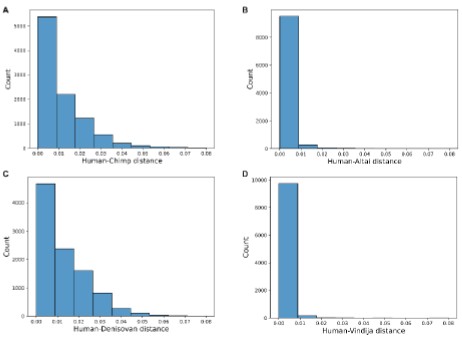
    1. This way of managing disabilities puts the burden fully on disabled people to manage their disability in a world that was not designed for them, trying to fit in with “normal” people.

      This part stood out to me because coping strategies sound practical, but also kind of exhausting over time. If the system never changes, the work is always on the person instead of the design. It made me think about how often we treat adaptation as a personal skill instead of asking why adaptation is necessary in the first place.

    2. 10.2. Accessible Design# There are several ways of managing disabilities. All of these ways of managing disabilities might be appropriate at different times for different situations. 10.2.1. Coping Strategies# Those with disabilities often find ways to cope with their disability, that is, find ways to work around difficulties they encounter and seek out places and strategies that work for them (whether realizing they have a disability or not). Additionally, people with disabilities might change their behavior (whether intentionally or not) to hide the fact that they have a disability, which is called masking and may take a mental or physical toll on the person masking, which others around them won’t realize. For example, kids who are nearsighted and don’t realize their ability to see is different from other kids will often seek out seats at the front of classrooms where they can see better. As for us two authors, we both have ADHD and were drawn to PhD programs where our tendency to hyperfocus on following our curiosity was rewarded (though executive dysfunction with finishing projects created challenges)1. This way of managing disabilities puts the burden fully on disabled people to manage their disability in a world that was not designed for them, trying to fit in with “normal” people. 10.2.2. Modifying the Person# Another way of managing disabilities is assistive technology, which is something that helps a disabled person act as though they were not disabled. In other words, it is something that helps a disabled person become more “normal” (according to whatever a society’s assumptions are). For example: Glasses help people with near-sightedness see in the same way that people with “normal” vision do Walkers and wheelchairs can help some disabled people move around closer to the way “normal” people can (though stairs can still be a problem) A spoon might automatically balance itself when held by someone whose hands shake Stimulants (e.g., caffeine, Adderall) can increase executive function in people with ADHD, so they can plan and complete tasks more like how neurotypical people do. Assistive technologies give tools to disabled people to help them become more “normal.” So the disabled person becomes able to move through a world that was not designed for them. But there is still an expectation that disabled people must become more “normal,” and often these assistive technologies are very expensive. Additionally, attempts to make disabled people (or people with other differences) act “normal” can be abusive, such as Applied Behavior Analysis (ABA) therapy for autistic people, or “Gay Conversion Therapy.” 10.2.3. Making an environment work for all# Another strategy for managing disability is to use Universal Design, which originated in architecture. In universal design, the goal is to make environments and buildings have options so that there is a way for everyone to use it2. For example, a building with stairs might also have ramps and elevators, so people with different mobility needs (e.g., people with wheelchairs, baby strollers, or luggage) can access each area. In the elevators the buttons might be at a height that both short and tall people can reach. The elevator buttons might have labels both drawn (for people who can see them) and in braille (for people who cannot), and the ground floor button may be marked with a star, so that even those who cannot read can at least choose the ground floor. In this way of managing disabilities, the burden is put on the designers to make sure the environment works for everyone, though disabled people might need to go out of their way to access features of the environment. 10.2.4. Making a tool adapt to users# When creating computer programs, programmers can do things that aren’t possible with architecture (where Universal Design came out of), that is: programs can change how they work for each individual user. All people (including disabled people) have different abilities, and making a system that can modify how it runs to match the abilities a user has is called Ability based design. For example, a phone might detect that the user has gone from a dark to a light environment, and might automatically change the phone brightness or color scheme to be easier to read. Or a computer program might detect that a user’s hands tremble when they are trying to select something on the screen, and the computer might change the text size, or try to guess the intended selection. In this way of managing disabilities, the burden is put on the computer programmers and designers to detect and adapt to the disabled person. 10.2.5. Are things getting better?# We could look at inventions of new accessible technologies and think the world is getting better for disabled people. But in reality, it is much more complicated. Some new technologies make improvements for some people with some disabilities, but other new technologies are continually being made in ways that are not accessible. And, in general, cultures shift in many ways all the time, making things better or worse for different disabled people. 1 We’ve also noticed many youtube video essayists have mentioned having ADHD. This is perhaps another job that attracts those who tend to hyperfocus on whatever topic grabbed their attention, and then after releasing their video, move on to something completely different. 2 Universal Design has taken some criticism. Some have updated it, such as in acknowledging that different people’s needs may be contradictory, and others have replaced it with frameworks like Inclusive Design..

      This section does a great job comparing different ways of managing disability and, more importantly, showing how each approach places responsibility on different people. Coping strategies and modifying the person often shift the burden onto disabled individuals, asking them to adapt or appear “normal” in environments that were not designed for them. In contrast, universal design and ability-based design move that responsibility to designers and programmers, emphasizing systems that work for a wider range of users. I also appreciated the final point that accessibility is not a linear story of progress—new technologies can improve access for some people while creating new barriers for others, making accessibility an ongoing design challenge rather than a solved problem.

    3. Assistive technologies give tools to disabled people to help them become more “normal.” So the disabled person becomes able to move through a world that was not designed for them. But there is still an expectation that disabled people must become more “normal,” and often these assistive technologies are very expensive.

      This section reminds me of an Apple ad I saw about how their accessibility features help students with disabilities succeed in college. I once watched an Apple employee with a visual disability independently complete an entire customer transaction using only voice and listening tools on his iPhone. It really shows how designing with accessibility in mind can open up more equal opportunities and everyday independence for people with disabilities.

    4. Another strategy for managing disability is to use Universal Design, which originated in architecture. In universal design, the goal is to make environments and buildings have options so that there is a way for everyone to use it2. For example, a building with stairs might also have ramps and elevators, so people with different mobility needs (e.g., people with wheelchairs, baby strollers, or luggage) can access each area. In the elevators the buttons might be at a height that both short and tall people can reach. The elevator buttons might have labels both drawn (for people who can see them) and in braille (for people who cannot), and the ground floor button may be marked with a star, so that even those who cannot read can at least choose the ground floor. In this way of managing disabilities, the burden is put on the designers to make sure the environment works for everyone, though disabled people might need to go out of their way to access features of the environment.

      The comparison between Universal Design and ability-based design helped me see two different ways of shifting the burden: either build multiple options into the environment, or make the system adapt to each user. I’m curious about the trade-off when the system “detects and adapts”—it could improve inclusion, but it might also introduce privacy risks or misclassification, so it seems important that users can control and override those adaptations.

    1. hese are stories stirred by the trees themselves: by their common names, their botanical names, or pecu- liarities of their bark, trunk, or leaves. Unlike grim Roy Cave (that is, king of caves, the Hades type that drags young girls underground), the stranger doesn’t stomp straight through the trees but wanders, turning up one day, disappearing the next, even straggling off mid-sentence to Ellen’s annoyance.

      This description makes the trees feel like active storytellers rather than just background setting, which blurs the line between nature and narrative. The contrast between the stranger’s wandering presence and the more violent, direct figure of Roy Cave suggests a quieter, more unsettling kind of power that unfolds slowly instead of through force.

    2. only the man who names all the eucalypts on his grounds may marry her

      This rule feels unrealistic to me, but I feel like it's supposed to symbolize control. Ellen's future is being treated like a challenge to be conquered.

    3. Before workshop, they should meet and discuss particular concerns, fears, desires, etc. for workshop and come up with a plan for how best to approach the story.

      This idea makes sense in a traditional, in-person workshop, but it feels less realistic in an online class where coordinating meetings outside of class time can be difficult. While discussing concerns and goals beforehand is ideal, online workshops may need alternative structures, like written reflections or discussion boards, to achieve the same level of clarity and preparation.

    4. nly Questions from the Author In this model, the workshop sends the marked-up manuscripts and their feedback letters to the author before the workshop begins—at least a couple of days before, but earlier might be preferable.

      I like how this model shifts some power back to the author instead of making workshops feel like everyone talking about the writer rather than with them. Having time to read feedback and come in with questions feels more intentional and could make workshops less overwhelming and more productive, especially for writers who need space to process critique.

    5. But fiction doesn’t “merely narrate”: this is one of its great potencies. In the centuries that Western fiction has taken to arise, it’s evolved to do many things, especially in the most cannibalistic form, the novel.

      This stood out to me because it pushes back against the idea of fiction as just storytelling for entertainment. Calling the novel “cannibalistic” suggests it absorbs and reworks history, philosophy, and other forms of knowledge, which makes fiction feel less passive and more like an active way of thinking and understanding the world.

    6. ome people love chaos; others crave order. I don’t love the coldness implicit in order but know that I need it.

      This sentence really captures the tension between wanting freedom and needing structure, especially in the way order is described as “cold” but still necessary. It feels honest because it admits that order isn’t comforting or warm, yet it can be stabilizing, suggesting that personal growth sometimes depends on things we don’t actually enjoy.

    7. There’s power in a wave, its sense of beginning, midpoint, and end; no wonder we fall into it in stories. But something that swells and tautens until climax, then col- lapses? Bit masculo-sexual, no?

      This part made me think about how automatically we accept stories that build toward a climax and then fall apart, without questioning where that structure even comes from. Calling it “masculo-sexual” really stood out to me because it suggests that the way we tell stories might reflect specific gendered ideas about tension and power, rather than being the only or most natural way narratives can work.

    8. soul” or animating shape of fiction to be a plotted arc, why not imagine other shapes?

      Imagining writings like imagining other shapes, will really get us to think of other perspectives and ways we can shape our writings. I think majority of the time we want to go with the plotted arc because it is common and accepted, but there are no rules in fiction. We can go with another shape or style if we want to.

    9. of course it’s interestingly visual,

      I couldn’t agree more. A lot of the times when I myself go through passages in my readings, I find myself seeing the narrative of the story. It’s a visualization made up in my mind that keeps me interested in my reading. I read and listen to many, but what makes it more purposeful is how the the narrator provides a writing pattern that we can visually see even when it is not an materialistic art piece.

    10. The workshop should ask ques- tions that help the author clarify her intentions.

      Questioning won't only help yourself to get a better understanding, but them as well. Questioning can spark new ideas. And in questioning others you can see what they really know about their topic.

    11. This is a conversation—readers are not allowed to say what they have already written in their peer letters.

      This will make more more thinking. It's easy to come up with simple topics of conversation. But, not being able to say anything that's already written down will help whomever in their creativity.

    12. Some people love chaos; others crave order. I don’t love the coldness implicit in order but know that I need it.

      I feel like I can really relate to this passage. I think in a sense, most people could. Sometimes chaos is the easier option for things because it requires less planning and less thinking ahead. But I also do think that most people do thrive when they have some sort of structure to their day and their activities even though it is sometimes harder to achieve.

    13. Gray studied how she and her housekeeper moved through- out the day; she made diagrams of their motions and those of the sun to reveal natural patterns—loops in the kitchen, deep lines by the windows, meanders through the living room— an organic choreography.

      I like this passage because it encourages the idea that movement and routine can come naturally through your experiences. I personally never have a set routine but I think everyone, whether they realize it or not, have some sort of unconscious routine and pattern

    14. phisticated practice of sex, much of the art consists of delaying climax within the framework

      Sex isn't a often topic discussed aloud when talking about the structure of a story, but in this case I like how they used it to compare sex to a climax in a set of writing. Both are beautiful things and should take time to create climax and satisfaction in the end.

    15. showing the parts of drama: introduction, rise, climax, return or fall, and catastrophe.

      Over and over again we talk about the shape we should follow for fiction writing. We have to remember that, like Aristotle describes, a triangle is but just one simple shape to follow but the shape changes as you make a story your own.

    16. We hear or listen to a narrative, but when we grasp a writer’s total pattern we ‘see’ what he means.”

      I had never thought about writing like this. It's even true when watching a movie as they often start with something that catches the eye. There is so much to see that sometimes you forget to listen to what the narrator is saying. The same thing goes for when we're reading. Seeing the words on the page then choosing to read and then seeing.

    17. Instead, it should be a way for the author to open doors that they now know exist but do not know where they

      Encourages a journey to the unknown and new adventures. It requires going beyond the surface and actually digging for it.

    18. This is not summary or criticism but transparency about the ways the workshop h

      Instead of personal opinions, it's asking for clarity about the factual pieces of a reading.

    19. But that end: mustn’t reach it too fast! First there are all those trees to get through—l

      This reintroduces the idea of a wandering narrative by stressing delay and process, which shows the story values taking it's time and build up rather than an ending that feels forced or rushed.

    20. Patterns could fascinate me because an uncanny one struc- tured my life.

      I liked how they used the word uncanny to describe a pattern. It is implying something strange but intense. When it says it structured their life, i think the author is trying to say it was not ideas they just noticed but forces shaping their family and upbringing.

    21. tended audience, and any craft decisions she made while writing and revising the manuscript.

      My initial reaction to this, after seeing the next point, is that the workshop might be "biased" in a sense from knowing the intentions. I can see it being helpful on a contextual basis, of course, being able to tell them where they do certain things well for the intended goals. But on the other hand, is the intention in the end to be able to convey these things without needed the author's intentions to begin with?

    22. turns herself to object most often when speaking of her- self as a girl but

      I can see this from a sociological standpoint as well, in the concept of "doing gender". This idea is that we take certain actions to fit into our conception of "doing our gender". When I read that, it made me think of that. That it would not make her look weirdly dressed, but rather the role she is playing.

    23. e might develop another layer of vision, too, growing aware of elements that give the story structure: a late scene might mirror an earlier one, creating a sense of symmetry,

      Not only through the present narrative, but as you read more, you can find patterns between other books, media, and even real life. Not too long ago, I finished reading Animal Farm. A few days after which, I heard someone on the news saying how a government official was telling citizens to "not believe what they see or hear", similar to how they do in Animal Farm. This is part of what makes literature so powerful.

    24. A meander begins at one point and moves toward a final one, but with digressive loops

      This sentence helped me understand that a story can still be going somewhere even if it doesn’t feel straight or fast. It made me think about how life works the same way, we don’t move forward in a clean line, but we still end up changed by the end of it.

    25. the part of our brain that recog- nizes words has a twin that recognizes faces,

      I've actually never thought about that before! Then again, i cannot visualize anything in my head, so maybe that is why. But hearing out loud is such an interesting concept. I wonder why, in theory, our brain has to visualize each and every word on the page?

    26. We writers go about our observing, imagining lives, moving on- ward day by day but always alert to patterns—ways in which experience shapes itself, ways we can replicate its shape with words.

      I really agree with the section. I do find myself describing senerios to myself to make a full picture to myself. When i was really into writing, and wrote constantly. I used what i saw around me as scenery building, or human expression. Its truly is amazing how observing really can build these types of pictures that can motivate a scene.

    27. I have found that this results in very little criticism and a lot of learning

      I specifically like this form of workshop becuase it feels "low-stakes," but also like a really good learning opportunity for someone just getting into writing. To me, it feels most like an in-person discussion, which I am familiar with and know offers a good learning and communication experience for students.

    28. uestions from the artist to the workshop.

      I have never participated in any workshop before, but I really like the inclusion of artists being able to ask for specific feedback on their work. When I first thought of workshops, I admit I only thought of the workshop giving feedback without any form of control from the artist.

    29. not going straight to the point.”

      I think that as a newer reader, these types of beginnings always used to annoy me. It would be useful for setting up information and the setting, but I think this is the first time I have thought about it in a way that actually fuels a character or narrator

    30. Quick sketch:

      I enjoyed reading this example, and I feel like it gave me a clearer understanding of the chapter "Meanders." I like that Alison didn't just dive into the plot choices of the author, but singled out specific names and word choices that added a deeper meaning to the entire story.

    31. Memoirists know that they must “look” back over life to find patterns that give order.

      I loved hearing these examples, as two memoirs are close to being considered my favorite books of all time. I feel like this sentence opened me to new thinking, as I greatly enjoy memoirs, but realize that I can't quite pinpoint a solid structure. I think part of what makes them unique is that they each follow a life and can't be replicated as non-fiction again. It will be interesting to try to find a unique structure to use in my own fiction.

    32. Reading on, we travel not just through places conjured in the story, but through the narrative itself.

      As a very visual person, I love thinking about reading this way. I also feel like it introduces a depth behind simply reading a work of fiction. Not only do you travel through the characters, but you also travel through the specific choices and thoughts of the author.

    1. Retailers can offer the same merchandise but differ in the variety and assortment of merchandise offered. Variety (also called breadth) is the number of merchandise categories a retailer offers. Assortment (also called depth) is the number of different items offered in a merchandise category. Each different item of merchandise is called a stock-keeping unit (SKU). Some examples of SKUs include an original scent, 33-ounce box of Tide laundry detergent with bleach, or a blue, oxford cloth, long-sleeve, button-down-collar Ralph Lauren shirt, size medium.

      This passage defines key retail merchandising concepts by explaining that retailers can sell similar products yet differentiate themselves through the variety of the range of product categories offered and the number of options within each category, with individual product variations identified as stock-keeping units (SKUs), which retailers use to manage and organize inventory.

    2. It might sound strange, in the e-commerce and mobile commerce era, to hear the Walmart CEO claim that bigger stores and supercenters are the wave of the future. But in Walmart’s most recent strategic plan, these stores do far more than stock goods and maintain checkout lines. In this vision, the supercenters are the foundation for every advance, innovation, and service that the retailer will achieve, in every channel and for every consumer market, as well as every role it will play for its customers.1

      Although e-commerce is often seen as replacing physical retail, this passage explains that Walmart views its large supercenters as essential strategic assets that support innovation, omnichannel services, and customer engagement, making them the backbone of the company’s future growth rather than an outdated model.

    1. if any, teaching. Now, I do believe that school can, and should, offer students some interesting and new experiences, but those experiences must be tied to student le

      However, learning can be done anywhere. A trip to the park can be both fun and educational. I think that when those things are said, it is a lack of creativity on behalf of the adults. Have they never heard of play based learning?

    2. chievement gap and to begin to think about the incredible education debt we, as a nation, have accumulated. T

      An interesting thing to note is that the state of Colorado itself has a huge educational gap, being coined the educational divide. People moving to CO are quite educated but Colorado residents have not achieved the same level of education

    1. 10.5. Design Analysis: Accessibility# We want to provide you, the reader, a chance to explore accessibility more. In this activity you will be looking at a social media site on your device (e.g., your phone or computer). We will again follow the five step CIDER method (Critique, Imagine, Design, Expand, Repeat). So open a social media site on your device (the website or app may have additional accessibility settings, but don’t use those for now, just consider how it works as it is currently). Then do the following (preferably on paper or in a blank computer document): 10.5.1. Critique (3-5 minutes, by yourself):# What assumptions do the site and your device make about individuals or groups using social media, which might not be true or might cause problems? List as many as you can think of (bullet points encouraged). 10.5.2. Imagine (2-3 minutes, by yourself):# Select one of the above assumptions that you think is important to address. Then write a 1-2 sentence scenario where a user face difficulties because of the assumption you selected. This represents one way the design could exclude certain users. 10.5.3. Design (3-5 minutes, by yourself):# Brainstorm ways to change the site or your device to avoid the scenario you wrote above. List as many different kinds of potential solutions you can think of – aim for ten or more (bullet points encouraged). 10.5.4. Expand (5-10 minutes, with others):# Combine your list of critiques with someone else’s (or if possible, have a whole class combine theirs). 10.5.5. Repeat the Imagine and Design Tasks:# Select another assumption from the list above that you think is important to address. Make sure to choose a different assumption than you used before. Choose one that you didn’t come up with yourself, if possible. Repeat the Imagine and Design steps. 10.5.6. Explore accessibility settings# Now, try to find the accessibility settings on the social media site and on your device. For each setting you see, try to come up with what disabilities that setting would be beneficial for (there may be multiple).

      This activity is a really effective way to make accessibility feel concrete instead of abstract. By starting with critique and assumptions, it highlights how many “default” design choices silently exclude users before accessibility settings are even considered. I especially like how the Imagine and Design steps force you to think through a specific user’s experience and then brainstorm multiple solutions, rather than jumping straight to a single fix. Ending with exploring existing accessibility settings also reinforces that accessibility is often an afterthought in design, even though it should be part of the core system from the beginning.

    1. Open access tools and resources

      I am aware that the library allows us to access certain tools and resources for free or at a reduced price, but I am not sure what exactly those things might be. I would like to learn more about how to access these things.

    1. Living an Examined Life The Book Brigade talks to Jungian analyst James Hollis, Ph.D. Posted February 15, 2018 Share Tweet Share on Bluesky Share Email Source: Used with permission of author James Hollis. What life demands of us changes somewhere along the way. The second half of the journey is when we truly become grown up—and must own up to responsibility for the way things are turning out. What led you to write your book on wisdom for the second half of life? Don’t people in the second half of life have enough wisdom to guide their lives? The first half of life is characterized by either serving or running from the instructions, examples, and admonitions we acquire from family and culture during the formative days of our operational systems. So many of the messages from our environment are internalized and become unconscious, reflexive compliances or rejections that most of us live provisional lives, lives in service to what shaped us during our provisional conclusions about self and world. We have much information, even knowledge, but little wisdom regarding the power of these influences. And what we don’t know will in fact show up in our lives and hit us in the face. What is the demarcation line for the second half of the journey: How does one know one is on that part of the journey? The “second half” of our journey is not a chronological moment but a psychological stage of awareness. Usually one does not begin to become conscious of the magnitude of these internalized messages until one is stunned into reflection upon them. For some this occurs during a divorce, an inexplicable loss of energy for one’s tasks, in an anxiety that arrives in “the hour of the wolf,” a depression, a loss of job, or children, or one’s role in life. If one is not enquiring, “Who am I apart from my history and roles,” good or bad as they may be, then such a person is much more likely to be living on automatic pilot, serving archaic stimulus/response demands. What is an examined life? What needs to be examined, and why? The examined life, as Socrates articulated millennia ago, entails looking into the root causes of my behaviors, and the patterns and consequences I am piling up. If I am not doing that, then I am most likely living very unconsciously and very reflexively. I might therefore be living someone else’s life, someone else’s set of priorities, or running from them. Either way, I am living inauthenticly, and the psyche will respond by intensifying the pathology. What becomes different in the second half? How do you define “growing up”? In the “second half,” I become aware that I am the only one present in that long-running soap opera I call my life and thus I may bear some accountability for how it is turning out. As long as I persist in blaming others, I continue to remain dependent and avoidant and a reluctant player in the unfolding of my journey. From your own experience and that of your clients, what do you find it takes to feel “grown up”? As we all know, there are many people in big bodies and big roles in life who are still governed by their unaddressed infantile fears, compensations, and avoidances. Growing up means full accountability above all things: “I alone am accountable for my choices and how my life is unfolding.” I have to ask more rigorously: “where is this choice coming from in me? What pattern do I see in my responses? Where is fear making choices for me?” Growing up means attaining personal authority over received authority, and having the courage to live it with consistency. article continues after advertisement On what matters do most adults get stuck, in your experience? I am fond of saying of psychological dilemmas, “it is not about what it is about.” Why do we get stuck? How can it be that we so easily identify such marshy zones in our lives? We typically fault ourselves for lacking sufficient will power to get unstuck. But if we have sufficient will, what is the problem? The idea that stuckness is really about something else suggests that we have to ask what deep, deep anxiety or threat will arise from our getting unstuck. If we are ever to get unstuck, we have to ferret out what archaic anxiety we will have to take on to move forward. For example, is the deeply buried anxiety the fear of being alone, forsaken by others, or is it the fear of some potential conflict with others? Either has the power to shut down intentionality and resolve. What does your Jungian background contribute to a perspective on aging? Many decades ago, Jung differentiated the two major stages of life, with many sub-passages within each. The first is about ego building. What do I need to learn, do, risk to step into the world—the world of relationship, the world of work, the world of adult responsibilities? But somewhere else we have another appointment with ourselves, in which we ask other questions: What is my life about, really? What do I need to do to live in good faith with my own soul? In the first half of life, we are ego-bound to ask, What does the world want of me, and how do I meet that demand? In the second half of life, we have a different question: What does the soul ask of me. (“Soul” is, of course, a metaphor for what is most truly us, as opposed to those thousand, thousand adaptations the world asks of us). Drawing on Jung, you hold that we rarely solve problems but can outgrow them; how does one do that? It is naïve to think we leave our history, with its primal promptings, behind. They never go away, but where they once dominated ego-consciousness and directed our choices, they later become only noisome advisors. We have to decide who these archaic counselors are, and ask ourselves what our relationship to our own soul also asks of us. And out of that engagement ego-consciousness has to make its most courageous choice. Wisdom Essential Reads Tohu v’Bohu: The Void Before Creation 5 Traits of Wisdom What do you mean by choosing enlargement? In life’s many junctures of choice we all have to decide this simple, challenging question: Does this path make me larger, or smaller? We almost always know the answer quickly. Then the summons is to choose the larger, however intimidating it may be, or we live shallow, fugitive lives. article continues after advertisement If you had one piece of advice for older adults, what would it be? I would say to them, as I say to myself as an old person: Whatever wishes to grow within you—a curiosity, a talent, an interest—is life seeking its expression through you. Our old desire for comfort, even happiness, may prove an impediment. We are here a very short time. Let us make it as luminous and as meaningful as we can. Time to stop being afraid, and time to show up as yourself. And what would you want to tell younger people so that they might approach all of life in a more seamless way? I am asked all the time by well-meaning parents how they might spare their children their parents’ heartaches. They can’t. We all have to walk into the gigantic necessary mistakes of the first half of life, fall on our faces, and then get up and begin to take life on in the light of what we need to learn for ourselves. We all have to find an internal source of guidance that we can trust and that always knows what is right for us, and to live it in the world with as much courage and fidelity as one can. That is not something a young person is ready, or capable, of doing—yet. About THE AUTHOR SPEAKS: Selected authors, in their own words, reveal the story behind the story. Authors are featured thanks to promotional placement by their publishing houses. To purchase this book, visit: Living an Examined Life Source: Used with permission of author James Hollis. Share Tweet Share on Bluesky Share Email advertisement if (!window.ptAdSlots || window.ptAdSlots.length === 0) { window.ptAdSlots = []; } window.ptAdSlots.push('div-gpt-ad-1424993595349-0') About the Author Selected authors, in their own words, reveal the story behind the story. Authors are interviewed thanks to promotional placement by their publishers.
    1. Often, your professor will provide specific requirements for your project. For example, you may need to use a total of five sources from peer-reviewed journals published in the last ten years, or you may be told to only use a specific database. These requirements may differ depending on your major and/or the course you’re taking, so don’t assume that the requirements for a paper or project in one class will be the same in another. Knowing these requirements can help you plan your research and avoid wasting time reviewing something that you wouldn’t be able to use anyway because it doesn’t match your instructor’s guidelines.

      It can be easy to get used to finding information a certain way or from a particular source but course requirements of using separate or specific sources allow you to expand your knowledge

    1. If you are writing a research paper, then you will need to follow more steps, which are covered in detail later in this book.

      Research papers do require additional steps but it can be enjoyable if you write about a subject that you are interested in.

    1. I just read an essay by Roxane Gay that challenged me to read more diversely. There’s an essay by Annie Dillard called “Living Like Weasels” that inspired me to grab life by the balls. There’s an essay by Kiese Layman that made dive back in to an ongoing discussion I have with myself about my own privilege. There’s an essay on place by Dorothy Allison that made me realize how who I am connects with where I am. There’s an essay by Sherman Alexie called “Why the Best Kids Books Are Written in Blood” that reminded me of how a story can save us.

      Some essays appear to cause the reader to think different about an idea. They all have different messages engraved within them, and they do not display it simply but with some convincing by the author.

    2. What you do need is That Thing; maybe a question, a fear or a fury. It makes your blood boil. It’s all you can talk about when you sit down with your friends over a glass of wine or two or five, or maybe you can’t talk about it with anyone, just your own heart, alone with the impossible architecture of words

      Its me Ethan, this part of the text seems to let students help produce ideas but include methods of doing so. If they also compare the subject to something they are already interested about they will obviously want to find more about it.

    1. Galperin suggested that a learning activity comprises orienting, executive and control parts. The orienting part urges for careful planning of the learning activity, and the executive part ensures the performance of the learning activity. Galperin envisioned the control part as the development of learners’ attention as well as their ability to analyse and reflect on their own learning and suggest ways of further improvement. In summary, Galperin’s analytic framing conceptualised in detail the learning activities that aimed at facilitating the development of new and reorganising the existing psychological functions in learners.

      Galperin's model highlights that learning is not merely about execution, but about intentional design and self-regulation. The control part is especially interesting because it treats reflection and self-monitoring as central to learning rather than something that happens at the end.

    1. Variations in the ABCA4 gene are common in BEM. Two sibships showed discordant ABCA4 variants. One of these sibships illustrates that ABCA4 variants can be identified in families that have another molecular cause for their disease, due to the high prevalence of ABCA4 disease alleles in the population. The discordance evident in the second sibship may yet also be a chance finding in families with macular disease of another genetic cause, or it may represent a complex mode of inheritance determined/modified by the combination of ABCA4 alleles.

      Authors’ Conclusion: ABCA4 mutations are common in bull’s-eye maculopathy but are not universally causal; other genetic factors likely contribute.

    1. Another way to recognize the important influence of values is to consider if you have ever made a decision that you later regretted. Did you reflect on your values prior to making that choice? Sometimes others ask us to do things that are inconsistent with our values.

      Regret is that thorn in your side, we often make choices that we know may not be good but maybe it's for a good person or we justify the reasons. Knowing your values is one thing, putting them in practice is another.

    1. For example, if you are supposed to identify the main idea of your classmate’s writing, be sure to look for the main idea. If you can’t find it, say, “I looked but couldn’t find it”, instead of “You didn’t include one.” Both may mean the same thing, but the former sounds less aggressive and accusatory, and the reason for that is that you state that you as the reader tried to accomplish the given task of finding the thesis statement.

      Good example of being careful with wording

    1. Transitions within a paragraph help readers to anticipate what is coming before they read it. Within paragraphs, transitions tend to be single words or short phrases. Words like while, however, nevertheless, but, and similarly, as well as phrases like on the other hand and for example, can serve as transitions between sentences and ideas.

      Don't want to make your paper confusing, add transitions

    2. Facts. Facts are the best kind of evidence to use because they  cannot be disputed and help build your credibility. They support your stance by providing background information or a solid foundation for your point of view. However, some facts may still need explanation. For example, the sentence “The most populated state in the United States is California” is a fact, but it may require some explanation to make it relevant to your specific argument. Judgments. Judgments are conclusions drawn from the given facts. Judgments are more credible than opinions because they are founded upon careful reasoning and examination of a topic. Testimony. Testimony consists of direct quotations from either an eyewitness or an expert witness. An eyewitness is someone who has direct experience with a subject; he adds authenticity to an argument based on facts. An expert witness is a person who has extensive experience with a topic. This person studies the facts and provides commentary based on either facts or judgments, or both. An expert witness adds authority and credibility to an argument. Personal observation. Personal observation is similar to testimony, but personal observation consists of your testimony. It reflects what you know to be true because you have experiences and have formed either opinions or judgments about those experiences. For instance, if you are one of five children and your thesis states that being part of a large family is beneficial to a child’s social development, you could use your own experience to support your thesis.

      Helpful

    3. to support your thesis statement within your body paragraphs. Without primary support, your argument may not be convincing

      Thesis is the backbone but supporting your main point is important,

    1. Greek tragedies were explicitly entered into competitions, but no one seriously denies that they are art because of their competitive provenance.

      counterargument rebuttal

    2. In a Newsweek article from March of 2000, Jack Kroll argues that "games can be fun and rewarding in many ways, but they can't transmit the emotional complexity that is the root of art."

      Starts off with addressing a counterargument. Why not expand a little on his persepctive?

    1. The Eyes around - had wrung them dry - And Breaths were gathering firm For that last Onset - when the King Be witnessed - in the Room -

      in this section, dickinson is describing the emotions in the room where the person was last in. wrung them dry meaning the tears have stopped but there was a lot. the breaths were gathering holding breathe after hyperventilating, etc.

    2. I willed my Keepsakes - Signed away

      in this line, dickinson is thinnking about her work( keepsakes) and how after she's gone they'll be signed away or split up from each of the other works but also it will hold as much weight to it as she thinks her work deserves.

    1. But it is not clear whether they have thought out the implications of a geopolitical turn, or whether they think that merely spending more money on defence and changing the tone of Europe’s public pronouncements is enough.

      This quote brings up some questions about how deeply the European Union is committed to being a geopolitical actors. The leaders in the European Union seems to acknowledge that there is a need for a shift in strategies but they do not seem to 100% understand the transformation this would truly require. The author talks about how the budget for defence would have to change. A real change in geopolitical would require a lot of political choices that would not be easy, strategising for the long term, and using power more than just for symbolic gestures.

    1. Murdoch has frequently been cited as the ‘‘catalyst’’ for Canadian familylaw reform. 5 As I will illustrate, there can be little doubt that Murdoch playedan integral role in family law reform in the 1970s, but to credit the case for‘‘spurring’’ or ‘‘galvanizing’’ legislative action is somewhat misleading. Each ofthese terms suggests a level of agency that the decision, by itself, simply did nothave.

      test annotation

    1. Okay, let's summarize some of the key points that we've been discussing. Internet Security, that which means, among other things, the https and the SSL protocols is supported by both symmetric and public key cryptography. As you've seen now, some of the details about these algorithms. It's important that you recognize that they are based on solid mathematical foundations, and it's the intractability of solving certain problems like the prime factorization problem and the discrete logarithm problem that protects the security of these cryptographic algorithms. Secondly, all the deciphers that we've been discussing, all the modern cryptographic techniques Diffie Hellman, RSA, but also the but also the secure socket layer protocol, the https protocol; All of these are based on Open Standards that have been developed by committees of experts, mathematicians, cryptographers, computer scientists that are openly discussed over a period of many months and then finally adopted as standards. They are maintained by standard organizations whose job is to maintain the standards and publish them and oversee their implementations. By the way, the current symmetric standard used in some of the examples that we saw: the handshake between clients and servers is known as the advanced encryption standard. If you want to find out some of the details about how it works, it uses both substitution and transposition algorithms to create a secure symmetric cipher. And finally, certificate authorities are bodies that issue digital certificates that are used to validate the identity and authenticate the identity of servers on the internet, so that when you use your browser to give your credit card information to Amazon, you can rest assured that you are actually connected to the right server

    2. This portion of the presentation will focus on the RSA public key encryption algorithm. As we saw at the end of the previous presentation, the Diffie Hellman algorithm has some impracticalities as we saw. It requires a setup phase, in which Alice has to exchange some public information with with Bob, not only with that Bob with with any Bob (meaning to an imposter without knowing it?) she wishes to exchange a key with. These impracticalities are avoided by another algorithm that we're going to look at RSA algorithm, which is the most widely used cryptographic algorithm. Here's the public key model that it uses. The cryptographic key is broken into two parts, a public and a private part. The public part is used for encrypting, so Bob's public key is used by Alice to encrypt the word hello, running it through the encrypt algorithm and then sending the result. This gibberish here, over to Bob. He uses the private part of his key to decrypt the word the gibberish and retrieve the word hello. The encryption happens using a key that's been divided into two, and as you can see visually, these two parts are related. There really are one key that's been divided in half. Include public model, slide 36

      We'll want to see how that happens, how that works. The key is broken into a public and private part. Bob and Allice publish there's public keys, and that's the big difference between RSA and Diffie Hellman. They published them so that all people who want to encrypt messages to Bob can use Bob's public key, Alice and anyone else. Alice encrypts the word hello using Bob's public key and sends the encrypted gibberish to Bob, who decrypts it with his private key? So let's see what makes RSA hard? What protects RSA from Eve? It's also based on a one-way function, and it's our familiar modular arithmetic function, which is easy in one direction and hard, and the other.

      The expression:

      m^e mod N -> c

      m: message (a number) <--RSA requires messages to be represented by numbers. But this is not a problem, right? Everything is binary!

      In this case, the m in this expression represents the secret message that's being communicated. The e is a public exponent. It's part of the public key. The N is a public modulus, also part of the public key. And the c is the resulting encrypted message? And again, it's easy to compute m to the E mod n, knowing m, e, and N. But it's very difficult. It's intractable to find m given the encrypted message, plus the public key just e and N.

      And again, the idea for the public and private key is that they are two halves of this exponent used in the expression m raised to an exponent mod n and so the trick is to mathematically to get this exponent in such a way that it's very hard to break it in half if you don't know some secrets. So that's a very high level summary of the RSA algorithm. Slide 51

      Let's summarize its key features. First, like Diffie Hellman, the RSA algorithm solves the key exchange problem. Unlike Diffie Hellman, however, the RSA public Keys can be widely published and distributed rather than needing to be shared among parties in a encryption transaction and that makes it especially well suited for internet encryption. well suited for internet encryption. And finally, RSA is a secured by the intractability of the prime factorization problem. That's the problem of trying to discover the prime factors of a very, very large number. So here again, we see intractability being used to protect information, just as we did when we used it to help protect passwords from Brute Force attacks (by having too many possible options)

    1. Kto i dlaczego losuje w Polsce rozkład jazdy PKP
      • Problem: Users of the "Portal Pasażera" (PKP PLK's official search engine) noticed that train departure times were changing randomly upon every page refresh.
      • Mechanism: The site was not displaying technical errors, but rather "poisoned data"—valid train names with completely randomized departure and arrival times.
      • The "Why": This is a deliberate anti-scraping measure designed to thwart unofficial apps and bots from stealing data. Instead of blocking access (which is easy to bypass), the system serves false information to devalue the data.
      • Collateral Damage: The system often misidentifies legitimate human users as bots, particularly those sharing a public IP address (e.g., via mobile networks, Starlink, or large corporate/university Wi-Fi).
      • Detection: The "lottery" is triggered when the system detects a high frequency of requests from a single IP. It alters times by several minutes to over an hour.
      • Risks: Passengers relying on these randomized times may miss their actual trains or wait unnecessarily long at stations, as the interface provides no warning that the data being shown is fake.
      • Recommendation: To ensure accuracy, users should verify schedules via alternative sources like carrier-specific sites (e.g., intercity.pl), physical station posters, or by changing their network connection to obtain a new IP.
    1. At first glance, this may seem like an academic exercise in quibbling over definitions, but much more is at stake. The religious-secular dichotomy in the arguments examined sanctions the condemnation of certain kinds of violence and the overlooking of other kinds of violence

      why this topic is important

    1. Note: This response was posted by the corresponding author to Review Commons. The content has not been altered except for formatting.

      Learn more at Review Commons


      Reply to the reviewers

      Reply to the reviewers

      We are grateful for the reviewers' constructive comments and suggestions, which contributed to improving our manuscript. We are pleased to see that our work was described as an "interesting manuscript in which a lot of work has been undertaken". We are also encouraged by the fact that the experiments were considered "on the whole well done, carefully documented, and support most of the conclusions drawn," and that our findings were viewed as providing "mechanistic insight into how HNRNPK modulates prion propagation" and potentially offering "new mechanical insight of hnRNPK function and its interaction with TFAP2C."

      We conducted several new experiments and revised specific sections of the manuscript, as detailed below in the point-by-point response in this letter.

      Referee #1

      Reviewer #1 (Evidence, reproducibility and clarity (Required)):

      The paper by Sellitto describes studies to determine the mechanism by which hnRNPK modulates the propagation of prion. The authors use cell models lacking HNRNPK, which is lethal, in a CRISPR screen to identify genes that suppress lethality. Based on this screen to 2 different cell lines, gene termed Tfap2C emerged as a candidate for interaction with HNRNPK. The show that Tfap2C counteracts the actions of HNRNPK with respect to prion propagation. Cells lacking HNRNPK show increased PrPSc levels. Overexpression of Tfap2C suppesses PrPSc levels. These effects on PrPSc are independent of PrPC levels. By RNAseq analysis, the authors hone in on metabolic pathways regulated by HNRPNK and Tfap2C, then follow the data to autophagy regulation by mTor. Ultimately, the authors show that short-term treatments of these cell models with mTor inhibitors causes increased accumulation of PrPSc. The authors conclude that the loss of HNRNPK leads to a reduced energy metabolism causing mTor inhibition, which is reduces translation by dephosphorylation of S6

      Major comments:

      1) Fig H and I, Fig 3L. The interaction between Tfap2C and HNRNPK is pretty weak. The interaction may not be consequential. The experiment seems to be well controlled, yielding limited interaction. The co-ip was done in PBS with no detergent. The authors indicate that the cells were mechanically disrupted. Since both of these are DNA binding proteins, is it possible that the observed interaction is due to the proximity on DNA that is linking the 2 proteins, including a DNAase treatment would clarify.

      Response: We agree that the observed co-IP between Tfap2c and hnRNP K is weak (previous Fig. 2H-I, Supp. Fig. 3L now shifted in Supp. Fig. 4C-E), and we have now highlighted this in the relevant section of the manuscript to reflect this observation better.

      Importantly, the co-IP was performed using endogenous proteins without overexpression or tagging, which can sometimes artificially enhance protein-protein interactions. However, we acknowledge that the use of a detergent-free lysis buffer and mechanical disruption alone may have limited nuclear protein extraction and solubilization, potentially contributing to the low co-IP signal.

      To address the reviewer's concerns and clarify whether the observed interaction could be DNA-mediated, we repeated the co-IP experiments under low-detergent conditions and included benzonase nuclease treatment to digest nucleic acids (Fig. 2H-I). DNA digestion was confirmed by agarose gel electrophoresis (Supp. Fig. 4F-G). Additionally, we performed the reciprocal IPs using both hnRNP K and Tfap2c antibodies (Fig. 2H-I). Although the level of co-immunoprecipitation remains modest, these updated experiments continue to demonstrate a specific co-immunoprecipitation between Tfap2c and hnRNP K, independent of DNA bridging. These additional controls and experimental refinements strengthen the validity of our findings. These results are also attached here for your convenience.

      2) Supplemental Fig 5B - The western blot images for pAMPK don't really look like a 2 fold increase in phosphorylation in HNRNPK deletion.

      Response: We thank the reviewer for raising this point. We re-examined the original pAMPK western blot (previously Supp. Fig. 5B; now presented as Supp. Fig. 6B) and confirmed the reported results. We note that the overall loading is not perfectly uniform across lanes (as suggested by the actin signal), which may affect the visual impression of band intensity. However, the phosphorylation change reported in the manuscript is based on the pAMPK/total AMPK ratio, which accounts for differences in AMPK expression and accurately reflects relative phosphorylation levels. To further address this concern, we performed three additional independent experiments. These new data reproduce the increase in pAMPK/AMPK upon HNRNPK deletion and are now included in the revised Supplementary Fig. 6B, together with the updated quantification. The new blot and the quantification are also attached here for your convenience.

      3) Fig. 5A - I don't think it is proper to do statistics on an of 2.

      Response: We believe the reviewer's comment refers to Fig. 5B, as Fig. 5A already has sufficient replication. We have now added two additional replicates, bringing the total to four. The updated statistical analysis corroborates our initial results. The new quantification is provided in the revised manuscript (Fig. 5B) along with the new blot (Supp. Fig. 6C). Both data are also attached here for your convenience.

      4) Fig 6D. The data look a bit more complicated than described in the text. At 7 days, compared to 2 days, it looks like there is a decrease in % cells positive for 6D11. Is there clearance of PrPSc or proliferation of un-infected cells?

      Response: We have now reworded our text in the results paragraph as follows:

      "These data show that TFAP2C overexpression and HNRNPK downregulation bidirectionally regulate prion levels in cell culture."

      We have now also included the following comments in the discussion section:

      "However, prion propagation relies on a combination of intracellular PrPSc seeding and amplification, as well as intercellular spread, which together contribute to the maintenance and expansion of infected cells within the cultured population. In this study, we were limited in our ability to dissect which specific steps of the prion life cycle are affected by TFAP2C. We also cannot fully exclude the possibility that TFAP2C overexpression influenced the relative proliferation of prion-infected versus uninfected cells in the PG127-infected HovL culture, thereby contributing to the observed reduction in the percentage of 6D11+ cells and overall 6D11+ fluorescence. However, we did not observe any signs of cell death, growth impairment, or increased proliferation under TFAP2C overexpression in PG127-infected HovL cells compared to NBH controls (data not shown). This suggests that a negative selective pressure on infected cells or a proliferative advantage of uninfected cells is unlikely in this context".

      5) The authors might consider a different order of presenting the data. Fig 6 could follow Fig. 2 before the mechanistic studies in Figs 3-5.

      Response: We believe that the current order of presenting the data is more appropriate. The first part of the manuscript focuses on the genetic and functional interactions between hnRNP K and its partners, particularly TFAP2C, which is a critical point for understanding the broader context before delving into the mechanistic studies involving prion-infected cells.

      6) The authors use SEM throughout the paper and while this is often used, there has been some interest in using StdDev to show the full scope of variability.

      Response: We chose to use SEM as it reflects the precision of the mean, which is central to our statistical comparisons. As the reviewer notes, this is a common and appropriate practice. To address variability, almost all graphs already include individual data points, which provide a direct visual representation of data spread. To further enhance clarity, we have now included StdDev in the Supplementary Source Data table of the revised manuscript.

      Discussion:

      The discrepancy between short-term and long-term treatments with mTor inhibitors is only briefly mentioned with a bit of a hand-waving explanation. The authors may need a better explanation.

      Response: We have now integrated a more detailed explanation in the discussion section of the revised manuscript as follows:

      "Previous studies showed that mTORC1/2 inhibition and autophagy activation generally reduce, rather than increase, PrPSc aggregation (79, 80). The reason for this discrepancy remains unclear and may be multifactorial. First, most prior studies were based on long-term mTOR inhibition, whereas our work examined acute inhibition, mimicking the time frame of HNRNPK and TFAP2C manipulation. Acute inhibition may trigger transient metabolic or signaling shifts that differ from adaptive changes associated with mTOR chronic inhibition, potentially overriding autophagy's effects on prion propagation. Additionally, while previous works were primarily conducted in murine in vivo models, our study focused on a human cell system propagating ovine prions. Differences in species background, model complexity (e.g., interactions between different cell types), and prion strain variability, as certain strains exhibit distinct responses to autophagy and mTOR modulation (https://doi.org/10.1371/journal.pone.0137958), likely contributed to the observed differences".

      Minor comments:

      Page 12 - no mention of chloroquine in the text or related data.

      Page 12 - Supp. Fig. E - should be 5E

      Response: We thank the reviewer for pointing this out. We have now better highlighted the use of chloroquine in Fig. 5B (see reviewer #1 - Point 3 - Major comments) and in the text as follows:

      "Furthermore, in the presence of chloroquine, LC3-II levels rose almost proportionally across all conditions (Fig. 5B), suggesting that the effects of HNRNPK and TFAP2C on autophagy occur at the level of autophagosome formation, rather than autophagosome-lysosome fusion and degradation."

      We have corrected the reference to Supp. Fig. 5E.

      Reviewer #1 (Significance (Required)):

      The study provides mechanistic insight into how HNRNPK modulates prion propagation. The paper is limited to cell models, and the authors note that long term treatment with mTor inhibitors reduced PrPSc levels in an in vivo model.

      The primary audience will be other prion researchers. There may be some broader interest in the mTor pathway and the role of HNRNPK in other neurodegenerative diseases.

      Referee #2

      Reviewer #2 (Evidence, reproducibility and clarity (Required)):

      The manuscript "Prion propagation is controlled by a hierarchical network involving the nuclear Tfap2c and hnRNP K factors and the cytosolic mTORC1 complex" by Sellitto et al aims to examine how heterogenous nuclear ribonucleoprotein K (hnRNPK), limits pion propagation. They perform a synthetic - viability CRISPR- ablation screen to identify epistatic interactors of HNRNPK. They found that deletion of Transcription factor AP-2g (TFAP2C) suppressed the death of hnRNP-K depleted LN-229 and U-251 MG cells whereas its overexpression hypersensitized them to hnRNP K loss. Moreover, HNRNPK ablation decreased cellular ATP, downregulated genes related to lipid and glucose metabolism and enhanced autophagy. Simultaneous deletion of TFAP2C reversed these effects, restored transcription and alleviated energy deficiency. They state that HNRNPK and TFAP2C are linked to mTOR signalling and observe that HNRNPK ablation inhibits mTORC1 activity through downregulation of mTOR and Rptor while TFAP2C overexpression enhances mTORC1 downstream functions. In prion infected cells, TFAP2C activation reduced prion levels and countered the increased prion propagation due to HNRNPK suppression. Pharmacological inhibition of mTOR also elevated prion levels and partially mimicked the effects of HNRNPK silencing. They state their study identifies TFAP2C as a genetic interactor of HNRNPK and implicates their roles in mTOR metabolic regulation and establishes a causative link between these activities and prion propagation.

      This is an interesting manuscript in which a lot of work has been undertaken. The experiments are on the whole well done, carefully documented and support most of the conclusions drawn. However, there are places where it was quite difficult to read as some of the important results are in the supplementary Figures and it was necessary to go back and forth between the Figs in the main body of the paper and the supplementary Figs. There are also Figures in the supplementary which should have been presented in the main body of the paper. These are indicated in our comments below.

      We have the following questions /points:

      Major comments:

      1) A plasmid harbouring four guide RNAs driven by four distinct constitutive promoters is used for targetting HNRNPK- is there a reason for using 4 guides- is it simply to obtain maximal editing - in their experience is this required for all genes or specific to HNRNPK?

      Response: The use of four guide RNAs driven by distinct promoters is chosen to maximize editing efficiency for HNRNPK. As previously demonstrated by J. A. Yin et al. (Ref. 32), this system provides better efficiency for gene knockout (or activation). For HNRNPK, achieving full knockout was crucial for observing a complete lethal phenotype, which made the four guide RNAs approach fundamental. However, other knockout systems, while potentially less efficient, have been shown to work well in other circumstances. We have now included this explanation in the revised manuscript as follows:

      "We employed a plasmid harboring quadruple non-overlapping single-guide RNAs (qgRNAs), driven by four distinct constitutive promoters, to target the human HNRNPK gene and maximize editing efficiency in polyclonal LN-229 and U-251 MG cells stably expressing Cas9 (32)."

      2) Is there a minimal amount of Cas9 required for editing?

      Response: We did not observe a correlation between Cas9 levels and activity, yet the C3 clone was the one with higher Cas9 expression and higher activity (Supp. Fig. 1A-B). We agree that comments about the amount of Cas9 expression may be misleading here. Thus, in the first result paragraph of the revised manuscript, we have now modified the text "we isolated by limiting dilutions LN-229 clones expressing high Cas9 levels" to "we isolated by limiting dilutions LN-229 single-cell clones expressing Cas9".

      3) It is stated that cell death is delayed in U251-MG cells compared to LN-229-C3 cells- why? Also, why use glioblastoma cells other than that they have high levels of HNRNPK? Would neuroblastoma cells be more appropriate if they are aiming to test for prion propagation?

      Response: As shown in Fig. 1A, U251-MG cells reached complete cell death at day 13, while LN-229 C3 reached it already at day 10. The percentage of viable U251-MG cells is higher (statistically significant) than LN-229 C3 cells at all time points before day 13, when both lines show complete death. The underlying reasons for this partial and relative resistance are probably multiple, but we clearly showed in Fig. 2 that TFAP2C differential expression is one modulator of cell sensitivity to HNRNPK ablation.

      We selected glioblastoma cells because their high expression of HNRNPK was essential for developing our synthetic lethality screen strategy, and we have now clarified it in the revised manuscript as follows:

      "As model systems, we chose the human glioblastoma-derived LN-229 and U-251 MG cell lines, which express high levels of HNRNPK (2, 3), a key factor for optimizing our synthetic lethality screen."

      While neuroblastoma cells might be more relevant in terms of prion neurotoxicity, glial cells, despite their resistance to prion toxicity, are fully capable of propagating prions. Prion propagation in glial cells has been shown to play crucial roles in mediating prion-dependent neuronal loss in a non-autonomous manner (see 10.1111/bpa.13056). This makes glioblastoma cells a valuable model for studying prion propagation (that is the focus of our study), despite the lack of direct toxicity (which is not the focus of our study). We have now added this explanation to the revised manuscript as follows:

      "Therefore, we continued our experiments using LN-229 cells, which provide a relevant model for studying prions, as glial cells can propagate prions and contribute to prion-induced neuronal loss through non-cell-autonomous mechanisms."

      4) Human CRISPR Brunello pooled library- does the Brunello library use constructs which have four independent guide RNAs as used for the silencing of HNRPNK?

      Response: No, the Human CRISPR Brunello pooled library does not use constructs with four independent guide RNAs (qgRNAs). Instead, each gene is targeted by 4 different single-guide RNAs (sgRNAs), each expressed on a separate plasmid. We have now clarified this in the main text of the revised manuscript as follows:

      "To identify functionally relevant epistatic interactors of HNRNPK, we conducted a whole-genome ablation screen in LN-229 C3 cells using the Human CRISPR Brunello pooled library (33), which targets 19,114 genes with an average of four distinct sgRNAs per gene, each expressed by a separate plasmid (total = 76,441 sgRNA plasmids)."

      5) To rank the 763 enriched genes, they multiply the -log10FDR with their effect size - is this a standard step that is normally undertaken?

      Response: The approach of ranking hits using the product of effect size and statistical significance is a well-established method in CRISPR screening studies. This strategy has been explicitly used in high-impact work by Martin Kampmann and others (see https://doi.org/10.1371/journal.pgen.1009103 and https://doi.org/10.1016/j.neuron.2019.07.014 as references). We have now added both references to the revised manuscript.

      6) The 32 genes selected- they were ablated individually using constructs with one guide RNA or four guide RNAs?

      Response: The 32 genes selected were ablated individually using constructs with quadruple-guide RNAs (qgRNAs), as this approach was intended to maximize editing efficiency for each gene. We have now clarified this in the main text of the revised manuscript as follows:

      "We ablated each gene individually using qgRNAs and then deleted HNRNPK."

      7) The identified targets were also tested in U251-MG cells and nine were confirmed but the percent viability was variable - is the variability simply a reflection of the different cell line?

      Response: The variability in percent viability observed in U251-MG cells likely reflects the inherent differences between cell lines, which can contribute to varying levels of susceptibility to gene ablation, even for the same targets. We have now highlighted these small differences in the main text of the revised manuscript as follows:

      "We confirmed a total of 9 hits (Fig. 1H), including the ELPs gene IKBAKP and the transcription factor TFAP2C, the two strongest hits identified in LN-229 C3 cells. However, in the U251-Cas9 the rescue effect did not always fall within the exact range observed in LN-229 C3 cells, likely due to intrinsic differences between the two cell lines."

      8) The two strongest hits were IKBAKP and TFAP2C. As TFAP2C is a transcription factor - is it known to modulate expression of any of the genes that were identified to be perturbed in the screen? Moreover, it is stated that it regulates expression of several lncRNAs- have the authors looked at expression of these lncRNAs- is the expression affected- can modulation of expression of these lncRNAs modulate the observed phenotypic effects and also some of the targets they have identified in the screen?

      Response: While TFAP2C is a transcription factor known to regulate the expression of several genes and lncRNAs, we did not identify any of its known target genes among the hits of our screen. However, our RNA-seq data and RT-qPCR (data not shown) indicate that the expression of lncRNA MALAT1 and NEAT1 (reported to interact with both HNRNPK and TFAP2C; ref 37, 41, 47) is strongly affected by HNRNPK ablation and to a lesser extent by TFAP2C deletion. However, the double deletion condition does not appear to change these lncRNA levels beyond what is observed with HNRNPK ablation alone. Therefore, we concluded that these changes do not play a primary role in the phenotypic effects observed in our study. Thus, although interesting, we believe that the description of such observations goes beyond the scope of this manuscript and the relevance of this work.

      9) As both HNRNPK and TFAP2C modulate glucose metabolism, the authors have chosen to explore the epistatic interaction. This is most reasonable.

      Response: We do not have further comments on this point.

      10) The orthogonal assay to confirm that deletion of TFAP2C supresses cell death upon removing HNRNPK- was this done using a single guide RNA or multiple guides - is there a level of suppression required to observe rescue? Interestingly ablation of HNRNPK increases TFAP2C expression in LN-229-C3 whereas in U251-Cas9 cells HNRNPK ablation has the opposite effect- both RNA and protein levels of TFAP2C are decreased - is this the cause of the smaller protective effect of TFAP2C deletion in this cell line?

      Response: TFAP2C deletion was performed using quadruple-guide RNAs (gqRNAs). We have clarified this point by addressing the reviewer #2's point 6 in "Major comments".

      We did not directly test the threshold of TFAP2C inhibition required to suppress HNRNPK ablation-induced cell death. We did not exclude that other effectors may take a role in the smaller protective effect of TFAP2C deletion in the U251-Cas9 cells, however, multiple lines of evidence from our study suggest that TFAP2C expression levels influence cellular sensitivity to HNRNPK loss:

      1) Both LN-229 C3 and U251-Cas9 cells are less sensitive to HNRNPK ablation upon TFAP2C deletion (Fig. 1G-H, Fig. 2A-B, Supp. Fig.3A-B).

      2) We observed a correlation between endogenous TFAP2C levels and HNRNPK ablation sensitivity. U251-Cas9 cells, where TFAP2C expression is reduced upon HNRNPK ablation (in contrast to LN-229 C3 cells, where HNRNPK ablation leads to an increase in TFAP2C expression) (Fig. 2C-F), are a) less sensitive to HNRNPK deletion than LN-229 C3 (Fig. 1A, 2A-B) and b) the protective effect of TFAP2C deletion is less pronounced than in LN-229 C3 (Fig. 1G-H, Fig. 2A-B, Supp. Fig.3A-B).

      3) TFAP2C overexpression experiments (Fig. 2G) establish a causal relationship to the former correlation: TFAP2C overexpression increased U251-Cas9 sensitivity to HNRNPK ablation.

      As clearly mentioned in the manuscript, we believe that, taken together, these findings strongly demonstrate a causal role for TFAP2C in modulating sensitivity to HNRNPK loss. Thus, despite the differences in the expression, the proposed viability interaction between TFAP2C and HNRNPK is conserved across cell lines.

      To further strengthen our conclusions, we have now added LN-229 C3 TFAP2C overexpression in Fig. 2G (also attached below for your convenience). As for the U251-Cas9, LN-229 C3 cells show increased sensitivity to HNRNPK ablation upon TFAP2C overexpression.

      11) Nuclear localisation studies indicate that the HNRNPK and TFAP2C proteins colocalise in the nucleus however the co-IP data is not convincing- although appropriate controls are present, the level of interaction is very low - the amount of HNRNPK pulled down by TFAP2C is really very low in the LN-229C3 cells and even lower in the U251-Cas9 cells. Have they undertaken the reciprocal co-IP expt?

      Response: We rephrased our text to better highlight this as also mentioned in our response to reviewer #1 (Point 1 - Major comments). However, as also noted by the reviewer, the experiments included all the relevant controls. Thus, the results are solid and confirm a degree of co-immunoprecipitation (although weak). As detailed in our response to reviewer #1 (Point 1 - Major comments), to strengthen our conclusion, we have now repeated the experiment in low-detergent conditions and used benzonase nuclease for DNA digestion. We also have performed the reciprocal experiment as suggested by the reviewer, confirming the initial results. In our opinion, these additional experiments support the conclusion that Tfap2c and hnRNP K co-immunoprecipitate through a weak, but direct, interaction.

      12) They state that LN-229 C3 ∆TFAP2C and U251-Cas9 ∆TFAP2C were only mildly resistant to the apoptotic action of staurosporin Fig 3E and F - I accept they have undertaken the stats which support their statement that at high concentrations of staurosporin the LN-229 C3 ∆TFAP2C cells are less sensitive but the U251-Cas9 ∆TFAP2C decreased sensitivity is hard to believe. Has this been replicated? I agree that HNRNPK deletion causes apoptosis in both LN-229 C3 and U251-Cas9 cells and this is blocked by Z-VAD-FMK - however the block is not complete- the max viability for HNRNPK deletion in LN-229 C3 cells is about 40% whereas for U251-Cas9 cells it is about 30% - does this suggest that cells are being lost by another pathway. Have they tested concentrations higher than 10nM?

      Response: The experiments in FIG. 3E-F have been replicated four times, as stated in the figure legend. We agree that TFAP2C plays a limited role in response to staurosporine-induced apoptosis, particularly in U251-Cas9 cells. To ensure clarity, we have now modified our previous sentence as follows:

      "LN-229 C3ΔTFAP2C cells were only mildly resistant to the apoptotic action of staurosporine, and U251-Cas9ΔTFAP2C showed even lower and minimal recovery (Fig. 3E-F). These results indicate that TFAP2C plays a limited role in apoptosis regulation and suggest that its suppressive effect on HNRNPK essentiality is not mediated through direct modulation of apoptosis but rather through upstream processes that eventually converge on it."

      The incomplete blockade of apoptosis by Z-VAD-FMK suggests that HNRNPK ablation may activate alternative, non-caspase-mediated cell death pathways. Regarding this point, we decided to not test Z-VAD-FMK above 10 nM as we noted that the rescue effect at the lowest concentration (2nM) was not proportionally increasing at higher concentrations, suggesting we already reached saturation. We have now added and clarified these observations in the revised manuscript as follows:

      "Z-VAD-FMK decreased cell death consistently and significantly in LN-229 C3 and U251-Cas9 cells transduced with HNRNPK ablation qgRNAs (Fig. 3C‑D), confirming that HNRNPK deletion promotes cell apoptosis. However, we observed that viability recovery plateaued already at the lowest concentration (2 nM) without further increase at higher doses, suggesting a saturation effect. This indicates that while caspase inhibition alleviates part of the cell death, HNRNPK loss triggers additional mechanisms beyond apoptosis".

      Following the suggestion of the reviewer, we have now also tested two higher concentrations of Z-VAD (20 and 50nM) in LN-229 cells. At these concentrations, we observed a slight decrease in cell viability in the NT condition, with a rescue effect in the HNRNPK-ablated cells comparable to what was observed at 2-10nM Z-VAD. For this reason, we did not include these data in the revised manuscript, and we attached them here for transparency.

      13) The RNA-seq comparisons- the authors use log2 FC Response: We used a log2 FC threshold of >0.5 and 0.25) is commonly used in RNA-seq studies to capture biologically relevant shifts (e.g.,https://doi.org/10.1371/journal.ppat.1012552; https://doi.org/10.1371/journal.ppat.1008653; https://doi.org/10.1016/j.neuron.2025.03.008; https://doi.org/10.15252/embj.2022112338). We complemented this analysis with Gene Set Enrichment Analysis (GSEA) to assess coordinated changes in biological/genetic pathways, ensuring that our conclusions are not based on isolated, minor expression changes nor on arbitrary thresholds. Finally, to enhance our result robustness, we applied False Discovery Rate (FDR) statistics, which is more stringent than a p-value cutoff. We hope this clarification strengthens the reviewer's confidence in the significance of the observed changes.

      14) It is stated" Accordingly, we observed increased AMPK phosphorylation (pAMPK) upon ablation of HNRNPK, which was consistently reduced in LN-229 C3ΔTFAP2C cells (Supp. Fig. 5B). LN-229 C3ΔTFAP2C; ΔHNRNPK cells also showed a partial reduction of pAMPK relative to LN-229 C3ΔHNRNPK cells (Supp. Fig. 5B). These results suggest that hnRNP K depletion causes an energy shortfall, leading to cell death.

      Response: I am not totally convinced by the data presented in this Fig. The authors have quantified the band intensity and present the ratio of pAMPK to AMPK. Please note that the actin levels are variable across the samples - did they normalise the data using the actin level before undertaking the comparisons? Also, if the authors think this is an important point which supports their conclusion, then it should be in the main body of the paper rather than the supplementary. If AMPK is being phosphorylated, this should lead to activation of the metabolic check point which involves p53 activation by phosphorylation. Activated p53 would turn on p21CIP1 which is a very sensitive indicator of p53 activation.

      We also refer the reviewer to our response to reviewer #1 (Point 2 - Major comments). We understand the point of the reviewer as pAMPK/Actin (absolute AMPK phosphorylation) may provide additional context regarding the downstream effects of AMPK activation, which, however, is not the primary scope of our experiment. We believe that in our specific case, a) the pAMPK/AMPK ratio is the most appropriate metric, as it reflects the energy status of the cell (ATP/AMP levels), which was our main point to assess in this experiment, and b) phospho-protein/total protein is the standard approach for quantifying phosphorylation ratio. For completeness, we have now included pAMPK/Actin quantifications in Supp. Fig. 6B of the revised manuscript (also attached below). pAMPK/Actin levels follow the same trend of pAMPK/AMPK in HNRNPK and TFAP2C single ablations. The pAMPK/AMPK partial rescue in HNRNPK;TFAP2C double ablation relative to HNRNPK single deletion is instead not observed at pAMPK/Actin level. We have now added the pAMPK/Actin quantification and this observation to the revised manuscript as follows:

      "Accordingly, we observed increased AMPK phosphorylation (pAMPK/AMPK ratio and pAMPK/Actin) upon ablation of HNRNPK, with a trend toward reduction in LN-229 C3ΔTFAP2C cells (Supp. Fig. 6B). LN-229 C3ΔTFAP2C;ΔHNRNPK cells also showed a reduction of pAMPK/AMPK ratio relative to LN-229 C3ΔHNRNPK cells, although absolute AMPK phosphorylation (pAMPK/Actin) remained high (Supp. Fig. 6B)."

      We prefer to keep the AMPK blots in Supplementary Fig. 6B, as we believe the main take-home message of the manuscript should remain centered on mTORC1 activity.

      15) We also do not understand why the mTOR Suppl. Fig. 5E is not in the main body of the paper. It's clear that RNA and protein levels of mTOR were downregulated in LN-229 C3ΔHNRNPK cells but were partially rebalanced by the ΔTFAP2C- however the ΔTFAP2C;ΔHNRNPK double deletion levels are only slightly higher than the ΔHNRNPK - they are not at the level NT or even ΔTFAP2C (Fig. 4C, Supp. Fig. 5E).

      Response: We moved the mTOR blot to Fig.5D of the revised manuscript. About the low rescue effect, this is in line with all the other observations where a full rescue of the effects of HNRNPK ablation is never achieved, but is only partial. As suggested by reviewer #3 (Figure 5 - Point 2), we have now added RT-qPCR in Fig.5C, which corroborates these data.

      16) The authors state: "Deletion of HNRNPK diminished the highly phosphorylated forms of 4EBP1, which instead were preserved in both LN-229 C3ΔTFAP2C and LN-229 C3ΔTFAP2C;ΔHNRNPK cells (Fig. 5C). Similarly, the S6 phosphorylation ratio was reduced in LN-229 C3ΔHNRNPK cells and was restored in the ΔTFAP2C;ΔHNRNPK double-ablated cells (Fig. 5C)."

      WE are not convinced that p4EBP1 is preserved in the LN-229 C3ΔTFAP2C cells - there is a very faint band which is at a lower level than the band in the LN-229 C3ΔHNRNPK cells. However, when both HNRNPK and TFAP2C were ablated, the p4EBP1 band is clear cut. I agree with the quantitation that deletion of HNRNPK and TFAP2C both reduce the level of 4EBP1 - the reduction is greater with TFAP2 but when both are deleted together the levels of 4EBP1 are higher and p4EBP1 is clearly present. In quantifying the S6 and pS6 levels, did the authors consider the actin levels- they present a ratio of the pS6 to S6. I may be lacking some understanding but why is the ratio of pS6/S6 being calculated. Is the level of pS6 not what is important - phosphorylation of S6 should lead it to being activated and thus it's the actual level of pS6 that is important, not the ratio to the non-phosphorylated protein.

      Response: In Fig. 5C, the three-band pattern of 4EBP1 is clearly visible in the NT+NT or WT condition, with the top band representing the highest phosphorylation state. Upon HNRNPK deletion, this top band almost completely disappears, mimicking the effect of our starvation control (Starv.). This top band remains clearly visible in both TFAP2C-ablated and double-ablated cells, supporting our conclusion. In our original text, we referred to the "highly phosphorylated forms" of 4EBP1, which might have caused some confusion, suggesting we were evaluating the two top bands. We are specifically referring only to the very top band (high p4EBP1), which represents the most highly phosphorylated form of 4EBP1. This is the relevant phosphorylated form to focus on, as it is the only one that disappears in the starvation control (Starv.) or upon mTORC1/2 inhibition with Torin-1 (Fig. 7B).

      To better clarify these points, we have now more clearly indicated the "high p4EBP1" band with an asterisk in Fig. 5E, added quantification of high p4EBP1/4EBP1, and rephrased the text as follows:

      "Deletion of HNRNPK diminished the highest phosphorylated form of 4EBP1 (high p4EBP1, marked with an asterisk), mimicking the effect observed in starved cells (Starv.). This high p4EBP1 band was preserved in both LN-229 C3ΔTFAP2C and LN-229 C3ΔTFAP2C;ΔHNRNPK cells (Fig. 5C).".

      Regarding pS6 quantification, we added pS6/Actin quantification in Supp. Fig. 6E and F of the revised manuscript, also attached here for your convenience.

      17) When determining ATP levels, do they control for cell number? HNRNPK depletion results in lower ATP levels, co-deletion of TFAP2C rescues this. But this could be because there is less cell-death? So, more cells express ATP. Have they controlled for relative numbers of cells.

      Response: As described in the Materials and Methods , we normalized ATP levels to total protein content, which is a standard approach for this type of quantification (see DOI:10.1038/nature19312).

      18) The construction of the HovL cell line that propagate ovine prions - very few details are provided of the susceptibility of the cell line to PG127 prions.

      Response: As with other prion-infected cell lines, HovL cells do not exhibit any specific growth defects, susceptibilities, or phenotypes beyond their ability to propagate prions. This is consistent with established observations in prion research, where immortalized cell lines (and in general in vitro cultures) normally do not show cytotoxicity upon prion infection and, therefore, are used as models for prion propagation rather than for prion toxicity (see https://doi.org/10.1111/jnc.14956 for reference).

      We now expanded the relevant section, including technical and conceptual details in the main text of the revised manuscript as follows:

      "As reported for other ovinized cell models (66), HovL cells were susceptible to infection by the PG127 strain of ovine prions and capable of sustaining chronic prion propagation, as shown by proteinase K (PK)-digested western blot and by detection of PrPSc using the anti-PrP antibody 6D11, which selectively stains prion-infected cells after fixation and guanidinium treatment (67) (Supp. Fig. 7C-E). Consistent with most prion-propagating cell lines (68), HovL cells did not exhibit specific growth defects, susceptibilities, or overt phenotypes beyond their ability to propagate prions."

      19) It is stated that HRNPK depletion from HovL cells increases PrpSC as determined by 6D11 fluorescence, but in the manuscript HRNPK depletion results in cell death. How does this come together?

      Response: As explicitly stated in the main text and shown in Fig.6-7, HNRNPK is downregulated (via siRNAs) in the prion experiments rather than fully deleted (via CRISPR) as in the first part of the manuscript. As shown in Supp. Fig. 8B, this downregulation does not affect cell viability within the experimental time window. Therefore, the observed increase in PrPSc levels upon HNRNPK downregulation, as determined by western blot and 6D11 staining, is independent of any potential cell death effects. Moreover, the same siRNA downregulation approach was used by M. Avar et al. (Ref. 26) in comparable experiments, yielding similar outcomes.

      20) They show that mTOR inhibition mimics the effect of HNRNPK deletion, why didn't they overexpress mTOR and see if that rescues this? This would indicate a causal relationship.

      Response: We appreciate the reviewer's suggestion. We agree that the proposed rescue strategy would be the best approach to indicate a causal relationship. However, we linked the activity of the mTORC1 complex (and not only that of mTOR) to prion propagation. Overexpression of only mTOR would not restore mTORC1 full function, as Rptor would still be downregulated in the context of HNRNPK siRNA silencing (Fig. 7A and Supp. Fig. 8E). Moreover, our RNA-seq data (Supp. Table 5) from HNRNPK ablation indicate the downregulation of other mTORC1 components (namely Pras40 (AKT1S1) and mLST8). Therefore, the rescue of the mTORC1 activity by an overexpression strategy would be a very challenging approach. Given these complexities, to infer causality, we used mTORC1 inhibition (via rapamycin and Torin1) to mimic the effects of HNRNPK downregulation in reducing mTORC1 activity (FIG. 7B).

      For clarification, we have now highlighted in Fig. 4C that HNRNPK ablation downregulates also AKT1S1 and mLST8, other than mTOR and Rptor (also attached below), and we have discussed this in the main text as well. We also have clarified in the revised manuscript (where we sometimes inadvertently referred to it as just mTOR inhibition) that the observed effects are due to mTORC1 inhibition, and not simply mTOR inhibition.

      21) Flow cytometric data: supplementary Fig of Fig6d. - when they are looking at fixed cells the gating strategy for cells results in the inclusion of a lot of debris. The gate needs to be moved and be more specific to ensure results are interpreted properly. Same with the singlet gating. It's not tight enough, they include doublets as well which will skew their data. The gating strategy needs to be regated.

      Response: We have reanalyzed the flow cytometry data in Fig. 6D with a more stringent gating approach to better exclude debris and ensure proper singlet selection. We confirm that there is no change in the final interpretation of the results after applying the updated gating strategy.

      Reviewer #2 (Significance (Required)):

      The manuscript "Prion propagation is controlled by a hierarchical network involving the nuclear Tfap2c and hnRNP K factors and the cytosolic mTORC1 complex" by Sellitto et al aims to examine how heterogenous nuclear ribonucleoprotein K (hnRNPK), limits pion propagation. They perform a synthetic - viability CRISPR- ablation screen to identify epistatic interactors of HNRNPK. They found that deletion of Transcription factor AP-2g (TFAP2C) suppressed the death of hnRNP-K depleted LN-229 and U-251 MG cells whereas its overexpression hypersensitized them to hnRNP K loss. Moreover, HNRNPK ablation decreased cellular ATP, downregulated genes related to lipid and glucose metabolism and enhanced autophagy. Simultaneous deletion of TFAP2C reversed these effects, restored transcription and alleviated energy deficiency.

      Referee #3

      Reviewer #3 (Evidence, reproducibility and clarity (Required)):

      Summary: Using a CRISPR-based high throughput abrasion assay, Sellitto et al. identified a list of genes that improve cell viability when deleted in hnRNP K knockout cells. Tfap2c, a transcription factor, was identified as a candidate with potential overlap with a hnRNP K function like modulating glucose metabolism. The deletion of Tfap2c in hnRNP K-deletion background prevented caspase-dependent apoptosis observed in hnRNP K single-deletion cells. Further analysis of bulk RNA-seq in hnRNP K/TFAP2C single- and double-deletion cells revealed the impairment in cellular ATP level. Accordingly, activation of AMPK led to perturbed autophagy in hnRNP K deleted cells. Moreover, the reduction and/or inactivation of the downstream mTOR protein resulted in the reduced phosphorylation of S6. Conversely, the phosphorylation of S6 and E4BP1 can be increased by TFAP2C overexpression. Finally, the pharmacological inhibition of the mTOR pathway increased the PrPSC level. This is an interesting paper potentially providing new mechanical insight of hnRNPK function and its interaction with TFAP2C. However, inconsistencies in TFAP2C expression across cell lines and conflicting mechanistic interpretations complicate conclusions. Co-IP experiments suggested hnRNP K and Tfap2c may interact, though further validation is needed. Several figures require additional clarification, statistical analysis, or experimental validation to strengthen conclusions.

      Major comments:

      1) Different responses of the TFAP2C expression level to deletion of hnRNPK in the two cell lines (LN-229 C3 and U251-Cas9) should be more adequately addressed. The manuscript focuses on the interaction between hnRNPK and TFAP2C, yet the hnRNPK deletion causes different changes in TFAP2C level in two different lines. Furthermore, in studies where the mechanistic link between hnRNPK and TFAP2C is being investigated, only results from the LN-229 line are presented (Figure 4-7). Thus, it is not clear whether these mechanisms also apply to another line, U251-Cas9, where hnRNPK deletion has the opposite effect on the TFAP1C level. Thus, key experiments should be performed in both lines.

      Response: The opposite effects of hnRNPK ablation on TFAP2C expression between LN-229 C3 and U251-Cas9 cells likely reflect intrinsic differences between the two cell lines. However, the viability interaction between hnRNPK and TFAP2C is conserved in both cell models (Fig. 1G-H, 2A-B, Supp. Fig. 3A-B), suggesting that shared molecular functions at the interface of this interaction exist across the lines. In fact, we believe that the opposite effect of hnRNPK ablation on TFAP2C expression in the two lines strengthens (rather than weakens) our model by highlighting how TFAP2C expression modulates cellular sensitivity to HNRNPK ablation, as detailed in our response to Reviewer #2 (Point 10 - Major comments).

      Regarding the mechanistic studies presented in FIG. 4-7, our initial goal in using two cell lines was to validate the functional viability interaction between HNRNPK and TFAP2C, as identified in our screening (performed in LN-229 C3 cells). After confirming this interaction, we chose to focus only on LN-229 C3 (beginning with RNA-seq analysis, which then led to subsequent mechanistic studies), as this provided the necessary foundation to investigate prion propagation in HovL cells (derived from LN-229). As a U251 model propagating prions does not exist, we are technically limited in performing prion experiments only in HovL and we do not believe that conducting additional experiments in U251 cells would add substantial value to our work or further our investigation.

      We hope this explanation clarifies our rationale and addresses the reviewer's concerns.

      2) Although a lot of data are presented, it is not clear how deletion of the TFAP2C reverses the toxicity caused by deletion of hnRNPK. Specifically, the first half of the paper seems to suggest an opposite mechanism than the second half of the paper. In Figure 2-4, the authors suggest a model that TFAP2C deletion has the opposite effect of hnRNPK deletion, thus rescuing toxicity. However, in Figure 5-6, it is suggested TFAP2C overexpression has the opposite effect of hnRNPK deletion. This two opposite effect of TFAP2C make it difficult to understand the models that the authors are proposing. Please also see below comment 2 for Figure 5.

      Response: We respectfully disagree with the notion that the first and second halves of the manuscript propose contradictory mechanisms.

      In Fig. 2-4, we describe the phenotypic rescue of cell viability upon TFAP2C deletion in hnRNPK-deficient cells. At this stage, we are not proposing a specific molecular mechanism but simply observing a rescue of viability and highlighting underlying transcriptional differences. There is no implication of an opposite molecular mechanism involving the individual activities of hnRNPK and TFAP2C; rather, we focused on the broader effect of TFAP2C deletion on the viability of HNRNPK-lacking cells. In Fig. 5, we isolated a partial mechanism underlying this interaction. We state that: "These data specify a role for TFAP2C in promoting mTORC1-mediated cell anabolism and suggest that its overexpression might hypersensitize cells to HNRNPK ablation by depleting the already limited ATP available, thus making its deletion advantageous". In the discussion, we now further reviewed our explanation: "HNRNPK deletion might cause a metabolic impairment leading to a nutritional crisis and a catabolic shift, whereas TFAP2C activation could promote mTORC1 anabolic functions. Thus, Tfap2c removal may rewire the bioenergetic needs of cells by modulating the mTORC1 signaling and augmenting their resilience to metabolic stress like the one induced by HNRNPK ablation". Therefore, we propose that TFAP2C expression might be particularly detrimental in hnRNPK-deficient cells, as it could push the cell into an anabolic biosynthetic state, further depleting energy stores that the cell is attempting to conserve in response to hnRNPK depletion. Removal of TFAP2C alleviates this metabolic strain. In our view, there is no contradiction between our observations.

      We hope this explanation clarifies our rationale and resolves any perceived inconsistency in our model. To further enhance the understanding of our interpretations, we have now also added (in substitution of Fig. 5E of the original manuscript) a graphical scheme (Fig. 5G of the revised manuscript) to visually explain and illustrate our model (attached below for your convenience).

      3) Similar to the point above, the first half of the paper focuses on hnRNPK deletion-induced toxicity (Fig. 1-5), while the second half of the paper focuses on hnRNPK deletion-induced PrPSC level (Fig. 6-7). The mechanistic link between these two downstream effects of hnRNPK deletion is not clear and thus, it is difficult to understand the reason that hnRNPK deletion-induced toxicity can be rescued by TFAP2C deletion, while hnRNPK deletion-induced PrPSC level increase can be rescued by TFAP2C overexpression.

      Response: Our study is not aimed at comparing viability and prion propagation as interconnected phenotypes but rather at identifying molecular processes regulated by the HNRNPK-TFAP2C interaction. Our study identifies mTORC1 activity as a molecular process at the interface of the HNRNPK-TFAP2C. HNRNPK knockout (or knockdown, which does not affect viability, and therefore is used in the prion section of the manuscript) tones mTORC1 activity down, while TFAP2C overexpression enhances it. This finding suggested an explanation for the viability interaction we observed (see reply to reviewer #3 - Point 2 -Major comments) and it provided a partial mechanism (mTORC1 activity) to explain the effect of HNRNPK knockdown and TFAP2C overexpression on prions.

      We hope this clarification addresses the reviewer's concern.

      Abstract:

      1) Please rephrase and clarify "We linked HNRNPK and TFAP2C interaction to mTOR signaling..." by distinguishing functional, genetic, and direct (molecule-to-molecule) interactions.

      Response: 1) We have now clarified it in the text of the revised manuscript as follows:

      "We linked HNRNPK and TFAP2C functional and genetic interaction to mTOR signaling, observing that HNRNPK ablation inhibited mTORC1 activity through downregulation of mTOR and Rptor, while TFAP2C overexpression enhanced mTORC1 downstream functions."

      2) A sentence reads, "...HNRNPK ablation inhibited mTORC1 activity through downregulation of mTOR and Rptor," although the downregulation of Rptor is observed only at the RNA level. The change in Rptor protein expression level is not reported in the manuscript. Please consider adding an experiment to address this or rephrase the sentence.

      Response: 2) We have now added the experiment in Supp. Fig. 9A of the revised manuscript. The blot shows that hnRNP K depletion reduces both mTOR and Rptor protein levels. "hnRNP K depletion inhibited mTORC1 activity through downregulation of mTOR and Rptor".

      Figure 2:

      1. H and I. Co-IP experiments were done using anti-TFAP2C antibody to the bead. Although the TFAP2C bands show robust signals on the blots, indicating successful enrichment of the protein, hnRNP K bands are very faint. Has the experiment been done by conjugating the hnRNP K antibody to the beads instead? Was the input lysate enriched in the nuclear fraction? Did the lysis buffer include nuclease (if so, please indicate in the figure legend and the methods section)? Addressing these would make the argument, "We also observed specific co-immunoprecipitation of hnRNP K and Tfap2c in LN-229 C3 and U251-Cas9 cells (Fig. 2H-I, Supp. Fig. 3L), suggesting that the two proteins form a complex inside the nucleus" stronger, providing information on potential direct binding.

      Response: 1. We refer the reviewer to our response to reviewers #1 and #2 regarding the weak interaction, the nuclease treatment, and the HNRNPK IP (reviewer #1 Point 1 and reviewer #2 Point 11 - Major comments). As for the co-IP input, it was not enriched in the nuclear fraction, but as shown in Supp. Fig. 4A-B hnRNPK and Tfap2c are exclusively nuclear.

      Figure 3:

      1. C and D. Please add a sentence in the figure legend explaining which means the multiple comparisons were made between (DMSO vs each drug concentration?). Graphing individual data points instead of bars would also be helpful and more informative. Please discuss the lack of dose dependency.

      Response: 1. We have now added information about the comparison in the figure legend ("Multiple comparison was made between Z-VAD-FMK and DMSO treatments in ΔHNRNPK cells."), modified the graph to show the individual data points (attached below for your convenience), and expanded the discussion as detailed for reviewer #2 (Point 14 - Major comments). (For completeness, we have also modified Supp. FIG. 5F to show individual data points, and we have combined the graphs (the DMSO control was shared across treatments)).

      Supplemental Figure 4 (Now shifted in Supplemental Figure 5):

      1. A. Although the trend can be observed, the deletion of hnRNP K does not significantly reduce the GPX4 protein level in LN-229 C3. Therefore, the following statement requires more data points and additional statistical analysis to be accurate: "In LN-229 C3 and U251-Cas9 cells, the deletion of HNRNPK reduced the protein level of GPX4, whereas TFAP2C deletion increased it (Supp. Fig. 4A-B)."

      2. A and B. The results are confusing, considering the previous report cited (ref 49) shows an increase in GPX4 with TFAP2C. It may be possible that the deletion of TFAP2C upregulates the expression of proteins with similar functions (e.g., Sp1). If this is the case, the changes in GPX4 expression observed here are a consequence of TFAP2C deletion and may not "suggest a role for HNRNPK and TFAP2C in balancing the protein levels of GPX4."

      Response: 1. We agree with the reviewer that in LN-229 C3 cells the reduction of GPX4 protein levels upon HNRNPK deletion did not reach statistical significance in our initial Western blot analysis. To address this concern, we performed six additional independent experiments and repeated the statistical analysis. Although the trend toward reduced GPX4 protein levels remained consistent, statistical significance was still not achieved (p > 0.05). Importantly, this trend is supported by our RNA-seq dataset (Supplementary Table 5), which shows decreased GPX4 expression upon HNRNPK deletion. We have now revised the text to more accurately reflect the experimental observations and to avoid overstating the effect in LN-229 C3 cells as follows:

      "In LN-229 C3 and U251-Cas9 cells, deletion of HNRNPK was associated with reduced glutathione peroxidase 4 (GPX4) protein abundance (although not statistically significant in LN-229 C3; p ≈ 0.08), whereas deletion of TFAP2C increased it (Supp. Fig. 5A-B)."

      The six new experimental replicas have been added to the uncropped western blot section.

      __Response: __2. Concerning the potential role of TFAP2C deletion in upregulating proteins with similar functions, we recognize the reviewer's perspective. However, our primary focus is on the observed trends rather than a definitive mechanistic conclusion. We clarified our wording to acknowledge this possibility while maintaining the relevance of our findings within the broader context of hnRNPK and TFAP2C interactions.

      "This last result was interesting as a previous study reported that Tfap2c enhances GPX4 expression (51). Thus, the observed increase upon TFAP2C deletion suggests additional layers of regulation, potentially involving compensatory mechanisms."

      Supplemental Figure 5 (Now shifted in Supplemental Figure 6):

      1. B. To obtain statistical significance and strengthen the conclusion, more repeated Western blot experiments can be done to quantify the pAMPK/AMPK ratio.

      Response: We included three more experiments as detailed in our response to reviewer #1 (Point 2 - Major comments) and reviewer #2 (Point 14 - Major comments).

      Figure 5:

      1. B. I believe statistical analysis with two replicates or less is not recommended. Although the assay is robust, and the blot is convincing, please consider adding more replicates if the blot is to be quantified and statistically analyzed.

      2. "Interestingly, RNA and protein levels of mTOR were downregulated in LN-229 C3ΔHNRNPK cells but were partially rebalanced by the ΔTFAP2C;ΔHNRNPK double deletion (Fig. 4C, Supp. Fig. E)." The statement is based on a slight difference at the protein level between the single deletion and the double deletion, as well as the observation from the bulk RNA-seq data. mTOR (and Rptor) mRNA level can be assessed by RT-qPCR to validate and further support the existing data. It is also curious why deletion of TFAP2C alone, also induced decrease in mTOR, but double deletion rescued mTOR level slightly compared to deletion of HNRNPK alone.

      3. C. The main text refers to the changes in the level of phosphorylated E4BP1, stating, "Deletion of HNRNPK diminished the highly phosphorylated forms of 4EBP1, which instead were preserved in both LN-229 C3ΔTFAP2C and LN-229 C3ΔTFAP2C;ΔHNRNPK cells (Fig. 5C)." However, the quantification was done on the total E4BP1, which may be because separating pE4BP1 and E4BP1 bands on a blot is challenging. Please consider using phospho-E4BP1 specific antibody or rephrase the sentence mentioned above. The current data suggest the single- and double-deletion of hnRNP K/TFAP2C affect the overall stability of E4BP1, which may be a correlation and not due to the mTOR activity as claimed in "We conclude that HNRNPK and TFAP2C play an essential role in co-regulating cell metabolism homeostasis by influencing mTOR and AMPK activity and expression." How does the cap-dependent translation (or total protein level) change in TFAP2C deleted and overexpressing cells?

      Response: 1. We added two additional experiments as detailed in our response to reviewer #1 (Point 3 - Major comment).

      __Response: __2. Deletion of TFAP2C does not decrease mTOR levels as shown from the quantification in Fig. 5D. To further support our results, we have now included RT-qPCR in FIG. 5C as suggested by the reviewer. Data are also attached here for your convenience.

      __Response: __3. Regarding the assessment of phosphorylated 4EBP1, we think we achieved a clear separation of the differently phosphorylated forms of 4EBP1 in our blots, and we have now added the quantification for High p4EBP1/4EBP1 in Fig. 5E (see also our response to reviewer #2 Point 16 - Major comments). The quantification of total 4EBP1 represents an additional dataset, and we do not claim that 4EBP1 stability is affected by HNRNPK and TFAP2C directly through mTOR, which could be, in fact, correlative. We claim that HNRNPK and TFAP2C modulate mTORC1 and AMPK metabolic signaling as shown by the changed phosphorylation of 4EBP1, S6, AMPK, and ULK1 (Fig. 5C-E, Supp. FIG. 6B, D) and by the regulation of autophagy (Fig. 5B, Supp. Fig. 6C); we did not directly check cap-dependent translation.

      We have now rephrased our text to ensure clarity as follows:

      "We conclude that HNRNPK and TFAP2C play a role in co-regulating mTORC1 and AMPK expression, signaling, and activity."

      Figure 6:

      1. A. Did the sihnRNP K increase the TFAP2C level?

      2. A and C. Are the total PrP levels lower in TFAP2C overexpressing cells compared to mCherry cells when they are infected?

      3. D. Do the TFAP2C protein levels differ between 2-day+72-h and 7-day+96-h?

      __Response: __1. Yes, it does. We have now provided the quantification in Fig. 6A, C, and Supp. Fig. 8A (also attached below for your convenience).

      __Response: __2. We have now provided the quantification in Fig. 6A and Supp. Fig. 8A. The total PrP does not change in TFAP2C overexpressing cells. Total PrP consists of both PK-resistant PrP (PrPSc) and PK-sensitive PrP (PrPC plus potential other intermediate species), with PrPSc typically present at much lower levels. In our model, PrPC is exogenously expressed at high levels via a vector and remains constant across conditions (Fig. 6C and Supp. Fig. 8C). As a result, any changes in PrPSc may not necessarily reflect on total PrP levels.

      __Response: __3. No, there is no statistically significant change. We have now added a representative western blot and the quantification of 3 independent replicates in Supp. Fig. 8D. The other two western blots are only shown in the uncropped western blots section. This dataset is also attached here for your convenience.

      Figure 7:

      1. I agree with the latter half of the statement: "These findings suggest that HNRNPK influences prion propagation at least in part through mTORC1 signaling, although additional mechanisms may be involved." The first half requires careful rephrasing since (A) Independent of the background siRNA treatment, TFAP2C overexpression by itself can modulate PrPSC level as seen in Fig 6A and B, (B) Although the increase in TFAP2C level is observed with the hnRNP K deletion (Fig 1; LN-229 C3), sihnRNP K treatment may or may not influence the TFAP2C level (Fig 6; quantified data not provided), and (C) In the sihnRNP K-treated cells, E4BP1 level is increased compared to the siNT-treated cells, which was not observed hnRNP K-deleted cells. Discussions and additional experiments (e.g., mTOR knockdown) addressing these points would be helpful.

      __Response: __A, B) We respectfully disagree with the possibility that HNRNPK downregulation may increase prion propagation via TFAP2C upregulation. As shown in Fig. 6A-B, D and in Supp. Fig. 8A, TFAP2C overexpression reduces, rather than increases, prion levels. Therefore, it would be inconsistent to suggest that HNNRPK siRNA promotes prion propagation through TFAP2C upregulation (quantification is now provided, see reviewer #3 - Figure 6 - Point 1). C) Concerning 4EBP1 levels, we have quantified the total 4EBP1 (also attached below) and expanded the discussion on potential discrepancies between HNRNPK knockout and knockdown, as the former affects cell viability, while the latter does not. However, as explained also in the previous reply to reviewer #3 - Figure 5 - Point 3, our focus is on the highly phosphorylated band of 4EBP1 (High p4EBP1), which is the direct target of mTORC1 activity. In both the hnRNPK knockout LN-229 C3 (Fig. 5E) and knockdown HovL models (Fig. 7B), phosphorylation of 4EBP1, along with phosphorylation of S6, is clearly reduced (we have now included quantification for Fig. 7B), reinforcing our conclusion that mTORC1 activity is affected by hnRNPK depletion. As the reviewer noted, we do not claim that mTORC1 is the sole mediator of hnRNPK's effect on prion regulation. However, we think that our interpretation of a potential and partial role of mTORC1 inhibition in the effect of HNRNPK downregulation on prion propagation is in line with the data presented in Fig. 6-7 and Supp. Fig. 8-9. For further clarification, we expanded the text according to the new experiments and analysis, and we added mTOR and Raptor siRNA knockdown (Supp. Fig.9C) to further support our conclusions (also attached below for your convenience).

      Minor comments:

      1. Please clarify "independent cultures." Does this mean technical replicates on the same cell culture plate but different wells or replicated experiments on different days?

      __Response: __We have now clarified in each figure legend. "Individually treated wells" means different parental cultures grown and treated separately on the same day. n represents independent experiments on different days.

      1. Fig 2G. Please explain how the sigmoidal curves were fitted to the data points under the materials and methods section.

      2. Fig 3E and F. Please refer to the comment on Fig 2G above.

      __Response: __We have now added the explanation in Materials and Methods as follows:

      "Curve Fitting

      For sigmoidal curve fitting, we used GraphPad Prism (version X, GraphPad Software). Data in Figure 2G were fitted using nonlinear regression with a least squares regression model. For Figures 3E and 3F, data fitting was performed using an asymmetric sigmoidal model with five parameters (5PL) and log-transformed X-values (log[concentration])."

      3.Fig S3 F/H. Quantification of gel bands would be helpful when comparing protein expression changes after different treatments, as band intensities look different across.

      __Response: __We have now added the quantifications in Supp. FIG. 3D-H (attached below for your convenience). They confirm that there are no significant differences in the means of the normalized values.

      1. Supp Fig 5C and F. These panels can be combined with the corresponding panels in main Figure 5 if space allows so that the readers do not have to flip pages between the main text and Supplemental material.

      __Response: __We have now combined the panels. Previous Supp. FIG. 5C and F are now shown in FIG. 6C and E, respectively.

      Reviewer #3 (Significance (Required)):

      This is an interesting paper potentially providing new mechanical insight of hnRNPK function and its interaction with TFAP2C. It is also important to understand how hnRNPK deletion induces prion propagation and develop methods to mitigate its spread. However, inconsistencies in TFAP2C expression across cell lines and conflicting mechanistic interpretations complicate conclusions. I have expertise in RNA-binding protein, cell biology, and prion disease.

    2. Note: This preprint has been reviewed by subject experts for Review Commons. Content has not been altered except for formatting.

      Learn more at Review Commons


      Referee #3

      Evidence, reproducibility and clarity

      Summary:

      Using a CRISPR-based high throughput abrasion assay, Sellitto et al. identified a list of genes that improve cell viability when deleted in hnRNP K knockout cells. Tfap2c, a transcription factor, was identified as a candidate with potential overlap with a hnRNP K function like modulating glucose metabolism. The deletion of Tfap2c in hnRNP K-deletion background prevented caspase-dependent apoptosis observed in hnRNP K single-deletion cells. Further analysis of bulk RNA-seq in hnRNP K/TFAP2C single- and double-deletion cells revealed the impairment in cellular ATP level. Accordingly, activation of AMPK led to perturbed autophagy in hnRNP K deleted cells. Moreover, the reduction and/or inactivation of the downstream mTOR protein resulted in the reduced phosphorylation of S6. Conversely, the phosphorylation of S6 and E4BP1 can be increased by TFAP2C overexpression. Finally, the pharmacological inhibition of the mTOR pathway increased the PrPSC level. This is an interesting paper potentially providing new mechanical insight of hnRNPK function and its interaction with TFAP2C. However, inconsistencies in TFAP2C expression across cell lines and conflicting mechanistic interpretations complicate conclusions. Co-IP experiments suggested hnRNP K and Tfap2c may interact, though further validation is needed. Several figures require additional clarification, statistical analysis, or experimental validation to strengthen conclusions.

      Major comments:

      1. Different responses of the TFAP2C expression level to deletion of hnRNPK in the two cell lines (LN-229 C3 and U251-Cas9) should be more adequately addressed. The manuscript focuses on the interaction between hnRNPK and TFAP2C, yet the hnRNPK deletion causes different changes in TFAP2C level in two different lines. Furthermore, in studies where the mechanistic link between hnRNPK and TFAP2C is being investigated, only results from the LN-229 line are presented (Figure 4-7). Thus, it is not clear whether these mechanisms also apply to another line, U251-Cas9, where hnRNPK deletion has the opposite effect on the TFAP1C level. Thus, key experiments should be performed in both lines.
      2. Although a lot of data are presented, it is not clear how deletion of the TFAP2C reverses the toxicity caused by deletion of hnRNPK. Specifically, the first half of the paper seems to suggest an opposite mechanism than the second half of the paper. In Figure 2-4, the authors suggest a model that TFAP2C deletion has the opposite effect of hnRNPK deletion, thus rescuing toxicity. However, in Figure 5-6, it is suggested TFAP2C overexpression has the opposite effect of hnRNPK deletion. This two opposite effect of TFAP2C make it difficult to understand the models that the authors are proposing. Please also see below comment 2 for Figure 5.
      3. Similar to the point above, the first half of the paper focuses on hnRNPK deletion-induced toxicity (Fig. 1-5), while the second half of the paper focuses on hnRNPK deletion-induced PrPSC level (Fig. 6-7). The mechanistic link between these two downstream effects of hnRNPK deletion is not clear and thus, it is difficult to understand the reason that hnRNPK deletion-induced toxicity can be rescued by TFAP2C deletion, while hnRNPK deletion-induced PrPSC level increase can be rescued by TFAP2C overexpression.

      Abstract.

      1. Please rephrase and clarify "We linked HNRNPK and TFAP2C interaction to mTOR signaling..." by distinguishing functional, genetic, and direct (molecule-to-molecule) interactions.
      2. A sentence reads, "...HNRNPK ablation inhibited mTORC1 activity through downregulation of mTOR and Rptor," although the downregulation of Rptor is observed only at the RNA level. The change in Rptor protein expression level is not reported in the manuscript. Please consider adding an experiment to address this or rephrase the sentence.

      Figure 2.

      1. H and I. Co-IP experiments were done using anti-TFAP2C antibody to the bead. Although the TFAP2C bands show robust signals on the blots, indicating successful enrichment of the protein, hnRNP K bands are very faint. Has the experiment been done by conjugating the hnRNP K antibody to the beads instead? Was the input lysate enriched in the nuclear fraction? Did the lysis buffer include nuclease (if so, please indicate in the figure legend and the methods section)? Addressing these would make the argument, "We also observed specific co-immunoprecipitation of hnRNP K and Tfap2c in LN-229 C3 and U251-Cas9 cells (Fig. 2H-I, Supp. Fig. 3L), suggesting that the two proteins form a complex inside the nucleus" stronger, providing information on potential direct binding.

      Figure 3.

      1. C and D. Please add a sentence in the figure legend explaining which means the multiple comparisons were made between (DMSO vs each drug concentration?). Graphing individual data points instead of bars would also be helpful and more informative. Please discuss the lack of dose dependency.

      Supplemental Figure 4.

      1. A. Although the trend can be observed, the deletion of hnRNP K does not significantly reduce the GPX4 protein level in LN-229 C3. Therefore, the following statement requires more data points and additional statistical analysis to be accurate: "In LN-229 C3 and U251-Cas9 cells, the deletion of HNRNPK reduced the protein level of GPX4, whereas TFAP2C deletion increased it (Supp. Fig. 4A-B)."
      2. A and B. The results are confusing, considering the previous report cited (ref 49) shows an increase in GPX4 with TFAP2C. It may be possible that the deletion of TFAP2C upregulates the expression of proteins with similar functions (e.g., Sp1). If this is the case, the changes in GPX4 expression observed here are a consequence of TFAP2C deletion and may not "suggest a role for HNRNPK and TFAP2C in balancing the protein levels of GPX4."

      Supplemental Figure 5.

      1. B. To obtain statistical significance and strengthen the conclusion, more repeated Western blot experiments can be done to quantify the pAMPK/AMPK ratio.

      Figure 5.

      1. B. I believe statistical analysis with two replicates or less is not recommended. Although the assay is robust, and the blot is convincing, please consider adding more replicates if the blot is to be quantified and statistically analyzed.
      2. "Interestingly, RNA and protein levels of mTOR were downregulated in LN-229 C3ΔHNRNPK cells but were partially rebalanced by the ΔTFAP2C;ΔHNRNPK double deletion (Fig. 4C, Supp. Fig. E)." The statement is based on a slight difference at the protein level between the single deletion and the double deletion, as well as the observation from the bulk RNA-seq data. mTOR (and Rptor) mRNA level can be assessed by RT-qPCR to validate and further support the existing data. It is also curious why deletion of TFAP2C alone, also induced decrease in mTOR, but double deletion rescued mTOR level slightly compared to deletion of HNRNPK alone.
      3. C. The main text refers to the changes in the level of phosphorylated E4BP1, stating, "Deletion of HNRNPK diminished the highly phosphorylated forms of 4EBP1, which instead were preserved in both LN-229 C3ΔTFAP2C and LN-229 C3ΔTFAP2C;ΔHNRNPK cells (Fig. 5C)." However, the quantification was done on the total E4BP1, which may be because separating pE4BP1 and E4BP1 bands on a blot is challenging. Please consider using phospho-E4BP1 specific antibody or rephrase the sentence mentioned above. The current data suggest the single- and double-deletion of hnRNP K/TFAP2C affect the overall stability of E4BP1, which may be a correlation and not due to the mTOR activity as claimed in "We conclude that HNRNPK and TFAP2C play an essential role in co-regulating cell metabolism homeostasis by influencing mTOR and AMPK activity and expression." How does the cap-dependent translation (or total protein level) change in TFAP2C deleted and overexpressing cells?

      Figure 6.

      1. A. Did the sihnRNP K increase the TFAP2C level?
      2. A and C. Are the total PrP levels lower in TFAP2C overexpressing cells compared to mCherry cells when they are infected?
      3. D. Do the TFAP2C protein levels differ between 2-day+72-h and 7-day+96-h?

      Figure 7.

      1. I agree with the latter half of the statement: "These findings suggest that HNRNPK influences prion propagation at least in part through mTORC1 signaling, although additional mechanisms may be involved." The first half requires careful rephrasing since (A) Independent of the background siRNA treatment, TFAP2C overexpression by itself can modulate PrPSC level as seen in Fig 6A and B, (B) Although the increase in TFAP2C level is observed with the hnRNP K deletion (Fig 1; LN-229 C3), sihnRNP K treatment may or may not influence the TFAP2C level (Fig 6; quantified data not provided), and (C) In the sihnRNP K-treated cells, E4BP1 level is increased compared to the siNT-treated cells, which was not observed hnRNP K-deleted cells. Discussions and additional experiments (e.g., mTOR knockdown) addressing these points would be helpful.

      Minor comments:

      1. Please clarify "independent cultures." Does this mean technical replicates on the same cell culture plate but different wells or replicated experiments on different days?
      2. Fig 2G. Please explain how the sigmoidal curves were fitted to the data points under the materials and methods section.
      3. Fig 3E and F. Please refer to the comment on Fig 2G above.
      4. Fig S3 F/H. Quantification of gel bands would be helpful when comparing protein expression changes after different treatments, as band intensities look different across.
      5. Supp Fig 5C and F. These panels can be combined with the corresponding panels in main Figure 5 if space allows so that the readers do not have to flip pages between the main text and Supplemental material.

      Significance

      This is an interesting paper potentially providing new mechanical insight of hnRNPK function and its interaction with TFAP2C. It is also important to understand how hnRNPK deletion induces prion propagation and develop methods to mitigate its spread. However, inconsistencies in TFAP2C expression across cell lines and conflicting mechanistic interpretations complicate conclusions. I have expertise in RNA-binding protein, cell biology, and prion disease.

    3. Note: This preprint has been reviewed by subject experts for Review Commons. Content has not been altered except for formatting.

      Learn more at Review Commons


      Referee #2

      Evidence, reproducibility and clarity

      The manuscript "Prion propagation is controlled by a hierarchical network involving the nuclear Tfap2c and hnRNP K factors and the cytosolic mTORC1 complex" by Sellitto et al aims to examine how heterogenous nuclear ribonucleoprotein K (hnRNPK), limits pion propagation. They perform a synthetic - viability CRISPR- ablation screen to identify epistatic interactors of HNRNPK. They found that deletion of Transcription factor AP-2 (TFAP2C) suppressed the death of hnRNP-K depleted LN-229 and U-251 MG cells whereas its overexpression hypersensitized them to hnRNP K loss. Moreover, HNRNPK ablation decreased cellular ATP, downregulated genes related to lipid and glucose metabolism and enhanced autophagy. Simultaneous deletion of TFAP2C reversed these effects, restored transcription and alleviated energy deficiency.

      They state that HNRNPK and TFAP2C are linked to mTOR signalling and observe that HNRNPK ablation inhibits mTORC1 activity through downregulation of mTOR and Rptor while TFAP2C overexpression enhances mTORC1 downstream functions. In prion infected cells, TFAP2C activation reduced prion levels and countered the increased prion propagation due to HNRNPK suppression. Pharmacological inhibition of mTOR also elevated prion levels and partially mimicked the effects of HNRNPK silencing. They state their study identifies TFAP2C as a genetic interactor of HNRNPK and implicates their roles in mTOR metabolic regulation and establishes a causative link between these activities and prion propagation.

      This is an interesting manuscript in which a lot of work has been undertaken. The experiments are on the whole well done, carefully documented and support most of the conclusions drawn. However, there are places where it was quite difficult to read as some of the important results are in the supplementary Figures and it was necessary to go back and forth between the Figs in the main body of the paper and the supplementary Figs. There are also Figures in the supplementary which should have been presented in the main body of the paper. These are indicated in our comments below.

      We have the following questions /points:

      1. A plasmid harbouring four guide RNAs driven by four distinct constitutive promoters is used for targetting HNRNPK- is there a reason for using 4 guides- is it simply to obtain maximal editing - in their experience is this required for all genes or specific to HNRNPK?
      2. Is there a minimal amount of Cas9 required for editing?
      3. It is stated that cell death is delayed in U251-MG cells compared to LN-229-C3 cells- why? Also, why use glioblastoma cells other than that they have high levels of HNRNPK? Would neuroblastoma cells be more appropriate if they are aiming to test for prion propagation?
      4. Human CRISPR Brunello pooled library- does the Brunello library use constructs which have four independent guide RNAs as used for the silencing of HNRPNK?
      5. To rank the 763 enriched genes, they multiply the -log10FDR with their effect size - is this a standard step that is normally undertaken?
      6. The 32 genes selected- they were ablated individually using constructs with one guide RNA or four guide RNAs?
      7. The identified targets were also tested in U251-MG cells and nine were confirmed but the percent viability was variable - is the variability simply a reflection of the different cell line?
      8. The two strongest hits were IKBAKP and TFAP2C. As TFAP2C is a transcription factor - is it known to modulate expression of any of the genes that were identified to be perturbed in the screen? Moreover, it is stated that it regulates expression of several lncRNAs- have the authors looked at expression of these lncRNAs- is the expression affected- can modulation of expression of these lncRNAs modulate the observed phenotypic effects and also some of the targets they have identified in the screen?
      9. As both HNRNPK and TFAP2C modulate glucose metabolism, the authors have chosen to explore the epistatic interaction. This is most reasonable.
      10. The orthogonal assay to confirm that deletion of TFAP2C supresses cell death upon removing HNRNPK- was this done using a single guide RNA or multiple guides - is there a level of suppression required to observe rescue? Interestingly ablation of HNRNPK increases TFAP2C expression in LN-229-C3 whereas in U251-Cas9 cells HNRNPK ablation has the opposite effect- both RNA and protein levels of TFAP2C are decreased - is this the cause of the smaller protective effect of TFAP2C deletion in this cell line?
      11. Nuclear localisation studies indicate that the HNRNPK and TFAP2C proteins colocalise in the nucleus however the co-IP data is not convincing- although appropriate controls are present, the level of interaction is very low - the amount of HNRNPK pulled down by TFAP2C is really very low in the LN-229C3 cells and even lower in the U251-Cas9 cells. Have they undertaken the reciprocal co-IP expt?
      12. They state that LN-229 C3 TFAP2C and U251-Cas9TFAP2C were only mildly resistant to the apoptotic action of staurosporin Fig 3E and F - I accept they have undertaken the stats which support their statement that at high concentrations of staurosporin the LN-229 C3 TFAP2C cells are less sensitive but the U251-Cas9TFAP2C decreased sensitivity is hard to believe. Has this been replicated? I agree that HNRNPK deletion causes apoptosis in both LN-229 C3 and U251-Cas9 cells and this is blocked by Z-VAD-FMK - however the block is not complete- the max viability for HNRNPK deletion in LN-229 C3 cells is about 40% whereas for U251-Cas9 cells it is about 30% - does this suggest that cells are being lost by another pathway. Have they tested concentrations higher than 10nM?
      13. The RNA-seq comparisons- the authors use log2 FC <0.5 upregulated or genes downregulated by a similar amount- this is a very low cut off and would include essentially minimal changes in expression - not convinced of the significance of such low-level changes.
      14. It is stated" Accordingly, we observed increased AMPK phosphorylation (pAMPK) upon ablation of HNRNPK, which was consistently reduced in LN-229 C3ΔTFAP2C cells (Supp. Fig. 5B). LN-229 C3ΔTFAP2C; ΔHNRNPK cells also showed a partial reduction of pAMPK relative to LN-229 C3ΔHNRNPK cells (Supp. Fig. 5B). These results suggest that hnRNP K depletion causes an energy shortfall, leading to cell death. I am not totally convinced by the data presented in this Fig. The authors have quantified the band intensity and present the ratio of pAMPK to AMPK. Please note that the actin levels are variable across the samples - did they normalise the data using the actin level before undertaking the comparisons? Also, if the authors think this is an important point which supports their conclusion, then it should be in the main body of the paper rather than the supplementary. If AMPK is being phosphorylated, this should lead to activation of the metabolic check point which involves p53 activation by phosphorylation. Activated p53 would turn on p21CIP1 which is a very sensitive indicator of p53 activation.
      15. We also do not understand why the mTOR Suppl. Fig. 5E is not in the main body of the paper. It's clear that RNA and protein levels of mTOR were downregulated in LN-229 C3ΔHNRNPK cells but were partially rebalanced by the ΔTFAP2C- however the ΔTFAP2C;ΔHNRNPK double deletion levels are only slightly higher than the ΔHNRNPK - they are not at the level NT or even ΔTFAP2C (Fig. 4C, Supp. Fig. 5E).
      16. The authors state: "Deletion of HNRNPK diminished the highly phosphorylated forms of 4EBP1, which instead were preserved in both LN-229 C3ΔTFAP2C and LN-229 C3ΔTFAP2C;ΔHNRNPK cells (Fig. 5C). Similarly, the S6 phosphorylation ratio was reduced in LN-229 C3ΔHNRNPK cells and was restored in the ΔTFAP2C;ΔHNRNPK double-ablated cells (Fig. 5C)."

      WE are not convinced that p4EBP1 is preserved in the LN-229 C3ΔTFAP2C cells - there is a very faint band which is at a lower level than the band in the LN-229 C3ΔHNRNPK cells. However, when both HNRNPK and TFAP2C were ablated, the p4EBP1 band is clear cut. I agree with the quantitation that deletion of HNRNPK and TFAP2C both reduce the level of 4EBP1 - the reduction is greater with TFAP2 but when both are deleted together the levels of 4EBP1 are higher and p4EBP1 is clearly present. In quantifying the S6 and pS6 levels, did the authors consider the actin levels- they present a ratio of the pS6 to S6. I may be lacking some understanding but why is the ratio of pS6/S6 being calculated. Is the level of pS6 not what is important - phosphorylation of S6 should lead it to being activated and thus it's the actual level of pS6 that is important, not the ratio to the non-phosphorylated protein. 17. When determining ATP levels, do they control for cell number? HNRNPK depletion results in lower ATP levels, co-deletion of TFAP2C rescues this. But this could be because there is less cell-death? So, more cells express ATP. Have they controlled for relative numbers of cells. 18. The construction of the HovL cell line that propagate ovine prions - very few details are provided of the susceptibility of the cell line to PG127 prions. 19. It is stated that HRNPK depletion from HovL cells increases PrpSC as determined by 6D11 fluorescence, but in the manuscript HRNPK depletion results in cell death. How does this come together? 20. They show that mTOR inhibition mimics the effect of HNRNPK deletion, why didn't they overexpress mTOR and see if that rescues this? This would indicate a causal relationship. 21. Flow cytometric data: supplementary Fig of Fig6d. - when they are looking at fixed cells the gating strategy for cells results in the inclusion of a lot of debris. The gate needs to be moved and be more specific to ensure results are interpreted properly. Same with the singlet gating. It's not tight enough, they include doublets as well which will skew their data. The gating strategy needs to be regated.

      Significance

      The manuscript "Prion propagation is controlled by a hierarchical network involving the nuclear Tfap2c and hnRNP K factors and the cytosolic mTORC1 complex" by Sellitto et al aims to examine how heterogenous nuclear ribonucleoprotein K (hnRNPK), limits pion propagation. They perform a synthetic - viability CRISPR- ablation screen to identify epistatic interactors of HNRNPK. They found that deletion of Transcription factor AP-2 (TFAP2C) suppressed the death of hnRNP-K depleted LN-229 and U-251 MG cells whereas its overexpression hypersensitized them to hnRNP K loss. Moreover, HNRNPK ablation decreased cellular ATP, downregulated genes related to lipid and glucose metabolism and enhanced autophagy. Simultaneous deletion of TFAP2C reversed these effects, restored transcription and alleviated energy deficiency.

    1. So, for now, Schleswig is still running Windows, but has replaced Microsoft Office with LibreOffice on "nearly 100 percent" of machines. It's using Thunderbird for email, calendars, and contacts, talking to Open-Xchange on the back end, alongside the Matrix-based Element for chat and Nextcloud for collaboration.

      Schleswig-Holstein is still using Windows, taking it step by step. MS Office to LibreOffice, Thunderbird w Open-Xchange for mail, calendar, contacts, Element/Matrix for chat, Nextcloud for collab.

    1. Agriculture consumes roughly 90% of Iran’s water while contributing only about 12% of GDP, a ratio driven by inefficient flood irrigation and water-intensive crops like rice cultivated in arid basins.

      Iran's agri uses 90% of water but is 12% GDP. Driven by flood irrigation (not drips e.g.) and crops that use lots (rice) grown in arid areas

    1. We want to provide you, the reader, a chance to explore mental health more. We want you to be considering potential benefits and harms to the mental health of different people (benefits like reducing stress, feeling part of a community, finding purpose, etc. and harms like unnecessary anxiety or depression, opportunities and encouragement of self-bullying, etc.). As you do this you might consider personality differences (such as introverts and extroverts), and neurodiversity, the ways people’s brains work and process information differently (e.g., ADHD, Autism, Dyslexia, Face blindness, depression, anxiety). But be careful generalizing about different neurotypes (such as Autism), especially if you don’t know them well. Instead try to focus on specific traits (that may or may not be part of a specific group) and the impacts on them (e.g., someone easily distracted by motion might…., or someone sensitive to loud sounds might…, or someone already feeling anxious might…). We will be doing a modified version of the five-step CIDER method (Critique, Imagine, Design, Expand, Repeat). While the CIDER method normally assumes that making a tool accessible to more people is morally good, if that tool is potentially harmful to people (e.g., give people unnecessary anxiety), then making the tool accessible to more people might be morally bad. So instead of just looking at the assumptions made about people and groups using a social media site, we will be also looking at potential harms to different people and groups using a social media site. So open a social media site on your device. Then do the following (preferably on paper or in a blank computer document):

      I like that this design analysis explicitly treats “accessibility to more people” as not automatically morally good if the underlying feature or platform dynamics can cause harm (e.g., unnecessary anxiety). That framing pushes us to evaluate both who benefits and who pays the costs, rather than assuming growth or engagement is neutral. It also made me think good mental-health-oriented design should be measured by outcomes like reduced harm and increased user agency—not just “time on site,” and that those metrics might differ across groups with different vulnerabilities.

    1. For example, the proper security practice for storing user passwords is to use a special individual encryption process for each individual password. This way the database can only confirm that a password was the right one, but it can’t independently look up what the password is or even tell if two people used the same password. Therefore if someone had access to the database, the only way to figure out the right password is to use “brute force,” that is, keep guessing passwords until they guess the right one (and each guess takes a lot of time).

      This section makes the privacy vs. security distinction feel very concrete: users may accept some privacy trade-offs, but they still expect platforms to protect the data they collect. The examples about password storage and breaches underline that security failures aren’t just “technical accidents”—they’re governance choices (process, incentives, access controls), and it’s why protections like unique password hashing and 2-factor authentication matter in practice.

    1. Spurious Correlations

      The discussion of spurious correlations is a great caution that data mining can “find” patterns that look convincing but are actually coincidences or driven by hidden variables. It makes me think ethical data work should require more than technical correctness—researchers (and platforms) should be explicit about uncertainty, avoid overclaiming causality, and consider how misleading correlations can shape public narratives or policy decisions.

    1. Authenticity is a rich concept, loaded with several connotations. To describe something as authentic, we are often talking about honesty, in that the thing is what it claims to be. But we also describe something as authentic when we want to say that it offers a certain kind of connection. A knock-off designer item does not offer the purchaser the same sort of connection to the designer brand that an authentic item does. Authenticity in connection requires honesty about who we are and what we’re doing; it also requires that there be some sort of reality to the connection that is supposedly being made between parties. Authentic connections frequently place high value on a sense of proximity and intimacy. Someone who pretends to be your friend, but does not spend time with you (proximity) or does not open themselves up to trusting mutual interdependence (intimacy) is offering one kind of connection (being an acquaintance) under the guise of a different kind of connection (friendship).

      What stood out to me is how “authenticity” here is not only about factual truth, but about whether the kind of relationship being offered matches what the audience thinks they’re getting (e.g., lonelygirl15 and the idea of being “duped”). It makes me wonder if platforms should treat authenticity as a design problem of signaling—for example, clearer disclosures for staged/fictional/AI-mediated content—so users can calibrate trust without banning playfulness or performance.

  2. www.digitalhistory.uh.edu www.digitalhistory.uh.edu
    1. In the 1870's, violent opposition in the South and the North's retreat from its commitment to equality, resulted in the end of Reconstruction.

      This sentence shows that Reconstruction did not fail only because of Southern resistance, but also because the North gave up on enforcing equality. Once federal commitment weakened, violence and white supremacy were able to regain control, showing how fragile Reconstruction reforms really were.

    1. As under slavery, most rural blacks worked on land owned by whites. But they now exercised control over their personal lives, could come and go as they pleased, and determined which members of the family worked in the fields.

      This passage shows that while formerly enslaved people gained personal freedom, economic freedom was still limited. Even though they had more control over their daily lives and family decisions, many Black workers remained tied to white landowners, showing how freedom after slavery was partial and uneven.

    1. Finally, in one word, their Ambition and Avarice, than which the heart of Man never entertained greater, and the vast Wealth of those Regions; the Humility and Patience of the Inhabitants (which made their approach to these Lands more easy) did much promote the business: Whom they so despicably contemned, that they treated them (I speak of things which I was an Eye Witness of, without the least fallacy) not as Beasts, which I cordially wished they would, but as the most abject dung and filth of the Earth; and so solicitous they were of their Life and Soul, that the above-mentioned number of People died without understanding the true Faith or Sacraments.

      The passage says that the Spaniards were driven by greed and desire for wealth. The Indigenous people were humble and patient, which made it easier for the Spaniards to take their land. The Spaniards treated the people terribly, worse than animals, and many died without learning about Christianity. It shows how cruel and disrespectful the Spaniards were.

    2. The Sun had treacherously murdered our people on the twentieth day after the captain left for the coast. We allowed the Captain to return to the city in peace. But on the following day we attacked him with all our might, and that was the beginning of the war.

      The passage says that the Sun killed their people while the captain was away. They let the captain return safely, but the next day they attacked him, which started the war. It shows how anger and revenge led to conflict.

    3. he first whereof was raising an unjust, bloody, cruel War. The other, by putting them to death, who hitherto, thirsted after their Liberty, or designed (which the most Potent, Strenuous and Magnanimous Spirits intended) to recover their pristine Freedom, and shake off the Shackles of so injurious a Captivity: For they being taken off in War, none but Women and Children were permitted to enjoy the benefit of that Country-Air…

      The passage says that Spanish Christians attacked the people on the islands. They fought a war and killed anyone who resisted. Most men died, and only women and children survived. The Spanish were cruel and wanted total control over the people.

    4. The Spaniards attacked the musicians first, slashing at their hands and faces until they had killed all of them. The singers-and even the spectators- were also killed. This slaughter in the Sacred Patio went on for three hours. Then the Spaniards burst into the rooms of the temple to kill the others: those who were carrying water, or bringing fodder for the horses, or grinding meal, or sweeping, or standing watch over this work.

      The description of the Spaniards attacking the unarmed musicians is a powerful example of total war. I think them targeting the cultural heart of the city especially during a festival, rather than a military battlefield, shows that they were not just fighting for territory, but to also break the social and spiritual spirit of the Aztec people.

    5. The Spaniards first assaulted the innocent Sheep, so qualified by the Almighty, like most cruel tigers, wolves, and lions, hunger-starved, studying nothing, for the space of Forty Years, after their first landing, but the Massacre of these Wretches,

      This is horrifying. Las Casas really makes it clear how violent and long lasting the Spanish attacks were.

    6. The king Montezuma, who was accompanied by Itzcohuatzin and by those who had brought food for the Spaniards, protested:

      Montezuma tried to stop the violence, but it didn’t work. It makes me realize how powerless the Aztec were in that moment.

    7. But when Pizarro crossed the Andes with only eighty conquistadors, he found social chaos

      This makes the conquest feel less like a fair fight and more like taking advantage of a disaster.

    8. Along the Mississippi River and its tributaries, indigenous people lived mostly in villages but occasionally gathered into cities and built mounds like those found at Cahokia.

      This surprised me because I didn’t realize Native Americans built cities and large structure like Mount. It made me think they were way more organized in advance than people usually give them credit for.

    9. In the summer succeeding the first winter Skrellings were discovered. A great troop of men came forth from out the woods. The cattle were hard by, and the bull began to bellow and roar with a great noise, whereat the Skrellings were frightened, and ran away with their packs, wherein were gray furs, sables, and all kinds of pelts. They fled towards Karlsefni’s dwelling and sought to effect an entrance into the house; but Karlsefni caused the doors to be defended [against them].

      Its interesting to see how the first contact between them was chaotic because of their language and culture barrier. It's kind of funny how a bull is what scared the Skrellings, but it's also a moment that foreshadows how quickly the two worlds would collide.

    10. When he was but a short distance from the ship, the horse which Eric was riding stumbled, and he was thrown from his back and wounded his foot, whereupon he exclaimed, “It is not designed for me to discover more lands than the one in which we are now living, nor can we now continue longer together.”

      I think Eric's horse stumbling is a great way to look into the beliefs of the Norse people and how they view fate and luck. Even though Eric is a great explorer, he took the simple fall as a sign from the universe that he wasn't mean to see thew new world.

    11. Then said, Leif “It has not come to pass with us in regard to this land as with Biarni, that we have not gone upon it. To this country I will now give a name and call it Helluland [the land of flat rocks].”

      It's interesting to see how Leif Erikson named the places based on their practical value. Like the "Land of Flat Rocks" and "Land of Forests", shows that their weren't just exploring for fun, but searching for different materials that would be useful to them.

    12. Religion was central to Maya society, and stories of gods and goddesses led to the building of temples and development of a calendar that recorded religious dates but also the best times for planting and harvest.

      I find this very interesting because they combined science and religion together. This kind of suggests that their temples were not just places of worship, but also a way for their society to survive, by tracking different seasons for planting and harvesting.

    13. When he was but a short distance from the ship, the horse which Eric was riding stumbled, and he was thrown from his back and wounded his foot,

      This moment shows how chance events and superstition influence decisions, as Eric interpreted the accident as a sign not to go on further.

    14. Leif invited his father, Eric, to become the leader of the expedition, but Eric declined, saying that he was then stricken in years,

      This highlights the generational shift in leadership and explains that exploration required physical endurance, reinforcing how risky sea voyages were.

    15. Native Americans experienced their own agricultural revolution about the same time as Europeans and Asians, but instead of domesticating cattle, horses, sheep, goats, pigs, and chickens (which were not native to the Americas) they developed three of the world’s current top five staple crops: corn, potatoes, and cassava; as well as additional foods such as hot peppers, tomatoes, beans, cocoa, and tobacco.

      This show how amazing Indigenous people were and how they independently developed major staple crops, proving their agricultural systems were complex and globally significant.

    16. yet were they so anxious to go ashore that they could not wait until the tide should rise under their ship, but hastened to the land, where a certain river flows out from a lake.

      It makes sense that the crew of the voyage were excited to get back on land. I probably would've felt the same.

    17. The country thereabouts seemed to be possessed of such good qualities that cattle would need no fodder there during the winters. There was no frost there in the winters, and the grass withered but little.

      They had been looking for a land that was livable, and it made sense to stop their voyage here. It seemed like a much more bountiful land than Greenland.

    1. New weekly course work (individual assignments, discussions, group activities, quizzes, tests, journals,papers) begin on Monday at 12:00am. All coursework is due by Sunday at 11:59pm. Due dates are indicated on thecourse calendar. Although work will not be considered late until after 11:59pm, that does not mean I will be online waitingto assist you if you have technical issues. I highly recommend submitting your work early to avoid last minute panic andpotentially missed assignments deadlines

      I find this section to be very clear and concise as to what the expectations of punctuality are towards this classrooms assignments, I understand that it is expected of me to submit all coursework by Sunday at 11:59pm, but it is recommended to submit work early as to avoid any last minute technical issues

    1. New computer programs not only confirm many earlier classified organisms, but also uncover previously made errors. As with physical characteristics, even the DNA sequence can be tricky to read in some cases. For

      New technological advancements have allowed for new data to come to light about organisms, other information reassured what has already been established. Organisms have different DNA but it can be difficult to read especially when distinguishing organisms that look alike.

    1. But to live,—to wear on, day after day, of mean, bitter, low, harassing servitude, every nerve dampened and depressed, every power of feeling gradually smothered,—this long and wasting heart-martyrdom, this slow, daily bleeding away of the inward life, drop by drop, hour after hour,—this is the true searching test of what there may be in man or woman.

      Stowe directly presents Tom as martyr, as well as making his Christian faith strongly tied to his character. He represents the noble, long-suffering enslaved person whose faith is contrasted with the barbarism of slavery. His passive, Christian endurance and ultimate sacrifice highlight the cruelty of "kind masters," and solidify slavery as something that is never not cruel.

    2. “Then I mean to call you Uncle Tom, because, you see, I like you,” said Eva. “So, Uncle Tom, where are you going?” “I don’t know, Miss Eva.” “Don’t know?” said Eva. “No, I am going to be sold to somebody. I don’t know who.” “My papa can buy you,” said Eva, quickly; “and if he buys you, you will have good times. I mean to ask him, this very day.”

      This small sample is a great example of the idea that racism is not something people are born with, but rather taught.

    3. It’s a free country, sir; the man’s mine, and I do what I please with him,—that’s it!

      To say that it is a free country, but to also say that another man is owned by you clashes. The country is not truly free is anyone is owned by another.

    4. You ought to let him cover the whole balance of the debt; and you would, Haley, if you had any conscience.”

      Mr. Shelby was just explaining how trusting Tom was and how much he valued him and his Christian beliefs, but was still willing to treat him as property when he had nothing else to offer.

    5. “But, mother, if I do get asleep, you won’t let him get me?” “No! so may God help me!” said his mother, with a paler cheek, and a brighter light in her large dark eyes. “You’re sure, an’t you, mother?” “Yes, sure!” said the mother, in a voice that startled herself; for it seemed to her to come from a spirit within, that was no part of her; and the boy dropped his little weary head on her shoulder, and was soon asleep. How the touch of those warm arms, the gentle breathings that came in her neck, seemed to add fire and spirit to her movements! It seemed to her as if strength poured into her in electric streams, from every gentle touch and movement of the sleeping, confiding child. Sublime is the dominion of the mind over the body, that, for a time, can make flesh and nerve impregnable, and string the sinews like steel, so that the weak become so mighty.

      This scene shocks through the contrast between a child’s innocent fear and the extreme resolve it awakens in his mother. The question “you won’t let him get me?” reveals how the threat of being sold has invaded even the safety of sleep, underscoring slavery’s reach into the most intimate spaces of family life. This pure and genuine question awakens something in Eliza- a strength to continue the fight to escape and bring Harry to freedom no matter what. Stowe intensifies the emotional impact by showing maternal love as a source of physical power, framing motherhood as both sacred and revolutionary in the face of slavery’s violence.

    6. “You know poor little Carlo, that you gave me,” added George; “the creature has been about all the comfort that I’ve had. He has slept with me nights, and followed me around days, and kind o’ looked at me as if he understood how I felt. Well, the other day I was just feeding him with a few old scraps I picked up by the kitchen door, and Mas’r came along, and said I was feeding him up at his expense, and that he couldn’t afford to have every nigger keeping his dog, and ordered me to tie a stone to his neck and throw him in the pond.” “O, George, you didn’t do it!” “Do it? not I!—but he did. Mas’r and Tom pelted the poor drowning creature with stones. Poor thing! he looked at me so mournful, as if he wondered why I didn’t save him. I had to take a flogging because I wouldn’t do it myself. I don’t care. Mas’r will find out that I’m one that whipping won’t tame. My day will come yet, if he don’t look out.”

      Carlo’s role as George’s sole source of comfort humanizes George, while the master’s casual order to drown the dog exposes how easily affection and life are destroyed under slavery’s logic of ownership. The violent image of a animal, especially that of a dog that is typically seen as “man’s best friend(‘s) death—followed by George’s flogging for refusing to comply—forces readers to confront the system’s capacity to punish compassion itself.

    7. “He an’t gwine to be sold widout me!” said the old woman, with passionate eagerness; “he and I goes in a lot together; I ’s rail strong yet, Mas’r and can do heaps o’ work,—heaps on it, Mas’r.”

      This moment is a powerful demonstration of the dehumanization and cruelty that lies central to the slave trade. Aged, sick and crippled, Aunt Hagar desperately clings to her son Albert, hoping they would be sold together. But the auctioneer and buyers regard their distress as irrelevant, driving them apart in a brutal manner. The fear the boy has that they are going to be separated is very touching. You could barely see how slavery turned family members into instruments of commerce, dismantling generations-old connections and communities. It’s an emotional condemnation of the system’s savagery. I chose this because the auction scene is one of the most gut-wrenching and effective examples of the inhumanity of slavery in the text. It makes clear in graphic detail how families are torn apart, illustrating how immoral the practice was.

    8. “I’m in the Lord’s hands,” said Tom; “nothin’ can go no furder than he lets it;—and thar’s one thing I can thank him for. It’s me that’s sold and going down, and not you nur the chil’en. Here you’re safe;—what comes will come only on me; and the Lord, he’ll help me,—I know he will.”

      Tom takes hope and defiance in his faith and selflessness, that is, he believes in what God has put into place to keep his wife and children safe, accepting himself in his own faith that he will meet the weight of it to take his duties without fear, taking charge of the children’s safety. The passage articulates the heartbreak of slavery in family life but also the resilience of faith and piety as an aspect of bondage and the human spirit held together by enslaved communities.

    9. The shot had passed too straight

      Lucy's psychological devastation in the grotesque mechanics of the commerce of slavery is comparable only to a shot straight through the heart. The devastation she feels from this gunshot wound is crippling, she can't function, but this is "lawful trade" that does not care about her emotions. A tragedy that the reader must grapple with about the reality of how the machinery of slavery destroys lives and traumatizes its victims.

    1. Many people say they work better with distractions—they prefer to leave the television or the radio on—but the truth is that an environment with too many interruptions is rarely helpful when focus is required. Before deciding that the television or talkative roommates do not bother you when you work, take an honest accounting of the work you produce with interruptions compared to work you do without.

      something to really consider. people even put their headset on with music playing when they are reading, i wonder how they assimilate or even understand what they are reading, talk less of to retain and remember the information that they read about, someone like me, the music lyrics will just be ringing in my head and my mind.

    2. I have extrapolated three important components to this skill. First, knowing your values is imperative. Values will serve as a guide, which will help you to determine which actions bring you closer to your goals and those that don't. Second, know your constraints. Constraints (in form of time or other responsibilities) can help you set the parameter within which you can function efficiently. The last component is action. This component was the hardest for me to master, but it was the most fruitful. Because knowing values and limitations without engaging in appropriate actions does not serve any meaningful purpose.

      Thanks for sharing, just learnt something now

    3. Imagine a scenario where one of your class projects is to create a poster. It is your intent to use some kind of imaging software to produce professional-looking graphics and charts for the poster, but you have never used the software in that way before. It seems easy enough, but once you begin, you find the charts keep printing out in the wrong resolution. You search online for a solution, but the only thing you can find requires you to recreate them all over again in a different setting. Unfortunately, that part of the project will now take twice as long.

      I am a victim to this.

    1. Vector data is automatically partitioned (sharded) and replicated across multiple nodes, ensuring that vector search scales horizontally as the dataset grows.

      Would use it for services that require super scaled vector databases, but maybe not as insanely complex performance could route those here

    1. By this time, the Catholic Church had prohibited the enslavement of Indians, but not of Africans.

      I didn't know the Catholic Church did this, and it feels odd. Why would they outlaw slavery of Indians but allow the enslavement of Africans? I would like to learn their reasoning behind this.

    1. The fisheries were originally a closely-guarded trade secret, but by the time Columbus made his famous journey they were well-known. And since cod was usually salted and dried on racks onshore before being carried back to Europe, Columbus and his crew were almost certainly not the first Europeans to make landfall in the Americas after the Viking settlements had been abandoned.

      This anecdote is interesting, and something I had not heard of before. I wonder how many different societies could have potentially traveled to the Americas, and simply not have any written record.

    1. Centralisation allows benefits from policy coordination but has costs in terms ofdiminished accountability, which can be precisely defined as the reduced probability thatthe welfare of a given region can determine the re-election of the government

      accountability: the reduced probability thatthe welfare of a given region can determine the re-election of the government

    Annotators

    1. In sports, motivation is used to describe the initiation, direction, intensity, and persistence of behavior (Vallerand, 2012), in short; the “drive” to exercise. Passion is defined as a “particularly strong motivation toward a self-defining activity,” and thus might be a useful construct to understand athletes' “drive” to exercise

      Good to start by defining terms. Now for the rest of the article I will know what they mean exactly when using the terms "motivation" and "passion." It will be important to understand that motivation is often an item that is born out of passion, but they are two different things entirely.

    1. “neither the life of an individual nor the history of a society can be understood without understanding both.”

      I believe this statement is extremely important. I think in society today, we often forget what history has taught us. There are countless instances where we can see history repeating itself. Part of this may be backlash to change, but some of this, I think, is due to lack or historical knowledge. We must remember this quote and remember to incorporate history into all societal changes we make.

      Until this semester, I had only taken one history course at Baylor that was mandated by my major. I realized that this was a great mistake, and I am finishing my education by taking both U.S. Women's History and History of Women in Medicine. I hope to learn more about what brought society to this point so that I can make educated decisions when helping to change it. Knowledge is a powerful tool, and I hope to use it wisely in the future.

    1. “American hero”

      When this term was created, it was used for straight white men who accomplished important and great things. As we reached more of a modern age, women started receiving this title, but it is still very few compared to men.

    2. I didn’t like was the women

      This could deter someone from reading this article after this sentence. I know they explain the reason why they don't like women in movies. But at the same time, it makes you want to keep reading to see what their reason is for this statement.

    1. Relations in Columbus between blacks and whites were not neces-sarily the ideal of racial harmony; however, a much better relationshipdeveloped and existed there than in many parts of the United States.3

      The author from the evidence he has presented has interpted that in Columbus while they were not living in perfect racial harmony. But they were able to form many more positive community connections with people of another race than in other places in the country.

    1. If AI can be uses the way they are built like to enhance your work with your skill and creativity then this wouldn't ruin the music or any kind of art but helps to enhance its beauty and the work.

    1. thus to solicit the indulgent attention of the public; especially when I own I offer here the history of neither a saint, a hero, nor a tyrant. I believe there are few events in my life, which have not happened to many: it is true the incidents of it are numerous; and, did I consider myself an European, I might say my sufferings were great: but when I compare my lot with that of most of my countrymen, I regard myself as a particular favourite of Heaven, and acknowledge the mercies of Providence in every occurrence of my life

      Although the author has been through a lot and suffered much, and it might be considered a great suffering by many Europeans, it is not that much compared to many others in America.

  3. read.amazon.com read.amazon.com
    1. math is the only subject where I had literal panic attacks. In particular during timed exams. I would complete a level work, but seemed to run out of time before I was done. I came up with a strategy for doing the written response aswers first, and then, hit the multiple choice portion last. That helped a lot.

    1. Here stood that Trunk and there that chest; There lay that store I counted best; My pleasant things in ashes lye, And them behold no more shall I. Vnder thy roof no guest shall sitt, Nor at thy Table eat a bitt. No pleasant tale shall ‘ere be told, Nor things recounted done of old. No Candle ‘ere shall shine in Thee, Nor bridegroom’s voice ere heard shall bee. In silence ever shalt thou lye; Adieu, Adieu; All’s vanity.

      Losing a home to a fire is extremely hard. I've never been in a severe house fire, but I had a candle on my altar ignite something flammable that was too close to it and had a good chunk of my altar on fire. Luckily my family and I were able to put it out, but it left some things that were extremely important to me burned beyond repair. It was very hard.

    1. What would not those poor damned hopeless souls give for one day’s opportunity such as you now enjoy!

      I am not a very big fan of when extreme Christians paint the mere opportunity to not be punished to an infinite extent for all of eternity as something so wonderful and like a "gift". I just don't feel like a just or moral God would punish people like that at all, much less for not being a believer. But that's just my opinion.

    2. But this is the dismal case of every soul in this congregation that has not been born again, however moral and strict, sober and religious, they may otherwise be.

      It does not matter how otherwise good or moral of a person someone is, if they have not dedicated themselves to Christ, they will suffer God's wrath.

    3. when clothed in their greatest terrors, are but feeble, despicable worms of the dust, in comparison of the great and almighty Creator and King of heaven and earth.

      No wrath on Earth, not even the extreme wrath and punishment of kings, can compare to the wrath of God.

    4. The God that holds you over the pit of hell, much as one holds a spider, or some loathsome insect over the fire, abhors you, and is dreadfully provoked

      Telling people so enthusiastically that God hates them is...one way to convert people, I guess. I know guilt and fear goes a long way in getting people to do something but Jesus Christ.

    1. Your goal as a skimmer is to grasp as quickly as possible what a writer is trying to say, what he or she wants to convince you of.

      As a reader skimming is a useful tool but it is important to note that it is not about finishing a reading as quickly as possible. Rather It is about understanding what an author is trying to convince you of in the reading as quickly as possible.

    2. The author is never just conveying information, but also trying to convince you of his or her interpretation of the past. If it seems to you like all an author is trying to do is pass along some facts, even then be aware that there is more going on: implicitly the author is still trying to persuade you that these facts are important and that they are related to each other in a particular way.

      It is important to keep this in mind always when reading or studying history because this is true of any historical lesson you are taught no matter from how "neutral" the author or presenter may seem.

    1. In addition, multiplex is faster since itreduces by three fold the number of replicates, assuming that for eachtarget gene the analysis of three replicates is performed.

      This ties back into my previous annotation. It's great that this approach is so fast but at what point does troubleshooting make multiplexing less efficient than singleplexing?

    Annotators

    1. Sometimes it is very difficult to determine how a section of a piece is structured or what it’s purpose in the argument is. Remember that authors do not always do their jobs, and there may be incoherent or unstructured portions of essays. But be careful to distinguish between writing that is complex and writing that is simply incoherent.

      This can be key in finding the thesis of an essay. In addition it can relieve some pressure to understand absolutely everything the author is writing. Like this section says some authors can fail to remain coherent throughout an entire essay.

    1. The efforts of every stakeholder in the school community, from home care providers to superintendents, can enhancethe education of language learners. The more we know about their cultural backgrounds, home environments, andformative experiences, and the positive contributions these experiences afford our school communities, the moreeffective standards-based instruction will be. We believe practitioners and educators have the power to recognize andunleash the potential that language learners bring to their learning communities.Everything WIDA does is supported by the Can Do Philosophy. Our work begins with articulating examples oflanguage learners’ assets, and continues with how we support education systems, how we design our products, andhow we conduct our research.

      Learning not only comes from school but also from multiple aspects of students' life. Educators need to put effort in learning about their students' backgrounds to give effective lessons.

    1. Matillion ensures the AI doesn't ingest irrelevant or sensitive information that could lead to "hallucinations" (confident but false AI responses).

      This is important, but feels more like an "add-on" than an actual core workflow

    1. Heard melodies are sweet, but those unheard        Are sweeter

      I love this line. It is true that unheard melodies are sweeter because they are only meant for special ears. They make you feel unique depending on who you are.

    1. My father didn’t think I should be watching them—boys should be outside, playing—but he was rarely home early enough to know the difference, and according to my mother, I was too young to really understand what was going on anyway.

      "he was rarely home early enough" - hard sentence to hear coming from a younger boy

    1. Note: This response was posted by the corresponding author to Review Commons. The content has not been altered except for formatting.

      Learn more at Review Commons


      Reply to the reviewers

      Reviewer #1 (Evidence, reproducibility and clarity (Required)):

      Summary:

      The study provides a comprehensive overview of genome size variation in two related species of the genus Epidendrum, which appear to be homoploid, although their DNA content more closely corresponds to that of heteroploid species. While I have a few serious concerns regarding the data analysis, the study itself demonstrates a well-designed approach and offers a valuable comparison of different methods for genome size estimation. In particular, I would highlight the analysis of repetitive elements, which effectively explains the observed differences between the species. However, I encourage the authors to adopt a more critical perspective on the k-mer analysis and the potential pitfalls in data interpretation.

      Major comments:

      R1. p. 9: Genome size estimation via flow cytometry is an incorrect approach. The deviation is approximately 19% for E. anisatum and about 25% for E. marmoratum across three repeated measurements of the same tissue over three days? These values are far beyond the accepted standards of best practice for flow cytometry, which recommend a maximum deviation of 2-5% between repeated measurements of the same individual. Such variability indicates a systemic methodological issue or improper instrument calibration. Results with this level of inconsistency cannot be considered reliable estimates of genome size obtained by flow cytometry. If you provide the raw data, I can help identify the likely source of error, but as it stands, these results are not acceptable.

      __A: __Thanks a lot for pointing out this issue. We have identified the source of the wide interval after consulting with the staff of LabNalCit. We originally used human peripheral blood mononuclear cells (PBMCs) as a reference to estimate the genome size (GS) of P. sativum and used the resulting range to estimate the GS of Epidendrum. We calculated P. sativum's GS using a wide human GS range of 6-7 Gb, which resulted in a wide range of P. sativum GS and, consequently, in a wide range of GS for our samples. Therefore, the wide range reported is not an issue with the instruments, but about the specifics of the analysis.

      __We have done the following changes: __

      1. Reducing the range we calculated of P. sativum's GS using a narrower human genome size range (6.41-6.51; Piovesan et al. 2019; DOI: 10.1186/s13104-019-4137-z), and using these intervals to calculate our sample's GS.
      2. We have explained our procedure in the methods, changed our results as required, and included a supplementary table with cytometry data (Supplementary Data Table 1).
      3. Human peripheral blood mononuclear cells (PBMCs) from healthy individuals were used as a standard laboratory reference to calculate the P. sativum genome size. Pisum sativum and the Epidendrum samples were analyzed in a CytoFLEX S flow cytometer (Beckman-Coulter), individually and in combination with the internal references (PBMCs and P. sativum, respectively). Cytometry data analysis was performed using FlowJo® v. 10 (https://www.flowjo.com/). A genome size value for the Epidendrum samples was calculated as the average of the minimum and maximum 1C/2C values obtained from three replicates of the DNA content histograms of each tissue sample. Minimum and maximum values come from the interval of P. sativum estimations based on the human genome size range (human genome size range: 6.41-6.51; Piovesan et al. 2019).
      4. The 1C value in gigabases (Gb; calculated from mass in pg) of E. anisatum ranged from 2.55 to 2.62 Gb (mean 1C value = 2.59 Gb) and that of E. marmoratum from 1.11 to 1.18 Gb (mean 1C value = 1.13 Gb; Supplementary Data Table S1).
      5. We also eliminated from Figure 3 the range we had estimated previously.
      6. Finally, we changed the focus of the comparison and discussion of the evaluation of the bioinformatic estimations, highlighting this deviation rather than whether the GS bioinformatic estimations fall within the cytometric interval. We calculated the Mean Absolute Deviation (MAD) as the absolute difference between the genome size estimates using k-mers and flow cytometry. This meant changing the results in P. 11 and 12 and adding to Fig. 3 two boxplots depicting the MAD. We have also added Supplementary Data Fig. S3 depicting the absolute deviations for E. anisatum and E. marmoratum per tool using the estimates generated from a k-mer counting with a maximum k-mer coverage value of 10,000 using 16 different values of k; a Supplementary Data Figure S5 depicting the mean absolute deviations resulting from the different subsampled simulated depths of coverage of 5×, 10×, 20×, 30×, and 40×; and finally a Supplementary Data Fig. S6 depicting the MAD changes as a function of depth of coverage for E. anisatum and E. marmoratum.

      R1. p. 14 and some parts of Introduction: It may seem unusual, to say the least, to question genome size estimation in orchids using flow cytometry, given that this group is well known for extensive endoreplication. However, what effect does this phenomenon have on genome size analyses based on k-mers, or on the correct interpretation of peaks in k-mer histograms? How can such analyses be reliably interpreted when most nuclei used for DNA extraction and sequencing likely originate from endoreplicated cells? I would have expected a more detailed discussion of this issue in light of your results, particularly regarding the substantial variation in genome size estimates across different k-mer analysis settings. Could endoreplication be a contributing factor?

      A:

      We reworded the introduction p.3, 2nd paragraph to make our point on the effect of endoreplication on flow cytometry clearer. We eliminated the following sentence from discussion p. 15 : "Difficulties for cytometric estimation of genome size can thus be taxon-specific. Therefore, cross-validating flow cytometry and bioinformatics results can be the most effective method for estimating plant genome size, especially when only tissues suspected to show significant endoreplication, such as leaves, are available" We added the following, p. 18: Genome size estimation for non-model species is considered a highly standardized approach. However, tissue availability and intrinsic genome characteristics (large genomes, polyploidy, endoreplication, and the proportion of repetitive DNA) can still preclude genome size estimation (e.g. Kim et al. 2025) using cytometry and bioinformatic tools. Cross-validating flow cytometry and bioinformatics results might be particularly useful in those cases. For example, when only tissues suspected of showing significant conventional endoreplication, such as leaves, are available, bioinformatic tools can help to confirm that the first peak in cytometry histograms corresponds to 2C. Conversely, bioinformatic methods can be hindered by partial endoreplication, which only flow cytometry can detect.

           4. We included a paragraph discussing the effect of CE and PE on bioinformatic GS estimation P. 17:
      

      Besides ploidy level, heterozygosity, and the proportion of repetitive DNA, k-mer distribution can be modified by endoreplication. Since endoreplication of the whole genome (CE) produces genome copies (as in preparation for cell division, but nuclear and cell division do not occur ), we do not expect an effect on genome size estimates based on k-mer analyses. In contrast, PE alters coverage of a significant proportion of the genome, affecting k-mer distributions and genome size estimates (Piet et al., 2022). Species with PE might be challenging for k-mer-based methods of genome size estimation.

      R1. You repeatedly refer to the experiment on genome size estimation using analyses with maximum k-mer coverage of 10,000 and 2 million, under different k values. However, I would like to see a comparison - such as a correlation analysis - that supports this experiment. The results and discussion sections refer to it extensively, yet no corresponding figure or analysis is presented.

      A:

      We had previously included the results of the analyses using different k-mer coverage in the Supplementary Data Figure S2. We have added, to formally compare the results using analyses with maximum k-mer coverage of 10,000 and 2 million, a Wilcoxon paired signed-rank test, which showed a significant difference, p. 12: The estimated genome sizes using a maximum count value of 10,000 were generally lower for all tools in both species compared to using a maximum count value of 2 million (median of 2M experiment genome size - median of 10K experiment genome size= 0.24 Gb). The estimated genome size of the 2 million experiment also tended to be closer to the flow cytometry genome size estimation with significantly lower MAD than the 10K experiment (Wilcoxon paired signed-rank test p = 0.0009). In the 10K experiment (Supplementary Data Figure S2; S3), the tool with the lowest MAD for E. anisatum was findGSE-het (0.546 Gb) and for E. marmoratum it was findGSE-hom (0.116 Gb).

       2. We have added a boxplot in the Supplementary Data Figure S3 depicting the mean absolute deviations using maximum k-mer coverage of 10,000 and 2 million compared to flow cytometry.
      

      Minor comments:

      R1. p. 3: You stated: "Flow cytometry is the gold standard for genome size estimation, but whole-genome endoreplication (also known as conventional endoreplication; CE) and strict partial endoreplication (SPE) can confound this method." How did you mean this? Endopolyploidy is quite common in plants and flow cytometry is an excellent tool how to detect it and how to select the proper nuclei fraction for genome size estimation (if you are aware of possible misinterpretation caused by using inappropriate tissue for analysis). The same can be applied for partial endoreplication in orchids (see e.g. Travnicek et al 2015). Moreover, the term "strict partial endoreplication" is outdated and is only used by Brown et al. In more recent studies, the term partial endoreplication is used (e.g. Chumova et al. 2021- 10.1111/tpj.15306 or Piet et al. 2022 - 10.1016/j.xplc.2022.100330).

      A:

      We have reworded the paragraph where we stated "Flow cytometry is the gold standard for genome size estimation", as in the answer to Major comment 2. Additionally, we highlighted in the discussion how, while FC is the gold standard for GS estimation, studying multiple alternatives to it may be important for cases in which live tissue is not available or is available only to a limited extent (i.e. only certain tissues), p. 18 We have changed the term "strict partial endoreplication" to partial endoreplication (PE).

      R1. p. 5: "...both because of its outstanding taxic diversity..." There is no such thing as "taxic" diversity - perhaps you mean taxonomic diversity or species richness.

      __A: __We have changed "taxic diversity" to "species diversity".

      R1. p. 6: In description of flow cytometry you stated: "Young leaves of Pisum sativum (4.45

      pg/1C; Doležel et al. 1998) and peripheral blood mononuclear cells (PBMCs) from healthy

      individuals...". What does that mean? Did you really use blood cells? For what purpose?

      A: Please find the explanation and the modifications we've made in the answer to major comment 1.

      R1. p. 7: What do you mean by this statement "...reference of low-copy nuclear genes for each species..."? As far as I know, the Granados-Mendoza study used the Angiosperm v.1 probe set, so did you use that set of probes as reference?

      __A: __We rewrote: "To estimate the allele frequencies, the filtered sequences were mapped to a

      reference of low-copy nuclear genes for each species" to:

      To estimate the allele frequencies, the filtered sequences were mapped to the Angiosperm v.1 low-copy nuclear gene set of each species.

      R1. p. 7: Chromosome counts - there is a paragraph of methodology used for chromosome counting, but no results of this important part of the study.

      A: We are including a supplementary figure (Supplementary Data Figure 7) with micrographs of the chromosomes of E. anisatum and E. marmoratum.

      R1. p. 12: Depth of coverage used in repeatome analysis - why did you use different coverage for both species? Any explanation is needed.

      A: To make explicit the fact that the depth of coverage is determined automatically by the analysis with no consideration for the amount of input reads, but only of the graph density and the amount of RAM available (Box 3 in Novak et al. 2020), we rewrote:

      "To estimate the proportion of repetitive DNA, the individual protocol analyzed reads corresponding to depths of coverage of 0.06× for Epidendrum anisatum and 0.43× for E. marmoratum." to

      To estimate the proportion of repetitive DNA, the RepeatExplorer2 individual protocol determined a max number of analyzed reads (Nmax) corresponding to depths of coverage of 0.06x for Epidendrum anisatum and 0.43x for E. marmoratum.

      R1. p. 16: The variation in genome size of orchids is even higher, as the highest known DNA amount has been estimated in Liparis purpureoviridis - 56.11 pg (Travnicek et al 2019 - doi: 10.1111/nph.15996)

      A: We have updated it.

      R1. Fig. 1 - Where is the standard peak on Fig. 1? You mention it explicitly on page 9 where you are talking about FCM histograms.

      A: We reworded the results, eliminating the references to the standard internal reference.

      Reviewer #1 (Significance (Required)):

      Significance

      This study provides a valuable contribution to understanding genome size variation in two Epidendrum species by combining flow cytometry, k-mer analysis, and repetitive element characterization. Its strength lies in the integrative approach and in demonstrating how repetitive elements can explain interspecific differences in DNA content. The work is among the first to directly compare flow cytometric and k-mer-based genome size estimates in orchids, extending current knowledge of genome evolution in this complex plant group. However, the study would benefit from a more critical discussion of the limitations and interpretative pitfalls of k-mer analysis and from addressing methodological inconsistencies in the cytometric data. The research will interest a specialized audience in plant genomics, cytogenetics, and genome evolution, particularly those studying non-model or highly endoreplicated species.

      Field of expertise: plant cytogenetics, genome size evolution, orchid genomics.

      Reviewer #2 (Evidence, reproducibility and clarity (Required)):

      Summary:

      With this work, the authors provide genome profiling information on the Epidendrum genus. They performed low-coverage short read sequencing and analysis, as well as flow cytometry approaches to estimate genome size, and perform comparative analysis for these methods. They also used the WGS dataset to test different approaches and models for genome profiling, as well as repeat abundance estimation, empathising the importance of genome profiling to provide basic and comparative genomic information in our non-model study species. Results show that the two "closely-related" Epidendrum species analysed (E. marmoratum and E. anisatum) have different genome profiles, exhibiting a 2.3-fold genome size difference, mostly triggered by the expansion of repetitive elements in E. marmoratum, specially of Ty3-Gypsy LTR-retrotransposon and a 172 tandem repeat (satellite DNA).

      Major comments:

      Overall, the manuscript is well-written, the aim, results and methods are explained properly, and although I missed some information in the introduction, the paper structure is overall good, and it doesn't lack any important information. The quality of the analysis is also adequate and no further big experiments or analysis would be needed.

      However, from my point of view, two main issues would need to be addressed:

      __R2. __The methods section is properly detailed and well explained. However, the project data and scripts are not available at the figshare link provided, and the BioProject code provided is not found at SRA. This needs to be solved as soon as possible, as if they're not available for review reproducibility of the manuscript cannot be fully assessed.

      __A: __We have made public the .histo files for all depths of coverage and cluster table files necessary to reproduce the results. We will also make public a fraction of the sequencing sufficient to reproduce our genome size and repetitive DNA results as soon as the manuscript is formally published. Whole dataset availability will be pending on the publication of the whole genome draft.

      R2. The authors specify in the methods that 0.06x and 0.43x sequencing depths were used as inputs for the RE analysis of E. anisatum and E. marmoratum. I understand these are differences based on the data availability and genome size differences. However, they don't correspond to either of the recommendations from Novak et al (2020):

      In the context of individual analysis: "The number of analyzed reads should correspond to 0.1-0.5× genome coverage. In the case of repeat-poor species, coverage can be increased up to 1.0-1.5×." Therefore, using 0.06x for E. anisatum should be justified, or at least addressed in the discussion.

      Moreover, using such difference in coverage might affect any comparisons made using these results. Given that the amount of reads is not limiting in this case, why such specific coverages have been used should be discussed in detail.

      In the context of comparative analysis: "Because different genomes are being analyzed simultaneously, the user must decide how they will be represented in the analyzed reads, choosing one of the following options. First, the number of reads analyzed from each genome will be adjusted to represent the same genome coverage. This option provides the same sensitivity of repeat detection for all analyzed samples and is therefore generally recommended; however, it requires that genome sizes of all analyzed species are known and that they do not substantially differ. In the case of large differences in genome sizes, too few reads may be analyzed from smaller genomes, especially if many species are analyzed simultaneously. A second option is to analyze the same number of reads from all samples, which will provide different depth of analysis in species differing in their genome sizes, and this fact should be considered when interpreting analysis results. Because each of these analysis setups has its advantages and drawbacks, it is a good idea to run both and cross-check their results."

      Therefore, it should be confirmed how much it was used for this approach (as in the methods it is only specified how much it was used for the individual analysis), and why.

      __A: __In Box 3, Novak et al (2020) explain that the number of analyzed reads (Nmax) is determined automatically by RepeatExplorer2, based on the graph density and available RAM. Therefore, the reported depths of coverage are results, not the input of the analysis. We tried different amounts of reads as input and got consistently similar results, so we kept the analysis using the whole dataset.

      For the comparative analysis, we have added the resulting depth of coverage and explained that we used the same number of reads for both species.

      Added to methods:

      "For the comparative protocol, we used the same amount of reads for both species".

      Added to results:

      "To estimate the proportion of repetitive DNA, the RepeatExplorer2 individual protocol determined a maximum number of analyzed reads (Nmax) corresponding to depths of coverage of 0.06x for E. anisatum and 0.43x for E. marmoratum. "

      "The RepeatExplorer2 comparative protocol determined a maximum number of analyzed reads (Nmax) corresponding to depths of coverage of approximately 0.14x for E. marmoratum and 0.06x for E. anisatum"

      This is consistent with other works which utilize RepeatExplorer2, for example, Chumová et al (2021; https://doi.org/10.1111/tpj.15306), who wrote: "The final repeatome analysis for each species was done using a maximum number of reads representing between 0.049x and 1.389x of genome coverage."

      Minor comments:

      General comments:

      • The concept of genome endoreplication and the problem it represents for C-value estimations needs to be better contextualised. It would be nice to have some background information in the introduction on how this is an issue (specially in Orchid species). Results shown are valuable and interesting but require a little more context on how frequent this is in plants, especially in Orchids, and across different tissues.

      __A: __We have included information about the variation of conventional and partial endoreplication in plants.

      Differences in CE may also occur between individuals or even respond to environmental factors (Barow 2006). In contrast, PE results in cells that replicate only a fraction (P) of the genome (Brown et al. 2017) and it has only been reported in Orchidaceae (Brown et al. 2017). CE and PE can occur in one or several endoreplication rounds, and different plant tissues may have different proportions of 2C, 4C, 8C ... nC or 2C, 4E, 8E, ... nE nuclear populations, respectively. The 2C nuclear population sometimes constitutes only a small fraction in differentiated somatic tissues and can be overlooked by cytometry (Trávníček et al. 2015). Using plant tissues with a high proportion of the 2C population (such as orchid ovaries and pollinaria) can help overcome this difficulty (Trávníček et al. 2015; Brown et al. 2017).

      Comments and suggestions on the figures:

      __R2. __In fig 1, the flow cytometry histograms need to be more self-explanatory. What are the Y axis "counts" of? Also, please either place the label for both rows or for each, but don't make it redundant. The axis fonts need to be made a bit larger too. If possible, explain briefly in the figure legend (and not only in the text) what each peak means.

      __A: __We have modified the figure adding legends for Y and X axes, eliminated redundant labels, and changed the font size.

      __R2. __Fig 5. Horizontal axis labels are illegible. Please make these larger (maybe make the plot wider by moving the plot legend to the top/bottom of the figure? - just a suggestion).

      __A: __We consider the horizontal axis label to be superfluous and we removed it.

      Small text editing suggestions:

      R2. Methods, "Ploidy level estimation and chromosome counts" section. It would be easier for the reader if this paragraph were either divided into two methods sections, or into two paragraphs at least, since these are two very different approaches and provide slightly different data or information.

      A: We slightly modified: "Chromosome number was counted from developing root tips" to

      "Additionally, to confirm ploidy level, chromosome number was counted from developing root tips" and changed the subtitle to only "Ploidy level estimation".

      R2. Methods, "Genome size estimation by k-mer analysis" section. Please specify whether the coverage simulations (of 5x to 40x) were made based on 1c or 2c of the genome size? I assumed haploid genome size but best to clarify.

      A: We have added it to P7: "To assess the suitability of the whole dataset and estimate the minimum coverage required for genome size estimation, the depth of coverage of both datasets was calculated based on the flow cytometry 1C genome size values."

      R2. Results, "Genome size estimation by k-mer analysis and ploidy estimation" section. In the first two paragraphs, the results presented appear to conform to anticipated patterns based on known properties of these types of datasets. Although this information confirms expected patterns, it does not provide new or biologically significant insights into the genomes analysed. It may be beneficial to further summarize these paragraphs so that the focus of this section can shift toward the comparison of methods and the biological interpretation of the genome profiles of Epidendrum.

      __A: __We agree that those paragraphs deviate a little from the focus of our results. However, we believe they provide useful information both for pattern confirmation in a relatively understudied field and for readers which may not be very familiar with the methods utilized.

      __R2. __Discussion, "Genome size estimation using flow cytometry" section. In the second paragraph, it is discussed how potential endoduplication events can "trick" the flow cytometry measurements. This has probably previously been discussed on other C-value calculation studies and would benefit from context from literature. How does this endoduplication really affect C-value measurements across plant taxa? I understand it is a well-known issue, so maybe add some references?

      A: We have included in the Introduction information about CE and PE and their associated references. P. 3 and 4.

      __R2. __Discussion, "Repetitive DNA composition in Epidendrum anisatum and E. marmoratum" section. In the second paragraph, when mentioning the relative abundance of Ty3-gypsy and Ty1-copia elements, it is also worth mentioning their differences in genomic distribution and the potential structural role of Ty3-gypsy elements.

      A: We added this paragraph in P.20:

      "Ty3-gypsy elements are frequently found in centromeric and pericentromeric regions, and may have an important structural role in heterochromatin (Jin et al. 2004; Neumann et al. 2011; Ma et al. 2023), particularly those with chromodomains in their structure (chromovirus, i.e. Tekay, CRM transposons; Neumann et al. 2011). Conversely, Ty1-copia elements tend to be more frequent in gene-rich regions (Wang et al. 2025A). However, Ty3-gypsy chromovirus elements can be found outside the heterochromatin regions (Neumann et al. 2011), and in Pennisetum purpureum (Poaceae) Ty1-copia elements are more common in pericentromeric regions (Yu et al. 2022)."

      R2. Discussion, "Repetitive DNA composition in Epidendrum anisatum and E. marmoratum" section. In the third paragraph, it is mentioned that both species have 2n=40. I believe these are results from this work since there is a methods section for chromosome counting. This data should therefore go into results.

      __A: __We have added the chromosome count micrographs as Supplementary Data Fig. S7

      R2. Discussion, "Repetitive DNA composition in Epidendrum anisatum and E. marmoratum" section. I'd recommend expanding a bit more on repetitive DNA differences based on the RepeatExplorer results. Providing references on whether this has been found in other taxa would be helpful too. For example, Ogre bursts have been previously described in other species (e.g. legumes, Wang et al., 2025). Moreover, I consider worth highlighting and discussing other interesting differences found, such as the differences in unknown repeats (could be due to one species having "older" elements- too degraded to give any database hits- compared to the other), or Class II TE differences between species (and how these account less for genome size difference because of their size), etc.

      A: We have rearranged and added discussion expanding on the role of repetitive DNA in E. anisatum and E. marmoratum and how it relates to the repetitive DNA in other species. This includes Ogre transposons, an expanded Ty1-copia vs. Ty3-gypsy discussion, and a section on unclassified repeats and can be found on P.19 to P.21.

      Reviewer #2 (Significance (Required)):

      Overall, this study provides a valuable contribution to our understanding of genome size diversity and repetitive DNA dynamics within Epidendrum, particularly through its combined use of low-coverage sequencing, flow cytometry, and comparative genome profiling. Its strongest aspects lie in the clear methodological framework and the integration of multiple complementary approaches, which together highlight substantial genome size divergence driven by repeat proliferation-an insight of clear relevance for orchid genomics and plant genome evolution more broadly.

      While the work would benefit from improved data availability, additional contextualization of the problem of endoreduplication in flow cytometry, and clarification of some figure elements and methodological details, the study nonetheless advances the field by presenting new comparative genomic information for two understudied species and by evaluating different strategies for genome profiling in non-model taxa.

      The primary audience will include researchers in non-model plant genomics, cytogenetics, and evolutionary biology, although the methodological comparisons may also be useful to a broader community working on genome characterization in diverse lineages. My expertise is in plant genomics, genome size evolution, and repetitive DNA biology; I am not a specialist in flow cytometry instrumentation or cytological methods, so my evaluation of those aspects is based on general familiarity rather than technical depth.

      Reviewer #3 (Evidence, reproducibility and clarity (Required)):

      A review on "Nuclear genome profiling of two Mexican orchids of the genus Epidendrum" by Alcalá-Gaxiola et al. submitted to ReviewCommons

      The present manuscript presented genomic data for two endemic Maxican orchids: Epidendrum anisatum and E. marmoratum. Authors aim to determine the genome size and ploidy using traditional (flow cytometry and chromosome counts) and genomic techniques (k-mer analysis, heterozygosity), along with the repetitive DNA composition characterization.

      Considering the genomic composition, the main difference observed in repeat composition between the two species was attributed to the presence of a 172 bp satDNA (AniS1) in E. anisatum, which represents about 11% of its genome but is virtually absent in E. marmoratum. The differences in the genomic proportion of AniS1 and Ty3-gypsy/Ogre lineage TEs between E. anisatum and E. marmoratum are suggested as potential drivers of the GS difference identified between the two species.

      Our main concern are about the GS estimation and chromosome number determination. Along with many issues related to GS estimations by flow cytometry, results related to chromosome number determination are missing on the manuscript. Improvements in both techiniques and results are crucial since authors aim to compare different methods to GS and ploidy determination.

      __R3. __Genome size: Following the abstract, it is no possible to understand that authors confirm the GS by flow cytometry - as clarified after on the manuscript. Please, since the approach used to obtain the results are crucial on this manuscript, make it clear on the abstract.

      A: We have highlighted the congruence of flow cytometry and bioinformatic approaches in the abstract:

      "Multiple depths of coverage, k values, and k-mer-based tools for genome size estimation were explored and contrasted with cytometry genome size estimations. Cytometry and k-mer analyses yielded a consistently higher genome size for E. anisatum (mean 1C genome size = 2.59 Gb) than * E. marmoratum* (mean 1C genome size = 1.13 Gb), which represents a 2.3-fold genome size difference."

      __R3.__Flow cytometry methodology: For a standard protocol, it is mandatory to use, at least, three individuals, each one analyzed on triplicate. Is is also important to check the variation among measurements obtained from the same individual and the values obtained from different individuals. Such variation should be bellow 3%. The result should be the avarege C-value following the standard deviation, what inform us the variation among individuals and measurements.

      __A: __We have done three technical replicates of each tissue of the individuals of E. anisatum and E. marmoratum. To show the variation from different replicates and tissues, we have included the Supplementary Data Table S1. Intraspecific variation on genome size is beyond the scope of this work.

      __R3. __Checking Fig. 1, we could not see the Pisum peack. If authors performed an analysis with external standart, it should be clarified on Methods. I suggest always use internal standard.

      Besides, comparing Fig. 1 for leave and pollinium, it seems to be necessary to set up the Flow Cytoemtry equipament. Note that the 2C peack change its position when comparing different graphs. The data could be placed more central on x-axis by setting the flow cytometry.

      Action Required: Considering that authors want to compare indirect genomic approaches to determine the GS, I suggest authors improve the GS determination by Flow Cytometry.

      Please, on Methodology section, keep both techniques focused on GS close one another. Follow the same order on Methodology, Results and Discussion sections.

      __A: __We have made several changes on the estimation and reporting of the flow cytometry genome size estimation. Among these:

      We have clarified the use of the P. sativum internal standard and PBMC's in methods (P.6). We have added the associated mean coefficient of variation for both the sample and the internal reference in Supplementary Data Table S1, in order to show that the variation is not the result of an instrument error. We have changed the order of the paragraphs in the methods section to follow the order in other sections.

      __R3. __Chromosome count: In Introduction section (page 5), the authors explicitly aim to provide "bioinformatics ploidy level estimation and chromosome counting." Furthermore, the Methods section (page 7, subsection "Ploidy level estimation and chromosome counts") details a specific protocol for chromosome counting involving root tip pretreatment, fixation, and staining. However, no results regarding chromosome counting are presented in the manuscript. There are no micrographs of metaphase plates, no tables with counts, and no mention of the actual counts in the Results section or Supplementary Material. Despite this absence of evidence, the Discussion (Page 18) states: "ploidy and chromosome counts of both E. anisatum and E. marmoratum are the same (2n=40)." The value of 2n=40 is presented as a finding of this study, however, there is no reference to this results.

      Action Required: The authors must resolve this discrepancy by either providing the missing empirical data (micrographs and counts). This detail needs to be reviewed with greater care and scientific integrity.

      __A: __We have added the chromosome count micrographs as Supplementary Data Fig. S7.

      Minor reviews (Suggestions):

      __R3. __Refining the Title (Optional): Although the current title is descriptive, we believe it undersells the value of the manuscript. Since this study provides the first genome profiling and repeatome characterization for the genus Epidendrum and offers important insights into the calibration of bioinformatics tools and flow cytometry for repetitive genomes, I suggest modifying the title to reflect these aspects. The comparative access of GS is also an importante feature. This would make the article more attractive to a broader audience interested in genomics of non-model organisms.

      __A: __We have changed the title to "Nuclear genome profiling of two species of Epidendrum (Orchidaceae): genome size, repeatome and ploidy"

      __R3. __Botanical Nomenclature (Optional): Although citing taxonomic authorities is not strictly required in all fields of plant sciences, most botanical journals expect the full author citation at the first mention of each species. Including this information would improve the nomenclatural rigor of the manuscript and align it with common practices in botanical publishing.

      A: We have added the citation of the taxonomic authorities:

      "This study aims to use two closely related endemic Mexican species, Epidendrum anisatum Lex and Epidendrum marmoratum A. Rich. & Galeotti, to provide the first genomic profiling for this genus..."

      __R3. __Abbreviation of Genus Names: I noticed inconsistencies in the abbreviation of scientific names throughout the manuscript. Standard scientific style dictates that the full genus name (Epidendrum) should be written out only at its first mention in the Abstract and again at the first mention in the main text. Thereafter, it should be abbreviated (e.g., E. anisatum, E. marmoratum), unless the name appears at the beginning of a sentence or if abbreviation would cause ambiguity with another genus. Please revise the text to apply this abbreviation consistently.

      A: We have made the changes requested as necessary.

      __R3. __Genome Size Notation: In the Abstract and throughout the text, genome size estimates are presented using the statistical symbol for the mean (x). While mathematically accurate, this notation is generic and does not immediately inform the reader about the biological nature of the DNA content (i.e., whether it refers to the gametic 1C or somatic 2C value). In plant cytometry literature, it is standard practice to explicitly label these values using C-value terminology to prevent ambiguity and eliminate the effect of the number of chromosome sets (Bennett & Leitch 2005; Greilhuber et al. 2005; Doležel et al. 2018). I strongly suggest replacing references to "x" with "1C" (e.g., changing "x = 2.58 Gb" to "mean 1C value = 2.58 Gb") to ensure immediate clarity and alignment with established conventions in the field.

      __A: __We have revised the text in every instance, for example, in the results section:

      "The 1C value in gigabases (Gb; calculated from mass in pg) of E. anisatum ranged from 2.55 to 2.62 Gb (mean 1C value = 2.59 Gb) and that of E. marmoratum from 1.11 to 1.18 Gb (mean 1C value = 1.13 Gb; Supplementary Data Table S1)."

      __R3. __Justification of the Sequencing Method: Although the sequencing strategy is clearly described, the manuscript would benefit from a bit more contextualization regarding the choice of low-pass genome skimming. In the Introduction, a short justification of why this approach is suitable for estimating genome size, heterozygosity, and repeat composition, particularly in plants with large, repeat-rich genomes, would help readers better understand the methodological rationale. Likewise, in the Methods section, briefly outlining why the selected sequencing depth is appropriate, and how it aligns with previous studies using similar coverage levels, would strengthen the clarity of the methodological framework. These additions would make the rationale behind the sequencing approach more transparent and accessible to readers who may be less familiar with low-coverage genomic strategies.

      __A: __We have added the following short sentence in P.7:

      "This sequencing method produces suitable data sets without systematic biases, allowing the estimation of genome size and the proportion of repetitive DNA. "

      __R3. __Wording Improvement Regarding RepeatExplorer2 Results: In the Results section, several sentences attribute biological outcomes to the RepeatExplorer2 "protocols" (e.g., "According to this protocol, both species have highly repetitive genomes..."; "The comparative protocol showed a 67% total repeat proportion, which falls between the estimated repeat proportions of the two species according to the results of the individual protocol"). Since the RepeatExplorer2 protocol itself only provides the analytical workflow and not species-specific results, this phrasing may be misleading.

      A: We have rephrased these sections to emphasize that these are "the results of" the protocols and not the protocols themselves.

      Reviewer #3 (Significance (Required)):

      Significance

      General assessment

      Strengths

      1.First Detailed Genomic Profile for the Genus Epidendrum: The study provides the first integrated dataset on genome size, ploidy, heterozygosity, and repeatome for species of the genus Epidendrum, a novel contribution for an extremely diverse and under-explored group in terms of cytogenomics.

      Cross-validation of in vitro and in silico analyses: Flow cytometry is considered the gold standard for genome size (GS) estimation because it physically measures DNA quantity (Doležel et al. 2007; Śliwińska 2018). However, it typically requires fresh tissue, which is not always available. Conversely, k-mer analysis is a rapid bioinformatics technique utilizing sequencing data that does not rely on a reference genome. Nevertheless, it is frequently viewed with skepticism or distrust due to discrepancies with laboratory GS estimates (Pflug et al. 2020; Hesse 2023). In this study, by comparing computational results with flow cytometry data, the authors were able to validate the reliability of computational estimates for the investigated species. Since the 'true' GS was already established via flow cytometry, the authors used this value as a benchmark to test various software tools (GenomeScope, findGSE, CovEst) and parameters. This approach allowed for the identification of which tools perform best for complex genomes. For instance, they found that tools failing to account for heterozygosity (such as findGSE-hom) drastically overestimated the genome size of E. anisatum, whereas GenomeScope and findGSE-het (which account for heterozygosity) yielded results closer to the flow cytometry values. Thus, they demonstrated that this cross-validation is an effective method for estimating plant genome sizes with greater precision. This integrative approach is essential not only for defining GS but also for demonstrating how bioinformatics methods must be calibrated (particularly regarding depth of coverage and maximum k-mer coverage) to provide accurate data for non-model organisms when flow cytometry is not feasible.

      Limitations

      1. Limited Taxonomic Sampling: The study analyzes only two species of Epidendrum, which restricts the ability to make broad inferences regarding genome evolution across the genus. Given the outstanding diversity of Epidendrum (>1,800 species), the current sampling is insufficient to propose generalized evolutionary patterns. As the authors state by the end of the Discussion (page 18) "Future work should investigate to what extent LTR transposons and satellite DNA have been responsible for shaping genome size variation in different lineages of Epidendrum, analyzing a greater portion of its taxic diversity in an evolutionary context.". 2.Lack of Cytogenetic Results and Mapping: One of the major finding of this study is the identification of the AniS1 satellite as a potential key driver of the genome size difference between the species, occupying ~11% of the E. anisatum genome and virtually absent in E. marmoratum. While the authors use bioinformatic metrics (C and P indices) to infer a dispersed organization in the Discussion (Page 18), the study lacks physical validation via Fluorescence in situ Hybridization (FISH) - and a basic validation of the chromosome number. Without cytogenetic mapping, it is impossible to confirm the actual chromosomal distribution of this massive repetitive array, for instance, whether it has accumulated in specific heterochromatic blocks (e.g., centromeric or subtelomeric regions) or if it is genuinely interspersed along the chromosome arms. I suggest acknowledging this as a limitation in the Discussion, as the physical organization of such abundant repeats has significant implications for understanding the structural evolution of the species' chromosomes.

      Advance

      To the best of our knowledge, this study represents the first comprehensive genome profiling and repeatome characterization for any species of the genus Epidendrum. By integrating flow cytometry, k-mer-based approaches, and low-pass sequencing, the authors provide the first insights into the genomic architecture of Epidendrum, including quantitative assessments of transposable elements, lineage-specific satellite DNA, and repeat-driven genome expansion. This constitutes both a technical and a conceptual advance: technically, the study demonstrates the feasibility and limitations of combining in vitro and in silico methods for genome characterization in large, repeat-rich plant genomes; conceptually, it offers new evolutionary perspectives on how repetitive elements shape genome size divergence within a highly diverse orchid lineage. These results broaden the genomic knowledge base for Neotropical orchids and establish a foundational reference for future comparative, cytogenomic, and phylogenomic studies within Epidendrum and related groups.

      Audience

      This study will primarily interest a broad audience, including researchers in plant genomics, evolutionary biology, cytogenomics, and bioinformatics, especially those working with non-model plants or groups with large, repetitive genomes. It also holds relevance for scientists engaged in genome size evolution, repetitive DNA biology, and comparative genomics. Other researchers are likely to use this work as a methodological reference for genome profiling in non-model taxa, especially regarding the integration of flow cytometry and k-mer-based estimations and the challenges posed by highly repetitive genomes. The detailed repeatome characterization, including identification of lineage-specific satellites and retrotransposon dynamics, will support comparative genomic analyses, repeat evolution studies, and future cytogenetic validation (e.g., FISH experiments). Additionally, this dataset establishes a genomic baseline that can inform phylogenomic studies, species delimitation, and evolutionary inference within Epidendrum and related orchid groups.

      Reviewer's Backgrounds

      The review was prepared by two reviewers. Our expertise lies in evolution and biological diversity, with a focus on cytogenomic and genome size evolution. Among the projects in development, the cytogenomics evolution of Neotropical orchids is one of the main studies (also focused on Epidendrum). These areas shape my perspective in evaluating the evolutionary, cytogenomic, and biological implications of the study. However, we have limited expertise in methodologies related to k-mer-based genome profiling and heterozygosity modeling. Therefore, our evaluation does not deeply assess the technical validity of these analytical pipelines.

    2. Note: This preprint has been reviewed by subject experts for Review Commons. Content has not been altered except for formatting.

      Learn more at Review Commons


      Referee #3

      Evidence, reproducibility and clarity

      A review on "Nuclear genome profiling of two Mexican orchids of the genus Epidendrum" by Alcalá-Gaxiola et al. submitted to ReviewCommons

      The present manuscript presented genomic data for two endemic Maxican orchids: Epidendrum anisatum and E. marmoratum. Authors aim to determine the genome size and ploidy using traditional (flow cytometry and chromosome counts) and genomic techniques (k-mer analysis, heterozygosity), along with the repetitive DNA composition characterization.

      Considering the genomic composition, the main difference observed in repeat composition between the two species was attributed to the presence of a 172 bp satDNA (AniS1) in E. anisatum, which represents about 11% of its genome but is virtually absent in E. marmoratum. The differences in the genomic proportion of AniS1 and Ty3-gypsy/Ogre lineage TEs between E. anisatum and E. marmoratum are suggested as potential drivers of the GS difference identified between the two species.

      Our main concern are about the GS estimation and chromosome number determination. Along with many issues related to GS estimations by flow cytometry, results related to chromosome number determination are missing on the manuscript. Improvements in both techiniques and results are crucial since authors aim to compare different methods to GS and ploidy determination.

      Genome size: Following the abstract, it is no possible to understand that authors confirm the GS by flow cytometry - as clarified after on the manuscript. Please, since the approach used to obtain the results are crucial on this manuscript, make it clear on the abstract. Flow cytometry methodology: For a standart protocol, it is mandatory to use, at least, three individuals, each one analyzed on triplicate. Is is also important to check the variation among measurements obtained from the same individual and the values obtained from different individuals. Such variation should be bellow 3%. The result should be the avarege C-value following the standard deviation, what inform us the variation among individuals and measurements. Checking Fig. 1, we could not see the Pisum peack. If authors performed an analysis with external standart, it should be clarified on Methods. I suggest always use internal standard. Besides, comparing Fig. 1 for leave and pollinium, it seems to be necessary to set up the Flow Cytoemtry equipament. Note that the 2C peack change its position when comparing different graphs. The data could be placed more central on x-axis by setting the flow cytometry. Action Required: Considering that authors want to compare indirect genomic approaches to determine the GS, I suggest authors improve the GS determination by Flow Cytometry. Please, on Methodology section, keep both techniques focused on GS close one another. Follow the same order on Methodology, Results and Discussion sections.

      Chromosome count: In Introduction section (page 5), the authors explicitly aim to provide "bioinformatics ploidy level estimation and chromosome counting." Furthermore, the Methods section (page 7, subsection "Ploidy level estimation and chromosome counts") details a specific protocol for chromosome counting involving root tip pretreatment, fixation, and staining. However, no results regarding chromosome counting are presented in the manuscript. There are no micrographs of metaphase plates, no tables with counts, and no mention of the actual counts in the Results section or Supplementary Material. Despite this absence of evidence, the Discussion (Page 18) states: "ploidy and chromosome counts of both E. anisatum and E. marmoratum are the same (2n=40)." The value of 2n=40 is presented as a finding of this study, however, there is no reference to this results. Action Required: The authors must resolve this discrepancy by either providing the missing empirical data (micrographs and counts). This detail needs to be reviewed with greater care and scientific integrity. Minor reviews (Sugestions): Refining the Title (Optional): Although the current title is descriptive, we believe it undersells the value of the manuscript. Since this study provides the first genome profiling and repeatome characterization for the genus Epidendrum and offers important insights into the calibration of bioinformatics tools and flow cytometry for repetitive genomes, I suggest modifying the title to reflect these aspects. The comparative access of GS is also an importante feature. This would make the article more attractive to a broader audience interested in genomics of non-model organisms. 

      Botanical Nomenclature (Optional): Although citing taxonomic authorities is not strictly required in all fields of plant sciences, most botanical journals expect the full author citation at the first mention of each species. Including this information would improve the nomenclatural rigor of the manuscript and align it with common practices in botanical publishing.

      Abbreviation of Genus Names: I noticed inconsistencies in the abbreviation of scientific names throughout the manuscript. Standard scientific style dictates that the full genus name (Epidendrum) should be written out only at its first mention in the Abstract and again at the first mention in the main text. Thereafter, it should be abbreviated (e.g., E. anisatum, E. marmoratum), unless the name appears at the beginning of a sentence or if abbreviation would cause ambiguity with another genus. Please revise the text to apply this abbreviation consistently.

      Genome Size Notation: In the Abstract and throughout the text, genome size estimates are presented using the statistical symbol for the mean (x). While mathematically accurate, this notation is generic and does not immediately inform the reader about the biological nature of the DNA content (i.e., whether it refers to the gametic 1C or somatic 2C value). In plant cytometry literature, it is standard practice to explicitly label these values using C-value terminology to prevent ambiguity and eliminate the effect of the number of chromosome sets (Bennett & Leitch 2005; Greilhuber et al. 2005; Doležel et al. 2018). I strongly suggest replacing references to "x" with "1C" (e.g., changing "x = 2.58 Gb" to "mean 1C value = 2.58 Gb") to ensure immediate clarity and alignment with established conventions in the field.

      Justification of the Sequencing Method: Although the sequencing strategy is clearly described, the manuscript would benefit from a bit more contextualization regarding the choice of low-pass genome skimming. In the Introduction, a short justification of why this approach is suitable for estimating genome size, heterozygosity, and repeat composition, particularly in plants with large, repeat-rich genomes, would help readers better understand the methodological rationale. Likewise, in the Methods section, briefly outlining why the selected sequencing depth is appropriate, and how it aligns with previous studies using similar coverage levels, would strengthen the clarity of the methodological framework. These additions would make the rationale behind the sequencing approach more transparent and accessible to readers who may be less familiar with low-coverage genomic strategies.

      Wording Improvement Regarding RepeatExplorer2 Results: In the Results section, several sentences attribute biological outcomes to the RepeatExplorer2 "protocols" (e.g., "According to this protocol, both species have highly repetitive genomes..."; "The comparative protocol showed a 67% total repeat proportion, which falls between the estimated repeat proportions of the two species according to the results of the individual protocol"). Since the RepeatExplorer2 protocol itself only provides the analytical workflow and not species-specific results, this phrasing may be misleading.

      Significance

      General assessment

      Strengths

      1. First Detailed Genomic Profile for the Genus Epidendrum: The study provides the first integrated dataset on genome size, ploidy, heterozygosity, and repeatome for species of the genus Epidendrum, a novel contribution for an extremely diverse and under-explored group in terms of cytogenomics.
      2. Cross-validation of in vitro and in silico analyses: Flow cytometry is considered the gold standard for genome size (GS) estimation because it physically measures DNA quantity (Doležel et al. 2007; Śliwińska 2018). However, it typically requires fresh tissue, which is not always available. Conversely, k-mer analysis is a rapid bioinformatics technique utilizing sequencing data that does not rely on a reference genome. Nevertheless, it is frequently viewed with skepticism or distrust due to discrepancies with laboratory GS estimates (Pflug et al. 2020; Hesse 2023). In this study, by comparing computational results with flow cytometry data, the authors were able to validate the reliability of computational estimates for the investigated species. Since the 'true' GS was already established via flow cytometry, the authors used this value as a benchmark to test various software tools (GenomeScope, findGSE, CovEst) and parameters. This approach allowed for the identification of which tools perform best for complex genomes. For instance, they found that tools failing to account for heterozygosity (such as findGSE-hom) drastically overestimated the genome size of E. anisatum, whereas GenomeScope and findGSE-het (which account for heterozygosity) yielded results closer to the flow cytometry values. Thus, they demonstrated that this cross-validation is an effective method for estimating plant genome sizes with greater precision. This integrative approach is essential not only for defining GS but also for demonstrating how bioinformatics methods must be calibrated (particularly regarding depth of coverage and maximum k-mer coverage) to provide accurate data for non-model organisms when flow cytometry is not feasible.

      Limitations

      1. Limited Taxonomic Sampling: The study analyzes only two species of Epidendrum, which restricts the ability to make broad inferences regarding genome evolution across the genus. Given the outstanding diversity of Epidendrum (>1,800 species), the current sampling is insufficient to propose generalized evolutionary patterns. As the authors state by the end of the Discussion (page 18) "Future work should investigate to what extent LTR transposons and satellite DNA have been responsible for shaping genome size variation in different lineages of Epidendrum, analyzing a greater portion of its taxic diversity in an evolutionary context.".
      2. Lack of Cytogenetic Results and Mapping: One of the major finding of this study is the identification of the AniS1 satellite as a potential key driver of the genome size difference between the species, occupying ~11% of the E. anisatum genome and virtually absent in E. marmoratum. While the authors use bioinformatic metrics (C and P indices) to infer a dispersed organization in the Discussion (Page 18), the study lacks physical validation via Fluorescence in situ Hybridization (FISH) - and a basic validation of the chromosome number. Without cytogenetic mapping, it is impossible to confirm the actual chromosomal distribution of this massive repetitive array, for instance, whether it has accumulated in specific heterochromatic blocks (e.g., centromeric or subtelomeric regions) or if it is genuinely interspersed along the chromosome arms. I suggest acknowledging this as a limitation in the Discussion, as the physical organization of such abundant repeats has significant implications for understanding the structural evolution of the species' chromosomes.

      Advance

      To the best of our knowledge, this study represents the first comprehensive genome profiling and repeatome characterization for any species of the genus Epidendrum. By integrating flow cytometry, k-mer-based approaches, and low-pass sequencing, the authors provide the first insights into the genomic architecture of Epidendrum, including quantitative assessments of transposable elements, lineage-specific satellite DNA, and repeat-driven genome expansion. This constitutes both a technical and a conceptual advance: technically, the study demonstrates the feasibility and limitations of combining in vitro and in silico methods for genome characterization in large, repeat-rich plant genomes; conceptually, it offers new evolutionary perspectives on how repetitive elements shape genome size divergence within a highly diverse orchid lineage. These results broaden the genomic knowledge base for Neotropical orchids and establish a foundational reference for future comparative, cytogenomic, and phylogenomic studies within Epidendrum and related groups.

      Audience

      This study will primarily interest a broad audience, including researchers in plant genomics, evolutionary biology, cytogenomics, and bioinformatics, especially those working with non-model plants or groups with large, repetitive genomes. It also holds relevance for scientists engaged in genome size evolution, repetitive DNA biology, and comparative genomics. Other researchers are likely to use this work as a methodological reference for genome profiling in non-model taxa, especially regarding the integration of flow cytometry and k-mer-based estimations and the challenges posed by highly repetitive genomes. The detailed repeatome characterization, including identification of lineage-specific satellites and retrotransposon dynamics, will support comparative genomic analyses, repeat evolution studies, and future cytogenetic validation (e.g., FISH experiments). Additionally, this dataset establishes a genomic baseline that can inform phylogenomic studies, species delimitation, and evolutionary inference within Epidendrum and related orchid groups.

      Reviewer's Backgrounds

      The review was prepared by two reviewers. Our expertise lies in evolution and biological diversity, with a focus on cytogenomic and genome size evolution. Among the projects in development, the cytogenomics evolution of Neotropical orchids is one of the main studies (also focused on Epidendrum). These areas shape my perspective in evaluating the evolutionary, cytogenomic, and biological implications of the study. However, we have limited expertise in methodologies related to k-mer-based genome profiling and heterozygosity modeling. Therefore, our evaluation does not deeply assess the technical validity of these analytical pipelines.

    3. Note: This preprint has been reviewed by subject experts for Review Commons. Content has not been altered except for formatting.

      Learn more at Review Commons


      Referee #2

      Evidence, reproducibility and clarity

      Summary:

      With this work, the authors provide genome profiling information on the Epidendrum genus. They performed low-coverage short read sequencing and analysis, as well as flow cytometry approaches to estimate genome size, and perform comparative analysis for these methods. They also used the WGS dataset to test different approaches and models for genome profiling, as well as repeat abundance estimation, empathising the importance of genome profiling to provide basic and comparative genomic information in our non-model study species. Results show that the two "closely-related" Epidendrum species analysed (E. marmoratum and E. anisatum) have different genome profiles, exhibiting a 2.3-fold genome size difference, mostly triggered by the expansion of repetitive elements in E. marmoratum, specially of Ty3-Gypsy LTR-retrotransposon and a 172 tandem repeat (satellite DNA).

      Major comments:

      Overall, the manuscript is well-written, the aim, results and methods are explained properly, and although I missed some information in the introduction, the paper structure is overall good, and it doesn't lack any important information. The quality of the analysis is also adequate and no further big experiments or analysis would be needed. However, from my point of view, two main issues would need to be addressed:

      • The methods section is properly detailed and well explained. However, the project data and scripts are not available at the figshare link provided, and the BioProject code provided is not found at SRA. This needs to be solved as soon as possible, as if they're not available for review reproducibility of the manuscript cannot be fully assessed.
      • The authors specify in the methods that 0.06x and 0.43x sequencing depths were used as inputs for the RE analysis of E. anisatum and E. marmoratum. I understand these are differences based on the data availability and genome size differences. However, they don't correspond to either of the recommendations from Novak et al (2020):

      In the context of individual analysis: "The number of analyzed reads should correspond to 0.1-0.5× genome coverage. In the case of repeat-poor species, coverage can be increased up to 1.0-1.5×." Therefore, using 0.06x for E. anisatum should be justified, or at least addressed in the discussion. Moreover, using such difference in coverage might affect any comparisons made using these results. Given that the amount of reads is not limiting in this case, why such specific coverages have been used should be discussed in detail.

      In the context of comparative analysis: "Because different genomes are being analyzed simultaneously, the user must decide how they will be represented in the analyzed reads, choosing one of the following options. First, the number of reads analyzed from each genome will be adjusted to represent the same genome coverage. This option provides the same sensitivity of repeat detection for all analyzed samples and is therefore generally recommended; however, it requires that genome sizes of all analyzed species are known and that they do not substantially differ. In the case of large differences in genome sizes, too few reads may be analyzed from smaller genomes, especially if many species are analyzed simultaneously. A second option is to analyze the same number of reads from all samples, which will provide different depth of analysis in species differing in their genome sizes, and this fact should be considered when interpreting analysis results. Because each of these analysis setups has its advantages and drawbacks, it is a good idea to run both and cross-check their results." Therefore, it should be confirmed how much it was used for this approach (as in the methods it is only specified how much it was used for the individual analysis), and why.

      Minor comments:

      General comments:

      • The concept of genome endoreplication and the problem it represents for C-value estimations needs to be better contextualised. It would be nice to have some background information in the introduction on how this is an issue (specially in Orchid species). Results shown are valuable and interesting but require a little more context on how frequent this is in plants, especially in Orchids, and across different tissues.

      Comments and suggestions on the figures:

      • In fig 1, the flow cytometry histograms need to be more self-explanatory. What are the Y axis "counts" of? Also, please either place the label for both rows or for each, but don't make it redundant. The axis fonts need to be made a bit larger too. If possible, explain briefly in the figure legend (and not only in the text) what each peak means.
      • Fig 5. Horizontal axis labels are illegible. Please make these larger (maybe make the plot wider by moving the plot legend to the top/bottom of the figure? - just a suggestion).

      Small text editing suggestions:

      • Methods, "Ploidy level estimation and chromosome counts" section. It would be easier for the reader if this paragraph was either divided into two methods sections, or into two paragraphs at least, since these are two very different approaches and provide slightly different data or information.
      • Methods, "Genome size estimation by k-mer analysis" section. Please specify whether the coverage simulations (of 5x to 40x) were made based on 1c or 2c of the genome size? I assumed haploid genome size but best to clarify.
      • Results, "Genome size estimation by k-mer analysis and ploidy estimation" section. In the first two paragraphs, the results presented appear to conform to anticipated patterns based on known properties of these types of datasets. Although this information confirms expected patterns, it does not provide new or biologically significant insights into the genomes analysed. It may be beneficial to further summarize these paragraphs so that the focus of this section can shift toward the comparison of methods and the biological interpretation of the genome profiles of Epidendrum.
      • Discussion, "Genome size estimation using flow cytometry" section. In the second paragraph, it is discussed how potential endoduplication events can "trick" the flow cytometry measurements. This has probably previously been discussed on other C-value calculation studies and would benefit from context from literature. How does this endoduplication really affect C-value measurements across plant taxa? I understand it is a well-known issue, so maybe add some references?
      • Discussion, "Repetitive DNA composition in Epidendrum anisatum and E. marmoratum" section. In the second paragraph, when mentioning the relative abundance of Ty3-gypsy and Ty1-copia elements, it is also worth mentioning their differences in genomic distribution and the potential structural role of Ty3-gypsy elements.
      • Discussion, "Repetitive DNA composition in Epidendrum anisatum and E. marmoratum" section. In the third paragraph, it is mentioned that both species have 2n=40. I believe these are results from this work since there is a methods section for chromosome counting. This data should therefore go into results.
      • Discussion, "Repetitive DNA composition in Epidendrum anisatum and E. marmoratum" section. I'd recommend expanding a bit more on repetitive DNA differences based on the RepeatExplorer results. Providing references on whether this has been found in other taxa would be helpful too. For example, Ogre bursts have been previously described in other species (e.g. legumes, Wang et al., 2025). Moreover, I consider worth highlighting and discussing other interesting differences found, such as the differences in unknown repeats (could be due to one species having "older" elements- too degraded to give any database hits- compared to the other), or Class II TE differences between species (and how these account less for genome size difference because of their size), etc.

      Significance

      Overall, this study provides a valuable contribution to our understanding of genome size diversity and repetitive DNA dynamics within Epidendrum, particularly through its combined use of low-coverage sequencing, flow cytometry, and comparative genome profiling. Its strongest aspects lie in the clear methodological framework and the integration of multiple complementary approaches, which together highlight substantial genome size divergence driven by repeat proliferation-an insight of clear relevance for orchid genomics and plant genome evolution more broadly.

      While the work would benefit from improved data availability, additional contextualization of the problem of endoreduplication in flow cytometry, and clarification of some figure elements and methodological details, the study nonetheless advances the field by presenting new comparative genomic information for two understudied species and by evaluating different strategies for genome profiling in non-model taxa.

      The primary audience will include researchers in non-model plant genomics, cytogenetics, and evolutionary biology, although the methodological comparisons may also be useful to a broader community working on genome characterization in diverse lineages. My expertise is in plant genomics, genome size evolution, and repetitive DNA biology; I am not a specialist in flow cytometry instrumentation or cytological methods, so my evaluation of those aspects is based on general familiarity rather than technical depth.

    4. Note: This preprint has been reviewed by subject experts for Review Commons. Content has not been altered except for formatting.

      Learn more at Review Commons


      Referee #1

      Evidence, reproducibility and clarity

      Summary:

      The study provides a comprehensive overview of genome size variation in two related species of the genus Epidendrum, which appear to be homoploid, although their DNA content more closely corresponds to that of heteroploid species. While I have a few serious concerns regarding the data analysis, the study itself demonstrates a well-designed approach and offers a valuable comparison of different methods for genome size estimation. In particular, I would highlight the analysis of repetitive elements, which effectively explains the observed differences between the species. However, I encourage the authors to adopt a more critical perspective on the k-mer analysis and the potential pitfalls in data interpretation.

      Major comments:

      p. 9: Genome size estimation via flow cytometry is an incorrect approach. The deviation is approximately 19% for E. anisatum and about 25% for E. marmoratum across three repeated measurements of the same tissue over three days? These values are far beyond the accepted standards of best practice for flow cytometry, which recommend a maximum deviation of 2-5% between repeated measurements of the same individual. Such variability indicates a systemic methodological issue or improper instrument calibration. Results with this level of inconsistency cannot be considered reliable estimates of genome size obtained by flow cytometry. If you provide the raw data, I can help identify the likely source of error, but as it stands, these results are not acceptable.

      p. 14 and some parts of Introduction: It may seem unusual, to say the least, to question genome size estimation in orchids using flow cytometry, given that this group is well known for extensive endoreplication. However, what effect does this phenomenon have on genome size analyses based on k-mers, or on the correct interpretation of peaks in k-mer histograms? How can such analyses be reliably interpreted when most nuclei used for DNA extraction and sequencing likely originate from endoreplicated cells? I would have expected a more detailed discussion of this issue in light of your results, particularly regarding the substantial variation in genome size estimates across different k-mer analysis settings. Could endoreplication be a contributing factor?

      You repeatedly refer to the experiment on genome size estimation using analyses with maximum k-mer coverage of 10,000 and 2 million, under different k values. However, I would like to see a comparison - such as a correlation analysis - that supports this experiment. The results and discussion sections refer to it extensively, yet no corresponding figure or analysis is presented.

      Minor comments:

      p. 3: You stated: "Flow cytometry is the gold standard for genome size estimation, but whole-genome endoreplication (also known as conventional endoreplication; CE) and strict partial endoreplication (SPE) can confound this method." How did you mean this? Endopolyploidy is quite common in plants and flow cytometry is an excellent tool how to detect it and how to select the proper nuclei fraction for genome size estimation (if you are aware of possible misinterpretation caused by using inappropriate tissue for analysis). The same can be applied for partial endoreplication in orchids (see e.g. Travnicek et al 2015). Moreover, the term "strict partial endoreplication" is outdated and is only used by Brwon et al. In more recent studies, the term partial endoreplication is used (e.g. Chumova et al. 2021- 10.1111/tpj.15306 or Piet et al. 2022 - 10.1016/j.xplc.2022.100330).

      p. 5: "...both because of its outstanding taxic diversity..." There is no such thing as "taxic" diversity - perhaps you mean taxonomic diversity or species richness.

      p. 6: In description of flow cytometry you stated: "Young leaves of Pisum sativum (4.45 pg/1C; Doležel et al. 1998) and peripheral blood mononuclear cells (PBMCs) from healthy individuals...". What does that mean? Did you really use blood cells? For what purpose?

      p. 7: What do you mean by this statement "...reference of low-copy nuclear genes for each species..."? As far as I know, the Granados-Mendoza study used the Angiosperm v.1 probe set, so did you use that set of probes as reference?

      p. 7: Chromosome counts - there is a paragraph of methodology used for chromosome counting, but no results of this important part of the study.

      p. 12: Depth of coverage used in repeatome analysis - why did you use different coverage for both species? Any explanation is needed.

      p. 16: The variation in genome size of orchids is even higher, as the highest known DNA amount has been estimated in Liparis purpureoviridis - 56.11 pg (Travnicek et al 2019 - doi: 10.1111/nph.15996)

      Fig. 1 - Where is the standard peak on Fig. 1? You mention it explicitly on page 9 where you are talking about FCM histograms.

      Significance

      This study provides a valuable contribution to understanding genome size variation in two Epidendrum species by combining flow cytometry, k-mer analysis, and repetitive element characterization. Its strength lies in the integrative approach and in demonstrating how repetitive elements can explain interspecific differences in DNA content. The work is among the first to directly compare flow cytometric and k-mer-based genome size estimates in orchids, extending current knowledge of genome evolution in this complex plant group. However, the study would benefit from a more critical discussion of the limitations and interpretative pitfalls of k-mer analysis and from addressing methodological inconsistencies in the cytometric data. The research will interest a specialized audience in plant genomics, cytogenetics, and genome evolution, particularly those studying non-model or highly endoreplicated species.

      Field of expertise: plant cytogenetics, genome size evolution, orchid genomics.

  4. www.poetryfoundation.org www.poetryfoundation.org
    1. sun_final, sun_final_revised, sun_final_final.

      The word final makes me think of death in this context but revising the final moments and looking back on them until it is offically final

    2. the mind’s eye but the eye’s mind—

      Personification again. The idea that the eye has a mind of its own and keeps track of things happening. Obsorbing information. 

    1. Romeo. [To JULIET] If I profane with my unworthiest hand This holy shrine, the gentle fine is this: 720My lips, two blushing pilgrims, ready stand To smooth that rough touch with a tender kiss. Juliet. Good pilgrim, you do wrong your hand too much, Which mannerly devotion shows in this; For saints have hands that pilgrims' hands do touch, 725And palm to palm is holy palmers' kiss. Romeo. Have not saints lips, and holy palmers too? Juliet. Ay, pilgrim, lips that they must use in prayer. Romeo. O, then, dear saint, let lips do what hands do; They pray, grant thou, lest faith turn to despair. 730 Juliet. Saints do not move, though grant for prayers' sake. Romeo. Then move not, while my prayer's effect I take. Thus from my lips, by yours, my sin is purged. Juliet. Then have my lips the sin that they have took. Romeo. Sin from thy lips? O trespass sweetly urged! 735Give me my sin again. Juliet. You kiss by the book. Nurse. Madam, your mother craves a word with you. Romeo. What is her mother? Nurse. Marry, bachelor, 740Her mother is the lady of the house, And a good lady, and a wise and virtuous I nursed her daughter, that you talk'd withal; I tell you, he that can lay hold of her Shall have the chinks. 745 Romeo. Is she a Capulet? O dear account! my life is my foe's debt. Benvolio. Away, begone; the sport is at the best. Romeo. Ay, so I fear; the more is my unrest. Capulet. Nay, gentlemen, prepare not to be gone; 750We have a trifling foolish banquet towards. Is it e'en so? why, then, I thank you all I thank you, honest gentlemen; good night. More torches here! Come on then, let's to bed. Ah, sirrah, by my fay, it waxes late: 755I'll to my rest.

      romeo goes and flirts with juliet and they engage in a kiss showing that they both are intrested in each other but the feast is ending and the guest are preparing to leave both are conflicted by their feelings and family relations to each other

    2. Capulet. Welcome, gentlemen! ladies that have their toes Unplagued with corns will have a bout with you. 635Ah ha, my mistresses! which of you all Will now deny to dance? she that makes dainty, She, I'll swear, hath corns; am I come near ye now? Welcome, gentlemen! I have seen the day That I have worn a visor and could tell 640A whispering tale in a fair lady's ear, Such as would please: 'tis gone, 'tis gone, 'tis gone: You are welcome, gentlemen! come, musicians, play. A hall, a hall! give room! and foot it, girls. [Music plays, and they dance] 645More light, you knaves; and turn the tables up, And quench the fire, the room is grown too hot. Ah, sirrah, this unlook'd-for sport comes well. Nay, sit, nay, sit, good cousin Capulet; For you and I are past our dancing days: 650How long is't now since last yourself and I Were in a mask? Second Capulet. By'r lady, thirty years. Capulet. What, man! 'tis not so much, 'tis not so much: 'Tis since the nuptials of Lucentio, 655Come pentecost as quickly as it will, Some five and twenty years; and then we mask'd. Second Capulet. 'Tis more, 'tis more, his son is elder, sir; His son is thirty. Capulet. Will you tell me that? 660His son was but a ward two years ago. Romeo. [To a Servingman] What lady is that, which doth enrich the hand Of yonder knight? Servant. I know not, sir. 665 Romeo. O, she doth teach the torches to burn bright! It seems she hangs upon the cheek of night Like a rich jewel in an Ethiope's ear; Beauty too rich for use, for earth too dear! So shows a snowy dove trooping with crows, 670As yonder lady o'er her fellows shows. The measure done, I'll watch her place of stand, And, touching hers, make blessed my rude hand. Did my heart love till now? forswear it, sight! For I ne'er saw true beauty till this night. 675 Tybalt. This, by his voice, should be a Montague. Fetch me my rapier, boy. What dares the slave Come hither, cover'd with an antic face, To fleer and scorn at our solemnity? Now, by the stock and honour of my kin, 680To strike him dead, I hold it not a sin. Capulet. Why, how now, kinsman! wherefore storm you so? Tybalt. Uncle, this is a Montague, our foe, A villain that is hither come in spite, To scorn at our solemnity this night. 685 Capulet. Young Romeo is it? Tybalt. 'Tis he, that villain Romeo. Capulet. Content thee, gentle coz, let him alone; He bears him like a portly gentleman; And, to say truth, Verona brags of him 690To be a virtuous and well-govern'd youth: I would not for the wealth of all the town Here in my house do him disparagement: Therefore be patient, take no note of him: It is my will, the which if thou respect, 695Show a fair presence and put off these frowns, And ill-beseeming semblance for a feast. Tybalt. It fits, when such a villain is a guest: I'll not endure him. Capulet. He shall be endured: 700What, goodman boy! I say, he shall: go to; Am I the master here, or you? go to. You'll not endure him! God shall mend my soul! You'll make a mutiny among my guests! You will set cock-a-hoop! you'll be the man! 705 Tybalt. Why, uncle, 'tis a shame. Capulet. Go to, go to; You are a saucy boy: is't so, indeed? This trick may chance to scathe you, I know what: You must contrary me! marry, 'tis time. 710Well said, my hearts! You are a princox; go: Be quiet, or—More light, more light! For shame! I'll make you quiet. What, cheerly, my hearts! Tybalt. Patience perforce with wilful choler meeting Makes my flesh tremble in their different greeting. 715I will withdraw: but this intrusion shall Now seeming sweet convert to bitter gall.

      capulet is giving a speech and welcoming the guest romeo spots juliet for the first time and is star struck by her beauty while tybalt notices romeo and is getting ready to fight him but he was stopped by capulet tybalt withdraws but vows he will get him

    3. Mercutio. I mean, sir, in delay We waste our lights in vain, like lamps by day. Take our good meaning, for our judgment sits Five times in that ere once in our five wits. Romeo. And we mean well in going to this mask; 545But 'tis no wit to go. Mercutio. Why, may one ask? Romeo. I dream'd a dream to-night. Mercutio. And so did I. Romeo. Well, what was yours? 550 Mercutio. That dreamers often lie. Romeo. In bed asleep, while they do dream things true. Mercutio. O, then, I see Queen Mab hath been with you. She is the fairies' midwife, and she comes In shape no bigger than an agate-stone 555On the fore-finger of an alderman, Drawn with a team of little atomies Athwart men's noses as they lie asleep; Her wagon-spokes made of long spiders' legs, The cover of the wings of grasshoppers, 560The traces of the smallest spider's web, The collars of the moonshine's watery beams, Her whip of cricket's bone, the lash of film, Her wagoner a small grey-coated gnat, Not so big as a round little worm 565Prick'd from the lazy finger of a maid; Her chariot is an empty hazel-nut Made by the joiner squirrel or old grub, Time out o' mind the fairies' coachmakers. And in this state she gallops night by night 570Through lovers' brains, and then they dream of love; O'er courtiers' knees, that dream on court'sies straight, O'er lawyers' fingers, who straight dream on fees, O'er ladies ' lips, who straight on kisses dream, Which oft the angry Mab with blisters plagues, 575Because their breaths with sweetmeats tainted are: Sometime she gallops o'er a courtier's nose, And then dreams he of smelling out a suit; And sometime comes she with a tithe-pig's tail Tickling a parson's nose as a' lies asleep, 580Then dreams, he of another benefice: Sometime she driveth o'er a soldier's neck, And then dreams he of cutting foreign throats, Of breaches, ambuscadoes, Spanish blades, Of healths five-fathom deep; and then anon 585Drums in his ear, at which he starts and wakes, And being thus frighted swears a prayer or two And sleeps again. This is that very Mab That plats the manes of horses in the night, And bakes the elflocks in foul sluttish hairs, 590Which once untangled, much misfortune bodes: This is the hag, when maids lie on their backs, That presses them and learns them first to bear, Making them women of good carriage: This is she— 595 Romeo. Peace, peace, Mercutio, peace! Thou talk'st of nothing. Mercutio. True, I talk of dreams, Which are the children of an idle brain, Begot of nothing but vain fantasy, 600Which is as thin of substance as the air And more inconstant than the wind, who wooes Even now the frozen bosom of the north, And, being anger'd, puffs away from thence, Turning his face to the dew-dropping south. 605 Benvolio. This wind, you talk of, blows us from ourselves; Supper is done, and we shall come too late. Romeo. I fear, too early: for my mind misgives Some consequence yet hanging in the stars Shall bitterly begin his fearful date 610With this night's revels and expire the term Of a despised life closed in my breast By some vile forfeit of untimely death. But He, that hath the steerage of my course, Direct my sail! On, lusty gentlemen. 615 Benvolio. Strike, drum.

      romeo tells mercutio about how he had a dream of bad things happening and is hesitant about going to the feast mercutio dissmisses him and goes into a rant about queen mab the dream fairy

    4. Romeo. What, shall this speech be spoke for our excuse? Or shall we on without a apology? Benvolio. The date is out of such prolixity: We'll have no Cupid hoodwink'd with a scarf, 500Bearing a Tartar's painted bow of lath, Scaring the ladies like a crow-keeper; Nor no without-book prologue, faintly spoke After the prompter, for our entrance: But let them measure us by what they will; 505We'll measure them a measure, and be gone. Romeo. Give me a torch: I am not for this ambling; Being but heavy, I will bear the light. Mercutio. Nay, gentle Romeo, we must have you dance. Romeo. Not I, believe me: you have dancing shoes 510With nimble soles: I have a soul of lead So stakes me to the ground I cannot move. Mercutio. You are a lover; borrow Cupid's wings, And soar with them above a common bound. Romeo. I am too sore enpierced with his shaft 515To soar with his light feathers, and so bound, I cannot bound a pitch above dull woe: Under love's heavy burden do I sink. Mercutio. And, to sink in it, should you burden love; Too great oppression for a tender thing. 520 Romeo. Is love a tender thing? it is too rough, Too rude, too boisterous, and it pricks like thorn. Mercutio. If love be rough with you, be rough with love; Prick love for pricking, and you beat love down. Give me a case to put my visage in: 525A visor for a visor! what care I What curious eye doth quote deformities? Here are the beetle brows shall blush for me. Benvolio. Come, knock and enter; and no sooner in, But every man betake him to his legs. 530 Romeo. A torch for me: let wantons light of heart Tickle the senseless rushes with their heels, For I am proverb'd with a grandsire phrase; I'll be a candle-holder, and look on. The game was ne'er so fair, and I am done. 535 Mercutio. Tut, dun's the mouse, the constable's own word: If thou art dun, we'll draw thee from the mire Of this sir-reverence love, wherein thou stick'st Up to the ears. Come, we burn daylight, ho! Romeo. Nay, that's not so. 540 Mercutio. I mean, sir, in delay We waste our lights in vain, like lamps by day. Take our good meaning, for our judgment sits Five times in that ere once in our five wits. Romeo. And we mean well in going to this mask; 545But 'tis no wit to go. Mercutio. Why, may one ask?

      romeoo benvolio and mercutioo is walking towards the feast romeo explains his unrequited love for rosaline and how hes too sad to enjoy himself and will only go as a observer

    5. Lady Capulet. Enough of this; I pray thee, hold thy peace. Nurse. Yes, madam: yet I cannot choose but laugh, 435To think it should leave crying and say 'Ay.' And yet, I warrant, it had upon its brow A bump as big as a young cockerel's stone; A parlous knock; and it cried bitterly: 'Yea,' quoth my husband,'fall'st upon thy face? 440Thou wilt fall backward when thou comest to age; Wilt thou not, Jule?' it stinted and said 'Ay.' Juliet. And stint thou too, I pray thee, nurse, say I. Nurse. Peace, I have done. God mark thee to his grace! Thou wast the prettiest babe that e'er I nursed: 445An I might live to see thee married once, I have my wish. Lady Capulet. Marry, that 'marry' is the very theme I came to talk of. Tell me, daughter Juliet, How stands your disposition to be married? 450 Juliet. It is an honour that I dream not of. Nurse. An honour! were not I thine only nurse, I would say thou hadst suck'd wisdom from thy teat. Lady Capulet. Well, think of marriage now; younger than you, Here in Verona, ladies of esteem, 455Are made already mothers: by my count, I was your mother much upon these years That you are now a maid. Thus then in brief: The valiant Paris seeks you for his love. Nurse. A man, young lady! lady, such a man 460As all the world—why, he's a man of wax. Lady Capulet. Verona's summer hath not such a flower. Nurse. Nay, he's a flower; in faith, a very flower. Lady Capulet. What say you? can you love the gentleman? This night you shall behold him at our feast; 465Read o'er the volume of young Paris' face, And find delight writ there with beauty's pen; Examine every married lineament, And see how one another lends content And what obscured in this fair volume lies 470Find written in the margent of his eyes. This precious book of love, this unbound lover, To beautify him, only lacks a cover: The fish lives in the sea, and 'tis much pride For fair without the fair within to hide: 475That book in many's eyes doth share the glory, That in gold clasps locks in the golden story; So shall you share all that he doth possess, By having him, making yourself no less. Nurse. No less! nay, bigger; women grow by men. 480 Lady Capulet. Speak briefly, can you like of Paris' love? Juliet. I'll look to like, if looking liking move: But no more deep will I endart mine eye Than your consent gives strength to make it fly.

      lady capulet and the nurse tells juliet it is almost her time for marriage and how a younge noble named paris is looking forward to marrying her and that she should observe him in the upcoming feast