10,000 Matching Annotations
  1. Jan 2026
    1. For Vermes, Jesus was not a divine figure, but a first-centurycharismatic teacher and healer—one firmly situated in the prophetictradition, not outside or above it

      Yes, if only Jesus the Messiah, didn't claim to be a king (my kingdom is not of this world," calls himself God's Son, evoking the divine figure in Daniel 7 who receives ritual obeisance (see Pelach in Aramaic). forgives sin as if its the prerogative. dwells inside of a believer, has all authority in heaven, etc. Also, not to mention is depicted as sitting at the right hand of the Father in heaven (not standing, or prostrating. Also he is involved in the creation of the cosmos as God's Word, which Qur’ān confirms.

    2. struck me as intellectually strained

      Here are a short list of verses regarding the Kingdom of God coming in Jesus the Messiah....

      1. Jesus explicitly declares the Kingdom has arrived in him Mark 1:14–15 (NIV)

      “Jesus went into Galilee, proclaiming the good news of God. ‘The time has come,’ he said. ‘The kingdom of God has come near. Repent and believe the good news!’”

      Key point: “The time has come” (πεπλήρωται ὁ καιρός) signals fulfillment—God’s reign is no longer future only; it has arrived with Jesus.

      Luke 4:18–21 (NIV)

      “He began by saying to them, ‘Today this scripture is fulfilled in your hearing.’”

      Key point: Jesus identifies himself as the fulfillment of Isaiah’s kingdom promises. The kingdom is present because the King is present.

      1. The Kingdom is present because Jesus is exercising divine authority Matthew 12:28 (NIV)

      “But if it is by the Spirit of God that I drive out demons, then the kingdom of God has come upon you.”

      Key point: The kingdom is not merely announced—it is actively invading and overpowering Satan’s domain through Jesus.

      Luke 11:20 (NIV)

      “But if I drive out demons by the finger of God, then the kingdom of God has come upon you.”

      Key point: Echoes Exodus imagery (“finger of God”)—Jesus is enacting a new exodus, a classic kingdom motif.

      1. The Kingdom is embodied in the person of Jesus Luke 17:20–21 (NIV)

      “Nor will people say, ‘Here it is,’ or ‘There it is,’ because the kingdom of God is in your midst.”

      Key point: The kingdom is not a location but a reality present in Jesus himself, standing among them.

      Matthew 11:4–6 (NIV)

      “The blind receive sight, the lame walk, those who have leprosy are cleansed, the deaf hear, the dead are raised…”

      Key point: Jesus answers John the Baptist not with a definition but with messianic kingdom signs from Isaiah.

      1. Jesus identifies himself as the King John 18:36–37 (NIV)

      “You are a king, then!” said Pilate. Jesus answered, “You say that I am a king.”

      Key point: Jesus affirms kingship but reframes it—the kingdom is present but not worldly in its methods.

      Matthew 28:18 (NIV)

      “All authority in heaven and on earth has been given to me.”

      Key point: Universal authority = royal authority. The kingdom is fully inaugurated in the risen Messiah.

      1. Apostolic reflection: the Kingdom has already begun in Christ Colossians 1:13 (NIV)

      “For he has rescued us from the dominion of darkness and brought us into the kingdom of the Son he loves.”

      Key point: Believers are already transferred into Christ’s kingdom—present reality, not only future hope.

      Romans 14:17 (NIV)

      “For the kingdom of God is not a matter of eating and drinking, but of righteousness, peace and joy in the Holy Spirit.”

      Key point: The kingdom is a Spirit-empowered reality inaugurated through Jesus.

    3. Bart D. Ehrman, E. P.Sanders, and Dale C. Allison Jr

      If Paul was to take the Historical Critical Method from any one of these 3 Christian scholars his faith would be on much shakier ground. Paul often appeals to the reliability of the Qur’ān (which has a very early textual continuity with exception to the Sanaʿa Palimpsest) but when one examines the formation of Hadith collections it is an entirely different story. Especially when you consider Jonthan AC Brown's interview on Thinking Muslim regarding how Hadith are functionally more important than Qur’ān itself. https://youtu.be/bIkwJNDL5v0?si=Gdf-jA7pVIRrfdHx&t=608

    4. I had inherited

      Inherited? Much of the time he positions himself as a seeker but the "apparent failed prophesy" was his inherited. If you watch Blogging Theology you see he is very intentional to surround himself with books. But this understanding of the verse from his "devotional framework" wasn't enough to example coherent scholarly offerings of the passages meaning.

    5. His synthesis of classical proportionand Baroque grandeur left a mark not only on the city’s skyline butalso, as I would later realize, on my own emerging sense of the sacred

      We are only at the beginning of this article but when we think about the sacred what is more gradeur, a physical building where we encounter the sacred or the God of the universe making a people his residence? Scandal and true grandeur.

    Annotators

    1. Is human development best characterized as a slow, gradual process, or is it best viewed as one of the more abrupt changes?

      I feel like this answer varies. It’s all of the factors like social, emotional, economic, environmental, etc. development is a slow process but is abrupt in a child’s life because they are growing fast so everything is changing for them fast as well. And it’s even more impactful if the child has bad environment or emotional states where their development is interrupted.

    1. for user in users_who_liked_our_post: display("Yay! " + user + " liked our post!") Copy to clipboard 'Yay! @pretend_user_1 liked our post!' Copy to clipboard 'Yay! @pretend_user_2 liked our post!' Copy to clipboard 'Yay! @pretend_user_3 liked our post!'

      This code looks like it would be used to notify people when others have liked their posts. Maybe not exactly how that's achieved but the results kind of reminded me of those notifications, and when you're someone who has a lot of active followers and get a lot of likes, I would imagine this code would make it easier to make notifications at a larger scale.

    1. You’ve probably heard that one quality found in good writing is voice. Voice refers to elements of the author’s tone, phrasing, and style that are recognizably unique to her or him. Having a distinctive, persuasive voice is crucial to engaging your audience — without it, your paper risks falling flat, no matter how much research you’ve compiled or how well you’ve followed other directions. Yes, academic writing has rules about format, style, and objectivity that you must follow, but this does not mean you can write boring, impersonal prose. You can — and should — develop an authorial voice no matter what subject you choose to write about.

      Voice is the unique style, tone, and way a writer expresses themselves.

    2. Tip 1: Use Precise Diction After you’ve finished writing a draft of your essay, go back and underline all the vague and general terms to see if you can replace them with more precise diction, words that are clear and specific. Especially look out for the “s” word, and no, I do not mean the one that comes to almost everyone’s lips when they look in the rear view mirror and see flashing police lights. I mean “society.” By itself it can mean anything—the entire world, the specific part of the country you live in, the people who make the rules, the counter culture that resists the people who make the rules, to name just a few. If you can specify which “society” you are referring to, you will not only clarify your analysis but also discover new insights concerning the significance of your perspective to a specific group. And also try to avoid all the variations of society that do not provide additional clarity, such as: “in today’s society” or “in today’s modern complex industrial society.” Tip 2: Avoid Vague Terms Consider also looking out for these vague terms and phrases: “The Government.” Try to specify if this term refers to state, local, or federal representatives, the people who vote them in, or to those who are paid through tax dollars, such as public school teachers, policeman, and armed service personnel. Another vague phrase is, “Since the beginning of time.” Try to specify when something actually begins. Personal computers, for instance, have not been around since the beginning of time, as one of my students wrote, but only since the late 1970’s. Avoid broad generalizations like, “All people want to have…” No matter how you finish that sentence, you probably won’t discover something that all people want to have. Again, specify which group of people and why they want to have it. You should also be on the lookout for words like, “stuff,” “things,” or “items,” if you can replace them with more concrete terms like, “scattered papers,” “empty oil cans,” or “half finished plates of food.” Tip 3: Vary Your Verbs Give the same care and attention to your choice of verbs. You should especially avoid overusing the passive voice, in which the subject of the sentence does not perform the action as in “Tina was asked to go to the prom by Jake.” Usually the active voice sounds more vivid and more compelling, “Jake asked Tina to go to the prom.” And this sentence would be even better if you could replace the verb “asked” with one that gives a more specific account of the action: “Jake begged Tina to go to the Prom.” But don’t feel the need to eliminate the passive voice entirely. Sometimes you may not know who performed the action implied in the sentence, “my car was scratched” or you don’t want to admit responsibility for your own actions, “mistakes were made.” Just make certain that when you use a form of the verb “to be,” you do so for a reason and not in place of a verb that suggests a more vivid account. Ultimately, you want to avoid repetitively using any one verb in your writing. Vary your verb choices to create descriptive and engaging writing. Tip 4: Avoid Wordiness In advising you to find more precise and compelling words, I do not mean that you should search your thesaurus to find the longest and most complicated terms. Nothing makes students sound like they are trying too hard to impress their teachers than when they use words that appear unnecessarily complicated, dated, or pretentious to make the analysis seem more sophisticated. Though students often think that they impress their teachers by using the most complex term, it usually leaves the opposite impression that you are spending too much time with the thesaurus and not enough with the actual substance of the essay. Bonus Video The power of simple words – Terin Izil Along these lines, avoid the other common trick of adding unnecessary words just to lengthen the essay out to the required number of pages. Instead always look for ways to state your point of view more succinctly. You can do this by using a term that implies several others. For instance, you do not need to write, “Sue is like those people who always put off doing what they are supposed to do until much later than they should have done it in the first place,” when you can simply say, “Sue procrastinates.” Tip 5: Write Compelling Sentences Once your essay has a precise, natural diction, you can jazz it up even further by creating sentence variety. A series of sentences of the same length and type tends to become hypnotic (in fact, hypnotists use rhythmical tones and repetitious phrases to put people into trances). Your essay should “flow” in the sense that the ideas connect to each other, but not in the sense that the style seems like listening to the waves of a lake lapping against the shore at steady intervals. A style that commands attention seems more like a river that changes at every bend. To achieve this effect, try to juxtapose sentences of various lengths and types. If you have a long sentence that is full of subordination and coordination, moving through the complexities of a section of your analysis, then try to follow it up with a short one. Like this.

      1 & 2: "Be Specific!" (No 'society' or 'stuff') 3: "Use Strong Verbs" (Active voice) 4: "No Fluff" (Keep it simple, not fancy) 5: "Mix it up" (Long and short sentences)

    3. The writing process requires many steps, and in order to ensure you have created a style that meets the needs of both the assignment and your reader, spend some time enhancing your word choices, developing your descriptions, and clarifying your sentence constructions.

      Good writing takes work and multiple steps, so don't just turn in the first draft, but revise and edit it multiple times.

    4. Which example has a more formal voice or academic style? Which one would you want to read further? Keep in mind that voice is not something you can automatically create. There are times when you may be tempted to use unusual syntax or fancy vocabulary in the hopes of making your writing stand out, but that would not be your genuine style. There are no quick ways to give yourself a recognizable voice; it is something that can only be developed over time. The best way to develop voice is to keep writing and to think about what kind of writing you like. Pay attention to how you speak — what words you use, what sorts of phrases and sentence structures you favor, even what kind of punctuation appears in your work frequently. These are the choices that will eventually become markers of your authority.

      In the opening statements of the debate, Bill O'Reilly and Jon Stewart show very different voices and styles. O'Reilly's voice is more formal and authoritative, and his tone is serious and direct, which makes his style sound more academic and traditional. Stewart, on the other hand, uses a more casual and conversational voice, relying on humor and sarcasm to connect with the audience. While O'Reilly's style feels more formal, Stewart's approach is more engaging and easier to follow. Personally, I would rather continue reading or listening to Stewart because his style keeps the audience interested while still making a clear point.

    1. eight basic components of the communication process (i.e., source, receiver, message, channel, feedback, environment, context, and interference) as transactional, but all the interaction occurs within the individual

      There are 8 basic components which all need each other in order to work efficiently. I never knew of these until I read this article and I find it very interesting and cool how they work.

    1. adaptation-focused restorationtechniques are being applied, including revegetating with native species, reducing impervious surfaces, andredundant water distribution systems.

      Even partial ecosystem restoration is helpful. One peat bog-related area question is: how much "rewetting" (water table raising) after drainage damage maximizes CO2 sequestration and minimizes CH4 emissions? One study found that rewetting bogs up to an aeration depth of 30 cm (meaning that at a depth of > 30 cm, peat was in the unsaturated zone and then water table rose up to 30 cm), had a significant net cooling effect, and between 30 and 10 cm of unsaturated zone depth there were cooling effects but CH4 increasingly became an issue. This research implies that full restoration of bogs is not necessary for climate benefits and some agriculture (though must be adapted) can still occur over peat soils while turning bogs from a carbon source to a small carbon sink.

    1. An evaluation judges the value of something and determines its worth. Evaluations in everyday experiences are often dictated by both set standards but are also influenced by opinion and prior knowledge.

      Uses facts and your own opinion to judge if something is good or bad.

    2. An assignment sheet may be lengthy, but resist the temptation to skim it. Observe and interpret every detail of the text. Moreover, it is essential to focus on the keywords of the subject matter being discussed.

      Read your text in detail so you don't miss anything!

    1. So I was not only hunting for my liberty, but also hunting for a name

      Becoming free would be one obstacle completed, but what to do with it is another, and Wells Brown was predetermined to gain his own identity and not just to survive to freedom.

    2. Reader, are you an Abolitionist? What have you done for the slave? What are you doing in his behalf? What do you purpose to do? There is a great work before us! Who will be an idler now?

      I like how in the preface the author makes a call to multiple types of people, trying to show how important their cause is to them. In this case, it's calling out to the people who believe in abolishing slavery but is specifically calling for them to take action. It tries to bring out a feeling of guilt, to compel people to do more because they aren't doing enough already.

    3. They must be treated as “men-stealers—guilty of the highest kind of theft, and sinners of the first rank.”

      By labeling slave owners as “men-stealers,” Brown reframes slavery as a moral and criminal act rather than a legal institution. This positions slaveholders not as respectable citizens but as the most serious kind of sinners. This reversal challenges the moral authority of those who justified slavery through law or religion.

    4. He was from one of the Free States; but a more inveterate hater of the negro, I do not believe ever walked on God’s green earth.

      Another example of juxtaposing demographics of Free States to the moral amplitude of the individual despite location and culture of the majority, alluding to Christian faith and the “spiritual” world in which one walks in.

    5. He was considered the most valuable and able-bodied slave on the plantation; but no matter how good or useful a slave may be, he seldom escapes the lash.

      This line shows the true brutality with slavery. Even a well-liked slave, who did "right" still gets the lash just because of their color.

    6. he would cause a fire to be made of tobacco stems, and smoke them. This he called “Virginia play.”

      By naming torture as "play," Freeland uses language to disguise brutality as tradition. Brown exposes how violence becomes normalized through euphemism, presenting slavery not as a single cruel act but as a system that turns suffering into something seen as discipline or even entertainment.

    7. It is not for a single generation alone, numbering three millions—sublime as would be that effort—that we are working. It is for humanity, the wide world over, not only now, but for all coming time, and all future generations:—

      This suggests that the efforts of the narrator are not to just benefit this generation alone, but for all future ones to come.

    8. But when I thought of slavery with its Democratic whips—its Republican chains—its evangelical blood-hounds, and its religious slave-holders

      This line points out the hypocrisy of American democratic values and religion in an extremely powerful and poignant way.

    9. My master had family worship, night and morning. At night, the slaves were called in to attend; but in the mornings, they had to be at their work, and master did all the praying.

      Again I find the hypocrisy of the Church hilarious. The irony of keeping slaves and making them attend church is outstanding to me. There are direct passages in The Bible that go against the idea of slavery. We could look into the story of Moses, who led slaves into Egypt.

    10. The man who stole me as soon as I was born, recorded the births of all the infants which he claimed to be born his property, in a book which he kept for that purpose.

      I want to highlight the word "stole". That is extremely powerful use of language. The word "stole" invokes great emotion within me because it's the truth. Not only was he stolen from his mother but his childhood was also stolen.

    1. In 2006, Aza Raskin invented infinite scroll, where you can scroll to the bottom of the current results, and new results will get automatically filled in below. Most social media sites now use this, so you can then scroll forever and never hit an obstacle or friction as you endlessly look at social media posts. Aza Raskin regrets what infinite scroll has done to make it harder for users to break away from looking at social media sites.

      It's funny to read about something being invented to make something frictionless, and instead ending up being something that makes it harder for users to stop their infinite scrolling. It fuels an addiction, but was created for good. Also I think that now with for example Instagram, the infinite scroll isn't even frictionless anymore, because of all the ads that are so hard nor to click on when you're scrolling.

    2. The user interface of a computer system (like a social media site), is the part that you view and interact with. It’s what you see on your screen and what you press or type or scroll over. Designers of social media sites have to decide how to layout information for users to navigate and decide how the user performs various actions (like, retweet, post, look up user, etc.). Some information and actions will be made larger and easier to access while others will be smaller or hidden in menus or settings. As we look at these interfaces, there are two key terms we want you to know: Affordances are what a user interface lets you do. In particular, it’s what a user interface makes feel natural to do. So for example, an interface might have something that looks like it should be pressed, or an interface might open by scrolling a little so it is clear that if you touch it you can make it scroll more (see a more nuanced explanation here) Friction is anything that gets in the way of a user performing an action. For example, if you have to open and navigate through several menus to find the privacy settings, that is significant friction. Or if one of the buttons has a bug and doesn’t work when you press it, so you have to find another way of performing that action, which is significant friction. Designers sometimes talk about trying to make their user interfaces frictionless, meaning the user can use the site without feeling anything slowing them down. Sometimes designers add friction to sites intentionally. For example, ads in mobile games make the “x” you need to press incredibly small and hard to press to make it harder to leave their ad:

      User interface is one of the most vital part of a computer system, and designers must enter the mind of the user to try and curry their favor, spend more time on their site or app, and make being on the site more friendly to users. I find it fascinating that programmers are able code these little interaction in an app that feel so natural and common sense like, but behind the scene there's a lot of work and thought put into the whole process.

    1. Sometimes I have trouble committing a person’s name to memory, but in this case I am helped by a rhyme

      Maybe I should try doing this. After all I teach middle schoolers and high schoolers at my church and there are a lot of names to memorize, which is something I struggle with, especially if that teen isn't there regularly.

    2. Sometimes I have trouble committing a person’s name to memory, but in this case I am helped by a rhyme. My date is named Martina, and she is from Argentina.

      That's a unique way to remember something.

    3. My mother once foretold that I would find happiness with a foreign woman. When I asked why, she replied that a foreign woman was more likely to appreciate my traits.

      That's interesting. But it's also nice that the mother cares in her own little way.

    4. Sometimes I have trouble committing a person’s name to memory, but in this case I am helped by a rhyme.

      This I can relate to. It is sometimes hard to remember someone's name and I do find it easier to make a rhyme.

    5. “It’s anything that’s admirable,” he says. “Anything that would make people think better of you.”

      Sometimes we don't have to try to be kind. All of us have qualities that are admirable without us trying to work for them, but just by being themselves.

    6. I fear that I am falling out of love with it. But this is a nice moment.

      At times even the dearest things in our lives become mundane, as it is in human nature to associate things with places, and when continuously feeling distressed, one can end up hating even the happiest of places.

    7. One New Yorker after another walks past the window. I’ve lived in this city for a quarter century, and I fear that I am falling out of love with it. But this is a nice moment.

      This can show that even through worse times and at times maybe dislike where they live, they still have some love for it.

    1. my concern about not remembering it

      This part of the talk made me realize that ignoring history doesn’t stop injustice from happening. Dr. Jeffries explains that if we don’t face the past honestly, we will keep doing the same things that created inequality. This shows why learning hard history is important, not just for the past, but for the future.Bold

    1. It seems that the microscopy imaging section has been omitted from the Methods section. You can see several images in the manuscript but no information on how they were acquired.

    1. Cholera can be imported via travelers from areas still endemic with cholera exposure to street, or other contaminated foods. Cholera and other waterborne diseases remain major global public health problems in the 21st century, particularly in areas of poverty. Both the WHO and the United Nations have recently acknowledged that the Haitian epidemic resulted from entry of the organism into poor hygienic camps by UN troops that were sent in to maintain order. Epidemiologists identified that the cholera strain found in Haiti was the same as one that originated in Nepal, where the disease is still endemic. Improving Haiti’s water and sanitation infrastructure is critical to achieving large health gains and reducing the opportunity for cholera to spread with responsibility attributed to United Nation peacekeeper soldiers from Nepal.

      I found this part interesting because it showed that cholera is not just a historical disease but can also be a continuing global health issue. These issues can increase because of poor sanitation in highly populated areas. The way they were able to track the strain to the source shows how important epidemiology is in tracking and preventing disease spreading. I'm very interested to learn more about how this works and hear other examples.

    1. 4Chan has various image-sharing bulletin boards, where users post anonymously. Perhaps the most infamous board is the “/b/” board for “random” topics. This board emphasizes “free speech” and “no rules” (with exceptions for child pornography and some other illegal content). In these message boards, users attempt to troll each other and post the most shocking content they can come up with. They also have a history of collectively choosing a target website or community and doing a “raid” where they all try to join and troll and offend the people in that community.

      This part really shows how anonymity plus a “no rules” mindset changes behavior. It feels like the goal shifts from sharing ideas to just getting reactions, no matter the harm. Calling it “free speech” sounds ideal in theory, but here it mostly seems to reward whoever can be the most shocking or offensive.

    2. 4Chan has various image-sharing bulletin boards, where users post anonymously. Perhaps the most infamous board is the “/b/” board for “random” topics. This board emphasizes “free speech” and “no rules” (with exceptions for child pornography and some other illegal content). In these message boards, users attempt to troll each other and post the most shocking content they can come up with. They also have a history of collectively choosing a target website or community and doing a “raid” where they all try to join and troll and offend the people in that community. Many memes, groups, and forms of internet slang come from 4Chan, such as: lolcats Rickroll ragefaces “Anonymous” the hacker group Bronies (male My Little Pony fans) much of trolling culture (we will talk more about in Chapter 7: Trolling) But one 4Chan user found 4chan to be too authoritarian and restrictive and set out to create a new “free-speech-friendly” image-sharing bulletin board, which he called 8chan. 5.5.3. 8Chan (now 8Kun)# 8Chan (now called 8Kun) is an image-sharing bulletin board site that was started in 2013. It has been host to white-supremacist, neo-nazi and other hate content. 8Chan has had trouble finding companies to host its servers and internet registration due to the presence of child sexual abuse material (CSAM), and for being the place where various mass shooters spread their hateful manifestos. 8Chan is also the source and home of the false conspiracy theory QAnon

      Anonymous features on social media platforms allow for people to post whatever they feel like regardless of how appropriate the content is. A lot of times these platforms turn into a place for bigots to post heinous content unchecked.

    3. 8Chan is also the source and home of the false conspiracy theory QAnon

      It’s surprising how dissatisfaction with restrictions on one site can lead to the creation of even less regulated platforms. But as shown by 8Chan, removing content rules entirely can open the door to serious harm, including hate speech and real-world violence. Total free speech without accountability can hurt innocent people.

    1. Key Message 3.5Humans Are Changing Weather and Climate ExtremesHuman activities are affecting climate system processes in ways that alter the intensity,frequency, and/or duration of many weather and climate extremes, including extreme heat,extreme precipitation and flooding, agricultural and hydrological drought, and wildfire (mediumto high confidence).Extreme Heat and ColdChanges in temperature extremes in recent decades are driven primarily by trends toward warmerconditions rather than any changes in variability.180 Consequently, the frequency and intensity of coldextremes have declined over much of the United States while the frequency and intensity of extreme heathave increased.181 Arctic warming may also drive increases in the occurrence and persistence of circulationanomalies that are related to extreme cold and heat,182 although the evidence that these mechanismshave played a role in recent events is mixed.183,184 Climate change may also be contributing to “false spring”events,185 where early warming has caused early budbreak and flowering of plants, exposing them todamaging frost and freeze events.186Extreme Precipitation and FloodingObserved increases in extreme precipitation intensity at the continental scale in North America have been,for the first time, attributed to human influences.187 With warming, it is expected, and has been documented,that more winter precipitation will fall as rain instead of snow,188 although the projected intensity of mostextreme snowstorms remains uncertain.189 Projected increases in extreme precipitation events are largerin the winter season since warming in winter is larger, including events related to atmospheric rivers.190Precipitation associated with hurricanes increases with warming at least as much as water vapor,42 andthe heaviest events can increase at an even greater rate.63,191,192 Where and when increases in extreme pre-cipitation manifest in any given year or even decade is strongly subject to natural variability (see also KM3.3). Notably, increases in extreme precipitation events do not always directly translate to increases inriver flooding, in part because of the many processes at the land surface that affect flood events (KM 4.1;Figure 4.8).DroughtDrought is broadly defined as a transient period of below-average water availability, typically expressedin terms of fluctuations in precipitation, soil moisture, or streamflow and runoff.193 Drought is a complexphenomenon (Figure 3.12) that depends on fluctuations in moisture supply, direct losses of moisture to theatmosphere, and ecosystem and land surface processes.194,195,196 Western North America experienced severaldecadal-scale droughts during the 20th century197 and numerous multidecadal “megadroughts” prior to AD1600198 and is currently experiencing an ongoing megadrought largely unprecedented over the last 1,200years.199,200 See Chapter 6 for more information regarding the effect of changes in the water cycle over land.

      Physical phenomena related to my research. It's not a 1:1 match, but ditches move water away from areas where there previously may have been significant precipitation-- but is no longer, exacerbating drought.

      Degraded/drained peatland areas contribute 5% of carbon emissions globally.

    1. Graffiti and other notes left on walls were used for sharing updates, spreading rumors, and tracking accounts Books and news write-ups had to be copied by hand, so that only the most desired books went “viral” and spread

      I want to add that there are also other ways that people used to share news and updates. Commonly, people would send mail and letters, but some would use carrier pigeons to tie a letter on their ankle to send out messages. Additionally, there are also the Bellmen who will stand in the middle of the town and yell out the current news and updates.

  2. academic-oup-com.gt-law.idm.oclc.org academic-oup-com.gt-law.idm.oclc.org
    1. eight key structural changes

      (1) separate the responsibilities of the party from government. Party still had the last say, but the government handled the management of the country. * The premier delegated authoriuty over economic policy * the CCP general secretary in charge of ideology education, and party politics.

      (2) no lifetime tenure. term limit [2 five-year] and retirement age [68]

      (3) regular meetings of party and government bodies. [ccp national congress, 1x every 5 years] [ CCP central committee, 1x usually 2/year]

      (4) Decentralized decision making power. from leaders to lower-level and regional officials. Party committes [dived policy-portfolio responsibilites among leaders]

      (5) Central Committee strengthened has the power to choose party leaders

      (6) established a system of recruitment and promotion of officials that is more meritocratic and predictable BUT CCP retained authority to make personnel appointments w/n gov and SOES

      (7) Professionalized the PLA and established civilian ctrl under the CMC

      (8) Nascent legal system write civil and criminal codes (National people's congress), but no real judicial review given that the judges are politically appointed by the party

    1. WATCH | Why teens can struggle with cutting down on social media:

      (Good Practice) - Perceivable from POUR - This video includes captions, which helps users who are hard-of-hearing which aligns with the Perceivable in POUR. However, streaming the video requires high-speed internet, which may be difficult for users in rural areas or lower-income households to access. This relates to todays concept of the digital divide, showing that content can be accessible in design but still limited in access due to economic or geographic barriers.

    1. +1 416-697-6626

      The overall design of the website is minimalist and simple, limiting risks of overstimulation. Visuals are clear and rely on iconographic images based on the needs of users. The font is also simple but bold, creating a strong visual contrast on the page. Streetvoices official phone number is also the first piece of text available in case someone is limited to the website's services and requires outside assistance.

    1. Everything Costs More Because the Algorithm Says So - Tariffs and inflation dominate headlines, but personalized pricing is the real affordability crisis

      In regards to POUR. This section is a great example of perceivable, uses more colour and text to emphasize.

  3. ilovepeanutbutter.com ilovepeanutbutter.com
    1. We’re on a mission to deliver products that taste good, feel good, and do good We LOVE peanut butter! We started in 1998 with a shop that served nothing but peanut butter sandwiches. We weren’t satisfied with existing mass market brands and their questionable ingredients so we started making our own peanut butter from day one.

      The website consistently uses color format to easily distinguish and maintain contrast between the text and the background.

    1. Gribbin, John, "Alone in the Milky Way: Why we are probably the only intelligent life in the galaxy", Scientific American, vol. 319, no. 3 (September 2018), pp. 94–99. "Is life likely to exist elsewhere in the [Milky Way] galaxy? Almost certainly yes, given the speed with which it appeared on Earth. Is another technological civilization likely to exist today? Almost certainly no, given the chain of circumstances that led to our existence. These considerations suggest that we are unique not just on our planet but in the whole Milky Way. And if our planet is so special, it becomes all the more important to preserve this unique world for ourselves, our descendants and the many creatures that call Earth home." (p. 99.)

      The web page does not include any auditory elements, making it inaccessible to those with visual impairments.

    1. Open two social media sites and choose equivalent views on each (e.g., a list of posts, an individual post, an author page etc.). List what actions are immediately available. Then explore and see what actions are available after one additional action (e.g., opening a menu), then what actions are two steps away. What do you notice about the similarities and differences in these sites?

      When comparing posts on Twitter/X and Instagram, you can see that Instagram must contain an image and the user who posted it, and can include additional info such as a text caption, music, location, etc. Twitter shows the text and the user who posted it but has limitations on what else can be added, although links and images are supported. There are similar action options such as likes, comments, shares and now as of recent, reposts.

    1. Historians know not only that context always matters, but also that contexts change.

      There are many different points in history where certain events happened, and the context is always different, so it is very important to understand the context in situations. It helps us make sense of the past and avoids judging decisions made hundreds of years ago according to modern standards. It helps us to not oversimplify things.

    1. One famous example of reducing friction was the invention of infinite scroll [e31]. When trying to view results from a search, or look through social media posts, you could only view a few at a time, and to see more you had to press a button to see the next “page” of results. This is how both Google search and Amazon search work at the time this is written. In 2006, Aza Raskin [e32] invented infinite scroll, where you can scroll to the bottom of the current results, and new results will get automatically filled in below. Most social media sites now use this, so you can then scroll forever and never hit an obstacle or friction as you endlessly look at social media posts. Aza Raskin regrets [e33] what infinite scroll has done to make it harder for users to break away from looking at social media sites.

      I think the progress toward less friction has been good in the sense less of our time is wasted, but also paradoxically more time is wasted. With Appled ID and infinite scroll, becoming addicted to social media, and the more immediate the sense of dopamine, has increased the level of Pavlov conditioning.

    1. Under no- tillage, higher values of organic matter, nitrogen, phosphorus, potassium, calcium, magnesium and also a higher pH and cation exchange capacity, but lower Al values are measured.

      b) Influence of NT on Soil Chemical Properties

    2. • Primary and secondary tillage. Primary tillage is usually conducted after the last harvest, when the soil is wet enough to allow plowing but also allows good traction.• Reduced tillage.• Intensive tillage.• Conservation tillage.• Zone tillage.

      [4 types of tillage]

    3. ⮚ Early fall plowing is desirable for growing crops of winter or spring habit, such operation promotes the moisture accumulation during winter. If the land is intended to be fallowed, then shallow plowing to control weeds may be practiced but without inverting the soil.

      [in lebanon]

    1. Allthe kings of the earth before GOD are as grasshoppers, they are nothing and less than nothing: Boththeir love and their hatred is to be despised.

      Kings might be great in the mortal sense but none are Great than God.

    2. The bow of God’s wrath is bent, and the arrow made ready on the string, and justice bends thearrow at your heart, and strains the bow, and it is nothing but the meer pleasure of God, and that ofan angry God, without any promise or obligation at all, that keeps the arrow one moment frombeing made drunk with your blood

      This line goes hard, I like it from a writing stand-point.

    3. There is nothing that keeps wicked men, at any one moment, out of hell, but the meer pleasure ofGOD.

      This sentiment is shared not in just the bible but by people who aren't Christian, I feel.

    4. Another thing implied is that they are liable to fall of themselves, without being thrown downby the hand of another. As he that stands or walks on slippery ground, needs nothing but his ownweight to throw him down

      The entire ethnic group is being put down in a way

    1. What outcome do you want to achieve?

      The outcome I would want to achieve would be to inform my boss immediately that I am ill and likely unable to come in early for the meeting setup but make sure to state the things I have already done. Then I would ask for guidance or propose an alternative plan so the meeting room preparation is still handled.

    1. asinothers,Istil]believedthepractice wasnotright,and desiredtobeexcusedfromwriting[it].Ispoketohimingoodwill,andhetoldmethatkeepingslaveswasnotaltogetheragreeabletohismind,but thattheslavebeingagiftmadetohiswife,hehadacceptedofher.

      Another person who doesn't agree with it but it is normalized so he is going along with it.

    2. MydearparentsseveraltimesadmonishedmeinthefearoftheLord,andtheiradmonitionenteredintomyheartand hadagoodeffectforaseason,but notgettingdeepenoughtoprayrightly, thetempter’whenhecamefoundentrance.Irememberonce,havingspentapartofthedayinwantonness,asIwenttobedatnighttherelayinawindownearmybedaBible,whichIopened,andfirstcastmyeye on thetext,“Weliedowninourshame,andourconfusioncoversus.”8

      His parents definitively engulfed him into the religion and it shaped him wholly as a person. He continues to work on himself as according to the Bible, taking everything to heart.

    3. Hisworkshathplacedaprinci-pleinthehumanmind whichincitestoexercisegoodnesstowardeverylivingcreature; andthisbeingsinglyattendedto,peoplebecometenderheartedandsympathizing,butbeing frequentlyandtotallyrejected,themindshutsitselfupinacontrarydisposition

      God does things for mercy, even if this includes killings like the flooding of the Earth. People are meant for mercy, but they will often dismiss a wicked mercy.

    4. Isawonthewayarobinsitting onhernest;andasIcamenearshewentoff,buthavingyoungones, flewabout andwithmanycriesexpressedherconcernforthem.Istood andthrewstonesather,tillone strikingher,shefelldowndead.AtfirstIwas pleasedwiththeexploit, but afterafewminuteswasseized withhorror,ashavinginasportivewaykilled aninno-centcreature whileshewas carefulforheryoung.

      Behavior typical of a young boy, there are often some moments of cruelty either on purpose or by accident but he shows a great show of remorse (something that some kids don't have a handle on at that age).

    1. This result suggestedthat the TGMV::su sequences did not integrate intochromosomal DNA at significant frequencies and/or thatany chromosomal form of TGMV::su was not sufficient tocause silencing of the endogenous su alleles.

      This shows the virus may have potentially become a part of chromosomal DNA, but it was not nearly stable enough to be passed onto generations. The silencing trait is not an inheritable trait.

    1. On the Sabbath all the Jewish shops are open; and they dobusiness on that day as they do throughout the whole week. But ours we donot allow to open. With us there is still some Sabbath. You must believe methat in our house we all live as Jews as much as we can.

      There is a bit of discrimination here, seeing these Jewish people as non-Jewish because they do not worship traditionally. They are still ethnically Jewish though.

    2. buys terefah [nonkosher] meat and then brings it home.On Rosh Ha-Shanah [New Year] and on Yom Kippur [“the Day of Atone-ment”] the people worshipped here without one sefer torah [Scroll of theLaw”}, and not one of them wore the tallit [a large prayer shaw] worn inthe synagogue] or the arba kanfot [the small set of fringes worn on thebody], except Hyman and my Sammy’s godfather. The latter is an old manof sixty, a man from Holland. He has been in America for thirty yearsalready; for twenty years he was in Charleston, and he has been living herefor four years. He does not want to remain here any longer and will go withus to Charleston.

      The people practice religion but not with all the proper rules. There is no tradition except for in the Samuel family and an older Jewish man.

    3. Samuel also emphasized her appreciation forthe absence of religious coercion in the United States and the relative acceptancethat they found in the southern states.

      Challenges but also finally having some semblance of hope in being able to assimilate and keep your culture.

    1. “Before the trial of this prisoner, several of her own children had frankly and fullyconfessed not only that they were witches themselves, but that this their mother hadmade them so.” (Paragraph 3

      Before the trial, and yet it was still considered

    2. devil carried them on a pole to awitch meeting, but the pole broke and she hanging about Carrier’s neck, they both fell down, and shethen received an hurt by the fall, whereof she was not at this very time recovered.

      ??? On a pale.. the Devil himself? Why is she hanging on Martha's neck? How does this make sense?

    3. immediately her hand,which had formerly been poisoned as is above said, began to pain her greatly, and she had a strangeburning at her stomach, but then was struck deaf, so that she could not hear any of the prayer orsinging till the two or three last words of the Psalm

      Symptoms of her affliction either conveniently timed or she lied about it, also could have been in such great pain that she stopped listening

    4. this Carrier then took her by the shoulderand, shaking her, asked her where she lived. She made her no answer, although as Carrier, wholived next door to her father’s house, could not in reason but know who she was.

      Two weeks before on a Sunday, Martha just started to randomly shake her and asked where she lived?

    5. he could thrust a knitting needle into hiswound, four inches deep; but presently, after her being seized, he was thoroughly healed.

      Just like that? There's no cases of that ever so I find that very unlikely.

    6. Richard, the son of Martha Carrier, having some differencewith him, pulled him down by the hair of the head. When he rose again, he was going to strike atRichard Carrier, but fell down flat on his back to the ground and had not power to stir hand or footuntil he told Carrier he yielded: and then he saw the shape of Martha Carrier go off his breast.

      Could have just been scared and/or lying.

    7. Sarah Abbot, his wife, also testified that her husband was not only all this while afflicted inhis body, but also that strange, extraordinary, and unaccountable calamities befell his cattle, theirdeath being such as they could guess at no natural reason for.

      Again, they don't know all they can about cattle and its health. There are some cattle-only diseases or noncattle-given diseases that can infect them for the first time and attack their immune systems.

    8. He was brought until death’s door and so remained until Carrier was taken and carried away by theConstable

      This is strange but there are other explanations as this time was disease-ridden and had few medical options/advice to cure or stop some of these afflictions.

    9. several of her own children had frankly and fully confessednot only that they were witches themselves, but that this their mother had made them so. Thisconfession they made with great shows of repentance , and with much demonstration of truth.

      Again, very easy to lie when your own life is on the line. It's easier to continue with an already-made accusation than wait and have someone else accuse you and have very little chance of surviving that accusation.

    10. the poor people were so tortured that every oneexpected their death upon the very spot, but that upon the binding of Carrier they were eased

      It is very easy to lie about this

    Annotators

    1. Reviewer #1 (Public review):

      Summary:

      In this manuscript, Ampartzidis et al. report the establishment of an iPSC-derived neuroepithelial model to examine how mutations from spina bifida patients disrupt fundamental cellular properties that underlie neural tube closure. The authors utilize an adherent neural induction protocol that relies on dual SMAD inhibition to differentiate three previously established iPSC lines with different origins and reprogramming methods. The analysis is comprehensive and outstanding, demonstrating reproducible differentiation, apical-basal elongation, and apical constriction over an 8-day period among the 3 lines. In inhibitor studies, it is shown that apical constriction is dependent on ROCK and generates tension, which can be measured using an annular laser ablation assay. Since this pathway is dependent on PCP signaling, which is also implicated in neural tube defects, the authors investigated whether VANGL2 is required by generating 2 lines with a pathogenic patient-derived sequence variant. Both lines showed reduced apical constriction and reduced tension in the laser ablation assays. The authors then established lines obtained from amniocentesis, including 2 control and 2 spina bifida patient-derived lines. These remarkably exhibited different defects. One line showed defects in apical-basal elongation, while the other showed defects in neural differentiation. Both lines were sequenced to identify candidate variants in genes implicated in NTDs. While no smoking gun was found in the line that disrupts neural differentiation (as is often the case with NTDs), compound heterozygous MED24 variants were found in the patient whose cells were defective in apical-basal elongation. Since MED24 has been linked to this phenotype, this finding is especially significant.

      Some details are missing regarding the method to evaluate the rigor and reproducibility of the study.

      Major Comments:

      It is mentioned throughout the manuscript that 3 plates were evaluated per line. I believe these are independently differentiated plates. This detail is critical concerning rigor and reproducibility. This should be clearly stated in the Methods section and in the first description of the experimental system in the Results section for Figure 1.

      For the patient-specific lines - how many lines were derived per patient?

      Was the Vangl2 variant introduced by prime editing? Base editing? The details of the methods are sparse.

      Significance:

      This paper is significant not only for verifying the cell behaviors necessary for neural tube closure in a human iPSC model, but also for establishing a robust assay for the functional testing of NTD-associated sequence variants. This will not only demonstrate that sequence variants result in loss of function but also determine which cellular behaviors are disrupted.

    2. Reviewer #2 (Public review):

      Summary:

      The authors' work focuses on studying cell morphological changes during differentiation of hPSCs into neural progenitors in a 2D monolayer setting. The authors use genetic mutations in VANGL2 and patient-derived iPSCs to show that (1) human phenotypes can be captured in the 2D differentiation assay, and (2) VANGL2 in humans is required for neural contraction, which is consistent with previous studies in animal models. The results are solid and convincing, the data are quantitative, and the manuscript is well written. The 2D model they present successfully addresses the questions posed in the manuscript. However, the broad impact of the model may be limited, as it does not contain NNE cells and does not exhibit tissue folding or tube closure, as seen in neural tube formation. Patient-derived lines are derived from amniotic fluid cells, and the experiments are performed before birth, which I find to be a remarkable achievement, showing the future of precision medicine.

      Major comments:

      (1) Figure 1. The authors use F-actin to segment cell areas. Perhaps this could be done more accurately with ZO-1, as F-actin cables can cross the surface of a single cell. In any case, the authors need to show a measure of segmentation precision: segmented image vs. raw image plus a nuclear marker (DAPI, H2B-GFP), so we can check that the number of segmented cells matches the number of nuclei.

      (2) Lines 156-166. The authors claim that changes in gene expression precede morphological changes. I am not convinced this is supported by their data. Fig. 1g (epithelial thickness) and Fig. 1k (PAX6 expression) seem to have similar dynamics. The authors can perform a cross-correlation between the two plots to see which Δt gives maximum correlation. If Δt < 0, then it would suggest that gene expression precedes morphology, as they claim. Fig. 1j shows that NANOG drops before the morphological changes, but loss of NANOG is not specific to neural differentiation and therefore should not be related to the observed morphological changes.

      (3) Figure 2d. The laser ablation experiment in the presence of ROCK inhibitor is clear, as I can easily see the cell outlines before and after the experiment. In the absence of ROCK inhibitor, the cell edges are blurry, and I am not convinced the outline that the authors drew is really the cell boundary. Perhaps the authors can try to ablate a larger cell patch so that the change in area is more defined.

      (4) Figure 2d. Do the cells become thicker after recoil?

      (5) Figure 3. The authors mention their previous study in which they show that Vangl2 is not cell-autonomously required for neural closure. It will be interesting to study whether this also the case in the present human model by using mosaic cultures.

      (6) Lines 403-415. The authors report poor neural induction and neuronal differentiation in GOSB2. As far as I understand, this phenotype does not represent the in vivo situation. Thus, it is not clear to what extent the in vitro 2D model describes the human patient.

      (7) The experimental feat to derive cell lines from amniotic fluid and to perform experiments before birth is, in my view, heroic. However, I do not feel I learned much from the in vitro assays. There are many genetic changes that may cause the in vivo phenotype in the patient. The authors focus on MED24, but there is not enough convincing evidence that this is the key gene. I would like to suggest overexpression of MED24 as a rescue experiment, but I am not sure this is a single-gene phenotype. In addition, the fact that one patient line does not differentiate properly leads me to think that the patient lines do not strengthen the manuscript, and that perhaps additional clean mutations might contribute more.

      Significance:

      This study establishes a quantitative, reproducible 2D human iPSC-to-neural-progenitor platform for analyzing cell-shape dynamics during differentiation. Using VANGL2 mutations and patient-derived iPSCs, the work shows that (1) human phenotypes can be captured in a 2D differentiation assay and (2) VANGL2 is required for neural contraction (apical constriction), consistent with animal studies. The results are solid, the data are quantitative, and the manuscript is well written. Although the planar system lacks non-neural ectoderm and does not exhibit tissue folding or tube closure, it provides a tractable baseline for mechanistic dissection and genotype-phenotype mapping. The derivation of patient lines from amniotic fluid and execution of experiments before birth is a remarkable demonstration that points toward precision-medicine applications, while motivating rescue strategies and additional clean genetic models. However, overall, I did not learn anything substantively new from this manuscript; the conclusions largely corroborate prior observations rather than extend them. In addition, the model was unsuccessful in one of the two patient-derived lines, which limits generalizability and weakens claims of patient-specific predictive value.

    3. Reviewer #3 (Public review):

      Summary:

      This manuscript by Ampartzidis et al., significantly extends the human induced pluripotent stem cell system originally characterized by the same group as a tool for examining cellular remodeling during differentiation stages consistent with those of human neural tube closure (Ampartzidis et al., 2023). Given that there are no direct ways to analyze cellular activity in human neural tube closure in vivo, this model represents an important platform for investigating neural tube defects which are a common and deleterious human developmental disease. Here, the authors carefully test whether this system is robust and reproducible when using hiPSC cells from different donors and pluripotency induction methods and find that despite all these variables the cellular remodeling programs that occur during early neural differentiation are statistically equivalent, suggesting that this system is a useful experimental substrate. Additionally, the carefully selected donor populations suggest these aspects of human neural tube closure are likely to be robust to sexual dimorphism and to reasonable levels of human genetic background variation, though more fully testing that proposition would require significant effort and be beyond the scope of the current work. Subsequent to this careful characterization, the authors next tested whether this system could be used to derive specific insights into cell remodeling during early neural differentiation. First, they used a reverse genetics approach to knock in a human point mutation in the critical regulator of planar cell polarity and apical constriction, Vangl2. Despite being identified in a patient, this R353C variant has not been directly functionally tested in a human system. The authors find that this variant, despite showing normal expression and phospho-regulation, leads to defects consistent with a failure in apical constriction, a key cell behavior required to drive curvature change during cranial closure. Finally, the authors test the utility of their hiPSC platform to understand human patient-specific defects by differentiating cells derived from two clinical spina bifida patients. The authors identify that one of these patients is likely to have a significant defect in fully establishing early proneural identity as well as defects in apicobasal thickening. While early remodeling occurs normally in the other patient, the authors observe significant defects in later neuronal induction and maturation. In addition, using whole exome sequencing the authors identify candidate variant loci that could underly these defects.

      Major comments:

      (1) One of my few concerns with this work is that the relative constriction of the apical surface with respect to the basal surface is not directly quantified for any of the experiments. This worry is slightly compounded by the 3D reconstructions Figure 1h, and the observation that overall cell volume is reduced and cell height increased simultaneously to area loss. Additionally, the net impact of apical constriction in tissues in vivo is to create local or global curvature change, but all the images in the paper suggest that the differentiated neural tissues are an uncurved monolayer even missing local buckles. I understand that these cells are grown on flat adherent surfaces limiting global curvature change, but is there evidence of localized buckling in the monolayer? While I believe-along with the authors-that their phenotypes are likely failures in apical constriction, I think they should work to strengthen this conclusion. I think the easiest way (and hopefully using data they already have) would be to directly compare apical area to basal area on a cell wise basis for some number of cells. Given the heterogeneity of cells, perhaps 30-50 cells per condition/line/mutant would be good? I am open to other approaches; this just seems like it may not require additional experiments.

      (2) Another slight experimental concern I have regards the difference in laser ablation experiments detailed in Figure 3h-i from those of Figure 2d-e. It seems like WT recoil values in 3h-I are more variable and of a lower average than the earlier experiments and given that it appears significance is reached mainly by impact of the lower values, can the authors explain if this variability is expected to be due to heterogeneity in the tissue, i.e. some areas have higher local tension? If so, would that correspond with more local apical constriction?

      Significance:

      Overall, I am enthusiastic about this work and believe it represents a significant step forward in the effort to establish precision medicine approaches for diagnoses of the patient-specific causative cellular defects underlying human neural tube closure defects. This work systematizes an important and novel tool to examine the cellular basis of neural tube defects. While other hiPSC models of neural tube closure capture some tissue level dynamics, which this model does not, they require complex microfluidic approaches and have limited accessibility to direct imaging of cell remodeling. Comparatively, the relative simplicity of the reported model and the work demonstrating its tractability as a patient-specific and reverse genetic platform make it unique and attractive. This work will be of interest to a broad cross section of basic scientists interested in the cellular basis of tissue remodeling and/or the early events of nervous system development as well as clinical scientists interested in modeling the consequences of patient specific human genetic deficits identified in neural tube defect pregnancies.

    4. Author response:

      General Statements

      In this manuscript we characterize an exquisitely reproducible model of iPSC differentiation into neuroepithelial cells, use it to mechanistically study cell shape changes and planar cell polarity signaling activation during this transition, then apply it to identify patient-specific cell deficiencies in both forward and reverse genetic screens as a power tool for patient-stratification in personalized medicine. To our knowledge, we provide the first evidence of a human pathogenic mutation directly impairing apical constriction: an evolutionarily conserved behavior of epithelial cells which is the subject of intense research. 

      We are very pleased with the balanced and rigorous reviews generated through Review Commons, which we have already used to improve our manuscript. Reviewer 1 highlights that our study “is significant not only for verifying the cell behaviors necessary for neural tube closure in a human iPSC model, but also for establishing a robust assay for the functional testing of NTD-associated sequence variants.” Reviewer 2 agrees that “results are solid and convincing, the data are quantitative, and the manuscript is well written”, and that our “derivation of patient lines from amniotic fluid and execution of experiments before birth is a remarkable demonstration that points toward precision-medicine applications, while motivating rescue strategies and additional clean genetic models.” Reviewer 3 is “enthusiastic about this work and believe it represents a significant step forward in the effort to establish precision medicine approaches for diagnoses of the patient-specific causative cellular defects underlying human neural tube closure defects.” 

      Below, we have replied to each of the reviewers’ comments.

      Description of the planned revisions

      R2.2. Lines 156-166. The authors claim that changes in gene expression precede morphological changes. I am not convinced this is supported by their data. Fig. 1g (epithelial thickness) and Fig. 1k (PAX6 expression) seem to have similar dynamics. The authors can perform a cross-correlation between the two plots to see which Δt gives maximum correlation. If Δt < 0, then it would suggest that gene expression precedes morphology, as they claim. Fig. 1j shows that NANOG drops before the morphological changes, but loss of NANOG is not specific to neural differentiation and therefore should not be related to the observed morphological changes.

      We are happy to do this analysis fully in revision. Our initial analysis performing crosscorrelation between apical area and CDH2 protein in one line shows the highest crosscorrelation at Δt = -1, suggesting neuroepithelial CDH2 increases before apical area decreases. In contrast, the same analysis comparing apical area versus PAX6 shows Δt = 0, suggesting concurrence. This analysis will be expanded to include the other markers we quantified and the manuscript text amended accordingly. We are keen to undertake additional experiments to test whether these cells swap their key cadherins – CDH1 and CDH2 - before they begin to undergo morphological changes (see the response to Reviewer 3’s minor comment 1 immediately below).

      R3.1(Minor) There seems to be a critical window at day 5 of the differentiation protocol, both in terms of cell morphology and the marker panel presented in Figure 1i. Do the authors have any data spanning the hours from day 5 to 6? If not, I don't think they need to generate any, but do I think this is a very interesting window worthy of further discussion for a couple of reasons. First, several studies of mouse neural tube closure have shown that various aspects of cell remodeling are temporally separable. For example, between Grego-Bessa et al 2016 and Brooks et al 2020 we can infer that apicobasal elongation rapidly increases starting at E8.5, whereas apical surface area reduction and constriction are apparent somewhat earlier at E8.0. I think it would be interesting to see if this separability is conserved in humans. Second, is there a sense of how the temporal correlation between the pluripotent and early neural fate marker data presented here corroborate or contradict the emerging set of temporally resolved RNA seq data sets of mouse development at equivalent early neural stages?

      Cell shape analysis between days 5 and 6 has now been added (see the response to point 2.1 below). As the reviewer predicted, this is a transition point when apical area begins to decrease and apicobasal elongation begins to increase.

      We also thank the reviewer for this prompt to more closely compare our data to the previous mouse publications, which we have added to the discussion. The Grego-Bessa 2016 paper appears to show an increase in thickness between E7.75 and E8.5, but these are not statistically compared. Previous studies showed rapid apicobasal elongation during the period of neural fold elevation, when neuroepithelial cells apically constrict. This has now been added to the discussion: 

      Discussion: “In mice, neuroepithelial apicobasal thickness is spatially-patterned, with shorter cells at the midline under the influence of SHH signalling[14,77,78]. Apicobasal thickness of the cranial neural folds increases from ~25 µm at E7.75 to ~50 µm at E8.5[79]: closely paralleling the elongation between days 2 and 8 of differentiation in our protocol. The rate of thickening is non-uniform, with the greatest increase occurring during elevation of the neural folds[80], paralleled in our model by the rapid increase in thickness between days 4-6 as apical areas decrease. Elevation requires neuroepithelial apical constriction and these cells’ apical area also decreases between E7.75 and E8.5 in mice[79], but we and others have recently shown that this reduction is both region and sex-specific[14,81]. Specifically, apical constriction occurs in the lateral (future dorsal) neuroepithelium: this corresponds with the identity of the cells generated by the dual SMAD inhibition model we use[56]. More recently, Brooks et al[82] showed that the rapid reduction in apical area from E8-E8.5 is associated with cadherin switching from CDH1 (E-cadherin) to CDH2 (N-cadherin). This is also directly paralleled in our human system, which shows low-level co-expression of CDH1 and CDH2 at day 4 of differentiation, immediately before apical area shrinks and apicobasal thickness increases.”

      Prompted by the in vivo data in Brooks et al (2025)[82], we are keen to further explore the timing of CDH1/CDH2 switching versus apical constriction with new experimental data in revisions.

      R3.2(Minor) 2) Can the authors elaborate a bit more on what is known regarding apicobasal thickening and pseudo-stratification and how their work fits into the current understanding in the discussion? This is a very interesting and less well studied mechanism critical to closure, which their model is well suited to directly address. I am thinking mainly of the Grego-Bessa at al., 2016 work on PTEN, though interestingly the work of Ohmura et al., 2012 on the NUAK kinases also shows reduced tissue thickening (and apical constriction) and I am sure I have missed others. Given that the authors identify MED24 as a likely candidate for the lack of apicobasal thickening in one of their patient derived lines, is there any evidence that it interacts with any of the known players?

      We have now added further discussion on the mechanisms by which the neuroepithelium undergoes apicobasal elongation. Nuclear compaction is likely to be necessary to allow pseudostratification and apicobasal elongation. The reviewer’s comment has led us to realise that diminished chromatin compaction is a potential outcome of MED24 down-regulation in our GOSB2 patient-derived line. Figure 4D suggests the nuclei of our MED24 deficient patientderived line are less compacted than control equivalents and we propose to quantify nuclear volume in more detail to explore this possibility.

      Additionally, we have already expanded our discussion as suggested by the reviewer:

      Discussion: “Mechanistic separability of apical constriction and apicobasal elongation is consistent with biomechanical modelling of Xenopus neural tube closure showing that both are independently required for tissue bending[61]. Nonetheless, neuroepithelial apical constriction and apicobasal elongation are co-regulated in mouse models: for example, deletion of Nuak1/2[83], Cfl1[84], and Pten[79] all produce shorter neuroepithelium with larger apical areas. Neuroepithelial cells of the GOSB2 line described here, which has partial loss of MED24, similarly produces a thinner neuroepithelium with larger apical areas. Although apical areas were not analysed in mouse models of Med24 deletion, these embryos also have shorter and non-pseudostratified neuroepithelium.

      Our GOSB2 line – which retains readily detectable MED24 protein – is clearly less severe than the mouse global knockout, and the clinical features of the patient from which this line was derived are milder than the phenotype of Med24 knockout embryos[68]. Mouse embryos lacking one of Med24’s interaction partners in the mediator complex, Med1, also have thinner neuroepithelium and diminished neuronal differentiation but successfully close their neural tube[85]. As general regulators of polymerase activity, MED proteins have the potential to alter the timing or level of expression of many other genes, including those already known to influence pseudostratification or apicobasal elongation. MED depletion also causes redistribution of cohesion complexes[86] which may impact chromatin compaction, reducing nuclear volume during differentiation.”

      R3.3(Minor) 3) Is there any indication that Vangl2 is weakly or locally planar polarized in this system? Figure 2F seems to suggest not, but Supplementary Figure 5 does show at least more supracellular cable like structures that may have some polarity. I ask because polarization seems to be one of the properties that differs along the anteroposterior axis of the neural plate, and I wonder if this offers some insight into the position along the axis that this system most closely models?

      VANGL2 does not appear to be planar polarised in this system. This is similar to the mouse spinal neuroepithelium, in which apical VANGL2 is homogenous but F-actin is planar polarised (Galea et al Disease Models and Mechanisms 2018). We do observe local supracellular cablelike enrichments of F-actin in the apical surface of iPSC-derived neuroepithelial cells:

      Author response image 1.

      Preliminary identification of apical supracellular cables suggestive of local polarity. Top: F-actin staining shown in inverted grey LUT highlighting enrichment along directionally-polarised cell borders (blue arrows). Bottom: Staining orientation (blue ~ X axis, red ~ Y axis) based on OrientationJ analysis illustrating localised organisation of F-actin enrichment.

      We propose to compare the length of F-actin cables and coherency of their orientation at the start and end of neuroepithelial differentiation, and in wild-type versus VANGL2mutant epithelia.

      Description of the revisions that have already been incorporated in the transferred manuscript

      Reviewer #1:

      Major points

      (1) It is mentioned throughout the manuscript that 3 plates were evaluated per line. I believe these are independently differentiated plates. This detail is critical concerning rigor and reproducibility. This should be clearly stated in the Methods section and in the first description of the experimental system in the Results section for Figure 1.

      These experimental details have now been clarified. Unless otherwise stated, all findings were confirmed in three independently differentiated plates from the same line or at least one differentiation from each of three lines. 

      Methods: Unless otherwise stated, for each iPSC line three independently differentiated plates were generated and analysed, with each plate representing a separate differentiation experiment performed on different days.

      (2) For the patient-specific lines - how many lines were derived per patient?

      This has now been clarified in the methods. Microfluidic reprogramming of a small number of amniocytes produces one line per patient representing a pool of clones. Subcloning from individual cells would not be possible within the timeframe of a pregnancy. 

      Methods: For patient-specific iPSC lines, one independent iPSC line was obtained per patient following microfluidic mmRNA reprogramming.

      (3) Was the Vangl2 variant introduced by prime editing? Base editing? The details of the methods are sparse.

      We have now expanded these details:

      Methods: “VANGL2 knock-in lines were generated using CRSIPR-Cas9 homology directed repair editing by Synthego (SO-9291367-1). The guide sequence was AUGAGCGAAGGGUGCGCAAG and the donor sequence was CAATGAGTACTACTATGAGGAGGCTGAGCATGAGCGAAGGGTGTGCAAGAGGAGGGCCAGGTGGGTCCCTGGGGGAGAAGAGGAGAG.

      Sequence modification was confirmed by Sanger sequencing before delivery of the modified clones, and Sanger sequencing was repeated after expansion of the lines (Supplementary Figure 5) as well as SNP arrays (Illumina iScan, not shown) confirming genomic stability.”

      Author response image 2.

      Snapshot of Illumina iScan SNP array showing absence of chromosomal duplications or deletions in the CRISPR-modified VANGL2-knockin lines or their congenic control.

      (4) Suggested text changes.

      Some additional suggestions for improvement.

      The abstract could be more clearly written to effectively convey the study's importance. Here are some suggestions

      Line 26: Insert "apicobasal" before "elongation" - the way it is written, I initially interpreted it as anterior-posterior elongation.

      Line 29: Please specify that the lines refer to 3 different established parent iPSC lines with distinct origins and established using different reprogramming methods, plus 2 control patient-derived lines. - The reproducibility of the cell behaviors is impressive, but this is not captured in the abstract.

      Line 32: add that this mutation was introduced by CRISPR-Cas9 base/prime editing.

      The last sentence of the abstract states that the study only links apical constriction to human NTDs, but also reveals that neural differentiation and apical-basal elongation were found. The introduction could also use some editing.

      Line 71: insert "that pulls actin filaments together" after "power strokes" Line 73: "apically localized," do you mean "mediolaterally" or "radially"?

      Line 75: Can you specify that PCP components promote "mediolaterally orientated" apical constriction Lines 127: Specify that NE functions include apical basal elongation and neurodifferentiation are disrupted in patient-derived models

      All have now been corrected.

      Reviewer #2:

      Major comments:

      (1) Figure 1. The authors use F-actin to segment cell areas. Perhaps this could be done more accurately with ZO-1, as F-actin cables can cross the surface of a single cell. In any case, the authors need to show a measure of segmentation precision: segmented image vs. raw image plus a nuclear marker (DAPI, H2B-GFP), so we can check that the number of segmented cells matches the number of nuclei.

      We used ZO-1 to quantify apical areas of the VANGL2-konckin lines in Figure 3. Segmentation of neuroepithelial apical areas based on F-actin staining is commonplace in the field (e.g. in the Brooks et al 2022 paper cited by another reviewer), and is generally robust because the cell junctions are much brighter than any apical fibres not associated with the apical cortex. However, we accept that at earlier stages of differentiation there may be more apical fibres when cells are cuboidal. We have therefore repeated our analysis of apical area using ZO-1 staining as suggested, analysing a more temporally-detailed time course in one iPSC line. This new analysis confirms our finding of lack of apical area change between days 2-4 of differentiation, then progressive reduction of apical area between days 4-8, further validating our system. Including nuclear images is not helpful because of the high nuclear index of pseudostratified epithelia (e.g. see Supplementary Figure 7) which means that nuclei overlap along the apicobasal axis. Individual nuclei cannot be related to their apical surface in projected images.

      (3) Figure 2d. The laser ablation experiment in the presence of ROCK inhibitor is clear, as I can easily see the cell outlines before and after the experiment. In the absence of ROCK inhibitor, the cell edges are blurry, and I am not convinced the outline that the authors drew is really the cell boundary. Perhaps the authors can try to ablate a larger cell patch so that the change in area is more defined.

      The outlines on these images are not intended to show cell boundaries, but rather link landmarks visible at both timepoints to calculate cluster (not cell) change in area. This is as previously shown in Galea et al Nat Commun 2021 and Butler et al J Cell Sci 2019. We have now amended the visualisation of retraction to make representation of differences between conditions more intuitive. 

      (4) Figure 2d. Do the cells become thicker after recoil?

      This is unlikely because the ablated surface remains in the focal plane. Unfortunately, we are unable to image perpendicularly to the direction of ablation to test whether their apical surface moves in Z even by a very small amount. This has now been clarified in the results:

      Results: “The ablated surface remained within the focal plane after ablation, indicating minimal movement along the apical-basal axis.”

      (6) Lines 403-415. The authors report poor neural induction and neuronal differentiation in GOSB2. As far as I understand, this phenotype does not represent the in vivo situation. Thus, it is not clear to what extent the in vitro 2D model describes the human patient.

      The GOSB2 iPSC line we describe does represent the in vivo situation in Med24 knockout mouse embryos, but is clearly less severe because we are still able to detect MED24 protein expressed in this line. We do not have detailed clinical data of the patient from which this line was obtained to determine whether their neurological development is normal. However, it is well established that some individuals who have spina bifida also have abnormalities in supratentorial brain development. It is therefore likely that abnormalities in neuron differentiation/maturation are concomitant with spina bifida. Our findings in the GOSB2 line complement earlier studies which also identified deficiencies in the ability of patient-derived lines to form neurons, but were unable to functionally assess neuroepithelial cell behaviours we studied. This has now been clarified in the discussion:

      Discussion: “Neuroepithelial cells of the GOSB2 line described here, which has partial loss of MED24, similarly produces a thinner neuroepithelium with larger apical areas. Although apical areas were not analysed in mouse models of Med24 deletion, these embryos also have shorter and non-pseudostratified neuroepithelium. 

      Our GOSB2 line – which retains readily detectable MED24 protein – is clearly less severe than the mouse global knockout, and the clinical features of the patient from which this line was derived are milder than the phenotype of Med24 knockout embryos[68].

      Mouse embryos lacking one of Med24’s interaction partners in the mediator complex, Med1, also have thinner neuroepithelium and diminished neuronal differentiation but successfully close their neural tube[85].”

      (7) The experimental feat to derive cell lines from amniotic fluid and to perform experiments before birth is, in my view, heroic. However, I do not feel I learned much from the in vitro assays. There are many genetic changes that may cause the in vivo phenotype in the patient. The authors focus on MED24, but there is not enough convincing evidence that this is the key gene. I would like to suggest overexpression of MED24 as a rescue experiment, but I am not sure this is a single-gene phenotype. In addition, the fact that one patient line does not differentiate properly leads me to think that the patient lines do not strengthen the manuscript, and that perhaps additional clean mutations might contribute more.

      We appreciate the reviewer’s praise of our personalised medicine approach and fully agree that neural tube defects are rarely monogenic. The patient lines we studied were not intended to provide mechanistic insight, but rather to demonstrate the future applicability of our approach to patient care. Our vision is that every patient referred for fetal surgery of spina bifida will have amniocytes (collected as part of routine cystocentesis required before surgery) reprogrammed and differentiated into neuroepithelial cells, then neural progenitors, to help stratify their postnatal care. One could also picture these cells becoming an autologous source for future cellbased therapies if they pass our reproducible analysis pipeline as functional quality control. This has now been clarified in the discussion:

      Discussion: “The multi-genic nature of neural tube defect susceptibility, compounded by uncontrolled environmental risk factors (including maternal age and parity[102]), mean that patient-derived iPSC models are unlikely to provide mechanistic insight. They do provide personalised disease models which we anticipate will enable functional validation of genetic diagnoses for patients and their parents’ recurrence risk in future pregnancies, and may eventually stratify patients’ postnatal care. We also envision this model will enable quality control of patient-derived cells intended for future autologous cell replacement therapies, as is being developed in post-natal spinal cord injury[103]. Thus, the highly reproducible modelling platform we evaluate – which is robust to differences in iPSC reprogramming method, sex and ethnicity – represents a valuable tool for future mechanistic insights and personalised disease modelling applications.”

      Significance:

      In addition, the model was unsuccessful in one of the two patient-derived lines, which limits generalizability and weakens claims of patient-specific predictive value.

      We disagree with the reviewer that “the model was unsuccessful in one of the two patientderived lines”. The GOSB1 line demonstrated deficiency of neuron differentiation independently of neuroepithelial biomechanical function, whereas the GOSB2 line showed earlier failure of neuroepithelial function. We also do not, at this stage, make patient-specific predictive claims: this will require longer-term matching of cell model findings with patient phenotypes over the next 5-10 years.  

      Reviewer #3:

      Major comments

      (1) One of my few concerns with this work is that the relative constriction of the apical surface with respect to the basal surface is not directly quantified for any of the experiments. This worry is slightly compounded by the 3D reconstructions Figure 1h, and the observation that overall cell volume is reduced and cell height increased simultaneously to area loss. Additionally, the net impact of apical constriction in tissues in vivo is to create local or global curvature change, but all the images in the paper suggest that the differentiated neural tissues are an uncurved monolayer even missing local buckles. I understand that these cells are grown on flat adherent surfaces limiting global curvature change, but is there evidence of localized buckling in the monolayer? While I believe-along with the authors-that their phenotypes are likely failures in apical constriction, I think they should work to strengthen this conclusion. I think the easiest way (and hopefully using data they already have) would be to directly compare apical area to basal area on a cell wise basis for some number of cells. Given the heterogeneity of cells, perhaps 30-50 cells per condition/line/mutant would be good? I am open to other approaches; this just seems like it may not require additional experiments.

      As the reviewer observes, our cultures cannot bend because they are adhered on a rigid surface. The apical and basal lengths of the cultures will therefore necessarily be roughly equal in length. Some inwards bending of the epithelium is expected at the edges of the dish, but these cannot be imaged. The live imaging we show in Figure 2 illustrates that, just as happens in vivo, apical constriction is asynchronous. This means not all cells will have ‘bottle’ shapes in the same culture. We now illustrate the evolution of these shapes in more detail in Supplementary Figure 1.

      Additionally, the reviewer’s comment motivated us to investigate local buckles in the apical surface of our cultures when their apical surfaces are dilated by ROCK inhibition. We hypothesised that the very straight apical surface in normal cultures is achieved by a balance of apical cell size and tension with pressure differences at the cell-liquid interface. Consistent with our expectation, the apical surface of ROCK-inhibited cultures becomes wrinkled (Supplementary figure 4). The VANGL2-KI lines do not develop this tortuous apical surface (as shown in Figure 3), which is to be expected given their modification is present throughout differentiation unlike the acute dilation caused by ROCK inhibition.

      This new data complements our visualisation of apical constriction in live imaging, apical accumulation of phospho-myosin, and quantification of ROCK-dependent apical tension as independent lines of evidence that our cultures undergo apical constriction. 

      (2) Another slight experimental concern I have regards the difference in laser ablation experiments detailed in Figure 3h-i from those of Figure 2d-e. It seems like WT recoil values in 3h-I are more variable and of a lower average than the earlier experiments and given that it appears significance is reached mainly by impact of the lower values, can the authors explain if this variability is expected to be due to heterogeneity in the tissue, i.e. some areas have higher local tension? If so, would that correspond with more local apical constriction?

      There is no significant difference in recoil between the control lines in Figures 2 and 3, albeit the data in Figure 3 is more variable (necessitating more replicates: none were excluded). We also showed laser ablation recoil data in Supplementary Figure 10, in which we did identify a graphing error (now corrected, also no significant difference in recoil from the other control groups as shown in Author response image 3).

      Author response image 3.

      Recoil following laser ablation is not significantly different between different experiments. X axis labels indicate the figure panel each set of ablation data is shown in. Points represent an independent differentiation dish.

      (4)(Minor) I think some of the commentary on the strengths and limitations of the model found in the Results section should be collated and moved to the discussion in a single paragraph. For example, this could also briefly touch on/compare to some of the other models utilizing hiPSCs (These are mentioned briefly in the intro, but this comparison could be elaborated on a bit after seeing all the great data in this work).

      These changes have now been made:

      Discussion: “Some of these limitations, potentially including inclusion of environmental risk factors, can be addressed by using alternative iPSC-derived models[93,94]. For example, if patients have suspected causative mutations in genes specific to the surface (non-neural) ectoderm, such as GRHL2/3, 3D models described by Karzbrun et al[49] or Huang et al[95] may be informative. Characterisation of surface ectoderm behaviours in those models is currently lacking. These models are particularly useful for high-throughput screens of induced mutations[95], but their reproducibility between cell lines, necessary to compare patient samples to non-congenic controls, remains to be validated. Spinal cell identities can be generated in human spinal cord organoids, although these have highly variable morphologies[96,97]. As such, each iPSC model presents limitations and opportunities, to which this study contributes a reductionist and highly reproducible system in which to quantitatively compare multiple neuroepithelial functions.”

      (5) While the authors are generally good about labeling figures by the day post smad inhibition, in some figures it is not clear either from the images or the legend text. I believe this includes supplemental figures 2,5,6,8, and 10 (apologies if I simply missed it in one or more of them)

      These have now been added.

      (6) The legend for Figure 2 refers to a panel that is not present and the remaining panel descriptions are off by a letter. I'm guessing this is a versioning error as the text itself seems largely correct, but it may be good to check for any other similar errors that snuck in

      This has now been corrected.

      (7) The cell outlines in Figure 3d are a bit hard to see both in print and on the screen, perhaps increase the displayed intensity?

      This has now been corrected.

      Description of analyses that authors prefer not to carry out

      R2.5. Figure 3. The authors mention their previous study in which they show that Vangl2 is not cell-autonomously required for neural closure. It will be interesting to study whether this also the case in the present human model by using mosaic cultures.

      The reviewer is correct that this is one of the exciting potential future applications of our model, which will first require us to generate stable fluorescently-tagged lines (to identify those cells which lack VANGL2). We will also need to extensively analyze controls to validate that mixing fluo-tagged and untagged lines does not alter the homogeneity of differentiation, or apical constriction, independently of VANGL2 deletion. As such, the reviewer is suggesting an altogether new project which carries considerable risk and will require us to secure dedicated funding to undertake.

      R3.8(Minor) The authors show a fascinating piece of data in Supplementary Figure 1, demonstrating that nuclear volume is halved by day 8. Do they have any indication if the DNA content remains constant (e.g., integrated DAPI density)? I suppose it must, and this is a minor point in the grand scheme, but this represents a significant nuclear remodeling and may impact the overall DNA accessibility.

      We agree with the reviewer that the reduction in nuclear volume is important data both because it informs understanding of the reduction in total cell volume, and because it suggests active chromatin compaction during differentiation. Unfortunately, the thicker epithelium and superimposition of nuclei in the differentiated condition means the laser light path is substantially different, making direct comparisons of intensity uninterpretable. Additionally, the apical-most nuclei will mostly be in G2/M phase due to interkinetic nuclear migration. As such, the comparison of DAPI integrated density between epithelial morphologies would not be informative (Author response image 4).

      Author response image 4.

      Lateral views of DAPI-stained nuclei on Days 2 and 8 of differentiation. Note the rapid loss of staining intensity below the apical pseudo-row of nuclei on Day 8. This intensity change is likely due to the apical nuclei being in G2/M phase and therefore having more DNA, and rapid loss of 405nm wavelength signal at depth.

    1. But logic does not exist in a state ruled by technical savages. To them, the fact that you can solder an antenna, track a weather satellite, or understand the physics of wave propagation makes you an existential threat

      Indeed. It is an act against independent agency based on tech know-how. Vgl the fate of the Donetsk FabLab during the 2014 Russian overthrow of the Donbas: immediately a former regular visitor showed up with armed men to tell its manager that they were subversive elements. Here too individual agency is the issue.

    1. made us all, but He has made a great differ-ence between his white and red children. HE has given us different complex-ions and different customs. To you HE has given the arts. To these Hz has notopened our eyes. We know these things to be true. Since Hr has made sogreat a difference between us in other things, why may we not conclude thathe has given us a different religion according to our understanding? The GreatSpirit does right. He knows what is best for his children; we are satisfied.

      A very lovely idea that whatever God or Great Spirit there is has decided that there must be different sects of religion in order to adhere to the people, not the people adhering to one religion that does not reflect who they are.

    2. Following the War of 1812,he negotiated with the UnitedStates government to protectSeneca lands in western NewYork.

      This war was mainly US vs Great Britain but Brits were helping Natives resist American expansion into their lands.

    1. Note: This response was posted by the corresponding author to Review Commons. The content has not been altered except for formatting.

      Learn more at Review Commons


      Reply to the reviewers

      We were very pleased to see the very positive evaluation of our work by all 3 reviewers and appreciate their constructive comments and suggestions. We have now addressed all reviewers’ comments by making changes and clarifications to the manuscript.

      Reviewer #1 (Evidence, reproducibility and clarity (Required)):

      In the present manuscript, the authors present an in-depth study on the effect of a heat-shock response on the ability of yeast to regain viability after quiescence when their ability to respire is inhibited. They nicely demonstrate that these effects correlate with the measured diffusion coefficients, providing deeper insight into the (at least partially) responsible environmental stress response and the molecular players involved. This work is an important contribution to the growing (or resurging) field of the physical properties of the cell.

      We thank this reviewer for this very positive evaluation.

      My two main comments are the following:

      • The authors determine the diffusion coefficients from the MSD, as well as further analyze them all the way up to the confinement size. As far as I can judge from the manuscript, these analyses are for 2D systems and were initially developed for processes on membranes. How does this change for 3D systems? I understand that for a straightforward qualitative comparison of apparent MSD, this assumption is acceptable, but it may deviate more strongly with the additional analyses the authors present.

      This is indeed an important point, and the reviewer is correct that the trajectories are analyzed in 2D (x,y) while the cytoplasm is a 3D environment. We fully agree that this requires careful interpretation, particularly for metrics beyond the short-lag diffusion coefficient.

      First, for the diffusion coefficient, it is well established that for isotropic 3D motion the movements in all three dimensions are independent of each other and the projected 2D MSD satisfies:

      = 4*D*τ

      Thus, estimating from the short-lag slope of the 2D MSD yields the correct diffusivity of the underlying 3D process (up to standard experimental corrections such as localization error and motion blur). This approach is therefore widely used in cytoplasmic SPT and GEM studies, including in yeast, and is not restricted to membrane diffusion [1, 2].

      Regarding confinement-related metrics derived from longer time lags, we agree that these were originally developed and most rigorously interpreted for 2D systems. In our study, these quantities are intentionally used as effective in-plane (x,y) descriptors of particle motion rather than as a full reconstruction of a 3D confinement geometry. Mapping a 2D MSD plateau to an absolute 3D confinement size depends on assumptions about geometry and isotropy and cannot be done uniquely without full 3D tracking. Nevertheless, MSD-based analyses have been successfully extended to explicitly model and quantify 3D confined diffusion in previous studies, provided that full 3D trajectories or well-defined confinement geometries are available. [2, 3]

      [1] Gómez-García, P.A., Portillo-Ledesma, S., Neguembor, M.V., Pesaresi, M., Oweis, W., Rohrlich, T., Wieser, S., Meshorer, E., Schlick, T., Cosma, M.P., Lakadamyali, M., 2021. Mesoscale Modeling and Single-Nucleosome Tracking Reveal Remodeling of Clutch Folding and Dynamics in Stem Cell Differentiation. Cell Rep. 34. https://doi.org/10.1016/j.celrep.2020.108614

      [2] Delarue, M., Brittingham, G.P., Pfeffer, S., Surovtsev, I. V., Pinglay, S., Kennedy, K.J., Schaffer, M., Gutierrez, J.I., Sang, D., Poterewicz, G., Chung, J.K., Plitzko, J.M., Groves, J.T., Jacobs-Wagner, C., Engel, B.D., Holt, L.J., 2018. mTORC1 Controls Phase Separation and the Biophysical Properties of the Cytoplasm by Tuning Crowding. Cell 174, 338-349.e20.

      [3] Lerner, J., Gómez-García, P.A., McCarthy, R.L., Liu, Z., Lakadamyali, M., Zaret, K.S., 2020. Two-parameter single-molecule analysis for measurement of chromatin mobility. STAR Protoc 1.

      Importantly, we do not assume perfect isotropy of the yeast cytoplasm. Local anisotropies are expected due to organelles, crowding heterogeneity, and cell geometry. However, the system is sufficiently close to isotropic at the length and time scales probed that the extracted confinement radius is highly reproducible across independent biological replicates. In our experiments, we observe consistent radius of confinements across three replicates, indicating that any bias introduced by partial anisotropy or projection into 2D is systematic and small.

      Based on the observed reproducibility and the finite depth of field of our measurements (~100 nm), we estimate that potential errors in the absolute values of confinement-related parameters arising from 2D projection and incomplete isotropy are on the order of We have now clarified this point explicitly in the Methods section, emphasizing that confinement parameters are effective 2D measures, that the cytoplasm is not assumed to be perfectly isotropic, and that the conclusions rely on consistent, comparative measurements obtained under identical imaging and analysis conditions. The updated Methods paragraph is as follows:

      […] Trajectory analysis: Radius of Confinement

      The radius of confinement was obtained only for the subgroup of confined trajectories. It quantifies the degree of confinement by estimating the radius of the 2D area explored by the particle in the imaging plane, which serves as a proxy measurement for the 3D volume that it explores. It was measured by fitting a circle-confined diffusion model to the TE-MSD (ensemble of all trajectories) (Wieser and Schütz, 2008).

      TE-MSD = R^2 * (1 - exp(-4*D*t_lag/R^2)) + O

      where R is the radius of confinement and D is the diffusion coefficient at short timescales. O is an offset value that comes from the localization precision limit inherent to localization-based microscopy methods.

      Trajectories were analyzed in the imaging plane (x,y), and confinement metrics were therefore derived from 2D MSDs. Although particles diffuse in a three-dimensional cytoplasmic environment, projection onto 2D does not bias estimation of the short-lag diffusion coefficient for isotropic motion, since the projected MSD follows ⟨Δr_xy²(τ)⟩ = 4Dτ. However, confinement-related parameters derived from longer lag times should be interpreted as effective in-plane descriptors of mobility rather than as a direct reconstruction of a full 3D confinement geometry. Mapping a 2D MSD plateau to an absolute 3D confinement size would require explicit assumptions about geometry or full 3D tracking. Our conclusions rely on comparative analyses performed under identical imaging and analysis conditions, and the extracted confinement radii were highly reproducible across biological replicates, indicating that any bias introduced by 2D projection or moderate anisotropy is systematic and does not affect the validity of the relative differences reported.

      • The authors show data in the supporting information where the GEMs provide larger foci after stress with longer imaging times. Could the authors provide the images of the shorter imaging times that they use? That seems a more equal comparison than Figure C. It is also unclear to me why fixed cells are used in Figure C, as well as the meaning of the x-axis. In line with this, can the authors exclude that GEMs dimerize/oligomerize after stress, and therefore display a lower diffusion coefficient?

      We are happy to include the images acquired at a shorter time interval and have done so (Fig S2A). We apologize for insufficiently explaining the GEM intensity experiment shown in Figure S2C. The fixation was done to immobilize the GEMs, since they are rapidly diffusing in live cell imaging and the diffusion speed relative to camera exposure time will impact the brightness (any movement of a particle during exposure causes the signal on the detector to become “blurred” and reduces the intensity per pixel). Hence, GEM brightness does not solely reflect the monomer or potential aggregate/multimer state, but is also affected by diffusion speed and exposure time: faster moving GEMs will generally appear dimmer than slower moving ones, since the signal detection during the acquisition time is reduced by the particle movement. Another effect is that, since GEMs are moving in live cell imaging, they have a probability of spatially overlapping, enhancing the signal levels of the single detected spots.

      We have quantified the brightness distribution in the different conditions to detect aggregation or multimerization of GEMs, which we expect to be visible as a shoulder on the Gaussian curve. The x-axis shows the intensity which we have determined for each trajectory. We chose to assess GEM intensity in the frame with the highest intensity, and to take the “Total” intensity, meaning we sum up the intensity of the pixels within the Point Spread Function (PSF) of each localization in that frame.

      To clarify these points, we have extended the description of this experiment in the Results and Methods sections:

      Results:

      [...] Additional evidence for this comes from the observation that imaging GEMs at a lower frame rate (i.e., longer exposure time of 100 ms) showed a uniformly diffuse signal in SCD, whereas distinct foci appeared under starvation conditions (Figures S2A and S2B). This might suggest that GEMs aggregate in starvation. However, imaging GEMs at a faster frame rate (used for SPT, 30 ms exposure time) shows GEMs freely diffusing in all conditions (Figure S2A). Furthermore, analyzing GEM particle intensities in fixed cells, to eliminate motion blur-induced intensity attenuation, showed uniform GEM brightness distributions in all conditions (Figure S2C). Rather than aggregates, the bright foci thus represent immobile, single GEM particles that are confined and appear brighter during long exposure times due to their confinement in low-diffusive compartments. [...]

      Methods:

      [...] Trajectory analysis: Track Total Intensity

      To assess GEM brightness, we determined the intensity of each trajectory in fixed cells. Cell fixation eliminates the motion blur-induced intensity attenuation, which would otherwise confound the GEM brightness depending on the movement speed and confinement. For each individual particle trajectory, the frame with the highest signal intensity of the localized particle was determined and the sum of the pixel intensities of the particle in that frame was calculated as the “Track Total Intensity”. In fixed cells, the GEM intensities were comparable in all conditions (Figure S2C). All GEM intensity histograms show a single, bell-shaped distribution of intensities with no indication of several GEM particles aggregating into brighter foci. [...]

      Other comments: - For the precision of the language, the authors equate ribosome content with macromolecular crowding, with the diffusion of the GEMs throughout, and this becomes more conflated in the discussion, where it is compared to viscosity and macromolecular crowding effects, e.g., translation. Is it macromolecular crowding, mesoscale crowding, nano-rheology, or ribosome crowding? What is measured precisely?

      We agree that careful and consistent nomenclature is important and thank the reviewer for bringing this point to our attention. We believe our manuscript maintains the proper distinctions of the terms diffusion, crowding and viscosity. We refer to what we study with the GEM single-particle tracking consistently as “(cytoplasmic) diffusion”. In Figure 2, we add “crowding” as an additional term since we observe a change in ribosome concentration and we affect the cytoplasmic crowdedness with a hyperosmotic shock. Our in-depth analysis of the confined and unconfined trajectory diffusion suggested that the cytoplasm is not simply globally affected by crowding or viscosity, but contains regions or compartments that trap GEM. Apart from Figure 2, we do not use the term viscosity or crowding, and we only return to “crowding” in the Discussion, either in reference to the aforementioned experiments from Figure 2 (ribosome concentration, hyperosmotic shock) or when discussing studies from cited works.

      However, we did not use the term “macromolecular crowding” consistently and simplified it to “crowding” in a few instances. To be more precise, we now specify “macromolecular crowding” instead of “crowding” wherever applicable; namely in the text referring to Figure 2, where we specifically assess macromolecular crowding.

      • In the EM images, the ribosomes seem smaller after starvation. Is that correct, and how should we interpret this? Is this due to an increased number of monosomes?

      This is an important point, and it indeed appears that in SCD some ribosomes are close together, potentially as polysomes. In SC, the ribosomes appear more distinctly separated from each other, which would be expected due to the polysome collapse that occurs in starvation. However, the apparent size of individual ribosomes is identical in both conditions. Unfortunately, the resolution is not good enough to accurately measure the sizes of the ribosomes and clearly determine their monomer/polysome state.

      • The authors refer to recent work on how biochemical reactions, such as translation, are determined by the cytoplasm. There is some older work on this, see for example in bacteria https://doi.org/10.1073/pnas.1310377110, and also in vitro here DOI: 10.1021/acssynbio.0c00330

      We thank this reviewer for pointing out these publications and have included them in this group of citations.

      • On the section of correlating diffusion and survival outcomes (bottom page 12), it is mentioned that the lowered diffusion could enhance aggregation. However, literature indicates that the opposite is true in buffer; lower diffusion reduces aggregation (also nucleation is inversely proportional to the viscosity).

      This is a valuable point and we have happily expanded on it in the Discussion section. It is true that chemical assays have demonstrated that higher viscosity and slower diffusion decrease nucleation and aggregate formation. However, in vitro studies that alter diffusion through crowding changes have revealed a complex relation between crowding and aggregation propensity. The basic idea is that the excluded volume effect decreases aggregation by stabilization of the more compact, folded state. But the opposite effect, precluded protein folding, has also been ascribed to the excluded volume effect. As of now, studies with different crowders (dextran, ficoll, PEG, etc.) demonstrated increased or reduced protein aggregation upon crowding [1, 2, 3, 4]. The variable effect on aggregation seems to be not only based on the protein that is studied, but also the properties of the crowder (charges, shape, size), the interaction of the crowder with the protein, and the mixture of crowders [5].

      Even though the relationship between crowding and protein aggregation is complex, we speculate that lower diffusion in our more crowded cells could cause protein aggregation, because these starvation conditions are known to induce the formation of protein fibrils and the condensation of mRNA and proteins.

      [1] Uversky, V.N., M. Cooper, E., Bower, K.S., Li, J., Fink, A.L., 2002. Accelerated α-synuclein fibrillation in crowded milieu. FEBS Lett. 515, 99–103. https://doi.org/10.1016/S0014-5793(02)02446-8

      [2] Munishkina, L.A., Cooper, E.M., Uversky, V.N., Fink, A.L., 2004. The effect of macromolecular crowding on protein aggregation and amyloid fibril formation. J. Mol. Recognit. 17, 456–464. https://doi.org/10.1002/jmr.699

      [3] Biswas, S., Bhadra, A., Lakhera, S., Soni, M., Panuganti, V., Jain, S., Roy, I., 2021. Molecular crowding accelerates aggregation of α-synuclein by altering its folding pathway. Eur. Biophys. J. https://doi.org/10.1007/s00249-020-01486-1

      [4] Mittal, S., Singh, L.R., 2014. Macromolecular crowding decelerates aggregation of a β-rich protein, bovine carbonic anhydrase: a case study. J. Biochem. 156, 273–282. https://doi.org/10.1093/jb/mvu039

      [5] Kuznetsova, I.M., Zaslavsky, B.Y., Breydo, L., Turoverov, K.K., Uversky, V.N., 2015. Beyond the excluded volume effects: Mechanistic complexity of the crowded milieu. Molecules 20, 1377–1409. https://doi.org/10.3390/molecules20011377

      To be more precise, we have therefore extended our Discussion section. We believe part of this additional discussion fits better in an earlier section, where we specifically discuss how the cytoplasmic properties, and specifically crowding, have been linked to filament/condensate formation. The updated paragraphs are as follows:

      [...] Additional cytoplasmic rearrangements occur upon energy depletion, including filament formation or the formation of biomolecular condensates (Narayanaswamy et al., 2009; Noree et al., 2010; Petrovska et al., 2014; Prouteau et al., 2017; Riback et al., 2017; Saad et al., 2017; Marini et al., 2020; Stoddard et al., 2020; Cereghetti et al., 2021) highlighting a broader reorganization of the cytoplasm that could further affect the diffusion of macromolecules. In turn, the amount of crowding might also influence the propensity to form condensates and filaments (Heidenreich et al., 2020). Interestingly, in vitro studies have demonstrated a complex, dual effect of crowding on protein fibrillation and aggregation, in suppressing or accelerating it (Uversky et al., 2002; Munishkina et al., 2004; Mittal and Singh, 2014; Biswas et al., 2021). This appears to be dependent not only on the protein of study, but the properties of the crowder (size, charge, shape) and the specific mixture of crowders (Kuznetsova et al., 2015). [...]

      [...] By contrast, extremely low diffusion, as seen in the absence of respiration in glucose starvation, might irreversibly impair cellular functions due to limited movement of proteins and RNA in and out of certain compartments, cellular territories and condensates. Such a model is supported by our analysis of how lower diffusion is the result of confined spaces becoming more prevalent, creating compartments that can trap macromolecules. As previously mentioned, increased crowding and reorganization of the cytoplasm have been linked to condensation and fibril formation of proteins, and, in certain in vitro contexts, accelerated aggregation. This state of crowding-induced low diffusion might therefore enhance protein aggregation or preclude the refolding of damaged proteins, which could disrupt proteostasis and lead to toxic aggregates that are a hallmark of the aging process (López-Otín et al., 2013). Together, these effects on proteins, RNA and other macromolecules likely lead to loss of cell fitness and irreversible arrest of the cells, preventing their reentry into the cell division cycle. [...]

      Reviewer #1 (Significance (Required)):

      General assessment: Strengths: It is a comprehensive study that provides a wealth of information and insight into the intricacies of a field that has received considerable attention, and its views are evolving rapidly. Weaknesses: It may suffer from some overinterpretation of diffusion data. Advance: The significant advance is that the molecular response pathway and precise molecular players are connected to the biophysical response of cells to starvation/quiescence. The dependence of diffusion on starvation has received considerable attention (Jacobs-Wagner, Cell, 2014; the current authors in eLife, 2016; and more recent investigations by Holt, Delarue, and others). Still, the authors take the next step and demonstrate how quiescence, and particularly how the history of a cell affects it, correlates strongly with the diffusion. As far as I can tell, this is new. As mentioned, the molecular insights into the pathways are exceptionally strong from my perspective. From personal experience, this work is also very important for researchers outside of the field from a practical standpoint: Do your measurements change when you stress cells by walking to a microscope? And even if you incubate them there, your measurement outcome will change. In my experience, this is a crucial point, and the cell's history is often overlooked. Audience: Broad -- biophysicists, molecular biologists, cell biologists, biotechnologists. My field of expertise: Biophysics.


      Reviewer #2 (Evidence, reproducibility and clarity (Required)):

      This manuscript addresses an important and longstanding question in the field: how eukaryotic cells remodel themselves to enter and survive quiescence, particularly under nutrient limitation and energy stress. The authors combine tools from biophysics, proteomics, stress signaling, and functional genomics to propose that stress-induced cytoplasmic reorganization, rather than ATP availability per se, is critical for long-term survival when respiration is impaired. The topic is timely, the experiments are generally well executed, and the initial phenomenology is compelling. The paper begins with a set of clear and convincing figures that establish an interesting and biologically important phenotype: when cells are shifted into glucose starvation, they can survive long term only if respiration is functional. Blocking respiration with Antimycin A (AntA) severely compromises viability. One straightforward hypothesis is that this defect simply reflects a failure to generate sufficient ATP. The authors, however, show that a 30-minute heat shock (HS) before glucose withdrawal in the presence of AntA largely rescues survival, even though cellular ATP levels remain critically low. In parallel, they use very well-executed GEM single-particle tracking experiments to demonstrate that cytoplasmic particle mobility decreases markedly in glucose-starved, respiration-deficient cells, and that this diffusion defect is also rescued by the pre-HS, again without restoring ATP. Together, these initial figures strongly support the idea that stress-induced remodeling of the cytoplasm, rather than ATP levels per se, is a key determinant of whether cells can enter and maintain a viable quiescent state. The authors then propose that this protective effect of HS is mediated by induction of the environmental stress response (ESR) and by resulting changes in protein expression. To test whether new protein synthesis is required, they pre-treat cells with cycloheximide during the HS and recovery period. This treatment largely, although not completely, abrogates the beneficial effect of HS on survival and diffusion in AntA-treated, glucose-starved cells. This is a strong experiment and supports the idea that HS-induced synthesis of specific proteins is important for protection, while also hinting that some cycloheximide-insensitive or pre-existing components may contribute. To identify the relevant proteins, the authors turn to global proteomic analysis, comparing multiple conditions: glucose starvation (SC), heat shock followed by glucose starvation (HS SC), glucose starvation plus AntA (SC + AntA), and heat shock followed by glucose starvation plus AntA (HS SC + AntA), each at 1 and 20 hours. This is where, in my view, the story becomes significantly harder to follow. The text for Figure 3 relies almost entirely on GO term enrichment, with very little description of individual proteins or even basic quantitative summaries of the dataset. For example, the authors never clearly state how many proteins were robustly quantified, nor what fraction of the proteome that represents. Without this foundational information, it is difficult to evaluate the strength and generality of their conclusions. Related to this, the GO analysis in Figure 3F reports "significant" enrichment for categories such as ribosomes or translation, yet the underlying number of proteins making up these enrichments is not shown. From the volcano plots, it appears that only a very small number of proteins change in some conditions (e.g., SC 20 h), and yet GO terms appear with extremely strong q-values. This is confusing: how can such strong enrichment occur if only a handful of proteins are changing? At minimum, the authors should provide: • the number of significantly up- or down-regulated proteins in each comparison • the number of proteins contributing to each enriched GO category • the magnitude of the changes for these proteins Because the absolute number of significantly changing proteins appears small in several conditions, the current heavy reliance on GO analysis feels unwarranted and potentially misleading. In such cases, it would likely be more informative to list all differentially abundant proteins-either in supplementary materials or in a main-text table-and briefly describe the most relevant ones, rather than relying on broad category labels. Figure 3F, in particular, needs substantially more explanation. A related issue appears in Figure 3G (and the associated text), where the authors emphasize that the proteomic response to HS + AntA and the response to long-term glucose starvation are distinct. While this conclusion is plausible, the analysis also shows a subset of proteins that are upregulated in both conditions. These overlapping proteins may, in fact, represent the core protective module that enables survival in quiescence. The authors do not discuss these proteins at all; instead, they are effectively dismissed in favor of the "distinct responses" narrative. I encourage the authors to identify and discuss these overlapping proteins explicitly. Are they chaperones, proteasome components, antioxidant enzymes, or other classical stress-response factors? Even if the global proteomes differ, the overlapping subset could be highly informative about the minimal set of proteins required to stabilize the cytoplasm and support entry into quiescence. The SATAY screen is a major strength of the paper, as it moves from correlative proteomics to functional genetic analysis. The approach appears well-controlled, but key information is missing: How many unique insertions were obtained? Was the library saturating? What was the read distribution and coverage? The authors also discuss only a small subset of the screen hits. The volcano plots show many additional genes that are not addressed. What categories do these fall into? Are they informative about pathways beyond Ras/PKA and Msn2/4? Presenting a fuller analysis would strengthen the mechanistic interpretation. The parts of the SATAY analysis that are discussed are solid. The screen implicates the Ras/PKA signaling axis and Msn2/4 in survival under HS-preconditioned, respiration-deficient starvation, and the authors validate these hits with targeted survival assays. The correspondence between genetic perturbations and changes in cytoplasmic diffusion is an intriguing connection. However, the analysis stops short of identifying the downstream effector proteins that actually produce the biophysical benefits observed. The manuscript then returns to the idea that improved cytoplasmic diffusion and reduced confinement may be essential for survival. This is an appealing hypothesis, but the evidence remains correlative. It is still unclear whether biophysical rescue is the cause of improved survival or simply a downstream marker of a properly induced stress response. What remains missing is deeper integration of the proteomics and SATAY data to identify which proteins are likely responsible for the adaptive changes in cytoplasmic organization. Overexpression of promising candidates-such as chaperones or proteostasis factors found in the overlap between HS and long-term starvation responses-could help determine whether any single protein or small group of proteins can phenocopy the HS-induced rescue. Importantly, many of the comments above are intentionally broad: the manuscript does not simply require small clarifications but would benefit from substantial expansion and deepening of the analysis. The observations are compelling, but the mechanistic chain connecting ESR activation → proteomic remodeling → cytoplasmic biophysics → survival remains insufficiently developed in the current draft. Clearer quantitative reporting, fuller presentation of the data, and more thoughtful interpretation would significantly strengthen the manuscript.

      We thank reviewer 2 for this very thoughtful evaluation of our manuscript. We agree that expanding the descriptions and analysis of the presented data will improve the manuscript. Importantly, we now provide the proteomics data and the SATAY screen in an accessible format as supplementary materials. We address the individual points below.

      Summary of Major Issues That Need to Be Addressed • Quantitative clarity in the proteomics o State how many proteins were quantified. o Report the numbers of significantly changing proteins in each condition. o Identify the proteins underlying each GO term and provide effect sizes.

      We have now included a supplemental table containing label-free protein abundances for all 3308 reproducibly quantified proteins across all nine conditions (Supplemental Table S4). In addition, we added a sentence to the main text specifying both the number of reproducibly identified proteins and the approximate coverage of the yeast proteome.

      For the comparison of protein abundances between the different stress conditions and logarithmically growing SCD cells, we now indicate the number of significantly changed proteins in the legend of Figure 3E. Furthermore, we include a heatmap of standardized protein abundances for all proteins that were significantly changed in at least one stress condition (Supplemental File S1) and provide all pairwise comparison results in the supplemental table (Supplemental Table S5). This new Supplemental File S1 replaces the previous Supplemental File S1, which had a stricter cutoff, showing all proteins with an abundance change greater than 2 standard deviations.

      The information requested by the reviewer regarding GO term analysis is indeed important and was missing in the original version. We now report, for each GO term, the number of proteins in the top or bottom 10% of differentially abundant proteins and provide the corresponding effect size, calculated as the ratio of the observed to expected hits (Figure 3F).

      • Over-reliance on GO analysis o Provide explicit lists of differentially expressed proteins. o Indicate whether enrichment results are meaningful given the small number of hits.

      We appreciate this reviewer’s comment and agree that the presentation of the proteomic data in Figure 3 relies strongly on GO term enrichment, with limited description of individual proteins. Our primary goal for the proteomic analysis was to characterize the cellular response to stress at a global level rather than to focus on individual proteins or stress-specific details. We therefore intentionally opted for a broader, more coarse-grained analysis to not overcomplicate the manuscript and maintain accessibility for a broad readership.

      That said, we agree that the underlying data should be made fully accessible. We have therefore expanded the supplemental materials to include a heatmap of all proteins that were significantly changed in at least one condition (Supplemental File S1), as well as comprehensive tables reporting protein abundances and pairwise differences across all stress conditions (Supplemental Tables S4 and S5). These additions provide direct access to the protein-level data while preserving the clarity of the main text.

      With respect to GO term analysis, to avoid overinterpretation driven by small protein sets and better comparability across different conditions, we always performed the GO enrichment based on the top and bottom 10% changed proteins. This is already stated in the legend of Figure 3F and in the Methods section. We have now added the key missing parameters of the analysis to Figure 3F (see response above). Given that the analysis identifies multiple GO terms generally associated with the environmental stress response and that these terms exhibit coordinated behavior across conditions (Figure S3A), we are confident that the conclusions drawn from this analysis are robust.

      • Overlooked overlapping proteins o Analyze and discuss the subset of proteins upregulated both by HS and by long-term starvation. o These may represent the core factors enabling survival.

      Indeed, we agree that the overlapping proteins that are observed in our Figure 3G analysis should be presented. Perhaps surprisingly, these proteins (Hxt5, Sps19, Atg8, Aim17, Put1, Fmp45, YNL194C) have diverse functions and have so far not been implemented in the environmental stress response.

      In the Results section, we now mention and briefly discuss the four that are present in both time points of the HS SC +AntA condition. We now mention all of them in the figure legend.

      The modified text from the Results section is as follows:

      [...] Furthermore, the proteins that are enriched in long-term starvation (SC 20 h vs. SCD) and those enriched in pre-HS respiration-deficient starvation (HS SC +AntA 1 h vs. SCD; HS SC +AntA 20 h vs. SCD) are poorly correlated and there is only a small overlap of factors that are significantly upregulated in all conditions (Figure 3G). These proteins are Aim17, Put1, Fmp45 and YNL194C. Aim17 is a mitochondrial protein of unknown function and Put1 is a mitochondrial proline dehydrogenase. Fmp45 and YNL194C are paralogous membrane proteins involved in cell wall organization. Focusing on the broad proteomic adaptation, we looked at the Gene Ontology (GO) terms of the proteomic changes across all conditions, and observed that long-term starvation (SC 20) leads to the upregulation of a few groups of proteins, mostly involved in respiratory activity and rewiring of the metabolism (Figure S3A). [...]

      We greatly appreciate the suggestion to do an overexpression experiment. However, the overlapping proteins are not significant hits in the SATAY, suggesting that they are individually not required for the survival rescue although their overexpression might benefit survival.

      We have therefore chosen to keep a broad perspective on the proteomics results and investigate instead the SATAY results in more detail, since they inherently contain functional relevance to survival. Overall, we feel that the overexpression of those (individually or as a group) would extend beyond the scope of our current manuscript.

      • SATAY analysis needs fuller presentation o Provide insertion numbers, coverage, and basic library statistics. o Discuss additional hits beyond the Ras/PKA/Msn2/4 pathways. o Integrate SATAY results more deeply with proteomics.

      We have added the insertion numbers and genome coverage percentages to the Methods section as follows:

      [...] SATAY Screen: Analysis and Plotting

      Sequencing detected the following total unique transposon numbers: 690’935 (A1), 558’932 (HA1), and 359’935 (HA4d) unique transposons. The transposon insertions in the different genes yielded the following genome coverages: 96.3% (A1), 94.5% (HA1) and 89.3% (HA4). For each gene [...]

      We now also provide the SATAY screen data as Supplemental Table S6.

      In the Results section, we mention some additional hits from the SATAY screen (ribosome biogenesis, mitochondrial respiration) but then shift our focus to the ESR genes. We now add a comment to the ribosome biogenesis genes before going to the ESR:

      [...] The screen revealed several highly significant gene disruptions that promote or impair the HS-mediated rescue of respiration-deficient, glucose-starved cells (Figure 4A, Supplemental Table S6). The most significant gene hits that impair survival in 4 d HS SC +AntA when disrupted are involved in a variety of cellular processes, including ribosome biogenesis (e.g., ARX1, BUD22, RRP6), mitochondrial respiration (e.g., CBR1, COX23, ETR1), and ESR (e.g., MSN2, PSR2, YAP1). Intriguingly, the ribosome biogenesis genes being crucial for survival suggests that new ribosomes might have to be produced to ensure proper translational response during the HS. Notable among the ESR genes are MSN2 and, less significantly scored, MSN4, the master regulators of the ESR. [...]

      To deepen the discussion on the lack of overlap between the SATAY screen and the proteomics, we have added a sentence highlighting that the SATAY screen detected the main regulators of the ESR, and the proteomics revealed its downstream targets involved in proteostasis and other stress proteins, and therefore these two data sets do both point to the ESR as the crucial response behind the HS-induced rescue. The modified Discussion text is as follows:

      [...] Furthermore, the signaling genes that scored highly in the SATAY screen are often regulated through their activity rather than their abundance. Plausibly, their downstream target proteins are differentially expressed, whereas disrupting the regulators themselves leads to strong survival phenotypes. Similar observations have been made in other stress conditions, where fitness-relevant genes showed little overlap with genes with upregulated expression (Birrell et al., 2002; Giaever et al., 2002). Nonetheless, the SATAY screen revealed the principal regulators of the ESR while the proteomic analysis detected many of the ESR downstream targets involved in proteostasis and oxidative stress, demonstrating a functional convergence on the ESR in both data sets. [...]

      • Mechanistic depth remains limited o Clarify whether cytoplasmic biophysical rescue is causal or downstream. o Test whether overexpression of candidate proteins can mimic HS-induced protection. o Expand the discussion of potential mechanisms using insights from both datasets.

      Indeed, the specific mechanism(s) that govern the cytoplasmic properties in our conditions are currently not known, preventing us from manipulating the cytoplasmic properties and confirming a causal relationship. To uncover the mechanisms, extensive follow-up studies on ESR genes and/or proteins would be required, going beyond the scope of this manuscript. Furthermore, our ongoing follow-up studies are pointing towards redundancy of some potential regulation of the cytoplasmic diffusion, further complicating the analysis.

      The suggested overexpression experiment is addressed in a previous comment where the overlapping proteins are mentioned.

      Reviewer #2 (Significance (Required)):

      This manuscript addresses a fundamental and timely question in cell biology: how eukaryotic cells remodel themselves to enter and survive quiescence, particularly under conditions of nutrient depletion and compromised energy production. Although quiescence has been studied for decades, the mechanisms that link metabolic state, stress signaling, and the physical properties of the cytoplasm remain incompletely understood. This work brings together biophysical measurements, global proteomics, and unbiased genetic screening in an ambitious effort to illuminate how cells maintain viability when respiration-and thus efficient ATP generation-is disrupted. A key conceptual contribution of this study is the demonstration that ATP levels alone do not dictate survival during starvation. Rather, the ability of cells to mount an appropriate stress response and reorganize the cytoplasm appears to be crucial. The early figures provide compelling evidence that heat shock preconditioning can rescue both viability and cytoplasmic mobility in respiration-deficient cells, even when ATP remains low. This finding is notable because it challenges the widely held assumption that energy charge is the primary determinant of successful entry into quiescence. If strengthened by deeper mechanistic analysis, this insight could reshape how the field views energy stress and cellular dormancy. The identification of the Ras/PKA-Msn2/4 axis as a key regulatory node is also significant, as it connects quiescence survival to well-established nutrient and stress signaling pathways. The integration of a genome-wide SATAY screen adds functional depth and offers the potential to uncover specific downstream effectors that remodel the cytoplasm or stabilize cellular structures during prolonged stress. Finally, the manuscript touches on a concept that is gaining traction across many subfields of biology: that the biophysical state of the cytoplasm is a regulated and physiologically meaningful parameter, not merely a passive consequence of metabolic decline. Understanding how cells tune macromolecular crowding, diffusion, and spatial organization during quiescence could have broad implications beyond yeast, including in stem cell biology, microbial dormancy, cancer cell persistence, and aging. Overall, the questions addressed are important, and the study has the potential to make a meaningful conceptual contribution. However, realizing that impact will require clearer and deeper mechanistic analysis-particularly in the proteomics and SATAY sections-to convincingly identify the specific factors and pathways that mediate the cytoplasmic remodeling underlying survival.


      Reviewer #3 (Evidence, reproducibility and clarity (Required)):

      Summary. Yeast haploid cells enter quiescence during nutrient deprivation, undergoing major metabolic, transcriptional and biophysical changes. In particular, quiescent cells remodel their cytoplasm, increasing macromolecular crowding and reducing diffusion. Respiration is known to be essential for entry into quiescence and long-term survival.

      In this study, the authors discovered that respiration is not intrinsically required for yeast to survive glucose-starvation-induced quiescence. In particular, they found that a short heat shock before starvation restores survival even in the absence of respiration (Antimycin A treatment), demonstrating that a stress-induced adaptation can bypass the respiratory requirement. This rescue occurs without ATP recovery and relies on de novo protein synthesis. This stress-induced adaptation also rescues quiescent-like biophysical properties of the cytoplasm (increased crowding) that are normally prevented in non-respiring cells, which are thought to be relevant for cell survival . Proteomics reveals that heat shock induces a distinct stress-response proteome enriched in proteostasis factors. A genetic screen reveals that Ras/PKA inhibition and Msn2/4 activation enable this protective reprogramming. Altogether this highlights the importance and complexity of stress adaptation to quiescence establishment.

      This is an excellent paper in all aspects. I have no major points besides the data accessibility, below.

      We thank this reviewer for this very positive evaluation.

      Main comments. - It would be nice to have the MS data available as Excel files for the community, and uploaded to repositories such as PRIDE. Description of the MS data is a bit expedited to serve the purpose of the paper (clustering to evaluate the similarity of proteomic profiles between conditions, GO term enrichment) so having the full data available might help.

      We agree that the MS data should be accessible. The label-free protein abundances for the reproducibly quantified proteins across all nine conditions (Supplemental Table S4) and the pairwise comparisons shown in Figure 3E (Supplemental Table S5) are now included as supplementary Excel files. The MS data is currently not on PRIDE but we will deposit it there upon publication of our manuscript.

      • Same thing for the SATAY screen. The data is summarized in Fig 4B but I believe that the data should be provided.

      We agree that the SATAY screen results should be accessible as well, and we have now included the data as Supplemental Table S6.

      Minor comments and questions. -I believe that in graphs, the X axis should start at 0 to avoid confusion about the strength of the effect (eg. Fig 2B)

      We thank reviewer 3 for pointing this out, and we have re-evaluated the axis limits of all plots. As suggested, we have adjusted the x-axis in Fig 2B to start at 0 to better highlight the strength of the effect. For our Radius of Confinement and %Confined Trajectories graphs, we believe adjusting the y-axis to start and end at the same values will allow better comparison across figures. However, we chose not to set those y-axes to start at 0, since our measurements lie in a range which is covered by these axes, and these plots would simply include blank space if set to start at 0.

      -I found that using imaging of GEMs at low frequency to reveal cytoplasmic crowding heterogeneity very interesting. Quiescent cells are known to accumulate many "bodies" as discussed in the text, would any of those co-localize with GEM foci?

      Indeed, the imaging at low frequency has revealed that fluorescently-tagged proteins might become trapped in certain regions of the cytoplasm, allowing their detection at conventional imaging frequencies. It is very likely that a similar effect occurs for other cytoplasmic “bodies”, which become visible not only through protein accumulation in a single body but also through low mobility. We have not performed any colocalization experiment with known “bodies” (such as P-bodies or stress granules). Therefore, we do not know if any stress-induced “bodies” are confined to the same spaces as GEMs. However, we would expect at best an incomplete colocalization based on the observation that glucose starvation-induced “bodies” are generally present in a higher percentage of cells than the GEM foci we observe, i.e. it is unlikely that all “bodies” overlap with a GEM focus. It might be interesting to perform such colocalization experiments in follow-up studies, but we feel that such an analysis would go beyond the current scope of this manuscript.

      Reviewer #3 (Significance (Required)):

      General assessment, advances in the field This is an excellent study. The key finding of this paper, ie. that heat shock can compensate for lack of respiration for entry into quiescence, challenges the current views on quiescence establishment. It describes an alternative program that contributes to cell viability upon C source depletion, with details on the proteomic changes occurring in this condition and some of the genetic basis of this pathway. The study is well designed and controlled, the conclusions are in line with the obtained results and very well discussed and placed in perspective. Experimentally, the authors combine several experimental approaches including live-cell single-particle tracking of GEM nanoparticles to quantify cytoplasmic diffusion, FIB-SEM ultrastructural imaging of the cytoplasm to measure macromolecular crowding, proteomics to map stress-induced protein changes and genome-wide SATAY transposon mutagenesis to identify genes required for survival in respiration-deficient cells. The limitations are: -we don't know how this stress program facilitates survival in the absence of restoration of ATP levels. The data suggest that protein homeostasis is involved (chaperones and proteasome up-regulated upon stress, reduced ribosomal and translation-associated proteins down-regulated in the absence of respiration) but the mechanism remains elusive. -the relationships between cytoplasmic crowding and quiescence establishment remain correlative. Yet, the authors provide another pathway to favour viability upon quiescence establishment (with HS) whose activation also displays an increased crowding and reduction of cytoplasmic movement, further consolidating this link. Both of these points are adequately discussed in the manuscript. None of these points should preclude publication of this study, in my opinion.

      Audience. This study would be of interest to researchers in the field of quiescence, biophysics, proteostasis, stress response, nutrient signaling and yeast biology.

    2. Note: This preprint has been reviewed by subject experts for Review Commons. Content has not been altered except for formatting.

      Learn more at Review Commons


      Referee #3

      Evidence, reproducibility and clarity

      Summary.

      Yeast haploid cells enter quiescence during nutrient deprivation, undergoing major metabolic, transcriptional and biophysical changes. In particular, quiescent cells remodel their cytoplasm, increasing macromolecular crowding and reducing diffusion. Respiration is known to be essential for entry into quiescence and long-term survival.

      In this study, the authors discovered that respiration is not intrinsically required for yeast to survive glucose-starvation-induced quiescence. In particular, they found that a short heat shock before starvation restores survival even in the absence of respiration (Antimycin A treatment), demonstrating that a stress-induced adaptation can bypass the respiratory requirement. This rescue occurs without ATP recovery and relies on de novo protein synthesis. This stress-induced adaptation also rescues quiescent-like biophysical properties of the cytoplasm (increased crowding) that are normally prevented in non-respiring cells, which are thought to be relevant for cell survival . Proteomics reveals that heat shock induces a distinct stress-response proteome enriched in proteostasis factors. A genetic screen reveals that Ras/PKA inhibition and Msn2/4 activation enable this protective reprogramming. Altogether this highlights the importance and complexity of stress adaptation to quiescence establishment.

      This is an excellent paper in all aspects. I have no major points besides the data accessibility, below.

      Main comments.

      • It would be nice to have the MS data available as Excel files for the community, and uploaded to repositories such as PRIDE. Description of the MS data is a bit expedited to serve the purpose of the paper (clustering to evaluate the similarity of proteomic profiles between conditions, GO term enrichment) so having the full data available might help.
      • Same thing for the SATAY screen. The data is summarised in Fig 4B but I believe that the data should be provided.

      Minor comments and questions.

      • I believe that in graphs, the X axis should start at 0 to avoid confusion about the strength of the effect (eg. Fig 2B)
      • I found that using imaging of GEMs at low frequency to reveal cytoplasmic crowding heterogeneity very interesting. Quiescent cells are known to accumulate many "bodies" as discussed in the text, would any of those co-localize with GEM foci?

      Significance

      General assessment, advances in the field

      This is an excellent study. The key finding of this paper, ie. that heat shock can compensate for lack of respiration for entry into quiescence, challenges the current views on quiescence establishment. It describes an alternative program that contributes to cell viability upon C source depletion, with details on the proteomic changes occurring in this condition and some of the genetic basis of this pathway. The study is well designed and controlled, the conclusions are in line with the obtained results and very well discussed and placed in perspective. Experimentally, the authors combine several experimental approaches including live-cell single-particle tracking of GEM nanoparticles to quantify cytoplasmic diffusion, FIB-SEM ultrastructural imaging of the cytoplasm to measure macromolecular crowding, proteomics to map stress-induced protein changes and genome-wide SATAY transposon mutagenesis to identify genes required for survival in respiration-deficient cells.

      The limitations are:

      • we don't know how this stress program facilitates survival in the absence of restoration of ATP levels. The data suggest that protein homeostasis is involved (chaperones and proteasome up-regulated upon stress, reduced ribosomal and translation-associated proteins down-regulated in the absence of respiration) but the mechanism remains elusive.
      • the relationships between cytoplasmic crowding and quiescence establishment remain correlative. Yet, the authors provide another pathway to favour viability upon quiescence establishment (with HS) whose activation also displays an increased crowding and reduction of cytoplasmic movement, further consolidating this link. Both of these points are adequately discussed in the manuscript. None of these points should preclude publication of this study, in my opinion.

      Audience.

      This study would be of interest to researchers in the field of quiescence, biophysics, proteostasis, stress response, nutrient signaling and yeast biology.

    3. Note: This preprint has been reviewed by subject experts for Review Commons. Content has not been altered except for formatting.

      Learn more at Review Commons


      Referee #2

      Evidence, reproducibility and clarity

      This manuscript addresses an important and longstanding question in the field: how eukaryotic cells remodel themselves to enter and survive quiescence, particularly under nutrient limitation and energy stress. The authors combine tools from biophysics, proteomics, stress signaling, and functional genomics to propose that stress-induced cytoplasmic reorganization, rather than ATP availability per se, is critical for long-term survival when respiration is impaired. The topic is timely, the experiments are generally well executed, and the initial phenomenology is compelling. The paper begins with a set of clear and convincing figures that establish an interesting and biologically important phenotype: when cells are shifted into glucose starvation, they can survive long term only if respiration is functional. Blocking respiration with Antimycin A (AntA) severely compromises viability. One straightforward hypothesis is that this defect simply reflects a failure to generate sufficient ATP. The authors, however, show that a 30-minute heat shock (HS) before glucose withdrawal in the presence of AntA largely rescues survival, even though cellular ATP levels remain critically low. In parallel, they use very well-executed GEM single-particle tracking experiments to demonstrate that cytoplasmic particle mobility decreases markedly in glucose-starved, respiration-deficient cells, and that this diffusion defect is also rescued by the pre-HS, again without restoring ATP. Together, these initial figures strongly support the idea that stress-induced remodeling of the cytoplasm, rather than ATP levels per se, is a key determinant of whether cells can enter and maintain a viable quiescent state. The authors then propose that this protective effect of HS is mediated by induction of the environmental stress response (ESR) and by resulting changes in protein expression. To test whether new protein synthesis is required, they pre-treat cells with cycloheximide during the HS and recovery period. This treatment largely, although not completely, abrogates the beneficial effect of HS on survival and diffusion in AntA-treated, glucose-starved cells. This is a strong experiment and supports the idea that HS-induced synthesis of specific proteins is important for protection, while also hinting that some cycloheximide-insensitive or pre-existing components may contribute. To identify the relevant proteins, the authors turn to global proteomic analysis, comparing multiple conditions: glucose starvation (SC), heat shock followed by glucose starvation (HS SC), glucose starvation plus AntA (SC + AntA), and heat shock followed by glucose starvation plus AntA (HS SC + AntA), each at 1 and 20 hours. This is where, in my view, the story becomes significantly harder to follow. The text for Figure 3 relies almost entirely on GO term enrichment, with very little description of individual proteins or even basic quantitative summaries of the dataset. For example, the authors never clearly state how many proteins were robustly quantified, nor what fraction of the proteome that represents. Without this foundational information, it is difficult to evaluate the strength and generality of their conclusions.

      Related to this, the GO analysis in Figure 3F reports "significant" enrichment for categories such as ribosomes or translation, yet the underlying number of proteins making up these enrichments is not shown. From the volcano plots, it appears that only a very small number of proteins change in some conditions (e.g., SC 20 h), and yet GO terms appear with extremely strong q-values. This is confusing: how can such strong enrichment occur if only a handful of proteins are changing? At minimum, the authors should provide:

      • the number of significantly up- or down-regulated proteins in each comparison
      • the number of proteins contributing to each enriched GO category
      • the magnitude of the changes for these proteins

      Because the absolute number of significantly changing proteins appears small in several conditions, the current heavy reliance on GO analysis feels unwarranted and potentially misleading. In such cases, it would likely be more informative to list all differentially abundant proteins-either in supplementary materials or in a main-text table-and briefly describe the most relevant ones, rather than relying on broad category labels. Figure 3F, in particular, needs substantially more explanation. A related issue appears in Figure 3G (and the associated text), where the authors emphasize that the proteomic response to HS + AntA and the response to long-term glucose starvation are distinct. While this conclusion is plausible, the analysis also shows a subset of proteins that are upregulated in both conditions. These overlapping proteins may, in fact, represent the core protective module that enables survival in quiescence. The authors do not discuss these proteins at all; instead, they are effectively dismissed in favor of the "distinct responses" narrative. I encourage the authors to identify and discuss these overlapping proteins explicitly. Are they chaperones, proteasome components, antioxidant enzymes, or other classical stress-response factors? Even if the global proteomes differ, the overlapping subset could be highly informative about the minimal set of proteins required to stabilize the cytoplasm and support entry into quiescence. The SATAY screen is a major strength of the paper, as it moves from correlative proteomics to functional genetic analysis. The approach appears well-controlled, but key information is missing: How many unique insertions were obtained? Was the library saturating? What was the read distribution and coverage? The authors also discuss only a small subset of the screen hits. The volcano plots show many additional genes that are not addressed. What categories do these fall into? Are they informative about pathways beyond Ras/PKA and Msn2/4? Presenting a fuller analysis would strengthen the mechanistic interpretation. The parts of the SATAY analysis that are discussed are solid. The screen implicates the Ras/PKA signaling axis and Msn2/4 in survival under HS-preconditioned, respiration-deficient starvation, and the authors validate these hits with targeted survival assays. The correspondence between genetic perturbations and changes in cytoplasmic diffusion is an intriguing connection. However, the analysis stops short of identifying the downstream effector proteins that actually produce the biophysical benefits observed. The manuscript then returns to the idea that improved cytoplasmic diffusion and reduced confinement may be essential for survival. This is an appealing hypothesis, but the evidence remains correlative. It is still unclear whether biophysical rescue is the cause of improved survival or simply a downstream marker of a properly induced stress response. What remains missing is deeper integration of the proteomics and SATAY data to identify which proteins are likely responsible for the adaptive changes in cytoplasmic organization. Overexpression of promising candidates-such as chaperones or proteostasis factors found in the overlap between HS and long-term starvation responses-could help determine whether any single protein or small group of proteins can phenocopy the HS-induced rescue. Importantly, many of the comments above are intentionally broad: the manuscript does not simply require small clarifications but would benefit from substantial expansion and deepening of the analysis. The observations are compelling, but the mechanistic chain connecting ESR activation → proteomic remodeling → cytoplasmic biophysics → survival remains insufficiently developed in the current draft. Clearer quantitative reporting, fuller presentation of the data, and more thoughtful interpretation would significantly strengthen the manuscript.

      Summary of Major Issues That Need to Be Addressed

      Quantitative clarity in the proteomics

      • State how many proteins were quantified.
      • Report the numbers of significantly changing proteins in each condition.
      • Identify the proteins underlying each GO term and provide effect sizes.

      Over-reliance on GO analysis

      • Provide explicit lists of differentially expressed proteins.
      • Indicate whether enrichment results are meaningful given the small number of hits.

      Overlooked overlapping proteins

      • Analyze and discuss the subset of proteins upregulated both by HS and by long-term starvation.
      • These may represent the core factors enabling survival.

      SATAY analysis needs fuller presentation

      • Provide insertion numbers, coverage, and basic library statistics.
      • Discuss additional hits beyond the Ras/PKA/Msn2/4 pathways.
      • Integrate SATAY results more deeply with proteomics.

      Mechanistic depth remains limited

      • Clarify whether cytoplasmic biophysical rescue is causal or downstream.
      • Test whether overexpression of candidate proteins can mimic HS-induced protection.
      • Expand the discussion of potential mechanisms using insights from both datasets.

      Significance

      This manuscript addresses a fundamental and timely question in cell biology: how eukaryotic cells remodel themselves to enter and survive quiescence, particularly under conditions of nutrient depletion and compromised energy production. Although quiescence has been studied for decades, the mechanisms that link metabolic state, stress signaling, and the physical properties of the cytoplasm remain incompletely understood. This work brings together biophysical measurements, global proteomics, and unbiased genetic screening in an ambitious effort to illuminate how cells maintain viability when respiration-and thus efficient ATP generation-is disrupted. A key conceptual contribution of this study is the demonstration that ATP levels alone do not dictate survival during starvation. Rather, the ability of cells to mount an appropriate stress response and reorganize the cytoplasm appears to be crucial. The early figures provide compelling evidence that heat shock preconditioning can rescue both viability and cytoplasmic mobility in respiration-deficient cells, even when ATP remains low. This finding is notable because it challenges the widely held assumption that energy charge is the primary determinant of successful entry into quiescence. If strengthened by deeper mechanistic analysis, this insight could reshape how the field views energy stress and cellular dormancy.

      The identification of the Ras/PKA-Msn2/4 axis as a key regulatory node is also significant, as it connects quiescence survival to well-established nutrient and stress signaling pathways. The integration of a genome-wide SATAY screen adds functional depth and offers the potential to uncover specific downstream effectors that remodel the cytoplasm or stabilize cellular structures during prolonged stress. Finally, the manuscript touches on a concept that is gaining traction across many subfields of biology: that the biophysical state of the cytoplasm is a regulated and physiologically meaningful parameter, not merely a passive consequence of metabolic decline. Understanding how cells tune macromolecular crowding, diffusion, and spatial organization during quiescence could have broad implications beyond yeast, including in stem cell biology, microbial dormancy, cancer cell persistence, and aging.

      Overall, the questions addressed are important, and the study has the potential to make a meaningful conceptual contribution. However, realizing that impact will require clearer and deeper mechanistic analysis-particularly in the proteomics and SATAY sections-to convincingly identify the specific factors and pathways that mediate the cytoplasmic remodeling underlying survival.

    4. Note: This preprint has been reviewed by subject experts for Review Commons. Content has not been altered except for formatting.

      Learn more at Review Commons


      Referee #1

      Evidence, reproducibility and clarity

      In the present manuscript, the authors present an in-depth study on the effect of a heat-shock response on the ability of yeast to regain viability after quiescence when their ability to respire is inhibited. They nicely demonstrate that these effects correlate with the measured diffusion coefficients, providing deeper insight into the (at least partially) responsible environmental stress response and the molecular players involved. This work is an important contribution to the growing (or resurging) field of the physical properties of the cell.

      My two main comments are the following:

      • The authors determine the diffusion coefficients from the MSD, as well as further analyze them all the way up to the confinement size. As far as I can judge from the manuscript, these analyses are for 2D systems and were initially developed for processes on membranes. How does this change for 3D systems? I understand that for a straightforward qualitative comparison of apparent MSD, this assumption is acceptable, but it may deviate more strongly with the additional analyses the authors present.
      • The authors show data in the supporting information where the GEMs provide larger foci after stress with longer imaging times. Could the authors provide the images of the shorter imaging times that they use? That seems a more equal comparison than Figure C. It is also unclear to me why fixed cells are used in Figure C, as well as the meaning of the x-axis. In line with this, can the authors exclude that GEMs dimerize/oligomerize after stress, and therefore display a lower diffusion coefficient?

      Other comments:

      • For the precision of the language, the authors equate ribosome content with macromolecular crowding, with the diffusion of the GEMs throughout, and this becomes more conflated in the discussion, where it is compared to viscosity and macromolecular crowding effects, e.g., translation. Is it macromolecular crowding, mesoscale crowding, nano-rheology, or ribosome crowding? What is measured precisely?
      • In the EM images, the ribosomes seem smaller after starvation. Is that correct, and how should we interpret this? Is this due to an increased number of monosomes?
      • The authors refer to recent work on how biochemical reactions, such as translation, are determined by the cytoplasm. There is some older work on this, see for example in bacteria https://doi.org/10.1073/pnas.1310377110, and also in vitro here DOI: 10.1021/acssynbio.0c00330
      • On the section of correlating diffusion and survival outcomes (bottom page 12), it is mentioned that the lowered diffusion could enhance aggregation. However, literature indicates that the opposite is true in buffer; lower diffusion reduces aggregation (also nucleation is inversely proportional to the viscosity).

      Significance

      General assessment:

      Strengths: It is a comprehensive study that provides a wealth of information and insight into the intricacies of a field that has received considerable attention, and its views are evolving rapidly.

      Weaknesses: It may suffer from some overinterpretation of diffusion data.

      Advance:

      The significant advance is that the molecular response pathway and precise molecular players are connected to the biophysical response of cells to starvation/quiescence. The dependence of diffusion on starvation has received considerable attention (Jacobs-Wagner, Cell, 2014; the current authors in eLife, 2016; and more recent investigations by Holt, Delarue, and others). Still, the authors take the next step and demonstrate how quiescence, and particularly how the history of a cell affects it, correlates strongly with the diffusion. As far as I can tell, this is new. As mentioned, the molecular insights into the pathways are exceptionally strong from my perspective. From personal experience, this work is also very important for researchers outside of the field from a practical standpoint: Do your measurements change when you stress cells by walking to a microscope? And even if you incubate them there, your measurement outcome will change. In my experience, this is a crucial point, and the cell's history is often overlooked.

      Audience:

      Broad -- biophysicists, molecular biologists, cell biologists, biotechnologists.

      My field of expertise: Biophysics.

    1. Note: This response was posted by the corresponding author to Review Commons. The content has not been altered except for formatting.

      Learn more at Review Commons


      Reply to the reviewers

      We thank reviewers for the general positive feedback and insightful suggestions. Reviewers found that our study “provides a rich resource of potential E3-sensor interactions and represents a conceptual and technical advance for the field” and that our “key conclusions are convincing and interesting”. Reviewers suggested both editorial changes to improve the narrative of the manuscript and additional experiments to strengthen the conclusions of the study. We agree with both types of suggestions and decided to modify our manuscript accordingly.

      Reviewer #1 (Evidence, reproducibility and clarity (Required)): 

      The authors present a rational, AlphaFold-based strategy to systematically identify interactions between human nucleic acid sensors and SPRY-containing proteins. Their findings demonstrate that SPRY domains encode substrate-specific recognition patterns that govern immune responses: TRIM25-ZAP in antiviral defense and restricts LNP-encapsulated RNA, while Riplet-RIG-I for the IFNB1 production and restricts lipofection. They further dissect residue-level contributions to the ZAP-TRIM25 interface by integrating structural predictions with experimental validation. 

      Specific comments.  1. The title of this manuscript appears quite broad given that this study mostly focuses on just TRIM25-ZAP and Riplet-RIG-I pairs. 

      We agree that the original title was broader than the main mechanistic focus of the study. We will therefore revise the title to better reflect that the manuscript primarily dissects SPRY-domain–mediated specificity in the TRIM25-ZAP and Riplet-RIG-I interactions (identified through our AlphaFold-based screening framework), while retaining the broader screening context. Proposed new title: "SPRY domains encode ubiquitin ligase specificity for ZAP and RIG-I"

      In Figure 1b, several predicted interaction scores appear inconsistent with previously reported experimental interactions. For instance, KHNYN has been experimentally validated as a TRIM25-interacting protein, yet its interaction score is notably low in your computational results. Could the authors clarify whether this discrepancy arises because the TRIM25 SPRY domain does not significantly contribute to KHNYN binding? 

      We thank the reviewer for raising this point. To our knowledge, published data only support co-immunoprecipitation of TRIM25 and KHNYN in ZAP-deficient in cells (PMID: 31284899), but this does not by itself demonstrate a direct binary interaction, as the association could be mediated by other factors. Consistent with this, our AlphaFold-based screen predicts a low interaction score between KHNYN and TRIM25, suggesting that this may not be a direct protein-protein interaction. Nevertheless, we concede that our approach may have missed interactions that are governed by a small number of interacting residues. We added the following sentences on the limitation of this approach for such interactions in our discussion:

      • While our screen revealed novel interactions between SPRY domain containing proteins and innate immune sensors, it is plausible that certain interactions were missed. Interactions that rely on a small number of contacting residues or interactions that may be mediated by a third binding partner are likely to score poorly in our approach. Future optimization of our algorithm will improve the detection of such interactions.”*

      In Figure 2c, the authors provide intriguing examples for shared targets by SPRY proteins with quite low homology, and distinct target profiles by nearly identical SPRY domains. However, the underlying mechanisms responsible for these observations are not discussed. 

      This is an important point. At present, we cannot assign a single definitive mechanism for every example, but there are several plausible explanations consistent with our framework. First, our analysis indicates that substrate recognition is often driven by a limited subset of residues at the interaction surface, such that distinct sequences can converge on similar three-dimensional interface chemistry, while small local differences can shift binding preferences. Second, we note that although a large fraction of predicted contacting residues are within SPRY domains, other domains can also contribute to interaction and substrate recognition, which could modulate binding profiles even when SPRY sequences are near-identical. Third, the Pearson’s correlation coefficient was calculated all scores, which may include structures with low confidence scores or low interaction scores

      In Figure 3e and 3f, the authors state that the Riplet-T25 SPRY chimeric protein showed enhanced AlphaFold predicted interaction with ZAP, and validated the interaction experimentally. However, the Alphafold also predicted that an increased interaction for the T25-Riplet chimera, although this mutant failed to be co-precipitated with ZAP. How do the authors reconcile this discrepancy between prediction and experimental outcome? 

      The reviewer noticed an important, nuanced result in Fig. 3e. AlphaFold predicts that the TRIM25 chimera containing the Riplet SPRY domain (T25–Riplet) has a higher interaction score with ZAP than Riplet alone (Fig. 3e), yet this chimera is not recovered in ZAP co-immunoprecipitation (Fig. 3f). We reconcile this by emphasising that our framework uses an empirically benchmarked threshold: known SPRY–sensor interactions typically score >2.5, and we therefore adopted >2.5 as the cutoff for “high-confidence” candidate interactions. While the T25–Riplet chimera shows an increased score relative to Riplet, its score remains below this >2.5 cutoff in Fig. 3e (which reports interaction scores of the chimeras against ZAP). Therefore, the model is consistent with the experimental outcome: AlphaFold suggests some degree of interface compatibility, but not at a level we would classify as a robust/predictive interaction under our validated threshold. We clarified this point in the Results section to explicitly note that sub-threshold “increases” should be interpreted cautiously:

      Using the T25-RipletSPRY instead of the Riplet protein, predicted a higher interaction score despite the lack of specific pull-down between this chimera and ZAP; importantly, this interaction score is below our defined threshold (2.5), highlighting the importance of benchmarking predicted scores against known interactions.”

      It is curious if the authors explain why TRIM25 consistently appears as two bands in many of the presented figures. 

      We have also wondered about this observation as well. Other studies report that the double band pattern in western blots of TRIM25 (PMID: 17392790, 28060952, 21292167) and it is believed to be a product of non-degradative self-ubiquitination of TRIM25, primarily acting on the K117 residue (PMID: 21292167). We will add a brief description of this phenomenon in the figure legend.

      In Figure 4b, the authors show that treatment with a proteasome inhibitor increased RIG-I ligand-induced IFNB1 expression and propose that RIG-I may undergo rapid degradation following its interaction with Riplet. However, the evidence supporting this claim is weak. The authors should demonstrate: (1) that RIG-I is indeed degraded via the proteasome, and (2) whether RIG-I undergoes K48-linked ubiquitination. Mutational analysis of putative ubiquitination sites in RIG-I would help clarify its contribution to the observed IFN responses. 

      This is an important point and we are currently performing experiments addressing these questions. Specifically we will provide evidence of (1) whether RIG-I is degraded after activation using a combination of western blotting and pharmacological inhibition of the proteosome/translation machinery; (2) whether RIG-I goes K48- or K63-mediated ubiquitination by performing coIPs of RIG-I in the presence of HA-Ub wildtype or the commonly used HA-Ub K48 and K63 mutants (PMID: 15728840); and (3) whether lysine-to-arginine substitution of key residues impacts RIG-I ubiquitination/degradation.

      Figure 5 c-g: why do the authors show ZAP-L, but not ZAP-S? 

      Both ZAP-S and ZAP-L isoforms contain identical N-terminal domains, which is the region that interacts with TRIM25. Therefore, we assumed that the interaction between TRIM25 and ZAP-L would be similar to TRIM25-ZAP-S. However, to test this assumption, we will generate equivalent mutations in ZAP-S and perform similar co-immunoprecipitation experiments.

      Reviewer #1 (Significance (Required)): 

      This manuscript starts with the AlphaFold-based screening of interactions between human nucleic acid sensors and SPRY-containing proteins. However, the authors then just focused on TRIM25-ZAP and Riplet-RIG-I, whose interactions have been well demonstrated previously, although other protein interactions were not further explored. Also, the information on the evolutional aspects of TRIM25, ZAP, Riplet and RIG-I did not lead to clear conclusions. The differential contribution of TRIM25-ZAP and Riplet-RIG-I in LNP- and lipofectamine-transduced RNAs is interesting, although data shown in Fig.6 are expected from previous studies, and are not so relevant to other data in this study.  Therefore, the study is not well integrated, although pieces are interesting.  This study may attract researchers in innate 

      My expertise is innate immunity and RNA biology. 

      Reviewer #2 (Evidence, reproducibility and clarity (Required)): 

      The paper describes the discovery of unknown E3-RNA sensor interactions from a large scale in silico prediction screen, as well as the clarification of previously described E3-sensor interactions. These findings extend previous work showing ancient relationships between nucleic acid sensors and RING E3s (e.g. PMID: 33373584), which also described the RIPLET-RIG-I pairing identified in the present screen. 

      The interactions focused on are shown to have functional implications for immune signaling pathways, and stability implications for the bound sensor. The argument for the screen is that E3-target interactions are often too transient to detect biochemically. While possibly true, several of the pairings are confirmed by co-IP, with either WT E3 or a catalytically deficient E3 (known elsewhere as a 'substrate trap'). 

      The key conclusions are convincing and interesting; in particular, the conserved interactions between RIPLET and RIG-I, and TRIM25 and ZAP. The hypothesis that the two E3s arose from a common ancestor is intriguing, and the use of chimeras in functional experiments suggest that the length of the coiled coil domains contributes to substrate targeting. The most interesting observation IMO is that showing that RNA vaccines can be sensed by orthogonal sensor/E3 pathways, depending on transfection method, suggesting that distinct entry routes are surveyed by different sensors. These experiments are well performed as E3 manipulation phenocopies sensor manipulation, supporting that the in silico approach will ID relevant pairings. 

      Including the PAE plots for some of the key interactions would be helpful, as a lot of the interaction confidence metrics are hidden in interaction 'scores'. Fig. 1b heatmap is presented as a row max, so it is difficult to calibrate one E3 against another. The raw data from e.g. fig. 1c would be a valuable addition. This would also help orientate future studies predicting similar protein-protein interactions. 

      We agree with the reviewer and we will provide the raw values for the interaction scores and PAE maps as supplementary data to be included in the final publication.

      Figure 1 appears to just use the isolated SPRY domain for screening - were full-length proteins used?

      The data in Figure 1 was generated using full-length proteins, but it will be interesting to test if a similar screen with SPRY domains alone can replicate the predicted interactions. We will repeat this using SPRY domain sequences.

      How many copies of the FL protein were used. TRIM5 employs a low affinity, high avidity binding method; do binding patterns change when the valency of either component is altered? The Alphafold approach perhaps selects for high affinity binders? I don't expect many more experiments to be done here, but commenting on this would be useful. __ __

      This is a rational consideration that we overlooked. We included in our discussion a comment on the limitation of this approach in the context of multimeric assemblies:

      Similarly, the oligomeric nature of some SPRY-containing proteins [22] is likely to impact the correct placement of these domains and, therefore, impact the predicted interaction score. Future optimization of our algorithm will improve the detection of such interactions.”

      The TRIM25 -Riplet PRYSPRY swap experiments in Figure 3 are very informative and powerful. Some more detail on domain boundaries used would be helpful, including AF predictions of what these chimeras look like with respect to their natural counterparts. 

      We agree with the reviewer about the need to explicitly define domain boundaries. We will include as supplemental information a comparison of the AF prediction of these chimeras in relation to the native proteins.

      While AF can place confidence metrics on domain-domain interactions, SPRY containing proteins are themselves often comprised of regions of high structural confidence (e.g. many available PDBs for RINGs, coils and SPRYs) but their relative arrangement within the molecule is unpredictable. Do isolated SPRYs show any better/worse binding to targets? 

      This is a good point as well, and this can be addressed by repeating the AlphaFold screen using only SPRY domain proteins rather than full-length protein (as described above).

      Technically, fig. 1f does not show that TRIM58 destabilises OAS1, as there is no condition with OAS1 alone. Perhaps alter the text to reflect this or repeat with the necessary control. The direction of the text is fine, as Fig. 1g provides a striking result, but 1f needs attention. 

      The reviewer raises an important consideration. To address this, we will repeat the experiment using a OAS1 alone condition, as suggested.

      Fig. 2c - for clarity, please specify the meaning of the connecting lines between the bait 'hits' in the legend. What does the correlation coefficient relate to exactly? % similarity, is this across the whole molecule, or the PRYSPRY (presumably the latter would be a more useful comparison). And it is well established that single variations in SPRY variable loops can toggle binding, so this could be better referenced in the text. It would also be helpful to see e.g. dissimilar PRYSPRYs binding a common target, as PAE plots in the supplementary. Do any shared motifs occur at the variable loops between dissimilar SPRY molecules? 

      We agree that this figure could be clearer. The connecting lines in Fig. 2c indicate protein-protein predictions with common sensors, i.e. connecting lines between the interaction score of ASH2L-MDA5 and the interaction score of TRIM51-MDA5. We only use % similarity of the SPRY domain alone, not the whole molecule. We have modified the figure legend to clarify this point and we include the PAE maps as supplementary information, as requested.

      Fig. 2i - Bat RIG-I binds both TRIM25 and Riplet? This is in contrast to the predicted directionality in 2h? 

      The reviewer astutely noted that, in Fig.2i, pulling down bat RIG-I co-immunoprecipitated with both bat Riplet and bat TRIM25, while AlphaFold predictions only suggest a Riplet-RIG-I interaction. However, while bat Riplet and bat TRIM25 express at comparable levels in the input sample, bat Riplet was far more enriched in RIG-I pulldowns than bat TRIM25. Our interpretation of this data is that, indeed, bat Riplet-RIG-I interaction is more powerful than TRIM25-Rig-I.

      Fig. 3a-b, Sup Fig. 3c,d - IFNB1 transcript normalised to 3p-hRNA transfection in control NTC cells - the presentation chosen obscures the baseline IFNB1 levels in the different siRNA transfections. What is the fold induction of IFNB1 in the different cell lines? 

      We will include the fold induction in each cell line as supplementary information.

      Fig. 3g - RLUs of EV-A71 is only tested in TRIM25 KO cells transfected with the Riplet T25 chimera. The full panel of cDNAs (parental E3s and the inverse 25-riplet swap) should be tested in parallel to confirm the effect is specific to TRIM25 PRYSPRY. 

      This is a great suggestion that will help clarify the role of different domains of TRIM25 in its antiviral activity. We are currently generating cell-line stably expressing these truncations and will perform the suggested experiment.

      Fig. 4b - time point of 3p-hRNA transfection? Y-axis label suggested normalisation to NTC - incorrect label? What is the effect of bortezomib on IFNB1 mRNA in mock treated cells? 

      We thank the reviewer for spotting this typo, we have known corrected the axis label. We harvested cellular mRNA 8h post-transfection. Bortezomib-treatment slightly reduced the background expression of IFNB1 mRNA, but this signal is very close to the detection limit that it is difficult to draw conclusions. Nevertheless, the addition of bortezomib did not increase IFNB1 mRNA expression in the absence of a stimulus.

      Fig. 4g - these experiments would benefit from an untransfected control cell to clarify how cDNA expression impacts sensor stability. 

      We agree with the reviewer and we will include an untransfected control.

      There seems to be an inverse correlation between sensor degradation and signaling output - is that the summary of Fig. 4? On the one hand, sensor degradation attenuates functional output (Fig. 4b), and the E3 that degrades the sensor is required for sensor function; on the other hand, changing coil-length in the E3 disables sensor degradation (Fig. 4g) but and enhances signaling response (Fig. 3j). Do the chimeras of panel Fig. g, h influence IFNB1 expression in the assay from Fig. 3j - this experiment would marry RIG-I expression with signal output. 

      This is an interesting experiment. We are in the process of generating a TRIM25-/- Riplet-/- cell line, which we will use to reconstitute with the chimeras mentioned above and perform the requested experiment.

      The data is generally clear. To facilitate their interpretation and for clarity, Western blots require size markers and Co-IPs should indicate the flag-/ha-epitope tags. Would make fig. 2 i-j much clearer, particularly given apparent co-migration of IgG (heavy chain?) and riplet, and the lack of control IPs. 

      We agree that contextual markings will improve the interpretation of these results. We will add size markers to the western blots in fig2 in order to improve clarity.

      The figure legends could provide more detail. 

      We will add additional experimental details (such as time points) to the figure legends.

    2. Note: This preprint has been reviewed by subject experts for Review Commons. Content has not been altered except for formatting.

      Learn more at Review Commons


      Referee #2

      Evidence, reproducibility and clarity

      The paper describes the discovery of unknown E3-RNA sensor interactions from a large scale in silico prediction screen, as well as the clarification of previously described E3-sensor interactions. These findings extend previous work showing ancient relationships between nucleic acid sensors and RING E3s (e.g. PMID: 33373584), which also described the RIPLET-RIG-I pairing identified in the present screen.

      The interactions focused on are shown to have functional implications for immune signaling pathways, and stability implications for the bound sensor. The argument for the screen is that E3-target interactions are often too transient to detect biochemically. While possibly true, several of the pairings are confirmed by co-IP, with either WT E3 or a catalytically deficient E3 (known elsewhere as a 'substrate trap').

      The key conclusions are convincing and interesting; in particular, the conserved interactions between RIPLET and RIG-I, and TRIM25 and ZAP. The hypothesis that the two E3s arose from a common ancestor is intriguing, and the use of chimeras in functional experiments suggest that the length of the coiled coil domains contributes to substrate targeting. The most interesting observation IMO is that showing that RNA vaccines can be sensed by orthogonal sensor/E3 pathways, depending on transfection method, suggesting that distinct entry routes are surveyed by different sensors. These experiments are well performed as E3 manipulation phenocopies sensor manipulation, supporting that the in silico approach will ID relevant pairings.

      Including the PAE plots for some of the key interactions would be helpful, as a lot of the interaction confidence metrics are hidden in interaction 'scores'. Fig. 1b heatmap is presented as a row max, so it is difficult to calibrate one E3 against another. The raw data from e.g. fig. 1c would be a valuable addition. This would also help orientate future studies predicting similar protein-protein interactions.

      Figure 1 appears to just use the isolated SPRY domain for screening - were full-length proteins used? How many copies of the FL protein were used. TRIM5 employs a low affinity, high avidity binding method; do binding patterns change when the valency of either component is altered? The Alphafold approach perhaps selects for high affinity binders? I don't expect many more experiments to be done here, but commenting on this would be useful.

      The TRIM25 -Riplet PRYSPRY swap experiments in Figure 3 are very informative and powerful. Some more detail on domain boundaries used would be helpful, including AF predictions of what these chimeras look like with respect to their natural counterparts.

      While AF can place confidence metrics on domain-domain interactions, SPRY containing proteins are themselves often comprised of regions of high structural confidence (e.g. many available PDBs for RINGs, coils and SPRYs) but their relative arrangement within the molecule is unpredictable. Do isolated SPRYs show any better/worse binding to targets?

      Technically, fig. 1f does not show that TRIM58 destabilises OAS1, as there is no condition with OAS1 alone. Perhaps alter the text to reflect this or repeat with the necessary control. The direction of the text is fine, as Fig. 1g provides a striking result, but 1f needs attention.

      Fig. 2c - for clarity, please specify the meaning of the connecting lines between the bait 'hits' in the legend. What does the correlation coefficient relate to exactly? % similarity, is this across the whole molecule, or the PRYSPRY (presumably the latter would be a more useful comparison). And it is well established that single variations in SPRY variable loops can toggle binding, so this could be better referenced in the text. It would also be helpful to see e.g. dissimilar PRYSPRYs binding a common target, as PAE plots in the supplementary. Do any shared motifs occur at the variable loops between dissimilar SPRY molecules?

      Fig. 2i - Bat RIG-I binds both TRIM25 and Riplet? This is in contrast to the predicted directionality in 2h?

      Fig. 3a-b, Sup Fig. 3c,d - IFNB1 transcript normalised to 3p-hRNA transfection in control NTC cells - the presentation chosen obscures the baseline IFNB1 levels in the different siRNA transfections. What is the fold induction of IFNB1 in the different cell lines?

      Fig. 3g - RLUs of EV-A71 is only tested in TRIM25 KO cells transfected with the Riplet T25 chimera. The full panel of cDNAs (parental E3s and the inverse 25-riplet swap) should be tested in parallel to confirm the effect is specific to TRIM25 PRYSPRY.

      Fig. 4b - time point of 3p-hRNA transfection? Y-axis label suggested normalisation to NTC - incorrect label? What is the effect of bortezomib on IFNB1 mRNA in mock treated cells?

      Fig. 4g - these experiments would benefit from an untransfected control cell to clarify how cDNA expression impacts sensor stability.

      There seems to be an inverse correlation between sensor degradation and signaling output - is that the summary of Fig. 4? On the one hand, sensor degradation attenuates functional output (Fig. 4b), and the E3 that degrades the sensor is required for sensor function; on the other hand, changing coil-length in the E3 disables sensor degradation (Fig. 4g) but and enhances signaling response (Fig. 3j). Do the chimeras of panel Fig. g, h influence IFNB1 expression in the assay from Fig. 3j - this experiment would marry RIG-I expression with signal output.

      The data is generally clear. To facilitate their interpretation and for clarity, Western blots require size markers and Co-IPs should indicate the flag-/ha-epitope tags. Would make fig. 2 i-j much clearer, particularly given apparent co-migration of IgG (heavy chain?) and riplet, and the lack of control IPs.

      The figure legends could provide more detail.

      Significance

      The paper provides a rich resource of potential E3-sensor interactions and represents a conceptual and technical advance for the field. The authors take a novel approach to identify these pairings. Several pairings are validated in CoIPs, and two pairings (T25-ZAP, RIPLET-RIG-I) are studied in detail. Many E3s - including the TRIM proteins which comprise the bulk of E3s studied here - are purported to regulate key nucleic acid sensors in the literature, but the large scale approach taken here provides evidence that the pairings are really quite specific. The findings also supports prior work showing that the PRYSPRY domain (here called the SPRY) is a functionally plastic module that through variable loops can bind a range of different protein substrates.

      The paper will be most interesting to the innate immune field, those working on nucleic acid sensing, and those looking at innate responses to RNA vaccines.

      Regulation of E3 ubiquitin ligases, viral RNA sensing

    3. Note: This preprint has been reviewed by subject experts for Review Commons. Content has not been altered except for formatting.

      Learn more at Review Commons


      Referee #1

      Evidence, reproducibility and clarity

      The authors present a rational, AlphaFold-based strategy to systematically identify interactions between human nucleic acid sensors and SPRY-containing proteins. Their findings demonstrate that SPRY domains encode substrate-specific recognition patterns that govern immune responses: TRIM25-ZAP in antiviral defense and restricts LNP-encapsulated RNA, while Riplet-RIG-I for the IFNB1 production and restricts lipofection. They further dissect residue-level contributions to the ZAP-TRIM25 interface by integrating structural predictions with experimental validation.

      Specific comments.

      1. The title of this manuscript appears quite broad given that this study mostly focuses on just TRIM25-ZAP and Riplet-RIG-I pairs.
      2. In Figure 1b, several predicted interaction scores appear inconsistent with previously reported experimental interactions. For instance, KHNYN has been experimentally validated as a TRIM25-interacting protein, yet its interaction score is notably low in your computational results. Could the authors clarify whether this discrepancy arises because the TRIM25 SPRY domain does not significantly contribute to KHNYN binding?
      3. In Figure 2c, the authors provide intriguing examples for shared targets by SPRY proteins with quite low homology, and distinct target profiles by nearly identical SPRY domains. However, the underlying mechanisms responsible for these observations are not discussed.
      4. In Figure 3e and 3f, the authors state that the Riplet-T25 SPRY chimeric protein showed enhanced AlphaFold predicted interaction with ZAP, and validated the interaction experimentally. However, the Alphafold also predicted that an increased interaction for the T25-Riplet chimera, although this mutant failed to be co-precipitated with ZAP. How do the authors reconcile this discrepancy between prediction and experimental outcome?
      5. It is curious if the authors explain why TRIM25 consistently appears as two bands in many of the presented figures.
      6. In Figure 4b, the authors show that treatment with a proteasome inhibitor increased RIG-I ligand-induced IFNB1 expression and propose that RIG-I may undergo rapid degradation following its interaction with Riplet. However, the evidence supporting this claim is weak. The authors should demonstrate: (1) that RIG-I is indeed degraded via the proteasome, and (2) whether RIG-I undergoes K48-linked ubiquitination. Mutational analysis of putative ubiquitination sites in RIG-I would help clarify its contribution to the observed IFN responses.
      7. Figure 5 c-g: why do the authors show ZAP-L, but not ZAP-S?

      Significance

      This manuscript starts with the AlphaFold-based screening of interactions between human nucleic acid sensors and SPRY-containing proteins. However, the authors then just focused on TRIM25-ZAP and Riplet-RIG-I, whose interactions have been well demonstrated previously, although other protein interactions were not further explored. Also, the information on the evolutional aspects of TRIM25, ZAP, Riplet and RIG-I did not lead to clear conclusions. The differential contribution of TRIM25-ZAP and Riplet-RIG-I in LNP- and lipofectamine-transduced RNAs is interesting, although data shown in Fig.6 are expected from previous studies, and are not so relevant to other data in this study. Therefore, the study is not well integrated, although pieces are interesting. This study may attract researchers in innate

      My expertise is innate immunity and RNA biology.

    1. Culkin called the pervasiveness of media “the unnoticed fact of our present,” noting that media information was as omnipresent and easy to overlook as the air we breathe (and, he noted, “some would add that it is just as polluted”). Our exposure to media starts early—a study by the Kaiser Family Foundation found that 68 percent of children aged two and younger spend an average of two hours in front of a screen (either computer or television) each day, while children under six spend as much time in front of a screen as they do playing outside

      Media literacy should be taught to toddlers who are old enough to intake information but not old enough to really understand what they are consuming. I have seen many cases of children freaking out because of something scary they saw on the internet and not being able to distinguish whether or not it is real because of how much people grown up on devices don't question what they see.

    2. In Gutenberg’s age and the subsequent modern era, literacy—the ability to read and write—was a concern not only of educators but also of politicians, social reformers, and philosophers. A literate population, many reasoned, would be able to seek out information, stay informed about the news of the day, communicate with others, and make informed decisions in many spheres of life. Because of this, the reasoning went, literate people made better citizens, parents, and workers. In the 20th century, as literacy rates grew around the globe, there was a new sense that merely being able to read and write was not enough. In a world dominated by media, individuals needed to be able to understand, sort through and analyze the information they were bombarded with every day.

      This part of the text highlights a historical shift in the definition of a "functional citizen." While traditional literacy focuses on the mechanics of reading and writing, media literacy is about the cognitive processing of information. The text argues that in the modern era, knowing how to read a sentence is less important than knowing why that sentence was written and who benefits from you believing it. It frames media literacy not just as a school subject, but as a survival skill for democracy.

    1. encourage authors to completely remove discussions of statistical significance from them

      But the article itself mentions that NHSTs are the most widely used approach in psych. Removing it from introductory material just means you'll discover the misinformation later down the line.

    2. Instead, students may be accurately recalling incorrect pedagogy.

      Alternatively, students might be taught correctly but later forget or replace that information with the wrong interpretations.

    1. Though women were often the subjects of popular novels, they were increasingly the audience as well. Eighteenth-century Americans were influenced by Enlightenment values, which maintained that a strong nation needed an educated, moral population. Although the public realm of education, employment, and politics was dominated by men, women had control over the domestic sphere and the education of the next generation. The 18th-century idea that American women should educate their children for the good of the emerging nation, sometimes called republican motherhood, helped to legitimize, expand, and improve women’s education. Women’s literacy rates rose sharply during this period, and more and more books were tailored to women’s interests, as women tended to have more leisure time for reading. Authors such as Frances Burney and Mary Wollstonecraft wrote about issues facing women of the period and openly criticized the fixed role of females in society.

      I feel this was a common theme throughout history. In the 18th century, women still had little to no rights. The only thing women could do was be an accessory to a husband, but with books, they were able to be free and retain information freely without a man having to tell her what to think. Even here it is said that the main reason women were able to read was because of their children and because they had more "leisure time". Although it is messed up how it came about, I am glad women were able to get something for themselves, even if it was originally for someone else.

    2. The 18th-century idea that American women should educate their children for the good of the emerging nation, sometimes called republican motherhood, helped to legitimize, expand, and improve women’s education. Women’s literacy rates rose sharply during this period, and more and more books were tailored to women’s interests, as women tended to have more leisure time for reading. Authors such as Frances Burney and Mary Wollstonecraft wrote about issues facing women of the period and openly criticized the fixed role of females in society.

      Back in the day, society wasn't exactly pushing for women to be highly educated. But after the Revolution, people realized that if the new country was going to survive, the kids needed to be smart. Since moms did most of the teaching, it suddenly became "okay" for women to go to school and read. This created a massive new group of readers, which led to the first American novels being written specifically for women.

    1. for it don’t strengthen the army, but takes one away for every colored man enlisted.

      Frazier disagrees with the idea of men of color being used as 'substitutes' in the army. By using soldiers of color to replace white soldiers, it diminishes their efforts and want to enlist in the armed forces. It creates a race-based hierarchy in the army.

    1. The desire to move toward a more inquiry-based culture of learning is the first step toward making it real in your school. The next step is to reevaluate the systems and structures outside the classroom that shape the learning environment. For inquiry to be a core value it needs to be a foundational component not just in the classroom but in every aspect of the school, including leadership.

      For me, desire plays a part but I would need more than desire, I think it would take a lot more. A lot more hands on and could be more effective outside the classroom.

    2. Finally, inquiry-based learning is not something that all students transition to smoothly at first. Many students yearn for the trappings of the traditional teacher-led classroom where the rules and norms feel more in step with what they’ve come to expect from school. When a school decides to prioritize inquiry, it is important to remember that students need help recapturing the questioning skills of their preschool days.

      This section really made me reflect on how my learning has changed over the years. When I was younger, I was naturally curious and always asking questions, but as an adult, I sometimes find it harder to learn when there isn’t a clear, traditional outcome or structure. Being raised in teacher led classrooms and family pushed me toward more black and white thinking, but it also gave me comfort because I always knew what was expected of me and what the boundaries were. Now that I’m moving into more inquiry based learning, I can see how much reworking of my thinking I need to do in order to become more flexible and open minded.

    1. But let me speak a last word to the wise of these days: Of allwho give gifts, these two were the most wise

      Direct contradiction to a previous statement of them being unwise; teaching a moral lesson of material items coveted for their value amongst society vs the priceless value of immaterial things like love

    2. Maybe the hairs of my head could be counted,”she said, “but no one could ever count my love for you

      Author highlighting how Della's love was greater than her hair (of which the author gives great importance)

    3. Give it to me quick,” said Della

      The quickness of which Della sells her hair directly contradicts how much she coveted her hair, but when compared to her love for Jim, it becomes just another material thing to her

    1. The majority of high school students experienced fear at some point dur-ing their partnership with the university. They described the experience at times as “intimidating” ( Jackie, Naomi, Chynna) and “scary” ( Jackie), and several students reported feeling “nervous” (Gabbie, Keianna, Ilandra, Chris, Nohely, Brenda) about meeting their partners or sharing writing.

      It is sad in a way that these students are fearful to share their writings and ideas. There shouldn't be work environments like this, but this day and age I think it is very common.

    1. Reviewer #1 (Public review):

      Summary:

      This work addresses a key question in cell signalling, how does the membrane composition affect the behaviour of a membrane signalling protein? Understanding this is important, not just to understand basic biological function but because membrane composition is highly altered in diseases such as cancer and neurodegenerative disease. Although parts of this question have been addressed on fragments of the target membrane protein, EGFR, used here, Srinivasan et al. harness a unique tool, membrane nanodisks, which allow them to probe full length EGFR in vitro in great detail with cutting-edge fluorescent tools. They find interested impacts on EGFR conformation in differently charged and fluid membranes, explaining previously identified signalling phenotypes.

      Strengths:

      The nanodisk system enables full length EGFR to be studied in vitro and in a membrane with varying lipid and cholesterol concentrations. The authors combine this with single-molecule FRET utilising multiple pairs of fluorophores at different places on the protein to probe different conformational changes in response to EGF binding under different anionic lipid and cholesterol concentrations. They further support their findings using molecular dynamics simulations which help uncover the full atomistic detail of the conformations they observe.

      Weaknesses:

      Much of the interpretation of the results comes down to a bimodal model of an 'open' and 'closed' state between the intracellular tail of the protein and the membrane. Some of the data looks like a bimodal model is appropriate but not all. The authors have just this bimodal model statistically and although adding a third component is a better fit, I agree with the authors that it cannot be justified statistically, given the data. Further work beyond the scope of this study would be needed to try to define further states.

    2. Author response:

      The following is the authors’ response to the original reviews

      Public Reviews:

      Reviewer #1 (Public review):

      Summary:

      This work addresses a key question in cell signalling: how does the membrane composition affect the behaviour of a membrane signalling protein? Understanding this is important, not just to understand basic biological function but because membrane composition is highly altered in diseases such as cancer and neurodegenerative disease. Although parts of this question have been addressed on fragments of the target membrane protein, EGFR, used here, Srinivasan et al. harness a unique tool, membrane nanodisks, which allow them to probe full-length EGFR in vitro in great detail with cutting-edge fluorescent tools. They find interesting impacts on EGFR conformation in differently charged and fluid membranes, explaining previously identified signalling phenotypes.

      Strengths:

      The nanodisk system enables full-length EGFR to be studied in vitro and in a membrane with varying lipid and cholesterol concentrations. The authors combine this with single-molecule FRET utilising multiple pairs of fluorophores at different places on the protein to probe different conformational changes in response to EGF binding under different anionic lipid and cholesterol concentrations. They further support their findings using molecular dynamics simulations, which help uncover the full atomistic detail of the conformations they observe.

      Weaknesses:

      Much of the interpretation of the results comes down to a bimodal model of an 'open' and 'closed' state between the intracellular tail of the protein and the membrane. Some of the data looks like a bimodal model is appropriate, but its use is not sufficiently justified (statistically or otherwise) in this work in its current form. The experiments with varying cholesterol in particular appear to suggest an alternate model with longer fluorescent lifetimes. More justification of these interpretations of the central experiment of this work would strengthen the paper.

      We thank the reviewer for highlighting the strengths of the study, including the use of nanodiscs, single-molecule FRET, and MD simulations to probe full-length EGFR in controlled membrane environments.

      We agree that statistical justification is important for interpreting the distributions. To address this, we performed global fits of the data with both two- and three-Gaussian models and evaluated them using the Bayesian Information Criterion (BIC), which balances the model fit with a penalty for additional parameters. The three-Gaussian model gave a substantially lower BIC, indicating statistical preference for the more complex model. However, we also assessed the separability of the Gaussian components using Ashman’s D, which quantifies whether peaks are distinct. This analysis showed that two Gaussians (µ = 2.64 and 3.43 ns) are not separable, implying they represent one broad distribution rather than two states.

      Author response table 1.

      Both the two- and three-Gaussian models include a low-value component (µ = ~1.3 ns), but the apparent improvement of the three-Gaussian model arises only from splitting the central population into two overlapping Gaussians. Thus, while the BIC favors the three-Gaussian model statistically, Ashman’s D demonstrates that the central peak should not be interpreted as bimodal. Therefore, when all the distributions are fit globally, the data are best explained as two Gaussians, one centered at ~1.3 ns and the other at ~2.7 ns, with cholesterol-dependent shifts reflecting changes in the distribution of this population rather than the emergence of a separate state. Finally, we acknowledge that additional conformations may exist, but based on this analysis a bimodal model describes the populations captured in our data and so we limit ourselves to this simplest framework.

      We have clarified this in the revised manuscript by adding a section in the Methods (page 26) titled Model Selection and Statistical Analysis, which describes the results of the global two- versus three-Gaussian fits evaluated using BIC and Ashman’s D. Additional details of these analyses are also provided in response to Reviewer #1, Question 8 (Recommendations for the authors).

      Reviewer #2 (Public review):

      Summary:

      Nanodiscs and synthesized EGFR are co-assembled directly in cell-free reactions. Nanodiscs containing membranes with different lipid compositions are obtained by providing liposomes with corresponding lipid mixtures in the reaction. The authors focus on the effects of lipid charge and fluidity on EGFR activity.

      Strengths:

      The authors implement a variety of complementary techniques to analyze data and to verify results. They further provide a new pipeline to study lipid effects on membrane protein function.

      We thank the reviewer for noting the strengths of our approach, particularly the use of complementary techniques and the development of a new pipeline to study lipid effects on membrane protein function.

      Weaknesses:

      Due to the relative novelty of the approach, a number of concerns remain.

      (1) I am a little skeptical about the good correlation of the nanodisc compositions with the liposome compositions. I would rather have expected a kind of clustering of individual lipid types in the liposome membrane, in particular of cholesterol. This should then result in an uneven distribution upon nanodisc assembly, i.e., in a notable variation of lipid composition in the individual nanodiscs. Could this be ruled out by the implemented assays, or can just the overall lipid composition of the complete nanodisc fraction be analyzed?

      We monitored insertion of anionic lipids into nanodiscs by performing zeta potential measurements, which report on surface charge, and cholesterol insertion by Laurdan fluorescence, which reports on membrane order. Both assays provide information at the ensemble level, not single-nanodisc resolution. We clarified this in the Methods section (see below).

      Cholesterol clustering is well documented in ternary systems with saturated lipids and sphingolipids [Veatch, Biophys J., 2003; Risselada, PNAS, 2008]. However, in unsaturated POPC-cholesterol mixtures such as those used here, cholesterol primarily alters bilayer order and large-scale segregation is not typically observed.  The addition of POPS to the POPC-cholesterol mixture perturbs cholesterol-induced ordering, lowering the likelihood of cholesterol-rich domains [Kumar, J. Mol. Graphics Modell., 2021].

      Lipid heterogeneity between nanodiscs would be expected to give rise to heterogeneity in hydrodynamic properties, including potentially broadening the dynamic light scattering (DLS) distributions. However, the full width at half maximum (FWHM) values from the DLS measurements (see Author response table 2) do not indicate a broadening with cholesterol. Statistical testing (Mann-Whitney U test for non-normal data) showed no significant difference between samples with and without cholesterol (p = 0.486; n = 4 per group). While the sample size is small making firm conclusions challenging, these results suggest that large-scale heterogeneity is unlikely.

      Author response table 2.

      In the case of POPS lipids, clustering of POPS in EGFR embedded nanodiscs is a recognized property of receptor-lipid interactions. Molecular dynamics simulations have shown that POPS, although constituting only 30% of the inner leaflet, accounts for ~50% of the lipids directly contacting EGFR [Arkhipov, Cell, 2013], underscoring that anionic lipids are preferentially recruited to the receptor’s immediate environment.

      For nanodiscs containing cholesterol and anionic lipids, our smFRET experiments were designed to isolate the effect of EGF binding. The nanodisc population is the same in the ± EGF conditions as EGF was introduced just prior to performing sm-FRET experiments, and not during nanodisc assembly. Thus, for a given lipid composition, any observed differences between ligand-free and ligand-bound states reflect conformational changes of EGFR.

      Methods, page 23, “Zeta potential measurements to quantify surface charge of nanodiscs: Data analysis was processed using the instrumental Malvern’s DTS software to obtain the mean zeta-potential value. This ensemble measurement reports the average surface charge of the nanodisc population, verifying incorporation of anionic POPS lipids.”

      Methods, page 23, “Fluorescence measurements with Laurdan to confirm cholesterol insertion into nanodiscs: The excitation spectrum was recorded by collecting the emission at 440 nm and emission spectra was recorded by exciting the sample at 385 nm. Laurdan fluorescence provides an ensemble readout of membrane order and confirms cholesterol incorporation into the nanodisc population. While laurdan does not resolve the composition of individual nanodiscs, prior work has shown that POPC–cholesterol mixtures are miscible without forming cholesterol-rich domains[91,92], thus the observed ordering changes likely reflect the intended input cholesterol content at the ensemble level.”

      (91) Veatch, S. L. & Keller, S. L. Separation of liquid phases in giant vesicles of ternary mixtures of phospholipids and cholesterol. Biophysical journal, 85(5), 3074-3083 (2003).

      (92) Risselada, H. J. & Marrink, S. J. The molecular face of lipid rafts in model membranes. Proceedings of the National Academy of Sciences 105(45), 17367–17372 (2008).

      (2) Both templates have been added simultaneously, with a 100-fold excess of the EGFR template. Was this the result of optimization? How is the kinetics of protein production? As EGFR is in far excess, a significant precipitation, at least in the early period of the reaction, due to limiting nanodiscs, should be expected. How is the oligomeric form of the inserted EGFR? Have multiple insertions into one nanodisc been observed?

      We thank the reviewer for these insightful questions. Yes, the EGFR:ApoA1∆49 template ratio of 100:1 was empirically determined through optimization experiments now shown in the revised Supplementary Fig. 3. Cell-free reactions were performed across a range of EGFR:ApoA1∆49 template ratios (1:2 to 1:200) and sampled at different time points (2-19 hours). As shown in the gels, EGFR expression increased with higher template ratios and longer reaction times up to ~9 hours, while ApoA1 expression became clearly detectable only after 6 hours. Based on these results, we selected an EGFR:ApoA1∆49 ratio of 100:1 and 8-hour reaction time as the optimal condition, which yielded sufficient full-length EGFR incorporated into nanodiscs for ensemble and single-molecule experiments.

      In cell-free systems, protein yield does not scale directly with DNA template concentration, as translation efficiency is limited by factors such as ribosome availability and co-translational membrane insertion [Hunt, Chem. Rev., 2024; Blackholly, Front. Mol. Biosci., 2022]. Consistent with this, we observed that ApoA1∆49 is produced at higher levels than EGFR despite the lower DNA input (Supplementary Fig. 2b). Providing an excess EGFR template prevents the reaction from becoming limited by scaffold availability and helps compensate for the fact that, as a large multi-domain receptor, EGFR expression can yield truncated as well as full-length products. This strategy ensures that sufficient full-length receptors are available for nanodisc incorporation. We will clarify this in the Methods section (see below).

      We observed little to no visible precipitation under the reported cell-free conditions, likely due to the following reasons: (i) EGFR and ApoA1∆49 are co-expressed in the cell-free reaction, and ApoA1∆49 assembles into nanodiscs concurrently with receptor translation, providing an immediate membrane sink (ii) ApoA1∆49 is expressed at high levels, maintaining disc concentrations that keep the reaction in a soluble regime.

      The sample contains donor-labeled EGFR (snap surface 594) together with acceptor-labeled lipids (cy5-labeled PE doped in the nanodisc). We assess the oligomerization state of EGFR in nanodiscs using single-molecule photobleaching of the donor channel. Snap surface 594 is a benzyl guanine derivative of Atto 594 that reacts with the SNAP tag with near-stoichiometry efficiency [Sun, Chembiochem, 2011]. Most molecules (~75%) exhibited a single photobleaching step, consistent with incorporation of a single EGFR per nanodisc [Srinivasan, Nat. Commun., 2022]. A minority of traces (~15%) showed two photobleaching steps and about ~10% of traces showed three or more photobleaching steps, consistent with occasional multiple insertions. For all smFRET analysis, we restricted the dataset to single-step photobleaching traces, ensuring measurements were performed on monomeric EGFR.

      Methods, page 20, “Production of labeled, full-length EGFR nanodiscs: Briefly, the E.Coli slyD lysate, in vitro protein synthesis E.Coli reaction buffer, amino acids (-Methionine), Methionine, T7 Enzyme, protease inhibitor cocktail (Thermofisher Scientific), RNAse inhibitor (Roche) and DNA plasmids (20ug of EGFR and 0.2ug of ApoA1∆49) were mixed with different lipid mixtures. The DNA template ratio of EGFR:ApoA1∆49 = 100:1 was empirically chosen by testing different ratios on SDS-PAGE gels and selecting the condition that maximized full-length EGFR expression in DMPC lipids (Supplementary Fig. 3).”

      (3) The IMAC purification does not discriminate between EGFR-filled and empty nanodiscs. Does the TEM study give any information about the composition of the particles (empty, EGFR monomers, or EGFR oligomers)? Normalizing the measured fluorescence, i.e., the total amount of solubilized receptor, with the total protein concentration of the samples could give some data on the stoichiometry of EGFR and nanodiscs.

      Negative-stain TEM was performed to confirm nanodisc formation and morphology, but this method does not resolve whether a given disc contains EGFR. To directly assess receptor stoichiometry, we instead relied on single-molecule photobleaching of snap surface 594-labeled EGFR (see response to Point 2). These experiments showed that the majority of nanodiscs contain a single receptor, with a minority containing two receptors. For all smFRET analyses, we restricted data to single-step photobleaching traces, ensuring measurements were performed on monomeric EGFR.

      We did not normalize EGFR fluorescence to total protein concentration because the bulk protein fraction after IMAC purification includes both receptor-loaded and empty nanodiscs. The latter contribute to ApoA1∆49 mass but do not contain receptors and including them would underestimate receptor occupancy. Importantly, the presence of empty nanodiscs does not affect our measurements as photobleaching and single-molecule FRET analyses selectively report only on receptor-containing nanodiscs. This clarification has been added to the Methods.

      Methods, page 26, “Fluorescence Spectroscopy: Traces with a single photobleaching step for the donor and acceptor were considered for further analysis. Regions of constant intensity in the traces were identified by a change-point algorithm95. Donor traces were assigned as FRET levels until acceptor photobleaching. The presence of empty nanodiscs does not influence these measurements, as photobleaching and single-molecule FRET analyses selectively report on receptor-containing nanodiscs.”

      (4) The authors generally assume a 100% functional folding of EGFR in all analyzed environments. While this could be the case, with some other membrane proteins, it was shown that only a fraction of the nanodisc solubilized particles are in functional conformation. Furthermore, the percentage of solubilized and folded membrane protein may change with the membrane composition of the supplied nanodiscs, while non-charged lipids mostly gave rather poor sample quality. The authors normalize the ATP binding to the total amount of detectable EGFR, and variations are interpreted as suppression of activity. Would the presence of unfolded EGFR fractions in some samples with no access to ATP binding be an alternative interpretation?

      We agree that not all nanodisc-embedded EGFR molecules may be fully functional and that the fraction of folded protein could vary with lipid composition. In our ATP-binding assay, EGFR detection relies on the C-terminal SNAP-tag fused to an intrinsically disordered region. Successful labeling requires that this segment be translated, accessible, and folded sufficiently to accommodate the SNAP reaction, which imposes an additional requirement compared to the rigid, structured kinase domain where ATP binds. Misfolded or truncated EGFR molecules would therefore likely fail to label at the C-terminus. These factors strongly imply that our assay predominantly reports on receptor molecules that are intact and well folded.

      Additionally, our molecular dynamics simulations at 0% and 30% POPS support the experimental ATP-binding measurements (Fig. 2c, d). This consistency between both the experimental and simulated evidence, including at 0% POPS where reduced receptor folding might be expected, suggests that the observed lipid-dependent changes are more likely due to modulation of the functional receptor rather than receptor misfolding. We have clarified these points by adding the following

      Results, page 7, “Role of anionic lipids in EGFR kinase activity: In the presence of EGF, increasing the anionic lipid content decreased the number of contacts from 71.8 ± 1.8 to 67.8 ± 2.4, indicating increased accessibility, again in line with the experimental findings. Because detection of EGFR relies on labeling at the C-terminus and ATP binding requires an intact kinase domain, the ATPbinding assay is for receptors that are properly folded and competent for nucleotide binding. The consistency between experimental results and MD simulations suggests that the observed lipiddependent changes are more likely due to modulation of functional EGFR than to artifacts from misfolding.”

      Reviewer #1 (Recommendations for the authors):

      The experimental program presented here is excellent, and the results are highly interesting. My enthusiasm is dampened by the presentation in places which is confusing, especially Figure 3, which contains so many of the results. I also have some reservations about the bimodal interpretation of the lifetime data in Figure 3.

      We thank the reviewer for their positive assessment of our experimental approach and results. In the revised version, we have improved figure organization and readability by adding explicit labels for lipid composition and EGF presence/absence in all lifetime distributions, moving key supplementary tables into main text, and reorganizing the supplementary figures as Extended Data Figures following eLife’s format. Figures and tables now appear in the order in which they are referenced in the text to further improve readability.

      Regarding the bimodal interpretation of the lifetime distribution, we have performed global fits of the data with both two- and three-Gaussian models and evaluated them using the Bayesian Information Criterion (BIC) and Ashman’s D analysis, which supported the bimodal interpretation. Details of this analysis are provided in our response to comment (8) below and included in the manuscript.

      Specific comments below:

      (1) Abstract -"Identifying and investigating this contribution have been challenging owing to the complex composition of the plasma membrane" should be "has".

      We have corrected this error in the revised manuscript.

      (2) Results - p4 - some explanation of what POPC/POPS are would be helpful.

      We have added the text below discussing POPC and POPS.

      Results, page 4, “POPC is a zwitterionic phospholipid forming neutral membranes, whereas POPS carries a net negative charge and provides anionic character to the bilayer[56]. Both PC and PS lipids are common constituents of mammalian plasma membranes, with PC enriched in the outer leaflet and PS in the inner leaflet[22].”

      (22) Lorent, J. H., Levental, K. R., Ganesan, L., Rivera-Longsworth, G., Sezgin, E., Doktorova, M., Lyman, E. & Levental, I. Plasma membranes are asymmetric in lipid unsaturation, packing and protein shape. Nature Chemical Biology 16, 644–652 (2020).

      (56) Her, C., Filoti, D. I., McLean, M. A., Sligar, S. G., Ross, J. A., Steele, H. & Laue, T. M. The charge properties of phospholipid nanodiscs. Biophysical journal 111(5), 989–998 (2016).

      (3) Figure 2b - it would be easier to compare if these were plotted on top of each other. Are we at saturating ATP binding concentration or below it? Also, please put a key to say purple - absent and orange +EGF on the figure. I am also confused as to why, with no EGF, ATP binding is high with 0% POPS, but low when EGF is present, but that then reverses with physiological lipid content.

      While we agree that a direct comparison would be easier, the ATP-binding experiments for the ± EGF conditions were actually performed independently on separate SDS-PAGE gels, which unfortunately precludes such a comparison. We have added a color key to clarify the -EGF and +EGF datasets.

      The experiments were carried out at 1 µM of the fluorescently labeled ATP analogue (atto647Nγ ATP). Reported kinetic measurements for the isolated EGFR kinase domain indicate an K<sub>m</sub> of 5.2 µM suggesting that our experimental concentration is below, but close to the saturating range ensuring sensitivity to changes in accessibility of the binding site rather than saturating all available receptors.

      We have revised the manuscript to clarify these details by including the following text:

      Results, page 6, “To investigate how the membrane composition impacts accessibility, we measured ATP binding levels for EGFR in membranes with different anionic lipid content. 1 µM of fluorescently-labeled ATP analogue, atto647N-γ ATP, which binds irreversibly to the active site, was added to samples of EGFR nanodiscs with 0%, 15%, 30% or 60% anionic lipid content in the absence or presence of EGF.”

      Methods, page 24, “ATP binding experiments: Full-length EGFR in different lipid environments was prepared using cell-free expression as described above. 1μM of snap surface 488 (New England Biolabs) and atto647N labeled gamma ATP (Jena Bioscience) was added after cell-free expression and incubated at 30 °C , 300 rpm for 60 minutes. 1μM of atto647N-γ ATP was used, corresponding to a concentration near the reported Km of 5.2 µM for ATP binding to the isolated EGFR kinase domain[93], ensuring sensitivity to lipid-dependent changes in ATP accessibility.”

      (ii) Nucleotide binding is suppressed under basal conditions, likely to ensure that the catalytic activity is promoted only upon EGF stimulation.

      The molecular dynamics simulations at 0% and 30% POPS further support this interpretation, showing that anionic lipids modulate the accessibility of the ATP-binding site in a manner consistent with experimental trends (Fig. 2c and 2d).

      We have clarified these points in the main text with the following additions:

      Results, page 6, “In the presence of EGF, ATP binding overall increased with anionic lipid content with the highest levels observed in 60% POPS bilayers. In the neutral bilayer, ligand seemed to suppress ATP binding, indicating anionic lipids are required for the regulated activation of EGFR.”

      Results, page 7, “In the absence of EGF, increasing the anionic lipid content from 0\% POPS to 30% POPS increased the number of ATP-lipid contacts 58.6±0.7 to 74.4±1.2, indicating reduced accessibility, consistent with the experimental results and suggesting anionic lipids are required for ligand-induced EGFR activity.”

      (93) Yun, C. H., Mengwasser, K. E., Toms, A. V., Woo, M. S., Greulich, H., Wong, K. K., Meyerson,M. & Eck, M.J. The T790M mutation in EGFR kinase causes drug resistance by increasing the affinity for ATP. PNAS, 105(6), 2070–2075 (2008).

      (4) Figure 2d - how was the 16A distance arrived at?

      We thank the reviewer for pointing this out. The 16 Å cutoff was chosen based on the physical dimensions of the ATP analogue used in the experiments. Specifically, the largest radius of the atto647N-γ ATP molecule is ~16.9 Å, which defines the maximum distance at which lipid atoms could sterically obstruct access of ATP to the binding pocket. Accordingly, in the simulations, contacts were defined as pairs of coarse-grained atoms between lipid molecules and the residues forming the ATP-binding site (residues 694-703, 719, 766-769, 772-773, 817, 820, and 831) separated by less than 16 Å.

      We have rewritten the rationale for selecting the 16 Å cutoff in the Methods section to improve clarity.

      Methods, page 28, “Coarse-grained, Explicit-solvent Simulations with the MARTINI Force Field: We analyzed our simulations using WHAM[108,109] to reweight the umbrella biases and compute the average values of various metrics introduced in this manuscript. Specifically, we calculated the distance between Residue 721 and Residue 1186 (EGFR C-terminus) of the protein. To quantify the accessibility of the ATP-binding site, we calculated the number of contacts between lipid molecules and the residues forming the ATP-binding pocket (residues 694-703, 719, 766-769, 772-773, 817, 820, and 831)[110]. Close contact between the bilayer and these residues would sterically hinder ATP binding; thus, the contact number serves as a proxy for ATP-site accessibility. The cutoff distance for defining a contact was set to 16 Å, corresponding to the largest molecular radius of the fluorescent ATP analogue (atto647N-γ ATP, 16.96 Å111). Accordingly, we defined a contact as a pair of coarse-grained atoms, one from the lipid membrane and one from the ATP binding site, within a mutual distance of less than 16 Å.”

      (5) Figure 2e-h - I think a bar chart/violin plot/jitter plot would make it easier to compare the peak values. The statistics in the table should just be quoted in the text as value +/- error from the 95% confidence interval. The way it is written currently is confusing, as it implies that there is no conformational change with the addition of EGF in neutral lipids, but there is ~0.4nm one from the table. I don't understand what you mean by "The larger conformational response of these important domains suggests that the intracellular conformation may play a role in downstream signaling steps, such as binding of adaptor proteins"?

      We thank the reviewer for these suggestions. For the smFRET lifetime distributions (Figure 2j, k; previously Figure 2e, f), we have now included jitter plots of the donor lifetimes in the Supplementary Figure 11 to facilitate direct visual comparison of the median and distribution widths for each lipid composition and ±EGF conditions. The distance distributions for the ATP to C-terminus in Figure 2e, f (previously Figure 2g, h) were obtained from umbrella-sampling simulations that calculate free-energy profiles rather than raw, unbiased distance values. Because the sampling is guided by biasing potentials, individual distance values cannot be used to construct violin or jitter plots. We therefore present the simulation data only as probability density distributions, which best reflect the equilibrium distributions derived from them.

      We have also revised the text to report the median ± 95% confidence interval, improving clarity and consistency with the statistical table.

      Results, page 9: “In the neutral bilayer (0% POPS), the distributions in the absence of EGF peaks at 8.1 nm (95% CI: 8.0–8.2 nm) and in the presence of EGF peaks at 8.6 nm (95% CI: 8.5–8.7 nm) (Table 1, Supplementary Table 1). In the physiological regime of 30% POPS nanodiscs, the peak of the donor lifetime distribution shifts from 9.1 nm (95% CI: 8.9–9.2 nm) in the absence of EGF to 11.6 nm (95% CI: 11.1–12.6 nm) in the presence of EGF (Table 1, Supplementary Table 1), which is a larger EGF-induced conformational response than in neutral lipids.”

      Finally, we have rephrased the sentence in question for clarity. The revised text now reads:

      Results, page 9: “The larger conformational response observed in the presence of anionic lipids suggests that these lipids enhance the responsiveness of the intracellular domains to EGF, potentially ensuring interactions between C-terminal sites and adaptor proteins during downstream signaling.”

      (6) "r, highlighting that the charged lipids can enhance the conformational response even for protein regions far away from the plasma membrane" - is it not that the neutral membrane is just very weird and not physiological that EGFR and other proteins don't function properly?

      We agree with the reviewer that completely neutral (0% POPS) membranes are not physiological and likely do not support the native organization or activity of EGFR. We have revised the text to clarify that the 30% POPS condition represents a more native-like lipid environment that restores or stabilizes the expected conformational response, rather than "enhancing" it. The revised sentence now reads:

      Results, page 10: “Both experimental and computational results show a larger EGF-induced conformational change in the partially anionic bilayer, consistent with the notion that a partially anionic lipid bilayer provides a more native environment that supports proper receptor activation, compared to the non-physiological neutral membrane.”

      (7) "snap surface 594 on the C-terminal tail as the donor and the fluorescently-labeled lipid (Cy5) as the acceptor (Supplementary Fig. 2, 11)." Why not refer to Figure 3a here to make it easier to read?

      We have added the reference to Figure 3a, and we thank the Reviewer for the suggestion.

      (8) Figure 3 - the bimodality in many of these plots is dubious. It's very clear in some, i.e. 0% POPS +EGF, but not others. Can anything be done to justify bimodality better?

      We agree that statistical justification is important for interpreting lifetime distributions. To address this, we performed global fits of the data with both two- and three-Gaussian models and evaluated them using the Bayesian Information Criterion (BIC), which balances the model fit with a penalty for additional parameters. The three-Gaussian model gave a substantially lower BIC, indicating statistical preference for the more complex model. However, we also assessed the separability of the Gaussian components using Ashman’s D, which quantifies whether peaks are distinct. This analysis showed that two of the Gaussians are not separable, implying they represent one broad distribution rather than two discrete states. Therefore, when all the distributions are fit globally, the data are best described as two Gaussians, one centered at ~1.3 ns and the other at ~2.7 ns, with cholesterol-dependent shifts reflecting changes in the distribution of this population rather than the emergence of a separate state. We better justified our choice of model by incorporating the results of the global two- vs three-Gaussian fits with BIC and Ashman’s D analysis in the revised manuscript.

      Methods, page 27: “Model Selection and Statistical Analysis

      Global fitting of lifetime distributions was performed across all experimental conditions using maximum likelihood estimation. Both two-Gaussian and three-Gaussian distribution models were evaluated as described previously.62 Model performance was compared using the Bayesian Information Criterion (BIC),[101] which balances model likelihood and complexity according to

      BIC = -2 ln L + k ln n

      where L is the likelihood, k is the number of free parameters, and n is the number of singlemolecule photon bunches across all experimental conditions. A lower BIC value indicates a statistically better model[101]. The separation between Gaussian components was subsequently assessed using the Ashman’s D where a score above 2 indicates good separation[102]. For two Gaussian components with means µ1, µ2 and standard deviations σ1, σ2,

      where Dij represents the distance metric between Gaussian components i and j. All fitted parameters, likelihood values, BIC scores, and Ashman’s D values are summarized in Supplementary Table 5.”

      (101) Schwarz, G. Estimating the dimension of a model. The Annals of Statistics, 461–464 (1978).

      (102) Ashman, K. M., Bird, C. M. & Zepf, S. E. Detecting bimodality in astronomical datasets. The Astronomical Journal 108(6), 2348–2361 (1994).

      (9) Figure 3c - can you better label the POPS/POPC on here?

      We thank the reviewer for this suggestion. In the revised manuscript, Figure 3b (previously Figure 3c) has been updated to label the lipid composition corresponding to each smFRET distribution to make the comparison across conditions easier to follow.

      (10) Figure 3g - it looks like cholesterol causes a shift in both the peaks, such that the previous open and closed states are not the same, but that there are 2 new states. This is key as the authors state: "Remarkably, high anionic lipids and cholesterol content produce the same EGFR conformations but with opposite effects on signaling-suppression or enhancement." But this is only true if there really are the same conformational states for all lipid/cholesterol conditions. Again, the bimodal models used for all conditions need to be justified.

      We appreciate the reviewer’s insightful comment. We agree that the interpretation of the lifetime distributions depends on whether cholesterol and anionic lipids modulate existing conformational states or create new ones. To test this, we performed global fits of all distributions using the two- and three-Gaussian models and compared them using the Bayesian Information Criterion (BIC) and Ashman’s D, the results of which are described in detail in response to (8) above.

      Both fitting models, two- and three-Gaussian, identified the same short lifetime component (µ = 1.3 ns), suggesting this reflects a well separated conformation. While the three-Gaussian model gave a lower BIC, Ashman’s D analysis indicated that the two of the three components (µ = 2.6 ns and 3.4 ns) are not statistically separable, suggesting they represent a single broad conformational population rather than distinct states. If instead these two components reflected distinct states present under different conditions, Ashman’s D analysis would have found the opposite result. This supports our interpretation that high cholesterol and high anionic lipid content produce similar conformation ensembles with opposite effects on signaling output.

      Finally, we acknowledge that additional conformations may exist, but based on this analysis a bimodal model describes the populations captured in our data and so we limit ourselves to this simplest framework. We have clarified this rationale in the revised manuscript and added the results of the BIC and Ashman’s D analysis to support this interpretation.

      (11) Why are we jumping about between figures in the text? Figure 1d is mentioned after Figure 2. Also, DMPC is shown in the figures way before it is described in the text. It is very confusing. Figure 3 is so compact. I think it should be spread out and only shown in the order presented in the text. Different parts of the figure are referred to seemingly at random in the text. Why is DMPC first in the figure, when it is referred to last in the text?

      Following the Reviewer’s comment, we have revised the figure order and layout to improve readability and ensure consistency with the text. The previous Figures 1d-f which introduce the single-molecule fluorescence setup are now Figure 2g-i, positioned immediately before the first single-molecule FRET experiments (Fig 2j, k). The DMPC distribution in Figure 3 has been moved to the Supplementary Information (Supplementary Fig. 17), where it is shown alongside POPC, as these datasets are compared in the section “Mechanism of cholesterol inhibition of EGFR transmembrane conformational response”. The smFRET distributions in Figure 3 are now presented in the same sequence as they are discussed in the text, and the figure has been spread out for better clarity.

      (12) Throughout, I find the presentation of numerical results, their associated error, and whether they are statistically significantly different from each other confusing. A lot of this is in supplementary tables, but I think these need to go in the main text.

      To improve clarity and ensure that key quantitative results are easily accessible, we have moved the relevant supplementary tables to the main text. Specifically, the following tables have been incorporated into the main manuscript:

      (i) Median distance between the ATP binding site and the EGFR C-terminus, or between membrane and EGFR C-terminus from smFRET measurements (previously supplementary table 1 is now main table 1)

      (ii) Median distance between the membrane and the EGFR C-terminus in different anionic lipid environments (previously supplementary table 4 is now main table 2)

      (iii) Median distance between the membrane and the EGFR C-terminus in different cholesterol environments (previously supplementary table 8 and 12 is now combined to be main table 3)

      (13) Supplementary figures - in general, there is a need to consider how to combine or simplify these for eLife, as they will have to become extended data figures.

      We thank the reviewer for this helpful suggestion. In the revised manuscript, we have reorganized the supplementary figures into extended data figures in accordance with eLife’s format. Specifically:

      - Supplementary Figs. 1–7 are now grouped as Extended Data Figures for Figure 1 in the main text. They are now Figure 1 - figure supplements 1–7.

      - Supplementary Fig. 8–11 is now Extended Data Figure associated with Figure 2. It is now Figure 2 - figure supplements 1–4.

      - Supplementary Figs. 12–17 are now grouped as Extended Data Figures for Figure 3. They are now Figure 3 - figure supplements 1–6.

      (14) Supplementary Figure 2 - label what the two bands are in the EGFR and pEGFR sets at the bottom of panel c.

      We thank the reviewer for this comment. The two bands shown in the EGFR and pEGFR blots in Supplementary Fig. 2d (previously Supplementary Fig. 2c) corresponds to replicate samples under identical conditions. We have now clarified this in the figure legend and labeled the lanes as “Rep 1” and “Rep 2” in the revised figure and modified the figure legend.

      Supplementary Figure 2, page 31: “(d) Western blots were performed on labelled EGFR in nanodiscs. Anti-EGFR Western blots (left) and anti-phosphotyrosine Western blots (right) tested the presence of EGFR and its ability to undergo tyrosine phosphorylation, respectively, consistent with previous experiments on similar preparations[18, 54, 55]. The two lanes in each blot correspond to replicate samples under identical conditions.”

      (15) Supplementary Figures 3+4 - a bar chart/boxplot or similar would be easier for comparison here.

      In the revised version, we have replaced the histograms with jitter plots showing the nanodisc size distributions for each condition in supplementary figures 4 and 5 (previously supplementary figures 3 and 4). The plots display individual measurements with a horizontal line indicating the mean size (mean ± standard deviation values provided in the caption).

      (16) Supplementary Figures 10, 12, 13, 15, 16 - I would jitter these.

      We have incorporated jitter plots for the relevant datasets in Supplementary Figures 11, 13, 15, 16 and 17 (previously supplementary figures 10, 12 13, 15 and 16) to provide a clearer visualization of the data distributions and median values.

      Reviewer #2 (Recommendations for the authors):

      (1) Reactions were performed in 250 µL volumes. What is the average yield of solubilized EGFR in those reactions? Are there differences in the EGFR solubilization with the various lipid mixtures?

      The amount of solubilized EGFR produced in each 250 µL cell-free reaction was below the reliable detection limit for quantitative absorbance assays. At these protein levels, little to no EGFR precipitation was observed for all lipid compositions. Although exact yields could not be determined, fluorescence-based detection confirmed the presence of functional, nanodiscincorporated EGFR suitable for smFRET and ensemble fluorescence experiments. We observed variability in total yield between independent reactions within the same lipid composition, which is common for cell-free systems, but no consistent trend attributable to lipid composition.

      (2) Figure S2: It would be better to have a larger overview of the particles on a grid to get a better impression of sample homogeneity.

      TEM images showing a larger field of view have been added for each lipid composition in Supplementary Figures 4 and 5.

      (3) Figure 2b: It appears that there is some variation in the stoichiometry of ApoA1 and EGFR within the samples. Have equal amounts of each sample been analyzed? Are there, in addition, some precipitates of EGFR? It would further be good to have a negative control without expression to get more information about the additional bands in Figure S2b. As they do not appear in the fluorescent gel, it is unlikely that they represent premature terminations of EGFR.

      The fluorescence intensity from the bound ATP analogue (Atto 647N-ATP) and from the snap surface 488 label, which binds stoichiometrically to the SNAP tag at the EGFR C-terminus, was measured for each sample. The relative amount of ATP binding was quantified for each sample by normalizing to the EGFR content (Figure 2b). This normalization accounts for the different amounts of EGFR produced in each condition.

      We did not observe any visible precipitation under the reported cell-free conditions, likely due to the following reasons:

      (i) EGFR and ApoA1 are co-expressed in the cell-free reaction, and ApoA1 assembles into nanodiscs concurrently with receptor translation, providing an immediate membrane sink

      (ii) ApoA1 is expressed at high levels, maintaining disc concentrations that keep the reaction in a soluble regime.

      A control cell-free reaction containing only ApoA1∆49 (1 µg) and no EGFR template, analyzed after affinity purification, showed a single prominent band at ~ 25 kDa (gel image below), corresponding to ApoA1, along with faint background bands typical of Ni-NTA purification from cell-lysates. These weak, non-specific bands likely arise from co-purification of endogenous E.coli proteins.  

      The ApoA1∆49-only control gel has now been included as part of the supplementary figure 2.

      (4) Figure S2c: It would be better to show the whole lanes to document the specificity of the antibodies. Anti-Phosphor antibodies are frequently of poor selectivity. In that case, a negative control with corresponding tyrosine mutations would be helpful.

      We have updated Figure S2d (previously Figure S2c) to include the full gel lanes to better illustrate the specificity of both the total EGFR and phospho-EGFR (Y1068) antibodies. The results show a single clear band at the expected molecular weight for EGFR, conforming antibody specificity.

      (5) The Results section already contains quite some discussion. I would thus recommend combining both sections.

      We thank the reviewer for the suggestion. We have now created a results and discussion section to better reflect the content of these paragraphs, with the previous discussion section now a subsection focused on implications of these results.

    1. eLife Assessment

      This valuable paper advances understanding of the role of the HGF receptor, MET, in cancer cell invasion by demonstrating HGF-induced coordinated trafficking of MET and metalloprotease MT1-MMP into invadopodia. The results are generally solid, but there are concerns about the cell biology and whether the trafficking mechanism is clinically relevant. It's also unclear whether this is a general mechanism or specific to triple-negative breast cancer cells. The paper will be of interest to cancer cell biologists.

    1. The patient was conscious and febrile (39°C), with dyspnoea at rest and a respiratory rate of 36/min, hypoxic (percutaneous oxygen saturation level 70%) and anuric but haemodynamically stable. He did not have a headache, neck stiffness or other symptoms of meningitis.

      The patient is alive, but has a fever with labored breathing due to a lack of oxygen. Somewhat like flu symptoms. He dosent have symptoms of meningitis, so this has to be a different bacteria.

    1. A critical cybersecurity must also interrogate the emergence of “cybersecurity” as akeyword, a geopolitical issue, and, perhaps most importantly, as a brand.“Cyber” as a buzzword attracts funding, pay packets, and investment. Back in theday it was “information security,” but that does not have the same ring to it. So whatwork is that word doing?

      Especially as cyber not really used anymore in other contexts?

    2. If we understand security not as “a noun that names things” but “as a principle offormation that does things” (Dillon 1996, 16), then cybersecurity does a lot of thingsin increasingly powerful, expansive ways: the security of the digital is as much abouttechnical practices and economic solutions to ensure the confidentiality, integrity,and availability of information as it is about refurbishing hardcore geopolitical se-curity discourses with new life by colonizing the multiplicity of cybered spaces witha singular violent logic

      This is a very interesting perspective

    3. Researching how indicators of threat are made, and inversely how security ismade in response, means questioning what is included and excluded in the so-ciotechnical practices of threat indicator production, who produces this knowledgeand how, and how this shapes the security measures, and policy developments madein response.

      There is a lot of how to/methodology here, but very few examples of critical cybersecurity in action

    1. if the author later changes their display name or avatar, we wouldn’t want to go through their every post and change them there

      Right. You wouldn't. Which means you can embed the author information there—because you're not going to go through and change them.

      You can (and should) just leave them alone.

      Author profiles on hardcover dustjackets don't change when the author changes affiliation or relocates or dies. Their forwards and prefaces don't change when available information on the subject evolves. This is all not just perfectly fine, but desirable.

    1. At its core, bootstrap marketing is about doing more with less, using cost-effective methods to reach a target audience and drive growth. This approach is not just a reaction to resource constraints but a strategic choice that prioritizes creativity, innovation, and a deep understanding of the market.

      bootstrap as a tool for entrepreneurs.

    1. You can’t reform a concentration camp regime. You have to dismantle it and replace it. We have a thousand ways to do it. And most U.S. citizens—particularly white ones—have the freedom to act, for now, with far less risk than the many people currently targeted.

      not there yet, but urgent action needed

    2. without a complete dismantling of the targeting and detention systems we’ve created, we’re bound to return to this again and again. If it isn’t stopped, it can and will get much worse. p span[style*="font-size"] { line-height: 1.6; } Still, just as the U.S. has a heritage of oppression, it also has a vast inheritance from those who believed and worked for the best that the country could become

      there is resistance, but it can and will get worse

    3. if you happen to be thinking, “Well, Japanese American detention camps were stopped. America refused all that,” I would answer that in that case, the camps were stopped within that critical three-to-five year period I’ve been discussing today. (And that camp system was never quite dismantled even then, but for decades continued to remain a closer call than you might imagine.)

      The Japanese American internment in concentration camps was halted within the 3-5 yr window. And still remained a potential step

    4. People often think the Nazi system was a single static thing. But it evolved over time, just as our system of detention is evolving right now. It was in November 1938, just over five years into Nazi rule and Dachau’s existence, that the Nazis first swept tens of thousands of Jews en masse into camps in Germany and its territories during Kristallnacht.

      a camp system evolves

    5. The way camps work is that they come into being in a police state and help the police state to become more of a police state. Camps ratchet up the speed and the efficiency of harm the state does, particularly killing.

      concentration camps are not the end point of a developing police state but an enabler and catalyst

    6. Again, we need to do more than stop the construction of additional facilities, more than just get ICE agents to behave more politely. We need to dismantle the current system and remove the possibility for it to exist again. In my opinion, that is what “Abolish ICE” should mean.

      Changing course is not just stopping developments or 'training the Dachau guards better', but abolishing ICE.

    7. We may already be living in a concentration-camp regime, but it hasn’t yet hardened into the kind of vast system that becomes the controlling factor in the country’s political future.

      The camp regime may well already be here (some symptoms say, yes like, keeping people in the dark where the arrested are taken, imo, Alligator Alcatraz where lawyers aren't welcome for visits etc)

    8. But Trump has since returned to office. And if we count the Biden administration as simply a pause on the Trump agenda in several ways, the U.S. is currently approaching the end of that three-to-five year window.

      The 'Biden break' between Trump 1 and 2 can be seen as a mere pause, meaning the USA is now at the end of the 3-5 yr period, not its start.

    9. In other cases, the external pressure applied is different. Three years into mass detentions in Chile in the 1970s, the situation was volatile enough that the U.S.—the major state supporting Pinochet’s dictatorship there—pressed for changes to DINA, the Chilean secret police. The organization was eliminated and replaced. That subsequent force was still abhorrent and continued to practice arbitrary detention. But one byproduct of the shift was that any expansion of mass detention into a broader, permanent camp system was halte

      US external intervention in Chile under Pinochet halted the development of a broader camp system in the 1970s

    10. A recent report from the American Immigration Council counts some 66,000 people in immigration detention at the end of 2025. That’s an increase of almost 75% since Trump returned to office. But it falls far short of the goal the government had hoped to reach, having planned to expand capacity to more than 100,000 beds and fill them.

      66.000 people imprisoned in immigration detention end of 2025.

      (btw, in 2025 there were less people deported than in the peak Obama year, IIRC reading someplace else, without the need for detention or camps: so the numbers do not force the process of detention in camps)

    1. Citizen science projects and biohacking activities are both activitiesperformed by non-professionals, artists, or citizens, but with a diffferentmode of appropriation. While the intent of citizen science projects is tocontribute to research experiments and contributors are expected to ‘followthe rules,’ biohacking is a bottom-up movement that is based upon subvertingexisting knowledge structures.

      Who is this working for? What structures does it perpetuate? In playing it, what does it change? Does it change anything?

    2. function is both constitutive and symbolic, as instrumentslike microscopy served as “a means to and a symbol of mechanical objectiv-ity” (Daston and Galison 2007, 139). With the microscope as an objectivemediator, scientists tried to eliminate the subject. The epistemic messageof the microscope is a tool for creating objective knowledge. Today, moreinvolvement and subjectivity of scientists in microscopic image productionis common practice. Using software programs to correct, to crop, or to alterimages is a commonplace. For instance, color is often added in order tohighlight specifijic elements of an image.

      But images, like graphs, are not objective. They are deceitful, they require worksmanship. And anyhow, light collection is variable, just think of how different phones take different photographs, how we have X-Ray, Infrared, and wide colour gammut sensors, also with different exposition times (ghost images or light traces).

    Annotators

    1. distributed© ° network,

      distirbuted networks are important

      shift wowrds decentralization is a decne move

      but we tend to loose sight that the networks that are truly matters are what people themsleves form

      interpersonal trust networks

    1. Author response:

      The following is the authors’ response to the previous reviews.

      Public Reviews: 

      Reviewer #1 (Public review): 

      Summary: 

      The authors report the structure of the human CTF18-RFC complex bound to PCNA. Similar structures (and more) have been reported by the O'Donnell and Li labs. This study should add to our understanding of CTF18-RFC in DNA replication and clamp loaders in general. However, there are numerous major issues that I recommend the authors fix. 

      Strengths: 

      The structures reported are strong and useful for comparison with other clamp loader structures that have been reported lately. 

      Comments on revisions: 

      The revised manuscript is greatly improved. The comparison with hRFC and the addition of direct PCNA loading data from the Hedglin group are particular highlights. I think this is a strong addition to the literature.

      We thank the reviewer for their positive comments.  

      I only have minor comments on the revised manuscript. 

      (1) The clamp loading kinetic data in Figure 6 would be more easily interpreted if the three graphs all had the same x axes, and if addition of RFC was t=0 rather than t=60 sec.

      We now analyze and plot EFRET as a function of time after complex addition, effectively setting the loader addition to t = 0 for each trace (Figure 6 and Figs S10-14 in the new manuscript). Baseline (Ymin) and plateau (Ymax) EFRET values were obtained by averaging the stable signal regions immediately before and after clamp-loader addition, respectively. Traces are normalized to their own dynamic range before fitting.

      (2) The author's statement that "CTF18-RFC displayed a slightly faster rate than RFC" seems to me a bit misleading, even though this is technically correct. The two loaders have indistinguishable rate constants for the fast phase, and RFC is a bit slower than CTF18-RFC in the slow phase. However, the data also show that RFC is overall more efficient than CTF18-RFC at loading PCNA because much more flux through the fast phase (rel amplitudes 0.73 vs 0.36). Because the slow phase represents such a reduced fraction of loading events, the slight reduction in rate constant for the slow phase doesn't impact RFC's overall loading. And because the majority of loading events are in the fast phase, RFC has a faster halftime than CTF18-RFC. (Is it known what the different phases correspond to? If it is known, it might be interesting to discuss.)

      We removed the quoted statement. We avoid comparing amplitude partitions (A₁/A_T) for CTF18-RFC because (i) a substantial fraction of the reaction occurs within the <7 s dead time, and (ii) single- vs double-exponential identifiability differs across complexes. Instead, we report model-minimal progress times: RFC t<sub>0.5</sub> ≤ 7 s (faster onset), CTF18-RFC ~ 8 s, CTF18<sup>Δ165–194</sup>-RFC ~ 12 s; completion (t<sub>0.95</sub>): RFC ≈ 77 s, CTF18-RFC ≈ 77 s, mutant ≈ 145 s. This shows RFC has the steeper onset, while CTF18-RFC catches up in completion, and the mutant is slower overall. We briefly note that RFC’s phases have been assigned in prior stopped-flow work and are consistent with a rapid entry step and a slower repositioning/complex release phase; we do not assign phases for CTF18-RFC here and instead rely on model-minimal timing comparisons to avoid over-interpretation. 

      (3) AAA+ is an acronym for "ATPases Associated with diverse cellular Activities" rather than "Adenosine Triphosphatase Associated". 

      Corrected to ATPases Associated with diverse cellular Activities (AAA+).

      Reviewer #2 (Public review): 

      Summary 

      Briola and co-authors have performed a structural analysis of the human CTF18 clamp loader bound to PCNA. The authors purified the complexes and formed a complex in solution. They used cryo-EM to determine the structure to high resolution. The complex assumed an auto-inhibited conformation, where DNA binding is blocked, which is of regulatory importance and suggests that additional factors could be required to support PCNA loading on DNA. The authors carefully analysed the structure and compared it to RFC and related structures. 

      Strength & Weakness 

      Their overall analysis is of high quality, and they identified, among other things, a humanspecific beta-hairpin in Ctf18 that flexible tethers Ctf18 to Rfc2-5. Indeed, deletion of the beta-hairpin resulted in reduced complex stability and a reduction in a primer extension assay with Pol ε. Moreover, the authors identify that the Ctf18 ATP-binding domain assumes a more flexible organisation. 

      The data are discussed accurately and relevantly, which provides an important framework for rationalising the results. 

      All in all, this is a high-quality manuscript that identifies a key intermediate in CTF18-dependent clamp loading. 

      Comments on revisions: 

      The authors have done a nice job with the revision. 

      We thank the reviewer for their very positive comments.

      Reviewer #3 (Public review): 

      Summary: 

      CTF18-RFC is an alternative eukaryotic PCNA sliding clamp loader which is thought to specialize in loading PCNA on the leading strand. Eukaryotic clamp loaders (RFC complexes) have an interchangeable large subunit which is responsible for their specialized functions. The authors show that the CTF18 large subunit has several features responsible for its weaker PCNA loading activity, and that the resulting weakened stability of the complex is compensated by a novel beta hairpin backside hook. The authors show this hook is required for the optimal stability and activity of the complex. 

      Relevance: 

      The structural findings are important for understanding RFC enzymology and novel ways that the widespread class of AAA ATPases can be adapted to specialized functions. A better understanding of CTF18-RFC function will also provide clarity into aspects of DNA replication, cohesion establishment and the DNA damage response. 

      Strengths: 

      The cryo-EM structures are of high quality enabling accurate modelling of the complex and providing a strong basis for analyzing differences and similarities with other RFC complexes. 

      Weaknesses: 

      The manuscript would have benefited from a more detailed biochemical analysis using mutagenesis and assays to tease apart the differences with the canonical RFC complex. Analysis of the FRET assay could be improved. 

      Overall appraisal: 

      Overall, the work presented here is solid and important. The data is mostly sufficient to support the stated conclusions.

      We thank the reviewer for their mainly positive assessment. Following this reviewer suggestion, we have re-analysed the FRET assay data and amended the manuscript accordingly.

      Comments on revisions: 

      While the authors addressed my previous specific concerns, they have now added a new experiment which raises new concerns. 

      The FRET clamp loading experiments (Fig. 6) appear to be overfitted so that the fitted values are unlikely to be robust and it is difficult to know what they mean, and this is not explained in this manuscript. Specifically, the contribution of two exponentials is floated in each experiment. By eye, CTF18-RFC looks much slower than RFC1-RFC (as also shown previously in the literature) but the kinetic constants and text suggest it is faster. This is because the contribution of the fast exponential is substantially decreased, and the rate constants then compensate for this. There is a similar change in contribution of the slow and fast rates between WT CTF18 and the variant (where the data curves look the same) and this has been balanced out by a change in the rate constants, which is then interpreted as a defect. I doubt the data are strong enough to confidently fit all these co-dependent parameters, especially for CTF18, where a fast initial phase is not visible. I would recommend either removing this figure or doing a more careful and thorough analysis. 

      We appreciate the reviewer’s concern regarding potential overfitting of the kinetic data in Figure 6. To address this, we performed a model-minimal re-analysis designed specifically to avoid parameter covariance and over-interpretation (Figure 6 and Figs S11-14 in the new manuscript). Only data recorded after the instrument’s <7 s dead time were included in the fits, thereby excluding the partially obscured early region of the reaction. For each clamp loader complex, we selected the minimal kinetic model that produced residuals randomly distributed about zero. This approach yielded a single-exponential fit for CTF18-RFC, whereas RFC and CTF18<sup>Δ165–194</sup>-RFC required double-exponential fits; single-exponential models for the latter two complexes left structured residuals, clearly indicating the presence of an additional kinetic phase.

      Rather than relying on co-dependent amplitude and rate parameters, we quantified the reactions by reporting progress times (t<sub>0.5</sub>, t<sub>0.90</sub>, t<sub>0.95</sub>), which provide a model-independent measure of reaction speed. This directly addresses the reviewer’s concern and allows a fair comparison of the relative kinetics among the complexes.

      From this analysis, RFC exhibited the fastest onset (t<sub>0.5</sub> ≤ 7 s; lower bound), while CTF18RFC and CTF18<sup>Δ165–194</sup>-RFC showed progressively slower half-times of approximately 8 s and 12 s, respectively. Completion times further emphasized these differences: both RFC and CTF18-RFC reached 95 % completion at ~77 s, whereas the mutant required ~145 s. Despite these kinetic distinctions, CTF18-RFC and its β-hairpin deletion mutant achieved similar EFRET plateaus, indicating that the mutation slows reaction progression but does not reduce the overall extent of PCNA loading.

      Finally, we emphasize that our interpretation is deliberately conservative. We do not assign distinct kinetic phases to CTF18-RFC, as their molecular basis remains unresolved. RFC’s phases have been characterized in prior stopped-flow studies, but CTF18-RFC likely follows a distinct or simplified pathway. Our conclusions are thus limited to what the data unambiguously support: deletion of the Ctf18 β-hairpin decreases the rate—but not the extent—of PCNA loading, consistent with the reduced stimulation of Pol ε primer extension observed under single-turnover conditions.

    1. Reviewer #1 (Public review):

      Significance:

      While most MAVEs measure overall function (which is a complex integration of biochemical properties, including stability), VAMP-seq-type measurements more strongly isolate stability effects in a cellular context. This work seeks to create a simple model for predicting the response for a mutation on the "abundance" measurement of VAMP-seq.

      Public Review:

      Of course, there is always another layer of the onion, VAMP-seq measures contributions from isolated thermodynamic stability, stability conferred by binding partners (small molecule and protein), synthesis/degradation balance (especially important in "degron" motifs), etc. Here the authors' goal is to create simple models that can act as a baseline for two main reasons:

      (1) how to tell when adding more information would be helpful for a global model;

      (2) how to detect when a residue/mutation has an unusual profile indicative of an unbalanced contribution from one of the factors listed above.

      As such, the authors state that this manuscript is not intended to be a state-of-the-art method in variant effect prediction, but rather a direction towards considering static structural information for the VAMP-seq effects. At its core, the method is a fairly traditional asymmetric substitution matrix (I was surprised not to see a comparison to BLOSUM in the manuscript) - and shows that a subdivision by burial makes the model much more predictive. Despite only having 6 datasets, they show predictive power even when the matrices are based on a smaller number. Another success is rationalizing the VAMPseq results on relevant oligomeric states.

      Comments on revision:

      We have no further comments on this manscript.

    2. Reviewer #3 (Public review):

      "Effects of residue substitutions on the cellular abundance of proteins" by Schulze and Lindorff-Larsen revisits the classical concept of structure-aware protein substitution matrices through the scope of modern protein structure modelling approaches and comprehensive phenotypic readouts from multiplex assays of variant effects (MAVEs). The authors explore 6 unique protein MAVE datasets based on protein abundance through the lens of protein structural information (residue solvent accessibility, secondary structure type) to derive combinations of context-specific substitution matrices that predict variant impact on protein abundance. They are clear to outline that the aim of the study is not to produce a new best abundance predictor, but to showcase the degree of prediction afforded simply by utilizing structural information.

      Both the derived matrices and the underlying 'training' data are comprehensively evaluated. The authors convincingly demonstrate that taking structural solvent accessibility contexts into account leads to more accurate performance than either a structure-unaware matrix, secondary structure-based matrix, or matrices combining both solvent accessibility and secondary structure. The capacity for the approach to produce generalizable matrices is explored through training data combinations, highlighting factors such as the variable quality of the experimental MAVE data and the biochemical differences between the protein targets themselves, which can lead to limitations. Despite this, the authors demonstrate their simple matrix approach is generally on par with dedicated protein stability predictors in abundance effect evaluation, and even outperforms them in a niche of solvent accessible surface mutations, revealing their matrices provide orthogonal abundance-specific signal. More importantly, the authors further develop this concept to creatively show their matrices can be used to identify surface residues that have buried-like substitution profiles, which are shown to correspond to protein interface residues, post-translational modification sites, functional residues or putative degrons.

      The paper makes a strong and well-supported main point, demonstrating the widespread utility of the authors' approach, empowered through protein structural information and cutting edge MAVE datasets. This work creatively utilizes a simple concept to produce a highly interpretable tool for protein abundance prediction (and beyond), which is inspiring in the age of impenetrable machine learning models.

    3. Author response:

      The following is the authors’ response to the original reviews.

      Public Reviews:

      Reviewer # 1 (Public review):

      Significance:

      While most MAVEs measure overall function (which is a complex integration of biochemical properties, including stability), VAMP-seqtype measurements more strongly isolate stability effects in a cellular context. This work seeks to create a simple model for predicting the response for a mutation on the "abundance" measurement of VAMPseq.

      We thank the reviewer for their evaluation of our work and for their comments and feedback below.

      Of course, there is always another layer of the onion, VAMP-seq measures contributions from isolated thermodynamic stability, stability conferred by binding partners (small molecule and protein), synthesis/degradation balance (especially important in "degron" motifs), etc. Here the authors' goal is to create simple models that can act as a baseline for two main reasons:

      (1) how to tell when adding more information would be helpful for a global model;

      (2) how to detect when a residue/mutation has an unusual profile indicative of an unbalanced contribution from one of the factors listed above.

      As such, the authors state that this manuscript is not intended to be a state-of-the-art method in variant effect prediction, but rather a direction towards considering static structural information for the VAMP-seq effects. At its core, the method is a fairly traditional asymmetric substitution matrix (I was surprised not to see a comparison to BLOSUM in the manuscript) - and shows that a subdivision by burial makes the model much more predictive. Despite only having 6 datasets, they show predictive power even when the matrices are based on a smaller number. Another success is rationalizing the VAMPseq results on relevant oligomeric states.

      We thank the reviewer for their summary of the main points of our work. Based on the suggestion by the reviewer, we have added a comparison to predictions with BLOSUM62 to our revised manuscript, noting that we have previously compared the BLOSUM62 matrix to a broader and more heterogeneous set of scores generated by MAVEs (Høie et al, 2022).

      Specific Feedback:

      Major points:

      The authors spend a good amount of space discussing how the six datasets have different distributions in abundance scores. After the development of their model is there more to say about why? Is there something that can be leveraged here to design maximally informative experiments?

      We believe that these effects arise from a combination of intrinsic differences between the systems and assay-specific effects. For example, biophysical differences between the systems, such as differences in absolute folding stabilities or melting temperatures, will play a role, as will the fact that some proteins contain multiple domains.

      Also, the sequencing-based score for an individual variant in a sort-seq experiment (such as VAMP-seq) depends both on the properties of that variant and on the composition of the entire FACS-sorted cell library. This is because cells are sorted into bins depending on the composition of the entire library, which means that library-to-library composition differences can contribute to the differences between VAMP-seq score distributions. 

      From our developed models and outliers in predictions from these, it is difficult to tell which of the several possible underlying reasons cause the differences. We have briefly expanded the discussion of these points in the manuscript, and we have moreover elaborated on this in subsequent work (Schulze et al., 2025).

      They compare to one more "sophisticated model" - RosettaddG - which should be more correlated with thermodynamic stability than other factors measured by VAMP-seq. However, the direct head-tohead comparison between their matrices and ddG is underdeveloped. How can this be used to dissect cases where thermodynamics are not contributing to specific substitution patterns OR in specific residues/regions that are predicted by one method better than the other? This would naturally dovetail into whether there is orthogonal information between these two that could be leveraged to create better predictions.

      We thank the reviewer for this suggestion and indeed had spent substantial effort trying to gain additional biological insights from variants for which MAVE scores or MAVE predictions do not match predicted ∆∆G values. One major caveat in this analysis is that the experimental MAVE scores, MAVE predictions and the predicted ∆∆G values are rather noisy, making it difficult to draw conclusions based on individual variants or even small subsets of variants.

      In our revised manuscript, we have added an analysis to discover residue substitution profiles that are predicted most accurately either by a ∆∆G model or by our substitution matrix model, thereby avoiding analysis of individual variant effect scores. 

      We find that many substitution profiles are predicted equally well by the two model types, but also that there are residues for which one method predicts substitution effects better than the other method. We have added an analysis of the characteristics of the residues and variants for which either the ∆∆G model or the substitution matrix model is most useful to rank variants. Since we only find relatively few residues for which this is the case, we do not expect a model that leverages predicted scores from both methods to perform better than ThermoMPNN across variants. 

      Perhaps beyond the scope of this baseline method, there is also ThermoMPNN and the work from Gabe Rocklin to consider as other approaches that should be more correlated only with thermodynamics.

      We acknowledge that there are other approaches to predict ∆∆G beyond Rosetta including for example ThermoMPNN and our own method called RaSP (Blaabjerg et al, eLIFE, 2023), and we have added comparisons to ThermoMPNN and RaSP in the revised manuscript. We are unsure how one would use the data from Rocklin and colleagues directly, but we note that e.g. RaSP has been benchmarked on this data and other methods have been trained on this data. We originally used Rosetta since the Rosetta model is known to be relatively robust and because it has never seen large databases during training (though we do not think that training of ThermoMPNN and RaSP would be biased towards the VAMP-seq data). We note also that we have previously compared both Rosetta calculations and RaSP with VAMP-seq data for TPMT, PTEN and NUDT15 (Blaabjerg et al, eLIFE, 2023)

      I find myself drawn to the hints of a larger idea that outliers to this model can be helpful in identifying specific aspects of proteostasis. The discussion of S109 is great in this respect, but I can't help but feel there is more to be mined from Figure S9 or other analyses of outlier higher than predicted abundance along linear or tertiary motifs.

      We agree with these points and have previously spent substantial time trying to make sense of outliers in Figure S9 and Figure S18 (Figure S8 and Figure S18 of revised manuscript). The outlier analysis was challenging, in part due to the relatively high noise levels in both experimental data and predictions, and we did not find any clear signals. Some outliers in e.g. Figure S9 are very likely the result of dataset-specific abundance score distributions, which further complicates the outlier analysis. We now note this in the revised paper and hope others will use the data to gain additional insights on proteostasis-specific effects.  

      Reviewer # 2 (Public review):

      Summary:

      This study analyzes protein abundance data from six VAMP-seq experiments, comprising over 31,000 single amino acid substitutions, to understand how different amino acids contribute to maintaining cellular protein levels. The authors develop substitution matrices that capture the average effect of amino acid changes on protein abundance in different structural contexts (buried vs. exposed residues). Their key finding is that these simple structure-based matrices can predict mutational effects on abundance with accuracy comparable to more complex physics-based stability calculations (ΔΔG).

      Major strengths:

      (1) The analysis focuses on a single molecular phenotype (abundance) measured using the same experimental approach (VAMP-seq), avoiding confounding factors present when combining data from different phenotypes (e.g., mixing stability, activity, and fitness data) or different experimental methods.

      (2) The demonstration that simple structural features (particularly solvent accessibility) can capture a significant portion of mutational effects on abundance.

      (3) The practical utility of the matrices for analyzing protein interfaces and identifying functionally important surface residues.

      We thank the reviewer for the comments above and the detailed assessment of our work.

      Major weaknesses:

      (1) The statistical rigor of the analysis could be improved. For example, when comparing exposed vs. buried classification of interface residues, or when assessing whether differences between prediction methods are significant.

      We agree with the reviewer that it is useful to determine if interface residues (or any of the residues in the six proteins) can confidently be classified as buried- or exposed-like in terms of their substitution profiles. Thus, we have expanded our approach to compare individual substitution profiles to the average profiles of buried and exposed residues to now account for the noise in the VAMP-seq data. In our updated approach, we resample the abundance score substitution profile for every residue several thousand times based on the experimental VAMP-seq scores and score standard deviations, and we then compare every resampled profile to the average profiles for buried and exposed residues, thereby obtaining residue-specific distributions of RMSD<sub>buried</sub> and RMSD<sub>exposed</sub> values. These RMSD distributions are typically narrow, since many variants in several datasets have small standard deviations. In the revised manuscript, we report a residue to have e.g. a buried-like substitution profile if RMSD<sub>buried</sub> <RMSD<sub>exposed</sub> for at least 95% of the resampled profiles. We do not recalculate average scores in substitution matrices for this analysis. 

      Moreover, to illustrate potential overlap in predictive performance between prediction methods more clearly than in our preprint, we have added confidence intervals in Fig. 2 and Fig. 3 of the revised manuscript. We note that the analysis in Fig. 2 is performed using a leave-one-protein-out approach, which we believe provides the cleanest assessment of how well the different models perform.

      (2) The mechanistic connection between stability and abundance is assumed rather than explained or investigated. For instance, destabilizing mutations might decrease abundance through protein quality control, but other mechanisms like degron exposure could also be at play.

      We agree that we have not provided much description of the relation between stability and abundance in our original preprint. In the revised manuscript, we provide some more detail as well as references to previous literature explaining the ways in which destabilising mutations can cause degradation. We have moreover performed and added additional analyses of the relationship between thermodynamic stability and abundance through comparisons of stability predictions and predictions performed with our substitution matrix models.

      (3) The similar performance of simple matrix-based and complex physics-based predictions calls for deeper analysis. A systematic comparison of where these approaches agree or differ could illuminate the relationship between stability and abundance. For instance, buried sites showing exposed-like behavior might indicate regions of structural plasticity, while the link between destabilization and degradation might involve partial unfolding exposing typically buried residues. The authors have all the necessary data for such analysis but don't fully exploit this opportunity.

      This is similar to a point made by reviewer 1, and our answer is similar. We were indeed hoping that our analyses would have revealed clearer differences between effects on thermodynamic protein stability and cellular abundance and have tried to find clear signals. One major caveat in performing the suggested analysis is that both the experimental MAVE scores, ∆∆G predictions and our simple matrix-based predictions are rather noisy, making it difficult to make conclusions based on individual variants or even small subsets of variants. 

      To address this point, we have added an analysis to discover residue substitution profiles that are predicted most accurately either by a ∆∆G model or by our substitution matrix model, thereby avoiding analysis of individual variant effect scores. We find that many substitution profiles are predicted equally well by the two model types, but we also, in particular, find solvent-exposed residues for which the substitution matrix model is the better predictor. These residues are often aspartate, glutamate and proline, suggesting that surface-level substitutions of these amino acid types often can have effects that are not captured well by a thermodynamical model, either because this model does not describe thermodynamic effects perfectly, or because in-cell effects are necessary to account for to provide an accurate description.

      (4) The pooling of data across proteins to construct the matrices needs better justification, given the observed differences in score distributions between proteins (for example, PTEN's distribution is shifted towards high abundance scores while ASPA and PRKN show more binary distributions).

      We agree with the reviewer that the differences between the score distributions are important to investigate further and keep in mind when analysing e.g. prediction outliers. However, our results show that the pooling of VAMP-seq scores across proteins does result in substitution matrices that make sense biochemically and can identify outlier residues with proteostatic functions. As we also respond to a related point by reviewer 1, the differences in score distributions likely have complex origins. In that sense, we also hope that our results can inspire experimentalists to design methods to generate data that are more comparable across proteins.

      For example, biophysical differences between the systems, such as differences in absolute folding stabilities or melting temperatures will play a role, as will the fact that some proteins contain multiple domains. Also, the sequence-based score for an individual variant in a sort-seq experiment (such as VAMP-seq) depends both on the properties of that variant and from the composition of the entire FACS-sorted cell library. This is because cells are sorted into bins depending on the composition of the entire library, which means that library-to-library composition can contribute to the differences between VAMP-seq score distributions. From our developed models and outliers in predictions from these, it is difficult to tell which of the several possible underlying reasons cause the differences.

      Thus, even when experiments on different proteins are performed using the same technique (VAMP-seq), quantifying the same phenomenon (cellular abundance) and done in similar ways (saturation mutagenesis, sort-seq using four FACS bins), there can still be substantial differences in the results across different systems. An interesting side result of our work is to highlight this including how such variation makes it difficult to learn across experiments. We now elaborate on these points in the revised manuscript.

      (5) Some key methodological choices require better justification. For example, combining "to" and "from" mutation profiles for PCA despite their different behaviors, or using arbitrary thresholds (like 0.05) for residue classification.

      We hope we have explained our methodological choices clearer in the revised paper.

      We removed the dependency of the threshold of 0.05 used for residue classification in Fig. S19 of the original manuscript; in the revised manuscript we only report a residue to have e.g. a buried-like substitution profile if RMSD<sub>buried</sub> <RMSD<sub>exposed</sub> for at least 95% of the abundance score profiles that we resampled according to VAMP-seq score noise levels, as explained above.

      With respect to combining “to” and “from” mutational profiles for PCA, we could have also chosen to analyse these two sets of profiles separately to take potentially different behaviours along the two mutational axes into account. We do not think that there should be anything wrong with concatenating the two sets of profiles in a single analysis, since the analysis on the concatenated profiles simply expresses amino acid similarities and differences in a more general manner.

      The authors largely achieve their primary aim of showing that simple structural features can predict abundance changes. However, their secondary goal of using the matrices to identify functionally important residues would benefit from more rigorous statistical validation. While the matrices provide a useful baseline for abundance prediction, the paper could offer deeper biological insights by investigating cases where simple structure-based predictions differ from physics-based stability calculations.

      This work provides a valuable resource for the protein science community in the form of easily applicable substitution matrices. The finding that such simple features can match more complex calculations is significant for the field. However, the work's impact would be enhanced by a deeper investigation of the mechanistic implications of the observed patterns, particularly in cases where abundance changes appear decoupled from stability effects.

      We agree that disentangling stability and other effects on cellular abundance is one of the goals of this work. As discussed above, it has been difficult to find clear cases where amino acid substitutions affect abundance without stability beyond for example the (rare) effects of creating surface exposed degrons. Our new analysis, in which we compare substitution matrix-based predictions to stability predictions, does offer deeper insight into the relationship between the two predictor types and hence possibly between folding stability and abundance. 

      Reviewer #3 (Public review): 

      "Effects of residue substitutions on the cellular abundance of proteins" by Schulze and Lindorff-Larsen revisits the classical concept of structure-aware protein substitution matrices through the scope of modern protein structure modelling approaches and comprehensive phenotypic readouts from multiplex assays of variant effects (MAVEs). The authors explore 6 unique protein MAVE datasets based on protein abundance (and thus stability) by utilizing structural information, specifically residue solvent accessibility and secondary structure type, to derive combinations of context-specific substitution matrices predicting variant abundance. They are clear to outline that the aim of the study is not to produce a new best abundance predictor but to showcase the degree of prediction afforded simply by utilizing information on residue accessibility. The performance of their matrices is robustly evaluated using a leave-one-out approach, where the abundance effects for a single protein are predicted using the remaining datasets. Using a simple classification of buried and solvent-exposed residues, and substitution matrices derived respectively for each residue group, the authors convincingly demonstrate that taking structural solvent accessibility contexts into account leads to more accurate performance than either a structureunaware matrix, secondary structure-based matrix, or matrices combining both solvent accessibility or secondary structure. Interestingly, it is shown that the performance of the simple buried and exposed residue substitution matrices for predicting protein abundance is on par with Rosetta, an established and specialized protein variant stability predictor. More importantly, the authors finish off the paper by demonstrating the utility of the two matrices to identify surface residues that have buried-like substitution profiles, that are shown to correspond to protein interface residues, posttranslational modification sites, functional residues, or putative degrons.

      Strengths:

      The paper makes a strong and well-supported main point, demonstrating the utility of the authors' approach through performance comparisons with alternative substitution matrices and specialized methods alike. The matrices are rigorously evaluated without introducing bias, exploring various combinations of protein datasets. Supplemental analyses are extremely comprehensive and detailed. The applicability of the substitution matrices is explored beyond abundance prediction and could have important implications in the future for identifying functionally relevant sites.

      We thank the reviewer for the supportive comments on our work. 

      Comments:

      (1) A wider discussion of the possible reasons why matrices for certain proteins seem to correlate better than others would be extremely interesting, touching upon possible points like differences or similarities in local environments, degradation pathways, posttranslation modifications, and regulation. While the initial data structure differences provide a possible explanation, Figure S17A, B correlations show a more complicated picture.

      We agree with the reviewer that biochemical and biophysical differences between the proteins might contribute to the fact that some matrices correlate better than others. We also agree that it would be very interesting to understand these differences better. While it might be possible to examine some of the suggested causes of the differences, like differences or similarities in local environments, we have generally found that noise and differences in score distributions make such analyses difficult (see also responses to reviewers 1 and 2). For now, we will defer additional analyses to future work.

      (2) The performance analysis in Figure 2D seems to show that for particular proteins "less is more" when it comes to which datasets are best to derive the matrix from (CYP2C9, ASPA, PRKN). Are there any features (direct or proxy), that would allow to group proteins to maximize accuracy? Do the authors think on top of the buried vs exposed paradigm, another grouping dimension at the protein/domain level could improve performance?

      We don’t currently know if any protein- or domain-level features could be used to further split residues into useful categories for constructing new substitution matrices, but it is an interesting suggestion. We note that every substitution matrix consists of 380 averages, and creating too many residue groupings will cause some matrix entries to be averaged over very few abundance scores, at least with the current number of scores in the pooled VAMP-seq dataset. For example, while previous work has shown different mutational effects e.g. in helices and sheets (as one would expect), we find that a model with six matrices ({buried,exposed}x{helix,sheet,other}) does not lead to improved predictions (Fig. 2C), presumably because of an unfavourable balance between parameters and data.

      (3) While the matrices and Rosetta seem to show similar degrees of correlation, do the methods both fail and succeed on the same variants? Or do they show a degree of orthogonality and could potentially be synergistic?

      These are good questions and are related to similar questions from reviewers 1 and 2. In the revised manuscript, we have added additional analyses of differences between predictions from our substitution matrix model and a stability model, and we indeed find that the two methods show a degree of orthogonality. However, since we identify only relatively few residues for which one method performs better than the other, we don’t expect a synergistic model to outperform the stability predictor across all variants in any of the six proteins.  

      Overall, this work presents a valuable contribution by creatively utilizing a simple concept through cutting-edge datasets, which could be useful in various.

      Reviewing Editor:

      As discussed in more detail below, to strengthen the assessment, the authors are encouraged to:

      (1) Include more thorough statistical analyses, such as confidence intervals or standard errors, to better validate key claims (e.g., RMSD comparisons).

      (2) Perform a deeper comparison between substitution response matrices and ΔΔG-based predictions to uncover areas of agreement or orthogonality

      (3) Clarify the relationship between structural features, stability, and abundance to provide more mechanistic insights.

      As discussed above and below, we have added new analyses and clarifications to the revised manuscript.

      Reviewer #1 (Recommendations for the authors):

      Minor points:

      Why is a continuous version of the contact number used here, instead of a discrete count of neighbouring residues? WCN values of the residues in the core domain can be affected by residues far away (small contribution but not strictly zero; if there are many of them, it adds up).

      We have previously found WCN, which quantifies residue contact numbers in a continuous manner, to be a useful input feature for a classifier that determines whether individual residues are important for maintaining protein abundance or function (Cagiada et al, 2023). We have also found WCN and the cellular abundance of single substitution variants to correlate well in individual analyses of different proteins (Grønbæk-Thygesen et al., 2024; Gersing et al., 2024; Clausen et al., 2024).

      We have calculated the WCN as well as a contact number based on discrete counts of neighbouring residues for the six proteins in our dataset. When distances between residues are evaluated in the same way (i.e. using the shortest distance between any pair of heavy atoms in the side chains), and when the cutoff value used for the discrete count is equal to the r<sub>0</sub> of the WCN function, the continuous and discrete evaluations of residue contact numbers are highly and linearly correlated, and their rank correlation with the VAMP-seq data are very similar. We only observe minor contributions from residues far away in the structure on the WCN.

      Typos in SI figure captions e.g. Figure S8-11 "All predictions were performed using using...."

      Thank you for pointing this out. We have corrected the typos in Figure S8-11 (Figure S7-S10 in the revised manuscript).

      Personally, I'd appreciate a definition of these new substitution matrices under the constraints of rASA/WCN values. It was unclear to me until I read the code but we think that the definition is averaging the substitution matrix based on the clusters they are assigned to. If so, this could be straightforwardly defined in the method section with a heaviside step function.

      We have added a definition of the “buried” and “exposed” substitution matrices as a function of rASA in the methods section (“Definitions of buried and exposed residues” and “Definition of substitution matrices”) of the manuscript, as well as a definition of how we classified residues as either buried or exposed using both rASA and WCN as input. Our final substitution matrices, as shown in e.g. Fig. 2, do not depend on the WCN; only the substitution matrix results in Figure S6 (Figure S20 in the revised manuscript) depend on both WCN and rASA.

      Reviewer #2 (Recommendations for the authors):

      The following suggestions aim to strengthen the analysis and clarify the presentation of your findings:

      (1) Specific analyses to consider:

      (1.1) Analyze buried positions where the exposed matrix performs better. Understanding these cases might reveal properties of protein core regions that show unexpected mutational tolerance.

      We agree with the reviewer that a more detailed analysis of buried residues with exposed-like substitution profiles would be very interesting.

      We note that for proteins where the VAMP-seq score distribution is shifted towards high values (as it is the case for PTEN, TPMT and CYP2C9), our identification of such residues may be a result of the score distribution differences between the six datasets. To confidently identify mutationally tolerant core regions, it would be best to (a) correct for the distribution differences prior to the analysis or (b) focus the analysis on residues that fall far below the diagonal in Figure S18.

      In additional data (which can be found at https://github.com/KULL-Centre/_2024_Schulze_abundance-analysis)) ,we provide, for each of the proteins, a list of buried residues for which RMSD<sub>exposed</sub> <RMSD<sub>buried</sub> (for more than 95% of resampled substitution profiles, as described under 1.6). We have not analysed these residues further.

      (1.2) A systematic comparison of matrix-based vs. ΔΔG-based predictions could help understand both exposed sites that behave as buried (as analyzed in the paper) and buried sites that behave as exposed (1.1), potentially revealing mechanisms underlying abundance changes.

      In our revised manuscript, we have added additional analyses to compare matrixbased and ΔΔG-based predictions, focusing on exposed sites for which one prediction method captures variant effects on abundance considerably better the other prediction method. We have not investigated buried sites with exposed-like behaviour any further in this work.

      (1.3) Explore different normalization approaches when pooling data across proteins. In particular, consider using log(abundance score): if the experimental error in abundance measurements is multiplicative (which can be checked from the reported standard errors), then log transformation would convert this into a constant additive error, making the analysis more statistically sound.

      As we answer below to point 2.2, the abundance scores are, within each dataset, min-max normalised to nonsense and synonymous variant scores, and the score scale is thus in this way consistent across the six datasets. We have explained above and in the revised manuscript that abundance score distribution differences across datasets are likely partially a result of the FACS binning of assay-specific variant libraries. Using only the VAMP-seq scores (that is, without further information about the individual experiments), we cannot correct for the influence of the sorting strategy on the reported scores. A score normalisation across datasets that places all data points on a single scale would require inter-dataset references variant scores, which we do not have. We note that in a subsequent manuscript (Schulze et al, bioRxiv, 2025) we have attempted to take system- and experimentspecific score distributions into account. We now refer to this work in the revised manuscript.

      (1.4) Consider using correlation coefficients between predicted and observed abundance profiles as an alternative to RMSD, which is sensitive to the absolute values of the scores.

      We agree with the reviewer that using correlation coefficients to compare substitution profiles might also be useful, in particular for datasets with relatively unique VAMP-seq score distributions, such as the ASPA dataset. To explore this idea, we have repeated the analysis presented in Fig. S18 using the Pearson correlation coefficient r rather than the RMSD.

      As in Fig. S18, we derive r<sub>buried</sub> and r<sub>exposed</sub> for every residue in the six proteins, specifically by calculating r between the abundance score substitution profile of every individual residue and the average abundance score substitution profiles of buried and exposed residues. VAMP-seq data for the protein for which r<sub>buried</sub> and r<sub>exposed</sub> are evaluated is omitted from the calculation of average abundance score substitution profiles, and we use only monomer structures to determine whether residues are buried or exposed. 

      We show the results of this analysis in an Author response image 1 below. In each panel of the figure, r<sub>buried</sub> and r<sub>exposed</sub> are shown for individual residues of a single protein. Blue datapoints indicate residues that are solvent-exposed in the wild-type protein structures, and yellow datapoints indicate residues that are buried in the wild-type structures. Residues for which it is not the case that r<sub>buried</sub> < r<sub>exposed</sub> or r<sub>exposed</sub><r<sub>buried</sub> in more than 95% of 1000 resampled residue substitution profiles (see explanation of resampling method above) are coloured grey. “Acc.” is the balanced classification accuracy, calculated using all non-grey datapoints, indicating how many buried residues have buried-like substitution profiles (r<sub>exposed</sub><r<sub>buried</sub>) and how many solvent-exposed residues have exposed-like substitution profiles (r<sub>buried</sub> < r<sub>exposed</sub>). The classification accuracy per protein in this figure cannot be compared to the classification accuracy of the same protein in Fig. S18, since the number of datapoints used in the accuracy calculation differ between the r- and RMSD-based analyses. 

      Author response image 1.

      Comparing the r-based approach to the RMSD-based approach (Fig. S18), it is clear that the r-based method is less robust than the RMSD-based method for noisy and incomplete datasets. For the noisiest and most mutationally incomplete VAMP-seq datasets (i.e., PTEN, TPMT and CYP2C9) (Fig. 1), there are relatively few residues for which we with high confidence can determine if the substitution profile is more buried- or more exposed-like. When the VAMP-seq data is less noisy and has high mutational completeness, the r-based method becomes more robust and may thus be relevant in potential future work on new VAMP-seq data with small error bars.

      In conclusion, we find that RMSD-based approach to compare substitution profiles is more robust than an r-based approach for several of the VAMP-seq datasets that are included in our analysis. We do believe than an approach based on the correlation coefficient, or potentially several metrics, could be relevant to use, since abundance score distributions from VAMP-seq datasets can differ significantly across datasets. So as not to increase the length of the main text of our manuscript, we have not added this analysis to the revised manuscript.

      (1.5) Consider treating missing abundance scores as zero values, as they might indicate variants with very low abundance, rather than omitting them from the analysis.

      This suggestion would be most relevant for the PTEN, TPMT and CYP2C9 datasets, which all have a relatively small average mutational depth and completeness, as shown in Fig. 1B and 1C. To assess if setting missing abundance scores as zero values would be reasonable, we have compared the distributions of predicted ΔΔG values (from RaSP and ThermoMPNN) and of predicted abundance scores (from our exposure-based substitution matrices) for variants with reported and missing VAMP-seq data. We show the result in Author response image 2, with data aggregated across the six protein systems:

      Author response image 2.

      We find that variants with and without VAMP-seq data have similar ΔΔG score distributions and similar predicted abundance score distributions, and there is thus no clear enrichment of predicted loss of abundance for variants with missing VAMP-seq scores. This suggests that missing abundance scores do not necessarily indicate very low abundance. One cause of missing data might instead be problems with library generation (Matreyek et al, 2018, 2021).

      We show in Fig. S9 (Fig. S8 of the revised manuscript) that predicted scores for variants with experimental abundance scores of 0 are often overestimated for NUDT15, ASPA and PRKN, but this is not so much a problem for PTEN, TMPT and CYP2C9, the datasets with most missing scores. The lack of an enrichment of low abundance variants from the various predictors would thus still support that missing scores do not necessarily indicate low abundance.

      (1.6) Develop a proper statistical framework for comparing buried vs exposed predictions (whether using RMSD or correlations), including confidence intervals, rather than using arbitrary thresholds.

      As explained above and in the methods section of our revised manuscript, we have expanded our approach to compare the substitution profile of a residue to the average profiles of buried and exposed residues, and our method now accounts for the noise in the VAMP-seq data, making the analysis more statistically rigorous. In our expanded approach, we compare the substitution profiles of individual residues to the average profiles for buried and exposed residues 10,000 times per residue to get a residue-specific distribution of RMSD<sub>buried</sub> and RMSD<sub>exposed</sub> values. Individual RMSD<sub>buried</sub> and RMSD<sub>exposed</sub> values are calculated by resampling abundance scores from a Gaussian distribution defined by the experimentally reported abundance score and abundance score standard deviation per variant. We now only report a residue to have e.g. a buried-like substitution profile if RMSD<sub>buried</sub> < RMSD<sub>exposed</sub> in at least 95% of our samples. We do not recalculate average scores in substitution matrices for this analysis. We have updated the plots in our manuscript, e.g. in Fig. S18 and S19 of the revised version, to indicate which residues are confidently classified as buried- or exposed-like.

      (2) Presentation improvements:

      (2.1) In Figure 4, consider removing the average abundance scores, which are not directly related to the RMSD comparison being shown.

      We have decided to keep the average abundance scores in Fig. 4 (now Fig. 5), as we find the average abundance scores useful for guiding interpretation of the RMSD values. For example, an unusually small average abundance score with a relatively small standard deviation may explain a case where RMSD<sub>buried</sub> and RMSD<sub>exposed</sub> are both large. This is for example the case for residue G185 in ASPA. 

      In our preprint, the error bars on the average abundance scores in Fig. 4 (now Fig. 5) indicated the standard deviation across the abundance scores that were used to calculate the average per position. We have removed these error bars in the revised manuscript, as we realised that these were not necessarily helpful to the reader.

      (2.2) I am assuming that abundance scores are defined as the ratio abundance_variant/abundance_wt throughout the analysis, but I don't think this has been explicitly defined. If this is correct, please state it explicitly. In such case, log(abundance_score) would have a simple interpretation as the difference in abundance between variant and wild-type.

      Abundance scores are defined throughout the manuscript as sequence-based scores that have been min-max normalised to the abundance of nonsense and synonymous variants, i.e. abundance_score = (abundance_variant abundance_nonsense)/(abundance_wt–abundance_nonsense). We have described the normalisation of scores to wild-type and nonsense variant abundance in lines 164-166 of the original manuscript. We have now added additional information about the normalisation scheme in the methods section. We note that we did not ourselves apply this normalisation to the data; the scores were reported in this manner in the original publications that reported the VAMP-seq experiments for the six proteins.

      (2.3) Consider renaming "rASA" to the more commonly used "RSA" for relative solvent accessibility.

      We have decided to keep using “rASA” throughout the manuscript.

      (2.4) The weighted contact number function used differs from the established WCN measure (Σ1/rij²) introduced by Lin et al. (2008, Proteins). This should be acknowledged and the choice of alternative weighting scheme justified.

      As we have also responded to the first minor point of reviewer 1, we have previously found WCN, as it is defined in our manuscript, to be a useful input feature for a classifier that determines whether individual residues are important for maintaining protein abundance or function (Cagiada et al, 2023). We have also previously found this type of WCN to correlate well with variant abundance of individual proteins, as measured with VAMP-seq or protein fragment complementation assays (Grønbæk-Thygesen et al., 2024; Clausen et al., 2024; Gersing et al., 2024). We acknowledge that residue contact numbers or weighted contact numbers could also be expressed in other ways and that alternative contact number definitions would likely also produce values that correlate well with VAMP-seq data. Since the WCN, as defined in our manuscript, already correlates relatively well with abundance scores, we have not explored whether alternative definitions produce better correlations.  

      (2.5) Replace the phrase "in the above" with specific references to sections or simply "above" where appropriate. Also, consider replacing many instances of "moreover" with simpler alternatives such as "also" or "in addition" to improve readability.

      We have changed several sentences according to this suggestion and hope that we have improved the readability of our manuscript.

      Reviewer #3 (Recommendations for the authors):

      (1) It should be explicitly confirmed earlier that complex structures are used for NUDT15 and ASPA when assessing rASA/WCN. Additionally, it would be interesting to see the effect that deriving the matrices using NUDT15 and ASPA monomers would have.

      We have commented on the use of NUDT15 and ASPA homodimer structures earlier in the revised manuscript (specifically already in the subsection Abundance scores correlate with the degree of residue solvent-exposure section).

      When residues are classified using monomer rather than dimer structures of NUDT15 and ASPA, there is a small effect on the resulting “buried” and “exposed” substitution matrices. Entries in this set of substitution matrices calculated using either monomer or dimer structures typically differ by less than 0.05, and only a single entry differ by more than 0.1. As expected, the “exposed” matrix tend to contain slightly larger numbers when derived from dimer structures than when derived from monomer structures, meaning that when the interface residues are included in the exposed residue category, the average abundance scores of the “exposed” matrix are lowered. For buried residues, the picture is more mixed, although the overall tendency is that the interface residues make the “buried” matrix contain smaller average abundance scores for dimer compared to monomer structures. These results generally support the use of dimer structures for the residue classification.

      We here show the differences between the substitution matrices calculated with dimer or monomer structures of NUDT15 and ASPA and using data for all six proteins in our combined VAMP-seq dataset (average_abundance_score_differece = average_abundance_score_dimers – average_abundance_score _monomers):

      Author response image 3.

      We have not explored these alternative matrices further.

      (2) While the supplemental analyses are rigorous, the abundance of various metrics being presented can be confusing, especially when they seem to differ in their result. For instance, the discussion of Figure S17 (paragraph starting 428) contains mentions of mean differences but then switches to correlations, while both are presented for all panels. The claim "The datasets thus mainly differ due to differences in substitution effects in buried environments. " is well supported by the observed mean differences, but for Pearson's correlations the average panel A ,B values of buried 0.421 vs exposed 0.427 are hardly different. Which of the metrics is more meaningful, and are both needed?

      We agree with the reviewer that the claim that “The datasets thus mainly differ due to differences in substitution effects in buried environments” is not well-supported by the r between the substitution matrices, and we have removed this claim from the text.

      Since some datasets share VAMP-seq score distribution features, while others do not, the absolute difference between scores or matrices may be relevant to check for some dataset pairs, while the r may be more relevant to check for other dataset pairs. Hence, we have included both metrics in Fig S17 (Fig S11 in the revised manuscript).

      (3) Lines 337-340 - does not feel like S7 is the topic, perhaps the authors meant Figure 2A, B? In general, the supplemental figure references are out of order and panel combinations are sometimes confusing.

      We have corrected figures references to now be correct and changed the arrangement of supplemental figures so that they now occur in the correct order. We have looked through the panel combinations with clarity in mind, and hope that the current set of main and supplementary figures balances overview and detail.

      (4) Line 363 "are also are also".

      We have corrected this typo.

    1. Author response:

      Public Reviews:

      Reviewer #1 (Public review):

      The study analyzes the gastric fluid DNA content identified as a potential biomarker for human gastric cancer. However, the study lacks overall logicality, and several key issues require improvement and clarification. In the opinion of this reviewer, some major revisions are needed:

      (1) This manuscript lacks a comparison of gastric cancer patients' stages with PN and N+PD patients, especially T0-T2 patients.

      We are grateful for this astute remark. A comparison of gfDNA concentration among the diagnostic groups indicates a trend of increasing values as the diagnosis progresses toward malignancy. The observed values for the diagnostic groups are as follows:

      Author response table 1.

      The chart below presents the statistical analyses of the same diagnostic/tumor-stage groups (One-Way ANOVA followed by Tukey’s multiple comparison tests). It shows that gastric fluid gfDNA concentrations gradually increase with malignant progression. We observed that the initial tumor stages (T0 to T2) exhibit intermediate gfDNA levels, which in this group is significantly lower than in advanced disease (p = 0.0036), but not statistically different from non-neoplastic disease (p = 0.74).

      Author response image 1.

      (2) The comparison between gastric cancer stages seems only to reveal the difference between T3 patients and early-stage gastric cancer patients, which raises doubts about the authenticity of the previous differences between gastric cancer patients and normal patients, whether it is only due to the higher number of T3 patients.

      We appreciate the attention to detail regarding the numbers analyzed in the manuscript. Importantly, the results are meaningful because the number of subjects in each group is comparable (T0-T2, N = 65; T3, N = 91; T4, N = 63). The mean gastric fluid gfDNA values (ng/µL) increase with disease stage (T0-T2: 15.12; T3-T4: 30.75), and both are higher than the mean gfDNA values observed in non-neoplastic disease (10.81 ng/µL for N+PD and 10.10 ng/µL for PN). These subject numbers in each diagnostic group accurately reflect real-world data from a tertiary cancer center.

      (3) The prognosis evaluation is too simplistic, only considering staging factors, without taking into account other factors such as tumor pathology and the time from onset to tumor detection.

      Histopathological analyses were performed throughout the study not only for the initial diagnosis of tissue biopsies, but also for the classification of Lauren’s subtypes, tumor staging, and the assessment of the presence and extent of immune cell infiltrates. Regarding the time of disease onset, this variable is inherently unknown--by definition--at the time of a diagnostic EGD. While the prognosis definition is indeed straightforward, we believe that a simple, cost-effective, and practical approach is advantageous for patients across diverse clinical settings and is more likely to be effectively integrated into routine EGD practice.

      (4) The comparison between gfDNA and conventional pathological examination methods should be mentioned, reflecting advantages such as accuracy and patient comfort.

      We wish to reinforce that EGD, along with conventional histopathology, remains the gold standard for gastric cancer evaluation. EGD under sedation is routinely performed for diagnosis, and the collection of gastric fluids for gfDNA evaluation does not affect patient comfort. Thus, while gfDNA analysis was evidently not intended as a diagnostic EGD and biopsy replacement, it may provide added prognostic value to this exam.

      (5) There are many questions in the figures and tables. Please match the Title, Figure legends, Footnote, Alphabetic order, etc.

      We are grateful for these comments and apologize for the clerical oversight. All figures, tables, titles and figure legends have now been double-checked.

      (6) The overall logicality of the manuscript is not rigorous enough, with few discussion factors, and cannot represent the conclusions drawn.

      We assume that the unusual wording remark regarding “overall logicality” pertains to the rationale and/or reasoning of this investigational study. Our working hypothesis was that during neoplastic disease progression, tumor cells continuously proliferate and, depending on various factors, attract immune cell infiltrates. Consequently, both tumor cells and immune cells (as well as tumor-derived DNA) are released into the fluids surrounding the tumor at its various locations, including blood, urine, saliva, gastric fluids, and others. Thus, increases in DNA levels within some of these fluids have been documented and are clinically meaningful. The concurrent observation of elevated gastric fluid gfDNA levels and immune cell infiltration supports the hypothesis that increased gfDNA—which may originate not only from tumor cells but also from immune cells—could be associated with better prognosis, as suggested by this study of a large real-world patient cohort.

      In summary, we thank Reviewer #1 for his time and effort in a constructive critique of our work.

      Reviewer #2 (Public review):

      Summary:

      The authors investigated whether the total DNA concentration in gastric fluid (gfDNA), collected via routine esophagogastroduodenoscopy (EGD), could serve as a diagnostic and prognostic biomarker for gastric cancer. In a large patient cohort (initial n=1,056; analyzed n=941), they found that gfDNA levels were significantly higher in gastric cancer patients compared to non-cancer, gastritis, and precancerous lesion groups. Unexpectedly, higher gfDNA concentrations were also significantly associated with better survival prognosis and positively correlated with immune cell infiltration. The authors proposed that gfDNA may reflect both tumor burden and immune activity, potentially serving as a cost-effective and convenient liquid biopsy tool to assist in gastric cancer diagnosis, staging, and follow-up.

      Strengths:

      This study is supported by a robust sample size (n=941) with clear patient classification, enabling reliable statistical analysis. It employs a simple, low-threshold method for measuring total gfDNA, making it suitable for large-scale clinical use. Clinical confounders, including age, sex, BMI, gastric fluid pH, and PPI use, were systematically controlled. The findings demonstrate both diagnostic and prognostic value of gfDNA, as its concentration can help distinguish gastric cancer patients and correlates with tumor progression and survival. Additionally, preliminary mechanistic data reveal a significant association between elevated gfDNA levels and increased immune cell infiltration in tumors (p=0.001).

      Reviewer #2 has conceptually grasped the overall rationale of the study quite well, and we are grateful for their assessment and comprehensive summary of our findings.

      Weaknesses:

      (1) The study has several notable weaknesses. The association between high gfDNA levels and better survival contradicts conventional expectations and raises concerns about the biological interpretation of the findings.

      We agree that this would be the case if the gfDNA was derived solely from tumor cells. However, the findings presented here suggest that a fraction of this DNA would be indeed derived from infiltrating immune cells. The precise determination of the origin of this increased gfDNA remains to be achieved in future follow-up studies, and these are planned to be evaluated soon, by applying DNA- and RNA-sequencing methodologies and deconvolution analyses.

      (2) The diagnostic performance of gfDNA alone was only moderate, and the study did not explore potential improvements through combination with established biomarkers. Methodological limitations include a lack of control for pre-analytical variables, the absence of longitudinal data, and imbalanced group sizes, which may affect the robustness and generalizability of the results.

      Reviewer #2 is correct that this investigational study was not designed to assess the diagnostic potential of gfDNA. Instead, its primary contribution is to provide useful prognostic information. In this regard, we have not yet explored combining gfDNA with other clinically well-established diagnostic biomarkers. We do acknowledge this current limitation as a logical follow-up that must be investigated in the near future.

      Moreover, we collected a substantial number of pre-analytical variables within the limitations of a study involving over 1,000 subjects. Longitudinal samples and data were not analyzed here, as our aim was to evaluate prognostic value at diagnosis. Although the groups are imbalanced, this accurately reflects the real-world population of a large endoscopy center within a dedicated cancer facility. Subjects were invited to participate and enter the study before sedation for the diagnostic EGD procedure; thus, samples were collected prospectively from all consenting individuals.

      Finally, to maintain a large, unbiased cohort, we did not attempt to balance the groups, allowing analysis of samples and data from all patients with compatible diagnoses (please see Results: Patient groups and diagnoses).

      (3) Additionally, key methodological details were insufficiently reported, and the ROC analysis lacked comprehensive performance metrics, limiting the study's clinical applicability.

      We are grateful for this useful suggestion. In the current version, each ROC curve (Supplementary Figures 1A and 1B) now includes the top 10 gfDNA thresholds, along with their corresponding sensitivity and specificity values (please see Suppl. Table 1). The thresholds are ordered from-best-to-worst based on the classic Youden’s J statistic, as follows:

      Youden Index = specificity + sensitivity – 1 [Youden WJ. Index for rating diagnostic tests. Cancer 3:32-35, 1950. PMID: 15405679]. We have made an effort to provide all the key methodological details requested, but we would be glad to add further information upon specific request.

    1. Author response:

      The following is the authors’ response to the original reviews

      Public Reviews:

      Reviewer #1 (Public Review):

      Summary:

      This is an excellent study by a superb investigator who discovered and is championing the field of migrasomes. This study contains a hidden "gem" - the induction of migrasomes by hypotonicity and how that happens. In summary, an outstanding fundamental phenomenon (migrasomes) en route to becoming transitionally highly significant.

      Strengths:

      Innovative approach at several levels. Migrasomes - discovered by Dr Yu's group - are an outstanding biological phenomenon of fundamental interest and now of potentially practical value.

      Weaknesses:

      I feel that the overemphasis on practical aspects (vaccine), however important, eclipses some of the fundamental aspects that may be just as important and actually more interesting. If this can be expanded, the study would be outstanding.

      We sincerely thank the reviewer for the encouraging and insightful comments. We fully agree that the fundamental aspects of migrasome biology are of great importance and deserve deeper exploration.

      In line with the reviewer’s suggestion, we have expanded our discussion on the basic biology of engineered migrasomes (eMigs). A recent study by the Okochi group at the Tokyo Institute of Technology demonstrated that hypoosmotic stress induces the formation of migrasome-like vesicles, involving cytoplasmic influx and requiring cholesterol for their formation (DOI: 10.1002/1873-3468.14816, February 2024). Building on this, our study provides a detailed characterization of hypoosmotic stressinduced eMig formation, and further compares the biophysical properties of natural migrasomes and eMigs. Notably, the inherent stability of eMigs makes them particularly promising as a vaccine platform.

      Finally, we would like to note that our laboratory continues to investigate multiple aspects of migrasome biology. In collaboration with our colleagues, we recently completed a study elucidating the mechanical forces involved in migrasome formation (DOI: 10.1016/j.bpj.2024.12.029), which further complements the findings presented here.

      Reviewer #2 (Public review):

      Summary:

      The authors' report describes a novel vaccine platform derived from a newly discovered organelle called a migrasome. First, the authors address a technical hurdle in using migrasomes as a vaccine platform. Natural migrasome formation occurs at low levels and is labor intensive, however, by understanding the molecular underpinning of migrasome formation, the authors have designed a method to make engineered migrasomes from cultured, cells at higher yields utilizing a robust process. These engineered migrasomes behave like natural migrasomes. Next, the authors immunized mice with migrasomes that either expressed a model peptide or the SARSCoV-2 spike protein. Antibodies against the spike protein were raised that could be boosted by a 2nd vaccination and these antibodies were functional as assessed by an in vitro pseudoviral assay. This new vaccine platform has the potential to overcome obstacles such as cold chain issues for vaccines like messenger RNA that require very stringent storage conditions.

      Strengths:

      The authors present very robust studies detailing the biology behind migrasome formation and this fundamental understanding was used to form engineered migrasomes, which makes it possible to utilize migrasomes as a vaccine platform. The characterization of engineered migrasomes is thorough and establishes comparability with naturally occurring migrasomes. The biophysical characterization of the migrasomes is well done including thermal stability and characterization of the particle size (important characterizations for a good vaccine).

      Weaknesses:

      With a new vaccine platform technology, it would be nice to compare them head-tohead against a proven technology. The authors would improve the manuscript if they made some comparisons to other vaccine platforms such as a SARS-CoV-2 mRNA vaccine or even an adjuvanted recombinant spike protein. This would demonstrate a migrasome-based vaccine could elicit responses comparable to a proven vaccine technology. 

      We thank the reviewer for the thoughtful evaluation and constructive suggestions, which have helped us strengthen the manuscript. 

      Comparison with proven vaccine technologies:

      In response to the reviewer’s comment, we now include a direct comparison of the antibody responses elicited by eMig-Spike and a conventional recombinant S1 protein vaccine formulated with Alum. As shown in the revised manuscript (Author response image 1), the levels of S1-specific IgG induced by the eMig-based platform were comparable to those induced by the S1+Alum formulation. This comparison supports the potential of eMigs as a competitive alternative to established vaccine platforms. 

      Author response image 1.

      eMigrasome-based vaccination showed similar efficacy compared with adjuvanted recombinant spike protein The amount of S1-specific IgG in mouse serum was quantified by ELISA on day 14 after immunization. Mice were either intraperitoneally (i.p.) immunized with recombinant Alum/S1 or intravenously (i.v.) immunized with eM-NC, eM-S or recombinant S1. The administered doses were 20 µg/mouse for eMigrasomes, 10 µg/mouse (i.v.) or 50 µg/mouse (i.p.) for recombinant S1 and 50 µl/mouse for Aluminium adjuvant.

      Assessment of antigen integrity on migrasomes:

      To address the reviewer’s suggestion regarding antigen integrity, we performed immunoblotting using antibodies against both S1 and mCherry. Two distinct bands were observed: one at the expected molecular weight of the S-mCherry fusion protein, and a higher molecular weight band that may represent oligomerized or higher-order forms of the Spike protein (Figure 5b in the revised manuscript).

      Furthermore, we performed confocal microscopy using a monoclonal antibody against Spike (anti-S). Co-localization analysis revealed strong overlap between the mCherry fluorescence and anti-Spike staining, confirming the proper presentation and surface localization of intact S-mCherry fusion protein on eMigs (Figure 5c in the revised manuscript). These results confirm the structural integrity and antigenic fidelity of the Spike protein expressed on eMigs.

      Recommendations for the authors

      Reviewer #1 (Recommendations For The Authors):

      I feel that the overemphasis on practical aspects (vaccine), however important, eclipses some of the fundamental aspects that may be just as important and actually more interesting. If this can be expanded, the study would be outstanding.

      I know that the reviewers always ask for more, and this is not the case here. Can the abstract and title be changed to emphasize the science behind migrasome formation, and possibly add a few more fundamental aspects on how hypotonic shock induces migrasomes?

      Alternatively, if the authors desire to maintain the emphasis on vaccines, can immunological mechanisms be somewhat expanded in order to - at least to some extent - explain why migrasomes are a better vaccine vehicle?

      One way or another, this reviewer is highly supportive of this study and it is really up to the authors and the editor to decide whether my comments are of use or not.

      My recommendation is to go ahead with publishing after some adjustments as per above.

      We’d like to thank the reviewer for the suggestion. We have changed the title of the manuscript and modified the abstract, emphasizing the fundamental science behind the development of eMigrasome. To gain some immunological information on eMig illucidated antibody responses, we characterized the type of IgG induced by eM-OVA in mice, and compared it to that induced by Alum/OVA. The IgG response to Alum/OVA was dominated by IgG1. Quite differently, eM-OVA induced an even distribution of IgG subtypes, including IgG1, IgG2b, IgG2c, and IgG3 (Figure 4i in the revised manuscript). The ratio between IgG1 and IgG2a/c indicates a Th1 or Th2 type humoral immune response. Thus, eM-OVA immunization induces a balance of Th1/Th2 immune responses.

      Reviewer #2 (Recommendations For The Authors):

      The study is a very nice exploration of a new vaccine platform. This reviewer believes that a more head-to-head comparison to the current vaccine SARS-CoV-2 vaccine platform would improve the manuscript. This comparison is done with OVA antigen, but this model antigen is not as exciting as a functional head-to-head with a SARS-CoV-2 vaccine.

      I think that two other discussion points should be included in the manuscript. First, was the host-cell protein evaluated? If not, I would include that point on how issues of host cell contamination of the migrasome could play a role in the responses and safety of a vaccine. Second, I would discuss antigen incorporation and localization into the platform. For example, the full-length spike being expressed has a native signal peptide and transmembrane domain. The authors point out that a transmembrane domain can be added to display an antigen that does not have one natively expressed, however, without a signal peptide this would not be secreted and localized properly. I would suggest adding a discussion of how a non-native signal peptide would be necessary in addition to a transmembrane domain.

      We thank the reviewer for these thoughtful suggestions and fully agree that the points raised are important for the translational development of eMig-based vaccines.

      (1) Host cell proteins and potential immunogenicity:

      We appreciate the reviewer’s suggestion to consider host cell protein contamination. Considering potential clinical application of eMigrasomes in the future, we will use human cells with low immunogenicity such as HEK-293 or embryonic stem cells (ESCs) to generate eMigrasomes. Also, we will follow a QC that meets the standard of validated EV-based vaccination techniques. 

      (2) Antigen incorporation and localization—signal peptide and transmembrane domain:

      We also agree with the reviewer’s point that proper surface display of antigens on eMigs requires both a transmembrane domain and a signal peptide for correct trafficking and membrane anchoring. For instance, in the case of full-length Spike protein, the native signal peptide and transmembrane domain ensure proper localization to the plasma membrane and subsequent incorporation into eMigs. In case of OVA, a secretary protein that contains a native signal peptide yet lacks a transmembrane domain, an engineered transmembrane domain is required. For antigens that do not naturally contain these features, both a non-native signal peptide and an artificial transmembrane domain are necessary. We have clarified this point in the revised discussion and explicitly noted the requirement for a signal peptide when engineering antigens for surface display on migrasomes.

    1. Author response:

      The following is the authors’ response to the original reviews

      We again thank the reviewers for their comments and recommendations. In response to the reviewer’s suggestions, we have performed several additional experiments, added additional discussion, and updated our conclusions to reflect the additional work. Specifically, we have performed additional analyses in female WT and Marco-deficient animals, demonstrating that the Marco-associated phonotypes observed in male mice (reduced adrenal weight, increased lung Ace mRNA and protein expression, unchanged expression of adrenal corticosteroid biosynthetic enzymes) are not present in female mice. We also report new data on the physiological consequences of increased aldosterone levels observed in male mice, namely plasma sodium and potassium titres, and blood pressure alterations in WT vs Marco-deficient male mice. In an attempt to address the reviewer’s comments relating to our proposed mechanism on the regulation of lung Ace expression, we additionally performed a co-culture experiment using an alveolar macrophage cell line and an endothelial cell line. In light of the additional evidence presented herein, we have updated our conclusions from this study and changed the title of our work to acknowledge that the mechanism underlying the reported phenotype remains incompletely understood. Specific responses to reviewers can be seen below.

      Public Reviews:

      Reviewer #1 (Public Review):

      Summary:

      The investigators sought to determine whether Marco regulates the levels of aldosterone by limiting uptake of its parent molecule cholesterol in the adrenal gland. Instead, they identify an unexpected role for Marco on alveolar macrophages in lowering the levels of angiotensin-converting enzyme in the lung. This suggests an unexpected role of alveolar macrophages and lung ACE in the production of aldosterone.

      Strengths:

      The investigators suggest an unexpected role for ACE in the lung in the regulation of systemic aldosterone levels.

      The investigators suggest important sex-related differences in the regulation of aldosterone by alveolar macrophages and ACE in the lung.

      Studies to exclude a role for Marco in the adrenal gland are strong, suggesting an extra-adrenal source for the excess Marco observed in male Marco knockout mice.

      Weaknesses:

      While the investigators have identified important sex differences in the regulation of extrapulmonary ACE in the regulation of aldosterone levels, the mechanisms underlying these differences are not explored.

      The physiologic impact of the increased aldosterone levels observed in Marco -/- male mice on blood pressure or response to injury is not clear.

      The intracellular signaling mechanism linking lung macrophage levels with the expression of ACE in the lung is not supported by direct evidence.

      Reviewer #2 (Public Review):

      Summary:

      Tissue-resident macrophages are more and more thought to exert key homeostatic functions and contribute to physiological responses. In the report of O'Brien and Colleagues, the idea that the macrophage-expressed scavenger receptor MARCO could regulate adrenal corticosteroid output at steady-state was explored. The authors found that male MARCO-deficient mice exhibited higher plasma aldosterone levels and higher lung ACE expression as compared to wild-type mice, while the availability of cholesterol and the machinery required to produce aldosterone in the adrenal gland were not affected by MARCO deficiency. The authors take these data to conclude that MARCO in alveolar macrophages can negatively regulate ACE expression and aldosterone production at steady-state and that MARCO-deficient mice suffer from secondary hyperaldosteronism.

      Strengths:

      If properly demonstrated and validated, the fact that tissue-resident macrophages can exert physiological functions and influence endocrine systems would be highly significant and could be amenable to novel therapies.

      Weaknesses:

      The data provided by the authors currently do not support the major claim of the authors that alveolar macrophages, via MARCO, are involved in the regulation of a hormonal output in vivo at steady-state. At this point, there are two interesting but descriptive observations in male, but not female, MARCO-deficient animals, and overall, the study lacks key controls and validation experiments, as detailed below.

      Major weaknesses:

      (1) According to the reviewer's own experience, the comparison between C57BL/6J wild-type mice and knock-out mice for which precise information about the genetic background and the history of breedings and crossings is lacking, can lead to misinterpretations of the results obtained. Hence, MARCO-deficient mice should be compared with true littermate controls.

      (2) The use of mice globally deficient for MARCO combined with the fact that alveolar macrophages produce high levels of MARCO is not sufficient to prove that the phenotype observed is linked to alveolar macrophage-expressed MARCO (see below for suggestions of experiments).

      (3) If the hypothesis of the authors is correct, then additional read-outs could be performed to reinforce their claims: levels of Angiotensin I would be lower in MARCO-deficient mice, levels of Antiotensin II would be higher in MARCO-deficient mice, Arterial blood pressure would be higher in MARCO-deficient mice, natremia would be higher in MARCO-deficient mice, while kaliemia would be lower in MARCO-deficient mice. In addition, co-culture experiments between MARCO-sufficient or deficient alveolar macrophages and lung endothelial cells, combined with the assessment of ACE expression, would allow the authors to evaluate whether the AM-expressed MARCO can directly regulate ACE expression.

      Recommendations for the authors:

      Reviewer #1 (Recommendations For The Authors):

      (1) Corticosterone levels in male Marco -/- mice are not significantly different, but there is (by eye) substantially more variability in the knockout compared to the wild type. A power analysis should be performed to determine the number of mice needed to detect a similar % difference in corticosterone to the difference observed in aldosterone between male Marco knockout and wild-type mice. If necessary the experiments should be repeated with an adequately powered cohort.

      Using a power calculator (www.gigacalculator.com) it was determined that our sample size of 13 was one less than sufficient to detect a similar % difference in corticosterone as was detected in corticosterone. We regret that we unable to perform additional measurements as the author suggested in the available timeframe.

      (2) All of the data throughout the MS (particularly data in the lung) should be presented in male and female mice. For example, the induction of ACE in the lungs of Marco-/- female mice should be absent. Similar concerns relate to the dexamethasone suppression studies. Also would be useful if the single cell data could be examined by sex--should be possible even post hoc using Xist etc.

      Given the limitations outlined in our previous response to reviewers it was not possible to repeat every experiment from the original manuscript. We were able to measure the expression of lung Ace mRNA, ACE protein, adrenal weights, adrenal expression of steroid biosynthetic enzymes, presence of myeloid cells, and levels of serum electrolytes in female animals. These are presented in figures 1G, 3B, 4A, 4E, 4F, 4I, and 4J. We have elected to not present single cell seq data according to sex as it did not indicate substantial differences between males and females in Marco or Ace expression and so does not substantively change our approach.

      (3) IF is notoriously unreliable in the lung, which has high levels of autofluorescence. This is the only method used to show ACE levels are increased in the absence of Marco. Orthogonal methods (e.g. immunoblots of flow-sorted cells, or ideally CITE-seq that includes both male and female mice) should be used.

      We used negative controls to guide our settings during acquisition of immunofluorescent images. Additionally, we also used qPCR to show an increase in Ace mRNA expression in the lung in addition to the protein level. This data was presented in the original manuscript and is further bolstered by our additional presentation of expression data for Ace mRNA and protein in female animals in this revised manuscript.

      (4) Given the central importance of ACE staining to the conclusions, validation of the antibody should be included in the supplement.

      We don’t have ACE-deficient mice so cannot do KO validation of the antibody. We did perform secondary stain controls which confirmed the signal observed is primary antibody-derived. Moreover, we specifically chose an anti-ACE antibody (Invitrogen catalogue # MA5-32741) that has undergone advanced verification with the manufacturer. We additionally tested the antibody in the brain and liver and observed no significant levels of staining.

      Author response image 1.

      (5) The link between alveolar macrophage Marco and ACE is poorly explored.

      We carried out a co-culture experiments of alveolar macrophages and endothelial cells and measure ACE/Ace expression as a consequence. This is presented in figure 5D and the discussion.

      (6) Mechanisms explaining the substantial sex difference in the primary outcome are not explored.

      This is outside the scope if this project, though we would consider exploring such experiments in future studies.

      (7) Are there physiologic consequences either in homeostasis or under stress to the increased aldosterone (or lung ACE levels) observed in Marco-/- male mice?

      We measured blood electrolytes and blood pressure in Marco-deficient and Marco-sufficient mice. The results from these experiments are presented in 4G-4M.

      Reviewer #2 (Recommendations For The Authors):

      Below is a suggestion of important control or validation experiments to be performed in order to support the authors' claims.

      (1) It is imperative to validate that the phenotype observed in MARCO-deficient mice is indeed caused by the deficiency in MARCO. To this end, littermate mice issued from the crossing between heterozygous MARCO +/- mice should be compared to each other. C57BL/6J mice can first be crossed with MARCO-deficient mice in F0, and F1 heterozygous MARCO +/- mice should be crossed together to produce F2 MARCO +/+, MARCO +/- and MARCO -/- littermate mice that can be used for experiments.

      We thank the reviewer for their comments. We recognise the concern of the reviewer but due to limited experimenter availability we are unable to undertake such a breeding programme to address this particular concern.

      (2) The use of mice in which AM, but not other cells, lack MARCO expression would demonstrate that the effect is indeed linked to AM. To this end, AM-deficient Csf2rb-deficient mice could be adoptively transferred with MARCO-deficient AM. In addition, the phenotype of MARCO-deficient mice should be restored by the adoptive transfer of wild-type, MARCO-expressing AM. Alternatively, bone marrow chimeras in which only the hematopoietic compartment is deficient in MARCO would be another option, albeit less specific for AM.

      We recognise the concern of the reviewer. We carried out a co-culture experiments of alveolar macrophages and endothelial cells and measure ACE/Ace expression as a consequence. This is presented in figure 5D and the implications explored in the discussion.

      (3) If the hypothesis of the authors is correct, then additional read-outs could be performed to reinforce their claims: levels of Angiotensin I would be lower in MARCO-deficient mice, levels of Antiotensin II would be higher in MARCO-deficient mice, Arterial blood pressure would be higher in MARCO-deficient mice, natremia would be higher in MARCO-deficient mice, while kaliemia would be lower in MARCO-deficient mice. Similar read-outs could also be performed in the models proposed in point 2).

      We measured blood electrolytes and blood pressure in Marco-deficient and Marco-sufficient mice. The results from these experiments are presented in 4G-4M.

      (4) Co-culture experiments between MARCO-sufficient or deficient alveolar macrophages and lung endothelial cells, combined with the assessment of ACE expression, would allow the authors to evaluate whether the AM-expressed MARCO can directly regulate ACE expression.

      To address this concern we carried out a co-culture experiment as described above.

    1. High-stakes life questions involve so many complex considerations that they demand extended thought.

      I'm a religious guy and I've been really busy those last weeks going back and fourth to the hospital to do exams and consultations with my doctor because there is a really high chance that I have cancer. Some people would be anxious and worried about the situation. But when slowly thinking about this, I understood that it matters a lot more what I am doing with the situation than what the situation will do to me. I had to do complex considerations, and following my faith, I understand that God has a purpose for everything. Earth is not my home. If necessary to do chemotherapy and fight against this illness, it happened because God wants to use me somehow, maybe as a testimony of his works. If God is sending me there, maybe there is someone in that hospital who needs to hear about Jesus. What good will be for someone to gain the whole world, yet forfeit their soul? This unknown future made me think a lot. Even tho our lives are fast and hurry, this situation made me think slow to take complex considerations

    2. slow thinking is hard.  It takes mental sweat.  It takes time.

      It's notable that our generation doesn't take time to think and analyze. I would blame social media in general, but specially those scrolling platforms like TikTok, Instagram reels, and YT shorts. We receive a lot of information in short periods of time and it makes us impatient and anxious.

    1. Notice that equality and equity are not synonymous. If everyone who reads this text is gifted a pair of reading glasses because the author indicates a desire to be inclusive and remove any barriers to reading ability, an equality approach might be to send everyone the same pair of glasses with the same prescription as the author. However, this wouldn’t actually level the playing field, would it? In fact, it might actually disadvantage some readers to use a prescription that would cause their eyes further strain, while advantaging people who happen to have the same prescription as the author.

      Equality and equity aren’t the same, and I see that clearly in my job in healthcare. An equality approach would mean treating every patient exactly the same way—giving everyone the same instructions, the same amount of time, and the same type of support. But in reality, patients come in with very different needs. For example, I might have two patients with the same diagnosis, but one understands medical terms easily while the other struggles with health literacy or is overwhelmed by stress. If I give them both the exact same explanation in the same way, only one of them is truly being helped. The other might leave confused, anxious, and less able to follow their care plan.

      For me, equity shows up when I adjust how I support each patient. I might slow down, use simpler language, check for understanding, or connect someone to extra resources. I’ve seen how much more effective this is than a one-size-fits-all approach. Just like giving everyone the same pair of glasses wouldn’t actually help everyone see, treating every patient the same doesn’t help them heal the same. My job constantly reminds me that fairness isn’t about sameness—it’s about meeting people where they are so they can actually move forward.

    1. eLife Assessment

      This study reports insights into how the caspase Dcp-1, best known for cell death, can also promote tissue growth in Drosophila, extending the authors' earlier work by identifying regulatory factors that shape this non-lethal activity. The valuable findings identify new Dcp-1-interacting proteins Sirt1, Fkbp59, Debcl, Buffy, Atg2, and Atg8a, and help broaden understanding of how growth and death pathways intersect. The evidence is solid, but some conclusions would be strengthened by additional studies, particularly regarding the nature of the cell death observed and the involvement of autophagy.

    2. Reviewer #1 (Public review):

      Summary:

      The authors clearly demonstrate that overexpressed Dcp-1, but not Drice, is activated without canonical apoptosome components. Using TurboID-based proximity labeling, they revealed distinct proximal proteomes, among which Sirtuin 1, an Atg8a deacetylase, which promotes autophagy, was specifically required for Dcp-1 activation. Additionally, the show that autophagy-related genes, including Bcl-2 family members Debcl and Buffy, are required for Dcp-1 activation.

      Using structure-based prediction using AlphaFold3, they identified that Bruce, an autophagy-regulated inhibitor of apoptosis, acts as a Dcp-1-specific regulator acting outside the apoptosome-mediated pathway. Finally, they show that Bruce suppresses wing tissue growth. These findings indicate that non-lethal Dcp-1 activity is governed by the autophagy-Bruce axis, enabling distinct non-lethal functions independent of cell death.

      Strengths:

      This is an excellent paper with very good structure, excellent quality data and analysis.

      Weaknesses:

      This reviewer did not identify any weaknesses or recommendations for revision.

    3. Reviewer #3 (Public review):

      Summary:

      The present paper by Shinoda et al. from the Miura group builds upon findings reported in an earlier study by the same team (Shinoda et al., PNAS, 2019), which identified a non-apoptotic role for the Drosophila executioner caspase Dcp-1 in promoting wing tissue growth. That earlier work attributed this function primarily to Dcp-1 and to Decay, a caspase structurally related to executioner caspases, but not to DrICE, the principal apoptotic executioner caspase. The authors further proposed that this non-apoptotic caspase activity operates independently of the initiator caspase Dronc.

      In the current study, the authors both corroborate aspects of their previous findings and extend the investigation to mechanisms regulating Dcp-1 in this context. They identify roles for the giant IAP Bruce, two BCL-2 family members, and autophagy-related components in modulating non-apoptotic Dcp-1 activity. Moreover, they show that Bruce binds to a BIR-like peptide exposed upon Dcp-1 cleavage, but not to DrICE. The study further suggests that low levels of Dcp-1 activity promote wing tissue growth, whereas excessive activity induces cell death, as evidenced by impaired wing development following Dcp-1 overexpression. Overall, the manuscript provides several intriguing insights into the non-apoptotic regulation of the comparatively weak apoptotic executioner caspase Dcp-1 and complements the group's earlier work. However, several concerns remain regarding certain interpretations of the data and the experimental rigour of some of the results.

      Strengths:

      A major strength of the work is its systematic genetic and biochemical approaches, which combine tissue-specific manipulation with protein interaction mapping to explore how Dcp-1 is regulated. The identification of several regulatory factors, including an inhibitor of cell death protein and components linked to autophagy, provides a coherent framework for understanding how Dcp-1 activity might be tuned.

      Weaknesses:

      The evidence supporting some key claims remains incomplete. In particular, the type of cell death form induced when Dcp-1 is overexpressed is not clearly established, and additional tests would be needed to distinguish between the different cell death types.

      Likely impact:

      The study contributes to a growing body of work showing that proteins traditionally associated with cell death can have broader roles in tissue development. This conceptual advance is likely to be of interest to researchers studying growth control and tissue maintenance.

      Specific points:

      (1) Nature of the wing ablation phenotype

      A central concern is whether the wing ablation phenotype observed upon Dcp-1 overexpression truly reflects apoptotic cell death. The authors show in Figure 1c that nuclei in cells overexpressing Dcp-1, but not DrICE, zymogens are highly condensed, which is suggestive of apoptosis. However, it is equally plausible that this phenotype reflects a form of non-apoptotic, Dcp-1-dependent cell death (e.g. autophagy-dependent cell death). This distinction could be readily addressed using TUNEL labelling and direct caspase activity assays. The latter would be particularly informative, as it remains unclear whether zymogen Dcp-1 is capable of cleaving standard effector caspase reporters in vivo. Does the anti-cleaved Dcp-1 antibody detect Dcp-1 activation following overexpression of the Dcp-1 zymogen?

      (2) Role of Decay

      In their earlier study, the authors identified Decay as another caspase influencing wing growth, albeit more modestly than Dcp-1. It is therefore unclear why this line of investigation was not pursued further in the current work. This omission is notable, as Decay is not implicated in apoptosis and, to date, no substantial physiological function has been assigned to this caspase in any system. At a minimum, this point should be discussed explicitly.

      (3) Figure 2: Proximity labelling analysis

      The authors use TurboID-mediated proximity labelling to reveal distinct Dcp-1- and DrICE-associated proteomes across tissues, with a particular focus on the wing disc. They further demonstrate that RNAi-mediated knockdown of the Dcp-1-associated proteins Sirt1 and Fkbp59 suppresses the wing ablation phenotype induced by Dcp-1 overexpression, suggesting that these factors are required for Dcp-1 activity. However, it should be clarified whether Bruce was identified as a Dcp-1 interactor in the proximity labelling dataset, given its proposed central regulatory role. In addition, further discussion of Fkbp59, its known functions and how it might mechanistically influence Dcp-1 activity would be valuable.

      (4) Figure 3: Autophagy-related factors

      Given that Sirt1 is known to promote autophagy, the authors next examine autophagy-related proteins and identify roles for Atg2, Atg8a, Debcl, and Buffy in Dcp-1 activation. Notably, these proteins do not promote cell death in the Hid-induced canonical apoptotic pathway. However, it is important to determine whether knockdown of Debcl, Buffy, Atg2, or Atg8a alone affects wing development in the absence of Dcp-1 overexpression, to exclude the possibility that these perturbations independently impair wing formation.

      (5) Evidence for canonical autophagy

      The involvement of autophagy would be more convincingly demonstrated by testing additional core autophagy genes, such as Atg7, Atg5, and Atg12, as well as performing a combined knockdown of Atg8a and Atg8b. Moreover, direct assessment of autophagy at the cellular level using established genetic reporters would substantially strengthen the conclusions.

      (6) Figures 4-5: Functional consequences

      It would be informative to determine whether Synr, Debcl, or Buffy influence wing size on their own and whether their overexpression enhances wing growth.

      (7) Terminology and interpretation of cell death

      Taken together, the results suggest that Dcp-1 zymogen overexpression induces a form of non-apoptotic cell death, potentially autophagy-dependent or related. The reviewer does not understand the authors' insistence on referring to this process as apoptosis. The authors should be more cautious in their terminology: there is no canonical versus non-canonical apoptosis; there is simply apoptosis. Without stronger evidence, these effects should not be described as apoptotic cell death.

    1. Reviewer #2 (Public review):

      (1) The photoconversion protocol requires a more detailed and quantitative discussion. The current description ("5 s pulses for 5 min, leading to 2.5 min of total light delivery") is too brief to evaluate whether the chosen illumination parameters maintain the CaMPARI2 signal within its linear dynamic range. Because CaMPARI2 photoconversion reflects the time integral of 405 nm photoconverting light exposure in the presence of intracellular [Ca²⁺], the red/green fluorescence ratio is directly proportional to cumulative illumination time until saturation occurs. Previous characterization (PMID: 30361563) shows that photoconversion is approximately linear over the first 0-80 s of 405 nm exposure, after which red fluorescence plateaus. The total exposure used here (=150 s) may therefore exceed the linear regime, potentially obscuring differences between cells with moderate versus strong Ca²⁺ activity. The authors should (i) justify the selected illumination parameters, (ii) provide evidence that the chosen conditions remain within the linear response range for the specific optical setup, (iii) discuss how overexposure might affect quantitative interpretation of red/green ratios and comparisons between experimental groups. Inclusion of calibration data would substantially strengthen the methodological rigor and reproducibility of the study.

      (2) For Figure 8a (middle panels), the data points for 16G and KCl show overlaps, raising the possibility that at it 16G may already be saturated. The authors should comment on the potential for CaMPARI2 saturation at 16G, and clarify whether this affects the interpretation of the KCl results "At maximal stimulation by KCl, there was no size-function correlation (R = 0.15, p = 0.14)."

      (3) The term "calcium activity" is used throughout the manuscript but remains vague. Pancreatic islets typically display a biphasic Ca²⁺ response to high glucose-an initial sustained peak followed by repetitive oscillations - and these phases differ in both kinetics and physiological meaning. Ca²⁺ responses are usually quantified using parameters such as rise time, amplitude, and duration for the initial peak, and amplitude, frequency, burst duration, and duty cycle for the oscillatory phase. The authors should clarify how "calcium activity" is defined in their analyses and discuss the appropriateness of directly comparing Ca²⁺ signals with distinct temporal patterns.

      (4) The CaMPARI2 red/green ratio reflects the time-integral of 405 nm photoconverting light exposure in the presence of Ca²⁺, two Ca²⁺ responses with the same duty cycle but different amplitudes could, in principle, yield the same red/green ratios. This raises an important question regarding how well the CaMPARI2 signal distinguishes differences in Ca²⁺ amplitude versus time spent above threshold. The authors should directly relate single-cell Ca²⁺ traces to corresponding red/green ratios to demonstrate the extent to which CaMPARI2 photoconversion truly reflects "Ca²⁺ activity." Such validation would clarify whether the metric is sensitive to variations in oscillation amplitude, duty cycle, or both, and would strengthen the interpretation of CaMPARI2-based functional comparisons.

    1. Reviewer #1 (Public review):

      Liu, Li, Ge, and colleagues use whole genome sequence data to estimate the recombination landscape of domesticated chickens and their wild ancestor, Red Junglefowl. They compare landscapes estimated using the deep learning method RelERNN (Adrion et al. 2020) to understand the consequences of domestication for the evolution of recombination. The authors build on previous work in tomato, maize, and other domesticated species to examine how recombination rate and patterning evolve under the demography and selection pressures of domestication. They do so by comparing estimates of local recombination rates across chromosomes and populations, asking if/how well certain sequence and chromatin-based predictors predict recombination rate, and testing for an association between recombination rate and the proportion of introgressed ancestry from Red Junglefowl.

      This study provides evidence for the hypothesis that recombination evolves rapidly in domesticated lineages -- so much so that we see little hotspot sharing between breeds in the present-day! Strengths of the paper include the collection/analysis of data from several domesticated sub-populations and efforts to control for demography and structure in the inference of recombination landscapes (given the challenges of some methods under non-equilibrium demography: https://academic.oup.com/mbe/article/35/2/335/4555533). It is also reassuring to see patterns that have been thoroughly established (e.g., the negative relationship between recombination rate and chromosome size) validated.

      However, I have concerns about the data and methodology.

      (1) My main concern is that the demographic and recombination rate estimates inferred using ~20 whole genomes are likely quite variable and, without quantification of the uncertainty or systematic assessment of the possible biases in the methodology, it is difficult to have confidence in analyses which make use of the RelERNN landscapes.

      (a) Similar studies in rye (https://academic.oup.com/mbe/article/39/6/msac131/6605708) and tomato (https://academic.oup.com/mbe/article/39/1/msab287/6379725) used data from far more individuals (916 individuals split up into populations of size 50 for rye, >75 samples for tomato) to infer recombination maps and conduct downstream analyses. Studies in human genetics make use of an even greater number! The evidence (Lines 189-196 of the main text) that the sample size is sufficient to capture fine-scale variation in recombination is weak. In particular, correlations between the true and estimated recombination rate are based on *equilibrium* demography at sample sizes of 5, 10, and 20, yet used draw the inference "20 samples per population are sufficient to reconstruct their recombination landscapes" under the *non-equilibrium* demography (inferred using SMC+).

      (b) RelERNN learns the recombination landscape by using several signatures (the decay of linkage disequilibrium and, as described in https://academic.oup.com/genetics/advance-article-abstract/doi/10.1093/genetics/iyaf108/8157390, choppiness of the allele frequency spectrum) left in present-day genomes. Both signatures depend strongly on local SNP density. It does not seem the effect of SNP density on the inferred recombination rate is examined, despite the potential for correlated noise in inferred recombination rate (in SNP-sparse regions of the genome) to confound downstream inference.

      (c) It is unclear if the demographic histories for chickens (Figure S6) broadly match what have been previously estimated from whole-genome data, or if a large class of demographic models are compatible with the data (i.e., confidence intervals for the demographic histories are quite large). In Figure S6, its bottlenecks are somewhat weak and affect only a couple of the groups, despite the history of domestication and the expectation that effective sizes vary more widely. The groups affected (LX and WL) are those that have the weakest correlations between recombination rate under the equilibrium and non-equilibrium demographic models.

      (2) The authors test for the effects of chromatin modifications, GC content, etc using correlations between local recombination rate and the features individually. However, joint inference of the effects under a GLM (the distribution of recombination rates is probably better described by, e.g., a Gamma distribution) would permit more straightforward causal inference, given, e.g., the potential effects of chromatin marks on deleterious mutation accumulation. I recognize this likely would not change the direction or significance of the effects in question, but it is worth noting given readers who may want to learn something from the effect sizes and the nature of causes and effects is difficult to disentangle without a multivariate approach.

      Overall:

      Previous work on recombination landscape evolution in birds (namely, the zebra finch and long-tailed finch; Singhal & Leffler 2015) has shown that many hotspots, i.e., small stretches of the genome that experience rates of crossing over that are much higher than the genome-wide average, are conserved over tens of millions of years of evolution. Work in tomato, maize, rye, and other flowering plants with histories of domestication have shown that hotspots can be dynamic. The results of Liu, Li, Ge, and colleagues complement those analyses and will, therefore, be of interest to those working on the evolution of recombination. Additionally, the finding that minor parent ancestry is negatively associated with recombination is interesting to an otherwise general rule in evolutionary biology. Finally, it is quite exciting to see recombination maps inferred using RelERNN, and in a demography-aware fashion!

      That all said, it is difficult to have certainty in the results due to the relatively limited sample size for each of the populations, the lack of control for SNP density, the uncertainty in both recombination maps and demographic histories, and the lack of a joint modelling framework to carefully tease apart effects that are reported in isolation.

    2. Reviewer #2 (Public review):

      Summary:

      Liu et al. use whole genome sequencing data from several strains of chicken as well as a subspecies of the chicken wild ancestor to study the impact of domestication on the recombination landscape. They analyze these data using several machine-learning/AI based methods, using simulation to partially inform their analysis. The authors claim to find substantial deviations in the fine-scale recombination landscape between breeds, and surprising patterns between recombination and introgression/selection. However, there are substantial inconsistencies between the author's findings and the current understanding in the field, supported by indirect evidence that is hard to interpret at best.

      Strengths:

      The data produced by the authors of this and a previous paper is well-suited to answer the questions that they pose. The authors use simulations to support some decisions made in analyzing this data, which partially alleviates some potential questions, and could be extended to address additional concerns. Should further analysis support the claims currently made regarding hotspot turnover and introgression frequency vs. recombination rate, these findings would indeed be striking observations at odds with current understanding in the field.

      Weaknesses:

      I have several major concerns regarding the ability of the analyses to support the claims in this paper, summarized below.

      Substantial deviations from field-standard benchmarks the estimated recombination landscape appear to have been disregarded, particularly with regard to the WL breed.<br /> o For example, the number of detected hotspots per subspecies ranges from maybe 500 to over 100,000 based on figure 2A. While the mean is indeed comparable to estimates from other species (lines 315-317), this characterization masks that each recombination map has far too few or too many hotspots to be biologically accurate (at least without substantial corroboration from more direct analyses). As such, statements about hotspot overlap between breeds and hotspot conservation cannot be taken at face value. Authors might consider using alternative methods to detect hotspots, assessing their power to detect hotspots in each breed, and evaluating hotspot overlap between breeds with respect to random expectation.<br /> o Furthermore, the authors consider the recombination landscape at promoters (Figure S10) and H3K4me3 sites (Figure 2C) and find that levels are slightly elevated, but the magnitude of the elevation (negligible to ~1.5x) is substantially lower than that of any other species studied to date without PRDM9. The magnitude of elevation for both comparisons is especially small for WL, which suggests that the recombination estimates for this breed are particularly noisy, and yet this breed is the focus of the introgression analysis.

      Introgression and strong selection can both be thought of as changing the local Ne along the genome. Estimating recombination from patterns of LD most directly estimates rho (the population recombination rate, 4*Ne*r), and disentangling local changes in Ne from local changes in r is non-trivial. Furthermore, selective sweeps, particularly easy-to-detect hard sweeps, are often characterized by having very little genetic variation. Estimating recombination rate from patterns of LD in regions with very little variation seems particularly challenging, and could bias results such as in Figure S15. The authors do not discuss the implications of these challenges for their analyses, which seems particularly relevant for their analyses of introgression and selection with recombination, as well as comparisons between WL (which the authors report to have undergone more selection and introgression) with other breeds. Authors should quantify their ability/power to detect recombination rates and hotspots under these conditions using simulation - some of these simulations are already mentioned in the paper, but are not analyzed in this way. Also useful would be quantifying the impact of simulated bottlenecks on estimates of recombination rate.

      In many analyses (e.g. hotspot and coldspot overlap, histone mark analysis), authors appear to use 1000 randomly selected regions of the same length as a control. If this characterization is accurate, authors should match the number of control regions to the number of features that they're comparing to. A more careful analysis might also select random regions from the same chromosome, match for GC content where appropriate, etc.

      Authors provide very little detail about the number/locations of coldspots or selective sweeps- how many were detected in each subspecies? Does the fraction of hotspots and coldspots which overlap selective sweeps vary between species? It is unclear whether the numbers in the text (lines 356-364) represent a single breed or an analysis across breeds.

    1. The narrative at the heart of these projects is so ubiquitous as to seem compelling. It is also wrong. It misidentifies the cause of one of the central problems facing humanity and misdirects those seeking solutions towards a tempting, but ultimately counterproductive, target.

      it frames anti corporate environmentalism as compelling but misguided; mistaken targeting of big corporations

    1. In 1915, Alfred Grotjahn published a classic work, Soziale Pathologie, documenting the role of social factors in disease and illness and urging development of a social science framework for reducing health problems. The term social medicine was coined to refer to efforts to improve public health.

      This highlights that improving public health was not just a physiological effort, but also a social one.

    2. Mary’s is a case of vaccine hesitancy, and sociologists would look beyond her individual beliefs to understand how those beliefs are socially patterned and socially produced. For example, research supports the idea that persons who believe COVID-19 vaccines are unsafe are less likely to get vaccinated. But research also indicates that such beliefs are not random

      This follows a pattern of not coming from a judgmental perspective but rather studying patterns in a scientific way.

    3. Because the factors that lead to degenerative diseases are more obviously tied to social patterns and lifestyle, the necessity for sociological contributions became more apparent.

      This shows how important social research is in healthcare. Cause of disease can often be confused, but learning that harmful diseases can be caused by lifestyle is an important find in medical sociology. It teaches people how to treat themselves and how their environments affect them.

    4. For example, US excess mortality in 2020 (the first full year of the pandemic) was highest among persons aged 65 and over, and within that age group, Blacks and American Indian/Alaskan Natives had the highest excess mortality

      This stood out to me because it shows that even among older adults, COVID didn’t impact everyone equally. The higher excess deaths among Black and American Indian/Alaska Native groups point to deeper inequalities in health care access and overall living conditions that became more visible during the pandemic. I wonder if these inequalities actually became worse during the pandemic, or if COVID just made people pay more attention to problems in the health care system that were already there but often ignored?

    5. death toll of over 6 million, while the US Centers for Disease Control and Prevention reported US deaths exceeding 1 million.

      I found that It was really important to see in numbers how covid affected our society. I am curious about how two different organizations got such different numbers. I am thinking that CDC and prevention stopped keeping track or something after one million. But see six million versus one million really helps someone reading this understand how much it affect us.

    1. The audience gets the sense that the entities served by this corporation are not just those listed, but that they embrace a spirit of diversity and inclusion. The effect of this strategy should be that prospective clients of all backgrounds are welcome to do business with this organization.

      Visual rhetoric shows that imagery can help imply values or meanings beyond what is literally written. Imagery like this can become persuasive, especially for business strategies that are trying to sell an idea to the viewer.

    1. n Islamic classical times, this familiar instrument was the objectof an extensive scientific

      This highlights that balances were not merely practical tools but subjects of serious intellectual inquiry. Scholars debated their theory, accuracy, and construction, indicating a strong scientific culture surrounding measurement.

    2. To execute these tasks, the mu¬tasib often employed assistants, whowere knowledgeable in specific fields; at times he also had a body oftroops at his command

      This gives the idea that the muḥtasib was not just acting alone but operated within a bureaucratic structure. The use of specialists suggests a sophisticated administrative system

    3. higherlearning institutions teach that nothing happened over a thousand years is notjust beyond comprehension, but against academic rules of rigorousquestioning. Students, who are trained to think critically, suddenly face asudden darkness of ten centuries, and then are told things appeared, as if by amiracle, all at once in the Renaissance

      I think this is mainly due to the fact that a lot of history that is taught is Eurocentric in nature, thus ignoring achievements from other parts of the world. It is during the Renaissance that Europe is once again in the spotlight

    1. My dear Sister,—I congratulate you and Mr. Vernon on being about to receive into your family the most accomplished coquette in England. As a very distinguished flirt I have always been taught to consider her, but it has lately fallen in my way to hear some particulars of her conduct at Langford: which prove that she does not confine herself to that sort of honest flirtation which satisfies most people, but aspires to the more delicious gratification of making a whole family miserable. By her behaviour to Mr. Mainwaring she gave jealousy and wretchedness to his wife, and by her attentions to a young man previously attached to Mr. Mainwaring’s sister deprived an amiable girl of her lover. I learnt all this from Mr. Smith, now in this neighbourhood (I have dined with him, at Hurst and Wilford), who is just come from Langford where he was a fortnight with her ladyship, and who is therefore well qualified to make the communication. What a woman she must be! I long to see her, and shall certainly accept your kind invitation, that I may form some idea of those bewitching powers which can do so much—engaging at the same time, and in the same house, the affections of two men, who were neither of them at liberty to bestow them—and all this without the charm of youth! I am glad to find Miss Vernon does not accompany her mother to Churchhill, as she has not even manners to recommend her; and, according to Mr. Smith’s account, is equally dull and proud. Where pride and stupidity unite there can be no dissimulation worthy notice, and Miss Vernon shall be consigned to unrelenting contempt; but by all that I can gather Lady Susan possesses a degree of captivating deceit which it must be pleasing to witness and detect. I shall be with you very soon, and am ever,

      From Mr. De Courcy's point of view, we learn that Susan is known as more than a bit of a flirt. This was an incredibly bad thing to be in that time period. Courcy takes a joking sarcastic sort of tone, ultimately ending his conversation with the fact that Susan is incredibly manipulative and deceitful.

    1. Analect 1.2 highlights Confucius’s view on the role of (civil) education in society, which takes a bottom-up structure beginning in the smaller units of individual families which collectively form the greater society. By behaving according to Li and Xiao in one’s family, he/she develops habits that slowly becomes virtue in society. In other words, if you learn to respect and care for parents and siblings, you are less likely to be a rebellious threat to social order and more likely to grow into ren.

      I think Confucius’s claims regarding strong filial piety are built on assumptions of healthy, ordered families in an ideal world. I can’t help but wonder: Does this ‘bottom‑up’ model still make sense today, when many people distrust both family and state authority? I’m tempted to say he underestimates how unjust families or governments can be, but his point that character starts in small, close relationships still feels powerful.

    1. Typewriter Profile: Comparing the Olivetti Lettera 22, Lettera 32, and Studio 44<br /> by [[Damon Di Marco]] of CreateX3.com on YouTube<br /> accessed on 2026-01-19T11:32:11

      Marcello Nizzoli designed the Olivetti Lettera 22, an ultra-portable, and the standard Lexicon 80. He used the automotive idea of press-forming steel to the Olivetti line.

      In 1959, the Illinois Institute of Technology chose the Olivetti Lettera 22 as the best designed product of the last 100 years. It also won the Compasso D'Oro Award in 1954.

      1963 Lettera 32 introduced<br /> Square keys

      1965 Olivetti Studio 44 introduced<br /> Between the standard and the portable<br /> Comes with a case, but is heavier than many portables

      Prefer original spools with spool nuts.

    1. EU to hold emergency summit on Trump's tariff threat over Greenland

      This article has bad practices when it comes to alternative text options such as large print, brail, or symbols. If a person would like them, they are unavailable. However, a good practice that is available is keyboard accessibility options with the shortcut control and + to zoom in. But they would have to have knowledge about that shortcut since it is not stated in the article.

    1. Yet here we are — sleeping, eating and panicking if we can't find our phones. It's not just our own connection to these devices, but a whole infrastructure and system that needs to change

      As of 2022, there are over 5 billion internet user over the world. Especially in Asia by having over half of the percentages of users. In the same year, North America had the most internet world penetration rate, up to 93%. The data showed how much we rely on our devices.

    1. The Raymond Chang Foundation gives Homeward Bound a $2 million gift

      Suggested Improvement: The pictures don't seem to be <alt> tags friendly. There is a feature to make text bigger/ smaller or screen readers. They have a feature to hide images from the screen but we feel they could add a image to text feature too. If somebody uses the feature to hides images, they should be able to read about what was demonstrated or used to further visually describe or relate to the topic if they wanted to actually see it.

    1. Reviewer #1 (Public review):

      Summary:

      These authors have developed a method to induce MI or MII arrest. While this was previously possible in MI, the advantage of the method presented here is it works for MII, and chemically inducible because it is based on a system that is sensitive to the addition of ABA. Depending on when the ABA is added, they achieve a MI or MII delay. The ABA promotes dimerizing fragments of Mps1 and Spc105 that can't bind their chromosomal sites. The evidence that the MI arrest is weaker than the MII arrest is convincing and consistent with published data and indicating the SAC in MI is less robust than MII or mitosis. The authors use this system to find evidence that the weak MI arrest is associated with PP1 binding to Spc105. This is a nice use of the system.

      The remainder of the paper uses the SynSAC system to isolate populations enriched for MI or MII stages and conduct proteomics. This shows a powerful use of the system, but more work is needed to validate these results, particularly in normal cells.

      Overall, the most significant aspect of this paper is the technical achievement, which is validated by the other experiments. They have developed a system and generated some proteomics data that maybe useful to others when analyzing kinetochore composition at each division.

    2. Reviewer #3 (Public review):

      Summary:

      In their manuscript, Koch et al. describe a novel strategy to synchronize cells of the budding yeast Saccharomyces cerevisiae in metaphase I and metaphase II, thereby facilitating comparative analyses between these meiotic stages. This approach, termed SynSAC, adapts a method previously developed in fission yeast and human cells that enables the ectopic induction of a synthetic spindle assembly checkpoint (SAC) arrest by conditionally forcing the heterodimerization of two SAC components upon addition of the plant hormone abscisic acid (ABA). This is a valuable tool, which has the advantage that induces SAC-dependent inhibition of the anaphase promoting complex without perturbing kinetochores. Furthermore, since the same strategy and yeast strain can be also used to induce a metaphase arrest during mitosis, the methodology developed by Koch et al. enables comparative analyses between mitotic and meiotic cell divisions. To validate their strategy, the authors purified kinetochores from meiotic metaphase I and metaphase II, as well as from mitotic metaphase, and compared their protein composition and phosphorylation profiles. The results are presented clearly and in an organized manner. Despite the relevance of both the methodology and the comparative analyses, several main issues should be addressed:

      (1) In contrast to the strong metaphase arrest induced by ABA addition in mitosis (Supp. Fig. 2), the SynSAC strategy only promotes a delay in metaphase I and metaphase II as cells progress through meiosis. This delay extends the duration of both meiotic stages, but does not markedly increase the percentage of metaphase I or II cells in the population at a given timepoint of the meiotic time course (Fig. 1C). Therefore, although SynSAC broadens the time window for sample collection, it does not substantially improve differential analyses between stages compared with a standard NDT80 prophase block synchronization experiment. Could a higher ABA concentration or repeated hormone addition improve the tightness of the meiotic metaphase arrest?

      (2) Unlike the standard SynSAC strategy, introducing mutations that prevent PP1 binding to the SynSAC construct considerably extended the duration of the meiotic metaphase arrests. In particular, mutating PP1 binding sites in both the RVxF (RASA) and the SILK (4A) motifs of the Spc105(1-455)-PYL construct caused a strong metaphase I arrest that persisted until the end of the meiotic time course (Fig. 3A). This stronger and more prolonged 4A-RASA SynSAC arrest would directly address the issue raised above. It is unclear why the authors did not emphasize more this improved system. Indeed, the 4A-RASA SynSAC approach could be presented as the optimal strategy to induce a conditional metaphase arrest in budding yeast meiosis, since it not only adapts but also improves the original methods designed for fission yeast and human cells. Along the same lines, it is surprising that the authors did not exploit the stronger arrest achieved with the 4A-RASA mutant to compare kinetochore composition at meiotic metaphase I and II.

      (3) The results shown in Supp. Fig. 4C are intriguing and merit further discussion. Mitotic growth in ABA suggest that the RASA mutation silences the SynSAC effect, yet this was not observed for the 4A or the double 4A-RASA mutants. Notably, in contrast to mitosis, the SynSAC 4A-RASA mutation leads to a more pronounced metaphase I meiotic delay (Fig. 3A). It is also noteworthy that the RVAF mutation partially restores mitotic growth in ABA. This observation supports, as previously demonstrated in human cells, that Aurora B-mediated phosphorylation of S77 within the RVSF motif is important to prevent PP1 binding to Spc105 in budding yeast as well.

      (4) To demonstrate the applicability of the SynSAC approach, the authors immunoprecipitated the kinetochore protein Dsn1 from cells arrested at different meiotic or mitotic stages, and compared kinetochore composition using data independent acquisition (DIA) mass spectrometry. Quantification and comparative analyses of total and kinetochore protein levels were conducted in parallel for cells expressing either FLAG-tagged or untagged Dsn1 (Supp. Fig. 7A-B). To better detect potential changes, protein abundances were next scaled to Dsn1 levels in each sample (Supp. Fig. 7C-D). However, it is not clear why the authors did not normalize protein abundance in the immunoprecipitations from tagged samples at each stage to the corresponding untagged control, instead of performing a separate analysis. This would be particularly relevant given the high sensitivity of DIA mass spectrometry, which enabled quantification of thousands of proteins. Furthermore, the authors compared protein abundances in tagged-samples from mitotic metaphase and meiotic prophase, metaphase I and metaphase II (Supp. Fig. 7E-F). If protein amounts in each case were not normalized to the untagged controls, as inferred from the text (lines 333 to 338), the observed differences could simply reflect global changes in protein expression at different stages rather than specific differences in protein association to kinetochores.

      (5) Despite the large amount of potentially valuable data generated, the manuscript focuses mainly on results that reinforce previously established observations (e.g., premature SAC silencing in meiosis I by PP1, changes in kinetochore composition, etc.). The discussion would benefit from a deeper analysis of novel findings that underscore the broader significance of this study.

      Significance:

      Koch et al. describe a novel methodology, SynSAC, to synchronize budding yeast cells in metaphase I or metaphase II during meiosis, as well and in mitotic metaphase, thereby enabling differential analyses among these cell division stages. Their approach builds on prior strategies originally developed in fission yeast and human cells models to induce a synthetic spindle assembly checkpoint (SAC) arrest by conditionally forcing the heterodimerization of two SAC proteins upon addition of abscisic acid (ABA). The results from this manuscript are of special relevance for researchers studying meiosis and using Saccharomyces cerevisiae as a model. Moreover, the differential analysis of the composition and phosphorylation of kinetochores from meiotic metaphase I and metaphase II adds interest for the broader meiosis research community. Finally, regarding my expertise, I am a researcher specialized in the regulation of cell division.

    3. Author response:

      General Statements

      We are delighted that all reviewers found our manuscript to be a technical advance by providing a much sought after method to arrest budding yeast cells in metaphase of mitosis or both meiotic metaphases. The reviewers also valued our use of this system to make new discoveries in two areas. First, we provided evidence that the spindle checkpoint is intrinsically weaker in meiosis I and showed that this is due to PP1 phosphatase. Second, we determined how the composition and phosphorylation of the kinetochore changes during meiosis, providing key insights into kinetochore function and providing a rich dataset for future studies.

      The reviewers also made some extremely helpful suggestions to improve our manuscript, which we will now implement:

      (1) Improvements to the discussion throughout the manuscript. The reviewers recommended that we focus our discussion on the novel findings of the manuscript and drew out some key points of interest that deserve more attention. We fully agree with this and we will address this in a revised version.

      (2) We will add a new supplemental figure to help interpret the mass spectrometry data, to address Reviewer #3, point 4.

      (3) We are currently performing an additional control experiment to address the minor point 1 from reviewer #3. Our experiment to confirm that SynSAC relies on endogenous checkpoint proteins was missing the cell cycle profile of cells where SynSAC was not induced for comparison. We will add this control to our full revision.

      (4) In our full revision we will also include representative images of spindle morphology as requested by Reviewer #1, point 2

      Description of the planned revisions

      Reviewer #1 (Evidence, reproducibility and clarity):

      These authors have developed a method to induce MI or MII arrest. While this was previously possible in MI, the advantage of the method presented here is that it works for MII, and chemically inducible because it is based on a system that is sensitive to the addition of ABA. Depending on when the ABA is added, they achieve a MI or MII delay. The ABA promotes dimerizing fragments of Mps1 and Spc105 that can't bind their chromosomal sites. The evidence that the MI arrest is weaker than the MII arrest is convincing and consistent with published data and indicating the SAC in MI is less robust than MII or mitosis. The authors use this system to find evidence that the weak MI arrest is associated with PP1 binding to Spc105. This is a nice use of the system.

      The remainder of the paper uses the SynSAC system to isolate populations enriched for MI or MII stages and conduct proteomics. This shows a powerful use of the system but more work is needed to validate these results, particularly in normal cells.

      Overall the most significant aspect of this paper is the technical achievement, which is validated by the other experiments. They have developed a system and generated some proteomics data that maybe useful to others when analyzing kinetochore composition at each division. Overall, I have only a few minor suggestions.

      We appreciate the reviewers’ support of our study.

      (1) In wild-type - Pds1 levels are high during M1 and A1, but low in MII. Can the authors comment on this? In line 217, what is meant by "slightly attenuated? Can the authors comment on how anaphase occurs in presence of high Pds1? There is even a low but significant level in MII.

      The higher levels of Pds1 in meiosis I compared to meiosis II has been observed previously using immunofluorescence and live imaging[1–3]. Although the reasons are not completely clear, we speculate that there is insufficient time between the two divisions to re-accumulate Pds1 prior to separase re-activation.

      We agree “slightly attenuated” was confusing and we have re-worded this sentence to read “Addition ABA at the time of prophase release resulted in Pds1securin stabilisation throughout the time course, consistent with delays in both metaphase I and II”.

      We do not believe that either anaphase I or II occur in the presence of high Pds1. Western blotting represents the amount of Pds1 in the population of cells at a given time point. The time between meiosis I and II is very short even when treated with ABA. For example, in Figure 2B, spindle morphology counts show that the anaphase I peak is around 40% at its maxima (105 min) and around 40% of cells are in either metaphase I or metaphase II, and will be Pds1 positive. In contrast, due to the better efficiency of meiosis II, anaphase II hardly occurs at all in these conditions, since anaphase II spindles (and the second nuclear division) are observed at very low frequency (maximum 10%) from 165 minutes onwards. Instead, metaphase II spindles partially or fully breakdown, without undergoing anaphase extension. Taking Pds1 levels from the western blot and the spindle data together leads to the conclusion that at the end of the time-course, these cells are biochemically in metaphase II, but unable to maintain a robust spindle. Spindle collapse is also observed in other situations where meiotic exit fails, and potentially reflects an uncoupling of the cell cycle from the programme governing gamete differentiation[3–5]. We will explain this point in a revised version while referring to representative images that from evidence for this, as also requested by the reviewer below.

      (2) The figures with data characterizing the system are mostly graphs showing time course of MI and MII. There is no cytology, which is a little surprising since the stage is determined by spindle morphology. It would help to see sample sizes (ie. In the Figure legends) and also representative images. It would also be nice to see images comparing the same stage in the SynSAC cells versus normal cells. Are there any differences in the morphology of the spindles or chromosomes when in the SynSAC system?

      This is an excellent suggestion and will also help clarify the point above. We will provide images of cells at the different stages. For each timepoint, 100 cells were scored. We have already included this information in the figure legends 

      (3) A possible criticism of this system could be that the SAC signal promoting arrest is not coming from the kinetochore. Are there any possible consequences of this? In vertebrate cells, the RZZ complex streams off the kinetochore. Yeast don't have RZZ but this is an example of something that is SAC dependent and happens at the kinetochore. Can the authors discuss possible limitations such as this? Does the inhibition of the APC effect the native kinetochores? This could be good or bad. A bad possibility is that the cell is behaving as if it is in MII, but the kinetochores have made their microtubule attachments and behave as if in anaphase.

      In our view, the fact that SynSAC does not come from kinetochores is a major advantage as this allows the study of the kinetochore in an unperturbed state. It is also important to note that the canonical checkpoint components are all still present in the SynSAC strains, and perturbations in kinetochore-microtubule interactions would be expected to mount a kinetochore-driven checkpoint response as normal. Indeed, it would be interesting in future work to understand how disrupting kinetochore-microtubule attachments alters kinetochore composition (presumably checkpoint proteins will be recruited) and phosphorylation but this is beyond the scope of this work. In terms of the state at which we are arresting cells – this is a true metaphase because cohesion has not been lost but kinetochore-microtubule attachments have been established. This is evident from the enrichment of microtubule regulators but not checkpoint proteins in the kinetochore purifications from metaphase I and II. While this state is expected to occur only transiently in yeast, since the establishment of proper kinetochore-microtubule attachments triggers anaphase onset, the ability to capture this properly bioriented state will be extremely informative for future studies. We appreciate the reviewers’ insight in highlighting these interesting discussion points which we will include in a revised version.

      Reviewer #1 (Significance):

      These authors have developed a method to induce MI or MII arrest. While this was previously possible in MI, the advantage of the method presented here is it works for MII, and chemically inducible because it is based on a system that is sensitive to the addition of ABA. Depending on when the ABA is added, they achieve a MI or MII delay. The ABA promotes dimerizing fragments of Mps1 and Spc105 that can't bind their chromosomal sites. The evidence that the MI arrest is weaker than the MII arrest is convincing and consistent with published data and indicating the SAC in MI is less robust than MII or mitosis. The authors use this system to find evidence that the weak MI arrest is associated with PP1 binding to Spc105. This is a nice use of the system.

      The remainder of the paper uses the SynSAC system to isolate populations enriched for MI or MII stages and conduct proteomics. This shows a powerful use of the system but more work is needed to validate these results, particularly in normal cells.

      Overall the most significant aspect of this paper is the technical achievement, which is validated by the other experiments. They have developed a system and generated some proteomics data that maybe useful to others when analyzing kinetochore composition at each division.

      We appreciate the reviewer’s enthusiasm for our work.

      Reviewer #2 (Evidence, reproducibility and clarity):

      The manuscript submitted by Koch et al. describes a novel approach to collect budding yeast cells in metaphase I or metaphase II by synthetically activating the spinde checkpoint (SAC). The arrest is transient and reversible. This synchronization strategy will be extremely useful for studying meiosis I and meiosis II, and compare the two divisions. The authors characterized this so-named syncSACapproach and could confirm previous observations that the SAC arrest is less efficient in meiosis I than in meiosis II. They found that downregulation of the SAC response through PP1 phosphatase is stronger in meiosis I than in meiosis II. The authors then went on to purify kinetochore-associated proteins from metaphase I and II extracts for proteome and phosphoproteome analysis. Their data will be of significant interest to the cell cycle community (they compared their datasets also to kinetochores purified from cells arrested in prophase I and -with SynSAC in mitosis).

      I have only a couple of minor comments:

      (1) I would add the Suppl Figure 1A to main Figure 1A. What is really exciting here is the arrest in metaphase II, so I don't understand why the authors characterize metaphase I in the main figure, but not metaphase II. But this is only a suggestion.

      This is a good suggestion, we will do this in our full revision.

      (2) Line 197, the authors state: “...SyncSACinduced a more pronounced delay in metaphase II than in metaphase I”. However, line 229 and 240 the authors talk about a "longer delay in metaphase <i compared to metaphase II"... this seems to be a mix-up.

      Thank you for pointing this out, this is indeed a typo and we have corrected it.

      (3) The authors describe striking differences for both protein abundance and phosphorylation for key kinetochore associated proteins. I found one very interesting protein that seems to be very abundant and phosphorylated in metaphase I but not metaphase II, namely Sgo1. Do the authors think that Sgo1 is not required in metaphase II anymore? (Top hit in suppl Fig 8D).

      This is indeed an interesting observation, which we plan to investigate as part of another study in the future. Indeed, data from mouse indicates that shugoshin-dependent cohesin deprotection is already absent in meiosis II in mouse oocytes[6], though whether this is also true in yeast is not known. Furthermore, this does not rule out other functions of Sgo1 in meiosis II (for example promoting biorientation). We will include this point in the discussion.

      Reviewer #2 (Significance):

      The technique described here will be of great interest to the cell cycle community. Furthermore, the authors provide data sets on purified kinetochores of different meiotic stages and compare them to mitosis. This paper will thus be highly cited, for the technique, and also for the application of the technique.

      Reviewer #3 (Evidence, reproducibility and clarity):

      In their manuscript, Koch et al. describe a novel strategy to synchronize cells of the budding yeast Saccharomyces cerevisiae in metaphase I and metaphase II, thereby facilitating comparative analyses between these meiotic stages. This approach, termed SynSAC, adapts a method previously developed in fission yeast and human cells that enables the ectopic induction of a synthetic spindle assembly checkpoint (SAC) arrest by conditionally forcing the heterodimerization of two SAC components upon addition of the plant hormone abscisic acid (ABA). This is a valuable tool, which has the advantage that induces SAC-dependent inhibition of the anaphase promoting complex without perturbing kinetochores. Furthermore, since the same strategy and yeast strain can be also used to induce a metaphase arrest during mitosis, the methodology developed by Koch et al. enables comparative analyses between mitotic and meiotic cell divisions. To validate their strategy, the authors purified kinetochores from meiotic metaphase I and metaphase II, as well as from mitotic metaphase, and compared their protein composition and phosphorylation profiles. The results are presented clearly and in an organized manner.

      We are grateful to the reviewer for their support.

      Despite the relevance of both the methodology and the comparative analyses, several main issues should be addressed:

      (1) In contrast to the strong metaphase arrest induced by ABA addition in mitosis (Supp. Fig. 2), the SynSAC strategy only promotes a delay in metaphase I and metaphase II as cells progress through meiosis. This delay extends the duration of both meiotic stages, but does not markedly increase the percentage of metaphase I or II cells in the population at a given timepoint of the meiotic time course (Fig. 1C). Therefore, although SynSAC broadens the time window for sample collection, it does not substantially improve differential analyses between stages compared with a standard NDT80 prophase block synchronization experiment. Could a higher ABA concentration or repeated hormone addition improve the tightness of the meiotic metaphase arrest?

      For many purposes the enrichment and extended time for sample collection is sufficient, as we demonstrate here. However, as pointed out by the reviewer below, the system can be improved by use of the 4A-RASA mutations to provide a stronger arrest (see our response below). We did not experiment with higher ABA concentrations or repeated addition since the very robust arrest achieved with the 4A-RASA mutant deemed this unnecessary.

      (2) Unlike the standard SynSAC strategy, introducing mutations that prevent PP1 binding to the SynSAC construct considerably extended the duration of the meiotic metaphase arrests. In particular, mutating PP1 binding sites in both the RVxF (RASA) and the SILK (4A) motifs of the Spc105(1-455)-PYL construct caused a strong metaphase I arrest that persisted until the end of the meiotic time course (Fig. 3A). This stronger and more prolonged 4A-RASA SynSAC arrest would directly address the issue raised above. It is unclear why the authors did not emphasize more this improved system. Indeed, the 4A-RASA SynSAC approach could be presented as the optimal strategy to induce a conditional metaphase arrest in budding yeast meiosis, since it not only adapts but also improves the original methods designed for fission yeast and human cells. Along the same lines, it is surprising that the authors did not exploit the stronger arrest achieved with the 4A-RASA mutant to compare kinetochore composition at meiotic metaphase I and II.

      We agree that the 4A-RASA mutant is the best tool to use for the arrest and going forward this will be our approach. We collected the proteomics data and the data on the SynSAC mutant variants concurrently, so we did not know about the improved arrest at the time the proteomics experiment was done. Because very good arrest was already achieved with the unmutated SynSAC construct, we could not justify repeating the proteomics experiment which is a large amount of work using significant resources. However, we will highlight the potential of the 4A-RASA mutant more prominently in our full revision.

      (3) The results shown in Supp. Fig. 4C are intriguing and merit further discussion. Mitotic growth in ABA suggest that the RASA mutation silences the SynSAC effect, yet this was not observed for the 4A or the double 4A-RASA mutants. Notably, in contrast to mitosis, the SynSAC 4A-RASA mutation leads to a more pronounced metaphase I meiotic delay (Fig. 3A). It is also noteworthy that the RVAF mutation partially restores mitotic growth in ABA. This observation supports, as previously demonstrated in human cells, that Aurora B-mediated phosphorylation of S77 within the RVSF motif is important to prevent PP1 binding to Spc105 in budding yeast as well.

      We agree these are intriguing findings that highlight key differences as to the wiring of the spindle checkpoint in meiosis and mitosis and potential for future studies, however, currently we can only speculate as to the underlying cause. The effect of the RASA mutation in mitosis is unexpected and unexplained. However, the fact that the 4A-RASA mutation causes a stronger delay in meiosis I compared to mitosis can be explained by a greater prominence of PP1 phosphatase in meiosis. Indeed, our data (Figure 4A) show that the PP1 phosphatase Glc7 and its regulatory subunit Fin1 are highly enriched on kinetochores at all meiotic stages compared to mitosis.

      We agree that the improved growth of the RVAF mutant is intriguing and points to a role of Aurora B-mediated phosphorylation, though previous work has not supported such a role [7].

      We will include a discussion of these important points in a revised version.

      (4) To demonstrate the applicability of the SynSAC approach, the authors immunoprecipitated the kinetochore protein Dsn1 from cells arrested at different meiotic or mitotic stages, and compared kinetochore composition using data independent acquisition (DIA) mass spectrometry. Quantification and comparative analyses of total and kinetochore protein levels were conducted in parallel for cells expressing either FLAG-tagged or untagged Dsn1 (Supp. Fig. 7A-B). To better detect potential changes, protein abundances were next scaled to Dsn1 levels in each sample (Supp. Fig. 7C-D). However, it is not clear why the authors did not normalize protein abundance in the immunoprecipitations from tagged samples at each stage to the corresponding untagged control, instead of performing a separate analysis. This would be particularly relevant given the high sensitivity of DIA mass spectrometry, which enabled quantification of thousands of proteins. Furthermore, the authors compared protein abundances in tagged-samples from mitotic metaphase and meiotic prophase, metaphase I and metaphase II (Supp. Fig. 7E-F). If protein amounts in each case were not normalized to the untagged controls, as inferred from the text (lines 333 to 338), the observed differences could simply reflect global changes in protein expression at different stages rather than specific differences in protein association to kinetochores.

      While we agree with the reviewer that at first glance, normalising to no tag appears to be the most appropriate normalisation, in practice there is very low background signal in the no tag sample which means that any random fluctuations have a big impact on the final fold change used for normalisation. This approach therefore introduces artefacts into the data rather than improving normalisation.

      To provide reassurance that our kinetochore immunoprecipitations are specific, and that the background (no tag) signal is indeed very low, we will provide a new supplemental figure showing the volcanos comparing kinetochore purifications at each stage with their corresponding no tag control.

      It is also important to note that our experiment looks at relative changes of the same protein over time, which we expect to be relatively small in the whole cell lysate. We previously documented proteins that change in abundance in whole cell lysates throughout meiosis[8]. In this study, we found that relatively few proteins significantly change in abundance.

      Our aim in the current study was to understand how the relative composition of the kinetochore changes and for this, we believe that a direct comparison to Dsn1, a central kinetochore protein which we immunoprecipitated is the most appropriate normalisation.

      (5) Despite the large amount of potentially valuable data generated, the manuscript focuses mainly on results that reinforce previously established observations (e.g., premature SAC silencing in meiosis I by PP1, changes in kinetochore composition, etc.). The discussion would benefit from a deeper analysis of novel findings that underscore the broader significance of this study.

      We strongly agree with this point and we will re-frame the discussion to focus on the novel findings, as also raised by the other reviewers.

      Finally, minor concerns are:

      (1) Meiotic progression in SynSAC strains lacking Mad1, Mad2 or Mad3 is severely affected (Fig. 1D and Supp. Fig. 1), making it difficult to assess whether, as the authors state, the metaphase delays depend on the canonical SAC cascade. In addition, as a general note, graphs displaying meiotic time courses could be improved for clarity (e.g., thinner data lines, addition of axis gridlines and external tick marks, etc.).

      We will generate the data to include a checkpoint mutant +/- ABA for direct comparison. We will take steps to improve the clarity of presentation of the meiotic timecourse graphs, though our experience is that uncluttered graphs make it easier to compare trends.

      (2) Spore viability following SynSAC induction in meiosis was used as an indicator that this experimental approach does not disrupt kinetochore function and chromosome segregation. However, this is an indirect measure. Direct monitoring of genome distribution using GFP-tagged chromosomes would have provided more robust evidence. Notably, the SynSAC mad3Δ mutant shows a slight viability defect, which might reflect chromosome segregation defects that are more pronounced in the absence of a functional SAC.

      Spore viability is a much more sensitive way of analysing segregation defects that GFP-labelled chromosomes. This is because GFP labelling allows only a single chromosome to be followed. On the other hand, if any of the 16 chromosomes mis-segregate in a given meiosis this would result in one or more aneuploid spores in the tetrad, which are typically inviable. The fact that spore viability is not significantly different from wild type in this analysis indicates that there are no major chromosome segregation defects in these strains, and we therefore do not plan to do this experiment.

      (3) It is surprising that, although SAC activity is proposed to be weaker in metaphase I, the levels of CPC/SAC proteins seem to be higher at this stage of meiosis than in metaphase II or mitotic metaphase (Fig. 4A-B).

      We agree, this is surprising and we will point this out in the revised discussion. We speculate that the challenge in biorienting homologs which are held together by chiasmata, rather than back-to-back kinetochores results in a greater requirement for error correction in meiosis I. Interestingly, the data with the RASA mutant also point to increased PP1 activity in meiosis I, and we additionally observed increased levels of PP1 (Glc7 and Fin1) on meiotic kinetochores, consistent with the idea that cycles of error correction and silencing are elevated in meiosis I.

      (4) Although a more detailed exploration of kinetochore composition or phosphorylation changes is beyond the scope of the manuscript, some key observations could have been validated experimentally (e.g., enrichment of proteins at kinetochores, phosphorylation events that were identified as specific or enriched at a certain meiotic stage, etc.).

      We agree that this is beyond the scope of the current study but will form the start of future projects from our group, and hopefully others.

      (5) Several typographical errors should be corrected (e.g., "Knetochores" in Fig. 4 legend, "250uM ABA" in Supp. Fig. 1 legend, etc.)

      Thank you for pointing these out, they have been corrected.

      Reviewer #3 (Significance):

      Koch et al. describe a novel methodology, SynSAC, to synchronize budding yeast cells in metaphase I or metaphase II during meiosis, as well and in mitotic metaphase, thereby enabling differential analyses among these cell division stages. Their approach builds on prior strategies originally developed in fission yeast and human cells models to induce a synthetic spindle assembly checkpoint (SAC) arrest by conditionally forcing the heterodimerization of two SAC proteins upon addition of abscisic acid (ABA). The results from this manuscript are of special relevance for researchers studying meiosis and using Saccharomyces cerevisiae as a model. Moreover, the differential analysis of the composition and phosphorylation of kinetochores from meiotic metaphase I and metaphase II adds interest for the broader meiosis research community. Finally, regarding my expertise, I am a researcher specialized in the regulation of cell division.

      Description of the revisions that have already been incorporated in the transferred manuscript

      We have only corrected minor typos as detailed above.

      Description of analyses that authors prefer not to carry out

      The revisions we plan are detailed above. There are just two revisions we believe are either unnecessary or beyond the scope, both minor concerns of Reviewer #3. For clarity we have reproduced them, along with our justification below. In the latter case, the reviewer also acknowledged that further work in this direction is beyond the scope of the current study.

      (2) Spore viability following SynSAC induction in meiosis was used as an indicator that this experimental approach does not disrupt kinetochore function and chromosome segregation. However, this is an indirect measure. Direct monitoring of genome distribution using GFP-tagged chromosomes would have provided more robust evidence. Notably, the SynSAC mad3Δ mutant shows a slight viability defect, which might reflect chromosome segregation defects that are more pronounced in the absence of a functional SAC.

      Spore viability is a much more sensitive way of analysing segregation defects that GFP-labelled chromosomes. This is because GFP labelling allows only a single chromosome to be followed. On the other hand, if any of the 16 chromosomes mis-segregate in a given meiosis this would result in one or more aneuploid spores in the tetrad, which are typically inviable. The fact that spore viability is not significantly different from wild type in this analysis indicates that there are no major chromosome segregation defects in these strains, and we therefore do not plan to do this experiment.

      (4) Although a more detailed exploration of kinetochore composition or phosphorylation changes is beyond the scope of the manuscript, some key observations could have been validated experimentally (e.g., enrichment of proteins at kinetochores, phosphorylation events that were identified as specific or enriched at a certain meiotic stage, etc.).

      We agree that this is beyond the scope of the current study but will form the start of future projects from our group, and hopefully others.

      (1) Salah, S.M., and Nasmyth, K. (2000). Destruction of the securin Pds1p occurs at the onset of anaphase during both meiotic divisions in yeast. Chromosoma 109, 27–34.

      (2) Matos, J., Lipp, J.J., Bogdanova, A., Guillot, S., Okaz, E., Junqueira, M., Shevchenko, A., and Zachariae, W. (2008). Dbf4-dependent CDC7 kinase links DNA replication to the segregation of homologous chromosomes in meiosis I. Cell 135, 662–678.

      (3) Marston, A.L.A.L., Lee, B.H.B.H., and Amon, A. (2003). The Cdc14 phosphatase and the FEAR network control meiotic spindle disassembly and chromosome segregation. Developmental cell 4, 711–726. https://doi.org/10.1016/S1534-5807(03)00130-8.

      (4) Attner, M.A., and Amon, A. (2012). Control of the mitotic exit network during meiosis. Molecular Biology of the Cell 23, 3122–3132. https://doi.org/10.1091/mbc.E12-03-0235.

      (5) Pablo-Hernando, M.E., Arnaiz-Pita, Y., Nakanishi, H., Dawson, D., del Rey, F., Neiman, A.M., and de Aldana, C.R.V. (2007). Cdc15 Is Required for Spore Morphogenesis Independently of Cdc14 in Saccharomyces cerevisiae. Genetics 177, 281–293. https://doi.org/10.1534/genetics.107.076133.

      (6) El Jailani, S., Cladière, D., Nikalayevich, E., Touati, S.A., Chesnokova, V., Melmed, S., Buffin, E., and Wassmann, K. (2025). Eliminating separase inhibition reveals absence of robust cohesin protection in oocyte metaphase II. EMBO J 44, 5187–5214. https://doi.org/10.1038/s44318-025-00522-0.

      (7) Rosenberg, J.S., Cross, F.R., and Funabiki, H. (2011). KNL1/Spc105 Recruits PP1 to Silence the Spindle Assembly Checkpoint. Current Biology 21, 942–947. https://doi.org/10.1016/j.cub.2011.04.011.

      (8) Koch, L.B., Spanos, C., Kelly, V., Ly, T., and Marston, A.L. (2024). Rewiring of the phosphoproteome executes two meiotic divisions in budding yeast. EMBO J 43, 1351–1383. https://doi.org/10.1038/s44318-024-00059-8.

    1. 1 Normal service 2 Normal service 4 Normal service 6 Normal service

      There is another public annotation on this webpage on Hypothesis that says the reliance on colour makes it not accessible to colour blindness. Although I agree with this take, I also think the TTC homepage does not rely entirely on colour and symbols to convey its messages. They do use colour and images, but those symbols and colours are always accompanied by text.

    1. It's like a charity shop, but online. Literally. Our online charity shop is an ever-changing collection of amazing homewares, electronics, fitness gear and so much more. Explore new products every day!

      They clearly explain what the website is about, with pictures and high contrast images which make it easier for people to access their content and understand what they are saying.

    1. Author response:

      The following is the authors’ response to the original reviews.

      Public Reviews:

      Reviewer #1 (Public review)

      (1) It might be good to further discuss potential molecular mechanisms for increasing the TF off rate (what happens at the mechanistic level). 

      This is now expanded in the Discussion

      (2) To improve readability, it would be good to make consistent font sizes on all figures to make sure that the smallest font sizes are readable. 

      We have normalised figure text as much as is feasible.

      (3) upDARs and downDARs - these abbreviations are defined in the figure legend but not in the main text. 

      We have removed references to these terms from the text and included a definition in the figure legend. 

      (4) Figure 3B - the on-figure legend is a bit unclear; the text legend does not mention the meaning of "DEG". 

      We have removed this panel as it was confusing and did not demonstrate any robust conclusion. 

      (5) The values of apparent dissociation rates shown in Figure 5 are a bit different from values previously reported in literature (e.g., see Okamoto et al., 20203, PMC10505915). Perhaps the authors could comment on this. Also, it would be helpful to add the actual equation that was used for the curve fitting to determine these values to the Methods section. 

      We have included an explanation of the curve fitting equation in the Methods as suggested.

      The apparent dissociation rate observed is a sum of multiple rates of decay – true dissociation rate (k<sub>off</sub>), signal loss caused by photobleaching k<sub>pb</sub>, and signal loss caused by defocusing/tracking error (k<sub>tl</sub>).

      k<sub>off</sub><sup>app</sup> = k<sub>off</sub>+ k<sub>pb</sub> + k<sub>tl</sub>

      We are making conclusions about relative changes in k<sub>off</sub><sup>app</sup> upon CHD4 depletion, not about the absolute magnitude of true in k<sub>off</sub> or TF residence times.Our conclusions extend to true in k<sub>off</sub> on the assumption that k<sub>pb</sub> and k<sub>tl</sub> are equal across all samples imaged due to identical experimental conditions and analysis. k<sub>pb</sub> and k<sub>tl</sub> vary hugely across experimental set-ups, especially with different laser powers, so other k<sub>off</sub> or k<sub>off</sub><sup>app</sup> values reported in the literature would be expected to differ from ours. Time-lapse experiments or independent determination of k<sub>pb</sub> (and k<sub>tl</sub>) would be required to make any statements about absolute values of k<sub>off</sub>

      (6) Regarding the discussion about the functionality of low-affinity sites/low accessibility regions, the authors may wish to mention the recent debates on this (https://www.nature.com/articles/s41586-025-08916-0; https://www.biorxiv.org/content/10.1101/2025.10.12.681120v1). 

      We have now included a discussion of this point and referenced both papers.

      (7) It may be worth expanding figure legends a bit, because the definitions of some of the terms mentioned on the figures are not very easy to find in the text. 

      We have endeavoured to define all relevant terms in the figure legends. 

      Reviewer #2 (Public review): 

      (1) Figure 2 shows heat maps of RNA-seq results following a time course of CHD4 depletion (0, 1, 2 hours...). Usually, the red/blue colour scale is used to visualise differential expression (fold-difference). Here, genes are coloured in red or blue even at the 0-hour time point. This confused me initially until I discovered that instead of folddifference, a z-score is plotted. I do not quite understand what it means when a gene that is coloured blue at the 0-hour time point changes to red at a later time point. Does this always represent an upregulation? I think this figure requires a better explanation. 

      The heatmap displays z-scores, meaning expression for each gene has been centred and scaled across the entire time course. As a result, time zero is not a true baseline, it simply shows whether the gene’s expression at that moment is above or below its own mean. A transition from blue to red therefore indicates that the gene increases relative to its overall average, which typically corresponds to upregulation, but it doesn’t directly represent fold-change from the 0-hour time point. We have now included a brief explanation of this in the figure legend to make this point clear.  

      (2) Figure 5D: NANOG, SOX2 binding at the KLF4 locus. The authors state that the enhancers 68, 57, and 55 show a gain in NANOG and SOX2 enrichment "from 30 minutes of CHD4 depletion". This is not obvious to me from looking at the figure. I can see an increase in signal from "WT" (I am assuming this corresponds to the 0 hours time point) to "30m", but then the signals seem to go down again towards the 4h time point. Can this be quantified? Can the authors discuss why TF binding seems to increase only temporarily (if this is the case)? 

      We have edited the text to more accurately reflect what is going on in the screen shot. We have also replaced “WT” with “0” as this more accurately reflects the status of these cells. 

      (3) There is no real discussion of HOW CHD4/NuRD counteracts TF binding (i.e. by what molecular mechanism). I understand that the data does not really inform us on this. Still, I believe it would be worthwhile for the authors to discuss some ideas, e.g., local nucleosome sliding vs. a direct (ATP-dependent?) action on the TF itself. 

      We now include more speculation on this point in the Discussion.

      Reviewer #3 (Public review): 

      The main weakness can be summarised as relating to the fact that authors interpret all rapid changes following CHD4 degradation as being a direct effect of the loss of CHD4 activity. The possibility that rapid indirect effects arise does not appear to have been given sufficient consideration. This is especially pertinent where effects are reported at sites where CHD4 occupancy is initially low. 

      We acknowledge that we cannot definitively say any effect is a direct consequence of CHD4 depletion and have mitigated statements in the Results and Discussion. 

      Reviewing Editor Comments: 

      I am pleased to say all three experts had very complementary and complimentary comments on your paper - congratulations. Reviewer 3 does suggest toning down a few interpretations, which I suggest would help focus the manuscript on its greater strengths. I encourage a quick revision to this point, which will not go back to reviewers, before you request a version of record. I would also like to take this opportunity to thank all three reviewers for excellent feedback on this paper. 

      As advised we have mitigated the points raised by the reviewers. 

      Reviewer #2 (Recommendations for the authors): 

      p9, top: The sentence starting with "Genes increasing in expression after four hours...." is very difficult to understand and should be rephrased or broken up. 

      We agree. This has been completely re-written. 

      Reviewer #3 (Recommendations for the authors): 

      Sites of increased chromatin accessibility emerge more slowly than sites of lost chromatin accessibility. Figure 1D, a little increase in accessibility at 30min, but a more noticeable decrease at 30min. The sites of increased accessibility also have lower absolute accessibility than observed at locations where accessibility is lost. This raises the possibility that the sites of increased accessibility represent rapid but indirect changes occurring following loss of CHD4. Consistent with this, enrichment for CHD4 and MDB3 by CUT and TAG is far higher at sites of decreased accessibility. The low level of CHD4 occupancy observed at sites where accessibility increases may not be relevant to the reason these sites are affected. Such small enrichments can be observed when aligning to other genomic features. The authors interpret their findings as indicating that low occupancy of CHD4 exerts a long-lasting repressive effect at these locations. This is one possible explanation; however, an alternative is that these effects are indirect. Perhaps driven by the very large increase in TF binding that is observed following CHD4 degradation and which appears to occur at many locations regardless of whether CHD4 is present. 

      The reviewer is right to point out that we don’t know what is direct and what is indirect. All we know is that changes happen very rapidly upon CHD4 depletion. The changes in standard ATAC-seq signal appear greater at the sites showing decreased accessibility than those increasing, however the starting points are very different: a small increase from very low accessibility will likely be a higher fold change than a more visible decrease from very high accessibility (Fig. 1D). In contrast, Figure 6 shows a more visible increase in Tn5 integrations at sites increasing in accessibility at 30 minutes than the change in sites decreasing in accessibility at 30 minutes. We therefore disagree that the sites increasing in accessibility are more likely to be indirect targets. In further support of this, there is a rapid increase in MNase resistance at these sites upon MBD3 reintroduction (Fig. 6I), possibly indicating a direct impact of NuRD on these sites. 

      Substantial changes in Nanog and SOX2 binding are observed across the time course. These changes are very large, with 43k or 78k additional sites detected. How is this possible? Does the amount of these TF's present in cells change? The argument that transient occupancy of CHD4 acts to prevent TF's binding to what is likely to be many 100's of thousands of sites (if the data for Nanog and SOX2 are representative of other transcription factors such as KLF4) seems unlikely. 

      The large number of different sites identified gaining TF binding is likely to be a reflection of the number of cells being analysed: within the 10<sup>5</sup>-10<sup>6</sup> cells used for a Cut&Run experiment we detect many sites gaining TF binding. In individual cells we agree it would be unlikely for that many sites to become bound at the same time. We detect no changes in the amounts of Nanog or Sox2 in our cells across 4 hour CHD4 depletion time course. However, we maintain that low frequency interactions of CHD4 with a site can counteract low frequency TF binding and prevent it from stimulating opening of a cryptic enhancer. 

      While increased TF binding is observed at sites of gained accessibility, the changes in TF occupancy at the lost sites do not progress continuously across the time course. In addition, the changes in occupancy are small in comparison to those observed at the gained sites. The text comments on an increase in SOX2 and Nanog occupancy at 30 min, but there is either no change or a loss by 4 hours. It's difficult to know what to conclude from this. 

      At sites losing accessibility the enrichment of both Nanog and Sox2 increases at 30 minutes. We suspect this is due to the loss of CHD4’s TF-removal activity. Thereafter the two TFs show different trends: Nanog enrichment then decreases again, probably due to the decrease in accessibility at these sites. Sox2, by contrast, does not change very much, possibly due to its higher pioneering ability. It is true that the amounts of change are very small here, however Cut&Run was performed in triplicate and the summary graphs are plotted with standard error of the mean (which is often too small to see), demonstrating that the detected changes are highly significant. (We neglected to refer to the SEM  in our figure legends: this has now been corrected.) At sites where CHD4 maintains chromatin compaction, the amount of transcription factor binding goes from zero or nearly zero to some finite number, hence the fold change is very large. In contrast the changes at sites losing accessibility starts from high enrichment so fold changes are much smaller. 

      Changes in the diffusive motion of tagged TF's are measured. The data is presented as an average of measurements of individual TF's. What might be anticipated is that subpopulations of TF's would exhibit distinct behaviours. At many locations, occupancy of these TF's are presumably unchanged. At 1 hour, many new sites are occupied, and this would represent a subpopulation with high residence. A small population of TF's would be subject to distinct effects at the sites where accessibility reduces at the onehour time point. The analysis presented fails to distinguish populations of TF's exhibiting altered mobility consistent with the proportion of the TF's showing altered binding. 

      We agree that there are likely subpopulations of TFs exhibiting distinct binding behaviours, and our modality of imaging captures this, but to distinguish subpopulations within this would require a lot more data.

      However, there is no reason to believe that the TF binding at the new sites being occupied at 1 hr would have a difference in residence time to those sites already stably bound by TFs in the wildtype, i.e. that they would exhibit a different limitation to their residence time once bound compared to those sites. We do capture more stably bound trajectories per cell, but that’s not what we’re reporting on - it’s the dissociation rate of those that have already bound in a stable manner at sites where TF occupancy is detected also by ChIP.

      The analysis of transcription shown in Figure 2 indicates that high-quality data has been obtained, showing progressive changes to transcription. The linkage of the differentially expressed genes to chromatin changes shown in Figure 3 is difficult to interpret. The curves showing the distance distribution for increased or decreased DARs are quite similar for up- and down-regulated genes. The frequency density for gained sites is slightly higher, but not as much higher as would be expected, given these sites are c6fold more abundant than the sites with lost accessibility. The data presented do not provide a compelling link between the CHD4-induced chromatin changes and changes to transcription; the authors should consider revising to accommodate this. It is possible that much of the transcriptional response even at early time points is indirect. This is not unprecedented. For example, degradation of SOX2, a transcriptional activator, results in both repression and activation of similar numbers of genes https://pmc.ncbi.nlm.nih.gov/articles/PMC10577566/ 

      We agree that these figures do not provide a compelling link between the observed chromatin changes and gene expression changes. That 50K increased sites are, on average, located farther away from misregulated genes than are the 8K decreasing sites highlights that this is rarely going to be a case of direct derepression of a silenced gene, but rather distal sites could act as enhancers to spuriously activate transcription. This would certainly be a rare event, but could explain the low-level transcriptional noise seen in NuRD mutants. We have edited the wording to make this clearer.

      The model presented in Figure 7 includes distinct roles at sites that become more or less accessible following inactivation of CHD4. This is perplexing as it implies that the same enzymes perform opposing functions at some of the different sites where they are bound. 

      Our point is that it does the same thing at both kinds of sites, but the nature of the sites means that the consequences of CHD4 activity will be different. We have tried to make this clear in the text. 

      At active sites, it is clear that CHD4 is bound prior to activation of the degron and that chromatin accessibility is reduced following depletion. Changes in TF occupancy are complex, perhaps reflecting slow diffusion from less accessible chromatin and a global increase in the abundance of some pluripotency transcription factors such as SOX2 and Nanog that are competent for DNA binding. The link between sites of reduced accessibility and transcription is less clear. 

      At the inactive sites, the increase in accessibility could be driven by transcription factor binding. There is very little CHD4 present at these sites prior to activation of the degron, and TF binding may induce chromatin opening, which could be considered a rapid but indirect effect of the CHD4 degron. The link to transcription is not clear from the data presented, but it would be anticipated that in some cases it would drive activation. 

      We acknowledge these points and have indicated this possibility in the Results and the Discussion.

      No Analysis is performed to identify binding sequences enriched at the locations of decreased accessibility. This could potentially define transcription factors involved in CHD4 recruitment or that cause CHD4 to function differently in different contexts. 

      HOMER analyses failed to provide any unique insights. The sites going down are highly accessible in ES cells: they have TF binding sites that one would expect in ES cells. The increasing sites show an enrichment for G-rich sequences, which reflects the binding preference of CHD4.

    1. Engelbart's Core Question

      This was Engelbart's driving question. Not just "How do we work faster?" but "How do we get better at the process of getting better?" It's a meta-question that shifts our focus from outputs to learning systems.

    1. Hear me, my chiefs. I am tired; my heart is sick and sad. From where the sun now stands I will fight no more forever.

      it seems that the government of the United States gave the natives no choice but to give in to its demands

    1. Reviewer #2 (Public review):

      Summary:

      The authors present Altair-LSFM (Light Sheet Fluorescence Microscope), a high-resolution, open-source light-sheet microscope, that may be relatively easy to align and construct due to a custom-designed mounting plate. The authors developed this microscope to fill a perceived need that current open-source systems are primarily designed for large specimens and lack sub-cellular resolution or achieve high-resolution but are difficult to construct and are unstable. While commercial alternatives exist that offer sub-cellular resolution, they are expensive. The authors manuscript centers around comparisons to the highly successful lattice light-sheet microscope, including the choice of detection and excitation objectives. The authors thus claim that there remains a critical need for a high-resolution, economical and easy to implement LSFM systems and address this need with Altair.

      Strengths:

      The authors succeed in their goals of implementing a relatively low cost (~ USD 150K) open-source microscope that is easy to align. The ease of alignment rests on using custom-designed baseplates with dowel pins for precise positioning of optics based on computer analysis of opto-mechanical tolerances as well as the optical path design. They simplify the excitation optics over Lattice light-sheet microscopes by using a Gaussian beam for illumination while maintaining lateral and axial resolutions of 235 and 350 nm across a 260-um field of view after deconvolution. In doing so they rest on foundational principles of optical microscopy that what matters for lateral resolution is the numerical aperture of the detection objective and proper sampling of the image field on to the detection, and the axial resolution depends on the thickness of the light-sheet when it is thinner than the depth of field of the detection objective. This concept has unfortunately not been completely clear to users of high-resolution light-sheet microscopes and is thus a valuable demonstration. The microscope is controlled by an open-source software, Navigate, developed by the authors, and it is thus foreseeable that different versions of this system could be implemented depending on experimental needs while maintaining easy alignment and low cost. They demonstrate system performance successfully by characterizing their sheet, point-spread function, and visualization of sub-cellular structures in mammalian cells including microtubules, actin filaments, nuclei, and the Golgi apparatus.

      Weaknesses:

      There is still a fixation on comparison to the first-generation lattice light-sheet microscope, which has evolved significantly since then:

      (1) One of the major limitations of the first generation LLSM was the use of a 5 mm coverslip, which was a hinderance for many users. However, the Zeiss system elegantly solves this problem and so does Oblique Plane Microscopy (OPM), while the Altair-LSFM retains this feature which may dissuade widespread adoption. This limitation and how it may be overcome in future iterations is now discussed in the manuscript but remains a limitation in the currently implemented design.

      (2) Further, on the point of sample flexibility, all generations of the LLSM, and by the nature of its design the OPM, can accommodate live-cell imaging with temperature, gas, and humidity control. In the revised manuscript the authors now implement temperature control, but ideal live cell imaging conditions that would include gas and humidity control are not implemented. While, as the authors note, other microscopes that lack full environmental control have achieved widespread adoption, in my view this still limits the use cases of this microscope. There is no discussion on how this limitation of environmental control may be overcome in future iterations.

      (3) While the microscope is well designed and completely open source it will require experience with optics, electronics, and microscopy to implement and align properly. Experience with custom machining or soliciting a machine shop is also necessary. Thus, in my opinion it is unlikely to be implemented by a lab that has zero prior experience with custom optics or can hire someone who does. Altair-LSFM may not be as easily adaptable or implementable as the authors describe or perceive in any lab that is interested even if they can afford it. Claims on how easy it may be to align the system for a "Novice" in supplementary table 5, appear to be unsubstantiated and should be removed unless a Novice was indeed able to assemble and validate the system in 2 weeks. It seems that these numbers were just arbitrarily proposed in the current version without any testing. In our experience it's hard to predict how long an alignment will take for a novice.

      (4) There is no quantification on field uniformity and the tunability of the light sheet parameters (FOV, thickness, PSF, uniformity). There is no quantification on how much improvement is offered by the resonant and how its operation may alter the light-sheet power, uniformity and the measured PSF.

    2. Reviewer #3 (Public review):

      Summary:

      This manuscript introduces a high-resolution, open-source light-sheet fluorescence microscope optimized for sub-cellular imaging.

      The system is designed for ease of assembly and use, incorporating a custom-machined baseplate and in silico optimized optical paths to ensure robust alignment and performance.

      The important feature of the microscope is the clever and elegant adaptation of simple gaussian beams, smart beam shaping, galvo pivoting and high NA objectives to ensure a uniform thin light-sheet of around 400 nm in thickness, over a 266 micron wide Field of view, pushing the axial resolution of the system beyond the regular diffraction limited-based tradeoffs of light-sheet fluorescence microscopy.

      Compelling validation using fluorescent beads multicolor cellular imaging and dual-color live-cell imaging highlights the system's performance. Moreover, a very extensive and comprehensive manual of operation is provided in the form of supplementary materials. This provides a DIY blueprint for researchers that want to implement such a system, providing also estimate costs and a detailed description of needed expertises.

      Strengths:

      - Strong and accessible technical innovation.

      With an elegant combination of beam shaping and optical modelling, the authors provide a high resolution light-sheet system that overcomes the classical light-sheet tradeoff limit of thin light-sheet and small field of view. In addition, the integration of in silico modelling with a custom-machined baseplate is very practical and allows for ease of alignment procedures. Combining these features with the solid and super-extensive guide provided in the supplementary information, this provides a protocol for replicating the microscope in any other lab.

      - Impeccable optical performances and ease of mounting of samples

      The system takes advantage of the same sample-holding method seen already in other implementations, but reduces the optical complexity. At the same time, the authors claim to achieve similar lateral and axial resolution to Lattice-light-sheet microscopy (although without a direct comparison (see below in the "weaknesses" section). The optical characterization of the system is comprehensive and well-detailed. Additionally, the authors validate the system imaging sub-cellular structures in mammalian cells.

      -Transparency and comprehensiveness of documentation and resources.

      A very detailed protocol provides detailed documentation about the setup, the optical modeling and the total cost.

      Conclusion:

      Altair-LSFM represents a well-engineered and accessible light-sheet system that addresses a longstanding need for high-resolution, reproducible, and affordable sub-cellular light-sheet imaging. At this stage, I believe the manuscript makes a compelling case for Altair-LSFM as a valuable contribution to the open microscopy scientific community.

      Comments on revisions:

      I appreciate the details and the care expressed by the authors in answering all my concerns, both the bigger ones (lack of live cell imaging demonstration) and to the smaller ones (about data storage, costs, expertise needed, and so on). The manuscript has been greatly improved, and I have no other comments to make.

    3. Author response:

      The following is the authors’ response to the original reviews.

      eLife Assessment

      This useful study presents Altair-LSFM, a solid and well-documented implementation of a light-sheet fluorescence microscope (LSFM) designed for accessibility and cost reduction. While the approach offers strengths such as the use of custom-machined baseplates and detailed assembly instructions, its overall impact is limited by the lack of live-cell imaging capabilities and the absence of a clear, quantitative comparison to existing LSFM platforms. As such, although technically competent, the broader utility and uptake of this system by the community may be limited.

      We thank the editors and reviewers for their thoughtful evaluation of our work and for recognizing the technical strengths of the Altair-LSFM platform, including the custom-machined baseplates and detailed documentation provided to promote accessibility and reproducibility. Below, we provide point-by-point responses to each referee comment. In the process, we have significantly revised the manuscript to include live-cell imaging data and a quantitative evaluation of imaging speed. We now more explicitly describe the different variants of lattice light-sheet microscopy—highlighting differences in their illumination flexibility and image acquisition modes—and clarify how Altair-LSFM compares to each. We further discuss challenges associated with the 5 mm coverslip and propose practical strategies to overcome them. Additionally, we outline cost-reduction opportunities, explain the rationale behind key equipment selections, and provide guidance for implementing environmental control. Altogether, we believe these additions have strengthened the manuscript and clarified both the capabilities and limitations of AltairLSFM.

      Public Reviews:

      Reviewer #1 (Public review): 

      Summary: 

      The article presents the details of the high-resolution light-sheet microscopy system developed by the group. In addition to presenting the technical details of the system, its resolution has been characterized and its functionality demonstrated by visualizing subcellular structures in a biological sample.

      Strengths: 

      (1) The article includes extensive supplementary material that complements the information in the main article.

      (2) However, in some sections, the information provided is somewhat superficial.

      We thank the reviewer for their thoughtful assessment and for recognizing the strengths of our manuscript, including the extensive supplementary material. Our goal was to make the supplemental content as comprehensive and useful as possible. In addition to the materials provided with the manuscript, our intention is for the online documentation (available at thedeanlab.github.io/altair) to serve as a living resource that evolves in response to user feedback. We would therefore greatly appreciate the reviewer’s guidance on which sections were perceived as superficial so that we can expand them to better support readers and builders of the system.

      Weaknesses:

      (1) Although a comparison is made with other light-sheet microscopy systems, the presented system does not represent a significant advance over existing systems. It uses high numerical aperture objectives and Gaussian beams, achieving resolution close to theoretical after deconvolution. The main advantage of the presented system is its ease of construction, thanks to the design of a perforated base plate.

      We appreciate the reviewer’s assessment and the opportunity to clarify our intent. Our primary goal was not to introduce new optical functionality beyond that of existing high-performance light-sheet systems, but rather to substantially reduce the barrier to entry for non-specialist laboratories. Many open-source implementations, such as OpenSPIM, OpenSPIN, and Benchtop mesoSPIM, similarly focused on accessibility and reproducibility rather than introducing new optical modalities, yet have had a measureable impact on the field by enabling broader community participation. Altair-LSFM follows this tradition, providing sub-cellular resolution performance comparable to advanced systems like LLSM, while emphasizing reproducibility, ease of construction through a precision-machined baseplate, and comprehensive documentation to facilitate dissemination and adoption.

      (2) Using similar objectives (Nikon 25x and Thorlabs 20x), the results obtained are similar to those of the LLSM system (using a Gaussian beam without laser modulation). However, the article does not mention the difficulties of mounting the sample in the implemented configuration.

      We appreciate the reviewer’s comment and agree that there are practical challenges associated with handling 5 mm diameter coverslips in this configuration. In the revised manuscript, we now explicitly describe these challenges and provide practical solutions. Specifically, we highlight the use of a custommachined coverslip holder designed to simplify mounting and handling, and we direct readers to an alternative configuration using the Zeiss W Plan-Apochromat 20×/1.0 objective, which eliminates the need for small coverslips altogether.

      (3) The authors present a low-cost, open-source system. Although they provide open source code for the software (navigate), the use of proprietary electronics (ASI, NI, etc.) makes the system relatively expensive. Its low cost is not justified.

      We appreciate the reviewer’s perspective and understand the concern regarding the use of proprietary control hardware such as the ASI Tiger Controller and NI data acquisition cards. Our decision to use these components was intentional: relying on a unified, professionally supported and maintained platform minimizes complexity associated with sourcing, configuring, and integrating hardware from multiple vendors, thereby reducing non-financial barriers to entry for non-specialist users.

      Importantly, these components are not the primary cost driver of Altair-LSFM (they represent roughly 18% of the total system cost). Nonetheless, for individuals where the price is prohibitive, we also outline several viable cost-reduction options in the revised manuscript (e.g., substituting manual stages, omitting the filter wheel, or using industrial CMOS cameras), while discussing the trade-offs these substitutions introduce in performance and usability. These considerations are now summarized in Supplementary Note 1, which provides a transparent rationale for our design and cost decisions.

      Finally, we note that even with these professional-grade components, Altair-LSFM remains substantially less expensive than commercial systems offering comparable optical performance, such as LLSM implementations from Zeiss or 3i.

      (4) The fibroblast images provided are of exceptional quality. However, these are fixed samples. The system lacks the necessary elements for monitoring cells in vivo, such as temperature or pH control.

      We thank the reviewer for their positive comment regarding the quality of our data. As noted, the current manuscript focuses on validating the optical performance and resolution of the system using fixed specimens to ensure reproducibility and stability.

      We fully agree on the importance of environmental control for live-cell imaging. In the revised manuscript, we now describe in detail how temperature regulation can be achieved using a custom-designed heated sample chamber, accompanied by detailed assembly instructions on our GitHub repository and summarized in Supplementary Note 2. For pH stabilization in systems lacking a 5% CO₂ atmosphere, we recommend supplementing the imaging medium with 10–25 mM HEPES buffer. Additionally, we include new live-cell imaging data demonstrating that Altair-LSFM supports in vitro time-lapse imaging of dynamic cellular processes under controlled temperature conditions.

      Reviewer #2 (Public review): 

      Summary: 

      The authors present Altair-LSFM (Light Sheet Fluorescence Microscope), a high-resolution, open-source microscope, that is relatively easy to align and construct and achieves sub-cellular resolution. The authors developed this microscope to fill a perceived need that current open-source systems are primarily designed for large specimens and lack sub-cellular resolution or are difficult to construct and align, and are not stable. While commercial alternatives exist that offer sub-cellular resolution, they are expensive. The authors' manuscript centers around comparisons to the highly successful lattice light-sheet microscope, including the choice of detection and excitation objectives. The authors thus claim that there remains a critical need for high-resolution, economical, and easy-to-implement LSFM systems. 

      We thank the reviewer for their thoughtful summary. We agree that existing open-source systems primarily emphasize imaging of large specimens, whereas commercial systems that achieve sub-cellular resolution remain costly and complex. Our aim with Altair-LSFM was to bridge this gap—providing LLSM-level performance in a substantially more accessible and reproducible format. By combining high-NA optics with a precision-machined baseplate and open-source documentation, Altair offers a practical, high-resolution solution that can be readily adopted by non-specialist laboratories.

      Strengths: 

      The authors succeed in their goals of implementing a relatively low-cost (~ USD 150K) open-source microscope that is easy to align. The ease of alignment rests on using custom-designed baseplates with dowel pins for precise positioning of optics based on computer analysis of opto-mechanical tolerances, as well as the optical path design. They simplify the excitation optics over Lattice light-sheet microscopes by using a Gaussian beam for illumination while maintaining lateral and axial resolutions of 235 and 350 nm across a 260-um field of view after deconvolution. In doing so they rest on foundational principles of optical microscopy that what matters for lateral resolution is the numerical aperture of the detection objective and proper sampling of the image field on to the detection, and the axial resolution depends on the thickness of the light-sheet when it is thinner than the depth of field of the detection objective. This concept has unfortunately not been completely clear to users of high-resolution light-sheet microscopes and is thus a valuable demonstration. The microscope is controlled by an open-source software, Navigate, developed by the authors, and it is thus foreseeable that different versions of this system could be implemented depending on experimental needs while maintaining easy alignment and low cost. They demonstrate system performance successfully by characterizing their sheet, point-spread function, and visualization of sub-cellular structures in mammalian cells, including microtubules, actin filaments, nuclei, and the Golgi apparatus.

      We thank the reviewer for their thoughtful and generous assessment of our work. We are pleased that the manuscript’s emphasis on fundamental optical principles, design rationale, and practical implementation was clearly conveyed. We agree that Altair’s modular and accessible architecture provides a strong foundation for future variants tailored to specific experimental needs. To facilitate this, we have made all Zemax simulations, CAD files, and build documentation openly available on our GitHub repository, enabling users to adapt and extend the system for diverse imaging applications.

      Weaknesses:

      There is a fixation on comparison to the first-generation lattice light-sheet microscope, which has evolved significantly since then:

      (1) The authors claim that commercial lattice light-sheet microscopes (LLSM) are "complex, expensive, and alignment intensive", I believe this sentence applies to the open-source version of LLSM, which was made available for wide dissemination. Since then, a commercial solution has been provided by 3i, which is now being used in multiple cores and labs but does require routine alignments. However, Zeiss has also released a commercial turn-key system, which, while expensive, is stable, and the complexity does not interfere with the experience of the user. Though in general, statements on ease of use and stability might be considered anecdotal and may not belong in a scientific article, unreferenced or without data.

      We thank the reviewer for this thoughtful and constructive comment. We have revised the manuscript to more clearly distinguish between the original open-source implementation of LLSM and subsequent commercial versions by 3i and ZEISS. The revised Introduction and Discussion now explicitly note that while open-source and early implementations of LLSM can require expert alignment and maintenance, commercial systems—particularly the ZEISS Lattice Lightsheet 7—are designed for automated operation and stable, turn-key use, albeit at higher cost and with limited modifiability. We have also moderated earlier language regarding usability and stability to avoid anecdotal phrasing.

      We also now provide a more objective proxy for system complexity: the number of optical elements that require precise alignment during assembly and maintenance thereafter. The original open-source LLSM setup includes approximately 29 optical components that must each be carefully positioned laterally, angularly, and coaxially along the optical path. In contrast, the first-generation Altair-LSFM system contains only nine such elements. By this metric, Altair-LSFM is considerably simpler to assemble and align, supporting our overarching goal of making high-resolution light-sheet imaging more accessible to non-specialist laboratories.

      (2) One of the major limitations of the first generation LLSM was the use of a 5 mm coverslip, which was a hinderance for many users. However, the Zeiss system elegantly solves this problem, and so does Oblique Plane Microscopy (OPM), while the Altair-LSFM retains this feature, which may dissuade widespread adoption. This limitation and how it may be overcome in future iterations is not discussed.

      We thank the reviewer for this helpful comment. We agree that the use of 5 mm diameter coverslips, while enabling high-NA imaging in the current Altair-LSFM configuration, may pose a practical limitation for some users. We now discuss this more explicitly in the revised manuscript. Specifically, we note that replacing the detection objective provides a straightforward solution to this constraint. For example, as demonstrated by Moore et al. (Lab Chip, 2021), pairing the Zeiss W Plan-Apochromat 20×/1.0 detection objective with the Thorlabs TL20X-MPL illumination objective allows imaging beyond the physical surfaces of both objectives, eliminating the need for small-format coverslips. In the revised text, we propose this modification as an accessible path toward greater compatibility with conventional sample mounting formats. We also note in the Discussion that Oblique Plane Microscopy (OPM) inherently avoids such nonstandard mounting requirements and, owing to its single-objective architecture, is fully compatible with standard environmental chambers.

      (3) Further, on the point of sample flexibility, all generations of the LLSM, and by the nature of its design, the OPM, can accommodate live-cell imaging with temperature, gas, and humidity control. It is unclear how this would be implemented with the current sample chamber. This limitation would severely limit use cases for cell biologists, for which this microscope is designed. There is no discussion on this limitation or how it may be overcome in future iterations.

      We thank the reviewer for this important observation and agree that environmental control is critical for live-cell imaging applications. It is worth noting that the original open-source LLSM design, as well as the commercial version developed by 3i, provided temperature regulation but did not include integrated control of CO2 or humidity. Despite this limitation, these systems have been widely adopted and have generated significant biological insights. We also acknowledge that both OPM and the ZEISS implementation of LLSM offer clear advantages in this respect, providing compatibility with standard commercial environmental chambers that support full regulation of temperature, CO₂, and humidity.

      In the revised manuscript, we expand our discussion of environmental control in Supplementary Note 2, where we describe the Altair-LSFM chamber design in more detail and discuss its current implementation of temperature regulation and HEPES-based pH stabilization. Additionally, the Discussion now explicitly notes that OPM avoids the challenges associated with non-standard sample mounting and is inherently compatible with conventional environmental enclosures.

      (4) The authors' comparison to LLSM is constrained to the "square" lattice, which, as they point out, is the most used optical lattice (though this also might be considered anecdotal). The LLSM original design, however, goes far beyond the square lattice, including hexagonal lattices, the ability to do structured illumination, and greater flexibility in general in terms of light-sheet tuning for different experimental needs, as well as not being limited to just sample scanning. Thus, the Alstair-LSFM cannot compare to the original LLSM in terms of versatility, even if comparisons to the resolution provided by the square lattice are fair.

      We agree that the original LLSM design offers substantially greater flexibility than what is reflected in our initial comparison, including the ability to generate multiple lattice geometries (e.g., square and hexagonal), operate in structured illumination mode, and acquire volumes using both sample- and lightsheet–scanning strategies. To address this, we now include Supplementary Note 3 that provides a detailed overview of the illumination modes and imaging flexibility afforded by the original LLSM implementation, and how these capabilities compare to both the commercial ZEISS Lattice Lightsheet 7 and our AltairLSFM system. In addition, we have revised the discussion to explicitly acknowledge that the original LLSM could operate in alternative scan strategies beyond sample scanning, providing greater context for readers and ensuring a more balanced comparison.

      (5) There is no demonstration of the system's live-imaging capabilities or temporal resolution, which is the main advantage of existing light-sheet systems.

      In the revised manuscript, we now include a demonstration of live-cell imaging to directly validate AltairLSFM’s suitability for dynamic biological applications. We also explicitly discuss the temporal resolution of the system in the main text (see Optoelectronic Design of Altair-LSFM), where we detail both software- and hardware-related limitations. Specifically, we evaluate the maximum imaging speed achievable with Altair-LSFM in conjunction with our open-source control software, navigate.

      For simplicity and reduced optoelectronic complexity, the current implementation powers the piezo through the ASI Tiger Controller, which modestly reduces its bandwidth. Nonetheless, for a 100 µm stroke typical of light-sheet imaging, we achieved sufficient performance to support volumetric imaging at most biologically relevant timescales. These results, along with additional discussion of the design trade-offs and performance considerations, are now included in the revised manuscript and expanded upon in the supplementary material.

      While the microscope is well designed and completely open source, it will require experience with optics, electronics, and microscopy to implement and align properly. Experience with custom machining or soliciting a machine shop is also necessary. Thus, in my opinion, it is unlikely to be implemented by a lab that has zero prior experience with custom optics or can hire someone who does. Altair-LSFM may not be as easily adaptable or implementable as the authors describe or perceive in any lab that is interested, even if they can afford it. The authors indicate they will offer "workshops," but this does not necessarily remove the barrier to entry or lower it, perhaps as significantly as the authors describe.

      We appreciate the reviewer’s perspective and agree that building any high-performance custom microscope—Altair-LSFM included—requires a basic understanding of (or willingness to learn) optics, electronics, and instrumentation. Such a barrier exists for all open-source microscopes, and our goal is not to eliminate this requirement entirely but to substantially reduce the technical and logistical challenges that typically accompany the construction of custom light-sheet systems.

      Importantly, no machining experience or in-house fabrication capabilities are required. Users can simply submit the provided CAD design files and specifications directly to commercial vendors for fabrication. We have made this process as straightforward as possible by supplying detailed build instructions, recommended materials, and vendor-ready files through our GitHub repository. Our dissemination strategy draws inspiration from other successful open-source projects such as mesoSPIM, which has seen widespread adoption—over 30 implementations worldwide—through a similar model of exhaustive documentation, open-source software, and community support via user meetings and workshops.

      We also recognize that documentation alone cannot fully replace hands-on experience. To further lower barriers to adoption, we are actively working with commercial vendors to streamline procurement and assembly, and Altair-LSFM is supported by a Biomedical Technology Development and Dissemination (BTDD) grant that provides resources for hosting workshops, offering real-time community support, and developing supplementary training materials.

      In the revised manuscript, we now expand the Discussion to explicitly acknowledge these implementation considerations and to outline our ongoing efforts to support a broad and diverse user base, ensuring that laboratories with varying levels of technical expertise can successfully adopt and maintain the Altair-LSFM platform.

      There is a claim that this design is easily adaptable. However, the requirement of custom-machined baseplates and in silico optimization of the optical path basically means that each new instrument is a new design, even if the Navigate software can be used. It is unclear how Altair-LSFM demonstrates a modular design that reduces times from conception to optimization compared to previous implementations.

      We thank the reviewer for this insightful comment and agree that our original language regarding adaptability may have overstated the degree to which Altair-LSFM can be modified without prior experience. It was not our intention to imply that the system can be easily redesigned by users with limited technical background. Meaningful adaptations of the optical or mechanical design do require expertise in optical layout, optomechanical design, and alignment.

      That said, for laboratories with such expertise, we aim to facilitate modifications by providing comprehensive resources—including detailed Zemax simulations, complete CAD models, and alignment documentation. These materials are intended to reduce the development burden for expert users seeking to tailor the system to specific experimental requirements, without necessitating a complete re-optimization of the optical path from first principles.

      In the revised manuscript, we clarify this point and temper our language regarding adaptability to better reflect the realistic scope of customization. Specifically, we now state in the Discussion: “For expert users who wish to tailor the instrument, we also provide all Zemax illumination-path simulations and CAD files, along with step-by-step optimization protocols, enabling modification and re-optimization of the optical system as needed.” This revision ensures that readers clearly understand that Altair-LSFM is designed for reproducibility and straightforward assembly in its default configuration, while still offering the flexibility for modification by experienced users.

      Reviewer #3 (Public review):

      Summary: 

      This manuscript introduces a high-resolution, open-source light-sheet fluorescence microscope optimized for sub-cellular imaging. The system is designed for ease of assembly and use, incorporating a custommachined baseplate and in silico optimized optical paths to ensure robust alignment and performance. The authors demonstrate lateral and axial resolutions of ~235 nm and ~350 nm after deconvolution, enabling imaging of sub-diffraction structures in mammalian cells. The important feature of the microscope is the clever and elegant adaptation of simple gaussian beams, smart beam shaping, galvo pivoting and high NA objectives to ensure a uniform thin light-sheet of around 400 nm in thickness, over a 266 micron wide Field of view, pushing the axial resolution of the system beyond the regular diffraction limited-based tradeoffs of light-sheet fluorescence microscopy. Compelling validation using fluorescent beads and multicolor cellular imaging highlights the system's performance and accessibility. Moreover, a very extensive and comprehensive manual of operation is provided in the form of supplementary materials. This provides a DIY blueprint for researchers who want to implement such a system.

      We thank the reviewer for their thoughtful and positive assessment of our work. We appreciate their recognition of Altair-LSFM’s design and performance, including its ability to achieve high-resolution, imaging throughout a 266-micron field of view. While Altair-LSFM approaches the practical limits of diffraction-limited performance, it does not exceed the fundamental diffraction limit; rather, it achieves near-theoretical resolution through careful optical optimization, beam shaping, and alignment. We are grateful for the reviewer’s acknowledgment of the accessibility and comprehensive documentation that make this system broadly implementable.

      Strengths:

      (1) Strong and accessible technical innovation: With an elegant combination of beam shaping and optical modelling, the authors provide a high-resolution light-sheet system that overcomes the classical light-sheet tradeoff limit of a thin light-sheet and a small field of view. In addition, the integration of in silico modelling with a custom-machined baseplate is very practical and allows for ease of alignment procedures. Combining these features with the solid and super-extensive guide provided in the supplementary information, this provides a protocol for replicating the microscope in any other lab.

      (2) Impeccable optical performance and ease of mounting of samples: The system takes advantage of the same sample-holding method seen already in other implementations, but reduces the optical complexity.

      At the same time, the authors claim to achieve similar lateral and axial resolution to Lattice-light-sheet microscopy (although without a direct comparison (see below in the "weaknesses" section). The optical characterization of the system is comprehensive and well-detailed. Additionally, the authors validate the system imaging sub-cellular structures in mammalian cells.

      (3) Transparency and comprehensiveness of documentation and resources: A very detailed protocol provides detailed documentation about the setup, the optical modeling, and the total cost.

      We thank the reviewer for their thoughtful and encouraging comments. We are pleased that the technical innovation, optical performance, and accessibility of Altair-LSFM were recognized. Our goal from the outset was to develop a diffraction-limited, high-resolution light-sheet system that balances optical performance with reproducibility and ease of implementation. We are also pleased that the use of precisionmachined baseplates was recognized as a practical and effective strategy for achieving performance while maintaining ease of assembly.

      Weaknesses: 

      (1) Limited quantitative comparisons: Although some qualitative comparison with previously published systems (diSPIM, lattice light-sheet) is provided throughout the manuscript, some side-by-side comparison would be of great benefit for the manuscript, even in the form of a theoretical simulation. While having a direct imaging comparison would be ideal, it's understandable that this goes beyond the interest of the paper; however, a table referencing image quality parameters (taken from the literature), such as signalto-noise ratio, light-sheet thickness, and resolutions, would really enhance the features of the setup presented. Moreover, based also on the necessity for optical simplification, an additional comment on the importance/difference of dual objective/single objective light-sheet systems could really benefit the discussion.

      In the revised manuscript, we have significantly expanded our discussion of different light-sheet systems to provide clearer quantitative and conceptual context for Altair-LSFM. These comparisons are based on values reported in the literature, as we do not have access to many of these instruments (e.g., DaXi, diSPIM, or commercial and open-source variants of LLSM), and a direct experimental comparison is beyond the scope of this work.

      We note that while quantitative parameters such as signal-to-noise ratio are important, they are highly sample-dependent and strongly influenced by imaging conditions, including fluorophore brightness, camera characteristics, and filter bandpass selection. For this reason, we limited our comparison to more general image-quality metrics—such as light-sheet thickness, resolution, and field of view—that can be reliably compared across systems.

      Finally, per the reviewer’s recommendation, we have added additional discussion clarifying the differences between dual-objective and single-objective light-sheet architectures, outlining their respective strengths, limitations, and suitability for different experimental contexts.

      (2) Limitation to a fixed sample: In the manuscript, there is no mention of incubation temperature, CO₂ regulation, Humidity control, or possible integration of commercial environmental control systems. This is a major limitation for an imaging technique that owes its popularity to fast, volumetric, live-cell imaging of biological samples.

      We fully agree that environmental control is critical for live-cell imaging applications. In the revised manuscript, we now describe the design and implementation of a temperature-regulated sample chamber in Supplementary Note 2, which maintains stable imaging conditions through the use of integrated heating elements and thermocouples. This approach enables precise temperature control while minimizing thermal gradients and optical drift. For pH stabilization, we recommend the use of 10–25 mM HEPES in place of CO₂ regulation, consistent with established practice for most light-sheet systems, including the initial variant of LLSM. Although full humidity and CO₂ control are not readily implemented in dual-objective configurations, we note that single-objective designs such as OPM are inherently compatible with commercial environmental chambers and avoid these constraints. Together, these additions clarify how environmental control can be achieved within Altair-LSFM and situate its capabilities within the broader LSFM design space.

      (3) System cost and data storage cost: While the system presented has the advantage of being opensource, it remains relatively expensive (considering the 150k without laser source and optical table, for example). The manuscript could benefit from a more direct comparison of the performance/cost ratio of existing systems, considering academic settings with budgets that most of the time would not allow for expensive architectures. Moreover, it would also be beneficial to discuss the adaptability of the system, in case a 30k objective could not be feasible. Will this system work with different optics (with the obvious limitations coming with the lower NA objective)? This could be an interesting point of discussion. Adaptability of the system in case of lower budgets or more cost-effective choices, depending on the needs.

      We agree that cost considerations are critical for adoption in academic environments. We would also like to clarify that the quoted $150k includes the optical table and laser source. In the revised manuscript, Supplementary Note 1 now includes an expanded discussion of cost–performance trade-offs and potential paths for cost reduction.

      Last, not much is said about the need for data storage. Light-sheet microscopy's bottleneck is the creation of increasingly large datasets, and it could be beneficial to discuss more about the storage needs and the quantity of data generated.

      In the revised manuscript, we now include Supplementary Note 4, which provides a high-level discussion of data storage needs, approximate costs, and practical strategies for managing large datasets generated by light-sheet microscopy. This section offers general guidance—including file-format recommendations, and cost considerations—but we note that actual costs will vary by institution and contractual agreements.

      Conclusion:

      Altair-LSFM represents a well-engineered and accessible light-sheet system that addresses a longstanding need for high-resolution, reproducible, and affordable sub-cellular light-sheet imaging. While some aspects-comparative benchmarking and validation, limitation for fixed samples-would benefit from further development, the manuscript makes a compelling case for Altair-LSFM as a valuable contribution to the open microscopy scientific community. 

      Recommendations for the authors:

      Reviewer #2 (Recommendations for the authors):

      (1) A picture, or full CAD design of the complete instrument, should be included as a main figure.

      A complete CAD rendering of the microscope is now provided in Supplementary Figure 4.

      (2) There is no quantitative comparison of the effects of the tilting resonant galvo; only a cartoon, a figure should be included.

      The cartoon was intended purely as an educational illustration to conceptually explain the role of the tilting resonant galvo in shaping and homogenizing the light sheet. To clarify this intent, we have revised both the figure legend and corresponding text in the main manuscript. For readers seeking quantitative comparisons, we now reference the original study that provides a detailed analysis of this optical approach, as well as a review on the subject.

      (3) Description of L4 is missing in the Figure 1 caption.

      Thank you for catching this omission. We have corrected it.

      (4) The beam profiles in Figures 1c and 3a, please crop and make the image bigger so the profile can be appreciated. The PSFs in Figure 3c-e should similarly be enlarged and presented using a dynamic range/LUT such that any aberrations can be appreciated.

      In Figure 1c, our goal was to qualitatively illustrate the uniformity of the light-sheet across the full field of view, while Figure 1d provided the corresponding quantitative cross-section. To improve clarity, we have added an additional figure panel offering a higher-magnification, localized view of the light-sheet profile. For Figure 3c–e, we have enlarged the PSF images and adjusted the display range to better convey the underlying signal and allow subtle aberrations to be appreciated.

      (5) It is unclear why LLSM is being used as the gold standard, since in its current commercial form, available from Zeiss, it is a turn-key system designed for core facilities. The original LLSM is also a versatile instrument that provides much more than the square lattice for illumination, including structured illumination, hexagonal lattices, live-cell imaging, wide-field illumination, different scan modes, etc. These additional features are not even mentioned when compared to the Altair-LSFM. If a comparison is to be provided, it should be fair and balanced. Furthermore, as outlined in the public review, anecdotal statements on "most used", "difficult to align", or "unstable" should not be provided without data.

      In the revised manuscript, we have carefully removed anecdotal statements and, where appropriate, replaced them with quantitative or verifiable information. For instance, we now explicitly report that the square lattice was used in 16 of the 20 figure subpanels in the original LLSM publication, and we include a proxy for optical complexity based on the number of optical elements requiring alignment in each system.

      We also now clearly distinguish between the original LLSM design—which supports multiple illumination and scanning modes—and its subsequent commercial variants, including the ZEISS Lattice Lightsheet 7, which prioritizes stability and ease of use over configurational flexibility (see Supplementary Note 3).

      (6) The authors should recognize that implementing custom optics, no matter how well designed, is a big barrier to cross for most cell biology labs.

      We fully understand and now acknowledge in the main text that implementing custom optics can present a significant barrier, particularly for laboratories without prior experience in optical system assembly. However, similar challenges were encountered during the adoption of other open-source microscopy platforms, such as mesoSPIM and OpenSPIM, both of which have nonetheless achieved widespread implementation. Their success has largely been driven by exhaustive documentation, strong community support, and standardized design principles—approaches we have also prioritized in Altair-LSFM. We have therefore made all CAD files, alignment guides, and detailed build documentation publicly available and continue to develop instructional materials and community resources to further reduce the barrier to adoption.

      (7) Statements on "hands on workshops" though laudable, may not be appropriate to include in a scientific publication without some documentation on the influence they have had on implanting the microscope.

      We understand the concern. Our intention in mentioning hands-on workshops was to convey that the dissemination effort is supported by an NIH Biomedical Technology Development and Dissemination grant, which includes dedicated channels for outreach and community engagement. Nonetheless, we agree that such statements are not appropriate without formal documentation of their impact, and we have therefore removed this text from the revised manuscript.

      (8) It is claimed that the microscope is "reliable" in the discussion, but with no proof, long-term stability should be assessed and included.

      Our experience with Altair-LSFM has been that it remains well-aligned over time—especially in comparison to other light-sheet systems we worked on throughout the last 11 years—we acknowledge that this assessment is anecdotal. As such, we have omitted this claim from the revised manuscript.

      (9) Due to the reliance on anecdotal statements and comparisons without proof to other systems, this paper at times reads like a brochure rather than a scientific publication. The authors should consider editing their manuscript accordingly to focus on the technical and quantifiable aspects of their work.

      We agree with the reviewer’s assessment and have revised the manuscript to remove anecdotal comparisons and subjective language. Where possible, we now provide quantitative metrics or verifiable data to support our statements.

      Reviewer #3 (Recommendations for the authors):

      Other minor points that could improve the manuscript (although some of these points are explained in the huge supplementary manual): 

      (1) The authors explain thoroughly their design, and they chose a sample-scanning method. I think that a brief discussion of the advantages and disadvantages of such a method over, for example, a laserscanning system (with fixed sample) in the main text will be highly beneficial for the users.

      In the revised manuscript, we now include a brief discussion in the main text outlining the advantages and limitations of a sample-scanning approach relative to a light-sheet–scanning system. Specifically, we note that for thin, adherent specimens, sample scanning minimizes the optical path length through the sample, allowing the use of more tightly focused illumination beams that improve axial resolution. We also include a new supplementary figure illustrating how this configuration reduces the propagation length of the illumination light sheet, thereby enhancing axial resolution.

      (2) The authors justify selecting a 0.6 NA illumination objective over alternatives (e.g., Special Optics), but the manuscript would benefit from a more quantitative trade-off analysis (beam waist, working distance, sample compatibility) with other possibilities. Within the objective context, a comparison of the performances of this system with the new and upcoming single-objective light-sheet methods (and the ones based also on optical refocusing, e.g., DAXI) would be very interesting for the goodness of the manuscript.

      In the revised manuscript, we now provide a quantitative trade-off analysis of the illumination objectives in Supplementary Note 1, including comparisons of beam waist, working distance, and sample compatibility. This section also presents calculated point spread functions for both the 0.6 NA and 0.67 NA objectives, outlining the performance trade-offs that informed our design choice. In addition, Supplementary Note 3 now includes a broader comparison of Altair-LSFM with other light-sheet modalities, including diSPIM, ASLM, and OPM, to further contextualize the system’s capabilities within the evolving light-sheet microscopy landscape.

      (3) The modularity of the system is implied in the context of the manuscript, but not fully explained. The authors should specify more clearly, for example, if cameras could be easily changed, objectives could be easily swapped, light-sheet thickness could be tuned by changing cylindrical lens, how users might adapt the system for different samples (e.g., embryos, cleared tissue, live imaging), .etc, and discuss eventual constraints or compatibility issues to these implementations.

      Altair-LSFM was explicitly designed and optimized for imaging live adherent cells, where sample scanning and short light-sheet propagation lengths provide optimal axial resolution (Supplementary Note 3). While the same platform could be used for superficial imaging in embryos, systems implementing multiview illumination and detection schemes are better suited for such specimens. Similarly, cleared tissue imaging typically requires specialized solvent-compatible objectives and approaches such as ASLM that maximize the field of view. We have now added some text to the Design Principles section that explicitly state this.

      Altair-LSFM offers varying levels of modularity depending on the user’s level of expertise. For entry-level users, the illumination numerical aperture—and therefore the light-sheet thickness and propagation length—can be readily adjusted by tuning the rectangular aperture conjugate to the back pupil of the illumination objective, as described in the Design Principles section. For mid-level users, alternative configurations of Altair-LSFM, including different detection objectives, stages, filter wheels, or cameras, can be readily implemented (Supplementary Note 1). Importantly, navigate natively supports a broad range of hardware devices, and new components can be easily integrated through its modular interface. For expert users, all Zemax simulations, CAD models, and step-by-step optimization protocols are openly provided, enabling complete re-optimization of the optical design to meet specific experimental requirements.

      (4) Resolution measurements before and after deconvolution are central to the performance claim, but the deconvolution method (PetaKit5D) is only briefly mentioned in the main text, it's not referenced, and has to be clarified in more detail, coherently with the precision of the supplementary information. More specifically, PetaKit5D should be referenced in the main text, the details of the deconvolution parameters discussed in the Methods section, and the computational requirements should also be mentioned. 

      In the revised manuscript, we now provide a dedicated description of the deconvolution process in the Methods section, including the specific parameters and algorithms used. We have also explicitly referenced PetaKit5D in the main text to ensure proper attribution and clarity. Additionally, we note the computational requirements associated with this analysis in the same section for completeness.

      (5)  Image post-processing is not fully explained in the main text. Since the system is sample-scanning based, no word in the main text is spent on deskewing, which is an integral part of the post-processing to obtain a "straight" 3D stack. Since other systems implement such a post-processing algorithm (for example, single-objective architectures), it would be beneficial to have some discussion about this, and also a brief comparison to other systems in the main text in the methods section. 

      In the revised manuscript, we now explicitly describe both deskewing (shearing) and deconvolution procedures in the Alignment and Characterization section of the main text and direct readers to the Methods section. We also briefly explain why the data must be sheared to correct for the angled sample-scanning geometry for LLSM and Altair-LSFM, as well as both sample-scanning and laser-scanning-variants of OPMs.

      (6) A brief discussion on comparative costs with other systems (LLSM, dispim, etc.) could be helpful for non-imaging expert researchers who could try to implement such an optical architecture in their lab.

      Unfortunately, the exact costs of commercial systems such as LLSM or diSPIM are typically not publicly available, as they depend on institutional agreements and vendor-specific quotations. Nonetheless, we now provide approximate cost estimates in Supplementary Note 1 to help readers and prospective users gauge the expected scale of investment relative to other advanced light-sheet microscopy systems.

      (7) The "navigate" control software is provided, but a brief discussion on its advantages compared to an already open-access system, such as Micromanager, could be useful for the users.

      In the revised manuscript, we now include Supplementary Note 5 that discusses the advantages and disadvantages of different open-source microscope control platforms, including navigate and MicroManager. In brief, navigate was designed to provide turnkey support for multiple light-sheet architectures, with pre-configured acquisition routines optimized for Altair-LSFM, integrated data management with support for multiple file formats (TIFF, HDF5, N5, and Zarr), and full interoperability with OMEcompliant workflows. By contrast, while Micro-Manager offers a broader library of hardware drivers, it typically requires manual configuration and custom scripting for advanced light-sheet imaging workflows.

      (8) The cost and parts are well documented, but the time and expertise required are not crystal clear.Adding a simple time estimate (perhaps in the Supplement Section) of assembly/alignment/installation/validation and first imaging will be very beneficial for users. Also, what level of expertise is assumed (prior optics experience, for example) to be needed to install a system like this? This can help non-optics-expert users to better understand what kind of adventure they are putting themselves through.

      We thank the reviewer for this helpful suggestion. To address this, we have added Supplementary Table S5, which provides approximate time estimates for assembly, alignment, validation, and first imaging based on the user’s prior experience with optical systems. The table distinguishes between novice (no prior experience), moderate (some experience using but not assembling optical systems), and expert (experienced in building and aligning optical systems) users. This addition is intended to give prospective builders a realistic sense of the time commitment and level of expertise required to assemble and validate AltairLSFM.

      Minor things in the main text:

      (1) Line 109: The cost is considered "excluding the laser source". But then in the table of costs, you mention L4cc as a "multicolor laser source", for 25 K. Can you explain this better? Are the costs correct with or without the laser source? 

      We acknowledge that the statement in line 109 was incorrect—the quoted ~$150k system cost does include the laser source (L4cc, listed at $25k in the cost table). We have corrected this in the revised manuscript.

      (2) Line 113: You say "lateral resolution, but then you state a 3D resolution (230 nm x 230 nm x 370 nm). This needs to be fixed.

      Thank you, we have corrected this.

      (3) Line 138: Is the light-sheet uniformity proven also with a fluorescent dye? This could be beneficial for the main text, showing the performance of the instrument in a fluorescent environment.

      The light-sheet profiles shown in the manuscript were acquired using fluorescein to visualize the beam. We have revised the main text and figure legends to clearly state this.

      (4) Line 149: This is one of the most important features of the system, defying the usual tradeoff between light-sheet thickness and field of view, with a regular Gaussian beam. I would clarify more specifically how you achieve this because this really is the most powerful takeaway of the paper.

      We thank the reviewer for this key observation. The ability of Altair-LSFM to maintain a thin light sheet across a large field of view arises from diffraction effects inherent to high NA illumination. Specifically, diffraction elongates the PSF along the beam’s propagation direction, effectively extending the region over which the light sheet remains sufficiently thin for high-resolution imaging. This phenomenon, which has been the subject of active discussion within the light-sheet microscopy community, allows Altair-LSFM to partially overcome the conventional trade-off between light-sheet thickness and propagation length. We now clarify this point in the main text and provide a more detailed discussion in Supplementary Note 3, which is explicitly referenced in the discussion of the revised manuscript.

      (5) Line 171: You talk about repeatable assembly...have you tried many different baseplates? Otherwise, this is a complicated statement, since this is a proof-of-concept paper. 

      We thank the reviewer for this comment. We have not yet validated the design across multiple independently assembled baseplates and therefore agree that our previous statement regarding repeatable assembly was premature. To avoid overstating the current level of validation, we have removed this statement from the revised manuscript.

      (6) Line 187: same as above. You mention "long-term stability". For how long did you try this? This should be specified in numbers (days, weeks, months, years?) Otherwise, it is a complicated statement to make, since this is a proof-of-concept paper.

      We also agree that referencing long-term stability without quantitative backing is inappropriate, and have removed this statement from the revised manuscript.

      (7) Line 198: "rapid z-stack acquisition. How rapid? Also, what is the limitation of the galvo-scanning in terms of the imaging speed of the system? This should be noted in the methods section.

      In the revised manuscript, we now clarify these points in the Optoelectronic Design section. Specifically, we explicitly note that the resonant galvo used for shadow reduction operates at 4 kHz, ensuring that it is not rate-limiting for any imaging mode. In the same section, we also evaluate the maximum acquisition speeds achievable using navigate and report the theoretical bandwidth of the sample-scanning piezo, which together define the practical limits of volumetric acquisition speed for Altair-LSFM.

      (8) Line 234: Peta5Kit is discussed in the additional documentation, but should be referenced here, as well.

      We now reference and cite PetaKit5D.

      (9) Line 256: "values are on par with LLSM", but no values are provided. Some details should also be provided in the main text.

      In the revised manuscript, we now provide the lateral and axial resolution values originally reported for LLSM in the main text to facilitate direct comparison with Altair-LSFM. Additionally, Supplementary Note 3 now includes an expanded discussion on the nuances of resolution measurement and reporting in lightsheet microscopy.

      Figures:

      (1) Figure 1 could be implemented with Figure 3. They're both discussing the validation of the system (theoretically and with simulations), and they could be together in different panels of the same figure. The experimental light-sheet seems to be shown in a transmission mode. Showing a pattern in a fluorescent dye could also be beneficial for the paper.

      In Figure 1, our goal was to guide readers through the design process—illustrating how the detection objective’s NA sets the system’s resolution, which defines the required pixel size for Nyquist sampling and, in turn, the field of view. We then use Figure 1b–c to show how the illumination beam was designed and simulated to achieve that field of view. In contrast, Figure 3 presents the experimental validation of the illumination system. To avoid confusion, we now clarify in the text that the light sheet shown in Figure 3 was visualized in a fluorescein solution and imaged in transmission mode. While we agree that Figures 1 and 3 both serve to validate the system, we prefer to keep them as separate figures to maintain focus within each panel. We believe this organization better supports the narrative structure and allows readers to digest the theoretical and experimental validations independently.

      (2) Figure 3: Panels d and e show the same thing. Why would you expect that xz and yz profiles should be different? Is this due to the orientation of the objectives towards the sample?

      In Figure 3, we present the PSF from all three orthogonal views, as this provides the most transparent assessment of PSF quality—certain aberration modes can be obscured when only select perspectives are shown. In principle, the XZ and YZ projections should be equivalent in a well-aligned system. However, as seen in the XZ projection, a small degree of coma is present that is not evident in the YZ view. We now explicitly note this observation in the revised figure caption to clarify the difference between these panels.

      (3) Figure 4's single boxes lack a scale bar, and some of the Supplementary Figures (e.g. Figure 5) lack detailed axis labels or scale bars. Also, in the detailed documentation, some figures are referred to as Figure 5. Figure 7 or, for example, figure 6. Figure 8, and this makes the cross-references very complicated to follow

      In the revised manuscript, we have corrected these issues. All figures and supplementary figures now include appropriate scale bars, axis labels, and consistent formatting. We have also carefully reviewed and standardized all cross-references throughout the main text and supplementary documentation to ensure that figure numbering is accurate and easy to follow.
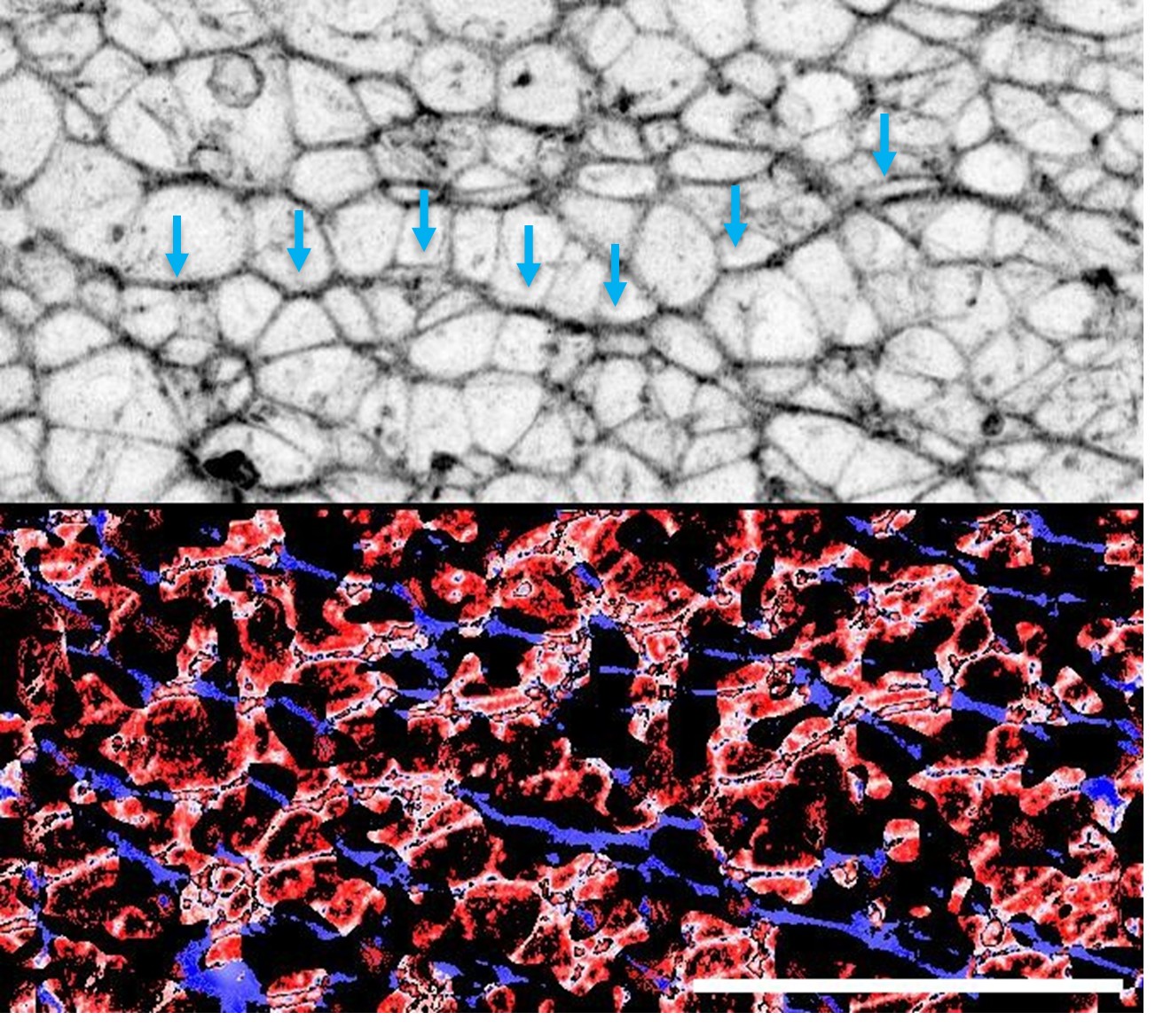
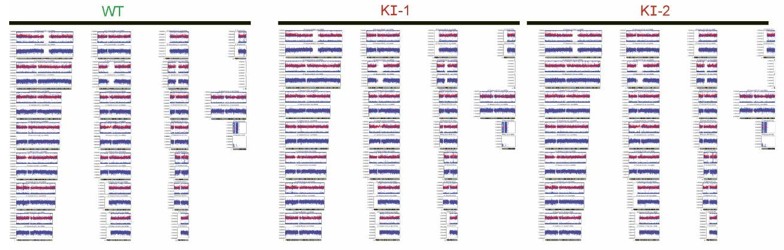
    1. but even so there is something that needs to be improved again, namely the process ofthe TF-IDF and Cosine Similarity programs which can be said to take quite a long time in processing calculations.Suggestions that can be given for further research are to look for special programs that can shorten the programruntime or compare the process runtime of this method with other calculation methods.

      maybe we can increase process effectiveness

    Annotators

    1. The evolution of agriculture in Palanpur involvedand was shaped by the interactions amongst several factors, including demographic change, expansion ofirrigation, intensication of cultivation, changing cropping patterns, farm mechanization, growing non-farmemployment, ‘marketization’ of factors of production, and improvements in formal credit supply.We identify ve fundamental elements of the change in agriculture in Palanpur. First, growing populationpressure and sale of land have meant that per capita land owned and land operated have declined signicantlybetween 1983 and 2008–10. While the decline in land availability per capita has inuenced changing patternsof tenancy, it has also affected choice of crops and cropping intensity. Second, while agricultural output, and tosome extent outside jobs, played a central role in income growth in earlier surveys, growing non-farm andoutside jobs have become more important in recent periods. The decline in the role of agriculture hasimplications not just for income distribution and inequality in the village but also for the labour and landmarkets. Third, we look at the role of agriculture in relation to social and cultural aspects of the village,particularly the afnity of some of the caste groups in relation to agriculture

      This passage highlights that long-run development operates through cumulative and interdependent processes rather than through a simple sectoral reallocation of labour. The persistence of agricultural employment despite declining output shares suggests that agriculture continues to play a stabilizing and coordinating role in rural labour markets, influencing income diversification, tenancy relations, and investment decisions. Long-term data make visible these slow institutional and technological adjustments that are often missed in short-run analyses. Structural transformation in Palanpur therefore appears less as an exit from agriculture than as a gradual reorganization of its functions within a diversified rural economy. Does this imply that agriculture should be understood as a complement rather than a residual sector in long-run development?

    1. “Dear Jonas: Considering your Country decided not to give me the Nobel Peace Prize for having stopped 8 Wars PLUS, I no longer feel an obligation to think purely of Peace, although it will always be predominant, but can now think about what is good and proper for the United States of America. “Denmark cannot protect that land from Russia or China, and why do they have a ‘right of ownership’ anyway? There are no written documents, it’s only that a boat landed there hundreds of years ago, but we had boats landing there, also. “I have done more for NATO than any other person since its founding, and now, NATO should do something for the United States. The World is not secure unless we have Complete and Total Control of Greenland. Thank you! President DJT”

      This letter, one can't even begin to unpack. What it says about the mind of Trump, his current mental health, or about what it means to have a toddler setting US foreign policy based on personal resentments

    1. Author response:

      The following is the authors’ response to the original reviews.

      Public Reviews:

      Reviewer #1 (Public review):

      Summary:  

      ZMAT3 is a p53 target gene that the Lal group and others have shown is important for p53mediated tumor suppression, and which plays a role in the control of RNA splicing. In this manuscript, Lal and colleagues perform quantitative proteomics of cells with ZMAT3 knockout and show that the enzyme hexokinase HKDC1 is the most upregulated protein. Mechanistically, the authors show that ZMAT3 does not appear to directly regulate the expression of HKDC1; rather, they show that the transcription factor c-JUN was strongly enriched in ZMAT3 pull-downs in IP-mass spec experiments, and they perform IP-western to demonstrate an interaction between c-JUN and ZMAT3. Importantly, the authors demonstrate, using ChIP-qPCR, that JUN is present at the HKDC1 gene (intron 1) in ZMAT3 WT cells and shows markedly enhanced binding in ZMAT3 KO cells. The data best fit a model whereby p53 transactivates ZMAT3, leading to decreased JUN binding to the HKDC1 promoter, and altered mitochondrial respiration.  

      Strengths:

      The authors use multiple orthogonal approaches to test the majority of their findings.  The authors offer a potentially new activity of ZMAT3 in tumor suppression by p53: the control of mitochondrial respiration.  

      Weaknesses:

      Some indication as to whether other c-JUN target genes are also regulated by ZMAT3 would improve the broad relevance of the authors' findings.  

      We thank the reviewer for the kind words and the thoughtful suggestion. As recommended, to identify additional c-JUN targets potentially regulated by ZMAT3, we intersected the genes upregulated upon ZMAT3 knockout (from our RNA-seq data) with the ChIP-Atlas dataset for human c-JUN and cross-referenced these with c-JUN peaks from three ENCODE cell lines. From this analysis, we selected for further analysis the top 4 candidate genes - LAMA2, VSNL1, SAMD3, and IL6R (Figure 5-figure supplement 2A-D). Like HKDC1, these genes were upregulated in ZMAT3-KO cells, and this upregulation was abolished upon siRNA-mediated JUN knockdown in ZMAT3-KO cells (Figure 5-figure supplement 2E). Moreover, by ChIP-qPCR we observed increased JUN binding to the JUN peak for these genes in ZMAT3-KO cells as compared to the ZMAT3-WT (Figure 5- figure supplement 2F). As described on page 11 of the revised manuscript, these results suggest that the ZMAT3/JUN axis negatively regulates HKDC1 expression and additional c-JUN target genes.   

      Reviewer #2 (Public review):

      Summary:

      The study elucidates the role of the recently discovered mediator of p53 tumor suppressive activity, ZMAT3. Specifically, the authors find that ZMAT3 negatively regulates HKDC1, a gene involved in the control of mitochondrial respiration and cell proliferation.  

      Strengths:

      Mechanistically, ZMAT3 suppresses HKDC1 transcription by sequestering JUN and preventing its binding to the HKDC1 promoter, resulting in reduced HKDC1 expression. Conversely, p53 mutation leads to ZMAT3 downregulation and HKDC1 overexpression, thereby promoting increased mitochondrial respiration and proliferation. This mechanism is novel; however, the authors should address several points.  

      Weaknesses:

      The authors conduct mechanistic experiments (e.g., transcript and protein quantification, luciferase assays) to demonstrate regulatory interactions between p53, ZMAT3, JUN, and HKDC1. These findings should be supported with functional assays, such as proliferation, apoptosis, or mitochondrial respiration analyses.  

      We thank the reviewer for appreciating our work and for this valuable suggestion. The reviewer rightly pointed out that supporting the regulatory interactions between p53, ZMAT3, JUN and HKDC1 with functional assays such as proliferation, apoptosis and mitochondrial respiration analyses would strengthen our mechanistic data. During the revision of our manuscript, we attempted to address this point by performing simultaneously knockdown of these proteins; however, we observed substantial toxicity under these conditions, making the functional assays technically unfeasible. This outcome was not unexpected as knockdown of JUN or HKDC1 individually results in growth defects.  We therefore focused our efforts on addressing the recommendation for authors.  

      Reviewer #3 (Public review):

      Summary:  

      In their manuscript, Kumar et al. investigate the mechanisms underlying the tumor suppressive function of the RNA binding protein ZMAT3, a previously described tumor suppressor in the p53 pathway. To this end, they use RNA-sequencing and proteomics to characterize changes in ZMAT3-deficient cells, leading them to identify the hexokinase HKDC1 as upregulated with ZMAT3 deficiency first in colorectal cancer cells, then in other cell types of both mouse and human origin. This increase in HKDC1 is associated with increased mitochondrial respiration. As ZMAT3 has been reported as an RNA-binding and DNA-binding protein, the authors investigated this via PAR-CLIP and ChIP-seq but did not observe ZMAT3 binding to HKDC1 pre-mRNA or DNA. Thus, to better understand how ZMAT3 regulates HKDC1, the authors used quantitative proteomics to identify ZMAT3interacting proteins. They identified the transcription factor JUN as a ZMAT3-interacting protein and showed that JUN promotes the increased HKDC1 RNA expression seen with ZMAT3 inactivation. They propose that ZMAT3 inhibits JUN-mediated transcriptional induction of HKDC1 as a mechanism of tumor suppression. This work uncovers novel aspects of the p53 tumor suppressor pathway.  

      Strengths:

      This novel work sheds light on one of the most well-established yet understudied p53 target genes, ZMAT3, and how it contributes to p53's tumor suppressive functions. Overall, this story establishes a p53-ZMAT3-HKDC1 tumor suppressive axis, which has been strongly substantiated using a variety of orthogonal approaches, in different cell lines and with different data sets.  

      Weaknesses:

      While the role of p53 and ZMAT3 in repressing HKDC1 is well substantiated, there is a gap in understanding how ZMAT3 acts to repress JUN-driven activation of the HKDC1 locus. How does ZMAT3 inhibit JUN binding to HKDC1? Can targeted ChIP experiments or RIP experiments be used to make a more definitive model? Can ZMAT3 mutants help to understand the mechanisms? Future work can further establish the mechanisms underlying how ZMAT3 represses JUN activity.  

      We thank the reviewer for the kind words and the invaluable suggestion. The reviewer has an excellent point regarding how ZMAT3 inhibits JUN binding to HKDC1 locus.Our new data included in the revised manuscript show that the ZMAT3-JUN interaction is lost in the presence of DNase or RNase, indicating that the interaction requires both DNA and RNA. This result suggests that ZMAT3 and JUN  form an RNA-dependent, chromatin- associated complex. Although not directly investigated in our study, this finding is consistent with emerging evidence that RBPs can function as chromatin-associated cofactors in transcription. For example, functional interplay between transcription factor YY1 and the RNA binding protein RBM25 co-regulates a broad set of genes, where RBM25 appears to engage promoters first and then recruit YY1, with RNA proposed to guide target recognition. We have discussed this possibility in the discussion section of revised manuscript (page 13). We agree that future work using ZMAT3 mutants and targeted ChIP or RIP assays will be valuable to delineate the precise mechanism by which ZMAT3 inhibits JUN binding to its target genes.   

      Recommendations for the authors:

      Reviewer #1 (Recommendations for the authors):

      ZMAT3 is a p53 target gene that the Lal group and others have shown is important for p53mediated tumor suppression, and which plays a role in the control of RNA splicing. In this manuscript, Lal and colleagues perform quantitative proteomics of cells with ZMAT3 knockout and show that the enzyme hexokinase HKDC1 is the most upregulated protein. HKDC1 is emerging as an important player in human cancer. Importantly, the authors show both acute (gene silencing) and chronic (CRISPR KO) approaches to silence ZMAT3, and they do this in several cell lines. Notably, they show that ZMAT3 silencing leads to impaired mitochondrial respiration, in a manner that is rescued by silencing of HKDC1. Mechanistically, the authors show that ZMAT3 does not appear to directly regulate the expression of HKDC1; rather, they show that the transcription factor c-JUN was strongly enriched in ZMAT3 pull-downs in IP-mass spec experiments, and they perform IP-western to demonstrate an interaction between c-JUN and ZMAT3. Importantly, the authors demonstrate, using ChIP-qPCR, that JUN is present at the HKDC1 gene (intron 1) in ZMAT3 WT cells, and shows markedly enhanced binding in ZMAT3 KO cells. The data best fit a model whereby p53 transactivates ZMAT3, leading to decreased JUN binding to the HKDC1 promoter (intron 1), and altered mitochondrial respiration. The findings are compelling, and the authors use multiple orthogonal approaches to test most findings. And the authors offer a potentially new activity of ZMAT3 in tumor suppression by p53: the control of mitochondrial respiration. As such, enthusiasm is high for this manuscript. 

      Addressing the following question would improve the manuscript. 

      It is not clear how many (other) c-JUN target genes might be impacted by ZMAT3; other important c-JUN targets in cancer include GLS1, WEE1, SREBP1, GLUT1, and CD36, so there could be a global impact on metabolism in ZMAT3 KO cells. Can the authors perform qPCR on these targets in ZMAT3 WT and KO cells and see if these target genes are differentially expressed? 

      We thank the reviewer for this thoughtful suggestion. As recommended, we examined the expression of key c-JUN target genes GLS1 (also known as GLS), WEE1, SREBP1, GLUT1, and CD36 in ZMAT3-WT and ZMAT3-KO cells. We first analyzed publicly available JUN ChIP-Seq data from three ENCODE cell lines, which revealed JUN binding peaks near or upstream of exon 1 for GLS1/GLS, SREBP1, and SLC2A1/GLUT1, but not for WEE1 or CD36 (Appendix 1, panels A-E). Based on these results, we performed RT-qPCR for GLS1/GLS, SREBP1 and SLC2A1 in ZMAT3-WT and ZMAT3-KO cells, with or without JUN knockdown. GLS mRNA was significantly reduced upon JUN knockdown in both ZMAT3-WT cells and ZMAT3-KO cells, but it was not upregulated upon loss of ZMAT3, indicating that GLS is a JUN target gene, but it is not regulated by ZMAT3. In contrast, SREBF1 or SLC2A1 expression remained unchanged upon ZMAT3 loss or JUN knockdown (Appendix 1 panels F-H). These data suggest that the ZMAT3/JUN axis does not regulate the expression of these genes.

      To identify additional c-JUN targets potentially regulated by ZMAT3, we intersected the genes upregulated upon ZMAT3 knockout (from our RNA-seq data) with the ChIP-Atlas dataset for human c-JUN and cross-referenced these with c-JUN peaks from three ENCODE cell lines. From this analysis, we selected for further analysis the top 4 candidate genes - LAMA2, VSNL1, SAMD3, and IL6R (Figure 5-figure supplement 2A-D). Like HKDC1, these genes were upregulated in ZMAT3-KO cells, and this upregulation was abolished upon siRNA-mediated JUN knockdown in ZMAT3-KO cells (Figure 5-figure supplement 2E). Moreover, by ChIP-qPCR we observed increased JUN binding to the JUN peak for these genes in ZMAT3-KO cells as compared to the ZMAT3-WT (Figure 5- figure supplement 2F). As described on page 11 of the revised manuscript, these results suggest that the ZMAT3/JUN axis negatively regulates HKDC1 expression and additional c-JUN target genes.   

      Minor concerns: 

      (1) Line 150: observed a modest. 

      (2) Line 159: Figure 2G appears to be inaccurately cited. 

      (3) Line 191: assays to measure. 

      We thank the reviewer for pointing these out. These minor concerns have been addressed in the text.  

      Reviewer #2 (Recommendations for the authors): 

      (1) Figure 1E: Can the authors clarify what the numbers on the left side of the chart represent? Do they refer to the scale?

      The numbers on the Y-axis represent the -log 10 (p- value) where higher values correspond to more significant changes. For visualization purposes, the significant changes are shown in red.  

      (2) Page 5, line 123: The sentence "As expected, ZMAT3 mRNA levels were decreased in the ZMAT3-KO cells" is redundant, as this information was already mentioned on page 4, line 103.  

      We thank the reviewer for noticing this redundancy. The repeated sentence has been removed in the revised manuscript.  

      (3) Page 5: The authors state: "Transcriptome-wide, upon loss of ZMAT3, 606 genes were significantly up-regulated (adj. p < 0.05 and 1.5-fold change) and 552 were down-regulated, with a median fold change of 1.76 and 0.55 for the up- and down-regulated genes, respectively." Later, on page 6, they write: "Comparison of the RNA-seq data from ZMAT3WT vs. ZMAT3-KO and CTRL siRNA vs. ZMAT3 siRNA-transfected HCT116 cells indicated that 1023 genes were commonly up-regulated, and 1042 were commonly down-regulated upon ZMAT3 loss (Figure S2C and D)." Why is the number of deregulated transcripts higher in the ZMAT3-WT vs. ZMAT3-KO comparison than in the CTRL siRNA vs. ZMAT3 siRNA comparison? Are the authors using less stringent criteria in the second analysis? This point should be clarified. 

      We thank the reviewer for highlighting this point. The reviewer is correct that less stringent criteria were used in the second analysis. On page 5, we applied stringent thresholds (adjusted p-value < 0.05 and 1.5-fold change) to identify high-confidence transcriptome-wide changes upon ZMAT3 loss. In contrast, for the comparison of both RNA-seq datasets (ZMAT3-WT vs. KO and siCTRL vs. siZMAT3), we included genes that were consistently up- or downregulated, without applying a fold change threshold, focusing instead on significantly altered genes (adjusted p < 0.05) in both datasets. This allowed us to capture broader and more reproducible transcriptomic changes that occur upon ZMAT3 depletion, including modest but significant changes upon transient ZMAT3 knockdown with siRNAs. We have now clarified this distinction on page 6 of the revised manuscript.

      (4) Figures 2B and 2E: The authors should provide quantification of HKDC1 protein levels normalized to a loading control. In addition, they should assess HKDC1 protein abundance upon ZMAT3 interference in SWI1222 and HCEC1CT cells, not just in HepG2 and HCT116 cells. 

      We thank the reviewer for this suggestion. We have now quantified all immunoblots presented throughout the manuscript, including those shown in Figures 2B and 2E, and all other figures containing protein analyses. Band intensities were quantified using ImageJ densitometry and normalized to GAPDH as the loading control. In addition, as suggested, we examined HKDC1 protein levels following ZMAT3 knockdown in two additional cell lines, SW1222 and HCEC-1CT. Consistent with our observations in HepG2 and HCT116 cells, ZMAT3 depletion led to increased HKDC1 protein levels in both SW1222 and HCEC-1CT cells. These new data are now included in Figure 2-figure supplement 1F and G. We have updated the Results section, figure legends, and figures to reflect these additions.

      (5) Figure 3A: It is unclear which gene was knocked out in the "KO cells." The authors should clearly specify this.

      We thank the reviewer for pointing this out. We have now updated Figure 3A.

      (6) Figure 3D: The result appears counterintuitive in comparison to Figure 3E. Why does HKDC1 knockdown reduce cell confluency more in ZMAT3 KO cells than in control (ZMAT3 wild-type) cells? The authors should explain this discrepancy more clearly.

      We thank the reviewer for this insightful comment. As shown in Figure 3D and 3E, knockdown of HKDC1 resulted in a greater decrease in proliferation in ZMAT3-KO cells than in ZMAT3-WT cells. This observation was indeed unexpected, given that HKDC1 acts downstream of ZMAT3. One possible explanation is that elevated HKDC1 expression in ZMAT3-KO cells increases their reliance on HKDC1 for sustaining proliferation, and that HKDC1 may also participate in additional pathways in ZMAT3-KO cells. Consequently, transient knockdown of HKDC1 in ZMAT3-KO cells would have a more pronounced effect on proliferation due to their increased dependency on HKDC1 activity. In contrast, ZMAT3WT cells which express lower levels of HKDC1 are less dependent on its function and therefore less sensitive to its depletion. We have now clarified this point on page 8 of the revised manuscript.  

      Reviewer #3 (Recommendations for the authors):  

      (1) Why do the authors start their analysis by knocking out the p53 response element in Zmat3? That should be clarified. In addition, since clones were picked after CRISPR KO of Zmat3, were experiments done to confirm that p53 signaling was not disrupted?

      We thank the reviewer for this thoughtful question. We began our study by targeting the p53 response element (p53RE) in the ZMAT3 locus because the basal expression of ZMAT3 is regulated by p53 (Muys, Bruna R. et al., Genes & Development, 2021). Deleting the p53RE therefore allowed us to markedly reduce ZMAT3 expression without disrupting the entire ZMAT3 locus. We have clarified this rationale on page 4 of the revised manuscript. To ensure that p53 signaling was not affected by this modification, we verified that canonical p53 targets such as p21 were equivalently induced in both ZMAT3WT and KO cells following Nutlin treatment and that p53 induction was unchanged(Figure 4F and Figure 1 – figure supplement 1A).

      (2) Throughout the text, many immunoblots are used to validate the knockouts and knockdowns used, but some clarification is needed. In Figure S1A, the Zmat3-WT sample seems to have significantly more p53 than the Zmat3 KO sample. Does Zmat3 KO compromise p53 levels in other experiments? It would be good to understand if Zmat3 affects p53 function by affecting its levels. Also, the p21 blot is overloaded.

      We thank the reviewer for this helpful observation. To determine whether ZMAT3 knockout affects p53 function by affecting its levels, we repeated the experiment three independent times. Western blots from these biological replicates, together with protein quantification, are now included in Appendix-2 and Figure 1-figure supplement 1A. These data show no significant differences in p53 or p21 induction between ZMAT3-WT and ZMAT3-KO cells following Nutlin treatment. In the revised manuscript, we have replaced the blot in Figure 1-figure supplement 1A with a more representative image from one of these replicate experiments.

      In Figure 2E, HKDC1 protein levels are not shown for the SW1222 and HCEC-1CT cell lines, 

      We thank the reviewer for this suggestion. HKDC1 protein levels in SW1222 and HCEC1-CT cells following ZMAT3 knockdown are now included as Figure 2- figure supplement 1F and 1G, together with the corresponding quantification.

      and Zmat3 does not appear as its characteristic two bands on the blot. What does this signify?

      We thank the reviewer for this observation. Endogenous ZMAT3 typically appears as two closely migrating bands on immunoblots. As shown in Figure 4D and Appendix 2A and 2B, these two bands are observed at the expected molecular weight following Nutlin treatment and are specific to ZMAT3, as they are markedly reduced in ZMAT3-KO cells. In contrast, only a single ZMAT3 band is visible in Figure 2E. This likely reflects limited resolution of the two bands in some blots rather than a biological difference.   

      (3) Why does HKDC1 knockdown only have an effect on metabolic phenotypes when ZMAT3 is gone? In Figure 3A, there does not seem to be a decrease in hexokinase activity in the siCTRL + siHKDC1 condition compared to siCTRL alone. Also, in Figure 3A, does phosphorylation activity of HKDC1 necessarily reflect glucose uptake, as stated? Additionally, in Figure 3C, there is no effect on mitochondrial respiration with siHKDC1, even though recent studies have shown a significant effect of HKDC1 on this.

      We thank the reviewer for raising these important questions. As noted, HKDC1 knockdown alone in wild-type cells (siCTRL + siHKDC1) does not significantly reduce hexokinase activity (Figure 3A). This likely reflects the low basal expression of HKDC1 in these cells. Thus, the metabolic phenotype may only become apparent when HKDC1 expression exceeds a functional threshold, as observed in ZMAT3-KO cells where HKDC1 is upregulated.

      Regarding the glucose uptake assay, HKDC1 itself is not phosphorylated; rather, it phosphorylates a non-catabolizable glucose analog, 2-deoxyglucose (2-DG) upon cellular uptake. According to the manufacturer’s protocol, intracellular 2-DG is phosphorylated by hexokinases to 2-deoxyglucose-6-phosphate (2-DG6P), which cannot be further metabolized and therefore accumulates. The accumulated 2-DG6P is quantified using a luminescence-based readout. This assay is widely used as a surrogate for glucose uptake because it reflects both glucose import and phosphorylation — the first step of glycolytic flux. As for the lack of change in mitochondrial respiration (Figure 3C), we acknowledge that some studies have reported mitochondrial roles for HKDC1 under basal conditions; however, such effects may be cell type-specific.

      (4) The emphasis on glycolysis signatures is confusing, as in the end, glycolysis does not seem to be affected by ZMAT3 status, but mitochondrial respiration is affected. Can the text be clarified to address this? It is also difficult to understand the role of oxygen consumption rate (OCR) in ZMAT3 phenotypes, as it does not fully track with proliferation. For example, ZMAT3 KD has the highest OCR, and the other conditions have similar OCRs but different proliferative rates in Figure 3D. Also, the colors used in Figure 3 to denote different genotypes change between B/C and D, which is confusing.

      We thank the reviewer for pointing out the inconsistency in the colors of the graph in Figure 2, which we have now corrected. Our data indicates that ZMAT3 regulates mitochondrial respiration without significantly affecting glycolysis. It is possible that mitochondria in ZMAT3-KO cells are oxidizing more substrates that are not produced by glycolysis. Additional work will be required to fully determine these mechanisms. We have clarified this on page 8 of the revised manuscript.      

      (5) The lack of ZMAT3 binding to RNAs in PAR-CLIP is not proof that it does not do so. A more targeted approach should be used, using individual RIP assays. The authors should also analyze the splicing of HKDC1, which could be affected by ZMAT3.

      As suggested, we performed ZMAT3 RNA IP experiments (RIP) using doxycycline-inducible HCT116-ZMAT3-FLAG cells. However, we did not observe significant enrichment of HKDC1 mRNA in the ZMAT3 IPs (Figure 5 – figure supplement 1A), consistent with previously published ZMAT3 RIP-seq data (Bersani et al, Oncotarget, 2016). These findings further support the notion that ZMAT3 does not directly bind to HKDC1 mRNA in these cells. We Accordingly, we have modified the text on page 10 of the revised manuscript.

      In addition, as suggested by the reviewer, we analyzed changes in splicing of HKDC1 pre-mRNA using rMATS in HCT116 cells by comparing our previously published RNA-seq data from siCTRL and siZMAT3-transfected HCT116 cells (Muys et al, Genes Dev, 2021). We focused on splicing events with an FDR < 0.05 and a delta PSI > |0.1| (representing at least a 10% change in splicing). The splicing analysis (data not shown) did not reveal any significant alterations in HKDC1 pre-mRNA splicing upon ZMAT3 knockdown. Corresponding text has been updated on page 10 of the revised manuscript.

      (6) The authors say that they examine JUN binding at the HKDC1 promoter several times, but they focus on intron 1 in Figure 5. They should revise the text accordingly, and they should also show JUN ChIP data traces for the whole HKDC1 locus in Figure 5C.

      We thank the reviewer for this helpful suggestion. As recommended, we have revised the text throughout the manuscript and replaced HKDC1 promoter with HKDC1 intron 1 DNA to accurately reflect our analysis, and Figure 5 now shows the JUN ChIP-seq signal across the entire HKDC1 locus.

      (7) In the ZMAT3 and JUN interaction assays, were these tested in the presence of DNAse or RNAse to determine if nucleic acids mediate the interaction?

      We thank the reviewer for this valuable suggestion. To test whether nucleic acids mediate the ZMAT3-JUN interaction, we performed ZMAT3 immunoprecipitation (IPs) in the presence or absence of DNase and RNase from doxycycline-inducible ZMAT3-FLAG expressing HCT116 cells. The ZMAT3-JUN interaction was lost upon treatment with either DNase or RNase, indicating that the interaction is mediated by nucleic acids. This data has been added in the revised manuscript (Figure 5-figure supplement 1D and on page 11).

    1. Reviewer #2 (Public review):

      In the original review of this manuscript, I noted that this study provides the first evidence that alteration of the Hox code in neck lateral plate mesoderm is sufficient for ectopic forelimb budding. Their finding that ectopic expression of Hoxa6 or Hoxa7 induces wing budding at neck level, a demonstration of sufficiency, is of major significance. The experiments used to test the necessity of specific Hox genes for limb budding involved overexpression of dominant negative constructs, and there were questions about whether the controls were well designed. The reviewers made several suggestions for additional experiments that would address their concerns. In their responses to those comments, the authors indicated that they would conduct those experiments, and they acknowledged the requests for further discussion of a few points.

      In the revised version of the manuscript, the authors have provided additional RNA-seq data in Table 3, which lists 221 genes that are shared between the Hoxa6-induced limb bud and normal wing bud but not the neck. This shows that the ectopic limb bud has a limb-like character. The authors also expanded the discussion of their results in the context of previous work on the mouse. These changes have improved the paper.

      The authors elected not to conduct the co-transfection experiments that were suggested to test the ability of Hoxa4/a5 to block the limb-inducing ability of Hoxa6/a7. They also chose not to conduct the additional control experiments that were suggested for the dominant negative studies. The authors' justification for not conducting these experiments is provided in the responses to reviewers.

      The paper is improved over the previous version, but the conclusions, particularly regarding the dominant negative experiments, would have been strengthened by the additional experiments that were recommended by the reviewers. Under the current publishing model for eLife, it is the authors' prerogative to decide whether to revise in accordance with the reviewers' suggestions. Therefore, it seems to me that this version of the manuscript is the definitive version that the authors want to publish, and that eLife should publish it together with the reviewers' comments and the authors' responses.

    1. eLife Assessment

      This study reports useful information on the mechanisms by which a high-fat diet induces arrhythmias in the model organism Drosophila. Specifically, the authors propose that adipokinetic hormone (Akh) secretion is increased with this diet, and through binding of Akh to its receptor on cardiac neurons, arrhythmia is induced. The authors have revised their manuscript, but in some areas the evidence remains incomplete, which the authors say future studies will be directed to closing the present gaps. Nonetheless, the data presented will be helpful to those who wish to extend the research to a more complex model system, such as the mouse.

    2. Author response:

      The following is the authors’ response to the previous reviews

      Public Reviews:

      Reviewer #1 (Public review):

      Summary:

      In the manuscript submission by Zhao et al. entitled, "Cardiac neurons expressing a glucagon-like receptor mediate cardiac arrhythmia induced by high-fat diet in Drosophila" the authors assert that cardiac arrhythmias in Drosophila on a high fat diet is due in part to adipokinetic hormone (Akh) signaling activation. High fat diet induces Akh secretion from activated endocrine neurons, which activate AkhR in posterior cardiac neurons. Silencing or deletion of Akh or AkhR blocks arrhythmia in Drosophila on high fat diet. Elimination of one of two AkhR expressing cardiac neurons results in arrhythmia similar to high fat diet.

      Strengths:

      The authors propose a novel mechanism for high fat diet induced arrhythmia utilizing the Akh signaling pathway that signals to cardiac neurons.

      Comments on revisions:

      The authors have addressed my other concerns. The only outstanding issue is in regard to the following comment:

      The authors state that "HFD led to increased heartbeat and an irregular rhythm." In representative examples shown, HFD resulted in pauses, slower heart rate, and increased irregularity in rhythm but not consistently increased heart rate (Figures 1B, 3A, and 4C). Based on the cited work by Ocorr et al (https://doi.org/10.1073/pnas.0609278104), Drosophila heart rate is highly variable with periods of fast and slow rates, which the authors attributed to neuronal and hormonal inputs. Ocorr et al then describe the use of "semi-intact" flies to remove autonomic input to normalize heart rate. Were semi-intact flies used? If not, how was heart rate variability controlled? And how was heart rate "increase" quantified in high fat diet compared to normal fat diet? Lastly, how does one measure "arrhythmia" when there is so much heart rate variability in normal intact flies?

      The authors state that 8 sec time windows were selected at the discretion of the imager for analysis. I don't know how to avoid bias unless the person acquiring the imaging is blinded to the condition and the analysis is also done blind. Can you comment whether data acquisition and analysis was done in a blinded fashion? If not, this should be stated as a limitation of the study.

      Drosophila heart rate is highly variable. During the recording, we were biased to choose a time window when heartbeat was fairly stable. This is a limitation of the study, which we mentioned in the revised version. We chose to use intact over “semi-intact” flies with an intention to avoid damaging the cardiac neurons. 

      Reviewer #3 (Public review):

      Zhao et al. provide new insights into the mechanism by which a high-fat diet (HFD) induces cardiac arrhythmia employing Drosophila as a model. HFD induces cardiac arrhythmia in both mammals and Drosophila. Both glucagon and its functional equivalent in Drosophila Akh are known to induce arrhythmia. The study demonstrates that Akh mRNA levels are increased by HFD and both Akh and its receptor are necessary for high-fat diet-induced cardiac arrhythmia, elucidating a novel link. Notably, Zhao et al. identify a pair of AKH receptor-expressing neurons located at the posterior of the heart tube. Interestingly, these neurons innervate the heart muscle and form synaptic connections, implying their roles in controlling the heart muscle. The study presented by Zhao et al. is intriguing, and the rigorous characterization of the AKH receptor-expressing neurons would significantly enhance our understanding of the molecular mechanism underlying HFD-induced cardiac arrhythmia.

      Many experiments presented in the manuscript are appropriate for supporting the conclusions while additional controls and precise quantifications should help strengthen the authors' arguments. The key results obtained by loss of Akh (or AkhR) and genetic elimination of the identified AkhR-expressing cardiac neurons do not reconcile, complicating the overall interpretation.

      We thank the reviewer for the positive comments. We believe that more signaling pathways are active in the AkhR neurons and regulate rhythmic heartbeat. We are current searching for the molecules and pathways that act on the AkhR cardiac neurons to regulate the heartbeat. Thus, AkhR neuron x shall have a more profound effect. Loss of AkhR is not equivalent to AkhR neuron ablation. 

      The most exciting result is the identification of AkhR-expressing neurons located at the posterior part of the heart tube (ACNs). The authors attempted to determine the function of ACNs by expressing rpr with AkhR-GAL4, which would induce cell death in all AkhRexpressing cells, including ACNs. The experiments presented in Figure 6 are not straightforward to interpret. Moreover, the conclusion contradicts the main hypothesis that elevated Akh is the basis of HFD-induced arrhythmia. The results suggest the importance of AkhR-expressing cells for normal heartbeat. However, elimination of Akh or AkhR restores normal rhythm in HFD-fed animals, suggesting that Akh and AkhR are not important for maintaining normal rhythms. If Akh signaling in ACNs is key for HFD-induced arrhythmia, genetic elimination of ACNs should unalter rhythm and rescue the HFD-induced arrhythmia. An important caveat is that the experiments do not test the specific role of ACNs. ACNs should be just a small part of the cells expressing AkhR. Specific manipulation of ACNs will significantly improve the study. Moreover, the main hypothesis suggests that HFD may alter the activity of ACNs in a manner dependent on Akh and AkhR. Testing how HFD changes calcium, possibly by CaLexA (Figure 2) and/or GCaMP, in wild-type and AkhR mutant could be a way to connect ACNs to HFD-induced arrhythmia. Moreover, optogenetic manipulation of ACNs may allow for specific manipulation of ACNs.

      We thank the reviewer for suggesting the detailed experiments and we believe that address these points shall consolidate the results. As AkhR-Gal4 also expresses in the fat body, we set out to build a more specific driver. We planned to use split-Gal4 system (Luan et al. 2006. PMID: 17088209). The combination of pan neuronal Elav-Gal4.DBD and AkhRp65.AD shall yield AkhR neuron specific driver. We selected 2580 bp AkhR upstream DNA and cloned into pBPp65ADZpUw plasmid (Addgene plasmid: #26234). After two rounds of injection, however, we were not able to recover a transgenic line.

      We used GCaMP to record the calcium signal in the AkhR neurons. AkhR-Gal4>GCaMP has extremely high levels of fluorescence in the cardiac neurons under normal condition.

      We are screening Gal4 drivers, trying to find one line that is specific to the cardiac neurons and has a lower level of driver activity.   

      Interestingly, expressing rpr with AkhR-GAL4 was insufficient to eliminate both ACNs. It is not clear why it didn't eliminate both ACNs. Given the incomplete penetrance, appropriate quantifications should be helpful. Additionally, the impact on other AhkR-expressing cells should be assessed. Adding more copies of UAS-rpr, AkhR-GAL4, or both may eliminate all ACNs and other AkhR-expressing cells. The authors could also try UAS-hid instead of UASrpr.

      We quantified the AkhR neuron ablation and found that about 69% (n=28) showed a single ACN in AkhR-Gal4>rpr flies. It is more challenging to quantify other AkhR-expressing cells, as they are wide-spread distributed. We tried to add more copies of UAS-rpr or AkhR-Gal4, which caused developmental defects (pupa lethality). Thus, as mentioned above, we are trying to find a more specific driver for targeting the cardiac neurons.

      Recommendations for the authors:

      Reviewer #3 (Recommendations for the authors):

      The authors refer 'crop' as the functional equivalent of the human stomach. Considering the difference in their primary functions, this cannot be justified.

      In Drosophila, the crop functions analogously to the stomach in vertebrates. It is a foregut storage and preliminary processing organ that regulates food passage into the midgut. It’s more than a simple reservoir. Crop engages in enzymatic mixing, neural control, and active motility.

      Line 163 and 166, APCs are not neurons.

      Akh-producing cells (APCs) in Drosophila are neuroendocrine cells, residing in the corpora cardiaca (CC). While they produce and secrete the hormone AKH (akin to glucagon), they are not brain interneurons per se. APCs share many neuronal features (vesicular release, axon-like projections) and receive neural inputs, effectively functioning as a peripheral endocrine center.

    1. Reviewer #1 (Public review):

      Summary:

      This work revisits a substantial part of the published literature in the field of Drosophila innate immunity from 1959 to 2011. The strategy has been to restrain the analysis to some 400 articles and then to extract a main claim, two to four major claims and up to four minor claims totaling some 2000 claims overall. The consistency of these claims with the current state-of-the-art has been evaluated and reported on a dedicated Web site known as ReproSci and also in the text as well as in the 28 Supplements that report experimental verification, direct or indirect, e.g., using novel null mutants unavailable at the time, of a selected set of claims made in several articles. Of note, this review is mostly limited to the manuscript and its associated supplements and does not integrally cover the ReproSci website.

      Strengths:

      One major strength of this article is that it tackles the issue of reproducibility/consistency on a large scale. Indeed, while many investigators have some serious doubts about some results found in the literature, few have the courage, or the means and time, to seriously challenge studies, especially if published by leaders in the field. The Discussion adequately states the major limitations of the ReproSci approach, which should be kept in mind by the reader to form their own opinion.

      This study also allows investigators not familiar with the field to have a clearer understanding of the questions at stake and to derive a more coherent global picture that allows them to better frame their own scientific questions. Besides a thorough and up-to-date knowledge of the literature used to assess the consistency of the claims with our current knowledge, a merit of this study is the undertaking of independent experiments to address some puzzling findings and the evidence presented is often convincing, albeit one should keep in mind the inherent limitations as several parameters are difficult to control, especially in the field of infections, as underlined by the authors themselves. Importantly, some work of the lead author has also been re-evaluated (Supplements S2-S4). Thus, while utmost caution should be exerted, and often is, in challenging claims, even if the challenge eventually proves to be not grounded, it is valuable to point out potential controversial issues to the scientific community.

      While this is not a point of this review, it should be acknowledged that the possibility to post comments on the ReproSci website will allow further readjustments by the community in the appreciation of the literature and also of the ReproSci assessments themselves and of its complementary additional experiments.

      Weaknesses:

      Challenging the results from articles is, by its very nature, a highly sensitive issue, and utmost care should be taken when challenging claims. While the authors generally acknowledge the limitations of their approach in the main text and Supplements, there are a few instances where their challenges remain questionable and should be reassessed. This is certainly the case for Supplement S18, for which the ReproSci authors make a claim for a point that was not made in the publication under scrutiny. The authors of that study (Ramet et al., Immunity, 2001) never claimed that scavenger receptor SR-CI is a phagocytosis receptor, but that it is required for optimal binding of S2 cells to bacteria. Westlake et al. here have tested for a role of this scavenger receptor in phagocytosis, which had not been tested by Ramet et al. Thus, even though the ReproSci study brings additional knowledge to our understanding of the function of SR-CI by directly testing its involvement in phagocytosis by larval hemocytes, it did not address the major point of the Ramet et al. study, SR-CI binding to bacteria, and thus inappropriately concludes in Supplement S18 that "Contrary to (Ramet et al., 2001, Saleh et al., 2006), we find that SR-CI is unlikely to be a major Drosophila phagocytic receptor for bacteria in vivo." It follows that the results of Ramet et al. cannot be challenged by ReproSci as it did not address this program. Of note, Saleh et al. (2006) also mistakenly stated that SR-CI impaired phagocytosis in S2 cells and could be used as a positive control to monitor phagocytosis in S2 cells. Their assay appears to have actually not monitored phagocytosis but the association of FITC-labeled bacteria to S2 cells by FACS, as they did not mention quenching the fluorescence of bacteria associated with the surface with Trypan blue.

      The inference method to assess the consistency of results with current knowledge also has limitations that should be better acknowledged. At times, the argument is made that the gene under scrutiny may not be expressed at the right time according to large-scale data or that the gene product was not detected in the hemolymph by a mass-spectrometry approach. While being in theory strong arguments, some genes, for instance, those encoding proteases at the apex of proteolytic activation cascades, need not necessarily be strongly expressed and might be released by a few cells. In addition, we are often lacking relevant information on the expression of genes of interest upon specific immune challenges such as infections with such and such pathogens.

      As regards mass spectrometry, there is always the issue of sensitivity that limits the force of the argument. Our understanding of melanization remains currently limited, and methods are lacking to accurately measure the killing activity associated with the triggering of the proPO activation cascade. In this study, the authors monitor only the blackening reaction of the wound site based on a semi-quantitative measurement. They are not attempting to use other assays, such as monitoring the cleavage of proPOs into active POs or measuring PO enzymatic activity. These techniques are sometimes difficult to implement, and they suffer at times from variability. Thus, caution should be exerted when drawing conclusions from just monitoring the melanization of wounds.

      Likewise, the study of phagocytosis is limited by several factors. As most studies in the field focus on adults, the potential role of phagocytosis in controlling Gram-negative bacterial infections is often masked by the efficiency of the strong IMD-mediated systemic immune response mediated by AMPs (Hanson et al, eLife, 2019). This problem can be bypassed in rare instances of intestinal infections by Gram-negative bacteria such as Serratia marcescens (Nehme et al., PLoS Pathogens, 2007) or Pseudomonas aeruginosa (Limmer et al. PNAS, 2011), which escape from the digestive tract into the hemocoel without triggering, at least initially, the systemic immune response. It is technically feasible to monitor bacterial uptake in adults by injecting fluorescently labeled bacteria and subsequently quenching the signal from non-ingested bacteria. Nonetheless, many investigators prefer to resort to ex vivo assays starting from hemocytes collected from third-instar wandering larvae as they are easier to collect and then to analyze, e.g., by FACS. However, it should be pointed out that these hemocytes have been strongly exposed to a peak of ecdysone, which may alter their properties. Like for S2 cells, it is thus not clear whether third-instar larval hemocytes faithfully reproduce the situation in adults. The phagocytic assays are often performed with killed bacteria. Evidence with live microorganisms is better, especially with pathogens. Assays with live bacteria require however, an antibody used in a differential permeabilization protocol. Furthermore, the killing method alters the surface of the microorganisms, a key property for phagocytic uptake. Bacterial surface changes are minimal when microorganisms are killed by X-ray or UV light. These limitations should be kept in mind when proceeding to inference analysis of the consistency of claims. Eater illustrates this point well. Westlake et al. state that:" [...] subsequent studies showed that a null mutation of eater does not impact phagocytosis". The authors refer here to Bretscher et al., Biology Open, 2015, in which binding to heat-killed E. coli was assessed in an ex vivo assay in third instar larvae. In contrast, Chung and Kocks (JBC, 2011) tested whether the recombinant extracellular N-terminal ligand-binding domain was able to bind to bacteria. They found that this domain binds to live Gram-positive bacteria but not to live Gram-negative bacteria. For the latter, killing bacteria with ethanol or heating, but not by formaldehyde treatment, allowed binding. More importantly, Chung and Kocks documented a complex picture in which AMPs may be needed to permeabilize the Gram-negative bacterial cell wall that would then allow access of at least the recombinant secreted Eater extracellular domain to peptidoglycan or peptidoglycan-associated molecules. Thus, the systemic Imd-dependent immune response would be required in vivo to allow Eater-dependent uptake of Gram-negative bacteria by adult hemocytes. In ex vivo assays, any AMPs may be diluted too much to effectively attack the bacterial membrane. A prediction is then that there should be an altered phagocytosis of Gram-negative bacteria in IMD-pathway mutants, e.g., an imd null mutant but not the hypomorphic imd[1] allele. This could easily be tested by ReproSci using the adult phagocytosis assay used by Kocks et al, Cell, 2005. At the very least, the part on the role of Eater in phagocytosis should take the Chung &Kocks study into account, and the conclusions modulated.

      Another point is that some mutant phenotypes may be highly sensitive to the genetic background, for instance, even after isogenization in two different backgrounds. In the framework of a Reproducibility project, there might be no other option for such cases than direct reproduction of the experiment as relying solely on inference may not be reliable enough.

      With respect to the experimental part, some minor weaknesses have been noted. The authors rely on survival to infection experiments, but often do not show any control experiments with mock-challenged or noninfected mutant fly lines. In some cases, monitoring the microbial burden would have strengthened the evidence. For long survival experiments, a check on the health status of the lines (viral microbiota, Wolbachia) would have been welcome. Also, the experimental validation of reagents, RNAi lines, or KO lines is not documented in all cases.

    2. Reviewer #2 (Public review):

      Summary:

      The authors present an ambitious and large-scale reproducibility analysis of 400 articles on Drosophila immunity published before 2011. They extract major and minor claims from each article, assess their verifiability through literature comparison and, when possible, through targeted experimental re-testing, and synthesize their findings in an openly accessible online database. The goal is to provide clarity to the community regarding claims that have been contradicted, incompletely supported, or insufficiently followed up in the literature, and to foster broader community participation in evaluating historical findings. The manuscript summarizes the major insights emerging from this systematic effort.

      Strengths:

      (1) Novelty and community value: This work represents a rare example of a systematic, transparent, and community-facing reproducibility project in a specific research domain. The creation of a dedicated public platform for disseminating and discussing these assessments is particularly innovative.

      (2) Breadth and depth: The authors analyze an impressive number of publications spanning multiple decades, and they couple literature-based assessments with new experimental data where follow-up is missing.

      (3) Clarity of purpose: The manuscript carefully distinguishes between assessing evidential support for claims and judging the scientific merit of historical work. This helps frame the project as constructive rather than punitive.

      (4) Metascientific relevance: The analysis identifies methodological and contextual factors that commonly underlie irreproducible claims, providing a useful guide for future study design and interpretation.

      (5) Transparency: Supplementary datasets and the public website provide an exceptional degree of openness, which should facilitate community engagement and further refinement.

      Weaknesses:

      (1) Subjectivity in selection: Despite the authors' efforts, the choice of which papers and claims to highlight cannot be entirely objective. This is an inherent limitation of any retrospective curation effort, but it remains important to acknowledge explicitly.

      (2) Emphasis on irreproducible claims: The manuscript focuses primarily on claims that are challenged or found to be weakly supported. While understandable from the perspective of novelty, this emphasis may risk overshadowing the value of claims that are well supported and reproducible.

      (3) Framing and language: Certain passages could benefit from more neutral phrasing and avoidance of binary terms such as "correct" or "incorrect," in keeping with the open-ended and iterative nature of scientific progress.

      (4) Community interaction with the dataset: While the website is an excellent resource, the manuscript could further clarify how the community is expected to contribute, challenge, or refine the annotations, especially given the large volume of supplementary data.

      (5) Minor inconsistency: The manuscript states that papers from 1959-2011 were included, but the Methods section mentions a range beginning in 1940. This should be aligned for clarity.

      Impact and significance:

      This contribution is likely to have a meaningful impact on both the Drosophila immunity community and the broader scientific ecosystem. It highlights methodological pitfalls, encourages transparent post-publication evaluation, and offers a reusable framework that other fields could adopt. The work also has pedagogical value for early-career researchers entering the field, who often struggle to navigate contradictory or outdated claims. By centralizing and contextualizing these discussions, the manuscript should help accelerate more robust and reproducible research.

    3. Reviewer #3 (Public review):

      Summary:

      In this ambitious study, the authors set out to analyse the validity of a number of claims, both minor and major, from 400 published articles within the field of Drosophila immunity that were published before 2011. The authors were able to determine initially if claims were supported by comparing them to other published literature in the field and, if required, by experimentally testing 'unchallenged' claims that had not been followed up in subsequent published literature. Using this approach, the authors identified a number of claims that had contradictory evidence using new methods or taking into account developments within the field post-initial publication. They put their findings on a publicly available website designed to enable the research community to assess published work within the field with greater clarity.

      Strengths:

      The work presented is rigorous and methodical, the data presentation is high quality, and importantly, the data presented support the conclusions. The discussion is balanced, and the study is written considerately and respectfully, highlighting that the aim of the study is not to assign merit to individual scientists or publications but rather to improve clarity for scientists across the field. The approach carried out by the researchers focuses on testing the validity of the claims made in the original papers rather than testing whether the original experimental methods produced reproducible results. This is an important point since there are many reasons why the original interpretation of data may have understandably led to the claims made. These potential explanations for irreproducible data or conclusions are discussed in detail by the authors for each claim investigated.

      The authors have generated an accompanying website, which provides a valuable tool for the Drosophila Immunity research community that can be used to fact-check key claims and encourages community engagement. This will achieve one important goal of this study - to prevent time loss for scientists who base their research on claims that are irreproducible. The authors rightly point out that it is impossible (and indeed undesirable) to avoid publication of irreproducible results within a field since science is 'an exploratory process where progress is made by constant course correction'. This study is, however, an important piece of work that will make that course correction more efficient.

      Weaknesses:

      I have little to recommend for the improvement of this manuscript. As outlined in my comments above, I am very supportive of this manuscript and think it is a bold and ambitious body of work that is important for the Drosophila immunity field and beyond.

    4. Reviewer #4 (Public review):

      This is an important paper that can do much to set an example for thoughtful and rigorous evaluation of a discipline-wide body of literature. The compiled website of publications in Drosophila immunity is by itself a valuable contribution to the field. There is much to praise in this work, especially including the extensive and careful evaluation of the published literature. However, there are also cautions.

      One notable concern is that the validation experiments are generally done at low sample sizes and low replication rates, and often lack statistical analysis. This is slippery ground for declaring a published study to be untrue. Since the conclusions reported here are nearly all negative, it is essential that the experiments be performed with adequate power to detect the originally described effects. At a minimum, they should be performed with the same sample size and replication structure as the originally reported studies.

      The first section of Results should be an overview of the general accuracy of the literature. Of all claims made in the 400 evaluated papers, what proportion fell into each category of "verified", "unchallenged", "challenged", "mixed", or "partially verified"? This summary overview would provide a valuable assessment of the field as a whole. A detailed dispute of individual highlighted claims could follow the summary overview.

      Section headings are phrased as declarative statements, "Gene X is not involved in process Y", which is more definitive phrasing than we typically use in scientific research. It implies proving a negative, which is difficult and rare, and the evidence provided in the present manuscript generally does not reach that threshold. A more common phrasing would be "We find no evidence that gene X contributes to process Y". A good model for this more qualified phrasing is the "We conclude that while Caspar might affect the Imd pathway in certain tissue-specific contexts, it is unlikely to act as a generic negative regulator of the Imd pathway," concluding the section on the role of Caspar. I am sure the authors feel that the softer, more qualified phrasing would undermine their article's goal of cleansing the literature of inaccuracies, but the hard declarative 'never' statements are difficult to justify unless every validation experiment is done with a high degree of rigor under a variety of experimental conditions. This caveat is acknowledged in the 3rd paragraph of the Discussion, but it is not reflected in the writing of the Results. The caveat should also appear in the Introduction.

      The article is clear that "Claims were assessed as verified, unchallenged, challenged, mixed, or partially verified," but the project is called "reproducibility project" in the 7th line of the abstract, and the website is "ReproSci". The fourth line of the abstract and the introduction call some published research "irreproducible". Most of the present manuscript does not describe reproduction or replication. It describes validation, or independent experimental tests for consistency. Published work is considered validated if subsequent studies using distinct approaches yielded consistent results. For work that the authors consider suspicious, or that has not been subsequently tested, the new experiments provided here do not necessarily recreate the published experiment. Instead, the published result is evaluated with experiments that use different tools or methods, again testing for consistency of results. This is an important form of validation, but it is not reproduction, and it should not be referred to as such. I strongly suggest that variations of the words "reproducible" or "replication" be removed from the manuscript and replaced with "validation". This will be more scientifically accurate and will have the additional benefit of reducing the emotional charge that can be associated with declaring published research to be irreproducible.

      The manuscript includes an explanatory passage in the Results section, "Our project focuses on assessing the strength of the claims themselves (inferential/indirect reproducibility) rather than testing whether the original methods produce repeatable results (results/direct reproducibility). Thus, our conclusions do not directly challenge the initial results leading to a claim, but rather the general applicability of the claim itself." Rather than first appearing in Results, this statement should appear prominently in the abstract and introduction because it is a core element of the premise of the study. This can be combined with the content of the present Disclaimer section into a single paragraph in the Introduction instead of appearing in two redundant passages. I would again encourage the authors to substitute the word validation for reproduction, which would eliminate the need for the invented distinction between indirect versus direct reproduction. It is notable that the authors have chosen to title the relevant Methods section "Experimental Validation" and not "Replication".

      Experimental data "from various laboratories" in the last paragraph of the Introduction and the first paragraph of the Results are ambiguous. Since these new experiments are part of the central core of the manuscript, the specific laboratories contributing them should be named in the two paragraphs. If experiments are being contributed by all authors on the manuscript, it would suffice to say "the authors' laboratories". The attribution to "various labs" appears to be contradicted by the Discussion paragraph 2, which states "the host laboratory has expertise in" antibacterial and antifungal defense, implying a single lab. The claim of expertise by the lead author's laboratory is unnecessary and can be deleted if the Lemaitre lab is the ultimate source of all validation experiments.

      The passage on the controversial role of Duox in the gut is balanced and scholarly, and stands out for its discussion of multiple alternative lines of evidence in the published literature and supplement. This passage may benefit from research by multiple groups following up on the original claims that are not available for other claims, but the tone of the Duox section can be a model for the other sections.

      Comments on other sections and supplements:

      I understand the desire to explain how original results may have been obtained when they are not substantiated by subsequent experiments. However, statements such as "The initial results may have been obtained due to residual impurities in preparations of recombinant GNBP1" and "Non-replicable results on the roles of Spirit, Sphinx and Spheroide in Toll pathway activation may be due to off-target effects common to first-generation RNAi tools" are speculation. No experimental data are presented to support these assertions, so these statements and others like them (currently at the end of most "insights" sections) should not appear in Results. I recognize that the authors are trying to soften their criticism of prior studies by providing explanations for how errors may have occurred innocently. If they wish to do so, the speculative hypotheses should appear in the Discussion.

      The statement in Results that "The initial claim concerning wntD may be explained by a genetic background effect independent of wntD" similarly appears to be a speculation based on the reading of the main text Results. However, the Discussion clarifies that "Here, we obtained the same results as the authors of the claim when using the same mutant lines, but the result does not stand when using an independent mutant of the same gene, indicating the result was likely due to genetic background." That additional explanation in the Discussion greatly increases reader confidence in the Result and should be explained with reference to S5 in the Results. Such complete explanations should be provided everywhere possible without requiring the reader to check the Supplement in each instance.

      In some cases, such as "The results of the initial papers are likely due to the use of ubiquitous overexpression of PGRP-LE, resulting in melanization due to overactivation of the Imd pathway and resulting tissue damage", the claim to explain the original finding would be easy to test. The authors should perform those tests where they can, if they wish to retain the statements in the manuscript. Similarly, the claim "The published data are most consistent with a scenario in which RNAi generated off-target knockdown of a protein related to retinophilin/undertaker, while Undertaker itself is unlikely to have a role in phagocytosis" would be stronger if the authors searched the Drosophila genome for a plausible homolog that might have been impacted by the RNAi construct, and then put forth an argument as to why the off-target gene is more likely to have generated the original phenotype than the nominally targeted gene. There is a brief mention in S19 that junctophilin is the authors' preferred off-target candidate, but no evidence or rationale is presented to support that assertion. If the original RNAi line is still available, it would be easy enough to test whether junctophilin is knocked down as an off-target, and ideally then to use an independent knockdown of junctophilin to recapitulate the original phenotype. Otherwise, the off-target knockdown hypothesis is idle speculation.

      A good model is the passage on extracellular DNA, which states, "experiments performed for ReproSci using the original DNAse IIlo hypomorph show that elevated Diptericin expression in the hypomorph is eliminated by outcrossing of chromosome II, and does not occur in an independent DNAse II null mutant, indicating that this effect is due to genetic background (Supplementary S11)." In this case, the authors have performed a clear experiment that explains the original finding, and inclusion of that explanation is warranted. Similar background replacement experiments in other validations are equally compelling.

      The statement "Analysis of several fly stocks expected to carry the PGRP-SDdS3 mutation used in the initial study revealed the presence of a wild-type copy PGRP-SD, suggesting that either the stock used in this study did not carry the expected mutation, or that the mutation was lost by contamination prior to sharing the stock with other labs" provides a documentable explanation of a potential error in the original two manuscripts, but the subsequent "analysis of several fly stocks" needs citations to published literature or explanation in the supplement. It is unclear from this passage how the wildtype allele in the purportedly mutant stocks could have led to the misattribution of function to PGRP-SD, so that should be explained more clearly in the manuscript.

      The originally claimed anorexia of the Gr28b mutation is explained as having been "likely obtained due to comparison to a wild-type line with unusually high feeding rates". This claim would be stronger if the wildtype line in question were named and data showing a high rate of feeding were presented in the supplement or cited from published literature. Otherwise, this appears to be speculation.

      In the section "The Toll immune pathway is not negatively regulated by wntD", FlyAtlas is cited as evidence that wntD is not expressed in adult flies. However, the FlyAtlas data is not adequately sensitive to make this claim conclusively. If the present authors wish to state that wntD is not expressed in adults, they should do a thorough test themselves and report it in the Supplement.

      Alternatively, the statement "data from FlyAtlas show that wntD is only expressed at the embryonic stage and not at the adult stage at which the experiments were performed by (Gordon et al., 2005a)" could be rephrased to something like "data from FlyAtlas show strong expression of wntD in the embryo but not the adult" and it should be followed by a direct statement that adult expression was also found to be near-undetectable by qPCR in supplement S5. That data is currently "not shown" in the supplement, but it should be shown because this is a central result that is being used to refute the original claim. This manuscript passage should also describe the expression data described in Gordon et al. (2005), for contrast, which was an experimental demonstration of expression in the embryo and a claim "RT-PCR was used to confirm expression of endogenous wntD RNA in adults (data not shown)."

      Inclusion of the section on croquemort is curious because it seems to be focused exclusively on clearance of apoptotic cells in the embryo, not on anything related to immunity. The subsection is titled "Croquemort is not a phagocytic engulfment receptor for apoptotic cells or bacteria", but the text passage contains no mention of phagocytosis of bacteria, and phagocytosis of bacteria is not tested in the S17 supplement. I would suggest deleting this passage entirely if there is not going to be any discussion of the immune-related phenotypes.

      The claim "Toll is not activated by overexpression of GNBP3 or Grass: Experiments performed for ReproSci find that contrary to previous reports, overexpression of GNBP3 (Gottar et al., 2006) or<br /> Grass (El Chamy et al., 2008) in the absence of immune challenge does not effectively activate Toll signaling (Supplementaries S6, S7)" is overly strongly stated unless the authors can directly repeat the original published studies with identical experimental conditions. In the absence of that, the claim in the present manuscript needs to be softened to "we find no evidence that..." or something similar. The definitive claim "does not" presumes that the current experiments are more accurate or correct than the published ones, but no explanation is provided as to why that should be the case. In the absence of a clear and compelling argument as to why the current experiment is more accurate, it appears that there is one study (the original) that obtained a certain result and a second study (the present one) that did not. This can be reported as an inconsistency, but the second experiment does not prove that the first was an error. The same comment applies to the refutation of the roles for Edin and IRC. Even though the current experiments are done in the context of a broader validation study, this does not automatically make them more correct. The present work should adhere to the same standards of reporting that we expect in any other piece of science.

      The statement "Furthermore, evidence from multiple papers suggests that this result, and other instances where mutations have been found to specifically eliminate Defensin expression, is likely due to segregating polymorphisms within Defensin that disrupt primer binding in some genetic backgrounds and lead to a false negative result (Supplementary S20)" should include citations to the multiple papers being referenced. This passage would benefit from a brief summary of the logic presented in S20 regarding the various means of quantifying Defensin expression.

      In S22 Results, the statement "For general characterization of the IrcMB11278 mutant, including developmental and motor defects and survival to septic injury, see additional information on the ReproSci website" is not acceptable. All necessary information associated with the paper needs to be included in the Supplement. There cannot be supporting data relegated to an independent website with no guaranteed stability or version control. The same comment applies to "Our results show that eiger flies do not have reduced feeding compared to appropriate controls (See ReproSci website)" in S25.

      Supplement S21 appears to show a difference between the wildtype and hemese mutants in parasitoid encapsulation, which would support the original finding. However, the validation experiment is performed at a small sample size and is not replicated, so there can be no statistical analysis. There is no reported quantification of lamellocytes or total hemocytes. The validation experiment does not support the conclusion that the original study should be refuted. The S21 evaluation of hemese must either be performed rigorously or removed from the Supplement and the main text.

      In S22, the second sentence of the passage "Due to the fact that IrcMB11278 flies always survived at least 24h prior to death after becoming stuck to the substrate by their wings, we do not attribute the increased mortality in Ecc15-fed IrcMB11278 flies primarily to pathogen ingestion, but rather to locomotor defects. The difference in survival between sucrose-fed and Ecc15-fed IrcMB11278 flies may be explained by the increased viscosity of the Ecc15-containing substrate compared to the sucrose-containing substrate" is quite strange. The first sentence is plausible and a reasonable interpretation of the observations. But to then conclude that the difference between the bacterial treatment versus the control is more plausibly due to substrate viscosity than direct action of the bacteria on the fly is surprising. If the authors wish to put forward that interpretation, they need to test substrate viscosity and demonstrate that fly mortality correlates with viscosity. Otherwise, they must conclude that the validation experiment is consistent with the original study.

      In S27, the visualization of eiger expression using a GFP reporter is very non-standard as a quantitative assay. The correct assay is qPCR, as is performed in other validation experiments, and which can easily be done on dissected fat body for a tissue-specific analysis. S27 Figure 1 should be replaced with a proper experiment and quantitative analysis. In S27 Figure 2, the authors should add a panel showing that eiger is successfully knocked down with each driver>construct combination. This is important because the data being reported show no effect of knockdown; it is therefore imperative to show that the knockdown is actually occurring. The same comment applies everywhere there is an RNAi to demonstrate a lack of effect.

      The Drosomycin expression data in S3 Figure 2A look extremely noisy and are presented without error bars or statistical analysis. The S4 claim that sphinx and spheroid are not regulators of the Toll pathway because quantitative expression levels of these genes do not correlate with Toll target expression levels is an extremely weak inference. The RNAi did not work in S4, so no conclusion should be inferred from those experiments. Although the original claims in dispute may be errors in both cases, the validation data used to refute the original claims must be rigorous and of an acceptable scientific standard.

      In S6 Figure 1, it is inappropriate to plot n=2 data points as a histogram with mean and standard errors. If there are fewer than four independent points, all points should be plotted as a dot plot. This comment applies to many qPCR figures throughout the supplement. In S7 Figure 1, "one representative experiment" out of two performed is shown. This strongly suggests that the two replicates are noisy, and a cynical reader might suspect that the authors are trying to hide the variance. This also applies to S5 Fig 3. Particularly in the context of a validation study, it is imperative to present all data clearly and objectively, especially when these are the specific data that are being used to refute the claim.

      Other comments:

      In S26, the authors suggest that much of the observed melanization arises from excessive tissue damage associated with abdominal injection contrasted to the lesser damage associated with thoracic injection. I believe there may be a methodological difference here. The Methods of S27 are not entirely clear, but it appears that the validation experiment was done with a pinprick, whereas the original Mabary and Schneider study was done with injection via a pulled capillary. My lab group (and I personally) have extensive experience with both techniques. In our hands, pinpricks to the abdomen do indeed cause substantial injury, and the physically less pliable thorax is more robust to pinpricks. However, capillary injections to the abdomen do virtually no tissue damage - very probably less than thoracic injections - and result in substantially higher survivals of infection even than thoracic injections. Thus, the present manuscript may infer substantial tissue damage in the original study because they are employing a different technique.

    1. Reviewer #3 (Public review):

      Summary:

      Due to the low SNR of cryo-EM micrographs necessitated by radiation damage, determining the structure of proteins smaller than 50 kDa is exceedingly challenging, such that only a handful have been solved to date. This work aims to improve the reconstruction of small proteins in single-particle cryo-EM by using high-resolution 2D template matching, an algorithm previously used to locate and align macromolecules in situ, to align and reconstruct small proteins. This approach uses an existing macromolecular structure, either experimentally determined or predicted by AlphaFold, to simulate a noise-free 3D reference and generates whitened projections, crucially including high-spatial-frequency information, to align particles by the orientation with maximal cross-correlation. They demonstrate the success of this approach by generating a 3D reconstruction from an existing dataset of a 41.3 kDa protein kinase that had previously evaded attempts at high-resolution structure determination. To alleviate concerns that this is purely from template bias, they demonstrate clear density at two regions that were not present in the template: 6 residues in an alpha helix and an ATP in the ligand binding pocket. The latter is particularly important for its implications in determining structures of ligand-bound proteins for drug discovery. Additionally, the authors provide an update to the classic calculation in Henderson 1995 to predict the minimum molecular mass of a protein that can be solved by single-particle cryo-EM.

      Strengths:

      I am in no doubt that this technique can be used to gain valuable insights into the structures of small proteins, and this is an important advancement for the field. The ability to determine the structure of ligands in a binding site is particularly important, and this paper provides a method of doing that which outperforms traditional single-particle cryo-EM processing workflows.

      The claim that using high-spatial frequency information is essential for aligning small proteins is a valuable insight. A recent pre-print published at a similar time to this manuscript used high-resolution information in standard ab-initio reconstruction to generate a high-resolution reconstruction from the same dataset, supporting the claims made in the manuscript.

      The theoretical section outlined in the appendix is also theoretically sound. It uses the same logic as Henderson, but applies more up-to-date knowledge, such as incorporating dose-weighting and altering the cross-correlation-based noise estimation. This update is valuable for understanding factors preventing us from reaching the theoretical limit.

      Weaknesses:

      Given that this technique creates template bias, only parts of the reconstruction not in the template can be trusted, unlike standard single-particle processing, where the independent half-maps from separate, ab initio templates are used to generate a 3D reconstruction. Although, in principle, one could perform the search many times such that every residue has been omitted in at least one search, this will be extremely computationally intensive and was not demonstrated in this manuscript. It is therefore currently only realistically applicable when only a small portion of the sub-50 kDa protein is of interest.

      The applicability of this technique to more than a single target was also not demonstrated, and there are concerns that it may not work effectively in many cases. The authors note in the results that "the ATP density was consistently recovered more robustly than nearby residues" and speculate that this may be because misalignments disproportionately blur peripheral residues. Since the region of interest in a structure is not necessarily in the center, this may need further investigation. The implications of this statement may also be unclear to the reader. For example, can this issue be minimized by having the region of interest centered in the simulated volume?

      In Figure 3, the authors demonstrate that it is not solely improved particle filtering and a noise-free reference that improves alignment, but that the high spatial frequency information is important. This information is very valuable since it can be applied to other, more standard methods. However, this key figure is not as clear or convincing as it could be. The FSC curves are possibly misleading, since the reduced resolution could be explained by reduced template bias when auto-refining with a map initially low-pass filtered to 10 Å. Moreover, although the helix reconstruction does look slightly better using the 2DTM angles, the improvement in density for ATP in the binding pocket is not clear. A qualitative argument only clear in one out of two cases is not as convincing as a quantitative metric across more examples.

    1. He is a lamp sitting in the dark, clutching an extension cord, waiting for someone else to find the outlet.

      ⚠️ DIAGNOSTIC: EXTERNAL LOCUS OF CONTROL This is the definition of "Powerlessness." Alex has the hardware (he knows the verses/theology), but he lacks the connection. He believes the "Outlet" is his mentor. The Truth: The Outlet is inside the believer (The Indwelling Spirit). Alex is sitting in a room with the lights off, holding a plug, forgetting he is hardwired to the generator.

    1. cover ways to communicate effectively as you develop insight into your own style, writing process, grammatical choices, and rhetorical situations.

      Informs me that not only will this textbook teach me effective communication styles, but encourages self development of insight; Learning then adapting and applying.

    1. Pérez told me stories of scientists who sacrificed their academic careers to build software, because building software counted for so little in their field: The creator of matplotlib, probably the most widely used tool for generating plots in scientific papers, was a postdoc in neuroscience but had to leave academia for industry. The same thing happened to the creator of NumPy, a now-ubiquitous tool for numerical computing. Pérez himself said, “I did get straight-out blunt comments from many, many colleagues, and from senior people and mentors who said: Stop doing this, you’re wasting your career, you’re wasting your talent.” Unabashedly, he said, they’d tell him to “go back to physics and mathematics and writing papers.”

      También he vivido la subvaloración asociada a publicar y sostener software libre en y desde contextos comunitarios en contraste con la publicación en circuitos académicos clásicos. Y si bien las universidades locales se están pensando esto en aras de visibilizar innovación, lo hacen muy lentamente, como es habitual, mientras los incentivos siguen estando alineados a las métricas convencionales

    1. 2.2.2. The “Golden Rule”# One widespread ethical principle is what English speakers sometimes call the “Golden Rule”: “Tsze-kung asked, saying, ‘Is there one word which may serve as a rule of practice for all one’s life?’ The Master said, ‘Is not reciprocity such a word? What you do not want done to yourself, do not do to others.’” Confucius, Analects 15.23 (~500 BCE China) “There is nothing dearer to man than himself; therefore, as it is the same thing that is dear to you and to others, hurt not others with what pains yourself.” Gautama Buddha, Udānavarga 5:18 (~500 BCE Nepal/India) “That which is hateful to you do not do to another; that is the entire Torah, and the rest is its interpretation.” Hillel the Elder, Talmud Shabbat, folio 33a (~0 CE Palestine) “So in everything, do to others what you would have them do to you, for this sums up the Law and the Prophets.” Jesus of Nazareth, Matthew 7:12 (~30 CE Palestine) And many more…

      I find the “Golden Rule” sounds simple enough, but it doesn't always work well in practice because everyone's feelings and boundaries are different. Especially on social media, judging behavior by thinking “I don't mind, so others shouldn't either” can actually overlook the feelings of those who are genuinely affected.

    1. Why some clothes shrink in the wash — and how to 'unshrink' them
      • Clothes shrink in the wash due to natural fibres like cotton and linen relaxing to their original crinkled state when exposed to heat, moisture, and agitation.
      • During manufacturing, fibres are stretched straight, but hydrogen bonds break in hot water, allowing cellulose chains to recoil.
      • Loosely knitted fabrics shrink more than tightly woven ones; even cold water can cause some shrinkage due to swelling and mechanical action.
      • Wool shrinks via felting, where cuticle scales on fibres interlock during washing.
      • Synthetics like polyester resist shrinking due to crystalline structures that maintain stability.
      • To unshrink clothes, soak in lukewarm water with conditioner or baby shampoo, then stretch gently and dry flat.

      Hacker News Discussion

      • Users share tips on durable clothing brands like American Giant hoodies, Carhartt pants, Duluth Trading shirts, and Uniqlo's better options, noting quality declines in some like Levi's and H&M.
      • Discussions on avoiding shrinkage: wash cold, air dry or use low-heat dryers, hang dry with fans/dehumidifiers; modern heat pump dryers praised for gentleness.
      • Health concerns about dryer lint and microplastics from synthetics, with anecdotes of respiratory issues from poor ventilation.
      • Debates on fabric quality: longer staple cotton resists shrinking better; pre-shrunk fabrics and blends help; natural vs. synthetic preferences vary.
  4. drive.google.com drive.google.com
    1. outsidesources

      I figure this will be talked about later but would you want us to include the class reading as a part of the sources or have it strictly be outside sources?