10,000 Matching Annotations
  1. Feb 2026
    1. When we use social media platforms though, we at least partially give up some of our privacy. For example, a social media application might offer us a way of “Private Messaging” (also called Direct Messaging) with another user. But in most cases those “private” messages are stored in the computers at those companies, and the company might have computer programs that automatically search through the messages, and people with the right permissions might be able to view them directly. In some cases we might want a social media company to be able to see our “private” messages, such as if someone was sending us death threats. We might want to report that user to the social media company for a ban, or to law enforcement (though many people have found law enforcement to be not helpful), and we want to open access to those “private” messages to prove that they were sent.

      I have always been skeptical about whether privacy on social media is truly “private.” In many cases, so-called private messages are still accessible to platform developers or automated systems, which means users are trusting companies to protect their privacy rather than actually controlling it themselves. While this access can be helpful in situations like reporting threats or harassment, it also raises questions about who ultimately benefits from this arrangement. If only social media companies are able to see and manage my private data, I am not sure that this kind of “privacy” genuinely serves users’ interests rather than the platforms’ own priorities.

    2. In some cases we might want a social media company to be able to see our “private” messages, such as if someone was sending us death threats. We might want to report that user to the social media company for a ban, or to law enforcement (though many people have found law enforcement to be not helpful), and we want to open access to those “private” messages to prove that they were sent.

      Private messaging creates’ an expectation of privacy, but there are situations where limited access is necessary to protect users from threats or harassment. The challenge is designing systems that allow reporting and evidence sharing in harmful situations without turning routine private communication into something routinely monitored.

    3. For example, a social media application might offer us a way of “Private Messaging” (also called Direct Messaging) with another user. But in most cases those “private” messages are stored in the computers at those companies, and the company might have computer programs that automatically search through the messages, and people with the right permissions might be able to view them directly.

      I was aware that direct messaging can store data, not so "private" after all

    4. 9.1. Privacy

      This section made me realize that privacy is not just about “hiding secrets,” but about control over our information and context. For example, we might want to talk differently with friends than with teachers or employers, but social media can mix everything together (context collapse). I also didn’t think about how “private messages” aren’t truly private since companies can still store and scan them. It feels like using social media always means giving up some privacy, even when we don’t notice it.

    5. For example, a social media application might offer us a way of “Private Messaging” (also called Direct Messaging) with another user. But in most cases those “private” messages are stored in the computers at those companies, and the company might have computer programs that automatically search through the messages, and people with the right permissions might be able to view them directly.

      This is a good reminder that “private” on social media usually just means private from other users, not from the platform itself. It feels like the label creates a sense of safety that isn’t really accurate, especially when companies can still scan or access messages behind the scenes.

    6. For example, a social media application might offer us a way of “Private Messaging” (also called Direct Messaging) with another user. But in most cases those “private” messages are stored in the computers at those companies, and the company might have computer programs that automatically search through the messages, and people with the right permissions might be able to view them directly.

      This is a good reminder that “private” on social media usually just means private from other users, not from the platform itself. It feels like the label creates a sense of safety that isn’t really accurate, especially when companies can still scan or access messages behind the scenes.

    7. This section discusses the importance of privacy in everyday life. It argues that privacy is not just about covering up something bad, but also about comfort, dignity, and context. For example, someone may want to keep something private because they are embarrassed about it, or they want to avoid misunderstandings due to context collapse. However, the main idea of the text is that privacy is important for an individual because it helps them avoid the consequences of public exposure.

    8. such as if someone was sending us death threats.

      This is a particularly important note in my opinion. There are cases about sex trafficking victims who were found and the predator prosecuted because of social media giant having access to private messages and information. Of course it isn't something they should throw about, but when it's such a big part of our lives, it makes sense that it should help the police in investigation.

    9. For example, a social media application might offer us a way of “Private Messaging” (also called Direct Messaging) with another user. But in most cases those “private” messages are stored in the computers at those companies, and the company might have computer programs that automatically search through the messages, and people with the right permissions might be able to view them directly.

      This makes me think of the Tea app data leak in which almost all users had their information leaked because the developer allegedly stored it all in a public Google Drive. Certain ethical situations should be mandatory to follow when creating a social platform, even (or especially) if a developer is inexperienced.

    10. For example, a social media application might offer us a way of “Private Messaging” (also called Direct Messaging) with another user. But in most cases those “private” messages are stored in the computers at those companies, and the company might have computer programs that automatically search through the messages, and people with the right permissions might be able to view them directly.

      That’s such a good reminder that “private” messaging usually just means “not public,” not “only between two people.” It makes me want to be more careful about what I assume is truly confidential when I DM. I also think it’s wild how much of this is automated—like filtering, scanning, or flagging messages without us noticing. It raises a real question of how much privacy we’re actually trading for convenience.

    11. For example, a social media application might offer us a way of “Private Messaging” (also called Direct Messaging) with another user. But in most cases those “private” messages are stored in the computers at those companies, and the company might have computer programs that automatically search through the messages, and people with the right permissions might be able to view them directly. In some cases we might want a social media company to be able to see our “private” messages, such as if someone was sending us death threats. We might want to report that user to the social media company for a ban, or to law enforcement (though many people have found law enforcement to be not helpful), and we want to open access to those “private” messages to prove that they were sent.

      This highlights the tension between privacy and accountability on social media. Messages are labeled “private,” but that privacy is conditional and mediated by the platform. While access to private messages can be essential for safety and harm prevention, it also requires strong safeguards so that surveillance and misuse don’t become the default rather than the exception.

    1. For example, the proper security practice for storing user passwords is to use a special individual encryption process for each individual password. This way the database can only confirm that a password was the right one, but it can’t independently look up what the password is or even tell if two people used the same password. Therefore if someone had access to the database, the only way to figure out the right password is to use “brute force,” that is, keep guessing passwords until they guess the right one (and each guess takes a lot of time).

      It is interesting that using symbols, uppercase letters, and numbers does not significantly increase the difficulty of brute-force attacks, while increasing the length of a password dramatically raises the cost of cracking it. However, many social media platforms still emphasize “complex” password rules rather than encouraging longer passwords. This can create a false sense of security for users, who may believe their passwords are strong when they are not. Ironically, these complexity requirements can even make passwords harder to remember, leading users to reuse them or choose predictable patterns, which ultimately gives attackers more opportunities.

    2. One of the things you can do as an individual to better protect yourself against hacking is to enable 2-factor authentication on your accounts.

      This statement shifts the focus of "protection" from the company level to the individual level, emphasizing that users still have actionable self-protection strategies. The significance of 2FA lies in the fact that even if a password is leaked, it is difficult for attackers to log in directly using only the password, thus reducing the probability of credential stuffing and account takeover. It also reminds us that security is layered – even the best platform security can be compromised by individual vulnerabilities such as phishing or weak passwords. However, this also highlights a limitation: 2FA can only reduce the risk of "account theft," but it cannot solve structural problems such as the platform itself leaking your private data.

    3. But social media companies often fail at keeping our information secure.

      This statement highlights the fragility of the "trust relationship" between users and the platform: we share information assuming the platform will protect it properly. It also implies that the problem is not an isolated incident, but "happens frequently," suggesting that security failures may be related to systems, processes, or business priorities. More importantly, the consequences of a single security breach often extend beyond the platform itself, affecting users' accounts on other websites and posing risks to their real lives. Readers will naturally ask: why did the platform fail—was it due to insufficient technical capabilities, management negligence, or prioritizing growth and convenience over security?

    4. But while that is the proper security for storing passwords. So for example, Facebook stored millions of Instagram passwords in plain text, meaning the passwords weren’t encrypted and anyone with access to the database could simply read everyone’s passwords. And Adobe encrypted their passwords improperly and then hackers leaked their password database of 153 million users.

      This shows how even major platforms can ignore basic security practices. How can platforms be held to stricter accountability standards when they fail to protect user data?

    5. While we have our concerns about the privacy of our information, we often share it with social media platforms under the understanding that they will hold that information securely. But social media companies often fail at keeping our information secure.

      This has been a massive problem since the creation and widespread use of social media, and there has never been a definitive resolution to it, as hackers will always find ways to access people's personal information. Additionally, as mentioned, employees will always misuse their access and would also likely sell important personal information, especially if it comes to celebrities.

    6. Hackers finding a vulnerability and inserting, modifying, or downloading information. For example:

      When reading this section I'm reminded of a pretty infamous case that happened not long ago. The "Tea App" was used among young girls all across North America, and it was known for being an app where young women would go online and post about men they've been with and their bad, weird, or good attributes- essentially "spilling the tea". It was marketed as a "safe space" for women, where they could post anonomously and communicate potential catfishes, offenders, or overall bad men. However in 2023 a hacker had managed to leak all of the users' information, including but not limited to- credit card information, addresses, and 13,000 government IDs. This happened because the Tea app hadn't properly encrypted or protected the data, allowing the hacker to virtually access alll the users' information.**

    7. While we have our concerns about the privacy of our information, we often share it with social media platforms under the understanding that they will hold that information securely. But social media companies often fail at keeping our information secure.

      I find the concept of securty and privacy on social media incredibly intriguing, as users are almost always promised that just by having a username and password, your data is completely protected, or at least we are given that assumption. However, it's relatively easy to hack into anyone's account if you have the right knowledge and know where to look. Especially if you have the capabality to manage an app or website from the back end, having the ability to go through data within an application can lead to data leaks, and private information you thought no one would have can suddenly be given to the world.

    8. While we have our concerns about the privacy of our information, we often share it with social media platforms under the understanding that they will hold that information securely. But social media companies often fail at keeping our information secure. For example, the proper security practice for storing user passwords is to use a special individual encryption process for each individual password. This way the database can only confirm that a password was the right one, but it can’t independently look up what the password is or even tell if two people used the same password. Therefore if someone had access to the database, the only way to figure out the right password is to use “brute force,” that is, keep guessing passwords until they guess the right one (and each guess takes a lot of time). But while that is the proper security for storing passwords. So for example, Facebook stored millions of Instagram passwords in plain text, meaning the passwords weren’t encrypted and anyone with access to the database could simply read everyone’s passwords. And Adobe encrypted their passwords improperly and then hackers leaked their password database of 153 million users.

      This example illustrates a gap between users’ expectations of privacy and the actual practices of social media companies. Although users consent to sharing data, that consent assumes responsible stewardship, which is violated when companies fail to implement basic security measures.

    9. Phishing attacks, where they make a fake version of a website or app and try to get you to enter your information or password into it

      I remember a story in 2014, where many celebrities' personal photos were leaked because of a simple phishing scam involving an employee. It reminded me that network protection is not the only that needs to be protected but employees need training as well.

    10. The passage emphasizes the difference between the expectation of users regarding their privacy on social media and how these companies actually provide security for their data. It talks about how passwords need to be encrypted so that they cannot be easily read, but how some companies failed to do so, putting their users’ private information at risk, as shown in the cases of Facebook and Adobe.

    11. While we have our concerns about the privacy of our information, we often share it with social media platforms under the understanding that they will hold that information securely. But social media companies often fail at keeping our information secure.

      Yeah, it’s kind of a weird trade—we hand over a ton of personal info because we assume the platform will protect it, but breaches still happen all the time. It makes “trust” feel more like a gamble than a guarantee. What also bugs me is that once your data is out there, you can’t really take it back, even if the company apologizes or improves security later. It definitely makes me think twice about what I share and what permissions I give apps.

    12. 9.2. Security# While we have our concerns about the privacy of our information, we often share it with social media platforms under the understanding that they will hold that information securely. But social media companies often fail at keeping our information secure. For example, the proper security practice for storing user passwords is to use a special individual encryption process for each individual password. This way the database can only confirm that a password was the right one, but it can’t independently look up what the password is or even tell if two people used the same password. Therefore if someone had access to the database, the only way to figure out the right password is to use “brute force,” that is, keep guessing passwords until they guess the right one (and each guess takes a lot of time). But while that is the proper security for storing passwords. So for example, Facebook stored millions of Instagram passwords in plain text, meaning the passwords weren’t encrypted and anyone with access to the database could simply read everyone’s passwords. And Adobe encrypted their passwords improperly and then hackers leaked their password database of 153 million users. From a security perspective there are many risks that a company faces, such as: Employees at the company misusing their access, like Facebook employees using their database permissions to stalk women Hackers finding a vulnerability and inserting, modifying, or downloading information. For example: hackers stealing the names, Social Security numbers, and birthdates of 143 million Americans from Equifax hackers posting publicly the phone numbers, names, locations, and some email addresses of 530 million Facebook users, or about 7% of all people on Earth Hacking attempts can be made on individuals, whether because the individual is the goal target, or because the individual works at a company which is the target. Hackers can target individuals with attacks like: Password reuse attacks, where if they find out your password from one site, they try that password on many other sites Hackers tricking a computer into thinking they are another site, for example: the US NSA impersonated Google Social engineering, where they try to gain access to information or locations by tricking people. For example: Phishing attacks, where they make a fake version of a website or app and try to get you to enter your information or password into it. Some people have made malicious QR codes to take you to a phishing site. Many of the actions done by the con-man Frank Abagnale, which were portrayed in the movie Catch Me If You Can One of the things you can do as an individual to better protect yourself against hacking is to enable 2-factor authentication on your accounts. { requestKernel: true, binderOptions: { repo: "binder-examples/jupyter-stacks-datascience", ref: "master", }, codeMirrorConfig: { theme: "abcdef", mode: "python" }, kernelOptions: { kernelName: "python3", path: "./ch09_privacy" }, predefinedOutput: true } kernelName = 'python3' previous 9.1. Privacy next 9.3. Additional Privacy Violations By Kyle Thayer and Susan Notess © Copyright 2022.

      This section helped me realize that security failures are often not just technical problems, but also human and organizational ones. Even when proper security practices are well known, companies still choose convenience or cost-saving over protecting users’ data. What stood out to me most was how easily individuals can become targets through things like password reuse or phishing, which makes personal security practices like two-factor authentication feel necessary rather than optional.

    13. But while that is the proper security for storing passwords. So for example, Facebook stored millions of Instagram passwords in plain text, meaning the passwords weren’t encrypted and anyone with access to the database could simply read everyone’s passwords. And Adobe encrypted their passwords improperly and then hackers leaked their password database of 153 million users.

      I have heard multiple cases/instances of this happening but never heard of any follow up about this, at least in the cases of social media. Were people's accounts then hacked? What came from this? I'm aware it's bad to generalize based on your own experiences, but I was only ever hacked once on instagram (my account started posting scam advertisements and changed my profile picture), but I just changed my password and the problem went away. Was it a similar case for different users? Did anything serious come from these cases?

    14. While we have our concerns about the privacy of our information, we often share it with social media platforms under the understanding that they will hold that information securely. But social media companies often fail at keeping our information secure.

      What feels most concerning in these examples is that users don’t really have a way to verify whether companies are following proper security practices. We’re asked to trust platforms with highly sensitive information, but when breaches happen, the consequences mostly fall on users rather than the companies. This creates a serious imbalance in responsibility and risk.

    1. Burnout in nurses was four times greater than that of other professionals (2). Moreover, the prevalence of burnout among female nurses was very high

      This underscores that burnout isn't just a general workplace issue but a specific crisis within the nursing profession that requires specialized self-care strategies.

    1. Why you should write a literature review

      This overall secrtion stood out to me because of the amount of clarity it provided on why literature reviews are essential across all research disciplines ,not just as background but aspart of the research process.

    1. Reviewer #1 (Public review):

      Meiotic recombination at chromosome ends can be deleterious, and its initiation-the programmed formation of DSBs-has long been known to be suppressed. However, the underlying mechanisms of this suppression remained unclear. A bottleneck has been the repetitive sequences embedded within chromosome ends, which make them challenging to analyze using genomic approaches. The authors addressed this issue by developing a new computational pipeline that reliably maps ChIP-seq reads and other genomic data, enabling exploration of previously inaccessible yet biologically important regions of the genome.

      In budding yeast, chromosome ends (~20 kb) show depletion of axis proteins (Red1 and Hop1) important for recruiting DSB-forming proteins. Using their newly developed pipeline, the authors reanalyzed previously published datasets and data generated in this study, revealing heretofore unseen details at chromosome ends. While axis proteins are depleted at chromosome ends, the meiotic cohesin component Rec8 is not. Y' elements play a crucial role in this suppression. The suppression does not depend on the physical chromosome ends but on cis-acting elements. Dot1 suppresses Red1 recruitment at chromosome ends but promotes it in interior regions. Sir complex renders subtelomeric chromatin inaccessible to the DSB-forming machinery.

      The high-quality data and extensive analyses provide important insights into the mechanisms that suppress meiotic DSB formation at chromosome ends. To fully realise this value, several aspects of data presentation and interpretation should be clarified to ensure that the conclusions are stated with appropriate precision and that remaining future issues are clearly articulated.

      (1) To assess the chromosome fusion effects on overall subtelomeric suppression, authors should guide how to look at the data presented in Figure 2b-c. Based on the authors' definition of the terminal 20 kb as the suppressed region, SK1 chrIV-R and S288c chrI-L would be affected by the chromosome fusion, if any. In addition, I find it somewhat challenging to draw clear conclusions from inspecting profiles to compare subtelomeric and internal regions. Perhaps, applying a quantitative approach - such as a bootstrap-based analysis similar to those presented earlier-would be easier to interpret.

      (2) The relationship between coding density and Red1 signal needs clarification. An important conclusion from Figure 3 is that the subtelomeric depletion of Red1 primarily reflects suppression of the Rec8-dependent recruitment pathway, whereas Rec8-independent recruitment appears similar between ends and internal regions. Based on the authors' previous papers (referencess 13, 16), I thought coding (or nucleosome) density primarily influences the Rec8-independent pathway. However, the correlations presented in Figure 2d-e (also implied in Figure 3a) appear opposite to my expectation. Specifically, differences in axis protein binding between chromosome ends and internal regions (or within chromosome ends), where the Rec8-dependent pathway dominates, correlate with coding density. In contrast, no such correlation is evident in rec8Δ cells, where only the Rec8-independent pathway is active and end-specific depletion is absent. One possibility is that masking coding regions within Y' elements influences the correlation analysis. Additional analysis and a clearer explanation would be highly appreciated.

      (3) The Dot1-Sir3 section staring from L266 should be clarified. I found this section particularly difficult to follow. It begins by stating that dot1∆ leads to Sir complex spreading, but then moves directly to an analysis of Red1 ChIP in sir3∆ without clearly articulating the underlying hypothesis. I wonder if this analysis is intended to explain the differences observed between dot1∆ and H3K79R mutants in the previous section. I also did not get the concluding statement - Dot1 counteracts Sir3 activity. As sir3Δ alone does not affect subtelomeric suppression, it is unclear what Dot1 counteracts. Perhaps, explicitly stating the authors' working model at the outset of this section would greatly clarify the rationale, results, and conclusions.

    2. Reviewer #2 (Public review):

      Summary:

      In this manuscript, Raghavan and his colleagues sought to identify cis-acting elements and/or protein factors that limit meiotic crossover at chromosome ends. This is important for avoiding chromosome rearrangements and preventing chromosome missegregation.

      By reanalyzing published ChIP datasets, the researchers identified a correlation between low levels of protein axis binding - which are known to modulate homologous recombination - and the presence of cis-acting elements such as the subtelomeric element Y' and low gene density. Genetic analyses coupled with ChIP experiments revealed that the differential binding of the Red1 protein in subtelomeric regions requires the methyltransferase Dot1. Interestingly, Red1 depletion in subtelomeric regions does not impact DSB formation. Another surprising finding is that deleting DOT1 has no effect on Red1 loading in the absence of the silencing factor Sir3. Unlike Dot1, Sir3 directly impacts DSB formation, probably by limiting promoter access to Spo11. However, this explains only a small part of the low levels of DSBs forming in subtelomeric regions.

      Strengths:

      (1) This work provides intriguing observations, such as the impact of Dot1 and Sir3 on Red1 loading and the uncoupling of Red1 loading and DSB induction in subtelomeric regions.

      (2) The separation of axis protein deposition and DSB induction observed in the absence of Dot1 is interesting because it rules out the possibility that the binding pattern of these proteins is sufficient to explain the low level of DSB in subtelomeric regions.

      (3) The demonstration that Sir3 suppresses the induction of DSBs by limiting the openness of promoters in subtelomeric regions is convincing.

      Weaknesses:

      (1) The impact of the cis-encoded signal is not demonstrated. Y' containing subtelomeres behave differently from X-only, but this is only correlative. No compelling manipulation has been performed to test the impact of these elements on protein axis recruitment or DSB formation.

      (2) The mechanism by which Dot1 and Sir3 impact Red1 loading is missing.

      (3) Sir3's impact on DSB induction is compelling, yet it only accounts for a small proportion of DSB depletion in subtelomeric regions. Thus, the main mechanisms suppressing crossover close to the ends of chromosomes remain to be deciphered.

    1. Reviewer #1 (Public review):

      Summary:

      In this study, Nagao and Mochizuki examine the fate of germline chromosome ends during somatic genome differentiation in the ciliate Tetrahymena thermophila. During sexual reproduction, a new somatic genome is created from a zygotic, germline-derived genome by extensive programmed DNA elimination events. It has been known for some time that the termini of the germline chromosomes are eliminated, but the exact process and kinetics of the elimination events have not been thoroughly investigated. The authors first use germline-specific telomere probes to show that the loss of these chromosome ends occurs with similar timing as other DNA elimination events. By comparative analysis of the assembled germline and somatic genomes, the authors find that the ends of each of the germline chromosomes are composed of a few hundred kilobases of micronuclear limited sequences (MLS) that are removed starting around 14 hours after the start of conjugation, which initiates sexual development. They then develop an in situ hybridization assay to track the fate of one end of chromosome 4 while simultaneously following the adjacent macronuclear destined sequence (MDS) retained in the new somatic genome. This allows the authors to more clearly show that these adjacent chromosomal segments are initially amplified in the developing genome before the terminal MLS is eliminated. Finally, they mutate the chromosome breakage sequence (CBS) that normally separates the MLS terminus from the adjacent MDS region, to show that strains that develop with only one mutant chromosome can produce viable sexual progeny, but it appears that both the MLS and the MDS from the mutant chromosome are lost. If both chromosome copies have the CBS mutation, the cells arrest during development and do not eliminate many germline-limited sequences and fail to produce viable progeny. Overall, this study provides many new insights into the fate of germline chromosome ends during somatic genome remodeling and suggests extensive coordination of different DNA elimination events in Tetrahymena.

      Strengths:

      Overall, the experiments were well executed with appropriate controls. The findings are generally robust. Importantly, the study provides several novel findings. First, the authors provide a fairly comprehensive characterization of the size of the MLS at the end of each germline chromosome. I'm not sure whether this has been published elsewhere. Second, the authors develop a novel method to study the fate of chromosome termini during development and use it to conclusively track the elimination of these termini. Third, the authors show that the elimination of these termini appears to occur concurrently with most other DNA elimination events during somatic genome differentiation. And fourth, the authors show that failure to separate these eliminated sequences from the normally retained chromosome alters the fate of these adjacent MDS and the loss of the cells' ability to produce viable progeny.

      Weaknesses:

      It appears the authors did extensive analysis of the MLS chromosome ends, but did not provide too much information related to their composition. If this has not been published elsewhere, it would be useful to describe the proportion of unique and repetitive sequences and provide more information about the general composition of the chromosome ends. Such information would help the reader understand the nature of these MLS and how they may or may not differ from other eliminated sequences. Although the development of the novel FISH probes for large chromosome ends allowed for these novel discoveries, the signal in several images was visible, but often quite faint. I'm not sure there is anything the authors could do to improve the signal-to-noise ratio, but one needs to stare at the images carefully to understand the findings. One main weakness in the opinion of this reviewer is that the authors did very little to understand why, when a terminal MLS and the adjacent MDS fail to get separated because of failure in chromosome breakage, both segments are eliminated. The authors propose that possibly essential genes in the MDS get silenced, and the resulting lack of gene expression is the issue, but this and other possibilities were not tested. The study would provide more mechanistic insight if they had tried to assess whether the MDS on the CBS mutant chromosome becomes enriched in silencing modifications (e.g., H3K9me3). Alternatively, the authors could have examined changes in gene expression for some of the loci on the neighbouring MDS. The other main weakness is that since the authors only mutated the end of one germline chromosome, it is not clear whether the elimination of the MDS adjacent to the terminal MLS on chromosome 4 when the CBS is mutated is a general phenomenon, i.e., would happen at all chromosome ends, or is unique to the situation at Chromosome 4R. Knowing whether it is a general phenomenon or not would provide important insight into the authors' findings.

    2. Reviewer #2 (Public review):

      Summary:

      Nagao and Mochizuki investigated how the germline (MIC) telomere was removed during programmed genome rearrangement in the developing somatic nucleus (MAC). Using an optimized oligo-FISH procedure, the authors demonstrated that MIC telomeres were co-eliminated with a large region of MIC-limited sequences (MLS) demarcated on the opposite side by a sub-telomeric chromosome breakage site (CBS). This conclusion was corroborated by the latest assembly of the Tetrahymena MIC genome. They further employed CRISPR-Cas9 mutagenesis to disrupt a specific sub-telomeric CBS (4R-CBS). In uniparental progeny (mutant X WT), DNA elimination of the sub-telomeric MLS was not affected, but the adjacent MAC-destined sequence (MDS) may be co-eliminated. However, in biparental progeny (mutant X mutant), global DNA elimination was arrested, revealing previously unrecognized connections between chromosome breakage and DNA elimination. It also paves the way for future studies into the underlying molecular mechanisms. The work is rigorous, well-controlled, and offers important insights into how eukaryotic genomes demarcate genic regions (retained DNA) and regions derived from transposable elements (TE; eliminated DNA) during differentiation. The identification of chromosome breakage sequences as barriers preventing the spread of silencing (and ultimately, DNA elimination) from TE-derived regions into functional somatic genes is a key conceptual contribution.

      Strengths:

      New method development: Oligo-FISH in Tetrahymena. This allows high-resolution visualization of critical genome rearrangement events during MIC-to-MAC differentiation. This method will be a very powerful tool in this area of study.

      Integration of cytological and genomic data. The conclusion is strongly supported by both analyses.

      Rigorous genetic analysis of the role played by 4R-CBS in separating the fate of sub-telomeric MLS (elimination) and MDS (retention). DNA elimination in ciliates has long been regarded as an extreme form of gene silencing. Now, chromosome breakage sequences can be viewed as an extreme form of gene insulators.

      Weaknesses:

      The finding of global disruption of DNA elimination in 4R-CBS mutant progeny is highly intriguing, but it's mostly presented as a hypothesis in the Discussion. The authors propose that the failure to separate MLS from MDS allows aberrant heterochromatin spreading from the former into the latter, potentially silencing genes required for DNA elimination itself. While supported by prior literature on heterochromatin feedback loops, the specific targets silenced are not identified. While results from ChIP-seq and small RNA-seq can greatly strengthen the paper, the reviewer understands that direct molecular characterization may be beyond the scope of the current work.

    1. R0:

      Reviewer #1:

      Methodology: study design & datasource, heading overlap with data source and extraction. You may consider differentiating the study design+population from the data source+data extraction to improve clarity and avoid repetition.

      The covariates are presented in a table. Consider adding a concise paragraph describing key variables and their categorization. Perhaps detailed coding and operational definitions should be presented in a supplementary table.

      The analysis plan refers to Objective 2 and Objective 3 however, the study objectives are not stated anywhere earlier in the manuscript. They should be explicitly stated to improve coherence

      Also, this contradicts “shared frailty at the individual level”. Please clarify the intended clustering structure. Did you model with the shared or Individual-level frailty?

      Reviewer #2:

      This manuscript addresses an important and under-researched area by examining long-term trends in attrition from HIV care and associated predictors among adolescent girls and young women (AGYW) with non-viral load suppression in Tanzania. The use of routine programmatic data is a major strength and enhances the relevance of the findings for the national program. The objectives are clear, and the results provide insights into patterns of disengagement from care in this vulnerable population. However, the manuscript would benefit from clearer operational definitions of key outcomes particularly inconsistent viral load suppression. Further discussion linking the findings to existing regional and global literature, as well as clearer description of programmatic and policy implications, would strengthen the paper. I recommend minor revisions to improve clarity and consistency.

      R1:

      Reviewer #1:

      All comments have been addressed

      Reviewer #2:

      General review of the revised manuscript I have reviewed the revised manuscript and found that the authors have addressed all the comments; however, a few minor edits are still required before publication. Please see the table below.

      Section: Introduction <br /> Comment: Correct spelling UANIDS <br /> Line number: 58

      Section: Methods <br /> Comment: It is essential that the term inconsistent viral load suppression needs to be clearly defined in the manuscript. Note that two viral load results ≥1000 copies/ml at least six months after ART initiation is the standard definition for non-viral suppression or ART virological failure.<br /> Ideally, inconsistent viral load suppression would have been a situation whereby PLHIV achieves an undetectable viral load at least 6 months after ART initiation, but subsequently experience detectable viral load result/s ≥1000 copies/ml. To avoid confusion, refer to this sentence in conclusion: Notably, individuals with an initial unsuppressed viral load were more likely to disengage from care.

      Section: Results <br /> Comment: Table 1: First line and second line not defined. Not every reader knows what Tanzanian ART regimens. Line number: 170-171

      Section: Discussion Comment: A citation is not inserted <br /> Line number: 253

      Section: Discussion Comment: Correct the word form to read from Line number: 254

    1. When giving feedback, try to answer your instructor’s questions, but of course, you should carefully read your classmates’ writing first.

      Always do the instructor questions first because that's what's most likely to be graded.

    1. Reviewer #1 (Public review):

      Summary:

      A hallmark of cortical development is the temporal progression of lineage programs in radial glia progenitors (RGs) that orderly generate a large set of glutamatergic projection neuron types, which are deployed to the cortex in a largely inside-out sequence. This process is thought to contribute to the formation of proper cortical circuitry, but the underlying cellular and molecular mechanisms remain poorly understood. To a large extent, this is due to technical limitations that can fate map RGs and their progeny with cell type resolution, and manipulate gene expression with proper cell and temporal resolution. Building on the TEMPO technique that Tsumin Lee group developed, here Azur et al show that the RNA binding protein Imp1 functions as a dosage- and stage-dependent post-transcriptional mechanism that orchestrates developmental stage transitions in radial glial progenitors, and controls neuronal fate decisions and spatial organization of neuronal and glial cell progeny. Their results suggest that while transcriptional regulators define available cellular states and gate major transitions, post-transcriptional mechanisms like Imp1 provide an additional layer of control by modulating stage-specific transcript stability. Imp1 thus acts as a temporal coordinator whose dosage and timing determine whether developmental transitions are temporarily delayed or blocked. These findings establish a new framework for understanding how post-transcriptional mechanisms integrate with transcriptional and epigenetic regulatory layers to control cortical temporal patterning.

      Strengths:

      The authors apply a novel genetic fate mapping and gene manipulation technology (TEMPO) with cellular resolution. This reveals a dosage- and stage-dependent post-transcriptional mechanism that orchestrates developmental stage transitions in radial glial progenitors, and controls neuronal fate decisions and spatial organization of neuronal and glial cell/astrocyte progeny.

      Weaknesses:

      The endogenous developmental expression pattern of Imp1 and TEMPO-mediated overexpression are not well described or characterized with cellular resolution (whether only in radial glial cells or also in post-mitotic neurons). Thus, the interpretations of the overexpression phenotypes are not always clear.

    1. R0:

      Reviewer #1:

      The article is relevant and timely. Please use COREQ guidelines/other community guidelines for qualitative research listed on the EQUATOR network to improve the rigour and flow of the article. Additional suggestions for your consideration are listed below. 1. The rationale for the article as well as research question needs to be made more explicit. Additionally, the novelty of the article is relatively unclear. 2. The use of a framework devised for infectious diseases needs to be examined- why was this framework chosen? 3. Line 52-54: It may be useful to examine the cause of death in context of age; additionally, the later use of terms like young-old-middle aged are ambiguous later in the article, please provide an operational definition. 4. Line 54-57: The reason for prioritising lived experience is unclear. The logical flow establishing the rationale for this inquiry needs strengthening. 5. The linkages of NCDs with urbanisation need more citation and can be explored better. The authors may consider reassessing the introduction section which seems to appear definitive without providing a research gap. 6. Why is this research needed? What makes it relevant for global health? This needs to be elucidated in the text. 7. The use of the word "drug peddler" should be in quotes at least at first use, to ensure that it is seen in its local context. 8. The narrative findings are rich and well presented- the global health impact of these findings/future paths based on these findings need to be be made explicit.

      Reviewer #2:

      This manuscript is well-written and engaging, and I would like to commend the authors for presenting such rich and dense information.

      Here are my comments, which I believe will enhance the content of this manuscript.

      1. Page 2, line 27 (abstract section): The term "oppression" appears quite strong, and I do not find any evidence supporting it in the results section. Could the authors clarify what they mean by "oppression"? Additionally, the sentence “as gender norms and experiences of masculinities and femininities reflected the division of roles and access to resources by men and women, which in turn shaped their ability to seek early and better healthcare interventions” seems to contradict the notion of oppression if participants are able to seek early and improved healthcare interventions.

      2. Page 6, line 133: typo: a dot is in the middle of the sentence. Consider removing.

      3. Page 7 on selection of study participants: How did researchers identify participants based on diabetes and hypertension criteria, given that these medical conditions require a confirmed diagnosis from health professionals? Additionally, were any participants identified using a snowball sampling technique?

      4. It is mentioned that this study was conducted as part of the broad ARISE project. Can the authors clarify whether the study participants were enrolled into the main project and if so, to what extent this initial involvement of the main study had impacted the data collection?

      5. An important section on data collection is missing. I would like authors to include this in order to explain what specific data were collected at each round, why was it necessary to split data collection over different timepoints, where and in which language were data collected, how long lasted interviews on average, and who collected the data, any bias that may result from the way the study participants perceived the data collection team during fieldwork?

      6. The data analysis section requires further clarification. It would be beneficial if the authors could elaborate on their data coding strategy. It appears that a deductive approach was employed, yet they did not explain how the coding frame was initially developed before its application to the data, nor did they specify who conducted these procedures. Additionally, information regarding the software used to facilitate the data analysis is missing.

      7. The use of relevant qualitative data reporting guideline is missing. This is important to include as it will help ensure that ensure that the methods and findings are clearly and transparently communicated in the manuscript.

      8. In relation to adapting the framework for Infectious Diseases of Poverty Research, it would be beneficial if the authors could clarify the specific adaptations made to the framework and how it was applied during data analysis.

      9. They mentioned that participants who faced distress during the interviews were allowed to grieve and were consoled. How many participants developed such condition during interviews at which round of data collection, and to what extent did this impact on data collected?

      10. This study seeks to explore the lived experiences of individuals affected by NCDs in informal settlements. However, the findings presented in the results section, particularly the initial part titled "lived experience of NCD," fall short of adequately conveying the participants' current experiences with these health conditions. Firstly, the authors include excerpts from three informants but fail to demonstrate how these accounts are representative of all study participants. Secondly, the discussion of informants' lives prior to developing their current health conditions renders the information less pertinent to the study's objectives. It would be beneficial if the authors could focus on participants current lives to discuss the intersectionality of NCDs with social, economic, and gender factors within the participants' living environments, and how these elements contribute to shaping the management of their health conditions. This way of presenting the findings restricts our understanding, as the same observation is reiterated throughout the discussion section.

      11. In the context of chronic disease, it can be assumed that participants with diabetes, hypertension, or comorbidities might encounter similar yet distinct challenges. It would be beneficial for the authors to discuss the findings across these cases, highlighting both similarities and differences, and to establish a hierarchy within the data.

      12. The use of terms like "people," "women," or "men" in the results section can be misleading, as they might suggest that the findings apply to the general population. Instead, it is advisable to use terms such as "informants," "study participants," or "men" or "women in this study" to ensure that the information reported is limited to those individuals who participated in this data collection.

    1. Reviewer #3 (Public review):

      Summary:

      In this study, the authors injected a contrast agent into patients and followed the induced signal change with MRI. Doing so, they observed cerebrospinal fluid (CSF) drainage whose magnitude and dynamics varied by anatomical location and scaled with a range of cognitive and socio-demographic metrics, including sleep scores and sex.

      Strengths:

      I would first like to stress that I am not a specialist in the topic of that paper; so my comments should be taken with a grain of salt, and feedback from the other reviewers should also be carefully considered.

      I found the text concise and the figures straightforward to understand. Although they are manually defined, the authors compared drainage across different anatomical locations, which is a positive feature. Albeit purely correlative, the attempt to connect these otherwise 'peripheral' measures to cognitive variables is quite interesting. I also particularly liked the last paragraph of the discussion, which listed the main limitations of the study.

      Weaknesses:

      In the paragraph starting at line 446, the authors interpret poor sleep quality as being a cause and a consequence of impaired CSF clearance, but their approach is purely correlational. In other words, a third variable could be driving both of these parameters (correct?), thereby explaining their correlation. Later, they also proposed that therapeutically altering CSF clearance could improve cognitive symptoms, but, again, if there's a hidden cause of the correlation, that does not seem like a valid possibility. I believe there were other instances of this sort of inferential problem in the Discussion. It seems essential, particularly in clinical research, to precisely identify what the available evidence supports (correlation) and what is speculation (causation).

      Assuming I did not miss it, the approach for testing and reporting correlations is not specified. In particular, the authors report correlation with CSF drainage and a variety of other metrics. But how many tests did the authors perform? They solely mention that they used the Benjamini-Hochberg method to correct for multiple comparisons. How were the decisions to test for this or that effect determined? Or did they test all the metrics they had? Also, that particular correction method is limited when statistics are negatively correlated. It would be helpful to validate findings with another approach.

      I assume many of the metrics the authors use are also correlated with one another. Is it possible that a single principal component is driving the different correlations they see? Performing dimensionality reduction across available metrics and relating the resulting principal components to CSF drainage would help clarify the forces at play here.

      In their interpretations, the authors claim that the CSF drainage they observe occurs through the bone marrow of the skull. How confident can we be in that claim? Is it that there are no other likely possibilities? It might be an unnecessary question, but given there seems to be no causal intervention (which is fine), and no consideration of alternatives, I am wondering whether this is because other possibilities are improbable or whether they were not adequately considered.

    1. R0:

      Reviewer #1: Title: Probabilistic Forecasting of Monthly Dengue Cases Using Epidemiological and Climate Signals: A BiLSTM–Naive Bayes Model Versus Mechanistic and Count-Model Baselines. Manuscript Number: PGPH-D-25-03170

      This manuscript presents a rigorous comparative study of probabilistic forecasting models for monthly dengue incidence in Freetown, Sierra Leone, covering the period 2015–2025. It evaluates four major model classes—NB-GLM, INGARCH-NB, Renewal-NB, and BiLSTM-NB—under a leakage-safe rolling-origin evaluation. The article demonstrates strong methodological maturity, careful control of data leakage, and thorough probabilistic evaluation using proper scoring rules, interval coverage, sharpness metrics, PIT diagnostics, and Diebold–Mariano tests. The manuscript is generally well-written, technically sound, and addresses an important operational public health problem. It positions itself as one of the few works offering aligned comparisons of mechanistic, statistical, and deep-learning models under realistic constraints for West African dengue surveillance. This article presents a methodologically rigorous comparison of four probabilistic forecasting approaches—NB-GLM, INGARCH-NB, Renewal-NB, and BiLSTM-NB—applied to monthly dengue case data from Freetown, Sierra Leone (2015–2025). The study addresses an important gap by evaluating mechanistic, statistical, and deep-learning models under aligned, leakage-safe conditions. While the work is comprehensive and technically strong, several critical issues affect its accessibility, interpretability, and broader applicability.

      Strengths The study excels in methodological rigor. Its strict leakage safeguards, careful feature-timing rules, and use of expanding-window rolling-origin evaluation significantly strengthen reliability. The inclusion of proper scoring rules, interval coverage, sharpness metrics, PIT histograms, and Diebold–Mariano tests provides a complete probabilistic evaluation rarely seen in dengue forecasting studies. The horizon-specific findings—INGARCH-NB outperforming at 1–2 months and BiLSTM-NB excelling at 3 months—are well supported by aligned comparisons and statistical significance tests. The transparency of data, code, and alignment artefacts enhances reproducibility and credibility. Additionally, the manuscript offers practical guidance for operational forecasting, including a realistic “light climate” input strategy suitable for resource-limited settings.

      Limitations Despite its strengths, the manuscript is heavily technical, with extensive mathematical exposition in the main text. This may limit accessibility for public-health practitioners who are likely part of the target audience. The mechanistic renewal model is presented as a baseline but is arguably underspecified; the use of a short, fixed 3-month kernel may not realistically capture dengue’s generation interval dynamics, likely contributing to its poor performance. This limits the interpretive value of the mechanistic comparison. This limitation should be addressed. The study’s climate treatment, while intentionally conservative, may underexploit important environmental drivers. Although justified operationally, this constraint restricts exploration of potentially meaningful lag structures or seasonal climate anomalies. The analysis is limited to a single city and monthly data frequency, raising questions about generalizability across geographies with different climate patterns and dengue transmission dynamics. Moreover, the monthly temporal resolution may obscure rapid outbreak shifts, possibly disadvantaging mechanistic and hybrid models that rely on finer-grained dynamics. This should be addressed. The manuscript makes a valuable and original contribution to dengue forecasting, offering robust methodological innovations and practical insights for real-time surveillance systems. However, improved clarity, stronger justification for mechanistic assumptions, and expanded discussion of generalizability would enhance its usefulness and scholarly impact. With revisions to improve accessibility and contextual depth, the study is well positioned for publication and for informing operational forecasting practice in similar settings.

      Reviewer #2: 1. What is PIT in the abstract stand for? The authors should avoid using abbreviations in the abstract. 2. The authors should providing some additional analysis, such as experimenting with alternative or longer serial-interval kernels, or simple sensitivity checks (e.g., different window lengths, or, if possible, finer temporal resolution). 3. Please, justifies the small climate feature set, mentioning any exploratory work with larger sets. 4. The authors should add a clearly labelled missing-data handling subsection that specifies: The imputation method, the number of imputed months, and how they were used in training/evaluation, plus any sensitivity. 5. While the architecture, optimization, and calibration steps are described, the process for choosing hyperparameters is not fully audit-ready. 6. I recommend that the authors conduct an additional experiment to demonstrate the generalizability of the proposed model.

    1. Spaces

      I agree with this, and this limitation was exemplified by when I was going through a command line maze, but the directories used spaces instead of dashes or underscores, which initially led to a bit of friction in me figuring out how to proceed to the next terminal (I used quotes).

    1. Reviewer #1 (Public review):

      Summary:

      In the work from Qiu et al., a workflow aimed at obtaining the stabilization of a simple small protein against mechanical and chemical stressors is presented.

      Strengths:

      The workflow makes use of state-of-the-art AI-driven structure generation and couples it with more classical computational and experimental characterizations in order to measure its efficacy. The work is well presented, and the results are thorough and convincing.

      Weaknesses:

      I will comment mostly on the MD results due to my expertise.

      The Methods description is quite precise, but is missing some important details:

      (1) Version of GROMACS used.

      (2) The barostat used.

      (3) pH at which the system is simulated.

      (4) The pulling is quite fast (but maybe it is not a problem)

      (5) What was the value for the harmonic restraint potential? 1000 is mentioned for the pulling potential, but it is not clear if the same value is used for the restraint, too, during pulling.

      (6) The box dimensions.

      From this last point, a possible criticism arises: Do the unfolded proteins really still stay far enough away from themselves to not influence the result? This might not be the major influence, but for correctness, I would indicate the dimensions of the box in all directions and plot the minimum distance of the protein from copies of itself across the boundary conditions over time.

      Additionally, no time series are shown for the equilibration phases (e.g., RMSD evolution over time), which would empower the reader to judge the equilibration of the system before either steered MD or annealing MD is performed.

    1. But only when you start to organize your ideas will you be able to translate your raw insights into a form that will communicate meaning to your audience.

      Organization is key to getting your point across.

    1. Mental disorders cause distress or disability in social, work, or family activities

      Connection: Mental disorders causing distress or disability really shows up for me in how hard it can be to balance school and staying physically active at the same time. When my mental health is struggling, even things I want to do—like going to class prepared, studying, or working out—start to feel overwhelming. Some days my body feels heavy, my motivation drops, and it becomes harder to stay consistent, even though I know movement usually helps my mental health.

      This connection helps me see that these challenges aren’t about laziness or lack of discipline, but about how mental health directly affects functioning. Trying to meet academic expectations while pushing myself to stay active can create a lot of internal pressure, especially when I feel like I should be able to “handle it all.” Recognizing this helps me give myself more grace and reminds me that needing balance, flexibility, and rest is part of taking care of both my mental and physical well-being.

    1. Motivation. Being able to stay motivated while studying and balancing all you have to do in your classes will be important for meeting the rest of the components. Deliberate, focused effort. Taking ownership of learning will hinge on the effort that you put into the work. Because most learning in college will take place outside of the classroom, you will need determination to get the work done. And there will be times that the work will be challenging and maybe even boring, but finding a way to get through it when it is not exciting will pay in the long run. Time and task management. You will learn more about strategies for managing your time and the tasks of college in a later chapter, but without the ability to control your calendar, it will be difficult to block out the time to study. Progress tracking. A commitment to learning must include monitoring your learning, knowing not only what you have completed (this is where a good time management strategy can help you track your tasks), but also the quality of the work you have done.

      Taking ownership of your learning is one of the many keys to success.

    1. Stop creating videos that get views but no clients. These video concepts are designed to position you as the go-to expert while attracting your ideal clients—senior managers and directors ready to invest in their next-level leadership.

      How best do you suggest I create these? I have done DTC and they don't convert well...probably because they look amature.

      Any AI strategies to make them high quality while also being time effective?

    1. Start the process of secondary research as soon as you can!  Certainly, it’s difficult to begin secondary research before you’ve been to your site, or written any fieldnotes—how would you know what to look for?  But, the fact is that since this process requires so much time, you do want to begin sooner, rather than later, and make sure that you don’t leave all of this work to one weekend or, worse yet, to one night

      Why is it difficult to do your research on your secondary source without writing any field notes? I am still confused on what exactly we can research. I was thinking of doing something related to the feeling people get when watching scary movies, but I wonder how it can relate to culture.

    1. It can be relevant and powerful to use popular cultural source material, but you need to be conscious of how and how you would use it.  Some of these texts, such as documentaries and websites, can often provide a great deal of information about a subject or project.  Statistics and facts can be powerful, but they are also often beside the point since the most important data is the data that you will collect.

      This is something I will definitely take note of. By making sure my sources are relevant I can fully utilize them and make sure that they fit and make sense in my paper. I wonder how I can effectively use my secondary source to strengthen my primary source.

    1. If you set a limit on how much time you spend on each activity, you might find that you can recapture time to do other things.

      I like this thought but I don't like it. It makes me feel as though I'm always looking to fill my time with something, in actuality, we are, however just thinking about it feels stressful.

    1. of Three Millions of Persons, which lived in Hispaniola itself, there is at present but the inconsiderable remnant of scarce Three Hundred.

      The number show the massive scale of death caused by Spanish actions, almost an entire population wiped out.

    2. whereat the Skrellings were frightened, and ran away with their packs, wherein were gray furs, sables, and all kinds of pelts. They fled towards Karlsefni’s dwelling and sought to effect an entrance into the house; but Karlsefni caused the doors to be defended [against them].

      Encountering the Skrelling must have been tense and shows how uncertain life in a new land can be.

    3. Along the Mississippi River and its tributaries, indigenous people lived mostly in villages but occasionally gathered into cities and built mounds like those found at Cahokia.

      This shows that Native American societies were organized and capable of building large cities, not just small villages.

    1. Not until around 500,000 years ago did “new species of deer, bovid, rhino, and horse appear” 8 in Europe. Around the same time, the cheetah, saber-tooth tiger, and dirk-tooth cat declined in the region, making more carcasses from the aforementioned species available to hominid foragers.

      I often wonder how early hominids figured out which animals were safe to eat and which were not, as well as how different animals were hunted. While much of this knowledge likely came from trial and error, how was it communicated among group members to help everyone avoid danger? How did they learn to hunt animals like rhinos? A rhino is massive and certainly not a friendly creature. These hominids must have learned through deliberate, calculated attempts rather than random attacks. Of course, scavenging from already deceased animals was an option, but I imagine their curiosity and ingenuity eventually led them taking on such formidable beasts as a challenge. I find that idea incredibly fascinating.

    1. So is this simple substitution Cipher uncrackable? Well, let's wait a minute here. It's not, for example, one of the pieces of information we can use in analyzing simple substitution is the letter frequencies of the English language or any language If you looked at a histogram of English letter frequencies, you'd see that e is the most frequent letter just above 12 percent, T is the second most frequent at somewhere around nine percent, a is very frequent at more than eight percent and so forth, so you would see this familiar pattern in any text that you encrypted. For example, if you encrypted it using the simple substitution Cipher, you might get this pattern, but you'd still see a peak where the letter that was substituted for e occurs. And maybe this is the peak for T, and maybe this is the peak for a. By analyzing those peaks and valleys, you can determine how the message was encrypted, can figure out the key. But, wait a minute… frequency analysis works!<br /> Slide 21, 22 chart

      E.G. If you sorted by frequencies. Now, you can see this very clearly if you sort the two histograms, they're practically identical, and that's what lets the analyst with some effort, of course, figure out the key and break the message so you can break simple substitution cipher using frequency analysis. That makes Eve happy, Alice and Bob are not very happy about that. Eve wins … you don’t need brute force. Frequency analysis will break simple substitution. slide 23, 24 chart

    2. Well, let's look at a slightly more complex Cipher, another example, of what's called a simple substitution Cipher, which means generally that you randomly mix up the alphabet to get a cipher alphabet and then you substitute plain letters with shuffled letters, so we're gonna use a little trick here that we're going to have a keyword that'll help us (one way to) construct our Cipher alphabet, which is our actual key by putting the keyword at the beginning and then putting all the letters that aren't in the word, zebrafish following it in alphabetical order. Now, obviously, there are lots of ways we could do this, but that gives us an easy way to transmit the key between Alice and Bob. Alice just tells Bob zebrafish and he knows how to construct this alphabet. But if they wanted, Alice could simply create a permutation or shuffling of this alphabet, not using the keyword and pass that along to Bob. Once you've created the cipher alphabet, encrypting and decrypting, in simple substitution cipher works the same as it did in Caesar Cypher. For each letter in the plane text message, you replace it with the corresponding letter from the cipher alphabet. Of course, you have many more possible Cipher alphabets because the alphabets aren't merely a shifting of the original plain alphabet. chart

    1. Your working environment definitely includes your own state of mind and physical well-being.

      These are not tangible, so not only does the working environment include physical visual things it includes the things we cannot see, but what we feel.

    2. A large part of ensuring that you can complete tasks on time comes to setting up conditions that will allow you to do the work well. Much of this has to do with the environment where you will do your work. This not only includes physical space such as a work area, but other conditions like being free from distractions and your physical well-being and mental attitude.

      I agree, I personally find that where I choose, or am able to complete my work is very important in keeping me focused and lesses distractions.

    3. stressful, but it is important to not feel overwhelmed by the anxiety of the situation so that you can make a carefully calculated decision based on the value and impact of your choice.

      There should be coping techniques when anxiety arises, as it can be debilitating.

    1. the corrupt politician has usurped too much of the power which should be exercised by the people,

      We can relate this to the discussions we had in class about why did inmigrants decide to come to the US. It's interesting how a period with a lot of immigration in the US was because of the government policies and corruption in different countries. But, here in the US, people also face governments with corrupt politicians. But I guess there was a lot less than in other countries.

    1. Earlier conquerors had made no attempt to eradicate local deities and religious practices. The flexibility and inclusiveness of Mesoamerican and Andean religions had made it possible for subject people to accommodate the gods of their new rulers while maintaining their own traditions. But Europeans were different. They claimed an exclusive religious truth and sought the utter destruction of local gods and everything associated with them

      The Spaniard inflexibility to local religion makes sense, as Catholicism during this time was very much “Respect authority! Don’t question!” It’s clear that these religious traits appeared into the demeanors of the Spanish missionaries in Mesoamerica.

    2. he culmination of European religious conflict took shape in the Thirty Years’ War (1618–1648), a Catholic–Protestant struggle that began in the Holy Roman Empire but eventually engulfed most of Europe.

      A war that I have not learned much about. This is considered one of the first modern wars due to its widespread violence and impact, large armies, and economic impact. It shows how Christianity, like other religions, have internal conflict and yet still remain relatively stable. This war also gave birth to Switzerland and the Dutch Republic after its conclusion.

    3. In short, it was a more highly fragmented but also a renewed and revitalized Christianity that established itself around the world in the several centuries after 1500 (see Map 15.2).

      I think it is very interesting to see all the different forms of Christianity across the world. They all worshiped the same God just a different way.

    4. Renewed efforts to foster individual spirituality and personal piety were accompanied by crackdowns on dissidents and the censorship of books.

      I thought it was interesting that the Catholic Church sought out to “correct” the corruption within the church, but increased censorship.

      Apparently, a big part of this censorship was banning a Bible in 1546 that contained commentary which “could be read as critical authority.”

      https://hob.gseis.ucla.edu/HoBCoursebook_Ch_6.html

    5. It was a genuinely scientific approach to knowledge, but one that was applied more to the study of the past and to practical applications of learning in medicine, farming, and industry than to fields like astronomy, physics, or anatomy, which were more prominent in Europe

      It is interesting that we still make distinctions between the advancements "western" and "eastern" science, technology, and medicine when both "fields" emerged at a similar time, but used for different purposes.

    6. God has appointed the [printing] Press to preach, whose voice the pope is never able to stop,

      The reformation and the spread of religion boomed over the past years. The main help of this fact spreading religion was the printing press and how it would transform texts to different languages. This is what English protestant said was the word or what "God has appointed" to help give the voice of religion and God voice through the Pope. it most boomed through German but it also spread through France, Switzerland, and England.

    7. Europeans saw their political and military success as a demonstration of the power of the Christian God.

      Even though I am religious and Christian, I think it's interesting to learn throughout history how Christian beliefs have impacted the way that empires view everything that they are doing, even if it maybe morally wrong. God says not to kill, but here their success in wars shows them how powerful their God is.

    8. They valued astronomy mainly for its practical usefulness in making maps and calendars rather than for its larger philosophical implications.

      I think this is interesting because it shows that the Ottoman Empire did not reject science, but used it differently than Europeans did. Instead of focusing on how astronomy might challenge religious or philosophical beliefs, Ottomans focused on what was useful for everyday needs. This helps explain why ideas like a sun centered universe did not cause major controversy there the way they did in Europe.

    9. In Marx’s view the coming of socialism — a society without classes or class conflict — was not simply a good idea; it was inevitable, inscribed in the laws of historical development.

      This line stands out because Marx is saying socialism is not just a political belief, but something that history will naturally lead to. He treats social change like a scientific process driven by class conflict, not by individual choices or moral arguments. This shows a big shift away from Enlightenment ideas that focused on reason and independent individuals as the main drivers of progress.

    10. Thus, the earth was no longer unique or at the obvious center of God’s attention.

      This line shows why the Scientific Revolution was so unsettling for people at the time. If the earth was no longer at the center of the universe, it challenged the idea that humans held a special place in God’s plan. I think this explains why new scientific ideas caused fear and resistance, not just because they changed science, but because they forced people to rethink religion and humanity’s role in the universe.

    1. Through provenance, archival studiesinsists on the importance of the context of the record, evenover and above its content.

      As I become more familiar with the definitions of provenance, this particular instance compels me as I can see many examples of this in some of the media that I consume -

      For instance, there is a zine called Sex Change USA by Daisy Thursday [https://luma.com/o1iss5rd] that is a collection of “stories where transgender people were covered in the National Esquire, Sun, and Weekly World News tabloids from 1993-2002.”

      What I took away from Sex Change USA was not only a better understanding of the different contexts the pieces from the zine have lived in and do currently live in but a better understanding of the context of it’s current time and how those pieces interact with and inform each other.

    2. Jonathan Furner furtherclarifies that records are not evidence in and ofthemselves, but are defined by their potentiality; they arecapable of serving as evidence in support of claims aboutthe past by a wide range of users

      I thought this was a really interesting point, because as we discovered last week, meaning comes from the whole. The record on its own may have some personal value, but the records place in contributing to the whole picture is what makes it important to the archive. This is also where the question of where archives belong in terms of study; humanities? Social Science? It depends on how the record is serving as evidence, and to what purpose. Like Furner claims, they can be used for a wide range of users, and records may serve as different types of evidence to different people.

    3. Pluralist and deconstructionist archival theorists havechallenged these dominant evidence-based definitions ofrecords. Indigenous Australian scholar Shannon Faulkhead,for example, offers a pluralist view of records as "anyaccount, regardless of form, that preserves memory orknowledge of facts and events. A record can be a document,an individual's memory, an image, or a recording. It canalso be an actual person, a community, or the landitself.'[xviii] For Faulkhead, the defining characteristicof a record is not its ability to serve as evidence, but asa springboard for memory.

      I find this pluralist view of records to be very interesting. It reminds me of the recordings of interviews and oral histories I helped document and preserve while working at my last job. I wonder if those scholars pushing for a more evidence-based definition of records would even consider them to be records.

    1. The community archival perspective of this fourth paradigm does not stop withencouraging community archives to keep their archives to serve their own and,eventually, society’s interests in having expanded, vibrant, usable, and contextu-alized records for memory and identity, by sharing expertise and knowledge in bothdirections. Archivists can also engage interested members of the community ininteractive dialogues with mainstream archives and their holdings. Participatorydescription of mainstream archival holdings through online tagging and commen-tary by users and community members, in early experiments, has suggested that bysuch means, records can come into sharper focus and clearer context, addingvaluable information that archivists would not have the time or contacts orknowledge to unearth—to say nothing of building enthusiastic support for archivesthrough such welcoming attitudes (Yakel 2011; Huvila 2008). Another initiative isto rethink appraisal and acquisition in terms of creating a virtual, inclusive, ‘‘total’’archive for a country, province or state, or similar jurisdiction, one held by manyarchives and libraries, including community archives, but unified in conception andcomprehensiveness. Canada is now moving to make ‘‘total archives’’ more thanrhetorical flourish or institutional aspiration, but actual operational reality, within apan-Canadian national collaborative stewardship network to appraise, acquire, andpreserve the nation’s documentary heritage, whether published or unpublished,analogue or digital, text, graphic, or sound. As the Librarian and Archivist ofCanada has recently written, ‘‘We are beginning to understand that the constructionand constitution of the civic goods of public memory are a collective, socialresponsibility requiring broad participation across all sectors.’’

      What resonated most with me in this passage was Cook’s emphasis on collective civic accountability and responsibility in archival practice. Traditionally, archival spaces have frequently functioned as exclusive environments, where access was limited and interaction with records was restricted to a specific, skilled group of professionals. I do not agree that this model serves the greater good. If materials are preserved but remain inaccessible to the communities they serve, the archival mission is then a failure. Cook’s argument reinforces the idea that archives should reflect the perspectives, experiences, and sentiments of the communities they serve. I was affected by the example of Canadian archival initiatives. The Canadian archival system demonstrates how a coordinated and collaborative system can bring together institutions, professionals, and communities in order to support more inclusive access and stewardship. In contrast, the current standings of archival work in the United States appear to be moving in the opposite direction, especially regarding access and preservation. This passage made me reflect on how openness and collaboration have the potential to revitalize archives and align them more closely with the needs of society.

    1. By looking at enough data in enough different ways, you can find evidence for pretty much any conclusion you want. This is because sometimes different pieces of data line up coincidentally (coincidences happen), and if you try enough combinations, you can find the coincidence that lines up with your conclusion.

      This observation highlights a real issue in data analysis known as data dredging or p-hacking: when people search through large amounts of data without a clear hypothesis, they can often find patterns that look meaningful but are actually just coincidences.

    2. By looking at enough data in enough different ways, you can find evidence for pretty much any conclusion you want. This is because sometimes different pieces of data line up coincidentally (coincidences happen), and if you try enough combinations, you can find the coincidence that lines up with your conclusion.

      This observation highlights a real issue in data analysis known as data dredging or p-hacking: when people search through large amounts of data without a clear hypothesis, they can often find patterns that look meaningful but are actually just coincidences.

    3. It turns out that if you look at a lot of data, it is easy to discover spurious correlations where two things look like they are related, but actually aren’t. Instead, the appearance of being related may be due to chance or some other cause. For example:

      When working with large data sets, it becomes clear how easy it is to find patterns that are misleading. Two variables may appear to move together, but this relationship can be caused by chance or by other hidden factors. Psychology has a similar idea captured by the phrase “correlation does not imply causation.” This reminds me that seeing a pattern in data is not the same as understanding why it exists, and that conclusions should be made carefully rather than based on surface-level relationships.

    1. Solution 2 : Sicko's Lagoon

      This solution seems to revolve around the following

      • Loot being constant but not generous. This menas the player will always be picoing things up but everything matters.
      • Loot being losable. So that everything they have muat be guarded but of course that playing the game is inevitably risking losing it.
      • Interdependent. This means that there's no 'win button'. Very little will actually win you the game and as such you're looking for something thatauits your needs. And when you don't find it you're doing your best to use what you have.
      • Indirectly supportive og your goal. The racing game here is an excellent example because going faster won't help you win if your turning circle is rubbish. So the core challenge or test must require an interaction of different abilities to overcome.
    1. Debuting in 2014, it saw journalist Sarah Koenig investigate the 1999 killing of Hae Min Lee, breaking records by becoming the first podcast to top 5m downloads later that year. The following year it won a Peabody award and in 2023, Adnan Syed, the man serving a life sentence for Lee’s murder, was released after the show highlighted flaws in the original case (though a Maryland appeals court has recently reinstated the murder conviction and Syed’s legal status remains uncertain).

      Supports my podcast by displaying a similar one that was actually able to help release a man who was wrongfully convicted. This shows that not only are the podcasts trustworthy, but also helps in the outside world.

    2. It took me 12 years to realise that I’m much funnier when I’m being honest about my lifeJosh Widdicombe, Parenting Hell

      Podcast hosts can gain credibility not just by being truthful but also by being authentic.

    1. Metadata: Sometimes the metadata that comes with content might violate someone’s privacy. For example, in 2012, former tech CEO John McAfee was a suspect in a murder in Belize, John McAfee hid out in secret. But when Vice magazine wrote an article about him, the photos in the story contained metadata with the exact location in Guatemala.

      With how revealing metadata can be, it makes me wonder why platforms even include the metadata in posts. And should media outlets should be more responsible for removing metadata before publishing content that could put people at risk like this example?

    2. 9.3. Additional Privacy Violations# Besides hacking, there are other forms of privacy violations, such as: Unclear Privacy Rules: Sometimes privacy rules aren’t made clear to the people using a system. For example: If you send “private” messages on a work system, your boss might be able to read them. When Elon Musk purchased Twitter, he also was purchasing access to all Twitter Direct Messages Others Posting Without Permission: Someone may post something about another person without their permission. See in particular: The perils of ‘sharenting’: The parents who share too much Metadata: Sometimes the metadata that comes with content might violate someone’s privacy. For example, in 2012, former tech CEO John McAfee was a suspect in a murder in Belize, John McAfee hid out in secret. But when Vice magazine wrote an article about him, the photos in the story contained metadata with the exact location in Guatemala. Deanonymizing Data: Sometimes companies or researchers release datasets that have been “anonymized,” meaning that things like names have been removed, so you can’t directly see who the data is about. But sometimes people can still deduce who the anonymized data is about. This happened when Netflix released anonymized movie ratings data sets, but at least some users’ data could be traced back to them. Inferred Data: Sometimes information that doesn’t directly exist can be inferred through data mining (as we saw last chapter), and the creation of that new information could be a privacy violation. This includes the creation of Shadow Profiles, which are information about the user that the user didn’t provide or consent to Non-User Information: Social Media sites might collect information about people who don’t have accounts, like how Facebook does

      I was surprised that privacy violations don’t only come from hacking, but also from normal everyday systems and data practices. Things like unclear rules, metadata, or “anonymous” datasets can still expose people without them realizing it. The example of photo metadata revealing someone’s hidden location shows how small technical details can create serious risks. This reminds me that data mining and sharing data always have hidden consequences, so companies should be much more responsible and transparent.

    3. Deanonymizing Data: Sometimes companies or researchers release datasets that have been “anonymized,” meaning that things like names have been removed, so you can’t directly see who the data is about. But sometimes people can still deduce who the anonymized data is about. This happened when Netflix released anonymized movie ratings data sets, but at least some users’ data could be traced back to them.

      This part stood out to me because it shows how fragile “anonymization” actually is. Even when obvious identifiers are removed, patterns in the data can still point back to real people. It makes anonymized data feel a lot less safe than it’s usually presented to be.

    4. Unclear Privacy Rules: Sometimes privacy rules aren’t made clear to the people using a system. For example: If you send “private” messages on a work system, your boss might be able to read them. When Elon Musk purchased Twitter, he also was purchasing access to all Twitter Direct Messages Others Posting Without Permission: Someone may post something about another person without their permission. See in particular: The perils of ‘sharenting’: The parents who share too much Metadata: Sometimes the metadata that comes with content might violate someone’s privacy. For example, in 2012, former tech CEO John McAfee was a suspect in a murder in Belize, John McAfee hid out in secret. But when Vice magazine wrote an article about him, the photos in the story contained metadata with the exact location in Guatemala. Deanonymizing Data: Sometimes companies or researchers release datasets that have been “anonymized,” meaning that things like names have been removed, so you can’t directly see who the data is about. But sometimes people can still deduce who the anonymized data is about. This happened when Netflix released anonymized movie ratings data sets, but at least some users’ data could be traced back to them. Inferred Data: Sometimes information that doesn’t directly exist can be inferred through data mining (as we saw last chapter), and the creation of that new information could be a privacy violation. This includes the creation of Shadow Profiles, which are information about the user that the user didn’t provide or consent to Non-User Information: Social Media sites might collect information about people who don’t have accounts, like how Facebook does

      I would like to say that I have a suspicion that our privacy was never secured or private, especially to the companies that are running the social media platform. The reason is that I feel like our activities are always under surveillance to prevent anything bad from happening or is going to happen.

    5. Others Posting Without Permission: Someone may post something about another person without their permission. See in particular: The perils of ‘sharenting’: The parents who share too much

      This reminds me of how teenagers at times would screenshot dms. A lot of times it was evidence for an argument, but other times it would be malicious. This isn't wholly a bad thing however, this could be used to expose creeps.

    6. 9.3. Additional Privacy Violations# Besides hacking, there are other forms of privacy violations, such as: Unclear Privacy Rules: Sometimes privacy rules aren’t made clear to the people using a system. For example: If you send “private” messages on a work system, your boss might be able to read them. When Elon Musk purchased Twitter, he also was purchasing access to all Twitter Direct Messages Others Posting Without Permission: Someone may post something about another person without their permission. See in particular: The perils of ‘sharenting’: The parents who share too much Metadata: Sometimes the metadata that comes with content might violate someone’s privacy. For example, in 2012, former tech CEO John McAfee was a suspect in a murder in Belize, John McAfee hid out in secret. But when Vice magazine wrote an article about him, the photos in the story contained metadata with the exact location in Guatemala. Deanonymizing Data: Sometimes companies or researchers release datasets that have been “anonymized,” meaning that things like names have been removed, so you can’t directly see who the data is about. But sometimes people can still deduce who the anonymized data is about. This happened when Netflix released anonymized movie ratings data sets, but at least some users’ data could be traced back to them. Inferred Data: Sometimes information that doesn’t directly exist can be inferred through data mining (as we saw last chapter), and the creation of that new information could be a privacy violation. This includes the creation of Shadow Profiles, which are information about the user that the user didn’t provide or consent to Non-User Information: Social Media sites might collect information about people who don’t have accounts, like how Facebook does

      This section made me realize that privacy violations don’t always involve hacking or illegal access. Even data that seems harmless—like metadata or anonymized datasets—can still expose people in ways they never agreed to. I was especially surprised by how companies can infer new information or create shadow profiles about both users and non-users, which shows how limited individual control over personal data really is.

    7. Unclear Privacy Rules: Sometimes privacy rules aren’t made clear to the people using a system. For example: If you send “private” messages on a work system, your boss might be able to read them. When Elon Musk purchased Twitter, he also was purchasing access to all Twitter Direct Messages Others Posting Without Permission: Someone may post something about another person without their permission. See in particular: The perils of ‘sharenting’: The parents who share too much Metadata: Sometimes the metadata that comes with content might violate someone’s privacy. For example, in 2012, former tech CEO John McAfee was a suspect in a murder in Belize, John McAfee hid out in secret. But when Vice magazine wrote an article about him, the photos in the story contained metadata with the exact location in Guatemala. Deanonymizing Data: Sometimes companies or researchers release datasets that have been “anonymized,” meaning that things like names have been removed, so you can’t directly see who the data is about. But sometimes people can still deduce who the anonymized data is about. This happened when Netflix released anonymized movie ratings data sets, but at least some users’ data could be traced back to them. Inferred Data: Sometimes information that doesn’t directly exist can be inferred through data mining (as we saw last chapter), and the creation of that new information could be a privacy violation. This includes the creation of Shadow Profiles, which are information about the user that the user didn’t provide or consent to Non-User Information: Social Media sites might collect information about people who don’t have accounts, like how Facebook does

      This list shows how privacy risks often come less from a single bad action and more from how data travels and persists across systems. Even when users think they are acting safely or anonymously, metadata, inference, and platform ownership can quietly undermine consent and control, making privacy feel fragile and conditional rather than guaranteed.

    1. Microaggressions are defined and typed by Derald Wing Sue in the chart below.  Sue has built on the work of Dr. Chester Pierce who first coined the term in the 1970s. See the chart below.

      I also connected this to what I see in popular culture and social media. A lot of online “allyship” looks loud and performative, but not always relational. Sue et al.’s point about microinterventions being about reassurance and not leaving someone alone in their experience feels very different from posting something just to be seen as on the right side. It makes me think about how real resistance happens in everyday moments, not just big statements.

    2. RosalieRolon-Dow (2019) has created a microaffirmations typology that can be a helpful tool for understanding this type of microintervention more thoroughly.

      One big connection I’m making is personal. Reading about microaffirmations reminded me of times when someone didn’t directly “fix” a situation, but still made me feel seen. Rolón-Dow’s idea that affirmation can be as simple as listening well really stuck with me. I’ve noticed that when people actually pause, ask follow-up questions, and don’t rush to give advice, it feels way more supportive than someone jumping in with a solution.

    3. Perhaps there were also unspoken rules like “no one talks to Mom before 9 am” or “no one disagrees with John”.

      I made a connection during this section, especially the idea that power is usually unspoken but predictable. The examples about the types of rules reminded me of groups that I have seen in school and at work. It is when certain peoples preferences automatically get prioritized even when they dont have an offical supirior title like professor or manager. It connects to the idea that power doesnt come from a title, it can come from personality, populatirty, or confidence. It helped me to better understand how informational power show up everyday settings. It also made me realized how easiy it is to follow this pattern.

      I also made a connection to cumulative stress and identity based harm. The sections on micro affirmations and micro interventions stood out because they go beyond just identifying harm and instead focusing on smaller, more practical actions people can take. That makes the topic feel more like action, instead of just theoretical , especially for people in this field.

    4. affirm their racial identity

      If the target is comfortable with sharing their experience with a family member or friend, then they can give them support and encouragement. An example from my personal life would be like from my example in my previous paragraph but after I called my mom and she assured me and offered encouragement. This gave me the motivation I needed to go back to class and sit with a new group of people and make new friends.

    5. Which could be a “comfortably uncomfortable” opportunity for you to try in the future?

      I think I could be comfortably uncomfortable in trying to "Open the Front Door" more often. I am someone who very much avoids confrontation, but I have tried to make it a goal for myself to be kindly confrontational in situations that warrant it. I think microaggressions are things that I can address in this way. Hopefully, using this strategy of microresistance is away I can help people be aware of what they might do unintentionally.

      I think the part that scares me the most about this, aside from the confrontation, is providing relevant data. I think this is the best way to back up a point, but I find myself being hesitant of quoting the research wrong, so I say nothing at all. Hopefully by practicing this, I can get more confident in using this strategy. I also think the desire part of this strategy can be tricky because I don't find it easy to request things of other people, but I am finding that good leaders need to be able to communicate in this way, so I am motivated to get better at it.

    6. Think of a time when someone was singled out in a group as “other” in some way or another. How was that “othering” communicated? How did it make you feel at the time? How does it make you feel now?

      When people are singled out in a group, they seem to be ignored above all things. Even the people that what to claim that they are exclusive also want to show that they are being "inclusive" to the one singled out by choice. I've seen a lot of people purposefully act a different way to the one known as different to show they rest of the public that their interactions aren't truly genuine and related. A lot of us want to be friends with the "outcast" but not associated with them or their group I believe, and this is even noticeable in the most loving communities. It makes me feel uncomfortable, but I can also relate to those insecurities. It is human nature to want to flip in, and this is where the necessity for countering culture comes in.

    7. Sometimes, the responsible adult sees through the grimy tactics of the older, often larger sibling, and at other times, they might tell the little sister to stop being so sensitive and whiny.

      From the first grounding question in the beginning of the chapter, the basic definition of micro aggressions was sort of how I predicted to to be, but this example I found to be a surprise. I didn't think that this is what microagressions would look like but more so derogatory comments in school or exclusion, so I need to learn more about the specific of what microaggression could look like to truly notice it. For questions 2 and 3, at first I didn't believe that I've seen microaggressions often in my life, but now I'm rethinking that. In addition, I thought I would be the person to stand up for others in situations of microaggressions, but in examples similar to this one about the siblings, I would probably be uncomfortable saying anything.

    8. French And Raven’s Bases of Power (1959; 1965)

      Seeing all of these bases make power feel so much more dangerous then just the singular word. When I think of power, I immediately think of diplomatic events/conflict, striving for power in the workplace, or the government. If I had to guess these different categories I would've first thought of the "reward", "coercive" and "informational" branch, but I didn't initially reflect on how common people not in higher positions can hold a lot of power as well. The "expert" and "referent" categories are the ones that I see majority of the general community use to increase their status because those are the two besides legitimate that can be displayed more outwardly. Things like bribery, violence, force or secrecy have to be more hidden. I wonder how each of these bases are shown or micro manners as well to where they wouldn't necessarily be frowned upon.

    9. Legitimate Power enjoyed because an individual has the formal right to make demands, and to expect others to be compliant and obedient

      Now this could relate to authoritative and parental figures, but how does this specific branch differ between cultures? What do each of these branches teach a person about another's culture? Are there certain people that bleed into multiple bases of power?

    10. Interpersonal power is often underacknowledged in personal and professional relationships but the impact can be profound.

      I feel like I have seen this very prominently growing up, but I am wondering what this looks like practically? Where can this be seen differently between parent relationships, friendships and relationships between authoritative figures like parents?

    1. 16.6: Case Study Conclusion: Bronchitis and Chapter Summary
      •   Bronchitis Treatment: Inhaling moist air from a humidifier or steamy shower can help loosen and thin mucus, making breathing easier.
      •   Bronchitis Symptoms: Coughing, sore throat, chest congestion, and coughing up thick mucus.
      •   Bronchitis Cause: Usually caused by viruses, not bacteria, so antibiotics are generally ineffective.
      •   Bronchitis Definition: Inflammation of the bronchial tubes, causing narrowing and excessive mucus production.
      •   Mucus Function and Problem: Mucus traps pathogens but excessive production hinders airflow, leading to coughing.
      •   Bronchitis Treatment: Thinning mucus for effective coughing through fluids, humidifiers, steam, and expectorants, while avoiding cough suppressants.
      •   Reason for Pulse Oximetry: To check Sacheen’s blood oxygen level and ensure clogged airways weren’t impacting her oxygen intake.
      •   Difference Between Acute and Chronic Bronchitis: Acute bronchitis is a short-term condition often caused by a cold or flu, while chronic bronchitis is a long-term condition often caused by smoking and associated with COPD.
      •   Smoking Cessation Advice: Dr. Tsosie strongly advised Sacheen to quit smoking to prevent future respiratory infections, COPD, and lung cancer.
      •   Respiratory System Function: Critical for gas exchange and protecting the body from harmful substances in the air.
      •   Respiratory System Vulnerability: Prone to infections and damage from allergens, mold, air pollution, and cigarette smoke.
      •   Respiratory System Overview: Comprises the upper respiratory tract (nasal cavity, pharynx, larynx) for air conduction and the lower respiratory tract (trachea, bronchi, bronchioles, lungs) for conduction and gas exchange.
      •   Respiratory System Defense: The mucociliary escalator, consisting of mucus-producing cells and cilia, protects the lungs by trapping and expelling harmful particles and pathogens.
      •   Breathing Regulation: The respiratory system, controlled by the brain, regulates breathing rate based on carbon dioxide levels in the blood to maintain homeostasis.
      •   Breathing Mechanics: Breathing involves inhaling (active process driven by diaphragm contraction) and exhaling (passive process driven by lung elasticity).
      •   Gas Exchange Definition: The biological process of transferring gases across cell membranes for entering or leaving the blood.
      •   Gas Exchange Mechanism: Occurs by diffusion across cell membranes, moving down a concentration gradient from high to low concentration.
      •   Lung Gas Exchange: Takes place in alveoli, where deoxygenated blood picks up oxygen and releases carbon dioxide.
      •   Smoking and COPD: Smoking is the primary cause of COPD, reducing lung elasticity and impairing exhalation.
      •   Smoking and Lung Cancer: Smoking is the leading cause of lung cancer, a malignant tumor characterized by uncontrolled cell growth in the lungs.
      •   Health Risks of Smoking: Smoking poses numerous health risks, including increased risk of various cancers, cardiovascular disease, and other adverse effects.
      •   Respiratory System Function: The respiratory system facilitates gas exchange, bringing oxygen into the body and removing carbon dioxide.
      •   Gas Exchange Mechanism: Oxygen and carbon dioxide flow across membranes based on concentration gradients, moving from areas of higher to lower concentration.
      •   COPD and Blood pH: COPD can lead to elevated carbon dioxide levels, causing respiratory acidosis and prompting the body to compensate by increasing breathing rate.
      •   Bronchitis Treatment: Changes to the environment, such as more frequent cleaning, would not help asthma caused by a gene.
      •   Bronchitis Definition: Bronchitis is an inflammation of the bronchi, the large and medium-sized airways in the lungs that carry air from the trachea.
      •   Bronchodilator Definition: A medication that opens constricted airways.
      •   Funding Sources: Department of Education Open Textbook Pilot Project, UC Davis Office of the Provost, UC Davis Library, California State University Affordable Learning Solutions Program, Merlot, and National Science Foundation.
      •   Support: NICE CXone Expert and LibreTexts libraries.
      •   Contact Information: info@libretexts.org.
      
    1. ss: instead of trying to erase the wear and tearthat accrues inevitably with time, she finds ways of acknowledging and celebratin

      In broken aesthetics, traces of repair show the relationship between people and objects, and the passage of time. This reminds me of the debate in heritage restoration about whether to restore the old to look new or to keep the marks of time. For example, many ancient Chinese Buddhist statues are not repainted with bright colors(their original colors), but keep the color shaped by time.

    1. You’re putting in negative incentives to be good teachers.”

      What he means is that teachers want to see their students succeed, therefore teach them to write in a way that will give them a high SAT score and hopefully get into a good college. But this approach stunts the student, because they are not thinking critically about what they are writing.

    2. “a work of art is good if it has sprung from necessity.”

      I don't know who Rilke is, but I can connect with this quote. We have so many examples of beautiful works of art that were inspired by tragedy. For example Amanda Gorman wrote "the Hill we Climb", ultimately addressing the fact that our country in in poor shape but we will rise to the occasion to fix it.

    1. Rethinking Repair 233ethical, even moral, relationship to categories of objects long consignedto a realm

      This is a good question. It reminds me that certain objects not only have functions but also carry other meanings, for example, a sweater made by a family member, or Chinese bronze vessels that represent a hierarchical system. When preserving or repairing objects that have a clear relationship with people, what is being repaired may also be the relationship behind them.

    1. ardening is

      I would be the most interested in the gardening activity because I already enjoy gardening on my own, so learning how to do it in a way that's healthier for the environment, but also me and the crops I grow would be an awesome thing to learn and incorporate into my everyday life.

    1. “My dear,” said Mrs. Shelby, recollecting herself, “forgive me. I have been hasty. I was surprised, and entirely unprepared for this;—but surely you will allow me to intercede for these poor creatures. Tom is a noble-hearted, faithful fellow, if he is black. I do believe, Mr. Shelby, that if he were put to it, he would lay down his life for you.”

      Once more, despite the difference in race and the effects of the time, Mrs. Shelby stands up for Tom, Harry, and even Eliza, questioning her husband's decision of choosing to sell them and how they would risk their lives for him, while he would not do the same.

    2. “Hush, Harry,” she said; “mustn’t speak loud, or they will hear us. A wicked man was coming to take little Harry away from his mother, and carry him ’way off in the dark; but mother won’t let him—she’s going to put on her little boy’s cap and coat, and run off with him, so the ugly man can’t catch him.”

      This whole paragraph brilliantly showcases to the audience how Stowe expertly uses motherhood, appealing to the audience's sympathy by presenting how Harry's mother is willing to sacrifice herself and get into deeper trouble if it means sparing her son from being sold off and taken from her.

    3. the simple, hearty, sincere style of his exhortations might have edified even better educated persons. But it was in prayer that he especially excelled.

      This shows that, although Tom doesn't have formal education or social power, people respond to him because he is sincere. This challenges hierarchies based on race and class as Stowe shows that moral authority does not belong solely to white or educated people.

  2. social-media-ethics-automation.github.io social-media-ethics-automation.github.io
    1. While we have our concerns about the privacy of our information, we often share it with social media platforms under the understanding that they will hold that information securely. But social media companies often fail at keeping our information secure. For example, the proper security practice for storing user passwords is to use a special individual encryption process [i6] for each individual password. This way the database can only confirm that a password was the right one, but it can’t independently look up what the password is or even tell if two people used the same password. Therefore if someone had access to the database, the only way to figure out the right password is to use “brute force,” that is, keep guessing passwords until they guess the right one (and each guess takes a lot of time [i7]).

      No matter how strong the password is, as the context suggested, social media companies may not be able to secure our data privacy, this is because the detection of password is outdated as it mentioned brute force, that a program that can generate millions of pattern to break the account security lock.

  3. social-media-ethics-automation.github.io social-media-ethics-automation.github.io
    1. There are many reasons, both good and bad, that we might want to keep information private. There might be some things that we just feel like aren’t for public sharing (like how most people wear clothes in public, hiding portions of their bodies) We might want to discuss something privately, avoiding embarrassment that might happen if it were shared publicly We might want a conversation or action that happens in one context not to be shared in another (context collapse) We might want to avoid the consequences of something we’ve done (whether ethically good or bad), so we keep the action or our identity private We might have done or said something we want to be forgotten or make at least made less prominent We might want to prevent people from stealing our identities or accounts, so we keep information (like passwords) private We might want to avoid physical danger from a stalker, so we might keep our location private We might not want to be surveilled by a company or government that could use our actions or words against us (whether what we did was ethically good or bad)

      People have many things wanted to be private, personal life, messages between friends and more, privacy is very important in modern years, especially in recent years as more and more things have begun to go digital, it highlights even further then importance of our data privacy, but data leaking is always inevitable...

    1. Negroes are votingin some places in the South, and white people are tolerating it. In the newannual A.A.A. elections for the crop restriction program they are evenvoting right in the cotton counties of the Black Belt in perhaps even greaterproportion than whites.

      The south is not static, but most southerns ideological beliefs are...

    2. woman suffrage andeconomic equality, collective bargaining, labor legislation, progressiveeducation, child welfare, civil service reform, police and court reform,prison refor

      But not in the south, explains why they are so far behind today

    Annotators

    1. Author response:

      Weaknesses:

      (1) Several conclusions are insufficiently supported at this point. For example, evidence that the Hiw foci represent bona fide liquid-liquid phase (LLP) separated condensates is limited. Sensitivity to 1,6-hexanediol is not definitive proof of their liquid condensate nature, and their recovery kinetics after 1,6-hexanediol wash-out and their morphology are inconsistent with a pure liquid behaviour. Furthermore, the claim that the Hiw foci are non-vesicular is not strongly supported, as it is only based on the lack of colocalization with a handful of endosomal proteins.

      We agree that, at the current stage of the manuscript, we have presented data only on Hiw foci in the VNC and shown that they are sensitive to 1,6-HD but not to 2,5-HD. To further provide definitive proof that these are bona fide condensates, we will now perform in vitro analysis of different domains of Hiw and the Hiw IDR region. In addition, we will also investigate the Hiw-GFP behavior in non-neuronal and transiently transfected cell lines using FRAP and other protocols previously applied to condensate-forming proteins.

      Finally, we will perform an in-depth analysis of the Hiw condensates for their colocalization with endocytic proteins and cellular compartments and determine whether they are part of any known vesicular structures.

      (2) Importantly, the appearance of the putative condensates is correlative rather than causative for synaptic overgrowth, and in the absence of a mechanistic link between endocytosis and Hiw condensation, the causality is difficult to address. Of note is that the putative condensates are already present (albeit to a lesser extent) in the absence of endocytic defects and that the conclusions rely heavily on overexpressed GFP-Hiw, which may perturb normal protein behaviour and artificially induce condensation or aggregation.

      To investigate the formation of condensates and their relation to synaptic growth, we will perform a time-course analysis of changes at the NMJ and correlate with the Hiw condensate appearance in the VNC of shi<sup>ts</sup> expressing GFP-Hiw, along with appropriate controls. The GFP transgene used is a functional transgene and well established for studying Hiw behaviour. The Hiw condensates do not form when expressed on an otherwise wild-type background. We will further assess the formation of Hiw condensates in other endocytic mutants with appropriate controls.

      (3) The use of hypomorphic mutants in genetic experiments also introduces some ambiguity in their interpretation, as the results may reflect dosage effects from multiple pathways rather than pathway order. Finally, the manuscript would benefit from a more comprehensive reference to relevant literature on JNKKKs and BMP signalling, as well as on the recycling endosome function in synaptic growth and the regulation of the aforementioned pathways.

      We will perform genetic analysis using homozygous mutants of the wit and saxophone genes to further support epistatic interactions between the BMP signaling pathway and synaptic growth. We will strengthen the discussion part.

    1. Hetherington’s (2005)

      Hetherington (2005)- political trust is rooted in the perception that the government will act within the public's interests - ensure transparency, authenticity and accountability are more than ideals; but principles that are actively practiced

    1. Reviewer #2 (Public review):

      Summary:

      Stanojcic et al. investigate the origins of DNA replication in the unicellular parasite Trypanosoma brucei. They perform two experiments, stranded SNS-seq and DNA molecular combing. Further, they integrate various publicly available datasets, such as G4-seq and DRIP-seq, into their extensive analysis. Using this data, they elucidate the structure of the origins of replication. In particular, they find various properties located at or around origins, such as polynucleotide stretches, G-quadruplex structures, regions of low and high nucleosome occupancy, R-loops, and that origins are mostly present in intergenic regions. Combining their population-level SNS-seq and their single-molecule DNA molecular combing data, they elucidate the total number of origins as well as the number of origins active in a single cell.

      Strengths:

      (1) A very strong part of this manuscript is that the authors integrate several other datasets and investigate a large number of properties around origins of replication. Data analysis clearly shows the enrichment of various properties at the origins, and the manuscript concludes with a very well-presented model that clearly explains the authors' understanding and interpretation of the data.

      (2) The DNA combing experiment is an excellent orthogonal approach to the SNS-seq data. The authors used the different properties of the two experiments (one giving location information, one giving single-molecule information) well to extract information and contrast the experiments.

      (3) The discussion is exemplary, as the authors openly discuss the strengths and weaknesses of the approaches used. Further, the discussion serves its purpose of putting the results in both an evolutionary and a trypanosome-focused context.

      Weaknesses:

      I have major concerns about the origin of replication sites determined from the SNS-seq data. As a caveat, I want to state that, before reading this manuscript, SNS-seq was unknown to me; hence, some of my concerns might be misplaced.

      (1) I do not understand why SNS-seq would create peaks. Replication should originate in one locus, then move outward in both directions until the replication fork moving outward from another origin is encountered. Hence, in an asynchronous population average measurement, I would expect SNS data to be broad regions of + and -, which, taken together, cover the whole genome. Why are there so many regions not covered at all by reads, and why are there such narrow peaks?

      (2) I am concerned that up to 96% percent of all peaks are filtered away. If there is so much noise in the data, how can one be sure that the peaks that remain are real? Specifically, if the authors placed the same number of peaks as was measured randomly in intergenic regions, would 4% of these peaks pass the filtering process by chance?

      (3) There are 3 previous studies that map origins of replication in T. brucei. Devlin et al. 2016, Tiengwe et al. 2012, and Krasiļņikova et al. 2025 (https://doi.org/10.1038/s41467-025-56087-3), all with a different technique: MFA-seq. All three previous studies mostly agree on the locations and number of origins. The authors compared their results to the first two, but not the last study; they found that their results are vastly different from the previous studies (see Supplementary Figure 8A). In their discussion, the authors defend this discrepancy mostly by stating that the discrepancy between these methods has been observed in other organisms. I believe that, given the situation that the other studies precede this manuscript, it is the authors' duty to investigate the differences more than by merely pointing to other organisms. A conclusion should be reached on why the results are different, e.g., by orthogonally validating origins absent in the previous studies.

      (4) Some patterns that were identified to be associated with origins of replication, such as G-quadruplexes and nucleosomes phasing, are known to be biases of SNS-seq (see Foulk et al. Characterizing and controlling intrinsic biases of lambda exonuclease in nascent strand sequencing reveals phasing between nucleosomes and G-quadruplex motifs around a subset of human replication origins. Genome Res. 2015;25(5):725-735. doi:10.1101/gr.183848.114).

      Are the claims well substantiated?:

      My opinion on whether the authors' results support their conclusions depends on whether my concerns about the sites determined from the SNS-seq data can be dismissed. In the case that these concerns can be dismissed, I do think that the claims are compelling.

      Impact:

      If the origins of replication prove to be distributed as claimed, this study has the potential to be important for two fields. Firstly, in research focused on T. brucei as a disease agent, where essential processes that function differently than in mammals are excellent drug targets. Secondly, this study would impact basic research analyzing DNA replication over the evolutionary tree, where T. brucei can be used as an early-divergent eukaryotic model organism.

    2. Author response:

      eLife Assessment

      The authors use sequencing of nascent DNA (DNA linked to an RNA primer, "SNS-Seq") to localise DNA replication origins in Trypanosoma brucei, so this work will be of interest to those studying either Kinetoplastids or DNA replication. The paper presents the SNS-seq results for only part of the genome, and there are significant discrepancies between the SNS-Seq results and those from other, previously-published results obtained using other origin mapping methods. The reasons for the differences are unknown and from the data available, it is not possible to assess which origin-mapping method is most suitable for origin mapping in T. brucei. Thus at present, the evidence that origins are distributed as the authors claim - and not where previously mapped - is inadequate.

      We would like to clarify a few points regarding our study. Our primary objective was to characterise the topology and genome-wide distribution of short nascent-strand (SNS) enrichments. The stranded SNS-seq approach provides the high strand-specific resolution required to analyse origins. The observation that SNS-seq peaks (potential origins) are most frequently found in intergenic regions is not an artefact of analysing only part of the genome; rather, it is a result of analysing the entire genome.

      We agree that orthogonal validation is necessary. However, neither MFA-seq nor TbORC1/CDC6 ChIP-on-chip has yet been experimentally validated as definitive markers of origin activity in T. brucei, nor do they validate each other. 

      Public Reviews:

      Reviewer #1 (Public review):

      In this paper, Stanojcic and colleagues attempt to map sites of DNA replication initiation in the genome of the African trypanosome, Trypanosoma brucei. Their approach to this mapping is to isolate 'short-nascent strands' (SNSs), a strategy adopted previously in other eukaryotes (including in the related parasite Leishmania major), which involves isolation of DNA molecules whose termini contain replication-priming RNA. By mapping the isolated and sequenced SNSs to the genome (SNS-seq), the authors suggest that they have identified origins, which they localise to intergenic (strictly, inter-CDS) regions within polycistronic transcription units and suggest display very extensive overlap with previously mapped R-loops in the same loci. Finally, having defined locations of SNS-seq mapping, they suggest they have identified G4 and nucleosome features of origins, again using previously generated data.

      Though there is merit in applying a new approach to understand DNA replication initiation in T. brucei, where previous work has used MFA-seq and ChIP of a subunit of the Origin Replication Complex (ORC), there are two significant deficiencies in the study that must be addressed to ensure rigour and accuracy.

      (1) The suggestion that the SNS-seq data is mapping DNA replication origins that are present in inter-CDS regions of the polycistronic transcription units of T. brucei is novel and does not agree with existing data on the localisation of ORC1/CDC6, and it is very unclear if it agrees with previous mapping of DNA replication by MFA-seq due to the way the authors have presented this correlation. For these reasons, the findings essentially rely on a single experimental approach, which must be further tested to ensure SNS-seq is truly detecting origins. Indeed, in this regard, the very extensive overlap of SNS-seq signal with RNA-DNA hybrids should be tested further to rule out the possibility that the approach is mapping these structures and not origins.

      (2) The authors' presentation of their SNS-seq data is too limited and therefore potentially provides a misleading view of DNA replication in the genome of T. brucei. The work is presented through a narrow focus on SNS-seq signal in the inter-CDS regions within polycistronic transcription units, which constitute only part of the genome, ignoring both the transcription start and stop sites at the ends of the units and the large subtelomeres, which are mainly transcriptionally silent. The authors must present a fuller and more balanced view of SNS-seq mapping across the whole genome to ensure full understanding and clarity.

      Regarding comparisons with previous work:

      Two other attempts to identify origins in T. brucei —ORC1/CDC6 binding sites (ChIP-on-chip, PMID: 22840408) and MFA-seq (PMID: 22840408, 27228154)—were both produced by the McCulloch group. These methods do not validate each other; in fact, MFA-seq origins overlap with only 4.4% of the 953 ORC1/CDC6 sites (PMID: 29491738). Therefore, low overlap between SNS-seq peaks and ORC1/CDC6 sites cannot disqualify our findings. Similar low overlaps are observed in other parasites (PMID: 38441981, PMID: 38038269, PMID: 36808528) and in human cells (PMID: 38567819).

      We also would like to emphasize that the ORC1/CDC6 dataset originally published (PMID: 22840408) is no longer available; only a re-analysis by TritrypDB exists, which differs significantly from the published version (personal communication from Richard McCulloch). While the McCulloch group reported a predominant localization of ORC1/CDC6 sites within SSRs at transcription start and termination regions, our re-analysis indicates that only 10.3% of TbORC1/CDC6-12Myc sites overlapped with 41.8% of SSRs.

      MFA-seq does not map individual origins, it rather detects replicated genomic regions by comparing DNA copy number between S- and G1-phases of the cell cycle (PMID: 36640769; PMID: 37469113; PMID: 36455525). The broad replicated regions (0.1–0.5 Mbp) identified by MFA-seq in T. brucei are likely to contain multiple origins, rather than just one. In that sense we disagree with the McCulloch's group who claimed that there is a single origin per broad peak. Our analysis shows that up to 50% of the origins detected by stranded SNS-seq locate within broad MFA-seq regions. The methodology used by McCulloch’s group to infer single origins from MFA-seq regions has not been published or made available, as well as the precise position of these regions, making direct comparison difficult.

      Finally, the genomic features we describe—poly(dA/dT) stretches, G4 structures and nucleosome occupancy patterns—are consistent with origin topology described in other organisms.

      On the concern that SNS-seq may map RNA-DNA hybrids rather than replication origins: Isolation and sequencing of short nascent strands (SNS) is a well-established and widely used technique for high-resolution origin mapping. This technique has been employed for decades in various laboratories, with numerous publications documenting its use. We followed the published protocol for SNS isolation (Cayrou et al., Methods, 2012, PMID: 22796403). RNA-DNA hybrids cannot persist through the multiple denaturation steps in our workflow, as they melt at 95°C (Roberts and Crothers, Science, 1992; PMID: 1279808). Even in the unlikely event that some hybrids remained, they would not be incorporated into libraries prepared using a single-stranded DNA protocol and therefore would not be sequenced (see Figure 1B and Methods).

      Furthermore, our analysis shows that only a small proportion (1.7%) of previously reported RNA-DNA hybrids overlap with SNS-seq origins. It is important to note that RNA-primed nascent strands naturally form RNA-DNA hybrids during replication initiation, meaning the enrichment of RNA-DNA hybrids near origins is both expected and biologically relevant.

      On the claim that our analysis focuses narrowly on inter-CDS regions and ignores other genomic compartments: this is incorrect. We mapped and analyzed stranded SNS-seq data across the entire genome of T. brucei 427 wild-type strain (Müller et al., Nature, 2018; PMID: 30333624), including both core and subtelomeric regions. Our findings indicate that most origins are located in intergenic regions, but all analyses were performed using the full set of detected origins, regardless of location.

      We did not ignore transcription start and stop sites (TSS/TTS). The manuscript already includes origin distribution across genomic compartments as defined by TriTrypDB (Fig. 2C) and addresses overlap with TSS, TTS and HT in the section “Spatial coordination between the activity of the origin and transcription”. While this overlap is minimal, we have included metaplots in the revised manuscript for clarity.

      Reviewer #2 (Public review):

      Summary: 

      Stanojcic et al. investigate the origins of DNA replication in the unicellular parasite Trypanosoma brucei. They perform two experiments, stranded SNS-seq and DNA molecular combing. Further, they integrate various publicly available datasets, such as G4-seq and DRIP-seq, into their extensive analysis. Using this data, they elucidate the structure of the origins of replication. In particular, they find various properties located at or around origins, such as polynucleotide stretches, G-quadruplex structures, regions of low and high nucleosome occupancy, R-loops, and that origins are mostly present in intergenic regions. Combining their population-level SNS-seq and their single-molecule DNA molecular combing data, they elucidate the total number of origins as well as the number of origins active in a single cell.

      Strengths:

      (1) A very strong part of this manuscript is that the authors integrate several other datasets and investigate a large number of properties around origins of replication. Data analysis clearly shows the enrichment of various properties at the origins, and the manuscript concludes with a very well-presented model that clearly explains the authors' understanding and interpretation of the data.

      We sincerely thank you for this positive feedback.

      (2) The DNA combing experiment is an excellent orthogonal approach to the SNS-seq data. The authors used the different properties of the two experiments (one giving location information, one giving single-molecule information) well to extract information and contrast the experiments.

      Thank you very much for this remark.

      (3) The discussion is exemplary, as the authors openly discuss the strengths and weaknesses of the approaches used. Further, the discussion serves its purpose of putting the results in both an evolutionary and a trypanosome-focused context.

      Thank you for appreciating our discussion.

      Weaknesses:

      I have major concerns about the origin of replication sites determined from the SNS-seq data. As a caveat, I want to state that, before reading this manuscript, SNS-seq was unknown to me; hence, some of my concerns might be misplaced.

      (1) I do not understand why SNS-seq would create peaks. Replication should originate in one locus, then move outward in both directions until the replication fork moving outward from another origin is encountered. Hence, in an asynchronous population average measurement, I would expect SNS data to be broad regions of + and -, which, taken together, cover the whole genome. Why are there so many regions not covered at all by reads, and why are there such narrow peaks?

      Thank you for asking these questions. As you correctly point out, replication forks progress in both directions from their origins and ultimately converge at termination sites. However, the SNS-seq method specifically isolates short nascent strands (SNSs) of 0.5–2.5 kb using a sucrose gradient. These short fragments are generated immediately after origin firing and mark the sites of replication initiation, rather than the entire replicated regions. Consequently: (i) SNS-seq does not capture long replication forks or termination regions, only the immediate vicinity of origins. (ii) The narrow peaks indicate the size of selected SNSs (0.5–2.5 kb) and the fact that many cells initiate replication at the same genomic sites, leading to localized enrichment. (iii) Regions without coverage refer to genomic areas that do not serve as efficient origins in the analyzed cell population. Thus, SNS-seq is designed to map origin positions, but not the entire replicated regions.

      (2) I am concerned that up to 96% percent of all peaks are filtered away. If there is so much noise in the data, how can one be sure that the peaks that remain are real? Specifically, if the authors placed the same number of peaks as was measured randomly in intergenic regions, would 4% of these peaks pass the filtering process by chance?

      Maintaining the strandness of the sequenced DNA fibres enabled us to filter the peaks, thereby increasing the probability that the filtered peak pairs corresponded to origins. Two SNS peaks must be oriented in a way that reflects the topology of the SNS strands within an active origin: the upstream peak must be on the minus strand and followed by the downstream peak on the plus strand.

      As suggested by the reviewer, we tested whether randomly placed plus and minus peaks could reproduce the number of filter-passing peaks using the same bioinformatics workflow. Only 1–6% of random peaks passed the filters, compared with 4–12% in our experimental data, resulting in about 50% fewer selected regions (origins). Moreover, the “origins” from random peaks showed 0% reproducibility across replicates, whereas the experimental data showed 7–64% reproducibility. These results indicate that the retainee peaks are highly unlikely to arise by chance and support the specificity of our approach. Thank you for this suggestion.

      (3) There are 3 previous studies that map origins of replication in T. brucei. Devlin et al. 2016, Tiengwe et al. 2012, and Krasiļņikova et al. 2025 (https://doi.org/10.1038/s41467-025-56087-3), all with a different technique: MFA-seq. All three previous studies mostly agree on the locations and number of origins. The authors compared their results to the first two, but not the last study; they found that their results are vastly different from the previous studies (see Supplementary Figure 8A). In their discussion, the authors defend this discrepancy mostly by stating that the discrepancy between these methods has been observed in other organisms. I believe that, given the situation that the other studies precede this manuscript, it is the authors' duty to investigate the differences more than by merely pointing to other organisms. A conclusion should be reached on why the results are different, e.g., by orthogonally validating origins absent in the previous studies.

      The MFA-seq data for T. brucei were published in two studies by McCulloch’s group: Tiengwe et al. (2012) using TREU927 PCF cells, and Devlin et al. (2016) using PCF and BSF Lister427 cells. In Krasilnikova et al. (2025), previously published MFA-seq data from Devlin et al. were remapped to a new genome assembly without generating new MFA-seq data, which explains why we did not include that comparison.

      Clarifying the differences between MFA-seq and our stranded SNS-seq data is essential. MFA-seq and SNS-seq interrogate different aspects of replication. SNS-seq is a widely used, high-resolution method for mapping individual replication origins, whereas MFA-seq detects replicated regions by comparing DNA copy number between S and G1 phases. MFA-seq identified broad replicated regions (0.1–0.5 Mb) that were interpreted by McCulloch’s group as containing a single origin. We disagree with this interpretation and consider that there are multiple origins in each broad peaks; theoretical considerations of replication timing indicate that far more origins are required for complete genome duplication during the short S-phase. Once this assumption is reconsidered, MFA-seq and SNS-seq results become complementary: MFA-seq identifies replicated regions, while SNS-seq pinpoints individual origins within those regions. Our analysis revealed that up to 50% of the origins detected by stranded SNS-seq were located within the broad MFA peaks. This pattern—broad MFA-seq regions containing multiple initiation sites—has also recently been found in Leishmania by McCulloch’s team using nanopore sequencing (PMID: 26481451). Nanopore sequencing showed numerous initiation sites within MFA-seq regions and additional numerous sites outside these regions in asynchronous cells, consistent with what we observed using stranded SNS-seq in T. brucei. We will expand our discussion and conclude that the discrepancy arises from methodological differences and interpretation. The two approaches provide complementary insights into replication dynamics, rather than ‘vastly different’ results.

      We recognize the importance of validating our results in future using an alternative mapping method and functional assays. However, it is important to emphasize that stranded SNS-seq is an origin mapping technique with a very high level of resolution. This technique can detect regions between two divergent SNS peaks, which should represent regions of DNA replication initiation. At present, no alternative technique has been developed that can match this level of resolution.

      (4) Some patterns that were identified to be associated with origins of replication, such as G-quadruplexes and nucleosomes phasing, are known to be biases of SNS-seq (see Foulk et al. Characterizing and controlling intrinsic biases of lambda exonuclease in nascent strand sequencing reveals phasing between nucleosomes and G-quadruplex motifs around a subset of human replication origins. Genome Res. 2015;25(5):725-735. doi:10.1101/gr.183848.114).

      It is important to note that the conditions used in our study differ significantly from those applied in the Foulk et al. Genome Res. 2015. We used SNS isolation and enzymatic treatments as described in previous reports (Cayrou, C. et al. Genome Res, 2015 and Cayrou, C et al. Methods, 2012). Here, we enriched the SNS by size on a sucrose gradient and then treated this SNS-enriched fraction with high amounts of repeated λ-exonuclease treatments (100u for 16h at 37oC - see Methods). In contrast, Foulk et al. used sonicated total genomic DNA for origin mapping, without enrichment of SNS on a sucrose gradient as we did, and then they performed a λ-exonuclease treatment. A previous study (Cayrou, C. et al. Genome Res, 2015, Figure S2, which can be found at https://genome.cshlp.org/content/25/12/1873/suppl/DC1) has shown that complete digestion of G4-rich DNA sequences is achieved under the conditions we used.

      Furthermore, the SNS depleted control (without RNA) was included in our experimental approach. This control represents all molecules that are difficult to digest with lambda exonuclease, including G4 structures. Peak calling was performed against this background control, with the aim of removing false positive peaks resulting from undigested DNA structures. We explained better this step in the revised manuscript.

      The key benefit of our study is that the orientation of the enrichments (peaks) remains consistent throughout the sequencing process. We identified an enrichment of two divergent strands synthesised on complementary strands containing G4s. These two divergent strands themselves do not, however, contain G4s (see Fig. 8 for the model). Therefore, the enriched molecules detected in our study do not contain G4s. They are complementary to the strands enriched with G4s. This means that the observed enrichment of

      G4s cannot be an artefact of the enzymatic treatments used in this study. We added this part in the discussion of the revised manuscript.

      We also performed an additional control which is not mentioned in the manuscript. In parallel with replicating cells, we isolated the DNA from the stationary phase of growth, which primarily contains non-replicating cells. Following the three λ-exonuclease treatments, there was insufficient DNA remaining from the stationary phase cells to prepare the libraries for sequencing. This control strongly indicated that there was little to no contaminating DNA present with the SNS molecules after λ-exonuclease enrichment.

    1. Your main research question should be substantial enough to form the guiding principle of your paper—but focused enough to guide your research. A strong research question requires you not only to find information but also to put together different pieces of information, interpret and analyze them, and figure out what you think. As you consider potential research questions, ask yourself whether they would be too hard or too easy to answer.

      A strong research question should be focused but meaningful, and it should require analysis and interpretation—not just finding basic information.

    1. was starting to wonder how much of the Japanese devotion to climbing Mount Fuji is abstract and conceptual and how much of it involves the material experience of putting on shoes and walking.

      I feel like this sentence is accurately getting at and spelling out the author's "point" or purpose in writing this essay (which seems extremely difficult as a travel blog to find some deeper meaning rather than just summarizing the experience). I also feel that this sentence summarizes the contrast that was built up in the previous paragraphs (Mount Fuji as a conventional tourist attraction vs Mount Fuji as a significant cultural icon–but then I suppose this juxtaposition could be related to all of the common/well-known landmarks across the world, thus making this experience seem more relatable to readers).

    2. I was a material climber but I had been won over to the conceptual side.

      Love this line. It ties into the idea of materialism and tourism disrupting the beauty of nature. But this is someone who converted to a conceptualist even though the original intent was to do it for tourist-like reasons.

    3. but anyway then a man went climbing Mount Fuji

      I'm hoping the long sentences are just done on purpose now that I'm reading more. I'm reading this and feeling the same way I do whenever a child tries to tell me what they did on the weekend. A few times feels purposeful, but the lack of a break makes my head spin.

    1. Reviewer #1 (Public review):

      Summary:

      The study examines human biases in a regime-change task, in which participants have to report the probability of a regime change in the face of noisy data. The behavioral results indicate that humans display systematic biases, in particular, overreaction in stable but noisy environments and underreaction in volatile settings with more certain signals. fMRI results suggest that a frontoparietal brain network is selectively involved in representing subjective sensitivity to noise, while the vmPFC selectively represents sensitivity to the rate of change.

      Strengths:

      The study relies on a task that measures regime-change detection primarily based on descriptive information about the noisiness and rate of change. This distinguishes the study from prior work using reversal-learning or change-point tasks in which participants are required to learn these parameters from experiences. The authors discuss these differences comprehensively.

      The study uses a simple Bayes-optimal model combined with model fitting, which seems to describe the data well. The model is comprehensively validated.

      The authors apply model-based fMRI analyses that provide a close link to behavioral results, offering an elegant way to examine individual biases.

      Weaknesses:

      The authors have adequately addressed my prior concerns.

    2. Reviewer #3 (Public review):

      This study concerns how observers (human participants) detect changes in the statistics of their environment, termed regime shifts. To make this concrete, a series of 10 balls are drawn from an urn that contains mainly red or mainly blue balls. If there is a regime shift, the urn is changed over (from mainly red to mainly blue) at some point in the 10 trials. Participants report their belief that there has been a regime shift as a % probability. Their judgement should (mathematically) depend on the prior probability of a regime shift (which is set at one of three levels) and the strength of evidence (also one of three levels, operationalized as the proportion of red balls in the mostly-blue urn and vice versa). Participants are directly instructed of the prior probability of regime shift and proportion of red balls, which are presented on-screen as numerical probabilities. The task therefore differs from most previous work on this question in that probabilities are instructed rather than learned by observation, and beliefs are reported as numerical probabilities rather than being inferred from participants' choice behaviour (as in many bandit tasks, such as Behrens 2007 Nature Neurosci).

      The key behavioural finding is that participants over-estimate the prior probability of regime change when it is low, and under estimate it when it is high; and participants over-estimate the strength of evidence when it is low and under-estimate it when it is high. In other words participants make much less distinction between the different generative environments than an optimal observer would. This is termed 'system neglect'. A neuroeconomic-style mathematical model is presented and fit to data.

      Functional MRI results how that strength of evidence for a regime shift (roughly, the surprise associated with a blue ball from an apparently red urn) is associated with activity in the frontal-parietal orienting network. Meanwhile at time-points where the probability of a regime shift is high, there is activity in another network including vmPFC. Both networks show individual differences effects, such that people who were more sensitive to strength of evidence and prior probability show more activity in the frontal-parietal and vmPFC-linked networks respectively.

      Strengths

      (1) The study provides a different task for looking at change-detection and how this depends on estimates of environmental volatility and sensory evidence strength, in which participants are directly and precisely informed of the environmental volatility and sensory evidence strength rather than inferring them through observation as in most previous studies

      (2) Participants directly provide belief estimates as probabilities rather than experimenters inferring them from choice behaviour as in most previous studies

      (3) The results are consistent with well-established findings that surprising sensory events activate the frontal-parietal orienting network whilst updating of beliefs about the word ('regime shift') activates vmPFC.

      Weaknesses

      (1) The use of numerical probabilities (both to describe the environments to participants, and for participants to report their beliefs) may be problematic because people are notoriously bad at interpreting probabilities presented in this way, and show poor ability to reason with this information (see Kahneman's classic work on probabilistic reasoning, and how it can be improved by using natural frequencies). Therefore the fact that, in the present study, people do not fully use this information, or use it inaccurately, may reflect the mode of information delivery.

      In the response to this comment the authors have pointed out their own previous work showing that system neglect can occur even when numerical probabilities are not used. This is reassuring but there remains a large body of classic work showing that observers do struggle with conditional probabilities of the type presented in the task.

      (2) Although a very precise model of 'system neglect' is presented, many other models could fit the data.

      For example, you would get similar effects due to attraction of parameter estimates towards a global mean - essentially application of a hyper-prior in which the parameters applied by each participant in each block are attracted towards the experiment-wise mean values of these parameters. For example, the prior probability of regime shift ground-truth values [0.01, 0.05, 0.10] are mapped to subjective values of [0.037, 0.052, 0.069]; this would occur if observers apply a hyper-prior that the probability of regime shift is about 0.05 (the average value over all blocks). This 'attraction to the mean' is a well-established phenomenon and cannot be ruled out with the current data (I suppose you could rule it out by comparing to another dataset in which the mean ground-truth value was different).

      More generally, any model in which participants don't fully use the numerical information they were given would produce apparent 'system neglect'. Four qualitatively different example reasons are: 1. Some individual participants completely ignored the probability values given. 2. Participants did not ignore the probability values given, but combined them with a hyperprior as above. 3. Participants had a reporting bias where their reported beliefs that a regime-change had occurred tend to be shifted towards 50% (rather than reporting 'confident' values such 5% or 95%). 4. Participants underweighted probability outliers, resulting in underweighting of evidence in the 'high signal diagnosticity' environment (10.1016/j.neuron.2014.01.020 )

      In summary I agree that any model that fits the data would have to capture the idea that participants don't differentiate between the different environments as much as they should, but I think there are a number of qualitatively different reasons why they might do this - of which the above are only examples - hence I find it problematic that the authors present the behaviour as evidence for one extremely specific model.

      (3) Despite efforts to control confounds in the fMRI study, including two control experiments, I think some confounds remain.

      For example, a network of regions is presented as correlating with the cumulative probability that there has been a regime shift in this block of 10 samples (Pt). However, regardless of the exact samples shown, Pt always increases with sample number (as by the time of later samples, there have been more opportunities for a regime shift)? To control for this the authors include, in a supplementary analysis, an 'intertemporal prior.' I would have preferred to see the results of this better-controlled analysis presented in the main figure. From the tables in the SI it is very difficult to tell how the results change with the includion of the control regressors.

      On the other hand, two additional fMRI experiments are done as control experiments and the effect of Pt in the main study is compared to Pt in these control experiments. Whilst I admire the effort in carrying out control studies, I can't understand how these particular experiment are useful controls. For example, in experiment 3 participants simply type in numbers presented on the screen - how can we even have an estimate of Pt from this task?

      (4) The Discussion is very long, and whilst a lot of related literature is cited, I found it hard to pin down within the discussion, what the key contributions of this study are. In my opinion it would be better to have a short but incisive discussion highlighting the advances in understanding that arise from the current study, rather than reviewing the field so broadly.

    3. Author response:

      The following is the authors’ response to the current reviews

      eLife Assessment

      This study offers valuable insights into how humans detect and adapt to regime shifts, highlighting dissociable contributions of the frontoparietal network and ventromedial prefrontal cortex to sensitivity to signal diagnosticity and transition probabilities. The combination of an innovative instructed-probability task, Bayesian behavioural modeling, and model-based fMRI analyses provides a solid foundation for the main claims; however, major interpretational limitations remain, particularly a potential confound between posterior switch probability and time in the neuroimaging results. At the behavioural level, reliance on explicitly instructed conditional probabilities leaves open alternative explanations that complicate attribution to a single computational mechanism, such that clearer disambiguation between competing accounts and stronger control of temporal and representational confounds would further strengthen the evidence.

      Thank you. In this revision, we will focus on addressing Reviewer 3’s concern on the potential confound between posterior probability and time in neuroimaging results. First, we will present whole-brain results of subjects’ probability estimates (their subjective posterior probability of switch) after controlling for the effect of time on probability of switch (the intertemporal prior). Second, we will compare the effect of probability estimates (Pt) on vmPFC and ventral striatum activity—which we found to correlate with Pt—with and without including intertemporal prior in the GLM. Third, to address Reviewer 3’s comment that from the Tables of activation in the supplement vmPFC and ventral striatum cannot be located, we will add slice-by-slice image of the whole-brain results on Pt in the Supplemental Information in addition to the Tables of Activation.

      Public Reviews:

      Reviewer #1 (Public review):<br /> Summary:

      The study examines human biases in a regime-change task, in which participants have to report the probability of a regime change in the face of noisy data. The behavioral results indicate that humans display systematic biases, in particular, overreaction in stable but noisy environments and underreaction in volatile settings with more certain signals. fMRI results suggest that a frontoparietal brain network is selectively involved in representing subjective sensitivity to noise, while the vmPFC selectively represents sensitivity to the rate of change.

      Strengths:

      The study relies on a task that measures regime-change detection primarily based on descriptive information about the noisiness and rate of change. This distinguishes the study from prior work using reversal-learning or change-point tasks in which participants are required to learn these parameters from experiences. The authors discuss these differences comprehensively.

      The study uses a simple Bayes-optimal model combined with model fitting, which seems to describe the data well. The model is comprehensively validated.

      The authors apply model-based fMRI analyses that provide a close link to behavioral results, offering an elegant way to examine individual biases.

      Weaknesses:

      The authors have adequately addressed my prior concerns.

      Thank you for reviewing our paper and providing constructive comments that helped us improve our paper.

      Reviewer #3 (Public review):

      Thank you again for reviewing the manuscript. In this revision, we will focus on addressing your concern on the potential confound between posterior probability and time in neuroimaging results. First, we will present whole-brain results of subjects’ probability estimates (Pt, their subjective posterior probability of switch) after controlling for the effect of time on probability of switch (the intertemporal prior). Second, we will compare the effect of probability estimates (Pt) on vmPFC and ventral striatum activity—which we found to correlate with Pt—with and without including intertemporal prior in the GLM. These results will be summarized in a new figure (Figure 4).

      Finally, to address that you were not able to locate vmPFC and ventral striatum from the Tables of activation, we will add slice-by-slice image of the whole-brain results on Pt in the supplement in addition to the Tables of Activation.

      This study concerns how observers (human participants) detect changes in the statistics of their environment, termed regime shifts. To make this concrete, a series of 10 balls are drawn from an urn that contains mainly red or mainly blue balls. If there is a regime shift, the urn is changed over (from mainly red to mainly blue) at some point in the 10 trials. Participants report their belief that there has been a regime shift as a % probability. Their judgement should (mathematically) depend on the prior probability of a regime shift (which is set at one of three levels) and the strength of evidence (also one of three levels, operationalized as the proportion of red balls in the mostly-blue urn and vice versa). Participants are directly instructed of the prior probability of regime shift and proportion of red balls, which are presented on-screen as numerical probabilities. The task therefore differs from most previous work on this question in that probabilities are instructed rather than learned by observation, and beliefs are reported as numerical probabilities rather than being inferred from participants' choice behaviour (as in many bandit tasks, such as Behrens 2007 Nature Neurosci).

      The key behavioural finding is that participants over-estimate the prior probability of regime change when it is low, and under estimate it when it is high; and participants over-estimate the strength of evidence when it is low and under-estimate it when it is high. In other words participants make much less distinction between the different generative environments than an optimal observer would. This is termed 'system neglect'. A neuroeconomic-style mathematical model is presented and fit to data.

      Functional MRI results how that strength of evidence for a regime shift (roughly, the surprise associated with a blue ball from an apparently red urn) is associated with activity in the frontal-parietal orienting network. Meanwhile at time-points where the probability of a regime shift is high, there is activity in another network including vmPFC. Both networks show individual differences effects, such that people who were more sensitive to strength of evidence and prior probability show more activity in the frontal-parietal and vmPFC-linked networks respectively.

      Strengths

      (1) The study provides a different task for looking at change-detection and how this depends on estimates of environmental volatility and sensory evidence strength, in which participants are directly and precisely informed of the environmental volatility and sensory evidence strength rather than inferring them through observation as in most previous studies

      (2) Participants directly provide belief estimates as probabilities rather than experimenters inferring them from choice behaviour as in most previous studies

      (3) The results are consistent with well-established findings that surprising sensory events activate the frontal-parietal orienting network whilst updating of beliefs about the word ('regime shift') activates vmPFC.

      Weaknesses

      (1) The use of numerical probabilities (both to describe the environments to participants, and for participants to report their beliefs) may be problematic because people are notoriously bad at interpreting probabilities presented in this way, and show poor ability to reason with this information (see Kahneman's classic work on probabilistic reasoning, and how it can be improved by using natural frequencies). Therefore the fact that, in the present study, people do not fully use this information, or use it inaccurately, may reflect the mode of information delivery.

      In the response to this comment the authors have pointed out their own previous work showing that system neglect can occur even when numerical probabilities are not used. This is reassuring but there remains a large body of classic work showing that observers do struggle with conditional probabilities of the type presented in the task.

      Thank you. Yes, people do struggle with conditional probabilities in many studies. However, as our previous work suggested (Massey and Wu, 2005), system-neglect was likely not due to response mode (having to enter probability estimates or making binary predictions, and etc.).

      (2) Although a very precise model of 'system neglect' is presented, many other models could fit the data.

      For example, you would get similar effects due to attraction of parameter estimates towards a global mean - essentially application of a hyper-prior in which the parameters applied by each participant in each block are attracted towards the experiment-wise mean values of these parameters. For example, the prior probability of regime shift ground-truth values [0.01, 0.05, 0.10] are mapped to subjective values of [0.037, 0.052, 0.069]; this would occur if observers apply a hyper-prior that the probability of regime shift is about 0.05 (the average value over all blocks). This 'attraction to the mean' is a well-established phenomenon and cannot be ruled out with the current data (I suppose you could rule it out by comparing to another dataset in which the mean ground-truth value was different).

      We thank the reviewer for this comment. We do not disagree that there are alternative models that can describe over- and underreactions seen in the dataset. However, we do wish to point out that since we began with the normative Bayesian model, the natural progression in case the normative model fails to capture data is to modify the starting model. It is under this context that we developed the system-neglect model. It was a simple extension (a parameterized version) of the normative Bayesian model.

      Regarding the hyperprior idea, even if the participants have a hyperprior, there has to be some function that describes/implements attraction to the mean. Having a hyperprior itself does not imply attraction to this hyperprior. We therefore were not sure why the hyperprior itself can produce attraction to the mean.

      We do look further into the possibility of attraction to the mean. First, as suggested by the reviewer, we looked into another dataset with different mean ground-truth value. In Massey and Wu (2005), the transition probabilities were [0.02 0.05 0.1 0.2], which is different from the current study [0.01 0.05 0.1], and there they also found over- and underreactions as well. Second, we reason that for the attraction to the mean idea to work subjects need to know the mean of the system parameters. This would take time to develop because we did not tell subjects about the mean. If this is caused by attraction to the mean, subjects’ behavior would be different in the early stage of the experiment where they had little idea about the mean, compared with the late stage of the experiment where they knew about the mean. We will further analyze and compare participants’ data at the beginning of the experiment with data at the end of the experiment.

      More generally, any model in which participants don't fully use the numerical information they were given would produce apparent 'system neglect'. Four qualitatively different example reasons are: 1. Some individual participants completely ignored the probability values given. 2. Participants did not ignore the probability values given, but combined them with a hyperprior as above. 3. Participants had a reporting bias where their reported beliefs that a regime-change had occurred tend to be shifted towards 50% (rather than reporting 'confident' values such 5% or 95%). 4. Participants underweighted probability outliers, resulting in underweighting of evidence in the 'high signal diagnosticity' environment (10.1016/j.neuron.2014.01.020 )

      We thank the reviewer for pointing out these potential explanations. Again, we do not disagree that any model in which participants don’t fully use numerical information they were given would produce system neglect. It is hard to separate ‘not fully using numerical information’ from ‘lack of sensitivity to the numerical information’. We will respond in more details to the four example reasons later.

      In summary I agree that any model that fits the data would have to capture the idea that participants don't differentiate between the different environments as much as they should, but I think there are a number of qualitatively different reasons why they might do this - of which the above are only examples - hence I find it problematic that the authors present the behaviour as evidence for one extremely specific model.

      Again, we do not disagree with the reviewer on the modeling statement. However, we also wish to point out that the system-neglect model we had is a simple extension of the normative Bayesian model. Had we gone to a non-Bayesian framework, we would have faced the criticism of why we simply do not consider a simple extension of the starting model. In response, we will add a section in Discussion summarizing our exchange on this matter.

      (3) Despite efforts to control confounds in the fMRI study, including two control experiments, I think some confounds remain.

      For example, a network of regions is presented as correlating with the cumulative probability that there has been a regime shift in this block of 10 samples (Pt). However, regardless of the exact samples shown, Pt always increases with sample number (as by the time of later samples, there have been more opportunities for a regime shift)? To control for this the authors include, in a supplementary analysis, an 'intertemporal prior.' I would have preferred to see the results of this better-controlled analysis presented in the main figure. From the tables in the SI it is very difficult to tell how the results change with the includion of the control regressors.

      Thank you. In response, we will add a new figure, now Figure 4, showing the results of Pt and delta Pt from GLM-2 where we added the intertemporal prior as a regressor to control for temporal confounds. We compared Pt and delta Pt results in vmPFC and ventral striatum between GLM-1 and GLM-2. We also will show the results of intertemporal prior on vmPFC and ventral striatum under GLM-2.

      On the other hand, two additional fMRI experiments are done as control experiments and the effect of Pt in the main study is compared to Pt in these control experiments. Whilst I admire the effort in carrying out control studies, I can't understand how these particular experiment are useful controls. For example, in experiment 3 participants simply type in numbers presented on the screen - how can we even have an estimate of Pt from this task?

      We thank the reviewer for this comment. On the one hand, the effect of Pt we see in brain activity can be simply due to motor confounds and the purpose of Experiment 3 was to control for them. Our question was, if subjects saw the similar visual layout and were just instructed to press buttons to indicate two-digit numbers, would we observe the vmPFC, ventral striatum, and the frontoparietal network like what we did in the main experiment (Experiment 1)?

      On the other hand, the effect of Pt can simply reflect probability estimates of that the current regime is the blue regime, and therefore not particularly about change detection. In Experiment 2, we tested that idea, namely whether what we found about Pt was unique to change detection. In Experiment 2, subjects estimated the probability that the current regime is the blue regime (just as they did in Experiment 1) except that there were no regime shifts involved. In other words, it is possible that the regions we identified were generally associated with probability estimation and not particularly about probability estimates of change. We used Experiment 2 to examine whether this were true.

      To make the purpose of the two control experiments clearer, we updated the paragraph describing the control experiments on page 9:

      “To establish the neural representations for regime-shift estimation, we performed three fMRI experiments ( subjects for each experiment, 90 subjects in total). Experiment 1 was the main experiment, while Experiments 2 to 3 were control experiments that ruled out two important confounds (Fig. 1E). The control experiments were designed to clarify whether any effect of subjects’ probability estimates of a regime shift, , in brain activity can be uniquely attributed to change detection. Here we considered two major confounds that can contribute to the effect of . First, since subjects in Experiment 1 made judgments about the probability that the current regime is the blue regime (which corresponded to probability of regime change), the effect of  did not particularly have to do with change detection. To address this issue, in Experiment 2 subjects made exactly the same judgments as in Experiment 1 except that the environments were stationary (no transition from one regime to another was possible), as in Edwards (1968) classic “bookbag-and-poker chip” studies. Subjects in both experiments had to estimate the probability that the current regime is the blue regime, but this estimation corresponded to the estimates of regime change only in Experiment 1. Therefore, activity that correlated with probability estimates in Experiment 1 but not in Experiment 2 can be uniquely attributed to representing regime-shift judgments. Second, the effect of  can be due to motor preparation and/or execution, as subjects in Experiment 1 entered two-digit numbers with button presses to indicate their probability estimates. To address this issue, in Experiment 3 subjects performed a task where they were presented with two-digit numbers and were instructed to enter the numbers with button presses. By comparing the fMRI results of these experiments, we were therefore able to establish the neural representations that can be uniquely attributed to the probability estimates of regime-shift.”

      To further make sure that the probability-estimate signals in Experiment 1 were not due to motor confounds, we implemented an action-handedness regressor in the GLM, as we described below on page 19:

      “Finally, we note that in GLM-1, we implemented an “action-handedness” regressor to directly address the motor-confound issue, that higher probability estimates preferentially involved right-handed responses for entering higher digits. The action-handedness regressor was parametric, coding -1 if both finger presses involved the left hand (e.g., a subject pressed “23” as her probability estimate when seeing a signal), 0 if using one left finger and one right finger (e.g., “75”), and 1 if both finger presses involved the right hand (e.g., “90”). Taken together, these results ruled out motor confounds and suggested that vmPFC and ventral striatum represent subjects’ probability estimates of change (regime shifts) and belief revision.”

      (4) The Discussion is very long, and whilst a lot of related literature is cited, I found it hard to pin down within the discussion, what the key contributions of this study are. In my opinion it would be better to have a short but incisive discussion highlighting the advances in understanding that arise from the current study, rather than reviewing the field so broadly.

      Thank you. We thank the reviewer for pushing us to highlight the key contributions. In response, we added a paragraph at the beginning of Discussion to better highlight our contributions:

      “In this study, we investigated how humans detect changes in the environments and the neural mechanisms that contribute to how we might under- and overreact in our judgments. Combining a novel behavioral paradigm with computational modeling and fMRI, we discovered that sensitivity to environmental parameters that directly impact change detection is a key mechanism for under- and overreactions. This mechanism is implemented by distinct brain networks in the frontal and parietal cortices and in accordance with the computational roles they played in change detection. By introducing the framework in system neglect and providing evidence for its neural implementations, this study offered both theoretical and empirical insights into how systematic judgment biases arise in dynamic environments.”

      **Recommendations for the authors:

      Reviewer #3 (Recommendations for the authors):**

      Thank you for pointing out the inclusion of the intertemporal prior in glm2, this seems like an important control that would address my criticism. Why not present this better-controlled analysis in the main figure, rather than the results for glm1 which has no effective control of the increasing posterior probability of a reversal with time?

      Thank you for this suggestion. We added a new figure (Figure 4) that showed results from GLM-2. In this new figure, we showed whole-brain results on Pt and delta Pt, ROI results of vmPFC and ventral striatum on Pt, delta Pt, and intertemporal prior.

      The reason we kept results from GLM-1 (Figure 3) was primarily because we wanted to compare the effect of Pt between experiments under identical GLM. In other words, the regressors in GLM-1 was identical across all 3 experiments. In Experiments 1 and 2, Pt and delta Pt were respectively probability estimates and belief updates that current regime was the Blue regime. In Experiment 3, Pt and delta Pt were simply the number subjects were instructed to press (Pt) and change in number between successive periods (delta Pt).

      As a further point I could not navigate the tables of fMRI activations in SI and recommend replacing or supplementing these with images. For example I cannot actually find a vmPFC or ventral striatum cluster listed for the effect of Pt in GLM1 (version in table S1), which I thought were the main results? Beyond that, comparing how much weaker (or not) those results are when additional confound regressors are included in GLM2 seems impossible.

      The vmPFC and ventral striatum were part of the cluster labeled as Central Opercular cortex. In response, we will provide information about coordinates on the local maxima within the cluster. We will also add slice-by-slice images showing the effect of Pt.


      The following is the authors’ response to the original reviews

      eLife Assessment

      This study offers valuable insights into how humans detect and adapt to regime shifts, highlighting distinct contributions of the frontoparietal network and ventromedial prefrontal cortex to sensitivity to signal diagnosticity and transition probabilities. The combination of an innovative task design, behavioral modeling, and model-based fMRI analyses provides a solid foundation for the conclusions; however, the neuroimaging results have several limitations, particularly a potential confound between the posterior probability of a switch and the passage of time that may not be fully controlled by including trial number as a regressor. The control experiments intended to address this issue also appear conceptually inconsistent and, at the behavioral level, while informing participants of conditional probabilities rather than requiring learning is theoretically elegant, such information is difficult to apply accurately, as shown by well-documented challenges with conditional reasoning and base-rate neglect. Expressing these probabilities as natural frequencies rather than percentages may have improved comprehension. Overall, the study advances understanding of belief updating under uncertainty but would benefit from more intuitive probabilistic framing and stronger control of temporal confounds in future work.

      We thank the editors for the assessment and we appreciate your efforts in reviewing the paper. The editors added several limitations in the assessment based on the new reviewer 3 in this round, which we would like to clarify below.

      With regard to temporal confounds, we clarified in the main text and response to Reviewer 3 that we had already addressed the potential confound between posterior probability of a switch and passage of time in GLM-2 with the inclusion of intertemporal prior. After adding intertemporal prior in the GLM, we still observed the same fMRI results on probability estimates. In addition, we did two other robustness checks, which we mentioned in the manuscript.

      With regard to response mode (probability estimation rather than choice or indicating natural frequencies), we wish to point out that the in previous research by Massey and Wu (2005), which the current study was based on, the concern of participants showing system-neglect tendencies due to the mode of information delivery, namely indicating beliefs through reporting probability estimates rather than through choice or other response mode was addressed. Massy and Wu (2005, Study 3) found the same biases when participants performed a choice task that did not require them to indicate probability estimates.

      With regard to the control experiments, the control experiments in fact were not intended to address the confounds between posterior probability and passage of time. Rather, they aimed to address whether the neural findings were unique to change detection (Experiment 2) and to address visual and motor confounds (Experiment 3). These and the results of the control experiments were mentioned on page 18-19.

      We also wish to highlight that we had performed detailed model comparisons after reviewer 2’s suggestions. Although reviewer 2 was unable to re-review the manuscript, we believe this provides insight into the literature on change detection. See “Incorporating signal dependency into system-neglect model led to better models for regime-shift detection” (p.27-30). The model comparison showed that system-neglect models that incorporate signal dependency are better models than the original system-neglect model in describing participants probability estimates. This suggests that people respond to change-consistent and change-inconsistent signals differently when judging whether the regime had changed. This was not reported in previous behavioral studies and was largely inspired by the neural finding on signal dependency in the frontoparietal cortex. It indicates that neural findings can provide novel insights into computational modeling of behavior.

      To better highlight and summarize our key contributions, we added a paragraph at the beginning of Discussion:

      “In this study, we investigated how humans detect changes in the environments and the neural mechanisms that contribute to how we might under- and overreact in our judgments. Combining a novel behavioral paradigm with computational modeling and fMRI, we discovered that sensitivity to environmental parameters that directly impact change detection is a key mechanism for under- and overreactions. This mechanism is implemented by distinct brain networks in the frontal and parietal cortices and in accordance with the computational roles they played in change detection. By introducing the framework in system neglect and providing evidence for its neural implementations, this study offered both theoretical and empirical insights into how systematic judgment biases arise in dynamic environments.”    

      Public Reviews:

      Reviewer #1 (Public review):

      Summary:

      The study examines human biases in a regime-change task, in which participants have to report the probability of a regime change in the face of noisy data. The behavioral results indicate that humans display systematic biases, in particular, overreaction in stable but noisy environments and underreaction in volatile settings with more certain signals. fMRI results suggest that a frontoparietal brain network is selectively involved in representing subjective sensitivity to noise, while the vmPFC selectively represents sensitivity to the rate of change.

      Strengths:

      - The study relies on a task that measures regime-change detection primarily based on descriptive information about the noisiness and rate of change. This distinguishes the study from prior work using reversal-learning or change-point tasks in which participants are required to learn these parameters from experiences. The authors discuss these differences comprehensively.

      - The study uses a simple Bayes-optimal model combined with model fitting, which seems to describe the data well. The model is comprehensively validated.

      - The authors apply model-based fMRI analyses that provide a close link to behavioral results, offering an elegant way to examine individual biases.

      We thank the reviewer for the comments.

      Weaknesses:

      The authors have adequately addressed most of my prior concerns.

      We thank the reviewer for recognizing our effort in addressing your concerns.

      My only remaining comment concerns the z-test of the correlations. I agree with the non-parametric test based on bootstrapping at the subject level, providing evidence for significant differences in correlations within the left IFG and IPS.

      However, the parametric test seems inadequate to me. The equation presented is described as the Fisher z-test, but the numerator uses the raw correlation coefficients (r) rather than the Fisher-transformed values (z). To my understanding, the subtraction should involve the Fisher z-scores, not the raw correlations.

      More importantly, the Fisher z-test in its standard form assumes that the correlations come from independent samples, as reflected in the denominator (which uses the n of each independent sample). However, in my opinion, the two correlations are not independent but computed within-subject. In such cases, parametric tests should take into account the dependency. I believe one appropriate method for the current case (correlated correlation coefficients sharing a variable [behavioral slope]) is explained here:

      Meng, X.-l., Rosenthal, R., & Rubin, D. B. (1992). Comparing correlated correlation coefficients. Psychological Bulletin, 111(1), 172-175. https://doi.org/10.1037/0033-2909.111.1.172

      It should be implemented here:

      Diedenhofen B, Musch J (2015) cocor: A Comprehensive Solution for the Statistical Comparison of Correlations. PLoS ONE 10(4): e0121945. https://doi.org/10.1371/journal.pone.0121945

      My recommendation is to verify whether my assumptions hold, and if so, perform a test that takes correlated correlations into account. Or, to focus exclusively on the non-parametric test.

      In any case, I recommend a short discussion of these findings and how the authors interpret that some of the differences in correlations are not significant.

      Thank you for the careful check. Yes. This was indeed a mistake from us. We also agree that the two correlations are not independent. Therefore, we modified the test that accounts for dependent correlations by following Meng et al. (1992) suggested by the reviewer. We updated in the Methods section on p.56-57:

      “In the parametric test, we adopted the approach of Meng et al. (1992) to statistically compare the two correlation coefficients. This approach specifically tests differences between dependent correlation coefficients according to the following equation

      Where N is the number of subjects, z<sub>ri</sub> is the Fisher z-transformed value of r<sub>i</sub>,(r<sub>1</sub> = r<sub>blue</sub> and r<sub>2</sub> = r<sub>red</sub>), and r<sub>x</sub> is the correlation between the neural sensitivity at change-consistent signals and change-inconsistent signals. The computation of h is based on the following equations

      Where is the mean of the , and f should be set to 1 if > 1.”

      We updated on the Results section on p.29:

      “Since these correlation coefficients were not independent, we compared them using the test developed in Meng et al. (1992) (see Methods). We found that among the five ROIs in the frontoparietal network, two of them, namely the left IFG and left IPS, the difference in correlation was significant (one-tailed z test; left IFG: z = 1.8908, p = 0.0293; left IPS: z = 2.2584, p = 0.0049). For the remaining three ROIs, the difference in correlation was not significant (dmPFC: z = 0.9522, p = 0.1705; right IFG: z = 0.9860, p = 0.1621; right IPS: z = 1.4833, p = 0.0690).”

      We added a Discussion on these results on p.41:

      “Interestingly, such sensitivity to signal diagnosticity was only present in the frontoparietal network when participants encountered change-consistent signals. However, while most brain areas within this network responded in this fashion, only the left IPS and left IFG showed a significant difference in coding individual participants’ sensitivity to signal diagnosticity between change-consistent and change-inconsistent signals. Unlike the left IPS and left IFG, we observed in dmPFC a marginally significant correlation with behavioral sensitivity at change-inconsistent signals as well. Together, these results indicate that while different brain areas in the frontoparietal network responded similarly to change-consistent signals, there was a greater degree of heterogeneity in responding to change-inconsistent signals.”

      Reviewer #3 (Public review):

      This study concerns how observers (human participants) detect changes in the statistics of their environment, termed regime shifts. To make this concrete, a series of 10 balls are drawn from an urn that contains mainly red or mainly blue balls. If there is a regime shift, the urn is changed over (from mainly red to mainly blue) at some point in the 10 trials. Participants report their belief that there has been a regime shift as a % probability. Their judgement should (mathematically) depend on the prior probability of a regime shift (which is set at one of three levels) and the strength of evidence (also one of three levels, operationalized as the proportion of red balls in the mostly-blue urn and vice versa). Participants are directly instructed of the prior probability of regime shift and proportion of red balls, which are presented on-screen as numerical probabilities. The task therefore differs from most previous work on this question in that probabilities are instructed rather than learned by observation, and beliefs are reported as numerical probabilities rather than being inferred from participants' choice behaviour (as in many bandit tasks, such as Behrens 2007 Nature Neurosci).

      The key behavioural finding is that participants over-estimate the prior probability of regime change when it is low, and under estimate it when it is high; and participants over-estimate the strength of evidence when it is low and under-estimate it when it is high. In other words participants make much less distinction between the different generative environments than an optimal observer would. This is termed 'system neglect'. A neuroeconomic-style mathematical model is presented and fit to data.

      Functional MRI results how that strength of evidence for a regime shift (roughly, the surprise associated with a blue ball from an apparently red urn) is associated with activity in the frontal-parietal orienting network. Meanwhile, at time-points where the probability of a regime shift is high, there is activity in another network including vmPFC. Both networks show individual differences effects, such that people who were more sensitive to strength of evidence and prior probability show more activity in the frontal-parietal and vmPFC-linked networks respectively.

      We thank the reviewer for the overall descriptions of the manuscript.

      Strengths

      (1) The study provides a different task for looking at change-detection and how this depends on estimates of environmental volatility and sensory evidence strength, in which participants are directly and precisely informed of the environmental volatility and sensory evidence strength rather than inferring them through observation as in most previous studies

      (2) Participants directly provide belief estimates as probabilities rather than experimenters inferring them from choice behaviour as in most previous studies

      (3) The results are consistent with well-established findings that surprising sensory events activate the frontal-parietal orienting network whilst updating of beliefs about the word ('regime shift') activates vmPFC.

      Thank you for these assessments.

      Weaknesses

      (1) The use of numerical probabilities (both to describe the environments to participants, and for participants to report their beliefs) may be problematic because people are notoriously bad at interpreting probabilities presented in this way, and show poor ability to reason with this information (see Kahneman's classic work on probabilistic reasoning, and how it can be improved by using natural frequencies). Therefore the fact that, in the present study, people do not fully use this information, or use it inaccurately, may reflect the mode of information delivery.

      We appreciate the reviewer’s concern on this issue. The concern was addressed in Massey and Wu (2005) as participants performed a choice task in which they were not asked to provide probability estimates (Study 3 in Massy and Wu, 2005). Instead, participants in Study 3 were asked to predict the color of the ball before seeing a signal. This was a more intuitive way of indicating his or her belief about regime shift. The results from the choice task were identical to those found in the probability estimation task (Study 1 in Massey and Wu). We take this as evidence that the system-neglect behavior the participants showed was less likely to be due to the mode of information delivery.

      (2) Although a very precise model of 'system neglect' is presented, many other models could fit the data.

      For example, you would get similar effects due to attraction of parameter estimates towards a global mean - essentially application of a hyper-prior in which the parameters applied by each participant in each block are attracted towards the experiment-wise mean values of these parameters. For example, the prior probability of regime shift ground-truth values [0.01, 0.05, 0.10] are mapped to subjective values of [0.037, 0.052, 0.069]; this would occur if observers apply a hyper-prior that the probability of regime shift is about 0.05 (the average value over all blocks). This 'attraction to the mean' is a well-established phenomenon and cannot be ruled out with the current data (I suppose you could rule it out by comparing to another dataset in which the mean ground-truth value was different).

      We thank the reviewer for this comment. It is true that the system-neglect model is not entirely inconsistent with regression to the mean, regardless of whether the implementation has a hyper prior or not. In fact, our behavioral measure of sensitivity to transition probability and signal diagnosticity, which we termed the behavioral slope, is based on linear regression analysis. In general, the modeling approach in this paper is to start from a generative model that defines ideal performance and consider modifying the generative model when systematic deviations in actual performance from the ideal is observed. In this approach, a generative Bayesian model with hyper priors would be more complex to begin with, and a regression to the mean idea by itself does not generate a priori predictions.

      More generally, any model in which participants don't fully use the numerical information they were given would produce apparent 'system neglect'. Four qualitatively different example reasons are: 1. Some individual participants completely ignored the probability values given. 2. Participants did not ignore the probability values given, but combined them with a hyperprior as above. 3. Participants had a reporting bias where their reported beliefs that a regime-change had occurred tend to be shifted towards 50% (rather than reporting 'confident' values such 5% or 95%). 4. Participants underweighted probability outliers resulting in underweighting of evidence in the 'high signal diagnosticity' environment (10.1016/j.neuron.2014.01.020)

      In summary I agree that any model that fits the data would have to capture the idea that participants don't differentiate between the different environments as much as they should, but I think there are a number of qualitatively different reasons why they might do this - of which the above are only examples - hence I find it problematic that the authors present the behaviour as evidence for one extremely specific model.

      Thank you for raising this point. The modeling principle we adopt is the following. We start from the normative model—the Bayesian model—that defined what normative behavior should look like. We compared participants’ behavior with the Bayesian model and found systematic deviations from it. To explain those systematic deviations, we considered modeling options within the confines of the same modeling framework. In other words, we considered a parameterized version of the Bayesian model, which is the system-neglect model and examined through model comparison the best modeling choice. This modeling approach is not uncommon in economics and psychology. For example, Kahneman and Tversky adopted this approach when proposing prospect theory, a modification of expected utility theory where expected utility theory can be seen as one specific model for how utility of an option should be computed.

      (3) Despite efforts to control confounds in the fMRI study, including two control experiments, I think some confounds remain.

      For example, a network of regions is presented as correlating with the cumulative probability that there has been a regime shift in this block of 10 samples (Pt). However, regardless of the exact samples shown, doesn't Pt always increase with sample number (as by the time of later samples, there have been more opportunities for a regime shift)? Unless this is completely linear, the effect won't be controlled by including trial number as a co-regressor (which was done).

      Thank you for raising this concern. Yes, Pt always increases with sample number regardless of evidence (seeing change-consistent or change-inconsistent signals). This is captured by the ‘intertemporal prior’ in the Bayesian model, which we included as a regressor in our GLM analysis (GLM-2), in addition to Pt. In short, GLM-1 had Pt and sample number. GLM-2 had Pt, intertemporal prior, and sample number, among other regressors. And we found that, in both GLM-1 and GLM-2, both vmPFC and ventral striatum correlated with Pt.

      To make this clearer, we updated the main text to further clarify this on p.18:

      “We examined the robustness of P<sub>t</sub> representations in these two regions in several follow-up analyses. First, we implemented a GLM (GLM-2 in Methods) that, in addition to P<sub>t</sub>, included various task-related variables contributing to P<sub>t</sub> as regressors (Fig. S7 in SI). Specifically, to account for the fact that the probability of regime change increased over time, we included the intertemporal prior as a regressor in GLM-2. The intertemporal prior is the natural logarithm of the odds in favor of regime shift in the t-th period, where q is transition probability and t = 1,…,10 is the period (see Eq. 1 in Methods). It describes normatively how the prior probability of change increased over time regardless of the signals (blue and red balls) the subjects saw during a trial. Including it along with P<sub>t</sub> would clarify whether any effect of P<sub>t</sub> can otherwise be attributed to the intertemporal prior. Second, we implemented a GLM that replaced P<sub>t</sub> with the log odds of P<sub>t</sub>, ln (P<sub>t</sub>/(1-P<sub>t</sub>)) (Fig. S8 in SI). Third, we implemented a GLM that examined  separately on periods when change-consistent (blue balls) and change-inconsistent (red balls) signals appeared (Fig. S9 in SI). Each of these analyses showed the same pattern of correlations between P<sub>t</sub> and activation in vmPFC and ventral striatum, further establishing the robustness of the P<sub>t</sub> findings.”

      On the other hand, two additional fMRI experiments are done as control experiments and the effect of Pt in the main study is compared to Pt in these control experiments. Whilst I admire the effort in carrying out control studies, I can't understand how these particular experiment are useful controls. For example in experiment 3 participants simply type in numbers presented on the screen - how can we even have an estimate of Pt from this task?

      We thank the reviewer for this comment. On the one hand, the effect of Pt we see in brain activity can be simply due to motor confounds and the purpose of Experiment 3 was to control for them. Our question was, if subjects saw the similar visual layout and were just instructed to press buttons to indicate two-digit numbers, would we observe the vmPFC, ventral striatum, and the frontoparietal network like what we did in the main experiment (Experiment 1)?

      On the other hand, the effect of Pt can simply reflect probability estimates of that the current regime is the blue regime, and therefore not particularly about change detection. In Experiment 2, we tested that idea, namely whether what we found about Pt was unique to change detection. In Experiment 2, subjects estimated the probability that the current regime is the blue regime (just as they did in Experiment 1) except that there were no regime shifts involved. In other words, it is possible that the regions we identified were generally associated with probability estimation and not particularly about probability estimates of change. We used Experiment 2 to examine whether this were true.

      To make the purpose of the two control experiments clearer, we updated the paragraph describing the control experiments on page 9:

      “To establish the neural representations for regime-shift estimation, we performed three fMRI experiments (n\=30 subjects for each experiment, 90 subjects in total). Experiment 1 was the main experiment, while Experiments 2 to 3 were control experiments that ruled out two important confounds (Fig. 1E). The control experiments were designed to clarify whether any effect of subjects’ probability estimates of a regime shift, P<sub>t</sub>, in brain activity can be uniquely attributed to change detection. Here we considered two major confounds that can contribute to the effect of . First, since subjects in Experiment 1 made judgments about the probability that the current regime is the blue regime (which corresponded to probability of regime change), the effect of P<sub>t</sub> did not particularly have to do with change detection. To address this issue, in Experiment 2 subjects made exactly the same judgments as in Experiment 1 except that the environments were stationary (no transition from one regime to another was possible), as in Edwards (1968) classic “bookbag-and-poker chip” studies. Subjects in both experiments had to estimate the probability that the current regime is the blue regime, but this estimation corresponded to the estimates of regime change only in Experiment 1. Therefore, activity that correlated with probability estimates in Experiment 1 but not in Experiment 2 can be uniquely attributed to representing regime-shift judgments. Second, the effect of P<sub>t</sub> can be due to motor preparation and/or execution, as subjects in Experiment 1 entered two-digit numbers with button presses to indicate their probability estimates. To address this issue, in Experiment 3 subjects performed a task where they were presented with two-digit numbers and were instructed to enter the numbers with button presses. By comparing the fMRI results of these experiments, we were therefore able to establish the neural representations that can be uniquely attributed to the probability estimates of regime-shift.”

      To further make sure that the probability-estimate signals in Experiment 1 were not due to motor confounds, we implemented an action-handedness regressor in the GLM, as we described below on page 19:

      “Finally, we note that in GLM-1, we implemented an “action-handedness” regressor to directly address the motor-confound issue, that higher probability estimates preferentially involved right-handed responses for entering higher digits. The action-handedness regressor was parametric, coding -1 if both finger presses involved the left hand (e.g., a subject pressed “23” as her probability estimate when seeing a signal), 0 if using one left finger and one right finger (e.g., “75”), and 1 if both finger presses involved the right hand (e.g., “90”). Taken together, these results ruled out motor confounds and suggested that vmPFC and ventral striatum represent subjects’ probability estimates of change (regime shifts) and belief revision.”

      (4) The Discussion is very long, and whilst a lot of related literature is cited, I found it hard to pin down within the discussion, what the key contributions of this study are. In my opinion it would be better to have a short but incisive discussion highlighting the advances in understanding that arise from the current study, rather than reviewing the field so broadly.

      Thank you. We thank the reviewer for pushing us to highlight the key contributions. In response, we added a paragraph at the beginning of Discussion to better highlight our contributions:

      “In this study, we investigated how humans detect changes in the environments and the neural mechanisms that contribute to how we might under- and overreact in our judgments. Combining a novel behavioral paradigm with computational modeling and fMRI, we discovered that sensitivity to environmental parameters that directly impact change detection is a key mechanism for under- and overreactions. This mechanism is implemented by distinct brain networks in the frontal and parietal cortices and in accordance with the computational roles they played in change detection. By introducing the framework in system neglect and providing evidence for its neural implementations, this study offered both theoretical and empirical insights into how systematic judgment biases arise in dynamic environments.”

      Recommendations for the authors:

      Reviewer #3 (Recommendations for the authors):

      Many of the figures are too tiny - the writing is very small, as are the pictures of brains. I'd suggest adjusting these so they will be readable without enlarging.

      Thank you. We apologize for the poor readability of the figures. We had enlarged the figures (Fig. 5 in particular) and their font size to make them more readable.

    1. Secondary sources discuss, interpret, analyze, consolidate, or otherwise rework information from primary sources.

      Secondary sources provides information but is not a first hand account

    1. After reviewing Figure 1 and the descriptions of various types of writing assignments, watch the following video about the writing process. No matter what type of assignment you are writing, it will be important for you to follow a writing process: a series of steps a writer takes to complete a writing task. Making use of a writing process ensures that you stay organized and focused while allowing you to break up a larger assignment into several distinct tasks.

      This paragraph explains that writing uses a process to stay organized, but it isn’t always linear. Writing is recursive, so writers often revisit steps to revise and improve their work.

    1. There may be sophistry in all this; but the condition of a slave confuses all principles ofmorality, and, in fact, renders the practice of them impossible.

      To me, this seems like she and the slave community do what they can, if there is a chance of some improvement in their condition. This is regardless of what "morals" are broken. I found it especially moving that she says the practice of morals is impossible due to their condition. I've never thought of this perspective before!

    1. Reviewer #2 (Public review):

      The article is very well written, and the new methodology is presented with care. I particularly appreciated the step-by-step rationale for establishing the approach, such as the relationship between K-means centers and the various parameters. This text is conveniently supported by the flow charts and t-SNE plots. Importantly, I thought the choice of state-of-the-art method was appropriate and the choice of dataset adequate, which together convinced me in believing the large improvement reported. I thought that the crossmodal feature-engineering solution proposed was elegant and seems exportable to other fields. Here are a few notes.<br /> While the validation data set was well chosen and of high quality, it remains a single dataset and also remains a non-recurrent network. The authors acknowledge this in the discussion, but I wanted to chime in to say that for the method to be more than convincing, it would need to have been tested on more datasets. It should be acknowledged that the problem becomes more complicated in a recurrent excitatory network, and thus the method may not work as well in the cortex or in CA3.

      While the data is shown to work in this particular dataset (plus the two others at the end), I was left wondering when the method breaks. And it should break if the models are sufficiently mismatched. Such a question can be addressed using synthetic-synthetic models. This was an important intuition that I was missing, and an important check on the general nature of the method that I was missing.

      While the choice of state-of-the-art is good in my opinion, I was looking for comments on the methods prior to that. For instance, methods such based on GLMs have been used by the Pillow, Paninski, and Truccolo groups. I could not find a decent discussion of these methods in the main text and thought that both their acknowledgement and rationale for dismissing were missing.

      While most of the text was very clear, I thought that page 11 was odd and missing much in terms of introductions. Foremost is the introduction of the dataset, which is never really done. Page 11 refers to 'this dataset', while the previous sentence was saying that having such a dataset would be important and is challenging. The dataset needs to be properly described: what's the method for labeling, what's the brain area, what were the spike recording methodologies, what is meant by two labeling methodologies, what do we know about the idiosyncrasies of the particular network the recording came from (like CA1 is non-recurrent, so which connections)? I was surprised to see 'English et al.' cited in text only on page 13 since their data has been hailed from the beginning.

      Further elements that needed definition are the Nsyn and i, which were not defined in the cortex of Equation 2-3: I was not sure if it referred to different samples or different variants of the synthetic model. I also would have preferred having the function f defined earlier, as it is defined for Equation 3, but appears in Equation 2.

      When the loss functions are described, it would be important to define 'data' and 'labels' here. This machine learning jargon has a concrete interpretation in this context, and making this concrete would be very important for the readership.

      While I appreciated that there was a section on robustness, I did not find that the features studied were the most important. In this context, I was surprised that the other datasets were relegated to supplementary, as these appeared more relevant.

      Some of the figures have text that is too small. In particular, Figure 2 has text that is way too small. It seemed to me that the pseudo code could stand alone, and the screenshot of the equations did not need to be repeated in a figure, especially if their size becomes so small that we can't even read them.

    2. Author response:

      General Response

      We thank the reviewers for their positive assessment of our work and for acknowledging the timeliness of the problem and the novelty of using domain adaptation to address model mismatch. We appreciate the constructive feedback regarding validation and clarity. In the revised manuscript, we will address these points as follows:

      (1) Systematic Validation: We will design and perform systematic in silico experiments to evaluate the method beyond the single in vivo dataset , including robustness tests regarding recording length and network synchrony.

      (2) Recurrent Networks & Failure Analysis: We will test our method on synthetic datasets generated from highly recurrent networks and analyze exactly when the method breaks as a function of mismatch magnitude.

      (3) Method Comparisons: We will report the Matthews Correlation Coefficient (MCC) for the approach by English et al. (2017) and expand our comparison and discussion of GLM-based methods.

      (4) Clarifications: We will rigorously define the dataset details (labeling, recording methodology), mathematical notation, and machine learning terminology ('data', 'labels').

      (5) Discussion of Limitations: We will explicitly discuss the challenges and limitations inherent in generalizing to more recurrently connected regions.

      Below are our more detailed responses:

      Public Reviews:

      Reviewer #1 (Public review):

      Weaknesses:

      (1) The validation of the approach is incomplete: due to its very limited size, the single ground-truth dataset considered does not provide a sufficient basis to draw a strong conclusion. While the authors correctly note that this is the only dataset of its kind, the value of this validation is limited compared to what could be done by carefully designing in silico experiments.

      We thank the reviewer for acknowledging the scarcity of suitable in vivo ground-truth datasets and the limitations this poses. We agree that additional validation is necessary to draw strong conclusions. In the revised manuscript, we will systematically design and perform in silico experiments for evaluations beyond the single in vivo dataset.

      (2) Surprisingly, the authors fail to compare their method to the approach originally proposed for the data they validate on (English et al., 2017).

      We agree that this is an essential comparison. We will report the Matthews Correlation Coefficient (MCC) result of the approach by English et al. (2017) on the spontaneous period of the recording.

      (3) The authors make a commendable effort to study the method's robustness by pushing the limits of the dataset. However, the logic of the robustness analysis is often unclear, and once again, the limited size of the dataset poses major limitations to the authors.

      We appreciate the reviewer recognizing our initial efforts to evaluate robustness. In our original draft, we tested recording length, network model choices, and analyzed failure cases. However, we agree that the limited real data restricts the scope of these tests. To address this, we will perform more systematic robustness tests on the newly generated synthetic datasets in the revised version, allowing us to evaluate performance under a wider range of conditions.

      (4) The lack of details concerning both the approach and the validation makes it challenging for the reader to establish the technical soundness of the study.

      We will revise the manuscript thoroughly to better present the methodology of our framework and the validation pipelines. We will ensure that the figures and text clearly articulate the technical details required to assess the soundness of the study.

      Although in the current form this study does not provide enough basis to judge the impact of DeepDAM in the broader neuroscience community, it nevertheless puts forward a valuable and novel idea: using domain adaptation to mitigate the problem of model mismatch. This approach might be leveraged in future studies and methods to infer connectivity.

      We thank the reviewer again for acknowledging the novelty and importance of our work.

      Reviewer #2 (Public review):

      While the validation data set was well chosen and of high quality, it remains a single dataset and also remains a non-recurrent network. The authors acknowledge this in the discussion, but I wanted to chime in to say that for the method to be more than convincing, it would need to have been tested on more datasets. It should be acknowledged that the problem becomes more complicated in a recurrent excitatory network, and thus the method may not work as well in the cortex or in CA3.

      We will carefully revise our text to specifically discuss this limitation and the challenges inherent in generalizing to more recurrently connected regions. Furthermore, to empirically address this concern, we will test our method extensively on synthetic datasets generated from highly recurrent networks to quantify performance in these regimes.

      While the data is shown to work in this particular dataset (plus the two others at the end), I was left wondering when the method breaks. And it should break if the models are sufficiently mismatched. Such a question can be addressed using synthetic-synthetic models. This was an important intuition that I was missing, and an important check on the general nature of the method that I was missing.

      We thank the reviewer for this insight regarding the general nature of the method. While we previously analyzed failure cases regarding strong covariation and low spike counts, we agree that a systematic analysis of mismatch magnitude is missing. Building on our planned experiments with synthetic data, we will analyze and discuss exactly when the method breaks as a function of the mismatch magnitude between datasets.

      While the choice of state-of-the-art is good in my opinion, I was looking for comments on the methods prior to that. For instance, methods such based on GLMs have been used by the Pillow, Paninski, and Truccolo groups. I could not find a decent discussion of these methods in the main text and thought that both their acknowledgement and rationale for dismissing were missing.

      As the reviewer noted, we extensively compared our method with a GLM-based method (GLMCC) and CoNNECT, whose superiority over other GLM-based methods, such as extend GLM method (Ren et al., 2020, J Neurophysiol), have already been demonstrated in their papers (Endo et al., Sci Rep, 2021). However, we acknowledge that the discussion of the broader GLM literature was insufficient. To make the comparison more thorough, we will conduct comparisons with additional GLM-based methods and include a detailed discussion of these approaches.

      Endo, D., Kobayashi, R., Bartolo, R., Averbeck, B. B., Sugase-Miyamoto, Y., Hayashi, K., ... & Shinomoto, S. (2021). A convolutional neural network for estimating synaptic connectivity from spike trains. Scientific Reports, 11(1), 12087.

      Ren, N., Ito, S., Hafizi, H., Beggs, J. M., & Stevenson, I. H. (2020). Model-based detection of putative synaptic connections from spike recordings with latency and type constraints. Journal of Neurophysiology, 124(6), 1588-1604.

      While most of the text was very clear, I thought that page 11 was odd and missing much in terms of introductions. Foremost is the introduction of the dataset, which is never really done. Page 11 refers to 'this dataset', while the previous sentence was saying that having such a dataset would be important and is challenging. The dataset needs to be properly described: what's the method for labeling, what's the brain area, what were the spike recording methodologies, what is meant by two labeling methodologies, what do we know about the idiosyncrasies of the particular network the recording came from (like CA1 is non-recurrent, so which connections)? I was surprised to see 'English et al.' cited in text only on page 13 since their data has been hailed from the beginning.

      Further elements that needed definition are the Nsyn and i, which were not defined in the cortex of Equation 2-3: I was not sure if it referred to different samples or different variants of the synthetic model. I also would have preferred having the function f defined earlier, as it is defined for Equation 3, but appears in Equation 2.

      When the loss functions are described, it would be important to define 'data' and 'labels' here. This machine learning jargon has a concrete interpretation in this context, and making this concrete would be very important for the readership.

      We thank the reviewer for these constructive comments on the writing. We will clarify the introduction of the dataset (labeling method, brain area, recording methodology) and ensure all mathematical terms (such as Nsyn, i, and function f) and machine learning terminology (definitions of 'data' and 'labels' in this context) are rigorously defined upon first use in the revised manuscript.

      While I appreciated that there was a section on robustness, I did not find that the features studied were the most important. In this context, I was surprised that the other datasets were relegated to supplementary, as these appeared more relevant.

      Robustness is an important aspect of our framework to demonstrate its applicability to real experimental scenarios. We specifically analyzed how synchrony between neurons, the number of recorded spikes and the choice of the network influence the performance of our method. We also agree that these aspects are limited by the one dataset we evaluated on. Therefore, we will test the robustness of our method more systematically on synthetic datasets.

      With more extensive analysis on synthetic datasets, we believe that the results on inferring biophysical properties of single neuron and microcircuit models remain in the supplement, such that the main figures focus purely on synaptic connectivity inference.

      Some of the figures have text that is too small. In particular, Figure 2 has text that is way too small. It seemed to me that the pseudo code could stand alone, and the screenshot of the equations did not need to be repeated in a figure, especially if their size becomes so small that we can't even read them.

      We will remove the pseudo-code and equations from Figure 2 to improve readability. The pseudo-code will be presented as a distinct box in the main text.

    1. the parameters will have been “picked” or “fixed” already.

      why not write the test error as \mathcal{E}(h, \theta) = ... and then say for a fixed $\theta \in \Theta$ instead of burying the dependence on \theta? This is partially addressed in the note but it might make the note more intuitive. Also, \Theta is typically reserved for parameter space and \theta are instantiations of the parameters. Since we are not adopting this convention making we can introduce notation for a fixed \Theta and still incorporate it

    1. Note: This response was posted by the corresponding author to Review Commons. The content has not been altered except for formatting.

      Learn more at Review Commons


      Reply to the reviewers

      In our manuscript, we describe a role for the nuclear mRNA export factor UAP56 (a helicase) during metamorphic dendrite and presynapse pruning in flies. We characterize a UAP56 ATPase mutant and find that it rescues the pruning defects of a uap56 mutant. We identify the actin severing enzyme Mical as a potentially crucial UAP56 mRNA target during dendrite pruning and show alterations at both the mRNA and protein level. Finally, loss of UAP56 also causes presynapse pruning defects with actin abnormalities. Indeed, the actin disassembly factor cofilin is required for pruning specifically at the presynapse.

      We thank the reviewers for their constructive comments, which we tried to address experimentally as much as possible. To summarize briefly, while all reviewers saw the results as interesting (e. g., Reviewer 3's significance assessment: "Understanding how post-transcriptional events are linked to key functions in neurons is important and would be of interest to a broad audience") and generally methodologically strong, they thought that our conclusions regarding the potential specificity of UAP56 for Mical mRNA was not fully covered by the data. To address this criticism, we added more RNAi analyses of other mRNA export factors and rephrased our conclusions towards a more careful interpretation, i. e., we now state that the pruning process is particularly sensitive to loss of UAP56. In addition, reviewer 1 had technical comments regarding some of our protein and mRNA analyses. We added more explanations and an additional control for the MS2/MCP system. Reviewers 2 and 3 wanted to see a deeper characterization of the ATPase mutant provided. We generated an additional UAP56 mutant transgene, improved our analyses of UAP56 localization, and added a biochemical control experiment. We hope that our revisions make our manuscript suitable for publication.

      1. Point-by-point description of the revisions

      This section is mandatory. *Please insert a point-by-point reply describing the revisions that were already carried out and included in the transferred manuscript. *

      • *

      Comments by reviewer 1.

      Major comments

      1.

      For Figure 4, the MS2/MCP system is not quantitative. Using this technique, it is impossible to determine how many RNAs are located in each "dot". Each of these dots looks quite large and likely corresponds to some phase-separated RNP complex where multiple RNAs are stored and/or transported. Thus, these data do not support the conclusion that Mical mRNA levels are reduced upon UAP56 knockdown. A good quantitative microscopic assay would be something like smFISH. Additinally, the localization of Mical mRNA dots to dendrites is not convincing as it looks like regions where there are dendritic swellings, the background is generally brighter.

      Our response

      We indeed found evidence in the literature that mRNPs labeled with the MS2/MCP or similar systems form condensates (Smith et al., JCB 2015). Unfortunately, smFISH is not established for this developmental stage and would likely be difficult due to the presence of the pupal case. To address whether the Mical mRNPs in control and UAP56 KD neurons are comparable, we characterized the MCP dots in the respective neurons in more detail and found that their sizes did not differ significantly between control and UAP56 KD neurons. To facilitate interpretability, we also increased the individual panel sizes and include larger panels that only show the red (MCP::RFP) channel. We think these changes improved the figure. Thanks for the insight.

      Changes introduced: Figure 5 (former Fig. 4): Increased panel size for MCP::RFP images, left out GFP marker for better visibility. Added new analysis of MCP::RFP dot size (new Fig. 5 I).

      1.

      Alternatively, levels of Mical mRNA could be verified by qPCR in the laval brain following pan-neuronal UAP56 knockdown or in FACS-sorted fluorescently labeled da sensory neurons. Protein levels could be analyzed using a similar approach.

      Our response

      We thank the reviewer for this comment. Unfortunately, these experiments are not doable as neuron-wide UAP56 KD is lethal (see Flybase entry for UAP56). From our own experience, FACS-sorting of c4da neurons would be extremely difficult as the GFP marker fluorescence intensity of UAP56 KD neurons is weak - this would likely result in preferential sorting of subsets of neurons with weaker RNAi effects. In addition, FACS-sorting whole neurons would not discriminate between nuclear and cytoplasmic mRNA.

      The established way of measuring protein content in the Drosophila PNS system is immunofluorescence with strong internal controls. In our case, we also measured Mical fluorescence intensity of neighboring c1da neurons that do not express the RNAi and show expression levels as relative intensities compared to these internal controls. This procedure rules out the influence of staining variation between samples and is used by other labs as well.

      1.

      In Figure 5, the authors state that Mical expression could not be detected at 0 h APF. The data presented in Fig. 5C, D suggest the opposite as there clearly is some expression. Moreover, the data shown in Fig. 5D looks significantly brighter than the Orco dsRNA control and appears to localize to some type of cytoplasmic granule. So the expression of Mical does not look normal.

      Our response

      We thank the reviewer for this comment. In the original image in Fig. 5 C, the c4da neuron overlaps with the dendrite from a neighboring PNS neuron (likely c2da or c3da). The latter neuron shows strong Mical staining. We agree that this image is confusing and exchanged this image for another one from the same genotype.

      Changes introduced: Figure 5 L (former Fig. 5 C): Exchanged panel for image without overlap from other neuron.

      1.

      Sufficient data are not presented to conclude any specificity in mRNA export pathways. Data is presented for one export protein (UAP56) and one putative target (Mical). To adequately assess this, the authors would need to do RNA-seq in UAP56 mutants.

      Our response

      We thank the reviewer for this comment. To address this, we tested whether knockdown of three other mRNA export factors (NXF1, THO2, THOC5) causes dendrite pruning defects, which was not the case (new Fig. S1). While these data are consistent with specific mRNA export pathways, we agree that they are not proof. We therefore toned down our interpretation and removed the conclusion about specificity. Instead, we now use the more neutral term "increased sensibility (to loss of UAP56)".

      Changes introduced: Added new Figure S1: RNAi analyses of NXF1, THO2 and THOC5 in dendrite pruning. Introduced concluding sentence at the end of first Results paragraph: We conclude that c4da neuron dendrite pruning is particularly sensitive to loss of UAP56. (p. 6)

      1.

      In summary, better quantitative assays should be used in Figures 4 and 5 in order to conclude the expression levels of either mRNA or protein. In its current form, this study demonstrates the novel finding that UAP56 regulates dendrite and presynaptic pruning, potentially via regulation of the actin cytoskeleton. However, these data do not convincingly demonstrate that UAP56 controls these processes by regulating of Mical expression and defintately not by controlling export from the nucleus.

      Our response

      We hope that the changes we introduced above help clarify this.

      1.

      While there are clearly dendrites shown in Fig. 1C', the cell body is not readily identifiable. This makes it difficult to assess attachment and suggests that the neuron may be dying. This should be replaced with an image that shows the soma.

      Our response

      We thank the reviewer for this comment. Changes introduced: we replaced the picture in the panel with one where the cell body is more clearly visible.

      1.

      The level of knockdown in the UAS56 RNAi and P element insertion lines should be determined. It would be useful to mention the nature of the RNAi lines (long/short hairpin). Some must be long since Dcr has been co-expressed. Another issue raised by this is the potential for off-target effects. shRNAi lines would be preferable because these effects are minimized.

      Our response

      We thank the reviewer for this comment. Assessment of knockdown efficiency is a control to make sure the manipulations work the way they are intended to. As mRNA isolation from Drosophila PNS neurons is extremely difficult, RNAi or mutant phenotypes in this system are controlled by performing several independent manipulations of the same gene. In our case, we used two independent RNAi lines (both long hairpins from VDRC/Bloomington and an additional insertion of the VDRC line, see Table S1) as well as a mutant P element in a MARCM experiment, i. e., a total of three independent manipulations that all cause pruning defects, and the VDRC RNAi lines do not have any predicted OFF targets (not known for the Bloomington line). If any of these manipulations would not have matched, we would have generated sgRNA lines for CRISPR to confirm.

      Minor comments:

      1.

      The authors should explain what EB1:GFP is marking when introduced in the text.


      Our response

      We thank the reviewer for this comment. Changes introduced: we explain the EB1::GFP assay in the panel with one where the cell body is more clearly visible.

      1.

      The da neuron images throughout the figures could be a bit larger.

      Our response

      We thank the reviewer for this comment. Changes introduced: we changed the figure organization to be able to use larger panels:

      • the pruning analysis of the ATPase mutations (formerly Fig. 2) is now its own figure (Figure 3).

      • we increased the panel sizes of the MCP::RFP images (Figure 5 A - I, formerly Fig. 4).

      Reviewer #1 (Significance (Required)):

      Strengths:

      The methodology used to assess dendrite and presynaptic prunings are strong and the phenotypic analysis is conclusive.

      Our response

      We thank the reviewer for this comment.

      Weakness:

      The evidence demonstrating that UAP56 regulates the expression of Mical is unconvincing. Similarly, no data is presented to show that there is any specificity in mRNA export pathways. Thus, these major conclusions are not adequately supported by the data.

      Our response

      We hope the introduced changes address this comment.

      __Reviewer #2 (Evidence, reproducibility and clarity (Required)): __

      In this paper, the authors describe dendrite pruning defects in c4da neurons in the DEXD box ATPase UAP56 mutant or in neuronal RNAi knockdown. Overexpression UAP56::GFP or UAP56::GFPE194Q without ATPase activity can rescue dendrite pruning defects in UAP56 mutant. They further characterized the mis-localization of UAP56::GFPE194Q and its binding to nuclear export complexes. Both microtubules and the Ubiquitin-proteasome system are intact in UAP56RNAi neurons. However, they suggest a specific effect on MICAL mRNA nuclear export shown by using the MS2-MCP system., resulting in delay of MICAL protein expression in pruned neurons. Furthermore, the authors show that UAP56 is also involved in presynaptic pruning of c4da neuros in VNC and Mica and actin are also required for actin disassembly in presynapses. They propose that UAP56 is required for dendrite and synapse pruning through actin regulation in Drosophila. Following are my comments.

      Major comments

      1.

      The result that UAP56::GFPE194Q rescues the mutant phenotype while the protein is largely mis-localized suggests a novel mechanism or as the authors suggested rescue from combination of residual activities. The latter possibility requires further support, which is important to support the role mRNA export in dendrite and pre-synapse pruning. One approach would be to examine whether other export components like REF1, and NXF1 show similar mutant phenotypes. Alternatively, depleting residual activity like using null mutant alleles or combining more copies of RNAi transgenes could help.

      Our response

      We thank the reviewer for this comment. We agree that the mislocalization phenotype is interesting and could inform further studies on the mechanism of UAP56. To further investigate this and to exclude that this could represent a gain-of-function due to the introduced mutation, we made and characterized a new additional transgene, UAP56::GFP E194A. This mutant shows largely the same phenotypes as E194Q, with enhanced interactions with Ref1 and partial mislocalization to the cytoplasm. In addition, we tested whether knockdown of THO2, THOC5 or NXF1 causes pruning defects (no).

      Changes introduced:

      • added new Figure S1: RNAi analyses of NXF1, THO2 and THOC5 in dendrite pruning.

      • made and characterized a new transgene UAP56 E194A (new Fig. 2 B, E, E', 3 C, C', E, F).

      1.

      The localization of UAP56::GFP (and E194Q) should be analyzed in more details. It is not clear whether the images in Fig. 2A and 2B are from confocal single sections or merged multiple sections. The localization to the nuclear periphery of UAP56::GFP is not clear, and the existence of the E194Q derivative in both nucleus and cytosol (or whether there is still some peripheral enrichment) is not clear if the images are stacked.

      Our response

      We thank the reviewer for this comment. It is correct that the profiles in the old Figure 2 were from single confocal sections from the displayed images. As it was difficult to create good average profiles with data from multiple neurons, we now introduce an alternative quantification based on categories (nuclear versus dispersed) which includes data from several neurons for each genotype, including the new E194A transgene (new Fig 3 G). Upon further inspection, the increase at the nuclear periphery was not always visible and may have been a misinterpretation. We therefore removed this statement.

      Changes introduced:

      • added new quantitative analysis of UAP56 wt and E/A, E/Q mutant localization (new Fig 3 G).

      1.

      The Ub-VV-GFP is a new reagent, and its use to detect active proteasomal degradation is by the lack of GFP signals, which could be also due to the lack of expression. The use of Ub-QQ-GFP cannot confirm the expression of Ub-VV-GFP. The proteasomal subunit RPN7 has been shown to be a prominent component in the dendrite pruning pathway (Development 149, dev200536). Immunostaining using RPN7 antibodies to measure the RPN expression level could be a direct way to address the issue whether the proteasomal pathway is affected or not.

      Our response

      We thank the reviewer for this comment. We agree that it is wise to not only introduce a positive control for the Ub-VV-GFP sensor (the VCP dominant-negative VCP QQ), but also an independent control. As mutants with defects in proteasomal degradation accumulate ubiquitinated proteins (see, e. g., Rumpf et al., Development 2011), we stained controls and UAP56 KD neurons with antibodies against ubiquitin and found that they had similar levels (new Fig. S3).

      Changes introduced:

      • added new ubiquitin immunofluorescence analysis (new Fig. S3).

      1.

      Using the MS2/MCP system to detect the export of MICAL mRNA is a nice approach to confirm the UAP56 activity; lack of UAP56 by RNAi knockdown delays the nuclear export of MS2-MICAL mRNA. The rescue experiment by UAS transgenes could not be performed due to the UAS gene dosage, as suggested by the authors. However, this MS2-MICAL system is also a good assay for the requirement of UAP56 ATPase activity (absence in the E194Q mutant) in this process. Could authors use the MARCM (thus reduce the use of UAS-RNAi transgene) for the rescue experiment? Also, the c4da neuronal marker UAS-CD8-GFP used in Fig4 could be replaced by marker gene directly fused to ppk promoter, which can save a copy of UAS transgene. The results from the rescue experiment would test the dependence of ATPase activity in nuclear export of MICAL mRNA.

      Our response

      We thank the reviewer for this comment. This is a great idea but unfortunately, this experiment was not feasible due to the (rare) constraints of Drosophila genetics. The MARCM system with rescue already occupies all available chromosomes (X: FLPase, 2nd: FRT, GAL80 + mutant, 3rd: GAL4 + rescue construct), and we would have needed to introduce three additional ones (MCP::RFP and two copies of unmarked genomic MICAL-MS2, all on the third chromosome) that would have needed to be introduced by recombination. Any Drosophilist will see that this is an extreme, likely undoable project :-(

      1.

      The UAP56 is also involved in presynaptic pruning through regulating actin assembly, and the authors suggest that Mical and cofilin are involved in the process. However, direct observation of lifeact::GFP in Mical or cofilin RNAi knockdown is important to support this conclusion.

      Our response

      We thank the reviewer for this comment. In response, we analyzed the lifeact::GFP patterns of control and cofilin knockdown neurons and found that loss of cofilin also leads to actin accumulation (new Fig. 7 I, J).

      Changes introduced:

      • new lifeact analysis (new Fig. 7 I, J).

      Minor comments:

      1.

      RNA localization is important for dendrite development in larval stages (Brechbiel JL, Gavis ER. Curr Biol. 20;18(10):745-750). Yet, the role of UAP56 is relatively specific and shown only in later-stage pruning. It would need thorough discussion.


      Our response

      We thank reviewer 2 for this comment. We added the following paragraph to the discussion: "UAP56 has also been shown to affect cytoplasmic mRNA localization in Drosophila oocytes (Meignin and Davis, 2008), opening up the possibility that nuclear mRNA export and cytoplasmic transport are linked. It remains to be seen whether this also applies to dendritic mRNA transport (Brechbiel and Gavis, 2008)." (p.13)

      1.

      Could authors elaborate on the possible upstream regulators that might be involved, as described in "alternatively, several cofilin upstream regulators have been described (Rust, 2015) which might also be involved in presynapse pruning and subject to UAP56 regulation" in Discussion?

      Our response

      We thank reviewer 2 for this comment. In the corresponding paragraph, we cite as example now that cofilin is regulated by Slingshot phosphatases and LIM kinase (p.14).

      1.

      In Discussion, the role of cofilin in pre- and post-synaptic processes was described. The role of Tsr/Cofilin regulating actin behaviors in dendrite branching has been described in c3da and c4da neurons (Nithianandam and Chien, 2018 and other references) should be included in Discussion.

      Our response

      We thank reviewer 2 for this comment. In response we tested whether cofilin is required for dendrite pruning and found that this, in contrast to Mical, is not the case (new Fig. S6). We cite the above paper in the corresponding results section (p.12).

      Changes introduced:

      • new cofilin dendrite pruning analysis (new Fig. S6).

      • added cofilin reference in Results.

      1.

      The authors speculate distinct actin structures have to be disassembled in dendrite and presynapse pruning in Discussion. What are the possible actin structures in both sites could be elaborated.

      Our response

      We thank reviewer 2 for this comment. In response, we specify in the Discussion: "As Mical is more effective in disassembling bundled F-actin than cofilin (Rajan et al., 2023), it is interesting to speculate that such bundles are more prevalent in dendrites than at presynapses." (p14)

      Reviewer #2 (Significance (Required)):

      The study initiated a genetic screen for factors involved in a dendrite pruning system and reveals the involvement of nuclear mRNA export is an important event in this process. They further identified the mRNA of the actin disassembly factor MICAL is a candidate substrate in the exporting process. This is consistent with previous finding that MICAL has to be transcribed and translated when pruning is initiated. As the presynapses of the model c4da neuron in this study is also pruned, the dependence on nuclear export and local actin remodeling were also shown. Thus, this study has added another layer of regulation (the nuclear mRNA export) in c4da neuronal pruning, which would be important for the audience interested in neuronal pruning. The study is limited for the confusing result whether ATPase activity of the exporting factor is required.

      Reviewer #3 (Evidence, reproducibility and clarity (Required)):

      Summary: In the manuscript by Frommeyer, Gigengack et al. entitled "The UAP56 mRNA Export Factor is Required for Dendrite and Synapse Pruning via Actin Regulation in Drosophila" the authors surveyed a number of RNA export/processing factors to identify any required for efficient dendrite and/or synapse pruning. They describe a requirement for a general poly(A) RNA export factor, UAP56, which functions as an RNA helicase. They also study links to aspects of actin regulation.

      Overall, while the results are interesting and the impact of loss of UAP56 on the pruning is intriguing, some of the data are overinterpreted as presented. The argument that UAP56 may be specific for the MICAL RNA is not sufficiently supported by the data presented. The two stories about poly(A) RNA export/processing and the actin regulation seem to not quite be connected by the data presented. The events are rather distal within the cell, making connecting the nuclear events with RNA to events at the dendrites/synapse challenging.

      Our response

      We thank reviewer 3 for this comment. To address this, we tested whether knockdown of three other mRNA export factors (NXF1, THO2, THOC5) causes dendrite pruning defects, which was not the case (new Fig. S1). While these data are consistent with specific mRNA export pathways, we agree that they are not proof. We therefore toned down our interpretation and removed the conclusion about specificity. Instead, we now use the more neutral term "increased sensibility (to loss of UAP56)".

      We agree that it is a little hard to tie cofilin to UAP56, as we currently have no evidence that cofilin levels are affected by loss of UAP56, even though both seem to affect lifeact::GFP in a similar way (new Fig. 7 I, J). However, a dysregulation of cofilin can also occur through dysregulation of upstream cofilin regulators such as Slingshot and LIM kinase, making such a relationship possible.

      Changes introduced:

      • added new Figure S1: RNAi analyses of NXF1, THO2 and THOC5 in dendrite pruning.

      • introduced concluding sentence at the end of first Results paragraph: "We conclude that c4da neuron dendrite pruning is particularly sensitive to loss of UAP56." (p. 6)

      • add new lifeact::GFP analysis of cofilin KD (new Fig. I, J).

      • identify potential other targets from the literature in the Discussion (Slingshot phosphatases and LIM kinase, p.14).

      There are a number of specific statements that are not supported by references. See, for example, these sentences within the Introduction- "Dysregulation of pruning pathways has been linked to various neurological disorders such as autism spectrum disorders and schizophrenia. The cell biological mechanisms underlying pruning can be studied in Drosophila." The Drosophila sentence is followed by some specific examples that do include references. The authors also provide no reference to support the variant that they create in UAP56 (E194Q) and whether this is a previously characterized fly variant or based on an orthologous protein in a different system. If so, has the surprising mis-localization been reported in another system?

      Our response

      We thank reviewer 3 for this comment. We added the following references on pruning and disease:

      1) Howes, O.D., Onwordi, E.C., 2023. The synaptic hypothesis of schizophrenia version III: a master mechanism. Mol. Psychiatry 28, 1843-1856.

      2) Tang, G., et al., 2014. Loss of mTOR-dependent macroautophagy causes autistic-like synaptic pruning deficits. Neuron 83, 1131-43.

      To better introduce the E194 mutations, we explain the position of the DECD motif in the Walker B domain, give the corresponding residues in the human and yeast homologues and cite papers demonstrating the importance of this residue for ATPase activity:

      3) Saguez, C., et al., 2013. Mutational analysis of the yeast RNA helicase Sub2p reveals conserved domains required for growth, mRNA export, and genomic stability. RNA 19:1363-71.

      4) Shen, J., et al., 2007. Biochemical Characterization of the ATPase and Helicase Activity of UAP56, an Essential Pre-mRNA Splicing and mRNA Export Factor. J. Biol. Chem. 282, P22544-22550.

      We are not aware of other studies looking at the relationship between the UAP56 ATPase and its localization. Thank you for pointing this out!

      Specific Comments:

      Specific Comment 1: Figure 1 shows the impact of loss of UAP56 on neuron dendrite pruning. The experiment employs both two distinct dsRNAs and a MARCM clone, providing confidence that there is a defect in pruning upon loss of UAP56. As the authors mention screening against 92 genes that caused splicing defects in S2 cells, inclusion of some examples of these genes that do not show such a defect would enhance the argument for specificity with regard to the role of UAP56. This control would be in addition to the more technical control that is shown, the mCherry dsRNA.

      Our response

      We thank reviewer 3 for this comment. To address this, we included the full list of screened genes with their phenotypic categorization regarding pruning (103 RNAi lines targeting 64 genes) as Table S1. In addition, we also tested four RNAi lines targeting the nuclear mRNA export factors Nxf1, THO2 and THOC5 which do not cause dendrite pruning defects (Fig. S1).

      Changes introduced:

      • added RNAi screen results as a list in Table S1.

      • added new Figure S1: RNAi analyses of NXF1, THO2 and THOC5 in dendrite pruning.

      Specific Comment 2: Later the authors demonstrate a delay in the accumulation of the Mical protein, so if they assayed these pruning events at later times, would the loss of UAP56 cause a delay in these events as well? Such a correlation would enhance the causality argument the authors make for Mical levels and these pruning events.

      Our response

      We thank reviewer 3 for this comment. Unfortunately, this is somewhat difficult to assess, as shortly after the 18 h APF timepoint, the epidermal cells that form the attachment substrate for c4da neuron dendrites undergo apoptosis. Where assessed (e. g., Wang et al., 2017, Development) 144: 1851–1862), this process, together with the reduced GAL4 activity of our ppk-GAL4 during the pupal stage (our own observations), eventually leads to pruning, but the causality cannot be easily attributed anymore. We therefore use the 18 h APF timepoint essentially as an endpoint assay.

      Specific Comment 3: Figure 2 provides data designed to test the requirement for the ATPase/helicase activity of UAP56 for these trimming events. The first observation, which is surprising, is the mislocalization of the variant (E194Q) that the authors generate. The data shown does not seem to indicate how many cells the results shown represent as a single image and trace is shown the UAP56::GFP wildtype control and the E194Q variant.

      Our response

      We thank reviewer 3 for this comment. It is correct that the traces shown are from single confocal sections. To better display the phenotypic penetrance, we now added a categorical analysis that shows that the UAP56 E194Q mutant is completely mislocalized in the majority of cells assessed (and the newly added E194A mutant in a subset of cells).

      Changes introduced:

      • added categorical quantification of UAP56 variant localization (new Fig. 2 G).

      __Specific Comment 4: __Given the rather surprising finding that the ATPase activity is not required for the function of UAP56 characterized here, the authors do not provide sufficient references or rationale to support the ATPase mutant that they generate. The E194Q likely lies in the Walker B motif and is equivalent to human E218Q, which can prevent proper ATP hydrolysis in the yeast Sub2 protein. There is no reference to support the nature of the variant created here.

      Our response

      We thank reviewer 3 for this comment. To better introduce the E194 mutations, we explain the position of the DECD motif in the Walker B domain, give the corresponding residues in the human and yeast homologues (Sub2) and cite papers demonstrating the importance of this residue for ATPase activity:

      1) Saguez, C., et al., 2013. Mutational analysis of the yeast RNA helicase Sub2p reveals conserved domains required for growth, mRNA export, and genomic stability. RNA 19:1363-71.

      2) Shen, J., et al., 2007. Biochemical Characterization of the ATPase and Helicase Activity of UAP56, an Essential Pre-mRNA Splicing and mRNA Export Factor. J. Biol. Chem. 282, P22544-22550.

      __Specific Comment 5: __Given the surprising results, the authors could have included additional variants to ensure the change has the biochemical effect that the authors claim. Previous studies have defined missense mutations in the ATP-binding site- K129A (Lysine to Alanine): This mutation, in both yeast Sub2 and human UAP56, targets a conserved lysine residue that is critical for ATP binding. This prevents proper ATP binding and consequently impairs helicase function. There are also missense mutations in the DEAD-box motif, (Asp-Glu-Ala-Asp) involved in ATP binding and hydrolysis. Mutations in this motif, such as D287A in yeast Sub2 (corresponding to D290A in human UAP56), can severely disrupt ATP hydrolysis, impairing helicase activity. In addition, mutations in the Walker A (GXXXXGKT) and Walker B motifs are can impair ATP binding and hydrolysis in DEAD-box helicases. Missense mutations in these motifs, like G137A (in the Walker A motif), can block ATP binding, while E218Q (in the Walker B motif)- which seems to be the basis for the variant employed here- can prevent proper ATP hydrolysis.

      Our response

      We thank reviewer 3 for this comment. Our cursory survey of the literature suggested that mutations in the Walker B motif are the most specific as they still preserve ATP binding and their effects have not well been characterized overall. In addition, these mutations can create strong dominant-negatives in related helicases (e. g., Rode et al., 2018 Cell Reports, our lab). To better characterize the role of the Walker B motif in UAP56, we generated and characterized an alternative mutant, UAP56 E194A. While the E194A variant does not show the same penetrance of localization phenotypes as E194Q, it also is partially mislocalized, shows stronger binding to Ref1 and also rescues the uap56 mutant phenotypes without an obvious dominant-negative effect, thus confirming our conclusions regarding E194Q.

      Changes introduced:

      • added biochemical, localization and phenotypic analysis of newly generated UAP56 E194A variant (new Figs. 2 B, 2 E, E', 3 C, C'). categorical quantification of UAP56 variant localization (new Fig. 2 G).

      __Specific Comment 6: __The co-IP results shown in Figure 2C would also seem to have multiple potential interpretations beyond what the authors suggest, an inability to disassemble a complex. The change in protein localization with the E194Q variant could impact the interacting proteins. There is no negative control to show that the UAP56-E194Q variant is not just associated with many, many proteins. Another myc-tagged protein that does not interact would be an ideal control.

      Our response

      We thank reviewer 3 for this comment. To address this comment, we tried to co-IP UAP56 wt or UAP56 E194Q with a THO complex subunit THOC7 (new Fig. S2). The results show that neither UAP56 variant can co-IP THOC7 under our conditions (likely because the UAP56/THO complex intermediate during mRNA export is disassembled in an ATPase-independent manner (Hohmann et al., Nature 2025)).

      Changes introduced:

      • added co-IP experiment between UAP56 variants and THOC7 (new Fig. S2).

      __Specific Comment 7: __With regard to Figure 3, the authors never define EB1::GFP in the text of the Results, so a reader unfamiliar with this system has no idea what they are seeing. Reading the Materials and Methods does not mitigate this concern as there is only a brief reference to a fly line and how the EB1::GFP is visualized by microscopy. This makes interpretation of the data presented in Figure 3A-C very challenging.

      Our response

      We thank reviewer 3 for pointing this out. We added a description of the EB1::GFP analysis in the corresponding Results section (p.8).

      __Specific Comment 8: __The data shown for MICAL MS2 reporter localization in Figure 4 is nice, but is also fully expected on many former studies analyzing loss of UAP56 or UAP56 hypomorphs in different systems. While creating the reporter is admirable, to make the argument that MICAL localization is in some way preferentially impacted by loss of UAP56, the authors would need to examine several other transcripts. As presented, the authors can merely state that UAP56 seems to be required for the efficient export of an mRNA transcript, which is predicted based on dozens of previous studies dating back to the early 2000s.

      Our response

      Firstly, thank you for commenting on the validity of the experimental approach! The primary purpose of this experiment was to test whether the mechanism of UAP56 during dendrite pruning conforms with what is known about UAP56's cellular role - which it apparently does. We also noted that our statements regarding the specificity of UAP56 for Mical over other transcripts are difficult. While our experiments would be consistent with such a model, they do not prove it. We therefore toned down the corresponding statements (e. g., the concluding sentence at the end of first Results paragraphis now: "We conclude that c4da neuron dendrite pruning is particularly sensitive to loss of UAP56." (p. 6)).

      Minor (and really minor) points:

      In the second sentence of the Discussion, the word 'developing' seems to be mis-typed "While a general inhibition of mRNA export might be expected to cause broad defects in cellular processes, our data in develoing c4da neurons indicate that loss of UAP56 mainly affects pruning mechanisms related to actin remodeling."

      Sentence in the Results (lack of page numbers makes indicating where exactly a bit tricky)- "We therefore reasoned that Mical expression could be more challenging to c4da neurons." This is a complete sentence as presented, yet, if something is 'more something'- the thing must be 'more than' something else. Presumably, the authors mean that the length of the MICAL transcript could make the processing and export of this transcript more challenging than typical fly transcripts (raising the question of the average length of a mature transcript in flies?).

      Our response

      Thanks for pointing these out. The typo is fixed, page numbers are added. We changed the sentence to: "Because of the large size of its mRNA, we reasoned that MICAL gene expression could be particularly sensitive to loss of export factors such as UAP56." (p.9) We hope this is more precise language-wise.

      Reviewer #3 (Significance (Required)):

      Understanding how post-transcriptional events are linked to key functions in neurons is important and would be of interest to a broad audience.

    2. Note: This preprint has been reviewed by subject experts for Review Commons. Content has not been altered except for formatting.

      Learn more at Review Commons


      Referee #3

      Evidence, reproducibility and clarity

      Summary:

      In the manuscript by Frommeyer, Gigengack et al. entitled "The UAP56 mRNA Export Factor is Required for Dendrite and Synapse Pruning via Actin Regulation in Drosophila" the authors surveyed a number of RNA export/processing factors to identify any required for efficient dendrite and/or synapse pruning. They describe a requirement for a general poly(A) RNA export factor, UAP56, which functions as an RNA helicase. They also study links to aspects of actin regulation.

      Overall, while the results are interesting and the impact of loss of UAP56 on the pruning is intriguing, some of the data are overinterpreted as presented. The argument that UAP56 may be specific for the MICAL RNA is not sufficiently supported by the data presented. The two stories about poly(A) RNA export/processing and the actin regulation seem to not quite be connected by the data presented. The events are rather distal within the cell, making connecting the nuclear events with RNA to events at the dendrites/synapse challenging.

      There are a number of specific statements that are not supported by references. See, for example, these sentences within the Introduction- "Dysregulation of pruning pathways has been linked to various neurological disorders such as autism spectrum disorders and schizophrenia. The cell biological mechanisms underlying pruning can be studied in Drosophila." The Drosophila sentence is followed by some specific examples that do include references. The authors also provide no reference to support the variant that they create in UAP56 (E194Q) and whether this is a previously characterized fly variant or based on an orthologous protein in a different system. If so, has the surprising mis-localization been reported in another system?

      Specific Comments:

      Figure 1 shows the impact of loss of UAP56 on neuron dendrite pruning. The experiment employs both two distinct dsRNAs and a MARCM clone, providing confidence that there is a defect in pruning upon loss of UAP56. As the authors mention screening against 92 genes that caused splicing defects in S2 cells, inclusion of some examples of these genes that do not show such a defect would enhance the argument for specificity with regard to the role of UAP56. This control would be in addition to the more technical control that is shown, the mCherry dsRNA. Later the authors demonstrate a delay in the accumulation of the Mical protein, so if they assayed these pruning events at later times, would the loss of UAP56 cause a delay in these events as well? Such a correlation would enhance the causality argument the authors make for Mical levels and these pruning events.

      Figure 2 provides data designed to test the requirement for the ATPase/helicase activity of UAP56 for these trimming events. The first observation, which is surprising, is the mislocalization of the variant (E194Q) that the authors generate. The data shown does not seem to indicate how many cells the results shown represent as a single image and trace is shown the UAP56::GFP wildtype control and the E194Q variant.

      Given the rather surprising finding that the ATPase activity is not required for the function of UAP56 characterized here, the authors do not provide sufficient references or rationale to support the ATPase mutant that they generate. The E194Q likely lies in the Walker B motif and is equivalent to human E218Q, which can prevent proper ATP hydrolysis in the yeast Sub2 protein. There is no reference to support the nature of the variant created here.

      Given the surprising results, the authors could have included additional variants to ensure the change has the biochemical effect that the authors claim. Previous studies have defined missense mutations in the ATP-binding site- K129A (Lysine to Alanine): This mutation, in both yeast Sub2 and human UAP56, targets a conserved lysine residue that is critical for ATP binding. This prevents proper ATP binding and consequently impairs helicase function. There are also missense mutations in the DEAD-box motif, (Asp-Glu-Ala-Asp) involved in ATP binding and hydrolysis. Mutations in this motif, such as D287A in yeast Sub2 (corresponding to D290A in human UAP56), can severely disrupt ATP hydrolysis, impairing helicase activity. In addition, mutations in the Walker A (GXXXXGKT) and Walker B motifs are can impair ATP binding and hydrolysis in DEAD-box helicases. Missense mutations in these motifs, like G137A (in the Walker A motif), can block ATP binding, while E218Q (in the Walker B motif)- which seems to be the basis for the variant employed here- can prevent proper ATP hydrolysis.

      The co-IP results shown in Figure 2C would also seem to have multiple potential interpretations beyond what the authors suggest, an inability to disassemble a complex. The change in protein localization with the E194Q variant could impact the interacting proteins. There is no negative control to show that the UAP56-E194Q variant is not just associated with many, many proteins. Another myc-tagged protein that does not interact would be an ideal control.

      With regard to Figure 3, the authors never define EB1::GFP in the text of the Results, so a reader unfamiliar with this system has no idea what they are seeing. Reading the Materials and Methods does not mitigate this concern as there is only a brief reference to a fly line and how the EB1::GFP is visualized by microscopy. This makes interpretation of the data presented in Figure 3A-C very challenging. The data shown for MICAL MS2 reporter localization in Figure 4 is nice, but is also fully expected on many former studies analyzing loss of UAP56 or UAP56 hypomorphs in different systems. While creating the reporter is admirable, to make the argument that MICAL localization is in some way preferentially impacted by loss of UAP56, the authors would need to examine several other transcripts. As presented, the authors can merely state that UAP56 seems to be required for the efficient export of an mRNA transcript, which is predicted based on dozens of previous studies dating back to the early 2000s.

      Minor (and really minor) points:

      In the second sentence of the Discussion, the word 'developing' seems to be mis-typed "While a general inhibition of mRNA export might be expected to cause broad defects in cellular processes, our data in develoing c4da neurons indicate that loss of UAP56 mainly affects pruning mechanisms related to actin remodeling."

      Sentence in the Results (lack of page numbers makes indicating where exactly a bit tricky)- "We therefore reasoned that Mical expression could be more challenging to c4da neurons." This is a complete sentence as presented, yet, if something is 'more something'- the thing must be 'more than' something else. Presumably, the authors mean that the length of the MICAL transcript could make the processing and export of this transcript more challenging than typical fly transcripts (raising the question of the average length of a mature transcript in flies?).

      Significance

      Understanding how post-transcriptional events are linked to key functions in neurons is important and would be of interest to a broad audience.

    1. Die Internet-Browser Google Chrome, Microsoft Edge und Safari (Apple) dominieren das Internet. Sie basieren fast alle auf der gleichen Technik (Chromium)

      Why do people who should be in-the-know make this mistake? This is one of the weirder variations—usually it's people thinking that Chrome is based on WebKit.

      In this instance, they seem to be aware that Chrome isn't using WebKit, but do think that Safari is using "Chromium" (which is neither WebKit, nor Blink, i.e. the browser engine that Chrome is using—Chromium is an open source browser, not a browser engine…).

    1. Reviewer #1 (Public review):

      Summary:

      The study of Drosophila mating behaviors has offered a powerful entry point for understanding how complex innate behaviors are instantiated in the brain. The effectiveness of this behavioral model stems from how readily quantifiable many components of the courtship ritual are, facilitating the fine-scale correlations between the behaviors and the circuits that underpin their implementation. Detailed quantification, however, can be both time-consuming and error-prone, particularly when scored manually. Song et al. have sought to address this challenge by developing DrosoMating, software that facilitates the automated and high-throughput quantification of 6 common metrics of courtship and mating behaviors. Compared to a human observer, DrosoMating matches courtship scoring with high fidelity. Further, the authors demonstrate that the software effectively detects previously described variations in courtship resulting from genetic background or social conditioning. Finally, they validate its utility in assaying the consequences of neural manipulations by silencing Kenyon cells involved in memory formation in the context of courtship conditioning.

      Strengths:

      (1) The authors demonstrate that for three key courtship/mating metrics, DrosoMating performs virtually indistinguishably from a human observer, with differences consistently within 10 seconds and no statistically significant differences detected. This demonstrates the software's usefulness as a tool for reducing bias and scoring time for analyses involving these metrics.

      (2) The authors validate the tool across multiple genetic backgrounds and experimental manipulations to confirm its ability to detect known influences on male mating behavior.

      (3) The authors present a simple, modular chamber design that is integrated with DrosoMating and allows for high-throughput experimentation, capable of simultaneously analyzing up to 144 fly pairs across all chambers.

      Weaknesses:

      (1) DrosoMating appears to be an effective tool for the high-throughput quantification of key courtship and mating metrics, but a number of similar tools for automated analysis already exist. FlyTracker (CalTech), for instance, is a widely used software that offers a similar machine vision approach to quantifying a variety of courtship metrics. It would be valuable to understand how DrosoMating compares to such approaches and what specific advantages it might offer in terms of accuracy, ease of use, and sensitivity to experimental conditions.

      (2) The courtship behaviors of Drosophila males represent a series of complex behaviors that unfold dynamically in response to female signals (Coen et al., 2014; Ning et al., 2022; Roemschied et al., 2023). While metrics like courtship latency, courtship index, and copulation duration are useful summary statistics, they compress the complexity of actions that occur throughout the mating ritual. The manuscript would be strengthened by a discussion of the potential for DrosoMating to capture more of the moment-to-moment behaviors that constitute courtship. Even without modifying the software, it would be useful to see how the data can be used in combination with machine learning classifiers like JAABA to better segment the behavioral composition of courtship and mating across genotypes and experimental manipulations. Such integration could substantially expand the utility of this tool for the broader Drosophila neuroscience community.

      (3) While testing the software's capacity to function across strains is useful, it does not address the "universality" of this method. Cross-species studies of mating behavior diversity are becoming increasingly common, and it would be beneficial to know if this tool can maintain its accuracy in Drosophila species with a greater range of morphological and behavioral variation. Demonstrating the software's performance across species would strengthen claims about its broader applicability.

    1. Author response:

      The following is the authors’ response to the original reviews.

      Public Reviews:

      Reviewer #1 (Public review):

      Summary:

      This fundamental study identifies a new mechanism that involves a mycobacterial nucleomodulin manipulation of the host histone methyltransferase COMPASS complex to promote infection. Although other intracellular pathogens are known to manipulate histone methylation, this is the first report demonstrating the specific targeting of the COMPASS complex by a pathogen. The rigorous experimental design using state-of-the art bioinformatic analysis, protein modeling, molecular and cellular interaction, and functional approaches, culminating with in vivo infection modeling, provides convincing, unequivocal evidence that supports the authors' claims. This work will be of particular interest to cellular microbiologists working on microbial virulence mechanisms and effectors, specifically nucleomodulins, and cell/cancer biologists that examine COMPASS dysfunction in cancer biology.

      Strengths:

      (1) The strengths of this study include the rigorous and comprehensive experimental design that involved numerous state-of-the-art approaches to identify potential nucleomodulins, define molecular nucleomodulin-host interactions, cellular nucleomodulin localization, intracellular survival, and inflammatory gene transcriptional responses, and confirmation of the inflammatory and infection phenotype in a small animal model.

      (2) The use of bioinformatic, cellular, and in vivo modeling that are consistent and support the overall conclusions is a strength of the study. In addition, the rigorous experimental design and data analysis, including the supplemental data provided, further strengthen the evidence supporting the conclusions.

      Weaknesses:

      (1) This work could be stronger if the MgdE-COMPASS subunit interactions that negatively impact COMPASS complex function were better defined. Since the COMPASS complex consists of many enzymes, examining the functional impact on each of the components would be interesting.

      We thank the reviewer for this insightful comment. A biochemistry assays could be helpful to interpret the functional impact on each of the components by MgdE interaction. However, the purification of the COMPASS complex could be a hard task itself due to the complexity of the full COMPASS complex along with its dynamic structural properties and limited solubility.

      (2) Examining the impact of WDR5 inhibitors on histone methylation, gene transcription, and mycobacterial infection could provide additional rigor and provide useful information related to the mechanisms and specific role of WDR5 inhibition on mycobacterial infection.

      We thank the reviewer for the comment. A previous study showed that WIN-site inhibitors, such as compound C6, can displace WDR5 from chromatin, leading to a reduction in global H3K4me3 levels and suppression of immune-related gene expression (Hung et al., Nucleic Acids Res, 2018; Bryan et al., Nucleic Acids Res, 2020). These results closely mirror the functional effects we observed for MgdE, suggesting that MgdE may act as a functional mimic of WDR5 inhibition. This supports our proposed model in which MgdE disrupts COMPASS activity by targeting WDR5, thereby dampening host pro-inflammatory responses.

      (3) The interaction between MgdE and COMPASS complex subunit ASH2L is relatively undefined, and studies to understand the relationship between WDR5 and ASH2L in COMPASS complex function during infection could provide interesting molecular details that are undefined in this study.

      We thank the reviewer for the comment. In this study, we constructed single and multiple point mutants of MgdE at residues S<sup>80</sup>, D<sup>244</sup>, and H<sup>247</sup> to identify key amino acids involved in its interaction with ASH2L (Figure 5A and B; New Figure S4C). However, these mutations did not interrupt the interaction with MgdE, suggesting that more residues are involved in the interaction.

      ASH2L and WDR5 function cooperatively within the WRAD module to stabilize the SET domain and promote H3K4 methyltransferase activity with physiological conditions (Couture and Skiniotis, Epigenetics, 2013; Qu et al., Cell, 2018; Rahman et al., Proc Natl Acad Sci U S A, 2022). ASH2L interacts with RbBP5 via its SPRY domain, whereas WDR5 bridges MLL1 and RbBP5 through the WIN and WBM motifs (Chen et al., Cell Res, 2012; Park et al., Nat Commun, 2019). The interaction status between ASH2L and WDR5 during mycobacterial infection could not be determined in our current study.

      (4) The AlphaFold prediction results for all the nuclear proteins examined could be useful. Since the interaction predictions with COMPASS subunits range from 0.77 for WDR5 and 0.47 for ASH2L, it is not clear how the focus on COMPASS complex over other nuclear proteins was determined.

      We thank the reviewer for the comment. We employed AlphaFold to predict the interactions between MgdE and the major nuclear proteins. This screen identified several subunits of the SET1/COMPASS complex as high-confidence candidates for interaction with MgdE (Figure S4A). This result is consistent with a proteomic study by Penn et al. which reported potential interactions between MgdE and components of the human SET1/COMPASS complex based on affinity purification-mass spectrometry analysis (Penn et al., Mol Cell, 2018).

      Reviewer #2 (Public review):

      Summary:

      The manuscript by Chen et al addresses an important aspect of pathogenesis for mycobacterial pathogens, seeking to understand how bacterial effector proteins disrupt the host immune response. To address this question, the authors sought to identify bacterial effectors from M. tuberculosis (Mtb) that localize to the host nucleus and disrupt host gene expression as a means of impairing host immune function.

      Strengths:

      The researchers conducted a rigorous bioinformatic analysis to identify secreted effectors containing mammalian nuclear localization signal (NLS) sequences, which formed the basis of quantitative microscopy analysis to identify bacterial proteins that had nuclear targeting within human cells. The study used two complementary methods to detect protein-protein interaction: yeast two-hybrid assays and reciprocal immunoprecipitation (IP). The combined use of these techniques provides strong evidence of interactions between MgdE and SET1 components and suggests that the interactions are, in fact, direct. The authors also carried out a rigorous analysis of changes in gene expression in macrophages infected with the mgdE mutant BCG. They found strong and consistent effects on key cytokines such as IL6 and CSF1/2, suggesting that nuclear-localized MgdE does, in fact, alter gene expression during infection of macrophages.

      Weaknesses:

      There are some drawbacks in this study that limit the application of the findings to M. tuberculosis (Mtb) pathogenesis. The first concern is that much of the study relies on ectopic overexpression of proteins either in transfected non-immune cells (HEK293T) or in yeast, using 2-hybrid approaches. Some of their data in 293T cells is hard to interpret, and it is unclear if the protein-protein interactions they identify occur during natural infection with mycobacteria. The second major concern is that pathogenesis is studied using the BCG vaccine strain rather than virulent Mtb. However, overall, the key findings of the paper - that MgdE interacts with SET1 and alters gene expression are well-supported.

      We thank the reviewer for the comment. We agree that the ectopic overexpression could not completely reflect a natural status, although these approaches were adopted in many similar experiments (Drerup et al., Molecular plant, 2013; Chen et al., Cell host & microbe, 2018; Ge et al., Autophagy, 2021). Further, the MgdE localization experiment using Mtb infected macrophages will be performed to increase the evidence in the natural infection.

      We agree with the reviewer that BCG strain could not fully recapitulate the pathogenicity or immunological complexity of M. tuberculosis infection. We employed BCG as a biosafe surrogate model since it was acceptable in many related studies (Wang et al., Nat Immunol, 2025; Wang et al., Nat Commun, 2017; Péan et al., Nat Commun, 2017; Li et al., J Biol Chem, 2020).

      Reviewer #3 (Public review):

      In this study, Chen L et al. systematically analyzed the mycobacterial nucleomodulins and identified MgdE as a key nucleomodulin in pathogenesis. They found that MgdE enters into host cell nucleus through two nuclear localization signals, KRIR<sup>108-111</sup> and RLRRPR<sup>300-305</sup>, and then interacts with COMPASS complex subunits ASH2L and WDR5 to suppress H3K4 methylation-mediated transcription of pro-inflammatory cytokines, thereby promoting mycobacterial survival. This study is potentially interesting, but there are several critical issues that need to be addressed to support the conclusions of the manuscript.

      (1) Figure 2: The study identified MgdE as a nucleomodulin in mycobacteria and demonstrated its nuclear translocation via dual NLS motifs. The authors examined MgdE nuclear translocation through ectopic expression in HEK293T cells, which may not reflect physiological conditions. Nuclear-cytoplasmic fractionation experiments under mycobacterial infection should be performed to determine MgdE localization.

      We thank the reviewer for this insightful comment. In the revised manuscript, we addressed this concern by performing nuclear-cytoplasmic fractionation experiments using M. bovis BCG-infected macrophages to assess the subcellular localization of MgdE (New Figure 2F) (Lines 146–155). Nuclear-cytoplasmic fractionation experiments showed that WT MgdE and the NLS single mutants (MgdE<sup>ΔNLS1</sup> and MgdE<sup>ΔNLS2</sup>) could be detected both in the cytoplasm and in the nucleus, while the double mutant MgdE<sup>ΔNLS1-2</sup> was detectable only in the cytoplasm. These findings strongly indicate that MgdE is capable of translocating into the host cell nucleus during BCG infection, and that this nuclear localization relies on the dual NLS motifs.

      (2) Figure 2F: The authors detected MgdE-EGFP using an anti-GFP antibody, but EGFP as a control was not detected in its lane. The authors should address this technical issue.

      We thank the reviewer for this question. In the revised manuscript, we have included the uncropped immunoblot images, which clearly show the EGFP band in the corresponding lane. These have been provided in the New Figure 2E.

      (3) Figure 3C-3H: The data showing that the expression of all detected genes in 24 h is comparable to that in 4 h (but not 0 h) during WT BCG infection is beyond comprehension. The issue is also present in Figure 7C, Figure 7D, and Figure S7. Moreover, since Il6, Il1β (pro-inflammatory), and Il10 (anti-inflammatory) were all upregulated upon MgdE deletion, how do the authors explain the phenomenon that MgdE deletion simultaneously enhanced these gene expressions?

      We thank the reviewer for the comment. A relative quantification method was used in our qPCR experiments to normalize the WT expression levels in Figure 3C–3H, Figure 7C, 7D, and New Figure S6.

      The concurrent induction of both types of cytokines likely represents a dynamic host strategy to fine-tune immune responses during infection. This interpretation is supported by previous studies (Podleśny-Drabiniok et al., Cell Rep, 2025; Cicchese et al., Immunological Reviews, 2018).

      (4) Figure 5: The authors confirmed the interactions between MgdE and WDR5/ASH2L. How does the interaction between MgdE and WDR5 inhibit COMPASS-dependent methyltransferase activity? Additionally, the precise MgdE-ASH2L binding interface and its functional impact on COMPASS assembly or activity require clarification.

      We thank the reviewer for this insightful comment. We cautiously speculate that the MgdE interaction inhibits COMPASS-dependent methyltransferase activity by interfering with the integrity and stability of the COMPASS complex. Accordingly, we have incorporated the following discussion into the revised manuscript (Lines 303-315):

      “The COMPASS complex facilitates H3K4 methylation through a conserved assembly mechanism involving multiple core subunits. WDR5, a central scaffolding component, interacts with RbBP5 and ASH2L to promote complex assembly and enzymatic activity (Qu et al., 2018; Wysocka et al., 2005). It also recognizes the WIN motif of methyltransferases such as MLL1, thereby anchoring them to the complex and stabilizing the ASH2L-RbBP5 dimer (Hsu et al., Cell, 2018). ASH2L further contributes to COMPASS activation by interacting with both RbBP5 and DPY30 and by stabilizing the SET domain, which is essential for efficient substrate recognition and catalysis (Qu et al., Cell, 2018; Park et al., Nat Commun, 2019). Our work shows that MgdE binds both WDR5 and ASH2L and inhibits the methyltransferase activity of the COMPASS complex. Site-directed mutagenesis revealed that residues D<sup>224</sup> and H<sup>247</sup> of MgdE are critical for WDR5 binding, as the double mutant MgdE-D<sup>224</sup>A/H<sup>247</sup>A fails to interact with WDR5 and shows diminished suppression of H3K4me3 levels (Figure 5D).”

      Regarding the precise MgdE-ASH2L binding interface, we attempted to identify the key interaction site by introducing point mutations into ASH2L. However, these mutations did not disrupt the interaction (Figure 5A and B; New Figure S4C), suggesting that more residues are involved in the interaction.

      (5) Figure 6: The authors proposed that the MgdE-regulated COMPASS complex-H3K4me3 axis suppresses pro-inflammatory responses, but the presented data do not sufficiently support this claim. H3K4me3 inhibitor should be employed to verify cytokine production during infection.

      We thank the reviewer for the comment. We have now revised the description in lines 220-221 and lines 867-868 "MgdE suppresses host inflammatory responses probably by inhibition of COMPASS complex-mediated H3K4 methylation."

      (6) There appears to be a discrepancy between the results shown in Figure S7 and its accompanying legend. The data related to inflammatory responses seem to be missing, and the data on bacterial colonization are confusing (bacterial DNA expression or CFU assay?).

      We thank the reviewer for the comment. New Figure S6 specifically addresses the effect of MgdE on bacterial colonization in the spleens of infected mice, which was assessed by quantitative PCR rather than by CFU assay.

      We have now revised the legend of New Figure S6 as below (Lines 986-991):

      “MgdE facilitates bacterial colonization in the spleens of infected mice. Bacterial colonization was assessed in splenic homogenates from infected mice (as described in Figure 7A) by quantifying bacterial DNA using quantitative PCR at 2, 14, 21, 28, and 56 days post-infection.”

      (7) Line 112-116: Please provide the original experimental data demonstrating nuclear localization of the 56 proteins harboring putative NLS motifs.

      We thank the reviewer for the comment. We will provide this data in the New Table S3.

      Recommendations for the authors:

      Reviewer #2 (Recommendations for the authors):

      There are a few concerns about specific experiments:

      Major Comments:

      (1) Questions about the exact constructs used in their microscopy studies and the behavior of their controls. GFP is used as a negative control, but in the data they provide, the GFP signal is actually nuclear-localized (for example, Figure 1c, Figure 2a). Later figures do show other constructs with clear cytoplasmic localization, such as the delta-NLS-MgdE-GFP in Figure 2D. This raises significant questions about how the microscopy images were analyzed and clouds the interpretation of these findings. It is also not clear if their microscopy studies use the mature MdgE, lacking the TAT signal peptide after signal peptidase cleavage (the form that would be delivered into the host cell) or if they are transfecting the pro-protein that still has the TAT signal peptide (a form that would present in the bacterial cell but that would not be found in the host cell). This should be clarified, and if their construct still has the TAT peptide, then key findings such as nuclear localization and NLS function should be confirmed with the mature protein lacking the signal peptide.

      We thank the reviewer for this question.  EGFP protein can passively diffuse through nuclear pores due to its smaller size (Petrovic et al., Science, 2022; Yaseen et al., Nat Commun, 2015; Bhat et al., Nucleic Acids Res, 2015). However, upon transfection with EGFP-tagged wild-type MdgE and its NLS deletion mutants (MdgE<sup>ΔNLS1</sup>, MdgE<sup>ΔNLS2</sup>, and MdgE<sup>ΔNLS1-2</sup>), we observed significantly stronger nuclear fluorescence in cells expressing wild-type MdgE compared to the EGFP protein. Notably, the MdgE<sup>ΔNLS1-2</sup>-EGFP mutant showed almost no detectable nuclear fluorescence (Figure 2C, D, and E). These results indicate that (i) MdgE-EGFP fusion protein could not enter the nucleus by passive diffusion, and (ii) EGFP does not interfere with the nuclear targeting ability of MdgE.

      We did not construct a signal peptide-deleted MgdE for transfection assays. Instead, we performed an infection experiment using recombinant M. bovis BCG strains expressing Flag-tagged wild-type MgdE. The mature MgdE protein (signal peptide cleaved) can be detected in the nucleus fractionation (New Figure 2F), suggesting that the signal peptide does not play a role for the nuclear localization of MgdE.

      (2) The localization of MdgE is not shown during actual infection. The study would be greatly strengthened by an analysis of the BCG strain expressing their MdgE-FLAG construct.

      We thank the reviewer for the comment. In the revised manuscript, we constructed M. bovis BCG strains expressing FLAG-tagged wild-type MdgE as well as NLS deletion mutants (MdgE<sup>ΔNLS1</sup>, MdgE<sup>ΔNLS2</sup>, and MdgE<sup>ΔNLS1-2</sup>). These strains were used to infect THP-1 cells, and nuclear-cytoplasmic fractionation was performed 24 hours post-infection.

      Nuclear-cytoplasmic fractionation experiments showed that WT MgdE and the NLS single mutants could be detected both in the cytoplasm and in the nucleus by immunoblotting, while the double mutant MgdE<sup>ΔNLS1-2</sup> was detectable only in the cytoplasm (New Figure 2F) (Lines 146–155). These findings indicate that MdgE is capable of entering the host cell nucleus during BCG infection, and that this nuclear localization depends on the presence of both its N-terminal and C-terminal NLS motifs.

      (3) Their pathogenesis studies suggesting a role for MdgE would be greatly strengthened by studying MdgE in virulent Mtb rather than the BCG vaccine strain. If this is not possible because of technical limitations (such as lack of a BSL3 facility), then at least a thorough discussion of studies that examined Rv1075c/MdgE in Mtb is important. This would include a discussion of the phenotype observed in a previously published study examining the Mtb Rv1075c mutant that showed a minimal phenotype in mice (PMID: 31001637) and would also include a discussion of whether Rv1075c was identified in any of the several in vivo Tn-Seq studies done on Mtb.

      We thank the reviewer for this insightful comment. In the revised manuscript, we have incorporated a more thorough discussion of prior studies that examined Rv1075c/MgdE in Mtb, including the reported minimal phenotype of an Mtb MgdE mutant in mice (PMID: 31001637) (Lines 288–294).

      In the latest TnSeq studies in M. tuberculosis, Rv1075c/MgdE was not classified as essential for in vivo survival or virulence (James et al., NPJ Vaccines, 2025; Zhang et al., Cell, 2013). However, this absence should not be interpreted as evidence of dispensability since these datasets also failed to identify some well characterized virulence factors including Rv2067c (Singh et al., Nat Commun, 2023), PtpA (Qiang et al., Nat Commun, 2023), and PtpB (Chai et al., Science, 2022) which were demonstrated to be required for the virulence of Mtb.

      Minor Comments:

      (1) Multiple figures with axes with multiple discontinuities used when either using log-scale or multiple graphs is more appropriate, including 3B, 7A.

      We sincerely thank the reviewer for pointing this out. In the revised manuscript, we have updated Figure 3B and Figure 7A.

      (2) Figure 1C - Analysis of only nuclear MFI can be very misleading because it is affected by the total expression of each construct. Ratios of nuclear to cytoplasmic MFI are a more rigorous analysis.

      We thank the reviewer for this comment. We agree that analyzing the ratio of nuclear to cytoplasmic mean fluorescence intensity (MFI) provides a more rigorous quantification of nuclear localization, particularly when comparing constructs with different expression levels. However, the analysis presented in Figure 1C was intended as a preliminary qualitative screen to identify Tat/SPI-associated proteins with potential nuclear localization, rather than a detailed quantitative assessment.

      (3) Figure 5C - Controls missing and unclear interpretation of their mutant phenotype. There is no mock or empty-vector control transfection, and their immunoblot shows a massive increase in total cellular H3K4me3 signal in the bulk population, although their prior transfection data show only a small fraction of cells are expressing MdgE. They also see a massive increase in methylation in cells transfected with the inactive mutant, but the reason for this is unclear. Together, these data raise questions about the specificity of the increasing methylation they observe. An empty vector control should be included, and the phenotype of the mutant explained.

      We thank the reviewer for this comment. In the revised manuscript, we transfected HEK293T cells with an empty EGFP vector and performed a quantitative analysis of H3K4me3 levels. The results demonstrated that, at the same time point, cells expressing MdgE showed significantly lower levels of H3K4me3 compared to both the EGFP control and the catalytically inactive mutant MdgE (D<sup>244</sup>A/H<sup>247</sup>A) (New Figure 5D) (Lines 213–216). These findings support the conclusion that MdgE specifically suppresses H3K4me3 levels in cells.

      (4) Figure S1A - The secretion assay is lacking a critical control of immunoblotting a cytoplasmic bacterial protein to demonstrate that autolysis is not releasing proteins into the culture filtrate non-specifically - a common problem with secretion assays in mycobacteria.

      We thank the reviewer for this comment. To address the concerns, we examined FLAG-tagged MgdE and the secreted antigen Ag85B in the culture supernatants by monitoring the cytoplasmic protein GlpX. The absence of GlpX in the supernatant confirmed that there was no autolysis in the experiment. We could detect MgdE-Flag in the culture supernatant (New Figure S2A), indicating that MgdE is a secreted protein.

      (5) The volcano plot of their data shows that the proteins with the smallest p-values have the smallest fold-changes. This is unusual for a transcriptomic dataset and should be explained.

      We thank the reviewer for this comment. We are not sure whether the p-value is correlated with fold-change in the transcriptomic dataset. This is probably case by case.

      Reviewer #3 (Recommendations for the authors):

      There are several minor comments:

      (1) Line 104-109: The number of proteins harboring NLS motifs and candidate proteins assigned to the four distinct pathways does not match the data presented in Table S2. Please recheck the details. Figure 1A and B, as well as Figure S1A and B, should also be corrected accordingly.

      We thank the reviewer for the comment. We have carefully checked the details and the numbers were confirmed and updated.

      (2) Please add the scale bar in all image figures, including Figure 1C, Figure 2D, Figure 5C, Figure 7B, and Figure S2.

      We thank the reviewer for this suggestion. We have now added scale bars to all relevant image figures in the revised manuscript, including Figure 1C, New Figure 2C, Figure 5C, Figure 7B, and New Figure S2B.

      (3) Please add the molecular marker in all immunoblotting figures, including Figure 2C, Figure 2F, Figure 4B, Figure 4C, Figure 5B, Figure 5D, and Figure S5.

      We thank the reviewer for this suggestion. We have now added the molecular marker in all immunoblotting figures in the revised manuscript, including New Figure 2E–F, Figure 4B–C, Figure 5B and D, Figure S2A, New Figure S2E and New Figure S4C.

      References

      Bryan AF, Wang J, Howard GC, Guarnaccia AD, Woodley CM, Aho ER, Rellinger EJ, Matlock BK, Flaherty DK, Lorey SL, Chung DH, Fesik SW, Liu Q, Weissmiller AM, Tansey WP (2020) WDR5 is a conserved regulator of protein synthesis gene expression Nucleic Acids Res 48:2924-2941.

      Chai Q, Yu S, Zhong Y, Lu Z, Qiu C, Yu Y, Zhang X, Zhang Y, Lei Z, Qiang L, Li BX, Pang Y, Qiu XB, Wang J, Liu CH (2022) A bacterial phospholipid phosphatase inhibits host pyroptosis by hijacking ubiquitin Science 378(6616):eabq0132.

      Chen C, Nguyen BN, Mitchell G, Margolis SR, Ma D, Portnoy DA (2018) The listeriolysin O PEST-like sequence co-opts AP-2-mediated endocytosis to prevent plasma membrane damage during Listeria infection Cell host & microbe 23: 786-795.

      Chen Y, Cao F, Wan B, Dou Y, Lei M (2012) Structure of the SPRY domain of human Ash2L and its interactions with RbBP5 and DPY30 Cell Res 22:598–602.

      Cicchese JM, Evans S, Hult C, Joslyn LR, Wessler T, Millar JA, Marino S, Cilfone NA, Mattila JT, Linderman JJ, Kirschner DE (2018) Dynamic balance of pro‐ and anti‐inflammatory signals controls disease and limits pathology Immunological Reviews 285: 147–167.

      Couture JF, Skiniotis G (2013) Assembling a COMPASS Epigenetics 8:349-54

      Drerup MM, Schlücking K, Hashimoto K, Manishankar P, Steinhorst L, Kuchitsu K, Kudla J (2013) The calcineurin B-like calcium sensors CBL1 and CBL9 together with their interacting protein kinase CIPK26 regulate the Arabidopsis NADPH oxidase RBOHF Molecular plant 6: 559-569.

      Ge P, Lei Z, Yu Y, Lu Z, Qiang L, Chai Q, Zhang Y, Zhao D, Li B, Pang Y, Liu C, Wang J (2021) M. tuberculosis PknG Manipulates Host Autophagy Flux to Promote Pathogen Intracellular Survival Autophagy 18: 576–94.

      Hung KH, Woo YH, Lin IY, Liu CH, Wang LC, Chen HY, Chiang BL, Lin KI (2018) The KDM4A/KDM4C/NF-κB and WDR5 epigenetic cascade regulates the activation of B cells Nucleic Acids Res 46:5547–5560.

      James KS, Jain N, Witzl K, Cicchetti N, Fortune SM, Ioerger TR, Martinot AJ, Carey AF (2025) TnSeq identifies genetic requirements of Mycobacterium tuberculosis for survival under vaccine-induced immunity NPJ Vaccines 10:103.

      Li X, Chen L, Liao J, Hui J, Li W, He ZG (2020) A novel stress-inducible CmtR-ESX3-Zn²⁺ regulatory pathway essential for survival of Mycobacterium bovis under oxidative stress J Biol Chem 295:17083–17099.

      Park SH, Ayoub A, Lee YT, Xu J, Kim H, Zheng W, Zhang B, Sha L, An S, Zhang Y, Cianfrocco MA, Su M, Dou Y, Cho US (2019) Cryo-EM structure of the human MLL1 core complex bound to the nucleosome Nat Commun 10:5540.

      Penn BH, Netter Z, Johnson JR, Von Dollen J, Jang GM, Johnson T, Ohol YM, Maher C, Bell SL, Geiger K (2018) An Mtb-human protein-protein interaction map identifies a switch between host antiviral and antibacterial responses Mol Cell 71:637-648.e5.

      Petrovic S, Samanta D, Perriches T, Bley CJ, Thierbach K, Brown B, Nie S, Mobbs GW, Stevens TA, Liu X, Tomaleri GP, Schaus L, Hoelz A (2022) Architecture of the linker-scaffold in the nuclear pore Science 376: eabm9798.

      Podleśny-Drabiniok A, Romero-Molina C, Patel T, See WY, Liu Y, Marcora E, Goate AM (2025) Cytokine-induced reprogramming of human macrophages toward Alzheimer's disease-relevant molecular and cellular phenotypes in vitro Cell Rep 44:115909.

      Qiang L, Zhang Y, Lei Z, Lu Z, Tan S, Ge P, Chai Q, Zhao M, Zhang X, Li B, Pang Y, Zhang L, Liu CH, Wang J (2023) A mycobacterial effector promotes ferroptosis-dependent pathogenicity and dissemination Nat Commun 14:1430.

      Qu Q, Takahashi YH, Yang Y, Hu H, Zhang Y, Brunzelle JS, Couture JF, Shilatifard A, Skiniotis G (2018) Structure and Conformational Dynamics of a COMPASS Histone H3K4 Methyltransferase Complex Cell 174:1117-1126.e12.

      Rahman S, Hoffmann NA, Worden EJ, Smith ML, Namitz KEW, Knutson BA, Cosgrove MS, Wolberger C (2022) Multistate structures of the MLL1-WRAD complex bound to H2B-ubiquitinated nucleosome Proc Natl Acad Sci U S A 119:e2205691119.

      Sharma G, Upadhyay S, Srilalitha M, Nandicoori VK, Khosla S 2015 The interaction of mycobacterial protein Rv2966c with host chromatin is mediated through non-CpG methylation and histone H3/H4 binding Nucleic Acids Res 43:3922-37.

      Singh PR, Dadireddy V, Udupa S, Kalladi SM, Shee S, Khosla S, Rajmani RS, Singh A, Ramakumar S, Nagaraja V (2023) The Mycobacterium tuberculosis methyltransferase Rv2067c manipulates host epigenetic programming to promote its own survival Nat Commun 14:8497.

      Wang J, Ge P, Qiang L, Tian F, Zhao D, Chai Q, Zhu M, Zhou R, Meng G, Iwakura Y, Gao GF, Liu CH (2017) The mycobacterial phosphatase PtpA regulates the expression of host genes and promotes cell proliferation Nat Commun 8:244.

      Wang J, Li BX, Ge PP, Li J, Wang Q, Gao GF, Qiu XB, Liu CH (2015) Mycobacterium tuberculosis suppresses innate immunity by coopting the host ubiquitin system Nat Immunol 16:237–245

      Wysocka J, Swigut T, Milne TA, Dou Y, Zhang X, Burlingame AL, Roeder RG, Brivanlou AH, Allis CD (2005) WDR5 associates with histone H3 methylated at K4 and is essential for H3 K4 methylation and vertebrate development Cell 121:859-72.

      Yaseen I, Kaur P, Nandicoori VK, Khosla S (2015) Mycobacteria modulate host epigenetic machinery by Rv1988 methylation of a non-tail arginine of histone H3 Nat Commun 6:8922.

      Zhang L, Kent JE, Whitaker M, Young DC, Herrmann D, Aleshin AE, Ko YH, Cingolani G, Saad JS, Moody DB, Marassi FM, Ehrt S, Niederweis M (2022) A periplasmic cinched protein is required for siderophore secretion and virulence of Mycobacterium tuberculosis Nat Commun 13:2255.

      Zhang YJ, Reddy MC, Ioerger TR, Rothchild AC, Dartois V, Schuster BM, Trauner A, Wallis D, Galaviz S, Huttenhower C, Sacchettini JC, Behar SM, Rubin EJ (2013) Tryptophan biosynthesis protects mycobacteria from CD4 T-cell-mediated killing Cell 155:1296-308.
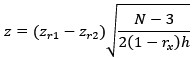
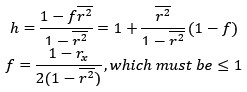
    1. Spanish court decision that algorithms used to decide about citizens by government entities, need to be transparant. Presented as landmark ruling with EU consequences, but I'm not sure if this isn't already true for public sector decision making under the AI Act. In NL the national algorithm register and tools like IAMA are aimed at this too, and have been in place for some time, even if not fully implemented yet.

    1. eLife Assessment

      This work describes a useful computational tool for automated morphometry of dynamic organelles from microscope images. However, the supporting evidence and novelty of the manuscript as presented are incomplete and could be improved. The work will be of interest to microscopists and bioimage analysts who are non-experts but wish to improve quantitative analysis of cellular structures.

    2. Reviewer #2 (Public review):

      Summary:

      AutoMorphoTrack provides an end-to-end workflow for organelle-scale analysis of multichannel live-cell fluorescence microscopy image stacks. The pipeline includes organelle detection/segmentation, extraction of morphological descriptors (e.g., area, eccentricity, "circularity," solidity, aspect ratio), tracking and motility summaries (implemented via nearest-neighbor matching using cKDTree), and pixel-level overlap/colocalization metrics between two channels. The manuscript emphasizes a specific application to live imaging in neurons, demonstrated on iPSC-derived dopaminergic neuronal cultures with mitochondria in channel 0 and lysosomes in channel 1, while asserting adaptability to other organelle pairs.

      The tool is positioned for cell biologists, including users with limited programming experience, primarily through two implemented modes of use: (i) a step-by-step Jupyter notebook and (ii) a modular Python package for scripted or batch execution, alongside an additional "AI-assisted" mode that is described as enabling analyses through natural-language prompts.

      The motivation and general workflow packaging are clear, and the notebook-plus-modules structure is a reasonable engineering choice. However, in its current form, the manuscript reads more like a convenient assembly of standard methods than a validated analytical tool. Key claims about robustness, accuracy, and scope are not supported by quantitative evidence, and the 'AI-assisted' framing is insufficiently defined and attributes to the tool capabilities that are provided by external LLM platforms rather than by AutoMorphoTrack itself. In addition, several figure, metric, and statistical issues-including physically invalid plots and inconsistent metric definitions-directly undermine trust in the quantitative outputs.

      Strengths:

      (1) Clear motivation: lowering the barrier for organelle-scale quantification for users who do not routinely write custom analysis code.

      (2) Multiple entry points: an interactive notebook together with importable modules, emphasizing editable parameters rather than a fully opaque black box.

      (3) End-to-end outputs: automated generation of standardized visualizations and tables that, if trustworthy, could help users obtain quantitative summaries without assembling multiple tools.

      Weaknesses:

      (1) "AI-assisted / natural-language" functionality is overstated.

      The manuscript implies an integrated natural-language interface, but no such interface is implemented in the software. Instead, users are encouraged to use external chatbots to help generate or modify Python code or execute notebook steps. This distinction is not made clearly and risks misleading readers.

      (2) No quantitative validation against trusted ground truth.

      There is no systematic evaluation of segmentation accuracy, tracking fidelity, or interaction/overlap metrics against expert annotations or controlled synthetic data. Without such validation, accuracy, parameter sensitivity, and failure modes cannot be assessed.

      (3) Limited benchmarking and positioning relative to existing tools.

      The manuscript does not adequately compare AutoMorphoTrack to established platforms that already support segmentation, morphometrics, tracking, and colocalization (e.g., CellProfiler) or to mitochondria-focused toolboxes (e.g., MiNA, MitoGraph, Mitochondria Analyzer). This is particularly problematic given the manuscript's implicit novelty claims.

      (4) Core algorithmic components are basic and likely sensitive to imaging conditions.

      Heavy reliance on thresholding and morphological operations raises concerns about robustness across varying SNR, background heterogeneity, bleaching, and organelle density; these issues are not explored.

      (5) Multiple figure, metric, and statistical issues undermine confidence.

      The most concerning include:<br /> (i) "Circularity (4πA/P²)" values far greater than 1 (Figures 2 and 7, and supplementary figures), which is inconsistent with the stated definition and strongly suggests a metric/label mismatch or computational error.

      (ii) A displacement distribution extending to negative values (Figure 3B). This is likely a plotting artifact (e.g., KDE boundary bias), but as shown, it is physically invalid and undermines confidence in the motility analysis.

      (iii) Colocalization/overlap metrics that are inconsistently defined and named, with axis ranges and terminology that can mislead (e.g., Pearson r reported for binary masks without clarification).

      (iv) Figure legends that do not match the displayed panels, and insufficient reporting of Ns, p-values, sampling units, and statistical assumptions.

    3. Reviewer #3 (Public review):

      Summary:

      AutoMorphoTrack is a Python package for quantitatively evaluating organelle shape, movement, and colocalization in high-resolution live cell imaging experiments. It is designed to be a beginning-to-end workflow from segmentation through metric graphing, which is easy to implement. The paper shows example results from their images of mitochondria and lysosomes within cultured neurons, demonstrating how it can be used to understand organelle processing.

      Strengths:

      The text is well-written and easy to follow. I particularly appreciate tables 1 and 2, which clearly define the goals of each module, the tunable parameters, and the input and outputs. I can see how the provided metrics would be useful to other groups studying organelle dynamics. Additionally, because the code is open-source, it should be possible for experienced coders to use this as a backbone and then customize it for their own purposes.

      Weaknesses:

      Unfortunately, I was not able to install the package to test it myself using any standard install method. This is likely fixable by the authors, but until a functional distribution exists, the utility of this tool is highly limited. I would be happy to re-review this work after this is fixed.

      The authors claim that there is "AI-Assisted Execution and Natural-Language Interface". However, this is never defended in any of the figures, and from quickly reviewing the .py files, there does not seem to be any built-in support or interface for this. Without significantly more instructions on how to connect this package to a (free) LLM, along with data to prove that this works reproducibly to produce equivalent results, this section should be removed.

      Additionally, I have a few suggestions/questions:

      (1) Red-green images are difficult for colorblind readers. I recommend that the authors change all raw microscopy images to a different color combination.

      (2) For all of the velocity vs displacement graphs (Figure 3C and subpart G of every supplemental figure), there is a diagonal line clearly defining a minimum limit of detected movement. Is this a feature of the dataset (drift /shakiness /etc) or some sort of minimum movement threshold in the tracking algorithm? This should be discussed in the text.

      (3) Integrated Correlation Summary (Figure 5) - Pearson is likely the wrong metric for most of these metric pairs because even interesting relationships may be non-linear. Please replace with Spearman correlation, which is less dependent on linearity.

    4. Author response:

      Reviewer #1

      We thank the reviewer for their thoughtful and constructive assessment of AutoMorphoTrack and for recognizing its potential utility as an open-source end-to-end workflow for organelle analysis.

      (1) Novelty and relationship to existing tools / FIJI workflows

      We appreciate this concern and agree that many of the underlying image-processing operations (e.g., thresholding, morphological cleanup, region properties) are well-established. Our goal with AutoMorphoTrack is not to introduce new segmentation algorithms, but rather to provide a curated, reproducible, and extensible end-to-end workflow that integrates segmentation, morphology, tracking, motility, and colocalization into a single, transparent pipeline tailored for live-cell organelle imaging.

      While an experienced user could assemble similar analyses ad hoc using FIJI or custom scripts, our contribution lies in:

      Unifying these steps into a single workflow with consistent parameterization and outputs

      Generating standardized, publication-ready visualizations and tables at each step,

      Enabling batch and longitudinal analyses across cells and conditions, and

      Lowering the barrier for users who do not routinely write custom analysis code.

      We note that the documentation-style presentation of the manuscript is intentional, as it serves both as a methods paper and a practical reference for users implementing the workflow. We agree, however, that the manuscript currently overemphasizes step-by-step execution at the expense of positioning. In revision, we will more explicitly frame AutoMorphoTrack as a workflow integration and usability contribution, rather than a fundamentally new algorithmic advance.

      We will also cite and discuss the image.sc example referenced by the reviewer, clarifying conceptual overlap and differences in scope.

      (2) Comparison to existing pipelines (Imaris, CellProfiler, CellPose, StarDist)

      We agree and thank the reviewer for highlighting this omission. In the revised manuscript, we will expand the related-work and positioning section to explicitly compare AutoMorphoTrack with established commercial (e.g., Imaris) and open-source (e.g., CellProfiler, MiNA, MitoGraph) platforms, as well as learning-based segmentation tools such as CellPose and StarDist.

      Rather than claiming superiority, we will clarify trade-offs, emphasizing that AutoMorphoTrack prioritizes:

      Transparency and parameter interpretability,

      Lightweight dependencies suitable for small live-imaging datasets

      Direct integration of morphology, tracking, and colocalization in a single workflow, and

      Ease of modification for domain-specific use cases.

      (3) AI / chatbot integration

      We appreciate this critique and agree that the current description is insufficiently precise. AutoMorphoTrack does not implement a native natural-language interface. Instead, our intent was to convey that the workflow can be executed and modified with assistance from external large language models (LLMs) in a notebook-based environment.

      In revision, we will revise this section to:

      Clearly distinguish AutoMorphoTrack’s functionality from that of external LLM tools,

      Remove any implication of a built-in AI interface, and

      Provide concrete, reproducible examples of how non-coding users may interact with the pipeline using natural-language prompts mediated by external tools.

      Reviewer #2

      We thank the reviewer for their detailed and technically rigorous evaluation. We appreciate the recognition of the workflow’s motivation and structure, and we agree that several aspects of validation, positioning, and quantitative reporting must be strengthened.

      (1) AI-assisted / natural-language functionality

      We agree with this critique. AutoMorphoTrack does not provide a native natural-language execution layer, and the manuscript currently overstates this aspect. In revision, we will explicitly scope any reference to AI assistance as external, optional support for code generation and parameter editing, with clearly documented examples and stated limitations.

      We agree that conflating external LLM capabilities with the software itself risks misleading readers, and we will correct this accordingly.

      (2) Lack of quantitative validation

      We fully agree that the current manuscript lacks formal quantitative validation. In the revised version, we will add a dedicated validation section including:

      Segmentation accuracy compared to expert annotations using overlap metrics (e.g., Dice / IoU),

      Tracking fidelity assessed using manually annotated tracks and/or synthetic ground truth,

      Sensitivity analyses for key parameters (e.g., thresholding and linking distance), and

      Explicit discussion of failure modes and quality-control indicators.

      We acknowledge that without such validation, claims of robustness are not sufficiently supported.

      (3) Benchmarking and positioning relative to existing tools

      We agree and will substantially strengthen AutoMorphoTrack’s benchmarking and positioning relative to existing platforms. Rather than framing novelty algorithmically, we will clarify that the primary contribution is a reproducible, integrated workflow designed specifically for two-organelle live imaging in neurons, with transparent parameters and standardized outputs.

      We note that our goal is not to exhaustively benchmark against all available tools, but rather to provide representative comparisons that clarify operating regimes, assumptions, and trade-offs. We will add a comparative table and/or qualitative comparison highlighting strengths, assumptions, and limitations relative to existing tools.

      (4) Core algorithms and robustness

      We agree that reliance on threshold-based segmentation introduces sensitivity to imaging conditions. In revision, we will:

      Explicitly discuss the operating regime and assumptions under which AutoMorphoTrack performs reliably,

      Clarify that the framework is modular and can accept alternative segmentation backends, and

      Include guidance on when outputs should be treated with caution.

      (5) Figure, metric, and statistical issues

      We thank the reviewer for identifying several critical issues and agree that these undermine confidence. In revision, we will correct all figure, metric-definition, and reporting inconsistencies, including:

      Resolving circularity values exceeding 1 by correcting computation and/or labeling errors,

      Revising physically invalid displacement plots and clarifying kernel-density limitations,

      Ensuring colocalization metrics are consistently defined, named, and interpreted, with explicit clarification of whether calculations are intensity- or mask-based,

      Correcting figure legends to match displayed panels, and

      Clearly reporting sample size, sampling units, and statistical assumptions, including handling of multiple comparisons where applicable.

      (6) Value-added demonstration

      We agree that the manuscript would benefit from a clearer demonstration of value-added use cases. In revision, we will include at least one realistic example showing how AutoMorphoTrack enables a complete, reproducible analysis workflow with reduced setup burden compared to manually assembling multiple tools.

      (7) Editorial suggestions

      We agree and will streamline the Results section to reduce procedural repetition and focus more on validation, limitations, and quality-control guidance.

      Reviewer #3

      We thank the reviewer for their positive assessment of clarity and organization, and for the constructive practical feedback.

      Installation issues

      We appreciate the detailed report of installation failures and acknowledge that the current packaging and distribution are inadequate. Prior to revision, we will:

      Fix the package structure to support standard installation methods,

      Ensure all required files (e.g., setup configuration, README) are correctly included,

      Test installation on clean environments across platforms, and

      Correct broken links to notebooks and documentation.

      We agree that without a functional installation pathway, the utility of the tool is severely limited.

      AI-assisted claims

      We agree with the reviewer and echo our responses above. The AI-assisted description will be clarified and appropriately scoped in the revised manuscript.

      Additional suggestions

      Color accessibility: We will revise all figures to use colorblind-safe palettes.

      Velocity–displacement diagonal: We will explicitly explain the origin of this relationship, including whether it reflects dataset properties, tracking assumptions, or minimum detectable motion.

      Integrated correlation metric: We agree that Spearman correlation is more appropriate for many of these relationships and will replace Pearson correlations accordingly.

      Supplementary movies: We agree that providing raw movies would improve interpretability and will add representative examples as supplementary material.

    1. Reference:

      Preprints. (2024). Traditional ecological knowledge and environmental stewardship. https://doi.org/10.20944/preprints202406.1838.v1

      “Practices rooted in Traditional Ecological Knowledge have contributed to long-term ecosystem resilience in various local contexts.”(Preprints,2024)

      This idea can be connected to real world example like indigenous fire management practices . IFMP controlled burns that reduces wildlife risk and maintain ecosystem balance. These practices are based on long term observation of land and seasonal patterns instead of modern emergency responses. In many cases, when these practices ignored, then ecosystems became more vulnerable to environmental damage on large scale. This example shows that how TEK is applied in real world and it produces measurable environmental benefits. This example also supports the article that TEK is not just about theoretical knowledge but also effective practically in managing ecosystems and sustainability.

    2. Reference:

      Preprints. (2024). Traditional ecological knowledge and environmental stewardship. https://doi.org/10.20944/preprints202406.1838.v1

      “Traditional Ecological Knowledge (TEK) represents a knowledge system grounded in lived experience and intergenerational learning.”(Preprints,2024)

      This article connects strongly to our course because in class we will study sustainability and social-ecological systems, In class we already discussed about social ecological system where we learned that Environmental management is not just technical but it's also related to social and historical things. In class. we discussed about how ecosystems and humans influence each other, which is exactly what Traditional ecological knowledge is based on. TEK is defined as generations of observation, trial and error instead of short term scientific studies and policies. This article also connects to discussion about whose knowledge is considered valid in environmental decision making. The course gives the idea that ignoring indigenous people's knowledge leads to ineffective policies and wrong results. This article support the course argument that for effective environmental management multiple ways of knowing the TEK is necessary. This article also reinforces that sustainability is not just about protecting nature but also about respecting culture, people and historical experience.

    3. Reference

      Preprints. (2024). Traditional ecological knowledge and environmental stewardship. https://doi.org/10.20944/preprints202406.1838.v1

      "Traditional Ecological Knowledge (TEK) refers to the cumulated wisdom, practices, and beliefs concerning their natural environment developed over centuries by indigenous and local communities"(Preprints,2024)

      This definition explains that Traditional Ecological Knowledge (TEK) is not just a information about nature but it is a system that includes historical knowledge developed over past generations. The phrase "long term interaction" is important because it shows that TEK knowledge comes from repeated experience with same land over time. TEK focus on continuous observation and adaptation as compared to scientific research which focus on limited timeframes. This definition gave clarification that TEK is structured and intentional, not outdated or random knowledge. TEK challenges modern science that Environmental knowledge only comes from modern science.

    1. They also break down how prison labor is exploited as a loophole in the 13th amendment which was supposed to abolish slavery, but allowed slave-labor “as punishment for crime.”

      wow we are leading history repeat it self by allowing this kinds of this happen. So why are there amendments if we don't respect them ?

    1. intersectionality is essential for this whole book, let’s get a bit more specific. The term was coined by legal theorist Kimberlé Crenshaw in the late 1980s

      Glad to become familiar with this term. I've heard it used before but hadn't been explained what it meant up until now.

    1. True Christians are conservative. True Christians are progressive.

      This is something I really relate to also. The fact that I am considered myself a Christian doesnt mean I cannot do whatever I desire. I’ve heard this millions of times, and sometimes it bothers me, but then I start thinking, “they don’t know how really I am, they just see the “outside” of me”. And even thought I do try to show my inner me on my outside its hard, because not everyone knows how to read people in a sense where anyone can understand me instantly.

    2. You should always say, ma’am and sir. You should never say, ma’am and sir.

      I relate to this a lot, because when were younger were taught to call our older people , ma’am and sir. Meanwhile I don’t disagree, since I take it as a sense of being respectful and also as someone who has manners. Other than those two “names”, I wouldn’t really know what to call my adults when talking to them. But it is something that I relate to since since young we are taught to talk like this.

    1. his sensory barrage can shift the very nature of curiosity, altering not just the depth but also the motivations behind our inquiries.

      This section explains how misinformation and too much information can confuse people and affect real curiosity. It shows that not everything online is trustworthy, and people can get stuck in false ideas. This makes me realize that I need to be more careful about what sources I believe and use for school.

    2. Join me as we explore both the empowering and potentially stifling effects the internet has on our inherent quest for knowledge.

      This introduction explains how the internet has changed the way people look for information and satisfy their curiosity. It shows that humans have always been curious, but now we rely on technology to explore questions faster. I think this is true because most of the time when I'm curious about something, I immediately search it on my phone.

    1. place students' academic struggles in the larger context of social failure including health, wealth, and funding gaps that impede their school success.

      Still thinking about the comment made that SAT does not predict post-secondary success but rather it predicts future earned income potential.

    1. The challenge of digital annotation has many faces.

      I can see why many other may find challenges in digital annotating, but I believe once you get used to it, it becomes a lot easier.

    1. It is important for educators to recognize that children with disabilities can learn not only from the teacher, but also from their peers. I have seen students thrive in inclusive classroom settings where peer interaction supports both academic and social growth. Individualized Education Plans (IEPs) play a critical role in a student’s learning because they are developed in collaboration with families and are designed to meet each student’s unique needs. When implemented effectively, IEPs help create the best possible learning environment for students.

    1. The role of TEK in contemporary environmental management is increasingly recognized in the academic literature. Agrawal (1995) criticizes the artificial dichotomy between traditional and scientific knowledge and refers to TEK as not inferior to scientific knowledge but supplementary.

      Agrawal (1995) is critical about the unrealistic distinction between Traditional Ecological Knowledge (TEK) and scientific knowledge as a false distinction, which is socially constructed and not significant. As he stresses, TEK is complementary, not inferior, and provides useful place-based knowledge, which has been formed by experience over a long period. This view holds the stance that it is necessary to combine the two knowledge systems so as to produce more effective and culturally responsive environmental management practices.

    1. many search engines use a  language-based model generated by deep neural networks.

      I think understanding the difference between indexing and ranking is useful. Once the information is indexed, it is organized, while ranking is judgments made about quality, popularity and relevance. The use of neural language models is interesting, but there is still room for improvement. It makes me think about transparency and accountability, since we as users never see which results get priority over others.

    2. As parts of a word, the total number of different tokens that need to be stored is reduced

      This clarifies how AI processes language, and it is interesting how it is pieced together as opposed to simply being complete ideas. I do believe that it improves efficiency, but it does show a gap between human meaning and artificial intelligence. Once the language is broken up into tokens, I think it's easier to identify patterns, but it doesn't necessarily equate to better understanding which is an inherent weakness of ai.

    1. Society in every state is a blessing, but Government, even in its best state, is but a necessary evil…

      That is very interesting, I wonder what he saw and or what gave him the idea of that. I also wonder what this idea would look like in our modern society

    1. What kind of relationship do you have or want to have with your receiver?

      Since this relationship is new, there is not a ton to go off of, but our relationship has gone well so far. I want to continue that by having honesty, respect, and my dedication to the position. Apologies, and still expressing how much this intership means to you could also aid in the relationship to continue going well

    1. shall happen to be killed in such correction, it shall not be accounted felony; but the master, owner, and every such other person so giving correction, shall be free and acquit of all punishment and accusation for the same, as if such incident had never happened:

      no punishment for killing enslaved ppl

    1. 3.4. Bots and Responsibility# As we think about the responsibility in ethical scenarios on social media, the existence of bots causes some complications. 3.4.1. A Protesting Donkey?# To get an idea of the type of complications we run into, let’s look at the use of donkeys in protests in Oman: “public expressions of discontent in the form of occasional student demonstrations, anonymous leaflets, and other rather creative forms of public communication. Only in Oman has the occasional donkey…been used as a mobile billboard to express anti-regime sentiments. There is no way in which police can maintain dignity in seizing and destroying a donkey on whose flank a political message has been inscribed.” From Kings and People: Information and Authority in Oman, Qatar, and the Persian Gulf by Dale F. Eickelman1 In this example, some clever protesters have made a donkey perform the act of protest: walking through the streets displaying a political message. But, since the donkey does not understand the act of protest it is performing, it can’t be rightly punished for protesting. The protesters have managed to separate the intention of protest (the political message inscribed on the donkey) and the act of protest (the donkey wandering through the streets). This allows the protesters to remain anonymous and the donkey unaware of it’s political mission. 3.4.2. Bots and responsibility# Bots present a similar disconnect between intentions and actions. Bot programs are written by one or more people, potentially all with different intentions, and they are run by others people, or sometimes scheduled by people to be run by computers. This means we can analyze the ethics of the action of the bot, as well as the intentions of the various people involved, though those all might be disconnected. 3.4.3. Reflection questions# How are people’s expectations different for a bot and a “normal” user? Choose an example social media bot (find on your own or look at Examples of Bots (or apps).) What does this bot do that a normal person wouldn’t be able to, or wouldn’t be able to as easily? Who is in charge of creating and running this bot? Does the fact that it is a bot change how you feel about its actions? Why do you think social media platforms allow bots to operate? Why would users want to be able to make bots? How does allowing bots influence social media sites’ profitability? 1 We haven’t been able to get the original chapter to load to see if it indeed says that, but I found it quoted here and here. We also don’t know if this is common or representative of protests in Oman, nor that we fully understand the cultural importance of what is happening in this story. Still, we are using it at least as a thought experiment. { requestKernel: true, binderOptions: { repo: "binder-examples/jupyter-stacks-datascience", ref: "master", }, codeMirrorConfig: { theme: "abcdef", mode: "python" }, kernelOptions: { kernelName: "python3", path: "./ch03_bots" }, predefinedOutput: true } kernelName = 'python3'

      I found the donkey protest example helpful for understanding how responsibility can be separated from action. Just like the donkey does not understand the protest it carries, bots can perform actions without intention or awareness. This makes it harder to assign responsibility, since the people who design, deploy, or benefit from a bot may all have different roles and intentions.

    1. 3.1. Definition of a bot# There are several ways computer programs are involved with social media. One of them is a “bot,” a computer program that acts through a social media account. There are other ways of programming with social media that we won’t consider a bot (and we will cover these at various points as well): The social media platform itself is run with computer programs, such as recommendation algorithms (chapter 12). Various groups want to gather data from social media, such as advertisers and scientists. This data is gathered and analyzed with computer programs, which we will not consider bots, but will cover later, such as in Chapter 8: Data Mining. Bots, on the other hand, will do actions through social media accounts and can appear to be like any other user. The bot might be the only thing posting to the account, or human users might sometimes use a bot to post for them. Note that sometimes people use “bots” to mean inauthentically run accounts, such as those run by actual humans, but are paid to post things like advertisements or political content. We will not consider those to be bots, since they aren’t run by a computer. Though we might consider these to be run by “human computers” who are following the instructions given to them, such as in a click farm: Fig. 3.1 A photo that is likely from a click-farm, where a human computer is paid to do actions through multiple accounts, such as like a post or rate an app. For our purposes here, we consider this a type of automation, but we are not considering this a “bot,” since it is not using (electrical) computer programming.# { requestKernel: true, binderOptions: { repo: "binder-examples/jupyter-stacks-datascience", ref: "master", }, codeMirrorConfig: { theme: "abcdef", mode: "python" }, kernelOptions: { kernelName: "python3", path: "./ch03_bots" }, predefinedOutput: true } kernelName = 'python3' previous 3. Bots next

      This section helped clarify that not all automation on social media counts as a bot. I found it especially useful that the definition focuses on whether the account is operated by computer code rather than by humans, even if those humans behave mechanically, like in click farms. This distinction makes it easier to think more precisely about responsibility and accountability when automation affects online spaces.

    1. Settings Sign in

      (I'm trying to add the annotation on the microphone icon beside the search bar, but the website won't allow me to highlight it.) This speech to text function allows those living with motor disabilities to search verbally rather than use a keyboard.

    1. Maybe you’ve already developed your own system to remain active while you read. If you have, and it works for you, stick with it! But if you haven’t, here are several research-supported tips for you to try: *These tips can be applied to both physical texts and digital texts. With physical texts, read with a highlighter and a pen or pencil in hand. For digital texts, use a browser extension (like Scrible) that allows you to highlight and annotate your online text.

      resources to help stay organized.

    1. Sutherland’s theory may explain why crime is multigenerational. A longitudinal study beginning in the 1960s found that the best predictor of antisocial and criminal behavior in children was whether their parents had been convicted of a crime (Todd and Jury 1996). Children who were younger than ten years old when their parents were convicted were more likely than other children to engage in spousal abuse and criminal behavior by their early thirties. Even when taking socioeconomic factors such as dangerous neighborhoods, poor school systems, and overcrowded housing into consideration, researchers found that parents were the main influence on the behavior of their offspring (Todd and Jury 1996).

      My husband and his siblings were raised by the same mother and father. One son, my husband, the middle child, always stayed between the lines and followed tall of he rules, he was well liked, got good grades, put himself through college while working full time and became an aeronautical engineer.and would often accept punishment for deviant behavior committed by his brother to keep the peace.He also got the least attention. He is the most conscientious loving , trustworthy and loyal person I know. To me this contradicts Edwin Sutherlands differential association theory.

      His older brother, began using drugs at a very early age, sniffed glue at 9, took downers or reds at 12, and essentially became sexually active at 12 or 13m because their adult neighbor seduced him. Much of this his parents were oblivious to. He was put on behavioral medications as a child, and commanded a lot of attention. As a young man he joined the military and after going AWOL several times was ulitimatley dishonorably discharged. In later life he became an i.v. meth user, contracted HIV from sharing needles, went through countless rehabs, and ultimately died as an overdose. To this day his parents are in denial about who he had become.

      His youngest brother by 7 years also became sexually active at a very young age. The same neighbor sexually abused him. He became a womanizer often having 3 to 4 women who all thought the were the only one. He has never held a real job, Had two children that he loves but never really helped the Mom with any sort of support , financially or in caring for the kids. but has managed to find women with lots of money support him. He lived with their parents on and off into his 50's. Just recently at 60 years old he seems to have settled down with one woman. She is also a very wealthy woman who is happy to take care of him.

    2. Labeling theory examines the ascribing of a deviant behavior to another person by members of society. Thus, what is considered deviant is determined not so much by the behaviors themselves or the people who commit them, but by the reactions of others to these behaviors. As a result, what is considered deviant changes over time and can vary significantly across cultures.

      In the opinion of the religious right if a woman chooses to have an abortion they are murderers, where others strongly believe it's my body it's my choice.

    3. : Those who conform choose not to deviate. They pursue their goals to the extent that they can through socially accepted means. Innovation: Those who innovate pursue goals they cannot reach through legitimate means by instead using criminal or deviant means. Ritualism: People who ritualize lower their goals until they can reach them through socially acceptable ways. These members of society focus on conformity rather than attaining a distant dream. Retreatism: Others retreat and reject society’s goals and means. Some people who beg and people who are homeless have withdrawn from society’s goal of financial success. Rebellion: A handful of people rebel and replace a society’s goals and means with their own. Terrorists or freedom fighters look to overthrow a society’s goals through socially unacceptable

      Conformity ex: People who stay within the lines. they may be very goal oriented, will not go outside of the acceptable means to get there. Innovation exp: Also goal oriented, and will do whatever it takes to achieve those goals even it that means going outside of acceptable norms. Ritualism: These are people that just lower the bar and reduce their goals until they can reach whatever they can achieve within the acceptable means. Retreatism: These are people that for whatever reason just give up. they do not see themselves able or worthy to achieve or have any goals Many homeless people have retreated from society's goal of financial success. These could have been people that had resources, but perhaps were beaten down to feel that they were not worthy. Rebellion: People who rebel tend to reject societal norms, bringing there own agenda into place. I believe there can be both positive and negative forms of rebellion.

    4. Sociologist Robert Merton agreed that deviance is an inherent part of a functioning society, but he expanded on Durkheim’s ideas by developing strain theory,

      Sociologist Robert Merton agreed that deviance is an inherent part of a functioning society, but he expanded on Durkheim’s ideas by developing strain theory, What is strain theory. This is a new concept for me. investigate more!

    5. But the relativity of deviance can have significant societal impacts, including perceptions and prosecutions of crime. They may often be based on racial, ethnic, or related prejudices.

      A crime committed by a white person is often teated less harshly then it it were a person of color.

    6. if an adult, who should “know better,” spoke loudly or told jokes at a funeral, they may be chastised and forever marked as disrespectful or unusual. But in many cultures, funerals are followed by social gatherings – some taking on a party-like atmosphere – so those same jovial behaviors would be perfectly acceptable, and even encouraged, just an hour later.

      common sence, there is a time and a place for joking.

    1. Other concerns remain implicit in the reporting of the case; for instance, how this initiative is used by the record company to position itself as a key player in the development of ethical and responsible uses of AI, or how it may be integrated into lobbying efforts for further regulation of AI. In other words, we are witnessing here what Crawford has argued to be true for AI in general: that artificial intelligence involves an interplay of “technical and social practices, institutions and infrastructures, politics and culture” (8), but also a tendency to downplay the social and political interests that are at stake. With the help of work at the intersection of disability studies and sound studies (Friedner and Helmreich; Mills), I have argued that we are likely dealing with a case where a technology, which was originally presented with the promise of helping to compensate for a disability, will end up preparing the ground for other uses of the technology that are stripped of such lofty promises. To return to Mara Mills’s notion of an “assistive pretext” to describe this type of dynamic, one may wonder what this specific assistive pretext of helping the singer who had lost his voice to sing again, may turn out to be a precursor to. In the long run, after all, it seems unlikely that use of similar applications of AI will be limited to recreating the voices of singers who have lost their ability to sing, but not their ability to make public appearances affirming their consent.

      Other considerations- future expectations re AI and singers.

    2. In developing my analysis, I will draw on insights from the academic fields of sound studies and popular music studies, concerning ongoing developments and challenges related to the application of AI tools to the production of music (Keith et al.; Sterne and Razlogova; Bonini and Magaudda), the use of sound in assistive technologies for people with disabilities (Friedner and Helmreich; Mills), as well as notions of aesthetics and authenticity in country music (Peterson; Pecknold; Stimeling; Malone). Additionally, I will make use of scholarship in the field of science and technology studies (STS), which have studied similar dynamics in relation to new and controversial technologies not only in artificial intelligence (Gray and Suri; Crawford), but also in domains such as biotechnology (Dow; Estreich).

      Argument and a bit of Method -- states which experts and areas are examined and used to formulate this analysis.

    1. due to growing animosity towards NGOs, the Commission’s perception of CSOs as sources of legitimation has been altered; the Commission is now more suspicious of their capacity to enhance the democratic credentials of the EU. However, the Commission has framed CSOs as important contributors to the output legitimacy of EU policies, emphasising the role of civil society in the implementation of migration policies through socioeconomic reforms, providing services and ‘debunking’ migration-related information.

      Okay (conc) - Basically have become WARY of emphasising role of CSOs (which are NGOs ultimately) in democratic legitimisation process as INPUTS -> POPULIST TURN HAS LEFT PEOPLE SUSPICIOUS OF "ELITES" AND EXPERT BODIES, see CSOs as one such example - Instead see CSOs more as output / legitimisers of EU policy -> need PARTICIPATION OF "CIVIL SOCIETY" in order to enact EU democracy / make it more democratic - So still a legitimization tool, if perhaps from a different angle. - Commission FRAMES role of CSOs in EU democracy differently - CSOs as consultative bodies are radioactive (elite-adjjacent) -> but as sheriffs in EU legislation are okay

    2. hus, this article is concerned with the question of whether civil society is still performing a legitimising function in the new context characterised by the growing animosity against CSOs. We expect the Commission to use to a lesser extent CSOs as an input legitimacy source; however, in the specific context of the refugee crisis, we expect the Commission to rely on CSOs when it comes to output legitimacy,

      AHA -> I understand. Commission's "attitude" towards CSOs is not one of favouring/disfavouring -> instead one of USE. CSOs are supposed to be INPUT bodies -> BUT NOW SINCE REFUGEE CRISIS ARE ALSO OUTPUT BODIES IN THIS SPECIFIC CONTEXT -> i.e., they do not just consult on legislation, they help ENACT IT

    3. ‘fear and resentment toward elites’ (

      Abstract / Intro - Baasically Commission's attitude towards CSOs HAS changed since migrant crisis - CSOs provided on the ground support -> legal counsel, financial planning, etc -> helped disorganised EU deal w/ the crisis - Helped legitimise EU policies? - Helped EU regain control -> helped IMPLEMENT migration policies, DEBUNKED migration-related myths with counter information campaigns, etc. - Had to RELY ON CSOs because of failure of some member states to cooperate. - Was crisis that challenged not only unity of EU, but "efficiency and problem solving" -> i.e., not just LEGITIMACY of the EU but its EFFECTIVENESS at enforcing / actualising legislation.

    1. Countdown zur Transparenz: Wie sich das digitale Netz des Fiskus schließt Januar 2023 PStTG tritt in Kraft Juli 2024 Erste Meldepflichten greifen Juli 2025 Kryptowerte-Steuertransparenzgesetz Dezember 2025 Technische Schnittstellen finalisiert 31. Januar 2026 Erste Meldefrist unter neuem System März 2026 ELSTER-Update / Datenintegration Mitte 2026 Flächendeckende Auswertung startet Januar 2027 Automatischer Datenabgleich vollständig aktiv Viele technische Schnittstellen zwischen dem Bundeszentralamt für Steuern (BZSt) und den Landesfinanzbehörden werden erst im Laufe des Jahres 2025 finalisiert, sodass die flächendeckende Auswertung im Veranlagungszeitraum 2026 Premiere feiert.

      Please update the text in this table as follows:

      Januar 2023 (keep as it is) Juli 2024 (keep as it is, but add "131k Datensätze gehen an die Finanzämter") Juli 2025 (delete "Kryptowerte-Steuertransparenzgesetz" instead write "157k Datenzätze gehen an die Finanzämter, ein Ansteig von 20% zum Vorjahr) Dezember 2025 (delete "Technische Schnittstellen finalisiert" instead write "Kryptowerte-Steuertransparenzgesetz") Januar 2026 (delete "Erste Meldefrist unter neuem System" instead write "Kryptobörsen müssen Nutzeridentitäten und Transaktionen lückenlos erfassen") März 2026: (delete "ELSTER-UPDATE/DAtenintegration" instead write "Datenintegration" Januar 2027: (keep as it is)

      text on the bottom: keep as it is.

    1. does not include requirements of novelty, ingenuity, or esthetic merit

      so, original does not equal novel, i.e., I could create something that is the same as a preexisting thing, but as long as it's not a copy it would be original

    1. This is evident in a distinct pattern of SST changes over the North Pacific, with intense surface warming extending across the mid- to high-latitude western Pacific surrounded by a ‘horseshoe’ pattern of minimal surface warming or cooling to the east and a weak La Niña-like pattern in the tropical Pacific (Fig. 3b).

      2 things about this: (1) To me, this doesn't really look that much like the PDO. They say they get a significant correlation between it and the historical PDO so OK, sure, but I'm guessing there's a few different ways to do the test. (2) Fig 3B looks more like the positive phase of the PDO than the negative phase to me? We can pull up another image. The weird thing is that they do have a La Niña response at the veeeeery bottom margin (which would be associated with PDO-) but it's hard to tell. I think I'd need to talk to someone about what this figure is actually showing.

    1. We can’t always control how we feel, but we can control how we express our emotions

      This is key! Students are not learning to suppress emotions, but rather how to identify them. The teacher or parent can be important factors during this time and show that the emotions may come but they can control the outcome or how it makes them react.

    1. Author response:

      The following is the authors’ response to the original reviews.

      Public Reviews:

      Reviewer #1(Public review):

      Summary:

      In this study, the authors distinguished afferent inputs to different cell populations in the VTA using dimensionality reduction approaches and found significantly distinct patterns between normal and drug treatment conditions. They also demonstrated negative correlations of the inputs induced by drugs with gene expression of ion channels or proteins involved in synaptic transmission and demonstrated the knockdown of one of the voltage-gated calcium ion channels caused decreased inputs.

      Weaknesses:

      (1) For quantifications of brain regions in this study, boundaries were based on the Franklin-Paxinos (FP) atlas according to previous studies (Beier KT et al 2015, Beier KT et al 2019). It has been reported significant discrepancies exist between the anatomical labels on the FP atlas and the Allen Brain Atlas (ref: Chon U et al., Nat Commun 2019). Although a summary of conversion is provided as a sheet, the authors need to describe how consistent or different the brain boundaries they defined in the manuscript with Allen Brain Atlas by adding histology images. Also, I wonder how reliable the annotations were for over a hundred of animals with manual quantification. The authors should briefly explain it rather than citing previous studies in the Material and Methods Section.

      We thank the reviewer for attention to this point; indeed, neuroanatomical detail is often overlooked in modern neuroscience, occasionally leading to spurious conclusions. We acknowledge that there are significant discrepancies in brain region definitions across atlases, which can make cross-study comparisons difficult. Here, all cells were manually quantified by Dr. Kevin Beier, as in previous studies (Beier et al., Cell 2015; Nature 2017; Cell Reports 2019; Tian et al., Cell Reports 2022; Tian et al., Neuron 2024; Hubbard et al., Neuropsychopharmacology, 2025). As such, these studies are internally consistent as relates to the definition of brain regions, which is critical here since our analysis in this manuscript relates to data quantified only by a single individual. Several brain regions were quite easy to distinguish anatomically, such as the medial habenula and lateral habenula. Others, such as the extended amygdala area, are much more difficult. We have now provided example images in Figure S1 that detail the anatomical boundaries that we used, overlayed on images of Neurotrace blue (fluorescent Nissl stain).

      (2) Regarding the ellipsoids in the PC, although it's written in the manuscript that "Ellipsoids were centered at the average coordinate of a condition and stretched one standard deviation along the primary and secondary axes", it's intuitively hard to understand in some figures such as Figure 2O, P and Figure S1. The authors need to make their data analysis methods more accessible by providing source code to the public.

      The source code is now available to the public at https://github.com/ktbartas/Bartas_et_al_eLife_2024, which is noted in the Code Availability statement. The code for generating ellipsoids is in the first notebook, `0-dataexploration-master-euclidean.ipynb`, in the function `confidence_ellipse`, which is called from `make_pca_plots` and `umap_and_heatmap`. Example plots are all live in the notebooks as can be viewed directly from GitHub.

      (3) In histology images (Figure 1B and 3K), the authors need to add dashed lines or arrows to guide the reader's attention.

      Dashed lines have been added to these figure panels as requested.

      (4) In Figure 2A and G, apparently there are significant differences in other brain regions such as NAcMed or PBN. If they are also statistically significant, the authors should note them as well and draw asterisks(*).

      We appreciate the care in ensuring that statistics are being applied and shown appropriately. In panel A (now Figure 3A), the Two-way ANOVA interaction term was not significant (p = 0.9365), we did not find it justified to do further comparisons. However, for Figure 3G, the interaction term was significant (p = 0.0001), and thus further pairwise comparisons were performed with Sidak's correction for multiple comparisons. When done, the only two brain regions that were significantly different were the DStr (p = 0.0051) and GPe (p = 0.0036). While the NAcMed and PBN visually look different, according to the corrected statistics, they were not significantly different (NAcMed p = 0.5037, PBN p = 0.8123). The notations in our original figure thus accurately reflected these statistics.

      (5) In Figure 2N about the spatial distribution of starter cells, the authors need to add histology images for each experimental condition (i.e. saline, fluoxetine, cocaine, methamphetamine, amphetamine, nicotine, and morphine) as supplement figures

      We have now provided these as Figure S2.

      (6) In the manuscript, it is necessary to explain why Cacna1e was selected among other calcium ion channels.

      We have added a sentence to the "Functional validation of link between gene expression and RABV labeling" section (lines 722-724).

      Reviewer #2 (Public review):

      The application of rabies virus (RabV)-mediated transsynaptic tracing has been widely utilized for mapping celltype-specific neural connectivities and examining potential modifications in response to biological phenomena or pharmacological interventions. Despite the predominant focus of studies on quantifying and analyzing labeling patterns within individual brain regions based on labeling abundance, such an approach may inadvertently overlook systemic alterations. There exists a considerable opportunity to integrate RabV tracing data with the global connectivity patterns and the transcriptomic signatures of labeled brain regions. In the present study, the authors take an important step towards achieving these objectives. Specifically, the authors conducted an intensive reanalysis of a previously generated large dataset of RabV tracing to the ventral tegmental area (VTA) using dimension reduction methods such as PCA and UMPA. This reaffirmed the authors' earlier conclusion that different cell types in the VTA, namely dopamine neurons (DA) and GABAergic neurons, exhibit quantitatively distinct input patterns, and a single dose of addictive drugs, such as cocaine and morphine, induced altered labeling patterns. Additionally, the authors illustrate that distinct axes of PCA can discriminate experimental variations, such as minor differences in the injection site of viral tracers, from bona fide alternations in labeling patterns caused by drugs of abuse. While the specific mechanisms underlying altered labeling in most brain regions remain unclear, whether involving synaptic strength, synaptic numbers, pre-synaptic activities, or other factors, the present study underscores the efficacy of an informatics approach in extracting more comprehensive information from the RabV-based circuit mapping data. Moreover, the authors showcased the utility of their previously devised bulk gene expression patterns inferred by the Allen Gene Expression Atlas (AGEA) and "projection portrait" derived from bulk axon mapping data sourced from the Allen Mouse Brain Connectivity Atlas. The utilization of such bulk data rests upon several limitations. For instance, the collection of axon mapping data involves an arbitrary selection of both cell type-specific and non-specific data, which might overlook crucial presynaptic partners, and often includes contamination from neighboring undesired brain regions. Concerns arise regarding the quantitativeness of AGEA, which may also include the potential oversight of key presynaptic partners. Nevertheless, the authors conscientiously acknowledged these potential limitations associated with the dataset. Notably, building on the observation of a positive correlation between the basal expression levels of Ca2+ channels and the extent of drug-induced changes in RabV labeling patterns, the authors conducted a CRISPRi-based knockdown of a single Ca2+ channel gene. This intervention resulted in a reduction of RabV labeling, supporting that the observed gene expression patterns have causality in RabV labeling efficiency. While a more nuanced discussion is necessary for interpreting this result (see below), overall I commend the authors for their efforts to leverage the existing dataset in a more meaningful way. This endeavor has the potential to contribute significantly to our understanding of the mechanisms underlying alterations in RabV labeling induced by drugs of abuse. Finally, drawing upon the aforementioned reanalysis of previous data, the authors underscored that a single administration of ketamine/xylazine anesthesia could induce enduring modifications in RabV labeling patterns for VTA DA neurons, specifically those projecting to the nucleus accumbens and amygdala. Given the potential impact of such alterations on motivational behaviors at a broader level, I fully agree that prudent consideration is warranted when employing ketamine/xylazine for the investigation of motivational behaviors in mice.

      Specific Points:

      (1) Beyond advancements in bioinformatics, readers may find it insightful to explore whether the PCA/UMPAbased approach yields novel biological insights. For example, the authors are encouraged to discuss more functional implications of PBN and LH in the context of drugs of abuse, as their labeling abundance could elucidate the PC2 axis in Fig. 2M.

      Thank you for this suggestion: we added text (Lines 787-795) discussing the LH and PBN (and GPe) specifically, but also highlighted the importance of our approach in hypothesis-generating science.

      (2) While I appreciate the experimental data on Cacna1e knockdown, I am unclear about the rationale behind specifically focusing on Cacna1e. The logic behind the statement, "This means that expression of this gene is not inhibitory towards RABV transmission," is also unclear. Loss-of-function experiments only signify the necessity or permissive functions of a gene. In this context, Cacna1e expression levels are required for efficient RabV labeling, but this neither supports nor excludes the possibility that this gene expression instructively suppresses RabV labeling/transmission, which could be assessed through gain-of-function experiments.

      We thank the reviewer for their suggestions regarding this result, and agree that a gain-of-function would be required to provide clearer evidence on this point.  We therefore understand that our original phrasing may be misleading. Thus, we have edited this section to the more conservative statement: “These results indicate that reduced levels of Cacna1e likely lower the number of RABV-labeled inputs from the NAcLat, and directly link the levels of Cacna1e and RABV input labeling” (lines 742-744) - we refrain from over-interpreting the results. As mentioned above in response to R1, we added a sentence to explain the rationale behind focusing on Cacna1e (lines 722-724).

      Reviewer #3 (Public Review):

      Summary:

      Authors mapped monosynaptic inputs to dopamine, GABA, and glutamate neurons in VTA under different anesthesia methods, and under drugs (cocaine, morphine, methamphetamine, amphetamine, nicotine, fluoxetine). They found that input patterns under different conditions are separated, and identified some key brain areas to contribute to such separation. They also searched a database for gene expression patterns that are common across input brain areas with some changes by anesthesia or drug administration.

      Strengths:

      The whole-brain approach to address drug effects is appealing and their conclusion is clear. The methodology and motivation are clearly explained.

      Weaknesses:

      While gene expression analyses may not be related to their findings on the anatomical effects of drugs, this will be a nice starting point for follow-up studies. 

      We understand and agree with the suggestion that gene expression allows us to provide correlative observations between in situ hybridization datasets and rabies mapping datasets, and that these results do not show causality. As such, future studies would be needed to assess this in more detail. We have added a line in the discussion to this effect (lines 851-853).

      Recommendations for the authors:

      Reviewer #1 (Recommendations for the authors):

      Recommendations for improving the writing and presentation:

      (1) There are a couple of packages available for 3D whole-brain reconstructions based on Allen Brain Atlas (eg. https://github.com/tractatus/wholebrain, https://github.com/lahammond/BrainJ), which would be helpful to align with the gene expression or other data from Allen Institute.

      This comment is related to the noted weakness we responded to previously in this rebuttal also from R1 (see comment 1), about the discrepancies between the Franklin-Paxinos atlas and Allen Brain atlas. We agree that a systematic comparison of these two atlases using a tool like wholebrain or BrainJ would be valuable for the field. However, it would be a substantial amount of work, and likely would be an independent study in itself. We believe that the resolution of these atlases was sufficient to make our key conclusions here (e.g., identify gene expression patterns that relate to drug-induced changes rabies virus labeling patterns, and develop a testable hypothesis for CRISPR-based gene editing). They are also based on the same atlases and region definitions that have been applied in our previous studies (e.g., Beier et al., Cell 2015; Beier et al., Nature 2017; Beier et al., Cell Reports 2019; Tian et al., Cell Reports 2022; Tian et al., Neuron 2024; Hubbard et al., Neuropsychophamacology 2025, etc.)  The expression of Cacna1e is relatively consistent across the NAc, as we have now detailed in Figure S13.

      (2) There are so far two kinds of rabies virus strains available in the neuroscience field (SAD-B19 or CVS-N2c). It is recommended to describe which strain was used in the Material and Methods Section because labeling efficiency and toxicity is quite different between the strains (Reardon TR et al., Neuron 2016).

      We have now noted that we used SAD B19 for all experiments (Lines 141-142).

      Minor corrections to the text and figures:

      (1)  In Figure 1A, the color differences are not clear (i.e. light gray and dark gray). The figure can be simplified.

      In addition, generally, images/figures are recommended not to be overlapped with other figures/images (Figures 2A-F, 2G-L).

      (2)  In Figures 7C and D, the authors could add enlarged views of starter cells in VTA and NAcLat.

      We have attempted to simplify schematics and figures throughout. High-magnification images of cells have been added as insets in what is now Figure 10 (formerly Figure 7).

      Reviewer #2 (Recommendations For the authors):

      The number of animals for each graph should be explicated within the figure legend. For example, Figure 1C and Figure 7E lack this information. It is also advisable to delineate the definition of error bars within the figure legend.

      We have now added mouse numbers to all figures and/or legends, as appropriate. We also indicated in the legend at the end of Figure 1 how error bars and asterisks are defined. Furthermore, we added a sentence to the methods saying that in UMAP and PCA plots each dot is an animal (lines 244-245).

      The visual representations, particularly in Figures 1 and 3, are overcrowding. Furthermore, the arrangement of figure subpanels does not consistently adhere to the sequence of explication in the main text, significantly compromising the readability of the text. The authors are encouraged to consider the possibility of segmenting dense figures into two if there exists no upper limit for the number of figure displays. To illustrate, in Figure 3Q, crucial details about experimental conditions are denoted by numerical references, owing to spatial constraints.

      We agree that the figure layout and mis-alignment with a linear read of the text was unideal. Therefore, we broke our figures, especially the original Figures 1-4, into multiple sub-figures, including both main and supplemental figures. This facilitated the use of space to rearrange the figure panels, allowing the story to be told in a linear fashion. All figures and panels should now be read in order.

      I am seeking clarification on how to interpret the term "overlap" at the bottom of figures illustrating Gene Ontology analysis.

      We have clarified the meaning of overlap in this context (lines 324-325): The ‘overlap’ term on the x-axis of these plots means the number of genes in the correlated gene lists that were also within the list of genes for the corresponding GO term.

      The authors could provide Cacna1e gene expression patterns within the NAc from the AGEA data.

      Cacna1e expression data are now provided in Figure S13.

      Additionally, the meaning of "controls" in Figure 7F, along with the "No gRNA" condition, remains ambiguous. While the text mentions "no shRNA", the involvement of shRNA in this experiment lacks clarity.

      We now clarify that the control conditions are based on previously published data where no AAVs were injected into NAcLat. This is now clarified in the legend for Figure 10F (lines 1277-1578). We also corrected “shRNA” to “gRNA” in the text.

    1. WhatsApp has its own backup feature (actually, it has more than one way to do it.) WhatsApp supports end-to-end encrypted backups that can be protected with a password, a 64-digit key, and (more recently) passkeys. WhatsApp’s public docs are here and WhatsApp’s engineering writeup of the key-vault design is here. Conceptually, this is an interesting compromise: it reduces what cloud providers can read, but it introduces new key-management and recovery assumptions (and, depending on configuration, new places to attack). Importantly, even if you think backups are a mess — and they often are — this is still a far cry from the effortless, universal access alleged in this lawsuit.

      WhatsApp has its own backup feature, w additional key pairs etc. But this is not what is being claimed.

    2. The most important thing to keep in mind here is that Meta’s encryption happens on the client application, the one you run on your phone. If the claims in this lawsuit are true, then Meta would have to alter the WhatsApp application so that plaintext (unencrypted) data would be uploaded from your app’s message database to some infrastructure at Meta, or else the keys would. And this should not be some rare, occasional glitch. The allegations in the lawsuit state that this applied to nearly all users, and for every message ever sent by those users since they signed up. Those constraints would tend to make this a very detectable problem. Even if WhatsApp’s app source code is not public, many historical versions of the compiled app are available for download. You can pull one down right now and decompile it using various tools, to see if your data or keys are being exfiltrated. I freely acknowledge that this is a big project that requires specialized expertise — you will not finish it by yourself in a weekend (as commenters on HN have politely pointed out to me.) Still, reverse-engineering WhatsApp’s client code is entirely possible and various parts of the app have indeed been reversed several times by various security researchers. The answer really is knowable, and if there is a crime, then the evidence is almost certainly* right there in the code that we’re all running on our phones.

      If the claim is correct, one could reverse engineer the app to see if true. Not a low hurdle but possible. 'the answer is knowable'

    3. Today WhatsApp describes itself as serving on the order of three billion users worldwide, and end-to-end encryption is on by default for personal messaging. They haven’t once been ambiguous about what they claim to offer. That means that if the allegations in the lawsuit proved to be true, this would be one of the largest corporate coverups since Dupont.

      Publicly WhatsApp has always maintained they do E2EE, the lawsuit says otherwise, that would be a major scandal. But also makes the claim hard to swallow

    1. Reviewer #3 (Public review):

      Summary:

      The authors demonstrate that CRF neurons in the extended amygdala form GABAergic synapses on to cholinergic interneurons and that CRF can excite these neurons. The evidence is strong, however the authors lack to make a compelling connection showing CRF released from these extended amygdala neurons is mediating any of these effects. Further, they show that acute alcohol appears to modulate this action, although the effect size is not particularly robust.

      Strengths:

      This is an exciting connection from the extended amygdala to the striatum that provides a new direction for how these regions can modulate behavior. The work is rigorous and well done.

      Weaknesses:

      The effects of acute ethanol are modest but consistent, the potential role of this has yet to be determined. Further, the opto stim experiments are conducted in an ai32 mouse, so it is impossible to determine if that is from CEA and BNST, vs. another population of CRF containing neurons. This is an important caveat that was acknowledged.

    2. Author response:

      The following is the authors’ response to the original reviews

      We appreciate the reviewers’ insightful comments. In response, we conducted three new experiments, summarized in Author response table 1. After the table, we provide detailed responses to each comment.

      Author response table 1.

      Summary of new experiments and results.

      Reviewer #1 (Public review):

      The authors show that corticotropin-releasing factor (CRF) neurons in the central amygdala (CeA) and bed nucleus of the stria terminalis (BNST) monosynaptically target cholinergic interneurons (CINs) in the dorsal striatum of rodents. Functionally, activation of CRFR1 receptors increases CIN firing rate, and this modulation was reduced by pre-exposure to ethanol. This is an interesting finding, with potential significance for alcohol use disorders, but some conclusions could use additional support.

      Strengths:

      Well-conceived circuit mapping experiments identify a novel pathway by which the CeA and BNST can modulate dorsal striatal function by controlling cholinergic tone. Important insight into how CRF, a neuropeptide that is important in mediating aspects of stress, affective/motivational processes, and drug-seeking, modulates dorsal striatal function.

      Weaknesses:

      (1) Tracing and expression experiments were performed both in mice and rats (in a mostly nonoverlapping way). While these species are similar in many ways, some conclusions are based on assumptions of similarities that the presented data do not directly show. In most cases, this should be addressed in the text (but see point number 2).

      In the revised manuscript, we have clarified this limitation in the first paragraph of the Methods and the third paragraph of the Discussion and avoid cross-species claims, limiting our conclusions to the species in which each assay was performed. Specifically, we now state that while mice and rats share many conserved amygdalostriatal components, our tracing and expression studies were performed in a species-specific manner, and direct cross-species comparisons of CRF–CIN connectivity and CRFR1 expression were not assessed. We further note that future studies will be needed to determine the extent to which these observations are conserved across species as more tools become available.

      (2) Experiments in rats show that CRFR1 expression is largely confined to a subpopulation of striatal CINs. Is this true in mice, too? Since most electrophysiological experiments are done in various synaptic antagonists and/or TTX, it does not affect the interpretation of those data, but non-CIN expression of CRFR1 could potentially have a large impact on bath CRF-induced acetylcholine release.

      To address whether CRFR1 expression in striatal CINs is conserved across species, we performed new histological experiments using CRFR1-GFP mice. Striatal sections were immunostained with anti-ChAT, and we found that approximately 10% of CINs express CRFR1 (new Fig. 4D, 4E). This result indicates that, similar to rats, a subset of CINs in mice express CRFR1. However, the proportion of CRFR1<sup>+</sup> CINs is lower than the proportion of CRF-responsive CINs observed during electrophysiology experiments, suggesting that CRF may also modulate CIN activity indirectly through network or synaptic mechanisms. We have also noted in the revised Discussion that while CRFR1 expression is confirmed in a subset of CINs, the broader distribution of CRFR1 among other striatal cell types remains to be determined (third paragraph of Discussion).

      In our study, bath application of CRF increased striatal ACh release. Because striatal ACh is released primarily from CINs, and CRFR1 is an excitatory receptor, this effect is most likely mediated by CRF activation of CRFR1 on CINs, leading to enhanced CIN activity and ACh release. Although CRFR1 may also be expressed on other striatal neurons, these cell types—medium spiny neurons and GABAergic interneurons—are inhibitory. If CRF were to activate CRFR1 on these GABAergic neurons, the resulting increase in GABA release would suppress CIN activity and consequently reduce, rather than enhance, ACh release. Given that most CINs responded functionally while only a small subset expressed CRFR1, these findings imply that indirect mechanisms, such as CRF modulation of local circuits influencing CIN excitability, may also contribute to the observed increase in ACh release. Together, these data support a model in which CRF primarily enhances ACh release via activation of CRFR1-expressing CINs, while indirect network effects may further amplify this response.

      (3) Experiments in rats show that about 30% of CINs express CRFR1 in rats. Did only a similar percentage of CINs in mice respond to bath application of CRF? The effect sizes and error bars in Figure 5 imply that the majority of recorded CINs likely responded. Were exclusion criteria used in these experiments?

      We thank the reviewer for this insightful question. In our mouse cell-attached recordings, ~80% of CINs increased firing during CRF bath application, and all recorded cells were included in the analysis (no exclusions based on response direction/magnitude; cells were only required to meet standard recording-quality criteria such as stable baseline firing and seal).

      Using a CRFR1-GFP reporter mouse, we found that ~10% of striatal CINs are GFP+, suggesting that the high proportion of CRF-responsive CINs cannot be explained solely by somatic reporter-labeled CRFR1 expression. Importantly, the CRF-induced increase in CIN firing is blocked by the selective CRFR1 antagonist NBI 35695 (Fig. 5B–C), supporting a CRFR1-dependent mechanism at the circuit level. We now discuss several non-mutually exclusive explanations for this apparent discrepancy: (i) reporter lines (e.g., CRFR1-GFP) may underestimate functional CRFR1 expression, particularly for low-level or compartmentalized receptor pools; (ii) bath-applied CRF may act indirectly via CRFR1 on presynaptic afferents, thereby enhancing excitatory drive onto CINs; and (iii) electrical coupling among CINs could allow direct effects in a subset of CINs to propagate through the CIN network (Ren, Liu et al. 2021). We added this discussion to the revised manuscript (fourth paragraph of the Discussion).

      (4) The conclusion that prior acute alcohol exposure reduces the ability of subsequent alcohol exposure to suppress CIN activity in the presence of CRF may be a bit overstated. In Figure 6D (no ethanol preexposure), ethanol does not fully suppress CIN firing rate to baseline after CRF exposure. The attenuated effect of CRF on CIN firing rate after ethanol pre-treatment (6E) may just reduce the maximum potential effect that ethanol can have on firing rate after CRF, due to a lowered starting point. It is possible that the lack of significant effect of ethanol after CRF in pre-treated mice is an issue of experimental sensitivity. Related to this point, does pre-treatment with ethanol reduce the later CIN response to acute ethanol application (in the absence of CRF)?

      In the revised manuscript, we have tempered our interpretation in the final Results section and throughout the Discussion to emphasize that ethanol pre-exposure attenuates, rather than abolishes, the CRFinduced increase in CIN firing. We also note the reviewer’s important point that in Figure 6D, ethanol does not fully suppress firing to baseline after CRF exposure, consistent with a partial effect. Regarding the reviewer’s question, our experiments were specifically designed to test interactions between CRF and ethanol, so we did not assess whether ethanol pre-treatment alters subsequent responses to ethanol alone. We now explicitly acknowledge CRF-dependent and CRF-independent effects of ethanol on CIN activity as an important point for future studies to disentangle (sixth paragraph of the Discussion). For example, comparing ethanol responses with and without prior ethanol without any treatment with CRF could resolve this question.

      (5) More details about the area of the dorsal striatum being examined would be helpful (i.e., a-p axis).

      We now provide more detail regarding the anterior–posterior axis of the dorsal striatum examined. Most recordings and imaging were performed in the posterior dorsomedial striatum (pDMS), corresponding to coronal slices posterior to the crossing of the anterior commissure and anterior to the tail of the striatum (starting around 0.62 mm and ending at −1.3 mm relative to the Bregma). While our primary focus was on posterior slices, some anterior slices were included to increase the sample size. These details have been added to the Methods (Last sentence of the ‘Histology and cell counting’ section and of the ‘Slice electrophysiology’ section).

      Reviewer #2 (Public review):

      Essoh and colleagues present a thorough and elegant study identifying the central amygdala and BNST as key sources of CRF input to the dorsal striatum. Using monosynaptic rabies tracing and electrophysiology, they show direct connections to cholinergic interneurons. The study builds on previous findings that CRF increases CIN firing, extending them by measuring acetylcholine levels in slices and applying optogenetic stimulation of CRF+ fibers. It also uncovers a novel interaction between alcohol and CRF signaling in the striatum, likely to spark significant interest and future research.

      Strengths:

      A key strength is the integration of anatomical and functional approaches to demonstrate these projections and assess their impact on target cells, striatal cholinergic interneurons.

      Weaknesses:

      (1) The nature of the interaction between alcohol and CRF actions on cholinergic neurons remains unclear. Also, further clarification of the ACh sensor used and others is required

      We have clarified the nature of the interaction between alcohol and CRF signaling in CINs and have provided additional details regarding the acetylcholine sensor used. These issues are addressed in detail in our responses to the specific comments below.

      Reviewer #2 (Recommendations for the authors):

      (1) The interaction between the effects of alcohol and CRF is a novel and important part of this study. When considering possible mechanisms underlying the findings in the discussion, there is no mention of occlusion. Given that incubation with alcohol produced a similar increase in firing of CINs as CRF, occlusion could be a parsimonious explanation for the observed interaction. Have the author considered blocking the effects of alcohol on CIN with CRF-R1 antagonist? Another experiment that could address the occlusion would be to test if alcohol also increases ACh levels as it did CRF.

      We thank the reviewer for proposing occlusion as a potential mechanism underlying the interaction between alcohol and CRF. We agree that, in principle, alcohol-induced endogenous CRF release could occlude subsequent exogenous CRF-mediated potentiation of CIN firing, and we carefully considered this possibility.

      However, several observations from our data argue against occlusion driven by acute alcohol exposure or withdrawal in this preparation. First, as shown in Fig. 6A, bath application of alcohol transiently reduced CIN firing, and firing recovered to baseline levels after washout without any rebound increase. Second, in Fig. 6D–E, the baseline firing rates under control conditions and following alcohol pretreatment were comparable, indicating that acute alcohol exposure and short-term withdrawal did not produce a sustained increase in CIN excitability. Together, these results suggest that acute withdrawal in slices is less likely to trigger substantial endogenous CRF release capable of occluding subsequent exogenous CRF effects.

      While we and others have previously reported increased spontaneous CIN firing following prolonged in vivo alcohol exposure and extended withdrawal periods (e.g., 21 days), short-term withdrawal (e.g., 1 day) does not robustly alter baseline CIN firing (Ma, Huang et al. 2021, Huang, Chen et al. 2024). Consistent with these prior findings, the absence of a rebound or elevated baseline firing in the present slice experiments discouraged further pursuit of an endogenous CRF occlusion mechanism under acute conditions.

      We also considered experimentally testing occlusion by blocking CRFR1 signaling during alcohol pre-treatment. However, this approach is technically challenging in slice recordings, as CRFR1 antagonists require prolonged incubation (~1 hour) during alcohol exposure. Because it is unclear whether endogenous CRF release is triggered by alcohol incubation itself or by withdrawal, the antagonist would need to remain present throughout both the incubation and withdrawal periods. This leaves insufficient time for complete washout of the CRFR1 antagonist prior to subsequent bath application of exogenous CRF to assess its effects on CIN firing. Consequently, residual antagonist presence would confound the interpretation of the exogenous CRF response.

      Finally, regarding the possibility that alcohol increases acetylcholine release, we did not observe alcohol-induced increases in CIN firing in slices, arguing against elevated ACh signaling under these conditions. Consistent with prior work (Ma, Huang et al. 2021, Huang, Chen et al. 2024), alcohol-induced increases in CIN excitability and cholinergic signaling appear to depend on prolonged in vivo exposure and extended withdrawal rather than acute slice-level manipulations.

      We have now incorporated discussion of occlusion as a potential mechanism (seventh paragraph) and clarified why our data and technical considerations argue against it in the present study. We thank the reviewer for this wonderful suggestion, which we will test in future in vivo studies.

      (2) Retrograde monosynaptic tracing of inputs to CIN. Results state the finding of labeling in all previously reported area..." Can the authors report these areas? A list in the text or a bar plot, if there is quantification, will suffice. This formation will serve as important validation and replication of previous findings.

      We thank the reviewer for this constructive suggestion. We agree that summarizing the anatomical sources of CIN input provides important validation of our tracing results. In the revised Results, we now list the major input regions observed, including the striatum itself, cortex (e.g., cingulate cortex, motor cortex, somatosensory cortex), thalamus (e.g., parafascicular thalamic nucleus, centrolateral thalamic nucleus), globus pallidus, and midbrain (first paragraph of the Results). Quantitative analysis of relative input strength will be presented in a separate study that expands on these findings. Here, we limit the current manuscript to the functional characterization of CRF and alcohol modulation of CINs.

      (3) Given the difference in connectivity among striatal subregions, it would be important to describe in more detail the injection site in the results and figures. In the figure, for example, you might want to include the AP coordinates, given that it is such a zoomed-in image, it is hard to tell how anterior/posterior the site is. I imagine that the picture is a representative image of the injection site, but maybe having a side image with overlay of injection sites in all the animals used, would help.

      The anterior–posterior (AP) coordinates for representative images have been included in the panels and reiterated more clearly in the revised Results section and figure legends. In the legend for Figure 3B, a list of AP coordinates for each animal used for Figure 3A-3E has been added.

      (4) Figure 1D inset, there seem to be some double-labeled cells in the zoomed in BNST images. The authors might want to comment on this. It seemed far from the injection site. Do D1-MSN so far away show connectivity to CINs?

      Upon closer inspection of the BNST images, we noted a small number of double-labeled cells were indeed present, consistent with prior reports that a subset of D1R-expressing neurons (~10%) has been reported previously in our lab in the BNST, with the majority being D2R-expressing neurons (Lu, Cheng et al. 2021). Given the BNST’s anatomical proximity to the dorsal striatum, it is plausible that some D1Rexpressing neurons in this region provide monosynaptic input to CINs, highlighting a potential ventral-to-dorsal connection that merits further study.

      (5) Can the author provide quantification of the onset delay of the optogenetic evoked CRF+ axon responses onto CINs? The claim of monosynaptic connectivity is well supported by the TTX/4AP experiment but additional information on the timing will strengthen that conclusion.

      We thank the reviewer for this insightful suggestion. Quantifying the onset latency of optogenetically evoked CRFMsup+</sup> axon responses onto CINs provides valuable confirmation of monosynaptic connectivity. To address this, we performed new latency measurements under the same recording conditions as the TTX/4-AP experiments. The average onset latency from the start of the optical stimulation was 5.85 ± 0.37 ms (new Figure 3J), consistent with direct monosynaptic transmission.

      As an additional reference, we analyzed latency data from a separate project in which we optogenetically stimulated cholinergic interneurons and recorded synaptic responses in medium spiny neurons. This circuit, known to involve disynaptic transmission from CINs to MSNs via nAChR-expressing interneurons (Autor response image 1) (English, Ibanez-Sandoval et al. 2011), exhibited a significantly longer latency (18.34 ± 0.70 ms; t<sub>(29)</sub> = 10.3, p < 0.001) compared to CRF⁺ CeA/BNST inputs to CINs (5.85 ± 0.37 ms). Together, these results further support that CRF⁺ axons form direct functional synapses onto CINs.

      Author response image 1.

      Latency of disynaptic transmission from CINs to MSNs via interneurons A) Schematic illustrating optogenetic stimulation of Chrimson-expressing CINs, leading to excitation of nAChRexpressing interneurons that release GABA onto recorded MSNs. B) Sample trace of disynaptic transmission (left) and bar graph summarizing onset latency (right) from light stimulation to synaptic response onset (n = 23 neurons from 3 mice).

      (6) The ACh sensor reported is "AAV-GRABACh4m" but the reference is for GRAB-ACh3.0. Also, BrainVTA has GRAB-ACh4.3. Is this the vector? Could you please check the name of the construct and report the corresponding reference, as well as clarify the meaning of the additional "m". They have a mutant version of the GRAB-ACH that researchers use for control, and of course, you want to use it as a control, but not for the test experiment.

      GRAB-ACh4m is the correct acetylcholine sensor used in this study. The ACh4 series (including ACh4h, ACh4m, and ACh4l; personal communication with Dr. Yulong Li’s lab) represents an updated generation following GRAB-ACh3.0. Although the ACh4 family has not yet been formally published, these constructs are publicly available through BrainVTA (https://www.brainvta.tech/plus/view.php?aid=2680).

      The suffix “m” does not indicate a mutant control; rather, it denotes a medium-affinity variant within the ACh4 sensor family. Importantly, the mutant (non-responsive) control sensor is only available for GRAB-ACh3.0 (ACh3.0mut) and does not exist for the ACh4 series.

      Our laboratory has previously used GRAB-ACh4m in multiple peer-reviewed publications (Huang, Chen et al. 2024, Gangal, Iannucci et al. 2025, Purvines, Gangal et al. 2025), and its use has also been reported by independent groups in recent preprints (Potjer, Wu et al. 2025, Touponse, Pomrenze et al. 2025). We have now clarified the construct name, its relationship to GRAB-ACh3.0, in the Methods ‘Reagents’ section, and we have corrected the reference accordingly.

      (7) Are CRF-R1+ CINs equally abundant in the DMS and DLS? From the image in Figure 4, it seems that a larger percentage of CINs are CRFR1+ in the DLS than in DMS. Is this true? The authors probably already have this data, or it should be easy to get, and it could be additional information that was not studied before.

      We did not perform a quantitative comparison of CRFR1+ CIN abundance between the DMS and DLS in the present study. While the representative images in Figure 4 may appear to suggest regional differences, these panels were selected to illustrate labeling quality rather than relative density and should not be interpreted as evidence of unequal distribution. We have clarified this point in the revised Discussion (last sentence of the third paragraph) and note that future studies will be needed to systematically evaluate potential regional differences in CRFR1 expression, which could have important implications for dorsal striatal function.

      (8) The manuscript states several times that there are no CRF+ neurons in the dorsal striatum. At the same time, there are reports of the CRF+ neuron in the ventral striatum and its role in learning. Could the authors include mention of the studies by the Lemos group (10.1016/j.biopsych.2024.08.006)

      We have revised the Discussion section to clarify that our findings pertain specifically to the dorsal striatum and now acknowledge the presence and functional relevance of CRF+ neurons in the ventral striatum, citing the Lemos group’s study (fifth paragraph of the Discussion).

      (9) For the histology analysis, please express cell counts as "density", not just number of cells, by providing an area (e.g., "number of cell/ µm2").

      In the revised manuscript, all histological outcomes have been recalculated as cell density (cells/mm<sup>2</sup>) by normalizing raw cell counts to the measured area of each region of interest (ROI). Figures that previously displayed absolute counts now present densities (cells/mm<sup>2</sup>), with corresponding updates made to figure legends and text. We note one exception in Figure 4B, where the comparison between the total number of CINs and CRFR1+ CINs is best represented as cell counts rather than normalized values, as the counting was conducted in the same area (within the same ROI) of the dorsostriatal subregion.

      (10) Figure 2C, we can see there are some labeled fibers in the striatum cut. Would it be possible to get a better confocal image?

      Figure 2C has been replaced with a higher-quality confocal image captured at the same magnification and scale. The updated image provides improved clarity and resolution, ensuring accurate visualization of labeled CRF+ fibers, but not cell bodies, within the striatum.

      (11) The ACh measurements in the slice are very informative and an important addition. I first thought that these experiments with the GRAB-ACh sensor were performed in ChAT-eGFP mice. After reading more carefully, I realized they were done in wild-type mice. Would you include the wildtype label in the figure as well? The ChATeGFP BAC transgenic line was reported to have enhanced ACh packaging and increased ACh release, which could have magnified the signals. So, it is important to highlight the experiments were done in wildtype mice.

      We now label with ‘WT mice’ and note in the legend that all GRAB-ACh experiments were performed in wild-type mice, not ChAT-eGFP, to avoid confounds in ACh release. We thank the reviewer for this important suggestion.

      Reviewer #3 (Public review):

      The authors demonstrate that CRF neurons in the extended amygdala form GABAergic synapses onto cholinergic interneurons and that CRF can excite these neurons. The evidence is strong, however, the authors fail to make a compelling connection showing CRF released from these extended amygdala neurons is mediating any of these effects. Further, they show that acute alcohol appears to modulate this action, although the effect size is not particularly robust.

      Strengths:

      This is an exciting connection from the extended amygdala to the striatum that provides a new direction for how these regions can modulate behavior. The work is rigorous and well done.

      Weaknesses:

      (1) While the authors show that opto stim of these neurons can increase firing, this is not shown to be CRFR1 dependent. In addition, the effects of acute ethanol are not particularly robust or rigorously evaluated. Further, the opto stim experiments are conducted in an Ai32 mouse, so it is impossible to determine if that is from CEA and BNST, vs. another population of CRF-containing neurons. This is an important caveat.

      We added recordings with the CRFR1 antagonist antalarmin. Light-evoked increases in CIN firing were abolished under CRFR1 blockade, linking the effect to CRFR1 (Figure 5J, 5K). We also clarify that CRFCre;Ai32 does not isolate CeA versus BNST sources, so we temper regional claims and highlight this as a limitation. The acute ethanol effects are modest but consistent; we expanded the discussion of dose and preparation constraints in acute slice physiology and note that in vivo studies will be needed to define the network-level impact.

      Reviewer #3 (Recommendations for the authors):

      (1) The authors could bring some of this data together by examining CRFR1 dependence of optical stimulationinduced increases in firing. Further, the authors have devoted significant effort to exploring how the BNST and CEA project to the CIN, yet their ephys does not explore site-specific infusion of ChR2 into either region. How are we to be sure it is not some other population of CRF neurons mediating this effect? The alcohol data does not appear particularly robust, but I think if the authors wanted to, they could explore other concentrations. Mostly I think it is important to discuss the limitations of acute alcohol on 5a brain slice.

      We thank the reviewer for these thoughtful comments, which helped us strengthen the mechanistic interpretation of the CRF-CIN interaction. In the revised manuscript, we have addressed each point as follows:

      - CRFR1 dependence of optogenetically evoked responses: We performed new recordings in which optogenetic stimulation of CRF⁺ terminals in the dorsal striatum was conducted in the presence of the CRFR1 antagonist antalarmin. The increase in CIN firing evoked by light stimulation was abolished under CRFR1 blockade, confirming that this effect is mediated through CRFR1 activation (new Figure 5J, 5K, third paragraph of the corresponding Result section). These results directly link the functional effects of CRF⁺ terminal activation to CRFR1 signaling on CINs.

      - CeA vs. BNST projection specificity: The reviewer is correct that CeA and BNST projections were not analyzed separately. As unknown pathways, our experiment was designed to first establish the monosynaptic connections between CeA/BNST CRF neurons to striatal CINs. Future studies would further explore the specific contribution of each site. However, our data exclude the possibility of other CRF neurons as we selectively infused Cre-dependent opsins into both CeA and BNST of CRF-Cre mice (Figure 3G-3J).

      - Limitations of acute slice experiments: We have expanded the Discussion (sixth paragraph) to acknowledge that acute slice physiology cannot fully capture the dynamic and network-level effects of ethanol observed in vivo. While this preparation enables mechanistic precision, factors such as washout, diffusion constraints, and the absence of systemic feedback may underestimate ethanol’s impact on CINs. We now explicitly note this limitation and highlight the need for in vivo studies to examine behavioral and circuit-level implications of CRF–alcohol interactions.

      Collectively, these revisions clarify the CRFR1 dependence of CRF<sup>+</sup> terminal effects and reaffirm that both CeA and BNST projections contribute to CIN modulation while addressing the methodological limitations of the slice preparation.

      Reviewer #4 Public Review):

      This manuscript presents a compelling and methodologically rigorous investigation into how corticotropin-releasing factor (CRF) modulates cholinergic interneurons (CINs) in the dorsal striatum - a brain region central to cognitive flexibility and action selection-and how this circuit is disrupted by alcohol exposure. Through an integrated series of anatomical, optogenetic, electrophysiological, and imaging experiments, the authors uncover a previously uncharacterized CRF⁺ projection from the central amygdala (CeA) and bed nucleus of the stria terminalis (BNST) to dorsal striatal CINs.

      Strengths:

      Key strengths of the study include the use of state-of-the-art monosynaptic rabies tracing, CRF-Cre transgenic models, CRFR1 reporter lines, and functional validation of synaptic connectivity and neurotransmitter release. The finding that CRF enhances CIN excitability and acetylcholine (ACh) release via CRFR1, and that this effect is attenuated by acute alcohol exposure and withdrawal, provides important mechanistic insight into how stress and alcohol interact to impair striatal function. These results position CRF signaling in CINs as a novel contributor to alcohol use disorder (AUD) pathophysiology, with implications for relapse vulnerability and cognitive inflexibility associated with chronic alcohol intake. The study is well-structured, with a clear rationale, thorough methodology, and logical progression of results. The discussion effectively contextualizes the findings within broader addiction neuroscience literature and suggests meaningful future directions, including therapeutic targeting of CRFR1 signaling in the dorsal striatum.

      Weaknesses:

      (1) Minor areas for improvement include occasional redundancy in phrasing, slightly overlong descriptions in the abstract and significance sections, and a need for more concise language in some places. Nevertheless, these do not detract from the manuscript's overall quality or impact. Overall, this is a highly valuable contribution to the fields of addiction neuroscience and striatal circuit function, offering novel insights into stress-alcohol interactions at the cellular and circuit level, which requires minor editorial revisions.

      We have streamlined the abstract and significance statement, reduced redundancy, and improved conciseness throughout the text. We appreciate the reviewer’s feedback, which has helped us further strengthen the clarity and readability of the manuscript.

      Reviewer #4 (Recommendations for the authors):

      (1) Line 29-30: Slightly verbose. Consider: "Alcohol relapse is associated with corticotropin-releasing factor (CRF) signaling and altered reward pathway function, though the precise mechanisms are unclear."

      The sentence has been revised as recommended to improve clarity and conciseness in the introductory section (Lines 31-32).

      (2) Lines 39-43: Good synthesis, but could better emphasize the novelty of identifying a CRF-CIN pathway.

      The abstract has been revised to more clearly emphasize the novelty of identifying a CRF-CIN pathway and its functional significance (Line 42-43).

      (3) Lines 66-68: Consider integrating clinical relevance more directly, e.g., "AUD affects over 14 million adults in the U.S., with relapse often triggered by stress...".

      The introduction has been revised to more directly emphasize the clinical relevance of alcohol use disorder, including its high prevalence and the role of stress in relapse, thereby underscoring the translational significance of our findings (Lines 68-69).

      (4) Line 83: Repetition of "goal-directed learning, habit formation, and behavioral flexibility" appears multiple times; consider variety.

      We have varied the phrasing in the Introduction to avoid redundancy. Specifically, in place of repeating “goal-directed learning, habit formation, and behavioral flexibility,” we now use alternative terms such as “action selection,” “habitual responding,” and “cognitive flexibility,” depending on the context.

      (5) Lines 107-116: Clarify why both rats and mice were used-do they serve different experimental purposes?

      We now explain that each species was used for complementary experimental purposes. Rats were used for histological validation of CRFR1 expression using the CRFR1-Cre-tdTomato line, which has been extensively characterized in this species. Mice were used for the majority of electrophysiological, optogenetic, and GRAB-ACh sensor experiments due to the availability of well-established transgenic CRF-Cre-driver lines. This division allowed us to leverage the most appropriate tools in each species to address different aspects of the study. We have clarified this rationale in the Methods (first paragraph of the “Animals” section) and Discussion (third paragraph).

      (6) Electrophysiology section: The distinction between acute exposure vs. withdrawal could be further emphasized.

      To better highlight the distinction between acute alcohol exposure and withdrawal, we have clarified the timing and context of each condition within the Results section for Figure 6. Specifically, we now distinguish the immediate suppressive effects of alcohol observed during bath application (acute exposure) from the subsequent changes in CIN firing measured after washout (withdrawal). These revisions clarify the temporal dynamics and functional implications of CRF–alcohol interactions in our experimental design.

      (7) Lines 227-229: Reword for clarity: "Significantly more BNST neurons projected to CINs compared to the CeA...".

      The sentence has been reworded to clarify as recommended (Lines 247-248).

      (8) Lines 373-374: Consider connecting the CRF-CIN circuit to behavioral inflexibility in AUD more directly.

      We have modified the sentence (Lines 390-395) to more explicitly link alcohol-induced dysregulation of the CRF–CIN circuit to behavioral inflexibility in AUD, consistent with the established role of CINs in action selection and cognitive flexibility.

      (9) Lines 387-389: This is an excellent point about stress resilience; consider expanding with examples or potential implications.

      We thank the reviewer for this insightful suggestion. In the revised Discussion (sixth paragraph), we expanded this section to more directly connect alcohol-induced disruption of CRF–CIN signaling with impaired stress resilience and behavioral inflexibility. Specifically, we now note that such dysregulation may compromise stress resilience mechanisms mediated by CRF–cholinergic interactions in the striatum and related corticostriatal circuits. We further discuss how impaired CIN responsiveness could blunt adaptive behavioral adjustments under stress, biasing animals toward habitual or compulsive alcohol seeking. This addition highlights the broader implication that alcohol-induced alterations in CRF–CIN signaling may contribute to relapse vulnerability by undermining adaptive stress coping.

      References

      English, D. F., O. Ibanez-Sandoval, E. Stark, F. Tecuapetla, G. Buzsaki, K. Deisseroth, J. M. Tepper and T. Koos (2011). "GABAergic circuits mediate the reinforcement-related signals of striatal cholinergic interneurons." Nat Neurosci 15(1): 123–130.

      Gangal, H., J. Iannucci, Y. Huang, R. Chen, W. Purvines, W. T. Davis, A. Rivera, G. Johnson, X. Xie, S. Mukherjee, V. Vierkant, K. Mims, K. O'Neill, X. Wang, L. A. Shapiro and J. Wang (2025). "Traumatic brain injury exacerbates alcohol consumption and neuroinflammation with decline in cognition and cholinergic activity." Transl Psychiatry 15(1): 403.

      Huang, Z., R. Chen, M. Ho, X. Xie, H. Gangal, X. Wang and J. Wang (2024). "Dynamic responses of striatal cholinergic interneurons control behavioral flexibility." Sci Adv 10(51): eadn2446.

      Lu, J. Y., Y. F. Cheng, X. Y. Xie, K. Woodson, J. Bonifacio, E. Disney, B. Barbee, X. H. Wang, M. Zaidi and J. Wang (2021). "Whole-Brain Mapping of Direct Inputs to Dopamine D1 and D2 Receptor-Expressing Medium Spiny Neurons in the Posterior Dorsomedial Striatum." Eneuro 8(1).

      Ma, T., Z. Huang, X. Xie, Y. Cheng, X. Zhuang, M. J. Childs, H. Gangal, X. Wang, L. N. Smith, R. J. Smith, Y. Zhou and J. Wang (2021). "Chronic alcohol drinking persistently suppresses thalamostriatal excitation of cholinergic neurons to impair cognitive flexibility." J Clin Invest 132(4): e154969.

      Potjer, E. V., X. Wu, A. N. Kane and J. G. Parker (2025). "Parkinsonian striatal acetylcholine dynamics are refractory to L-DOPA treatment." bioRxiv.

      Purvines, W., H. Gangal, X. Xie, J. Ramos, X. Wang, R. Miranda and J. Wang (2025). "Perinatal and prenatal alcohol exposure impairs striatal cholinergic function and cognitive flexibility in adult offspring." Neuropharmacology 279: 110627.

      Ren, Y., Y. Liu and M. Luo (2021). "Gap Junctions Between Striatal D1 Neurons and Cholinergic Interneurons." Front Cell Neurosci 15: 674399.

      Touponse, G. C., M. B. Pomrenze, T. Yassine, V. Mehta, N. Denomme, Z. Zhang, R. C. Malenka and N. Eshel (2025). "Cholinergic modulation of dopamine release drives effortful behavior." bioRxiv.

    1. Reviewer #1 (Public review):

      Summary:

      This study presents an interesting behavioral paradigm and reveals interactive effects of social hierarchy and threat type on defensive behaviors. However, addressing the aforementioned points regarding methodological detail, rigor in behavioral classification, depth of result interpretation, and focus of the discussion is essential to strengthen the reliability and impact of the conclusions in a revised manuscript.

      Strengths:

      The paper is logically sound, featuring detailed classification and analysis of behaviors, with a focus on behavioral categories and transitions, thereby establishing a relatively robust research framework.

      Weaknesses:

      Several points require clarification or further revision.

      (1) Methods and Terminology Regarding Social Hierarchy:

      The study uses the tube test to determine subordinate status, but the methodological description is quite brief. Please provide a more detailed account of the experimental procedure and the criteria used for determination.

      The dominance hierarchy is established based on pairs of mice. However, the use of terms like "group cohesion" - typically applied to larger groups - to describe dyadic interactions seems overstated. Please revise the terminology to more accurately reflect the pairwise experimental setup.

      (2) Criteria and Validity of Behavioral Classification:

      The criteria for classifying mouse behaviors (e.g., passive defense, active defense) are not sufficiently clear. Please explicitly state the operational definitions and distinguishing features for each behavioral category.

      How was the meaningfulness and distinctness of these behavioral categories ensured to avoid overlap? For instance, based on Figure 3E, is "active defense" synonymous with "investigative defense," involving movement to the near region followed by return to the far region? This requires clearer delineation.

      The current analysis focuses on a few core behaviors, while other recorded behaviors appear less relevant. Please clarify the principles for selecting or categorizing all recorded behaviors.

      (3) Interpretation of Key Findings and Mechanistic Insights:

      Looming exposure increased the proportion of proactive bouts in the dominant zone but decreased it in the subordinate zone (Figure 4G), with a similar trend during rat exposure. Please provide a potential explanation for this consistent pattern. Does this consistency arise from shared neural mechanisms, or do different behavioral strategies converge to produce similar outputs under both threats?

      (4) Support for Claims and Study Limitations:

      The manuscript states that this work addresses a gap by showing defensive responses are jointly shaped by threat type and social rank, emphasizing survival-critical behaviors over fear or stress alone. However, it is possible that the behavioral differences stem from varying degrees of danger perception rather than purely strategic choices. This warrants a clear description and a deeper discussion to address this possibility.

      The Discussion section proposes numerous brain regions potentially involved in fear and social regulation. As this is a behavioral study, the extensive speculation on specific neural circuitry involvement, without supporting neuroscience data, appears insufficiently grounded and somewhat vague. It is recommended to focus the discussion more on the implications of the behavioral findings themselves or to explicitly frame these neural hypotheses as directions for future research.

    2. Author response:

      Public Reviews:

      Reviewer #1 (Public review):

      Summary: 

      This study presents an interesting behavioral paradigm and reveals interactive effects of social hierarchy and threat type on defensive behaviors. However, addressing the aforementioned points regarding methodological detail, rigor in behavioral classification, depth of result interpretation, and focus of the discussion is essential to strengthen the reliability and impact of the conclusions in a revised manuscript. 

      Strengths: 

      The paper is logically sound, featuring detailed classification and analysis of behaviors, with a focus on behavioral categories and transitions, thereby establishing a relatively robust research framework. 

      Weaknesses: 

      Several points require clarification or further revision. 

      (1) Methods and Terminology Regarding Social Hierarchy: 

      The study uses the tube test to determine subordinate status, but the methodological description is quite brief. Please provide a more detailed account of the experimental procedure and the criteria used for determination. 

      We will add more details about how the tube test was performed in the revised manuscript.

      The dominance hierarchy is established based on pairs of mice. However, the use of terms like "group cohesion" - typically applied to larger groups - to describe dyadic interactions seems overstated. Please revise the terminology to more accurately reflect the pairwise experimental setup.

      Thanks for the comment. We agree that the term “group cohesion” can be misleading and will replace it with “social engagement”.

      (2) Criteria and Validity of Behavioral Classification: 

      The criteria for classifying mouse behaviors (e.g., passive defense, active defense) are not sufficiently clear. Please explicitly state the operational definitions and distinguishing features for each behavioral category. 

      Passive defense was defined as an immobility-based defensive strategy characterized by suppression of locomotor activity. This category included freezing and tail rattling, which in our study involved minimal body displacement aside from rapid tail vibration. Active defense was defined as movement- or posture-dependent defensive strategy, encompassing behaviors that involved locomotor engagement or spatial repositioning relative to the threat, including approach, investigation, withdrawal, and stretch-attend. We will clarify this in the revised manuscript.

      How was the meaningfulness and distinctness of these behavioral categories ensured to avoid overlap? For instance, based on Figure 3E, is "active defense" synonymous with "investigative defense," involving movement to the near region followed by return to the far region? This requires clearer delineation. 

      Defensive behaviors in the rat exposure paradigm were grouped into two categories: passive and active defense, each comprising distinct behaviors. All the manually annotated behaviors were mutually exclusive; that is, each video frame was assigned a single behavioral label to avoid overlap across behaviors. Active defense includes four behaviors: approach, investigation, withdrawal, and stretch-attend. We will clarify these points in the revised manuscript.

      The current analysis focuses on a few core behaviors, while other recorded behaviors appear less relevant. Please clarify the principles for selecting or categorizing all recorded behaviors.

      Thank you for pointing this out. In the current study, we focused primarily on defensive and social behaviors. We also included several neutral solitary behaviors related to anxiety and defensive state, such as sniffing, grooming, and rearing, which were consistently expressed across animals and closely linked to our main findings. We will clarify this rationale in the revised manuscript.

      (3) Interpretation of Key Findings and Mechanistic Insights:

      Looming exposure increased the proportion of proactive bouts in the dominant zone but decreased it in the subordinate zone (Figure 4G), with a similar trend during rat exposure. Please provide a potential explanation for this consistent pattern. Does this consistency arise from shared neural mechanisms, or do different behavioral strategies converge to produce similar outputs under both threats?

      Thanks for bringing up this important question. The consistent increase in proactive bouts in dominant mice across both paradigms suggests a consistent rank-dependent reorganization of dyadic interaction under threats. We propose that this convergence reflects a shared neural mechanism that links defensive state with social-rank information, potentially mediated by overlapping hypothalamic and prefrontal circuits. We will expand the Discussion to incorporate this explanation.

      (4) Support for Claims and Study Limitations:

      The manuscript states that this work addresses a gap by showing defensive responses are jointly shaped by threat type and social rank, emphasizing survival-critical behaviors over fear or stress alone. However, it is possible that the behavioral differences stem from varying degrees of danger perception rather than purely strategic choices. This warrants a clear description and a deeper discussion to address this possibility.

      We thank the reviewer for this insightful comment. We agree that, in principle, behavioral differences could arise from variations in perceived danger rather than strategic choice. In humans, decisions can sometimes reflect value-based strategies that override perceived danger. In contrast, under naturalistic threat conditions, mice likely rely predominantly on danger perception to make behavioral decisions, and such responses are expected to be consistent with value-based strategies shaped by natural selection. In the revised manuscript, we will expand the Discussion to address the role of threat perception and its relationship to decision-making in our behavioral paradigms.

      The Discussion section proposes numerous brain regions potentially involved in fear and social regulation. As this is a behavioral study, the extensive speculation on specific neural circuitry involvement, without supporting neuroscience data, appears insufficiently grounded and somewhat vague. It is recommended to focus the discussion more on the implications of the behavioral findings themselves or to explicitly frame these neural hypotheses as directions for future research.

      We will revise the Discussion to focus more directly on behavioral findings and add explicit neural hypotheses as potential future directions.

      Reviewer #2 (Public review):

      Summary:

      The authors investigate how dominance hierarchy shapes defensive strategies in mice under two naturalistic threats: a transient visual looming stimulus and a sustained live rat. By comparing single versus paired testing, they report that social presence attenuates fear and that dominant and subordinate mice exhibit different patterns of defensive and social behaviors depending on threat type. The work provides a rich behavioral dataset and a potentially useful framework for studying hierarchical modulation of innate fear.

      Strengths:

      (1) The study uses two ecologically meaningful threat paradigms, allowing comparison across transient and sustained threat contexts.

      (2) Behavioral quantification is detailed, with manual annotation of multiple behavior types and transition-matrix level analysis.

      (3) The comparison of dominant versus subordinate pairs is novel in the context of innate fear.

      (4) The manuscript is well-organized and clearly written.

      (5) Figures are visually informative and support major claims.

      Weaknesses:

      Lack of neural mechanism insights.

      The current study focused on behavior. In the revised manuscript, we will incorporate a discussion of potential neural mechanisms and highlight this as an important direction for future work.

      Reviewer #3 (Public review):

      Summary:

      This study examines how dominance hierarchy influences innate defensive behaviors in pair-housed male mice exposed to two types of naturalistic threats: a transient looming stimulus and a sustained live rat. The authors show that social presence reduces fear-related behaviors and promotes active defense, with dominant mice benefiting more prominently. They also demonstrate that threat exposure reinforces social roles and increases group cohesion. The work highlights the bidirectional interaction between social structure and defensive behavior.

      Strengths:

      This study makes a valuable contribution to behavioral neuroscience through its well-designed examination of socially modulated fear. A key strength is the use of two ethologically relevant threat paradigms - a transient looming stimulus and a sustained live predator, enabling a nuanced comparison of defensive behaviors. The experimental design is robust, systematically comparing animals tested alone versus with their cage mate to cleanly isolate social effects. The behavioral analysis is sophisticated, employing detailed transition maps that reveal how social context reshapes behavioral sequences, going beyond simple duration measurements. The finding that social modulation is rank-dependent adds significant depth, linking social hierarchy to adaptive defense strategies. Furthermore, the demonstration that threat exposure reciprocally enhances social cohesion provides a compelling systems-level perspective. Together, these elements establish a strong behavioral framework for future investigations into the neural circuits underlying socially modulated innate fear.

      Weaknesses:

      The study exhibits several limitations. The neural mechanism proposed is speculative, as the study provides no causal evidence.

      Establishing causal evidence for neural mechanisms is beyond the scope of the current behavioral study. We highlight this as an important direction for future work.

    1. eLife Assessment

      This valuable study tests whether prediction error or prediction uncertainty controls how the brain segments continuous experience into events. The paper uses validated models that predict human behavior to analyze multivariate neural pattern changes during naturalistic movie watching. The authors provide solid evidence that there are overlapping but partially distinct brain dynamics for each signal.

    2. Reviewer #1 (Public review):

      Summary:

      This paper investigates the control signals that drive event model updating during continuous experience. The authors apply predictions from previously published computational models to fMRI data acquired while participants watched naturalistic video stimuli. They first examine the time course of BOLD pattern changes around human-annotated event boundaries, revealing pattern changes preceding the boundary in anterior temporal and then parietal regions, followed by pattern stabilization across many regions. The authors then analyze time courses around boundaries generated by a model that updates event models based on prediction error and another that uses prediction uncertainty. These analyses reveal overlapping but partially distinct dynamics for each boundary type, suggesting that both signals may contribute to event segmentation processes in the brain.

      Strengths:

      The question addressed by this paper is of high interest to researchers working on event cognition, perception, and memory. There has been considerable debate about what kinds of signals drive event boundaries, and this paper directly engages with that debate by comparing prediction error and prediction uncertainty as candidate control signals.

      The authors use computational models that explain significant variance in human boundary judgments, and they report the variance explained clearly in the paper.

      The authors' method of using computational models to generate predictions about when event model updating should occur is a valuable mechanistic alternative to methods like HMM or GSBS, which are data-driven.

      The paper utilizes an analysis framework that characterizes how multivariate BOLD pattern dissimilarity evolves before and after boundaries. This approach offers an advance over previous work focused on just the boundary or post-boundary points.

      Weaknesses:

      Boundaries derived from prediction error and uncertainty are correlated for the naturalistic stimuli. This raises some concerns about how well their distinct contributions to brain activity can be separated. While the authors attempt to look at the unique variance, there is a limit to how effectively this can be done without experimentally dissociating prediction error and uncertainty.

      The authors reports an average event length of ~20 seconds, and they also look +20 and -20 seconds around each event boundary. Thus, it's unclear how often pre- and post-boundary timepoints are part of adjacent events. This complicates the interpretations of the reported timecourses.

    3. Reviewer #2 (Public review):

      Summary:

      Tan et al. examined how multivoxel patterns shift in time windows surrounding event boundaries caused by both prediction errors and prediction uncertainty. They observed that some regions of the brain show earlier pattern shifts than others, followed by periods of increased stability. The authors combine their recent computational model to estimate event boundaries that are based on prediction error vs. uncertainty and use this to examine the moment-to-moment dynamics of pattern changes. I believe this is a meaningful contribution that will be of interest to memory, attention, and complex cognition research.

      Strengths:

      The authors have shown exceptional transparency in terms of sharing their data, code, and stimuli which is beneficial to the field for future examinations and to the reproduction of findings. The manuscript is well written with clear figures. The study starts from a strong theoretical background to understand how the brain represents events and have used a well-curated set of stimuli. Overall, the authors extend the event segmentation theory beyond prediction error to include prediction uncertainty which is an important theoretical shift that has implications in episodic memory encoding, use of semantic and schematic knowledge and to attentional processing.

      Weaknesses:

      (1) I am not fully satisfied with the author's explanation of pattern shifts occurring 11.9s prior to event boundaries. The average length of time for an event was 21.4 seconds. The window around the identified event boundaries was 20 seconds on either side. The earliest identified pattern shift peaks occur at 11.9s prior to the actual event boundary. This would mean on average, a pattern shift is occurring approximately at the midway point of the event (11.9s prior to a boundary of a 21.4s event is approx. the middle of an event). The authors offer up an explanation in which top down regions signal an update that propagates to lower order regions closer to the boundary. To make this interpretation concrete, they added an example: "in a narrative where a goal is reached midway-for instance, a mystery solved before the story formally ends-higher-order regions may update the event representation at that point, and this updated model then cascades down to shape processing in lower-level regions". This might make sense in a one-off case of irregular storytelling, but it is odd to think this would generalize. If an event is occurring and a given collection of regions represent that event, it doesn't follow the accepted convention of multivariate representational analysis that that set of regions would undergo such a large shift in patterns in the middle of an event. The stabilization of these patterns taking so long is also odd to me. I suspect some of these findings may be due to the stimuli used in this experiment and I am not confident this would generalize and invite the authors to disagree and explain. In the case of the exercise routine video, I try to imagine going from the push-up event to the jumping jack event. The actor stops doing pushups, stands up, and moves minimally for 16 seconds (these lulls are not uncommon). At that point they start doing jumping jacks. It is immediately evident from that moment on that jumping jacks will be the kind of event you are perceiving which may explain the long delay in event pattern stabilisation. Then about 11.9s prior to the end of the event, when the person is still performing jumping jacks (at this point they have been performing jumping jacks for 6 seconds), I would expect the brain to still be expecting this " jumping jacks event". For some reason at this point multivariate patterns in higher order regions shift. I do not understand what kind of top down processing is happening here and the reviewers need to be more concrete in their explanation because as of right now it is ill-defined. I also recognize that being specific to jumping jacks is maybe unfair, but this would apply to the push-ups, granola bar eating, or table cleaning events in the same manner. I suspect one possibility is that the participants realize that the stereotyped action of jumping jacks is going to continue and, thus, mindwander to other thoughts while waiting for novel, informative information to be presented. This explanation would challenge the more active top down processing assumed by the authors.

      I had provided a set of concerns to the authors that were not part of the public review and were not addressed. I was unaware of the exact format of the eLife approach, but I think they are worth open discussion so I am adding them here for consideration. Apologies for any confusion.

      (2) Why did the authors not examine event boundary activity magnitude differences from the uncertainty vs error boundaries? I see that the authors have provided the data on the openneuro. However, it seems like the difference in activity maps would not only provide extra contextualization of the findings, but also be fairly trivial. Just by eye-balling the plots, it appears as though there may be activity differences in the mPFC occurring shortly after a boundary between the two. Given this regions role in prediction error and schema, it would be important to understand whether this difference is merely due to thresholding effects or is statistically meaningful.

      (3) Further, the authors omitted all subcortical regions some of which would be especially interesting such as the hippocampus, basal ganglia, ventral tegmental area. These regions have a rich and deep background in event boundary activity, and prediction error. Univariate effects in these regions may provide interesting effects that might contextualize some of the pattern shifts in the cortex.

      (3) I see that field maps were collected, but the fmriprep methods state that susceptibility distortion correction was not performed. Is there a reason to omit this?

      (4) How many events were present in the stimuli?

    4. Author response:

      The following is the authors’ response to the original reviews.

      Public Reviews:

      Reviewer #1 (Public review):

      Summary:

      This paper investigates the control signals that drive event model updating during continuous experience. The authors apply predictions from previously published computational models to fMRI data acquired while participants watched naturalistic video stimuli. They first examine the time course of BOLD pattern changes around human-annotated event boundaries, revealing pattern changes preceding the boundary in anterior temporal and then parietal regions, followed by pattern stabilization across many regions. The authors then analyze time courses around boundaries generated by a model that updates event models based on prediction error and another that uses prediction uncertainty. These analyses reveal overlapping but partially distinct dynamics for each boundary type, suggesting that both signals may contribute to event segmentation processes in the brain.

      Strengths:

      (1) The question addressed by this paper is of high interest to researchers working on event cognition, perception, and memory. There has been considerable debate about what kinds of signals drive event boundaries, and this paper directly engages with that debate by comparing prediction error and prediction uncertainty as candidate control signals.

      (2) The authors use computational models that explain significant variance in human boundary judgments, and they report the variance explained clearly in the paper.

      (3) The authors' method of using computational models to generate predictions about when event model updating should occur is a valuable mechanistic alternative to methods like HMM or GSBS, which are data-driven.

      (4) The paper utilizes an analysis framework that characterizes how multivariate BOLD pattern dissimilarity evolves before and after boundaries. This approach offers an advance over previous work focused on just the boundary or post-boundary points.

      We appreciate this reviewer’s recognition of the significance of this research problem, and of the value of the approach taken by this paper.

      Weaknesses:

      (1) While the paper raises the possibility that both prediction error and uncertainty could serve as control signals, it does not offer a strong theoretical rationale for why the brain would benefit from multiple (empirically correlated) signals. What distinct advantages do these signals provide? This may be discussed in the authors' prior modeling work, but is left too implicit in this paper.

      We added a brief discussion in the introduction highlighting the complementary advantages of prediction error and prediction uncertainty, and cited prior theoretical work that elaborates on this point. Specifically, we now note that prediction error can act as a reactive trigger, signaling when the current event model is no longer sufficient (Zacks et al., 2007). In contrast, prediction uncertainty is framed as proactive, allowing the system to prepare for upcoming changes even before they occur (Baldwin & Kosie, 2021; Kuperberg, 2021). Together, this makes clearer why these two signals could each provide complementary benefits for effective event model updating.

      "One potential signal to control event model updating is prediction error—the difference between the system’s prediction and what actually occurs. A transient increase in prediction error is a valid indicator that the current model no longer adequately captures the current activity. Event Segmentation Theory (EST; Zacks et al., 2007) proposes that event models are updated when prediction error increases beyond a threshold, indicating that the current model no longer adequately captures ongoing activity. A related but computationally distinct proposal is that prediction uncertainty (also termed "unpredictability") can serve as a control signal (Baldwin & Kosie, 2021). The advantage of relying on prediction uncertainty to detect event boundaries is that it is inherently proactive: the cognitive system can start looking for cues about what might come next before the next event starts (Baldwin & Kosie, 2021; Kuperberg, 2021). "

      (2) Boundaries derived from prediction error and uncertainty are correlated for the naturalistic stimuli. This raises some concerns about how well their distinct contributions to brain activity can be separated. The authors should consider whether they can leverage timepoints where the models make different predictions to make a stronger case for brain regions that are responsive to one vs the other.

      We addressed this concern by adding an analysis that explicitly tests the unique contributions of prediction error– and prediction uncertainty–driven boundaries to neural pattern shifts. In the revised manuscript, we describe how we fit a combined FIR model that included both boundary types as predictors and then compared this model against versions with only one predictor. This allowed us to identify the variance explained by each boundary type over and above the other. The results revealed two partially dissociable sets of brain regions sensitive to error- versus uncertainty-driven boundaries (see Figure S1), strengthening our argument that these signals make distinct contributions.

      "To account for the correlation between uncertainty-driven boundaries and error-driven boundaries, we also fitted a FIR model that predicted pattern dissimilarity from both types of boundaries (combined FIR) for each parcel. Then, we performed two likelihood ratio tests: combined FIR to error FIR, which measures the unique contribution of uncertainty boundaries to pattern dissimilarity, and combined FIR to uncertainty FIR, which measures the unique contribution of error boundaries to pattern dissimilarity. The analysis also revealed two dissociable sets of brain regions associated with each boundary type (see Figure S1)."

      (3) The authors refer to a baseline measure of pattern dissimilarity, which their dissimilarity measure of interest is relative to, but it's not clear how this baseline is computed. Since the interpretation of increases or decreases in dissimilarity depends on this reference point, more clarity is needed.

      We clarified how the FIR baseline is estimated in the methods section. Specifically, we now explain that the FIR coefficients should be interpreted relative to a reference level, which reflects the expected dissimilarity when timepoints are far from an event boundary. This makes it clear what serves as the comparison point for observed increases or decreases in dissimilarity.

      "The coefficients from the FIR model indicate changes relative to baseline, which can be conceptualized as the expected value when far from event boundaries."

      (4) The authors report an average event length of ~20 seconds, and they also look at +20 and -20 seconds around each event boundary. Thus, it's unclear how often pre- and post-boundary timepoints are part of adjacent events. This complicates the interpretations of the reported time courses.

      This is related to reviewer's 2 comment, and it will be addressed below.

      (5) The authors describe a sequence of neural pattern shifts during each type of boundary, but offer little setup of what pattern shifts we might expect or why. They also offer little discussion of what cognitive processes these shifts might reflect. The paper would benefit from a more thorough setup for the neural results and a discussion that comments on how the results inform our understanding of what these brain regions contribute to event models.

      We thank the reviewer for this advice on how better to set the context for the different potential outcomes of the study. We expanded both the introduction and discussion to better set up expectations for neural pattern shifts and to interpret what these shifts may reflect. In the introduction, we now describe prior findings showing that sensory regions tend to update more quickly than higher-order multimodal regions (Baldassano et al., 2017; Geerligs et al., 2021, 2022), and we highlight that it remains unclear whether higher-order updates precede or follow those in lower-order regions. We also note that our analytic approach is well-suited to address this open question. In the discussion, we then interpret our results in light of this framework. Specifically, we describe how we observed early shifts in higher-order areas such as anterior temporal and prefrontal cortex, followed by shifts in parietal and dorsal attention regions closer to event boundaries. This pattern runs counter to the traditional bottom-up temporal hierarchy view and instead supports a model of top-down updating, where high-level representations are updated first and subsequently influence lower-level processing (Friston, 2005; Kuperberg, 2021). To make this interpretation concrete, we added an example: in a narrative where a goal is reached midway—for instance, a mystery solved before the story formally ends—higher-order regions may update the event representation at that point, and this updated model then cascades down to shape processing in lower-level regions. Finally, we note that the widespread stabilization of neural patterns after boundaries may signal the establishment of a new event model.

      Excerpt from Introduction:

      “More recently, multivariate approaches have provided insights into neural representations during event segmentation. One prominent approach uses hidden Markov models (HMMs) to detect moments when the brain switches from one stable activity pattern to another (Baldassano et al., 2017) during movie viewing; these periods of relative stability were referred to as "neural states" to distinguish them from subjectively perceived events. Sensory regions like visual and auditory cortex showed faster transitions between neural states. Multi-modal regions like the posterior medial cortex, angular gyrus, and intraparietal sulcus showed slower neural state shifts, and these shifts aligned with subjectively reported event boundaries. Geerligs et al. (2021, 2022) employed a different analytical approach called Greedy State Boundary Search (GSBS) to identify neural state boundaries. Their findings echoed the HMM results: short-lived neural states were observed in early sensory areas (visual, auditory, and somatosensory cortex), while longer-lasting states appeared in multi-modal regions, including the angular gyrus, posterior middle/inferior temporal cortex, precuneus, anterior temporal pole, and anterior insula. Particularly prolonged states were found in higher-order regions such as lateral and medial prefrontal cortex.

      The previous evidence about evoked responses at event boundaries indicates that these are dynamic phenomena evolving over many seconds, with different brain areas showing different dynamics (Ben-Yakov & Henson, 2018; Burunat et al., 2024; Kurby & Zacks, 2018; Speer et al., 2007; Zacks, 2010). Less is known about the dynamics of pattern shifts at event boundaries (e.g. whether shifts observed in higher-order regions precedes or follow shifts observed in lower-level regions), because the HMM and GSBS analysis methods do not directly provide moment-by-moment measures of pattern shifts. Both the spatial and temporal aspects of evoked responses and pattern shifts at event boundaries have the potential to provide evidence about two potential control processes (error-driven and uncertainty-driven) for event model updating.”

      Excerpt from Discussion:

      “We first characterized the neural signatures of human event segmentation by examining both univariate activity changes and multivariate pattern changes around subjectively identified event boundaries. Using multivariate pattern dissimilarity, we observed a structured progression of neural reconfiguration surrounding human-identified event boundaries. The largest pattern shifts were observed near event boundaries (~4.5s before) in dorsal attention and parietal regions; these correspond with regions identified by Geerligs et. al as shifting their patterns on a fast to intermediate timescale (2022). We also observed smaller pattern shifts roughly 12 seconds prior to event boundaries in higher-order regions within anterior temporal cortex and prefrontal cortex, and these are slow-changing regions identified by Geerligs et. al (2022). This is puzzling. One prevalent proposal, based on the idea of a cortical hierarchy of increasing temporal receptive windows (TRWs), suggests that higher-order regions should update representations after lower-order regions do (Chang et al., 2021). In this view, areas with shorter TRWs (e.g., word-level processors) pass information upward, where it is integrated into progressively larger narrative units (phrases, sentences, events). This proposal predicts neural shifts in higher-order regions to follow those in lower-order regions. By contrast, our findings indicate the opposite sequence. Our findings suggest that the brain might engage in top-down event representation updating, with changes in coarser-grain representations propagating downward to influence finer-grain representations. (Friston, 2005; Kuperberg, 2021). For example, in a narrative where the main goal is achieved midway—such as a detective solving a mystery before the story formally ends—higher-order regions might update the overarching event representation at that point, and this updated model could then cascade down to reconfigure how lower-level regions process the remaining sensory and contextual details. In the period after a boundary (around +12 seconds), we found widespread stabilization of neural patterns across the brain, suggesting the establishment of a new event model. Future work could focus on understanding the mechanisms behind the temporal progression of neural pattern changes around event boundaries.”

      Reviewer #2 (Public review):

      Summary:

      Tan et al. examined how multivoxel patterns shift in time windows surrounding event boundaries caused by both prediction errors and prediction uncertainty. They observed that some regions of the brain show earlier pattern shifts than others, followed by periods of increased stability. The authors combine their recent computational model to estimate event boundaries that are based on prediction error vs. uncertainty and use this to examine the moment-to-moment dynamics of pattern changes. I believe this is a meaningful contribution that will be of interest to memory, attention, and complex cognition research.

      Strengths:

      The authors have shown exceptional transparency in terms of sharing their data, code, and stimuli, which is beneficial to the field for future examinations and to the reproduction of findings. The manuscript is well written with clear figures. The study starts from a strong theoretical background to understand how the brain represents events and has used a well-curated set of stimuli. Overall, the authors extend the event segmentation theory beyond prediction error to include prediction uncertainty, which is an important theoretical shift that has implications in episodic memory encoding, the use of semantic and schematic knowledge, and attentional processing.

      We thank the reader for their support for our use of open science practices, and for their appreciation of the importance of incorporating prediction uncertainty into models of event comprehension.

      Weaknesses:

      The data presented is limited to the cortex, and subcortical contributions would be interesting to explore. Further, the temporal window around event boundaries of 20 seconds is approximately the length of the average event (21.4 seconds), and many of the observed pattern effects occur relatively distal from event boundaries themselves, which makes the link to the theoretical background challenging. Finally, while multivariate pattern shifts were examined at event boundaries related to either prediction error or prediction uncertainty, there was no exploration of univariate activity differences between these two different types of boundaries, which would be valuable.

      The fact that we observed neural pattern shifts well before boundaries was indeed unexpected, and we now offer a more extensive interpretation in the discussion section. Specifically, we added text noting that shifts emerged in higher-order anterior temporal and prefrontal regions roughly 12 seconds before boundaries, whereas shifts occurred in lower-level dorsal attention and parietal regions closer to boundaries. This sequence contrasts with the traditional bottom-up temporal hierarchy view and instead suggests a possible top-down updating mechanism, in which higher-order representations reorganize first and propagate changes to lower-level areas (Friston, 2005; Kuperberg, 2021). (See excerpt for Reviewer 1’s comment #5.)

      With respect to univariate activity, we did not find strong differences between error-driven and uncertainty-driven boundaries. This makes the multivariate analyses particularly informative for detecting differences in neural pattern dynamics. To support further exploration, we have also shared the temporal progression of univariate BOLD responses on OpenNeuro (BOLD_coefficients_brain_animation_pe_SEM_bold.html and BOLD_coefficients_brain_animation_uncertainty_SEM_bold.html in the derivatives/figures/brain_maps_and_timecourses/ directory; https://doi.org/10.18112/openneuro.ds005551.v1.0.4) for interested researchers.

      Reviewer #3 (Public review):

      Summary:

      The aim of this study was to investigate the temporal progression of the neural response to event boundaries in relation to uncertainty and error. Specifically, the authors asked (1) how neural activity changes before and after event boundaries, (2) if uncertainty and error both contribute to explaining the occurrence of event boundaries, and (3) if uncertainty and error have unique contributions to explaining the temporal progression of neural activity.

      Strengths:

      One strength of this paper is that it builds on an already validated computational model. It relies on straightforward and interpretable analysis techniques to answer the main question, with a smart combination of pattern similarity metrics and FIR. This combination of methods may also be an inspiration to other researchers in the field working on similar questions. The paper is well written and easy to follow. The paper convincingly shows that (1) there is a temporal progression of neural activity change before and after an event boundary, and (2) event boundaries are predicted best by the combination of uncertainty and error signals.

      We thank the reviewer for their thoughtful and supportive comments, particularly regarding the use of the computational model and the analysis approaches.

      Weaknesses:

      (1) The current analysis of the neural data does not convincingly show that uncertainty and prediction error both contribute to the neural responses. As both terms are modelled in separate FIR models, it may be that the responses we see for both are mostly driven by shared variance. Given that the correlation between the two is very high (r=0.49), this seems likely. The strong overlap in the neural responses elicited by both, as shown in Figure 6, also suggests that what we see may mainly be shared variance. To improve the interpretability of these effects, I think it is essential to know whether uncertainty and error explain similar or unique parts of the variance. The observation that they have distinct temporal profiles is suggestive of some dissociation,but not as convincing as adding them both to a single model.

      We appreciate this point. It is closely related to Reviewer 1's comment 2; please refer to our response above.

      (2) The results for uncertainty and error show that uncertainty has strong effects before or at boundary onset, while error is related to more stabilization after boundary onset. This makes me wonder about the temporal contribution of each of these. Could it be the case that increases in uncertainty are early indicators of a boundary, and errors tend to occur later?

      We also share the intuition that increases in uncertainty are early indicators of a boundary, and errors tend to occur later. If that is the case, we would expect some lags between prediction uncertainty and prediction error. We examined lagged correlation between prediction uncertainty and prediction error, and the optimal lag is 0 for both uncertainty-driven and error-driven models. This indicates that when prediction uncertainty rises, prediction error also simultaneously rises.

      Author response image 1.

      (3) Given that there is a 24-second period during which the neural responses are shaped by event boundaries, it would be important to know more about the average distance between boundaries and the variability of this distance. This will help establish whether the FIR model can properly capture a return to baseline.

      We have added details about the distribution of event lengths. Specifically, we now report that the mean length of subjectively identified events was 21.4 seconds (median 22.2 s, SD 16.1 s). For model-derived boundaries, the average event lengths were 28.96 seconds for the uncertainty-driven model and 24.7 seconds for the error-driven model.

      " For each activity, a separate group of 30 participants had previously segmented each movie to identify fine-grained event boundaries (Bezdek et al., 2022). The mean event length was 21.4 s (median 22.2 s, SD 16.1 s). Mean event lengths for uncertainty-driven model and error-driven model were 28.96s, and 24.7s, respectively (Nguyen et al., 2024)."

      (4) Given that there is an early onset and long-lasting response of the brain to these event boundaries, I wonder what causes this. Is it the case that uncertainty or errors already increase at 12 seconds before the boundaries occur? Or if there are other makers in the movie that the brain can use to foreshadow an event boundary? And if uncertainty or errors do increase already 12 seconds before an event boundary, do you see a similar neural response at moments with similar levels of error or uncertainty, which are not followed by a boundary? This would reveal whether the neural activity patterns are specific to event boundaries or whether these are general markers of error and uncertainty.

      We appreciate this point; it is similar to reviewer 2’s comment 2. Please see our response to that comment above.

      (5) It is known that different brain regions have different delays of their BOLD response. Could these delays contribute to the propagation of the neural activity across different brain areas in this study?

      Our analyses use ±20 s FIR windows, and the key effects we report include shifts ~12s before boundaries in higher-order cortex and ~4.5s pre-boundary in dorsal attention/parietal areas. Given the literature above, region-dependent BOLD delays are much smaller (~1–2s) than the temporal structure we observe (Taylor et al., 2018), making it unlikely that HRF lag alone explains our multi-second, region-specific progression.

      (6) In the FIR plots, timepoints -12, 0, and 12 are shown. These long intervals preclude an understanding of the full temporal progression of these effects.

      For page length purposes, we did not include all timepoints. We uploaded a brain animation of all timepoints and coefficients for each parcel in Openneuro (PATTERN_coefficients_brain_animation_human_fine_pattern.html and PATTERN_coefficients_lines_human_fine.html in the derivatives/figures/brain_maps_and_timecourses/ directory; https://doi.org/10.18112/openneuro.ds005551.v1.0.4) for interested researchers.

      References

      Taylor, A. J., Kim, J. H., & Ress, D. (2018). Characterization of the hemodynamic response function across the majority of human cerebral cortex. NeuroImage, 173, 322–331. https://doi.org/10.1016/j.neuroimage.2018.02.061

    1. De Duitse investering zorgt ervoor dat Tennet niet langer zelf het merendeel van de aandelen heeft van de Duitse activiteiten. De Nederlandse pensioenuitvoerder APG, een Noors staatsoliefonds en een Singaporees staatsinvesteringsfonds bezitten samen ongeveer 46 procent."TenneT Holding zal minimaal 28,9 procent van de aandelen in TenneT Duitsland behouden", schrijft het bedrijf. "Hierdoor beschikt TenneT Holding over volledige betrokkenheid bij belangrijke besluiten."

      The shares of Tennet Germany are: Tennet Holding 28,9% German state: 25% APG (Dutch pensionfund), Norwegian state oil fund, Singapore state investment fund (huh?), together the remaining 46%. This seems to leave TenneT a minority but still largest shareholder.

    1. The key point is that the interests of the banks and those of most ofthe city’s residents and workers were in sharp conflict. Indeed, the banksturned crisis to profitable advantage.

      In a time of collapse for many, banks still sought profit. Even though they are supposed to seek profit, is there no way to regulate this? The banks having political advantage as well as the ability to use tactics like "pleading poverty". This is not to say everyone should suffer the same, but it's clear there is a method to exploiting benefits during times of need.

    1. Reviewer #1 (Public review):

      Summary:

      This manuscript offers a careful and technically impressive dissection of how subpopulations within the subthalamic nucleus support reward‑biased decision‑making. The authors recorded from STN neurons in monkeys performing an asymmetric‑reward version of a visual motion discrimination task and combined single‑unit analyses, regression modeling, and drift‑diffusion framework fitting to reveal functionally distinct clusters of neurons. Each subpopulation demonstrated unique relationships to decision variables - such as the evidence‑accumulation rate, decision bound, and non‑decision processes - as well as to post‑decision evaluative signals like choice accuracy and reward expectation. Together, these findings expand our understanding of the computational diversity of STN activity during complex, multi‑attribute choices.

      Strengths:

      (1) The use of an asymmetric‑reward paradigm enables a clean separation between perceptual and reward influences, making it possible to identify how STN neurons blend these different sources of information.

      (2) The dataset is extensive and well‑controlled, with careful alignment between behavioral and neural analyses.

      (3) Relating neuronal cluster activity to drift‑diffusion model parameters provides an interpretable computational link between neural population signals and observed behavior.

      (4) The clustering analyses, validated across multiple parameters and distance metrics, reveal robust functional subgroups within STN. The differentiation of clusters with respect to both evidence and reward coding is an important advance over treating the STN as a unitary structure.

      (5) By linking neural activity to predicted choice accuracy and reward expectation, the study extends the discussion of the STN beyond decision formation to include outcome monitoring and post‑decision evaluation.

      Weaknesses:

      (1) The inferred relationships between neural clusters and specific drift‑diffusion parameters (e.g., bound height, scaling factor, non‑decision time) are intriguing but inherently correlational. The authors should clarify that these associations do not necessarily establish distinct computational mechanisms.

      (2) While the k‑means approach is well described, it remains somewhat heuristic. Including additional cross‑validation (e.g., cluster reproducibility across monkeys or sessions) would strengthen confidence in the four‑cluster interpretation.

      (3) The functional dissociations across clusters are clearly described, but how these subgroups interact within the STN or through downstream basal‑ganglia circuits remains speculative.

      (4) A natural next step would be to construct a generative multi‑cluster model of STN activity, in which each cluster is treated as a computational node (e.g., evidence integrator, bound controller, urgency or evaluative signal).

      (5) Such a low‑dimensional, coupled model could reproduce the observed diversity of firing patterns and predict how interactions among clusters shape decision variables and behavior.

      (6) Population‑level modeling of this kind would move the interpretation beyond correlational mapping and serve as an intermediate framework between single‑unit analysis and in‑vivo perturbation.

      (7) Causal inference gap - Without perturbation data, it is difficult to determine whether the identified neural modulations are necessary or sufficient for the observed behavioral effects. A brief discussion of this limitation - and how future causal manipulations could test these cluster functions - would be valuable.

    2. Reviewer #2 (Public review):

      This study uses monkey single-unit recordings to examine the role of the STN in combining noisy sensory information with reward bias during decision-making between saccade directions. Using multiple linear regressions and k-means clustering approaches, the authors overall show that a highly heterogeneous activity in the STN reflects almost all aspects of the task, including choice direction, stimulus coherence, reward context and expectation, choice evaluation, and their interactions. The authors report in particular how, here too, in a very heterogeneous way, four classes of neurons map to different decision processes evaluated via the fitting of a drift-diffusion model. Overall, the study provides evidence for functionally diverse populations of STN neurons, supporting multiple roles in perceptual and reward-based decision-making.

      This study follows up on work conducted in previous years by the same team and complements it. Extracellular recordings in monkeys trained to perform a complex decision-making task remain a remarkable achievement, particularly in brain structures that are difficult to target, such as the subthalamic nucleus. The authors conducted numerous rigorous and systematic analyses of STN activities, using sophisticated statistical approaches and functional computational modeling.

      One criticism I would make is that the authors sometimes seem to assume that readers are familiar with their previous work. Indeed, the motivation and choices behind some analyses are not clearly explained. It might be interesting to provide a little more context and insight into these methodological choices. The same is true for the description of certain results, such as the behavioral results, which I find insufficiently detailed, especially since the two animals do not perform exactly the same way in the task.

      Another criticism is the difficulty in following and absorbing all the presented results, given their heterogeneity. This heterogeneity stems from analytical choices that include defining multiple time windows over which activities are studied, multiple task-related or monkey behavioral factors that can influence them, multiple parameters underlying the decision-making phenomena to be captured, and all this without any a priori hypotheses. The overall impression is of an exploratory description that is sometimes difficult to digest, from which it is hard to extract precise information beyond the very general message that multiple subpopulations of neurons exist and therefore that the STN is probably involved in multiple roles during decision-making.

      It would also have been interesting to have information regarding the location of the different identified subpopulations of neurons in the STN and their level of segregation within this nucleus. Indeed, since the STN is one of the preferred targets of electrical stimulation aimed at improving the condition of patients suffering from various neurological disorders, it would be interesting to know whether a particular stimulation location could preferentially affect a specific subpopulation of neurons, with the associated specific behavioral consequences.

      Therefore, this paper is interesting because it complements other work from the same team and other studies that demonstrate the likely important role of the STN in decision-making. This will be of interest to the decision-making neuroscience community, but it may leave a sense of incompleteness due to the difficulty in connecting the conclusions of these different studies. For example, in the discussion section, the authors attempt to relate the different neuronal populations identified in their study and describe some relatively consistent results, but others less so.

    1. Reviewer #2 (Public review):

      Summary:

      This study, conducted by Esmaeili and colleagues, investigates the functional connectivity signatures of different auditory, visual, and motor states in 42 ECoG patients. Patients performed three tasks: picture naming, visual word reading, and auditory word repetition. They use an SVM classifier on correlation patterns across electrodes during these tasks, separating speech production from sensory perception, and incorporating baseline silence as another state. They find that it is possible to classify five states (auditory perception, picture viewing, word reading, speech production, and baseline) based on their connectivity patterns alone. Furthermore, they find a sparser set of "discriminative connections" for each state that can be used to predict each of these states. They then relate these connectivity matrices to high-gamma evoked data, and show largely overlapping relationships between the discriminative connections and the active high-gamma electrodes. However, there are still some connectivity nodes that are important in discriminating states, but that do not show high evoked activity, and vice versa. Overall, the study has a large number of patients, and the ability to decode cognitive state is compelling. The main weaknesses of the work are in placing the findings into a wider context for what additional information the connectivity analysis provides about brain processing of speech, since, as it stands, the analysis mostly reidentifies areas already known to be important for speaking, listening, naming, and visual processing.

      Strengths:

      (1) The authors were able to assess their connectivity analysis on a large cohort of patients with wide coverage across speech and language areas.

      (2) The use of controlled tasks for picture naming, visual word reading, and auditory word repetition allows for parcellating specific components of stimulus perception and speech production.

      (3) The authors chose not to restrict their connectivity analysis to previously identified high amplitude responses, which allowed them to find regions that are discriminative between different states in their speech tasks, but not necessarily highly active.

      Weaknesses:

      (1) Although the work identifies some clear connectivity between brain areas during speech perception and production, it is not clear whether this approach allows us to learn anything new about brain systems for speech. The areas that are identified have been shown in other studies and are largely unsurprising - the auditory cortex is involved in hearing words, picture naming involves frontal and visual cortical interactions, and overt movements include the speech motor cortex. The temporal pole is a new area that shows up, but (see below) it is important to show that this region is not affected by artifacts. Overall, it would help if the authors could expand upon the novelty of their approach.

      (2) Because the connectivity is derived from single trials, it is possible that some of the sparse connectivity seen in noncanonical areas is due to a common artifact across channels. The authors do employ a common average reference, which should help to reduce common-mode noise across all channels, but not smaller subsets. Could the authors include more information to show that this is not the case in their dataset? For example, the temporal pole electrodes show strong functional connectivity, but these areas can tend to include more EMG artifact or ocular artifact. Showing single-trial traces for some of these example pairs of electrodes and their FC measures could help in interpreting how robust the findings are.

      (3) The connectivity matrices are defined by taking the correlation between all pairs of electrodes across 500-ms epochs for each cognitive state, presumably for electrodes that are time-aligned. However, it is likely that different areas will interact with different time delays - for example, activity in one area may lead to activity in another. It might be helpful to include some time lags between different brain areas if the authors are interested in dynamics between areas that are not simultaneous.

      (4) In Figure 3, the baseline is most commonly confused with other categories (most notably, speech production, 22% of the time). Is there any intuition for why this might be? Could some of this confusion be due to task-irrelevant speech occurring during the baseline / have the authors verified that all pre-stimulus time periods were indeed silent?

      (5) How similar are discriminative connections across participants? Do they tend to reflect the same sparse anatomical connections? It is not clear how similar the results are across participants.

      (6) The results in Figure 5F are interesting and show that frontal electrodes are often highly functionally connected, but have low evoked activity. What do the authors believe this might reflect? What are these low-evoked activity electrodes potentially doing? Some (even speculative) mention might be helpful.

      (7) One comparison that seems to be missing, if the authors would like to claim the utility of functional connectivity over evoked measures, is to directly compare a classifier based on the high gamma activity patterns alone, rather than the pairwise connectivity. Does the FC metric outperform simply using evoked activity?

    2. Reviewer #3 (Public review):

      I read this manuscript with great interest. The purpose of this paper is to use human intracranial recordings in patients undergoing routine epilepsy surgery evaluation to investigate speech production and perception during five specific and controlled tasks (auditory perception, picture perception, reading perception, speech production, and baseline). Linear classifiers were used to decode specific states with a mean accuracy of 64.4%. The interpretation of these findings is that the classifiers reveal distinct network signatures "underlying auditory and visual perception as well as speech production." Perhaps the most interesting finding is that the network signatures, including both regions with robust local neuronal activity and those without. Further, this study addresses an important gap by examining functional connectivity during overt speech production.

      The abbreviation ECoG is used throughout the manuscript, and the methods state that grids and strips were placed, though many epilepsy centers now employ intracerebral recordings. Does this manuscript only include patients with surface electrodes? Or are depth electrodes also included? The rendering maps show only the cortical surface, but depth recordings could be very interesting, given that this is a connectivity analysis.

      Also interesting, given both the picture and reading task, is whether there is coverage of the occipitotemporal sulcus?

      A major strength of the chosen paradigm is the combination of both perception (auditory or visual) and production (speech). Have the authors considered oculomotor EMG artifacts that can be associated with the change in visual stimuli during the task (see Abel et al. for an example PMID: 27075536, but see also PMID: 19234780 and PMID: 20696256).

      I'm very interested in the findings in Figure 4D, with regard to the temporal pole. I would recommend that the authors unpack what it means that the ratio of electrodes with the strongest connections is highest, but active and discriminative is perhaps the lowest. We (I think many groups!) are interested in this region as a multimodal hub that provides feedback in various contexts (like auditory or visual perception).

      Given the varieties of tasks and the fact that electrodes are always placed based on clinical necessity, are there concerns about electrode sampling bias?

      This manuscript makes an important contribution by demonstrating that functional connectivity analysis reveals task-specific network signatures beyond what is captured by local neuronal activity measures (LFP). The finding that low-activity regions are engaged in task-specific classifications has important implications for future human LFP connectivity work.

    1. Datasets can be poisoned unintentionally. For example, many scientists posted online surveys that people can get paid to take. Getting useful results depended on a wide range of people taking them. But when one TikToker’s video about taking them went viral, the surveys got filled out with mostly one narrow demographic, preventing many of the datasets from being used as intended.

      This example shows how datasets can be unintentionally poisoned by social dynamics rather than malicious intent. When a single TikTok video goes viral, it can dramatically change who participates in a survey, skewing the data toward one narrow demographic. Even though the data may look large and complete, it no longer represents the population the researchers originally intended to study. This highlights how data collection is shaped by platforms and visibility, and why researchers must think carefully about how and where their data is gathered.

    1. and 984 were slightly injured (withpinpoint pupils but no other symptoms).

      I wonder why these people were classified as injured. If anything, pinpoint pupils were a temporary and generally non-harmful symptom? (I may be completely wrong)

    1. repository open issue .md .pdf Data From the Reddit API 8.2. Data From the Reddit API# When we’ve been accessing Reddit through Python and the “PRAW” code library. The praw code library works by sending requests across the internet to Reddit, using what is called an “application programming interface” or API for short. APIs have a set of rules for what requests you can make, what happens when you make the request, and what information you can get back. If you are interested in learning more about what you can do with praw and what information you can get back, you can look at the official documentation for those. But be warned they are not organized in a friendly way for newcomers and take some getting used to to figure out what these documentation pages are talking about. So, if you are interested, you can look at the praw library documentation to find out what the library can do (again, not organized in a beginner-friendly way). You can learn a little more by clicking on the praw models and finding a list of the types of data for each of the models, and a list of functions (i.e., actions) you can do with them. You can also look up information on the data that you can get from the Reddit API by looking at the Reddit API Documentation. The Reddit API lets you access just some of the data that Reddit tracks, but Reddit and other social media platforms track much more than they let you have access to.

      This section helped me better understand what the Reddit API actually is and how PRAW works behind the scenes. I didn’t really think about the fact that it’s just sending requests to Reddit and getting specific data back based on rules. The warning about the documentation being hard to read feels very accurate, because most official docs are kind of confusing for beginners. It was also interesting to realize that Reddit collects way more data than what the API lets us see.