10,000 Matching Annotations
  1. Jan 2026
    1. “He who knows all the answers has not been asked all the questions.”

      I think this quote discusses how there is no possible way of knowing everything and anything because just as quickly as we learn something, something is created. So maybe to truly be knowledgeable, you don't have to know everything, but act as if you want to by asking those questions.

    2. “If you think in terms of a year, plant a seed; if in terms of ten years, plant trees; if in terms of 100 years, teach the people.”

      I think there could be many ways of interpreting this quote. But for me at least, it's about how the fruits of our labor are directly related to the effort and energy put into the labor. It is much more difficult to teach people than it is to plant a seed, which is why they have different outcomes.

    3. “Choose a job you love, and you will never have to work a day in your life.”

      I thought that I would know any of Confucius's quotes, but this saying is something I feel globally understands or has heard of.

    4. These titles are not the actual names of the emperors, but this is how they are known in their own time and in Chinese history.

      Even though the emperor of this time referred to himself and was known as Hwongwu, I wonder if he and other emperors proclaimed truly always matched the nature of their rule objectvley speaking.

    5. Life is really simple, but we insist on making it complicated.”

      This quote emphasizes that life at its core is simple but the things around us people, nature, weather, war, disease and many more are the reasons for life being complicated.

    6. “When you have faults, do not fear to abandon them.”

      I think this quote is trying to shows you shouldn't just can't abandon your faults but rather possible use them in future as advantage in some way

    7. Year 9, Month 6, Day 16 (6 Jul 1411)

      It's hard to imagine this kind of expedition taking this long. I know it did, but still that is a commitment that's hard to imagine. Just leaving everything for years, decades even. It's a lot.

    8. uyi suffered a great defeat. Over 5,000 of the bandit gang were killed, while ten of the bandit ships were burnt and seven captured. Further, two false bronze seals were seized and three prisoners, including Zuyi, were taken alive. When they arrived at the capital, it was ordered that all the prisoners be beheaded.”

      That is an incredible show of power. I don't love historical violence, but doing that so early into the expeditions will make people fear, and by proxy, respect you.

    9. “Worry not that no one knows you; seek to be worth knowing.”

      I read this once a long time ago in an encyclopedia I was fond of I couldn't have been more than nine at the time, but I found it to be important to my own personal development.

    10. After receiving the allegiance of a nation, the Chinese tended to shower foreign rulers with expensive gifts. in the long run, China spent much more on this diplomacy than it received in tribute.

      I do wonder if the political influence gained through the expeditions was worth the cost. I really don't know if it was, but I wish I did.

    11. for most of its history Chinese society was run by educated men rather than by nobles who had inherited their positions.

      That almost feels impossible given what I know about systematic corruption, but I love that they pulled it off.

    12. The early imperial governments began constructing what they called the Long Walls and digging the Grand Canal to connect the Yellow and Yangtze Rivers. China held a monopoly on the creation of silk, which was a closely-held state secret for millennia, and it led the world in iron, copper, and porcelain production. China also invented a variety of technologies including the compass, gunpowder, paper-making, mechanical clocks, and moveable type printing.

      I find it very interesting and cool that you can compare today's world to this. The advancments that they were making and the things that were going on are sort of similar to today. Like the Grand Canal is similar to when we made the Panama Canal, also monopolies do exist in today's world, but are regulated. The new technologies like gunpowder, paper, mechanical clocks, and moveable type printing are like today's new technologies in AI systems and robots.

    13. One of the most interesting questions about Zheng He’s voyages is, "Why did they end?"

      This sentence asks why Zheng He’s voyage ended, showing that China had strong ships, but chose not to keep exploring. It makes you think about why politics money and culture all mattered

    14. But the exams were also democratic in a way: even a scholar from a poor family could take the exam if he could educate himself.

      This feels very fair compared to many other societies were only wealth or noble families held power. It’s interesting how education could give anyone a chance to succeed in China.

    15. “Everything has beauty, but not everyone sees it.”

      This quote is an explanation of subjective beauty. Everyone finds different things beautiful. I like this quote and how simple it is to read and understand.

    16. The alarmed Chinese turned their full attention to their border defenses and rebuilt the crumbling Long Walls into a 1,550-mile long fortification with hundreds of guard towers. The Long Walls had existed since the beginning of the Chinese Empire, but had failed to hold off Mongol invaders.

      The walls being ignored and the fact that they had begun to deteriorate was a little surprising. I thought that the empire would've maintained the walls, but it seems that they were preoccupied with diplomacy and that this attack by the Mongols made them reconsider their priorities.

    1. This was a curse of an unimagined sort, for no one knew what it was at first, and no one could ever be sure what it portended. Did survivors carry this man-made seed of death in their bodies? Would they pass it on to their children? With such uncertainties came stigmatization of the hibakusha by other Japanese, and for the survivors themselves what has been called scars of the heart, cancer of the soul, a "permanent encounter with death."

      This section emphasized how people who had close contact with radiation caused by the bomb described it as a 'curse'. The survivors came to this conclusion after the uncertainties of radiation exposure, but with the certainty that it would lead them to death. Because of this, they were forced to hide and live with their trauma. This makes it all sadder, as survivors had to live with constant pain and judgment from others.

    1. Corpses became bloated and discolored—literally monstrous.

      The wording used in this sentence indicates the trauma people had experienced because of the bomb. Calling the corpse 'monstrous' looking suggests not only physical damage caused by the bomb, but also the psychological shock that the survivor had experienced after witnessing something so unnatural and overwhelming.

    1. Critical thinking has become a buzz phrase in education and corporate environments in recent years. The definitions vary slightly, but most agree that thinking critically includes some form of judgement that thinkers generate after careful analysis of the perspectives, opinions, or experimental results present for a particular problem or situation. Before

      college emphasizes critical thinking over memorization

    1. We set out the next day, continuing our course in the river as far as the entrance of the lake. There are many pretty islands here, low and containing very fine woods and meadows with abundance of fowl and such animals of the chase as stags, fallow-deer, fawns, roe-bucks, bears, and others which go from the mainland to these islands.

      Its interesting how now almost everywhere you go there's a city, but back then all you would see is forests and animals with pretty meadows.

    1. In fact, research has shown that one of the most influential factors in learning is a clear understanding about learning itself. This is not to say that you need to become neuroscientists in order to do well in school, but instead, knowing a thing or two about learning and how we learn in general can have strong, positive results for your own learning. This is called metacognition (i.e., thinking about thinking).

      Active learning is more effective than passive learning.

    1. extends the original InPars by replacing the scoring metric with a relevance score provided by a monoT5-3B reranker model. Additionally, the authors switch the generator LLM to GPT-J (wang2021gpt, 18). Report issue for preceding element In both works, the authors prompt the generator model 100 000 times for synthetic queries but only keep the top 10 000 highest scoring instances. This means that 90% of the generated queries are discarded. It should be noted that the authors provide no substantiation or ablation for this setting.

      isuues and improvements to inpars

    1. but you have to consciously and actively raise questions about what that significance might be.

      This tip will help me define my research focus. A proposal is not just about showing what I know but about asking about things I don't know yet. In my proposal, I'm going to focus on the "local" significance to build identity, but I'll also push for the "global" connection.

    2. The central elements include: a discussion of what you hope to accomplish with background information an explanation of why the research is important to you (local) and how you have framed the central questions or lines of inquiry for your research a detailed of your research plan  — when and where you will conduct research a description of the methodology for your research  — how you will collect data a discussion of how your research or idea or plan connects to the wider community (global) and what others have written, said, or done before you.

      I'm going to use this list as a cheat sheet to help me in the future. I'm going to use these five points as the headers for my proposal. It ensures I don't "wade through" the project but actually have a "particular thought process and plan" ready to go.

    1. Lady Susan to Mrs. Johnson. Churchhill. Never, my dearest Alicia, was I so provoked in my life as by a letter this morning from Miss Summers. That horrid girl of mine has been trying to run away. I had not a notion of her being such a little devil before, she seemed to have all the Vernon milkiness; but on receiving the letter in which I declared my intention about Sir James, she actually attempted to elope; at least, I cannot otherwise account for her doing it. She meant, I suppose, to go to the Clarkes in Staffordshire, for she has no other acquaintances. But she shall be punished, she shall have him. I have sent Charles to town to make matters up if he can, for I do not by any means want her here. If Miss Summers will not keep her, you must find me out another school, unless we can get her married immediately. Miss S. writes word that she could not get the young lady to assign any cause for her extraordinary conduct, which confirms me in my own previous explanation of it. Frederica is too shy, I think, and too much in awe of me to tell tales, but if the mildness of her uncle should get anything out of her, I am not afraid. I trust I shall be able to make my story as good as hers. If I am vain of anything, it is of my eloquence. Consideration and esteem as surely follow command of language as admiration waits on beauty, and here I have opportunity enough for the exercise of my talent, as the chief of my time is spent in conversation. Reginald is never easy unless we are by ourselves, and when the weather is tolerable, we pace the shrubbery for hours together. I like him on the whole very well; he is clever and has a good deal to say, but he is sometimes impertinent and troublesome. There is a sort of ridiculous delicacy about him which requires the fullest explanation of whatever he may have heard to my disadvantage, and is never satisfied till he thinks he has ascertained the beginning and end of everything. This is one sort of love, but I confess it does not particularly recommend itself to me. I infinitely prefer the tender and liberal spirit of Mainwaring, which, impressed with the deepest conviction of my merit, is satisfied that whatever I do must be right; and look with a degree of contempt on the inquisitive and doubtful fancies of that heart which seems always debating on the reasonableness of its emotions. Mainwaring is indeed, beyond all compare, superior to Reginald—superior in everything but the power of being with me! Poor fellow! he is much distracted by jealousy, which I am not sorry for, as I know no better support of love. He has been teazing me to allow of his coming into this country, and lodging somewhere near incog.; but I forbade everything of the kind. Those women are inexcusable who forget what is due to themselves, and the opinion of the world. Yours ever, S. VERNON.

      There is a lot to debrief in this passage. We see how she has received word from Miss Summer over Fredrica, who has tried to run away to a possible friend's house after hearing about her mother's intention with her to marry Sir James. She is explaining to her dear friend, Alicia/Mrs. Johnson that she feels Fredrica is too scared of her to tell her anything, so she has sent her uncle to 'truly scare' her in the hopes she'll start behaving correctly. She also addresses how she's sure that Fredrica will speak "lies" of her to her uncle, so Lady Susan is going to have to find a way to make Fredrica's stories sound misunderstood and victimize herself. After that first part of the passage, she then switches into telling her friend about all the new romantical aspects in her life. I believe she's making Reginald out to sound like a possible interesting affair but she would never plan to marry him as he isn't serious and far too cocky. She then goes back to her yearning for Mr. Mainwaring.. the married man...and she sounds semi delusional addressing his jealously. She then mentions how she refuses to bring him home near Incog, as the women there are nosy and have their opinion on everything.

    1. Moral, epistemological, and causal complexity distinguish historical thinking from the conception of “history” held by many non-historians.5 Re-enacting battles and remembering names and dates require effort but not necessarily analytical rigor. Making sense of a messy world that we cannot know directly, in contrast, is more confounding but also more rewarding.

      Learning about history this in important to keep in mind because it these concepts have changed over time and seem different but can give context around events.

    2. Contingency can be a difficult concept to present abstractly, but it suffuses the stories historians tend to tell about individual lives.

      I found this concept to be very confusing. Is it the idea that all individual action infuluences the course of history? Or is it more the idea of the consiquences of choices made by individuals shape history? Or am I just way off base?

    1. successful writers rely on revising as an integral part of the writing process, and it is important for authors to spend the majority of their time revising their texts. Revising and editing are two separate processes that are often used interchangeably by novice writers. Revising requires a significant alteration in a piece of writing, such as enriching the content, or giving the piece clarity; editing, however, is not as involved and includes fixing typos and grammatical errors. Although editing can be a part of this process, revising generally involves changes that concern bigger issues, such as content and organization. While revising, a writer might notice that one idea needs to be developed more thoroughly and another idea omitted. The writer might decide that rearranging paragraphs will provide clarity and support for their argument, strengthening the paper as a whole. Writers should also change grammar and punctuation while revising, but if that is all they are doing, then they are simply editing.

      Revising is a key part of the writing process that is more in depth than just fixing grammar. Once you improve your ideas, structure and the clarity, you have effectively revised.

    1. Note: This response was posted by the corresponding author to Review Commons. The content has not been altered except for formatting.

      Learn more at Review Commons


      Reply to the reviewers

      __Reply to the Reviewers __

      We thank the Reviewers for their positive assessment and recognition of the paper achievements. The insightful comments will strengthen the data and manuscript.

      Referee #1* *

      Minor comments

      1. Fig 1B - add arrows showing mRNAs being translated or not (the latter mentioned in line 113 is not so easy to see). We have magnified the inset of the colocalisation in the right column; we added arrows and arrowheads to differentiate colocalised and non-colocalised bcd with translating SunTag.

      2. Fig 2A - add a sentence explaining why 1,6HD, 2,5HD and NaCl disrupt P bodies. *

      We have added the information on the use of 1,6HD, 2,5HD, and NaCl to disrupt P-bodies as below. Revised line 158: “To further show that bcd storage in P bodies is required for translational repression, we treated mature eggs with chemicals known to disrupt RNP granule integrity (31, 37, 69-72). Previous work has shown that the physical properties of P bodies in mature Drosophila oocytes can be shifted from an arrested to a more liquid-like state by addition of the aliphatic alcohol hexanediol (HD) (Sankaranarayanan et al., 2021, Ribbeck and Görlich, 2002; Kroschwald et al., 2017). While 1,6 HD has been widely used to probe the physical state of phase-separated condensates both in vivo and in vitro (Alberti et al., 2019; McSwiggen et al., 2019; Gao et al., 2022), in some cells it appears to have unwanted cellular consequences (Ulianov et al., 2021). These include a potentially lethal cellular consequences that may indirectly affect the ability of condensates to form (Kroschwald et al., 2017) and wider cellular implications thought to alter the activity of kinases (Düster et al., 2021). While we did not observe any noticeable cellular issues in mature Drosophila oocytes with 1,6 HD, we also used 2,5 HD, known to be less problematic in most tissues (Ulianov et al., 2021) and the monovalent salt sodium chloride (NaCl), which changes electrostatic interactions (Sankaranarayanan et al., 2021).”

      *Fig 4C - explain in the legend what the white lines drawn over the image represent. And why is there such an obvious distinction in the staining where suddenly the DAPI is much more evident (is the image from tile scans)? *

      Figure 4C is the tile scan image of a n.c.10 embryo and the white line classified the image into four quadrants. We used this image to quantify the extent of bcd (magenta) colocalisation to SunTag (green) in the anterior and posterior domains of the embryo in the bar graph shown in panel C’. There is a formatting error in the image. We will correct this in the revised version. We will also include the details of white lines in the legends. Finally, based on further reviewer comments, in the revised version this data is shifted to the supplementary information.

      • Line 215 - 'We did not see any significant differences in the translation of bcd based on their position, however, there appears an enhanced translation of bcd localised basally to the nuclei (Figure S5).' Since the difference is not significant, I do not think the authors should conclude that translation is enhanced basally. *

      We agree with the reviewer. In this preliminary revision we have changed this statement to: “We did not see any differences in the translation of bcd based on their position with respect to the nuclei position (Figure S5)” (revised line 238-239).

      *Line 218: 'The interphase nuclei and their subsequent mitotic divisions appeared to displace bcd towards the apical surface (Figure S6B).' Greater explanation is needed in the legend to Fig S6B to support this statement as the data just seem to show a nuclear division - I would have thought an apical-basal view is needed to conclude this. *

      We have rearranged this figure and shown in clarity the apical-basal view of the blastoderm nuclei and the displacement of bcd from the surface of the blastoderm in Figure S8.

      New Figure S8: n.c.8 - pre-cortical migration; n.c.12,14- post cortical migration; Mitosis stages of n.c.9-10. The cortical interphase nuclei at n.c. 12,14 displaces bcd. The nuclear area (DAPI, cyan) does not show any bcd particles (magenta) indicated by blue stars. The mitotic nuclei (yellow arrowheads, yellow stars) displace bcd along the plane of nuclear division (doubled headed yellow arrows).

      Fig 5B - the authors compare Bcd protein distribution across developmental time. However, in the early time points cytoplasmic Bcd is measured (presumably as it does not appear nuclear until nc8 onwards) and compare the distribution to nuclear Bcd intensities from nc9 onwards. Is most/all of the Bcd protein nuclear localised form nc9 to validate the nuclear quantitation? Does the distribution look the same if total Bcd protein is measured per volume rather than just the nuclear signal? Are the authors assuming a constant fast rate of nuclear import?

      From n.c.8 onwards, the Bcd signal in interphase nuclei builds up, with the nuclear intensity becoming very high compared to cytoplasmic Bcd. However, we do see significant Bcd signal in the cytoplasm (i.e., above background). In earlier work, gradients of the nuclear Bcd and nuclear-import mutant Bcd overlapped closely (Figure 1B, Grimm et al., 2010). This essentially suggests the nuclear Bcd gradient reflects the corresponding gradient of cytoplasmic Bcd. Further, the nuclear import of Bcd occurs rapidly after photobleaching (Gregor et al., 2007). Based on these observations, and our own measurements, prior to n.c. 9, the cytoplasmic gradient is likely a good approximation of the overall shape, whereas post n.c. 9 the Bcd signal is largely nuclear localised. Further, the overall profile is not dependent on the nuclear volume.

      • Line 259 - 'We then asked if considering the spatiotemporal pattern of bcd translation' - the authors should clarify what new information was included in the model. Similarly in line 286, 'By including more realistic bcd mRNA translation' - what does this actually mean? In line 346, 'We see that the original SDD model .... was too simple.' It would be nice to compare the outputs from the original vs modified SDD models to support the statement that the original model was too simple. *

      We will improve the linking of the results to the model. The important point is that when and where Bcd production occurs is more faithfully used, compared with previous approximations. By including more realistic production domains, we can replicate the observed Bcd gradient within the SDD paradigm without resorting to more complex models.

      Fig S1A - clarify what the difference is between the 2 +HD panels shown.__ __

      The two +HD panels at stage 14 indicate that upon the addition of HD, there are no particles in 70% of the embryos, and 30% show reduced particles. We will add this information to the figure legend.

      • Fig S2E - the graph axis label/legend says it is intensity/molecule. Since intensity/molecule is higher in the anterior for bcd RNAs, is this because there are clumps of mRNAs (in which case it's actually intensity/puncta)? *

      The density of mRNA is very high in the anterior pole; there is a chance that more than one bcd particle is within the imaged puncta (due to optical resolution limitations). We will change the y-axis to average intensity per molecule to average intensity per puncta.


      • Fig S4 - I think this line is included in error: '(B) The line plots of bcd spread on the Dorsal vs. Ventral surfaces.'*

      Yes, we will correct this in the revision.

      • In B, D, E - is the plot depth from the dorsal surface? I would have preferred to see actual mRNA numbers rather than normalised mRNAs. In Fig S4D moderate, from 10um onwards there are virtually no mRNA counts based on the normalised value, but what is the actual number? The equivalent % translated data in Fig S4E look noisy so I wonder if this is due to there being a tiny mRNA number. The same is true for Figs S4D, E 10um+ in the low region.*

      Beyond 10um from the dorsal surface, the number of bcdsun10 counts is very low. It becomes negligible at the moderate and low domains. We will attach the actual counts of mRNA in all these domains as a supplementary table in the revised version.

      General assessment Strengths are: 1) the data are of high quality; 2) the study advances the field by directly visualising Bcd mRNA translation during early Drosophila development; 3) the data showing re-localisation of bcd mRNAs to P bodies nc14 provides new mechanistic insight into its degradation; 4) a new SDD model for Bcd gradient formation is presented. Limitations of the study are: 1) there was already strong evidence (but no direct demonstration) that bcd mRNA translation was associated with release from P bodies at egg activation; 2) it is not totally clear to me how exactly the modified SDD model varies from the original one both in terms of parameters included and model output.

      This is the first direct demonstration of the translation of bcd mRNA released as a single mRNA from P bodies. Previously, we have shown that P bodies disruption releases single bcd from the condensates (31). We have captured a comprehensive understanding of the status of individual bcd translation events, from their release from P bodies at the end of oocyte maturation until the end of blastoderm formation.

      The underlying SDD model – that of localised production, diffusion, and degradation – is still the same (up to spatially varying diffusion). Yet the model as originally formulated did not fit all aspects of the data, especially with regards to the system dynamics. Here, we demonstrate that by including more accurate approximations of when and where Bcd is produced, we can explain the formation of the Bcd morphogen gradient without recourse to any further mechanism.


      Referee #2

      1. Line 114: The authors claim to have validated the SunTag using a fluorescent reporter, but do not show any data. Ref 60 is a general reference to the SunTag, and not the Bcd results in this paper. Perhaps place their data into a supplemental figure or movie? To show the validation of our bcdSun32 line, we have composed a new Figure S1 that shows the translating bcdSun32 (magenta) colocalising to the ScFV-mSGFP2 (green). Yellow arrowheads in the zoom (right panel) points to the translating bcdSun32 (magenta) and red arrowheads points to the untranslated bcdSun32. In addition, we have also shown the validation of bcdSun32 with the anti-GCN4 staining in the main Figure 1B.

      Further, we have dedicated supplementary Figure S3 (previously Figure S2) for the validation of our bcdSun10 construct. Briefly, bcdSun10 is inserted into att40 site of chr.2. We did a rescue experiment, where bcdSun10 rescued the lethality of homozygous bcdE1 null mutant. We then performed a colocalisation experiment using smFISH, where we demonstrated that almost all bcd in the anterior pole are of type bcdSun10. We targeted specific fluorescent FISH probes against 10xSunTag sequence (magenta, Figure S2A) and bcd coding sequence (magenta, Figure S2A). Upon colocalisation, we found ~90% of the mRNA are of bcdSun10 type. The remaining 10% could likely be contributed by the noise level (Figure S2B). We will make sure these points are clear in the revised manuscript.

      Line 128 and Fig. 1E: The claim that bcd becomes dispersed is difficult to verify by looking at the image. The language could also be more precise. What does it mean to lose tight association? Perhaps the authors could quantify the distribution, and summarize it by a length scale parameter? This is one of the main claims of the paper (cf. Line 23 of the abstract) but it is described vaguely and tersely here.

      We have changed the text from, “We also confirmed that bcd becomes dispersed, losing its tight association with the anterior cortex (Figure 1E) (31)” to, “We also confirmed that bcd is released from the anterior cortex at egg activation (Figure 1E) (31, 21).” (Revised line 131).

      The release of bcd mRNA at egg activation was first shown in 2008 (Ref 21, Figure 4, D-E) and again in 2021 (Ref 31, Figure 7 B and E). The main point in line 127-128, “P bodies disassembled and bcd was no longer colocalised with P bodies” and the novel aspect of line 23 is “translation observed”. The distribution of bcd mRNA after egg activation was not the point of this section. We have improved the writing in the revision to make this clearer.

      Line 146, Fig. 1G: This is a really important figure in the paper, but it is confusing because it seems the authors use the word "translation," when they mean "presence of Bcd protein." In other places in the paper, the authors give the impression that "bcd translation" means translation in progress (assayed by the colocalization of GCN4 and bcd mRNA). However, in Fig. 1G, the focus is only on GCN4. Detecting Bcd protein only at the anterior does not mean that translation happens only at the anterior (e.g., diffusion or spatially-restricted degradation could be in play).

      In Figure 1G, we have shown only the “translated” Bcd by staining with a-GCN4. We have changed line 146 from, “Consistent with previous findings, we only observed bcd translation at the anterior of the activated egg and early embryo (Figure 1G-H) (3, 68)” to, “Consistent with previous findings, we only observed the presence of Bcd protein at the anterior of the activated egg and early embryo (Figure 1G-H) (3, 68). (Revised line 151-153). We will use “translating bcd” or “bcd in translation” where we show colocalisation of bcd with BcdSun10 or BcdSun32 elsewhere in the manuscript.

      We did not mean to claim that translation occurred only in the anterior pole. We show that the abundance of bcd is very high in the anterior pole (in agreement with previous work) and that this is where the majority of observed translation events took place. Indeed, we have also shown that posteriorly localised mRNAs have the same BcdSun10 intensity per bcd puncta from the posterior pole (Figure 3B & 4C’ and Figure S2 E), but these are much fewer in number.

      *It would also be helpful to show a plot with quantification of Bcd detection (or translation) on the y-axis and a continuous AP coordinate on the x-axis, instead of just two points (anterior and posterior poles, the latter of which is uninteresting because observing no Bcd at the posterior pole is expected). *

      In Figure 1G,H, our aim was to test whether release from P bodies allowed for bcd mRNA to be translated. We used the presence of Bcd protein at the anterior domain of the oocytes to show this. The posterior pole was included as an internal control. To show the spatial distribution of bcd mRNA and its translation, we used early blastoderm (Figure 3, Figure S4).

      • *

      Another issue with Fig. 1G is that the A and P panels presumably have different brightness and contrast. If not, just from looking at the A and P panels, the conclusion would be that Bcd protein is diffuse (and abundant) in the posterior and concentrated into puncta in the anterior. The authors should either make the brightness and contrast consistent or state that the P panel had a much higher brightness than the A panel.

      We agree with this shortcoming. We have now added the following to Figure 1 legend to clarify this observation. “G: Representative fixed 10 µm Z-stack images (from 10 samples) showing BcdSun32 protein (anti-GCN4) is only present at the anterior of an in vitro activated egg or early embryo 30-minute post fertilization. BcdSun32 protein is not detected in these samples at the posterior pole (image contrast increased to highlight the lack of distinct particles at the posterior). BcdSun32 protein is also not detected at the anterior or posterior of a mature oocyte or an in vitro activated egg incubated with NS8953 (images have the contrast increased to highlight the lack of distinct particles). Scale bar: 20 mm; zoom 2 mm.” (Revised line 623).

      • Line 176: This section is very confusing, because at this point the authors already addressed the spatial localization of translation in Fig. 1G,H (see my above comment). However, here it seems the authors have switched the definition of translation back to "translation in progress." Therefore, the confusion here could be eliminated by addressing the above point.*

      In the revised version, we will use Bcd protein when shown with anti-GCN4 staining. We will use “translating bcd” or “bcd in translation” where we show colocalisation of bcd with a-GCN4 (BcdSun10 or BcdSun32). We will change this in the corresponding text.

      Line 185: The sentence here is seemingly contradictory: "most...within 100 microns" implies that at least some are beyond 100 microns, while the sentence ends with "[none]...more than 100 microns." The language could perhaps be altered to be less vague/contradictory.

      We will clarify this in the revised version. There are few particles visible beyond 100 um. In the lower panel of Figure 3B, the posterior domain shows few particles. However, their actual number compared to bcd counts within the 100 um is negligible (Figure3C). Nonetheless, the few bcd particles we observe do seem to be under translation (quantified in Figure 4C’ and Figure S2E).

      • Line 204: It would be really nice to have quantification of the translation events, such as curves of rate of translation as a function of a continuous AP coordinate, and a curve for each nc.*__ __

      In the revised version we will provide the results quantifying the translation events across the anterior- posterior axis. This will provide a clarity to the presence of bcd and their translation in the posterior domain with time.

      Our colocalisation analysis is semi-automated. It includes an automated counting of the individual bcd particle counts and a manual judgement of the colocalised BcdSun10 protein (distinct spots, above noise) to bcd particles (Figure S3D). The bcd particle counts ran into thousands in each cyan square box (measuring 50um radius and ~ 20um deep from the dorsal surface). We selected three such boxes covering 150um (continuously) from the anterior pole across A-P axis and 20um deep of the flattened embryo mounts across D-V axis (Figure 3A-C, Figure S4). We have also scanned scarce particles in the posterior; however, bcd counts are very low compared to the anterior. Further, in Figure 4 we have repeated the same technique to measure translation of bcd particles in embryos at different nuclear cycles.

      We have also shown continuous intensity measurements of bcd particles with their respective BcdSun10 gradient in Figure 5 across the A-P axis at different nuclear cycles. Here, we know BcdSun10 intensity is not only from the “translating” bcd (colocalised BcdSun10 to bcd particles) but also from the translated BcdSun10 freely diffusing (non-colocalised BcdSun10 to bcd particles). As asked by the reviewer, in the revised version we will add bcd counts and their translation status from anterior to posterior axis for each of the nuclear cycles.

      In our future work, we planned to generate MS2 tagged bcdSun10 to measure the rates of translation in live across all nuclear cycles.

      • *

      *Line 209 and Fig 4C: The authors use the terms "intensity of translation events" or "translation intensity" without clearly defining them. From the figure (specifically from the y-axis label), it looks like the authors are quantifying the intensity per molecule (which is not clearly the same thing as "translation intensity"), but it would be nice if that were stated explicitly. *

      In the relevant result section, we have changed the results text to “the intensity of translation events” for explaining the results of Figure 4C’.

      • In addition, the authors again quantify only two points. This is a continuously frustrating part of the manuscript, which applies to nearly all figures where the authors looked only at two points in space. At a typical sample size of N = 3, it seems well within time constraints to image at multiple points along the AP axis.*__ __

      In addition to the quantification shown at the anterior and posterior locations of the embryo in the Figure 3 and 4, we will show in the revised version, the quantification of translation events across all locations from the anterior to the posterior. We will use three embryos for each nuclear cycle from n.c.1 to 14.

      • Furthermore, it sounds like the authors are saying the "translation intensity" is the same in anterior and the posterior, which is counterintuitive. The expectation is that translation would be undetectable at the posterior end, in part because bcd mRNA would not be present. (Note that this expectation is even acknowledged by the authors on Line 185, which I comment on above, and also on Line 197). There should also be very low levels of Bcd protein (possibly undetectable) at the posterior pole. As such, the authors should explain how they think their claim of the same "translation intensities" in the anterior vs posterior fits into the bigger picture of what we know about Bcd and what they have already stated in the manuscript. They should also explain how they observed enough molecules to quantify at the posterior end. The authors should also disclose how many points are in each box in the boxplot. For example, the sample size is N = 3 embryos. In just three embryos, how many bcd/GCN4 colocalizations did the authors observe at the posterior end of the embryo?*

      In n.c.4 in Figure3, we saw few bcd particles in the posterior. However, at n.c.10 in Figure 4C’ the number of posterior bcd particles are higher than at the early stages. We have quantified them in Figure 4C’. We will clarify this from the new set of quantification we are undertaking now to quantify translation across the A-P axis in the revision.

      Finally, we will also provide the number of bcd particle counts and their colocalisation with a-GCN4 as a supplementary table.

      • Line 215: The sentence that starts on this line seems self-contradictory: I cannot tell whether or not there is a difference in translation based on position. *

      We have not observed any difference in the translation of bcd particles depending on the position along the Z-axis. We will edit this in our revised version.

      • Line 229: Long-ranged is a relative term. From the graph, one could state there is some spatial extent to the mRNA gradient, so it is unclear what the authors mean when they say it is not "long-ranged." Could the mRNA gradient be quantified, such as with a spatial length scale? This would provide more information for readers to make their own conclusions about whether it is long-ranged.*

      We have quantified the bcd mRNA gradient for each n.c. (Figure 5B-C); absolute bcd intensities in Figure 5B, left panel and the normalised intensities in Figure 5C. The length of the mRNA spread appears constant with the half-length maximum of ~75um across all nuclear cycles. Our conclusion of a long ranged Bcd gradient is based on the comparisons of the half-length maximum measurements of bcd particles and BcdSun10 (Figure 5D).

      *Line 230: When the authors claim the Bcd gradient is steeper earlier, a quantification of the spatial extent (exponential decay length scale) would be appropriate. Indeed, lambda as a function of time would be beneficial. It should also be placed in context of earlier papers that claim the spatial length scale is constant. *

      We will show this effectively from the live movies of bcdSun10/nanos-scFv-sGFP2 in the revised version.

      • Lines 235-236: The two sentences that start on these two lines are vague and seemingly contradictory. The first sentence says there is a spatial shift, but the second sentence sounds like it is saying there is no spatial change. The language could be more precise to explain the conclusions. *

      We agree with the reviewer. We will edit this in revision.

      Minor comments

        • Line 81: Probably meant "evolutionarily conserved" * Yes, we have changed, “P bodies are an evolutionarily cytoplasmic RNP granule” to, “P bodies are an evolutionarily conserved cytoplasmic RNP granule.”(Revised line 84-85).

      *Figure 1 legend: part B says "from 15 samples" but also says N = 20. Which is it, or do these numbers refer to different things? *

      We have edited this from, “early embryo (from 15 samples)” to, “early embryo (from 20 samples)”. (Revised line 602).

      • Line 217: migration of what? *

      Edited to “cortical nuclear migration”.

      • Line 228: "early embryo" is vague. The authors should give specific time points or nuclear cycle numbers.*

      Edited to “nuclear cycles 1-8”.

      • Line 301: Other locations in the paper say 75 microns or 100 microns. *

      We will make the changes. It is 100 um.

      • Fig. 5: all images should be oriented such that the dorsal midline is on the upper half of the embryo/image. *

      We will flip the image to match.

      • Fig. 5B: There are light tan and/or light orange curves (behind the bold curves) that are not explained. *

      It is the standard deviation. This will be explained.

      • Fig. 5C: the plot says "normalized" but nowhere do the authors describe what the curves are normalized to. There is also no explanation for what the broad areas of light color correspond to.*__ __

      Normalised to the bcd intensity maxima. This will be explained.

      Significance

      The results, if upheld, are highly significant, as they are foundational measurements addressing a longstanding question of how morphogen gradients are formed, using Bcd (the foundational morphogen gradient) as a model. They also address fundamental questions in genetics and molecular biology: namely, control of mRNA distribution and translation.__ __

      We thank Reviewer 2 for highlighting the importance of our work in the field. We are confident that we address the issues raised by Reviewer 2 with the new set of quantifications we are currently working on.

      Referee #3

        • It is not evident from the main results and methods text that the new SDD model incorporates the phenomenon reported in figure 4B. From my reading, the parameter beta accounts for the Bcd translation rate, which according to figure 7B(ii) effectively switches from off to on around fertilization and thereafter remains constant. Figure 4B shows that the fraction of bcd mRNA engaged in translation decreases beginning around NC12/13, and this is one of the more powerful results that comes from monitoring translation in addition to RNA localization/abundance/stability. My expectation based on figure 4B would be that parameter beta should decrease over time beginning around 90-100 minutes and approach zero by ~150 minutes. This rate could be fit to the experimental data that yields figure 4B. The modeling should be repeated while including this information. This is a good observation. Currently, the reduced rate of bcd translation is modelled by incorporating an increased rate of bcd *mRNA degradation. Of course, this could also be reduced by a change in the rate of translation directly. As stated already, the beta parameter is the least well characterised. In the revision, we will include a model where beta changes but not the mRNA degradation rate. We will improve the discussion to make this point clearer.
      1. The presentation of the SDD model should be expanded to address how well the characteristic decay length fits A) measured Bcd protein distributions, B) measured at different nuclear cycles. This would strengthen the claim that the new SDD model better captures gradient dynamics given the addition of translation and RNA distribution. These experimental data already exist as reported in Figure 5. In the current Figure 7, panels D and D' add little to the story and could be moved to a supplement if the authors want to include it (in any case, please fix the typo on the time axis of fig 7D' to read "hours"). The model per cell cycle and the comparison of experimental and modeled decay lengths could replace current D and D'.*

      Originally, we kept discussion of the SDD model only to core points. It is clear from all Reviewers that expanding this discussion is important. In the revision, we will refocus Figure 7 on describing new results that we can learn. As outlined in the responses above, this paper reveals an important insight: the SDD model – with suitable modifications such as temporally restricted Bcd production – can explain all observed properties of Bcd gradient formation. Other mechanisms – such as bcd mRNA gradients – are not required.

      • The exposition of the manuscript would benefit significantly by including a section either in the introduction or the appropriate section of the results that defines the competing models for gradient formation. In the current version, these models are only cited, and the key details only come out late (e.g., lines 302 onward, in the Discussion). Nevertheless, some of the results are presented as if in dialog with these models, but it reads as a one-sided conversation. For instance: Figure 3. The undercurrent in this figure is the RNA-gradient model. In the context of this model, the results clearly show that translation of bcd is restricted to the anterior. Without this context, Figure 3 could read as a fairly unremarkable observation that translation occurs wherever there is mRNA. Restructuring the manuscript to explicitly name competing models and to address how experimental results support or detract from each competing model would greatly enhance the impact of the exposition.*

      We thank the reviewer for this suggestion. We will add the current models of Bcd gradient formation in the introduction section and will change the narrative of results in the section explaining the models.

      (4A) Related to point 3: The entire results text surrounding Figure 2 should be revised to include more detail about A) what specific hypotheses are being tested; and B) to critically evaluate the limitations of the experimental approaches used to evaluate these hypotheses. Hexanediol and high salt conditions are not named explicitly in the text, but the text touts these as "chemicals" that "disrupt P-body integrity." This implies that the treatments are specific to P-bodies. Neither of these approaches are only disrupting P Body integrity. This does not invalidate this approach, but the manuscript needs to state what hypothesis HD and NaCl treatment addresses, and acknowledge the caveats of the approach (such as the non-specificity and the assumptions about the mechanism of action for HD).

      We have made the following edits to resolve this point. Revised line 158: “To further show that bcd storage in P bodies is required for translational repression, we treated mature eggs with chemicals known to disrupt RNP granule integrity (31, 37, 69-72). Previous work has shown that the physical properties of P bodies in mature Drosophila oocytes can be shifted from an arrested to a more liquid-like state by addition of the aliphatic alcohol hexanediol (HD) (Sankaranarayanan et al., 2021, Ribbeck and Görlich, 2002; Kroschwald et al., 2017). While 1,6 HD has been widely used to probe the physical state of phase-separated condensates both in vivo and in vitro (Alberti et al., 2019; McSwiggen et al., 2019; Gao et al., 2022), in some cells it appears to have unwanted cellular consequences (Ulianov et al., 2021). These include a potentially lethal cellular consequences that may indirectly affect the ability of condensates to form (Kroschwald et al., 2017) and wider cellular implications thought to alter the activity of kinases (Düster et al., 2021). While we did not observe any noticeable cellular issues in mature Drosophila oocytes with 1,6 HD, we also used 2,5 HD, known to be less problematic in most tissues (Ulianov et al., 2021) and the monovalent salt sodium chloride (NaCl), which changes electrostatic interactions (Sankaranarayanan et al., 2021).”

      (4B) Continuing the comment above: it is good that the authors checked that HD and NaCl treatment does not cause egg activation. But no one outside of the field of Drosophila egg activation knows what the 2-minute bleach test is and shouldn't have to delve into the literature to understand this sentence. Please explain in one sentence that "if eggs are activated, then x happens following a short exposure to bleach (citations). We exposed HD and NaCl treated eggs to bleach and observed... ."

      We have made the following edits to resolve this point. Revised line 174: “After treating mature eggs with these solutions, we observed BcdSun32 protein in the oocyte anterior (Figure 2A-B). One caveat to this experiment could be that treating mature eggs with these chemicals results in egg activation which would in turn generate Bcd protein. To eliminate this possibility, we first screened for phenotypic egg activation markers, including swelling and a change in the chorion (73). We also applied the classic approach of bleaching eggs for two minutes which causes lysis of unactivated eggs (74). All chemically treated eggs failed this bleaching test meaning they were not activated (74). While we unable to rule out non-specific actions of these treatments, these experiments corroborate that storage in P bodies that adopt an arrested physical state is crucial to maintain bcd translational repression (31).”

      (4C) Continuing the comment above: The section of the results related to the endos mutation needs additional information. It is not apparent to the average reader how the endos mutation results in changes in RNP granules, nor what the expected outcome of such an effect would "further test the model" set up by the HD and NaCl experiments. The average reader needs more hand-holding throughout this entire section (related to figure 2) to follow the exposition of the results.

      We have made the following edits to resolve this point. Edited line 185: “Finally, we used a genetic manipulation to change the physical state of P bodies in mature oocytes. Mutations in Drosophila Endosulfine (Endos), which is part of the conserved phosphoprotein ⍺-endosulfine (ENSA) family (75), caused a liquid-like P body state after oocyte maturation, similar to that observed with chemical treatment (Figure 2C) (31). This temporal effect matched the known roles of Endos as the master regulator of oocyte maturation (75, 76). endos mutant oocytes lost the colocalisation of bcd mRNA and P bodies, concurrent with P bodies becoming less viscous during oocyte maturation (Figure 2D, Figure S1). Particle size and position analysis showed that bcd mRNA prematurely exhibits an embryo distribution in these mutants (Figure 2E). Due to genetic and antibody constraints, we are unable to test for translation of bcd in the endos mutant. However, it follows that bcd observed in this diffuse distribution outside of P bodies would be translationally active (Figure 2E-F).”

      • (4D) Continuing the comment above: The average reader also needs a better explanation of what hypothesis is being tested in Figure 1 with the pharmacological inhibition of calcium. *

      We have made the following edits to resolve this point. Revised line 138: “We next sought to maintain the relationship between bcd mRNA and P bodies through egg activation. This would act as a control to further test if colocalisation of bcd to P bodies was necessary for its translational repression. Previous work has shown that a calcium wave is required at egg activation for further development (references to add Kaneuchi et al., 2015; York-Anderson et al., 2019; Hu and Wolfner, 2019). Chemical treatment with NS8593 disrupts this calcium wave, while other phenotypic markers of egg activation are still observed (58). Using NS8593 to disrupt the calcium wave in the activated egg, we show P bodies are retained during ex vivo egg activation (Figure 1E). In these treated eggs, bcd mRNA remains colocalised with the retained P bodies (Figure 1F). Based on these results and previous observations (31, 66), we hypothesised that the loss of colocalisation between bcd and P bodies correlates with bcd translation.”

      *It is unclear why Bcd translation could not be measured in the endos mutant background, but it would be necessary to measure Bcd translation in the endos background. If genotypically it is not possible/inconvenient to invoke the suntag reporter in the endos background, would it not be sufficient to immunostain against Bcd itself? Different Bcd antisera have recently been reported and distributed by the Wieschaus and the Zeitlinger groups. *

      We have recently received the Bcd antibody from the Zeitlinger group. This has not been shown to work for immunostaining. It remains unclear if it will be successful in this capacity, but we are currently testing it and will include this experiment in the revision if successful.

      *Figure 4 overall is glorious, but there is a problem with panel C. What are the white lines? Why does the intensity for the green and magenta channel change abruptly in the middle of the embryo? *

      These white lines divide the embryo into 4 compartments. We used this method to quantify the intensity of Bcd translation with respect to the bcd puncta. We will correct this image as there is a problem in formatting.

      *It is noted that neither the methods section or the supplement does not contain any mention of how the modeling was performed. How was parameter beta fit? At least a brief section should be added to the methods describing how beta was fit (pending adjustments suggested in comment 1 above). A platinum-level addition would include a modeling supplement that reports the sensitivity of model outcomes to changes in parameters. *

      We apologise for this omission and will include full methodological details in the revision.

      Minor Comments:

        • Line 28: "Source-Diffusion-Degradation" should be changed to "Synthesis-..."* We will edit in the revised version.

      *Line 39: "blastocyst" should be "blastoderm stage embryo". *

      We will edit in the revised version.

      • Line 81: "P bodies are an evolutionarily cytoplasmic RNP granule." is "conserved" missing here? *

      We will edit in the revised version.

      • Throughout the manuscript, there should be better reporting of the imaged genotypes and whether the suntag is being visualized by indirect immunostaining of fixed tissues or through an encoded nanobody-GFP fusion. *

      We will explain in detail in the revised version.

      • Figure 1G: Why is the background staining so different across conditions? Is this a normalization artifact?*__ __

      We agree with this shortcoming. We have now added the following to the figure legend to clarify this observation. “G: Representative fixed 10 µm Z-stack images (from 10 samples) showing BcdSun32 protein (anti-GCN4) is only present at the anterior of an in vitro activated egg or early embryo 30-minute post fertilization. BcdSun32 protein is not detected in these samples at the posterior pole (image contrast increased to highlight the lack of distinct particles at the posterior). BcdSun32 protein is also not detected at the anterior or posterior of a mature oocyte or an in vitro activated egg incubated with NS8953 (images have the contrast increased to highlight the lack of distinct particles). Scale bar: 20 mm; zoom 2 mm.” (Revised line 623).

      Figure 2 legend: what is +Sch in the x-axis labels of figure 2B? The legend says that 2B is the quantification of the data in 2A, but there is no (presumed control) +Sch image in 2A.__ __

      Thank you for this suggestion we have added the data to Figure 2A.

      • Figure 5A largely repeats information presented in figure 4A. Please consider moving to a supplement. Also, please re-orient embryos to follow the convention that dorsal-most surfaces be presented on the top of the displayed images. *

      Thank you for this suggestion. We will consider moving Figure 5A to the supplementary.

      • The lower-case roman numerals referred to in the text for figure 7B are not included in the corresponding figure panel. *

      We will edit in the revised version.

      • Figure 7C y-axis typo (concentration). *

      We will edit in the revised version.

      • Line 222: "make a long-range functional gradient": more accurate to say, "but also marks mature, Bcd protein which resolves in the expected long-range gradient." *

      We will edit in the revised version.

      • Methods: Please check that all buffers referred to as acronyms are both compositionally defined in the reagents table, and that full names are written out at the time of first mention in the presented order. For instance, Schneider's media is referred to a few times before defining the acronym about midway through the methods section.*__ __

      We have added to Figure 2B: “Quantification of experiments shown in A. The number of oocytes that displayed Bcd protein at the anterior as measured by the presence of BcdSun32 at the anterior of the oocyte, but not the posterior. Schneider’s Insect Medium (+Sch) used as a negative control. N = 30 oocytes for each treatment. Scale bar: 5 um.” (Revised line 646).

    2. Note: This preprint has been reviewed by subject experts for Review Commons. Content has not been altered except for formatting.

      Learn more at Review Commons


      Referee #3

      Evidence, reproducibility and clarity

      This is a review of "Dynamics of bicoid mRNA localization and translation dictate morphogen gradient formation" by Athilingam et al. In this manuscript, the authors perform quantification of mRNA localization and translation of bicoid, spanning oogenesis through the maternal to zygotic transition, yielding a definitive characterization of Bicoid gradient formation. The experiments, analysis, and interpretation are on the whole performed rigorously. I very much enjoyed this paper, partly for incorporating the aspects of bcd regulation during oogenesis, which compared to embryonic function of bcd is relatively under-studied. Also valuable is improving the characterization of how bcd expression is shut down at NC14. I have several major comments for revision, and a few minor comments. I should stress that none of the major comments are terrible but are intended to improve the impact/readability/flow of this nice manuscript. With the exception of a straightforward immunostaining experiment, all major comments constitute reworking of the model or the text.

      Major Comments:

      1) It is not evident from the main results and methods text that the new SDD model incorporates the phenomenon reported in figure 4B. From my reading, the parameter beta accounts for the Bcd translation rate, which according to figure 7B(ii) effectively switches from off to on around fertilization and thereafter remains constant. Figure 4B shows that the fraction of bcd mRNA engaged in translation decreases beginning around NC12/13, and this is one of the more powerful results that comes from monitoring translation in addition to RNA localization/abundance/stability. My expectation based on figure 4B would be that parameter beta should decrease over time beginning around 90-100 minutes and approach zero by ~150 minutes. This rate could be fit to the experimental data that yields figure 4B. The modeling should be repeated while including this information.

      2) The presentation of the SDD model should be expanded to address how well the characteristic decay length fits A) measured Bcd protein distributions, B) measured at different nuclear cycles. This would strengthen the claim that the new SDD model better captures gradient dynamics given the addition of translation and RNA distribution. These experimental data already exist as reported in Figure 5. In the current Figure 7, panels D and D' add little to the story and could be moved to a supplement if the authors want to include it (in any case, please fix the typo on the time axis of fig 7D' to read "hours"). The model per cell cycle and the comparison of experimental and modeled decay lengths could replace current D and D'.

      3) The exposition of the manuscript would benefit significantly by including a section either in the introduction or the appropriate section of the results that defines the competing models for gradient formation. In the current version, these models are only cited, and the key details only come out late (e.g., lines 302 onward, in the Discussion). Nevertheless, some of the results are presented as if in dialog with these models, but it reads as a one-sided conversation. For instance: Figure 3. The undercurrent in this figure is the RNA-gradient model. In the context of this model, the results clearly show that translation of bcd is restricted to the anterior. Without this context, Figure 3 could read as a fairly unremarkable observation that translation occurs wherever there is mRNA. Restructuring the manuscript to explicitly name competing models and to address how experimental results support or detract from each competing model would greatly enhance the impact of the exposition.

      4A) Related to point 3: The entire results text surrounding Figure 2 should be revised to include more detail about A) what specific hypotheses are being tested; and B) to critically evaluate the limitations of the experimental approaches used to evaluate these hypotheses. Hexanediol and high salt conditions are not named explicitly in the text, but the text touts these as "chemicals" that "disrupt P-body integrity." This implies that the treatments are specific to P-bodies. Neither of these approaches are only disrupting P Body integrity. This does not invalidate this approach, but the manuscript needs to state what hypothesis HD and NaCl treatment addresses, and acknowledge the caveats of the approach (such as the non-specificity and the assumptions about the mechanism of action for HD).

      4B) Continuing the comment above: it is good that the authors checked that HD and NaCl treatment does not cause egg activation. But no one outside of the field of Drosophila egg activation knows what the 2-minute bleach test is and shouldn't have to delve into the literature to understand this sentence. Please explain in one sentence that "if eggs are activated, then x happens following a short exposure to bleach (citations). We exposed HD and NaCl treated eggs to bleach and observed... ."

      4C) Continuing the comment above: The section of the results related to the endos mutation needs additional information. It is not apparent to the average reader how the endos mutation results in changes in RNP granules, nor what the expected outcome of such an effect would "further test the model" set up by the HD and NaCl experiments. The average reader needs more hand-holding throughout this entire section (related to figure 2) to follow the exposition of the results.

      4D) Continuing the comment above: The average reader also needs a better explanation of what hypothesis is being tested in Figure 1 with the pharmacological inhibition of calcium.

      5) It is unclear why Bcd translation could not be measured in the endos mutant background, but it would be necessary to measure Bcd translation in the endos background. If genotypically it is not possible/inconvenient to invoke the suntag reporter in the endos background, would it not be sufficient to immunostain against Bcd itself? Different Bcd antisera have recently been reported and distributed by the Wieschaus and the Zeitlinger groups.

      6) Figure 4 overall is glorious, but there is a problem with panel C. What are the white lines? Why does the intensity for the green and magenta channel change abruptly in the middle of the embryo?

      7) It is noted that neither the methods section or the supplement does not contain any mention of how the modeling was performed. How was parameter beta fit? At least a brief section should be added to the methods describing how beta was fit (pending adjustments suggested in comment 1 above). A platinum-level addition would include a modeling supplement that reports the sensitivity of model outcomes to changes in parameters.

      Minor Comments:

      • Line 28: "Source-Diffusion-Degradation" should be changed to "Synthesis-..."
      • Line 39: "blastocyst" should be "blastoderm stage embryo".
      • Line 81: "P bodies are an evolutionarily cytoplasmic RNP granule." is "conserved" missing here?
      • Throughout the manuscript, there should be better reporting of the imaged genotypes and whether the suntag is being visualized by indirect immunostaining of fixed tissues or through an encoded nanobody-GFP fusion.
      • Figure 1G: Why is the background staining so different across conditions? Is this a normalization artifact?
      • Figure 2 legend: what is +Sch in the x-axis labels of figure 2B? The legend says that 2B is the quantification of the data in 2A, but there is no (presumed control) +Sch image in 2A.
      • Figure 5A largely repeats information presented in figure 4A. Please consider moving to a supplement. Also, please re-orient embryos to follow the convention that dorsal-most surfaces be presented on the top of the displayed images.
      • The lower-case roman numerals referred to in the text for figure 7B are not included in the corresponding figure panel.
      • Figure 7C y-axis typo (concentration).
      • Line 222: "make a long-range functional gradient": more accurate to say, "but also marks mature, Bcd protein which resolves in the expected long-range gradient."
      • Methods: Please check that all buffers referred to as acronyms are both compositionally defined in the reagents table, and that full names are written out at the time of first mention in the presented order. For instance, Schneider's media is referred to a few times before defining the acronym about midway through the methods section.

      Referees cross-commenting

      OK, We've been asked to comment on each others' reviews. I am reviewer 3. We have not been asked, as far as I can tell, to come up with a consensus review.

      Overall, I feel that we are all generally enthusiastic about this manuscript. From most to least enthusiastic, we have reviewer 1, 3, and finally 2. But all three of us are apparently advocating positively and encouraging revision and clarification because, as we all agree, these results are important to publish.

      Consensus Strengths:

      1. The experimental approach is elegant, rigorous, and innovative, especially the real-time visualization of Bcd translation.
      2. The data provide new mechanistic insight into when and where bcd is translated and how this changes over developmental time.
      3. The relocalization of bcd mRNAs to P bodies during nc14 and the implications for RNA degradation are particularly compelling.
      4. The manuscript establishes a path toward refining reaction-diffusion models of morphogen gradients using direct measurements of translation dynamics.

      I agree with all of Reviewer 1's minor points.

      I agree with Reviewer 2's points about:

      • Showing the SunTag validation data using the fluorescent reporter.
      • Clarifying the noted "translation" vs. "protein" issues. This bothered me too, but I wasn't able to articulate the issue as well as done here. This major issue summarizes several of the Reviewer's comments.
      • Generally tightening the precision with which the results are discussed.

      Overall: we have all provided favorable reviews that require mostly tightening of the text, showing some control datasets, maybe quantifying more points across the AP axis, and presenting the SDD model more comprehensively (comparing with old/translation-agnostic model, reporting characteristic decay lengths at different nuclear cycles, incorporating the reported change in translation rate across nuclear cycles (if this survives the clarification of what 'translation' means per Reviewer 2's comments), and perhaps providing more methodological detail on how parameters were fit).

      Significance

      The importance of this study is at several levels. For the developmental biologist, it addresses important mechanisms of translational control and RNA stability over the functional lifetime of a single, critical biological cue that governs embryonic patterning. Not only do the experiments provide quantification of these features, but also point to likely candidates (P-bodies) for gating bcd's translation in the narrow window between egg activation and cellular blastoderm. For the biophysically-inclined, this adds critical quantitative information of translational state that allows for further refining computational models for how this manifestation of a reaction-diffusion system actually comes together in a complex biological context.

      The primary audience for this work will be the two groups above: developmental biologists and scientists interested in the quantitative modeling of biological phenomena.

    3. Note: This preprint has been reviewed by subject experts for Review Commons. Content has not been altered except for formatting.

      Learn more at Review Commons


      Referee #2

      Evidence, reproducibility and clarity

      In this manuscript by Athilingam et al., the authors are studying the translation of the morphogen Bicoid (Bcd), which is in anterior-posterior patterning of the blastoderm Drosophila embryo. They have used an array of sunTag elements in the 5' UTR of Bcd to detect the localization of translation. They found that, not only is Bcd not translated until egg activation, but it can only be translated at the anterior pole, even though bcd mRNA has a broader spatial distribution.

      In general, the paper uses a cutting-edge methodology to address one of the foundational questions of the best-studied morphogen gradient: namely, what is the spatial distribution of the Bcd source? Together with the dynamics of its spreading (which they addressed in a separate study in 2024) and Bcd degradation, their results point to a modified form of the synthesis/diffusion/degradation (SDD) model of Bcd gradient formation, which they have analyzed in the final subsection of the results. However, there are several major issues that erode the validity and impact of the paper, most of which can be put into the category of vague explanations, missing information, or contradictory statements, making it hard to understand/verify what conclusions can be drawn. This is also coupled with vague figures and captions. We describe these, and a few minor issues, in detail below:

      • Line 114: The authors claim to have validated the SunTag using a fluorescent reporter, but do not show any data. Ref 60 is a general reference to the SunTag, and not the Bcd results in this paper. Perhaps place their data into a supplemental figure or movie?
      • Line 128 and Fig. 1E: The claim that bcd becomes dispersed is difficult to verify by looking at the image. The language could also be more precise. What does it mean to lose tight association? Perhaps the authors could quantify the distribution, and summarize it by a length scale parameter? This is one of the main claims of the paper (cf. Line 23 of the abstract) but it is described vaguely and tersely here.
      • Line 146, Fig. 1G: This is a really important figure in the paper, but it is confusing because it seems the authors use the word "translation," when they mean "presence of Bcd protein." In other places in the paper, the authors give the impression that "bcd translation" means translation in progress (assayed by the colocalization of GCN4 and bcd mRNA). However, in Fig. 1G, the focus is only on GCN4. Detecting Bcd protein only at the anterior does not mean that translation happens only at the anterior (e.g., diffusion or spatially-restricted degradation could be in play).

      It would also be helpful to show a plot with quantification of Bcd detection (or translation) on the y-axis and a continuous AP coordinate on the x-axis, instead of just two points (anterior and posterior poles, the latter of which is uninteresting because observing no Bcd at the posterior pole is expected).

      Another issue with Fig. 1G is that the A and P panels presumably have different brightness and contrast. If not, just from looking at the A and P panels, the conclusion would be that Bcd protein is diffuse (and abundant) in the posterior and concentrated into puncta in the anterior. The authors should either make the brightness and contrast consistent or state that the P panel had a much higher brightness than the A panel.

      • Line 176: This section is very confusing, because at this point the authors already addressed the spatial localization of translation in Fig. 1G,H (see my above comment). However, here it seems the authors have switched the definition of translation back to "translation in progress." Therefore, the confusion here could be eliminated by addressing the above point.
      • Line 185: The sentence here is seemingly contradictory: "most...within 100 microns" implies that at least some are beyond 100 microns, while the sentence ends with "[none]...more than 100 microns." The language could perhaps be altered to be less vague/contradictory.
      • Line 204: It would be really nice to have quantification of the translation events, such as curves of rate of translation as a function of a continuous AP coordinate, and a curve for each nc.
      • Line 209 and Fig 4C: The authors use the terms "intensity of translation events" or "translation intensity" without clearly defining them. From the figure (specifically from the y-axis label), it looks like the authors are quantifying the intensity per molecule (which is not clearly the same thing as "translation intensity"), but it would be nice if that were stated explicitly.

      In addition, the authors again quantify only two points. This is a continuously frustrating part of the manuscript, which applies to nearly all figures where the authors looked only at two points in space. At a typical sample size of N = 3, it seems well within time constraints to image at multiple points along the AP axis.

      Furthermore, it sounds like the authors are saying the "translation intensity" is the same in anterior and the posterior, which is counterintuitive. The expectation is that translation would be undetectable at the posterior end, in part because bcd mRNA would not be present. (Note that this expectation is even acknowledged by the authors on Line 185, which I comment on above, and also on Line 197). There should also be very low levels of Bcd protein (possibly undetectable) at the posterior pole. As such, the authors should explain how they think their claim of the same "translation intensities" in the anterior vs posterior fits into the bigger picture of what we know about Bcd and what they have already stated in the manuscript. They should also explain how they observed enough molecules to quantify at the posterior end. The authors should also disclose how many points are in each box in the boxplot. For example, the sample size is N = 3 embryos. In just three embryos, how many bcd/GCN4 colocalizations did the authors observe at the posterior end of the embryo?

      • Line 215: The sentence that starts on this line seems self-contradictory: I cannot tell whether or not there is a difference in translation based on position.
      • Line 229: Long-ranged is a relative term. From the graph, one could state there is some spatial extent to the mRNA gradient, so it is unclear what the authors mean when they say it is not "long-ranged." Could the mRNA gradient be quantified, such as with a spatial length scale? This would provide more information for readers to make their own conclusions about whether it is long-ranged.
      • Line 230: When the authors claim the Bcd gradient is steeper earlier, a quantification of the spatial extent (exponential decay length scale) would be appropriate. Indeed, lambda as a function of time would be beneficial. It should also be placed in context of earlier papers that claim the spatial length scale is constant.
      • Lines 235-236: The two sentences that start on these two lines are vague and seemingly contradictory. The first sentence says there is a spatial shift, but the second sentence sounds like it is saying there is no spatial change. The language could be more precise to explain the conclusions.

      Minor issues/typos (still must be addressed for content):

      • Line 81: Probably meant "evolutionarily conserved"
      • Figure 1 legend: part B says "from 15 samples" but also says N = 20. Which is it, or do these numbers refer to different things?
      • Line 217: migration of what?
      • Line 228: "early embryo" is vague. The authors should give specific time points or nuclear cycle numbers.
      • Line 301: Other locations in the paper say 75 microns or 100 microns.
      • Fig. 5: all images should be oriented such that the dorsal midline is on the upper half of the embryo/image.
      • Fig. 5B: There are light tan and/or light orange curves (behind the bold curves) that are not explained.
      • Fig. 5C: the plot says "normalized" but nowhere do the authors describe what the curves are normalized to. There is also no explanation for what the broad areas of light color correspond to.

      Referees cross-commenting

      This is Reviewer 2. Yes, I am enthusiastic about the work: it is a much needed set of experiments and it fits well into the overall goal of quantitatively understanding the processes that establish the Bcd gradient. My main concern(s) about this paper is the loose and vague way they described their experiments and the interpretations. My hope is they will use the revision as an opportunity to more precisely explain their work.

      Other than that, I am in agreement with the other reviewers on the need to revise for clarity and publish this important work.

      Significance

      The results, if upheld, are highly significant, as they are foundational measurements addressing a longstanding question of how morphogen gradients are formed, using Bcd (the foundational morphogen gradient) as a model. They also address fundamental questions in genetics and molecular biology: namely, control of mRNA distribution and translation.

    4. Note: This preprint has been reviewed by subject experts for Review Commons. Content has not been altered except for formatting.

      Learn more at Review Commons


      Referee #1

      Evidence, reproducibility and clarity

      In this paper the authors use the Suntag system to visualise bcd mRNA translation in the Drosophila embryo. They elucidate the relationship between bcd mRNA translation and P body localisation. In the oocyte, bcd mRNAs are localised in P bodies and translationally repressed, but upon egg activation bcd mRNAs are released from P bodies and translated. In addition, during mid-nc14, bcd mRNAs become localised to embryonic P bodies and degraded. The authors use their data to modify the Synthesis, Diffusion, Degradation model of Bcd gradient formation, which recapitulates the Bcd gradient detected experimentally.

      Overall, I think the data are of high quality and support the authors' conclusions. I only have minor comments, as follows:

      Fig 1B - add arrows showing mRNAs being translated or not (the latter mentioned in line 113 is not so easy to see).

      Fig 2A - add a sentence explaining why 1,6HD, 2,5HD and NaCl disrupt P bodies.

      Fig 4C - explain in the legend what the white lines drawn over the image represent. And why is there such an obvious distinction in the staining where suddenly the DAPI is much more evident (is the image from tile scans)?

      Line 215 - 'We did not see any significant differences in the translation of bcd based on their position, however, there appears an enhanced translation of bcd localised basally to the nuclei (Figure S5).' Since the difference is not significant, I do not think the authors should conclude that translation is enhanced basally.

      Line 218: 'The interphase nuclei and their subsequent mitotic divisions appeared to displace bcd towards the apical surface (Figure S6B).' Greater explanation is needed in the legend to Fig S6B to support this statement as the data just seem to show a nuclear division - I would have thought an apical-basal view is needed to conclude this.

      Fig 5B - the authors compare Bcd protein distribution across developmental time. However, in the early time points cytoplasmic Bcd is measured (presumably as it does not appear nuclear until nc8 onwards) and compare the distribution to nuclear Bcd intensities from nc9 onwards. Is most/all of the Bcd protein nuclear localised form nc9 to validate the nuclear quantitation? Does the distribution look the same if total Bcd protein is measured per volume rather than just the nuclear signal? Are the authors assuming a constant fast rate of nuclear import?

      Line 259 - 'We then asked if considering the spatiotemporal pattern of bcd translation' - the authors should clarify what new information was included in the model. Similarly in line 286, 'By including more realistic bcd mRNA translation' - what does this actually mean? In line 346, 'We see that the original SDD model .... was too simple.' It would be nice to compare the outputs from the original vs modified SDD models to support the statement that the original model was too simple.

      Fig S1A - clarify what the difference is between the 2 +HD panels shown.

      Fig S2E - the graph axis label/legend says it is intensity/molecule. Since intensity/molecule is higher in the anterior for bcd RNAs, is this because there are clumps of mRNAs (in which case it's actually intensity/puncta)?

      Fig S4 - I think this line is included in error: '(B) The line plots of bcd spread on the Dorsal vs. Ventral surfaces.' In B, D, E - is the plot depth from the dorsal surface? I would have preferred to see actual mRNA numbers rather than normalised mRNAs. In Fig S4D moderate, from 10um onwards there are virtually no mRNA counts based on the normalised value, but what is the actual number? The equivalent % translated data in Fig S4E look noisy so I wonder if this is due to there being a tiny mRNA number. The same is true for Figs S4D, E 10um+ in the low region.

      Referees cross-commenting

      I think the concerns raised by reviewers 2 and 3 are valid, and that it is feasible for the authors to address all the reviewers' concerns in order to improve the manuscript.

      Significance

      General assessment

      Strengths are: 1) the data are of high quality; 2) the study advances the field by directly visualising Bcd mRNA translation during early Drosophila development; 3) the data showing re-localisation of bcd mRNAs to P bodies nc14 provides new mechanistic insight into its degradation; 4) a new SDD model for Bcd gradient formation is presented. Limitations of the study are: 1) there was already strong evidence (but no direct demonstration) that bcd mRNA translation was associated with release from P bodies at egg activation; 2) it is not totally clear to me how exactly the modified SDD model varies from the original one both in terms of parameters included and model output.

      Advance

      The advance is conceptual, technical and mechanistic.

      Audience

      The results will be important to a broad range of researchers interested in the formation of developmental morphogen gradients and the post-transcriptional regulation of gene expression, particularly the relationship with P bodies.

      My expertise

      Wetlab developmental biologist

    1. Reading plays a vital role in all the stages of the writing process, but it first figures in the development of ideas and topics. Different kinds of documents can help you choose a topic and also develop that topic.

      Read anything that'll help you learn more about your topic.

    2. Using search engines on the internet is a good way to see what kinds of websites are available regarding your topic. Writers use search engines not only to understand more about the topic’s specific issues but also to get better acquainted with their audience. When you search the internet, type some keywords from your broad topic or words from your narrowed focus into your browser’s search engine (many good general and specialized search engines are available for you to try). Then look over the results for relevant and interesting articles. Not all online search engines’ results will be useful or reliable. CNM Libraries offer additional information on evaluating online sources. Give careful consideration to the reliability of an online source before selecting a topic based on it. Remember that factual information can be verified in other sources, both online and in print. If you have doubts about any information you find, either do not use it or identify it as potentially unreliable.

      Resources are important and useful, USE THEM.

    1. But don’t take our word for it. Each instructor is different. For that reason, if you have questions about the purpose of an assignment, raise your hand in class and ask. Chances are someone else is thinking the same question

      When in doubt, ask.

    2. An evaluation judges the value of something and determines its worth. Evaluations in everyday experiences are often dictated by both set standards but are also influenced by opinion and prior knowledge.

      Evaluation, value of something and determines its worth.

    3. In academic settings, the reasons for writing often fulfill four main purposes: to summarize, to analyze, to synthesize, and to evaluate. You will encounter these four purposes not only as you read for your classes but also as you read for work or pleasure. Because reading and writing work together, your writing skills will improve as you read.

      The four main purposes for reading and writing. summarize, analyze, synthesize, evaluate.

    4. An evaluation judges the value of something and determines its worth. Evaluations in everyday experiences are often dictated by both set standards but are also influenced by opinion and prior knowledge.

      Are evaluation paragraphs in a way biased?

    5. An assignment sheet may be lengthy, but resist the temptation to skim it. Observe and interpret every detail of the text. Moreover, it is essential to focus on the keywords of the subject matter being discussed.

      Reading the assignment sheet can help you know what you are getting yourself into and what you should focus on.

    1. Which example has a more formal voice or academic style? Which one would you want to read further? Keep in mind that voice is not something you can automatically create. There are times when you may be tempted to use unusual syntax or fancy vocabulary in the hopes of making your writing stand out, but that would not be your genuine style. There are no quick ways to give yourself a recognizable voice; it is something that can only be developed over time. The best way to develop voice is to keep writing and to think about what kind of writing you like. Pay attention to how you speak — what words you use, what sorts of phrases and sentence structures you favor, even what kind of punctuation appears in your work frequently. These are the choices that will eventually become markers of your authority.

      Bill O'Reilly had more of an auhoritative tone. It was harder to follow and a bit boring. Jon Stewart, being a comedian by trade, has a way with engaging the audience and making them laugh in an authentic way. That rapport by Jon, allows him to pull the audience emotionally and then logically, which Bill just didn't have the ability to do. I prefer Jon Stewarts words, tone, delivery, and message more so than Bills.

    2. If you can specify which “society” you are referring to, you will not only clarify your analysis but also discover new insights concerning the significance of your perspective to a specific group.

      Specifying what type of groups or niche you are referring to adds more perspective.

    3. Which example has a more formal voice or academic style? Which one would you want to read further?

      Stewart had a more formal way of speaking even though he used cuss words. O'Reilly felt more like mocking. I would have much rather hear Stewart speak as he did make jokes in a way to make the public more comfortable but still used a tone of being serious that made it feel as he is taking the situation serious.

    1. or instance, datasets such as AAAR-1.0[ 61], ScienceAgentBench [11 ], and TaskBench [ 83 ] provide struc-tured, expert-labeled benchmarks for assessing research reasoning,scientific workflows, and multi-tool planning. Others, such as Flow-Bench [96 ], ToolBench [38 ], and API-Bank [ 47 ], focus on tool useand function-calling across large API repositories. These bench-marks typically include not only the gold tool sequences but alsoexpected parameter structures, enabling fine-grained evaluation.In parallel, datasets like AssistantBench [ 109], AppWorld [91 ],and WebArena [ 126] simulate more open-ended and interactiveagent behaviors in web and application environments. They empha-size dynamic decision-making, long-horizon planning, and user-agent interactions. Several benchmarks also support safety androbustness testing—for example, AgentHarm [5 ] assesses poten-tially harmful behaviors, while AgentDojo [ 17 ] evaluates resilienceagainst prompt injection attacks. Leaderboards such as the Berke-ley Function-Calling Leaderboard (BFCL) [ 100] and Holistic AgentLeaderboard [ 88 ] consolidate these evaluations by

      bench marking

    1. 2.7: This concept is consistent with Van Norden’s classification of Kongzi as a virtue ethicist. Here, he notes that, even with correct action, one cannot truly be performing filial conduct unless their character follows. Without respect, you essentially equate your parents to animals. A consequentialist might argue that simply providing for one’s parents is adequate because it creates more happiness than a failure to provide, and having respect for one’s parents doesn’t create much additional tangible happiness. Kant might argue that one cannot be faulted for not harboring feelings of respect for their parents because they cannot control their own emotions. But Kongzi truly values filial piety embedded in one’s character, which manifests as respect. I also found this line to be consistent with Konzi’s advice to and judgement of his student in 17.21. Despite his emphasis on ritual, particularly when it comes to ancestors and parents, Kongzi gives his student permission to cease the ritual period of mourning his parents simply because he no longer feels mournful. He later condemns the student for lacking the emotions consistent with filial conduct. Similarly, Kongzi believes that true inner feeling/belief has primary importance over outward appearance. He believes that, without the right character, action makes no difference and might as well not be taken.

    2. 1.15: The line, "poor but enjoying the way" made me think about Van Norden’s comments on the limitations of Confucianism, particularly that it lacks a pluralistic idea of living well or “enjoying the way.” If doing so is to “bathe in the Yi River and enjoy the breeze upon the Rain Dance Altar, and then return singing to the Master’s house,” a suggestion that Kongzi approves of in 11.26, then to enjoy the way seems much more accessible to certain subpopulations than to others. I wonder how Kongzi imagined someone who is “poor but enjoying the way,” and whether this deviated from his image of someone who is rich but enjoying the way. The former, maybe a farmer or merchant, might not be able to take a day to frolic and dance without losing income or even their job. Does this necessarily mean they are not living well, or remaining true to the way?

    1. .Highlight :We call this phenomenon convergent evolution, where similar traits evolve independently in species that do not share a recent common ancestry. This means that different species can develop similar traits because they live in similar environments, not because they are closely related. The traits evolved separately due to similar survival pressures.

      Highlight #2

      “Evolution is the change in a population's genetic composition over time, specifically over generations.”

      This statement means that evolution occurs at the level of populations rather than individual organisms. Changes happen gradually over multiple generations as certain genetic traits become more or less common based on survival and reproduction. Individuals may grow or develop during their lifetime, but their genes do not change in a way that affects evolution. Instead, evolution reflects shifts in the average genetic makeup of a population over time.

    2. appendages. Over time, evolution led to changes in the bones' shapes and sizes in different species, but they have maintained the same overall layout. Scientists call these synonymous parts homologous structures.

      Appendages are body parts that extend such as limbs, tails. In plants these can be branches or leaves. This is a very interesting concept as I have never heard of homologous structures and how they can tell a lot about evolution.

    3. We call this phenomenon convergent evolution, where similar traits evolve independently in species that do not share a recent common ancestry.

      Species can have similarities but each species has different structures. For example dogs walk on four limbs but different dogs have different lengths in legs.

    1. Though Dr. McLaughlin claimed a personal experience as a witness in a Title IX sexual harassment case, through the fake @Sciencing_Bi, she invented an experience of sexual harassment from a Harvard professor. This professor was being accused of sexual harassment by multiple real women, and these real women were very upset to find out that @Sciencing_Bi, who was trying to join them, was not a real person.

      I feel like this case really showcases the need for authenticity in social media, and how we as users need to be critical. But it also highlights how we are in danger of being so critical that we don't believe anything anymore and loose our trust in the world and our fellow citizens in it. If a person can create a persona who is entirely inauthentic to reality, hurting so many people in them doing so, what is then the limit to the inauthenticity online, and how can we limit it while still believing in the world?

    1. &KUpWLHQLVWKH¿UVWWRFRQQHFWWKHJUDLOWRWKH$UWKXULDQOHJHQGEXWwhen the procession passes through the hall of the Fisher King, hesays only that there is un grail, or “a grail,” meaning that it hadbecome a common enough term for a platter at this point, and therewasn’t yet any conception of a singular, unique Holy Grail.

      Chrétien is the first to connect the grail to Arthurian legend, but when...

    1. as a term to describe a method or an attitude in art and literature - atfirst an exceptional accuracy of representation, later a commitment todescribing real events and showing things as they actually exist.

      Interesting that I hear this usage a lot, especially as an artist, yet when we were brainstorming words/phrases from reality it didn't occur to me at all. In my mind it was a totally different concept, but it obviously is not.

    1. In the multitude that you have succored, it is very possible that you may not remember me; but until I forget God and myself, I can never forget you.

      Brown assumes that Quincy must have helped many people and therefore might not remember his interaction with Brown; and Brown equates the importance of remembering Quincy to remembering himself and God (the reference to God is further emphasized by his phrasing earlier, "I was hungry, and you fed me. Naked was I, and you clothed me," which resemble Bible verses).

    2. We continued to travel by night, and secrete ourselves in woods by day; and every night, before emerging from our hiding-place, we would anxiously look for our friend and leader,—the North Star.

      The North Star functions as a powerful symbol of hope, guidance, and liberation in Brown’s narrative. It is not just a navigational tool, but a beacon representing freedom and the promise of life beyond slavery.

    3. Randall asked why he wished to whip him.

      Randall not only protests the overseer’s authority but also exposes control’s limits in such a brutal system. Acts of resistance which historically were dangerous, but extremely powerful, claims of being human and deserving of respect. Brown’s narrative stands in direct opposition to stereotypical views of passive submission among slaves and, rather, presents a picture of the more complicated power dynamics on plantations.

    4. On one occasion, while driving his master through the city,—the streets being very muddy, and the horses going at a rapid rate,—some mud spattered upon a gentleman by the name of Robert More. More was determined to be revenged. Some three or four months after this occurrence, he purchased John, for the express purpose, as he said, “to tame the d——d nigger.” After the purchase, he took him to a blacksmith’s shop, and had a ball and chain fastened to his leg, and then put him to driving a yoke of oxen, and kept him at hard labor, until the iron around his leg was so worn into the flesh, that it was thought mortification would ensue. In addition to this, John told me that his master whipped him regularly three times a week for the first two months:—and all this to “tame him.”

      As brutal as the entire story is, this paragraph made me physically cringe with disgust. Not only because of the fact that Brown’s use of the word “tame” deliberately aligns the treatment of enslaved people with the domestication of animals, but that it illustrates how absolute power under slavery enabled personal vendettas to become legally sanctioned torture. To “tame” an animal implies breaking its will through confinement, pain, and forced labor—exactly the methods Robert More went out of his way to apply to John with chains, beatings, and exhausting work. This comparison exposes how slaveholders denied enslaved people their humanity, viewing them as creatures to be controlled rather than individuals capable of reason or dignity.

    5. “soul-driver,”

      The pairing of the words “soul” with “driver” is extremely ironic in this line. Brown suggests that this role requires a person to suppress their own humanity and moral conscience (their soul) in order to enforce violence (lead those who trust him in the wrong direction). It explains how he was forced to discipline those just like him, putting him in the most impossible situation. This goes to show how slavery corrupts not only enslavers, but the enslaved themselves by coercing some into participating in the oppression of others.

    6. A mother has been cruelly scourged before his own eyes. A father,—alas! slaves have no father. A brother has been made the subject of its tender mercies. A sister has been given up to the irresponsible control of the pale-faced oppressor. This nation looks on approvingly. The American Union sanctions the deed. The Constitution shields the criminals. American religion sanctifies the crime. But the tide is turning.

      Here, Brown describes how slavery strips those enslaved of family bonds. For example, in the line “slaves have no father,” it highlights the legal and social denial of kinship under enslavement which underscores how enslavement denies family, identity, and lineage. He then blames The American Union and constitution for this belittlement instead of blaming the individual slaveholders. By doing this, he tests the entire moral and political structure of the United States. However, the last line I highlighted “But the tide is turning” introduces a note of what one can only describe as cautious hope that will be brought by the abolitionist resistance.

    7. Slaveholding and slaveholders must be rendered disreputable and odious. They must be stripped of their respectability and Christian reputation

      During this time period, and after, people hid behind religious beliefs which made them have a good reputation. People saw slaveholders as a good thing because, during this time, they thought that the slaveowners were good people because they were "Christian." But here, it's said that slaveowners should be held accountable for their horrible actions.

    8. It is an influence which goes forth noiselessly upon its mission, but fails not to find its way to many a warm heart, to kindle on the altar thereof the fires of freedom, which will one day break forth in a living flame to consume oppression.

      In this statement of the Preface, Brown states that, while the purpose of narratives and memoirs such as these remain "noiseless," they still manage to find their way to those willing to hear their message and sow change against this awful injustice, be it those who volleyed for abolition in the past or those that fight for equal rights of the present.

    9. The following song I have often heard the slaves sing, when about to be carried to the far south. It is said to have been composed by a slave. “See these poor souls from AfricaTransported to America;We are stolen, and sold to Georgia,Will you go along with me?We are stolen, and sold to Georgia,Come sound the jubilee! See wives and husbands sold apart,Their children’s screams will break my heart;—There’s a better day a coming,Will you go along with me?There’s a better day a coming,Go sound the jubilee! O, gracious Lord! when shall it be,That we poor souls shall all be free;Lord, break them slavery powers—Will you go along with me?Lord break them slavery powers,Go sound the jubilee! Dear Lord, dear Lord, when slavery’ll cease,Then we poor souls will have our peace;—There’s a better day a coming,Will you go along with me?There’s a better day a coming,Go sound the jubilee!”

      I find this section to describe a key part of the slave culture: gospel singing. We hear about the gospels that were written and sung out in the fields as they worked, but to have one documented in this book by Brown gives a stronger connection to their culture. We may not know how it was sung, but the words speak the song's message.

    10. After my recovery, I was hired to Capt. Otis Reynolds, as a waiter on board the steamboat Enterprize, owned by Messrs.

      Steam boats were methods of transportation but also tourist attractions of the day. Just as the name sounds they were operated on steam, usually through using coal as a means of energy. Now a days, ships run entirely different and while there are steam boats in the world, they are few and far between.

    11. He was compelled to labor in the field, and perform the same amount of work that the other hands did. When his master returned home, he was much pleased to find that Randall had been subdued in his absence.

      This statement ultimately encapsulates the reality of the time. Although Randall adamantly took a stand, he was ultimately punished both for the act of " defiance" but also just for being himself. Additionally, they make reference to the " pistol ball", a type of ammunition that was popularized during that time.

    12. ”Boys, you all know me; you know that I can handle any three of you, and the man that lays hands on me shall die. This white man can’t whip me himself, and therefore he has called you to help him.”

      This is an important turning point within the narrative. Randall was described to be a larger man with a greater build. He had never had any issues under the prior overseer but as the narrative describes that dynamic quickly faded under Cook. This acts as an important turning point because not only is Cook's authority challenged, but it's a moment of the reclaiming of a greater power.

    13. Captain Price had some fears as to the propriety of taking me near a free State, or a place where it was likely I could run away, with a prospect of liberty. He asked me if I had ever been in a free State. “Oh yes,” said I, “I have been in Ohio; my master carried me into that State once, but I never liked a free State.”

      Reading this, first from Brown's side, it was very smart for him to pretend that he had been to a free state, but to also say that he did not like free states. IT seems that he also just stated this without hesitation which helped him eventually escape.From the stand point of Mr Price, it seems obtuse for him to think that someone would not want to be free, and trust that they liked being enslaved.

    14. The captain came on deck, and said to those who were remaining, “You have killed this nigger; now take him off of my boat.” The captain’s name was Hart. The dead body was dragged on shore and left there.

      The reaction of the captain was so dull and straightforward. He views the dead person as an obstruction to his business and nothing more. Browns utilizes these words to show that slavery is merely nothing but a monetary mindset which chips away at human empathy.

    1. neither the contemporary evidence nor the theory supports the view that globalization naturally goes hand-in-hand with international convergence

      Globalisation is not the convergence, not that development and equality, but indeed inequality

    1. reply to u/Crafty-Shape2743 at https://reddit.com/r/typewriters/comments/1qjl76q/is_it_just_me_or/

      Regardless of their current reaction, every single person here knows that they've done the EXACT SAME THING at least once if not hundreds of times. My bet is that most STILL do it tentatively because they can't keep their fingers off the keys.

      I try to put stencil mode on for machines not actively in use to prevent ink from getting onto the platen and later smudging pages, but let's be honest that other than the ink, typing without paper isn't going to cause more damage to a machine than with it. Those who say it damages the platen will pound away with paper in and not care a whit. Those same people will also never bother to recover their platens with new material which dramatically improve the machine and the typing experience, so let's just get over ourselves on the issue of "protecting the platen"...

      I'll bet dollars to donuts that none of those who are precious about not typing on paperless platens, are pulling their paper out without releasing the paper release lever thereby slowly sanding down their platens and don't bother to leave it disengaged when they're done thereby slowly damaging and flattening their rubber rollers.

    1. What has Docker become?
      • Docker Inc. has faced multiple identity crises since revolutionizing containerization, struggling to monetize its commoditized open-source core technology.
      • Pivoted from orchestration (sold Swarm after Kubernetes dominance) to developer tools like Docker Scout (supply chain security via Atomist acquisition) and Testcontainers (integration testing).
      • Shifted to AI with Model Runner, Compose for agents, Offload for GPUs, partnerships (Google Cloud, Azure), and MCP Defender acquisition for AI security.
      • Released 1,000+ free Apache 2.0 Hardened Images (95% fewer vulnerabilities) in response to Chainguard, questioning future revenue from security features.
      • CEO change to ex-Oracle exec sparks acquisition speculation by cloud giants; technology endures as infrastructure despite company uncertainty.

      Hacker News Discussion

      • Docker commoditized itself via open source; hard to monetize core tech, leading to pivots—enterprise ignored rootless/cgroups needs early, enabling Podman/Quay rise.
      • Criticism of Docker Desktop licensing "gotcha" tactics pushing users to Rancher/Colima/OrbStack; developer tools market tough as devs resist paying.
      • Defenses: maintained OCI runtimes (runc/containerd origins), free hardened images generous; AI/exploration necessary amid hyperscaler dominance.
      • Swarm never meant to rival K8s; Podman docs lacking, but rootless superior; alternatives like gVisor, Apple container, Nix praised.
      • Broader: open infra hard to profit (e.g., Redis forks); VCs expect quick exits; Docker success lives on despite company struggles.
    1. Tesla kills Autopilot, locks lane-keeping behind $99/month fee
      • Tesla has discontinued Basic Autopilot as a standard feature on new Model 3 and Model Y vehicles in North America, leaving only Traffic-Aware Cruise Control (TACC) for speed matching and stopping.
      • To access lane-keeping (Autosteer) and advanced features, buyers must subscribe to Full Self-Driving (Supervised) FSD at $99/month; one-time $8,000 FSD purchase ends February 14.
      • Move aims to boost recurring revenue amid falling sales, low FSD adoption (12% of customers), and Elon Musk's pay tied to 10M subscriptions; new owners get 30-day FSD trial.
      • Autopilot faced regulatory scrutiny, including California sales suspension risk over misleading marketing claims of autonomy.
      • Competitors offer similar lane-keeping for free as table stakes; Tesla pivots to subscriptions for profitability.

      Hacker News Discussion

      • Basic Autopilot (lane-keeping + adaptive cruise) now standard elsewhere; Tesla removing it seen as backward step, paywalling safety feature amid demand slump.
      • Criticism of subscriptions for basics like lane-keeping; users hate recurring fees for owned hardware, compare to "renting lights in your house."
      • Tesla tech praised as superior (e.g., FSD interventions rare), but business move called desperate, tied to Musk's comp package needing 10M subs.
      • Debates on FSD readiness: unsupervised claims doubted, vs. Waymo; weather/edge cases challenge vision-only approach.
      • Some defend subscriptions for users/updates; others prefer Linux-like alternatives, distrust Tesla's nagging/disengagement issues.
    1. Microsoft gave FBI a set of BitLocker encryption keys to unlock suspects’ laptops: Reports
      • Microsoft provided the FBI with BitLocker recovery keys for three laptops seized in a fraud investigation related to Guam's Pandemic Unemployment Assistance program.
      • BitLocker, Windows' full-disk encryption enabled by default, uploads recovery keys to Microsoft's cloud by default, allowing access by Microsoft and law enforcement with a warrant.
      • Microsoft receives about 20 such requests per year and complies; a spokesperson did not comment for TechCrunch.
      • Cryptography expert Matthew Green criticized Microsoft for not securing keys better, noting repeated cloud breaches and industry lag.
      • Risks include hackers compromising Microsoft's cloud to steal keys (requiring physical drive access) and privacy concerns from key escrow.

      Hacker News Discussion

      • Users debate defaults: reasonable for average users to protect against theft while allowing recovery, but power users should avoid cloud upload using local accounts.
      • Complaints about Microsoft pushing Microsoft accounts, auto-uploading data (e.g., via Teams, Edge), and difficulty opting out without re-encrypting.
      • Comparisons to Apple FileVault/iCloud: Apple prompts choice and uses E2EE keychain; Microsoft criticized for sneaky behavior and lacking clear warnings.
      • Suggestions to switch to Linux for privacy; distrust in Microsoft due to ads, updates overriding settings, and potential key upload even when opted out.
      • Broader concerns: warrants compel compliance, but better design (no key collection) prevents issues; cosmic ray bit-flips or bugs could accidentally upload keys.
    1. Beside you stands Victor.

      Target Profile: The Elder Brother. Victor is not the villain; he is a tragedy. He represents the Pharisee in us all—the part that believes we must earn our keep in the Father's house. He stands outside the party (Luke 15) not because he is banned, but because his pride won't let him enter without his résumé.

    1. readers have definite expectations all the same, and they search for certain information in particular places. If these structural expectations are continually violated, readers are forced to divert energy from understanding the content of a passage to unraveling its structure.

      This is definitely true and I feel like organization in an article is key for the reader to find the information they need, but there are times when I don't look at some sections since I do not know what it fully means. I wonder if it would be noticeable to readers if a section that is not viewed often was not meeting these expectations.

    2. Since we read from left to right, we prefer the context on the left, where it can more effectively familiarize the reader.

      I never thought of it like that and when I think about how some places don't read from the left to right and even begins the book where we would end it. That makes me wonder if this concept works the same for them but the way they read instead.

    3. Since we read from left to right, we prefer the context on the left, where it can more effectively familiarize the reader.

      Of course I know that we read left to right but I'm not sure why. I'd be curious to know if it is actually a preference of our brains or if it was just a random choice and the way we've done it so now its normal

    1. But to climate advocates, the whole episode confirmed what they had long asserted:

      "what they had long asserted" suggests that climate advocates already had a strong belief that oil companies were the major villains in climate change.

    1. but by the way you and your spousediscussed what to do about it and whether you are now cheerful orgloomy.

      I actually really like this example. Our realities are not just shaped by one event/one moment but the before and after, and all the reactions to it.

    2. These synonyms dramatize once again why rhetoric has no singleterritory but covers almost everything, including the ethicaljudgments we come to in chapter 3.
    3. , rhetorology, for thisdeepest practice of LR: not just distinguishing defensible and in-defensible forms of rhetoric but attempting to lead both sides in anydispute to discover the ground they share - thus reducing pointlessdispute. ? This point becomes the center of the final chapter.

      Definition and forecasting

    4. Everyday language includesmany synonyms for defensible rhetoric:

      I personally find the authors point/argument really strong but its hard to... visualize? understand? the vastness of rhetoric that he is describing.

    Annotators

    1. Explore programs

      When navigating this section using a keyboard, it is possible to move between options using arrow controls, but activating the "Explore programs" button requires tabbing through the page again. This creates an inefficient navigation experience for keyboard users and suggests that related interactive elements are not grouped in a way that fully supports operability.

    1. those with less education have the shortest LE

      With higher education people are more knowledgeable of what resources are available to them and how to obtain them. It's a great factor that also has a huge impact on health, but normally people tend to associate poor health with low SES than look at it from an education standpoint. The less education a person may have can cause them to miss great opportunities and resources that can be determental to their health.

    2. refer to underlying social conditions such as socioeconomic status (SES), social inequality, neighborhood characteristics, exposure to stressful life events, and access to supportive social networks.

      I think this is a great point. In the US, it's very common for money to be a very distinguishing factor in a persons health and overall quality of life. Living in a poor neighborhood or from a low income class can lead to more negative declines in a persons well-being and can determine how much healthcare assistance they may get but also have within their neighborhood.

    3. In every society, these factors make some groups more likely to develop specific diseases.

      Yes! I love that the chapter mentioned the other factors that come into play when a disease is spreading or has developed. It's not just on the health and hygiene of a person but also what their environment looks like that can cause a great effect on the development of and spread of diseases.

    4. COVID-19 and Social Disparities in Health

      This section of the book emphasizes that the pandemic did not affect all groups equally but instead followed existing lines of inequality.

    5. may include persons who identify as heterosexual, but engage in sexual activities with persons of the same sex

      This acknowledges that behavior and identity do not always match or align but both can shape health risks or experiences.

    6. Moreover, historical changes in mortality risk cannot be accounted for by changes in biology.

      Biologi is stable, but social conditions change thats why social explanations are more powerful.

    7. Life Expectancy by Race and Ethnicity and Gender, United States, 2020

      Like I commented earlier I never really looked into LE because I've never had the need to or want to, but it is interesting how different the numbers varied when we look at the gender in relation to race or ethnicity.

    8. The National Academies of Sciences (2020:288) defines health disparities as “preventable differences in the burden of disease, morbidity, mortality, or opportunities to achieve optimal health…[that are] associated with a range of social, economic, and political determinants.”

      The National Academies of Sciences emphasized that these disparities are not inevitable but instead preventable which was surprising to me.

    9. life expectancy (LE) indicates the average number of years a person born in a given year can expect to live

      I find it interesting how many factors actually go into LE, I've never actually thought about it, but this reading made me actually put thought into this topic. It's crazy based on just where you from how much of a difference it makes.

    10. Low-income countries today are confronted with a double disease burden—they are still dealing with outbreaks of acute infectious diseases (e.g., malaria and TB) but are already facing increased rates of chronic degenerative diseases (e.g., heart disease and cancer) that predominate in high-income countries

      This points out how different societies are affected by chronic disease challenges. High-income countries can move through disease easier finding a solution to chronic disease problems, however low-income countries are faced with these challenges more than anyone. This statement focuses on the uneven pace that disease challenges get solved in different countries/societies.

    1. Canada's Arctic is a massive, treacherous, and largely inhospitable place, stretched out over nearly 4 million square kilometres of territory - but with a small population roughly equal to Blackburn in England or Syracuse, New York

      This sentence provides concrete numbers and comparisons, which improves clarity and comprehension. Clear, specific information supports accessibility for users with cognitive or learning differences by reducing ambiguity.

    1. We value authenticity because it has a deep connection to the way humans use social connections to manage our vulnerability and to protect ourselves from things that threaten us. When we form connections, it is like all our respective vulnerabilities get entangled and tied together. We depend on each other, so if you betray me I face a loss in wellbeing. But also, since you did that, now you face a loss in wellbeing, as I no longer have your back. That means that both of us have an incentive not to betray or take advantage of each other, for our mutual protection.

      I'm wondering if this can also be applied to non-humans, such as AI. A lot of content online now, ranging from art to realistic videos, are made using AI. Additionally, these AI generated forms of content are ever improving, and can now trick a lot of users into believing it was made by a human. The AI cannot betray a person, just follow a command given by another human being (for now). AI cannot have the incentive to not take advantage of someone for protection, the AI does not need to be protected. I know I feel a sense of betrayal when I come by AI art, however it is not large if I do not know the person posting it. However, I do feel a huge sense of betrayal when a friend uses AI to make art because I am an artist, it is about the human behind it.

    1. Reviewer #1: Evidentiary Rating: Reliable

      Written Review: The manuscript from Batzilla et al. seeks to better understand how inflammation contributes to BBB leakage induced by intracellular malaria parasites (P. falciparum) in brain infection (cerebral malaria). Their model system is an in vitro blood-brain barrier (BBB) model that features the endothelial cells, astrocytes, and pericytes of the BBB. The model is perfused with Pf-infected red blood cells or PBMCs, and transcriptional responses in adherent versus effluent cells are measured by single-cell RNAseq. They find that perfusion with Pf-RBCs causes increased adhesion of T cells (CD8+ TEM and gd T), mediated by increased LFA-1 on T cells binding to endothelial ICAM-1. On the other hand, Pf infection of PBMCs (largely monocytes) causes pro-inflammatory cytokine secretion, and increased permeability, apoptosis, and cytoskeletal changes in BBB endothelial cells, when they are directly contacting the monocytes. Comparing Pf-infected PBMCs to RBCs, the BBB permeability mechanisms are largely shared. In conclusion, BBB permeability in cerebral malaria may result from two mechanisms: T cell or monocyte responses to Pf. In monocytes, Pf-induced inflammation activates inflammation and permeability in BBB endothelial cells. In T cells, adherence to the BBB is increased by Pf-infected RBCs, which promote BBB permeability. Either mechanism results in BBB permeability, which could contribute to cerebral malaria pathogenesis.

      Strengths:

      This is a really good paper that significantly advances our understanding of BBB disruption in cerebral malaria, thought to be a key step in its pathogenesis (but likely some findings of Batzilla et al. can be extrapolated to other brain infections). Cerebral malaria is an under-studied disease of global importance with poorly-understood neuropathogenic mechanisms. The data from Batzilla et al. are extensive, reliable, and appropriately analyzed (statistics). Their findings support their hypotheses and are internally consistent. The data are clearly displayed. As it stands, this paper is valuable and of interest to a general biology or host-pathogen audience; however, if authors can answer a key question and extend even a few findings to humans/animals, its impact would be further increased.

      Minor weaknesses:  1. Not terribly mechanistic; would be more satisfying and answer obvious questions raised, but I understand the purpose of this paper is not to provide extensive mechanistic details 2. Largely a report of RNAseq data that should probably be validated more; even additional in vitro validation (protein expression, mutation that eliminates the phenotype, inhibitors, cell depletion, etc.) of key parts of these pathways would help. 3. The paper feels like two papers put together, and they’re not very well linked; connecting the T cell and monocyte mechanisms seems like an obvious question

      Major weaknesses (don’t need to be addressed for publication, in my opinion): 1. Unsatisfying/absent explanation for why there are these two largely over-lapping pathways in BBB disruption; it’s not clear to me how/if the T cell and monocyte pathways are linked. 2. No corroboration of anything in vivo (humans or animals); this is a key experiment that is missing and would enhance the paper. However, these experiments are difficult, time consuming and expensive, so its absence is understandable and should not prevent publication.

    2. Reviewer #3: Evidentiary Rating: Reliable

      Written Review: Batzilla et al. use a human primary cell-derived 3D in vitro blood–brain barrier model to investigate the role of P. falciparum–activated immune cells in cerebral malaria–associated vascular injury. The study provides clear evidence that: 1. Pf stimulation increases leukocyte adhesion to BBB microvessels, particularly T cells. scRNA-seq and whole-device imaging show increased adherent CD45⁺ and CD3⁺ cells after Pf stimulation, with enrichment of CD8⁺ effector memory T cells and γδ T cell subsets. 2. Adhesion is most likely linked to LFA-1/ICAM-1 interactions, as supported by increased high-affinity LFA-1 conformation on T cells by flow cytometry and by ICAM-1 blocking in the BBB model, which reduces T cell binding to near baseline levels. 3. BBB disruption is functional, not solely transcriptional. Pf-PBMC exposure induces endothelial cell structural stress, loss of VE-cadherin, increased cleaved caspase-3, and increased permeability to 70 kDa dextran. 4. Barrier leakage depends on leukocyte adhesion. ICAM-1 blocking reduces Pf-PBMC binding and nullifies the increase in permeability.

      Key considerations that limit novelty but do not negate the conclusions or utility of the study: 1. TNF-α and IFN-γ are established inflammatory mediators, and together with granzyme B correlate with barrier disruption; however, no experiments, such as cytokine or effector-blocking assays, were performed to demonstrate that these factors are required for barrier leakage. 2. As noted by the authors, the model lacks other immune cell types, supporting the conclusion that immune cells can drive BBB disruption in vitro, but not establishing this mechanism as the dominant driver in patients.

      The evidence presented supports the conclusion that Pf-activated leukocytes can adhere to brain microvessels and directly drive BBB disruption in this human primary cell–derived 3D in vitro system, independent of parasite sequestration. The study provides a valuable platform for future mechanistic and immunotherapeutic intervention studies. 

    1. The nightclub was making money, but it was strictly agrind, and who needs a grind when there is easy money to be made?"

      This is the exact mindset of a "sharpie", and criticizes the cultural value of shortcuts over effort.

    2. milk and honey, where the streets were paved with gold. In such an early_paradise, where the good things of life were for the taking, one wouldseem a fool to work long hours for low pay and slow advancement. Americawas a land of opportunity

      This shows the mythic ideal of America as a dream land but in reality the author points out that good honest work seems irrational.

    3. e overwhelming mass of them were law-abiding in theirown lands. If they become lawless here it must be largely due tothe American atmosphere and conditions. There seems to me to beplenty of evidence to prove that the immigrants were made lawlessby America, r

      This is interesting because the author is claiming that the immigrants are not lawless but instead the culture and conditions of America made them resort to such behavior.

    1. Answer: I would prefer to live by ourselves, for there is a prejudice against us in the South that will take years to get over; but I do not know that I can answer for my brethren. [Mr. Lynch says he thinks they should not be separated, but live together. All the other persons present, being questioned one by one, answer that they agree with Brother Frazier.

      Frazier’s want for living separately from white Southerners shows how realistic freedpeople were about the situation after emancipation. He isn’t arguing for segregation because he wants separation, but because he understands how deep racial prejudice runs and how long it will take to change. This response shows they understand reality rather than hostility. It also emphasizes how freedom did not automatically mean safety or acceptance, and that freedpeople were thinking carefully about how to protect themselves while building communities.

    2. Answer: The way we can best take care of ourselves is to have land, and turn it and till it by our own labor–that is, by the labor of the women and children and old men; and we can soon maintain ourselves and have something to spare. And to assist the Government, the young men should enlist in the service of the Government, and serve in such manner as they may be wanted. (The Rebels told us that they piled them up and made batteries of them, and sold them to Cuba; but we don’t believe that.) We want to be placed on land until we are able to buy it and make it our own

      When Frazier says that the best way freedpeople can take care of themselves is by having land, it shows how central land ownership was to real freedom. He isn’t asking for special treatment, but just the opportunity to work and support their community through their own labor. This makes it clear that freedpeople already had a realistic plan for independence after slavery. Without land, freedpeople were pushed back into systems that kept them economically dependent on white landowners. A change could easily be made that helps freedpeople get on their feet.

    3. Answer–Slavery is, receiving by irresistible power the work of another man, and not by his consent. The freedom, as I understand it, promised by the proclamation, is taking us from under the yoke of bondage, and placing us where we could reap the fruit of our own labor, take care of ourselves and assist the Government in maintaining our freedom.

      What stands out to me is how Frazier defines slavery as being forced to give your labor without consent. He doesn’t just describe slavery as being owned, but as having your work taken by irresistible power, which shows how much control slaveholders had over every part of someone’s life. Not only is slavery morally wrong but this makes slavery sound less like a legal condition and more like a system built around exploitation. By saying it like this, Frazier shows that the core injustice of slavery was not just lack of freedom but having your effort and productivity taken for someone else’s benefit. Basically slavery is wrong on so many levels.

    4. that if they would lay down their arms and submit to the laws of the United States before the first of January, 1863, all should be well; but if they did not, then all the slaves in the Rebel States should be free henceforth and forever.

      We are taught in elementary/ high school that Lincoln is a heroic figure that freed slaves because it is morally right. However, many don't realize it was a strategic tool to get the Rebellious states to surrender. This statement shows that the freedom of those enslaved wasn't the sole priority.

    5. is taking us from under the yoke of bondage, and placing us where we could reap the fruit of our own labor, take care of ourselves and assist the Government in maintaining our freedom

      The first several points line up with what's generally though of as being freed from slavery, but the last point (assisting the Government) is something new to me. To me there seems to be an implication of military service, or some other commitment to defense. It could easily be interpreted as going from one form of bondage, or control, or being under the power of a man, to exactly the same situation on a larger scale. It immediately makes me wonder about the faith in Government that Frazier has, and how that commitment reflects changes in leadership and hope for the future. I also find myself wondering about the role of religion here, because these are religious leaders, and what role that necessarily plays in the ideas and opinions that were shared.

    6. Reconstruction began before the War ended

      I think this statement implies that ending a war is not just about military victory but about thinking and addressing what comes afterward or what happens next. Without plans for rebuilding society and their goals the conflict is not resolved.

    7. I would prefer to live by ourselves, for there is a prejudice against us in the South that will take years to get over; but I do not know that I can answer for my brethren. [Mr. Lynch says he thinks they should not be separated, but live together. All the other persons present, being questioned one by one, answer that they agree with Brother Frazier.]

      Frazier’s preference for separate black communities shows the harsh realities of post-war racism. Freedpeople acknowledge that living independently from whiter people made it safer for them.

    8. The way we can best take care of ourselves is to have land, and turn it and till it by our own labor–that is, by the labor of the women and children and old men; and we can soon maintain ourselves and have something to spare. And to assist the Government, the young men should enlist in the service of the Government, and serve in such manner as they may be wanted. (The Rebels told us that they piled them up and made batteries of them, and sold them to Cuba; but we don’t believe that.) We want to be placed on land until we are able to buy it and make it our own.

      This answer shows why people who were freed pushed so strongly for redistribution for land. They believed land would help them to support their families.

    9. if they would lay down their arms and submit to the laws of the United States before the first of January, 1863, all should be well; but if they did not, then all the slaves in the Rebel States should be free henceforth and forever.

      If the confederates did not surrender than all slaves are declared free and have incentive to rebel without repercussions should they make it to the North.

    10. enlisted as substitutes

      I believe that the people of color that wanted to enlist should be able to, but not as a substitute. They should have been an addiction to help the military grown and have more brave men that want to defend the country.

    11. I would prefer to live by ourselves, for there is a prejudice against us in the South that will take years to get over; but I do not know that I can answer for my brethren.

      This is a very sting and accurate statement because even though they were free the prejudice and segregation still continued for years

    1. But it had yet to reckon with the unofficial segregation.d-undefined, .lh-undefined { background-color: rgba(0, 0, 0, 0.2) !important; }1Jillian McCarten of both race and gender that remained in place—particularly among its women employees known as computers..d-undefined, .lh-undefined { background-color: rgba(0, 0, 0, 0.2) !important; }.d-938d0fd2-d861-4daa-8d30-28ab14da80b0, .lh-938d0fd2-d861-4daa-8d30-28ab14da80b0 { background-color: var(--pubpub-active-discussion-highlight-color, rgba(45, 46, 47, 0.5)) }111311Archivethat Darden joined NASA, its Virginia facility had been officially desegregated for several years. But it had yet to reckon with the unofficial segregation of both race and gender that remained in place—particularly among its women employees known as computers.Darden’s arrival at Langley coincided with the early days of digital computing. Although Langley cAlexandra Rodriguez59 minutes agoAfter reading other peoples comments this last sentence feels a little manipulative to me. The framing here seems to cue the reader to feel a specific kind of outrage without clearly clarifying that historical context.

      After reading other peoples comments this last sentence feels a little manipulative to me. The framing here seems to cue the reader to feel a specific kind of outrage without clearly clarifying that historical context.

    1. ries that formed me. The single story creates stereotypes, and the problem with stereotypes is not that they are untrue, but that they are incomplete. They make one story become the only story.

      This is a crucial distinction. A single story might contain factual elements (like poverty or conflict), but when it becomes the only story, it becomes a lie by omission. It robs people of dignity by focusing on differences rather than shared humanity.

    2. And so, I began to realize that my American roommate must have throughout her life seen and heard different versions of this single story, as had a professor, who once told me that my novel was not "authentically African." Now, I was quite willing to contend that there were a number of things wrong with the novel, that it had failed in a number of places, but I had not quite imagined that it had failed at achieving something called African authenticity. In fact, I did not know what African authenticity was. The professor told me that my characters were too much like him, an educated and middle-class man. My characters drove cars. They were not starving. Therefore they were not authentically African.

      Why is "struggle" or "starvation" considered the only "authentic" marker of a culture? This reveals a bias where the Western observer decides what is a "real" version of a different culture, based on their own narrow stereotypes.

    3. All of these stories make me who I am. But to insist on only these negative stories is to flatten my experience and to overlook the many other stories that formed me. The single story creates stereotypes, and the problem with stereotypes is not that they are untrue, but that they are incomplete. They make one story become the only story.

      When we reduce a human being to their economic status (poverty), we strip them of their agency and creativity. The "single story" of poverty prevents us from seeing a person’s ability to create beautiful things, like the raffia basket Fide’s brother made.

    4. Now, I loved those American and British books I read. They stirred my imagination. They opened up new worlds for me. But the unintended consequence was that I did not know that people like me could exist in literature. So what the discovery of African writers did for me was this: It saved me from having a single story of what books are

      Children are highly impressionable, when they don't see themselves reflected in literature, they begin to believe that stories, must be about "others." This creates a disconnect between lived experience and creative imagination.

    5. Then one Saturday, we went to his village to visit, and his mother showed us a beautifully patterned basket made of dyed raffia that his brother had made. I was startled. It had not occurred to me that anybody in his family could actually make something. All I had heard about them was how poor they were, so that it had become impossible for me to see them as anything else but poor. Their poverty was my single story of them.

      This really stook out to me because I think I fall into this trap at times about making assumptions of people based of many of different factors like how they dress, how they show up and communicate to people. When in reality, I know nothing about them and how they were raised and why they are the way they are.

    6. he called my "tribal music," and was consequently very disappointed when I produced my tape of Mariah Carey.

      This is a good example of individuals trusting preconceived notions. Their intentions may not always be negative, some people just simply have not had the exposure others have experienced. It can still be harmful to the person on the other end. It is important that people are curious about things that they are unfamiliar with, this may help prevent this issue. For an example, when I was younger my class go to go on a trip to Washington D.C. other students from other parts of the country asked if we had TV in Nebraska. This is a much different example but it still represents individuals trusting preconceived notions.

    1. , but rewriting the paragraphs in your own words will help you look less suspicious and will also teach you about what you’re writing about—and that can only benefit you if your teacher asks a follow-up question or puts some of the content on an upcoming test.

      that still rarely works.

    2. You could theoretically go chunk by chunk, asking the AI to create an intro, body paragraphs, and conclusion. You’ll still have to add in your citations manually, but it will give them to you.

      seems like you gotta do more work to cheat than just doing it properly

    1. Get the perfect custom design, every time With the world's #1 custom design marketplace

      The order of heading tags is not respected. It starts with h1 header as expected but subtitle "with the world's #1 ..." is h3 instead of being h2 which might confuse the screen reader

    1. In an ideal world, AI could help close this gap by providing students with a tutor-like resource at home, available at any time.

      that would be very beneficial, but then we would be in a race for knowledge with technology even more than we are now.

    1. Search with your voice

      This is an interest add in that could apply to the text to speech screen reader as it allows viewers to vocalize what they are searching for opposed to have to type it. However, to use the actual text to speech function, I'm unsure if Youtube offers this but I was able to access this function when highlighting words, right clicking, and pressing "Speech".

    1. They are able to articulate all the ways in which their lives are unstable, but they are not able to put it all together in a way that promotes social change;

      1) I would like to hear someones take on this

    1. As for us, we find ourselves secure from all these inconveniences, and we can always say, more truly than thou, that we are at home everywhere, because we set up our wigwams with ease wheresoever we go, and without asking permission of anybody.

      I agree with the previous remark on this quote. In our past studies on the topic of Native American culture and European colonization of the new world, indigenous people have often been portrayed as fascinated with the might of European ingenuity. To see that this was not always the case, but rather the opposite in some circumstances, is a refreshing change and makes sense, given the feats of Native American civilization and their connection to the land––something often understated by their portrayal in the American history taught in school.

    1. Did you know: • Falls are the leading cause of injury-related ED visits, hospitalization, and death for older adults in Canada• Approximately 20 to 30 per cent of Canadian seniors experience one or more falls each year• The economic burden of falls is significant, with a cost to the Canadian healthcare system of approximately $5.6 billion each year• The risk of falls increases with age and disproportionately impacts older women in every age bracket 65 and over• Canada’s population is aging rapidly: by 2068, it’s projected that adults 65+ will make up a quarter of our population

      This content dives deep into the facts regarding the article, so that those reading can educate themselves on the prevalence of the situation, giving brief but informative background information which can make reading an article easier to understand for the generalizable population. Without this, the severity or message that this article is highlighting may be overlooked or misinterpreted.

    1. o, and function within, the broader social system — society — but a (nec-essarily sketchy) prehistory of subcultural studies will hopefully demonstrate thattwo particular ways of conceiving of subcultures have prevailed here, all

    Tags

    Annotators

    1. As black Texans left their homes in the state, Juneteenth quickly spread outside of the state

      This explains how Juneteenth started in Texas but expanded to other parts of the United States as people moved and shared the tradition.

    1. as much as you can because it will help you,” but when I asked him what stopped high school students from doing this, his immediate response was “fear”—fear “that their writing isn’t at the level that the university students are used to seeing or maybe just embarrassment that [the college students are] going to make fun of them” (Octavio)

      After reading this, I just felt like it was very relatable even being a student. Writing is definitely not an area of expertise for me and at times you can feel judged by others for the ay you write or even communicate verbally because you feel like you maybe aernt as good as other peopl. ANd this all comes from comparison, which is the true thief of joy. I think it is mor about structuring it in a way where you realize that you should only compare to yourself. So, if writing is something you want to improve at then you should compare yourself and see if you get 1 percent better everyday.

    1. I thought it was super interesting to think about the different ways of learning as being as unique as your fingerprint.

      I am really familiar with UDL from past classes, but I am glad to be refreshing my mind with it prior to creating more lesson plans.

      It feels a little bit overwhelming at first to consider the needs of every single student, but I think that it is much easier than it sounds. As the video states, it is important to include multiple means of representation (give info in multiple ways), multiple means of action and expression (demonstration), and multiple means of engagement (interest).

    1. Reviewer #1 (Public review):

      Summary:

      The study presents a computational pipeline for Imaging Mass Cytometry (IMC) analysis in triple-negative breast cancer (TNBC). Analyzing over 4 million cells from 63 patients, it uncovers a distinct spatial organization of cell types between chemotherapy responders and non-responders. Using graph neural networks, the framework predicts treatment response from pre-treatment samples and identifies key predictive protein markers and cell types associated with therapeutic outcomes.

      Strengths:

      (1) The study presents a novel framework leveraging Imaging Mass Cytometry (IMC) to investigate spatial patterns and differences among patient groups, which has been rarely explored.

      (2) It uncovers several compelling biological insights, providing a deeper understanding of the complex interactions within the tumor microenvironment.

      (3) The analysis pipeline is comprehensive, incorporating batch correction, cell type clustering, and a graph neural network based on cell-cell interactions to predict chemotherapy response, demonstrating methodological innovation and thoughtful design.

      Weaknesses:

      (1) Some figure references are inconsistent. For example, Figure 4C is cited on Page 11, but it does not appear in the manuscript.

      (2) Several explanations and methodological details related to the figures remain unclear. For instance, it is not explained how the overall abundance of cell types in Figures 3D and 3E was calculated, how relative abundance was derived, or how these calculations were adjusted when split by proliferation status. In Table 2, it seems that model performance is reported using different node features (protein abundance or cell type), but the text in the second paragraph suggests that both were used simultaneously. This inconsistency is confusing. Additionally, the process for constructing the cell-cell contact graph, including how edges are defined, should be described more clearly.

      (3) The GNN performance appears modest. An AUROC of 0.71 can indicate meaningful predictive power for chemotherapy response, but it remains moderate. Including a baseline comparison would help contextualize the model's effectiveness. Furthermore, the reported value of 0.58 in Table 2 is relatively low, and its meaning or implication is not clearly explained.

      (4) Some methodological choices are not well justified. For example, the rationale for selecting the Self-Organizing Map (SOM) for clustering over other clustering methods is not discussed.

      (5) The manuscript would benefit from a more explicit discussion of how studies using IMC-based spatial analysis relate to or differ from those employing spatial transcriptomics, particularly in terms of their interpretability.

    2. Reviewer #2 (Public review):

      Summary:

      The current research presents an end-to-end computational workflow for large-scale Imaging Mass Cytometry (IMC) data and applies it to 813 regions of interest (ROIs) comprising over 4 million cells from 63 TNBC patients. The study integrates image preprocessing (IMC-Denoise and CLAHE), cell segmentation (Mesmer), phenotyping (Pixie), spatial neighborhood analysis (SquidPy), collagen feature extraction, and graph neural network (GNN) modeling to identify spatial-molecular determinants of chemotherapy response. The major observations include T-cell exclusion in non-responders, persistent fibroblast-macrophage co-localization post-therapy, and the identification of B7H4, CD11b, CD366, and FOXP3 as predictive markers via GNN explainability analysis. The work has been implemented on a rich dataset and integrated with spatial and molecular information. The manuscript is well written and addresses an important clinical question.

      Strengths:

      (1) The study analyzes 813 ROIs and over 4 million cells, which is an exceptionally large IMC dataset, and allows the authors to investigate spatial determinants of chemotherapy response in TNBC with considerably more statistical power than prior studies. It clearly shows an integrated spatial-proteomic analysis on a large IMC dataset.

      (2) The work reveals robust, conceptually meaningful tissue patterns with CD8+ T-cell exclusion from tumor regions in non-responders and increased fibroblast-macrophage spatial proximity that align with existing biological understanding of immunosuppressive microenvironments in TNBC. These findings highlight spatial organization, rather than simple cell abundance, as a key differentiator of treatment response.

      (3) Novel use of GNNs for chemoresponse prediction in IMC data helps in demonstrating that spatial and molecular features captured simultaneously can provide predictive information about treatment response. The use of GNNExplainer adds interpretability of the selected features, identifying immune-regulatory markers such as B7H4, CD366, FOXP3, and CD11b as contributors to chemoresponse heterogeneity.

      (4) The work complements emerging spatial transcriptomic analyses from the same SMART cohort and provides a scalable computational framework likely to be useful to other IMC and spatial-omics researchers.

      Weaknesses:

      (1) Some analytical components lack quantitative validation, limiting confidence in specific claims, such as CLAHE-based batch correction applied before segmentation are evaluated primarily through qualitative visualization rather than quantitative metrics. Similarly, the cell-type annotations produced via Pixie and manual thresholds lack independent validation, making it harder to assess the accuracy of downstream spatial and predictive analyses.

      (2) Predictive modeling performance is moderate and may be influenced by dataset structure; the GNN achieves AUROC ~0.71, which is meaningful but still limited, and the absence of external validation or multiple cross-validation strategies raises questions about generalizability. The predictive insights are promising but not yet sufficiently strong to support clinical decision-making.

      (3) Pre- and post-treatment comparisons are constrained to non-responders and pathologist-selected ROIs.

  2. mssu.blackboard.com mssu.blackboard.com
    1. "CHMP2B-alpha-2 therefore binds fibrillar but not monomeric alpha-syn." "As for alpha-syn, CHMP2B-alpha-2 specifically bound fibrillar but not monomeric A-beta-42." Interesting how the modified CHMP2B was only able to bind up the fibrillar form of two different amyloid proteins.

    2. "Deleting these helices sequentially, we found that most mutants co-localized with alpha-syn aggregates, but removal of the second helix (alpha-2), spanning residues 55-96, abrogated co-localization." If most mutants are unable to co-localize with the removal of the second alpha helix, then is the other percentage of that group completely unaffected? Or does a different alpha helix need to be removed from the equation for an effect to be seen?

    3. "This result implies that alpha-syn aggregates sequester much of the ESCRT-III system, with CHMP2B-alpha-syn co-localization serving as a proxy for this effect." This aligns with what we discussed in class the other day. About how the Lewy bodies also contain ESCRT proteins. But how many types of ESCRT proteins do Lewy bodies typically contain?

    1. Reviewer #1 (Public review):

      Summary:

      Lai and Doe address the integration of spatial information with temporal patterning and genes that specify cell fate. They identify the Forkhead transcription factor Fd4 as a lineage-restricted cell fate regulator that bridges transient spatial transcription factors to terminal selector genes in the developing Drosophila ventral nerve cord. The experimental evidence convincingly demonstrates that Fd4 is both necessary for late-born NB7-1 neurons, but also sufficient to transform other neural stem cell lineages toward the NB7-1 identity. This work addresses an important question that will be of interest to developmental neurobiologists: How cell identities defined by initial transient developmental cues can be maintained in the progeny cells, even if the molecular mechanism remains to be investigated. In addition, the study proposes a broader concept of lineage identity genes that could be utilized in other lineages and regions in the Drosophila nervous system and in other species.

      Strengths:

      While the spatial factors patterning the neuroepithelium to define the neuroblast lineages in the Drosophila ventral nerve cord are known, these factors are sometimes absent or not required during neurogenesis. In the current work, Lai and Doe identified Fd4 in the NB7-1 lineage that bridges this gap and explains how NB7-1 neurons are specified after Engrailed (En) and Vnd cease their expression. They show that Fd4 is transiently co-expressed with En and Vnd and are present in all nascent NB7-1 progenies. They further demonstrate that Fd4 is required for later-born NB7-1 progenies and sufficient for the induction of NB7-1 markers (Eve and Dbx) while repressing markers of other lineages when force-expressed in neural progenitors, e.g. in the NB5-6 lineage and in the NB7-3 lineage. They also demonstrate that, when Fd4 is ectopically expressed in NB7-3 and NB5-6 lineages, this leads to the ectopic generation of dorsal muscle-innervating neurons. The inclusion of functional validation using axon projections demonstrates that the transformed neurons acquire appropriate NB7-1 characteristics beyond just molecular markers. Quantitative analyses are thorough and well-presented for most experiments.

      Original weaknesses and potential extensions:

      (1) While Fd4 is required and sufficient for several later-born NB7-1 progeny features, a comparison between early-born (Hb/Eve) and later-born (Run/Eve) appears missing for pan-progenitor gain of Fd4 (with sca-Gal4; Figure 4) and for the NB7-3 lineage (Figure 6). Having a quantification for both could make it clearer whether Fd4 preferentially induces later-born neurons or is sufficient for NB7-1 features without temporal restriction.

      (2) Fd4 and Fd5 are shown to be partially redundant, as Fd4 loss of function alone does not alter the number of Eve+ and Dbx+ neurons. This information is critical and should be included in Figure 3.

      (3) Several observations suggest that lineage identity maintenance involves both Fd4-dependent and Fd4-independent mechanisms. In particular, the fact that fd4-Gal4 reporter remains active in fd4/fd5 mutants even after Vnd and En disappear indicates that Fd4's own expression, a key feature of NB7-1 identity, is maintained independently of Fd4 protein. This raises questions about what proportion of lineage identity features require Fd4 versus other maintenance mechanisms, which deserves discussion.

      (4) Similarly, while gain of Fd4 induces NB7-1 lineage markers and dorsal muscle innervation in NB5-6 and NB7-3 lineages, drivers for the two lineages remain active despite the loss of molecular markers, indicating some regulatory elements retain activity consistent with their original lineage identity. It is therefore important to understand the degree of functional conversion in the gain-of-function experiments. Sparse labeling of Fd4 overexpressing NB5-6 and NB7-3 progenies, as what was done in Seroka and Doe (2019) would be an option.

      (5) The less-penetrant induction of Dbx+ neurons in NB5-6 with Fd4-overexpression is interesting. It might be worth discussing whether it is a Fd4 feature or a NB5-6 feature by examining Dbx+ neuron number in NB7-3 with Fd4-overexpression.

      (6) It is logical to hypothesize that spatial factors specify early-born neurons directly so only late-born neurons require Fd4, but it was not tested. The model would be strengthened by examining whether Fd4-Gal4-driven Vnd rescues the generation of later-born neurons in fd4/fd5 mutants.

      (7) It is mentioned that Fd5 is not sufficient for the NB7-1 lineage identity. The observation is intriguing in how similar regulators serve distinct roles, but the data are not shown. The analysis in Figure 4 should be performed for Fd5 as supplemental information.

      Comments on latest version:

      We appreciate the thorough revision and the detailed point-by-point responses. Overall, the updated manuscript has addressed the main issues we raised previously, especially around the potential potency differences of Fd4 along the birth order axis and possible redundancy with Vnd in early-born neurons. The additional data are convincing and presented clearly, with figures and supplements that are informative and appropriately labeled.

      We noticed one remaining point that could be considered, the necessary-and-sufficient phrasing for Fd4 regulating NB7-1 fates. Given the possible redundancy among Fd4/5 and Vnd and the fact that early-born outputs (U1-3, Figure 3F) are not dependent on Fd4/5, we suggest revising this claim and either (a) limit the claim to necessary and sufficient for late-born NB7-1 progeny identity, or (b) frame Fd4 as sufficient for NB7-1 program induction while being required but redundant (e.g., with Vnd) for early-born features, rather than universally necessary/sufficient across the entire lineage output.

      Regarding the lack of phenotype of single Fd4/5 mutants and Fd5 gain of function, we still encourage the authors to include the fd4 and fd5 single-mutant negative results as a brief supplemental item (e.g., a representative panel plus a simple quantification on Eve and Dbx would be sufficient). This would strengthen transparency, remove "data not shown" statements that are not necessary when these data can be presented as supplementary data with no space limitation, and make it easier for readers to evaluate redundancy claims.

      Overall, we view the work as substantially complete and appreciate its contribution and conceptual framing. We have updated our public review to reflect the current version and the authors' efforts to address the major points raised in the prior round.

    2. Reviewer #3 (Public review):

      The goal of the work is to establish the linkage between the spatial transcription factors (STF's) that function transiently to establish the identities of the individual NBs and the terminal selector genes (typically homeodomain genes) that appear in the new-born post-mitotic neurons. How is the identity of the NB maintained and carried forward after the spatial genes have faded away? Focusing on a single neuroblast (NB 7-1), the authors present evidence that the fork-head transcription factor, fd4, provides a bridge linking the transient spatial cues that initially specified neuroblast identity with the terminal selector genes that establish and maintain the identity of the stem cell's progeny.

      The study is systematic, concise and takes full advantage of 40+ years of work on the molecular players that establish neuronal identities in the Drosophila CNS. In the embryonic VNC, fd4 is expressed only in the NB 7-1 and its lineage. They show that Fd4 appears in the NB while the latter is still expressing the Spatial Transcription Factors and continues after the expression of the latter fades out. Fd4 is maintained through the early life of the neuronal progeny but then declines as the neurons turn on their terminal selector genes. Hence, fd4 expression is compatible with it being a bridging factor between the two sets of genes.

      Experimental support for the "bridging" role of Fd4 comes from set of loss-of-function and gain-of-function manipulations. The loss of function of fd4, and the partially redundant gene fd5, from lineage 7-1 does not affect the size of the lineage, but terminal markers of late-born neuronal phenotypes, like Eve and Dbx, are reduced or missing. By contrast, ectopic expression of fd4, but not fd5, results in ectopic expression of the terminal markers eve and dbx throughout diverse VNC lineages.

      A detailed test of fd4's expression was then carried out using lineages 7-3 and 5-6, two well characterized lineages in Drosophila. Lineage 7-3 is much smaller that 7-1 and continues to be so when subjected to fd4 misexpression. However, under the influence of ectopic fd4 expression, the lineage 7-3 neurons lost their expected serotonin and corazonin expression and showed Eve expression as well as motoneuron phenotypes that partially mimic the U motoneurons of lineage 7-1.

      Ectopic expression of Fd4 also produced changes in the 5-6 lineage. Expression of apterous, a feature of lineage 5-6 was suppressed, and expression of the 7-1 marker, Eve, was evident. Dbx expression was also evident in the transformed 5-6 lineages but extremely restricted as compared to a normal 7-1 lineage. Considering the partial redundancy of fd4 and fd5, it would have been interesting to express both genes in the 5-6 lineage. The anatomical changes that are exhibited by motoneurons in response to fd4 expression confirms that these cells do, indeed, show a shift in their cellular identity.

      Comments on revisions:

      The authors adequately addressed all of the issues that I had with the original submission.

      Their responses to the other reviewers are also well-reasoned

    3. Author response:

      The following is the authors’ response to the original reviews.

      Public Reviews:

      Reviewer #1 (Public review):

      Lai and Doe address the integration of spatial information with temporal patterning and genes that specify cell fate. They identify the Forkhead transcription factor Fd4 as a lineage-restricted cell fate regulator that bridges transient spatial transcription factors to terminal selector genes in the developing Drosophila ventral nerve cord. The experimental evidence convincingly demonstrates that Fd4 is both necessary for lateborn NB7-1 neurons, but also sufficient to transform other neural stem cell lineages toward the NB7-1 identity. This work addresses an important question that will be of interest to developmental neurobiologists: How can cell identities defined by initial transient developmental cues be maintained in the progeny cells, even if the molecular mechanism remains to be investigated? In addition, the study proposes a broader concept of lineage identity genes that could be utilized in other lineages and regions in the Drosophila nervous system and in other species.

      Thanks for the accurate summary and positive comments!

      While the spatial factors patterning the neuroepithelium to define the neuroblast lineages in the Drosophila ventral nerve cord are known, these factors are sometimes absent or not required during neurogenesis. In the current work, Lai and Doe identified Fd4 in the NB7-1 lineage that bridges this gap and explains how NB7-1 neurons are specified after Engrailed (En) and Vnd cease their expression. They show that Fd4 is transiently co-expressed with En and Vnd and is present in all nascent NB7-1 progenies. They further demonstrate that Fd4 is required for later-born NB7-1 progenies and sufficient for the induction of NB7-1 markers (Eve and Dbx) while repressing markers of other lineages when force-expressed in neural progenitors, e.g., in the NB56 lineage and in the NB7-3 lineage. They also demonstrate that, when Fd4 is ectopically expressed in NB7-3 and NB5-6 lineages, this leads to the ectopic generation of dorsal muscle-innervating neurons. The inclusion of functional validation using axon projections demonstrates that the transformed neurons acquire appropriate NB7-1 characteristics beyond just molecular markers. Quantitative analyses are thorough and well-presented for all experiments.

      Thanks for the positive comments!

      (1) While Fd4 is required and sufficient for several later-born NB7-1 progeny features, a comparison between early-born (Hb/Eve) and later-born (Run/Eve) appears missing for pan-progenitor gain of Fd4 (with sca-Gal4; Figure 4) and for the NB7-3 lineage (Figure 6). Having a quantification for both could make it clearer whether Fd4 preferentially induces later-born neurons or is sufficient for NB7-1 features without temporal restriction.

      We quantified the percentage of Hb+ and Runt+ cells among Eve+ cells with sca-gal4, and the results are shown in Figure 4-figure supplement 1. We found that the proportion of early-born cells is slightly reduced but the proportion of later-born cells remain similar. Interestingly, we also found a subset of Eve+ cells with a mixed fate (Hb+Runt+) but the reason remains unclear.

      (2) Fd4 and Fd5 are shown to be partially redundant, as Fd4 loss of function alone does not alter the number of Eve+ and Dbx+ neurons. This information is critical and should be included in Figure 3.

      Because every hemisegment in an fd4 single mutant is normal, we just added it as the following text: “In fd4 mutants, we observe no change in the number of Eve+ neurons or Dbx+ neurons (n=40 hemisegments).”

      (3) Several observations suggest that lineage identity maintenance involves both Fd4dependent and Fd4-independent mechanisms. In particular, the fact that fd4-Gal4 reporter remains active in fd4/fd5 mutants even after Vnd and En disappear indicates that Fd4's own expression, a key feature of NB7-1 identity, is maintained independently of Fd4 protein. This raises questions about what proportion of lineage identity features require Fd4 versus other maintenance mechanisms, which deserves discussion.

      We agree, thanks for raising this point. We add the following text to the Discussion. “Interestingly, the fd4 fd5 mutant maintains expression of fd4:gal4, suggesting that the fd4/fd5 locus may have established a chromatin state that allows “permanent” expression in the absence of Vnd, En, and Fd4/Fd5 proteins.”

      (4) Similarly, while gain of Fd4 induces NB7-1 lineage markers and dorsal muscle innervation in NB5-6 and NB7-3 lineages, drivers for the two lineages remain active despite the loss of molecular markers, indicating some regulatory elements retain activity consistent with their original lineage identity. It is therefore important to understand the degree of functional conversion in the gain-of-function experiments. Sparse labeling of Fd4 overexpressing NB5-6 and NB7-3 progenies, as was done in Seroka and Doe (2019), would be an option.

      We agree it is interesting that the NB7-3 and NB5-6 drivers remain on following Fd4 misexpression. To explore this, we used sca-gal4 to overexpress Fd4 and observed that Lbe expression persisted while Eg was largely repressed (Author response image 1). The results show that Lbe and Eg respond differently to Fd4. A non-mutually exclusive possibility is that the continued expression of lbe-Gal4 UAS-GFP or eg-Gal4 UAS-GFP may be due to the lengthy perdurance of both Gal4 and GFP.

      Author response image 1.

      (5) The less-penetrant induction of Dbx+ neurons in NB5-6 with Fd4-overexpression is interesting. It might be worth the authors discussing whether it is an Fd4 feature or an NB56 feature by examining Dbx+ neuron number in NB7-3 with Fd4-overexpression.

      In the NB7-3 lineages misexpressing Fd4, only 5 lineages generated Dbx+ cells (0.1±0.4, n=64 hemisegments), suggesting that the low penetrance of Dbx+ induction is an intrinsic feature of Fd4 rather than lineage context. We have added this information in the results section.

      (6) It is logical to hypothesize that spatial factors specify early-born neurons directly, so only late-born neurons require Fd4, but it was not tested. The model would be strengthened by examining whether Fd4-Gal4-driven Vnd rescues the generation of laterborn neurons in fd4/fd5 mutants.

      When we used en-gal4 driver to express UAS-vnd in the fd4/fd5 mutant background, we found an average 7.4±2.2 Eve+ cells per hemisegment (n=36), significantly higher than fd4/fd5 mutant alone (3.9±0.8 cells, n=52, p=2.6x10<sup>-11</sup>) (Figure 3J). In addition, 0.2±0.5 Eve+ cells were ectopic Hb+ (excluding U1/U2), indicating that Vnd-En integration is sufficient to generate both early-born and late-born Eve+ cells in the fd4/fd5 mutants. We have added the results to the text.

      (7) It is mentioned that Fd5 is not sufficient for the NB7-1 lineage identity. The observation is intriguing in how similar regulators serve distinct roles, but the data are not shown. The analysis in Figure 4 should be performed for Fd5 as supplemental information.

      Thanks for the suggestion. Because the results are exactly the same as the wild type, we don’t think it is necessary to provide an additional images or analysis as supplemental information.

      Reviewer #2 (Public review):

      Via a detailed expression analysis, they find that Fd4 is selectively expressed in embryonic NB7-1 and newly born neurons within this lineage. They also undertake a comprehensive genetic analysis to provide evidence that fd4 is necessary and sufficient for the identity of NB7-1 progeny.

      Thanks for the accurate summary!

      The analysis is both careful and rigorous, and the findings are of interest to developmental neurobiologists interested in molecular mechanisms underlying the generation of neuronal diversity. Great care was taken to make the figures clear and accessible. This work takes great advantage of years of painstaking descriptive work that has mapped embryonic neuroblast lineages in Drosophila.

      Thanks for the positive comments!

      The argument that Fd4 is necessary for NB7-1 lineage identity is based on a Fd4/Fd5 double mutant. Loss of fd4 alone did not alter the number of NB7-1-derived Eve+ or Dbx+ neurons. The authors clearly demonstrate redundancy between fd4 and fd5, and the fact that the LOF analysis is based on a double mutant should be better woven through the text.The authors generated an Fd5 mutant. I assume that Fd5 single mutants do not display NB7-1 lineage defects, but this is not stated. The focus on Fd4 over Fd5 is based on its highly specific expression profile and the dramatic misexpression phenotypes. But the LOF analysis demonstrates redundancy, and the conclusions in the abstract and through the results should reflect the existence of Fd5 in the conclusions of this manuscript.

      We agree, and have added new text to clarify the single mutant phenotypes (there are none) and the double mutant phenotype (loss of NB7-1 molecular and morphological features. The following text is added to the manuscript: “Not surprisingly, we found that fd4 single mutants or fd5 single mutants had no phenotype (Eve+ neurons were all normal). Thus, to assess their roles, we generated a fd4 and fd5 double mutant. Because many Eve+ and Dbx+ cells are generated outside of NB7-1 lineage, it was also essential to identify the Eve+ or Dbx+ cells within NB7-1 lineage in wild type and fd4 mutant embryos. To achieve this, we replaced the open reading frame of fd4 with gal4 (called fd4-gal4) (see Methods); this stock simultaneously knocked out both fd4 and fd5 (called fd4/fd5 mutant hereafter) while specifically labeling the NB7-1 lineage. For the remainder of this paper we use the fd4/fd5 double mutant to assay for loss of function phenotypes.”

      It is notable that Fd4 overexpression can rewire motor circuits. This analysis adds another dimension to the changes in transcription factor expression and, importantly, demonstrates functional consequences. Could the authors test whether U4 and U5 motor axon targeting changes in the fd4/fd5 double mutant? To strengthen claims regarding the importance of fd4/fd5 for lineage identity, it would help to address terminal features of U motorneuron identity in the LOF condition.

      Thanks for raising this important point. We examined the axon targeting on body wall muscles in both wild type and in fd4/fd5 mutant background and added the results in Figure 3-figure supplement 2. We found that the axon targeting in the late-born neuron region (LL1) is significantly reduced, suggesting that the loss of late-born neurons in fd4/fd5 mutant leads to the absence of innervation of corresponding muscle targets.

      Reviewer #3 (Public review):

      The goal of the work is to establish the linkage between the spatial transcription factors (STFs) that function transiently to establish the identities of the individual NBs and the terminal selector genes (typically homeodomain genes) that appear in the newborn postmitotic neurons. How is the identity of the NB maintained and carried forward after the spatial genes have faded away? Focusing on a single neuroblast (NB 7-1), the authors present evidence that the fork-head transcription factor, fd4, provides a bridge linking the transient spatial cues that initially specified neuroblast identity with the terminal selector genes that establish and maintain the identity of the stem cell's progeny.

      Thanks for the positive comments!

      The study is systematic, concise, and takes full advantage of 40+ years of work on the molecular players that establish neuronal identities in the Drosophila CNS. In the embryonic VNC, fd4 is expressed only in the NB 7-1 and its lineage. They show that Fd4 appears in the NB while the latter is still expressing the Spatial Transcription Factors and continues after the expression of the latter fades out. Fd4 is maintained through the early life of the neuronal progeny but then declines as the neurons turn on their terminal selector genes. Hence, fd4 expression is compatible with it being a bridging factor between the two sets of genes.

      Thanks for the accurate summary!

      Experimental support for the "bridging" role of Fd4 comes from a set of loss-of-function and gain-of-function manipulations. The loss of function of Fd4, and the partially redundant gene Fd5, from lineage 7-1 does not aoect the size of the lineage, but terminal markers of late-born neuronal phenotypes, like Eve and Dbx, are reduced or missing. By contrast, ectopic expression of fd4, but not fd5, results in ectopic expression of the terminal markers eve and Dbx throughout diverse VNC lineages.

      Thanks for the accurate summary!

      A detailed test of fd4's expression was then carried out using lineages 7-3 and 5-6, two well-characterized lineages in Drosophila. Lineage 7-3 is much smaller than 7-1 and continues to be so when subjected to fd4 misexpression. However, under the influence of ectopic Fd4 expression, the lineage 7-3 neurons lost their expected serotonin and corazonin expression and showed Eve expression as well as motoneuron phenotypes that partially mimic the U motoneurons of lineage 7-1.

      Thanks for the positive comments!

      Ectopic expression of Fd4 also produced changes in the 5-6 lineage. Expression of apterous, a feature of lineage 5-6, was suppressed, and expression of the 7-1 marker, Eve, was evident. Dbx expression was also evident in the transformed 5-6 lineages, but extremely restricted as compared to a normal 7-1 lineage. Considering the partial redundancy of fd4 and fd5, it would have been interesting to express both genes in the 5-6 lineage. The anatomical changes that are exhibited by motoneurons in response to Fd4 expression confirm that these cells do, indeed, show a shift in their cellular identity.

      We appreciate the positive comments. We agree double misexpression of Fd4 and Fd5 might give a stronger phenotype (as the reviewer says) but the lack of this experiment does not change the conclusions that Fd4 can promote NB7-1 molecular and morphological aspects at the expense of NB5-6 molecular markers.

      Recommendations for the authors:

      Reviewer #2 (Recommendations for the authors):

      The title of Figure 4 may be intended to include the term "Widespread", not "Wild spread". (Though the expansion of the Eve and Dbx with Fd4 is quite remarkable…).

      Done!

      Reviewer #3 (Recommendations for the authors):

      (1) Line 138. Is part of the sentence missing? Did the authors mean to say "that fd5 is coexpressed with fd4 in NB7-1 and its .....".

      Done!

      (2) ln 237: In trying to explain the "U-like" phenotype of the transformed motoneurons in lineage 7-3, the authors speculate that "perhaps their late birth did not give them time to extend to the most distant dorsal muscles ". It is very difficult to convince a motoneuron to stop growing in the absence of a target! An alternate possibility is that since there is only one or two U neurons made instead of the normal five, the growing motoneuron has enough information to direct them to the dorsal domain, but they lack the specification that allows them to recognize a specific muscle target.

      We agree there are additional possibilities, and now update the text to say: “We observed that these transformed neurons did not innervate the dorsal muscles, perhaps their late birth did not give them time to extend to the most distant dorsal muscles, or they were incompletely specified.”

      (3) In the References, I think that the Anderson et al. reference should also include "BioRxiv" before the DOI.

      Done!

      (4) Figure 6A for wild-type 7-3 lineage. The corazonin expression appears to be expressed in EW2 as well as EW3. This should be explained.

      We agree it looks that way, due to the 3D rotation used; we now replace it with a more representative image. Note that our quantification always shows a single Cor+ neuron per hemisegment.

      (5) Figure 7: Issues of terminology. The designation of "longitudinal" for muscles is traditionally in reference to the body axis, such as the Dorsal Longitudinal Muscles (DLM) of the adult thorax. The "longitudinal" muscles in the figure are really "transverse" muscles. I also suggest using "axon" or "neurites" rather than "filament". For the middle and bottom parts of E and F, are these lateral and ventral views? They should be designated as such.

      Thanks, we agree and have made the changes, using Axon instead of Filament, and labeling the views (lateral and ventro-lateral).

    1. Reviewer #1 (Public review):

      Summary:

      This study aims to address an important and timely question: how does the mesoscale architecture of cortical and subcortical circuits reorganize during sensorimotor learning? By using high-density, chronically implanted ultra-flexible electrode arrays, the authors track spiking activity across ten brain regions as mice learn a visual Go/No-Go task. The results indicate that learning leads to more sequential and temporally compressed patterns of activity during correct rejection trials, alongside changes in functional connectivity ranks that reflect shifts in the relative influence of visual, frontal, and motor areas throughout learning. The emergence of a more task-focused subnetwork is accompanied by broader and faster propagation of stimulus information across recorded regions.

      Strengths:

      A clear strength of this work is its recording approach. The combination of stable, high-throughput multi-region recordings over extended periods represents a significant advance for capturing learning-related network dynamics at the mesoscale. The conceptual framework is well motivated, building on prior evidence that decision-relevant signals are widely distributed across the brain. The analysis approach, combining functional connectivity rankings with information encoding metrics is well motivated but needs refinement. These results provide some valuable evidence of how learning can refine both the temporal precision and the structure of interregional communication, offering new insights into circuit reconfiguration during learning.

      Weaknesses:

      Several important aspects of the evidence remain incomplete. In particular, it is unclear whether the reported changes in connectivity truly capture causal influences, as the rank metrics remain correlational and show discrepancies with the manipulation results. The absolute response onset latencies also appear slow for sensory-guided behavior in mice, and it is not clear whether this reflects the method used to define onset timing or factors such as task structure or internal state. Furthermore, the small number of animals, combined with extensive repeated measures, raises questions about statistical independence and how multiple comparisons were controlled. The optogenetic experiments, while intended to test the functional relevance of rank-increasing regions, leave it unclear how effectively the targeted circuits were silenced. Without direct evidence of reliable local inhibition, the behavioral effects or lack thereof are difficult to interpret.

    2. Reviewer #2 (Public review):

      Summary:

      Wang et al. measure from 10 cortical and subcortical brain as mice learn a go/no-go visual discrimination task. They found that during learning, there is a reshaping of inter-areal connections, in which a visual-frontal subnetwork emerges as mice gain expertise. Also visual stimuli decoding became more widespread post-learning. They also perform silencing experiments and find that OFC and V2M are important for the learning process. The conclusion is that learning evoked a brain-wide dynamic interplay between different brain areas that together may promote learning.

      Strengths:

      The manuscript is written well and the logic is rather clear. I found the study interesting and of interest to the field. The recording method is innovative and requires exceptional skills to perform. The outcomes of the study are significant, highlighting that learning evokes a widespread and dynamics modulation between different brain areas, in which specific task-related subnetworks emerge.

      Weaknesses:

      I had some major concerns that make the claims of the study less convincing: Low number of mice, insufficient movement analysis, figure visualization and analytic methods.

      Nevertheless, I had several major concerns:

      (1) The number of mice was small for the ephys recordings. Although the authors start with 7 mice in Figure 1, they then reduce to 5 in panel F. And in their main analysis they minimize their analysis 6/7 sessions from 3 mice only. I couldn't find a rationale for this reduction, but in the methods they do mention that 2 mice were used for fruitless training, which I found no mention in the results. Moreover, in the early case all of the analysis is from 118 CR trials taken from 3 mice. In general, this is a rather low number of mice and trial numbers. I think it is quite essential to add more mice.

      (2) Movement analysis was not sufficient. Mice learning a go/no-go task establish a movement strategy that is developed throughout learning and is also biased towards Hit trials. There is an analysis of movement in Fig. S4 but this is rather superficial. I was not even sure that the 3 mice in Figure S4 are the same 3 mice in the main figure. There should be also an analysis of movement as a function of time to see differences. Also for Hits and FAs. I give some more details below. In general, most of the results can be explained by the fact that as mice gain expertise, they move more (also in CR during specific times) which leads to more activation in frontal cortex and more coordination with visual areas. More needs to be done in terms of analysis, or at least a mention of this in the text.

      (3) Most of the figures are over-detailed and it is hard to understand the take home message. Although the text is written succinctly and rather short, the figures are mostly overwhelming, especially figures 4-7. For example, Figure 4 presents 24 brain plots! For rank input and output rank during early and late stim and response periods, for early and expert and their difference. All in the same colormap. No significance shown at all. The Δrank maps for all cases look essentially identical across conditions. The division into early and late time periods is not properly justified. But the main take home message is positive Δrank in OFC, V2M, V1 and negative Δrank in ThalMD and Str. In my opinion, one trio maps is enough, and the rest could be bumped to the Supp, if at all. In general, the figures in several cases do not convey the main take home messages.

      (4) Analysis is sometimes not intuitive enough. For example, the rank analysis of input and output rank seemed a bit over complex. Figure 3 was hard to follow (although a lot of effort was made by the authors to make it clearer). Was there any difference between output and input analysis? Also time period seem sometimes redundant. Also, there are other network analysis that can be done which are a bit more intuitive. The use of rank within the 10 areas was not the most intuitive. Even a dimensionality reduction along with clustering can be used as an alternative. In my opinion, I don't think the authors should completely redo their analysis, but maybe mention the fact that other analyses exist.

      Reviewer comments to the authors' revision:

      Thank you for the extensive revision. Most of my concerns were answered and the manuscript is much improved. Still, there are some major issues that remain unconvincing:

      (1) The number of learning mice is only 3 which is substantially low as compared to other studies in the field. Thus, statistics are across trials and session pooled from all mice. This is a big limitation in supporting the authors' claims

      (2) There is no measurement of movement during the task. Since there are already several studies showing that movement has a strong effect on brain-wide dynamics, and since it is well known that mice change their body movement during learning (at least some mice) the authors cannot disentangle between learning-related and movement-related dynamics. This issue is properly discussed in the paper and also partially addressed with a control group where movement was measured without neural recordings.

      (3) The authors do not know exactly where they recorded from, with emphasis on subcortical areas. The authors partially address this in a separate cohort where they regenerate the reproducibility rate of penetration locations, but still this is not a complete address to this concern.

      Given the issues above, I strongly recommend including additional mice with body movement measurement in the future. Great job and congratulations on this study!

    3. Author response:

      The following is the authors’ response to the original reviews.

      Public Reviews:

      Reviewer #1 (Public review):

      Weaknesses:

      The technical approach is strong and the conceptual framing is compelling, but several aspects of the evidence remain incomplete. In particular, it is unclear whether the reported changes in connectivity truly capture causal influences, as the rank metrics remain correlational and show discrepancies with the manipulation results.

      We agree that our functional connectivity ranking analyses cannot establish causal influences. As discussed in the manuscript, besides learning-related activity changes, the functional connectivity may also be influenced by neuromodulatory systems and internal state fluctuations. In addition, the spatial scope of our recordings is still limited compared to the full network implicated in visual discrimination learning, which may bias the ranking estimates. In future, we aim to achieve broader region coverage and integrate multiple complementary analyses to address the causal contribution of each region.

      The absolute response onset latencies also appear slow for sensory-guided behavior in mice, and it is not clear whether this reflects the method used to define onset timing or factors such as task structure or internal state.

      We believe this may be primarily due to our conservative definition of onset timing. Specifically, we required the firing rate to exceed baseline (t-test, p < 0.05) for at least 3 consecutive 25-ms time windows. This might lead to later estimates than other studies, such as using the latency to the first spike after visual stimulus onset (Siegle et al., 2021) or the time to half-max response (Goldbach, Akitake, Leedy, & Histed, 2021).

      The estimation of response onset latency in our study may also be affected by potential internal state fluctuations of the mice. We used the time before visual stimulus onset as baseline firing, since firing rates in this period could be affected by trial history, we acknowledge this may increase the variability of the baseline, thus increase the difficulty to statistically detect the onset of response.

      Still, we believe these concerns do not affect the observation of the formation of compressed activity sequence in CR trials during learning.

      Furthermore, the small number of animals, combined with extensive repeated measures, raises questions about statistical independence and how multiple comparisons were controlled.

      We agree that a larger sample size would strengthen the robustness of the findings. However, as noted above, the current dataset has inherent limitations in both the number of recorded regions and the behavioral paradigm. Given the considerable effort required to achieve sufficient unit yields across all targeted regions, we wish to adjust the set of recorded regions, improve behavioral task design, and implement better analyses in future studies. This will allow us to both increase the number of animals and extract more precise insights into mesoscale dynamics during learning.

      The optogenetic experiments, while intended to test the functional relevance of rank increasing regions, leave it unclear how effectively the targeted circuits were silenced. Without direct evidence of reliable local inhibition, the behavioral effects or lack thereof are difficult to interpret.

      We appreciate this important point. Due to the design of the flexible electrodes and the implantation procedure, bilateral co-implantation of both electrodes and optical fibers was challenging, which prevented us from directly validating the inhibition effect in the same animals used for behavior. In hindsight, we could have conducted parallel validations using conventional electrodes, and we will incorporate such controls in future work to provide direct evidence of manipulation efficacy.

      Details on spike sorting are limited.

      We have provided more details on spike sorting in method section, including the exact parameters used in the automated sorting algorithm and the subsequent manual curation criteria.

      Reviewer #2 (Public review):

      Weaknesses:

      I had several major concerns:

      (1) The number of mice was small for the ephys recordings. Although the authors start with 7 mice in Figure 1, they then reduce to 5 in panel F. And in their main analysis, they minimize their analysis to 6/7 sessions from 3 mice only. I couldn't find a rationale for this reduction, but in the methods they do mention that 2 mice were used for fruitless training, which I found no mention in the results. Moreover, in the early case, all of the analysis is from 118 CR trials taken from 3 mice. In general, this is a rather low number of mice and trial numbers. I think it is quite essential to add more mice.

      We apologize for the confusion. As described in the Methods section, 7 mice (Figure 1B) were used for behavioral training without electrode array or optical fiber implants to establish learning curves, and an additional 5 mice underwent electrophysiological recordings (3 for visual-based decision-making learning and 2 for fruitless learning).

      As we noted in our response to Reviewer #1, the current dataset has inherent limitations in both the number of recorded regions and the behavioral paradigm. Given the considerable effort required to achieve high-quality unit yields across all targeted regions, we wish to adjust the set of recorded regions, improve behavioral task design, and implement better analyses in future studies. These improvements will enable us to collect data from a larger sample size and extract more precise insights into mesoscale dynamics during learning.

      (2) Movement analysis was not sufficient. Mice learning a go/no-go task establish a movement strategy that is developed throughout learning and is also biased towards Hit trials. There is an analysis of movement in Figure S4, but this is rather superficial. I was not even sure that the 3 mice in Figure S4 are the same 3 mice in the main figure. There should be also an analysis of movement as a function of time to see differences. Also for Hits and FAs. I give some more details below. In general, most of the results can be explained by the fact that as mice gain expertise, they move more (also in CR during specific times) which leads to more activation in frontal cortex and more coordination with visual areas. More needs to be done in terms of analysis, or at least a mention of this in the text.

      Due to the limitation in the experimental design and implementation, movement tracking was not performed during the electrophysiological recordings, and the 3 mice shown in Figure S4 (now S5) were from a separate group. We have carefully examined the temporal profiles of mouse movements and found it did not fully match the rank dynamics for all regions, and we have added these results and related discussion in the revised manuscript. However, we acknowledge the observed motion energy pattern could explain some of the functional connection dynamics, such as the decrease in face and pupil motion energy could explain the reduction in ranks for striatum.

      Without synchronized movement recordings in the main dataset, we cannot fully disentangle movement-related neural activity from task-related signals. We have made this limitation explicit in the revised manuscript and discuss it as a potential confound, along with possible approaches to address it in future work.

      (3) Most of the figures are over-detailed, and it is hard to understand the take-home message. Although the text is written succinctly and rather short, the figures are mostly overwhelming, especially Figures 4-7. For example, Figure 4 presents 24 brain plots! For rank input and output rank during early and late stim and response periods, for early and expert and their difference. All in the same colormap. No significance shown at all. The Δrank maps for all cases look essentially identical across conditions. The division into early and late time periods is not properly justified. But the main take home message is positive Δrank in OFC, V2M, V1 and negative Δrank in ThalMD and Str. In my opinion, one trio map is enough, and the rest could be bumped to the Supplementary section, if at all. In general, the figure in several cases do not convey the main take home messages. See more details below.

      We thank the reviewer for this valuable critique. The statistical significance corresponding to the brain plots (Figure 4 and Figure 5) was presented in Figure S3 and S5 (now Figure S5 and S7 in the revised manuscript), but we agree that the figure can be simplified to focus on the key results.

      In the revised manuscript, we have condensed these figures to focus on the most important comparisons to make the visual presentation more concise and the take-home message clearer.

      (4) The analysis is sometimes not intuitive enough. For example, the rank analysis of input and output rank seemed a bit over complex. Figure 3 was hard to follow (although a lot of effort was made by the authors to make it clearer). Was there any difference between the output and input analysis? Also, the time period seems redundant sometimes. Also, there are other network analysis that can be done which are a bit more intuitive. The use of rank within the 10 areas was not the most intuitive. Even a dimensionality reduction along with clustering can be used as an alternative. In my opinion, I don't think the authors should completely redo their analysis, but maybe mention the fact that other analyses exist

      We appreciate the reviewer’s comment. In brief, the input- and output-rank analyses yielded largely similar patterns across regions in CR trials, although some differences were observed in certain areas (e.g., striatum) in Hit trials, where the magnitude of rank change was not identical between input and output measures. We have condensed the figures to only show averaged rank results, and the colormap was updated to better covey the message.

      We did explore dimensionality reduction applied to the ranking data. However, the results were not intuitive as well and required additional interpretation, which did not bring more insights. Still, we acknowledge that other analysis approaches might provide complementary insights.

      Reviewer #3 (Public review):

      Weaknesses:

      The weakness is also related to the strength provided by the method. It is demonstrated in the original method that this approach in principle can track individual units for four months (Luan et al, 2017). The authors have not showed chronically tracked neurons across learning. Without demonstrating that and taking advantage of analyzing chronically tracked neurons, this approach is not different from acute recording across multiple days during learning. Many studies have achieved acute recording across learning using similar tasks. These studies have recorded units from a few brain areas or even across brain-wide areas.

      We appreciate the reviewer’s important point. We did attempt to track the same neurons across learning in this project. However, due to the limited number of electrodes implanted in each brain region, the number of chronically tracked neurons in each region was insufficient to support statistically robust analyses. Concentrating probes in fewer regions would allow us to obtain enough units tracked across learning in future studies to fully exploit the advantages of this method.

      Another weakness is that major results are based on analyses of functional connectivity that is calculated using the cross-correlation score of spiking activity (TSPE algorithm). Functional connection strengthen across areas is then ranked 1-10 based on relative strength. Without ground truth data, it is hard to judge the underlying caveats. I'd strongly advise the authors to use complementary methods to verify the functional connectivity and to evaluate the mesoscale change in subnetworks. Perhaps the authors can use one key information of anatomy, i.e. the cortex projects to the striatum, while the striatum does not directly affect other brain structures recorded in this manuscript

      We agree that the functional connectivity measured in this study relies on statistical correlations rather than direct anatomical connections. We plan to test the functional connection data with shorter cross-correlation delay criteria to see whether the results are consistent with anatomical connections and whether the original findings still hold.

      Recommendations for the authors:

      Reviewer #1 (Recommendations for the authors):

      (1) The small number of mice, each contributing many sessions, complicates the  interpretation of the data. It is unclear how statistical analyses accounted for the small  sample size, repeated measures, and non-independence across sessions, or whether  multiple comparisons were adequately controlled.

      We realized the limitation from the small number of animal subjects, yet the difficulty to achieve sufficient unit yields across all regions in the same animal restricted our sample size. Though we agree that a larger sample size would strengthen the robustness of the findings, however, as noted below the current dataset has inherent limitations in both the scope of recorded regions and the behavioral paradigm.

      Given the considerable effort required to achieve sufficient unit yields across all targeted regions, we wish to adjust the set of recorded regions, improve behavioral task design, and implement better analyses in future studies. This will allow us to both increase the number of animals and extract more precise insights into mesoscale dynamics during learning.

      (2) The ranking approach, although intuitive for visualizing relative changes in  connectivity, is fundamentally descriptive and does not reflect the magnitude or  reliability of the connections. Converting raw measures into ordinal ranks may obscure  meaningful differences in strength and can inflate apparent effects when the underlying  signal is weak.

      We agree with this important point. As stated in the manuscript, our motivation in taking the ranking approach was that the differences in firing rates might bias cross-correlation between spike trains, making raw accounts of significant neuron pairs difficult to compare across conditions, but we acknowledge the ranking measures might obscure meaningful differences or inflate weak effects in the data.

      We added the limitations of ranking approach in the discussion section and emphasized the necessity in future studies for better analysis approaches that could provide more accurate assessment of functional connection dynamics without bias from firing rates.

      (3) The absolute response onset latencies also appear quite slow for sensory-guided  behavior in mice, and it remains unclear whether this reflects the method used to  determine onset timing or factors such as task design, sensorimotor demands, or  internal state. The approach for estimating onset latency by comparing firing rates in  short windows to baseline using a t-test raises concerns about robustness, as it may  be sensitive to trial-to-trial variability and yield spurious detections.

      We agree this may be primarily due to our conservative definition of onset timing. Specifically, we required the firing rate to exceed baseline (t-test, p < 0.05) for at least 3 consecutive 25-ms time windows. This might lead to later estimates than other studies, such as using the latency to the first spike after visual stimulus onset (Siegle et al., 2021) or the time to half-max response (Goldbach, Akitake, Leedy, & Histed, 2021).

      The estimation of response onset latency in our study may also be affected by potential internal state fluctuations of the mice. We used the time before visual stimulus onset as baseline firing, since firing rates in this period could be affected by trial history, we acknowledge this may increase the variability of the baseline, thus increase the difficulty to statistically detect the onset of response.

      Still, we believe these concerns do not affect the observation of the formation of compressed activity sequence in CR trials during learning.

      (4) Details on spike sorting are very limited. For example, defining single units only by  an interspike interval threshold above one millisecond may not sufficiently rule out  contamination or overlapping clusters. How exactly were neurons tracked across days  (Figure 7B)?

      We have added more details on spike sorting, including the processing steps and important parameters used in the automated sorting algorithm. Only the clusters well isolated in feature space were accepted in manual curation.

      We attempted to track the same neurons across learning in this project. However, due to the limited number of electrodes implanted in each brain region, the number of chronically tracked neurons in each region was insufficient to support statistically robust analyses.

      This is now stated more clearly in the discussion section.

      (5) The optogenetic experiments, while designed to test the functional relevance of  rank-increasing regions, also raise questions. The physiological impact of the inhibition  is not characterized, making it unclear how effectively the targeted circuits were  actually silenced. Without clearer evidence that the manipulations reliably altered local  activity, the interpretation of the observed or absent behavioral effects remains  uncertain.

      We appreciate this important point. Due to the design of the flexible electrodes and the implantation procedure, bilateral co-implantation of both electrodes and optical fibers was challenging, which prevented us from directly validating the inhibition effect in the same animals used for behavior. In hindsight, we could have conducted parallel validations using conventional electrodes, and we will incorporate such controls in future work to provide direct evidence of manipulation efficacy. 

      (6) The task itself is relatively simple, and the anatomical coverage does not include  midbrain or cerebellar regions, limiting how broadly the findings can be generalized to more flexible or ethologically relevant forms of decision-making.

      We appreciate this advice and have expanded the existing discussion to more explicitly state that the relatively simple task design and anatomical coverage might limit the generalizability of our findings.

      (7) The abstract would benefit from more consistent use of tense, as the current mix of  past and present can make the main findings harder to follow. In addition, terms like  "mesoscale network," "subnetwork," and "functional motif" are used interchangeably in  places; adopting clearer, consistent terminology would improve readability.

      We have changed several verbs in abstract to past form, and we now adopted a more consistent terminology by substituting “functional motif” as “subnetwork”. We still feel the use of

      “mesoscale network” and “subnetwork” could emphasize different aspects of the results according to the context, so these words are kept the same.

      (8) The discussion could better acknowledge that the observed network changes may  not reflect task-specific learning alone but could also arise from broader shifts in  arousal, attention, or motivation over repeated sessions.

      We have expanded the existing discussion to better acknowledge the possible effects from broader shifts in arousal, attention, or motivation over repeated sessions.

      (9) The figures would also benefit from clearer presentation, as several are dense and  not straightforward to interpret. For example, Figure S8 could be organized more  clearly to highlight the key comparisons and main message

      We have simplified the over-detailed brain plots in Figure 4-5, and the plots in Figure 6 and S8 (now S10 in the revised manuscript).

      (10) Finally, while the manuscript notes that data and code are available upon request,  it would strengthen the study's transparency and reproducibility to provide open access  through a public repository, in line with best practices in the field.

      The spiking data, behavior data and codes for the core analyses in the manuscript are now shared in pubic repository (Dryad). And we have changed the description in the Data Availability secition accordingly.

      Reviewer #2 (Recommendations for the authors):

      (A) Introduction:

      (1) "Previous studies have implicated multiple cortical and subcortical regions in visual  task learning and decision-making". No references here, and also in the next sentence.

      The references were in the following introduction and we have added those references here as well.

      We also added one review on cortical-subcortical neural correlates in goal-directed behavior (Cruz et al., 2023).

      (2) Intro: In general, the citation of previous literature is rather minimal, too minimal.  There is a lot of studies using large scale recordings during learning, not necessarily  visual tasks. An example for brain-wide learning study in subcortical areas is Sych et  al. 2022 (cell reports). And for wide-field imaging there are several papers from the  Helmchen lab and Komiyama labs, also for multi-area cortical imaging.

      We appreciate this advice. We included mainly visual task learning literature to keep a more focused scope around the regions and task we actually explored in this study. We fear if we expand the intro to include all the large-scale imaging/recording studies in learning field, the background part might become too broad.

      We have included (Sych, Fomins, Novelli, & Helmchen, 2022) for its relevance and importance in the field.

      (3) In the intro, there is only a mention of a recording of 10 brain regions, with no  mention of which areas, along with their relevance to learning. This is mentioned in the  results, but it will be good in the intro.

      The area names are now added in intro.

      (B) Results:

      (1) Were you able to track the same neurons across the learning profile? This is not  stated clearly.

      We did attempt to track the same neurons across learning in this project. However, due to the limited number of electrodes implanted in each brain region, the number of chronically tracked neurons in each region was insufficient to support statistically robust analyses.

      We now stated this more clearly in the discussion section.

      (2) Figure 1 starts with 7 mice, but only 5 mice are in the last panel. Later it goes down  to 3 mice. This should be explained in the results and justified.

      We apologize for the confusion. As described in the Methods section, 7 mice (Figure 1B) were used for behavioral training without electrode array or optical fiber implants to establish learning curves, and an additional 5 mice underwent electrophysiological recordings (3 for visual-based decision-making learning and 2 for fruitless learning).

      (3) I can't see the electrode tracks in Figure 1d. If they are flexible, how can you make  sure they did not bend during insertion? I couldn't find a description of this in the  methods also.

      The electrode shanks were ultra-thin (1-1.5 µm) and it was usually difficult to recover observable tracks or electrodes in section.

      The ultra-flexible probes could not penetrate brain on their own (since they are flexible), and had to be shuttled to position by tungsten wires through holes designed at the tip of array shanks. The tungsten wires were assembled to the electrode array before implantation; this was described in the section of electrode array fabrication and assembly. We also included the description about the retraction of the guiding tungsten wires in the surgery section to avoid confusion.

      As an further attempt to verify the accuracy of implantation depth, we also measured the repeatability of implantation in a group of mice and found a tendency for the arrays to end in slightly deeper location in cortex (142.1 ± 55.2 μm, n = 7 shanks), and slightly shallower location in subcortical structure (-122.6 ± 71.7 μm, n = 7 shanks). We added these results as new Figure S1 to accompany Figure 1.

      (4) In the spike rater in 1E, there seems to be ~20 cells in V2L, for example, but in 1F,  the number of neurons doesn't go below 40. What is the difference here? 

      We checked Figure 1F, the plotted dots do go below 40 to ~20. Perhaps the file that reviewer received wasn’t showing correctly?

      (5) The authors focus mainly on CR, but during learning, the number of CR trials is  rather low (because they are not experts). This can also be seen in the noisier traces  in Figure 2a. Do the authors account for that (for example by taking equal trials from  each group)? 

      We accounted this by reconstructing bootstrap-resampled datasets with only 5 trials for each session in both the early stage and the expert stage. The mean trace of the 500 datasets again showed overall decrease in CR trial firing rate during task learning, with highly similar temporal dynamics to the original data.

      The figure is now added to supplementary materials (as Figure S3 in the revised manuscript).

      (6) From Figure 2a, it is evident that Hit trials increase response when mice become  experts in all brain areas. The authors have decided to focus on the response onset  differences in CRs, but the Hit responses display a strong difference between naïve  and expert cases.

      Judged from the learning curve in this task the mice learned to inhibit its licking action when the No-Go stimuli appeared, which is the main reason we focused on these types of trials.

      The movement effects and potential licking artefacts in Hit trials also restricted our interpretation of these trials.

      (7) Figure 3 is still a bit cumbersome. I wasn't 100% convinced of why there is a need  to rank the connection matrix. I mean when you convert to rank, essentially there could  be a meaningful general reduction in correlation, for example during licking, and this  will be invisible in the ranking system. Maybe show in the supp non-ranked data, or  clarify this somehow

      We agree with this important point. As stated in the manuscript and response to Reviewer #1, our motivation in taking the ranking approach was that the differences in firing rates could bias cross-correlation between spike trains, making raw accounts of significant neuron pairs difficult to compare across conditions, but we acknowledge the ranking measures might obscure meaningful differences or inflate weak effects in the data.

      We added the limitations of ranking approach in the discussion section and emphasized the necessity in future studies for better analysis approaches that could provide more accurate assessment of functional connection dynamics without bias from firing rates.

      (8) Figure 4a x label is in manuscript, which is different than previous time labels,  which were seconds.

      We now changed all time labels from Figure 2 to milliseconds.

      (9) Figure 4 input and output rank look essentially the same.

      We have compressed the brain plots in Figures 4-5 to better convey the take-home message.

      (10) Also, what is the late and early stim period? Can you mark each period in panel A? Early stim period is confusing with early CR period. Same for early respons and late response.

      The definition of time periods was in figure legends. We now mark each period out to avoid confusion.

      (11) Looking at panel B, I don't see any differences between delta-rank in early stim,  late stim, early response, and late response. Same for panel c and output plots.

      The rankings were indeed relatively stable across time periods. The plots are now compressed and showed a mean rank value.

      (12) Panels B and C are just overwhelming and hard to grasp. Colors are similar both  to regular rank values and delta-rank. I don't see any differences between all  conditions (in general). In the text, the authors report only M2 to have an increase in  rank during the response period. Late or early response? The figure does not go well  with the text. Consider minimizing this plot and moving stuff to supplementary.

      The colormap are now changed to avoid confusion, and brain plots are now compressed.

      (13) In terms of a statistical test for Figure 4, a two-way ANOVA was done, but over  what? What are the statistics and p-values for the test? Is there a main effect of time  also? Is their a significant interaction? Was this done on all mice together? How many  mice? If I understand correctly, the post-hoc statistics are presented in the  supplementary, but from the main figure, you cannot know what is significant and what  is not.

      For these figures we were mainly concerned with the post-hoc statistics which described the changes in the rankings of each region across learning.

      We have changed the description to “t-test with Sidak correction” to avoid the confusion.

      (14) In the legend of Figure 4, it is reported that 610 expert CR trials from 6 sessions,  instead of 7 sessions. Why was that? Also, like the previous point, why only 3 mice?

      Behavior data of all the sessions used were shown in Figure S1. There were only 3 mice used for the learning group, the difficulty to achieve sufficient unit yields across all regions in the same animal restricted our sample size

      (15) Body movement analysis: was this done in a different cohort of mice? Only now  do I understand why there was a division into early and late stim periods. In supp 4,  there should be a trace of each body part in CR expert versus naïve. This should also  be done for Hit trials as a sanity check. I am not sure that the brightness difference  between consecutive frames is the best measure. Rather try to calculate frame-to frame correlation. In general, body movement analysis is super important and should  be carefully analyzed.

      Due to the limitation in the experimental design and implementation, movement tracking was not performed during the electrophysiological recordings, and the 3 mice shown in Figure S4 (now S5) were from a separate group. We have carefully examined the temporal profiles of mouse movements and found it did not fully match the rank dynamics for all regions, and we have added these results and related discussion in the revised manuscript. However, we acknowledge the observed motion energy pattern could explain some of the functional connection dynamics, such as the decrease in face and pupil motion energy could explain the reduction in ranks for striatum.

      Without synchronized movement recordings in the main dataset, we cannot fully disentangle movement-related neural activity from task-related signals. We have made this limitation explicit in the revised manuscript and discuss it as a potential confound, along with possible approaches to address it in future work.

      (16) For Hit trials, in the striatum, there is an increase in input rank around the  response period, and from Figure S6 it is clear that this is lick-related. Other than that,  the authors report other significant changes across learning and point out to Figure 5b,c. I couldn't see which areas and when it occurred.

      We did naturally expect the activity in striatum to be strongly related to movement.

      With Figure S6 (now S7) we wished to show that the observed rank increase for striatum could not simply be attributed to changes in time of lick initiation.

      As some readers may argue that during learning the mice might have learned to only intensely lick after response signal onset, causing the observed rise of input rank after response signal, we realigned the spikes in each trial to the time of the first lick, and a strong difference could still be observed between early training stage and expert training stage.

      We still cannot fully rule out the effects from more subtle movement changes, as the face motion energy did increase in early response period. This result and related discussion has been added to the results section of revised manuscript.

      (17) Figure 6, again, is rather hard to grasp. There are 16 panels, spread over 4 areas,  input and output, stim and response. What is the take home message of all this?  Visually, it's hard to differentiate between each panel. For me, it seems like all the  panels indicate that for all 4 areas, both in output and input, frontal areas increase in  rank. This take-home message can be visually conveyed in much less tedious ways.  This simpler approach is actually conveyed better in the text than in the figures  themselves. Also, the whole explanation on how this analysis was done, was not clear  from the text. If I understand it, you just divided and ranked the general input (or  output) into individual connections? If so, then this should be better explained.

      We appreciate this advice and we have compressed the figures to better convey the main message.The rankings for Figure 6 and Figure S8 (now Figure S9) was explained in the left panel of Figure 3C. Each non-zero element in the connection matrix was ranked to value from 1-10, with a value of 10 represented the 10% strongest non-zero elements in the matrix.

      We have updated the figure legends of Figure 3, and we have also updated the description in methods (Connection rank analyses) to give a clearer description of how the analyses were applied in subsequent figures.

      (18) Figure 7: Here, the authors perform a ROC analysis between go and no-go  stimuli. They balance between choice, but there is still an essential difference between  a hit and a FA in terms of movement and licks. That is maybe why there is a big  difference in selective units during the response period. For example, during a Hit trial  the mouse licks and gets a reward, resulting in more licking and excitement. In FAs,the mouse licks, but gets punished, which causes a reduction in additional licking and  movements. This could be a simple explanation why the ROC was good in the late  response period. Body movement analysis of Hit and FA should be done as in Figure  S4.

      We appreciate this insightful advice.

      Though we balanced the numbers of basic trial types, we couldn’t rule out the difference in the intrinsic movement amount difference in FA trials and Hit trials, which is likely the reason of large proportion of encoding neurons in response period.

      We have added this discussion both in result section and discussion section along with the necessity of more carefully designed behavior paradigm to disentangle task information.

      (19) The authors also find selective neurons before stimulus onset, and refer to trial  history effects. This can be directly checked, that is if neurons decode trial history.

      We attempted encoding analyses on trial history, but regrettably for our dataset we could not find enough trials to construct a dataset with fully balanced trial history, visual stimulus and behavior choice.

      (20) Figure 7e. What is the interpretation for these results? That areas which peaked  earlier had more input and output with other areas? So, these areas are initiating  hubs? Would be nice to see ACC vs Str traces from B superimposed on each other.  Having said this, the Str is the only area to show significant differences in the early  stim period. But is also has the latest peak time. This is a bit of a discrepancy.

      We appreciate this important point.

      The limitation in the anatomical coverage of brain regions restricted our interpretation about these findings. They could be initiating hubs or earlier receiver of the true initiating hubs that were not monitored in our study.

      The Str trace was in fact above the ACC trace, especially in the response period. This could be explained by the above advice 18: since we couldn’t rule out the difference in the intrinsic movement amount difference in FA trials and Hit trials, and considering striatum activity is strongly related to movement, the Str trace may reflect more in the motion related spike count difference between FA trials and Hit trials, instead of visual stimulus related difference.

      This further shows the necessity of more carefully designed behavior paradigm to disentangle task information.

      The striatum trace also in fact didn’t show a true double peak form as traces in other regions, it ramped up in the stimulus region and only peaked in response period. This description is now added to the results section.

      In the early stim period, the Striatum did show significant differences in average percent of encoding neurons, as the encoding neurons were stably high in expert stage. The striatum activity is more directly affected Still the percentage of neurons only reached peak in late stimulus period.

      (21) For the optogenetic silencing experiments, how many mice were trained for each  group? This is not mentioned in the results section but only in the legend of Figure 8. This part is rather convincing in terms of the necessity for OFC and V2M

      We have included the mice numbers in results section as well.

      (C) Discussion

      (1) There are several studies linking sensory areas to frontal networks that should be  mentioned, for example, Esmaeili et a,l 2022, Matteucci et al., 2022, Guo et a,l 2014,Gallero Salas et al, 2021, Jerry Chen et al, 2015. Sonja Hofer papers, maybe. Probably more.

      We appreciate this advice. We have now included one of the mentioned papers (Esmaeili et al., 2022) in the results section and discussion section for its direct characterization of the enhanced coupling between somatosensory region and frontal (motor) region during sensory learning.The other studies mentioned here seem to focus more on the differences in encoding properties between regions along specific cortical pathways, rather than functional connection or interregional activity correlation, and we feel they are not directly related to the observations discussed.

      (2) The reposted reorganization of brain-wide networks with shifts in time is best  described also in Sych et al. 2021.

      We regret we didn’t include this important research and we have now cited this in discussion section.

      (3) Regarding the discussion about more widespread stimulus encoding after learning,  the results indicate that the striatum emerges first in decoding abilities (Figure 7c left  panel), but this is not discussed at all.

      We briefly discussed this in the result section. We tend to attribute this to trial history signal in striatum, but since the structure of our data could not support a direct encoding analysis on trial history, we felt it might be inappropriate to over-interpret the results.

      (4) An important issue which is not discussed is the contribution of movement which  was shown to have a strong effect on brain-wide dynamics (Steinmetz et al 2019;  Musall et al 2019; Stringer et al 2019; Gilad et al 2018) The authors do have some movement analysis, but this is not enough. At least a discussion of the possible effects of movement on learning-related dynamics should be added.

      We have included these studies in discussion section accordingly. Since the movement analyses were done in a separate cohort of mice, we have made our limitation explicit in the revised manuscript and discuss it as a potential confound, along with possible approaches to address it in future work.

      (D) Methods

      (1) How was the light delivery of the optogenetic experiments done? Via fiber  implantation in the OFC? And for V2M? If the red laser was on the skull, how did it get  to the OFC?

      The fibers were placed on cortex surface for V2M group, and were implanted above OFC for OFC manipulation group. These were described in the viral injection part of the methods section.

      (2) No data given on how electrode tracking was done post hoc

      As noted in our response to the advice 3 in results section, the electrode shanks were ultra-thin (1-1.5 µm) and it was usually difficult to recover observable tracks or electrodes in section.

      As an attempt to verify the accuracy of implantation depth, we measured the repeatability of implantation in a group of mice and found a tendency for the arrays to end in slightly deeper location in cortex (142.1 ± 55.2 μm, n = 7 shanks), and slightly shallower location in subcortical structure (-122.6 ± 71.7 μm, n = 7 shanks). We added these results as new Figure S1 to accompany Figure 1.

      Reviewer #3 (Recommendations for the authors):

      (1) The manuscript uses decision-making in the title, abstract and introduction.  However, nothing is related to decision learning in the results section. Mice simply  learned to suppress licking in no-go trials. This type of task is typically used to study behavioral inhibition. And consistent with this, the authors mainly identified changes  related to network on no-go trials. I really think the title and main message is  misleading. It is better to rephrase it as visual discrimination learning. In the  introduction, the authors also reviewed multiple related studies that are based on  learning of visual discrimination tasks.

      We do view the Go/No-Go task as a specific genre of decision-making task, as there were literature that discussed this task as decision-making task under the framework of signal detection theory or updating of item values (Carandini & Churchland, 2013; Veling, Becker, Liu, Quandt, & Holland, 2022).

      We do acknowledge the essential differences between the Go/No-Go task and the tasks that require the animal to choose between alternatives, and since we have now realized some readers may not accept this task as a decision task, we have changed the title to visual discrimination task as advised.

      (2) Learning induced a faster onset on CR trials. As the no-go stimulus was not  presented to mice during early stages of training, this change might reflect the  perceptual learning of relevant visual stimulus after repeated presentation. This further  confirms my speculation, and the decision-making used in the title is misleading. 

      We have changed the title to visual discrimination task accordingly.

      (3) Figure 1E, show one hit trial. If the second 'no-go stimulus' is correct, that trial  might be a false alarm trial as mice licked briefly. I'd like to see whether continuous  licking can cause motion artifacts in recording. 

      We appreciate this important point. There were indeed licking artifacts with continuous licking in Hit trials, which was part of the reason we focused our analyses on CR trials. Opto-based lick detectors may help to reduce the artefacts in future studies.

      (4) What is the rationale for using a threshold of d' < 2 as the early-stage data and d'>3  as expert stage data?

      The thresholds were chosen as a result from trade-off based on practical needs to gather enough CR trials in early training stage, while maintaining a relatively low performance.

      Assume the mice showed lick response in 95% of Go stimulus trials, then d' < 2 corresponded to the performance level at which the mouse correctly rejected less than 63.9% of No-Go stimulus trials, and d' > 3 corresponded to the performance level at which the mouse correctly rejected more than 91.2% of No-Go stimulus trials.

      (5) Figure 2A, there is a change in baseline firing rates in V2M, MDTh, and Str. There  is no discussion. But what can cause this change? Recording instability, problem in  spiking sorting, or learning?

      It’s highly possible that the firing rates before visual stimulus onset is affected by previous reward history and task engagement states of the mice. Notably, though recorded simultaneously in same sessions, the changes in CR trials baseline firing rates in the V2M region were not observed in Hit trials.

      Thus, though we cannot completely rule out the possibility in recording instability, we see this as evidence of the effects on firing rates from changes in trial history or task engagement during learning.

      References:

      Carandini, M., & Churchland, A. K. (2013). Probing perceptual decisions in rodents. Nat Neurosci, 16(7), 824-831. doi:10.1038/nn.3410.

      Cruz, K. G., Leow, Y. N., Le, N. M., Adam, E., Huda, R., & Sur, M. (2023).Cortical-subcortical interactions in goal-directed behavior. Physiol Rev, 103(1), 347-389. doi:10.1152/physrev.00048.2021

      Esmaeili, V., Oryshchuk, A., Asri, R., Tamura, K., Foustoukos, G., Liu, Y., Guiet, R., Crochet, S., & Petersen, C. C. H. (2022). Learning-related congruent and incongruent changes of excitation and inhibition in distinct cortical areas. PLOS Biology, 20(5), e3001667. doi:10.1371/journal.pbio.3001667

      Goldbach, H. C., Akitake, B., Leedy, C. E., & Histed, M. H. (2021). Performance in even a simple perceptual task depends on mouse secondary visual areas. Elife, 10, e62156. doi:10.7554/eLife.62156.

      Siegle, J. H., Jia, X., Durand, S., Gale, S., Bennett, C., Graddis, N., Heller, G.,Ramirez, T. K., Choi, H., Luviano, J. A., Groblewski, P. A., Ahmed, R., Arkhipov, A., Bernard, A., Billeh, Y. N., Brown, D., Buice, M. A., Cain, N.,Caldejon, S., Casal, L., Cho, A., Chvilicek, M., Cox, T. C., Dai, K., Denman, D.J., de Vries, S. E. J., Dietzman, R., Esposito, L., Farrell, C., Feng, D., Galbraith, J., Garrett, M., Gelfand, E. C., Hancock, N., Harris, J. A., Howard, R., Hu, B.,Hytnen, R., Iyer, R., Jessett, E., Johnson, K., Kato, I., Kiggins, J., Lambert, S., Lecoq, J., Ledochowitsch, P., Lee, J. H., Leon, A., Li, Y., Liang, E., Long, F., Mace, K., Melchior, J., Millman, D., Mollenkopf, T., Nayan, C., Ng, L., Ngo, K., Nguyen, T., Nicovich, P. R., North, K., Ocker, G. K., Ollerenshaw, D., Oliver, M., Pachitariu, M., Perkins, J., Reding, M., Reid, D., Robertson, M., Ronellenfitch, K., Seid, S., Slaughterbeck, C., Stoecklin, M., Sullivan, D., Sutton, B., Swapp, J., Thompson, C., Turner, K., Wakeman, W., Whitesell, J. D., Williams, D., Williford, A., Young, R., Zeng, H., Naylor, S., Phillips, J. W., Reid, R. C., Mihalas, S., Olsen, S. R., & Koch, C. (2021). Survey of spiking in the mouse visual system reveals functional hierarchy. Nature, 592(7852), 86-92. doi:10.1038/s41586-020-03171-x

      Sych, Y., Fomins, A., Novelli, L., & Helmchen, F. (2022). Dynamic reorganization of the cortico-basal ganglia-thalamo-cortical network during task learning. Cell Rep, 40(12), 111394. doi:10.1016/j.celrep.2022.111394

      Veling, H., Becker, D., Liu, H., Quandt, J., & Holland, R. W. (2022). How go/no-go training changes behavior: A value-based decision-making perspective. Current Opinion in Behavioral Sciences, 47,101206.

      doi:https://doi.org/10.1016/j.cobeha.2022.101206.
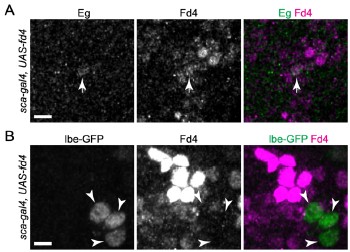
    1. https://web.archive.org/web/20260123124049/https://www.computerworld.com/article/4118639/aws-european-cloud-service-launch-raises-questions-over-sovereignty.html

      AWS European cloud service launch raises questions over sovereignty. not really though. It's quite obvious what kind of attempt this is. There are plenty that now feel nervous but will opt for anything that lets them say with plausible deniability that they did something without going through the actual work of a full transition

    2. In the end, most customers will opt for strategies that comprise a mix of sovereignty levels depending on their needs.

      yes, during transition bc of pragmatics, same for my company, but while fully understanding the desired end-state, which is no big players USA or wherever based.

    1. The other one that happened was just before Russia invaded Ukraine, they managed to disable the Viasat modems. And this is an interesting case. These modems are used for satellite communications. And they were able to attack these modems so that they physically disabled themselves. It was not like the denial of service attack on the network. No, they managed to wipe the firmware of all these modems in such a way that it could not be replaced. The reason we know about this stuff so well is it turns out there were lots of windmills that also had these modems. In Germany, apparently 4,000 of these modems stopped working. And there were 4,000 wind turbines that could no longer be operated. So this was a military cyber attack that happened as Russia was invading Ukraine. And it was of great benefit to them because it disabled a lot of military communications in Ukraine. But this is the kind of thing that can happen, only that it’s quite rare.

      Russia compromised Viasat modems before the Feb2022 invasion, to disrupt Ukraine's satcoms for the military. However these modems are also used in German windparks, losing control over 4000 windmills.

    1. Reviewer #2 (Public review):

      The study design involves infecting HaCaT cells (immortalised keratinocytes mimicking basal cells of a target tissue) and observing virus localization with and without actin polymerization inhibition by cytochalasin D (cytoD) to analyze virion transfer from the ECM to the cell via filopodial structures, using cellular proteins as markers.

      In the context of the model system, the authors stress in the revised version the importance of using HaCaT cells as a relevant 'polarized' cell model for infection. The term 'polarized' is used in the cell biological literature for epithelial cells to describe a strict apical vs. basolateral demarcation of the plasma membrane with an established diffusion barrier of the tight junction. However, HaCat cells do not form tight junctions. In squamous epithelia, such barriers are only found in granular layers of the epithelium. The published work cited in support of their claims either does not refer to polarity or only in the context of other cells such as CaCo-2 cells.

      Overall, the matter of polarity would be important, if indeed the virus could only access cell-associated HSPGs as primary binding receptor, or the elusive secondary receptor via the ECM in the used model system (HaCaT cells), if they would locate exclusively basolaterally. This is at least not the case for binding, as observed in several previous publications (just two examples: Becker et al, 2018, Smith et al., 2008). With only a rather weak attempt at experimental verification of their model system with regards to polarity of binding, the authors then go on to base their conclusions on this unverified assumption.

      This is one example of several in the manuscript, where claims for foundational premises, observations, and/or conclusions remain undocumented or not supported by experimental data.

      Another such example is the assumption of transfer of the virus from ECM to the tetraspanin CD151. Here, the conclusions are based on the poorly documented inability of the virus to bind to the cell body, which is in stark contrast to several previous publications, and raises questions. Thus, association with CD151 likely occurs both from ECM derived virus AND virus that binds to cells, so that any conclusions on the mode of association is possible only in live cell data (which is not provided). Overall, their proposed model thus remains largely unsubstantiated with regards to receptor switching.

      There are a number of important additional issues with the manuscript:

      First, none of the inhibitors have been tested in their system for efficacy and specificity, but rely on published work in other cell types. This considerably weakens the confidence on the conclusion drawn by the authors.

      Second, the authors aim to study transfer from ECM to the cell body and effects thereof. However, there are still substantial amounts of viruses that bind to the cell body compared to ECM-bound viruses in close vicinity to the cells. This is in part obscured by the small subcellular regions of interest that are imaged by STED microscopy, or by the use of plasma membrane sheets. This remains an issue despite the added Supple. Fig. 1, where also only sub cellular regions are being displayed. As a consequence the obtained data from time point experiments is skewed, and remains for the most part unconvincing, largely because the origin of virions in time and space cannot be taken into account. This is particularly important when interpreting the association with HS, the tetraspanin CD151, and integral alpha 6, as the low degree of association could be originating from cell bound and ECM-transferred virions alike.

      Third, the use of fixed images in a time course series also does not allow to understand the issue of a potential contribution of cell membrane retraction upon cytoD treatment due to destabilisation of cortical actin. Or, of cell spreading upon cytoD washout. The microscopic analysis uses an extension of a plasma membrane stain as marker for ECM bound virions, this may introduce a bias and skew the analysis.

      Fourth, while the use of randomisation during image analysis is highly recommended to establish significance (flipping), it should be done using only ROIs that have a similar density of objects for which correlations are being established. For instance, if one flips an image with half of the image showing the cell body, and half of the image ECM, it is clear that association with cell membrane structures will only be significant in the original. But given the high density of objects on the plasma membrane, I am not convinced that doing the same by flipping only the plasma membrane will not also obtain similar numbers than the original.

    2. Author response:

      The following is the authors’ response to the original reviews.

      Public Reviews:

      Reviewer #1 (Public review):

      The authors' goal was to arrest PsV capsids on the extracellular matrix using cytochalasin D. The cohort was then released, and interaction with the cell surface, specifically with CD151, was assessed.

      The model that fragmented HS associated with released virions mediates the dominant mechanism of infectious entry has only been suggested by research from a single laboratory and has not been verified in the 10+ years since publication. The authors are basing this study on the assumption that this model is correct, and these data are referred to repeatedly as the accepted model despite much evidence to the contrary.

      We stated in the introduction on line 65/66 ´Two release mechanisms are discussed, that mutually are not exclusive´. This implies that we do not consider the shedding model as ‘the accepted model’. Furthermore, we do not state in the discussion neither that the shedding model is the preferred one. However, we referred to the shedding model in the discussion, because we find HS associated with transferred PsVs, which is in line with this model.

      The discussion in lines 65-71 concerning virion and HSPG affinity changes is greatly simplified. The structural changes in the capsid induced by HS interaction and the role of this priming for KLK8 and furin cleavage have been well researched. Multiple laboratories have independently documented this. If this study aims to verify the shedding model, additional data need to be provided.

      Our findings are compatible with both models, and we do not aim to verify the shedding model neither want to disprove the priming model. However, as we understand, the referee wishes more visibility of the priming model. Therefore, using inhibitors previously used in the field, we tested whether inhibition of KLK8 or furin reduces PsV translocation to the cell body (after CytD wash off). Leupeptin blocks transport, while Furin inhibitor I still allows some initial translocation. We incorporated this new data as Figure 2 (line 265): “…we would expect that inhibition of L1 processing during the CytD incubation prevents the recovery of PsV translocation from the ECM to the cell body (Figure 2A and D). To test for this possibility, as employed in earlier studies, the protease inhibitor leupeptin was used to inhibit proteases including KLK8 which is required for L1 cleavage (Cerqueira et al. 2015). Employing this inhibitor, the PCC between PsV-L1 and F-actin staining remains negative after CytD removal, showing that for translocation indeed the action of proteases is required (Figure 2B and D). In contrast, inhibition of L2 cleavage by a furin specific inhibitor has no effect on the PCC (Figure 2C and D). However, it should be noted that we occasionally observe PsVs not completely translocating but accumulating at the border of the F-actin stained area (for example see Figure 2C (60 min)). This results in an increase of the PCC almost equal to complete translocation, explaining why the PCC remains unaffected despite a furin inhibitory effect. Hence, furin inhibition may have some effect on translocation that, however, is undetected in this type of analysis.’

      Moreover, we have added a paragraph discussing how our data integrates into the established model of the HPV infection cascade (line 604): ‘HPV infection is the result of several steps, starting with the initial binding of virions via electrostatic and polar interactions (Dasgupta et al. 2011) to the primary attachment site HS (Richards et al. 2013), which induces capsid modification (Feng et al. 2024; Cerqueira et al. 2015) and HS cleavage (Surviladze et al. 2015), enabling the virion to be released from the ECM or the glycocalyx. Next, virions bind to the cell surface to a secondary receptor complex that forms over time, and become internalized via endocytosis, before they are trafficked to the nucleus (Ozbun and Campos 2021; Mikuličić et al. 2021). Regarding the transition from the primary attachment site to cell surface binding, as already outlined in the introduction, two models are discussed. In one model, proteases cleave the capsid proteins. After priming, the capsids are structurally modified and the virion can dissociate from its HS attachment site. It has been suggested that capsid priming is mediated by KLK8 (Cerqueira et al. 2015) and furin (Richards et al. 2006). In our system, KLK8 inhibition blocks PsV transport, while furin inhibition has some effect that, however, cannot be detected in this analysis (Figure 2) suggesting furin engagement at later steps in the infection cascade. This is in line with earlier in vitro studies on the role of cell surface furin (Surviladze et al. 2015; Day et al. 2008; Day and Schiller 2009). In any case, our results align with both models of ECM detachment: one involving HS cleavage (HS co-transfer) and another involving capsid modification (by e.g., KLK8).’

      The model should be fitted into established entry events,…

      Please see our reply above.

      or at minimum, these conflicting data, a subset of which is noted below, need to be acknowledged.

      (1) The Sapp lab (Richards et al., 2013) found that HSPG-mediated conformational changes in L1 and L2 allowed the release of the virus from primary binding and allowing secondary receptor engagements in the absence of HS shedding.

      (2) Becker et al. found that furin-precleaved capsids could infect cells independently of HSPG interaction, but this infection was still inhibited with cytochalasin D.

      (3) Other work from the Schelhaas lab showed that cytochalasin D inhibition of infection resulted in the accumulation of capsids in deep invaginations from the cell surface, not on the ECM

      (4) Selinka et al., 2007, showed that preventing HSPG-induced conformational changes in the capsid surface resulted in noninfectious uptake that was not prevented with cytochalasin D.

      (5) The well-described capsid processing events by KLK8 and furin need to be mechanistically linked to the proposed model. Does inhibition of either of these cleavages prevent engagement with CD151?

      The authors need to consider an explanation for these discrepancies.

      We do not see any discrepancies; our observations are compatible with aspects of both the shedding and the priming model. That PsVs carry HS-cleavage products doesn´t imply that HS cleavage is sufficient or required for infection, or that the priming model would be wrong. We do not view our data as being in conflict with the priming model. Most of the above-mentioned papers are now cited.

      Altogether, we acknowledge that the study gains importance by directly testing the priming model within our experimental system. We are thankful for the above comments and addressed this issue.

      Other issues:

      (1) Line 110-111. The statement about PsVs in the ECM being too far away from the cell surface to make physical contact with the cell surface entry receptors is confusing. ECM binding has not been shown to be an obligatory step for in vitro infection.

      Not obligatory, but strongly supportive (Bienkowska-Haba et al., Plos Path., 2018; Surviladze et al., J. Gen. Viro., 2015). As recently published by the Sapp lab (Bienkowska-Haba et al., Plos Path., 2018), ´Direct binding of HPV16 to primary keratinocytes yields very inefficient infection rates for unknown reasons.´ Moreover, the paper shows that HaCaT cell ECM binding of PsVs increases the infection of NHEK by 10-fold and of HFK by almost 50-fold.

      This idea is referred to again on lines 158-159 and 199. The claim (line 158) that PsV does not interact with the cell within an hour needs to be demonstrated experimentally and seems at odds with multiple laboratories' data. PsV has been shown to directly interact with HSPG on the cell surface in addition to the ECM. Why are these PsVs not detected?

      The reviewing editor speculated that HaCaT cells may be a model system in which the in vivo relevant binding to the ECM can be better studied as in non-polarized cell types. This is because binding to the ECM cannot be bypassed by direct cell surface binding. The observation that only few PsVs bind to the basal cell membrane indeed suggests restricted diffusional access of PsVs to binding receptors of the basal membrane. The reviewing editor asked for an experiment showing that more PsVs bind after cell detachment. We performed this experiment and indeed find more PsVs binding to the cell surface of detached cells. This point is very important for the understanding of the study and now we mention it in several sections of the manuscript, as outlined in the following.

      Line 125: ‘Many PsVs that bind to the ECM may locate distal from the cell surface and are thus unable to establish direct contact with entry receptors. However, they are capable of migrating by an actindependent transport along cell protrusions towards the cell body (Smith et al. 2008; Schelhaas et al. 2008). We aimed for blocking this transport in HaCaT cells, a cell line that is widely used as a cell culture model for HPV infection. HaCaT cells closely resemble primary keratinocytes in key aspects: they are not virally transformed and produce large amounts of ECM that facilitates infection (Bienkowska-Haba et al. 2018; Gilson et al. 2020). In addition, HaCaT cells exhibit cellular polarity that enforces binding of virus particles to the ECM, as the virions cannot bind to receptors/entry components, such as CD151, Itgα6 and HSPGs that co-distribute on the basolateral membrane of polarized keratinocytes (Sterk et al. 2000; Cowin et al. 2006; Mertens et al. 1996), making them inaccessible by diffusion.’

      Line 205: ‘During the CytD incubation, PsVs bind to HSPGs of the basolateral membrane for 5 h. Still, in the cell body area hardly any PsVs are present (0.14 PsV/µm<sup>2</sup>, Supplementary Figure 1B). In the control, the PsV density is several-fold larger (Supplementary Figure 1B). This is expected, as the PsVs bind to the ECM and translocate to the cell body. We wondered whether there are more binding sites at the basal membrane that remain inaccessible to PsVs by diffusion because of the insufficient space between glass-coverslip and basolateral membrane. For clarification, we incubated EDTA detached HaCaT cells in suspension with PsVs for 1 h at 4 °C, followed by re-attachment for 1 h. Under these conditions, we find a PsV density 12.4-fold larger than after 5 h of CytD incubation of adhered cells (Supplementary Figure 1B and D). However, it should be noted that these values cannot be directly compared. Aside from the different treatments, another difference lies in the size of the basal membrane, as re-attachment of cells is not complete after only 1 h (compare size of adhered membranes in Supplementary Figure 1A and C). Therefore, the imaged membranes are likely strongly ruffled, which results in the underestimation of the size of the adhered membrane. As a result, we overestimate the PsVs per µm<sup>2</sup> (please note that we cannot re-attach cells for longer times as we would then lose PsVs due to endocytosis). On the other hand, we would underestimate the PsV density at the basal membrane if after re-attachment we image in part also some apical membrane. In any case, the experiment suggests that PsVs bind more efficiently if membrane surface receptors are accessible by diffusion. This is in support of the above notion that the basal membrane may provide more entry receptors than one would expect from the low density of PsVs bound after 5 h CytD (Supplementary Figure 1B). This suggests that under our assay conditions, PsVs cannot easily bypass the translocation from the ECM to the cell body by diffusing directly to the basal membrane. Hence, the large majority of PsVs that enter the cell were previously bound to the ECM. Therefore, HaCaT cells serve as an ideal model for studying the transfer of ECM bound HPV particles to the cell surface, which is similar to in vivo infection of basal keratinocytes after binding to the basement membrane (Day and Schelhaas 2014; Kines et al. 2009; Schiller et al. 2010; Bienkowska-Haba et al. 2018).’

      Line 529: ‘Filopodia usage not only facilitates infection but also increases the likelihood of virions to reach their target cells during wound healing, namely the filopodia-rich basal dividing cells. In fact, several types of viruses exploit filopodia during virus entry (Chang et al. 2016), hinting at the possibility that for HPV and other types of viruses actin-driven virion transport may play a more important role than it is currently assumed. If this is the case, sub-confluent HaCaT cells, or even better single HaCaT cells, would be an ideal model system for the study of these very early infection steps that involve ECM attachment and subsequent filopodia-dependent transport. As shown in Supplementary Figure 1, HaCaT cells have many binding sites for the HPV16 PsVs. However, as they are polarized and the binding receptors are only at the basal membrane, they remain relatively inaccessible by diffusion. Therefore, the ECM binding that is also observed in vivo (Day and Schelhaas 2014) and subsequent transport via filopodia are used upon infection of HaCaT cells that locate at the periphery of cell patches. Here, PsVs bind to the ECM which strongly enhances infection of primary keratinocytes (Bienkowska-Haba et al. 2018). In contrast, HPV can readily bind to HSPGs on the cell surface of nonpolarized cells, and by this bypasses ECM mediated virus priming and the filopodia dependency. We propose that HaCaT cells are a valuable system for studying the very early events in HPV infection that allows for dissecting capsid interaction with ECM resident priming factors and cell surface receptors.’

      Finally, please note that in the previous version of the manuscript, we did not question that in many cellular systems PsVs interact with heparan sulfate proteoglycans (HSPGs) present on the cell surface, or both on the cell surface and the ECM. We stated on line 59 ´While in cell culture virions bind to HS of the cell surface and the ECM, it has been suggested that in vivo they bind predominantly to HS of the extracellular basement membrane (Day and Schelhaas, 2014; Kines et al., 2009; Schiller et al., 2010).´

      We hope that after adding the above explanations and the experiment requested by the reviewing editor it is now clear why only few PsVs bind directly (not via the ECM) to the cell surface. We appreciate the reviewer’s and the reviewing editor’s input that has significantly improved the manuscript.

      (2) The experiments shown in Figure 5 need to be better controlled. Why is there no HS staining of the cell surface at the early timepoints? This antibody has been shown to recognize N-sulfated glucosamine residues on HS and, therefore, detects HSPG on the ECM and cell surface.

      There is staining. However, as the staining at the periphery is stronger and images are shown at the same settings of brightness and contrast, the impression is given that the cell surface is not stained. We have added more images showing HS cell surface staining.

      (i) Supplementary Figure 4C shows an enlarged view of the CytD/0 min cell shown in Figure 6A. In the area stained by Itgα6, that marks the cell body, HS staining is present, although less abundant in comparison to the ECM.

      (ii) In Figure 8, CytD/30 min, a cell is shown with abundant HS in the cell body region (compare cyan and green LUT).

      (iii) In newly added Figure 3A, lower panel, another cell with HS in the cell body region is shown.

      Please note that the staining is highly variable. We indicate this by stating on Line 373: ‘The pattern of the HS staining (cyan LUT) and the overlap of HS with PsVs and Itgα6 are highly variable (Figure 6A).’

      Therefore, the conclusion that this confirms HS coating of PsV during release from the ECM (line 430431) is unfounded. How do the authors distinguish between "HS-coated virions" and HSPG-associated virions?

      The transient increase in the PCC at CytD/30 min can be interpreted as PsV/HS co-transport or as direct binding of PsVs to cell surface HSPGs. However, two arguments support co-transport.

      First, we find that CytD/PsVs increases the HS intensity (see newly added Figure 3, confirming old Figure 5 that is now Figure 6). We state on line 290 ‘… that without actin-dependent PsV translocation HS cleavage products are retained in the ECM, consistent with the hypothesis that cleaved HS remains associated with PsVs (Ozbun and Campos 2021).

      Second, the distance between HS and Itgα6 (the cell body marker) decreases over time after CytD removal, which suggests movement of HS to the cell body (Supplementary Figure 8D). We state on line 422: ‘The movement of HS towards the cell body after removal of CytD, which indirectly demonstrates that PsVs are coated with HS, is suggested by a shortening of the HS-Itgα6 distance over time (Supplementary Figure 8D).’

      It is difficult to comprehend how the addition of 50 vge/cell of PsV could cause such a global change in HS levels.

      Some areas are covered with confluent cells, to which hardly any PsVs are bound, because accessing their basolateral membrane is nearly impossible, and PsVs do not bind to the exposed apical membrane as well. We assume this is a major difference to cultures of unpolarized cells, where PsVs should distribute more or less equally over cells. This means that in our experiments the vge/cell is not a suitable parameter for relating the magnitude of an effect to a defined number of PsVs. In the ECM, the PsV density is very high, enabling one cell to collect, in theory, several hundred PsVs, much more than expected from the 50 vge/cell.

      We state on line 135: ‘Frequently, we observe patches of confluent cells which are common to HaCaT cells. Cells at the center of these patches are dismissed during imaging, because there are no anterogradely migrating PsVs at these cells. A second reason for our dismissal of these cells is that hardly any PsVs are bound to them, possibly because their basal membranes are inaccessible by diffusion. Instead, we focus on isolated HaCaT cells or cells at the periphery of cell patches. In these cells, we find more PsVs per cell than one would expect from the employed 50 viral genome equivalents (vge) per cell, indicating that PsVs are unequally distributed between the cells.’

      The claim that the HS levels are decreased in the non-cytochalasin-treated cells due to PsV-induced shedding needs to be demonstrated.

      We did not claim that PsVs induce shedding, we rather believe they retain shedded HS. Without PsVs, the shedded HS is washed off from the ECM. We have reproduced the observation made in old Figure 5 (now Figure 6) in the newly added Figure 3 that also shows that PsVs alone have no effect on the HS intensity, only when present together with CytD. We state on line 277: ‘As outlined above, during the 5 h incubation with CytD, proteases in the ECM are expected to cleave HS chains. These cleavage products should be able to diffuse out of the ECM, unless they remain associated with nontranslocating PsVs. In the control, PsV associated HS cleavage products would leave the ECM through PsV translocation…. Using an antibody that reacts with an epitope in native heparan sulfate chains, only after CytD and if PsVs are present, the level of HS staining is significantly increased (Figure 3B). As shown in Figure 3A, stronger HS staining at PsVs (open arrows) and as well in PsV free areas (closed arrows) was observed… Collectively, our findings indicate that without actin-dependent PsV translocation HS cleavage products are retained in the ECM, consistent with the hypothesis that cleaved HS remains associated with PsVs (Ozbun and Campos 2021).’

      If HS is actually shed, staining of the cell periphery could increase with the antibody 3G10, which detects the HS neoepitope created following heparinase cleavage.

      We have tested the antibody by which we obtain only a very weak staining (Supplementary Figure 2), not allowing to differentiate between an increase in the cell periphery and the cell body area. We still include the experiment as it suggests that CytD has no effect on HS processing. We state on line 286: ‘As additional control and shown in Supplementary Figure 2, we use an antibody that reacts with a HS neo-epitope generated by heparitinase-treated heparan sulfate chains (Yokoyama et al. 1999; for details see methods). This neo-epitope staining is independent of the presence of CytD and the incubation time, suggesting that CytD does not directly affect HS processing.’

      Reviewer #2 (Public review):

      Summary:

      Massenberg and colleagues aimed to understand how Human papillomavirus particles that bind to the extracellular matrix (ECM) transfer to the cell body for later uptake, entry, and infection. The binding to ECM is key for getting close to the virus's host cell (basal keratinocytes) after a wounding scenario for later infection in a mouse vaginal challenge model, indicating that this is an important question in the field.

      Strengths:

      The authors take on a conceptually interesting and potentially very important question to understand how initial infection occurs in vivo. The authors confirm previous work that actin-based processes contribute to virus transport to the cell body. The superresolution microscopy methods and data collection are state-of-the art and provide an interesting new way of analysing the interaction with host cell proteins on the cell surface in certain infection scenarios. The proposed hypothesis is interesting and, if substantiated, could significantly advance the field.

      Weaknesses:

      As a study design, the authors use infection of HaCaT keratinocytes, and follow virus localisation with and without inhibition of actin polymerisation by cytochalasin D (cytoD) to analyse transfer of virions from the ECM to the cell by filopodial structures using important cellular proteins for cell entry as markers.

      First, the data is mostly descriptive besides the use of cytoD, and does not test the main claim of their model, in which virions that are still bound to heparan sulfate proteoglycans are transferred by binding to tetraspanins along filopodia to the cell body.

      The study identifies a rapid translocation step from the ECM to CD151 assemblies. We have no data that demonstrates a physical interaction between PsVs and CD151. In the model figure, we draw CD151 as part of the secondary receptor complex. We are sorry for having raised the impression that PsVs would bind directly to CD151 and have modified the model Figure accordingly. In the new model figure (Figure 9), the first contact established is to a CD151 free receptor.

      Second, using cytoD is a rather broad treatment that not only affects actin retrograde flow, but also virus endocytosis and further vesicular transport in cells, including exocytosis. Inhibition of myosin II, e.g., by blebbistatin, would have been a better choice as it, for instance, does not interfere with endocytosis of the virus.

      As we focus on early events, we are not concerned about CytD blocking as well late steps in the infection cascade, like endocytosis. However, we agree that a comparison between CytD and blebbistatin would be very interesting. We added Figure 8, showing that blebbistatin only partially stops migration.

      Line 429: ‘Actin retrograde transport, which underlies the here observed virion transport, is the integrative result of three components (Smith et al. 2008; Schelhaas et al. 2008)…. As CytD broadly interferes with F-actin dependent processes, we investigated the effects upon inhibition of only one of the three components, namely the myosin II mediated retrograde movement towards the cell body. Instead of CytD, we employed in the 5 h preincubation the myosin II inhibitor blebbistatin. For the control (0 min), we show in Figure 8A one example of a cell with comparatively many PsVs at the periphery (as mentioned above, the PsV pattern is highly variable) to better illustrate the difference to the PsV pattern occasionally seen with blebbistatin. After blebbistatin treatment (0 min), PsVs are still distal to the cell body but less dispersed than after CytD treatment, seemingly as if translocation started but stopped in the midst of the pathway (Figure 8A, blebbistatin). The PCC between PsVs and HS, like after CytD (Figure 6C), is elevated after blebbistatin, albeit the effect is not significant (Figure 8C). The cell body PCC, is not at 30 min (CytD) but already at 0 min elevated (compare Figure 6D to Figure 8D), which can be explained by partial translocation. This is further supported by the fact that only 8% of PsVs are closely associated with HS (Figure 8E; blebbistatin, 0 min) compared to 15% after CytD treatment (Figure 6E; 0 min). Furthermore, after 0 min PsV incubation with blebbistatin we observe no effect on the HS intensity (compare Figure 8B to Figure 3B and Figure 6B). Hence, in contrast to CytD, blebbistatin does not trap the PsVs in the ECM where they associate with HS, but ongoing actin polymerization pushes actin filaments along with PsVs towards the cell body.’

      Third, the authors aim to study transfer from ECM to the cell body and the effects thereof. However, there are substantial, if not the majority of, viruses that bind to the cell body compared to ECM-bound viruses in close vicinity to the cells.

      Please see our detailed reply to referee #1 that has raised the same issue. In brief, we agree that in multiple cell culture systems viruses bind preferentially to the cell surface directly. However, in HaCaT cells, the majority of PsVs does not bind directly to the basal membrane but gets there after initial binding to the ECM. Thus, we believe our system appropriately models the physiologically relevant scenario of ECM-to-cell transfer, as also speculated by the reviewing editor that has suggested an experiment showing that more PsVs bind to detached cells (please see above).

      This is in part obscured by the small subcellular regions of interest that are imaged by STED microscopy, or by the use of plasma membrane sheets. As a consequence, the obtained data from time point experiments is skewed, and remains for the most part unconvincing due to the fact that the origin of virions in time and space cannot be taken into account. This is particularly important when interpreting association with HS, the tetraspanin CD151, and integral alpha 6, as the low degree of association could originate from cell-bound and ECM-transferred virions alike.

      As already stated above, we observe massive binding of PsVs to the ECM, in contrast to very few PsVs that diffuse beneath the basolateral membrane of the polarized HaCaT cells and do bind directly to the cell surface. In other cellular systems, cells may hardly secrete ECM, are not polarized, and therefore virions can easily bypass ECM binding. Therefore, it is reasonable to assume that in HaCaT cells the large majority of PsVs found on the cell body originates from the ECM.

      Fourth, the use of fixed images in a time course series also does not allow for understanding the issue of a potential contribution of cell membrane retraction upon cytoD treatment due to destabilisation of cortical actin. Or, of cell spreading upon cytoD washout.

      The newly added blebbistatin experiment suggests that the initial translocation is exclusively dependent on retrograde actin flow. However, we agree that we are not able to unravel more details regarding the different possible contributions to the movement. Importantly, the lack of PCC increase after CytD/leupeptin removal (Figure 2D) suggest there is not much cell spreading into the area of accumulated PsVs. Please see our more detailed reply to the same issue raised by the same referee in the recommendations for the authors.

      The microscopic analysis uses an extension of a plasma membrane stain as a marker for ECM-bound virions, which may introduce a bias and skew the analysis.

      The dye TMA-DPH stains exclusively cellular membranes and not the ECM. The stain is actually used to delineate the cell body from the ECM area (please see Figure 1).

      Fifth, while the use of randomisation during image analysis is highly recommended to establish significance (flipping), it should be done using only ROIs that have a similar density of objects for which correlations are being established.

      We agree that the way of how randomization is done is very important. Regarding the association of PsVs with CD151 and HS, we corrected for random background association, which is now explained in more detail in in the Figure legend of Supplementary Figure 7: “On flipped images, we often find values more than half of the values of the original images, demonstrating that many PsVs have a distance ≤ 80 nm to CD151 merely by chance (background association)… (C) Each time point in (A) and (B) obtained from flipped images is the average of three biological replicates. We use these altogether 24 data points, plotting the fraction of closely associated PsVs against the CD151 maxima density. The fraction increases with the maxima density, as the chance of random association increases with the maxima density. The fitted linear regression line describes the dependence of the background association from the maxima density. As a result, the background association (y) can be calculated for any maxima density (x) in original images with the equation y = 2.04x. Please note that the CytD/0 min may be overcorrected as we subtract background association with reference to the CD151 maxima density of the entire ROI (for an example ROI see Supplementary Figure 6A), although the local maxima density at distal PsVs is lower. On the other hand, PsVs at the cell border may have a larger local CD151 maxima density and consequently are undercorrected.’

      For instance, if one flips an image with half of the image showing the cell body, and half of the image ECM, it is clear that association with cell membrane structures will only be significant in the original.

      We are aware of this problem. For instance, it would produce ‘artificially’ low PCCs after flipping images of PsV/HS stainings (please see negative PCC value after flipping in Supplementary Figure 8). In this case, we do not use as argument that in flipped images the PCC is lower. Instead, we would argue that over time the PCC changes in the original images. We still provide the PCC values of flipped images, as additional information, showing that in most cases we obtain after flipping a PCC of zero, as expected

      Hence, we fully agree that careful controls in image analysis is required, and used the above-described method for the correction of background association when the fraction of closely associated PsVs is analyzed. We do not use a lower PCC value in flipped images as argument if not appropriate.

      I am rather convinced that using randomisation only on the plasma membrane ROIs will not establish any clear significance of the correlating signals.

      Figure 6D and 8D show the PCC specifically of the cell body (only of plasma membrane ROIs). In flipped images (not shown in the previous version for clarity), we obtain significantly lower PCCs (Supplementary Figure 8F/G and Supplementary Figure 10C/D. We propose that in this case it would be appropriate to use a lower PCC of flipped images as argument for specific association. Still, also in this experiment we argue with a change in the PCC over time, and not with a PCC of zero after flipping. As above, we still provide the PCC values of flipped images as additional information.

      Also, there should be a higher n for the measurements.

      One replicate is based on the average of 14-15 cells for each condition (more for figure 4). Hence, in a typical experiment (Control and CytD with 4 time points) about 120 cells are analyzed, which is a broad basis for the averages of one replicate.

      We realize that with three biological replicates we find significant effects only if we have strong effects or moderate effects with very low variance.

      Recommendations for the authors:

      Reviewing Editor:

      The focus on the events of HPV infection between ECM binding and keratinocyte-specific receptor binding is unique and interesting. However, I agree with the reviewers that some of the conclusions could use more experimental support, as detailed in their comments. The failure to detect direct binding of the PsV to HSPGs on the cell surface in in vitro assays contradicts much of the published literature. For example, others have found that HPV capsids bind cultured cell lines in suspension, i.e, in the absence of ECM. Do EDTA-suspended HaCaT cells bind PsV? Is the binding HSPG dependent? If the authors think that failure to detect direct cell binding of HaCaTs is an unusual feature of these cell lines or culture condition,s then it would be helpful to provide an explanation. However, it is worth noting that an in vitro system where the cells do not directly bind capsids through HSPG interactions would be a much better model for studying the stages of HPV infection that are the focus of this study, since there is no direct binding of keratinoctyes in vivo.

      We are thankful for this comment that had a strong influence on the revision. The suggested experiment has been incorporated as new Supplementary Figure 1. It shows that many more PsVs bind to the cell surface of cells in suspension than to adhered cells. As suggested by the reviewing editor, we explain now that HaCaT cells are a suitable model system for studying the in vivo transport from the ECM to the cell body that in these cells, due to their polarization, cannot be bypassed (for more details please see our replies above addressing these issues).

      Because conclusions drawn regarding HS interactions are largely based on experiments using a single HS mAb, it is important that the specificity of this mAb is described in more detail, either based on the literature or further experimentation.

      We provide now detailed information about the HS antibodies used in the study. We state on line 282 ‘Using an antibody that reacts with an epitope in native heparan sulfate chains…’ and on line 286 ‘we use an antibody that reacts with a HS neo-epitope generated by heparitinase-treated heparan sulfate chains…’ and in the methods section ‘For Heparan sulfate (HS) a mouse IgM monoclonal antibody (1:200) (amsbio, cat# 370255-S) was used that reacts with an epitope in native heparan sulfate chains and not with hyaluronate, chondroitin or DNA, and poorly with heparin (mAb 10E4 (David et al., 1992)). For HS neo-epitope (Yokoyama et al., 1999) detection, a mouse monoclonal antibody (1:200) (amsbio, cat#370260-S) was used that reacts only with heparitinase-treated heparan sulfate chains, proteoglycans, or tissue sections, and not with heparinase treated HSPGs. The antibody recognizes desaturated uronic acid residues (mAb 3G10 (David et al., 1992)).’

      Reviewer #1 (Recommendations for the authors):

      (1) The phrase "tight association" or similar is repeatedly used and is not acceptable for microscopic studies; use "close association", which has no affinity connotations.

      Has been changed as suggested by the referee.

      (2) Why are lysine-coated coverslips used for microscopy? HaCaT cells adhere tightly to untreated glass, and this coating could affect the distribution of ECM and extracellular PsV.

      We believe a tight association of the basal cell membrane to its substrate, as in vivo, where the basal membrane is tightly adhered to other cells, is important in these experiments. In weakly adherent cells more PsVs may bind to the cell surface, bypassing the transport step. Hence, although HaCaT cells may not require the coat and would be able to adhere to glass, the association may not be tight enough to mimic in vivo conditions.

      (3) What is the reason to use detection of the pseudogenome for some of the experiments instead of L1 detection throughout? The process of EdU detection is sufficiently denaturing to affect some protein epitopes. The introduction of this potential artifact doesn't seem warranted for capsid detection experiments.

      The L1 and the Itgα6 antibody are from the same species, wherefore we have used in Figures 4 and 6 click-labeling of the reporter plasmid. We do not disagree with the notion of the referee, that EdU detection may denature the epitope of some proteins. For instance, we have observed a different staining pattern for CD151; for Itgα6 and HS we saw no obvious difference in the staining patterns. In double staining experiments using L1 antibody and click-labeling, both staining patterns overlapped very well, indicating that click-labeling is suitable to visualize PsVs.

      (4) What concentration of TMA-DPH was used?

      TMA-DPH is a poorly water-soluble dye that becomes strongly fluorescent upon insertion into a membrane. Because of its poor water solubility, a precise concentration cannot be given. We added 50 µl of a saturated TMA-DPH solution in PBS to 1 ml of PBS in the imaging chamber. We state this now in the methods section.

      (5) Line 419: This statement is misleading. Although PsV interaction with HSPG on the ECM is crucial for infectious transfer to cells, the majority of the PsV binding on the ECM has been attributed to interaction with laminin 332. Treatment of PsV with heparin causes sequestration to the ECM.

      We are sorry for the confusion and have removed the misleading statement.

      (6) Some reference choices are poor:

      Line 54: Ozbun and Campos, this is not the correct reference

      In the review we cited, in the introduction it is stated that PsVs establish infection via a break in the epithelial barrier? However, we have replaced this reference by a review that focuses more on epithelial wounding: ‘Ozbun, Michelle A. (2019): Extracellular events impacting human papillomavirus infections: Epithelial wounding to cell signaling involved in virus entry. In Papillomavirus research (Amsterdam, Netherlands) 7, pp. 188–192. DOI: 10.1016/j.pvr.2019.04.009.’

      Line 2012: Doorbar et al., this is not the correct reference.

      Thank you for pointing this out (..we assume the referee refers to line 104 and not line 2012). We have noticed this error during revision. As it is difficult to get a specialized review on this topic, we now cite Ozbun and Campus, 2021 that states PsVs are ‘structurally and immunologically indistinguishable from lesion- and tissue-derived HPVs.’

      Minor issues:

      (1) It is difficult to appreciate the ECM and cell surface binding pattern from the provided images, which do not even contain an entire cell. We need to see a few representative field views with the ECM delineated with laminin 332 staining, as HS antibodies stain both the ECM and cell surface.

      We now provide overview images in Supplementary Figure 4. The only experiment requiring a clear delineation between ECM and cell surface is the experiment of Figure 4. Here, we do not use the HS as a reference staining because it stains both the ECM and the cell surface.

      (2) For Figure 1E, the cells were only infected for 24 hours. The half-time for infectious internalization of HaCaT cells was shown to be 8 hours for cell-associated PsV and closer to 20 hours for PsV that was associated with the ECM prior to cell association (Becker et al., 2018). Why was such a short infection time chosen?

      During assay establishment it has been observed that after 24 h the luciferase activity is optimal.

      (3) Figure 5, the staining of uninfected cells +/- cyto treatment needs to be included.

      Now visible in new Figure 3.

      I am confused by lines 54-57. It seems as if the authors are claiming that HSPGs are not present on the ECM. This sentence, as written, is misleading.

      We agree, and state now on line 58 ‘Here, virions bind to the linear polysaccharide heparan sulfate (HS) that is present in the extracellular matrix (ECM) but as well on the plasma membrane surface. HS is attached to proteins forming so called heparan sulfate proteoglycans (HSPGs).’

      Reviewer #2 (Recommendations for the authors):

      There are further issues that are not pertaining to the study design that I find important.

      (1) It remains speculative whether the virions that are transferred from the ECM are actually structurally modified.

      The newly added Figure 2, showing that leupeptin blocks infection in our assay, suggests that virions indeed are primed.

      (2) The origin of HS correlated with virions on the cell body after transfer is also not clear: does the virus associate with cell surface HS, or does it bring HS from the ECM? Simply staining HS against Nsulfated moieties does not allow such conclusions.

      This issue has been already raised in the public review to which we replied above. In brief, we agree that the transient increase of the PCC between PsVs and HS in the cell body region can be also explained by PsVs coming from the ECM without HS and binding to cell surface HS, or from PsVs binding directly (not via the ECM) to cell surface HSPGs. However, there are two more arguments indicating that PsVs are coated with HS. Please see our detailed reply above.

      (3) Figure 1: There are few, if any, filopodia in untreated cells. It would be good to quantify their abundance to substantiate that resting HaCat cells are indeed a good model for filopodial transport bs. membrane retraction / spreading. In HaCat ECM, the virus also binds to laminin-332 for a good part. Would this not also confound the analysis?

      At first glance, the number of filopodia appears to be too low to account for such an efficient transport. However, please note that the formation of filopodia is very dynamic, and that they can form and disappear within minutes (see below). We also often observe many PsVs aligned at one filopodium. Moreover, not every cell periphery exhibits large accumulations of PsVs. Therefore, we believe it is in principle possible that filopodia are largely responsible for the transport. We cannot exclude that we overestimate the transport rate due to partial cell spreading after CytD removal, which, however, we consider as rather unlikely as in Figure 2 we observe no increase in the PCC when leupeptin was present during the CytD incubation. Under these conditions, PsVs do not translocate but cells could spread, and this would increase he PCC between PsVs and F-actin if cells would spread into the area of accumulated PsVs.

      We now state on line 304: ‘This suggests that the half-time of PsV translocation from the periphery to the cell body is about 15 min. In fact, the half-time maybe longer, as we cannot exclude that cell spreading after CytD removal contributes to less PsVs measured in the cell periphery.’ and on line 477 ‘As mentioned above, the half-time could be longer if cell spreading is in part responsible for the translocation of PsVs onto the cell body. However, we assume that this is rather unlikely, as cell spreading would increase the PCC between PsVs and F-actin under a condition where filopodia mediated transport is blocked but not cell spreading, which is not the case (Figure 2B and D, CytD/leupeptin).’

      (4) Figure 2: This would benefit from live cell analysis. There are considerable amounts of virions on the cell body, which partially contradicts statements from Figure 1.

      Does the referee refer to the images shown in Figure 4 (old Figure 2)? Please note that at CytD/0 min there are hardly any PsVs in the cell body region, the fluorescence (magenta LUT) is autofluorescence (this is explained in the results section). Only at later time points PsVs are in the cell body region.

      The fast transfer to the cell body after cyto D washout is based on the assumption that filopodia formation and transport along them (and not membrane extension) occur quickly. Is this reasonable?

      We are no experts on filopodia, but one finds references suggesting that they grow at rates of several µm per minutes and have lifetimes between a few seconds and several minutes. Hence, within the 15 min we determine for the transport, cells may need a few minutes to recover from CytD, a few minutes to form filopodia that reach out into the ECM, and a few minutes for the transport itself. However, we agree that we cannot exclude membrane extension contributing to our observed transport, although we consider this as rather unlikely (see above).

      (5) Figure 3: The rationale of claiming the existence of 'endocytic structures' needs to be better explained and quantified in the according supplementary figure.

      We now state in the legend ‘We propose that the agglomerated CD151 maxima close to PsVs feature the characteristics of endocytic structures, as CD151 has been shown to co-internalize with PsVs (Scheffer et al. 2013), and as these structures invaginate into the cell, like PsV filled tubular organelles previously described by electron microscopy (Schelhaas et al. 2012).’ For a proper quantification of these highly variable structures a much larger sample would be required.

      The formation of virus-filled tubules upon cytoD treatment has been previously reported. Are these viruses that come from the cell body or from the ECM?

      With the new data and explanations that have been added to the manuscript, it should be clear that it is reasonable to assume that they come largely from the ECM.

      (6) Figure 4: How are the subcellular ROIs chosen? Is there not a bias by not studying a full cell?

      We now explain better how we chose cells for analysis. We state on line 138 ‘Instead, we focus on isolated HaCaT cells or cells at the periphery of cell patches. In these cells, we find more PsVs per cell than one would expect from the employed 50 viral genome equivalents (vge) per cell, as PsVs are unequally distributed between the cells. Moreover, these PsVs usually are not homogenously distributed around the cell but concentrate at one region. We investigate the translocation of PsVs from these regions, defining ROIs for analysis that cover PsVs at the periphery and the cell body (see Supplementary Figures 6A and 8A).’

      (7) Figure 5/6: The data needs a better analysis on correlation by using randomisation as explained above.

      Please see our reply to the same point of the public review raised by the same referee.

      (8) Figure 7: This model involves CD151 being a mediator in transfer, but this has not been functionally shown. There are HaCaT CD151 KO cells available (from the Sonnenberg lab), it would be good to use those to test the model and whether transfer indeed involves CD151.

      As already stated above, we are sorry for having raised the impression that PsVs bind directly to CD151. The model Figure has been modified. Please see our reply above.

      (9) The manuscript would benefit from a number of experiments addressing the most crucial issues:

      (a) As mentioned before, the use of blebbistatin, which blocks myosin II function and arrests actin retrograde flow within seconds of addition, would be a good inhibitor to control for transfer in at least some of the most crucial experiments.

      In Figure 8 we have tested blebbistatin. Please see our reply above.

      (b) Live cell analysis would allow for monitoring of whether membrane retraction upon cytoD treatment would have to be taken into account for the analysis of the data. The same is true for the cytoD washouts, upon which most cells exhibit pronounced membrane spreading. The latter is important to support filopodial transport rather than membrane ruffling and spreading, leading to the clearance of extracellular virions from the ECM.

      We agree that this would be desirable. As replied above, we now discuss the issue of possible membrane spreading and reason why we consider it as rather unlikely.

      (c) To rid oneself of the issue of plasma membrane-bound virions as a confounding factor, one could use cells treated by sodium chlorate, which leads to undersulfation of HS on the cell surface, and seed them onto ECM with functional HSPGs. This would then indeed establish that the HS and virus are transferred together.

      We agree that this would be a smart experiment. As the main focus of our study is not clarifying whether PsVs are coated with HS or not, we gave other experiments priority.

      (10) The manuscript is, while carefully and thoughtfully worded on the issue of microscopy analysis, for a good part, extrapolating too strongly from the authors' data and unsubstantiated assumptions to conclude on their model. It would be good if the authors would support their claims with previous or their own experimental work. Just two examples of several: the assumption that cell-bound virions are negligible should be substantiated, as the literature would indicate otherwise.

      We determined the PsV density in adhered, CytD treated cells, and find around 0.14 per µm<sup>2</sup> (Supplementary figure 1B), which is 4 to 5-fold less when compared to the PsV density quantified in an area covering the cell body and the periphery (Figure 1B, see line 174 for PsVs/µm<sup>2</sup> values). Quantifying the PsV density only in the periphery would yield a severalfold larger difference. However, due to the limited resolution of the microscope we would strongly underestimate the PsV density in the accumulations. We prefer not to discuss this in detail, as exact numbers are difficult to obtain.

      Line 129: Cyto D should not inhibit the enzymes modifying HS or proteins (including virions). This is true, but cytoD may limit their secretion and abundance.

      We show in Figure 3 that CytD does not reduce HS staining (e.g., by limiting HS secretion, as suggested by the referee), suggesting that it rather does not limit secretion.

      We thank the referee´s and the reviewing editor for their helpful comments!

    1. Note: This response was posted by the corresponding author to Review Commons. The content has not been altered except for formatting.

      Learn more at Review Commons


      Reply to the reviewers

      __Reviewer #1 __

      *This study "Interpreting the Effects of DNA Polymerase Variants at the Structural Level" comprises an in-depth analysis of protein sequence variants in two DNA polymerase enzymes with particular emphasis on deducing the mechanistic impact in the context of cancer. The authors identify numerous variants for prioritisation in further studies, and showcase the effectiveness of integrating various data sources for inferring the mechanistic impact of variants. *

      *All the comments below are minor, I think the manuscript is exceptionally well written. *

      *> The main body of the manuscript has almost as much emphasis on usage of the MAVISp tool as analysis of the polymerase variants. I don't think this is an issue, as an illustrated example of proper usage is very handy. I do, however, think that the title and abstract should better reflect this emphasis. E.g. "Interpreting the Effects of DNA Polymerase Variants at the Structural Level with MAVISp". This would make the paper more discoverable to people interested in learning about the tool. *

      We have changed the manuscript title according to the reviewer’s suggestions, and the current title is “Interpreting the Effects of DNA Polymerase Variants at the Structural Level using MAVISp and molecular dynamics simulations.”

      • *

      *> Figure 1. I don't believe there is much value in showing the intersection between the datasets (especially since the in-silico saturation dataset intersects perfectly with all the others). As an alternative, I suggest a flow-chart or similar visual overview of the analysis pipeline. *

      • *

      We moved the former Figure 1 to SI. We decided to keep it at least in SI because it provides guidance on the number of variants relative to the total reported across the different disease-related datasets annotated with the MAVISp toolkit. On the other hand, the suggestion of a visual scheme for the pipeline followed in the analyses is a great idea. We have thus added Figure 1, which illustrates the pipeline workflows for analysis of known pathogenic variants and for discovery of VUS and other unknown variants, as suggested by the reviewer.

      *> Please note in the MAVISp dot-plot figure legends that the second key refers to the colour of the X-axis labels rather than the dots *

      We have revised the code that produces the dotplot so the second key is placed closer to the x-axis and clearer to read.

      Missing figure reference (Figure XXX) at the bottom of page 16

      We apologize for this mistake. Figures, contents, and the order have changed significantly to address all reviewers’ comments; this statement is no longer included. Also, we have carefully proofread the final version of the manuscript before resubmitting it.


      __Reviewer #2 __

      • *

      This manuscript reports a comprehensive study of POLE and POLD1 annotated clinical variants using a recently developed framework, MAVISp, that leverages scores and classifications from evolutionary-based variant effect predictors. The resource can be useful for the community. However, I have a number of major concerns regarding the methodology, the presentation of the results.

      *** On the choice of tools in MAVISp and interpretation of their outputs *

      - Based on the ProteinGym benchmark: https://proteingym.org/benchmarks*, GEMME outperforms EVE for predicting the pathogenicity of ClinVar mutations, with an AUC of 0.919 for GEMME compared to 0.914 for EVE. Thus, it is not clear for me why the authors chose to put more emphasis on EVE for predicting mutation pathogenicity. It seems that GEMME can better predict this property, without any adaptation or training on clinical labels. *

      • *

      We appreciate this comment, but we should not exclude EVE entirely from our data collection or from VEP coverage under MAVISp, based on a difference in AUC of 0.005. It was not our intention to place more emphasis on EVE predictions, and we have revised it accordingly. We would like to clarify the workflow we use for applications of the MAVISp framework in “discovery mode,” i.e., for variants not reported as pathogenic in ClinVar. This relies on AlphaMissense to prioritize the pathogenic variants and then retain further only the ones that also have an impact according to DeMaSk, which provides further indication for loss/gain-of-fitness. DeMaSk nicely fits the MAVISp framework, as it was trained on data from experimental deep mutational scans, which we generally import in the EXPERIMENTAL_DATA module. We have revised the text to make this clearer. GEMME and EVE (or REVEL) can be used for complementary analysis in the discovery workflow. Other users of MAVISp data might want to combine them with a different design, and they have access to all the original scores in the MAVISp database CSV file and the code for downstream analysis to do so. The choice for our MAVISp discovery workflow is mainly dictated by the fact that we have noticed we do not always have full coverage of all variants in many protein instances for EVE, GEMME, and REVEL. In particular, since the reviewer highlights GEMME over EVE, GEMME is currently unavailable for a few cases in the MAVISp database. This is because we need to rely on an external web server to collect the data, which slows down data collection on our end.

      Additionally, we have encountered instances where GEMME was unable to provide an output for inclusion in the MAVISp entries. When we designed the workflow for variant characterization in focused studies, we also made practical considerations. We are also exploring the possibility of using pre-calculated GEMME scores from

      https://datadryad.org/dataset/doi:10.5061/dryad.vdncjsz1s, but we encountered some challenges at the moment that deserve further investigations and considerations. For example, MAVISp annotations rely on the canonical isoform as reported in Uniprot, which can lead to mismatches with the GeMME pre-computed scores. So far, we have identified a couple of entries whose canonical isoforms no longer match the one in the pre-computed GEMME score dataset. Another limitation is the absence of the original MSA files in the dataset, which we would need for a more in-depth comparison with the ones we used for our calculations. We are facing some challenges in reproducing the MSA output from MMseq2-based ColabFold protocol in this context that need to be solved first. Overall, the dataset shows potential for integration into MAVISp, but we need to define the inclusion criteria and compare it with the existing results in more detail.

      Additionally, since the principle behind MAVISp is to provide a framework rooted in protein structure, AlphaMissense was the most reasonable choice for us as the primary indicator among the VEPs for our discovery workflow, and it has performed reasonably well in this case study and others.

      Of course, our discovery design is one of the many applications and designs that could be envisioned using the data provided and collected by MAVISp. We also include all raw scores in the database's final CSV files, allowing other end users to decide how to use them in their own computational design. The design choice we made for the discovery phase of focused studies, using MAVISp to identify variants of interest for further studies, has been applied in other publications (see https://elelab.gitbook.io/mavisp/overview/publications-that-used-mavisp-data) in some cases together with experiments. It is also a fair choice for the application, as the ultimate goal is to provide a catalog of variants for further studies that may have a potentially damaging impact, along with a corresponding structural mechanism.

      We have now revised the results section text where Table 1 is cited to clarify this. We also revised the terminology because we are using the VEPs' capability to predict damaging variants, rather than the pathogenic variants themselves. Experiments on disease models should validate our predictions before concluding whether a variant is pathogenic in a disease context, and we want to avoid misunderstandings among readers regarding our stance on this matter.

      - Which of the predictors, among AM, EVE, GEMME, and DeMaSK, provide a classification of variants and which ones provide continuous scores? This should be clarified in the text. If some predictors do not output a classification, then evaluating their performance on a classification task is unfair. The MAVISp framework sets thresholds on the predicted scores to perform the classification and it is unclear from reading the manuscript whether these thresholds are optimal nor whether using universal cutoff values is pertinent. For instance, for GEMME, a recent study shows that fitting a Gaussian mixture to the predicted score distribution yields higher accuracy than setting a universal threshold (https://doi.org/10.1101/2025.02.09.637326*). Along this line, for predictors that do not provide a classification, I am not convinced of the benefit for the users of having access to only binary labels, instead of the continuous scores. The users currently do not have any idea of whether each variant is borderline (close to theshold) or confident (far from threshold). *

      We agree with the reviewer, and this is due to us not being sufficiently clear in the manuscript. We have now revised the first part of the results to clarify this and to explain how we use the MAVISp data for application to focused studies, where the goal is to identify the most interesting variants that are potentially damaging and have a linked structural mechanism. Of course, there are other applications for leveraging the data in the database. We do offer scores to variants instead of just classification labels in the MAVISp csv file. They can be accessed, together with the full dataset, through the MAVISp website and reused for any applications.

      Additionally, we used the scores in the revised manuscript for the VUS variant ranking (Figure 5), applying a strategy recently designed as an addition to the downstream analysis tool kit of MAVISp (​​https://github.com/ELELAB/MAVISp_downstream_analysis), thereby allowing the scores themselves to be taken into account. Also, in the final part of the manuscript, the VEP scores have been used to introduce the ACMG-like classification of the variants in response to reviewer 3 (Figure 9 and Tables S3-S4). We absolutely agree that it is informative to keep the continuous scores, and we have never overlooked this aspect. However, we also need a strategy with a simpler classification to highlight the most interesting variants among thousands or more to start an exploration. This is why we included the support with dotplots and lolliplots, for example. Our purpose here is to identify, among many cases, those with a potentially damaging signature (and thus we need a binary classification for simplicity). Next, we evaluate whether this signature entails a fitness effect (with DeMaSk), and finally, retain only the cases we can identify with a structural mechanism to study further.

      The thresholds we set as the default for data analysis of dotplots in GEMME and DeMaSk are discussed in __Supplementary Text S3 __of the original MAVISp article. In brief, we carried out an ROC analysis against the scores for known pathogenic and benign variants in ClinVar with review status higher than 2. For applicative purposes, one could design other strategies to analyze the MAVISp data too; it is not limited to the workflow we decided to set as the primary one for our focused studies, as already mentioned above.

      We have now also included classification based on the GMM model applied to GEMME scores for POLE and POLD1, so it can be evaluated against other designs for our protein of interest (see Table 1 in the revised version). The method section has been revised to include this part, and the ProteoCast pre-print is cited as a reference. We have not yet officially included this classification in the MAVISp database because we must first follow internal protocols to meet the inclusion criteria for new methods or analyses. We will do so by performing a similar comparison on the entire MAVISp dataset and focusing on high-quality variants, as ClinVar annotations, as we did to set the current thresholds for GEMME in Supplementary Table S3 of the original MAVISp article. We need to allocate time and resources to this pilot, which is scheduled for Q1 2026.

      ** On the presentation and impact of the results

      • While reading the manuscript, it is difficult to grasp the main messages. The text contains abundant discussion about the potential caveats of the framework, the care that should be taken in interpreting the results, and the dependency on the clinical context. Although these aspects are certainly important, this extensive discussion (spread throughout the manuscript) obscures the results. Moreover, the way variants are catalogued throughout the text makes it difficult to grasp key highlights. The reader is left unsure about whether the framework can actually help the clinical practitioners.

      We have revised the text to make it easier to read, including additional MD simulations of three variants of interest and more downstream analyses to clarify the mechanisms of action. We also added a recap of the most interesting variants and their associated mechanisms, along with the ranking of the variants using the different features available in the MAVISp csv file for the VUS. We hope that this makes it more accessible and valuable. In the original publication, Table 2 aimed to provide a summary of the interesting variants, and we have revised it now in light of the ranking results and the additional analyses that allow us to clarify the mechanisms of action further. We have also introduced__ Figure 9 and Tables S3 and S4__, which present data on ACMG-like classification for VUS that can fall into the likely pathogenic or benign categories.

      • In many cases, the authors state that experimental validation is required to validate the results. Could they be more explicit on the experimental design and the expected outcome?

      We have added a section on the point above at pages 21 and 30, where, alongside the summary of mechanisms per variant, we propose the experimental readouts to use based on known MAVE assays or assays that could be designed.

      • AlphaMissense seems to tend to over-predict pathogenicity. Could the authors comment on that?

      We are unsure whether this comment relates to our specific case or to a general feature of AlphaMissense.

      In the latest iteration of our small benchmarking dataset for POLE and POLD1 (as shown in the paper), we achieve a sensitivity of 1 and a balanced specificity of 0.96 for AlphaMissense, which suggests that AlphaMissense does not over-predict pathogenicity very significantly in these proteins, predicting true negatives (i.e., non-pathogenic) mutations quite accurately. As performance was sufficient in our case, we deemed recalibrating the classification threshold for AlphaMissense unnecessary.

      We are aware that this is not necessarily the case for every gene, e.g., it has been shown that AlphaMissense shows lower specificity in some cases (see e.g. 10.3389/fgene.2024.1487608, 10.1038/s41375-023-02116-3). This is also why we found it essential to evaluate its performance with its recommended classification on a gene-specific basis, as done here. In the future, we will keep a critical eye on our predictors to understand whether they are suitable for the specific case of study, or whether they require threshold recalibration or the use of a different predictor.

      ** On specific variants

      • The mention of H1066R, H1068, and D1068Y is very confusing. There seems to be a confusion between residue numbers and amino acid types.

      We have revised the text for typos and errors. This part of the text changed, so these specific variants are no longer mentioned.

      • A major limitation of the 3D modeling is this impossibility to include Zn2+ coordination by cysteine residues. This limitation holds for both POLE and POLD1. Could the authors comment on the implication of this limitation for interpreting the mechanistic impact of variants. In particular, there are several variants reported in the study that consist in gain of cysteines. The authors discuss the potential impact of some of these mutations on the structural stability but not that on Zn coordination or the formation of disulphide bridges.

      This is a great suggestion. We had, for a long time, a plan in the pipeline to include a module to tackle changes in cysteines. We have now used this occasion to include a new module that allows identifying mutations: 1) that are likely to disrupt native disulphide bridges and annotate them as damaging or 2) potential de novo formation of disulphide bridges upon a mutation of a residue to a cysteine, also annotated as damaging with respect to the original functionality. We also included a step that evaluates if the protein target is eligible for the analysis based on the cellular localization, since in specific compartments the redox condition (such as the nucleus) would not favour disulfide bridges. The module has been added to MAVISp, and we are collecting data with the module for the existing entries in the database to be able to release them at one of the following updates. More details are on the website in the Documentation section (https://services.healthtech.dtu.dk/services/MAVISp-1.0/). We could not apply the module to POLE and POLD1 since they are nuclear proteins, and it would not be meaningful to look into this structural aspect either in connection with loss of native cysteines or de novo disulfide bridge formation upon mutations that change a wild-type residue to a cysteine.

      We would like to clarify that the structures we use, as it is a focused study rather than high-throughput data collection for the first inclusion in the MAVISp database, have been modelled with zinc at the correct position. It is just the first layer of high-throughput collection with MAVISp, which uses models without cofactors unless the biocurator attempts to model them or we move to collect further data for research studies (as done here). Prompted by this confusion, we have now added a field to the metadata of a MAVISp entry indicating the cofactor state. Nevertheless, the RaSP stability prediction does not account for the cofactor's presence, even when it is bound in the model. This is discussed in the Method Section. We thus did not further analyze the variants in sites directly coordinating the metal groups due to these limitations.

      • MAVISp does not identify any mechanistic effect for a substantial portion of variants labelled as pathogenic. Could the authors comment on this point?

      We are not sure how to interpret this question. It can be read two ways. Either the reviewer is asking about the known pathogenic ClinVar variants without mechanistic indicators, or more generally, the ones that we label “pathogenic” in discovery (we actually refer to more usually damaging in the dotplots), and for which we cannot associate a mechanism.

      Overall, as a general consideration, it would be challenging to envision a mechanism for each variant predicted to be functionally damaging. For example, in the case of POLE and POLD1, we still lack models of complexes that did not meet the quality-control and inclusion criteria for the binding-free-energy scheme used by the LOCAL INTERACTION module. Also, when it comes to effects on catalysis or to analyzing effects in more detail at the cofactor sites, we could miss effects that would require QM/MM calculations. Other points we have not yet covered include cases related to changes in protein abundance due to degron exposure for degradation, which is one of the mechanistic indicators we are currently developing. Moreover, we used only unbiased molecular simulations of the free protein, and we would need future studies with enhanced sampling approaches and longer timescales to better address conformational changes and changes in the population of different protein conformational states induced by the mutation (including DNA). This can be handled formally by the MAVISp framework using metadynamics approaches, but it would be outside the scope of this work and is a direction for future studies on a subset of variants to investigate in even greater detail.

      Furthermore, modifications related to PTM differ from phosphorylations. Anyway, our scope is to use the platform to provide structure-based characterization of either known pathogenic variants or potentially damaging ones predicted by VEPs, and focus on more detailed analyses of those. As we develop MAVISp further and design new modules, we will also be able to tackle other mechanistic aspects. This discussion, however, is more relevant to the MAVISp method paper itself.

      Moreover, none of the variants discussed are associated with allosteric effect. Is this expected?

      .

      In general, allosteric mutations are rare. Nevertheless, in these case studies, the size of the proteins under investigation also poses some challenges for the underlying coarse-grain model used in the simple mode to generate the allosteric signalling map, as we have found it performs best on protein structures below 1000 residues

      __Reviewer #3 (Evidence, reproducibility and clarity (Required)): __

      The manuscript utilized the MAVISp framework to characterize 64,429 missense variants (43,415 in POLE and 21,014 in POLD1) through computational saturation mutagenesis. The authors integrate protein stability predictions with pathogenicity predictors to provide mechanistic insights into DNA polymerase variants relevant to cancer predisposition and immunotherapy response. There are discussions of known PPAP-associated variants and somatic cancer mutations in the context of known data and some proposed variants of interest (which are not validated).

      Major comments:

      I was unaware of the MAVISp framework. It concerns me that alebit this paper has a lot of technical details about the framework, its not the paper about the framework. I did look into the paper https://www.biorxiv.org/content/10.1101/2022.10.22.513328v5 which keeps benign updated (version five now) for three years, but I do not see a peer reviewed version. It would be unfair of me to peer review the underlying framework of the work but together with the previous comments, I am a bit concerned.

      We have intentionally left the MAVISp resource paper as a living pre-print until we have sufficient data in the database that could be useful to the rest of the community. We have been actively revising the manuscript, thanks to comments from users in previous versions, to ensure it provides a solid resource. We had attempted approximately one and a half years ago a submission to a high-impact journal and even addressed the reviewers’ comments there. Still, we did not receive feedback for a long time, and ultimately, we were not sent to the reviewers again despite more than six months of work on our side. After that, we realized that we would benefit from collecting a larger dataset, and we invested time and effort in that and submitted again for revision, this time through Review Commons in the Summer of 2025. Anyway, the paper has been peer-reviewed by three reviewers through Review Commons. We submitted the revised version and response to reviewers, and it is now under revision with Protein Science. The reviewers’ comments and our responses can be found in the “Latested Referred Preprints” on the Review Commons website with the date of 17th of October 2025.

      We would also like to clarify another point on this. In our experience, it is common practice to keep sofware on BioRxiv even for a long and to bring it to a more complete form in parallel with the community already applying it. This allows feedback from peers in a broad manner. We had similar experiences with MoonlightR, where the first publications with applications within the TCGA-PanCancer papers came before the publication of the tool itself, and the same has been for any of our main workflows, such as MutateX or RosettaDDGPrediction, which are widely used by the community. Finally, it can be considered that the MAVISp framework has already been used in different published peer-review studies (since 2023), attesting to its integrity and potential. Here, the reviewer can read more about the studies that used MAVISp data or modules: https://elelab.gitbook.io/mavisp/overview/publications-that-used-mavisp-data

      For example, the authors are using AlphaFold models to predict DDG values. Delgado et al. (2025, Bioinformatics) explicitly tested FoldX on such models and concluded that "AlphaFold2 models are not suitable for point mutation ΔΔG estimation" after observing a correlation of 0.06 between experimental and calculated values. AlphaFold's own documentation states it "has not been validated for predicting the effect of mutations". Pak et al. (2023, PLOS ONE) showed correlation between AlphaFold confidence metrics and experimental ΔΔG of -0.17. Needless to say that these concerns seriously undermine the validity of a major part of the study.

      We appreciate the reviewer’s comments and would like to clarify a point regarding the MAVISp STABILITY module, which we believe may have been misunderstood. Based on the studies cited by the reviewer, which critique the use of AF-generated mutant structures for assessing stability effects, we understand that this assumption may have led to the concern.

      The STABILITY module utilises three in silico tools (FoldX, Rosetta, and RaSP) to assess changes in protein stability resulting from missense mutations. Importantly, the input to these assessments consists of AF models of the WT protein structures, not of AF-generated mutant structures. The mutants are generated using the FoldX and Rosetta protocols, along with estimates of the changes in free energy. For further details and clarification, we kindly refer the reviewer to the MAVISp original publication.

      Also, one should consider the goal of our use of free energy calculations: not to identify the exact ΔΔG values, but to correlate with data from in vitro or biophysical experiments, such as those from cellular experiments like MAVE. We, other researchers, have shown that we have a good agreement in the MAVISp paper (case study on PTEN as an example in the original MAVISp publication and https://pmc.ncbi.nlm.nih.gov/articles/PMC5980760/ https://pubmed.ncbi.nlm.nih.gov/28422960/,10.7554/eLife.49138). Also, we had, before even designing the STABILITY module for MAVISp, verified that we can use WT structures from AlphaFold (upon proper trimming and quality control with Prockech) instead of experimental structure without compromising accuracy in the publications of the two main protocols of the STABILITY module (MutateX and RosettaDDGPrediction and a case study on p53, https://doi.org/10.1093/bib/bbac074,https://doi.org/10.1002/pro.4527). In the focused studies, we also carefully consider whether the prediction is at a site with a low pLDDT score or surrounded by other sites with a low pLDDT score before reaching any conclusions. The pLDDT score is reported in the MAVISp csv file exactly to be used for flagging variants or looking closer at them, as we discuss in this study (see, for example, Figure 2). Additionally, it should be noted that we employ a consensus approach across the two classes of methods in MAVISp to account for their limitations arising from their empirical energy function or backbone stiffness. Furthermore, in the focused studies, we also collected molecular dynamics simulations for the ensemble mode and reassessed the stability on different conformations from the trajectory to compensate for the issues with backbone stiffness of FoldX, RaSP, and Rosetta ΔΔG protocols.

      I have to add that this is also true for the technical choices: Several integrated predictors (DeMaSk, GEMME) are outperformed by newer methods according to benchmarking studies (https://www.embopress.org/doi/full/10.15252/msb.202211474). AlphaMissense, while state-of-the-art, shows substantial overcalling of pathogenic variants. could ensemble meta-predictors (REVEL, BayesDel) improve accuracy?

      The MAVISP framework includes REVEL as one of the VEPs available for data analysis. In this way, we were representing one of the ensemble meta-predictors. This is explained in the MAVISp original paper. We were not aware of BayesDel, which we will consider for one of the next pilot projects to assess new tools for the framework (see more details below on how we generally proceed). Currently, we cannot use REVEL for all variants because we do not necessarily have genomic coordinates for them. We retrieve genomic-level variants corresponding to our protein variants from mutation databases, where available (e.g., ClinVar, COSMIC, or CbioPortal). However, as we strive to cover every possible mutation, several of the variants in MAVISp are not in the database, which means we do not have the corresponding genomic variation for those, limiting our ability to annotate them with VEPs. In the future (see GitHub issue https://github.com/ELELAB/cancermuts/issues/235), we will revise the code to identify the genomic variants that could give rise to each protein mutation of interest, thereby increasing the coverage of VEP annotations.

      We can see from the work cited by the reviewer that ESM-1v, EVE, and DeepSequence are among the top performers, whereas reviewer 2 cited another work in which GEMME outperforms EVE. We have been covering all of them, except ESM-1v, in our framework. We are planning to evaluate for inclusion in MAVISP some of the new top-performing predictors, including ESM-1v, in Q2 2026 (according to the protocol described later in this answer), which is why it is not available yet.

      In our discovery protocol (i.e., when we work on VUS or variants not classified in ClinVar), we generally use AlphaMissense as the first indicator of potentially damaging variants. EVE, REVEL, or GEMME could be used in the case that AlphaMissense data are missing or as a second layer of evidence in the case we want, for example, to select a smaller pool of variants for experimental validation in a protein target with too many uncharacterized variants and too many that pass the evaluation with our discovery workflow. Finally, we rely on DeMaSk, as it also provides information on possible loss- or gain-of-fitness signatures to further filter the variant of interest for the search of mechanistic indicators. Since the MAVISp framework is modular, other users may want to use the data differently and design a different workflow. They have access to them (scores and classifications) through the web portal. The fact that we combine AlphaMissense with DeMaSk could yield final results after further variant filtering and mitigate the issue that AlphaMissense risks over-predicting pathogenicity.

      In general, we work to keep MAVISp up-to-date, and we have developed a protocol for the inclusion of new methodologies in the available module before generating and releasing data with new tools in the database. In particular, we perform comparative studies using data already available in the database to evaluate the performance of new approaches against that of the tools already included. Depending on the module, we use different golden standards that we are also curating in parallel, and it would make sense to apply for that specific module. For example, if the question is to evaluate VEP, we would compare it against ClinVar known variants with good review status. If the VEP performs better than the currently included ones, we can include it as an additional source of annotations and evaluate whether we could change the protocol for the discovery/characterization of variants. We operate similarly for the structural modules. For example, for stability, we are importing experimental data from MAVE assays on protein abundance and use them as a golden standard where we evaluate new approaches against the current FoldX and Rosetta-based consensus for changes in folding free energies. Instead, If we find evidence that suggests switching to a new method or integrating it would be beneficial, we will do so as a result of these investigations. An example of our working mode for evaluating tools for inclusion in the framework is illustrated by how we handled the comparison between RaSP and Rosetta in the MAVISp original article (Supplementary file S2) before officially switching to RaSP for high-throughput data collection. We still maintain Rosetta, especially in focused studies, to validate further variants classified as uncertain.

      *Further, I found the web site of the framework, where I looked for the data on these models, rather user unfriendly. Selecting POLD1, POLD2, or POLE tells me I am viewing entries A2ML1, ABCB11, ABCB6 respectively, when I search for POL and then click: these are the first three entries of the table, bot the what I click on. displaying the whole table and clicking on POLD1, gets me to POLD1. However, when I selected "Damaging mutations on structure" I get "Could not fetch protein structure model from the AlphaFold Protein Structure Database". Many other features are not working (Safari or Chrome, in a Mac). That is a concern for the usability of the dataset. *

      • *

      We have been able to reproduce the bugs identified by the reviewer and have fixed them. The second was connected to recent updates on the AlphaFold Protein Structure Database. We are not really sure how to work and act on the “other features that are not working” due to lack of specificity in this comment. Still, we have worked to make the website more robust: the coauthors of this work and other colleagues in the MAVISp team have extensively tested it across different proteins and with various browsers and operating systems, and we have fixed all identified issues. We also have a GitHub repository where users can open issues to share problems they have been experiencing with the website, which we will fix as promptly as we can (https://www.github.com/ELELAB/MAVISp), as we do for any of the tools we develop and maintain. If the reviewer were to come across other specific problems with the website, we recommend to (anonymously) open issues on the MAVISp repository so that they can be described more in detail and dealt with appropriately.

      This comment seems more related to the MAVISP paper itself than to the POLE and POLD1 entries. We have been doing several revisions to the web app to improve it over time. We are also afraid that the reviewer consulted it during one of these changes, and we hope it will be better now. For POLE and POLD1, the CSV files were, in any case, also available through the MAVISp website itself (https://services.healthtech.dtu.dk/services/MAVISp-1.0/), as well as in the OSF repository connected to this paper (https://osf.io/z8x4j/overview), in case the reader needed to consult them or as a reference for the analyses reported in this paper.

      Albeit this is a thorough analysis with the existing tools, and the authors make some sparse attempts to put the mutants classification in context with examples, the work stays descriptive for know effects in literature, or point out that e.g. "further functional and in vitro assays are required". The examples are not presented in a systematic way, or in an appealing manner. Thus, what this manuscript adds to the web site is unclear. It is a description of content, which could be at least more appealing if examples woudl be more clearly outlined in a conceptual framework, and illustrated more consistently. For exmaple I read in the middle of mage 16 "One such example is the F931S (p.Phe931Ser) variant (Figure 5A)" and then I see "F931 forms contacts with D626, a critical residue for the coordination of Mg2+ which is essential for the correct orientation of the incoming nucleotide (Figure XXX)". Figure 5B is not XXX as this has just many mutations labeled. These issues are very discouraging. I woudl recommend to put much more effort in examples, put them in clearer paragraphs, and decribe results rather than the methodology. Doing both in an intemigled way, clearly does not work for me.

      We have revised the storyline to make it more straightforward for the reader, focusing on the essential messages and avoiding excessive description in the results section, instead conveying the key points directly. We also included new simulation data on three variants and downstream analyses of other variants. We revised the section to focus less on methodologies and more on the actual biological results. We have also added a ranking approach for the VUS and an ACMG-like classification to facilitate the identification of the most important results.

      Additionally, we included a summary Table (Table 2) and Figure 9 that present the main findings on the VUS, and we discussed in the text the possible associated experimental validation.

      We also do not fully understand the reviewer’s comment “the work stays descriptive for know effects in literature”. We agree that we should make a better effort to write the results in a logical and easy-to-follow manner, without risking the reader getting lost in too many details, and with more dedicated subsections. However, the paper does not describe just known effects in the literature. We had, in the previous version, a section aimed at identifying mechanistic indicators for ClinVar-reported variants that are also (in some cases) functionally characterized. This is true, but it is the very first part of the results, and it is still adding structure-based knowledge to these variants. After this, we also reported predicted results with mechanisms for VUS and variants in other databases. We took the opportunity in this revised version to elaborate more on the results of the variants reported in COSMIC and cBioPortal.

      We are afraid that we also do not fully understand the reviewer's comment on the fact that “Thus, what this manuscript adds to the website is unclear.” We have generated POLE and POLD1 data with the MAVISp toolkit in both ensemble and simple mode, and the whole pool of local interactions with other proteins and DNA, specifically for this publication. It should be acknowledged that we have generated new data in ensemble mode, which relies on all-atom microsecond molecular dynamics simulations, and additional modules for the simple mode, including calculations with the flexddg protocol of Rosetta, which is also computationally demanding, to provide a comprehensive overview of the effects of variants in POLE and POLD1. The two proteins were available in the database only in simple mode with the basic default modules, and the remaining data were collected during this research article. This can also be inferred by the references in the csv file of the ensemble mode, which refer only to the DOI of the pre-print of this article. This entails a substantial effort in computing and analysis. The website is the repository for data that researchers collect using the MAVISp protocols or modules; in our opinion, it cannot replace a research project. We designed the database to store the data generated by the framework for others to consult and use for various purposes (e.g., biological studies, preparing datasets for benchmarking approaches against existing ones, or using features for machine learning applications). The entry point in the database is the simple mode, along with some compulsory modules (VEPs, STABILITY, PTM, EFOLDMINE, SASA). After this initial entry point, a biocurator or a team of researchers can decide to expand data coverage by moving into the other modules. Still, at some point, one would need to design focused studies to have a comprehensive overview of the effects on specific targets, as we did here, or, for example, in the publication https://doi.org/10.1016/j.bbadis.2024.167260.

      Furthermore, there are analyses here, especially in the simulations, that are not directly available from consulting the database; in these cases, one needs to use other resources beyond MAVISp to investigate further the mechanisms underlying the predicted mechanistic indicators. We also included simulations of mutant variants to validate the hypothesis further. And another example is the analysis of the effects on the splicing site that is not covered by a structure-based framework, such as MAVISp, but is still an essential aspect in the analysis of the variants' effects.

      Will the community find this analysis useful?

      The analysis provided here will be helpful, especially for researchers interested in experimental studies of these enzymes, because they have throughout the study an extensive portfolio of structural data to consult, including a ranked list of variants by class of effect. We originally started designing MAVISp because we realized it was needed by our experimental collaborators, both in cellular biology and in more clinical research, whenever they needed to predict or simulate variants, and we expanded the concept into a robust, versatile framework for broader use. Especially for those genes where extensive MAVE data are not available (as in this case), having a set of variants to test experimentally is crucial support, as it provides the potential mechanism behind the predicted damaging variant.

      How many ClinVar VUS could be reclassified using MAVISp data under current ACMG/AMP guidelines?

      • *

      The ACMG/AMP variant classification guidelines, to the best of our knowledge, include computational evidence (PP3/BP4) and well-established functional studies (PS3/BS3). Because MAVISp provides multi-level mechanistic predictions derived from structural modelling, these data formally fall within the PP3/BP4 computational category. They cannot be used to reclassify ClinVar VUS independently under ACMG/AMP rules. This is not really the goal of our framework, which is to provide a structure-based framework for investigating potentially damaging variants predicted by VEPs. However, the suggestion of the reviewer is something we wanted to explore too in general with MAVISp data, and we failed because of a lack of time. We checked the requirements for PP3, BP4, and PM1 and developed a classifier for VUS reported in ClinVar, using MAVISp features in accordance with the ACMG/AMP guidelines. Using ClinVar pathogenic and benign variants with at least a review status of 1 for calibration, we obtained thresholds for all MAVISp-supported VEPs (REVEL, AlphaMissense, EVE, GEMME, and DeMaSk). These thresholds were then applied to all ClinVar VUS to determine PP3 (pathogenic-supporting) and BP4 (benign-supporting) evidence. In parallel, we constructed a PM1-like mechanistic evidence category that integrates MAVISp structural stability, protein–protein interactions, DNA interactions, long-range allosteric paths, functional sites, and PTM-mediated regulatory effects. Variants classified as damaging in MAVISp according to such criteria were assigned PM1-like support. These evidence tags provide mechanistic insight to support VUS classification for polymerase proofreading genes. The workflow and complete annotated VUS table are now included in the revised manuscript and in the OSF repository. Although these findings cannot formally reclassify variants under ACMG/AMP criteria, they provide prioritization for PS3/BS3 experimental validation and highlight variants that are likely to be reclassified once supporting functional evidence becomes available.

      How do MAVISp predictions meet calibrated thresholds, as in https://genomemedicine.biomedcentral.com/articles/10.1186/s13073-023-01234-y* for the exonuclease domain of POLE and POLD1? *

      • *

      Mur et al. (Genome Medicine 2023) restricted their ACMG/AMP recommendations to the exonuclease domain (ED) because (i) nearly all known pathogenic germline variants in POLE/POLD1 cluster within the ED, (ii) the ED has a well-characterised structure–function architecture, and (iii) sufficient pathogenic and benign variants exist only within the ED to support empirical calibration. To mirror this approach, we performed the calibration workflow exclusively on ED variants (POLE residues 268–471; POLD1 residues 304–533). For these ED-restricted variants, we recalibrated all MAVISp-derived computational predictors (REVEL, AlphaMissense, EVE, GEMME, DeMaSk) using ClinVar P/LP and B/LB variants. We applied the resulting POLE/POLD1-specific thresholds to all ClinVar VUS within the ED. We also applied our PM1-like structural/functional evidence exclusively to ED variants. The results of this ED-specific analysis are now reported in the revised manuscript (Figure 9 Supplementary Tables S3 and S4), as also explained in the response to the previous question. This ensures that MAVISp predictions are applied in a manner that is consistent with the principles of Mur et al. and ACMG/AMP variant interpretation.

    2. Note: This preprint has been reviewed by subject experts for Review Commons. Content has not been altered except for formatting.

      Learn more at Review Commons


      Referee #3

      Evidence, reproducibility and clarity

      The manuscript used the MAVISp framework to characterize 64,429 missense variants (43,415 in POLE, 21,014 in POLD1) through computational saturation mutagenesis. The authors integrate protein stability predictions with pathogenicity predictors to provide mechanistic insights into DNA polymerase variants relevant to cancer predisposition and immunotherapy response. There are discussions of known PPAP-associated variants and somatic cancer mutations in the context of known data and some proposed variants of interest (which are not validated).

      Major comments:

      I was unaware of the MAVISp framework. It concerns me that alebit this paper has a lot of technical details about the framework, its not the paper about the framework. I did look into the paper https://www.biorxiv.org/content/10.1101/2022.10.22.513328v5 which keeps benign updated (version five now) for three years, but I do not see a peer reviewed version. It would be unfair of me to peer review the underlying framework of the work but together with the previous comments, I am a bit concerned. For example, the authors are using AlphaFold models to predict DDG values. Delgado et al. (2025, Bioinformatics) explicitly tested FoldX on such models and concluded that "AlphaFold2 models are not suitable for point mutation ΔΔG estimation" afte observing a correlation of 0.06 between experimental and calculated values. AlphaFold's own documentation states it "has not been validated for predicting the effect of mutations". Pak et al. (2023, PLOS ONE) showed correlation between AlphaFold confidence metrics and experimental ΔΔG of -0.17. Needless to say that these concerns seriously undermine the validity of a major part of the study. I have to add tha this is also true for toher technical choices: Several integrated predictors (DeMaSk, GEMME) are outperformed by newer methods according to benchmarking studies (https://www.embopress.org/doi/full/10.15252/msb.202211474). AlphaMissense, while state-of-the-art, shows substantial overcalling of pathogenic variants. could ensemble meta-predictors (REVEL, BayesDel) improve accuracy?

      Further, I found the web site of the framework, where I looked for the data on these models, rather user unfriendly. Selecting POLD1, POLD2, or POLE tells me I am viewing entries A2ML1, ABCB11, ABCB6 respectively, when I search for POL and then click: these are the first three entries of the table, bot the what I click on. displaying the whole table and clicking on POLD1, gets me to POLD1. However, when I selected "Damaging mutations on structure" I get "Could not fetch protein structure model from the AlphaFold Protein Structure Database". Many other features are not working (Safari or Chrome, in a Mac). That is a concern for the usability of the dataset.

      Albeit this is a thorough analysis with the existing tools, and the authors make some sparse attempts to put the mutants classification in context with examples, the work stays descriptive for know effects in literature, or point out that e.g. "further functional and in vitro assays are required". The examples are not presented in a systematic way, or in an appealing manner. Thus, what this manuscript adds to the web site is unclear. It is a description of content, which could be at least more appealing if examples woudl be more clearly outlined in a conceptual framework, and illustrated more consistently. For exmaple I read in the middle of mage 16 "One such example is the F931S (p.Phe931Ser) variant (Figure 5A)" and then I see "F931 forms contacts with D626, a critical residue for the coordination of Mg2+ which is essential for the correct orientation of the incoming nucleotide (Figure XXX)". Figure 5B is not XXX as this has just many mutations labeled. These issues are very discouraging. I woudl recommend to put much more effort in examples, put them in clearer paragraphs, and decribe results rather than the methodology. Doing both in an intemigled way, clearly does not work for me.

      Will the community find this analysis useful? How many ClinVar VUS could be reclassified using MAVISp data under current ACMG/AMP guidelines? How do MAVISp predictions meet calibrated thresholds as in https://genomemedicine.biomedcentral.com/articles/10.1186/s13073-023-01234-y for the exonuclease domain of POLE and POLD1? Such questions might undermien teh appear of the work and coudl been looked into.

      Referee cross-commenting

      I agree with all the comments raised by reviewer 2; she/he elaborates more on some issues I brought up too briefly (e.g. the choice of GEMME) while other issues that I made more comments about are also mentioned. I only want to note that the statement "A major limitation of the 3D modeling is this impossibility to include Zn2+ coordination by cysteine residues" is not accurate, as there are many 3D structure prediction tools and modeling tools that are capable og handling zinc ions coordinated by cysteines.

      While I respect that Referee 1 is clearly more positive and less concerned by methodological issues, I note that while I agree that "The authors identify numerous variants for prioritisation in further studies" (albeit in a sparse and not well organised manner in my view), I am not convinced by the present manuscript that "the effectiveness of integrating various data sources for inferring the mechanistic impact of variants" is really shown: there are hypotheses generated, but none are tested, so the effectiveness of the approach remains to be proven in my view.

      I still view this as a thorough study and a very brave attempt to be integrative and inclusive, but several methodological limitations and lack of concrete novel insight, seriously dampen my enthusiasm.

      Significance

      Strengths:

      A very comprehensive analysis of POLE and POLD1 missense variants (64,429 total), approximately 600-fold more coverage than the ~100 experimentally characterized variants in the PolED database. The multi-layered MAVISp approach provides mechanistic interpretability beyond simple pathogenic/benign classifications, potentially valuable for understanding variant effects on stability, DNA binding, protein interactions, and allosteric communication. The clinical context is highly relevant given POLE/POLD1 roles in disease.

      Limitations:

      The methodological concerns were outlined above. No solid new insight examples in a validated manner. Examples of how the datasets can be really used are not well-organised as they appear in the context of the approach in perplexed manner.

      Advance:

      The advance is primarily technical and database-driven rather than conceptually novel. Scale, Multi-dimensional assessment, Mechanistic insight and consideration of Clinical framework integration is a clear advance.

      Audience:

      The audience is the POLDPOLE experts; I however doubt if clinical scientists will find the paper useful, especially in the context of the absence of a dedicated resource and the fact that the entried in the MAVISp web-toold are not easily and intuitively accessible and clinical requirements(eg Integration with ACMG/AMP classification frameworks) are not clearly met.

      Reviewer expertise: I am a structural biologist with experience in structure analysis of experimental and predicted models, but no specific expertise or interest in polymerases.

    3. Note: This preprint has been reviewed by subject experts for Review Commons. Content has not been altered except for formatting.

      Learn more at Review Commons


      Referee #2

      Evidence, reproducibility and clarity

      This manuscript reports a comprehensive study of POLE and POLD1 annotated clinical variants using a recently developed framework, MAVISp, that leverages scores and classifications from evolutionary-based variant effect predictors. The resource can be useful for the community. However, I have a number of major concerns regarding the methodology, the presentation of the results and the impact of the work.

      On the choice of tools in MAVISp and interpretation of their outputs

      • Based on the ProteinGym benchmark: https://proteingym.org/benchmarks, GEMME outperforms EVE for predicting the pathogenicity of ClinVar mutations, with an AUC of 0.919 for GEMME compared to 0.914 for EVE. Thus, it is not clear for me why the authors chose to put more emphasis on EVE for predicting mutation pathogenicity. It seems that GEMME can better predict this property, without any adaptation or training on clinical labels.
      • Which of the predictors, among AM, EVE, GEMME, and DeMaSK, provide a classification of variants and which ones provide continuous scores? This should be clarified in the text. If some predictors do not output a classification, then evaluating their performance on a classification task is unfair. I would guess that the MAVISp framework sets thresholds on the predicted scores to perform the classification and it is unclear from reading the manuscript whether these thresholds are optimal nor whether using universal cutoff values is pertinent. For instance, for GEMME, a recent study shows that fitting a Gaussian mixture to the predicted score distribution yields higher accuracy than setting a universal threshold (https://doi.org/10.1101/2025.02.09.637326). Along this line, for predictors that do not provide a classification, I am not convinced of the benefit for the users of having access to only binary labels, instead of the continuous scores. The users currently do not have any idea of whether each variant is borderline (close to theshold) or confident (far from threshold).

      On the presentation and impact of the results

      • While reading the manuscript, it is difficult to grasp the main messages. The text contains abundant discussion about the potential caveats of the framework, the care that should be taken in interpreting the results and the dependency on the clinical context. Although these aspects are certainly important, this extensive discussion (spread throughout the manuscript) obscures the results. Moreover, the way variants are catalogued throughout the text makes it difficult to grasp key highlights. The reader is left unsure about whether the framework can actually help the clinical practitionners.
      • In many cases, the authors state that experimental validation is required to validate the results. Could they be more explicit on the experimental design and the expected outcome?
      • AlphaMissense seems to have a tendency to over-predict pathogenicity. Could the authors comment on that?

      On specific variants

      • The mention of H1066R, H1068, and D1068Y is very confusing. There seems to be a confusion between residue numbers and amino acid types.
      • A major limitation of the 3D modeling is this impossibility to include Zn2+ coordination by cysteine residues. This limitation holds for both POLE and POLD1. Could the authors comment on the implication of this limitation for interpreting the mechanistic impact of variants. In particular, there are several variants reported in the study that consist in gains of cysteines. The authors discuss the potential impact of some of these mutations on the structural stability but not that on Zn coordination or the formation of disulphide bridges.
      • MAVISp does not identify any mechanistic effect for a substantial portion of variants labelled as pathogenic. Could the authors comment on this point? Moreover, none of the variant discussed are associated with allosteric effect, is this expected?

      Referee cross-commenting

      I agree with the comments and overall assessment of Reviewer 3. I would like to take this opportunity to clarify that I did not meant 3D modelling of Zinc ion coordination by Cys is impossible in general. I wanted to emphasise that the exclusion some Zinc-binding sites in the present study is a limitation.

      Significance

      The work's strength is its comprehensive analysis. The weaknesses are a methodology that does not seem mature and with output that are still difficult to predict. In addition, it seems that a lot of expertise and manual curation based on metadata (phenotype, functional state...) is needed for the users to benefit from the analysis. The manuscript reads a bit like a catalogue from where it is difficult to understand to what extent the results are significant and impactful.

      I have expertise in computational modelling, protein sequence-structure-function relationship and prediction of variant effects.

    1. LILYGO T-Echo If you’d like a device that good for hacking and comes in a small case, The LILYGO T-Echo is a simple small low-power ready-to-use handheld device for about €80. It has ~3cm square e-ink display, a case with a few buttons, Bluetooth, GPS, and about a day’s worth of battery. Input/output/charging is via USB-C (but use a USB-A to USB-C cable). Received messages are displayed on the e-ink screen and can be cycled through with the buttons. Sending messages requires connecting with another device via Bluetooth.

      another device, bit more expensive but w case and gps

    2. Heltec V4 or later If you have more time than money, try the Heltec V4 or later, currently one of the cheapest boards available at around €20. It has a postage stamp-sized OLED screen, a couple of tiny buttons, WiFi/Bluetooth, and USB-C input/power (but use a USB-A to USB-C cable). Received messages are displayed on the OLED and can be cycled through with tiny buttons. Sending messages requires connecting to it via WiFi or Bluetooth. It has no case, but the little plastic box it comes in can easily be turned into one with a sharp pen knife. It also has no battery, but it is a good idea to have a separate power bank anyway since you need a working phone or computer to send messages. It has no GPS.

      heltec v4 cheapest. Use case it came in to make casing out of. use a usb-a to usb-c cable to charge!

    3. Ham radio is too expensive, difficult, and power-hungry Initially I looked into ham radio, but it is just too expensive, difficult, and power-hungry to be practical. Then Alexander Yurtchenko told me about LoRa (Long Range) radio and Meshtastic, a cheap, low-power method of sending text messages across a few kilometers.

      Don't really agree with this. Ham radio isn't this by def. There's a reason hamradio is part of national civil protection services ([[DARES – Dutch Amateur Radio Emergency Service]]) It does require ham licenses.

    1. Reviewer #1 (Public review):

      Summary:

      The authors aimed to examine how the covariation between cognition (represented by a g-factor based on 12 features of 11 cognitive tasks) and mental health (represented by 133 diverse features) is reflected in MR-based neural markers of cognition, as measured through multimodal neuroimaging (structural, rsfMRI and diffusion MR). To integrate multiple neuroimaging phenotypes across MRI modalities the authors used a so-called a stacking approach, which employs two levels of machine learning. First, they build a predictive model from each neuroimaging phenotype to predict a target variable. Next, in the stacking level, they use predicted values (i.e., cognition predicted from each neuroimaging phenotype) from the first level as features to predict the target variable. To quantify the contribution of the neural indicators of cognition explaining the relationship between cognition and mental health, they conducted commonality analyses. Results showed that when they stacked neuroimaging phenotypes within dwMRI, rsMRI, and sMRI, they captured 25.5%, 29.8%, and 31.6% of the predictive relationship between cognition and mental health, respectively. By stacking all 72 neuroimaging phenotypes across three MRI modalities, they enhanced the explanation to 48%. Age and sex shared substantial overlapping variance with both mental health and neuroimaging in explaining cognition, accounting for 43% of the variance in the cognition-mental health relationship.

      Strengths:

      (1) Big study population (UK Biobank with 14000 subjects)

      (2) Description of methods (including Figure 1) is helpful in understanding the approach

      (3) Final manuscript improved after revision

      Weaknesses:

      (1) The relevance of the question is now better described, but the impact of the work is more of conceptual value than of direct clinical value.

      (2) The discussion on the interpretation of the positive and negative PLRS loadings is now further explained, but remains a bit counterintuitive.

      Note: the computational aspects of the methods fall beyond my expertise.

    2. Author response:

      The following is the authors’ response to the original reviews.

      Public Reviews:

      Reviewer #1 (Public review):

      Summary:

      The authors aimed to examine how the covariation between cognition (represented by a g-factor based on 12 features of 11 cognitive tasks) and mental health (represented by 133 diverse features) is reflected in MR-based neural markers of cognition, as measured through multimodal neuroimaging (structural, rsfMRI, and diffusion MR). To integrate multiple neuroimaging phenotypes across MRI modalities, they used a so-called stacking approach, which employs two levels of machine learning. First, they built a predictive model from each neuroimaging phenotype to predict a target variable. Next, in the stacking level, they used predicted values (i.e., cognition predicted from each neuroimaging phenotype) from the first level as features to predict the target variable. To quantify the contribution of the neural indicators of cognition explaining the relationship between cognition and mental health, they conducted commonality analyses. Results showed that when they stacked neuroimaging phenotypes within dwMRI, rsMRI, and sMRI, they captured 25.5%, 29.8%, and 31.6% of the predictive relationship between cognition and mental health, respectively. By stacking all 72 neuroimaging phenotypes across three MRI modalities, they enhanced the explanation to 48%. Age and sex shared substantial overlapping variance with both mental health and neuroimaging in explaining cognition, accounting for 43% of the variance in the cognition-mental health relationship.

      Strengths:

      (1) A big study population (UK Biobank with 14000 subjects).

      (2) The description of the methods (including Figure 1) is helpful in understanding the approach.

      (3) This revised manuscript is much improved compared to the previous version.

      Weaknesses:

      (1) Although the background and reason for the study are better described in this version of the manuscript, the relevance of the question is, in my opinion, still questionable. The authors aimed to determine whether neural markers of cognition explain the covariance between cognition and mental health and which of the 72 MRI-based features contribute to explaining most of the covariance. I would like to invite the authors to make a stronger case for the relevance, keeping the clinical and scientific relevance in mind (what would you explain to the clinician, what would you explain to the people with lived experience, and how can this knowledge contribute to innovation in mental health care?).

      Thank you for this insightful observation. We agree that establishing the real-world significance of fundamental research is paramount, and we have revised our manuscript to better articulate this relevance.

      For clinicians, our work (a) corroborates the link between cognition and mental health, confirming the transdiagnostic role of cognition, and (b) demonstrates that current neuroimaging tools can capture the neurobiology underlying this relationship. These findings offer several implications for clinical practice. First, they support the development of interventions aimed at enhancing cognitive functioning as a pathway to improving mental health. Second, our work introduces neuroimaging as a potential tool for assessing the neurobiological basis of the cognition–mental health connection. With further research, clinicians may be able to use neuroimaging to track cognitive changes at the neural level, which could help monitor treatment efficacy for interventions (e.g., stimulant medications for ADHD) designed to boost cognitive functioning.

      Following your suggestions, we have expanded the Discussion (Line 684) to include future directions and clinical perspectives on the findings.

      Line 684: “Neuroimaging offers a unique window into the biological mechanisms underlying cognition–mental health overlap – insights unattainable from behavioural data alone. Our findings validate brain-based neural markers as a core unit of analysis for cognitive functioning, advancing mental health research through the lens of cognition. Beyond this conceptual contribution, the study has clinical implications. First, by demonstrating a transdiagnostic link between cognition and mental health, we support interventions that enhance cognition as a pathway to improving mental health. Second, we show neuroimaging as an effective tool for assessing the neurobiological basis of this link. Quantifying neuroimaging’s capacity to capture this relationship is essential for future research integrating imaging with cognitive testing to monitor treatment-related neural changes. Such work could enable personalised interventions, using neuroimaging to track cognitive changes and treatment efficacy (e.g., stimulant medications for ADHD) aimed at boosting cognitive functioning.”

      (2) The discussion on the interpretation of the positive and negative PLRS loadings is not very convincing, and the findings are partly counterintuitive. For example (1) how to explain that distress has a positive loading and anxiety/trauma has a negative loading?; (2) how to explain that mental health features like wellbeing and happiness load in the same direction as psychosis and anxiety/trauma? From both a clinical and a neuroscientific perspective, this is hard to interpret.

      Thank you for pointing this out. We appreciate your concern regarding the interpretation of positive and negative PLSR loadings. To clarify:

      (1) The directions of PLSR loadings are broadly consistent with univariate correlations, suggesting that the somewhat counterintuitive relationships mentioned are shown even when we apply simply univariate correlations. PLSR extends beyond univariate approaches by modelling multivariate relationships across features and outcomes. It constructs new components – linear combinations of predictors – that simultaneously explain variance in the predictors and their covariance with the response.

      (2) The positive loading of distress likely reflects cohort-specific questionnaire design in the UK Biobank, where feeling of distress was tied to seeking medical help. Individuals with higher cognition and socioeconomic status may be more likely to seek professional support, which explains the counterintuitive direction.

      (3) The negative loadings of wellbeing and happiness may also reflect cohort-specific effects, such as older age, and align with prior work linking excessive optimism to poorer reasoning and cognitive performance. This suggests that realism or pessimism may sometimes be associated with better cognition, particularly in older adults.

      These points are discussed in detail in the manuscript (Lines 493–545). We have emphasised that some of these findings may be cohort-specific and cited supporting literature, as seen below.

      (1) How to explain that distress has a positive loading and anxiety/trauma has a negative loading?

      Line 493: “The directions of PLSR loadings were broadly consistent with univariate correlations. PLSR extends beyond univariate approaches by modelling multivariate relationships across features and outcomes. Consistently, both univariate correlations and factor loadings derived from the PLSR model indicated that scores for mental distress, alcohol and cannabis use, and self-harm behaviours related positively, and the scores for anxiety, neurological and mental health diagnoses, unusual or psychotic experiences, happiness and subjective well-being, and negative traumatic events related negatively to the g-factor. Positive PLSR loadings of features related to mental distress may indicate greater susceptibility to or exaggerated perception of stressful events, psychological overexcitability, and predisposition to rumination in people with higher cognition [72]. On the other hand, these findings may be specific to the UK Biobank cohort and the way the questions for this mental health category were constructed. In particular, to evaluate mental distress, the UK Biobank questionnaire asked whether an individual sought or received medical help for or suffered from mental distress. In this regard, the estimate for mental distress may be more indicative of whether an individual experiencing mental distress had an opportunity or aspiration to visit a doctor and seek professional help [73]. Thus, people with better cognitive abilities and also with a higher socioeconomic status may indeed be more likely to seek professional help.”

      Line 529: “Consistent with previous studies, we showed that anxiety and negative traumatic experiences were inversely associated with cognitive abilities [90–93]. Anxiety may be linked to poorer cognitive performance via reduced working memory capacity, increased focus on negative thoughts, and attentional bias to threatening stimuli that hinder the allocation of cognitive resources to a current task [94–96]. Individuals with PTSD consistently showed impaired verbal and working memory, visual attention, inhibitory function, task switching, cognitive flexibility, and cognitive control [97–100]. Exposure to traumatic events that did not reach the PTSD threshold was also linked to impaired cognition. For example, childhood trauma is associated with worse performance in processing speed, attention, and executive function tasks in adulthood, and age at a first traumatic event is predictive of the rate of executive function decline in midlife [101,102]. In the UK Biobank cohort, adverse life events have been linked to lower cognitive flexibility, partially via depression level [103].”

      (2) How to explain that mental health features like wellbeing and happiness load in the same direction as psychosis and anxiety/trauma?

      Line 545: “Finally, both negative PLSR loadings and corresponding univariate correlations for features related to happiness and subjective well-being may be specific to the study cohort, as these findings do not agree with some previous research [107–109]. On the other hand, our results agree with the study linking excessive optimism or optimistic thinking to lower cognitive performance in memory, verbal fluency, fluid intelligence, and numerical reasoning tasks, and suggesting that pessimism or realism indicates better cognition [110]. The concept of realism/optimism as indicators of cognition is a plausible explanation for a negative association between the gfactor and friendship satisfaction, as well as a negative PLSR loading of feelings that life is meaningful, especially in older adults who tend to reflect more on the meaning of life [111]. The latter is supported by the study showing a negative association between cognitive function and the search for the meaning of life and a change in the pattern of this relationship after the age of 60 [112]. Finally, a UK Biobank study found a positive association of happiness with speed and visuospatial memory but a negative relationship with reasoning ability [113].”

      (3) The analysis plan has not been preregistered (e.g. at OSF).

      Note: the computational aspects of the methods fall beyond my expertise.

      Thank you for pointing this out. We acknowledge that the analysis plan was not preregistered, as our approach was primarily data‑driven rather than hypothesis‑driven. We essentially applied the machine learning approach to quantify the strength of the cognition-mental health relationship in relation to neuroimaging. To ensure transparency and reproducibility, we have made all analysis code and intermediate outputs publicly available on our GitHub repository (https://github.com/HAM-lab-Otago-University/UKBiobank/) within the constraints of UK Biobank’s ethical policy and provided a detailed description of each methodological step in the Supplementary Materials.

      Reviewer #2 (Public review):

      Summary:

      The goal of this manuscript was to examine whether neural indicators explain the relationship between cognition and mental health. The authors achieved this aim by showing that the combination of MRI markers better predicted the cognition-mental health covariation.

      Strengths:

      The evidence supporting the conclusions is compelling. There is a large sample (UK biobank data) and a clear description of advanced analyses.

      Weaknesses:

      In the previous version of the paper, it was not completely clear what it means to look at the overlap between cognition and mental health. The authors have addressed this in the current version.

      Thank you for your positive feedback and for recognizing the strengths of our work. We appreciate your comments and are happy that the revisions addressed your concerns.

    1. Organizations that understand the Al Capone theory of sexual harassment have an advantage: they know that reports or rumors of sexual misconduct are a sign they need to investigate for other incidents of misconduct, sexual or otherwise. Sometimes sexual misconduct is hard to verify because a careful perpetrator will make sure there aren’t any additional witnesses or records beyond the target and the target’s memory (although with the increase in use of text messaging in the United States over the past decade, we are seeing more and more cases where victims have substantial written evidence). But one of the implications of the Al Capone theory is that even if an organization can’t prove allegations of sexual misconduct, the allegations themselves are sign to also urgently investigate a wide range of aspects of an employee’s conduct.

      The 'Al Capone theory' of sexual harassment: the harassment is one expression of underlying behaviour that can also take other forms of misconduct. Reports or rumors of the one may result in the need to research the others.

    1. “The way we do our jobs isn’t with one individual giving us all the context in one place. In real life, you’re operating across Slack and Google Drive and all these other tools.” For many agentic AI models, that kind of multi-domain reasoning is still hit or miss.

      I understand this para but the phrasing is off. slack and google drive is not 'multi-domain' but tools. Seems like two arguments joined up: multitool / multidomain, meaning ai agents can't switch. (In practice I see people build small agents for each facet and then chain / join them)

    1. eLife Assessment

      This study offers a valuable methodological advance by introducing a gene panel selection approach that captures combinatorial specificity to define cell identity. The findings address key limitations of current single-gene marker methods. The evidence is compelling, but would be strengthened by further validation of rare cell states and unexpected marker categories.

    2. Joint Public Review:

      In this study, the authors introduce CellCover, a gene panel selection algorithm that leverages a minimal covering approach to identify compact sets of genes with high combinatorial specificity for defining cell identities and states. This framework addresses a key limitation in existing marker selection strategies, which often emphasize individually strong markers while neglecting the informative power of gene combinations. The authors demonstrate the utility of CellCover through benchmarking analyses and biological applications, particularly in uncovering previously unresolved cell states and lineage transitions during neocorticogenesis.

      The major strengths of the work include the conceptual shift toward combinatorial marker selection, a clear mathematical formulation of the minimal covering strategy, and biologically relevant applications that underscore the method's power to resolve subtle cell-type differences. The authors' analysis of the Telley et al. dataset highlights intriguing cases of ribosomal, mitochondrial, and tRNA gene usage in specific cortical cell types, suggesting previously underappreciated molecular signatures in neurodevelopment. Additionally, the observation that outer radial glia markers emerge prior to gliogenic progenitors in primates offers novel insights into the temporal dynamics of cortical lineage specification.

      However, several aspects of the study would benefit from further elaboration. First, the interpretability of gene panels containing individually lowly expressed genes but high combinatorial specificity could be improved by providing clearer guidelines or illustrative examples. Second, the utility of CellCover in identifying rare or transient cell states should be more thoroughly quantified, especially under noisy conditions typical of single-cell datasets. Third, while the findings on unexpected gene categories are provocative, they require further validation - either through independent transcriptomic datasets or orthogonal methods such as immunostaining or single-molecule FISH-to confirm their cell-type-specific expression patterns.

      Specifically, the manuscript would benefit from further clarification and additional validation in the following areas:

      • A more in-depth explanation of marker panel applications is needed. Specifically, how should users interpret gene panels where individual genes show only moderate or low expression levels, but the combination provides high specificity? Providing a concrete example, along with guidelines for interpreting such combinatorial signatures, would enhance the practical utility of the method.

      • Further quantification of CellCover's sensitivity in detecting rare cell subtypes or states would strengthen the evaluation of its performance. Additionally, it would be helpful to assess how CellCover performs under noisy conditions, such as low cell numbers or read depths, which are common challenges in scRNA-seq datasets.

      • It is intriguing and novel that CellCover analysis of the dataset from Telley et al. suggests cell-type-specific expression of ribosomal, mitochondrial, or tRNA genes. These findings would be significantly strengthened by additional validation. For example, the reported radial glia-specific expression of Rps18-ps3 and Rps10-ps1, as well as the postmitotic neuron-specific expression of mt-Tv and mt-Nd4l, should be corroborated using independent scRNA-seq or spatial transcriptomic datasets of the developing neocortex. Alternatively, these expression patterns could be directly examined through immunostaining or single-molecule FISH analysis.

      • The observation that outer radial glia (oRG) markers are expressed in neural progenitors before the emergence of gliogenic progenitors in primates and humans is compelling. This could be further supported by examining the temporal and spatial expression patterns of early oRG-specific markers versus gliogenic progenitor markers in recent human spatial transcriptomic datasets - such as the one published by Xuyu et al. (PMID: 40369074) or Wang et al. (PMID: 39779846).

      Summary:

      Overall, this work provides a conceptually innovative and practically useful method for cell type classification that will be valuable to the single-cell and developmental biology communities. Its impact will likely grow as more researchers seek scalable, interpretable, and biologically informed gene panels for multimodal assays, diagnostics, and perturbation studies.

    3. Author response:

      A more in-depth explanation of marker panel applications is needed. Specifically, how should users interpret gene panels where individual genes show only moderate or low expression levels, but the combination provides high specificity? Providing a concrete example, along with guidelines for interpreting such combinatorial signatures, would enhance the practical utility of the method.

      We appreciate the need to explain and demonstrate how to use the novel combinatorial gene marker sets that CellCover generates. To be clear, individual genes expressed at low levels and in small numbers of cells, in general, have high specificity (the ability to mark cells of a particular type without erroneously marking other cells as this type) and are often used in combinations by CellCover to achieve a panel of genes with high sensitivity (the ability to mark all cells of a particular type). Low or sparsely expressed genes of this type may represent poorly measured genes (i.e. zero inflation known to occur in single-cell data, where genes are measured as zero in cells which actually express the gene) or may represent genes which are truly expressed only in a subset of the annotated class. Because CellCover can borrow strength across genes, it can harness the true information in either class of genes, even if affected by zero inflation. Further investigation of structure within the cell class (and across other cell classes) using the CellCover gene marker panel, as well as other genes, is necessary to clarify this issue in any particular analysis. In the manuscript, we evaluate the expression of individual genes within and across classes in this manner to understand deeper structure in Figures 1A, S6 and S8.

      To demonstrate how CellCover selects individual genes with high specificity and low sensitivity, but which are complementary to one another, in order to achieve high collective sensitivity, here we consider a hypothetical dataset of many cells where we focus on one cell class that contains 100 cells composed of four subtypes.

      - Subtype A: cells 1–20

      - Subtype B: cells 21–30

      - Subtype C: cells 31–50

      - Subtype D: cells 51–100

      To illustrate how CellCover evaluates marker gene panels, in this example, the genes under instigation have very different weights (i.e. the ratio of a gene’s expression in the cell class of interest versus its expression in other cells). Suppose we have two candidate marker panels:

      Panel 1 (coarse markers).

      - Gene A: covers cells 1–30 (weight = 0.4)

      - Gene B: covers cells 30–60 (weight = 0.3)

      - Gene C: covers cells 60–100 (weight = 0.2)

      Each gene in this panel covers a relatively large portion of the population (> 30%), but their weights are comparatively high, indicating limited specificity to the focal cell type. Although the panel {A,B,C} attains full coverage, its markers are coarse and nonspecific.

      Panel 2 (fine-grained, combinatorial markers).

      - Gene A’: covers cells 1–20 (weight = 0.05)

      - Gene B’: covers cells 20–30 (weight = 0.10)

      - Gene C’: covers cells 30–50 (weight = 0.05)

      - Gene D’: covers cells 50–100 (weight = 0.10)

      Each marker is expressed in a smaller fraction of the population (individually low sensitivity), but the weights are substantially lower, reflecting strong subtype specificity. Importantly, these genes are complementary: their union covers all 100 cells (high combinatorial sensitivity), even though no single gene spans more than 20–50% of the cells.

      Under a strict covering requirement (e.g., α \= 0, requiring 100% coverage, i.e. perfect sensitiity), both panels satisfy the constraint. However, CellCover selects the second panel because its total weight (specificity) is smaller. This preference reflects the design of the objective function: the method favors markers that are highly cell-type-specific, even if they individually cover only a subset of the population, as long as their complements yield full coverage. As a result, CellCover can reveal refined subtype structure within what appears to be a single cell population.

      Interpretation guidelines. We explicitly note that CellCover marker panels should be interpreted as combinatorial signatures:

      - Individual genes may show localized, subtype-restricted expression.

      - The union of their expression defines the target cell type.

      - Low-weight genes are more specific; CellCover therefore prioritizes them whenever they provide complementary coverage.

      - The resulting panel may highlight latent heterogeneity or subpopulations within the cell type that express different subsets of the markers.

      In addition to these technical guidelines for interpreting gene panels, throughout the manuscript we use the transfer of CellCover marker gene panels to related datasets to assess the biological function of the gene sets. We propose this as a general tool in the examination of gene lists and have implemented methods to visualize the expression of any gene list (including gene lists uploaded by users) using the Projection Tool within NeMO Anlaytics.

      Further quantification of CellCover’s sensitivity in detecting rare cell subtypes or states would strengthen the evaluation of its performance. Additionally, it would be helpful to assess how CellCover performs under noisy conditions, such as low cell numbers or read depths, which are common challenges in scRNA-seq datasets.

      While CellCover is a method to define marker gene panels for cell classes that are already defined in a dataset, its performance on rare cell classes, small numbers of cells and low read depths is still a relevant issue. The analyses in the paper can speak to some of these concerns: The Telley dataset, which we use throughout the manuscript, used FlashTag labeling of cells prior to sequencing in order to ascertain the time since terminal division for each cell. This unique metadata linked to each cell’s expression data enabled many of the analyses we performed in the paper, but also limited the number of cells that were sequenced. For this reason, the number of cells in this dataset (total cells = 2756) is much lower than that seen in the vast majority of other single-cell sequencing studies, including those we use for the transfer of marker gene sets defined by CellCover in the Telley data. As a result, the cell classes for which we define marker gene panels in the paper contain relatively small numbers of cells. This is especially true in the 12-class analysis in Figures 4 and 5 where CellCover successfully defines gene panels for all 12 classes which transfer well to other datasets. Total cells per class range from 134 to 301. Figure S6 shows that the discriminative power of the 12 gene panels varied widely, with the most highly discriminative panel being from the E12.1H condition with only 189 cells).

      In addition, we note that the behavior of CellCover on rare (or any) cell classes can be characterized deterministically under mild condition. For a fixed cell class and a required covering rate of 1, a depth-k covering gene panel exists if and only if every cell in the class expresses at least k genes. Under this condition, CellCover is guaranteed to find a covering panel of depth-k. Importantly, this guarantee does not impose any restriction on the panel size. Consequently, the compactness of the resulting panel reflects intrinsic properties of the data rather than algorithmic limitations: a small panel indicates that a subset of genes is robustly and consistently expressed across most cells in the class, even if the class itself is rare, whereas a large panel suggests highly heterogeneous expression patterns, where different genes are expressed in different cells. In this sense, the feasibility and structure of a covering panel are determined by the biological and technical characteristics of the dataset (e.g., read depth, expression sparsity, and the specificty of gene expression in the defined cell classes), rather than by the performance of CellCover itself.

      It is intriguing and novel that CellCover analysis of the dataset from Telley et al. suggests cell-type-specific expression of ribosomal, mitochondrial, or tRNA genes. These findings would be significantly strengthened by additional validation. For example, the reported radial glia-specific expression of Rps18-ps3 and Rps10-ps1, as well as the postmitotic neuron-specific expression of mt-Tv and mt-Nd4l, should be corroborated using independent scRNA-seq or spatial transcriptomic datasets of the developing neocortex. Alternatively, these expression patterns could be directly examined through immunostaining or single-molecule FISH analysis.

      The main problem with such analysis is that most studies have omitted the expression of these genes (especially mitochondrial genes that are primarily viewed as QC metrics) from their datasets. We encourage researchers to retain the expression of these transcripts in their data so that their biological functions can be explored. Where available, the expression of these genes can be visualized in NeMO Analytics in the mouse where the enrichment of Rps18-ps3 expression in radial glia can be seen in the Di Bella 2021 dataset and in the human where the expression of mt-Tv can be seen in neurons in the Polioudakis 2019, Darmanis 2015, Camp 2015, and Liu 2016 datasets.

      Taking a broader perspective, a growing body of foundational work in developmental neurobiology supports the observation that mitochondrial state and metabolic programs undergo systematic changes during neuronal differentiation, consistent with our CellCover findings. For example, Khacho 2016 demonstrated that mitochondrial dynamics are essential regulators of neuronal fate commitment and that the maturation of the mitochondrial network is essential for the transition from the progenitor metabolic state to the neuronal state. Iwata 2020 further highlight cell type specific mitochondrial dynamics by showing that daughter cells with highly fragmented mitochondria tend to become neurons.

      The observation that outer radial glia (oRG) markers are expressed in neural progenitors before the emergence of gliogenic progenitors in primates and humans is compelling. This could be further supported by examining the temporal and spatial expression patterns of early oRG-specific markers versus gliogenic progenitor markers in recent human spatial transcriptomic datasets - such as the one published by Xuyu et al. (PMID: 40369074) or Wang et al. (PMID: 39779846).

      We have added the scRNA-seq data from Wang et al., as well as data from the Nano et al. 2025 meta-atlas to the NeMO Analytics data collection. oRG markers from Liu et al 2023 can now be visualized across the Wang, Nano and many more human in vivo datasets. In the Nano data, these oRG markers can be seen increasing in expression in the human neocortex from GW7-12, leading into peak neurogenesis and prior to gliogenesis. Although with lower age resolution, the peaking of oRG markers in the 2nd trimester (dring peak neurogenesis) and their precipitous drop in the 3rd trimester (during peak gliogenesis) can also be seen in the Wang data. At NeMO Analytics individual marker genes of oRGs can also visualized in these datasets.

    1. Reviewer #3 (Public review):

      Summary:

      Use of reporter assays to understand the regulatory mechanisms controlling gene expression moves beyond simple correlations of cis-regulatory sequence accessibility, evolutionary sequence conservation, and epigenetic status with gene expression, instead quantifying regulatory sequence activity for individual elements. Tulloch et al., provide systematic characterization of two new reporter assay techniques (LS-MPRA and d-MPRA) to comprehensively identify cis-regulatory sequences contained within genomic loci of interest during retinal development. The authors then apply LS-MPRA and d-MPRA to identify putative cis-regulatory sequences controlling Olig2 and Ngn2 expression, including potential regulatory motifs that known retinal transcription factors may bind. Transcription factor binding to regulatory sequences is then assessed via CUT&RUN. The broader utility of the techniques are then highlighted by performing the assays across development, across species, and across tissues.

      Strengths:

      The authors validate the reporter assays on retinal loci for which the regulatory sequences are known (Rho, Vsx2, Grm6, Cabp5) mostly confirming known regulatory sequence activity but highlighting either limitations of the current technology or discrepancies of previous reporter assays and known biology. The techniques are then applied to loci of interest (Olig2 and Ngn2) to better understand the regulatory sequences driving expression of these transcription factors across retinal development within subsets of retinal progenitor cells, identifying novel regulatory sequences through comprehensive profiling of the region.

      LS-MPRA provides broad coverage of loci of interest

      d-MPRA identifies sequence features that are important for cis-regulatory sequence activity.

      The authors take into account transcript and protein stability when determining the correlation of putative enhancer sequence activity with target gene expression.

      Overall, the manuscript highlights the utility of the techniques to identify novel cis-regulatory sequence contributions to gene expression, including systematic characterizations of sequence motifs conferring activating or repressive functions.

      Limitations:

      Barcoding strategies have the potential to induce high collision rates (see Table S3) that may lead to misinterpretation of the data and/or high false positive/negative rates.

      There are limited robust methods to distinguish differentially active versus inactive CRMs in the LS-MPRA.

    2. Author response:

      The following is the authors’ response to the original reviews.

      Public Reviews:

      Reviewer #1 (Public review):

      MPRAs are a high-throughput and powerful tool for assaying the regulatory potential of genomic sequences. However, linking MPRA-nominated regulatory sequences to their endogenous target genes and identifying the more specific functional regions within these sequences can be challenging. MPRAs that tile a genomic region, and saturation mutagenesis-based MPRAs, can help to address these challenges. In this work, Tulloch et al. describe a streamlined MPRA system for the identification and investigation of the regulatory elements surrounding a gene of interest with high resolution. The use of BACs covering a locus of interest to generate MPRA libraries allows for an unbiased and high-coverage assessment of a particular region. Follow-up degenerate MPRAs, where each nucleotide in the nominated sequences is systematically mutated, can then point to key motifs driving their regulatory activity. The authors present this MPRA platform as straightforward, easily customizable, and less time- and resource-intensive than traditional MPRA designs. They demonstrate the utility of their design in the context of the developing mouse retina, where they first use the LS-MPRA to identify active regulatory elements for select retinal genes, followed by d-MPRA, which allowed them to dissect the functional regions within those elements and nominate important regulatory motifs. These assays were able to recapitulate some previously known cis-regulatory modules (CRMs), as well as identify some new potential regulatory regions. Follow-up experiments assessing co-localization of the gene of interest with the CRM-linked GFP reporter in the target cells, and CUT&RUN assays to confirm transcription factor binding to nominated motifs, provided support linking these CRMs to the genes of interest. Overall, this method appears flexible and could be an easy-to-implement tool for other investigators aiming to study their locus of interest with high resolution.

      Strengths:

      (1) The method of fragmenting BACs allows for high, overlapping coverage of the region of interest.

      (2) The d-MPRA method was an efficient way to identify key functional transcription factor motifs and nominate specific transcription factor-driven regulatory pathways that could be studied further.

      (3) Additional assays like co-expression analyses using the endogenous gene promoter, and use of the Notch inhibitor in the case of Olig2, helped correlate the activity of the CRMs to the expression of the gene of interest, and distinguish false positives from the initial MPRA.

      (4) The use of these assays across different time points, tissues, and even species demonstrated that they can be used across many contexts to identify both common and divergent regulatory mechanisms for the same gene.

      Weaknesses:

      The LS-MPRA assay most strongly identified promoters, which are not usually novel regulatory elements you would try to discover, and the signal-to-noise ratio for more TSS-distal, non-promoter regulatory elements was usually high, making it difficult to discriminate lower activity CRMs, like enhancers, from the background. For example, NR2 and NR3 in Figure 3 have very minimal activity peaks (NR3 seems non-existent). The ex vivo data in Figure 2 are similarly noisy. Is there a particular metric or calculation that was or could be used to quantitatively or statistically call a peak above the background? The authors mention in the discussion some adjustments that could reduce the noise, such as increased sequencing depth, which I think is needed to make these initial LS-MPRA results and the benchmarking of this assay more convincing and impactful.

      Much of the statistical and quantitative data asked for by the Reviewers have been provided in the Revision. However, it is important to note that the types of statistics using peak callers asked for regarding candidate choice will be of limited value. If one is testing a library in a single cell type in vitro, and/or running genome-wide assays, these statistics could aid in the choice of candidates. However, here we are electroporating a complex and dynamic set of cells, with each cell type constituting what can be very different frequencies (e.g. Olig2-expressing cells are <2.4% of cells). This fact alone will give different apparent signal to noise values. In addition, at least for Olig2 and Ngn2, their expression is very transient, suggesting dynamic regulation by what is likely multiple positive and negative CRMs. An additional confound is that the level of expression of each gene that one might test is variable. All of these variables render a statistical prediction of candidates to be less valuable than one might hope, and might lead one to miss those CRMs of interest, particularly those in a small subset of cells. Instead, we suggest that one use one’s own level of interest and knowledge in choosing CRM candidates. We provide several examples of experimental, rather than purely statistical, approaches that might help in one’s choice of candidates. We used a functional read-out of CRM activity (Notch perturbation), carried out in the context of the entire LS-MPRA library, as one method. Co-expression in single cells of candidate regulators identified by the d-MPRA is another. One can of course use chromatin structure and sequence conservation, as used in many studies of regulatory regions, as other ways to narrow down candidates. The d-MPRA predictions also can be viewed in light of previous genetic studies, i.e. mutations in TFs that effect the cell type of interest or the regulation of the gene of interest, as we were able to do here for CRMs predicted to be regulated by Otx2.

      Reviewer #2 (Public review):

      Summary:

      In this study, Tulloch et al. developed two modified massively parallel reporter assays (MPRAs) and applied them to identify cis-regulatory modules (CRMs) - genomic regions that activate gene expression, controlling retinal gene expression. These CRMs usually function at specific developmental stages and in distinct cell types to orchestrate retinal development. Studying them provides insights into how retinal progenitor cells give rise to various retinal cell types.

      The first assay, named locus-specific MPRA (LS-MPRA), tests all genomic regions within 150-300 kb of the gene of interest, rather than relying on previously predicted candidate regulatory elements. This approach reduces potential bias introduced during candidate selection, lowers the cost of synthesizing a library of candidate sequences, and simplifies library preparation. The LS-MPRA libraries were electroporated into mouse retinas in vivo or ex vivo. To benchmark the method, the authors first applied LS-MPRA near stably expressed retinal genes (e.g., Rho, Cabp5, Grm6, and Vsx2), and successfully identified both known and novel CRMs. They then used LS-MPRA to identify CRMs in embryonic mouse retinas, near Olig2 and Ngn2, genes expressed in subsets of retinal progenitor cells. Similar experiments were conducted in chick retinas and postnatal mouse retinas, revealing some CRMs with conserved activity across species and developmental stages.

      Although the study identified CRMs with robust reporter activity in Olig2+ or Ngn2+ cells, the data do not provide sufficient evidence to support the claims that these CRMs regulate Olig2 or Ngn2, rather than other nearby genes, in a cell-type-specific manner. For example, the authors propose that three regions (NR1/2/3) regulate Olig2 specifically in retinal progenitor cells based on: (1) the three regions are close to Olig2, (2) increased Olig2 expression and NR1/2/3 activity upon Notch inhibition, and (3) reporter activity observed in Olig2+ cells (though also present in many Olig2- cells). While these are promising findings, they do not directly support the claims.

      The second assay, called degenerate MPRA (d-MPRA), introduces random point mutations into CRMs via error-prone PCR to assess the impact of sequence variations on regulatory activity. This approach was used on NR1/2/3 to identify mutations that alter CRM activity, potentially by influencing transcription factor binding. The authors inferred candidate transcription factors, such as Mybl1 and Otx2, through motif analysis, co-expression with Olig2 (based on single-cell RNA-seq), and CUR&RUN profiling. While some transcription factors identified in this way overlapped with the d-MPRA results, others did not. This raises questions about how well d-MPRA complements other methods for identifying transcriptional regulators.

      Strengths:

      (1) The study introduces two technically robust MPRA protocols that offer advantages over standard methods, such as avoiding reliance on predefined candidate regions, reducing cost and labor, and minimizing selection bias.

      (2) The identified regulatory elements and transcription factors contribute to our understanding of gene regulation in retinal development and may have translational potential for cell-type-specific gene delivery into developing retinas.

      Weaknesses:

      (1) The claims for gene-specific and cell type-specific CRMs would benefit from further validation using complementary approaches, such as CRISPR interference or Prime editing.

      The methods that we developed were meant to provide candidates for regulatory elements for a gene of interest. These candidates could be used to further understand the regulation of a gene, a complex and difficult task, especially for dynamically regulated genes in the context of development. These candidates could also, or instead, be used to drive gene expression specifically in a target cell of interest for applications such as gene therapy or perturbations that need this type of specificity. In the first case, to use the candidates to understand the regulation of a gene, one would need to validate the candidates using the types of methods typically employed for this purpose, most rigorously in the in vivo genomic context. We did not pursue this level of validation as it would encompass a great deal of work outside the scope of the current study. However, by initially testing loci which have been studied by several groups (as cited in the manuscript, Rho, Grm6, Vsx2, and Cabp5), we were able to show that LS-MPRA can identify known CRMs. In the cases of Rho and Vsx2, previous data have shown the CRMs to be relevant in the genomic context in vivo. In addition, two Vsx2 CRM’s identified by LS-MPRA are located at -37 Kb and -17Kb, and the Grm6 CRM identified by LS-MPRA is at -8Kb. These are the same CRM locations identified previously using classical methods. These data show that the method is capable of identifying distal elements. When one has only one or a few loci of interest, i.e. one does not need to use genome-wide approaches, LS-MPRA is accurate enough to be worth the relatively small effort to identify potential CRMs, even those at some distance from the TSS. However, it is apparent that our methods are not perfect and that the LS-MPRA does not pick up all CRMs. We do not know of a method that has been shown to do so.

      Reviewer #3 (Public review):

      Summary:

      Use of reporter assays to understand the regulatory mechanisms controlling gene expression moves beyond simple correlations of cis-regulatory sequence accessibility, evolutionary sequence conservation, and epigenetic status with gene expression, instead quantifying regulatory sequence activity for individual elements. Tulloch et al., provide a systematic characterization of two new reporter assay techniques (LS-MPRA and d-MPRA) to comprehensively identify cis-regulatory sequences contained within genomic loci of interest during retinal development. The authors then apply LS-MPRA and d-MPRA to identify putative cis-regulatory sequences controlling Olig2 and Ngn2 expression, including potential regulatory motifs that known retinal transcription factors may bind. Transcription factor binding to regulatory sequences is then assessed via CUT&RUN. The broader utility of the techniques is then highlighted by performing the assays across development, across species, and across tissues.

      Strengths:

      (1) The authors validate the reporter assays on retinal loci for which the regulatory sequences are known (Rho, Vsx2, Grm6, Cabp5) mostly confirming known regulatory sequence activity but highlighting either limitations of the current technology or discrepancies of previous reporter assays and known biology. The techniques are then applied to loci of interest (Olig2 and Ngn2) to better understand the regulatory sequences driving expression of these transcription factors across retinal development within subsets of retinal progenitor cells, identifying novel regulatory sequences through comprehensive profiling of the region.

      (2) LS-MPRA provides broad coverage of loci of interest.

      (3) d-MPRA identifies sequence features that are important for cis-regulatory sequence activity.

      (4) The authors take into account transcript and protein stability when determining the correlation of putative enhancer sequence activity with target gene expression.

      Weaknesses:

      (1) In its current form, the many important controls that are standard for other MPRA experiments are not shown or not performed, limiting the interpretations of the utility of the techniques. This includes limited controls for basal-promoter activity, limited information about sequence saturation and reproducibility of individual fragments across different barcode sequences, limitations in cloning and assay delivery, and sequencing requirements. Additional quantitative metrics, including locus coverage and number of barcodes/fragments, would be beneficial throughout the manuscript.

      We thank the reviewer for these comments and have provided detailed responses to the additional analyses in the subsequent Recommendations section.

      (2) There are no statistical metrics for calling a region/sequence 'active'. This is especially important given that NR3 for Olig2 seems to have a small 'peak' and has non-significant activity in Figure 4.

      See comments about peak calling in our response to Reviewer #1.

      (3) The authors present correlational data for identified cis-regulatory sequences with target gene expression. Additionally, the significance of transcription factor binding to the putative regulatory sequences is not currently tested, only correlated based on previous single-cell RNA-sequencing data. While putative regulatory sequences with potential mechanisms of regulation are identified/proposed, the lack of validation (and discrepancies with previous literature) makes it hard to decipher the utility of the techniques.

      See comments about further validation in our response to Reviewer #2.

      (4) While the interpretations that Olig2 mRNA/protein expression is dynamically regulated improved the proportions of cells that co-expressed CRM-regulated GFP and Olig2, alternate explanations (some noted) are just as likely. First, the electroporation isn't specific to Olig2+ progenitors. Also, the tested, short CRM fragments may have activating signals outside of Olig2 neurogenic cells because chromatin conformation, histone modifications, and DNA methylation are not present on plasmids to precisely control plasmid activity. Alternatively, repressive elements that control Olig2 expression are not contained in the reporter vectors.

      The electroporation of Olig2 minus and plus cells is an excellent way to determine if a CRM is active in all cells, or only a specific subset, and we therefore consider this the best way to answer the question of specificity. We agree that we were unable to show that all CRM active cells were indeed Olig2-expressing cells. As noted by the Reviewer, we went to some lengths to quantify RNA and protein co-expression, including of endogenous Olig2 protein and RNA. Even with the endogenous RNA and protein, there was a mismatch wherein one infrequently saw the two together in the same cell, which could be predicted from the short half-lives of these molecules. Regarding chromatin, etc., we are intrigued by the proper regulation that we have observed for CRMs that we have previously discovered by plasmid electroporation (e.g. Kim et al. 2008, Matsuda and Cepko, 2004, Wang et al. 2014, Emerson et al. 2013). It is indeed interesting that plasmids can recapitulate proper regulation, without the proper genomic context or chromatin modifications. We have expanded our discussion of these points in the Discussion.

      (5) It is unclear as to why the d-MPRA uses a different barcoding strategy, placing a second copy of the cis-regulatory sequence in the 3' UTR. As acknowledged by the author, this will change the transcript stability by changing the 3' UTR sequence. Because of this, comparisons of sequence activity between the LS-MPRA and d-MPRA should not be performed as the experiments are not equivalent.

      We had provided a rationale for the different strategies of barcoding in the original submission, and believe it is at the discretion of the experimenter to utilize either strategy for their specific purposes. We agree that comparing activity between different techniques would not be appropriate. The analysis of mutated CRMs using d-MPRA does not utilize data from the LS-MPRA, but is an analysis of relative activity among all mutated d-MPRA constructs.

      (6) Furthermore, details of the mutational burden in d-MPRA experiments are not provided, limiting the interpretations of these results.

      We have provided detailed responses to the additional analyses in the subsequent Recommendations section and included details of the mutational burden in Supplemental Document A.

      (7) Many figures are IGV screenshots that suffer from low resolution. Many figures could be consolidated.

      We have increased the resolution of all IGV genome tracks, but believe the content within all figures remains appropriate.

      Recommendations for the authors:

      Reviewer #1 (Recommendations for the authors):

      Suggestions for improving the clarity of the results in the figures:

      (1) The pie charts used the show the percentage of overlapping cells in the colocalization analyses were not especially intuitive to read, and although the percentages and any statistical significance were often written in the text, it would've been helpful to have them written in the figures. I would suggest displaying the results in stacked bar plots, possibly like the one shown in Figure 6A, to demonstrate the data more clearly.

      We thank the reviewer for the suggestions. Though adding the percentages directly to the pie charts would make the relevant panels too confusing to interpret, we added supplemental tables (Tables S5-S9) with the percentages displayed in all pie charts for readers interested in the precise quantifications.

      (2) The scRNA-seq UMAPs showing co-expression of Olig2 with the TFS of interest - it is very hard to see the cells that co-express. I would recommend either having a window zoomed in on the Olig2-expressing cell population to be able to see the co-expression more clearly visually, and/or including a graph demonstrating the percentages of co-expressing cells. These numbers were written in the text, but would be useful to see in the figure.

      The resolution of the scRNA-Seq plot has been improved for the visualization of co-expressing cells, which were also brought forward in all UMAP plots to improve clarity. Because of the higher quality images, insets should no longer be necessary. We have also included percentages of co-expression in the figures (Figs. 8 and 8S) and thank the reviewer for the suggestion.

      Other minor suggestions/corrections:

      (3) Figures 6B and 10S are missing the overlap quantification (in bar or pie charts) like in the other figures.

      The quantification for the image in 6B (i.e., GFP fluorescence and GFP RNA) is displayed in 6D for the four Olig2 CRM plasmid constructs. In Fig. 10S, the experiments in early chick ventral neural tube delivered constructs to a very limited number of cells, and quantification of cells would not necessarily represent an accurate number of cells with CRM activity. We therefore decided to show only representative images of CRM activity in this population of cells rather than present a biased count or increase the number of experiments/samples to obtain a robust quantification.

      (4) On the second-to-last line of page 10, in the sentence "The d-MPRA approach provided a robust, high resolution method for functionally relevant TF binding sites....", I think you're missing a word between "for" and "functionally". For example, it might be "for identifying..." or "for nominating...".

      We have revised the sentence accordingly.

      Reviewer #2 (Recommendations for the authors):

      Minor suggestions:

      (1) Please indicate which mouse reference genome (e.g., mm10) was used in plots such as Figure 2.

      We have added text to the relevant sections in the Results (the reference genome was already mentioned in Methods).

      (2) In Figures 2 and 2S, the CRMs discussed in the text are not labeled or highlighted, making it unclear which regions are being referenced.

      We have labeled peaks with roman numerals in both the figures, legends, and text for clarity and thank the reviewer for the suggestion.

      (3) Consider listing the genomic coordinates for the CRMs mentioned in the text, as this information would be especially useful for readers interested in exploring these regions further.

      This information was included in Table 2S in the original submission, with all relevant coordinates provided therein.

      (4) The d-MPRA plots (e.g., Figure 7C-E) do not clearly show the effects of different nucleotide substitutions. A more informative visualization style can be found in Kircher et al (PMID: 31395865, Fig. 1D) or Deng et al (PMID: 38781390, Fig. 5F).

      The precise nucleotide substitutions would be informative to visualize the effects of specific changes. However, we were more interested in how any nucleotide substitution influenced the CRM activity to hone in on relevant TFBS. We therefore believe the current visualization is the most appropriate to accomplish this. However, for some types of future applications, a more informative visualization as noted would be a valuable addition.

      (5) It would be extremely helpful to the community if the LS-MPRA data were uploaded to the UCSC genome browser and made accessible via a link.

      We have uploaded all LS-MPRA genome tracks to a Track Hub in the UCSC genome browser and provided the appropriate link to access the Hub (https://github.com/cattapre/ALAS00) in the methods section.

      Reviewer #3 (Recommendations for the authors):

      (1) The authors should address the following metrics to showcase the utility of the techniques:

      We thank the reviewer for requesting the detailed metrics outlined below. We have addressed all inquiries and included the majority of metrics in the resubmission.

      (a) Library size

      This should be shown for each library that is generated. It is acknowledged that the complete size of the library is limited by sequencing, and the comprehensiveness of the library will change every time the library is re-prepped. However, metrics of this are not currently provided in a robust manner for each library. "Libraries of at least 7x10^6 and as many as 9x10^7 fragments are made" - vague - how was library complexity established since this seems to be an estimation, how many reads were utilized to estimate library complexity?

      We created a new supplemental table (Table S3) that displays the complexity based on sequencing rather than the estimated complexity based on the serial dilutions prior to 3D culture (which was used for the estimates listed in the results). We updated the complexity range in the text as well and thank the reviewer for the suggestion.

      Does library size scale proportionally to the BACs of different sizes?

      The fragmentation of different BACs with differing sizes does not necessarily alter the size of the library. Library size is primarily determined by the library creation pipeline, with the size selection step of the fragmented BAC and the cloning step that inserts adapter-ligated fragments into the barcoded expression vector being the primary determinants of complexity of plasmid libraries.

      (b) Sequence saturation

      Can the authors please provide evidence that the libraries have been sequenced to saturation or estimates of the degree of under-sequencing? How many reads does it take to discover a new barcode associated with a new regulatory sequence?

      We have provided library characteristics for this in Table S3 and have also generated Sequence Saturation Curves for each association library in Supplemental Document A.

      (c) Barcode saturation

      How many barcodes are present for each fragment in the libraries? Are most fragments only covered by 1 barcode? The barcoding strategy doesn't prevent the same barcode from being assigned to multiple different fragments, as barcodes are random. What is the incidence of barcode collisions?

      We have provided library characteristics for this in Table S3 and have also generated Barcode Saturation Curves for each association library in Supplemental Document A.

      Additionally, we tested whether the omission of barcode collisions would affect the output of our LS-MPRA. We reanalyzed one barcode abundance library (one replicate following 12h Notch inhibitor) and filtered the barcodes so that only unique barcodes were analyzed. We were able to replicate all previously identified peaks. Though it is not necessary to filter out barcode collisions, there may be an improvement in signal-to-noise if the sequencing depth of libraries was sufficient (see Supplemental Document B).

      (d) Normalization

      As performed, fragment activity is normalized by RNA expression compared to the presence of fragments in the library. While this is done for small libraries, for large libraries, this may not be appropriate. For large libraries, every sequence in the library will not be delivered to each cell, and many fragments contained in the library may not be electroporated at all. Ideally, the authors would have sequenced both the RNA and DNA from the electroporations to i) identify the fragment distribution of the library that was successfully electroporated and ii) provide an internal normalization factor across replicate samples. This is especially important if the libraries were ever re-prepped, as the jack-potting or asymmetries in fragment recovery can occur every time the library is re-derived.

      We agree with the reviewer’s comments about the variability in fragments delivered experimentally, though we also believe the normalization of the libraries is still appropriate. We never needed to re-prep the libraries as there was sufficient material for many more experiments than were performed. However, should one ever need to re-prep an LS-MPRA library, all experimental sequencing should be normalized to the respective sequenced association library to account for biased distributions, as the reviewer mentions.

      In the absence of these metrics (this would likely require the authors to repeat all experiments and is acknowledged to be outside the scope of revisions), the authors should provide information on the percentage of the library that is profiled in the RNA for each library.

      We have provided RNA profiles of all abundance libraries in Table S4. The overall fraction of fragments represented in the RNA pools was lower than that observed in other published MPRAs. This difference is expected given that most MPRA studies preselect fragments based on chromatin accessibility, transcription factor binding, sequence conservation, or bioinformatically predicted CRMs, thereby enriching for regulatory elements with high activity potential. Our locus-specific MPRA libraries, by contrast, include all fragments across the targeted genomic region, many of which are likely to be inactive in the tested context. Consequently, only a smaller proportion of fragments show measurable RNA expression.

      (e) Fragment sizes

      Please provide a density plot or something similar showcasing the size distribution of the libraries generated. Is there any correlation between sequence activity and the size of fragments?

      We have generated size distribution plots and correlations between fragment size and activity of all libraries and have included them in Supplemental Document A.

      (2) Questions about the statistical validity of results:

      (a) What threshold is utilized for calling a sequence as active? This is important as NR3 does not seem to be an element that has significant activity.

      See comments about peak calling in prior responses.

      (b) A Fisher's exact test using cells from single-cell RNA-sequencing as replicate samples is inappropriate as the cells are i) not from replicate experiments and ii) potentially in different cell states. The proportions of cells across replicate scRNA-seq datasets would be more appropriate.

      We thank the reviewer for raising this important point. While we agree that individual cells do not substitute for biological replicates, we believe Fisher’s exact test remains appropriate for testing whether gene expression is associated with Olig2 expression within a single scRNA-seq dataset. The test assesses co-occurrence at the level of individual cells, which is valid under the assumption that each cell represents an independent sampling of transcriptional states, even when it is possible that cells are in different states. We use this method as an exploratory tool to identify candidate genes associated with Olig2 expression in this dataset, and in the future, this could also be further validated by comparing the proportions of cells across replicate datasets, as the reviewer mentions.

      (3) Discussion of the reporter/Olig2/Ngn2 RNA/protein disconnect needs to be expanded. Some simpler explanations for the presence of GFP in Olig2- and Ngn2- cells, as well as the presence of Olig2 or Ngn2 in GFP- cells, is that (i) these putative CRMs are being introduced to cells in plasmids, taking them out of their native genomic context where they may be inaccessible or repressed and allowing them to drive reporter expression even if their candidate target gene is not endogenously expressed, (ii) these putative CRMs may regulate genes besides just Olig2 or Ngn2, and (iii) Olig2 and Ngn2 are regulated by far more regulatory elements than the 3 or 4 being tested in each reporter assay, so their expression likely does not rely solely on the activity of the few putative CRMs tested.

      We have added these points in an expanded discussion in the text.

      (4) Problems with figures: Low resolution of many IGV genome tracks, pink 'co-expression' dots are completely indiscernible. Numbers should be listed with the pie charts. BFP expression should be shown since this is being quantified, especially since electroporation efficiency can change across age and/or tissue samples.

      We have reconfigured the IGV tracks so that they are higher resolution and have included supplemental tables for the numbers pertaining to the pie charts. For electroporation controls (BFP and RFP), BFP expression is shown in Figs 5S, 6, and 10S and the RFP electroporation control is shown in Fig. 11. Though BFP is sometimes used as a qualifier in the denominator of some of the quantification, displaying its expression, particularly in combination with three other signals that are already included in most images, provides limited utility.

      (5) More information is required to understand the utility of the d-MPRA. Detailed quantification of the number of mutations/fragments needs to be ascertained. When multiple mutations are present, how are the authors controlling for which mutation is affecting activity? What is the coverage of the loci of interest for mutational burden (ie, is every base pair mutated in at least one fragment?). For mutations that increase the activity of the element, are there specific sequence features that increase activity (new motifs generated)?

      The d-MPRA platform is a high-throughput assay that seeks to identity putative sub-regions within CRMs nominated by the LS-MPRA, or any other assay. It relies on deep mutational coverage to determine positive and negative regulatory sub-regions of the CRMs. While many reads have multiple mutations, they are broadly co-occurring across the entire fragment (see Supplemental Document A) so as not to create a false linkage between the sites. Every individual site is mutated many times with roughly even coverage across each fragment (see Supplemental Document A), thus allowing us to assess the requirement of each base in contributing to a putative CRM’s activity. Comparing d-MPRA plots using bulk fragments or fragments with singleton mutations (Supplemental Document A) yielded almost identical plots for two libraries, and a similar analysis of the third library. Any differences between analysis of fragments with one or more mutations is likely a result of either sequencing depth or the requirement of multiple bases for binding or CRM activation. Follow-up experiments investigating intra-CRM interactions would elucidate such variability. Whether new motifs are generated for any specific substitution is an interesting question, which could be followed up for a CRM of interest. The d-MPRA data that we provide would provide the starting point for such follow-up experiments.

      (6) Transcription factors as regulators of CRM-activity.

      It is appreciated that the authors validated the binding of transcription factors to NR2. However, this correlative analysis should be further tested in follow-up experiments to highlight novel biology using systems already in place. Potential experiments that could be performed include the following (reagents in hand, or performed in a manner similar to experiments performed by the lab in previous publications):

      (a) over-expression of TF using LS-MPRA library.

      (b) over-expression of TF using d-MPRA library, showing that mutations in the putative TF binding site disrupt activity compared to non-mutated sequences.

      (c) performing TF over-expression using target CRMs, including sequences where the TF binding site is mutated (similar to a small MPRA).

      (d) the quantification of target gene expression when i) TF is over-expressed, ii) CRM is activated using CRISPRa, or iii) CRM is inhibited using CRISPRi.

      These are all valid follow-up experiments. Please see prior responses we have provided regarding further validation.

      Minor points

      (1) Please acknowledge that some distal regulatory sequences may be contained outside of the BAC regions. Also, the authors should emphasize the point that the assay is NOT cell-type-specific or specific to regulatory sequences for the gene of interest, but ALL regulatory sequences contained within the locus. The discussion of this with respect to Ift122 and Rpl32 is somewhat confusing.

      We have added a sentence in the Discussion addressing possible CRMs outside the BAC coverage. We believe it is implicitly understood that the assay only screens regulatory activity in the BAC, and believe we have addressed this in the manuscript.

      If one wishes to use a candidate CRM to drive gene expression in a targeted cell type, one needs to establish specificity. In particular, specificity needs to be established in the context of the vector that is being used. Non-integrated vs integrated vectors, different types of viral vectors with their own confounding regulatory sequences, different types of plasmids and methods of delivery, and copy number can all affect specificity. We provided a double in situ hybridization method for the examination of specificity for some of the novel candidate CRMs. It was quite difficult in the case of Olig2 and Ngn2 as their RNAs and proteins are unstable. We would need to provide further evidence should we wish to use these candidate CRMs for directing expression specifically in Olig2- or Ngn2-expressing cells. We suggest that an investigator can choose the vector and method for establishing specificity depending upon the goals of the application.

      (2) I am curious as to why low-resolution, pseudo-bulked single-nucleus ATAC was utilized instead of more comprehensive retina ATAC samples at similar time-points (for example, as available in Al Diri et al., 2017 (E14, E17, P0, P3, P7, P10) samples are all available.

      The use of pseudo-bulked single-nucleus ATAC-seq data provided a convenient and consistent comparison to our LS-MPRA results. We agree that incorporating higher-resolution datasets such as those from Al Diri et al. would be valuable for future analyses aimed at linking CRM activity with broader chromatin accessibility dynamics.

    1. Author response:

      eLife Assessment

      This study provides valuable mechanistic insight into the mutually exclusive distributions of the histone variant H2A.Z and DNA methylation by testing two hypotheses: (i) that DNA methylation destabilizes H2A.Z nucleosomes, thereby preventing H2A.Z retention, and (ii) that DNA methylation suppresses H2A.Z deposition by ATP-dependent chromatin remodeling complexes. Through a series of well-designed and carefully executed experiments, findings are presented in support of both hypotheses. However, the evidence in support of either hypothesis is incomplete, so that the proposed mechanisms underlying the enrichment of H2A.Z on unmethylated DNA remain somewhat speculative.

      We would like to thank the editor and reviewers for their critical assessments of our manuscript. While we do acknowledge the limitations of our work, we believe that our results provide important mechanistic insights into the long-standing question of how H2A.Z is preferentially enriched in hypomethylated genomic DNA regions. First, our structural and biochemical data suggest that DNA methylation increases the openness and physical accessibility of H2A.Z, albeit the effect is relatively subtle and is sequence-dependent. Second, using Xenopus egg extracts and synthetic DNA templates, we provide the first clear and direct evidence that DNA methylation-sensitive H2A.Z deposition is due to the H2A.Z chaperone SRCAP-C, corroborated by our discovery that SRCAP-C binding to DNA is suppressed by DNA methylation. Although the molecular details by which DNA methylation inhibits binding of SRCAP-C is an important area of future study, in our current manuscript, we do provide evidence that directly links the presence of SRCAP-C to the establishment of the DNA methylation/H2A.Z antagonism in a physiological system. Thanks to criticisms by the reviewers, we realized that we did not clearly state in our Abstract that the impact of DNA methylation on intrinsic H2A.Z nucleosome stability is relatively subtle, although we did explain these observations and limitations in the main text. In our revised manuscript, we are willing to edit the text to better clarify the criticisms raised by the reviewers.

      Public Reviews:

      Reviewer #1 (Public review):

      Summary:

      The authors considered the mechanism underlying previous observations that H2A.Z is preferentially excluded from methylated DNA regions. They considered two non-mutually exclusive mechanisms. First, they tested the hypothesis that nucleosomes containing both methylated DNA and H2A.Z might be intrinsically unstable due to their structural features. Second, they explored the possibility that DNA methylation might impede SRCAP-C from efficiently depositing H2A.Z onto these DNA methylated regions.

      Their structural analyses revealed subtle differences between H2A.Z-containing nucleosomes assembled on methylated versus unmethylated DNA. To test the second hypothesis, the authors allowed H2A.Z assembly on sperm chromatin in Xenopus egg extracts and mapped both H2A.Z localization and DNA methylation in this transcriptionally inactive system. They compared these data with corresponding maps from a transcriptionally active Xenopus fibroblast cell line. This comparison confirmed the preferential deposition or enrichment of H2A.Z on unmethylated DNA regions, an effect that was much more pronounced in the fibroblast genome than in sperm chromatin. Furthermore, nucleosome assembly on methylated versus unmethylated DNA, along with SRCAP-C depletion from Xenopus egg extracts, provided a means to test whether SRCAP-C contributes to the preferential loading of H2A.Z onto unmethylated DNA.

      Strengths:

      The strength and originality of this work lie in its focused attempt to dissect the unexplained observation that H2A.Z is excluded from methylated genomic regions.

      Weaknesses:

      The study has two weaknesses. First, although the authors identify specific structural effects of DNA methylation on H2A.Z-containing nucleosomes, they do not provide evidence demonstrating that these structural differences lead to altered histone dynamics or nucleosome instability. Second, building on the elegant work of Berta and colleagues (cited in the manuscript), the authors implicate SRCAP-C in the selective deposition of H2A.Z at unmethylated regions. Yet the role of SRCAP-C appears only partial, and the study does not address how the structural or molecular consequences of DNA methylation prevent efficient H2A.Z deposition. Finally, additional plausible mechanisms beyond the two scenarios the authors considered are not investigated or discussed in the manuscript.

      Although we acknowledge the limitations of our study and are willing to expand our discussion to more thoroughly discuss these points, we believe our manuscript provides several important mechanistic insights which this reviewer may not have fully appreciated.

      Our first conclusion that H2A.Z nucleosomes on methylated DNA are more open and accessible compared to their unmethylated counterparts is supported by both our cryo-EM study and the restriction enzyme accessibility assay. Although the physical effect of DNA methylation is relatively subtle and is likely sequence dependent, as we clearly noted within the manuscript, the difference does exist and is valuable information for the chromatin field at large to consider.

      The second major conclusion of our manuscript is that SRCAP-C exhibits preferential binding to unmethylated DNA over methylated DNA, and that SRCAP-C represents the major mechanism that can explain the biased deposition of H2A.Z to unmethylated DNA in Xenopus egg extracts. Furthermore, our experiments using Xenopus egg extract clearly demonstrated that H2A.Z is deposited by both DNA-methylation sensitive and insensitive mechanisms. Depletion of SRCAP-C almost completely eliminated the levels of DNA-methylation-sensitive H2A.Z deposition and reduced the total level of H2A.Z on chromatin to less than half of that seen in non-depleted extract. This result demonstrated that DNA methylation-sensitive H2A.Z loading is primarily regulated by SRCAP-C, at least in our experimental context where transcription, replication, and other epigenetic modifications are not involved. It is likely that additional mechanisms do further contribute, implicated by our sequencing experiments, particularly at regions with active transcription, and we have noted these possibilities and the rationale for their existence in the Discussion.

      Our study also suggests that a SRCAP-independent, DNA methylation-insensitive mechanism of H2A.Z loading exists, which we suspect to be mediated by Tip60-C. In line with this possibility, our data suggest that Tip60-C binds DNA in a DNA methylation-insensitive manner in Xenopus egg extract. Since antibodies to deplete Tip60-C from Xenopus egg extract are currently unavailable, we were unable to directly test that hypothesis and decided not to include Tip60-C into our final model as we lacked experimental evidence for its role. However, whether or not Tip60-C is the complex responsible for the DNA methylation-insensitive pathway does not influence our final conclusion that SRCAP-C plays a major role in DNA methylation-sensitive H2A.Z loading. We are planning to edit our manuscript to more comprehensively discuss these points.

      Please note that while Berta et al reported that DNA methylation increases at H2A.Z loci in tumors defective in SRCAP-C, they selected those regions based off where H2A.Z is typically enriched within normal tissues (Berta et al., 2021). They did not show data indicating whether H2A.Z is still retained specifically at those analyzed loci upon mutation of SRCAP-C subunits. Thus, although we greatly admire their work and are pleased that many of our findings align with theirs, their paper did not directly address whether SRCAP-C itself differentiates between DNA methylation status nor the impact that has on H2A.Z and DNA methylation colocalization. In contrast, our Xenopus egg extract system, where de novo methylation is undetectable (Nishiyama et al., 2013; Wassing et al., 2024) offers a unique opportunity to examine the direct impact of DNA methylation on H2A.Z deposition using controlled synthetic DNA substrates. Corroborated with our demonstration that DNA binding of SRCAP-C is suppressed by DNA methylation, we believe that our manuscript provides a specific mechanism that can explain the preferential deposition of H2A.Z at hypomethylated genomic regions.

      Reviewer #2 (Public review):

      This manuscript aims to elucidate the mechanistic basis for the long-standing observation that DNA methylation and the histone variant H2A.Z occupy mutually exclusive genomic regions. The authors test two hypotheses: (i) that DNA methylation intrinsically destabilizes H2A.Z nucleosomes, thereby preventing H2A.Z retention, and (ii) that DNA methylation suppresses H2A.Z deposition by ATP-dependent chromatin-remodelling complexes. However, neither hypothesis is rigorously addressed. There are experimental caveats, issues with data interpretation, and conclusions that are not supported by the data. Substantial revision and additional experiments, including controls, would be required before mechanistic conclusions can be drawn. Major concerns are as follows:

      We appreciate the critical assessment of our manuscript by this reviewer. Although we acknowledge the limitations of our study and will revise the manuscript to better describe them, we would like to respectfully argue against the statement that our "conclusions […] are not supported by the data".

      (1) The cryo-EM structure of methylated H2A.Z nucleosomes is insufficiently resolved to address the central mechanistic question: where the methylated CpGs are located relative to DNA-histone contact points and how these modifications influence H2A.Z nucleosome structure. The structure provides no mechanistic insights into methylation-induced destabilization.

      The fact that the DNA resolution in the methylated structure was not high enough to resolve the positions of methylated CpGs despite a high overall resolution of 2.78 Å implies that 1) the Sat2R-P DNA was not as stably registered as the 601L sequence, requiring us to create two alternative Sat2R-P atomic models to account for the variable positioning in our samples, and 2) that the presence of DNA methylation increases that positional variability. We understand that one may prefer to see highly resolved density around each methylation mark, but we do believe that our inability to accomplish that is actually a feature rather than a weakness and has important biological implications. The decrease in local DNA resolution on the methylated Sat2R-P structure compared to its unmethylated counterpart is meaningful and suggests to us that DNA methylation weakens overall DNA wrapping and positioning on the nucleosome, supported by the increased flexibility seen at the linker DNA ends as well as an increase in the population of highly shifted nucleosomes amongst the methylated particles. Additionally, one major view in the DNA methylation/nucleosome stability field is that the presence of DNA methylation can make DNA stiffer and harder to bend, causing opening and destabilization of nucleosomes (Ngo et al., 2016). The increased opening of linker DNA ends and accessibility of methylated H2A.Z nucleosomes in our hands also aligns with such an idea, again suggesting decreased histone-DNA contact stability on methylated DNA substrates. We plan to revise the writing in our manuscript to better reflect these ideas.

      The experimental system also lacks physiological relevance. The template DNA sequence is artificial, despite the existence of well-characterised native genomic sequences for which DNA methylation is known to inhibit H2A.Z incorporation. Alternatively, there are a number of studies examining the effect of DNA methylation on nucleosome structure, stability, DNA unwrapping, and positioning. Choosing one of these DNA sequences would have at least allowed a direct comparison with a canonical nucleosome. Indeed, a major omission is the absence of a cryo-EM structure of a canonical nucleosome assembled on the same DNA template - this is essential to assess whether the observed effects are H2A.Z-specific.

      The reviewer raises a fair question about whether canonical H2A would experience the same DNA methylation-dependent structural effects. We had considered solving the H2A structures, however, ultimately decided against it for a few reasons. First, there already exists crystal structures of canonical H2A nucleosomes using a DNA sequence highly similar to our Sat2R-P with and without the presence of DNA methylation (PDB: 5CPI and 5CPJ). The authors of this study did not see any physical differences present in their structures (Osakabe et al., 2015). Additionally, we had included canonical H2A conditions within our restriction enzyme accessibility assay and did not see a significant impact of DNA methylation on those samples (Fig 3). Because of the previous report and our own negative data, we expected that only limited additional insights would be obtained from the canonical H2A structures and decided not to pursue that analysis.

      One of the primary reasons we chose the Sat2R-P sequence was, as noted above, that there already was a published study examining how DNA methylation affects nucleosome structure using a variant of this sequence which we could compare to our results, as the reviewer has suggested. We did have to modify the sequence, namely by making it palindromic, in order to increase the final achievable resolution. We viewed the Sat2R-P sequence as an attractive candidate because it is physiologically relevant; the initial sequence was taken directly from human satellite II. Several modifications were made for technical reasons, including making the sequence palindromic as described above and also ensuring that each CpG is recognizable by a methylation-sensitive restriction enzyme so that we could be certain about the degree of methylation on our substrates. These practical concerns outweighed the necessity of maintaining a strict physiological sequence to us. However, we still believe the final Sat2R-P more closely mimics physiological sequences than Widom 601. Additionally, human satellite II is a highly abundant sequence in the human genome that is known to undergo large methylation changes on the onset of many disorders, like cancer, as well as during aging. Thus, there are interesting biological questions surrounding how the methylation state of this particular sequence affects chromatin structure. Furthermore, it has been reported that satellite II is devoid of H2A.Z (Capurso et al., 2012). Beyond those reasons, the satellite II sequence is generally interesting to our lab because we have been studying genes involved in ICF syndrome, where hypomethylation of satellite II sequences forms one of the hallmarks of this disorder (Funabiki et al., 2023; Jenness et al., 2018; Wassing et al., 2024). We understand that sequence context plays a large role in nucleosome wrapping and stability. This is why we strived to test multiple sequences in each of our assays. We do agree that it would be interesting to use DNA sequences where H2A.Z binding has already been described to be affected in a DNA methylation-dependent manner, forming an exciting future study to pursue.

      Furthermore, the DNA template is methylated at numerous random CpG sites. The authors' argument that only the global methylation level is relevant is inconsistent with the literature, which clearly demonstrates that methylation effects on canonical nucleosomes are position-dependent. Not all CpG sites contribute equally to nucleosome stability or unwrapping, and this critical factor is not considered.

      We did not argue that only the global methylation level is relevant. We also would appreciate it if the reviewer could provide specific references that "clearly demonstrates that methylation effects on canonical nucleosomes are position-dependent". We are aware of a series of studies conducted by Chongli Yuan's group, including one testing the effect of placing methylated CpGs at different positions along the Widom 601 sequence. In that study (Jimenez-Useche et al., 2013), they did find that positioning of mCpGs has differential impacts on the salt resistance of the nucleosomes, with 5 tandem mCpG copies at the dyad causing the most dramatic nucleosome opening whereas having mCpGs only at the DNA major grooves, but not elsewhere, increased nucleosome stability. However, they did also find that methylation of the original Widom 601 sequence also caused destabilization, albeit to a lesser degree, and another study by the same group (Jimenez-Useche et al., 2014) also found that CpG methylation decreased nucleosome-forming ability for all tested variants of the Widom 601 sequence, regardless of CpG density or positioning.

      Other studies monitored how distribution of methylated CpGs correlates with nucleosome positioning (Collings et al., 2013; Davey et al., 1997; Davey et al., 2004). However, these studies assessed the sequence-dependent effects specifically on nucleosome assembly during in vitro salt dialysis, which is a different physical process than the one our manuscript focuses on, especially when considering the fact that H2A.Z is deposited onto preassembled H2A-nucleosome. Our cryo-EM analysis examines the structural changes induced by DNA methylation on already formed nucleosomes rather than the process of formation. Thus, probing accessibility changes using a restriction enzyme was the more appropriate biochemical assay to verify our structures.

      We do very much agree that DNA context can influence nucleosome stability under different conditions. A study of molecular dynamics simulations concluded that the "combination of overall DNA geometrical and shape properties upon methylation" makes nucleosomes resistant to unwrapping (Li et al., 2022), while another modeling study suggests that DNA methylation impacts nucleosome stability in a manner dependent on DNA sequence, where "[s]trong binding is weakened and weak binding is strengthened" (Minary and Levitt, 2014). While G/C-dinucleotides are preferentially placed at major groove-inward positions in the nucleosomes in vivo (Chodavarapu et al., 2010; Segal et al., 2006) and G/C-rich segments are excluded from major groove-outward positions in Widom 601-like nucleosomes (Chua et al., 2012), methylated CpG dinucleotides are preferably, if not exclusively, located at major groove-outward positions in vivo. Mechanisms behind this biased mCpG positioning on the nucleosome remain speculative, likely caused by a combination of multiple factors, but the fact that we did not observe clear structural impacts using the Widom 601L sequence, where mCpGs are located at the major groove-outward and -inward positions ((Chua et al., 2012) and our structure), deserves a space for discussion. On the other hand, positioning of mCpG on satellite II-derived sequences that we used in this study was based on a physiological sequence, and thus it may not be appropriate to say that those CpGs are placed at multiple "random" positions. Although we decided not to discuss the position of 5mC on our Sat2R nucleosome structure due to ambiguous base assignments, neither of our two atomic models is consistent with an idea that DNA methylation repositions the CpG to the outward major grooves. As the potential contribution of how DNA methylation affects the nucleosome structure via modulating DNA stiffness has been extensively studied (Choy et al., 2010; Li et al., 2022; Ngo et al., 2016; Perez et al., 2012), we believe that it is appropriate to consider overall DNA properties along the whole DNA sequence, though we are willing to discuss potential positional effects in the revised manuscript.

      Perhaps one of the most important points that we did not emphasize enough in our original manuscript was that in contrast to the subtle intrinsic effect of DNA methylation that was DNA sequence dependent, we observed SRCAP-dependent preferential H2A.Z deposition to unmethylated DNA over methylated DNA in both 601 and satellite II DNAs. In the revised manuscript, we will make the value of comparative studies on 601 and satellite II in two distinct mechanisms.

      Finally, and most importantly, the reported increase in accessibility of the methylated H2A.Z nucleosome is negligible compared with the much larger intrinsic DNA accessibility of the unmethylated H2A.Z nucleosome. These data do not support the authors' hypothesis and contradict the manuscript's conclusions. Claims that methylated H2A.Z nucleosomes are "more open and accessible" must therefore be removed, and the title is misleading, given that no meaningful impact of DNA methylation on H2A.Z nucleosome stability is demonstrated.

      We respectfully disagree with this reviewer's criticism. We investigated the potential impact of DNA methylation on nucleosome stability to the best of our abilities through complementary assays and reported our observations. The effect of DNA methylation is smaller than the difference between H2A.Z and H2A, but we were able to see an effect. It is also not uncommon for small differences to have functional impacts in biological systems. We agree that further testing is required to determine whether this subtle effect is functionally important, and it remains the subject of future research due to the many technical challenges associated with addressing said question. We would like to note that 18 years have passed since Daniel Zilberman first reported the antagonistic relationship between H2AZ and DNA methylation (Zilberman et al., 2008) but very few studies have since directly tested specific mechanistic hypotheses. We believe that our study lays the groundwork for exciting future investigation that better elucidates the pathways that contribute to this antagonism and will have meaningful impacts on the field in general. However, thanks to the reviewer's criticism, we realized that we did not clearly state in the Abstract the relatively subtle effect of DNA methylation on the intrinsic H2A.Z nucleosome stability. Therefore, we will accordingly revise the Abstract to make this point clearer.

      (2) The cryo-EM structures of methylated and unmethylated 601L H2A.Z nucleosomes show no detectable differences. As presented, this negative result adds little value. If anything, it reinforces the point that the positional context of CpG methylation is critical, which the manuscript does not consider.

      We believe the inclusion and factual reporting of negative data is important for the scientific community as one of the major issues currently in biology research is biased omission of negative data. We considered eLife as a venue to publish this work for this reason. We understand that the reviewer believes our 601L structures may detract from the overall message of our manuscript. We believe this data rather emphasizes the importance of DNA sequence context, something that the reviewer also rightfully notes. It is standard practice in the nucleosome field to use the Widom 601 sequence, along with its variants. Our experience has shown that use of an artificially strong positioning sequence may mask weaker physical effects that could play a physiological role. Thus, we were careful to validate all further assays with multiple DNA sequences and believed it important to report these sequence-dependent effects on nucleosome structure.

      (3) Very little H3 signal coincides with H2A.Z at TSSs in sperm pronuclei, yet this is neither explained nor discussed (Supplementary Figure 10D). The authors need to clarify this.

      Our H3 signal, which represents the global nucleosome population, is more broadly distributed across the genome than H2A.Z, which is known to localize at specific genomic sites. Since both histone types were sequenced to similar read depths, H3 peaks are generally shallower than H2A.Z and peak heights cannot be directly compared (i.e. they should be represented in separate appropriate data ranges).

      (4) In my view, the most conceptually important finding is that H2A.Z-associated reads in sperm pronuclei show ~43% CpG methylation. This directly contradicts the model of strict mutual exclusivity and suggests that the antagonism is context-dependent. Similarly, the finding that the depletion of SRCAP reduces H2A.Z deposition only on unmethylated templates is also very intriguing. Collectively, these result warrants further investigation (see below).

      (5) Given that H2A.Z is located at diverse genomic elements (e.g., enhancers, repressed gene bodies, promoters), the manuscript requires a more rigorous genomic annotation comparing H2A.Z occupancy in sperm pronuclei versus XTC-2 cells. The authors should stratify H2A.Z-DNA methylation relationships across promoters, 5′UTRs, exons, gene bodies, enhancers, etc., as described in Supplementary Figure 10A.

      (below is response to (4) and (5) together)

      We agree that the substantial presence of co-localized H2A.Z and DNA methylation specifically in the sperm pronuclei samples and the changes in pattern between nuclear types are highly interesting and require further investigation. However, we faced technical challenges in our sequencing experiments that made us refrain from conducting a more detailed analysis for fear of over-interpreting potential artifacts. These challenges mainly stemmed from the difficulties in collecting enough material from Xenopus egg extracts and Tn5’s innate bias towards accessible regions of the genome. Because of this, open regions of the genome tend to be overrepresented in our data (as noted in our Discussion), making it challenging to rigorously compare methylation profiles and H2A.Z/H3 associated genomic elements.

      While the degree of separation seems to be dependent on nuclei type, we still believe the antagonism exists in both the sperm pronuclei and XTC-2 samples when comparing H2A.Z methylation profiles to the corresponding H3 condition. Our study also demonstrates that H2A.Z is preferentially deposited to hypomethylated DNA in a manner dependent of SRCAP-C (the loss of SRCAP only reduces H2A.Z on unmethylated substrates) but an additional methylation-insensitive H2A.Z deposition mechanism also exists. We realized that this interesting point was not clearly highlighted in Abstract, so we will revise it accordingly.

      (6) Although H2A.Z accumulates less efficiently on exogenous methylated substrates in egg extract, substantial deposition still occurs (~50%). This observation directly challenges the strong antagonistic model described in the manuscript, yet the authors do not acknowledge or discuss it. Moreover, differences between unmethylated and methylated 601 DNA raise further questions about the biological relevance of the cryo-EM 601 structures.

      As depicted in Figure 6 and described in the Discussion, we clearly indicated that both methylation-sensitive and methylation-insensitive pathways exist to deposit H2A.Z within the genome. We also directly stated in our Discussion that a substantial proportion of H2A.Z colocalizes with DNA methylation both in our study as well as in previous reports, which is of major interest for future study. Additionally, we further discussed how the absence of transcription in Xenopus eggs is a likely reason for the more limited effect of DNA methylation restricting H2A.Z deposition in our egg extract system.

      As noted in our response to (2), the lack of a clear impact on our 601L structures implies that this is due to the extraordinarily strong artificial nucleosome positioning capacity of the 601 sequence and its variants. Since 601 is heavily used in chromatin biology, including within DNA methylation research, such negative data are still useful to include and publish.

      (7) The SRCAP depletion is insufficiently validated i.e., the antibody-mediated depletion of SRCAP lacks quantitative verification. A minimum of three biological replicates with quantification is required to substantiate the claims.

      We are willing to address this concern. However, please note that our data showed that methylation-dependent H2A.Z deposition is almost completely erased upon SRCAP depletion, indicating functionally effective depletion. The specificity of the custom antibody against Xenopus SRCAP was verified by mass spectrometry. Additionally, we have obtained the same effect using another commercially available SRCAP antibody, though we did not include this preliminary result in our original manuscript. Due to its relatively low abundance and high molecular weight, SRCAP western blot signals are weak, making it challenging to quantify the degree of depletion. We also believe that the value of quantification in this context, with the points noted above, is rather limited. In the past, our lab has published papers on depleting the H3T3 kinase Haspin from Xenopus egg extracts (Ghenoiu et al., 2013; Kelly et al., 2010) but were never able to detect Haspin via western blot. This protein was only detected by mass spectrometry specifically on nucleosome array beads with H3K9me3 (Jenness et al., 2018). However, depletion of Haspin was readily monitored by erasure of H3T3ph, the enzymatic product of Haspin. In these experiments, it was impossible, and not critical, to quantitatively monitor the depletion of Haspin protein in order to investigate its molecular functions. Similarly, in this current study, the important fact is that depletion of SRCAP suppressed methylation-sensitive H2A.Z deposition and quantifying the degree of SRCAP depletion would not have a major impact on this conclusion.

      (8) It appears that the role of p400-Tip60 has been completely overlooked. This complex is the second major H2A.Z deposition complex. Because p400 exhibits DNA methylation-insensitive binding (Supplementary Figure 14), it may account for the deposition of H2A.Z onto methylated DNA. This possibility is highly significant and must be addressed by repeating the key experiments in Figure 5 following p400-Tip60 depletion.

      We are aware that the Tip60 complex is a very likely candidate for mediating DNA methylation-insensitive H2A.Z deposition, which is why we tested whether DNA binding of p400 is methylation sensitive. Therefore, the reviewer's statement that we "completely overlooked" Tip60-C’s role does not fairly report on our efforts. We wished to test the potential contribution of Tip60-C, but, unfortunately, the antibodies we currently have available to us were not successful in depleting the complex from egg extract. Since we had no direct experimental evidence indicating the role Tip60-C plays, we decided to take a conservative approach to our model and leave the methylation-insensitive pathway as mediated by something still unidentified. While further investigating Tip60-C’s contribution to this pathway is of definite value, we do not believe that it impacts our major conclusion that SRCAP-C is the main mediator responsible for H2A.Z deposition on unmethylated DNA and thus remains a subject for future study.

      (9) The manuscript repeatedly states that H2A.Z nucleosomes are intrinsically unstable; however, this is an oversimplification. Although some DNA unwrapping is observed, multiple studies show that H3/H4 tetramer-H2A.Z/H2B interactions are more stable (important recent studies include the following: DOI: 10.1038/s41594-021-00589-3; 10.1038/s41467-021-22688-x; and reviewed in 10.1038/s41576-024-00759-1).

      We understand that the H2A.Z stability field is highly controversial. We have introduced the many conflicting reports that have been published in the field but can further expand on the controversies if desired. We also understand that the term “nucleosome stability” is broad and encompasses many physical aspects. As noted in a prior response, we will better specify our use of the term within the manuscript. In our assays, we are most focused on the DNA wrapping stability of the nucleosome and have consistently seen in our hands that H2A.Z nucleosomes are much more open and accessible compared to canonical H2A on satellite II-derived sequences, regardless of methylation status. However, we do understand that many groups have observed the opposite findings while others have obtained results similar to us. We reported on our findings of the general H2A.Z stability with the hopes to help clarify some of the field’s controversies.

      In summary, the current manuscript does not present a convincing mechanistic explanation for the antagonism between DNA methylation and H2A.Z. The observation that H2A.Z can substantially coexist with DNA methylation in sperm pronuclei, perhaps, should be the conceptual focus.

      We appreciate this reviewer’s advice. However, please note that the first author who led this project has already successfully defended their PhD thesis primarily based on this project, making it impractical and unrealistic to completely change the focus of this manuscript to include an entirely new avenue of research. We believe that our data provide important insights into the mechanisms by which H2A.Z is excluded from methylated DNA, particularly via the DNA methylation-sensitive binding of SRCAP-C, which has never been described before. We agree that many questions are still left unanswered, including the exact molecular mechanism behind how DNA methylation prevents SRCAP-C binding. We have preliminary data that suggest none of the known DNA-binding modules of SRCAP-C, including ZNHIT1, by themselves can explain this sensitivity. This implies that domain dissection in the context of the holo-SRCAP complex is required to fully address this question. We believe this represents a very exciting future avenue of study; however, it does not negate our finding that SRCAP-C itself is important for maintaining the DNA methylation/H2A.Z antagonism. Therefore, we respectfully disagree with this reviewer's summary statement, which misleadingly undermines the impact of our work.

      Reviewer #3 (Public review):

      Summary:

      Histone variant H2A.Z is evolutionarily conserved among various species. The selective incorporation and removal of histone variants on the genome play crucial roles in regulating nuclear events, including transcription. Shih et al. aimed to address antagonistic mechanisms between histone variant H2A.Z deposition and DNA methylation. To this end, the authors reconstituted H2A.Z nucleosomes in vitro using methylated or unmethylated human satellite II DNA sequence and examined how DNA methylation affects H2A.Z nucleosome structure and dynamics. The cryo-EM analysis revealed that DNA methylation induces a more open conformation in H2A.Z nucleosomes. Consistent with this, their biochemical assays showed that DNA methylation subtly increases restriction enzyme accessibility in H2A.Z nucleosomes compared with canonical H2A nucleosomes. The authors identified genome-wide profiles of H2A.Z and DNA methylation using genomic assays and found their unique distribution between Xenopus sperm pronuclei and fibroblast cells. Using Xenopus egg extract systems, the authors showed SRCAP complex, the chromatin remodelers for H2A.Z deposition, preferentially deposit H2A.Z on unmethylated DNA.

      Strengths:

      The study is solid, and most conclusions are well-supported. The experiments are rigorously performed, and interpretations are clear. The study presents a high-resolution cryo-EM structure of human H2A.Z nucleosome with methylated DNA. The discovery that the SRCAP complex senses DNA methylation is novel and provides important mechanistic insight into the antagonism between H2A.Z and DNA methylation.

      We are grateful that this reviewer recognizes the importance of our study.

      Weaknesses:

      The study is already strong, and most conclusions are well supported. However, it can be further strengthened in several ways.

      (1) It is difficult to interpret how DNA methylation alters the orientation of the H4 tail and leads to the additional density on the acidic patch. The data do not convincingly support whether DNA methylation enhances interactions with H2A.Z mono-nucleosomes, nor whether this effect is specific to methylated H2A.Z nucleosomes.

      The altered H4 tail orientation and extra density seen on the acidic patch were incidental findings that we thought could be interesting for the field to be aware of but decided not to follow up on as there were other structural differences that were more directly related to our central question. We do believe that the above two differences are linked to each other because we used a highly purified and homogenous sample for cryo-EM analysis and the H4 tail/acidic patch interaction is a well characterized contact that mediates inter-nucleosome interactions. Additionally, other groups have reported that the presence of DNA methylation causes condensation of both chromatin and bare DNA (cited within our manuscript), though the mechanics behind this phenomenon remain to be elucidated. We believed that our structure data may also align with those findings. However, the reviewer is fair in pointing out that we do not provide further experimental evidence in verifying the existence of these increased interactions. We can revise our writing to clarify that these points are currently hypotheses rather than validated results.

      (2) It remains unclear whether DNA methylation alters global H2A.Z nucleosome stability or primarily affects local DNA end flexibility. Moreover, while the authors showed locus-specific accessibility by HinfI digestion, an unbiased assay such as MNase digestion would strengthen the conclusions.

      We would like to thank the reviewer for bringing up these issues. Although our current data cannot explicitly clarify these possibilities, we favor an idea that DNA methylation specifically alters histone to DNA contacts and that this effect is felt globally across the entire nucleosome rather than only at specific locations. The intrinsic flexibility of linker DNA ends means that that region tends to exhibit the greatest differences under different physical influences, hence the focus on characterizing that area; flexibility of a thread on a spool is most pronounced at the ends. However, we also found that the DNA backbone of H2A.Z on methylated DNA had a lower local resolution compared to its unmethylated counterpart, despite that structure having a higher global resolution, which suggested to us that DNA positioning along the nucleosome is overall weaker under the presence of DNA methylation. This is corroborated by the increased population of open/shifted structures in our classification analysis. The reviewer raises a fair point about the use of a specific restriction enzyme versus MNase. We agree that our accessibility assay is highly influenced by the position of the restriction site and have previously seen that moving the cut site too close to the linker DNA end will abolish any DNA methylation-dependent differences. We did initially attempt an MNase digestion-based assay, but the data were not as reproducible as with the use of a specific restriction enzyme. We do not know the reason behind this irreproducibility though we believe that the processivity of MNase could make it difficult to capture subtle effects like those induced by DNA methylation on already highly accessible H2A.Z nucleosomes. Overall, while we believe that DNA methylation does exert a physical effect, its subtlety may explain the many contradictory studies present within the DNA methylation and nucleosome stability field.

      References

      Berta, D.G., H. Kuisma, N. Valimaki, M. Raisanen, M. Jantti, A. Pasanen, A. Karhu, J. Kaukomaa, A. Taira, T. Cajuso, S. Nieminen, R.M. Penttinen, S. Ahonen, R. Lehtonen, M. Mehine, P. Vahteristo, J. Jalkanen, B. Sahu, J. Ravantti, N. Makinen, K. Rajamaki, K. Palin, J. Taipale, O. Heikinheimo, R. Butzow, E. Kaasinen, and L.A. Aaltonen. 2021. Deficient H2A.Z deposition is associated with genesis of uterine leiomyoma. Nature. 596:398–403.

      Capurso, D., H. Xiong, and M.R. Segal. 2012. A histone arginine methylation localizes to nucleosomes in satellite II and III DNA sequences in the human genome. BMC Genomics. 13:630.

      Chodavarapu, R.K., S. Feng, Y.V. Bernatavichute, P.Y. Chen, H. Stroud, Y. Yu, J.A. Hetzel, F. Kuo, J. Kim, S.J. Cokus, D. Casero, M. Bernal, P. Huijser, A.T. Clark, U. Kramer, S.S. Merchant, X. Zhang, S.E. Jacobsen, and M. Pellegrini. 2010. Relationship between nucleosome positioning and DNA methylation. Nature. 466:388–392.

      Choy, J.S., S. Wei, J.Y. Lee, S. Tan, S. Chu, and T.H. Lee. 2010. DNA methylation increases nucleosome compaction and rigidity. J Am Chem Soc. 132:1782–1783.

      Chua, E.Y., D. Vasudevan, G.E. Davey, B. Wu, and C.A. Davey. 2012. The mechanics behind DNA sequence-dependent properties of the nucleosome. Nucleic Acids Res. 40:6338–6352.

      Collings, C.K., P.J. Waddell, and J.N. Anderson. 2013. Effects of DNA methylation on nucleosome stability. Nucleic Acids Res. 41:2918–2931.

      Davey, C., S. Pennings, and J. Allan. 1997. CpG methylation remodels chromatin structure in vitro. J Mol Biol. 267:276–288.

      Davey, C.S., S. Pennings, C. Reilly, R.R. Meehan, and J. Allan. 2004. A determining influence for CpG dinucleotides on nucleosome positioning in vitro. Nucleic Acids Res. 32:4322–4331.

      Funabiki, H., I.E. Wassing, Q. Jia, J.D. Luo, and T. Carroll. 2023. Coevolution of the CDCA7-HELLS ICF-related nucleosome remodeling complex and DNA methyltransferases. Elife. 12.

      Ghenoiu, C., M.S. Wheelock, and H. Funabiki. 2013. Autoinhibition and polo-dependent multisite phosphorylation restrict activity of the histone h3 kinase haspin to mitosis. Mol Cell. 52:734–745.

      Jenness, C., S. Giunta, M.M. Muller, H. Kimura, T.W. Muir, and H. Funabiki. 2018. HELLS and CDCA7 comprise a bipartite nucleosome remodeling complex defective in ICF syndrome. Proc Natl Acad Sci U S A. 115:E876–E885.

      Jimenez-Useche, I., J. Ke, Y. Tian, D. Shim, S.C. Howell, X. Qiu, and C. Yuan. 2013. DNA methylation regulated nucleosome dynamics. Sci Rep. 3:2121.

      Jimenez-Useche, I., D. Shim, J. Yu, and C. Yuan. 2014. Unmethylated and methylated CpG dinucleotides distinctively regulate the physical properties of DNA. Biopolymers. 101:517–524.

      Kelly, A.E., C. Ghenoiu, J.Z. Xue, C. Zierhut, H. Kimura, and H. Funabiki. 2010. Survivin reads phosphorylated histone H3 threonine 3 to activate the mitotic kinase Aurora B. Science. 330:235–239.

      Li, S., Y. Peng, D. Landsman, and A.R. Panchenko. 2022. DNA methylation cues in nucleosome geometry, stability and unwrapping. Nucleic Acids Res. 50:1864–1874.

      Minary, P., and M. Levitt. 2014. Training-free atomistic prediction of nucleosome occupancy. Proc Natl Acad Sci U S A. 111:6293–6298.

      Ngo, T.T., J. Yoo, Q. Dai, Q. Zhang, C. He, A. Aksimentiev, and T. Ha. 2016. Effects of cytosine modifications on DNA flexibility and nucleosome mechanical stability. Nat Commun. 7:10813.

      Nishiyama, A., L. Yamaguchi, J. Sharif, Y. Johmura, T. Kawamura, K. Nakanishi, S. Shimamura, K. Arita, T. Kodama, F. Ishikawa, H. Koseki, and M. Nakanishi. 2013. Uhrf1-dependent H3K23 ubiquitylation couples maintenance DNA methylation and replication. Nature. 502:249–253.

      Osakabe, A., F. Adachi, Y. Arimura, K. Maehara, Y. Ohkawa, and H. Kurumizaka. 2015. Influence of DNA methylation on positioning and DNA flexibility of nucleosomes with pericentric satellite DNA. Open Biol. 5.

      Perez, A., C.L. Castellazzi, F. Battistini, K. Collinet, O. Flores, O. Deniz, M.L. Ruiz, D. Torrents, R. Eritja, M. Soler-Lopez, and M. Orozco. 2012. Impact of methylation on the physical properties of DNA. Biophys J. 102:2140–2148.

      Segal, E., Y. Fondufe-Mittendorf, L. Chen, A. Thastrom, Y. Field, I.K. Moore, J.P. Wang, and J. Widom. 2006. A genomic code for nucleosome positioning. Nature. 442:772–778.

      Wassing, I.E., A. Nishiyama, R. Shikimachi, Q. Jia, A. Kikuchi, M. Hiruta, K. Sugimura, X. Hong, Y. Chiba, J. Peng, C. Jenness, M. Nakanishi, L. Zhao, K. Arita, and H. Funabiki. 2024. CDCA7 is an evolutionarily conserved hemimethylated DNA sensor in eukaryotes. Sci Adv. 10:eadp5753.

      Zilberman, D., D. Coleman-Derr, T. Ballinger, and S. Henikoff. 2008. Histone H2A.Z and DNA methylation are mutually antagonistic chromatin marks. Nature. 456:125–129.

    1. The Sun came up upon the left, Out of the sea came he!

      This simple and cheerful personification of the sun feels almost childlike at first. It is bright and friendly. But knowing what’s coming, the innocence of this line becomes devastating. It’s the last moment of normal, happy nature before everything turns horrible. The contrast is crazy.

    2. He holds him with his skinny hand, 'There was a ship,' quoth he.

      The detail of the "skinny hand" being physical makes the mariner seem weak, but he still controls the wedding-guest. This contrast seems to me to be showing how his power comes from his story, not his strength.

    3. The Bridegroom's doors are opened wide, And I am next of kin;

      These lines put emphasis on not only social obligation but also celebration. This image of family duty and open doors depicted in this part differs significantly from Mariner's interruption, making this moment feeling even more disruptive.

    1. rather than using external processing engines.

      Bascially spark / flink / estuary, etc are the actual processing engines. But dbt just uses the one that is being used in the dat warehouse, so it doesn't go through a double cycle

    1. As for the task itself, yes, AI can perform some tasks better than humans. But even a child can beat the best AI in many others. AI has a long way to go before being able to supplant a human in a rich cognitive, social and cultural activity such as teaching. But it can help by adding to what a teacher is capable of doing. Experts speak of “An Augmented Human“3, which, in our case,

      My mother is an educator and I often disscuss with her the uses of AI in her classroom. The human element of edcation is of paramount importance as AI indeed has a long way to go before taking on such a large task. It's supplemental benefits are a positive though.

    1. Yuan rule marked the first time the Chinese throne was controlled by foreigners. The Khan distrusted Confucian officials, but he did not completely replace them as regional administrators.

      It is surprising and interesting that even foreign conquers like the Mongols still continued to rely on Confucian administrators. This tells us that Chinese culture was so strong that it shaped its rulers and not just the other way around.

  3. milenio-nudos.github.io milenio-nudos.github.io
    1. Turning to comparability across groups, invariance results were mixed across assessments. In PISA, the bidimensional model achieved configural, metric, and scalar invariance across countries, providing strong evidence that the construct is comparable across participating education systems (supporting H2). In ICILS, the model reached configural and metric invariance but did not meet scalar invariance criteria across countries, suggesting that cross country mean differences should be interpreted cautiously and reinforcing the importance of explicitly evaluating between country comparability before drawing substantive conclusions (partial support for H2). These results indicate that even when the same two-dimensional structure is recoverable, the degree of cross national comparability may depend on assessment specific design features and item functioning. In contrast, gender invariance results were consistently supportive. Both assessments achieved scalar invariance across gender, indicating that General and Specialized DSE can be compared meaningfully between boys and girls within each dataset (supporting H3). This finding strengthens the validity of gender comparisons in DSE and suggests that observed gender gaps in DSE are unlikely to be driven by measurement non-equivalence, at least within the tested frameworks.

      I think that here a raference to Hristov et al., and Campos & Shcerer could add deepness. Hristov done a invariance analysis between gender and migration status groups, and campos & Scherer applied the alginment method to the DSE construct

    1. Knowing how discoursecommunities work will not only help you as you navigate the writing as-signed in different general education courses and the specialized writingof your chosen major, but it will also help you in your life after college.

      Knowing and understanding what discourse community you are a part of will help you communicate better within your community

    2. Discourse community norms can silence and marginalize people,but discourse communities can also be transformed by new members whochallenge the goals and assumptions and research methods and genre con-ventions of the community.

      Because the experts in the field were probably only "certifying" themselves it took time for their community to evolve allowing the new members to join and broaden their perspectives.

    3. o they shed light on a historical event, problem, or period? Howdo they fit into the “big picture”?• What incidental information can you glean from them by readingcarefully? Such information is important for constructing a narra-tive of the past; our medieval authors almost always tell us morethan they intended to.• What is not said, but implied?• What is left out? (As a historian, you should always look for what isnot said, and ask yourself what the omission signifies.)

      extract meaning and what they missed

    4. Unfortunately,teachers are so used to the conventions of their discourse communities thatthey sometimes don’t explain to students the reasons behind the writingconventions of their discourse communities

      Sure, but if you are determined enough this is where you can really sink or swim. I am not saying this is good, but sometimes it is the right environment for something new to develop

    5. A Threshold Level of Expert Members

      In video games one who guides you learning a new game is often called a sherpa. They carry you, but you also remind them of how the game can be fun and not always competitive.

      For mechanics, they wouldn't have as much work if beginners didn't break stuff to begin with :)

      Rock climbing something repeatedly can feel like doing the same math problem over and over again but still getting the wrong answer until someone else comes over and shows you a new way to get to the solution.

    6. The group had some beginners, but I was the leastexperienced player

      Dan described himself as being the least experienced player in the group, but reading this felt optimistic.

    7. The first time I played with the group, I felt more like a junior highschool band camp dropout then the next Jimi Hendrix. I had trouble keep-ing up with the chord changes, and I didn’t know any scales (groups ofrelated notes in the same key that work well together) to solo on lead guitarwhen it was my turn. I had trouble figuring out the patterns for my strum-ming hand since no one took the time to explain them before we startedplaying a new song.

      Described not really knowing what he was showing up, but described his outfit and music which was most likely already fitting to the culture he was wanting to be a part of.

    1. Keep the immense population of China and the gravity exerted by its economy in mind as we move on to discuss events like the creation of a Spanish colonial empire in the Americas. Spanish-American mines produced the silver that accidentally became the world’s currency, filling not only the treasuries Europe, but also that of China in the sixteenth and seventeenth centuries.

      China being by far the largest population of any empire is extremely important, and explains why it is important to explore history with the context of the Chinese Empire in mind. The example of the silver becoming a worldwide currency is interesting, because for China, that meant that 125 million people were made to adopt a new currency.

    1. Analytical AI tools specialized in business intelligence,math, statistics and data visualization, such as Tableau,Wolfram Alpha, PowerBI, DataRobot, RapidMiner andPython tools

      I have heard about these programs, but did not know they were AI. The company I work for utilizes these tool to produce measurement for my department.

    1. But handwriting requires more of the brain’s motor programs than typing.

      When I read that “handwriting requires more precise movements and engages more of the brain than typing" (Paragraph 9) it made sense to me because I always feel like I remember things better when I physically write them down. Typing feels faster but it’s easier to zone out and just copy words without really thinking. This quote made me realize that some newer technology might actually make learning easier in the moment but worse in the long run for your remembrance.

    2. “It’s helpful, but we think the constant offloading means it’s less work for the brain,” Sivashankar says. “If we’re not actively using these areas, then they are going to deteriorate over time, whether it’s memory or motor skills.”

      I agree with this article, when I am studying for a test it is important for me to go through the slides and write down things to remember for my test. Being able to teach kids these good habits will overall improve the way the view problems. Making sure that they view this as a tool is important for them to keep using the skill sharpened.

    1. What kind of relationship do you have or want to have with your receiver?

      I want to have a respectful and honest relationship with my receiver, by being apologetic but honest about the state i am in.

    1. The official website of the Government of Canada

      The large banner image enhances visual appeal, but accessibility depends on whether it is treated as decorative or informative. If meaningful images lack appropriate alternative text, screen-reader users may miss important context. Decorative images should use empty alt text, while informative images require descriptions to meet the Perceivable principle

    1. The end of the Reagan era, I’m like eleven or twelve orOld enough to understand that shit had changed foreverThey declared the war on drugs, like a war on terrorBut what it really did was let the police terrorize whoeverBut mostly black boys, but they would call us niggersAnd lay us on our belly, while they fingers on they triggersBoots was on our head, they dogs was on our crotchesAnd they would beat us up if we had diamonds on our watchesAnd they would take our and moneys as they pick our pocketsI guess that that’s the privilege of policing for some profitsBut thanks to Reaganomics, prison turned to profits‘Cause free labor’s the cornerstone of US economics‘Cause slavery was abolished, unless you are in prisonYou think I am bulshittin’, then read the 13th AmendmentInvoluntary servitude and slavery it prohibitsThat’s why they givin’ drug offenders time in double digits

      In his second verse, Killer Mike essentially exposes the same theory as Michelle Alexander in "The New Jim Crow". According to him, the War on Drugs and the War on Terror were instruments to control the population and let the police terrorize whoever.

      The main targets, though, were Black boys, many of whom ended up as victims of police brutality or, in the worst case, as "new slaves" in the prison system boosted by Reaganomics. Under Reagan, in fact, many prisons ended up privatized and became a profitable business; and, according to the 13th Amendment:

      Neither slavery nor involuntary servitude, except as a punishment for crime whereof the party shall have been duly convicted, shall exist within the United States, or any place subject to their jurisdiction.

      In the words of Killer Mike, this is the reason why they givin' drug offenders time in double digits. Harsh punishments for drug trafficking and possession, allow the 13th Amendment to become a way to enfroce a new form of slavery through mass incarceration, of which, Black boys are the main and disproportionate targets.

      In the America that Killer Mike and Alexander are painting, equality is prevented at every turn by a system designed to keep a racial caste order in place while, at the same time, profiting from it in an indirect and subtle way.

    2. Will we ever do it big or just keep settling for lil’shitWe brag on having bread, but none of us are bakersWe all talk having greens, but none of us own acresIf none of us own acres and none of us grow wheatThen who will feed our people when our people need to eat?

      Killer Mike underlines the importance of owning property for African-Americans as a means of obtaining freedom and self-reliance as a community. He appears to be critical of his own community, asking if, Will we ever do it big or just keep settling for lil’shit? He argues that "having bread", meaning being rich, is not really something to brag about if you are not "a baker"; that is to say, if you do not own the means of generating wealth in the first place.

    1. how different samples vary.

      A good example is the solar system's comets. We took centuries of observation to get a rough idea of what they were. But in the 20th century and this century we have observed and seen the mathematical patterns of a few large groups of comets. Each group has orbital or compositional properties that vary significantly from other comet groups.

    1. Light nigga, dark nigga, faux nigga, real niggaRich nigga, poor nigga, house nigga, field niggaStill nigga, still niggaI like that second oneLight nigga, dark nigga, faux nigga, real niggaRich nigga, poor nigga, house nigga, field niggaStill nigga, still nigga

      In the chorus, which also opens the song, Jay-Z demonstrates his disillusion with equality. He argues that, no matter the level of status or celebrity a man or woman achieves in the United States, they will still be primarily judged by their race and marginalized.

      In referring to the distinction between the "house nigga" and the "field nigga", he is quoting a speech delivered in 1965 by Malcolm X in Selma, Alabama, while Martin Luther King Jr. was being held in jail after his famous march on Selma:

      Back during slavery (...) there were two kinds of Negroes. The house Negro always looked out for his master (...) But then you had some field Negroes (...)They hated their master.

      In his disillusionmenr, his point of view is very different from that of Booker T. Washington, as he does not believe that elevating one's status actually shields them from racism.

    1. objects that lie beyond our planet Earth

      It is interesting that Galileo, our hero from the origin of modern science, figured out that Earth definitely orbits the Sun, and, through observation, many other astronomical facts. But he did make a few errors. For instance, he initially thought that comets were objects high up in our atmosphere!

    1. When I was 27, I grew accustomed to more fearAccumulated 10 times over throughout the yearsMy newfound life made all of me magnifiedHow many accolades do I need to block denial?The shock value of my success put bolts in meAll this money, is God playin’ a joke on me?Is it for the moment and will he see me as Job?Take it from me and leave me worse than I was before?

      In the third verse, Kendrick talks directly to the listener without using any poetic devices. At 27 years old, he declares that his fears have "accumulated 10 times over over the years". Fear now assumes the form of failure, mainly of losing everything he has beem able to achieve and acquire.

      In the lines:

      All this money, is God playin’ a joke on me? Is it for the moment and will he see me as Job?" Take it from me and leave me worse than I was before?

      His fears become biblical once again: Job was a rich and righteous man, but God tested him by taking away his family and wealth and inflicting painful diseases upon him. Job accepted being tested without protests, and his wealth was later restored.

    1. I still vividly recall the economics dissertation on African American migration patterns whose causal explanations rested on the assumption that since racial discrimination is always present, it could be dismissed as a “constant.”

      This sentence surprised me but not too much because I was not aware that, that the migration patterns of African Americans were used as a basis to classify that since racial discrimination is always present its dismissed as something's that is always constant when isn't exactly the case due to historical context clues etc. And it hadn't surprised me much due to being a person of color and understanding that throughout history things like this can get easily misinformed, skewed or nit given much thought into.

    1. One day, when we had a smooth sea, and a moderate wind, two of my wearied countrymen, who were chained together (I was near them at the time), preferring death to such a life of misery, somehow made through the nettings, and jumped into the sea: immediately another quite dejected fellow, who, on account of his illness, was suffered to be out of irons, also followed their example; and I believe

      It's crazy that they would rather die then be on the ship. But, I understand. Who would want to be prisoners, they wanted to have freedom.

    1. For example, you might be able to predict the words in a sentence as you are reading it

      I've been told this in music rehearsal, you can't just stay in the present you have to look ahead. To be a good musician you have to not only be in the moment but be ahead of it anticipate what you're going to play. You can't act suprise you have to be confident. This quote really reminded me of my own life.

    2. Once you become aware of the two perspectives of this image, you can see the “other” easily. But if you are not told about the two ways to “see” it, you might defend a perspective without realizing that you are missing another one. Most

      I like how different perspectives on something can interpret different envisions of an image. It is the way you perceive things that determine what you see and what others don't.

    1. Hell yeah boy, I’m a goddamn millionaire nowHell yeah, nigga, they can’t tell me shit now, bro, hell no, fuck thatBitch, got my first motherfuckin’ million dollar check niggaI’m goddamn lit boy, you crazy as hellHold up, it’s my phone real quick, it’s my Unc’Uncle Sam and shit“What’s up Unc’? Yup, hey, I told you that check was coming inI gotchu when it came in, Goddamn, I’m a man of my wordGoddamn, I told you I’ma have it, and goddamn, I’ma have it for youHell, shit, damn right, now, how much was it though? Uh huhHuh? Half? Half nigga? You crazy, boy, you crazyBitch, you crazy as fuckBitch, bitch, you better suck half my dick!”

      In this interlude, J. Cole uses his alter ego "Kill Edward" (often reffered to as a younger version of himself). "Kill Edward" is initially ready to give his check to the American government (Unc' Sam) with a good spirits, but reacts harshly when he realizes that Uncle Sam is asking him for half of his earnings.

      "Kill Edward" hanging up the phone and insulting "Uncle Sam" serves as an introduction to a long reflection by J. Cole on taxes and government spending in the third verse.