10,000 Matching Annotations
  1. Feb 2026
    1. There are expanded opportunities to understand animal social systems by pairing advances in remote tracking technology with emerging approaches to measuring intragroup social dynamics.

      I like this idea. I think you could communicate it more concisely.

      There is a disconnect between the tools to analyze data and the qualities/quantities of data that exist now, but more importantly are emerging.

    2. Animal social dynamics have broad implications in ecology including resource availability, disease transmission and collective behaviour.

      Maybe too broad. Thinking: this doesn't need a citation, is an indicator that it is also not doing precise enough work.

      OK. We're at comment 4 in this system. The system means I can't rewrite efficiently.

      But we then move into sentence two that I could easily tighten up, e.g., remove any conjugates of 'be', and lead with the idea not the method, and maybe have tried to use the topic-stress emphasis with the first sentence, because there is redundancy here that maybe, if finessed, is good not bad.

      But this editing approach means those changes are up to you Alec. I'll keep going. But I'm not sure this system is the best way for you to get help and contributions from Quinn and I because we are inhibited from doing the things we can do well and efficiently and I think that means more work for you.

    1. This act, which sparked outrage across Nigeria, not only raises concerns about privacy violations but also highlights how revealing an individual’s personal information could result into online harassment, cyberbullying, and online harm.

      This FactCheckHub article gives a strong example of malinformation because it describes real incidents where accurate personal information was shared online to harm individuals. The piece explains how photos, phone numbers, and other private details were posted publicly during disputes, leading to harassment and online attacks. An attentive reader can identify malinformation by noticing that the information being shared is true but unnecessarily invasive, targeted, and intended to embarrass or endanger someone. The article highlights how exposing real personal data without consent can escalate into cyberbullying and real‑world harm, demonstrating how malinformation weaponizes truthful information.

    1. I cannot pretend to describe what I then felt. I had before experienced sensations of horror; and I have endeavoured to bestow upon them adequate expressions, but words cannot convey an idea of the heart-sickening despair that I then endured.

      Victor is taking on immense responsibility for the Justine being tried for murder and foudn guilty.

    1. H3 K27M mutations were first describedin pediatric diffuse pontine gliomas (DIPGs)[1], but soon thereafter were found in mid-line gliomas in adults by our group [2] andSolomon et al. [

      test

    1. gateway fear: If virtual imagery of child sexual abuse is enabled, is that not the first step toward hands-on offenses? What about the temptations posed for those who would not otherwise watch child pornography in the first place?

      This is a new term for me and describes how I've been thinking but is it unreasonable to think this way. This question is important: why add temptation to an urge and possiblely frame it as less harmful because its AI?

    2. But short of that, replacing the market for child pornography with simulated imagery may be a useful stopgap.

      3) Treatment for these biological urges should not make AI imagery more acceptable, therapies should be a first line for stopage. To me it seems to normalizes these urges and depited behaviors.

    3. But short of that, replacing the market for child pornography with simulated imagery may be a useful stopgap.

      Band aid on a bullet wound for sure

    4. We’re talking about not giving into a craving, a craving that is rooted in biology, not unlike somebody who’s having a craving for heroin.”

      Hmm... I don't think this is an appropriate analogy but I do understand what he's getting at.

    5. But lost in this fear is an uncomfortable possibility—that AI-generated child sexual material could actually benefit society in the long run by providing a less harmful alternative to the already-massive market for images of child sexual abuse.

      The word "benefit" is being used too loosely. There is no benefit. This also does not address the underlying issue - individuals are still preying on children.

    1. “She is innocent, my Elizabeth,” said I, “and that shall be proved; fear nothing, but let your spirits be cheered by the assurance of her acquittal.”

      Victor is determined to prove that Justine is innocent.

    1. But I also worry about the people who can pass as Midwestern-normal. At its least toxic, this can lead to a kind of self-contempt: the nice, intelligent young women in my classes at the University of Michigan who describe themselves and their friends, with flat malice, as “basic bitches.

      yes

    1. nvolatile solutes do not have an appreciable vapor pressure of their own, and they decrease the vapor pressure of a solvent (over a solution) when added to a solvent. This can be understood by the dynamics depicted in figure 13.5.2. In part (a) you have a pure volatile substance (solvent) and the vapor pressure (Po) is the equilibrium pressure of the solvent when the rate of evaporation equals the rate of condensation (review 11.6, Vapor Pressure as Equilibrium Pressure). Note there are 5 red lines representing the evaporating molecules and 5 black lines representing the condensing molecules (so the rate of condensation equals evaporation and the number of vapor molecules is constant). A non-volatile solute is introduced (b), and when a solute molecule is near the surface it can't escape. This effectively reduces the surface area for evaporation, and so fewer molecules transfer to the vapor phase, but those condensing have no such reduction in surface area (a vaporized solvent molecule can lose energy and condense if it his a surface solute or solvent molecule). So in (b) there are 6 black arrows entering the liquid, but only 4 red arrows leaving. The system is no longer at equilibrium and more solute condense than evaporate, reducing the vapor pressure until the rate of evaporation equals condensation and a new equilibrium has been reached (c). The result is a reduction in t

      This makes sense as adding a solute will increase density, making it harder for particles to escape. But this also seems wrong because adding salt to water lowers the boiling point, which in theory should increase vapor pressure and decrease the enthalpy of vaporization.

    2. Volatile solute are solutes that have a vapor pressure. These are typically miscible liquids that form solutions of any proportion, and so it is not always useful to distinguish one as the solvent and the other as the solute. The vapor pressure above the solution is the sum of the vapor pressure of each component within the solution (Dalton's Law of Partial Pressure, section 10.4.3)., where the vapor pressure of each component is determined by Raoult's Law. For component A, PA=XAP0A, and for component B, PB=XBP0B .We will only look at two component systems, but the vapor pressure of a system with more than two volatile solutes is simply the sum of their individual Vapor Pressures.

      Volatile solutes have their own vapor pressure, so each component in a solution contributes to the total vapor pressure. According to Raoult’s Law and Dalton’s Law, the total vapor pressure equals the sum of each component’s partial pressure.

    3. Nonvolatile solutes do not have an appreciable vapor pressure of their own, and they decrease the vapor pressure of a solvent (over a solution) when added to a solvent. This can be understood by the dynamics depicted in figure 13.5.2. In part (a) you have a pure volatile substance (solvent) and the vapor pressure (Po) is the equilibrium pressure of the solvent when the rate of evaporation equals the rate of condensation (review 11.6, Vapor Pressure as Equilibrium Pressure). Note there are 5 red lines representing the evaporating molecules and 5 black lines representing the condensing molecules (so the rate of condensation equals evaporation and the number of vapor molecules is constant). A non-volatile solute is introduced (b), and when a solute molecule is near the surface it can't escape. This effectively reduces the surface area for evaporation, and so fewer molecules transfer to the vapor phase, but those condensing have no such reduction in surface area (a vaporized solvent molecule can lose energy and condense if it his a surface solute or solvent molecule). So in (b) there are 6 black arrows entering the liquid, but only 4 red arrows leaving. The system is no longer at equilibrium and more solute condense than evaporate, reducing the vapor pressure until the rate of evaporation equals condensation and a new equilibrium has been reached (c). The result is a reduction in the vapor pressure.

      Adding a nonvolatile solute lowers vapor pressure because it reduces the number of solvent molecules that can evaporate. Evaporation decreases while condensation continues, causing a new equilibrium to form at a lower vapor pressure.

    1. M. Krempe was not equally docile; and in my condition at that time, of almost insupportable sensitiveness, his harsh blunt encomiums gave me even more pain than the benevolent approbation of M. Waldman. “D–n the fellow!” cried he; “why, M. Clerval, I assure you he has outstript us all. Aye, stare if you please; but it is nevertheless true. A youngster who, but a few years ago, believed Cornelius Agrippa as firmly as the gospel, has now set himself at the head of the university; and if he is not soon pulled down, we shall all be out of countenance. – Aye, aye,” continued he, observing my face expressive of suffering, “M. Frankenstein is modest; an excellent quality in a young man. Young men should be diffident of themselves, you know, M. Clerval; I was myself when young: but that wears out in a very short time.”

      Encomium means a speech or writing that praises someone or something highly.

    1. Reviewer #2 (Public review):

      Zhang et al. have developed an advanced three-dimensional culture system of human endometrial cells, termed a receptive endometrial assembloid, that models the uterine lining during the crucial window of implantation (WOI). During this mid-secretory phase of the menstrual cycle, the endometrium becomes receptive to an embryo, undergoing distinctive changes. In this work, endometrial cells (epithelial glands, stromal cells, and immune cells from patient samples) were grown into spheroid assembloids and treated with a sequence of hormones to mimic the natural cycle. Notably, the authors added pregnancy-related factors (such as hCG and placental lactogen) on top of estrogen and progesterone, pushing the tissue construct into a highly differentiated, receptive state. The resulting WOI assembloid closely resembles a natural receptive endometrium in both structure and function. The cultures form characteristic surface structures like pinopodes and exhibit abundant motile cilia on the epithelial cells, both known hallmarks of the mid-secretory phase. The assembloids also show signs of stromal cell decidualization and an epithelial mesenchymal transition, like process at the implantation interface, reflecting how real endometrial cells prepare for possible embryo invasion.

      Although the WOI assembloid represents an important step forward, it still has limitations: the supportive stromal and immune cell populations decrease over time in culture, so only early-passage assembloids retain full complexity. Additionally, the differences between the WOI assembloid and a conventional secretory-phase organoid are more quantitative than absolute; both respond to hormones and develop secretory features, but the WOI assembloid achieves a higher degree of differentiation due to the addition of "pregnancy" signals. Overall, while it's a reinforced model (not an exact replica of the natural endometrium), it provides a valuable in vitro system for implantation studies and testing potential interventions, with opportunities to improve its long-term stability and biological fidelity in the future.

      [Editors' note: the authors have responded to the previous round of recommendations.]

    2. Author response:

      The following is the authors’ response to the previous reviews

      Public Reviews:

      Reviewer #1 (Public review):

      Summary:

      This study generated 3D cell constructs from endometrial cell mixtures that were seeded in the Matrigel scaffold. The cell assemblies were treated with hormones to induce a "window of implantation" (WOI) state. Although many bioinformatic analyses point in this direction, there are major concerns that must be addressed.

      Strengths:

      The addition of 3 hormones to enhance the WOI state (although not clearly supported in comparison to the secretory state).

      Comments on revisions:

      The authors did their best to revise their study according to the Reviewers' comments. However, the study remains unconvincing, incomplete and at the same time still too dense and not focused enough.

      Reviewer #2 (Public review):

      Zhang et al. have developed an advanced three-dimensional culture system of human endometrial cells, termed a receptive endometrial assembloid, that models the uterine lining during the crucial window of implantation (WOI). During this mid-secretory phase of the menstrual cycle, the endometrium becomes receptive to an embryo, undergoing distinctive changes. In this work, endometrial cells (epithelial glands, stromal cells, and immune cells from patient samples) were grown into spheroid assembloids and treated with a sequence of hormones to mimic the natural cycle. Notably, the authors added pregnancy-related factors (such as hCG and placental lactogen) on top of estrogen and progesterone, pushing the tissue construct into a highly differentiated, receptive state. The resulting WOI assembloid closely resembles a natural receptive endometrium in both structure and function. The cultures form characteristic surface structures like pinopodes and exhibit abundant motile cilia on the epithelial cells, both known hallmarks of the mid-secretory phase. The assembloids also show signs of stromal cell decidualization and an epithelial mesenchymal transition, like process at the implantation interface, reflecting how real endometrial cells prepare for possible embryo invasion.

      Although the WOI assembloid represents an important step forward, it still has limitations: the supportive stromal and immune cell populations decrease over time in culture, so only earlypassage assembloids retain full complexity. Additionally, the differences between the WOI assembloid and a conventional secretory-phase organoid are more quantitative than absolute; both respond to hormones and develop secretory features, but the WOI assembloid achieves a higher degree of differentiation due to the addition of "pregnancy" signals. Overall, while it's a reinforced model (not an exact replica of the natural endometrium), it provides a valuable in vitro system for implantation studies and testing potential interventions, with opportunities to improve its long-term stability and biological fidelity in the future.

      Recommendations for the authors:

      Reviewer #1 (Recommendations for the authors):

      This study generated 3D cell constructs (i.e., assembloids) that were treated with hormones to induce a 'window of implantation' (WOI) state. While the authors have made large efforts to address the reviewers' feedback, the study's findings remain unconvincing and incomplete.

      (1) The authors have appropriately revised the terminology from 'organoids' to 'assembloids' in several parts of the manuscript. However, this revision remains incomplete, as the main title, figure legends, and figure titles still contain the incorrect term. A thorough review of the entire manuscript is recommended to ensure consistent and accurate use of terminology.

      Thank you for your meticulous review. We have now conducted a full check and confirmed that terminology is used consistently and accurately throughout the text.

      (1) Previous comments raised concerns about the feasibility of robustly passaging assembloid structures - comprising epithelial, stromal and immune cells - under epithelial growth conditions. The authors responded by stating that they optimized the expansion medium with a stromal cell-promoting factor. Additionally, rather than conducting scRNA-seq on both early and late passages (P6-P10) as suggested, they performed immunofluorescence staining, which confirmed the persistence of stromal cells at passage 6. However, the presence of immune cells was not addressed. Confirmation of their presence is essential for all further claims. Moreover, a more zoomed-out view of the immunostaining would help clarify the overall cellular composition across the entire well and facilitate comparison with corresponding brightfield images.

      Whole-mount immunofluorescence of the 6th - generation assembloids revealed that CD45<sup>+</sup> immune cells surrounded FOXA2<sup>+</sup> glands, with a more zoomed-out view provided.

      Author response image 1.

      Whole-mount immunofluorescence showed that CD45<sup>+</sup> cells (immune cells) were arranged around the glandular spheres that were FOXA2<sup>+</sup>. Scale bar =50 μm (left) and 30 μm (right).

      In their response, the authors mention using the first three passages to ensure optimal cell diversity and viability. However, the manuscript states that 'assembloids derived from the first generation are used for experiments' (line 106). This discrepancy must be clarified.

      Thank you for your suggestion. We have revised the relevant content to “The assembloids derived from the first three generation are used for experiments” (Line 90-91).

      (2) The authors have made a commendable effort to bring more focus to the manuscript, which has improved readability.

      We thank you for your insightful suggestions, which have greatly improved the quality of our manuscript.

      (3) The "embryo implantation" part remains very unconvincing. How did authors define "the blastoids could grow within the endometrial assembloids and interact with them"? What did they mean with "grow"? Did blastoids further differentiate? Normally, blastoids cannot further "grow". "Survival rates of blastoids" is not equal to "growth". It is not clear how the survival rate was quantified. Besides, regarding the "interaction rates", how did authors define and quantify it? Actually, blastoids are able to attach to Matrigel efficiently (even without any endometrial cells), so authors cannot simply define the "interaction" as the co-localization of blastoids and assembloids via brightfield images. In addition, for the assembloids as the 3D structures grow in the Matrigel, the epithelial parts are normally apical-in, while the blastoids attach to the apical (lumen) side of the epithelial cells, so physiologically, blastoids should interact with the apical part of the epithelial cells instead of the outside of the assembloids.

      (1) What did they mean with "grow"? Did blastoids further differentiate?

      On the one hand, volume and morphology undergo continuous dynamic changes; on the other hand, only the inner cell mass and trophectoderm exist at the blastocyst stage, with the ICM further differentiating into OCT4<sup>+</sup> epiblast and GATA6<sup>+</sup> hypoblast.

      (2) Survival rates of blastoids" is not equal to "growth". It is not clear how the survival rate was quantified.

      The definition of "survival rate" is as follows: morphologically, the blastocoel remains noncollapsed and the cell boundaries are distinct (with no obvious cell detachment); molecularly, the markers of epiblast, hypoblast and trophectoderm are expressed. The survival rate is calculated as the ratio of viable embryoids to the total number of embryoids.

      (3) Besides, regarding the "interaction rates", how did authors define and quantify it? Actually, blastoids are able to attach to Matrigel efficiently (even without any endometrial cells), so authors cannot simply define the "interaction" as the co-localization of blastoids and assembloids via brightfield images.

      The criteria for determining interaction include not only attachment between the blastoids and assembloids observed via brightfield images, but also their sustained tight adhesion against external mechanical perturbations (e.g., medium replacement, immunostaining procedures).

      (4) In addition, for the assembloids as the 3D structures grow in the Matrigel, the epithelial parts are normally apical-in, while the blastoids attach to the apical (lumen) side of the epithelial cells, so physiologically, blastoids should interact with the apical part of the epithelial cells instead of the outside of the assembloids.

      You are absolutely correct. In vivo, the embryo indeed makes initial contact with the apical side of the epithelial cells. The introduction of the blastoid co-culture model herein is intended to demonstrate that this receptive endometrial assembloids can better support blastoid growth and development.

      (4) Previous comments highlighted the absence of distinct shifts in gene expression profiles between SEC assembloids and WOI assembloids, which contrasts with findings from primary endometrial tissue reported by Wang et al. (2020). While the authors have expanded their analysis using the Mfuzz algorithm and identified changes in mitochondria- and cilia-associated genes, the manuscript still lacks evidence of significant transcriptional changes in key WOI marker genes, as described in Wang et al. This discrepancy must be addressed and discussed in greater depth to clarify the biological relevance of their model.

      The endometrium in vivo involves complex crosstalk among multiple cell types and is tightly regulated by the hypothalamic-pituitary-ovarian (HPO) axis, thus exhibiting distinct shifts in gene expression during the peri-implantation period.

      In our in vitro model, alterations in mitochondria- and cilia-related genes were observed, which to a certain extent demonstrates that these window of implantation (WOI) assembloids possess receptive-phase characteristics and can be employed to investigate WOI-associated scientific questions or conduct in vitro drug screening.

      However, substantial efforts are still required to optimize the current model for fully recapitulating the dynamic changes in endometrial gene expression across different phases in vivo, and this aspect is further addressed in the Limitations section of our discussion (Line 342-353).

      “However, our WOI endometrial assembloids also exhibit some limitations. It is undeniable that the assembloids cannot perfectly replicate the in vivo endometrium, which comprises functional and basal layers with a greater abundance of cell subtypes, under superior regulation by hypothalamic-pituitary-ovarian (HPO) axis. Specifically, stromal and immune cells are challenging to stably passage, and their proportion is lower than in the in vivo endometrium. While the in vivo peri-implantation period exhibits intricate gene expression dynamics driven by systemic regulation, our models only partially recapitulate these changes, primarily in mitochondria- and cilia-associated genes. Nevertheless, to some extent, these WOI assembloids possess receptivity characteristics and can be utilized for investigating receptivity-related scientific questions or conducting in vitro drug screening. Further refinements are required to fully simulate the dynamic endometrial gene expression patterns across all menstrual cycle stages. We are looking forward to integrating stem cell induction, 3D printing, and microfluidic systems to modify the culture environment.”

      (5) In the authors' response document, they present data integrating their results with those of Garcia Alonso et al. (2021). However, these integrated analyses are not included in the revised manuscript (which should be, if answering a major concern).

      Thanks for your valuable suggestions. We have now integrated the findings of Garcia Alonso et al. (2021) into the revised manuscript (Line 132) and Figure S2E–F.

      (8) Fig 2D: The authors have clarified that CD45+ staining is used. However, they have not yet adapted the typo in the figure legend of the right picture.

      Thanks for your thorough review. The left panel of Figure 2D is stained with CD45 to label immune cells, while the right panel is stained with CD44. These details have been clearly indicated in both the manuscript and the figure legend.  

      (9) All quantification analyses (as described in the authors' response document) should be clearly described in the Materials & Methods section.  

      Thanks for your valuable suggestions. All quantification analyses have now been added to the Supporting Materials and Methods section (Line 94-104, Line 110-111, Line 241244).

      (10) The authors have provided clarification regarding their method for quantifying immunofluorescence staining (e.g., OLFM4 expression in Fig. 3C) in their response document. However, these methodological details are not included in the revised manuscript. It is important that such information is incorporated into the manuscript itself to ensure transparency and reproducibility for others.

      Thanks for your valuable suggestions. All quantification analyses have now been added to the Supporting Materials and Methods section (Line 94-104).

      (13) It is needed to include the author's response to the comment about literature showing the opposite of increased number of cilia during the WOI into the discussion part of the paper.

      We appreciate your suggestions. The relevant content has now been added to the Discussion section (Lines 319–323).

      (14) In the authors' response, they explain the difference between pinopodes and microvilli. They should include this explanation briefly in the manuscript. Moreover, Fig. 3F lacks a picture of cilia structure in CTRL condition. In addition, the structures that are indicated as cilia with an orange arrow seem to not be attached to the endometrial cells (anymore). It would be useful to show another more representative picture for the cilia.

      (1) Thank you for your valuable suggestions. The distinction between pinopodes and microvilli has now been added to the Supporting Materials and Methods section (Line 230-236).

      (2) You are probably referring to Figure 2F—we did not observe ciliary structures in the CTRL group.

      (3) The cilia structure was visualized via transmission electron microscopy (TEM), which requires ultrathin sectioning. Thus, the cilia shown in the image correspond to a single cross-section of the captured assembloids. Owing to technical limitations, three-dimensional visualization of cilia on the cells cannot be achieved.

      (17) The results on co-culturing blastoids with the WOI assembloids is not convincing. The blastoids are exposed to the basolateral side of the endometrial epithelial cells, while in vivo, blastocysts interact with the apical side of the endometrial epithelial cells first (apposition and attachment), followed by invasion into the endometrium. This means that the interaction shown here is not physiological. Therefore, it is not justified to say that this platform holds promise to investigate maternal-fetal interactions.

      We agree with your perspective that discrepancies exist between this model and the physiological processes in vivo. However, such differences do not negate the scientific value of the model.

      The core merit of this study lies in the successful establishment of co-culture systems for blastoids and WOI assembloids. Notably, genuine cross-talk occurs between the two components, thereby providing a practical and operational tool for subsequent research.

      Although the current contact orientation differs from that observed in vivo, future optimization of the cell culture protocol (via modulation of cell polarity) will enable the model to better recapitulate physiological conditions. Therefore, the innovation and operability of this model within specific research contexts still render it a robust platform for investigating maternal-fetal interactions.

      Overall, it is highly recommended that the authors carefully review the manuscript for grammatical errors, inconsistencies and issues with scientific phrasing. The language throughout the text requires substantial editing to improve clarity, readability and precision. 

      We appreciate your suggestions. A full manuscript check was performed to rectify grammatical errors, inconsistencies, and inappropriate scientific phrasing, with further language refinement by a native English-speaking specialist.

      Fig 1A: This overview is unclear. How many days do the assembloids grow before being stimulated with hormones? Are CTRL assembloids only kept in culture until day 2 and SEC and WOI assembloids until day 8? This is also not clear form the Materials and Methods section. Should be clarified.

      Thanks for your valuable suggestions. We have now updated the overview (Figure 1A) and Materials and Methods section (Line 370-371, Line 379-381).

      “Hormonal treatment was initiated following the assembly of the endometrial assembloids (about 7-day growth period).”

      “The CTRL group was cultured in ExM without hormone supplementation and subjected to parallel culture for 8 days along with the two aforementioned groups.”

      Fig 1B: From these brightfield images, it appears that the size of the assembloids remains relatively consistent from Day 0 to Day 3 and up to Day 11 (especially in CTRL). However, in Fig S1A, the assembloids on Day 11 appear significantly larger compared to those on Day 2 (or Day 4). Authors should clarify this discrepancy (since both of the figures are shown as "brightfield of endometrial assembloids").

      You are probably referring to the observation that the assembloids at Day 11 in Fig. S1A are smaller in size than those at Day 2 (or Day 4) in Fig. 1B. This discrepancy arises because the time points in Fig. 1B are calculated starting from the initiation of hormone treatment for the SEC and WOI groups, rather than from the beginning of the overall culture as in Fig. S1A. In addition, assembloids exhibit size variability during the same culture period due to individual heterogeneity.

      To eliminate ambiguity, we have now labeled “Hormone Day 0, Day 2, Day 8” in Fig. 1B and revised the corresponding figure legend to read: “Endometrial assembloids from the CTRL, SEC, and WOI groups, which were subjected to hormone treatment on Days 0, 2, and 8, exhibited comparable growth patterns throughout the culture period.”

      Fig 2G: authors still used the description "organoids" here instead of "assembloids".

      We appreciate your careful review. Corrections have been made accordingly.

      Fig. 3C: For the OLFM4 staining quantification, in the Y-axis authors wrote "proportion of OLFM4 (+) cells (OLFM4 (+)/total", but in the rebuttal letter they mention "its fluorescence intensity (quantified as mean grey value) was significantly stronger in both the SEC and WOI groups compared to the CTRL group". This is confounding and should be clarified.

      We apologize for incorrectly writing "fluorescence intensity" in the rebuttal letter; the correct term should be the "proportion of OLFM4 (+) cells (OLFM4 (+)/total)" as shown in Fig. 3C.

      Fig 5D: Acetyl-α-tubulin is the marker of ciliated cells and should be expressed in the cilia instead of the whole cells. It is very strange to quantify as "mean fluorescence intensity (acetyl-αtubulin/DAPI)" to assess the cilia. Please clarify.

      Thank you for your insightful comment. To clarify, the ratio "mean fluorescence intensity (acetyl-α-tubulin/DAPI)" was calculated within individual acetyl-α-tubulin<sup>+</sup> ciliated cells. Acetyl-αtubulin fluorescence was normalized to the DAPI signal of the same cell nucleus, not the wholecell population. This corrected for variations in cell number and staining efficiency to ensure data accuracy.

      Fig 5F: it is very bizarre that unciliated epithelium was transformed from ciliated epithelium, and CTRL was transformed from SEC and WOI. Should be clarified and discussed.

      Pseudotime analysis sorts discrete cells along a "pseudotime axis" based on similarities and differences in cellular gene expression, thereby simulating cell state transitions.

      Ciliated epithelium → unciliated epithelium: During the menstrual cycle, ciliated and unciliated epithelia undergo mutual transformation from the secretory phase (or mid-secretory phase) to the menstrual phase, and then to the proliferative phase. Here, we demonstrate the transition of ciliated cells to unciliated cells from the SEC and WOI stages to the CTRL stage.

      Notably, the two cell types coexist, and what is presented here merely reflects a transformation trend. Relative content has been incorporated into the Discussion section (Line 319-321).

      “Throughout the menstrual cycle, ciliated and unciliated epithelia undergo mutual transformation from the secretory phase (or mid-secretory phase) to the menstrual phase, and then to the proliferative phase.”

      Fig 5H: To show "enhanced invasion ability", authors must provide some quantification and statistic analysis. It is very hard to see the difference between the CTRL and SEC regarding ROR2Wnt5A.

      We appreciate your suggestion. Quantification and statistic analysis have been added to Figure 5H.

      Fig 6A: please elaborate the "mIVC1" and "mIVC2" in the figure legends.

      Additions have been made to the figure legends accordingly, as follows: "mIVC1: modified In Vitro Culture Medium 1; mIVC2: modified In Vitro Culture Medium 2."

      Fig S1D: Is the PAS staining also done in CTRL assembloids? In addition, it is stated that the assembloids secrete glycogen because of a positive PAS staining, while it could also be neutral mucins, glycoproteins, etc, which are all detected by PAS staining. So, the authors should be more careful in stating that it is glycogen, or a PAS staining with diastase digestion should be done.

      The PAS staining results for the CTRL group are presented in Fig. S1I. In addition, results of PAS staining with diastase digestion are included in Figure S1.

      Line 120: references?

      The reference has been added accordingly.

      Line 178: The term 'Endometrial Receptivity Test (ERT)' is used. Do the authors mean Endometrial Receptivity Analysis (ERA) test? ERA is the commonly used abbreviation for this test. Moreover, the authors describe ERA as 'a kind of gene analysis-based test.' This should be rephrased more scientifically correct.

      Thank you for your valuable suggestion. We have revised the term to ERA, and modified the phrase "a kind of gene analysis-based test" to "gene expression profiling-based diagnostic assay" (Lines 160–163).

      “We performed Endometrial Receptivity Analysis (ERA), a gene expression profiling-based diagnostic assay that integrates high-throughput sequencing and machine learning to quantify the expression of endometrial receptivity-associated genes.”

      Line 83: assemblies à assembloids

      We appreciate your suggestion. The text has been updated to “the endometrial assembloids progressed from epithelial organoids, to assemblies of epithelial and stromal cells and then to stem cell-laden 3D artificial endometrium”.

      The Materials and Methods section currently lacks the needed details. Authors should substantially expand this section to clearly describe all experimental and analytical procedures, including, aùmong others, immunofluorescence staining, quantification methods, bioinformatics analyses and statistical approaches. Providing comprehensive methodological information is essential.

      A detailed description of these methods is provided in the Supporting Materials and Methods section.

      Reviewer #2 (Recommendations for the authors): 

      The revised manuscript is much improved in clarity, focus, and experimental support. The authors have thoughtfully addressed the major concerns from the previous review. In particular, the logic and flow of the paper are clearer, it now guides the reader through the rationale (constructing a WOI model), the comparative analysis against in vivo tissue and simpler organoids, and the key features that distinguish the WOI assembloid. The added functional validation (especially the blastoid co-culture experiment) significantly strengthens the work by showing a tangible outcome of "receptivity" beyond molecular profiling. The distinction between the standard secretory-phase organoid and the WOI assembloid is now more convincing, as the authors highlight several specific differences in morphology (more cilia, pinopodes), metabolism, and implantation success that favor the WOI model. The manuscript also reads cleaner with the bioinformatic sections condensed to the most important findings (excess detail was trimmed or moved to supplements) and the rationale for gene/pathway selection explicitly stated.

      The manuscript has been significantly strengthened through the addition of functional assays (like the blastoid co-culture), clearer transcriptomic and proteomic data, and detailed analyses of hormone treatments, cilia biology, and stromal and immune cell behavior in early passages. These updates confirm that the WOI assembloid supports embryo attachment and outperforms standard secretory organoids, while integrating external references and clarifications on terminology. Minor suggestions remain, such as clarifying statistical significance and adding functional interpretations for certain observations, but overall, the manuscript is now more robust and biologically convincing.

      Remaining points for clarification: There are a few minor points that still merit attention:

      - Use of the Endometrial Receptivity Test (ERT): As previously mentioned, if the authors have ERT data for the SEC organoid group, including that information would further support the claim that the WOI assembloid is uniquely receptive. If not, it would be helpful to add a statement clarifying that the ERT was employed specifically as a confirmatory test for the WOI assembloids, rather than as a comparative measure across all groups.

      Thank you for your valuable suggestion. We have now supplemented the description in the Supporting Materials and Methods section (Lines 160–162) as follows: “ERA was employed specifically as a confirmatory test for the WOI assembloids, rather than as a comparative measure across all groups.”

      - Because the assembloids are created from primary tissue samples, it would be helpful to briefly comment on how consistent the findings were across different patient-derived samples. For example, did all biological replicates show similar expression of receptivity markers and comparable capacity to support blastoid attachment? Although this seems implied, including a sentence in the Methods or Results sections that specifies the number of donor lines tested would help readers assess the model's variability and reproducibility.

      We appreciated your advice. The relevant statement has been added to the Supporting Materials and Methods section. (Line 312-313).

      “All biological replicates (fourteen individuals) of endometrial assembloids show similar expression of receptivity markers and comparable capacity to support blastoid attachment.”

      - The authors mention promising future directions, such as integrating 3D printing and microfluidics to further enhance the model, which is an excellent forward-looking statement. It would also be valuable to suggest the inclusion of additional cell types, like more robust immune cell populations or endothelial components, as future improvements to create an even more comprehensive model of the endometrial lining.

      Thank you for your valuable suggestion. 3D printing and microfluidics serve as approaches for introducing multiple cell types. We have supplemented the following statement in the manuscript: “We are looking forward to integrating stem cell induction, 3D printing, and microfluidic systems to modify the culture environment.” (Line 352-353).

      We are grateful for your valuable feedback and constructive criticism, which have helped us improve the quality of our work in terms of content and presentation. We have diligently revised the manuscript and made necessary changes. Here, we have attached the revised manuscript, figures, and all supplementary materials for your re-evaluation. Thank you again for your continued support and look forward to your favorable decision.

    1. Ranking hate speech or trying to assess which oppression is worseis a regressive activity that does not fix problems, but analysis of vir-ulent sexism is perhaps the easiest starting point for a discussion oftoxicity in games. The use of the term “rape” is omnipresent through-out the discussion around games, popping up almost any time certainplayers either win or lose in spectacular, or sometimes even ordinary,fashion.

      Son of a bitch is also a common one. Faggot too, specially thrown against individuals who show care, stripping them of their privilege.

    2. Claude, left shot and betrayed by his girlfriend while robbing a banktogether. Claude manages to survive but is captured, placing players ina position where they are alone and on their way to a ten-year prisonsentence for bank robbery. The game’s narrative unfolds from rockbottom for Claude, who transforms into a leader of the underworldwho successfully outfoxes the mafia, a Columbian drug cartel, andthe Yakuza in the space of a few hours of player-led intervention andexploration. By the end of the game, Claude has eviscerated the car-tel and exacted his revenge on both the mafia don who sought to killhim and the girlfriend who initially betrayed him.

      I find more scary games and shows like "When Life Gives You Tangerines" that promote self-exploitation, because it's those people that end up invisiblising vulnerable people.

    Annotators

    1. Reviewer #1 (Public review):

      Summary:

      This paper presents maRQup a Python pipeline for automating the quantitative analysis of preclinical cancer immunotherapy experiments using bioluminescent imaging in mice. maRQup processes images to quantify tumor burden over time and across anatomical regions, enabling large-scale analysis of over 1,000 mice. The study uses this tool to compare different CAR-T cell constructs and doses, identifying differences in initial tumor control and relapse rates, particularly noting that CD19.CD28 CAR-T cells show faster initial killing but higher relapse compared to CD19.4-1BB CAR-T cells. Furthermore, maRQup facilitates the spatiotemporal analysis of tumor dynamics, revealing differences in growth patterns based on anatomical location, such as the snout exhibiting more resistance to treatment than bone marrow.

      Strengths:

      (1) The maRQup pipeline enables the automatic processing of a large dataset of over 1,000 mice, providing investigators with a rapid and efficient method for analyzing extensive bioluminescent tumor image data.

      (2) Through image processing steps like tail removal and vertical scaling, maRQup normalizes mouse dimensions to facilitate the alignment of anatomical regions across images. This process enables the reliable demarcation of nine distinct anatomical regions within each mouse image, serving as a basis for spatiotemporal analysis of tumor burden within these consistent regions by quantifying average radiance per pixel.

      Weaknesses:

      (1) While the pipeline aims to standardize images for regional assessment, the reliance on scaling primarily along the vertical axis after tail removal may introduce limitations to the quantitative robustness of the anatomically defined regions. This approach does not account for potential non-linear growth across dimensions in animals of different ages or sizes, which could result in relative stretching or shrinking of subjects compared to an average reference.

      (2) Furthermore, despite excluding severely slanted images, the pipeline does not fully normalize for variations in animal pose during image acquisition (e.g., tucked body, leaning). This pose variability not only impacts the precise relative positioning of internal anatomical regions, potentially making their definition based on relative image coordinates more qualitative than truly quantitative for precise regional analysis, but it also means that the bioluminescent light signal from the tumor will not propagate equally to the camera as photons will travel differentially through the tissue. This differing light path through tissues due to variable positioning can introduce large variability in the measured radiance that was not accounted for in the analysis algorithm. Achieving more robust anatomical and quantitative normalization might require methods that control animal posture using a rigid structure during imaging.

      Comments on revisions:

      (1) Clarification of 2D Analysis. We strongly recommend that the authors explicitly define maRQup as a 2D spatiotemporal analysis technique. Since optical imaging quantification is inherently dependent on tissue type and signal depth, characterizing this as a 3D or volumetric method without tomographic correction is inaccurate. Please precede "spatiotemporal" with "2D" throughout the text to ensure precision regarding the method's capabilities.

      (2) Data Validation and Scaling in Supplemental Figure g currently lacks the units necessary to support the assertion.

      Non-Uniform Growth: The authors' method implies that mouse growth is linear and uniform in all directions (isotropic). However, murine growth is not akin to the inflation of a balloon; animals elongate and widen at different rates. The current scaling does not account for these physiological non-linearities.

      Pose Variability: The scaling approach appears to neglect significant variability in animal positioning. Even under anesthesia, animal pose is rarely identical across subjects or time points.

      Requirement for Evidence: Without quantitative data, there appears to be significant differences between the individual images and the merged image. If the authors assert that this is a "classical setting" where mouse positioning is 100% consistent and growth curves are identical in multiple dimensions, please provide specific references that validate these assumptions. Otherwise, the scaling must be corrected to account for anisotropic growth and pose differences or stated that scaling was only based on one dimension.

      (3) Methodology of Spatial Regions The manuscript does not currently indicate how the nine distinct spatial regions were determined. Please expand the methods section to include the specific segmentation algorithms or anatomical criteria used to define these regions, as this is critical for reproducibility.

    2. Author response:

      The following is the authors’ response to the original reviews.

      Public Reviews:

      Reviewer #1 (Public review):

      Summary:

      This paper presents maRQup, a Python pipeline for automating the quantitative analysis of preclinical cancer immunotherapy experiments using bioluminescent imaging in mice. maRQup processes images to quantify tumor burden over time and across anatomical regions, enabling large-scale analysis of over 1,000 mice. The study uses this tool to compare different CAR-T cell constructs and doses, identifying differences in initial tumor control and relapse rates, particularly noting that CD19.CD28 CAR-T cells show faster initial killing but higher relapse compared to CD19.4-1BB CAR-T cells. Furthermore, maRQup facilitates the spatiotemporal analysis of tumor dynamics, revealing differences in growth patterns based on anatomical location, such as the snout exhibiting more resistance to treatment than bone marrow.

      Strengths:

      (1) The maRQup pipeline enables the automatic processing of a large dataset of over 1,000 mice, providing investigators with a rapid and efficient method for analyzing extensive bioluminescent tumor image data.

      (2) Through image processing steps like tail removal and vertical scaling, maRQup normalizes mouse dimensions to facilitate the alignment of anatomical regions across images. This process enables the reliable demarcation of nine distinct anatomical regions within each mouse image, serving as a basis for spatiotemporal analysis of tumor burden within these consistent regions by quantifying average radiance per pixel.

      Weaknesses:

      (1) While the pipeline aims to standardize images for regional assessment, the reliance on scaling primarily along the vertical axis after tail removal may introduce limitations to the quantitative robustness of the anatomically defined regions. This approach does not account for potential non-linear growth across dimensions in animals of different ages or sizes, which could result in relative stretching or shrinking of subjects compared to an average reference.

      Our answer to this comment is included in the Supplemental Methods. The standard deviation of the mouse pixels was calculated to ensure that the image processing steps did not alter the shape or size of the mice. Such consistency is particularly striking because our dataset was accrued by nine lab members over the last five years, before we conceived and carried out our analysis (c.f., answer to point #2). In fact, it is the very consistency of this IVIS measurement that led us to conceive our pipeline. As seen from Supplemental Figure 4G, there is minimal difference in the shape or size of the mice across 7,534 images. A total of 99 images were removed either due to being too slanted (91/7663, 1.2%) or due to processing errors (8/7633, 0.1%). Also, the vertical scaling was conducted while keeping the aspect ratio unchanged to prevent any non-anatomical scaling. Hence, we did not record any nonlinear growth of the mice that would warrant more convoluted alignment and/or batch correction for our images.

      (2) Furthermore, despite excluding severely slanted images, the pipeline does not fully normalize for variations in animal pose during image acquisition (e.g., tucked body, leaning). This pose variability not only impacts the precise relative positioning of internal anatomical regions, potentially making their definition based on relative image coordinates more qualitative than truly quantitative for precise regional analysis, but it also means that the bioluminescent light signal from the tumor will not propagate equally to the camera, as photons will travel differentially through the tissue. This differing light path through tissues due to variable positioning can introduce large variability in the measured radiance that was not accounted for in the analysis algorithm. Achieving more robust anatomical and quantitative normalization might require methods that control animal posture using a rigid structure during imaging.

      Reviewer #1 is correct that different mouse postures would be an issue when aligning the images and normalizing for size. However, all experiments are conducted for luminescence measurements in the IVIS system (i.e., this requires anesthesia and long integration time for imaging). In our experience and in our 1000+ mouse dataset, we noticed that all experiments (n=37) did place the anesthetized mice in a stretched/elongated position. Of note, these experiments were conducted by nine different researchers who were not instructed on how to place the mice on the machine for ideal image processing, thus showing that the standard protocol of imaging mice on IVIS does not introduce large variations in animal pose during image acquisition. We think the issue raised by Reviewer #1 is moot in the context of classical settings for mouse luminescence imaging.

      Reviewer #2 (Public review):

      Summary:

      The authors developed a method that automatically processes bioluminescent tumor images for quantitative analysis and used it to describe the spatiotemporal distribution of tumor cells in response to CD19-targeting CAR-T cells, comprising CD28 or 4-1BB costimulatory domains. The conclusion highlights the dependence of tumor decay and relapse on the number of injected cells, the type of cells, and the initial growth rate of tumors (where initial is intended from the first day of therapy). The authors also determined the spatiotemporal analysis of tumor response to CAR T therapy in different regions of the mouse body in a model of acute lymphoblastic leukemia (ALL).

      Strengths:

      The analysis is based on a large number of images and accounts for many variables. The results of the analysis largely support their claims that the kinetics of tumor decay and relapse are dependent on the CAR T co-stimulatory domain and number of cells injected and tumor growth rates. 

      Weaknesses:

      The study does not specify how a) differences in mouse positioning (and whether they excluded not-aligned mice) and b) tumor spread at the start of therapy influenced their data. The study does not take into account the potential heterogeneity of CAR T cells in terms of CAR T expression or T cell immunophenotype (differentiation, exhaustion, fitness...).

      See answer #2 to Reviewer #1.

      Author response image 1.

      Author response image 1 shows the average tumor radiance on day zero (when CAR-T cell therapy was administered) for all mice. While there is some spread, most mice had tumor localized to the liver or bone marrow.

      Reviewer #3 (Public review):

      Summary:

      The paper "The 1000+ mouse project: large-scale spatiotemporal parametrization and modeling of preclinical cancer immunotherapies" is focused on developing a novel methodology for automatic processing of bioluminescence imaging data. It provides quantitative and statistically robust insights into preclinical experiments that will contribute to optimizing cell-based therapies. There is an enormous demand for such methods and approaches that enable the spatiotemporal evaluation of cell monitoring in large cohorts of experimental animals.

      Strengths:

      The manuscript is generally well written, and the experiments are scientifically sound. The conclusions reflect the soundness of experimental data. This approach seems to be quite innovative and promising to improve the statistical accuracy of BLI data quantification. 

      This methodology can be used as a universal quantification tool for BLI data for in vivo assessment of adoptively transferred cells due to the versatility of the technology.

      Weaknesses: 

      No weaknesses were identified by this Reviewer. 

      Recommendations for the authors:

      Reviewer #1 (Recommendations for the authors):

      In this paper, the authors propose a significant advancement in optical image data analysis by employing automation. They effectively demonstrate the valuable insights that can be gained from analyzing extensive datasets with a more unbiased methodology. At present, I do not have any specific suggestions for improvement.

      However, it is important to note that this work is limited in its operational scope. Specifically, it relies on predefined ROIs rather than aligning the signal site with anatomical systems. The scaling model and image cropping are simplistic, animal pose is not taken into account, and the data output needs to be called semi-quantitative or qualitative, and would have been stronger utilizing an AI agent. Nevertheless, this work underscores the potential of automated systems in preclinical image analysis, which is a crucial step towards developing more sophisticated approaches to optical image data analysis.

      While our analysis used predefined ROIs, the maRQup pipeline allows users to manually draw ROIs on the mouse image.

      Reviewer #2 (Recommendations for the authors):

      The writing and presentation of data are clear and accurate, but some additional information should be added regarding the imaging protocol used to acquire the original data. 

      The authors mention fluorescence in Figure 1. I expected all the data to be generated from bioluminescent NALM-6 tumors, since bioluminescence is indeed measured in average radiance and can be per pixel (p/sec/cm2/sr/pixel). Fluorescence should be measured using radiance efficiency (p/sec/cm2/sr)/(µW/cm2), a unit that compensates for non-uniform excitation light pattern in the instrument. Would the author find different results if fluorescence data were analyzed separately?

      Reviewer #2 is correct that the unit for fluorescence would be radiance efficiency. The word “fluorescent” was included in the label of Figure 1a  to highlight that our workflow could be applied to other types of light-generating methods (i.e., fluorescence vs. bioluminescence). However, in this study, measurements of bioluminescent tumors only were analyzed. If fluorescence measurements are to be analyzed, our methods of image acquisition and processing would be directly applicable.

      Did the author ever check the signal of the snout in mice with no tumor?

      In mice with no tumor, there is no detectable signal in the snout (or anywhere else, for that matter).

      The urine of mice contains phosphor, and might give a background signal, especially if longer exposure is used at the end of the study.

      For the mice with no tumor injection, the luminescence signal was below background (<10<sup>2</sup> p/sec/cm<sup>2</sup>/sr/pixel). In particular, we do not detect any signal in the bladder/urine. Additionally, as described in the Supplemental Methods and Figure 1b, only pixels that were on the mouse as determined from the brightfield image were used to calculate the tumor burden from the radiance of the luminescent image. This method ensures that any background signal (e.g., from phosphor in mouse urine) would be excluded in the radiance quantification and not bias the results.

      Additionally, as described in the Methods, the exposure time was held constant at 30 seconds for each IVIS measurement across all 37 experiments.

      The data using more than 2 million cells comes from only 10 mice, and maybe the biological relevance of this group is limited since it will not be achievable and translatable in humans (PMID: 33653113).

      We appreciate Reviewer #2’s attention to this issue. The effect observed in our study is large enough to reach statistical significance despite the small number of mice. Note that the dosing regimen used was optimized for the murine NSG model and would require appropriate scaling before clinical application. Nonetheless, NSG mice remain the gold standard for pre‑clinical in vivo evaluation and their use is generally required by regulatory agencies, such as the FDA, for assessing novel CAR‑T cell therapies; thus these findings are relevant for advancing such treatments.

    1. Briefing : Préparation de la 10ème Semaine de l'ESS à l'école (SESSE 2026)

      Résumé Exécutif

      Ce document synthétise les points clés du webinaire organisé par l'association L'ESPER en préparation de la 10ème édition de la Semaine de l'Économie Sociale et Solidaire (ESS) à l'école, qui se déroulera du 23 au 28 mars 2026.

      Copiloté avec l'OCCE, cet événement vise à sensibiliser les élèves, du primaire au supérieur, aux modèles économiques alternatifs basés sur la démocratie, la justice sociale et l'intérêt général.

      Le webinaire souligne une double ambition : éduquer à l'ESS (compréhension des modèles) et par l'ESS (expérimentation de projets collectifs).

      Les interventions mettent en avant des dispositifs concrets, des témoignages d'acteurs de terrain (notamment des Scops et des Scics) et une panoplie d'outils pédagogiques « clés en main » pour les enseignants.

      L'objectif final est de transformer la société en intégrant ces principes dans le parcours scolaire et citoyen des individus.

      --------------------------------------------------------------------------------

      1. Cadre Institutionnel et Ambitions Éducatives

      L'association L'ESPER, regroupant 41 organisations de l'éducation et de l'ESS, porte une vision politique et pédagogique forte pour le système éducatif français.

      Vision et Plaidoyer

      L'ESPER considère l'ESS comme un levier nécessaire pour transformer l'économie. Ses ambitions s'articulent autour de deux axes :

      Éducation à l'ESS : Faire comprendre un modèle de société basé sur la justice sociale et l'intérêt général. Un plaidoyer publié en août 2025 appelle d'ailleurs à l'intégration de l'ESS dans les programmes scolaires dès le collège.

      Éducation par l'ESS : Favoriser l'émancipation individuelle et collective par la mise en œuvre de projets concrets en classe, permettant aux élèves de découvrir la coopération par l'action.

      La Semaine de l'ESS à l'école (SESSE)

      Inscrite au calendrier de l'Éducation Nationale, cette semaine annuelle permet trois modes d'engagement :

      1. Équipes éducatives : Valorisation de projets annuels ou organisation d'actions ponctuelles.

      2. Acteurs de l'ESS : Accueil de classes dans leurs structures ou interventions directes en milieu scolaire.

      3. Élèves/Étudiants : Montage de projets autonomes et sensibilisation de leurs pairs.

      --------------------------------------------------------------------------------

      2. Fondamentaux de l'Économie Sociale et Solidaire

      L'ESS n'est pas une économie récente, mais elle s'est institutionnalisée, notamment via la loi Hamon du 31 juillet 2014.

      Les 5 types de structures de l'ESS

      | Type de structure | Caractéristiques principales | | --- | --- | | Associations | Groupements de personnes volontaires autour d'un projet non lucratif. | | Fondations | Affectation irrévocable de biens à une œuvre d'intérêt général. | | Coopératives | Entreprises où les associés partagent le pouvoir et les bénéfices. | | Mutuelles | Organismes à but non lucratif pratiquant la solidarité entre membres. | | Sociétés commerciales de l'ESS | Sociétés privées respectant les principes de l'ESS. |

      Principes et Valeurs Cardinaux

      Toutes ces organisations partagent un socle commun :

      Finalité d'intérêt général ou collectif.

      Lucrativité limitée : Les bénéfices sont prioritairement réinvestis dans le projet.

      Gestion démocratique : Application du principe « une personne, une voix », indépendamment du capital détenu.

      --------------------------------------------------------------------------------

      3. Retours d'Expérience et Témoignages d'Acteurs

      L'Union Régionale des Scops et Scics (Occitanie)

      Eugénie Bruni souligne l'importance de la promotion du modèle coopératif auprès des jeunes.

      Actions types : Interventions de 2 heures présentant l'histoire, les spécificités et des exemples concrets de coopératives.

      Impact : Ouverture des perspectives professionnelles pour les étudiants en montrant que la coopération est un modèle économique viable (4 558 sociétés coopératives en France générant 10,2 milliards d'euros de chiffre d'affaires).

      Conseils : Ne pas hésiter à solliciter les Unions Régionales qui disposent de délégués sur tout le territoire pour accompagner les projets.

      La Scop Morasuti (Imprimerie, région AURA)

      Témoignage de Damien sur une reprise d'entreprise à la barre du tribunal par les salariés.

      Le combat social : Transformation en Scop en juillet 2024. Le modèle a permis de supprimer les jours de carence et de rééquilibrer les salaires pour corriger les inégalités d'ancienneté.

      Engagement scolaire : Mise à disposition gratuite de chutes de matériaux pour les écoles et accompagnement technique (design, PAO) pour des projets d'exposition.

      Observation sur la démocratie : Les élèves sont souvent surpris par la double casquette « ouvrier et patron ». Damien explique : « Personne ne peut être d'accord avec tout... la démocratie, c'est aux voix. »

      --------------------------------------------------------------------------------

      4. Ressources et Outils Pédagogiques

      L'ESPER propose des outils testés et adaptés pour différents niveaux (collège, lycée, supérieur).

      Outils de sensibilisation "Clés en main"

      | Outil | Objectif | Méthode | | --- | --- | --- | | Junior Coopérative | Initier à la méthodologie de projet. | Puzzle sur les étapes d'un projet et études de cas réels. | | Idées reçues sur l'ESS | Déconstruire les préjugés. | Débat mouvant à partir de cartes "Vrai/Faux". | | Filmographie ESS | Illustrer les réalités de l'ESS. | Sélection de documentaires avec guides pédagogiques. | | Fiches Pratiques | Organiser une intervention. | Guides logistiques pour les visites d'entreprises ou les interventions en classe. |

      Recommandations pour les intervenants

      Adaptation : Simplifier le discours pour les collégiens en se concentrant sur les piliers (solidarité, partage des richesses, démocratie) plutôt que sur les détails juridiques.

      Interactivité : Utiliser des supports vidéo (ex: série "Ma boîte en Scop") et favoriser le dialogue.

      Préparation : Prévoir environ une heure d'échange préalable entre l'enseignant et l'intervenant pour cadrer l'action.

      --------------------------------------------------------------------------------

      5. Calendrier et Inscriptions

      Inscriptions : Ouvertes sur le site de L'ESPER. L'équipe salariée assure la mise en relation entre les établissements scolaires et les acteurs de l'ESS.

      25 février 2026 : Second webinaire de préparation dédié à une présentation détaillée de l'ESS avec l'expert Hervé de Falvar.

      23 au 28 mars 2026 : Déroulement de la Semaine de l'ESS à l'école. Valorisation des actions sur les réseaux sociaux et newsletters de L'ESPER.

      Citation clé : « Le SS porte un modèle de société qui est basé notamment sur la démocratie, la justice sociale, l'intérêt général [...] pour aboutir à une société plus juste dans laquelle les individus sont émancipés individuellement mais également collectivement. »

    1. Reviewer #1 (Public review):

      Summary:

      This study presents a technically sophisticated intravital two-photon calcium imaging approach to characterize meningeal macrophage Ca²⁺ dynamics in awake mice. The development of a Pf4Cre:GCaMP6s reporter line and the integration of event-based Ca²⁺ analysis represent clear methodological strengths. The findings reveal niche-specific Ca²⁺ signaling patterns and heterogeneous macrophage responses to cortical spreading depolarization (CSD), with potential relevance to migraine and neuroinflammatory conditions. Despite these strengths, several conceptual, technical, and interpretational issues limit the impact and mechanistic depth of the study. Addressing the points below would substantially strengthen the manuscript.

      Strengths:

      The use of chronic two-photon Ca²⁺ imaging in awake, behaving mice represents a major technical strength, minimizing confounds introduced by anesthesia. The development of a Pf4Cre:GCaMP6s reporter line, combined with high-resolution intravital imaging, enables long-term and subcellular analysis of macrophage Ca²⁺ dynamics in the meninges.

      The comparison between perivascular and non-perivascular macrophages reveals clear niche-dependent differences in Ca²⁺ signaling properties. The identification of macrophage Ca²⁺ activity temporally coupled to dural vasomotion is particularly intriguing and highlights a potential macrophage-vascular functional unit in the dura.

      By linking macrophage Ca²⁺ responses to CSD and implicating CGRP/RAMP1 signaling in a subset of these responses, the study connects meningeal macrophage activity to clinically relevant neuroimmune pathways involved in migraine and other neurological disorders.

      Weaknesses:

      The manuscript relies heavily on Pf4Cre-driven GCaMP6s expression to selectively image meningeal macrophages. Although prior studies are cited to support Pf4 specificity, Pf4 is not an exclusively macrophage-restricted marker, and developmental recombination cannot be excluded. The authors should provide direct validation of reporter specificity in the adult meninges (e.g., co-labeling with established macrophage markers and exclusion of other Pf4-expressing lineages). At minimum, the limitations of Pf4Cre-based labeling should be discussed more explicitly, particularly regarding how off-target expression might affect Ca²⁺ signal interpretation.

      The manuscript offers an extensive characterization of Ca²⁺ event features (frequency spectra, propagation patterns, synchrony), but the biological significance of these signals is largely speculative. There is no direct link established between Ca²⁺ activity patterns and macrophage function (e.g., activation state, motility, cytokine release, or interaction with other meningeal components). The discussion frequently implies functional specialization based on Ca²⁺ dynamics without experimental validation. To strengthen the conceptual impact, a clearer framing of the study as a foundational descriptive resource, rather than a functional dissection, would improve alignment between data and conclusions.

      The GLM analysis revealing coupling between dural perivascular macrophage Ca²⁺ activity and vasomotion is technically sophisticated and intriguing. However, the directionality of this relationship remains unresolved. The current data do not distinguish whether macrophages actively regulate vasomotion, respond to mechanical or hemodynamic changes, or are co-modulated by neural activity. Statements suggesting that macrophages may "mediate" vasomotion are therefore premature. The authors should reframe these conclusions more cautiously, emphasizing correlation rather than causation, and expand the discussion to explicitly outline experimental strategies required to establish causality (e.g., macrophage-specific Ca²⁺ manipulation).

      The authors conclude that synchronous Ca²⁺ events across macrophages are driven by extrinsic signals rather than intercellular communication, based primarily on distance-time analyses. This conclusion is not sufficiently supported, as spatial independence alone does not exclude paracrine signaling, vascular cues, or network-level coordination. No perturbation experiments are presented to test alternative mechanisms. The authors can either provide additional experimental evidence or rephrase the conclusion to acknowledge that the source of synchrony remains unresolved.

      A major and potentially important finding is that the dominant macrophage response to CSD is a persistent decrease in Ca²⁺ activity, which is independent of CGRP/RAMP1 signaling. However, this phenomenon is not mechanistically explored. It remains unclear whether Ca²⁺ suppression reflects macrophage inhibition, altered viability, homeostatic resetting, or an anti-inflammatory program. Minimally, the discussion should be more deeply engaged with possible interpretations and implications of this finding.

      The pharmacological blockade of RAMP1 supports a role for CGRP signaling in persistent Ca²⁺ increases after CSD, but the experiments are based on a relatively small number of cells and animals. The limited sample size constrains confidence in the generality of the conclusions. Pharmacological inhibition alone does not establish cell-autonomous effects in macrophages. The authors should acknowledge these limitations more explicitly and avoid overextension of the conclusions.

    2. Reviewer #2 (Public review):

      Using chronic intravital two-photon imaging of calcium dynamics in meningeal macrophages in Pf4Cre:TIGRE2.0-GCaMP6 mice, the study identified heterogeneous features of perivascular and non-perivascular meningeal macrophages at steady state and in response to cortical spreading depolarization (CSD). Analyses of calcium dynamics and blood vessels revealed a subpopulation of perivascular meningeal macrophages whose activity is coupled to behaviorally driven diameter fluctuations of their associated vessels. The analyses also investigated synchrony between different macrophage populations and revealed a role for CGRP/RAMP1 signaling in the CSD-induced increase, but not the decrease, in calcium transients.

      This is a timely study at both the technical and conceptual levels, examining calcium dynamics of meningeal macrophages in vivo. The conclusions are well supported by the findings and will provide an important foundation for future research on immune cell dynamics within the meninges in vivo. The paper is well written and clearly presented.

      I have only minor comments.

      (1) Please indicate the formal definition of perivascular versus non-perivascular macrophages in terms of distance from the blood vessel. This information is not provided in the main text or the Methods. In addition, please explain how the meningeal vasculature was imaged in the main text.

      (2) Similarly, the method used to induce acute CSD (pin prick) is not described in the main text and is only mentioned in the figure legends and Methods. Additional background on the neurobiology of acute CSD, as well as the resulting brain activity and neuroinflammatory responses, could be helpful.

    3. Author response:

      Public Reviews:

      Reviewer #1 (Public review): 

      Strengths:

      (1) The use of chronic two-photon Ca<sup>2+</sup> imaging in awake, behaving mice represents a major technical strength, minimizing confounds introduced by anesthesia. The development of a Pf4Cre:GCaMP6s reporter line, combined with high-resolution intravital imaging, enables long-term and subcellular analysis of macrophage Ca<sup>2+</sup> dynamics in the meninges.

      (2) The comparison between perivascular and non-perivascular macrophages reveals clear niche-dependent differences in Ca<sup>2+</sup> signaling properties. The identification of macrophage Ca<sup>2+</sup> activity temporally coupled to dural vasomotion is particularly intriguing and highlights a potential macrophage-vascular functional unit in the dura.

      (3) By linking macrophage Ca<sup>2+</sup> responses to CSD and implicating CGRP/RAMP1 signaling in a subset of these responses, the study connects meningeal macrophage activity to clinically relevant neuroimmune pathways involved in migraine and other neurological disorders.

      Thank you for recognizing the strengths in our work.

      Weaknesses: 

      (1) The manuscript relies heavily on Pf4Cre-driven GCaMP6s expression to selectively image meningeal macrophages. Although prior studies are cited to support Pf4 specificity, Pf4 is not an exclusively macrophage-restricted marker, and developmental recombination cannot be excluded. The authors should provide direct validation of reporter specificity in the adult meninges (e.g., co-labeling with established macrophage markers and exclusion of other Pf4-expressing lineages). At minimum, the limitations of Pf4Cre-based labeling should be discussed more explicitly, particularly regarding how off-target expression might affect Ca<sup>2+</sup> signal interpretation.

      We acknowledge that PF4 is not an exclusively macrophage-restricted marker. Yet, among meningeal immunocytes, it is almost exclusively expressed in macrophages (1, 2). Furthermore, in the adult mouse meninges, Pf4<sup>Cre</sup>-based reporter lines label nearly all dural and leptomeningeal macrophages and almost no other cells (3, 4). This Cre line has also been used to target border-associated macrophages (2, 4). Moreover, a recent study suggests that the bacterial artificial chromosome used to generate the Pf4<sup>Cre</sup> line does not affect meningeal macrophage activity (4). Nonetheless, while we already discussed PF4 expression in meningeal megakaryocytes, in a revised version, we plan to discuss the possibility that a very small population of other meningeal immune cells may also be labeled.

      (2) The manuscript offers an extensive characterization of Ca<sup>2+</sup> event features (frequency spectra, propagation patterns, synchrony), but the biological significance of these signals is largely speculative. There is no direct link established between Ca<sup>2+</sup> activity patterns and macrophage function (e.g., activation state, motility, cytokine release, or interaction with other meningeal components). The discussion frequently implies functional specialization based on Ca<sup>2+</sup> dynamics without experimental validation. To strengthen the conceptual impact, a clearer framing of the study as a foundational descriptive resource, rather than a functional dissection, would improve alignment between data and conclusions.

      In our discussion, we indicated that “the exact link between the distinct Ca<sup>2+</sup> signal properties of meningeal macrophage subsets observed herein and their homeostatic function remains to be established”. In a revised version, we plan to further acknowledge that this is primarily a descriptive study that provides a foundational landscape of Ca<sup>2+</sup> dynamics in meningeal macrophages.

      (3) The GLM analysis revealing coupling between dural perivascular macrophage Ca<sup>2+</sup> activity and vasomotion is technically sophisticated and intriguing. However, the directionality of this relationship remains unresolved. The current data do not distinguish whether macrophages actively regulate vasomotion, respond to mechanical or hemodynamic changes, or are co-modulated by neural activity. Statements suggesting that macrophages may "mediate" vasomotion are therefore premature. The authors should reframe these conclusions more cautiously, emphasizing correlation rather than causation, and expand the discussion to explicitly outline experimental strategies required to establish causality (e.g., macrophage-specific Ca<sup>2+</sup> manipulation). 

      In the results section, we indicated that our data suggest that dural perivascular macrophages are functionally coupled to locomotion-driven dural vasomotion, either responding to it or mediating it. Furthermore, in our discussion, we discussed the possibilities that 1) macrophages sense vascular-related mechanical changes and 2) macrophage Ca<sup>2+</sup> signaling may regulate dural vasomotion. Moreover, we explicitly state that studying causality will require an experimental approach that has yet to be developed, enabling selective manipulation of dural perivascular macrophages.

      (4) The authors conclude that synchronous Ca<sup>2+</sup> events across macrophages are driven by extrinsic signals rather than intercellular communication, based primarily on distance-time analyses. This conclusion is not sufficiently supported, as spatial independence alone does not exclude paracrine signaling, vascular cues, or network-level coordination. No perturbation experiments are presented to test alternative mechanisms. The authors can either provide additional experimental evidence or rephrase the conclusion to acknowledge that the source of synchrony remains unresolved. 

      Thank you for this suggestion. In the revision, we will indicate that the source of synchrony remains unresolved.

      (5) A major and potentially important finding is that the dominant macrophage response to CSD is a persistent decrease in Ca<sup>2+</sup> activity, which is independent of CGRP/RAMP1 signaling. However, this phenomenon is not mechanistically explored. It remains unclear whether Ca<sup>2+</sup> suppression reflects macrophage inhibition, altered viability, homeostatic resetting, or an anti-inflammatory program. Minimally, the discussion should be more deeply engaged with possible interpretations and implications of this finding. 

      While we propose that the decrease in macrophage calcium signaling following CSD could indicate that a hyperexcitable cortex dampens meningeal immunity, in the revised version, we plan to elaborate on the possible implications of this finding.

      (6) The pharmacological blockade of RAMP1 supports a role for CGRP signaling in persistent Ca<sup>2+</sup> increases after CSD, but the experiments are based on a relatively small number of cells and animals. The limited sample size constrains confidence in the generality of the conclusions. Pharmacological inhibition alone does not establish cell-autonomous effects in macrophages. The authors should acknowledge these limitations more explicitly and avoid overextension of the conclusions. 

      We plan to acknowledge these limitations.

      Reviewer #2 (Public review): 

      Using chronic intravital two-photon imaging of calcium dynamics in meningeal macrophages in Pf4Cre:TIGRE2.0-GCaMP6 mice, the study identified heterogeneous features of perivascular and non-perivascular meningeal macrophages at steady state and in response to cortical spreading depolarization (CSD). Analyses of calcium dynamics and blood vessels revealed a subpopulation of perivascular meningeal macrophages whose activity is coupled to behaviorally driven diameter fluctuations of their associated vessels. The analyses also investigated synchrony between different macrophage populations and revealed a role for CGRP/RAMP1 signaling in the CSD-induced increase, but not the decrease, in calcium transients.

      This is a timely study at both the technical and conceptual levels, examining calcium dynamics of meningeal macrophages in vivo. The conclusions are well supported by the findings and will provide an important foundation for future research on immune cell dynamics within the meninges in vivo. The paper is well written and clearly presented.

      Thank you.

      I have only minor comments. 

      (1) Please indicate the formal definition of perivascular versus non-perivascular macrophages in terms of distance from the blood vessel. This information is not provided in the main text or the Methods. In addition, please explain how the meningeal vasculature was imaged in the main text. 

      We did not measure the exact distance of the perivascular macrophages from the blood vessels, but defined them as such based on previous data showing that these cells reside along the abluminal surface and maintain tight interactions with mural cells (5). We plan to provide this information in the revised manuscript.

      (2) Similarly, the method used to induce acute CSD (pin prick) is not described in the main text and is only mentioned in the figure legends and Methods. Additional background on the neurobiology of acute CSD, as well as the resulting brain activity and neuroinflammatory responses, could be helpful.

      We plan to add the method for inducing CSD (i.e., a pinprick in the frontal cortex) to the Results section and provide more background in the Introduction section.

      Reviewer #3 (Public review):

      Strengths: 

      Sophisticated in vivo imaging of meningeal immune cells is employed in the study, which has not been performed previously. A detailed analysis of the distinct calcium dynamics in various subtypes of meningeal macrophages is provided. Functional relevance of the responses is also noted in relation to CSD events.

      Thank you for recognizing the strengths of our paper

      Weaknesses:

      (1) The specificity of the methods used to target both meningeal macrophages and RAMP1 is limited. Additional discussion points on the functional relevance of the two subtypes of meningeal macrophages and their calcium responses are warranted. A section on potential pitfalls should be included. 

      We plan to address these issues in the revision

      References

      (1) H. Van Hove et al., A single-cell atlas of mouse brain macrophages reveals unique transcriptional identities shaped by ontogeny and tissue environment. Nat Neurosci 22, 1021-1035 (2019).

      (2) F. A. Pinho-Ribeiro et al., Bacteria hijack a meningeal neuroimmune axis to facilitate brain invasion. Nature 615, 472-481 (2023).

      (3) G. L. McKinsey et al., A new genetic strategy for targeting microglia in development and disease. Elife 9,  (2020).

      (4) H. J. Barr et al., The circadian clock regulates scavenging of fluid-borne substrates by brain border-associated macrophages. bioRxiv,  (2025).

      (5) H. Min et al., Mural cells interact with macrophages in the dura mater to regulate CNS immune surveillance. J Exp Med 221,  (2024).

    1. What I liked about it was that … he almost always found that there was a cult: a Roman cult, a Celtic cult, long before the Christians … Christianity is relatively recent in Europe and these places had been taken … Roman cults, Greek cults had been spreading all over Europe for a long, long time. But Christianity later covered all of them up, christianized the saints or changed the legends to assert themselves …

      "他几乎总是发现那里存在某种崇拜:罗马崇拜、凯尔特崇拜,早在基督徒之前……基督教在欧洲相对来说是较新的,这些地方早已被占据……罗马崇拜、希腊崇拜已经在欧洲传播了很长很长时间。但基督教后来覆盖了所有这些,将圣人基督教化,或改变传说以确立自身……" 异教元素 基督教转化 例子 大地女神(Mother Earth--圣母玛利亚 <br /> 黑圣母的深色=大地、丰饶

      泉水/井崇拜 --圣井、洗礼池

      太阳神崇拜--圣徒节日对应冬至/夏至<br /> 圣诞节=冬至,复活节=春分

      罗马神庙--教堂建在原地 <br /> 巴黎圣母院地下有罗马神庙

      凯尔特圣林--教堂庭院保留古树 许多教堂旁的"神圣橡树"

      史前 大地母神(被压抑) <br /> 女性身体经验:生育、月经、更年期 凯尔特 女祭司(被抹去) <br /> 女性社群:知识传递、疗愈实践 罗马 国家宗教(男性神祇)<br /> 家庭崇拜:家神、祖先、日常仪式 基督教 父权教会 <br /> 圣母/女圣人崇拜:女性重新占领神圣空间

    1. Reviewer #1 (Public review):

      Summary:

      In this study, the authors' aim was to determine whether hepatic palmitoylation is a physiologically relevant regulator of systemic metabolism. The data demonstrate that loss of DHHC7 in hepatocytes disrupts Gαi palmitoylation, enhances cAMP-PKA-CREB signaling, and drives transcriptional upregulation and secretion of Prg4. The KO mice display increased body weight, fat mass, and plasma cholesterol, but at 12 weeks on HFD, do not exhibit insulin resistance. The potential mechanism underlying the metabolic phenotype was examined by assessing adipocyte signaling and by exploring whether Prg4 acts through GPR146. Through this pathway, the authors intend to link DHHC7-dependent palmitoylation to the regulation of hepatokines that exert systemic metabolic effects.

      Strengths:

      (1) Hepatic palmitoylation in systemic metabolic regulation is largely unexplored. The authors demonstrate the role of DHHC7 in vivo using a successful liver-specific knockout mouse model that causes HFD-dependent obesity without insulin resistance.

      (2) Several studies were performed on chow and HFD, as well as male and female mice.

      (3) Plasma proteomics identified Prg4 as a circulating factor elevated in KO mice. Prg4 overexpression phenocopied the KO mice.

      (4) There is solid mechanistic data supporting the hypothesis that hepatic DHHC7 loss selectively increases Prg4 secretion as a hepatokine.

      (5) There is convincing evidence for the DHHC7 mechanism in liver: DHHC7 controls cAMP-PKA-CREB via Gαi palmitoylation. The authors recognize that the palmitoylation change is causative rather than correlated, and this needs to be more fully explored in the future.

      (6) Strong in vitro data support that Prg4 acts through adipocyte GPR146 via its SMB domain

      Weaknesses:

      (1) The assessment of liver and adipose tissue responses to DHH7 loss is insufficient to support claims that it alters systemic lipolysis. In this new mouse model, liver histology is necessary, especially given the cholesterol increase in the KO. As this is a newly established mouse line, common assessments of the liver during HFD feeding would be important for interpreting the phenotype.

      (2) The data show DHH7 loss causes adipose tissue dysfunction and alterations in lipid metabolism. Beyond that, I suggest not stating more regarding the phenotype of the DHH7 mice for this work. A thorough analysis would be needed to determine which factor drives the obesity and changes in energy balance in the mice. For example, the KO mice had lower oxygen consumption (but no change in CO2 production, which is also usually similarly altered), suggesting a CNS component could drive obesity. However, since the data are not normalized for lean mass and there is no information about locomotor activity, this analysis is incomplete. RER may be informative if available. A broad conservative description of the KO phenotype would be more accurate since Pgr4 has many paracrine targets and likely has autocrine signaling in the liver.

      (3) Most references to lipolysis or lipolysis flux systemically would be inaccurate. To suggest a suppression of lipolysis, serum NEFA would need to be measured, and in vivo or in vitro lipolysis assays performed to test the effect of DHH7 loss or the specificity of PGR4 action on adipocytes in vivo. To demonstrate adipose tissue dysfunction, analysis of lipogenesis markers, canonical markers for insulin sensitivity, and mitochondrial dysfunction should be performed/measured.

      (4) Line 179: The experiment was performed in brown adipocytes to show that Prg4 does not affect p-CREB Figure S8 under the heading: "DHHC7 controls hepatic PKA-CREB activity through Gαi palmitoylation to regulate Prg4 transcription." Unless repeated using liver lysate, the conclusions stated in the text throughout the paper should be revised.

      (5) It appears that the serum and liver proteomics were only assessed for factors that increased in KO mice? Were proteins that were significantly decreased analyzed?

      (6) The beige adipocyte culture method is unclear. The methods do not describe the fat pad used, and the protocol suggests the cells would be differentiated into mature white adipocytes. If they are beige cells, a reference for the method, gene expression, and cell images could support that claim.

      (7) The use of tamoxifen can confound adipocyte studies, as it increases beigeing and weight gain even after a brief initiation period. Both groups were treated with Tam, but another way to induce Cre would be ideal.

      (8) Evidence for the lack of the glucose phenotype is incomplete. One reason could be due to the IP route of glucose administration, which has a large impact on glucose handling during a GTT. To confirm the absence of a glucose tolerance phenotype, an OGTT should be performed, as it is more physiological. In addition, the mice should be fed for 16 weeks. Prg4 affects immune cells, changing how adipose tissue expands, and 12 weeks of HFD feeding is often not long enough to see the effects of adipose tissue inflammation spilling over into the system.

      (9) There may be liver-adipose tissue crosstalk in KO mice, but this was not fully assessed in this study and would be difficult to determine in any setting, given the diverse cell types that are targets of Pdg4. The crosstalk claim is unnecessary to share the basic premises; there is the DHH7 mechanism/phenotype and the Pgr4 mechanism/phenotype, and while there is no Pgr4 adipose direct mechanism, the paper can be successfully reframed.

      (10) Although the DHH7 loss on the chow diet did not result in a phenotype, did the Pgr4 increase in the KO mice on chow? This would determine whether either i) the expression of Pgr4 is dependent on HFD/obesity, or ii) circulating Pgr4 has effects only in an HFD condition. The receptors may also change on HFD, especially in adipocytes.

      Impact:

      This work would significantly contribute to the study of liver metabolism, provided it includes data describing the liver. The role of Pgr4 in adipocytes and other cell types is of substantial value to the field of metabolism. By reframing the paper and conducting some key experiments, its quality and impact can be increased.

    2. Reviewer #2 (Public review):

      In the current report, Sun and Colleagues sought to determine the liver-specific role that DHHC7, a DHHC palmitoyltransferase protein, plays in regulating whole-body energy balance and hepatic crosstalk with adipose tissues. The authors generated an inducible, liver-specific DHHC7 knockout mouse to determine how altered palmitoylation in hepatocytes alters hepatokine production/secretion, and in turn, systemic metabolism. The ablation of DHHC7 was found to alter the production of proteoglycan 4 (Prg4), a hepatokine previously linked to metabolic regulation. The authors propose that the change in Prg4 production is mediated by the loss of Gαi palmitoylation, due to DHHC7 ablation, thereby augmenting cAMP-PKA-CREB signaling in hepatocytes, which alleviates the 'brake' on Prg4 production. The authors further propose that Prg4 overexpression leads to excessive binding to GPR146 on adipocytes, which in turn suppresses PKA-mediated HSL activation, promoting impairments in lipolysis, leading to obesity. The report is interesting and generally well-written, but it appears to have some clear gaps in additional data that would aid in interpretation. The addition of confirmatory culture studies would be incredibly helpful for testing the hypotheses being explored. My comments, concerns, and/or suggestions are outlined below in no particular order.

      (1) Figures: All data should be presented in dot-boxplot format so the reader knows how many samples were analyzed for each assay and group. n=3 for some assays/experiments is incredibly low, particularly when considering the heterogeneity in responsiveness to HFD, food intake, etc....

      (2) Figure 1E-F: It is unclear when the food intake measure was performed. Mice can alter their feeding behavior based on a myriad of environmental and biological cues. It would also be interesting to show food intake data normalized to body mass over time. Mice can counterregulate anorexigenic cues by altering neuropeptide production over time. It is not clear if this is occurring in these mice, but the timing of measuring food intake is important. Additionally, the VO2 measure appears to be presented as being normalized to total body mass, when in fact, it would probably be more accurate to normalize this to lean body mass. Normalizing to total body mass provides a denominator effect due to excessive adiposity, but white fat is not as metabolically active as other high-glucose-consuming tissues. If my memory serves me right, several reports have discussed appropriate normalizations in circumstances such as this.

      (3) Figure 1J-N: It is not all that surprising that fasting glucose and/or TGs were found to be similar between groups. It is well-established that mice have an incredible ability to become hyperinsulinemic in an effort to maintain euglycemia and lipid metabolism dynamics. A few relatively easy assays can be performed to glean better insights into the metabolic status of the authors' model. First, fasting insulin concentrations will be incredibly helpful. Secondly, if the authors want to tease out which adipose depot is most adversely affected by ablation, they could take an additional set of CON and KO mice, fast them for 5-6 hours, provide a bolus injection of insulin (similar to that provided during an insulin tolerance test), and then quickly harvest the animals ~15 minutes after insulin injections; followed by evaluating AKT phosphorylation. This will really tell them if these issues have impairments in insulin signaling. The gold-standard approach would be to perform a hyperinsulinemic-euglyemic clamp in the CON and KO mice. I now see GTT and ITT data, but the aforementioned assays could help provide insight.

      (4) Figure 3A: This looks overexposed to me.

      (5) Figures 3-4: It appears that several of these assays could be complemented with culture-based models, which would almost certainly be cleaner. The conditioned media could then be used from hepatocyte cultures to treat differentiated adipocytes.

      (6) Figure 4: It is unclear how to interpret the phospho-HSL data because the fasting state can affect this readout. It needs to be made clear how the harvest was done. Moreover, insulin and glucagon were never measured, and these hormones have a significant influence over HSL activity. I suspect the KO mice have established hyperinsulinemia, which would likely affect HSL activity. This provides an example of why performing some of these experiments in a dish would make for cleaner outcomes that are easier to interpret.

    3. Reviewer #3 (Public review):

      Summary:

      In the current manuscript, Sun et al aimed to determine the metabolic function of hepatocyte DHHC7, one of the key enzymes in protein palmitoylation. They generated inducible liver-specific Dhhc7 knockout mice and discovered that Dhhc7-LKO mice are more prone to gain weight and develop adipose expansion and obesity. Via unbiased proteomic analysis, they identified PRG4 as one of the top secreted factors in the liver of Dhhc7-LKO mice. Hepatic overexpression of PRG4 recapitulates the obesity phenotype observed in Dhh7-LKO mice. At the mechanistic level, PRG4, once secreted from the liver, can bind to GPR146 on adipocytes and inhibit PKA-HSL signaling and lipolysis. Taken together, their findings suggest a novel pathway by which the liver communicates with adipose tissue and impacts systemic metabolism.

      Strengths:

      (1) The systemic metabolic homeostasis depends on coordination among metabolically active tissues. Thus, active communication between the liver and adipose tissue when facing nutritional challenges (such as high-fat diet feeding) is crucial for achieving metabolic health. The concept that the liver can communicate with adipose tissue and impact the lipolysis process via secreted hepatokines is quite significant but remains poorly understood.

      (2) Hepatocyte Dhhc7 knockout mice developed a significant obesity phenotype, which is associated with adipose expansion.

      (3) Unbiased proteomic analysis identified PRG4 as one of the top secreted factors in the liver of Dhh7-LKO mice. Hepatic overexpression of PRG4 recapitulates the obesity phenotype observed in Dhh7-LKO mice.

      (4) In vitro cell-based assay showed that PRG4 can bind to adipocyte GPR146, inhibit PKA-mediated HSL phosphorylation, and subsequently, the lipolysis process.

      Weaknesses:

      (1) Lack of a causal-effect study to generate evidence directly linking hepatocyte DHH7 and PRG4 in driving adipose expansion and obesity upon HFD feeding.

      (2) Lack of direct evidence to support that PRG4 inhibits adipocyte lipolysis via GPR146. A functional assay demonstrating adipocyte lipolysis is required.

      (3) The conclusion is largely based on the correlation evidence.

    4. Author response:

      Public reviews:

      Reviewer #1 (Public review):

      Weaknesses:

      (1) The assessment of liver and adipose tissue responses to DHH7 loss is insufficient to support claims that it alters systemic lipolysis. In this new mouse model, liver histology is necessary, especially given the cholesterol increase in the KO. As this is a newly established mouse line, common assessments of the liver during HFD feeding would be important for interpreting the phenotype.

      We will add the data of the liver histology in the revised version.

      (2) The data show DHH7 loss causes adipose tissue dysfunction and alterations in lipid metabolism. Beyond that, I suggest not stating more regarding the phenotype of the DHH7 mice for this work. A thorough analysis would be needed to determine which factor drives the obesity and changes in energy balance in the mice. For example, the KO mice had lower oxygen consumption (but no change in CO2 production, which is also usually similarly altered), suggesting a CNS component could drive obesity. However, since the data are not normalized for lean mass and there is no information about locomotor activity, this analysis is incomplete. RER may be informative if available. A broad conservative description of the KO phenotype would be more accurate since Pgr4 has many paracrine targets and likely has autocrine signaling in the liver.

      We will add the data of CO2 production, locomotor activity and RER in the revised version.

      (3) Most references to lipolysis or lipolysis flux systemically would be inaccurate. To suggest a suppression of lipolysis, serum NEFA would need to be measured, and in vivo or in vitro lipolysis assays performed to test the effect of DHH7 loss or the specificity of PGR4 action on adipocytes in vivo. To demonstrate adipose tissue dysfunction, analysis of lipogenesis markers, canonical markers for insulin sensitivity, and mitochondrial dysfunction should be performed/measured.

      We will measure the serum NEFA to test the effect of DHHC7. We will analyze the lipogenesis markers, canonical markers for insulin sensitivity, and mitochondrial dysfunction.

      (4) Line 179: The experiment was performed in brown adipocytes to show that Prg4 does not affect p-CREB Figure S8 under the heading: "DHHC7 controls hepatic PKA-CREB activity through Gαi palmitoylation to regulate Prg4 transcription." Unless repeated using liver lysate, the conclusions stated in the text throughout the paper should be revised.

      The figure S8 is to demonstrate that Prg4 has no impact on forskolin induced CREB phosphorylation at Ser133, and provide the evidence that the prg4 acts on the upstream of adenylyl cyclase. We will revise the description.

      (5) It appears that the serum and liver proteomics were only assessed for factors that increased in KO mice? Were proteins that were significantly decreased analyzed?

      We are analyzing the decreased proteins in the following project.

      (6) The beige adipocyte culture method is unclear. The methods do not describe the fat pad used, and the protocol suggests the cells would be differentiated into mature white adipocytes. If they are beige cells, a reference for the method, gene expression, and cell images could support that claim.

      We will add a reference for the method, gene expression, asn cell images.

      (7) The use of tamoxifen can confound adipocyte studies, as it increases beigeing and weight gain even after a brief initiation period. Both groups were treated with Tam, but another way to induce Cre would be ideal.

      We will use the Doxycycline-inducible systems in the future.

      (8) Evidence for the lack of the glucose phenotype is incomplete. One reason could be due to the IP route of glucose administration, which has a large impact on glucose handling during a GTT. To confirm the absence of a glucose tolerance phenotype, an OGTT should be performed, as it is more physiological. In addition, the mice should be fed for 16 weeks. Prg4 affects immune cells, changing how adipose tissue expands, and 12 weeks of HFD feeding is often not long enough to see the effects of adipose tissue inflammation spilling over into the system.

      We will perform the OGTT and feed the mice for 16 weeks in the future.

      (9) There may be liver-adipose tissue crosstalk in KO mice, but this was not fully assessed in this study and would be difficult to determine in any setting, given the diverse cell types that are targets of Pdg4. The crosstalk claim is unnecessary to share the basic premises; there is the DHH7 mechanism/phenotype and the Pgr4 mechanism/phenotype, and while there is no Pgr4 adipose direct mechanism, the paper can be successfully reframed.

      We will reframe the paper.

      (10) Although the DHH7 loss on the chow diet did not result in a phenotype, did the Pgr4 increase in the KO mice on chow? This would determine whether either i) the expression of Pgr4 is dependent on HFD/obesity, or ii) circulating Pgr4 has effects only in an HFD condition. The receptors may also change on HFD, especially in adipocytes.

      We will test the Prg4 in the KO mice on chow diet.

      Reviewer #2 (Public review):

      (1) Figures: All data should be presented in dot-boxplot format so the reader knows how many samples were analyzed for each assay and group. n=3 for some assays/experiments is incredibly low, particularly when considering the heterogeneity in responsiveness to HFD, food intake, etc.

      We will present the data in dot-boxplot format.

      (2) Figure 1E-F: It is unclear when the food intake measure was performed. Mice can alter their feeding behavior based on a myriad of environmental and biological cues. It would also be interesting to show food intake data normalized to body mass over time. Mice can counterregulate anorexigenic cues by altering neuropeptide production over time. It is not clear if this is occurring in these mice, but the timing of measuring food intake is important. Additionally, the VO2 measure appears to be presented as being normalized to total body mass, when in fact, it would probably be more accurate to normalize this to lean body mass. Normalizing to total body mass provides a denominator effect due to excessive adiposity, but white fat is not as metabolically active as other high-glucose-consuming tissues. If my memory serves me right, several reports have discussed appropriate normalizations in circumstances such as this.

      We will see how to be more accurate to normalize.

      (3) Figure 1J-N: It is not all that surprising that fasting glucose and/or TGs were found to be similar between groups. It is well-established that mice have an incredible ability to become hyperinsulinemic in an effort to maintain euglycemia and lipid metabolism dynamics. A few relatively easy assays can be performed to glean better insights into the metabolic status of the authors' model. First, fasting insulin concentrations will be incredibly helpful. Secondly, if the authors want to tease out which adipose depot is most adversely affected by ablation, they could take an additional set of CON and KO mice, fast them for 5-6 hours, provide a bolus injection of insulin (similar to that provided during an insulin tolerance test), and then quickly harvest the animals ~15 minutes after insulin injections; followed by evaluating AKT phosphorylation. This will really tell them if these issues have impairments in insulin signaling. The gold-standard approach would be to perform a hyperinsulinemic-euglyemic clamp in the CON and KO mice. I now see GTT and ITT data, but the aforementioned assays could help provide insight.

      We have the data for evaluating AKT phosphorylation and will add it in the revised version.

      (4) Figure 3A: This looks overexposed to me.

      We will replace it with short exposed one.

      (5) Figures 3-4: It appears that several of these assays could be complemented with culture-based models, which would almost certainly be cleaner. The conditioned media could then be used from hepatocyte cultures to treat differentiated adipocytes.

      We will perform the cell culture experiments for Figures 3-4

      (6) Figure 4: It is unclear how to interpret the phospho-HSL data because the fasting state can affect this readout. It needs to be made clear how the harvest was done. Moreover, insulin and glucagon were never measured, and these hormones have a significant influence over HSL activity. I suspect the KO mice have established hyperinsulinemia, which would likely affect HSL activity. This provides an example of why performing some of these experiments in a dish would make for cleaner outcomes that are easier to interpret.

      We will perform some experiments in cell culture dish.

      Reviewer #3 (Public review):

      Weaknesses:

      (1) Lack of a causal-effect study to generate evidence directly linking hepatocyte DHH7 and PRG4 in driving adipose expansion and obesity upon HFD feeding.

      We will perform the causal-effect study to demonstrate the hypothesis.

      (2) Lack of direct evidence to support that PRG4 inhibits adipocyte lipolysis via GPR146. A functional assay demonstrating adipocyte lipolysis is required.

      We will add the direct evidence in the revised version.

      (3) The conclusion is largely based on the correlation evidence.

      We will perform the experiment to strengthen the conclusion base on the a causal-effect study.

    1. Analyse de la Rhétorique Complotiste : Mécanismes, Discours et l'Allégorie du « Mouton »

      Ce document de synthèse analyse les recherches et les réflexions de Loïc Massaia, vulgarisateur pour le projet Utopia, concernant la rhétorique employée dans les milieux complotistes.

      Il détaille les structures argumentatives, les fonctions psychologiques du discours et l'usage spécifique de l'insulte « mouton » comme outil de distinction sociale et de clôture du débat.

      Synthèse

      L'analyse de la rhétorique complotiste révèle un système de communication visant moins à établir une vérité qu'à asseoir un ascendant sur l'auditoire.

      Cette rhétorique se caractérise par une structure circulaire (tautologique) et un recours systématique à l'essentialisme.

      L'usage de termes comme « mouton » remplit une triple fonction : une attaque ad personam pour éviter le débat de fond, une accusation de complicité passive, et un mécanisme de distinction permettant de renforcer l'estime de soi du locuteur.

      En s'affranchissant des règles du « débat sain », le discours complotiste s'établit comme un système fermé où la conclusion (l'existence d'un complot) est déjà contenue dans les prémisses.

      -------------------------------------------------------------------------------

      1. Définition et Catégorisation de la Rhétorique Complotiste

      Le document propose de définir la rhétorique comme l'ensemble des moyens mis en œuvre dans un discours pour convaincre, briller, manipuler ou obtenir un ascendant sur autrui.

      Une définition complémentaire la décrit comme la « négociation de la différence entre les individus sur une question donnée ».

      Dans le cadre du complotisme, les expressions récurrentes peuvent être classées selon quatre dimensions principales :

      | Dimension | Exemples de phrases types | Objectif recherché | | --- | --- | --- | | Accusatoire | « Journalopes », « Merdias », « On ne vous dit pas tout » | Discréditer les sources d'information officielles. | | Incitatoire | « Faites vos propres recherches », « Réveillez-vous » | Pousser l'interlocuteur à adopter la même conclusion par une illusion d'autonomie. | | Négation du hasard | « Coïncidence ? Je ne crois pas », « Tout est lié » | Refuser la contingence au profit d'un dessein caché. | | Surconfiance et Distinction | « Tous des moutons », « On avait raison » | Se placer au-dessus de la « masse » ignorante. |

      --------------------------------------------------------------------------------

      2. Analyse Structurelle de l'Argumentation

      Le Modèle de Toulmin

      Pour évaluer la solidité d'un argument, le document mobilise le modèle de Toulmin, qui identifie les composants d'une argumentation optimale :

      1. Données : Les informations de base.

      2. Conclusion : Ce que l'on veut démontrer.

      3. Justifications : Le lien logique entre données et conclusion.

      4. Fondement : Ce qui rend la justification solide et acceptée.

      5. Réfutation : L'intégration des limites et des conditions qui pourraient contredire l'argument.

      La défaillance du discours complotiste

      L'analyse montre que le discours complotiste omet généralement la réfutation.

      Par exemple, l'argument consistant à dire que le gouvernement est une secte parce qu'il lutte contre les dérives sectaires (pour étouffer la dissidence) s'effondre si l'on introduit d'autres facteurs de distinction entre État et secte.

      Circularité et Essentialisme

      Le discours complotiste est décrit comme un système fermé ou une tautologie.

      Il repose sur l'essentialisation : on décrète que la « nature » profonde d'une entité (le gouvernement, les élites) est malveillante.

      Dès lors, toute action de cette entité, même positive en apparence, est interprétée comme une preuve supplémentaire de sa malveillance.

      Le complot existe nécessairement au départ pour expliquer les faits qui servent ensuite à prouver l'existence du complot.

      --------------------------------------------------------------------------------

      3. L'Allégorie du « Mouton » : Origines et Usages

      L'expression « tous des moutons » est un idiotisme animalier présent dans plusieurs langues (français, italien, anglais, polonais).

      Origine Littéraire

      L'image du mouton qui suit aveuglément remonte notamment à Rabelais (l'épisode des moutons de Panurge), où les animaux sautent à l'eau et meurent simplement parce que le premier a sauté.

      Cela souligne une dimension « naturelle » ou essentialiste de l'animal : le besoin de suivre.

      Fonctions dans le discours complotiste

      1. L'identification du comploteur : S'il y a des moutons, il y a nécessairement un « berger » ou un « maître » (le comploteur).

      2. L'accusation de complicité : Les non-complotistes sont jugés idiots, mais aussi complices par leur passivité.

      3. Le besoin de distinction : Se déclarer « non-mouton » permet de s'extraire de la masse. Selon les travaux d'Anthony Lantian (2015), l'adhésion aux théories du complot serait un moyen de rehausser une estime de soi initialement basse en se sentant détenteur d'un savoir supérieur.

      --------------------------------------------------------------------------------

      4. La Rhétorique comme Rupture du Débat

      L'usage de l'insulte « mouton » est qualifié d'argument ad personam.

      Théorisée par Schopenhauer, cette tactique consiste à attaquer l'individu plutôt que ses arguments pour mettre fin à une discussion que l'on ne peut pas gagner sur le fond.

      Violation des règles de la controverse honorable

      En s'appuyant sur les travaux de Levi Hedge (XIXe siècle), le document identifie trois règles fondamentales d'un débat sain systématiquement violées par la rhétorique complotiste :

      Règle n°4 : Interdiction des attaques personnelles.

      Règle n°5 : Interdiction d'accuser l'adversaire de mobiles cachés.

      Règle n°7 : La vérité doit être le but, non la victoire. L'usage du ridicule ou de la raillerie (traiter l'autre de mouton) est une violation de cette règle.

      Toutefois, le document souligne que ces dérives ne sont pas l'apanage des complotistes ; elles se retrouvent fréquemment dans tout débat public où l'objectif des participants est de « gagner » plutôt que de chercher la vérité.

      --------------------------------------------------------------------------------

      5. Perspectives Critiques

      En conclusion, le document invite à une réflexion sur la nature même de la critique du complotisme.

      Si l'on définit la rhétorique complotiste comme étant « par nature » une tautologie basée sur un essentialisme, on court le risque de produire soi-même un discours fermé et essentialiste.

      Cette mise en abyme suggère que l'analyse du complotisme doit elle-même rester vigilante quant à ses propres structures argumentatives pour ne pas tomber dans les travers qu'elle dénonce.

    1. As to us, we find all our riches and all our conveniences among ourselves, without trouble and without exposing our lives to the dangers in which you find yourselves constantly through your long voyages.

      Knowing just 'A' way of war, and which the vessels represent people, carcasses, and life bypassed for the destructive path they're now hoping another civilization takes off their hands, is very cunning indeed. But, instruction is only generational, whereas the conflict of promise eternal. The plague brought on by the explorer/settler was only poor management of mankind-like decision burdening civilization now.

    2. Chrestien Le Clercq traveled to New France as a missionary, but found that many Native Americans were not interested in adopting European cultural practices. In this document, LeClercq records the words of a Gaspesian man who explained why he believed that his way of life was superior to Le Clercq’s.

      Understanding the Gaspesian, or Mi'kmak tribe were the indigenous and not a part of the cultural overthrow taking place, we realize historical value to the people. Whatever matter concerning the lifestyle is reciprocated among all involved, as the documenting nature extends nearly 400 years.

    1. Mary Smith Cranch comments on politics, 1786-87 In the aftermath of the Revolution, politics became a sport consumed by both men and women. In a series of letters sent to her sister, Mary Smith Cranch comments on a series of political events including the lack of support for diplomats, the circulation of paper or hard currency, legal reform, tariffs against imported tea tables, Shays rebellion, and the role of women in supporting the nation’s interests. On foreign policy, pending legislation, and women’s political participation I began to write you last night but my eyes were so poor that I could not continue it. I am now risen with the sun to thank you for the charming budget you have sent me. Such frequent communications shortens the idea of distance by many miles. I believe there have been letters constantly upon the water for each other ever since you left us. The idea of your returning soon to your dear friends here would be a much more joyful one if this country would suffer you first to do all the good your inclinations lead you too, and what they really wish you to do though they put it out of your power to do it. I hope they will come to their senses before winter. The court is adjourned to next January. The House have been disputing half this session whether we should have paper money, any lawyers or any court of common pleas. They voted finally, against paper money, sent up to the Senate a curious bill with regards to lawyers and the inferior court. A committee of five from the Senate have it to consider till next term. Mr. Cranch is one of them. Thus do they spend their time in curtailing tea tables, while they are suffering thousand to be wrested from them for want of giving ampler powers to Congress. It is dreadful to those who see the necessity of different measures to stand by and see such pursued as they fear will ruin their country. Ask no excuse my dear sister for writing politics. It would be such a want of public spirit not to feel interested in the welfare of our country as the wives of ministers and Senators ought to be ashamed off. Let no one say that the ladies are of no importance in the affairs of the nation. Persuade them to renounce all their luxuries and it would be found that they are, and believe me there is not a more effectual way to do it, than to make them acquainted with the causes of the distresses of their country. We do not want spirit. We only want to have it properly directed.  “Mary Smith Cranch to Abigail Adams, 10 July 1786,” Founders Online, National Archives.  Available through the National Archives Her frustration with the Massachusetts state legislature May 22, 1786 “Not one word of politics have I written nor shall I have time to do it now. If I had I would tell you what wonderful things the House are doing with the lawyers, the court of common pleas, &c, but the newspapers will do it for me. I am thankful there is a Senate as well as a House. What has Congress done? Anything to detain you in Europe. I love my country too well to wish you to return yet, much as I wisht to see you. I did design to write to my dear niece by this vessel but fear I shall not have time. My sincere love and good wishes attend her and hers. Tis very late good night my ever dear Sister and believe me, yours affectionately.  “Mary Smith Cranch to Abigail Adams, 22 May 1786,” Founders Online, National Archives.  Available through the National Archives Commenting on Shays’ Rebellion November 26, 1786 There is like to be a great disturbance in Cambridge at the sitting of the Court of Common Pleas this week. There is an express come to the governor to inform him that Shays, one of the heads of the incendiaries, (it is a many headed beast) is determined to come with eighteen hundred men to stop the court. There will be force sent to oppose them I suppose, and I wish there may not be blood shed. Are we not hastening fast to monarchy, to Anarchy? I am sure we are unless the people discover a better spirit soon. We are concerned for our children I assure you. The college company are wishing to be allowed to march out in defence of government but they will not be permitted. Mr Cranch will go tomorrow and take care of them, of our children I mean… “Mary Smith Cranch to Abigail Adams, 26 November 1786,” Founders Online, National Archives Available through the National Archives Further thoughts on Shays’ Rebellion February 9, 1787 “If you have received our Letters by Captain Callahan, you will be in some measure prepared for the accounts which Captain Folger will bring you of the rebellion which exists in this state. It had arisen to such a height that it was necessary to oppose it by force of arms. We are always in this country to do things in an extraordinary manner. The militia were called for, but there was not a copper in the treasury to pay them or to support them upon their march. Town meetings were called in many places and promises were made them that if the would enlist, they would pay them and wait till the money could be collected from the public for their pay. And for their present support people contributed as they were able and in this manner in less than a week was collected an army of five thousand men who marched under the command of General Lincoln to Worcester to protect the court. The result you will see in the papers. The season has been stormy and severe our army have suffered greatly in some of their marches, especially last Saturday night. Many of them were badly froze, they marched thirty miles without stopping to refresh themselves in order to take Shays and his army by surprise. They took about 150 of them. Shays and a number with him scampered off and have gotten to New Hampshire. Shays and his party are a poor deluded people. They have given much trouble and put us and themselves to much expense and have greatly added to the difficulties they complain off. I think you must have been very uneasy about us. Shays has not a small party in Braintree but not many in this parish. They want paper money to cheat with. They called a town meeting about a week since to forbid collection. Thayers attending the general court but they could not get a vote.  “Mary Smith Cranch to Abigail Adams, 9 February 1787,” Founders Online, National Archives.  Available through the National Archives

      Mary Smith Cranch’s letters show that women were deeply engaged in political debates even though they could not vote or hold office. Her discussions of currency policy, legal reforms, and Shays’s Rebellion reveal that she closely followed national issues and believed women had a responsibility to support the country through informed opinions and economic sacrifice.

    1. THE AMERICAN YAWP Menu Skip to content HomeAbout Barbara Jordan – On the Impeachment of Richard Nixon (1974) Brookes print Casta painting Contributors How the Other Half Lived: Photographs of Jacob Riis Introduction Note on Recommended Readings Press Sample Feedback (@AmericanYawp) Teaching Materials TEST: 11/18/2025 Updates Who Pays for This? 6. A New Nation “The Federal Pillars,” from The Massachusetts Centinel, August 2, 1789. Library of Congress. *The American Yawp is an evolving, collaborative text. Please click here to improve this chapter.* I. IntroductionII. Shays’s RebellionIII. The Constitutional ConventionIV. Ratifying the ConstitutionV. Rights and CompromisesVI. Hamilton’s Financial SystemVII. The Whiskey Rebellion and Jay’s TreatyVIII. The French Revolution and the Limits of LibertyIX. Religious FreedomX. The Election of 1800XI. ConclusionXII. Primary SourcesXIII. Reference Material I. Introduction On July 4, 1788, Philadelphians turned out for a “grand federal procession” in honor of the new national constitution. Workers in various trades and professions demonstrated. Blacksmiths carted around a working forge, on which they symbolically beat swords into farm tools. Potters proudly carried a sign paraphrasing from the Bible, “The potter hath power over his clay,” linking God’s power with an artisan’s work and a citizen’s control over the country. Christian clergymen meanwhile marched arm-in-arm with Jewish leaders. The grand procession represented what many Americans hoped the United States would become: a diverse but cohesive, prosperous nation.1 Over the next few years, Americans would celebrate more of these patriotic holidays. In April 1789, for example, thousands gathered in New York to see George Washington take the presidential oath of office. That November, Washington called his fellow citizens to celebrate with a day of thanksgiving, particularly for “the peaceable and rational manner” in which the government had been established.2 But the new nation was never as cohesive as its champions had hoped. Although the officials of the new federal government—and the people who supported it—placed great emphasis on unity and cooperation, the country was often anything but unified. The Constitution itself had been a controversial document adopted to strengthen the government so that it could withstand internal conflicts. Whatever the later celebrations, the new nation had looked to the future with uncertainty. Less than two years before the national celebrations of 1788 and 1789, the United States had faced the threat of collapse.   II. Shays’s Rebellion Daniel Shays became a divisive figure, to some a violent rebel seeking to upend the new American government, to others an upholder of the true revolutionary virtues Shays and others fought for. This contemporary depiction of Shays and his accomplice Job Shattuck portrays them in the latter light as rising “illustrious from the Jail.” Unidentified artist, Daniel Shays and Job Shattuck, 1787. Wikimedia. In 1786 and 1787, a few years after the Revolution ended, thousands of farmers in western Massachusetts were struggling under a heavy burden of debt. Their problems were made worse by weak local and national economies. Many political leaders saw both the debt and the struggling economy as a consequence of the Articles of Confederation, which provided the federal government with no way to raise revenue and did little to create a cohesive nation out of the various states. The farmers wanted the Massachusetts government to protect them from their creditors, but the state supported the lenders instead. As creditors threatened to foreclose on their property, many of these farmers, including Revolutionary War veterans, took up arms. Led by a fellow veteran named Daniel Shays, these armed men, the “Shaysites,” resorted to tactics like the patriots had used before the Revolution, forming blockades around courthouses to keep judges from issuing foreclosure orders. These protesters saw their cause and their methods as an extension of the “Spirit of 1776”; they were protecting their rights and demanding redress for the people’s grievances. Governor James Bowdoin, however, saw the Shaysites as rebels who wanted to rule the government through mob violence. He called up thousands of militiamen to disperse them. A former Revolutionary general, Benjamin Lincoln, led the state force, insisting that Massachusetts must prevent “a state of anarchy, confusion and slavery.”3 In January 1787, Lincoln’s militia arrested more than one thousand Shaysites and reopened the courts. Daniel Shays and other leaders were indicted for treason, and several were sentenced to death, but eventually Shays and most of his followers received pardons. Their protest, which became known as Shays’s Rebellion, generated intense national debate. While some Americans, like Thomas Jefferson, thought “a little rebellion now and then” helped keep the country free, others feared the nation was sliding toward anarchy and complained that the states could not maintain control. For nationalists like James Madison of Virginia, Shays’s Rebellion was a prime example of why the country needed a strong central government. “Liberty,” Madison warned, “may be endangered by the abuses of liberty as well as the abuses of power.”4   III. The Constitutional Convention The uprising in Massachusetts convinced leaders around the country to act. After years of goading by James Madison and other nationalists, delegates from twelve of the thirteen states met at the Pennsylvania state house in Philadelphia in the summer of 1787. Only Rhode Island declined to send a representative. The delegates arrived at the convention with instructions to revise the Articles of Confederation. The biggest problem the convention needed to solve was the federal government’s inability to levy taxes. That weakness meant that the burden of paying back debt from the Revolutionary War fell on the states. The states, in turn, found themselves beholden to the lenders who had bought up their war bonds. That was part of why Massachusetts had chosen to side with its wealthy bondholders over poor western farmers.5 James Madison, however, had no intention of simply revising the Articles of Confederation. He intended to produce a completely new national constitution. In the preceding year, he had completed two extensive research projects—one on the history of government in the United States, the other on the history of republics around the world. He used this research as the basis for a proposal he brought with him to Philadelphia. It came to be called the Virginia Plan, named after Madison’s home state.6 James Madison was a central figure in the reconfiguration of the national government. Madison’s Virginia Plan was a guiding document in the formation of a new government under the Constitution. John Vanderlyn, Portrait of James Madison, 1816. Wikimedia. The Virginia Plan was daring. Classical learning said that a republican form of government required a small and homogenous state: the Roman republic, or a small country like Denmark, for example. Citizens who were too far apart or too different could not govern themselves successfully. Conventional wisdom said the United States needed to have a very weak central government, which should simply represent the states on certain matters they had in common. Otherwise, power should stay at the state or local level. But Madison’s research had led him in a different direction. He believed it was possible to create “an extended republic” encompassing a diversity of people, climates, and customs. The Virginia Plan, therefore, proposed that the United States should have a strong federal government. It was to have three branches—legislative, executive, and judicial—with power to act on any issues of national concern. The legislature, or Congress, would have two houses, in which every state would be represented according to its population size or tax base. The national legislature would have veto power over state laws.7 Other delegates to the convention generally agreed with Madison that the Articles of Confederation had failed. But they did not agree on what kind of government should replace them. In particular, they disagreed about the best method of representation in the new Congress. Representation was an important issue that influenced a host of other decisions, including deciding how the national executive branch should work, what specific powers the federal government should have, and even what to do about the divisive issue of slavery. For more than a decade, each state had enjoyed a single vote in the Continental Congress. William Patterson’s New Jersey Plan proposed to keep things that way. The Connecticut delegate Roger Sherman, furthermore, argued that members of Congress should be appointed by the state legislatures. Ordinary voters, Sherman said, lacked information, were “constantly liable to be misled” and “should have as little to do as may be” about most national decisions.8 Large states, however, preferred the Virginia Plan, which would give their citizens far more power over the legislative branch. James Wilson of Pennsylvania argued that since the Virginia Plan would vastly increase the powers of the national government, representation should be drawn as directly as possible from the public. No government, he warned, “could long subsist without the confidence of the people.”9) Ultimately, Roger Sherman suggested a compromise. Congress would have a lower house, the House of Representatives, in which members were assigned according to each state’s population, and an upper house, which became the Senate, in which each state would have one vote. This proposal, after months of debate, was adopted in a slightly altered form as the Great Compromise: each state would have two senators, who could vote independently. In addition to establishing both types of representation, this compromise also counted three-fifths of a state’s enslaved population for representation and tax purposes. The delegates took even longer to decide on the form of the national executive branch. Should executive power be in the hands of a committee or a single person? How should its officeholders be chosen? On June 1, James Wilson moved that the national executive power reside in a single person. Coming only four years after the American Revolution, that proposal was extremely contentious; it conjured up images of an elected monarchy.10 The delegates also worried about how to protect the executive branch from corruption or undue control. They endlessly debated these questions, and not until early September did they decide the president would be elected by a special electoral college. In the end, the Constitutional Convention proposed a government unlike any other, combining elements copied from ancient republics and English political tradition but making some limited democratic innovations—all while trying to maintain a delicate balance between national and state sovereignty. It was a complicated and highly controversial scheme.   IV. Ratifying the Constitution Delegates to the Constitutional Convention assembled, argued, and finally agreed in this room, styled in the same manner as during the Convention. Photograph of the Assembly Room, Independence Hall, Philadelphia, Pennsylvania. Wikimedia. Creative Commons Attribution-Share Alike 3.0 Unported. The convention voted to send its proposed Constitution to Congress, which was then sitting in New York, with a cover letter from George Washington. The plan for adopting the new Constitution, however, required approval from special state ratification conventions, not just Congress. During the ratification process, critics of the Constitution organized to persuade voters in the different states to oppose it. Importantly, the Constitutional Convention had voted down a proposal from Virginia’s George Mason, the author of Virginia’s state Declaration of Rights, for a national bill of rights. This omission became a rallying point for opponents of the document. Many of these Anti-Federalists argued that without such a guarantee of specific rights, American citizens risked losing their personal liberty to the powerful federal government. The pro-ratification Federalists, on the other hand, argued that including a bill of rights was not only redundant but dangerous; it could limit future citizens from adding new rights.11 Citizens debated the merits of the Constitution in newspaper articles, letters, sermons, and coffeehouse quarrels across America. Some of the most famous, and most important, arguments came from Alexander Hamilton, John Jay, and James Madison in the Federalist Papers, which were published in various New York newspapers in 1787 and 1788.12 The first crucial vote came at the beginning of 1788 in Massachusetts. At first, the Anti-Federalists at the Massachusetts ratifying convention probably had the upper hand, but after weeks of debate, enough delegates changed their votes to narrowly approve the Constitution. But they also approved a number of proposed amendments, which were to be submitted to the first Congress. This pattern—ratifying the Constitution but attaching proposed amendments—was followed by other state conventions. The most high-profile convention was held in Richmond, Virginia, in June 1788, when Federalists like James Madison, Edmund Randolph, and John Marshall squared off against equally influential Anti-Federalists like Patrick Henry and George Mason. Virginia was America’s most populous state, it had produced some of the country’s highest-profile leaders, and the success of the new government rested upon its cooperation. After nearly a month of debate, Virginia voted 89 to 79 in favor of ratification.13 On July 2, 1788, Congress announced that a majority of states had ratified the Constitution and that the document was now in effect. Yet this did not mean the debates were over. North Carolina, New York, and Rhode Island had not completed their ratification conventions, and Anti-Federalists still argued that the Constitution would lead to tyranny. The New York convention would ratify the Constitution by just three votes, and finally Rhode Island would ratify it by two votes—a full year after George Washington was inaugurated as president.   V. Rights and Compromises Although debates continued, Washington’s election as president cemented the Constitution’s authority. By 1793, the term Anti-Federalist would be essentially meaningless. Yet the debates produced a piece of the Constitution that seems irreplaceable today. Ten amendments were added in 1791. Together, they constitute the Bill of Rights. James Madison, against his original wishes, supported these amendments as an act of political compromise and necessity. He had won election to the House of Representatives only by promising his Virginia constituents such a list of rights. There was much the Bill of Rights did not cover. Women found no special protections or guarantee of a voice in government. Many states continued to restrict voting only to men who owned significant amounts of property. And slavery not only continued to exist; it was condoned and protected by the Constitution. Of all the compromises that formed the Constitution, perhaps none would be more important than the compromise over the slave trade. Americans generally perceived the transatlantic slave trade as more violent and immoral than slavery itself. Many northerners opposed it on moral grounds. But they also understood that letting southern states import more Africans would increase their political power. The Constitution counted each enslaved individual as three fifths of a person for purposes of representation, so in districts with many enslaved people, the white voters had extra influence. On the other hand, the states of the Upper South also welcomed a ban on the Atlantic trade because they already had a surplus of enslaved laborers. Banning importation meant enslavers in Virginia and Maryland could get higher prices when they sold their enslaved laborers to states like South Carolina and Georgia that were dependent on a continued slave trade. New England and the Deep South agreed to what was called a “dirty compromise” at the Constitutional Convention in 1787. New Englanders agreed to include a constitutional provision that protected the foreign slave trade for twenty years; in exchange, South Carolina and Georgia delegates had agreed to support a constitutional clause that made it easier for Congress to pass commercial legislation. As a result, the Atlantic slave trade resumed until 1808 when it was outlawed for three reasons. First, Britain was also in the process of outlawing the slave trade in 1807, and the United States did not want to concede any moral high ground to its rival. Second, the Haitian Revolution (1791–1804), a successful slave revolt against French colonial rule in the West Indies, had changed the stakes in the debate. The image of thousands of armed Black revolutionaries terrified white Americans. Third, the Haitian Revolution had ended France’s plans to expand its presence in the Americas, so in 1803, the United States had purchased the Louisiana Territory from the French at a fire-sale price. This massive new territory, which had doubled the size of the United States, had put the question of slavery’s expansion at the top of the national agenda. Many white Americans, including President Thomas Jefferson, thought that ending the external slave trade and dispersing the domestic slave population would keep the United States a white man’s republic and perhaps even lead to the disappearance of slavery. The ban on the slave trade, however, lacked effective enforcement measures and funding. Moreover, instead of freeing illegally imported Africans, the act left their fate to the individual states, and many of those states simply sold intercepted enslaved people at auction. Thus, the ban preserved the logic of property ownership in human beings. The new federal government protected slavery as much as it expanded democratic rights and privileges for white men.14   VI. Hamilton’s Financial System Alexander Hamilton saw America’s future as a metropolitan, commercial, industrial society, in contrast to Thomas Jefferson’s nation of small farmers. While both men had the ear of President Washington, Hamilton’s vision proved most appealing and enduring. John Trumbull, Portrait of Alexander Hamilton, 1806. Wikimedia. President George Washington’s cabinet choices reflected continuing political tensions over the size and power of the federal government. The vice president was John Adams, and Washington chose Alexander Hamilton to be his secretary of the treasury. Both men wanted an active government that would promote prosperity by supporting American industry. However, Washington chose Thomas Jefferson to be his secretary of state, and Jefferson was committed to restricting federal power and preserving an economy based on agriculture. Almost from the beginning, Washington struggled to reconcile the Federalist and Republican (or Democratic-Republican) factions within his own administration.15 Alexander Hamilton believed that self-interest was the “most powerful incentive of human actions.” Self-interest drove humans to accumulate property, and that effort created commerce and industry. According to Hamilton, government had important roles to play in this process. First, the state should protect private property from theft. Second, according to Hamilton, the state should use human “passions” and “make them subservient to the public good.”16 In other words, a wise government would harness its citizens’ desire for property so that both private individuals and the state would benefit. Hamilton, like many of his contemporary statesmen, did not believe the state should ensure an equal distribution of property. Inequality was understood as “the great & fundamental distinction in Society,” and Hamilton saw no reason why this should change. Instead, Hamilton wanted to tie the economic interests of wealthy Americans, or “monied men,” to the federal government’s financial health. If the rich needed the government, then they would direct their energies to making sure it remained solvent.17 Hamilton, therefore, believed that the federal government must be “a Repository of the Rights of the wealthy.”18 As the nation’s first secretary of the treasury, he proposed an ambitious financial plan to achieve just that. The first part of Hamilton’s plan involved federal “assumption” of state debts, which were mostly left over from the Revolutionary War. The federal government would assume responsibility for the states’ unpaid debts, which totaled about $25 million. Second, Hamilton wanted Congress to create a bank—a Bank of the United States. The goal of these proposals was to link federal power and the country’s economic vitality. Under the assumption proposal, the states’ creditors (people who owned state bonds or promissory notes) would turn their old notes in to the treasury and receive new federal notes of the same face value. Hamilton foresaw that these bonds would circulate like money, acting as “an engine of business, and instrument of industry and commerce.”19 This part of his plan, however, was controversial for two reasons. First, many taxpayers objected to paying the full face value on old notes, which had fallen in market value. Often the current holders had purchased them from the original creditors for pennies on the dollar. To pay them at full face value, therefore, would mean rewarding speculators at taxpayer expense. Hamilton countered that government debts must be honored in full, or else citizens would lose all trust in the government. Second, many southerners objected that they had already paid their outstanding state debts, so federal assumption would mean forcing them to pay again for the debts of New Englanders. Nevertheless, President Washington and Congress both accepted Hamilton’s argument. By the end of 1794, 98 percent of the country’s domestic debt had been converted into new federal bonds.20 Hamilton’s plan for a Bank of the United States, similarly, won congressional approval despite strong opposition. Thomas Jefferson and other Republicans argued that the plan was unconstitutional; the Constitution did not authorize Congress to create a bank. Hamilton, however, argued that the bank was not only constitutional but also important for the country’s prosperity. The Bank of the United States would fulfill several needs. It would act as a convenient depository for federal funds. It would print paper banknotes backed by specie (gold or silver). Its agents would also help control inflation by periodically taking state bank notes to their banks of origin and demanding specie in exchange, limiting the amount of notes the state banks printed. Furthermore, it would give wealthy people a vested interest in the federal government’s finances. The government would control just 20 percent of the bank’s stock; the other eighty percent would be owned by private investors. Thus, an “intimate connexion” between the government and wealthy men would benefit both, and this connection would promote American commerce. In 1791, therefore, Congress approved a twenty-year charter for the Bank of the United States. The bank’s stocks, together with federal bonds, created over $70 million in new financial instruments. These spurred the formation of securities markets, which allowed the federal government to borrow more money and underwrote the rapid spread of state-charted banks and other private business corporations in the 1790s. For Federalists, this was one of the major purposes of the federal government. For opponents who wanted a more limited role for industry, however, or who lived on the frontier and lacked access to capital, Hamilton’s system seemed to reinforce class boundaries and give the rich inordinate power over the federal government. Hamilton’s plan, furthermore, had another highly controversial element. In order to pay what it owed on the new bonds, the federal government needed reliable sources of tax revenue. In 1791, Hamilton proposed a federal excise tax on the production, sale, and consumption of a number of goods, including whiskey.   VII. The Whiskey Rebellion and Jay’s Treaty Grain was the most valuable cash crop for many American farmers. In the West, selling grain to a local distillery for alcohol production was typically more profitable than shipping it over the Appalachians to eastern markets. Hamilton’s whiskey tax thus placed a special burden on western farmers. It seemed to divide the young republic in half—geographically between the East and West, economically between merchants and farmers, and culturally between cities and the countryside. In the fall of 1791, sixteen men in western Pennsylvania, disguised in women’s clothes, assaulted a tax collector named Robert Johnson. They tarred and feathered him, and the local deputy marshals seeking justice met similar fates. They were robbed and beaten, whipped and flogged, tarred and feathered, and tied up and left for dead. The rebel farmers also adopted other protest methods from the Revolution and Shays’s Rebellion, writing local petitions and erecting liberty poles. For the next two years, tax collections in the region dwindled. Then, in July 1794, groups of armed farmers attacked federal marshals and tax collectors, burning down at least two tax collectors’ homes. At the end of the month, an armed force of about seven thousand, led by the radical attorney David Bradford, robbed the U.S. mail and gathered about eight miles east of Pittsburgh. President Washington responded quickly. First, Washington dispatched a committee of three distinguished Pennsylvanians to meet with the rebels and try to bring about a peaceful resolution. Meanwhile, he gathered an army of thirteen thousand militiamen in Carlisle, Pennsylvania. On September 19, Washington became the only sitting president to lead troops in the field, though he quickly turned over the army to the command of Henry Lee, a Revolutionary hero and the current governor of Virginia. As the federal army moved westward, the farmers scattered. Hoping to make a dramatic display of federal authority, Alexander Hamilton oversaw the arrest and trial of a number of rebels. Many were released because of a lack of evidence, and most of those who remained, including two men sentenced to death for treason, were soon pardoned by the president. The Whiskey Rebellion had shown that the federal government was capable of quelling internal unrest. But it also demonstrated that some citizens, especially poor westerners, viewed it as their enemy.21 Around the same time, another national issue also aroused fierce protest. Along with his vision of a strong financial system, Hamilton also had a vision of a nation busily engaged in foreign trade. In his mind, that meant pursuing a friendly relationship with one nation in particular: Great Britain. America’s relationship with Britain since the end of the Revolution had been tense, partly because of warfare between the British and French. Their naval war threatened American shipping, and the impressment of men into Britain’s navy terrorized American sailors. American trade could be risky and expensive, and impressment threatened seafaring families. Nevertheless, President Washington was conscious of American weakness and was determined not to take sides. In April 1793, he officially declared that the United States would remain neutral.22 With his blessing, Hamilton’s political ally John Jay, who was currently serving as chief justice of the Supreme Court, sailed to London to negotiate a treaty that would satisfy both Britain and the United States. Jefferson and Madison strongly opposed these negotiations. They mistrusted Britain and saw the treaty as the American state favoring Britain over France. The French had recently overthrown their own monarchy, and Republicans thought the United States should be glad to have the friendship of a new revolutionary state. They also suspected that a treaty with Britain would favor northern merchants and manufacturers over the agricultural South. In November 1794, despite their misgivings, John Jay signed a “treaty of amity, commerce, and navigation” with the British. Jay’s Treaty, as it was commonly called, required Britain to abandon its military positions in the Northwest Territory (especially Fort Detroit, Fort Mackinac, and Fort Niagara) by 1796. Britain also agreed to compensate American merchants for their losses. The United States, in return, agreed to treat Britain as its most prized trade partner, which meant tacitly supporting Britain in its current conflict with France. Unfortunately, Jay had failed to secure an end to impressment.23 For Federalists, this treaty was a significant accomplishment. Jay’s Treaty gave the United States, a relatively weak power, the ability to stay officially neutral in European wars, and it preserved American prosperity by protecting trade. For Jefferson’s Republicans, however, the treaty was proof of Federalist treachery. The Federalists had sided with a monarchy against a republic, and they had submitted to British influence in American affairs without even ending impressment. In Congress, debate over the treaty transformed the Federalists and Republicans from temporary factions into two distinct (though still loosely organized) political parties.   VIII. The French Revolution and the Limits of Liberty The mounting body count of the French Revolution included that of the queen and king, who were beheaded in a public ceremony in early 1793, as depicted in the engraving. While Americans disdained the concept of monarchy, the execution of King Louis XVI was regarded by many Americans as an abomination, an indication of the chaos and savagery reigning in France at the time. Charles Monnet (artist), Antoine-Jean Duclos and Isidore-Stanislas Helman (engravers), Day of 21 January 1793 the death of Louis Capet on the Place de la Révolution, 1794. Wikimedia. In part, the Federalists were turning toward Britain because they feared the most radical forms of democratic thought. In the wake of Shays’s Rebellion, the Whiskey Rebellion, and other internal protests, Federalists sought to preserve social stability. The course of the French Revolution seemed to justify their concerns. In 1789, news had arrived in America that the French had revolted against their king. Most Americans imagined that liberty was spreading from America to Europe, carried there by the returning French heroes who had taken part in the American Revolution. Initially, nearly all Americans had praised the French Revolution. Towns all over the country hosted speeches and parades on July 14 to commemorate the day it began. Women had worn neoclassical dress to honor republican principles, and men had pinned revolutionary cockades to their hats. John Randolph, a Virginia planter, named two of his favorite horses Jacobin and Sans-Culotte after French revolutionary factions.24 In April 1793, a new French ambassador, “Citizen” Edmond-Charles Genêt, arrived in the United States. During his tour of several cities, Americans greeted him with wild enthusiasm. Citizen Genêt encouraged Americans to act against Spain, a British ally, by attacking its colonies of Florida and Louisiana. When President Washington refused, Genêt threatened to appeal to the American people directly. In response, Washington demanded that France recall its diplomat. In the meantime, however, Genêt’s faction had fallen from power in France. Knowing that a return home might cost him his head, he decided to remain in America. Genêt’s intuition was correct. A radical coalition of revolutionaries had seized power in France. They initiated a bloody purge of their enemies, the Reign of Terror. As Americans learned about Genêt’s impropriety and the mounting body count in France, many began to have second thoughts about the French Revolution. Americans who feared that the French Revolution was spiraling out of control tended to become Federalists. Those who remained hopeful about the revolution tended to become Republicans. Not deterred by the violence, Thomas Jefferson declared that he would rather see “half the earth desolated” than see the French Revolution fail. “Were there but an Adam and an Eve left in every country, and left free,” he wrote, “it would be better than as it now is.”25 Meanwhile, the Federalists sought closer ties with Britain. Despite the political rancor, in late 1796 there came one sign of hope: the United States peacefully elected a new president. For now, as Washington stepped down and executive power changed hands, the country did not descend into the anarchy that many leaders feared. The new president was John Adams, Washington’s vice president. Adams was less beloved than the old general, and he governed a deeply divided nation. The foreign crisis also presented him with a major test. In response to Jay’s Treaty, the French government authorized its vessels to attack American shipping. To resolve this, President Adams sent envoys to France in 1797. The French insulted these diplomats. Some officials, whom the Americans code-named X, Y, and Z in their correspondence, hinted that negotiations could begin only after the Americans offered a bribe. When the story became public, this XYZ Affair infuriated American citizens. Dozens of towns wrote addresses to President Adams, pledging him their support against France. Many people seemed eager for war. “Millions for defense,” toasted South Carolina representative Robert Goodloe Harper, “but not one cent for tribute.”26 By 1798, the people of Charleston watched the ocean’s horizon apprehensively because they feared the arrival of the French navy at any moment. Many people now worried that the same ships that had aided Americans during the Revolutionary War might discharge an invasion force on their shores. Some southerners were sure that this force would consist of Black troops from France’s Caribbean colonies, who would attack the southern states and cause their enslaved laborers to revolt. Many Americans also worried that France had covert agents in the country. In the streets of Charleston, armed bands of young men searched for French disorganizers. Even the little children prepared for the looming conflict by fighting with sticks.27 Meanwhile, during the crisis, New Englanders were some of the most outspoken opponents of France. In 1798, they found a new reason for Francophobia. An influential Massachusetts minister, Jedidiah Morse, announced to his congregation that the French Revolution had been hatched in a conspiracy led by a mysterious anti-Christian organization called the Illuminati. The story was a hoax, but rumors of Illuminati infiltration spread throughout New England like wildfire, adding a new dimension to the foreign threat.28 Against this backdrop of fear, the French Quasi-War, as it would come to be known, was fought on the Atlantic, mostly between French naval vessels and American merchant ships. During this crisis, however, anxiety about foreign agents ran high, and members of Congress took action to prevent internal subversion. The most controversial of these steps were the Alien and Sedition Acts. These two laws, passed in 1798, were intended to prevent French agents and sympathizers from compromising America’s resistance, but they also attacked Americans who criticized the president and the Federalist Party. The Alien Act allowed the federal government to deport foreign nationals, or “aliens,” who seemed to pose a national security threat. Even more dramatically, the Sedition Act allowed the government to prosecute anyone found to be speaking or publishing “false, scandalous, and malicious writing” against the government.29 These laws were not simply brought on by war hysteria. They reflected common assumptions about the nature of the American Revolution and the limits of liberty. In fact, most of the advocates for the Constitution and the First Amendment accepted that free speech simply meant a lack of prior censorship or restraint, not a guarantee against punishment. According to this logic, “licentious” or unruly speech made society less free, not more. James Wilson, one of the principal architects of the Constitution, argued that “every author is responsible when he attacks the security or welfare of the government.”30 In 1798, most Federalists were inclined to agree. Under the terms of the Sedition Act, they indicted and prosecuted several Republican printers—and even a Republican congressman who had criticized President Adams. Meanwhile, although the Adams administration never enforced the Alien Act, its passage was enough to convince some foreign nationals to leave the country. For the president and most other Federalists, the Alien and Sedition Acts represented a continuation of a conservative rather than radical American Revolution. However, the Alien and Sedition Acts caused a backlash in two ways. First, shocked opponents articulated a new and expansive vision for liberty. The New York lawyer Tunis Wortman, for example, demanded an “absolute independence” of the press.31 Likewise, the Virginia judge George Hay called for “any publication whatever criminal” to be exempt from legal punishment.32 Many Americans began to argue that free speech meant the ability to say virtually anything without fear of prosecution. Second, James Madison and Thomas Jefferson helped organize opposition from state governments. Ironically, both of them had expressed support for the principle behind the Sedition Act in previous years. Jefferson, for example, had written to Madison in 1789 that the nation should punish citizens for speaking “false facts” that injured the country.33 Nevertheless, both men now opposed the Alien and Sedition Acts on constitutional grounds. In 1798, Jefferson made this point in a resolution adopted by the Kentucky state legislature. A short time later, the Virginia legislature adopted a similar document written by Madison. The Kentucky and Virginia Resolutions argued that the national government’s authority was limited to the powers expressly granted by the U.S. Constitution. More importantly, they asserted that the states could declare federal laws unconstitutional. For the time being, these resolutions were simply gestures of defiance. Their bold claim, however, would have important effects in later decades. In just a few years, many Americans’ feelings toward France had changed dramatically. Far from rejoicing in the “light of freedom,” many Americans now feared the “contagion” of French-style liberty. Debates over the French Revolution in the 1790s gave Americans some of their earliest opportunities to articulate what it meant to be American. Did American national character rest on a radical and universal vision of human liberty? Or was America supposed to be essentially pious and traditional, an outgrowth of Great Britain? They couldn’t agree. It was on this cracked foundation that many conflicts of the nineteenth century would rest.   IX. Religious Freedom One reason the debates over the French Revolution became so heated was that Americans were unsure about their own religious future. The Illuminati scare of 1798 was just one manifestation of this fear. Across the United States, a slow but profound shift in attitudes toward religion and government began. In 1776, none of the American state governments observed the separation of church and state. On the contrary, all thirteen states either had established, official, and tax-supported state churches, or at least required their officeholders to profess a certain faith. Most officials believed this was necessary to protect morality and social order. Over the next six decades, however, that changed. In 1833, the final state, Massachusetts, stopped supporting an official religious denomination. Historians call that gradual process disestablishment. In many states, the process of disestablishment had started before the creation of the Constitution. South Carolina, for example, had been nominally Anglican before the Revolution, but it had dropped denominational restrictions in its 1778 constitution. Instead, it now allowed any church consisting of at least fifteen adult males to become “incorporated,” or recognized for tax purposes as a state-supported church. Churches needed only to agree to a set of basic Christian theological tenets, which were vague enough that most denominations could support them.34 South Carolina tried to balance religious freedom with the religious practice that was supposed to be necessary for social order. Officeholders were still expected to be Christians; their oaths were witnessed by God, they were compelled by their religious beliefs to tell the truth, and they were called to live according to the Bible. This list of minimal requirements came to define acceptable Christianity in many states. As new Christian denominations proliferated between 1780 and 1840, however, more and more Christians fell outside this definition. South Carolina continued its general establishment law until 1790, when a constitutional revision removed the establishment clause and religious restrictions on officeholders. Many other states, though, continued to support an established church well into the nineteenth century. The federal Constitution did not prevent this. The religious freedom clause in the Bill of Rights, during these decades, limited the federal government but not state governments. It was not until 1833 that a state supreme court decision ended Massachusetts’s support for the Congregational Church. Many political leaders, including Thomas Jefferson and James Madison, favored disestablishment because they saw the relationship between church and state as a tool of oppression. Jefferson proposed a Statute for Religious Freedom in the Virginia state assembly in 1779, but his bill failed in the overwhelmingly Anglican legislature. Madison proposed it again in 1785, and it defeated a rival bill that would have given equal revenue to all Protestant churches. Instead Virginia would not use public money to support religion. “The Religion then of every man,” Jefferson wrote, “must be left to the conviction and conscience of every man; and it is the right of every man to exercise it as these may dictate.”35 At the federal level, the delegates to the Constitutional Convention of 1787 easily agreed that the national government should not have an official religion. This principle was upheld in 1791 when the First Amendment was ratified, with its guarantee of religious liberty. The limits of federal disestablishment, however, required discussion. The federal government, for example, supported Native American missionaries and congressional chaplains. Well into the nineteenth century, debate raged over whether the postal service should operate on Sundays, and whether non-Christians could act as witnesses in federal courts. Americans continued to struggle to understand what it meant for Congress not to “establish” a religion.   X. The Election of 1800 The year 1800 brought about a host of changes in government, in particular the first successful and peaceful transfer of power from one political party to another. But the year was important for another reason: the U.S. Capitol in Washington, D.C. (pictured here in 1800) was finally opened to be occupied by Congress, the Supreme Court, the Library of Congress, and the courts of the District of Columbia. William Russell Birch, A view of the Capitol of Washington before it was burnt down by the British, c. 1800. Wikimedia. Meanwhile, the Sedition and Alien Acts expired in 1800 and 1801. They had been relatively ineffective at suppressing dissent. On the contrary, they were much more important for the loud reactions they had inspired. They had helped many Americans decide what they didn’t want from their national government. By 1800, therefore, President Adams had lost the confidence of many Americans. They had let him know it. In 1798, for instance, he had issued a national thanksgiving proclamation. Instead of enjoying a day of celebration and thankfulness, Adams and his family had been forced by rioters to flee the capital city of Philadelphia until the day was over. Conversely, his prickly independence had also put him at odds with Alexander Hamilton, the leader of his own party, who offered him little support. After four years in office, Adams found himself widely reviled. In the election of 1800, therefore, the Republicans defeated Adams in a bitter and complicated presidential race. During the election, one Federalist newspaper article predicted that a Republican victory would fill America with “murder, robbery, rape, adultery, and incest.”36 A Republican newspaper, on the other hand, flung sexual slurs against President Adams, saying he had “neither the force and firmness of a man, nor the gentleness and sensibility of a woman.” Both sides predicted disaster and possibly war if the other should win.37 In the end, the contest came down to a tie between two Republicans, Thomas Jefferson of Virginia and Aaron Burr of New York, who each had seventy-three electoral votes. (Adams had sixty-five.) Burr was supposed to be a candidate for vice president, not president, but under the Constitution’s original rules, a tie-breaking vote had to take place in the House of Representatives. It was controlled by Federalists bitter at Jefferson. House members voted dozens of times without breaking the tie. On the thirty-sixth ballot, Thomas Jefferson emerged victorious. Republicans believed they had saved the United States from grave danger. An assembly of Republicans in New York City called the election a “bloodless revolution.” They thought of their victory as a revolution in part because the Constitution (and eighteenth-century political theory) made no provision for political parties. The Republicans thought they were fighting to rescue the country from an aristocratic takeover, not just taking part in a normal constitutional process. This image attacks Jefferson’s support of the French Revolution and religious freedom. The letter, “To Mazzei,” refers to a 1796 correspondence that criticized the Federalists and, by association, President Washington. Providential Detection, 1797. Courtesy American Antiquarian Society. Attribution-NonCommercial-ShareAlike 4.0 International (CC BY-NC-SA 4.0. In his first inaugural address, however, Thomas Jefferson offered an olive branch to the Federalists. He pledged to follow the will of the American majority, whom he believed were Republicans, but to respect the rights of the Federalist minority. His election set an important precedent. Adams accepted his electoral defeat and left the White House peacefully. “The revolution of 1800,” Jefferson wrote years later, did for American principles what the Revolution of 1776 had done for its structure. But this time, the revolution was accomplished not “by the sword” but “by the rational and peaceable instrument of reform, the suffrage of the people.”38 Four years later, when the Twelfth Amendment changed the rules for presidential elections to prevent future deadlocks, it was designed to accommodate the way political parties worked. Despite Adams’s and Jefferson’s attempts to tame party politics, though, the tension between federal power and the liberties of states and individuals would exist long into the nineteenth century. And while Jefferson’s administration attempted to decrease federal influence, Chief Justice John Marshall, an Adams appointee, worked to increase the authority of the Supreme Court. These competing agendas clashed most famously in the 1803 case of Marbury v. Madison, which Marshall used to establish a major precedent. The Marbury case seemed insignificant at first. The night before leaving office in early 1801, Adams had appointed several men to serve as justices of the peace in Washington, D.C. By making these “midnight appointments,” Adams had sought to put Federalists into vacant positions at the last minute. On taking office, however, Jefferson and his secretary of state, James Madison, had refused to deliver the federal commissions to the men Adams had appointed. Several of the appointees, including William Marbury, sued the government, and the case was argued before the Supreme Court. Marshall used Marbury’s case to make a clever ruling. On the issue of the commissions, the Supreme Court ruled in favor of the Jefferson administration. But Chief Justice Marshall went further in his decision, ruling that the Supreme Court reserved the right to decide whether an act of Congress violated the Constitution. In other words, the court assumed the power of judicial review. This was a major (and lasting) blow to the Republican agenda, especially after 1810, when the Supreme Court extended judicial review to state laws. Jefferson was particularly frustrated by the decision, arguing that the power of judicial review “would make the Judiciary a despotic branch.”39   XI. Conclusion A grand debate over political power engulfed the young United States. The Constitution ensured that there would be a strong federal government capable of taxing, waging war, and making law, but it could never resolve the young nation’s many conflicting constituencies. The Whiskey Rebellion proved that the nation could stifle internal dissent but exposed a new threat to liberty. Hamilton’s banking system provided the nation with credit but also constrained frontier farmers. The Constitution’s guarantee of religious liberty conflicted with many popular prerogatives. Dissension only deepened, and as the 1790s progressed, Americans became bitterly divided over political parties and foreign war. During the ratification debates, Alexander Hamilton had written of the wonders of the Constitution. “A nation, without a national government,” he wrote, would be “an awful spectacle.” But, he added, “the establishment of a Constitution, in time of profound peace, by the voluntary consent of a whole people, is a prodigy,” a miracle that should be witnessed “with trembling anxiety.”40 Anti-Federalists had grave concerns about the Constitution, but even they could celebrate the idea of national unity. By 1795, even the staunchest critics would have grudgingly agreed with Hamilton’s convictions about the Constitution. Yet these same individuals could also take the cautions in Washington’s 1796 farewell address to heart. “There is an opinion,” Washington wrote, “that parties in free countries are useful checks upon the administration of the government and serve to keep alive the spirit of liberty.” This, he conceded, was probably true, but in a republic, he said, the danger was not too little partisanship, but too much. “A fire not to be quenched,” Washington warned, “it demands a uniform vigilance to prevent its bursting into a flame, lest, instead of warming, it should consume.”41 For every parade, thanksgiving proclamation, or grand procession honoring the unity of the nation, there was also some political controversy reminding American citizens of how fragile their union was. And as party differences and regional quarrels tested the federal government, the new nation increasingly explored the limits of its democracy.   XII. Primary Sources 1. Hector St. Jean de Crèvecœur describes the American people, 1782 Hector St. John de Crèvecœur was born in France, but relocated to the colony of New York and married a local woman named Mehitable Tippet. For a period of several years, de Crèvecœur wrote about the people he encountered in North America. The resulting work was widely successful in Europe. In this passage, Crèvecœur attempts to reflect on the difference between life in Europe and life in North America. 2. A Confederation of Native peoples seek peace with the United States, 1786 In 1786, half a year before the Constitutional Convention, a collection of Native American leaders gathered on the banks of the Detroit River to offer a unified message to the Congress of the United States. Despite this proposal, American surveyors, settlers, and others continued to cross the Ohio River. 3. Mary Smith Cranch comments on politics, 1786-87 In the aftermath of the Revolution, politics became a sport consumed by both men and women. In a series of letters sent to her sister, Mary Smith Cranch comments on a series of political events including the lack of support for diplomats, the circulation of paper or hard currency, legal reform, tariffs against imported tea tables, Shays’s rebellion, and the role of women in supporting the nation’s interests. 4. James Madison, Memorial and Remonstrance Against Religious Assessments, 1785 Before the American Revolution, Virginia supported local Anglican churches through taxes. After the American Revolution, Virginia had to decide what to do with this policy. Some founding fathers, including Patrick Henry, wanted to equally distribute tax dollars to all churches. In this document, James Madison explains why he did not want any government money to support religious causes in Virginia. 5. George Washington, “Farewell Address,” 1796 George Washington used his final public address as president to warn against what he understood as the two greatest dangers to American prosperity: political parties and foreign wars. Washington urged the American people to avoid political partisanship and entanglements with European wars.  6. Venture Smith, A Narrative of the Life and Adventures of Venture Smith, 1798 Venture Smith’s autobiography is one of the earliest slave narratives to circulate in the Atlantic World. Slave narratives grew into the most important genre of antislavery literature and bore testimony to the injustices of the slave system. Smith was unusually lucky in that he was able to purchase his freedom, but his story nonetheless reveals the hardships faced by even the most fortunate enslaved men and women. 7. Susannah Rowson, Charlotte Temple, 1794 In Charlotte Temple, the first novel written in America, Susannah Rowson offered a cautionary tale of a woman deceived and then abandoned by a roguish man. Americans throughout the new nation read the book with rapt attention and many even traveled to New York City to visit the supposed grave of this fictional character. 8. Constitutional ratification cartoon, 1789 The Massachusetts Centinel ran a series of cartoons depicting the ratification of the Constitution.  Each vertical pillar represents a state that has ratified the new government.  In this cartoon, North Carolina’s pillar is being guided into place (it would vote for ratification in November 1789).  Rhode Island’s pillar, however, is crumbling and shows the uncertainty of the vote there.    9. Anti-Thomas Jefferson Cartoon, 1797 This image attacks Jefferson’s support of the French Revolution and religious freedom.  The Altar to “Gallic Despotism” mocks Jefferson’s allegiance to the French. The letter, “To Mazzei,” refers to a 1796 correspondence that criticized the Federalists and, by association, President Washington.    XIII. Reference Material This chapter was edited by Tara Strauch, with content contributions by Marco Basile, Nathaniel C. Green, Brenden Kennedy, Spencer McBride, Andrea Nero, Cara Rogers, Tara Strauch, Michael Harrison Taylor, Jordan Taylor, Kevin Wisniewski, and Ben Wright. Recommended citation: Marco Basile et al., “A New Nation,” Tara Strauch, ed., in The American Yawp, eds. Joseph Locke and Ben Wright (Stanford, CA: Stanford University Press, 2018).   Recommended Reading Allgor, Catherine. Parlor Politics: In which the Ladies of Washington Help Build a City and a Government. Charlottesville: University of Virginia Press, 2000. Appleby, Joyce. Inheriting the Revolution: The First Generation of Americans. Cambridge, Mass.: Belknap Press, 2001. Bartolini-Tuazon, Kathleen. For Fear of an Elective King: George Washington and the Presidential Title Controversy of 1789. Ithaca: Cornell University Press, 2014. Beeman, Richard, Stephen Botein, and Edward C. Carter II eds. Beyond Confederation: Origins of the Constitution and American National Identity. Chapel Hill, N.C.: University of North Carolina Press, 1987. Bilder, Mary Sarah. Madison’s Hand: Revising the Constitutional Convention. Cambridge: Harvard University Press, 2015. Bouton, Terry. “A Road Closed: Rural Insurgency in Post-Independence Pennsylvania,” Journal of American History 87:3 (December 2000): 855-887. Cunningham, Noble E. The Jeffersonian Republicans: The Formation of Party Organization, 1789-1801. Chapel Hill, N.C.: University of North Carolina Press, 1967. Dunn, Susan. Jefferson’s Second Revolution: The Election of 1800 and the Triumph of Republicanism. Boston: Houghton Mifflin, 2004. Edling, Max. A Revolution in Favor of Government: Origins of the U.S. Constitution and the Making of the American State. New York: Oxford University Press, 2003 Gordon-Reed, Annette. The Hemingses of Monticello: An American Family. New York: W. W. Norton, 2008. Halperin, Terri Diane. The Alien and Sedition Acts of 1798: Testing the Constitution. Baltimore: Johns Hopkins University Press, 2016. Holton, Woody. Unruly Americans and the Origins of the Constitution. 1st edition. New York: Hill and Wang, 2007. Kierner, Cynthia A. Martha Jefferson Randolph, Daughter of Monticello: Her Life and Times. Chapel Hill: University of North Carolina Press, 2012. Maier, Pauline. Ratification: The People Debate the Constitution, 1787-1788. New York: Simon & Schuster, 2010. Papenfuse, Eric Robert. “Unleashing the ‘Wildness’: The Mobilization of Grassroots Antifederalism in Maryland,” Journal of the Early Republic 16:1 (Spring 1996): 73-106. Pasley, Jeffrey L. The First Presidential Contest: 1796 and the Founding of American Democracy. Lawrence: The University of Kansas Press, 2013. Smith-Rosenberg, Carroll. “Dis-Covering the Subject of the ‘Great Constitutional Discussion,’ 1786-1789,” Journal of American History 79:3 (December 1992): 841-873 Taylor, Alan. William Cooper’s Town: Power and Persuasion on the Frontier of the Early American Republic. Reprint edition. New York: Vintage, 1996. Rakove, Jack N. Original Meanings: Politics and Ideas in the Making of the Constitution. New York: Vintage Books, 1996. Salmon, Marylynn. Women and the Law of Property in Early America. Chapel Hill, N.C.: University of North Carolina Press, 1989. Sharp, James Roger. American Politics in the Early Republic: The New Nation in Crisis. New Haven: Yale University Press, 1993. Slaughter, Thomas P. The Whiskey Rebellion: Frontier Epilogue to the American Revolution. New York: Oxford University Press, 1988. Waldstreicher, David. In the Midst of Perpetual Fetes : The Making of American Nationalism, 1776-1820. Chapel Hill : Williamsburg, Virginia, by the University of North Carolina Press, 1997. Wood, Gordon. Empire of Liberty: A History of the Early Republic, 1789-1815. Oxford: Oxford University Press, 2011. Zagarri, Rosemarie. Revolutionary Backlash: Women and Politics in the Early American Republic. Philadelphia: University of Pennsylvania Press, 2007. Allgor, Catherine. Parlor Politics: In Which the Ladies of Washington Help Build a City and a Government. Charlottesville: University of Virginia Press, 2000. Appleby, Joyce. Inheriting the Revolution: The First Generation of Americans. Cambridge, MA: Belknap Press, 2001. Bartolini-Tuazon, Kathleen. For Fear of an Elective King: George Washington and the Presidential Title Controversy of 1789. Ithaca, NY: Cornell University Press, 2014. Beeman, Richard, Stephen Botein, and Edward C. Carter II, eds. Beyond Confederation: Origins of the Constitution and American National Identity. Chapel Hill: University of North Carolina Press, 1987. Bilder, Mary Sarah. Madison’s Hand: Revising the Constitutional Convention. Cambridge, MA: Harvard University Press, 2015. Bouton, Terry. “A Road Closed: Rural Insurgency in Post-Independence Pennsylvania.” Journal of American History 87, no. 3 (December 2000): 855–887. Cunningham, Noble E. The Jeffersonian Republicans: The Formation of Party Organization, 1789–1801. Chapel Hill: University of North Carolina Press, 1967. Dunn, Susan. Jefferson’s Second Revolution: The Election of 1800 and the Triumph of Republicanism. Boston: Houghton Mifflin, 2004. Edling, Max. A Revolution in Favor of Government: Origins of the U.S. Constitution and the Making of the American State. New York: Oxford University Press, 2003. Gordon-Reed, Annette. The Hemingses of Monticello: An American Family. New York: Norton, 2008. Halperin, Terri Diane. The Alien and Sedition Acts of 1798: Testing the Constitution. Baltimore: Johns Hopkins University Press, 2016. Holton, Woody. Unruly Americans and the Origins of the Constitution. New York: Hill and Wang, 2007. Kierner, Cynthia A. Martha Jefferson Randolph, Daughter of Monticello: Her Life and Times. Chapel Hill: University of North Carolina Press, 2012. Maier, Pauline. Ratification: The People Debate the Constitution, 1787–1788. New York: Simon and Schuster, 2010. Papenfuse, Eric Robert. “Unleashing the ‘Wildness’: The Mobilization of Grassroots Antifederalism in Maryland.” Journal of the Early Republic 16, no. 1 (Spring 1996): 73–106. Pasley, Jeffrey L. The First Presidential Contest: 1796 and the Founding of American Democracy. Lawrence: University of Kansas Press, 2013. Rakove, Jack N. Original Meanings: Politics and Ideas in the Making of the Constitution. New York: Vintage Books, 1996. Salmon, Marylynn. Women and the Law of Property in Early America. Chapel Hill: University of North Carolina Press, 1989. Sharp, James Roger. American Politics in the Early Republic: The New Nation in Crisis. New Haven, CT: Yale University Press, 1993. Slaughter, Thomas P. The Whiskey Rebellion: Frontier Epilogue to the American Revolution. New York: Oxford University Press, 1986. Smith-Rosenberg, Carroll. “Dis-Covering the Subject of the ‘Great Constitutional Discussion,’ 1786–1789.” Journal of American History 79, no. 3 (December 1992): 841–873. Taylor, Alan. William Cooper’s Town: Power and Persuasion on the Frontier of the Early American Republic. New York: Vintage, 1996. Waldstreicher, David. In the Midst of Perpetual Fetes : The Making of American Nationalism, 1776–1820. Chapel Hill : University of North Carolina Press, 1997. Wood, Gordon. Empire of Liberty: A History of the Early Republic, 1789–1815. Oxford, UK: Oxford University Press, 2011. Zagarri, Rosemarie. Revolutionary Backlash: Women and Politics in the Early American Republic. Philadelphia: University of Pennsylvania Press, 2007   Notes Francis Hopkinson, An Account of the Grand Federal Procession, Philadelphia, July 4, 1788 (Philadelphia: Carey, 1788). []George Washington, Thanksgiving Proclamation, October, 3, 1789; Fed. Reg., Presidential Proclamations, 1791–1991. []Hampshire Gazette (CT), September 13, 1786. []James Madison, The Federalist Papers, (New York: Signet Classics, 2003), no. 63. []Woody Holton, Unruly Americans and the Origins of the Constitution (New York: Hill and Wang, 2007), 8–9. []Madison took an active role during the convention. He also did more than anyone else to shape historians’ understandings of the convention by taking meticulous notes. Many of the quotes included here come from Madison’s notes. To learn more about this important document, read Mary Sarah Bilder, Madison’s Hand: Revising the Constitutional Convention (Cambridge, MA: Harvard University Press, 2015). []Virginia (Randolph) Plan as Amended (National Archives Microfilm Publication M866, 1 roll); The Official Records of the Constitutional Convention; Records of the Continental and Confederation Congresses and the Constitutional Convention, 1774–1789, Record Group 360; National Archives. []Richard Beeman, Plain, Honest Men: The Making of the American Constitution (New York: Random House, 2009), 114. []Herbert J. Storing, What the Anti-Federalists Were For: The Political Thought of the Opponents of the Constitution (Chicago: University of Chicago Press, 1981), 16. []Ray Raphael, Mr. President: How and Why the Founders Created a Chief Executive (New York: Knopf, 2012), 50. See also Kathleen Bartoloni-Tuazon, For Fear of an Elected King: George Washington and the Presidential Title Controversy of 1789 (Ithaca, NY: Cornell University Press, 2014). []David J. Siemers, Ratifying the Republic: Antifederalists and Federalists in Constitutional Time (Stanford, CA: Stanford University Press, 2002). []Alexander Hamilton, James Madison, and John Jay, The Federalist Papers, ed. Ian Shapiro (New Haven, CT: Yale University Press, 2009). []Pauline Maier, Ratification: The People Debate the Constitution, 1787–1788 (New York: Simon and Schuster, 2010), 225–237. []David Waldstreicher, Slavery’s Constitution: From Revolution to Ratification (New York: Hill and Wang, 2009). []Carson Holloway, Hamilton Versus Jefferson in the Washington Administration: Completing the Founding or Betraying the Founding? (New York: Cambridge University Press, 2015). []Alexander Hamilton, The Works of Alexander Hamilton, Volume 1, ed. Henry Cabot Lodge, ed. (New York: Putnam, 1904), 70, 408. []Alexander Hamilton, Report on Manufactures (New York: Childs and Swaine, 1791). []James H. Hutson, ed., Supplement to Max Farrand’s the Records of the Federal Convention of 1787 (New Haven, CT: Yale University Press, 1987), 119. []Hamilton, Report on Manufactures). []Richard Sylla, “National Foundations: Public Credit, the National Bank, and Securities Markets,” in Founding Choices: American Economic Policy in the 1790s, ed. Douglas A. Irwin and Richard Sylla (Chicago: University of Chicago Press, 2011), 68. []Thomas P. Slaughter, The Whiskey Rebellion: Frontier Epilogue to the American Revolution (New York: Oxford University Press, 1986). []“Proclamation of Neutrality, 1793,” in A Compilation of the Messages and Papers of the Presidents Prepared Under the Direction of the Joint Committee on printing, of the House and Senate Pursuant to an Act of the Fifty-Second Congress of the United States (New York: Bureau of National Literature, 1897). []United States, Treaty of Amity, Commerce, and Navigation, signed at London November 19, 1794, Submitted to the Senate June 8, Resolution of Advice and Consent, on condition, June 24, 1795. Ratified by the United States August 14, 1795. Ratified by Great Britain October 28, 1795. Ratifications exchanged at London October 28, 1795. Proclaimed February 29, 1796. []Elizabeth Fox-Genovese and Eugene D. Genovese, The Mind of the Master Class: History and Faith in the Southern Slaveholders Worldview (New York: Cambridge University Press, 2005), 18. []From Thomas Jefferson to William Short, 3 January 1793,” Founders Online, National Archives. http://founders.archives.gov/documents/Jefferson/01-25-02-0016, last modified June 29, 2015; The Papers of Thomas Jefferson, vol. 25, 1 January–10 May 1793, ed. John Catanzariti (Princeton, NJ: Princeton University Press, 1992), 14–17. []Robert Goodloe Harper, June 18, 1798, quoted in American Daily Advertiser (Philadelphia), June 20, 1798. []Robert J. Alderson Jr., This Bright Era of Happy Revolutions: French Consul Michel-Ange-Bernard Mangourit and International Republicanism in Charleston, 1792–1794 (Columbia: University of South Carolina Press, 2008). []Rachel Hope Cleves, The Reign of Terror in America: Visions of Violence from Anti-Jacobinism to Antislavery (New York: Cambridge University Press, 2012), 47. []Alien Act, July 6, 1798, and An Act in Addition to the Act, Entitled “An Act for the Punishment of Certain Crimes Against the United States,” July 14, 1798; Fifth Congress; Enrolled Acts and Resolutions; General Records of the United States Government; Record Group 11; National Archives. []James Wilson, Congressional Debate, December 1, 1787, in Jonathan Elliot, ed., The Debates in the Several State Conventions on the Adoption of the Federal Constitution as Recommended by the General Convention at Philadelphia in 1787, Vol. 2 (New York: s.n., 1888) 448–450. []Tunis Wortman, A Treatise Concerning Political Enquiry, and the Liberty of the Press (New York: Forman, 1800), 181. []George Hay, An Essay on the Liberty of the Press (Philadelphia: s.n., 1799), 43. []Thomas Jefferson to James Madison, August 28, 1789, from The Works of Thomas Jefferson in Twelve Volumes, Federal Edition, ed. Paul Leicester Ford. http://www.loc.gov/resource/mtj1.011_0853_0861 []Francis Newton Thorpe, ed., The Federal and State Constitutions, Colonial Charters, and Other Organic Laws of the States, Territories, and Colonies Now or Heretofore Forming the United States of America Compiled and Edited Under the Act of Congress of June 30, 1906 (Washington, DC: U.S. Government Printing Office, 1909). []Thomas Jefferson, An Act for Establishing Religious Freedom, 16 January 1786, Manuscript, Records of the General Assembly, Enrolled Bills, Record Group 78, Library of Virginia. []Catherine Allgor, Parlor Politics: In Which the Ladies of Washington Help Build a City and a Government (Charlottesville: University of Virginia Press, 2000), 14. []James T. Callender, The Prospect Before Us (Richmond: s.n., 1800). []Letter from Thomas Jefferson to Spencer Roane, September 6, 1819, in The Writings of Thomas Jefferson, 20 vols., ed. Albert Ellery Bergh (Washington, DC: Thomas Jefferson Memorial Association of the United States, 1903), 142. []Harold H. Bruff, Untrodden Ground: How Presidents Interpret the Constitution (Chicago: University of Chicago Press, 2015), 65. []Alexander Hamilton, The Federalist Papers (New York: Signet Classics, 2003), no. 85. []George Washington, Farewell Address, Annals of Congress, 4th Congress, 2869–2870. [] This entry was posted in Uncategorized on June 7, 2013 by All Chapters. Post navigation ← 5. The American Revolution 7. The Early Republic →

      The discussion of Shays’s Rebellion reveals how economic struggles and weak national power under the Articles of Confederation created serious unrest among farmers. While some leaders viewed the rebellion as a dangerous threat to order, others believed it represented the same revolutionary spirit that founded the country.

    1. “… the younger are always obedient unto the elder people, and at their commands in every respect without grumbling, in all counsels… the younger men’s opinion shall be heard, but the old men’s opinion and counsel embraced and followed… The consideration of these things, me thinks, should reduce some of our irregular young people of civilized nations, when this story shall come to their knowledge, to better manners, and make them ashamed of their former error in this kind, and to become hereafter more dutiful…”

      Great food for thought even today.

    2. “Their women have shoes and stockings to wear likewise when they please, such as the men have, but the mantle they use to cover their nakedness with is much longer than that which they men use; for, as the men have one deer skin, the women have two sewed together at the full length, and it is so large that it trails after them like a great ladies train.”

      As a exploring people happening upon a entirely believed subset of life form, the white man is observed leaving clues to the woman in both their nakedness and cultural savagery by even the Natives seeking knowledge from a distance of that very place. Referencing two villages and the shady nature of moving 'skins' between them is the place the explorer was constantly in psychologically.

    1. Often, a particular claim or reason may sound plausible, but we need to slow down and ask if it is true in all cases.

      You need to look from ALL cases to see if it still fits together. Even if it sounds believable right off the bat, it needs to be backed up.

    2. The entire argument is not invalidated just because there are counterexamples

      I like this statement because I tend to always put what ifs but this shows that you can do that without damaging your essay.

    1. Take Linear Algebra, for example. We’re taught to see matrices as "grids of numbers." But to a machine learning engineer, a matrix is often secretly a graph. When you see a matrix as an adjacency list: • Matrix multiplication becomes a way of counting paths between nodes. • Eigenvectors reveal the hidden clusters within a network. • Information flow in a Neural Network becomes a topological problem, not just an algebraic one. I’ve always found that once you see the connection between these two worlds, the "scary" math disappears and is replaced by intuition. In the most popular edition of The Palindrome, I break down this exact connection. Join 38k+ others building their intuition here: https://thepalindrome.org/p/matrices-and-graphs…

      math made easy

    1. This was a common story he heard growing up in Palestine. She learned about Muslim women who saw no contradictions between feminism and Islam, such as the Muslim Sisters (Ikhwat al-musilmat) in the West Bank who believe that Islam gave women their full rights, but that the religion was corrupted by men to suit their patriarchal agenda

      I think that most of the stories are corrupted by high class or power people.

    1. Where there are several hundred [students] together and a large percentage of them are afflicted with trachoma and tuberculosis the means for their segregation is not sufficient, the well children are open to these dangers. Think of the danger of trachoma. No immigrant can land in New York who has trachoma, but here we are exposing the youth of the race to an incurable disease. If this were done by one individual to another, it would be a penitentiary offense. I hear someone defending the Bureau.

      I feel like this is almost a perfet example of how the government really valued the Native people and how much it really cared about assimilation. The government didn't care about deadly diseases killing the future of the Native Americans, it just cared about them not being Native Americans anymore. It wanted them to act and behave like a white man, and didn't care what it took, nor if they lived or died. It generally shows the heartbreaking double standard, where something considered unspeakable and a heinous crime for White People was just ignored when it happened to Natives, that being cramming a bunch of sick and terminally ill individuals with healthy ones, without the facilities to house them separately and within quarantines.

    2. There are old Indians who have never seen the inside of a class room whom I consider far more educated than the young Indian with his knowledge of Latin and Algebra. There is something behind the superb dignity and composure of the old bringing up; there is something in the discipline of the Red Man which has given him a place in the literature and art of this country, there to remain separate and distinct in his proud active bearing against all time, all change.

      I feel like this does emphasize a sort of knowledge that not everyone poses, that being practical knowledge. A person who grew up in the woods is likely to know a lot about herbal medicine, how to hunt animals and survive. They also would have the wisdom of experience. This seems to definitely push the narrative that you don't need to know how to do math to be intelligent and worthy of respect, but rather knowledgeable and purposeful.

    1. Many white American women argued that enfranchising white upper- and middle-class women would counteract Black voters. These arguments even stretched into international politics. But whether the message advocated gender equality, class politics, or white supremacy, the suffrage campaign was winning.

      Conflicts all around

    1. The focus in appraisal shifted to documenting citizens as muchas the state, margins as much as the centre, dissenting voices as much as mainstreamones, cultural expression as much as state policy, the inner life of humanmotivations as much as their external manifestation in actions and deeds.

      With regards to Meghan's comment above and my understanding of archival silences, I cannot help but to think this shift and the eventual shift towards community is some form of reparations. How is the field paying for the crimes of its past? Can it? Should it? Is the shift towards community enough?

    1. but beware how you determine–do not, because you admit that something must be done, adopt any thing–teach the members of that convention, that you are capable of a supervision of their conduct.

      Be careful, prudent, thoughtful in your deliberation, do not be swayed by the ambitious trappings or in thinking this is an inconsequential decision, do no choose just anything because something must be chosen, hold the confederation/convention accountable and choose thoughfully.

    1. Sometimes patients may have to deal with strong negative emotions (see next section) after hearing serious news before they are able to see hope. But even in circumstances where there is no further effective treatment, one can potentially be hopeful for a good quality of life moving forward or for other important personal or family outcomes.

      .

    2. Excessive bluntness must be avoided (“There is nothing we can do to treat this cancer”) to keep patients feeling engaged in the conversation and to avoid inciting a feeling of isolation and anger—but one should try to gauge what and how much additional information is given by soliciting what additional questions the patient and family may have.

      .

    3. In 1847, when the American Medical Association (AMA) published their First Code of Medical Ethics, they agreed, stating that “The life of a sick person can be shortened not only by the acts, but also by the words or manner of a physician. It is, therefore, a sacred duty to guard himself carefully in this respect, and to avoid all things which have a tendency to discourage the patient and depress his spirits.”

      .

    1. Why Vampires Live Forever
      • The modern longevity movement is framed as a potential "vampire disclosure program" where scientific research into blood serves as a cover for ancient practices.
      • Parabiosis, the surgical connection of two organisms' circulatory systems, was discovered in 1864 and showed that old mice could be rejuvenated by young blood.
      • Prominent tech figures like Peter Thiel and Bryan Johnson are cited as primary "suspects" due to their interest in young blood transfusions and extreme life-extension protocols.
      • The article suggests that historical figures like Marsilio Ficino and Elizabeth Báthory, and even Bram Stoker's Dracula, were documenting actual biological mechanisms long before modern science.
      • A key scientific "twist" suggests rejuvenation doesn't come from "magic" properties in young blood, but rather from diluting the "pro-aging factors" that accumulate in old blood.
      • The author posits a four-phase disclosure timeline designed to normalize vampirism as a "wellness protocol" for the public.
      • Modern vampires (Thiel and Johnson) are criticized for their poor "operational security" compared to historical vampires who remained hidden.

      Hacker News Discussion

      • Writing Style and AI: Several users debated whether the article was AI-generated, noting a specific "LLM smell" in the structure, short sentence fragments, and repetitive "It's not X, it's Y" phrasing.
      • Peter Watts' Fiction: Many commenters drew parallels to the "vampires" in Peter Watts' novels Blindsight and Echopraxia, which portray them as a distinct predatory subspecies with neurological trade-offs.
      • Health Benefits of Blood Donation: There was a significant technical discussion on whether regular blood or plasma donation (bloodletting) could actually mimic these effects by diluting accumulated metabolic "junk" and microplastics.
      • Satirical Takes: The thread featured high-effort roleplay, with some users pretending to be offended Transylvanian nobles and others joking that Peter Thiel is too "unsophisticated" to be a true vampire.
      • Literary Origins: One commenter noted that Bram Stoker was likely influenced by Dr. John Polidori, a physician, which explains the early medical "accuracy" in vampire lore.
    1. Note that uploading data to IPFS is not a direct upload to a centralized server but rather storing the data on your node or a pinning service, which then makes it available to the network

      IPFS is Magic

    1. Introduction Organizational members at workplaces become victims of meaninglessness when they gradually lose their ability to believe in the importance and usefulness of any action, and eventually consider work as a burden or a meaningless chore (Lips-Wiersma and Morris, 2013). Causes of meaninglessness can be multifarious. A concerted effort by the research community can help identify antecedents, outcomes, scope conditions, semantic relationships and mechanisms surrounding this construct. In this paper, we focus on one precursor of meaninglessness – institutional inconsistency. Institutional inconsistencies arise when competing institutional prescriptions clash, for example, during occasions of institutional change. Such occasions require organizational members to think of alternative ideas and values. Frequently, it becomes necessary to identify new means for resolving conflicts (Creed et al., 2010; Goodrick and Reay, 2011; Greenwood and Suddaby, 2006; Greenwood et al., 2011). Not all organizational members cope with the institutional demands in the same manner. Members of an organization differ in their mindsets (Kegan, 1982, 1994). Hence, there arises diversity in experiences of and reactions to institutional inconsistencies. The same situation may lead to certain organizational members developing a sense of meaninglessness, while others experience no such feeling. Extant research has thoroughly investigated the role of conflicting logics behind different institutions (Goodrick and Reay, 2011), the levels of conflict between them (Pache and Santos, 2010), the relative exposure of organizations and organizational members to the institutional inconsistencies (Greenwood and Suddaby, 2006; Reay et al., 2006) and the ways the institutional inconsistencies can be managed at the organizational and field levels (Besharov and Smith, 2014; Reay and Hinings, 2009). But institutional inconsistencies are more cognitive in nature and are better understood at the organizational member level (Creed et al., 2010; Suddaby, 2010; Voronov and Yorks, 2015). The origin and diffusion of meaning-making can be better explained at the organizational member level (Suddaby, 2010). Yet, research on how organizational members experience such conflicting institutional prescriptions differently to develop varied levels of meaninglessness is scarce (except Creed et al., 2010; Hensmans, 2003; Suddaby, 2010). In this paper, we wish to develop this theme. Bartunek et al. (1983) advice that developmental stage theories are well placed to deal with the complex nature of many organizational problems. In the context of our inquiry, Kegan’s (1982, 1994) constructive development theory (hereafter, CDT) fits the bill. The CDT highlights the ways organizational members develop and make sense of their personality and the surroundings in the light of their experiences. In this research, we use the CDT to inquire how institutional inconsistencies experienced by organizational members translate into a feeling of meaninglessness. The CDT helps clarify the mechanism through which institutional inconsistencies translate into different degrees of meaninglessness in various mindsets. We expect that our work shall serve as a guidepost for scholars who attempt to develop strategies that can help managers counter the meaninglessness in their organizations. In the next section, we briefly review the literature on institutional inconsistencies. Then, we examine the conditioning role of institutional conformity pressure and disposition pressure that differently affect the conversion of institutional inconsistencies into meaninglessness in different organizational members. Next, taking the difference in organizational members’ mindsets – as categorized in the CDT – we explain the difference in their understandings and reactions to institutional inconsistencies. We drive some empirically testable propositions. We conclude highlighting some limitations of this work and identifying some avenues for future research. Review of previous research: institutional inconsistencies Institutions are underlying beliefs and dogmas that grow to become rules which monitor organizational members’ actions and activities (Jepperson, 1991; Lammers and Barbour, 2006; Scott, 2001). Institutions are dynamic in nature and evolve gradually (Ansari et al., 2010; Fiss et al., 2012; Gondo and Amis, 2013). The ample extant literature shows how institutions change and diffuse and what mechanisms guide such change and diffusion (Ansari et al., 2010; Fiss et al., 2012; Gondo and Amis, 2013). This change in institutions can be an outcome of certain institutional inconsistencies (Creed et al., 2010; Friedland and Alford, 1991; Greenwood and Suddaby, 2006; Rao et al., 2003; Seo and Creed, 2002). Institutional inconsistencies are “ruptures both among and within the established social arrangements” (Seo and Creed, 2002, p. 225). We accept and base our conceptual framework on this definition. Previous literature suggests following important sources of institutional inconsistencies: presence of potentially incompatible institutional norms (Seo and Creed, 2002); a person’s exposure to conflicting and overlapping institutional logics, which are defined as “overarching sets of principles that […] provide guidelines on how to interpret and function in social situations” (Fan and Zietsma, 2017; Greenwood et al., 2011, p. 318); legitimacy that undermines functional inefficiency; adaptation that undermines adaptability; intra-institutional conformity that creates inter-institutional incompatibilities; isomorphism that conflicts with divergent interests (Seo and Creed, 2002, p. 226); and an outcome of organizational responses (Vermeulen et al., 2016) to some institutional complexity (Fincham and Forbes, 2016), etc. Organizational members, in their routine life, find various examples of institutional inconsistencies originating from conflicting institutional logics. For example, Zilber’s study shows that how a conflict originates when the dominant feminist logic is challenged by the therapeutic logic (Zilber, 2002). Two more examples are depicted in the conflict between development and commercial microfinance logics (Battilana and Dorado, 2010) and between commercial and community logics (Besharov and Smith, 2014). The conflict can be across institutional spheres, where a strong sphere competes to be dominant (Dick, 2006; Ladge et al., 2012). Institutional inconsistencies are the breeding places for change. They can bring about institutional and social change at field and organizational levels (Creed et al., 2010; Friedland and Alford, 1991; Greenwood and Suddaby, 2006; Rao et al., 2003; Whittington, 1992). For example, previous research states that, field-level institutional inconsistencies lead to corporate governance change that: revolutionizes the managerial corporate control; changes the relative political position of various constituents; regulates climate of the market; threatens managerial hegemonic positions in a field; creates dissensus; and results in heterogeneous power and resources distribution for action in the field (Davis and Thompson, 1994). At the organizational level, these consequences of institutional inconsistencies have brought drastic changes in various policies (Scully and Creed, 1998). At an individual level, institutional inconsistencies shape a member’s orientation “from unreflective participation in institutional reproduction to an imaginative critique of existing arrangements” (Seo and Creed, 2002, p. 231). They “may facilitate a change in actors’ consciousness such that the relative dominance of some institutional arrangements is no longer seen as inevitable” (Seo and Creed, 2002, p. 233). They do so by providing a change-conducive environment, which identifies the existing gaps between the ways the things are and the things should be (Sewell, 1997; Swidler, 1986; Weber and Glynn, 2006). Moreover, they motivate the members to carve new means to resolve the conflicts (Creed et al., 2010; Goodrick and Reay, 2011; Greenwood and Suddaby, 2006; Greenwood et al., 2011). Researchers have explored the outcomes of institutional inconsistencies that result, for example, from identity-role incompatibility, e.g. being a “gay” and a “church minister” (Creed et al., 2010), a “devoted Catholic” and a “reformer” (Gutierrez et al., 2010) or a “professional” and a “mother” (Ladge et al., 2012). However, very little is known about organizational members’ experience of and reaction to institutional inconsistencies (except for Greenwood and Suddaby, 2006; Hensmans, 2003). Apparently, members may vary in their experience of and reaction to the tensions and conflicts created by institutional inconsistencies (Seo and Creed, 2002). It is suggested that, in the face of institutional change, organizational members either accept new logic or reinforce the existing ones (Tracy, 2004). More work is required to uncover the mechanism that operates beneath acceptance or rejection of institutional prescription and its outcomes, e.g. in the form of meaninglessness. We contend that institutional members’ experiences of institutional inconsistencies and eventual display of behavioral scripts are not free from the effects of internal and external forces. Therefore, in the lines ahead, we unpack the literature on the institutional pressure of conformity (external) and pressure of disposition (internal) that significantly influence the choices that organizational members make. Institutional pressure of conformity Institutional field is the set of actors (organizational members or organizations) (Hoffman, 1999), governed by approved institutional prescriptions. Institutional field derives its strength from the dominant views of the referent others – “whose perspective constitutes the frame of reference of the actor” (Oshagan, 1996, p. 337). Their views in the form of discourses are the “outward expression of a mental attitude” (Grunig, 1979, p. 741). These views can create, maintain and abandon any institution (Green et al., 2008; Greenwood et al., 2002). It is essential to conform to the dominant socially approved views of referent others, while any violation can lead to social penalties like losing face (Glynn and Huge, 2007; Glynn and Park, 1997; Ho et al., 2013; Kim, 2012; Neuwirth and Frederick, 2004; Oshagan, 1996; Rimal and Real, 2003). This conformity, primarily, relies on the fact that “how widespread a behavior is among referent others” and what are the threats and benefits of compliance or noncompliance (Rimal and Real, 2005, p. 185). The institutional field not only exerts the pressure of conformity, but it also facilitates the deinstitutionalization of the prescriptions with the approval of referent others. In fact, the deinstitutionalization is a two-stage process, whereby a dominant opinion turns hostile to an arrangement, and subsequently exerts pressure on the members to abandon it. Here, it is important to question that, when the organizational members abandon an institutional prescription under social pressure, what extent do they detach themselves mentally and emotionally from the previous institutional prescription. If they find it difficult to detach, how do they experience and behave in this new institutional settlement? Pressure of human disposition In the course of life, organizational members come across various inconsistencies in institutional fields. They respond differently to these conflicts and inconsistencies as per their personal experiences (Creed et al., 2014). These experiences are the product of the institutional practices that are carved in their minds and are internalized in the form of their disposition (Bourdieu, 2000). They result in emotional investment into certain internalized institutional practices (Bourdieu, 2000). Emotional investment can be defined as the emotional attachment of an organizational member to the basic ideals of certain institutional arrangements (Stavrakakis, 2008; Voronov and Vince, 2012; Zizek, 1999) that disciplines the organizational members’ subjectivity and disposition (Creed et al., 2014). Organizational members are considered as more than refined “actors” who initiate and respond to any change in the institutional stimuli (Bechky, 2011; Hallett and Ventresca, 2006). The emotional investment of organizational members’ disposition makes them respond differently to different situations. It may cause them to transcend certain institutional arrangement (Creed et al., 2014; Patriotta and Lanzara, 2006), and alternative institutional arrangements may or may not let them alter their behavioral scripts (Thornton et al., 2012). Even the organizational members may not identify the need to alter their behavior in response to a novel situation (Molinsky, 2013; Swidler, 1986). In a nutshell, the life-long learning process and personal experiences of organizational members impact their perspective to face and understand the institutional inconsistencies (Kegan, 1982, 1994; Mezirow, 2000). On the whole, the field pressure of conformity and pressure of human disposition exert either reinforcing or opposing pressures on organizational members. The disposition sometimes has a counteraction against the pressure of conformity. Thus, apparently, the organizational members exhibit the changed behavioral scripts, but in the very core of mind, the institutional arrangements are still present. This underscores the meaninglessness of newly imposed institutional arrangement. Therefore, to understand the complicity of printed-on-minds institutional arrangements in generating meaninglessness, it is necessary to complement the prior focus on field’s conformity pressure with differences in how organizational members experience the institutional inconsistencies. To explain that how organizational members differ in their experiences of and capacity to understand institutional inconsistencies, we include the CDT in our framework. Constructive developmental theory (CDT) The CDT (Kegan, 1982, 1994) is an extension of Piaget’s pivotal work on life-long progressive psychosocial development, explaining unfolding of mental capacity for complex thoughts throughout childhood and into adolescence (Fisher et al., 2000; Loevinger and Blasi, 1976; McCauley et al., 2006; Rooke and Torbert, 2005). The CDT posits that human cognitive development does not cease once organizational members reach adulthood (Kegan and Lahey, 2009). Rather, their life-long experiences make them differently capable of responding to their surroundings through self-reflection. Mindset development is not necessarily related to age; it means that older people do not have necessarily progressed to the higher mindset stage (Kegan and Lahey, 2009). The CDT (Drago-Severson, 2004; Kegan, 1982, 1994) is an effective tool to understand how organizational members with different mindsets experience institutional inconsistencies differently. Three reasons make the CDT a valuable option to explain the mechanism of translating institutional inconsistencies into different degrees of meaninglessness in various mindsets. First, it supports that people evolve their meaning-making process, which enhances their capacity to reflect on their experiences in a contextual setting they abode (Kegan, 1994; Kegan and Lahey, 2001; McCauley et al. 2006). So, this theory considers the contextual factors affecting organizational members meaning-making of the situations; this brings it close to the institutional theory. Second, the CDT explains that how the process of meaning-making in different mindsets is filtered through organizational members’ emotional experiences like desires, fears and anxieties (Kegan, 1994). Third, the CDT also indicates the differences between the mindset stages and personality variables (Strang and Kuhnert, 2009) in the light of the human actors’ various life-long experiences. Overall, it highlights the difference in organizational members’ capacity of meaning-making of the surroundings. In general, six mindset stages are categorized in Kegan’s CDT (1982, 1994). In this paper, we focus on the three stages, particularly relevant to adults – i.e. socialized mindset, self-authoring mindset and self-transforming mindset. Extant literature also confirms that the vast majority of organizational members’ mindsets fall within these three stages (Kegan, 1994; Kegan and Lahey, 2009; Rooke and Torbert, 2005; Torbert, 1987). Therefore, these three stages better fit the bill (Drago-Severson, 2009; McCauley et al. 2006; Strang and Kuhnert, 2009). Socialized knowers are organizational members who are identified as reliant on valued others for the authentication of their feelings, opinions and actions. They identify with the values and desires of valued others. They cannot externalize view point of valued others as discrete from their own. They avoid concrete conscious deliberation against valued others and feel threatened in case of a conflict that strains valued relations (Drago-Severson, 2004, 2009; Kegan, 1982, 1994; Kegan and Lahey, 2009). Self-authoring knowers can distinguish their feelings from those of others and take responsibility for their judgments. They derive approval of their actions from the trust what they believe is right (Kegan, 1982, 1994). For them, conflict is a constructive opportunity to improve performance (Popp and Portnow, 2001). In the face of conflicts, they deliberate conscious reflection based on their desired identity to take decisions (Kegan, 1994). While, self-transforming knowers can get engaged simultaneously with multiple and often competing value systems. They can maintain a dialectical relationship with differences, seeking more inclusive perspectives to address or transcend differences in a principled way (Kegan, 1982, 1994). Conflict is an opportunity for self-learning. In the face of conflicts, they reflect on the tensions and challenges using their intuition and emotions to act (Voronov and Yorks, 2015). At each mindset stage, people react differently to process events and to make meaning of them. The differences in mindset stages indicate the differences in the capacities to appreciate institutional inconsistencies, while the possibility of mindset stage development proposes that the capacity for appreciating institutional contradictions may change over time. Previous research verifies that, among professionals, more organizational members are either at the socialized mindset stage or at the transitioning stage from socialized to self-authoring or functioning at the self-authoring mindset stage (Kegan and Lahey, 2009). Hardly 1 per cent of them reach the self-transforming mindset stage (Kegan, 1994). However, we will not exclude self-transforming mindset from our analysis, because employees with such mindsets may considerably affect the meaning-making process in other mindsets. As mindset stages represent more or less durable capacities to reflect on the knowledge that is transferable across institutional spheres, the CDT complements the focus of institutional analyses of the field-specific influences on social behavior (Child and Smith, 1987; Hinings and Greenwood, 1988; Kikulis et al., 1995). Our conceptualization acknowledges more fully the sedimented (Creed et al., 2014) or “sticky” (Patriotta and Lanzara, 2006) effects of the various institutional arrangements that not only govern individuals’ lives in specific institutional spheres (Gladwell, 2005) but are internalized and retain their potency even when they are not directly exposed to them (Bourdieu, 2000; Kegan, 2000). Summing up, we expect that organizational members belonging to different mindsets as prescribed by the CDT experience disposition and field conformity pressures differently. The disposition and field conformity pressures condition the translation of institutional inconsistencies into meaningfulness or meaninglessness differently in three different mindsets. In the lines ahead, we explain the construct of meaninglessness and discuss the level at which it is operationalized in our work. Meaninglessness For decades, organizational efforts are being focused to generate meaningful work for their employees (Lips-Wiersma and Morris, 2013). Meaningfulness is defined as “the value of a work goal or purpose, judged to the organizational member’s own ideals or standards” (May et al., 2004, p. 11). In organizations, it is “the sense made of, and significance felt regarding the nature of one’s being and existence” (Steger et al., 2006, p. 81). Meaning-making is intrinsic to people as: […] by nature, a person is involved in his or her being and in his or her becoming (to which alienation is an obstacle): a subject whose whole being is meaning and which has a need of meaning (Aktouf, 1992, p. 415). Previous research suggests that organizational members with the meaningful approach are more creative, productive, committed and collegial in organizations (Amabile and Kramer, 2012). Traditionally, the focus of all management theories is to motivate their employees to get their work done; for this reason, the managers were supposed to adopt the carrot-and-stick approaches. Sometimes they achieve their objective by enhancing their compensations, and sometimes by making a job more enriched. Despite all efforts, the employees are reported to be engaged in counterproductive work behaviors more than any other time before in the history (Aquino et al., 1999; Ball et al., 1994; Bennett and Robinson, 2000; Robinson and O’Leary-Kelly, 1998). The meaning of life at work often has been treated as more philosophical rather than psychological, and scholars attribute it as one of the reasons behind few empirical studies conducted in this domain (Chamberlain and Zika, 1988; Keeva, 1999; Steenkamp, 2012). In the extant literature, there are three different levels to interpret meaning related to work. The first level is “meaning in work” that is about the organizational member’s reason behind working and his/her objective to pursue work-related activities (Isaksen, 2000). The second level is “meaning of work” that indicates the role of work in a society, depicting norms, values and traditions of work in the daily life of people. The meaning of work can be linked to values emanating from the organizational member, religion and society at large (Team, 1987). Nelson and Quick (2000) stated that the meaning of work differs from person to person and from culture to culture. In an increasingly global workplace, it is important to understand and appreciate differences among organizational members and among cultures with regard to the meaning of work. The third level is “meaning at work” which relates to the meaning within the specific context (Chalofsky, 2010). It implies meaning extracted through the relationship between the organizational member and institutional context. This last level of meaning at work is the aggregate of total work experience. Meaning at work is derived from or through the attachment of the employees to the organization, its procedures, their engagement in social relations and the evaluation of the worthiness of their work. In our theory, we are concerned with last two levels of meaning at work. This is because of our special interest in the importance of institutional context that cannot be neglected in the experience of meaningfulness or meaninglessness. Literature views meaninglessness (and its antonym meaningfulness) as an experience (Battista and Almond, 1973; Baumeister, 1991; O’Connor and Chamberlain, 1996; Yalom, 1980), as a perception (Fabry et al. 1979; Hackman and Oldham, 1975; Thompson and Janigian, 1988) and as a feeling (Kahn, 1990). As per Oxford dictionary, a feeling is an emotional state or reaction, an experience is a practical contact with and observation of facts or events and a perception is defined as an awareness of something through senses. In our conceptualization, we treat meaning or its absence as a feeling and experience. Therefore, we adopt the definition of meaninglessness as stated by Shephard (1971) – i.e. “the inability to understand the events in which one is engaged” (Shepherd, 1971, p. 14). The phenomenon of meaninglessness as a form of alienation appears when work roles are perceived lacking integration with organizational goals. In organization and management research, several important antecedents of meaninglessness have been identified. It has been found that meaninglessness can be an outcome of: burnout, apathy and detachment from one’s work (May et al., 2004); physical, psychological and emotional sufferings that leads to stressful life events (Newcomb and Harlow, 1986; Tim Oakley, 2010); a situation when work roles are perceived lacking integration with organizational goals (Casey, 2002); and inefficiency, non-adaptability, institutional inconsistencies and misaligned interests that negate the existing institutions making them meaningless (Seo and Creed, 2002). Keeping in view the aforementioned causes of meaninglessness, knowledge of meaninglessness in employees is essentially necessary for managers. This is because of the fact that meaninglessness is a symptom of several wrongs that might be at work in an organization. Sensing meaninglessness can help managers directly go to the cause and fix it. For example, in a recent intra-organizational level of treatment, Bailey and Madden (2016) have interviewed 135 professionals in 10 different professions and asked them to tell stories about incidents or times when they found their work to be meaningful. The results of the study reveal that meaninglessness is not same as other work attitudes, e.g. commitment or engagement, rather it is intensely personal and individual. Unjust and unfair treatment, pointless and unfitting job descriptions, improper judgment and non-supportive behavior of managers have been identified as causes of meaninglessness (Bailey and Madden, 2016). Therefore, managers play an important role in making work meaningless for their employees; thus, poor management is found to be the top destroyer of meaningfulness. Building on the previous work, we adopt the institutional perspective to propose that institutional inconsistencies breed meaninglessness. In doing so, we also trace a cause–effect path to show that originating from conflicting logics, institutional inconsistencies (cause) can result in the development of a feeling of disconnect (effect) in the organizational members who cannot navigate across different logics equally (Voronov and Yorks, 2015). In fact, their actions are affected by a dominant logic, negating the other logics by making them meaningless. This is apparent in the literature of organizational routines that, even in the presence of other competing logics, how one specific institutional logic embedded, for example, in religion, can control organizational members behavioral script (Creed et al., 2010; Gutierrez et al., 2010). Similarly, Kellogg (2011) and Michel (2011) demonstrate that the institutional logic of professionalism may alone shape organizational members’ behavior. But which logic organizational members shall adhere to and is depicted in their behavioral script depends on their mindsets and the emotional investment there against. For example, socialized knowers emotionally invest in the valued-others; self-authoring knowers invest in the desired identity; and self-transforming knowers invest in the moral identity (Kegan, 1982, 1994). This signifies the importance of analysis of variations in organizational members’ cognitive meaning-making, and therefore makes differences in their mindsets more appealing to us. It is important to clarify that institutional inconsistencies themselves do not trigger a change process. Rather, these are organizational members whose understanding of institutional arrangements can facilitate or impede the change (Emirbayer and Goldberg, 2005; Voronov and Vince, 2012). The reason is that the organizational members’ understanding of the institutional arrangements is a very significant factor in deciding that whether these institutions are meaningful or not (Bourdieu, 2000; Glynos et al., 2012; Mutch, 2007; Voronov and Vince, 2012). Thus, organizational members’ mindsets and understanding of institutional prescriptions are significantly important in meaning-making (Voronov and Yorks, 2015). As organizational members emotionally invest in institutional arrangements (Kegan, 1982, 1994), they are reactive to those factors that tend to attack their emotional investments. Here, we suggest that only those institutional inconsistencies that challenge organizational members’ investment (either in valued others, desired identity or in moral identity) can trigger cognitive micro-processes by which meaninglessness develops. Therefore, when organizational members perceive institutional inconsistencies, this brings a reflective shift in their consciousness, making them evaluate the existing institutions (Benson, 1977). This mobilizes organizational members to search for alternative meanings (Seo and Creed, 2002). Mindset stages and feeling of meaninglessness In this section, we shall discuss the ways the organizational members belonging to different mindsets experience institutional inconsistencies and field conformity pressure. Afterward, we shall put forth the propositions, showing the feelings of meaninglessness are conditioned by the factors of field conformity and disposition in the face of institutional inconsistencies. Socialized knowers Socialized knowers depend on the will of the “valued others” for the construction of reality and meaning-making of their environment. They even make sense of institutional milieu via the cues of valued other (Weber and Glynn, 2006). They do not rely on their own direct experience with the institutional arrangements. Their association with valued others is the source of authentication for them and make socialized knowers feel worthy. They subordinate their own needs to the happiness of others (Drago-Severson, 2009), as the level of sensitivity toward the wills of their valued others is high. Their self-subordination to valued-others is a psychological phenomenon, which postulates that they are strongly prone to be identified with others and be liked (Kegan and Lahey, 2009). This is because they depend on respected authorities as sources of authentication of their own opinions, feelings and actions. They perceive the peril of being shunned by the valued others as a threat to their very sense of self-authentication (Creed et al., 2014; Scheff, 1988; Thoits, 2004). Thus, the values, norms, reasoning and emotional experiences of socialized knowers are embedded in their social context (Kegan, 2000, p. 59). They also conform to the beliefs of the valued others about the institutional arrangements. In the face of any institutional inconsistencies, if the valued others preserve the status quo, then possibly such exposure to the institutional inconsistency may less likely develop the feeling of meaninglessness in socialized knowers. As the thought pattern of socialized knowers is actually conditioned by the cognitive and behavioral script of valued others, so they unconsciously subordinate their own opinions to the wishes of valued others (Drago-Severson, 2004). Thus, they are the one highly affected by the field pressure of conformity, exerted by the beliefs of valued others about institutional prescriptions. When it comes to the phenomenological experience of inconsistencies, socialized knowers have just a raw sensation of these inconsistencies. In terms of apprehension of institutional inconsistencies, if valued others defend the institutional status quo, socialized knowers’ cognitive apprehension is blocked. To fulfill the desire to conform to the desires of the valued others, socialized knowers would not deliberate to reflect on the institutional goals. Though cognitive apprehension of socialized knowers is limited, this apprehension can be facilitated, if the valued others highlight these inconsistencies (Voronov and Yorks, 2015), to develop meaninglessness in them (Figure 1). We, therefore, propose that: P1a. The degree of meaninglessness felt by socialized knowers is decreased to the extent the valued others defend the extant institutional prescription. P1b. The degree of meaninglessness felt by socialized knowers is decreased to the extent the field exerts the conformity pressure to extant institutional prescription. Otherwise, P1c. The degree of meaninglessness felt by socialized knowers is increased to the extent the valued others highlight the institutional inconsistencies. P1d. The degree of meaninglessness felt by socialized knowers is increased to the extent the field withdraws the conformity pressure to the extant institutional prescription. Self-authoring knowers Self-authoring knowers have a high sense of authority and possess the capacity for making deliberate choices between their own beliefs and expectations of others (Drago-Severson, 2009; Kuhnert and Lewis, 1987). They consider other people around as autonomous beings, being different from them having their own distinct values and agendas. Self-authoring knowers internalize certain institutional goals and treat them as their own desires and wishes. Therefore, they heavily invest in institutional goals. The understanding of the context of an institution is prerequisite for attaining this mindset stage. This context helps them to develop internalized capacity to desire certain things and exercise discretionary judgment based on their values. They draw clear symbolic boundaries between institutions; those which belong and those which do not, because institutions: […] exercise pressures on component organizational members to weaken their ties, or not to form any ties with other institutions or persons that might make claims that conflict with their own demands (Coser, 1974, p. 6). They tend to block any competing source of identification and allegiance. Thus, they develop an idealized desired identity which they seek to gain and to maintain (Anteby, 2008; Carr, 1998; Ibarra and Barbulescu, 2010). They evaluate their thoughts, feelings and actions (Ibarra, 1999), using the desired identity as a frame of reference through conscious reflection. Self-authoring knowers invest in institutional arrangements in which their desired identity is rooted. Generally, individuals governed by different logics can navigate multiple institutional spheres such as work and family. For instance, there can be self-authoring knowers who might prioritize different institutional spheres differently – e.g. they might prioritize their religion more than their profession, and this might be reversed for another person. Likewise, for them, some institutional orders are more demanding and dominate their life more strongly (Coser, 1974). The desired identities of self-authoring knowers are more likely to be aligned with one institutional sphere than another. Thus, they prefer to invest in those institutional spheres in which their desired identity is rooted. According to the scholars of the CDT, self-authoring knowers have a greater capacity for leadership and change management (Kuhnert and Lewis, 1987; Strang and Kuhnert, 2009; Valcea et al., 2011). Whenever there is an institutional inconsistency, they tend to act as change agents. However, their reaction to institutional inconsistencies greatly depends on the degree of their emotional investment in those institutions. Exposure to institutional inconsistencies which triggers dissonance against their desired identity tends to develop defense mechanisms in them. They generate a narrative to rationalize their continued emotional investment in particular institutional prescription to reduce dissonance. Conscious reflection and reasoning are their preferred modes of operation for dissonance reduction (Festinger, 1957). They view conflict as potentially constructive (Popp and Portnow, 2001). They have the cognitive awareness of the presence of alternative institutional arrangements, in case of institutional inconsistencies. In terms of apprehension of institutional inconsistencies, those experiences that improve their ability to rationalize inconsistencies facilitate their apprehension, rendering them meaningless. While, institutional inconsistencies which challenge their desired identity block their apprehension (Voronov and Yorks, 2015). Based on the above-mentioned arguments, we propose the following: P2. The degree of meaninglessness felt by the self-authoring knower is increased to the extent the alternative institutional prescriptions successfully challenges the ones attached to his/her desired identity. Self-transforming knowers This mindset stage is the most difficult to attain, thus is rare among the adults (Kegan, 1994; Kegan and Lahey, 2009; Rooke and Torbert, 2005; Strang and Kuhnert, 2009; Torbert, 1987). Self-transforming knowers take their “unique identity itself as an object of reflection”, experiencing “multiple possibilities of the self as a product of interaction with others” (McCauley et al. 2006, p. 638). They are indulged in what Lawrence and Maitlis (2012) call the “ethic of care”. Ethic of care involves seeing others as relational than as bounded actors and independent. Ethic of care allows them to value the growth of an uncertain future, conceive truth as provisional and local and recognize the ubiquity of vulnerability (McCauley et al., 2006). They consider conflict as inevitable and an opportunity for self-development and development of others as well. Self-transforming knowers are akin to Mannheim’s (1985) free-floating intellectuals, whose subjectivities are less constituted by the extant institutional arrangements and their positions in the arrangements. They can adopt a more skeptical orientation toward the institutional arrangements they encounter. This stage is most conducive to perceive institutional inconsistencies because of self-transforming knowers’ sense of self is least conditioned by particular institutional arrangements. They perceive institutional arrangements as potentially arbitrary social constructions (Gergen, 1997). When exposed to institutional inconsistencies, they use intuition and emotions to explore the tensions and challenges through self-reflection (Kegan, 1994). Their capacity to apprehend institutional inconsistencies makes them better evaluate their meaninglessness. Self-transforming knowers prefer to maintain personal integrity and moral identity (Blasi, 1984) to the extent that they evaluate institutional inconsistencies on the basis of what is morally right. It can be inferred that those institutional inconsistencies that trigger their moral identity strongly can make institutional arrangements highly meaningless. They take conflict as an instrument for learning. They do not adopt defense mechanism. Research shows that self-transforming knowers can help employees to resolve the conflict between community and market logics, by highlighting mutual identifications and by mitigating boundaries (Besharov, 2014). Self-transforming knowers identify themselves emotionally with those who are unprivileged and are more directly affected by the institutional inconsistencies. Their apprehension of institutional inconsistencies depends on the degree to which their moral identity is triggered (Khan et al., 2007). It is facilitated when they have increased emotional connection with people impacted by institutional inconsistencies. On the contrary, having little emotional connection with people impacted by institutional inconsistencies, proper apprehension of inconsistencies in self-transforming knowers is blocked (Kegan and Lahey, 2009; Voronov and Yorks, 2015). The case study on child labor in Pakistan soccer industry by Khan et al. (2007) shows that, in an utmost effort to maintain their moral identity, self-transforming knowers, sometimes, feel more meaninglessness in the face of institutional inconsistencies impacting others (Khan et al., 2007). Based on the preceding, we propose the following: P3. The degree of meaninglessness felt by self-transforming knowers is increased to the extent that they relate institutional inconsistency to the experiences of others impacted by it. Discussion In this paper, we suggest that the pressure of conformity (exogenous) and pressure of disposition (endogenous) condition the course of human agents’ actions in the face of institutional inconsistencies, differently in different mindsets. Grounded on the three types of mindsets as proposed in the CDT, we identify the nature and extent of reactions of different mindsets to institutional inconsistencies under the molding impact of the disposition and pressure of conformity. Thus, we argue that, for socialized knowers, the degree of meaninglessness is directly related to how valued others perceive an inconsistent institutional prescription. If the valued others defend that institutional prescription, socialized knowers will feel less degree of meaninglessness, provided the field also exerts high conformity pressure to that institutional prescription. On the contrary, the degree of meaninglessness felt by socialized knowers is enhanced if the valued others highlight the institutional inconsistencies in an institutional prescription, under decreased conformity pressure. Self-authoring knowers react differently in the face of institutional inconsistencies. They feel a heightened extent of meaninglessness if the alternative institutional prescriptions challenge those attached to their desired identity. Self-transforming knowers feel a higher level of meaninglessness when they realize that an institutional inconsistency is strongly related to the experiences of others impacted by it. Keeping in view the fact that meaninglessness is one of the most significant problems facing humanity (Lips-Wiersma and Morris, 2013; Maddi, 1967), we identify some managerial implications. Our work notes the importance of identification and categorization of employees based on their mindsets and behavioral scripts. The subject–object interview developed by Lahey et al. (1988) can be used to assess and categorize the types of mindsets of the employees. This will also inform the managers that, when exposed to institutional inconsistencies, how much and to what extent the employees will develop meaninglessness. However, what strategies managers would use to contain meaninglessness are yet to be explored, and we invite future researchers to advance this area of research. A better understanding of the organizational members’ perception of institutional inconsistencies and the reaction of the meaninglessness can obviously facilitate development and application of such strategies that can help managers to better organize in the face of institutional change – a perpetual phenomenon. In this connection, the managers should first assess whether the change is desirable. Thereafter, they ought to evaluate their own and others’ reaction to it. In particular, managers are required to better understand their own assumptions, beliefs and convictions, along with those of others, to develop a comprehensive perspective to facilitate or resist change. The feelings of meaninglessness by members with different mindsets can be channelized by the managers either to promote or resist a change. At this juncture, it is important to state the scope conditions relating to our work. Scope conditions can be dealt under three major headings: space, time and value (Bacharach, 1989). First, space or level issues are important to be dealt, because incongruence among levels of theory, measurement and analysis may create problems (Suddaby, 2010). We suggest that, depending on the mindset type, an organizational member’s feeling of meaninglessness might be higher to hihe/sher own previous feelings and lower than the group-level feeling and equal to the overall organizational level of feeling. Second, institutional inconsistencies, mindset and meaninglessness like many other organizational phenomena, are temporal in nature and are subject to constraints of time. Therefore, ignoring the temporal limits and assuming invariance in these constructs can be misleading. We recognize that, just as the type of mindset, the experience of meaninglessness is to be viewed as a state of mind that varies over time. We also suggest that meaninglessness is considered to have both the temporal scope condition – it increases as the employee encounters more events that cause it – and also discontinuous temporal scope condition – one particular event increases meaninglessness but over time it subsides. Third, a limit of the value gets relevant as researchers have their own view of the world and the assumptions (Pierce et al., 1989). Therefore, it is necessary to explicate the background assumptions that we have brought to this conceptual work. In this connection, we admit that our work focuses on theorizing feeling of meaninglessness and not on how employees with different mindsets move from such feeling to take action. We believe that this distinction has better served our analytical purpose and helped us better theorize the differential abilities of various mindsets in apprehending institutional inconsistencies with considerable depth. Moreover, we disregard the fact that institutional logics have their own internal contradictions (Greenwood et al., 2011) and focus on the contest between different logics. Future researchers may investigate the extent to which employees with different mindsets apprehend such internal contradictions and develop meaninglessness. In terms of avenues for future research, our work also paves the way for future research endeavors that may involve an interaction of three mindsets in actor’s meaning-making process (Kegan, 1982, 1994). It is suggested that interaction among three mindsets is largely governed by four major factors: degree of investment in institutional arrangements; phenomenological experience of inconsistencies; blockages of apprehension; and facility of apprehension (Drago-Severson, 2004, 2009; Kegan, 1982, 1994; Kegan and Lahey, 2009). We suggest that mutual interaction within and among different mindset groups should be thoroughly analyzed, as it carries a lot of unrealized potentials to advance this field of study. Lastly, Reay and Hinnings (2009) have suggested taking recourse to a multi-level analysis to explain the institutional change process. This should be complemented by a detailed investigation of meaning-making by different mindsets in the face of institutional inconsistencies at multiple levels. Moreover, for a broader understanding of the phenomenon, future researchers may also consider other “control” variables affecting the organizational member meaning-making along with their mindset types. We propose that, along with different mindsets, religiosity, loyalty, identity, demography and career-specific variables should be examined at the organizational member level. Likewise, commitment, structure, climate at the organizational level and the legal system, technology at the macro level can be examined. Figure 1. Institutional inconsistencies and meaninglessness in various mindsets
    1. I’ve watched this up close — and I’ve had to sit through it. Organizations hired Chief Diversity Officers but didn’t shift budget authority. They added “equity” to mission statements but didn’t change who controlled strategy. They created advisory councils of frontline leaders, extracted their knowledge through unpaid “consultation,” then made the same decisions they would have made anyway. They launched listening tours that went nowhere. They renamed programs. They revised style guides. They had people sign oaths — actual oaths — as if the problem were insufficient personal commitment rather than institutional structure.

      Very good description of how these things often work out.

    1. Gyuri Lajos Oct 8, 2021The best moat comes from persistence and long term dedication. Engage with something wich is important for the world for which the world i snot ready yet, but you love to do and engages with your whole being. Subsidize "your habit", your "side hustle" with something adjacent, as Frank Herbert would advise you. When the time comes, you will be ready, and it cannot easily be re-engineered. There is no short term fix for levelling up what Long Term Attention can create.It is like the joke, do all that with your lawn, but keep doing it for hundreds of years.

      The best moat

    1. Protective tariffs make imported products less attractive to buyers than domestic products. The United States, for instance, has protective tariffs on imported poultry, textiles, sugar, and some types of steel and clothing, and in March of 2018 the Trump administration added tariffs on steel and aluminum from most countries. On the other side of the world, Japan imposes a tariff on U.S. cigarettes that makes them cost 60 percent more than Japanese brands. U.S. tobacco firms believe they could get as much as a third of the Japanese market if there were no tariffs on cigarettes. With tariffs, they have under 2 percent of the market.

      This part explains how tariffs make foreign products more expensive so people will buy more local goods. While this can help businesses in that country, it also makes it harder for companies from other countries to compete. It shows that trade rules can protect some industries but hurt others at the same time.

    2. Why do people fear globalization?

      There are many reason people fear globalization the main one being that millions of people have lost their jobs due to imports of production being shifted abord this cause the people to lose their job while company's profit of it because labor becomes less but at the cost of people's expense.

    1. "I’m going to slip into econ speak. So, apologies here. But, like, they’ve already kind of, like, maximized their utility subject to constraints. And I think that’s broadly true across people. Like, obviously, when you move away from the population studied in criminal justice and look at wealthier people or more advantaged people, you know, their constraints are different. Maybe they’re less, but they’ve already kind of maximized what they can given what they’re facing. And the remaining constraints in the world tend to be, they’re sticky, you know, they’re systemic. They’re things that change slowly over time, or maybe rapidly over time, given, you know, in the rare case of a real kind of moment of social revolution or technological revolution, I guess. But they’re not something that you can just do, like an NGO, can just implement a policy and, like, fix it or something."

  2. books-scholarsportal-info.ezproxy.library.yorku.ca books-scholarsportal-info.ezproxy.library.yorku.ca
    1. Although the phrase “State Shintō” swily came to enjoy widespread currency, conceptually it remained vague.

      Seeing a lot of non-definitions throughout this episode. No one wants to define anything, but still take action

    2. Not everybody agreed on what reli-gious freedom was or how it should be protected, but despite signicant dif-ferences of opinion the occupiers were unanimous in claiming that Japan had lacked “real” religious freedom prior to their arrival

      How can they say something is lacking if they cannot even agree on a definition?

    1. No one can change their genes or demographics, but an environment can always be modified – and for the better. For a relatively cheap investment, more green space at a school offers long-term benefits to generations of students. After all, a campus is more than just buildings. No doubt, the learning that takes place inside them educates the mind. But what’s on the outside, research shows, nurtures the soul.

      this last paragraph really closed this article by specifically describing how am little change can affect someone long term in a positive way.

    1. EXISTENTIALISM AND DEATH*Existentialism is not a doctrine but a label widely used to lump together several philosophers and writers who are more or less opposedto doctrines while considering a few extreme experiences the beststarting point for philosophic thinking. Spearheading the movement,Kierkegaard derided Hegel's system and wrote books on Fear andTrembling (1843), The Concept of Anxiety (1844), and The Sickness unto Death, which is despair, ( 1849). Three-quarters of a centurylater, Jaspers devoted a central section of his Psychology of Weltanschauungen (1919) to extreme situations (Grenzsituationen),among which he included guilt and death. But if existentialism iswidely associated not merely with extreme experiences in generalbut above all with death, this is due primarily to Heidegger whodiscussed death in a crucial 32-page chapter of his influential Beingand Time (1927). Later, Sartre included a section on death in hisBeing and Nothingness (1943) and criticized Heidegger; and Camusdevoted his two would-be philosophic books to suicide (The Mythof Sisyphus, 1942) and murder (The Rebel, 1951).It was Heidegger who moved death into the center of discussion.But owing in part to the eccentricity of his approach, the discussion influenced by him has revolved rather more around histerminology than around the phenomena which are frequently referred to but rarely illuminated. A discussion of existentialism anddeath should therefore begin with Heidegger, and by first givingsome attention to his approach it may throw critical light on muchof existentialism.2Heidegger's major work, Being and Time, begins with a 40-pageIntroduction that ends with "The Outline of the Treatise." Weare told that the projected work has two parts, each of whichconsists of three long sections. The published work, subtitled "FirstHalf," contains only the first two sections of Part One. The"Second Half" has never appeared.* This essay was written for The Meaning of Death, edited by Herman Feifel,to be published by McGraw-Hill in 1960.75Of the two sections published, the first bears the title, "Thepreparatory fundamental analysis of Being-there." "Being-there"(Dasein) is Heidegger's term for human existence, as opposed tothe being of things and animals. Heidegger's central concern iswith "the meaning of Being"; but he finds that this concern itselfis "a mode of the Being of some beings" (p. 7), namely humanbeings, and he tries to show in his Introduction that "the meaningof Being" must be explored by way of an analysis of "Being-there."This, he argues is the only way to break the deadlock in the discussion of Being begun by the Greek philosophers?a deadlock dueto the fact that philosophers, at least since Aristotle, always discussed beings rather than Being.1 To gain an approach to Being, wemust study not things but a mode of Being; and the mode of Beingmost open to us is our own Being: Being-there. Of this Heideggerproposes to offer a phenomenological analysis, and he expresslystates his indebtedness to Husserl, the founder of the phenomenological school (especially on p. 38). Indeed, Being and Timefirst appeared in Husserl's Jahrbuch f?r Philosophie und ph?nomenologische Forschung.It is entirely typical of Heidegger's essentially unphenomenological procedure that he explains "The phenomenological method ofthe inquiry" (?7) by devoting one subsection to "The concept ofthe phenomenon" and another to "The concept of the Logos," eachtime offering dubious discussions of the etymologies of the Greekwords, before he finally comes to the conclusion that the meaningof phenomenology can be formulated: "to allow to see from itselfthat which shows itself, as it shows itself from itself" (Das was sichzeigt, so wie es sich von ihm selbst her zeigt, von ihm selbst hersehen lassen). And he himself adds: "But this is not saying anythingdifferent at all from the maxim cited above; 'To the things themselves!'" This had been Husserl's maxim. Heidegger takes sevenpages of dubious arguments, questionable etymologies, and extremely arbitrary and obscure coinages and formulations to say in abizarre way what not only could be said, but what others beforehim actually had said, in four words.1 My suggestion that the distinction between das Sein and das Seiende be rendered in English by using Being for the former and beings for the latter hasHeidegger's enthusiastic approval. His distinction was suggested to him by theGreek philosophers, and he actually found the English "beings" superior to theGerman Seiendes because the English recaptures the Greek plural, ta onta. (Cf.my Existentialism from Dostoevsky to Sartre, p .206.) All translations from theGerman in the present essay are my own.76In Being and Time coinages are the crux of his technique. Hecalls "the characteristics of Being-there existentials [Existenzialien].They must be distinguished sharply from the determinations of theBeing of those beings whose Being is not Being-there, the latterbeing categories" (p. 44). "Existentials and categories are the twobasic possibilities of characteristics of Being. The beings that correspond to them demand different modes of asking primary questions: beings are either Who (existence) or Which (Being-at-handin the widest sense)" (p. 45).It has not been generally noted, if it has been noted at all, thatwithout these quaint locutions the book would not only be muchless obscure, and therefore much less fitted for endless discussionsin European and South-American graduate seminars, but also afraction of its length?considerably under 100 pages instead of438. For Heidegger does not introduce coinages to say briefly whatwould otherwise require lengthy repititions. On the contrary.While Kierkegaard had derided professorial manners and concentrated on the most extreme experiences, and Nietzsche wroteof guilt, conscience, and death as if he did not even know ofacademic airs, Heidegger housebreaks Kierkegaard's and Nietzsche'sproblems by discussing them in such a style that Hegel and Aquinasseem unacademic by comparison. The following footnote is entirelycharacteristic: "The auth. may remark that he has repeatedly communicated the analysis of the about-world [Umwelt] and, altogether, the 'hermeneutics of the facticity' of Being-there, in hislectures since the wint. semest. 1919/20" (p. 72). Husserl is alwayscited as "E. Husserl" and Kant as "I. Kant"?and his minions dutifully cite the master as "M. Heidegger."How Kierkegaard would have loved to comment on Heidegger'soccasional "The detailed reasons for the following considerationswill be given only in . . . Part II, Section 2"?which never saw thelight of day (p. 89). Eleven pages later we read: "only now thehere accomplished critique of the Cartesian, and fundamentally stillpresently accepted, world-ontology can be assured of its philosophicrights. To that end the following must be shown (cf. Part I, Sect.3)." Alas, this, too, was never published; but after reading the fourquestions that follow one does not feel any keen regret. Witnessthe second: "Why is it that in-worldly beings take the place ofthe leaped-over phenomenon by leaping into the picture as theontological topic?" (I.e., why have beings been discussed insteadof Being?) Though Heidegger is hardly a poet, his terminology77recalls one of Nietzsche's aphorisms: "The poet presents his thoughtsfestively, on the carriage of rhythm: usually because they could notwalk" (The Portable Nietzsche, p. 54).If all the sentences quoted so far are readily translatable intoless baroque language, the following italicized explanation of understanding (p. 144) may serve as an example of the many more opaquepronouncements. (No other well-known philosophic work containsnearly so many italics?or rather their German equivalent whichtakes up twice as much space as ordinary type.) "Understandingis the existential Being of the own Being-able-to-be of Being-thereitself, but such that this Being in itself opens up the Where-at ofBeing with itself" (Verstehen ist das existenziale Sein des eigenenSeink?nnens des Daseins selbst, so zwar, dass dieses Sein an ihmselbst das Woran des mit ihm selbst Seins erschliesst). The following sentence reads in full: "The structure of this existential mustnow be grasped and expressed still more sharply." Still more?Heidegger's discussion of death comes near the beginning of thesecond of the two sections he published. To understand it, two keyconcepts of the first section should be mentioned briefly. The firstis Das Man, one of Heidegger's happier coinages. The German wordman is the equivalent of the English one in such locutions as "onedoes not do that" or "of course, one must die." But the Germanman does not have any of the other meanings of the English wordone. It is therefore understandable why Das Man has been translatedsometimes as "the public" or "the anonymous They," but sinceHeidegger also makes much of the phrase Man selbst, which means"oneself," it is preferable to translate Das Man as "the One." TheOne is the despot that rules over the inauthentic Being-there of oureveryday live
    1. Most recently, in summer 2023, only one in 10 headliners at music festivals in the UK were women.12

      Festivals are sparking again and this gives some spotlight to women... could be good to mention this at some point in the paper. Many women actually headline these festivals now and are the main event that people come and see. There are still a lot of men though, but I am thinking of newer stars like Billie Eilish, Olivia Rodrigo... Taylor Swift does not do festivals but I would also like to include how her world tour influenced the industry and the economy around her.

    1. Argues how, as wales didnt have continued poltics, had to find another way to secure basis of national history, for Edwards it was the mountains. it captured people's imagination! makes comparison to Lloyd again,but still highlights how Edwards draws distinc altho simplisitc parralels between the mountains and its people. He used it as they had both seperated and united the country, variation of landscape is also emphasised --> claims this was reason why politcal unity had been different, however the geographical character had also made it different to England.

    2. Dr Isambard Owen, in an address to the opening of the Cymmrodorion sectionof the National Eisteddfod in 1886, commented: ‘The history of the Welshpeople ... has become an almost forgotten study among its members. I do notknow if in a single school in all Wales instruction in it is at this day given.’ 11 Forindividuals such as O.M. Edwards and J.E. Lloyd who were not only historians byprofession but also actively engaged with questions of Welsh identity, it was clearthat an awareness of the Welsh past was crucial in fostering a sense of nationalidentity

      Claims that, with Welsh history sidelined in schools,O.M. Edwards sought to make an awareness of the welsh past as it was crucial for national identity - is thisabit of a stretch?

    Annotators

    1. But how do we construct democ-racy-enhancing institutions in countries where democracy isfragile or missing? Decentralization, Weingast suggests, is acrucial part of the answer. By decentralizing government,reformers can square this circle by simultaneously building aculture and experience of democratic practice while limitingthe power of central authorities, and hence the threat—realand perceived—to powerful elites.

      decentralize government to mamke sure no predatorey government to minority so they dont mobilize

    Annotators

    1. people learn history from all sorts of things, its fragmented and sitored based on afew key events, people and trends - but doesnt mean that it's insignificant. hiatory wasn't the only motivation for nationalists, the present was important too, but it did pla a role. nationalists were aware of history's potential to mobilize national sentiment - lots about glorious heritage and english oppression some calling it pure propaganda.

    1. who were very insolent

      notice here that the soldiers who are racialized as black are described as "very insolent". They are acting in the same way as the white-racialized soldiers after being ordered to do so, but the term is only applied to the black-racialized.

    1. the gitlab repo you are pulling data from might also be maintained by bad actors or compromised.

      But doesn't this risk also exist when loading on-wiki scripts maintained by others too?

    1. Synthèse de Pratiques Pédagogiques : Créer du Lien et de la Bienveillance en Maternelle

      Résumé Exécutif

      Ce document synthétise les réflexions et les pratiques de Mélanie, enseignante en maternelle à Strasbourg forte de 12 ans d'expérience. Le point central de son approche est la création d'un lien affectif profond avec ses élèves, un élément qu'elle considère comme le socle indispensable à tout apprentissage. En rompant délibérément avec la distance professionnelle traditionnelle, elle préconise une « communication bienveillante » et une « fermeté bienveillante » pour instaurer un climat de confiance.

      Le document détaille comment cette posture se traduit concrètement par l'abandon des systèmes de notation du comportement, l'adoption de classes à niveaux multiples pour favoriser la douceur sociale, et une organisation spatiale et pédagogique axée sur l'autonomie. L'objectif ultime est de transformer la classe en un « cocon » serein où l'enfant, apaisé et respecté dans son rythme, développe un rapport positif durable avec l'institution scolaire.

      1. La Centralité du Lien Affectif

      Pour Mélanie, l'attachement entre l'enseignant et l'élève n'est pas un obstacle, mais un moteur pédagogique. Cette vision a évolué au cours de sa carrière, passant d'une réserve initiale à une affirmation assumée de l'affection envers ses élèves.

      Déconstruction des barrières professionnelles

      Contestation du dogme de la distance : L'enseignante s'oppose à l'idée, souvent transmise lors de la formation initiale ou par certains tuteurs, qu'il faut maintenir une distance stricte. Elle cite l'ouvrage Chagrin d'école de Daniel Pennac pour illustrer cette interdiction tacite d'aimer ses élèves.

      Expression de l'affection : Elle assume l'utilisation de surnoms et n'hésite pas à dire « je t'aime » à ses élèves. Selon elle, cette proximité ne nuit pas au respect des règles ; au contraire, la connexion établie renforce l'autorité naturelle et le respect mutuel.

      L'importance de la stabilité : Le lien est plus difficile à tisser pour les enseignants remplaçants ou à temps partiel (comme les stagiaires en quart de décharge). Avoir sa propre classe à temps plein est présenté comme un facteur déterminant pour l'épanouissement professionnel et relationnel.

      L'impact sur le climat scolaire

      Le but est de créer un « cocon » où la sérénité est palpable. En début d'année, l'enseignante privilégie délibérément la relation, le cadre de travail et l'autonomie au détriment immédiat des apprentissages purement académiques, afin de garantir une fluidité pour le reste de l'année.

      2. Une Gestion de Classe Basée sur la Communication

      La communication dans la classe de Mélanie repose sur une compréhension profonde de l'enfant et un rejet des méthodes de coercition classiques.

      Rejet des systèmes de comportement

      L'enseignante a abandonné les outils traditionnels de gestion du comportement (lions de couleur, systèmes de points, etc.) car elle a constaté qu'ils aggravaient souvent les difficultés des élèves les plus fragiles. Elle privilégie désormais :

      La discussion systématique : Même si cela peut sembler répétitif ou aboutir parfois à des impasses, le dialogue reste l'outil principal.

      La compréhension des besoins : L'effort est mis sur l'analyse de la cause du comportement plutôt que sur la sanction immédiate.

      La posture physique : Elle souligne l'importance de parler à « hauteur d'enfant », une pratique inspirée des modèles scandinaves.

      La « Fermeté Bienveillante »

      Cette approche ne signifie pas l'absence de règles. Elle a été qualifiée par un inspecteur de « bienveillante fermeté ».

      Exemple de gestion de conflit : Face à une bévue (ex: écrire sur une table par inadvertance), l'enseignante dédramatise (« tu n'as pas besoin d'avoir l'air triste ») tout en responsabilisant l'enfant (nettoyer avec un papier et de l'eau).

      Limites de la patience : L'agacement survient principalement lors de comportements nuisant aux relations sociales (moqueries, phrases méchantes répétées), plutôt que lors d'accidents matériels.

      3. Organisation Pédagogique et Structure de Classe

      La forme scolaire elle-même est pensée pour soutenir cette bienveillance et s'adapter au rythme biologique et psychologique des enfants.

      Les bénéfices des niveaux multiples

      Mélanie préconise la mixité des âges (Petits, Moyens, Grands) pour plusieurs raisons :

      Atténuation des effets de groupe : Le mélange casse les dynamiques de groupes trop soudés et potentiellement conflictuels qui se suivent depuis la crèche.

      Instauration d'une douceur naturelle : La présence de « petits » incite les plus grands à la protection et au calme, créant une ambiance de type « familial ».

      Bénéfice social : Placer un enfant difficile avec des plus petits peut s'avérer bénéfique pour son propre apaisement.

      Autonomie et différenciation

      Le fonctionnement en autonomie permet d'éviter la standardisation des tâches :

      • Les enfants ne sont pas obligés d'exécuter tous le même travail en même temps.

      • Cela réduit le stress lié à des tâches inadaptées (trop complexes ou trop simples).

      • L'apaisement qui en découle rend les élèves plus disponibles pour les apprentissages.

      Aménagement de l'espace de travail

      L'espace physique est segmenté en zones spécifiques pour favoriser différents types d'activités :

      | Espace | Fonction / Caractéristiques | | --- | --- | | L'Ellipse | Un tracé au sol au milieu de la classe pour les regroupements (préféré aux tables). | | Espaces à scénario | Zones dédiées à des jeux de rôle ou situations thématiques (ex: yoga, pressing). | | Ateliers autonomes | Meubles de rangement organisés par domaines (phonologie, motricité fine, etc.). | | Sous le bureau | Utilisation de l'espace sous le bureau de l'enseignante pour créer un « coin écoute » avec des boîtes à histoires. | | Tables spécifiques | Table en U pour les ateliers dirigés, petite table pour la peinture. |

      4. Posture et Défis de l'Enseignant

      L'enseignement en maternelle exige un investissement personnel et une vigilance constante sur sa propre santé.

      Évolution de la sérénité : La confiance en soi s'acquiert avec les années et la stabilité du poste, permettant d'investir davantage dans la dimension relationnelle.

      Santé vocale : Mélanie souligne la pénibilité du métier pour la voix et les oreilles (bruit de la cour, appels). Elle s'efforce de ne pas crier pour préserver ses cordes vocales et maintenir le calme ambiant.

      Compétences annexes : L'usage d'instruments, comme la guitare (apprise de manière autodidacte), est utilisé comme un outil de lien supplémentaire, très apprécié par les élèves malgré un niveau technique qu'elle juge modeste.

      Conclusion

      L'approche décrite dans ce document montre que la réussite scolaire en maternelle repose sur un équilibre entre une structure pédagogique flexible (autonomie, multi-niveaux) et une relation humaine forte. En cassant la barrière de la distance traditionnelle, l'enseignante crée un environnement sécurisant qui favorise l'appétence des enfants pour l'école dès leurs premières années.

    1. Réceptivité des Formats de Pratique en Musculation et Développement de l’Intérêt

      Résumé Exécutif

      Ce document synthétise les recherches de Mehdi Belhouchat concernant l'engagement psychologique des élèves en musculation scolaire.

      L'étude s'appuie sur le modèle de développement de l'intérêt en quatre phases pour évaluer comment différents formats de pratique influencent la motivation des élèves. Les conclusions majeures révèlent une corrélation directe entre le niveau d'intérêt initial d'un élève et sa réceptivité à un format spécifique.

      Alors que les élèves experts autogénèrent leur intérêt quelle que soit la tâche, les élèves novices (phases 1 et 2) sont extrêmement dépendants du design pédagogique.

      Les formats favorisant un guidage externe (APRE) ou interne (RPE) s'avèrent les plus efficaces pour déclencher l'engagement chez les débutants, tandis que le format "au temps" doit être utilisé de manière stratégique et ponctuelle pour favoriser des sauts qualitatifs de progression.

      Cadre Théorique et Problématique

      La recherche s'inscrit dans le cadre de la théorie de l'intérêt, notamment développée par Cédric Roure en contexte francophone, et le design de tâches d'apprentissage (Olivier Dieu).

      Le Constat de Départ

      Expansion de la musculation : Une activité en forte croissance depuis 20 ans en milieu scolaire et sociétal.

      Hétérogénéité des profils : Les classes se composent d'élèves aux profils variés, allant de l'expert inscrit en salle de sport (intérêt individuel développé) au décrocheur sédentaire (intérêt faible ou nul).

      Décalage des formats : Il existe une rupture entre les formats scolaires traditionnels (souvent basés sur le ressenti subjectif/RPE) et les pratiques sociales plus objectives, guidantes et intenses.

      Le Modèle de l'Intérêt en Quatre Phases

      Le développement de l'intérêt est analysé comme un passage d'un état psychologique éphémère à un trait de personnalité intégré :

      1. Phase 1 : Intérêt individuel très faible.

      2. Phase 2 : Intérêt individuel faible.

      3. Phase 3 : Intérêt individuel émergent.

      4. Phase 4 : Intérêt individuel bien développé.

      L'intérêt en situation est mesuré par trois facteurs : le déclenchement, le maintien au ressenti (valence affective) et le maintien aux valeurs (ancrage profond).

      --------------------------------------------------------------------------------

      Analyse des Formats de Pratique

      L'étude identifie trois types de guidage dans l'autorégulation de la charge de travail :

      | Format | Nature du Guidage | Caractéristiques | | --- | --- | --- | | APRE (Autoregulation Progressive Resistance Exercise) | Externe | Protocole normatif strict (tableaux). L'élève a peu de choix ; l'environnement dicte l'action. | | Au Temps | Mixte | Équilibre entre l'individu et l'environnement. Repère temporel imposé, mais décision de charge laissée à l'élève. | | RPE (Rating of Perceived Exertion) | Interne | Poids de l'environnement très faible. L'élève est au cœur des décisions de régulation selon son ressenti. |

      --------------------------------------------------------------------------------

      Résultats Clés de la Recherche

      L'étude, menée auprès de 319 participants (10 classes de lycée et étudiants), met en évidence plusieurs phénomènes critiques :

      1. L'Indépendance des Experts

      Les élèves situés en phases 3 et 4 (intérêt émergent ou développé) ne montrent aucune réceptivité spécifique aux formats.

      Ils projettent leur propre intérêt dans n'importe quelle situation et sont capables de redéfinir le but de la tâche pour s'impliquer. Ils sont psychologiquement indépendants du design pédagogique.

      2. La Sensibilité des Novices

      Pour les élèves en phases 1 et 2, le format est déterminant :

      Le format APRE (guidage externe) est dominant pour les novices les plus éloignés de la pratique (Phase 1). Il agit comme un environnement "puissant" qui stimule l'affect et l'intensité physique.

      Le format RPE (guidage interne) est également efficace en Phase 2, car il permet à l'élève de connecter ses propres expériences aux connaissances à acquérir.

      Le format "Au Temps" est le moins efficace pour déclencher l'intérêt chez les novices.

      3. Dynamique de Développement de l'Intérêt

      Linéarité du RPE : Ce format favorise un développement constant de l'intérêt à travers toutes les phases. Il est idéal pour gérer l'hétérogénéité d'une classe.

      Non-linéarité du format "Au Temps" : Ce format ne produit des effets que lors d'une transition spécifique entre l'intérêt faible et l'intérêt émergent. Il provoque un "saut" qualitatif.

      Instabilité de l'APRE : Son impact est décrit comme "désordonné et fluctuant", suggérant qu'il doit être utilisé de façon percutante mais espacée.

      --------------------------------------------------------------------------------

      Préconisations Pédagogiques pour l'Enseignant

      L'objectif pour l'enseignant est de devenir un "designer pédagogique" capable d'agencer les formats pour maximiser l'engagement, particulièrement chez les élèves les moins motivés.

      Séquence Type Recommandée

      Plutôt que d'utiliser un format unique, l'étude suggère un agencement stratégique durant le cycle de musculation :

      1. Début de cycle (Novices) : Prioriser des formats hybrides ou le RPE. Cela permet d'épouser l'hétérogénéité de la classe et d'enclencher le processus de développement de l'intérêt.

      2. Milieu de cycle : Introduire ponctuellement le format APRE pour injecter de l'intensité et stimuler les facteurs externes de l'intérêt.

      3. Fin de cycle : Utiliser le format Au Temps. Ce format, moins adapté aux débutants complets, devient pertinent plus tard pour valider un saut qualitatif dans l'intérêt émergent.

      4. Évaluation : Utiliser des formats hybrides pour stabiliser les acquis.

      "Une bonne séquence pédagogique en musculation, c'est la capacité à agencer convenablement des formats, notamment pour les novices." — Mehdi Belhouchat

    1. (3) If localities are insufficiently homogeneous, decentralisation may paradoxicallydiminish the accountability of government to interests that are marginalised inlocalities but enjoy some degree of cohesiveness at central level.

      Good. This one sounds scary but the idea is actually simple.

      Let’s go slow.


      The sentence:

      “If localities are insufficiently homogeneous…”

      Translation:

      If local areas are not all made up of similar people.

      So inside one town or region, there might be:

      • Different ethnic groups
      • Different religions
      • Different economic classes
      • Different political views

      In other words: each locality is internally divided.


      “…decentralisation may paradoxically diminish accountability…”

      Paradoxically = surprisingly.

      Diminish accountability = make government less responsive to some people.

      So it’s saying:

      Giving power to local governments can sometimes make government LESS responsive.

      That sounds backwards, right? We usually think local = more responsive.


      “…to interests that are marginalised in localities…”

      Marginalised = small minority, ignored group.

      So imagine:

      In each town, Group X is only 10% of the population.

      They are too small locally to influence elections.

      So local politicians can ignore them.


      “…but enjoy some degree of cohesiveness at central level.”

      Here’s the key.

      Even though Group X is small in each town…

      Across the whole country, they might be:

      • 20% or 25% of the total population
      • United
      • Organized
      • Able to influence national elections

      So nationally, they matter.

      Locally, they don’t.


      What’s the big idea?

      If you decentralise power:

      • Decisions move to the local level.
      • In each locality, the minority group is too small to matter.
      • They get ignored everywhere.

      But if power is centralised:

      • That same minority group can band together nationally.
      • Their total size becomes politically important.
      • National politicians have to pay attention to them.

      So decentralisation can actually make minorities worse off.


      Super simple example

      Imagine a country with:

      • 10 regions
      • In each region, Group A = 90%, Group B = 10%

      If power is local:

      • Group B loses everywhere.
      • They are too small in every region.

      If power is central:

      • Group B is now 10% × 10 regions = 10% of the whole country.
      • That might be enough to swing national elections.
      • National politicians might listen to them.

      One-sentence idiot version:

      If a group is small in every town but bigger when added up nationally, giving power to towns can make them weaker — not stronger.


      That’s the “paradox.”

    2. ) Centralisation can be achieved without great loss of accountability whengovernments are neither too entrenched (in the sense that localities have a lowprobability in equilibrium of wishing to eject them) nor too insecure (in the sensethat localities have a high probability in equilibrium of wishing to eject them).This is because, if it is unlikely that one locality will want to eject its governmentit is relatively even more unlikely that a decisive number of localities will wish to,so the loss of accountability from centralisation is relatively great. Likewise, if it isunlikely that any one locality will wish to keep its government, it is relatively evenmore unlikely that a decisive number will wish to.

      When decisions require many places to agree, extreme situations (very secure or very insecure governments) get exaggerated under centralisation — but moderate situations don’t.

    3. centralised governmentcan engage in local differentiation of policy, but only with respect to variables thatare fully observable by all parties, not for variables that are only partiallyobservable.

      centralized govt can differentiate policy

    4. The difference between centralised and decentralised government is then a matterof which groups of electors are collectively given the power to decide thegovernment’s re-election. Decentralisation gives control over the policy variablesof a country to a number of different regional or local governments, but grants tothe electors of each region or locality complete power to decide the government’sre-election. Centralisation grants control over all of the country’s policy variablesto a single government, but ensures that regions and localities no longer have theability to determine re-election individually but must do so in concert with otherswhose interests may not coincide with theirs.

      decentralization = matter of which groups of electors decide re-election. accountability

    5. The allocation of agents to actions might matter onefficiency grounds because some agents would have a comparative advantage inundertaking certain actions; but it would not affect the actions actually taken.

      the reason why politicians r inefficient is because contracts r incomplete

    Annotators

    1. To put it in theterms of this book, slow games de-emphasize pressureand emphasize meditation.

      I think this is key. Even without a productivist mindset, some games can get frustratingly slow. Too challenging, in a way. Too painful perhaps. Too minimal to encourage reflection. Is a game like Mini Metro a reflective one? I don't think much. But then again, is a game like Magnet Block? Not either, probably.

      I feel the focus on walking simulators is nice as it gives many examples of what could be, but it misses genres like puzzles, or visual novels, that may sometimes be blurry! Coffee Talk or The Red Strings may be somewhat reflective, but is Doki Doki Literature Club or Gods Will be Watching? The story... the story and the intensity therein, its agressiveness, its fear, violence, etc. I'd argue contribute to the perception as well.

    Annotators

    1. This spirit, unfortunately, is inseparable from our nature, having its root in the strongest passions of the human mind. It exists under different shapes in all governments, more or less stifled, controlled, or repressed; but, in those of the popular form, it is seen in its greatest rankness, and is truly their worst enemy.

      The Idea of sperate parties based on views is something inevitable, and has been shown in different governments in different ways.

    1. Reviewer #1 (Public review):

      Summary:

      This manuscript by Lin et al. presents a timely, technically strong study that builds patient-specific midbrain-like organoids (MLOs) from hiPSCs carrying clinically relevant GBA1 mutations (L444P/P415R and L444P/RecNcil). The authors comprehensively characterize nGD phenotypes (GCase deficiency, GluCer/GluSph accumulation, altered transcriptome, impaired dopaminergic differentiation), perform CRISPR correction to produce an isogenic line, and test three therapeutic modalities (SapC-DOPS-fGCase nanoparticles, AAV9-GBA1, and SRT with GZ452). The model and multi-arm therapeutic evaluation are important advances with clear translational value.

      My overall recommendation is that the work undergo a major revision to address the experimental and interpretive gaps listed below.

      Strengths:

      (1) Human, patient-specific midbrain model: Use of clinically relevant compound heterozygous GBA1 alleles (L444P/P415R and L444P/RecNcil) makes the model highly relevant to human nGD and captures patient genetic context that mouse models often miss.

      (2) Robust multi-level phenotyping: Biochemical (GCase activity), lipidomic (GluCer/GluSph by UHPLC-MS/MS), molecular (bulk RNA-seq), and histological (TH/FOXA2, LAMP1, LC3) characterization are thorough and complementary.

      (3) Use of isogenic CRISPR correction: Generating an isogenic line (WT/P415R) and demonstrating partial rescue strengthens causal inference that the GBA1 mutation drives many observed phenotypes.

      (4) Parallel therapeutic testing in the same human platform: Comparing enzyme delivery (SapC-DOPS-fGCase), gene therapy (AAV9-GBA1), and substrate reduction (GZ452) within the same MLO system is an elegant demonstration of the platform's utility for preclinical evaluation.

      (5) Good methodological transparency: Detailed protocols for MLO generation, editing, lipidomics, and assays allow reproducibility

      Weaknesses:

      (1) Limited genetic and biological replication

      (a) Single primary disease line for core mechanistic claims. Most mechanistic data derive from GD2-1260 (L444P/P415R); GD2-10-257 (L444P/RecNcil) appears mainly in therapeutic experiments. Relying primarily on one patient line risks conflating patient-specific variation with general nGD mechanisms.

      (b) Unclear biological replicate strategy. It is not always explicit how many independent differentiations and organoid batches were used (biological replicates vs. technical fields of view).

      (c) A significant disadvantage of employing brain organoids is the heterogeneity during induction and potential low reproducibility. In this study, it is unclear how many independent differentiation batches were evaluated and, for each test (for example, immunofluorescent stain and bulk RNA-seq), how many organoids from each group were used. Please add a statement accordingly and show replicates to verify consistency in the supplementary data.

      (d) Isogenic correction is partial. The corrected line is WT/P415R (single-allele correction); residual P415R complicates the interpretation of "full" rescue and leaves open whether the remaining pathology is due to incomplete correction or clonal/epigenetic effects.

      (e) The authors tested week 3, 4, 8, 15, and 28 old organoids in different settings. However, systematic markers of maturation should be analyzed, and different maturation stages should be compared, for example, comparing week 8 organoids to week 28 organoids, with immunofluorescent marker staining and bulk RNAseq.

      (f) The manuscript frequently refers to Wnt signaling dysregulation as a major finding. However, experimental validation is limited to transcriptomic data. Functional tests, such as the use of Wnt agonist/inhibitor, are needed to support this claim (see below).

      (g) Suggested fixes/experiments

      Add at least one more independent disease hiPSC line (or show expanded analysis from GD2-10-257) for key mechanistic endpoints (lipid accumulation, transcriptomics, DA markers)

      Generate and analyze a fully corrected isogenic WT/WT clone (or a P415R-only line) if feasible; at minimum, acknowledge this limitation more explicitly and soften claims.

      Report and increase independent differentiations (N = biological replicates) and present per-differentiation summary statistics.

      (2) Mechanistic validation is insufficient

      (a) RNA-seq pathways (Wnt, mTOR, lysosome) are not functionally probed. The manuscript shows pathway enrichment and some protein markers (p-4E-BP1) but lacks perturbation/rescue experiments to link these pathways causally to the DA phenotype.

      (b) Autophagy analysis lacks flux assays. LC3-II and LAMP1 are informative, but without flux assays (e.g., bafilomycin A1 or chloroquine), one cannot distinguish increased autophagosome formation from decreased clearance.

      (c) Dopaminergic dysfunction is superficially assessed. Dopamine in the medium and TH protein are shown, but no neuronal electrophysiology, synaptic marker co-localization, or viability measures are provided to demonstrate functional recovery after therapy.

      (d) Suggested fixes/experiments

      Perform targeted functional assays:

      (i) Wnt reporter assays (TOP/FOP flash) and/or treat organoids with Wnt agonists/antagonists to test whether Wnt modulation rescues DA differentiation.

      (ii)Test mTOR pathway causality using mTOR inhibitors (e.g., rapamycin) or 4E-BP1 perturbation and assay effects on DA markers and autophagy.

      Include autophagy flux assessment (LC3 turnover with bafilomycin), and measure cathepsin activity where relevant.

      Add at least one functional neuronal readout: calcium imaging, MEA recordings, or synaptic marker quantification (e.g., SYN1, PSD95) together with TH colocalization.

      (3) Therapeutic evaluation needs greater depth and standardization

      (a) Short windows and limited durability data. SapC-DOPS and AAV9 experiments range from 48 hours to 3 weeks; longer follow-up is needed to assess durability and whether biochemical rescue translates into restored neuronal function.

      (b) Dose-response and biodistribution are under-characterized. AAV injection sites/volumes are described, but transduction efficiency, vg copies per organoid, cell-type tropism quantification, and SapC-DOPS penetration/distribution are not rigorously quantified.

      (c) Specificity controls are missing. For SapC-DOPS, inclusion of a non-functional enzyme control (or heat-inactivated fGCase) would rule out non-specific nanoparticle effects. For AAV, assessment of off-target expression and potential cytotoxicity is needed.

      (d) Comparative efficacy lacking. It remains unclear which modality is most effective in the long term and in which cellular compartments.

      (e) Suggested fixes/experiments

      Extend follow-up (e.g., 6+ weeks) after AAV/SapC dosing and evaluate DA markers, electrophysiology, and lipid levels over time.

      Quantify AAV transduction by qPCR for vector genomes and by cell-type quantification of GFP+ cells (neurons vs astrocytes vs progenitors).

      Include SapC-DOPS control nanoparticles loaded with an inert protein and/or fluorescent cargo quantitation to show distribution and uptake kinetics.

      Provide head-to-head comparative graphs (activity, lipid clearance, DA restoration, and durability) with statistical tests.

      (4) Model limitations not fully accounted for in interpretation

      (a) Absence of microglia and vasculature limits recapitulation of neuroinflammatory responses and drug penetration, both of which are important in nGD. These absences could explain incomplete phenotypic rescues and must be emphasized when drawing conclusions about therapeutic translation.

      (b) Developmental vs degenerative phenotype conflation. Many phenotypes appear during differentiation (patterning defects). The manuscript sometimes interprets these as degenerative mechanisms; the distinction must be clarified.

      (c) Suggested fixes

      Tone down the language throughout (Abstract/Results/Discussion) to avoid overstatement that MLOs fully recapitulate nGD neuropathology.

      Add plans or pilot data (if available) for microglia incorporation or vascularization to indicate how future work will address these gaps.

      (5) Statistical and presentation issues

      (a) Missing or unclear sample sizes (n). For organoid-level assays, report the number of organoids and the number of independent differentiations.

      (b) Statistical assumptions not justified. Tests assume normality; where sample sizes are small, consider non-parametric tests and report exact p-values.

      (c) Quantification scope. Many image quantifications appear to be from selected fields of view, which are then averaged across organoids and differentiations.

      (d) RNA-seq QC and deposition. Provide mapping rates, batch correction details, and ensure the GEO accession is active. Include these in Methods/Supplement.

      (e) Suggested fixes

      Add a table summarizing biological replicates, technical replicates, and statistical tests used for each figure panel.

      Recompute statistics where appropriate (non-parametric if N is small) and report effect sizes and confidence intervals.

      (6) Minor comments and clarifications

      (a) The authors should validate midbrain identity further with additional regional markers (EN1, OTX2) and show absence/low expression of forebrain markers (FOXG1) across replicates.

      (b) Extracellular dopamine ELISA should be complemented with intracellular dopamine or TH+ neuron counts normalized per organoid or per total neurons.

      (c) For CRISPR editing: the authors should report off-target analysis (GUIDE-seq or targeted sequencing of predicted off-targets) or at least in-silico off-target score and sequencing coverage of the edited locus.

      (d) It should be clarified as to whether lipidomics normalization is to total protein per organoid or per cell, and include representative LC-MS chromatograms or method QC.

      (e) Figure legends should be improved in order to state the number of organoids, the number of differentiations, and the exact statistical tests used (including multiple-comparison corrections).

      (f) In the title, the authors state "reveal disease mechanisms", but the studies mainly exhibit functional changes. They should consider toning down the statement.

      (7) Recommendations

      This reviewer recommends a major revision. The manuscript presents substantial novelty and strong potential impact but requires additional experimental validation and clearer, more conservative interpretation. Key items to address are:

      (a) Strengthening genetic and biological replication (additional lines or replicate differentiations).

      (b) Adding functional mechanistic validation for major pathways (Wnt/mTOR/autophagy) and providing autophagy flux data.

      (c) Including at least one neuronal functional readout (calcium imaging/MEA/patch) to demonstrate functional rescue.

      (d) Deepening therapeutic characterization (dose, biodistribution, durability) and including specificity controls.

      (e) Improving statistical reporting and explicitly stating biological replicate structure.

    2. Author response:

      Public Reviews:

      Reviewer #1 (Public review):

      Summary:

      This manuscript by Lin et al. presents a timely, technically strong study that builds patientspecific midbrain-like organoids (MLOs) from hiPSCs carrying clinically relevant GBA1 mutations (L444P/P415R and L444P/RecNcil). The authors comprehensively characterize nGD phenotypes (GCase deficiency, GluCer/GluSph accumulation, altered transcriptome, impaired dopaminergic differentiation), perform CRISPR correction to produce an isogenic line, and test three therapeutic modalities (SapC-DOPS-fGCase nanoparticles, AAV9GBA1, and SRT with GZ452). The model and multi-arm therapeutic evaluation are important advances with clear translational value.

      My overall recommendation is that the work undergo a major revision to address the experimental and interpretive gaps listed below.

      Strengths:

      (1) Human, patient-specific midbrain model: Use of clinically relevant compound heterozygous GBA1 alleles (L444P/P415R and L444P/RecNcil) makes the model highly relevant to human nGD and captures patient genetic context that mouse models often miss.

      (2) Robust multi-level phenotyping: Biochemical (GCase activity), lipidomic (GluCer/GluSph by UHPLC-MS/MS), molecular (bulk RNA-seq), and histological (TH/FOXA2, LAMP1, LC3) characterization are thorough and complementary.

      (3) Use of isogenic CRISPR correction: Generating an isogenic line (WT/P415R) and demonstrating partial rescue strengthens causal inference that the GBA1 mutation drives many observed phenotypes.

      (4) Parallel therapeutic testing in the same human platform: Comparing enzyme delivery (SapC-DOPS-fGCase), gene therapy (AAV9-GBA1), and substrate reduction (GZ452) within the same MLO system is an elegant demonstration of the platform's utility for preclinical evaluation.

      (5) Good methodological transparency: Detailed protocols for MLO generation, editing, lipidomics, and assays allow reproducibility

      Weaknesses:

      (1) Limited genetic and biological replication

      (a) Single primary disease line for core mechanistic claims. Most mechanistic data derive from GD2-1260 (L444P/P415R); GD2-10-257 (L444P/RecNcil) appears mainly in therapeutic experiments. Relying primarily on one patient line risks conflating patient-specific variation with general nGD mechanisms.

      We thank the reviewer for highlighting the importance of genetic and biological replication. An additional patient-derived iPSC line was included in the manuscript, therefore, our study includes two independent nGD patient-derived iPSC lines, GD2-1260 (GBA1<sup>L444P/P415R</sup>) and GD2-10-257 (GBA1<sup>L444P/RecNcil</sup>), both of which carry the severe mutations associated with nGD. These two lines represent distinct genetic backgrounds and were used to demonstrate the consistency of key disease phenotypes (reduced GCase activity, elevated substrate, impaired dopaminergic neuron differentiation, etc.) across different patient’s MLOs. Major experiments (e.g., GCase activity assays, substrate, immunoblotting for DA marker TH, and therapeutic testing with SapC-DOPS-fGCase, AAV9-GBA1) were performed using both patient lines, with results showing consistent phenotypes and therapeutic responses (see Figs. 2-6, and Supplementary Figs. 4-5). To ensure clarity and transparency, a new Supplementary Table 2 summarizes the characterization of both the GD2-1260 and GD2-10-257 lines.

      (b) Unclear biological replicate strategy. It is not always explicit how many independent differentiations and organoid batches were used (biological replicates vs. technical fields of view).

      Biological replication was ensured in our study by conducting experiments in at least 3 independent differentiations per line, and technical replicates (multiple organoids/fields per batch) were averaged accordingly. We have clarified biological replicates and differentiation in the figure legends. 

      (c) A significant disadvantage of employing brain organoids is the heterogeneity during induction and potential low reproducibility. In this study, it is unclear how many independent differentiation batches were evaluated and, for each test (for example, immunofluorescent stain and bulk RNA-seq), how many organoids from each group were used. Please add a statement accordingly and show replicates to verify consistency in the supplementary data.

      In the revision, we have clarified biological replicates and differentiation in the figure legend in Fig.1E; Fig.2B,2G; Fig.3F, 3G; Fig.4B-C,E,H-J, M-N; Fig.6D; and Fig.7A-C, I.

      (d) Isogenic correction is partial. The corrected line is WT/P415R (single-allele correction); residual P415R complicates the interpretation of "full" rescue and leaves open whether the remaining pathology is due to incomplete correction or clonal/epigenetic effects.

      We attempted to generate an isogenic iPSC line by correcting both GBA1 mutations (L444P and P415R). However, this was not feasible because GBA1 overlaps with a highly homologous pseudogene (PGBA), which makes precise editing technically challenging. Consequently, only the L444P mutation was successfully corrected, and the resulting isogenic line retains the P415R mutation in a heterozygous state. Because Gaucher disease is an autosomal recessive disorder, individuals carrying a single GBA1 mutation (heterozygous carriers) do not develop clinical symptoms. Therefore, the partially corrected isogenic line, which retains only the P415R allele, represents a clinically relevant carrier model. Consistent with this, our results show that GCase activity was restored to approximately 50% of wild-type levels (Fig.4B-C), supporting the expected heterozygous state. These findings also make it unlikely that the remaining differences observed are due to clonal variation or epigenetic effects.

      (e) The authors tested week 3, 4, 8, 15, and 28 old organoids in different settings. However, systematic markers of maturation should be analyzed, and different maturation stages should be compared, for example, comparing week 8 organoids to week 28 organoids, with immunofluorescent marker staining and bulk RNAseq.

      We agree that a systematic analysis of maturation stages is essential for validating the MLO model. Our data integrated a longitudinal comparison across multiple developmental windows (Weeks 3 to 28) to characterize the transition from progenitors to mature/functional states for nGD phenotyping and evaluation of therapeutic modalities: 1) DA differentiation (Wks 3 and 8 in Fig. 3): qPCR analysis demonstrated the progression of DA-specific programs. We observed a steady increase in the mature DA neuron marker TH and ASCL1. This was accompanied by a gradual decrease in early floor plate/progenitor markers FOXA2 and PLZF, indicating a successful differentiation path from progenitors to differentiated/mature DA neurons. 2) Glycosphingolipid substrates accumulation (Wks 15 and 28 in Fig 2): To assess late-stage nGD phenotyping, we compared GluCer and GluSph at Week 15 and Week 28. This comparison highlights the progressive accumulation of substrates in nGD MLOs, reflecting the metabolic consequences of the disease at different mature stage. 3) Organoid growth dynamics (Wks 4, 8, and 15 in new Fig. 4): The new Fig. 4 tracks physical maturation through organoid size and growth rates across three key time points, providing a macro-scale verification of consistent development between WT and nGD groups. By comparing these early (Wk 3-8) and late (Wk 15-28) stages, we confirmed that our MLOs transition from a proliferative state to a post-mitotic, specialized neuronal state, satisfied the requirement for comparing distinct maturation stages.

      (f) The manuscript frequently refers to Wnt signaling dysregulation as a major finding. However, experimental validation is limited to transcriptomic data. Functional tests, such as the use of Wnt agonist/inhibitor, are needed to support this claim (see below).

      We agree that the suggested experiments could provide additional mechanistic insights into this study and will consider them in future work.

      (g) Suggested fixes / experiments

      Add at least one more independent disease hiPSC line (or show expanded analysis from GD2-10-257) for key mechanistic endpoints (lipid accumulation, transcriptomics, DA markers).

      Additional line iPSC GD2-10-257 derived MLO was included in the manuscript. This was addressed above [see response to Weaknesses (1)-a]. 

      Generate and analyze a fully corrected isogenic WT/WT clone (or a P415R-only line) if feasible; at minimum, acknowledge this limitation more explicitly and soften claims.

      We attempted to generate an isogenic iPSC line by correcting both GBA1 mutations (L444P and P415R). However, this was unsuccessful because the GBA1 gene overlaps with a pseudogene (PGBA) located 16 kb downstream of GBA1, which shares 96-98% sequence similarity with GBA1 (Ref#1, #2), which complicates precise editing. GBA1 is shorter (~5.7 kb) than PGBA (~7.6 kb). The primary exonic difference between GBA1 and PGBA is a 55-bp deletion in exon 9 of the pseudogene. As a result, the isogenic line we obtained carries only the P415R mutation, and L444P was corrected to the normal sequence. We have included this limitation in the Methods as “This gene editing strategy is expected to also target the GBA1 pseudogene due to the identical target sequence, which limits the gene correction on certain mutations (e.g., P415R)”. 

      References:

      (1) Horowitz M., Wilder S., Horowitz Z., Reiner O., Gelbart T., Beutler E. The human glucocerebrosidase gene and pseudogene: structure and evolution. Genomics (1989). 4, 87–96. doi:10.1016/0888-7543(89)90319-4

      (2) Woo EG, Tayebi N, Sidransky E. Next-Generation Sequencing Analysis of GBA1: The Challenge of Detecting Complex Recombinant Alleles. Front Genet. (2021). 12:684067. doi:10.3389/fgene.2021.684067. PMCID: PMC8255797.

      Report and increase independent differentiations (N = biological replicates) and present per-differentiation summary statistics.

      This was addressed above [see response to Weaknesses (1)-b, (1)-c]. 

      (2) Mechanistic validation is insufficient

      (a) RNA-seq pathways (Wnt, mTOR, lysosome) are not functionally probed. The manuscript shows pathway enrichment and some protein markers (p-4E-BP1) but lacks perturbation/rescue experiments to link these pathways causally to the DA phenotype.

      (b) Autophagy analysis lacks flux assays. LC3-II and LAMP1 are informative, but without flux assays (e.g., bafilomycin A1 or chloroquine), one cannot distinguish increased autophagosome formation from decreased clearance.

      (c) Dopaminergic dysfunction is superficially assessed. Dopamine in the medium and TH protein are shown, but no neuronal electrophysiology, synaptic marker co-localization, or viability measures are provided to demonstrate functional recovery after therapy.

      (d) Suggested fixes/experiments

      Perform targeted functional assays:

      (i) Wnt reporter assays (TOP/FOP flash) and/or treat organoids with Wnt agonists/antagonists to test whether Wnt modulation rescues DA differentiation.

      (ii) Test mTOR pathway causality using mTOR inhibitors (e.g., rapamycin) or 4E-BP1 perturbation and assay effects on DA markers and autophagy.

      Include autophagy flux assessment (LC3 turnover with bafilomycin), and measure cathepsin activity where relevant.

      Add at least one functional neuronal readout: calcium imaging, MEA recordings, or synaptic marker quantification (e.g., SYN1, PSD95) together with TH colocalization.

      We thank the reviewer for these valuable suggestions. We agree that the suggested experiments could provide additional mechanistic insights into this study and will consider them in future work. Importantly, the primary conclusions of our manuscript, that GBA1 mutations in nGD MLOs resulted in nGD pathologies such as diminished enzymatic function, accumulation of lipid substrates, widespread transcriptomic changes, and impaired dopaminergic neuron differentiation, which can be corrected by several therapeutic strategies in this study, are supported by the evidence presented. The suggested experiments represent an important direction for future research using brain organoids.

      (3) Therapeutic evaluation needs greater depth and standardization

      (a) Short windows and limited durability data. SapC-DOPS and AAV9 experiments range from 48 hours to 3 weeks; longer follow-up is needed to assess durability and whether biochemical rescue translates into restored neuronal function.

      We agree with the reviewer. Because this is a proof-of-principle study, the treatment was designed within a short time window. Long-term studies with more comprehensive outcome assessments will be conducted in future work.

      (b) Dose-response and biodistribution are under-characterized. AAV injection sites/volumes are described, but transduction efficiency, vg copies per organoid, cell-type tropism quantification, and SapC-DOPS penetration/distribution are not rigorously quantified.

      We appreciate the reviewer’s concerns. This study was intended to demonstrate the feasibility and initial response of MLOs to AAV therapy. A comprehensive evaluation of AAV biodistribution will be considered in future studies.

      The penetration and distribution of SapC-DOPS have been extensively characterized in prior studies. In vivo biodistribution of SapC–DOPS coupled CellVue Maroon, a fluorescent cargo, was examined in mice bearing human tumor xenografts using real-time fluorescence imaging, where CellVue Maroon fluorescence in tumor remained for 48 hours (Ref. #3: Fig. 4B, mouse 1), 100 hours (Ref. #4: Fig. 5), up to 216 hours (Ref. #5: Fig. 3). Uptake kinetics were also demonstrated in cells, with flow cytometry quantification showing that fluorescent cargo coupled SapC-DOPS nanovesicles, were incorporated into human brain tumor cell membranes within minutes and remained stably incorporated into the cells for up to one hour (Ref. # 6: Fig. 1a and Fig. 1b). Building on these findings, the present study focuses on evaluating the restoration of GCase function rather than reexamining biodistribution and uptake kinetics.

      References:

      (3) X. Qi, Z. Chu, Y.Y. Mahller, K.F. Stringer, D.P. Witte, T.P. Cripe. Cancer-selective targeting and cytotoxicity by liposomal-coupled lysosomal saposin C protein. Clin. Cancer Res. (2009) 15, 5840-5851. PMID: 19737950.

      (4) Z. Chu, S. Abu-Baker, M.B. Palascak, S.A. Ahmad, R.S. Franco, and X. Qi. Targeting and cytotoxicity of SapC-DOPS nanovesicles in pancreatic cancer. PLOS ONE (2013) 8, e75507. PMID: 24124494.

      (5) Z. Chu, K. LaSance, V.M. Blanco, C.-H. Kwon, B., Kaur, M., Frederick, S., Thornton, L., Lemen, and X. Qi. Multi-angle rotational optical imaging of brain tumors and arthritis using fluorescent SapC-DOPS nanovesicles. J. Vis. Exp. (2014) 87, e51187, 17. PMID: 24837630.

      (6) J. Wojton, Z. Chu, C-H. Kwon, L.M.L. Chow, M. Palascak, R. Franco, T. Bourdeau, S. Thornton, B. Kaur, and X. Qi. Systemic delivery of SapC-DOPS has antiangiogenic and antitumor effects against glioblastoma. Mol. Ther. (2013) 21, 1517-1525. PMID: 23732993.

      (c) Specificity controls are missing. For SapC-DOPS, inclusion of a non-functional enzyme control (or heat-inactivated fGCase) would rule out non-specific nanoparticle effects. For AAV, assessment of off-target expression and potential cytotoxicity is needed.

      Including inactive fGCase would confound the assessment of fGCase in MLOs by immunoblot and immunofluorescence; therefore, saposin C–DOPS was used as the control instead. 

      We agree that assessment of Off-target expression and potential cytotoxicity for AAV is important; this will be included in future studies.

      (d) Comparative efficacy lacking. It remains unclear which modality is most effective in the long term and in which cellular compartments.

      To address this comment, we have added a new table (Supplementary Table 2) comparing the four therapeutic modalities and summarizing their respective outcomes. While this study focused on short-term responses as a proof-of-principle, future work will explore long-term therapeutic effects. 

      (e) Suggested fixes/experiments

      Extend follow-up (e.g., 6+ weeks) after AAV/SapC dosing and evaluate DA markers, electrophysiology, and lipid levels over time.

      We appreciate the reviewer’s suggestions. The therapeutic testing in patient-derived MLOs was designed as a proof-of-principle study to demonstrate feasibility and the primary response (rescue of GCase function) to the treatment. A comprehensive, long-term therapeutic evaluation of AAV and SapC-DOPS-fGCase is indeed important for a complete assessment; however, this represents a separate therapeutic study and is beyond the scope of the current work.

      Quantify AAV transduction by qPCR for vector genomes and by cell-type quantification of GFP+ cells (neurons vs astrocytes vs progenitors).

      For the AAV-treated experiments, we agree that measuring AAV copy number and GFP expression would provide additional information. However, the primary goal of this study was to demonstrate the key therapeutic outcome, rescue of GCase function by AAV-delivered normal GCase, which is directly relevant to the treatment objective.

      Include SapC-DOPS control nanoparticles loaded with an inert protein and/or fluorescent cargo quantitation to show distribution and uptake kinetics.

      As noted above [see response to Weakness (3)-c], using inert GCase would confound the assessment of fGCase uptake in MLOs; therefore, it was not suitable for this study. See response above for the distribution and uptake kinetics of SapC-DOPS [see response to Weaknesses (3)-b].

      Provide head-to-head comparative graphs (activity, lipid clearance, DA restoration, and durability) with statistical tests.

      We have added a new table (Supplementary Table 2) providing a head-to-head comparison of the treatment effects. 

      (4) Model limitations not fully accounted for in interpretation

      (a) Absence of microglia and vasculature limits recapitulation of neuroinflammatory responses and drug penetration, both of which are important in nGD. These absences could explain incomplete phenotypic rescues and must be emphasized when drawing conclusions about therapeutic translation.

      We agree that the absence of microglia and vasculature in midbrain-like organoids represents a limitation, as we have discussed in the manuscript. In this revision, we highlighted this limitation in the Discussion section and clarified that it may contribute to incomplete phenotyping and phenotypic rescue observed in our therapeutic experiments. Additionally, we have outlined future directions to incorporate microglia and vascularization into the organoid system to better recapitulate the in vivo environment and improve translational relevance (see 7th paragraph in the Discussion).

      (b) Developmental vs degenerative phenotype conflation. Many phenotypes appear during differentiation (patterning defects). The manuscript sometimes interprets these as degenerative mechanisms; the distinction must be clarified.

      We appreciate the reviewer’s comments. In the revised manuscript, we have clarified that certain abnormalities, such as patterning defects observed during early differentiation, likely reflect developmental consequences of GBA1 mutations rather than degenerative processes. Conversely, phenotypes such as substrate accumulation, lysosomal dysfunction, and impaired dopaminergic maturation at later stages are interpreted as degenerative features. We have updated the Results and Discussion sections to avoid conflating developmental defects with neurodegenerative mechanisms.

      (c) Suggested fixes

      Tone down the language throughout (Abstract/Results/Discussion) to avoid overstatement that MLOs fully recapitulate nGD neuropathology.

      The manuscript has been revised to avoid overstatements.

      Add plans or pilot data (if available) for microglia incorporation or vascularization to indicate how future work will address these gaps.

      The manuscript now includes further plans to address the incorporation of microglia and vascularization, described in the last two paragraphs in the Discussion. Pilot study of microglia incorporation will be reported when it is completed.

      (5) Statistical and presentation issues

      (a) Missing or unclear sample sizes (n). For organoid-level assays, report the number of organoids and the number of independent differentiations.

      We have clarified biological replicates and differentiation in the figure legend [see response to Weaknesses (1)-b, (1)-c]. 

      (b) Statistical assumptions not justified. Tests assume normality; where sample sizes are small, consider non-parametric tests and report exact p-values.

      We have updated Statistical analysis in the methods as described below:

      “For comparisons between two groups, data were analyzed using unpaired two-tailed Student’s t-tests when the sample size was ≥6 per group and normality was confirmed by the Shapiro-Wilk test. When the normality assumption was not met or when sample sizes were small (n < 6), the non-parametric Mann-Whitney U test was used instead. For comparisons involving three or more groups, one-way ANOVA followed by Tukey’s multiple comparison test was applied when data were normally distributed; otherwise, the nonparametric Dunn’s multiple comparison test was used. Exclusion of outliers was made based on cut-offs of the mean ±2 standard deviations. All statistical analyses were performed using GraphPad Prism 10 software. Exact p-values are reported throughout the manuscript and figures where feasible. A p-value < 0.05 was considered statistically significant.”

      (c) Quantification scope. Many image quantifications appear to be from selected fields of view, which are then averaged across organoids and differentiations.

      In this work, quantitative immunofluorescence analyses (e.g., cell counts for FOXP1+, FOXG1+, SOX2+ and Ki67+ cells, as well as marker colocalization) were performed on at least 3–5 randomly selected non-overlapping fields of view (FOVs) per organoid section, with a minimum of 3 organoids per differentiation batch. Each FOV was imaged at consistent magnification (60x) and z-stack depth to ensure comparable sampling across conditions. Data from individual FOVs were first averaged within each organoid to obtain an organoid-level mean, and then biological replicates (independent differentiations, n ≥ 3) were averaged to generate the final group mean ± SEM. This multilevel averaging approach minimizes bias from regional heterogeneity within organoids and accounts for variability across differentiations. Representative confocal images shown in the figures were selected to accurately reflect the quantified data. We believe this standardized quantification strategy ensures robust and reproducible results while appropriately representing the 3D architecture of the organoids.

      In the revision, we have clarified the method used for image analysis of sectioned MLOs as below:

      “Quantitative immunofluorescence analyses (e.g., cell counts for FOXP1+, FOXG1+, SOX2+ and Ki67+ cells, as well as marker colocalization) were performed using ImageJ (NIH) on at least 3–5 randomly selected non-overlapping fields of view (FOVs) per organoid section, with a minimum of 3 organoids per differentiation batch. Each FOV was imaged at consistent magnification (60x) and z-stack depth to ensure comparable sampling across conditions. Data from individual FOVs were first averaged within each organoid to obtain an organoid-level mean, and then biological replicates (independent differentiations, n ≥ 3) were averaged to generate the final group mean ± SEM.”

      (d) RNA-seq QC and deposition. Provide mapping rates, batch correction details, and ensure the GEO accession is active. Include these in Methods/Supplement.

      RNA-seq data are from the same batch. The mapping rate is >90%. GEO accession will be active upon publication. These were included in the Methods.

      (e) Suggested fixes

      Add a table summarizing biological replicates, technical replicates, and statistical tests used for each figure panel.

      We have revised the figure legends to include replicates for each figure and statistical tests [see response in weaknesses (1)-b, (1)-c].

      Recompute statistics where appropriate (non-parametric if N is small) and report effect sizes and confidence intervals.

      Statistical analysis method is provided in the revision [see response in Weaknesses (5)-b].

      (6) Minor comments and clarifications

      (a) The authors should validate midbrain identity further with additional regional markers (EN1, OTX2) and show absence/low expression of forebrain markers (FOXG1) across replicates.

      We validated the MLO identity by 1) FOXG1 and 2) EN1. FOXG1 was barely detectable in Wk8 75.1_MLO but highly present in ‘age-matched’ cerebral organoid (CO), suggesting our culturing method is midbrain region-oriented. In nGD MLO, FOXG1 expression is significantly higher than 75.1_MLO, indicating that there was aberrant anterior-posterior brain specification, consistent with the transcriptomic dysregulation observed in our RNA-seq data.

      To further confirm midbrain identity, we examined the expression of EN1, an established midbrain-specific marker. Quantitative RT-PCR analysis demonstrated that EN1 expression increased progressively during differentiation in both WT-75.1 and nGD2-1260 MLOs at weeks 3 and 8 (Author response image 1). EN1 reached 34-fold and 373-fold higher levels than in WT-75.1 iPSCs at weeks 3 and 8, respectively, in WT-75.1 MLOs. In nGD MLOs, although EN1 expression showed a modest reduction at week 8, the levels were not significantly different from those observed in age-matched WT-75.1 MLOs (p > 0.05, ns).

      Author response image 1.

      qRT-PCR quantification of midbrain progenitor marker EN1 expression in WT-75.1 and GD2-1260 MLOs at Wk3 and Wk8. Data was normalized to WT-75.1 hiPSC cells and presented as mean ± SEM (n = 3-4 MLOs per group).ns, not significant.<br />

      (b) Extracellular dopamine ELISA should be complemented with intracellular dopamine or TH+ neuron counts normalized per organoid or per total neurons.

      We quantified TH expression at both the mRNA level (Fig. 3F) and the protein level (Fig. 3G/H) from whole-organoid lysates, which provides a more consistent and integrative measure across samples. These TH expression levels correlated well with the corresponding extracellular (medium) dopamine concentrations for each genotype. In contrast, TH⁺ neuron counts may not reliably reflect total cellular dopamine levels because the number of cells captured on each organoid section varies substantially, making normalization difficult. Measuring intracellular dopamine is an alternative approach that will be considered in future studies.

      (c) For CRISPR editing: the authors should report off-target analysis (GUIDE-seq or targeted sequencing of predicted off-targets) or at least in-silico off-target score and sequencing coverage of the edited locus. (off-target analysis (GUIDE-seq or targeted sequencing of predicted off-targets) or at least in-silico off-target score and sequencing coverage of the edited locus). 

      The off-target effect was analyzed during gene editing and the chance to target other off-targets is low due to low off-target scores ranked based on the MIT Specificity Score analysis. The related method was also updated as stated below:

      “The chance to target other Off-targets is low due to low Off-target scores ranked based on the MIT Specificity Score analysis (Hsu, P., Scott, D., Weinstein, J. et al. DNA targeting specificity of RNA-guided Cas9 nucleases. Nat Biotechnol 31, 827–832 (2013).https://doi.org/10.1038/nbt.2647).”

      (d) It should be clarified as to whether lipidomics normalization is to total protein per organoid or per cell, and include representative LC-MS chromatograms or method QC.

      The normalization was to the protein of the organoid lysate. This was clarified in the Methods section in the revision as stated below:

      “The GluCer and GluSph levels in MLO were normalized to total MLO protein (mg) that were used for glycosphingolipid analyses. Protein mass was determined by BCA assay and glycosphingolipid was expressed as pmol/mg protein. Additionally, GluSph levels in the culture medium were quantified and normalized to the medium volume (pmol/mL).”

      Representative LC-MS chromatograms for both normal and GD MLOs have been included in a new figure, Supplementary Figure 2.

      (e) Figure legends should be improved in order to state the number of organoids, the number of differentiations, and the exact statistical tests used (including multiplecomparison corrections).

      This was addressed above [see response to Weaknesses (1)-b and (5)-b].

      (f) In the title, the authors state "reveal disease mechanisms", but the studies mainly exhibit functional changes. They should consider toning down the statement.

      The title was revised to: Patient-Specific Midbrain Organoids with CRISPR Correction Recapitulate Neuronopathic Gaucher Disease Phenotypes and Enable Evaluation of Novel Therapies

      (7) Recommendations

      This reviewer recommends a major revision. The manuscript presents substantial novelty and strong potential impact but requires additional experimental validation and clearer, more conservative interpretation. Key items to address are:

      (a) Strengthening genetic and biological replication (additional lines or replicate differentiations).

      This was addressed above [see response to Weaknesses (1)-a, (1)-b, (1)-c].

      (b) Adding functional mechanistic validation for major pathways (Wnt/mTOR/autophagy) and providing autophagy flux data.

      (c) Including at least one neuronal functional readout (calcium imaging/MEA/patch) to demonstrate functional rescue.

      As addressed above [see response to Weaknesses (2)], the suggested experiments in b) and c) would provide additional insights into this study and we will consider them in future work. 

      (d) Deepening therapeutic characterization (dose, biodistribution, durability) and including specificity controls.

      This was addressed above [see response to Weaknesses (3)-a to e].

      (e) Improving statistical reporting and explicitly stating biological replicate structure.

      This was addressed above [see response to Weaknesses (1)-b, (5)-b].

      Reviewer #2 (Public review):

      Sun et al. have developed a midbrain-like organoid (MLO) model for neuronopathic Gaucher disease (nGD). The MLOs recapitulate several features of nGD molecular pathology, including reduced GCase activity, sphingolipid accumulation, and impaired dopaminergic neuron development. They also characterize the transcriptome in the MLO nGD model. CRISPR correction of one of the GBA1 mutant alleles rescues most of the nGD molecular phenotypes. The MLO model was further deployed in proof-of-principle studies of investigational nGD therapies, including SapC-DOPS nanovesicles, AAV9-mediated GBA1 gene delivery, and substrate-reduction therapy (GZ452). This patient-specific 3D model provides a new platform for studying nGD mechanisms and accelerating therapy development. Overall, only modest weaknesses are noted.

      We thank the reviewer for the supportive remarks.

      Reviewer #3 (Public review):

      Summary:

      In this study, the authors describe modeling of neuronopathic Gaucher disease (nGD) using midbrain-like organoids (MLOs) derived from hiPSCs carrying GBA1 L444P/P415R or L444P/RecNciI variants. These MLOs recapitulate several disease features, including GCase deficiency, reduced enzymatic activity, lipid substrate accumulation, and impaired dopaminergic neuron differentiation. Correction of the GBA1 L444P variant restored GCase activity, normalized lipid metabolism, and rescued dopaminergic neuronal defects, confirming its pathogenic role in the MLO model. The authors further leveraged this system to evaluate therapeutic strategies, including: (i) SapC-DOPS nanovesicles for GCase delivery, (ii) AAV9-mediated GBA1 gene therapy, and (iii) GZ452, a glucosylceramide synthase inhibitor. These treatments reduced lipid accumulation and ameliorated autophagic, lysosomal, and neurodevelopmental abnormalities.

      Strengths:

      This manuscript demonstrates that nGD patient-derived MLOs can serve as an additional platform for investigating nGD mechanisms and advancing therapeutic development.

      Comments:

      (1) It is interesting that GBA1 L444P/P415R MLOs show defects in midbrain patterning and dopaminergic neuron differentiation (Figure 3). One might wonder whether these abnormalities are specific to the combination of L444P and P415R variants or represent a 

      general consequence of GBA1 loss. Do GBA1 L444P/RecNciI (GD2-10-257) MLOs also exhibit similar defects?

      We observed reduced dopaminergic neuron marker TH expression in GBA1 L444P/RecNciI (GD2-10-257) MLOs, suggesting that this line also exhibits defects in dopaminergic neuron differentiation. These data are provided in a new Supplementary Fig. 4E, and are summarized in new Supplementary Table 2 in the revision.

      (2) In Supplementary Figure 3, the authors examined GCase localization in SapC-DOPSfGCase-treated nGD MLOs. These data indicate that GCase is delivered to TH⁺ neurons, GFAP⁺ glia, and various other unidentified cell types. In fruit flies, the GBA1 ortholog, Gba1b, is only expressed in glia (PMID: 35857503; 35961319). Neuronally produced GluCer is transferred to glia for GBA1-mediated degradation. These findings raise an important question: in wild-type MLOs, which cell type(s) normally express GBA1? Are they dopaminergic neurons, astrocytes, or other cell types?

      All cell types in wild-type MLOs are expected to express GBA1, as it is a housekeeping gene broadly expressed across neurons, astrocytes, and other brain cell types. Its lysosomal function is essential for cellular homeostasis and is therefore not restricted to any specific lineage. (https://www.proteinatlas.org/ENSG00000177628GBA1/brain/midbrain). 

      (3) The authors may consider switching Figures 2 and 3 so that the differentiation defects observed in nGD MLOs (Figure 3) are presented before the analysis of other phenotypic abnormalities, including the various transcriptional changes (Figure 2).

      We appreciate the reviewer’s suggestion; however, we respectfully prefer to retain the current order of Figures 2 and 3, as we believe this structure provides the clearest narrative flow. Figure 2 establishes the core biochemical hallmarks: reduced GCase activity, substrate accumulation, and global transcriptomic dysregulation (1,429 DEGs enriched in neural development, WNT signaling, and lysosomal pathways), which together provide essential molecular context for studying the specific cellular differentiation defects presented in Figure 3. Presenting the broader disease landscape first creates a coherent mechanistic link to the subsequent analyses of midbrain patterning and dopaminergic neuron impairment.

      To enhance readability, we have added a brief transitional sentence at the start of the Figure 3 paragraph: “Building on the molecular and transcriptomic hallmarks of GCase deficiency observed in nGD MLOs (Figure 2), we next investigated the impact on midbrain patterning and dopaminergic neuron differentiation (Figure 3).”

    1. in concurrent and distributed computing

      why should always the machine gets the best ideas applied

      independent units called actors

      but thee actors are actual human beings

      So we get the Human Actor Model

      for interpersonal computing on the web

    1. Reviewer #1 (Public review):

      Summary:

      This study uses data from a recent RVFV serosurvey among transhumant cattle in The Gambia to inform the development of an RVFV transmission model. The model incorporates several hypotheses that capture the seasonal nature of both vector-borne RVFV transmission and cattle migration. These natural phenomena are driven by contrasting wet and dry seasons in The Gambia's two main ecoregions and are purported to drive cyclical source-sink transmission dynamics. Although the Sahel is hypothesized to be unsuitable for year-long RVFV transmission, findings suggest that cattle returning from the Gambia River to the Sahel at the beginning of the wet season could drive repeated RVFV introductions and ensuing seasonal outbreaks. Upon review, the authors have removed an additional analysis evaluating the potential impacts of cattle movement bans on transmission dynamics, which was poorly supported by the methodological approach.

      Strengths:

      Like most infectious diseases in animal systems in low- and middle-income countries, the transmission dynamics of RVFV in cattle in The Gambia are poorly understood. This study harnesses important data on RVFV seroepidemiology to develop and parameterize a novel transmission model, providing plausible estimates of several epidemiological parameters and transmission dynamic patterns.

      This study is well written and easy to follow.

      The authors consider both deterministic and stochastic formulations of their model, demonstrating potential impacts of random events (e.g. extinctions) and providing confidence regarding model robustness.

      The authors use well-established Bayesian estimation techniques for model fitting and confront their transmission model with a seroepidemiological model to assess model fit.

      Elasticity analyses help to understand the relative importance of competing demographic and epidemiological drivers of transmission in this system.

      Weaknesses:

      The model does not include an impact of infection on cattle birth rates, but the authors justify that this parameter should have limited impact on dynamics given predicted low-level circulation patterns, as opposed to explosive outbreaks, in this region.

      The importance of the LVFV positivity decay rate is highlighted but loss of immunity is not considered in the SIR model. The authors do discuss uncertainty regarding model structure and a need for future data collection to begin to answer this question.

      The model's structure, including homogenous mixing within each ecoregion and step-change seasonality, allows for estimation of generalized transmission rates at a macro scale. However, it greatly simplifies the movement process itself and assumes that transhumant cattle movement is the only mechanism for RVF reintroduction into the Sahel region. The authors discuss that integration of more finely-scaled movement and contact data may help to address this limitation in future work.

      This model seems well-suited to be exploited in future work to explore for e.g. impacts of cattle vaccination, and potential differential efficiency when targeting T herds relative to M or L.

      Comments on revisions:

      I thank the authors for thoughtfully and thoroughly addressing my concerns. I have no further comments.

    2. Author response:

      The following is the authors’ response to the original reviews.

      Joint Public reviews:

      (1) Stable annual dynamics vs. episodic outbreaks

      We agree that RVF is classically described as producing periodic epidemics interspersed with long inter-epidemic periods, often linked to extreme rainfall events. Our model predicts more regular seasonal dynamics, which reflects the endemic transmission patterns we have observed in The Gambia through serological surveys. In this revision, we have:

      - clarified that while epidemics occur in other parts of sub-Saharan Africa, our results are consistent with the epidemiological narrative of RVF in The Gambia, characterised by sustained, moderate transmission without resulting in substantial outbreaks (hyperendemicity).

      - discussed how model assumptions (e.g. seasonality, homogenous mixing) may bias our results toward an endemic quasi-equilibrium dynamic.

      - highlighted the implications of this for interpretation and for public health decision-making.

      (2) Use of network analysis

      We acknowledge the reviewer’s concern. The network analysis was conducted descriptively to characterize cattle movement patterns and the structure of herd connections, but it was not formally incorporated into the model. In this revision we have:

      - clarified this distinction in the manuscript to avoid overinterpretation.

      - emphasized the need for future modelling work using finer-scale movement data, which could support more realistic herd metapopulation dynamics and better capture heterogeneity in transmission.

      (3) RVFV reproductive impacts

      While RVF outbreaks are known to cause substantial abortions and neonatal deaths, these events occur during sporadic epidemics. In the Gambian context, where we’re not observing large outbreaks but rather low-level circulation, the annual impact of RVF infection on births is likely modest compared to baseline herd turnover. Moreover, cattle demography is partly managed, with replacement and movement buffering birth rates against short-term losses.

      Our model includes birth as a constant demographic process, it’s reasonable to assume stable population since we are not explicitly modelling outbreak-scale reproductive losses. This approach is consistent with other RVF transmission models that adopt a similar simplifying assumption. However, we have acknowledged this simplification as a limitation in the revised manuscript.

      (4) Missing ODEs for M herds in the dry season

      We thank the reviewer for identifying this omission. The ODEs for the M subpopulation in the dry season were not included in the appendix due to an oversight, though demographic turnover was implemented in the model code. We have now added the missing equations to the appendix.

      (5) Role of immunity loss and model structure (SIR vs. SIRS)

      We acknowledge that the decline of detectable antibodies over time (seropositivity decay) is an important consideration in RVFV serology; however, whether this decline reflects a true loss of protective immunity following natural infection remains unknown. Available evidence suggests that infected cattle likely develop long-lasting immunity, and findings in humans further support this assumption, although longitudinal field data regarding RVFV-specific antibody durability in animals are not available to the best of our knowledge. From a modelling perspective, our objective was to estimate FOI and use it to predict an age-seroprevalence curve consistent with the observed cross-sectional age-seroprevalence patterns. We therefore adopted a parsimonious SIR framework, interpreting loss of seropositivity as a potential explanation for discrepancies between observed and predicted age-seroprevalence rather than explicitly modelling waning immunity. We have now:

      - clarified this rationale, emphasising that there is no direct evidence for waning immunity following natural RVFV infection in cattle, although evidence of seropositivity decay has been suggested in human.

      - highlighted that while an SEIS/SIRS framework could theoretically generate different long-term dynamics, evaluating this approach requires stronger evidence for true immunity loss.

      (6) RVFV induced mortality in serocatalytic model

      We thank the reviewer for this comment and for raising an important conceptual point. However, the force of infection in our study is not estimated using a serocatalytic framework. Instead, FOI is estimated mechanistically within the transmission model as a function of the number of infectious cattle, rather than from age-stratified seroprevalence data.

      RVF-induced mortality is accounted for through its effect on the infectious compartment, where increased mortality reduces the number and duration of infectious cattle and therefore indirectly reduces FOI. Consequently, RVF-related cattle death does not need to be explicitly incorporated into the FOI expression itself. Seroreversion similarly does not influence FOI estimation under this modelling framework. We have clarified this distinction in the Methods section to avoid confusion between mechanistic transmission models and serocatalytic approaches.

      (7) Clarifying previous vs. current study components

      We have revised the Methods and Appendix to make clearer distinctions between our previous work (e.g. household survey data collection, seroprevalence estimates) and the analyses undertaken for this manuscript (e.g. model development and fitting).

      (8) Limitations paragraph

      We have expanded the limitations section to identify the sparse household movement data as contributing most to uncertainty. We have outlined how these limitations may have implications for our conclusions, and may lead to under- or over-estimation of periods of heightened transmission risk.

      (9) Movement ban simulations & suitability of model for vaccination interventions

      We appreciate the reviewer’s concerns regarding the movement ban simulation. On reassessment, we agree that our model structure might not ideally be suited to exploring a movement ban. In this revised manuscript, we have removed this analysis. We are currently developing separate work focused on RVF vaccination strategies in cattle, where this model structure might be more directly applicable, and will reserve a deeper investigation of vaccination interventions for that forthcoming publication.

      Reviewer #1 (Recommendations for the authors):

      We thank the reviewer for the recommendations regarding the Introduction, Methods, Results, and Supplementary Figures. We have addressed these points below and revised the manuscript accordingly.

      (1) Introduction: Should avoid describing as "inaccessible" the regions that are inhabited by nomadic and transhumant pastoralists.

      We have revised the wording to “hard-to-reach” regions.

      (2) Methods: Can the authors state what share of the animals included in the household survey data were cattle as opposed to other small ruminants? It would be helpful to understand what share of the data is "excluded"

      We have now included the total number of cattle sampled, providing clarity on the proportion of data used in the analyses.

      (3) Methods: When introducing the deterministic model, it seems unnecessary to mention the initialization conditions (i.e., introduction of a single infected individual at time 0) when this is later repeated in the Estimation of model parameters section, where it seems simulations were first conducted.

      We have removed the redundant description.

      (4) Results: Could the negative correlation between geographic distance of connected herds and mean seroprevalence simply indicate proximal exposure rather than common risk factors?

      We acknowledge that both mechanisms are plausible. RVFV transmission is strongly influenced by share environmental factors that shape mosquito dynamics; however, direct transmission between proximal cattle herds may also occur through close contact with infectious tissues, bodily fluids, or contaminated materials. We have clarified this interpretation in the Results section.

      (5) Figure S5: inconsistent notation for the scaling factor parameter (tau), which is expressed in equations and tables as psi.

      We thank the reviewer for identifying this issue and have corrected all instances to ensure consistent use of tau throughout the manuscript.

      (6) Figure S6: Why a density plot, isn't the number of temporary extinctions (x-axis) discrete?

      We have replaced the density plot with a bar plot in Figure S6.

    1. Reviewer #1 (Public review):

      Summary:

      In this work by Mohite et al., they have used transcriptomic and metabolic profiling of H. armigera, muscle development, and S. frugiperda to link energy trehalose metabolism and muscle development. They further used several different bioinformatics tools for network analysis to converge upon transcriptional control as a potential mechanism of metabolite-regulated transcriptional programming for muscle development. The authors have also done rescue experiments where trehalose was provided externally by feeding, which rescues the phenotype. Though the study is exciting, there are several concerns and gaps that lead to the current results as purely speculative. It is difficult to perform any genetic experiments in non-model insects; the authors seem to suggest a similar mechanism could also be applicable in systems like Drosophila; it might be possible to perform experiments to fill some missing mechanistic details.

      A few specific comments below:

      The authors used N-(phenylthio) phthalimide (NPP), a trehalose-6-phosphate phosphatase (TPP) inhibitor. They also find several genes, including enzymes of trehalose metabolism, that change. Further, several myogenic genes are downregulated in bulk RNA sequencing. The major caveat of this experiment is that the NPP treatment leads to reduced muscle development, and so the proportion of the samples from the muscles in bulk RNA sequencing will be relatively lower, which might have led to the results. So, a confirmatory experiment has to be performed where the muscle tissues are dissected and sequenced, or some of the interesting targets could be validated by qRT-PCR. Further to overcome the off-target effects of NPP, trehalose rescue experiments could be useful.

      Even the reduction in the levels of ADP, NAD, NADH, and NMN, all of which are essential for efficient energy production and utilization, could be due to the loss of muscles, which perform predominantly metabolic functions due to their mitochondria-rich environment. So it becomes difficult to judge if the levels of these energy molecules' reduction are due to a cause or effect.

      The authors have used this transcriptomic data for pathway enrichment analysis, which led to the E2F family of transcription factors and a reduction in the level of when trehalose metabolism is perturbed. EMSA experiments, though, confirm a possibility of the E2F interaction with the HaTPS/TPP promoter, but it lacks proper controls and competition to test the actual specificity of this interaction. Several transcription factors have DNA-binding domains and could bind any given DNA weakly, and the specificity is ideally known only from competitive and non-competitive inhibition studies.

      The work seems to have connected the trehalose metabolism with gene expression changes, though this is an interesting idea, there are no experiments that are conclusive in the current version of the manuscript. If the authors can search for domains in the E2F family of transcription factors that can bind to the metabolite, then, if not, a chip-seq is essential to conclusively suggest the role of E2F in regulating gene expression tuned by the metabolites.

      Some of the above concerns are partially addressed in experiments where silencing of E2F/Dp shows similar phenotypes as with NPP and dsRNA. It is also notable that silencing any key transcription factor can have several indirect effects, and delayed pupation and lethality could not be definitely linked to trehalose-dependent regulation.

      Trehalose rescue experiments that rescue phenotype and gene expression are interesting. But is it possible that the fed trehalose is metabolized in the gut and might not reach the target tissue? In which case, the role of trehalose in directly regulating transcription factors becomes questionable. So, a confirmatory experiment is needed to demonstrate that the fed trehalose reaches the target tissues. This could possibly be done by measuring the trehalose levels in muscles post-rescue feeding. Also, rescue experiments need to be done with appropriate control sugars.

      No experiments are performed with non-target control dsRNA. All the experiments are done with an empty vector. But an appropriate control should be a non-target control.

    2. Reviewer #3 (Public review):

      The hypothesis is that Trehalose metabolism regulates transcriptional control of muscle development in lepidopteran insects.

      The manuscript investigates the role of Trehalose metabolism in muscle development. Through sequencing and subsequent bioinformatics analysis of insects with perturbed trehalose metabolism (knockdown of TPS/TPP), the authors have identified transcription factor E2F, which was validated through RT-PCR. Their hypothesis is that trehalose metabolism regulates E2F, which then controls the myogenic genes. Counterintuitive to this hypothesis, the investigators perform EMSAs with the E2F protein and promoter of the TPP gene and show binding. Their knockdown experiments with Dp, the binding partner of E2F, show direct effect on several trehalose metabolism genes. Similar results are demonstrated in the trehalose feeding experiment, where feeding trehalose leads to partial rescue of the phenotype observed as a result of Dp knockdown. This seems contradictory to their hypothesis. Even more intriguing is a similar observation between paramyosin, a structural muscle protein, and E2F/Dp - they show that paramyosin regulates E2F/Dp and E2F/Dp regulated paramyosin. The only plausible way to explain the results is the existence of a feed-forward loop between TPP-E2F/Dp and paramyosin-E2F/Dp. But the authors have mentioned nothing in this line. Additionally, I think trehalose metabolism impacts amino acid content in insects, and that will have a direct bearing on muscle development. The sequencing analysis and follow-up GSEA studies have demonstrated enrichment of several amino acid biosynthetic genes. Yet authors make no efforts to measure amino acid levels or correlate them with muscle development. Any study aiming to link trehalose metabolism and muscle development and not considering the above points will be incomplete.

      The result section of the manuscript is quite concise, to my understanding (especially the initial few sections), which misses out on mentioning details that would help readers understand the paper better. While technical details of the methods should be in the Materials and Methods section, the overall experimental strategy for the experiments performed should be explained in adequate detail in the results section itself or in figure legends. I would request authors to include more details in the results section. As an extension of the comment above, many times, abbreviations have been used without introducing them. A thorough check of the manuscript is required regarding this.

      The Spodoptera experiments appear ad hoc and are insufficient to support conservation beyond Helicoverpa. To substantiate this claim, please add a coherent, minimal set of Spodoptera experiments and present them in a dedicated subsection. Alternatively, consider removing these data and limiting the conclusions (and title) to H. armigera.

      In order to check the effects of E2F/Dp, a dsRNA-mediated knockdown of Dp was performed. Why was the E2F protein, a primary target of the study, not chosen as a candidate? The authors should either provide justification for this or perform the suggested experiments to come to a conclusion. I would like to point out that such experiments were performed in Drosophila.

      Silencing of HaDp resulted in a significant decrease in HaE2F expression. I find this observation intriguing. DP is the cofactor of E2F, and they both heterodimerise and sit on the promoter of target genes to regulate them. I would request authors to revisit this result, as it contradicts the general understanding of how E2F/Dp functions in other organisms. If Dp indeed controls E2F expression, then further experiments should be conducted to come to a conclusion convincingly. Additionally, these results would need thorough discussion with citations of similar results observed for other transcription factor-cofactor complexes.

      I consider the overall bioinformatics analysis to remain very poorly described. What is specifically lacking is clear statements about why a particular dry lab experiments were conducted.

      In my judgement, the EMSA analysis presented is technically poor in quality. It lacks positive and negative controls, does not show mutation analysis or super shifts. Also, it lacks any competition assays that are important to prove the binding beyond doubt. I am not sure why protein is not detected at all in lower concentrations. Overall, the EMSA assays need to be redone; I find the current results to be unacceptable.

      GSEA studies clearly indicate enrichment of the amino acid synthesis gene in TPP knockdown samples. This supports the plausible theory that a lack of Trehalose means a lack of enough nutrients, therefore less of that is converted to amino acids, and therefore muscle development is compromised. Yet the authors make no effort to measure amino acid levels. While nutrients can be sensed through signalling pathways leading to shut shutdown of myogenic genes, a simple and direct correlation between less raw material and deformed muscle might also be possible.

      The authors are encouraged to stick to one color palette while demonstrating sequencing results. Choosing a different color palette for representing results from the same sequencing analysis confuses readers.

      Expression of genes, as understood from sequencing analysis in Figure 1D, Figure 2F, and Figure 3D, appears to be binary in nature. This result is extremely surprising given that the qRT-PCR of these genes have revealed a checker and graded expression.

      In several graphs, non-significant results have been interpreted as significant in the results section. In a few other cases, the reported changes are minimal, and the statistical support is unclear; please recheck the analyses and include exact statistics. In the results section, fold changes observed should be discussed, as well as the statistical significance of the observed change.

      Finally, I would add that trehaolse metabolism regulates cell cycle genes, and muscle development genes establish correlation and causation. The authors should ensure that any comments they make are backed by evidence.

    3. Author response:

      eLife Assessment

      This useful study examines whether the sugar trehalose, coordinates energy supply with the gene programs that build muscle in the cotton bollworm (Helicoverpa armigera). The evidence for this currently is incomplete. The central claim - that trehalose specifically regulates an E2F/Dp-driven myogenic program - is not supported by the specificity of the data: perturbations and sequencing are systemic, alternative explanations such as general energy or amino-acid scarcity remain plausible, and mechanistic anchors are also limited. The work will interest researchers in insect metabolism and development; focused, tissue-resolved measurements together with stronger mechanistic controls would substantially strengthen the conclusions.

      We thank the reviewer for the thoughtful and constructive evaluation of our work and for recognizing its potential relevance to researchers working on insect metabolism and development. We fully agree that our current evidence is preliminary and that the mechanistic link between trehalose and the E2F/Dp‑driven myogenic program needs to be strengthened.

      Our intention was to present trehalose-E2F/Dp coupling as a working model emerging from our data, rather than as a fully established pathway. We agree that systemic manipulations of trehalose and whole‑larval RNA‑seq cannot fully differentiate global metabolic stress from specific effects on myogenic programs. In the revision, we plan to include additional metabolic readouts (e.g., ATP/AMP ratio, key amino acids where available) to better discuss the overall energetic and nutritional state. We will reanalyze our RNA‑seq data to more clearly distinguish broad stress/metabolic signatures from cell‑cycle/myogenic signatures. Furthermore, we will reframe our discussion to explicitly state that we cannot completely rule out a contribution of general energy or amino‑acid scarcity at this stage.

      We acknowledge that, with our current experiments, the specificity for an E2F/Dp‑driven program is inferred mainly from enrichment of E2F targets among differentially expressed genes, and expression changes in canonical E2F partners and downstream cell‑cycle/myogenic regulators. To address this more rigorously, we are performing targeted qRT-PCR for a panel of well‑characterized E2F/Dp target genes and myogenic markers in larval muscle versus non‑muscle tissues, following trehalose perturbation. Where technically feasible, testing whether partial knockdown of HaE2F or HaDp modifies the effect of trehalose manipulation on selected myogenic markers. These data, even if limited, will help to provide a more direct functional link, and we will include them in the manuscript if completed in time. In parallel, we will soften statements that imply a fully established, trehalose‑specific regulation of E2F/Dp and instead present this as a strong candidate pathway suggested by the current data.

      We fully agree that tissue‑resolved analyses are essential to move from systemic correlations to causality in muscle. We are in the process of standardizing larval muscle dissections and isolating thoracic/abdominal body wall muscle for trehalose, glycogen, and expression assays. Comparing expression of key metabolic and myogenic genes in muscle versus fat body and midgut, under trehalose manipulation. These tissue‑resolved data will directly address whether the transcriptional changes we report are preferentially localized to muscle.

      We are grateful for the reviewer’s critical but encouraging comments. We will moderate our central claims, also explicitly consider and discuss alternative explanations. Further, we will add tissue‑resolved and more focused mechanistic data as far as possible within the current revision. We believe these changes will substantially strengthen the manuscript and better align our conclusions with the evidence we presently have.

      Public Reviews:

      Reviewer #1 (Public review):

      Summary:

      In this work by Mohite et al., they have used transcriptomic and metabolic profiling of H. armigera, muscle development, and S. frugiperda to link energy trehalose metabolism and muscle development. They further used several different bioinformatics tools for network analysis to converge upon transcriptional control as a potential mechanism of metabolite-regulated transcriptional programming for muscle development. The authors have also done rescue experiments where trehalose was provided externally by feeding, which rescues the phenotype. Though the study is exciting, there are several concerns and gaps that lead to the current results as purely speculative. It is difficult to perform any genetic experiments in non-model insects; the authors seem to suggest a similar mechanism could also be applicable in systems like Drosophila; it might be possible to perform experiments to fill some missing mechanistic details.

      A few specific comments below:

      The authors used N-(phenylthio) phthalimide (NPP), a trehalose-6-phosphate phosphatase (TPP) inhibitor. They also find several genes, including enzymes of trehalose metabolism, that change. Further, several myogenic genes are downregulated in bulk RNA sequencing. The major caveat of this experiment is that the NPP treatment leads to reduced muscle development, and so the proportion of the samples from the muscles in bulk RNA sequencing will be relatively lower, which might have led to the results. So, a confirmatory experiment has to be performed where the muscle tissues are dissected and sequenced, or some of the interesting targets could be validated by qRT-PCR. Further to overcome the off-target effects of NPP, trehalose rescue experiments could be useful.

      Thank you for this valuable comment. We will validate the gene expression data using qRT-PCR on muscle tissue samples from both treated and control groups. This will help determine whether the gene expression patterns observed in the RNA-seq data are muscle-specific or systemic.

      Even the reduction in the levels of ADP, NAD, NADH, and NMN, all of which are essential for efficient energy production and utilization, could be due to the loss of muscles, which perform predominantly metabolic functions due to their mitochondria-rich environment. So it becomes difficult to judge if the levels of these energy molecules' reduction are due to a cause or effect.

      We thank the reviewer for this thoughtful comment and agree that reduced levels of ADP, NAD, NADH, and NMN could arise either from a disturbance of energy metabolism or from loss of mitochondria‑rich muscles. Our current data cannot fully separate these two possibilities. Still, several studies support the interpretation that perturbing trehalose metabolism causes a primary systemic energy deficit that is coupled to mitochondrial function, not merely a passive consequence of tissue loss.

      For example:

      (1) Our previous study in H. armigera showed that chemical inhibition of trehalose synthesis results in depletion of trehalose, glucose, glucose‑6‑phosphate, and suppression of the TCA cycle, indicating reduced energy levels and dysregulated fatty‑acid oxidation (Tellis et al., 2023).

      (2) Chang et al. (2022) showed that trehalose catabolism and mitochondrial ATP production are mechanistically linked. HaTreh1 localizes to mitochondria and physically interacts with ATP synthase subunit α. 20‑hydroxyecdysone increases HaTreh1 expression, enhances its binding to ATP synthase, and elevates ATP content, while knockdown of HaTreh1 or HaATPs‑α reduces ATP levels.

      (3) Similarly, our previous study inhibition of Treh activity in H. armigera generates an “energy‑deficient condition” characterized by deregulation of carbohydrate, protein, fatty‑acid, and mitochondria‑related pathways, and a concomitant reduction in key energy metabolites (Tellis et al., 2024).

      (4) The starvation study in H. armigera has shown that reduced hemolymph trehalose is associated with respiratory depression and large‑scale reprogramming of glycolysis and fatty‑acid metabolism (Jiang et al., 2019).

      These findings support a direct coupling between trehalose availability and systemic energy/redox state. Therefore, the coordinated decrease in ADP, NAD, NADH, and NMN following TPS/TPP silencing is consistent with a primary disturbance of systemic energy and mitochondrial metabolism rather than exclusively a secondary consequence of muscle loss. We agree, however, that the present whole‑larva metabolite measurements do not allow a quantitative partitioning between changes due to altered muscle mass and those due to intrinsic metabolic impairment at the cellular level. Thus, tissue-specific quantification of these metabolites would allow us to directly test whether altered energy metabolites are a cause or consequence of muscle loss.

      References:

      (1) Tellis, M. B., Mohite, S. D., Nair, V. S., Chaudhari, B. Y., Ahmed, S., Kotkar, H. M., & Joshi, R. S. (2024). Inhibition of Trehalose Synthesis in Lepidoptera Reduces Larval Fitness. Advanced Biology, 8(2), 2300404.

      (2) Chang, Y., Zhang, B., Du, M., Geng, Z., Wei, J., Guan, R., An, S. and Zhao, W., 2022. The vital hormone 20-hydroxyecdysone controls ATP production by upregulating the binding of trehalase 1 with ATP synthase subunit α in Helicoverpa armigera. Journal of Biological Chemistry, 298(2).

      (3) Tellis, M., Mohite, S. and Joshi, R., 2024. Trehalase inhibition in Helicoverpa armigera activates machinery for alternate energy acquisition. Journal of Biosciences, 49(3), p.74.

      (4) Jiang, T., Ma, L., Liu, X.Y., Xiao, H.J. and Zhang, W.N., 2019. Effects of starvation on respiratory metabolism and energy metabolism in the cotton bollworm Helicoverpa armigera (Hübner)(Lepidoptera: Noctuidae). Journal of Insect Physiology, 119, p.103951.

      The authors have used this transcriptomic data for pathway enrichment analysis, which led to the E2F family of transcription factors and a reduction in the level of when trehalose metabolism is perturbed. EMSA experiments, though, confirm a possibility of the E2F interaction with the HaTPS/TPP promoter, but it lacks proper controls and competition to test the actual specificity of this interaction. Several transcription factors have DNA-binding domains and could bind any given DNA weakly, and the specificity is ideally known only from competitive and non-competitive inhibition studies.

      We thank the reviewer for this important comment and fully agree that EMSA alone, without appropriate competition and control reactions, cannot establish the specificity or functional relevance of a transcription factor-DNA interaction. In our study, we found the E2F family from GRN analysis of the RNA seq data obtained upon HaTPS/TPP silencing, suggesting a potential regulatory connection. After that, we predicted E2F binding sites on the promoter of HaTPS/TPP. The EMSA experiments were intended as preliminary evidence that E2F can associate with the HaTPS/TPP promoter in vitro. We will clarify this in the manuscript by softening our conclusion to indicate that our data support a “possible E2F-HaTPS/TPP interaction”. We also perform EMSA with specific and non‑specific competitors to confirm the E2F binding to the HaTPS/TPP promoter.

      The work seems to have connected the trehalose metabolism with gene expression changes, though this is an interesting idea, there are no experiments that are conclusive in the current version of the manuscript. If the authors can search for domains in the E2F family of transcription factors that can bind to the metabolite, then, if not, a chip-seq is essential to conclusively suggest the role of E2F in regulating gene expression tuned by the metabolites.

      A previous study in D. melanogaster, Zappia et al., (2016) showed vital role of E2F in skeletal muscle required for animal viability. They have shown that Dp knockdown resulted in reduced expression of genes encoding structural and contractile proteins, such as Myosin heavy chain (Mhc), fln, Tropomyosin 1 (Tm1), Tropomyosin 2 (Tm2), Myosin light chain 2 (Mlc2), sarcomere length short (sals) and Act88F, and myogenic regulators, such as held out wings (how), Limpet (Lmpt), Myocyte enhancer factor 2 (Mef2) and spalt major (salm). Also, ChiP-qRT-PCR showed upstream regions of myogenic genes, such as how, fln, Lmpt, sals, Tm1 and Mef2, were specifically enriched with E2f1, E2f2, and Dp antibodies in comparison with a nonspecific antibody. Further, Zappia et al. (2019) reported a chip-seq dataset that suggests that E2F/Dp directly activates the expression of glycolytic and mitochondrial genes during muscle development. Zappia et al., (2023) showed the regulation of one of the glycolytic genes, Phosphoglycerate kinase (Pgk) by E2F during Drosophila development.

      However, the regulation of trehalose metabolic genes by E2F/Dp and vice versa was not studied previously. So here in our study, we tried to understand the correlation of trehalose metabolism and E2F/Dp in the muscle development of H. armigera.

      References:

      (1) Zappia, M.P. and Frolov, M.V., 2016. E2F function in muscle growth is necessary and sufficient for viability in Drosophila. Nature Communications, 7(1), p.10509.

      (2) Zappia, M.P., Rogers, A., Islam, A.B. and Frolov, M.V., 2019. Rbf activates the myogenic transcriptional program to promote skeletal muscle differentiation. Cell reports, 26(3), pp.702-719.

      (3) Zappia, M. P., Kwon, Y.-J., Westacott, A., Liseth, I., Lee, H. M., Islam, A. B., Kim, J., & Frolov, M. V. (2023a). E2F regulation of the Phosphoglycerate kinase gene is functionally important in Drosophila development. Proceedings of the National Academy of Sciences, 120(15), e2220770120.

      Some of the above concerns are partially addressed in experiments where silencing of E2F/Dp shows similar phenotypes as with NPP and dsRNA. It is also notable that silencing any key transcription factor can have several indirect effects, and delayed pupation and lethality could not be definitely linked to trehalose-dependent regulation.

      Yes. It’s true that silencing of any key transcription factor can have several indirect effects. Our intention was not to argue that delayed pupation and lethality are exclusively due to trehalose-dependent regulation, but that E2F/Dp and HaTPS/TPP silencing showed a consistent set of phenotypes and molecular changes, such as (i) transcriptomic enrichment of E2F targets upon trehalose perturbation, (ii) reduced HaTPS/TPP expression following E2F/Dp silencing, (iii) reduced myogenic gene expression that parallels the phenotypes observed with HaTPS/TPP silencing and (iv) restoration of E2F and Dp expression in E2F/Dp‑silenced insects upon trehalose feeding in the rescue assay. Together, these findings support a functional association between E2F/Dp and trehalose homeostasis. At the same time, we fully acknowledge that these results do not exclude additional, trehalose‑independent roles of E2F/Dp in development.

      Trehalose rescue experiments that rescue phenotype and gene expression are interesting. But is it possible that the fed trehalose is metabolized in the gut and might not reach the target tissue? In which case, the role of trehalose in directly regulating transcription factors becomes questionable. So, a confirmatory experiment is needed to demonstrate that the fed trehalose reaches the target tissues. This could possibly be done by measuring the trehalose levels in muscles post-rescue feeding. Also, rescue experiments need to be done with appropriate control sugars.

      Yes, it’s possible that, to some extent, trehalose is metabolized in the gut. Even though trehalase is present in the insect gut, some of the trehalose will be absorbed via trehalose transporters on the gut lining. Trehalose feeding was not rescued in insects fed with the control diet (empty vector and dsHaTPP), which contains chickpea powder, which is composed of an ample amount of amino acids and carbohydrates. Insects fed exclusively on a trehalose-containing diet are rescued, but not on a control diet that contains other carbohydrates. We agree that direct measurement of trehalose in target tissues will provide important confirmation. In the manuscript, we will measure trehalose levels in muscle, gut, and haemolymph after trehalose feeding.

      No experiments are performed with non-target control dsRNA. All the experiments are done with an empty vector. But an appropriate control should be a non-target control.

      Yes, there was no experiment with non-target dsRNA. Earlier, we have optimized a protocol for dsRNA delivery and its effectiveness in target knockdown (concentration, time) experiment, and published several research articles using a similar protocol:

      (1) Chaudhari, B.Y., Nichit, V.J., Barvkar, V.T. and Joshi, R.S., 2025. Mechanistic insights in the role of trehalose transporter in metabolic homeostasis in response to dietary trehalose. G3: Genes, Genomes, Genetics, p. jkaf303.

      (2) Barbole, R.S., Sharma, S., Patil, Y., Giri, A.P. and Joshi, R.S., 2024. Chitinase inhibition induces transcriptional dysregulation altering ecdysteroid-mediated control of Spodoptera frugiperda development. Iscience, 27(3).

      (3) Patil, Y.P., Wagh, D.S., Barvkar, V.T., Gawari, S.K., Pisalwar, P.D., Ahmed, S. and Joshi, R.S., 2025. Altered Octopamine synthesis impairs tyrosine metabolism affecting Helicoverpa armigera vitality. Pesticide Biochemistry and Physiology, 208, p.106323.

      (4) Tellis, M.B., Chaudhari, B.Y., Deshpande, S.V., Nikam, S.V., Barvkar, V.T., Kotkar, H.M. and Joshi, R.S., 2023. Trehalose transporter-like gene diversity and dynamics enhances stress response and recovery in Helicoverpa armigera. Gene, 862, p.147259.

      (5) Joshi, K.S., Barvkar, V.T., Hadapad, A.B., Hire, R.S. and Joshi, R.S., 2025. LDH-dsRNA nanocarrier-mediated spray-induced silencing of juvenile hormone degradation pathway genes for targeted control of Helicoverpa armigera. International Journal of Biological Macromolecules, p.148673.

      The same vector backbone and preparation procedures were used for both control and experimental constructs, allowing us to specifically compare the effects of the target dsRNA. The phenotypes and gene expression changes we observed were specific to the target genes and were not seen in the empty vector controls, suggesting that the effects are not due to nonspecific responses of dsRNA delivery or vector components.<br /> We acknowledge your suggestions, and in future studies, we will keep non-target dsRNA as a control in silencing assays.

      Reviewer #2 (Public review):

      Summary:

      This study shows that the knockdown of the effects of TPS/TPP in Helicoverpa armigera and Spodoptera frugiperda can be rescued by trehalose treatment. This suggests that trehalose metabolism is necessary for development in the tissues that NPP and dsRNA can reach.

      Strengths:

      This study examines an important metabolic process beyond model organisms, providing a new perspective on our understanding of species-specific metabolism equilibria, whether conserved or divergent.

      Weaknesses:

      While the effects observed may be truly conserved across Lepidopterans and may be muscle-specific, the study largely relies on one species and perturbation methods that are not muscle-specific. The technical limitations arising from investigations outside model systems, where solid methods are available, limit the specificity of inferences that may be drawn from the data.

      Thank you for this potting out this experimental weakness. We will validate the gene expression data using qRT-PCR on muscle tissue samples from both treated and control groups. We will also perform metabolite analysis with muscle samples. This will help to determine whether the observed gene expression patterns and metabolite changes are muscle-specific or systemic.

      Reviewer #3 (Public review):

      The hypothesis is that Trehalose metabolism regulates transcriptional control of muscle development in lepidopteran insects.

      The manuscript investigates the role of Trehalose metabolism in muscle development. Through sequencing and subsequent bioinformatics analysis of insects with perturbed trehalose metabolism (knockdown of TPS/TPP), the authors have identified transcription factor E2F, which was validated through RT-PCR. Their hypothesis is that trehalose metabolism regulates E2F, which then controls the myogenic genes. Counterintuitive to this hypothesis, the investigators perform EMSAs with the E2F protein and promoter of the TPP gene and show binding. Their knockdown experiments with Dp, the binding partner of E2F, show direct effect on several trehalose metabolism genes. Similar results are demonstrated in the trehalose feeding experiment, where feeding trehalose leads to partial rescue of the phenotype observed as a result of Dp knockdown. This seems contradictory to their hypothesis. Even more intriguing is a similar observation between paramyosin, a structural muscle protein, and E2F/Dp - they show that paramyosin regulates E2F/Dp and E2F/Dp regulated paramyosin. The only plausible way to explain the results is the existence of a feed-forward loop between TPP-E2F/Dp and paramyosin-E2F/Dp. But the authors have mentioned nothing in this line. Additionally, I think trehalose metabolism impacts amino acid content in insects, and that will have a direct bearing on muscle development. The sequencing analysis and follow-up GSEA studies have demonstrated enrichment of several amino acid biosynthetic genes. Yet authors make no efforts to measure amino acid levels or correlate them with muscle development. Any study aiming to link trehalose metabolism and muscle development and not considering the above points will be incomplete.

      We appreciate the reviewer’s efforts in the careful evaluation of this manuscript and constructive comments. From our and earlier data we found it was difficult to consider linear pathway “trehalose → E2F → muscle,” but rather a regulatory module in which trehalose metabolism and E2F/Dp form an interdependent circuit controlling myogenic genes. E2F/Dp binds and activates trehalose metabolism genes (TPS/TPP, Treh1) and myogenic structural genes, consistent with EMSA (TPS/TPP-E2F) and predicted binding sites of E2F on metabolic genes, Treh1, Pgk, and myogenic genes such as Act88F, Prm, Tm1, Fln, etc. At the same time, perturbing trehalose synthesis reduces E2F/Dp expression and myogenic gene expression, and trehalose feeding partially restores all three. This bidirectional influence is similar to E2F‑dependent control of carbohydrate metabolism and systemic sugar homeostasis described in D. melanogaster, where E2F/Dp both regulates metabolic genes and is itself constrained by metabolic state (Zappia et al., 2023a; Zappia et al., 2021).

      The reciprocal regulation between Prm and E2F/Dp is indeed intriguing. Rather than a paradox, we interpret this as evidence that E2F/Dp couples metabolic genes and structural muscle genes within a shared module, and that key sarcomeric components (such as paramyosin) feed back on this transcriptional program. Similar cross‑talk between E2F‑controlled metabolic programs and tissue function has been documented in D. melanogaster muscle and fat body, where E2F loss in one tissue elicits systemic changes in the other (Zappia et al., 2021). For further confirmation of E2F-regulated Prm, we will perform EMSA on the Prm promoter with appropriate controls.

      We fully agree that amino‑acid metabolism is a critical missing piece. In the manuscript, we will quantify the amino acid levels and include the results: “Amino acids display differential levels showing cysteine, leucine, histidine, valine, and proline showed significant reductions, while isoleucine and lysine showed non-significant reductions upon trehalose metabolism perturbation. These results are consistent with previous reports published by Tellis et al. (2024) and Shi et al. (2016)”. We will reframe our conclusions more cautiously as establishing a trehalose-E2F/Dp-muscle development, while stating that “definitive causal links via amino‑acid metabolism remain to be demonstrated”.

      Reference:

      (1) Zappia, M. P., Kwon, Y.-J., Westacott, A., Liseth, I., Lee, H. M., Islam, A. B., Kim, J., & Frolov, M. V. (2023a). E2F regulation of the Phosphoglycerate kinase gene is functionally important in Drosophila development. Proceedings of the National Academy of Sciences, 120(15), e2220770120.

      (2) Zappia, M.P., Guarner, A., Kellie-Smith, N., Rogers, A., Morris, R., Nicolay, B., Boukhali, M., Haas, W., Dyson, N.J. and Frolov, M.V., 2021. E2F/Dp inactivation in fat body cells triggers systemic metabolic changes. elife, 10, p.e67753.

      (3)Tellis, M., Mohite, S. and Joshi, R., 2024. Trehalase inhibition in Helicoverpa armigera activates machinery for alternate energy acquisition. Journal of Biosciences, 49(3), p.74.

      (4) Shi, J.F., Xu, Q.Y., Sun, Q.K., Meng, Q.W., Mu, L.L., Guo, W.C. and Li, G.Q., 2016. Physiological roles of trehalose in Leptinotarsa larvae revealed by RNA interference of trehalose-6-phosphate synthase and trehalase genes. Insect Biochemistry and Molecular Biology, 77, pp.52-68.

      Author response image 1.

      The result section of the manuscript is quite concise, to my understanding (especially the initial few sections), which misses out on mentioning details that would help readers understand the paper better. While technical details of the methods should be in the Materials and Methods section, the overall experimental strategy for the experiments performed should be explained in adequate detail in the results section itself or in figure legends. I would request authors to include more details in the results section. As an extension of the comment above, many times, abbreviations have been used without introducing them. A thorough check of the manuscript is required regarding this.

      Thank you very much for pointing out this issue. We will revise the manuscript content according to these suggestions.

      The Spodoptera experiments appear ad hoc and are insufficient to support conservation beyond Helicoverpa. To substantiate this claim, please add a coherent, minimal set of Spodoptera experiments and present them in a dedicated subsection. Alternatively, consider removing these data and limiting the conclusions (and title) to H. armigera.

      We thank the reviewer for this helpful comment. We agree that, in this current version of the manuscript, the S. frugiperda experiments are not sufficiently systematic to support strong claims about conservation beyond H. armigera. Our primary focus in this study is indeed on H. armigera, and the addition of the S. frugiperda data was intended only as preliminary, supportive evidence rather than a central component of our conclusions. To avoid over‑interpretation and to keep the manuscript focused and coherent, we will remove all S. frugiperda data from the revised version, including the corresponding text and figures. We will also adjust the title, abstract, and conclusion to clearly state that our findings are limited to H. armigera.

      In order to check the effects of E2F/Dp, a dsRNA-mediated knockdown of Dp was performed. Why was the E2F protein, a primary target of the study, not chosen as a candidate? The authors should either provide justification for this or perform the suggested experiments to come to a conclusion. I would like to point out that such experiments were performed in Drosophila.

      Thank you for this thoughtful comment and the specific suggestion. We agree that directly targeting E2F would, in principle, be an informative complementary approach. In our study, however, we prioritized Dp knockdown for two main reasons. First, E2F is a large family, and E2F-Dp functions as an obligate heterodimer. Previous work in D. melanogaster has shown that depletion of Dp is sufficient to disrupt E2F-dependent transcription broadly, often with more efficient loss of complex activity than targeting individual E2F isoforms (Zappia et al., 2021; Zappia et al., 2016). Second, in our preliminary trials, we performed a dsRNA feeding assay with dsHaE2F, dsHaDp, and combined dsHaE2F plus dsHaDp. In that assay, we did not achieve silencing of E2F in dsRNA targeting HaE2F (dsHaE2F). So here, as E2F is a large family, other E2F isoforms may be compensating for the silencing effect of targeted HaE2F. However, HaE2F showed significantly reduced expression upon dsHaDp and combined dsHaE2F plus dsHaDp feeding (Figure A), whereas HaDp showed a significant reduction in its expression in all three conditions (Figure B).  As we observed reduced expression of both HaE2F and HaDp upon combined feeding of dsHaE2F and dsHaDp, we further performed a rescue assay by exogenous feeding of trehalose. We observed the significant upregulation of HaE2F, HaDp, trehalose metabolic genes (HaTPS/TPP and HaTreh1), and myogenic genes (HaPrm and HaTm2) (Figure C). For these reasons, we focused on Dp silencing as a more reliable way to impair E2F/Dp complex function in H. armigera.

      Author response image 2.

      References:

      (1) Zappia, M.P. and Frolov, M.V., 2016. E2F function in muscle growth is necessary and sufficient for viability in Drosophila. Nature Communications, 7(1), p.10509.

      (2) Zappia, M.P., Guarner, A., Kellie-Smith, N., Rogers, A., Morris, R., Nicolay, B., Boukhali, M., Haas, W., Dyson, N.J. and Frolov, M.V., 2021. E2F/Dp inactivation in fat body cells triggers systemic metabolic changes. elife, 10, p.e67753.

      Silencing of HaDp resulted in a significant decrease in HaE2F expression. I find this observation intriguing. DP is the cofactor of E2F, and they both heterodimerise and sit on the promoter of target genes to regulate them. I would request authors to revisit this result, as it contradicts the general understanding of how E2F/Dp functions in other organisms. If Dp indeed controls E2F expression, then further experiments should be conducted to come to a conclusion convincingly. Additionally, these results would need thorough discussion with citations of similar results observed for other transcription factor-cofactor complexes.

      Thank you for highlighting this point and for prompting us to examine these data more carefully. Silencing HaDp leading to reduced HaE2F mRNA is indeed unexpected if one only considers the canonical view of E2F/Dp as a heterodimer that co-occupies target promoters without strongly regulating each other’s expression. However, several lines of work suggest that transcription factor-cofactor networks frequently include feedback loops in which cofactors influence the expression of their partner TFs. First, in multiple systems, transcription factors and their cofactors are known to regulate each other’s transcription, forming positive or negative feedback loops. For example, in hematopoietic cells, the transcription factor Foxp3 controls the expression of many of its own cofactors, and some of these cofactors in turn facilitate or stabilize Foxp3 expression, forming an interconnected regulatory network rather than a simple one‑way interaction (Rudra et al., 2012). Second, E2F/Dp complexes exhibit non‑canonical regulatory mechanisms and can regulate broad sets of targets, including other transcriptional regulators. Several studies show that E2F/Dp proteins not only control classical cell‑cycle genes but also participate in diverse processes such as DNA damage signaling, mitochondrial function, and differentiation (Guarner et al., 2017; Ambrus et al., 2013; Sánchez-Camargo et al., 2021). In D. melanogaster, complete loss of dDP alters the expression of direct targets E2F/DP, including dATM (Guarner et al., 2017).

      All these reports indicate that the E2F-Dp complex sits at the top of multi‑layer regulatory hierarchies. Such architectures make it plausible that Dp silencing in H. armigera could modulate HaE2F expression in a non-canonical way.

      References:

      (1) Rudra, D., DeRoos, P., Chaudhry, A., Niec, R.E., Arvey, A., Samstein, R.M., Leslie, C., Shaffer, S.A., Goodlett, D.R. and Rudensky, A.Y., 2012. Transcription factor Foxp3 and its protein partners form a complex regulatory network. Nature immunology, 13(10), pp.1010-1019.

      (2) Guarner, A., Morris, R., Korenjak, M., Boukhali, M., Zappia, M.P., Van Rechem, C., Whetstine, J.R., Ramaswamy, S., Zou, L., Frolov, M.V. and Haas, W., 2017. E2F/DP prevents cell-cycle progression in endocycling fat body cells by suppressing dATM expression. Developmental cell, 43(6), pp.689-703.

      (3) Ambrus, A.M., Islam, A.B., Holmes, K.B., Moon, N.S., Lopez-Bigas, N., Benevolenskaya, E.V. and Frolov, M.V., 2013. Loss of dE2F compromises mitochondrial function. Developmental cell, 27(4), pp.438-451.

      (4) Sánchez-Camargo, V.A., Romero-Rodríguez, S. and Vázquez-Ramos, J.M., 2021. Non-canonical functions of the E2F/DP pathway with emphasis in plants. Phyton, 90(2), p.307.

      I consider the overall bioinformatics analysis to remain very poorly described. What is specifically lacking is clear statements about why a particular dry lab experiments were conducted.

      We again thank the reviewer for advising us to give a biological context/motivation for every bioinformatics analysis performed. The bioinformatics analyses devised here, try to explain the systems-level perturbations of HaTPS/TPP silencing to explain the observed phenotype and to discover transcription factors potentially modulating the HaTPS/TPP induced gene regulatory changes.

      (1) Gene set enrichment analyses:

      Differential gene expression analyses of the bulk RNA sequencing data followed by qRT-PCR confirmed the transcriptional changes in myogenic genes and gene expression alterations in metabolic and cell cycle-related genes. These perturbations merely confirmed the effect induced by HaTPS/TPP silencing in obviously expected genes. We wanted to see whether using an “unbiased” system-level statistical analyses like gene set enrichment analyses (GSEA), can reveal both expected and novel biological processes that underlie HaTPS/TPP silencing. GSEA results revealed large-scale transcriptional changes in 11 enriched processes, including amino acid metabolism, energy metabolism, developmental regulatory processes, and motor protein activity. GSEA not only divulged overall transcriptionally enriched pathways but also identified the genes undergoing synchronized pathway-level transcriptional change upon HaTPS/TPP silencing.

      (2) Gene regulatory network analysis:

      Although GSEA uncovered potential pathway-level changes, we were also interested in identifying the gene regulatory network associated with such large-scale process-level transcriptional perturbations. Interestingly, the biological processes undergoing perturbations were also heterogeneous (e.g., motor protein activity, energy metabolism, amino acid metabolism, etc.). We hypothesized that the inference of a causal gene regulatory network associated with the genes associated with GSEA-enriched biological processes should predict core/master transcription factors that might synchronously regulate metabolic and non-metabolic processes related to HaTPS/TPP silencing, thereby providing a broad understanding of the perturbed phenotype. The gene regulatory network analysis statistically inferred an “active” gene regulatory network corresponding to the GSEA-enriched KEGG gene sets. Ranking the transcription factors (TFs) based on the number of outgoing connections (outdegree centrality) within the active gene regulatory network, E2F family TFs were identified to be top-ranking, highly connected transcription factors associated with the transcriptionally enriched processes. This suggests that E2F family TFs are central to controlling the flow of regulatory information within this network. Intriguingly, E2F has been previously implicated in muscle development in insects (Zappia et al., 2016). Further extracting the regulated targets of E2F family TFs within this network revealed the mechanistic connection with the 11 enriched processes. This GRN analysis was crucial in discovering and prioritizing E2F TFs as central transcription factors mediating HaTPS/TPP silencing effects, which was not apparent using trivial analyses like differential gene expression analysis.

      As per the reviewer’s suggestions, we will add these outlined points in the text of the manuscript (Results section) to further give context and clarity to the bioinformatics analyses conducted in this study.

      In my judgement, the EMSA analysis presented is technically poor in quality. It lacks positive and negative controls, does not show mutation analysis or super shifts. Also, it lacks any competition assays that are important to prove the binding beyond doubt. I am not sure why protein is not detected at all in lower concentrations. Overall, the EMSA assays need to be redone; I find the current results to be unacceptable.

      Thank you for pointing out this issue. We will reperform the EMSA analysis with appropriate controls.  Although the gel image was not clear, there was a light band of protein (indicated by the white square) observed in well No. 8, where we used 8 μg of E2F protein and 75 ng of HaTPS/TPP promoter, upon gel stained with SYPRO Ruby protein stain, suggesting weak HaTPS/TPP-E2F complex formation.

      GSEA studies clearly indicate enrichment of the amino acid synthesis gene in TPP knockdown samples. This supports the plausible theory that a lack of Trehalose means a lack of enough nutrients, therefore less of that is converted to amino acids, and therefore muscle development is compromised. Yet the authors make no effort to measure amino acid levels. While nutrients can be sensed through signalling pathways leading to shut shutdown of myogenic genes, a simple and direct correlation between less raw material and deformed muscle might also be possible.

      We quantified amino acid levels as per the suggestion, and we observed differential levels of amino acids upon trehalose metabolism perturbation.

      However, we observed that insect were failed to rescue when fed a control chickpea-based artificial diet that contained nutrients required for normal growth and development. Based on this observation, we conclude that trehalose deficiency is the only possible cause for the defect in muscle development.

      The authors are encouraged to stick to one color palette while demonstrating sequencing results. Choosing a different color palette for representing results from the same sequencing analysis confuses readers.

      Thank you for the comment. We will revise the color palette as per the suggestion.

      Expression of genes, as understood from sequencing analysis in Figure 1D, Figure 2F, and Figure 3D, appears to be binary in nature. This result is extremely surprising given that the qRT-PCR of these genes have revealed a checker and graded expression.

      Thank you for pointing out this issue. We will revise the scale range for these figures to get more insights about gene expression levels and include figures as per the suggestion.

      In several graphs, non-significant results have been interpreted as significant in the results section. In a few other cases, the reported changes are minimal, and the statistical support is unclear; please recheck the analyses and include exact statistics. In the results section, fold changes observed should be discussed, as well as the statistical significance of the observed change.

      We will revise the analyses and include exact statistics as per the suggestion.

      Finally, I would add that trehalose metabolism regulates cell cycle genes, and muscle development genes establish correlation and causation. The authors should ensure that any comments they make are backed by evidence.

      We thank the reviewer for this insightful comment.  Although direct evidence in insects is currently lacking, multiple independent studies in yeast, plants and mammalian systems support a regulatory link between trehalose metabolism and the cell cycle. In budding yeast Saccharomyces cerevisiae, neutral Treh (Nth1) is directly phosphorylated and activated by the major cyclin‑dependent kinase Cdk1 at G1/S, routing stored trehalose into glycolysis to fuel DNA replication and mitosis (Ewald et al., 2016). CDK‑dependent regulation of trehalase activity has also been reported in plants, where CDC28‑mediated phosphorylation channels glucose into biosynthetic pathways necessary for cell proliferation (Lara-núñez et al., 2025). Furthermore, budding yeast cells accumulate trehalose and glycogen upon entry into quiescence and subsequently mobilize these stores to generate a metabolic “finishing kick” that supports re‑entry into the cell cycle (Silljé et al., 1999; Shi et al., 2010). Exogenous trehalose that perturbs the trehalose cycle impairs glycolysis, reduces ATP, and delays cell cycle progression in S. cerevisiae, highlighting a dose‑ and context‑dependent control of growth versus arrest (Zhang, Zhang and Li, 2020). In mammalian systems, trehalose similarly modulates proliferation-differentiation decisions. In rat airway smooth muscle cells, low trehalose concentrations promote autophagy, whereas higher doses induce S/G2–M arrest, downregulate Cyclin A1/B1, and trigger apoptosis, indicating a shift from controlled growth to cell elimination at higher exposure (Xiao et al., 2021). In human iPSC‑derived neural stem/progenitor cells, low‑dose trehalose enhances neuronal differentiation and VEGF secretion, while higher doses are cytotoxic, again highlighting a tunable impact on cell‑fate outcomes (Roose et al., 2025). In wheat, exogenous trehalose under heat stress reduces growth, lowers auxin, gibberellin, abscisic acid and cytokinin levels, and represses CycD2 and CDC2 expression, suggesting that trehalose signalling integrates with hormone pathways and core cell‑cycle regulators to restrain proliferation during stress (Luo, Liu, and Li, 2021). Together, these studies showed the importance of trehalose metabolism in cell‑cycle regulation to decide whether cells and tissues proliferate, differentiate, or remain quiescent.

      With respect to muscle development, previous work has implicated glycolytic metabolism in myogenesis and muscle growth. Tixier et al. (2013) showed that loss of key glycolytic genes results in abnormally thin muscles, while Bawa et al. (2020) demonstrated that loss of TRIM32 decreases glycolytic flux and reduces muscle tissue size. These findings indicate that carbohydrate and energy metabolism pathways are important determinants of muscle structure and growth. However, there are no previous studies about the role of trehalose metabolism in muscle development, other than as an energy source, so here we specifically set out to establish the involvement of trehalose metabolism in muscle development.

      References:

      (1) Ewald, J.C. et al. (2016) “The yeast cyclin-dependent kinase routes carbon fluxes to fuel cell cycle progression,” Molecular cell, 62(4), pp. 532–545.

      (2) Lara-núñez, A. et al. (2025) “The Cyclin-Dependent Kinase activity modulates the central carbon metabolism in maize during germination,” (January), pp. 1–16.

      (3) Silljé, H.H.W. et al. (1999) “Function of trehalose and glycogen in cell cycle progression and cell viability in Saccharomyces cerevisiae,” Journal of bacteriology, 181(2), pp. 396–400.

      (4) Shi, L. et al. (2010) “Trehalose Is a Key Determinant of the Quiescent Metabolic State That Fuels Cell Cycle Progression upon Return to Growth,” 21, pp. 1982–1990.

      (5) Zhang, X., Zhang, Y. and Li, H. (2020) “Regulation of trehalose, a typical stress protectant, on central metabolisms, cell growth and division of Saccharomyces cerevisiae CEN. PK113-7D,” Food Microbiology, 89, p. 103459.

      (6) Xiao, B. et al. (2021) “Trehalose inhibits proliferation while activates apoptosis and autophagy in rat airway smooth muscle cells,” Acta Histochemica, 123(8), p. 151810.

      (7) Roose, S.K. et al. (2025) “Trehalose enhances neuronal differentiation with VEGF secretion in human iPSC-derived neural stem / progenitor cells,” Regenerative Therapy, 30, pp. 268–277.

      (8) Luo, Y., Liu, X. and Li, W. (2021) “Exogenously-supplied trehalose inhibits the growth of wheat seedlings under high temperature by affecting plant hormone levels and cell cycle processes,” Plant Signaling & Behavior, 16(6).

      (9) Tixier, V., Bataillé, L., Etard, C., Jagla, T., Weger, M., DaPonte, J.P., Strähle, U., Dickmeis, T. and Jagla, K., 2013. Glycolysis supports embryonic muscle growth by promoting myoblast fusion. Proceedings of the National Academy of Sciences, 110(47), pp.18982-18987.

      (10) Bawa, S., Brooks, D.S., Neville, K.E., Tipping, M., Sagar, M.A., Kollhoff, J.A., Chawla, G., Geisbrecht, B.V., Tennessen, J.M., Eliceiri, K.W. and Geisbrecht, E.R., 2020. Drosophila TRIM32 cooperates with glycolytic enzymes to promote cell growth. elife, 9, p.e52358.

      Finally, we appreciate the meticulous review of this manuscript and constructive comments. We will perform the recommended experiments, data analysis, and revise the manuscript accordingly.

    1. but rather a distinctive form of naturalism in which the good life depends on a proper understanding of one's place in nature and the activities commensurate with one's nature.

      Analyzing the good in life and finding place in nature

    1. But, even though our focus is on internet-based social media platforms, since all media are social and all society is mediated, we will find that much of what we observe is also common throughout the rest of human culture.

      an isolated new phenomenon, but as a continuation of humanity's long-standing process of mediatization.

    1. eliable, storable, staple food supplies are a necessary precondition for long-term settlement and population growth – in other words the creation of cities. Like the Europeans, Africans, and Asians, once they had created a reliable food supply, many (not all) American natives built remarkable cities, especially in Central and South America. From present-day Mexico’s Yucatan Peninsula south through Guatemala, the Maya developed a complex society which reached its most intense flourishing from 250 CE to 900 CE. However, the Maya changed their social organization and by the time the Spanish arrived, they were living in more separated independent city-states; seemingly having abandoned some of their more impressive temples and structures such as Chichén Itzá in Yucatan. This led to an interpretation that the original society had suffered a partial collapse sometime around 900 CE due to ecological collapse and/or feuding among these separate cities. More recently, anthropologists have begun to suggest the Maya people may just have wanted to live a lifestyle with less centralized control.Next: 4.3 - Maya Culture Back : 4.1 - The "Old" World

      This shows that Native peoples in the Americas were able to build large, successful cities once they had steady food supplies, just like people in other parts of the world. The Maya are a good example they created a complex society with impressive buildings and cities. Their way of life changed over time, but that doesn’t mean their civilization suddenly collapsed. Instead, they may have simply chosen to live differently. Overall, this shows that American societies were advanced and capable long before Europeans arrived.

    2. One of the most important things to know is that in 1500, the populations of Europe, Africa, and the Americas were quite similar

      In 1500, Europe, Africa, and the Americas all had millions of people. They weren’t the same in number, but they were closer than most people expect. This shows the Americas were already full of Indigenous peoples before Europeans arrived.

    1. Reviewer #2 (Public review):

      Summary:

      The authors sought to validate the use of genetic screening pipelines that assess phenotypes in founders (F0, referred to as "crispants") obtained from CRISPR/Cas9 gene editing in 1-cell zygotes. The application of this approach in mice has generally been avoided due to concerns that results would be confounded by genetic mosaicism, but benefits to this approach include reducing animal numbers needed to achieve goals of identifying knockout phenotypes, as well as improved efficiency in the use of time and resources. The authors targeted seven genes associated with visible recessive phenotypes and observed the expected null phenotype in up to 100% of founders for each gene. Although mosaicism was common in the crispants, the various alleles were generally all functional null alleles and, in fact, some in-frame deletions with null phenotypes revealed critical functional motifs within the gene products. The rigorous data presented support using crispants to assess knockout phenotypes when guide RNAs with strong on-target and low off-target scores are used for gene editing in 1-cell mouse embryos.

      Strengths:

      By targeting multiple genes with existing, well-characterized mutations, the authors established a robust system for validating the analysis of crispants to assess gene function.

      Cutting-edge technologies were used to carefully assess the spectrum of mutations generated.

      Weaknesses:

      There could have been some discussion regarding how this approach would be impacted if mutations are dominant or embryonic lethal (for the latter, for example, F0 can be examined as embryos).

    2. Author response:

      We would like to thank the reviewers for their detailed reading of our manuscript and for the constructive comments they have provided.

      We plan to make structural changes to the introduction and the discussion. Reviewer #1 describes the “disconnect between the abstract/introduction and the discussion”. We agree that “the study's aims are not clearly or explicitly defined”. We will edit the introduction to state our aim of investigating the factors that affect using “crispants” in mouse functional genomics. In the discussion, we described how our findings inform sgRNA choice to ensure biallelic gene disruption in founders and how our extensive genotyping methods enabled us to determine the molecular basis for the observed phenotype (explaining why some founders showed the expected recessive trait and why it was partial or absent in others). We also concluded from our attempts of multiplexing that this had too great an impact on viability to be useful. We will edit the discussion to better address our aim and to elaborate on several points raised by the reviewers (discussed in more detail below). Specifically, we will provide examples of screening situations where generating crispant mice may be useful, e.g. preliminary in vivo studies to follow up candidates identified in large-scale cellular screens. We will also provide more context about our assumptions underlying our statement that the use of crispants will “dramatically reduce time, resources, and animal numbers” compared to ENU mutagenesis (where recessive traits require breeding of G2 females with G1 males to achieve homozygosity of de novo mutations in G3 offspring) and the work needed to validate this. We will more clearly acknowledge that our proof-of-principle study used visible phenotypes that can be assessed in individual animals and then discuss how the use of crispants could be extended to the investigation of quantitative or late-onset traits using cohorts of crispants (discussed further below). We will also discuss the assessment of non-null alleles to dissect protein function, building on our unexpected finding that a single round of CRISPR/Cas9mediated mutagenesis can generate an allelic series.

      Reviewer #1 asked us to address “how to interpret wild-type appearing founders”. We have discussed the mechanisms underlying the wild-type appearing founders generated in this study. This is linked with concerns in the field that incomplete editing, transcripts escaping nonsense-mediated decay, and/or the presence of in-frame mutations that don’t disrupt protein function may lead to founders that appear wild-type or have a partial phenotype. We have shown that our electroporation protocol results in very high levels of editing, but that this must always be assessed during genotyping. We found that by using an sgRNA that targets a critical protein domain, you can ensure that short in-frame indels also disrupt protein function. In future studies that determine how strain background modifies a phenotype that has been established on one strain (e.g. C57BL/6J), wild-type appearing founders would suggest that the new strain background rescues the null phenotype. In future studies that determine the consequence of targeting a second gene on a mutant background, wild-type appearing founders would indicate that the second mutation supresses the phenotype associated with the mutant background. We will add this to the discussion section where we describe possible screening situations in which crispant mice would be useful.

      Reviewer #3 states that “the relationship between the sgRNA/Cas9 concentrations delivered to the zygotes and the resulting editing efficiencies are not explicitly investigated.” Members of The Centre for Phenogenomics (TCP) Transgenic Production Core who co-author this study (Lauryl Nutter, Marina Gertsenstein and Lauri Lintott) have published detailed protocols on mouse model production, which we cite in this paper (PMID: 30040228; PMID: 33524495; PMID: 39999224). In PMID: 33524495, they tested a two-fold difference in Cas9 RNP concentrations for generating knock-out alleles. Using their optimised protocols for electroporation of one cell zygotes with RNPs, we achieved an extremely high editing rate. We did not vary the sgRNA/Cas9 concentrations as part of this study as our goal was to assess the ability to generate “complete” null animals. We do note, however, that by targeting two genes simultaneously whilst keeping the total RNP concentration constant (to avoid reagent toxicity), we halved the amount of each sgRNA and this did not lead to a decrease in editing efficiency. We will highlight this in the results/discussion section (as appropriate).

      Reviewer #1 asks about whether the use of crispants is applicable for “quantitative, late-onset, or more subtle phenotypes, including behavioral ones”. We are hopeful that this is possible and it is a priority for future studies. Crucially, cohorts of crispants can be generated in a single round of mutagenesis. Starting an experiment with ten donor females will produce ~100 zygotes, resulting in ~40 crispants. Power calculations must be performed to determine the size of the cohort required for the effect size and variability of the phenotype being studied, but many neurobehavioural studies use ~10 mutants vs ~10 controls. We note that sex and/or background genotype may mean that only some of the ~40 crispants produced can be used for phenotypic testing. This reviewer also raises the point about whether wild-type animals or mock-edited animals serve as the best controls. From work carried out by Lauryl Nutter and her colleagues from the IMPC (PMID: 37301944), we know that “wild-type” controls should ideally be from the same embryo pool as the crispants to avoid differences due to genetic drift within inbred colonies. This study also found that possible off-target mutations from CRISPR/Cas9-mediated mutagenesis is not an issue (despite a lot of attention in the literature). The suggestion of using mock-edited controls, resulting from zygotes that have gone through electroporation without RNP, addresses a possible need to control for the stress of undergoing the electroporation process. Our study shows that additional stress is caused by inducing and repairing a break in a neutral locus (EGFP). Controlling for these stressors may be particularly important when assessing behavioural phenotypes in crispants vs controls.

      Reviewer #2 states that “there could have been some discussion regarding how this approach would be impacted if mutations are dominant or embryonic lethal (for the latter, for example, F0 can be examined as embryos).” Our manuscript discusses how crispants could help with the study of genes that may be essential. Specifically, we stated that when CRISPR/Cas9-mediated mutagenesis fails to produce live pups, phenotypic assessment of crispant embryos could reveal whether targeting the gene impacts embryogenesis. Crispants can only be used to screen for recessive traits since both alleles are edited. The assessment of dominant traits is not addressed in our study and remains a challenge in the field. We note that CRISPRi screens in cultured cells reveal candidates that when partially downregulated lead to the desired phenotype. One possibility is to employ this set up in vivo using dCas9-KRAB transgenic mice (JAX stock #030000). We could add this point to the discussion section.

    1. Mass migration has strained Italy, France, Germany, and Austria, not to mention a Sweden that once was the most peaceful nation in Europe, now totally racked by migrant violence, brutality, and crime. There is no use mentioning Britain, where an ever-surging influx of immigrants are replacing work-shy Brits who prefer to be on benefits, but are themselves ill-educated and unskilled and have led to the collapse of social cohesion.

      Sources? Extremely provocative language with no supporting evidence.

    2. recently set free previously deported illegal immigrant, Gerardo Miguel Mora, accused of rape, strangulation, and crack possession among many other crimes. She let him go free despite being aware of a federal criminal warrant for his arrest.

      Source?

      After my own research, this appears to originate with a New York Post article, which the New York State Court system claims is full of errors, and sent a letter to the New York Post requesting they correct the errors (linked below), and the Post agreed to correct them, but doesn't seem to have followed through.

      https://www.nycourts.gov/legacyPDFS/press/pdfs/AV26_02.pdf

    1. fter four months, participants who stuck to the diet experienced significant weight loss, a 27% drop in a measure of insulin resistance and a 36% drop in fat located deep in the abdomen.

      Savchuk cites a study where participants saw a "36% drop in deep abdominal fat." I’m highlighting this not for the vanity aspect, but because visceral fat is a key driver of the metabolic syndrome I’m investigating. This provides the physiological mechanism for why the diet works, which I need for my "Findings" section.

    1. Then, in terms of recovery, all of those deep knee bends left everyone sore, but much more so among those eating meat.

      While the text mentions "recovery times" being faster for plant-based athletes, it doesn't specify what exact nutrients drive this. I need to cross-reference this with my primary sources to see if it's the antioxidants or the lack of inflammatory arachidonic acid (found in meat) that is actually reducing the soreness.

    2. “It may be inferred without reasonable doubt,” concluded the once skeptical Yale researcher, “that the flesh-eating group of athletes was very far inferior in endurance to the abstainers,” the vegetarians, “even the sedentary group.”

      The article highlights that vegetarian athletes had "significantly higher endurance" than meat-eaters. In the context of my literature review, I need to define "endurance" not just as running a marathon, but as the ability for a nurse or EMT to maintain cognitive and physical focus during hour 11 of a 12-hour shift.

    3. The meat-eating Yale athletes were able to keep their arms extended for about ten minutes on average. (It’s harder than it sounds. Give it a try!) The vegetarians did about five times better. The meat-eater maximum time was only half the vegetarian average.

      Greger starts by citing historical studies from Yale (Fisher) and Belgium to build a foundation of credibility before introducing modern data. By anchoring the argument in century-old research, he rhetorically suggests that the "endurance advantage" of plant-based eating isn't a new fad, but a long-forgotten biological fact.

    1. Obesity rates also differ by income, with the lowest rates among persons with family incomes 400 percent or more above the federal poverty level

      This shows that obesity is not just about personal choices, but is strongly connected to income and social inequality. It suggests that people with higher incomes may have more access to healthy food, safe places to exercise, and healthcare, while lower-income groups may face more barriers that increase their risk of obesity. This also makes me think about how society often blames people for their weight without considering the economic and environmental factors that shape their daily options.

    2. For both adults and children, non-Hispanic Blacks have the highest rates of obesity

      This makes me think back to the documentary we watched last week. One of the main points from the documentary was that people of color living in worse off neighborhoods do not have the same opportunity or options for healthy food, and with that they are being forced to buy cheaper, unhealthy food that is within their budget. Then then leads to not only negative health problems, but also problems like being overweight obese

    1. was startled. It had not occurred to me that anybody in his family could actually make something. All I had heard about them was how poor they were, so that it had become impossible for me to see them as anything else but poor. Their poverty was my single story of them.

      This comment shows how different each person can be and the fact that we do not know everything about every person. Each member in a community has their own wants, needs, and stories that make them who they are.

    1. That thou her maid art far more fair than she: Be not her maid, since she is envious; Her vestal livery is but sick and green And none but fools do wear it; cast it off. It is my lady, O, it is my love! 855O, that she knew she were!

      Romeo's yearning for Juliet is very deep.

    2. It is too rash, too unadvised, too sudden; Too like the lightning, which doth cease to be

      A similie is used. Lightning is bright but short-lived, and Juliet senses their love is intense, but could burn out or explode (perhaps foreshadowing as well).

    1. What responsibilities do you think social media platforms should have in what their recommendation algorithms recommend?

      I think that social media platforms showing the users content its interested is a fair assumption of what the user wants, but it can create echochambers where the user is only seeing the same kind of content. I think it should also push content that the user might be interested, emphasis on the might, leaving more room for the users to decipher and decide instead of keeping them in tunnel vision.

    2. Recommendations can go poorly when they do something like recommend an ex or an abuser because they share many connections with you.

      This statement highlights that "relevance does not equal safety": algorithms treat "many mutual friends" as a strong signal, ignoring the harm and risks inherent in real-world relationships. It reveals the problem of recommendation systems lacking "contextuality" and "moral weighting"—the same connection structure can have completely different meanings in different life experiences. This also suggests that platforms need to provide stronger filtering and interpretation mechanisms (such as preventing specific groups from being recommended to, or allowing users to label sensitive relationships). Otherwise, recommendations are not only a matter of user experience but could also cause real psychological harm and personal risks.

    1. Within a decade, however,Welborn was complaining to his diary that “Kate is of but little value,” continuallyspending “mony [sic] as fast as I can make it.”

      Conflict over women’s spending and value.

    2. Second-generation women expected their potential suitors not only to have goodeconomic prospects, but also to demonstrate kindness and genteel behavior.

      Women raised standards for husbands.

    3. hey agreed with an 1875 articlein the local weekly Willamette Farmer that “the maiden [is rich] whose horizon is notbounded by the coming man, but who has a purpose in life, whether she meets himor not.”

      Idea that women didn’t need marriage for value.

    4. Oregon women gradually gained a degree of influence over their domestic products, butthey failed to significantly challenge their husbands’ role as household head.

      Women had some control at home, but men still held main authority.

    5. Frontier marriages were based on economic reciprocity, but pecuniary partnershipsdid not necessarily lead to equal power relations

      Shared work did not mean equality.

    6. regon women gradually gained a degree of influence over their domestic products, butthey failed to significantly challenge their husbands’ role as household head.

      Women had some control at home, but men still held main authority.

    7. Frontier marriages were based on economic reciprocity, but pecuniary partnershipsdid not necessarily lead to equal power relations.

      shared work did not mean equality.

    8. Romantic love may have characterized eastern middle-class courtship in the nineteenthcentury, but it remained inaccessible for men and women on the frontier.

      Love was not a goal for most

    9. Oregon women gradually gained a degree of influence over their domestic products, butthey failed to significantly challenge their husbands’ role as household head.

      Women had some control at home, but men still held main authority.

    1. the end, fieldnotes are only for you.  They are the primary data you will use to write your final piece, your larger representation of your research.  But, though it seems this would be low-stakes writing (writing only for you, without an immediate purpose),

      This is definitely something I should keep in mind for myself. By keeping in mind that the beginning of my note taking progress does not have to look perfect. I should write notes that make sense to me then revisit and expand on them so that I can remain observant.

    1. Chorus. The poor in Thebes are going to be cold thiswinter, Creon. When the Queen was told of her son'sdeath, she waited carefully until she had finished her row,then put down her knitting calmly-as she did everything.She went up to her room, her lavender-scentedroom, withits embroidered doilies and its pictures framed in plush;and there, Creon, she cut her throat. She is laid out nowin one of those two old-fashionedtwin beds, exactly where •you went to her one night when she was still a maiden.Her smile is still the same, scarcelya shade more melan•choly. And if it were not for that great red blot on thebed linen by her neck, one might think she was asleep.Creon [in a dull voice]. She, too. They are all asleep.[Pause.] It must be good to sleep.Chorus.And now you are alone, Creon.Creon. Yes, all alone. (To PAGE.]My lad.Page.Sir?Creon.Listen to me. They don't know it, but the truthis the work is there to be done, and a man can't fold hisarms and refuse to do it. They say it's dirty work. But ifwe didn't do it, who would?Page.I don't know, sir.Creon.Of course you don't. You'll be lucky if you neverfind out. In a hurry to grow up, aren't you?Page.Oh, yes, sir.Creon. I shouldn't be if I were you. Never grow up ifyou can help it. [He is lost in thoughtas the hour chimes.)What time is it?Page.Five o'clock, sir.Creon.What have we on at five o'clock?Page.Cabinet meeting, sir.Creon. Cabinet meeting. Then we had better go alongit.ANTIGONE 53Exeunt CaEONand PAGEslowly through arch, left, andCaoaus moves downstage.Chorus.And there we are. It is quite true that if it hadnot been for Antigone they would all have been at peace.But that is over now. And th!?' are all at peace. All thosewho were meant to die have died: those who believed onething, those who believed the contrary thing, and eventhose who believed nothing at all, yet were caught up inthe web without knowing why. All dead: stiff, useless,rotting. And !hose who have survived will now beginquietly to forget the dead: they won't remember who waswho or which was which. It is all over. Antigone is calmtonight, and we shall never know the name of the feverthat consumed her. She has played her part.Three GUARDS enter, resume their places on steps as atthe rise of the curtain,and begin to play cards.A great melancholy wave of peace now settles downupon Thebes, upon the empty palace, upon Creon, whocan now begin to wait for his own death.Only the guards are left, and none of this matters to.: them. It's no skin off their noses. They go on playing' cards.•.Caoaus walks toward the arch, left, as the curtain fall,,

      This passage is bleak and emotionally devastating, using calm, almost domestic imagery to heighten the horror of the Queen’s death. The Chorus’s detached, detailed narration contrasts sharply with the violence it describes, reinforcing the play’s theme of how tragedy becomes normalized by power and routine. Creon is portrayed not as a villain consumed by rage, but as a hollowed-out figure who justifies cruelty as “necessary work,” revealing the moral exhaustion of authority. His interaction with the Page exposes a grim ethical lesson: that adulthood in politics means accepting responsibility for actions one would rather not understand. Overall, the writing emphasizes the emptiness left after moral conflict, suggesting that peace achieved through death and forgetting is deeply unsettling rather than redemptive.

    2. Ismene. Aren't you well?Antigone. Of course I am. Just a little tired. I got uptoo early. [ANTIGONEsits on a chair, suddenly tired.]Ism~ne. I couldn't sleep, either.Antigone. Ismene, you ought not to go without yourbeauty sleep.Ismene. Don't make fun of me.Antigone. I'm not, Ismene, truly. This particular morn-ing, seeing how beautiful you are makes everything easierfor me. Wasn't I a miserable little beast when we were 'small? I used to fling mud at you, and put worms downyour ne?k. I remembe! tying_you to a tree and cutting offyour hair. Your beautiful hau! How easy it must be neverto be unreasonable with all that smooth silken hair sobeautifully set round your head.Ismene [abruptly]. Why do you insist upon talkingabout other things?Antigone [g~ntly]. I, am not talking about other things.Ismene. Antigone, I ve thought about it a lot.Antigone. Have you?Ismene. I thought about it all night long. Antigone,you're mad.Antigone. Am I?lsmene. We cannot do it.Antigone. Why not?lsmene. Creon will have us put to death.Antigone. Of course he will. That's what he's here for

      This passage presents Antigone as calm, ironic, and emotionally complex, while Ismene appears anxious and grounded in practical fear. Antigone’s tone is almost gentle and nostalgic, especially when she recalls childhood memories, but this softness contrasts sharply with her acceptance of death. Her reflective and slightly teasing language shows that she understands the consequences of her actions yet refuses to be ruled by fear. Ismene, by contrast, represents caution and survival, emphasizing the real political power of Creon and the threat of execution. Overall, the writing highlights the emotional tension between idealism and practicality, making the characters feel deeply human rather than purely symbolic.

    1. The most plausible plea, which hath ever been offered in favour of hereditary succession, is, that it preserves a nation from civil wars; and were this true, it would be weighty; whereas, it is the most barefaced falsity ever imposed upon mankind.

      Paine argues that maybe the one defense that hereditary succession could theoretically have is it would bring about the absence of civil wars, but that's entirely untrue, and civil wars have happened regardless.

    2. Men who look upon themselves born to reign, and others to obey, soon grow insolent; selected from the rest of mankind their minds are early poisoned by importance; and the world they act in differs so materially from the world at large, that they have but little opportunity of knowing its true interests, and when they succeed to the government are frequently the most ignorant and unfit of any throughout the dominions.

      exactly

    3. As the exalting one man so greatly above the rest cannot be justified on the equal rights of nature, so neither can it be defended on the authority of scripture

      Paine argues that monarchy goes directly against biblical scripture, but that often goes ignored.

    4. Oppression is often the consequence, but seldom or never the means of riches; and though avarice will preserve a man from being necessitously poor, it generally makes him too timorous to be wealthy.

      I disagree that oppression is seldom the means of riches. People very will did and still do get rich through oppressing others, in fact, I would argue it's the most effective way.

    5. There is something exceedingly ridiculous in the composition of monarchy; it first excludes a man from the means of information, yet empowers him to act in cases where the highest judgment is required. The state of a king shuts him from the world, yet the business of a king requires him to know it thoroughly; wherefore the different parts, by unnaturally opposing and destroying each other, prove the whole character to be absurd and useless.

      This is a great argument against not only monarchy but also any form of government where it is ruled (either partially or entirely) by a really powerful person who is disconnected from society.

    1. Result Transitional Devices Sample Sentence To indicate addition and, again, and then, besides, equally important, finally, further, furthermore, nor, too, next, lastly, what’s more, moreover, in addition, still, first (second, etc.) “Strength of idea is indeed a factor in entrepreneurial success, but equally important is economic viability.” To indicate comparison whereas, but, yet, on the other hand, however, nevertheless, on the contrary, by comparison, where, compared to, up against, balanced against, although, conversely, in contrast, although this may be true, likewise, while, whilst, although, even though, on the one hand, on the other hand, in contrast, in comparison with, but, yet, alternatively, the former, the latter, respectively, all the same “In contrast to what we now consider his pedantic prose, his poetry seemed set free to express what lies in every human heart.” To indicate a logical connection because, for, since, for the same reason, obviously, evidently, furthermore, moreover, besides, indeed, in fact, in addition, in any case, that is “The Buddha sat under the bodhi tree for the same reason Jesus meditated in the desert: to vanquish temptation once and for all.” To show exception yet, still, however, nevertheless, in spite of, despite, of course, once in a while, sometimes “Advocates of corporate tax incentives cite increased jobs in rural areas as an offset; still, is that sufficient justification for removing their financial responsibilities?” To show time immediately, thereafter, soon, after a while, finally, then, later, previously, formerly, first (second, etc.), next, and then “First, the family suffered a devastating house fire that left them without any possessions, and soon thereafter learned that their passage to the New World had been revoked due to a clerical error.” To summarize or indicate repetition in brief, as I have said, as I have noted, as has been noted, as we have seen, to summarize “We have seen, then, that not only are rising temperatures and increased weather anomalies correlated with an increase in food and water shortages, but animal-migration patterns, too, appear to be affected.” To indicate emphasis definitely, extremely, obviously, in fact, indeed, in any case, absolutely, positively, naturally, surprisingly, notwithstanding, only, still, it cannot be denied “Obviously, such a highly skilled architect would not usually be inclined to give his services away, and yet this man volunteered his services over and again to projects that paid him only through appreciation.” To indicate sequence first, second, third, and so forth, next, then, following this, at this time, now, at this point, after, afterward, subsequently, finally, consequently, previously, before this, simultaneously, concurrently “So, finally, the author offers one last hint about the story’s true subject: the wistful description of the mountains in the distance.” To indicate an example for example, for instance, in this case, in another case, on this occasion, in this situation, take the case of, to demonstrate, to illustrate, consider. “Take, for example, the famous huckster P. T. Barnum, whose reputation as ‘The Prince of Humbugs’ belied his love and support of the finer things of life, like opera.” To qualify a statement under no circumstances, mainly, generally, predominantly, usually, the majority, most of, almost all, a number of, some, a few, a little, fairly, very, quite, rather, almost “Generally, we can assume that this statement has merit, but in this specific case, it behooves us to dig deeper.”

      Transitional devices as well as examples.

    2. Facts. Facts are the best kind of evidence to use because they  cannot be disputed and help build your credibility. They support your stance by providing background information or a solid foundation for your point of view. However, some facts may still need explanation. For example, the sentence “The most populated state in the United States is California” is a fact, but it may require some explanation to make it relevant to your specific argument. Judgments. Judgments are conclusions drawn from the given facts. Judgments are more credible than opinions because they are founded upon careful reasoning and examination of a topic. Testimony. Testimony consists of direct quotations from either an eyewitness or an expert witness. An eyewitness is someone who has direct experience with a subject; he adds authenticity to an argument based on facts. An expert witness is a person who has extensive experience with a topic. This person studies the facts and provides commentary based on either facts or judgments, or both. An expert witness adds authority and credibility to an argument. Personal observation. Personal observation is similar to testimony, but personal observation consists of your testimony. It reflects what you know to be true because you have experiences and have formed either opinions or judgments about those experiences. For instance, if you are one of five children and your thesis states that being part of a large family is beneficial to a child’s social development, you could use your own experience to support your thesis. Once you have your evidence organized, and the evidence relates to the points you have outlined for yourself, you have the scaffolding that you need to begin constructing strong body paragraphs. Now it’s time to begin constructing the building blocks that will help you create strong and developed body paragraphs. Keep in mind that your evidence should compliment your ideas rather than overshadow them. A chapter from Writing published by Boundless on the topic of writing effective paragraphs explains paragraph structure this way:

      integrating evidence. Facts, judgments, testimony and personal observation.

    3. Be specific. The main points you make about your thesis and the examples you use to expand on those points need to be specific. Use specific examples to provide the evidence and to build upon your general ideas. These types of examples give your reader something narrow to focus on, and if used properly, they leave little doubt about your claim. General examples, while they convey the necessary information, are not nearly as compelling or useful in writing because they are too obvious and typical. Be relevant to the thesis. Primary support is considered strong when it relates directly to the thesis. Primary support should show, explain, or prove your main argument without delving into irrelevant details. When faced with lots of information that could be used to prove your thesis, you may think you need to include it all in your body paragraphs. But effective writers resist the temptation to lose focus. This idea is so important, here it is again: effective writers resist the temptation to lose focus. Choose your examples wisely by making sure they directly connect to your thesis. Be detailed. Remember that your thesis, while specific, should not be overly detailed. The body paragraphs are where you develop the discussion that a thorough essay requires. Using detailed support shows readers that you have considered all the facts and chosen only the most precise details to enhance your point of view.

      How to create strong primary support. Be specific, be relevant to the thesis, and be detailed.

    1. When you write, your goal is not only to complete an assignment but also to write for a specific purpose—perhaps to inform, to explain, to persuade, or to achieve a combination of these purposes. Your purpose for writing should always be in the back of your mind, because it will help you decide which pieces of information belong together and how you will order them.

      The purpose you are writing, to persuade, or to achieve a combination of these purposed. Use a skeleton that serves as outline, then you can create "flesh and muscle" developing ideas.

    1. One uncle, his Uncle Nico, told him that his best bet was to find out what types of jobs would be hiring in a couple years at high enough salary for Mateo to afford to live however he desired. His other uncle, who rarely agreed with Uncle Nico, nodded and said, “Hey, that’s one way to look at it, but don’t you want to enjoy what you do every day regardless of how much money you make? You should do whatever interests you. After all, don’t they say that if you love what you do, you’ll never work a day in your life?”

      that is what most parents fail to understand with their children, all they think of is money, money and forget about passion.

    1. Reviewer #2 (Public review):

      Summary:

      In this manuscript, Thompson et al. investigate the impact of prior ATP exposure on later macrophage functions as a mechanism of immune training. They describe that ATP training enhances bactericidal functions which they connect to the P2x7 ATP receptor, Nlrp3 inflammasome activation, and TWIK2 K+ movement at the cell surface and subsequently at phagosomes during bacterial engulfment. This is an incremental addition to existing literature, which has previously explored how ATP alters TWIK2 and K+, and linked it to Nlrp3 activation. The novelty here is in discovering the persistence of TWIK2 change and exploring the impact this biology may have on bacterial clearance. Additional experiments could strengthen their hypothesis that the in vivo protective effect of ATP-training on bacterial clearance is mediated by alveolar macrophages.

      Strengths:

      The authors demonstrate three novel findings: 1) prolonged persistence of TWIK2 at the macrophage plasma membrane following ATP that can translocate to the phagosome during particle engulfment, 2) a persistent impact of ATP exposure on remodeling chromatin around nlrp3, and 3) administering mice intra-nasal ATP to 'train' lungs protects mice from otherwise fatal bacterial infection.

      Weaknesses:

      (1) Some methods remain unclear including the timing and method by which lung cellularity was assessed in Figure 2. It is also difficult to understand how many mice were used in experiments 1, 2 and 6 and thus how rigorous the design was. A specific number is only provided for 1D and the number of mice stated in legend and methods do not match.

      (2) The study design is not entirely ideal for the authors' in vivo question. Overall, the discussion would benefit from a clear summary of study caveats, which are primarily that that 1) in vitro studies attributing ATP training-mediated bacterial killing to persistent TWIK2 relocation, K+ influx, a glycolytic metabolic shift , and epigenetic nlrp3 reprogramming were performed in BMDM or RAW cells and not primary AMs, 2) data does not eliminate the possibility that non-AM immune or non-immune cells in the lung are "trained" and responsible for ATP-mediated protection in vivo; flow data examined total lung digest which may obscure important changes in alveolar recruitment, and 3) in vivo work shows data on acute bacterial clearance but does not explore potential risks that "training" for a more responsive inflammasome may have for the severity of lung injury during infection.

      (3) The is some lack of transparency on data and rigor of methods. Clear data is not provided regarding the RNA-sequencing results. Specific identities of DEGs is not provided, only one high-level pathway enrichment figure. It would also be ideal if controls were included for subcellular fractionating to confirm pure fractions and for dye microscopy to show negative background.

      (4) In results describing 5A, the text states that "ATP-induced macrophage training effects, as measured by augmented bactericidal activity, were diminished in macrophages treated with protease inhibitors". However, these data are not identified significant in the figure; protease dependence can be described as a trend that supports the authors' hypothesis but should not be stated as significant data in text.

      In summary, this work contains some useful data showing how ATP can train macrophages via TWIK2/Nlrp3. Revisions have significantly improved methods reporting, added some data to strengthen the conclusions, and toned down on overstatements to bring conclusions more in line with data presented. The title still overstates what the authors have actually tested, since no macrophage-specific targeting in vivo (no conditional gene deletion, macrophage depletion etc) was performed in infection studies. However, in vitro data provide clear evidence that macrophages can be trained by ATP, and through caveats remain, it is plausible that macrophage training is a key mechanism for the protection observed here in the lung.

    2. Author response:

      The following is the authors’ response to the original reviews.

      Public Reviews:

      Reviewer #1 (Public review):

      (1) First, the concept of training or trained immunity refers to long-term epigenetic reprogramming in innate immune cells, resulting in a modified response upon exposure to a heterologous challenge. The investigations presented demonstrate phenotypic alterations in AMs seven days after ATP exposure; however, they do not assess whether persistent epigenetic remodeling occurs with lasting functional consequences. Therefore, a more cautious and semantically precise interpretation of the findings would be appropriate.

      In response, we have performed epigenetic analysis (ATAC seq analysis) as requested (Supp Fig. 1).

      (2) Furthermore, the in vivo data should be strengthened by additional analyses to support the authors' conclusions. The authors claim that susceptibility to Pseudomonas aeruginosa infection differs depending on the ATP-induced training effect. Statistical analyses should be provided for the survival curves, as well as additional weight curves or clinical assessments. Moreover, it would be appropriate to complement this clinical characterization with additional measurements, such as immune cell infiltration analysis (by flow cytometry), and quantification of pro-inflammatory cytokines in bronchoalveolar lavage fluid and/or lung homogenates.

      We have added the statistical analyses provided for the survival curves (new Fig. 1D), immune cell infiltration analysis, and quantification of pro-inflammatory cytokines in the lung (new Figs. 1, 2).

      (3) Moreover, the authors attribute the differences in resistance to P. aeruginosa infection to the ATP-induced training effect on AMs, based on a correlation between in vivo survival curves and differences in bacterial killing capacity measured in vitro. These are correlative findings that do not establish a causal role for AMs in the in vivo phenotype. ATP-mediated effects on other (i.e., non-AM) cell populations are omitted, and the possibility that other cells could be affected should be, at least, discussed. Adoptive transfer experiments using AMs would be a suitable approach to directly address this question.

      We have performed additional experiments and found that the numbers of lung macrophages were not significantly altered before and after ATP training (new Fig. 2), indicating the training effects are focused on lung resident macrophages.

      Reviewer #2 (Public review):

      (1) Missing details from methods/reported data: Substantial sections of key methods have not been disclosed (including anything about animal infection models, RNA-sequencing, and western blotting), and the statistical methods, as written, only address two-way comparisons, which would mean analysis was improperly performed. In addition, there is a general lack of transparency - the methods state that only representative data is included in the manuscript, and individual data points are not shown for assays.

      We have revised the methods and statistical analysis.

      (2) Poor experimental design including missing controls: Particularly problematic are the Seahorse assay data (requires normalization to cell numbers to interpret this bulk assay - differences in cell growth/loss between conditions would confound data interpretation) and bacterial killing assays (as written, this method would be heavily biased by bacterial initial binding/phagocytosis which would confound assessment of killing). Controls need to be included for subcellular fractionating to confirm pure fractions and for dye microscopy to show a negative background. Conclusions from these assays may be incorrect, and in some cases, the whole experiment may be uninterpretable.

      Seahorse assay methodology was updated to confirm the order of cell counting, time at seeding and cell counts. Methods were also updated to address the distinction between bacterial killing (Fig. 1B) and overall decrease in bacterial load.

      (3) The conclusions overstate what was tested in the experiments: Conceptually, there are multiple places where the authors draw conclusions or frame arguments in ways that do not match the experiments used. Particularly:

      (a) The authors discuss their findings in the context of importance for AM biology during respiratory infection but in vitro work uses cells that are well-established to be poor mimics of resident AMs (BMDM, RAW), particularly in terms of glycolytic metabolism.

      We have adjusted the text to reflect that the metabolic assay was performed on BMDMs. AMs are fragile for certain manipulations in vitro. We expect that the metabolic change is similar across several macrophage systems as well as the bacterial load reduction.

      (b) In vivo work does not address whether immune cell recruitment is triggered during training.

      We have performed immune cell infiltration analysis (new Fig. 2).

      (c) Figure 3 is used to draw conclusions about K+ in response to bacterial engulfment, but actually assesses fungal zymosan particles.

      We have corrected this in the manuscript.

      (d) Figure 5 is framed in bacterial susceptibility post-viral infection, but the model used is bacterial post-bacterial.

      We have corrected this in the manuscript.

      (e) In their discussion, the authors propose to have shown TWIK2-mediated inflammasome activation. They link these separately to ATP, but their studies do not test if loss of TWIK2 prevents inflammasome activation in response to ATP (Figure 4E does not use TWIK2 KO).

      We have now added the TWIK2 KO results (new Fig. 5E).

      Recommendations for the authors:

      Reviewer #1 (Recommendations for the authors):

      As noted in the public review, it would be advisable to further characterize the in vivo phenotype in order to strengthen the conclusions. Specifically, it would be useful to quantify the bacterial load in the bronchoalveolar lavage fluid and lung homogenates, as well as to measure cytokine levels both in the respiratory compartment and systemically. Additionally, a broader characterization of the immune response in the presence or absence of ATP-induced training would be valuable. In the absence of direct evidence demonstrating that trained AMs mediate the observed phenotype, the authors should adopt a more cautious interpretation of their results. Moreover, careful attention to semantic accuracy is recommended. The concept of trained immunity refers specifically to long-term epigenetic reprogramming that leads to an altered response of target cells upon a secondary challenge, distant from the initial stress. The data presented do not fully demonstrate this phenomenon, and the interpretations should remain aligned with the evidence provided.

      Bacterial load has been quantified (see more details in the Methods part). And we also measured immune cell infiltration, quantification of pro-inflammatory cytokines in the lung (new Figs. 1, 2), and epigenetic evaluation of vehicle- and ATP-treated cells (Supp. Fig. 1).

      Reviewer #2 (Recommendations for the authors):

      (1) It cannot be overstated how lacking the methods are. This includes no discussion of IACUC approval for animal procedures, which must be included as part of research ethics. It also needs to be made clear where raw data is being archived. This notably includes an accession for deposited RNA-sequencing data, although unmanipulated microscopy and western blot images should also be shown. Methods should discuss any pre-processing that occurred with images.

      We have revised the methods in the manuscript.

      (2) Per statistics, in addition to generally providing more detail and adjusting analyses if they have not been correctly performed, please disclose if SD or SEM is shown. Reporting aggregate data versus representative data would provide more rigor. Perhaps replicate experiments could be included in the supplemental if they cannot, for some reason, be aggregated. Detailed statistical methods for RNA-seq analysis also need to be included.

      More details have been provided in the methods section.

      (3) It is unclear whether bacterial killing assays were correctly designed and can be interpreted. What does cells collected mean? If the assay was focused on intracellular macrophage bacterial load, it is critical to assess and report phagocytosis since different input loads would confound the assessment of killing. A rigorous wash or an antibiotic to eliminate extracellular bacteria should also have been performed and be described in this case. If the total bacterial burden was assessed, that would use cells+media and also needs to be clear and described. With the information provided, it is unclear whether the assays performed are sufficiently rigorous to assess bacterial killing. In addition, Figure 1B reports using an MOI of 50-100, but all data is compiled in one graph - data from different levels of infection should be separated. Figure 5A shows a model with E.coli followed by PA, but that does not appear to be how the assay was structured in B or C. This also does not match how the experiment is written in the results section, which references S. aureus. It is unclear what tissue (or cells) were assessed in Figure 5. Whole lung? BAL? As written, no data provided regarding bacterial killing is of sufficient quality to be considered valid.

      We have re-written the bacterial killing assay in the manuscript. The methodology was corrected to distinguish bacterial killing vs load decrease and generally accurate methodology.

      (4) The in vitro data provide reasonable evidence that BMDM/RAW macrophage training can occur in response to ATP exposure. However, it is unclear whether training is an important mechanism for resident AM in vivo, or whether, in vivo, a broader inflammatory response is generated, recruiting additional immune cells that persist and change infection susceptibility. The authors argue for resident AM immune training, but do not provide sufficient evidence to counter the latter possibility (resident AM are never themselves directly assessed, and the presence of other immune cells in vivo is not excluded). See Iliakis et al 2023 (PMID 37640788) for discussion of how this issue continues to drive uncertainty in the field. For this study, at least providing flow cytometry data quantifying myeloid and lymphoid immune populations in BALF before and after various treatments would help address this caveat. Without knowing this, it also confounds the interpretation of Figure 1B; if BAL is not pure AM after training, perhaps 1B could be repeated with ex vivo training or resident AM could be purified?

      We have performed immune cell infiltration analysis in the lung (both to BALF and in-tissue, new Fig. 2).

      (5) Figure 3A appears to show that fewer than 50% of cells express GFP. Is it expected that only a fraction of RAW cells express TWIK2-GFP? How was this addressed in the analyses for Figure 3? Were cells not appearing to express any significant GFP, included in phagosomal-negative or excluded from analysis? Please include in the methods.

      The RAW cells were transfected with TWIK2-GFP and variable GFP expression was expected. These cells were expressing a non-integrated transgene, which has been added to the methods as well as the consideration of cells for the analysis. Cells without visible GFP expression were excluded.

      (6) Why are many data points in Figure 3D negative? This suggests that settings were not optimized for microscopy - perhaps there is a very high background signal and the ION stain is barely above it. This is concerning for the quality of data. Further, is it expected that only some cells are positive for ION K+? The images shown clearly differentiate phagosomal K with ATP versus the absence of K without, but it is surprising that some cells appear not to contain any ION K+ signal (not completely clear given lack of brightfield or other cell staining) - this may again point to issues with imaging settings that confound data interpretation. This analysis should be carefully assessed.

      This has been updated in the methodology. In old Fig. 3D (new Fig. 4D), the presented data is the net intensity of the phagosome, subtracting the average cytoplasmic MFI from that of the area corresponding to an engulfed zymosan-af594 bead. Thus, a negative value has higher cytoplasmic IonK signal than that of the phagosome.

      (7) The Discussion states that it will be interesting to test whether ATP-TWIK2 is a common mechanism of training and specifically references LPS as an ATP-generating signal. However, Figure 2D data show that LPS induces only transient TWIK2 translocation; the authors have data suggesting that, in the context of LPS, TWIK2 'training' will not be engaged. This line of discussion shows incomplete consideration of the data.

      We have further limited this language in the text such that this may require differential sensitivity/damage sustained by macrophages as compared to that of epi/endothelial cells in response to bacterial endotoxin.

      (8) For RNA-sequencing, plots of the actual genes changed for the mitochondrial pathways of interest would be helpful information for readers, as would a heat map showing sample purity between groups for macrophage markers versus possible contaminant cells, which can also be generated from precursors in BMDM cultures. In general, information in Methods regarding how the analyses in Figure 4B were run is necessary, per cutoffs used to determine DEGs, number of samples in each group, sex of samples used, etc. Greater transparency of data would be appreciated, so plots that show variation between replicates, such as heat maps, would be ideal. Supplemental tables would also be nice.

      We have added to the methodology of the RNA sequencing analysis

      (9) The use of alternate DAMPs is a positive addition to the experimental design, but no data is given regarding the concentrations used. Ideally, positive controls showing histones/NAD are used at acutely activating concentrations could be included but at least references supporting the doses chosen or information about how doses were selected should be given. It is easy to find substantial literature on histones as a DAMP, but it was unclear why/how NAD was selected.

      We have added these concentrations and corresponding references.

      (10) The E.coli CFU reported in Figure 5B are extraordinarily low. In addition, CFU are generally shown on a log scale, but this appears to be linear. Please confirm that these data are correct. Perhaps improved methods might explain why? Is the second hit a low dose?

      These have been corrected in the new Fig. 6B.

      (11) Given that loss of either TWIK2 or Nlrp3 ablates bacterial protection, a link should be tested - experiments should test whether loss of TWIK2 prevents inflammasome activation in response to ATP (TWIK2 KO in 4E) and if loss of Nlrp3 changes TWIK2 translocation (Nlrp3 KO in at least some experiments of Figures 2/3).

      We have now added the TWIK KO results (new Fig. 5E).

      (12) One of the most striking data pieces is Figure 1D. It would, therefore, strengthen the paper to repeat those experiments (even just with the high-dose ATP) using TEIK2/P2X7/NLRP3 KO mice and really show the importance of these pathways in vivo. This is conceptually Figure 5, but the survival data of Figure 1 is far more convincing than the relatively weak bacterial load data of Figure 5.

      Unfortunately, our previous laboratory has been closed and we have trouble acquiring enough mice for additional survival data during the transition period. However, the bacterial load data has been adjusted to the same bacterial counts per 5 mg lung tissue instead of per individual sampling, giving a more contextual interpretation of the data.

    1. As a first-generation and low-income student navigating college pathways can be difficult. That is why it is so important to be open to change and set on learning what you want to learn how to get yourself to the next step!”

      exactly. it is not easy at all, at first when i did not start, i use to see and hear people complain about university, and i was like it is a small thing, but it is definitely not.

    1. Rhetoric, according to Plato, is dangerous because it is a way of producing a “fake” reality.

      This is a different perspective that I have never looked into but yet completely understand. Rhetoric, what we know to be "the act of persuading someone," is the same thing as "producing a 'fake' reality." Thinking about how to persuade someone, you must be able to successfully convince them of something you believe.

      For example, if Betty says a tomato is a vegetable and I am trying to convince her it is a fruit, I must make her see a reality that she does not see. Yet, someone if successful would be able to persuade me that fruit is a vegetable and not a fruit. And with enough persuasion, it is possible I can be persuaded that the other side is right. I would be moving to a reality that is ot my reality due to the act of persuasion. Thinking about that from an analytical standpoint is quite interesting.

    1. and there was no sign of the occupant.

      Occupant was there the first time, but the second time it wasn't

      Missing beauty in the moment, not there anymore

    1. "But the internet loving you, it should be said, is not often a good thing."

      To me, this is kind of connected to the point of kairos in the timing of things. Celebrities have to be more cautious about what they post, but more importantly, when they post it, because they have more eyes on them in the process. If their timing to post something especailly if it contrversail is wrong, they are at higher risk of throwing away their whole career over one poor timing choice.

    1. A meme is a piece of culture that might reproduce in an evolutionary fashion, like a hummable tune that someone hears and starts humming to themselves, perhaps changing it, and then others overhearing next. In this view, any piece of human culture can be considered a meme that is spreading (or failing to spread) according to evolutionary forces. So we can use an evolutionary perspective to consider the spread of: Technology (languages, weapons, medicine, writing, math, computers, etc.), religions philosophies political ideas (democracy, authoritarianism, etc.) art organizations etc.

      The memes nowadays are different to what this textbook suggested, now it's a fashion trends that it's sort of like an emoji but can express more to users, it can be a screenshot of a funny moment of the live streamer you like, it could be a line of texts that makes people laugh, a good meme should be, in my opinion, funny, relaxing, and everyone can get the idea, but nowadays the idea of memes has changed slightly...

    1. When social media platforms show users a series of posts, updates, friend suggestions, ads, or anything really, they have to use some method of determining which things to show users. The method of determining what is shown to users is called a recommendation algorithm, which is an algorithm (a series of steps or rules, such as in a computer program) that recommends posts for users to see, people for users to follow, ads for users to view, or reminders for users. Some recommendation algorithms can be simple such as reverse chronological order, meaning it shows users the latest posts (like how blogs work, or Twitter’s “See latest tweets” option). They can also be very complicated taking into account many factors, such as: Time since posting (e.g., show newer posts, or remind me of posts that were made 5 years ago today) Whether the post was made or liked by my friends or people I’m following How much this post has been liked, interacted with, or hovered over Which other posts I’ve been liking, interacting with, or hovering over What people connected to me or similar to me have been liking, interacting with, or hovering over What people near you have been liking, interacting with, or hovering over (they can find your approximate location, like your city, from your internet IP address, and they may know even more precisely) This perhaps explains why sometimes when you talk about something out loud it gets recommended to you (because someone around you then searched for it). Or maybe they are actually recording what you are saying and recommending based on that. Phone numbers or email addresses (sometimes collected deceptively [k1]) can be used to suggest friends or contacts. And probably many more factors as well!

      This reminds of something actually happened to me, before do online surfing I was chatting with my friends, I forgot what's the topic but when I start using social media like TikTok but Chinese version, the app just start to recommend the things we've talked about. Also every night, TikTok will start to recommend videos like mukbang that makes me hungry and want to order foods, all of these are because of big data as what China is currently promoting.

    1. Author response:

      The following is the authors’ response to the original reviews.

      Public Reviews:

      Reviewer #1 (Public reviews):

      (1) The absence of replicate paired-end datasets limits confidence in peak localization.

      The reviewer was under the impression that that we did not perform biological replicates of our ChIP-seq experiments. All ChIP-seq (and ATAC-seq) experiments were performed with biological replicates and the Pearson’s correlations (all >0.9) between replicates were provided in Supplementary Table 1. We had indicated this in the text and methods but will try to make this even clearer.

      (2) The analyses are primarily correlative, making it difficult to fully assess robustness or to support strong mechanistic conclusions.

      Histone modifications are difficult to alter genetically because of the high copy number of histone genes and inhibition of HATs/HDACs in general leads to alterations in other histone modifications. It is an inherent challenge in establishing causality of histone modifications, especially histone acetylation marks.

      (3) Some claims (e.g., specificity for CpG islands, "dynamic" regulation during differentiation) are not fully supported by the analyses as presented.

      We have modified the text in response to this point. The new text reads: “Non-CGI promoters have lower overall levels of transcription compared to CGI promoters, and for this promoter class H3K115ac enrichment detected by ChIP is only really seen for the highest quartile of transcription (4SU) quartile of expression (Figure 1G). CGI promoters on the other hand, exhibit significant levels of detected H3K115ac even for the lowest quartile of expression. These results suggest a special link between CGI promoters and H3K115ac”.

      (4) Overall, the study introduces an intriguing new angle on globular PTMs, but additional rigor and mechanistic evidence are needed to substantiate the conclusions.

      We agree that the paper does not provide mechanistic details or solid causality of H3K115ac. We have only emphasized the potential role of H3K115ac in nucleosome fragility based on our in vivo data and previously published in-vitro experiments (Manohar et.al., 2009, Chatterjee et. al., 2015). We do provide the evidence that H3K115ac is enriched on subnucleosomal particles via sucrose gradient sedimentation of MNase-digested chromatin (Figure 3C-D).

      Reviewer #2 (Public review):

      (1) I am not fully convinced about the specificity of the antibody. Although the experiment in Figure S1A shows a specific binding to H3K115ac-modified peptides compared to unmodified peptides, the authors do not show any experiment that shows that the antibody does not bind to unrelated proteins. Thus, a Western of a nuclear extract or the chromatin fraction would be critical to show. Also, peptide competition using the H3K115ac peptide to block the antibody may be good to further support the specificity of the antibody. Also, I don't understand the experiment in Figure S1B. What does it tell us when the H3K115ac histone mark itself is missing? The KLF4 promoter does not appear to be a suitable positive control, given that hundreds of proteins/histone modifications are likely present at this region. It is important to clearly demonstrate that the antibody exclusively recognizes H3K115ac, given that the conclusion of the manuscript strongly depends on the reliability of the obtained ChIP-Seq data.

      ChIP-qPCR in S1B includes competition from native chromatin and shows high specificity to its target. We have provided antibody validation in three ways:

      - Western blot with dot-blot of synthetic peptides (Figure S1A).

      - Western blots with Whole cell extracts (Figure 4D).

      - ChIP-qPCR on native chromatin spiked with a cocktail of synthetic mono-nucleosomes, each carrying a single acetylation and a specific barcode (SNAP-ChIP K-AcylStat Panel).

      We could not include H3K115ac marked nucleosomes as they are not available in the panel. Figure S1B shows that the H3K115ac antibody exhibits negligible binding to known K-acyl marks, comparable to an unmodified nucleosome. Because of the absence of a H3K115ac modified barcoded nucleosome, we used the KLF4 promoter from mESCs as a positive control, in agreement with ChIP-seq signal shown in the genome browser profile (Figure 1E), the KLF4 promoter shows a significantly higher signal than the gene body.

      (2) The association of H3K115ac with fragile nucleosomes is based on MNase-sensitivity and fragment length, which are indirect methods and can have technical bias. Experiments that support that the H3K115ac modified nucleosomes are indeed more fragile are missing.

      We have performed ChIP-seq on MNase digested mESC chromatin fractionated on sucrose gradients and this shows that H3K115ac is enriched in fractions containing sub-nucleosomal and fragile nucleosomes but depleted in fractions containing stable nucleosomes (Figure 3D).

      (3) The comparison of H3K115ac with H3K122ac and H3K64ac relies on publicly available datasets. Since the authors argue that these marks are distinct, data generated under identical experimental conditions would be more convincing. At a minimum, the limitations of using external datasets should be discussed.

      H3K64ac and H3K122ac datasets were generated by us in a previous publication (Pradeepa et. al., 2016) using same native MNase ChIP protocol as used here. The ChIP-seq datasets for H3K122ac and H3K27ac are processed in an identical manner, with the same computational pipelines, to the H3K115ac data sets generated in this paper.

      (4) The enrichment of H3K115ac at enhancers and CTCF binding sites is notable but remains descriptive. It would be interesting to clarify whether H3K115ac actively influences transcription factor/CTCF binding or is a downstream correlate.

      We agree with the reviewer’s comment, but we have not claimed causality.

      (5) No information is provided about how H3K115ac may be deposited/removed. Without this information, it is difficult to place this modification into established chromatin regulatory pathways.

      Due to broad target specificity, redundancies and crosstalk among different classes of HATs and HDACs, it is not tractable to answer this question in the current manuscript.

      Reviewer #3 (Public reviews):

      Reviewer 3 is mistaken in thinking our ChIP experiments are performed under cross-linked conditions. As clearly stated in the main text and methods, all our ChIP-seq for histone modifications is done on native MNase-digested chromatin – with no cross-linking. This includes the spike-in experiment shown in Fig S1B to test H3K115ac antibody specificity against the bar-coded SNAP-ChIP® K-AcylStat Panel from Epicypher. We could not include H3K115ac bar-coded nucleosomes in that experiment since they are not available in the panel.

      Recommendations for the authors:

      Reviewer #1 (Recommendations for the authors):

      (1) I have two primary concerns that resound through the entire paper:

      (a) Overall, the manuscript is making strong claims based on entirely correlative datasets. No quantitative analyses are performed to demonstrate co-occupancy/localization. Please see more detailed descriptions below.

      Our responses to specific points are provided against each comment below.

      (b) Lack of paired-end replicates for H3K115ac ChIP-seq. While the reviewer token for the deposited data was not made accessible to me, looking at Supplementary Table 1, it appears there are two H3K115ac ChIP-seq datasets. One is paired-end and is single-read. So are peaks called with only one replicate of PE? Or are inaccurate peaks called with SR datasets? Either way, this is not a rigorous way to evaluate H3K115ac localization.

      We are sorry that this reviewer was not able to access the data – the token for the GEO accession was provided for reviewers at the journal’s request. All ChIP-seq (and ATAC-seq) experiments (paired and single-end) were performed with two biological replicates and the Pearson’s correlations (all >0.9) between replicates were provided in Supplementary Table 1. This was indicated in both the main text and in the methods. In the revised manuscript we have tried to make this even clearer and have put the relevant Pearsons coefficient (r) into the text at the appropriate places. For the reviewer’s information, here is the complete list of data samples in the GEO Accession:

      Author response image 1.

      While I agree that H3K115ac occupancy is high at +CGIs, the authors downplay that H3K122ac and H3K27ac is also more highly enriched at these locations (page 7, last sentence of first paragraph). I imagine this is all due to the more highly transcribed nature of these genes. Sub-stratifying the K27ac and K122ac by transcription (as in Figure 1G) would help to demonstrate a unique nature of H3K115ac. But even better would be to do an analysis that plots H3K115ac enrichment vs transcription for every individual gene rather than aggregate analyses that are biased by single locations. For example, make an XY scatterplot of RNAPII occupancy or 4SU-seq signal vs H3K115ac level, where each point represents a single gene. Because the interpretation that it is CGI-based and not transcription is confounded with the fact that -CGI are more lowly transcribed. So, looking at Figure 1G, even the -CGI occupancy of H3K115ac is correlated with transcription, but it is just more lowly transcribed.

      We thank the reviewer for these suggestions but point out that Figure 1G shows H3K115ac signal for CGI+ and CGI– TSS that are matched for expressions levels (quartiles of 4SU-seq). Fig 1F shows that H3k115ac is much more of a discriminator between CGI+ and – than H3K27ac or H3K122ac.

      (2) H3K115ac, H3K27ac, and H3K122ac are all more enriched (in aggregate) at +CGI locations (Fig 1F); so do these locations just have more positioned nucleosomes? More H3.3? So that these PTMs are just more enriched due to the opportunity?

      Positioned nucleosomes are generally found downstream of the TSS of active CpG island promoters, so what the reviewer suggests may well account for the relative enrichment of H327ac and H3K122ac at CGI+ vs CGI- promoters in Fig.1F. But H3K115ac localisation is distinct, with the peak at the nucleosome-depleted region not the +1 nucleosome. This is also confirmed by the contour plots in Fig 3. Our observation is also not explained by an enrichment of H3.3 at CGI promoters, since we show that H3K115ac is not specific to H3.3 (Fig 4D).

      (3) The authors note in paragraph 2 of page 7 that "H3K115ac does not scale linearly with gene expression..." but the authors never show a quantification of this; stratification in four clusters is not able to make a linear correlation. Furthermore, in the second line of page 7, the authors state that the levels do generally correlate with transcription. To claim it is a specific CGI link and not transcription is tricky, but I encourage the authors to consider more quantifiable ways, rather than correlations, to demonstrate this point, if it is observed.

      We thank the reviewer for this comment, and taking it into consideration, we have decided to re-phrase this paragraph. The new text reads: “Non-CGI promoters have lower overall levels of transcription compared to CGI promoters, and for this promoter class H3K115ac enrichment detected by ChIP is only really seen for the highest quartile of transcription (4SU) quartile of expression (Figure 1G). CGI promoters on the other hand, exhibit significant levels of detected H3K115ac even for the lowest quartile of expression. These results suggest a special link between CGI promoters and H3K115ac”.

      (4) The authors claim on page 7 that "on average, transcription increased from TSS that also gained H3K115ac but to a modest extent, compared with the more substantial loss of H3K115ac from downregulated TSS". However, both upregulated and downregulated are significant; the difference in magnitude could simply be due to more highly or more lowly transcribed locations, meaning that fold change could be more robustly detected. I caution the authors to substantiate claims like this rather than stating a correlation.

      We thank the reviewer for this comment which relates to the data in Fig 2A. It is Fig. 2B shows that the association of H3K115ac loss with downregulation is statistically stronger than H3K115ac gain with upregulation, but only for CGI promoters. With regard to the text on the original pg 7 that is referred to, we have now reworded this to read “Average levels of transcription increased from TSS that also gained H3K115ac, and there was loss of H3K115ac from downregulated TSS (Figure 2A).”

      (5) For Figure 2C, the authors argue that H3K115ac correlate with bivalent locations. So this is all qualitative and aggregate localization; please quantitatively demonstrate this claim.

      Figure S2D provides statistics for this (observed/expected and Fishers exact test).

      (6) The authors claim in Figure 2 that H3115ac is dynamic during differentiation (title of Figure 2). However, there are locations that gain and lose, or maintain H3K115ac. In fact, the most discussed locations are H3K115ac with no change (2C); which means it is NOT dynamic during differentiation. So what is the message for the role during differentiation? From Supplemental Table 1, it appears there is a single ChIP experiment for H3K115ac in NPC, and it is a single read. So this is also a difficult claim with one replicate. Related to this, in S2A, the authors show K115ac where there is no change in transcription; so what is the role of H3K115ac at TSSs relevant to differentiation - it is at both locations changed and unchanged in transcription, but H3K115ac levels itself do not change at these subsets. So, how is this dynamic? This is very confusing, and clearer analyses and descriptions are necessary to deconvolute these data.

      We apologise for the misleading title for Figure 2. This has now been amended to “Changes in H3K115ac during differentiation”. The message of this figure is that whilst changes in H3K115ac at TSS are small (panels A-C), at enhancers the changes are much more dramatic (panel D). The reviewer is incorrect about the number of replicates for NPCs – there are two biological replicates (see response to point 1b).

      (7) The authors go on to examine H3K115ac enrichment on fragile nucleosomes through sucrose gradient sedimentation. A control for H3K27ac or H3K122ac would be nice for comparison.

      We do not have the material available to perform these experiments

      (8) When discussing Figures 3 and SF3, the authors mention performing a different MNase for a second ChIP. Showing the MNase distribution for both the more highly digested and the lowly digested would be nice. a) Related to the above, the authors show input in SF3E to argue that the difference in H3K115ac vs H3K27ac is not due to the library, but they do not show the MNase digestion patterns, which is more important for this argument.

      Input libraries (first two graphs of FigS3E) are the MNase-digested chromatin. Comparison of nucleotide frequencies from millions of reads is more robust method than the fragment length patterns.

      (9) The authors move on to examine H3K115ac at enhancers. Just out of curiosity, given what was found at promoters, is H3K115ac enriched at +CGI enhancers? And what is the correlation with enhancer transcription?

      This is an interesting point, but the number of enhancers associated with CGI is not very high and so we did not focus on this. We have not analysed a correlation with eRNAs in this paper.

      (10) The authors state on page 14 that the most frequent changes in H3K115ac during differentiation are at these enhancers. So do these changes connect with differentiation-specific genes, and/or genes that have altered transcription during differentiation? Just trying to understand the functional role.

      Given the challenges of connecting enhancers with target genes, we have not addressed this question quantitatively. However, we draw the reviewer’s attention to the Genome Browser shots in Figures 2D and S2C, which show clear gain of H3K115ac (and ATAC-seq peaks) at intra and intergenic regions close to genes whose transcription is activated during the differentiation to NPCs.

      (11) Related, at the end of page 14, the authors state that the changes in H3K115ac correlate with changes in ATAC-seq; I imagine this dynamic is not unique for H3K115ac and this is observed for other PTMs (H3K27ac), so assessing and clarifying this, to again get to the specific interest of H3K115ac, would be ideal.

      We have not claimed that chromatin accessibility is unique to H3K115ac. It is the location of H3K115ac which is found inside the ATAC-seq peak region while H3K27ac is found only upstream/downstream of the ATAC peak that is so striking. This is apparent in Fig 4C.

      (12) The authors examine levels of H3K115ac in H3.3 KO cell lines via western blot (Figure 4D), but no replicates and/or quantification are shown.

      We now provide a biological replicate for the Western Blot (new FigS4H) together with an image of the whole gel for the data in Fig 4D

      (13) In Figure S4 and at the end of page 17, the authors are arguing that there is a link to pioneer TF complexes, based on Oct4 binding. First, while Oct4 has pioneering activity, not all Oct4 sites (or motifs) are pioneering; this has been established. So if you want to use Oct4, substratifying by pioneer vs no pioneer is necessary. Second, demonstrating this is unique to pioneer and not to non-pioneer TFs would be an important control.

      In response to the reviewer’s comment, we have removed the term “pioneer” from the manuscript.

      (14) Minor point: Figure 4 A and B, there are some formatting issues with the scale bars.

      We thank the reviewer for pointing this out, and the errors have been corrected in the revised figure.

      (15) Minor point is that it should be clear when single replicates of data are used and when PE/SR sequences are combined or which one is used in each analysis, as this was hard to discern when reading the paper and figure legends.

      We have clearly stated in the text that, after Figure2, we repeated all experiments in paired-end mode. All processing steps are defined separately for single end and paired end datasets in the method section. Details of biological replicates are provided in Sup. Table 1. These concerns are also addressed in our response to Reviewer’s public comment-1.

      (16) Minor point: it is surprising that different MNase and different units were used in the ChIP vs sucrose sedimentation. Could the authors clarify why?

      Chromatin prep for sucrose gradients were done on a much larger scale than for ChIP-seq and required different setups to obtain the right level of MNase digestion.

      (17) The authors note that fragile nucleosomes contain H2A.Z and H3.3, but they never perform an analysis of available data to demonstrate a correlation (or better a quantifiable correlation) between H3K115ac occupancy and these marks at the locations they identify H3K115ac.

      Since have shown (Fig. 4) that depletion of H3.3 does not affect overall levels of H3K115ac, we do not think there is value in further quantitative correlative analyses of H3K115ac and variant histones.

      (18) Minor point: What is the overlap in peaks for H3K115ac, H3K122ac, and H3K27ac (Figure 1C)?

      Nearly all H3K115ac peaks overlap with H3K122ac and/or H3K27ac. Its most distinct properties are its association with CGI promoters, fragile nucleosomes and its unique localisation within the NDRs, three points that the manuscript is focussed on.

      Reviewer #3 (Recommendations for the authors):

      (1) The western blot results in Figure 4D probing for H3, H3.3, and H3K115ac use Ponceau S staining, presumably of an area of the membrane where histones might be expected to migrate, as a measure of loading. However, the Ponceau S bands appear uniformly weaker in the H3.3KO lanes, yet despite this, blotting with H3.3 antibody detects a band in H3.3 knockout ESCs, suggesting that the antibody does not have a high degree of specificity. Again, a blocking experiment with appropriate peptides would instill more confidence in the specificity of these reagents, and/or the authors could provide independent validation of the knockout model to differentiate between a partial knockout or antibody cross-reactivity (e.g., by Sanger sequencing).

      In a revised Fig. S4H we now show the whole gel corresponding to this blot but including co-staining with an antibody for H4 to provide a better loading control. We also provide a biological replicate of this Western blot in the lower panel of Fig. S4H.

      (2) The manuscript would benefit from in vitro follow-up and validation, but if the authors intend to keep the manuscript primarily in silico, I suggest dedicating a few lines in each section to explain the plots, their axes, and their purpose, as well as to assist with interpretation, rather than directly discussing the results. This would make the manuscript more accessible and understandable for a broader audience in the field of epigenetics.

      In the revised version, we have tried to improve the text to make the data more accessible to a broad audience.

    1. y, however, we issued aclarification, accompanied by a lengthy editors’ note: By saying that protecting slavery was “oneof the primary reasons,” Nikole did not mean to imply that it was a primary reason for every oneof the colonists, who were, after all, a geographically and culturally diverse lot with varyinginterests; rather, she meant that one of the primary reasons driving some of them, particularlythose from the Southern colonies, was the protection of slavery from British meddling. Weclarified this by adding “some of” to Nikole’s original sentence

      Shows that the Times responded to criticism but stood by the broader argument about slavery and the Revolution.

    2. The clear goal of these efforts is tosuppress teaching and learning about the role of racism in the history of the United State

      Silverstein is arguing that laws banning the 1619 Project aren’t about accuracy, but about avoiding uncomfortable truths.

    3. For generations, Hollywood movies, museum exhibits and, most of all,standard K-12 social-studies school curriculums had told a relatively simple, mostly stable andbasically uplifting story about the American past. Two decades or so downstream from thepolitical and historical paradigm shift of the 1960s, that began to change.

      This shows how for generations the American story was told as simple and uplifting as possiible but that narrative changed in the 1960s do to the civil rights movement. If it wasnt for this shift how much would we truly know about our history today?

    4. 1619 wasalso the year that a heroic and generative process commenced,

      He reframes 1619 not just as a story of suffering, but as the beginning of Black people shaping American culture and democracy.

    5. Controversies about the teaching and writing of history had occurred at a number of times in thepast, but these had mostly taken place within the historical profession,

      True, I wonder if all those different versions of teachings stayed or were things taken away because they ended up coming to an agreement on teaching certain topics?

    6. days of a single masternarrative were over

      This is good the challenging and development of new narratives and memories can help increase its validity. But it may also base those memories on our current society.

    1. Similarly, recommendation algorithms are rules set in place that might produce biased, unfair, or unethical outcomes. This can happen whether or not the creators of the algorithm intended these outcomes. Once these algorithms are in place though, the have an influence on what happens on a social media site. Individuals still have responsibility with how they behave, but the system itself may be set up so that individual efforts cannot not be overcome the problems in the system.

      This section makes an important distinction between individual analysis and systemic analysis, which is crucial when thinking about recommendation algorithms.

      At the individual level, users are responsible for their behavior: what they like, comment on, share, or search. For example, if someone repeatedly engages with extreme content, the algorithm may interpret that engagement as interest. From this perspective, it may seem reasonable to say users are “training” the algorithm through their actions.

    2. The distinction between individual and systemic analysis in the context of recommendation algorithms really changed how I think about online bias. It’s easy to blame individual users or content creators for problematic content, but this chapter makes it clear that the systems and rules built into these platforms often play a much larger role in shaping outcomes. The example of Elon Musk blaming users for the algorithm’s behavior perfectly illustrates this issue, as it shifts responsibility away from the systemic design choices that drive content recommendations and onto the people who use the platform

    3. Though even modifying a recommendation algorithm has limits in what it can do, as social groups and human behavior may be able to overcome the recommendation algorithms influence.

      I have personally experienced this especially on Twitter or Threads. These two apps prioritize engagement, doesn't matter what type it may be- positive, negative, neutral, the algorithm will take it as a sign that you'd like to see more of that content, and suggest posts that are similar to the one that you interacted with. Tiktok I think is a bit smarter with how they've designed their algorithm, as whenever I leave a negative comment on a negative post that I dont agree with, it doesn't show me more of that content, but rather people also hating on that negative content. It's a lot smarter in the ways that it shows posts to it's users, it's able to read when a user has a positive or negative response and is able to adjust accordingly.

    1. eLife Assessment

      In this manuscript, Jong et al. provide and validate a very useful resource for performing CRISPR screenings to study neutrophil differentiation and function by generating Hoxb8 cells that constitutively express Cas9. This library-screening approach has the potential to improve on the established lentiviral CRISPR-Cas9 editing of Hoxb8 cells. However, the technical advances provided are only incremental and the results presented in this study do not significantly further our understanding of these cells, but rather provide a good validation of their Cas9+ modified version.

    2. Reviewer #2 (Public Review):

      In this manuscript, Jong et al. provide and validate a very useful resource for performing CRISPR screenings to study neutrophil differentiation and function. The major strength of the paper lies in its careful validation of many aspects of the Hoxb8-immortalized progenitor cells, including their differentiation capacity, their ability to clear bacteria, and their capacity to differentiate in vivo. The authors succeed at this, with results correctly supporting their conclusions. The major weaknesses are its presentation and writing, some of which are poorly organized. Finally, while the potential impact of this resource in the field could be very large, the CRISPR screening results appear half-baked, almost preliminary, and could be better validated, or at least presented. A few other points that warrant revision are included below:

      • The introduction should be better constructed and organized. It should be written with more connectors to present facts in a stream that flows naturally, from the broad general facts to the experimental details implemented in the manuscript. It should also discuss other similar approaches used in the literature, such as LaFleur et al. 2019, and relate in which ways these presented methods could be better.

      • The scheme in Figure 4A should more clearly indicate the timings, doublings, numbers of cells, and other aspects of the experimental design.

      • The volcano plot in Figure 4B is poorly informative and almost redundant. What does one make of it?

      • The representation (normalized reads) of each sgRNA in the library and across multiple experiments, including their correlation, should be checked and plotted, to visualize how robust these replicates are.

      • In Figure 4E, the distribution of the hit sgRNAs should be compared to all other targeting guides (instead of just to non-targeting controls). Linear density distribution plots or scatter plots of all guides are usually the best way, but there are others (for example, see Figure 4 of LaFleur et al. 2019). Ideally, each independent sgRNA for each gene in the library, as well as biological replicates, should be separately shown, with hits clearly highlighted.

      • While in vivo differentiation is shown as possible with these cell lines, it is unclear whether CRISPR screenings could be performed in vivo too. Would sgRNA representation suffice for genome-wide? At least some of the new hits could be validated by testing differentiation in vivo (i.e. WASH complex).

      • In the methods section, the RNA-seq analysis pipeline details are missing (versions, software for alignment, quantification, differential gene expression, and enrichment). Also, parameters for MAGeCK and MAGeCKFlute should be explicit and detailed.

      • The discussion is mostly a summary of the results. It is lacking in detail and thoughtful discussion regarding novelty and impact beyond the validation of the cell line. What about potential applications? What about extending screenings to test bacterial-killing, as suggested in Figure 2? What about limitations compared to other similar methods out there? There is little discussion of such important potential matters. Also, a large part of the discussion is dedicated to discussing details about Cebpe that are all well known in the literature and add little value.

      • Figure legends are typically too succinct and hard to interpret, especially for non-experts. The text should enable the figure reader to correctly interpret what is shown in each panel.

    3. Reviewer #3 (Public Review):

      Primary neutrophils are difficult to modify genetically, whereas the generation of knockout mice to study the role of specific proteins is time-consuming and expensive. CRISPR-Cas 9 genetic modification of neutrophil progenitors in vitro offers a platform to study neutrophil biology. Hoxb8 cells are immortalized neutrophil progenitors that differentiate into neutrophils when cultured in the presence of G-CSF, and have been shown to recapitulate the stages of murine neutrophil differentiation. They have also been shown to be amendable to CRISPR-Cas 9 genetic editing with successful deletion of key transcriptional regulators of neutrophil maturation and function. The authors of this manuscript offer an extension to this technique, by generating Hoxb8 cells that constitutively express Cas9. This may reduce the variation between the generated knock-out cells by avoiding the introduction of Cas9 in a plasmid every time together with a guide RNA.

      The first part of the manuscript is dedicated to the characterisation of Cas9+HoxB8 cells throughout their differentiation. Considering the existing body of literature on HoxB8 progenitors and their differentiation into neutrophils ex vivo, it does not significantly further our understanding of these cells, but rather provides a good validation to their Cas9+ modified version of them. Gene editing using Cas9+ Hoxb8 progenitors seems to be highly efficient, which is an important technical point, however, it is hard to assess the degree of improvement in efficiency compared to the published protocols with Cas9 delivery in a plasmid.

      As a test, the authors use Cas9+HoxB8 progenitor to generate a knockout of CEBPE, known for its important role in neutrophil development. They convincingly demonstrate its impact on HoxB8 cell differentiation, with in vivo reconstitution of wild-type and CEBPE-deficient HoxB8 progenitors into irradiated mice being especially elegant. However, the transfer into different recipient mice assumed no differences in the recipient environment, while immunophenotyping for mature neutrophils within the HoxB8 progenitor-derived cells did not account for possible differences in numbers of wt and CEBPE KO surviving cells, limiting the conclusions.

      Finally, the authors put the system to the test by screening a library of Brie gRNA library of ~80K mouse sgRNAs, targeting almost 20K genes with 4 gRNA per gene coverage, to identify genes that are needed for the differentiation of Cas9+ERHoxb8 progenitors into mature neutrophils. They identify a number of hits, amongst which the WASH complex and CEBPE are highlighted. A comparison of cell numbers prior to differentiation and at 4 days post differentiation indicates that they are indeed required for neutrophil survival. To validate the role of these hits in neutrophil maturation itself, as they stated in the aims, i.e. "to identify genes that modulate the differentiation of Cas9+ERHoxb8 progenitors into mature neutrophils", phenotypic, functional, and morphological characterization of these cell lines could have been appropriate.

      Overall, this study has the potential to improve on the established lentiviral CRISPR-Cas9 editing of Hoxb8 cells and be valuable for library-screening approaches for neutrophil modulators, which will benefit the community.

    1. The top four were all musicians whodied

      There’s clearly a pattern between unexpected deaths and attention spikes in media. But the article doesn’t really explain why that happens , it just shows the trend. Definitely makes you realise how shock and tragedy keep people engaged in the media longer.

    1. Reviewer #4 (Public review):

      I maintain that the images in Figure 12 (new Figure 14) do not support the authors' interpretation that 2-cell embryos resulted from in vitro fertilization (IVF) of Amrc-/- rescued sperm. They are clearly not normal 2-cell embryos and instead look very much like fragmented eggs that can be seen occasionally following in vitro fertilization procedures even when that is done with wild type eggs and sperm. The only portion of current Figure 14 that has normal looking 2-cell embryos is in panel 14A4, where wild type B6D2 sperm were used. Even in that panel, there are some fragmented eggs that the authors identify as 2-cell embryos.

      The authors offer the explanation that CD1 eggs fertilized by B6D2F1 hybrid male sperm do not develop beyond the 2-cell stage, citing a 2008 paper published in Biology of Reproduction by Fernandez-Goonzalez et al. I read through that paper very carefully and even had a colleague read through it in case I missed something, but that paper says nothing at all about strain incompatibilities, much less 2-cell arrest due to them. The only crosses done in that paper are CD1 eggs x CD1 sperm and B6D2 eggs x B6D2 sperm, all by intracytoplasmic sperm injection and not standard in vitro fertilization. [Note that the paper does mention performing in vitro fertilization but says nothing about how it was done or what mouse strains were used.] I even searched the literature for information regarding incompatibility between these strains and could find nothing relevant. But even if the authors are correct and there happens to be a strain incompatibility and 2-cell arrest is expected, what the authors are calling 2-cell embryos are clearly not.

      A second explanation offered by the authors is that they used collagenase to remove the cumulus cells and that this may have affected the appearance of the embryos. This technique is actually used to remove both the cumulus cells and the zona pellucida and has been described as a gentler way to do so than other standard methods (hyaluronidase treatment followed by acid Tyrodes to remove the zona pellucida) (Yamatoya et al., Reprod Med Biol 2011, DOI 10.1007/s12522-011-0075-8). I think it is highly relevant to the current study that the method they used to remove cumulus cells also dissolves the zona, either partially or completely. Given that many of the eggs, fragmented eggs, and 2-cell embryos (from the WT sperm) in Figure 14A are lacking a zona pellucida, it seems very likely that many of the eggs were either zona-free or had partial zona dissolution from the start. In fact, the authors state in the Methods section that "Cumulus-free and zona-free eggs were collected..." for how IVF was done. Partial zona dissolution is standard in some protocols for performing IVF using frozen mouse sperm, which usually have much lower motility and overall efficacy than fresh sperm. In any case, it would improve transparency if the manuscript made clear somewhere other than buried in the Methods that the IVF procedure was done on eggs with partially or fully removed zonas, to allow proper interpretation.

      In the rebuttal, the authors go on to state: "To provide additional functional evidence, we complemented the IVF experiments with ICSI using rescued Armc2-/- sperm and B6D2 oocytes, which allowed embryos to develop to the blastocyst stage. In these experiments, 25% of injected oocytes reached the blastocyst stage with rescued sperm compared to 13% for untreated Armc2-/- sperm (Supplementary Fig. 9) These results support the functional competence of rescued sperm and demonstrate partial recovery of fertilization ability following Armc2 mRNA electroporation."

      Their conclusion that the data support partial recovery of fertilization ability following Armc2 mRNA electroporation in my opinion has no basis. This experiment was done only once, and no information is provided regarding how many eggs underwent ICSI or how many reached the blastocyst stage. The authors claim that the rescued sperm were better than the Armc2-/- sperm in producing blastocysts, but this is based on a simple percentage report of 25% vs 13% without any statistical analysis, even on the results from the single experiment presented.

      Overall, the paper shows rescue of some sperm motility by the new method they use, and the new title is therefore appropriate. The authors have also dealt reasonably with many of the original concerns regarding documenting that their methodology was effective in producing protein (at least the GFP marker) in spermatogenic cells. In my view the authors have, however, not shown any indication of functional recovery over what is already known for the knockout sperm, that ICSI can support blastocyst stage embryo development. They also have not, in my view, justified the claims at the end of the abstract "These motile sperm were able to produce embryos by IVF..." and that "...mRNA electroporation can restore...partially fertilizing ability..."

    2. Reviewer #5 (Public review):

      While the study presents an innovative and potentially impactful mRNA-based approach for addressing monogenic causes of male infertility, several significant weaknesses limit the strength of the authors' central conclusions.

      First, the functional evidence for true fertility restoration remains incomplete. Although the authors convincingly demonstrate partial recovery of sperm motility, the downstream reproductive outcomes, particularly for IVF, are weak. Importantly, these concerns are shared by all three reviewers and the former Reviewing Editor, and to my eye they are both thoughtfully articulated and well warranted. The ICSI data show modest improvement, but this rescue is difficult to interpret.

      In parallel, significant mechanistic questions persist regarding the unusually prolonged persistence of naked mRNA and reporter protein expression in germ cells, which is not fully reconciled with established mRNA and protein half-life biology and is supported largely by inference rather than by direct decay measurements.

      Finally, although the authors have conducted additional cellular analyses, concerns about the extent and specificity of germ-cell targeting versus Sertoli-cell expression remain unresolved. Together, these issues do not negate the technical novelty of the work, but they do constrain the confidence with which the current dataset can support the authors' strongest therapeutic claims.

    3. Author response:

      The following is the authors’ response to the previous reviews

      Public Reviews:

      Reviewer #1 (Public review):

      The authors assess the effectiveness of electroporating mRNA into male germ cells to rescue the expression of proteins required for spermatogenesis progression in individuals where these proteins are mutated or depleted. To set up the methodology, they first evaluated the expression of reporter proteins in wild-type mice, which showed expression in germ cells for over two weeks. Then, they attempted to recover fertility in a model of late spermatogenesis arrest that produces immotile sperm. By electroporating the mutated protein, the authors recovered the motility of ~5% of the sperm; although the sperm regenerated was not able to produce offspring using IVF, the embryos reached the 2-cell state (in contrast to controls that did not progress past the zygote state).

      This is a comprehensive evaluation of the mRNA methodology with multiple strengths. First, the authors show that naked synthetic RNA, purchased from a commercial source or generated in the laboratory with simple methods, is enough to express exogenous proteins in testicular germ cells. The authors compared RNA to DNA electroporation and found that germ cells are efficiently electroporated with RNA, but not DNA. The differences between these constructs were evaluated using in vivo imaging to track the reporter signal in individual animals through time. To understand how the reporter proteins affect the results of the experiments, the authors used different reporters: two fluorescent (eGFP and mCherry) and one bioluminescent (Luciferase). Although they observed differences among reporters, in every case expression lasted for at least two weeks. The authors used a relevant system to study the therapeutic potential of RNA electroporation. The ARMC2-deficient animals have impaired sperm motility phenotype that affects only the later stages of spermatogenesis. The authors showed that sperm motility was recovered to ~5%, which is remarkable due to the small fraction of germ cells electroporated with RNA with the current protocol. The sperm motility parameters were thoroughly assessed by CASA. The 3D reconstruction of an electroporated testis using state-of-the-art methods to show the electroporated regions is compelling.

      The main weakness of the manuscript is that although the authors manage to recover motility in a small fraction of the sperm population, it is unclear whether the increased sperm quality is substantial to improve assisted reproduction outcomes. The authors found that the rescued sperm could be used to obtain 2-cell embryos via IVF, but no evidence for more advanced stages of embryo differentiation was provided. The motile rescued sperm was also successfully used to generate blastocyst by ICSI, but the statistical significance of the rate of blastocyst production compared to non-rescued sperm remains unclear. The title is thus an overstatement since fertility was never restored for IVF, and the mutant sperm was already able to produce blastocysts without the electroporation intervention.

      Overall, the authors clearly show that electroporating mRNA can improve spermatogenesis as demonstrated by the generation of motile sperm in the ARMC2 KO mouse model.

      We thank the reviewer for this thoughtful and constructive comment. We agree that our study demonstrates a partial functional recovery of spermatogenesis rather than a complete restoration of fertility. Our main objective was to establish and validate a proof-of-concept approach showing that mRNA electroporation can rescue the expression of a missing or mutated protein in post-meiotic germ cells and result in the production of motile sperm.

      To address the reviewer’s concern, we have the title and discussion to more accurately reflect the scope of our findings. The new title reads:

      “Sperm motility in mice with oligo-astheno-teratozoospermia restored by in vivo injection and electroporation of naked mRNA”

      In the manuscript, we now emphasize that while motility recovery was significant, complete fertility restoration was not achieved. We have also clarified that:

      The 5% recovery in motile sperm represents a substantial improvement considering the small population of germ cells reached by the current electroporation method.

      The 2-cell embryo formation observed after IVF serves as a strong indication of partial functional recovery

      Finally, we now explicitly state in the Discussion that this approach should be considered a therapeutic proof-of-concept, demonstrating feasibility and potential, rather than a fully curative intervention.

      Reviewer #2 (Public review):

      The authors inject, into the rete testes, mRNA and plasmids encoding mRNAs for GFP and then ARMC2 (into infertile Armc2 KO mice) in a gene therapy approach to express exogenous proteins in male germ cells. They do show GFP epifluorescence and ARMC2 protein in KO tissues, although the evidence presented is weak. Overall, the data do not necessarily make sense given the biology of spermatogenesis and more rigorous testing of this model is required to fully support the conclusions, that gene therapy can be used to rescue male infertility.

      In this revision, the authors attempt to respond to the critiques from the first round of reviews. While they did address many of the minor concerns, there are still a number to be addressed. With that said, the data still do not support the conclusions of the manuscript.

      We thank the reviewer for their careful and detailed assessment of our manuscript. We appreciate the concerns raised regarding mRNA stability, GFP localization, and the interpretation of spermatogenesis stages, and we have addressed these points in the manuscript and in the responses below.

      (1) The authors have not satisfactorily provided an explanation for how a naked mRNA can persist and direct expression of GFP or luciferase for ~3 weeks. The most stable mRNAs in mammalian cells have half-lives of ~24-60 hours. The stability of the injected mRNAs should be evaluated and reported using cell lines. GFP protein's half-life is ~26 hours, and luciferase protein's half-life is ~2 hours.

      We thank the reviewer for this important comment. The stability of mRNA-GFP was assessed by RT-QPCR in HEK cells and seminiferous tubule cells (Fig. 5). mRNA-GFP was detected for up to 60 hours in HEK cells and for up to two weeks in seminiferous tubule cells (Fig. 5A). Together, these results suggest that the long-lasting fluorescence observed in our experiments reflects a combination of transcript stability, efficient translation within germ cells and the slow protein turnover that is typical of the spermatogenic lineage.

      (2) There is no convincing data shown in Figs. 1-8 that the GFP is even expressed in germ cells, which is obviously a prerequisite for the Armc2 KO rescue experiment shown in the later figures! In fact, to this reviewer the GFP appears to be in Sertoli cell cytoplasm, which spans the epithelium and surrounds germ cells - thus, it can be oft-confused with germ cells. In addition, if it is in germ cells, then the authors should be able to show, on subsequent days, that it is present in clones of germ cells that are maturing. Due to intracellular bridges, a molecule like GFP has been shown to diffuse readily and rapidly (in a matter of minutes) between adjacent germ cells. To clarify, the authors must generate single cell suspensions and immunostain for GFP using any of a number of excellent commercially-available antibodies to verify it is present in germ cells. It should also be present in sperm, if it is indeed in the germline.

      We thank the reviewer for this insightful comment. To directly address the concern, we performed additional experiments to assess GFP expression in germ cells following in vivo mRNA delivery. GFP-encoding mRNA was injected and electroporated into the testes on day 0. On day 1, testes were collected, enzymatically dissociated, and the resulting seminiferous tubule cell suspensions were cultured for 12 hours. Live cells were then analyzed by fluorescence microscopy (Fig. 10).

      We observed GFP expression in various germ cell types, including pachytene spermatocytes (53,4 %) (Fig 10 A-), round spermatids (25 %) (Fig 10B-E) and in elongated spermatids (11,4%) (Fig 10 C-E). The identification of these cell types was based on DAPI nuclear staining patterns, cell size fig 10 F, non-adherent characteristics, and the use of an enzymatic dissociation protocol.

      Fluorescence imaging revealed strong cytoplasmic GFP signals in each of these populations, confirming efficient transfection and translation of the delivered mRNA. These results demonstrate that the in vivo injection and electroporation protocol enables effective mRNA transfection across multiple stages of spermatogenesis. These results confirm that the injected mRNA is efficiently translated in germ cells at various stages of spermatogenesis. Together, these data validate the germ cell-specific nature of the GFP signal, supporting the Armc2 KO rescue experiments.

      As mentioned previously, we assessed the stability of mRNA-GFP using RT-QPCR in HEK cells and seminiferous tubule cells (see Fig. 5). mRNA-GFP was detected for up to 60 hours in HEK cells and for up to two weeks in seminiferous tubule cells. Together, these results suggest that the long-lasting fluorescence observed in our experiments reflects a combination of transcript stability and local translation within germ cells, as well as the slow protein turnover typical of the spermatogenic lineage.

      Other comments:

      70-1 This is an incorrect interpretation of the findings from Ref 5 - that review stated there were ~2,000 testis-enriched genes, but that does not mean "the whole process involves around two thousand of genes"

      We thank the reviewer for this helpful comment. We agree that our previous phrasing was imprecise. We have revised the sentence to clarify that approximately 2,000 genes show testis-enriched expression, rather than implying that the entire spermatogenic process is limited to these genes. The corrected sentence now reads:

      “Spermatogenesis involves the coordinated expression of a large number of genes, with approximately 2,000 showing testis-enriched expression, about 60% of which are expressed exclusively in the testes”

      74 would specify 'male':

      we have now specified it as you suggested.

      79-84 Are the concerns with ICSI due to the procedure itself, or the fact that it's often used when there is likely to be a genetic issue with the male whose sperm was used? This should be clarified if possible, using references from the literature, as this reviewer imagines this could be a rather contentious issue with clinicians who routinely use this procedure, even in cases where IVF would very likely have worked:

      We thank the reviewer for this important comment. Concerns about ICSI outcomes indeed reflect two partly overlapping causes: the procedure itself (direct sperm injection and associated laboratory manipulations) and the clinical/genetic background of couples undergoing ICSI (especially men with severe male-factor infertility). Large reviews and meta-analyses report a small increase in some perinatal and congenital risks after ART/ICSI, but these studies conclude that it is difficult to fully disentangle procedural effects from parental factors. Importantly, genetic or epigenetic abnormalities in the male (which motivate use of ICSI) likely contribute to adverse outcomes in offspring, while some studies also suggest that ICSI-specific manipulations may alter epigenetic marks in embryos. For these reasons professional bodies recommend reserving ICSI for appropriate male-factor indications rather than as routine insemination for non-male-factor cases

      We have revised the text accordingly to clarify this distinction:

      “ICSI can efficiently overcome the problems faced.  Nevertheless, concerns persist regarding the potential risks associated with this technique, including blastogenesis defect, cardiovascular defect, gastrointestinal defect, musculoskeletal defect, orofacial defect, leukemia, central nervous system tumors, and solid tumors [1-4]. Statistical analyses of birth records have demonstrated an elevated risk of birth defects, with a 30-40 % increased  likelihood in cases involving ICSI [1-4], and a prevalence of birth defects between 1 % and 4 % [3]. It is important to note, however, that the origin of these risks remains debated. Several large epidemiological and mechanistic studies indicate that both the procedure itself (direct microinjection and in vitro manipulation) and the underlying genetic or epigenetic abnormalities often present in men requiring ICSI contribute to the observed outcomes [1, 3] [5, 6] . To overcome these drawbacks, a number of experimental strategies have been proposed to bypass ARTs and restore spermatogenesis and fertility, including gene therapy [7-10].”

      199 Codon optimization improvement of mRNA stability needs a reference;

      We have added the references accordingly: [11-15]

      In one study using yeast transcripts, optimization improved RNA stability on the order of minutes (e.g., from ~5 minutes to ~17 minutes); is there some evidence that it could be increased dramatically to days or weeks?

      We agree with the reviewer that codon optimization can enhance mRNA stability, but available evidence indicates that this effect is moderate. In Saccharomyces cerevisiae, Presnyak et al. (2015) [16] showed that codon optimization increased mRNA half-life from approximately 5 minutes to ~17 minutes, representing a several-fold improvement rather than a shift to days or weeks. Similar codon-dependent stabilization has been observed in mammalian systems, where transcripts enriched in optimal codons exhibit longer half-lives and enhanced translation efficiency [11]; [17]). However, these studies consistently report effects on the scale of minutes to hours. In mammalian cells, the prolonged stability of therapeutic or vaccine mRNAs—lasting for days—is primarily achieved through additional features such as optimized untranslated regions, chemical nucleotide modifications (e.g., N¹-methylpseudouridine), and protective delivery systems, rather than codon usage alone ([18]; [19]).

      Other molecular optimizations that improve in vivo mRNA stability and translation include a poly(A) tail, which binds poly(A)-binding proteins to protect the transcript from 3′ exonuclease degradation and promotes ribosome recycling, and a CleanCap structure at the 5′ end, which mimics the natural Cap 1 configuration, protects against 5′ exonuclease attack, and enhances translational initiation [11-15]. Together, these modifications act synergistically to stabilize the transcript and support efficient translation.

      472-3 The reported half-life of EGFP is ~36 hours - so, if the mRNA is unstable (and not measured, but certainly could be estimated by qRT-PCR detection of the transcript on subsequent days after injection) and EGFP is comparatively more stable (but still hours), how does EGFP persist for 21 days after injection of naked mRNA??

      We thank the reviewer for this important comment. The stability of mRNA-GFP was assessed by RT-QPCR in HEK cells and seminiferous tubule cells (Fig. 5). mRNA-GFP was detected for up to 60 hours in HEK cells and for up to two weeks in seminiferous tubule cells (Fig. 5). Together, these results suggest that the long-lasting fluorescence observed in our experiments reflects a combination of transcript stability, efficient translation within germ cells and the slow protein turnover that is typical of the spermatogenic lineage.

      Curious why the authors were unable to get anti-GFP to work in immunostaining?

      We appreciate the reviewer’s question. We attempted to detect GFP using several commercially available anti-GFP antibodies under various standard immunostaining conditions. However, in our hands, these antibodies consistently produced either no signal or high background staining, making the results unreliable. We therefore relied on direct detection of GFP fluorescence, which provides a more accurate and specific readout of protein expression in our system.

      In Fig. 3-4, the GFP signals are unremarkable, in that they cannot be fairly attributed to any structure or cell type - they just look like blobs; and why, in Fig. 4D-E, why does the GFP signal appear stronger at 21 days than 15 days? And why is it completely gone by 28 days? This data is unconvincing.

      We would like to thank the reviewer for their comments. Figure 3–4 provides a global overview of GFP expression on the surface of the testis. The entire testis was imaged using an inverted epifluorescence microscope, and the GFP signal represents a composite of multiple seminiferous tubules across the tissue surface. Due to this whole-organ imaging approach, it is not possible to resolve individual structures such as the basement membrane or lumen, which is why the signals may appear as diffuse “blobs.”

      Regarding the time-course in Figure 4D–E, the apparent increase in GFP signal at 21 days compared with 15 days likely reflects accumulation and translation of the delivered mRNA in germ cells over time, whereas the absence of signal at 28 days corresponds to the natural turnover and degradation of GFP protein and mRNA in the tissue. We hope this explanation clarifies the observed patterns of fluorescence.

      If the authors did a single cell suspension, what types or percentage of cells would be GFP+? Since germ cells are not adherent in culture, a simple experiment could be done whereby a single cell suspension could be made, cultured for 4-6 hours, and non-adherent cells "shaken off" and imaged vs adherent cells. Cells could also be fixed and immunostained for GFP, which has worked in many other labs using anti-GFP.

      We thank the reviewer for this insightful comment. To directly address the concern, we performed additional experiments to assess GFP expression in germ cells following in vivo mRNA delivery. GFP-encoding mRNA was injected and electroporated into the testes on day 0. On day 1, testes were collected, enzymatically dissociated, and the resulting seminiferous tubule cell suspensions were cultured for 12 hours. Live cells were then analyzed by fluorescence microscopy (Fig. 10).

      We observed GFP expression in various germ cell types, including pachytene spermatocytes (53,4 %) (Fig 10 A-), round spermatids (25 %) (Fig 10B-E) and in elongated spermatids (11,4%) (Fig 10 C-E). The identification of these cell types was based on DAPI nuclear staining patterns, cell size fig 10 F, non-adherent characteristics, and the use of an enzymatic dissociation protocol.

      Fluorescence imaging revealed strong cytoplasmic GFP signals in each of these populations, confirming efficient transfection and translation of the delivered mRNA. These results demonstrate that the in vivo injection and electroporation protocol enables effective mRNA transfection across multiple stages of spermatogenesis.

      These results confirm that the injected mRNA is efficiently translated in germ cells at various stages of spermatogenesis. Together, these data validate the germ cell-specific nature of the GFP signal, supporting the Armc2 KO rescue experiments.

      As mentioned previously, we assessed the stability of mRNA-GFP using RT-QPCR in HEK cells and seminiferous tubule cells (see Fig. 5). mRNA-GFP was detected for up to 60 hours in HEK cells and for up to two weeks in seminiferous tubule cells. Together, these results suggest that the long-lasting fluorescence observed in our experiments reflects a combination of transcript stability and local translation within germ cells, as well as the slow protein turnover typical of the spermatogenic lineage.

      In Fig. 5, what is the half-life of luciferase? From this reviewer's search of the literature, it appears to be ~2-3 h in mammalian cells. With this said, how do the authors envision detectable protein for up to 20 days from a naked mRNA? The stability of the injected mRNAs should be shown in a mammalian cell line - perhaps this mRNA has an incredibly long half-life, which might help explain these results. However, even the most stable endogenous mRNAs (e.g., globin) are ~24-60 hrs.

      We did not directly assess the stability of luciferase mRNA, but we evaluated the persistence of GFP mRNA, which was synthesized and optimized using the same sequence optimization and chemical modification strategy as the luciferase mRNA. In these experiments, mRNA-GFP was detectable in seminiferous tubule cells for up to two weeks after injection. We therefore expect a similar stability profile for the luciferase mRNA. These findings suggest that the prolonged fluorescence or bioluminescence observed in our study likely reflects a combination of factors, including enhanced transcript stability, local translation within germ cells, and the inherently slow protein turnover characteristic of the spermatogenic lineage.

      527-8 The Sertoli cell cytoplasm is not just present along the basement membrane as stated, but also projects all the way to the lumina:

      we clarified the sentence " Sertoli cells have an oval to elongated nucleus and the cytoplasm presents a complex shape (“tombstone” pattern) along the basement membrane, with long projections that extend toward the lumen."

      529-30 This is incorrect, as round spermatids are never "localized between the spermatocytes and elongated spermatids" - if elongated spermatids are present, rounds are not - they are never coincident in the same testis section:

      We thank the reviewer for this important comment and for drawing attention to the detailed staging of the seminiferous epithelium. We agree that the spatial organization of germ cells varies depending on the stage of spermatogenesis. While round spermatids (steps 1–8) and elongated spermatids (steps 9–16) are typically associated with distinct stages, transitional stages of the seminiferous epithelium can contain both cell types in close proximity, reflecting the continuous and overlapping nature of spermatid differentiation (Meistrich, 2013, Methods Mol. Biol. 927:299–307). We have revised the text to clarify this point, indicating that the relative positioning of germ cell types depends on the stage of the seminiferous cycle rather than implying their constant coexistence within the same tubule section.

      Fig. 7. To this reviewer, all of the GFP appears to be in Sertoli cell cytoplasm In Figs 1-8 there is no convincing evidence presented that GFP is expressed in germ cells! In fact, it appears to be in Sertoli cells.

      We thank the reviewer for their observation. As previously mentioned, we have included an additional experiment specifically demonstrating GFP expression in germ cells (fig 10). This new data provides clear evidence that the GFP signal is not restricted to Sertoli cells and confirms successful uptake and translation of GFP mRNA in germ cells.

      Fig. 9 - alpha-tubuline?

      We corrected the figure.

      Fig. 11 - how was sperm morphology/motility not rescued on "days 3, 6, 10, 15, or 28 after surgery", but it was in some at 21 and 35? How does this make sense, given the known kinetics of male germ cell development??

      We note the reviewer’s concern regarding the timing of motile sperm appearance. Variability among treated mice is expected because transfection efficiency differed between spermatogonia and spermatids. Full spermiogenesis requires ~15 days, and epididymal transit adds ~8 days, consistent with motile sperm appearing around 21 days post-injection in some mice.

      And at least one of the sperm in the KO in Fig. B5 looks relatively normal, and the flagellum may be out-of-focus in the image? With only a few sperm for reviewers to see, how can we know these represent the population?

      We thank the reviewer for their comment. Upon closer examination of the image, the flagellum of the spermatozoon in question is clearly abnormally short and this is not due to being out of focus. Furthermore, the supplementary figure shows that the KO consistently lacks normal spermatozoa. These defects are consistent with previous findings from our laboratory [22], confirming that the observed phenotype is representative of the KO population rather than an isolated occurrence.

      Reviewer #3 (Public review):

      Summary:

      The authors used a novel technique to treat male infertility. In a proof-of-concept study, the authors were able to rescue the phenotype of a knockout mouse model with immotile sperm using this technique. This could also be a promising treatment option for infertile men.

      Strengths:

      In their proof-of-concept study, the authors were able to show that the novel technique rescues the infertility phenotype of Armc2 knockout spermatozoa. In the current version of the manuscript, the authors have added data on in vitro fertilisation experiments with Armc2 mRNA-rescued sperm. The authors show that Armc2 mRNA-rescued sperm can successfully fertilise oocytes that develop to the blastocyst stage. This adds another level of reliability to the data.

      Weaknesses:

      Some minor weaknesses identified in my previous report have already been fixed. The technique is new and may not yet be fully established for all issues. Nevertheless, the data presented in this manuscript opens the way for several approaches to immotile spermatozoa to ensure successful fertilisation of oocytes and subsequent appropriate embryo development.

      [Editors' note: The images in Figure 12 do not support the authors' interpretation that 2-cell embryos resulted from in vitro fertilization. Instead, the cells shown appear to be fragmented, unfertilized eggs. Combined with the lack of further development, it seems highly unlikely that fertilization was successful.]

      We thank the reviewer for their careful evaluation and constructive feedback. We appreciate the acknowledgment of the strengths of our study, particularly the proof-of-concept demonstration that Armc2-mRNA electroporation can rescue sperm motility in Armc2 knockout mice.

      Regarding the concern raised by the editor about Figure 12, we would like to clarify two technical points. First, the IVF experiments were performed using CD1 oocytes and B6D2 sperm. Due to strain-specific incompatibilities, fertilization of CD1 oocytes by B6D2 sperm typically does not progress beyond the two-cell stage (Fernández-González [23] et al., 2008, Biology of Reproduction). Therefore, the observation of two-cell embryos represents the expected limit of development in this cross and serves as a strong indication of successful fertilization, even though further development is not possible. Second, the oocytes used in these experiments were treated with collagenase to remove cumulus cells. This enzymatic treatment can sometimes affect the morphology of early embryos, which may explain why the two-cell embryos in Figure 12 appear less regular or somewhat fragmented. We also included a control showing embryos from B6D2 sperm with the same collagenase treatment on CD1 oocytes, which yielded similar appearances (Fig14 A4).

      To provide additional functional evidence, we complemented the IVF experiments with ICSI using rescued Armc2<sup>–/–</sup> sperm and B6D2 oocytes, which allowed embryos to develop to the blastocyst stage. In these experiments, 25% of injected oocytes reached the blastocyst stage with rescued sperm compared to 13% for untreated Armc2–/– sperm (Supplementary Fig. 9) These results support the functional competence of rescued sperm and demonstrate partial recovery of fertilization ability following Armc2 mRNA electroporation.

      We have clarified these points in the revised Results and Discussion sections to emphasize that the IVF data indicate partial functional recovery of rescued sperm rather than full fertility restoration. These clarifications address the editor’s concern while accurately representing the technical limitations of the strain combination used in our experiments.

      Recommendations for the authors:

      Reviewer #1 (Recommendations for the authors):

      Fig 12 and Supplementary Fig 9 are mislabeled in the text and rebuttal.

      We thank the reviewer for pointing this out. We have carefully checked the manuscript and the rebuttal text, and corrected all references to Figure 12 and Supplementary Figure 9 to ensure they are accurately labeled and consistent throughout the text.

      Reviewer #3 (Recommendations for the authors):

      The contribution of the newly added authors should be clarified. All other aspects of inadequacy raised in my previous report have been adequately addressed.

      No further comments.

      We thank the reviewer for noting this. The contributions of the newly added authors have been clarified in the Author Contributions section of the revised manuscript. All other points raised in the previous review have been addressed as indicated.

      References

      (1) Hansen, M., et al., Assisted reproductive technologies and the risk of birth defects--a systematic review. Hum Reprod, 2005. 20(2): p. 328-38.

      (2) Halliday, J.L., et al., Increased risk of blastogenesis birth defects, arising in the first 4 weeks of pregnancy, after assisted reproductive technologies. Hum Reprod, 2010. 25(1): p. 59-65.

      (3) Davies, M.J., et al., Reproductive technologies and the risk of birth defects. N Engl J Med, 2012. 366(19): p. 1803-13.

      (4) Kurinczuk, J.J., M. Hansen, and C. Bower, The risk of birth defects in children born after assisted reproductive technologies. Curr Opin Obstet Gynecol, 2004. 16(3): p. 201-9.

      (5) Graham, M.E., et al., Assisted reproductive technology: Short- and long-term outcomes. Dev Med Child Neurol, 2023. 65(1): p. 38-49.

      (6) Palermo, G.D., et al., Intracytoplasmic sperm injection: state of the art in humans. Reproduction, 2017. 154(6): p. F93-f110.

      (7) Usmani, A., et al., A non-surgical approach for male germ cell mediated gene transmission through transgenesis. Sci Rep, 2013. 3: p. 3430.

      (8) Raina, A., et al., Testis mediated gene transfer: in vitro transfection in goat testis by electroporation. Gene, 2015. 554(1): p. 96-100.

      (9) Michaelis, M., A. Sobczak, and J.M. Weitzel, In vivo microinjection and electroporation of mouse testis. J Vis Exp, 2014(90).

      (10) Wang, L., et al., Testis electroporation coupled with autophagy inhibitor to treat non-obstructive azoospermia. Mol Ther Nucleic Acids, 2022. 30: p. 451-464.

      (11) Wu, Q., et al., Translation affects mRNA stability in a codon-dependent manner in human cells. eLife, 2019. 8: p. e45396.

      (12) Gallie, D.R., The cap and poly(A) tail function synergistically to regulate mRNA translational efficiency. Genes & Development, 1991. 5(11): p. 2108-2116.

      (13) Henderson, J.M., et al., Cap 1 messenger RNA synthesis with co-transcriptional CleanCap® analog improves protein expression in mammalian cells. Nucleic Acids Research, 2021. 49(8): p. e42.

      (14) Stepinski, J., et al., Synthesis and properties of mRNAs containing novel “anti-reverse” cap analogs. RNA, 2001. 7(10): p. 1486-1495.

      (15) Sachs, A.B., P. Sarnow, and M.W. Hentze, Starting at the beginning, middle, and end: translation initiation in eukaryotes. Cell, 1997. 89(6): p. 831-838.

      (16) Presnyak, V., et al., Codon optimality is a major determinant of mRNA stability. Cell, 2015. 160(6): p. 1111-24.

      (17) Cao, D., et al., Unlock the sustained therapeutic efficacy of mRNA. J Control Release, 2025. 383: p. 113837.

      (18) Karikó, K., et al., Incorporation of pseudouridine into mRNA yields superior nonimmunogenic vector with increased translational capacity and biological stability. Mol Ther, 2008. 16(11): p. 1833-40.

      (19) Pardi, N., et al., mRNA vaccines — a new era in vaccinology. Nature Reviews Drug Discovery, 2018. 17(4): p. 261-279.

      (20) Meistrich, M.L. and R.A. Hess, Assessment of Spermatogenesis Through Staging of Seminiferous Tubules, in Spermatogenesis: Methods and Protocols, D.T. Carrell and K.I. Aston, Editors. 2013, Humana Press: Totowa, NJ. p. 299-307.

      (21) Au - Mäkelä, J.-A., et al., JoVE, 2020(164): p. e61800.

      (22) Coutton, C., et al., Bi-allelic Mutations in ARMC2 Lead to Severe Astheno-Teratozoospermia Due to Sperm Flagellum Malformations in Humans and Mice. Am J Hum Genet, 2019. 104(2): p. 331-340.

      (23) Fernández-Gonzalez, R., et al., Long-term effects of mouse intracytoplasmic sperm injection with DNA-fragmented sperm on health and behavior of adult offspring. Biol Reprod, 2008. 78(4): p. 761-72.

    1. eLife Assessment

      In their study, Scherer and colleagues aim to use analyses of single-cell clones of murine granulocyte monocyte progenitors that are conditionally immortalized, and analyses of neutrophils derived from those clones to characterize an experimental system for studying neutrophil heterogeneity. The multi-omic and functional analyses reported are valuable but the strength of the evidence presented in support of them is incomplete because the study lacks a rigorous demonstration that the neutrophil-like cells that they derive are fully mature neutrophils.

    2. Reviewer #2 (Public Review):

      The stated goal of the authors is to establish and characterize an experimental system to study neutrophil heterogeneity in a manner that allows for functional outcomes to be probed. To do so, they start with murine GMPs that are conditionally immortalized by ER-HoxB8 expression and make single-cell clonal populations to ask whether those GMPs or neutrophils derived by differentiating such clonal GMPs harbor heterogeneity. At a conceptual level, this is an innovative approach that could shed light on mechanisms of neutrophil heterogeneity that have been described in both health and disease. They perform bulk multi-omics and functional analyses of both the clonal GMPs and neutrophil-like cells, including transcriptional and epigenetic profiling. However, the major weakness of the study is that the authors do not provide rigorous or convincing data that the cells they derive are truly mature neutrophils. To the contrary, the neutrophil-like cells lack Ly6G expression and so the authors fall back on using CD11b as the primary marker for delineating neutrophils; however, CD11b is expressed by both myeloid progenitors and some premature and mature myeloid lineages that are not neutrophils. They acknowledge this shortcoming, but they make an assumption that Ly6G expression is the only way in which the cells they derive are different from primary neutrophils without presenting any evidence indicating such. The authors use only SCF during the maturation of ER-HoxB8 GMPs into leukocytes, rather than including other cytokines such as G-CSF (or use in vivo maturation) that could have better-induced differentiation and maturation into granulocytes/neutrophils. The authors did not use their transcriptional analyses to further establish that the cells they derive from ER-HoxB8 GMPs are similar/different from primary murine neutrophils. Unfortunately, this shortcoming means that all of the analyses of neutrophil-like cells derived from clonal GMPs may or may not represent the transcriptional, epigenetic, etc. profile of a true mature neutrophil. It is also not rigorously addressed whether what they call PMNs derived from clonal GMPs are a transcriptionally uniform population or if they harbor heterogeneity within the bulk population. Overall, while conceptually intriguing and in pursuit of an experimental system that would be impactful for the field, the study as performed has critical flaws.

    3. Author response:

      Reviewer #1 (Public Review):

      The heterogeneity within the neutrophil population is becoming clear. However, it was not clear if neutrophil progenitors are also heterogenous. Because neutrophils are short-lived, it is technically challenging to tackle the question. This study used a system to isolate and expand clonal neutrophil progenitors (granulocyte-monocyte progenitors; GMPs) to achieve molecular and functional profiling. In the study, transcriptional profiling was performed by RNAseq and ATACseq. Functional assays were performed ex vivo to examine phagocytosis, ROS production, NET formation, and neutrophil swarming using Candida albicans, as well as C. glabrata and C. auris. The strengths of this study include the use of the neutrophil clone system to track GMPs developing into neutrophils. The clone-based approach made it possible to evaluate the functions of multiple neutrophil subpopulations. Limitations of this study include the dependency on ex vivo approaches and the modest degree of heterogeneity within presented neutrophils. Nevertheless, the finding - the heterogeneity of neutrophils can be traced back to the GMP stage - is significant.

      Reviewer #2 (Public Review):

      The stated goal of the authors is to establish and characterize an experimental system to study neutrophil heterogeneity in a manner that allows for functional outcomes to be probed. To do so, they start with murine GMPs that are conditionally immortalized by ER-HoxB8 expression and make single-cell clonal populations to ask whether those GMPs or neutrophils derived by differentiating such clonal GMPs harbor heterogeneity. At a conceptual level, this is an innovative approach that could shed light on mechanisms of neutrophil heterogeneity that have been described in both health and disease. They perform bulk multi-omics and functional analyses of both the clonal GMPs and neutrophil-like cells, including transcriptional and epigenetic profiling. However, the major weakness of the study is that the authors do not provide rigorous or convincing data that the cells they derive are truly mature neutrophils. To the contrary, the neutrophil-like cells lack Ly6G expression and so the authors fall back on using CD11b as the primary marker for delineating neutrophils; however, CD11b is expressed by both myeloid progenitors and some premature and mature myeloid lineages that are not neutrophils. They acknowledge this shortcoming, but they make an assumption that Ly6G expression is the only way in which the cells they derive are different from primary neutrophils without presenting any evidence indicating such. The authors use only SCF during the maturation of ER-HoxB8 GMPs into leukocytes, rather than including other cytokines such as G-CSF (or use in vivo maturation) that could have better-induced differentiation and maturation into granulocytes/neutrophils.

      Thank you. Of note, reviewer #1 also commented on the question of including other cytokines during the neutrophil differentiation process. We have included our response to reviewer #1 below, which includes the use of GM-CSF and IL-4.

      “We have now demonstrated enhanced Ly6G expression with GM-CSF and IL-4 treatment in a new Supplementary Figure 1.

      GMPs were washed out of estradiol-containing media and placed in fresh media containing 10 ng/ml GM-CSF and/or 1 ng/ml IL-4 for four days. Cells were collected and stained with CD117 (APC), F4/80 (AlexaFluor 488), Ly6G (PE), and CD11b (BV421). Neutrophil clones were run in biological triplicates, and undifferentiated GMPs were included as a negative control.

      GMPs stain as CD117POS / F4/80NEG / Ly6GNEG / CD11bNEG, indicating they are immature. The clones removed from estradiol differentiate and lose their CD117 expression. The mature cells remain F4/80NEG, as expected for mature neutrophils.

      The addition of GM-CSF to the media led to a significant increase in the expression of Ly6G. The addition of both GM-CSF + IL-4 did not further increase the proportion of Ly6G+ cells, and we have altered our statement slightly in the main text to reflect this finding (line 139).”

      The authors did not use their transcriptional analyses to further establish that the cells they derive from ER-HoxB8 GMPs are similar/different from primary murine neutrophils. Unfortunately, this shortcoming means that all of the analyses of neutrophil-like cells derived from clonal GMPs may or may not represent the transcriptional, epigenetic, etc. profile of a true mature neutrophil.

      Thank you. The ER-Hoxb8 system has been well-characterized by many authors at the function and at the transcriptional level, confirming that the cells highly reflect that same gene expression pattern as mature neutrophils. This was actually recently reviewed by Lail et al. (Traffic, 2022, PMID: 36117140). In terms of our analysis, we used transcriptional profiling to examine heterogeneity between different single-cell clones and not to re-validate the similarity with primary neutrophils.

      It is also not rigorously addressed whether what they call PMNs derived from clonal GMPs are a transcriptionally uniform population or if they harbor heterogeneity within the bulk population.

      Thank you. The reviewer poses an interesting, albeit challenging, question of whether even a single GMP clone can differentiate and result in mature neutrophil heterogeneity. To address this would require single cell sequencing of the resulting cells which we did not perform. We relied on single cell subcloning of the immature granulocyte monocyte progenitors to ensure a genetically identical clonal population. This was then additional confirmed by the retroviral insertional analysis. These analyses confirmed the clonal nature of our starting population, from which we posed the question of as whether the neutrophils derived from these clonal GMPs resulted in mature cells with consistent functional heterogeneity, which was indeed the case.

      Overall, while conceptually intriguing and in pursuit of an experimental system that would be impactful for the field, the study as performed has critical flaws.

    1. In the US and India, for example, "Chinese" food is very popular, but differs markedly from what is found in China.

      In our Chinese class, we go to a local Chinese restaurant. The food, however, is very different then the food in China.

    1. Following acceptance, authors may pass their manuscript to the journal in any reasonable format (LaTeX or markdown preferred; Word and PDF acceptable).The document will be published in a “web-first” format, such as the Distill version of R Markdown.This allows reflowable text and mobile readability.We currently do not plan to support interactive content, as we do not think the large effort is worth the modest benefit.

      You don't have to host -- why not just evaluate and curte?

      Or you can have a compromise -- a 'traditional summary' in the journal, linking to the interactive version created by the author, the latter being the canonical one

      NB, I think interactive content is high value, but the authors can produce it, especially given Claude code etc

    2. Our experimental solution to address this problem is to publish each accepted paper with a “reviewer abstract”.  Its main goal is to help a potential reader decide — on the paper’s merits — if the paper is worth reading.

      I like this idea. We ask for "abstracts" too but I particularly like the way you have phrased it, targeted at a potential reader

    3. We think it’s very reasonable to spend an average of ~$3k per paper on reviewer payments.

      We spend less on the 'evaluators' but something of this magnitude including eval manager time and my own time etc.

    4. Public review avoids this, but introduces additional problems due to lack of confidentiality: less honest, more combative and defensive conversations between authors and reviewers. Public review also produces an artifact that is poorly suited to a reader because the c

      anonymous public review exists

    1. Content may consist of examples, statistics, facts, anecdotes, testimonies, and observations, but no matter the type, the information must be appropriate and interesting for the audience and purpose.

      When writing an essay it is important to write proper information, but keep it interesting for the audience so they would want to pay attention. Follow what your audience wants to read about to keep their attention.

    1. : Can I use 🗨️ in professional emails? A: It’s best to avoid emojis in formal communication, but it can be acceptable in casual or creative settings.

      🗨️ speach bubbles in creative writing👁️‍🗨️ 💬 🗯️ 🇸🇨

    1. Chapter 1: Introduction to College Writing at CNM This textbook was designed for English 1110 and 1120, Composition I and Composition II, respectively. If you are enrolled in one of these courses, you may be nearing the end of your studies at Central New Mexico Community College (CNM), you may be just starting your studies at CNM, or you may have already taken this class but didn’t finish. The reality is every English 1110 and 1120 course at CNM contains a diverse range of students. If you are enrolled in English 1110 or 1120 at CNM, you are likely a resident of New Mexico (NM). You might have gone to an elementary or secondary school here. You might feel like a part of the unique culture here in NM. Wherever you started, we welcome you to CNM! The graphic below lists the outcomes for English 1110 and 1120, which will be introduced by your instructor and included in your syllabus. Course Outcomes: Composition I & II Composition I: English 1110 Analyze communication through reading and writing skills. Employ writing processes such as planning, organizing, composing, and revising. Express a primary purpose and organize supporting points logically. Use and document research evidence appropriate for college-level writing. Employ academic writing styles appropriate for different genres and audiences. Identify and correct grammatical and mechanical errors in their writing. Composition II: English 1120 Analyze the rhetorical situation for purpose, main ideas, support, audience, and organizational strategies in a variety of genres. Employ writing processes such as planning, organizing, composing, and revising. Use a variety of research methods to gather appropriate, credible information. Evaluate sources, claims, and evidence for their relevance, credibility, and purpose. Quote, paraphrase, and summarize sources ethically, citing and documenting them appropriately. Integrate information from sources to effectively support claims and for other purposes ( to provide background information, evidence/examples, illustrate an alternative view, etc.). Use an appropriate voice ( including syntax and word choice). Did You Know Being a CNM student means that you are enrolled at the largest post-secondary institution in the state. CNM offers resources that can help you not only with your studies but also with managing your responsibilities as well. In this textbook, we’ll cover the conventions of writing, and we’ll also cover some of the resources available to you as a CNM student. And since this book is free and available on the internet, you can keep it…forever! This textbook is an Open Educational Resource (OER) text, which means it was created using free and available sources on the Internet, namely eight different open access books. Our compiled textbook will shift between free, outside writing resources and the plural first pronoun voice, or the we voice, signaling the English teachers who compiled and developed sections of the text. Throughout this text, the writers–all CNM English faculty, some of whom are still paying back student loans–are the we who compiled this textbook. We did so because we believe that a college education should be engaging, enlightening, informative, life-affirming, worldview-upturning and affordable. We believe it shouldn’t cost money to learn how to write, and that is why we are making this book available to you. This project also would not have happened without the support of CNM’s OER initiative and Liberal Arts administration. This textbook will cover ways to communicate effectively as you develop insight into your own style, writing process, grammatical choices, and rhetorical situations. With these skills, you should be able to improve your writing talent regardless of the discipline you enter after completing this course. Knowing your rhetorical situation, or the circumstances under which you communicate, and knowing which tone, style, and genre will most effectively persuade your audience, will help you regardless of whether you are enrolling in history, biology, theater, or music next semester–because when you get to college, you write in every discipline. To help launch our introduction this chapter includes a section from the open access textbook Successful Writing. As you begin this chapter, you may wonder why you need an introduction. After all, you have been writing and reading since elementary school. You completed numerous assessments of your reading and writing skills in high school and as part of your application process for college. You may write on the job, too. Why is a college writing course even necessary? It can be difficult to feel excited about an intro writing course when you are eager to begin the coursework in your major (and if you are an English major, let your teacher know so you can talk about your future education plans). Regardless of your field of study, honing your writing skills—plus your reading and critical-thinking skills—will help you build a solid academic foundation. In college, academic expectations change from what you may have experienced in high school. The quantity of work you are expected to complete increases. When instructors expect you to read pages upon pages or study hours and hours for one particular course, managing your workload can be challenging. This chapter includes strategies for studying efficiently and managing your time. The quality of the work you do also changes. It is not enough to understand course material and summarize it on an exam. You will also be expected to seriously engage with new ideas by reflecting on them, analyzing them, critiquing them, making connections, drawing conclusions, or finding new ways of thinking about a given subject. Educationally, you are moving into deeper waters. A good introductory writing course will help you swim. Infographic comparing various aspects of high school and college, adapted from “Chapter One” of Successful Writing, 2012, used according to Creative Commons 3.0 cc-by-nc-sa. Seeking Help Meeting College Expectations Depending on your education before coming to CNM, you will have varied writing experiences as compared with other students in class. Some students might have earned a GED, some might be returning to school after a decades-long break, and still other students might either be graduating high school, or be freshly graduated. If the latter is the case, you might enter college with a wealth of experience writing five-paragraph essays, book reports, and lab reports. Even the best students, however, need to make big adjustments to learn the conventions of academic writing. College-level writing obeys different rules, and learning them will help you hone your writing skills. Think of it as ascending another step up the writing ladder. Many students feel intimidated asking for help with academic writing; after all, it’s something you’ve been doing your entire life in school. However, there’s no need to feel like it’s a sign of your lack of ability; on the contrary, many of the strongest student writers regularly seek help and support with their writing (that’s why they’re so strong). College instructors are familiar with the ups and downs of writing, and most colleges have support systems in place to help students learn how to write for an academic audience. The following sections discuss common on-campus writing services, what to expect from them, and how they can help you. Tutoring Center CNM students have access to The Learning and Computer Center (TLCc), which is available on six campuses: Advanced Technology Center, Main, Montoya, Rio Rancho, South Valley, and Westside. At these writing centers, trained tutors help students meet college-level expectations. The tutoring centers offer one-on-one meetings, online, and group sessions for multiple disciplines. TLCc also offers workshops on citing and learning how to develop a writing process.   CNM’s Ace Tutoring Lab provides students with resources and support for their academic needs. Student-Led Workshops Some courses encourage students to share their research and writing with each other, and even offer workshops where students can present their own writing and offer constructive comments to their classmates. Independent paper-writing workshops provide a space for peers with varying interests, work styles, and areas of expertise to brainstorm. Writing in drafts makes academic work more manageable. Drafting gets your ideas onto paper, which gives you more to work with than the perfectionist’s daunting blank screen. You can always return later to fix the problems that bother you. Communicating in a College Course Communication courses teach students that communication involves two parties—the sender and the receiver of the communicated message. Sometimes, there is more than one sender and often, there is more than one receiver of the message. The main purpose of communication whether it be email, text, tweet, blog, discussion, presentation, written assignment, or speech is always to help the receiver(s) of the message understand the idea that the sender of the message is trying to share. This section will focus on electronic communication in a college course. Email or message An email or message sent to your instructor is often the result of a question you may have. Many students think contacting their instructor shows that they weren’t paying attention or that they are the only student did not understand something, so they often keep quiet and go on trying to do work that they do not understand. Other students think that their teacher is their own private tutor, so they email or message the teacher several times a day to ask questions that likely have answers in the syllabus and in the learning module instructions. Both of these behaviors are unhelpful and frustrating to the students and the instructor. On the other hand, avoid monopolizing your teacher’s email inbox with dozens of emails and messages per week and expecting her to respond immediately. Nobody enjoys having their inbox blown up with multiple messages by the same person. Try to remember your instructor will likely have many other emails from administrators, staff, and other students. Avoid sending harsh or demanding emails or messages when you are panicked, frustrated, or angry. Walk away from your computer and return at a later time when you feel calmer. Then re-read the instructions, or syllabus, or the course materials you find confusing, and if you still cannot find the answer because it is not there, definitely email or message your instructor. Tips for Emailing Your Instructor Be polite: Address your professor formally, using the title “Professor” or “Instructor” with their last name. Depending on how formal your professor seems, use a salutation (“Dear” or “Hello” followed by your professor’s name/title (Dr. XYZ, Professor XYZ, etc.) Pose a question. Clearly introduce the purpose of your email and the information you are requesting. If you are not asking a specific question, be aware that you may not receive a response to your email. Be concise. Instructors are busy people, and although they are typically more than happy to help you, kindly get to your point quickly. Sign off with your first and last name, the course number, and the class time. This will make it easy for your professor to identify you. Do not ask, “When will you return our papers?” If you MUST ask, make it specific and realistic (e.g., “Will we get our papers back by the end of next week?”). Most Instructors teach multiple classes and could have hundreds of assignments to grade. Do not ask your Instructor if you missed anything important when you were absent. Instructors work diligently to design their coursework, so asking if any of that content was important can be considered rude or dismissive of their hard work. Instead ask if missed anything that was not included on the course schedule. Creating an appropriate tone can feel overwhelming. We know that all emails should be polite, and emails to your instructor may be more formal or professional. Not all Instructors will expect formal emails, but it’s important to remember that your instructor is not your friend and that an email or message is not a text message. It is not appropriate to send an informal or colloquial message and to assume your instructor is your friend or acquaintance and that an email or message is the same as text message. Sample Email to an Instructor Subject: English 1110 Section 102: Absence Dear/Hello Professor [Last name], l was unable to attend class today, so I wanted to ask if there are any handouts or additional assignments I should complete before we meet on Thursday? I did review the syllabus and course outline, and I will complete the quiz and reading homework listed there. Many thanks, [First name] [Last name]   Communication on Public Discussion Boards Whenever you are being asked to communicate or post in a discussion forum or other communication mode, you need to ask yourself if there will be one recipient or several. In other words, who will be your readers? Is the forum private so that only your instructor or only a group of classmates or only a specific classmate can see it or is it public so that everyone, all of your classmates and your instructor can see your post? Check the forum to which you are posting for these settings. The discussion board is a public forum, so you might have a broad audience. Create a post according to the recipient(s). It is nice to address a classmate by name if you are responding to a specific person in a discussion forum.

      post to the whole class

    1. For example, we used the concept of mole fraction to describe the partial pressure of a gas, where the partial pressure was the mole fraction times the total pressure, but that told you nothing about how close the molecules were to each other

      I don't think I understand the mole fractions use, I assumed it would describe the moles of a substance compared to the other moles within a solution or compound. How exactly is this related to pressure?

    1. Reviewer #1 (Public review):

      Summary:

      In their study the authors investigated the F. graminearum homologue of the Drosophila Misato-Like Protein DML1 for a function in secondary metabolism and sensitivity to fungicides.

      Strengths:

      Generally, the topic of the study is interesting and timely and the manuscript is well written, albeit in some cases details on methods or controls are missing.

      Weaknesses:

      However, a major problem I see is with the core result of the study, the decrease of the DON content associated with deletion of FgDML1: Although some growth data are shown in figure 6 - indicating a severe growth defect - the DON production presented in figure 3 is not related to biomass. Also, the method and conditions for measuring DON are not described. Consequently, it could well be concluded that the decreased amount of DON detected is simply due to a decreased growth and specific DON production of the mutant remains more or less the same.

      To alleviate this concern, it is crucial to show the details on the DON measurement and growth conditions and to relate the biomass formation on the same conditions to the DON amount detected. Only then a conclusion as to an altered production in the mutant strains can be drawn.

      Comments to the revised manuscript:

      The authors carefully revised the manuscript and provided explanations for methods in several cases. However, there are still some problems - probably due to misunderstanding - that need revision.

      (1) A major problem of the first version of the manuscript was the lack of appropriate description of biomass analysis and the consideration of the respective results for evaluation of production of DON and other metabolites. Although the authors provide some explanation in the response to reviews, I could not find a corresponding explanation or description in the manuscript. It is not sufficient to explain the problem to me, but a detailed explanation and description of the method has to be provided in the manuscript along with the definition of one "unit of mycelium". It is still not entirely clear to me what such a "unit of mycelium" is.

      Please clarify this and any other uncertainties that were commented on by me and other reviewers in the manuscript, not only in the response to reviews. Also adjust the reference list accordingly.

      (2) Another problem was, that the authors considered FgDML1 a regulator of DON production. As mentioned by me and reviewer 3, FgDML1 is crucial to numerous functions in F. graminearum and its lack causes a plethora of problems for fungal physiology. Hence, although it is clear that the lack of FgDML1 causes alterations in DON production, it is not appropriate to designate this factor as a "regulator".<br /> It seems to me that the authors are afraid that if FgDML1 would not be a "regulator" that this would decrease the value of their study, which is not the case. This is a matter of correct wording. Therefore, please revise the wording accordingly, starting with the title:

      ...FgDML1 impacts DON toxin biosynthesis...

      Moreover, for sure the manuscript might benefit from more detailed description of the whole cascade leading from FgDML1 to DON biosynthesis and production of the other metabolites that change upon deletion. Such explanation can help the reader grasp the relevance of FgDML for regulatory processes as well as on more general versus specific effects.

    2. Reviewer #2 (Public review):

      Summary:

      The manuscript entitled "Mitochondrial Protein FgDML1 Regulates DON Toxin Biosynthesis and Cyazofamid Sensitivity in Fusarium graminearum by affecting mitochondrial homeostasis" identified the regulatory effect of FgDML1 in DON toxin biosynthesis and sensitivity of Fusarium graminearum to cyazofamid. The manuscript provides a theoretical framework for understanding the regulatory mechanisms of DON toxin biosynthesis in F. graminearum and identifies potential molecular targets for Fusarium head blight control. The paper in innovative, but there are issues in the writing that need to be added and corrected.

      Comments on revisions:

      The author has addressed my questions.

    3. Author response:

      The following is the authors’ response to the original reviews.

      Reviewer #1:

      Summary:

      In their study, the authors investigated the F. graminearum homologue of the Drosophila Misato-Like Protein DML1 for a function in secondary metabolism and sensitivity to fungicides.

      Strengths:

      Generally, the topic of the study is interesting and timely, and the manuscript is well written, albeit in some cases, details on methods or controls are missing.

      Weaknesses:

      However, a major problem I see is with the core result of the study, the decrease in the DON content associated with the deletion of FgDML1. Although some growth data are shown in Figure 6, indicating a severe growth defect, the DON production presented in Figure 3 is not related to biomass. Also, the method and conditions for measuring DON are not described. Consequently, it could well be concluded that the decreased amount of DON detected is simply due to decreased growth, and the specific DON production of the mutant remains more or less the same.

      To alleviate this concern, it is crucial to show the details on the DON measurement and growth conditions and to relate the biomass formation under the same conditions to the DON amount detected. Only then can a conclusion as to an altered production in the mutant strains be drawn.

      We appreciate it very much that you spent much time on my paper and give me good suggestions, we tried our best to revise the manuscript. I have revised my manuscript according to your suggestions. The point to point responds to the reviewer’s comments are listed as following. Our method for DON quantification was based on the amount per unit of mycelium. After obtaining the absorbance value from the ELISA reaction, the concentration of DON was calculated according to a standard curve and a formula, then divided by the dry weight of the mycelium to obtain the DON content per unit of mycelium, with the results finally expressed in µg/g.

      (1) Line 139f

      ... FgDML1 is a critical positive regulator of virulence ....

      Clearly, the deletion of FgDML1 impacts virulence, but it is too much of a general effect to say it is a regulator. DML1 acts high up in the cascade, impacting numerous processes, one of which is virulence. Generally, it has to be considered that deletion of DML1 causes a severe growth defect, which in turn is likely to lead to a plethora of effects. Besides discussing this fact, please also revise the manuscript to avoid references to "direct effects" or "regulator".

      Thank you very much for your advice. Our method for determining the amount of DON is based on the amount of mycelium per unit. After obtaining the absorbance value through Elisa reaction, we calculate the concentration of DON toxin according to the established standard curve and formula. Then, we divide it by the dry weight of mycelium to obtain the DON toxin content per unit mycelium, and finally present the results in µg/g. In summary, we conclude that the decrease in DON production by ΔFgDML is not due to slower hyphal growth, but rather a decrease in the ability of unit hyphae to produce DON toxins compared to the wild type. Given the decrease in DON toxin synthesis caused by FgDML1 deficiency, we believe that using a regulator is reasonable.

      (2) Line 143

      Please define "toxin-producing conditions".

      Thank you very much for your advice. We have accurately defined the conditions for toxin-producing conditions in the manuscript' toxin-inducing conditions '(28°C, 145 ×g, 7 days incubation)' (in L163-164)

      (3) Line 149

      A brief intro on toxisomes should be provided in the introduction to better integrate this into the manuscript's results.

      Thank you very much for your advice. We have added corresponding content about toxin producing bodies in the introduction section 'The biosynthesis of DON entails a reorganization of the endoplasmic reticulum into a specialized compartment termed the "toxisome" (Tang et al., 2018). The assembly of the toxisome coincides with the aggregation of key biosynthetic enzymes, which in turn enhances the efficiency of DON production. Concurrently, this compartmentalization serves as a self-defense mechanism, protecting the fungus from the autotoxicity of TRI pathway intermediates (Boenisch et al., 2017). The proteins TRI1, TRI4, TRI14, and Hmr1 are confirmed constituents of this structure(Kistler and Broz, 2015; Menke et al., 2013).' (in L86-93)

      (4) Line 153

      DON production decreases by about 80 %, but not to 0. Consequently, DML1 is important, but NOT essential for DON production.

      Thank you very much for your advice. We have made changes to the wording of the corresponding sections based on your suggestions. 'FgDML1 is essential for the biosynthesis of the DON toxin. '(in L161)

      (5) Line 168ff

      Please provide a reference for FgDnm1 being critical for mitochondrial fission and state whether such an interaction has been shown in other organisms.

      Thank you very much for your advice. We have made changes to the wording of the corresponding sections based on your suggestions. 'FgDnm1 is a key dynamin-related protein mediating mitochondrial fission(Griffin et al., 2005; Kang et al., 2023), suggesting that FgDML1 may form a complex with FgDnm1 to regulate mitochondrial fission and fusion processes. To our knowledge, this is the first report documenting an interaction between DML1 and Dnm in any fungal species, including model organisms such as S. cerevisiae. This novel finding provides new insights into the molecular mechanisms underlying mitochondrial dynamics in filamentous fungi. '(in L277-283)

      (6) Line 178

      Please specify whether Complex III activity was related to biomass and provide a p-value or standard deviation for the value.

      Thank you very much for your question. The activity determination of complex III was completed using a complex III enzyme activity kit (Solarbio, Beijing, China) (Li, et al 2022; Wang, et al 2022). Take 0.1 g of standardized mycelium as the sample for the experiment. Given that the mycelium has been homogenized, we believe that there is no necessary correlation between the activity and biomass of complex III. And we also refined the specific measurement steps in the article. ' Briefly, 0.1 g of mycelia was homogenized with 1 mL of extraction buffer in an ice bath. The homogenate was centrifuged at 600 ×g for 10 min at 4°C. The resulting supernatant was then subjected to a second centrifugation at 11,100 ×g for 10 min at 4°C. The pellet was resuspended in 200 μL of extraction buffer and disrupted by ultrasonication (200 W, 5 s pulses with 10 s intervals, 15 cycles). Complex III enzyme activity was finally measured by adding the working solution as per the manufacturer's protocol. Each treatment group contains three biological replicates and three technical replicates. '(in L511-517)

      Li C, et al. Amino acid catabolism regulates hematopoietic stem cell proteostasis via a GCN2-eIF2 axis. Cell Stem Cell. 2022 Jul 7; 29(7):1119-1134.e7. doi: 10.1016/j.stem.2022.06.004. PMID: 35803229.

      Wang K, et al. Locally organised and activated Fth1hi neutrophils aggravate inflammation of acute lung injury in an IL-10-dependent manner. Nat Commun. 2022 Dec 13;13(1):7703. doi: 10.1038/s41467-022-35492-y. PMID: 36513690; PMCID: PMC9745290

      (7) Line 185

      Albeit this headline is a reasonable hypothesis, you actually did not show that the conformation is altered. Please reword accordingly.

      Please also add references for cyazofamid acting on the QI site versus other fungicides acting on the QO site.

      Thank you very much for your advice. We have made changes to the wording of the corresponding sections based on your suggestions. 'Overexpression of FgQCR2, FgQCR8, and FgQCR9 may alters the conformation of the QI site, resulting in reduced sensitivity to cyazofamid. '(in L212-213). For fungicides targeting Qi and QO sites, we have added corresponding descriptions in the respective sections 'Numerous fungicides have been developed to inhibit the Qo site (e.g., pyraclostrobin, azoxystrobin)(Nuwamanya et al., 2022; Peng et al., 2022) and the Qi site (e.g., cyazofamid)(Mitani et al., 2001) of the cytochrome bc1 complex. '(in L327-329)

      (8) Line 200

      This section on growth should be moved up right after introducing the mutant strain.

      Thank you very much for your advice. We have advanced the part of nutritional growth and sexual asexual development before DON toxin to promote better reading and understanding. We arranged the sequence in the previous way to emphasize the new discovery between mitochondria and DON toxin. We found a significant decrease in DON toxin in ΔFgDML1, defects in the formation of toxin producing bodies, and downregulation of FgTRis at both the gene and protein levels. In summary, we believe that the absence of FgDML1 does indeed lead to a decrease in the content of DON toxin, and FgDML1 plays a regulatory role in the synthesis of DON toxin. In addition, our measurements of DON toxin, acetyl CoA, ATP and other indicators are all based on the amount per unit hyphae, excluding differences caused by hyphal biomass or growth. We have further refined the materials and methods to facilitate better reading and understanding.

      (9) Line 203

      "... significantly reduced growth rates ..."

      This is not what was measured here. Figure 6A shows a plate assay that can be used to assess hyphal extension. In the figure, it is also visible that the mycelium of the deletion mutant is much denser, maybe due to increased hyphal branching. Please reword.

      Additionally, it is important to include a biomass measurement here under the conditions used for DON assessment. Hyphal extension measurements cannot be used instead of biomass.

      Thank you very much for your advice. We have made changes to the wording of the corresponding sections based on your suggestions. 'The ΔFgDML1 strain displayed a distinct growth phenotype characterized by retardation in radial growth and the formation of more compact, denser hyphal networks on all tested media compared to the PH-1 and ΔFgDML-C strains. '(in L136-138).

      (10) Line 217

      Please include information on how long the cultures were monitored. Given the very slow growth of the mutant, perithecia formation may be considerably delayed beyond 14 days.

      Thank you very much for your advice. Based on your suggestion, we have extended the incubation time for sexual reproduction to 21 days to more accurately evaluate its sexual reproduction ability. Our results show that even after 21 days, Δ FgDML1 still cannot produce ascospores and ascospores, which proves that the absence of FgDML1 does indeed cause sexual reproduction defects in F. graminearum.

      Author response image 1.

      Discussion

      (11) Please mention your summary Figure 8 early on in the discussion, and explain conclusions with this figure in mind. Please avoid repetition of the results section as much as possible.

      Also, please state clearly what was already known from previous research and is in agreement with your results, and what is new (in fungi or generally).

      Thank you very much for your advice. Based on your suggestion, we mentioned Fig8 earlier in the first half of the discussion and provided guidance for the following text. We also conducted a more comprehensive discussion by analyzing our research results and comparing them with previous studies. 'Our study defines a novel mechanism through which FgDML1 governs mitochondrial homeostasis. We demonstrate that FgDML1 directly interacts with the key mitochondrial fission regulator FgDnm1 and positively modulates cellular bioenergetic metabolism, as evidenced by elevated ATP and acetyl-CoA levels (Fig. 8). '(in L250-253). 'The Misato/DML1 protein family is evolutionarily conserved from yeast to humans and plays a critical role in mitochondrial regulation. In S. cerevisiae, DML1 is an essential gene; its deletion is lethal, while its overexpression results in fragmented mitochondrial networks and aberrant cellular morphology, underscoring its necessity for normal mitochondrial function (Gurvitz et al., 2002). Similarly, in Homo sapiens, the homolog Misato localizes to the mitochondrial outer membrane, and both its depletion and overexpression are sufficient to disrupt mitochondrial morphology and distribution (Kimura and Okano, 2007). '(in L241-244).

      (12) Line 262ff

      Please specify if this interaction was shown previously in other organisms and provide references.

      Thank you very much for your advice. We have clearly stated in the corresponding section that the interaction between FgDML and FgDnm is the first reported, and to our knowledge, no relevant reports have been found in other species so far. ' Notably, FgDML1 was found to interact with FgDnm1 (Fig. 5E), FgDnm1 is a key dynamin-related protein mediating mitochondrial fission(Griffin et al., 2005; Kang et al., 2023), suggesting that FgDML1 may form a complex with FgDnm1 to regulate mitochondrial fission and fusion processes. To our knowledge, this is the first report documenting an interaction between DML1 and Dnm in any fungal species, including model organisms such as S. cerevisiae. This novel finding provides new insights into the molecular mechanisms underlying mitochondrial dynamics in filamentous fungi. '(in L276-283)

      (13) Line 287ff

      There is no result that would justify this speculation. Please remove.

      Thank you very much for your advice. We have modified the corresponding wording in the corresponding section. 'In conclusion, our findings suggest that the overexpression of assembly factors FgQCR2, FgQCR7, and FgQCR8 in ΔFgDML1 potentially modifies the conformation of the Qi site, which specifically modulates the sensitivity of F. graminearum to cyazofamid. '(in L352-355)

      Materials and methods

      (14) A table with all primer sequences used in the study and their purpose is missing. For every experiment, the number of technical and biological replicates needs to be stated.

      Thank you very much for your advice. We have presented all the primers used in this study in Supplementary Table 1 (in Table S1) .We added the number of technical and biological replicates in the material and method descriptions for each experiment. 'For each sample, a total of 200 conidia were counted. The experiment included three biological replicates with three technical replicates each.'(in L434-436). 'Each treatment group contains three biological replicates. '(in L444-445). 'Each treatment group contains three biological replicates and three technical replicates. ' (in L463-464). 'Each treatment group contains three biological replicates and three technical replicates. '(in L474-475). 'Each treatment group contains three biological replicates. '(in L483). 'Each treatment group contains three biological replicates and three technical replicates.'(in L501-502). 'Each treatment group contains three biological replicates and three technical replicates. '(in L516-517). 'The experiment was independently repeated three times. '(in L533-534).

      (15) Line 369ff

      Please provide final concentrations used for assays here.

      Thank you very much for your advice. The final concentration has been displayed in the Figure (in Fig6. A, B) (in Fig. S3). And we have provided supplementary Table 2 to reflect the concentration in a more intuitive way.(in Table. S2)

      (16) Line 383

      Please provide a reference or data on the use of F2du for transformant selection and explain the abbreviation.

      Thank you very much for your advice. Based on your suggestion, we have provided the full name and references of F2du. 'Transformants were selected on PDA plates containing either 100 μg/mL Hygromycin B (Yeasen, Shanghai, China) or 0.2 μmol/mL 5-Fluorouracil 2'-deoxyriboside (F2du) (Solarbio, Beijing, China)(Zhao et al., 2022). '(in L405-407).

      (17) Line 407

      Please provide a reference for the method and at least a brief description.

      Thank you very much for your advice. Based on your suggestion, we have added references and provided a brief introduction to the method. 'As previously described (Tang et al., 2020; Wang et al., 2025), Specifically, coleoptiles were inoculated with conidial suspensions and incubated for 14 days, while leaves were inoculated with fresh mycelial plugs and incubated for 5 days, followed by observation and quantification of disease symptoms. DON toxin was measured using a Wise Science ELISA-based kit (Wise Science, Jiangsu, China) (Li et al., 2019; Zheng et al., 2018). '(in L466-471)

      (18) Line 414ff

      Also, here, the amount of biomass has to be considered for the measurement to be able to distinguish if actually less of the compounds were produced or if the effect seen was merely due to an altered amount of biomass present.

      Thank you very much for your advice. We believe that biomass is not within the scope of our measurement indicators, as we have measured and calculated based on unit hyphae. Therefore, we have ruled out experimental bias caused by a decrease in biomass.

      RNA and RT-qPCR

      (19) Line 461

      When the strains were transferred to AEA medium, was the biomass measured, at least wet weight, and in which culture volume was it done? It makes a big difference if the amount of (wet) biomass dilutes a small amount of fungicide-containing culture or if biomass is added in at least roughly equal amounts in sufficient growth medium to ensure equal conditions.

      Thank you very much for your question. Our sample processing controlled the wet weight of the samples before dosing, ensuring that the wet weight of the mycelium obtained from each sample before dosing was 0.2g. The mycelium was obtained through AEA with a volume of 100mL. This ensured consistency in the initial biomass between groups before dosing, and also ensured the accuracy of the drug concentration.

      (20) Line 466

      Please provide the name and supplier of the kit.

      Thank you very much for your advice. We have added corresponding content in the corresponding location. 'Mycelium was collected and total RNA was extracted following the instructions provided by the Total RNA Extraction Kit (Tiangen, Beijing, China).' (in L523-524).

      (21) All primer sequences must be provided in a table.

      Thank you very much for your advice. We have presented all the primers used in this study in Supplementary Table 1. (in Table S1).

      (22) For RT qPCR it is essential to check the RNA quality to be sure that the obtained results are not artifacts due to varying quality, which may exceed differences. Please state how quality control was done and which threshold was applied for high-quality RNA to be used in RTqPCR (like RIN factor, etc).

      Thank you very much for your question. We performed stringent quality control on the extracted total RNA. First, a micro-spectrophotometer was used to measure RNA concentration and purity, confirming that the A260/A280 ratio was between 1.8 and 2.0 and the A260/A230 ratio was greater than 2.0, indicating good RNA purity without significant protein or organic solvent contamination.Subsequently, verification by agarose gel electrophoresis revealed distinct 28S and 18S rRNA bands, demonstrating good RNA integrity and absence of degradation.

      Author response image 2.

      (B): Minor Comments:

      (1) Please increase the font size of the labels and annotations of the figures; it is hard to read as it is now.

      Thank you very much for your advice. We have increased the size of annotations or numerical labels in the corresponding images for better reading.

      (2) Throughout the manuscript: Please check that all abbreviations are explained at first use.

      Thank you very much for your advice. We have checked the entire text to ensure that abbreviations have their full names when they first appear.

      (3) I do hope that the authors can clarify all concerns and provide an amended manuscript of this interesting story.

      Thank you very much for your advice. Sincerely thank you for your suggestions and questions, which have been very helpful to us.

      Reviewer #2:

      The manuscript entitled "Mitochondrial Protein FgDML1 Regulates DON Toxin Biosynthesis and Cyazofamid Sensitivity in Fusarium graminearum by affecting mitochondrial homeostasis" identified the regulatory effect of FgDML1 in DON toxin biosynthesis and sensitivity of Fusarium graminearum to cyazofamid. The manuscript provides a theoretical framework for understanding the regulatory mechanisms of DON toxin biosynthesis in F. graminearum and identifies potential molecular targets for Fusarium head blight control. The paper is innovative, but there are issues in the writing that need to be addressed and corrected.

      We appreciate it very much that you spent much time on my paper and give me good suggestions, we tried our best to revise the manuscript. I have revised my manuscript according to your suggestions with red words. In the response comments, to highlight the specific positions of the revised parts in the manuscript with red line number. The point to point responds to the reviewer’s comments are listed as following.

      Weaknesses:

      (1) The authors speculate that cyazofamid treatment caused upregulation of the assembly factors, leading to a change in the conformation of the Qi protein, thus restoring the enzyme activity of complex III. But no speculation was given in the discussion as to why this would lead to the upregulation of assembly factors, and how the upregulation of assembly factors would change the protein conformation, and is there any literature reporting a similar phenomenon? I would suggest adding this to the discussion.

      Thank you very much for your advice. Based on your suggestion, we have added content related to the assembly factor of complex III in the discussion section and made modifications to the corresponding wording. 'Previous studies have reported that mutations in the Complex III assembly factors TTC19, UQCC2, and UQCC3 impair the assembly and activity of Complex III (Feichtinger et al., 2017; Wanschers et al., 2014). '(in L345-347). 'In conclusion, our findings suggest that the overexpression of assembly factors FgQCR2, FgQCR7, and FgQCR8 in ΔFgDML1 potentially modifies the conformation of the Qi site, which specifically modulates the sensitivity of F. graminearum to cyazofamid. '(in L352-355).

      (2) Would increased sensitivity of the mutant to cell wall stress be responsible for the excessive curvature of the mycelium?

      Thank you very much for your question. We believe that the sensitivity of ΔFgDML1 to osmotic stress is reduced, which may not be related to hyphal bending, as shown in the Author response image 3. During the conidia stage, ΔFgDML1 cannot germinate in YEPD, while the application of 1M Sorbitol promotes its germination. But it is caused by internal unknown mechanisms, which is also the focus of our future research.

      Author response image 3.

      (3) The vertical coordinates of Figure 7B need to be modified with positive inhibition rates for the mutants.

      Thank you very much for your advice. The display in Figure 7B truly reflects its inhibition rate. In the Δ FgDML1 mutant, when subjected to osmotic stress treatment, the inhibition rate becomes negative, indicating that the colony growth is greater than that of the CK. Therefore, the negative inhibition rate is shown in Figure 7B.

      (1) In Figure 1B, Figure 3C, and Figure 6C, the scale below the picture is not clear. In Figure 5D, the histogram is unclear, and it is recommended to redraw the graph.

      Thank you very much for your advice. The issue with the above images may be due to Word compression. We have changed the settings and enlarged the images as much as possible to better display them.

      (2) The full Latin name of the strain should be used in the title of figures and tables.

      Thank you very much for your advice. Based on your suggestion, we have used the full names of the strains appearing in the title of figures and tables.

      (3) Proteins in line 117 should be abbreviated.

      Thank you very much for your advice. Based on your suggestion, we have abbreviated the corresponding positions. 'The DML1 protein from S. cerevisiae was used as a query for a BLAST search against the Fusarium genome database, resulting in the identification of the putative DML1 gene FgDML1 (FGSG_05390) in F. graminearum. '(in L118-120).

      (4) The sentence in lines 187-189, which is supposed to introduce why the test is sensitive to the three drugs, is currently illogical.

      Thank you very much for your advice. Based on your suggestion, we have made modifications to the corresponding sections. 'Since Complex III is involved in the action of both cyazofamid (targeting the QI site) and pyraclostrobin (targeting the QO site), the sensitivity of ΔFgDML1 to cyazofamid and pyraclostrobin was investigated. ' (in L214-216).

      (5) The expression of FgQCR2, FgQCR7, and FgQCR8 was significantly upregulated in ΔFgDML1 at transcription levels. Do FgQCR2, FgQCR8, and FgQCR9 show upregulated expression at the protein level?

      Thank you very much for your question. Based on your suggestion, we evaluated the protein expression levels of FgQCR2, FgQCR7, and FgQCR8 in PH-1 and ΔFgDML1, and we found that the protein expression levels of FgQCR2, FgQCR7, and FgQCR8 in ΔFgDML1 were higher than those in PH-1. (in Fig. 6F).

      (6) In Figure 7B, it is recommended to adjust the position of the horizontal axis labels in the histogram.

      Thank you very much for your advice. Based on your suggestion, we have made modifications to the corresponding sections.(in Fig. 7B)

      (7) There are numerous errors in the writing of gene names in the text. Please check the full text and change the writing of gene names and mutant names to italic.

      Thank you very much for your advice. We have checked the entire text to ensure that all genes have been italicized.

      (8) All acronyms should be spelled out in figure and table captions. e.g., F. graminearum.

      Thank you very much for your advice. Based on your suggestion, we have used the full names of the strains appearing in the title of figures and tables.

      (9) In line 492, P should be lowercase and italic.

      Thank you very much for your advice. Based on your suggestion, we have made adjustments to the corresponding content.

      Reviewer #3:

      Summary:

      The manuscript "Mitochondrial 1 protein FgDML1 regulates DON toxin biosynthesis and cyazofamid sensitivity in Fusarium graminearum by affecting mitochondrial homeostasis" describes the construction of a null mutant for the FgDML1 gene in F. graminearum and assays characterising the effects of this mutation on the pathogen's infection process and lifecycle. While FgDML1 remains underexplored with an unclear role in the biology of filamentous fungi, and although the authors performed several experiments, there are fundamental issues with the experimental design and execution, and interpretation of the results.

      Strengths:

      FgDML1 is an interesting target, and there are novel aspects in this manuscript. Studies in other organisms have shown that this protein plays important roles in mitochondrial DNA (mtDNA) inheritance, mitochondrial compartmentalisation, chromosome segregation, mitochondrial distribution, mitochondrial fusion, and overall mitochondrial dynamics. Indeed, in Saccharomyces cerevisiae, the mutation is lethal. The authors have carried out multi-faceted experiments to characterise the mutants.

      Weaknesses:

      However, I have concerns about how the study was conceived. Given the fundamental importance of mitochondrial function in eukaryotic cells and how the absence of this protein impacts these processes, it is unsurprising that deletion of this gene in F. graminearum profoundly affects fungal biology. Therefore, it is misleading to claim a direct link between FgDML1 and DON toxin biosynthesis (and virulence), as the observed effects are likely indirect consequences of compromised mitochondrial function. In fact, it is reasonable to assume that the production of all secondary metabolites is affected to some extent in the mutant strains and that such a strain would not be competitive at all under non-laboratory conditions. The order in which the authors present the results can be misleading, too. The results on vegetative growth rate appeared much later in the manuscript, which should have come first, as the FgDML1 mutant exhibited significant growth defects, and subsequent results should be discussed in that context. Moreover, the methodologies are not described properly, making the manuscript hard to follow and difficult to replicate.

      We appreciate it very much that you spent much time on my paper and give me good suggestions, we tried our best to revise the manuscript. I have revised my manuscript according to your suggestions with red words. In the response comments, to highlight the specific positions of the revised parts in the manuscript with red line number. The point to point responds to the reviewer’s comments are listed as following.

      For weaknesses,we arranged the sequence in this way to emphasize the novel discovery between mitochondria and DON toxin. We found a significant decrease in DON toxin in Δ FgDML1, defects in the formation of toxin producing bodies, and downregulation of FgTRis at both the gene and protein levels. In summary, we believe that the absence of FgDML1 does indeed lead to a decrease in the content of DON toxin, and FgDML1 plays a regulatory role in the synthesis of DON toxin. In addition, our measurements of DON toxin, acetyl CoA, ATP and other indicators are all based on the amount per unit hyphae, excluding differences caused by hyphal biomass or growth. We have further refined the materials and methods to facilitate better reading and understanding.

      (1) Lines 37-39: The disease itself does not produce toxins; it is the fungus that causes the disease that produces toxins. Moreover, the disease symptoms observed are likely caused by the toxins produced by the fungus.

      Thank you very much for your advice. We have made modifications to the wording of the corresponding sections. 'Studies have shown that increased DON levels are positively correlated with the pathogenicity rate of F. graminearum.'(in L36-37).

      (2) Lines 82-87: While it is challenging to summarise the role of ATP in just a few words, this section needs improvement for clarity and accuracy. Additionally, I do not believe that drawing a direct link between mitochondrial defects and toxin production is an appropriate strategy in this case.

      Thank you very much for your advice. Based on your suggestion, we have added corresponding descriptions in the corresponding positions to provide more information on the relationship between ATP and toxins, in order to better prepare for the following text. 'Pathogen-intrinsic ATP homeostasis is recognized as a critical, rate-limiting determinant for toxin biosynthesis. Previous studies indicate that dual-target inhibition of ATP synthase (AtpA) and adenine deaminase (Ade) by a specific small-molecule probe effectively depletes intracellular ATP, consequently suppressing the synthesis of key virulence factors TcdA and TcdB transcriptionally and translationally(Marreddy et al., 2024). The systemic toxicity of Anthrax Edema Toxin (ET) is primarily attributed to its catalytic activity, which depletes the host cell's ATP reservoir, thereby triggering a bioenergetic collapse that culminates in cell lysis and death(Liu et al., 2025). '(in L78-86).

      (3) Lines 125-126: The manuscript does not clearly describe how subcellular localisation was determined. This methodology needs to be properly detailed.

      Thank you very much for your advice. The subcellular localization was validated through co-localization analysis with MitoTracker Red CMXRos, a mitochondrial-specific dye. The observed overlap between the FgDML1-GFP signal and the mitochondrial marker confirmed mitochondrial localization. Based on these results, we determined that FgDML1 is definitively localized to the mitochondria.We have incorporated this description in the appropriate section of the manuscript. 'Furthermore, subcellular localization studies confirmed that FgDML1 localizes to mitochondria, as demonstrated by colocalization with a mitochondria-specific dye MitoTracker Red CMXRos (Fig. 1B). '(in L125-127).

      (4) Regarding the organisation of the Results section, it needs to be revised. While I understand the authors' intention to emphasise the impact on virulence, the results showing how FgDML1 deletion affects vegetative growth, asexual and sexual reproduction, and sensitivity to stressors should be presented before the virulence assays and effects on DON production. Additionally, the authors do not provide any clear evidence that FgDML1 directly interacts with proteins involved in asexual or sexual reproduction, stress responses, or virulence. Therefore, it is misleading to suggest that FgDML1 directly regulates these processes. The observed phenotypes are, rather, a consequence of severely impaired mitochondrial function. Without functional mitochondria, the cell cannot operate properly, leading to widespread physiological defects. In this regard, statements such as those in lines 139-140 and 343-344 are misleading.

      Thank you very much for your advice. We have adjusted the order of the images based on your suggestion, placing the characterization of ΔFgDML1 in nutritional growth, sexual reproduction, and other aspects before DON toxin. And we have made adjustments to the corresponding statements. 'These findings demonstrate that FgDML1 is a positive regulator of virulence in F. graminearum. '(in L140-141).

      (5) Lines 185-186: The authors do not provide sufficient evidence to support the claim that FgQCR2, FgQCR8, and FgQCR9 overexpression is the main cause of reduced cyazofamid sensitivity. Although expression of these genes is altered, reduced sensitivity may result from changes in other proteins or pathways. To strengthen this claim, overexpression of FgQCR2, 8, and 9 in the wild-type background, followed by assessment of cyazofamid resistance, would be necessary. As it stands, there is no support for the claim presented in lines 329-332.

      Thank you very much for your advice. To establish a causal link between the overexpression of FgQCR2, FgQCR7, and FgQCR8 and the observed reduction in cyazofamid sensitivity, we first quantified the protein levels of these assembly factor. Western blot analysis confirmed their elevated expression in the ΔFgDML1 mutant compared to the wild-type PH-1. We further generated individual overexpression strains for FgQCR2, FgQCR7, and FgQCR8 in the wild-type PH-1 background. Fungicide sensitivity assays revealed that all three overexpression mutants displayed significantly reduced sensitivity to cyazofamid compared to the parental strain. These genetic complementation experiments confirm that upregulation of FgQCR2, FgQCR7, and FgQCR8 is sufficient to confer reduced cyazofamid sensitivity.We have incorporated these explanations and provided supporting images in the appropriate section of the manuscript. 'To further clarify whether the upregulated expression of FgQCR2, FgQCR7, and FgQCR8 genes affects their protein expression levels, we measured the protein levels. The results showed that the protein expression levels of FgQCR2, FgQCR7, and FgQCR8 in ΔFgDML1 were higher than those in PH-1(Fig. 6F). Subsequently, we overexpressed FgQCR2, FgQCR7, and FgQCR8 in the wild-type background, and the corresponding overexpression mutants exhibited reduced sensitivity to cyazofamid(Fig. 6E). '(in L205-211)(in Fig. 6E, F)

      (6) Lines 187-190: This segment is confusing and difficult to follow. It requires rewriting for clarity.

      Thank you very much for your advice. Based on your suggestion, we have made corresponding modifications in the corresponding locations. 'Since Complex III is involved in the action of both cyazofamid (targeting the QI site) and pyraclostrobin (targeting the QO site), the sensitivity of ΔFgDML1 to cyazofamid and pyraclostrobin was investigated. ''(in L214-216)

      (7) Lines 345-346: The authors state that in this study, FgDML1 is localised in mitochondria, which implies that in other studies, its localisation was different. Is this accurate? Clarification is needed.

      Thank you very much for your question. In previous studies, the localization of this protein was not clearly defined, and its function was only emphasized to be related to mitochondria. Whether in yeast or in Drosophila melanogaster. (Miklos et al., 1997; Gurvitz et al., 2002)

      Miklos GLG, Yamamoto M-T, Burns RG, Maleszka R. 1997. An essential cell division gene of drosophila, absent from saccharomyces, encodes an unusual protein with  tubulin-like and myosin-like peptide motifs. Proc Natl Acad Sci 94:5189–5194. doi:10.1073/pnas.94.10.5189

      Gurvitz A, Hartig A, Ruis H, Hamilton B, de Couet HG. 2002. Preliminary characterisation of DML1, an essential saccharomyces cerevisiae gene related to misato of drosophila melanogaster. FEMS Yeast Res 2:123–135. doi:10.1016/S1567-1356(02)00083-1

      Material and Methods Section

      (8) In general, the methods require more detailed descriptions, including the brands and catalog numbers of reagents and kits used. Simply stating that procedures were performed according to manufacturers' instructions is insufficient, particularly when the specific brand or kit is not identified.

      Thank you very much for your advice. We have added corresponding content based on your suggestion to more comprehensively display the reagent brand and complete product name. 'Transformants were selected on PDA plates containing either 100 μg/mL Hygromycin B (Yeasen, Shanghai, China) or 0.2 μmol/mL 5-Fluorouracil 2'-deoxyriboside (F2du) (Solarbio, Beijing, China)(Zhao et al., 2022). ' (in L405-407). 'DON toxin was measured using a Wise Science ELISA-based kit (Wise Science, Jiangsu, China) (Li et al., 2019; Zheng et al., 2018) '. (in L469-471)

      (9) Line 364: What do CM and MM stand for? Please define.

      Thank you very much for your advice. Based on your suggestion, we have made modifications in the corresponding locations. 'To evaluate vegetative growth, complete medium (CM), minimal medium (MM), and V8 Juice Agar (V8) media were prepared as described previously(Tang et al., 2020). '(in L385-387)

      Generation of Deletion and Complemented Mutants:

      (10) This section lacks detail. For example, were PCR products used directly for PEG-mediated transformation, or were the fragments cloned into a plasmid?

      Thank you very much for your question. We directly use the fused fragments for protoplast transformation after sequencing confirmation. We have clearly defined the fragment form used for transformation at the corresponding location. 'The resulting fusion fragment was transformed into the wild-type F. graminearum PH-1 strain via polyethylene glycol (PEG)-mediated protoplast transformation. '(in L403-405).

      (11) PCR and Southern blot validation results should be included as supplementary material, along with clear interpretations of these results.

      Thank you very much for your advice. In the supplementary material we submitted, Supplementary Figure 2 already includes the results of PCR and Southern blot validation.(in Fig. S2)

      (12) There is almost no description of how the mutants mentioned in lines 388-390 were generated.

      Thank you very much for your advice. Based on your suggestions, we have added relevant content in the appropriate sections to more comprehensively and clearly reflect the experimental process. 'Specifically, FgDML1, including its native promoter region and open reading frame (ORF) (excluding the stop codon), was amplified.The PCR product was then fused with the XhoI -digested pYF11 vector. After transformation into E. coli and sequence verification, the plasmid was extracted and subsequently introduced into PH-1 protoplasts. For FgDnm1-3×Flag, the 3×Flag tag was added to the C-terminus of FgDnm1 by PCR, fused with the hygromycin resistance gene and the FgDnm1 downstream arm, and then introduced into PH-1 protoplasts. The overexpression mutant was constructed according to a previously described method. Specifically, the ORF of FgDML1 was amplified and the PCR product was ligated into the SacII-digested pSXS overexpression vector. The resulting plasmid was then transformed into PH-1 protoplasts (Shi et al., 2023). For the construction of PH-1::FgTri1+GFP and ΔFgDML1::FgTri1+GFP, the ORF of FgTri1 was amplified and ligated into the XhoI-digested pYF11 vector as described above. The resulting vectors were then transformed into protoplasts of PH-1 or ΔFgDML1, respectively.'(in L413-426).

      Vegetative Growth and Conidiation Assays:

      (13) There is no information about how long the plates were incubated before photos were taken. Judging by the images, it appears that different incubation times may have been used.

      Thank you very much for your advice. Due to the slower growth of ΔFgDML1, we adopted different incubation periods and have supplemented the relevant content in the corresponding section. 'All strains were incubated at 25°C in darkness; however, due to ΔFgDML1 slower growth, the ΔFgDML1 mutant required a 5-day incubation period compared to the 3 days used for PH-1 and ΔFgDML1-C. '(in L490-493).

      (14) There is no description of the MBL medium.

      Thank you very much for your advice. Based on your suggestion, we have supplemented the corresponding content in the corresponding positions. 'Mung bean liquid (MBL) medium was used for conidial production, while carrot agar (CA) medium was utilized to assess sexual reproduction(Wang et al., 2011). '(in L387-389).

      DON Production and Pathogenicity Assays:

      (15) Were DON levels normalised to mycelial biomass? The vegetative growth assays show that FgDML1 null mutants exhibit reduced growth on all tested media. If mutant and wild-type strains were incubated for the same period under the same conditions, it is reasonable to assume that the mutants accumulated significantly less biomass. Therefore, results related to DON production, as well as acetyl-CoA and ATP levels, must be normalised to biomass.

      Thank you very much for your question. We have taken into account the differences in mycelial biomass. Therefore, when measuring DON, acetyl-CoA, and ATP levels, all data were normalized to mycelial mass and calculated as amounts per unit of mycelium, thereby avoiding discrepancies arising from variations in biomass.

      Sensitivity Assays:

      (16) While the authors mention that gradient concentrations were used, the specific concentrations and ranges are not provided. Importantly, have the plates shown in Figure 5 been grown for different periods or lengths? Given the significantly reduced growth rate shown in Figure 6A, the mutants should not have grown to the same size as the WT (PH-1) as shown in Figures 5A and 5B unless the pictures have been taken on different days. This needs to be explained.

      Thank you very much for your question. Due to the slower growth of ΔFgDML1, we adopted different incubation periods and have supplemented the relevant content in the corresponding section. 'All strains were incubated at 25°C in darkness; however, due to ΔFgDML1 slower growth, the ΔFgDML1 mutant required a 5-day incubation period compared to the 3 days used for PH-1 and ΔFgDML1-C. '(in L490-493).

      (17) Additionally, was inhibition measured similarly for both stress agents and fungicides? This should be clarified.

      Thank you very much for your question. We have supplemented the specific concentration gradient of fungicides. 'The concentration gradients for each fungicide in the sensitivity assays were set up according to Supplementary Table S2. '(in L493-494)(in Table. S2).

      Complex III Enzyme Activity:

      (18) A more detailed description of how this assay was performed is needed.

      Thank you very much for your advice. We have provided further detailed descriptions of the corresponding sections. 'Briefly, 0.1 g of mycelia was homogenized with 1 mL of extraction buffer in an ice bath. The homogenate was centrifuged at 600 ×g for 10 min at 4°C. The resulting supernatant was then subjected to a second centrifugation at 11,000 ×g for 10 min at 4°C. The pellet was resuspended in 200 μL of extraction buffer and disrupted by ultrasonication (200 W, 5 s pulses with 10 s intervals, 15 cycles). Complex III enzyme activity was finally measured by adding the working solution as per the manufacturer's protocol. '(in L511-517)

      (19) Were protein concentrations standardised prior to the assay?

      Thank you very much for your question. Protein concentrations for all Western blot samples were quantified using a BCA assay kit to ensure equal loading.

      (20) Line 448: Are ΔFgDML1::Tri1+GFP and ΔFgDML1+GFP the same strain? ΔFgDML1::Tri1+GFP has not been previously described.

      Thank you very much for your question. These two strains are not the same strain, and we have supplemented their construction process in the corresponding section. 'For the construction of PH-1::FgTri1+GFP and ΔFgDML1::FgTri1+GFP, the ORF of FgTri1 was amplified and ligated into the XhoI-digested pYF11 vector as described above. The resulting vectors were then transformed into protoplasts of PH-1 or ΔFgDML1, respectively. '(in L423-426)

      (21) Lines 460 and 468: Please adopt a consistent nomenclature, either RT-qPCR or qRT-PCR.

      Thank you very much for your advice. We have unified it and modified the corresponding content in the corresponding sections. 'Reverse Transcription Quantitative Polymerase Chain Reaction (RT-qPCR) was carried out using the QuantStudio 6 Flex real-time PCR system (Thermo, Fisher Scientific, USA) to assess the relative expression of three subunits of Complex III (FgCytb, FgCytc1, FgISP), five assembly factors (FgQCR2, FgQCR6, FgQCR7, FgQCR8, FgQCR9), and DON biosynthesis-related genes (FgTri5 and FgTri6). '(in L526-531)

      (22) Lines 472-473: Why was FgCox1 used as a reference for FgCytb? Clarification is needed.

      Thank you very much for your question. FgCytb (cytochrome b) and FgCOX1 (cytochrome c oxidase subunit I) are both encoded by the mitochondrial genome and serve as core components of the oxidative phosphorylation system (Complex III and Complex IV, respectively). Their transcription is co-regulated by mitochondrial-specific mechanisms in response to cellular energy status. Consequently, under experimental conditions that perturb energy homeostasis, FgCOX1 expression exhibits relative, context-dependent stability with FgCytb, or at least co-varies directionally, making it a superior reference for normalizing target gene expression. In contrast, FgGapdh operates within a distinct genetic and regulatory system. Using FgCOX1 ensures that both reference and target genes reside within the same mitochondrial compartment and functional module, thereby preventing normalization artifacts arising from independent variation across disparate pathways.

      (23) Lines 476-477: This step requires a clearer and more detailed explanation.

      Thank you very much for your advice. We provided detailed descriptions of them in their respective positions. 'For FgDnm1-3×Flag, the 3×Flag tag was added to the C-terminus of FgDnm1 by PCR, fused with the hygromycin resistance gene and the FgDnm1 downstream arm, and then introduced into PH-1 protoplasts. '(in L417-419). 'The FgDnm1-3×Flag fragment was introduced into PH-1 and FgDML1+GFP protoplasts, respectively, to obtain single-tagged and double-tagged strains. '(in L541-543)

      Western blotting:

      (24) Uncropped Western blot images should be provided as supplementary material.

      Thank you very much for your advice. All Western blot images will be submitted to the supplementary material package.

      (25) Lines 485-489: A more thorough description of the antibodies used (including source, catalogue number, and dilution) is necessary.

      Thank you very much for your advice. The antibodies used are clearly stated in terms of brand, catalog number, and dilution. We have added the dilution ratio. 'All antibodies were diluted as follows: primary antibodies at 1:1000 and secondary antibodies at 1:10000. '(in L550-551)

      (26) The Western blot shown in Figure 3D appears problematic, particularly the anti-GAPDH band for FgDML1::FgTri1+GFP. Are both anti-GAPDH bands derived from the same gel?

      Thank you very much for your advice. We are unequivocally certain that these data derive from the same gel. Therefore, we are providing the original image for your inspection.

      Author response image 4.

    1. Note: This response was posted by the corresponding author to Review Commons. The content has not been altered except for formatting.

      Learn more at Review Commons


      Reply to the reviewers

      Reviewer #1 (Evidence, reproducibility and clarity (Required)):

      Summary: This manuscript reports the identification of putative orthologues of mitochondrial contact site and cristae organizing system (MICOS) proteins in Plasmodium falciparum - an organism that unusually shows an acristate mitochondrion during the asexual part of its life cycle and then this develops cristae as it enters the sexual stage of its life cycle and beyond into the mosquito. The authors identify PfMIC60 and PfMIC19 as putative members and study these in detail. The authors at HA tags to both proteins and look for timing of expression during the parasite life cycle and attempt (unsuccessfully) to localise them within the parasite. They also genetically deleted both gene singly and in parallel and phenotyped the effect on parasite development. They show that both proteins are expressed in gametocytes and not asexuals, suggesting they are present at the same time as cristae development. They also show that the proteins are dispensible for the entire parasite life cycle investigated (asexuals through to sporozoites), however there is some reduction in mosquito transmission. Using EM techniques they show that the morphology of gametocyte mitochondria is abnormal in the knock out lines, although there is great variation.

      Major comments: The manuscript is interesting and is an intriguing use of a well studied organism of medical importance to answer fundamental biological questions. My main comments are that there should be greater detail in areas around methodology and statistical tests used. Also, the mosquito transmission assays (which are notoriously difficult to perform) show substantial variation between replicates and the statistical tests and data presentation are not clear enough to conclude the reduction in transmission that is claimed. Perhaps this could be improved with clearer text?

      We would like to thank the reviewer for taking the time to review our manuscript. We are happy to hear the reviewer thinks the manuscript is interesting and thank the reviewer for their constructive feedback.

      To clarify the statistical analyses used, we included a new supplementary dataset with all statistical analyses and p-values indicated per graph. Furthermore, figure legends now include the information on the exact statistical test used in each case.

      Regarding mosquito experiments, while we indeed reported a reduction in transmission and oocysts numbers we are aware that this effect might be due to the high variability in mosquito feeding assays. To highlight this point, we deleted the sentence "with the transmission reduction of [numbers]...." and we included the sentence "The high variability encountered in the standard membrane feeding assays, though, partially obstructs a clear conclusion on the biological relevance of the observed reduction in oocyst numbers"

      More specific comments to address: Line 101/Fig1E (and figure legend) - What is this heatmap showing. It would be helpful to have a sentence or two linking it to a specific methodology. I could not find details in the M+M section and "specialized, high molecular mass gels" does not adequately explain what experiments were performed. The reference to Supplementary Information 1 also did not provide information.

      We added the information "high molecular mass gels with lower acrylamide percentage" to clarify methodology in the text. Furthermore, we extended the figure legend to include all relevant information. Further experimental details can be found in the study cited in this context, where the dataset originates from (Evers et al., 2021).

      Line 115 and Supplementary Figure 2C + D - The main text says that the transgenic parasites contained a mitochondrially localized mScarlet for visualization and localization, but in the supplementary figure 2 it shows mitotracker labelling rather than mScarlet. This is very confusing. The figure legend also mentions both mScarlet and MitoTracker. I assume that mScarlet was used to view in regular IFAs (Fig S2C) and the MitoTracker was used for the expansion microscopy (Fig S2D)? Please clarify.

      We thank the reviewer for pointing this out - this was indeed incorrectly annotated. We used the endogenous mito-mScarlet signal in IFA and mitoTracker in U-ExM. The figure annotation has now been corrected.

      Figure 2C - what is the statistical test being used (the methods say "Mean oocysts per midgut and statistical significance were calculated using a generalized linear mixed effect model with a random experiment effect under a negative binomial distribution." but what test is this?)?

      The statistic test is now included in the material and method section with the sentence "The fitted model was used to obtain estimated means and contrasts and were evaluated using Wald Statistics". The test is now also mentioned in the figure legend.

      Also the choice of a log10 scale for oocyst intensity is an unusual choice - how are the mosquitoes with 0 oocysts being represented on this graph? It looks like they are being plotted at 10^-1 (which would be 0.1 oocysts in a mosquito which would be impossible).

      As the data spans three orders of magnitude with low values being biologically meaningful, we decided that a log scale would best facilitate readability of the graph. As the 0 values are also important to show, we went with a standard approach to handle 0s in log transformed data and substituted the 0s with a small value (0.001). We apologize for not mentioning this transformation in the manuscript. To make this transformation transparent, we added a break at the lower end of the log‑scaled y‑axis and relabelled the lowest tick as '0'. This ensures that mosquitoes with zero oocysts are shown along the x‑axis without being assigned an artificial value on the log scale. We would furthermore like to highlight that for statistics we used the true value 0 and not 0.001.

      Figure 2D - it is great that the data from all feeding replicates has been shared, however it is difficult to conclude any meaningful impact in transmission with the knock-out lines when there is so much variation and so few mosquitoes dissected for some datapoints (10 mosquitoes are very small sample sizes). For example, Exp1 shows a clear decrease in mic19- transmission, but then Exp2 does not really show as great effect. Similarly, why does the double knock out have better transmission than the single knockouts? Sure there would be a greater effect?

      We agree with the reviewer and with the new sentence added, as per major point, we hope we clarified the concept. Note that original Figure 2D has been moved to the supplementary information, as per minor comment of another reviewer.

      Figure 3 legend - Please add which statistical test was used and the number of replicates.

      Done

      Figure 4 legend - Please add which statistical test was used and the number of replicates.

      Done. Regarding replicates, note that while we measured over 100 cristae from over 30 mitochondria, these all stem from the same parasite culture.

      Figure 5C - the 3D reconstructions are very nice, but what does the red and yellow coloring show?

      Indeed, the information was missing. We added it to the figure legend.

      Line 352 - "Still, it is striking that, despite the pronounced morphological phenotype, and the possibly high mitochondrial stress levels, the parasites appeared mostly unaffected in life cycle propagation, raising questions about the functional relevance of mitochondria at these stages." How do the authors reconcile this statement with the proven fact that mitochondria-targeted antimalarials (such as atovaquone) are very potent inhibitors of parasite mosquito transmission?

      Our original sentence was reductive. What we wanted to state was related to the functional relevance of crista architecture and overall mitochondrial morphology rather than the general functional relevance of the mitochondria. We changed the sentence accordingly.

      Furthermore, even though we do not discuss this in the article, we are aware of mitochondria targeting drugs that are known to block mosquito transmission. We want to point out that it is difficult to discern the disruption of ETC and therefore an impact on energy conversion with the impact on the essential pathway of pyrimidine synthesis, highly relevant in microgamete formation. Still, a recent paper from Sparkes et al. 2024 showed the essentiality of mitochondrial ATP synthesis during gametogenesis so it is very likely that the mitochondrial energy conversion is highly relevant for transmission to the mosquito.

      Reviewer #1 (Significance (Required)):

      This manuscript is a novel approach to studying mitochondrial biology and does open a lot of unanswered questions for further research directions. Currently there are limitations in the use of statistical tests and detail of methodology, but these could be easily be addressed with a bit more analysis/better explanation in the text. This manuscript could be of interest to readers with a general interest in mitochondrial cell biology and those within the specific field of Plasmodium research. My expertise is in Plasmodium cell biology.

      We thank the reviewer for the praise.

      Reviewer #2 (Evidence, reproducibility and clarity (Required)):

      Major comments: 1) In my opinion, the authors tend to sensationalize or overinterpret their results. The title of the manuscript is very misleading. While MICOS is certainly important for crista formation, it is not the only factor, as ATP synthase dimer rows make a highly significant contribution to crista morphology. Thus, one can argue with equal validity that ATP synthase should be considered the 'architect', as it's the conformation of the dimers and rows modulate positive curvature. Secondly, while cristae are still formed upon mic60/mic19 gene knockout (KO), they are severely deformed, and likely dysfunctional (see below). Thus, I do not agree with the title that MICOS is dispensable for crista formation, because the authors results show that it clearly is essential. So, the title should be changed.

      We thank the reviewer for taking the time to review our manuscript.

      Based on the reviewers' interpretation we conclude the title does not come across as intended. We have changed the title to: "The role of MICOS in organizing mitochondrial cristae in malaria parasites"

      The Discussion section starting from line 373 also suffers from overinterpretation as well as being repetitive and hard to understand. The authors infer that MICOS stability is compromised less in the single KOs (sKO) in compared to the mic60/mic19 double KO (dKO). MICOS stability was never directly addressed here and the composition of the MICOS complex is unaddressed, so it does not make sense to speculate by such tenuous connections. The data suggest to me that mic60 and mic19 are equally important for crista formation and crista junction (CJ) stabilization, and the dKO has a more severe phenotype than either KO, further demonstrating neither is epistatic.

      We do agree with the reviewer's notion that we did not address complex stability, and our wording did not make this sufficiently clear. We shortened and rephrased the paragraph in question.

      The following paragraphs (line 387 to 422) continues with such unnecessary overinterpretation to the point that it is confusing and contradictory. Line 387 mentions an 'almost complete loss of CJs' and then line 411 mentions an increase in CJ diameter, both upon Mic60 ablation. I do not think this discussion brings any added value to the manuscript and should be shortened. Yes, maybe there are other putative MICOS subunits that may linger in the KOS that are further destabilized in the dKO, or maybe Mic60 remains in the mic19 KO (and vice versa) to somehow salvage more CJs, which is not possible in the dKO. It is impossible to say with confidence how ATP synthase behaves in the KOs with the current data.

      We shortened this paragraph.

      2) While the authors went through impressive lengths to detect any effect on lifecycle progression, none was found except for a reduction in oocyte count. However, the authors did not address any direct effect on mitochondria, such as OXPHOS complex assembly, respiration, membrane potential. This seems like a missed opportunity, given the team's previous and very nice work mapping these complexes by complexome profiling. However, I think there are some experiments the authors can still do to address any mitochondrial defects using what they have and not resorting to complexome profiling (although this would be definitive if it is feasible):

      i) Quantification of MitoTracker Red staining in WT and KOs. The authors used this dye to visualize mitochondria to assay their gross morphology, but unfortunately not to assay membrane potential in the mutants. The authors can compare relative intensities of the different mitochondria types they categorized in Fig. 3A in 20-30 cells to determine if membrane potential is affected when the cristae are deformed in the mutants. One would predict they are affected.

      Interesting suggestion. As our staining and imaging conditions are suitable for such analysis (as demonstrated by Sarazin et al., 2025, https://www.biorxiv.org/content/10.1101/2025.11.27.690934v1), we performed the measurements on the same dataset which we collected for Figure 3. We did, however, not detect any difference in mitotracker intensity between the different lines. The result of this analysis is included in the new version of Supplementary figure S6.

      ii) Sporozoites are shown in Fig S5. The authors can use the same set up to track their motion, with the hypothesis that they will be slower in the mutants compared to WT due to less ATP. This assumes that sporozoite mitochondria are active as in gametocytes.

      While theoretically plausible and informative, we currently do not know the relevance of mitochondrial energy conversion for general sporozoite biology or specifically features of sporozoite movement. Given the required resources and time to set this experiment up and the uncertainty whether it is a relevant proxy for mitochondrial functioning, we argue it is out of scope for this manuscript.

      iii) Shotgun proteomics to compare protein levels in mutants compared to WT, with the hypothesis that OXPHOS complex subunits will be destabilized in the mutants with deformed cristae. This could be indirect evidence that OXPHOS assembly is affected, resulting in destabilized subunits that fail to incorporate into their respective complexes.

      While this experiment could potentially further our understanding of the interaction between MICOS and levels of OXPHOS complex subunits we argue that the indirect nature of the evidence does not justify the required investments.

      To expedite resubmission, the authors can restrict the cell lines to WT and the dKO, as the latter has a stronger phenotype that the individual KOs and conclusions from this cell line are valid for overall conclusions about Plasmodium MICOS.

      I will also conclude that complexome/shotgun proteomics may be a useful tool also for identifying other putative MICOS subunits by determining if proteins sharing the same complexome profile as PfMic60 and Mic19 are affected. This would address the overinterpretation problem of point 1.

      3) I am aware of the authors previous work in which they were not able to detect cristae in ABS, and thus have concluded that these are truly acristate. This can very well be true, or there can be immature cristae forms that evaded detection at the resolution they used in their volumetric EM acquisitions. The mitochondria and gametocyte cristae are pretty small anyway, so it not unreasonable to assume that putative rudimentary cristae in ABS may be even smaller still. Minute levels of sampled complex III and IV plus complex V dimers in ABS that were detected previously by the authors by complexome profiling would argue for the presence of miniscule and/or very few cristae.

      I think that authors should hedge their claim that ABS is acrisate by briefly stating that there still is a possibility that miniscule cristae may have been overlooked previously.

      We acknowledge that we cannot demonstrate the absolute absence of any membrane irregularities along the inner mitochondrial membrane. At the same time, if such structures were present, they would be extremely small and unlikely to contain the full set of proteins characteristic of mature cristae. For this reason, we consider it appropriate to classify ABS mitochondria as acristate. To reflect the reviewer's point while maintaining clarity for readers, we have slightly adjusted our wording in the manuscript, changing 'fully acristate' to 'acristate'.

      This brings me to the claim that Mic19 and Mic60 proteins are not expressed in ABS. This is based on the lack of signal from the epitope tag; a weak signal is detected in gametocytes. Thus, one can counter that Mic19 and Mic60 are also expressed, but below the expression limits of the assay, as the protein exhibits low expression levels when mitochondrial activity is upregulated.

      We agree with the reviewer that the absence of a detectable epitope‑tag signal does not definitively exclude low‑level expression, and we have therefore replaced the term 'absent' with 'undetectable' throughout the manuscript. In context with previous findings of low-level transcripts of the proteins in a study by Lopez-Berragan et al. and Otto et al., we also added the sentence "The apparent absence could indicate that transcripts are not translated in ABS or that the proteins' expression was below detection limits of western blot analysis." to the discussion. _At the same time, we would like to clarify that transcript levels for both genes fall within the

      To address this point, the authors should determine of mature mic60 and mic19 mRNAs are detected in ABS in comparison to the dKO, which will lack either transcript. RT-qPCR using polyT primers can be employed to detect these transcripts. If the level of these mRNAs are equivalent to dKO in WT ABS, the authors can make a pretty strong case for the absence of cristae in ABS.

      We appreciate the reviewer's suggestion. As noted in the Discussion, existing transcriptomic datasets already show detectable MIC19 and MIC60 mRNAs in ABS. For this reason, we expect RT-qPCR to reveal low (but not absent) levels of both transcripts, unlike the true loss expected to be observed in the dKO. Because such residual signals have been reported previously and their biological relevance remains uncertain, we do not believe transcript levels alone can serve as a definitive indicator of cristae absence in ABS.

      They should highlight the twin CX9C motifs that are a hallmark of Mic19 and other proteins that undergo oxidative folding via the MIA pathway. Interestingly, the Mia40 oxidoreductase that is central to MIA in yeast and animals, is absent in apicomplexans (DOI: 10.1080/19420889.2015.1094593).

      Searching for the CX9C motifs is a valuable suggestion. In response to the reviewer´s suggestion we analysed the conservation of the motif in PfMIC19 and included this in a new figure panel (Figure 1 F).

      Did the authors try to align Plasmodium Mic19 orthologs with conventional Mic19s? This may reveal some conserved residues within and outside of the CHCH domain.

      In response to this comment we made Figure 1 F, where we show conserved residues within the CHCH domains of a broad range of MIC19 annotated sequences across the opisthokonts, and show that the Cx9C motifs are conserved also in PfMIC19. Outside the CHCH domain, we did not find any meaningful conservation, as PfMIC19 heavily diverges from opisthokont MIC19.

      5) Statistcal significance. Sometimes my eyes see population differences that are considered insignificant by the statistical methods employed by the authors, eg Fig. 4E, mutants compared to WT, especially the dKO. Have the authors considered using other methods such as student t-test for pairwise comparisons?

      The graphs in figures 3, 4 and 5 got a makeover, such that they now are in linear scale and violin plots (also following a suggestion from further down in the reviewer's comments). We believe that this improves interpretability. ANOVA was kept as statistical testing to assure the correction for multiple comparisons that cannot be performed with standard t-test. A full overview of statistics and exact p-values can also be found in the newly added supplementary information 2.

      Minor comments: Line 33. Anaerobes (eg Giardia) have mitochondria that do produce ATP, unlike aerobic mitochondria

      We acknowledge that producing ATP via OXPHOS is not a characteristic of all mitochondria-like organelles (e.g. mitosomes), which is why these are typically classified separately from canonical mitochondria. When not considering mitochondria-like organelles, energy conversion is the function that the mitochondrion is most well-known for and the one associated with cristae.

      Line 56: Unclear what authors mean by "canonical model of mitochondria"

      To clarify we changed this to "yeast or human" model of mitochondria.

      Lines 75-76: This applies to Mic10 only

      We removed the "high degree of conservation in other cristate eukaryotes" statement.

      Line 80: Cite DOI: 10.1016/j.cub.2020.02.053

      Done

      Fig 2D: I find this table difficult to read. If authors keep table format, at least get rid of 'mean' column' as this data is better depicted in 2C. I suggest depicted this data either like in 3B depicting portion of infected vs unaffected flies in all experiments, then move modified Table to supplement. Important to point out experiment 5 appears to be an outlier with reduced infectivity across all cell lines, including WT.

      To clarify: the mean reported in the table indicates the mean per replicate while the mean reported in figure 2C is the overall mean for a given genotype that corrects for variability within experiments. We agree that moving the table to the supplementary data is a good idea. We decided to not include a graph for infected and non-infected mosquitoes as this information would be partially misleading, highlighting a phenotype we argue to be influenced by the strong variability.

      Fig. 3C-G: I feel like these data repeatedly lead to same conclusions. These are all different ways of showing what is depicted in Fig 2B: mitochondria gross morphology is affected upon ablation of MICOS. I suggest that these graphs be moved to supplement and replaced by the beautiful images.

      Thank you for the nice comment on our images. We have now moved part of the graphs to supplementary figure 6 and only kept the Relative Frequency, Sphericity and total mitochondria volume per cell in the main figure.

      Line 180: Be more specific with which tubulin isoform is used as a male marker and state why this marker was used in supplemental Fig S6.

      We have now specified the exact tubulin isoform used as the male gametocyte marker, both in the main text and in Supplementary Fig. S6. This is a commercial antibody previously known to work as an effective male marker, which is why we selected it for this experiment. This is now clearly stated in the manuscript.

      Line 196 and Fig 3C: the word 'intensities' in this context is very ambiguous. Please choose a different term (puncta, elements, parts?). This is related to major point 2i above.

      To clarify the biological effect that we can conclude form the measurement, we added an explanation about it in the respective section of the results, and we decided to replace the raw results of the plug-in readout with the deduced relative dispersion.

      Line 222: Report male/female crista measurements

      We added Supplementary information 2, which contains exact statistical test and outcomes on all presented quantifications as well as a per-sex statistical analysis of the data from figure 4. Correspondingly, we extended supplementary information 2 by a per-sex colour code for the thin section TEM data.

      Fig. 4B-E: depict data as violin plots or scatter plots like Fig. 2C to get a better grasp of how the crista coverage is distributed. It seems like the data spread is wider in the double KO. This would also solve the problem with the standard deviation extending beyond 0%.

      We changed this accordingly.

      Lines 331-333: Please clarify that this applies for some, but not all MICOS subunits. Please also see major point 1 above. Also, the authors should point out that despite their structural divergence, trypanosomal cryptic mitofilins Mic34 and Mic40 are essential for parasite growth, in contrast to their findings with PfMic60 (DOI: https://doi.org/10.1101/2025.01.31.635831).

      This has been changed accordingly.

      Line 320: incorrect citation. Related to point 1above.

      Correct citation is now included in the text.

      Lines 333-335. This is related to the above. Again, some subunits appear to affect cell growth under lab conditions, and some do not. This and the previous sentence should be rewritten to reflect this.

      This has been changed accordingly.

      Line 343-345: The sentence and citation 45 are strange. Regarding the former, it is about CHCHD10, whose status as a bona fide MICOS subunit is very tenuous, so I would omit this. About the phenomenon observed, I think it makes more sense to write that Mic60 ablation results in partially fragmented mitochondria in yeast (Rabl et al., 2009 J Cell Biol. 185: 1047-63). A fragmented mitochondria is often a physiological response to stress. I would just rewrite as not to imply that mitochondrial fission (or fusion) is impaired in these KOs, or at least this could be one of several possibilities.

      The sentence has been substituted following the indication of the reviewer. Though we still include the data of the human cells as this has also been shown in Stephens et al. 2020.

      Line 373: 'This indicates' is too strong. I would say 'may suggest' as you have no proof that any of the KOs disrupts MICOS. This hypothesis can be tested by other means, but not by penetrance of a phenotype.

      Done

      Line 376-377; 'deplete functionality' does not make sense, especially in the context of talking about MICOS subunit stability. In my opinion, this paragraph overinterprets the KO effects on MICOS stability. None of the experiments address this phenomenon, and thus the authors should not try to interpret their results in this context. See major point 1. Other suggestions for added value

      We removed the sentence. Also, the entire paragraph has been shortened, restructured and wording was changed to address major point 1.

      1) Does Plasmodium Sam50 co-fractionate with Mic60 and Mic19 in BN PAGE (Fig. 1E)

      While we did identify SAMM50 in our BN PAGE, the protein does not co-migrate with the MICOS components but instead comigrates with other components of a putative sorting and assembly machinery (SAM) complex. As SAMM50, the SAM complex and the overarching putative mitochondrial membrane space bridging (MIB) complex are not mentioned in the manuscript, we decided to not include the information in the figure.

      Reviewer #2 (Significance (Required)):

      The manuscript by Tassan-Lugrezin is predicated on the idea that Plasmodium represents the only system in which de novo crista formation can be studied. They leverage this system to ask the question whether MICOS is essential for this process. They conclude based on their data that the answer is no, which the authors consider unprecedented. But even if their claim is true that ABS is acristate, this supposed advantage does not really bring any meaningful insight into how MICOS works in Plasmodium.

      First the positives of this manuscript. As has been the case with this research team, the manuscript is very sophisticated in the experimental approaches that are made. The highlights are the beautiful and often conclusive microscopy performed by the authors. Only the localization of Mic60 and Mic19 was inconclusive due to their very low expression unfortunately.

      The examination of the MICOS mutants during in vitro life cycle of Plasmodium falciparum is extremely impressive and yields convincing results. Mitochondrial deformation is tolerated by life cycle stage differentiation, with a modest but significant reduction of oocyte production, being observed.

      However, despite the herculean efforts of the authors, the manuscript as it currently stands represents only a minor advance in our understanding of the evolution of MICOS, which from the title and focus of the manuscript, is the main goal of the authors. In its current form, the manuscript reports some potentially important findings:

      1) Mic60 is verified to play a role in crista formation, as is predicted by its orthology to other characterized Mic60 orthologs.

      2) The discovery of a novel Mic19 analog (since the authors maintain there is no significant sequence homology), which exhibits a similar (or the same?) complexome profile with Mic60. This protein was upregulated in gametocytes like Mic60 and phenocopies Mic60 KO.

      3) Both of these MICOS subunits are essential (not dispensable) for proper crista formation

      4) Surprisingly, neither MICOS subunit is essential for in vitro growth or differentiation from ABS to sexual stages, and from the latter to sporozoites. This says more about the biology of plasmodium itself than anything about the essentiality of Mic60, ie plasmodium life cycle progression tolerates defects to mitochondrial morphology. But yes, I agree with the authors that Mic60's apparent insignificance for cell growth in examined conditions does differ with its essentiality in other eukaryotes. But fitness costs were not assayed (eg by competition between mutants and WT in infection of mosquitoes)

      5) Decreased fitness of the mutants is implied by a reduction of oocyte formation.

      While interesting in their own way, collectively they do not represent a major advance in our understanding of MICOS evolution. Furthermore, the findings bifurcate into categories informing MICOS or Plasmodium biology. Both aspects are somewhat underdeveloped in their current form.

      This is unfortunate because there seem to be many missed opportunities in the manuscript that could, with additional experiments, lead to a manuscript with much wider impact. For me, what is remarkable about Plasmodium MICOS that sets it apart from other iterations is the apparent absence of the Mic10 subunit. Purification of plasmodium MICOS via the epitope tagged Mic60 and Mic19 could have verified that MICOS is assembled without this core subunit. Perhaps Mic60 and Mic19 are the vestiges of the complex, and thus operate alone in shaping cristae. Such a reduction may also suggest the declining importance of mitochondria in plasmodium.

      Another missed opportunity was to assay the impact of MICOS-depletion of OXPHOS in plasmodium. This is a salient issue as maybe crista morphology is decoupled from OXPHOS capacity in Plasmodium, which links to the apparent tolerance of mitochondrial morphology in cell growth and differentiation. I suggested in section A experiments to address this deficit.

      Finally, the authors could assay fitness costs of MICOS-ablation and associated phenotypes by assaying whether mosquito infectivity is reduced in the mutants when they are directly competing with WT plasmodium. Like the authors, I am also surprised that MICOS mutants can pass population bottlenecks represented by differentiation events. Perhaps the apparent robustness of differentiation may contribute plasmodium's remarkable ability to adapt.

      I realize that the authors put a lot of efforts into their study and again, I am very impressed by the sophistication of the methods employed. Nevertheless, I think there is still better ways to increase the impact of the study aside from overinterpreting the conclusions from the data. But this would require more experiments along the lines I suggest in Section A and here.

      We thank the reviewer for their extensive analysis of the significance of our findings, including the compliments on our microscopy images and the sophisticated experimental approaches. We hope we have convincingly argued why we could or could not include some of the additional analyses suggested by the reviewer in section 1 above.

      With regard to the significance statement, we want to point out that our finding that PfMICOS is not needed for initial formation of cristae (as opposed to organization thereof), is a confirmation of something that has been assumed by the field, without being the actual focus of studies. We argue that the distinction between formation and organization of cristae is important and deserves some attention within the manuscript. The result of MICOS not being involved in the initial formation of cristae, we argue to be relevant in Plasmodium biology and beyond. As for the insights into how MICOS works in Plasmodium we have confirmed that the previously annotated PfMIC60 is indeed involved in the organization of cristae. Furthermore, we have identified and characterized PfMIC19. These findings, we argue, are indeed meaningful insights into PfMICOS.

      Reviewer #3 (Evidence, reproducibility and clarity (Required)):

      Summary:

      MICOS is a conserved mitochondrial protein complex responsible for organising the mitochondrial inner membrane and the maintenance of cristae junctions. This study sheds first light on the role of two MICOS subunits (Mic60 and the newly annotated Mic19) in the malaria parasite Plasmodium falciparum, which forms cristae de novo during sexual development, as demonstrated by EM of thin section and electron tomography. By generating knockout lines (including a double knockout), the authors demonstrate that knockout of both MICOS subunits leads to defects in cristae morphology and a partial loss of cristae junctions. With a formidable set of parasitological assays, the authors show that despite the metabolically important role of mitochondria for gametocytes, the knockout lines can progress through the life stages and form sporozoites, albeit with diminished infection efficiency.

      We thank the reviewer for their time and compliment.

      Major comments:

      1) The authors should improve to present their findings in the right context, in particular by:

      (i) giving a clearer description in the introduction of what is already known about the role of MICOS. This starts in the introduction, where one main finding is missing: loss of MICOS leads to loss of cristae junctions and the detachment of cristae membranes, which are nevertheless formed, but become membrane vesicles. This needs to be clearly stated in the introduction to allow the reader to understand the consistency of the authors' findings in P. falciparum with previous reports in the literature.

      We extended the introduction to include this information.

      (ii) at the end to the introduction, the motivating hypothesis is formulated ad hoc "conclusive evidence about its involvement in the initial formation of cristae is still lacking" (line 83). If there is evidence in the literature that MICOS is strictly required for cristae formation in any organism, then this should be explained, because the bona fide role of MICOS is maintenance of cristae junctions (the hypothesis is still plausible and its testing important).

      To clarify we rephrased the sentence to: "Although MICOS has been described as an organizer of crista junctions, its role during the initial formation of nascent cristae has not been investigated."

      2) Line 96-97: "Interestingly, PfMIC60 is much larger than the human MICOS counterpart, with a large, poorly predicted N-terminal extension." This statement is lacking a reference and presumably refers to annotated ORFs. The authors should clarify if the true N-terminus is definitely known - a 120kDa size is shown for the P. falciparum but this is not compared to the expected length or the size in S. cerevisiae.

      To solve the reference issue, we added the uniprot IDs we compared to see that the annotated ORF is bigger in Plasmodium. We also changed the comparison to yeast instead of human, because we realized it is confusing to compare to yeast all throughout the figure, but then talk about human in this specific sentence.

      Regarding whether the true N-terminus is known. Short answer: No, not exactly.

      However, we do know that the Pf version is about double the size of the yeast protein.

      As the reviewer correctly states, we show the size of 120kDa for the tagged protein in Figure 1G. Considering that we tagged the protein C-terminally, and observed a 120kDa product on western blot, it is safe to conclude that the true N-terminus does not deviate massively from the annotated ORF, and hence, that there is a considerable extension of the protein beyond a 60kDa protein. We do not directly compare to yeast MIC60 on our western blots, however, that comparison can be drawn from literature: Tarasenko et al., 2017 showed that purified MIC60 running at ~60kDa on SDS-PAGE actively bends membranes, suggesting that in its active form, the monomer of yeast MIC60 is indeed 60kDa in size.

      To clarify, we now emphasize that we ran the Alphafold prediction on the annotated open reading frame (annotated and sequenced by Bohme et al. and Chapell et al. now cited in the manuscript), and revised the wording to make clear what we are comparing in which sentence.

      3) lines 244-245: "Furthermore, our data indicates the effect size increases with simultaneous ablation of both proteins?". The authors should explain which data they are referring to, as some of the data in Fig 3 and 4 look similar and all significance tests relate to the wild type, not between the different mutants, so it is not clear if any overserved differences are significant. The authors repeat this claim in the discussion in lines 368-369 without referring to a specific significance test. This needs to be clarified.

      As a reply to this and other comments from the reviewers we added the multiple testing within all samples. In addition, to clarify statistics used we included a supplementary dataset with all p-values and statistical tests used.

      4) lines 304-306: "Though well established as the cristae organizing system, the role of MICOS in initial formation of cristae remains hidden in model organisms that constitutively display cristae.". This sentence is misleading since even in organisms that display numerous cristae throughout their life cycle, new cristae are being formed as the cells proliferate. Thus, failure to produce cristae in MICOS knockout lines would have been observable but has apparently not been reported in the literature. Thus, the concerted process in P. falciparum makes it a great model organism, but not fundamentally different to what has been studied before in other organisms.

      We deleted this statement.

      5) lines 373-378. "where ablation of just MIC60 is sufficient to deplete functionality of the entire MICOS (11, 15),". The authors' claim appears to be contrary to what is actually stated in ref 15, which they cite:

      "MICOS subunits have non-redundant functions as the absence of both MICOS subcomplexes results in more severe morphological and respiratory growth defects than deletion of single MICOS subunits or subcomplexes."

      This seems in line with what the authors show, rather than "different".

      This sentence has been removed.

      6) lines 380-385: "... thus suggesting that membrane invaginations still arise, but are not properly arranged in these knockout lines. This suggests that MICOS either isn't fully depleted,...". These conclusions are incompatible with findings from ref. 15, which the authors cite. In that study, the authors generated a ∆MICOS line which still forms membrane invaginations, showing that MICOS is not required at all for this process in yeast. Hence the authors' implication that MICOS needs to be fully depleted before membrane invaginations cease to occur is not supported by the literature.

      This sentence has been deleted in the revised version of the manuscript.

      Minor comments:

      7) The authors should consider if the first part of their title could be seen as misleading: It suggests that MICOS is "the architect" in cristae formation, but this is not consistent with the literature nor their own findings.

      Title is changed accordingly

      Minor comments:

      • Line 43, of the three seminal papers describing the discovery of MICOS in 2011, the authors only cite two (refs 6 and 7), but miss the third paper, Hoppins et al, PMID: 21987634, which should probably be corrected.

      Done, the paper is now cited

      • Page 2, line 58: for a more complete picture the authors should also cite the work of others here which shows that although at very low levels, e.g. complex III (a drug target) and ATP synthase do assemble (Nina et al, 2011, JBC).

      Done

      • Page 3, line 80: "Irrespective of the shape of an organism's cristae, the crista junctions have been described as tubular channels that connect the cristae membrane to the inner boundary membrane (22, 24)." This omits the slit-shaped cristae junctions found in yeast (Davies et al, 2011, PNAS), which the authors should include.

      The paper and concept have been added to the manuscript, though the sentence has been moved up in the introduction, when crista junctions are first introduced.

      • Line 97: "poorly predicted N-terminal extension", as there is no experimental structure, we don't know if the prediction is poor. Presumably the authors mean either poorly ordered or the absence of secondary structure elements, or the poor confidence score for that region in the prediction? This should be clarified or corrected.

      We were referring to the poor confidence score. To address this comment as well as major point 2, we rewrote the respective paragraph. It now clearly states that confidence of the prediction is low, and we mention the tool that was used to identify conserved domains (Topology-based Evolutionary Domains).

      • Line 98: "an antiparallel array of ten β-sheets". They are actually two parallel beta-sheets stacked together. The authors could find out the name of this fold, but the confidence of the prediction is marked a low/very low. So, its existence is unknown, not just its "function".

      We adapted the domain description to "a stack of two parallel beta-sheets" and replaced the statement on unknown function by the statement "Because this domain is predicted solely from computational analysis, both its actual existence in the native protein and its biological function remain unknown."

      Fig 1B: The authors show two alphafold predictions of S. cerevisiae and P. falciparum Mic60 structures. There is however an experimental Mic60/19 (fragment) structure from the former organism (PMID: 36044574), which should be included if possible

      We appreciate the reviewer's suggestion and note that the available structural data indeed provides valuable insight into how MIC60 and MIC19 interact. However, these structures represent fusion constructs of limited protein fragments and therefore capture only a small portion of each protein, specifically the interaction interface. Because our aim in Fig. 1B is to compare the overall domain architecture of the full‑length proteins, we believe that including fragment‑based structures would be less informative in this context.

      Line: 318-321: "The same trend was observed for PfMIC19 and PfMIC60. Although transcriptomic data suggested that low-level transcripts of PfMIC19 and PfMIC60 are present in ABS (38), we did not detect either of the proteins in ABS by western blot analysis. While this statement is true, the authors should comment on the sensitivity of the respective methods - how well was the antibody working in their hands and how do they interpret the absence of a WB band compared to transcriptomics data?

      The HA antibody used in our experiments is a standard commercial reagent that performs reliably in both WB and IFA, although it shows a low background signal in gametocytes. We agree that the sensitivity of the method and the interpretation of weak or absent bands should be addressed explicitly. Transcript levels for both PfMIC19 and PfMIC60 in asexual blood stages fall within the

      • Lines 322-323: would the authors not typically have expected an IFA signal given the strength of the band in Western blot? If possible, the authors should comment if the negative fluorescence outcome can indeed be explained with the low abundance or if technical challenges are an equally good explanation.

      Considering the nature of the investigated proteins (embedded in the IMM and spread throughout the mitochondria) difficulties in achieving a clear signal in IFA or U-ExM are not very surprizing. While epitopes may remain buried in IFA, U-ExM usually increases accessibility for the antibodies. However, U-ExM comes at the cost of being prone to dotty background signals, therefore potentially hiding low abundance, naturally dotty signals such as the signal of MICOS proteins that localize to distinct foci (at the CJ) along the mitochondrion. Current literature suggests that, in both human and yeast, STED is the preferred method for accurate spatial resolution of MICOS proteins (https://www.ncbi.nlm.nih.gov/pubmed/32567732,https://www.ncbi.nlm.nih.gov/pubmed/32067344). Unfortunately, we do not have experience with, nor access to, this particular technique/method.

      Lines 357-365: the authors describe limitations of the applied methods adequately. Perhaps it would be helpful to make a similar statement about the analysis of 3D objects like mitochondria and cristae from 2D sections. E.g. the apparent cristae length depends on whether cristae are straight (e.g. coiled structures do not display long cross sections despite their true length in 3D).

      The limitations of other methods are described in the respective results section.

      We added a clarifying sentence in the results section of Figure 4:

      "Note that such measurements do not indicate the true total length or width of cristae, as the data is two-dimensional. The recorded values are to be considered indicative of possible trends, rather than absolute dimensions of cristae."

      This statement refers to the length/width measurements of cristae.

      In the context of Figure 4 D we mention the following (see preprint lines 229 - 230): "We expect this effect to translate into the third dimension and thus conclude that the mean crista volume increases with the loss of either PfMIC19,PfMIC60, or both."

      For Figure 5, we included a clarifying statement in the results section of the preprint (lines 269 - 273): "Note that these mitochondrial volumes are not full mitochondria, but large segments thereof. As a result of the incompleteness of the mitochondria within the section, and the tomography specific artefact of the missing wedge, we were unable to confirm whether cristae were in fact fully detached from the boundary membrane, or just too long to fit within the observable z-range. "

      Line 404: perhaps undetected or similar would be a better description than "hidden"?

      The sentence does not exist in the revised manuscript

      Reviewer #3 (Significance (Required)):

      The main strength of the study is that it provides the first characterisation of the MICOS complex in P. falciparum, a human parasite in which the mitochondrion has been shown to be a drug target. Mic60 and the newly annotated Mic19 are confirmed to be essential for proper cristae formation and morphology, as well as overall mitochondrial morphology. Furthermore, the mutant lines are characterised for their ability to complete the parasite life cycle and defects in infection effectivity are observed. This work is an important first step for deciphering the role of MICOS in the malaria parasite and the composition and function of this complex in this organism. The limitation of the study stems from what is already known about MICOS and its subunits in

      great detail in yeast and humans with similar findings regarding loss of cristae and cristae defects. The findings of this study do not provide dramatic new insight on MICOS function or go substantially beyond the vast existing literature in terms of the extent of the study, which focuses on parasitological assays and morphological analysis. Exploring the role of MICOS in an early-divergent organism and human parasite is however important given the divergence found in mitochondrial biology and P. falciparum is a uniquely suited model system. One aspect that would increase the impact of the paper would be if the authors could mechanistically link the observed morphological defects to the decreased infection efficiency, e.g. by probing effects on mitochondrial function. This will likely be challenging as the morphological defects are diverse and the fitness defects appear moderate/mild.

      As suggested by Reviewer 2, we examined mitochondrial membrane potential in gametocytes using MitoTracker staining and did not observe any obvious differences associated with the morphological defects. At present, additional assays to probe mitochondrial function in P. falciparum gametocytes are not sufficiently established, and developing and validating such methods would require substantial work before they could be applied to our mutant lines. For these reasons, a more detailed mechanistic link between the observed morphological changes and the reduced infection efficiency is currently beyond reach.

      The advance presented in this study is to pioneer the study of MICOS in P. falciparum, thus widening our understanding of the role of this complex to different model organism. This study will likely be mainly of interest for specialised audiences such as basic research parasitologists and mitochondrial biologists. My own field of expertise is mitochondrial biology and structural biology.

    2. Note: This preprint has been reviewed by subject experts for Review Commons. Content has not been altered except for formatting.

      Learn more at Review Commons


      Referee #3

      Evidence, reproducibility and clarity

      Summary:

      MICOS is a conserved mitochondrial protein complex responsible for organising the mitochondrial inner membrane and the maintenance of cristae junctions. This study sheds first light on the role of two MICOS subunits (Mic60 and the newly annotated Mic19) in the malaria parasite Plasmodium falciparum, which forms cristae de novo during sexual development, as demonstrated by EM of thin section and electron tomography. By generating knockout lines (including a double knockout), the authors demonstrate that knockout of both MICOS subunits leads to defects in cristae morphology and a partial loss of cristae junctions. With a formidable set of parasitological assays, the authors show that despite the metabolically important role of mitochondria for gametocytes, the knockout lines can progress through the life stages and form sporozoites, albeit with diminished infection efficiency.

      Major comments:

      1) The authors should improve to present their findings in the right context, in particular by:

      (i) giving a clearer description in the introduction of what is already known about the role of MICOS. This starts in the introduction, where one main finding is missing: loss of MICOS leads to loss of cristae junctions and the detachment of cristae membranes, which are nevertheless formed, but become membrane vesicles. This needs to be clearly stated in the introduction to allow the reader to understand the consistency of the authors' findings in P. falciparum with previous reports in the literature.

      (ii) at the end to the introduction, the motivating hypothesis is formulated ad hoc "conclusive evidence about its involvement in the initial formation of cristae is still lacking" (line 83). If there is evidence in the literature that MICOS is strictly required for cristae formation in any organism, then this should be explained, because the bona fide role of MICOS is maintenance of cristae junctions (the hypothesis is still plausible and its testing important).

      2) Line 96-97: "Interestingly, PfMIC60 is much larger than the human MICOS counterpart, with a large, poorly predicted N-terminal extension." This statement is lacking a reference and presumably refers to annotated ORFs. The authors should clarify if the true N-terminus is definitely known - a 120kDa size is shown for the P. falciparum but this is not compared to the expected length or the size in S. cerevisiae.

      3) lines 244-245: "Furthermore, our data indicates the effect size increases with simultaneous ablation of both proteins?". The authors should explain which data they are referring to, as some of the data in Fig 3 and 4 look similar and all significance tests relate to the wild type, not between the different mutants, so it is not clear if any overserved differences are significant. The authors repeat this claim in the discussion in lines 368-369 without referring to a specific significance test. This needs to be clarified.

      4) lines 304-306: "Though well established as the cristae organizing system, the role of MICOS in initial formation of cristae remains hidden in model organisms that constitutively display cristae.". This sentence is misleading since even in organisms that display numerous cristae throughout their life cycle, new cristae are being formed as the cells proliferate. Thus, failure to produce cristae in MICOS knockout lines would have been observable but has apparently not been reported in the literature. Thus, the concerted process in P. falciparum makes it a great model organism, but not fundamentally different to what has been studied before in other organisms.

      5) lines 373-378. "where ablation of just MIC60 is sufficient to deplete functionality of the entire MICOS (11, 15),". The authors' claim appears to be contrary to what is actually stated in ref 15, which they cite:

      "MICOS subunits have non-redundant functions as the absence of both MICOS subcomplexes results in more severe morphological and respiratory growth defects than deletion of single MICOS subunits or subcomplexes."

      This seems in line with what the authors show, rather than "different".

      6) lines 380-385: "... thus suggesting that membrane invaginations still arise, but are not properly arranged in these knockout lines. This suggests that MICOS either isn't fully depleted,...". These conclusions are incompatible with findings from ref. 15, which the authors cite. In that study, the authors generated a ∆MICOS line which still forms membrane invaginations, showing that MICOS is not required at all for this process in yeast. Hence the authors' implication that MICOS needs to be fully depleted before membrane invaginations cease to occur is not supported by the literature.

      7) The authors should consider if the first part of their title could be seen as misleading: It suggests that MICOS is "the architect" in cristae formation, but this is not consistent with the literature nor their own findings.

      Minor comments:

      • Line 43, of the three seminal papers describing the discovery of MICOS in 2011, the authors only cite two (refs 6 and 7), but miss the third paper, Hoppins et al, PMID: 21987634, which should probably be corrected.
      • Page 2, line 58: for a more complete picture the authors should also cite the work of others here which shows that although at very low levels, e.g. complex III (a drug target) and ATP synthase do assemble (Nina et al, 2011, JBC).
      • Page 3, line 80: "Irrespective of the shape of an organism's cristae, the crista junctions have been described as tubular channels that connect the cristae membrane to the inner boundary membrane (22, 24)." This omits the slit-shaped cristae junctions found in yeast (Davies et al, 2011, PNAS), which the authors should include.
      • Line 97: "poorly predicted N-terminal extension", as there is no experimental structure, we don't know if the prediction is poor. Presumably the authors mean either poorly ordered or the absence of secondary structure elements, or the poor confidence score for that region in the prediction? This should be clarified or corrected.
      • Line 98: "an antiparallel array of ten β-sheets". They are actually two parallel beta-sheets stacked together. The authors could find out the name of this fold, but the confidence of the prediction is marked a low/very low. So, its existence is unknown, not just its "function".
      • Fig 1B: The authors show two alphafold predictions of S. cerevisiae and P. falciparum Mic60 structures. There is however an experimental Mic60/19 (fragment) structure from the former organism (PMID: 36044574), which should be included if possible
      • Line: 318-321: "The same trend was observed for PfMIC19 and PfMIC60. Although transcriptomic data suggested that low-level transcripts of PfMIC19 and PfMIC60 are present in ABS (38), we did not detect either of the proteins in ABS by western blot analysis. While this statement is true, the authors should comment on the sensitivity of the respective methods - how well was the antibody working in their hands and how do they interpret the absence of a WB band compared to transcriptomics data?
      • Lines 322-323: would the authors not typically have expected an IFA signal given the strength of the band in Western blot? If possible, the authors should comment if the negative fluorescence outcome can indeed be explained with the low abundance or if technical challenges are an equally good explanation.
      • Lines 357-365: the authors describe limitations of the applied methods adequately. Perhaps it would be helpful to make a similar statement about the analysis of 3D objects like mitochondria and cristae from 2D sections. E.g. the apparent cristae length depends on whether cristae are straight (e.g. coiled structures do not display long cross sections despite their true length in 3D).
      • Line 404: perhaps undetected or similar would be a better description than "hidden"?

      Significance

      The main strength of the study is that it provides the first characterisation of the MICOS complex in P. falciparum, a human parasite in which the mitochondrion has been shown to be a drug target. Mic60 and the newly annotated Mic19 are confirmed to be essential for proper cristae formation and morphology, as well as overall mitochondrial morphology. Furthermore, the mutant lines are characterised for their ability to complete the parasite life cycle and defects in infection effectivity are observed. This work is an important first step for deciphering the role of MICOS in the malaria parasite and the composition and function of this complex in this organism.

      The limitation of the study stems from what is already known about MICOS and its subunits in other organism. MICOS subunit knockouts have been characterised in great detail in yeast and humans with similar findings regarding loss of cristae and cristae defects. The findings of this study do not provide dramatic new insight on MICOS function or go substantially beyond the vast existing literature in terms of the extent of the study, which focuses on parasitological assays and morphological analysis.

      Exploring the role of MICOS in an early-divergent organism and human parasite is however important given the divergence found in mitochondrial biology and P. falciparum is a uniquely suited model system. One aspect that would increase the impact of the paper would be if the authors could mechanistically link the observed morphological defects to the decreased infection efficiency, e.g. by probing effects on mitochondrial function. This will likely be challenging as the morphological defects are diverse and the fitness defects appear moderate/mild.

      The advance presented in this study is to pioneer the study of MICOS in P. falciparum, thus widening our understanding of the role of this complex to different model organism. This study will likely be mainly of interest for specialised audiences such as basic research parasitologists and mitochondrial biologists. My own field of expertise is mitochondrial biology and structural biology.

    3. Note: This preprint has been reviewed by subject experts for Review Commons. Content has not been altered except for formatting.

      Learn more at Review Commons


      Referee #2

      Evidence, reproducibility and clarity

      Major comments:

      1) In my opinion, the authors tend to sensationalize or overinterpret their results. The title of the manuscript is very misleading. While MICOS is certainly important for crista formation, it is not the only factor, as ATP synthase dimer rows make a highly significant contribution to crista morphology. Thus, one can argue with equal validity that ATP synthase should be considered the 'architect', as it's the conformation of the dimers and rows modulate positive curvature. Secondly, while cristae are still formed upon mic60/mic19 gene knockout (KO), they are severely deformed, and likely dysfunctional (see below). Thus, I do not agree with the title that MICOS is dispensable for crista formation, because the authors results show that it clearly is essential. So, the title should be changed.

      The Discussion section starting from line 373 also suffers from overinterpretation as well as being repetitive and hard to understand. The authors infer that MICOS stability is compromised less in the single KOs (sKO) in compared to the mic60/mic19 double KO (dKO). MICOS stability was never directly addressed here and the composition of the MICOS complex is unaddressed, so it does not make sense to speculate by such tenuous connections. The data suggest to me that mic60 and mic19 are equally important for crista formation and crista junction (CJ) stabilization, and the dKO has a more severe phenotype than either KO, further demonstrating neither is epistatic.

      The following paragraphs (line 387 to 422) continues with such unnecessary overinterpretation to the point that it is confusing and contradictory. Line 387 mentions an 'almost complete loss of CJs' and then line 411 mentions an increase in CJ diameter, both upon Mic60 ablation. I do not think this discussion brings any added value to the manuscript and should be shortened. Yes, maybe there are other putative MICOS subunits that may linger in the KOS that are further destabilized in the dKO, or maybe Mic60 remains in the mic19 KO (and vice versa) to somehow salvage more CJs, which is not possible in the dKO. It is impossible to say with confidence how ATP synthase behaves in the KOs with the current data.

      2) While the authors went through impressive lengths to detect any effect on lifecycle progression, none was found except for a reduction in oocyte count. However, the authors did not address any direct effect on mitochondria, such as OXPHOS complex assembly, respiration, membrane potential. This seems like a missed opportunity, given the team's previous and very nice work mapping these complexes by complexome profiling. However, I think there are some experiments the authors can still do to address any mitochondrial defects using what they have and not resorting to complexome profiling (although this would be definitive if it is feasible):

      i) Quantification of MitoTracker Red staining in WT and KOs. The authors used this dye to visualize mitochondria to assay their gross morphology, but unfortunately not to assay membrane potential in the mutants. The authors can compare relative intensities of the different mitochondria types they categorized in Fig. 3A in 20-30 cells to determine if membrane potential is affected when the cristae are deformed in the mutants. One would predict they are affected.

      ii) Sporozoites are shown in Fig S5. The authors can use the same set up to track their motion, with the hypothesis that they will be slower in the mutants compared to WT due to less ATP. This assumes that sporozoite mitochondria are active as in gametocytes.

      iii) Shotgun proteomics to compare protein levels in mutants compared to WT, with the hypothesis that OXPHOS complex subunits will be destabilized in the mutants with deformed cristae. This could be indirect evidence that OXPHOS assembly is affected, resulting in destabilized subunits that fail to incorporate into their respective complexes.

      To expedite resubmission, the authors can restrict the cell lines to WT and the dKO, as the latter has a stronger phenotype that the individual KOs and conclusions from this cell line are valid for overall conclusions about Plasmodium MICOS.

      I will also conclude that complexome/shotgun proteomics may be a useful tool also for identifying other putative MICOS subunits by determining if proteins sharing the same complexome profile as PfMic60 and Mic19 are affected. This would address the overinterpretation problem of point 1.

      3) I am aware of the authors previous work in which they were not able to detect cristae in ABS, and thus have concluded that these are truly acristate. This can very well be true, or there can be immature cristae forms that evaded detection at the resolution they used in their volumetric EM acquisitions. The mitochondria and gametocyte cristae are pretty small anyway, so it not unreasonable to assume that putative rudimentary cristae in ABS may be even smaller still. Minute levels of sampled complex III and IV plus complex V dimers in ABS that were detected previously by the authors by complexome profiling would argue for the presence of miniscule and/or very few cristae.

      I think that authors should hedge their claim that ABS is acrisate by briefly stating that there still is a possibility that miniscule cristae may have been overlooked previously.

      This brings me to the claim that Mic19 and Mic60 proteins are not expressed in ABS. This is based on the lack of signal from the epitope tag; a weak signal is detected in gametocytes. Thus, one can counter that Mic19 and Mic60 are also expressed, but below the expression limits of the assay, as the protein exhibits low expression levels when mitochondrial activity is upregulated.

      To address this point, the authors should determine of mature mic60 and mic19 mRNAs are detected in ABS in comparison to the dKO, which will lack either transcript. RT-qPCR using polyT primers can be employed to detect these transcripts. If the level of these mRNAs are equivalent to dKO in WT ABS, the authors can make a pretty strong case for the absence of cristae in ABS.

      4) The major finding of the manuscript is of a Mic19 analog in plasmodium should be highlighted. As far as I know, this manuscript could represent the first instance of Mic19 outside of opisthokonts that was not found by sensitive profile HMM searches and certainly the first time such a Mic19 was functionally analyzed.

      They should highlight the twin CX9C motifs that are a hallmark of Mic19 and other proteins that undergo oxidative folding via the MIA pathway. Interestingly, the Mia40 oxidoreductase that is central to MIA in yeast and animals, is absent in apicomplexans (DOI: 10.1080/19420889.2015.1094593).

      Did the authors try to align Plasmodium Mic19 orthologs with conventional Mic19s? This may reveal some conserved residues within and outside of the CHCH domain.

      5) Statistcal significance. Sometimes my eyes see population differences that are considered insignificant by the statistical methods employed by the authors, eg Fig. 4E, mutants compared to WT, especially the dKO. Have the authors considered using other methods such as student t-test for pairwise comparisons?

      Minor comments:

      Line 33. Anaerobes (eg Giardia) have mitochondria that do produce ATP, unlike aerobic mitochondria

      Line 56: Unclear what authors mean by "canonical model of mitochondria"

      Lines 75-76: This applies to Mic10 only

      Line 80: Cite DOI: 10.1016/j.cub.2020.02.053

      Fig 2D: I find this table difficult to read. If authors keep table format, at least get rid of 'mean' column' as this data is better depicted in 2C. I suggest depicted this data either like in 3B depicting portion of infected vs unaffected flies in all experiments, then move modified Table to supplement. Important to point out experiment 5 appears to be an outlier with reduced infectivity across all cell lines, including WT.

      Fig. 3C-G: I feel like these data repeatedly lead to same conclusions. These are all different ways of showing what is depicted in Fig 2B: mitochondria gross morphology is affected upon ablation of MICOS. I suggest that these graphs be moved to supplement and replaced by the beautiful images

      Line 180: Be more specific with which tubulin isoform is used as a male marker and state why this marker was used in supplemental Fig S6.

      Line 196 and Fig 3C: the word 'intensities' in this context is very ambiguous. Please choose a different term (puncta, elements, parts?). This is related to major point 2i above.

      Line 222: Report male/female crista measurements

      Fig. 4B-E: depict data as violin plots or scatter plots like Fig. 2C to get a better grasp of how the crista coverage is distributed. It seems like the data spread is wider in the double KO. This would also solve the problem with the standard deviation extending beyond 0%.

      Lines 331-333: Please clarify that this applies for some, but not all MICOS subunits. Please also see major point 1 above. Also, the authors should point out that despite their structural divergence, trypanosomal cryptic mitofilins Mic34 and Mic40 are essential for parasite growth, in contrast to their findings with PfMic60 (DOI: https://doi.org/10.1101/2025.01.31.635831).

      Line 320: incorrect citation. Related to point 1above.

      Lines 333-335. This is related to the above. Again, some subunits appear to affect cell growth under lab conditions, and some do not. This and the previous sentence should be rewritten to reflect this.

      Line 343-345: The sentence and citation 45 are strange. Regarding the former, it is about CHCHD10, whose status as a bona fide MICOS subunit is very tenuous, so I would omit this. About the phenomenon observed, I think it makes more sense to write that Mic60 ablation results in partially fragmented mitochondria in yeast (Rabl et al., 2009 J Cell Biol. 185: 1047-63). A fragmented mitochondria is often a physiological response to stress. I would just rewrite as not to imply that mitochondrial fission (or fusion) is impaired in these KOs, or at least this could be one of several possibilities.

      Line 373: 'This indicates' is too strong. I would say 'may suggest' as you have no proof that any of the KOs disrupts MICOS. This hypothesis can be tested by other means, but not by penetrance of a phenotype.

      Line 376-377; 'deplete functionality' does not make sense, especially in the context of talking about MICOS subunit stability. In my opinion, this paragraph overinterprets the KO effects on MICOS stability. None of the experiments address this phenomenon, and thus the authors should not try to interpret their results in this context. See major point 1.

      Other suggestions for added value

      1) Does Plasmodium Sam50 co-fractionate with Mic60 and Mic19 in BN PAGE (Fig. 1E)

      2) Can Alphafold3 predict a heterotetramer of PfMic60? What about the four Mic19 and Mic60 subunits together. Is this tetramer consistent with the Bock-Bierbaum model. Is this model consistent with the CJ diameter measured in plasmodium, which is perhaps better evidence than that in lines 419-422.

      Significance

      The manuscript by Tassan-Lugrezin is predicated on the idea that Plasmodium represents the only system in which de novo crista formation can be studied. They leverage this system to ask the question whether MICOS is essential for this process. They conclude based on their data that the answer is no, which the authors consider unprecedented. But even if their claim is true that ABS is acristate, this supposed advantage does not really bring any meaningful insight into how MICOS works in Plasmodium.

      First the positives of this manuscript. As has been the case with this research team, the manuscript is very sophisticated in the experimental approaches that are made. The highlights are the beautiful and often conclusive microscopy performed by the authors. Only the localization of Mic60 and Mic19 was inconclusive due to their very low expression unfortunately.

      The examination of the MICOS mutants during in vitro life cycle of Plasmodium falciparum is extremely impressive and yields convincing results. Mitochondrial deformation is tolerated by life cycle stage differentiation, with a modest but significant reduction of oocyte production, being observed.

      The manuscript by Tassan-Lugrezin is predicated on the idea that Plasmodium represents the only system in which de novo crista formation can be studied. They leverage this system to ask the question whether MICOS is essential for this process. They conclude based on their data that the answer is no, which the authors consider unprecedented. But even if their claim is true that ABS is acristate, this supposed advantage does not really bring any meaningful insight into how MICOS works in Plasmodium.

      First the positives of this manuscript. As has been the case with this research team, the manuscript is very sophisticated in the experimental approaches that are made. The highlights are the beautiful and often conclusive microscopy performed by the authors. Only the localization of Mic60 and Mic19 was inconclusive due to their very low expression unfortunately.

      The examination of the MICOS mutants during in vitro life cycle of Plasmodium falciparum is extremely impressive and yields convincing results. Mitochondrial deformation is tolerated by life cycle stage differentiation, with a modest but significant reduction of oocyte production, being observed.

      However, despite the herculean efforts of the authors, the manuscript as it currently stands represents only a minor advance in our understanding of the evolution of MICOS, which from the title and focus of the manuscript, is the main goal of the authors.

      In its current form, the manuscript reports some potentially important findings:

      1) Mic60 is verified to play a role in crista formation, as is predicted by its orthology to other characterized Mic60 orthologs.

      2) The discovery of a novel Mic19 analog (since the authors maintain there is no significant sequence homology), which exhibits a similar (or the same?) complexome profile with Mic60. This protein was upregulated in gametocytes like Mic60 and phenocopies Mic60 KO.

      3) Both of these MICOS subunits are essential (not dispensable) for proper crista formation

      4) Surprisingly, neither MICOS subunit is essential for in vitro growth or differentiation from ABS to sexual stages, and from the latter to sporozoites. This says more about the biology of plasmodium itself than anything about the essentiality of Mic60, ie plasmodium life cycle progression tolerates defects to mitochondrial morphology. But yes, I agree with the authors that Mic60's apparent insignificance for cell growth in examined conditions does differ with its essentiality in other eukaryotes. But fitness costs were not assayed (eg by competition between mutants and WT in infection of mosquitoes)

      5) Decreased fitness of the mutants is implied by a reduction of oocyte formation.

      While interesting in their own way, collectively they do not represent a major advance in our understanding of MICOS evolution. Furthermore, the findings bifurcate into categories informing MICOS or Plasmodium biology. Both aspects are somewhat underdeveloped in their current form.

      This is unfortunate because there seem to be many missed opportunities in the manuscript that could, with additional experiments, lead to a manuscript with much wider impact.

      For me, what is remarkable about Plasmodium MICOS that sets it apart from other iterations is the apparent absence of the Mic10 subunit. Purification of plasmodium MICOS via the epitope tagged Mic60 and Mic19 could have verified that MICOS is assembled without this core subunit. Perhaps Mic60 and Mic19 are the vestiges of the complex, and thus operate alone in shaping cristae. Such a reduction may also suggest the declining importance of mitochondria in plasmodium.

      Another missed opportunity was to assay the impact of MICOS-depletion of OXPHOS in plasmodium. This is a salient issue as maybe crista morphology is decoupled from OXPHOS capacity in Plasmodium, which links to the apparent tolerance of mitochondrial morphology in cell growth and differentiation. I suggested in section A experiments to address this deficit.

      Finally, the authors could assay fitness costs of MICOS-ablation and associated phenotypes by assaying whether mosquito infectivity is reduced in the mutants when they are directly competing with WT plasmodium. Like the authors, I am also surprised that MICOS mutants can pass population bottlenecks represented by differentiation events. Perhaps the apparent robustness of differentiation may contribute plasmodium's remarkable ability to adapt.

      I realize that the authors put a lot of efforts into their study and again, I am very impressed by the sophistication of the methods employed. Nevertheless, I think there is still better ways to increase the impact of the study aside from overinterpreting the conclusions from the data. But this would require more experiments along the lines I suggest in Section A and here.

    4. Note: This preprint has been reviewed by subject experts for Review Commons. Content has not been altered except for formatting.

      Learn more at Review Commons


      Referee #1

      Evidence, reproducibility and clarity

      Summary: This manuscript reports the identification of putative orthologues of mitochondrial contact site and cristae organizing system (MICOS) proteins in Plasmodium falciparum - an organism that unusually shows an acristate mitochondrion during the asexual part of its life cycle and then this develops cristae as it enters the sexual stage of its life cycle and beyond into the mosquito. The authors identify PfMIC60 and PfMIC19 as putative members and study these in detail. The authors at HA tags to both proteins and look for timing of expression during the parasite life cycle and attempt (unsuccessfully) to localise them within the parasite. They also genetically deleted both gene singly and in parallel and phenotyped the effect on parasite development. They show that both proteins are expressed in gametocytes and not asexuals, suggesting they are present at the same time as cristae development. They also show that the proteins are dispensible for the entire parasite life cycle investigated (asexuals through to sporozoites), however there is some reduction in mosquito transmission. Using EM techniques they show that the morphology of gametocyte mitochondria is abnormal in the knock out lines, although there is great variation.

      Major comments: The manuscript is interesting and is an intriguing use of a well studied organism of medical importance to answer fundamental biological questions. My main comments are that there should be greater detail in areas around methodology and statistical tests used. Also, the mosquito transmission assays (which are notoriously difficult to perform) show substantial variation between replicates and the statistical tests and data presentation are not clear enough to conclude the reduction in transmission that is claimed. Perhaps this could be improved with clearer text?

      More specific comments to address:

      Line 101/Fig1E (and figure legend) - What is this heatmap showing. It would be helpful to have a sentence or two linking it to a specific methodology. I could not find details in the M+M section and "specialized, high molecular mass gels" does not adequately explain what experiments were performed. The reference to Supplementary Information 1 also did not provide information. Line 115 and Supplementary Figure 2C + D - The main text says that the transgenic parasites contained a mitochondrially localized mScarlet for visualization and localization, but in the supplementary figure 2 it shows mitotracker labelling rather than mScarlet. This is very confusing. The figure legend also mentions both mScarlet and MitoTracker. I assume that mScarlet was used to view in regular IFAs (Fig S2C) and the MitoTracker was used for the expansion microscopy (Fig S2D)? Please clarify. Figure 2C - what is the statistical test being used (the methods say "Mean oocysts per midgut and statistical significance were calculated using a generalized linear mixed effect model with a random experiment effect under a negative binomial distribution." but what test is this?)? Also the choice of a log10 scale for oocyst intensity is an unusual choice - how are the mosquitoes with 0 oocysts being represented on this graph? It looks like they are being plotted at 10^-1 (which would be 0.1 oocysts in a mosquito which would be impossible). Figure 2D - it is great that the data from all feeding replicates has been shared, however it is difficult to conclude any meaningful impact in transmission with the knock-out lines when there is so much variation and so few mosquitoes dissected for some datapoints (10 mosquitoes are very small sample sizes). For example, Exp1 shows a clear decrease in mic19- transmission, but then Exp2 does not really show as great effect. Similarly, why does the double knock out have better transmission than the single knockouts? Sure there would be a greater effect? Figure 3 legend - Please add which statistical test was used and the number of replicates. Figure 4 legend - Please add which statistical test was used and the number of replicates. Figure 5C - the 3D reconstructions are very nice, but what does the red and yellow coloring show? Line 352 - "Still, it is striking that, despite the pronounced morphological phenotype, and the possibly high mitochondrial stress levels, the parasites appeared mostly unaffected in life cycle propagation, raising questions about the functional relevance of mitochondria at these stages." How do the authors reconcile this statement with the proven fact that mitochondria-targeted antimalarials (such as atovaquone) are very potent inhibitors of parasite mosquito transmission?

      Significance

      This manuscript is a novel approach to studying mitochondrial biology and does open a lot of unanswered questions for further research directions. Currently there are limitations in the use of statistical tests and detail of methodology, but these could be easily be addressed with a bit more analysis/better explanation in the text. This manuscript could be of interest to readers with a general interest in mitochondrial cell biology and those within the specific field of Plasmodium research.

      My expertise is in Plasmodium cell biology.

    1. him for acquiring a full-size car for official use, instead of the subcompact required under s...:te law, and for using it to drive from his home to work (Coler, the Times wrote, did not own his own car)

      This car detail is a classic public management optics problem. A big theme is that agencies run on legitimacy and trust, not just results. A full-size car instead of the legally required subcompact is a small thing, but it signals rule-bending and privilege.

      Once HRS was under a scandal spotlight, people interpreted everyday choices in the most negative way. That’s basic organizational behavior: attribution bias. Instead of seeing a situational explanation, observers treat it as a character issue. In a crisis, these easy-to-picture “compliance” stories stick more than complicated program wins.

    2. This car detail is a classic public management optics problem. A big theme is that agencies run on legitimacy and trust, not just results. A full-size car instead of the legally required subcompact is a small thing, but it signals rule-bending and privilege.

      Once HRS was under the scandal spotlight, people interpreted everyday choices in the most negative way. That’s basic organizational behavior: attribution bias. Instead of seeing a situational explanation, observers treated it as a character issue. In a crisis, these easy-to-picture “compliance” stories stick more than complicated program wins.

    1. Author response:

      The following is the authors’ response to the original reviews.

      Reviewer #1 (Public review):

      (1) I have to admit that it took a few hours of intense work to understand this paper and to even figure out where the authors were coming from. The problem setting, nomenclature, and simulation methods presented in this paper do not conform to the notation common in the field, are often contradictory, and are usually hard to understand. Most importantly, the problem that the paper is trying to solve seems to me to be quite specific to the particular memory study in question, and is very different from the normal setting of model-comparative RSA that I (and I think other readers) may be more familiar with.

      We have revised the paper for clarity at all levels: motivation, application, and parameterization. We clarify that there is a large unmet need for using RSA in a trial-wise manner, and that this approach indeed offers benefits to any team interested in decoding trial-wise representational information linked to a behavioral responses, and as such is not a problem specific to a single memory study.

      (2) The definition of "classical RSA" that the authors are using is very narrow. The group around Niko Kriegeskorte has developed RSA over the last 10 years, addressing many of the perceived limitations of the technique. For example, cross-validated distance measures (Walther et al. 2016; Nili et al. 2014; Diedrichsen et al. 2021) effectively deal with an uneven number of trials per condition and unequal amounts of measurement noise across trials. Different RDM comparators (Diedrichsen et al. 2021) and statistical methods for generalization across stimuli (Schütt et al. 2023) have been developed, addressing shortcomings in sensitivity. Finally, both a Bayesian variant of RSA (Pattern component modelling, (Diedrichsen, Yokoi, and Arbuckle 2018) and an encoding model (Naselaris et al. 2011) can effectively deal with continuous variables or features across time points or trials in a framework that is very related to RSA (Diedrichsen and Kriegeskorte 2017). The author may not consider these newer developments to be classical, but they are in common use and certainly provide the solution to the problems raised in this paper in the setting of model-comparative RSA in which there is more than one repetition per stimulus.

      We appreciate the summary of relevant literature and have included a revised Introduction to address this bounty of relevant work. While much is owed to these authors, new developments from a diverse array of researchers outside of a single group can aid in new research questions, and should always have a place in our research landscape. We owe much to the work of Kriegeskorte’s group, and in fact, Schutt et al., 2023 served as a very relevant touchpoint in the Discussion and helped to highlight specific needs not addressed by the assessment of the “representational geometry” of an entire presented stimulus set. Principal amongst these needs is the application of trial-wise representational information that can be related to trial-wise behavioral responses and thus used to address specific questions on brain-behavior relationships. We invite the Reviewer to consider the utility of this shift with the following revisions to the Introduction.

      Page 3. “Recently, methodological advancements have addressed many known limitations in cRSA. For example, cross-validated distance measures (e.g., Euclidean distance) have improved the reliability of representational dissimilarities in the presence of noise and trial imbalance (Walther et al., 2016; Nili et al., 2014; Diedrichsen et al., 2021). Bayesian approaches such as pattern component modeling (Diedrichsen, Yokoi, & Arbuckle, 2018) have extended representational approaches to accommodate continuous stimulus features or temporal variation. Further, model comparison RSA strategies (Diedrichsen et al., 2021) and generalization techniques across stimuli (Schütt et al., 2023) have improved sensitivity and inference. Nevertheless, a common feature shared across most of improvements is that they require stimuli repetition to examine the representational structure. This requirement limits their ability to probe brain-behavior questions at the level of individual events”.

      Page 8. “While several extensions of RSA have addressed key limitations in noise sensitivity, stimulus variance, and modeling (e.g., Diedrichsen et al., 2021; Schütt et al., 2023), our tRSA approach introduces a new methodological step by estimating representational strength at the trial level. This accounts for the multi-level variance structure in the data, affords generalizability beyond the fixed stimulus set, and allows one to test stimulus- or trial-level modulations of neural representations in a straightforward way”.

      Page 44. “Despite such prevalent appreciation for the neurocognitive relevance of stimulus properties, cRSA often does not account for the fact that the same stimulus (e.g., “basketball”) is seen by multiple subjects and produces statistically dependent data, an issue addressed by Schütt et al., 2023, who developed cross validation and bootstrap methods that explicitly model dependence across both subjects and stimulus conditions”.

      (3) The stated problem of the paper is to estimate "representational strength" in different regions or conditions. With this, the authors define the correlation of the brain RDM with a model RDM. This metric conflates a number of factors, namely the variances of the stimulus-specific patterns, the variance of the noise, the true differences between different dissimilarities, and the match between the assumed model and the data-generating model. It took me a long time to figure out that the authors are trying to solve a quite different problem in a quite different setting from the model-comparative approach to RSA that I would consider "classical" (Diedrichsen et al. 2021; Diedrichsen and Kriegeskorte 2017). In this approach, one is trying to test whether local activity patterns are better explained by representation model A or model B, and to estimate the degree to which the representation can be fully explained. In this framework, it is common practice to measure each stimulus at least 2 times, to be able to estimate the variance of noise patterns and the variance of signal patterns directly. Using this setting, I would define 'representational strength" very differently from the authors. Assume (using LaTeX notation) that the activity patterns $y_j,n$ for stimulus j, measurement n, are composed of a true stimulus-related pattern ($u_j$) and a trial-specific noise pattern ($e_j,n$). As a measure of the strength of representation (or pattern), I would use an unbiased estimate of the variance of the true stimulus-specific patterns across voxels and stimuli ($\sigma^2_{u}$). This estimator can be obtained by correlating patterns of the same stimuli across repeated measures, or equivalently, by averaging the cross-validated Euclidean distances (or with spatial prewhitening, Mahalanobis distances) across all stimulus pairs. In contrast, the current paper addresses a specific problem in a quite specific experimental design in which there is only one repetition per stimulus. This means that the authors have no direct way of distinguishing true stimulus patterns from noise processes. The trick that the authors apply here is to assume that the brain data comes from the assumed model RDM (a somewhat sketchy assumption IMO) and that everything that reduces this correlation must be measurement noise. I can now see why tRSA does make some sense for this particular question in this memory study. However, in the more common model-comparative RSA setting, having only one repetition per stimulus in the experiment would be quite a fatal design flaw. Thus, the paper would do better if the authors could spell the specific problem addressed by their method right in the beginning, rather than trying to set up tRSA as a general alternative to "classical RSA".

      At a general level, our approach rests on the premise that there is meaningful information present in a single presentation of a given stimulus. This assumption may have less utility when the research goals are more focused on estimating the fidelity of signal patterns for RSA, as in designs with multiple repetitions. But it is an exaggeration to state that such a trial-wise approach cannot address the difference between “true” stimulus patterns and noise. This trial-wise approach has explicit utility in relating trial-wise brain information to trial-wise behavior, across multiple cognitions (not only memory studies, as applied here). We have added substantial text to the Introduction distinguishing cRSA, which is widely employed, often in cases with a single repetition per stimulus, and model comparative methods that employ multiple repetitions. We clarify that we do not consider tRSA an alternative to the model comparative approach, and discuss that operational definitions of representational strength are constrained by the study design.

      Page 3. “In this paper, we present an advancement termed trial-level RSA, or tRSA, which addresses these limitations in cRSA (not model comparison approaches) and may be utilized in paradigms with or without repeated stimuli”.

      Page 4. “Representational geometry usually refers to the structure of similarities among repeated presentations of the same stimulus in the neural data (as captured in the brain RSM) and is often estimated utilizing a model comparison approach, whereas representational strength is a derived measure that quantifies how strongly this geometry aligns with a hypothesized model RSM. In other words, geometry characterizes the pattern space itself, while representational strength reflects the degree of correspondence between that space and the theoretical model under test”.

      Finally, we clarified that in our simulation methods we assume a true underlying activity pattern and a random error pattern. The model RSM is computed based on the true pattern, whereas the brain RSM comes from the noisy pattern, not the model RSM itself.

      Page 9. “Then, we generated two sets of noise patterns, which were controlled by parameters σ<sub>A</sub> and σ<sub>B</sub> , respectively, one for each condition”.

      (4) The notation in the paper is often conflicting and should be clarified. The actual true and measured activity patterns should receive a unique notation that is distinct from the variances of these patterns across voxels. I assume that $\sigma_ijk$ is the noise variances (not standard deviation)? Normally, variances are denoted with $\sigma^2$. Also, if these are variances, they cannot come from a normal distribution as indicated on page 10. Finally, multi-level models are usually defined at the level of means (i.e., patterns) rather than at the level of variances (as they seem to be done here).

      We have added notations for true and measured activity patterns to differentiate it from our notation for variance. We agree that multilevel models are usually defined at the level of means rather than at the level of variances and we include a Figure (Fig 1D) that describes the model in terms of the means. We clarify that the σ ($\sigma$) used in the manuscript were not variances/standard deviations themselves; rather, they were meant to denote components of the actual (multilevel) variance parameter. Each component was sampled from normal distributions, and they collectively summed up to comprise the final variance parameter for each trial. We have modified our notation for each component to the lowercase letter s to minimize confusion. We have also made our R code publicly available on our lab github, which should provide more clarity on the exact simulation process.

      (5) In the first set of simulations, the authors sampled both model and brain RSM by drawing each cell (similarity) of the matrix from an independent bivariate normal distribution. As the authors note themselves, this way of producing RSMs violates the constraint that correlation matrices need to be positive semi-definite. Likely more seriously, it also ignores the fact that the different elements of the upper triangular part of a correlation matrix are not independent from each other (Diedrichsen et al. 2021). Therefore, it is not clear that this simulation is close enough to reality to provide any valuable insight and should be removed from the paper, along with the extensive discussion about why this simulation setting is plainly wrong (page 21). This would shorten and clarify the paper.

      We have added justification of the mixed-effects model given the potential assumption violations. We caution readers to investigate the robustness of their models, and to employ permutation testing that does not make independence assumptions. We have also added checks of the model residuals and an example of permutation testing in the Appendix. Finally, we agree that the first simulation setting does not possess several properties of realistic RDMs/RSMs; however, we believe that there is utility in understanding the mathematical properties of correlations – an essential component of RSA – in a straightforward simulation where the ground truth is known, thus moving the simulation to Appendix 1.

      (6) If I understand the second simulation setting correctly, the true pattern for each stimulus was generated as an NxP matrix of i.i.d. standard normal variables. Thus, there is no condition-specific pattern at all, only condition-specific noise/signal variances. It is not clear how the tRSA would be biased if there were a condition-specific pattern (which, in reality, there usually is). Because of the i.i.d. assumption of the true signal, the correlations between all stimulus pairs within conditions are close to zero (and only differ from it by the fact that you are using a finite number of voxels). If you added a condition-specific pattern, the across-condition RSA would lead to much higher "representational strength" estimates than a within-condition RSA, with obvious problems and biases.

      The Reviewer is correct that the voxel values in the true pattern are drawn from i.i.d. standard normal distributions. We take the Reviewer’s suggestion of “condition-specific pattern” to mean that there could be a condition-voxel interaction in two non-mutually exclusive ways. The first is additive, essentially some common underlying multi-voxel pattern like [6, 34, -52, …, 8] for all condition A trials, and different one such pattern for condition B trials, etc. The second is multiplicative, essentially a vector of scaling factors [x1.5, x0.5, x0.8, …, x2.7] for all condition A trials, and a different one such vector for condition B trials, etc. Both possibilities could indeed affect tRSA as much as it would cRSA.

      Importantly, If such a strong condition-specific pattern is expected, one can build a condition-specific model RDM using one-shot coding of conditions (see example figure; src: https://www.newbi4fmri.com/tutorial-9-mvpa-rsa), to either capture this interesting phenomenon or to remove this out as a confounding factor. This practice has been applied in multiple regression cRSA approaches (e.g., Cichy et al., 2013) and can also be applied to tRSA.

      (7) The trial-level brain RDM to model Spearman correlations was analyzed using a mixed effects model. However, given the symmetry of the RDM, the correlations coming from different rows of the matrix are not independent, which is an assumption of the mixed effect model. This does not seem to induce an increase in Type I errors in the conditions studied, but there is no clear justification for this procedure, which needs to be justified.

      We appreciate this important warning, and now caution readers to investigate the robustness of their models, and consider employing permutation testing that does not make independence assumptions. We have also added checks of the model residuals and an example of permutation testing in the supplement.

      Page 46. “While linear mixed-effects modeling offers a powerful framework for analyzing representational similarity data, it is critical that researchers carefully construct and validate their models. The multilevel structure of RSA data introduces potential dependencies across subjects, stimuli, and trials, which can violate assumptions of independence if not properly modeled. In the present study, we used a model that included random intercepts for both subjects and stimuli, which accounts for variance at these levels and improves the generalizability of fixed-effect estimates. Still, there is a potential for systematic dependence across trials within a subject. To ensure that the model assumptions were satisfied, we conducted a series of diagnostic checks on an exemplar ROI (right LOC; middle occipital gyrus) in the Object Perception dataset, including visual inspection of residual distributions and autocorrelation (Appendix 3, Figure 13). These diagnostics supported the assumptions of normality, homoscedasticity, and conditional independence of residuals. In addition, we conducted permutation-based inference, similar to prior improvements to cRSA (Niliet al. 2014), using a nested model comparison to test whether the mean similarity in this ROI was significantly greater than zero. The observed likelihood ratio test statistic fell in the extreme tail of the null distribution (Appendix 3, Figure 14), providing strong nonparametric evidence for the reliability of the observed effect. We emphasize that this type of model checking and permutation testing is not merely confirmatory but can help validate key assumptions in RSA modeling, especially when applying mixed-effects models to neural similarity data. Researchers are encouraged to adopt similar procedures to ensure the robustness and interpretability of their findings”.

      Exemplar Permutation Testing

      To test whether the mean representational strength in the ROI right LOC (middle occipital gyrus) was significantly greater than zero, we used a permutation-based likelihood ratio test implemented via the permlmer function. This test compares two nested linear mixed-effects models fit using the lmer function from the lme4 package, both including random intercepts for Participant and Stimulus ID to account for between-subject and between-item variability.

      The null model excluded a fixed intercept term, effectively constraining the mean similarity to zero after accounting for random effects:

      ROI ~ 0 + (1 | Participant) + (1 | Stimulus)

      The full model included the same random effects structure but allowed the intercept to be freely estimated:

      ROI ~ 1 + (1 | Participant) + (1 | Stimulus)

      By comparing the fit of these two models, we directly tested whether the average similarity in this ROI was significantly different from zero. Permutation testing (1,000 permutations) was used to generate a nonparametric p-value, providing inference without relying on normality assumptions. The full model, which estimated a nonzero mean similarity in the right LOC (middle occipital gyrus), showed a significantly better fit to the data than the null model that fixed the mean at zero (χ²(1) = 17.60, p = 2.72 × 10⁻⁵). The permutation-based p-value obtained from permlmer confirmed this effect as statistically significant (p = 0.0099), indicating that the mean similarity in this ROI was reliably greater than zero. These results support the conclusion that the right LOC contains representational structure consistent with the HMAXc2 RSM. A density plot of the permuted likelihood ratio tests is plotted along with the observed likelihood ratio test in Appendix 3 Figure 14.

      (8) For the empirical data, it is not clear to me to what degree the "representational strength" of cRSA and tRSA is actually comparable. In cRSA, the Spearman correlation assesses whether the distances in the data RSM are ranked in the same order as in the model. For tRSA, the comparison is made for every row of the RSM, which introduces a larger degree of flexibility (possibly explaining the higher correlations in the first simulation). Thus, could the gains presented in Figure 7D not simply arise from the fact that you are testing different questions? A clearer theoretical analysis of the difference between the average row-wise Spearman correlation and the matrix-wise Spearman correlation is urgently needed. The behavior will likely vary with the structure of the true model RDM/RSM.

      We agree that the comparability between mean row-wise Spearman correlations and the matrix-wise Spearman correlation is needed. We believe that the simulations are the best approach for this comparison, since they are much more robust than the empirical dataset and have the advantage of knowing the true pattern/noise levels. We expand on our comparison of mean tRSA values and matrix-wise Spearman correlations on page 42.

      Page 42. “Although tRSA and cRSA both aim to quantify representational strength, they differ in how they operationalize this concept. cRSA summarizes the correspondence between RSMs as a single measure, such as the matrix-wise Spearman correlation. In contrast, tRSA computes such correspondence for each trial, enabling estimates at the level of individual observations. This flexibility allows trial-level variability to be modeled directly, but also introduces subtle differences in what is being measured. Nonetheless, our simulations showed that, although numerical differences occasionally emerged—particularly when comparing between-condition tRSA estimates to within-condition cRSA estimates—the magnitude of divergence was small and did not affect the outcome of downstream statistical tests”.

      (9) For the real data, there are a number of additional sources of bias that need to be considered for the analysis. What if there are not only condition-specific differences in noise variance, but also a condition-specific pattern? Given that the stimuli were measured in 3 different imaging runs, you cannot assume that all measurement noise is i.i.d. - stimuli from the same run will likely have a higher correlation with each other.

      We recognize the potential of condition-specific patterns and chose to constrain the analyses to those most comparable with cRSA. However, depending on their hypotheses, researchers may consider testing condition RSMs and utilizing a model comparison approach or employ the z-scored approach, as employed in the simulations above. Regarding the potential run confounds, this is always the case in RSA and why we exclude within-run comparisons. We have also added to the Discussion the suggestion to include run as a covariate in their mixed-effects models. However, we do not employ this covariate here as we preferred the most parsimonious model to compare with cRSA.

      Page 46 - 47. “Further, while analyses here were largely employed to be comparable with cRSA, researchers should consider taking advantage of the flexibility of the mixed-effects models and include co variates of non-interest (run, trial order etc.)”.

      (10) The discussion should be rewritten in light of the fact that the setting considered here is very different from the model-comparative RSA in which one usually has multiple measurements per stimulus per subject. In this setting, existing approaches such as RSA or PCM do indeed allow for the full modelling of differences in the "representational strength" - i.e., pattern variance across subjects, conditions, and stimuli.

      We agree that studies advancing designs with multiple repetitions of a given stimulus image are useful in estimating the reliability of concept representations. We would argue however that model comparison in RSA is not restricted to such data. Many extant studies do not in fact have multiple repetitions per stimulus per subject (Wang et al., 2018 https://doi.org/10.1088/1741-2552/abecc3, Gao et al, 2022 https://doi.org/10.1093/cercor/bhac058, Li et al, 2022 https://doi.org/10.1002/hbm.26195, Staples & Graves, 2020 https://doi.org/10.1162/nol_a_00018) that allow for that type of model-comparative approach. While beneficial in terms of noise estimation, having multiple presentations was not a requirement for implementing cRSA (Kriegeskorte, 2008 https://doi.org/10.3389/neuro.06.004.2008). The aim of this manuscript is to introduce the tRSA approach to the broad community of researchers whose research questions and datasets could vary vastly, including but not limited to the number of repeated presentations and the balance of trial counts across conditions.

      (11) Cross-validated distances provide a powerful tool to control for differences in measurement noise variances and possible covariances in measurement noise across trials, which has many distinct advantages and is conceptually very different from the approach taken here.

      We have added language on the value of cross-validation approaches to RSA in the Discussion:

      Page 47. “Additionally, we note that while our proposed tRSA framework provides a flexible and statistically principled approach for modeling trial-level representational strength, we acknowledge that there are alternative methods for addressing trial-level variability in RSA. In particular, the use of cross-validated distance metrics (e.g., crossnobis distance) has become increasingly popular for controlling differences in measurement noise variance and accounting for possible covariance structures across trials (Walther et al., 2016). These metrics offer several advantages, including unbiased estimation of representational dissimilarities under Gaussian noise assumptions and improved generalization to unseen data. However, cross-validated distances are conceptually distinct from the approach taken here: whereas cross-validation aims to correct for noise-related biases in representational dissimilarity matrices, our trial-level RSA method focuses on estimating and modeling the variability in representation strength across individual trials using mixed-effects modeling. Rather than proposing a replacement for cross-validated RSA, tRSA adds a complementary tool to the methodological toolkit—one that supports hypothesis-driven inference about condition effects and trial-level covariates, while leveraging the full structure of the data”.

      (12) One of the main limitations of tRSA is the assumption that the model RDM is actually the true brain RDM, which may not be the case. Thus, in theory, there could be a different model RDM, in which representational strength measures would be very different. These differences should be explained more fully, hopefully leading to a more accessible paper.

      Indeed, the chosen model RSM may not be the true RSM, but as the noise level increases the correlation between RSMs practically becomes zero. In our simulations we assume this to be true as a straightforward way to manipulate the correspondence between the brain data and the model. However, just like cRSA, tRSA is constrained by the model selections the researchers employ. We encourage researchers to have carefully considered theoretically-motivated models and, if their research questions require, consider multiple and potentially competing models. Furthermore, the trial-wise estimates produced by tRSA encourage testing competing models within the multiple regression framework. We have added this language to the Discussion.

      Page 46. ..”choose their model RSMs carefully. In our simulations, we designed our model RSM to be the “true” RSM for demonstration purposes. However, researchers should consider if their models and model alternatives”.

      Pages 45-46. “While a number of studies have addressed the validity of measuring representational geometry using designs with multiple repetitions, a conceptual benefit of the tRSA approach is the reliance on a regression framework that engenders the testing of competing conceptual models of stimulus representation (e.g., taxonomic vs. encyclopedic semantic features, as in Davis et al., 2021)”.

      Reviewer #2 (Public review):

      (1)  While I generally welcome the contribution, I take some issue with the accusatory tone of the manuscript in the Introduction. The text there (using words such as 'ignored variances', 'errouneous inferences', 'one must', 'not well-suited', 'misleading') appears aimed at turning cRSA in a 'straw man' with many limitations that other researchers have not recognized but that the new proposed method supposedly resolves. This can be written in a more nuanced, constructive manner without accusing the numerous users of this popular method of ignorance.

      We apologize for the unintended accusatory tone. We have clarified the many robust approaches to RSA and have made our Introduction and Discussion more nuanced throughout (see also 3, 11 and16).

      (2) The described limitations are also not entirely correct, in my view: for example, statistical inference in cRSA is not always done using classic parametric statistics such as t-tests (cf Figure 1): the rsatoolbox paper by Nili et al. (2014) outlines non-parametric alternatives based on permutation tests, bootstrapping and sign tests, which are commonly used in the field. Nor has RSA ever been conducted at the row/column level (here referred to by the authors as 'trial level'; cf King et al., 2018).

      We agree there are numerous methods that go beyond cRSA addressing these limitations and have added discussion of them into our manuscript as well as an example analysis implementing permutation tests on tRSA data (see response to 7). We thank the reviewer for bringing King et al., 2014 and their temporal generalization method to our attention, we added reference to acknowledge their decoding-based temporal generalization approach.

      Page 8. “It is also important to note that some prior work has examined similarly fine-grained representations in time-resolved neuroimaging data, such as the temporal generalization method introduced by King et al. (see King & Dehaene, 2014). Their approach trains classifiers at each time point and tests them across all others, resulting in a temporal generalization matrix that reflects decoding accuracy over time. While such matrices share some structural similarity with RSMs, they do not involve correlating trial-level pattern vectors with model RSMs nor do their second-level models include trial-wise, subject-wise, and item-wise variability simultaneously”.

      (3) One of the advantages of cRSA is its simplicity. Adding linear mixed effects modeling to RSA introduces a host of additional 'analysis parameters' pertaining to the choice of the model setup (random effects, fixed effects, interactions, what error terms to use) - how should future users of tRSA navigate this?

      We appreciate the opportunity to offer more specific proscriptions for those employing a tRSA technique, and have added them to the Discussion:

      Page 46. “While linear mixed-effects modeling offers a powerful framework for analyzing representational similarity data, it is critical that researchers carefully construct and validate their models and choose their model RSMs carefully. In our simulations, we designed our model RSM to be the “true” RSM for demonstration purposes. However, researchers should consider if their models and model alternatives. However, researchers should always consider if their models match the goals of their analysis, including 1) constructing the random effects structure that will converge in their dataset and 2) testing their model fits against alternative structures (Meteyard & Davies, 2020; Park et al., 2020) and 3) considering which effects should be considered random or fixed depending on their research question”.

      (4) Here, only a single real fMRI dataset is used with a quite complicated experimental design for the memory part; it's not clear if there is any benefit of using tRSA on a simpler real dataset. What's the benefit of tRSA in classic RSA datasets (e.g., Kriegeskorte et al., 2008), with fixed stimulus conditions and no behavior?

      To clarify, our empirical approach uses two different tasks: an Object Perception task more akin to the classic RSA datasets employing passive viewing, and a Conceptual Retrieval task that more directly addresses the benefits of the trialwise approach. We felt that our Object Perception dataset is a simpler empirical fMRI dataset without explicit task conditions or a dichotomous behavioral outcome, whereas the Retrieval dataset is more involved (though old/new recognition is the most common form of memory retrieval testing) and  dependent on behavioral outcomes. However, we recognize the utility of replication from other research groups and do invite researchers to utilize tRSA on their datasets.

      (5) The cells of an RDM/RSM reflect pairwise comparisons between response patterns (typically a brain but can be any system; cf Sucholutsky et al., 2023). Because the response patterns are repeatedly compared, the cells of this matrix are not independent of one another. Does this raise issues with the validity of the linear mixed effects model? Does it assume the observations are linearly independent?

      We recognize the potential danger for not meeting model assumptions. Though our simulation results and model checks suggest this is not a fatal flaw in the model design, we caution readers to investigate the robustness of their models, and consider employing permutation testing that does not make independence assumptions. We have also added checks of the model residuals and an example of permutation testing in the Appendix. See response to R1.

      (6) The manuscript assumes the reader is familiar with technical statistical terms such as Type I/II error, sensitivity, specificity, homoscedasticity assumptions, as well as linear mixed models (fixed effects, random effects, etc). I am concerned that this jargon makes the paper difficult to understand for a broad readership or even researchers currently using cRSA that might be interested in trying tRSA.

      We agree this jargon may cause the paper to be difficult to understand. We have expanded/added definitions to these terms throughout the methods and results sections.

      Page 12. “Given data generated with 𝑠<sub>𝑐𝑜𝑛𝑑,𝐴</sub> = 𝑠<sub>𝑐𝑜𝑛𝑑,B</sub>, the correct inference should be a failure to reject the null hypothesis of ; any significant () result in either direction was considered a false positive (spurious effect, or Type I error). Given data generated with , the inference was considered correct if it rejected the null hypothesis of  and yielded the expected sign of the estimated contrast (b<sub>B-𝐴</sub><0). A significant result with the reverse sign of the estimated contrast (b<sub>B-𝐴</sub><0) was considered a Type I error, and a nonsignificant (𝑝 ≥ 0.05) result was considered a false negative (failure to detect a true effect, or Type II error)”.

      Page 2. “Compared to cRSA, the multi-level framework of tRSA was both more theoretically appropriate and significantly sensitive (better able to detect) to true effects”.

      Page 25.”The performance of cRSA and tRSA were quantified with their specificity (better avoids false positives, 1 - Type I error rate) and sensitivity (better avoids false negatives 1 - Type II error rate)”.

      Page 6. “One of the fundamental assumptions of general linear models (step 4 of cRSA; see Figure 1D) is homoscedasticity or homogeneity of variance — that is, all residuals should have equal variance” .

      Page11. “Specifically, a linear mixed-effects model with a fixed effect  of condition (which estimates the average effect across the entire sample, capturing the overall effect of interest) and random effects of both subjects and stimuli (which model variation in responses due to differences between individual subjects and items, allowing generalization beyond the sample) were fitted to tRSA estimates via the `lme4 1.1-35.3` package in R (Bates et al., 2015), and p-values were estimated using Satterthwaites’s method via the `lmerTest 3.1-3` package (Kuznetsova et al., 2017)”.

      (7) I could not find any statement on data availability or code availability. Given that the manuscript reuses prior data and proposes a new method, making data and code/tutorials openly available would greatly enhance the potential impact and utility for the community.

      We thank the reviewer for raising our oversight here. We have added our code and data availability statements.

      Page 9. “Data is available upon request to the corresponding author and our simulations and example tRSA code is available at https://github.com/electricdinolab”.

      Reviewer #1 (Recommendations for the authors):

      (13) Page 4: The limitations of cRSA seem to be based on the assumption that within each different experimental condition, there are different stimuli, which get combined into the condition. The framework of RSA, however, does not dictate whether you calculate a condition x condition RDM or a larger and more complete stimulus x stimulus RDM. Indeed, in practice we often do the latter? Or are you assuming that each stimulus is only shown once overall? It would be useful at this point to spell out these implicit assumptions.

      We agree that stimulus x stimulus RDMs can be constructed and are often used. However, as we mentioned in the Introduction, researchers are often interested in the difference between two (or more) conditions, such as “remembered” vs. “forgotten” (Davis et al., https://doi.org/10.1093/cercor/bhaa269) or “high cognitive load” vs. “low cognitive load” (Beynel et al., https://doi.org/10.1523/JNEUROSCI.0531-20.2020). In those cases, the most common practice with cRSA is to construct condition-specific RDMs, compute cRSA scores separately for each condition, and then compare the scores at the group level. The number of times each stimulus gets presented does not prevent one from creating a model RDM that has the same rows and columns as the brain RDM, either in the same condition (“high load”) or across different conditions.

      (14) Page 5: The difference between condition-level and stimulus-level is not clear. Indeed, this definition seems to be a function of the exact experimental design and is certainly up for interpretation. For example, if I conduct a study looking at the activity patterns for 4 different hand actions, each repeated multiple times, are these actions considered stimuli or conditions?

      We have added clarifying language about what is considered stimuli vs conditions. Indeed, this will depend on the specific research questions being employed and will affect how researchers construct their models. In this specific example, one would most likely consider each different hand action a condition, treating them as fixed effects rather than random effects, given their very limited number and the lack of need to generalize findings to the broader “hand actions” category.

      Page 5. “Critically, the distinction between condition-level and stimulus level is not always clear as researchers may manipulate stimulus-level features themselves. In these cases, what researchers ultimately consider condition-level and stimulus-level will depend on their specific research questions. For example, researchers intending to study generalized object representation may consider object category a stimulus-level feature, while researchers interested in if/how object representation varies by category may consider the same category variable condition-level”.

      (15) Page 5: The fact that different numbers of trials / different levels of measurement noise / noise-covariance of different conditions biases non-cross-validated distances is well known and repeatedly expressed in the literature. We have shown that cross-validation of distances effectively removes such biases - of course, it does not remove the increased estimation variability of these distances (for a formal analysis of estimation noise on condition patterns and variance of the cross-nobis estimator, see (Diedrichsen et al. 2021)).

      We thank the reviewer for drawing our attention to this literature and have added discussions of these methods.

      (16). Page 5: "Most studies present subjects with a fixed set of stimuli, which are supposedly samples representative of some broader category". This may be the case for a certain type of RSA experiments in the visual domain, but it would be unfair to say that this is a feature of RSA studies in general. In most studies I have been involved in, we use a "stimulus" x "stimulus" RDM.

      We have edited this sentence to avoid the “most” characterization. We also added substantial text to the introduction and discussion distinguishing cRSA, which is nonetheless widely employed, especially in cases with a single repetition per stimulus (Macklin et al., 2023, Liu et al, 2024) and the model comparative method and explicitly stating that we do not consider tRSA an alternative to the model comparative approach.

      (17). Page 5: I agree that "stimuli" should ideally be considered a random effect if "stimuli" can be thought of as sampled from a larger population and one wants to make inferences about that larger population. Sometimes stimuli/conditions are more appropriately considered a fixed effect (for example, when studying the response to stimulation of the 5 fingers of the right hand). Techniques to consider stimuli/conditions as a random effect have been published by the group of Niko Kriegeskorte (Schütt et al. 2023).

      Indeed, in some cases what may be thought of as “stimuli” would be more appropriately entered into the model as a fixed effect; such questions are increasingly relevant given the focus on item-wise stimulus properties (Bainbridge et al., Westfall & Yarkoni). We have added text on this issue to the Discussion and caution researchers to employ models that most directly answer their research questions.

      Page 46. “However, researchers should always consider if their models match the goals of their analysis, including 1) constructing the random effects structure that will converge in their dataset and 2) testing their model fits against alternative structures (Meteyard & Davies, 2020; Park et al., 2020) and 3) considering which effects should be considered random or fixed depending on their research question. An effect is fixed when the levels represent the specific conditions of theoretical interest (e.g., task condition) and the goal is to estimate and interpret those differences directly. In contrast, an effect is random when the levels are sampled from a broader population (e.g., subjects) and the goal is to account for their variability while generalizing beyond the sample tested. Note that the same variable (e.g., stimuli) may be considered fixed or random depending on the research questions”.

      (18) Page 6: It is correct that the "classical" RSA depends on a categorical assignment of different trials to different stimuli/conditions, such that a stimulus x stimulus RDM can be computed. However, both Pattern Component Modelling (PCM) and Encoding models are ideally set up to deal with variables that vary continuously on a trial-by-trial or moment-by-moment basis. tRSA should be compared to these approaches, or - as it should be clarified - that the problem setting is actually quite a different one.

      We agree that PCM and encoding models offer a flexible approach and handle continuous trial-by-trial variables. We have clarified the problem setting in cRSA is distinct on page 6, and we have added the robustness of encoding models and their limitations to the Discussion.

      Page 6. “While other approaches such as Pattern Component Modeling (PCM) (Diedrichsen et al., 2018) and encoding models (Naselaris et al., 2011) are well-suited to analyzing variables that vary continuously on a trial-by-trial or moment-by-moment basis, these frameworks address different inferential goals. Specifically, PCM and encoding models focus on estimating variance components or predicting activation from features, while cRSA is designed to evaluate representational geometry. Thus, cRSA as well as our proposed approach address a problem setting distinct from PCM and encoding models”.

      (19) Page 8: "Then, we generated two noise patterns, which were controlled by parameters 𝜎 𝐴 and 𝜎𝐵, respectively, one for each condition." This makes little sense to me. The noise patterns should be unique to each trial - you should generate n_a + n_b noise patterns, no?

      We clarify that the “noise patterns” here are n_voxel x n_trial in size; in other words, all trial-level noise patterns are generated together and each trial has their own unique noise pattern. We have revised our description as “two sets of noise patterns” for clarity starting on page 9.

      (20) Page 9: First, I assume if this is supposed to be a hierarchical level model, the "noise parameters" here correspond to variances? Or do these \sigma values mean to signify standard deviations? The latter would make little sense. Or is it the noise pattern itself?

      As clarified in 4., the σ values are meant to denote hierarchical components of the composite standard deviation; we have updated our notation to use lower case letter s instead for clarity.

      (21) Page 10: your formula states "𝜎<sub>𝑠𝑢𝑏𝑗</sub>~ 𝙽(0, 0.5^2)". This conflicts with your previous mention that \sigmas are noise "levels" are they the noise patterns themselves now? Variances cannot be normally distributed, as they cannot be negative.

      As clarified in 4., the σ values are meant to denote hierarchical components of the composite standard deviation; we have updated our notation to use lower case letter s instead for clarity.

      (22) Page 13: What was the task of the subject in the Memory retrieval task? Old/new judgements relative to encoding of object perception?

      We apologize for the lack of clarity about the Memory Retrieval task and have added that information and clarified that the old/new judgements were relative to a separate encoding phase, the brain data for which has been reported elsewhere.

      Page 14. “Memory Retrieval took place one day after Memory Encoding and involved testing participants’ memory of the objects seen in the Encoding phase. Neural data during the Encoding phase has been reported elsewhere. In the main Memory Retrieval task, participants were presented with 144 labels of real-world objects, of which 114 were labels for previously seen objects and 30 were unrelated novel distractors. Participants performed old/new judgements, as well as their confidence in those judgements on a four-point scale (1 = Definitely New, 2 = Probably New, 3 = Probably Old, 4 = Definitely Old)”.

      (23) Page 13: If "Memory Retrieval consisted of three scanning runs", then some of the stimulus x stimulus correlations for the RSM must have been calculated within a run and some between runs, correct? Given that all within-run estimates share a common baseline, they share some dependence. Was there a systematic difference between the within-run and the between-run correlations?

      We have clarified in this portion of the methods that within run comparisons were excluded from our analyses. We also double-checked that the within-run exclusion was included in the description of the Neural RSMs.

      Page 14. “Retrieval consisted of three scanning runs, each with 38 trials, lasting approximately 9 minutes and 12 seconds (within-run comparisons were later excluded from RSA analyses)”.

      Page 18. “This was done by vectorizing the voxel-level activation values within each region and calculating their correlations using Pearson’s r, excluding all within-run comparisons.”

      (24) Page 20: It is not clear why the mean estimate of "representational strength" (i.e., model-brain RSM correlations) is important at all. This comes back to Major point #2, namely that you are trying to solve a very different problem from model-comparative RSA.

      We have clarified that our approach is not an alternative to model-comparative RSA, and that depending on the task constraints researchers may choose to compare models with tRSA or other approaches requiring stimulus repetition (see 3).

      (25) Page 21: I believe the problems of simulating correlation matrices directly in the way that the authors in their first simulation did should be well known and should be moved to an appendix at best. Better yet, the authors could start with the correct simulation right away.

      We agree the paper is more concise with these simulations being moved to the appendix and more briefly discussed. We have implemented these changes (Appendix 1). However, we are not certain that this problem is unknown, and have several anecdotes of researchers inquiring about this “alternative” approach in talks with colleagues, thus we do still discuss the issues with this method.

      (26) Page 26: Is the "underlying continuous noise variable 𝜎𝑡𝑟𝑖𝑎𝑙 that was measured by 𝑣𝑚𝑒𝑎𝑠𝑢𝑟𝑒𝑑 " the variance of the noise pattern or the noise pattern itself? What does it mean it was "measured" - how?

      𝜎𝑡𝑟𝑖𝑎𝑙 is a vector of standard deviations for different trials, and 𝜎𝑡𝑟𝑖𝑎𝑙 i would be used to generate the noise patterns for trial i. v_measured is a hypothetical measurement of trial-level variability, such as “memorability” or “heartbeat variability”. We have revised our description to clarify our methods.

      Reviewer #2 (Recommendations for the authors):

      (8) It would be helpful to provide more clarity earlier on in the manuscript on what is a 'trial': in my experience, a row or column of the RDM is usually referred to as 'stimulus condition', which is typically estimated on multiple trials (instances or repeats) of that stimulus condition (or exemplars from that stimulus class) being presented to the subject. Here, a 'trial' is both one measurement (i.e., single, individual presentation of a stimulus) and also an entry in the RDM, but is this the most typical scenario for cRSA? There is a section in the Discussion that discusses repetitions, but I would welcome more clarity on this from the get-go.

      We have added discussion of stimulus repetition methods and datasets to the Introduction and clarified our use of the terms.

      Page 8. “Critically, in single-presentation designs, a “trial” refers to one stimulus presentation, and corresponds to a row or column in the RSM. In studies with repeated stimuli, these rows are often called “conditions” and may reflect aggregated patterns across trials. tRSA is compatible with both cases: whether rows represent individual trials or averaged trials that create “conditions”, tRSA estimates are computed at the row level”.

      (9) The quality of the results figures can be improved. For example, axes labels are hard to read in Figure 3A/B, panels 3C/D are hard to read in general. In Figure 7E, it's not possible to identify the 'dark red' brain regions in addition to the light red ones.

      We thank the reviewer for raising these and have edited the figures to be more readable in the manner suggested.

      (10) I would be interested to see a comparison between tRSA and cRSA in other fMRI (or other modality) datasets that have been extensively reported in the literature. These could be the original Kriegeskorte 96 stimulus monkey/fMRI datasets, commonly used open datasets in visual perception (e.g., THINGS, NSD), or the above-mentioned King et al. dataset, which has been analyzed in various papers.

      We recognize the great utility of replication from other research groups and do invite researchers to utilize tRSA on their datasets.

      (11) On P39, the authors suggest 'researchers can confidently replace their existing cRSA analysis with tRSA': Please discuss/comment on how researchers should navigate the choice of modeling parameters in tRSA's linear mixed effects setting.

      We have added discussion of the mixed-effects parameters and the various and encourage researchers to follow best practices for their model selection.

      Page 46. “However, researchers should always consider if their models match the goals of their analysis, including 1) constructing the random effects structure that will converge in their dataset and 2) testing their model fits against alternative structures (Meteyard & Davies, 2020; Park et al., 2020) and 3) considering which effects should be considered random or fixed depending on their research question”.

      (12) The final part of the Results section, demonstrating the tRSA results for the continuous memorability factor in the real fMRI data, could benefit from some substantiation/elaboration. It wasn't clear to me, for example, to what extent the observed significant association between representational strength and item memorability in this dataset is to be 'believed'; the Discussion section (p38). Was there any evidence in the original paper for this association? Or do we just assume this is likely true in the brain, based on prior literature by e.g. Bainbridge et al (who probably did not use tRSA but rather classic methods)?

      Indeed, memorability effects have been replicated in the literature, but not using the tRSA method. We have expanded our discussion to clarify the relationship of our findings and the relevant literature and methods it has employed.

      Page 38. “Critically, memorability is a robust stimulus property that is consistent across participants and paradigms (Bainbridge, 2022). Moreover, object memorability effects have been replicated using a variety of methods aside from tRSA, including univariate analyses and representational analyses of neural activity patterns where trial-level neural activity pattern estimates are correlated directly with object memorability (Slayton et al, 2025).”

      (13) The abstract could benefit from more nuance; I'm not sure if RSA can indeed be said to be 'the principal method', and whether it's about assessing 'quality' of representations (more commonly, the term 'geometry' or 'structure' is used).

      We have edited the abstract to reflect the true nuisance in the current approaches.

      Abstract. Neural representation refers to the brain activity that stands in for one’s cognitive experience, and in cognitive neuroscience, a prominent method of studying neural representations is representational similarity analysis (RSA). While there are several recent advances in RSA, the classic RSA (cRSA) approach examines the structure of representations across numerous items by assessing the correspondence between two representational similarity matrices (RSMs): usually one based on a theoretical model of stimulus similarity and the other based on similarity in measured neural data.

      (14) RSA is also not necessarily about models vs. neural data; it can also be between two neural systems (e.g., monkey vs. human as in Kriegeskorte et al., 2008) or model systems (see Sucholutsky et al., 2023). This statement is also repeated in the Introduction paragraph 1 (later on, it is correctly stated that comparing brain vs. model is most likely the 'most common' approach).

      We have added these examples in our introduction to RSA.

      Page 3.”One of the central approaches for evaluating information represented in the brain is representational similarity analysis (RSA), an analytical approach that queries the representational geometry of the brain in terms of its alignment with the representational geometry of some cognitive model (Kriegeskorte et al., 2008; Kriegeskorte & Kievit, 2013), or, in some cases, compares the representational geometry of two neural systems (e.g., Kriegeskorte et al., 2008) or two model systems (Sucholutsky et al., 2023)”.

      (15) 'theoretically appropriate' is an ambiguous statement, appropriate for what theory?

      We apologize for the ambiguous wording, and have corrected the text:

      Page 11. “Critically, tRSA estimates were submitted to a mixed-effects model which is statistically appropriate for modeling the hierarchical structure of the data, where observations are nested within both subjects and stimuli (Baayen et al., 2008; Chen et al., 2021)”.

      (16) I found the statement that cRSA "cannot model representation at the level of individual trials" confusing, as it made me think, what prohibits one from creating an RDM based on single-trial responses? Later on, I understood that what the authors are trying to say here (I think) is that cRSA cannot weigh the contributions of individual rows/columns to the overall representational strength differently.

      We thank the reviewer for their clarifying language and have added it to this section of the manuscript.

      “Abstract. However, because cRSA cannot weigh the contributions of individual trials (RSM rows/columns), it is fundamentally limited in its ability to assess subject-, stimulus-, and trial-level variances that all influence representation”.

      (17) Why use "RSM" instead of "RDM"? If the pairwise comparison metric is distance-based (e..g, 1-correlation as described by the authors), RDM is more appropriate.

      We apologize for the error, and have clarified the Methods text:

      Page3-4. First, brain activity responses to a series of N trials are compared against each other (typically using Pearson’s r) to form an N×N representational similarity matrix.

      (18) Figure 2: please write 'Correlation estimate' in the y-axis label rather than 'Estimate'.

      We have edited the label in Figure 2.

      (19) Page 6 'leaving uncertain the directionality of any findings' - I do not follow this argument. Obviously one can generate an RDM or RSM from vector v or vector -v. How does that invalidate drawing conclusions where one e.g., partials out the (dis)similarity in e.g., pleasantness ratings out of another RDM/RSM of interest?

      We agree such an approach does not invalidate the partial method; we have clarified what we mean by “directionality”.

      Page 8. ”For instance, even though a univariate random variable , such as pleasantness ratings, can be conveniently converted to an RSM using pairwise distance metrics (Weaverdyck et al., 2020), the very same RSM would also be derived from the opposite random variable , leaving uncertain of the directionality (or if representation is strongest for pleasant or unpleasant items) of any findings with the RSM (see also Bainbridge & Rissman, 2018)”.

      (20) P7 'sampled 19900 pairs of values from a bi-variate normal distribution', but the rows/columns in an RDM are not independent samples - shouldn't this be included in the simulation? I.e., shouldn't you simulate first the n=200 vectors, and then draw samples from those, as in the next analysis?

      This section has been moved to Appendix 1 (see responses to Reviewer 1.13).

      (21) Under data acquisition, please state explicitly that the paper is re-using data from prior experiments, rather than collecting data anew for validating tRSA.

      We have clarified this in the data acquisition section.

      Page 13. “A pre-existing dataset was analyzed to evaluate tRSA. Main study findings have been reported elsewhere (S. Huang, Bogdan, et al., 2024)”.

      (22) Figure 4 could benefit from some more explanation in-text. It wasn't clear to me, for example, how to interpret the asterisks depicted in the right part of the figure.

      We clarified the meaning of the asterisks in the main text in addition to the existent text in the figure caption.

      Page 26. “see Figure 4, off-diagonal cells in blue; asterisks indicate where tRSA was statistically more sensitive then cRSA)”.

      (23) Page 38 "the outcome of tRSA's improved characterization can be seen in multiple empirical outcomes:" it seems there is one mention of 'outcomes' too many here.

      We have revised this sentence.

      Page 41. “tRSA's improved characterization can be seen in multiple empirical outcomes”.

      (24) Page 38 "model fits became the strongest" it's not clear what aspect of the reported results in the paragraph before this is referring to - the Appendix?

      Yes, the model fits are in the Appendix, we have added this in text citation.

      Moreover, model-fits became the strongest when the models also incorporated trial-level variables such as fMRI run and reaction time (Appendix 3, Table 6).

      References

      Diedrichsen, J., Berlot, E., Mur, M., Schütt, H. H., Shahbazi, M., & Kriegeskorte, N. (2021). Comparing representational geometries using whitened unbiased-distance-matrix similarity. Neurons, Behavior, Data and Theory, 5(3). https://arxiv.org/abs/2007.02789

      Diedrichsen, J., & Kriegeskorte, N. (2017). Representational models: A common framework for understanding encoding, pattern-component, and representational-similarity analysis. PLoS Computational Biology, 13(4), e1005508.

      Diedrichsen, J., Yokoi, A., & Arbuckle, S. A. (2018). Pattern component modeling: A flexible approach for understanding the representational structure of brain activity patterns. NeuroImage, 180, 119-133.

      Naselaris, T., Kay, K. N., Nishimoto, S., & Gallant, J. L. (2011). Encoding and decoding in fMRI. NeuroImage, 56(2), 400-410.

      Nili, H., Wingfield, C., Walther, A., Su, L., Marslen-Wilson, W., & Kriegeskorte, N. (2014). A toolbox for representational similarity analysis. PLoS Computational Biology, 10(4), e1003553.

      Schütt, H. H., Kipnis, A. D., Diedrichsen, J., & Kriegeskorte, N. (2023). Statistical inference on representational geometries. ELife, 12. https://doi.org/10.7554/eLife.82566

      Walther, A., Nili, H., Ejaz, N., Alink, A., Kriegeskorte, N., & Diedrichsen, J. (2016). Reliability of dissimilarity measures for multi-voxel pattern analysis. NeuroImage, 137, 188-200.

      King, M. L., Groen, I. I., Steel, A., Kravitz, D. J., & Baker, C. I. (2019). Similarity judgments and cortical visual responses reflect different properties of object and scene categories in naturalistic images. NeuroImage, 197, 368-382.

      Kriegeskorte, N., Mur, M., Ruff, D. A., Kiani, R., Bodurka, J., Esteky, H., ... & Bandettini, P. A. (2008). Matching categorical object representations in inferior temporal cortex of man and monkey. Neuron, 60(6), 1126-1141.

      Nili, H., Wingfield, C., Walther, A., Su, L., Marslen-Wilson, W., & Kriegeskorte, N. (2014). A toolbox for representational similarity analysis. PLoS computational biology, 10(4), e1003553.

      Sucholutsky, I., Muttenthaler, L., Weller, A., Peng, A., Bobu, A., Kim, B., ... & Griffiths, T. L. (2023). Getting aligned on representational alignment. arXiv preprint arXiv:2310.13018.
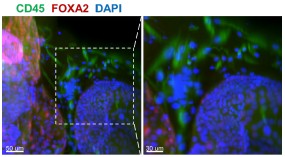
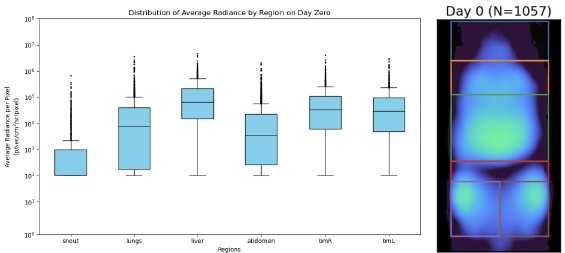
    1. Reviewer #1 (Public review):

      In this manuscript, Dillard and colleagues integrate cross-species genomic data with a systems approach to identify potential driver genes underlying human GWAS loci and establish the cell type(s) within which these genes act and potentially drive disease.

      Specifically, they utilize a large single cell RNA-seq (scRNA-seq) dataset from an osteogenic cell culture model - bone marrow-derived stromal cells cultured under osteogenic conditions (BMSC-OBs) - from a genetically diverse outbred mouse population called the Diversity Outbred (DO) stock to discover network driver genes that likely underlie human bone mineral density (BMD) GWAS loci. The DO mice segregate over 40M single nucleotide variants, many of which affect gene expression levels, therefore making this an ideal population for systems genetic and co-expression analyses.

      The current study builds on previous published work from the same group that used co-expression analysis to identify co-expressed "modules" of genes that were enriched for BMD GWAS associations. In this study, the authors utilized a much larger scRNA-seq dataset from 80 DO BMSC-OBs, inferred co-expression based on Bayesian networks for each identified mesenchymal cell type, focused on networks with dynamic expression trajectories that are most likely driving differentiation of BMSC-OBs, and then prioritized genes ("differentiation driver genes" or DDGs) in these osteogenic differentation networks that had known expression or splicing QTLs (eQTL/sQTLs) in any GTEx tissue that co-localized with human BMD GWAS loci. The systems analysis is impressive, the experimental methods are described in detail, and the experiments appear to be carefully done. The computational analysis of the single cell data is comprehensive and thorough, and the evidence presented in support of the identified DDGs, including Tpx2 and Fgfrl1, is for the most part convincing. Some limitations in the data resources and methods hamper enthusiasm somewhat and are discussed below.

      Overall, while this study will no doubt be valuable to the BMD community, the cross-species data integration and analytical framework may be more valuable and generally applicable to the study of other diseases, especially for diseases with robust human GWAS data but for which robust human genomic data in relevant cell types is lacking.

      Specific strengths of the study include the large scRNA-seq dataset on BMSC-OBs from 80 DO mice, the clustering analysis to identify specific cell types and sub-types, the comparison of cell type frequencies across the DO mice, and the CELLECT analysis to prioritize cell clusters that are enriched for BMD heritability (Figure 1). The network analysis pipeline outlined in Figure 2 is also a strength, as is the pseudotime trajectory analysis (results in Figure 3).

      Potential drawbacks of the authors' approach include their focus on genes that were previously identified as having an eQTL or sQTL in any GTEx tissue. The authors rightly point out that the GTEx database does not contain data for bone tissue, but reason that eQTLs can be shared across many tissues - this assumption is valid for many cis-eQTLs, but it could also exclude many genes as potential DDGs with effects that are specific to bone/osteoblasts. Indeed, the authors show that important BMD driver genes have cell-type specific eQTLs. Another issue concerns potential model overfitting in the iterativeWGCNA analysis of mesenchymal cell type-specific co-expression, which identified an average of 76 co-expression modules per cell cluster (range 26-153). Based on the limited number of genes that are detected as expressed in a given cell due to sparse per cell read depth (400-6200 reads/cell) and drop outs, it's surprising that as many as 153 co-expression modules could be distinguished within any cell cluster. I would suspect some degree of model overfitting is responsible for these results.

      Overall, though, these concerns are minor relative to the many strengths of the study design and results. Indeed, I expect the analytical framework employed by the authors here will be valuable to -- and replicated by -- researchers in other disease areas.

      Comments on revisions:

      Thank you for addressing my concerns. This is an impressive study and manuscript that you should be proud of.

    2. Author response:

      The following is the authors’ response to the original reviews.

      Reviewer #1 (Public review): 

      In this manuscript, Dillard and colleagues integrate cross-species genomic data with a systems approach to identify potential driver genes underlying human GWAS loci and establish the cell type(s) within which these genes act and potentially drive disease. Specifically, they utilize a large single-cell RNA-seq (scRNA-seq) dataset from an osteogenic cell culture model - bone marrow-derived stromal cells cultured under osteogenic conditions (BMSC-OBs) - from a genetically diverse outbred mouse population called the Diversity Outbred (DO) stock to discover network driver genes that likely underlie human bone mineral density (BMD) GWAS loci. The DO mice segregate over 40M single nucleotide variants, many of which affect gene expression levels, therefore making this an ideal population for systems genetic and co-expression analyses. The current study builds on previously published work from the same group that used co-expression analysis to identify co-expressed "modules" of genes that were enriched for BMD GWAS associations. In this study, the authors utilize a much larger scRNA-seq dataset from 80 DO BMSC-OBs, infer co-expression-based and Bayesian networks for each identified mesenchymal cell type, focused on networks with dynamic expression trajectories that are most likely driving differentiation of BMSC-OBs, and then prioritized genes ("differentiation driver genes" or DDGs) in these osteogenic differentiation networks that had known expression or splicing QTLs (eQTL/sQTLs) in any GTEx tissue that colocalized with human BMD GWAS loci. The systems analysis is impressive, the experimental methods are described in detail, and the experiments appear to be carefully done. The computational analysis of the single-cell data is comprehensive and thorough, and the evidence presented in support of the identified DDGs, including Tpx2 and Fgfrl1, is for the most part convincing. Some limitations in the data resources and methods hamper enthusiasm somewhat and are discussed below. Overall, while this study will no doubt be valuable to the BMD community, the cross-species data integration and analytical framework may be more valuable and generally applicable to the study of other diseases, especially for diseases with robust human GWAS data but for which robust human genomic data in relevant cell types is lacking. 

      Specific strengths of the study include the large scRNA-seq dataset on BMSC-OBs from 80 DO mice, the clustering analysis to identify specific cell types and sub-types, the comparison of cell type frequencies across the DO mice, and the CELLECT analysis to prioritize cell clusters that are enriched for BMD heritability (Figure 1). The network analysis pipeline outlined in Figure 2 is also a strength, as is the pseudotime trajectory analysis (results in Figure 3). One weakness involves the focus on genes that were previously identified as having an eQTL or sQTL in any GTEx tissue. The authors rightly point out that the GTEx database does not contain data for bone tissue, but the reason that eQTLs can be shared across many tissues - this assumption is valid for many cis-eQTLs, but it could also exclude many genes as potential DDGs with effects that are specific to bone/osteoblasts. Indeed, the authors show that important BMD driver genes have cell-type-specific eQTLs. Furthermore, the mesenchymal cell type-specific co-expression analysis by iterative WGCNA identified an average of 76 co-expression modules per cell cluster (range 26-153). Based on the limited number of genes that are detected as expressed in a given cell due to sparse per-cell read depth (400-6200 reads/cell) and dropouts, it's hard to believe that as many as 153 co-expression modules could be distinguished within any cell cluster. I would suspect some degree of model overfitting here and would expect that many/most of these identified modules have very few gene members, but the methods list a minimum module size of 20 genes. How do the numbers of modules identified in this study compare to other published scRNA-seq studies that use iterative WGCNA? 

      In the section "Identification of differentiation driver genes (DDGs)", the authors identified 408 significant DDGs and found that 49 (12%) were reported by the International Mouse Knockout [sic] Consortium (IMPC) as having a significant effect on whole-body BMD when knocked out in mice. Is this enrichment significant? E.g., what is the background percentage of IMPC gene knockouts that show an effect on whole-body BMD? Similarly, they found that 21 of the 408 DDGs were genes that have BMD GWAS associations that colocalize with GTEx eQTLs/sQTLs. Given that there are > 1,000 BMD GWAS associations, is this enrichment (21/408) significant? Recommend performing a hypergeometric test to provide statistical context to the reported overlaps here. 

      We thank the reviewer for their constructive feedback and thoughtful questions. In regards to the iterativeWGCNA, a larger number of modules is sometimes an outcome of the analysis, as reported in the iterativeWGCNA preprint (Greenfest-Allen et al., 2017). While we did not make a comparison to other works leveraging this tool for scRNA-seq, it has been used broadly across other published studies, such as PMID: 39640571, 40075303, 33677398, 33653874. While model overfitting, as you mention, may be a cause for more modules, our Bayesian network analysis we perform after iterativeWGCNA highlights smaller aspects of coexpression modules, as opposed to focusing on the entirety of any given module.

      We did not perform enrichment or statistical tests as our goal was to simply highlight attributes or unique features of these genes for additional context.

      Reviewer #2 (Public review): 

      Summary: 

      In this manuscript, Farber and colleagues have performed single-cell RNAseq analysis on bone marrow-derived stem cells from DO Mice. By performing network analysis, they look for driver genes that are associated with bone mineral density GWAS associations. They identify two genes as potential candidates to showcase the utility of this approach. 

      Strengths: 

      The study is very thorough and the approach is innovative and exciting. The manuscript contains some interesting data relating to how cell differentiation is occurring and the effects of genetics on this process. The section looking for genes with eQTLs that differ across the differentiation trajectory (Figure 4) was particularly exciting. 

      Weaknesses: 

      The manuscript is in parts hard to read due to the use of acronyms and there are some questions about data analysis that need to be addressed. 

      We thank the reviewer for their feedback and shared enthusiasm for our work. We tried to minimize the use of technical acronyms as much as we could without compromising readability. Additionally, we addressed questions regarding aspects of data analysis. 

      Reviewer #1 (Recommendations for the authors):

      (1) For increased transparency and to allow reproducibility, it would be necessary for the scripts used in the analysis to be shared along with the publication of the preprint. Also, where feasible, sharing the processed data in addition to the raw data would allow the community greater access to the results and be highly beneficial. 

      Thank you for this suggestion. The raw data will be available via GEO accession codes listed in the data availability statement. We will make available scripts for some analyses on our Github (https://github.com/Farber-Lab/DO80_project) and processed scRNA-seq data in a Seurat object (.rds) on Zenodo (https://zenodo.org/records/15299631)

      (2) Lines 55-76: I think the summary of previous work here is too long. I understand that they would like to cover what has been done previously, but this seems like overkill. 

      Good suggestion. We have streamlined some of the summary of our previous work.

      (3) Did the authors try to map QTL for cell-type proportion differences in their BMSC-OBs? While 80 samples certainly limit mapping power, the data shown in Figs 4C/D suggest that you might identify a large-effect modifier of LMP/OB1 proportions. 

      We did try to map QTL for cell type proportion differences, but no significant associations were identified. 

      (4) Methods question: Does the read alignment method used in your analysis account for SNPs/indels that segregate among the DO/CC founder strains? If not, the authors may wish to include this in their discussion of study limitations and speculate on how unmapped reads could affect expression results. 

      The read alignment method we used does not account for SNPs/indels from the DO founder strains that fall in RNA transcripts captured in the scRNA-seq data. We have included this as a limitation in our discussion (line 422-424). 

      (5) Much of the discussion reads as an overview of the methods, while a discussion of the results and their context to the existing BMD literature is relatively lacking in comparison.

      We have added additional explanation of the results and context to the discussion (line 381-382, 396-407). 

      (6) Figure 1E and lines 146-149: Adjusted p values should be reported in the figure and accompanying text instead of switching between unadjusted and adjusted p values. 

      We updated Figure 1e to portray adjusted p-values, listed the adjusted p-values in legend of Figure 1e, and listed them in the main text (line 153-154).

      (7) Why do the authors bring the IMPC KO gene list into the analysis so late? This seems like a highly relevant data resource (moreso than the GTEx eQTLs/sQTLs) that could have been used much earlier to help identify DDGs. 

      Given that our scRNA-seq data is also from mice, we did choose to integrate information from the IMPC to highlight supplemental features of genes in networks (i.e., genes that have an experimentally-tested and significant effect on BMD in mice). However, our primary goal was to inform human GWAS and leverage our previous work in which we identified colocalizations between human BMD GWAS and eQTL/sQTL in a human GTEx tissue, which is why this information was used to guide our network analysis.

      (8) Does Fgfrl1 and/or Tpx2 have a cis-eQTL in your BMSC-OB scRNA-seq dataset? 

      We did not identify cis-eQTL effects for Fgfrl1 and Tpx2.

      (9) Figure 4B-C: These eQTLs may be real, but based on the diplotype patterns in Figure 4C, I suspect they are artifacts of low mapping power that are driven by rare genotype classes with one or two samples having outlier expression results. For example, if you look at the results in Fig 4C for S100a1 expression, the genotype classes with the highest/lowest expression have lower sample numbers. In the case of Pkm eQTL showing a PWK-low effect, the PWK genome has many SNPs that differ from the reference genome in the 3' UTR of this gene, and I wonder if reads overlapping these SNPs are not aligning correctly (see point 4 above) and resulting (falsely) in lower expression values for samples with a PWK haplotype. 

      As mentioned above, our alignment method did not consider DO founder genetic variation that is specifically located in the 3’ end of RNA transcripts in the scRNA-seq data. We have included this as a limitation in our discussion (line 422-424).

      In future studies, we intend to include larger populations of mice to potentially overcome, as you mention, any artifacts that may be attributable to low statistical power, rare genotype classes, or outlier expression.

      Reviewer #2 (Recommendations for the authors):

      Major Points 

      (1) The authors hypothesize "that many genes impacting BMD do so by influencing osteogenic differentiation or possibly bone marrow adipogenic differentiation". However, cell type itself does not correlate with any bone trait. Does this indicate that the hypothesis is not entirely correct, as genes that drive these phenotypes would not be enriched in one particular cell type? The authors have previously identified "high-priority target genes". So, are there any cell types that are enriched for these target genes? If not, this would indicate that all these genes are more ubiquitously expressed and this is probably why they would have a greater effect on the overall bone traits. Furthermore, are the 73 eGenes (so genes with eQTLs in a particular cell type that change around cell type boundaries) or the DDGs (Table 1) enriched for these high-priority target genes? 

      The bone traits measured in the DO mice are complex and impacted by many factors, including the differentiation propensity and abundance of certain cell types, both within and outside of bone. Though we did not identify correlations between cell type abundance and the bone traits we measured, we tailored our investigations to focus on cellular differentiation using the scRNA-seq data. However, future studies would need to be performed to investigate any connections between cellular differentiation, cell type abundance, and bone traits.

      We did not perform enrichment analyses of either the target genes identified from our other work or eGenes identified here, but instead used the target gene list to center our network analysis and the eGenes to showcase the utility of the DO mouse population.

      (2) The readability of the paper could be improved by minimising the use of acronyms and there are several instances of confusing wording throughout the paper. In many cases, this can be solved by re-organising sentences and adding a bit more detail. For example, it was unclear how you arrived at Fgfrl1 or Tpx2.

      One of the goals of our study was to identify genes that have (to our knowledge) little to no known connection to BMD. We chose to highlight Fgfrl1 and Tpx2 because there is minimal literature characterizing these genes in the context of bone, which we speak to in the results (line 296-297). Additionally, we prioritized these genes in our previous work and they were identified in this study by using our network analyses using the scRNA-seq data, which we mention in the results (line 276-279).

      (3) Technical aspects of the assay. In Figure 1d you show that the cell populations vary considerably between different DO mice. It would be useful to give some sense of the technical variance of this assay given that the assay involves culturing the cells in an exogenous environment. This could take the form of tests between mice within the same inbred strain, or even between different legs of the same DO mice to show that results are technically very consistent. It might also be prudent to identify that this is a potential limitation of the approach as in vitro culturing has the potential to substantially change the cell populations that are present. 

      We agree that in vitro culturing, in addition to the preparation of single cells for scRNA-seq, are unavoidable sources of technical variation in this study. However, the total number of cells contributed by each of the 80 DO mice after data processing does not appear to be skewed and the distribution appears normal (see added figures, now included as Supplemental Figure 3). Therefore, technical variation is at least consistent across all samples. Nevertheless, we have mentioned the potential for technical variation artifacts in our study in the discussion (line 414-416).

      (4) Need for permutation testing. "We identified 563 genes regulated by a significant eQTL in specific cell types. In total, 73 genes with eQTLs were also tradeSeq-identified genes in one or more cell type boundaries". These types of statements are fine but they need to be backed up with permutation testing to show that this level of enrichment is greater than one would expect by chance. 

      We did not perform enrichment tests as our only goal was to 1. determine if eQTL could be resolved in the DO mouse population using our scRNA-seq data and 2. predict in what cell type the associated eQTL and associated eGene may have an effect.

      (5) The main novelty of the paper seems to be that you have used single-cell RNA seq (given that you appear to have already detailed the candidates at the end). I don't think this makes the paper less interesting, but I think you need to reframe the paper more about the approach, and not the specific results. How you landed on these candidates is also not clear. So the paper might be improved by more robustly establishing the workflow and providing guidelines for how studies like this should be conducted in the future. 

      We sought to not only devise a rigorous approach to analyze our single cell data, but also showcase the utility of the approach in practice by highlighting targets for future research (i.e., Fgfrl1 and Tpx2).

      Our goal was to identify novel genes and we landed on these candidate genes (Fgfrl1 and Tpx2) because they had substantial data supporting their causality and they have yet to be fully characterized in the context of bone and BMD (line 295-297).

      In regards to establishing the workflow, we have included rationale for specific aspects of our approach throughout the paper. For example, Figure 2 itemizes each step of our network analysis and we explain why each step is utilized throughout various parts results (e.g., lines 168-170, 179-181, 191-193, 202-203, 257-260, 276-277).

      We have added a statement advocating for large-scale scRNA-seq from genetically diverse samples and network analyses for future studies (line 436-438).

      Minor Points 

      (1) In the summary you use the word "trajectory". Trajectories for what? I assume the transition between cell types, but this is not clear. 

      We added text to clarify the use of trajectory in the summary (line 34).

      (2) This sentence: "By 60 identifying networks enriched for genes implicated in GWAS we predicted putatively causal genes 61 for hundreds of BMD associations based on their membership in enriched modules." is also not clear. Do you mean: we predicted putatively causal genes by identifying clusters of co-expressed genes that were enriched for GWAS genes?" It is not clear how you identify the causal gene in the network. Is this just based on the hub gene? 

      The aforementioned sentence has since been removed to streamline the introduction, as suggested by Reviewer 1.

      In regards to causal gene identification, it is not based on whether it is hub gene. We prioritized a DDG (and their associated networks) if it was a causal gene that we identified in our previous work as having eQTL/sQTL in a GTEx tissue that colocalizes with human BMD GWAS.

      (3) Figure 3C. This is good but the labels are quite small. Would be good to make all the font sizes larger. 

      We have enlarged Figure 3C.

      (4) Line 341 in the Discussion should be "pseudotemporal". 

      We have edited “temporal” to “pseduotemporal”.

    1. Reviewer #1 (Public review):

      Summary:

      In this fMRI study, the authors wished to assess neural mechanisms supporting flexible temporal construals. For this, human participants learned a story consisting of fifteen events. During fMRI, events were shown to them, and participants were instructed to consider the event from "an internal" or from "an external" perspective. The authors found distinct patterns of brain activity in the posterior parietal cortex (PPC) and anterior hippocampus for the internal and the external viewpoint. Specifically, activation in the posterior parietal cortex positively correlated with distance during the external-perspective task, but negatively during the internal-perspective task. The anterior hippocampus positively correlated with distance in both perspectives. The authors conclude that allocentric sequences are stored in the hippocampus, whereas egocentric sequences are supported by the parietal cortex.

      Strengths:

      The research topic is fascinating, and very few labs in the world are asking the question of how time is represented in the human brain. Working hypotheses have been recently formulated, and the work tackles them from the perspective of construals theory.

      Weaknesses:

      Although the work uses two distinct psychological tasks, the authors do not elaborate on the cognitive operationalization the tasks entail, nor the implication of the task design for the observed neural activation.

    2. Reviewer #2 (Public review):

      Summary:

      Xu et al. used fMRI to examine the neural correlates associated with retrieving temporal information from an external compared to internal perspective ('mental time watching' vs. 'mental time travel'). Participants first learned a fictional religious ritual composed of 15 sequential events of varying durations. They were then scanned while they either (1) judged whether a target event happened in the same part of the day as a reference event (external condition); or (2) imagined themselves carrying out the reference event and judged whether the target event occurred in the past or will occur in the future (internal condition). Behavioural data suggested that the perspective manipulation was successful: RT was positively correlated with sequential distance in the external perspective task, while a negative correlation was observed between RT and sequential distance for the internal perspective task. Neurally, the two tasks activated different regions, with the external task associated with greater activity in the supplementary motor area and supramarginal gyrus, and the internal condition with greater activity in default mode network regions. Of particular interest, only a cluster in the posterior parietal cortex demonstrated a significant interaction between perspective and sequential distance, with increased activity in this region for longer sequential distances in the external task but increased activity for shorter sequential distances in the internal task. Only a main effect of sequential distance was observed in the hippocampus head, with activity being positively correlated with sequential distance in both tasks. No regions exhibited a significant interaction between perspective and duration, although there was a main effect of duration in the hippocampus body with greater activity for longer durations, which appeared to be driven by the internal perspective condition. On the basis of these findings, the authors suggest that the hippocampus may represent event sequences allocentrically, whereas the posterior parietal cortex may process event sequences egocentrically.

      Strengths:

      The topic of egocentric vs. allocentric processing has been relatively under-investigated with respect to time, having traditionally been studied in the domain of space. As such, the current study is timely and has the potential to be important for our understanding of how time is represented in the brain in the service of memory. The study is well thought out and the behavioural paradigm is, in my opinion, a creative approach to tackling the authors' research question. A particular strength is the implementation of an imagination phase for the participants while learning the fictional religious ritual. This moves the paradigm beyond semantic/schema learning and is probably the best approach besides asking the participants to arduously enact and learn the different events with their exact timings in person. Importantly, the behavioural data point towards successful manipulation of internal vs. external perspective in participants, which is critical for the interpretation of the fMRI data. The use of syllable length as a sanity check for RT analyses as well as neuroimaging analyses is also much appreciated.

      Suggestions:

      The authors have done a commendable job addressing my previous comments. In particular, the additional analyses elucidating the potential contribution of boundary effects to the behavioural data, the impact of incorporating RT into the fMRI GLMs, and the differential contributions of RT and sequential distance to neural activity (i.e., in PPC) are valuable and strengthen the authors' interpretation of their findings.

      My one remaining suggestion pertains to the potential contribution of boundary effects. While the new analyses suggest that the RT findings are driven by sequential distance and duration independent of a boundary effect (i.e., Same vs. Different factor), I'm wondering whether the same applies to the neural findings? In other words, have the authors run a GLM in which the Same vs. Different factor is incorporated alongside distance and duration?

    3. Author response:

      The following is the authors’ response to the original reviews.

      Public Reviews:

      Reviewer #1 (Public review):

      Summary:

      In this fMRI study, the authors wished to assess neural mechanisms supporting flexible "temporal construals". For this, human participants learned a story consisting of fifteen events. During fMRI, events were shown to them, and they were instructed to consider the event from "an internal" or from "an external" perspective. The authors found opposite patterns of brain activity in the posterior parietal cortex and the anterior hippocampus for the internal and the external viewpoint. They conclude that allocentric sequences are stored in the hippocampus, whereas egocentric sequences are used in the parietal cortex. The claims align with previous fMRI work addressing this question.

      We appreciate the reviewer's concise summary of our research. We would like to offer two clarifications to prevent any potential misunderstandings.

      First, the activity patterns in the parietal cortex and hippocampus are not entirely opposite across internal and external perspectives. Specifically, the activation level in the posterior parietal cortex shows a positive correlation with sequential distance during external-perspective tasks, but a negative correlation during internal-perspective tasks. In contrast, the activation level in the anterior hippocampus positively correlates with sequential distance, irrespective of the observer's perspective. Therefore, our results suggest that the parietal cortex, with its perspective-dependent activity, supports egocentric representation; the hippocampus, with its consistent activity across perspectives, supports allocentric representation.

      Second, while some of our findings align with previous fMRI studies, to our knowledge, no prior research has explicitly investigated how the neural representation of time may vary depending on the observer's viewpoint. This gap in the literature is the primary motivation for our current study.

      Strengths:

      The research topic is fascinating, and very few labs in the world are asking the question of how time is represented in the human brain. Working hypotheses have been recently formulated, and this work seems to want to tackle some of them.

      We appreciate the reviewer's acknowledgment of the theoretical significance of our study.

      Weaknesses:

      The current writing is fuzzy both conceptually and experimentally. I cannot provide a sufficiently well-informed assessment of the quality of the experimental work because there is a paucity of details provided in the report. Any future revisions will likely improve transparency.

      (1) Improving writing and presentation:

      The abstract and the introduction make use of loaded terms such as "construals", "mental timeline", "panoramic views" in very metaphoric and unexplained ways. The authors do not provide a comprehensive and scholarly overview of these terms, which results in verbiage and keywords/name-dropping without a clear general framework being presented. Some of these terms are not metaphors. They do refer to computational concepts that the authors should didactically explain to their readership. This is all the more important that some statements in the Introduction are misattributed or factually incorrect; some statements lack attributions (uncited published work). Once the theory, the question, and the working hypothesis are clarified, the authors should carefully explain the task.

      We appreciate the reviewer's critics.

      The formulation of the scientific question in the introduction is grounded in the spatial construals of time hypothesis and conceptual metaphor theory (e.g., Traugott, 1978; Lakoff & Johnson, 1980; see recent reviews by Núñez & Cooperrider, 2013; Bender & Beller, 2014). These frameworks were originally developed through analyses of how spatial metaphors are used to describe temporal concepts in natural language. Consequently, it is theoretically motivated and largely unavoidable to introduce the two primary temporal construals—mental time travel and mental time watching— using metaphorical expressions.

      However, we do agree with the reviewer that the introduction in the original manuscript was overly long and that the working hypothesis was not clearly stated. In the revised manuscript, we have streamlined the introduction and substantially revised the following two paragraphs to clarify the formulation of our working hypothesis (Pages 5-6):

      “Recent studies have already begun to investigate the neural representation of the memorized event sequence (e.g., Deuker et al., 2016; Thavabalasingam et al., 2018; Bellmund et al., 2019, 2022; see reviews by Cohn-Sheehy & Ranganath, 2017; Bellmund et al., 2020). Yet, the neural mechanisms that enable the brain to construct distinct construals of an event sequence remain largely unknown. Valuable insights may be drawn from research in the spatial domain, which diPerentiates the neural representation in allocentric and egocentric reference frames. According to an influential neurocomputational model (Byrne et al., 2007; Bicanski & Burgess, 2018; Bicanski & Burgess, 2020), allocentric and egocentric spatial representations are dissociable in the brain—they are respectively implemented in the medial temporal lobe (MTL)—including the hippocampus—and the parietal cortex. Various egocentric representations in the parietal cortex derived from diPerent viewpoints can be transformed and integrated into a unified allocentric representation and stored in the MTL (i.e., bottom-up process). Conversely, the allocentric representation in the MTL can serve as a template for reconstructing diverse egocentric representations across diPerent viewpoints in the parietal cortex (i.e., top-down process).”

      “In line with the spatial construals of time hypothesis, several authors have recently suggested that such mutually engaged egocentric and allocentric reference frames (in the parietal cortex and the medial temporal lobe, respectively) proposed in the spatial domain might also apply to the temporal one (e.g., Gauthier & van Wassenhove, 2016ab; Gauthier et al., 2019, 2020; Bottini & Doeller, 2020). If this hypothesis holds, it could explain how the brain flexibly generates diverse construals of the same event sequence. Specifically, the hippocampus may encode a consistent representation of an event sequence that is independent of whether an individual adopts an internal or external perspective, reflecting an allocentric representation of time. In contrast, parietal cortical representations are expected to vary flexibly with the adopted perspective that is shaped by task demands, reflecting an egocentric representation of time.”

      In the revised manuscript, we also corrected statements in the Introduction that may have been misattributed (see Reviewer 2, comment 4(ii)) and added several relevant and important publications.

      (2) The experimental approach lacks sufficient details to be comprehensible to a general audience. In my opinion, the results are thus currently uninterpretable. I highlight only a couple of specific points (out of many). I recommend revision and clarification.

      (a) No explanation of the narrative is being provided. The authors report a distribution of durations with no clear description of the actual sequence of events. The authors should provide the text that was used, how they controlled for low-level and high-level linguistic confounds.

      We thank the reviewer for the suggestions. The event sequence for the odd-numbered participants is shown in the original Figure 1. In the revised manuscript, we added to Figure 1 the figure supplement 1 to illustrate the actual sequence of events for the participants with both odd and even numbers. We also added the narratives used in the reading phase of the learning procedures for the participants with both odd and even numbers (Figure 1—source data 1).

      To control for low-level linguistic confounds, we included the number of syllables as a covariate in the first-level general linear model in the fMRI analysis. To address high-level linguistic confounds, such as semantic information (which is difficult to quantify), we randomly assigned event labels to the 15 events twice, creating two counterbalanced versions for participants with even and odd numbers (see Comment 2b below).

      (b) The authors state, "we randomly assigned 15 phrases to the events twice". It is impossible to comprehend what this means. Were these considered stimuli? Controls? IT is also not clear which event or stimulus is part of the "learning set" and whether these were indicated to be such to participants.

      We apologize for any confusion in the Results section and the legend of Figure 1. Our motivation was explained in the "Stimuli" section of the Methods. In the revised manuscript, we have clarified this by adding an explanation to the legend of Figure 1 and including the supplementary Figure 1: " To minimize potential confounds between the semantic content of the event phrases and the temporal structure of the events, we randomly assigned the phrases to the events, creating two versions for participants with even and odd ID numbers. Both versions can be seen in Figure1—figure supplement 1 and Figure 1—source data 1."

      (c) The left/right counterbalancing is not being clearly explained. The authors state that there is counterbalancing, but do not sufficiently explain what it means concretely in the experiment. If a weak correlation exists between sequential position and distance, it also means that the position and the distance have not been equated within. How do the authors control for these?

      We thank the reviewer for highlighting this point and apologize for the lack of clarity in the original manuscript. In the current version (Page 40), we have provided further clarification: “We carefully selected two sets of 20 event pairs from the 210 possible combinations, assigning them to the odd and even runs of the fMRI experiment. Using a brute-force search, we identified 20 pairs in which sequential distance showed only weak correlations with positional information for both reference and target events (ranging from 1 to 15), as well as with behavioral responses (Same vs. Different or Future vs. Past, coded as 0 and 1), with all correlation coefficients below 0.2. At the same time, we balanced the proportion of correct responses across conditions: for the external-perspective task, Same/Different = 11/9 and 12/8; for the internal-perspective task, Future/Past = 12/8 and 8/12. Under these constraints, the sequential distances in both sets ranged from 1 to 5. To further mitigate spatial response biases, we pseudorandomized the left/right on-screen positions of the two response options within each task block, while ensuring an equal number of correct responses mapped to the left and right buttons (i.e., 10 per block).”

      The event pairs we selected already represent the best possible choice given all the criteria we aimed to satisfy. It is impossible to completely eliminate all potential correlations. For instance, if the target event occurs near the beginning of the day, it will tend to fall in the past, whereas if it occurs near the end of the day, it is more likely to fall in the future. To further ensure that the significant results were not driven by these weak confounding factors, we constructed another GLM that included three additional parametric modulators: the sequence position of the target event (ranging from 1 to 15) and the behavioral responses (Future vs. Past in the internal-perspective task; Same vs. Different in the external-perspective task, coded as 0 and 1). The significant findings were unaffected.

      (d) The authors used two tasks. In the "external perspective" one, the authors asked participants to report whether events were part of the same or a different part of the day. In the "internal perspective one", the authors asked participants to project themselves to the reference event and to determine whether the target event occurred before or after the projected viewpoint. The first task is a same/different recognition task. The second task is a temporal order task (e.g., Arzy et al. 2009). These two asks are radically different and do not require the same operationalization. The authors should minimally provide a comprehensive comparison of task requirements, their operationalization, and, more importantly, assess the behavioral biases inherent to each of these tasks that may confound brain activity observed with fMRI.

      We understand the reviewer’s concern. We agree that there is a substantial difference between the two tasks. However, the primary goal of this study was not to directly compare these tasks to isolate a specific cognitive component. Rather, the neural correlates of temporal distance were first identified as brain regions showing a significant correlation between neural activity and temporal distance using the parametric modulation analysis. We then compared these neural correlates between the two tasks. Therefore, any general differences between the tasks should not be a confound for our main results. Our aim was to examine whether the hippocampal representation of temporal distance remains consistent across different perspectives, and whether the parietal representation of temporal distance varies as a function of the perspective adopted.

      Therefore, the main aim of our task manipulation was to ensure that participants adopted either an external or an internal perspective on the event sequence, depending on the task condition. In the Introduction (Pages 6–7), we clarify this manipulation as follows: “In the externalperspective task, participants localized events with respect to external temporal boundaries, judging whether the target event occurred in the same or a different part of the day as the reference event. In the internal-perspective task, participants were instructed to mentally project themselves into the reference event and localize the target event relative to their own temporal point, judging whether the target event happened in the future or the past of the reference event (see Methods for details of the scanning procedure).”

      We believe this task manipulation was successful. Behaviorally, the two tasks showed opposite correlations between reaction time and temporal distance, resembling the symbolic distance versus mental scanning effect. Neurally, contrasting the internal- and external-perspective tasks revealed activation of the default mode network, which is known to play a central role in self-projection (Buckner et al., 2017).

      (e) The authors systematically report interpreted results, not factual data. For instance, while not showing the results on behavioral outcomes, the authors directly interpret them as symbolic distance effects.

      Thank you for this comment. In the original paper, we reported the relevant statistics before our interpretation: “Sequential Distance was correlated positively with RT in the external-perspective task (z = 3.80, p < 0.001) but negatively in the internal-perspective task (z = -3.71, p < 0.001).” However, they may have been difficult to notice, and we are including a figure for the RT analysis in the revised manuscript.

      Crucially, the authors do not comment on the obvious differences in task difficulty in these two tasks, which demonstrates a substantial lack of control in the experimental design. The same/different task (task 1 called "external perspective") comes with known biases in psychophysics that are not present in the temporal order task (task 2 called " internal perspective"). The authors also did not discuss or try to match the performance level in these two tasks. Accordingly, the authors claim that participants had greater accuracy in the external (same/different) task than in the internal task, although no data are shown and provided to support this report. Further, the behavioral effect is trivialized by the report of a performance accuracy trade off that further illustrates that there is a difference in the task requirements, preventing accurate comparison of the two tasks.

      As noted in Question 2d, we acknowledge the substantial difference between the two tasks. However, the primary goal of this study was not to directly compare these tasks to isolate a specific cognitive component. Instead, we first identified the neural correlates of temporal distance as brain regions showing a significant correlation between neural activity and temporal distance, independent of task demands. We then compared these neural correlates across the two task conditions, which were designed to engage different temporal perspectives. Therefore, any general differences between the tasks should not be a confound for our main findings and interpretation.

      Our aim was to investigate whether the hippocampal representation of temporal distance remains consistent across different perspectives and whether the parietal representation of temporal distance varies as a function of the perspective adopted. We do not see how this doubledissociation pattern could be explained by differences in task difficulty.

      While we do not consider the overall difference in task difficulty between the two tasks to be a confounding factor, we acknowledge the potential confound posed by variations in task difficulty across temporal distances (1 to 5). This concern arises from the similarity between the activity patterns in the posterior parietal cortex and reaction time across temporal distances. To address this, we conducted control analyses to test this hypothesis (see the second and third points from Reviewer 2 for details).

      On page 8, we present the behavioral accuracy data: “Participants showed significantly higher accuracy in the external-perspective task than in the internal-perspective task (external-perspective task: M = 93.5%, SD = 4.7%; internal-perspective task: M = 89.5%, SD = 8.1%; paired t(31) = 3.33, p = 0.002).”

      All fMRI contrasts are also confounded by this experimental shortcoming, seeing as they are all reported at the interaction level across a task. For instance, in Figure 4, the authors report a significant beta difference between internal and external tasks. It is impossible to disentangle whether this effect is simply due to task difference or to an actual processing of the duration that differs across tasks, or to the nature of the representation (the most difficult to tackle, and the one chosen by the authors).

      We thank the reviewer for pointing out this important issue. Like temporal distance, the neural correlates of duration were not derived from a direct contrast between the two tasks. Instead, they were identified by detecting brain regions showing a significant correlation between neural activity and the implied duration of each event using the parametric modulation analysis. Therefore, what is shown in Figure 4 reflects the significant differences in these neural correlations with duration between the two tasks.

      The observed difference in the neural representation of duration between the two tasks was unexpected. In the original manuscript, we provided a post hoc explanation: “Since the externalperspective task in the current study encouraged the participants to compare the event sequence with the external parallel temporal landmarks, duration representation in the hippocampus may be dampened.”

      However, we agree that this difference might also arise from other factors distinguishing the two tasks. In the revised manuscript, we have clarified this possibility as follows: “The difference in duration representation between the two tasks remains open to interpretation. One possible explanation is that the hippocampus is preferentially involved in memory for durations embedded within event sequences (see review by Lee et al., 2020). In the internal-perspective task, participants indeed localized events within the event sequence itself. In contrast, the externalperspective task encouraged participants to compare the event sequence with external temporal landmarks, which may have attenuated the hippocampal representation of duration.”

      Conclusion:

      In conclusion, the current experimental work is confounded and lacks controls. Any behavioral or fMRI contrasts between the two proposed tasks can be parsimoniously accounted for by difficulty or attentional differences, not the claim of representational differences being argued for here.

      We hope that our explanations and clarifications above adequately address the reviewer’s concerns. We would like to reiterate that we did not directly compare the two tasks. Rather, we first identified the neural representations of sequential distance and duration, and then examined how these representations differed across tasks. It is unclear to us how the overall difference in task difficulty or attentional demands could lead to the observed pattern of results.

      By determining where the neural representations were consistent and where they diverged, we were able to differentiate brain regions that encode temporal information allocentrically from those that represent temporal information in a perspective-dependent manner, modulated by task demands.

      Reviewer #2 (Public review):

      Summary:

      Xu et al. used fMRI to examine the neural correlates associated with retrieving temporal information from an external compared to internal perspective ('mental time watching' vs. 'mental time travel'). Participants first learned a fictional religious ritual composed of 15 sequential events of varying durations. They were then scanned while they either (1) judged whether a target event happened in the same part of the day as a reference event (external condition); or (2) imagined themselves carrying out the reference event and judged whether the target event occurred in the past or will occur in the future (internal condition). Behavioural data suggested that the perspective manipulation was successful: RT was positively correlated with sequential distance in the external perspective task, while a negative correlation was observed between RT and sequential distance for the internal perspective task. Neurally, the two tasks activated different regions, with the external task associated with greater activity in the supplementary motor area and supramarginal gyrus, and the internal condition with greater activity in default mode network regions. Of particular interest, only a cluster in the posterior parietal cortex demonstrated a significant interaction between perspective and sequential distance, with increased activity in this region for longer sequential distances in the external task, but increased activity for shorter sequential distances in the internal task. Only a main effect of sequential distance was observed in the hippocampus head, with activity being positively correlated with sequential distance in both tasks. No regions exhibited a significant interaction between perspective and duration, although there was a main effect of duration in the hippocampus body with greater activity for longer durations, which appeared to be driven by the internal perspective condition. On the basis of these findings, the authors suggest that the hippocampus may represent event sequences allocentrically, whereas the posterior parietal cortex may process event sequences egocentrically.

      We sincerely appreciate the reviewers for providing an accurate, comprehensive, and objective summary of our study.

      Strengths:

      The topic of egocentric vs. allocentric processing has been relatively under-investigated with respect to time, having traditionally been studied in the domain of space. As such, the current study is timely and has the potential to be important for our understanding of how time is represented in the brain in the service of memory. The study is well thought out, and the behavioural paradigm is, in my opinion, a creative approach to tackling the authors' research question. A particular strength is the implementation of an imagination phase for the participants while learning the fictional religious ritual. This moves the paradigm beyond semantic/schema learning and is probably the best approach besides asking the participants to arduously enact and learn the different events with their exact timings in person. Importantly, the behavioural data point towards successful manipulation of internal vs. external perspective in participants, which is critical for the interpretation of the fMRI data. The use of syllable length as a sanity check for RT analyses, as well as neuroimaging analyses, is also much appreciated.

      We thank the reviewer for the positive and encouraging comments.

      Weaknesses/Suggestions:

      Although the design and analysis choices are generally solid, there are a few finer details/nuances that merit further clarification or consideration in order to strengthen the readers' confidence in the authors' interpretation of their data.

      (1) Given the known behavioural and neural effects of boundaries in sequence memory, I was wondering whether the number of traversed context boundaries (i.e., between morning-afternoon, and afternoon-evening) was controlled for across sequential length in the internal perspective condition? Or, was it the case that reference-target event pairs with higher sequential numbers were more likely to span across two parts of the day compared to lower sequential numbers? Similarly, did the authors examine any potential differences, whether behaviourally or neurally, for day part same vs. day part different external task trials?

      We thank the reviewer for the thoughtful comments. When we designed the experiment, we minimized the correlation between the sequential distance between the target and reference events and whether the reference and target events occurred within the same or different parts of the day (coded as Same = 0, Different = 1). The point-biserial correlation coefficient between these two variables across all the trials within the same run were controlled below 0.2.

      To investigate the effect of day-part boundaries on behavior, as well as the contribution of other factors, we conducted a new linear mixed-effects model analysis incorporating four additional variables. They are whether the target and the reference events are within the same or different parts of the day (i.e., Same vs. Different), whether the target event is in the future or the past of the reference event (i.e., Future vs. Past), and the interactions of the two factors with Task Type (i.e., internal- vs. external-perspective task).

      The results are largely the same as the original one in the table: There was a significant main effect of Syllable Length, and the interaction effects between Task Type and Sequence Distance and between Task Type and Duration remain significant. What's new is we also found a significant interaction effect between Task Type and Same vs. Different.

      As shown in the Figure 2—figure supplement 1, this Same vs. Different effect was in line with the effect of Sequential Distance, with two events in the same and different parts of the day corresponding to the short and long sequential distances. Given that Sequential Distance had already been considered in the model, the effect of parts of the day should result from the boundary effect across day parts or the chunking effect within day parts, i.e., the sequential distance across different parts of the day was perceived longer while the sequential distance within the same parts of the day was perceived shorter. We have incorporated these findings into the manuscript.

      Neurally, to further verify that the significant effects of sequential distance were not driven by its weak correlation with the Same/Different judgment or other potential confounding factors, we constructed another GLM that incorporated three additional parametric modulators: the sequence position of the target event (ranging from 1 to 15) and the behavioral responses (Future vs. Past in the internal-perspective task; Same vs. Different in the external-perspective task, coded as 0 and 1). The significant findings were unaffected.

      (2) I would appreciate further insight into the authors' decision to model their task trials as stick functions with duration 0 in their GLMs, as opposed to boxcar functions with varying durations, given the potential benefits of the latter (e.g., Grinband et al., 2008). I concur that in certain paradigms, RT is considered a potential confound and is taken into account as a nuisance covariate (as the authors have done here). However, given that RTs appear to be critical to the authors' interpretation of participant behavioural performance, it would imply that variations in RT actually reflect variations in cognitive processes of interest, and hence, it may be worth modelling trials as boxcar functions with varying durations.

      We appreciate the reviewer’s insightful comment on this important issue. Whether to control for RT’s influence on fMRI activation is indeed a long-standing paradox. On the one hand, RT reflects underlying cognitive processes and therefore should not be fully controlled for. On the other hand, RT can independently influence neural activity, as several brain networks vary with RT irrespective of the specific cognitive process involved—a domain-general effect. For example, regions within the multiple-demand network are often positively correlated with RT across different cognitive domains.

      Our strategy in the manuscript is to first present the results without including RT as a control variable and then examine whether the effects are preserved after controlling for RT. In the revised manuscript, we have clarified this approach (Page 13): “Here, changes in activity levels within the PPC were found to align with RT. Whether to control for RT’s influence on fMRI activation represents a well-known paradox. On the one hand, RT reflects underlying cognitive processes and therefore should not be fully controlled for. On the other hand, RT can independently influence neural activity, as several brain networks vary with RT irrespective of the specific cognitive process involved—a domain-general effect. For instance, regions within the multiple-demand network are often positively correlated with RT and task difficulty across diverse cognitive domains (e.g., Fedorenko et al., 2013; Mumford et al., 2024). To evaluate the second possibility, we conducted an additional control analysis by including trial-by-trial RT as a parametric modulator in the first-level model (see Methods). Notably, the same PPC region remained the only area in the entire brain showing a significant interaction between Task Type and Sequential Distance (voxel-level p < 0.001, clusterlevel FWE-corrected p < 0.05). This finding indicates that PPC activity cannot be fully attributed to RT. Furthermore, we do not interpret the effect as reflecting a domain-general RT influence, as regions within the multiple-demand system—typically sensitive to RT and task difficulty—did not exhibit significant activation in our data.”

      The reason we did not use boxcar functions with varying durations in our original manuscript is that we also applied parametric modulation in the same model. In the parametric modulation, all parametric modulators inherit the onsets and durations of the events being modulated. Consequently, the modulators would also take the form of boxcar functions rather than stick functions—the height of each boxcar reflecting the parameter value and its length reflecting the RT. We were uncertain whether this approach would be appropriate, as we have not encountered other studies implementing parametric modulation in this manner.

      For exploratory purposes, we also conducted a first-level analysis using boxcar functions with variable durations. The same PPC region remained the strongest area in the entire brain that shows an interaction effect between Task Type and Sequential Distance. However, the cluster size was slightly reduced (voxel-level p < 0.001, cluster-level FWE-corrected p = 0.0610; see the Author response image 1 below). The cross indicates the MNI coordinates at [38, –69, 35], identical to those shown in the main results (Figure 4A).

      Author response image 1.

      (3) The activity pattern across tasks and sequential distance in the posterior parietal cortex appears to parallel the RT data. Have the authors examined potential relationships between the two (e.g., individual participant slopes for RT across sequential distance vs. activity betas in the posterior parietal cortex)?

      We thank the reviewer for this helpful suggestion. As shown in the Author response image 2, the interaction between Task Type and Sequential Distance was a stronger predictor of PPC activation than of RT. Because PPC activation and RT are measured on different scales, we compared their standardized slopes (standardized β) measuring the change in a dependent variable in terms of standard deviations for a one-standard-deviation increase in an independent variable. The standardized β for the Task Type × Sequential Distance interaction was −0.30 (95% CI [−0.42, −0.19]) for PPC activation and −0.21 (95% CI [−0.30, −0.13]) for RT. The larger standardized effect for PPC activation indicates that the Task Type × Sequential Distance interaction was a stronger predictor of neural activation than of behavioral RT.

      Author response image 2.

      A more relevant question is whether PPC activation can be explained by temporal information (i.e., the sequential distance) independently of RT. To test this, we included both Sequential Distance and RT in the same linear mixed-effects model predicting PPC Activation Level. As shown in the Author response table 1, although RT independently influenced PPC activation (F(1, 288) = 4.687, p = 0.031), the interaction between Task Type and Sequential Distance was a much stronger independent predictor (F(1, 290) = 19.319, p < 0.001).

      Author response table 1.

      PPC Activation Level Predicted by Sequential Distance and RT

      (3) Linear Mixed Model Formula: PPC Activation Level ~ 1 + Task Type * (Sequential Distance + RT) + (1 | Participant)

      (4) There were a few places in the manuscript where the writing/discussion of the wider literature could perhaps be tightened or expanded. For instance:

      (i) On page 16, the authors state 'The negative correlation between the activation level in the right PPC and sequential distance has already been observed in a previous fMRI study (Gauthier & van Wassenhove, 2016b). The authors found a similar region (the reported MNI coordinate of the peak voxel was 42, -70, 40, and the MNI coordinate of the peak voxel in the present study was 39, -70, 35), of which the activation level went up when the target event got closer to the self-positioned event. This finding aligns with the evidence suggesting that the posterior parietal cortex implements egocentric representations.' Without providing a little more detail here about the Gauthier & van Wassenhove study and what participants were required to do (i.e., mentally position themselves at a temporal location and make 'occurred before' vs. 'occurred after' judgements of a target event), it could be a little tricky for readers to follow why this convergence in finding supports a role for the posterior parietal cortex in egocentric representations.

      We appreciate the reviewer’s comments. In the revised manuscript, we have provided a more detailed explanation of Gauthier and van Wassenhove’s study (Page 17): “The negative correlation between the activation level in the right PPC and sequential distance has already been observed in a previous fMRI study by Gauthier & van Wassenhove (2016b). In their study, the participants were instructed to mentally position themselves at a specific time point and judge whether a target event occurred before or after that time point. The authors identified a similar brain region (reported MNI coordinates of the peak voxel: 42, −70, 40), closely matching the activation observed in the present study (MNI coordinates of the peak voxel: 39, −70, 35). In both studies, activation in this region increased as the target event approached the self-positioned time point, which aligns with the evidence suggesting that the posterior parietal cortex implements egocentric representations.”

      (ii) Although the authors discuss the Lee et al. (2020) review and related studies with respect to retrospective memory, it is critical to note that this work has also often used prospective paradigms, pointing towards sequential processing being the critical determinant of hippocampal involvement, rather than the distinction between retrospective vs. prospective processing.

      We sincerely thank the reviewer for highlighting these important points. In response, we have revised the section of the Introduction discussing the neural underpinnings of duration (Pages 3-4). “Neurocognitive evidence suggests that the neural representation of duration engages distinct brain systems. The motor system—particularly the supplementary motor area—has been associated with prospective timing (e.g., Protopapa et al., 2019; Nani et al., 2019; De Kock et al., 2021; Robbe, 2023), whereas the hippocampus is considered to support the representation of duration embedded within an event sequence (e.g., Barnett et al., 2014; Thavabalasingam et al., 2018; see also the comprehensive review by Lee et al., 2020).”

      (iii) The authors make an interesting suggestion with respect to hippocampal longitudinal differences in the representation of event sequences, and may wish to relate this to Montagrin et al. (2024), who make an argument for the representation of distant goals in the anterior hippocampus and immediate goals in the posterior hippocampus.

      We thank the reviewer for bringing this intriguing and relevant study to our attention. In the Discussion of the manuscript, we have incorporated it into our discussion (Page 21): “Evidence from the spatial domain has suggested that the anterior hippocampus (or the ventral rodent hippocampus) implements global and gist-like representations (e.g., larger receptive fields), whereas the posterior hippocampus (or the dorsal rodent hippocampus) implements local and detailed ones (e.g., finer receptive fields) (e.g., Jung et al., 1994; Kjelstrup et al., 2008; Collin et al., 2015; see reviews by Poppenk et al., 2013; Robin & Moscovitch, 2017; see Strange et al., 2014 for a different opinion). Recent evidence further shows that the organizational principle observed along the hippocampal long axis may also extend to the temporal domain (Montagrin et al., 2024). In that study, the anterior hippocampus showed greater activation for remote goals, whereas the posterior hippocampus was more strongly engaged for current goals, which are presumed to be represented in finer detail.”

      Reviewing Editor Comments:

      While both reviewers acknowledged the significance of the topic, they raised several important concerns. We believe that providing conceptual clarification, adding important methodological details, as well as addressing potential confounds will further strengthen this paper.

      We thank the editor for the suggestions.

      Recommendations for the authors:

      Reviewer #1 (Recommendations for the authors):

      (1) Please, provide the actual ethical approval #.

      We have added the ethical approval number in the revised manuscript (P 36): “The ethical committee of the University of Trento approved the experimental protocol (Approval Number 2019-018),”

      (2) Thirty-two participants were tested. Please report how you estimated the sample size was sufficient to test your working hypothesis.

      We thank the editor for pointing out this omission. In the revised manuscript, we have added an explanation for our choice of sample size (p. 36): “The sample size was chosen to align with the upper range of participant numbers reported in previous fMRI studies that successfully detected sequence or distance effects in the hippocampus (N = 15–34; e.g., Morgan et al., 2011; Howard et al., 2014; Deuker et al., 2016; Garvert et al., 2017; Theves et al., 2019; Park et al., 2021; Cristoforetti et al., 2022).”

      (3) All MRI figures: please orient the reader; left/right should be stated.

      In the revised manuscript, we have added labels to all MRI figures to indicate the left and right hemispheres.

      (4) In Figure 3A-B, the clear lateralization of the activation is not discussed in the Results or in the Discussion. Was it predicted?

      We thank the editors for highlighting this important point regarding hemispheric lateralization. The right-lateralization observed in our findings is indeed consistent with previous literature. In the revised manuscript, we have expanded our discussion to emphasize this aspect more clearly.

      For the parietal cortex, we now note (Page 17-18): “The negative correlation between activation in the right posterior parietal cortex (PPC) and sequential distance has previously been reported in an fMRI study by Gauthier and van Wassenhove (2016b). In their paradigm, participants were instructed to mentally position themselves at a specific time point and judge whether a target event occurred before or after that point. The authors identified a similar region (peak voxel MNI coordinates: 42, −70, 40), closely corresponding to the activation observed in the present study (peak voxel MNI coordinates: 39, −70, 35). In both studies, activation in this region increased as the target event approached the self-positioned time point, consistent with evidence suggesting that the posterior parietal cortex supports egocentric representations. Neuropsychological studies have further shown that patients with lesions in the bilateral or right PPC exhibit ‘egocentric disorientation’ (Aguirre & D’Esposito, 1999), characterized by an inability to localize objects relative to themselves (e.g., Case 2: Levine et al., 1985; Patient DW: Stark, 1996; Patients MU: Wilson et al., 1997, 2005).”

      For the hippocampus, we have added (Page 19): “Previous research has shown that hippocampal activation correlates with distance (e.g., Morgan et al., 2011; Howard et al., 2014; Garvert et al., 2017; Theves et al., 2019; Viganò et al., 2023), and that distributed hippocampal activity encodes distance information (e.g., Deuker et al., 2016; Park et al., 2021). Most studies have reported hippocampal ePects either bilaterally or predominantly in the right hemisphere, whereas only one study (Morgan et al., 2011) found the ePect localized to the left hippocampus.”

    1. Colloids share many properties with solutions. For example, the particles in both are invisible without a powerful microscope, do not settle on standing, and pass through most filters. However, the particles in a colloid scatter a beam of visible light, a phenomenon known as the Tyndall effect,The effect is named after its discoverer, John Tyndall, an English physicist (1820–1893), whereas the particles of a solution do not. The Tyndall effect is responsible for the way the beams from automobile headlights are clearly visible from the side on a foggy night but cannot be seen from the side on a clear night. It is also responsible for the colored rays of light seen in many sunsets, where the sun’s light is scattered by water droplets and dust particles high in the atmosphere. An example of the Tyndall effect is shown in Figure 13.10.1.

      Colloids are similar to solutions, but unlike solutions, their particles scatter light, this is called the Tyndall effect. This light scattering explains why headlights are visible in fog and why sunsets appear colorful.

    1. Author response:

      The following is the authors’ response to the original reviews.

      Public Reviews:

      Reviewer #1 (Public review):

      Summary:

      This is a well-structured and interesting manuscript that investigates how herbivorous insects, specifically whiteflies and planthoppers, utilize salivary effectors to overcome plant immunity by targeting the RLP4 receptor.

      Strengths:

      The authors present a strong case for the independent evolution of these effectors and provide compelling evidence for their functional roles.

      Weaknesses:

      Western blot evidence for effector secretion is weak. The possibility of contamination from insect tissues during the sample preparation should be avoided.

      Below are some specific comments and suggestions to strengthen the manuscript.

      Thank you very much for your comments. We have carefully revised the MS following your valuable suggestions and comments.

      (1) Western blot evidence for effector secretion:

      The western blot evidence in Figure 1, which aims to show that the insect protein is secreted into plants, is not fully convincing. The band of the expected size (~30 kDa) in the infested tissues is very weak. Furthermore, the high and low molecular weight bands that appear in the infested tissues do not match the size of the protein in the insects themselves, and a high molecular weight band also appears in the uninfested control tissues. It is difficult to draw a definitive conclusion that this protein is secreted into the plants based on this evidence. The authors should also address the possibility of contamination from insect tissues during the sample preparation and explain how they have excluded this possibility.

      Thank you for pointing out this. One or two bands between 25-35kDa were specifically identified in B. tabaci-infested plants, but not the non-infested plants, and the smaller high intensity band is the same size as that of BtRDP in salivary glands. This experiment has been repeated for six times. In the current version, we reperformed this experiment, and provided salivary gland sample as a positive control, which showed the same molecular weight with a specific band in infested sample. It is noteworthily that in the experiment of current version, only the smaller high intensity band appear, while the low intensity band did not appear. The detection of a protein within infested plant tissue is a key criterion for validating the secretion of salivary effectors, an approach supported by numerous studies in this field. Furthermore, our previous LC-MS/MS analysis of B. tabaci watery saliva identified six unique peptides matching BtRDP, providing independent evidence for its presence in saliva. Therefore, as we now state in the manuscript “the detection of BtRDP in infested plants (Fig. 1a) and in watery saliva (Fig. S1) collectively indicates that BtRDP is a salivary protein”.

      Regarding the higher molecular weight band that present in both infested and non-infested samples, we agree that it most likely represents a non-specific band, which is a common occurrence in Western blot assays. Such bands are sometimes used to indicate comparable sample loading. To address the possibility of contamination by insect tissues, we wish to clarify that all insects and deposited eggs were carefully removed from the infested leaves prior to sample processing. Moreover, BtRDP is undetectable at the egg stage, and no BtRDP-associated band can be detected even in egg contamination. We have revised the Methods section to explicitly state this procedure:

      “After feeding, the eggs deposited on the infested tobacco leaves were removed. The leaves showing no visible insect contamination were immediately frozen in liquid nitrogen and ground to a fine powder.”

      (2) Inconsistent conclusion (Line 156 and Figure 3c):

      The statement in line 156 is inconsistent with the data presented in Figure 3c. The figure clearly shows that the LRR domain of the protein is the one responsible for the interaction with BtRDP, not the region mentioned in the text. This is a critical misrepresentation of the experimental findings and must be corrected. The conclusion in the text should accurately reflect the data from the figure.

      We apologize for any confusion caused by the original phrasing. In our previous manuscript, the description “NtRLP4 without signal peptides and transmembrane domains” referred specifically to the truncated construct NtRLP4<sub>(23-541)</sub> used in the experiment. To prevent any misunderstanding, we have revised the sentence in the updated version to state explicitly: “Point-to-point Y2H assays reveal that NtRLP4<sub>(23-541)</sub> (a truncated version lacking the signal peptide and transmembrane domains) interacts with BtRDP<sup>-sp</sup>”.

      (3) Role of SOBIR1 in the RLP4/SOBIR1 Complex:

      The authors demonstrate that the salivary effectors destabilize the RLP4 receptor, leading to a decrease in its protein levels and a reduction in the RLP4/SOBIR1 complex. A key question remains regarding the fate of SOBIR1 within this complex. The authors should clarify what happens to the SOBIR1 protein after the destabilization of RLP4. Does SOBIR1 become unbound, targeted for degradation itself, or does it simply lose its function without RLP4? This would provide further insight into the mechanism of action of the effectors.

      Thank you for suggestion. In the current version, we assessed the impact of BtRDP on NtSOBIR1 following NtRLP4 destabilization. The results showed that while the NtRLP4-myc accumulation was markedly reduced, NtSOBIR1-flag levels remained unchanged, suggesting that destabilization of NtRLP4 did not affect NtSOBIR1 accumulation.

      (4) Clarification on specificity and evolutionary claims:

      The paper's most significant claim is that the effectors from both whiteflies and planthoppers "independently evolved" to target RLP4. While the functional data is compelling, this evolutionary claim would be more convincing with stronger evidence. Showing that two different effector proteins target the same host protein is a fascinating finding but without a robust phylogenetic analysis, the claim of independent evolution is not fully supported. It would be valuable to provide a more detailed evolutionary analysis, such as a phylogenetic tree of the effector proteins, showing their relationship to other known insect proteins, to definitively rule out a shared, but highly divergent, common ancestor.

      We appreciate the reviewer’s valuable suggestion to investigate a potential evolutionary link between BtRDP and NlSP104. Our initial analysis already indicated no detectable sequence similarity. To address this point more thoroughly, we attempted a phylogenetic analysis. However, we were unable to generate a meaningful alignment due to a complete lack of conserved amino acid sequences. Therefore, we conducted a comparative genomics analysis by blasting both proteins against the genomic or transcriptomic data of 30 diverse insect species. This analysis revealed that RDP is exclusively present in Aleyrodidae species, and SP104 is exclusively present in Delphacidae species (Table S1). Taken together, the absence of sequence similarity, their distinct protein structure, and their lineage-specific distributions, we conclude that BtRDP and NlSP104 are highly unlikely to be homologous and thus did not originate from a common ancestor.

      (5) Role of SOBIR1 in the interaction:

      The results suggest that the effectors disrupt the RLP4/SOBIR1 complex. It is not entirely clear if the effectors are specifically targeting RLP4, SOBIR1, or both. Further experiments, such as a co-immunoprecipitation assay with just RLP4 and the effector, could clarify if the effector can bind to RLP4 in the absence of SOBIR1. This would help to definitively place RLP4 as the primary target.

      We appreciate the reviewer’s insightful comments regarding whether the effector preferentially targets RLP4, SOBIR1, or both. In our study, we conducted reciprocal co-immunoprecipitation assays using RLP4 and BtRDP as controls. These assays showed that BtRDP interacts with RLP4 but does not interact with SOBIR1, supporting the conclusion that SOBIR1 is unlikely to be a direct target of BtRDP. We fully agree that testing the interaction between RLP4 and BtRDP in the absence of SOBIR1 would further strengthen the conclusion. However, we were unable to obtain N. tabacum SOBIR1 knockout mutants, and therefore could not experimentally assess whether the RLP4–BtRDP interaction persists in planta without SOBIR1. Nevertheless, our yeast two-hybrid assays demonstrate that RLP4 and BtRDP can directly interact, indicating that their association does not strictly depend on SOBIR1. Together, these results support the interpretation that RLP4 is the primary target of BtRDP, while SOBIR1 is not directly engaged by the effector.

      (6) Transcriptome analysis (Lines 130-143):

      The transcriptome analysis section feels disconnected from the rest of the manuscript. The findings, or lack thereof, from this analysis do not seem to be directly linked to the other major conclusions of the paper. This section could be removed to improve the manuscript's overall focus and flow. If the authors believe this data is critical, they should more clearly and explicitly connect the conclusions of the transcriptome analysis to the core findings about the effector-RLP4 interaction.

      Thank you for suggestion. As you and Reviewer #2 pointed, the transcriptomic analysis did not closely link to the major conclusions of the paper, and we got little information from the transcriptomic analysis. Therefore, we remove these analyses to improve the manuscript’s overall focus and flow.

      (7) Signal peptide experiments (Lines 145 and beyond):

      The experiments conducted with the signal peptide (SP) are questionable. The SP is typically cleaved before the protein reaches its final destination. As such, conducting experiments with the SP attached to the protein may have produced biased observations and could lead to unjustified conclusions about the protein's function within the plant cell. We suggest the authors remove the experiments that include the signal peptide.

      Thank you for pointing out this. The SP was retained to direct the target proteins to the extracellular space of plant cells. Theoretically, the SP is cleaved in the mature protein. This methodology is widely used in effector biology. For example, the SP directs Meloidogyne graminicola Mg01965 to the apoplast, where it functions in immune suppression, whereas Mg01965 without the SP fails to exert this function (10.1111/mpp.12759). In our study, the SP of BtRDP was expected to guide the target protein to the extracellular space, facilitating its interaction with RLP4. Moreover, the observed protein sizes of BtRDP with and without the SP in transgenic plants were identical, suggesting successful SP cleavage. Therefore, we have retained the experiments involving the SP in the current version.

      (8) Overly strong conclusion and unclear evidence (Line 176):

      The use of the word "must" on line 176 is very strong and presents a definitive conclusion without sufficient evidence. The authors state that the proteins must interact with SOBIR1, but they do not provide a clear justification for this claim. Is SOBIR1 the only interaction partner for NtRLP4? The authors should provide a specific reason for focusing on SOBIR1 instead of demonstrating an interaction with NtRLP4 first. Additionally, do BtRDP or NlSP694 also interact with SOBIR1 directly? The authors should either tone down their language to reflect the evidence or provide a clearer justification for this strong claim.

      Thank you for pointing this out. In the current version, the word “must” has been toned down to “may” due to insufficient supporting evidence. In this study, SOBIR1 was chosen because it has been widely reported to be required for the function of several RLPs involved in innate immunity. However, it remains unclear whether SOBIR1 is the only interaction partner of NtRLP4. In the current version, we have clarified the rationale for focusing on SOBIR1 prior to the experiments “The receptor-like kinase SOBIR1, which contains a kinase domain, has been widely reported to be required for the function of RLPs involved in innate immunity (Gust & Felix, 2014)” and discussed that “Although NtRLP4 interacts with SOBIR1, this alone does not confirm that it operates strictly through this canonical module. Evidence from other RLPs shows that co-receptor usage can be flexible, and some RLPs function partly or conditionally independent of SOBIR1. Therefore, a more definitive assessment of NtRLP4 signaling will therefore require genetic dissection of its co-receptor dependencies, including but not limited to SOBIR1.”. In addition, the direct interaction between BtRDP and SOBIR1 was experimentally tested, and the results showed that BtRDP failed to interact with SOBIR1.

      Minor Comments

      (9) The statement in the abstract, "However, it remains unclear how these invaders are able to overcome receptor perception and disable the plant signaling pathways," is not entirely accurate. The fields of effector biology and host-pathogen interactions have provided significant insight into how pathogens and pests manipulate both Pattern-Triggered Immunity (PTI) and Effector-Triggered Immunity (ETI). While the specific mechanism described in this paper is novel, the broader claim that the field is unclear on these processes weakens the initial hook of the paper. A more precise framing of the problem would be beneficial, perhaps by stating that the specific mechanisms used by these particular herbivores to target RLP4 were previously unknown.

      Thank you for this insightful comment. We agree that the original statement in the abstract overstated the lack of understanding in the field. In the current version, we have refined the sentence to more accurately reflect the current state of knowledge, emphasizing that while microbial suppression of plant immunity has been extensively studied, the strategies used by herbivorous insects to overcome receptor-mediated defenses remain less understood. The revised sentence now reads as follows: “Although the mechanisms used by microbial pathogens to suppress plant immunity are well studied, how herbivorous insects overcome receptor-mediated defenses remains unclear”.

      (10) The introduction is heavily focused on Pattern Recognition Receptors (PRRs), which, while central to the paper's findings, gives a somewhat narrow view of the plant's defense against herbivores. It would be beneficial to briefly acknowledge the broader context of plant defenses, such as physical barriers, direct chemical toxicity, and indirect defenses, before narrowing the focus to the specific molecular interactions of PRRs that are the core of this study. This would provide a more complete picture of the "arms race" between plants and herbivores.

      Thank you for this valuable suggestion. We agree that the original introduction focused too narrowly on pattern-recognition receptors (PRRs). In the current version, we have expanded the introductory section to provide a broader overview of plant defense mechanisms. Specifically, we now acknowledge the multiple layers of plant defenses, including physical barriers (e.g., cuticle and cell wall), chemical defenses (e.g., toxic secondary metabolites and anti-nutritive compounds), and indirect defenses mediated by herbivore-induced volatiles. This addition provides a more complete context for understanding the molecular interactions discussed in this study. The revised paragraph now reads as follows: “Plants have evolved sophisticated defense systems to survive constant attacks from pathogens and herbivorous insects. These defenses operate at multiple levels, including physical barriers such as the cuticle and cell wall, chemical defenses involving toxic secondary metabolites and anti-nutritive compounds, and indirect defenses that attract natural enemies of herbivores through the emission of herbivore-induced volatiles. Beyond these general strategies, plants also rely on highly specialized molecular immune responses that allow them to detect and respond rapidly to invaders.”

      (11) The figure legends are generally clear, but some could be more detailed. For instance, in Figure 2, it would be helpful to explicitly state what each bar represents in the graph and to include the statistical test used. Please ensure all panels in all figures have clear labels.

      Thank you for this helpful suggestion. We have revised the legend of Fig. 2 and other figures to provide more detailed information for each panel. Specifically, we now explicitly describe what each bar represents in the graphs and specify the statistical test used. In addition, we ensured that all panels are clearly labeled. These changes improve clarity and allow readers to better interpret the data.

      (12) The methods section is comprehensive, but it would be helpful to include more specifics on the statistical analyses used. For example, the type of statistical test (e.g., t-test, ANOVA) and the software used should be mentioned for each experiment.

      Thank you for your suggestion. We have revised the Methods section (Statistical analysis) to provide more detailed information on the statistical analysis used for each experiment.

      (13) The manuscript's overall impact is weakened by the inclusion of unnecessary words and a few grammatical issues. A focused revision to tighten the language would make the major findings stand out more clearly. For example, on page 2, line 18, "in whitefly Bemisia tabaci, BtRDP is an Aleyrod..." seems to have an incomplete sentence. A thorough proofreading for typos and grammatical errors is highly recommended to improve the overall readability.

      Thank you for your suggestion. We have carefully revised the abstract and the manuscript to improve clarity, readability, and grammatical correctness. In addition, we sought the assistance of a professional English editor to thoroughly proofread and polish the manuscript, ensuring that the language meets high academic standards.

      (14) The discussion section is strong, but it could benefit from a more explicit connection between the findings and the broader ecological implications. For instance, how might the independent evolution of these effectors in different insect species impact plant-insect co-evolutionary dynamics?

      We thank the reviewer for the valuable suggestion. In the current version, we have added a paragraph in the Discussion section highlighting the broader ecological and evolutionary implications of our findings. Specifically, we discuss how the independent evolution of RLP4-targeting effectors in different insect lineages may drive plant-insect co-evolution, influence selection pressures on both plants and herbivores, and potentially shape defense diversification across plant communities. This addition helps to link our molecular findings to ecological outcomes and co-evolutionary dynamics.

      (15) The sentence on line 98, which reads " A few salivary proteins have been reported to attach to salivary sheath after secretion" seems to serve an unclear purpose in the introduction. It would be helpful for the authors to clarify its relevance to the surrounding context or to the paper's overall argument. Its inclusion currently disrupts the flow of the introduction and makes it difficult for the reader to understand its intended purpose.

      We thank the reviewer for the comment. We have revised the paragraph to clarify the relevance of salivary sheath localization to the study. Specifically, we now introduce the role of the salivary sheath as a potential scaffold for effector delivery and explicitly link previous reports of sheath-associated salivary proteins to our observation that BtRDP localizes to the salivary sheath after secretion.

      (16) The writing in lines 104-106 is both grammatically inconsistent and overly wordy. The authors switch between present and past tense ("is" and "was"), and the sentences could be made more concise to improve the clarity and flow of the text. Also check entire paper.

      We thank the reviewer for pointing this out. We have revised the sentence to improve grammatical consistency and clarity, and also checked the manuscript for similar issues. The sentence is now split into two concise statements. In addition, we have thoroughly checked the entire manuscript for similar tense inconsistencies and overly wordy sentences, and have made revisions throughout to ensure consistent past tense usage and improved readability.

      (16) The sentences on lines 111-113 are quite wordy. The core conclusion, which is that the protein affects the insect's feeding probe, could be expressed more simply and directly to improve clarity and flow. I suggest rephrasing this section to be more concise and to highlight the primary finding without the added language.

      We thank the reviewer for the helpful suggestion. We have revised the sentences to make them more concise and to emphasize the main finding that BtRDP influences the whitefly’s feeding behavior as follow: “Compared with the dsGFP control, dsBtRDP-treated B. tabaci showed a marked reduction in phloem ingestion and a longer pathway duration, indicating that BtRDP is required for efficient feeding (Fig. 2c).”

      (17) On line 118, the authors mention "subcellular location." It is not clear where the protein is localized. The authors should explicitly state the specific subcellular compartment of the protein, as this is crucial for understanding its function and interaction with other proteins.

      We thank the reviewer for this valuable comment. To clarify the subcellular localization of BtRDP, we have revised the manuscript accordingly. The transgenic line overexpressing the full-length BtRDP including the signal peptide (oeBtRDP) is expected to localize in the apoplast (extracellular space), whereas the line expressing BtRDP without the signal peptide (oeBtRDP<sup>-sp</sup>) is likely retained in the cytoplasm.

      (18) Lines 121-128, the description of the fecundity and choice assays in this section is overly wordy. The authors should present the main conclusion of these experiments more directly and concisely. The key finding is that the protein affects feeding behavior; this central point is somewhat lost in the detailed, and sometimes repetitive, phrasing.

      We thank the reviewer for this suggestion. In the revised manuscript, we have simplified the description of the fecundity and two-choice assays to highlight the main conclusion as follow: “Fecundity and two-choice assays showed that BtRDP, whether localized in the apoplast (oeBtRDP) or cytoplasm (oeBtRDP<sup>-sp</sup>), enhanced whitefly settling and oviposition compared with EV controls (Fig. 2d-i; Fig. S10), indicating that BtRDP promotes whitefly feeding behavior regardless of its subcellular location.”

      (19) Line 148, the manuscript mentions experiments involving transformation, but the transformation efficiency is not provided. Please include the transformation efficiency for all transformation experiments, as this is crucial for the reproducibility of the results.

      We thank the reviewer for raising this point. We would like to clarify that no transformation experiments were performed in this section. The experiments described involved Y2H screening using BtRDP<sup>-sp</sup> as a bait to identify interacting proteins from a N. benthamiana cDNA library. Therefore, there is no transformation efficiency to report.

      (20) Line 159, the manuscript refers to a sequence similarity around line 159 but does not provide the specific data. It is important to show the actual sequence similarity, perhaps in a supplementary figure or table, to support the claims being made.

      We thank the reviewer for this suggestion. To support our statement regarding sequence similarity, we have added the corresponding alignment figure in the Fig. S11.

      (21) Line 159, the manuscript refers to "three randomly selected salivary proteins." It is unclear from where these proteins were selected. The authors should clarify the source of this selection (e.g., a specific database or a previous study) to ensure the methodology is transparent and the results are reproducible.

      We thank the reviewer for raising this point. These proteins were selected based on previously reports (10.1093/molbev/msad221; 10.1111/1744-7917.12856). In the current version, we provide the accession of these proteins in the MS.

      (22) Line 160, the description "NtcCf9 without signal peptide and transmembrane domains" is difficult to understand. It would be clearer and more consistent to use a term like "truncated NtcCf9" and then specify which domains were removed, as this is a standard practice in molecular biology for describing protein constructs.

      We thank the reviewer for this suggestion. We have revised the manuscript to describe the construct as “truncated NtCf9” and specified that the signal peptide and transmembrane domains were removed

      (23) The phrase "incubated with anti-flag beads" on line 172 is a detail of a routine method. Such details are more appropriate for the Methods section rather than the main text, which should focus on the results and their implications. Please remove such descriptions from the main text to improve readability and flow.

      We thank the reviewer for this suggestion. We have removed the methodological detail from the main text to improve readability. We also check this throughout the MS.

      I am excited about the potential of this work and look forward to seeing the current version.

      We sincerely thank the reviewer for the positive feedback and encouragement. We appreciate your time and thoughtful comments.

      Reviewer #2 (Public review):

      Summary:

      The authors tested an interesting hypothesis that white flies and planthoppers independently evolved salivary proteins to dampen plant immunity by targeting a receptor-like protein.

      Strengths:

      The authors used a wide range of methods to dissect the function of the white fly protein BtRDP and identify its host target NtRLP4.

      Thank you very much for your comments. We have carefully revised the MS following your valuable suggestions and comments.

      Weaknesses:

      (1) Serious concerns about protein work.

      I did not find the indicated protein bands for anti-BtRDP in Figures 1a and 1b in the original blot pictures shown in Figure S30. In Figure 1a, I can't get the point of showing an unspecific protein band with a size of ~190 kD as a loading control for a protein of ~ 30 kD.

      The data discrepancy led me to check other Western blot pictures. Similarly, Figures 2d, 3b, 3d, and S15b (anti-Myc) do not correspond to the original blots shown. In addition, the anti-Myc blot in Figure 4i, all blot pictures in Figures 5b, 5h, and S19a appeared to be compressed vertically. These data raised concerns about the quality of the manuscript.

      Blots shown in Figure 3d, 4f, 4g, and 4h appeared to be done at a different exposure rate compared to the complete blot shown in Figure S30. The undesirable connection between Western blot pictures shown in the figures and the original data might be due to the reduced quality of compressed figures during submission. Nevertheless, clarification will be necessary to support the strength of the data provided.

      We sincerely thank the reviewer for carefully examining our Western blot data and for pointing out these inconsistencies. The discrepancy between the figures in the main text and the original blots (Figure S30) resulted from an oversight during manuscript revision. This manuscript had undergone multiple rounds of revision after submission to another journal. During this process, the main figures and supplementary figures were updated separately, and we mistakenly failed to replace the original blot files with the corresponding current versions.

      For the different exposure rate, the blots shown in the main text were adjusted for overall contrast and brightness to enhance band visibility and presentation clarity, whereas the original images in Figure S30 were raw, unprocessed scans directly from the imaging system. For example, in the Author response image 1 below, to visualize the loading of the input sample, the output figure was adjusted for overall contrast and brightness. This was acceptable for image processing (https://www.nature.com/nature-portfolio/editorial-policies/image-integrity)

      Author response image 1.

      The same figure with brightness and contrast changes across the entire image.

      For the vertical compression, in the previous version, some images were vertically compressed for layout purposes to make the composite figures appear more visually balanced. However, after consulting relevant publication guidelines, we realized that such one-dimensional compression is not encouraged by certain journals as it may alter the original aspect ratio of the image. Therefore, in the manuscript, we have avoided any non-proportional scaling and retained the original aspect ratio of all images.

      We have now carefully rechecked all Western blot data, replaced the outdated raw blot images with the correct corresponding ones, avoid vertical compression, and ensured that the processed figures in the main text match their original data. The revised supplementary figures now accurately reflect the raw experimental results.

      (2) Misinterpretation of data.

      I am afraid the authors misunderstood pattern-triggered immunity through receptor-like proteins. It is true that several LRR-type RLPs constitutively associate with SOBIR1, and further recruit BAK1 or other SERKs upon ligand binding. One should not take it for granted that every RLP works this way. To test the hypothesis that NtRLP4 confers resistance to B.tabaci infestation, the author compared transcriptional profiles between an EV plant line and an RLP4 overexpression line. If I understood the methods and figure legends correctly, this was done without B. tabaci treatment. This experimental design is seriously flawed. To provide convincing genetic evidence, independent mutant lines (optionally independent overexpression lines) in combination with different treatments will be necessary. Otherwise, one can only conclude that overexpressing the RLP4 protein generated a nervous plant. In addition, ROS burst, but not H2O2 accumulation, is a common immune response in pattern-triggered immunity.

      We agree with the reviewer that not every RLP functions through the same mechanism as the canonical SOBIR1–BAK1 pathway. In the current version, we further examined the interaction between the whitefly salivary protein and SOBIR1, and found that they do not interact. However, our interaction assays clearly demonstrated that NtRLP4 does interact with SOBIR1. Whether NtRLP4 functions through, or exclusively through, SOBIR1 remains uncertain, and we have emphasized this limitation in the Discussion section as follow: “Although NtRLP4 interacts with SOBIR1, this alone does not confirm that it operates strictly through this canonical module. Evidence from other RLPs shows that co-receptor usage can be flexible, and some RLPs function partly or conditionally independent of SOBIR1 [39]. Therefore, a more definitive assessment of NtRLP4 signaling will therefore require genetic dissection of its co-receptor dependencies, including but not limited to SOBIR1.”

      Regarding the transcriptome analysis, our original aim was to explore why B. tabacishowed such a pronounced preference among tobacco plants. As this preference was assessed using uninfested plants, we also performed transcriptome sequencing using plants without B. tabaci treatment. The enrichment analysis demonstrated that the majority of up-regulated DEGs were associated with plant–pathogen interaction, environmental adaptation, MAPK signaling, and signal transduction pathways, while down-regulated DEGs were enriched in glutathione, carbohydrate, and amino acid metabolism. Notably, many DEGs were annotated as RLK/RLPs or WRKY transcription factors, most of which were upregulated, suggesting an enhanced defense state in the NtRLP4-overexpressing plants. The altered expression of JA- and SA-related genes (e.g., upregulation of FAD7 and downregulation of PAL and NPR1) further supported this enhanced defense and hormonal crosstalk. We agree that combining overexpression or knockout lines with insect infestation treatments would provide more direct genetic evidence for NtRLP4-mediated resistance, and we have acknowledged this as an important future direction. Nevertheless, our current data are consistent with the conclusion that NtRLP4 overexpression confers increased resistance to B. tabaci infestation.

      Finally, DAB staining for H<sub>2</sub>O<sub>2</sub> accumulation is also a well-established indicator of PTI responses, and many studies have shown that overexpression of salivary elicitors can trigger such accumulation.

      (3) Lack of logic coherence.

      The written language needs substantial improvement. This impeded the readability of the work. More importantly, the logic throughout the manuscript appeared scattered. The choice of testing protein domains for protein-protein interactions, using plants overexpressing an insect protein to study its subcellular localization, switching back and forth between using proteins with signal peptides and without signal peptides, among others, lacks a clear explanation.

      We appreciate the reviewer’s careful reading and valuable comments regarding the logical coherence of our manuscript.

      (1) To improve the English quality, the entire manuscript has been professionally edited by a certified language-editing service.

      (2) Regarding the rationale for testing protein domains in the protein–protein interaction assays: NtRLP4 is a membrane-anchored receptor-like protein composed of extracellular, transmembrane, and short intracellular domains. We aimed to determine which region of NtRLP4 is responsible for interacting with the salivary protein, as this would help infer the likely site of interaction in planta. In addition, not all RLPs contain a malectin-like domain, and we sought to verify whether the BtRDP–NtRLP4 interaction depends on this domain. To enhance the logical flow, we introduced a brief statement explaining the experimental purpose before presenting the interaction assays in the current version as follow: “These findings raised the question of which domain of NtRLP4 is responsible for binding BtRDP, as identifying the interacting domain could help infer where the salivary protein contacts the receptor in planta. We therefore dissected the NtRLP4 domains accordingly.”

      (3) With respect to using plants overexpressing an insect protein to examine subcellular localization: since both the brown planthopper and the whitefly are non-model species for which stable genetic transformation is technically unfeasible, many previous studies have used Agrobacterium-mediated transient expression or transgenic plant systems to investigate the subcellular localization of insect salivary proteins within host cells. Following these precedents, our study also employed plant systems to determine the localization of the insect protein and to assess how different localizations affect plant defense responses.

      (4) As for switching between constructs with or without signal peptides: the subcellular localization of effectors can influence their biological activity and interactions. Previous studies have used the presence or absence of signal peptides, or replacement with a PR1 signal peptide, to direct protein targeting (for example, Frontiers in Plant Science, 2022, 13:813181). Because salivary sheaths are generally considered to localize in the apoplastic space, we generated two transgenic N. tabacum lines overexpressing BtRDP: one carrying the full-length coding sequence including the signal peptide (oeBtRDP), expected to be secreted into the apoplast, and another lacking the signal peptide (oeBtRDP-sp), likely retained in the cytoplasm. In the current version, we clarified this rationale and added references to similar studies to improve the manuscript’s logic and readability. Details are as follow: “To investigate the role of BtRDP in different subcellular location of host plants, we constructed two transgenic N. tabacum lines overexpressing BtRDP: one carrying the full-length coding sequence including the signal peptide (oeBtRDP), which is expected to be secreted into the apoplast (extracellular space), and the other lacking the signal peptide (oeBtRDP<sup>-sp</sup>), which is likely retained in the cytoplasm.”

      Reviewer #3 (Public review):

      Summary:

      In this study, Wang et al. investigate how herbivorous insects overcome plant receptor-mediated immunity by targeting plant receptor-like proteins. The authors identify two independently evolved salivary effectors, BtRDP in whiteflies and NlSP694 in brown planthoppers, that promote the degradation of plant RLP4 through the ubiquitin-dependent proteasome pathway. NtRLP4 from tobacco and OsRLP4 from rice are shown to confer resistance against herbivores by activating defense signaling, while BtRDP and NlSP694 suppress these defenses by destabilizing RLP4 proteins.

      Strengths:

      This work highlights a convergent evolutionary strategy in distinct insect lineages and advances our understanding of insect-plant coevolution at the molecular level.

      Thank you very much for your comments. We have carefully revised the MS following your valuable suggestions and comments.

      Weaknesses:

      (1) I found the naming of BtRDP and NlSP694 somewhat confusing. The authors defined BtRDP as "B. tabaci RLP-degrading protein," whereas NlSP694 appears to have been named after the last three digits of its GenBank accession number (MF278694, presumably). Is there a standard convention for naming newly identified proteins, for example, based on functional motifs or sequence characteristics? As it stands, the inconsistency makes it difficult for readers to clearly distinguish these proteins from those reported in other studies.

      Thank you for your comment. These are species-specific salivary proteins that have not been reported or annotated in previous studies. Because no homologous genes could be identified in other species, there are no existing names or annotations for these proteins. For such lineage-specific salivary proteins, it is common in recent studies to name them according to their experimentally identified functions. For example, a recently reported salivary protein was named SR45-interacting salivary protein (SISP) based on its function (10.1111/nph.70668). Following this convention, we adopted a similar functional naming strategy in this study. We acknowledge that there may not yet be a standardized rule for naming such proteins, and we would be glad to follow a more authoritative naming guideline if possible.

      (2) Figure 2 and other figures. Transgenic experiments require at least two independent lines, because results from a single line may be confounded by position effects or unintended genomic alterations, and multiple lines provide stronger evidence for reproducibility and reliability.

      We appreciate the reviewer’s suggestion. In our study, two independent transgenic lines were used to ensure the reproducibility and reliability of the results. One representative line was presented in the main figures, while data from the second independent line were included in the supplementary figures. To make this clearer, we have emphasized in the manuscript that bioassays were conducted using two independent transgenic lines.

      (3) Figure 3e. Quantitative analysis of NtRLP4 was required. Additionally, since only one band was observed in oeRLP, were any tags included in the construct?

      Thank you for your comment. In the current version, quantitative analysis of NtRLP4 expression has been performed and is now presented in Figure 3. For the oeRLP plants, no tag was fused to NtRLP4; thus, anti-RLP serum was used to detect the target bands. In contrast, oeBtRDP and oeBtRDP-sp were fused with C-terminal FLAG tags, and their detection was carried out using anti-FLAG serum. This information has been clarified in the revised Methods section as follows: “The oeBtRDP and oeBtRDP<sup>-sp</sup> were fused with C-terminal FLAG tags, while no tag was fused to oeNtRLP4.”

      (4) Figure 4a. The RNAi effect appears to be well rescued in Line 1 but poorly in Line 2. Could the authors clarify the reason for this difference?

      Thank you for pointing this out. We also noticed that the RNAi effect appeared to be better rescued in Line 2 than in Line 1. Based on our measurements, the silencing efficiency of NtRLP4 in RNAi-RLP4 Line 1 was markedly weaker than in Line 2, which likely explains the difference in rescue efficiency. In the current version, we have clarified this point as follows: “Both RNAi-RLP lines showed reduced NtRLP4 levels compared with EV plants, with RNAi-RLP#2 exhibiting a stronger silencing effect (Fig. S19a).” “The differential rescue effect between the two RNAi lines likely resulted from their different NtRLP4 silencing efficiencies, with the lower NtRLP4 level in RNAi-RLP#2 leading to a more complete rescue phenotype.”

      (5) ROS accumulation is shown for only a single leaf. A quantitative analysis of ROS accumulation across multiple samples would be necessary to support the conclusion. The same applies to Figure 16f.

      Thank you for pointing this out. The H<sub>2</sub>O<sub>2</sub> accumulation experiments have been repeated for 5 times in Figure 4 and Figure S16f. In the current version, we addressed that “the experiment is repeated five times with similar results” in the figure legends.

      (6) Figure 4f: NtRLP4 abundance was significantly reduced in oeBtRDP plants but not in oeBtRDP-SP. Although coexpression analysis suggests that BtRDP promotes NtRLP4 degradation in an ubiquitin-dependent manner, the reduced NtRLP4 levels may not result from a direct interaction between BtRDP and NtRLP4. It is possible that BtRDP influences other factors that indirectly affect NtRLP4 abundance. The authors should discuss this possibility.

      Thank you for your valuable suggestion. We agree that the reduced NtRLP4 abundance may not necessarily result from a direct interaction between BtRDP and NtRLP4. In the manuscript, we have further discussed this possibility as follows: “Notably, BtRDP and NlSP104 shared no sequence or structural similarity and lack resemblance to known eukaryotic ubiquitin-ligase domains. Their interaction with RLP4s occurs in the extracellular space (Fig. 3d; Fig. 5c), whereas the ubiquitin-proteasome system primarily functions in the cytosol and nucleus [46]. Furthermore, NtRLP4 reduction is observed only in oeBtRDP transgenic plants, not in oeBtRDP-sp plants (Fig. 4f), suggesting that BtRDP exerts its influence on NtRLP4 in the extracellular space. These observations collectively argue against the possibility that BtRDP or NlSP694 possesses intrinsic E3 ligase activity capable of directly ubiquitinating RLP4s within plant cells. Importantly, the reduced NtRLP4 levels may not result from a direct physical interaction between BtRDP and NtRLP4. Instead, BtRDP may indirectly affect RLP4 post-translational modification, thereby accelerating its degradation, which warrants further investigation”

      (7) The statement in lines 335-336 that 'Overexpression of NtRLP4 or NtSOBIR1 enhances insect feeding, while silencing of either gene exerts the opposite effect' is not supported by the results shown in Figures S16-S19. The authors should revise this description to accurately reflect the data.

      Thank you for pointing this out. We agree that our original statement was not precise, as we measured the insect settling preference and oviposition on transgenic plants, but did not directly assess the feeding behavior of B. tabaci. Therefore, we have revised the description in the manuscript to more accurately reflect our data as follows: “Overexpression of NtRLP4 or NtSOBIR1 in N. tabacum is attractive to B. tabaci and promotes insect reproduction, whereas silencing of either gene exerts the opposite effect.”

      (8) BtRDP is reported to attach to the salivary sheath. Does the planthopper NlSP694 exhibit a similar secretion localization (e.g., attachment to the salivary sheath)? The authors should supplement this information or discuss the potential implications of any differences in secretion localization between BtRDP and NlSP694 for their respective modes of action.

      Thank you for your insightful suggestion. We agree that determining the secretion localization of NlSP694 would provide valuable information for understanding its potential mode of action. Immunohistochemical (IHC) staining is indeed a critical approach for such analysis. However, in this study, we were unable to express NlSP694 in Escherichia coli, and the antibody generated using a synthesized peptide did not show sufficient specificity or sensitivity for IHC detection. Consequently, we were unable to determine whether NlSP694 is attached to the salivary sheath. Therefore, whether BtRDP and NlSP694 acted in different mode require further investigation.

      Recommendations for the authors:

      Reviewer #3 (Recommendations for the authors):

      (1) Figure 1e. The BtRDP-labeled fluorescent signal is difficult to discern. An enlarged view of the target region would be helpful for clarity.

      Thank you for your suggestion. In the current version, an enlarged view of the target region was provided below the figure.

      (2) The finding that BtRDP accumulates in the salivary sheath secreted by Bemisia tabaci is important for understanding the subcellular localization of this protein during actual insect feeding. I suggest moving Figure S5 to the main text.

      Thank you for your suggestion. Figure S5 has been moved to Fig. 1f in the current version.

      (3) Please carefully cross-check the figure numbering to ensure that all in-text citations correspond to the correct figures and panels. i.e., lines 136,188,192, and 194.

      Thank you for pointing this out. We corrected them in the current version.

    1. Note: This preprint has been reviewed by subject experts for Review Commons. Content has not been altered except for formatting.

      Learn more at Review Commons


      Referee #2

      Evidence, reproducibility and clarity

      In their study, Haghighi et al. seek to build upon prior literature linking alterations in mitochondrial network distribution with various kinds of psychosis. Correlations between subcellular mitochondrial localization and different psychological states is an interesting and potentially fruitful frontier and should be explored; however, despite their ambitious strategy to screen 168 skin fibroblasts from patients experiencing psychosis, and examine various online image databases, there is a concerning number of issues related to the image-analysis approach. The foremost of these is a lack of direct measures of mitochondrial distribution, which might serve to validate their proposed MITO-SLOPE protocol. There is also a worrisome lack of robust controls, which are critical in light of how admittedly subtle some of the distribution phenotypes may be. Overall, the aim to screen differences in mitochondrial distribution is a laudable goal and, in the context of psychological disorders, could be helpful in identifying new therapeutic targets; but the methodology employed in this study does not seem to be sufficiently rigorous to be able to leverage this approach for screening purposes.

      I have extensive experience investigating mitochondria with advanced imaging technologies, including super-resolution microscopy as well as high-throughput and 4D imaging modalities. I am also familiar with standard as well as machine-learning approaches for quantifying mitochondrial morphology as well as distribution or trafficking. In my opinion, this study requires substantial revision, both in terms of the indirect and often opaque image-analysis pipeline as well as the inclusion of orthogonal experiments, which could serve to lessen concerns regarding purported differences in mitochondrial distribution, which are so difficult to discern as to be imperceptible. It is worth noting, too, that this study appears to be predicated, in many ways, upon a 2010 study (Cataldo et al.) of mitochondria in patients with bipolar disorder, which appears to reflect its own lack of critical controls for cell size.

      Major comments:

      The authors state, in the first paragraph of the results section: "By eye, we observed that samples from patients in the control and MDD categories show a more fine-grained, dispersed mitochondrial network extending to the edges of the cell, whereas patients in the categories experiencing psychosis tend to show an agglomerated, thicker network more concentrated around the nucleus. The pattern is subtle and heterogeneous across a cell population." The pattern is indeed subtle. I am concerned that it is so subtle as to be imperceptible. Firstly, it is important to note that the mitochondrial reticulum in BP, SZ, and SZA is more difficult to differentiate, by eye, because the signal appears to be saturated in places, such that the boundaries of individual mitochondria are indistinguishable due to differences in contrast or possibly from the fluorescence intensity itself. Although the authors indicate in the legend that the intensity of the mitochondrial fluorescence was adjusted "for visual clarity," it appears that the contrast needs to be decreased in the BP, SZ, and SZA conditions. It is also important to note that MitoTrackers load into mitochondria in a membrane-potential-dependent fashion. Did the authors detect differences in membrane potential between these groups? While imaging, was the same laser power and gain utilized from condition to condition? With this being said, it is not clear that mitochondria in control and MDD categories have different morphologies from the other conditions. It is also not clear what "fine-grained" means in this context. Is this a comment on aspect ratio? If so, it would be better to use standard terminology. (Why are there large red circular structures in the nucleus? These are likely not mitochondria, so why are they showing up in the channel with MitoTracker?) It is also not evident that one condition has more dispersed mitochondria than another. Given that the authors appear to be making this a central claim of their manuscript, it would seem appropriate to highlight specifically the regions of the different cells that they believe exhibit meaningful differences. If I attempt to look at the merged image, which is important because it is really the only way that one can gauge the relative distance of the mitochondrial network from the edge of the cell, there would seem to be no obvious differences between the conditions. Another key point that I think important to mention, given that it is frequently referenced in this manuscript, Cataldo et al., 2010 indicate that mitochondria in patient fibroblasts with bipolar disorder (BD) are more perinuclear than those in control. However, a cursory inspection of the images from this study (e.g., Figure 2A-B; Figure 4A-D; and Figure 6A-H) unambiguously demonstrate that the BD cells are smaller than the control cells. Of course, if the cells are smaller, the distance from the nucleus will tend to be shorter. In Cataldo et al., 2010, the authors state, "We also measured cell area, cell length, cell width, and cell perimeter of the fibroblasts used in this analysis to verify that the observed mitochondrial distributional differences were not simply a result of BD cells being smaller, shorter, or fatter. No significant differences in any of these measurements were seen based on diagnosis after two sample t tests." Notably, the data is not shown, so it is difficult to appreciate what the variance of the population of cells from control and BD would look like, but it must be said, nevertheless, that the representative images in this paper all point to the BD cells being smaller. In light of this, it would be helpful if Haghighi et al. could add scale bars to all the images (e.g., in Figure 2), so readers can ascertain whether all the cells are portrayed at the same scale and are of similar areas.

      As the authors indicate, interpretable measures of mitochondrial morphology include values like size and shape. It is concerning, therefore, that Figure 3 purports to identify a number of significantly different mitochondrial "features" in the patient groups experiencing psychosis, but they do not appear to make an effort to clarify how any of these features might reflect ground truths of mitochondrial architecture, which can be understood directly by values such as aspect ratio, circularity, area, number organelles, number of nodes or branching points in a network, etc. Unless the authors can specifically tie their machine-learning classifications to standard mitochondrial shape descriptors, their classifications will remain opaque and therefore of limited credibility or value. One way to improve the validation of their machine-learning classification methods would be to use empirically sound methods for manipulating a mitochondrial morphology and distribution, which could serve as positive or negative controls. For example, treatment of cells with the uncoupler FCCP would induce mitochondrial fragmentation, treatment with cycloheximide results in stress-induced mitochondrial hyperfusion (SIMH), or treatment with Nocodazole would block mitochondrial trafficking. Treating control cells with these chemicals would help to establish baseline measurements for how far the patient cells are deviating from untreated controls, in one direction or another. Such considerations, I think, are especially important when the mitochondrial phenotypes are so subtle. I agree with the authors' argument that, for the purposes of screening, it is best to focus on a single metric. Based on their apparent discernment of the subtle differences in mitochondrial distribution in patients experiencing psychosis, they opted to examine possible differences in network density. To this end, they developed "MITO-SLOPE." Out of multiple categories of features, they highlight the following as the most powerful for establishing differences in mitochondrial network density:

      "(a) A subset of texture measures in the nuclei and cytoplasm area of the mito channel. (b) A subset of features measuring the intensity of the mitochondria area across the cell."

      Within the concentric bins around the cell nuclei, they measure:

      • FracAtD: Fraction of total stain in an object at a given radius.
      • MeanFrac: Mean fractional intensity at a given radius, calculated as the fraction of total intensity normalized by the fraction of pixels at a given radius.
      • RadialCV: Coefficient of variation of intensity within a ring, calculated across 8 slices."

      While the authors have recommended the use of a single metric for purposes of screening, MITO-SLOPE appears to represent a bundle of metrics, which, in the end, do not amount to a clear readout of what is being measured. From my point of view, if one were interested in measuring mitochondrial distribution, then, in an ideal situation, one would measure the average distance of all the mitochondria from the center of the nucleus. And, since the size of the cell is critical for establishing relative distances to the boundaries or periphery of the cell, one would normalize this metric by cellular area. Thus, the readout would be: [average mitochondrial distance from the nuclear center (µm)]/[cellular area (µm2)]. An even simpler metric could be: [average mitochondrial distance from nuclear center (µm)]/[average cytoplasmic radius (µm)]. When talking about mitochondrial distribution, we typically think in terms of where is the mitochondrial network, on average, in relation to the nucleus (perinuclear) or to the edge of the cell (peripheral). By quantifying the actual mean distance of the mitochondrial network in relation to both the nucleus and the bona fide cell extremities, via the metrics I described above, one can obtain direct measurements of the truly meaningful values related to mitochondrial distribution. It seems deviating from these approaches introduces more and more opportunities for confounding variables.

      However, the MITO-SLOPE analysis does not seem to consider this metric. Is this, or a similar variation, not the most direct way to establish differences in the mitochondrial network distribution? I would, of course, at least want to see a discussion of why the authors have not chosen to use the most direct form of quantification for this purely spatial value. Why opt for a multifaceted measurement of a relatively straightforward quantity, when a simpler form of quantification would not only suffice but arguably be more likely to capture the ground truth? With this being said, it is not clear to me why, within MITO-SLOPE there seems to be a reliance on measuring the "intensity" of the mitochondria. (And what intensity is it? Mean intensity per ROI?) Of course, particularly if MitoTrackers were used for staining mitochondria, there will be heterogeneity in fluorescence intensity from organelle to organelle, which introduces potential confounders into the workflow. Furthermore, as indicated above, to know if the subcellular distribution of mitochondria is truly altered, it is essential to know if the cell size has likewise changed. Therefore, any unbiased measure of mitochondrial distribution must take into consideration the size of the cell; however, based on the information provided about MITO-SLOPE, it does not appear that the authors are accounting for possible variations in cell size that might account for alterations in mitochondrial network distribution - i.e., a smaller cell will have a more constrained area in which mitochondria will be able to disperse - thus, not accounting for cell size (area) will yield ambiguous results. For example, how can we know if mitochondrial motility is impaired or if the cell is simply smaller and there is less space in which to move? Another complexity, here, is if the cell boundaries were not accounted for via staining of actin, etc., then establishing a true cell boundary will be very challenging. How many bins are sufficient to capture the whole cell? Just 12? Furthermore, human fibroblasts have a tendency to be quite large (sometimes several hundred microns from end to end); how can the authors account for the whole cell, particularly in cases where part of the cell is beyond the field of view or cells are growing on top of each other, as is often the case?

      In Figure 6, there is no control image that could be used as a frame of reference. I have extensive experience imaging A549 cells. The mitochondria in these images appear to be highly fragmented. The staining patterns, particularly of the cells treated with divalproex-sodium, are quite dim, indicating mitochondrial depolarization. Of course, depolarization affects the fluorescence intensity of mitochondria stained with vital dyes, such as MitoTrackers, which will, in turn, presumably affect the values obtained from MITO-SLOPE, which appear to rely on intensity gradients, rather than more concrete spatial coordinates. Also, as indicated above, it is unclear how the authors are establishing the edges of cells without a marker of the plasma membrane or cytoskeleton.

      The authors note that "Divalproex-sodium is a benzodiazepine receptor agonist and HDAC inhibitor (Rahman et al. 2025) used to manage a variety of seizure disorders (Willmore 2003) and bipolar disorder(Bond et al. 2010; Cipriani et al. 2013); it shows a positive MITO-SLOPE which is the direction expected to normalize the centralized mitochondrial localization associated with psychosis." Insofar as this recommends the drug for use in "normalizing" perinuclear mitochondria within neurons, it would seem only prudent to mention that this drug also appears to induce mitochondrial depolarization and fragmentation, which are both associated with a range of severe human pathologies. I would caution the authors to not highlight one potential benefit while omitting an obvious side effect involving what appears to be significant perturbation of mitochondrial structure and function. What is the point of normalizing mitochondrial distribution if the mitochondria being redistributed are dysfunctional?

      The authors note, in Figure 7, that their MITO-SLOPE analysis was unable to discern a statistically significant difference in cells with specific knockouts of genes associated with mitochondrial trafficking. If the MITO-SLOPE cannot discern a difference in the context of a substantial abrogation of mitochondrial transport capacity, how is it that it could detect meaningful differences where there is only a "subtle" change in distribution? This result would seem to militate strongly against the efficacy of this analysis pipeline and would not recommend its use for unbiased screening and discovery.

      Minor comments:

      For Figure 6 b and c, "µm" should be "µM."

      The introduction and discussion could be more concise.

      Significance

      This study attempts to fill an important gap in knowledge relating to mitochondrial distribution and psychological disorders. It aims to perform an initial screen to try to validate a novel analysis pipeline called MITO-SLOPE, however, the study appears to lack analytical rigor, both in terms of the underlying cell biology together with the approach for quantification, itself. Conceptually, this study has great promise, but the authors will need to improve their pipeline prior to publication, which will likely require fundamental revisions, including an array of orthogonal measures (largely lacking here) as well as detailed demonstrations of how the segmentation actually works and ultimately yields data reflecting demonstrable mitochondrial trafficking/distribution defects.

    2. Note: This preprint has been reviewed by subject experts for Review Commons. Content has not been altered except for formatting.

      Learn more at Review Commons


      Referee #1

      Evidence, reproducibility and clarity

      Summary:

      The manuscript by Haghighi and McPhie et al. builds upon their previous findings by exploring the mitochondrial localization as a disease-associated phenotype in mental disorders, particularly in psychotic disorders. They recruited a cohort of patients diagnosed with schizophrenia, schizoaffective disorder, bipolar disorder and MDD. By taking advantage of skin biopsies, they screened patient-derived fibroblasts for aberrant mitochondrial localization and morphology using common staining techniques. Then, they use a machine learning approach to classify patients into their respective groups, which was effective for BP, SZA and pooled psychotic patients. Authors then develop a single feature for phenotyping, Mito-SLOPE, a metric of mitochondria density distribution across a cell by radial areas. With this metric, psychotic patients tend to have more nuclear-localized than edge-localized mitochondria; whereas MDD patients show a trend for higher edge-to-nucleus distribution. To find candidate drugs, authors screen publicly available datasets of cells treated with small compounds using mito-SLOPE. Furthermore, authors then apply mitoSLOPE on a CRISPR screen dataset, showcasing the role of mitochondrial dynamics genes and three genes of interest because of their association with psychosis. Finally, they identified the top genes whose KO or overexpression may explain (or reverse) the mitoSLOPE phenotype.

      Overall, the manuscript is well-written, the conclusions are supported within their limitations and this work represents an advancement in the field. I recommend it for publication provided these concerns are addressed:

      Major comments:

      1. The mitoSLOPE measure is very interesting and most likely reflects a subtle changes in mitochondrial transport. How does the microtubule network look like in the patient fibroblasts, are there obvious alterations in e.g. their posttranslational modifications? Is there a difference in mito transport speed or pausing frequency?
      2. I concur with the exclusion of compounds that obviously alter cell shape, as the authors mention for the cancer therapeutics. Some cancer therapeutics actually affect microtubule dynamics (see 1st point), which may underlie their effect on both cell shape and mitoSLOPE. To undertand the mechanism of action, the top hits should also be tested for the integrity of the microtubular network and mitochondrial transport parameters.
      3. While I agree with the authors' reasoning that the observed phenotype could be a result of the disease or the result of a compensatory mechanism, their hypothesis could be experimentally tested by addition of any of the top hits in order to reverse mitoSLOPE in their patient cell lines. It may not have worked for Lithium in their last manuscript, but the mechanism of action of the novel compounds could be cell intrinsic.
      4. Does recreation of the CRISPR cell line in their hands produce the same phenotype?
      5. Additionally, the observed phenotypes could also be a product of the medication taken by the patients. Deeper patient data from the cohort may be relevant to put the findings in context. How were patients diagnosed? Which medications were the patients taking? Was substance abuse present? In Mertens et al, Lithium responders and Lithium non-responders showed a differential mitochondrial response, how does this affect their dataset?
      6. While MDD itself is not a psychotic disorder, it can still present with psychotic features. Was this evaluated during the recruitment? Also important, were they on antipsychotic medication in addition to antidepressant therapy?
      7. The fact that CACNA1C is excluded from the "unbiased" hit discovery (Fig 8) undermines the power of the filtering criteria selected by the authors. Authors should include some discussion around this.

      Minor comments:

      1. Colored images should be made colorblind-accessible. This applies to microscopy images and graphs.
      2. Fig 3: Exact p-values should be reported in the graphs
      3. Fig. 5 and Fig 7a-b: It is not immediately clear what the lines in these graphs represent. Is it the individual drug/gene hits in a pre-ranked manner?
      4. Fig 6 b-c: should the "m" be capitalized for Molarity?
      5. The annotation of divalproex/valproic acid as a "benzodiazepine receptor agonist" is incorrect. While it is known to enhance GABAergic neurotransmission, the mechanism is supported to be through GABA synthesis rather than being a GABA-A receptor agonist (see eg. PMID: 23407051).
      6. Supplementary Fig 3 and 4 could be swapped to match the main text order.
      7. One reference was inaccessible: Anon, Phenomics-Enabled Discovery and Optimization of Small Molecule RBM39 Degraders as Alternative to CDK12 Targeting in High-Grade Serious Ovarian Cancer (HGSOC).

      Significance

      Recently, mitochondria have emerged as mediators of anxious behavior and are increasingly studied in the context of neuropsychiatric disorders. However, the molecular mechanisms that connect altered mitochondrial performance to specific neuropathological conditions are unknown. This study extends our knowledge in this realm. While it is in principle an extension of earlier work from the authors (Cataldo, A.M. et al. Am. J. Pathol. 2010), it has added value due to the application of their automated analysis to publicly available datasets, providing a clear technical advance. This identified known as well as novel compounds that could revert the mitochondrial phenotype and makes this study specifically interesting to an audience interested in translational research. The strength of the manuscript certainly lies in the large number of examples studied and their well-rounded discussion of their findings. It is limited by the fact that the phenotype of neuropsychiatric conditions is studied in peripheral cells, and thus may not be a simple cell-autonomous response but a compensatory, systemic response that is not easy to replicate in a fibroblast in isolation. No mechanistic insight is gained on the underlying cell biology in the current format.

    1. Reviewer #1 (Public review):

      Summary:

      In this manuscript, Seegren and colleagues demonstrate that in a mouse model of neonatal E. coli meningitis, loss of endothelial toll-like receptor 4 (TLR4) leads to a marked decrease in transcriptional dysregulation across multiple leptomeningeal cell types, a decrease in vascular permeability, and a decrease in macrophage abundance. In contrast, loss of macrophage TLR4 had less pronounced effects. Using cultured wild-type and TLR4-knockout endothelial cells, the authors further demonstrate that TLR4-NF-κB signaling leads to reversible internalization of the tight junction protein claudin-5, establishing a potential mechanism of increased vascular permeability. Finally, the authors use RNA-sequencing of wild-type and TLR4-knockout endothelial cells to define the TLR4-dependent cell-autonomous transcriptional response to E. coli.

      Strengths:

      (1) The authors address an important, well-motivated hypothesis related to the cellular and molecular mechanisms of leptomeningeal inflammation.

      (2) The authors use model systems (mouse conditional knockouts and cultured endothelial cells) that are appropriate to address their hypotheses. The data are of high quality.

      Weaknesses:

      (1) The authors perform single-nucleus RNA-seq on dissected leptomeninges from control and E. coli-infected mice across three genotypes (WT, Tlr4MKO, and Tlr4ECKO). A major discovery from this experiment, as summarized by the authors, is: "Tlr4ECKO mice exhibited a global attenuation of infection-induced transcriptional responses across all major leptomeningeal cell types, as judged by the positions of cell clusters in the UMAP." This conclusion could be considerably strengthened by improving the qualitative and quantitative analysis.

      (2) The authors interpret E. coli infection-induced increases in leptomeningeal sulfo-NHS-biotin as evidence of compromised BBB integrity (i.e., extravasation from the vasculature) (Results, page 7), but another possible route in this context is sulfo-NHS-biotin entry from the dura across a compromised arachnoid barrier. The complete rescue in Tlr4ECKOs is strongly suggestive that the vascular route dominates, but it would strengthen the work if the authors could assess arachnoid barrier fidelity (e.g. via immunohistochemistry). At a minimum, authors should mention that the sulfo-NHS-biotin signal in this context may represent both vascular and arachnoid barrier extravasation.

      (3) The authors state that "deletion of TLR4 prevented both NF-κB nuclear translocation and Cldn5 internalization in response to E. coli (Figure 4A-D)" (Results, page 9). In Figures 4C and D, however, there is no indicator of a statistical test directly comparing the two genotypes. A comparison of within-genotype P-values should not be used to support a genotype difference (PMID: 34726155).

      (4) In the first paragraph of the Results, the authors summarize the meningeal layers as (1) pia, (2) subarachnoid space, (3) arachnoid, and (4) dura, and then state "The second and third layers constitute the leptomeninges." This definition of leptomeninges seems to omit the pia, which is widely considered part of the leptomeninges (PMID: 37776854).

      (5) The Cdh5-CreER/+;Tlr4 fl/- mouse lacks TLR4 in all endothelial cells (i.e., in peripheral organs as well as CNS/leptomeninges), and, as the authors note, the periphery is exposed to E. coli. It would be helpful if the authors could comment in the Discussion on the possibility that peripheral effects (e.g., peripheral endothelial cytokine production, changes to blood composition as a result of changes to peripheral endothelial permeability) may contribute to the observed leptomeningeal phenotypes.

    2. Reviewer #2 (Public review):

      Summary:

      The authors use a postnatal mouse model of E. coli bacterial meningitis and a mouse brain endothelioma cell line combined with cell-type-specific gene deletion to study the function of endothelial TLR4, a cell surface receptor that recognizes gram positive bacterial wall components, in the local leptomeningeal (LPM) response with a focus on endothelial barrier breakdown mediated by TLR4. Single-cell transcriptional profiling and imaging studies using whole-mount preps of the LPM support that LPM endothelial, CD206+ local macrophage and LPM fibroblast and arachnoid barrier cell inflammatory response and is abrogated in endothelial-specific KO of TLR4, pointing to a role for endothelial TLR4 in local LPM response. Culture studies using Bend3.1 cells (a mouse brain endothelioma cell line) support a direct role for TLR4 in the bacteria-mediated inflammatory response and in internalization of Cldn5 via the endosomal-lysosomal pathway, resulting in loss of barrier integrity

      Strengths:

      The local LPM cell response in meningitis and the role of specific LPM cells in inflammation and CNS barrier breakdown have not been extensively studied, despite ample evidence for primary immune response in the meninges in human patients and in animal models. The authors employ a robust, multi-model approach using both in vivo and in vitro models with cell-type-specific knockout to study the function of TLR4 in brain endothelial cell response. The authors nicely combine functional barrier assays with IF for junctional localization in their experimental design, and they delve into potential mechanisms of Cldn5 internalization using markers of endosomal-lysosomal pathway localization. The authors also describe a new type of barrier assay using a streptavidin-coated plate upon which barrier-forming cell cultures can be placted, this could be a very useful alternative or complement to other size-selective barrier assays and presumably could work for other barrier forming cells types, likely epithelial cells.

      Weaknesses:

      (1) There are no measures of bacterial burden in peripheral organs, blood, in the LPM or brain in the TLR4 endothelial cKO mice. Lack of TLR4 in endothelial cells could prevent bacterial 'access' into the LPM and brain, essentially preventing meningitis and leading to a lack of inflammatory responses in the LPM-located cells simply because there is no bacteria present. Bacteremia may also be reduced, as might inflammatory responses in peripheral organs with TLR4-deficient peripheral endothelium. Bacterial counts and inflammatory measures in peripheral organs and blood are important to better understand the mechanism(s) underlying the reduced inflammatory profile in LPM cells and no LPM endothelial breakdown in the Tlr4 endothelial cKO mice. In other words, does deleting TLR4 in EC protect against the development of meningitis by somehow blocking bacteria access to the LPM (this would be supported by low or no CFU counts in infected Tlr4 endothelial cKO) or is it what the authors appear to propose in Figure 1J that TLF4 in EC is the only cell responding to the bacteria to trigger the immune cascade in the LPM? More data is needed to resolve this, as this is a major claim of the paper.

      (2) The authors look at the underlying cortical response (cerebral vasculature for ICAM and immune cells) but do not use markers that could identify microglia (Iba1), the primary resident immune cell (CD206 is not useful, at this stage, in perivascular macrophages that are extremely sparse in the postnatal brain). This would be important to better study the impact on CNS resident immune cell morphological activation.

      (3) The authors suggest that Cldn5 junctional localization is selectively disrupted upon bacterial exposure, mediated by TLR4 - they suggest this based on studying PECAM, GLUT-1, ZO-1 and B-catenin (all normally junction or cell surface located in cultured Bend3.1) in relationship to Cldn5 localization (normally high) - it is possibly these are also impact by bacteria exposure (maybe through different mechanisms?) - a better measure would be to use the similar cyto/PM measure they do for Cldn5 in Fig. 4D and to evaluate this or to use intensity measurements.

      (4) The discussion could benefit from delving more into the prior literature on E.coli-mediated breakdown of junctions in cultured human microvascular brain endothelial cell model and critical host-pathogen interactions of the bacteria with ECs (PMID: 14593586), and how this might involve TLR4.

      (5) It would be important to discuss how their results relate to earlier studies on TLR4-/- and TLR2-/- global knockout mice and protection vs vulnerability to development of meningitis (see PMCID: PMC3524395) - this paper showed that TLR4 global KO mice have increased susceptibility to die from meningitis and have much higher CFU counts in the CNS. In this manuscript and their prior work (Wang et al., 2023), this group shown that both global TLR4-/- mutants and their EC-specific KO have reduced barrier permeability, but we don't have any information about CFU or susceptibility to death from meningitis in their models.

    1. Mother noticed and her eyes looked troubled but I did not understand their meaning. Father had tightened the reins of authority and I only tried the harder to writhe myself free.

      shows she feared for him and his father tried to keep him in a place safe

    1. Reviewer #1 (Public review):

      Summary:

      In this manuscript, Zhang et al. demonstrate that depletion of the 18S rRNA m6A methyltransferase Mettl5 compromises translation fidelity and consequently increases neoantigen generation, thereby uncovering an unexpected role for Mettl5 in tumor immunity. Mettl5-KO tumors exhibit enhanced CD8⁺ T-cell infiltration and show improved responses to immune checkpoint blockade. Mechanistically, loss of Mettl5 perturbs the local structure of 18S rRNA and disrupts the ribosome's ability to perform accurate translation. Subsequent ribosome profiling and mass spectrometry analyses provide compelling evidence that Mettl5 functions as a previously unrecognized regulator of translation to participate in tumor immune evasion.

      Strengths:

      This study presents a comprehensive set of experimental data supporting a mechanistic link between rRNA modification, translation fidelity, and neoantigen generation. The observed synergistic effect of Mettl5 depletion and anti-PD-1 therapy highlights the potential translational relevance of targeting rRNA modifications in cancer immunotherapy.

      Weaknesses:

      (1) In light of the principal function of Mettl5, which is to methylate 18S rRNA within the small ribosomal subunit, the authors focus primarily on translation fidelity, largely associated with elongation, but provide limited exploration of potential effects on translation initiation. Loss of Mettl5 may alter the initiation landscape, potentially promoting alternative or noncanonical initiation events (e.g., initiation at CUG codons), which could also contribute to the observed neoantigen repertoire changes. Further investigation into initiation-level alterations would strengthen the mechanistic interpretation.

      (2) Given the broad involvement of rRNA methyltransferases in ribosome function, the authors should incorporate a parallel analysis using another enzyme (e.g., Zcchc4 or Nsun5) as a negative control. Such an experiment is essential to demonstrate that the tumor immunity phenotype observed is specific to Mettl5 rather than a general consequence of perturbing rRNA modification.

    1. Now, how these algorithms precisely work is hard to know, because social media sites keep these algorithms secret, probably for multiple reasons: They don’t want another social media site copying their hard work in coming up with an algorithm They don’t want users to see the algorithm and then be able to complain about specific details They don’t want malicious users to see the algorithm and figure out how to best make their content go viral

      Out of the large variety of social media apps, I believe Tiktok is the most renowned for its algorithm and the methods in which it recommends videos to users. Just the other day I was in a situation where I wanted to watch videos on silent, and the tiktok I came across was captioned something relating to the audio that was playing, but because I couldn't hear it I went to the comments for some clues. To my surprise I was met with other users who were in the same situation as me- commenting things such as: "So we're all watching Tiktok on mute rn?" or "I'm never on mute, how does tiktok know that everyone whos seeing this video is watching it on mute???" I found it pretty crazy and I was kind of freaked out because it took such a niche scenario for me to be in and put a video on my page that perfectly matched what me and hundreds of thousands of other people were doing. It wasn't like I had just said some words around my phone and the app decided to show me a video related to those words, this was a situation where I didn't think my phone would have any idea that I was on silent. ****

    1. Reviewer #2 (Public review):

      In their manuscript "TGF-β drives the conversion of conventional NK cells into uterine tissue-resident NK cells to support murine pregnancy", Yokoyama and colleagues investigate the role of Tgfbr2 expression by NK cells in the formation of tissue-resident uterine NK cells and subsequent importance in murine pregnancy. By transferring congenic splenic conventional NK cells into pregnant mice, they show conversion of circulating NK cells into uterine ivCD45 negative tissue-resident NK cells. When interfering with the formation of uterine trNK cells, spiral artery remodelling was impaired, fetal resorption rates were increased, and litter sizes were reduced.

      Generally, this is a research topic of high interest, yet the manuscript is lacking detailed mechanistic insights, and some questions remain open. At the current state, the data represent an interesting characterisation of the Tgfbr2-fl/fl Ncr1-Cre mice in pregnancy, but considering (a) the recent publication by the group (Reference 17) on the role of Eomes+ cNK cells during pregnancy, (b) the previously described role of Tgfbr2 and autocrine TGFb expression for uterine NK cell differentiation in virgin mice (also cited by the authors), and (c) the well-known relevance of uterine NK cells during pregnancy, additional experiments addressing the specific role of Tgfb during pregnancy would help to improve novelty and significance of the manuscript. To this end, the following aspects should be discussed and, where applicable, experimentally addressed by the authors:

      (1) The authors suggest cNK extravasation and local differentiation into iv- trNK.

      Can it be estimated how much this process contributes to the trNK pool vs. a potential local proliferation of already existing trNK? How do absolute numbers of CD49a+ Eomes+ trNK change during pregnancies? (In Figure 1A, the cell numbers of CD49a+ Eomes+ trNK seem to go down dramatically between gd 6.5 and 14.5). The plot in 1B could also include absolute numbers of ILC1s and trNKs. Would recruited cNK cells compensate for a potential loss of CD49a+ Eomes+ trNK?

      (2) Figure 1C: 2.5

      Mio cNK cells have been transferred, but only very few cells can be detected within the uterus (concatenated FACS plot shown). What may represent the limit to generate uterine trNK out of cNK? Is the niche supporting cNK-trNK differentiation limited? Is it only a specific subset of (splenic) cNK capable of differentiating into trNK? Is gd 0.5 the optimal timepoint for the transfer? Is there continuous recruitment of cNK into the uterus and differentiation into trNK, or is it enhanced at specific timepoints of pregnancy? Could there be local proliferation of cNK-derived trNK? This could be studied by proliferation dye dilution of WT cNK cells in this transfer-setup.

      (3) The authors should consider inducible Tgfbr2 deletion (e.g. with Tamoxifen-inducible Cre) to enable development of the uterine NK compartment in virgin mice and only ablate trNK differentiation during pregnancy. This could help to estimate the turnover of cNK into trNK, or to understand if constant cNK recruitment is required to form the uterine trNK compartment during pregnancy.

      (4) Did the authors consider transfer of Tgfbr2-floxed Ncr1-Cre cNK in the same setup as in Fig. 1C? This experiment could confirm the requirement of Tgfbr-dependent signalling for cNK to trNK conversion during pregnancy versus effects of Tgfb signals on trNK numbers in the uterus at steady state (before pregnancy).

      (5) Figures 2D/E

      The authors should state that ILC1s are reduced in the virgin uterus of female Tgfbr2-floxed or Tgfb1-floxed Ncr1-Cre mice and cite the relevant work (the Ref #29 discussed in this context did not show that?). It would be helpful to include an analysis of all three uterine ILC subsets in steady state. This could help to answer the question if the cNK cell changes are pregnancy-specific or a general phenomenon in Tgfbr2-floxed Ncr1-Cre mice.

      (6) Figure 2E

      Please phrase more carefully about the "concomitant increase" of cNKs, since this increase is much less pronounced compared to the very strong reduction (absence) of trNKs in Tgfbr2-floxed Ncr1-Cre mice. Do the authors suggest that cNKs are halted at this stage and cannot differentiate into trNK, based on these data?

      (7) Figure 3/4

      Can the reduced litter size and the abnormal spiral artery formation be rescued by transfer of WT cNK into Tgfbr2-floxed Ncr1-Cre mice?