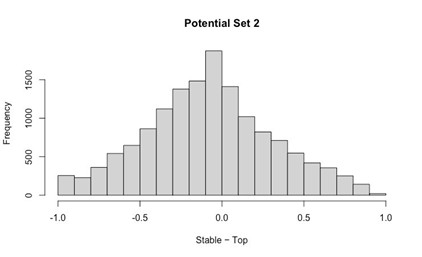
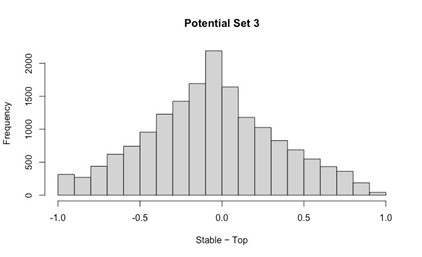
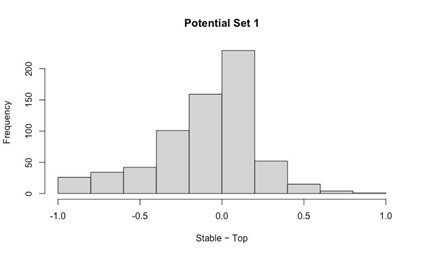
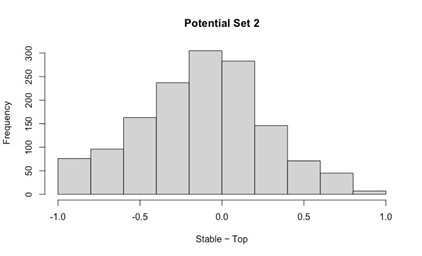
10,000 Matching Annotations
  1. Jan 2026
    1. cover ways to communicate effectively as you develop insight into your own style, writing process, grammatical choices, and rhetorical situations.

      Informs me that not only will this textbook teach me effective communication styles, but encourages self development of insight; Learning then adapting and applying.

    2. CNM students have access to The Learning and Computer Center (TLCc), which is available on six campuses: Advanced Technology Center, Main, Montoya, Rio Rancho, South Valley, and Westside. At these writing centers, trained tutors help students meet college-level expectations. The tutoring centers offer one-on-one meetings, online, and group sessions for multiple disciplines.

      This is also great resources to know, but I currently have a full-time job and two children I know is says it also provides online meetings but it's also hard to meet with a tutor and do all things at the same time. I will make the time for this course and like I said be successful.

    3. Many students feel intimidated asking for help with academic writing; after all, it’s something you’ve been doing your entire life in school. However, there’s no need to feel like it’s a sign of your lack of ability; on the contrary, many of the strongest student writers regularly seek help and support with their writing (that’s why they’re so strong). College instructors are familiar with the ups and downs of writing, and most colleges have support systems in place to help students learn how to write for an academic audience.

      I sometimes feel intimidated by writing something out, because sometimes I do use the same word over and over, or the pronunciation, but if this course is going to make me feel more confident, I'm here for it and I will do my best to be successful.

    4. Even the best students, however, need to make big adjustments to learn the conventions of academic writing. College-level writing obeys different rules, and learning them will help you hone your writing skills. Think of it as ascending another step up the writing ladder.

      this is so true because maybe in high school the writing prompts weren't so long and take so much time and effort, college has a different level of showing, I could say I was a better writer in elementary school, I used to write pages and pages teachers would tell me I was going to be a great novel writer, but that wasn't my plan to become one, writing was and is one of the things I like to do. I was reading the chapter 5 of the AI article about how I could even go to bed thinking about one thing I also related to that because sometimes I can't even go to bed because my head is always running and thinking what I could do tomorrow. sounds crazy but when I was reading this article i could just imagine everything, interesting article by the way :)

    1. Pérez told me stories of scientists who sacrificed their academic careers to build software, because building software counted for so little in their field: The creator of matplotlib, probably the most widely used tool for generating plots in scientific papers, was a postdoc in neuroscience but had to leave academia for industry. The same thing happened to the creator of NumPy, a now-ubiquitous tool for numerical computing. Pérez himself said, “I did get straight-out blunt comments from many, many colleagues, and from senior people and mentors who said: Stop doing this, you’re wasting your career, you’re wasting your talent.” Unabashedly, he said, they’d tell him to “go back to physics and mathematics and writing papers.”

      También he vivido la subvaloración asociada a publicar y sostener software libre en y desde contextos comunitarios en contraste con la publicación en circuitos académicos clásicos. Y si bien las universidades locales se están pensando esto en aras de visibilizar innovación, lo hacen muy lentamente, como es habitual, mientras los incentivos siguen estando alineados a las métricas convencionales

    1. death toll of over 6 million, while the US Centers for Disease Control and Prevention reported US deaths exceeding 1 million.

      I found that It was really important to see in numbers how covid affected our society. I am curious about how two different organizations got such different numbers. I am thinking that CDC and prevention stopped keeping track or something after one million. But see six million versus one million really helps someone reading this understand how much it affect us.

    2. A massive shift in the structure of insurance plans occurred in the 1990s and early 2000s

      The aftermath of COVID-19 caused inflation to happen with many goods and services. Im sure it also affected insurance plans. How would a reform of health care act on or address the constant inflation and higher probability of low income for many families to make health care affordable? It looks like an issue that continues without an end unless inflation is stopped. But how would inflation stop? Until we "catch up" from what the economy lost during COVID-19?

    3. But official death counts, which only include deaths directly attributable to COVID-19, don’t tell the whole story.

      Death numbers underestimate the real impact.

    1. 2.2.2. The “Golden Rule”# One widespread ethical principle is what English speakers sometimes call the “Golden Rule”: “Tsze-kung asked, saying, ‘Is there one word which may serve as a rule of practice for all one’s life?’ The Master said, ‘Is not reciprocity such a word? What you do not want done to yourself, do not do to others.’” Confucius, Analects 15.23 (~500 BCE China) “There is nothing dearer to man than himself; therefore, as it is the same thing that is dear to you and to others, hurt not others with what pains yourself.” Gautama Buddha, Udānavarga 5:18 (~500 BCE Nepal/India) “That which is hateful to you do not do to another; that is the entire Torah, and the rest is its interpretation.” Hillel the Elder, Talmud Shabbat, folio 33a (~0 CE Palestine) “So in everything, do to others what you would have them do to you, for this sums up the Law and the Prophets.” Jesus of Nazareth, Matthew 7:12 (~30 CE Palestine) And many more…

      I find the “Golden Rule” sounds simple enough, but it doesn't always work well in practice because everyone's feelings and boundaries are different. Especially on social media, judging behavior by thinking “I don't mind, so others shouldn't either” can actually overlook the feelings of those who are genuinely affected.

    1. Why some clothes shrink in the wash — and how to 'unshrink' them
      • Clothes shrink in the wash due to natural fibres like cotton and linen relaxing to their original crinkled state when exposed to heat, moisture, and agitation.
      • During manufacturing, fibres are stretched straight, but hydrogen bonds break in hot water, allowing cellulose chains to recoil.
      • Loosely knitted fabrics shrink more than tightly woven ones; even cold water can cause some shrinkage due to swelling and mechanical action.
      • Wool shrinks via felting, where cuticle scales on fibres interlock during washing.
      • Synthetics like polyester resist shrinking due to crystalline structures that maintain stability.
      • To unshrink clothes, soak in lukewarm water with conditioner or baby shampoo, then stretch gently and dry flat.

      Hacker News Discussion

      • Users share tips on durable clothing brands like American Giant hoodies, Carhartt pants, Duluth Trading shirts, and Uniqlo's better options, noting quality declines in some like Levi's and H&M.
      • Discussions on avoiding shrinkage: wash cold, air dry or use low-heat dryers, hang dry with fans/dehumidifiers; modern heat pump dryers praised for gentleness.
      • Health concerns about dryer lint and microplastics from synthetics, with anecdotes of respiratory issues from poor ventilation.
      • Debates on fabric quality: longer staple cotton resists shrinking better; pre-shrunk fabrics and blends help; natural vs. synthetic preferences vary.
  2. drive.google.com drive.google.com
    1. outsidesources

      I figure this will be talked about later but would you want us to include the class reading as a part of the sources or have it strictly be outside sources?

    1. But what information needs to become data before it can be trusted? Or, more precisely, whose information needs to become data before it can be considered as fact and acted upon?.d-undefined, .lh-undefined { background-color: rgba(0, 0, 0, 0.2) !important; }2Peem Lerdp, Fagana Stone25

      Great questions, including at what point does action take place once data is verified. This is relevant to all fields.

    2. But it would be Darden herself, as a Black woman with technical expertise.d-undefined, .lh-undefined { background-color: rgba(0, 0, 0, 0.2) !important; }, working at a federal agency in which sexism and racism openly prevailed.d-undefined, .lh-undefined { background-color: rgba(0, 0, 0, 0.2) !important; }2Michela Banks, ethan chang

      Learning about Christine Mann Darden reminds me of "Hidden Figures", which highlighted three African American women: Katherine Johnson, Dorothy Vaughan, and Mary Jackson, essential mathematicians and engineers at NASA during the Space Race in the 1950s and 1960s, also overcoming racial and gender discrimination.

    1. And in that space our General mustered and trained his men on land in warlike manner, to make them fit for all occasions.

      Its almost a little sad that everything has to be made in a warlike manner. Of course defending is very important, but sometimes training in warlike manners can cause more confliction.

    1. but they could not tell if they were human beings or animals; and it seemed to them that there were fields where they thought might also be villages, and they saw a forest whose foliage looked beautiful.

      Its interesting to read about new findings of villages and new people, potentially finding new resources that could help with medicines.

    2. In payment for some services which I hope to render you, I beg your Lordship to kindly write me about such matters

      This letter seems overly polite, and it makes sense now since he is asking for information in return. It's almost as if he is doing this as a strategy to help benefit him because all in all he is basically saying he continues to be loyal to England but needs more information

    1. But one 4Chan user found 4chan to be too authoritarian and restrictive and set out to create a new “free-speech-friendly” image-sharing bulletin board, which he called 8chan.

      It's interesting that 4chan was created to be less restrictive, and then 8chan created to be less restrictive than 4chan. It asks the question of to what extent will it or can it go, and how other laws come into play as well.

    1. DNA episomes

      I'm not super familiar with this term, but upon looking it up, it seems in this context it's "DNA that exists inside a cell but is not integrated into the host’s chromosomes". So then what exactly would be the difference between a plasmid and an episome, or are they similar in nature?

    1. can not give a rate expression

      Why can't a rxn in equilibrium give a rate expression? Is it because it has both a forward and backward rate? Oh... both the forward and backward rates exist, but because they are equal, I guess the "net rxn rate" would be 0.

    1. The focus of this chapter is on ‘activist simulation games,’ which aremotivated by an activist or political intention on the part of the game-maker, and which attempt to harness simulation and procedurality in thegame to convey the maker’s political critique or message to the playingpublic. Schleiner argues that that the ‘toyness’ of the world of such games,the miniature abstraction of the model that announces itself as game,not life, contributes to a nullifijication of the game’s critical impact. Tobreak away from this situation, she argues, requires a ‘broken toy tactic’of interruption or sabotage that breaks the spell of games’ procedural,operational logic.

      Next chapter also tried to problematise the idea of serious or commerical games as the saviours of gaming, from the lens that they are embeded in a chokepoint technofeudalism that translates volunteering, modding, community building, hacking, and charitative donations, as a solutionist fix that doesn't change the system, rather tries to cover its holes. Against the idea to mobilise the youngster slackers with mainstream video games, it develops the Shirky principle idea that actually, this contributes to the concentration and surveillance data grab of BigTech that's part of the problem. It specially attacked a book cited in multiple chapters: Ellen Middaugh, and Chris Evans’ The civic potential of video games.

      It argues from Baudrillard's complicit euphoria, cult of the ego, hedonism, the society of the spectacle, consumerism, the maximisation - compulsive collection of diverse pleasures. I deleted it because it doesn't provide alternative paths, like how against instrumental solutionism, games must die, and culture must die too, but it must be reborn again and again breaking the Overton window of what's accepted, reborn with non-conventional meanings and feelings, reborn without its elitist concentrated play, without its assumptions (with alternatives instead), and reborn with coordinating transgressive revolution ingrained on it.

      Footnote 2 from this chapter expands on this a bit.

    2. The brokenness of September 12thmanifests in that playing well delivers loss, subverting the expectationof the player to master a rewarding challenge of eliminating terrorists. InMcDonald’s Video Game, on the other hand, the very operationality of themodel of fast food production cycles transmitted to the player overcomesthe game’s critical impact.

      And yet, September 12th is too much simple. As a simulation, it only conveys the ideal of violence begets violence, but such a principle can leave players with a sour patronising mouth taste of "I already knew that". The world is more complex, but immersion and its mastery from habit also difficult periodically leaving it and challenging one's perspectives, like it happens in McDonald's, Frostpunk, Mini Metro, Democracy, or Cities Skylines. These simulations can be much more insightful, but the requirement is that players know how to read.

    Annotators

    1. The basic interrupt mechanism just described enables the CPU to respond to an asynchronous event, as when a device controller becomes ready for service. In a modern operating system, however, we need more sophisticated interrupt-handling features.

      The simple mechanism of interrupt enables the CPU to be able to respond to asynchronous information, such as a device controller saying it is available to deal with. But in the new operating systems, the interrupt system should be more developed to support several and simultaneous events effectively. It also introduces features such as interrupt prioritization, masking and nesting to allow dealing with different interrupts according to their urgency. The sophisticated methods result in the prioritization of the critical tasks and enhance the responsiveness of the system and avoid such issues as interrupt conflicts or delays in executing the high-priority tasks.

    2. Mobile operating systems often include not only a core kernel but also middleware—a set of software frameworks that provide additional services to application developers.

      The reference of middleware underscores its acute significance in the mobile operating systems. Middleware is a layer that is used between the core kernel and the upper layer applications and it provides services such as data management, security, user interface and communication protocols. The middleware can be used by simplifying application development since developers can concentrate on the functionality and not on the complexities of the system. This modular style allows quicker development of applications and that the applications can communicate with hardware and software components of the operating system efficiently. It brings in concerns regarding the optimization of middleware frameworks in terms of performance and compatibility with devices.

    3. An operating system is software that manages a computer's hardware.

      An operating system (OS) as a software that controls the hardware is basic but can be developed further. An OS is an interface between software and hardware, it allows interaction between the user and the resources of the computer. It manages memory, process scheduling, devices of input/output, and file systems. Knowledge of how an OS enables multitasking, and guarantees effective allocation of resources may result in more intensive knowledge about its contribution to the overall performance of a system. It casts doubts on the impact of OS design on computer speed and reliability.

    4. Embedded

      Embedded operating systems do not have the same objectives as desktop systems. Embedded systems are not designed with the consideration of user convenience or interface design in mind but with reliability and constant performance. These systems usually manage important devices such as medical equipment or cars; therefore, failure is not a choice. This made me see the rationale behind the fact that embedded systems design prefers simplicity and predictability over flexibility.

    5. pen-source and free operating system

      The operating system does not actually do the tasks of the user, but it still contributes significantly to the level of productivity of a user. Provided that the OS is properly designed, the users do not even see it, as everything works well. Nevertheless, an inefficient or mismanaged OS is so apparent in terms of slow response time, crashes or system freezes. This helped me to understand that the OS has impact on user experience even in cases where it cannot be seen.

    Annotators

    1. This is similar to theimplant fixture,but used in themodel to fabricatethe prosthesisin laboratory.

      ① This is similar to the implant fixture, but used in the model to fabricate the prosthesis in laboratory. ① Bu, implant gövdesine (fixture) benzerdir, ancak laboratuvarda protezi yapmak için model üzerinde kullanılır.

    2. endosseous implants and bone wherethe bone is in intimate contact withimplant but no ultrastructural contact isseen between the two.

      ① Endosseöz implantlar ve kemik arasında, kemik implant ile yakın temastadır ancak ikisi arasında ultrastrüktürel bir temas görülmez.

    Annotators

    1. The authors raise an important question of what is the relevant concentration of SSRIs and where is the site of action. Casarotto et al. do not claim that the extracellular fluoxetine concentrations reach micromolar, but that brain concentrations do. Contrary to what is claimed in Table 1, Johnson, Lewis and Angier, 2007 did not use MRS but gas chromatography-MS in postmortem brain samples and found fluoxetine (norfluoxetine was excluded in this assay) concentrations between 1-30 microM. This paper confirms and validates the MRS measurements that the authors largely disregard. So while extracellular concentrations remain in nanomolar, SSRIs accumulate into brain, presumably in membranes, and specifically in lipid rafts, as shown by Rasenick and coworkers (but not cited by the authors) and can reach micromolar concentrations there. Membrane accumulation is also consistent with the data by Nichols et al, cited by the authors. Our unpublished data suggests that fluoxetine enters its binding site in TrkB not from the aqueous phase, but from the membrane phase after having equilibriated there at high-enough concentrations, therefore, membrane concentrations are more relevant to the SSRI action to TrkB than the extracellular levels. If extracellular concentrations are elevated to micromolar, membrane concentrations certainly increase to toxic levels, as demonstrated by the authors. So, the authors should modify their conclusion on page 3: while extracellular SSRI concentrations do not reach micromolar, brain concentrations do, and they may be more relevant for the mechanisms of action than the extracellular levels.

    1. it seemed to speak to me of me, not of itself

      I think that there's nothing necessarily wrong with going to a beautiful place in nature to ponder, but reading this I do understand what she means. It makes me want to connect with and learn more about the world I live in! The PNW is so diverse.I think I lose myself in my own world without considering the earth around me.

    2. a language manual for the much vaster text I live within.

      I think this is so beautiful! It's such an eloquent way of putting it. It's easy to pass by nature and it's intricacies without a second glance, but you can analyze almost any aspect of our world in greater detail!

    1. Rapport de Synthèse : Séminaire du Forum for World Education (FWE) sur l'Éducation de la Petite Enfance

      Résumé Analytique

      Ce document synthétise les interventions du séminaire du Forum for World Education (FWE) consacré à l'éducation de la petite enfance.

      Les travaux soulignent que l'apprentissage commence bien avant la scolarisation formelle, s'appuyant sur le développement de l'attention, de la curiosité et de l'empathie.

      Le séminaire met en lumière une transition critique dans la pensée éducative : la nécessité d'éduquer les parents autant que les enfants, car l'environnement familial et l'attachement sécurisant constituent le socle de toute réussite future.

      Les points clés incluent l'importance neurobiologique des trois premières années (1 million de nouvelles connexions neuronales par seconde), le rôle prédictif de la curiosité et de l'autodétermination sur la réussite académique à long terme, et les disparités alarmantes entre les enfants favorisés et défavorisés.

      Enfin, des mises en garde sérieuses sont émises concernant l'usage passif de la technologie et de l'intelligence artificielle chez les très jeunes enfants, menaçant leur développement cognitif.

      --------------------------------------------------------------------------------

      I. Les Fondements Neurobiologiques et Psychologiques

      L'ABC de l'Apprenant

      L'éducation précoce repose sur ce que l'expert John Altman nomme « l'ABC de l'apprenant » :

      Attention et Attachement (Bonding)

      Curiosité

      Découverte

      Empathie

      La Plasticité Cérébrale Précoce

      Au cours des trois premières années de vie, plus d'un million de nouvelles connexions neuronales (synapses) se forment chaque seconde.

      Ce rythme ne se reproduira jamais plus au cours de la vie. Ces connexions façonnent les contours distinctifs de la conscience de chaque enfant.

      L'Importance Cruciale de l'Attachement

      L'attachement, ou le lien affectif entre le parent et l'enfant, est le fondement de l'épanouissement futur :

      Avantages neurologiques : Un attachement sécurisant est lié à un volume de matière grise plus important dans les régions du cerveau responsables de la perception sociale et du traitement émotionnel.

      Régulation du stress : Les enfants ayant un attachement sécurisant présentent des niveaux de cortisol plus bas et une amygdale mieux régulée, évitant le « stress toxique » qui entrave l'apprentissage.

      Fonctions exécutives : Ces enfants surpassent leurs pairs dans les tâches de planification, de flexibilité cognitive et de mémoire.

      --------------------------------------------------------------------------------

      II. Dynamiques de l'Apprentissage et de la Curiosité

      Exploration vs Contrôle

      Le rôle du parent n'est pas de concevoir la personnalité de l'enfant ou de contrôler sa destination, mais de fournir la « subsistance pour le voyage ». L'amour inconditionnel crée une base de sécurité permettant à l'enfant de s'aventurer vers l'inconnu.

      Les Deux Types de Curiosité

      1. Curiosité de découverte : Alimentée par la nouveauté, elle est le moteur principal durant la petite enfance.

      2. Curiosité épistémique (de maîtrise) : Apparaît vers 6 ou 7 ans. C'est le désir de comprendre en profondeur, nécessitant un effort cognitif soutenu et de la persévérance face à la difficulté.

      Le Cycle Vertueux de la Maîtrise

      La pratique mène à la compétence, qui génère la confiance et un sentiment d'auto-efficacité, motivant ensuite une pratique accrue. Ce processus favorise également un comportement moral en renforçant le sentiment d'appartenance à un groupe.

      --------------------------------------------------------------------------------

      III. Perspectives des Parents et Arbitrages Éducatifs

      Lors du panel de parents, plusieurs thématiques liées aux choix éducatifs ont émergé :

      | Thématique | Insights et Arbitrages | | --- | --- | | Valeurs fondamentales | Priorité à la formation de l'humain plutôt qu'à la création de « calculatrices humaines ». Importance de la résilience et de la tolérance à l'échec. | | Multilinguisme | Certains parents choisissent de prioriser la langue dominante (ex: l'anglais) pour construire la confiance sociale de l'enfant avant de réintroduire les langues héritées. | | Compétences douces | Accent mis sur l'art oratoire, la pensée critique et les compétences sociales comme leviers de réussite à long terme. | | Socialisation | Préférence parfois accordée au développement social et émotionnel plutôt qu'à l'accélération académique (ex: refuser de sauter une classe pour préserver les amitiés). |

      --------------------------------------------------------------------------------

      IV. Enjeux Globaux, Équité et Politiques Publiques

      L'Analyse de l'OCDE (Andreas Schleicher)

      L'écart de réussite : À l'âge de 5 ans, les enfants issus de milieux défavorisés ont déjà 20 mois de retard en termes de comportement pro-social et un an de retard en littératie émergente.

      Le paradoxe de l'investissement : Les dépenses publiques sont souvent élevées à la naissance, chutent drastiquement vers l'âge d'un an, pour ne reprendre qu'à 3 ou 4 ans. Ce déficit d'investissement précoce est préjudiciable.

      Mentalité de croissance (Growth Mindset) : La conviction que l'effort mène au succès est l'un des prédicteurs les plus puissants de la réussite dans les tests PISA à 15 ans.

      La Fracture Sociale et le Langage

      Les enfants défavorisés entendent environ 30 millions de mots de moins que leurs pairs favorisés avant l'âge de trois ans.

      Si l'environnement familial ne fournit pas la stimulation nécessaire, les structures d'accueil de la petite enfance deviennent le seul filet de sécurité pour garantir l'égalité des chances.

      --------------------------------------------------------------------------------

      V. Les Risques Technologiques et l'Intelligence Artificielle

      Une préoccupation majeure concerne l'utilisation de la technologie comme « baby-sitter » :

      Impact sur le développement : L'exposition à l'IA avant l'âge de trois ans peut interférer avec le développement cognitif profond et la capacité de réflexion critique.

      Usage passif : L'utilisation de tablettes pour occuper les enfants empêche l'apprentissage de la gestion de l'ennui et de l'interaction sociale.

      Recommandation : Ne jamais laisser un enfant de moins de trois ans utiliser seul un jouet intégrant de l'IA. L'interaction doit être médiée par un parent.

      --------------------------------------------------------------------------------

      VI. Citations Clés

      « L'éducation n'est pas seulement éduquer les étudiants ; nous devrions nous concentrer sur l'éducation des parents. » — Dr. Chang Davis

      « Avoir des enfants rend la vie beaucoup plus significative, même si cela diminue le bonheur. » — John Altman (citant Ray Baumeister)

      « Le but de l'amour n'est pas de modifier les personnes que nous aimons, mais de leur donner ce dont elles ont besoin pour s'épanouir. » — John Altman (citant Alison Gopnik)

      « Les étudiants qui réussissaient le mieux étaient les étudiants "connectés" [...] La connectivité est le sentiment de faire partie de quelque chose de plus grand que soi. » — John Altman (citant Ned Hallowell)

      « Si vous voyez des enfants assis à des bureaux faisant tous la même chose au même moment, fuyez, car ce n'est pas bon pour les enfants. » — Dr. Suzanne Sulfani

    1. In any case, regardless of how well the Bering land bridge theory aligns with the archaeological and genetic record, and regardless of how broadly it is accepted within the scientific community, it has become something of an embarrassment, both because some non-Indigenous people have warped its meaning and because many other people have questioned not just the validity but also the motivations underlying it

      I feel like theories about the past can all be laughed at. We hear people's ideas/theories from the past and they will either be super accurate or really wrong. But, it should be kept in mind that it is difficult to be right about something when it is just a theory based off little evidence to begin with. Theories should be questioned in order to grow - people need to remain curious and help search for the answer.

    1. So as there is no reason or experience that doth contradict my conceit and opinion; which is, that the whole earth is united & joyned in some part, or at the least, the one approcheth neere unto the other.

      Was kind of hard to understand this doc's old English but - is he saying he believes the whole earth is connected/the continents were at one point? That is a theory that has held up over time (continental drift). Also, this connects to the indigenous people's belief that everything is connected and helps each other grow/thrive, so does he share that same belief?

    1. An applicant for CoreTrustSeal must offer a long term preservation service. Some parts of the collection may have lower levels of care but this must be made clear in the text. Once assigned each reviewer will briefly check: ● the definition of the designated community to see whether it is clear enough. ● the preservation plan to ensure that active preservation is in place. ● the ingest & appraisal to confirm that digital objects receive active preservation. ● Reuse to confirm that the outcomes of curation are aligned with the needs of the designated community.

    1. Page 353 going into 354 speaks beautifully about how fiction, especially during this time of British instability and turmoil regarding the New World Colonies in the west, is an escape into a false reality, one that is believable and truly capable of being real but still fantastical enough to provide a sense of exploration within a novel. Whatley speaks on the desires of men, particularly those of romantic desires, are very possibly able to be obtained, and that a man must simply wait, because "all will be sure to come right at last." He is reassuring the readers that the "end" of a person's novelish life will be that of satisfaction.

    2. On page 360-, we see the discussion about Miss Jane Austen and how her reading isn't forceful; it's different. He continues on about how you can't predict the ending of her play, and everything naturally falls into place. It doesn't have a bunch of random side plots cohering into one. Everything is easy to read, easy to understand, and is fulfilling. Her stories have 'real' reasoning and while we think all authors publish books or directors with films have reasoning. During her era, this was amazing. They weren't only entertainment but captivating and set ideas of life in bigger ways.

    3. Her minuteness of detail has also been found fault with ; but even where it produces , at the time , a degree of tediousness , we know not whether that can justly be reckoned a blemish , which is absolutely essential to a very high excellence .

      Whatley is quite the perplexing individual in that he validates the critiques of others while subtly asserts them as blemishes. It is bold and at the same time rather unapologetic in that manner; however, now I wonder what other critics were saying about Jane Austin during her time. It is clear that Whatley holds her works to a high regard and seems to be the apotheosis of literature from his perspective.

      SIDE NOTE: Based on the claim right afterwards, I think while reading Jane Austin's works I will be paying closer attention to characters and how they are utilized.

    4. The moral lessons also of this lady's novels , though clearly and impressively conveyed , are not offensively put forward , but spring incidentally from the circumstances of the story ; they are not forced upon the reader , but he is left to collect them ( though without any difficulty ) for himself

      It is fascinating that Whatley is commending Jane Austin for covert didactic narratives. To have the moral lessons being in arm's grasp, if only, the individual seeks it out. Though, if I was to critique this rationale, to suggest that this methodology is "conformed more closely to real life" not evidently true. Often times, the big moral lessons in real life become loud and clear with great consequences. Beyond the critique, it is fascinating that Jane Austen wrote works with social realism predating the Realism literary period. Revolutionary and "novel" in application.

      SIDE NOTE: I hope Whatley lived long enough to see the emergence of the Realism literary period. Given this was written in 1818, I hope he lived 22 years to at least see prevalence of Realism as that seems to be his fascination.

    5. The moral lessons also of this lady's novels , though clearly and impressively conveyed , are not offensively put forward , but spring incidentally from the circumstances of the story ; they are not forced upon the reader , but he is left to collect them ( though without any difficulty ) for himself

      I think what the passage is trying to explain is that the moral lessons in Jane Austen’s novels are delivered with subtlety and grace. They are expressed clearly and powerfully, and never in a way that feels pushy or preachy. Instead of being imposed on the reader, the lessons in the novels happen naturally from the events and situations within the stories, and as a result, the reader can easily understand the intended message on their own.

    1. Despite this, only abrupt onsets capturedattention in a subsequent visual search task, whereas color singletons and color singleton onsets were bothsuppressed. Thus, abrupt onsets tend to capture attention more strongly than color singletons, but this isnot apparently because of high physical salience.

      interesting finding

    Annotators

    1. Notwithstanding the great want that the Frenchmen had, the ground yields victuals sufficient if they would have taken pains to get the same. But they being soldiers desired to live by the sweat of other mens brows.

      So what I'm getting here is that the the land /did/ provide enough but the Europeans were too lazy to put in the work to get anything out of the land. Sounds like a skill issue

    2. These bonitos be of bigness like a carp and in color like a mackerel, but it is the swiftest fish in swimming that is, and follows her prey very fiercely.

      This sentence is amusing the Europeans are using comparisons to describe unfamiliar species to other European listeners. They definitely used interesting wording.

    1. by change of air and alteration of diet the said Savage king died at Sea

      I wonder how true this is. Yes, it is possible that he could have died on a long trip because of these things, but I suppose we would never really know considering we only get the side of the story from the Englishmen who would not want to blame themselves over this king's death.

    1. JSONSchemaBench: Structured Output Benchmark for Language Models

      Core Contribution

      • Benchmark introduction: JSONSchemaBench comprising 10K real-world JSON schemas for evaluating constrained decoding frameworks

        "We introduce JSONSchemaBench, a benchmark for constrained decoding comprising 10K real-world JSON schemas that encompass a wide range of constraints with varying complexity"

      • Three-dimensional evaluation framework assessing efficiency, coverage, and quality of constrained decoding approaches

        "We present an evaluation framework to assess constrained decoding approaches across three critical dimensions: efficiency in generating constraint-compliant outputs, coverage of diverse constraint types, and quality of the generated outputs"

      • Six frameworks evaluated: Guidance, Outlines, Llamacpp, XGrammar, OpenAI, and Gemini

        "We evaluate six state-of-the-art constrained decoding frameworks, including Guidance, Outlines, Llamacpp, XGrammar, OpenAI, and Gemini"

      Key Findings

      Efficiency Results

      • 50% speedup potential from constrained decoding over unconstrained generation

        "Constrained decoding can speed up the generation process by 50% compared to unconstrained decoding"

      • Guidance achieves best throughput through guidance acceleration technique

        "Guidance achieves even higher efficiency, which it accomplishes by fast-forwarding certain generation steps with its guidance acceleration"

      • Compilation time varies significantly: Outlines has "significantly higher compilation time" compared to Guidance and Llamacpp which have "minimal grammar compilation time"

      Coverage Results

      • Coverage disparity: Best framework supports twice as many schemas as worst

        "Frameworks demonstrate significant differences in their actual support for real-world JSON schemas, with the best framework supporting twice as many schemas as the worst"

      • Guidance leads empirical coverage on 6 out of 8 datasets

        "Guidance shows the highest empirical coverage on six out of the eight datasets"

      • Compliance rate critical: Guidance demonstrates "highest compliance rate across all datasets, making it the most reliable option for ensuring schema compliance"

      Quality Results

      • Performance improvement: Constrained decoding improves downstream task accuracy up to 4%

        "Constrained decoding consistently improves the performance of downstream tasks up to 4%, even for tasks with minimal structure like GSM8k"

      • Guidance best for quality: "Guidance consistently delivers the best performance across all tasks, with approximately a 3% improvement over the LM-only approach in every task"

      Core Concepts

      Coverage Definitions

      • Declared Coverage: Schema processed without rejection or runtime errors

        "A schema is considered declared covered if the framework processes the schema without explicitly rejecting it or encountering runtime errors such as exceptions or crashes"

      • Empirical Coverage: Experiments show framework produces schema-compliant outputs

        "A schema is considered empirically covered if our experiments show that the constraints generated by the framework result in LM outputs that are schema-compliant"

      • True Coverage: Constraints precisely equivalent to JSON Schema definition

        "A schema is considered truly covered if the framework produces constraints that are precisely equivalent to the original JSON Schema definition"

      • Compliance Rate: Ratio of empirical to declared coverage

        "Compliance Rate = C_Empirical/C_Declared... estimates the reliability of the constrained decoding framework in guaranteeing compliance given it accepts a given schema"

      Failure Modes

      • Over-constrained: Framework rejects valid JSON instances

        "A framework is over-constrained if it rejects JSON instances that are valid according to a given JSON Schema. This means the engine is too strict and excludes outputs that should be allowed"

      • Under-constrained: Framework allows invalid JSON instances

        "A framework is under-constrained if it allows JSON instances that are invalid according to a given JSON Schema. This means the engine is overly permissive and allows outputs that should be rejected"

      Evaluation Methodology

      Efficiency Metrics

      • Grammar Compilation Time (GCT): Time spent on grammar compilation
      • Time to First Token (TTFT): Time from generation start to first token
      • Time per Output Token (TPOT): Average time per token after first

      Dataset Composition

      • 10 dataset suites with varying complexity:

        "We split the data into five collections based on the schema size: trivial, small, medium, large, ultra"

      • Sources include:

      • GitHub schemas (6,000 from Baazizi et al., 2021)
      • JSON Schema Test Suite (official test cases)
      • Schema Store (largest independent collection)
      • GlaiveAI function calling dataset (2,000 schemas)
      • Kubernetes configuration files
      • Washington Post ANS specification

      Experimental Setup

      • Model used: Llama-3.1-8B-Instruct for efficiency, Llama-3.2-1B-Instruct for coverage
      • Hardware: Single NVIDIA A100-SXM4-80GB GPU with AMD EPYC 7543 CPU
      • Validation: jsonschema Python library with Draft2020-12, format checks enabled
      • Generation: Greedy decoding, zero temperature, single run, 40s timeouts

      JSON Schema Test Suite Analysis

      • 45 categories covering JSON Schema features (43 after filtering)

        "The test suite organizes its test cases into 45 categories, each of which corresponds to a feature of JSON Schema"

      • Guidance dominates:

        "Guidance outperforms other engines at all coverage levels, achieving full coverage on 13 categories and moderate coverage on 21"

      • Failure patterns vary:

        "Outlines, Llamacpp, and Guidance follow a consistent failure pattern, with most errors occurring during compilation and over-constrained failures being more frequent than under-constrained ones. In contrast, XGrammar minimizes compilation errors but shows the highest number of under-constrained failures"

      Quality Evaluation Tasks

      Three Reasoning Tasks

      • Last Letter: CoT reasoning + answer in a-z

        "Input: Ian Peter Bernard Stephen Output: nrdn"

      • Shuffle Objects: CoT reasoning + answer in A-E

        "Input: Sequence of exchanges among individuals + choices Output: A-E"

      • GSM8K: CoT reasoning + answer as integer/float

        "Input: Basic calculation problems Output: Number, e.g. 8"

      • JSON structure: All tasks use {"reasoning": <reasoning>, "answer": <final answer>} format

      Problem Context

      Motivation

      • Machine-oriented applications require structured outputs

        "Unlike traditional natural language processing (NLP) tasks where the output is aimed at review by humans, output in these applications is often consumed by machines such as controller and service APIs"

      • Probabilistic nature problematic:

        "However, the LM generation process is probabilistic and does not provide guarantees on the output's structure, making it challenging to deploy LMs in applications requiring structured inputs and high reliability"

      • JSON Schema as standard:

        "JSON Schema has emerged as a key specification language for constrained decoding... Commercial LM providers, such as OpenAI, have embraced constrained decoding by incorporating support for JSON Schema directly into their APIs"

      Research Gap

      • Evaluation under-explored:

        "The evaluation of constrained decoding remains an under-explored topic, with no consensus on what defines the effectiveness of constrained decoding"

      • No framework comparisons: Prior studies "fail to provide comparisons across different constrained decoding frameworks"

      • Limited benchmarks: Previous benchmarks "narrowly focused on specific tasks or rely on formal-grammar–based artificial setups, that have unclear relevance to real-world use cases"

      Technical Implementation

      Constrained Decoding Algorithm

      • Core mechanism: Token masking at each generation step

        "Constrained decoding intervenes in the decoding process of LMs by masking out invalid tokens based on given constraints and prefix tokens"

      • Algorithm steps: Update constraint state → compute mask → calculate logits → apply mask → sample token → append to output

      Addressing Coverage Bias

      • Intersection-based metrics: Calculate efficiency only on schemas all engines support

        "To ensure fairness, we calculate efficiency metrics on the intersection of covered instances across all engines"

      • Rationale: "Engines with lower coverage often process simpler, shorter schemas, which naturally compile and generate faster"

      Key Tools & Frameworks

      Open Source Engines

      • Guidance (Guidance AI, 2023): Dynamic constraint computation, token healing
      • Outlines (Willard & Louf, 2023): Regex-based constraints
      • Llamacpp (Gerganov & al., 2023): Grammar module, GGML BNF
      • XGrammar (Dong et al., 2024): Concurrent compilation with pre-filling

      Closed Source APIs

      • OpenAI: JSON Schema support in API
      • Gemini: Limited schema support (<1% on some datasets)

      Validation & Testing

      • jsonschema Python library (Berman, 2025): Draft2020-12 validation
      • JSON Schema Test Suite (JSON Schema Org, 2024): Official correctness tests
      • Bowtie (2025): Cross-implementation comparison tool

      Related Work

      JSON Schema Collections

      Constrained Decoding Research

      Quality Concerns

      • Geng et al., 2023: Grammar-constrained decoding without finetuning
      • Tam et al., 2024: Study on format restriction impacts
      • Kurt, 2024: Response to performance decline concerns, argues issues stem from "inadequate prompting, insufficient contextual information, and poorly crafted schemas"
      • Geng et al., 2024: Tokenization ambiguity issues

      Applications

      Advanced Features

      Optimization Techniques

      • Grammar caching: Reuse compiled constraints
      • Parallel execution: "Mask computation can run in parallel with the LM's forward pass, and grammar compilation can be performed concurrently with pre-filling computations"
      • Speculative decoding: Constraint-based approach (GuidanceAI, 2024)
      • Token healing: Guidance's technique for handling tokenization boundaries (GuidanceAI, 2024)

      JSON Schema Features

      • Most common keywords: type, properties, required, description, items, enum
      • Format constraints: date-time, email, uri, uuid (each complex to implement)
      • Advanced features: $defs, $ref, if-then-else, minItems, maxItems, pattern matching

      Limitations & Future Work

      Current Challenges

      • Under-constraining tradeoffs:

        "Under-constraining effectively delegates responsibility to the LM, which may produce valid output despite a lack of strict constraints... requires careful implementation and transparency to ensure reliability"

      • Feature representation: "Not all features are equally represented in real-world schemas... strong or weak performance on specific features can have disproportionate impacts depending on their prevalence"

      • Test suite limitations: "No straightforward correspondence between test suite performance and empirical coverage"

      Aspirational Goals

      • GitHub-Ultra dataset: Retained "as an aspirational target for future advancements" despite being too hard for current frameworks

      • Format validation: Paper excluded 'format' tests but notes "We hope to extend this work to include these optional tests in a follow-up"

      • Formal verification: True coverage requires "formal verification method that is capable of exhaustively comparing the schema's semantics against the framework's implementation"

      Repository & Resources

    1. What is it?On the face of it this is a mighty attractive idea and an easy thing to describe: an electric BMW 4 Series Gran Coupe. Although to be truthful it's not that, because frankly that'd be a bit of a bodge-up.It has a different floor, suspension and even seats, all to fit around the electric bits. And it wears a new dash that's on-trend with the enormo-screen experience beloved by fashion-forward EV buyers.Advertisement - Page continues belowBy which of course we mean the Tesla Model 3 and Polestar 2. Yup, the i4 has in its sights those low-slung, fast but not ridiculously unaffordable electric cars. Since its launch, new rivals have landed in the shape of the BYD Seal, Volkswagen ID.7 and smaller, but ultra-rangey Mercedes CLA.Meanwhile the faster, feistier rungs of the i4 offering are nudging into 'Audi e-tron GT with a discount' territory. Ergo lightly used Porsche Taycans too.

      The structures of the paragraph are very clean as both important texts are underlined and all paragraphs broken up for easier readability for everyone with a large font. This especially helps users with reduced cognitive load and lets users read the page any way they want.

    1. By convention, kinds are formatted in CamelCase like words and are usuallysingular. Depending on the context, their concrete format differs. ForCustomResourceDefinition kinds, it must be a DNS path label (RFC 1035)

      couldn't understand fully, but ok for now.

    2. In Go, each GVK corresponds to one Go type. In contrast, a Go type canbelong to multiple GVKs

      get some example?

      So basically think of the GVK as API contract and the Go Type as Implementation.

      So, basically it should be only one for the implementation so that it can decode without being ambiguous but then again to maintain multiple versions, it has to support multiple types.

    Annotators

    1. They must be good servants and very intelligent, because I see that they repeat very quickly what I told them and it is my conviction that they would easily become Christians, for they seem not to have any sect. If it please our Lord, I will take six of them from here to your Highnesses on my departure, that they may learn to speak. I have seen here no beasts whatever, but parrots only.”

      It's honestly a bit unsettling how quickly he reduces these people to potential servants instead of seeing them as human beings who deserve equal rights. As in, his first instinct was instantly control over these people to use them for his own benefits and beliefs. I can see now why disagreements arise in the future; there was lack of mutual respect from the very start.

    1. There they went ashore and looked about them, the weather being fine, and they observed that there was dew upon the grass, and it so happened that they touched the dew with their hands, and touched their hands to their mouths, and it seemed to them that they had never before tasted anything so sweet as this.

      What's surprising is how it seems like they lacked a sense of fear when it came to the thought of something unfamiliar to them having the possibility of being poisonous. I guess this shows how differently people in the past interacted with nature compared to how we interact with it today, but I guess it is also because of modern common knowledge that has developed.

    2. When he was but a short distance from the ship, the horse which Erik was riding stumbled, and he was thrown from his back and wounded his foot, whereupon he exclaimed, “It is not designed for me to discover more lands than the one in which we are now living, nor can we now continue longer together.” Erik returned home to Brattahlid, and Leif pursued his way to the ship with his companions, thirty-five men.

      I think it's interesting that Erik gave up this amazing voyage just because he was injured slightly. He just turned around and left the whole plan when one thing didn't go his way. I wonder if he was really injured, or it was an excuse not to partake in the adventure.

    1. But they still didn’t understand that it had been the native people they had despised as lazy and unproductive, and had driven off the land, who had been responsible for its productivity.

      It's frustrating to know that colonizers always took credit for things that natives worked hard to achieve and then proceed to erase the people who were responsible for creating and caring for this land in the first place. Let us not forget who this land had belonged to and who we need to keep in mind when we appreciate how beautiful of a land we have.

    1. Highlight key terms, unknown words (Never skip over a word if you don’t know its meaning. Look it up and jot a brief, understandable definition above your highlight.), and main points.

      I will utilize defining unknown terms in annotations this semester, as physical not taking has helped me, but tends to slow me down.

    2. it helps to take detailed notes both when in class and when you read.)

      This may just be a personal issue, but I often allow my note taking to get out of hand, so it could help to occasionally check the time in case it is in short supply.

    1. A ruling class of warrior nobles and priests performed ritual human sacrifice daily to sustain the sun on its long journey across the sky, to appease or feed the gods, and to stimulate agricultural production

      I wonder if people ever ended up questioning these rituals, then again I understand that this wasn't just any tradition but one deeply rooted in the belief of it being necessary for survival. And I don't think they could have ever reached that point of being able to evolve their beliefs because of colonization.

    1. African American churches provided spaces for not only spiritual formation but also political activism.

      Black churches were important to African Americans because they were centers for political activism especially the civil rights movement

    1. The study results are derived from nurses’ reports ofpeers’ and to a lesser extent, self-reports of the use of sub-stances. Therefore, there is a question of whether thesereports accurately describe this phenomenon

      This section of text answers the question "Are there any concerns presented about the results?" The section of limitations take into account that the primary results are sourced from self reports and reports of peers. The article understands that the accuracy of this study can be questioned due to the nature of not being able to directly check the accuracy of these reports but assures that they sourced detailed responses and constistancy within those responses.

    1. This cycle produces the fundamental traits of American society: democracy, individualism, a spirit of free enterprise

      From the conditions of frontier life came intellectual traits of profound importance. The works of travelers along each frontier from colonial days onward describe certain common traits, and these traits have, while softening down, still persisted as survivals in the place of their origin, even when a higher social organization succeeded. The result is that, to the frontier, the American intellect owes its striking characteristics. That coarseness and strength combined with acuteness and inquisitiveness, that practical, inventive turn of mind, quick to find expedients, that masterful grasp of material things, lacking in the artistic but powerful to effect great ends, that restless, nervous energy, that dominant individualism, working for good and for evil, and withal that buoyancy and exuberance which comes with freedom -- these are traits of the frontier, or traits called out elsewhere because of the existence of the frontier.

    2. He also mentions them as guides or traders, but ultimately he only sees them as a temporary barrier to be crushed by the new waves of civilization.

      Long before the pioneer farmer appeared on the scene, primitive Indian life had passed away. The farmers met Indians armed with guns. The trading frontier, while steadily undermining Indian power by making the tribes ultimately dependent on the whites, yet, through its sale of guns, gave to the Indian increased power of resistance to the farming frontier. French colonization was dominated by its trading frontier; English colonization by its farming frontier. There was an antagonism between the two frontiers as between the two nations. Said Duquesne to the Iroquois,

    3. the contact between the settler and the wild environment is what created a distinct American identity.

      Little by little he transforms the wilderness, but the outcome is not the old Europe, not simply the development of Germanic germs, anymore than the first phenomenon was a case of reversion to the Germanic mark. The fact is, that here is a new product that is American.

    1. Note: This response was posted by the corresponding author to Review Commons. The content has not been altered except for formatting.

      Learn more at Review Commons


      Reply to the reviewers

      Reviewer #1 (Evidence, reproducibility and clarity (Required)): The key conclusions are solid. All the claims are supported by quality data. The content is rich, and no additional experiment is needed. The data and methods are properly presented for reproduction. The experiments are adequately replicated. One comment on statistical analysis is listed below.* *

      __Summary:_ ___ This manuscript investigates how Drosophila immune pathways contribute to defense against a range of filamentous fungi with distinct ecological strategies. The work provides novel insights into Toll pathway activation through pattern recognition receptors and danger signals, relative roles of melanization, phagocytosis, and effects of antimicrobial peptides, and particularly the immune evasion strategy of E. muscae via protoplast formation. These findings are of broad relevance to insect immunology, host-pathogen interactions, and evolutionary biology. * The study is well designed, the experiments are carefully executed, and the manuscript is clearly written. It is novel to demonstrate that E. muscae evades immune recognition via protoplast formation. However, some aspects of clarity and discussion of limitations could be improved before publication.** *

      We thank the reviewer of the positive assessment of our manuscript.We thank the reviewer of the positive assessment of our manuscript.

      Major comments: 1) The Abstract is informative but a bit too long. Consider condensing some sentences and highlighting the novel contributions (e.g., role of protoplasts in immune evasion.).* *

      Good points. We have reduced the abstract. The sentence is 'Our study also reveals that the fly-specific obligate fungus Entomophthora muscae employs a vegetative development strategy, protoplasts, to hide from the host immune response.'

      We believe that the role of protoplasts is already mentioned in the abstract.

      2) The Results may use more mechanistic links. For instance, the section on E. muscae immune evasion could more explicitly connect the morphological findings (protoplasts, lack of cell wall) with specific immune recognition failures.* *

      Our article is a comparison of Drosophila host defense against fungi with various life styles. This obviously complexify the presentation of the results. We have made the maximum of effort to explain our data with clarity. We believe that having two successive sections entitled 'Natural infection with E. muscae barely induces the Toll pathway' followed by ' __Entomophthora muscae hides from the host immune response using a vegetative development strategy'____ __expose well the idea that E. muscae has a specific hiding strategy. We did not change this part.

      3) Please clarify statistical analyses used for survival data (e.g., log-rank tests, multiple testing corrections). * We have clarified the statistical analysis in the method part. The sentence is 'Statistical significance of survival data was calculated with a log-rank test (Mantel-Cox test) comparing each genotype to w*1118 flies'.

      __Minor comments:____ __ Abstract: 1) "The infection outcome depends on the complex interplay between insect immune defenses and fungal adaptive strategies." could be simplified to: "Infection outcomes depend on the interplay between insect immunity and fungal adaptation." 2) Replace "our study uncovers" with "we show" for more concise phrasing. Reduce phrases like "our study reveals" or 'we conclude" in other parts of the manuscript. * Results: p. 5: phrase "survival upon natural infection... reveals the major contribution" → reword to avoid passive tone. p. 10: clarify "vesicles push the membrane outwards" with more precise terminology (e.g., budding, extrusion). * Discussion: p. 20: streamline sentence beginning "These observations provide a mechanistic basis..." (currently too dense).

      We have taken in consideration all these comments. Note that we removed in the revised version the sentence "The infection outcome depends on the complex interplay between insect immune defenses and fungal adaptive strategies." To shorten the abstract, we have removed the sentence 'These observations provide a mechanistic basis for future exploration.'

      **Referee cross-commenting*** *

      I agree with the comments of the other two reviewers.* *

      __Reviewer #1 (Significance (Required)):____ __

      This manuscript investigates how Drosophila immune pathways contribute to defense against a range of filamentous fungi with distinct ecological strategies (generalists, specialists, opportunists). By leveraging a comprehensive panel of genetically defined fly lines and standardized infections, the authors provide a demonstration that the Toll pathway is the predominant systemic antifungal defense, extending classical findings into a comparative framework across fungal lifestyles. The work provides novel insights into Toll pathway activation through GNBP3 and fungal proteases sensed by Psh, while also dissecting the relative contributions of melanization, phagocytosis, and antimicrobial peptides to host protection. Of particular note is the compelling demonstration that the fly specialist E. muscae can evade immune recognition through protoplast-like vegetative forms, minimizing cell-wall exposure and thereby escaping Toll activation.* *

      My expertise and limitations: * Insect biochemistry and molecular biology, with particular focus on innate immunity, serine protease cascades, melanization, and host-pathogen interactions. I also have experience with genetic, biochemical, and functional approaches to dissecting immune signaling pathways in model insects. However, I do not have sufficient expertise to critically evaluate advanced statistical analyses.** *

      __Reviewer #2 (Evidence, reproducibility and clarity (Required)):____ __

      In this work the authors describe the contribution of distinct immune responses in Drosophila melanogaster to systemic and natural infections with 5 fungal species with different lifestyles some being generalists infecting a broad range of insects while others being more specialists or opportunistic. The authors used several well characterized Drosophila mutants of the Toll, Imd, phagocytosis and melanization responses to address this question. They show that Toll pathway is the key player in anti-fungal resistance in both natural and septic infections, whereas melanization plays a minor role mainly during natural infections possibly to limit fungal invasion through the cuticle. The authors show elegantly using different combinations of mutants for antimicrobial peptides genes with antifungal activities that Bomanins and Daisho (1 and 2) are the main Toll effectors mediating resistance to fungi but the authors did not find specific fungus-by-gene interaction, but rather antifungal peptides seem to act in a more general fashion against the fungi tested with significant redundancies between certain classes. Interestingly the authors show that while generalists like Beauveria and Metarhizium strongly activate the Toll pathway, the specialist E. muscae weakly activates the pathway and the opportunistic A. fumigatus does not activate the pathway, indicating that certain fungal species are able to evade sensing by immune pathways. In the context of the Toll activation, the sensor protease Psh and not GNBP3 seem to be the main trigger of the pathway.* *

      __Minor comments____ __ This is an interesting work that compares the contributions of different arms of the fly immune response to 5 fungal species with diverse lifestyles. The use of different lines with different combinations of mutant genes is a strength to highlight the relative contribution of each immune response. Some of the data obtained is intriguing and warrants more future investigations such as the distinct phenotypes of ModSp and GNBP3 mutants in E. muscae infections. The methodology is robust and the conclusions are supported with good experimental evidence. I do not see any major concerns with the work. I just have some minor comments listed below* *

      We thank the reviewer for the positive comments on our manuscript. 1- Statistical significance should be indicated on Figures 1 and 2, although it appears in the legend.

      We have added statistical significance on Figures 1 and 2.

      2- It is not very accurate to use the term resistance of the different mutants to infections with the diverse fungal species in Figures 1 and 2 especially that the authors have reported only survival data in these figures and have not measured fungal proliferation in infected flies (although they did that in later figures). It is more accurate to mention that the mutants flies have different levels of tolerance rather than resistance to fungal infections.* *

      We agree that we cannot use the term 'resistance' in Figures 1 and 2, since this term has now a more restricted meaning in the community. We have replaced the term 'resistance' by 'host defense' or 'surviving' through the text to avoid the confusion, except when the bacterial load was monitored.

      3- The authors show that Toll is over-activated in PPO1/PPO2 double mutant possibly through a negative feedback mechanism. However, there could be another explanation for this observation: For instance, the increased fungal proliferation in the PPO double mutant results in increased protease secretion by fungi enhancing Psh activation! Also, how can fungi manage to proliferate in this double mutant if Toll is overactivated? Could it be that Toll overactivation is triggering a fitness cost?* *

      The reviewer raises a good point. It is difficult to reconcile the susceptibility of PPO1/2 mutants to fungi taking in consideration the higher Toll activation. The higher activation of Toll could be deleterious and We clearly observed higher Toll pathway activation in PPO1/2 flies upon clean injury (Fig. S9C) or injection of dead spores (data not shown). Thus, this higher expression cannot be only explained as a consequence of higher fungal growth.

      4- In Lines 654-655, it is not accurate to say that E. muscae protoplasts are not detected by the immune response since E. muscae natural infections triggers Drs expression at 24 hpi and there is possibly some melanization taking place since PPO1 and PPO2 are required for defense against this fungus. A more accurate explanation is that this fungus is possibly more resistant to the effectors of the host immune response than the other fungi. I think a major point that the authors might have missed to consider in the discussion of their data is that the different fungi used herein may exhibit different levels of resilience to the effector reactions of the host such as AMPs and melanin deposition* *

      *The observation that injection of E. muscae protoplasts do not trigger an immune response above the level of clean injury is a strong argument that support our view that E. muscae protoplasts are not immunogenic. The reviewer is correct by underlying the small but significant induction of Drs at 24h post natural infection. We hypothesize that this could be due to mechanical injury associated with the entry of E. muscae. We have added a sentence to underline the possibility raised by the reviewer: 'Although we cannot rule out that the high pathogenicity of E. muscae may be partly due to the fungus's increased resilience, we favor the interpretation that it is instead mainly driven by its capacity to evade immune detection.'

      __Reviewer #2 (Significance (Required)):____ __

      Although the importance of Toll pathway and melanization in antifungal immunity is not new per se, this work adds to this knowledge by showing that Toll has the upper hand in anti-fungal immunity and that the strength of Toll pathway activation and its effector capacity may vary depending on the type of invading fungus. The work also highlights that certain fungi may employ a delayed switch to hyphal growth to reduce the presence of cell wall sugars as a mechanism to evade immune recognition. Overall, this work significantly adds to the knowledge of Drosophila immunity and raises some interesting questions related to the evolution of host-pathogen interactions and to the complex functions of serine protease cascades regulating Toll and melanization. This work will be of interest to a broad audience in the field of host-pathogen interactions *

      __Reviewer #3 (Evidence, reproducibility and clarity (Required)):____ __

      This is a clearly written manuscript on the immune effector mechanisms regulating Drosophila melanogaster host defense against a broad range of fungal pathogens, including entomopathogenic and saprophytic filamentous fungi. The authors systematically dissect the contribution of major arms of Drosophila immunity, including cellular and humoral responses and melanization and potential mechanisms of cross talk using genetic tools and reporter lines. They also go into detail to characterize the contribution of upstream activators of these responses by fungal PAMPs and the role of antimicrobial effectors (AMPs) in fly susceptibility. * They conclude for no important role of phagocytosis in host defense. Instead, they find important contributions of Toll pathway mainly through the detection of fungal proteases by Persephone rather than b-glucan detection by GNBP3. They also demonstrate that Toll activation is proportional to the virulence of the fungal pathogen, showing little activation of this response by Aspergillus fumigatus. Finally, they identify melanization as another line of host defense that restricts pathogen dissemination and protects fly from invasive fungal disease. A very interesting part of this study is the identification of a virulence strategy of the obligate fungus Entomophthora muscae, which employs a vegetative development strategy, by making protoplast that avoid immune recognition by masking immunostimulatory cell wall molecules to avoid immune recognition by Toll pathway until the very last stage of invasive growth. Overall, this is a very interesting study on host-pathogen interplay in Drosophila, shedding light onto novel pathogenetic mechanism employed by entomopathogenic fungi to adapt to their hosts.** *

      We thank the reviewer for his positive assessment.

      __Major comments for the authors:____ __ 1. The use of reporter fungal strains to capture the dynamic interplay of the pathogen and the different arms of the immune system precludes firm conclusions on the contribution of various immune response to infection. This should be emphasized in the discussion* *

      Unfortunately, we did not fully understand this point. Note that we monitored both survival and when possible fungal load (B. Beauveria, E. muscae and M. anisopliae for Toll; and B. Beauveria, and M. anisopliae for melanization) allowing to state that Toll and Melanization are contributing to host defense by limiting fungal growth.

      2. The route of infection and the method employed to inject fungal spores has an impact on the effector pathways being activated. For example, pricking introduces spores less efficiently in the hemolymph compared to microinjection. The inoculum size in case of microinjection also has profound impact in understanding the role of cellular and humoral immunity during the infection course. For example, the lack of Toll activation in the natural infection with A. fumigatus does not mean that this pathway is not important in host defense against this pathogen.

      We fully agree and expected to clarify this different outcome between septic injury and natural infection. In the case of A. fumigatus, we confirm that Toll is important upon systemic infection but not natural infection because this fungus has a limited ability to penetrate insect by the natural route. We have clarified this in the text by adding the sentence: 'The low Toll pathway activation by A. fumigatus is likely due the weak ability of this fungus to penetrate insect by the natural route.'.

      3. The use of total KO strains does not preclude the cross talk of cellular and humoral immunity and consequently potential defects in cellular immunity upon deletion of a master regulator of the Toll pathway or even its downstream effectors

      The observation that Toll deficient mutants are almost as susceptibility as mutant flies lacking all the four immune modules (△ITPM ) to the five fungal pathogens point to a major role of this pathway. In a previous study (Ryckebusch et al Elife 2025), we have shown that the four immune pathways largely work independently as phagocytosis was still observed in Toll deficient mutant.

      4. Did the authors validate that NimC11; Eater1 flies are not able to phagocytose fungal spores?

      In the first version of this manuscript, we did not validate that NimC1;eater flies are phagocytic deficient also for Fungal spores although our manuscript assumed it. To address the comment of the reviewer, we have extended our study to better characterize the role of the cellular immune response to fungal infection (See new Figure S1).

      Our new results show that NimC1;eater deficient flies have defect in binding to M. anisopliae GFP spores (New Supplement Figure S1E,F). We did not see clear evidence of internalization. Thus, we conclude that the use of NimC1;eater flies is adequate to study the role of the cellular response. We have monitored the survival of hemoless flies that lack nearly all plasmatocytes due to the over-expression of the proapoptotic gene Bax, to natural infection and septic injury with B. bassiana and M. anisopliae. This new piece of data (described in New Supplementary Figure S1A-D) show that hemoless flies display a wild-type survival to B. Bassiana and a mild susceptibility to M. anisopliae consistent with our previous statement that the cellular response is less important than the humoral response. In the revised version, we have added this new piece of data and nuanced our statement on the role of the cellular response to fungal infection.

      5. Is it possible that entomopathogenic fungi bypass phagocytosis as a virulence strategy by inducing large size germinating cells, which are not phagocytosed?

      Indeed, there are several studies have showed that entomopathogenic fungi have evolved sophisticated strategies to evade or survive phagocytosis.

      • Once fungal spores (conidia) germinate, penetrate host tegument and reach the hemocoel, fungi existwithin the hemocoel in the forms of blastospores with thinner cell walls than conidia (M. anisopliae, M. rileyi, B. bassiana), and cell wall-free protoplasts (E. muscae). Wang and St Leger (2006) had demonstrated that host hemocytes can recognize and ingest conidia of M. anisopliae, but this capacity is lost on production of blastospore, because of its ability to avoid detection depending on the cell surface hydrophobic protein gene Mcl1 that is expressed within 20 min of the fungal pathogen contacting hemolymph.
      • Other studieshave shown that blastospores of B. bassiana and M. anisopliae can be phagocytosed at the early stages of infection but manage to emerge from host cells and continue to propagate. Growing hyphal bodies can deform the plasmatocyte cell membrane (Gillespie et al., 2000; Hung and Boucias, 1992; Vilcinskas et al., 1997). Studies have also shown that during the infection process of entomopathogenic fungi in insects, the hemocyte count gradually decreases. For instance, during the infection of Thitarodes xiaojinensis by Ophiocordyceps sinensis, blastospores are the initial cell type present in the host hemocoel and remained for 5 months or more before transformation into hypha, which finally led to host death; and the increase in blastospores quantity coincidence with a decline in hemocyte count (Liu et al., 2019; Li et al., 2020).<br /> In a new set of experiments, we tested the ability of plasmatocytes to phagocytose M. anisopliae-GFP spores. We observed that plasmatocytes bind to the spores, but we did not obtain clear evidence of internalization (New Figure S1E,F). However, this assay was not sufficient to conclusively determine whether plasmatocytes internalize M. anisopliae spores, as GFP fluorescence may be quenched in acidic intracellular compartments. Because entomopathogenic fungi can affect hemocyte abundance, we also monitored the expression level of Hml, a hemocyte-specific marker, in flies following natural infection with B. bassiana, M. anisopliae, M. rileyi, and E. muscae at 2, 3, and 5 days post-infection (see figure below). We did not observe a reduction in hemocyte levels for any of these fungi except M. anisopliae. This suggests that M. anisopliae may reduce hemocyte numbers as a strategy to circumvent the cellular immune response. These results, although promising, were not included in the revised version of the manuscript, as a thorough analysis of the cellular immune response would require a dedicated study on its own.

      Figure: Expression of Hml by RT-qPCR upon natural infection with entomopathogenic fungi (figure not included in the revised manuscript)

      6. Is it possible that fungal toxins kill phagocytes during germination?

      There are indeed evidences that fungal toxins destruxins (DTXs) induce ultrastructural alterations of circulating plasmatocytes and sessile haemocytes of Galleria mellonella larvae. DTXs contribute to the fungal infection process by a true immune-inhibitory effect. This is evidenced by two key findings: first, the germination rate of injected Aspergillus niger spores was slightly but significantly enhanced; second, during incubation, the fungus demonstrated a greater ability to escape from the haemocyte-formed granuloma envelope (Vilcinskas et al., 1997; Vey et al., 2002). But in Drosophila, Destruxin does not appear to affect Drosophila cellular immune responses in vivo. Phagocytosis of E. coli bacterial particles in Destruxin-injected flies appeared to be the same as that seen in PBS-injected flies. The proliferation of bacteria in the Destruxin-injected flies was due to the lower expression of antimicrobial peptide genes suggesting that Destruxin A specifically suppressed the humoral immune response in Drosophila (Pal et al., 2007), which is consistent with major role of antimicrobial peptides in survival to fungi. This point is now discussed in the discussion with a new section on the cellular response to fungal infection.

      __Reviewer #3 (Significance (Required)):____ __

      This is an important work that provide new information on virulence mechanisms of entomopathogenic fungi and the host immune responses that mediate host protection. The authors should address my comments in the discussion and provide some additional evidence by using reporter fungal strains for hemocytes on whether these fungal pathogens completely bypass phagocytosis to invade the host. Therefore, rather than claiming that phagocytosis is not important it should be clarified whether phagocytes are directly involved in host defense or whether the fungus changes its cell wall surface to avoid this line of host defense. My expertise is on phagocyte biology and host-fungal interaction on human fungal pathogens.

      We have added more information showing that plasmatocytes of NimC1;eater larvae fail to bind to spores of M. anisopliae suggesting that this line provides an appropriate tool to assess phagocytosis. We have also analyzed the survival of flies depleted for plasmatocytes via the over-expression of bax, which revealed a mild role for plasmatocyte in defense against M. anisopliae but not B. bassiana. By performing additional experiments, we realized that analyzing the role of cellular immunity in host defense against these five fungi would require much more work and is beyond the scope of this study. We have however added in the revised version a para in the discussion on the the cellular response.

    2. Note: This preprint has been reviewed by subject experts for Review Commons. Content has not been altered except for formatting.

      Learn more at Review Commons


      Referee #2

      Evidence, reproducibility and clarity

      In this work the authors describe the contribution of distinct immune responses in Drosophila melanogaster to systemic and natural infections with 5 fungal species with different lifestyles some being generalists infecting a broad range of insects while others being more specialists or opportunistic. The authors used several well characterized Drosophila mutants of the Toll, Imd, phagocytosis and melanization responses to address this question. They show that Toll pathway is the key player in anti-fungal resistance in both natural and septic infections, whereas melanization plays a minor role mainly during natural infections possibly to limit fungal invasion through the cuticle. The authors show elegantly using different combinations of mutants for antimicrobial peptides genes with antifungal activities that Bomanins and Daisho (1 and 2) are the main Toll effectors mediating resistance to fungi but the authors did not find specific fungus-by-gene interaction, but rather antifungal peptides seem to act in a more general fashion against the fungi tested with significant redundancies between certain classes. Interestingly the authors show that while generalists like Beauveria and Metarhizium strongly activate the Toll pathway, the specialist E. muscae weakly activates the pathway and the opportunistic A. fumigatus does not activate the pathway, indicating that certain fungal species are able to evade sensing by immune pathways. In the context of the Toll activation, the sensor protease Psh and not GNBP3 seem to be the main trigger of the pathway.

      Minor comments

      This is an interesting work that compares the contributions of different arms of the fly immune response to 5 fungal species with diverse lifestyles. The use of different lines with different combinations of mutant genes is a strength to highlight the relative contribution of each immune response. Some of the data obtained is intriguing and warrants more future investigations such as the distinct phenotypes of ModSp and GNBP3 mutants in E. muscae infections. The methodology is robust and the conclusions are supported with good experimental evidence. I do not see any major concerns with the work. I just have some minor comments listed below

      1. Statistical significance should be indicated on Figures 1 and 2, although it appears in the legend.
      2. It is not very accurate to use the term resistance of the different mutants to infections with the diverse fungal species in Figures 1 and 2 especially that the authors have reported only survival data in these figures and have not measured fungal proliferation in infected flies (although they did that in later figures). It is more accurate to mention that the mutants flies have different levels of tolerance rather than resistance to fungal infections.
      3. The authors show that Toll is over-activated in PPO1/PPO2 double mutant possibly through a negative feedback mechanism. However, there could be another explanation for this observation: For instance, the increased fungal proliferation in the PPO double mutant results in increased protease secretion by fungi enhancing Psh activation! Also, how can fungi manage to proliferate in this double mutant if Toll is overactivated? Could it be that Toll overactivation is triggering a fitness cost?
      4. In Lines 654-655, it is not accurate to say that E. muscae protoplasts are not detected by the immune response since E. muscae natural infections triggers Drs expression at 24 hpi and there is possibly some melanization taking place since PPO1 and PPO2 are required for defense against this fungus. A more accurate explanation is that this fungus is possibly more resistant to the effectors of the host immune response than the other fungi. I think a major point that the authors might have missed to consider in the discussion of their data is that the different fungi used herein may exhibit different levels of resilience to the effector reactions of the host such as AMPs and melanin deposition

      Significance

      Although the importance of Toll pathway and melanization in antifungal immunity is not new per se, this work adds to this knowledge by showing that Toll has the upper hand in anti-fungal immunity and that the strength of Toll pathway activation and its effector capacity may vary depending on the type of invading fungus. The work also highlights that certain fungi may employ a delayed switch to hyphal growth to reduce the presence of cell wall sugars as a mechanism to evade immune recognition. Overall, this work significantly adds to the knowledge of Drosophila immunity and raises some interesting questions related to the evolution of host-pathogen interactions and to the complex functions of serine protease cascades regulating Toll and melanization. This work will be of interest to a broad audience in the field of host-pathogen interactions

    3. Note: This preprint has been reviewed by subject experts for Review Commons. Content has not been altered except for formatting.

      Learn more at Review Commons


      Referee #1

      Evidence, reproducibility and clarity

      The key conclusions are solid. All the claims are supported by quality data. The content is rich, and no additional experiment is needed. The data and methods are properly presented for reproduction. The experiments are adequately replicated. One comment on statistical analysis is listed below.

      Summary:

      This manuscript investigates how Drosophila immune pathways contribute to defense against a range of filamentous fungi with distinct ecological strategies. The work providesovel insights into Toll pathway activation through pattern recognition receptors and danger signals, relative roles of melanization, phagocytosis, and effects of antimicrobial peptides, and particularly the immune evasion strategy of E. muscae via protoplast formation. These findings are of broad relevance to insect immunology, host-pathogen interactions, and evolutionary biology. The study is well designed, the experiments are carefully executed, and the manuscript is clearly written. It is novel to demonstrate that E. muscae evades immune recognition via protoplast formation. However, some aspects of clarity and discussion of limitations could be improved before publication.

      Major comments:

      1. The Abstract is informative but a bit too long. Consider condensing some sentences and highlighting the novel contributions (e.g., role of protoplasts in immune evasion.).
      2. The Results may use more mechanistic links. For instance, the section on E. muscae immune evasion could more explicitly connect the morphological findings (protoplasts, lack of cell wall) with specific immune recognition failures.
      3. Please clarify statistical analyses used for survival data (e.g., log-rank tests, multiple testing corrections).

      Minor comments:

      Abstract: 1) "The infection outcome depends on the complex interplay between insect immune defenses and fungal adaptive strategies." could be simplified to: "Infection outcomes depend on the interplay between insect immunity and fungal adaptation." 2) Replace "our study uncovers" with "we show" for more concise phrasing. Reduce phrases like "our study reveals" or 'we conclude" in other parts of the manuscript. Results: p. 5: phrase "survival upon natural infection... reveals the major contribution" → reword to avoid passive tone. p. 10: clarify "vesicles push the membrane outwards" with more precise terminology (e.g., budding, extrusion). Discussion: p. 20: streamline sentence beginning "These observations provide a mechanistic basis..." (currently too dense).

      Referee cross-commenting

      I agree with the comments of the other two reviewers.

      Significance

      This manuscript investigates how Drosophila immune pathways contribute to defense against a range of filamentous fungi with distinct ecological strategies (generalists, specialists, opportunists). By leveraging a comprehensive panel of genetically defined fly lines and standardized infections, the authors provide a demonstration that the Toll pathway is the predominant systemic antifungal defense, extending classical findings into a comparative framework across fungal lifestyles. The work provides novel insights into Toll pathway activation through GNBP3 and fungal proteases sensed by Psh, while also dissecting the relative contributions of melanization, phagocytosis, and antimicrobial peptides to host protection. Of particular note is the compelling demonstration that the fly specialist E. muscae can evade immune recognition through protoplast-like vegetative forms, minimizing cell-wall exposure and thereby escaping Toll activation.

      My expertise and limitations:

      Insect biochemistry and molecular biology, with particular focus on innate immunity, serine protease cascades, melanization, and host-pathogen interactions. I also have experience with genetic, biochemical, and functional approaches to dissecting immune signaling pathways in model insects. However, I do not have sufficient expertise to critically evaluate advanced statistical analyses.

    1. Who’s the smartest person you know? Is he or she academically gifted or smart in some way that would not be readily recog-nized as a form of intelligence?

      This is good to remember not only about others but in a personal sense as well. Sometimes being academically smart seems like the most important but there are many ways to be smart. Some of the people in my life I consider the smartest tend to have many other areas of intelligence, not just in academics.

    2. Active reading is a skill that takes time to acqui

      Active reading is a concept I have practiced in other classes but it will be interesting to learn specifically how to use it in my own fiction writing.

    3. Reflecting on What You KnowOur society defines the academically gifted as intelligent, but perhaps book smart would be a better term. IQ tests don’t take into account common sense or experience, attributes that the academically gifted sometimes lack outside of a scholarly setting. Who’s the smartest person you know? Is he or she academically gifted or smart in some way that would not be readily recog-nized as a form of intelligence?

      It is good to reflect on what you read before forgetting it right away. Slowing down and reflecting will be more efficient.

    4. In large part, this discrepancy results from our schooling. Most of us have been taught to read for ideas. Not many of us, however, have been trained to read ac-tively, to engage a writer and his or her writing, to ask why we like one piece of writing and not another.

      I actually never thought about it like that, In book club in high school. I'd be drawn to some books, but others i could barely pick up. Never knew the reason why or how to explain it. Wish I was taught to actively read more then, cause then I would be more aware of it all.

    5. Active reading is a skill that takes time to acquire. By becoming more familiar with different types of writing, you will sharpen your criti-cal thinking skills and learn how good writers make decisions in their writing.

      I really do appreciate show casing beneficial reading techniques. I've always been really bad at process books, as I am dyslexic and got motion sickness reading. So, learning this type of style, like it says will take time, but i think it'll be good to have and actually make reading more enjoyable for me.

    6. After all, we all know how to read. But do we know how to read actively?

      Sometimes it can be so hard for me to read actively because im distracted or just not picking up what i just read. Especially when im reading something in regards to school. I can read my own personal books fine but I am very interested to learn how to read more actively.

    7. Step 3: Reread the Selection

      I understand why this is necessary but I rarely reread passages unless I wasn't paying attention the first time around. I have however read scripts multiple times and done research on the language used in them. I think it's very important as a performer to really understand what you are sharing with an audience. If it doesn't make sense to you it almost surely will not make sense to them!!

    8. you’ll find out something about his or her reputation and au-thority to write on the subject of the piece

      This is crucial and aids in the idea of developing critical thinking skills. It's something a lot of people forget when it comes to research articles, but it's relevant to. Being able to thoroughly assess the position of an author and any conflicts of interests they may have that might influence said opinion important when weighing their thoughts,

    9. the subject matter is not immediately appealing

      I think that a big part of being able to read a wide variety of works is not necessarily liking or even agreeing with them, but instead being able to find curiousity in why authors thought or wrote the way they did. I believe this is also something big when studying classical literature, as I find the thought behind them is often more entertaining than the plots.

    10. Questions to Ask Yourself as You Read

      This is a very important thing to remember. You must always ask questions. But sometimes, it's hard to know which questions to ask. So, I'm glad this is here to remind you of the simple questions, they don't need to be the most intricate questions.

    11. To g e t t h e m o s t o u t o f y o u r reading, follow the five steps of the reading process

      I often read for my own enjoyment and entertainment so when it comes to having to active read it is very different. I'm glad there is a reminder of the steps here to show that it does take a little more time but, active reading is simple once you get the hang of it and have had practice.

    12. Our society defines the academically gifted as intelligent, but perhaps book smart would be a better term.

      I have heard the term "book smart" my entire life, especially by the older generation. The terms I most often heard were "book smart" and "street smart." Book smart is being intelligent with school work, and street smart is being intelligent on the streets where you live. It is interesting to see this in an article because I thought it was mostly a saying.

    13. After all, we all know how to read. But do we know how to read actively?

      As a few others have stated, I too lacked this to this day. I never spent a lot of free time reading because I found it as more of a chore than something to enjoy.

    1. cacao beans that were whipped into a chocolate drink formed the basis of commerce

      Many people seem to think that chocolate started somewhere in Europe, but I'd like to highlight the fact that it actually came from Indigenous cultures in what is now present-day Mexico. It's super important to acknowledge this fact because of just how culturally significant it was for Mesoamericans. Present-day Mexico still makes chocolate that stands out from all competitors. Trust me on this; try a Mexican hot chocolate mix named Chocolate Abuelita. It will absolutely change your view on how chocolate should taste.

    1. There was a lot of academic freedom, but very little coordination across grade levels

      I see pros and cons of academic freedom. I feel like every teacher wants it, and good teachers would thrive with it; however, it is so important to align as a grade level and vertically with other grade level expectations. If you are not on the same page, the students will suffer the following year.

    2. Curriculum can be political and also suffer from a conflict of interest.

      I am sure this is still true today but I am curious to investigate further to find examples.

    1. Students should not write their assignments in another program (e.g., Microsoft Word) and then copy and paste the content into Google Docs.

      I might be a little silly for this question, but why is that? Does the process of copying and pasting a word document into google docs do something? Or does it make the system think it was AI? I'm genuinely curious about this one. Also glad to be using docs instead of word, word gets too glitchy after writing in it for a bit.

    2. Become familiar with critical perspectives on writing and fiction.

      This! I do want to be a children’s author but I feel as though I am so unfamiliar with the perspective of writing and fiction. However, I strongly want to go into the fiction writing category. I really do hope that I would learn to become familiar with fiction and prose and start to write my own by the end of this course.

    3. The Writing Center can provide you with meaningful support as you write for this class as well as every course in which you enroll.

      Good reminder to take advantage of writing centers provided by the school. As someone who loves to write but have a hard time with grammar and writing efficiently on some aspects, the writing center could definitely help me immensely in my writing process and organize my ideas.

    4. In this course, using AI in ANY capacity is not permitted.It places too high of a burden on me to investigate and evaluate AI possible AI usage instead of focusing on the important educational aspects of the course.

      I’m honestly glad that AI is not allowed in this creative writing class. I believe it takes away from the fun and creativity of students. Especially in today’s time, AI has taken over many things and I just hope it doesn’t take over the learning process for any academic schooling. Yes, it makes it easier but it isn’t going to benefit students in the long term, because it causes students to cheat and not rely on their cognition as much. It would be pointless, because you wouldn’t gain anything from the class you are paying for.

    5. All assignments for this course must be written and submitted directly in Google Docs. You will submit one document with a new tab for each assignment.

      Google docs is so much easier for me to use. I just started using it more this year and I think its helpful for not only me but the professors. It is easier for me to use it through canvas as well!

    6. This is meant to ease the worry over grading for you! As long as you sincerely a[empt the assignment you will get at least a B and may likely get an A depending on your work.

      I really appreciate this because I am always very hard on myself about my writing. I try my best but it doesn't always turn out the way I want it to. I'm slowly learning that most people don't see as many flaws in it as I do.

    7. Short Story 1

      I'm NERVOUS about these short stories because I have never written anything that long before. But, I'm excited to break out of my shell a bit and hopefully I will be feeling creative when I need it.

    8. This includes writing generated using AI,including ChatGPT, Claude, Grammarly, Prezi, or any other “artificialintelligence” platform or LLM.

      It saddens me that this is something that has to be stated, in a writing class of all things. I can understand the reasoning and rationalization some would use, but in a course like this, it only hinders you to use AI. It's also disrespectful to your professor and peers.

    9. As long as work has been submi[edthat fulfills all ofthe requirements of the assignment, work will receive at least a B grade. Work which demonstrates higher quality and/or demonstrates risk-taking inconsidering or implemen4ng new ideas will be awarded an A.

      I like this becuase it pushes students to not only fulfill the expected requirements but also encourages them to think further about how they can push themselves creatively.

    10. Submitting work which is not your own is not only harmful to your learning, but also an Academic Integrity violation.

      Writing is all about making up ideas from your experiences and perceptions. It's all about you writing what you want, what you are passionate about.

    11. Include EXTENSION REQUEST in your subject.

      Take your time with your writing, make it to the best ability. I really enjoy writing, especially fiction and poems so I usually take longer than planned. But this is why I can ask for an extension and not feel bad about doing so.

    12. . Using AI isn’t worth it. I am not expecting perfect work. I get it, you want a good grade, but in my course the best way to achieve that is to submit something that you have written yourself even if you don’t feel it’s your best. That work will always get a better grade than a zero.

      I appreciate these statements used in regard to AI use. Even though the course is online and distance learning, the wording gives it a closer feel, where students are supported and expected to complete their best work.

    1. A+(4.0)(97-100%)A(4.0)(90-96.9%

      I really like how in this class you do not do A-. I think they are stupid because it should be worth a 4.0. But I like how you also inculde 3.3 for the B-. That is super cool so thank you.

    2. I always want to extend grace to my students, but the one area that is different is the use of generative AI.

      I find this to be a very fair policy. AI has a time and a place, but I believe it is not in a college writing course. I appreciate that the professor wishes the students to do well and will offer grace, but am glad that boundaries are set as well.

    3. writing aboutcommunity, taking not only a singularview on a community,but manyvoices and researchto present an issue in a complexmanner.

      When writing about a community, you need to have multiple views in order to make your work more accurate and meaningful. Multiple perspectives make writing stronger and gives voice to people who don't feel like theirs matters.

    4. Using generative AI for any part of the writing process, including but not limited

      This is interesting, because most of my classes are allowing people to use AI as long as it is not just copy and paste, and the way of usage is stated.

    1. Acting in ways consistent with the virtues (e.g., courage, truthfulness, wittiness, friendliness, etc.) leads to flourishing of an individual. In acting virtuously, you are training yourself to become more virtuous, and you will subsequently be able to act even more virtuously.

      This is basically saying that living virtuously isn't just about doing the right thing once, but about building good habits that make your life better overall. The idea that virtue gets easier with practice makes sense. It's like how any skill improves the more you work at it.

    1. A newborn, with a keen sense of hearing but very poor vision, is transformed into a walking, talking toddler within a relatively short period of time.

      INFANCY AND TODDLERHOOD

      CHILD:DRAMATIC GROWTH AND CHANGE CAREGIVER: FROM FEEDING AND SLEEP MOVE TO SAFETY INSPECTOR FOR A MOVING CHILD

    1. Note: This response was posted by the corresponding author to Review Commons. The content has not been altered except for formatting.

      Learn more at Review Commons


      Reply to the reviewers

      Response to Reviewer 1:

      The authors introduce G2PT, a hierarchical graph transformer model that integrates genetic variants (SNPs), gene annotations, and multigenic systems (Gene Ontology) to predict and interpret complex traits.

      We thank the reviewer for this accurate summary of our approach and contributions.

      Major Comments:

      Comment 1-1. Insufficient Specification of Model Architecture: The description of the "hierarchical graph transformer" lacks technical depth. Key implementation details are missing: how node embeddings are initialized for SNPs, genes, and systems; how graph connectivity is defined at each level (e.g., adjacency matrices used in Equations 5-9, the sparsity); justification for the choice of embedding dimension and number of attention heads, including any sensitivity analysis; and the architecture of the feed-forward neural networks (e.g., number of layers, activation functions, and hidden dimensions).

      __Reply 1-1. __As requested, we have expanded the technical description of the model architecture, including the hierarchical graph transformer (HiGT), in the Materials and Methods section. Details regarding node initialization and hierarchical connectivity are now included in the new paragraph "Model Initialization and Graph Construction." Specifically, all node embeddings corresponding to SNPs, genes, and ontology-defined systems are initialized using uniform Xavier initialization (Glorot and Bengio, 2010).

      We have also clarified our hyperparameter optimization strategy. Learning rate, weight decay, hidden (embedding) dimension, and the number of attention heads were selected via grid search, as summarized in new Supplementary Fig. 8, reproduced below. Based on both performance and computational efficiency, we adopted four attention heads-consistent with the configuration commonly used in academic transformer models (Vaswani et al., 2017) (the original Transformer used eight).

      Regarding the feed-forward neural network, we follow the standard Transformer architecture consisting of two position-wise layers with hidden dimension four times larger than the node embedding size and a GeLU nonlinear activation function (Hendrycks and Gimpel, 2016). This configuration is widely established in the literature and functions as an intermediate processing step following attention; therefore, it is not a focus of hyperparameter tuning. All corresponding updates have been incorporated into the revised Methods section for clarity and completeness.

      Comment 1-2. No Simulation Studies to Validate Epistasis Detection: The ground truth epistasis interaction should use the ones that have been manually validated by literature. The central claim of discovering epistatic interactions relies heavily on the model's attention mechanism and downstream statistical filtering. However, no simulation studies are presented to validate that G2PT can reliably detect epistasis when ground-truth interactions are known. Demonstrating robust detection of non-additive interactions under varying genetic architectures and noise levels in simulated genotype-phenotype datasets is essential to substantiate the method's core capability.

      Reply 1-2. We agree that a simulation of epistasis detection using the G2PT model is a worthy addition to the manuscript. Accordingly, we have now incorporated a new section in the Results titled "Validation of Epistasis through Simulation Studies", which includes two new figures reproduced below (Supplementary Fig. 6 and Fig. 5). We have also added a new Methods section to describe this simulation study under the heading "Epistasis Simulation". These simulation studies show that G2PT recovers epistatic gene pairs with high fidelity when these pairs are coherent with the systems ontology (c.f. 'ontology coherence' in Supplementary Fig. 6, which reflects the probability that both SNPs are assigned to the same leaf system). Furthermore, G2PT outcompetes previous tools, such as PLINK-epistasis, which do not use knowledge of the systems hierarchy in the same way (Supplementary Fig 6b-d). Using simulation parameters consistent with current genome-wide association studies (n = 400,000) and understanding of heritability (h2 = 0.3 to 0.5) (Bloom et al. 2015; Speed and Evans 2023), we find that approximately 10% of all epistatic SNP pairs can be recovered at a precision of 50% (Fig. 5). We have provided the source code for this simulation study in our GitHub repository (https://github.com/idekerlab/G2PT/blob/master/Epistasis_simulation.ipynb)

      Comment 1-3. Lack of Justification for Model Complexity and Missing Ablation Insights: While Supplementary Figure 2 presents ablation studies, the manuscript needs to justify the high computational cost (168 GPU hours using 4×A30 GPUs) of the full model. It remains unclear how much performance gain is specifically due to reverse propagation (Equations 8-9), which is claimed to capture biological context. The benefit of using a full Gene Ontology hierarchy versus a flat system list is not quantified. There is also no comparison between bidirectional versus unidirectional propagation. Overall, the added complexity is not empirically shown to be necessary

      Reply 1-3. We thank the reviewer for prompting a clearer justification of complexity and ablations. We have now revised the Results to (i) quantify the specific value of the ontology and reverse propagation, and (ii) explain why a flat SNP→system model is computationally and biologically sub-optimal. We have added new ablation results to compare bidirectional (forward+reverse) versus forward-only propagation. Reverse propagation has little effect when epistatic pairs are within one system (ontology coherence ρ=1.0) but substantially improves retrieval when interactions span related systems (e.g., ρ≈0.8) (Figure reproduced below) A flat design scores a dense genes×systems map, ignoring known sparsity (sparse SNP→gene assignments; sparse ontology edges) and losing multi-scale context; our hierarchical formulation restricts computation to observed edges (SNP→gene→system) and aggregates signals across levels, yielding better efficiency and biological fidelity.

      Comment 1-4. Non-Equivalent Benchmarking Against PRS Methods: Figure 2 compares G2PT to polygenic risk score (PRS) methods such as LDpred2 and Lassosum, but G2PT is run only on SNPs pre-filtered by marginal association (p-values between 10⁻⁵ and 10⁻⁸), while the PRS methods use genome-wide SNPs. This introduces a strong bias in G2PT's favor by effectively removing noise. A fair comparison would require: (a) running LDpred2 and Lassosum on the same pre-filtered SNP sets as G2PT, or (b) running G2PT on genome-wide or LD-pruned SNP sets. The reported superior performance of G2PT may be driven primarily by this input filtering, not the model architecture.

      Reply 1-4. We appreciate the reviewer's concern regarding benchmarking equivalence. In response, we have extended our analyses to include PRS-CS (Ge et al., 2019) and SBayesRC (Zheng et al., 2024), two state-of-the-art Bayesian shrinkage methods comparable to LDpred2 and Lassosum. Although we initially attempted to run LDpred2 and Lassosum under all SNP-filtering conditions, their computational requirements at UK Biobank scale proved prohibitively time consuming. We therefore focused on PRS-CS and SBayesRC, which offer similar modeling principles with greater computational tractability. These methods have now been run at matched SNP-filtering conditions to our original study. The new results demonstrate that G2PT consistently outperforms PRS-CS and SBayesRC (new Fig. 2, reproduced below), indicating that its performance advantage is not solely attributable to SNP pre-filtering but also to its hierarchical attention-based architecture.

      Comment 1-5: No Details on Hyperparameter Optimization: Although the manuscript mentions grid search for hyperparameter tuning, it provides no information about which parameters were optimized (e.g., learning rate, dropout rate, weight decay, attention dropout, FFNN dimensions), what search space was explored, or what final values were selected. There is also no assessment of how sensitive the model's performance is to these choices. Better transparency would help facilitate reproducibility

      Reply 1-5. We agree with the reviewer and have expanded the manuscript to include full details of hyperparameter optimization. As described in the revised Methods section, we performed a grid search over learning rate {10−3,10−4,10−5} hidden dimension {64,128} and weight decay {0,10−5,10−3}. The results, summarized in Supplementary Fig. 8 (reproduced above), show that model performance is most sensitive to the learning rate, while hidden dimension and weight decay exert more moderate effects. Based on these findings, we selected a learning rate of 10−5, hidden dimension of 64, and weight decay of 10−3 for all subsequent experiments. Although a hidden dimension of 128 slightly improved performance, we adopted 64 to balance predictive accuracy with computational efficiency.

      Comment 1-6. Absence of Control for Key Confounders: In interpreting attention scores as reflecting genetic relevance (e.g., the role of the immunoglobulin system), the model includes only age, sex, and genetic principal components as covariates. Important confounders such as BMI, alcohol use, or medication (e.g., statins) have not been controlled for. Since TG/HDL levels are strongly influenced by environment and lifestyle, it is entirely plausible that some high-attention features reflect environmental tagging, not biological causality.

      Reply 1-6. In the current framework, we included age, sex, and genetic principal components to account for demographic and population-structure effects, focusing on genetic contributions within a controlled baseline. We acknowledge that non-genetic covariates can influence downstream biological states and may indirectly shape attention at the gene or system level. Accurately modeling such effects requires an extended framework where environmental variables directly modulate gene and system embeddings rather than being implicitly absorbed by the attention mechanism. We have clarified these limitations in the Discussion along with plans to incorporate explicit confounder modeling in future extensions of G2PT.

      Comment 1-7. Oversimplified Treatment of SNP-to-Gene Mapping: The SNP-to-gene mapping strategy combines cS2G, eQTL, and nearest-gene annotations, but the limitations of this approach are not adequately addressed. The manuscript does not specify how conflicts between methods are resolved or what fraction of SNPs map ambiguously to multiple genes. Supplementary Figure 2 shows model performance degrades when using only nearest-gene mapping, but there is no systematic analysis of how mapping uncertainties propagate through the hierarchy and affect attention or interpretation.

      Reply 1-7. In the revision (Results), we have clarified how conflicts between cS2G, eQTL, and nearest-gene annotations are resolved, and we have reported the proportion of SNPs that map to multiple genes across these three annotation approaches. We note that the hierarchical attention mechanism enables the model to prioritize among alternative gene mappings in a data-driven manner, and this is a major strength of the approach. As shown in Fig. 3 (Results, reproduced below), SNP-to-gene attention weights reveal dominant linkages, reducing the impact of mapping uncertainty on interpretation. We now explicitly describe this mechanism and acknowledge that further work in probabilistic mapping and fine-mapping approaches is a valuable future direction for improving resolution and interpretability.

      "For SNPs with several potential SNP-to-gene mappings (Methods), we found that G2PT often prioritized one of these genes in particular due to its membership in a high-attention system. For example, the chr11q23.3 locus contains multiple genes including the APOA1/C3/A4/A5 gene cluster (Fig. 3c) which is well-known to govern lipid transport, an important system for G2PT predictions (Fig. 3a). Due to high linkage disequilibrium in the region, all of its associated SNPs had multiple alternative gene mappings available. For example, SNP rs1145189 mapped not only to APOA5 but to the more proximal BUD13, a gene functioning in spliceosomal assembly (a system receiving substantially lower G2PT attention). Here, the relevant information flow learned by G2PT was from rs1145189 to APOA5 to lipid transport and protein-lipid complex remodeling (Fig. 3c; and conversely, deprioritizing BUD13 as an effector gene for TG/HDL). We found that this particular genetic flow was corroborated by exome sequencing, which implicates APOA5 but not BUD13 in regulation of TG/HDL, using data that were not available to G2PT. Similarly, two other SNPs at this locus - rs518547 and rs11216169 - had potential mappings to their closest gene SIK3, where they reside within an intron, but also to regulatory elements for the more distant lipid transport genes APOC3 and APOA4. Here, G2PT preferentially weighted the mappings to APOC3 and APOA4 rather than to SIK3 (Fig. 3c)."

      Comment 1-8. Naive Scoring of System Importance: The method used to quantify the biological relevance of systems (i.e., correlating attention scores with predicted phenotype values) risks circular reasoning. Since the model is trained to optimize prediction, systems that contribute strongly to prediction will naturally show high correlation-even if they are not biologically causal. No comparison is made with established gene set enrichment methods applied to GWAS summary statistics. The approach lacks an independent benchmark to validate that the "important" systems are biologically meaningful.

      Reply 1-8. As requested, we compared G2PT's system-level importance scores with results from MAGMA competitive gene-set analysis, an established enrichment approach. This analysis indeed shows significant correlation between the systems identified by the two approaches (ρ = 0.26, p .01; Supplementary Table. 2), reflecting a shared emphasis on canonical lipid processes. We also observed systems detected by G2PT but not strongly detected by MAGMA's linear enrichment model-for example, the lipopolysaccharide-mediated signaling pathway (Kalita et al. 2022)

      Comment 1-9. No External Validation to Assess Generalizability. All evaluations are performed using cross-validation within the UK Biobank. There is no assessment of generalizability to independent cohorts or diverse ancestries. Given population structure, genotyping platform, and phenotype measurement variability, external validation is essential before claiming the method is suitable for broader use in polygenic risk assessment.

      Reply 1-9. To externally validate the G2PT model requires individual level genotype data with paired TG/HDL measurements, sample size at the scale of the UK Biobank, and GPU access to this data. Thus, we approached the All of Us program, a large and diverse cohort with individual level data and T2D conditions with HbA1C measurements. We first processed the All of Us genotype and phenotype data as we had processed UKBB data (Methods), resulting in 41,849 participants with T2D and 80,491 without T2D across various ethnicities. We then transferred the trained T2D G2PT model to the AoU Workbench and evaluated its performance. The model demonstrated robust discriminative capability with an explained variance of 0.025, as shown in the new Fig. 2d, (reproduced above).

      Comment 1-10. Computational Burden and Scalability Are Not Addressed: The paper notes that training the model requires 168 GPU hours on 4×A30 GPUs for just ~5,000 SNPs. However, there is no discussion of whether G2PT can scale to larger SNP sets (e.g., genome-wide imputed data) or more complex biological hierarchies (e.g., Reactome pathways). Without addressing scalability, the model's applicability to real-world, large-scale genomic datasets remains unclear.

      Reply 1-10. We have addressed scalability with both engineering optimizations and new scalability experiments. First, we refactored the model to use the xFormer memory-efficient attention for the hierarchical graph transformer (Lefaudeux et al., 2022), which also helps full parallelization of training, reducing bottlenecks. Second, we added a scaling study with progressively increasing SNP count. On 4×A30 GPUs, end-to-end training time for the 5k-SNP setting decreased from 4000 to 400 min. (approximately 7 GPU-hours, ×10). These new results are given in Supplementary Fig. 7, reproduced below.

      Minor Comment:

      Comment 1-11. Attention Weights as Mechanistic Insight: The paper equates high attention scores with biological importance, for example in highlighting the immunoglobulin system. There is no causal validation showing that altering the highlighted SNPs, genes, or systems has an actual effect on TG/HDL. Attention weights in transformer models are known to sometimes reflect spurious correlations, especially in high-dimensional settings. The correlation between attention scores and predictions (Supplementary Fig. 3a,b) does not constitute biological evidence. The interpretability claims can be restated without supporting functional or causal validation.

      Reply 1-11. We thank the reviewer for this thoughtful comment. We agree that attention weights are not causal evidence. In the revision, we (1) reframe attention-based findings as hypothesis-generating rather than mechanistic, and (2) add an explicit limitation noting that correlations between attention scores and predictions do not constitute biological validation.

      Response to Reviewer 2:

      This manuscript describes the introduction of the Genotype-to-Phenotype Transformer (G2PT), described by the authors as "a framework for modeling hierarchical information flow among variants, genes, multigenic systems, and phenotypes." The authors used the ratio TG/HDL as a trait for proof of concept of this tool.

      This is a potentially interesting computational tool of interest to bioinformaticians, computational genomicists, and biologists.

      We thank the reviewer for their overall positive assessment of our study.

      Comment 2-1. The rationale for choosing the TG/HDL ratio for this proof of concept analysis is not well justified beyond it being a marker for insulin resistance. Overall the use of a ratio may be problematic (see below). Analyses of TG and HDL separately as individual quantitative traits would be of interest. And an analysis of a dichotomous clinical trait (T2DM or CAD) would also be of great interest.

      Reply 2-1. We thank the reviewer for this suggestion. In the revised manuscript, we have expanded our analyses beyond the TG/HDL ratio to include TG and HDL as individual quantitative traits (Fig. 2, reproduced below). These additional analyses demonstrate that G2PT captures predictive signals robustly across each lipid component, not solely through their ratio. Furthermore, to address the reviewer's interest in clinical outcomes, we incorporated an analysis of type 2 diabetes (T2D) as a dichotomous trait of direct clinical relevance. Collectively, these results strengthen the rationale for our chosen phenotype and show that the G2PT framework generalizes effectively across quantitative and binary traits, consistently outperforming advanced PRS and machine learning benchmarks.

      Comment 2-2. The approach to mapping SNPs to genes does not incorporate the most advanced approaches. This should be described in more detail.

      Reply 2-2. We agree that the choice of SNP-to-gene mapping materially affects both performance and interpretability-indeed, our epistasis simulations suggest that more accurate mappings can improve recovery and localization. In this proof-of-concept work we use a straightforward, modular mapping sufficient to demonstrate the modeling framework, and we have clarified this in the Methods. The architecture is designed to plug-and-play alternative SNP-to-gene maps (e.g., eQTL/colocalization-based assignments, promoter-capture Hi-C). A dedicated follow-up study will systematically compare these alternatives and quantify their impact on attribution and downstream discovery.

      Comment 2-3. The example of gene prioritization at the A1/C3/A4/A5 gene locus is not particularly illuminating, as the prioritized genes are already well-known to influence TG and HDL-C levels and the TG/HDL ratio. Can the authors provide an example where G2PT prioritized a gene at a locus that is not already a well-known regulator of TG and HDL metabolism?

      Reply 2-3. We thank the reviewer for this suggestion. We have revised the manuscript to de-emphasize the well-established APOA1 locus and instead highlight the less expected "Positive regulation of immunoglobulin production" system (Figure 3a,b, Discussion). Here our model prioritizes the gene TNFSF13 based on specific variants that are not previously associated with TG or HDL (e.g., rs5030405, rs1858406, shown in blue). This finding points to an intriguing, non-canonical link between B-cell regulation and lipid metabolism. While full exploration of this finding is beyond the scope of the present methods paper, this example demonstrates G2PT's ability to identify novel, high-priority candidates in atypical systems.

      Comment 2-4. The identification of epistatic interactions is a potentially interesting application of G2PT. However, suppl table 1 shows a very limited number of such interactions with even fewer genes, and most of these are well established biological interactions (such as LPL/apoA5). The TGFB1 and FKBP1A interaction is interesting and should be discussed. What is needed for increasing the number of potential interactions, greater power?

      Reply 2-4. We are glad the reviewer appreciates the use of the G2PT model to identify epistatic interactions. We have now discussed a potential mechanism of epistasis between TGFB1 and FKBP1A in the protein dephosphorylation system (Discussion). In addition, we have addressed the reviewer's question about statistical power through extensive epistasis simulations (Fig. 5 and Supplementary Fig. 6), which show that G2PT's detection ability scales strongly with sample size-1,000 samples are insufficient, performance improves at 5,000, and power becomes reliable at 100,000. Realistic simulations (Fig. 5b-d) further demonstrate that under biologically plausible architectures, G2PT can robustly recover specific interactions even within complex genetic backgrounds

      Comment 2-5. Furthermore, the use of the TG/HDL ratio for the assessment of epistatic interactions may be problematic. For example, if one SNP affected only TG and the other only HDL-C, it would appear to be an epistatic interaction with regard to the ratio, although the biological epistasis may be limited to non-existent.

      Reply 2-5. We have greatly expanded the example phenotypes modeled in our study, Please see our reply 2-1 above.

      Response to Reviewer 3:

      This manuscript by Lee et al provides a sensible and powerful approach to polygenic score prediction. The model aggregates information from SNPs to genes to systems, using a transformer based architecture, which appears to increase predictive performance, produce interpretable outputs of genes and systems that underlie risk, and identify candidates for epistasis tests.

      I think the manuscript is clear and well written, and conducted via state-of-the-art approaches. I don't have any concerns regarding the claims that are made.

      We thank the reviewer for their very positive assessment of our study.

      Major comments:

      Comment 3-1. Specifically, lipid based traits are perhaps the most well-powered and the most biologically coherent; they are also very well-studied biologically and thus overrepresented in the gene ontology. It is unclear whether this approach will work as well for a trait like Schizophrenia for which the underlying pathways are not as well captured in existing ontologies. The authors anticipate this in their limitations section, and I am not expecting them to solve every issue with this, but it would be nice to expand the testing a little bit beyond only this one trait.

      Reply 3-1. We appreciate the reviewer's suggestion to expand beyond a single lipid trait. In the revised manuscript, we have included analyses of additional phenotypes, including low-density lipoprotein (LDL) and T2D (Fig. 2). These additions demonstrate the broader applicability of our framework beyond a single trait class.

      Comment 3-2. It also seems like the authors have not compared their method to the truly latest PRS methods, such as PRS-CSx and SBayesR. I would suggest adding some of the methods shown to be the best from this recent paper: https://www.nature.com/articles/s41598-025-02903-1

      Reply 3-2. We agree these are important comparators. Accordingly, we have extended our comparison to include PRS‑CS (Ge et al., 2019) and SBayesRC (Zheng et al., 2024), following its strong performance demonstrated in recent benchmarking studies (see Figure 2 above). We confirmed that G2PT outperforms advanced PRS methods for all TG/HDL ratio, LDL, and T2D phenotypes.

      Comment 3-3. Another major comment regards whether this method could be applied to traits with just GWAS summary statistics, rather than individual level data. This would not enable identification of specific methods underlying an individual, but it could still learn SNP based weights that could be mapped to genes and systems that could help explain risk when the model is applied to individuals (kind of like a pretraining step?)

      Reply 3-3. We appreciate this suggestion. While SNP weights from GWAS summary statistics could, in principle, serve as informative priors for attention values, incorporating them would require a sophisticated mathematical formulation that is beyond the scope of this study. Our current framework also relies on individual-level genotype and phenotype data to capture multilevel information flow and individual-specific variation.

      Minor comments:

      Comment 3-4. Why the need to constrain to a small number of SNPs? Is it just computational cost? If so, what would happen as power increases and more SNPs exceed the thresholds used?

      Reply 3-4. Yes, it's about computational cost, but we've now modified the code for improved computational efficiency. First, we refactored the model to use the xFormer memory-efficient attention for the hierarchical graph transformer (Lefaudeux et al., 2022), which also helps full parallelization of training, reducing bottleneck effects. Second, we added a scaling study of the impact of varying SNP count. On 4×A30 GPUs, end-to-end training time for the 5k-SNP setting decreased from 65 hours to 7 GPU-hours (×9). We expect performance can potentially increase if more SNPs are provided to the model based on Fig. 2 (reproduced above). With the optimized implementation, users can raise SNP thresholds as power increases; the expected behavior is improved accuracy up to a plateau, while hierarchical sparsity maintains training tractability and ensures well-regularized results.

      Comment 3-5. What type of sample size/power does this method require to work well? If others were to use it, how many SNPs/samples would be needed to obtain good performance?

      Reply 3-5. To address this comment, we quantified performance as a function of training size by subsampling the cohort and retraining G2PT with identical architecture and SNP set. New Supplementary Fig. 3 (reproduced below) shows monotonic gains with sample size across three representative phenotypes. We found that stable performance is reached by ~100k samples. These trends hold for continuous traits (TG/HDL, LDL) and more modestly for a binary trait (T2D), consistent with lower per-sample information for case-control settings.

    2. Note: This preprint has been reviewed by subject experts for Review Commons. Content has not been altered except for formatting.

      Learn more at Review Commons


      Referee #3

      Evidence, reproducibility and clarity

      This manuscript by Lee et al provides a sensible and powerful approach to polygenic score prediction. The model aggregates information from SNPs to genes to systems, using a transformer based architecture, which appears to increase predictive performance, produce interpretable outputs of genes and systems that underlie risk, and identify candidates for epistasis tests.

      I think the manuscript is clear and well written, and conducted via state-of-the-art approaches. I don't have any concerns regarding the claims that are made.

      My two major comments regard a question about how well this will work when compared to other approaches for other traits besides TG:HDL. Specifically, lipid based traits are perhaps the most well-powered and the most biologically coherent; they are also very well-studied biologically and thus overrepresented in the gene ontology. It is unclear whether this approach will work as well for a trait like Schizophrenia for which the underlying pathways are not as well captured in existing ontologies. The authors anticipate this in their limitations section, and I am not expecting them to solve every issue with this, but it would be nice to expand the testing a little bit beyond only this one trait.

      Therefore, I would suggest that the authors test a limited number of additional traits that are not lipid based traits, and ideally not metabolic traits, to see how their model behaves. I would pick well-powered GWAS with a lot of associations but from a different phenotypic category

      It also seems like the authors have not compared their method to the truly latest PRS methods, such as PRS-CSx and SBayesR. I would suggest adding some of the methods shown to be the best from this recent paper: https://www.nature.com/articles/s41598-025-02903-1

      Another major comment regards whether this method could be applied to traits with just GWAS summary statistics, rather than individual level data. This would not enable identification of specific methods underlying an individual, but it could still learn SNP based weights that could be mapped to genes and systems that could help explain risk when the model is applied to individuals (kind of like a pretraining step?)

      Other minor comments:

      Why the need to constrain to a small number of SNPs? Is it just computational cost? If so, what would happen as power increases and more SNPs exceed the thresholds used?

      What type of sample size/power does this method require to work well? If others were to use it, how many SNPs/samples would be needed to obtain good performance?

      Will this work just as well for binary diseases? Is this a straightforward extension of the method or does it require more work?

      Since I think a lot of geneticists will read it, more intuition as to how attention weights map to parameters geneticists think about would be useful, in particular how the graphics in Fig 3 are made (this may be second nature to ML experts but may not be obvious to statistical geneticists)

      The authors claim that G2PT identifies epistatic interactions. Is this true or does it just identify pairs of SNPs that could be subsequently tested for epistasis?

      Significance

      This study does a great job of marrying the latest (interesting) technologies in AI/ML with a specific problem in statistical genetics. The clarity of presentation and interpretability of the model are strong. The main areas for improvement are to clarify how general this approach is -- will it work for other traits, is it truly better than the latest PRS methods, and what are the specifics of the GWAS it requires (sample size, individual-level data, power, type of trait)

      I think the main advance is therefore currently conceptual, but not yet practical, unless more performance comparisons were done.

      It seems like the main audience would be geneticists, since I suspect most AI/ML researchers are familiar with this type of approach. If there are fundamental innovations in applying transformers in this specific way to genetics, that would be good to highlight in more depth.

      My expertise: statistical genetics and computer science, familiar with DNNs but not a practitioner in them.

    3. Note: This preprint has been reviewed by subject experts for Review Commons. Content has not been altered except for formatting.

      Learn more at Review Commons


      Referee #1

      Evidence, reproducibility and clarity

      The authors introduce G2PT, a hierarchical graph transformer model that integrates genetic variants (SNPs), gene annotations, and multigenic systems (Gene Ontology) to predict and interpret complex traits.

      Major Comments:

      1. Insufficient Specification of Model Architecture: The description of the "hierarchical graph transformer" lacks technical depth. Key implementation details are missing: how node embeddings are initialized for SNPs, genes, and systems; how graph connectivity is defined at each level (e.g., adjacency matrices used in Equations 5-9, the sparsity); justification for the choice of embedding dimension and number of attention heads, including any sensitivity analysis; and the architecture of the feed-forward neural networks (e.g., number of layers, activation functions, and hidden dimensions).
      2. No Simulation Studies to Validate Epistasis Detection: The ground truth epistasis interaction should use the ones that have been manually validated by literature. The central claim of discovering epistatic interactions relies heavily on the model's attention mechanism and downstream statistical filtering. However, no simulation studies are presented to validate that G2PT can reliably detect epistasis when ground-truth interactions are known. Demonstrating robust detection of non-additive interactions under varying genetic architectures and noise levels in simulated genotype-phenotype datasets is essential to substantiate the method's core capability.
      3. Lack of Justification for Model Complexity and Missing Ablation Insights: While Supplementary Figure 2 presents ablation studies, the manuscript needs to justify the high computational cost (168 GPU hours using 4×A30 GPUs) of the full model. It remains unclear how much performance gain is specifically due to reverse propagation (Equations 8-9), which is claimed to capture biological context. The benefit of using a full Gene Ontology hierarchy versus a flat system list is not quantified. There is also no comparison between bidirectional versus unidirectional propagation. Overall, the added complexity is not empirically shown to be necessary.
      4. Non-Equivalent Benchmarking Against PRS Methods: Figure 2 compares G2PT to polygenic risk score (PRS) methods such as LDpred2 and Lassosum, but G2PT is run only on SNPs pre-filtered by marginal association (p-values between 10⁻⁵ and 10⁻⁸), while the PRS methods use genome-wide SNPs. This introduces a strong bias in G2PT's favor by effectively removing noise. A fair comparison would require: (a) running LDpred2 and Lassosum on the same pre-filtered SNP sets as G2PT, or (b) running G2PT on genome-wide or LD-pruned SNP sets. The reported superior performance of G2PT may be driven primarily by this input filtering, not the model architecture.
      5. No Details on Hyperparameter Optimization: Although the manuscript mentions grid search for hyperparameter tuning, it provides no information about which parameters were optimized (e.g., learning rate, dropout rate, weight decay, attention dropout, FFNN dimensions), what search space was explored, or what final values were selected. There is also no assessment of how sensitive the model's performance is to these choices. Better transparency would help facilitate reproducibility
      6. Absence of Control for Key Confounders: In interpreting attention scores as reflecting genetic relevance (e.g., the role of the immunoglobulin system), the model includes only age, sex, and genetic principal components as covariates. Important confounders such as BMI, alcohol use, or medication (e.g., statins) have not been controlled for. Since TG/HDL levels are strongly influenced by environment and lifestyle, it is entirely plausible that some high-attention features reflect environmental tagging, not biological causality.
      7. Oversimplified Treatment of SNP-to-Gene Mapping: The SNP-to-gene mapping strategy combines cS2G, eQTL, and nearest-gene annotations, but the limitations of this approach are not adequately addressed. The manuscript does not specify how conflicts between methods are resolved or what fraction of SNPs map ambiguously to multiple genes. Supplementary Figure 2 shows model performance degrades when using only nearest-gene mapping, but there is no systematic analysis of how mapping uncertainties propagate through the hierarchy and affect attention or interpretation.
      8. Naive Scoring of System Importance: The method used to quantify the biological relevance of systems (i.e., correlating attention scores with predicted phenotype values) risks circular reasoning. Since the model is trained to optimize prediction, systems that contribute strongly to prediction will naturally show high correlation-even if they are not biologically causal. No comparison is made with established gene set enrichment methods applied to GWAS summary statistics. The approach lacks an independent benchmark to validate that the "important" systems are biologically meaningful.
      9. No External Validation to Assess Generalizability: All evaluations are performed using cross-validation within the UK Biobank. There is no assessment of generalizability to independent cohorts or diverse ancestries. Given population structure, genotyping platform, and phenotype measurement variability, external validation is essential before claiming the method is suitable for broader use in polygenic risk assessment.
      10. Computational Burden and Scalability Are Not Addressed: The paper notes that training the model requires 168 GPU hours on 4×A30 GPUs for just ~5,000 SNPs. However, there is no discussion of whether G2PT can scale to larger SNP sets (e.g., genome-wide imputed data) or more complex biological hierarchies (e.g., Reactome pathways). Without addressing scalability, the model's applicability to real-world, large-scale genomic datasets remains unclear.

      Minor:

      1. Attention Weights as Mechanistic Insight: The paper equates high attention scores with biological importance, for example in highlighting the immunoglobulin system. There is no causal validation showing that altering the highlighted SNPs, genes, or systems has an actual effect on TG/HDL. Attention weights in transformer models are known to sometimes reflect spurious correlations, especially in high-dimensional settings. The correlation between attention scores and predictions (Supplementary Fig. 3a,b) does not constitute biological evidence. The interpretability claims can be restated without supporting functional or causal validation.

      Significance

      Novelty

      This work presents novelty by introducing the first transformer-based model that integrates the GO hierarchy to enable bidirectional mapping between genotype and phenotype. Additionally, the use of attention mechanisms to screen for epistasis offers a novel and computationally efficient alternative to traditional exhaustive SNP-SNP interaction tests.

      Impact

      Target Audience

      • Specialized: Computational biologists working on interpretable machine learning methods in genomics.
      • Broader: Geneticists investigating polygenic traits and drug developers focusing on pathway-level therapeutic targets.

      Limitations vs. Contributions

      While the work presents a clear conceptual advance by incorporating hierarchical biological priors and attention mechanisms, the technical contribution is somewhat limited by its validation on a single trait and the absence of simulation-based benchmarking. Nevertheless, the framework shows potential if extended to other traits and experimentally validated.

      Overall Assessment

      Recommendation: Major Revision

      Strengths:

      • Predictive performance appears strong.
      • The use of biological priors enables interpretability at the pathway level.

      Major Weaknesses:

      • The current validation is limited to a single trait, restricting generalizability.
      • The manuscript lacks a complete and clear description of the model architecture.
      • No simulations are provided to assess the method's ability to recover known epistatic interactions or pathways.

      Reviewer Expertise: Machine learning applications in genomics and genetics.

    1. English language note: As you may notice here, ‘ethics’ is, by convention, a singular word. An ‘ethics’ is a way of describing how people think about something. There is also a word, ‘ethic’, but that has different usage. So for example, someone’s ‘work ethic’ is different from the ‘ethics of work’ to which they might subscribe. On a related note, some people will tell you that ‘data’ and ‘media’ are both plural. These words come from Latin, and those word forms are indeed plural in Latin! But we are using English, and conventions vary as to whether these terms should be treated as grammatically plural or singular. You will see variation in how people use these forms in your studies (and perhaps even in this book!), but it should not alarm you. The rule of thumb is to be consistent across a document or project in how you treat such things, so we have tried to be consistent in this book, with the exception of where we are quoting someone else’s words. TODO: decide whether we will treat media and data as plural or singular, and ensure compliance

      This note illustrates how conventions in language influence our perception of concepts of ethics. In pointing out that “ethics” is usually a plural noun, it is important to recognize that ethics is a system of thinking or a framework rather than a set of several distinct principles. In regard to words like “data” or “media,” it is evident that language is a product of society that is not bound by its original roots in Latin. Rather, it is important to focus on consistency in a given situation rather than a standard form. In regard to ethics, it is important to focus on understanding rather than simply applying a set of principles. In short, it is important to recognize that ethics is not simply a consideration of principles, but rather a consideration of language.

    1. This is a timeline of how a single tweet on a social media platform can quickly go viral. Justine Sacco’s tweet started off reaching a very small audience, but once it was shared on a larger media platform, it became decoupled from its original context and quickly spread. The additional factor that increased public speculation and participation was the unavailability of Justine Sacco during the flight of her plane, which turned the event into a real-time spectacle. The popular hashtag on the trending page illustrates the way online platforms promote a sense of collective surveillance and judgment where viewers are not only responding to the content but are also responding to the responses of other viewers.

    1. Analysis, in contrast, features original thought from you, the writer. It examines the deeper meaning of the summarized content. This examination includes—but is not limited to—the work’s purpose, theme, and figurative language (more common in humanities disciplines), as well as patterns, pros and cons, and cause/effect relationships (more common in STEM fields). Analysis answers the deeper questions how and/or why the theme or patterns in the text are important and/or relevant.

      Analysis involves your own original thoughts, opining on the significance of various themes

    1. Sweeping claims are made for games, similar to those made about electricity when it was new (Marvin 1988) or other technology in early phases (Sconce 2000): games are democratising, foster empathy, are good for your health, are good for learning, and so forth. Of course, many of these claims are made for important practical reasons: to achieve funding; to bring games into the academy as its own discipline; to communicate the value of academic study in games to the games industry. However, this powerful rhetoric of love for the object of study is a double-edged sword and also contributes to a narrowing or insularity in the field around what constitutes an acceptable topic of study in games (i.e. don’t publish anything too critical of games; always be making the case for games as good), and who we imagine as a games scholar (i.e. the games scholar is a gamer)

      Like early days of rhetcomp but with corporate funding pressure

    1. Swap the fountain pen for a digital tablet or a keyboard and you lose a fundamental way humans have successfully memorised facts for centuries.

      I understand the author is supporting the use of fountain pens greatly, but this passage stirs the pot, and ultimately can push the audience away if they prefer another pen instead.

    2. But one thing is certain, the fountain pen isn’t going anywhere.

      This is a contradiction. In reality, we are adapting to technology, whether it is what we are intended for or not. The fountain pen is being used much less than traditional style pens now a-days and are outdated.

    1. This is cognitive triage rather than malice. AI already is doing many wonderful things for us, but it has massively diluted our ability to assess talent and verify authenticity. So gatekeepers everywhere are going to look for logos. In the near term, that will tilt the playing field further away from anyone who lacks status markers.

      we are being tested with AI videos even looking realistic

    1. You may also be asked to test a theory. Whereas the application paper assumes that the theory you are using is true, the testing paper does not makes this assumption, but rather asks you to try out the theory to determine whether it works.

      There can be different forms of testing a theory with a sociology paper

    1. Moderate sedation is characterized by a depression in the level ofconsciousness, where the patient exhibits a slow but meaningful motorresponse to simple verbal or tactile stimuli.

      Orta (moderat) sedasyon, bilinç düzeyinde azalma ile karakterizedir; bu durumda hasta basit sözel ya da dokunsal uyaranlara yavaş fakat anlamlı motor yanıt verir.

    Annotators

    1. Among these many methods, the one that stands out is classroom assessment; it’s the most powerful type of measurement that influences learning and motivation.

      I chose this part because it explains why classroom assessments are so important compared to other types of measurements. This helped me realize that assessments are not only about collecting data from our students, but about motivating our students and helping them succeed. This shows that what teachers do in the classroom has a big impact on student success.

    2. Thinking about teaching as phases that occur before, during, and after instruction is aligned with three major “types” of classroom assessments—preassessment, formative assessment, and summative assessment.

      I chose this part because it connects teaching to different types of assessments. It helped me confirm that assessment is not just done with a test at the end of a unit, but something that happens before, during, and after lessons. This makes sense because teachers need different kinds of information at different times. Every student is different and learns differently, so it is important to be able to reach all of your students.

    1. [DISCLAIMER, as of 28 February 2024: i do not support any of the recent unjustifiable actions of the real-life CCs some of these characters are based on. as far as i am concerned, the characters are wholly detached from said CCs and they should be treated as such. i will keep the works up, as i understand that they mean something to other people, but please refrain from associating my work with said CCs. thank you for understanding.]

      A few years after this fic was posted controversies came out regarding certain content creators that directly inspired some of these characters. While the characters in this fic are for the most part detached from the source material, this may alter the extent that a newer audience may be able to connect with this fic.

    1. Which of these two is the wisest and happiest—he who labours without ceasing and only obtains, and that with great trouble, enough to live on, or he who rests in comfort and finds all that he needs in the pleasure of hunting and fishing? It is true, that we have not always had the use of bread and of wine which your France produces; but, in fact, before the arrival of the French in these parts, did not the Gaspesians live much longer than now?

      In this statement, he explains that happiness is found more in those who live in satisfaction other than working all the time. It interesting how different cultures measure success in their own specific way. For example, it seems like the Gaspesian man would take contentment and "comfort" over possessions gained. It would be interesting to see how different European culture would be if they practiced a culture this man is describing.

    1. Then it dived to the bottom and came up with some soft mud, which began to grow and spread on every side until it became the island which we call the earth. It was afterward fastened to the sky with four cords, but no one remembers who did this.

      I found it very interesting that a small Water-beetle was said to create the earth. This is very intriguing because whenever I think of a creator in my opinion, I think of a powerful figure, not a water-beetle. The persistence of forming the earth with "Soft mud," was very inspiring because this shows the beetle's willingness and persistence. Even though the beetle was little and not necessarily the strongest creature, little by little, he created an island which was called earth. I wonder what compelled the Cherokee to believe a water-beetle created the earth. I love how this story shows how a small creature can make a big impact though.

    2. but the Bald Eagle was the chief of the animals. He saw the world was incomplete and decided to make some human beings. So he took some clay and modeled the figure of a man and laid him on the ground.

      After reading through this creation story of the Salinan Indians, I learned that the Bald Eagle held high authority over all the animals. He brought life and creation into the world, for example, he took, "Clay and modeled the figure of a man." I noticed that the humans were created by materials on earth, like clay. I found this really interesting because humans are born, but according to this creation story and their culture, it shows how humans are connected to the earth. I wonder if the Salinan Indians treated life on earth or earth's materials differently due to their creation story.

    1. Author response:

      The following is the authors’ response to the original reviews.

      Public Reviews:

      Reviewer #1 (Public review):

      Summary:

      Fungal survival and pathogenicity rely on the ability to undergo reversible morphological transitions, which are often linked to nutrient availability. In this study, the authors uncover a conserved connection between glycolytic activity and sulfur amino acid biosynthesis that drives morphogenesis in two fungal model systems. By disentangling this process from canonical cAMP signaling, the authors identify a new metabolic axis that integrates central carbon metabolism with developmental plasticity and virulence.

      Strengths:

      The study integrates different experimental approaches, including genetic, biochemical, transcriptomic, and morphological analyses, and convincingly demonstrates that perturbations in glycolysis alter sulfur metabolic pathways and thus impact pseudohyphal and hyphal differentiation. Overall, this work offers new and important insights into how metabolic fluxes are intertwined with fungal developmental programs and therefore opens new perspectives to investigate morphological transitioning in fungi.

      We thank the reviewer for finding this study to be of importance and for appreciating our multipronged approach to substantiate our finding that perturbations in glycolysis alter sulfur metabolism and thus impact pseudohyphal and hyphal differentiation in fungi.

      Weaknesses:

      A few aspects could be improved to strengthen the conclusions. Firstly, the striking transcriptomic changes observed upon 2DG treatment should be analyzed in S. cerevisiae adh1 and pfk1 deletion strains, for instance, through qPCR or western blot analyses of sulfur metabolism genes, to confirm that observed changes in 2DG conditions mirror those seen in genetic mutants. Secondly, differences between methionine and cysteine in their ability to rescue the mutant phenotype in both species are not mentioned, nor discussed in more detail. This is especially important as there seem to be differences between S. cerevisiae and C. albicans, which might point to subtle but specific metabolic adaptations.

      The authors are also encouraged to refine several figure elements for clarity and comparability (e.g., harmonized axes in bar plots), condense the discussion to emphasize the conceptual advances over a summary of the results, and shorten figure legends.

      We are grateful for this valuable and constructive feedback, and we agree with the reviewer on the necessity of performing RT-qPCR analysis of sulfur metabolism genes in ∆∆pfk1 and ∆∆adh1 strains of S. cerevisiae to validate our RNA-Seq results using 2DG. We have performed this experiment, and our results show that several genes involved in the de novo biosynthesis of sulfur-containing amino acids are downregulated in both the ∆∆pfk1 and ∆∆adh1 strains, corroborating the downregulation of sulfur metabolism genes in the 2DG treated samples. This new data is now included in the revised manuscript as Supplementary Figure 2C. 

      Furthermore, we acknowledge the reviewer’s point regarding the significance of comparing the differences in the ability of methionine and cysteine to rescue filamentation defects exhibited by the mutants, between S. cerevisiae and C. albicans. The observed differences between S. cerevisiae and C. albicans likely highlight species-specific metabolic adaptations within the sulfur assimilation pathway.  While both yeasts employ the transsulfuration pathway to interconvert these sulfur-containing amino acids, the precise regulatory points including the specific enzymes, their compartmentalization, and transcriptional control are not identical. For instance, differences in the feedback inhibition mechanisms or the expression levels of key transsulfuration enzymes between S. cerevisiae and C. albicans could explain the variations in the phenotypic rescue experiments (Chebaro et al., 2017; Lombardi et al., 2024; Rouillon et al., 2000; Shrivastava et al., 2021; Thomas and Surdin-Kerjan, 1997). Furthermore, the species-specific differences in amino acid transport systems (permeases) adds another layer of complexity. S. cerevisiae primarily uses multiple, low-affinity permeases for cysteine transport (Gap1, Bap2, Bap3, Tat1, Tat2, Agp1, Gnp1, Yct1), while relying on a limited set of high-affinity transporters (like Mup1) for methionine transport, with the added complexity that its methionine transporters can also transport cysteine (Düring-Olsen et al., 1999; Huang et al., 2017; Kosugi et al., 2001; Menant et al., 2006). In contrast, C. albicans utilizes a high-affinity transporters for the uptake of both amino acids, employing Cyn1 specifically for cysteine and Mup1 for methionine, indicating a greater reliance on dedicated transport mechanisms for these sulfur-containing molecules in the pathogenic yeast (Schrevens et al., 2018; Yadav and Bachhawat, 2011). A combination of the aforesaid factors could be the potential reason for the differences in the ability of cysteine and methionine to rescue filamentation in S. cerevisiae and C. albicans.

      Finally, we have enhanced the quantitative rigor and clarity of the data presentation in the revised manuscript by implementing Y-axis uniformity across all relevant bar graphs to facilitate a more robust and direct comparative analysis. We have also condensed the discussion to emphasize the conceptual advances and have shortened the figure legends as per the reviewer suggestions

      Reviewer #2 (Public review):

      Summary:

      This manuscript investigates the interplay between glycolysis and sulfur metabolism in regulating fungal morphogenesis and virulence. Using both Saccharomyces cerevisiae and Candida albicans, the authors demonstrate that glycolytic flux is essential for morphogenesis under nitrogen-limiting conditions, acting independently of the established cAMP-PKA pathway. Transcriptomic and genetic analyses reveal that glycolysis influences the de novo biosynthesis of sulfur-containing amino acids, specifically cysteine and methionine. Notably, supplementation with sulfur sources restores morphogenetic and virulence defects in glycolysis-deficient mutants, thereby linking core carbon metabolism with sulfur assimilation and fungal pathogenicity.

      Strengths:

      The work identifies a previously uncharacterized link between glycolysis and sulfur metabolism in fungi, bridging metabolic and morphogenetic regulation, which is an important conceptual advance and fungal pathogenicity. Demonstrating that adding cysteine supplementation rescues virulence defects in animal models connects basic metabolism to infection outcomes, which adds to biomedical importance.

      We would like to thank the reviewer for the positive comments on our work. We are pleased that they recognize the novel metabolic link between glycolysis and sulfur metabolism as a key conceptual advance in fungal morphogenesis. 

      Weaknesses:

      The proposed model that glycolytic flux modulates Met30 activity post-translationally remains speculative. While data support Met4 stabilization in met30 deletion strains, the mechanism of Met30 modulation by glycolysis is not demonstrated.

      We thank the reviewer for this valuable feedback. The activity of the SCF<sup>Met30</sup> E3 ubiquitin ligase, mediated by the F box protein Met30, is dynamically regulated through both proteolytic degradation and its dissociation from the SCF complex, to coordinate sulfur metabolism and cell cycle progression (Smothers et al., 2000; Yen et al., 2005). Our transcriptomic (RNA-seq analysis) and protein expression analysis (Fig. 3J) confirms that Met30 expression is not differentially regulated in the presence of 2DG, effectively eliminating changes in synthesis or SCF<sup>Met30</sup> proteasomal degradation as the dominant regulatory mechanism. This observation is consistent with the established paradigm wherein stress signals, such as cadmium (Cd<sup>2+</sup>) exposure, rapidly inactivates the SCF<sup>Met30</sup> E3 ubiquitin ligase via the dissociation of Met30 from the Skp1 subunit of the SCF complex (Lauinger et al., 2024; Yen et al., 2005). We therefore propose that active glycolytic flux modulates SCF<sup>Met30</sup> activity post-translationally, specifically by triggering Met30 detachment from the SCF complex. This mechanism would stabilize the primary substrate, the transcription factor Met4, thus promoting the biosynthesis of sulfur-containing amino acids. Mechanistic validation of this hypothesis, particularly the assessment of Met30 dissociation from the SCF<sup>Met30</sup> complex via immunoprecipitation (IP), is technically challenging. Since these experiments will involve isolation of cells from colonies undergoing pseudohyphal differentiation, on solid media (given that pseudohyphal differentiation does not occur in liquid media that is limiting for nitrogen (Gancedo, 2001; Gimeno et al., 1992)), current cell yields (OD<sub>600</sub>≈1 from ≈80-100 colonies) are significantly below the amount of cells that is needed to obtain the required amount of total protein concentration, for standard pull down assays (OD<Sub>600</sub>≈600-800 is required to achieve 1-2 mg/ml of total protein which is the standard requirement for pull down protocols in S. cerevisiae (Lauinger et al., 2024)).

      Given that the primary objective of our study is to establish the novel regulatory link between glycolysis and sulfur metabolism in the context of fungal morphogenesis, we would like to explore these crucial mechanistic details, in depth, in a subsequent study.

      Reviewer #3 (Public review):

      This study investigates the connection between glycolysis and the biosynthesis of sulfur-containing amino acids in controlling fungal morphogenesis, using Saccharomyces cerevisiae and C. albicans as model organisms. The authors identify a conserved metabolic axis that integrates glycolysis with cysteine/methionine biosynthetic pathways to influence morphological transitions. This work broadens the current understanding of fungal morphogenesis, which has largely focused on gene regulatory networks and cAMP-dependent signaling pathways, by emphasizing the contribution of metabolic control mechanisms. However, despite the novel conceptual framework, the study provides limited mechanistic characterization of how the sulfur metabolism and glycolysis blockade directly drive morphological outcomes. In particular, the rationale for selecting specific gene deletions, such as Met32 (and not Met4), or the Met30 deletion used to probe this pathway, is not clearly explained, making it difficult to assess whether these targets comprehensively represent the metabolic nodes proposed to be critical. Further supportive data and experimental validation would strengthen the claims on connections between glycolysis, sulfur amino acid metabolism, and virulence.

      Strengths:

      (1) The delineation of how glycolytic flux regulates fungal morphogenesis through a cAMP-independent mechanism is a significant advancement. The coupling of glycolysis with the de novo biosynthesis of sulfur-containing amino acids, a requirement for morphogenesis, introduces a novel and unexpected layer of regulation.

      (2) Demonstrating this mechanism in both S. cerevisiae and C. albicans strengthens the argument for its evolutionary conservation and biological importance.

      (3) The ability to rescue the morphogenesis defect through exogenous supplementation of sulfur-containing amino acids provides functional validation.

      (4) The findings from the murine Pfk1-deficient model underscore the clinical significance of metabolic pathways in fungal infections.

      We are grateful for this comprehensive and insightful summary of our work. We deeply appreciate the reviewer's recognition of the key conceptual breakthroughs regarding the metabolic regulation of fungal morphogenesis and the clinical relevance of our findings.

      Weaknesses:

      (1) While the link between glycolysis and sulfur amino acid biosynthesis is established via transcriptomic and proteomic analysis, the specific regulation connecting these pathways via Met30 remains to be elucidated. For example, what are the expression and protein levels of Met30 in the initial analysis from Figure 2? How specific is this effect on Met30 in anaerobic versus aerobic glycolysis, especially when the pentose phosphate pathway is involved in the growth of the cells when glycolysis is perturbed ?

      We are grateful for the insightful feedback provided by the reviewer. S. cerevisiae is a Crabtree positive organism that primarily uses anaerobic glycolysis to metabolize glucose, under glucose-replete conditions (Barford and Hall, 1979; De Deken, 1966) and our pseudohyphal differentiation assays are performed in glucose-rich conditions (Gimeno et al., 1992). Furthermore, perturbation of glycolysis is known to induce compensatory upregulation of the Pentose Phosphate Pathway (PPP) (Ralser et al., 2007) and we have also observed the upregulation of the gene that encodes for transketolase-1 (Tkl1), a key enzyme in the PPP, in our RNA-seq data. Importantly, our transcriptomic (RNA-seq analysis) and protein expression analysis (Fig. 3J) confirms that Met30 expression is not differentially regulated in the presence of 2DG, effectively eliminating changes in synthesis or SCF<sup>Met30</sup> proteasomal degradation as the dominant regulatory mechanism.  This aligns with the established paradigm wherein stress signals, such as cadmium (Cd<sup>2+</sup>) exposure, rapidly inactivates SCF<sup>Met30</sup> E3 ubiquitin ligase via Met30 dissociation from the Skp1 subunit of the complex (Lauinger et al., 2024; Yen et al., 2005). We therefore propose that active glycolytic flux modulates SCF<sup>Met30</sup> activity post-translationally, specifically by triggering Met30 detachment from the SCF complex. This mechanism would stabilize the primary substrate, the transcription factor Met4, thus promoting the biosynthesis of sulfur-containing amino acids. Further experiments are required to delineate the specific role of pentose phosphate pathway in the aforesaid proposed regulation of the Met30 activity under glycolysis perturbation and this will be explored in our subsequent study.

      (2) Including detailed metabolite profiling could have strengthened the metabolic connection and provided additional insights into intermediate flux changes, i.e., measuring levels of metabolites to check if cysteine or methionine levels are influenced intracellularly. Also, it is expected to see how Met30 deletion could affect cell growth. Data on Met30 deletion and its effect on growth are not included, especially given that a viable heterozygous Met30 strain has been established. Measuring the cysteine or methionine levels using metabolomic analysis would further strengthen the claims in every section.

      We are grateful to the reviewer for this constructive feedback. To address the potential impact of met30 deletion on cell growth, we have included new data (Suppl. Fig. 4A) demonstrating that the deletion of a single copy of met30 in diploid S. cerevisiae does not compromise overall cell growth under nitrogen-limiting conditions as the ∆met30 strain grows similar to the wild-type strain. 

      Our pseudohyphal/hyphal differentiation assays show that the defects induced by glycolytic perturbation is fully rescued by the exogenous supplementation of sulfur-containing amino acids, cysteine or methionine. Since these data conclusively demonstrate that the primary metabolic limitation caused by the perturbation of glycolysis, which leads to filamentation defects is sulfur metabolism, we posit that performing comprehensive metabolic profiling would primarily reconfirm the aforesaid results. We believe that our in vitro and in vivo sulfur add-back experiments sufficiently substantiate the novel regulatory metabolic link between glycolysis and sulfur metabolism.

      (3) In comparison with the previous bioRxiv (doi: https://doi.org/10.1101/2025.05.14.654021) of this article in May 2025 to the recent bioRxiv of this article (doi: https://doi.org/10.1101/2025.05.14.654021), there have been some changes, and Met30 deletion has been recently included, and the chemical perturbation of glycolysis has been added as new data. Although the changes incorporated in the recent version of the article improved the illustration of the hypothesis in Figure 6, which connects glycolysis to Sulfur metabolism, the gene expression and protein levels of all genes involved in the illustrated hypothesis are not consistently shown. For example, in some cases, the Met4 expression is not shown (Figure 4), and the Met30 expression is not shown during profiling (gene expression or protein levels) throughout the manuscript. Lack of consistency in profiling the same set of key genes makes understanding more complicated.

      We thank the reviewer for this feedback which helps us to clarify the scope of our transcriptomic analysis. Our decision to focus our RT-qPCR experiments on downstream targets, while excluding met4 and met30 from the RT-qPCR analysis, is based on their known regulatory mechanisms. Met4 activity is predominantly regulated by post-translational ubiquitination by the SCFMet30 complex followed by its degradation (Rouillon et al., 2000; Shrivastava et al., 2021; Smothers et al., 2000)  while Met30 activity is primarily regulated by its auto-degradation or its dissociation from the SCFMet30 complex (Lauinger et al., 2024; Smothers et al., 2000; Yen et al., 2005).  Consistent with this, our RNA-Seq results indicate that neither met4 nor met30 transcripts are differentially expressed, in response to 2DG addition. For all our RT-qPCR analysis in S. cerevisiae and C. albicans, we have consistently used the same set of sulfur metabolism genes and these include met32, met3, met5, met10 and met17. Our data on protein expression analysis of Met30 in S. cerevisiae (Fig. 3J) confirms that Met30 expression is not differentially regulated in the presence of 2DG, effectively eliminating changes in synthesis or SCFMet30 proteasomal degradation as the dominant regulatory mechanism.

      (4) The demonstrated link between glycolysis and sulfur amino acid biosynthesis, along with its implications for virulence in C. albicans, is important for understanding fungal adaptation, as mentioned in the article; however, the Met4 activation was not fully characterized, nor were the data presented when virulence was assessed in Figure 4. Why is Met4 not included in Figure 4D and I? Especially, according to Figure 6, Met4 activation is crucial and guides the differences between glycolysis-active and inactive conditions.

      We thank the reviewer for their input. As the Met4 transcription factor in C. albicans is primarily regulated post-translationally through its degradation and inactivation by the SCFMet30 E3 ubiquitin ligase complex (Shrivastava et al., 2021), we opted to monitor the transcriptional status of downstream targets of Met4 (i.e., genes directly regulated by Met4), as these are the genes that exhibit the most direct and functionally relevant transcriptional changes in response to the altered Met4 levels.

      (5) Similarly, the rationale behind selecting Met32 for characterizing sulfur metabolism is unclear. Deletion of Met32 resulted in a significant reduction in pseudohyphal differentiation; why is this attributed only to Met32? What happens if Met4 is deleted? It is not justified why Met32, rather than Met4, was chosen. Figure 6 clearly hypothesizes that Met4 activation is the key to the mechanism.

      We sincerely thank the reviewer for this insightful query regarding our selection of the met32 for our gene deletion experiments. The choice of ∆∆met32 strain was strategically motivated by its unique phenotypic properties within the de novo biosynthesis of sulfur-containing amino acids pathway. While deletions of most the genes that encode for proteins involved in the de novo biosynthesis of sulfurcontaining amino acids, result in auxotrophy for methionine or cysteine, ∆∆met32 strain does not exhibit this phenotype (Blaiseau et al., 1997). This key distinction is attributed to the functional redundancy provided by the paralogous gene, met31 (Blaiseau et al., 1997). Crucially, given that the deletion of the central transcriptional regulator, met4, results in cysteine/methionine auxotrophy, the use of the ∆∆met32 strain provides an essential, viable experimental model for investigating the role of sulfur metabolism during pseudohyphal differentiation in S. cerevisiae.

      (6) The comparative RT-qPCR in Figure 5 did not account for sulfur metabolism genes, whereas it was focused only on virulence and hyphal differentiation. Is there data to support the levels of sulfur metabolism genes?

      We thank the reviewer for this feedback. We wish to respectfully clarify that the data pertaining to expression of sulfur metabolism genes in the presence of 2DG or in the ∆∆pfk1 strain in C. albicans are already included and discussed within the manuscript. These results can be found in Figure 4, panels D and I, respectively.

      (7) To validate the proposed interlink between sulfur metabolism and virulence, it is recommended that the gene sets (illustrated in Figure 6) be consistently included across all comparative data included throughout the comparisons. Excluding sulfur metabolism genes in Figure 5 prevents the experiment from demonstrating the coordinated role of glycolysis perturbation → sulfur metabolism → virulence. The same is true for other comparisons, where the lack of data on Met30, Met4, etc., makes it hard.to connect the hypothesis. It is also recommended to check the gene expression of other genes related to the cAMP pathway and report them to confirm the cAMP-independent mechanism. For example, gap2 deletion was used to confirm the effects of cAMP supplementation, but the expression of this gene was not assessed in the RNA-seq analysis in Figure 2. It would be beneficial to show the expression of cAMP-related genes to completely confirm that they do not play a role in the claims in Figure 2.

      We thank the reviewer for this valuable feedback. The transcriptional analysis of the sulfur metabolism genes in the presence of 2DG and the ∆∆pfk1 strain is shown in Figures 4D and 4I.

      Our RNA-seq analysis (Author response image 1) confirms that there is no significant transcriptional change in the expression of cAMP-PKA pathway associated genes (Log2 fold change ≥ 1 for upregulated genes and Log2 fold change ≤ -1 for downregulated genes) in 2DG treated cells compared to the untreated control cells, reinforcing our conclusion that the glycolytic regulation of fungal morphogenesis is mediated through a cAMP-PKA pathway independent mechanism.

      Author response image 1.
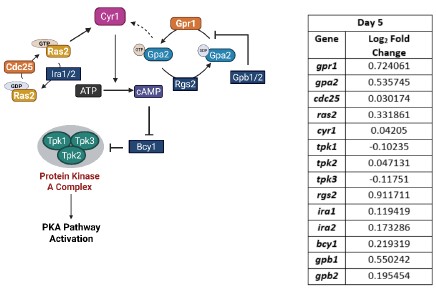
      (8) Although the NAC supplementation study is included in the new version of the article compared to the previous version in BioRxiv (May 2025), the link to sulfur metabolism is not well characterized in Figure 5 and their related datasets. The main focus of the manuscript is to delineate the role of sulfur metabolism; hence, it is anticipated that Figure 5 will include sulfur-related metabolic genes and their links to pfk1 deletion, using RT-PCR measurements as shown for the virulence genes.

      We thank the reviewer for this question. The relevant data are indeed present within the current submission. We respectfully direct the reviewer's attention to Figure 4, panels D and I, where the data pertaining to expression of sulfur metabolism genes in the presence of 2DG or in the ∆∆pfk1 strain in C. albicans can be found.

      (9) The manuscript would benefit from more information added to the introduction section and literature supports for some of the findings reported earlier, including the role of (i) cAMP-PKA and MAPK pathways, (ii) what is known in the literature that reports about the treatment with 2DG (role of Snf1, HXT1, and HXT3), as well as how gpa2 is involved. Some sentences in the manuscripts are repetitive; it would be beneficial to add more relevant sections to the introduction and discussion to clarify the rationale for gene choices.

      We thank the reviewer for this valuable feedback. We have incorporated these changes in our revised manuscript.

      Recommendations for the authors:

      Reviewer #1 (Recommendations for the authors):

      (1) Line 107: As morphological transitions are indeed a conserved phenomenon across fungal species, hosts & environmental niches, the authors could refer to a few more here (infection structures like appressoria; fruiting bodies, etc.).

      We thank the reviewer for this valuable feedback. We have incorporated these changes in our revised manuscript.

      Line 119/120: That's a bit misleading in my opinion. Gpr1 acts as a key sensor of external carbon, while Ras proteins control the cAMP pathway as intracellular sensory proteins. That should be stated more clearly. cAMP is the output and not the sensor.

      We appreciate the reviewer's detailed attention to this signaling network. We have revised the manuscript to precisely reflect this established signaling hierarchy for maximum clarity.

      (2) Line 180: ..differentiation

      We thank the reviewer for this valuable feedback. We have incorporated this change in our revised manuscript.

      (3) Figure 1 panels C & F. The authors should provide the same scale for all experiments. Otherwise, the interpretation can be difficult. The same applies to the different bar plots in Figure 4. Have the authors quantified pseudohyphal differentiation in the cAMP add-back assays? I agree that the chosen images look convincing, but they don't reflect quantitative analyses.

      We thank the reviewer for detailed and constructive feedback. We have changed the Y-axis and made it more uniform to improve the clarity of our data presentation in the revised manuscript.

      We have also incorporated the quantitative analysis of the cAMP add-back assays in S. cerevisiae, in Figure 2 Panel L.

      (4) Line 367/68: "cysteine or methionine was able to completely rescue". Here, the authors should phrase their wording more carefully. Figure 3C shows the complete rescue of the phenotype qualitatively, but Figure 3D clearly shows that there are differences between the supplementation of cysteine and methionine, with the latter not fully restoring the phenotype.

      We sincerely appreciate the reviewer's meticulous attention to the data interpretation. We fully agree that the initial phrasing in lines 367/368 requires adjustment, as Figure 3D establishes a quantitative difference in the efficiency of phenotypic rescue between cysteine and methionine supplementation. We have revised the text to articulate this difference.

      (5) Line 568: Here, apparently, the ability to rescue the differentiation phenotype is reversed compared to the experiment with S. cerevisiae. Cysteine only results in ~20% hyphal cells, while methionine restores to wild-type-like hyphal formation. Can the authors comment on where these differences might originate from? Is there a difference in the uptake of cysteine vs. methionine in the two species or consumption rates?

      We thank the reviewer for their detailed and constructive feedback. We believe this phenotypic difference can be due to the distinct metabolic prioritization of sulfur amino acids in C. albicans. Methionine is a known trigger for hyphal differentiation in C. albicans and serves as the immediate precursor for the universal methyl donor, S-adenosylmethionine (SAM) (Schrevens et al., 2018). (Kraidlova et al., 2016). The morphological transition to hyphae involves a complex regulatory cascade which requires high rates of methylation, and this requires a rapid and direct conversion of methionine into SAM (Kraidlova et al., 2016; Schrevens et al., 2018). Cysteine, however, must first be converted into methionine via the transsulfuration pathway to produce SAM, making it metabolically less efficient for these aforesaid processes.

      Reviewer #2 (Recommendations for the authors):

      The study's comprehensive experimental approach with integrating pharmacological inhibition, genetic manipulation, transcriptomics, and infection animal model, provides strong evidence for a conserved mechanism, though some aspects need further clarification.

      Major Comments:

      (1) While the data suggest that glycolysis affects Met30 activity post-translationally, the underlying mechanism remains speculative. The authors should perform co-immunoprecipitation or ubiquitination assays to confirm whether glycolytic perturbation alters Met30-SCF complex interactions or Met4 ubiquitination levels.

      We thank the reviewer for this valuable feedback. The activity of the SCF<sup>Met30</sup> E3 ubiquitin ligase, mediated by the F box protein Met30, is dynamically regulated through both proteolytic degradation and its dissociation from the SCF complex, to coordinate sulfur metabolism and cell cycle progression (Smothers et al., 2000; Yen et al., 2005). Our transcriptomic (RNA-seq analysis) and protein expression analysis (Fig. 3J) confirms that Met30 expression is not differentially regulated in the presence of 2DG, effectively eliminating changes in synthesis or SCF<sup>Met30</sup> proteasomal degradation as the dominant regulatory mechanism. This observation is consistent with the established paradigm wherein stress signals, such as cadmium (Cd<sup>2+</sup>) exposure, rapidly inactivates the SCF<sup>Met30</sup> E3 ubiquitin ligase via the dissociation of Met30 from the Skp1 subunit of the SCF complex (Lauinger et al., 2024; Yen et al., 2005). We therefore propose that active glycolytic flux modulates SCF<sup>Met30</sup> activity post-translationally, specifically by triggering Met30 detachment from the SCF complex. This mechanism would stabilize the primary substrate, the transcription factor Met4, thus promoting the biosynthesis of sulfur-containing amino acids. Mechanistic validation of this hypothesis, particularly the assessment of Met30 dissociation from the SCF<sup>Met30 </sup>complex via immunoprecipitation (IP), is technically challenging. Since these experiments will involve isolation of cells from colonies undergoing pseudohyphal differentiation, on solid media (given that pseudohyphal differentiation does not occur in liquid media that is limiting for nitrogen (Gancedo, 2001; Gimeno et al., 1992)), current cell yields (OD<sup>600</sup>≈1 from ≈80-100 colonies) are significantly below the amount of cells that is needed to obtain the required amount of total protein concentration, for standard pull down assays (OD600≈600-800 is required to achieve 1-2 mg/ml of total protein which is the standard requirement for pull down protocols in S. cerevisiae (Lauinger et al., 2024)).

      Given that the primary objective of our study is to establish the novel regulatory link between glycolysis and sulfur metabolism in the context of fungal morphogenesis, we would like to explore these crucial mechanistic details, in depth, in a subsequent study.

      (2) 2DG can exert pleiotropic effects unrelated to glycolytic inhibition (e.g., ER stress, autophagy induction). The authors are encouraged to perform complementary metabolic flux analyses, such as quantification of glycolytic intermediates or ATP levels, to confirm specific glycolytic inhibition.

      We appreciate the reviewer's concern regarding the potential pleiotropic effects of 2DG. While we acknowledge that 2DG may induce secondary cellular stress, we are confident that the observed phenotypes are robustly attributed to glycolytic inhibition based on our complementary genetic evidence. Specifically, the deletion strains ∆∆pfk1 and ∆∆adh1, which genetically perturb distinct steps in glycolysis, recapitulate the phenotypic results observed with 2DG treatment. Given this strong congruence between chemical inhibition and specific genetic deletions of key glycolytic enzymes, we are confident that our observed phenotypes are predominantly driven by the perturbation of the glycolytic pathway by 2DG.

      (3) The differential rescue effects (cysteine-only in inhibitor assays vs. both cysteine and methionine in genetic mutants) require further explanation. The authors should discuss potential differences in metabolic interconversion or amino acid transport that may account for this observation.

      We thank the reviewer for their valuable feedback. One explanation for the observed differential rescue effects of cysteine and methionine can be due to the distinct amino acid transport systems used by S. cerevisiae to transport these amino acids. S. cerevisiae primarily uses multiple, lowaffinity permeases (Gap1, Bap2, Bap3, Tat1, Tat2, Agp1, Gnp1, Yct1) for cysteine transport, while relying on a limited set of high-affinity transporters (like Mup1) for methionine transport, with the added complexity that its methionine transporters can also transport cysteine (Düring-Olsen et al., 1999; Huang et al., 2017; Kosugi et al., 2001; Menant et al., 2006). Hence, it is likely that cysteine uptake could be happening at a higher efficiency in S. cerevisiae compared to methionine uptake. Therefore, to achieve a comparable functional rescue by exogenous supplementation of methionine, it is necessary to use a higher concentration of methionine. When we performed our rescue experiments using higher concentrations of methionine, we did not see any rescue of pseudohyphal differentiation in the presence of 2DG and in fact we noticed that, at higher concentrations of methionine, the wild-type strain failed to undergo pseudohyphal differentiation even in the absence of 2DG. This is likely due to the fact that increasing the methionine concentration raises the overall nitrogen content of the medium, thereby making the medium less nitrogen-starved. This presents a major experimental constraint, as pseudohyphal differentiation is strictly dependent on nitrogen limitation, and the elevated nitrogen resulting from the higher methionine concentration can inhibit pseudohyphal differentiation.

      (4) NAC may influence host redox balance or immune responses. The discussion should consider whether the observed virulence rescue could partly result from host-directed effects.

      We thank the reviewer for this valuable feedback. We acknowledge the role of NAC in host directed immune response. It is important to note that, in the context of certain bacterial pathogens, NAC has been reported to augment cellular respiration, subsequently increasing Reactive Oxygen Species (ROS) generation, which contributes to pathogen clearance (Shee et al., 2022). Interestingly, in our study, NAC supplementation to the mice was given prior to the infection and maintained continuously throughout the duration of the experiment. This continuous supply of NAC likely contributes to the rescue of virulence defects exhibited by the ∆∆pfk1 strain (Fig. 5I and J). Essentially, NAC likely allows the mutant to fully activate its essential virulence strategies (including morphological switching), to cause a successful infection in the host. As per the reviewer suggestion, this has been included in the discussion section of the manuscript.

      Reviewer #3 (Recommendations for the authors):

      Most of the comments related to improving the manuscript have been provided in the public review. Here are some specifics for the authors to consider:

      (1) It is important to clarify the rationale for choosing specific gene deletions over other key genes (e.g., Met32 and Met30) and explain why Met4 was not included, given its proposed central role in Figure 6.

      We sincerely thank the reviewer for this insightful query regarding our selection of the met32 for our gene deletion experiments. The choice of ∆∆met32 strain was strategically motivated by its unique phenotypic properties within the de novo biosynthesis of sulfur-containing amino acids pathway. While deletions of most the genes that encode for proteins involved in the de novo biosynthesis of sulfurcontaining amino acids, result in auxotrophy for methionine or cysteine, ∆∆met32 strain does not exhibit this phenotype (Blaiseau et al., 1997). This key distinction is attributed to the functional redundancy provided by the paralogous gene, met31 (Blaiseau et al., 1997). Crucially, given that the deletion of the central transcriptional regulator, met4, results in cysteine/methionine auxotrophy, the use of the ∆∆met32 strain provides an essential, viable experimental model for investigating the role of sulfur metabolism during pseudohyphal differentiation in S. cerevisiae.

      (2) Comparison of consistent gene and protein expression data (Met30, Met4, Met32) across all relevant figures and analyses would strengthen the mechanistic connection in a better way. Some data that might help connect the sections is not included; please see the public review for more details.

      We thank the reviewer for this valuable input, which helps us to clarify the scope of our transcriptomic analysis. Our decision to focus our RT-qPCR experiments on downstream targets, while excluding Met4 and Met30 from the RT-qPCR analysis, is based on their known regulatory mechanisms. Met4 activity is predominantly regulated by post-translational ubiquitination by the SCFMet30 complex followed by its degradation (Rouillon et al., 2000; Shrivastava et al., 2021; Smothers et al., 2000)  while Met30 activity is primarily regulated by its auto-degradation or its dissociation from the SCFMet30 complex (Lauinger et al., 2024; Smothers et al., 2000; Yen et al., 2005).  Consistent with this, our RNA-Seq results indicate that neither met4 nor met30 transcripts are differentially expressed, in response to 2DG addition. For all our RT-qPCR analysis in S. cerevisiae and C. albicans, we have consistently used the same set of sulfur metabolism genes and these include met32, met3, met5, met10 and met17. Our data on protein expression analysis of Met30 in S, cerevisiae (Fig. 3J) confirms that Met30 expression is not differentially regulated in the presence of 2DG, effectively eliminating changes in synthesis or SCFMet30 proteasomal degradation as the dominant regulatory mechanism.

      (3) Suggested to include metabolomic profiling (cysteine, methionine, and intermediate metabolites) to substantiate the proposed metabolic flux between glycolysis and sulfur metabolism.

      We thank the reviewer for this valuable input. Our pseudohyphal/hyphal differentiation assays show that the defects induced by glycolytic perturbation is fully rescued by the exogenous supplementation of sulfur-containing amino acids, cysteine or methionine. Since these data conclusively demonstrate that the primary metabolic limitation caused by the perturbation of glycolysis, which leads to filamentation defects, is sulfur metabolism, we posit that performing comprehensive metabolic profiling would primarily reconfirm the aforesaid results. We believe that our in vitro and in vivo sulfur add-back experiments sufficiently substantiate the novel regulatory metabolic link between glycolysis and sulfur-metabolism.

      (4) Data on the effects of Met30 deletion on cell growth are currently not included, and relevant controls should be included to ensure observed phenotypes are not due to general growth defects.

      We are grateful to the reviewer for this constructive feedback. To address the potential impact of met30 deletion on cell growth, we have included new data (Suppl. Fig. 4A) demonstrating that the deletion of a single copy of met30 in diploid S. cerevisiae does not compromise overall growth under nitrogen-limiting conditions as the ∆met30 strain grows similar to the wild-type strain.

      (5) Expanding RT-qPCR and data from transcriptomic analyses to include sulfur metabolism genes and key cAMP pathway genes to confirm the proposed cAMP-independent mechanism during virulence characterization is necessary.

      We thank the reviewer for this valuable feedback. The transcriptional analysis of the sulfur metabolism genes in the presence of 2DG and the ∆∆pfk1 strain is shown in Figures 4D and 4I. 

      In order to confirm that glycolysis is critical for fungal morphogenesis in a cAMP-PKA pathway independent manner under nitrogen-limiting conditions in C. albicans, we performed cAMP add-back assays. Interestingly, corroborating our S. cerevisiae data, the exogenous addition of cAMP failed to rescue hyphal differentiation defect caused by the perturbation of glycolysis through 2DG addition or by the deletion of the pfk1 gene, under nitrogen-limiting condition in C. albicans. This data is now included in Suppl. Fig. 5B.

      (6) Enhancing the introduction and discussion by providing a clearer rationale for gene selection and more detailed references to established pathways (cAMP-PKA, MAPK, Snf1/HXT regulation, gpa2 involvement) is needed to reinstate the hypothesis.

      We thank the reviewer for this valuable feedback. We have incorporated these changes in our revised manuscript.

      (7) Reducing redundancy in the text and improving figure consistency, particularly by ensuring that the gene sets depicted in Figure 6 are represented across all datasets, would strengthen the interconnections among sections.

      We thank the reviewer for this valuable feedback.  We have incorporated these changes in our revised manuscript.

      References

      Barford JP, Hall RJ. 1979. An examination of the crabtree effect in Saccharomyces cerevisiae: The role of respiratory adaptation. J Gen Microbiol. https://doi.org/10.1099/00221287-114-2-267

      Blaiseau, P. L., & Thomas, D. (1998). Multiple transcriptional activation complexes tether the yeast activator Met4 to DNA. The EMBO journal, 17(21), 6327–6336. https://doi.org/10.1093/emboj/17.21.6327

      Chebaro, Y., Lorenz, M., Fa, A., Zheng, R., & Gustin, M. (2017). Adaptation of Candida albicans to Reactive Sulfur Species. Genetics, 206(1), 151–162. https://doi.org/10.1534/genetics.116.199679

      De Deken R. H. (1966). The Crabtree effect: a regulatory system in yeast. Journal of general microbiology, 44(2), 149–156. https://doi.org/10.1099/00221287-44-2-149

      Düring-Olsen, L., Regenberg, B., Gjermansen, C., Kielland-Brandt, M. C., & Hansen, J. (1999). Cysteine uptake by Saccharomyces cerevisiae is accomplished by multiple permeases. Current genetics, 35(6), 609–617. https://doi.org/10.1007/s002940050459

      Gancedo J. M. (2001). Control of pseudohyphae formation in Saccharomyces cerevisiae. FEMS microbiology reviews, 25(1), 107–123. https://doi.org/10.1111/j.1574-6976.2001.tb00573.x

      Gimeno, C. J., Ljungdahl, P. O., Styles, C. A., & Fink, G. R. (1992). Unipolar cell divisions in the yeast S. cerevisiae lead to filamentous growth: regulation by starvation and RAS. Cell, 68(6), 1077–1090. https://doi.org/10.1016/0092-8674(92)90079-r

      Huang, C. W., Walker, M. E., Fedrizzi, B., Gardner, R. C., & Jiranek, V. (2017). Yeast genes involved in regulating cysteine uptake affect production of hydrogen sulfide from cysteine during fermentation. FEMS yeast research, 17(5), 10.1093/femsyr/fox046. https://doi.org/10.1093/femsyr/fox046

      Kosugi, A., Koizumi, Y., Yanagida, F., & Udaka, S. (2001). MUP1, high affinity methionine permease, is involved in cysteine uptake by Saccharomyces cerevisiae. Bioscience, biotechnology, and biochemistry, 65(3), 728–731. https://doi.org/10.1271/bbb.65.728

      Kraidlova, L., Schrevens, S., Tournu, H., Van Zeebroeck, G., Sychrova, H., & Van Dijck, P. (2016). Characterization of the Candida albicans Amino Acid Permease Family: Gap2 Is the Only General Amino Acid Permease and Gap4 Is an S-Adenosylmethionine (SAM) Transporter Required for SAM-Induced Morphogenesis. mSphere, 1(6), e00284-16. https://doi.org/10.1128/mSphere.00284-16

      Lauinger, L., Andronicos, A., Flick, K., Yu, C., Durairaj, G., Huang, L., & Kaiser, P. (2024). Cadmium binding by the F-box domain induces p97-mediated SCF complex disassembly to activate stress response programs. Nature communications, 15(1), 3894. https://doi.org/10.1038/s41467-024-48184-6

      Lombardi, L., Salzberg, L. I., Cinnéide, E. Ó., O'Brien, C., Morio, F., Turner, S. A., Byrne, K. P., & Butler, G. (2024). Alternative sulphur metabolism in the fungal pathogen Candida parapsilosis. Nature communications, 15(1), 9190. https://doi.org/10.1038/s41467-024-53442-8

      Menant, A., Barbey, R., & Thomas, D. (2006). Substrate-mediated remodeling of methionine transport by multiple ubiquitin-dependent mechanisms in yeast cells. The EMBO journal, 25(19), 4436–4447. https://doi.org/10.1038/sj.emboj.7601330

      Ralser, M., Wamelink, M. M., Kowald, A., Gerisch, B., Heeren, G., Struys, E. A., Klipp, E., Jakobs, C., Breitenbach, M., Lehrach, H., & Krobitsch, S. (2007). Dynamic rerouting of the carbohydrate flux is key to counteracting oxidative stress. Journal of biology, 6(4), 10. https://doi.org/10.1186/jbiol61

      Rouillon, A., Barbey, R., Patton, E. E., Tyers, M., & Thomas, D. (2000). Feedback-regulated degradation of the transcriptional activator Met4 is triggered by the SCF(Met30 )complex. The EMBO journal, 19(2), 282–294. https://doi.org/10.1093/emboj/19.2.282

      Schrevens, S., Van Zeebroeck, G., Riedelberger, M., Tournu, H., Kuchler, K., & Van Dijck, P. (2018). Methionine is required for cAMP-PKA-mediated morphogenesis and virulence of Candida albicans. Molecular microbiology, 108(3), 258–275. https://doi.org/10.1111/mmi.13933

      Shee, S., Singh, S., Tripathi, A., Thakur, C., Kumar T, A., Das, M., Yadav, V., Kohli, S., Rajmani, R. S., Chandra, N., Chakrapani, H., Drlica, K., & Singh, A. (2022). Moxifloxacin-Mediated Killing of Mycobacterium tuberculosis Involves Respiratory Downshift, Reductive Stress, and Accumulation of Reactive Oxygen Species. Antimicrobial agents and chemotherapy, 66(9), e0059222. https://doi.org/10.1128/aac.00592-22

      Shrivastava, M., Feng, J., Coles, M., Clark, B., Islam, A., Dumeaux, V., & Whiteway, M. (2021). Modulation of the complex regulatory network for methionine biosynthesis in fungi. Genetics, 217(2), iyaa049. https://doi.org/10.1093/genetics/iyaa049

      Smothers, D. B., Kozubowski, L., Dixon, C., Goebl, M. G., & Mathias, N. (2000). The abundance of Met30p limits SCF(Met30p) complex activity and is regulated by methionine availability. Molecular and cellular biology, 20(21), 7845–7852. https://doi.org/10.1128/MCB.20.21.7845-7852.2000

      Thomas, D., & Surdin-Kerjan, Y. (1997). Metabolism of sulfur amino acids in Saccharomyces cerevisiae. Microbiology and molecular biology reviews : MMBR, 61(4), 503–532. https://doi.org/10.1128/mmbr.61.4.503532.1997

      Yadav, A. K., & Bachhawat, A. K. (2011). CgCYN1, a plasma membrane cystine-specific transporter of Candida glabrata with orthologues prevalent among pathogenic yeast and fungi. The Journal of biological chemistry, 286(22), 19714–19723. https://doi.org/10.1074/jbc.M111.240648

      Yen, J. L., Su, N. Y., & Kaiser, P. (2005). The yeast ubiquitin ligase SCFMet30 regulates heavy metal response. Molecular biology of the cell, 16(4), 1872–1882. https://doi.org/10.1091/mbc.e04-12-1130

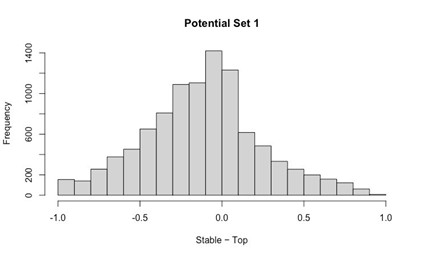
    1. Reviewer #1 (Public review):

      Summary:

      The paper by Graff et al. investigates the function of foxf2 in zebrafish to understand the progression of cerebral small vessel disease. The authors use a partial loss of foxf2 (zebrafish possess two foxf2 genes, foxf2a and foxf2b, and the authors mainly analyze homozygous mutants in foxf2a) to investigate the role of foxf2 signaling in regulating pericyte biology. The find that the number of pericytes is reduced in foxf2a mutants and that the remaining pericytes display alterations in their morphologies. The authors further find that mutant animals can develop to adulthood but that in adult animals, both endothelial and pericyte morphologies are affected. They also show that mutant pericytes can partially repopulate the brain after genetic ablation.

      Strengths:

      The paper is well written and easy to follow. The authors now include pericyte marker gene analysis and solid quantifications of the observed phenotypes.

      Weaknesses:

      None left.

    2. Reviewer #2 (Public review):

      Summary:

      This study investigates the developmental and lifelong consequences of reduced foxf2 dosage in zebrafish, a gene associated with human stroke risk and cerebral small vessel disease (CSVD). The authors show that a ~50% reduction in foxf2 function through homozygous loss of foxf2a leads to a significant decrease in brain pericyte number, along with striking abnormalities in pericyte morphology-including enlarged soma and extended processes-during larval stages. These defects are not corrected over time but instead persist and worsen with age, ultimately affecting the surrounding endothelium. The study also makes an important contribution by characterizing pericyte behavior in wild-type zebrafish using a clever pericyte-specific Brainbow approach, revealing novel interactions such as pericyte process overlap not previously reported in mammals.

      Strengths:

      This work provides mechanistic insight into how subtle, developmental changes in mural cell biology and coverage of the vasculature can drive long-term vascular pathology. The authors make strong use of zebrafish imaging tools, including longitudinal analysis in transgenic lines to follow pericyte number and morphology over larval development and then applied tissue clearing and whole brain imaging at 3 and 11 months to further dissect the longitudinal effects of foxf2a loss. The ability to track individual pericytes in vivo reveals cell-intrinsic defects and process degeneration with high spatiotemporal resolution. Their use of a pericyte-specific Zebrabow line also allows, for the first time, detailed visualization of pericyte-pericyte interactions in the developing brain, highlighting structural features and behaviors that challenge existing models based on mouse studies. Together, these findings make the zebrafish a valuable model for studying the cellular dynamics of CSVD.

      Weaknesses:

      I originally suggested quantifying pericyte coverage across brain regions to address potential lineage-specific effects due to the distinct developmental origins of forebrain (neural crest-derived) and hindbrain (mesoderm-derived) pericytes. However, I appreciate the authors' response referencing recent work from their lab (Ahuja, 2024), which demonstrates that both neural crest and mesoderm contribute to pericyte lineages in the midbrain and hindbrain. The convergence of these lineages into a shared transcriptional state by 30 hpf, as shown by their single-cell RNA-seq data, makes it unlikely that regional quantification would provide meaningful lineage-specific insight. I agree with the authors that lineage tracing experiments often suffer from low sample sizes, and their updated findings challenge earlier compartmental models of pericyte origin. I therefore appreciate their rationale for not pursuing regional quantification and consider this concern addressed. Furthermore, my other two points regarding quantification of foxf2 levels and overall vascular changes have been thoroughly addressed in the revised manuscript. These additions significantly strengthen the paper's conclusions and improve the overall rigor of the study.

    3. Reviewer #3 (Public review):

      Summary:

      The goal of the work by Graff, et al. is to model CSVD in the zebrafish using foxf2a mutants. The mutants show loss of cerebral pericyte coverage that persists through adulthood, but it seems foxf2a does not regulate the regenerative capacity of these cells. The findings are interesting and build on previous work from the group. Limitations of the work include little mechanistic insight into how foxf2a alters pericyte recruitment/differentiation/survival/proliferation in this context, and the overlap of these studies with previous work in fox2a/b double mutants. However, the data analysis is clean and compelling and the findings will contribute to the field.

      Comments on revisions:

      The authors have addressed all of my original concerns.

    4. Author response:

      The following is the authors’ response to the original reviews.

      eLife Assessment

      This study presents valuable findings that advance our understanding of mural cell dynamics and vascular pathology in a zebrafish model of cerebral small vessel disease. The authors provide compelling evidence that partial loss of foxf2 function leads to progressive, cell-intrinsic defects in pericytes and associated endothelial abnormalities across the lifespan, leveraging powerful in vivo imaging and genetic tools. The strength of evidence could be further improved by additional mechanistic insight and quantitative or lineage-tracing analyses to clarify how pericyte number and identity are affected in the mutant model.

      Thank you to the reviewers for insightful comments and for the time spent reviewing the manuscript. We have strengthened the data through responding to the comments.

      Public Reviews:

      Reviewer #1 (Public review):

      The paper by Graff et al. investigates the function of foxf2 in zebrafish to understand the progression of cerebral small vessel disease. The authors use a partial loss of foxf2 (zebrafish possess two foxf2 genes, foxf2a and foxf2b, and the authors mainly analyze homozygous mutants in foxf2a) to investigate the role of foxf2 signaling in regulating pericyte biology. They find that the number of pericytes is reduced in foxf2a mutants and that the remaining pericytes display alterations in their morphologies. The authors further find that mutant animals can develop to adulthood, but that in adult animals, both endothelial and pericyte morphologies are affected. They also show that mutant pericytes can partially repopulate the brain after genetic ablation.

      (1) Weaknesses: The results are mainly descriptive, and it is not clear how they will advance the field at their current state, given that a publication on mice has already examined the loss of foxf2 phenotype on pericyte biology (Reyahi, 2015, Dev. Cell).

      The Reyahi paper was the earliest report of foxf2 mutant brain pericytes and remains illuminating. The work was very well technically executed. Our manuscript expands and at times, contradicts, their findings. We realized that we did not fully discuss this in our discussion, and this has now been updated. The biggest difference between the two studies is in the direction of change in pericytes after foxf2 knockout, a major finding in both papers. This is where it is important to understand the differences in methods. Reyahi et al., used a conditional knockout under Wnt1:Cre which will ablate pericytes derived from neural crest, but not those derived from mesoderm, nor will it affect foxf2 expression in endothelial cells. Our model is a full constitutive knockout of the gene in all brain pericytes and endothelial cells. For GOF, Reyahi used a transgenic model with a human FOXF2 BAC integrated into the mouse germline.

      Both studies are important. We do not know enough about human phenotypes in patients with strokeassociated human FOXF2 SNVs to know the direction of change in pericyte numbers. We showed that the SNVs reduce FOXF2 gene expression in vitro (Ryu, 2022). Here we demonstrate dosage sensitivity in fish (showing phenotypes when 1 of 4 foxf2a + foxf2b alleles are lost, Figure 1F), supporting that slight reductions of FOXF2 in humans could lead to severe brain vessel phenotypes. For this reason, our work is complementary to the previously published work and suggests that future studies should focus on understanding the role of dosage, cell autonomy, and human pericyte phenotypes with respect to FOXF2. While some experiments are parallel in mouse and fish, we go further to look at cell death and regeneration, and to understand the consequences on the whole brain vasculature.

      (2) Reyahi et al. showed that loss of foxf2 in mice leads to a marked downregulation of pdgfrb expression in perivascular cells. In contrast to expectation, perivascular cell numbers were higher in mutant animals, but these cells did not differentiate properly. The authors use a transgenic driver line expressing gal4 under the control of the pdgfrb promoter and observe a reduction in pericyte (pdgfrb-expressing) cells in foxf2a mutants. In light of the mouse data, this result might be due to a similar downregulation of pdgfrb expression in fish, which would lead to a downregulation of gal4 expression and hence reduced labelling of pericytes. The authors show a reduction of pdgfrb expression also in zebrafish in foxf2b mutants (Chauhan et al., The Lancet Neurology 2016).

      Reyahi detected more pericytes in the Wnt1:Cre mouse, while we detected fewer in the foxf2a (and foxf2a;foxf2b) mutants. This may be because of different methods. For instance, because the mouse knockout is not a constitutive Foxf2 knockout, the observed increase in pericytes may be because mesodermal-derived pericytes proliferate more highly when the neural crest-derived pericytes are absent. Or does endothelial foxf2 activate pericyte proliferation when foxf2 is lost in some pericytes? It is also possible that mouse foxf2 has a different role from its fish ortholog. Despite these differences, there are common conclusions from both models. For instance, both mouse and fish show foxf2 controls capillary pericyte numbers, albeit in different directions. Both show hemorrhage and loss of vascular stability as a result. Both papers identify the developmental window as critical for setting up the correct numbers of pericytes.  

      As the reviewer suggested, it was important to test whether pdgfrb is downregulated in fish as it is in mice. To do this, we measured expression of pdgfrb in foxf2 mutants using hybridization chain reaction (HCR) of pdgfrb in foxf2 mutants. The results show no change in pdgfrb mRNA in foxf2a mutants at two independent experiments (Fig S3). Independently, we integrated pdgfrb transgene intensity (using a single allele of the transgene so there are no dose effects) in foxf2a mutants vs. wildtype. We found no difference (Fig S3) suggesting that pdgfrb is a reliable reporter for counting pericytes in the foxf2a knockout. The reviewer is correct that we previously showed downregulation of pdgfrb in foxf2b mutants at 4 dpf using colorimetric ISH. foxf2a and foxf2b are unlinked, independent genes (~400 M years apart in evolution) and may have different regulation.

      (3) It would be important to clarify whether, also in zebrafish, foxf2a/foxf2b mutants have reduced or augmented numbers of perivascular cells and how this compares to the data in the mouse.  

      We discuss methodological differences between Reyahi and our work in point (1) above. The reduction in pericytes in foxf2a;foxf2b mutants has been previously published (Ryu, 2022, Supplemental Figure 1) and shown again here in Supplemental Figure 2). Numbers are reduced in double mutants up to 10 dpf, suggesting no recovery. Further, in response to reviewer comments, we have quantified pericytes in the whole fish brain (Figure 3E-G) and show reduced pericytes in the adult, reduced vessel network length, and importantly that the pericyte density is reduced. In aggregate, our data shows pericyte reduction at 5 developmental stages from embryo through adult. The reason for different results from the mouse is unknown and may reflect a technical difference (constitutive vs Wnt1:Cre) or a species difference.  

      (4) The authors should perform additional characterization of perivascular cells using marker gene expression (for a list of markers, see e.g., Shih et al. Development 2021) and/or genetic lineage tracing.

      This is a good point. We have added HCR analysis of additional markers. Results show co-expression of foxf2a, foxf2b, nduf4la2 and pdgfrb in brain pericytes (Fig 2, Fig S3).

      (5) The authors motivate using foxf2a mutants as a model of reduced foxf2 dosage, "similar to human heterozygous loss of FOXF2". However, it is not clear how the different foxf2 genes in zebrafish interact with each other transcriptionally. Is there upregulation of foxf2b in foxf2a mutants and vice versa? This is important to consider, as Reyahi et al. showed that foxf2 gene dosage in mice appears to be important, with an increase in foxf2 gene dosage (through transgene expression) leading to a reduction in perivascular cell numbers.

      We agree that dosage is a very important concept and show phenotypes in foxf2a heterozygotes (Fig 1F). To test the potential compensation from foxf2b, we have added qPCR for foxf2b in foxf2a mutants as well as HCR of foxf2b in foxf2a mutants (Fig S3C,D). There is no change in foxf2b expression in foxf2a mutants. We discuss dosage in our discussion.

      (6) Figures 3 and 4 lack data quantification. The authors describe the existence of vascular defects in adult fish, but no quantifiable parameters or quantifications are provided. This needs to be added.

      This query was technically challenging to address, but very worthwhile. We have not seen published methods for quantifying brain pericytes along with the vascular network (certainly not in zebrafish adults), so we developed new methods of analyzing whole brain vascular parameters of cleared adult brains (Figure S6) using a combination of segmentation methods for pericytes, endothelium and smooth muscle. We have added another author (David Elliott) as he was instrumental in designing methods. We find a significant decrease in vessel network length in foxf2a mutants at 3 month and 6 months (Figures 3F and 4G). Similarly, we show a lower number of brain pericytes in foxf2a mutants (Figure 3E). Finally, we added whole brain analysis of smooth muscle coverage (Figure 4) and show no change in vSMC number or coverage of vessels at 5 and 10 dpf or adult, respectively, pointing to pericytes being the cells most affected. Thank you, this query pushed us in a very productive direction. These methods will be extremely useful in the future!

      (7) The analysis of pericyte phenotypes and morphologies is not clear. On page 6, the authors state: "In the wildtype brain, adult pericytes have a clear oblong cell body with long, slender primary processes that extend from the cytoplasm with secondary processes that wrap around the circumference of the blood vessel." Further down on the same page, the authors note: "In wildtype adult brains, we identified three subtypes of pericytes, ensheathing, mesh and thin-strand, previously characterized in murine models." In conclusion, not all pericytes have long, slender primary processes, but there are at least three different sub-types? Did the authors analyze how they might be distributed along different branch orders of the vasculature, as they are in the mouse?

      We have reworded the text on page 5/6 to be clearer that embryonic pericytes are thin strand only. Additional pericyte subtypes develop later are seen in the mature vasculature of the adult. We could not find a way to accurately analyze pericyte subtypes in the adult brain. The imaging analysis to count pericytes used soma as machine learning algorithms have been developed to count nuclei but not analyze processes.

      (8) Which type of pericyte is affected in foxf2a mutant animals? Can the authors identify the branch order of the vasculature for both wildtype and mutant animals and compare which subtype of pericyte might be most affected? Are all subtypes of pericytes similarly affected in mutant animals? There also seems to be a reduction in smooth muscle cell coverage.

      Please see the response to (7) about pericyte subtypes. In response to the reviewer’s query, we have now analyzed vSMCs in the embryonic and adult brain. In the embryonic brain we see no statistical differences in vSMC number at 5 and 10 dpf (Figure 4). In the adult, vSMC length (total length of vSMCs in a brain) and vSMC coverage (proportion of brain vessels with vSMCs) are not significantly different. This data is important because it suggests that foxf2a has a more important role in pericytes than in vSMCs.

      (9) Regarding pericyte regeneration data (Figure 7): Are the values in Figure 7D not significantly different from each other (no significance given)?

      Any graphs missing bars have no significance and were left off for clarity. We have stated this in the statistical methods.  

      (10) In the discussion, the authors state that "pericyte processes have not been studied in zebrafish".

      Ando et al. (Development 2016) studied pericyte processes in early zebrafish embryos, and Leonard et al. (Development 2022) studied zebrafish pericytes and their processes in the developing fin. We apologize, this was not meant to say that pericyte processes had not been studied before, we have reworded this to make clear the intent of the sentence. We were trying to emphasize that we are the first to quantify processes at different stages, especially  in foxf2 mutants. Processes change morphology over development, especially after 5 dpf, something that our data captures. Our images are of stages that have not been previously characterized. We added a reference to Mae et al., who found similar process length changes in a mouse knockout of a different gene, and to Leonard who previously showed overlap of processes in a different context in fish.

      Reviewer #2 (Public review):

      Summary:

      This study investigates the developmental and lifelong consequences of reduced foxf2 dosage in zebrafish, a gene associated with human stroke risk and cerebral small vessel disease (CSVD). The authors show that a ~50% reduction in foxf2 function through homozygous loss of foxf2a leads to a significant decrease in brain pericyte number, along with striking abnormalities in pericyte morphologyincluding enlarged soma and extended processes-during larval stages. These defects are not corrected over time but instead persist and worsen with age, ultimately affecting the surrounding endothelium. The study also makes an important contribution by characterizing pericyte behavior in wild-type zebrafish using a clever pericyte-specific Brainbow approach, revealing novel interactions such as pericyte process overlap not previously reported in mammals.

      Strengths:

      This work provides mechanistic insight into how subtle, developmental changes in mural cell biology and coverage of the vasculature can drive long-term vascular pathology. The authors make strong use of zebrafish imaging tools, including longitudinal analysis in transgenic lines to follow pericyte number and morphology over larval development, and then applied tissue clearing and whole brain imaging at 3 and 11 months to further dissect the longitudinal effects of foxf2a loss. The ability to track individual pericytes in vivo reveals cell-intrinsic defects and process degeneration with high spatiotemporal resolution. Their use of a pericyte-specific Zebrabow line also allows, for the first time, detailed visualization of pericytepericyte interactions in the developing brain, highlighting structural features and behaviors that challenge existing models based on mouse studies. Together, these findings make the zebrafish a valuable model for studying the cellular dynamics of CSVD.

      Weaknesses:

      (11) While the findings are compelling, several aspects could be strengthened. First, quantifying pericyte coverage across distinct brain regions (forebrain, midbrain, hindbrain) would clarify whether foxf2a loss differentially impacts specific pericyte lineages, given known regional differences in developmental origin, with forebrain pericytes being neural crest-derived and hindbrain pericytes being mesoderm-derived.

      In recently published work from our lab, we published that both neural crest and mesodermal cells contribute to pericytes in both the mid and hindbrain, and could not confirm earlier work suggesting more rigid compartmental origins (Ahuja, 2024). In the Ahuja, 2024 paper we noted that lineage experiments are often limited by n’s which is why this may not have been discovered before. This makes us skeptical that counting different regions will allow us to interpret data about neural crest and mesoderm. Further, Ahuja 2024 shows that pericyte intermediate progenitors from both mesoderm and neural crest are indistinguishable at 30 hpf through single cell sequencing and have converged on a common phenotype.  

      (12) Second, measuring foxf2b expression in foxf2a mutants would better support the interpretation that total FOXF2 dosage is reduced in a graded fashion in heterozygote and homozygote foxf2a mutants.

      We have done both qPCR for foxf2b in foxf2a mutants and HCR (quantitative ISH). This is now reported in Fig S3. 

      (13) Finally, quantifying vascular density in adult mutants would help determine whether observed endothelial changes are a downstream consequence of prolonged pericyte loss. Correlating these vascular changes with local pericyte depletion would also help clarify causality.

      We have added this data to Figure 3 and 4. Please also see response (6).

      Reviewer #3 (Public review):

      Summary:

      The goal of the work by Graff et al. is to model CSVD in the zebrafish using foxf2a mutants. The mutants show loss of cerebral pericyte coverage that persists through adulthood, but it seems foxf2a does not regulate the regenerative capacity of these cells. The findings are interesting and build on previous work from the group. Limitations of the work include little mechanistic insight into how foxf2a alters pericyte recruitment/differentiation/survival/proliferation in this context, and the overlap of these studies with previous work in fox2a/b double mutants. However, the data analysis is clean and compelling, and the findings will contribute to the field.

      (14) Please make Figures 5C and 5E red-green colorblind friendly.

      Thank you. We have changed the colors to light blue and yellow to be colorblind friendly.

      Reviewer #3 (Recommendations for the authors):

      (15) I'm not sure this reviewer totally agrees with the assessment that foxf2a loss of function, while foxf2b remains normal, is the same as FOXF2 heterozygous loss of function in humans. The discussion of the gene dosage needs to be better framed, and the authors should carry out qPCR to show that foxf2b levels are not altered in the foxf2a mutant background.

      We have added data on foxf2b expression in foxf2a mutants to Fig S3. We have updated the results.

      (16) Figure 4/SF7- is the aneurysm phenotype derived from the ECs or pericytes? Cell-type-specific rescues would be interesting to determine if phenotypes are rescued, especially the developmental phenotypes (it is appreciated that carrying out rescue experiments until adulthood is complex). When is the earliest time point that aneurysm-like structures are seen?

      This is a fascinating question, especially as we show that endothelial cells (vessel network length) are affected in the adult mutants. The foxf2a mutants that we work with here are constitutive knockouts. While a strategy to rescue foxf2a in specific lineages is being developed in the laboratory this will require a multi-generation breeding effort to get drivers, transgenes and mutants on the same background, and these fish are not currently available. Thank you for this comment- it is something we want to follow up on.

      (17) Figure 5 - This is very nice analysis.

      Thank you! We think it is informative too.

      (18) Figure 6 - needs to contain control images

      We have added wildtype images to figure 6A.

      (19) Figure 7- vessel images should be shown to demonstrate the specificity of NTR treatment to the pericytes.

      We have added the vessel images to Figure 7. We apologize for the omission.

    1. eLife Assessment

      This valuable study uses fiber photometry, implantable lenses, and optogenetics, to show that a subset of subthalamic nucleus neurons are active during movement, and that active but not passive avoidance depends in part on STN projections to substantia nigra. The strength of the evidence for these claims is solid and this paper may be of interest to basic and applied behavioural neuroscientists working on movement or avoidance.

    2. Reviewer #2 (Public review):

      Summary:

      Zhou, Sajid et al. present a study investigating the STN involvement in signaled movement. They use fiber photometry, implantable lenses, and optogenetics during active avoidance experiments to evaluate this. The data are useful for the scientific community and the overall evidence for their claims is solid, but many aspects of the findings are confusing. The authors present a huge collection of data, it is somewhat difficult to extract the key information and the meaningful implications resulting from these data.

      Strengths:

      The study is comprehensive in using many techniques and many stimulation powers and frequencies and configurations.

    3. Reviewer #3 (Public review):

      Summary:

      The authors use calcium recordings from STN to measure STN activity during spontaneous movement and in a multi-stage avoidance paradigm. They also use optogenetic inhibition and lesion approaches to test the role of STN during the avoidance paradigm. The paper reports a large amount of data and makes many claims, some seem well supported to this Reviewer, others not so much.

      Strengths:

      Well-supported claims include data showing that during spontaneous movements, especially contraversive ones, STN calcium activity is increased using bulk photometry measurements. Single-cell measures back this claim but also show that it is only a minority of STN cells that respond strongly, with most showing no response during movement, and a similar number showing smaller inhibitions during movement.

      Photometry data during cued active avoidance procedures show that STN calcium activity sharply increases in response to auditory cues, and during cued movements to avoid a footshock. Optogenetic and lesion experiments are consistent with an important role for STN in generating cue-evoked avoidance. And a strength of these results is that multiple approaches were used.

      [Editors' note: The authors provided a good explanation regarding the difference between interpreting 'caution' in the healthy vs impaired situation, and this addressed one of the remaining major concerns from the last round of review.]

    4. Author response:

      The following is the authors’ response to the previous reviews

      Public Reviews:

      Reviewer #1 (Public review):

      One possible remaining conceptual concern that might require future work is determining whether STN primarily mediates higher-level cognitive avoidance or if its activation primarily modulates motor tone.

      Our results using viral and electrolytic lesions (Fig. 11) and optogenetic inhibition of STN neurons (Fig. 10) show that signaled active avoidance is virtually abolished, and this effect is reproduced when we selectively inhibit STN fibers in the midbrain (Fig. 12). Inhibition of STN projections in either the substantia nigra pars reticulata (SNr) or the midbrain reticular tegmentum (mRt) eliminates cued avoidance responses while leaving escape responses intact. Importantly, mice continue to escape during US presentation after lesions or during photoinhibition, demonstrating that basic motor capabilities and the ability to generate rapid defensive actions are preserved.

      These findings argue against the idea that STN’s role in avoidance reflects a nonspecific suppression or facilitation of motor tone, even if the STN also contributes to general movement control. Instead, they show that STN output is required for generating “cognitively” guided cued actions that depend on interpreting sensory information and applying learned contingencies to decide when to act. Thus, while STN activity can modulate movement parameters, the loss-of-function results point to a more selective role in supporting cued, goal-directed avoidance behavior rather than a general adjustment of motor tone.

      Reviewer #2 (Public review):

      All previous weaknesses have been addressed. The authors should explain how inhibition of the STN impairing active avoidance is consistent with the STN encoding cautious action. If 'caution' is related to avoid latency, why does STN lesion or inhibition increase avoid latency, and therefore increase caution? Wouldn't the opposite be more consistent with the statement that the STN 'encodes cautious action'?

      The reviewer’s interpretation treats any increase in avoidance latency as evidence of “more caution,” but this holds only when animals are performing the avoidance behavior normally. In our intact animals, avoidance rates remain high across AA1 → AA2 → AA3, and the active avoidance trials (CS1) used to measure latency are identical across tasks (e.g., in AA2 the only change is that intertrial crossings are punished). Under these conditions, changes in latency genuinely reflect adjustments in caution, because the behavior itself is intact, actions remain tightly coupled to the cue, and the trials are identical.

      This logic does not apply when STN function is disrupted. STN inhibition or lesions reduce avoidance to near chance levels; the few crossings that do occur are poorly aligned to the CS and many likely reflect random movement rather than a cued avoidance response. Once performance collapses, latency can no longer be assumed to reflect the same cognitive process. Thus, interpreting longer latencies during STN inactivation as “more caution” would be erroneous, and we never make that claim.

      A simple analogy may help clarify this distinction. Consider a pedestrian deciding when to cross the street after a green light. If the road is deserted (like AA1), the person may step off the curb quickly. If the road is busy with many cars that could cause harm (like AA2), they may wait longer to ensure that all cars have stopped. This extra hesitation reflects caution, not an inability to cross. However, if the pedestrian is impaired (e.g., cannot clearly see the light, struggles to coordinate movements, or cannot reliably make decisions), a delayed crossing would not indicate greater caution—it would reflect a breakdown in the ability to perform the behavior itself. The same principle applies to our data: we interpret latency as “caution” only when animals are performing the active avoidance behavior normally, success rates remain high, and the trial rules are identical. Under STN inhibition or lesion, when active avoidance collapses, the latency of the few crossings that still occur can no longer be interpreted as reflecting caution. We have added these points to the Discussion.

      Reviewer #3 (Public review):

      Original Weaknesses:

      I found the experimental design and presentation convoluted and some of the results over-interpreted.

      We appreciate the reviewer’s comment, but the concern as stated is too general for us to address in a concrete way. The revised manuscript has been substantially reorganized, with simplified terminology, streamlined figures, and removal of an entire set of experiments to avoid over-interpretation. We are confident that the experimental design and results are now presented clearly and without extrapolation beyond the data. If there are specific points the reviewer finds convoluted or over-interpreted, we would be happy to address them directly.

      As presented, I don't understand this idea that delayed movement is necessarily indicative of cautious movements. Is the distribution of responses multi-modal in a way that might support this idea; or do the authors simply take a normal distribution and assert that the slower responses represent 'caution'? Even if responses are multi-modal and clearly distinguished by 'type', why should readers think this that delayed responses imply cautious responding instead of say: habituation or sensitization to cue/shock, variability in attention, motivation, or stress; or merely uncertainty which seems plausible given what I understand of the task design where the same mice are repeatedly tested in changing conditions. This relates to a major claim (i.e., in the title).

      We appreciate the reviewer’s question and address each component directly.

      (1) What we mean by “caution” and how it is operationalized

      In our study, caution is defined operationally as a systematic increase in avoidance latency when the behavioral demand becomes higher, while the trial structure and required response remain unchanged. Specifically, CS1 trials are identical in AA1, AA2, and AA3. Thus, when mice take longer to initiate the same action under more demanding contexts, the added time reflects additional evaluation before acting—consistent with longestablished interpretations of latency shifts in cognitive psychology (see papers by Donders, Sternberg, Posner) and interpretations of deliberation time in speed-accuracy tradeoff literature.

      (2) Why this interpretation does not rely on multi-modal response distributions We do not claim that “cautious” responses form a separate mode in the latency distribution. The distributions are unimodal, and caution is inferred from conditiondependent shifts in these distributions across identical trials, not from the existence of multiple peaks (see Zhou et al, 2022). Latency shifts across conditions with identical trial structure are widely used as behavioral indices of deliberation or caution.

      (3) Why alternative explanations (habituation/sensitization, motivation, attention, stress, uncertainty) do not account for these latency changes

      Importantly, nothing changes in CS1 trials between AA1 and AA2 with respect to the cue, shock, or required response. Therefore:

      - Habituation/sensitization to the cue or shock cannot explain the latency shift (the stimuli and trial type are unchanged). We have previously examined cue-evoked orienting responses and their habituation in detail (Zhou et al., 2023), and those measurements are dissociable from the latency effects described here.

      - Motivation or attention are unlikely to change selectively for identical CS1 trials when the task manipulation only adds a contingency to intertrial crossings.

      - Uncertainty also does not increase for CS1 trials, they remain fully predictable and unchanged between conditions.

      - Stress is too broad a construct to be meaningful unless clearly operationalized; moreover, any stress differences that arise from task structure would covary with caution rather than replace the interpretation.

      (4) Clarifying “types” of responses

      The reviewer’s question about “response types” appears to conflate behavioral latencies with the neuronal response “types” defined in the manuscript. The term “type” in this paper refers to neuronal activation derived from movement-based clustering, not to distinct behavioral categories of avoidance, which we term modes.

      In sum, we interpret increased CS1 latency as “caution” only when performance remains intact and trial structure is identical between conditions; under those criteria, latency reliably reflects additional cognitive evaluation before acting, rather than nonspecific changes in sensory processing, motivation, etc.

      Related to the last, I'm struggling to understand the rationale for dividing cells into 'types' based their physiological responses in some experiments.

      There is longstanding precedent in systems neuroscience for classifying neurons by their physiological response patterns, because neurons that respond similarly often play similar functional roles. For example, place cells, grid cells, direction cells, in vivo, and regular spiking, burst firing, and tonic firing in vitro are all defined by characteristic activity patterns in response to stimuli rather than anatomy or genetics alone. In the same spirit, our classifications simply reflect clusters of neurons that exhibit similar ΔF/F dynamics around behaviorally relevant events, such as movement sensitivity or avoidance modes. This is a standard analytic approach used in many studies. Thus, our rationale is not arbitrary: the “classes” and “types” arise from data-driven clustering of physiological responses, consistent with widespread practice, and they help reveal functional distinctions within the STN that would otherwise remain obscured.

      In several figures the number of subjects used was not described. This is necessary. Also necessary is some assessment of the variability across subjects.

      All the results described include the number of animals. To eliminate uncertainty, we now also include this information in figure legends.

      The only measure of error shown in many figures relates trial-to-trial or event variability, which is minimal because in many cases it appears that hundreds of trials may have been averaged per animal, but this doesn't provide a strong view of biological variability (i.e., are results consistent across animals?).

      The concern appears to stem from a misunderstanding of what the mixed-effects models quantify. The figure panels often show session-averaged traces for clarity, all statistical inferences in the paper are made at the level of animals, not trials. Mixed-effects modeling is explicitly designed for hierarchical datasets such as ours, where many trials are nested within sessions, which are themselves nested within animals.

      In our models, animal is the clustering (random) factor, and sessions are nested within animals, so variability across animals is directly estimated and used to compute the population-level effects. This approach is not only appropriate but is the most stringent and widely recommended method for analyzing behavioral and neural data with repeated measures. In other words, the significance tests and confidence intervals already fully incorporate biological variability across animals.

      Thus, although hundreds of trials per animal may be illustrated for visualization, the inferences reflect between-animal consistency, not within-animal trial repetition. The fact that the mixed-effects results are robust across animals supports the biological reliability of the findings.

      It is not clear if or how spread of expression outside of target STN was evaluated, and if or how or how many mice were excluded due to spread or fiber placements. Inadequate histological validation is presented and neighboring regions that would be difficult to completely avoid, such as paraSTN may be contributing to some of the effects.

      The STN is a compact structure with clear anatomical boundaries, and our injections were rigorously validated to ensure targeting specificity. As detailed in the Methods, every mouse underwent histological verification, and injections were quantified using the Brain Atlas Analyzer app (available on OriginLab), which we developed to align serial sections to the Allen Brain Atlas. This approach provides precise, slice-by-slice confirmation of viral spread. We have performed thousands of AAV injections and probe implants in our lab, incorporating over the years highly reliable stereotaxic procedures with multiple depth and angle checks and tools. For this study specifically, fewer than 10% of mice were excluded due to off-target expression or fiber/lesion placement. None of the included cases showed spread into adjacent structures.

      Regarding paraSTN: anatomically, paraSTN is a very small extension contiguous with STN. Our study did not attempt to dissociate subregions within STN, and the viral expression patterns we report fall within the accepted boundaries of STN. Importantly, none of our photometry probes or miniscope lenses sampled paraSTN, so contributions from that region are extremely unlikely to account for any of our neural activity results.

      Finally, our paper employs five independent loss-of-function approaches—optogenetic inhibition of STN neurons, selective inhibition of STN projections to the midbrain (in two sites: SNr and mRt), and STN lesions (electrolytic and viral). All methods converge on the same conclusion, providing strong evidence that the effects we report arise from manipulation of STN itself rather than from neighboring regions.

      Raw example traces are not provided.

      We do not think raw traces are useful here. All figures contain average traces to reflect the average activity of the estimated populations, which are already clustered per classes and types.

      The timeline of the spontaneous movement and avoidance sessions were not clear, nor the number of events or sessions per animal and how this was set. It is not clear if there was pre-training or habituation, if many or variable sessions were combined per animal, or what the time gaps between sessions was, or if or how any of these parameters might influence interpretation of the results.

      As noted, we have enhanced the description of the sessions, including the number of animals and sessions, which are daily and always equal per animals in each group of experiments. The sessions are part of the random effects in the model. In addition, we now include schematics to facilitate understanding of the procedures.  

      Comments on revised version:

      The authors removed the optogenetic stimulation experiments, but then also added a lot of new analyses. Overall the scope of their conclusions are essentially unchanged. Part of the eLife model is to leave it to the authors discretion how they choose to present their work. But my overall view of it is unchanged. There are elements that I found clear, well executed, and compelling. But other elements that I found difficult to understand and where I could not follow or concur with their conclusions.

      We respectfully disagree with the assertion that the scope of our conclusions remains unchanged. The revised manuscript differs in several fundamental ways:

      (1) Removal of all optogenetic excitation experiments

      These experiments were a substantial portion of the original manuscript, and their removal eliminated an entire set of claims regarding the causal control of cautious responding by STN excitation. The revised manuscript no longer makes these claims.

      (2) Addition of analyses that directly address the reviewers’ central concerns The new analyses using mixed-effects modeling, window-specific covariates, and movement/baseline controls were added precisely because reviewers requested clearer dissociation of sensory, motor, and task-related contributions. These additions changed not only the presentation but the interpretation of the neural signals. We now conclude that STN encodes movement, caution, and aversive signals in separable ways—not that it exclusively or causally regulates caution.

      (3) Clear narrowing of conclusions

      Our current conclusions are more circumscribed and data-driven than in the original submission. For example, we removed all claims that STN activation “controls caution,” relying instead on loss-of-function data showing that STN is necessary for performing cued avoidance—not for generating cautious latency shifts. This is a substantial conceptual refinement resulting directly from the review process.

      (4) Reorganization to improve clarity

      Nearly every section has been restructured, including terminology (mode/type/class), figure organization, and explanations of behavioral windows. These revisions were implemented to ensure that readers can follow the logic of the analyses.

      We appreciate the reviewer’s recognition that several elements were clear and compelling. For the remaining points they found difficult to understand, we have addressed each one in detail in the response and revised the manuscript accordingly. If there are still aspects that remain unclear, we would welcome explicit identification of those points so that we can clarify them further.

      Recommendations for the authors:

      Reviewer #2 (Recommendations for the authors):

      (1) Show individual data points on bar plots

      - partially addressed. Individual data points are still not shown.

      Wherever feasible, we display individual data points (e.g., Figures 1 and 2) to convey variability directly. However, in cases where figures depict hundreds of paired (repeatedmeasures) data points, showing all points without connecting them would not be appropriate, while linking them would make the figures visually cluttered and uninterpretable. All plots and traces include measures of variability (SEM), and the raw data will be shared on Dryad. When error bars are not visible, they are smaller than the trace thickness or bar line—for example, in Figure 5B, the black circles and orange triangles include error bars, but they are smaller than the symbol size.

      Also, to minimize visual clutter, only a subset of relevant comparisons is highlighted with asterisks, whereas all relevant statistical results, comparisons, and mouse/session numbers are fully reported in the Results section, with statistical analyses accounting for the clustering of data within subjects and sessions.

      (2) The active avoidance experiments are confusing when they are introduced in the results section. More explanation of what paradigms were used and what each CS means at the time these are introduced would add clarity. For example AA1, AA2 etc are explained only with references to other papers, but a brief description of each protocol and a schematic figure would really help.

      - partially addressed. A schematic figure showing the timeline would still be helpful.

      As suggested, we have added an additional panel to Fig. 5A with a schematic describing

      AA1-3 tasks. In addition, the avoidance protocols are described briefly but clearly in the Results section (second paragraph of “STN neurons activate during goal-directed avoidance contingencies”) and in greater detail in the Methods section. As stated, these tasks were conducted sequentially, and mice underwent the same number of sessions per procedure, which are indicated. All relevant procedural information has been included in these sections. Mice underwent daily sessions and learnt these tasks within 1-2 sessions, progressing sequentially across tasks with an equal number of sessions per task (7 per task), and the resulting data were combined and clustered by mouse/session in the statistical models.

      (3) How do the Class 1, 2, 3 avoids relate to Class 1 , 2, 3 neural types established in Figure 3? It seems like they are not related, and if that is the case they should be named something different from each other to avoid confusion.

      -not sufficiently addressed. The new naming system of neural 'classes' and 'types' helps with understanding that these are completely different ways of separating subpopulations within the STN. However, it is still unclear why the authors re-type the neurons based on their relation to avoids, when they classify the neurons based on their relationship to speed earlier. And it is unclear whether these neural classes and neural types have anything to do with each other. Are the neural Types related to the neural classes in any way? and what is the overlap between neural types vs classes? Which separation method is more useful for functionally defining STN populations?

      The remaining confusion stems from treating several independent analyses as if they were different versions of the same classification. In reality, each analysis asks a distinct question, and the resulting groupings are not expected to overlap or correspond. We clarify this explicitly below.

      - Movement onset neuron classes (Class A, B, C; Fig. 3):

      These classes categorize neurons based on how their ΔF/F changes around spontaneous movement onset. This analysis identifies which neurons encode the initiation and direction of movement. For instance, Class B neurons (15.9%) were inhibited as movement slowed before onset but did not show sharp activation at onset, whereas Class C neurons (27.6%) displayed a pronounced activation time-locked to movement initiation. Directional analyses revealed that Class C neurons discharged strongly during contraversive turns, while Class B neurons showed a weaker ipsiversive bias. Because neurons were defined per session and many of these recordings did not include avoidance-task sessions, these movement-onset classes were not used in the avoidance analyses.

      - Movement-sensitivity neuron classes (Class 1, 2, 3, 4; Fig. 7):

      These classes categorize neurons based on the cross-correlation between ΔF/F and head speed, capturing how each neuron’s activity scales with movement features across the entire recording session. This analysis identifies neurons that are strongly speed-modulated, weakly speed-modulated, or largely insensitive to movement. These movement-sensitivity classes were then carried forward into the avoidance analyses to ask how neurons with different kinematic relationships participate during task performance; for example, whether neurons that are insensitive to movement nonetheless show strong activation during avoidance actions.

      - Avoidance modes (Mode 1, 2, 3; Fig. 8)

      Here we classify actions, not neurons. K-means clustering is applied to the movementspeed time series during CS1 active avoidance trials only, which allows us to identify distinct action modes or variants—fast-onset versus delayed avoidance responses. This action-based classification ensures that we compare neural activity across identical movements, eliminating a major confound in studies that do not explicitly separate action variants. First, we examine how population activity differs across these avoidance modes, reflecting neural encoding of the distinct actions themselves. Second, within each mode, we then classify neurons into “types,” which simply describes how different neurons activate during that specific avoidance action (as noted next).

      - Neuron activation types within each mode (Type a, b, c; Fig.9)

      This analysis extends the mode-based approach by classifying neuronal activation patterns only within each specific avoidance mode. For each mode, we apply k-means clustering to the ΔF/F time series to identify three activation types—e.g., neurons showing little or no response, neurons showing moderate activation, and neurons showing strong or sharply timed activation. Because all trials within a mode have identical movement profiles, these activation types capture the variability of neural responses to the same avoidance behavior. Importantly, these activation “types” (a, b,

      c) are not global neuron categories. They do not correspond to, nor are they intended to map onto, the movement-based neuron classes defined earlier. Instead, they describe how neurons differ in their activation during a particular behavioral mode—that is, within a specific set of behaviorally matched trials. Because modes are defined at the trial level, the neurons contributing to each mode can differ: some neurons have trials belonging to one mode, others to two or all three. Thus, Type a/b/c groupings are not fixed properties of neurons. To prevent confusion, we refer to them explicitly as neuronal activation types, emphasizing that they characterize mode-specific response patterns rather than global cell identities.

      In conclusion, the categorizations serve entirely different analytical purposes and should not be interpreted as competing classifications. The mode-specific “types” do not reclassify or replace the movement-sensitivity classes; they capture how neurons differ within a single, well-defined avoidance action, while the movement classes reflect how neurons relate to movements in general. Each classification relates to different set of questions and overlap between them is not expected.

      To make this as clear as possible we added the following paragraph to the Results:  

      “To avoid confusion between analyses, it is important to note that the movement-sensitivity classes defined here (Class 1–4; Fig. 7) are conceptually distinct from both the movementonset classes (Class A–C; Fig. 3) and the neuronal activation “types” introduced later in the avoidance-mode analysis. The Class 1–4 grouping reflects how neurons relate to movement across the entire session, based on their cross-correlation with speed. The onset classes A–C capture neural activity specifically around spontaneous movement initiation during general exploration. In contrast, the later activation “types” are derived within each avoidance mode and describe how neurons differ in their activation patterns during identical CS1 avoidance responses. These classifications answer different questions about STN function and are not intended to correspond to one another.”

      (4) Similarly having 3 different cell types (a,b,c) in the active avoidance seems unrelated to the original classification of cell types (1,2,3), and these are different for each class of avoid. This is very confusing and it is unclear how any of these types relate to each other. Presumable the same mouse has all three classes of avoids, so there are recording from each cell during each type of avoid. So the authors could compare one cell during each avoid and determine whether it relates to movement or sound or something else. It is interesting that types a,b,c have the exact same proportions in each class of avoid, and really makes it important to investigate if these are the exact same cells or not. Also, these mice could be recorded during open field so the original neural classification (class 1, 2,3) could be applied to these same cells and then the authors can see whether each cell type defined in the open field has different response to the different avoid types. As it stands, the paper simply finds that during movement and during avoidance behaviors different cells in the STN do different things. - Similarly, the authors somewhat addressed the neural types issue, but figure 9 still has 9 different neural types and it is unclear whether the same cells that are type 'a' in mode 1 avoids are also type 'a' in mode 2 avoids, or do some switch to type b? Is there consistency between cell types across avoid modes? The authors show that type 'c' neurons are differentially elevated in mode 3 vs 2, but also describes neurons as type '2c' and statistically compare them to type '1c' neurons. Are these the same neurons? or are type 2c neurons different cells vs type 1c neurons? This is still unclear and requires clarification to be interpretable.

      We believe the remaining confusion arises from treating the different classification schemes as if they were alternative labels applied to the same neurons, when in fact they serve entirely separate analytical purposes and may not include the same neurons (see previous point). Because these classifications answer different questions, they are not expected to overlap, nor is overlap required for the interpretations we draw. It is therefore not appropriate to compare a neuron’s “type” in one avoidance mode to its movement class, or to ask whether types a/b/c across different modes are “the same cells,” since modes are defined by trial-level movement clustering rather than by neuron identity. Importantly, Types a/b/c are not intended as a new global classification of neurons; they simply summarize the variability of neuronal responses within each behaviorally matched mode. We agree that future studies could expand our findings, but that is beyond the already wide scope of the present paper. Our current analyses demonstrate a key conceptual point: when movement is held constant (via modes), STN neurons still show heterogeneous, outcome- and caution-related patterns, indicating encoding that cannot be reduced to movement alone.

      Relatedly, was the association with speed used to define each neural "class" done in the active avoidance context or in a separate (e.g. open field) experiment? This is not clear in the text.

      The cross-correlation classes were derived from the entire recording session, which included open-field and avoidance tasks recordings. The tasks include long intertrial periods with spontaneous movements. We found no difference in classes when we include only a portion of the session, such as the open field or if we exclude the avoidance interval where actions occur.

      Finally, in figure 7, why is there a separate avoid trace for each neural class? With the GRIN lens, the authors are presumably getting a sample of all cell types during each avoid, so why do the avoids differ depending on the cell type recorded?

      The entire STN population is not recorded within a single session; each session contributes only a subset of neurons to the dataset. Consequently, each neural class is composed of neurons drawn from partially non-overlapping sets of sessions, each with its own movement traces. For this reason, we plot avoidance traces separately for each neural class to maintain strict within-session correspondence between neural activity and the behavior collected in the same sessions. This prevents mixing behavioral data across sessions that did not contribute neurons to that class and ensures that all neural– behavioral comparisons remain appropriately matched. We have clarified this rationale in the revised manuscript. We note that averaging movement across classes—as is often done—would obscure these distinctions and would not preserve the necessary correspondence between neural activity and behavior. This is also clarified in Results.

      (5) The use of the same colors to mean two different things in figure 9 is confusing. AA1 vs AA2 shouldn't be the same colors as light-naïve vs light signaling CS.

      -addressed, but the authors still sometimes use the same colors to mean different things in adjacent figures (e.g. the red, blue, black colors in figure 1 and figure 2 mean totally different things) and use different colors within the same figure to represent the same thing (Figure 9AB vs Figure 9CD). This is suboptimal.

      Following the reviewer’s suggestion, in Figure 2, we changed the colors, so readers do not assume they are related to Fig. 1.

      In Figure 9, we changed the colors in C,D to match the colors in A,B.

      (6) The exact timeline of the optogenetics experiments should be presented as a schematic for understandability. It is not clear which conditions each mouse experienced in which order. This is critical to the interpretation of figure 9 and the reduction of passive avoids during STN stimulation. Did these mice have the CS1+STN stimulation pairing or the STN+US pairing prior to this experiment? If they did, the stimulation of the STN could be strongly associated with either punishment or with the CS1 that predicts punishment. If that is the case, stimulating the STN during CS2 could be like presenting CS1+CS2 at the same time and could be confusing. The authors should make it clear whether the mice were naïve during this passive avoid experiment or whether they had experienced STN stimulation paired with anything prior to this experiment.

      -addressed

      (7) Similarly, the duration of the STN stimulation should be made clear on the plots that show behavior over time (e.g. Figure 9E).

      -addressed

      (8) There is just so much data and so many conditions for each experiment here. The paper is dense and difficult to read. It would really benefit readability if the authors put only the key experiments and key figure panels in the main text and moved much of the repetative figure panels to supplemental figures. The addition of schematic drawings for behavioral experiment timing and for the different AA1, AA2, AA3 conditions would also really improve clarity.

      -partially addressed. The paper is still dense and difficult to read. No experimental schematics were added.

      As suggested, we now added the schematic to Fig. 5A.  

      New Comments:

      (9) Description of the animals used and institutional approval are missing from the methods.

      The information on animal strains and institutional approval is already included in the manuscript. The first paragraph of the Methods section states:

      “… All procedures were reviewed and approved by the institutional animal care and use committee and conducted in adult (>8 weeks) male and female mice. …”

      Additionally, the next subsection, “Strains and Adeno-Associated Viruses (AAVs),” fully specifies all mouse lines used. We therefore believe that the required descriptions of animals and institutional approval are already present and meet standard reporting.

    1. Reviewer #1 (Public review):

      This manuscript used deep learning to highlight the role of inhibition in shaping selectivity in primary and higher visual cortex. The findings hint at hitherto unknown axes of structured inhibition operating in cortical networks with a potentially key role in object recognition.

      The multi-species approach of testing the model in macaque and mouse is excellent, as it improves the chances that the observed findings are a general property of mammalian visual cortex. However, it would be useful to delineate any notable differences between these species, which are to be expected given their lifestyle.

      The overall performance of the model appears to be excellent in V1, with over 80% performance, but it falls substantially in V4. It would be important to consider the implications of this finding; for example, in the context of studying temporal lobe structures that are central to recognizing objects. Would one expect that model performance decreases further here, and what measures could be taken to avoid this? Or is this type of model better restricted to V1 or even LGN?

      While the manuscript delineates novel axes of inhibitory interactions, it remains unclear what exactly these axes are and how they arise. What are the steps that need to be taken to make progress along these lines?

    2. Reviewer #2 (Public review):

      The classic view of sensory coding states that (excitatory) neurons are active to some preferred stimuli and otherwise silent. In contrast, inhibitory neurons are considered broadly tuned. Due to the gigantic potential image space, it is hard to comprehensively map the tuning of individual neurons. In this tour de force study, Franke et al. combine electrophysiological recordings in macaque (V1, V4) and mouse (V1, LM, LI) visual cortex with large-scale screens based on digital twin models, as well as beautiful systems identification (most/least activating stimuli). Based on these digital twins, they discover dual-feature selectivity (which they validate both in macaques and mice). Dual-feature selectivity involves a bidirectional modulation of firing rates around an elevated baseline. Neurons are excited by specific preferred features and systematically suppressed by distinct, non-preferred features. This tuning was identified by excellently combining advances in AI & high-throughput ephys.

      The study is comprehensive and convincing. Overall, this work showcases how in silico experiments can generate concrete hypotheses about neuronal coding that are difficult to discover experimentally, but that can be experimentally validated! I think this work is of substantial interest to the neuroscience community. I'm sure it will motivate many future experimental and computational studies. In particular, it will be of great interest to understand when and how the brain leverages dual-feature selectivity. The discussion of the article is already an interesting starting point for these considerations.

      Strengths:

      (1) Using computational models to predict neuronal responses allowed them to go through millions of images, which may not be possible in vivo.

      (2) The cross-species and cross-area consistency of the results is another major strength. Pointing out that the results may be a fundamental strategy of mammalian cortical processing.

      (3) They show that the feature causing peak excitation in one neuron often drives suppression in another. This may be an efficient coding scheme where the population covers the visual manifold. I'd like to understand better why the authors believe that this shows that there are low-dimensional subspaces based on preferred and non-preferred stimulus features (vs. many more, but some axes are stronger).

    3. Author response:

      We thank the reviewers for their constructive and helpful feedback on our manuscript. We are delighted that they found the study to be "comprehensive and convincing" and a "tour de force" in its combination of electrophysiological recordings with large-scale digital twin screening. We appreciate that the reviewers highlighted the strengths of our multi-species approach and the "cross-species and cross-area consistency" of the results, noting that the work showcases how in silico experiments can generate concrete, experimentally validatable hypotheses.

      The reviewers also raised several important points that we plan to address in the final version of the manuscript to improve clarity and interpretation. These center on:

      Model performance in V4: Reviewer #1 raised questions regarding the comparative drop in model performance in V4 and the implications for the validity of the results (including the use of "high confidence" neurons and a request for clarification on the number of animals in the V4 dataset).

      Species differences: Both reviewers noted the value of the macaque-mouse comparison but requested a more explicit delineation of the differences between these species given their distinct ethological niches.

      The nature of inhibitory dimensions: The reviewers asked for further details on how to identify these inhibitory dimensions and the specific relationship between excitation and inhibition. We believe unraveling these mechanisms represents an exciting direction for future work, and we will explicitly mention this in the Discussion section of the final manuscript, alongside a clearer contextualization with prior literature.

      Technical clarifications: Reviewer #2 requested clarifications on specific technical details, such as the skewness thresholds used for sparsity analysis.

      In the final version of the manuscript, we will address these points by adding necessary clarifications to the text—including confirming the animal cohort details—explicitly contrasting the mouse and macaque data to highlight coding differences, and expanding our discussion. We will also ensure all technical inquiries, such as those regarding skewness and reference citations, are fully resolved.

      We believe addressing these points will significantly strengthen the manuscript.

    1. Reviewer #1 (Public review):

      Wang, Zhou et al. investigated coordination between the prefrontal cortex (PFC) and the hippocampus (Hp), during reward delivery, by analyzing beta oscillations. Beta oscillations are associated with various cognitive functions, but their role in coordinating brain networks during learning is still not thoroughly understood. The authors focused on the changes in power, peak frequencies, and coherence of beta oscillations in two regions when rats learn a spatial task over days. Inconsistent with the authors' hypothesis, beta oscillations in those two regions during reward delivery were not coupled in spectral or temporal aspects. They were, however, able to show reverse changes in beta oscillations in PFC and Hp as the animal's performance got better. The authors were also able to show a small subset of cell populations in PFC that are modulated by both beta oscillations in PFC and sharp wave ripples in Hp. A similarly modulated cell population was not observed in Hp. These results are valuable in pointing out distinct periods during a spatial task when two regions modulate their activity independently from each other.

      The authors included a detailed analysis of the data to support their conclusions. However, some clarifications would help their presentation, as well as help readers to have a clear understanding.

      (1) The crucial time point of the analysis is the goal entry. However, it needs a better explanation in the methods or in figures of what a goal entry in their behavioral task means.

      (2) Regarding Figure 2, the authors have mentioned in the methods that PFC tetrodes have targeted both hemispheres. It might be trivial, but a supplementary graph or a paragraph about differences or similarities between contralateral and ipsilateral tetrodes to Hp might help readers.

      (3) The authors have looked at changes in burst properties over days of training. For the coincidence of beta bursts between PFC and Hp, is there a change in the coincidence of bursts depending on the day or performance of the animal?

      (4) Regarding the changes in performance through days as well as variance of the beta burst frequency variance (Figures 3C and 4C); was there a change in the number of the beta bursts as animals learn the task, which might affect variance indirectly?

      (5) In the behavioral task, within a session, animals needed to alternate between two wells, but the central arm (1) was in the same location. Did the authors alternate the location of well number 1 between days to different arms? It is possible that having well number 1 in the same location through days might have an effect on beta bursts, as they would get more rewards in well number 1?

      (6) The animals did not increase their performance in the F maze as much as they increased it in the Y maze. It would be more helpful to see a comparison between mazes in Figure 5 in terms of beta burst timing. It seems like in Y maze, unrewarded trials have earlier beta bursts in Y maze compared to F maze. Also, is there a difference in beta burst frequencies of rewarded and unrewarded trials?

      (7) For individual cell analysis, the authors recorded from Hp and the behavioral task involved spatial learning. It would be helpful to readers if authors mention about place field properties of the cells they have recorded from. It is known that reward cells firing near reward locations have a higher rate to participate in a sharp wave ripple. Factoring in the place field properties of the cells into the analysis might give a clearer picture of the lack of modulation of HP cells by beta and sharp wave ripples.

    2. Reviewer #2 (Public review):

      (1) When presenting the power spectra for the representative example (Figure 1), it would be appropriate to display a broader frequency band-including delta, theta, and gamma (up to ~100 Hz), rather than only the beta band. What was the rat's locomotor state (e.g., running speed) after entering the reward location, during which the LFPs were recorded? If the rats stopped at the goal but still consumed the reward (i.e., exhibited very low running speed), theta rhythms might still occasionally occur, and sharp-wave ripples (SWRs) could be observed during rest. Do beta bursts also occur during navigation prior to goal entry? It would be beneficial to display these rhythmic activities continuously across both the navigation and goal entry phases. Additionally, given that the hippocampal theta rhythm is typically around 7-8 Hz, while a peak at approximately 15-16 Hz is visible in the power spectra in Figure 1C, the authors should clarify whether the 22 Hz beta activity represents a genuine oscillation rather than a harmonic of the theta rhythm.

      (2) The authors claim that beta activity is independent between CA1 and PFC, based on the low coherence between these regions. However, it is challenging to discern beta-specific coherence in CA1; instead, coherence appears elevated across a broader frequency band (Figure 2 and Figure 2-1D). An alternative explanation could be that the uncoupled beta between CA1 and PFC results from low local beta coherence within CA1 itself.

      (3) In Figure 2-1E-F, visual inspection of the box plots reveals minimal differences between PFC-Ind and PFC-Coin/CA1-Coin conditions, despite reported statistical significance. It may be necessary to verify whether the significance arises from a large sample size.

      (4) In Figure 3 and Figure 4, although differences in power and frequency appear to change significantly across days, these changes are not easily discernible by visual inspection. It is worth considering whether these variations are related to increased task familiarity over days, potentially accompanied by higher running speeds.

      (5) The stronger spiking modulation by local beta oscillations shown in Figure 6 could also be interpreted in the context of uncoupled beta between CA1 and PFC. In this analysis, only spikes occurring during beta bursts should be included, rather than all spikes within a trial. The authors should verify the dataset used and consider including a representative example illustrating beta modulation of single-unit spiking.

      (6) As observed in Figure 7D, CA1 beta bursts continue to occur even after 2.5 seconds following goal entry, when SWRs begin to emerge. Do these oscillations alternate over time, or do they coexist with some form of cross-frequency coupling?

    3. Reviewer #3 (Public review):

      Summary:

      This paper explored the role of beta rhythms in the context of spatial learning and mPFC-hippocampal dynamics. The authors characterized mPFC and hippocampal beta oscillations, examining how their coordination and their spectral profiles related to learning and prefrontal neuronal firing. Rats performed two tasks, a Y-maze and an F-maze, with the F-maze task being more cognitively demanding. Across learning, prefrontal beta oscillation power increased while beta frequency decreased. In contrast, hippocampal beta power and beta frequency decreased. This was particularly the case for the well-performed and well-learned Y-maze paradigm. The authors identified the timing of beta oscillations, revealing an interesting shift in beta burst timing relative to reward entry as learning progressed. They also discovered an interesting population of prefrontal neurons that were tuned to both prefrontal beta and hippocampal sharp-wave ripple events, revealing a spectrum of SWR-excited and SWR-inhibited neurons that were differentially phase locked to prefrontal beta rhythms.

      In sum, the authors set out to examine how beta rhythms and their coordination were related to learning and goal occupancy. The authors identified a set of learning and goal-related correlates at the level of LFP and spike-LFP interactions, but did not report on spike-behavioral correlates.

      Strengths:

      Pairing dual recordings of medial prefrontal cortex (mPFC) and CA1 with learning of spatial memory tasks is a strength of this paper. The authors also discovered an interesting population of prefrontal neurons modulated by both beta and CA1 sharp-wave ripple (SWR) events, showing a relationship between SWR-excited and SWR-inhibited neurons and beta oscillation phase.

      Weaknesses:

      The authors report on a task where rats were performing sub-optimally (F-maze), weakening claims. Likewise, it is questionable as to whether mPFC and hippocampus are dually required to perform a no-delay Y-maze task at day 5, where rats are performing near 100%. There would be little reason to suspect strong oscillatory coupling when task performance is poor and/or independent of mPFC-HPC communication (Jones and Wilson, 2005), potentially weakening conclusions about independent beta rhythms. Moreover, there is little detail provided about sample sizes and how data sampling is being performed (e.g., rats, sessions, or trials), raising generalizability concerns.

    4. Author response:

      Public Reviews:.

      Reviewer #1 (Public review):

      Wang, Zhou et al. investigated coordination between the prefrontal cortex (PFC) and the hippocampus (Hp), during reward delivery, by analyzing beta oscillations. Beta oscillations are associated with various cognitive functions, but their role in coordinating brain networks during learning is still not thoroughly understood. The authors focused on the changes in power, peak frequencies, and coherence of beta oscillations in two regions when rats learn a spatial task over days. Inconsistent with the authors' hypothesis, beta oscillations in those two regions during reward delivery were not coupled in spectral or temporal aspects. They were, however, able to show reverse changes in beta oscillations in PFC and Hp as the animal's performance got better. The authors were also able to show a small subset of cell populations in PFC that are modulated by both beta oscillations in PFC and sharp wave ripples in Hp. A similarly modulated cell population was not observed in Hp. These results are valuable in pointing out distinct periods during a spatial task when two regions modulate their activity independently from each other.

      The authors included a detailed analysis of the data to support their conclusions. However, some clarifications would help their presentation, as well as help readers to have a clear understanding.

      (1) The crucial time point of the analysis is the goal entry. However, it needs a better explanation in the methods or in figures of what a goal entry in their behavioral task means.

      We appreciate Reviewer 1 pointing out this shortcoming and will clarify the description in the revised manuscript. Each goal is located at the end of the arm, and is equipped with a reward delivery unit. The unit has an infrared sensor. The rat breaks the infrared beam when it enters the goal.

      (2) Regarding Figure 2, the authors have mentioned in the methods that PFC tetrodes have targeted both hemispheres. It might be trivial, but a supplementary graph or a paragraph about differences or similarities between contralateral and ipsilateral tetrodes to Hp might help readers.

      We will provide the requested analysis in the full revision. We saw both hemispheres had similar properties.

      (3) The authors have looked at changes in burst properties over days of training. For the coincidence of beta bursts between PFC and Hp, is there a change in the coincidence of bursts depending on the day or performance of the animal?

      We will provide the requested analysis in the full revision.

      (4) Regarding the changes in performance through days as well as variance of the beta burst frequency variance (Figures 3C and 4C); was there a change in the number of the beta bursts as animals learn the task, which might affect variance indirectly?

      The analysis we can do here is to control for differences in the number of bursts for each category (days/performance quintile) by resampling the data to match the burst count between categories.

      (5) In the behavioral task, within a session, animals needed to alternate between two wells, but the central arm (1) was in the same location. Did the authors alternate the location of well number 1 between days to different arms? It is possible that having well number 1 in the same location through days might have an effect on beta bursts, as they would get more rewards in well number 1?

      The central arm remained the same across days since we needed the animals to learn the alternation task. In our experience, the animal needs a few days to learn the alternation rule when we switch the central arm location. For this experiment, we were interested in the initial learning process, and we kept the central constant. Switching the central arm location is a great suggestion for a follow up experiment where we can understand the effects of reward contingency change has on beta bursts.

      (6) The animals did not increase their performance in the F maze as much as they increased it in the Y maze. It would be more helpful to see a comparison between mazes in Figure 5 in terms of beta burst timing. It seems like in Y maze, unrewarded trials have earlier beta bursts in Y maze compared to F maze. Also, is there a difference in beta burst frequencies of rewarded and unrewarded trials?

      We will add this analysis in the revised manuscript.

      (7) For individual cell analysis, the authors recorded from Hp and the behavioral task involved spatial learning. It would be helpful to readers if authors mention about place field properties of the cells they have recorded from. It is known that reward cells firing near reward locations have a higher rate to participate in a sharp wave ripple. Factoring in the place field propertiesd of the cells into the analysis might give a clearer picture of the lack of modulation of HP cells by beta and sharp wave ripples.

      This is a great suggestion, and we will address this in the full revision.

      Reviewer #2 (Public review):

      We thank Reviewer 2 for their helpful comments and will address these in full in the revision. These are great suggestions to provide greater detail on the spectral and behavioral data at the goal.

      (1) When presenting the power spectra for the representative example (Figure 1), it would be appropriate to display a broader frequency band-including delta, theta, and gamma (up to ~100 Hz), rather than only the beta band.

      We will show more examples of power spectra with a wider frequency range. We did examine the wider spectra and noticed power in the beta frequency band was more prominent than others.

      What was the rat's locomotor state (e.g., running speed) after entering the reward location, during which the LFPs were recorded?

      We will add the time aligned speed profile to the spectra and raw data examples. Because goal entry is defined as the time the animals break the infrared beam at the goal (response to Reviewer 1), the rat would have come to a stop.

      If the rats stopped at the goal but still consumed the reward (i.e., exhibited very low running speed), theta rhythms might still occasionally occur, and sharp-wave ripples (SWRs) could be observed during rest.

      We typically find low theta power in the hippocampus after the animal reaches the goal location and as it consumes reward. Reviewer 2 is correct about occasional theta power at the goal. We have observed this but mostly before the animal leaves the goal location. We did find SWRs during goal periods. One example is shown in Fig. 7A.

      Do beta bursts also occur during navigation prior to goal entry?

      We did not find consistent beta bursts in PFC or CA1 on approach to goal entry. We can provide the analyses in our full revision. In our initial exploratory analysis, we found beta bursts was most prominent after goal entry, which led us to focus on post-goal entry beta for this manuscript. However, beta oscillations in the hippocampus during locomotion or exploration has been reported (Ahmed & Mehta, 2012; Berke et al., 2008; França et al., 2014; França et al., 2021; Iwasaki et al., 2021; Lansink et al., 2016; Rangel et al., 2015).

      It would be beneficial to display these rhythmic activities continuously across both the navigation and goal entry phases. Additionally, given that the hippocampal theta rhythm is typically around 7-8 Hz, while a peak at approximately 15-16 Hz is visible in the power spectra in Figure 1C, the authors should clarify whether the 22 Hz beta activity represents a genuine oscillation rather than a harmonic of the theta rhythm.

      To ensure we fully address this concern, we can provide further spectral analysis in our revised manuscript to show theta power in CA1 is reduced after goal entry. We were initially concerned about the possibility that the 22Hz power in CA1 may be a harmonic rather than a standalone oscillation band. If these are harmonics of theta, we should expect to find coincident theta at the time of bursts in the beta frequency. In Fig. 1B, Fig. 2A, we show examples of the raw LFP traces from CA1. Here, the detected bursts are not accompanied by visible theta frequency activity. For PFC, we do not always see persistent theta frequency oscillations like CA1. In PFC, we found beta bursts were frequent and visually identifiable when examining the LFP. We provided examples of the PFC LFP (Fig. 1B, Fig. 1-1, and Fig. 2A). In these cases, we see clear beta frequency oscillations lasting several cycles and these are not accompanied by any oscillations in the theta frequency in the LFP trace.

      (2) The authors claim that beta activity is independent between CA1 and PFC, based on the low coherence between these regions. However, it is challenging to discern beta-specific coherence in CA1; instead, coherence appears elevated across a broader frequency band (Figure 2 and Figure 2-1D). An alternative explanation could be that the uncoupled beta between CA1 and PFC results from low local beta coherence within CA1 itself.

      This is a legitimate concern, and we used three methods to characterize coherence and coordination between the two regions. First, we calculated coherence for tetrode pairs for times when the animal was at goals (Fig. 2B), which provides a general estimation of coherence across frequencies but lack any temporal resolution. Second, we calculated burst aligned coherence (Fig. 2-1), which provides temporal resolution relative to the burst, but the multi-taper method is constrained by the time-frequency resolution trade off. Third, we quantified the timing between the burst peaks (Fig. 2D), which will describe timing differences but the peaks for the bursts may not be symmetric. Thus, each method has its own caveats, but we drew our conclusion from the combination of results from these three analyses, which pointed to similar conclusions.

      Reviewer 2 is correct in pointing out the uniformly high coherence within CA1 across the frequency range we examined. When we inspected the raw LFP across multiple tetrodes in CA1, they were similar to each other (Fig. 2A). This likely reflects the uniformity in the LFP across recording sites in CA1, which is what we saw with coherence values across the frequency range (Fig. 2B). We found CA1 coherence between tetrode pairs within CA1 across the range, were statistically higher, compared to tetrode pairs in PFC (Fig. 2B and C), thus our results are unlikely to be explained by low beta coherence within CA1 itself. The burst aligned coherence using a multi-taper method also supports this. The coherence values within CA1 at the time of CA1 bursts is ~0.8-0.9.

      (3) In Figure 2-1E-F, visual inspection of the box plots reveals minimal differences between PFC-Ind and PFC-Coin/CA1-Coin conditions, despite reported statistical significance. It may be necessary to verify whether the significance arises from a large sample size.

      We will include the sample sizes for each of the boxplots, these should be the same as the power comparison in Fig. 2-1 A-C. The LFP within a one second window centered around the bursts are usually very similar, and the multi-taper method will return high coherence values. The p-values from statistical comparisons between the boxes are corrected using the Benjamini-Hochberg method.

      (4) In Figure 3 and Figure 4, although differences in power and frequency appear to change significantly across days, these changes are not easily discernible by visual inspection. It is worth considering whether these variations are related to increased task familiarity over days, potentially accompanied by higher running speeds.

      We agree with Reviewer 2 that familiarity increases across days, and the animal is likely running faster. The analysis for Fig. 3 and 4 includes only data from periods when the animal was at the goal and was not moving. We used linear mixed effects models to quantify the relationship between power, frequency and day or behavioral quintile.

      (5) The stronger spiking modulation by local beta oscillations shown in Figure 6 could also be interpreted in the context of uncoupled beta between CA1 and PFC. In this analysis, only spikes occurring during beta bursts should be included, rather than all spikes within a trial. The authors should verify the dataset used and consider including a representative example illustrating beta modulation of single-unit spiking.

      We agree with Reviewer 2 that the stronger modulation to local beta is another piece of evidence indicating uncoupled beta between the two regions. We appreciate this suggestion and will add examples illustrating beta modulation for single units. We want to clarify the spikes were only from periods when the animal is at the goal location on each trial and does not include the running period between goals.

      (6) As observed in Figure 7D, CA1 beta bursts continue to occur even after 2.5 seconds following goal entry, when SWRs begin to emerge. Do these oscillations alternate over time, or do they coexist with some form of cross-frequency coupling?

      This is a very interesting and helpful suggestion. Although we found SWRs generally appear later than beta bursts, it is possible the two are related on a finer timescale pointing to coordination. Our cross-correlation analysis between PFC and CA1 beta bursts only showed the relationship on the timescale of seconds. We will show a higher time-resolution version of this analysis in the revision.

      Reviewer #3 (Public review):

      Summary:

      This paper explored the role of beta rhythms in the context of spatial learning and mPFC-hippocampal dynamics. The authors characterized mPFC and hippocampal beta oscillations, examining how their coordination and their spectral profiles related to learning and prefrontal neuronal firing. Rats performed two tasks, a Y-maze and an F-maze, with the F-maze task being more cognitively demanding. Across learning, prefrontal beta oscillation power increased while beta frequency decreased. In contrast, hippocampal beta power and beta frequency decreased. This was particularly the case for the well-performed and well-learned Y-maze paradigm. The authors identified the timing of beta oscillations, revealing an interesting shift in beta burst timing relative to reward entry as learning progressed. They also discovered an interesting population of prefrontal neurons that were tuned to both prefrontal beta and hippocampal sharp-wave ripple events, revealing a spectrum of SWR-excited and SWR-inhibited neurons that were differentially phase locked to prefrontal beta rhythms.

      In sum, the authors set out to examine how beta rhythms and their coordination were related to learning and goal occupancy. The authors identified a set of learning and goal-related correlates at the level of LFP and spike-LFP interactions, but did not report on spike-behavioral correlates.

      Strengths:

      Pairing dual recordings of medial prefrontal cortex (mPFC) and CA1 with learning of spatial memory tasks is a strength of this paper. The authors also discovered an interesting population of prefrontal neurons modulated by both beta and CA1 sharp-wave ripple (SWR) events, showing a relationship between SWR-excited and SWR-inhibited neurons and beta oscillation phase.

      Weaknesses:

      Moreover, there is little detail provided about sample sizes and how data sampling is being performed (e.g., rats, sessions, or trials), raising generalizability concerns.

      We appreciate Reviewer 3’s thoughtful suggestions for making our claims convincing. We will include information about sample sizes and address each detailed recommendation in the revised manuscript.

      The authors report on a task where rats were performing sub-optimally (F-maze), weakening claims.

      Our experiment was designed to allow us to examine within the same animal, a well-performed task (Y) and a less well-performed task (F). This contrast allows us to determine differences in neural correlates. We can further dissect the relevant differences to take advantage of this experiment design.

      Likewise, it is questionable as to whether mPFC and hippocampus are dually required to perform a no-delay Y-maze task at day 5, where rats are performing near 100%.

      We agree with Reviewer 3 that the mPFC and hippocampus may not be required when the animal reaches stable performance on day 5 (Deceuninck & Kloosterman, 2024). The data we collected spans the full range of early learning (day 1) to proficiency (day 5). We wanted to understand the dynamics of beta across these learning stages.

      Recent studies suggest mPFC and hippocampus are likely to be needed, in some capacity, for learning continuous spatial alternation tasks on a range of maze geometries. Lesions, inactivation or waking activity perturbation of hippocampus or hippocampus and mPFC on the W maze alternation task slowed learning (Jadhav et al., 2012; Kim & Frank, 2009; Maharjan et al., 2018). More recently, optogenetic silencing of mPFC after sharp wave ripples on the Y maze alternation affected performance when the center arm was switched (den Bakker et al., 2023). The Y and F mazes in our study both share the continuous alternation rule, where the animal needed to avoid visiting a previously visited location on the outbound choice relative to the center, and always return to the center location.

      Further, the performance characteristics on the outbound and inbound components of our Y task is similar to the W task. We have analyzed the “inbound” and “outbound” performance of the animals on the Y maze alternation task, and they are similar to the W maze alternation task. The “inbound” or reference location component is learned quickly whereas the ”outbound”, alternation component is learned slowly. We can add this analysis to the revised manuscript.

      There would be little reason to suspect strong oscillatory coupling when task performance is poor and/or independent of mPFC-HPC communication (Jones and Wilson, 2005) potentially weakening conclusions about independent beta rhythms.

      Although many studies have examined the oscillatory coupling properties at the theta frequency between mPFC-HPC (Hyman et al., 2005; Jones & Wilson, 2005; Siapas et al., 2005), our understanding of beta frequency coordination between the two regions is less established, especially at goal locations. Beta frequency coordination at goal locations may or may not follow similar properties to theta frequency coupling. In this manuscript we are reporting the properties of goal-location beta frequency activity in mPFC-HPC networks. We are not aware of prior work describing these properties at this stage of a spatial navigation task, especially their coordination in time.

      References

      Ahmed, O. J., & Mehta, M. R. (2012). Running speed alters the frequency of hippocampal gamma oscillations. J Neurosci, 32(21), 7373-7383. https://doi.org/10.1523/JNEUROSCI.5110-11.2012

      Berke, J. D., Hetrick, V., Breck, J., & Greene, R. W. (2008). Transient 23-30 Hz oscillations in mouse hippocampus during exploration of novel environments. Hippocampus, 18(5), 519-529. https://doi.org/10.1002/hipo.20435

      Deceuninck, L., & Kloosterman, F. (2024). Disruption of awake sharp-wave ripples does not affect memorization of locations in repeated-acquisition spatial memory tasks. Elife, 13. https://doi.org/10.7554/eLife.84004

      den Bakker, H., Van Dijck, M., Sun, J. J., & Kloosterman, F. (2023). Sharp-wave-ripple-associated activity in the medial prefrontal cortex supports spatial rule switching. Cell Rep, 42(8), 112959. https://doi.org/10.1016/j.celrep.2023.112959

      França, A. S., do Nascimento, G. C., Lopes-dos-Santos, V., Muratori, L., Ribeiro, S., Lobão-Soares, B., & Tort, A. B. (2014). Beta2 oscillations (23-30 Hz) in the mouse hippocampus during novel object recognition. Eur J Neurosci, 40(11), 3693-3703. https://doi.org/10.1111/ejn.12739

      França, A. S. C., Borgesius, N. Z., Souza, B. C., & Cohen, M. X. (2021). Beta2 Oscillations in Hippocampal-Cortical Circuits During Novelty Detection. Front Syst Neurosci, 15, 617388. https://doi.org/10.3389/fnsys.2021.617388

      Hyman, J. M., Zilli, E. A., Paley, A. M., & Hasselmo, M. E. (2005). Medial prefrontal cortex cells show dynamic modulation with the hippocampal theta rhythm dependent on behavior. Hippocampus, 15(6), 739-749. https://doi.org/10.1002/hipo.20106

      Iwasaki, S., Sasaki, T., & Ikegaya, Y. (2021). Hippocampal beta oscillations predict mouse object-location associative memory performance. Hippocampus, 31(5), 503-511. https://doi.org/10.1002/hipo.23311

      Jadhav, S. P., Kemere, C., German, P. W., & Frank, L. M. (2012). Awake hippocampal sharp-wave ripples support spatial memory. Science (New York, N.Y.), 336(6087), 1454-1458. https://doi.org/10.1126/science.1217230

      Jones, M. W., & Wilson, M. A. (2005). Theta Rhythms Coordinate Hippocampal–Prefrontal Interactions in a Spatial Memory Task. PLoS Biology, 3(12). https://doi.org/10.1371/journal.pbio.0030402

      Kim, S. M., & Frank, L. M. (2009). Hippocampal Lesions Impair Rapid Learning of a Continuous Spatial Alternation Task. PLoS ONE, 4(5). https://doi.org/10.1371/journal.pone.0005494

      Lansink, C. S., Meijer, G. T., Lankelma, J. V., Vinck, M. A., Jackson, J. C., & Pennartz, C. M. (2016). Reward Expectancy Strengthens CA1 Theta and Beta Band Synchronization and Hippocampal-Ventral Striatal Coupling. J Neurosci, 36(41), 10598-10610. https://doi.org/10.1523/JNEUROSCI.0682-16.2016

      Maharjan, D. M., Dai, Y. Y., Glantz, E. H., & Jadhav, S. P. (2018). Disruption of dorsal hippocampal - prefrontal interactions using chemogenetic inactivation impairs spatial learning. Neurobiol Learn Mem, 155, 351-360. https://doi.org/10.1016/j.nlm.2018.08.023

      Rangel, L. M., Chiba, A. A., & Quinn, L. K. (2015). Theta and beta oscillatory dynamics in the dentate gyrus reveal a shift in network processing state during cue encounters. Front Syst Neurosci, 9, 96. https://doi.org/10.3389/fnsys.2015.00096

      Siapas, A. G., Lubenov, E. V., & Wilson, M. A. (2005). Prefrontal Phase Locking to Hippocampal Theta Oscillations. Neuron, 46(1), 141-151. https://doi.org/10.1016/j.neuron.2005.02.028.

    1. But, since the donkey does not understand the act of protest it is performing, it can’t be rightly punished for protesting. The protesters have managed to separate the intention of protest (the political message inscribed on the donkey) and the act of protest (the donkey wandering through the streets).

      This is a pretty clever way to protest without getting in trouble. the donkey is just walking around with no idea it's part of a political statement, so you can't really punish it for anything. It's interesting how the protesters split up the different parts of protesting so that the actual messenger (the donkey) has no clue what's going on, while they get to stay anonymous and spread their message.

    1. For it is not a very rough country but is made up of hillocks and plains and very fine appearing rivers and streams, which certainly satisfied me and made me sure that it will be very fruitful in all sorts of products.

      I think that visiting an area you've never seen before for the first time must be a very exzotic experience. It would be so cool to see all the natural resources there.

    1. Let us also hear another characteristic, that of her voice. For she is lying in speech just as she is in nature. She is stinging and yet pleasing, and as a result of this the voice of women is compared to the song of the Sirens, who attract those who sail past with sweet melody and eventually kill them. Women do kill in that they empty wallets, drain strength, and forcibly cause the loss of God. Again Valerius says the following in the letter To Rufinus, “The delight gives pleasure and the transgression pricks the senses. The flower of Venus is a rose because under its dark-red color lurk many thorns.” So Proverbs 5: “Her throat is more shiny than oil,” that is, “her most recent speech is bitter like wormwood.”

      Paraphrase The author talks about how attractive a woman's voice can be but also be misleading relating to how Sirens use their songs to lure sailors in and killing them like women do to wallets, strength, and cause the loss of God.

      Interpretation The paragraph displays a negative connotation of women even considering them dangerous by comparing them to Sirens.

      5c It shows me the context of how women were viewed and valued in society back then

  3. mssu.blackboard.com mssu.blackboard.com
    1. "Normally, an alteration confined to the A cistron (be it a deletion, an acridine mutant, or any other mutant) does not prevent the expression of the B cistron. Conversely, no alteration within the B cistron prevents the function of the A cistron. This implies that there may be a region between the two cistrons which separates them and allows their function to be expressed individually." Are there instances where a mutation on the A cistron would adversely affect the function of the B cistron then? And vice versa? The use of the word "Normally" at the beginning seems to imply that, but I don't know how true that is.

    1. I would prefer to live by ourselves, for there is a prejudice against us in the South that will take years to get over; but I do not know that I can answer for my brethren. [Mr. Lynch says he thinks they should not be separated, but live together. All the other persons present, being questioned one by one, answer that they agree with Brother Frazier.]

      This had me thinking about what the “freedmen” living by themselves in their own colonies would have looked like. Especially since they would have either had to have their colonies on land “unclaimed” or for the States to remove their own people from parts of the land in order to allow them the space. I had also wondered if it would end up looking far more segregated than not living separated at all. If these new established colonies would be placed on a specific area of land, would it be fit to live on, or fair? Would their colonies get constantly moved and pushed to different areas just to satisfy White land owners—similarly to Native Americans?

    1. Review each assignment and think about the writing you’ve done in high school and how these assignments might look different in your college composition classes.

      From personal experience, the writing I did in high school was less specific and shorter, but still often contained elements of these writing assignments. Then again, my memory can be unreliable.

    1. Although these two approaches produced similar estimates in this case, the approach of Blumenstock and colleagues was about 10 times faster and 50 times cheaper than the traditional Demographic and Health Surveys.

      This shows how the same data can help public policy but also enable tracking people. Even if the researchers are careful, someone else could use similar methods for harm. It makes me think ethics should include thinking about misuse, not just the study’s intention.

    2. Combining these two sources of data, they used the survey data to train a machine learning model to predict a person’s wealth based on their call records.

      The survey gives “real” wealth info, and the call records give scale. But what phone behavior is really measuring?

    1. Before this centralization of media in the 1900s, newspapers and pamphlets were full of rumors and conspiracy theories. And now as the internet and social media have taken off in the early 2000s, we are again in a world full of rumors and conspiracy theories.

      This section helped me understand how early social media platforms were not originally designed for large-scale influence or automation, but rather for small communities and personal connection. Seeing how features like feeds, likes, and sharing evolved over time makes it clear how design decisions made early on still shape user behavior and power dynamics today.

    1. foreign-born residents with no high-school degree. The high-skilled immigrants Hitare counted as the number of adult foreign-born residents with a high-school degreeor more

      Oversimplification but thats ok

    1. The king of Kish even sometimes enforced order inSumer. For example, Enannatum’s son, Enmetena, wrote that theborder between Lagash and Umma had been determined by thegreat god Enlil himself and had been confirmed by the king of Kish:“Mesalim, king of Kish, at the command of (the god) Ishtaran,measured the field and set up a (boundary-) stone there.” Theauthority of the king of Kish was therefore acknowledged, at leasttemporarily, by both the king of Umma and the king of Lagash.

      There is an interesting example of the mnemonic use of stone here in ancient Sumer. It serves as a boundary/border marker by its physical presence, but apart from any (other local) mnemonic uses, it also carries an inscription as a secondary form of long term written memory.

      Link to: https://hypothes.is/a/rpPeOl4IEeyqH1-fAP0WQw

    1. he trend is clearly increasing with agefor newborn arrivals up through early middle-age, flat for middle-aged arrivals through earlyretirement-age, and decreasing with age among those who arrive after 60 or 65.

      Makes sense and is consistent with what we know of immigrant voting patterns, but different compared to US pop

    2. but it might also motivate survivors toparticipate more post-migration to fulfill pent up demand for political voice, cast votes againstparties similar to oppresive ones in their birth countries, or a number of other possible psycho-logical mechanisms beyond the scope of this study

      The question is how this ties back to NE, I suspect a bulk of the population will end up there

    3. more likely to participatein presidential and midterm elections and to register as Republicans in the US. Our findings holdwithin our simplest within-family design,

      They stay conservative, presumably in a backlash to the regime they are fleeing, but are liable to activly participate in government

    Annotators

    1. Reviewer #1 (Public review):

      Summary:

      The authors set out to understand how animals respond to visible light in an animal without eyes. To do so they used the C. elegans model, which lacks eyes, but nonetheless exhibits robust responses to visible light at several wavelengths. Here, the authors report a promoter that is activated by visible light and independent of known pathways of light resposnes.

      Strengths:

      The authors convincingly demonstrate that visible light activates the expression of the cyp-14A5 promoter driven gene expression in a variety of contexts and report the finding that this pathway is activated via the ZIP-2 transcriptionally regulated signaling pathway.

      Weaknesses:

      Because the ZIP-2 pathway has been reported to activated predominantly by changes in the bacterial food source of C. elegans -- or exposure of animals to pathogens -- it remains unclear if visible light activates a pathway in C. elegans (animals) or if visible light potentially is sensed by the bacteria on the plate which also lack eyes. Specifically, it is possible that the the plates are seeded with excess E. coli, that E. coli is altered by light in some way and in this context alters its behavior in such a way that activates a known bacterially responsive pathway in the animals. Consistent with this possibility the authors found that heat-killed bacteria prevented the reporter activation in animals. This weakness would not affect the ability to use this novel discovery as a tool, which would still be useful to the field.

    2. Reviewer #2 (Public review):

      Summary:

      Ji, Ma and colleagues report the discovery of a mechanism in C. elegans that mediates transcriptional responses to low intensity light stimuli. They find that light-induced transcription requires a pair of bZIP transcription factors and induces expression of a cytochrome P450 effector. This unexpected light-sensing mechanism is required for physiologically relevant gene expression that controls behavioral plasticity. The authors further show that this mechanism can be co-opted to create light-inducible transgenes.

      Strengths:

      The authors rigorously demonstrate that ambient light stimuli regulate gene expression via a mechanism that requires the bZIP factors ZIP-2 and CEBP-2. Transcriptional responses to light stimuli are measured using transgenes and using measurements of endogenous transcripts. The study shows proper genetic controls for these effects. The study shows that this light-response does not require known photoreceptors, is tuned to specific wavelengths, and is highly unlikely to be an artifact of temperature-sensing. The study further shows that the function of ZIP-2 and CEBP-2 in light-sensing can be distinguished from their previously reporter role in mediating transcriptional responses to pathogenic bacteria. The study includes experiments that demonstrate that regulatory motifs from a known light-response gene can be used to confer light-regulated gene expression, demonstrating sufficiency and suggesting an application of these discoveries in engineering inducible transgenes. Finally, the study shows that ambient light and the transcription factors that transduce it into gene expression changes are required to stabilize a learned olfactory behavior, suggesting a physiological function for this mechanism.

      Weaknesses:

      The study implies but does not show that the effects of ambient light on stabilizing a learned olfactory behavior are through the described pathway. To show this clearly, the authors should determine whether ambient light has any further effects on learning in mutants lacking CYP-14A5, ZIP-2, or CEBP-2.

    3. Reviewer #3 (Public review):

      Ji et al. report a novel and interesting light-induced transcriptional response pathway in the eyeless roundworm Caenorhabditis elegans that involves a cytochrome P450 family protein (CYP-14A5) and functions independently from previously established photosensory mechanisms. The authors also demonstrate the potential for this pathway to enable robust light-induced control of gene expression and behavior, albeit with some restrictions. Despite the limitations of this tool, including those presented by the authors, it could prove useful for the community. Overall, the evidence supporting the claims of the authors is convincing, and the authors' work suggests numerous interesting lines of future inquiry.

      (1) Although the exact mechanisms underlying photoactivation of this pathway remain unclear, light-dependent induction of CYP-14A5 requires bZIP transcription factors ZIP-2 and CEBP-2 that have been previously implicated in worm responses to pathogens. Notably, this light response requires live food bacteria, suggesting a microbial contribution to this phenomenon. The nature of the microbial contribution to the light response is unknown but very interesting.

      (2) The authors suggest that light-induced CYP-14A5 activity in the C. elegans hypoderm can unexpectedly and cell-non-autonomously contribute to retention of an olfactory memory. How retention of the olfactory memory is enhanced by light generally remains unclear. Additional experiments, including verification of light-dependent changes in CYP-14A5 levels in the olfactory memory behavioral setup, appropriate would help further interpret these otherwise interesting results.

    4. Author response:

      The following is the authors’ response to the original reviews

      Public Reviews:

      Reviewer #1 (Public review):

      Summary:

      The authors set out to understand how animals respond to visible light in an animal without eyes. To do so, they used the C. elegans model, which lacks eyes, but nonetheless exhibits robust responses to visible light at several wavelengths. Here, the authors report a promoter that is activated by visible light and independent of known pathways of light responses.

      Strengths:

      The authors convincingly demonstrate that visible light activates the expression of the cyp-14A5 promoter-driven gene expression in a variety of contexts and report the finding that this pathway is activated via the ZIP-2 transcriptionally regulated signaling pathway.

      Weaknesses:

      Because the ZIP-2 pathway has been reported to be activated predominantly by changes in the bacterial food source of C. elegans -- or exposure of animals to pathogens -- it remains unclear if visible light activates a pathway in C. elegans (animals) or if visible light potentially is sensed by the bacteria on the plate, which also lack eyes. Specifically, it is possible that the plates are seeded with excess E. coli, that E. coli is altered by light in some way, and in this context, alters its behavior in such a way that activates a known bacterially responsive pathway in the animals. This weakness would not affect the ability to use this novel discovery as a tool, which would still be useful to the field, but it does leave some questions about the applicability to the original question of how animals sense light in the absence of eyes.

      Thank you for the insightful questions and suggestions. We have now performed a key experiment requested. Interesting new data (Fig. S1I) show that light induction of cyp-14A5p::GFP requires live bacteria that maintain a non-starved physiological state. Neither plates without food nor plates with heat-killed OP50 support robust induction. We now include this interesting new result in the paper and revised discussion on the bacteria-modulated mechanism but note that this bacterial requirement does not alter the central conclusions of the study. Rather, it reveals an intriguing mechanistic layer, namely, that bacterial metabolic activity likely influences the animal’s sensitivity to environmental light. We are pursuing this host–microbe interaction in a separate study. In the present work, we focus on the intrinsic regulation and functional significance of cyp-14A5 under standard laboratory conditions with live OP50. Accordingly, we have revised the Results and Discussion to reflect the appropriate scope.

      Reviewer #2 (Public review):

      Summary:

      Ji, Ma, and colleagues report the discovery of a mechanism in C. elegans that mediates transcriptional responses to low-intensity light stimuli. They find that light-induced transcription requires a pair of bZIP transcription factors and induces expression of a cytochrome P450 effector. This unexpected light-sensing mechanism is required for physiologically relevant gene expression that controls behavioral plasticity. The authors further show that this mechanism can be co-opted to create light-inducible transgenes.

      Strengths:

      The authors rigorously demonstrate that ambient light stimuli regulate gene expression via a mechanism that requires the bZIP factors ZIP-2 and CEBP-2. Transcriptional responses to light stimuli are measured using transgenes and using measurements of endogenous transcripts. The study shows proper genetic controls for these effects. The study shows that this light-response does not require known photoreceptors, is tuned to specific wavelengths, and is highly unlikely to be an artifact of temperature-sensing. The study further shows that the function of ZIP-2 and CEBP-2 in light-sensing can be distinguished from their previously reported role in mediating transcriptional responses to pathogenic bacteria. The study includes experiments that demonstrate that regulatory motifs from a known light-response gene can be used to confer light-regulated gene expression, demonstrating sufficiency and suggesting an application of these discoveries in engineering inducible transgenes. Finally, the study shows that ambient light and the transcription factors that transduce it into gene expression changes are required to stabilize a learned olfactory behavior, suggesting a physiological function for this mechanism.

      Weaknesses:

      The study implies but does not show that the effects of ambient light on stabilizing a learned olfactory behavior are through the described pathway. To show this clearly, the authors should determine whether ambient light has any effect on mutants lacking CYP-14A5, ZIP-2, or CEBP-2. Other minor edits to the text and figures are suggested.

      We appreciate the reviewer’s comment. Our study indeed implies that ambient light stabilizes learned olfactory behavior through effects on the described pathway. Importantly, the existing data already address this point. Mutants lacking CYP-14A5, ZIP-2, or CEBP-2 display impaired olfactory memory even when exposed to ambient light, indicating that these genes are required for the behavioral effect of light. Consistent with this, ambient light robustly induces cyp-14A5p::GFP in wild-type animals but fails to do so in zip-2 and cebp-2 mutants, demonstrating that light-dependent transcriptional activation is blocked upstream in these pathway mutants. Together, these results support the conclusion that ambient light acts through the ZIP-2 → CEBP-2 → CYP-14A5 pathway to stabilize memory. Minor textual and figure revisions have been made where helpful to clarify this point.

      Reviewer #3 (Public review):

      Ji et al. report a novel and interesting light-induced transcriptional response pathway in the eyeless roundworm Caenorhabditis elegans that involves a cytochrome P450 family protein (CYP-14A5) and functions independently from previously established photosensory mechanisms. Although the exact mechanisms underlying photoactivation of this pathway remain unclear, light-dependent induction of CYP-14A5 requires bZIP transcription factors ZIP-2 and CEBP-2 that have been previously implicated in worm responses to pathogens. The authors then suggest that light-induced CYP-14A5 activity in the C. elegans hypoderm can unexpectedly and cell-non-autonomously contribute to retention of an olfactory memory. Finally, the authors demonstrate the potential for this pathway to enable robust light-induced control of gene expression and behavior, albeit with some restrictions. Overall, the evidence supporting the claims of the authors is convincing, and the authors' work suggests numerous interesting lines of future inquiry.

      (1) The authors determine that light, but not several other stressors tested (temperature, hypoxia, and food deprivation), can induce transcription of cyp-15A5. The authors use these experiments to suggest the potential specificity of the induction of CYP-14A5 by light. Given the established relationship between light and oxidative stress and the authors' later identification of ZIP-2, testing the effect of an oxidative stressor or pathogen exposure on transcription of cyp-14A5 would further strengthen the validity of this statement and potentially shed some insight into the underlying mechanisms.

      We appreciate the reviewer’s thoughtful suggestion. We would like to clarify that the “specificity” we refer to is the strong and preferential induction of cyp-14A5 by light among pathogen or detoxification-related genes, rather than an assertion that cyp-14A5 is exclusively light-responsive. This does not preclude the possibility that cyp-14A5 can also be activated under other conditions. Indeed, prior work from the Troemel laboratory has identified cyp-14A5 as one of many pathogen-inducible genes, consistent with its role in stress physiology. Our data show that classical pathogen-responsive genes (e.g., irg-1) are not induced by light, whereas cyp-14A5 is strongly induced, highlighting the selective engagement of this cytochrome P450 by light under the conditions tested. We have revised the text to clarify this point.

      (2) The authors suggest that short-wavelength light more robustly increases transcription of cyp-14A5 compared to equally intense longer wavelengths (Figure 2F and 2G). Here, however, the authors report intensities in lux of wavelengths tested. Measurements of and reporting the specific spectra of the incident lights and their corresponding irradiances (ideally, in some form of mW/mm2 - see Ward et al., 2008, Edwards et al., 2008, Bhatla and Horvitz, 2015, De Magalhaes Filho et al., 2018, Ghosh et al., 2021, among others, for examples) is critical for appropriate comparisons across wavelengths and facilitates cross-checking with previous studies of C. elegans light responses. On a related and more minor note, the authors place an ultraviolet shield in front of a visible light LED to test potential effects of ultraviolet light on transcription of cyp-14A5. A measurement of the spectrum of the visible light LED would help confirm if such an experiment was required. Regardless, the principal conclusions the authors made from these experiments will likely remain unchanged.

      Thank you. We have revised the text to clarify this point. “Using controlled light versus dark conditions, we confirmed the finding from an integrated cyp-14A5p::GFP reporter and observed its robust widespread GFP expression in many tissues induced by moderate-intensity (500-3000 Lux, 16-48 hr duration) LED light exposure (Fig. 1A). The photometric Lux range is approximately 0.1–0.60 mW/cm<sup>2</sup> in radiometric (total radiant power) metric given the spectrum of the LED light source.”

      (3) The authors report an interesting observation that animals exposed to ambient light (~600 lux) exhibit significantly increased memory retention compared to those maintained in darkness (Figure 4). Furthermore, light deprivation within the first 2-4 hours after learning appears to eliminate the effect of light on memory retention. These processes depend on CYP-14A5, loss of which can be rescued by re-expression of cyp-14A5 in mutant animals using a hypoderm-specific- and non-light-inducible- promoter. Taken together, the authors argue convincingly that hypodermal expression of cyp-14A5 can contribute to the retention of the olfactory memory. More broadly, these experiments suggest that cell-non-autonomous signaling can enhance retention of olfactory memory. How retention of the olfactory memory is enhanced by light generally remains unclear. In addition, the authors' experiments in Figure 1B demonstrate - at least by use of the transcriptional reporter - that light-dependent induction of cyp-14A5 transcription at 500 - 1000 lux is minimal and especially so at short duration exposures. Additional experiments, including verification of light-dependent changes in CYP-14A5 levels in the olfactory memory behavioral setup, would help further interpret these otherwise interesting results.

      We thank the reviewer for these thoughtful comments. We agree that understanding how light enhances memory retention at a mechanistic level is an important direction for future work. Regarding the light intensities used in Figure 1B, we would like to clarify that 500–1000 lux does produce a measurable and statistically significant induction of cyp-14A5p::GFP, although the magnitude is lower than that observed at higher intensities. We interpret this modest induction as physiologically relevant: intermediate light levels appear sufficient to engage the CYP-14A5–dependent program required for memory stabilization, whereas stronger light intensities are detrimental to learning and reduce behavioral performance. Thus, the behavioral paradigm uses a light regime that activates the pathway without introducing stress-associated confounders.

      (4) The experiments in Figure 4 nicely validate the usage of the cyp-14A5 promoter as a potential tool for light-dependent induction of gene expression. Despite the limitations of this tool, including those presented by the authors, it could prove useful for the community.

      Thank you and we agree. In addition, we have included in the revised manuscript the single-copy integration strains based on UAS-GAL4 that produced similar results as transgenic strains and will be even more flexible and useful for the community.

      Recommendations for the authors:

      Reviewing Editor Comments:

      While appreciating the quality and presentation of this important study, we had two major concerns that the authors need to address.

      (1) Bacteria-versus-worm origin:

      To rule out a bacterially derived stimulus, we suggest testing whether cyp-14A5p::GFP is inducible without bacteria (or killed bacteria). Checking whether the canonical immune reporters irg-5p::GFP and gst-4p::GFP are also light-inducible will further clarify this point.

      We have now performed the key experiment requested by the reviewers. Interesting new data (Fig. S1I) show that light induction of cyp-14A5p::GFP requires live bacteria that maintain a non-starved physiological state. Neither plates without food nor plates with heat-killed OP50 support robust induction. Importantly, this requirement does not alter any of the central conclusions of the study. Rather, it reveals an intriguing mechanistic layer, namely, that bacterial metabolic activity influences the animal’s sensitivity to environmental light. We are pursuing this host–microbe interaction in a separate study. In the present work, we focus on the regulation and functional significance of cyp-14A5 under standard laboratory conditions with live OP50.

      We included the data (Fig. 2D) to show that the canonical immune reporter irg-1p::GFP is not induced by the light condition that robustly induced cyp-14A5p::GFP, and gst-4p::GFP is only very mildly induced (Fig. S1J).

      (2) Pathway-behaviour link:

      The behavioural relevance of the newly described pathway is intriguing, but it needs direct support. Ideally, this would require comparing memory in WT, zip-2-/-, cebp-2-/-, and cyp-14A5-/- under both dark and light conditions. But at the very least, it would require testing if constitutive CYP-14A5 rescue in the dark bypasses the requirement of light.

      We respectfully submit that additional experiments are not required to support the behavioral conclusions. Our model posits that cyp-14A5 is required but not sufficient for memory stabilization, one component within a broader set of light-induced genes. Thus, constitutive hypodermal expression of cyp-14A5 would not be expected to bypass the requirement for ambient light. The existing data are fully consistent with this framework and conclusions of the paper.

      Reviewer #1 (Recommendations for the authors):

      Overall, I think this paper is interesting to the field of C. elegans researchers at a minimum, as a light-inducible gene expression system might have a variety of uses throughout the diverse research paradigms that use this model system. With that said, I have a couple of suggestions that I think would substantially impact the ability to interpret these findings, which might be useful for broader implications of the study.

      (1) Most importantly, the supplemental table of RNA-seq data should likely be updated and discussed further beyond the cyp-14A5 findings. First, the authors report 7,902 genes are differentially expressed in response to light and then break these into upregulated and downregulated genes. But there are only 1,785 upregulated genes and 3,632 downregulated genes. This adds up to 5417 genes, but doesn't match the 7,902 genes reported to change, and I could not find in the text if some other filters were applied that might explain this not adding up.

      Thank you for this helpful comment. We agree that the exact numbers depend on statistical thresholds and are therefore somewhat arbitrary. To avoid implying unwarranted precision, we have revised the text to state that “thousands of genes are differentially regulated by light.”

      (2) Among the upregulated genes in response to light are irg-5, irg-4, irg-6, irg-8, and gst-4. Indeed, all of these well-studied genes (or most) show even more induction by light than cyp-14A5. It is my opinion that this result needs further criticism as there are existing GFP reporters for gst-4 and irg-5 that are similarly well studied to irg-1, which is in the paper (and is not upregulated). In my opinion, the authors should test if they see activation of the irg-4 and gst-4 GFP reporters by light as well. This would not only validate their RNA-seq but might provide more important evidence for the field, as these other reporters are not considered light-inducible previously. If they are, several major studies might be impacted by this.

      Thank you for the comments. We have irg-1p::GFP and gst-4p::GFP in the lab but did not find other reporters for the genes mentioned from CGC. Neither of the two reporters showed light induction (Figs. 2D and S1J) as strongly as cyp-14A5p::GFP. It is possible that irg-1 and gst-4 RNA levels are up-regulated but not reflected in our transgenic reporters that used their promoters to drive GFP expression. Stronger light induction of cyp-14A5p::GFP is unlikely caused by the multi-copy nature of the transgene since newly generated single-copy integration strains based on the UAS-GAL4 system produced similar robust results for light induction (Fig. S1I and see Method).

      (3) Along the same lines, if at least 4 (and likely more) well characterized immune response genes are activated by light and these genes are known to mostly respond to differences in C. elegans bacterial food source/diet, then it stands to reason that maybe in this experimental context the light is not acting on "animals" at all, but rather triggering changes in E. coli (i.e. changing E. coli metabolism or pathogenicity like properties). If true, then perhaps the light affects bacteria in such a way that it activates a previously known bacterial pathogen response mechanism. This should be easy to test by seeing if this reporter is still activated by light in the presence of diverse bacterial diets, which are available from the CGC (CeMBio collection, for example). This is likely very important to the conclusions of the manuscript as it relates to animals sensing light, but might not be as important to the use of this system as a tool.

      Thank you for the insightful questions and suggestions. Interesting new data (Fig. S1I) show that light induction of cyp-14A5p::GFP requires live bacteria that maintain a non-starved physiological state. Neither plates without food nor plates with heat-killed OP50 support robust induction. Importantly, this requirement does not alter any of the central conclusions of the study. Rather, it reveals an intriguing mechanistic layer, namely, that bacterial metabolic activity influences the animal’s sensitivity to environmental light. We are pursuing this host–microbe interaction in a separate study. In the present work, we focus on the regulation and functional significance of cyp-14A5 under standard laboratory conditions with live OP50. We have revised the Results and Discussion to reflect the appropriate scope of our study and implications of the new findings.

      (4) Lastly, it seems unlikely that nearly half the C. elegans genome is transcriptionally regulated by light (or nearly half of the detected genes in the RNA-seq results). It seems likely that this list of 7,902 genes contains false positives. I would suggest upping some sort of filter, like moving to padj < 0.01 instead of 0.05, or adding a 4-fold change filter (2-fold and 0.01 still results in near 5000+ genes changing, which might explain the difference in up and down genes just being due to different padj filters. Along these lines, it is worth noting that the padj is generated using DESeq2 it appears and one of the first assumptions of DESeq2 is that the median expressed genes do not change, and there is a normalization. However, if MOST genes do change in expression, then one of the fundamental assumptions of DESeq2 is not valid, and thus would mean it might not be an appropriate analysis tool - perhaps there is some other normalization that could be done before running DESeq2 due to some other noise present in the RNA-seq runs?

      Thank you for this helpful comment. We agree that the exact numbers depend on statistical thresholds and are therefore somewhat arbitrary. To avoid implying unwarranted precision, we have revised the text to state that “thousands of genes are differentially regulated by light.”

      (5) Minor point - I would delete the reference to ER in line 92. While most CYPs do localize to the ER, the images shown are not clearly ER and probably do not have enough resolution to make claims about subcellular localization. To me, it would be easier to just delete this claim as it is not required for the main claims of the manuscript.

      Reference deleted.

      Reviewer #2 (Recommendations for the authors):

      I have one request for clarification that likely requires additional data. Figure 3 shows that ambient light stabilizes learned changes to chemotaxis and further shows that CYP-14A5 has a similar function. The implication is that light promotes CYP-14A5 expression, which somehow promotes memory consolidation. The authors should test whether memory consolidation in cyp-15A5, zip-2, or cebp-2 mutants is no longer affected by ambient light.

      It is also possible to test whether forced expression of CYP14A5 can bypass the effect of 'no light' conditions on memory consolidation.

      Thank you for the comments. We respectfully submit that additional experiments are not required to support the behavioral conclusions. Our model posits that cyp-14A5 is required but not sufficient for memory stabilization, one component within a broader set of light-induced genes. Thus, constitutive hypodermal expression of cyp-14A5 would not be expected to bypass the requirement for ambient light. The existing data are fully consistent with this framework and conclusions of the paper.

      I have several minor suggestions relating to the text and figures.

      (1) In the introduction, the authors assert that little is known about non-visual light sensing and then list many examples of molecular mechanisms of non-visual light-sensing. They should emphasize that non-visual light sensing is important and accomplished by diverse molecular mechanisms.

      Agree and revised accordingly.

      (2) Check spacing between gene names (line 109).

      Corrected.

      (3) There should be a new paragraph break when the uORF experiments are described (line 146).

      Corrected.

      (4) 'Phenoptosis' is an esoteric word. Please define it (line 206).

      Corrected.

      (5) 'p' in the transgene name cyp-14A5p::nlp-22 is in italics, unlike the rest of the manuscript.

      Corrected.

      (6) 'Acknowledgment' should be 'Acknowledgments' (line 384).

      Corrected.

      (7) The color map in panel 1B should have units.

      It was arbitrary unit (now added) to highlight relative not absolute differences.

      (8) In panel 1E, it is confusing to have 'DARK' denoted by reddish bars and 'LIGHT' denoted by bluish bars. Perhaps 'DARK' is black/dark grey and 'LIGHT' is white?

      Corrected.

      (9) In panel 1D, it takes a minute to find the purple diamond. Please mark up the volcano plot to make it easier.

      Corrected.

      Reviewer #3 (Recommendations for the authors):

      The authors generally present convincing experiments detailing interesting results in a well-written manuscript.

      One quick note: the same Bhatla and Horvitz (2015) papers appear to be cited twice [line 52].

      Corrected.

    1. Reviewer #2 (Public review):

      Aw et al presents a new stability-guided fine-mapping method by extending the previously proposed PICS method. They applied their stability-based method to fine-map cis-eQTLs in the GEUVADIS dataset and compared it against residualization-based approaches. They evaluated the performance of the proposed method using publicly available functional annotations and demonstrated that the variants identified by their stability-based method show enrichment for these functional annotations.

      The authors have substantially strengthened the manuscript by addressing the major concerns raised in the initial review. I acknowledge that they have conducted comprehensive simulation studies to show the performance of their proposed approach and that they have extended their approach to SuSiE ("Stable SuSiE") to demonstrate the broader applicability of the stability-guided principle beyond PICS.

      One remaining question is the interpretation of matching variants with very low stable posterior probabilities (~0), which the authors have analyzed in detail but without fully conclusive findings. I agree with the authors that this event is relatively rare and the current sample size is limited but this might be something to keep in mind for future studies.

    2. Author response:

      The following is the authors’ response to the latest reviews:

      "One remaining question is the interpretation of matching variants with very low stable posterior probabilities (~0), which the authors have analyzed in detail but without fully conclusive findings. I agree with the authors that this event is relatively rare and the current sample size is limited but this might be something to keep in mind for future studies."

      Fine-mapping stabilityon matching variants with very low stable posterior probability

      We thank Reviewer 2 for encouraging us to think more about how low stable posterior probability matching variants can be interpreted. We describe a few plausible interpretations, even though – as Reviewer 2 and we have both acknowledged – our present experiments do not point to a clear and conclusive account.

      One explanation is that the locus captured by the variant might not be well-resolved, in the sense that many correlated variants exist around the locus. Thus, the variant itself is unlikely causal, but the set of variants in high LD with it may contain the true causal variant, or it's possible that the causal variant itself was not sequenced but lies in that locus. A comparison of LD patterns across ancestries at the locus would be helpful here.

      Another explanation rests on the following observation. For a variant to be matching between top and stable PICS and to also have very small stable PP, it has to have the largest PP after residualization on the ALL slice but also have positive PP with gene expression on many other slices. In other words, failing to control for potential confounders shrinks the PP. If one assumes that the matching variant is truly causal, then our observation points to an example of negative confounding (aka suppressor effect). This can occur when the confounders (PCs) are correlated with allele dosage at the causal variant in a different direction than their correlation with gene expression, so that the crude association between unresidualized gene expression and causal variant allele dosage is biased toward 0.

      Although our present study does not allow us to systematically confirm either interpretation – since we found that matching variants were depleted in causal variants in our simulations, violating the second argument, but we also found functional enrichment in analyses of GEUVADIS data though only 17 matching variants with low stable PP were reported – we believe a larger-scale study using larger cohort sizes (at least 1000 individuals per ancestry) and many more simulations (to increase yield of such cases) would be insightful.

      ———

      The following is the authors’ response to the original reviews:

      Reviewer #1:

      Major comments:

      (1) It would be interesting to see how much fine-mapping stability can improve the fine-mapping results in cross-population. One can simulate data using true genotype data and quantify the amount the fine-mapping methods improve utilizing the stability idea.

      We agree, and have performed simulation studies where we assume that causal variants are shared across populations. Specifically, by mirroring the simulation approach described in Wang et al. (2020), we generated 2,400 synthetic gene expression phenotypes across 22 autosomes, using GEUVADIS gene expression metadata (i.e., gene transcription start site) to ensure largely cis expression phenotypes were simulated. We additionally generated 1,440 synthetic gene expression phenotypes that incorporate environmental heterogeneity, to motivate our pursuit of fine-mapping stability in the first place (see Response to Reviewer 2, Comment 6). These are described in Results section “Simulation study”:

      We evaluated the performance of the PICS algorithm, specifically comparing the approach incorporating stability guidance against the residualization approach that is more commonly used — similar to our application to the real GEUVADIS data. We additionally investigated two ways of “combining” the residualization and stability guidance approaches: (1) running stability-guided PICS on residualized phenotypes; (2) prioritizing matching variants returned by both approaches. See Response to Reviewer 2, Comment 5.

      (2) I would be very interested to see how other fine-mapping methods (FINEMAP, SuSiE, and CAVIAR) perform via the stability idea.

      Thank you for this valuable comment. We ran SuSiE on the same set of simulated datasets. Specifically, we ran a version that uses residualized phenotypes (supposedly removing the effects of population structure), and also a version that incorporates stability. The second version is similar to how we incorporate stability in PICS. We investigated the performance of Stable SuSiE in a similar manner to our investigation of PICS. First we compared the performance relative to SuSiE that was run on residualized phenotypes. Motivated by our finding in PICS that prioritizing matching variants improves causal variant recovery, we did the same analysis for SuSiE. This analysis is described in Results section “Stability guidance improves causal variant recovery in SuSiE.”

      We reported overall matching frequencies and causal variant recovery rates of top and stable variants for SuSiE in Figures 2C&D.

      Frequencies with which Stable and Top SuSiE variants match, stratified by the simulation parameters, are summarized in Supplementary File 2C (reproduced for convenience in Response to Reviewer 2, Comment 3). Causal variant recovery rates split by the number of causal variants simulated, and stratified by both signal-to-noise ratio and the number of credible sets included, are reported in Figure 2—figure supplements 16-18. We reproduce Figure 2—figure supplement 18 (three causal variants scenario) below for convenience. Analogous recovery rates for matching versus non-matching top or stable variants are reported in Figure 2—figure supplements 19, 21 and 23.

      (3) I am a little bit concerned about the PICS's assumption about one causal variant. The authors mentioned this assumption as one of their method limitations. However, given the utility of existing fine-mapping methods (FINEMAP and SuSiE), it is worth exploring this domain.

      Thank you for raising this fair concern. We explored this domain, by considering simulations that include two and three causal variants (see Response to Reviewer 2, Comment 3). We looked at how well PICS recovers causal variants, and found that each potential set largely does not contain more than one causal variant (Figure 2—figure supplements 20 and 22). This can be explained by the fact that PICS potential sets are constructed from variants with a minimum linkage disequilibrium to a focal variant. On the other hand, in SuSiE, we observed multiple causal variants appearing in lower credible sets when applying stability guidance (Figure 2—figure supplements 21 and 23). A more extensive study involving more fine-mapping methods and metrics specific to violation of the one causal variant assumption could be pursued in future work.

      Reviewer #2:

      Aw et al. presents a new stability-guided fine-mapping method by extending the previously proposed PICS method. They applied their stability-based method to fine-map cis-eQTLs in the GEUVADIS dataset and compared it against what they call residualization-based method. They evaluated the performance of the proposed method using publicly available functional annotations and claimed the variants identified by their proposed stability-based method are more enriched for these functional annotations.

      While the reviewer acknowledges the contribution of the present work, there are a couple of major concerns as described below.

      Major:

      (1) It is critical to evaluate the proposed method in simulation settings, where we know which variants are truly causal. While I acknowledge their empirical approach using the functional annotations, a more unbiased, comprehensive evaluation in simulations would be necessary to assess its performance against the existing methods.

      Thank you for this point. We agree. We have performed a simulation study where we assume that causal variants are shared across populations (see response to Reviewer 1, Comment 1). Specifically, by mirroring the simulation approach described in Wang et al. (2020), we generated 2,400 synthetic gene expression phenotypes across 22 autosomes, using GEUVADIS gene expression metadata (i.e., gene transcription start site) to ensure cis expression phenotypes were simulated.

      (2) Also, simulations would be required to assess how the method is sensitive to different parameters, e.g., LD threshold, resampling number, or number of potential sets.

      Thank you for raising this point. The underlying PICS algorithm was not proposed by us, so we followed the default parameters set (LD threshold, r<sup>2</sup> \= 0.5; see Taylor et al., 2021 Bioinformatics) to focus on how stability considerations will impact the existing fine-mapping algorithm. We attempted to derive the asymptotic joint distribution of the p-values, but it was too difficult. Hence, we used 500 permutations because such a large number would allow large-sample asymptotics to kick in. However, following your critical suggestion we varied the number of potential sets in our analyses of simulated data. We briefly mention this in the Results.

      “In the Supplement, we also describe findings from investigations into the impact of including more potential sets on matching frequency and causal variant recovery…”

      A detailed write-up is provided in Supplementary File 1 Section S2 (p.2):

      “The number of credible or potential sets is a parameter in many fine-mapping algorithms. Focusing on stability-guided approaches, we consider how including more potential sets for stable fine-mapping algorithms affects both causal variant recovery and matching frequency in simulations…

      Causal variant recovery. We investigate both Stable PICS and Stable SuSiE. Focusing first on simulations with one causal variant, we observe a modest gain in causal variant recovery for both Stable PICS and Stable SuSiE, most noticeably when the number of sets was increased from 1 to 2 under the lowest signal-to-noise ratio setting…”

      We observed that increasing the number of potential sets helps with recovering causal variants for Stable PICS (Figure 2—figure supplements 13-15). This observation also accounts for the comparable power that Stable PICS has with SuSiE in simulations with low signal-to-noise ratio (SNR), when we increase the number of credible sets or potential sets (Figure 2—figure supplements 10-12).

      (3) Given the previous studies have identified multiple putative causal variants in both GWAS and eQTL, I think it's better to model multiple causal variants in any modern fine-mapping methods. At least, a simulation to assess its impact would be appreciated.

      We agree. In our simulations we considered up to three causal variants in cis, and evaluated how well the top three Potential Sets recovered all causal variants (Figure 2—figure supplements 13-15; Figure 2—figure supplement 15). We also reported the frequency of variant matches between Top and Stable PICS stratified by the number of causal variants simulated in Supplementary File 2B and 2C. Note Supplementary File 2C is for results from SuSiE fine-mapping; see Response to Reviewer 1, Comment 2.

      Supplementary File 2B. Frequencies with which Stable and Top PICS have matching variants for the same potential set. For each SNR/ “No. Causal Variants” scenario, the number of matching variants is reported in parentheses.

      Supplementary File 2C. Frequencies with which Stable and Top SuSiE have matching variants for the same credible set. For each SNR/ “No. Causal Variants” scenario, the number of matching variants is reported in parentheses.

      (4) Relatedly, I wonder what fraction of non-matching variants are due to the lack of multiple causal variant modeling.

      PICS handles multiple causal variants by including more potential sets to return, owing to the important caveat that causal variants in high LD cannot be statistically distinguished. For example, if one believes there are three causal variants that are not too tightly linked, one could make PICS return three potential sets rather than just one. To answer the question using our simulation study, we subsetted our results to just scenarios where the top and stable variants do not match. This mimics the exact scenario of having modeled multiple causal variants but still not yielding matching variants, so we can investigate whether these non-matching variants are in fact enriched in the true causal variants.

      Because we expect causal variants to appear in some potential set, we specifically considered whether these non-matching causal variants might match along different potential sets across the different methods. In other words, we compared the stable variant with the top variant from another potential set for the other approach (e.g., Stable PICS Potential Set 1 variant vs Top PICS Potential Set 2 variant). First, we computed the frequency with which such pairs of variants match. A high frequency would demonstrate that, even if the corresponding potential sets do not have a variant match, there could still be a match between non-corresponding potential sets across the two approaches, which shows that multiple causal variant modeling boosts identification of matching variants between both approaches — regardless of whether the matching variant is in fact causal.

      Low frequencies were observed. For example, when restricting to simulations where Top and Stable PICS Potential Set 1 variants did not match, about 2-3% of variants matched between the Potential Set 1 variant in Stable PICS and Potential Sets 2 and 3 variants in Top PICS; or between the Potential Set 1 variant in Top PICS and Potential Sets 2 and 3 variants in Stable PICS (Supplementary File 2D). When looking at non-matching Potential Set 2 or Potential Set 3 variants, we do see an increase in matching frequencies (between 10-20%) between Potential Set 2 variants and other potential set variants between the different approaches. However, these percentages are still small compared to the matching frequencies we observed between corresponding potential sets (e.g., for simulations with one causal variant this was 70-90% between Top and Stable PICS Potential Set 1, and for simulations with two and three causal variants this was 55-78% and 57-79% respectively).

      We next checked whether these “off-diagonal” matching variants corresponded to the true causal variants simulated. Here we find that the causal variant recovery rate is mostly less than the corresponding rate for diagonally matching variants, which together with the low matching frequency suggests that the enrichment of causal variants of “off-diagonal” matching variants is much weaker than in the diagonally matching approach. In other words, the fraction of non-matching (causal) variants due to the lack of multiple causal variant modeling is low.

      We discuss these findings in Supplementary File 1 Section S2 (bottom of p.2).

      (5) I wonder if you can combine the stability-based and the residualization-based approach, i.e., using the residualized phenotypes for the stability-based approach. Would that further improve the accuracy or not?

      This is a good idea, thank you for suggesting it. We pursued this combined approach on simulated gene expression phenotypes, but did not observe significant gains in causal variant recovery (Figure 2B; Figure 2—figure supplements 2, 13 and 15). We reported this Results “Searching for matching variants between Top PICS and Stable PICS improves causal variant Recovery.”

      “We thus explore ways to combine the residualization and stability-driven approaches, by considering (i) combining them into a single fine-mapping algorithm (we call the resulting procedure Combined PICS); and (ii) prioritizing matching variants between the two algorithms. Comparing the performance of Combined PICS against both Top and Stable PICS, however, we find no significant difference in its ability to recover causal variants (Figure 2B)...”

      However, we also confirmed in our simulations that prioritizing matching variants between the two approaches led to gains in causal variant recovery (Figure 2D; Figure 2—figure supplements 4, 19, 20 and 22). We reported this Results “Searching for matching variants between Top PICS and Stable PICS improves causal variant Recovery.”

      “On the other hand, matching variants between Top and Stable PICS are significantly more likely to be causal. Across all simulations, a matching variant in Potential Set 1 is 2.5X as likely to be causal than either a non-matching top or stable variant (Figure 2D) — a result that was qualitatively consistent even when we stratified simulations by SNR and number of causal variants simulated (Figure 2—figure supplements 19, 20 and 22)...”

      This finding is consistent with our analysis of real GEUVADIS gene expression data, where we reported larger functional significance of matching variants relative to non-matching variants returned by either Top of Stable PICS.

      (6) The authors state that confounding in cohorts with diverse ancestries poses potential difficulties in identifying the correct causal variants. However, I don't see that they directly address whether the stability approach is mitigating this. It is hard to say whether the stability approach is helping beyond what simpler post-hoc QC (e.g., thresholding) can do.

      Thank you for raising this fair point. Here is a model we have in mind. Gene expression phenotypes (Y) can be explained by both genotypic effects (G, as in genotypic allelic dosage) and the environment (E): Y = G + E. However, both G and E depend on ancestry (A), so that Y = G|A+E|A. Suppose that the causal variants are shared across ancestries, so that (G|A=a)=G for all ancestries a. Suppose however that environments are heterogeneous by ancestry: (E|A=a) = e(a) for some function e that depends non-trivially on a. This would violate the exchangeability of exogenous E in the full sample, but by performing fine-mapping on each ancestry stratum, the exchangeability of exogenous E is preserved. This provides theoretical justification for the stability approach.

      We next turned to simulations, where we investigated 1,440 simulated gene expression phenotypes capturing various ways in which ancestry induces heterogeneity in the exogenous E variable (simulation details in Lines 576-610 of Materials and Methods). We ran Stable PICS, as well as a version of PICS that did not residualize phenotypes or apply the stability principle. We observed that (i) causal variant recovery performance was not significantly different between the two approaches (Figure 2—figure supplements 24-32); but (ii) disagreement between the approaches can be considerable, especially when the signal-to-noise ratio is low (Supplementary File 2A). For example, in a set of simulations with three causal variants, with SNR = 0.11 and E heterogeneous by ancestry by letting E be drawn from N(2σ,σ<sup>2</sup>) for only GBR individuals (rest are N(0,σ<sup>2</sup>)), there was disagreement between Potential Set 1 and 2 variants in 25% of simulations — though recovery rates were similar (Probability of recovering at least one causal variant: 75% for Plain PICS and 80% for Stable PICS). These points suggest that confounding in cohorts can reduce power in methods not adjusting or accounting for ancestral heterogeneity, but can be remedied by approaches that do so. We report this analysis in Results “Simulations justify exploration of stability guidance”

      In the current version of our work, we have evaluated, using both simulations and empirical evidence, different ways to combine approaches to boost causal variant recovery. Our simulation study shows that prioritizing matching variants across multiple methods improves causal variant recovery. On GEUVADIS data, where we might not know which variants are causal, we already demonstrated that matching variants are enriched for functional annotations. Therefore, our analyses justify that the adverse consequence of confounding on reducing fine-mapping accuracy can be mitigated by prioritizing matching variants between algorithms including those that account for stability.

      (7) For non-matching variants, I wonder what the difference of posterior probabilities is between the stable and top variants in each method. If the difference is small, maybe it is due to noise rather than signal.

      We have reported differences in posterior probabilities returned by Stable and Top PICS for GEUVADIS data; see Figure 3—figure supplement 1. For completeness, we compute the differences in posterior probabilities and summarize these differences both as histograms and as numerical summary statistics.

      Potential Set 1

      - Number of non-matching variants = 9,921

      - Table of Summary Statistics of (Stable Posterior Probability – Top Posterior Probability)

      Author response table 1.

      - Histogram of (Stable Posterior Probability – Top Posterior Probability)

      Author response image 1.

      Potential Set 2

      - Number of non-matching variants = 14,454

      - Table of Summary Statistics of (Stable Posterior Probability – Top Posterior Probability)

      Author response table 2.

      - Histogram of (Stable Posterior Probability – Top Posterior Probability)

      Author response image 2.

      Potential Set 3

      - Number of non-matching variants = 16,814

      - Table of Summary Statistics of (Stable Posterior Probability – Top Posterior Probability)

      Author response table 3.

      - Histogram of (Stable Posterior Probability – Top Posterior Probability)

      Author response image 3.

      We also compared the difference in posterior probabilities between non-matching variants returned by Stable PICS and Top PICS for our 2,400 simulated gene expression phenotypes. Focusing on just Potential Set 1 variants, we find two equally likely scenarios, as demonstrated by two distinct clusters of points in a “posterior probability-posterior probability” plot. The first is, as pointed out, a small difference in posterior probability (points lying close to y=x). The second, however, reveals stable variants with very small posterior probability (of order 4 x 10<sup>–5</sup> to 0.05) but with a non-matching top variant taking on posterior probability well distributed along [0,1]. Moving down to Potential Sets 2 and 3, the distribution of pairs of posterior probabilities appears less clustered, indicating less tendency for posterior probability differences to be small ( Figure 2—figure supplement 8).

      Here are the histograms and numerical summary statistics.

      Potential Set 1

      - Number of non-matching variants = 663 (out of 2,400)

      - Table of Summary Statistics of (Stable Posterior Probability – Top Posterior Probability)

      Author response table 4.

      - Histogram of (Stable Posterior Probability – Top Posterior Probability)

      Author response image 4.

      Potential Set 2

      Number of non-matching variants = 1,429 (out of 2,400)

      - Table of Summary Statistics of (Stable Posterior Probability – Top Posterior Probability)

      Author response table 5.

      - Histogram of (Stable Posterior Probability – Top Posterior Probability)

      Author response image 5.

      Potential Set 3

      - Number of non-matching variants = 1,810 (out of 2,400)

      - Table of Summary Statistics of (Stable Posterior Probability – Top Posterior Probability)

      Author response table 6.

      - Histogram of (Stable Posterior Probability – Top Posterior Probability)

      Author response image 6.

      (8) It's a bit surprising that you observed matching variants with (stable) posterior probability ~ 0 (SFig. 1). What are the interpretations for these variants? Do you observe functional enrichment even for low posterior probability matching variants?

      Thank you for this question. We have performed a thorough analysis of matching variants with very low stable posterior probability, which we define as having a posterior probability < 0.01 (Supplementary File 1 Section S11). Here, we briefly summarize the analysis and key findings.

      Analysis

      First, such variants occur very rarely — only 8 across all three potential sets in simulations, and 17 across all three potential sets for GEUVADIS (the latter variants are listed in Supplementary 2E). We begin interpreting these variants by looking at allele frequency heterogeneity by ancestry, support size — defined as the number of variants with positive posterior probability in the ALL slice* — and the number of slices including the stable variant (i.e., the stable variant reported positive posterior probability for the slice).

      *Note that the stable variant posterior probability need not be at least 1/(Support Size). This is because the algorithm may have picked a SNP that has a lower posterior probability in the ALL slice (i.e., not the top variant) but happens to appear in the most number of other slices (i.e., a stable variant).

      For variants arising from simulations, because we know the true causal variants, we check if these variants are causal. For GEUVADIS fine-mapped variants, we rely on functional annotations to compare their relative enrichment against other matching variants that did not have very low stable posterior probability.

      Findings

      While we caution against generalizing from observations reported here, which are based on very small sample sizes, we noticed the following. In simulations, matching variants with very low stable posterior probability are largely depleted in causal variants, although factors such as the number of slices including the stable variant may still be useful. In GEUVADIS, however, these variants can still be functionally enriched. We reported three examples in Supplementary File 1 Section S11 (pp. 8-9 of Supplement), where the variants were enriched in either VEP or biologically interpretable functional annotations, and were also reported in earlier studies. We partially reproduce our report below for convenience.

      “However, we occasionally found variants that stand out for having large functional annotation scores. We list one below for each potential set.

      - Potential Set 1 reported the variant rs12224894 from fine-mapping ENSG00000255284.1 (accession code AP006621.3) in Chromosome 11. This variant stood out for lying in the promoter flanking region of multiple cell types and being relatively enriched for GC content with a 75bp flanking region. This variant has been reported as a cis eQTL for AP006632 (using whole blood gene expression, rather than lymphoblastoid cell line gene expression in this study) in a clinical trial study of patients with systemic lupus erythematosus (Davenport et al., 2018). Its nearest gene is GATD1, a ubiquitously expressed gene that codes for a protein and is predicted to regulate enzymatic and catabolic activity. This variant appeared in all 6 slices, with a moderate support size of 23.

      - Potential Set 2 reported the variant rs9912201 from fine-mapping ENSG00000108592.9 (mapped to FTSJ3) in Chromosome 17. Its FIRE score is 0.976, which is close to the maximum FIRE score reported across all Potential Set 2 matching variants. This variant has been reported as a SNP in high LD to a GWAS hit SNP rs7223966 in a pan-cancer study (Gong et al., 2018). This variant appeared in all 6 slices, with a moderate support size of 32.

      - Potential Set 3 reported the variant rs625750 from fine-mapping ENSG00000254614.1 (mapped to CAPN1-AS1, an RNA gene) in Chromosome 11. Its FIRE score is 0.971 and its B statistic is 0.405 (region under selection), which lie at the extreme quantiles of the distributions of these scores for Potential Set 3 matching variants with stable posterior probability at least 0.01. Its associated mutation has been predicted to affect transcription factor binding, as computed using several position weight matrices (Kheradpour and Kellis, 2014). This variant appeared in just 3 slices, possibly owing to the considerable allele frequency difference between ancestries (maximum AF difference = 0.22). However, it has a small support size of 4 and a moderately high Top PICS posterior probability of 0.64.

      To summarize, our analysis of GEUVADIS fine-mapped variants demonstrates that matching variants with very low stable posterior probability could still be functionally important, even for lower potential sets, conditional on supportive scores in interpretable features such as the number of slices containing the stable variant and the posterior probability support size…”

    1. What is ‘cool’ exactly, and what does it mean for art to be undergoing a crisis of cool? For Tatol, cool emerges out of the modernist injunction, explicit since Baudelaire, that the artist represent their time – not in the narrow sense of realistic representation, but as “sense phenomena and feeling” which enable the viewer to discover their own world anew. While some art, like that of Rembrandt and Leonardo, is the work of a master stylist whose immense skill is immediately apparent to the viewer, other art – Tatol offers the examples of Manet’s “Olympia”, Duchamp’s ‘readymade’ urinal, and Johns’s “Flag” – is not inherently impressive, and its significance emerges only in the context of the time in which it was made. “Olympia”, for instance, is important not for its exquisite rendering of a nude – in fact, in some ways it is rather ugly – but for the way its frank and realistic depiction of its subject scandalized the French bourgeoisie of the 1860s. ‘Cool’ thus designates an artwork’s relevance to its time, its ability to represent contemporary reality in an insightful and provocative manner. And more broadly, coolness is a distinctive feature of modern art, its capacity to generate ‘relevance’ its stock-in-trade, and the battle to define and express ‘the now’ a central organizing principle of art-world competition. A crisis of cool then describes an existential problem for contemporary art: its inability to generate this quality of relevance to the present moment.

      This is the kind of paragraph that you expect to be fluffy nonsense but it's actually lucid and crisp

    1. I may lower these cutoffs, but I will never raise them.

      Can you clarify what you mean by lowering the Cutoffs? Like would it be In a situation where someone received a 96.9 and got a A Letter Grade you might lower the Minimum Cutoff to for A+ to 96.9 to increase the letter grade?

    1. the test set generated using stratified sampling has income category proportions almost identical to those in the full dataset, whereas the test set generated using purely random sampling is skewed.

      This is interesting. Having a good grasp of the underlying data informs the strategies involved in picking the right test set. In this case, we started with a random sample but we might want to make sure the most important attribute are represented proportionally. This takes time talking to the right people and gettting the context behind the data.

    1. Characters are the people, animals, or aliens in the story. Readers come to know the characters through what they say, what they think, and how they act. E. M. Forster, an English novelist, identified that characters are either flat or round. Flat characters do not play important roles in the stories. They often have only one or two traits with little description about them. A flat character may even be a stock character, which is a stereotypical figure that is easily recognized by readers, for example, the mad scientist or the evil stepmother.

      Some characters are 2d and some are 3d but both are important. A 2d character is a stereotype or background characters

    1. How do you write your first draft? Are you a think-write writer or a write-write writer?

      I do both but when I am writing for purely the hell of it, I just plow forward and write until I get tired.

    2. What writing tools (paper, pens, pencils, laptop, dictionary, thesaurus, etc.) do you need in order to write a document?

      A thesaurus (for serious works) a paper and good pen, but mostly just a computer

    3. Where do you like to write?

      In an office in complete silence, but most of the time I end up having to write with headphones on while listening to music.

    1. Revising literally means “to see again” not just once but multiple times. Revision has two types of processes: To look at the larger problems such as content and organization To look at the smaller problems such as sentence structure, word choice, and formatting Part of revising may include asking others to read drafts and make revision recommendations. Ultimately, it’s always up to the writer whether those revision recommendations will be implemented into the final draft.

      Revising means re-vision, to see again because everything looks different the second time.

    2. Drafting involves writing the first draft of a document. Some writers write their first draft with a pen and a notebook. Other writers write directly on a laptop or computer. The choice depends on the preference of the writer. A short piece of writing can be drafted in one sitting.  The goal is to get everything down on paper before it is lost. If a piece cannot be drafted in one sitting because it is too long, writers generally stop at a place where they know what they will write next. This prevents writer’s block, the inability to write the next day. When drafting, writers are encouraged to not pay attention to spelling, punctuation, grammar, etc. Revising while writing causes writers to lose the original flow of the idea. Spelling, punctuation, grammar, etc. can be addressed in the final revision.

      Choice of instrument is up to you (computer, typewriter, pen) but make sure you get everything on paper before you forget and leave revision for the end.

    3. They need time to think; they can’t write under command or time pressure. Starting the opening paragraph can be difficult because they are still thinking. Revising their work is difficult because from their perspective a lot of the revision decisions were made in the thinking process.

      But they need a lot of time to plan and aren't eager to edit or revise.

    4. Some are think-write writers. They need to think and think and think some more until they can write their first draft. When they write their first draft, they need a large block of time to get it down on paper. Their first drafts feel like a finished product to the writer because they’ve done most of their prewriting and revising in the thinking process. However, these writers need to remember that the first draft is just that—a first draft. Revision is necessary.  See Figure 1.1 for a list of the advantages and disadvantages of being an extreme think-write writer.

      The think-write writers do a lot of pre-planning so they think they don't need a second draft, but they are wrong.

    1. That means DRAM, but also increasingly other components too. SSD storage is the next component expected to hit a shortage, battering consumer prices hard in the process.

      Article hinges on the notion that prices of dRAM, ssd will rise due to shortages.

    2. Is it really so far fetched to imagine that most people would most likely be "fine" with renting their full computing solutions from companies like Microsoft and Amazon?

      no, esp not if it's either or (like for some FB is internet access). But fully locked down devices and settings will get a liability quickly too that people can't ignore.

    3. Hundreds of millions of us have already given away ownership over music, TV shows, and movies to cloud companies like Spotify and Netflix — both of which run on Amazon Web Services. Cloud gaming products like Amazon Luna, NVIDIA GeForce Now, and Xbox Cloud Gaming are all seeing steady growth, too — but it's not just about these niche scenarios.

      fair point, we do need to bring media home again. i've made the switch in books early last year. Music up next.

    1. Classroom rules, also referred to as norms, express standards of behavior for which individual students need to take responsibility.

      I really like this definition of classroom rules. To me, when it says standards it emphasizes the importance of structure and clear communication when creating a classroom environment. My concern is as a new teacher, how will I know what the best classroom rules are and how to enforce them? I know I will learn as I go but I also want to maintain some consistency throughout the year.

    1. Reviewer #3 (Public review):

      Summary:

      The melibiose permease from Salmonella enterica serovar Typhimurium (MelBSt) is a member of the Major Facilitator Superfamily (MFS). It catalyzes the symport of a galactopyranoside with Na⁺, H⁺, or Li⁺, and serves as a prototype model system for investigating cation-coupled transport mechanisms. In cation-coupled symporters, a coupling cation typically moves down its electrochemical gradient to drive the uphill transport of a primary substrate; however, the precise role and molecular contribution of the cation in substrate binding and translocation remain unclear. In a prior study, the authors showed that the binding affinity for melibiose is increased in the presence of Na+ by about 8-fold, but the molecular basis for the cooperative mechanism remains unclear. The objective of this study was to better understand the allosteric coupling between the Na+ and melibiose binding sites. To verify the sugar-recognition specific determinants, the authors solved the outward-facing crystal structures of a uniport mutant D59C with four sugar ligands containing different numbers of monosaccharide units (α-NPG, melibiose, raffinose, or α-MG). The structure with α-NPG bound has improved resolution (2.7 Å) compared to a previously published structure and to those with other sugars. These structures show that the specificity is clearly directed toward the galactosyl moiety. However, the increased affinity for α-NPG involves its hydrophobic phenyl group, positioned at 4 Å-distance from the phenyl group of Tyr26 forms a strong stacking interaction. Moreover, a water molecule bound to OH-4 in the structure with α-NPG was proposed to contribute to the sugar recognition and appears on the pathway between the two specificity-determining pockets. Next, the authors analyzed by hydrogen-to-deuterium exchange coupled to mass spectrometry (HDX-MS) the changes in structural dynamics of the transporter induced by melibiose, Na+, or both. The data support the conclusion that the binding of the coupling cation at a remote location stabilizes the sugar-binding residues to switch to a higher-affinity state. Therefore, the coupling cation in this symporter was proposed to be an allosteric activator.

      Strengths:

      (1) The manuscript is generally well written.

      (2) This study builds on the authors' accumulated knowledge of the melibiose permease and integrates structural and HDX-MS analyses to better understand the communication between the sodium ion and sugar binding sites. A high sequence coverage was obtained for the HDX-MS data (86-87%), which is high for a membrane protein.

      The revised manuscript shows clear improvement, and the authors have addressed my concerns in a satisfactory manner. Of note, I noticed two mistakes that should be corrected:

      - page 11. Unless I am mistaken, the sentence "In contrast, Na+ alone or with melibiose primarily caused deprotections" should be corrected with "protections". The authors may wish to verify this sentence and also the previous one in the main text.

      - Figure 8 displays two cytoplasmic gates (one of them should be periplasmic)

    2. Author response:

      The following is the authors’ response to the original reviews

      eLife Assessment

      This manuscript presents useful insights into the molecular basis underlying the positive cooperativity between the co-transported substrates (galactoside sugar and sodium ion) in the melibiose transporter MelB. Building on years of previous studies, this work improves on the resolution of previously published structures and reports the presence of a water molecule in the sugar binding site that would appear to be key for its recognition, introduces further structures bound to different substrates, and utilizes HDX-MS to further understand the positive cooperativity between sugar and the co-transported sodium cation. Although the experimental work is solid, the presentation of the data lacks clarity, and in particular, the HDX-MS data interpretation requires further explanation in both methodology and discussion, as well as a clearer description of the new insight that is obtained in relation to previous studies. The work will be of interest to biologists and biochemists working on cation-coupled symporters, which mediate the transport of a wide range of solutes across cell membranes.

      We express our gratitude to the associate editor, review editor, and reviewers for their favorable evaluation of this manuscript, as well as their constructive comments and encouragement. Their feedback has been integrated to fortify the evidence, refine the data analysis, and elevate the presentation of the results, thereby enhancing the overall quality and clarity of the manuscript.

      A brief summary of the modifications in this revision:

      (a) We performed four new experiments: 1) intact cell [<sup>3</sup>H]raffinose transport assay; 2) intact cell p-nitrophenol detection to demonstrate α-NPG transport; 3) ITC binding assay for the D59C mutant; and 4) molecular dynamics to simulate the water-1 in sugar-binding site and the dynamics of side chains in the Na<sup>+</sup>- and melibiose-binding pockets. All data consistently support the conclusion draw in this article.

      (b) We have added a new figure to show the apo state dynamics (the new Fig. 5a,b) and annotated the amino acid residue positions and marked positions in sugar- or Na<sup>+</sup>-binding pockets.

      (c) As suggested by reviewer-3, we have moved the individual mapping of ligand effects on HDX data to the main figure, combined with the residual plots, and marked the amino-acid residue positions.

      (d) We have added more deuterium uptake plots to cover all residues in the sugar- or Na<sup>+</sup>-binding pockets in the current figure 7 (previously figure 6).

      (e) We have added a new figure 8 showing the positions at the well-studied cytoplasmic gating salt-bridge network and other loops likely important for conformational changes, along with a membrane topology marked with the HDX data. We have added a new figure 9 from MD simulations.

      Reviewer #1:

      While the structure of the melibiose permease in both outward and inward-facing forms has been solved previously, there remain unanswered questions regarding its mechanism. Hariharan et al set out to address this with further crystallographic studies complemented with ITC and hydrogen-deuterium exchange (HDX) mass spectrometry.

      (1) They first report 4 different crystal structures of galactose derivatives to explore molecular recognition, showing that the galactose moiety itself is the main source of specificity. Interestingly, they observe a water-mediated hydrogen bonding interaction with the protein and suggest that this water molecule may be important in binding.

      We thank you for understanding what we've presented in this manuscript.

      (2) The results from the crystallography appear sensible, though the resolution of the data is low, with only the structure with NPG better than 3Å. However, it is a bit difficult to understand what novel information is being brought out here and what is known about the ligands. For instance, are these molecules transported by the protein or do they just bind? They measure the affinity by ITC, but draw very few conclusions about how the affinity correlates with the binding modes. Can the protein transport the trisaccharide raffinose?

      The four structures with bound sugars of different sizes were used to identify the binding motif on both the primary substrate (sugar) and the transporter (MelB<sub>St</sub>). Although the resolutions of the structures complexed with melibiose, raffinose, or a-MG are relatively low, the size and shape of the densities at each structure are consistent with the corresponding sugar molecules, which provide valuable data for confirming the pose of the bound sugar proposed previously. In this revision, we further refine the α-NPG-bound structure to 2.60 Å. The identified water-1 in this study further confirms the orientation of C4-OH. Notably, this transporter does not recognize or transport glucosides in which the orientation of the C4-OH at the glucopyranosyl ring is opposite. To verify the water in the sugar-binding site, we initiated a new collaborative study using MD simulations. Results showed that Wat-1 exhibited nearly full occupancy when melibiose was present, regardless of whether Na<sup>+</sup> was bound at the cation-binding site.

      As detailed in the Summary, we added two additional sets of transport assays and confirmed that raffinose and α-NPG are transportable substrates of MelB<sub>St</sub>. For α-NPG transport, we measured the end products of the process—enzyme hydrolysis and membrane diffusion of p-nitrophenol released from intracellular α-NPG.

      As a bonus, based on the WT-like downhill α-NPG transport activity by the D59C uniporter mutant that failed in active transport against a sugar concentration gradient, we further emphasized that the sugar translocation pathway is isolated from the cation-binding site. The new data strongly support the allosteric effects of cation binding on sugar-binding affinity. Thank you for this helpful suggestion.

      A meaningful analysis of ITC data heavily depends on the quality of the data. My laboratory has extensive experience with ITC and has gained rich, insightful mechanistic knowledge of MelB<sub>St</sub>. Because of the low affinity in raffinose and a-MG, unfortunately, no further information can be convincingly obtained. Therefore, we did not dissect the enthalpic and entropic contributions but focused on the Kd value and binding stoichiometry.

      (3) The HDX also appears to be well done; however, in the manuscript as written, it is difficult to understand how this relates to the overall mechanism of the protein and the conformational changes that the protein undergoes.

      We are sorry for not presenting our data clearly in the initial submission. In this revised manuscript, we have made numerous improvements, as described in the Summary. These enhancements in the HDX data analysis provided new mechanistic insights into the allosteric effects, leading us to conclude that protein dynamics and conformational transitions are coupled with sugar-binding affinity. Na<sup>+</sup> binding restricts protein conformational flexibility, thereby increasing sugar-binding affinity. The HDX study revealed that the major dynamic region includes a sugar-binding residue, Arg149, which also plays a gating role. Structurally, this dual-function residue undergoes significant displacement during the sugar-affinity-coupled conformational transition, thereby coupling the sugar binding and structural dynamics.

      Reviewer #2:

      This manuscript from Hariharan, Shi, Viner, and Guan presents x-ray crystallographic structures of membrane protein MelB and HDX-MS analysis of ligand-induced dynamics. This work improves on the resolution of previously published structures, introduces further sugar-bound structures, and utilises HDX to explore in further depth the previously observed positive cooperatively to cotransported cation Na<sup>+</sup>. The work presented here builds on years of previous study and adds substantial new details into how Na<sup>+</sup> binding facilitates melibiose binding and deepens the fundamental understanding of the molecular basis underlying the symport mechanism of cation-coupled transporters. However, the presentation of the data lacks clarity, and in particular, the HDX-MS data interpretation requires further explanation in both methodology and discussion.

      We appreciate this reviewer's time in reading our previous articles related to this manuscript.

      Comments on Crystallography and biochemical work:

      (1) It is not clear what Figure 2 is comparing. The text suggests this figure is a comparison of the lower resolution structure to the structure presented in this work; however, the figure legend does not mention which is which, and both images include a modelled water molecule that was not assigned due to poor resolution previously, as stated by the authors, in the previously generated structure. This figure should be more clearly explained.

      This figure is a stereo view of a density map created in cross-eye style. In this revision, we changed this figure to Fig. 3 and showed only the density for sugar and water-1. 

      (2) It is slightly unclear what the ITC measurements add to this current manuscript. The authors comment that raffinose exhibiting poor binding affinity despite having more sugar units is surprising, but it is not surprising to me. No additional interactions can be mapped to these units on their structure, and while it fits into the substrate binding cavity, the extra bulk of additional sugar units is likely to reduce affinity. In fact, from their listed ITC measurements, this appears to be the trend. Additionally, the D59C mutant utilised here in structural determination is deficient in sodium/cation binding. The reported allostery of sodium-sugar binding will likely influence the sugar binding motif as represented by these structures. This is clearly represented by the authors' own ITC work. The ITC included in this work was carried out on the WT protein in the presence of Na<sup>+</sup>. The authors could benefit from clarifying how this work fits with the structural work or carrying out ITC with the D59C mutant, or additionally, in the absence of sodium.

      Thank this reviewer for your helpful suggestions. We have performed the suggested ITC measurements with the D59C mutant. The purpose of the ITC experiments was to demonstrate that MelB<sub>St</sub> can bind raffinose and α-MG to support the crystal structures.

      Comments on HDX-MS work:

      While the use of HDX-MS to deepen the understanding of ligand allostery is an elegant use of the technique, this reviewer advises the authors to refer to the Masson et al. (2019) recommendations for the HDX-MS article (https://doi.org/10.1038/s41592-019-0459-y) on how to best present this data. For example:

      All authors value this reviewer's comments and suggestions, which have been included in this revision.

      (1) The Methodology includes a lipid removal step. Based on other included methods, I assumed that the HDX-MS was being carried out in detergent-solubilised protein samples. I therefore do not see the need for a lipid removal step that is usually included for bilayer reconstituted samples. I note that this methodology is the same as previously used for MelB. It should be clarified why this step was included, if it was in fact used, aka, further details on the sample preparation should be included.

      Yes, a lipid/detergent removal step was included in this study and previous ones, and this information was clearly described in the Methods.

      (2) A summary of HDX conditions and results should be given as recommended, including the mean peptide length and average redundancy per state alongside other included information such as reaction temperature, sequence coverage, etc., as prepared for previous publications from the authors, i.e., Hariharan et al., 2024.

      We have updated the Table S2 and addressed the reviewer’ request for the details of HDX experiments.

      (3) Uptake plots per peptide for the HDX-MS data should be included as supporting information outside of the few examples given in Figure 6.

      We have prepared and presented deuterium uptake time-course plots for any peptides with ΔD > threshold in Fig. S5a-c.

      (4) A reference should be given to the hybrid significance testing method utilised. Additionally, as stated by Hageman and Weis (2019) (doi:10.1021/acs.analchem.9b01325), the use of P < 0.05 greatly increases the likelihood of false positive ΔD identifications. While the authors include multiple levels of significance, what they refer to as high and lower significant results, this reviewer understands that working with dynamic transporters can lead to increased data variation; a statement of why certain statistical criteria were chosen should be included, and possibly accompanied by volcano plots. The legend of Figure 6 should include what P value is meant by * and ** rather than statistically significant and highly statistically significant.

      We appreciate this comment and have cited the suggested article on the hybrid significance method. We fully acknowledge that using a cutoff of P < 0.05 can increase the likelihood of false-positive identifications. By applying multiple levels of statistical testing, we determined that P < 0.05 is an appropriate threshold for this study. The threshold values were presented in the residual plots and explained in the text. For the previous Fig. 6 (renamed Fig. S4b in the current version), we have reported the P value. *, < 0.05; **, < 0.01. (The text for 0.01 was not visible in the previous version. Sorry for the confusion.)

      (5) Line 316 states a significant difference in seen in dynamics, how is significance measured here? There is no S.D. given in Table S4. Can the authors further comment on the potential involvement in solvent accessibility and buried helices that might influence the overall dynamics outside of their role in sugar vs sodium binding? An expected low rate of exchange suggests that dynamics are likely influenced by solvent accessibility or peptide hydrophobicity. The increased dynamics at peptides covering the Na binding site on overall more dynamic helices suggests that there is no difference between the dynamics of each site.

      The current Table S3 (combined from previous Tables S3 and S4 as suggested) was prepared to provide an overall view of the dynamic regions with SD values provided. For other questions, if we understand correctly, this reviewer asked us to comment on the effects of solvent accessibility or hydrophobic regions on the overall dynamics outside the binding residues of the peptides that cover them. Since HDX rates are influenced by two linked factors: solvent accessibility and hydrogen-bonding interactions that reflect structural dynamics, poor solvent accessibility in buried regions should result in low deuterium uptakes. The peptides in our dataset that include the Na<sup>+</sup>-binding site showed lower HDX, likely due to limited solvent accessibility and lower structural stability. It is unclear what this reviewer meant by "increased dynamics at peptides covering the Na binding site on overall more dynamic helices." We did not observe increased dynamics in peptides covering the Na<sup>+</sup>-binding site; instead, all Na<sup>+</sup>-binding residues and nearby sugar-binding residues have lower degrees of deuteriation.

      (6) Previously stated HDX-MS results of MelB (Hariharan et al., 2024) state that the transmembrane helices are less dynamic than polypeptide termini and loops with similar distributions across all transmembrane bundles. The previous data was obtained in the presence of sodium. Does this remove the difference in dynamics in the sugar-binding helices and the cation-binding helices? Including this comparison would support the statement that the sodium-bound MelB is more stable than the Apo state, along with the lack of deprotection observed in the differential analysis.

      Thanks for this suggestion. The previous datasets were collected in the presence of Na<sup>+</sup>. In the current study, we also have two Na<sup>+</sup>-containing datasets. Both showed similar results: the multiple overlapping peptides covering the sugar-binding residues on helices I and V have higher HDX rates than those peptides covering the Na<sup>+</sup>-binding residues, even when Na<sup>+</sup> was present.

      (7) Have the authors considered carrying out an HDX-MS comparison between the WT and the D59C mutant? This may provide some further information on the WT structure (particularly a comparison with sugar-bound). This could be tied into a nice discussion of their structural data.

      Thank you for this suggestion. Comparing HDX-MS between the WT and the D59C mutant is certainly interesting, especially with the increasing amount of structural, biochemical, and biophysical data now available for this mutant. However, due to limited resources, we might consider it later.

      (8) Have the authors considered utilising Li<sup>+</sup> to infer how cation selectivity impacts the allostery? Do they expect similar stabilisation of a higher-affinity sugar binding state with all cations?

      We have shown that Li<sup>+</sup> also works positively with melibiose. Li<sup>+</sup> binds to MelB<sub>St</sub> with a higher affinity than Na<sup>+</sup> and modifies MelB<sub>St</sub> differently. It is important to study this thoroughly and separately. To answer the second question, H<sup>+</sup> is a weak coupling cation with little effect on melibiose binding. Since its pKa is around 6.5, only a small population of MelB<sub>St</sub> is protonated at pH 7.5. The order of sugar-binding cooperativity is highest with Na<sup>+</sup>, then Li<sup>+</sup>, and finally H<sup>+</sup>.

      (9) MD of MelB suggests all transmembrane helices are reorientated during substrate translocation, yet substrate and cotransporter ligand binding only significantly impacts a small number of helices. Can the authors comment on the ensemble of states expected from each HDX experiment? The data presented here instead shows overall stabilisation of the transporter. This data can be compared to that of HDX on MFS sugar cation symporter XylE, where substrate binding induces a transition to the OF state. There is no discussion of how this HDX data compares to previous MFS sugar transporter HDX. The manuscript could benefit from this comparison rather than a comparison to LacY. It is unlikely that there are universal mechanisms that can be inferred even from these model proteins. Highlighting differences between these transport systems provides broader insights into this protein class. Doi: 10.1021/jacs.2c06148 and 10.1038/s41467-018-06704-1.

      The sugar translocation free-energy landscape simulations showed that both helix bundles move relative to the membrane plane. This analysis aimed to clarify a hypothesis in the field—that the MFS transporter can use an asymmetric mode to perform the conformational transition between inward- and outward-facing states. In the case of MelB<sub>St</sub>, we clearly demonstrated that both domains move and each helix bundle moves as a unit. So only a small number of helices and loops showed labeling changes. Thanks for the suggestion about comparing with XylE. We have included that in the discussion.

      (10) Additionally, the recent publication of SMFS data (by the authors: doi:10.1016/j.str.2022.11.011) states the following: "In the presence of either melibiose or a coupling Na<sup>+</sup>-cation, however, MelB increasingly populates the mechanically less stable state which shows a destabilized middle-loop C3." And "In the presence of both substrate and co-substrate, this mechanically less stable state of MelB is predominant.". It would benefit the authors to comment on these data in contrast to the HDX obtained here. Additionally, is the C3 loop covered, and does it show the destabilization suggested by these studies? HDX can provide a plethora of results that are missing from the current analysis on ligand allostery. The authors instead chose to reference CD and thermal denaturation methods as comparisons.

      Thank this reviewer for reading the single-molecule force spectroscopy (SMFS) study on MelB<sub>St</sub>.  The C3 loop mentioned in this SMFS article is partially covered in the dataset Mel or Mel plus Na<sup>+</sup> vs. apo, and there is more coverage in the Na<sup>+</sup> vs. apo dataset. In either condition, no deprotection was detected. The labeling time point might not be long enough to detect it.

      Reviewer #3:

      Summary:

      The melibiose permease from Salmonella enterica serovar Typhimurium (MelB<sub>St</sub>) is a member of the Major Facilitator Superfamily (MFS). It catalyzes the symport of a galactopyranoside with Na<sup>+</sup>, H<sup>+</sup>, or Li<sup>+</sup>, and serves as a prototype model system for investigating cation-coupled transport mechanisms. In cation-coupled symporters, a coupling cation typically moves down its electrochemical gradient to drive the uphill transport of a primary substrate; however, the precise role and molecular contribution of the cation in substrate binding and translocation remain unclear. In a prior study, the authors showed that the binding affinity for melibiose is increased in the presence of Na<sup>+</sup> by about 8-fold, but the molecular basis for the cooperative mechanism remains unclear. The objective of this study was to better understand the allosteric coupling between the Na<sup>+</sup> and melibiose binding sites. To verify the sugar-recognition specific determinants, the authors solved the outward-facing crystal structures of a uniport mutant D59C with four sugar ligands containing different numbers of monosaccharide units (α-NPG, melibiose, raffinose, or α-MG). The structure with α-NPG bound has improved resolution (2.7 Å) compared to a previously published structure and to those with other sugars. These structures show that the specificity is clearly directed toward the galactosyl moiety. However, the increased affinity for α-NPG involves its hydrophobic phenyl group, positioned at 4 Å-distance from the phenyl group of Tyr26, which forms a strong stacking interaction. Moreover, a water molecule bound to OH-4 in the structure with α-NPG was proposed to contribute to the sugar recognition and appears on the pathway between the two specificity-determining pockets. Next, the authors analyzed by hydrogen-to-deuterium exchange coupled to mass spectrometry (HDX-MS) the changes in structural dynamics of the transporter induced by melibiose, Na<sup>+</sup>, or both. The data support the conclusion that the binding of the coupling cation at a remote location stabilizes the sugar-binding residues to switch to a higher-affinity state. Therefore, the coupling cation in this symporter was proposed to be an allosteric activator.

      Strengths:

      (1) The manuscript is generally well written.

      (2) This study builds on the authors' accumulated knowledge of the melibiose permease and integrates structural and HDX-MS analyses to better understand the communication between the sodium ion and sugar binding sites. A high sequence coverage was obtained for the HDX-MS data (86-87%), which is high for a membrane protein.

      Thank this reviewer for your positive comments.

      Weaknesses:

      (1) I am not sure that the resolution of the structure (2.7 Å) is sufficiently high to unambiguously establish the presence of a water molecule bound to OH-4 of the α-NPG sugar. In Figure 2, the density for water 1 is not obvious to me, although it is indeed plausible that water mediates the interaction between OH4/OH6 and the residues Q372 and T373.

      A water molecule can be modeled at a resolution ranging from 2.4 to 3.2 Å, and the quality of the model depends on the map quality and water location. In this revision, we refined the resolution to 2.6 Å using the same dataset and also performed all-atom MD simulations. All results support the occupancy of water-1 in the sugar-bound MelB<sub>St</sub>.

      (2) Site-directed mutagenesis could help strengthen the conclusions of the authors. Would the mutation(s) of Q372 and/or T373 support the water hypothesis by decreasing the affinity for sugars? Mutations of Thr121, Arg 295, combined with functional and/or HDX-MS analyses, may also help support some of the claims of the authors regarding the allosteric communication between the two substrate-binding sites.

      The authors thank this reviewer for the thoughtful suggestions. MelB<sub>St</sub> has been subjected to Cys-scanning mutagenesis (https://doi.org/10.1016/j.jbc.2021.101090). Placing a Cys residue at Gln372 significantly decreased the transport initial rate, accumulation, and melibiose fermentation, with minimal effect on protein expression, as shown in Figure 2 of this JBC article, which could support its role in the binding pocket. The T373C mutant retained most of the WT's activities. Our previous studies showed that Thr121 is only responsible for Na<sup>+</sup> binding in MelB<sub>St</sub>, and mutations decreased protein stability; now, HDX reveals that this is the rigid position. Additionally, our previous studies indicated that Arg295 is another conformationally important residue. In this version, we have added more HDX analysis to explore the relationship between the two substrate-binding sites with conformational dynamics, especially focusing on the gating salt-bridge network including Arg295, which has provided meaningful new insights.

      (3) The main conclusion of the authors is that the binding of the coupling cation stabilizes those dynamic sidechains in the sugar-binding pocket, leading to a high-affinity state. This is visible when comparing panels c and a from Figure S5. However, there is both increased protection (blue, near the sugar) and decreased protection in other areas (red). The latter was less commented, could the increased flexibility in these red regions facilitate the transition between inward- and outward-facing conformations? The HDX changes induced by the different ligands were compared to the apo form (see Figure S5). It might be worth it for data presentation to also analyze the deuterium uptake difference by comparing the conditions sodium ion+melibiose vs melibiose alone. It would make the effect of Na<sup>+</sup> on the structural dynamics of the melibiose-bound transporter more visible. Similarly, the deuterium uptake difference between sodium ion+melibiose vs sodium ion alone could be analyzed too, in order to plot the effect of melibiose on the Na<sup>+</sup>-bound transporter.

      Thanks for this important question. We have added more discussion of the deprotected data and prepared a new Fig. 8b to highlight the melibiose-binding-induced flexibility in several loops, especially the gating area on both sides of the membrane. We also proposed that these changes might facilitate the formation of the transition-competent state. The overall effects induced by substrate binding are relatively small, and the datasets for apo and Na were collected separately, so comparing melibiose&Na<sup>+</sup> versus Na<sup>+</sup> might not be as precise. In fact, the Na<sup>+</sup> effects on the sugar-binding site can be clearly seen in the deuterium uptake plots shown in Figures 7-8, by comparing the first and last panels.

      (4) For non-specialists, it would be beneficial to better introduce and explain the choice of using D59C for the structural analyses.

      Asp59 is the only site that responds to the binding of all coupling cations: Na<sup>+</sup>, Li<sup>+</sup>, or H<sup>+</sup>. Notably, this thermostable mutant D59C selectively abolishes all cation binding and associated cotransport activities, but it maintains intact sugar binding and exhibits conformational transition as the WT, as demonstrated by electroneutral transport reactions including α-NPG transport showed in this articles, and melibiose exchange and fermentation showed previously. Therefore, the structural data derived from this mutant are significant and offer important mechanistic insights into sugar transport, which supports the conclusion that the Na<sup>+</sup> functions as allosteric activator.

      (5) In Figure 5a, deuterium changes are plotted as a function of peptide ID number. It is hardly informative without making it clearer which regions it corresponds to. Only one peptide is indicated (213-226). I would recommend indicating more of them in areas where deuterium changes are substantial.

      We appreciate this comment and have modified the plots by marking the residue position as well as labeled several peptides of significant HDX in the Fig 5b. We also provided a deuteriation map based on peptide coverage (Fig. 5a).

      (6) From prior work of the authors, melibiose binding also substantially increases the affinity of the sodium ion. Can the authors interpret this observation based on the HDX data?

      This is an intriguing mechanistic question. In this HDX study, we found that the cation-binding pocket and nearby sugar-binding residues are conformationally rigid, while some sugar-binding residues farther from the cation-binding pocket are flexible. We concluded that conformational dynamics regulate sugar-binding affinity, but the increase in Na-binding affinity caused by melibiose is not related to protein dynamics. Our previous interpretation based on structural data remains our preferred explanation; therefore, the bound melibiose physically prevents the release of Na<sup>+</sup> or Li<sup>+</sup> from the cation-binding pocket. We also proposed the mechanism of intracellular NA<sup>+</sup> release in the 2024 JBC paper (https://doi.org/10.1016/j.jbc.2024.107427); after sugar release, the rotamer change of Asp55 will help NA<sup>+</sup> exit the cation pocket into the empty sugar pocket, and the negative membrane potential inside the cell will further facilitate movement from MelB<sub>St</sub> to the cytosol.

      Recommendations for the authors:

      Reviewing Editor Comments:

      (1) It would help the reader if the previous work were introduced more clearly, and if the results of the experiments reported in this manuscript were put into the context of the previous work. Lines 283-296 discuss observations that are similar to previous reported structures as well as novel interpretations. It would help the reader to be clearer about what the new observations are.

      Thank you for the important comment. We have revised accordingly by adding related citations and words “as showed previously” when we stated our previous observations.

      (2) The affinity by ITC is measured for various ligands, but very few conclusions are drawn about how the affinity correlates with the binding modes. Are the other ligands that are investigated in this study transported by the protein, or do they just bind? Can the protein transport the trisaccharide raffinose? The authors comment that raffinose exhibiting poor binding affinity despite having more sugar units is surprising, but this is not surprising to me. No additional interactions can be mapped to these units on their structure, and while it fits into the substrate binding cavity, the extra bulk of additional sugar units is likely to reduce affinity. In fact, from their listed ITC measurements, this appears to be the trend.

      Additionally, the D59C mutant utilized here in structural determination is deficient in sodium/cation binding. The reported allostery of sodium-sugar binding will likely influence the sugar binding motif as represented by these structures. This is clearly represented by the authors' own ITC work. The ITC included in this work was carried out on the WT protein in the presence of Na<sup>+</sup>. The authors could benefit from clarifying how this work fits with the structural work or carrying out ITC with the D59C mutant, or additionally, in the absence of sodium. For non-specialists, please better introduce and explain the choice of using D59C for the structural analyses.

      Thank you for the meaningful comments. We have comprehensively addressed all the concerns and suggestions as listed in the summary of this revision. Notably, the D59C mutant does not catalyze any electrogenic melibiose transport involved in a cation transduction but catalyze downhill transport location of the galactosides, as shown by the downhill α-NPG transport assay in Fig. 1a. The intact downhill transport results from D59C mutant further supports the allosteric coupling between the cation- and sugar-binding sites.

      The binding isotherm and poor affinity of the ITC measurements do not support to further analyze the binding mode since none showed sigmoidal curve, so the enthalpy change cannot be accurately determined. But authors thank this comment.

      (3) It is not clear what Figure 2 is comparing. The text suggests this figure is a comparison of the lower resolution structure to the structure presented in this work; however, the figure legend does not mention which is which, and both images include a modelled water molecule that was not assigned due to poor resolution previously, as stated by the authors, in the previously generated structure. This figure should be more clearly explained.

      We have addressed these concerns in the response to the Public Reviews at reviewer-2 #1.

      (4) I am not sure that the resolution of the structure (2.7 Å) is sufficiently high to unambiguously establish the presence of a water molecule bound to OH-4 of the α-NPG sugar. In Figure 2, the density for water 1 is not obvious to me, although it is indeed plausible that water mediates the interaction between OH4/OH6 and the residues Q372 and T373. Please change line 278 to state "this OH-4 water molecule is likely part of sugar binding".

      We have addressed these concerns in the response to the Public Reviews at reviewer-3 #1.

      (5) Line 290-296: The Thr121 is not represented in any figures, while the Lys377 is. Their relative positioning between sugar water and sodium is not made clear by any figure.

      Thanks for this comment. This information has been clearly presented in the Figs. 7-8. Lys377 is closer to the cation site and related far from the sugar-binding site.

      (6) Methodology includes a lipid removal step. Based on other included methods, I assumed that the HDX-MS was being carried out in detergent-solubilized protein samples. I therefore do not see the need for a lipid removal step that is usually included for bilayer reconstituted samples. I note that this methodology is the same as previously used for MelB. It should be clarified why this step was included, if it was in fact used, aka, further details on the sample preparation should be included.

      (7) A summary of HDX conditions and results should be given as recommended, including the mean peptide length and average redundancy per state alongside other included information such as reaction temperature, sequence coverage, etc., as prepared for previous publications from the authors, i.e., Hariharan et al., 2024.

      We have addressed these concerns in the response to the Public Reviews at reviewer-2 #4.

      (8) Uptake plots per peptide for the HDX-MS data should be included as supporting information outside of the few examples given in Figure 6.

      We have addressed these concerns in the response to the Public Reviews at reviewer-2 #4.

      (9) A reference should be given to the hybrid significance testing method utilised. Additionally, as stated by Hageman and Weis (2019) (doi:10.1021/acs.analchem.9b01325), the use of P < 0.05 greatly increases the likelihood of false positive ΔD identifications. While the authors include multiple levels of significance, what they refer to as high and lower significant results, and this reviewer understands that working with dynamic transporters can lead to increased data variation, a statement of why certain statistical criteria were chosen should be included, and possibly accompanied by volcano plots. The legend of Figure 6 should include what P value is meant by * and ** rather than statistically significant and highly statistically significant.

      We have addressed these concerns in the response to the Public Reviews at reviewer-2 #4.

      (10) The table (S3) and figure (S4) showing uncovered residues is an unclear interpretation of the data; this would be better given as a peptide sequence coverage heat map. This would also be more informative for the redundancy in covered regions, too. In this way, S3 and S4 can be combined.

      We have addressed these concerns in the response to the Public Reviews at reviewer-2 #4.

      (11) Residual plots in Figure 5 could be improved by a topological map to indicate how peptide number resembles the protein amino acid sequence.

      Thanks for the request, due to the figure 6 is big so that we add a transmembrane topology plot colored with the HDX results in Fig. 8c.

      (12) The presentation of data in S5 could be clarified. Does the number of results given in the brackets indicate overlapping peptides? What are the lengths of each of these peptides? Classical HDX data presentation utilizes blue for protection and red for deprotection. The use of yellow ribbons to show protection in non-sugar binding residues takes some interpretation and could be clarified by also depicting in a different blue. I also don't see the need to include ribbon and cartoon representation when also using colors to depict protection and deprotection. The authors should change or clarify this choice.

      We have moved this figure into the current Fig. 6b as suggested by Reviewer-3. To address your questions listed in the figure legend, the number of results shown in brackets indeed indicates overlapping peptides. What are the lengths of each of these peptides? The sequences of each peptide are shown in Figures 7-8 and are also included in Supplemental Figure S5. Regarding the use of color, both blue and green were used to distinguish peptides protecting the substrate-binding site from other regions. The ribbon and cartoon representations are provided for clarity, as the cartoon style hides many helices.

      (13) In Table S5, the difference between valid points and protection is unclear. And what is indicated by numbers in brackets or slashes? Additionally, it should be highlighted again here that single-residue information is inferred from peptide-level data. By value, are the authors referring to peptide-level differential data?

      Please review our responses in the Public Reviews at reviewer-2 #5.

      (14) Line 316 states a significant difference in seen in dynamics, how is significance measured here? There is no S.D. given in Table S4. Can the authors further comment on the potential involvement in solvent accessibility and buried helices that might influence the overall dynamics outside of their role in sugar vs sodium binding? An expected low rate of exchange suggests that dynamics are likely influenced by solvent accessibility or peptide hydrophobicity? The increased dynamics at peptides covering the Na binding site on overall more dynamic helices suggests that there isn't a difference between the dynamics of each site.

      Please review our responses in the Public Reviews at reviewer-2 #5.

      (15) Previously stated HDX-MS results of MelB (Hariharan et al., 2024) state that the transmembrane helices are less dynamic than polypeptide termini and loops with similar distributions across all transmembrane bundles. The previous data was obtained in the presence of sodium. Does this remove the difference in dynamics in the sugar-binding helices and the cation-binding helices? Including this comparison would support the statement that the sodium-bound MelB is more stable than the Apo state, along with the lack of deprotection observed in the differential analysis.

      Please review our responses in the Public Reviews.

      (16) MD of MelB suggests all transmembrane helices are reorientated during substrate translocation, yet substrate and cotransporter ligand binding only significantly impacts a small number of helices. Can the authors comment on the ensemble of states expected from each HDX experiment? The data presented here instead shows overall stabilisation of the transporter. This data can be compared to that of HDX on MFS sugar cation symporter XylE, where substrate binding induces a transition to the OF state. There is no discussion of how this HDX data compares to previous MFS sugar transporter HDX. The manuscript could benefit from this comparison rather than a comparison to LacY. It is unlikely that there are universal mechanisms that can be inferred even from these model proteins. Highlighting differences instead between these transport systems provides broader insights into this protein class. Doi: 10.1021/jacs.2c06148 and 10.1038/s41467-018-06704-1.

      Please review our responses in the Public Reviews.

      (17) Additionally, the recent publication of SMFS data (by the authors: doi:10.1016/j.str.2022.11.011) states the following: "In the presence of either melibiose or a coupling Na<sup>+</sup>-cation, however, MelB increasingly populates the mechanically less stable state which shows a destabilized middle-loop C3." And "In the presence of both substrate and co-substrate this mechanically less stable state of MelB is predominant.". It would benefit the authors to comment on these data in contrast to the HDX obtained here. Additionally, is the C3 loop covered, and does it show the destabilization suggested by these studies? HDX can provide a plethora of results that are missing from the current analysis on ligand allostery. The authors instead chose to reference CD and thermal denaturation methods as comparisons.

      Please review our responses in the Public Reviews.

      (18) The main conclusion of the authors is that the binding of the coupling cation stabilizes those dynamic sidechains in the sugar-binding pocket, leading to a high-affinity state. This is visible when comparing panels c and a from Figure S5. However, there is both increased protection (blue, near the sugar) and decreased protection in other areas (red). The latter was less commented, could the increased flexibility in these red regions facilitate the transition between inward- and outward-facing conformations? The HDX changes induced by the different ligands were compared to the apo form (see Figure S5). It might be worth it for data presentation more visible to also analyze the deuterium uptake difference by comparing the conditions sodium ion+melibiose vs melibiose alone. You would make the effect of Na<sup>+</sup> on the structural dynamics of the melibiose-bound transporter. Similarly, the deuterium uptake difference between sodium ion+melibiose vs sodium ion alone could be analyzed too, in order to plot the effect of melibiose on the Na<sup>+</sup>-bound transporter.

      Please review our responses in the Public Reviews.

      (19) In Figure 5a, deuterium changes are plotted as a function of peptide ID number. It is hardly informative without making it clearer which regions it corresponds to. Only one peptide is indicated (213-226); I would recommend indicating more of them, in areas where deuterium changes are substantial.

      Please review our responses in the Public Reviews.

      (20) Figure 6, please indicate in the legend what the black and blue lines are (I assume black is for the apo?)

      We are sorry that we did not make it clear. Yes, the black was used for apo state and blue was used for all bound states

      (21) From prior work of the authors, melibiose binding also substantially increases the affinity of the sodium ion. Can the authors interpret this observation based on the HDX data?

      Please review our responses in the Public Reviews.

      Addressing the following three points would strengthen the manuscript, but also involve a significant amount of additional experimental work. If the authors decide not to carry out the experiments described below, they can still improve the assessment by focusing on points (1-21) described above.

      (22) Have the authors considered carrying out an HDX-MS comparison between the WT and the D59C mutant? This may provide some further information on the WT structure (particularly a comparison with sugar-bound). This could be tied into a nice discussion of their structural data.

      Please review our responses in the Public Reviews.

      (23) Have the authors considered utilising Li<sup>+</sup> to infer how cation selectivity impacts the allostery? Do they expect similar stabilisation of a higher-affinity sugar binding state with all cations?

      Please review our responses in the Public Reviews.

      (24) Site-directed mutagenesis could help strengthen the conclusions. Would the mutation(s) of Q372 and/or T373 support the water hypothesis by decreasing the affinity for sugars? Mutations of Thr 121 and Arg 295, combined with functional and/or HDX-MS analyses, may also help support some of the authors' claims regarding allosteric communication between the two substrate-binding sites.

      Please review our responses in the Public Reviews.

    1. Note: This response was posted by the corresponding author to Review Commons. The content has not been altered except for formatting.

      Learn more at Review Commons


      Reply to the reviewers

      Reviewer #1

      Evidence, reproducibility and clarity

      __Summary

      Köver et al. examine the genetic and environmental underpinnings of multicellular-like phenotypes (MLPs) in fission yeast, studying 57 natural isolates of Schizosaccharomyces pombe. They uncover that a noteworthy subset of these isolates can develop MLPs, with the extent of these phenotypes varying according to growth media. Among these, two strains demonstrate pronounced MLP across a range of conditions. By genetically manipulating one strain with an MLP phenotype (distinct from the previously mentioned two strains), they provide evidence that genes such as MBX2 and SRB11 play a direct role in MLP formation, strengthening their genetic mapping findings. The study also reveals that while some key genes and their phenotypic effects are strikingly similar between budding and fission yeast, other aspects of MLP formation are not conserved, which is an intriguing finding.

      Overall, the manuscript is well-written, dense yet logically structured, and the figures are well presented. The combination of phenotypic, genetic, and bioinformatics analyses, particularly from wet lab experiments, is commendable. The study addresses a significant gap in our understanding, primarily explored in budding yeast, by providing comprehensive data on MLP diversity in fission yeast and the interplay of genetic and environmental factors.

      In summary, I enjoyed reading the manuscript and have only a few minor suggestions to strengthen the paper:

      Minor revisions:

      1. Although this may seem like a minor revision, but it is a crucial point. Please make sure that all raw data used to generate figures, run stats, sequence data, and scripts used to run data analysis are made publicly available. Provide relevant accession numbers and links to public data repositories. It is important that others can download the various types of data that went into the major conclusions of this paper in order to replicate your analysis or expand upon the scope of this work. I am not sure if the journal has a policy regarding this, but it should be followed to allow for transparency and reproducibility of the research.__

      Reply: We very much agree with the reviewer that sharing raw data and scripts is an essential part of open science. All code and data are deposited to Github (https://github.com/BKover99/S.-Pombe-MLPs) and Figshare (https://figshare.com/articles/software/S_-Pombe-MLPs/25750980), which have now been updated to reflect our revisions. Additionally, the sequenced genomes have been deposited to ENA (PRJEB69522). Where external data was used, it was properly referenced and specifically included in Supplementary Table 3.

      Two out of 57 strains exhibit strong and consistent MLP across multiple environments. Providing more information on these strains (JB914 and JB953), such as their natural habitats and distinct appearances of their MLP phenotypes under varying conditions, would provide valuable insights.

      First, a brief discussion highlighting what differentiates these two strains from the rest would be helpful for readers (e.g. insight into their unique genetic and environmental background that might be linked to the MLP phenotype).

      Additionally, culture tube and microscopy images of these strains, similar to those presented for JB759 in Figure 2A, can be included in the supplementary materials. My reasoning is that these images could help illustrate variation or lack thereof in aggregative group size across different media.

      Reply: We thank the reviewer for highlighting this issue. Our further investigation into these strains has added additional interesting insights. JB914 and JB953 were isolated from molasses in Jamaica and the exudate of Eucalyptus in Australia, respectively, though it remains unclear whether these environments are related or even selective for the ability of these strains to form MLPs. We note that the environment from which a strain is isolated is an incomplete way of assessing its ecology. Indeed, recent research suggests that the primary habitat of S. pombe is honeybee honey and suggests that bees, which may be attracted to a number of sugary substances, may be a vector by which fission yeast are transported (1). Therefore, isolation from a particular nectar or food production environment might not reflect significant ecological differences. We now refer to the location of strain isolation in the manuscript text (lines 208-209).

      However, there is more to learn from the genetic backgrounds of these two strains. We found that JB914 possesses the same variant in srb11 causally related to MLPs as JB759, the MLP-forming parental strain for our QTL analysis. To understand whether the appearance of this variant in these two strains derived from a single mutation event or was a case of convergent evolution, we analysed homology between the genomes of JB759 and JB914, focusing specifically on that variant. We found an approximately 20kb region of homology between JB759 and JB914 surrounding the srb11 truncation variant, in contrast to the majority of the genome, which does not share homology between those two strains (New Supplementary Figure 9A, B)). This result suggests that, while the two strains are largely unrelated, that specific region shares a recent common ancestor and is likely a result of interbreeding across strains.

      Importantly, this analysis further emphasizes the point that the srb11 variant segregates with the MLP-forming phenotype. We conclude this because none of the other strains similar to JB759 (either across the whole genome, or specifically in the region surrounding srb11) exhibit MLPs (New Supplementary Figure 9C). This thereby further complements our QTL analysis on the significance of this variant. We have added this analysis to the manuscript text (lines 337-349).

      Furthermore, we searched other strains which exhibited MLPs in our experiments (e.g. JB953) for frame shifts, insertions or deletions in any other genes in the CKM module or in the genes that were identified in our deletion library screen as adhesive, and did not identify any severe mutations falling into coding regions (other than the srb11 truncation in JB914 and JB759). This indicates that MLPs in these other strains may be caused by differences in regulatory regions surrounding these genes, or variants in other genes that were not identified in our screen. We have added this analysis to our manuscript (lines 424-425) and Supplementary Table 13.

      We agree that microscopy and culture tube images of JB914 and JB953 may give insight into the nature of the MLPs exhibited by those strains. We have included such images of cultures grown in YES, EMM and EMM-Phosphate media in our revision (Lines 207-208, Supplementary Figures 4 and 5). These images are consistent with our adhesion assay screen and show that JB914 and JB953 are adhesive at the microscopic level in the relevant conditions (EMM or EMM-Phosphate).

      The phenotypic outcome of overexpressing MXB2 is striking, as shown in Supplementary Figure 4C. Incorporating at least one of the culture tube images depicting large flocs into the main text, perhaps adjacent to Figure 3 panel D, would improve the visual appeal and highlight this key finding (at the moment those images are only shown in the supplementary materials).

      Reply: We thank the reviewer for this suggestion. In response to Reviewer 2's suggestion to overexpress mbx2 in YES, we created new mbx2 overexpression strains that could overexpress mbx2 in YES, which was not possible in our previous strain in which mbx2 overexpression was triggered by removal of thymine from the media. We have replaced our original data from Figure 3D with data from the new mbx2 overexpression experiment, including flask images.

      I know that the authors discuss the knowledge gap in the intro and results, but the abstract does not mention this critical gap. Please stress this critical gap (i.e., MLPs understudied in fission yeast) with a brief sentence in the abstract. Similarly, please consider writing a brief concluding sentence summarizing the paper's most significant finding referring to the knowledge gap would provide a clearer takeaway message for the reader - the abstract ends abruptly without any conclusion.

      Reply: We agree and have now emphasized the critical gap in our abstract:

      "As MLP formation remains understudied in fission yeast compared to budding yeast, we aimed to narrow this gap." at lines 18-19.

      Additionally, we added the following final sentence to give the reader a clearer takeaway message:

      "Our findings provide a comprehensive genetic survey of MLP formation in fission yeast, and a functional description of a causal mutation that drives MLP formation in nature." at lines 31-32.

      1. The observation that strains with adhesive phenotypes have a lower growth rate compared to non-adhesive strains is a noteworthy point (lines 532-535). This represents yet another example of this classical trade-off. This point could be emphasized in the Discussion or alongside the relevant result, with a brief speculative explanation for this phenomenon.

      Reply: We agree that the nature of the trade-off between MLP formation is an interesting discussion point that could arise from our work. Understanding this trade-off is made more complicated by the fact that growth is always condition-dependent, and measuring growth in strains exhibiting MLPs is non-trivial, as adhesion to labware and thick clumps of cells separated by regions of cell-free media can add variability. Nonetheless, there has been some previous work on this problem. In S. cerevisiae, it was shown that larger group size correlates with slower growth rate (3), and that flocculating cells grow more slowly (4). In S. cerevisiae, cAMP, a signalling molecule heavily involved in regulating growth in response to nutrient availability, also regulates filamentation (5). However, the relationship between flocculation and slow growth is not consistent in the literature. In some settings overexpressing the flocculins FLO8, FLO5, and FLO10 results in slower growth (6), while in others it does not (7). In addition, ethanol production has been shown to improve for biofilms (7).

      Furthermore, in S. cerevisiae, MLP-forming cells grow better in low sucrose concentrations (8) and under various stress conditions (4). Flocculating cells have also shown faster fermentation in media containing common industrial bioproduction inhibitors, despite slower fermentation than non-flocculating cells in non-inhibitory media (9). However, any consequence of this possible advantage on growth has not been characterised.

      In S. pombe, there is less work on this topic; however, it has been shown that deletions of rpl3201 and rpl3202, which code for ribosomal proteins, cause flocculation and slow growth (10). In that case, it is not clear if there is any causal relationship between slow growth and flocculation or if they are both parallel consequences of the ribosomal pathway disruption. We have added some of these points to the portion of the discussion that discusses this tradeoff (Lines 477-499).

      To get a better understanding of this tradeoff in our system, we took several approaches. First, we added a supporting analysis (New Supplementary Figure 12B), using published growth data based on measurements on agar plates for the S. pombe gene deletion library (11). There, the authors defined a set of deletion strains that grow more slowly on EMM than the wild-type lab strain. We found that our MLP hit strains were significantly enriched in this "EMM-slow" category. This information is now included in the manuscript (Lines 409-413, New Supplementary Figure 12B).

      It is, however, possible that for the assays from that work, the appearance of slow growth on solid agar in adhesive cells could be partially artifactual. Indeed, we have observed that adhesive cells tend to stick to flasks and, when grown on agar plates, cells in the same colony can stick to one another rather than to inoculation loops or pin pads. Both of these dynamics can reduce initial inoculation densities. This is less of a concern for our adhesion assay and Figures 2E, 5B, and 5F, because our before-wash intensity was done with a 7x7 pinned square about 10x10 mm2. Nonetheless, as we wanted to make a point about srb10 and srb11 mutants growing faster than other deletion mutants that exhibit MLP-formation, we also conducted growth assays in liquid media (New Figure 5F).

      We observed that srb10Δ and srb11Δ strains (which exhibit MLPs in EMM) show growth curves similar to wild-type cells in minimal (EMM) and rich media (YES). On the other hand, other strains that grow similarly to wild type cells in YES, such as tlg2Δ and rpa12Δ, grow much more slowly in EMM when they clump together. There are also some strains, mus7Δ and kgd2Δ, that grow more slowly in both YES and EMM but are only adhesive in EMM.

      The text mentions two lab strains, JB22 and JB50, displaying strong adhesion under phosphate starvation (lines 525-526), yet the data point for JB22 in Figure 2C is not labeled.

      Reply: We agree that highlighting JB22 on the figure is crucial, given that it was mentioned in the main text. JB22 is now highlighted in green on Fig 2C.

      1. Although I generally avoid commenting on formatting, I found the manuscript to be dense. As mentioned above, I truly enjoyed reading it! But I couldn't help but think of ways to make the manuscript more concise for readers. The Results section spans nine pages (excluding figure captions), and the Discussion is five pages long. The main text contains 6 figures with approximately 27 panels and 32 plots and Venn diagrams, while the supplementary material has 11 figures with 22 panels and about 59 plots. Altogether, the manuscript comprises 17 figures, 49 panels, and roughly 91 plots and Venn diagrams! While I will not request any changes, I encourage the authors to consider streamlining the text/data where possible to focus on the core theme of the study.

      We thank the reviewer for these suggestions and have reorganised some of our figures and text to appear less dense. We have also added several figures and panels in response to reviewer comments. While we endeavor to make our points clear and concise in the main figures, we believe that it is important to retain key supplementary figures so that an interested reader can evaluate the data in more detail:

      A summary of our major changes to the figures is below, and we also provide a manuscript with changes tracked for the reviewers' convenience:

      Fig 2:

      Added Panel E in response to reviewer comments. Fig 3:

      Removed axes for pfl3 and pfl7 from Fig 3C, as the point was made by the other genes displayed (mbx2, pfl8 and gsf2) Replaced Fig 3D with similar data from an improved experiment in response to reviewer comments. Added New Fig 3F from Original Supp Fig 5 Fig 5:

      Moved Original Fig 5A to New Supp Fig 10A. Added New Fig 5F in response to reviewer comments. Original Supp Fig 4 / New Supp Fig 6:

      Removed mbx2 overexpression images from Original Fig 4C, to be replaced by new overexpression data and images in New Fig 3D. Added flask images for srb10 and srb11 deletion mutants from Original Supp Fig 5A to New Supp Fig 6C. Added microscope image for srb11 deletion mutant from Ooriginal Supp Fig 5A to New Supp Fig 6C. Added adhesion assay results from Original Supp Fig 5C to New Supp Fig 6C. Added New Supp Fig 6D in response to review Original Supp Fig 5

      Removed this figure. Original Supp Fig 5A and 5B were moved to New Supp Fig 6. Original Supp Fig 5B was removed to make the manuscript more concise. Original Supp Figs 6, 7 and 8 were combined into New Supp Fig 8.

      Original Supp Fig 6A and 6B are now New Supp Fig 8A and 8B. Original Supp Fig 7 is now New Supp Fig 8C. Original Supp Fig 8A is now New Supp Fig 8D and 8E. Original Supp Fig 8B is now New Supp Fig 8F Original Supp Fig 9/New Supp Fig 10

      Added Original Fig 5A as new Supp Fig 10A. Original Supp Fig 11/New Supp Fig 12

      Removed Original Fig 11B and the relevant text to make the manuscript more concise. Added New Supp Fig 12B in response to reviewer comments. New Supplementary Figures added in response to reviewer comments:

      New Supp Fig 4: Microscopy images of natural isolates. New Supp Fig 5: Flask images of natural isolates New Supp Fig 7: Microscopy and flask images of mbx2 overexpression strains. New Supp Fig 9: Genomic comparisons between JB759 and the MLP-forming wild isolate, JB914. Removed some less relevant points from our discussion, to reduce the length.

      Added new Supplementary Tables:

      Supplementary Table 13: Variants in candidate genes. Added in response to reviewer comments Supplementary Table 14: List of plasmids used in the study.

      **Referees cross-commenting**

      There are many useful recommendations from all the other reviewers that will help improve the final product. Once those points are revised, I think this will be a nice paper of interest to folks interested in natural variation in MLPs and its genetic background.

      Significance

      My expertise: evolutionary genetics, evolution of multicellularity, yeast genetics, experimental evolution

      Overall, the manuscript is well-written, dense yet logically structured, and the figures are well presented. The combination of phenotypic, genetic, and bioinformatics analyses, particularly from wet lab experiments, is commendable. The study addresses a significant gap in our understanding, primarily explored in budding yeast, by providing comprehensive data on MLP diversity in fission yeast and the interplay of genetic and environmental factors.

      In summary, I enjoyed reading the manuscript and have only a few minor suggestions to strengthen the paper.

      Reviewer #2

      Evidence, reproducibility and clarity

      REVIEWER COMMENTS

      Yeast species, including fission yeast and budding yeast, could form multicellular-like phenotypes (MLP). In this work, Kӧvér and colleagues found most proteins involved in MLP formation are not functionally conserved between S. pombe and budding yeast by bioinformatic analysis. The authors analyzed 57 natural S. pombe isolates and found MLP formation to widely vary across different nutrient and drug conditions. The authors demonstrate that MLP formation correlated with expression levels of the transcription factor gene mbx2 and several flocculins. The authors also show that Cdk8 kinase module and srub11 deletions also resulted in MLP formation. The experimental design is logic, the manuscript is well-written and organized. I have a few concerns that should be addressed before the publication.

      Major points:

      1) Line 61-62, how did the authors grow yeast cells in the liquid medium? Shaking or static? If shaking, the nutrient should be even distributed in the medium.

      If static culture, most single yeast cells could precipitate on the bottom, how do you address the advantage of flocculation for increasing the sedimentation? In addition, under static culture, the bottom will have less air than the up medium, how to balance the air and nutrients?

      Reply: In line 61-62 we stated that "Similarly, flocculation could increase sedimentation in liquid media, thereby assisting the search for more nutrient-rich or less stressful environments (4)".

      Our intent was to speculate on the advantages of multicellular-like growth, and cited a review article which has mentioned sedimentation. After further consideration, we decided that this is a minor point and is rather speculative, and removed it altogether from the manuscript.

      In response to the Reviewer's question about how cells were grown in liquid medium, throughout the paper we used shaking cultures for our flocculation assays and for pre-cultures. We have made this more clear in the text where it was ambiguous (e.g. line 189, throughout the methods section, and in the legend of Fig. 2A).

      2) Line 555, it will be interesting to test whether overexpression of mbx2 could cause flocculation in YES medium. In Figure 3D, the authors use two control strains, but only one mbx2 OE strain, mbx2 OE should be tested in both strains. In addition, did the authors transform empty plasmid into the control strains, please indicate in the figure.

      In this experiment, mbx2 was overexpressed using a thiamine-repressible nmt1 promoter, which is a standard construct in fission yeast studies. Assaying MLP formation was not feasible in YES with this strain, because YES is a rich media made up of yeast extract which contains thiamine. Thus, we could not remove thiamine from the media to trigger mbx2 overexpression.

      In order to test the influence of mbx2 overexpression in YES, we constructed strains in which mbx2 was integrated into the genome and expression was driven by the rpl2102 promoter, which has been shown to provide constitutive moderate expression levels (12). We observed strong flocculation in both EMM and YES (Fig 3D, New Supplementary Figure 7) . We did not see strong flocculation in a control in which GFP was expressed under the rpl2102 promoter. The flocculation phenotype was so strong that our original adhesion assay protocol required modification for this experiment, including resuspension in 10 mM EDTA before repinning (Methods). We observed strong adhesion for the mbx2 overexpression strains (Fig 3D), but not for control strains in YES. We could not check adhesion in EMM for those strains because cells pinned on EMM did not survive resuspension in EDTA.

      We performed these experiments in two backgrounds, 968 h90 (JB50), which is one of the parental strains of the segregant library analysed in Figure 3 and 972 h- (JB22), which is an appropriate background for the gene deletion collection.

      We have replaced the data from the original Figure 3D with the new adhesion assay and added New Supplementary Figure 7 to the manuscript (Lines 236-244).

      This result also helped us to further refine our model for the pathway. We can now say that the repression of MLPs in rich media must act via Mbx2, as overexpression of mbx2 is sufficient to abolish it, and is likely to act transcriptionally (if it acted on the protein level, the mild overexpression would likely not have led to the phenotype) (Figure 6, Lines 554-556 in the discussion)

      3) Line 600-601, the authors may do the backcross of srb11Δ::Kan to exclude the possibility caused by other mutations.

      Reply: We thank the reviewer for noticing our concern about suppressor mutations arising in the srb11Δ strain obtained from our deletion library. This initial concern arose following the observation that while qualitatively the srb11Δ::Kan and srb11Δ(CRISPR) strains were both strongly adhesive, there was a minor quantitative difference in their adhesion.

      As we obtained this strain from an h+ deletion library strain backcrossed with a prototrophic h- strain (JB22) in order to restore auxotrophies (13), the chances for a suppressor mutation to arise are very low. We have therefore removed that language from our text. We now suspect that a more likely explanation for this small difference could be the strain background, as our CRISPR engineered strain was made in a JB50 background which has the h90 mating type, while the deletion library strains are h- without auxotrophic markers.

      We would like to emphasize, however, that despite this quantitative difference in the adhesion phenotype between the two srb11Δ strains, they both have a large increase in the adhesion phenotype relative to the respective wild-type strains. To address this point, we have removed the unnecessary statistical comparison of these two deletion strains and focused on their qualitatively high levels of adhesion in the text (lines 267-269) and in our Revised Supplementary Figure 6D.

      Minor points:

      1) Line 506, what are the growth conditions of cells in Figure 2A? Did the authors use the liquid or solid medium? Please mention in the Methods or figure legends.

      Reply: We have updated the manuscript to include the relevant details in the text (line 189), figure caption for Fig. 2A and in the methods section (lines 829-831).

      2) Line 533-535, please explain why the strains exhibiting strong adhesion have a decreased growth rate. Is there any related research? Please add some references.

      Reply: Please see reply to Reviewer 1, comment 5.

      **Referees cross-commenting**

      I agree with most of the comments from other reviewers. This publication may indeed be of interest to a minor area. But the results and the interpretations of the data are interesting and warranted, the findings are scientifically important.

      Significance

      The authors did many large-scale screens and bioinformatic analyses. The experiments in the manuscript are generally logical and sound. This study is useful for deciphering the mechanism of multicellular-like phenotype formation in the fission yeast, with some implications for some other organisms.

      Reviewer #3 (Evidence, reproducibility and clarity (Required)):

      Summary: Using a variety of targeted and genome wide analyses, the authors investigate the basis for "multicellular-like phenotypes" in S. pombe. Authors developed several methodologies to detect and quantify "multicellular-like phenotypes" (flocculation, aggregation...) and defined genes involved in these processes in laboratory and wild S. pombe.

      SECTION A - Evidence, reproducibility and clarity

      This is a very solid manuscript that is well-written and supported by convincing data. While one can imagine many additional experiments, the manuscript stands on its own and presents a quite exhaustive analysis of the area. I commend the author for their rigorous work and clear presentation. They are only a few minor points that warrant comments or corrections: - Supplementary Figure 1 is a typical example of the "necessity" to have statistics and P-values everywhere. The data are convincing but what is the evidence that the Filtering assay and the Plate-reader assay values should be linearly related? Lets imagine that Plate-reader assay value is proportional to the square of the Filtering assay value. What would be the Pearson R and P-value in this case? What is most appropriate? Why would one use a linear correlation? What is the "real" significance?

      Reply: We thank the reviewer for pointing out that the data in Supplementary Figure 1 does not appear to be linear and, therefore, reporting the Pearson correlation coefficient may not be the best way to represent the relationship between the two assays. The nonlinear nature of this data could indicate that

      The filtering assay saturates before the plate reader assay, and is less able to distinguish between strains that flocculate strongly and The filtering assay may be more sensitive for strains that show lower levels of flocculation. In general, we observed fewer strains with intermediate phenotypes for both assays, making it difficult to ascertain the true relationship between them; however, we believe that the key result is that the strains with the highest level of flocculation have the highest values in both assays. To capture this aspect of the data, we now report the Spearman correlation which is non-parametric and indicates how similar the ranking of each strain is based on both assays. With the alternative hypothesis being that the correlation is > 0, we report a Spearman correlation coefficient of 0.24 and a P-value of 0.04 (lines 823-826)

      • Minor points: * They are several "personal communications" in the manuscript (page 11, page 18, page 23). It should be checked whether this is accepted in the journal that publishes this manuscript.

      Reply: We thank the reviewer for highlighting this issue. We had three instances of "personal communications" in our original submission.

      The first instance was an acknowledgement for advice on our DNA extraction protocol from Dan Jeffares. We now include this in the Acknowledgements section instead.

      The second communication with Angad Garg described that they observed flocculation while growing cells in phosphate starvation conditions, which was not reported in their publication (14). Though we appreciate their willingness to share unpublished data with us, we have removed this observation from our manuscript and instead rely only on our own observations and arguments based on their published RNA-seq data to make our point.

      The third personal communication with Olivia Hillson supplements a minor hypothesis, namely that deletion of SPNCRNA.781 might cause MLP formation by affecting the promoter of hsr1, for which we had access to unpublished ChIP-seq data, showing its binding to flocculins. Recently published work from a different group (15) also suggests this link between hsr1 and flocculation and is now discussed in our manuscript instead of the result based on unpublished data obtained from personal communication at Lines 397-398.

      * Page 4 check "a few regulators"

      Reply: For clarity, this has now been changed to "several regulatory proteins" at Line 108. The specific proteins we are referring to are highlighted in Figure 1C.

      * Page 19, line 567: "remaining 8 strains" may be confusing as Material and Methods states "remaining 10 strains".

      Reply: Two of the 10 strains were found to be redundant after sequencing as explained in the Methods (Lines 930-934). Therefore, we only added 8 new strains to the analysis. We thank the reviewer for highlighting this as a potential source of misunderstanding, and clarified this point in the text (Lines 247-250 and in the methods).

      **Referees cross-commenting**

      I concur with most comments. Overall, the reviewers agree that this is a solid piece of work that could benefit from minor modifications and should be published. I reiterate that, for me, despite its quality, this publication will only be of interest to specialists.

      Reviewer #3 (Significance (Required)):

      A limited number of studies have investigated "multicellular-like phenotypes" in S. pombe. This manuscript brings therefore new and solid information. Yet, despite an impressive amount of work, our conceptual advance in understanding this process and its phylogenetic conservation remains limited. This is probably best illustrated in the figure 6 that summarize the study and contains 3 question marks and an additional unknown mechanism. (Most of the solid arrows in this figure correspond to interactions within the Mediator complex that were well known before this study.) In addition, while only few studies have been published in this area, the authors' findings are often only bringing additional support to already published observations. Overall, while this manuscript will be of interest to a restricted group of aficionados, it will most likely not attract the attention of a wide readership.

      __ Reviewer #4 (Evidence, reproducibility and clarity (Required)):__

      In this manuscript, the authors explore how multicellular-like phenotypes (MLPs) arise in the fission yeast S. pombe. Although yeasts are characterized as unicellular fungi, diverse species show MLPs, including filamentous growth on agar plates and flocculation in liquid media. MLPs may provide certain advantages in nutritionally poor conditions and protection against external challenges, upon which natural selection can then act. Previous work on MLPs has mostly been carried out in the budding yeasts S. cerevisiae and C. albicans, and little was known about these behaviors in S. pombe. The authors thus set out to investigate both genetic and environmental regulators of MLP formation.

      First, their analysis of published data revealed a limited number of shared regulators of MLP between S. pombe, S. cerevisiae, and C. albicans, although the cell adhesion proteins themselves are largely not conserved. Next, the authors screened a set of non-clonal natural isolates using two high-throughput assays that they developed and found that MLPs vary in strains and depending on nutrient conditions. Focusing on a natural isolate that showed both adhesion on agar plates and flocculation in liquid medium, they then analyzed a segregant library generated from this and a laboratory strain using their assays. Using QTL analysis, they uncovered a frameshift in the srb11 gene, which encodes a subunit of the Mediator complex, as the likely causal inducer of MLP. This was confirmed by additional analyses of strains lacking srb11 or other members of Mediator. Furthermore, the authors showed that loss of srb11 function resulted in the upregulation of the Mbx2 transcription factor, which was both necessary and sufficient for MLP formation in this background. Finally, screening of two additional yeast strain collections (gene and long intergenic non-coding RNA deletion) identified both known and novel regulators representing different pathways that may be involved in MLP formation.

      Altogether, this study provides new perspectives into our understanding of the diverse inputs that regulate multicellular-like phenotypes in yeast.

      Major comments:

      • The methods for screening for adhesion and flocculation are well described, with representative figures that show plates and flasks. However, there are few microscopy images of cells, and it would be interesting and helpful for the reader to have an idea of how cells look when they exhibit MLPs. For instance, are there any differences in cell shape or size when strains present different degrees of adhesion or flocculation? In addition, the authors mention that mutants with strong adhesion generally had lower colony density and are likely to be slower growing. Although their analyses suggest otherwise (page 22), this has a potential for introducing error in their observations, and including images of the adhesion/flocculation phenotypes may provide further support for their conclusions. I suggest that the authors present microscopy images 1) similar to what is shown for JB759 in Figure 2A and 2) of cells growing on agar in the adhesion assay. This could be included for the different Mediator subunit deletions that they tested, where there appear to be varying phenotypes. It could also be informative for a subset of the 31 high-confidence candidates that they identified in their screen.

      Reply: We thank the reviewer for highlighting the need for further microscopic characterisation of MLP forming strains. We therefore now include images of JB914, JB953 (New Supplementary Figures 4, Figure 2E) in liquid media in EMM, EMM-Phosphate, and YES; an srb11 deletion strain (Figure 3F), and mbx2 overexpression strains (New Supplementary Figure 7).

      • Upon identifying a frameshift in srb11 that is responsible for the MLP, the authors assessed whether deletion of other Mediator subunits would result in the same phenotype. They found that srb10 and srb11 deletions both flocculate and show adhesion, while other mutants had milder phenotypes. However, the authors also found that a new deletion of srb11 that they generated had a stronger adhesion phenotype than the srb11 deletion from the prototrophic deletion library, which was attributed this the accumulation of suppressor mutations in the strains of the deletion collection. As the authors make clear distinctions between the phenotypes of different Mediator mutants, I suggest generating and analyzing "clean" deletions of the 6 other subunits that they tested. This would strengthen their conclusion and help to rule out accumulated suppressors as the cause of the differences in the observed phenotypes.

      Reply: We thank the reviewer for noticing our concern about suppressor mutations in the manuscript. As we describe above in response to a similar question from reviewer 2, as the prototrophic deletion library from which we extracted the Mediator deletion strains had been backcrossed during its construction (13), we no longer suspect that small difference between the srb11Δ::Kan strain from the deletion library and the newly created srb11Δ (CRISPR) strains is due to suppressor mutations. Rather, we think they may be a result of the difference in genetic background and possibly mating type between the two strains. We also want to emphasize that this difference is small compared to the difference between the adhesion ratios of the srb11Δ strains and their respective control strains.

      Nevertheless, we made clean, independent Mediator mutants for 5 out of 6 Mediator genes tested (med10Δ, med13Δ, med19Δ, med27Δ, and srb10Δ) as well as an additional mutant that we didn't have in our library, med12Δ (Figure R9). When running the assay on these new strains we got an overall lower dynamic range, possibly due to variations in the water flow rate relative to the first assay. However, we saw a strong phenotype for both library and our own srb10Δ and CRISPR srb11Δ strains. We did not see a significant increase in adhesion for the other Mediator deletion mutants in EMM relative to wild type with the exception of for med10Δ in both the library strain and for our clean mutant, for which we did not observe a phenotype in our previous experiment. We included the experiment for the newly created mutants as New Supplementary Figure S6E and described them in lines 276-281 in our revised manuscript.

      Minor comments:

      • One point that recurs in the manuscript is the idea that mutations that give rise to strong MLPs also generally lead to slower growth, representing a potential trade-off. This idea could be reinforced with measurements of growth rate or generation time by optical density or cell number, for instance, rather than comparisons of colony density. Also, it would be interesting to mention if the slow growth phenotype is only observed in MLP-inducing conditions or also in rich medium.

      Reply: As described above in response to item 5 from Reviewer 1, we have conducted growth assays in liquid media for srb10Δ, srb11Δ, and other mutants from our adhesion screen (tlg2Δ, rpa12Δ, mus7Δ and kgd2Δ) that showed a similar phenotype to those genes in both minimal (EMM) and rich (YES) media. We observe that in rich media, srb10Δ and srb11Δ cells grow similarly to control strains, and they exhibit a lower decrease in growth rate than the other similarly adhesive strains. Both mus7Δ and kgd2Δ cells grow more slowly, even in rich media.

      We have also added data on the tradeoff between growth and adhesion based on growth on solid media from (11) for all mutants identified in our screen (New Supp Fig 12B)).

      Thus, the relationship between slow growth and clumpiness depends on the mutation, and specifically, mutations of the Mediator, including those to srb11 and srb10, seem to decrease the impact of any tradeoff between growth and adhesion.

      • The authors show that the MLPs of the srb10 and srb11 deletions occur through mbx2 upregulation. Do the varying strengths of the phenotypes of the strains lacking different Mediator subunits correlate with mbx2 levels in these backgrounds?

      Reply: There is some evidence from previous work that the relationship between the strength of the MLPs and the expression of mbx2 may not be perfectly proportional. In (16), med12Δ had a higher (though qualitatively comparable) level of mbx2 upregulation than srb10Δ (New Supp Fig 8E), even though that paper reported a milder phenotype for med12Δ than for srb10Δ cells. We did not observe a significant increase in adhesion in our med12Δ strain (New Supp Fig 6D). This suggests that in the case of these mutants, it is not simply the level of mbx2 that controls MLP formation, but that there are likely additional regulatory mechanisms. We have added some discussion on this context in the manuscript (lines 545-547).

      **Referees cross-commenting**

      I agree overall with the comments and suggestions from the other reviewers. The revision would require only minor modifications. The paper is interesting both for the combination of methodologies used and its findings, and I believe that it would benefit a growing community of researchers.

      Reviewer #4 (Significance (Required)):

      This study employed a variety of methods that allowed the authors to uncover previously unknown regulators of MLPs. Taking advantage of the diversity of natural fission yeast isolates as well as the constructed gene and non-coding RNA deletion collections, the authors identified novel genetic determinants that give rise to MLPs, opening new avenues into this exciting area of research. The overall conclusions of the work are solid and supported by the reported results and analyses. This study will be appreciated by a broad audience of readers who are interested in understanding how organisms respond to environmental challenges as well as how MLPs may result in emergent properties that play key roles in these responses. Some of the limitations of the work are described above, with recommendations for addressing these points.

      Keywords for my field of expertise: fission yeast, cell cycle, transcription, replication.

      References for Response to Reviews

      1. Brysch-Herzberg M, Jia GS, Seidel M, Assali I, Du LL. Insights into the ecology of Schizosaccharomyces species in natural and artificial habitats. Antonie Van Leeuwenhoek. 2022 May 1;115(5):661-95.
      2. Jeffares DC, Rallis C, Rieux A, Speed D, Převorovský M, Mourier T, et al. The genomic and phenotypic diversity of Schizosaccharomyces pombe. Nat Genet. 2015 Mar;47(3):235-41.
      3. Ratcliff WC, Denison RF, Borrello M, Travisano M. Experimental evolution of multicellularity. Proc Natl Acad Sci. 2012 Jan 31;109(5):1595-600.
      4. Smukalla S, Caldara M, Pochet N, Beauvais A, Guadagnini S, Yan C, et al. FLO1 is a variable green beard gene that drives biofilm-like cooperation in budding yeast. Cell. 2008 Nov 14;135(4):726-37.
      5. Lorenz MC, Heitman J. Yeast pseudohyphal growth is regulated by GPA2, a G protein alpha homolog. EMBO J. 1997 Dec 1;16(23):7008-18.
      6. Ignacia DGL, Bennis NX, Wheeler C, Tu LCL, Keijzer J, Cardoso CC, et al. Functional analysis of Saccharomyces cerevisiae FLO genes through optogenetic control. FEMS Yeast Res. 2025 Sept 24;25:foaf057.
      7. Wang Z, Xu W, Gao Y, Zha M, Zhang D, Peng X, et al. Engineering Saccharomyces cerevisiae for improved biofilm formation and ethanol production in continuous fermentation. Biotechnol Biofuels Bioprod. 2023 July 31;16(1):119.
      8. Koschwanez JH, Foster KR, Murray AW. Improved use of a public good selects for the evolution of undifferentiated multicellularity. eLife. 2013 Apr 2;2:e00367.
      9. Westman JO, Mapelli V, Taherzadeh MJ, Franzén CJ. Flocculation Causes Inhibitor Tolerance in Saccharomyces cerevisiae for Second-Generation Bioethanol Production. Appl Environ Microbiol. 2014 Nov;80(22):6908-18.
      10. Li R, Li X, Sun L, Chen F, Liu Z, Gu Y, et al. Reduction of Ribosome Level Triggers Flocculation of Fission Yeast Cells. Eukaryot Cell. 2013 Mar;12(3):450-9.
      11. Rodríguez-López M, Bordin N, Lees J, Scholes H, Hassan S, Saintain Q, et al. Broad functional profiling of fission yeast proteins using phenomics and machine learning. Marston AL, James DE, editors. eLife. 2023 Oct 3;12:RP88229.
      12. Hebra T, Smrčková H, Elkatmis B, Převorovský M, Pluskal T. POMBOX: A Fission Yeast Cloning Toolkit for Molecular and Synthetic Biology. ACS Synth Biol. 2024 Feb 16;13(2):558-67.
      13. Malecki M, Bähler J. Identifying genes required for respiratory growth of fission yeast. Wellcome Open Res. 2016 Nov 15;1:12.
      14. Garg A, Sanchez AM, Miele M, Schwer B, Shuman S. Cellular responses to long-term phosphate starvation of fission yeast: Maf1 determines fate choice between quiescence and death associated with aberrant tRNA biogenesis. Nucleic Acids Res. 2023 Feb 16;51(7):3094-115.
      15. Ohsawa S, Schwaiger M, Iesmantavicius V, Hashimoto R, Moriyama H, Matoba H, et al. Nitrogen signaling factor triggers a respiration-like gene expression program in fission yeast. EMBO J. 2024 Oct 15;43(20):4604-24.
      16. Linder T, Rasmussen NN, Samuelsen CO, Chatzidaki E, Baraznenok V, Beve J, et al. Two conserved modules of Schizosaccharomyces pombe Mediator regulate distinct cellular pathways. Nucleic Acids Res. 2008 May;36(8):2489-504.
    2. Note: This preprint has been reviewed by subject experts for Review Commons. Content has not been altered except for formatting.

      Learn more at Review Commons


      Referee #3

      Evidence, reproducibility and clarity

      Summary:

      Using a variety of targeted and genome wide analyses, the authors investigate the basis for "multicellular-like phenotypes" in S. pombe. Authors developed several methodologies to detect and quantify "multicellular-like phenotypes" (flocculation, aggregation...) and defined genes involved in these processes in laboratory and wild S. pombe.

      SECTION A - Evidence, reproducibility and clarity

      This is a very solid manuscript that is well-written and supported by convincing data. While one can imagine many additional experiments, the manuscript stands on its own and presents a quite exhaustive analysis of the area. I commend the author for their rigorous work and clear presentation. They are only a few minor points that warrant comments or corrections:

      • Supplementary Figure 1 is a typical example of the "necessity" to have statistics and P-values everywhere. The data are convincing but what is the evidence that the Filtering assay and the Plate-reader assay values should be linearly related? Lets imagine that Plate-reader assay value is proportional to the square of the Filtering assay value. What would be the Pearson R and P-value in this case? What is most appropriate? Why would one use a linear correlation? What is the "real" significance?

      Minor points:

      • They are several "personal communications" in the manuscript (page 11, page 18, page 23). It should be checked whether this is accepted in the journal that publishes this manuscript.
      • Page 4 check "a few regulators"
      • Page 19, line 567: "remaining 8 strains" may be confusing as Material and Methods states "remaining 10 strains".

      Referees cross-commenting

      I concur with most comments. Overall, the reviewers agree that this is a solid piece of work that could benefit from minor modifications and should be published. I reiterate that, for me, despite its quality, this publication will only be of interest to specialists.

      Significance

      A limited number of studies have investigated "multicellular-like phenotypes" in S. pombe. This manuscript brings therefore new and solid information. Yet, despite an impressive amount of work, our conceptual advance in understanding this process and its phylogenetic conservation remains limited. This is probably best illustrated in the figure 6 that summarize the study and contains 3 question marks and an additional unknown mechanism. (Most of the solid arrows in this figure correspond to interactions within the Mediator complex that were well known before this study.) In addition, while only few studies have been published in this area, the authors' findings are often only bringing additional support to already published observations. Overall, while this manuscript will be of interest to a restricted group of aficionados, it will most likely not attract the attention of a wide readership.

    3. Note: This preprint has been reviewed by subject experts for Review Commons. Content has not been altered except for formatting.

      Learn more at Review Commons


      Referee #2

      Evidence, reproducibility and clarity

      Yeast species, including fission yeast and budding yeast, could form multicellular-like phenotypes (MLP). In this work, Kӧvér and colleagues found most proteins involved in MLP formation are not functionally conserved between S. pombe and budding yeast by bioinformatic analysis. The authors analyzed 57 natural S. pombe isolates and found MLP formation to widely vary across different nutrient and drug conditions. The authors demonstrate that MLP formation correlated with expression levels of the transcription factor gene mbx2 and several flocculins. The authors also show that Cdk8 kinase module and srub11 deletions also resulted in MLP formation. The experimental design is logic, the manuscript is well-written and organized. I have a few concerns that should be addressed before the publication.

      Major points:

      1. Line 61-62, how did the authors grow yeast cells in the liquid medium? Shaking or static? If shaking, the nutrient should be even distributed in the medium. If static culture, most single yeast cells could precipitate on the bottom, how do you address the advantage of flocculation for increasing the sedimentation? In addition, under static culture, the bottom will have less air than the up medium, how to balance the air and nutrients?
      2. Line 555, it will be interesting to test whether overexpression of mbx2 could cause flocculation in YES medium. In Figure 3D, the authors use two control strains, but only one mbx2 OE strain, mbx2 OE should be tested in both strains. In addition, did the authors transform empty plasmid into the control strains, please indicate in the figure.
      3. Line 600-601, the authors may do the backcross of srb11Δ::Kan to exclude the possibility caused by other mutations.

      Minor points:

      1. Line 506, what are the growth conditions of cells in Figure 2A? Did the authors use the liquid or solid medium? Please mention in the Methods or figure legends.
      2. Line 533-535, please explain why the strains exhibiting strong adhesion have a decreased growth rate. Is there any related research? Please add some references.

      Referees cross-commenting

      I agree with most of the comments from other reviewers. This publication may indeed be of interest to a minor area. But the results and the interpretations of the data are interesting and warranted, the findings are scientifically important.

      Significance

      The authors did many large-scale screens and bioinformatic analyses. The experiments in the manuscript are generally logical and sound. This study is useful for deciphering the mechanism of multicellular-like phenotype formation in the fission yeast, with some implications for some other organisms.

    4. Note: This preprint has been reviewed by subject experts for Review Commons. Content has not been altered except for formatting.

      Learn more at Review Commons


      Referee #1

      Evidence, reproducibility and clarity

      Summary

      Köver et al. examine the genetic and environmental underpinnings of multicellular-like phenotypes (MLPs) in fission yeast, studying 57 natural isolates of Schizosaccharomyces pombe. They uncover that a noteworthy subset of these isolates can develop MLPs, with the extent of these phenotypes varying according to growth media. Among these, two strains demonstrate pronounced MLP across a range of conditions. By genetically manipulating one strain with an MLP phenotype (distinct from the previously mentioned two strains), they provide evidence that genes such as MBX2 and SRB11 play a direct role in MLP formation, strengthening their genetic mapping findings. The study also reveals that while some key genes and their phenotypic effects are strikingly similar between budding and fission yeast, other aspects of MLP formation are not conserved, which is an intriguing finding.

      Overall, the manuscript is well-written, dense yet logically structured, and the figures are well presented. The combination of phenotypic, genetic, and bioinformatics analyses, particularly from wet lab experiments, is commendable. The study addresses a significant gap in our understanding, primarily explored in budding yeast, by providing comprehensive data on MLP diversity in fission yeast and the interplay of genetic and environmental factors.

      In summary, I enjoyed reading the manuscript and have only a few minor suggestions to strengthen the paper:

      Minor revisions:

      1. Although this may seem like a minor revision, but it is a crucial point. Please make sure that all raw data used to generate figures, run stats, sequence data, and scripts used to run data analysis are made publicly available. Provide relevant accession numbers and links to public data repositories. It is important that others can download the various types of data that went into the major conclusions of this paper in order to replicate your analysis or expand upon the scope of this work. I am not sure if the journal has a policy regarding this, but it should be followed to allow for transparency and reproducibility of the research.
      2. Two out of 57 strains exhibit strong and consistent MLP across multiple environments. Providing more information on these strains (JB914 and JB953), such as their natural habitats and distinct appearances of their MLP phenotypes under varying conditions, would provide valuable insights.

      First, a brief discussion highlighting what differentiates these two strains from the rest would be helpful for readers (e.g. insight into their unique genetic and environmental background that might be linked to the MLP phenotype).

      Additionally, culture tube and microscopy images of these strains, similar to those presented for JB759 in Figure 2A, can be included in the supplementary materials. My reasoning is that these images could help illustrate variation or lack thereof in aggregative group size across different media. 3. The phenotypic outcome of overexpressing MXB2 is striking, as shown in Supplementary Figure 4C. Incorporating at least one of the culture tube images depicting large flocs into the main text, perhaps adjacent to Figure 3 panel D, would improve the visual appeal and highlight this key finding (at the moment those images are only shown in the supplementary materials). 4. I know that the authors discuss the knowledge gap in the intro and results, but the abstract does not mention this critical gap. Please stress this critical gap (i.e., MLPs understudied in fission yeast) with a brief sentence in the abstract. Similarly, please consider writing a brief concluding sentence summarizing the paper's most significant finding referring to the knowledge gap would provide a clearer takeaway message for the reader - the abstract ends abruptly without any conclusion. 5. The observation that strains with adhesive phenotypes have a lower growth rate compared to non-adhesive strains is a noteworthy point (lines 532-535). This represents yet another example of this classical trade-off. This point could be emphasized in the Discussion or alongside the relevant result, with a brief speculative explanation for this phenomenon. 6. The text mentions two lab strains, JB22 and JB50, displaying strong adhesion under phosphate starvation (lines 525-526), yet the data point for JB22 in Figure 2C is not labeled. 7. Although I generally avoid commenting on formatting, I found the manuscript to be dense. As mentioned above, I truly enjoyed reading it! But I couldn't help but think of ways to make the manuscript more concise for readers. The Results section spans nine pages (excluding figure captions), and the Discussion is five pages long. The main text contains 6 figures with approximately 27 panels and 32 plots and Venn diagrams, while the supplementary material has 11 figures with 22 panels and about 59 plots. Altogether, the manuscript comprises 17 figures, 49 panels, and roughly 91 plots and Venn diagrams! While I will not request any changes, I encourage the authors to consider streamlining the text/data where possible to focus on the core theme of the study.

      Referees cross-commenting

      There are many useful recommendations from all the other reviewers that will help improve the final product. Once those points are revised, I think this will be a nice paper of interest to folks interested in natural variation in MLPs and its genetic background.

      Significance

      My expertise: evolutionary genetics, evolution of multicellularity, yeast genetics, experimental evolution

      Overall, the manuscript is well-written, dense yet logically structured, and the figures are well presented. The combination of phenotypic, genetic, and bioinformatics analyses, particularly from wet lab experiments, is commendable. The study addresses a significant gap in our understanding, primarily explored in budding yeast, by providing comprehensive data on MLP diversity in fission yeast and the interplay of genetic and environmental factors.

      In summary, I enjoyed reading the manuscript and have only a few minor suggestions to strengthen the paper.

    1. Reviewer #1 (Public review):

      Summary:

      The authors analyze transcription in single cells before and after 4000 rads of ionizing radiation. They use Seuratv5 for their analyses, which allows them to show that most of the genes cluster along the proximal-distal axis. Due to the high heterogeneity in the transcripts, they use the Herfindahl-Hirschman index (HHI) from Economics, which measures market concentration. Using the HHI, they find that genes involved in several processes (like cell death, response to ROS, DNA damage response (DDR)) are relatively similar across clusters. However, ligands activating the JAK/STAT, Pvr, and JNK pathways and transcription factors Ets21C and dysf are upregulated regionally. The JAK/STAT ligands Upd1,2,3 require p53 for their upregulation after irradiation, but the normal expression of Upd1 in unirradiated discs is p53-independent. This analysis also identified a cluster of cells that expressed tribbles, encoding a factor that downregulates mitosis-promoting String and Twine, that appears to be G2/M arrested and expressed numerous genes involved in apoptosis, DDR, the aforementioned ligands and TFs. As such, the tribbles-high cluster contains much of the heterogeneity.

      Strengths:

      (1) The authors have used robust methods for rearing Drosophila larvae, irradiating wing discs and analyzing the data with Seurat v5 and HHI.<br /> (2) These data will be informative for the field.<br /> (3) Most of the data is well-presented.<br /> (4) The literature is appropriately cited.

      Weaknesses

      The authors have addressed my concerns in the revised article.

    2. Reviewer #2 (Public review):

      This manuscript investigates the question of cellular heterogeneity using the response of Drosophila wing imaginal discs to ionizing radiation as a model system. A key advance here is the focus on quantitatively expressing various measures of heterogeneity, leveraging single-cell RNAseq approaches. To achieve this goal, the manuscript creatively uses a metric from the social sciences called the HHI to quantify the spatial heterogeneity of expression of individual genes across the identified cell clusters. Inter- and intra-regional levels of heterogeneity are revealed. Some highlights include identification of spatial heterogeneity in expression of ligands and transcription factors after IR. Expression of some of these genes shows dependence on p53. An intriguing finding, made possible by using an alternative clustering method focusing on cell cycle progression, was the identification of a high-trbl subset of cells characterized by concordant expression of multiple apoptosis, DNA damage repair, ROS related genes, certain ligands and transcription factors, collectively representing HIX genes. This high-trbl set of cells may correspond to an IR-induced G2/M arrested cell state.

      Overall, the data presented in the manuscript are of high quality but are largely descriptive. This study is therefore perceived as a resource that can serve as an inspiration for the field to carry out follow-up experiments.

      The authors responded well to my suggestions for improvement, which were incorporated in the revised version of the manuscript.

    3. Author response:

      The following is the authors’ response to the original reviews

      Reviewing Editor Comment:

      The reviewers felt that the study could be improved by (1) better integrating the results with the existing literature in the field

      (1) In the Introduction and Results section of the manuscript, we had made every attempt to cite the relevant literature. (Reviewer 1 stated that “The literature is appropriately cited”). We agree with the Reviewing Editor that rather than simply cite the relevant literature, we could have done a better job of integrating our findings with what has been previously discovered by others. We have attempted to do this in the revised manuscript. Also, we have included many additional citations in the Introduction and in the first section of the Results where work by others has provided a framework for interpreting our single-cell studies.

      and (2) manipulating Trib expression and analyzing the expression of 1-2 HIX genes.

      (2) We are grateful for this suggestion. As suggested by the Reviewing Editor we have attempted to increase and decrease trbl expression and assess the effect on expression of two genes, Swim and CG15784.

      We increased trbl levels in the wing pouch using rn-Gal4, tub-Gal80<sup>ts</sup> and UAS-trbl. By transferring larvae for 24 h from 18oC to 31oC, we were able to induce trbl expression in the wing pouch. When these larvae were irradiated at 4000 rad, we found reduced levels of apoptosis in the wing pouch of discs that overexpressed trbl (Figure 7-figure supplement 1). This indicated that upregulation of trbl is radioprotective. Consistent with our findings, others have previously shown that upregulation of trbl and stalling in the G2 phase of the cells cycle protects cells from JNK-induced apoptosis (Cosolo et al., 2019, PMID:30735120) or that downregulating the G2/M progression promoting factor string protects cells from X-ray radiation induced apoptosis (Ruiz-Losada et al., 2021, PMID:34824391).

      As suggested by the Reviewing Editor, we also examined the effect of trbl overexpression on the induction of two “highly induced by X-ray irradiation (HIX)” gene, Swim and CG15784. Increasing trbl expression had no effect on the induction of Swim and only a modest decrease in the induction of CG15784 (Figure 7-figure supplement 2). Thus, increasing trbl expression, is in itself, insufficient to promote HIX gene expression indicating that other factors are necessary for HIX gene induction.

      We also attempted to reduce trbl expression, using three different RNAi lines. While some of these lines have been used previously by others to reduce trbl expression under unirradiated conditions (Cosolo et al., 2019, PMID:30735120), we nevertheless wanted to check if they reduced trbl induction following irradiation. For each of the three lines, we observed no obvious reduction in trbl RNA following irradiation when visualized using HCR (Author response image 1). Thus, any effects on gene expression that we observe could not be attributed to a decrease in trbl expression. We have therefore included the images showing a lack of knockdown in this Response to Reviews document but not included these experiments in the revised manuscript.

      Author response image 1.

      RNA in situ hybridizations using the hybridization chain reaction performed using probes to trbl. In A-F, the RNAi is expressed using nubbin-Gal4. In G-I the RNAi is expressed using rn-Gal4, tub-Gal80<sup>ts</sup>. white-RNAi was used as a control (A, B, G, H). Three different RNAi lines directed against trbl were tested: Vienna lines VDRC 106774 (C, D) and VDRC 22113 (E, F), and Bloomington line BL42523. In no case was a reduction in trbl RNA upregulation in the wing pouch following 4000 rad observed, except for one disc (n = 6) of VDRC 106774 crossed to nubbin-gal4.

      Reviewer #1 (Public review):

      Summary:

      The authors analyze transcription in single cells before and after 4000 rads of ionizing radiation. They use Seuratv5 for their analyses, which allows them to show that most of the genes cluster along the proximal-distal axis. Due to the high heterogeneity in the transcripts, they use the Herfindahl-Hirschman index (HHI) from Economics, which measures market concentration. Using the HHI, they find that genes involved in several processes (like cell death, response to ROS, DNA damage response (DDR)) are relatively similar across clusters. However, ligands activating the JAK/STAT, Pvr, and JNK pathways and transcription factors Ets21C and dysf are upregulated regionally. The JAK/STAT ligands Upd1,2,3 require p53 for their upregulation after irradiation, but the normal expression of Upd1 in unirradiated discs is p53-independent. This analysis also identified a cluster of cells that expressed tribbles, encoding a factor that downregulates mitosis-promoting String and Twine, that appears to be G2/M arrested and expressed numerous genes involved in apoptosis, DDR, the aforementioned ligands, and TFs. As such, the tribbles-high cluster contains much of the heterogeneity.

      Strengths:

      (1) The authors have used robust methods for rearing Drosophila larvae, irradiating wing discs, and analyzing the data with Seurat v5 and HHI.

      (2) These data will be informative for the field.

      (3) Most of the data is well-presented

      (4) The literature is appropriately cited.

      We thank the reviewer for these comments.

      Weaknesses:

      (1) The data in Figure 1 are single-image representations. I assume that counting the number of nuclei that are positive for these markers is difficult, but it would be good to get a sense of how representative these images are and how many discs were analyzed for each condition in B-M.

      For each condition at least 5 discs were imaged but we imaged up to 15 discs in some cases. We tried to choose a representative disc for each condition after looking at all of them. All discs imaged under each condition are shown below; the disc chosen for the figure is indicated with an asterisk. All scale bars are 100 mm.

      Author response image 2.

      Images for discs shown in Manuscript Figure 1panels B, C

      Author response image 3.

      Images for discs shown in Manuscript Figure 1panels D, E

      Author response image 4.

      Images used in Manuscript Figure 1, F, G

      Author response image 5.

      Images used in Manuscript Figure 1H, I

      Author response image 6.

      Images used in Manuscript Figure 1J, K

      Author response image 7.

      Images used in Manuscript Figure 1L, M

      (2) Some of the figures are unclear.

      It is unclear to us exactly which figures the Reviewer is referring to. Perhaps this is the same issue mentioned below in “Recommendations for the authors”. We address it below.

      Reviewer #1 (Recommendations for the authors):

      (1) Regarding Figure 1, what is stained in blue? Is it DAPI? If so, this should be added to the figure legend.

      Thank you for pointing out this omission. This has been addressed in the revised manuscript.

      It is very difficult to see blue on black, so could the authors please outline the discs?

      Alternatively, they could show DAPI in green and the markers (pH2Av, etc) in magenta.

      We used DAPI (blue) as a way of outlining the discs. While we appreciate the reviewer’s concern, after reviewing the images, we found that the blue is clearly visible when the document is viewed on the screen. It is less obvious if the document is printed on some kinds or printers. Since boosting this channel would make the signal from the channels more difficult to see, we left the images as they were.

      (2) Figure 3, Figure Supplement 2, panel B. It is not possible to read the gene names in the panel's current form. Please break this up into 4 lines (as much as possible from the current 2).

      Thank you for this suggestion. We have done this in the revised manuscript.

      Reviewer #2 (Public review):

      This manuscript investigates the question of cellular heterogeneity using the response of Drosophila wing imaginal discs to ionizing radiation as a model system. A key advance here is the focus on quantitatively expressing various measures of heterogeneity, leveraging single-cell RNAseq approaches. To achieve this goal, the manuscript creatively uses a metric from the social sciences called the HHI to quantify the spatial heterogeneity of expression of individual genes across the identified cell clusters. Inter- and intra-regional levels of heterogeneity are revealed. Some highlights include the identification of spatial heterogeneity in the expression of ligands and transcription factors after IR. Expression of some of these genes shows dependence on p53. An intriguing finding, made possible by using an alternative clustering method focusing on cell cycle progression, was the identification of a high-trbl subset of cells characterized by concordant expression of multiple apoptosis, DNA damage repair, ROS-related genes, certain ligands, and transcription factors, collectively representing HIX genes. This high-trbl set of cells may correspond to an IR-induced G2/M arrested cell state.

      Overall, the data presented in the manuscript are of high quality but are largely descriptive. This study is therefore perceived as a resource that can serve as an inspiration for the field to carry out follow-up experiments.

      Thank you for your assessment of the work.

      Reviewer #2 (Recommendations for the authors):

      I suggest two major points for improvement:

      (1) It is important to test whether manipulation of trbl levels (i.e., overexpression, knockdown, mutation) would result in measurable biological outcomes after IR, such as altered HIX gene expression, altered cell cycle progression, or both. This may help disentangle the question of whether high trbl expression and correlated HIX gene expression are a cause or consequence of G2/M stalling.

      We have described these experiments at the beginning of this Response to Reviews document when addressing the comments made by the Reviewing Editor. Please see Figure 7, figure supplements 1 and 2. These experiments suggest that upregulation of trbl offers some protection from radiation-induced death, yet it is itself insufficient to induce expression of two HIX genes tested. As we have also described earlier, three different RNAi lines tested did not reduce trbl upregulation after irradiation.

      (2) A more extensive characterization of the high-trbl cell state would also be appropriate, particularly in terms of their relationship to the cell cycle.

      We attempted to address this issue in two ways. First, we used the expression of a trbl-gfp transgene and RNA in-situ hybridization experiments to visualize the distribution of the high-trbl cells (shown in new manuscript figure, Figure 6-figure supplement 3). When examining trbl RNA in irradiated discs, there is no obvious demarcation between cells that express high levels of trbl and other cells. This is also apparent in the UMAP shown in Figure 6A and A’. Most cells seem to express trbl; cells in the “high trbl” cluster simply express more trbl than others. We observed cells expressing trbl and PCNA as well as cells expressing only one of those two genes at detectable levels. Thus, it was not possible to distinguish the “high trbl” cells from other cells by this approach.

      We decided instead to focus on examining the expression of other cell-cycle genes in the high-trbl cluster. We have added a paragraph in the Results section that details our findings. Many transcriptional changes are indeed consistent with stalling in G2 such as high levels of trbl and low levels of string (stg). Additionally, that the cells are likely in G2 is consistent with reduced levels of genes that are normally expressed at other stages of the cell cycle: G1 genes such as E2f1 and Dp, S-phase genes such as several Mcm genes, PCNA and RnrS, and genes that encode mitotic proteins such as polo, Incenp and claspin. There are however, several anomalies such as slightly increased expression of the early-G1 cyclin, CycD, and the retinoblastoma ortholog Rbf. Thus, at least as assessed by the transcriptome, this cluster may not correspond to a cell state that is found under normal physiological conditions.

      (3) Minor: p. 12, line 3. Figure 5A is mentioned, but it seems that it should be 4A instead.

      Thank you for pointing this out. We have addressed this in our revisions.

      Reviewer #3 (Public review):

      Strengths:

      Overall, the manuscript makes a compelling case for heterogeneity in gene expression changes that occur in response to uniform induction of damage by X-rays in a single-layer epithelium. This is an important finding that would be of interest to researchers in the field of DNA damage responses, regeneration, and development.

      Weaknesses:

      This work would be more useful to the field if the authors could provide a more comprehensive discussion of both the impact and the limitations of their findings, as explained below.

      Propidium iodide staining was used as a quality control step to exclude cells with a compromised cell membrane. But this would exclude dead/dying cells that result from irradiation. What fraction of the total do these cells represent? Based on the literature, including works cited by the authors, up to 85% of cells die at 4000R, but this likely happens over a longer period than 4 hours after irradiation. Even if only half of the 85% are PI-positive by 4 hr, this still removes about 40% of the cell population from analysis. The remaining cells that manage to stay alive (excluding PI) at 4 hours and included in the analysis may or may not be representative of the whole disc. More relevant time points that anticipate apoptosis at 4 hr may be 2 hr after irradiation, at which time pro-apoptotic gene expression peaks (Wichmann 2006). Can the authors rule out the possibility that there is heterogeneity in apoptosis gene expression, but cells with higher expression are dead by 4 hours, and what is left behind (and analyzed in this study) may be the ones with more uniform, lower expression? I am not asking the authors to redo the study with a shorter time point, but to incorporate the known schedule of events into their data interpretation.

      We thank the reviewer for these important comments. The generation of single-cell RNA-seq data from irradiated cells is tricky. Many cells have already died. Even those that do not incorporate propidium iodide are likely in early stages of apoptosis or are physiologically unhealthy and likely made it through our FACS filters. Indeed, in irradiated samples up to 57% of sequenced cells were not included in our analysis since their RNA content seemed to be of low quality. It is therefore likely that our data are biased towards cells that are less damaged. As advised by the reviewer, we will include a clearer discussion of these issues as well as the time course of events and how our analysis captures RNA levels only at a single time point.

      If cluster 3 is G1/S, cluster 5 is late S/G2, and cluster 4 is G2/M, what are clusters 0, 1, and 2 that collectively account for more than half of the cells in the wing disc? Are the proportions of clusters 3, 4, and 5 in agreement with prior studies that used FACS to quantify wing disc cells according to cell cycle stage?

      Work by others (Ruiz-Losada et al., 2021, PMID:34824391) has shown that almost 80% of cells have a 4C DNA content 4 h after 4,000 rad X-ray irradiation. The high-trbl cluster accounts for only 18% of cells and can therefore account for a minority of cells with a 4C DNA content.

      Thus clusters 0, 1 and 2 could potentially contain other populations that also have a 4C DNA content. Importantly, similar proportions of cells in these clusters are also observed in unirradiated discs.

      We expect that clusters 1 and 2 are largely comprised of cells in G2/M. Together, these clusters are marked by some genes previously found to be higher in FACS separated G2 cells compared to G1 cells (Liang et al., 2014, PMID: 24684830). These genes include Det, aurA, and ana1. Strangely, cluster 0 is not strongly marked by any of the 175 cell cycle genes used in our clustering (eff being the strongest marker) and has a lower-than-average expression of 165/175 cell cycle genes. Cluster 0 is however marked by the genes ac and sc, which are known to be expressed in proneuronal cell clusters interspersed throughout the disc that stall in G2 and form mitotically quiescent domains (Usui & Kimura 1992, Development, 116 (1992), pp. 601-610 (no PMID); Nègre et al., 2003, PMID: 12559497). Given these observations, we hypothesize that cluster 0 is largely comprised of stalled G2 cells like those found in ac/sc-expressing proneural clusters.

      The EdU data in Figure 1 is very interesting, especially the persistence in the hinge. The authors speculate that this may be due to cells staying in S phase or performing a higher level of repair-related DNA synthesis. If so, wouldn't you expect 'High PCNA' cells to overlap with the hinge clusters in Figures 6G-G'? Again, no new experiments are needed. Just a more thorough discussion of the data.

      We have found that the locations of elevated PCNA expression do not always correlate with the location of EdU incorporation either by examining scRNA-seq data or by using HCR to detect PCNA. PCNA expression is far more widespread as we now show in Figure 6-figure supplement 3.

      Trbl/G2/M cluster shows Ets21C induction, while the pattern of Ets21C induction as detected by HCR in Figures 5H-I appears in localized clusters. I thought G2/M cells are not spatially confined. Are Ets21C+ cells in Figure 5 in G2/M? Can the overlap be confirmed, for example, by co-staining for Trbl or a G2/M marker with Ets21C?

      The data show that the high-trbl cells are higher in Ets21C transcripts relative to other cell-cycle-based clusters after irradiation. This does not imply that high-trbl-cells in all regions of the disc upregulate Ets21C equally. Ets21C expression is likely heterogeneous in both ways – by location in the disc and by cell-cycle state.

      Induction of dysf in some but not all discs is interesting. What were the proportions? Any possibility of a sex-linked induction that can be addressed by separating male and female larvae?

      We can separate the cells in our dataset into male and female cells by expression of lncRNA:roX1/2. When we do this, we see X-ray induced dysf expressed similarly in both male and female cells. We think that it is therefore unlikely that this difference in expression can be attributed to cell sex. Another possibility is that dysf upregulation might be acutely sensitive to the developmental stage of the disc. This would require experiments with very precisely-staged larvae. We have not investigated this further as it is not a central issue in our paper.

      Reviewer #3 (Recommendations for the authors):

      Please check the color-coding in Figure 1A. The region marked as pouch appears to include hinge folds that express Zfh2 (a hinge marker) in Figure 2A (even after accounting for low Zfh2 expression in part of the pouch).

      We have corrected this and have marked the pouch region based on the analysis of expression of different hinge and pouch markers by Ayala-Camargo et al. 2013 (PMID 2398534).

      The statement 'Furthermore, within tissues, stem cells are most sensitive while differentiated cells are relatively radioresistant' needs to be qualified, as there are differences in radiosensitivity of adult versus embryonic stem cells (e.g., PMID: 30588339)

      We thank the reviewer for bringing this point to our attention and for pointing us to an article that addresses this issue in detail. We appreciate that our statement was rather simplistic – we have modified it and added two additional references.

    1. O delivers discipline

      mary that with interpersonal connectivity and verifyabe recapitulable info-communication-flows privately securely

      trust but verify to built from personal trust for trust to scale

    1. Reviewer #1 (Public review):

      Summary:

      Negreira, G. et al clearly presented the challenges of conducting genomic studies in unicellular pathogens and of addressing questions related to the balance between genome integrity and instability, pivotal for survival under the stressful conditions these organisms face and for their evolutionary success. This underlies the need for powerful approaches to perform single-cell DNA analyses suited to the small and plastic Leishmania genome. Accordingly, their goal was to develop such a novel method and demonstrate its robustness.

      In this study, the authors combined semi-permeable capsules (SPCs) with primary template-directed amplification (PTA) and adapted the system to the Leishmania genome, which is about 100 times smaller than the human genome and exhibits remarkable plasticity and mosaic aneuploidy. Given the size and organization of the Leishmania genome, the challenges were substantial; nevertheless, the authors successfully demonstrated that PTA not only works for Leishmania but also represents a significantly improved whole-genome amplification (WGA) method compared with standard approaches. They showed that SPCs provide a superior alternative for cell encapsulation, increasing throughput. The methodology enabled high-resolution karyotyping and the detection of fine-scale copy number variations (CNVs) at the single-cell level. Furthermore, it allowed discrimination between genotypically distinct cells within mixed populations.

      Strengths:

      This is a high-impact study that will likely contribute to our understanding of DNA replication and the genetic plasticity of Leishmania, including its well-documented aneuploidy, somy variations, CNVs, and SNPs - all key elements for elucidating various aspects of the parasite's biology, such as genome evolution, genetic exchange, and mechanisms of drug resistance.

      Overall, the authors clearly achieved their objectives, providing a solid rationale for the study and demonstrating how this approach can advance the investigation of Leishmania's small, plastic genome and its frequent natural strain mixtures within hosts. This methodology may also prove valuable for genomic studies of other single-celled organisms.

      Weaknesses:

      The discussion section could be enriched to help readers understand the significance of the work, for instance, by more clearly pointing out the obstacles to a better understanding of DNA replication in Leishmania. Or else, when they discuss the results obtained at the level of nucleotide information and the relevance of being able to compare, in their case, the two strains, they could refer to the implications of this level of precision to those studying clonal strains or field isolates, drug resistance or virulence in a more detailed way.

    2. Reviewer #2 (Public review):

      Summary:

      Negreira et al. present an application of a novel single-cell genomics approach to investigate the genetic heterogeneity of Leishmania parasites. Leishmania, while also representing a major global disease with hundreds of thousands of cases annually, serves as a model to test the rigor of the sequencing strategy. Its complex karyotypic nature necessitates a method that is capable of resolving natural variation to better understand genome dynamics. Importantly, an earlier single-cell genomics platform (10x Chromium) is no longer available, and new methods need to be evaluated to fill in this gap.

      The study was designed to evaluate whether a capsule-based cell capture method combined with primary template-directed amplification (PTA) could maintain levels of genomic heterogeneity represented in an equal mixture of two Leishmania strains. This was a high bar, given the relatively small protozoan genome and prior studies that showed limitations of single-cell genomics, especially for gene-level copy number changes. Overall, the study found that semi-permeable capsules (SPC) are an effective way to isolate high-quality single cells. Additionally, short reads from amplified genomes effectively maintained the relative levels of variation in the two strains on the chromosome, gene copy, and individual base level. Thus, this method will be useful to evaluate adaptive strategies of Leishmania. Many researchers will also refer to these studies to set up SPC collection and PTA methods for their organism of choice.

      Strengths:

      (1) The use of SPC and PTA in a non-bacterial organism is novel. The study displays the utility of these methods to isolate and amplify single genomes to a level that can be sequenced, despite being a motile organism with a GC-rich genome.

      (2) The authors clearly outlined their optimization strategy and provided numerous quality-control metrics that inspire confidence in the success of achieving even chromosomal coverage relative to ploidy.

      (3) The use of two distinct Leishmania strains with known clonal status provided strong evidence that PTA-based amplification could reflect genome differences and displayed the utility of the method for studies of rare genotypes.

      (4) Evaluating the SPCs pre- and post-amplification with microscopy is a practical and robust way of determining the success of SPC formation and PTA.

      (5) The authors show that the PTA-based approach easily resolved major genotypic ploidy in agreement with a prior 10x Chromium-based study. The new method had improved resolution of drug resistance genotypes in the form of both copy-number variations and single-nucleotide polymorphisms.

      (6) In general, the authors are very thorough in describing the methods, including those used to optimize PTA lysis and amplification steps (fresh vs frozen cells, naked DNA vs sorted cells, etc). This demonstrates a depth of knowledge about the procedure and leaves few unanswered questions.

      (7) The custom, multifaceted, computational assessment of coverage evenness is a major strength of the study and demonstrates that the authors acknowledge potential computational factors that could impact the analysis.

      Weaknesses:

      (1) The rationale behind some experimental/analysis choices is not well-described. For example, the rationale behind methanol fixation and heat-lysis is unclear. Additionally, the choice of various methods to assess "evenness" is not justified (e.g. why are multiple methods needed? What is the strength of each method?). Also, there is no justification for using 100k reads for subsampling. Finally, what exactly constitutes a "confidently-called SNP"?

      (2) In the methods, the STD protocol lists a 15-minute amplification at 45C whereas the PTA protocol involves 10h at 37C. This is a dramatic difference in incubation time and should be addressed when comparing results from the two methods. It is not really a fair comparison when you look at coverage levels; of course, a 10-hour incubation is going to yield more reads than a 15-minute incubation.

      (3) There is a lack of quantitative evaluations of the SPCs. e.g. How many capsules were evaluated to assess doublets? How many capsules were detected as Syto5 positive in a successful vs an unsuccessful experiment?

      (4) The authors do not address some of the amplification results obtained under various conditions. For example, why did temperature-based lysis of STD4 lead to amplification failure? Also, what is the reason for fewer "true" cells (higher background) in the PTA samples compared to the STD samples? Is this related to issues with barcoding or, alternatively, substandard amplification as indicated by lower read amounts in some capsules (knee plots in Figure 1C)?

      (5) The paper presents limited biological relevance. Without this, the paper describes an improvement in genome amplification methods and some proof-of-concept analyses. Using a 1:1 mixture of parasites with different genotypes, the authors display the utility of the method to resolve genetic diversity, but they don't seek to understand the limits of detecting this diversity. For some, the authors do not comment on the mixed karyotypes from the HU3 cells (Figure 3F) other than to state that this line was not clonal. For CNVs, the two loci evaluated were detected at relatively high copy number (according to Figure 4C, they are between 4 and 20 copies). Thus, the sensitivity of CNV detection from this data remains unclear; can this approach detect lower-level CNVs like duplications, or minor CNVs that do not show up in every cell?

      (6) The authors state that Leishmania can carry extrachromosomal copies of important genes. There is no discussion about how the presence of these molecules would affect the amplification steps and CNV detection. For example, the phi29 enzyme is very processive with circular molecules; does its presence lead to overamplification and overrepresentation in the data? Is this evident in the current study? This information would be useful for organisms that carry this type of genetic element.

      (7) The manuscript is missing a comparison with other similar studies in the field. For example, how does this coverage level compare to those achieved for other genomes? Can this method achieve amplification levels needed to assess larger genomes? Has there been any evaluation of base composition effects since Leishmania is a GC-rich genome?

      (8) Cost is mentioned as a benefit of the SPC platform, and savings are achieved when working in a plate format, but no details are included on how this was evaluated.

      (9) The Zenodo link for custom scripts does not exist, and code cannot be evaluated.

    3. Reviewer #3 (Public review):

      In this manuscript, Negreira et al. propose a new scDNAseq method, using semi-permeable capsules (SPCs) and primary template-directed amplification (PTA). The authors optimize several metrics to improve their predictions, such as determining GC bias, Intra-Chromosomal fluctuation (ICF -metric to differentiate replicative and non-replicative cells) and Intra-chromosomal coefficient of variation (ICCV - chromosome read distribution). The coverage evenness was evaluated using the fini index and the median absolute pairwise difference between the counts of two consecutive bins. They validate the proposed method using two Leishmania donovani strains isolated from different countries, BPK081 (low genomic variability) and HU3 (high genomic variability). Then, they showed that the method outperforms WGA and has similar accuracy to the discontinued 10X-scDNA (10X Genomics), further improving on short CNV identification. The authors also show that the method can identify somy variations, insertions/deletions and SNP variations across cells. This is a timely and very relevant work that has a wide applicability in copy number variation assessment using single-cell data.

      I really appreciate this work. My congratulations to the authors. All my comments below only aim to improve an already solid manuscript.

      (1) Data availability: Although the authors provide a Zenodo link, the data is restricted. I also could not access the GitHub link in the Zenodo website: https://github.com/gabrielnegreira/2025_scDNA_paper. The authors should make these files available.

      (2) 2-SPC-PTA and SPC-STD cell count comparison: The authors have consistently proven that the SPC-PTA method was superior to SPC-STD. However, there are a few points that should be clarified regarding the SPC-PTA results. Is there an explanation for the lower proportion of SPC to true cells success in SPC-STD, which reflects the bimodal distribution for the reads per cell in SPC-PTA2 and a three-to-multimodal distribution in SPC-PTA1 in Figure 1B? Also, in Table 1, does the number of reads reflect the number of reads in all sequenced SPCs or only in the true cells? If it is in the SPCs, I suggest that the authors add a new column in the table with the "Number of reads in true cells" to account for this discrepancy.

      (3) The authors should evaluate the results with a higher coverage for SCP-PTA. I understand that the authors subsampled the total read to 100,000 to allow cross-sample comparisons, especially between SPC-STD and SPC-PTA. However, as they concluded that the SPC-PTA was far superior, and the samples SPC-PTA1 and SPC-PTA2 had an "elbow" of 650,493 and 448,041, respectively, it might be interesting to revisit some of the estimations using only SPC-PTA samples and a higher coverage cutoff, as 400,000.

      (4) Doublet detection: I suggest that the authors be a little more careful with their definition of doublets. The doublet detection was based on diagnostic SNPs from the two strains, BPK081 and HU3, which identify doublets between two very different and well-characterised strains. However, this method will probably not identify strain-specific doublets. This is of minor importance for cloned and stable strains with few passages, as BPK081, but might be more relevant in more heterogeneous strains, as HU3. Strain-specific doublets might also be relevant in other scenarios, as multiclonal infections with different populations from the same strain in the same geographic area. One positive point is that the "between strain doublet count" was low, so probably the within-strain doublet count should be low too. The manuscript would benefit from a discussion on this regard.

      (5) Nucleotide sequence variants and phylogeny: I believe that a more careful description of the phylogenetic analysis and some limitations of the sequence variant identification would benefit the manuscript.

      (5.1) As described in the methods, the authors intentionally selected two fairly different Leishmania donovani strains, HU3 and BPK081, and confirmed that the sequent variant methodology can separate cells from each strain. It is a solid proof of concept. However, most of the multiclonal infections in natural scenarios would be caused by parasite populations that diverge by fewer SNPs, and will be significantly harder to detect. Hence, I suggest that a short discussion about this is important.

      (5.2) The authors should expand on the description of the phylogenetic tree. In the HU3 on Figure 5F left panel, most of the variation is observed in ~8 cells, which goes from position 0 to position ~28.000.

      Most of the other cells are in very short branches, from ~29.000 to 30.4000 (5F right panel). Assuming that this representation is a phylogram, as the branches are short, these cells diverge by approximately 100-2000 SNPs. It is unexpected (but not impossible) that such ~8 divergent cells be maintained uniquely (or in very low counts) in the culture, unless this is a multiclonal infection. I would carefully investigate these cells. They might be doublets or have more missing data than other cells. I would also suggest that a quick discussion about this should be added to the manuscript.

    4. Author response:

      Reviewer #1 (Public review):

      Summary:

      Negreira, G. et al clearly presented the challenges of conducting genomic studies in unicellular pathogens and of addressing questions related to the balance between genome integrity and instability, pivotal for survival under the stressful conditions these organisms face and for their evolutionary success. This underlies the need for powerful approaches to perform single-cell DNA analyses suited to the small and plastic Leishmania genome. Accordingly, their goal was to develop such a novel method and demonstrate its robustness.

      In this study, the authors combined semi-permeable capsules (SPCs) with primary template-directed amplification (PTA) and adapted the system to the Leishmania genome, which is about 100 times smaller than the human genome and exhibits remarkable plasticity and mosaic aneuploidy. Given the size and organization of the Leishmania genome, the challenges were substantial; nevertheless, the authors successfully demonstrated that PTA not only works for Leishmania but also represents a significantly improved whole-genome amplification (WGA) method compared with standard approaches. They showed that SPCs provide a superior alternative for cell encapsulation, increasing throughput. The methodology enabled high-resolution karyotyping and the detection of fine-scale copy number variations (CNVs) at the single-cell level. Furthermore, it allowed discrimination between genotypically distinct cells within mixed populations.

      Strengths:

      This is a high-impact study that will likely contribute to our understanding of DNA replication and the genetic plasticity of Leishmania, including its well-documented aneuploidy, somy variations, CNVs, and SNPs - all key elements for elucidating various aspects of the parasite's biology, such as genome evolution, genetic exchange, and mechanisms of drug resistance.

      Overall, the authors clearly achieved their objectives, providing a solid rationale for the study and demonstrating how this approach can advance the investigation of Leishmania's small, plastic genome and its frequent natural strain mixtures within hosts. This methodology may also prove valuable for genomic studies of other single-celled organisms.

      We thank the reviewer for the positive feedback and appreciation of the potential applications for the methodology we describe here.

      Weaknesses:

      The discussion section could be enriched to help readers understand the significance of the work, for instance, by more clearly pointing out the obstacles to a better understanding of DNA replication in Leishmania. Or else, when they discuss the results obtained at the level of nucleotide information and the relevance of being able to compare, in their case, the two strains, they could refer to the implications of this level of precision to those studying clonal strains or field isolates, drug resistance or virulence in a more detailed way.

      We thank the reviewer for the suggestions. Indeed, single-cell DNA sequencing has successfully revealed cell-to-cell variability in replication timing and fork progression in mammalian cells[1,2] and we believe that the SPC-PTA workflow could be used in similar studies in Leishmania to complement bulk-based observations[3,4]. Regarding nucleotide information, it is indeed of high relevance to detect minor circulating variants with potential virulence impact and/or effect on drug resistance which could be missed by bulk sequencing. This includes the ability to detect co-occurring variants with potential epistatic effects. These topics will be further developed in the revised version. Finally, we will explicitly discuss how this methodology can be applied beyond Leishmania, to investigate genome plasticity, adaptation, and evolutionary processes in other organisms.

      Reviewer #2 (Public review):

      Summary:

      Negreira et al. present an application of a novel single-cell genomics approach to investigate the genetic heterogeneity of Leishmania parasites. Leishmania, while also representing a major global disease with hundreds of thousands of cases annually, serves as a model to test the rigor of the sequencing strategy. Its complex karyotypic nature necessitates a method that is capable of resolving natural variation to better understand genome dynamics. Importantly, an earlier single-cell genomics platform (10x Chromium) is no longer available, and new methods need to be evaluated to fill in this gap.

      The study was designed to evaluate whether a capsule-based cell capture method combined with primary template-directed amplification (PTA) could maintain levels of genomic heterogeneity represented in an equal mixture of two Leishmania strains. This was a high bar, given the relatively small protozoan genome and prior studies that showed limitations of single-cell genomics, especially for gene-level copy number changes. Overall, the study found that semi-permeable capsules (SPC) are an effective way to isolate high-quality single cells. Additionally, short reads from amplified genomes effectively maintained the relative levels of variation in the two strains on the chromosome, gene copy, and individual base level. Thus, this method will be useful to evaluate adaptive strategies of Leishmania. Many researchers will also refer to these studies to set up SPC collection and PTA methods for their organism of choice.

      Strengths:

      (1) The use of SPC and PTA in a non-bacterial organism is novel. The study displays the utility of these methods to isolate and amplify single genomes to a level that can be sequenced, despite being a motile organism with a GC-rich genome.

      (2) The authors clearly outlined their optimization strategy and provided numerous quality-control metrics that inspire confidence in the success of achieving even chromosomal coverage relative to ploidy.

      (3) The use of two distinct Leishmania strains with known clonal status provided strong evidence that PTA-based amplification could reflect genome differences and displayed the utility of the method for studies of rare genotypes.

      (4) Evaluating the SPCs pre- and post-amplification with microscopy is a practical and robust way of determining the success of SPC formation and PTA.

      (5) The authors show that the PTA-based approach easily resolved major genotypic ploidy in agreement with a prior 10x Chromium-based study. The new method had improved resolution of drug resistance genotypes in the form of both copy-number variations and single-nucleotide polymorphisms.

      (6) In general, the authors are very thorough in describing the methods, including those used to optimize PTA lysis and amplification steps (fresh vs frozen cells, naked DNA vs sorted cells, etc). This demonstrates a depth of knowledge about the procedure and leaves few unanswered questions.

      (7) The custom, multifaceted, computational assessment of coverage evenness is a major strength of the study and demonstrates that the authors acknowledge potential computational factors that could impact the analysis.

      We deeply appreciate the positive and encouraging feedback on our manuscript.

      Weaknesses:

      (1) The rationale behind some experimental/analysis choices is not well-described. For example, the rationale behind methanol fixation and heat-lysis is unclear. Additionally, the choice of various methods to assess "evenness" is not justified (e.g. why are multiple methods needed? What is the strength of each method?). Also, there is no justification for using 100k reads for subsampling. Finally, what exactly constitutes a "confidently-called SNP"?

      The methanol fixation prior to lysis is part of the original protocol described in the Single-Microbe Genome Barcoding Kit manual and was meant to facilitate lysis and DNA denaturation in bacterial cells (for which the kit was originally developed). However, in our preliminary tests with bulk samples – described in the supplementary material – we noticed a strong negative effect on lysis efficiency/DNA recovery when parasites were fixed with methanol. Thus, we decided to test the effect of skipping this step in the single-cell DNA workflow. We kept the SPC_STD1 sample to have a safe control where the full workflow described in the kit manual was followed.

      As we were unsure if the standard lysis (25 ˚C for 15 minutes) would work efficiently for Leishmania, we included the heat-lysis (99˚C for 15 minutes) as well as the longer incubation lysis (25 ˚C for 1h). These modifications were listed as validated alternatives in the kit's manual.

      The 100k reads threshold was chosen based on the number of reads found in the 'true cell' with the lowest read count.

      Regarding variant calling, a variant was considered confidently called if it was covered, at single-cell level, by at least one deduplicated read with Phred quality above Q30 and mapping quality (MAPQ) also above 30.

      In the revised version, we will include these explanations and improve the explanation of the metrics used to estimate coverage quality.

      (2) In the methods, the STD protocol lists a 15-minute amplification at 45C whereas the PTA protocol involves 10h at 37C. This is a dramatic difference in incubation time and should be addressed when comparing results from the two methods. It is not really a fair comparison when you look at coverage levels; of course, a 10-hour incubation is going to yield more reads than a 15-minute incubation.

      We agree with the reviewer that the longer incubation period of PTA might explain the higher read count seen in the PTA samples, although the differences in amplification kinetics (linear in PTA, exponential in STD) and potential differences in amplification saturation points make it difficult to compare them. For instance, an updated version of PTA (ResolveDNA V2) uses a lower amplification time (2.5 h) and achieves similar amplification levels compared to the 10h incubation time, suggesting PTA amplification saturates well before the 10h time. In any case, all quality check metrics were done with the cells subsampled to 100 k reads to mitigate the effect of read count differences on the data quality.

      (3) There is a lack of quantitative evaluations of the SPCs. e.g. How many capsules were evaluated to assess doublets? How many capsules were detected as Syto5 positive in a successful vs an unsuccessful experiment?

      We agree with the reviewer but during experimental execution SPCs were only assessed qualitatively via microscopy following the Single-cell microbe DNA barcoding kit manual. No quantitative analysis was done and therefore we do not have this data. Regarding doublet, this was done in silico based on the detection of SPCs containing mixed genomes from the two strains used in the study as described in the Materials and Methods. As pointed by another reviewer, this only allow the detection of inter-strain doublets. In the revised version, we explain this and add an estimation of total doublets based on the inter-strain doublet rate.

      (4) The authors do not address some of the amplification results obtained under various conditions. For example, why did temperature-based lysis of STD4 lead to amplification failure? Also, what is the reason for fewer "true" cells (higher background) in the PTA samples compared to the STD samples? Is this related to issues with barcoding or, alternatively, substandard amplification as indicated by lower read amounts in some capsules (knee plots in Figure 1C)?

      After exchange with the technical support team of the SPC generator kit, it was clarified that the heat lysis done in STD4 should have had a shorter incubation time (10 minutes instead of 15 minutes). We suspect that the longer incubation time, combined with the higher temperature and the harsh lysis condition with 0.8M KOH might have damaged SPCs and therefore DNA might have leaked out of them before WGA. In the microscopy images, SPCs in STD4 show a swollen aspect not seen in the other samples. In the revised version we will explain this more clearly.

      (5) The paper presents limited biological relevance. Without this, the paper describes an improvement in genome amplification methods and some proof-of-concept analyses. Using a 1:1 mixture of parasites with different genotypes, the authors display the utility of the method to resolve genetic diversity, but they don't seek to understand the limits of detecting this diversity. For some, the authors do not comment on the mixed karyotypes from the HU3 cells (Figure 3F) other than to state that this line was not clonal. For CNVs, the two loci evaluated were detected at relatively high copy number (according to Figure 4C, they are between 4 and 20 copies). Thus, the sensitivity of CNV detection from this data remains unclear; can this approach detect lower-level CNVs like duplications, or minor CNVs that do not show up in every cell?

      As described above we will include more discussion on potential biological relevance of the method in the revised version of the manuscript. In the revised version we will attempt to use dedicated bioinformatic tools to discover de novo CNVs, as per the suggestion of other reviewers. This might also allow us to determine the detection limit of the methodology for CNVs.

      (6) The authors state that Leishmania can carry extrachromosomal copies of important genes. There is no discussion about how the presence of these molecules would affect the amplification steps and CNV detection. For example, the phi29 enzyme is very processive with circular molecules; does its presence lead to overamplification and overrepresentation in the data? Is this evident in the current study? This information would be useful for organisms that carry this type of genetic element.

      We believe our data, which uses short-read sequences, does not allow to differentiate between intra-chromosomal CNVs and linear or circular episomal CNVs, so we cannot define if circular CNVs are over-amplified. Of note, we have previously demonstrated that the M-locus CNV in chromosome 36 is intrachromosomal, not circular (episomal)[5].

      (7) The manuscript is missing a comparison with other similar studies in the field. For example, how does this coverage level compare to those achieved for other genomes? Can this method achieve amplification levels needed to assess larger genomes? Has there been any evaluation of base composition effects since Leishmania is a GC-rich genome?

      We believe the SPC-PTA workflow can be applied to organisms with larger genomes as PTA was developed specifically for mammalian cells[6], and also because, in our hands, it outperformed the 10X scDNA solution, which was developed for mammals.

      We believe direct comparison with other studies regarding coverage levels is elusive because other steps in the workflow apart from the WGA, such as the library preparation (PCR-based in our case), as well as genome features like GC content, size, and presence of repetitive regions, can also affect coverage levels and evenness. One strength of our approach was the use a single sample (the 50/50 mix between two L. donovani strain) for all conditions, thus removing potential parasite-specific biases. In addition, the application of a multiplexing system during barcoding allowed us to combine all samples prior to library preparation, thus removing potential differences introduced by this step.

      Regarding the effect of GC-content, we did notice a positive bias in all samples in regions with higher GC content, which had to be corrected in silico. This was the opposite to a negative bias observed in previous study[7] likely due to differences in WGA and/or library preparation. In the revised version, we will include a supplementary figure showing the GC bias.

      (8) Cost is mentioned as a benefit of the SPC platform, and savings are achieved when working in a plate format, but no details are included on how this was evaluated.

      In the revised version we will provide precise cost estimates and the rationale for the estimation.

      (9) The Zenodo link for custom scripts does not exist, and code cannot be evaluated.

      The full Zenodo link (https://doi.org/10.5281/zenodo.17094083) will be included in the revised version.

      Reviewer #3 (Public review):

      Summary

      In this manuscript, Negreira et al. propose a new scDNAseq method, using semi-permeable capsules (SPCs) and primary template-directed amplification (PTA). The authors optimize several metrics to improve their predictions, such as determining GC bias, Intra-Chromosomal fluctuation (ICF -metric to differentiate replicative and non-replicative cells) and Intra-chromosomal coefficient of variation (ICCV - chromosome read distribution). The coverage evenness was evaluated using the fini index and the median absolute pairwise difference between the counts of two consecutive bins. They validate the proposed method using two Leishmania donovani strains isolated from different countries, BPK081 (low genomic variability) and HU3 (high genomic variability). Then, they showed that the method outperforms WGA and has similar accuracy to the discontinued 10X-scDNA (10X Genomics), further improving on short CNV identification. The authors also show that the method can identify somy variations, insertions/deletions and SNP variations across cells. This is a timely and very relevant work that has a wide applicability in copy number variation assessment using single-cell data.

      Strengths

      I really appreciate this work. My congratulations to the authors. All my comments below only aim to improve an already solid manuscript.

      We thank the reviewer for the enthusiasm and positive feedback.

      Weaknesses

      (1) Data availability: Although the authors provide a Zenodo link, the data is restricted. I also could not access the GitHub link in the Zenodo website: https://github.com/gabrielnegreira/2025_scDNA_paper. The authors should make these files available.

      Both the Zenodo (https://doi.org/10.5281/zenodo.17094083) and the GitHub (https://github.com/gabrielnegreira/2025_scDNA_paper) repositories are now publicly available.

      (2) 2-SPC-PTA and SPC-STD cell count comparison: The authors have consistently proven that the SPC-PTA method was superior to SPC-STD. However, there are a few points that should be clarified regarding the SPC-PTA results. Is there an explanation for the lower proportion of SPC to true cells success in SPC-STD, which reflects the bimodal distribution for the reads per cell in SPC-PTA2 and a three-to-multimodal distribution in SPC-PTA1 in Figure 1B? Also, in Table 1, does the number of reads reflect the number of reads in all sequenced SPCs or only in the true cells? If it is in the SPCs, I suggest that the authors add a new column in the table with the "Number of reads in true cells" to account for this discrepancy.

      The reason for the higher presence of 'background' SPCs in the PTA samples is not clear, but we hypothesize that it could be due to PTA favoring amplification of small, free floating DNA molecules that might have been trapped in cell-free SPCs, as PTA works with shorter amplicons. Also, the longer incubation time seen in PTA (10 h) might have allowed enhanced amplification of low quantities of free-floating DNA to detectable levels. Regarding Table 1, indeed it only show the total number of reads per sample. In the revised version we will include the suggested column to Table 1.

      (3) The authors should evaluate the results with a higher coverage for SCP-PTA. I understand that the authors subsampled the total read to 100,000 to allow cross-sample comparisons, especially between SPC-STD and SPC-PTA. However, as they concluded that the SPC-PTA was far superior, and the samples SPC-PTA1 and SPC-PTA2 had an "elbow" of 650,493 and 448,041, respectively, it might be interesting to revisit some of the estimations using only SPC-PTA samples and a higher coverage cutoff, as 400,000.

      We believe the 100.000 cutoff is already high for aneuploidy analysis as we have successfully reconstructed parasite karyotype with 20.000 reads per cell8, so a higher cutoff will likely not improve it. For CNV analysis, in the revised version, we will try to identify de novo CNVs using dedicated bioinformatic tools as per other reviewer suggestions. There, we will also test if a higher CNV detection sensitivity is achieved using the suggested 400,000 reads cutoff for the PTA samples.

      (4) Doublet detection: I suggest that the authors be a little more careful with their definition of doublets. The doublet detection was based on diagnostic SNPs from the two strains, BPK081 and HU3, which identify doublets between two very different and well-characterised strains. However, this method will probably not identify strain-specific doublets. This is of minor importance for cloned and stable strains with few passages, as BPK081, but might be more relevant in more heterogeneous strains, as HU3. Strain-specific doublets might also be relevant in other scenarios, as multiclonal infections with different populations from the same strain in the same geographic area. One positive point is that the "between strain doublet count" was low, so probably the within-strain doublet count should be low too. The manuscript would benefit from a discussion on this regard.

      We fully agree with the reviewer. We will make it clear in the revised version that we quantify inter-strain doublets only, and we will also provide an estimation of total doublets based on the inter-strain doublet rate.

      (5) Nucleotide sequence variants and phylogeny: I believe that a more careful description of the phylogenetic analysis and some limitations of the sequence variant identification would benefit the manuscript.

      (5.1) As described in the methods, the authors intentionally selected two fairly different Leishmania donovani strains, HU3 and BPK081, and confirmed that the sequent variant methodology can separate cells from each strain. It is a solid proof of concept. However, most of the multiclonal infections in natural scenarios would be caused by parasite populations that diverge by fewer SNPs, and will be significantly harder to detect. Hence, I suggest that a short discussion about this is important.

      We will add a short discussion clarifying the limitations, while noting that our data demonstrate the ability of the approach to resolve very closely related cells, as illustrated by the fine-scale genetic differences observed within the clonal BPK081 population and by the detection of rare variants at targeted loci. We will also emphasize that the sensitivity to detect closely related genotypes depends on sequencing depth and the genomic regions considered.

      (5.2) The authors should expand on the description of the phylogenetic tree. In the HU3 on Figure 5F left panel, most of the variation is observed in ~8 cells, which goes from position 0 to position ~28.000. Most of the other cells are in very short branches, from ~29.000 to 30.4000 (5F right panel). Assuming that this representation is a phylogram, as the branches are short, these cells diverge by approximately 100-2000 SNPs. It is unexpected (but not impossible) that such ~8 divergent cells be maintained uniquely (or in very low counts) in the culture, unless this is a multiclonal infection. I would carefully investigate these cells. They might be doublets or have more missing data than other cells. I would also suggest that a quick discussion about this should be added to the manuscript.

      In the revised version we will improve the description of the phylogenetic analysis. We will also investigate deeper the 8 mentioned cells to define if they have confounding factors that might have led to their discrepancy. The possibility of multiclonal infection in HU3 is not excluded as this strain was not cloned after isolation.

      References:

      (1) Dileep, V., Gilbert, D. M., Dileep, V. & Gilbert, D. M. Single-cell replication profiling to measure stochastic variation in mammalian replication timing. Nat. Commun. 9, 427 (2018).

      (2) Miura, H. et al. Single-cell DNA replication profiling identifies spatiotemporal developmental dynamics of chromosome organization. Nat. Genet. 51, 1356–1368 (2019).

      (3) Marques, C. A. et al. Genome-wide mapping reveals single-origin chromosome replication in Leishmania, a eukaryotic microbe. Genome Biol. 16, 230 (2015).

      (4) Damasceno, J. D. et al. Leishmania major chromosomes are replicated from a single high-efficiency locus supplemented by thousands of lower efficiency initiation events. Cell Rep. 44, 116094 (2025).

      (5) Imamura, H. et al. Evolutionary genomics of epidemic visceral leishmaniasis in the Indian subcontinent. eLife 5, e12613 (2016).

      (6) Gonzalez-Pena, V. et al. Accurate genomic variant detection in single cells with primary template-directed amplification. Proc. Natl. Acad. Sci. 118, e2024176118 (2021).

      (7) Imamura, H. et al. Evaluation of whole genome amplification and bioinformatic methods for the characterization of Leishmania genomes at a single cell level. Sci. Rep. 10, 15043 (2020).

      (8) Negreira, G. H. et al. High throughput single-cell genome sequencing gives insights into the generation and evolution of mosaic aneuploidy in Leishmania donovani. Nucleic Acids Res. 50, 293–305 (2022).

    1. Briefing de Préparation à l'Ouverture de Parcoursup 2026

      Résumé Exécutif

      L'ouverture de la procédure Parcoursup 2026 s'inscrit dans une volonté de simplification et d'accompagnement renforcé pour les élèves et leurs familles. Les points clés à retenir pour cette session sont les suivants :

      Simplification du processus : Un dossier unique, un calendrier commun et une offre centralisée de près de 25 000 formations.

      Dates charnières : Mise à jour de l'offre le 17 décembre 2025, ouverture des inscriptions le 19 janvier 2026, clôture des vœux le 12 mars 2026, et début des réponses le 2 juin 2026.

      Outils d'aide à la décision : Le "simulateur" (basé sur les données des trois dernières années) et les fiches formations détaillées permettent d'évaluer les chances d'admission et de lever l'autocensure.

      Réussite du dispositif : En 2025, deux tiers des lycéens ont reçu une proposition dès le premier jour. En fin de procédure, seuls 38 lycéens sur plus de 160 000 n'avaient pas reçu de proposition.

      Primauté de l'humain : Contrairement aux idées reçues, ce n'est pas un algorithme qui décide de l'admission, mais des commissions d'enseignants qui analysent les dossiers selon des critères affichés en toute transparence.

      --------------------------------------------------------------------------------

      I. Nature et Missions de la Plateforme Parcoursup

      Parcoursup n'est pas qu'un outil d'affectation ; il se définit comme un support d'amélioration de l'orientation pour favoriser la réussite dans l'enseignement supérieur.

      Une procédure simplifiée et transparente

      Unicité : Un seul dossier numérique et un calendrier identique pour les lycéens, les parents et les formations.

      Offre diversifiée : Près de 25 000 formations sont répertoriées, incluant des diplômes nationaux (Licence, BTS, BUT) et des diplômes d'établissement (Écoles d'ingénieurs, Sciences Po, etc.).

      Transparence des critères : Chaque formation doit afficher ses critères d'analyse (résultats scolaires, savoir-être, motivation) et ses frais de scolarité.

      L'action pour l'égalité des chances

      La plateforme applique des dispositions légales pour soutenir l'accès au supérieur :

      • Quotas pour les lycéens boursiers.

      • Priorité aux lycéens professionnels pour les BTS et aux lycéens technologiques pour les BUT.

      • Prise en compte des situations de handicap, des sportifs de haut niveau et des artistes confirmés.

      --------------------------------------------------------------------------------

      II. Calendrier de la Procédure 2026

      Le calendrier se décompose en trois phases majeures :

      | Phase | Dates Clés | Objectifs | | --- | --- | --- | | Information | À partir du 17 déc. 2025 | Découverte de la carte des formations mise à jour pour 2026. | | Inscription & Vœux | 19 janv. au 1er avril 2026 | Création du dossier et formulation des vœux (Date limite : 12 mars). | | Admission | 2 juin au 11 juillet 2026 | Réception des réponses et choix définitifs des candidats. |

      --------------------------------------------------------------------------------

      III. Comprendre l'Offre de Formation

      Il est crucial de distinguer les types de formations pour adapter sa stratégie de vœux.

      Formations Sélectives (CPGE, BTS, BUT, Écoles)

      • La sélection est effective : si une formation dispose de 30 places mais ne retient que 15 candidats, elle n'est pas tenue de remplir ses capacités si les profils ne correspondent pas.

      Formations Non Sélectives (Licences)

      Principe de remplissage : L'université doit remplir jusqu'à la hauteur de sa capacité d'accueil.

      Classement : Un classement est effectué uniquement en cas de tension (plus de candidats que de places) pour éviter le tirage au sort. Ce classement repose sur la cohérence entre le dossier de l'élève et les "attendus" de la formation.

      --------------------------------------------------------------------------------

      IV. Outils d'Analyse et Aide au Choix

      Pour lutter contre l'autocensure et la surconfiance, Parcoursup propose des outils de données historiques.

      Le Simulateur d'Admission

      Cet outil (utilisé 105 millions de fois l'an dernier) permet de visualiser les chances d'admission selon le profil du candidat (baccalauréat, spécialités, moyenne générale).

      Données : Basées sur les trois dernières années.

      Indicateurs de chance : Rarement (0-5%), Occasionnellement (5-20%), Régulièrement (20-50%), etc.

      Note : La moyenne générale utilisée est une moyenne brute (non pondérée). Les formations regardent toutefois les moyennes par discipline.

      La Fiche Formation (Carte d'Identité)

      Chaque fiche présente un cadre unique pour faciliter la comparaison :

      • Statut de l'établissement (public/privé).

      • Taux d'accès (proportion de candidats ayant reçu une offre).

      • Taux de réussite et débouchés professionnels (incluant le salaire médian après un an).

      • Rapports détaillés de la session précédente (profil des admis).

      --------------------------------------------------------------------------------

      V. Modalités de Candidature et Accompagnement

      Formulation des vœux

      Nombre : Jusqu'à 10 vœux (plus 10 vœux en apprentissage).

      Sous-vœux : Possibles pour certaines filières (ex: un vœu pour un type de BTS, plusieurs lycées en sous-vœux).

      Absence de hiérarchie : Les vœux ne sont pas classés par l'élève. Les formations ne savent pas quels sont les autres vœux formulés.

      Photo Finish : Ce qui compte est l'état du dossier au 12 mars ; l'ordre chronologique de saisie n'influence pas l'admission.

      Dispositifs d'assistance

      Numéro vert : 0 800 400 070 (accessible de France et de l'étranger).

      Réseau AEFE : Les élèves des lycées français à l'étranger sont traités avec une égalité stricte. Ils bénéficient d'une priorité géographique sur tout le territoire français pour les licences (n'ayant pas d'université locale).

      Accompagnement des "sans proposition" : À partir du 2 juin, les élèves n'ayant que des refus sont contactés par téléphone. Une phase complémentaire s'ouvre le 11 juin pour postuler sur les places vacantes.

      --------------------------------------------------------------------------------

      VI. Citations et Conseils Clés

      "Parcoursup ne fait jamais l’analyse des candidatures. Ce sont bien des enseignants qui reçoivent les dossiers et font l’analyse à partir des critères affichés."Jérôme Théard

      "L’échec sur Parcoursup, ce n'est pas de ne pas avoir de proposition puisqu'on vous accompagne. L’échec, c'est d'avoir exactement ce qu'on veut et de s'apercevoir trois jours après le début que ça ne nous plaît pas."Jérôme Théard

      Conseils aux familles :

      Inscrire les coordonnées parentales : Il est possible d'ajouter l'email et le numéro des parents dans le dossier de l'enfant pour recevoir les mêmes alertes en temps réel.

      Favoriser le dialogue humain : Les journées portes ouvertes (de janvier à mars) sont essentielles pour "donner de la chair" aux informations numériques.

      Diversifier les vœux : Ne pas se mettre en situation de risque en ne formulant qu'un seul vœu ou uniquement des vœux très sélectifs.

    1. A photo that is likely from a click-farm, where a human computer is paid to do actions through multiple accounts, such as like a post or rate an app. For our purposes here, we consider this a type of automation, but we are not

      this reminds me of an article I read for an earlier assignment about how a large portion of social media users are fake. It is bizarre the time that we makes this a profitable industry. It is safe to say we live in an attention based economy.

    1. Note: This response was posted by the corresponding author to Review Commons. The content has not been altered except for formatting.

      Learn more at Review Commons


      Reply to the reviewers

      Reviewer #1

      Evidence, reproducibility and clarity

      The manuscript by Wu and Griffin describes a mechanism where CHD4 and BRG1, two chromatin remodelling enzymes, have antagonistic functions to regulate extracellular matrix (ECM) plasmin activity and sterile inflammatory phenotype in the endothelial cells of the developing liver. As a follow up from a previous study, the authors investigate the phenotype of embryonic-lethal endothelial-specific CHD4-knockout, leading to liver phenotype and embryo death, and the rescue of this phenotype when subsequently BRG1 is knocked-out also in the endothelium. First, the authors show that the increase in plasmin activator uPAR (which leads to ECM degradation) in CHD4-KO embryos can be rescued by BRG1-KO, and that both CHD4 and BRG1 interact with the uPAR promoter. However, the authors demonstrate that reducing plasminogen by genetic knockout is unable to rescue the CHD4-KO embryos alone, suggesting an additional mechanism. By RNAseq analysis, the authors identify sterile inflammation as another potential contributor to the lethal phenotype of CHD4-KO embryos through increased expression of ICAM-1 in endothelial cells, also showing binding of both chromatin remodellers to ICAM-1 promoter. Finally, the authors use nonsteroidal anti-inflammatory drug carprofen, alone or in combination with plasminogen genetic knockout, and demonstrate CHD4-KO lethal embryonic phenotype rescue with the combination of plasminogen reduction and inflammation reduction, highlighting the synergistic role of both ECM degradation and sterile inflammation in this genetic KO.

      The findings of the manuscript are interesting, experiments well controlled and paper well written. While the work is of potential specialist interest to the field of liver development, there are several issues which authors should address before this paper can be published:

      Major issues:

      1. The authors still see embryonic lethality of some embryos with endothelial BRG1-KO or combined endothelial CHD4/BRG1-KO - could the authors please show or at least comment in the discussion why those animals are dying?

      We observed no dead Brg1-ECko or Brg1/Chd4-ECdko embryos by E14.5. However, at E17.5, there was an 18.8% lethality rate for Brg1-ECko mutants and a 12.5% rate for Brg1/Chd4-ECdko mutants (Fig. 1B). The reasons behind the incomplete rescue of Brg1/Chd4-ECdko embryos and the cause of death in Brg1-ECko mutants remain unknown, as we have mentioned in the revised discussion (see lines 311-316).

      1. In the qRT-PCR results Fig.2c, what is each dot?

      Each dot represents transcripts acquired from a separate embryo. We have modified the figure legend for clarification.

      1. In the same figure, I would expect that in CHD4-KO there is no CHD4 transcript, and in BRG1-KO there is no BRG1 transcript, rather than the reduction shown, which seems quite noisy (though significant) - is it this a result of normalisation? Or is indeed only a certain amount of the transcript reduced?

      The VE-Cadherin Cre mouse line utilized in this study is reported to have progressive Cre expression and activity from E8.5 to E13.5 and only to reach full penetrance across all vasculature at E14.51. The liver sinusoidal ECs (LSECs) analyzed in Fig. 2C were isolated at E12.5, before Cre activity reached its full penetrance. This is likely the primary cause of the variability in gene excision seen in this panel.

      1. In the same figure, is the statistical testing performed before or after normalisation? This can introduce errors if done after normalisation.

      Normalization was performed before statistical analysis to combine relative transcript counts from embryos harvested in multiple litters. This is now clarified in our methods (see lines 486-489).

      1. In some cases, the authors show immunofluorescence images but do not specify how many biological replicates this represents (e.g. Fig.1d, 4c-d). This should be added.

      We have updated the legends for Figs. 1E, 4C-D, and 6E-F, as suggested.

      1. I also encourage the authors to present a supplementary figure with at least one other biological replicate shown for imaging data (optional).

      We appreciated this suggestion but opted not to add additional supplemental figures, which might have been confusing to readers.

      1. The plasminogen reduction by genetic modulation results in drastic changes to the embryos' appearance - is this a whole embryo KO or endothelial-specific KO? Can authors at least comment on the differences?

      The plasminogen-deficient embryos used in this study were global knockouts; this is now clarified on line 177. The Chd4-ECko embryos with varying degrees of plasminogen deficiency that are shown in Fig. 2F were dissected at E17.5, which is ~3 days after the typical time of death for Chd4-ECko embryos. This explains why the dead and partially resorbed mutants in Fig. 2F look so different from their control (Plg-/-) littermate and from the E14.5 Chd4-ECko embryos shown in Fig. 1C.

      1. In Fig.2b, do I understand correctly only 1 sample was analysed with different areas plotted on the graph? If so, this experiment should be repeated on another set of embryos to be robust, and data plotted as a mean of each embryo (rather than areas).

      Each dot represents the mean value obtained after quantifying 4 fluorescent areas within a liver section from a single embryo. The N number indicates the number of embryos used from each genotype. We have updated the figure legend accordingly.

      1. Also in some graphs, authors specify that it was more than n>x embryos, but then - what are the dots on the graph representing? Each embryo? This should be specified (e.g. Fig.2b-c, but please check this in all the figure legends).

      Thank you for this question. We have worked to clarify the legends for all our graphs. Overall, for graphs related to embryos, each dot represents data from a single embryo. Since the sample sizes vary across genotypes, we used the smallest sample size taken from the mutant groups when listing our minimum N.

      1. "we found Plaur was the only gene that was induced in CHD4-ECko LSECs at E12.5 (Figure S3D)." - I am not sure this is correct, as gene Plau is also increased in 2/3 samples?

      Although Plau transcripts were also increased in Chd4-ECko LSECs compared to control samples, our statistical analysis showed a p-value of 0.0564, which was deemed non-significant according to our cutoff criteria of p

      1. I find the title and the running title somewhat misleading and too broad; the authors should specify more detail in the title about the content of the paper - the current statement of the title is somewhat true but shown only for one genetic model and not confirmed for all types of "lethal embryonic liver degeneration".

      We have updated the title to incorporate this suggestion. The revised title is ‘Plasmin activity and sterile inflammation synergize to promote lethal embryonic liver degeneration in endothelial chromatin remodeler mutants.’ The revised running title is ‘Plasmin and inflammation in endothelial mutant livers.’

      Minor issues:

      1. If an animal licence was used, its number should be specified in the ethics or methods section

      We have added this information to the methods (see line 383).

      1. In fig.3g it is very hard to see each of the samples, could authors try to improve this graph for clarity using colours-or split Y axis - or both?

      We have revised Fig. 3G to include a split y-axis, as suggested.

      1. "This indicates that ECs can play a pro-inflammatory role in embryonic livers and highlights the need for tight regulation to ensure normal liver growth." This sentence for me is misleading, EC are producing inflammatory signals only during the CHD4-KO according to the author's data, and authors do not show such data in normal homeostasis condition. Actually, the pro-inflammatory role here seems detrimental, and ECs should not exhibit it for correct development. The authors should rephrase this to be clearer.

      The detrimental inflammation observed when Chd4 was deleted in ECs indicates that endothelial CHD4 normally suppresses inflammation during liver development (Fig. 3F-G, and 4A-B). When endothelial CHD4 functions properly, there is no excessive cytokine activation and inflammation. We have modified the sentence to help clarify this information (see lines 295-297).

      Significance

      General assessment: The study is well controlled and well written. The findings are interesting. The limitation of the findings is only 1 combination genetic model being studied, and it is unclear if the synergistic effect of sterile inflammation and ECM degradation is broadly applicable to other models, where embryo dies because of liver failure.

      Advance: The study makes an incremental advance, following up findings from a previous study. However, it is conceptually interesting.

      Audience: The audience for this manuscript would be a liver development specialist. However, broader concepts could also be applicable to liver disease.

      Expertise: I research in the field of liver regeneration and disease.

      __Reviewer #2 __

      Evidence, reproducibility and clarity

      In essence, Wu et Al find that Chd4 mutant mice exhibit embryonic liver degeneration due to uPA-mediated plasmin hyperactivity and an ICAM-1-driven hyperinflammation and that additional mutation of BRG1 opposes this liver degeneration, possibly via ICAM-1.

      Generally, this is an excellent manuscript with a very logical sequence of experiments, although it has shortcomings such as validating their findings in an independent system, ideally human, and further establishing the translational relevance. Establishing translational relevance through mechanistic experiments that identify specific inflammatory tissue pathways, such as by blocking ICAM-1 and TNF-alpha, could also define developmental aberrations as a model for broader (patho)physiology and thereby enhance the impact on the field.

      Major

      1. The embryonic and postnatal survival data of Chd4-ECko and Brg1/Chd4-Ecdko mice should be included in Fig. 1

      We revised Fig. 1 to add representative photos and lethality rates for control and mutant embryos at E17.5 (see new Fig. 1B). All Chd4-ECko embryos we dissected at E17.5 were dead, which was consistent with our previous report2. Although Brg1/Chd4-ECdko embryos were largely rescued at E17.5, these mutants still die soon after birth due to lung development issues, as we previously reported3.

      1. What is the impact of Chd4-ECko and Brg1/Chd4-ECdko on the multicellular microenvironment? At a minimum, IF or spatial transcriptomics for hepatocyte and biliary markers, pericytes, and other mesenchymal cells would be recommended. Can there be a distinction made on what type of endothelial cell is affected? (sinusoidal lineage, vs. venous vs. lymphatic)

      To assess whether the multicellular microenvironment of Chd4-ECko livers was altered, we performed immunostaining for various cellular markers from E12.5 to E14.5. These markers included LYVE-1 for liver sinusoids; PROX1 and E-cadherin (ECAD) for hepatocytes; CD41 for platelets and megakaryocytes; CD45 for leukocytes; CD68 and F4/80 for macrophages; MPO for neutrophils; TER119 for erythroid cells; and a-smooth muscle actin (SMA) for pericytes and smooth muscle cells (see Fig. 4D and__ Fig. R1*__). Across all the images we examined, no obvious cell-type-specific differences were observed between control and mutant livers.

      Biliary epithelial cells, which begin to differentiate at approximately E15.54, were also assessed using cytokeratin 19 (CK19) immunostaining; however, no CK19-positive cells were detected in control livers at E14.5 (see Fig. R2*). Note that although LYVE-1 is also expressed by lymphatic endothelial cells, lymphatic vessels are not yet established in the liver at E14.52. Therefore, LYVE-1 staining is appropriate for identifying liver sinusoidal ECs at this stage of development. Our data indicate that the affected vasculature in Chd4-ECko livers is predominantly localized to the liver periphery (see Fig. 1D), which LYVE-1 staining shows to be mostly populated by sinusoidal vessels (Fig. R1B and R1F).

      *Please see uploaded Response to Reviewers PDF for Figures R1 and R2

      1. The experiments showing how endothelial Chd4 loss leads to a hyperinflammatory endothelial-and potentially hepatoblast-state are important. However, the relevance of immune cell infiltration in the hematopoietic-developing liver remains unclear. Which immune cells are presumably recruited to inflame the microenvironment then? Bone-marrow-derived? This aspect would benefit from experimental clarification, for example, using migration and/or direct co-culture versus indirect cell co-culture-ideally with or without ICAM-1 blockade-in vitro assays to determine if direct crosstalk with the CD45+ immune cell compartment explains the hyperinflammatory endothelia phenotype.

      In mice, the first hematopoietic cells emerge in the yolk sac at E7.55. Subsequently, embryonic hematopoiesis takes place in the aorta-gonad-mesonephros (AGM) region and the placenta, before immature hematopoietic cells migrate to the fetal liver. After E11.0, the fetal liver becomes the main hematopoietic organ, supporting the expansion and differentiation of hematopoietic stem and progenitor cells into all mature blood cell lineages5-8. Around E16.5, hematopoietic cells migrate to the bone marrow9, so the bone marrow is not a relevant source of infiltrating immune cells in our E12.5-14.5 Chd4-ECko mutants. We therefore examined immune cell populations, including leukocytes, macrophages, and neutrophils, in Chd4-ECko livers. No enrichment of specific immune cell types was observed in Chd4-ECko livers compared with controls at E13.5-14.5 (Fig. R1). Since immune cells develop within fetal livers at this stage, these findings suggest that they are locally activated rather than recruited to Chd4-ECko livers. Moreover, because fetal livers contain a heterogeneous mixture of immature and mature hematopoietic and immune cells, appropriate in vitro cell models to assess immune cell activation in this context are currently lacking. We have added comments to the introduction to address some of these points (see lines 66-68).

      1. Related to the previous comment: Can the authors validate their findings in an independent, ideally human, cell-based system?

      To explore this, we analyzed PLAUR and ICAM1 transcripts following CHD4 and/or BRG1 knockdown in primary human umbilical vein endothelial cells (HUVECs) for 48 hours. No antagonistic regulation of either gene was detected in HUVECs (Fig. R3*). Moreover, while Icam1 transcription was antagonistically regulated by CHD4 and BRG1 in the mouse MS1 EC line (see Fig. 5A), transcriptional regulation of Plaur by these remodelers was observed only in isolated LSECs and not in cultured MS1 cells. Together, these findings demonstrate that BRG1 and CHD4 play context-specific roles when regulating Icam1 and Plaur transcription in different EC types. Furthermore, in vitro versus in vivo EC environments may additionally influence BRG1 and CHD4 activity.

      *Please see uploaded Response to Reviewers PDF for Figure R3

      1. Identifying the specific hematopoietic/immune subset could further increase the paper's impact, as it would more definitively clarify the mechanism in the developing endothelial niche.

      Please see our response to question # 3.

      1. Also, can the authors show experimentally whether, conversely, Chd4 overexpression can limit an endothelial-type of inflammatory liver injury?

      We agree that exploring this suggestion would provide useful insights. However, we currently lack a genetic or inducible endothelial-specific Chd4 overexpression model, which makes it challenging to link our embryonic findings to the context of adult liver injury. For now, our study demonstrates that hepatic ECs regulate sterile inflammation to support embryonic liver development. Future development of appropriate genetic tools will allow us to determine if the role of endothelial CHD4 that is demonstrated in the current study is recapitulated in adult inflammatory liver injury models.

      Minor

      1. A separate figure panel for Chd4fl/fl; Vav-Cre+ appears reasonable, instead of being shown as a table.

      Thank you. Please see our new Fig. S1, which includes representative images (and lethality rates) of control and Chd4fl/fl;Vav-Cre+ embryos at E18.5.

      Significance:

      Generally, this is an excellent manuscript with a strong developmental biology focus, and its translational relevance is not immediately apparent; however, establishing such a link could significantly increase its impact. For example, the significance of these findings in ischemia-reperfusion injury, SOS/VOD, and sepsis could offer therapeutic avenues to stabilize endothelial function.

      The advance is the elegant discovery of a multifactorial endothelial-stabilizing mechanism in development, although its applicability to scenarios beyond developmental mutation remains unknown.

      The strengths are the clear and transparent experimental interrogation. Rightfully, the authors acknowledge that there would be a benefit in finalizing inflammatory blockade, genetic or antibody-mediated, to pin down the mechanistic circuit.

      The reviewer's expertise is: childhood liver diseases, developmental liver organoid generation, stem cells (iPSCs), cell reprogramming

      Reviewer #3

      Evidence, reproducibility and clarity:

      1. Wu et al. report antagonistic roles for chromatin remodelers Chd4 and Brg1, in endothelial cells, during liver development. There is a major flaw in the study which makes it difficult to interpret the conclusions. The genotypes of the mouse models used are flawed. The comparison should be made between two single knockouts (Chd4 single, Brg1 single), double mutants (Chd4/Brg1) and proper controls. For both "single KO", one allele of the other gene is also deleted - Chd4 -Ecko has one allele of Brg1 deleted and vice versa. Also, the proper control should be Chd4 fl/flBrg1fl/fl without the Cre. Since 3 alleles (not just two that belong to the same gene) are deleted in a single knockout, it is impossible to assign the effect to one gene.

      We acknowledge the fact that the single Brg1 and Chd4 EC knockouts in this study each carry a heterozygous deletion allele for the other remodeler (exact genotypes are shown in Fig. 1A). The mating strategy that yielded these mutants was chosen for three reasons. First, we have found that genetic background influences the embryonic phenotypes of these chromatin remodeler mutants3. Moreover, embryonic development at the stages analyzed in this study occurs quickly and requires precise timing for comparative analysis between genotypes. Therefore, it is most rigorous to study littermates when comparing single- and double-mutant embryos for BRG1 and CHD4. To achieve this, we used Brg1fl/fl;Chd4fl/fl females rather than Brg1fl/+;Chd4fl/+ females for timed matings. Although the former females cannot produce single knockout embryos without a compound heterozygous allele of the other remodeler, these females allowed us to generate single- and double-knockouts at a rate of 1/8 embryos. If we had used Brg1fl/+;Chd4fl/+ females for timed matings, we would have been able to generate “clean” single mutants with wildtype alleles of the other remodeler, but the single- and double-knockout generation rate would have been 1/32 embryos. This would have been an impractical mutant generation rate for this study. Second, our prior research demonstrates that heterozygous deletion of Chd4 or Brg1 does not produce the liver phenotypes seen with the respective homozygous deletions2,3. Third, the complete lethality of Chd4-ECko (Brg1fl/+;Chd4fl/fl;VE-cadherin-Cre+) mutants in this study demonstrates that deleting one allele of Brg1 cannot rescue Chd4-related lethality.

      As for controls in this study, we saw no evidence of phenotypes or of any gene deletion in our Cre- embryos (either in this study or in previous ones analyzing similar phenotypes2,3). Therefore, we used Cre- embryos for controls because they were generated at a 1/2 rate by our timed matings, which boosted our output for analyses.

      Specific points

      1. Fig 2c Plaur transcript - no statistical comparison between 2nd and 4th column, Chd4 Ecko vs double mutant. If there is not statistical difference, does not explain the rescue in double mutants

      Thank you for the suggestion. We have included a comparison between Chd4-ECko and Brg1/Chd4-ECdko in our revised Fig 2C. The Kruskal-Wallis test showed a significant difference between the Chd4-Ecko and Brg1/Chd4-ECdkogroups (p=0.016). This indicates that Plaur induction in Chd4-Ecko LSECs is rescued in Brg1/Chd4-ECdko LSECs.

      1. Fig 2e. Comparison should be made between Plg-/- Chd4 fl/fl and Plg-/- Chd4 fl/fl Cre, not other genotypes

      This experiment aims to determine whether different levels of plasminogen (Plg) reduction can rescue the lethality caused by Chd4 deletion. To do this, we set up the mating strategy shown in Fig. 2E to produce appropriate littermate controls and to compare lethality among Plg+/+;Chd4-ECko, Plg+/-;Chd4-ECko, and Plg-/-;Chd4-ECko embryos. This comparison would not have been possible with embryos generated only from mice on a Plg-/- background.

      1. Fig. 4. How does Chd4 or Brg1 activity in endothelial cells lead to Icam1 activation in epithelial cells?

      Since cytokines like IFNg, TNFa, and IL1b can induce ICAM-1 expression in hepatocytes10, we speculate that ICAM-1 expression in hepatoblasts (ECAD+ cells in Fig. 4D) was induced by the elevated TNFa and IL1b produced in Chd4-ECko livers (Fig. 3G).

      1. Mice used in Figure 5 are Cdf4 fl/+ and Cdf4 fl/fl, no Brg1 deletion. The authors improperly compare these to Chd4-Ecko which have one allele of Brg1 deleted. The rescue needs to be done in the same genotype Chd4-Ecko.

      Please note that data from Fig. 5 were generated from cultured ECs (MS1 cells).

      Significance

      Wu et al. report antagonistic roles for chromatin remodelers Chd4 and Brg1, in endothelial cells, during liver development. There is a major flaw in the study which makes it difficult to interpret the conclusions. Genotypes that were chosen for the study make the data not interpretable

      Please see our response to your Question #1


      In summary, we have included the following changes to this revised manuscript:

      • New Figure 1B: Representative images and lethality rates for control, Chd4-ECko, Brg1-ECko, and Brg1/Chd4-ECdko embryos at E17.5.
      • New Figure 2C: qRT-PCR analysis of Chd4, Brg1, and Plaur gene transcripts in E12.5 control and mutant LSECs.
      • Regraphing of Figure 3G: qRT-PCR analysis of Tnf, Il6, and Il1b gene transcripts in E14.5 control and mutant livers.
      • New Figure S1: Representative images and lethality rates for control, Chd4fl/+;Vav-Cre+, and Chd4fl/fl;Vav-Cre+embryos at E18.5. References for this revision:

      Alva JA, Zovein AC, Monvoisin A, Murphy T, Salazar A, Harvey NL, Carmeliet P, Iruela-Arispe ML. VE-Cadherin-Cre-recombinase Transgenic Mouse: A Tool for Lineage Analysis and Gene Deletion in Endothelial Cells. Dev Dyn. 2006;235:759-767. doi: 10.1002/dvdy.20643 Crosswhite PL, Podsiadlowska JJ, Curtis CD, Gao S, Xia L, Srinivasan RS, Griffin CT. CHD4-regulated plasmin activation impacts lymphovenous hemostasis and hepatic vascular integrity. J Clin Invest. 2016;126:2254-2266. doi: 10.1172/JCI84652 Wu ML, Wheeler K, Silasi R, Lupu F, Griffin CT. Endothelial Chromatin-Remodeling Enzymes Regulate the Production of Critical ECM Components During Murine Lung Development. Arterioscler Thromb Vasc Biol. 2024;44:1784-1798. doi: 10.1161/ATVBAHA.124.320881 Shiojiri N, Inujima S, Ishikawa K, Terada K, Mori M. Cell lineage analysis during liver development using the spfash-heterozygous mouse. Lab Invest. 2001;81:17-25. doi: 10.1038/labinvest.3780208 Soares-da-Silva F, Peixoto M, Cumano A, Pinto-do OP. Crosstalk Between the Hepatic and Hematopoietic Systems During Embryonic Development. Front Cell Dev Biol. 2020;8:612. doi: 10.3389/fcell.2020.00612 Ema H, Nakauchi H. Expansion of hematopoietic stem cells in the developing liver of a mouse embryo. Blood. 2000;95:2284-2288. Kieusseian A, Brunet de la Grange P, Burlen-Defranoux O, Godin I, Cumano A. Immature hematopoietic stem cells undergo maturation in the fetal liver. Development. 2012;139:3521-3530. doi: 10.1242/dev.079210 Freitas-Lopes MA, Mafra K, David BA, Carvalho-Gontijo R, Menezes GB. Differential Location and Distribution of Hepatic Immune Cells. Cells. 2017;6. doi: 10.3390/cells6040048 Christensen JL, Wright DE, Wagers AJ, Weissman IL. Circulation and chemotaxis of fetal hematopoietic stem cells. PLoS Biol. 2004;2:E75. doi: 10.1371/journal.pbio.0020075 Satoh S, Nussler AK, Liu ZZ, Thomson AW. Proinflammatory cytokines and endotoxin stimulate ICAM-1 gene expression and secretion by normal human hepatocytes. Immunology. 1994;82:571-576.

    2. Note: This preprint has been reviewed by subject experts for Review Commons. Content has not been altered except for formatting.

      Learn more at Review Commons


      Referee #1

      Evidence, reproducibility and clarity

      The manuscript by Wu and Griffin describes a mechanism where CHD4 and BRG1, two chromatin remodelling enzymes, have antagonistic functions to regulate extracellular matrix (ECM) plasmin activity and sterile inflammatory phenotype in the endothelial cells of the developing liver. As a follow up from a previous study, the authors investigate the phenotype of embryonic-lethal endothelial-specific CHD4-knockout, leading to liver phenotype and embryo death, and the rescue of this phenotype when subsequently BRG1 is knocked-out also in the endothelium. First, the authors show that the increase in plasmin activator uPAR (which leads to ECM degradation) in CHD4-KO embryos can be rescued by BRG1-KO, and that both CHD4 and BRG1 interact with the uPAR promoter. However, the authors demonstrate that reducing plasminogen by genetic knockout is unable to rescue the CHD4-KO embryos alone, suggesting an additional mechanism. By RNAseq analysis, the authors identify sterile inflammation as another potential contributor to the lethal phenotype of CHD4-KO embryos through increased expression of ICAM-1 in endothelial cells, also showing binding of both chromatin remodellers to ICAM-1 promoter. Finally, the authors use nonsteroidal anti-inflammatory drug carprofen, alone or in combination with plasminogen genetic knockout, and demonstrate CHD4-KO lethal embryonic phenotype rescue with the combination of plasminogen reduction and inflammation reduction, highlighting the synergistic role of both ECM degradation and sterile inflammation in this genetic KO.

      The findings of the manuscript are interesting, experiments well controlled and paper well written. While the work is of potential specialist interest to the field of liver development, there are several issues which authors should address before this paper can be published:

      Major issues:

      • The authors still see embryonic lethality of some embryos with endothelial BRG1-KO or combined endothelial CHD4/BRG1-KO - could the authors please show or at least comment in the discussion why those animals are dying?
      • In the qRT-PCR results Fig.2c, what is each dot?
      • In the same figure, I would expect that in CHD4-KO there is no CHD4 transcript, and in BRG1-KO there is no BRG1 transcript, rather than the reduction shown, which seems quite noisy (though significant) - is it this a result of normalisation? Or is indeed only a certain amount of the transcript reduced?
      • In the same figure, is the statistical testing performed before or after normalisation? This can introduce errors if done after normalisation.
      • In some cases, the authors show immunofluorescence images but do not specify how many biological replicates this represents (e.g. Fig.1d, 4c-d). This should be added.
      • I also encourage the authors to present a supplementary figure with at least one other biological replicate shown for imaging data (optional).
      • The plasminogen reduction by genetic modulation results in drastic changes to the embryos' appearance - is this a whole embryo KO or endothelial-specific KO? Can authors at least comment on the differences?
      • In Fig.2b, do I understand correctly only 1 sample was analysed with different areas plotted on the graph? If so, this experiment should be repeated on another set of embryos to be robust, and data plotted as a mean of each embryo (rather than areas).
      • Also in some graphs, authors specify that it was more than n>x embryos, but then - what are the dots on the graph representing? Each embryo? This should be specified (e.g. Fig.2b-c, but please check this in all the figure legends).
      • "we found Plaur was the only gene that was induced in CHD4-ECko LSECs at E12.5 (Figure S3D)." - I am not sure this is correct, as gene Plau is also increased in 2/3 samples?
      • I find the title and the running title somewhat misleading and too broad; the authors should specify more detail in the title about the content of the paper - the current statement of the title is somewhat true but shown only for one genetic model and not confirmed for all types of "lethal embryonic liver degeneration".

      Minor issues:

      • If an animal licence was used, its number should be specified in the ethics or methods section
      • In fig.3g it is very hard to see each of the samples, could authors try to improve this graph for clarity using colours-or split Y axis - or both?
      • "This indicates that ECs can play a pro-inflammatory role in embryonic livers and highlights the need for tight regulation to ensure normal liver growth." This sentence for me is misleading, EC are producing inflammatory signals only during the CHD4-KO according to the author's data, and authors do not show such data in normal homeostasis condition. Actually, the pro-inflammatory role here seems detrimental, and ECs should not exhibit it for correct development. The authors should rephrase this to be clearer.

      Significance

      General assessment: The study is well controlled and well written. The findings are interesting. The limitation of the findings is only 1 combination genetic model being studied, and it is unclear if the synergistic effect of sterile inflammation and ECM degradation is broadly applicable to other models, where embryo dies because of liver failure.

      Advance: The study makes an incremental advance, following up findings from a previous study. However, it is conceptually interesting.

      Audience: The audience for this manuscript would be a liver development specialist. However, broader concepts could also be applicable to liver disease.

      Expertise: I research in the field of liver regeneration and disease.

    1. Some tips on how to build software quickly. Via Alper, who says it seemd obvious to him, but then said he also recognised it bears repeating. It seems useful to use as cheat sheet even of tiny personal tools I make, and for home vibe coding projects too, wrt how to initiate interaction w LLMs

      • [ ] return om n:: software dev v t maken