655 Matching Annotations
  1. Last 7 days
    1. Case report: We present a case of a compound heterozygote patient with von Hippel-Lindau disease and familial erythrocytosis type 2. One of the mutations found in our patient, c.416C>G (p.Ser139Cys) of the VHL gene, has not been previously reported. This case is the second one reported where von Hippel-Lindau disease and familial erythrocytosis type 2 coexist in the same individual.

      PatientID: Case

      KindredID: 1

      Case: M, 9Y5M, Ethnicity Unknown

      DiseaseAssertion: VHL

      FamilyInfo: This patient has a large family history of VHL disease (4 generations). 12 other members are reported in Fig 1. as having VHLd although their genotyping is not availably discussed. Only the proband’s mother was said to have the disease and the Exon 3 deletion, passing away due to complications of a hemangioblastoma in the CNS.

      CasePresentingHPOs: HP:0030424 (Epididymal cyst)

      CaseHPOFreeText: This is a pediatric patient with both familial erythrocytosis type 2 and VHL disease. First diagnosed with polyglobulia (polycythemia) at 8Y. A physical examination showed a tumor in the right testicle (cyst in the right epididymis)

      CaseNotHPOs: N/A

      CaseNotHPOFreeText: Several studies were conducted, such as venous blood gas, lung VQ scan, echocardiogram, cardiac catheterization, bone marrow aspirate, bone biopsy, respiratory function analysis, and ocular fundus study, all of which were reported as normal.

      CasePreviousTesting: N/A

      PreviouslyPublished: N/A

      SupplementalData: N/A

      Variant: p.S139C (c.416C>G)

      LegacyVariant: N/A

      CaseProblemVariantFreeText: N/A

      ClinVarID: 135956 https://www.ncbi.nlm.nih.gov/clinvar/variation/135956/

      CAID: N/A

      gnomAD: 0.00008130 https://gnomad.broadinstitute.org/variant/3-10188273-C-G

      VariantEvidence: This is a case of a compound heterozygote patient with von Hippel-Lindau disease and familial erythrocytosis type 2. c.416C>G (p.Ser139Cys) and deletion of exon 3 of the VHL gene coexist in the same individual. This should explain the polyglobulia found in the case.

      MutationType: missense_variant; transversion

      CivicName: Exon 3 deletion AND S139C (c.416C>G)

      MultipleGeneVariants: Germline, VHL, exon 3 deletion

    1. All germline mutations in VHL,

      PatientID: V-PH-29T

      KindredID: 5

      Case: F, 10Y0M, Ethnicity Unknown

      DiseaseAssertion: assumed VHL

      FamilyInfo: No familial cancers/syndromic illnesses

      CasePresentingHPOs: HP:0002666; HP:0006737; HP:0002733 (pheochromocytoma, extraadrenal pheochromocytoma, abnormality of the lymph nodes)

      CaseHPOFreeText: diagnosed with bilateral phaeochromocytoma at age 8Y, surgery at 10Y. She also had a personal history including extra adrenal abdominal phaeochromocytoma and lymph node involvement at age 8yrs

      CaseNotHPOs: N/A

      CaseNotHPOFreeText: N/A

      CasePreviousTesting: RET, SDHA, SDHB, SDHC, TMEM127

      PreviouslyPublished: Possibly; 26796762 (ID: WM02)

      SupplementalData: Yes (see table S1 and S10)

      Variant: p.V84L (c.250G>C)

      LegacyVariant: Given as ENSP00000256474.2:p.Val84Leu (G>C)

      CaseProblemVariantFreeText: N/A

      ClinVarID: 229860 https://www.ncbi.nlm.nih.gov/clinvar/variation/229860/

      CAID: N/A

      gnomAD: N/A

      VariantEvidence: N/A

      MutationType: missense_variant; transversion

      CivicName: V84L (c.250G>C)

      MultipleGeneVariants: Germline, MEN1, c.512G>C (p.Arg171Pro)

    1. The single patient with the VHL missense mutation (case 1) had his first tumor diagnosed at age 8. He presented initially with a left adrenal pheochromocytoma, which was resected. Recurrent disease was diagnosed at age 26, at which time testing of the VHL gene was carried out.

      PatientID: 1

      KindredID: 1

      Case: M, 26Y0M, Ethnicity Unknown

      DiseaseAssertion: VHL

      FamilyInfo: N/A

      CasePresentingHPOs: HP:0006748 (Adrenal pheochromocytoma)

      CaseHPOFreeText: First tumor diagnosed at age 8. He presented initially with a left adrenal pheochromocytoma, which was resected. Recurrent disease was diagnosed at age 26, at which time testing of the VHL gene was carried out.

      CaseNotHPOs: HP:0100006; HP:0000478; HP:0009726 (Neoplasm of the central nervous system, Abnormality of the eye, Renal neoplasm)

      CaseNotHPOFreeText: Opthalmological examinations and imaging studies for lesions in the central nervous system, kidneys and organ systems failed to reveal any evidence of VHL syndrome.

      CasePreviousTesting: N/A

      PreviouslyPublished: N/A

      SupplementalData: Table 1

      Variant: p.V84M (c.250G>A)

      LegacyVariant: N/A

      CaseProblemVariantFreeText: N/A

      ClinVarID: 428813, https://www.ncbi.nlm.nih.gov/clinvar/variation/428813/

      CAID: N/A

      gnomAD: 0.000004376, https://gnomad.broadinstitute.org/variant/3-10183781-G-A

      VariantEvidence: Mutation was already established. Genotyping information not available.

      MutationType: missense_variant;transition

      CivicName: V84M (c.250G>A)

      MultipleGeneVariants: N/A

    1. FSdelA at 6961 (5.6)1 (3.8)

      GroupID: 12

      Case: Age, Sex, Ethnicity Unknown

      DiseaseAssertion: VHL

      FamilyInfo: 1 individual belonging to 1 family was mentioned with this VHL mutation. No other family info was provided.

      CasePresentingHPOs: HP:0002666 (pheochromocytoma)

      CaseHPOFreeText: Other manifestations aside from pheochromocytoma are possible; but not specified.

      CaseNotHPOs: N/A

      CaseNotHPOFreeText: N/A

      CasePreviousTesting: N/A

      PreviouslyPublished: N/A

      SupplementalData: N/A

      Variant: p.C162Afs*8 (c.483delA)

      CaseProblemVariantFreeText: N/A

      LegacyVariant: p.C162Afs*8 (c.696delA)

      ClinVarID: 928822 https://www.ncbi.nlm.nih.gov/clinvar/variation/928822/

      CAID: N/A

      gnomAD: N/A

      VariantEvidence: N/A

      MutationType: minus_1_frameshift_variant

      CivicName: C162Afs*8 (c.483delA)

      MultipleGeneVariants: N/A

    1. PatientID: 17 (Cousin)

      KindredID: 1

      Case: M, 16Y0M, Ethnicity Unknown

      DiseaseAssertion: VHL

      FamilyInfo: 9 members of this family were found to harbor the c.193T>G germline variant of the VHL gene. ID 35 was asymptomatic. IDs 28, 2, 6, 1 (proband) and 19 all presented with pheochromocytoma. ID 5 presented with CNS hemangioblastoma, retinal angioma and renal cyst OR tumor (not specified). ID 21 presented with retinal angioma and pheochromocytoma.

      CasePresentingHPOs: HP:0002666 (Pheochromocytoma)

      CaseHPOFreeText: The patient presented with a Pheochromocytoma at age 8.

      CaseNotHPOs: HP:0009711; HP:0005584; HP:0001732; HP:0000077; HP:0010797 (Retinal capillary hemangioma, Renal cell carcinoma, Abnormality of the pancreas, Abnormality of the kidney, Hemangioblastoma)

      CaseNotHPOFreeText: N/A

      CasePreviousTesting: N/A

      PreviouslyPublished: N/A

      SupplementalData: Supplementary Table 1.

      Variant: p.S65A (c.193T>G)

      LegacyVariant: N/A

      CaseProblemVariantFreeText: N/A

      ClinVarID: 223160, https://www.ncbi.nlm.nih.gov/clinvar/variation/223160/

      CAID: N/A

      gnomAD: N/A

      VariantEvidence: N/A

      MutationType: missense_variant;transversion

      CivicName: S65A (c.193T>G)

      MultipleGeneVariants: N/A

    1. II 8 53 2 pheo (8 years) 2 CNS hb (12 + 13 years) 2 retinal hb (8 + 12 years) M c.496G > T (p.Val166Phe)

      PatientID: II

      KindredID: 15

      Case: Sex Unknown, 53Y0M, Danish

      DiseaseAssertion: VHL

      FamilyInfo: 2 other family members presented with the same VHL variant. Patient 15-I was asymptomatic. Patient 15-III presented with 2 pheochromocytoma (15Y).

      CasePresentingHPOs: HP:0002666; HP:0010797; HP:0009711 (Pheochromocytoma, Hemangioblastoma, Retinal capillary hemangioma)

      CaseHPOFreeText: Diagnosed with VHL at age 8Y. Presented with 2 pheochromocytoma (8Y) 2 CNS hb (12Y and 13Y) and 2 retinal hemangioblastomas (8Y, 12Y). Age at the end of study: 53Y.

      CaseNotHPOs: N/A

      CaseNotHPOFreeText: N/A

      CasePreviousTesting: N/A

      PreviouslyPublished: N/A

      SupplementalData: N/A

      Variant: p.V166F (c.496G>T)

      LegacyVariant: N/A

      CaseProblemVariantFreeText: N/A

      ClinVarID: 2224, https://www.ncbi.nlm.nih.gov/clinvar/variation/2224/

      CAID: N/A

      gnomAD: N/A

      VariantEvidence: N/A

      MutationType: missense_variant;transversion

      CivicName: V166F (c.496G>T)

      MultipleGeneVariants: N/A

  2. Nov 2026
    1. The ELST shown in Figure 1 occurred in the left temporal bone of an 8-year-old boy who presented with profound sensorineural hearing loss, intermittent vertigo, and vHL based on mutation analysis that showed a G-to-C nucleotide 601 mutation in the vHL gene on chromosome 3. High-resolution computed tomographic imaging using a bone-window protocol demonstrates a destructive mass involving the posterior aspect of the left petrous temporal bone centered midway between the internal auditory canal and the sigmoid sinus. Bony erosion extends into the posterior semicircular canal, and there are areas of stippling and central calcification within the mass suggestive of an aggressive, erosive process. Magnetic resonance images of ELSTs may demonstrate enhancement on precontrast T1-weighted images and heterogeneous enhancement on T2-weighted images. Larger lesions may show flow voids. Although the diagnosis in this case was relatively straightforward on the basis of the combination of genetic screening studies and characteristic imaging features on computed tomographic scanning, a differential diagnosis of similar lesions should include meningioma, choroid plexus papilloma, paraganglioma, chondrosarcoma, and metastasis.

      PatientID: 1

      KindredID: 1

      Case: M, 8Y0M, Ethnicity Unknown

      DiseaseAssertion: endolymphatic sac tumor (ELST)

      FamilyInfo: N/A

      CasePresentingHPOs: HP:0030393 (endolymphatic sac tumor)

      CaseHPOFreeText: ELST that occurred in the left temporal bone who presented with profound sensorineural hearing loss, intermittent vertigo. A CT demonstrated a destructive mass involving the posterior aspect of the left petrous temporal bone centered midway between the internal auditory canal and the sigmoid sinus. Bony erosion extends into the posterior semicircular canal, and there are areas of stippling and central calcification within the mass suggestive of an aggressive, erosive process

      CaseNotHPOs: N/A

      CaseNotHPOFreeText: N/A

      CasePreviousTesting: N/A

      PreviouslyPublished: N/A

      SupplementalData: N/A

      Variant: p.V130L (c.388G>C)

      LegacyVariant: c.601G>C mutation in the vHL gene on chromosome 3

      CaseProblemVariantFreeText: N/A

      ClinVarID: 2229 https://www.ncbi.nlm.nih.gov/clinvar/variation/2229/

      CAID: N/A

      gnomAD: N/A

      VariantEvidence: N/A

      MutationType: missense_variant;transversion

      CivicName: N/A

      MultipleGeneVariants: N/A

  3. Oct 2026
    1. 428Y8Y14NNNNNc.340G>AExon 1p.Gly114SerMissense

      PatientID: 4

      KindredID: 2

      Case: F, 14Y0M, Brazilian (Latino/Admixed American)

      DiseaseAssertion: VHL

      FamilyInfo: None

      CasePresentingHPOs: HP:0002666; HP:0030405 (pheochromocytoma, pancreatic endocrine tumor)

      CaseHPOFreeText: The patient developed bilateral pheo (as large as L = 6.0cm and R = 5.5cm) at 8Y of age. These recurred after 24months. They later presented with multiple PNET (largest 1.5cm) at 14Y.

      CaseNotHPOs: HP:0002668; HP:0005584; HP:0001737; HP:0010797; HP:0009711; HP:0000107 (paraganglioma, renal cell carcinoma, pancreatic cyst, hemangioblastoma, retinal capillary hemangioma, renal cyst)

      CaseNotHPOFreeText: N/A

      CasePreviousTesting: N/A

      PreviouslyPublished: N/A

      SupplementalData: N/A

      Variant: p.G114S (c.340G>A)

      CaseProblemVariantFreeText: N/A

      LegacyVariant: N/A

      ClinVarID: 583094 https://www.ncbi.nlm.nih.gov/clinvar/variation/583094/

      CAID: N/A

      gnomAD: N/A

      VariantEvidence: N/A

      MutationType: missense_variant;transition

      CivicName: G114S (c.340G>A)

      MultipleGeneVariants: N/A

    1. PatientID: Proband 2

      KindredID: 1

      Case: M, 8Y0M, Chinese

      DiseaseAssertion: VHL

      FamilyInfo: The family with PCCs includes 56 members of 4 generations, and is from Gansu Province. Among them, 7 extended over 3 generations were diagnosed as PCCs. One died before admission and another died due to a cardiovascular incident. Five were initially evaluated; evaluation included medical history, physical examination, abdominal ultrasonography, CT or MRI and laboratory tests. All 5 probands of this family underwent surgical resection. The tumors were benign under pathological examinations. There were no recurrence and malignant transformation over the period of up to 23-year follow-up. Twenty members, including 5 live patients and 15 direct relatives, accepted genetic examination.

      CasePresentingHPOs: HP:0002666 (Pheochromocytoma)

      CaseHPOFreeText: Bilateral PCC diagnosed at 8Y and did not have any other clinical presentations. Stated as having VHL type IIC.

      CaseNotHPOs: N/A

      CaseNotHPOFreeText: N/A

      CasePreviousTesting: N/A

      PreviouslyPublished: N/A

      SupplementalData: N/A

      Variant: p.H125P (c.374A>C)

      LegacyVariant: N/A

      CaseProblemVariantFreeText: N/A

      ClinVarID: 223201, https://www.ncbi.nlm.nih.gov/clinvar/variation/223201/

      CAID: N/A

      gnomAD: N/A

      VariantEvidence: N/A

      MutationType: missense_variant;transversion

      CivicName: H125P (c.374A>C)

      MultipleGeneVariants: N/A

    1. We report on a boy presenting at age 8 years with an isolated benign phaeochromocytoma of the left adrenal. Three years later a second adrenal phaeochromocytoma was diagnosed on the right side and removed. His family history was negative

      PatientID: 1 (case)

      KindredID: 1

      Case: M, 18Y0M, Ethnicity Unknown

      DiseaseAssertion: pheochromocytoma

      FamilyInfo: Negative family history of VHL and pheochromocytoma - mutation analyses of the parents and sister (with confirmed paternity) revealed normal findings, suggesting de novo.

      CasePresentingHPOs: HP:0002666 (pheochromocytoma)

      CaseHPOFreeText: At 8Y the boy had ??arterial hypertension, vision impairment, elevated urinary epinephrine, norepinephrine and vanillylmandelic acid levels, revieling a left adrenal tumor (pheochromocytoma). This was removed. 3 years later (11Y old) a second right adrenal pheochromocytoma was removed.

      CaseNotHPOs: N/A

      CaseNotHPOFreeText: At 18Y, MRI and tests showed no further VHL manifestations: No abnormalities in brain and spinal chord, ophthalmoscopy, abdominal tests, and ultrasonography of the testes

      CasePreviousTesting: RET

      PreviouslyPublished: N/A

      SupplementalData: N/A

      Variant: p.R161Q (c.482G>A)

      LegacyVariant: Glu161Arg (c.695G>A)

      CaseProblemVariantFreeText: Stated that sequence analysis of fragments revealed a base transversion in nucleotide 695 of G to A, which causes a substitution of glutamine for arginine in codon 161, Gly161Arg. Likely meaning (NM_000551.3) p.R161Q (c.482G>A)

      ClinVarID: 182983 https://www.ncbi.nlm.nih.gov/clinvar/variation/182983/

      CAID: N/A

      gnomAD: N/A

      VariantEvidence: N/A

      MutationType: missense_variant;transition

      CivicName: R161Q (c.482G>A)

      MultipleGeneVariants: N/A

    1. 7 I 4 40 3 retinal hb (8 + 16 years) M c. 499 C > T (p.Arg167Trp)

      PatientID: I

      KindredID: 7

      Case: Sex Unknown, 40Y0M, Danish

      DiseaseAssertion: VHL

      FamilyInfo: One other family member presented with this variant and was asymptomatic.

      CasePresentingHPOs: HP:0009711 (Retinal capillary hemangioma)

      CaseHPOFreeText: Diagnosed with VHL at age 4Y. presented with 3 retinal hemangioblastomas (8Y, 16Y). Age at the end of study: 40Y.

      CaseNotHPOs: N/A

      CaseNotHPOFreeText: N/A

      CasePreviousTesting: N/A

      PreviouslyPublished: N/A

      SupplementalData: N/A

      Variant: p.R167W (c.499C>T)

      LegacyVariant: N/A

      CaseProblemVariantFreeText: N/A

      ClinVarID: 2218, https://www.ncbi.nlm.nih.gov/clinvar/variation/2218/

      CAID: N/A

      gnomAD: 0.000007954, https://gnomad.broadinstitute.org/variant/3-10191506-C-T?dataset=gnomad_r2_1

      VariantEvidence: N/A

      MutationType: missense_variant;transition

      CivicName: R167W (c.499C>T)

      MultipleGeneVariants: N/A

    1. Case 11In 1978, an 8-yr-old girl without familial history of VHL was operated for a right pheochromocytoma and at age 13 for a contralateral pheochromocytoma. At age 15, a 4-cm mass at the neck was diagnosed by selective arteriography as a carotid paraganglioma that was removed and histologically confirmed. The patient was then operated twice for cerebellar hemangioblastoma at age 22, leading to the diagnosis of VHL disease. At age 27, the patient was operated again for a retrocaval pheochromocytoma and for islet cell tumors. The patient was also repeatedly treated for bilateral retinal hemangioblastomas leading to blindness at age 32. At age 36, again a pheochromocytoma was removed. Molecular genetic analysis identified the p.Thr157Ile VHL germline mutation. So far, there are no affected relatives.

      PatientID: 11

      KindredID: 11

      Case: F, 36Y0M, Ethnicity Unknown

      DiseaseAssertion: VHL

      FamilyInfo: There was said to be, at the time, no affected relatives

      CohortInfo: An international consortium registered patients with head and neck paragangliomas with VHL or RET gene mutations.

      CasePresentingHPOs: HP:0006748; HP:0002668; HP:0006476; HP:0006880; HP:0009711; HP:0000618; HP:0010797 (adrenal pheochorocytoma, paraganglioma, abnormality of the pancreatic islet cells, cerebellar hemangioblastoma, retinal capillary hemangioblastoma, blindness, hemangioblastoma)

      CaseHPOFreeText: At 8Y, (in 1978), she was operated for a right pheochromocytoma; at age 13 for a contralateral pheochromocytoma; at age 15, for a 4-cm mass at the neck was diagnosed by selective arteriography as a carotid paraganglioma. The patient was then operated twice for cerebellar hemangioblastoma at age 22, leading to the diagnosis of VHL disease. At age 27, the patient was operated again for a retrocaval pheochromocytoma and for islet cell tumors. The patient was also repeatedly treated for bilateral retinal hemangioblastomas leading to blindness at age 32. At age 36, again a pheochromocytoma was removed

      CaseNotHPOs: N/A

      CaseNotHPOFreeText: N/A

      CasePreviousTesting: RET

      PreviouslyPublished: N/A

      SupplementalData: N/A

      Variant: p.T157I (c.470C>T)

      LegacyVariant: p.T157I

      CaseProblemVariantFreeText: The publication only provides the p., the mutation was able to be deduced to p.T157I (c.470C>T)

      ClinVarID: 223223 https://www.ncbi.nlm.nih.gov/clinvar/variation/223223/

      CAID: N/A

      gnomAD: N/A

      VariantEvidence: N/A

      MutationType: missense_variant; transition

      CivicName: T157I (c.470C>T)

      MultipleGeneVariants: N/A

    1. I reached to draw her robe back over her, and it was then that I glanced at the blind man. What the hell! I flipped the robe open again.

      This plot made me disgusted by the narrator's disrespectful behavior to both the blind man and his wife.

    2. I didn’t answer. She’d told me a little about the blind man’s wife. Her name was Beulah. Beulah! That’s a name for a colored woman.“Was his wife a Negro?” I asked.

      The reason why it is troubling for me is because of the very racist word.I could not stand any racist behavior even when I saw it on a article.

    3. I remembered having read somewhere that the blind didn’t smoke because, as speculation had it, they couldn’t see the smoke they exhaled. I thought I knew that much and that much only about blind people. But this blind man smoked his cigarette down to the nubbin and then lit another one. This blind man filled his ashtray and my wife emptied it.

      The reason why it is interesting for me is that the fact the blind don't smoke because they can't see the smoke they exhaled really made me laugh for a while

    4. My eyes were still closed. I was in my house. I knew that. !But I didn’t feel like I was inside anything.“It’s really something,” I said.

      After the man dropped his bias,he felt something was gone.His spirit was no longer trapped in an invisible building, but became free.

    5. Imagine a woman who could never see herself as she was seen in the eyes of her loved one. A woman who could go on day after day and never receive the smallest compliment from her beloved. A woman whose husband could never read the expression on her face, be it misery or something better.

      The narrator had bias that he didn't think the blind man can feel his wife's feeling without the eye.But empathy isn't just about sight.

  4. Sep 2026
  5. Jun 2026
    1. Cards are made in three standard sizes, the approximatemeasurements being 3 in. x 5, 4 in. x 6, and 5 in. x 8.The smallest size is sufficient for the file index, and thelargest is almost invariably used for the Ledger Cards.Whether for other purposes the middle or largest sizeis most suitable, must depend entirely on the specialruling, and the amount of information it is to contain.
    2. As regards appliances the makers cater for the manwhose ledger accounts can be housed in a single drawer,as well as for the business whose accounts are numberedby the hundreds of thousands. Generally, ledger cardsare made 8 inches wide by 5 inches high, but to meetthe demand for a card giving more room for entries,cards are often printed eight inches high and five incheswide. These necessitate a different shaped drawer,and when used in large quantities a considerable economyin space is effected by building them into a book-keeper'sdesk, provided with a sliding top.
  6. May 2026
    1. Other esophagus motility disorders

      Dysphagia for liquids as well as solids tends to be intermittent and nonprogressive. DY

      Manometry is not routinely used for mild to moderate symptoms because the findings seldom influence medical management

      Barium esophagography is useful to exclude mechanical obstruction and to evaluate esophageal motility

      Upper endoscopy also is performed to exclude a mechanical obstruction (as a cause of dysphagia) and to look for evidence of erosive refl traders ux esophagitis (a common cause of chest pain) or eosinophilic esophagitis (confirmed by esophageal biopsy)

  7. Apr 2026
    1. AIが8時間近くにわたり自律的にリサーチを遂行し、構造化されたサマリースライドと数十ページの包括的な調査レポートを提供します。

      8 小时自主研究,最终输出结构化 PPT + 数十页完整报告——这个任务时长与 METR 的「时间地平线」框架高度吻合:8 小时恰好是当前顶级 AI Agent 能可靠完成的任务上限。Sakana 选择这个时长不是偶然,而是经过能力校准的精准产品设计——他们在构建一个刚好在当前 AI 能力边界内的产品。

    1. Treatment of superficial vein reflux (see Varicose Veins, above) has been shown to decrease the recurrence rate of venous ulcers. Where there is substantial obstruction of the femoral or popliteal deep venous system, superficial varicosities supply the venous return and should not be removed.

      Failure of venous insufficiency ulcerations to heal is most often due to inconsistent use of first-line treatment methods. Ongoing control of edema is essential to prevent recurrent ulceration; the use of compression stockings following ulcer healing is critical, with recurrence rates 2–20 times higher if compression stockings are not used

      Duplex ultrasound evaluation should assess blood flow direction, venous reflux, and venous obstruction, and include examination of the deep venous system, great saphenous vein (GSV), small saphenous vein (SSV) and its thigh extension (Giacomini vein), accessory saphenous veins, and perforating veins. Venography is recommended primarily in patients with post-thrombotic disease, especially when intervention is planned, as it provides greater anatomic detail than duplex ultrasonograph The examination also identifies patterns of disease that have treatment implications. Axial reflux is defined as uninterrupted retrograde flow from groin to calf and can occur in either superficial or deep systems. [4] Junctional reflux is limited to the saphenofemoral or saphenopopliteal junction, while segmental reflux occurs in a portion of a truncal vein. [4] Understanding whether reflux originates from superficial junctions versus deep venous incompetence fundamentally changes treatment planning, as superficial disease is amenable to ablation while deep disease typically requires conservative management Management of secondary varicose veins from post-thrombotic syndrome (PTS) is fundamentally different and more challenging. Compression therapy, lifestyle modifications, and symptom management form the cornerstone of PTS treatment. [4-8] Elastic compression stockings (20-30 mm Hg), leg elevation, weight loss, and exercise constitute the primary therapeutic approach Endovascular interventions for PTS—including percutaneous transluminal venoplasty and stenting—are reserved for select patients with significant iliofemoral obstruction who have failed conservative management. [7] These procedures require careful patient selection and standardized criteria. The role of superficial venous ablation in PTS patients with concomitant superficial reflux remains controversial and should be approached cautiously, as the underlying deep venous pathology may limit benefit

    Tags

    Annotators

    URL

  8. Mar 2026
    1. Although the 'Mazac' tab. brake shoe problem is common, I cannot say that I have seen this before on an SG1 margin.  Interestingly, there is a similar 'exploding Mazac' problem on the ribbon reverse arm of the Olympia Model 8 post-war.  The factory probably had no idea at the time that this 'easy to die cast' metal would do this in years to come.

      via Tom Lucas (aka thetypewriterman), professional repair person at https://typewriter.boardhost.com/viewtopic.php?pid=32384#p32384

      re: cracking house on tab sets for SG1<br />

  9. Dec 2025
  10. Aug 2025
  11. Jul 2025
  12. Jun 2025
  13. May 2025
  14. Apr 2025
  15. Mar 2025
    1. In this interactive challenge, see if you can guess what makes the system change its decision.

      DISCUSS After completing this interactive challenge share one of the following:

      • an observation about the process of completing the activity (the interactive challenge)
      • a question that arises from the activity
      • a concern that arises from the activity.
    1. KoponewtPelicram ❤️ Slug Goblin 3 points4 points5 points 3 hours ago (3 children)Do you know what's the serial number on that? Some manufacturers had special models mostly for export purposes with extra keys. For example Royal 11 is a 10 with extra keys, Underwood No. 46 is a 5/3/6 with extra keys. Remington No. 9 is an 8 with extra keys.

      via https://old.reddit.com/r/typewriters/comments/1jgg4kh/royal_kmm_extra_column_of_keys/miyumvn/

    1. Soiltrace evidence can also provide information about the origin of aparticular soil sample. Soil composition varies from one locationto another, and the presence of specific minerals or organicmatter can indicate the source of the soil. This information canbe valuable in determining the movement of suspects or objectsbetween different locations

      "linking the person to the crime scenes and tracing their travel order"

  16. southtexascollege.blackboard.com southtexascollege.blackboard.com
    1. Yet this enjoys before it woo,
      And pampered swells with one blood made of two,
      

      The seventh line calls the flea "insignificant;" yet, despite this, the flea likes the unity of blood, even though there is no connection in anyway.

  17. Feb 2025
    1. Begun, George M. “Making Your Own Punched Cards.” Journal of Chemical Education 32, no. 6 (June 1, 1955): 328. https://doi.org/10.1021/ed032p328.

      George Begun used a template of "heavy galvanized iron" to drill holes into his 5 x 8" index cards to create his own edge-noted card system for use in his chemistry work. Rather than using commercially made sorting needles, he recommended the use of a ice pick with a dulled point "for safety".

  18. Jan 2025
    1. “But to cook, you must kill. You make ghosts. You cook to make ghosts. Spirits that live on in every ingredient,” -The Hundred-Foot Journey. Hassan, the chef and main character of the movie, learns this from his mother while she's teaching him to cook.

      for - quote - to cook you must kill - line from movie "The Hundred-Foot Journey - source - post - LinkedIn - Nora Bateson - sharing - Sherry Hess - 2025, Jan 8 - posted a comment - post - LinkedIn - Nora Bateson - sharing - Sherry Hess - 2025, Jan 8

  19. Dec 2024
    1. Disease: Von-willebrand Disorder Type 3

      Patient: 26 yo, female

      Variant: VWF NM_000552.5 c:997+118 T>G g.(6073501 A>C), homozygous, intronic

      Phenotypes: No detectable VWF in plasma, early onset bleeding complications, epistaxis, easy bruising, bleeding following injury, menorrhagia, iron-deficient anemia

      Note: underwent prophylaxis replacement therapy, on-demand antihemorrhagic treatments, oral contraceptives, and replacement therapy.

      Family: not mentioned

      Predictions:

      VEP SpliceAI tool predicted variant likely deleterious (delta score 0.95)

      Used Polyphen-2 and SIFT which determined pathogenic likelihood.

      Neural Network Splicing, Alternative Splice Site Predictor, plug-in MaxEnt(For 5' donor site) of Human Splicing Finder all concur this variant can create a new donor splice site in intron 8. Contains premature stop codon and susceptible to NMD.

      Functional work:

      qRT-PCR performed to identify levels of VWF in IP-derived endothelial cells.

      histochemical immunostaining for IP-derived endothelial cells confirm no VWF production, only a residual amount present. Suggests leaky mutation.

      performed RNA sequencing to assess co-regulated gene networks

    1. the best way to make a company erodic is by putting it into an ecosystem of other companies that all work together to have robust circulatory flows throughout the entire ecosystem by doing that we counteract these losses we make the ecosystem orotic and then each company can contribute at its maximum its maximum regenerative potential

      for - regenerative company - principle 7 of 8 - robust circulatory flow - ergodic flow - adjacency - Fairschare Company - FSC - regenerative organization - ergodic flow - robust circulatory flow - ecosystem of companies - backcasting from 2030 - cross-scale translation of earth system boundaries

      adjacency - between - ergodic flows - ecosystem of companies - robust circulatory flows - Fairshare Commons (FSC) - regenerative company - regenerative organization - backcasting from 2030 - cross-scale translation of earth system boundaries - adjacency relationship - To implement principle 7 and work with an ecosystem of other companies: - For a company to relate well with other companies, - this is like an individual relating well to other individuals - The Indyweb is a people-centered, interpersonal information system architecture that supports both: - people-centered and interpersonal conversations as well as - organization-centered and inter-organizational conversations - Backcasting and cross-scale translating earth system boundaries from 2030 the present is critical to fulfill any FSC's modus operandi in the present. - In other words, knowing what a world that has successfully and dramatically reduced - carbon emissions and - threats to the biosphere - looks like at all scales (including community and company) in 2030 (5 years from now), we need to project backwards to the present and see what actions make sense and are aligned to take us to that envisioned scenario - If we don't have targets that are aligned to regenerating nature that we have globally harmed in measurable ways, what point is there in the word "regenerative" in the title of "regenerative company"?

    2. fortunately this is perfectly possible within existing company law by taking the concept the properties in law of legal personhood to their fullest extent

      for - regenerative company - principle 1 of 8 - agency-based instead of ownership-based - implementation - via leveraging full extent of legal personhood

      Comment - Graham points out an interesting insight, that organisations are given legal personhood status -namely, we test a group of people as a person itself - This reminds me of Michael Levin's Multi Scale Competency Architecture

    1. for - YouTube - Fairshare Commons - interview - Graham Boyd - etymology - company - Fairshare Commons principle of inclusivity - reflects influence of unfairness of Apartheid exclusivity - from - YouTube - Fairshare Commons - 8 principles of - Graham Boyd

      from - YouTube - What is the best way to turn a regenerative company? - Fairshare Commons - 8 principles of - Graham Boyd - https://hyp.is/6aAtWLXpEe-CbZPjBOu6ew/www.youtube.com/watch?v=AEIMB-odmRU

      Summary - It was insightful to hear the association between Fairshare Commons company and Eleanor Ostrom's work on the commons and to recast the company as a group of people stewarding a commons - Graham introduces the etymology of the word "company", as an intentional community that has its roots of people " gathering in the company of others to break bread" - Also interesting to know he is Sorry African and his experience with Apartheid informs his inclusivity principle off the Fairshare Commons

  20. Oct 2024
    1. The 'polycrisis' is real enough. But it’s a surface level symptom of multiple, simultaneous phase transitions at the core of the ‘hardware’ and ‘software’ systems that define human civilisation – which together can be understood as a planetary phase shift. But if all we see and respond to is the polycrisis – the symptoms of this process as it weakens industrial structures – that will derail the planetary phase shift to a new life cycle.

      for - comparison - to - book - The Ascent of Humanity - chapter 8 - The Gaian Birthing - Charles Eisenstein - quote - making sense of the polycrisis - a symptom of multiple phase transitions - (see below) - The 'polycrisis' is real enough. - But it’s a surface level symptom - of multiple, simultaneous phase transitions at the core of the ‘hardware’ and ‘software’ systems that define human civilisation - which together can be understood as a planetary phase shift. - But if all we see and respond to is the polycrisis - the symptoms of this process as it weakens industrial structures - that will derail the planetary phase shift to a new life cycle.

      comparison - to - book - The Ascent of Humanity - chapter 8 - The Gaian Birthing - Charles Eisenstein - Ahmed's writing about the polycrisis masking the planetary phase shift is very reminiscent of Charles Eisenstein's writing in the Ascent of Humanity in which he compares the great transition we are undergoing to - the perilous journey a neonate takes as it leaves the womb and enters the greater space awaiting

      to - book - The Ascent of Humanity - Chapter 8 - The Gaian Birthing - Charles Eisenstein - https://hyp.is/r8scTpG_Ee-gLTujlli5hQ/charleseisenstein.org/books/the-ascent-of-humanity/eng/the-gaian-birthing/

    2. for - rapid whole system change - Nafeez Ahmed - planetary phase shift - Nafeez Ahmed - planetary adaptive cycle - Nafeez Ahmed - essay - The End of Scarcity? From ‘Polycrisis’ to Planetary Phase Shift - Nafeez Ahmed - 2024 Oct 16 - to - book - The Ascent of Humanity - chapter 8 Self and Cosmos: The Gaian Birthing - stillborn and the perilous journey through the womb - Charles Eisenstein

      summary - This is a good article that makes sense of the inflection point that humanity now faces as it contends with multiple existential crisis - It summarizes the complexity of our polycrisis and its precarity and lays the theory for looking at the polycrisis from a different perspective: - as a planetary phase shift towards the potential end of scarcity and the next stage of our species evolution - Through the lens of ecologist Crawford Stanley Holling's lens of the adaptive cycle of ecological population dynamics, - and especially his 2004 paper "From Complex Regions to Complex Worlds" - Nafeez extends Holling's argument that we are undergoing a planetary adaptive cycle in which the back-loop is the dying industrial era. - In this sense, it is reminiscent of the writings of Charles Eisenstein in his book "The Ascent of Humanity", chapter 8: Self and Cosmos:, The Gaian Birth. - Eisenstein uses the the perilous journey of birth through the womb door as a metaphor of the transition we are currently undergoing.

      to - paper - From Complex Regions to Complex Worlds - Crawford Stanley Holling - 2004 - https://hyp.is/KYCm2pFrEe-_PEu84xshXw/www.ecologyandsociety.org/vol9/iss1/art11/main.html?ref=ageoftransformation.org - book - The Ascent of Humanity - Chapter 8 - The Gaian Birthing - Charles Eisenstein - https://hyp.is/r8scTpG_Ee-gLTujlli5hQ/charleseisenstein.org/books/the-ascent-of-humanity/eng/the-gaian-birthing/

    1. Disease: Von Willebrand Disease (VWD) Type 2A

      Patient: 31 yo, Female

      Variant1: VWF NC_000012.12: c.875-5T>Gdel, p.(Ser292_Glu333delinsLys) Causes complete exon 8 skipping

      Variant2: VWF NM_000552.5: c.813C>G, p.(Tyr271*)

      Phenotypes: History of bleeding (epistaxis, uncontrollable by conventional hemostatic treatment), Easy bruising, gum bleeding, excessive menstrual bleeding, mild decrease in plasma VWF:Ag, severe impairment in VWF function, VWF:Ab/VWF:Ag ratio decreased, VWF:CB/VWF:Ag ratio decreased, FVIII:C lvs slighly below normal range

      Family: Son had bleeding diathesis and spontaneous epistaxis (less severe than proband), normal parents

      In silico data available: SpliceAI delta score of 0.51 for loss of splice acceptor caused by variant 1

      Alamut showed small to moderate effects of the variant on normal splicing of VWF

      NetGene2 showed weak strength of 3' splice sites in exon 8

      SpliceAid2 showed TIA-1 and TIAL 1, which bind to U-rich motifs and facilitate 5' splice site recognition where destroyed in the mutated sequence

  21. Sep 2024
  22. Aug 2024
  23. Jul 2024
  24. Jun 2024
    1. le dialogue social 00:26:44 n'occulte pas non plus les élèves les syndicats d'élèves sont plutôt des associations qui peuvent se constituer librement mais qui doivent être autorisés par le chef par le chef d'établissement et le conseil d'administration pour pouvoir exercer 00:26:57 leur activité au sein des lycées j'en revois à l'article R 511-9 du code d'éducation la liberté de réunion des élèves est prévue et encadrée aux articles 00:27:11 l511-2 et r51-10 du code d'éducation ainsi que leur liberté d'expression qui est consacrée elle à l'article R 511-8 si le chef d'établissement doit 00:27:24 permettre aux associations d'élèves de jouir de leurs droits et de leur donner quelques é là encore boîte au lettres panneau d'affichage il doit surtout savoir qu'il est garant du fait que l'objet comme l'activité de 00:27:36 l'association n'est ni politique ni religieux et doit être compatible avec les principes du service public de l'enseignement le tout dans le respect du code pénal il en va de l'ordre public 00:27:48 scolaire et par conséquent d'un dialogue social apaisé
  25. May 2024
  26. Apr 2024
  27. Feb 2024
  28. Jan 2024
  29. Dec 2023
  30. Nov 2023
  31. Oct 2023
  32. Aug 2023
  33. Jul 2023
    1. Ven. Jichan (寄禪, 1852–1912), also known as “theascetic Eight Fingers” (Bazhi Toutuo 八指頭陀) because he had burned off twoof his fingers as an act of devotion.

      [[Jichan]] ~ [[Eight Fingers]]

  34. Jun 2023
  35. May 2023
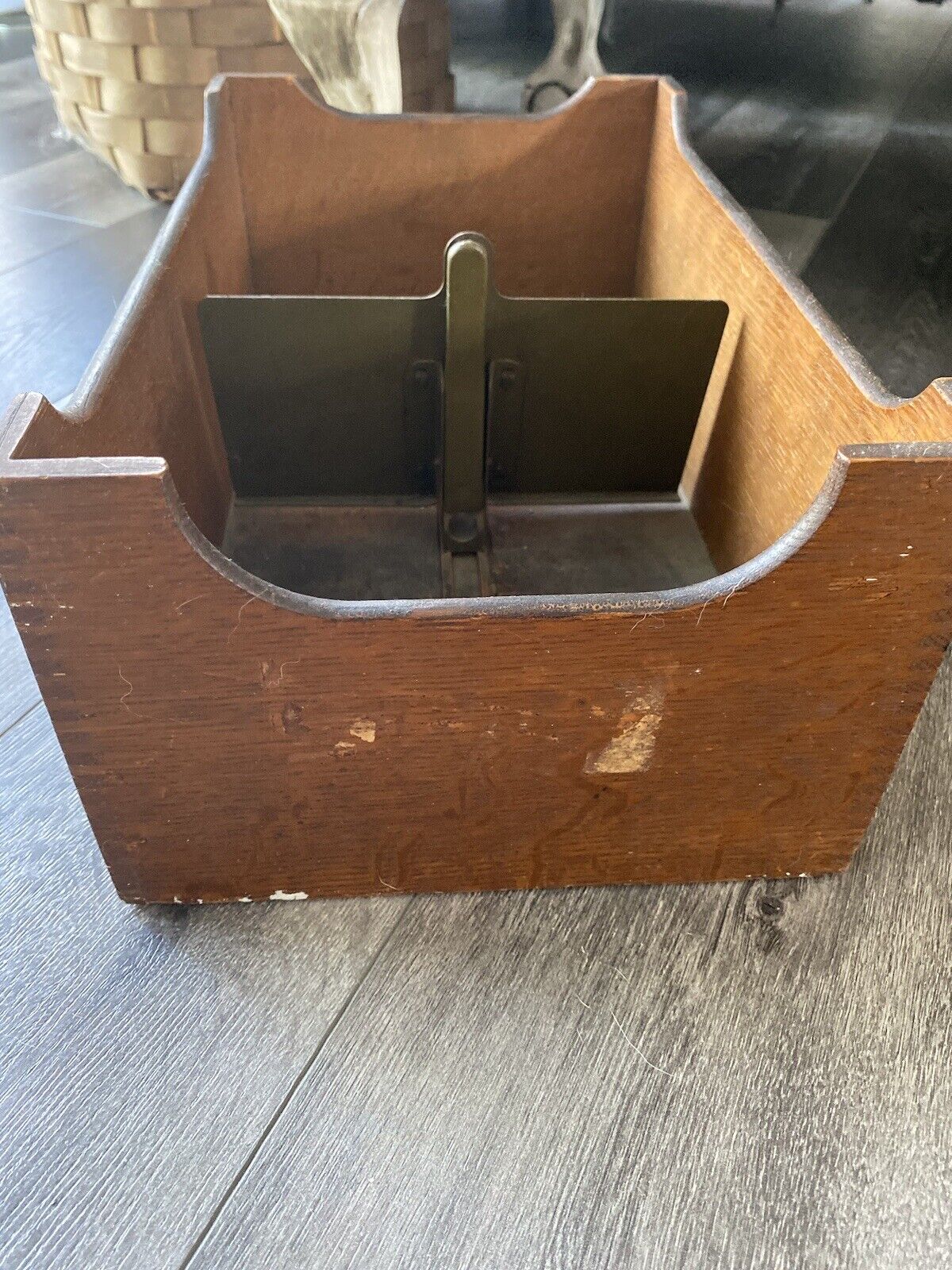
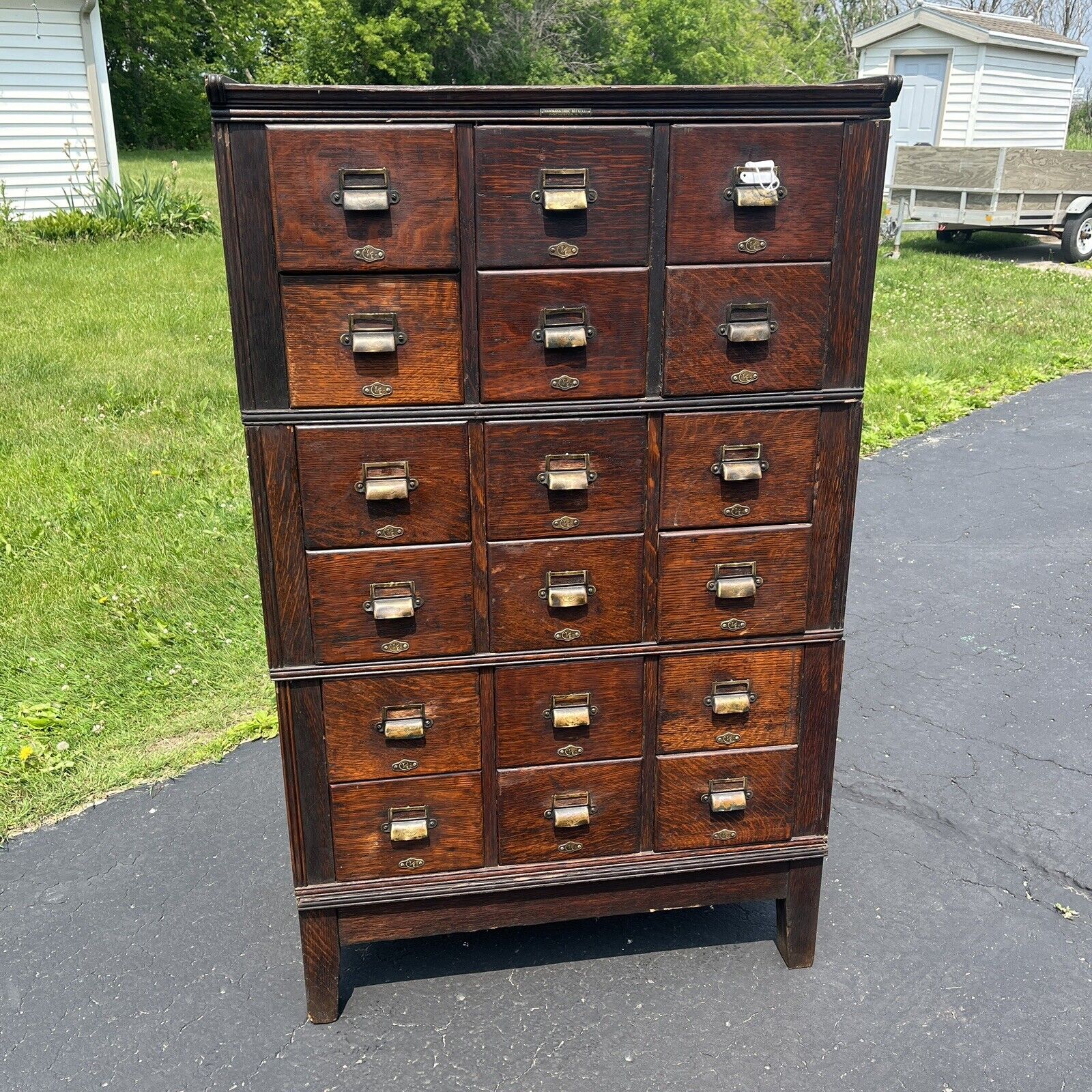
    1. For $1,900.00 ?

      reply to rogerscrafford at tk

      Fine furniture comes at a fine price. 🗃️🤩 I suspect that it won't sell for quite a while and one could potentially make an offer at a fraction of that to take it off their hands. It might bear considering that if one had a practice large enough to fill half or more, then that price probably wouldn't seem too steep for the long term security and value of the contents.

      On a price per card of storage for some of the cheaper cardboard or metal boxes you're going to pay about $0.02-0.03 per card, but you'd need about 14 of those to equal this and those aren't always easy to stack and access regularly. With this, even at the full $1,900, you're looking at storage costs of $0.10/card, but you've got a lot more ease of use which will save you a lot of time and headache as more than adequate compensation, particularly if you're regularly using the approximately 20,400 index cards it would hold. Not everyone has the same esthetic, but I suspect that most would find that this will look a lot nicer in your office than 14 cheap cardboard boxes. That many index cards even at discount rates are going to cost you about $825 just in cards much less beautiful, convenient, and highly usable storage.

      Even for some of the more prolific zettelkasten users, this sort of storage is about 20 years of use and if you compare it with $96/year for Notion or $130/year for Evernote, you're probably on par for cost either way, but at least with the wooden option, you don't have to worry about your note storage provider going out of business a few years down the line. Even if you go the "free" Obsidian route, with computers/storage/backups over time, you're probably not going to come out ahead in the long run. It's not all apples to apples comparison and there are differences in some of the affordances, but on balance and put into some perspective, it's probably not the steep investment it may seem.

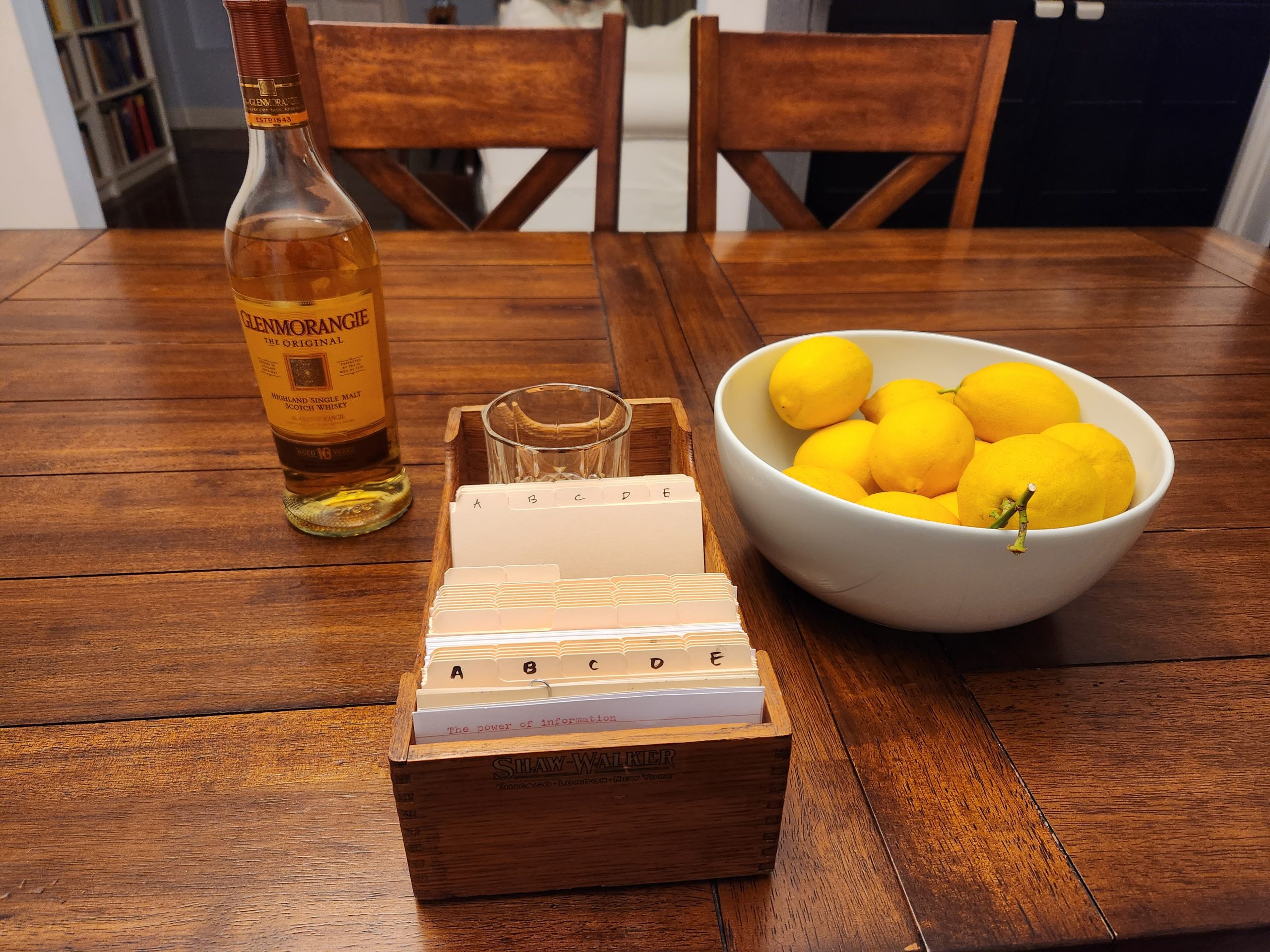
      And as an added bonus, while you're slowly filling up drawers, as a writer you might appreciate the slowly decreasing wine/whiskey bottle storage over time? A 5 x 8 drawer ought to fit three bottles of wine or as many fifths of Scotch. It'll definitely accommodate a couple of magnums of Jack Daniels. 🥃🍸🍷My experience also tells me that an old fashioned glass can make a convenient following block in card index boxes.

      A crystal old fashioned glass serves as a following block to some index cards and card dividers in a Shaw-Walker card index box (zettelkasten). On the table next to the index are a fifth of Scotch (Glenmorangie) and a bowl of lemons.

  36. Apr 2023