10,000 Matching Annotations
  1. Feb 2026
    1. Este estilo vacío de la izquierda, supuestamente formal y culto, sólo consiguedificultar la comunicación.

      Muchas veces, cuando escribo párrafos, tiendo a añadir información o palabras innecesarias para que el texto suene más culto. Sin embargo, este fragmento me hace reflexionar sobre cómo ese estilo puede terminar entorpeciendo la comunicación con el lector.

    2. Además, la comunicación depende también de otros factorescomo el nivel cultural del lector destinatario o el tema del texto

      Lo que menciona aquí el autor es muy importante porque esto determina que grupo de personas será capaz de comprender el texto.

    3. Por un lado, la capacidad media de la memoria a corto plazo esde 15 palabras; o sea, nuestra capacidad para recordar palabras, mientras leemos,durante unos pocos segundos, es muy limitada

      Esto me parece interesante, ya que explica el por qué me pierdo muchas veces cuando estoy leyendo; ocurre más cuando leo en digital.

    4. Tengo que reconocer que resulta más difícil entender una oración sola, sacada decontexto, sin conocer previamente el tema de qué trata

      El autor tiene toda la razón, entender una oración o frase sin un contexto previo es complicado.

    1. All students feel they ee ikea jearning to become responsible community members, critic , problem sok ers. fA range O f culturally conn

      I have been reading more about belonging and the importance of belonging for not only students but also staff in a school community. I believe strongly in supporting in this way.

    2. pedagogy, eee vo venation : ye mre i ciate their ite . imp s the opportunity to asso i autng o staan hie lesson grew out of the work Cassandra had “ seen el sominer when she worked with other candidates in a a eae session Understanding by Design (UbD) unit to be used wi focused on growth mind-set. As we noted in chapter 3, etical in nature: they aE alt ‘anal s, and also give candidates prac the UDD curriculum plants artic jum guidelines and making profes- experience in looking at district Soa uicelines ae i be e

      I would have loved to have the opportunity to plan with the district curriculum to create lessons with growth mind-set and in collaboration with my collage peers. I think that this goes along with the mentees having the opportunity to work with experience teachers, so that together they can create lessons or align the curriculum lessons so that they include growth mind-set in them.

    1. § 1º

      O princípio da anterioridade anual NÃO se aplica para empréstimo compulsório decorrente de despesa extraordinária, IG (imposto de guerra), II, IE, IPI e IOF (6 tributos previstos).

      Já o princípio da noventena NÃO se aplica ao empréstimo compulsório advindo de despesa extraordinária, IG, II, IE, IR e IOF (6 tributos previstos).

      A diferença da não-incidência da anterioridade anual e nonagesimal é sobre o IR e o IPI, havendo previsão de não aplicação da noventena para o IR, ao passo que há previsão de não aplicação da anterioridade anual ao IPI.

      Importante ressaltar também que a noventena não se aplica para a definição de base de cálculo do IPVA e do IPTU


      📑 Comparativo de Anterioridades (Art. 150, § 1º, CF)

      <div style="max-width: 100%; font-family: 'Segoe UI', Tahoma, Geneva, Verdana, sans-serif; line-height: 1.5; color: #333; border: 1px solid #ccc; border-radius: 8px; overflow: hidden; background-color: #fff;"> <div style="background-color: #2c3e50; color: #ffffff; padding: 10px 15px; font-weight: bold; font-size: 1.1em;"> § 1º do Art. 150 da Constituição Federal </div> <div style="background-color: #fdfaf3; border: 1px solid #f39c12; margin: 10px; padding: 10px; border-radius: 4px; font-size: 0.9em;"> § 1º A vedação do inciso III, b, não se aplica aos tributos previstos nos arts. 148, I, 153, I, II, IV e V; e 154, II; e a vedação do inciso III, c, não se aplica aos tributos previstos nos arts. 148, I, 153, I, II, III e V; e 154, II, nem à fixação da base de cálculo dos impostos previstos nos arts. 155, III, e 156, I. </div> <div style="border-left: 5px solid #3498db; padding: 5px 15px; margin: 10px 0;"> Anterioridade Anual O princípio da anterioridade anual NÃO se aplica aos seguintes tributos:
      • a) Imposto sobre Importação (II)
      • b) Imposto sobre Exportação (IE)
      • c) Imposto sobre Produtos Industrializados (IPI)
      • d) Imposto sobre operações de crédito, câmbio e seguro, ou relativas a títulos ou valores mobiliários (IOF)
      • e) Imposto Extraordinário de Guerra (IEG)
      • f) Empréstimo Compulsório para Calamidade Pública ou Guerra Externa (EC-Cala/Gue)
      • g) CIDE-Combustível
      • h) ICMS-Combustível
      </div> <div style="border-left: 5px solid #27ae60; padding: 5px 15px; margin: 10px 0;"> Anterioridade Nonagesimal Já o princípio da noventena NÃO se aplica aos seguintes tributos:
      • a) Imposto sobre Importação (II)
      • b) Imposto sobre Exportação (IE)
      • c) Imposto sobre operações de crédito, câmbio e seguro, ou relativas a títulos ou valores mobiliários (IOF)
      • d) Imposto de Renda (IR)
      • f) Imposto Extraordinário de Guerra
      • g) Empréstimo Compulsório para Calamidade Pública ou Guerra Externa (EC-Cala/Gue)
      • i) base de cálculo do IPTU
      • j) base de cálculo do IPVA
      </div> <div style="border-left: 5px solid #f39c12; padding: 5px 15px; margin: 10px 0;"> Diferenciações Cruciais A diferença da não-incidência da anterioridade anual e nonagesimal é sobre o IR e o IPI, havendo previsão de não aplicação da noventena para o IR, ao passo que há previsão de não aplicação da anterioridade anual ao IPI. Importante ressaltar também que a noventena não se aplica para a definição de base de cálculo do IPVA e do IPTU. </div> </div>
    2. Fundo Nacional de Desenvolvimento Regional

      1) Criado, através da EC 132/2023, o FNDR (Fundo Nacional de Desenvolvimento Regional).

      2) Criado com o objetivo de reduzir as desigualdades <u>regionais</u> e <u>sociais</u>.

      3) Os recursos do fundo são constituídos pela União e Estados/DF.

      4) Servem-se para:

      • Infraestrutura: obras, projetos e estudos;
      • Potencial geração de emprego e renda (inclui-se subvenções);
      • Ações de desenvolvimento tecnológico e científico.

      5) Não previsão para que Municípios entreguem ou recebam recursos do FNDR

      6) Não pode haver nenhuma restrição ao recebimento de recursos do FNDR.

    1. Author response:

      The following is the authors’ response to the original reviews

      Many thanks for your helpful and constructive comments for our work examining the effect of inhibiting both the insulin receptor (IR) and IGF1 receptor (IGF1R) in the podocyte. We are pleased to submit an updated manuscript addressing your concerns.

      (1) A major concern was a lack of mechanistic insight into how deletion (or knock-down) of both receptors caused the spliceosomal phenotype (Reviewer 1 and Reviewer 3).

      We now think this is due to the lack of a network of insulin/IGF phospho-signalling events to a variety of spliceosomal proteins and kinases. The reasons for this are as follows:

      A. Since submitting our paper Turewicz et al have published a comprehensive phospho-proteomic paper examining the effects of 100nM insulin on human primary myotubes (DOI: 10.1038/s41467-025-56335-6). They discovered that multiple post-translational phosphorylation events occur in a variety of spliceosomal proteins at differing time points (1 minute to 60 minutes). Furthermore, they show that mRNA splicing is rapidly modified in response to insulin stimulation in their cells. This follows elegant work from Bastista et al who studied diabetic and non-diabetic iPSC derived human myositis and also detected a spliceosome phosphorylation signature (DOI: 10.1016/j.cmet.2020.08.007).

      B. We have examined phospho-proteosome changes that occur in wild -type podocytes (expressing both the IR and IGF1R) compared to double (IR and IGF1R) knockout cells using phosho-proteomics. We have done this 3 days after inducing receptor knockdown, before major cell loss, and have stimulated the cells with either 10nM insulin or 100mg IGF1.

      Interestingly, we detected several post-translational modifications (PTM) in our data set that are also present in Turewicz’s studies. Of note, 100nM insulin (as used by Turewicz) will signal through both the insulin and IGF1 receptor (and hybrid Insulin/IGF1 receptors) which is relevant to our studies.

      Our work shows a cascade of phospho- signalling events affecting multiple components of the spliceosomal complex and evidence of kinase modulation (phosphorylation) (New Figure 7 and supplementary Figure 5). Also new results section in paper (lines 391-425 in track changes version). We acknowledge that we only studied a single time point after stimulation (10 minutes) and could have missed other PTM in the spliceosomal complex and other kinases. This is mentioned in our new limitations of study section (lines 595-606). This will be a focus of future work. We did not find major PTM differences when stimulating with either insulin or IGF1 in our studies and suspect that the doses of insulin (10nM) and IGF1 (100mg) used are still able to signal through cognate receptors.

      Furthermore, we have examined the relative contributions of the insulin and IGF1 receptor in detail in the model (addressed in point 13 below).

      (2) The phenotype of the mouse is only superficially addressed. The main issues are that the completeness of the mouse KO is never assessed nor is the completeness of the KO in cell lines. The absence of this data is a significant weakness. (Reviewer 1)

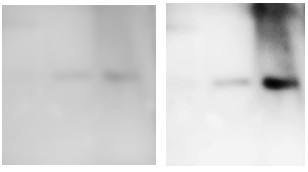
      We apologise for not making this clear, but we did assess the level of receptor knockdown in both the animal and cell models. The in vivo model showed variable and non-complete levels of insulin receptor and IGF1 receptor podocyte knock down (shown in supplementary Figure 1C). This is why we made the in vitro floxed podocyte cell lines in which we could robustly knockdown both the IR and IGF1R. We show this using Western blotting (shown in Figure 2A). We agree that calling the models knockout is misleading and have changed all to knock down (KD) now.

      (3) The mouse experiments would be improved if the serum creatinine’s were measured to provide some idea how severe the kidney injury is. (Reviewer 1)

      There is variability in creatinine levels which is not uncommon in transgenic mouse models (probably partly due to variability in receptor knock down levels with cre-lox system). This is part of rationale of developing the robust double receptor knockout cell models where we robustly knocked out both receptors by >80%. We have added measured creatinine levels in a subset of mice in supplementary data (New Supplementary Figure 1E) and mention this in the text (lines 285-286). As some mice died we expect they may have developed acute kidney injury, but we did not serially measure the creatinine’s in every mouse over time. We could have assessed the GFR in a more sensitive way to look at differences. However, we consider the highly significant levels of albuminuria and histological damage observed in our models show a significant kidney phenotype.

      (4) An attempt to rescue the phenotype by overexpression of SF3B4 would also be useful. If this didn't work, an explanation in the text would suffice. (Reviewer 1).

      We did consider doing this but on reflection think it is very unlikely to rescue the phenotype as an array of different spliceosomal proteins quantitatively changed and were differentially phosphorylated / dephosphorylated throughout the complex (as we hope our revised work illustrates now). We think a single protein rescue is highly unlikely to work. We hope this is an appropriate explanation for this action. We have mentioned this in the text now in our discussion (lines 601-602).

      (5) As insulin and IGF are regulators of metabolism, some assessment of metabolic parameters would be an optional add-on. (Reviewer 1).

      Thank you for this suggestion. We did not extensively examine the metabolism of the mice however we did perform blood glucose measurement and weight which are included in the paper (Figure 1A and Figure 1B).

      (6) The authors should caveat the cell experiments by discussing the ramifications of studying the 50% of the cells that survive vs the ones that died. (Reviewer 1).

      We appreciate this and this was the rationale behind cells being studied after 3 days differentiation for total and phospho-proteomics before significant cell loss to avoid the issue of studying the 50% of cells that survive (which happened at 7 days). We have made this clearer in the manuscript. We also have added the data showing less cell death at 3 days in the cell model (New Supp Figure 2B).

      (7) It would be helpful to say that tissue scoring was performed by an investigator masked to sample identity. (Reviewer 2)

      We did this and have added to manuscript (line 113).

      (8) Data are presented as mean/SEM. In general, mean/SD or median/IQR are preferred to allow the reader to evaluate the spread of the data. There may be exceptions where only SEM is reasonable. (Reviewer 2)

      All graphs have now been changed to SD rather than SEM.

      (9) It would be useful to for the reader to be told the number of over-lapping genes (with similar expression between mouse groups) and the results of a statistical test comparing WT and KO mice. The overlap of intron retention events between experimental repeats was about 30% in both knock-out podocytes. This seems low and I am curious to know whether this is typical for this method; a reference could be helpful. (Reviewer 2)

      This is an excellent question. We had 30% overlap as the parameters used for analysis were very stringent. We suspect we could get more than 30% by being less stringent, which still be considered as similar events if requested. Our methods were based on FLAIR analysis (PMID: 32188845). We have added this reference to the manuscript (Line 242 & 680).

      (10) With the GLP1 agonists providing renal protection, there is great interest in understanding the role of insulin and other incretins in kidney cell biology. It is already known that Insulin and IGFR signaling play important roles in other cells of the kidney. So, there is great interest in understanding these pathways in podocytes. The major advance is that these two pathways appear to have a role in RNA metabolism, the major limitations are the lack of information regarding the completeness of the KO's. If, for example, they can determine that in the mice, the KO is complete, that the GFR is relatively normal, then the phenotype they describe is relatively mild. (Reviewer 1)

      Thank you. The receptor knock-out (KO) in the mice is highly unlikely to be complete (Please see comments above and Supplementary Figure 1C). There are many examples of “KO” animal models targeting other tissues showing that complete KO of these receptors seems difficult to achieve, particularly in reference to the IGF1 receptor. In the brain, which also contains terminally differentiated cells, barely 50% of IGF1R knockdown was achieved in the target cells (PMID:28595357). In ovarian granulosa cells (PMID:28407051) -several tissue specific drivers tried but couldn't achieve any better than 80%. The paper states that 10% of IGF1R is sufficient for function in these cells so they conclude that their knockdown animals are probably still responding to IGF1. Finally, in our recent IGF1R podocyte knockdown model we found Cre levels were important for excision of a single homozygous floxed gene (PMID: 38706850) hence we were not surprised that trying to excise two homozygous floxed genes (insulin receptor and IGF1 receptor) was challenging. This was the rationale for making the double receptor knockout cell lines to understand processes / biology in more detail. As stated earlier, we have changed our description of the mice and cell lines from knock-out to knock-down throughout the revised manuscript as this is more accurate.

      (11) For the in vivo studies, the only information given is for mice at 24 weeks of age. There needs to be a full-time course of when the albuminuria was first seen and the rate of development. Also, GFR was not measured. Since the podocin-Cre utilized was not inducible, there should be a determination of whether there was a developmental defect in glomeruli or podocytes. Were there any differences in wither prenatal post-natal development or number of glomeruli? (Reviewer 3)

      We have added further urinary Albumin:creatinine ratio (uACR) data at 12, 16 and 20 weeks to manuscript. We do not think there was a major developmental phenotype as albuminuria did not become significantly different until several months of age (new Supp Figure 1B). We did consider using a doxycycline inducible model but we know the excision efficiency is much less than the constitutive podocin-cre driven model Author response image 1. This would likely give a very mild (if any) phenotype when attempting to knockout both receptors and not reveal the biology adequately. We acknowledge the weaknesses of the animal model and this was the rationale for generating the cell models.

      (12) Although the in vitro studies are of interest, there are no studies to determine if this is the underlying mechanism for the in vivo abnormalities seen in the mice. Cultured podocytes may not necessarily reflect what is occurring in podocytes in vivo. (Reviewer 3)

      This is a good point. We have now immune-stained the DKD and WT mice for Sf3b4 (a spliceosomal change in our in vitro proteomics) and also find a significant reduction in this protein in podocytes of the DKD mice (New Figure 3F).

      (13) Given that both receptors are deleted in the podocyte cell line, it is not clear if the spliceosome defect requires deletion of both receptors or if there is redundancy in the effect. The studies need to be repeated in podocyte cell lines with either IR or IGFR single deletions. (Reviewer 3)

      We have now performed proteomics and phospho-proteomics in all 4 cell types (Wild-type, Insulin receptor knock down, IGF1R knockdown and double knockdown) at 3 days (New Figure 8 and supplementary Figure 6. Also new results section lines 425 to 450). This shows that both receptors contribute to the pathways (and hence there is a high level of compensation built into the system). For total proteins we detected that spliceosomal tri-snRNP was only reduced when both receptors were lacking but other proteins / pathways had an incremental effect of losing the insulin or IGF1 receptor. Likewise, the spliceosomal phospho-signaling events can go through either the insulin or igf1 receptors predominantly or through both. We think this reflects the complexity of this system and how evolutioatily it has developed in mammals to protect against its loss.

      Finally in revision we have rewritten the discussion with a “limitations of the study” section and hopefully in an easier to read fashion for the readership.

      Author response image 1.

      (A) mT/mG reporter mouse crossed to constitutional podocin Cre heterozygous mouse. Illustrates podocyte specificity for Cre driver and excision Of reporter Figure shows GFP expression in Cre producing cells (top panel scale bar=250vm; bottom panel scale bar=50pm). Cre expression causes GFP to be switched on. (B) mT/mG reporter mouse crossed to podocin RtTA— tet-o-cre heterozygous mouse shows podocyte specificity for driver and approximately 60% excision. (top and bottom panels scale bar=250pm; middle panel scale bar=50pm). Doxycycline required for expression showing not leaky.

    1. Juliet. O God!—O nurse, how shall this be prevented? 2320My husband is on earth, my faith in heaven; How shall that faith return again to earth, Unless that husband send it me from heaven By leaving earth? comfort me, counsel me. Alack, alack, that heaven should practise stratagems 2325Upon so soft a subject as myself! What say'st thou? hast thou not a word of joy? Some comfort, nurse. Nurse. Faith, here it is. Romeo is banish'd; and all the world to nothing, 2330That he dares ne'er come back to challenge you; Or, if he do, it needs must be by stealth. Then, since the case so stands as now it doth, I think it best you married with the county. O, he's a lovely gentleman! 2335Romeo's a dishclout to him: an eagle, madam, Hath not so green, so quick, so fair an eye As Paris hath. Beshrew my very heart, I think you are happy in this second match, For it excels your first: or if it did not, 2340Your first is dead; or 'twere as good he were, As living here and you no use of him. Juliet. Speakest thou from thy heart? Nurse. And from my soul too; Or else beshrew them both. 2345 Juliet. Amen! Nurse. What? Juliet. Well, thou hast comforted me marvellous much. Go in: and tell my lady I am gone, Having displeased my father, to Laurence' cell, 2350To make confession and to be absolved. Nurse. Marry, I will; and this is wisely done. [Exit] Juliet. Ancient damnation! O most wicked fiend! Is it more sin to wish me thus forsworn, 2355Or to dispraise my lord with that same tongue Which she hath praised him with above compare So many thousand times? Go, counsellor; Thou and my bosom henceforth shall be twain. I'll to the friar, to know his remedy: 2360If all else fail, myself have power to die.

      abandon by her parents juliet turns to the nurse for comfort just for the nurse to say forget romeo and marry paris although juliet pretends to agree betrayed by her family juliet decide to go to friar

    2. Capulet. When the sun sets, the air doth drizzle dew; But for the sunset of my brother's son It rains downright. 2235How now! a conduit, girl? what, still in tears? Evermore showering? In one little body Thou counterfeit'st a bark, a sea, a wind; For still thy eyes, which I may call the sea, Do ebb and flow with tears; the bark thy body is, 2240Sailing in this salt flood; the winds, thy sighs; Who, raging with thy tears, and they with them, Without a sudden calm, will overset Thy tempest-tossed body. How now, wife! Have you deliver'd to her our decree? 2245 Lady Capulet. Ay, sir; but she will none, she gives you thanks. I would the fool were married to her grave! Capulet. Soft! take me with you, take me with you, wife. How! will she none? doth she not give us thanks? Is she not proud? doth she not count her blest, 2250Unworthy as she is, that we have wrought So worthy a gentleman to be her bridegroom? Juliet. Not proud, you have; but thankful, that you have: Proud can I never be of what I hate; But thankful even for hate, that is meant love. 2255 Capulet. How now, how now, chop-logic! What is this? 'Proud,' and 'I thank you,' and 'I thank you not;' And yet 'not proud,' mistress minion, you, Thank me no thankings, nor, proud me no prouds, But fettle your fine joints 'gainst Thursday next, 2260To go with Paris to Saint Peter's Church, Or I will drag thee on a hurdle thither. Out, you green-sickness carrion! out, you baggage! You tallow-face! Lady Capulet. Fie, fie! what, are you mad? 2265 Juliet. Good father, I beseech you on my knees, Hear me with patience but to speak a word. Capulet. Hang thee, young baggage! disobedient wretch! I tell thee what: get thee to church o' Thursday, Or never after look me in the face: 2270Speak not, reply not, do not answer me; My fingers itch. Wife, we scarce thought us blest That God had lent us but this only child; But now I see this one is one too much, And that we have a curse in having her: 2275Out on her, hilding! Nurse. God in heaven bless her! You are to blame, my lord, to rate her so. Capulet. And why, my lady wisdom? hold your tongue, Good prudence; smatter with your gossips, go. 2280 Nurse. I speak no treason. Capulet. O, God ye god-den. Nurse. May not one speak? Capulet. Peace, you mumbling fool! Utter your gravity o'er a gossip's bowl; 2285For here we need it not. Lady Capulet. You are too hot. Capulet. God's bread! it makes me mad: Day, night, hour, tide, time, work, play, Alone, in company, still my care hath been 2290To have her match'd: and having now provided A gentleman of noble parentage, Of fair demesnes, youthful, and nobly train'd, Stuff'd, as they say, with honourable parts, Proportion'd as one's thought would wish a man; 2295And then to have a wretched puling fool, A whining mammet, in her fortune's tender, To answer 'I'll not wed; I cannot love, I am too young; I pray you, pardon me.' But, as you will not wed, I'll pardon you: 2300Graze where you will you shall not house with me: Look to't, think on't, I do not use to jest. Thursday is near; lay hand on heart, advise: An you be mine, I'll give you to my friend; And you be not, hang, beg, starve, die in 2305the streets, For, by my soul, I'll ne'er acknowledge thee, Nor what is mine shall never do thee good: Trust to't, bethink you; I'll not be forsworn. [Exit]

      lord Capulet enters and mocks Juliet's grief however after he learns that Juliet is rejecting the wedding he gets enraged saying that he would drag her to the church himself he then gives juliet a ultimatium saying if he doesnt marry paris he would disown juliet and leave her a beggar on the streets

    3. Lady Capulet. Why, how now, Juliet! Juliet. Madam, I am not well. Lady Capulet. Evermore weeping for your cousin's death? What, wilt thou wash him from his grave with tears? An if thou couldst, thou couldst not make him live; 2175Therefore, have done: some grief shows much of love; But much of grief shows still some want of wit. Juliet. Yet let me weep for such a feeling loss. Lady Capulet. So shall you feel the loss, but not the friend Which you weep for. 2180 Juliet. Feeling so the loss, Cannot choose but ever weep the friend. Lady Capulet. Well, girl, thou weep'st not so much for his death, As that the villain lives which slaughter'd him. Juliet. What villain madam? 2185 Lady Capulet. That same villain, Romeo. Juliet. [Aside] Villain and he be many miles asunder.— God Pardon him! I do, with all my heart; And yet no man like he doth grieve my heart. Lady Capulet. That is, because the traitor murderer lives. 2190 Juliet. Ay, madam, from the reach of these my hands: Would none but I might venge my cousin's death! Lady Capulet. We will have vengeance for it, fear thou not: Then weep no more. I'll send to one in Mantua, Where that same banish'd runagate doth live, 2195Shall give him such an unaccustom'd dram, That he shall soon keep Tybalt company: And then, I hope, thou wilt be satisfied. Juliet. Indeed, I never shall be satisfied With Romeo, till I behold him—dead— 2200Is my poor heart for a kinsman vex'd. Madam, if you could find out but a man To bear a poison, I would temper it; That Romeo should, upon receipt thereof, Soon sleep in quiet. O, how my heart abhors 2205To hear him named, and cannot come to him. To wreak the love I bore my cousin Upon his body that slaughter'd him! Lady Capulet. Find thou the means, and I'll find such a man. But now I'll tell thee joyful tidings, girl. 2210 Juliet. And joy comes well in such a needy time: What are they, I beseech your ladyship? Lady Capulet. Well, well, thou hast a careful father, child; One who, to put thee from thy heaviness, Hath sorted out a sudden day of joy, 2215That thou expect'st not nor I look'd not for. Juliet. Madam, in happy time, what day is that? Lady Capulet. Marry, my child, early next Thursday morn, The gallant, young and noble gentleman, The County Paris, at Saint Peter's Church, 2220Shall happily make thee there a joyful bride. Juliet. Now, by Saint Peter's Church and Peter too, He shall not make me there a joyful bride. I wonder at this haste; that I must wed Ere he, that should be husband, comes to woo. 2225I pray you, tell my lord and father, madam, I will not marry yet; and, when I do, I swear, It shall be Romeo, whom you know I hate, Rather than Paris. These are news indeed! Lady Capulet. Here comes your father; tell him so yourself, 2230And see how he will take it at your hands.

      lady capulet mistakens juliets grief for romeo as mourning for tybalt so she offered to send a assassin to mantua to poison romeo and she also tells juliet she is going to marry paris on thursday juliet flat out refuses and say she would rather marry her enemy romeo

    4. Nurse. Madam! 2135 Juliet. Nurse? Nurse. Your lady mother is coming to your chamber: The day is broke; be wary, look about. [Exit] Juliet. Then, window, let day in, and let life out. 2140 Romeo. Farewell, farewell! one kiss, and I'll descend. [He goeth down] Juliet. Art thou gone so? love, lord, ay, husband, friend! I must hear from thee every day in the hour, For in a minute there are many days: 2145O, by this count I shall be much in years Ere I again behold my Romeo! Romeo. Farewell! I will omit no opportunity That may convey my greetings, love, to thee. 2150 Juliet. O think'st thou we shall ever meet again? Romeo. I doubt it not; and all these woes shall serve For sweet discourses in our time to come. Juliet. O God, I have an ill-divining soul! Methinks I see thee, now thou art below, 2155As one dead in the bottom of a tomb: Either my eyesight fails, or thou look'st pale. Romeo. And trust me, love, in my eye so do you: Dry sorrow drinks our blood. Adieu, adieu! [Exit] Juliet. O fortune, fortune! all men call thee fickle: If thou art fickle, what dost thou with him. That is renown'd for faith? Be fickle, fortune; For then, I hope, thou wilt not keep him long, But send him back. 2165 Lady Capulet. [Within] Ho, daughter! are you up? Juliet. Who is't that calls? is it my lady mother? Is she not down so late, or up so early? What unaccustom'd cause procures her hither?

      the nurse comes telling the couple that lady capulet is approaching as romeo is desending the windows juliet had a vision of romeo looking like a corpse

    5. Juliet. Wilt thou be gone? it is not yet near day: It was the nightingale, and not the lark, That pierced the fearful hollow of thine ear; 2100Nightly she sings on yon pomegranate-tree: Believe me, love, it was the nightingale. Romeo. It was the lark, the herald of the morn, No nightingale: look, love, what envious streaks Do lace the severing clouds in yonder east: 2105Night's candles are burnt out, and jocund day Stands tiptoe on the misty mountain tops. I must be gone and live, or stay and die. Juliet. Yon light is not day-light, I know it, I: It is some meteor that the sun exhales, 2110To be to thee this night a torch-bearer, And light thee on thy way to Mantua: Therefore stay yet; thou need'st not to be gone. Romeo. Let me be ta'en, let me be put to death; I am content, so thou wilt have it so. 2115I'll say yon grey is not the morning's eye, 'Tis but the pale reflex of Cynthia's brow; Nor that is not the lark, whose notes do beat The vaulty heaven so high above our heads: I have more care to stay than will to go: 2120Come, death, and welcome! Juliet wills it so. How is't, my soul? let's talk; it is not day. Juliet. It is, it is: hie hence, be gone, away! It is the lark that sings so out of tune, Straining harsh discords and unpleasing sharps. 2125Some say the lark makes sweet division; This doth not so, for she divideth us: Some say the lark and loathed toad change eyes, O, now I would they had changed voices too! Since arm from arm that voice doth us affray, 2130Hunting thee hence with hunt's-up to the day, O, now be gone; more light and light it grows. Romeo. More light and light; more dark and dark our woes

      romeo and juliet struggles to part after their secret wedding but he realizes that it is about to become morning and juliet urges romeo to leave before danger arrives

    6. Capulet. Things have fall'n out, sir, so unluckily, That we have had no time to move our daughter: 2060Look you, she loved her kinsman Tybalt dearly, And so did I:—Well, we were born to die. 'Tis very late, she'll not come down to-night: I promise you, but for your company, I would have been a-bed an hour ago. 2065 Paris. These times of woe afford no time to woo. Madam, good night: commend me to your daughter. Lady Capulet. I will, and know her mind early to-morrow; To-night she is mew'd up to her heaviness. Capulet. Sir Paris, I will make a desperate tender 2070Of my child's love: I think she will be ruled In all respects by me; nay, more, I doubt it not. Wife, go you to her ere you go to bed; Acquaint her here of my son Paris' love; And bid her, mark you me, on Wednesday next— 2075But, soft! what day is this? Paris. Monday, my lord, Capulet. Monday! ha, ha! Well, Wednesday is too soon, O' Thursday let it be: o' Thursday, tell her, She shall be married to this noble earl. 2080Will you be ready? do you like this haste? We'll keep no great ado,—a friend or two; For, hark you, Tybalt being slain so late, It may be thought we held him carelessly, Being our kinsman, if we revel much: 2085Therefore we'll have some half a dozen friends, And there an end. But what say you to Thursday? Paris. My lord, I would that Thursday were to-morrow. Capulet. Well get you gone: o' Thursday be it, then. Go you to Juliet ere you go to bed, 2090Prepare her, wife, against this wedding-day. Farewell, my lord. Light to my chamber, ho! Afore me! it is so very very late, That we may call it early by and by. Good night.

      lord capulet is talking to paris and is planning to speed up the wedding between the two he schedule the wedding for thursday opting for a small and private party

    7. Friar Laurence. Hold thy desperate hand: Art thou a man? thy form cries out thou art: 1990Thy tears are womanish; thy wild acts denote The unreasonable fury of a beast: Unseemly woman in a seeming man! Or ill-beseeming beast in seeming both! Thou hast amazed me: by my holy order, 1995I thought thy disposition better temper'd. Hast thou slain Tybalt? wilt thou slay thyself? And stay thy lady too that lives in thee, By doing damned hate upon thyself? Why rail'st thou on thy birth, the heaven, and earth? 2000Since birth, and heaven, and earth, all three do meet In thee at once; which thou at once wouldst lose. Fie, fie, thou shamest thy shape, thy love, thy wit; Which, like a usurer, abound'st in all, And usest none in that true use indeed 2005Which should bedeck thy shape, thy love, thy wit: Thy noble shape is but a form of wax, Digressing from the valour of a man; Thy dear love sworn but hollow perjury, Killing that love which thou hast vow'd to cherish; 2010Thy wit, that ornament to shape and love, Misshapen in the conduct of them both, Like powder in a skitless soldier's flask, Is set afire by thine own ignorance, And thou dismember'd with thine own defence. 2015What, rouse thee, man! thy Juliet is alive, For whose dear sake thou wast but lately dead; There art thou happy: Tybalt would kill thee, But thou slew'st Tybalt; there are thou happy too: The law that threaten'd death becomes thy friend 2020And turns it to exile; there art thou happy: A pack of blessings lights up upon thy back; Happiness courts thee in her best array; But, like a misbehaved and sullen wench, Thou pout'st upon thy fortune and thy love: 2025Take heed, take heed, for such die miserable. Go, get thee to thy love, as was decreed, Ascend her chamber, hence and comfort her: But look thou stay not till the watch be set, For then thou canst not pass to Mantua; 2030Where thou shalt live, till we can find a time To blaze your marriage, reconcile your friends, Beg pardon of the prince, and call thee back With twenty hundred thousand times more joy Than thou went'st forth in lamentation. 2035Go before, nurse: commend me to thy lady; And bid her hasten all the house to bed, Which heavy sorrow makes them apt unto: Romeo is coming. Nurse. O Lord, I could have stay'd here all the night 2040To hear good counsel: O, what learning is! My lord, I'll tell my lady you will come. Romeo. Do so, and bid my sweet prepare to chide. Nurse. Here, sir, a ring she bid me give you, sir: Hie you, make haste, for it grows very late. 2045 [Exit] Romeo. How well my comfort is revived by this! Friar Laurence. Go hence; good night; and here stands all your state: Either be gone before the watch be set, Or by the break of day disguised from hence: 2050Sojourn in Mantua; I'll find out your man, And he shall signify from time to time Every good hap to you that chances here: Give me thy hand; 'tis late: farewell; good night. Romeo. But that a joy past joy calls out on me, 2055It were a grief, so brief to part with thee: Farewell. [Exeunt]

      romeo goes on about how sad he is and friar finally snaps and gives romeo a reality check telling him to stop crying and man up friar tells romeo he must meet juliet and escape to mantua

    8. Friar Laurence. Thou fond mad man, hear me but speak a word. Romeo. O, thou wilt speak again of banishment. Friar Laurence. I'll give thee armour to keep off that word: 1925Adversity's sweet milk, philosophy, To comfort thee, though thou art banished. Romeo. Yet 'banished'? Hang up philosophy! Unless philosophy can make a Juliet, Displant a town, reverse a prince's doom, 1930It helps not, it prevails not: talk no more. Friar Laurence. O, then I see that madmen have no ears. Romeo. How should they, when that wise men have no eyes? Friar Laurence. Let me dispute with thee of thy estate. Romeo. Thou canst not speak of that thou dost not feel: 1935Wert thou as young as I, Juliet thy love, An hour but married, Tybalt murdered, Doting like me and like me banished, Then mightst thou speak, then mightst thou tear thy hair, And fall upon the ground, as I do now, 1940Taking the measure of an unmade grave. [Knocking within] Friar Laurence. Arise; one knocks; good Romeo, hide thyself. Romeo. Not I; unless the breath of heartsick groans, Mist-like, infold me from the search of eyes. 1945 [Knocking] Friar Laurence. Hark, how they knock! Who's there? Romeo, arise; Thou wilt be taken. Stay awhile! Stand up; [Knocking] Run to my study. By and by! God's will, 1950What simpleness is this! I come, I come! [Knocking] Who knocks so hard? whence come you? what's your will? Nurse. [Within] Let me come in, and you shall know my errand; 1955I come from Lady Juliet. Friar Laurence. Welcome, then. [Enter Nurse] Nurse. O holy friar, O, tell me, holy friar, Where is my lady's lord, where's Romeo? 1960 Friar Laurence. There on the ground, with his own tears made drunk. Nurse. O, he is even in my mistress' case, Just in her case! O woful sympathy! Piteous predicament! Even so lies she, Blubbering and weeping, weeping and blubbering. 1965Stand up, stand up; stand, and you be a man: For Juliet's sake, for her sake, rise and stand; Why should you fall into so deep an O? Romeo. Nurse! Nurse. Ah sir! ah sir! Well, death's the end of all. 1970 Romeo. Spakest thou of Juliet? how is it with her? Doth she not think me an old murderer, Now I have stain'd the childhood of our joy With blood removed but little from her own? Where is she? and how doth she? and what says 1975My conceal'd lady to our cancell'd love? Nurse. O, she says nothing, sir, but weeps and weeps; And now falls on her bed; and then starts up, And Tybalt calls; and then on Romeo cries, And then down falls again. 1980 Romeo. As if that name, Shot from the deadly level of a gun, Did murder her; as that name's cursed hand Murder'd her kinsman. O, tell me, friar, tell me, In what vile part of this anatomy 1985Doth my name lodge? tell me, that I may sack The hateful mansion.

      friar tries to calm romeo down but romeo says unless he can physically bring juliet to him or undo his exile it is useless the nurse comes to inform romeo of juliets state and the news worsens romeos guilt knowing that he is causing juliet harm he said he would kill himself

    9. [Enter FRIAR LAURENCE] Friar Laurence. Romeo, come forth; come forth, thou fearful man: 1870Affliction is enamour'd of thy parts, And thou art wedded to calamity. [Enter ROMEO] Romeo. Father, what news? what is the prince's doom? What sorrow craves acquaintance at my hand, 1875That I yet know not? Friar Laurence. Too familiar Is my dear son with such sour company: I bring thee tidings of the prince's doom. Romeo. What less than dooms-day is the prince's doom? 1880 Friar Laurence. A gentler judgment vanish'd from his lips, Not body's death, but body's banishment. Romeo. Ha, banishment! be merciful, say 'death;' For exile hath more terror in his look, Much more than death: do not say 'banishment.' 1885 Friar Laurence. Hence from Verona art thou banished: Be patient, for the world is broad and wide. Romeo. There is no world without Verona walls, But purgatory, torture, hell itself. Hence-banished is banish'd from the world, 1890And world's exile is death: then banished, Is death mis-term'd: calling death banishment, Thou cutt'st my head off with a golden axe, And smilest upon the stroke that murders me. Friar Laurence. O deadly sin! O rude unthankfulness! 1895Thy fault our law calls death; but the kind prince, Taking thy part, hath rush'd aside the law, And turn'd that black word death to banishment: This is dear mercy, and thou seest it not. Romeo. 'Tis torture, and not mercy: heaven is here, 1900Where Juliet lives; and every cat and dog And little mouse, every unworthy thing, Live here in heaven and may look on her; But Romeo may not: more validity, More honourable state, more courtship lives 1905In carrion-flies than Romeo: they my seize On the white wonder of dear Juliet's hand And steal immortal blessing from her lips, Who even in pure and vestal modesty, Still blush, as thinking their own kisses sin; 1910But Romeo may not; he is banished: Flies may do this, but I from this must fly: They are free men, but I am banished. And say'st thou yet that exile is not death? Hadst thou no poison mix'd, no sharp-ground knife, 1915No sudden mean of death, though ne'er so mean, But 'banished' to kill me?—'banished'? O friar, the damned use that word in hell; Howlings attend it: how hast thou the heart, Being a divine, a ghostly confessor, 1920A sin-absolver, and my friend profess'd, To mangle me with that word 'banished'?

      friar tells romeo that the prince had shown him mercy instead of killing him he decided to banish him but romeo insist that this is worse then executing him because he would be separated from Juliet

    10. Juliet. Shall I speak ill of him that is my husband? Ah, poor my lord, what tongue shall smooth thy name, When I, thy three-hours wife, have mangled it? But, wherefore, villain, didst thou kill my cousin? That villain cousin would have kill'd my husband: 1825Back, foolish tears, back to your native spring; Your tributary drops belong to woe, Which you, mistaking, offer up to joy. My husband lives, that Tybalt would have slain; And Tybalt's dead, that would have slain my husband: 1830All this is comfort; wherefore weep I then? Some word there was, worser than Tybalt's death, That murder'd me: I would forget it fain; But, O, it presses to my memory, Like damned guilty deeds to sinners' minds: 1835'Tybalt is dead, and Romeo—banished;' That 'banished,' that one word 'banished,' Hath slain ten thousand Tybalts. Tybalt's death Was woe enough, if it had ended there: Or, if sour woe delights in fellowship 1840And needly will be rank'd with other griefs, Why follow'd not, when she said 'Tybalt's dead,' Thy father, or thy mother, nay, or both, Which modern lamentations might have moved? But with a rear-ward following Tybalt's death, 1845'Romeo is banished,' to speak that word, Is father, mother, Tybalt, Romeo, Juliet, All slain, all dead. 'Romeo is banished!' There is no end, no limit, measure, bound, In that word's death; no words can that woe sound. 1850Where is my father, and my mother, nurse? Nurse. Weeping and wailing over Tybalt's corse: Will you go to them? I will bring you thither. Juliet. Wash they his wounds with tears: mine shall be spent, When theirs are dry, for Romeo's banishment. 1855Take up those cords: poor ropes, you are beguiled, Both you and I; for Romeo is exiled: He made you for a highway to my bed; But I, a maid, die maiden-widowed. Come, cords, come, nurse; I'll to my wedding-bed; 1860And death, not Romeo, take my maidenhead! Nurse. Hie to your chamber: I'll find Romeo To comfort you: I wot well where he is. Hark ye, your Romeo will be here at night: I'll to him; he is hid at Laurence' cell. 1865 Juliet. O, find him! give this ring to my true knight, And bid him come to take his last farewell.

      juliet is shocked after learning the whole truth that romeo have been banished she is extremely heartbroken despite this she decides to seek romeo in secret

    11. Juliet. Ay me! what news? why dost thou wring thy hands? Nurse. Ah, well-a-day! he's dead, he's dead, he's dead! We are undone, lady, we are undone! Alack the day! he's gone, he's kill'd, he's dead! 1760 Juliet. Can heaven be so envious? Nurse. Romeo can, Though heaven cannot: O Romeo, Romeo! Who ever would have thought it? Romeo! Juliet. What devil art thou, that dost torment me thus? 1765This torture should be roar'd in dismal hell. Hath Romeo slain himself? say thou but 'I,' And that bare vowel 'I' shall poison more Than the death-darting eye of cockatrice: I am not I, if there be such an I; 1770Or those eyes shut, that make thee answer 'I.' If he be slain, say 'I'; or if not, no: Brief sounds determine of my weal or woe. Nurse. I saw the wound, I saw it with mine eyes,— God save the mark!—here on his manly breast: 1775A piteous corse, a bloody piteous corse; Pale, pale as ashes, all bedaub'd in blood, All in gore-blood; I swounded at the sight. Juliet. O, break, my heart! poor bankrupt, break at once! To prison, eyes, ne'er look on liberty! 1780Vile earth, to earth resign; end motion here; And thou and Romeo press one heavy bier! Nurse. O Tybalt, Tybalt, the best friend I had! O courteous Tybalt! honest gentleman! That ever I should live to see thee dead! 1785 Juliet. What storm is this that blows so contrary? Is Romeo slaughter'd, and is Tybalt dead? My dear-loved cousin, and my dearer lord? Then, dreadful trumpet, sound the general doom! For who is living, if those two are gone? 1790 Nurse. Tybalt is gone, and Romeo banished; Romeo that kill'd him, he is banished. Juliet. O God! did Romeo's hand shed Tybalt's blood? Nurse. It did, it did; alas the day, it did! Juliet. O serpent heart, hid with a flowering face! 1795Did ever dragon keep so fair a cave? Beautiful tyrant! fiend angelical! Dove-feather'd raven! wolvish-ravening lamb! Despised substance of divinest show! Just opposite to what thou justly seem'st, 1800A damned saint, an honourable villain! O nature, what hadst thou to do in hell, When thou didst bower the spirit of a fiend In moral paradise of such sweet flesh? Was ever book containing such vile matter 1805So fairly bound? O that deceit should dwell In such a gorgeous palace! Nurse. There's no trust, No faith, no honesty in men; all perjured, All forsworn, all naught, all dissemblers. 1810Ah, where's my man? give me some aqua vitae: These griefs, these woes, these sorrows make me old. Shame come to Romeo! Juliet. Blister'd be thy tongue For such a wish! he was not born to shame: 1815Upon his brow shame is ashamed to sit; For 'tis a throne where honour may be crown'd Sole monarch of the universal earth. O, what a beast was I to chide at him! Nurse. Will you speak well of him that kill'd your cousin?

      the nurse runs in crying and juliet thinks that romeo is dead but found out that tybalt is the one who died and was killed by romeo so now she is torn between loyalty to her family or her love for romeo

    12. Juliet. Gallop apace, you fiery-footed steeds, Towards Phoebus' lodging: such a wagoner 1720As Phaethon would whip you to the west, And bring in cloudy night immediately. Spread thy close curtain, love-performing night, That runaway's eyes may wink and Romeo Leap to these arms, untalk'd of and unseen. 1725Lovers can see to do their amorous rites By their own beauties; or, if love be blind, It best agrees with night. Come, civil night, Thou sober-suited matron, all in black, And learn me how to lose a winning match, 1730Play'd for a pair of stainless maidenhoods: Hood my unmann'd blood, bating in my cheeks, With thy black mantle; till strange love, grown bold, Think true love acted simple modesty. Come, night; come, Romeo; come, thou day in night; 1735For thou wilt lie upon the wings of night Whiter than new snow on a raven's back. Come, gentle night, come, loving, black-brow'd night, Give me my Romeo; and, when he shall die, Take him and cut him out in little stars, 1740And he will make the face of heaven so fine That all the world will be in love with night And pay no worship to the garish sun. O, I have bought the mansion of a love, But not possess'd it, and, though I am sold, 1745Not yet enjoy'd: so tedious is this day As is the night before some festival To an impatient child that hath new robes And may not wear them. O, here comes my nurse, And she brings news; and every tongue that speaks 1750But Romeo's name speaks heavenly eloquence. [Enter Nurse, with cords] Now, nurse, what news? What hast thou there? the cords That Romeo bid thee fetch? Nurse. Ay, ay, the cords.

      juliet eagerly wait for romeo to visit her after her secret marriage juliet expresses her excitement and starts making up senarios about their relationships

    13. Benvolio. O Romeo, Romeo, brave Mercutio's dead! That gallant spirit hath aspired the clouds, 1625Which too untimely here did scorn the earth. Romeo. This day's black fate on more days doth depend; This but begins the woe, others must end. Benvolio. Here comes the furious Tybalt back again. Romeo. Alive, in triumph! and Mercutio slain! 1630Away to heaven, respective lenity, And fire-eyed fury be my conduct now! [Re-enter TYBALT] Now, Tybalt, take the villain back again, That late thou gavest me; for Mercutio's soul 1635Is but a little way above our heads, Staying for thine to keep him company: Either thou, or I, or both, must go with him. Tybalt. Thou, wretched boy, that didst consort him here, Shalt with him hence. 1640 Romeo. This shall determine that. [They fight; TYBALT falls] Benvolio. Romeo, away, be gone! The citizens are up, and Tybalt slain. Stand not amazed: the prince will doom thee death, 1645If thou art taken: hence, be gone, away! Romeo. O, I am fortune's fool! Benvolio. Why dost thou stay? [Exit ROMEO] [Enter Citizens, &c] First Citizen. Which way ran he that kill'd Mercutio? Tybalt, that murderer, which way ran he? Benvolio. There lies that Tybalt. First Citizen. Up, sir, go with me; I charge thee in the princes name, obey. 1655[Enter Prince, attended; MONTAGUE, CAPULET, their] Wives, and others] Prince Escalus. Where are the vile beginners of this fray? Benvolio. O noble prince, I can discover all The unlucky manage of this fatal brawl: 1660There lies the man, slain by young Romeo, That slew thy kinsman, brave Mercutio. Lady Capulet. Tybalt, my cousin! O my brother's child! O prince! O cousin! husband! O, the blood is spilt O my dear kinsman! Prince, as thou art true, 1665For blood of ours, shed blood of Montague. O cousin, cousin! Prince Escalus. Benvolio, who began this bloody fray? Benvolio. Tybalt, here slain, whom Romeo's hand did slay; Romeo that spoke him fair, bade him bethink 1670How nice the quarrel was, and urged withal Your high displeasure: all this uttered With gentle breath, calm look, knees humbly bow'd, Could not take truce with the unruly spleen Of Tybalt deaf to peace, but that he tilts 1675With piercing steel at bold Mercutio's breast, Who all as hot, turns deadly point to point, And, with a martial scorn, with one hand beats Cold death aside, and with the other sends It back to Tybalt, whose dexterity, 1680Retorts it: Romeo he cries aloud, 'Hold, friends! friends, part!' and, swifter than his tongue, His agile arm beats down their fatal points, And 'twixt them rushes; underneath whose arm 1685An envious thrust from Tybalt hit the life Of stout Mercutio, and then Tybalt fled; But by and by comes back to Romeo, Who had but newly entertain'd revenge, And to 't they go like lightning, for, ere I 1690Could draw to part them, was stout Tybalt slain. And, as he fell, did Romeo turn and fly. This is the truth, or let Benvolio die. Lady Capulet. He is a kinsman to the Montague; Affection makes him false; he speaks not true: 1695Some twenty of them fought in this black strife, And all those twenty could but kill one life. I beg for justice, which thou, prince, must give; Romeo slew Tybalt, Romeo must not live. Prince Escalus. Romeo slew him, he slew Mercutio; 1700Who now the price of his dear blood doth owe? Montague. Not Romeo, prince, he was Mercutio's friend; His fault concludes but what the law should end, The life of Tybalt. Prince Escalus. And for that offence 1705Immediately we do exile him hence: I have an interest in your hate's proceeding, My blood for your rude brawls doth lie a-bleeding; But I'll amerce you with so strong a fine That you shall all repent the loss of mine: 1710I will be deaf to pleading and excuses; Nor tears nor prayers shall purchase out abuses: Therefore use none: let Romeo hence in haste, Else, when he's found, that hour is his last. Bear hence this body and attend our will: 1715Mercy but murders, pardoning those that kill.

      benvolio tells romeo that mercutio had died in anger romeo kills tybalt the prince comes along with both familes and lady capulet urges the prince to execute romeo but romeo was defended by the montague and the prince decides to banish romeo from verona

    14. Romeo. Gentle Mercutio, put thy rapier up. Mercutio. Come, sir, your passado. 1585 [They fight] Romeo. Draw, Benvolio; beat down their weapons. Gentlemen, for shame, forbear this outrage! Tybalt, Mercutio, the prince expressly hath Forbidden bandying in Verona streets: 1590Hold, Tybalt! good Mercutio! [TYBALT under ROMEO's arm stabs MERCUTIO, and flies with his followers] Mercutio. I am hurt. A plague o' both your houses! I am sped. Is he gone, and hath nothing? 1595 Benvolio. What, art thou hurt? Mercutio. Ay, ay, a scratch, a scratch; marry, 'tis enough. Where is my page? Go, villain, fetch a surgeon. [Exit Page] Romeo. Courage, man; the hurt cannot be much. 1600 Mercutio. No, 'tis not so deep as a well, nor so wide as a church-door; but 'tis enough,'twill serve: ask for me to-morrow, and you shall find me a grave man. I am peppered, I warrant, for this world. A plague o' both your houses! 'Zounds, a dog, a rat, a mouse, a 1605cat, to scratch a man to death! a braggart, a rogue, a villain, that fights by the book of arithmetic! Why the devil came you between us? I was hurt under your arm. Romeo. I thought all for the best. 1610 Mercutio. Help me into some house, Benvolio, Or I shall faint. A plague o' both your houses! They have made worms' meat of me: I have it, And soundly too: your houses! [Exeunt MERCUTIO and BENVOLIO] Romeo. This gentleman, the prince's near ally, My very friend, hath got his mortal hurt In my behalf; my reputation stain'd With Tybalt's slander,—Tybalt, that an hour Hath been my kinsman! O sweet Juliet, 1620Thy beauty hath made me effeminate And in my temper soften'd valour's steel!

      romeo steps inbetween them to stop the fight but tybalt stabes mercutio and runs aways romeo gets sad and blames himself for mercutios injuries

    15. Tybalt. Well, peace be with you, sir: here comes my man. Mercutio. But I'll be hanged, sir, if he wear your livery: 1555Marry, go before to field, he'll be your follower; Your worship in that sense may call him 'man.' Tybalt. Romeo, the hate I bear thee can afford No better term than this,—thou art a villain. Romeo. Tybalt, the reason that I have to love thee 1560Doth much excuse the appertaining rage To such a greeting: villain am I none; Therefore farewell; I see thou know'st me not. Tybalt. Boy, this shall not excuse the injuries That thou hast done me; therefore turn and draw. 1565 Romeo. I do protest, I never injured thee, But love thee better than thou canst devise, Till thou shalt know the reason of my love: And so, good Capulet,—which name I tender As dearly as my own,—be satisfied. 1570 Mercutio. O calm, dishonourable, vile submission! Alla stoccata carries it away. [Draws] Tybalt, you rat-catcher, will you walk? Tybalt. What wouldst thou have with me? 1575 Mercutio. Good king of cats, nothing but one of your nine lives; that I mean to make bold withal, and as you shall use me hereafter, drybeat the rest of the eight. Will you pluck your sword out of his pitcher by the ears? make haste, lest mine be about your 1580ears ere it be out. Tybalt. I am for you.

      tybalt spots romeo and challenges him to a fight but romeo refuses and says that we are closer than you think mercutio sees romeo as a coward and decide to draw his sword challenging tybalt in romeos place

    16. Benvolio. I pray thee, good Mercutio, let's retire: The day is hot, the Capulets abroad, 1500And, if we meet, we shall not scape a brawl; For now, these hot days, is the mad blood stirring. Mercutio. Thou art like one of those fellows that when he enters the confines of a tavern claps me his sword upon the table and says 'God send me no need of 1505thee!' and by the operation of the second cup draws it on the drawer, when indeed there is no need. Benvolio. Am I like such a fellow? Mercutio. Come, come, thou art as hot a Jack in thy mood as any in Italy, and as soon moved to be moody, and as 1510soon moody to be moved. Benvolio. And what to? Mercutio. Nay, an there were two such, we should have none shortly, for one would kill the other. Thou! why, thou wilt quarrel with a man that hath a hair more, 1515or a hair less, in his beard, than thou hast: thou wilt quarrel with a man for cracking nuts, having no other reason but because thou hast hazel eyes: what eye but such an eye would spy out such a quarrel? Thy head is as fun of quarrels as an egg is full of 1520meat, and yet thy head hath been beaten as addle as an egg for quarrelling: thou hast quarrelled with a man for coughing in the street, because he hath wakened thy dog that hath lain asleep in the sun: didst thou not fall out with a tailor for wearing 1525his new doublet before Easter? with another, for tying his new shoes with old riband? and yet thou wilt tutor me from quarrelling! Benvolio. An I were so apt to quarrel as thou art, any man should buy the fee-simple of my life for an hour and a quarter. 1530 Mercutio. The fee-simple! O simple! Benvolio. By my head, here come the Capulets. Mercutio. By my heel, I care not. [Enter TYBALT and others] Tybalt. Follow me close, for I will speak to them. 1535Gentlemen, good den: a word with one of you. Mercutio. And but one word with one of us? couple it with something; make it a word and a blow. Tybalt. You shall find me apt enough to that, sir, an you will give me occasion. 1540 Mercutio. Could you not take some occasion without giving? Tybalt. Mercutio, thou consort'st with Romeo,— Mercutio. Consort! what, dost thou make us minstrels? an thou make minstrels of us, look to hear nothing but discords: here's my fiddlestick; here's that shall 1545make you dance. 'Zounds, consort! Benvolio. We talk here in the public haunt of men: Either withdraw unto some private place, And reason coldly of your grievances, Or else depart; here all eyes gaze on us. 1550 Mercutio. Men's eyes were made to look, and let them gaze; I will not budge for no man's pleasure, I.

      benvolio is trying to get mercutio to leave because it is hot outside and their rivals the capulets are here mercutio jokes that benvolio is actually the one that likes to start fights and is easily angered

    1. lei
      • Depende de <u>lei</u> do ente que instituiu o tributo dispor sobre compensação de créditos tributários vencidos e vincendos
      • Logo, é possível constatar que a compensação não é um direito subjetivo pleno, tendo em vista que depende de previsão e regulamentação legal para que possa ser efetivo.
      • Com isso, a lei pode optar por 2 sistemáticas: a) prevê no texto legal as condições e garantias para a compensação; b) atribuir à autoridade administrativa a competência para estipular garantias e condições para compensação.
    1. Protein phosphorylation prediction analysis suggested that the substitution of L320 to S creates a new potential phosphorylation site (Supplementary Figure S2). We tested whether changing L320 to phospho-mimetic (L320D o

      [Paragraph-level] PMCID: PMC5491373 Section: RESULTS PassageIndex: 19

      Evidence Type(s): Functional

      Justification: Functional: The passage discusses how the substitution of L320 to S affects the molecular function of PTEN, specifically its stability, localization, and phosphorylation status, indicating a change in biochemical function.

      Gene→Variant (gene-first): 4734:L320 4734:L320A 4734:L320D 4734:L320E 4734:L320S

      Genes: 4734

      Variants: L320 L320A L320D L320E L320S

    1. Within the entire MDS cohort, by univariate analysis (Supplementary Table 2), the following parameters were associated with worse outcomes: higher BM blasts percentage; lower hemoglobin, platelet and MCV; prior history o

      [Paragraph-level] PMCID: PMC10015977 Section: RESULTS PassageIndex: 21

      Evidence Type(s): Prognostic

      Justification: Prognostic: The passage discusses the absence of the SF3B1 K700E mutation as an independent predictor of worse overall survival (OS), indicating a correlation between the variant and disease outcome.

      Gene→Variant (gene-first): 23451:K700E

      Genes: 23451

      Variants: K700E

    2. Therapy-related MDS cases were distributed equally between K700E and non-K700E groups. Within low-grade MDS (MDS-SLD, MDS-MLD and MDS-RS), we excluded therapy-related MDS cases due to a relatively higher representation o

      [Paragraph-level] PMCID: PMC10015977 Section: RESULTS PassageIndex: 19

      Evidence Type(s): Prognostic, Diagnostic

      Justification: Prognostic: The passage indicates that K700E SF3B1mut MDS is associated with significantly better overall survival (OS) compared to SF3B1wt MDS, suggesting a correlation with disease outcome independent of therapy. Diagnostic: The mention of K700E in the context of classifying MDS subtypes (e.g., comparing K700E SF3B1mut MDS to non-K700E SF3B1mut MDS) supports its role in defining or classifying a disease or subtype.

      Gene→Variant (gene-first): 23451:K700E

      Genes: 23451

      Variants: K700E

    3. Within the entire MDS cohort, by univariate analysis (Supplementary Table 2), the following parameters were associated with worse outcomes: higher BM blasts percentage; lower hemoglobin, platelet and MCV; prior history o

      [Paragraph-level] PMCID: PMC10015977 Section: RESULTS PassageIndex: 21

      Evidence Type(s): Prognostic

      Justification: Prognostic: The passage discusses the absence of the SF3B1 K700E mutation as an independent predictor of worse overall survival (OS), indicating a correlation between the variant and disease outcome.

      Gene→Variant (gene-first): 23451:K700E

      Genes: 23451

      Variants: K700E

    4. Therapy-related MDS cases were distributed equally between K700E and non-K700E groups. Within low-grade MDS (MDS-SLD, MDS-MLD and MDS-RS), we excluded therapy-related MDS cases due to a relatively higher representation o

      [Paragraph-level] PMCID: PMC10015977 Section: RESULTS PassageIndex: 19

      Evidence Type(s): Prognostic, Diagnostic

      Justification: Prognostic: The passage indicates that K700E SF3B1mut MDS is associated with significantly better overall survival (OS) compared to SF3B1wt MDS, suggesting a correlation with disease outcome independent of therapy. Diagnostic: The mention of K700E in the context of classifying MDS subtypes (e.g., comparing K700E SF3B1mut MDS to non-K700E SF3B1mut MDS) supports its role in defining or classifying a disease or subtype.

      Gene→Variant (gene-first): 23451:K700E

      Genes: 23451

      Variants: K700E

    1. To highlight the differences in proliferation assays between Ba/F3 cells driven by the EGFR-D770>GY mutant and the more typical EGFR-A767_V769dupASV mutant, we show the dose-response curve for increasing concentrations o

      [Paragraph-level] PMCID: PMC8700411 Section: RESULTS PassageIndex: 6

      Evidence Type(s): Predictive, Oncogenic

      Justification: Predictive: The passage discusses the response of cells with the A767_V769dupASV mutant to specific therapies (afatinib and dacomitinib), indicating a correlation between the variant and treatment sensitivity. Oncogenic: The variant A767_V769dupASV is mentioned in the context of proliferation assays, suggesting that it contributes to tumor development or progression in the tested cell lines.

      Gene→Variant (gene-first): 1956:V769dupASV

      Genes: 1956

      Variants: V769dupASV

    2. To highlight the differences in proliferation assays between Ba/F3 cells driven by the EGFR-D770>GY mutant and the more typical EGFR-A767_V769dupASV mutant, we show the dose-response curve for increasing concentrations o

      [Paragraph-level] PMCID: PMC8700411 Section: RESULTS PassageIndex: 6

      Evidence Type(s): Predictive, Oncogenic

      Justification: Predictive: The passage discusses the response of cells with the A767_V769dupASV mutant to specific therapies (afatinib and dacomitinib), indicating a correlation between the variant and treatment sensitivity. Oncogenic: The variant A767_V769dupASV is mentioned in the context of proliferation assays, suggesting that it contributes to tumor development or progression in the tested cell lines.

      Gene→Variant (gene-first): 1956:V769dupASV

      Genes: 1956

      Variants: V769dupASV

    1. Author response:

      We thank the reviewers for their thorough and constructive evaluation of our manuscript titled “PSD-95 drives binocular vision maturation critical for predation”. The reviewers raised several important conceptual and technical points. Here, we address and provide additional context on the major themes and outline our planned revisions.

      We acknowledge that the current prey capture task cannot directly adjudicate between PSD-95 binocular vision impairments or sensorimotor processing deficits. However, we did not observe any major impairment supporting a sensorimotor processing deficit, in contrast to a major impairment in line with binocular vision impairment. Evidence from Huang et al. (2015) [1], Favaro et al. (2018) [2] and our data with the visual water task (VWT) — thus requiring identical sensorimotor but differential visual processing—clearly demonstrated intact visual acuity but impaired orientation discrimination in PSD-95 KO mice. Therefore, we believe that a binocular integration deficit is the most likely explanation of PSD-95 KO binocular impairments. In line with this, it is unlikely that aberrations in binocular eye movements account for the observations. We appreciate that alternative explanations remain possible and merit explicit discussion. Accordingly, we intend to expand the discussion of these alternatives.

      Importantly, we will provide additional experimental data demonstrating that knock-down of PSD-95 in V1 but not in superior colliculus, significantly decreases orientation discrimination analyzed with the VWT, as we had shown for PSD-95 KO mice (while control knock-down does not have this effect). We believe that this new evidence better delineates the potential neuroanatomical locus of the PSD-95-associated deficits.

      Furthermore, we will provide additional head movement analyses, as suggested by Reviewer 1. Specifically, we will investigate the head angle in relation to the cricket (azimuth) in time (±1 second) around prey contact under light and dark conditions.

      We will also address the potential impact of PSD-95 KO learning deficits. We agree that there are more impairments in the PSD-95 KO brain, as has been published previously. But strikingly, the binocular impairment was dominating the sensory processing. This cannot be convincingly explained by learning deficits. In fact, we have observed improved learning of PSD-95 KO mice with some tasks (e.g. cocaine conditioned place preference) [3], but no significant differences in the VWT [1,2]. Learning differences were described for another PSD-95 mouse line, expressing the N-terminus with two PDZ domains [4]. To avoid potential learning dependent confounds, we have chosen salient stimuli, like water aversion, and prey capture to reduce impacts of potential learning defects.

      We agree on the strength of the random dot stereograms to isolate stereoscopic computations. However, it requires special filters in front of either eye, which renders it unsuitable for the VWT. The lengthy training with less silent stimuli of water reward, could potentially add additional confounds of PSD-95 KO deficits. Thus, we think that this would be something for future experiments to allow for integration of different visual inputs. However, the combined improved performance of WT mice with binocular vision for prey capture (depth percept) and orientation discrimination (summation) is already supporting the importance of binocular vision in mice and the dominant defect in PSD-95 KO mice.

      Finally, we will address the other points raised by the reviewers through clearer exposition and reorganization of the manuscript.

      Once again, we would like to thank the reviewers for their thoughtful and constructive feedback, which we believe will substantially strengthen the manuscript.

      (1) Huang, X., Stodieck, S. K., Goetze, B., Cui, L., Wong, M. H., Wenzel, C., Hosang, L., Dong, Y., Löwel, S., and Schlüter, O. M. (2015). Progressive maturation of silent synapses governs the duration of a critical period. Proc. Natl. Acad. Sci. 112, E3131–E3140. https://doi.org/10.1073/pnas.1506488112.

      (2) Favaro, P.D., Huang, X., Hosang, L., Stodieck, S., Cui, L., Liu, Y., Engelhardt, K.-A., Schmitz, F., Dong, Y., Löwel, S., et al. (2018). An opposing function of paralogs in balancing developmental synapse maturation. PLOS Biol. 16, e2006838. https://doi.org/10.1371/journal.pbio.2006838.

      (3) Shukla, A., Beroun, A., Panopoulou, M., Neumann, P.A., Grant, S.G., Olive, M.F., Dong, Y., and Schlüter, O.M. (2017). Calcium‐permeable AMPA receptors and silent synapses in cocaine‐conditioned place preference. EMBO J. 36, 458–474. https://doi.org/10.15252/embj.201695465.

      (4) Migaud, M., Charlesworth, P., Dempster, M., Webster, L.C., Watabe, A.M., Makhinson, M., He, Y., Ramsay, M.F., Morris, R.G.M., Morrison, J.H., et al. (1998). Enhanced long-term potentiation and impaired learning in mice with mutant postsynaptic density-95 protein. Nature 396, 433–439. https://doi.org/10.1038/24790.

    1. nformation science methodologies are applied across numerous domains, reflecting the discipline's versatility and relevance. Key application areas include:

      Hay muchos campos actualmente donde se aplica la ciencia de la información tal como menciona este apartado que abarca la mayoría sino todos los aspectos de la vida actualmente, tanto a nivel personal como a nivel organizacional o de estado/gobierno, en calidad de usuario y proveedor o comunidad para comunidad. Al tener una presencia tan indiscutible hace que la profundización de sus procesos e investgaciones generen valor dentro de la misma disciplina tanto como para los que se benefician de los resultados.

    2. Dissemination has historically been interpreted as unilateral communication of information. With the advent of the internet, and the explosion in popularity of online communities, social media has changed the information landscape in many respects, and creates both new modes of communication and new types of information",[36] changing the interpretation of the definition of dissemination. The nature of social networks allows for faster diffusion of information than through organizational sources.[37] The internet has changed the way we view, use, create, and store information; now it is time to re-evaluate the way we share and spread it.

      Si bien, se define la comunicación de la información cómo algo "unilateral" -que está muy bien, dependiendo desde que arista se vea- cambiaría esto (Incluso con la mención "desde antes de la llegada del Internet") al hecho de que esto puede llegar a modificarse cómo algo BILATERAL en algunos o en la gran mayoría de casos.

      Un caso puntual sería, donde un individuo difunde información y esta llega a un receptor o un espacio receptivo que está a la espera de este conocimiento para seguir difundiéndolo interactúa con este primer individuo y su conocimiento compartido creando y generando el famoso "intercambio de saberes".

      Esto nace de que no es que haya un solo creador de conocimiento que simplemente se encarga de difundirlo y ya, sino que en su lugar, aparecería un agente externo que lo recibe e intercambia conocimiento con este

    3. Information science[1][2][3] (abbreviated as infosci) is an academic field that is primarily concerned with the analysis, collection, classification, manipulation, storage, retrieval, movement, dissemination, and protection of information.[4]

      Si bien es una concepción general muy contundente y clara, desde un punto subjetivo no deja de ser susceptible a cambios y redefiniciones dependiendo de la persona y el campo desde el que se explique, ya que esto es un campo de acción tan amplio que no se puede limitar a una simple (o única) definición

    4. Históricamente, la ciencia de la información ha evolucionado como unacampo transdisciplinario, que se nutren y contribuyen a diversos ámbitos.

      Esto es algo completamente cierto que muchos de nosotros podemos llegar a olvidar o no tener en cuenta y es que se vive esa cooperación o integración de varios campos de acción, conocimiento o profesiones que permiten buscar soluciones más integrales en cooperativo

    5. No debe confundirse con teoría de la información , tecnología de la información , ingeniería de la información , ciencia de datos , informática , bibliotecología o sistemas de información (disciplina) .

      Si bien podría considerarse algo "básico" no puedo dejar pasar que es un bien necesario el hecho que es bueno eso de aclararle de forma inicial, a la audiencia y/o lectores que no hay que confundir o tergiversar conceptos por más parecidos o afines que sean.

    6. Technical and computationa

      Efectivamente, el componente técnico y computacional es muy importante, y no solo es nuestro campo, el avance tecnológico nos obliga adaptarnos a esas nuevas tendencias o correr el riesgo de ser obsoletos, sin embargo no se la da la importancia que se le debe en la carrera.

    7. La ciencia de la información[1][2][3] (abreviada como infosci) es un campo académico que se ocupa principalmente del análisis, recopilación, clasificación, manipulación, almacenamiento, recuperación, movimiento, difusión y protección de la información. [4] Los profesionales dentro y fuera del campo participan en el estudio de la aplicación y uso del conocimiento en las organizaciones. Además, examinan la interacción entre personas, organizaciones y cualquier sistema de información existente. El objetivo de este estudio es crear, reemplazar, mejorar o comprender los sistemas de información.

      Para mi la Ciencia de la Información es un campo interdisciplinario que se encarga de analizar cómo se genera, recolecta, organiza, almacena, recupera y transmite la información.

      En lugar de centrarse solo en los cables o el código , se enfoca en el vínculo entre las personas y los datos como tal objetivo principal es asegurar que la información sea accesible y útil para quien la necesite.

    8. Scope and approach

      Somos una carrera que observa todo a su alrededor y comienza a dar mejoras de todo ello según enfoques que sean necesarios, ya sean desarrollos en tecnología o en el ámbito humano, podria decirse que somos un árbol de vida que mantiene cada rama y la nutre.

    1. Author response:

      The following is the authors’ response to the original reviews.

      Public Reviews:

      Reviewer #1 (Public review):

      Summary:

      This study addresses an important clinical challenge by proposing muscle network analysis as a tool to evaluate rehabilitation outcomes. The research direction is relevant, and the findings suggest further research. The strength of evidence supporting the claims is, however, limited: the improvements in function are not directly demonstrated, the robustness of the method is not benchmarked against already published approaches, and key terminology is not clearly defined, which reduces the clarity and impact of the work.

      Comments:

      There are several aspects of the current work that require clarification and improvement, both from a methodological and a conceptual standpoint.

      First, the actual improvements associated with the rehabilitation protocol remain unclear. While the authors report certain quantitative metrics, the study lacks more direct evidence of functional gains. Typically, rehabilitation interventions are strengthened by complementary material (e.g., videos or case examples) that clearly demonstrate improvements in activities of daily living. Including such evidence would make the findings more compelling.

      We thank the reviewer for their careful consideration of our work. We agree that direct evidence for the functional gains achieved by patients is important for establishing the efficacy of a clinical intervention and that this evidence should provide comprehensive insights for clinicians, from videos to case examples as suggested. Our aim here was apply a novel computational framework to a cohort of patients undergoing rehabilitation, and in doing so, provide empirical support for its utility in standardised motor assessments. We have shown that our novel approach can identify distinct physiological responses to VR vs PT conditions across the post-stroke cohort (see Fig.2B and associated text). Hence, although the data contains virtual reality vs. conventional physical therapy experimental conditions which likely holds important insights into the clinical use case of virtual reality interventions, we did not focus on such complementary evidence in this study. In future work, research groups (including our own) investigating the important question of clinical intervention efficacy will likely gain unique and useful mechanistic insights using our approach.

      Moreover, a threshold of 5 points at the FMA-UE was considered as MCID, to distinguish between responder and non-responder patients, which represents an acknowledged and applicable measure in the clinical field. The use of single cases represents low evidence of change from the perspective of expert clinicians, raising concerns on the clinical meaningful of reported results. All this given, we chose to provide stronger evidence of clinical effect (i.e. comparison between responders and non-responders) interpreted from the perspective of muscle synergies, than to support our results in single selected cases, representing a bias in terms of translation to population of people survived to a stroke.

      Second, the claim that the proposed muscle network analysis is robust is not sufficiently substantiated. The method is introduced without adequate reference to, or comparison with, the extensive literature that has proposed alternative metrics. It is also not evident whether a simpler analysis (e.g., EMG amplitude) might produce similar results. To highlight the added value of the proposed method, it would be important to benchmark it against established approaches. This would help clarify its specific advantages and potential applications. Moreover, several studies have shown very good outcomes when using AI and latent manifold analyses in patients with neural lesions. Interpreting the latent space appears even easier than interpreting muscle networks, as the manifolds provide a simple encoding-decoding representation of what the patient can still perform and what they can no longer do.

      To address the reviewers concerns regarding adequate evidence for the claims made about the presented framework, we have now included an application of the conventional muscle synergy analysis approach based on non-negative matrix factorisation to the post-stroke cohort (see Supplementary materials Fig.5 and associated text). We made efforts to make this comparison as fair as possible by applying the conventional approach at the population level also and clustering the activation coefficients using a similar yet more conventional approach, agglomerative clustering. Accompanying the output of this application, we have included several points of where our framework improves significantly upon conventional muscle synergy analysis:

      “Comparison with conventional approaches

      To more directly illustrate the advantages of the proposed framework, we carried out a standardised pre-processing of the EMG data in line with conventional muscle synergy analysis. This included rectification, low-pass filtration (cut-off: 20Hz) and smooth resampling of EMG waveforms to 50 timepoints. All data for each participant at each session was separately normalised by channel-wise variance, concatenated together and input into non-negative matrix factorisation (NMF) ('nnmf' Matlab function, 10 replications) to extract 11 muscle synergies (W1-11 of Supplementary Materials Fig.5(Left)) and their time-varying activations. The number of components to extract was determined in a conventional way as the number of components required to explain >75% of the data variance. The extracted muscle synergies included distinct shoulder- (e.g. W2), elbow (e.g. W8) and forearm-level (e.g. W1) muscle covariation patterns along with more isolated muscle contributions (e.g. UT in W3, TL in W10).

      Regarding the clustering results of our framework and how they compare to conventional approaches, to facilitate this comparison we applied agglomerative clustering to the time-varying activation coefficients of all participants, trials, tasks separately for pre- and post-sessions and employed the 'evalclusters' Matlab function (Ward linkage clustering, Calinski Harabasz criterion, Klist search = 2:21) for each session. We identified two clusters both at pre-session (Criterion = 1.69) and post-session (Criterion = 1.81) as optimal fits to the population data (see Supplementary Materials Fig.5(Right)). We found no associations between pre- or post-session cluster partitions and participants FMA-UE scores. Nevertheless, we did identify significant associations between the pre-session clustering’s and S_Pre (X<sup>2</sup> = 7.08, p = 0.008) and between post-session clustering’s and conventionally-defined treatment responders (X<sup>2</sup> = 4.2, p = 0.04). These findings, along with the similar two-way clustering structure found using the NIF, highlights important commonalities between these approaches.

      To summarise the main advantages of our framework over this conventional approach:

      - Lower dimensionality and enhanced interpretability of extracted components.

      Our framework yields a lower number of population-level components that correspond more consistently to meaningful biomechanical and physiological functions.

      - Integration of pairwise muscle relationships.

      By incorporating muscle-pair level analysis, our framework captures coordinated interactions between primary and stabilising muscles—relationships that conventional NMF approaches overlook.

      - Separation of task-relevant and task-irrelevant activity.

      The NIF isolates task-relevant coordination patterns, distinguishing them from task-irrelevant interactions driven by biomechanical or task constraints. On the other hand, task-relevant and -irrelevant muscle contributions are intermixed in conventional muscle synergy analysis.

      - Ability to identify complementary functional roles.

      The NIF characterises whether muscle pairs act in similar or complementary ways, providing richer insight into motor control strategies.

      - Reduced dependence on variance-based optimisation.

      Unlike conventional methods that rely on maximising variance explained, our framework allows detection of subtle but functionally significant interactions that contribute less to total variance.

      - Improved detection of clinically relevant population structure.

      The clustering component of our framework revealed distinct post-stroke subgroups with important clinical relevance, distinguishing moderately and severely impaired cohorts and treatment responders and non-responders from pre-treatment data.”

      This supplementary analysis is referred to in the Methods section of the main text with reference to previous similar comparisons between our framework and conventional approaches:

      “Towards finding an effective approach to clustering participants in this data based on differences in impairment severity and therapeutic (non-)responsiveness, we found that conventional clustering algorithms (e.g. agglomerative, k-means etc.) could not provide substantive outputs (see Supplementary Materials Fig.5 and associated text for a direct comparison with conventional approaches), perhaps resulting from the complex interdependencies between the modular activations.”

      “To facilitate comparisons with existing approaches, we performed a conventional muscle synergy analysis on the post-stroke cohort (see Supplementary Materials Fig.5 and associated text). Further comparisons with conventional approaches can be found in our previous work (O’Reilly & Delis, 2022).”

      Further, we have also referred to a previous analysis of this post-stroke dataset using the conventional approach in the discussion section, where we point out how our approach can identify salient features of post-stroke physiological responses that conventional approaches cannot:

      “Further, the NIF demonstrated here an enhanced capability over traditional approaches to identify these crucial patterns, as earlier work on related versions of this dataset could not identify any differentiable fractionation events across the cohort (Pregnolato et al., 2025).”

      Overall, the utility of conventional muscle synergy analysis is well recognised across the field (Hong et al 2021). Our proposed approach builds on this conventional method by addressing key limitations to further enhance this clinical utility. We also agree that manifold learning approaches are an exciting area of research that we aim to incorporate into our framework in future research. Specifically, manifold learning methods like Laplacian eigenmaps can readily be applied to the co-membership matrix produced by our clustering algorithm, exploiting the geometry of this matrix to provide a continuous rather than discrete representation of population structure. We have highlighted this possibility in the discussion section:

      “Indeed, in future work, we aim to apply manifold learning approaches to the co-membership matrix derived from this clustering algorithm, providing a continuous representation of the population structure.”

      Third, the terminology used throughout the manuscript is sometimes ambiguous. A key example is the distinction made between "functional" and "redundant" synergies. The abstract states: "Notably, we identified a shift from redundancy to synergy in muscle coordination as a hallmark of effective rehabilitation-a transformation supported by a more precise quantification of treatment outcomes."

      However, in motor control research, redundancy is not typically seen as maladaptive. Rather, it is a fundamental property of the CNS, allowing the same motor task to be achieved through different patterns of muscle activity (e.g., alternative motor unit recruitment strategies). This redundancy provides flexibility and robustness, particularly under fatiguing conditions, where new synergies often emerge. Several studies have emphasized this adaptive role of redundancy. Thus, if the authors intend to use "redundancy" differently, it is essential to define the term explicitly and justify its use to avoid misinterpretation.

      We appreciate the reviewers concerns regarding the terminology employed in this study. Indeed, we agree that redundancy is seen in the motor control literature as a positive feature of biological systems, appearing to contradict the interpretations of the redundancy-to-synergy information conversion result we have presented. We also wish to highlight that across the motor control literature and beyond, the idea of redundancy is often conflated with the related but distinct notion of degeneracy. Traditional motor control research has also recognised this difference, for example, Latash has outlined this difference in the seminal work on motor abundance (https://doi.org/10.1007/s00221-012-3000-4). A key reference discussing this conflation and these two concepts in an information-theoretic way is found here: https://doi.org/10.1093/cercor/bhaa148. To summarise what their arguments mean for our work:

      - System degeneracy relates to the ability of different system components to contribute towards the same task in a context-specific way.

      - System redundancy corresponds to the degree of functional overlap among system components.

      Hence, conceptually speaking, informational redundancy as employed in our study (i.e. functionally-similar muscle interactions) links with system redundancy in that it quantifies the functional overlap of system components. This definition of system redundancy implies that it is an unavoidable by-product of degenerate systems (inefficient use of degrees of freedom) which should be minimised where possible. As a result of stroke, in our study and related previous work patients displayed increased informational redundancy, linking with the abnormal co-activations they typically experience for example and with previous results from traditional muscle synergy analysis showing fewer components extracted as a function of motor impairment post-stroke (i.e. higher informational redundancy) (Clark et al. 2010). Our novel contribution here is to convey how effective rehabilitation is underpinned by a redundancy-to-synergy information conversion across the muscle networks, relating in a loose sense conceptually to a reduction in system redundancy and enhancement of system degeneracy (i.e. functionally differentiated system components contributing towards task performance).

      Together, and alongside the mathematical descriptions of redundant (functionally-similar) and synergistic (functionally-complementary) information in what types of functional relationships they capture, we believe the intuition behind this finding has clear links with previous research showing a) the merging of muscle synergies in response to post-stroke impairment (i.e. functional de-differentiation), b) reduction in abnormal couplings with effective rehabilitation (i.e. functional re-differentiation). To communicate this more clearly to readers, we have included the following in the corresponding discussion section:

      “Previous research has shown that functional redundancy increases post-stroke (Cheung et al., 2012; Clark et al., 2010), reflecting the characteristic loss of functional specificity (i.e. functional de-differentiation) of muscle interactions post-stroke. Enhanced synergy with treatment here thus reflects the functional re-differentiation of predominantly flexor-driven muscle networks towards different, complementary task-objectives across the seven upper-limb motor tasks performed (Kim et al., 2024b), leading to improved motor function among responders.”

      Finally, we have screened the updated manuscript for consistent use of terminology including functional/redundant/synergistic.

      References

      Clark DJ, Ting LH, Zajac FE, Neptune RR, Kautz SA. Merging of healthy motor modules predicts reduced locomotor performance and muscle coordination complexity post-stroke. Journal of neurophysiology. 2010 Feb;103(2):844-57.

      Hong YN, Ballekere AN, Fregly BJ, Roh J. Are muscle synergies useful for stroke rehabilitation?. Current Opinion in Biomedical Engineering. 2021 Sep 1;19:100315.

      Latash ML. The bliss (not the problem) of motor abundance (not redundancy). Experimental brain research. 2012 Mar;217(1):1-5.

      O'Reilly D, Delis I. Dissecting muscle synergies in the task space. Elife. 2024 Feb 26;12:RP87651.

      Sajid N, Parr T, Hope TM, Price CJ, Friston KJ. Degeneracy and redundancy in active inference. Cerebral Cortex. 2020 Nov;30(11):5750-66.

      Reviewer #2 (Public review):

      Summary:

      This study analyzes muscle interactions in post-stroke patients undergoing rehabilitation, using information-theoretic and network analysis tools applied to sEMG signals with task performance measurements. The authors identified patterns of muscle interaction that correlate well with therapeutic measures and could potentially be used to stratify patients and better evaluate the effectiveness of rehabilitation.

      However, I found that the Methods and Materials section, as it stands, lacks sufficient detail and clarity for me to fully understand and evaluate the quality of the method. Below, I outline my main points of concern, which I hope the authors will address in a revision to improve the quality of the Methods section. I would also like to note that the methods appear to be largely based on a previous paper by the authors (O'Reilly & Delis, 2024), but I was unable to resolve my questions after consulting that work.

      I understand the general procedure of the method to be: (1) defining a connectivity matrix, (2) refining that matrix using network analysis methods, and (3) applying a lower-dimensional decomposition to the refined matrix, which defines the sub-component of muscle interaction. However, there are a few steps not fully explained in the text.

      (1) The muscle network is defined as the connectivity matrix A. Is each entry in A defined by the co-information? Is this quantity estimated for each time point of the sEMG signal and task variable? Given that there are only 10 repetitions of the measurement for each task, I do not fully understand how this is sufficient for estimating a quantity involving mutual information.

      We acknowledge the confusion caused here in how many datapoints were incorporated into the estimation of II. The number of datapoints included in each variable involved was in fact no. of timepoints x 10 repetitions. Hence for the EMGs employed in this analysis with a sampling rate of 2000Hz, the length of variables involved in this analysis could easily extend beyond 20,000 datapoints each. We have clarified this more specifically in the corresponding section of the methods:

      “We carried out this application in the spatial domain (i.e. interactions between muscles across time (Ó’Reilly & Delis, 2022)) by concatenating the 10 repetitions of each task executed on a particular side (i.e. variables of length no. of timepoints x 10 trials) and quantifying II with respect to this discrete task parameter codified to describe the motor task performed at each timepoint for each trial included.”

      In the previous paper (O'Reilly & Delis, 2024), the authors initially defined the co-information (Equation 1.3) but then referred to mutual information (MI) in the subsequent text, which I found confusing. In addition, while the matrix A is symmetrical, it should not be orthogonal (the authors wrote A<sup>T</sup>A = I) unless some additional constraint was imposed?

      We thank the reviewer for spotting this typo in the previous paper describing a symmetric matrix as A<sup>T</sup>A = I which is in fact related to orthogonality instead. To clarify this error, in the current study we have correctly described the symmetric matrix as A = A<sup>T</sup> here:

      “We carried out this application in the spatial domain (i.e. interactions between muscles across time (Ó’Reilly & Delis, 2022)) by concatenating the 10 repetitions of each task executed on a particular side (i.e. variables of length no. of timepoints x 10 trials) and quantifying II with respect to this discrete task parameter codified to describe the motor task performed at each timepoint for each trial included. This computation was performed on all unique m<sub>x</sub> and m<sub>y</sub> pairings, generating symmetric matrices (A) (i.e. A = A<sup>T</sup>) composed separately of non-negative redundant and synergistic values (Fig.5).”

      Regarding the reviewers point about the reference to MI after equation 1.3 of the previous paper where co-Information is defined, we were referring both to the task-relevant and task-irrelevant estimates analysed there collectively in a general sense as ‘MI estimates’ as they both are derived from mutual information, task-irrelevant being the MI between two muscles conditioned on a task variable (conditional mutual information) and task-relevant being the difference between two MI values (co-I is a higher-order MI estimate). This removed the need to continuously refer to each separately throughout the paper which may in its own way cause some confusion. For clarity, in the results of that paper we also provided context for each MI estimate on how they were estimated (see beginning of “Task-irrelevant muscle couplings” and “Task-redundant muscle couplings” and “Task-synergistic muscle couplings” results sections), referring throughout the Venn diagrams depicting them (see Fig.1 of previous paper). In the present study however, for brevity and focus we did not perform an analysis on task-irrelevant muscle interactions and so decided to focus our terminology on co-I (II), a higher-order MI estimate. We acknowledge that this may have caused some confusion but highlight the efforts made to communicate each measure throughout the previous and present study. We have explicitly pointed out this specific focus on task-dependent muscle couplings in this paper at the end of the introduction of the updated manuscript:

      “To do so, here we focussed our analysis on quantifying task-dependent muscle couplings (collectively referred to as II), extracting functionally-similar (i.e. redundant) and -complementary (i.e. synergistic) modules…”

      (2) The authors should clarify what the following statement means: "Where a muscle interaction was determined to be net redundant/synergistic, their corresponding network edge in the other muscle network was set to zero."

      We acknowledge this sentence was unclear/misleading and have now clarified this statement in the following way:

      “This computation was performed on all unique m<sub>x</sub> and m<sub>y</sub> pairings, generating sparse symmetric matrices (A) (i.e. A = A<sup>T</sup>) composed separately of non-negative redundant and synergistic values (Fig.5).” Additionally, we have now included an additional figure (fig.5) describing this text graphically.

      (3) It should be clarified what the 'm' values are in Equation 1.1. Are these the co-information values after the sparsification and applying the Louvain algorithm to the matrix 'A'? Furthermore, since each task will yield a different co-information value, how is the information from different tasks (r) being combined here?

      We thank the reviewer for their attention to detail. For clarity, at the related section of Equation 1.1, we have clarified that the input matrix is composed of co-I estimates:

      “The input matrix for PNMF consisted of the sparsified A on both affected and unaffected sides from all participants at both pre- and post-sessions concatenated in their vectorised forms. More specifically, the input matrix composed of redundant or synergistic values was configured such that the set of unique muscle pairings (1 … K) on affected and unaffected sides (m<sub>aff</sub> and m<sub>unaff</sub> respectively)…”.

      The co-I estimates in this input matrix are indeed those that survived sparsification in previous steps, however, for determining the number of modules to extract using the Louvain algorithm, this step has no direct impact or transformation on the co-I estimates and is simply employed to derive an empirical input parameter for dimensionality reduction. We refer the reviewer to the following part of this paragraph where this is described:

      “The number of muscle network modules identified in this final consensus partition was used as the input parameter for dimensionality reduction, namely projective non-negative matrix factorisation (PNMF) (Fig.1(D)) (Yang & Oja, 2010). The input matrix for PNMF consisted of the sparsified A on both affected and unaffected sides from all participants at both pre- and post-sessions concatenated together in their vectorised form.”

      Finally, as the reviewer has mentioned, the co-I estimates from the same muscles pairings but for different tasks, experimental sessions and participants are indeed different, reflecting their task-specific tuning, changes with rehabilitation and individual differences. To combine these representations into low-dimensional components, we employed projective non-negative matrix factorisation (PNMF). As outlined in the previous paper and earlier work on this framework (O’ Reilly & Delis, 2022), application of dimensionality reduction here can generate highly generalisable motor components, highlighting their ability to effectively represent large populations of participants, tasks and sessions, while allowing interesting individual differences mentioned by the reviewer to be buffered into the corresponding activation coefficients. These activation coefficients are for this reason the focus of the cluster analyses in the present study to characterise the post-stroke cohort. We have explicitly provided this reason in the methods section of the updated manuscript:

      “We focussed on $a$ here as the extraction of population-level functional modules enabled the buffering of individual differences into the space of modular activations, making them an ideal target for identifying population structure.”

      (4) In general, I recommend improving the clarity of the Methods section, particularly by being more precise in defining the quantities that are being calculated. For example, the adjacency matrix should be defined clearly using co-information at the beginning, and explain how it is changed/used throughout the rest of the section.

      We thank the reviewer for their constructive advice and have gone to lengths to improve the clarity of the methods section. Firstly, we have addressed all the reviewers comments on various specific sections of the methods, including more clearly the ‘why’ and ‘how’ of what was performed. Secondly, we have now included an additional figure illustrating how co-information was quantified at the network level and separated into redundant and synergistic values (see Fig.5 of updated manuscript). Finally, we have re-structured several paragraphs of the methods section to enhance flow with additional subheadings for clarity.

      (5) In the previous paper (O'Reilly & Delis, 2024), the authors applied a tensor decomposition to the interaction matrix and extracted both the spatial and temporal factors. In the current work, the authors simply concatenated the temporal signals and only chose to extract the spatial mode instead. The authors should clarify this choice.

      The reviewer is correct in that a different dimensionality reduction approach was employed in the previous paper. In the present study, we instead chose to employ projective non-negative matrix factorisation, as was employed in a preliminary paper on this framework (O’Reilly & Delis, 2022). This decision was made simply based on aiming to maintain brevity and simplicity in the analysis and presentation of results as we introduce other tools to the framework (i.e. the clustering algorithm). Indeed, we could have just as easily employed the tensor decomposition to extract both spatial and temporal components, however we believed the main take away points for this paper could be more easily communicated using spatial networks only. To clarify this difference for readers we have included the following in the methods section:

      “The choice of PNMF here, in contrast to the space-time tensor decomposition employed in the parent study (O’Reilly & Delis, 2024), was chosen simply to maintain brevity by focussing subsequent analyses on the spatial domain.”

      References

      Ó’Reilly D, Delis I. A network information theoretic framework to characterise muscle synergies in space and time. Journal of Neural Engineering. 2022 Feb 18;19(1):016031.

      O'Reilly D, Delis I. Dissecting muscle synergies in the task space. Elife. 2024 Feb 26;12:RP87651.

      Recommendations for the authors:

      Reviewing Editor Comments:

      Both reviewers are concerned with the manuscript in its current form. They questioned the relevance of the current approach in providing functional or mechanistic explanations about the rehabilitation process of post-stroke patients. Our eLife Assessment would change if you include comparisons between your current method and classical ones, in addition to improving the description of your method to strengthen the evidence of its robustness.

      Reviewer #1 (Recommendations for the authors):

      There is a minor typographical error in Figure 2 ("compononents" should be corrected).

      This error has been rectified.

      Reviewer #2 (Recommendations for the authors):

      The authors should be able to address most of my concerns by providing a substantially improved version of the Methods section.

      See above responses to the reviewers comments regarding the methods section.

      However, I would like the authors to explain in full detail (potentially including a simulation or power analysis) the procedure for estimating the co-information quantity, and to clarify whether it is robust given the sample size used in this paper.

      We refer the reviewer to our previous responses outlining with greater clarity the number of samples included in the estimation of co-I. We would also like to mention here that our framework does not make inferences on the statistical significance of individual muscle couplings (i.e. co-I estimates). Instead, these estimates are employed collectively for the sole purpose of pattern recognition. Nevertheless, to generate reliable estimates of the muscle couplings, we have employed a substantial number of samples for each co-I estimate (>20k samples in each variable) addressing the reviewers main concern her.

    1. The song, "Song about Life in Virgina" is about a female indentured servant who shows as a glimpse into 5 years of her life while in that time. This woman writes very minimal about what she went through while telling a lot. The woman tells us “Five Years served I, Under master guy, In the land of Virginny, O: which made me for to know, sorrow, grief, and woe”, this one part shows us without explanation that she gave 5 years of her life taking care of this master needs to make his life better to have to live a like of misery for herself. Indentured servants are those who work for a person in return for things like food and shelter and no pay, this woman in this poem shows that through out her time she had to work and live in bad conditions like little food, thin clothing, dirty areas to sleep in, etc. This shows us as readers that these people that were indentured servants gave many years of their lifes to work for these masters which make their lifes easier and better just to have to live in horrible conditions to get food, clothing, and shelter.

    2. The ̈Song about Life in Virginia" shows the life of a female servant who feels unending misery and physical exhaustion. The song highlights the back-breaking field work of the female servant, where she and other females were to perform various tasks inside and outside. Women were playing hard physical roles which caused the physical exhaustion. They experienced hunger and poor substances and were physically deprived. In the article she said, ̈Instead of drinking beer I drink water clear. ̈ Which makes her skin pale and wan. She also experiences harsh living conditions. She expressed that instead of laying somewhere peaceful she was sleeping on a bed of woe and straw where spiders daily wait on her. The servant prefers to describe herself as a slave. In the article she says, ̈no rest ̈ and explains how she must obey her master dame. In the article she says, ̈If my Dame says go,I dare not say no. ̈ Indicating she must take orders. Throughout the song she uses the repetitive refrain, ̈weary, weary, weary. O. ̈ which shows her exhaustion of being held captive as a slave in Virginia. She concludes her warning to other mains to stay at home in England where they can stay safe and free.

    1. That begs the obvious question: whether they’ve reached that goal yet. Not a chance, said Shah. “It’s a work in progress, right? It’s forever a work in progress. By definition, I don’t think we’ll ever reach it, but I think we are further along than almost anyone else.”

      Me gusta en un 50/50 esta forma de pensar, si bien nada es perfecto y todo puede mejorar y evolucionar con el tiempo, no me cerraría a pensar de que estoy lejos o que no podría llegar a la meta que me propuse en cierto momento. Todo en la vida es resiliencia y mejora continua de procesos de manera progresiva y alcanzable.

    2. Like many revolutionary changes in human history, it started with a flash of frustration.

      Cómo toda gran idea novedosa o innovadora que nace de la incomodidad ...

      Ser disruptivo y crear algo que cambie y mejore las reglas convencionales es algo que siempre he de admirar. Tener la convicción de diseñar algo que se sabe que reúne lo mejor de varios sistemas es algo que no todo el mundo hace, si bien quisieron hacer algo más "pequeño, propio y privado" (que se entiende muy bien, no por el tema de envidia o privatización sino porque quizá uno cómo persona no dimensiona el impacto de sus creaciones), algo que me llamó la atención es que fueron de lleno a crear algo a la altura de los lenguajes de alto nivel (básicamente que se pueden hacer más y mejores cosas sin tantas líneas de código), ósea que simplemente no fue un típico proyecto que ya existía, sino que intentaron ir más allá de una vez, simplemente adelantados a su tiempo, es increíble

    3. Julia is constantly evolving, buoyed by its open-source ethos and the broad range of voices in its contributor base. “They enrich Julia in ways we could never have imagined ourselves,” said Shah

      El conocimiento no se termina, lo que permite ver que Julia siempre estará en constante mejora, pues al ser código abierto tendrá siempre un aporte nuevo, sin embargo también estará abierto a posibles errores. Se podría llegar a pensar también que con el tiempo pueda ser reemplazado o superado por algún otro lenguaje innovador que se base en el lenguaje de Julia como este se inspiró en otros lenguajes para su creación.

    4. Como muchos cambios revolucionarios en la historia humana, comenzó con un destello de frustración

      Me gusta mucho como inicia la lectura ya que nos muestra que Julia no fue una línea perfecta , si no que fueron trazos no lineales , pero necesarios , vemos que las mejores cosas no salen de la perfección si no de frustraciones o incomodidades .

    5. But now that that initial wave of success has subsided, the team has had time to think about the longer-term impact of the language. “Now we’re in the transitional period from being the hot new language that’s trending with people who like trendy new programming languages to [being] in the mainstream,” said Karpinski.

      Bueno, siento que como todo lo novedoso siempre tiene un declive, entre los aparatos tecnológicos o lenguajes de programación o simplemente en este mundo de tendencias, todo tiene un cierto declive si no se innova, aunque también puede ser momento de una nueva revolución si se desea. Bueno si ven que se puede mejorar o dar un nuevo salto en su necesidad.

    6. From the initial suggestion to create a new, fast programming language to the first commit, which was made in August 2009, the team moved quickly. “We didn’t spend a lot of time talking about it,” said Karpinski. “We had one thread of emails back and forth, then Jeff, Viral, and I said, ‘Let’s do it.’”

      Es curioso como se dio el comienzo de este lenguaje, sin tanto tramite o burocracia, solo una charla entre colegas con correos y pasaron manos a la obra, es gratificante ver como un proyecto así nace sin tanto papeleo, solo personas, una idea y ganas de desarrollar algo.

    7. The initial drive behind Julia was the desire for a programming language that combined elements of the high-level functionality of MATLAB and R with the speed of C or Ruby—as Karpinski put it, “the best of all worlds.”

      Las grandes invenciones son desde una necesidad, para estas personas que en su practica de uso de estos lenguajes y querer combinar y crear algún modelo mucho mejor y que fuera fácil, es como todo desde una idea o un pensamiento pequeño puede llegar a cambiar algo en gran medida.

    1. Crea sitios web autónomos, agradables y personalizables de manera ágil y resiliente. Brea es un generador y gestor de sitios web enfocado en la personalización interactiva y la autonomía, que permite publicar información integrada desde distintas fuentes, con presentaciones a la medida.

      Si bien comparten ciertas características cómo algunos referentes que son lideres en la generación rápida de sitios web cómo GoDaddy o Wix, me llamó la atención que sean laxos en cuanto a funciones, contenidos e infraestructura, mientras que otros sitios que de cara ya son de pago o restringen el uso de cierto tipo de contenido, esta promesa que compite contra estos lideres potencia y libera la capacidad creativa de los usuarios de forma gratuita, propia e intuitiva

    2. Preferimos pocos principios de funcionamiento y componentes que se interconectan formas poderosas y que funcionan en una amplia varidad de máquinas, desde memorias USB, hasta computadoras modestas o servidores potentes

      En mi caso personal lo que importa es la versatilidad y la eficiencia que se logra con una base bien diseñada.

    3. Abordamos nuestras propias necesidades, iterando y creando sobre nuestros propios sitios.

      Considero que esto es lo que fortalece la pluralidad y expansión del conocimiento en todos sus ámbitos, la iteración. Poder volver atrás cuando algo no está bien o incluso volver a empezar, reconocer la frustración y los nuevos principios como nuevos comienzos.

    4. Puedes publicar lo que quieras, en el formato que quieras, sin que nadie te monitoree. Adicionalmente, compartes enlaces permanentes, que siempre funcionarán, bien sean simples y legibles en tu propio dominio (como ejemplo.com/ideas) o cipherlinks, que funcionan incluso si no tienes un dominio, este cambia o está caído/inaccesible.

      Este sitio web es muy similar Hypothesis, es una herramienta de anotación colaborativa que permite que la lectura sea activa, visible y social; sin que tenga ninguna restricción, que permite tener el control y responsabilidad de lo que publica.

    5. Brea es un generador y gestor de sitios web enfocado en la personalización interactiva y la autonomía,

      Cuando se menciona algún generador de sitios web automáticamente pienso en plataformas como Wix donde se puede hacer una gestión de contenidos de manera sencilla aunque dependa de una suscripción, por lo que una propuesta de este tipo combinando las dinámicas de generación de sitios web y un CMS me parece una forma más libre de interactuar con estas páginas al mencionar a tecnologías como Fossil ya que es una alternativa a Git.

      Al tener más en detalle que es un CMS y un Generador de Sitios Web Estáticos siendo buenos ejemplos wikis o plataformas que usan Markdown es muy interesante ese puente entre dos plataformas que se conforman a partir de la interacción entre usuarios y la colaboración entre ellos dando a relucir el trabajo colaborativo de una manera más fácil y cercana

    6. Brea es un generador y gestor de sitios web enfocado en la personalización interactiva y la autonomía, que permite publicar información integrada desde distintas fuentes, con presentaciones a la medida. Está a medio camino entre un generador de sitios web estáticos y un Sistema Gestor Contenidos (o CMS) desacoplado, debido a la combinación de tecnologías como Fossil y Pharo, que permiten una eficiente gestión, replicación y publicación de archivos estáticos y un entorno de programación en vivo (live coding), para extender y manipular las fuentes de datos, sus presentaciones e interfaces.

      nos muestra con claridad la identidad "híbrida" de Brea, ya que nos dice cómo se posiciona a Brea no solo como una herramienta de publicación al estar entre un sitio estático y un CMS, resuelve el gran dilema de las webs actuales.

      Flexibilidad : Al integrar Fossil, rompe la normatividad de los sistemas cerrados, el uso de "live coding" permite que el usuario no solo llene "cajitas de texto"

    7. Está a medio camino entre un generador de sitios web estáticos y un Sistema Gestor Contenidos (o CMS) desacoplado, debido a la combinación de tecnologías como Fossil y Pharo,

      Considero es una mezcla intermedia entre un lenguaje HTML/JS y un CMS lo cual lo hace un poco mas intuitivo mezclando las mejores partes de cada lado

    8. Cuando publicas algo en la web, debería pertenecerte a ti, no a una empresa.

      Esta idea en particular es la misma que pudimos observar en el video de Hypothesis, una web libre en donde nuestras acciones no están restringidas por las normativas o reglas de una empresa, y que hemos visto en clase, mediante las alternativas al monopolio de los gigantes tecnológicos como Google y su navegador

    9. uando publicas algo en la web, debería pertenecerte a ti, no a una empresa. Demasiadas compañías han cerrado y perdido todos los datos de sus usuarios. Otras tienen algoritmos opacos que mercantilizan tu privacidad y condicionan tus hábitos, bajo lógicas extractivistas. Uniéndote a la IndieWeb, tu contenido continúa siendo tuyo y estando bajo tu control.

      Esto es algo valioso, ya que en esta era de la información desbordada, cualquier cosa que hagamos en la red queda guardada, llega un punto donde en los navegadores que hemos usado aparecen productos o servicios que alguna vez buscamos, por eso ahora el chiste es que "Google lee nuestras mentes", pero en realidad es que vigilan todo lo que hacemos y somos un dato monetizable, por consiguiente me parece excelente una web que sea diferente como lo propone esta página.

    1. O romance histórico é um gênero literário em prosa em que a narrativa ficcional se ambienta no passado. Geralmente, os romances históricos são marcados pela influência (em menor ou maior grau) de eventos e personagens históricos no desenrolar da trama. Ao longo da história, o gênero teve um papel importante em trazer

      I'm sure I shouldn't be able to do that.

    2. grau) de eventos e personagens históricos no desenrolar da trama. Ao longo da história, o gênero teve um papel importante em trazer para um público leitor conhecimentos históricos através das narrativas de ficção. Apesar de tradicionalmente a origem do roma

      hi devs?

    1. Reviewer #1 (Public review):

      Review of the revised submission:

      I thank the authors for their detailed consideration of my comments and for the additional data, analyses, and clarifications they have incorporated. The new behavioral experiments, quantification of targeted manipulations, and expanded methodological details strengthen the manuscript and address many of my initial concerns. While some questions remain for future work, the authors' careful responses and the additional evidence provided help resolve the main issues I raised, and I am generally satisfied with the revisions.

      Review of original submission:

      Summary

      In this article, Kawanabe-Kobayashi et al., aim to examine the mechanisms by which stress can modulate pain in mice. They focus on the contribution of noradrenergic neurons (NA) of the locus coeruleus (LC). The authors use acute restraint stress as a stress paradigm and found that following one hour of restraint stress mice display mechanical hypersensitivity. They show that restraint stress causes the activation of LC NA neurons and the release of NA in the spinal cord dorsal horn (SDH). They then examine the spinal mechanisms by which LC→SDH NA produces mechanical hypersensitivity. The authors provide evidence that NA can act on alphaA1Rs expressed by a class of astrocytes defined by the expression of Hes (Hes+). Furthermore, they found that NA, presumably through astrocytic release of ATP following NA action on alphaA1Rs Hes+ astrocytes, can cause an adenosine-mediated inhibition of SDH inhibitory interneurons. They propose that this disinhibition mechanism could explain how restraint stress can cause the mechanical hypersensitivity they measured in their behavioral experiments.

      Strengths:

      (1) Significance. Stress profoundly influences pain perception; resolving the mechanisms by which stress alters nociception in rodents may explain the well-known phenomenon of stress-induced analgesia and/or facilitate the development of therapies to mitigate the negative consequences of chronic stress on chronic pain.

      (2) Novelty. The authors' findings reveal a crucial contribution of Hes+ spinal astrocytes in the modulation of pain thresholds during stress.

      (3) Techniques. This study combines multiple approaches to dissect circuit, cellular, and molecular mechanisms including optical recordings of neural and astrocytic Ca2+ activity in behaving mice, intersectional genetic strategies, cell ablation, optogenetics, chemogenetics, CRISPR-based gene knockdown, slice electrophysiology, and behavior.

      Weaknesses:

      (1) Mouse model of stress. Although chronic stress can increase sensitivity to somatosensory stimuli and contribute to hyperalgesia and anhedonia, particularly in the context of chronic pain states, acute stress is well known to produce analgesia in humans and rodents. The experimental design used by the authors consists of a single one-hour session of restraint stress followed by 30 min to one hour of habituation and measurement of cutaneous mechanical sensitivity with von Frey filaments. This acute stress behavioral paradigm corresponds to the conditions in which the clinical phenomenon of stress-induced analgesia is observed in humans, as well as in animal models. Surprisingly, however, the authors measured that this acute stressor produced hypersensitivity rather than antinociception. This discrepancy is significant and requires further investigation.

      (2) Specifically, is the hypersensitivity to mechanical stimulation also observed in response to heat or cold on a hotplate or coldplate?

      (3) Using other stress models, such as a forced swim, do the authors also observe acute stress-induced hypersensitivity instead of stress-induced antinociception?

      (4) Measurement of stress hormones in blood would provide an objective measure of the stress of the animals.

      (5) Results:

      (a) Optical recordings of Ca2+ activity in behaving rodents are particularly useful to investigate the relationship between Ca2+ dynamics and the behaviors displayed by rodents.

      (b) The authors report an increase in Ca2+ events in LC NA neurons during restraint stress: Did mice display specific behaviors at the time these Ca2+ events were observed such as movements to escape or orofacial behaviors including head movements or whisking?

      (c) Additionally, are similar increases in Ca2+ events in LC NA neurons observed during other stressful behavioral paradigms versus non-stressful paradigms?

      (d) Neuronal ablation to reveal the function of a cell population.

      (e) The proportion of LC NA neurons and LC→SDH NA neurons expressing DTR-GFP and ablated should be quantified (Figures 1G and J) to validate the methods and permit interpretation of the behavioral data (Figures 1H and K). Importantly, the nocifensive responses and behavior of these mice in other pain assays in the absence of stress (e.g., hotplate) and a few standard assays (open field, rotarod, elevated plus maze) would help determine the consequences of cell ablation on processing of nociceptive information and general behavior.

      (f) Confirmation of LC NA neuron function with other methods that alter neuronal excitability or neurotransmission instead of destroying the circuit investigated, such as chemogenetics or chemogenetics, would greatly strengthen the findings. Optogenetics is used in Figure 1M, N but excitation of LC→SDH NA neuron terminals is tested instead of inhibition (to mimic ablation), and in naïve mice instead of stressed mice.

      (g) Alpha1Ars. The authors noted that "Adra1a mRNA is also expressed in INs in the SDH".

      (h) The authors should comprehensively indicate what other cell types present in the spinal cord and neurons projecting to the spinal cord express alpha1Ars and what is the relative expression level of alpha1Ars in these different cell types.

      (i) The conditional KO of alpha1Ars specifically in Hes5+ astrocytes and not in other cell types expressing alpha1Ars should be quantified and validated (Figure 2H).

      (j) Depolarization of SDH inhibitory interneurons by NA (Figure 3). The authors' bath applied NA, which presumably activates all NA receptors present in the preparation.

      k) The authors' model (Figure 4H) implies that NA released by LC→SDH NA neurons leads to the inhibition of SDH inhibitory interneurons by NA. In other experiments (Figure 1L, Figure 2A), the authors used optogenetics to promote the release of endogenous NA in SDH by LC→SDH NA neurons. This approach would investigate the function of NA endogenously released by LC NA neurons at presynaptic terminals in the SDH and at physiological concentrations and would test the model more convincingly compared to the bath application of NA.

      (l) As for other experiments, the proportion of Hes+ astrocytes that express hM3Dq, and the absence of expression in other cells, should be quantified and validated to interpret behavioral data.

      (m) Showing that the effect of CNO is dose-dependent would strengthen the authors' findings.

      (n) The proportion of SG neurons for which CNO bath application resulted in a reduction in recorded sIPSCs is not clear.

      (o) A1Rs. The specific expression of Cas9 and guide RNAs, and the specific KD of A1Rs, in inhibitory interneurons but not in other cell types expressing A1Rs should be quantified and validated.

      (6) Methods:

      It is unclear how fiber photometry is performed using "optic cannula" during restraint stress while mice are in a 50ml falcon tube (as shown in Figure 1A).

    2. Author response:

      The following is the authors’ response to the original reviews.

      Public reviews:

      Reviewer #1 (Public review):

      Summary:

      In this article, Kawanabe-Kobayashi et al., aim to examine the mechanisms by which stress can modulate pain in mice. They focus on the contribution of noradrenergic neurons (NA) of the locus coeruleus (LC). The authors use acute restraint stress as a stress paradigm and found that following one hour of restraint stress mice display mechanical hypersensitivity. They show that restraint stress causes the activation of LC NA neurons and the release of NA in the spinal cord dorsal horn (SDH). They then examine the spinal mechanisms by which LC→SDH NA produces mechanical hypersensitivity. The authors provide evidence that NA can act on alphaA1Rs expressed by a class of astrocytes defined by the expression of Hes (Hes+). Furthermore, they found that NA, presumably through astrocytic release of ATP following NA action on alphaA1Rs Hes+ astrocytes, can cause an adenosine-mediated inhibition of SDH inhibitory interneurons. They propose that this disinhibition mechanism could explain how restraint stress can cause the mechanical hypersensitivity they measured in their behavioral experiments.

      Strengths:

      (1) Significance. Stress profoundly influences pain perception; resolving the mechanisms by which stress alters nociception in rodents may explain the well-known phenomenon of stress-induced analgesia and/or facilitate the development of therapies to mitigate the negative consequences of chronic stress on chronic pain.

      (2) Novelty. The authors' findings reveal a crucial contribution of Hes+ spinal astrocytes in the modulation of pain thresholds during stress.

      (3) Techniques. This study combines multiple approaches to dissect circuit, cellular, and molecular mechanisms including optical recordings of neural and astrocytic Ca2+ activity in behaving mice, intersectional genetic strategies, cell ablation, optogenetics, chemogenetics, CRISPR-based gene knockdown, slice electrophysiology, and behavior.

      Weaknesses:

      (1) Mouse model of stress. Although chronic stress can increase sensitivity to somatosensory stimuli and contribute to hyperalgesia and anhedonia, particularly in the context of chronic pain states, acute stress is well known to produce analgesia in humans and rodents. The experimental design used by the authors consists of a single one-hour session of restraint stress followed by 30 min to one hour of habituation and measurement of cutaneous mechanical sensitivity with von Frey filaments. This acute stress behavioral paradigm corresponds to the conditions in which the clinical phenomenon of stress-induced analgesia is observed in humans, as well as in animal models. Surprisingly, however, the authors measured that this acute stressor produced hypersensitivity rather than antinociception. This discrepancy is significant and requires further investigation.

      We thank the reviewer for evaluating our work and for highlighting both its strengths and weaknesses. As stated by the reviewer, numerous studies have reported acute stress-induced antinociception. However, as shown in a new additional table (Table S1) in which we have summarized previously published data using the acute restraint stress model employed in our present study, most studies reporting antinociceptive effects of acute restraint stress assessed behavioral responses to heat stimuli or formalin. This observation is consistent with the findings from our previous study (Uchiyama et al., Mol Brain, 2022 (PMID: 34980215)). The present study also confirms that acute restraint stress reduces behavioral responses to noxious heat (see also our response to Comment #2 below). In contrast to the robust and consistent antinociceptive effects observed with thermal stimuli, some studies evaluating behavioral responses to mechanical stimuli have reported stress-induced hypersensitivity (see Table S1), which aligns with our current findings. Taken together, these data support our original notion that the effects of acute stress on pain-related behaviors depend on several factors, including the nature, duration, and intensity of the stressor, as well as the sensory modality assessed in behavioral tests. We have incorporated this discussion and Table S1 into the revised manuscript (lines 344-353). Furthermore, we have slightly modified the text including the title, replacing "pain facilitation" with "mechanical pain hypersensitivity" to more accurately reflect our research focus and the conclusion of this study that LC<sup>→SDH</sup> NAergic signaling to spinal astrocytes is required for stress-induced mechanical pain hypersensitivity. Finally, while mouse models of stress could provide valuable insights, the clinical relevance of stress-induced mechanical pain hypersensitivity remains to be elucidated and requires further investigation. We hope these clarifications address your concerns.

      (2) Specifically, is the hypersensitivity to mechanical stimulation also observed in response to heat or cold on a hotplate or coldplate?

      Thank you for your important comment. We have now conducted additional behavioral experiments to assess responses to heat using the hot-plate test. We found that mice subjected to restraint stress did not exhibit behavioral hypersensitivity to heat stimuli; instead, they displayed antinociceptive responses (Figure S2; lines 95-98). These results are consistent with our previous findings (Uchiyama et al., Mol Brain, 2022 (PMID: 34980215)) as well as numerous other reports (Table S1).

      (3) Using other stress models, such as a forced swim, do the authors also observe acute stress-induced hypersensitivity instead of stress-induced antinociception?

      As suggested by the reviewer, we conducted a forced swim test. We found that mice subjected to forced swimming, which has been reported to produce analgesic effects on thermal stimuli (Contet et al., Neuropsychopharmacology, 2006 (PMID: 16237385)), did not exhibit any changes in mechanical pain hypersensitivity (Figure S2; lines 98-99). Furthermore, a previous study demonstrated that mechanical pain sensitivity is enhanced by other stress models, such as exposure to an elevated open platform for 30 min (Kawabata et al., Neuroscience, 2023 (PMID: 37211084)). However, considering our data showing that changes in mechanosensory behavior induced by restraint stress depend on the duration of exposure (Figure S1), and that restraint stress also produced an antinociceptive effect on heat stimuli (Figure S2), stress-induced modulation of pain is a complex phenomenon influenced by multiple factors, including the stress model, intensity, and duration, as well as the sensory modality used for behavioral testing (lines 100-103).

      (4) Measurement of stress hormones in blood would provide an objective measure of the stress of the animals.

      A previous study has demonstrated that plasma corticosterone levels—a stress hormone—are elevated following a 1-hour exposure to restraint stress in mice (Kim et al., Sci Rep, 2018 (PMID: 30104581)), using a stress protocol similar to that employed in our current study. We have included this information with citing this paper (lines 104-105).

      (5) Results:

      (a) Optical recordings of Ca2+ activity in behaving rodents are particularly useful to investigate the relationship between Ca2+ dynamics and the behaviors displayed by rodents.

      In the optical recordings of Ca<sup>2+</sup> activity in LC neurons, we monitored mouse behavior during stress exposure. We have now included a video of this in the revised manuscript (video; lines 111-114).

      (b) The authors report an increase in Ca2+ events in LC NA neurons during restraint stress: Did mice display specific behaviors at the time these Ca2+ events were observed such as movements to escape or orofacial behaviors including head movements or whisking?

      By reanalyzing the temporal relationship between Ca<sup>2+</sup> events and mouse behavior during stress exposure, we found that the Ca<sup>2+</sup> transients and escape behaviors (struggling) occurred almost simultaneously (video). A similar temporal correlation is also observed in Ca<sup>2+</sup> responses in the bed nucleus of the stria terminalis (Luchsinger et al., Nat Commun, 2021 (PMID: 34117229)). The video file has been included in the revised manuscript (video; lines 111-113, 552-553, 573-575).

      Additionally, as described in the Methods section and shown in Figure S2 of the initial version (now Figure S3), non-specific signals or artifacts—such as those caused by head movements—were corrected (although such responses were minimal in our recordings).

      (c) Additionally, are similar increases in Ca2+ events in LC NA neurons observed during other stressful behavioral paradigms versus non-stressful paradigms?

      We appreciate the reviewer's valuable suggestion. Since the present, initial version of our manuscript focused on acute restraint stress, we did not measure Ca<sup>2+</sup> events in LC-NA neurons in other stress models, but a recent study has shown an increase in Ca<sup>2+</sup> responses in LC-NA neurons by social defeat stress (Seiriki et al., BioRxiv, https://www.biorxiv.org/content/10.1101/2025.03.07.641347v1).

      (d) Neuronal ablation to reveal the function of a cell population.

      This method has been widely used in numerous previous studies as an effective experimental approach to investigate the role of specific neuronal populations—including SDH-projecting LC-NA neurons (Ma et al., Brain Res, 2022 (PMID: 34929182); Kawanabe et al., Mol Brain, 2021 (PMID: 33971918))—in CNS function.

      (e) The proportion of LC NA neurons and LC→SDH NA neurons expressing DTR-GFP and ablated should be quantified (Figures 1G and J) to validate the methods and permit interpretation of the behavioral data (Figures 1H and K). Importantly, the nocifensive responses and behavior of these mice in other pain assays in the absence of stress (e.g., hotplate) and a few standard assays (open field, rotarod, elevated plus maze) would help determine the consequences of cell ablation on processing of nociceptive information and general behavior.

      As suggested, we conducted additional experiments to quantitatively analyze the number of LC<sup>→SDH</sup>-NA neurons. We used WT mice injected with AAVretro-Cre into the SDH (L4 segment) and AAV-FLEx[DTR-EGFP] into the LC. In these mice, 4.4% of total LC-NA neurons [positive for tyrosine hydroxylase (TH)] expressed DTR-GFP, representing the LC<sup>→SDH</sup>-NA neuronal population (Figure S4; lines 126-127). Furthermore, treatment with DTX successfully ablated the DTR-expressing LC<sup>→SDH</sup>-NA neurons. Importantly, the neurons quantified in this analysis were specifically those projecting to the L4 segment of the SDH; therefore, the total number of SDH-projecting LC-NA neurons across all spinal segments is expected to be much higher.

      We also performed the rotarod and paw-flick tests to assess motor function and thermal sensitivity following ablation of LC<sup>→SDH</sup>-NA neurons. No significant differences were observed between the ablated and control groups (Figure S5; lines 131-134), indicating that ablation of these neurons does not produce non-specific behavioral deficits in motor function or other sensory modalities.

      (f) Confirmation of LC NA neuron function with other methods that alter neuronal excitability or neurotransmission instead of destroying the circuit investigated, such as chemogenetics or chemogenetics, would greatly strengthen the findings. Optogenetics is used in Figure 1M, N but excitation of LCLC<sup>→SDH</sup> NA neuron terminals is tested instead of inhibition (to mimic ablation), and in naïve mice instead of stressed mice.

      We appreciate the reviewer’s comment. The optogenetic approach is useful for manipulating neuronal excitability; however, prolonged light illumination (> tens of seconds) can lead to undesirable tissue heating, ionic imbalance, and rebound spikes (Wiegert et al., Neuron, 2017 (PMID: 28772120)), making it difficult to apply in our experiments, in which mice are exposed to stress for 60 min. For this reason, we decided to employ the cell-ablation approach in stress experiments, as it is more suitable than optogenetic inhibition. In addition, as described in our response to weakness (1)-a) by Reviewer 3 (Public review), we have now demonstrated the specific expression of DTRs in NA neurons in the LC, but not in A5 or A7 (Figure S4; lines 127-128), confirming the specificity of LCLC<sup>→SDH</sup>-NAergic pathway targeting in our study. Chemogenetics represent another promising approach to further strengthen our findings on the role of LCLC<sup>→SDH</sup>-NA neurons, but this will be an important subject for future studies, as it will require extensive experiments to assess, for example, the effectiveness of chemogenetic inhibition of these neurons during 60 min of restraint stress, as well as optimization of key parameters (e.g., systemic DCZ doses).

      (g) Alpha1Ars. The authors noted that "Adra1a mRNA is also expressed in INs in the SDH".

      The expression of α<sub>1A</sub>Rs in inhibitory interneurons in the SDH is consistent with our previous findings (Uchiyama et al., Mol Brain, 2022 (PMID: 34980215)) as well as with scRNA-seq data (http://linnarssonlab.org/dorsalhorn/, Häring et al., Nat Neurosci, 2018 (PMID: 29686262)).

      (h) The authors should comprehensively indicate what other cell types present in the spinal cord and neurons projecting to the spinal cord express alpha1Ars and what is the relative expression level of alpha1Ars in these different cell types.

      According to the scRNA-seq data (https://seqseek.ninds.nih.gov/genes, Russ et al., Nat Commun, 2021 (PMID: 34588430); http://linnarssonlab.org/dorsalhorn/, Häring et al., Nat Neurosci, 2018 (PMID: 29686262)), we confirmed that α<sub>1A</sub>Rs are predominantly expressed in astrocytes and inhibitory interneurons in the spinal cord. Also, an α<sub>1A</sub>R-expressing excitatory neuron population (Glut14) expresses Tacr1, GPR83, and Tac1 mRNAs, markers that are known to be enriched in projection neurons of the SDH. This raises the possibility that α<sub>1A</sub> Rs may also be expressed in a subset of projection neurons, although further experiments are required to confirm this. In DRG neurons, α<sub>1A</sub>R expression was detected to some extent, but its level seems to be much lower than in the spinal cord (http://linnarssonlab.org/drg/ Usoskin et al., Nat Neurosci, 2015 (PMID: 25420068)). Consistent with this, primary afferent glutamatergic synaptic transmission has been shown to be unaffected by α<sub>1A</sub>R agonists (Kawasaki et al., Anesthesiology, 2003 (PMID: 12606912); Li and Eisenach, JPET, 2001 (PMID: 11714880)). This information has been incorporated into the Discussion section (lines 317-319).

      (i) The conditional KO of alpha1Ars specifically in Hes5+ astrocytes and not in other cell types expressing alpha1Ars should be quantified and validated (Figure 2H).

      We have previously shown a selective KO of α<sub>1A</sub>R in Hes5<sup>+</sup> astrocytes in the same mouse line (Kohro et al., Nat Neurosci, 2020 (PMID: 33020652)). This information has been included in the revised text (line 166-167).

      (j) Depolarization of SDH inhibitory interneurons by NA (Figure 3). The authors' bath applied NA, which presumably activates all NA receptors present in the preparation.

      We believe that the reviewer’s concern may pertain to the possibility that NA acts on non-Vgat<sup>+</sup> neurons, thereby indirectly causing depolarization of Vgat<sup>+</sup> neurons. As described in the Method section of the initial version, in our electrophysiological experiments, we added four antagonists for excitatory and inhibitory neurotransmitter receptors—CNQX (AMPA receptor), MK-801 (NMDA receptor), bicuculline (GABA<sub>A</sub> receptor), and strychnine (glycine receptor)—to the artificial cerebrospinal fluid to block synaptic inputs from other neurons to the recorded Vgat<sup>+</sup> neurons. Since this method is widely used for this purpose in many previous studies (Wu et al., J Neurosci, 2004 (PMID: 15140934); Liu et al., Nat Neurosci, 2010 (PMID: 20835251)), it is reasonable to conclude that NA directly acts on the recorded SDH Vgat<sup>+</sup> interneurons to produce excitation (lines 193-196).

      (k) The authors' model (Figure 4H) implies that NA released by LC→SDH NA neurons leads to the inhibition of SDH inhibitory interneurons by NA. In other experiments (Figure 1L, Figure 2A), the authors used optogenetics to promote the release of endogenous NA in SDH by LC→SDH NA neurons. This approach would investigate the function of NA endogenously released by LC NA neurons at presynaptic terminals in the SDH and at physiological concentrations and would test the model more convincingly compared to the bath application of NA.

      We appreciate the reviewer’s valuable comment. As noted, optogenetic stimulation of LC<sup>→SDH</sup>-NA neurons would indeed be useful to test this model. However, in our case, it is technically difficult to investigate the responses of Vgat<sup>+</sup> inhibitory neurons and Hes5<sup>+</sup> astrocytes to NA endogenously released from LC<sup>→SDH</sup>-NA neurons. This would require the use of Vgat-Cre or Hes5-CreERT2 mice, but employing these lines precludes the use of NET-Cre mice, which are necessary for specific and efficient expression of ChrimsonR in LC<sup>→SDH</sup>-NA neurons. Nevertheless, all of our experimental data consistently support the proposed model, and we believe that the reviewer will agree with this, without additional experiments that is difficult to conduct because of technical limitations (lines 382-388).

      (l) As for other experiments, the proportion of Hes+ astrocytes that express hM3Dq, and the absence of expression in other cells, should be quantified and validated to interpret behavioral data.

      We thank the reviewer for raising this point. In our experiments, we used an HA-tag (fused with hM3Dq) to confirm hM3Dq expression. However, it is difficult to precisely analyze individual astrocytes because, as shown in Figure 3J, the boundaries of many HA-tag<sup>+</sup> astrocytes are indistinguishable. This seems to be due to the membrane localization of HA-tag, the complex morphology of astrocytes, and their tile-like distribution pattern (Baldwin et al., Trends Cell Biol, 2024 (PMID: 38180380)). Nevertheless, our previous study demonstrated that ~90% of astrocytes in the superficial laminae are Hes5<sup>+</sup> (Kohro et al., Nat Neurosci, 2020 (PMID: 33020652)), and intra-SDH injection of AAV-hM3Dq labeled the majority of superficial astrocytes (Figure 3J). Thus, AAV-FLEx[hM3Dq] injection into Hes5-CreERT2 mice allows efficient expression of hM3Dq in Hes5<sup>+</sup> astrocytes in the SDH. Importantly, our previous studies using Hes5-CreERT2 mice have confirmed that hM3Dq is not expressed in other cell types (neurons, oligodendrocytes, or microglia) (Kohro et al., Nat Neurosci, 2020 (PMID: 33020652); Kagiyama et al., Mol Brain, 2025 (PMID: 40289116)). This information regarding the cell-type specificity has now been briefly described in the revised version (lines 218-219).

      (m) Showing that the effect of CNO is dose-dependent would strengthen the authors' findings.

      Thank you for your comment. We have now demonstrated a dose-dependent effect of CNO on Ca<sup>2+</sup> responses in SDH astrocytes (please see our response to Major Point (4) from Reviewer #2 (Recommendations for the Authors) (Figure S7; lines 225-228). In addition, we also confirmed that the effect of CNO is not nonspecific, as CNO application did not alter sIPSCs in spinal cord slices prepared from mice lacking hM3Dq expression in astrocytes (Figure S7; lines 225-228).

      (n) The proportion of SG neurons for which CNO bath application resulted in a reduction in recorded sIPSCs is not clear.

      We have included individual data points in each bar graph to more clearly illustrate the effect of CNO on each neuron (Figure 3L, N).

      (o) A1Rs. The specific expression of Cas9 and guide RNAs, and the specific KD of A1Rs, in inhibitory interneurons but not in other cell types expressing A1Rs should be quantified and validated.

      In addition to the data demonstrating the specific expression of SaCas9 and sgAdora1 in Vgat<sup>+</sup> inhibitory neurons shown in Figure 3G of the initial version, we have now conducted the same experiments with a different sample and confirmed this specificity: SaCas9 (detected via HA-tag) and sgAdora1 (detected via mCherry) were expressed in PAX2<sup>+</sup> inhibitory neurons (Author response image 1). Furthermore, as shown in Figure 3H and I in the initial version, the functional reduction of A<sub>1</sub>Rs in inhibitory neurons was validated by electrophysiological recordings. Together, these results support the successful deletion of A<sub>1</sub>Rs in inhibitory neurons.

      Author response image 1.

      Expression of HA-tag and mCherry in inhibitory neurons (a different sample from Figure 3G) SaCas9 (yellow, detected by HA-tag) and mCherry (magenta) expression in the PAX2<sup>+</sup> inhibitory neurons (cyan) at 3 weeks after intra-SDH injection of AAV-FLEx[SaCas9-HA] and AAV-FLEx[mCherry]-U6-sgAdora1 in Vgat-Cre mice. Arrowheads indicate genome-editing Vgat<sup>+</sup> cells. Scale bar, 25 µm.

      (6) Methods:

      It is unclear how fiber photometry is performed using "optic cannula" during restraint stress while mice are in a 50ml falcon tube (as shown in Figure 1A).

      We apologize for the omission of this detail in the Methods section. To monitor Ca<sup>2+</sup> events in LC-NA neurons during restraint stress, we created a narrow slit on the top of the conical tube, allowing mice to undergo restraint stress while connected to the optic fiber (see video). This information has now been added to the Methods section (lines 552-553).

      Recommendations for the authors:

      Reviewer #1 (Recommendations for the authors):

      (1) Scientific rigor:

      It is unclear if the normal distribution of the data was determined before selecting statistical tests.

      We apologize for omitting this description. For all statistical analyses in this study, we first assessed the normality of the data and then selected appropriate statistical tests accordingly. We have added this information to the revised manuscript (lines 711-712).

      (2) Nomenclature:

      (a) Mouse Genome Informatics (MGI) nomenclature should be used to describe mouse genotypes (i.e., gene name in italic, only first letter is capitalized, alleles in superscript).

      (b) FLEx should be used instead of flex.

      Thank you for the suggestion. We have corrected these terms (including FLEx) according to MGI nomenclature.

      Reviewer #2 (Public review):

      Summary:

      This study investigates the role of spinal astrocytes in mediating stress-induced pain hypersensitivity, focusing on the LC (locus coeruleus)-to-SDH (spinal dorsal horn) circuit and its mechanisms. The authors aimed to delineate how LC activity contributes to spinal astrocytic activation under stress conditions, explore the role of noradrenaline (NA) signaling in this process, and identify the downstream astrocytic mechanisms that influence pain hypersensitivity.

      The authors provide strong evidence that 1-hour restraint stress-induced pain hypersensitivity involves the LC-to-SDH circuit, where NA triggers astrocytic calcium activity via alpha1a adrenoceptors (alpha1aRs). Blockade of alpha1aRs on astrocytes - but not on Vgat-positive SDH neurons - reduced stress-induced pain hypersensitivity. These findings are rigorously supported by well-established behavioral models and advanced genetic techniques, uncovering the critical role of spinal astrocytes in modulating stress-induced pain.

      However, the study's third aim - to establish a pathway from astrocyte alpha1aRs to adenosine-mediated inhibition of SDH-Vgat neurons - is less compelling. While pharmacological and behavioral evidence is intriguing, the ex vivo findings are indirect and lack a clear connection to the stress-induced pain model. Despite these limitations, the study advances our understanding of astrocyte-neuron interactions in stress-pain contexts and provides a strong foundation for future research into glial mechanisms in pain hypersensitivity.

      Strengths:

      The study is built on a robust experimental design using a validated 1-hour restraint stress model, providing a reliable framework to investigate stress-induced pain hypersensitivity. The authors utilized advanced genetic tools, including retrograde AAVs, optogenetics, chemogenetics, and subpopulation-specific knockouts, allowing precise manipulation and interrogation of the LC-SDH circuit and astrocytic roles in pain modulation. Clear evidence demonstrates that NA triggers astrocytic calcium activity via alpha1aRs, and blocking these receptors effectively reduces stress-induced pain hypersensitivity.

      Weaknesses:

      Despite its strengths, the study presents indirect evidence for the proposed NA-to-astrocyte(alpha1aRs)-to-adenosine-to-SDH-Vgat neurons pathway, as the link between astrocytic adenosine release and stress-induced pain remains unclear. The ex vivo experiments, including NA-induced depolarization of Vgat neurons and chemogenetic stimulation of astrocytes, are challenging to interpret in the stress context, with the high CNO concentration raising concerns about specificity. Additionally, the role of astrocyte-derived D-serine is tangential and lacks clarity regarding its effects on SDH Vgat neurons. The astrocyte calcium signal "dip" after LC optostimulation-induced elevation are presented without any interpretation.

      We appreciate the reviewer's careful reading of our paper. According to the reviewer's comments, we have performed new additional experiments and added some discussion in the revised manuscript (please see the point-by-point responses below).

      Reviewer #2 (Recommendations for the authors):

      The astrocyte-mediated pathway of NA-to-astrocyte (alpha1aRs)-to-adenosine-to-SDH Vgat neurons (A1R) in the context of stress-induced pain hypersensitivity requires more direct evidence. While the data showing that the A1R agonist CPT inhibits stress-induced hypersensitivity and that stress combined with Aβ fiber stimulation increases pERK in the SDH are intriguing, these findings primarily support the involvement of A1R on Vgat neurons and are only behaviorally consistent with SDH-Vgat neuronal A1R knockdown. The role of astrocytes in this pathway in vivo remains indirect. The ex vivo chemogenetic Gq-DREADD stimulation of SDH astrocytes, which reduced sIPSCs in Vgat neurons in a CPT-dependent manner, needs revision with non-DREADD+CNO controls to validate specificity. Furthermore, the ex vivo bath application of NA causing depolarization in Vgat neurons, blocked by CPT, adds complexity to the data leaving me wondering how astrocytes are involved in such processes, and it does not directly connect to stress-induced pain hypersensitivity. These findings are potentially useful but require additional refinement to establish their relevance to the stress model.

      We thank the reviewer for the insightful feedback. First, regarding the role of astrocytes in this pathway in vivo, we showed in the initial version that mechanical pain hypersensitivities induced by intrathecal NA injection and by acute restraint stress were attenuated by both pharmacological blockade and Vgat<sup>+</sup> neuron-specific knockdown of A<sub>1</sub>Rs (Figure 4A, B). Given that NA- and stress-induced pain hypersensitivity is mediated by α<sub>1A</sub>R-dependent signaling in Hes5<sup>+</sup> astrocytes (Kohro et al., Nat Neurosci, 2020 (PMID: 33020652); this study), these findings provide in vivo evidence supporting the involvement of the NA → Hes5<sup>+</sup> astrocyte (via α<sub>1A</sub>Rs) → adenosine → Vgat<sup>+</sup> neuron (via A<sub>1</sub>Rs) pathway. As noted in the reviewer’s major comment (2), in vivo monitoring of adenosine dynamics in the SDH during stress exposure would further substantiate the astrocyte-to-neuron signaling pathway. However, we did not detect clear signals, potentially due to several technical limitations (see our response below). Acknowledging this limitation, we have now added a new paragraph in the end of Discussion section to address this issue. Second, the specificity of the effect of CNO has now been validated by additional experiments (see our response to major point (4)). Third, the reviewer’s concern regarding the action of NA on Vgat<sup>+</sup> neurons has also been addressed (see our response to major point (3) below).

      Major points:

      (1) The in vivo pharmacology using DCK to antagonize D-serine signaling from alpha1a-activated astrocytes is tangential, as there is limited evidence on how Vgat neurons (among many others) respond to D-serine. This aspect requires more focused exploration to substantiate its relevance.

      We propose that the site of action of D-serine in our neural circuit model is the NMDA receptors (NMDARs) on excitatory neurons, a notion supported by our previous findings (Kohro et al., Nat Neurosci, 2020 (PMID: 33020652); Kagiyama et al., Mol Brain, 2025 (PMID: 40289116)). However, we cannot exclude the possibility that D-serine also acts on NMDARs expressed by Vgat<sup>+</sup> inhibitory neurons. Nevertheless, given that intrathecal injection of D-serine in naïve mice induces mechanical pain hypersensitivity (Kohro et al., Nat Neurosci, 2020 (PMID: 33020652)), it appears that the pronociceptive effect of D-serine in the SDH is primarily associated with enhanced pain processing and transmission, presumably via NMDARs on excitatory neurons. We have added this point to the Discussion section in the revised manuscript (lines 325-330).

      (2) Additionally, employing GRAB-Ado sensors to monitor adenosine dynamics in SDH astrocytes during NA signaling would significantly strengthen conclusions about astrocyte-derived adenosine's role in the stress model.

      We agree with the reviewer’s comment. Following this suggestion, we attempted to visualize NA-induced adenosine (and ATP) dynamics using GRAB-ATP and GRAB-Ado sensors (Wu et al., Neuron, 2022 (PMID: 34942116); Peng et al., Science, 2020 (PMID: 32883833)) in acutely isolated spinal cord slices from mice after intra-SDH injection of AAV-hSyn-GRABATP<sub>1.0</sub> and -GRABAdo<sub>1.0</sub>. We confirmed expression of these sensors in the SDH (Author response image 2a) and observed increased signals after bath application of ATP (0.1 or 1 µM) or adenosine (1 µM) (Author response image 2b, c). However, we were unable to detect clear signals following NA stimulation (Author response image 2b, c). The reason for this lack of detectable changes remains unclear. If the release of adenosine from astrocytes is a highly localized phenomenon, it may be measurable using high-resolution microscopy capable of detecting adenosine levels at the synaptic level and more sensitive sensors. Further investigation will therefore be required (lines 340-341).

      Author response image 2.

      Ex vivo imaging of GRAB-ATP and GRAB-Ado sensors.(a) Representative images of GRAB<sub>ATP1.0</sub> (left, green) or GRAB<sub>Ado1.0</sub> (right, green) expression in the SDH at 3 weeks after SDH injection of AAV-hSyn-GRAB<sub>Ado1.0</sub> or AAV-hSyn-GRAB<sub>Ado1.0</sub> in Hes5-CreERT2 mice. Scale bar, 200 µm. (b) Left: Representative fluorescence images showing GRAB<sub>ATP1.0</sub> responses before and after perfusion with NA or ATP. Right: Representative traces showing responses to ATP (0.1 and 1 µM) or NA (10 µM). (c) Left: Representative fluorescence images showing GRABAdo1.0 responses before and after perfusion with NA or adenosine (Ado). Right: Representative traces showing responses to Ado (0.01, 0.1, and 1 µM), NA (10 µM), or no application (negative control).

      (3) The interpretation of Figure 3D is challenging. The manuscript implies that 20 μM NA acts on Adra1a receptors on Vgat neurons to depolarize them, but this concentration should also activate Adra1a on astrocytes, leading to adenosine release and potential inhibition of depolarization. The observation of depolarization despite these opposing mechanisms requires explanation, as does the inhibition of depolarization by bath-applied A1R agonist. Of note, 20 μM NA is a high concentration for Adra1a activation, typically responsive at nanomolar levels. The discussion should reconcile this with prior studies indicating dose-dependent effects of NA on pain sensitivity (e.g., Reference 22).

      Like the reviewer, we also considered that bath-applied NA could activate α<sub>1A</sub>Rs expressed on Hes5<sup>+</sup> astrocytes. To clarify this point, we have performed additional patch-clamp recordings and found that knockdown of A<sub>1</sub>Rs in Vgat<sup>+</sup> neurons tended to increase the proportion of Vgat<sup>+</sup> neurons with NA-induced depolarizing responses (Figure S8). Therefore, it is conceivable that NA-induced excitation of Vgat<sup>+</sup> neurons may involve both a direct effect of NA activating α<sub>1A</sub>Rs in Vgat<sup>+</sup> neurons and an indirect inhibitory signaling from NA-stimulated Hes5<sup>+</sup> astrocytes via adenosine (lines 298-300).

      The concentration of NA used in our ex vivo experiments is higher than that typically used in vitro with αR-<sub>1A</sub>expressing cell lines or primary culture cells, but is comparable to concentrations used in other studies employing spinal cord slices (Kohro et al., Nat Neurosci, 2020 (PMID: 33020652); Baba et al., Anesthesiology, 2000 (PMID: 10691236); Lefton et al., Science, 2025 (PMID: 40373122)). In slice experiments, drugs must diffuse through the tissue to reach target cells, resulting in a concentration gradient. Therefore, higher drug concentrations are generally necessary in slice experiments, in contrast to cultured cell experiments, where drugs are directly applied to target cells. Importantly, we have previously shown that the pharmacological effects of 20 μM NA on Vgat<sup>+</sup> neurons and Hes5<sup>+</sup> astrocytes are abolished by loss of α<sub>1A</sub>Rs in these cells (Uchiyama et al., Mol Brain, 2022 (PMID: 34980215); Kohro et al., Nat Neurosci, 2020 (PMID: 33020652)), confirming the specificity of these NA actions.

      Regarding the dose-dependent effect of NA on pain sensitivity, NA-induced pain hypersensitivity is abolished in Hes5<sup>+</sup> astrocyte-specific α<sub>1A</sub>R-KO mice (Kohro et al., Nat Neurosci, 2020 (PMID: 33020652)), indicating that this behavior is mediated by α<sub>1A</sub>Rs expressed on Hes5<sup>+</sup> astrocytes. In contrast, the suppression of pain sensitivity by high doses of NA was unaffected in the KO mice (Kohro et al., Nat Neurosci, 2020 (PMID: 33020652)), suggesting that other adrenergic receptors may contribute to this phenomenon. Clarifying the responsible receptors will require future investigation.

      (4) In Figure 3K-M, the CNO concentration used (100 μM) is unusually high compared to standard doses (1 to a few μM), raising concerns about potential off-target effects. Including non-hM3Dq controls and using lower CNO concentrations are essential to validate the specificity of the observed effects. Similarly, the study should clarify whether astrocyte hM3Dq stimulation alone (without NA) would induce hyperpolarization in Vgat neurons and how this interacts with NA-induced depolarization.

      We acknowledge that the concentration of CNO used in our experiments is relatively high compared to that used in other reports. However, in our experiments, application of CNO at 1, 10, and 100 μM induced Ca<sup>2+</sup> increases in GCaMP6-expressing astrocytes in spinal cord slices in a concentration-dependent manner (Figure S7). Among these, 100 μM CNO most effectively replicated the NA-induced Ca<sup>2+</sup> signals in astrocytes. Based on these findings, we selected this concentration for use in both the current and previous studies (Kohro et al., Nat Neurosci., 2020 (PMID: 33020652)). Importantly, to rule out non-specific effects, we conducted control experiments using spinal cord slices from mice that did not express hM3Dq in astrocytes and confirmed that CNO had no effect on Ca<sup>2+</sup> responses in astrocytes and sIPSCs in substantial gelatinosa (SG) neurons (Figure S7; lines 223-228). Thus, although the CNO concentration used is relatively high, the observed effects of CNO are not non-specific but result from the chemogenetic activation of hM3Dq-expressing astrocytes.

      In this study, we used Hes5-CreERT2 and Vgat-Cre mice to manipulate gene expression in Hes5<sup>+</sup> astrocytes and Vgat<sup>+</sup> neurons, respectively. In order to fully address the reviewer’s comment, the use of both Cre lines is necessary. However, simultaneous and independent genetic manipulation in each cell type using Cre activity alone is not feasible with the current genetic tools. We have mentioned this as a technical limitation in the Discussion section (lines 382-388).

      (5) The role of D-serine released by hM3Dq-stimulated astrocytes in (separately) modulating sub-types of neurons including excitatory neurons and Vgat positives needs more detailed discussion. If no effect of D-serine on Vgat neurons is observed, this should be explicitly stated, and the discussion should address why this might be the case.

      As mentioned in our response to Major Point (1) above, we have added a discussion of this point in the revised manuscript (lines 325-330).

      (6) Finally, the observed "dip" in astrocyte calcium signals below baseline following the large peaks with LC optostimulation should be discussed further, as understanding this phenomenon could provide valuable insights into astrocytic signaling dynamics in the context of single acute or repetitive chronic stress.

      Thank you for your comment. We found that this phenomenon was not affected by pretreatment with the α<sub>1A</sub>R-specific antagonist silodosin (Author response image 3), which effectively suppressed Ca<sup>2+</sup> elevations evoked by stimulation of LC-NA neurons (Figure 2F). This implies that the phenomenon is independent of α<sub>1A</sub>R signaling. Elucidating the detailed underlying mechanism remains an important direction for future investigation.

      Author response image 3.

      The observed "dip" in astrocyte Ca<sup>2+</sup> signals was not affected by pretreatment with the α<sub>1A</sub>R-specific antagonist silodosin. Representative traces of astrocytic GCaMP6m signals in response to optogenetic stimulation of LC-NAe<sup>→SDH</sup>rgic axons/terminals in a spinal cord slice. Each trace shows the GCaMP6m signal before and after optogenetic stimulation (625 nm, 1 mW, 10 Hz, 5 ms pulse duration, 10 s). Slices were pretreated with silodosin (40 nM) for 5 min prior to stimulation.

      Reviewer #3 (Public review):

      Summary:

      This is an exciting and timely study addressing the role of descending noradrenergic systems in nocifensive responses. While it is well-established that spinally released noradrenaline (aka norepinephrine) generally acts as an inhibitory factor in spinal sensory processing, this system is highly complex. Descending projections from the A6 (locus coeruleus, LC) and the A5 regions typically modulate spinal sensory processing and reduce pain behaviours, but certain subpopulations of LC neurons have been shown to mediate pronociceptive effects, such as those projecting to the prefrontal cortex (Hirshberg et al., PMID: 29027903).

      The study proposes that descending cerulean noradrenergic neurons potentiate touch sensation via alpha-1 adrenoceptors on Hes5+ spinal astrocytes, contributing to mechanical hyperalgesia. This finding is consistent with prior work from the same group (dd et al., PMID:). However, caution is needed when generalising about LC projections, as the locus coeruleus is functionally diverse, with differences in targets, neurotransmitter co-release, and behavioural effects. Specifying the subpopulations of LC neurons involved would significantly enhance the impact and interpretability of the findings.

      Strengths:

      The study employs state-of-the-art molecular, genetic, and neurophysiological methods, including precise CRISPR and optogenetic targeting, to investigate the role of Hes5+ astrocytes. This approach is elegant and highlights the often-overlooked contribution of astrocytes in spinal sensory gating. The data convincingly support the role of Hes5+ astrocytes as regulators of touch sensation, coordinated by brain-derived noradrenaline in the spinal dorsal horn, opening new avenues for research into pain and touch modulation.

      Furthermore, the data support a model in which superficial dorsal horn (SDH) Hes5+ astrocytes act as non-neuronal gating cells for brain-derived noradrenergic (NA) signalling through their interaction with substantia gelatinosa inhibitory interneurons. Locally released adenosine from NA-stimulated Hes5+ astrocytes, following acute restraint stress, may suppress the function of SDH-Vgat+ inhibitory interneurons, resulting in mechanical pain hypersensitivity. However, the spatially restricted neuron-astrocyte communication underlying this mechanism requires further investigation in future studies.

      Weaknesses

      (1) Specificity of the LC Pathway targeting

      The main concern lies with how definitively the LC pathway was targeted. Were other descending noradrenergic nuclei, such as A5 or A7, also labelled in the experiments? The authors must convincingly demonstrate that the observed effects are mediated exclusively by LC noradrenergic terminals to substantiate their claims (i.e. "we identified a circuit, the descending LC→SDH-NA neurons").

      (a) For instance, the direct vector injection into the LC likely results in unspecific effects due to the extreme heterogeneity of this nucleus and retrograde labelling of the A5 and A7 nuclei from the LC (i.e., Li et al., PMID: 26903420).

      We appreciate the reviewer's valuable comments. To address this point, we performed additional experiments and demonstrated that intra-SDH injection of AAVretro-Cre followed by intra-LC injection of AAV2/9-EF1α-FLEx[DTR-EGFP] specifically results in DTR expression in NA neurons of the LC, but not of the A5 or A7 regions (Figure S4; lines 127-128). These results confirm the specificity of targeting the LC<sup>→SDH</sup>-NAergic pathway in our study.

      (b) It is difficult to believe that the intersectional approach described in the study successfully targeted LC→SDH-NA neurons using AAVrg vectors. Previous studies (e.g., PMID: 34344259 or PMID: 36625030) demonstrated that similar strategies were ineffective for spinal-LC projections. The authors should provide detailed quantification of the efficiency of retrograde labelling and specificity of transgene expression in LC neurons projecting to the SDH.

      Thank you for your comment. As we described in our response to the weakness (5)-e) of Reviewer #1 (Public review), our additional analysis showed that, under our experimental conditions, expression of genes (for example DTR) was observed in 4.4% of NA (TH<sup>+</sup>) neurons in the LC (Figure S4; lines 126-127).

      The reasons for this difference between the previous studies and our current study is unclear; however, it is likely attributed to methodological differences, including the type of viral vectors employed, species differences (mouse (PMID: 34344259, our study) vs. rat (PMID: 36625030)), the amount of AAV injected into the SDH (300 nL at three sites (PMID: 34344259), and 300 nL at a single site (our study)) and LC (500 nL at a single site (PMID: 34344259), and 300 nL at a single site (our study)), as well as the depth of AAV injection in the SDH (200–300 µm from the dorsal surface of the spinal cord (PMID: 34344259), and 120–150 µm in depth from the surface of the dorsal root entry zone (our study)).

      (c) Furthermore, it is striking that the authors observed a comparably strong phenotypical change in Figure 1K despite fewer neurons being labelled, compared to Figure 1H and 1N with substantially more neurons being targeted. Interestingly, the effect in Figure 1K appears more pronounced but shorter-lasting than in the comparable experiment shown in Figure 1H. This discrepancy requires further explanation.

      Although only a representative section of the LC was shown in the initial version, LC<sup>→SDH</sup>-NA neurons are distributed rostrocaudally throughout the LC, as previously reported (Llorca-Torralba et al., Brain, 2022 (PMID: 34373893)). Our additional experiments analyzing multiple sections of the anterior and posterior regions of the LC have now revealed that approximately sixty LC<sup>→SDH</sup>-NA neurons express DTR, and these neurons are eliminated following DTX treatment (Figure S4; lines 126-128) (it should be noted that these neurons specifically project to the L4 segment of the SDH, and the total number of LC<sup>→SDH</sup>-NA neurons is likely much higher). Considering the specificity of LC<sup>→SDH</sup>-NAergic pathway targeting demonstrated in our study (as described above), together with the fact that primary afferent sensory fibers from the plantar skin of the hindpaw predominantly project to the L4 segment of the SDH, these data suggest that the observed behavioral changes are attributable to the loss of these neurons and that ablation of even a relatively small number of NA neurons in the LC can have a significant impact on behavior. We have added this hypothesis in the Discussion section (lines 373-382).

      Regarding the data in Figures 1H and 1K, as the reviewer pointed out, a statistically significant difference was observed at 90 min in mice with ablation of LC-NA neurons, but not in those with LC<sup>→SDH</sup>-NA neuron ablation. This is likely due to a slightly higher threshold in the control group at this time point (Figure 1K), and it remains unclear whether there is a mechanistic difference between the two groups at this specific time point.

      (d) A valuable addition would be staining for noradrenergic terminals in the spinal cord for the intersectional approach (Figure 1J), as done in Figures 1F/G. LC projections terminate preferentially in the SDH, whereas A5 projections terminate in the deep dorsal horn (DDH). Staining could clarify whether circuits beyond the LC are being ablated.

      As suggested, we performed DTR immunostaining in the SDH; however, we did not detect any DTR immunofluorescence there. A similar result was also observed in the spinal terminals of DTR-expressing primary afferent fibers (our unpublished data). The reason for this is unclear, but to the best of our knowledge, no studies have clearly shown DTR expression at presynaptic terminals, which may be because the action of DTX on the neuronal cell body is necessary for cell ablation. Nevertheless, as described in our response to the weakness (5)-f) by Reviewer 1 (Public review), we have now confirmed the specific expression of DTR in the LC, but not in the A5 and A7 regions (Figure S4; lines 127-128).

      (e) Furthermore, different LC neurons often mediate opposite physiological outcomes depending on their projection targets-for example, dorsal LC neurons projecting to the prefrontal cortex PFCx are pronociceptive, while ventral LC neurons projecting to the SC are antinociceptive (PMIDs: 29027903, 34344259, 36625030). Given this functional diversity, direct injection into the LC is likely to result in nonspecific effects.

      To avoid behavioral outcomes resulting from a mixture of facilitatory and inhibitory effects caused by activating the entire population of LC-NA neurons, we employed a specific manipulation targeting LC<sup>→SDH</sup>-NA neurons using AAV vectors. The specificity of this manipulation was confirmed in our previous study (Kohro et al., Nat Neurosci, 2020 (PMID: 33020652)) and in the current study (Figure S4). Using this approach, we previously demonstrated that LC neurons can exert pronociceptive effects via astrocytes in the SDH (Kohro et al., Nat Neurosci, 2020 (PMID: 33020652)). This pronociceptive role is further supported by the current study, which uses a more selective manipulation of LC<sup>→SDH</sup>-NA neurons through a NET-Cre mouse line. In addition, intrathecal administration of relatively low doses of NA in naïve mice clearly induces mechanical pain hypersensitivity. Nevertheless, we have also acknowledged that several recent studies have reported an inhibitory role of LC<sup>→SDH</sup>-NA neurons in spinal nociceptive signaling. The reason for these differing behavioral outcomes remains unclear, but several methodological differences may underlie the discrepancy. First, the degree of LC<sup>→SDH</sup>-NA neuronal activity may play a role. Although direct comparisons between studies reporting pro- and anti-nociceptive effects are difficult, our previous studies demonstrated that intrathecal administration of high doses of NA in naïve mice does not induce mechanical pain hypersensitivity (Kohro et al., Nat Neurosci, 2020 (PMID: 33020652)). Second, the sensory modality used in behavioral testing may be a contributing factor as the pronociceptive effect of NA appears to be selectively observed in responses to mechanical, but not thermal, stimuli (Kohro et al., Nat Neurosci, 2020 (PMID: 33020652)). This sensory modality-selective effect is also evident in mice subjected to acute restraint stress (Table S1). Therefore, the role of LC<sup>→SDH</sup>-NA neurons in modulating nociceptive signaling in the SDH is more complex than previously appreciated, and their contribution to pain regulation should be reconsidered in light of factors such as NA levels, sensory modality, and experimental context. In revising the manuscript, we have included some points described above in the Discussion (lines 282-291).

      Conclusion on Specificity: The authors are strongly encouraged to address these limitations directly, as they significantly affect the validity of the conclusions regarding the LC pathway. Providing more robust evidence, acknowledging experimental limitations, and incorporating complementary analyses would greatly strengthen the manuscript.

      We appreciate the reviewer’s comments. We fully acknowledge the limitations raised and agree that addressing them directly is important for the rigor of our conclusions on the LC pathway. To this end, we have performed additional experiments (e.g., Figure A and S4), which are now included in the revised manuscript. Furthermore, we have also newly added a new paragraph for experimental limitations in the end of Discussion section (lines 373-408). We believe these new data substantially strengthen the validity of our findings and have clarified these points in the Discussion section.

      (2) Discrepancies in Data

      (a) Figures 1B and 1E: The behavioural effect of stress on PWT (Figure 1E) persists for 120 minutes, whereas Ca2+ imaging changes (Figure 1B) are only observed in the first 20 minutes, with signal attenuation starting at 30 minutes. This discrepancy requires clarification, as it impacts the proposed mechanism.

      Thank you for your important comment. As pointed out by the reviewer, there is a difference between the duration of behavioral responses and Ca<sup>2+</sup> events, although the exact time point at which the PWT begins to decline remains undetermined (as behavioral testing cannot be conducted during stress exposure). A similar temporal difference was also observed following intraplantar injection of capsaicin (Kohro et al., Nat Neurosci, 2020 (PMID: 33020652)); while LC<sup>→SDH</sup>-NA neuron-mediated astrocytic Ca<sup>2+</sup> responses in SDH astrocytes last for 5–10 min after injection, behavioral hypersensitivity peaks around 60 min post-injection and gradually returns to baseline over the subsequent 60–120 min. These findings raise the possibility that astrocyte-mediated pain hypersensitivity in the SDH may involve a sustained alteration in spinal neural function, such as central sensitization. We have added this hypothesis to the Discussion section of the revised manuscript (lines 399-408), as it represents an important direction for future investigation.

      (b) Figure 4E: The effect is barely visible, and the tissue resembles "Swiss cheese," suggesting poor staining quality. This is insufficient for such an important conclusion. Improved staining and/or complementary staining (e.g., cFOS) are needed. Additionally, no clear difference is observed between Stress+Ab stim. and Stress+Ab stim.+CPT, raising doubts about the robustness of the data.

      As suggested, we performed c-FOS immunostaining and obtained clearer results (Figure 4E,F; lines 243-252). We also quantitatively analyzed the number of c-FOS<sup>+</sup> cells in the superficial laminae, and the results are consistent with those obtained from the pERK experiments.

      (c) Discrepancy with Existing Evidence: The claim regarding the pronociceptive effect of LC→SDH-NAergic signalling on mechanical hypersensitivity contrasts with findings by Kucharczyk et al. (PMID: 35245374), who reported no facilitation of spinal convergent (wide-dynamic range) neuron responses to tactile mechanical stimuli, but potent inhibition to noxious mechanical von Frey stimulation. This discrepancy suggests alternative mechanisms may be at play and raises the question of why noxious stimuli were not tested.

      In our experiments, ChrimsonR expression was observed in the superficial and deeper laminae of the spinal cord (Figure S6). Due to the technical limitations of the optical fibers used for optogenetics, the light stimulation could only reach the superficial laminae; therefore, it may not have affected the activity of neurons (including WDR neurons) located in the deeper laminae. Furthermore, the study by Kucharczyk et al. (Brain, 2022 (PMID: 35245374)) employed a stimulation protocol that differed from ours, applying continuous stimulation over several minutes. Given that the levels of NA released from LC<sup>→SDH</sup>-NAergic terminals in the SDH increase with the duration of terminal stimulation (as shown in Figure 2B), longer stimulation may result in higher levels of NA in the SDH. Considering also our data indicating that the pro- and anti-nociceptive effects of NA are dose dependent (Kohro et al., Nat Neurosci, 2020 (PMID: 33020652)), these differences may be related to LC<sup>→SDH</sup>-NA neuron activity, NA levels in the SDH, and the differential responses of SDH neurons in the superficial versus deeper laminae (lines 388-395).

      (3) Sole reliance on Von Frey testing

      The exclusive use of von Frey as a behavioural readout for mechanical sensitisation is a significant limitation. This assay is highly variable, and without additional supporting measures, the conclusions lack robustness. Incorporating other behavioural measures, such as the adhesive tape removal test to evaluate tactile discomfort, the needle floor walk corridor to assess sensitivity to uneven or noxious surfaces, or the kinetic weight-bearing test to measure changes in limb loading during movement, could provide complementary insights. Physiological tests, such as the Randall-Selitto test for noxious pressure thresholds or CatWalk gait analysis to evaluate changes in weight distribution and gait dynamics, would further strengthen the findings and allow for a more comprehensive assessment of mechanical sensitisation.

      Thank you for your suggestion. Based on our previous findings that Hes5<sup>+</sup> astrocytes in the SDH selectively modulate mechanosensory signaling (Kohro et al., Nat Neurosci, 2020 (PMID: 33020652)), the present study focused on behavioral responses to mechanical stimuli using von Frey filaments. As we have not previously conducted most of the behavioral tests suggested by the reviewers, and as we currently lack the necessary equipments for these tests (e.g., Randall–Selitto test, CatWalk gait analysis, and weight-bearing test), we were unable to include them in this study. However, it will be of great interest in future research to investigate whether activation of the LC<sup>→SDH</sup>-NA neuron-to-SDH Hes5<sup>+</sup> astrocyte signaling pathway similarly sensitizes behavioral responses to other types of mechanical stimuli and also to investigate the sensory modality-selective pro- and antinociceptive role of LC<sup>→SDH</sup>-NAergic signaling in the SDH (lines 396-399).

      Overall Conclusion

      This study addresses an important and complex topic with innovative methods and compelling data. However, the conclusions rely on several assumptions that require more robust evidence. Specificity of the LC pathway, experimental discrepancies, and methodological limitations (e.g., sole reliance on von Frey) must be addressed to substantiate the claims. With these issues resolved, this work could significantly advance our understanding of astrocytic and noradrenergic contributions to pain modulation.

      We have made every effort to address the reviewer’s concerns through additional experiments and analyses. Based on the new control data presented, we believe that our explanation is reasonable and acceptable. Although additional data cannot be provided on some points due to methodological constraints and limitations of the techniques currently available in our laboratory, we respectfully submit that the evidence presented sufficiently supports our conclusions.

      Reviewer #3 (Recommendations for the authors):

      A lot of beautiful and challenging-to-collect data is presented. Sincere congratulations to all the authors on this achievement!

      Notwithstanding, please carefully reconsider the conclusions regarding the LC pathway, as additional evidence is required to ensure their specificity and robustness.

      We thank the reviewer for the kind comments and for raising an important point regarding the LC pathway. The reviewer’s feedback prompted us to conduct additional investigations to further strengthen the validity of our conclusions. We have incorporated these new data and analyses into the revised manuscript, and we believe that these revisions substantially enhance the robustness and reliability of our findings.

    1. Author response:

      Public Reviews:

      Reviewer #1 (Public review):

      Summary:

      Thach et al. report on the structure and function of trimethylamine N-oxide demethylase (TDM). They identify a novel complex assembly composed of multiple TDM monomers and obtain high-resolution structural information for the catalytic site, including an analysis of its metal composition, which leads them to propose a mechanism for the catalytic reaction.

      In addition, the authors describe a novel substrate channel within the TDM complex that connects the N-terminal Zn²-dependent TMAO demethylation domain with the C-terminal tetrahydrofolate (THF)-binding domain. This continuous intramolecular tunnel appears highly optimized for shuttling formaldehyde (HCHO), based on its negative electrostatic properties and restricted width. The authors propose that this channel facilitates the safe transfer of HCHO, enabling its efficient conversion to methylenetetrahydrofolate (MTHF) at the C-terminal domain as a microbial detoxification strategy.

      Strengths:

      The authors provide convincing high-resolution cryo-EM structural evidence (up to 2 Å) revealing an intriguing complex composed of two full monomers and two half-domains. They further present evidence for the metal ion bound at the active site and articulate a plausible hypothesis for the catalytic cycle. Substantial effort is devoted to optimizing and characterizing enzyme activity, including detailed kinetic analyses across a range of pH values, temperatures, and substrate concentrations. Furthermore, the authors validate their structural insights through functional analysis of active-site point mutants.

      In addition, the authors identify a continuous channel for formaldehyde (HCHO) passage within the structure and support this interpretation through molecular dynamics simulations. These analyses suggest an exciting mechanism of specific, dynamic, and gated channeling of HCHO. This finding is particularly appealing, as it implies the existence of a unique, completely enclosed conduit that may be of broad interest, including potential applications in bioengineering.

      Weaknesses:

      Although the idea of an enclosed channel for HCHO is compelling, the experimental evidence supporting enzymatic assistance in the reaction of HCHO with THF is less convincing. The linear regression analysis shown in Figure 1C demonstrates a THF concentration-dependent decrease in HCHO, but the concentrations used for THF greatly exceed its reported KD (enzyme concentration used in this assay is not reported). It has previously been shown that HCHO and THF can couple spontaneously in a non-enzymatic manner, raising the possibility that the observed effect does not require enzymatic channeling. An additional control that can rule out this possibility would help to strengthen the evidence. For example, mutating the THF binding site to prevent THF binding to the protein complex could clarify whether the observed decrease in HCHO depends on enzyme-mediated proximity effects. A mutation which would specifically disable channeling could be even more convincing (maybe at the narrowest bottleneck).

      We agree with the reviewer that HCHO and THF can react spontaneously in a non-enzymatic manner, and our experiments were not intended to demonstrate enzymatic channeling. The linear regression analysis in Figure 1C was designed solely to confirm that HCHO reacts with THF under our assay conditions. Accordingly, THF was titrated over a broad concentration range starting from zero, and the observed THF concentration–dependent decrease in HCHO reflects this chemical reactivity.

      We do not interpret these data as evidence that the enzyme catalyzes or is required for the HCHO–THF coupling reaction. Instead, the structural observation of an enclosed channel is presented as a separate finding. We have clarified this point in the revised text to avoid overinterpretation of the biochemical data (page 2, line 16).

      Another concern is that the observed decrease in HCHO could alternatively arise from a reduced production of HCHO due to a negative allosteric effect of THF binding on the active site. From this perspective, the interpretation would be more convincing if a clear coupled effect could be demonstrated, specifically, that removal of the product (HCHO) from the reaction equilibrium leads to an increase in the catalytic efficiency of the demethylation reaction.

      We agree that, in principle, a decrease in detectable HCHO could also arise from an indirect effect of THF binding on enzyme activity. However, in our study the experiment was not designed to assess catalytic coupling or allosteric regulation. The assay in question monitors HCHO levels under defined conditions and does not distinguish between changes in HCHO production and downstream consumption.

      Additionally, we do not interpret the observed decrease in HCHO as evidence that THF binding enhances catalytic efficiency, or that removal of HCHO shifts the reaction equilibrium. Instead, the data are presented to establish that HCHO can react with THF under the assay conditions. Any potential allosteric effects of THF on the demethylation reaction, or kinetic coupling between HCHO removal and catalysis, are beyond the scope of the current study, and are not claimed.

      While the enzyme kinetics appear to have been performed thoroughly, the description of the kinetic assays in the Methods section is very brief. Important details such as reaction buffer composition, cofactor identity and concentration (Zn<sup>2+</sup>), enzyme concentration, defined temperature, and precise pH are not clearly stated. Moreover, a detailed methodological description could not be found in the cited reference (6), if I am not mistaken.

      Thank you for the suggestion. We have added reference [24] to the methodological description on page 8. The Methods section has been revised accordingly on page 8 under “TDM Activity Assay,” without altering the Zn<sup>2+</sup> concentration.

      The composition of the complex is intriguing but raises some questions. Based on SDS-PAGE analysis, the purified protein appears to be predominantly full-length TDM, and size-exclusion chromatography suggests an apparent molecular weight below 100 kDa. However, the cryo-EM structure reveals a substantially larger complex composed of two full-length monomers and two half-domains.

      We appreciate the reviewer’s careful analysis of the apparent discrepancy between the biochemical characterization and the cryo-EM structure. This issue is addressed in Figure S1, which may have been overlooked.

      As shown in Figure S1, the stability of TDM is highly dependent on protein and salt conditions. At 150 mM NaCl, SEC reveals a dominant peak eluting between 10.5 and 12 mL, corresponding to an estimated molecular weight of ~170–305 kDa (blue dot, Author response image 1). This fraction was explicitly selected for cryo-EM analysis and yields the larger complex observed in the reconstruction. At lower salt concentrations (50 mM) or higher (>150 mM NaCl), the protein either aggregates or elutes near the void volume (~8 mL).

      SDS–PAGE analysis detects full-length TDM together with smaller fragments (~40–50 kDa and ~22–25 kDa). The apparent predominance of full-length protein on SDS–PAGE likely reflects its greater staining intensity per molecule and/or a higher population, rather than the absence of truncated species.

      Author response image 1.

      Given the lack of clear evidence for proteolytic fragments on the SDS-PAGE gel, it is unclear how the observed stoichiometry arises. This raises the possibility of higher-order assemblies or alternative oligomeric states. Did the authors attempt to pick or analyze larger particles during cryo-EM processing? Additional biophysical characterization of particle size distribution - for example, using interferometric scattering microscopy (iSCAT)-could help clarify the oligomeric state of the complex in solution.

      Cryo-EM data were collected exclusively from the size-exclusion chromatography fraction eluting between 10.5 and 12 mL. This fraction was selected to isolate the dominant assembly in solution. Extensive 2D and 3D particle classification did not reveal distinct classes corresponding to smaller species or higher-order oligomeric assemblies. Instead, the vast majority of particles converged to a single, well-defined structure consistent with the 2 full-length + 2 half-domain stoichiometry.

      A minor subpopulation (~2%) exhibited increased flexibility in the N-terminal region of the two full-length subunits, but these particles did not form a separate oligomeric class, indicating conformational heterogeneity rather than alternative assembly states (Author response image 2). Together, these data support the 2+2½ architecture as the predominant and stable complex under the conditions used for cryo-EM. Additional techniques, such as iSCAT, would provide complementary information, but are not required to support the conclusions drawn from the SEC and cryo-EM analyses presented here.

      Author response image 2.

      The authors mention strict symmetry in the complex, yet C2 symmetry was enforced during refinement. While this is reasonable as an initial approach, it would strengthen the structural interpretation to relax the symmetry to C1 using the C2-refined map as a reference. This could reveal subtle asymmetries or domain-specific differences without sacrificing the overall quality of the reconstruction.

      We thank the reviewer for this thoughtful suggestion. In standard cryo-EM data processing, symmetry is typically not imposed initially to minimize potential model bias; accordingly, we first performed C1 refinement before applying C2 symmetry. The resulting C1 reconstructions revealed no detectable asymmetry or domain-specific differences relative to the C2 map. In addition, relaxing the symmetry consistently reduced overall resolution, indicating lower alignment accuracy and further supporting the presence of a predominantly symmetric assembly.

      In this context, the proposed catalytic role of Zn<sup>2+</sup> raises additional questions. Why is a 2:1 enzyme-to-metal stoichiometry observed, and how does this reconcile with previous reports? This point warrants discussion. Does this imply asymmetric catalysis within the complex? Would the stoichiometry change under Zn<sup>2+</sup>-saturating conditions, as no Zn<sup>2+</sup> appears to be added to the buffers? It would be helpful to clarify whether Zn<sup>2+</sup> occupancy is equivalent in both active sites when symmetry is not imposed, or whether partial occupancy is observed.

      The observed ~2:1 enzyme-to-Zn<sup>2+</sup> stoichiometry likely reflects the composition of the 2 full-length + 2 half-domain (2+2½) complex. In this assembly, only the core domains that are fully present in the complex contribute to metal binding. The truncated or half-domains lack the Zn<sup>2+</sup> binding domain. As a result, only two metal-binding sites are occupied per assembled complex, consistent with the measured stoichiometry.

      We note that Zn<sup>2+</sup> was not deliberately added to the buffers, so occupancy may not reflect full saturation. Based on our cryo-EM and biochemical data, both metal-binding sites in the full-length subunits appear to be occupied to an equivalent extent, and no clear evidence of asymmetric catalysis is observed under these current experimental conditions. Full Zn<sup>2+</sup> saturation could potentially increase occupancy, but was not explored in these experiments.

      The divalent ion Zn<sup>2+</sup> is suggested to activate water for the catalytic reaction. I am not sure if there is a need for a water molecule to explain this catalytic mechanism. Can you please elaborate on this more? As one aspect, it might be helpful to explain in more detail how Zn-OH and D220 are recovered in the last step before a new water molecule comes in.

      Thank you for your suggestion. We revised our text in page 2 as bellow.

      Based on our structural and biochemical data, we propose a structurally informed working model for TMAO turnover by TDM (Scheme 1). In this model, Zn<sup>2+</sup> plays a non-redox role by polarizing the O–H bond of the bound hydroxyl, thereby lowering its pK<sub>a</sub>. The D220 carboxylate functions as a general base, abstracting the proton to generate a hydroxide nucleophile. This hydroxide then attacks the electrophilic N-methyl carbon of TMAO, forming a tetrahedral carbinolamine (hemiaminal) intermediate. Subsequent heterolytic cleavage of the C–N bond leads to the release of HCHO. D220 then switches roles to act as a general acid, donating a proton to the departing nitrogen, which facilitates product release and regenerates the active site. This sequence allows a new water molecule to rebind Zn<sup>2+</sup>, enabling subsequent catalytic turnovers. This proposed pathway is consistent with prior mechanistic studies, in which water addition to the azomethine carbon of a cationic Schiff base generates a carbinolamine intermediate, followed by a rate-limiting breakdown to yield an amino alcohol and a carbonyl compound, in the published case, an aldehyde (Pihlaja et al., J. Chem. Soc. Perkin Trans. 2, 1983, 8, 1223–1226).

      Overall, the authors were successful in advancing our structural and functional understanding of the TDM complex. They suggest an interesting oligomeric complex composition which should be investigated with additional biophysical techniques.

      Additionally, they provide an intriguing hypothesis for a new type of substrate channeling. Additional kinetic experiments focusing on HCHO and THF turnover by enzymatic proximity effects would strengthen this potentially fundamental finding. If this channeling mechanism can be supported by stronger experimental evidence, it would substantially advance our understanding and knowledge of biologic conduits and enable future efforts in the design of artificial cascade catalysis systems with high conversion rate and efficiency, as well as detoxification pathways.

      Reviewer #2 (Public review):

      Summary:

      The manuscript reports a cryo-EM structure of TMAO demethylase from Paracoccus sp. This is an important enzyme in the metabolism of trimethylamine oxide (TMAO) and trimethylamine (TMA) in human gut microbiota, so new information about this enzyme would certainly be of interest.

      Strengths:

      The cryo-EM structure for this enzyme is new and provides new insights into the function of the different protein domains, and a channel for formaldehyde between the two domains.

      Weaknesses:

      (1) The proposed catalytic mechanism in this manuscript does not make sense. Previous mechanistic studies on the Methylocella silvestris TMAO demethylase (FEBS Journal 2016, 283, 3979-3993, reference 7) reported that, as well as a Zn2+ cofactor, there was a dependence upon non-heme Fe<sup>2+</sup>, and proposed a catalytic mechanism involving deoxygenation to form TMA and an iron(IV)-oxo species, followed by oxidative demethylation to form DMA and formaldehyde.

      In this work, the authors do not mention the previously proposed mechanism, but instead say that elemental analysis "excluded iron". This is alarming, since the previous work has a key role for non-heme iron in the mechanism. The elemental analysis here gives a Zn content of about 0.5 mol/mol protein (and no Fe), whereas the Methylocella TMAO demethylase was reported to contain 0.97 mol Zn/mol protein, and 0.35-0.38 mol Fe/mol protein. It does, therefore, appear that their enzyme is depleted in Zn, and the absence of Fe impacts the mechanism, as explained below.

      The proposed catalytic mechanism in this manuscript, I am sorry to say, does not make sense to me, for several reasons:

      (i) Demethylation to form formaldehyde is not a hydrolytic process; it is an oxidative process (normally accomplished by either cytochrome P450 or non-heme iron-dependent oxygenase). The authors propose that a zinc (II) hydroxide attacks the methyl group, which is unprecedented, and even if it were possible, would generate methanol, not formaldehyde.

      (ii) The amine oxide is then proposed to deoxygenate, with hydroxide appearing on the Zn - unfortunately, amine oxide deoxygenation is a reductive process, for which a reducing agent is needed, and Zn2+ is not a redox-active metal ion;

      (iii) The authors say "forming a tetrahedral intermediate, as described for metalloproteinase", but zinc metalloproteases attack an amide carbonyl to form an oxyanion intermediate, whereas in this mechanism, there is no carbonyl to attack, so this statement is just wrong.

      So on several counts, the proposed mechanism cannot be correct. Some redox cofactor is needed in order to carry out amine oxide deoxygenation, and Zn<sup>2+</sup>cannot fulfil that role. Fe<sup>2+</sup> could do, which is why the previously proposed mechanism involving an iron(IV)-oxo intermediate is feasible. But the authors claim that their enzyme has no Fe. If so, then there must be some other redox cofactor present. Therefore, the authors need to re-analyse their enzyme carefully and look either for Fe or for some other redox-active metal ion, and then provide convincing experimental evidence for a feasible catalytic mechanism. As it stands, the proposed catalytic mechanism is unacceptable.

      We thank the reviewer for the detailed and thoughtful mechanistic critique. We fully agree that Zn<sup>2+</sup> is not redox-active, and cannot directly mediate oxidative demethylation or amine oxide deoxygenation. We acknowledge that the oxidative step required for the conversion of TMAO to HCHO is not explicitly resolved in the present study. Accordingly, we have revised the manuscript to remove any implication of Zn<sup>2+</sup>-mediated redox chemistry, and have eliminated the previously imprecise analogy to zinc metalloproteases.

      We recognize and now discuss prior biochemical work on TMAO demethylase from Methylocella silvestris (MsTDM), which proposed an iron-dependent oxidative mechanism (Zhu et al., FEBS 2016, 3979–3993). That study reported approximately one Zn<sup>2+</sup> and one non-heme Fe<sup>2+</sup> per active enzyme, implicated iron in catalysis through homology modeling and mutagenesis, and used crossover experiments suggesting a trimethylamine-like intermediate and oxygen transfer from TMAO, consistent with an Fe-dependent redox process. However, that system lacked experimental structural information, and did not define discrete metal-binding sites.

      In contrast,

      (1) Our high-resolution cryo-EM structures and metal analyses of TDM consistently reveal only a single, well-defined Zn<sup>2+</sup>-binding site, with no structural evidence for an additional iron-binding site as in the previous report (Zhu et al., FEBS 2016, 3979–3993).

      (2) To investigate the potential involvement of iron, we expressed TDM in LB medium supplemented with Fe(NH<sub>4</sub>)<sub>2</sub>SO<sub>4</sub> and determined its cryo-EM structure. This structure is identical to the original one, and no EM density corresponding to a second iron ion was observed. Moreover, the previously proposed Fe<sup>2+</sup>-binding residues are spatially distant (Figure S6).

      (3) ICP-MS analysis shows undetectable Iron, and only Zinc ion (Figure S5).

      (4) Our enzyme kinetics analysis with the TDM without Iron is comparable to that of from MsTDM (Figure 1A). The differences in Km and Vmax we propose is due to the difference in the overall sequence of the enzymes. Please also see comment at the end on a new published paper on MsTDM.

      While we cannot comment on the MsTDM results, our ‘experimental’ results do not support the presence of an iron-binding site. Our data indicate that this chemistry is unlikely to be mediated by a canonical non-heme iron center as proposed for MsTDM. We therefore revised our model as a structural framework that rationalizes substrate binding, metal coordination, and product stabilization, while clearly delineating the limits of mechanistic inference supported by the current data.

      The scheme 1 and proposal mechanism section were revised in page 4. Figure S6 was added.

      (2) Given the metal content reported here, it is important to be able to compare the specific activity of the enzyme reported here with earlier preparations. The authors do quote a Vmax of 16.52 µM/min/mg; however, these are incorrect units for Vmax, they should be µmol/min/mg. There is a further inconsistency between the text saying µM/min/mg and the Figure saying µM/min/µg.

      Thank you for the correction. We converted the V<sub>max</sub> unit to nmol/min/mg. and revised the text in page 2. We also compared with the value of the previous report in the TDM enzyme by revising the text on page 2. See also the note on a newly published manuscript and its comparison.

      (3) The consumption of formaldehyde to form methylene-THF is potentially interesting, but the authors say "HCHO levels decreased in the presence of THF", which could potentially be due to enzyme inhibition by THF. Is there evidence that this is a time-dependent and protein-dependent reaction? Also in Figure 1C, HCHO reduction (%) is not very helpful, because we don't know what concentration of formaldehyde is formed under these conditions; it would be better to quote in units of concentration, rather than %.

      We appreciate this important point. We have revised Figure 1C to present HCHO levels in absolute concentration units. While the current data demonstrate reduced detectable HCHO in the presence of THF, we agree that distinguishing between HCHO consumption and potential THF-mediated enzyme inhibition would require dedicated time-course and protein-dependence experiments. We have therefore revised the description to avoid overinterpretation and limit our conclusions to the observed changes in HCHO concentration in page 2, line 18-19.

      (4) Has this particular TMAO demethylase been reported before? It's not clear which Paracoccus strain the enzyme is from; the Experimental Section just says "Paracoccus sp.", which is not very precise. There has been published work on the Paracoccus PS1 enzyme; is that the strain used? Details about the strain are needed, and the accession for the protein sequence.

      Thank you for this comment. We now indicate that the enzyme is derived from Paracoccus sp. DMF and provide the accession number for the protein sequence (WP_263566861) in the Experimental Section (page 8, line 4).

      Recommendations for the authors:

      Reviewer #1 (Recommendations for the authors):

      (1) The ITC experiment requires a ligand-into-buffer titration as an additional control. Also, maybe I misunderstood the molar ratio or the concentrations you used, but if you indeed added a total of 4.75 μL of 20 μM THF into 250 μL of 5 μM TDM, it is not clear to me how this leads to a final molar ratio of 3.

      We thank the reviewer for this suggestion. A ligand-into-buffer control ITC experiment was performed and is now included in Figure S8C, which shows no realizable signal.

      Regarding the molar ratio, it is our mistake. The experiment used 2.45 μL injections of 80 μM THF into 250 μL of 5 μM TDM. This corresponds to a final ligand concentration of ~12.8 μM, giving a ligand-to-protein molar ratio of ~2.6. We revised our text in page 9, ITC section.

      (2) Characterization/quality check of all mutant enzymes should be performed by NanoDSF, CD spectroscopy or similar techniques to confirm that proteins are properly folded and fit for kinetic testing.

      We appreciate the reviewer’s suggestion. All mutant proteins, including D220A, D367A, and F327A, were purified with yields similar to the wild-type enzyme. Additionally, cryo-EM maps of the mutants show well-defined density and overall structural integrity consistent with the wild-type. These findings indicate that the introduced mutations do not significantly affect protein folding, supporting their use for kinetic analysis. While NanoDSF might reveal differences in thermal stability due to mutations, it does not provide structural information. Our conclusions are not based on minor differences in thermostability. Our cryo-EM structures of the mutants offer much more reliable structural data than CD spectroscopy.

      (3) Best practice would suggest overlapping pH ranges between different buffer systems in the pH-dependence experiments to rule out buffer-specific effects independent of pH.

      We thank the reviewer for this helpful suggestion. We agree that overlapping pH ranges between different buffer systems can be valuable for excluding buffer-specific effects. In this study, the pH-dependence experiments were intended to provide a qualitative assessment of pH sensitivity rather than a detailed analysis of buffer-independent pKa values. While we cannot fully exclude minor buffer-specific contributions, the overall trends observed were reproducible and sufficient to support the conclusions drawn. We have added a clarifying statement to the revised manuscript to reflect this consideration, page 2, line 12.

      (4) Structural comparison revealed high similarity to a THF-binding protein, with superposition onto a T protein.": It would be nice to show this as an additional figure, as resolution and occupancy for THF are low.

      We thank the reviewer for this suggestion. To address this point, we have revised Figure S6 by adding an additional panel (C, now is Figure S7C) showing the structural superposition of TDM with the THF-binding T protein. This comparison is included to better illustrate the structural similarity, despite the limited resolution and partial occupancy of THF density in our map.

      (5) Editing could have been done more thoroughly. Some spelling mistakes, e.g. "RESEULTS", "redius", "complec"; kinetic rate constants should be written in italic (not uniform between text and figures); Prism version is missing; Vmax of 16.52 µM/min/mg - doublecheck units; Figure S1B: The "arrow on the right" might have gone missing.

      We corrected the spelling in page 2 ~ line 10, page 5 ~ line 34, page 6 ~ line40. Prism version was added. The arrow was added into figure S1B. The Vmax unit is corrected to nmol/min/mg.

      Reviewer #2 (Recommendations for the authors):

      (1) The authors must re-examine the metal content of their purified enzyme, looking in particular for Fe or another redox-active metal ion, which could be involved in a reasonable catalytic mechanism.

      We thank the reviewer for this suggestion and have carefully re-examined the metal content of TDM. Elemental analyses by EDX and ICP-MS consistently detected Zn<sup>2+</sup> in purified TDM (Zn:protein ≈ 1:2), whereas Fe was below the detection limit across multiple independent preparations (Fig. S5A,B). To assess whether iron could be incorporated or play a functional role, we expressed TDM in E. coli grown in LB medium supplemented with Fe(NH<sub>4</sub>SO<sub>4</sub>)<sub>2</sub> and performed activity assays in the presence of exogenous Fe<sup>2+</sup>. Neither condition resulted in enhanced enzymatic activity.

      Consistent with these biochemical data, all cryo-EM structures reveal a single, well-defined metal-binding site coordinated by three conserved cysteine residues and occupied by Zn<sup>2+</sup>, with no evidence for an additional iron species or other redox-active metal site.

      (2) The specific activity of the enzyme should be quoted in the same units as other literature papers, so that the enzyme activity can be compared. It could be, for example, that the content of Fe (or other redox-active metal) is low, and that could then give rise to a low specific activity.

      Thank you for the suggestion, we quoted the enzyme units as similar with previous report. and revised the text in in page 2.

      Since the submission of our paper a new report on MsTDM has been published (Cappa et al., Protein Science 33(11), e70364). It further supports our findings. First, the reported kinetic parameters using ITC (Vmax = 0.309 μmol/s, approximately 240 nmol/min/mg; Km = 0.866 mM) are comparable to our observed (156 nmol/min/mg and 1.33 mM, respectively) in the absence of exogenous iron. Second, the optimal pH for enzymatic activity similar to that observed in our paraTDM. Third, the reported two-state unfolding behavior is consistent with our cryo-EM structural observations, in which the more dynamic subunits appear to destabilize prior to unfolding of the core domains. Based on these findings, we now propose that Zn<sup>2+</sup> appears to function primarily as an organizational cofactor at the core catalytic domain (revised Scheme 1).

    1. o-Saxons. The popularity ofthis satirical characterization of the Blue Books testified to awidespread familiarity among the Welsh with legends about theirearly and medieval past.76 Indeed, one response to the Blue Bookswas to vindicate what was perceived to be traditional Welsh culturewith its roots in the Middle A

      good quote!

    1. Star has worked to develop ways of understanding how people communicate about infrastructure, and has helped develop research methods aimed to examine the role infrastructure plays in mediated human activitie

      Me hace pensar en las formas de comunicación que actualmente usamos los seres humanos para comunicarnos . Frente al papel que desempeñan las infraestructuras de comunicación, la pregunta que me surge es ¿Cómo estas infraestructuras pueden acercar o alejar las relaciones humanas, es decir, que tan significativo puede ser el grado de comunicación por medio de estas infraestructuras?

    2. While doing research with Carl Hewitt about the scientific community's decision-making process as a metaphor for artificial intelligence

      Esto se conecta con el texto de Pasquineli: la genealogía de la IA y la inteligencia comunitaria o social

    1. ¿Qué días y a qué hora son las clases de cultura? ¿Son iguales o diferentes?

      El arte moderno de España (Tuesday and Thursday, 09:00-11:00) and La historia de España (Monday and Wednesday, 12:00-14:00). * sis: El cine en español (Monday and Wednesday, 16:00-18:00). * teammate: La música de España (Tuesday and Thursday, 12:00-14:00).

    2. ¿A qué hora es la clase de Lengua Española de cada persona? ¿Tienen la clase a una hora igual o diferente?

      ¿A qué hora es la clase de Lengua Española de cada persona? ¿Tienen la clase a una hora igual o diferente? 9:00 AM - 11:00 AM. 9:00 AM - 11:00 AM. 12:00 PM - 2:00 PM.

    1. e-atividades

      Partindo da Taxonomia Digital de Bloom, parece-me realçar que o desenho de e-atividades tem evoluído com a integração de tecnologias emergentes, sobretudo IA generativa, learning analytics e ambientes imersivos. Se antes a operacionalização das categorias passava sobretudo por fóruns, wikis ou vídeos anotados, hoje já conseguimos desenhar e-atividades adaptativas e co-criativas. Por exemplo, ao nível de Criar e Avaliar, os estudantes podem desenvolver artefactos com apoio de IA, prototipar soluções, testar cenários e até validar resultados com dados reais. Ao nível de Analisar, ferramentas de analytics permitem explorar padrões de interação ou datasets educativos, aproximando a atividade de contextos autênticos. Isto desloca a Taxonomia de uma lógica apenas cognitiva para uma lógica também ecossistémica e aplicada, onde aprender implica produzir, iterar, validar e partilhar em rede.

    2. Assim, o feedback deve ser construtivo, específicoe orientado para a ação

      Em ambientes digitais, o feedback acaba sendo o que mais se aproxima daquela presença natural que acontece presencial. E portanto se o feedback for vago, como só dizer bom trabalho, não ajuda ninguém a melhorar de verdade. Já se for só corretivo, apontando o que deu errado, isso pode desanimar bastante os alunos.

    3. As e-atividades podem ser realizadas deforma síncrona, em que os participantes estão conectados ao mesmotempo, interagindo em tempo real, ou de forma assíncrona, em que osparticipantes podem realizar as atividades em momentos diferentes, masainda assim interagir por meio de ferramentas digitais

      Este trecho ajuda a tirar a discussão do "gosto mais de X ou Y" e a pô-la no terreno do design: síncrono e assíncrono servem propósitos diferentes. O assíncrono dá tempo para pensar, escrever melhor e incluir quem tem horários complicados; mas pode gerar isolamento se não houver rotinas e acompanhamento. O síncrono aumenta presença e ritmo, mas não pode ser só exposição prolongada, porque isso reduz participação e tende a favorecer sempre os mesmos. Na prática, eu desenharia o assíncrono como ponto de central (reflexão + resposta entre pares + síntese semanal) e o síncrono como momento de alinhamento/feedback: discutir dúvidas reais, comparar perspetivas e fechar com orientações para a fase seguinte.

    4. A Taxonomia Digital de Bloom

      Achei muito pertinente a secção 3.3 sobre a Taxonomia Digital de Bloom. O passo nº 3, Selecionar o verbo de ação apropriado, parece-me ser o momento crítico do design. Se o verbo for mal escolhido (por ex: apenas ler em vez de interpretar), a e-atividade pode falhar em promover a aprendizagem ativa que o texto defende. A clareza no verbo garante o alinhamento entre o objetivo e a tecnologia usada.

    5. mos assim que, ao

      Um ponto crucial neste capítulo é a função não-cognitiva das e-atividades. Observando o modelo de Salmon (Fig 3.2), vemos que a Socialização Online é um degrau fundamental antes da construção do conhecimento. Muitas vezes desenhamos atividades focadas apenas no conteúdo, mas o texto lembra-nos que as e-atividades devem também promover a motivação e a socialização para combater o isolamento no ensino online

    6. Por outro, a forma como o fazem e as razões que nos levaram a adotardeterminado modelo

      As e-atividades estruturam aprendizagem online ativa e colaborativa, centrada no estudante. O docente ganha clareza ao alinhar opções pedagógicas, didáticas e tecnológicas com conteúdos, participação e objetivos.

    7. As etapas da atividade devem ser claras esequenciais, com orientações claras e precisas para os alunos.

      O desenho de e-atividades exige alinhamento: objetivo claro, etapas sequenciadas com tempos realistas, orientações e critérios explícitos. No fim, a classificação deve vir acompanhada de feedback construtivo, para promover autorregulação.

    8. Devemos, pois, ter em atenção a coerência que deve existir entre osresultados esperados, a metodologia de aprendizagem que selecionámos,o tipo de feedback e a avaliação proposta.

      Nas defesas, a coerência entre resultados, metodologia, feedback e avaliação é crucial: critérios claros, rubricas alinhadas e feedback imediato orientam a argumentação, suportam a melhoria e legitimam a classificação.

    9. A conceção das e-atividades deve tersempre em vista a avaliação

      Este excerto reforça uma ideia central na docência a distância: as e-atividades não são apenas “tarefas online”, mas dispositivos pedagógicos com intencionalidade. Ao articular produção de conhecimento e desenvolvimento de competências, o texto lembra-nos que a avaliação deve ser parte integrante desde o início do design da atividade, e não surgir apenas como etapa final. Esta perspetiva aproxima-se de uma avaliação formativa e reguladora, essencial em contextos a distância.

    10. desenho de uma e-atividade

      Na minha opinião, é importante referir que o desenho das e-atividades apresentado no texto termina a sua análise em 2020, ou seja, num período anterior à integração generalizada da Inteligência Artificial generativa nos contextos educativos. Por isso, embora o modelo apresentado continue pedagogicamente válido, considero que ele já não responde totalmente aos desafios e possibilidades atuais do ensino digital.

      Refletindo sobre o desenho das e-atividades à luz da IA, penso que hoje é necessário repensar o microdesign, não apenas em termos de objetivos, tarefas e ferramentas, mas também em relação ao papel explícito da IA na atividade. O desenho deve clarificar quando, como e para quê a IA pode ser usada, garantindo que apoia a aprendizagem sem substituir o envolvimento cognitivo do estudante.

      A meu ver, a IA introduz novas oportunidades no desenho das e-atividades, como a personalização do percurso de aprendizagem, o feedback imediato e a adaptação das tarefas ao ritmo do aluno. No entanto, exige também um maior cuidado na formulação das atividades, privilegiando processos, reflexão e tomada de decisão, para evitar respostas automáticas ou pouco significativas.

      Assim, considero que atualizar o desenho das e-atividades implica ir além do modelo pré-2020, integrando a IA como um elemento pedagógico consciente e regulado. Só desta forma será possível manter a centralidade do estudante, promover autonomia real e garantir que as e-atividades continuam a favorecer a construção de conhecimento num contexto educativo marcado pela presença da Inteligência Artificial.

    11. Fornecer feedback: Após a conclusão da atividade deve serfornecido feedback construtivo aos alunos, destacando o queeles fizeram bem e onde podem melhorar

      Sim, o feedback é importante. Em algumas e-atividades, como o caso de questionários com escolha múltipla, podem ser automatizados e isso permite ao aluno receber esse feedback na hora (quando a sua mente ainda está dentro da atividade). Mas também podem ser dadas diretrizes de autoavaliação que podem dar uma certa autonomia aos alunos. Para esclarecer um pouco este último ponto, vou à minha área de ensino (matemática). Se a atividade for, por exemplo, determinar a solução de um dado problema, o aluno pode (e deve ser encorajado a fazer) verificar se o resultado (que obteve através do método que está aprender) é de facto solução do problema através métodos alternativos (note que em geral é mais fácil verificar uma solução do que encontrar uma solução para a maioria dos problemas). Isto para além de dar autonomia, permite organizar o conhecimento encontrando pontos de relacionamento.

    12. Mais do que a competência do docente ou do formador/a é necessário perceber, na minha opinião, que a relação entre abordagem pedagógica e e atividades funciona de forma dialógica, não hierárquica. Isto significa que a abordagem pedagógica é a visão, o enquadramento, a filosofia que impele a criação, a criatividade e a inovação no desenvolvimento de e-atividades. Se optamos por uma perspetiva Construtivista disponibilizamos e atividades colaborativas, projetos, coautoria. Se seguirmos a Aprendizagem Baseada em Projetos (PBL) propomos desafios, casos, simulações. Se nos focarmos no Conectivismo as tarefas são mediadas por e-atividades ligadas às redes e à participação em comunidades. Se usarmos uma Pedagogia Crítica então na base estarão os debates, a reflexão, a produção, em diferentes meios. As e atividades, por sua vez, são também desenhadas para materializar cada uma dessas visões ou todas em conjunto. As e-atividades também definem a abordagem, porque ao idealiza-las temos de perceber que tipo de interação é possível, que ferramentas potenciam e a que práticas nos referimos, que ritmos e dinâmicas emergem, que competências realmente se desenvolvem. Esta sinergia contínua, obriga a ajustar a abordagem, a repensar estratégias, a afinar objetivos. Em resumo: a abordagem orienta o desenho das e-atividades e as e-atividades refinam a abordagem.

    13. As e atividades não são apenas as “tarefas online” são o reflexo de um mecanismo vivo, onde a abordagem pedagógica se manifesta, se testa, se afina e se concretiza. Implicam uma intencionalidade própria que se transforma em ação, através da qual o estudante se transforma em autor do seu conhecimento e da sua própria aprendizagem. Parafraseando a Professora Maria Barbas, as e-atividades são o “centro nevrálgico” da experiência digital, a “faísca” que acende o percurso de aprendizagem; uma espécie de “laboratório” onde competências, objetivos e estratégias ganham forma; e, sem dúvida, o “espaço de interação” entre estudantes, conteúdos, ferramentas e avaliação.

    14. Refere a necessidade de identificar os momentos críticos paraa intervenção docente

      Sim, muito importante esta necessidade mencionada por Maina de @ docente identificar momentos críticos para a sua intervenção e não ocupar todo o espaço com o seu discurso e a sua imagem. Esta Micro-Credencial ganharia em tomar esta sugestão em consideração.

    15. dicar o que os alunos precisam fazer,como devem fazê-lo

      Dizer a@s estudantes do ensino superior o que devem fazer e como devem fazê-lo não @s ajuda muito a desenvolver a autonomia e há ferramentas de IA que @s ajudam mais do que 1 docente que esteja lá para lhes dizer o que fazer e como fazer... Esta visão do ensino-aprendizagem está mesmo muito ultrapassada

    16. Determinar as etapas que os alunosirão precisar para concluir a atividade.

      Se for feito com @s estudantes, talvez possam compreender e seguir melhor o processo, em vez de lhes dar um roteiro de aprendizagem que têm de ler e seguir.

    17. Identificar o objetivo da aprendizagem: O que se quer que osalunos aprendam com a atividade.

      Outra estratégia é deixar @s estudantes decidir o que querem aprender com a atividade e, a partir daí, então definir objetivos com el@s.

    18. os itens a ter em conta são o conhecimento dos critérios de avaliaçãoe a adequação do tempo para a realização da tarefa.

      Concordo totalmente e a Micro-credencial ganharia em melhorar nesta dimensão.

    19. é tambémrelevante que as atividades propostas ao longo da ação formativa sejamdiversificadas e estejam de acordo com o nível educativo dos alunos;

      Concordo totalmente. Se estivermos a falar com estudantes docentes do ensino superior, temos de propor atividades que estejam de acordo com o nível educativo "destes alunos".

    20. onde seinclui o pensamento crítico, a resolução de problemas, a colaboração ea comunicação.

      Para se conseguir pensamento crítico tem que se valorizar o pensamento crítico, o que é muitíssimo difícil para algumas pessoas. Um dos probemas é que, muitas vezes, a prática mostra que está tudo centrado predominantemente na exposição prolongada do docente, que responde ao pensamento crítico d@s estudantes de forma defensiva, em vez de o encorajar, seguindo modelos pedagógicos de transmissão de conteúdos com retórica colaborativa, que impedem um verdadeiro ecossistema de aprendizagem em rede.

    21. Se entendermos as e-atividadescomo uma sequência de aprendizagem podemos considerar que asmesmas promovem o diálogo e a colaboração

      não concordo ou então não estou a perceber o que a autora entende por uma sequência de aprendizagem...

    22. mundodigital atual

      Atual? com referências de há mais de 10 anos? Sem uma única referência à Inteligência Artificial e à forma como @s estudantes aprendem? Tenho mais uma vez muita dificuldade em perceber o que se defende aqui

    23. As diferenças fundamentais das e-atividades, relativamente a contextospresenciais, encontram-se na possibilidade que a rede nos oferece aofavorecer contextos interativos com a informação, como entre, por umlado professores e alunos; por outro, entre alunos entre si

      Tenho alguma dificuldade intelectual em compreender a diferença, já que não há diferença nenhuma. As atividades presenciais também permitem favorecer contextos interativos com a informação, entre profs e estudantes e estudantes entre si. É que não percebo mesmo o que a senhora está a dizer.

    24. al, as e-atividades são o elemento que facilita ainter-relação entre o Ensino e a Aprendizagem.Figura 3.3. | Papel da e-atividadeAs diferenças fundamentais das e-atividades, relativamente a contextospresenciais, encontram-se na possibilidade que a rede nos oferece aofavorecer contextos interativos com a informação, como entre, por umlado professores e alunos; por outro, entre alunos entre si. Esta possibilidadepermitirá realizar tarefas individuais, mas também de grupo, colaborativas.Falamos agora de estratégias de ensino e de aprendizagem no contextodigital como sendo aquelas que são utilizadas para apoiar a aprendizagemmediada pela tecnologia. As e-atividades são uma forma de estratégia deaprendizagem digital que envolve a utilização de atividades interativas,recursos e ferramentas digitais para apoiar a aprendizagem dos alunosCAPÍTULO 3

      Pode facilitar, mas não tem de haver ensino nenhum. Em educação não formal, não se ensina, aprende-se sem ser ensinado. Ou seja, e-atividade » aprendizagem. O esquema é de 2014, muito desatualizado.

    25. gumas das estratégias de aprendizagem mais incluem,a organização de informações – fazer resumos, criar mapas mentais, porexemplo; a elaboração de conceitos – relacionar novas informações comconhecimentos já existentes, fazer analogias, entre outro

      Tudo isto é atualmente feito pel@s estudantes com recurso a IA. O texto está muito desatualizado. Referências bibliográficas de 2004, 2006 e 2011... @s estudantes precisam hoje de aprender outras coisas (entre outras, a usar a IA) e com outros métodos.

    1. De igual manera, un poeta antiguo escribía unpoema imaginándose su declamación frente a un público

      Mencionan a un poeta que escribía sus escritos imaginándose declamando el texto. Esto lo puedo asociar a la cuentera o narración oral, donde la forma de escribir puede estar relacionada con la forma en que se va a contar el cuento.

    2. se desarrolla un "oficio de escribir" (Havelock,1963; cfr. Havelock y Herschell, 1978). En esta etapa, la escritura es un oficio ejercidopor quienes saben escribir, a quienes otros contratan para escribir una carta odocumento, igual que cuando contrataban un albañil para construir una casa o uncarpintero para fabricar un barco.

      Se comienza a desarrollar el oficio de escribir que eran personas contratadas para ofrecer este servicio

    3. No obstante, las investigacionesde la escritura que la definen como cualquier marca visible o sensoria con unsignificado determinado, la integran en la conducta meramente biológica,

      La escritura es definida como. "Cualquier marca visible o sensoria con un significado determinado, la integran en la conducta meramente biológica"

    4. Una grafía en el sentido de unaescritura real, como es entendida aquí, no consiste sólo en imágenes, enrepresentaciones de cosas, sino en la representación de un enunciado, de palabrasque alguien dice o que se supone que dice.

      La grafía es la representación de un enunciado que alguien dice o supone que se dice.

    5. Las tecnologías son artificiales, pero, —otra paradoja— lo artificial es naturalpara los seres humanos. Interiorizada adecuadamente, la tecnología no degrada lavida humana sino por lo contrario, la mejora. La orquesta moderna, por ejemplo,constituye el resultado de una compleja tecnología. Un violín es un instrumento, osea, una herramienta.

      Porque lo que hace la tecnología es mejorar la vida humana. Si pensamos en una orquesta es una tecnologia compleja que tiene diversas herramientas como los instrumentos por ejemplo el órgano o el violín.

      Una reflexión propia: Es que mejora la vida humana porque permite especializarse en los conocimientos especificos, por ejemplo, el uso del piano donde la persona va desarrollando habilidades que le permiten tocar mejor el instrumento y volverse un experto con esa tecnología, llegando a convertirse en un medio o método de trabajo. Lo que no pasaría sino existieran estas tecnologías porque tendriamos que hacer los sonidos directamente con nuestros cuerpos y eso nos podría dar esa especie de libertad creativa infinita porque el ser humano tiene la capacidad de crear cosas que no están establecidas, mientras que lo que nos aporta la tecnologia puede llegar a tener un limite en nuestro proceso creativo, pero que nos va a llevar a convertirnos en expertos.

    6. na de las paradojas más sorprendentes inherentes a la escritura es suestrecha asociación con la muerte. Esta es insinuada en la acusación platónica deque la escritura es inhumana, semejante a un objeto, y destructora de la memoria.También es muy evidente en un sinnúmero de referencias a la escritura (o a laimprenta) que pueden hallarse en los diccionarios impresos de citas, desde 2Corintios 3:6, "La letra mata, más el espíritu vivifica", y la mención que Horacio hacede sus tres libros de Odas como un "monumento" (

      Yo como lector reflexiono que: "La escritura es el monumento de la memoria", porque genera un registro de lo que vamos viviendo, construyendo o pensando, pero que al final de cuentas es un producto industrializado porque esta es una representa idealista sobre nuestro pensamiento que no tiene un contexto y no se puede complejizar tanto como nuestros pensamientos. Porque para mi, la escritura es el resultado escrito de nuestras reflexiones, pero para poder llegar a concretar esas ideas especificas que me parecieron valiosas para comunicarlas de forma escrita, tuve que haber tenido un proceso de pensamiento de dias, semanas o meses que no fue registrado. La escritura es el único lugar donde pueden existir las palabras habladas.

    7. Platón consideraba la escritura como una tecnología externa y ajena, lomismo que muchas personas hoy en día piensan de la computadora. Puesto que enla actualidad ya hemos interiorizado la escritura de manera tan profunda y hechode ella una parte tan importante de nosotros mismos, así como la época de Platónno la había asimilado aún plenamente (Havelock, 1963), nos parece difícilconsiderarla una tecnología, como por lo regular lo hacemos con la imprenta y lacomputadora. Sin embargo, la escritura (y particularmente la escritura alfabética)constituye una tecnología que necesita herramientas y otro equipo: estilos, pinceleso plumas; superficies cuidadosamente preparadas, como el papel, pieles deanimales, tablas de madera; así como tintas o pinturas, y mucho más.

      La escritura es una tecnología externa y ajena a nosotros mismos. La escritura constituye una tecnologia que necesita herramientas como el papel, plumas, tablas de madera, tintas o pinturas. esta tuvo como objetivo la reducción del sonido dinámico al espacio inmóvil - lo que también hacian la imprenta y la computadora.

    8. Hieronimo Squarcialico, quien de hecho promovió laimpresión de los clásicos latinos, también argumentó, en 1477, que ya la"abundancia de libros hace menos estudiosos a los hombres" (citado en Lowry, 1979,pp. 29-31): destruye la memoria y debilita el pensamiento demasiado trabajo (unavez más, la queja de la computadora de bolsillo), degradando al hombre o la mujersabios en provecho de la sinopsis de bolsillo. Por supuesto, otros consideraban laimprenta como un nivelador deseable que volvía sabio a todo mundo (Lowry, 1979,pp. 31-32).

      El texto menciona una crítica a la invención de la imprenta porque consideraba que una abundancia de libros hace menos estudiosos a los hombres, como sino profundizarán en el conocimiento. Porque la crítica está en que ahorita se considera sabio a quien tiene o ha leído una mayor cantidad de libros, pero eso no quiere decir que profundice en el conocimiento.

    9. Eltérmino idea, forma, tiene principios visuales, viene de la misma raíz que el latínvideo, ver, y de ahí, sus derivados en inglés tales como visión [visión], visible [visible]o videotape. La forma platónica era la forma concebida por analogía con la formavisible. Las ideas platónicas no tienen voz; son inmóviles; faltas de toda calidez; noimplican interacción sino que están aisladas; no integran una parte del mundo vitalhumano en absoluto, sino que se encuentran totalmente por encima y más allá delmismo.

      Menciona que las ideas son visuales y que vienen arraigadas del mismo principio de video, ver, visión, visible. Entonces, se podría inferir que las ideas también pueden convertirse en una tecnología al poder crear una imagen mental de nuestros pensamientos.

    10. Un defecto del argumento de Platón es que, para manifestar sus objeciones,las puso por escrito; es decir, el mismo defecto de las opiniones que se pronunciancontra la imprenta y, para expresarlas de modo más efectivo, las ponen en letraimpresa. La misma incongruencia en los ataques contra las computadoras seexpresa en que, para hacerlos más efectivos, aquellos que los realizan escogenartículos o libros impresos con base en cintas procesadas en terminales decomputadora.

      Aquí mencionan algo importante, que Platon aunque estaba de en desacuerdo con la tecnología de la escritura, igual utilizo escritos para plasmas sus opiniones y pensamientos. O la otra realidad de los que inventaron las computadoras que criticaban el uso del papel tradicional y gracias a eso, lograron crear las cintas procesadas que inventaron la computadora.

      Para el autor es simple, la escritura, la imprenta y la computadora son formas de tecnologizar la palabra, una vez tecnologizada no puede criticarse porque carece de ese contexto o de no tener al creador de frente.

    11. Las culturas orales conocen una especie de discurso autónomo en lasfórmulas rituales fijas (Olson, 1980a, pp. 187-194; Chafe, 1982), así como en frasesadivinatorias o profecías, en las cuales la persona misma que las enuncia seconsidera no la fuente sino sólo el conducto. El oráculo de Delfos no era responsablede sus profecías, pues se las tenía por la voz del dios. La escritura, y más aún laimpresión, posee algo de esta cualidad adivinatoria. Como el oráculo o el profeta, ellibro transmite una enunciación de una fuente, aquel que realmente "dijo" o escribióel libro

      Menciona que uno de estos ejemplos del lenguaje autonomo son las formulas rituales como las frases adivinatorias o las profecias

    12. La escritura establece lo que se ha llamado un lenguaje "libre de contextos"(Hirsch, 1977, pp. 21-23, 26) o un discurso "autónomo" (Olson, 1980a) que no puede

      Menciona que esta clase de lenguaje está libre de contextos o es un discurso autonomo porque no se puede poner en duda ni cuestionarse directamente porque el discurso escrito está separado del autor

    13. seres cuyosprocesos de pensamiento no se originan en poderes meramente naturales, sino enestos poderes según sean estructurados, directa o indirectamente, por la tecnologíade la escritura. Sin la escritura, el pensamiento escolarizado no pensaría ni podríapensar cómo lo hace, no sólo cuando está ocupado en escribir, sino inclusonormalmente cuando articula sus pensamientos de manera oral. Más que cualquierotra invención particular, la escritura ha transformado la conciencia humana.

      El texto menciona que la escritura es la tecnología que llego a estructurar directa o indirectamente el pensamiento y que por ende, la escritura ha transformado la comunicación oral como escrita porque cambia la manera en la que articulamos las palabras, y esta naturalmente favorece a los individuos que están funcionalmente escolarizados

    Annotators

    1. Reviewer #1 (Public review):

      Summary:

      This study set out to investigate potential pharmacological drug-drug interactions between the two most common antimalarial classes, the artemisinins and quinolines. There is strong rationale for this aim, because drugs from these classes are already widely-used in Artemisinin Combination Therapies (ACTs) in the clinic, and drug combinations are an important consideration in the development of new medicines. Furthermore, whilst there is ample literature proposing many diverse mechanisms of action and resistance for the artemisinins and quinolines, it is generally accepted that the mechanisms for both classes involve heme metabolism in the parasite, and that artemisinin activity is dependent on activation by reduced heme. The study was designed to measure drug-drug interactions associated with a short pulse exposure (4 h) that is reminiscent of the short duration of artemisinin exposure obtained after in vivo dosing. Clear antagonism was observed between dihydroartemisinin (DHA) and chloroquine, which became even more extensive in chloroquine-resistant parasites. Antagonism was also observed in this assay for the more clinically-relevant ACT partner drugs piperaquine and amodiaquine, but not for other ACT partners mefloquine and lumefantrine, which don't share the 4-aminoquinoline structure or mode of action. Interestingly, chloroquine induced an artemisinin resistance phenotype in the standard in vitro Ring-stage Survival Assay, whereas this effect was not as extensive for piperaquine.

      The authors also utilised a heme-reactive probe to demonstrate that the 4-aminoquinolines can inhibit heme-mediated activation of the probe within parasites, which suggests that the mechanism of antagonism involves the inactivation of heme, rendering it unable to activate the artemisinins. Measurement of protein ubiquitination showed reduced DHA-induced protein damage in the presence of chloroquine, which is also consistent with decreased heme-mediated activation, and/or with decreased DHA activity more generally.

      Overall, the study clearly demonstrates a mechanistic antagonism between DHA and 4-aminoquinoline antimalarials in vitro. It is interesting that this combination is successfully used to treat millions of malaria cases every year, which may raise questions about the clinical relevance of this finding. However, the conclusions in this paper are supported by multiple lines of evidence and the data is clearly and transparently presented, leaving no doubt that DHA activity is compromised by the presence of chloroquine in vitro. It is perhaps fortunate the that the clinical dosing regimens of 4-aminoquinoline-based ACTs have been sufficient to maintain clinical efficacy despite the non-optimal combination. Nevertheless, optimisation of antimalarial combinations and dosing regimens is becoming more important in the current era of increasing resistance to artemisinins and 4-aminoquinolines. Therefore, these findings should be considered when proposing new treatment regimens (including Triple-ACTs) and the assays described in this study should be performed on new drug combinations that are proposed for new or existing antimalarial medicines.

      Strengths:

      This manuscript is clearly written and the data presented is clear and complete. The key conclusions are supported by multiple lines of evidence, and most findings are replicated with multiple drugs within a class, and across multiple parasite strains, thus providing more confidence in the generalisability of these findings across the 4-aminoquinoline and peroxide drug classes.

      A key strength of this study was the focus on short pulse exposures to DHA (4 h in trophs and 3 h in rings), which is relevant to the in vivo exposure of artemisinins. Artemisinin resistance has had a significant impact on treatment outcomes in South-East Asia, and is now emerging in Africa, but is not detected using a 'standard' 48 or 72 h in vitro growth inhibition assay. It is only in the RSA (a short pulse of 3-6 h treatment of early ring stage parasites) that the resistance phenotype can be detected in vitro. Therefore, assays based on this short pulse exposure provide the most relevant approach to determine whether drug-drug interactions are likely to have a clinically-relevant impact on DHA activity. These assays clearly showed antagonism between DHA and 4-aminoquinolines (chloroquine, piperaquine, amodiaquine and ferroquine) in trophozoite stages. Interestingly, whilst chloroquine clearly induced an artemisinin-resistant phenotype in the RSA, piperaquine only had a minor impact on the early ring stage activity of DHA, which may be fortunate considering that piperaquine is a currently recommended DHA partner drug in ACTs, whereas chloroquine is not.

      The evaluation of additional drug combinations at the end of this paper is a valuable addition, which increases the potential impact of this work. The finding of antagonism between piperaquine and OZ439 in trophozoites is consistent with the general interactions observed between peroxides and 4-aminoquinolines, and it may be interesting to see whether piperaquine impacts the ring-stage activity of OZ439.

      The evaluation of reactive heme in parasites using a fluorescent sensor, combined with the measurement of K48-linked ubiquitin, further support the findings of this study, providing independent read-outs for the chloroquine-induced antagonism.<br /> The in-depth discussion of the interpretation and implications of the results are an additional strength of this manuscript. Whilst the discussion section is rather lengthy, there are important caveats to the interpretation of some of these results, and clear relevance to the future management of malaria that require these detailed explanations.

      Overall, this is a high quality manuscript describing an important study that has implications for the selection of antimalarial combinations for new and existing malaria medicines.

      Weaknesses:

      This study is an in vitro study of parasite cultures, and therefore caution should be taken when applying these findings to decisions about clinical combinations. The drug concentrations and exposure durations in these assays are intended to represent clinically relevant exposures, although it is recognised that the in vitro system is somewhat simplified and there may be additional factors that influence in vivo activity. This limitation is reasonably well acknowledged in the manuscript.

      It is also important to recognise that the majority of the key findings regarding antagonism are based on trophozoite-stage parasites, and one must show caution when generalising these findings to other stages or scenarios. For example, piperaquine showed clear antagonism in trophozoite stages, but minimal impact in ring stages under these assay conditions.

      A key limitation is the interpretation of the mechanistic studies that implicate heme-mediated artemisinin activation as the mechanism underpinning antagonism by chloroquine. This study did not directly measure the activation of artemisinins. The data obtained from the activation of the fluorescent probe are generally supportive of chloroquine suppressing the heme-mediated activation of artemisinins, and I think this is the most likely explanation, but there are significant caveats to consider. Primarily, the inconsistency between the fluorescence profile in the chemical reactions and the cell-based assay raise questions about the accuracy of this readout. In the chemical reaction, mefloquine and chloroquine showed identical inhibition of fluorescence, whereas piperaquine had minimal impact. On the contrary, in the cell, chloroquine and piperaquine had similar impacts on fluorescence, but mefloquine had minimal impact. This inconsistency indicates that the cellular fluorescence based on this sensor does not give a simple direct readout of the reactivity of ferrous heme, and therefore, these results should be interpreted with caution. Indeed, the correlation between fluorescence and antagonism for the tested drugs is a correlation, not causation. There could be several reasons for the disconnect between the chemical and biological results, either via additional mechanisms that quench fluorescence, or the presence of biomolecules that alter the oxidation state or coordination chemistry of heme or other potential catalysts of this sensor. It is possible that another factor that influences the H-FluNox fluorescence in cells also influences the DHA activity in cells, leading to the correlation with activity. It should be noted that H-FluNox is not a chemical analogue of artemisinins. It's activation relies on Fenton-like chemistry, but with a N-O rather that O-O bond, and it possesses very different steric and electronic substituents around the reactive centre, which are known to alter reactivity to different iron sources. Despite these limitations, the authors have provided reasonable justification for the use of this probe to directly visualise heme reactivity in cells, and the results are still informative.

      Another interesting finding that was not elaborated by the authors is the impact of chloroquine in the DHA dose-response curves from the ring stage assays. Detection of artemisinin resistance in the RSA generally focuses on the % survival at high DHA concentrations (700 nM) as there is minimal shift in the IC50 (see Fig 2), however, chloroquine clearly induces a shift in the IC50 (~5-fold), where the whole curve is shifted to the right, whereas the increase in % survival is relatively small. This different profile suggests that the mechanism of chloroquine-induced antagonism may be different to the mechanism of artemisinin resistance. Current evidence regarding the mechanism of artemisinin resistance generally points towards decreased heme-mediated drug activation due to a decrease in hemoglobin uptake, which should be analogous to the decrease in heme-mediated drug activation caused by chloroquine. However, these different dose response curves suggest different mechanisms are primarily responsible. Additional mechanisms have been proposed for artemisinin resistance, involving redox or heat stress responses, proteostatic responses, mitochondrial function, dormancy and PI3K signalling among others. Whilst the H-FluNox probe generally supports the idea that chloroquine suppresses heme-mediated DHA activation, it remains plausible that chloroquine could induce these, or other, cellular responses that suppress DHA activity.

      Impact:

      This study has important implications for the selection of drugs to form combinations for the treatment of malaria. The overall findings of antagonism between peroxide antimalarials and 4-aminoquinolines in the trophozoite stage are robust, and the this carries across to the ring stage for chloroquine.

      The manuscript also provides a plausible mechanism to explain the antagonism, although future work will be required to further explore the details of this mechanism and to rule out alternative factors that may contribute.

      Overall, this is an important contribution to the field and provides a clear justification for the evaluation of potential drug combinations in relevant in vitro assays before clinical testing.

    1. T h e r e i s , h o w e v e r , one most i m p o r t a n t e l e m e n ti n i t w h i c h , from a s t r i c t l y c o n s t i t u t i o n a l p o i n t ofv i e w , h a s now 7 a s r e g a r d s a l l v i t a l m a t t e r s , r e a c h e di t s f u l l d e v e l o p m e n t ; we r e f e r t o t h e group ofs e l f g o v e r n i n g c o m m u n i t i e s composed of G r e a t B r i t a i nand t h e D o m i n i o n s . T h e i r p o s i t i o n and . . u t u a l r e l a t i o nmay be r e a d i l y d e f i n e d

      This passage asserts that the British colonies (the Dominions) have reached political maturity and are now capable of governing themselves completely independently. It defines a new relationship of equality in which Great Britain and these nations become free partners, without any relationship of domination.

    2. f o r e i g n e r e n d e a v o u r i n g t o u n d e r s t a n d t h e t r u ec h a r a c t e r of t h e B r i t i s h E m p i r e by t h e a i d of t h i sf p r m u l a a l o n e might be tempted, t o t h i n k t h a t i t wasd e v i s e d r a t h e r t o make m u t u a l i n t e r f e r e n c e i m p o s s i b l et h a n t o make m u t u a l c o o p e r a t i o n e a s y

      This paragraph explains that outsiders might see this system as preventing interference rather than encouraging cooperation. Because each Dominion is fully independent, there is no central authority forcing unity. The structure prioritizes sovereignty and equality, even if that makes cooperation less automatic.

    3. They a r e autonomous c o m m u n i t i e sw i t h i n t h e B r i t i s h J ^ P j £ e m e q u a l i n s t a t u s , i n no ways u b o r d i n a t e one t o a n o t h e r i n a n y a s p e c t of t h e i r d o m e s t i cor e x t e r n a l a f f a i r s , t h o u g h u n i t e d by a commona l l e g i a n c e t o t h e Crown,, and f r e e l y a s s o c i a t e d a s membersof t h e B r i t i s h Commonwealth of E a t i o n s

      The statement that the Dominions are “autonomous communities… equal in status” shows that Britain no longer had authority over them. They controlled their own domestic and foreign affairs and were not subordinate to one another. However, they remained united by a shared allegiance to the Crown. This marks the shift from empire to a voluntary Commonwealth of equal nations.

      • Uma das últimas fronteiras exploradas, a Amazônia, de acordo com dados de 2020, do IBGE, possui cerca de 38 milhões habitantes.

      • A densidade demográfica nessa fronteira grícola, a Amazônia, é bastante reduzida, assim como o crescimento demográfico, que não tem sido expressivo nos últimos anos. Etnicamente, a formação populacional tem componentes muito semelhantes ao restante do país, com a presença de pardos, brancos, negros e uma grande comunidade indígena, se comparada a outras unidades federativas de nosso país.

      • Amazônia é uma região marcada, em pleno século XXI, por uma disparidade na ocupação de terras, como ilustrado na charge.

      As comunidades camponesas sofrem com os impactos ambientais decorrentes do uso de agrotóxicos nas grandes monoculturas próximas às suas localidades.

      • Trabalhos em chapa nas forjas de Abainville, óleo sobre tela, de Ignace François Bonhommé (1809-1881), 1838.

      • Musée de l’Histoire du Fer de Jarville, França. A pintura descreve um processo completo de metalurgia, desde a fundição do ferro nos fornos até o rolamento para o transformar em chapas. A oficina está cheia de trabalhadores que transportam o carvão e lidam com ferramentas pesadas.

      • A imagem apresenta o trabalho nas fábricas durante a Revolução Industrial. Com a Revolução Industrial, prevaleceu a transformação, de forma acelerada, no modo como se produziam e se vendiam mercadorias e como as pessoas viviam e trabalhavam.

      • A imagem detalha a estrutura do MATOPIBA (MA+TO+PI+BA), que se tornou o coração da nova fronteira agrícola brasileira no Cerrado, focada em monoculturas de alta tecnologia para o mercado externo.

      • De acordo com os dados da imagem, o Tocantins possui 38% da região e 139 municípios integrados, não sendo a menor área.

      • A produção é focada em commodities, não em ~~policultura orgânica~~ .

      • A região apresenta alta concentração fundiária com muitas terras nas mãos de poucos, ocasionando diversas tensões sociais geradas pelo modelo de desenvolvimento adotado.

      • Embora o sul tenha tradição na produção de grãos, o mapa mostra manchas marrons expressivas no centro-oeste e na região nordeste (MATOPIBA), onde predomina o agronegócio de larga escala.

      • A região de floresta sofre pressão constante, especialmente nas bordas (Arco do Desmatamento), onde o extrativismo frequentemente convive ou perde espaço para o avanço da pecuária e da agricultura.

      • As pastagens ocupam vastas extensões do território nacional, sendo visíveis em quase todas as regiões, com forte presença no centro-oeste e no norte.

      • O mapa de uso do solo mostra claramente manchas de produção de grãos na área correspondente ao MATOPIBA (interior do nordeste e Tocantins), confirmando a vocação produtiva detalhada nos dados regionais.

      • Sintetiza a dinâmica atual: o mapa mostra o avanço dos grãos e monoculturas sobre áreas de Cerrado e transição amazônica. Essa área coincide com o polígono do MATOPIBA, uma fronteira agrícola mecanizada de alta produtividade voltada à exportação de commodities.

    1. Note: This response was posted by the corresponding author to Review Commons. The content has not been altered except for formatting.

      Learn more at Review Commons


      Reply to the reviewers

      Response to Reviewers

      We thank the Reviewers for their appreciative comments (Reviewer 1: “first time that a well-established existing mathematical model of signaling response extended and applied to heterogeneous ligand mixtures”)and constructive suggestions for improvement. In this extensive revision, we have not only addressed the suggestions comprehensively but also extended our analysis of signaling antagonism to all doses and at the single-cell level using novel computational workflows. This resulted in the discovery of several mechanismsof antagonism and synergy that are dose-dependent, and dependent on the cell-specific state of the signaling network, thereby manifesting in only a subset of cells.

      We have addressed Reviewer comments: we have made substantial revisions to improve clarity, rigor, and biological interpretation. Below we briefly summarize the main concerns raised by Reviewers 1-3 and how we have addressed them.

      • We have rewritten the Methods section to clarify our approaches. We have also added the explanation of methodology and the rationale in the main text to improve readability and comprehensiveness (Addressing Reviewer #1 comments). This includes explaining and justifying the signaling codon approaches (Reviewer 1), our core-module parameter matching methodology and discussion (Reviewer #1, point 11, Reviewer #2, point 1), and the model schematic (Reviewer #1, point 5).
      • For one of our major conclusions – that macrophages may distinguish stimuli in the context of ligand mixtures – we have validated these results with experiments, which increases confidence in this conclusion (Reviewer #2, point 3, Reviewer #3, point 2).
      • We have updated the model for CpG-pIC competition using Michaelis–Menten kinetics without any additional parameters, rather than introducing new free parameters. This change removes parameter freedom for fitting combinatorial conditions, leading to a more constrained and mechanistically grounded model whose predictions align better with experimental data (Updated Figures 2 and S2; Reviewer #2, point 2).
      • We have addressed all other editorial and clarification-related concerns as well, as detailed in our point-by-point response below. In addition, we have extended the scope of the manuscript. We have extended our analysis of ligand combinations across a broad dose range, from non-responsive to saturated conditions. This led to several additional discoveries. For example, we show that ultrasensitive IKK activation can underlie synergistic combinations of ligands at low doses. In contrast, beyond the CpG-poly(I:C) antagonism, we identify that competition for CD14 uptake by LPS and Pam can generate antagonism between these ligands within specific dose ranges.

      Importantly, such antagonism or synergy is not evident in all cells in the population. It may also not be picked up by studies of the mean behavior. With our new computational workflow that allows for single-cell resolution we identify the conditions that must be met by the signaling network state, for antagonism or synergy to take place.

      Further, we examine the hypothesis that such signaling pathway interactions affect stimulus-response specificity in combinatorial stimulus conditions. By comparing models with and without this antagonism, we demonstrate that antagonistic interactions can improve stimulus-response specificity in complex ligand mixtures.

      These additional analyses provide a new mechanistic understanding of cellular information processing and elucidate how synergy and antagonism can mechanistically shape signaling fidelity in response to complex ligand mixtures.

      Point-by-Point Response

      Reviewer #1

      Evidence, reproducibility and clarity

      The authors extend an existing mathematical model of NFkB signalling under stimulation of various single receptors, to model that describes responses to stimulation of multiple receptors simultaneously. They compare this model to experimental data derived from live-cell imaging of mouse macrophages, and modify the model to account for potential antagonism between TLR3 and TLR9 response due to competition for endosomal transport. Using this framework they show that, despite distinguishability decreasing with increasing numbers of heterogenous stimuli, macrophages are still able in principle to distinguish these to a statistically significant degree. I congratulate the authors on an interesting approach that extends and validates an existing mathematical model, and also provides valuable information regarding macrophage response.

      Response: We thank the reviewer for this appreciative assessment and for the careful reading of our work. The constructive comments helped us substantially improve the rigor and clarity of the manuscript.

      In addition to revising the text for clarity, we have extended our analysis to systematically investigate dose-response behavior for each pair of ligand combination. Using the experimentally validated model, we explored 10 ligand pairs across a range of doses from non-responsive to saturating. This allowed us to identify mechanistic regimes in which synergy and antagonism arise at the single-cell level. In particular, we found that low-dose synergy can be explained by ultrasensitive IKK activation (Figure 4 and corresponding supplementary figures), while antagonism can emerge from competition for shared components such as CD14 (Figure 5 and corresponding supplementary figures). We further show that antagonism can enhance condition distinguishability in ligand mixtures, thereby contributing to stimulus-response specificity (Figure 5 and corresponding supplementary figures).

      There are no major issues affecting the scientific conclusions of the paper, however the lack of detail surrounding the mathematical model and the 'signaling codons' that are used throughout the paper make it difficult to read. This is exacerbated by the fact that I was unable to find Ref 25 which apparently describes the model, however I was able to piece together the essential components from the description in Ref 8 and the supplementary material.

      Response: This comment helped us to improve the writing. We apologize that the key reference 25 was still not publicly available. It is now published in Nature Communications. In addition, we have added more details to clarify the mathematical model as well as the signaling codons, in results and in methods. Please see below for details.

      Lots of the minor comments below stem from this, however there are also a few other places that could benefit from some additional clarification and explanation.

      Significance: 1. '...it remains unclear complex...' -> '...it remains unclear whether complex...' Response: We have rewritten the Significance (now it is Synopsis).

      Introduction: 2. 'temporal dynamics of NFkB' - it would be good to be more concrete regarding the temporal dynamics of what aspect of this (expression, binding, conformation, etc), if possible. Response: It refers to the presence of NFκB into nucleus, which represents active NFκB capable of activating gene expression. We have clarified this (Lines 59-61 in introduction paragraph 2). “Upon stimulation, NFκB translocates into the nucleus, … activating immune gene expression (10, 15–19).

      'signaling codons' - the behaviour of these is key to the entire paper, so even if they are well described in the reference, it would be good to have a short description as early as possible so that the reader can get an idea in their mind what exactly is being discussed here. Later, it would be good to have concrete description of exactly what these capture.

      Response: We thank the reviewer for this comment. We have added one whole paragraph in the early introduction to describe the concept of Signaling Codons which allow quantitative characterization of NFkB stimulus-response-specific dynamics (Lines 60-67). We have also added more concrete description of Signaling Codons in the results as well as adding an illustration for the signaling codons (Lines 169-175, Figure S2B).

      'This challenge...population of macrophages' - this seems a bit out of place, and is a bit of a run on sentence, so I suggest moving this to the next paragraph and working it into the first sentence there '...regulatory mechanisms, and this challenge could be addressed with a model parameterised to account for heterogeneous...Early models ...', or something similar.

      Response: We thank the reviewer for this suggestion, we have revised this as suggested. This improves the logic flow (Lines 87-88).

      Ref 25: I can't find a paper with this title anywhere, so if it's an accepted preprint then it would be good to have this available as well. That said, I still think it would be difficult to grasp the work done in this paper without some description of the mathematical model here, at least schematically, if not the full set of ODEs. For example, there are numerous references to how this incorporates heterogeneous responses, the 'core module', etc, and the reader has no context of these if they aren't familiar with the structure of the model. Response: We apologize that Ref 25 was not on PubMed. Now it’s published, and we have updated the corresponding information. This comment also helped us to improve the writing by adding a description of the mathematical model in the Introduction (Lines 95-105), the results (Lines 129-141), and a detailed description of the model in the Methods (Simulation of heterogenous NFκB dynamical responses.)

      We have also added the schematic of the model topology in Figure S1 (adapted from previous publications Guo et al 2025, Adelaja et al 2021) to make sure the paper is self-contained.

      'A key challenge which is...' -> 'A key challenge is...' Response: We have revised the Introduction and removed this sentence.

      'With model simulation ...' -> a bit of a run on sentence, I suggest breaking after 'conditions'. Response: We have revised the introduction and removed this sentence.

      Results:

      1. This section would benefit from a more in-depth description of the model and experimental setup. In particular for the experiment, the reader never really knows what this workflow for this is, nor what the model ingests as input, and what the predictions are of. Response: This comment helped us to improve clarity by adding an in-depth description of the model and experimental setup. We have revised the Results as suggested (Lines 129-141). We also appended the corresponding revision here for reviewer reference.

      This mechanistic model was trained on single-ligand response experimental datasets, capturing the single-ligand stimulus-response specificity of the population of macrophages while accounting for cellular heterogeneity. Specifically, quantitative NFκB dynamic trajectory data from hundreds of single macrophages responding to five single ligands (TNF, pIC, Pam, CpG, LPS) at 3-5 doses was obtained from live cell imaging experiments. The mathematical model (Figure S1) consists of a 52-dimensional system of ordinary differential equations, including 52 intracellular species, 101 reactions and 133 parameters, and is divided into five receptor modules, which respond to the corresponding ligands respectively, and the IKK-NFκB core module that contains the prominent IκBα negative feedback loop. By fitting the single-cell experimental data set with a non-linear mixed effect statistical model (coupling with 52-dimensional NFκB ODE model), the parameter distributions for the single-cell population were inferred. Analyzing the resulting simulated NFκB trajectories with Information theoretic and machine learning classification analyses confirmed that the virtual cell model simulations reproduced key SRS performance characteristics of live macrophages.”

      '..mechanistic model was trained...' - trained in this study, or in the previous referenced study? Response: The mechanistic model was trained in a previous study (Guo et al 2025 Nature Comm), and we have clarified this in the revision (Lines 127 - 129).

      1. 'determined parameter distributions' - this is where it would be good to have more background on the model. What parameters are these, and what do they correspond to biologically? It would also be nice to see in the methods or supplementary material how this is done (maximum likelihood, etc). Response: This comment helps us to clarify the predetermined parameter distributions. We have revised the methods to include this information (Simulation of heterogenous NFκB dynamical responses, paragraph 3). We have appended the corresponding text here for reviewer’s convenience.

      “The ODE model was then fitted to the population of single-cell trajectories to recapitulate the cell-to-cell heterogeneity in the experimental data (2). This is achieved by solving the non-linear mixed effects model (NLME) through stochastic approximation of expectation maximation algorithm (SAEM) (3–6). Seventeen parameters were estimated. Within the core module, the estimated parameters included the rates governing TAK1 activation (k52, k65), the time delays of IκBα transcription regulated by NFκB (k99, k101), and the total cellular NFκB abundance (tot NFκB). Within the receptor module, receptor synthesis rates (k54 for TNF, k68 for Pam, k85 for CpG, k35 for LPS, k77 for pIC), degradation rates of the receptor–ligand complexes (k56, k61, k64 for TNF; k75 for Pam; k93 for CpG; k44 for LPS; k83 for pIC), and endosomal uptake rates (k87 for CpG; k36 and k40 for LPS; k79 for pIC) were fitted. All remaining parameters were fixed at literature-suggested values (1). The single-cell parameters inferred from experimental individualcell trajectories then served as empirical distributions for generating the new dataset (see SupplementaryDataset2).”

      'matching cells with similar core model...' - it's difficult to follow the logic as to why this is done, so I think this needs to be a little clearer. My guess would be that the assumption is that simulated cells with similar 'core' parameters have a similar downstream signalling response, and therefore the receptors can be 'transplanted'. So it would be nice to see exactly what these distributions are and what the effect of a bad match would be. Response: We thank the reviewer for this comment. In the revision, we have explained the rationale for matching cells with similar core module (Lines 145-152).

      Previous work determined parameter distributions for only the cognate receptor module (and the core module) that provided the best fit for the relevant single ligand experimental data (Figure 1A, Step 1), but other receptor modules’ parameter values were not determined. To simulate stimulus responses to more than two ligands, we imputed the other ligand-receptor module parameters using shared core-module parameters as common variables and employing nearest-neighbor hot-deck imputation (35). In this setup, the core module functions as an “anchor” to harmonize two or more receptor-specific parameter distributions.

      This nearest-neighbor hot-deck imputation approach (the core module matching method) was shown to outperform other approaches, including random matching and rescaled-similarity matching (Guo et al. 2025, Supplementary Figure S11). For the reviewer’s convenience, we have also appended the corresponding figure below.

      Figure S11 from (Guo et al., 2025). Assessment of matching techniques for predicting single-cell responses to various ligand stimuli (a-d). Heatmaps illustrating the Wasserstein distance between the signaling codon distributions predicted by the model and those observed in experiments. The analysis employs four distinct matching methods to align the five ligand-receptor module parameters: (a) “Random Matching”, (b) “Similarity Matching” (the method used in our study), (c) “Rescaled-Similarity Matching”, and (d) “Sampling Approximated Distribution”. In the heatmaps, rows represent signaling codons, columns denote ligands, and the color intensity indicates the Wasserstein distance, providing a visual metric of similarity between model predictions and experimental data. e-f. Histogram of the average Wasserstein distance between the model-predicted and experimentally observed signaling codon distributions, summarized across signaling codons (e) and ligands (f).

      Some explanation of how this relates to the experimental data the parameters are fit on would also be useful. (a) Is there a correspondence between individual simulated cells and the experimental data for the single ligand stimulation, and then the smallest set of these is taken? Is there also a matching from the simulated multi-receptor modules and the multi-receptor data, and if so, is this done in the same way? Response: This comment to help us clarify the correspondence relationship between model simulations and experimental data.

      Yes—there is a correspondence between individual simulated cells and the previously published experimental data (Guo et al., 2025b) for single-ligand stimulation. We have revised the first paragraph of the Results (Lines 136–148) and the Methods (Lines 544-557) to clarify how the model simulations were fit to the previous experimental dataset. See Reviewer 1, Comments 10 for the updates in Methods. We have pasted in the revised Results section below for the reviewer’s reference.

      By fitting the single-cell experimental data set with a non-linear mixed effect statistical model (coupling with 52-dimensional NFκB ODE model), the parameter distributions for the single cell population were inferred.

      'six signaling codons' - here it would be good to recapitulate what these represent, but also what the 'strength' and 'activity' correspond to (total integrated value, maximum value, etc) Response: We thank the reviewer for the suggestion and have clarified this point (Lines 169-175, Figure S2B).

      'pre-defined thresholds' - no need to state these numerically in the text (although giving some sense of how/why these were chosen would give some context), but I couldn't find the values of these, nor values corresponding to the signaling codons. Response: We appreciate the reviewer’s comment. We have added this information in the figure legend (Figure 1B-C) and Method -- “Responder fraction” (Lines 666-672). Specifically, for the model simulation data, the integral thresholds are 0.4 (µM·h), 0.5 (µM·h), and 0.6 (µM·h). The peak thresholds are 0.12 (µM), 0.14 (µM), and 0.16 (µM). For the experimental data, the integral thresholds are 0.2 (A.U.·h), 0.3 (A.U.·h), and 0.4 (A.U.·h). The peak thresholds are 0.14 (A.U.), 0.18 (A.U.), and 0.22 (A.U.). Thresholds were selected so that the medium threshold yields 50% responder cells under single-ligand conditions, while the responder ratio remains unsaturated under three-ligand stimulation.

      'non-responder cells are likely a result of cellular heterogeneity in receptor modules rather than the core module' - is this the 'ill health' referenced earlier? If so make this clear. Response: Yes, this is the ‘ill health’ referenced earlier, and we have clarified this (Lines 198-199).

      It's also very difficult to follow this chain of logic, given that the reader at this point doesn't have any knowledge of what the 'core' module is, nor the significance of the thresholds on the signaling codons. I would suggest making this much clearer, with reference to each of these. Response: We apologize for the poor explanation. We have now explained in the Introduction (Lines 95-106) and the results (Lines 129-141) how the model is structured into receptor-proximal modules that converge on the common core module. We have also added a schematic for clarity (Figure S1). For further clarification of the math models, we have significantly revised the Methods (Simulation of heterogenous NFκB dynamical responses). The defined thresholds are clarified in the Methods -- “Responder fraction”.

      '...but the model represented these as independent mass action reactions' - the significance of this may not be clear to someone not familiar with biophysical models, so probably better to make it explicit. Response: We thank the reviewer for this reminder, and we have added a description of the significance of this point (Lines 225-227).

      '...we trained a random forest classifier...' - is this trained on the 'raw' experimental time series data, or on the signaling codons? Response: It is trained on the signaling codons calculated from model simulations of NFκB trajectories. We have clarified this (Lines 260-261).

      'We also applied a Long Short-Term Memory (LSTM) machine learning model...' - it might be good to reference these three approaches at the beginning of this section, otherwise they seem to come out of the blue a little. Response: We have added the references of these three approaches in the beginning of this section (Lines 242-246).

      'We then used machine learning classifiers...' - random forests, LSTMs, or a different model? Response: We have clarified that this as random forest classifier (Line 276).

      Discussion:

      1. '...over statistical models...' - suggest maybe 'purely statistical models' Response: We thank the reviewer for this suggestion. We have rewritten the whole Discussion to include the new insights of antagonism and synergy and their roles in maintaining unexpectedly high SRS performance. Thus, this sentence was removed.

      'We found that endosomal transport...' - A paper by Huang, et. al. (https://www.jneurosci.org/content/40/33/6428) observed a synergistic phagocytic response between CpC and pIC stimulation in microglia. This is still consistent with a saturation effect dependent on dose, but may be worth a mention. Response: We thank the reviewer for referring this interesting paper to us, and this comment helps us to improve the Discussion of inflammatory signaling pathways besides NFκB. This paper demonstratessynergistic effects between CpG and pIC in inhibiting tumor growth and promoting cytokine production(Huang et al., 2020), such as IFN-β and TNF-α, whose expression is also regulated by the IRF and MAPK signaling pathways (Luecke et al., 2021; Sheu et al., 2023). This finding does not contradict our findings that CpG and pIC act antagonistically in the NFκB signaling pathway because of the combinatorial pathways that act on gene expression: CpG can activate the MAPK signaling pathway (Luecke et al., 2024) but not the IRF signaling pathway, whereas pIC activates the IRF signaling pathway (Akira and Takeda, 2004) but only weakly the MAPK pathway. Therefore, their combination can synergistically regulate inflammatory responses. We have added this to the discussion (Lines 515-522).

      '...features termed...' -> 'features, termed' Response: We thank the reviewer for their carefully reading, and we have rewritten the Discussion.

      '...we applied a Long Short-Term Memory (LSTM) machine learning model..' - maybe make clear that this is on the time-series data (also LSTM has already been defined). Response: We thank the reviewer for their carefully reading, and we have rewritten the Discussion.

      Materials and methods:

      1. The descriptions in this section are quite vague, so I would suggest expanding this with more detail from the supplementary material, where things are quite well explained. Response: We thank the reviewer for this suggestion, and we have rewritten the whole Methods as suggested.

      'sampling distribution' - not clear what this refers to in this context Response: We have clarified this in the revision (Methods -- Simulation of heterogenous NFκB dynamical responses, paragraph 3). The single-cell signaling-pathway parameter values used for bootstrapping sampling to generate model simulations are given in Supplementary dataset 2.

      'RelA-mVenus mouse strain' - it would be good to mention the relevance of the reporter for NFkB signaling Response: We have added the relevance of the reporter for NFkB signaling (Methods, Lines 624-626).

      '...A random forest classifier...' -> a random forest classifier

      Response: We have rewritten the methods.

      Significance

      This study provides mechanistically interpretable insight on the important question of how immune cells perform target recognition in realistic scenarios, and also provides validation of existing mathematical models by extending these beyond their original domain. The paper uses 'signaling codons' as a proxy for information processing, however in this instance it is cross-validated with an LSTM model that is applied directly to the time series data. Nevertheless, the scope of the paper is such that it does not deal with the question of how these signals are transmitted or used in a downstream immune response. To my knowledge, this is the first time that a well established existing mathematical model of signalling response has been extended and applied to heterogeneous ligand mixtures. These results will be of interest to those studying immune cell responses, and to those interested in basic research on mathematical models of signaling and cellular information processing more generally.

      My background is in biophysical models, machine learning, and signaling in cancer. I have a basic understanding of immunology, but no experience in experimental cell biology.

      Response: We thank the reviewer for highlighting the novelty of our study. We appreciate the reviewer’s recognition that our work advances the understanding of cellular information processing in the context of ligand mixtures, particularly as the first to extend computational models to investigate signaling fidelity under mixed-ligand conditions.

      We agree that this work will interest computational biologists focused on signaling network modeling and information processing. In addition, we believe it will also be valuable for all signaling biologists, as we provide fundamental insights. For experimental biologists in particular, our model provides an efficient, quantitative framework for exploring and generating testable hypotheses.

      We would also like to gently emphasize that evaluating specificity within signaling pathways is as essential as studying downstream functional responses. While immune function outcomes are certainly important, they rely on the upstream signaling pathways that first respond to environmental cues. Understanding how these signaling pathways achieve specificity and discriminability is therefore crucial. For example, this is particularly relevant for drug development targeting pathways such as NFκB, where assessing the direct signaling output—NFκB activation dynamics—can provide valuable insight into the effects of pharmacological interventions.

      Reviewer #2

      Evidence, reproducibility and clarity

      Guo et al. developed a heterogeneous, single-cell ODE model of NFκB signaling parameterized on five individual ligands (TNF, Pam, LPS, CpG, pIC) and extended it, via core-module parameter matching, to predict responses to all 31 combinations of up to five ligands. They found that simulated responder fractions and signaling codon features generally agreed with live-cell imaging data. A notable discrepancy emerged for the CpG (TLR9) + pIC (TLR3) pair: experiments exhibited non-integrative antagonism unpredicted by the original model. This issue was resolved by incorporating a Hill-type term for competitive, limited endosomal trafficking of these ligands. Finally, by decomposing NFκB trajectories into six "signaling codons" and applying Wasserstein distances plus random-forest and LSTM classifiers, the authors showed that stimulus-response specificity (SRS) declines with ligand complexity but remains statistically significant even for quintuple mixtures. This is a well written and scientifically sound manuscript about complexities of cellular signaling, especially considering the limitations of in vitro experiments in recapitulating in vivo dynamics.

      Response: We thank the reviewer for carefully reading the manuscript and for this endorsement. We have significantly improved the manuscript thanks to the reviewer’s insightful comments (see below for point-to-point responses).

      Besides addressing the reviewer’s questions, we have further extended our work to investigate how ligand pairs interact across all doses and how those interactions affect stimulus-response specificity. As the reviewer pointed out, experimental studies are limited in recapitulating the multitude of complex physiological contexts. The model is helpful to explore more complex scenarios beyond the feasibility of in-vitro experimental setups. Using computational simulations, we have further explored 360 conditions generated from 10 ligand pairs, each evaluated at 6 doses spanning non-responsive to saturating levels, and with each condition considered 1000 cells to capture the heterogeneity of the population.

      From this extended analysis, we identified the mechanistic bases for observations of both synergy and antagonism. Synergy for certain low-dose ligand combinations can be explained by ultrasensitive IKK activation (Figure 4), while antagonism between LPS and Pam arises from competition for the cofactor CD14 (Figure 5). We show that these phenomena are dependent on the signaling network state and therefore are not observed in all cells of the population. We define the network conditions that must be met for antagonism and synergy to occur. Importantly, we then show that antagonism can contribute to stimulus-response specificity in ligand mixtures (Figure 5).

      Here are a few comments and recommendations:

      1. The modeling approach used in this manuscript, while interesting, might need further validation. Inferring multi-ligand receptor parameters by matching single-ligand cells on core-module similarity may not capture true co-variation in receptor expression or adaptor availability. Single cell measurements of receptor expressions could be done (e.g. via flow cytometry) to ground this assumption in real data. If the authors think this is out of scope for this manuscript, they could fit core-matched single cell models with two receptor modules from scratch to the two-ligand experimental data. Would this fitted model produce similar receptor parameters compared to the presented approach? At least the authors should add a bit more explanation for why their modeling approach is better (or valid) than fitting the models with 2/3/4/5 receptor modules from scratch to the experimental data.

      Response: We thank the reviewer for this comment, this helped us improve the explanation of the methodology, the rationale, and the validation. The methodology is based on the well-established statistical method of nearest-neighbor hot-deck imputation (Andridge and Little, 2010). In this implementation, the core module functions as a stabilizing “anchor” (common variables) to harmonize various receptor-specific parameter distributions. Similar methodologies have been successfully applied to correct batch effects or integrate single-cell RNAseq datasets using anchor cell types (Stuart et al., 2019). Our workflow has been validated on single-ligand stimuli conditions in a previous study (Guo et al., 2025) (See below 3rdparagraph). Here, we used this method to generate predictions for ligand mixtures and have validated them with experimental studies of the dual-ligand stimuli, and we found that our predictions align well with the experimental data. As the reviewer suggested in point 3, in the revision, we also added experimental validation on the binary classifiers of macrophage determines whether specific stimuli are presented in the ligand mixture. The question we are interested in in this work is how macrophage process ligand-specific information in the context of ligand mixtures. For this question, the experimental results align with the model predictions, reaching consistent conclusions.

      In the revision, we have explained the rationale for using the nearest-neighbor hot-deck imputation by matching cells with similar core module (Lines 143-150).

      Previous work determined parameter distributions for only the cognate receptor module (and the core module) that provided the best fit for the single ligand experimental data (Figure 1A, Step 1), and other receptor modules parameter information is missing. To simulate stimulus responses to more than two ligands, we imputed the other ligand–receptor module parameters using shared core-module parameters as common variables and employing nearest-neighbor hot-deck imputation (35). In this setup, the core module functions as an “anchor” to harmonize two or more receptor-specific parameter distributions. This was achieved by by minimizing Euclidean distance between the core module parameters associated with the independently parameterized single-ligand models (Figure 1A, Step 2).

      In Guo et al. (2025) (see Supplementary Figure S11), the nearest-neighbor hot-deck imputation approach (core module similarity matching method) was compared with other approaches, including random matching and rescaled-similarity matching. The results show that, after matching, the core module method best preserves the single-ligand stimulus signaling codon distributions. For the reviewer’s convenience, we have also appended the figure in the response to Reviewer 1, Comment 11.

      The advantage of our workflow is that it does not need to be fit to new experimental data and still gives reliable predictions on signaling dynamics. For the reviewer’s interest, we have tried to fit core-matched single cell models with two receptor modules. As fitting parameters require sufficiently large and high-quality datasets, single-ligand stimulation data with more than 1,000 cells can be adequate to estimate 6~7 parameters (Guo et al., 2025) (approx. 1400 cells to 2000 cells per ligand). However, our current experimental dataset for combinatorial-ligand conditions contains only 500~1,000 cells, and we have tested these datasets but results show a poor fit of heterogeneous signaling dynamics. This is due to an insufficient number of cells for estimating 8~10 parameters. We estimate that at least ~1,500 cells would be needed for reliable parameter estimation under dual-ligand stimulation (and more cells may be needed for combinatorial ligand stimuli involving more ligands). This is currently not feasible to obtain for mixed ligands given the large number of combinatorial conditions.

      Overall, in this paper, the nearest-neighbor hot-deck imputation approach is presented as a feasible and acceptable approach that best reflects our current understanding of the signaling network. Importantly, it helps identify potential gaps by highlighting discrepancies between model predictions and experimental observations.

      (a) The refined model posits competitive, saturable endosomal transport for CpG and pIC, but no direct measurements of endosomal uptake rates or compartmental saturation thresholds are provided, leaving the Hill parameters under-constrained. The authors could produce dose-response curves for CpG and pIC individually and in combination across a range of concentrations to fit the Hill parameters for competitive uptake. (b) If this is out of scope for this paper, the authors should at least comment on why the endosome hypothesis is better than others e.g. crosstalks and other parallel pathway activations. Especially given that even the refined model simulations with Hill equations for CpG and pIC do not quite match with the experimental data (Fig 2 B,E).

      Response: (a) The reviewer’s comments helped us to improve our work by employing the Michaelis-Menten Kinetics for substrate competition reactions, which increases the mathematic rigor of the CpG-pIC competition model. In this updated model, there is no free parameters to tune, as all the Vmax, Kd, should be consistent with the single-ligand scenario. And the Hill is same as single-ligand case, equal to 1.

      The comments on examining dose-response curves for CpG and pIC inspired us to extend the dose-response curves for all ligand pair combination, allowing us to identify the synergy in low-dose ligand pairs and antagonism for high-dose LPS-Pam, besides CpG-pIC (new Figure 4 & 5).

      (b) Regarding alternative hypotheses for antagonism—such as crosstalk or parallel-pathway activation: any antagonistic effect would have to arise from negative regulation acting within the first 30 min. However, IκBα-mediated feedback only becomes appreciable after ~30 min (Hoffmann et al., 2002), and A20-dependent attenuation requires ≥2 h (Werner et al., 2005). Beyond these delayed feedback, NFκB activation depends primarily on phosphorylation and K63-linked ubiquitination, for which no mechanism produces true antagonism; at most, combinatorial inputs saturate the response to the level of the strongest single ligand. We have added this rationale to the Discussion to explain why we favor the endosome saturation hypothesis over other mechanisms (Lines 459-465). While this may not capture every nuance, it represents the simplest model extension capable of reproducing the observed antagonism.

      Authors asses the distinguishability of single-ligand stimuli and combinatorial ligands stimuli using the simulations from the refined model. While this is informative, the simulated data could propagate deviations from the experimental data to the classifiers. How would the classifiers fare when the experimental data is used to assess the single-stimulus distinguishability? The authors could use the experimental data they already have and confirm their main claim of the paper, that cells retain stimulus-response specificity even with multiple ligand exposure. In short, how would Fig 3E look when trained/validated on available experimental data?

      Response: We thank the reviewer’s valuable comments, and they helped us strengthen the rigor of our analysis by incorporating cross-model testing. Specifically, we refined our analysis of ligand presence/absence classification by including ROC AUC and balanced accuracy metrics. This adjustment accounts for the fact that the experimental data did not cover all combinatorial conditions, thereby mitigating potential biases from data imbalance and threshold choice. The experimental results are qualitatively consistent with the simulations, though—as expected—they show somewhat lower ligand distinguishability compared to the noise-free simulated dataset. We have updated Figures 3E–F (previously Figure 3E), added Figure S8, and revised the manuscript accordingly (Lines 292–301). For the reviewer’s convenience, we have also pasted in the revised manuscript text below.

      “Classifiers trained to distinguish TNF-present from TNF-absent conditions achieved a Receiver Operating Characteristic-Area Under the Curve (ROC AUC) of 0.96, significantly above the 0.5 baseline (Figure 3D, Figure S8A). Extending this analysis to other ligands, cells detected LPS (0.85), Pam (0.84), pIC (0.73), and CpG (0.63) in mixtures (Figure 3D, S8A). Using experimental data from double- and triple-ligand stimuli (Figure 1D), ROC AUC values were TNF 0.74, LPS 0.74, Pam 0.66, pIC 0.75, and CpG 0.66 (Figure 3E, S8B). Classifier accuracies yielded consistent results (Figure S8C-D). These results indicated a remarkable capability of preserving ligand-specific dynamic features within complex NFκB signal trajectories that enable nuclear detection of extracellular ligands even in complex stimulus mixtures.”

      While the approach of presented here with multiple simultaneous ligand exposures is a major step towards the in vivo-like conditions, the temporal aspect is still missing. That is, temporal phasing i.e. sequential exposure to multiple ligands as one would expect in vivo rather than all at once. This is probably out of scope for this paper but the authors could comment how how their work could be taken forward in such direction and would the SRS be better or worse in such conditions. Response: We thank the reviewer for this insightful comment. We have added “the temporal aspect of multiple ligand exposures” to the discussion (Lines 503-510), and we pasted the corresponding paragraph here for reviewer’s references (black fonts are previous version, and blue fonts is the revised new texts):

      Cells may be expected to interpret not only the combination of signals but also their timing and duration to mount appropriate transcriptional responses (58, 59). For example, acute inflammation integrates pathogen-derived cues with pro- and anti-inflammatory signals over a timeframe of hours to days (58), to coordinate the pathogen removal and tissue repairing process. Investigating sequential stimulus combinations in our model is therefore crucial for understanding how cells process complex physiological inputs. Simulations that account for longer timescales may require additional feedback mechanisms, as described in some of our previous studies for NFκB (15, 60). **

      There is no caption for Figure 3F in the figure legend nor a reference in the main text.

      Response: In the revised manuscript we actually removed Figure 3F.

      Significance

      General assessment: This is a good manuscript in it's present form which could get better with revision. There needs more supporting data and validation to back the main claim presented in the manuscript.

      Significance/impact/readership: When revised this manuscript could be of interest to a broad community involving single cells biology, cell and immune signaling, and mathematical modeling. Especially the models presented here could be used a starting point to more complex and detailed modeling approaches.

      Response: We thank the reviewer for this endorsement. The reviewer’s constructive suggestion helped us significantly improve the clarity and rigor of our main conclusion.

      In summary, we have strengthened the computational framework in several ways. We improved the model’s fit to experimental single-ligand training data and reformulated the antagonistic CpG-pIC model using Michaelis–Menten kinetics, thereby reducing parameter arbitrariness and increasing mechanistic interpretability. These changes led to better agreement between model predictions and experimental observations for combinatorial ligand responses (Updated Figure 2 and Figure S2), which we hope will further increase experimentalists’ confidence in the modeling results. We have also validated one key conclusion (“cells retain stimulus-response specificity even with multiple ligand exposure”) using the experimental dataset, and it aligns with the model predictions.

      In addition, we have further extended our analysis and the scope. Inspired by the reviewer’s advice (and Reviewer 3’s comment 1b) on dose-combination study for CpG-pIC pair, we expanded our research to dose-response relationships for all dual-ligand combinations (Lines 302-406, Figure 4-5). This additional comprehensive analysis allowed us to identify the mechanism of synergistic and antagonistic effects in single-cell responses and to pinpoint the corresponding dose ranges among different ligand pairs.

      Interestingly, we found that IKK ultrasensitive activation may lead to low-dose ligand combinations synergistic response for single cells. We also found that CD14 uptake competition between LPS and Pam may lead to antagonistic/non-integrative combination. Our simulation-based finding of non-integrative combination of LPS-Pam stimuli aligns with previous independent experimental finding of non-integrative response for LPS and Pam combination (Kellogg et al., 2017), and this independent experimental study validated our model prediction.

      We further analyzed stimulus-response specificity under conditions predicted to exhibit synergy or antagonism. Our results indicate that antagonistic combinations of ligands can increase stimulus-response specificity in the context of ligand mixtures.

      Reviewer #3

      Evidence, reproducibility and clarity

      The authors investigate experimentally single macrophages' NF-kB responses to five ligands, separately and to 3 pairs of ligands. Using the single ligand stimulations, they train an existing mathematical model to replicate single-cell NF-kB nuclear trajectories. From what I understand, for each single cell trajectory in response to a given ligand, the best fit parameters of the core module and the receptor module (specific for the given ligand) are found.

      Then (again, from what I understand), single ligand models are used to generate responses to combinations of ligands. The parametrizations of single ligand models (to be combined) are chosen to have the most similar core modules. It is not described how the responses to more than one ligand are calculated - I expect that respective receptor modules work in parallel, providing signals to the core module. After observing that the response to CpG+pIC is lower (in terms of duration and total) than for CpG alone, the model is modified to account for competition for endosomal transport required by both ligands.

      Having the trained model, simulations of responses to all 31 combinations of ligands are performed, and each NF-κB trajectory is described by six signaling codons-Speed, Peak, Duration, Total, Early vs. Late, and Oscillations. Next, these codons are used to reconstruct (using a random forest model) the stimuli (which may be the combination of ligands). The single and even the two ligand stimuli are relatively well recognized, which is interpreted as the ability of macrophages to distinguish ligands even if present in combination.

      We thank the reviewer for careful reading of the manuscript.

      Major comments

      1) The demonstrated ability to recognize stimuli is based on several key assumptions that can hardly be met in reality.

      Response: We thank the reviewer for this comment, which prompted us to carefully reflect on the rigor of our work, inspired us to extend our analysis to a broad range of ligand-dose combinations, and helped us improve clarifying the limitations of our approach. Please see our detailed responses below.

      a) The cell knows the stimulation time, and then it can use speed as a codon. Look on fig. S4A: The trajectories in response to plC are similar to those in response to TNF, but just delayed. Response: We thank the reviewer for this comment. We updated the model parameterization to better fit to the single-ligand pIC condition (Lines 557-559). In the updated model, the simulated responses to TNF and pIC are quite different (Fig. S2A-B, Fig. S5A-B). Specifically, the Peak, Duration, EarlyVsLate, and Total signaling codons have different values. In addition, the literature suggests that timing difference of NFκB activation are sufficient to elicit differences in downstream gene expression responses, especially for the early response genes (ERG) and intermediate response genes (ING) (Figure 1 in Ando, et al, 2021). For reviewer’s convenience, we have also appended the figures. Specifically, within the first 60 minutes, ctrl exhibit higher Speed of NFκB activation, and the NFκB regulated ERG and ING show differences in the first 60 minutes (Below Fig 1a,b). Ando et al then identified the gene regulatory mechanism that is able to distinguish between differences in the Speed codon. Importantly, this mechanism does not require knowledge of t=0, i.e. when the timer was started.

      The signaling codon Speed, which is based on derivatives, is one way to quantify such timing differences in activation. It was selected from a library of more than 900 different dynamic features using an information maximizing algorithm (Adelaja et al., 2021). It is possible that other ways of measuring time, e.g. time to half-max, might not be distinguished that well by these regulatory mechanisms.

      b) The increase of stimulus concentration typically increases Peak, Duration, and Total, so a similar effect can be achieved by changing the ligand or concentration. Response: This (“the increase of stimulus concentration typically increases Peak, Duration, and Total”) is not an assumption. What the reviewer described (“a similar effect can be achieved by changing the ligand or concentration”) may occur or may not. The six informative signaling codons can vary under different ligands or doses. For example, with increasing doses of Pam, the NFκB response shows a higher peak, potentially making it appear more like LPS stimulation. However, as the Pam dose increases, the response duration decreases, which distinguishes it from LPS stimulation (See experimental data shown in Figure 4A, second row, and Figure 3A, second row in Luecke et al., (2024), we also pasted the corresponding figure below for reviewer’s convenience).

      Figure 4A and Figure 3A from Luecke et al., (2024). Figure 4A: NFκB activity dynamics in the single cells in response to 0, 0.01, 0.1, 1, 10, and 100 ng/ml P3C4 stimulation. Eight hours were measured by fluorescence microscopy of reporter hMPDMs. Each row of the heatmap represents the p38 or NFκB signaling trajectory of one cell. Trajectories are sorted by the maximum amplitude of p38 activity. Data from two pooled biological replicates are depicted. Total # of cells: 898, 834, 827, 787, 778, and 923. Figure 3A: NFκB activity dynamics in the single cells in response to 100 ng/ml LPS stimulation. Eight hours were measured by fluorescence microscopy of reporter hMPDMs. Each row of the heatmap represents the NFκB signaling trajectory of one cell (with p38 measured shown in the original paper). Trajectories are sorted by the maximum amplitude of p38 activity. Data from two pooled biological replicates are depicted.

      Inspired by the reviewer’s comment (and also Reviewer 2’s comments), in the revision, we expanded our research to dose-response relationships for all dual-ligand combinations (Lines 302-406, Figure 4-5). This additional comprehensive analysis allowed us to identify the mechanism of synergistic and antagonistic effects in single-cell responses and to pinpoint the corresponding dose ranges among different ligand pairs.

      Interestingly, we found that IKK ultrasensitive activation may lead to synergistic responses to low-dose ligand combinations but only in a subset of single cells. We also found that CD14 uptake competition between LPS and Pam may lead to antagonistic/non-integrative combination. Our simulation-based finding of non-integrative combination of LPS-Pam stimuli aligns with previous independent experimental findings of non-integrative response for LPS and Pam combination (Kellogg et al., 2017).

      c) Distinguishing a given ligand in the presence of some others, even stronger bases, on the assumption that these ligands were given at the same time, which is hardly justified. Response: We agree with the reviewer that ligands could be given at different times. Considering time delays between ligands (the inset and also removal) dramatically adds to the combinatorial complexity. Some initial studies by the Tay lab are beginning to explore some scenarios of time-shifted ligand pairs (Wang et al 2025). Here we focus on a systematic exploration of all ligand combinations at 6 different doses. The fact that we do not consider time delays is not an assumption but admittedly a limitation that may well be addressed in future studies. We have included a brief discussion of this issue in the discussion (Lines 503-514). We’ve appended here for reviewer’s convenience.

      Cells may be expected to interpret not only the combination of signals but also their timing and duration to mount appropriate transcriptional responses (Kumar et al., 2004; Son et al., 2023). For example, acute inflammation integrates pathogen-derived cues with pro- and anti-inflammatory signals over a timeframe of hours to days (Kumar et al., 2004), to coordinate the pathogen removal and tissue repairing process. Investigating sequential stimulus combinations in our model is therefore crucial for understanding how cells process complex physiological inputs. Simulations that account for longer timescales may require additional feedback mechanisms, as described in some of our previous studies for NFκB (Werner et al., 2008, 2005).

      We would like to suggest that despite (or maybe because) limiting our study to coincident stimuli, we made some noteworthy discoveries.

      2) For single ligands, it would be nice to see how the random forest classifier works on experimental data, not only on in silico data (even if generated by a fitted model).

      Response: This comment and Reviewer 2 comment 3 have helped us strengthen the rigor of our analysis by incorporating cross-model testing. We pasted the response below.

      Specifically, we refined our analysis of ligand presence/absence classification by including ROC AUC and balanced accuracy metrics. This adjustment accounts for the fact that the experimental data did not cover all combinatorial conditions, thereby mitigating potential biases from data imbalance and threshold choice. The experimental results are qualitatively consistent with the simulations, though—as expected—they show somewhat lower ligand distinguishability compared to the noise-free simulated dataset. We have updated Figures 3E–F (previously Figure 3E), added Figure S8, and revised the manuscript accordingly (Lines 292–301). For the reviewer’s convenience, we have also included the revised manuscript text below.

      “Classifiers trained to distinguish TNF-present from TNF-absent conditions achieved a Receiver Operating Characteristic-Area Under the Curve (ROC AUC) of 0.96, significantly above the 0.5 baseline (Figure 3D, Figure S8A). Extending this analysis to other ligands, cells detected LPS (0.85), Pam (0.84), pIC (0.73), and CpG (0.63) in mixtures (Figure 3D, S8A). Using experimental data from double- and triple-ligand stimuli (Figure 1D), ROC AUC values were TNF 0.74, LPS 0.74, Pam 0.66, pIC 0.75, and CpG 0.66 (Figure 3E, S8B). Classifier accuracies yielded consistent results (Figure S8C-D). These results indicated a remarkable capability of preserving ligand-specific dynamic features within complex NFκB signal trajectories that enable nuclear detection of extracelular ligands even in complex stimulus mixtures.”

      3) My understanding of ligand discrimination is such that it is rather based on a combination of pathways triggered than solely on a single transcription factor response trajectory, which varies with ligand concentration and ligand concentration time profile (no reason to assume it is OFF-ON-OFF). For example, some of the considered ligands (plC and CpG) activate IRF3/IRF7 in addition to NF-kB, which leads to IFN production and activation of STATs. This should at least be discussed.

      Response: We thank the reviewer for this comment and fully agree. In the previous version, we discussed different signaling pathways combinatorically distinguishing stimulus. In the revision, we have extended this discussion to include the example of pIC and CpG activation, as suggested (Lines 515-522). We pasted the corresponding text below.

      Furthermore, innate immune responses do not solely rely on NFκB but also involve the critical functions of AP1, p38, and the IRF3-ISGF3 axis. The additional pathways are likely activated in a coordinated manner and provide additional information (Luecke et al., 2021). This is exemplified by the studies demonstrating synergistic effects between CpG and pIC in inhibiting tumor growth and promoting cytokine production (Huang et al., 2020), such as IFNβ and TNFα, whose expression is also regulated by the IRF and MAPK signaling pathways (Luecke et al., 2021; Sheu et al., 2023). Therefore the inclusion of parallel pathways of AP1 and MAPK, as well as the type I interferon network (Cheng et al., 2015; Davies et al., 2020; Hanson and Batchelor, 2022; Luecke et al., 2024; Paek et al., 2016; Peterson et al., 2022) are next steps for expanding the mathematical models presented here.”

      Technical comments

      1) Reference 25: X. Guo, A. Adelaja, A. Singh, W. Roy, A. Hoffmann, Modeling single-cell heterogeneity in signaling dynamics of macrophages reveals principles of information transmission. Nature Communications (2025) does not lead to any paper with the same or a similar title and author list. This Ref is given as a reference to the model. Fortunately, Ref 8 is helpful. Nevertheless, authors should include a schematic of the model.

      Response: We apologize for the paper not being accessible on time. It is now. We have also added a schematic of the model as suggested (Figure S1) and have added detailed description of the model and simulations in introduction (Lines 95-106), results (Lines 129-141), and methods (Simulation of heterogenous NFκB dynamical responses).

      2) Also Mendeley Data DOI:10.17632/bv957x6frk.1 and GitHub https://github.com/Xiaolu-Guo/Combinatorial_ligand_NFkB lead to nowhere.

      Response: We thank the reviewer for this comment, and we have made the GitHub codes public. Mendeley Data DOI:10.17632/bv957x6frk.1 can be accessed via the shared link: https://data.mendeley.com/preview/bv957x6frk?a=6d56e079-d7b0-482e-951f-8a8e06ee8797

      and will be public once the paper accepted.

      3) Dataset 1 is not described. Possibly it contains sets of parameters of receptor modules (different numbers of sets for each module, why?), but the names of parameters never appear in the text, which makes it impossible to reproduce the data.

      Response: We thank the reviewer for this comment, and we have added the description of the dataset (S3 SupplementaryDataset2_NFkB_network_single_cell_parameter_distribution.xlsx) and added the parameter names in the methods (Simulation of heterogenous NFκB dynamical responses).


      4) It is difficult to understand how the simulations in response to more than one ligand are performed.

      Response: We thank the reviewer for this comment, and we have improved the explanation of the methods (Results, Lines 145-152) and included a detailed description of the model and simulations for combinatorial ligands (Methods, Predicting heterogeneous single-cell responses to combinatorial-ligand stimulation).

      Significance

      A lot of work has been done, the methodology is interesting, but the biological conclusions are overstated.

      Response: We thank the reviewer for their interest in the methodology. We have revised the title, the abstract, and added the discussion about our finding to more accurately document what we have found. In the revision, we have increased the clarity and rigor of the work. For the key conclusion that macrophages maintain some level of NFκB signaling fidelity in response to ligand mixtures, we have validated the binary classifier results on experimental data as reviewer suggested.

      In the revision, we have also extended our methodology to explore further, the dose-response curves for different dosage combination for ligand pairs. This further work allowing us identified the synergistic and antagonistic regimes. By comparing the stimulus response specificity for antagonistic model vs the non-antagonistic model, we demonstrated that signaling antagonism may increase the distinguishability of presence or absence of specific ligands within complex ligand mixtures. This provides a mechanism of how signaling fidelity is maintained to the surprising degree we reported.

      REFERENCES

      Adelaja, A., Taylor, B., Sheu, K.M., Liu, Y., Luecke, S., Hoffmann, A., 2021. Six distinct NFκB signaling codons convey discrete information to distinguish stimuli and enable appropriate macrophage responses. Immunity 54, 916-930.e7. https://doi.org/10.1016/j.immuni.2021.04.011

      Akira, S., Takeda, K., 2004. Toll-like receptor signalling. Nat Rev Immunol 4, 499–511. https://doi.org/10.1038/nri1391

      Andridge, R.R., Little, R.J.A., 2010. A Review of Hot Deck Imputation for Survey Non-response. Int Stat Rev 78, 40–64. https://doi.org/10.1111/j.1751-5823.2010.00103.x

      Cheng, Z., Taylor, B., Ourthiague, D.R., Hoffmann, A., 2015. Distinct single-cell signaling characteristics are conferred by the MyD88 and TRIF pathways during TLR4 activation. Sci Signal 8, ra69. https://doi.org/10.1126/scisignal.aaa5208

      Davies, A.E., Pargett, M., Siebert, S., Gillies, T.E., Choi, Y., Tobin, S.J., Ram, A.R., Murthy, V., Juliano, C., Quon, G., Bissell, M.J., Albeck, J.G., 2020. Systems-Level Properties of EGFR-RAS-ERK Signaling Amplify Local Signals to Generate Dynamic Gene Expression Heterogeneity. Cell Systems 11, 161-175.e5. https://doi.org/10.1016/j.cels.2020.07.004

      Guo, X., Adelaja, A., Singh, A., Roy, W., Hoffmann, A., 2025a. Modeling single-cell heterogeneity in signaling dynamics of macrophages reveals principles of information transmission. Nature Communications.

      Guo, X., Adelaja, A., Singh, A., Wollman, R., Hoffmann, A., 2025b. Modeling heterogeneous signaling dynamics of macrophages reveals principles of information transmission in stimulus responses. Nat Commun 16, 5986. https://doi.org/10.1038/s41467-025-60901-3

      Hanson, R.L., Batchelor, E., 2022. Coordination of MAPK and p53 dynamics in the cellular responses to DNA damage and oxidative stress. Molecular Systems Biology 18, e11401. https://doi.org/10.15252/msb.202211401

      Huang, Y., Zhang, Q., Lubas, M., Yuan, Y., Yalcin, F., Efe, I.E., Xia, P., Motta, E., Buonfiglioli, A., Lehnardt, S., Dzaye, O., Flueh, C., Synowitz, M., Hu, F., Kettenmann, H., 2020. Synergistic Toll-like Receptor 3/9 Signaling Affects Properties and Impairs Glioma-Promoting Activity of Microglia. J. Neurosci. 40, 6428–6443. https://doi.org/10.1523/JNEUROSCI.0666-20.2020

      Kellogg, R.A., Tian, C., Etzrodt, M., Tay, S., 2017. Cellular Decision Making by Non-Integrative Processing of TLR Inputs. Cell Rep 19, 125–135. https://doi.org/10.1016/j.celrep.2017.03.027

      Kumar, R., Clermont, G., Vodovotz, Y., Chow, C.C., 2004. The dynamics of acute inflammation. Journal of Theoretical Biology 230, 145–155. https://doi.org/10.1016/j.jtbi.2004.04.044

      Luecke, S., Guo, X., Sheu, K.M., Singh, A., Lowe, S.C., Han, M., Diaz, J., Lopes, F., Wollman, R., Hoffmann, A., 2024. Dynamical and combinatorial coding by MAPK p38 and NFκB in the inflammatory response of macrophages. Molecular Systems Biology 20, 898–932. https://doi.org/10.1038/s44320-024-00047-4

      Luecke, S., Sheu, K.M., Hoffmann, A., 2021. Stimulus-specific responses in innate immunity: Multilayered regulatory circuits. Immunity 54, 1915–1932. https://doi.org/10.1016/j.immuni.2021.08.018

      Paek, A.L., Liu, J.C., Loewer, A., Forrester, W.C., Lahav, G., 2016. Cell-to-Cell Variation in p53 Dynamics Leads to Fractional Killing. Cell 165, 631–642. https://doi.org/10.1016/j.cell.2016.03.025

      Peterson, A.F., Ingram, K., Huang, E.J., Parksong, J., McKenney, C., Bever, G.S., Regot, S., 2022. Systematic analysis of the MAPK signaling network reveals MAP3K-driven control of cell fate. Cell Systems 13, 885-894.e4. https://doi.org/10.1016/j.cels.2022.10.003

      Sheu, K.M., Guru, A.A., Hoffmann, A., 2023. Quantifying stimulus-response specificity to probe the functional state of macrophages. Cell Systems 14, 180-195.e5. https://doi.org/10.1016/j.cels.2022.12.012

      Son, M., Wang, A.G., Keisham, B., Tay, S., 2023. Processing stimulus dynamics by the NF-κB network in single cells. Exp Mol Med 55, 2531–2540. https://doi.org/10.1038/s12276-023-01133-7

      Stuart, T., Butler, A., Hoffman, P., Hafemeister, C., Papalexi, E., Mauck, W.M., Hao, Y., Stoeckius, M., Smibert, P., Satija, R., 2019. Comprehensive Integration of Single-Cell Data. Cell 177, 1888-1902.e21. https://doi.org/10.1016/j.cell.2019.05.031

      Werner, S.L., Barken, D., Hoffmann, A., 2005. Stimulus Specificity of Gene Expression Programs Determined by Temporal Control of IKK Activity. Science 309, 1857–1861. https://doi.org/10.1126/science.1113319

      Werner, S.L., Kearns, J.D., Zadorozhnaya, V., Lynch, C., O’Dea, E., Boldin, M.P., Ma, A., Baltimore, D., Hoffmann, A., 2008. Encoding NF-kappaB temporal control in response to TNF: distinct roles for the negative regulators IkappaBalpha and A20. Genes Dev 22, 2093–2101. https://doi.org/10.1101/gad.1680708
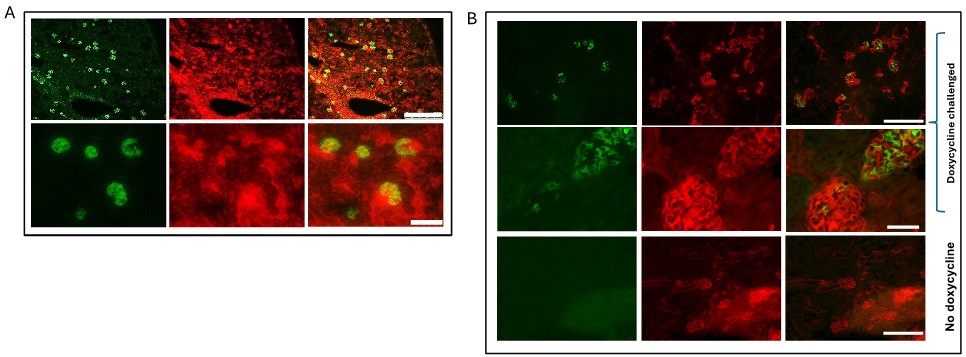
    1. Author response:

      Public Reviews:

      Reviewer #1 (Public review):

      Summary:

      This manuscript by Lin et al. presents a timely, technically strong study that builds patientspecific midbrain-like organoids (MLOs) from hiPSCs carrying clinically relevant GBA1 mutations (L444P/P415R and L444P/RecNcil). The authors comprehensively characterize nGD phenotypes (GCase deficiency, GluCer/GluSph accumulation, altered transcriptome, impaired dopaminergic differentiation), perform CRISPR correction to produce an isogenic line, and test three therapeutic modalities (SapC-DOPS-fGCase nanoparticles, AAV9GBA1, and SRT with GZ452). The model and multi-arm therapeutic evaluation are important advances with clear translational value.

      My overall recommendation is that the work undergo a major revision to address the experimental and interpretive gaps listed below.

      Strengths:

      (1) Human, patient-specific midbrain model: Use of clinically relevant compound heterozygous GBA1 alleles (L444P/P415R and L444P/RecNcil) makes the model highly relevant to human nGD and captures patient genetic context that mouse models often miss.

      (2) Robust multi-level phenotyping: Biochemical (GCase activity), lipidomic (GluCer/GluSph by UHPLC-MS/MS), molecular (bulk RNA-seq), and histological (TH/FOXA2, LAMP1, LC3) characterization are thorough and complementary.

      (3) Use of isogenic CRISPR correction: Generating an isogenic line (WT/P415R) and demonstrating partial rescue strengthens causal inference that the GBA1 mutation drives many observed phenotypes.

      (4) Parallel therapeutic testing in the same human platform: Comparing enzyme delivery (SapC-DOPS-fGCase), gene therapy (AAV9-GBA1), and substrate reduction (GZ452) within the same MLO system is an elegant demonstration of the platform's utility for preclinical evaluation.

      (5) Good methodological transparency: Detailed protocols for MLO generation, editing, lipidomics, and assays allow reproducibility

      Weaknesses:

      (1) Limited genetic and biological replication

      (a) Single primary disease line for core mechanistic claims. Most mechanistic data derive from GD2-1260 (L444P/P415R); GD2-10-257 (L444P/RecNcil) appears mainly in therapeutic experiments. Relying primarily on one patient line risks conflating patient-specific variation with general nGD mechanisms.

      We thank the reviewer for highlighting the importance of genetic and biological replication. An additional patient-derived iPSC line was included in the manuscript, therefore, our study includes two independent nGD patient-derived iPSC lines, GD2-1260 (GBA1<sup>L444P/P415R</sup>) and GD2-10-257 (GBA1<sup>L444P/RecNcil</sup>), both of which carry the severe mutations associated with nGD. These two lines represent distinct genetic backgrounds and were used to demonstrate the consistency of key disease phenotypes (reduced GCase activity, elevated substrate, impaired dopaminergic neuron differentiation, etc.) across different patient’s MLOs. Major experiments (e.g., GCase activity assays, substrate, immunoblotting for DA marker TH, and therapeutic testing with SapC-DOPS-fGCase, AAV9-GBA1) were performed using both patient lines, with results showing consistent phenotypes and therapeutic responses (see Figs. 2-6, and Supplementary Figs. 4-5). To ensure clarity and transparency, a new Supplementary Table 2 summarizes the characterization of both the GD2-1260 and GD2-10-257 lines.

      (b) Unclear biological replicate strategy. It is not always explicit how many independent differentiations and organoid batches were used (biological replicates vs. technical fields of view).

      Biological replication was ensured in our study by conducting experiments in at least 3 independent differentiations per line, and technical replicates (multiple organoids/fields per batch) were averaged accordingly. We have clarified biological replicates and differentiation in the figure legends. 

      (c) A significant disadvantage of employing brain organoids is the heterogeneity during induction and potential low reproducibility. In this study, it is unclear how many independent differentiation batches were evaluated and, for each test (for example, immunofluorescent stain and bulk RNA-seq), how many organoids from each group were used. Please add a statement accordingly and show replicates to verify consistency in the supplementary data.

      In the revision, we have clarified biological replicates and differentiation in the figure legend in Fig.1E; Fig.2B,2G; Fig.3F, 3G; Fig.4B-C,E,H-J, M-N; Fig.6D; and Fig.7A-C, I.

      (d) Isogenic correction is partial. The corrected line is WT/P415R (single-allele correction); residual P415R complicates the interpretation of "full" rescue and leaves open whether the remaining pathology is due to incomplete correction or clonal/epigenetic effects.

      We attempted to generate an isogenic iPSC line by correcting both GBA1 mutations (L444P and P415R). However, this was not feasible because GBA1 overlaps with a highly homologous pseudogene (PGBA), which makes precise editing technically challenging. Consequently, only the L444P mutation was successfully corrected, and the resulting isogenic line retains the P415R mutation in a heterozygous state. Because Gaucher disease is an autosomal recessive disorder, individuals carrying a single GBA1 mutation (heterozygous carriers) do not develop clinical symptoms. Therefore, the partially corrected isogenic line, which retains only the P415R allele, represents a clinically relevant carrier model. Consistent with this, our results show that GCase activity was restored to approximately 50% of wild-type levels (Fig.4B-C), supporting the expected heterozygous state. These findings also make it unlikely that the remaining differences observed are due to clonal variation or epigenetic effects.

      (e) The authors tested week 3, 4, 8, 15, and 28 old organoids in different settings. However, systematic markers of maturation should be analyzed, and different maturation stages should be compared, for example, comparing week 8 organoids to week 28 organoids, with immunofluorescent marker staining and bulk RNAseq.

      We agree that a systematic analysis of maturation stages is essential for validating the MLO model. Our data integrated a longitudinal comparison across multiple developmental windows (Weeks 3 to 28) to characterize the transition from progenitors to mature/functional states for nGD phenotyping and evaluation of therapeutic modalities: 1) DA differentiation (Wks 3 and 8 in Fig. 3): qPCR analysis demonstrated the progression of DA-specific programs. We observed a steady increase in the mature DA neuron marker TH and ASCL1. This was accompanied by a gradual decrease in early floor plate/progenitor markers FOXA2 and PLZF, indicating a successful differentiation path from progenitors to differentiated/mature DA neurons. 2) Glycosphingolipid substrates accumulation (Wks 15 and 28 in Fig 2): To assess late-stage nGD phenotyping, we compared GluCer and GluSph at Week 15 and Week 28. This comparison highlights the progressive accumulation of substrates in nGD MLOs, reflecting the metabolic consequences of the disease at different mature stage. 3) Organoid growth dynamics (Wks 4, 8, and 15 in new Fig. 4): The new Fig. 4 tracks physical maturation through organoid size and growth rates across three key time points, providing a macro-scale verification of consistent development between WT and nGD groups. By comparing these early (Wk 3-8) and late (Wk 15-28) stages, we confirmed that our MLOs transition from a proliferative state to a post-mitotic, specialized neuronal state, satisfied the requirement for comparing distinct maturation stages.

      (f) The manuscript frequently refers to Wnt signaling dysregulation as a major finding. However, experimental validation is limited to transcriptomic data. Functional tests, such as the use of Wnt agonist/inhibitor, are needed to support this claim (see below).

      We agree that the suggested experiments could provide additional mechanistic insights into this study and will consider them in future work.

      (g) Suggested fixes / experiments

      Add at least one more independent disease hiPSC line (or show expanded analysis from GD2-10-257) for key mechanistic endpoints (lipid accumulation, transcriptomics, DA markers).

      Additional line iPSC GD2-10-257 derived MLO was included in the manuscript. This was addressed above [see response to Weaknesses (1)-a]. 

      Generate and analyze a fully corrected isogenic WT/WT clone (or a P415R-only line) if feasible; at minimum, acknowledge this limitation more explicitly and soften claims.

      We attempted to generate an isogenic iPSC line by correcting both GBA1 mutations (L444P and P415R). However, this was unsuccessful because the GBA1 gene overlaps with a pseudogene (PGBA) located 16 kb downstream of GBA1, which shares 96-98% sequence similarity with GBA1 (Ref#1, #2), which complicates precise editing. GBA1 is shorter (~5.7 kb) than PGBA (~7.6 kb). The primary exonic difference between GBA1 and PGBA is a 55-bp deletion in exon 9 of the pseudogene. As a result, the isogenic line we obtained carries only the P415R mutation, and L444P was corrected to the normal sequence. We have included this limitation in the Methods as “This gene editing strategy is expected to also target the GBA1 pseudogene due to the identical target sequence, which limits the gene correction on certain mutations (e.g., P415R)”. 

      References:

      (1) Horowitz M., Wilder S., Horowitz Z., Reiner O., Gelbart T., Beutler E. The human glucocerebrosidase gene and pseudogene: structure and evolution. Genomics (1989). 4, 87–96. doi:10.1016/0888-7543(89)90319-4

      (2) Woo EG, Tayebi N, Sidransky E. Next-Generation Sequencing Analysis of GBA1: The Challenge of Detecting Complex Recombinant Alleles. Front Genet. (2021). 12:684067. doi:10.3389/fgene.2021.684067. PMCID: PMC8255797.

      Report and increase independent differentiations (N = biological replicates) and present per-differentiation summary statistics.

      This was addressed above [see response to Weaknesses (1)-b, (1)-c]. 

      (2) Mechanistic validation is insufficient

      (a) RNA-seq pathways (Wnt, mTOR, lysosome) are not functionally probed. The manuscript shows pathway enrichment and some protein markers (p-4E-BP1) but lacks perturbation/rescue experiments to link these pathways causally to the DA phenotype.

      (b) Autophagy analysis lacks flux assays. LC3-II and LAMP1 are informative, but without flux assays (e.g., bafilomycin A1 or chloroquine), one cannot distinguish increased autophagosome formation from decreased clearance.

      (c) Dopaminergic dysfunction is superficially assessed. Dopamine in the medium and TH protein are shown, but no neuronal electrophysiology, synaptic marker co-localization, or viability measures are provided to demonstrate functional recovery after therapy.

      (d) Suggested fixes/experiments

      Perform targeted functional assays:

      (i) Wnt reporter assays (TOP/FOP flash) and/or treat organoids with Wnt agonists/antagonists to test whether Wnt modulation rescues DA differentiation.

      (ii) Test mTOR pathway causality using mTOR inhibitors (e.g., rapamycin) or 4E-BP1 perturbation and assay effects on DA markers and autophagy.

      Include autophagy flux assessment (LC3 turnover with bafilomycin), and measure cathepsin activity where relevant.

      Add at least one functional neuronal readout: calcium imaging, MEA recordings, or synaptic marker quantification (e.g., SYN1, PSD95) together with TH colocalization.

      We thank the reviewer for these valuable suggestions. We agree that the suggested experiments could provide additional mechanistic insights into this study and will consider them in future work. Importantly, the primary conclusions of our manuscript, that GBA1 mutations in nGD MLOs resulted in nGD pathologies such as diminished enzymatic function, accumulation of lipid substrates, widespread transcriptomic changes, and impaired dopaminergic neuron differentiation, which can be corrected by several therapeutic strategies in this study, are supported by the evidence presented. The suggested experiments represent an important direction for future research using brain organoids.

      (3) Therapeutic evaluation needs greater depth and standardization

      (a) Short windows and limited durability data. SapC-DOPS and AAV9 experiments range from 48 hours to 3 weeks; longer follow-up is needed to assess durability and whether biochemical rescue translates into restored neuronal function.

      We agree with the reviewer. Because this is a proof-of-principle study, the treatment was designed within a short time window. Long-term studies with more comprehensive outcome assessments will be conducted in future work.

      (b) Dose-response and biodistribution are under-characterized. AAV injection sites/volumes are described, but transduction efficiency, vg copies per organoid, cell-type tropism quantification, and SapC-DOPS penetration/distribution are not rigorously quantified.

      We appreciate the reviewer’s concerns. This study was intended to demonstrate the feasibility and initial response of MLOs to AAV therapy. A comprehensive evaluation of AAV biodistribution will be considered in future studies.

      The penetration and distribution of SapC-DOPS have been extensively characterized in prior studies. In vivo biodistribution of SapC–DOPS coupled CellVue Maroon, a fluorescent cargo, was examined in mice bearing human tumor xenografts using real-time fluorescence imaging, where CellVue Maroon fluorescence in tumor remained for 48 hours (Ref. #3: Fig. 4B, mouse 1), 100 hours (Ref. #4: Fig. 5), up to 216 hours (Ref. #5: Fig. 3). Uptake kinetics were also demonstrated in cells, with flow cytometry quantification showing that fluorescent cargo coupled SapC-DOPS nanovesicles, were incorporated into human brain tumor cell membranes within minutes and remained stably incorporated into the cells for up to one hour (Ref. # 6: Fig. 1a and Fig. 1b). Building on these findings, the present study focuses on evaluating the restoration of GCase function rather than reexamining biodistribution and uptake kinetics.

      References:

      (3) X. Qi, Z. Chu, Y.Y. Mahller, K.F. Stringer, D.P. Witte, T.P. Cripe. Cancer-selective targeting and cytotoxicity by liposomal-coupled lysosomal saposin C protein. Clin. Cancer Res. (2009) 15, 5840-5851. PMID: 19737950.

      (4) Z. Chu, S. Abu-Baker, M.B. Palascak, S.A. Ahmad, R.S. Franco, and X. Qi. Targeting and cytotoxicity of SapC-DOPS nanovesicles in pancreatic cancer. PLOS ONE (2013) 8, e75507. PMID: 24124494.

      (5) Z. Chu, K. LaSance, V.M. Blanco, C.-H. Kwon, B., Kaur, M., Frederick, S., Thornton, L., Lemen, and X. Qi. Multi-angle rotational optical imaging of brain tumors and arthritis using fluorescent SapC-DOPS nanovesicles. J. Vis. Exp. (2014) 87, e51187, 17. PMID: 24837630.

      (6) J. Wojton, Z. Chu, C-H. Kwon, L.M.L. Chow, M. Palascak, R. Franco, T. Bourdeau, S. Thornton, B. Kaur, and X. Qi. Systemic delivery of SapC-DOPS has antiangiogenic and antitumor effects against glioblastoma. Mol. Ther. (2013) 21, 1517-1525. PMID: 23732993.

      (c) Specificity controls are missing. For SapC-DOPS, inclusion of a non-functional enzyme control (or heat-inactivated fGCase) would rule out non-specific nanoparticle effects. For AAV, assessment of off-target expression and potential cytotoxicity is needed.

      Including inactive fGCase would confound the assessment of fGCase in MLOs by immunoblot and immunofluorescence; therefore, saposin C–DOPS was used as the control instead. 

      We agree that assessment of Off-target expression and potential cytotoxicity for AAV is important; this will be included in future studies.

      (d) Comparative efficacy lacking. It remains unclear which modality is most effective in the long term and in which cellular compartments.

      To address this comment, we have added a new table (Supplementary Table 2) comparing the four therapeutic modalities and summarizing their respective outcomes. While this study focused on short-term responses as a proof-of-principle, future work will explore long-term therapeutic effects. 

      (e) Suggested fixes/experiments

      Extend follow-up (e.g., 6+ weeks) after AAV/SapC dosing and evaluate DA markers, electrophysiology, and lipid levels over time.

      We appreciate the reviewer’s suggestions. The therapeutic testing in patient-derived MLOs was designed as a proof-of-principle study to demonstrate feasibility and the primary response (rescue of GCase function) to the treatment. A comprehensive, long-term therapeutic evaluation of AAV and SapC-DOPS-fGCase is indeed important for a complete assessment; however, this represents a separate therapeutic study and is beyond the scope of the current work.

      Quantify AAV transduction by qPCR for vector genomes and by cell-type quantification of GFP+ cells (neurons vs astrocytes vs progenitors).

      For the AAV-treated experiments, we agree that measuring AAV copy number and GFP expression would provide additional information. However, the primary goal of this study was to demonstrate the key therapeutic outcome, rescue of GCase function by AAV-delivered normal GCase, which is directly relevant to the treatment objective.

      Include SapC-DOPS control nanoparticles loaded with an inert protein and/or fluorescent cargo quantitation to show distribution and uptake kinetics.

      As noted above [see response to Weakness (3)-c], using inert GCase would confound the assessment of fGCase uptake in MLOs; therefore, it was not suitable for this study. See response above for the distribution and uptake kinetics of SapC-DOPS [see response to Weaknesses (3)-b].

      Provide head-to-head comparative graphs (activity, lipid clearance, DA restoration, and durability) with statistical tests.

      We have added a new table (Supplementary Table 2) providing a head-to-head comparison of the treatment effects. 

      (4) Model limitations not fully accounted for in interpretation

      (a) Absence of microglia and vasculature limits recapitulation of neuroinflammatory responses and drug penetration, both of which are important in nGD. These absences could explain incomplete phenotypic rescues and must be emphasized when drawing conclusions about therapeutic translation.

      We agree that the absence of microglia and vasculature in midbrain-like organoids represents a limitation, as we have discussed in the manuscript. In this revision, we highlighted this limitation in the Discussion section and clarified that it may contribute to incomplete phenotyping and phenotypic rescue observed in our therapeutic experiments. Additionally, we have outlined future directions to incorporate microglia and vascularization into the organoid system to better recapitulate the in vivo environment and improve translational relevance (see 7th paragraph in the Discussion).

      (b) Developmental vs degenerative phenotype conflation. Many phenotypes appear during differentiation (patterning defects). The manuscript sometimes interprets these as degenerative mechanisms; the distinction must be clarified.

      We appreciate the reviewer’s comments. In the revised manuscript, we have clarified that certain abnormalities, such as patterning defects observed during early differentiation, likely reflect developmental consequences of GBA1 mutations rather than degenerative processes. Conversely, phenotypes such as substrate accumulation, lysosomal dysfunction, and impaired dopaminergic maturation at later stages are interpreted as degenerative features. We have updated the Results and Discussion sections to avoid conflating developmental defects with neurodegenerative mechanisms.

      (c) Suggested fixes

      Tone down the language throughout (Abstract/Results/Discussion) to avoid overstatement that MLOs fully recapitulate nGD neuropathology.

      The manuscript has been revised to avoid overstatements.

      Add plans or pilot data (if available) for microglia incorporation or vascularization to indicate how future work will address these gaps.

      The manuscript now includes further plans to address the incorporation of microglia and vascularization, described in the last two paragraphs in the Discussion. Pilot study of microglia incorporation will be reported when it is completed.

      (5) Statistical and presentation issues

      (a) Missing or unclear sample sizes (n). For organoid-level assays, report the number of organoids and the number of independent differentiations.

      We have clarified biological replicates and differentiation in the figure legend [see response to Weaknesses (1)-b, (1)-c]. 

      (b) Statistical assumptions not justified. Tests assume normality; where sample sizes are small, consider non-parametric tests and report exact p-values.

      We have updated Statistical analysis in the methods as described below:

      “For comparisons between two groups, data were analyzed using unpaired two-tailed Student’s t-tests when the sample size was ≥6 per group and normality was confirmed by the Shapiro-Wilk test. When the normality assumption was not met or when sample sizes were small (n < 6), the non-parametric Mann-Whitney U test was used instead. For comparisons involving three or more groups, one-way ANOVA followed by Tukey’s multiple comparison test was applied when data were normally distributed; otherwise, the nonparametric Dunn’s multiple comparison test was used. Exclusion of outliers was made based on cut-offs of the mean ±2 standard deviations. All statistical analyses were performed using GraphPad Prism 10 software. Exact p-values are reported throughout the manuscript and figures where feasible. A p-value < 0.05 was considered statistically significant.”

      (c) Quantification scope. Many image quantifications appear to be from selected fields of view, which are then averaged across organoids and differentiations.

      In this work, quantitative immunofluorescence analyses (e.g., cell counts for FOXP1+, FOXG1+, SOX2+ and Ki67+ cells, as well as marker colocalization) were performed on at least 3–5 randomly selected non-overlapping fields of view (FOVs) per organoid section, with a minimum of 3 organoids per differentiation batch. Each FOV was imaged at consistent magnification (60x) and z-stack depth to ensure comparable sampling across conditions. Data from individual FOVs were first averaged within each organoid to obtain an organoid-level mean, and then biological replicates (independent differentiations, n ≥ 3) were averaged to generate the final group mean ± SEM. This multilevel averaging approach minimizes bias from regional heterogeneity within organoids and accounts for variability across differentiations. Representative confocal images shown in the figures were selected to accurately reflect the quantified data. We believe this standardized quantification strategy ensures robust and reproducible results while appropriately representing the 3D architecture of the organoids.

      In the revision, we have clarified the method used for image analysis of sectioned MLOs as below:

      “Quantitative immunofluorescence analyses (e.g., cell counts for FOXP1+, FOXG1+, SOX2+ and Ki67+ cells, as well as marker colocalization) were performed using ImageJ (NIH) on at least 3–5 randomly selected non-overlapping fields of view (FOVs) per organoid section, with a minimum of 3 organoids per differentiation batch. Each FOV was imaged at consistent magnification (60x) and z-stack depth to ensure comparable sampling across conditions. Data from individual FOVs were first averaged within each organoid to obtain an organoid-level mean, and then biological replicates (independent differentiations, n ≥ 3) were averaged to generate the final group mean ± SEM.”

      (d) RNA-seq QC and deposition. Provide mapping rates, batch correction details, and ensure the GEO accession is active. Include these in Methods/Supplement.

      RNA-seq data are from the same batch. The mapping rate is >90%. GEO accession will be active upon publication. These were included in the Methods.

      (e) Suggested fixes

      Add a table summarizing biological replicates, technical replicates, and statistical tests used for each figure panel.

      We have revised the figure legends to include replicates for each figure and statistical tests [see response in weaknesses (1)-b, (1)-c].

      Recompute statistics where appropriate (non-parametric if N is small) and report effect sizes and confidence intervals.

      Statistical analysis method is provided in the revision [see response in Weaknesses (5)-b].

      (6) Minor comments and clarifications

      (a) The authors should validate midbrain identity further with additional regional markers (EN1, OTX2) and show absence/low expression of forebrain markers (FOXG1) across replicates.

      We validated the MLO identity by 1) FOXG1 and 2) EN1. FOXG1 was barely detectable in Wk8 75.1_MLO but highly present in ‘age-matched’ cerebral organoid (CO), suggesting our culturing method is midbrain region-oriented. In nGD MLO, FOXG1 expression is significantly higher than 75.1_MLO, indicating that there was aberrant anterior-posterior brain specification, consistent with the transcriptomic dysregulation observed in our RNA-seq data.

      To further confirm midbrain identity, we examined the expression of EN1, an established midbrain-specific marker. Quantitative RT-PCR analysis demonstrated that EN1 expression increased progressively during differentiation in both WT-75.1 and nGD2-1260 MLOs at weeks 3 and 8 (Author response image 1). EN1 reached 34-fold and 373-fold higher levels than in WT-75.1 iPSCs at weeks 3 and 8, respectively, in WT-75.1 MLOs. In nGD MLOs, although EN1 expression showed a modest reduction at week 8, the levels were not significantly different from those observed in age-matched WT-75.1 MLOs (p > 0.05, ns).

      Author response image 1.

      qRT-PCR quantification of midbrain progenitor marker EN1 expression in WT-75.1 and GD2-1260 MLOs at Wk3 and Wk8. Data was normalized to WT-75.1 hiPSC cells and presented as mean ± SEM (n = 3-4 MLOs per group).ns, not significant.<br />

      (b) Extracellular dopamine ELISA should be complemented with intracellular dopamine or TH+ neuron counts normalized per organoid or per total neurons.

      We quantified TH expression at both the mRNA level (Fig. 3F) and the protein level (Fig. 3G/H) from whole-organoid lysates, which provides a more consistent and integrative measure across samples. These TH expression levels correlated well with the corresponding extracellular (medium) dopamine concentrations for each genotype. In contrast, TH⁺ neuron counts may not reliably reflect total cellular dopamine levels because the number of cells captured on each organoid section varies substantially, making normalization difficult. Measuring intracellular dopamine is an alternative approach that will be considered in future studies.

      (c) For CRISPR editing: the authors should report off-target analysis (GUIDE-seq or targeted sequencing of predicted off-targets) or at least in-silico off-target score and sequencing coverage of the edited locus. (off-target analysis (GUIDE-seq or targeted sequencing of predicted off-targets) or at least in-silico off-target score and sequencing coverage of the edited locus). 

      The off-target effect was analyzed during gene editing and the chance to target other off-targets is low due to low off-target scores ranked based on the MIT Specificity Score analysis. The related method was also updated as stated below:

      “The chance to target other Off-targets is low due to low Off-target scores ranked based on the MIT Specificity Score analysis (Hsu, P., Scott, D., Weinstein, J. et al. DNA targeting specificity of RNA-guided Cas9 nucleases. Nat Biotechnol 31, 827–832 (2013).https://doi.org/10.1038/nbt.2647).”

      (d) It should be clarified as to whether lipidomics normalization is to total protein per organoid or per cell, and include representative LC-MS chromatograms or method QC.

      The normalization was to the protein of the organoid lysate. This was clarified in the Methods section in the revision as stated below:

      “The GluCer and GluSph levels in MLO were normalized to total MLO protein (mg) that were used for glycosphingolipid analyses. Protein mass was determined by BCA assay and glycosphingolipid was expressed as pmol/mg protein. Additionally, GluSph levels in the culture medium were quantified and normalized to the medium volume (pmol/mL).”

      Representative LC-MS chromatograms for both normal and GD MLOs have been included in a new figure, Supplementary Figure 2.

      (e) Figure legends should be improved in order to state the number of organoids, the number of differentiations, and the exact statistical tests used (including multiplecomparison corrections).

      This was addressed above [see response to Weaknesses (1)-b and (5)-b].

      (f) In the title, the authors state "reveal disease mechanisms", but the studies mainly exhibit functional changes. They should consider toning down the statement.

      The title was revised to: Patient-Specific Midbrain Organoids with CRISPR Correction Recapitulate Neuronopathic Gaucher Disease Phenotypes and Enable Evaluation of Novel Therapies

      (7) Recommendations

      This reviewer recommends a major revision. The manuscript presents substantial novelty and strong potential impact but requires additional experimental validation and clearer, more conservative interpretation. Key items to address are:

      (a) Strengthening genetic and biological replication (additional lines or replicate differentiations).

      This was addressed above [see response to Weaknesses (1)-a, (1)-b, (1)-c].

      (b) Adding functional mechanistic validation for major pathways (Wnt/mTOR/autophagy) and providing autophagy flux data.

      (c) Including at least one neuronal functional readout (calcium imaging/MEA/patch) to demonstrate functional rescue.

      As addressed above [see response to Weaknesses (2)], the suggested experiments in b) and c) would provide additional insights into this study and we will consider them in future work. 

      (d) Deepening therapeutic characterization (dose, biodistribution, durability) and including specificity controls.

      This was addressed above [see response to Weaknesses (3)-a to e].

      (e) Improving statistical reporting and explicitly stating biological replicate structure.

      This was addressed above [see response to Weaknesses (1)-b, (5)-b].

      Reviewer #2 (Public review):

      Sun et al. have developed a midbrain-like organoid (MLO) model for neuronopathic Gaucher disease (nGD). The MLOs recapitulate several features of nGD molecular pathology, including reduced GCase activity, sphingolipid accumulation, and impaired dopaminergic neuron development. They also characterize the transcriptome in the MLO nGD model. CRISPR correction of one of the GBA1 mutant alleles rescues most of the nGD molecular phenotypes. The MLO model was further deployed in proof-of-principle studies of investigational nGD therapies, including SapC-DOPS nanovesicles, AAV9-mediated GBA1 gene delivery, and substrate-reduction therapy (GZ452). This patient-specific 3D model provides a new platform for studying nGD mechanisms and accelerating therapy development. Overall, only modest weaknesses are noted.

      We thank the reviewer for the supportive remarks.

      Reviewer #3 (Public review):

      Summary:

      In this study, the authors describe modeling of neuronopathic Gaucher disease (nGD) using midbrain-like organoids (MLOs) derived from hiPSCs carrying GBA1 L444P/P415R or L444P/RecNciI variants. These MLOs recapitulate several disease features, including GCase deficiency, reduced enzymatic activity, lipid substrate accumulation, and impaired dopaminergic neuron differentiation. Correction of the GBA1 L444P variant restored GCase activity, normalized lipid metabolism, and rescued dopaminergic neuronal defects, confirming its pathogenic role in the MLO model. The authors further leveraged this system to evaluate therapeutic strategies, including: (i) SapC-DOPS nanovesicles for GCase delivery, (ii) AAV9-mediated GBA1 gene therapy, and (iii) GZ452, a glucosylceramide synthase inhibitor. These treatments reduced lipid accumulation and ameliorated autophagic, lysosomal, and neurodevelopmental abnormalities.

      Strengths:

      This manuscript demonstrates that nGD patient-derived MLOs can serve as an additional platform for investigating nGD mechanisms and advancing therapeutic development.

      Comments:

      (1) It is interesting that GBA1 L444P/P415R MLOs show defects in midbrain patterning and dopaminergic neuron differentiation (Figure 3). One might wonder whether these abnormalities are specific to the combination of L444P and P415R variants or represent a 

      general consequence of GBA1 loss. Do GBA1 L444P/RecNciI (GD2-10-257) MLOs also exhibit similar defects?

      We observed reduced dopaminergic neuron marker TH expression in GBA1 L444P/RecNciI (GD2-10-257) MLOs, suggesting that this line also exhibits defects in dopaminergic neuron differentiation. These data are provided in a new Supplementary Fig. 4E, and are summarized in new Supplementary Table 2 in the revision.

      (2) In Supplementary Figure 3, the authors examined GCase localization in SapC-DOPSfGCase-treated nGD MLOs. These data indicate that GCase is delivered to TH⁺ neurons, GFAP⁺ glia, and various other unidentified cell types. In fruit flies, the GBA1 ortholog, Gba1b, is only expressed in glia (PMID: 35857503; 35961319). Neuronally produced GluCer is transferred to glia for GBA1-mediated degradation. These findings raise an important question: in wild-type MLOs, which cell type(s) normally express GBA1? Are they dopaminergic neurons, astrocytes, or other cell types?

      All cell types in wild-type MLOs are expected to express GBA1, as it is a housekeeping gene broadly expressed across neurons, astrocytes, and other brain cell types. Its lysosomal function is essential for cellular homeostasis and is therefore not restricted to any specific lineage. (https://www.proteinatlas.org/ENSG00000177628GBA1/brain/midbrain). 

      (3) The authors may consider switching Figures 2 and 3 so that the differentiation defects observed in nGD MLOs (Figure 3) are presented before the analysis of other phenotypic abnormalities, including the various transcriptional changes (Figure 2).

      We appreciate the reviewer’s suggestion; however, we respectfully prefer to retain the current order of Figures 2 and 3, as we believe this structure provides the clearest narrative flow. Figure 2 establishes the core biochemical hallmarks: reduced GCase activity, substrate accumulation, and global transcriptomic dysregulation (1,429 DEGs enriched in neural development, WNT signaling, and lysosomal pathways), which together provide essential molecular context for studying the specific cellular differentiation defects presented in Figure 3. Presenting the broader disease landscape first creates a coherent mechanistic link to the subsequent analyses of midbrain patterning and dopaminergic neuron impairment.

      To enhance readability, we have added a brief transitional sentence at the start of the Figure 3 paragraph: “Building on the molecular and transcriptomic hallmarks of GCase deficiency observed in nGD MLOs (Figure 2), we next investigated the impact on midbrain patterning and dopaminergic neuron differentiation (Figure 3).”

    1. That thou her maid art far more fair than she: Be not her maid, since she is envious; Her vestal livery is but sick and green And none but fools do wear it; cast it off. It is my lady, O, it is my love! 855O, that she knew she were!

      Romeo's yearning for Juliet is very deep.

  2. drive.google.com drive.google.com
    1. las características que debe cumplir un objetivo forman el acrónimo SMART:• Específico• Medible• Alcanzable• Relevante• Temporal

      SMART asegura que los objetivos sean claros y alcanzables. Lo que evita plantear metas ambiguas o dificiles de cumplir. La medición y temporalidad permiten evaluar si el estudio logró lo que se propuso.

    2. Refleja el área temática a investigar• Responde los aspectos deo Especificidad: ¿Qué se investiga?o Espacialidad ¿Dónde se realiza?o Temporalidad ¿Cuándo se lleva a cabo?

      El título es una síntesis estructurada del estudio. Debe indicar qué se investiga, dónde y cuándo. Lo que permite delimitar el estudio y evitar ambigüedades, esto al final garantiza precisión desde el inicio.

    3. La justificación explica el porqué de la investigación: por qué elproyecto es importante y necesario.

      No se investiga por curiosidad únicamente, sino que también para aportar soluciones, conocimiento o beneficios prácticos. Evaluar lo que es su conveniencia y relevancia fortalece el valor académico del proyecto.

  3. ushift.tecnico.ulisboa.pt ushift.tecnico.ulisboa.pt
    1. tem aqui uma transição que só aparece a caixa com a estrela (afinal são duas) - considerar aparecer o texto todo ao mesmo tempo, por caixa, mas claro que depende do apresentador

    2. slide 6, dos "shapes don't match OSM", - acrescentar que o próprio standatr não define como devem ser desenhadas as rotas - o que gera um problema gigante de consistência, até dentro do mesmo operador e da mesma rota para serviços diferentes! (isso é algo que terá de ser ultrapassado no futuro pelo standart, mas que conseguimos ultrapassar aqui)

    3. ah já entendi. mas então suguro ou no primeiro mapa mudar a escala de cores, ou no segundo meter o lwd também relativo à frequência (mais largas e mais claras -> mais frequentes)

    1. Author response:

      The following is the authors’ response to the original reviews.

      Public Reviews:

      Reviewer #1 (Public review):

      Summary:

      This is a well-structured and interesting manuscript that investigates how herbivorous insects, specifically whiteflies and planthoppers, utilize salivary effectors to overcome plant immunity by targeting the RLP4 receptor.

      Strengths:

      The authors present a strong case for the independent evolution of these effectors and provide compelling evidence for their functional roles.

      Weaknesses:

      Western blot evidence for effector secretion is weak. The possibility of contamination from insect tissues during the sample preparation should be avoided.

      Below are some specific comments and suggestions to strengthen the manuscript.

      Thank you very much for your comments. We have carefully revised the MS following your valuable suggestions and comments.

      (1) Western blot evidence for effector secretion:

      The western blot evidence in Figure 1, which aims to show that the insect protein is secreted into plants, is not fully convincing. The band of the expected size (~30 kDa) in the infested tissues is very weak. Furthermore, the high and low molecular weight bands that appear in the infested tissues do not match the size of the protein in the insects themselves, and a high molecular weight band also appears in the uninfested control tissues. It is difficult to draw a definitive conclusion that this protein is secreted into the plants based on this evidence. The authors should also address the possibility of contamination from insect tissues during the sample preparation and explain how they have excluded this possibility.

      Thank you for pointing out this. One or two bands between 25-35kDa were specifically identified in B. tabaci-infested plants, but not the non-infested plants, and the smaller high intensity band is the same size as that of BtRDP in salivary glands. This experiment has been repeated for six times. In the current version, we reperformed this experiment, and provided salivary gland sample as a positive control, which showed the same molecular weight with a specific band in infested sample. It is noteworthily that in the experiment of current version, only the smaller high intensity band appear, while the low intensity band did not appear. The detection of a protein within infested plant tissue is a key criterion for validating the secretion of salivary effectors, an approach supported by numerous studies in this field. Furthermore, our previous LC-MS/MS analysis of B. tabaci watery saliva identified six unique peptides matching BtRDP, providing independent evidence for its presence in saliva. Therefore, as we now state in the manuscript “the detection of BtRDP in infested plants (Fig. 1a) and in watery saliva (Fig. S1) collectively indicates that BtRDP is a salivary protein”.

      Regarding the higher molecular weight band that present in both infested and non-infested samples, we agree that it most likely represents a non-specific band, which is a common occurrence in Western blot assays. Such bands are sometimes used to indicate comparable sample loading. To address the possibility of contamination by insect tissues, we wish to clarify that all insects and deposited eggs were carefully removed from the infested leaves prior to sample processing. Moreover, BtRDP is undetectable at the egg stage, and no BtRDP-associated band can be detected even in egg contamination. We have revised the Methods section to explicitly state this procedure:

      “After feeding, the eggs deposited on the infested tobacco leaves were removed. The leaves showing no visible insect contamination were immediately frozen in liquid nitrogen and ground to a fine powder.”

      (2) Inconsistent conclusion (Line 156 and Figure 3c):

      The statement in line 156 is inconsistent with the data presented in Figure 3c. The figure clearly shows that the LRR domain of the protein is the one responsible for the interaction with BtRDP, not the region mentioned in the text. This is a critical misrepresentation of the experimental findings and must be corrected. The conclusion in the text should accurately reflect the data from the figure.

      We apologize for any confusion caused by the original phrasing. In our previous manuscript, the description “NtRLP4 without signal peptides and transmembrane domains” referred specifically to the truncated construct NtRLP4<sub>(23-541)</sub> used in the experiment. To prevent any misunderstanding, we have revised the sentence in the updated version to state explicitly: “Point-to-point Y2H assays reveal that NtRLP4<sub>(23-541)</sub> (a truncated version lacking the signal peptide and transmembrane domains) interacts with BtRDP<sup>-sp</sup>”.

      (3) Role of SOBIR1 in the RLP4/SOBIR1 Complex:

      The authors demonstrate that the salivary effectors destabilize the RLP4 receptor, leading to a decrease in its protein levels and a reduction in the RLP4/SOBIR1 complex. A key question remains regarding the fate of SOBIR1 within this complex. The authors should clarify what happens to the SOBIR1 protein after the destabilization of RLP4. Does SOBIR1 become unbound, targeted for degradation itself, or does it simply lose its function without RLP4? This would provide further insight into the mechanism of action of the effectors.

      Thank you for suggestion. In the current version, we assessed the impact of BtRDP on NtSOBIR1 following NtRLP4 destabilization. The results showed that while the NtRLP4-myc accumulation was markedly reduced, NtSOBIR1-flag levels remained unchanged, suggesting that destabilization of NtRLP4 did not affect NtSOBIR1 accumulation.

      (4) Clarification on specificity and evolutionary claims:

      The paper's most significant claim is that the effectors from both whiteflies and planthoppers "independently evolved" to target RLP4. While the functional data is compelling, this evolutionary claim would be more convincing with stronger evidence. Showing that two different effector proteins target the same host protein is a fascinating finding but without a robust phylogenetic analysis, the claim of independent evolution is not fully supported. It would be valuable to provide a more detailed evolutionary analysis, such as a phylogenetic tree of the effector proteins, showing their relationship to other known insect proteins, to definitively rule out a shared, but highly divergent, common ancestor.

      We appreciate the reviewer’s valuable suggestion to investigate a potential evolutionary link between BtRDP and NlSP104. Our initial analysis already indicated no detectable sequence similarity. To address this point more thoroughly, we attempted a phylogenetic analysis. However, we were unable to generate a meaningful alignment due to a complete lack of conserved amino acid sequences. Therefore, we conducted a comparative genomics analysis by blasting both proteins against the genomic or transcriptomic data of 30 diverse insect species. This analysis revealed that RDP is exclusively present in Aleyrodidae species, and SP104 is exclusively present in Delphacidae species (Table S1). Taken together, the absence of sequence similarity, their distinct protein structure, and their lineage-specific distributions, we conclude that BtRDP and NlSP104 are highly unlikely to be homologous and thus did not originate from a common ancestor.

      (5) Role of SOBIR1 in the interaction:

      The results suggest that the effectors disrupt the RLP4/SOBIR1 complex. It is not entirely clear if the effectors are specifically targeting RLP4, SOBIR1, or both. Further experiments, such as a co-immunoprecipitation assay with just RLP4 and the effector, could clarify if the effector can bind to RLP4 in the absence of SOBIR1. This would help to definitively place RLP4 as the primary target.

      We appreciate the reviewer’s insightful comments regarding whether the effector preferentially targets RLP4, SOBIR1, or both. In our study, we conducted reciprocal co-immunoprecipitation assays using RLP4 and BtRDP as controls. These assays showed that BtRDP interacts with RLP4 but does not interact with SOBIR1, supporting the conclusion that SOBIR1 is unlikely to be a direct target of BtRDP. We fully agree that testing the interaction between RLP4 and BtRDP in the absence of SOBIR1 would further strengthen the conclusion. However, we were unable to obtain N. tabacum SOBIR1 knockout mutants, and therefore could not experimentally assess whether the RLP4–BtRDP interaction persists in planta without SOBIR1. Nevertheless, our yeast two-hybrid assays demonstrate that RLP4 and BtRDP can directly interact, indicating that their association does not strictly depend on SOBIR1. Together, these results support the interpretation that RLP4 is the primary target of BtRDP, while SOBIR1 is not directly engaged by the effector.

      (6) Transcriptome analysis (Lines 130-143):

      The transcriptome analysis section feels disconnected from the rest of the manuscript. The findings, or lack thereof, from this analysis do not seem to be directly linked to the other major conclusions of the paper. This section could be removed to improve the manuscript's overall focus and flow. If the authors believe this data is critical, they should more clearly and explicitly connect the conclusions of the transcriptome analysis to the core findings about the effector-RLP4 interaction.

      Thank you for suggestion. As you and Reviewer #2 pointed, the transcriptomic analysis did not closely link to the major conclusions of the paper, and we got little information from the transcriptomic analysis. Therefore, we remove these analyses to improve the manuscript’s overall focus and flow.

      (7) Signal peptide experiments (Lines 145 and beyond):

      The experiments conducted with the signal peptide (SP) are questionable. The SP is typically cleaved before the protein reaches its final destination. As such, conducting experiments with the SP attached to the protein may have produced biased observations and could lead to unjustified conclusions about the protein's function within the plant cell. We suggest the authors remove the experiments that include the signal peptide.

      Thank you for pointing out this. The SP was retained to direct the target proteins to the extracellular space of plant cells. Theoretically, the SP is cleaved in the mature protein. This methodology is widely used in effector biology. For example, the SP directs Meloidogyne graminicola Mg01965 to the apoplast, where it functions in immune suppression, whereas Mg01965 without the SP fails to exert this function (10.1111/mpp.12759). In our study, the SP of BtRDP was expected to guide the target protein to the extracellular space, facilitating its interaction with RLP4. Moreover, the observed protein sizes of BtRDP with and without the SP in transgenic plants were identical, suggesting successful SP cleavage. Therefore, we have retained the experiments involving the SP in the current version.

      (8) Overly strong conclusion and unclear evidence (Line 176):

      The use of the word "must" on line 176 is very strong and presents a definitive conclusion without sufficient evidence. The authors state that the proteins must interact with SOBIR1, but they do not provide a clear justification for this claim. Is SOBIR1 the only interaction partner for NtRLP4? The authors should provide a specific reason for focusing on SOBIR1 instead of demonstrating an interaction with NtRLP4 first. Additionally, do BtRDP or NlSP694 also interact with SOBIR1 directly? The authors should either tone down their language to reflect the evidence or provide a clearer justification for this strong claim.

      Thank you for pointing this out. In the current version, the word “must” has been toned down to “may” due to insufficient supporting evidence. In this study, SOBIR1 was chosen because it has been widely reported to be required for the function of several RLPs involved in innate immunity. However, it remains unclear whether SOBIR1 is the only interaction partner of NtRLP4. In the current version, we have clarified the rationale for focusing on SOBIR1 prior to the experiments “The receptor-like kinase SOBIR1, which contains a kinase domain, has been widely reported to be required for the function of RLPs involved in innate immunity (Gust & Felix, 2014)” and discussed that “Although NtRLP4 interacts with SOBIR1, this alone does not confirm that it operates strictly through this canonical module. Evidence from other RLPs shows that co-receptor usage can be flexible, and some RLPs function partly or conditionally independent of SOBIR1. Therefore, a more definitive assessment of NtRLP4 signaling will therefore require genetic dissection of its co-receptor dependencies, including but not limited to SOBIR1.”. In addition, the direct interaction between BtRDP and SOBIR1 was experimentally tested, and the results showed that BtRDP failed to interact with SOBIR1.

      Minor Comments

      (9) The statement in the abstract, "However, it remains unclear how these invaders are able to overcome receptor perception and disable the plant signaling pathways," is not entirely accurate. The fields of effector biology and host-pathogen interactions have provided significant insight into how pathogens and pests manipulate both Pattern-Triggered Immunity (PTI) and Effector-Triggered Immunity (ETI). While the specific mechanism described in this paper is novel, the broader claim that the field is unclear on these processes weakens the initial hook of the paper. A more precise framing of the problem would be beneficial, perhaps by stating that the specific mechanisms used by these particular herbivores to target RLP4 were previously unknown.

      Thank you for this insightful comment. We agree that the original statement in the abstract overstated the lack of understanding in the field. In the current version, we have refined the sentence to more accurately reflect the current state of knowledge, emphasizing that while microbial suppression of plant immunity has been extensively studied, the strategies used by herbivorous insects to overcome receptor-mediated defenses remain less understood. The revised sentence now reads as follows: “Although the mechanisms used by microbial pathogens to suppress plant immunity are well studied, how herbivorous insects overcome receptor-mediated defenses remains unclear”.

      (10) The introduction is heavily focused on Pattern Recognition Receptors (PRRs), which, while central to the paper's findings, gives a somewhat narrow view of the plant's defense against herbivores. It would be beneficial to briefly acknowledge the broader context of plant defenses, such as physical barriers, direct chemical toxicity, and indirect defenses, before narrowing the focus to the specific molecular interactions of PRRs that are the core of this study. This would provide a more complete picture of the "arms race" between plants and herbivores.

      Thank you for this valuable suggestion. We agree that the original introduction focused too narrowly on pattern-recognition receptors (PRRs). In the current version, we have expanded the introductory section to provide a broader overview of plant defense mechanisms. Specifically, we now acknowledge the multiple layers of plant defenses, including physical barriers (e.g., cuticle and cell wall), chemical defenses (e.g., toxic secondary metabolites and anti-nutritive compounds), and indirect defenses mediated by herbivore-induced volatiles. This addition provides a more complete context for understanding the molecular interactions discussed in this study. The revised paragraph now reads as follows: “Plants have evolved sophisticated defense systems to survive constant attacks from pathogens and herbivorous insects. These defenses operate at multiple levels, including physical barriers such as the cuticle and cell wall, chemical defenses involving toxic secondary metabolites and anti-nutritive compounds, and indirect defenses that attract natural enemies of herbivores through the emission of herbivore-induced volatiles. Beyond these general strategies, plants also rely on highly specialized molecular immune responses that allow them to detect and respond rapidly to invaders.”

      (11) The figure legends are generally clear, but some could be more detailed. For instance, in Figure 2, it would be helpful to explicitly state what each bar represents in the graph and to include the statistical test used. Please ensure all panels in all figures have clear labels.

      Thank you for this helpful suggestion. We have revised the legend of Fig. 2 and other figures to provide more detailed information for each panel. Specifically, we now explicitly describe what each bar represents in the graphs and specify the statistical test used. In addition, we ensured that all panels are clearly labeled. These changes improve clarity and allow readers to better interpret the data.

      (12) The methods section is comprehensive, but it would be helpful to include more specifics on the statistical analyses used. For example, the type of statistical test (e.g., t-test, ANOVA) and the software used should be mentioned for each experiment.

      Thank you for your suggestion. We have revised the Methods section (Statistical analysis) to provide more detailed information on the statistical analysis used for each experiment.

      (13) The manuscript's overall impact is weakened by the inclusion of unnecessary words and a few grammatical issues. A focused revision to tighten the language would make the major findings stand out more clearly. For example, on page 2, line 18, "in whitefly Bemisia tabaci, BtRDP is an Aleyrod..." seems to have an incomplete sentence. A thorough proofreading for typos and grammatical errors is highly recommended to improve the overall readability.

      Thank you for your suggestion. We have carefully revised the abstract and the manuscript to improve clarity, readability, and grammatical correctness. In addition, we sought the assistance of a professional English editor to thoroughly proofread and polish the manuscript, ensuring that the language meets high academic standards.

      (14) The discussion section is strong, but it could benefit from a more explicit connection between the findings and the broader ecological implications. For instance, how might the independent evolution of these effectors in different insect species impact plant-insect co-evolutionary dynamics?

      We thank the reviewer for the valuable suggestion. In the current version, we have added a paragraph in the Discussion section highlighting the broader ecological and evolutionary implications of our findings. Specifically, we discuss how the independent evolution of RLP4-targeting effectors in different insect lineages may drive plant-insect co-evolution, influence selection pressures on both plants and herbivores, and potentially shape defense diversification across plant communities. This addition helps to link our molecular findings to ecological outcomes and co-evolutionary dynamics.

      (15) The sentence on line 98, which reads " A few salivary proteins have been reported to attach to salivary sheath after secretion" seems to serve an unclear purpose in the introduction. It would be helpful for the authors to clarify its relevance to the surrounding context or to the paper's overall argument. Its inclusion currently disrupts the flow of the introduction and makes it difficult for the reader to understand its intended purpose.

      We thank the reviewer for the comment. We have revised the paragraph to clarify the relevance of salivary sheath localization to the study. Specifically, we now introduce the role of the salivary sheath as a potential scaffold for effector delivery and explicitly link previous reports of sheath-associated salivary proteins to our observation that BtRDP localizes to the salivary sheath after secretion.

      (16) The writing in lines 104-106 is both grammatically inconsistent and overly wordy. The authors switch between present and past tense ("is" and "was"), and the sentences could be made more concise to improve the clarity and flow of the text. Also check entire paper.

      We thank the reviewer for pointing this out. We have revised the sentence to improve grammatical consistency and clarity, and also checked the manuscript for similar issues. The sentence is now split into two concise statements. In addition, we have thoroughly checked the entire manuscript for similar tense inconsistencies and overly wordy sentences, and have made revisions throughout to ensure consistent past tense usage and improved readability.

      (16) The sentences on lines 111-113 are quite wordy. The core conclusion, which is that the protein affects the insect's feeding probe, could be expressed more simply and directly to improve clarity and flow. I suggest rephrasing this section to be more concise and to highlight the primary finding without the added language.

      We thank the reviewer for the helpful suggestion. We have revised the sentences to make them more concise and to emphasize the main finding that BtRDP influences the whitefly’s feeding behavior as follow: “Compared with the dsGFP control, dsBtRDP-treated B. tabaci showed a marked reduction in phloem ingestion and a longer pathway duration, indicating that BtRDP is required for efficient feeding (Fig. 2c).”

      (17) On line 118, the authors mention "subcellular location." It is not clear where the protein is localized. The authors should explicitly state the specific subcellular compartment of the protein, as this is crucial for understanding its function and interaction with other proteins.

      We thank the reviewer for this valuable comment. To clarify the subcellular localization of BtRDP, we have revised the manuscript accordingly. The transgenic line overexpressing the full-length BtRDP including the signal peptide (oeBtRDP) is expected to localize in the apoplast (extracellular space), whereas the line expressing BtRDP without the signal peptide (oeBtRDP<sup>-sp</sup>) is likely retained in the cytoplasm.

      (18) Lines 121-128, the description of the fecundity and choice assays in this section is overly wordy. The authors should present the main conclusion of these experiments more directly and concisely. The key finding is that the protein affects feeding behavior; this central point is somewhat lost in the detailed, and sometimes repetitive, phrasing.

      We thank the reviewer for this suggestion. In the revised manuscript, we have simplified the description of the fecundity and two-choice assays to highlight the main conclusion as follow: “Fecundity and two-choice assays showed that BtRDP, whether localized in the apoplast (oeBtRDP) or cytoplasm (oeBtRDP<sup>-sp</sup>), enhanced whitefly settling and oviposition compared with EV controls (Fig. 2d-i; Fig. S10), indicating that BtRDP promotes whitefly feeding behavior regardless of its subcellular location.”

      (19) Line 148, the manuscript mentions experiments involving transformation, but the transformation efficiency is not provided. Please include the transformation efficiency for all transformation experiments, as this is crucial for the reproducibility of the results.

      We thank the reviewer for raising this point. We would like to clarify that no transformation experiments were performed in this section. The experiments described involved Y2H screening using BtRDP<sup>-sp</sup> as a bait to identify interacting proteins from a N. benthamiana cDNA library. Therefore, there is no transformation efficiency to report.

      (20) Line 159, the manuscript refers to a sequence similarity around line 159 but does not provide the specific data. It is important to show the actual sequence similarity, perhaps in a supplementary figure or table, to support the claims being made.

      We thank the reviewer for this suggestion. To support our statement regarding sequence similarity, we have added the corresponding alignment figure in the Fig. S11.

      (21) Line 159, the manuscript refers to "three randomly selected salivary proteins." It is unclear from where these proteins were selected. The authors should clarify the source of this selection (e.g., a specific database or a previous study) to ensure the methodology is transparent and the results are reproducible.

      We thank the reviewer for raising this point. These proteins were selected based on previously reports (10.1093/molbev/msad221; 10.1111/1744-7917.12856). In the current version, we provide the accession of these proteins in the MS.

      (22) Line 160, the description "NtcCf9 without signal peptide and transmembrane domains" is difficult to understand. It would be clearer and more consistent to use a term like "truncated NtcCf9" and then specify which domains were removed, as this is a standard practice in molecular biology for describing protein constructs.

      We thank the reviewer for this suggestion. We have revised the manuscript to describe the construct as “truncated NtCf9” and specified that the signal peptide and transmembrane domains were removed

      (23) The phrase "incubated with anti-flag beads" on line 172 is a detail of a routine method. Such details are more appropriate for the Methods section rather than the main text, which should focus on the results and their implications. Please remove such descriptions from the main text to improve readability and flow.

      We thank the reviewer for this suggestion. We have removed the methodological detail from the main text to improve readability. We also check this throughout the MS.

      I am excited about the potential of this work and look forward to seeing the current version.

      We sincerely thank the reviewer for the positive feedback and encouragement. We appreciate your time and thoughtful comments.

      Reviewer #2 (Public review):

      Summary:

      The authors tested an interesting hypothesis that white flies and planthoppers independently evolved salivary proteins to dampen plant immunity by targeting a receptor-like protein.

      Strengths:

      The authors used a wide range of methods to dissect the function of the white fly protein BtRDP and identify its host target NtRLP4.

      Thank you very much for your comments. We have carefully revised the MS following your valuable suggestions and comments.

      Weaknesses:

      (1) Serious concerns about protein work.

      I did not find the indicated protein bands for anti-BtRDP in Figures 1a and 1b in the original blot pictures shown in Figure S30. In Figure 1a, I can't get the point of showing an unspecific protein band with a size of ~190 kD as a loading control for a protein of ~ 30 kD.

      The data discrepancy led me to check other Western blot pictures. Similarly, Figures 2d, 3b, 3d, and S15b (anti-Myc) do not correspond to the original blots shown. In addition, the anti-Myc blot in Figure 4i, all blot pictures in Figures 5b, 5h, and S19a appeared to be compressed vertically. These data raised concerns about the quality of the manuscript.

      Blots shown in Figure 3d, 4f, 4g, and 4h appeared to be done at a different exposure rate compared to the complete blot shown in Figure S30. The undesirable connection between Western blot pictures shown in the figures and the original data might be due to the reduced quality of compressed figures during submission. Nevertheless, clarification will be necessary to support the strength of the data provided.

      We sincerely thank the reviewer for carefully examining our Western blot data and for pointing out these inconsistencies. The discrepancy between the figures in the main text and the original blots (Figure S30) resulted from an oversight during manuscript revision. This manuscript had undergone multiple rounds of revision after submission to another journal. During this process, the main figures and supplementary figures were updated separately, and we mistakenly failed to replace the original blot files with the corresponding current versions.

      For the different exposure rate, the blots shown in the main text were adjusted for overall contrast and brightness to enhance band visibility and presentation clarity, whereas the original images in Figure S30 were raw, unprocessed scans directly from the imaging system. For example, in the Author response image 1 below, to visualize the loading of the input sample, the output figure was adjusted for overall contrast and brightness. This was acceptable for image processing (https://www.nature.com/nature-portfolio/editorial-policies/image-integrity)

      Author response image 1.

      The same figure with brightness and contrast changes across the entire image.

      For the vertical compression, in the previous version, some images were vertically compressed for layout purposes to make the composite figures appear more visually balanced. However, after consulting relevant publication guidelines, we realized that such one-dimensional compression is not encouraged by certain journals as it may alter the original aspect ratio of the image. Therefore, in the manuscript, we have avoided any non-proportional scaling and retained the original aspect ratio of all images.

      We have now carefully rechecked all Western blot data, replaced the outdated raw blot images with the correct corresponding ones, avoid vertical compression, and ensured that the processed figures in the main text match their original data. The revised supplementary figures now accurately reflect the raw experimental results.

      (2) Misinterpretation of data.

      I am afraid the authors misunderstood pattern-triggered immunity through receptor-like proteins. It is true that several LRR-type RLPs constitutively associate with SOBIR1, and further recruit BAK1 or other SERKs upon ligand binding. One should not take it for granted that every RLP works this way. To test the hypothesis that NtRLP4 confers resistance to B.tabaci infestation, the author compared transcriptional profiles between an EV plant line and an RLP4 overexpression line. If I understood the methods and figure legends correctly, this was done without B. tabaci treatment. This experimental design is seriously flawed. To provide convincing genetic evidence, independent mutant lines (optionally independent overexpression lines) in combination with different treatments will be necessary. Otherwise, one can only conclude that overexpressing the RLP4 protein generated a nervous plant. In addition, ROS burst, but not H2O2 accumulation, is a common immune response in pattern-triggered immunity.

      We agree with the reviewer that not every RLP functions through the same mechanism as the canonical SOBIR1–BAK1 pathway. In the current version, we further examined the interaction between the whitefly salivary protein and SOBIR1, and found that they do not interact. However, our interaction assays clearly demonstrated that NtRLP4 does interact with SOBIR1. Whether NtRLP4 functions through, or exclusively through, SOBIR1 remains uncertain, and we have emphasized this limitation in the Discussion section as follow: “Although NtRLP4 interacts with SOBIR1, this alone does not confirm that it operates strictly through this canonical module. Evidence from other RLPs shows that co-receptor usage can be flexible, and some RLPs function partly or conditionally independent of SOBIR1 [39]. Therefore, a more definitive assessment of NtRLP4 signaling will therefore require genetic dissection of its co-receptor dependencies, including but not limited to SOBIR1.”

      Regarding the transcriptome analysis, our original aim was to explore why B. tabacishowed such a pronounced preference among tobacco plants. As this preference was assessed using uninfested plants, we also performed transcriptome sequencing using plants without B. tabaci treatment. The enrichment analysis demonstrated that the majority of up-regulated DEGs were associated with plant–pathogen interaction, environmental adaptation, MAPK signaling, and signal transduction pathways, while down-regulated DEGs were enriched in glutathione, carbohydrate, and amino acid metabolism. Notably, many DEGs were annotated as RLK/RLPs or WRKY transcription factors, most of which were upregulated, suggesting an enhanced defense state in the NtRLP4-overexpressing plants. The altered expression of JA- and SA-related genes (e.g., upregulation of FAD7 and downregulation of PAL and NPR1) further supported this enhanced defense and hormonal crosstalk. We agree that combining overexpression or knockout lines with insect infestation treatments would provide more direct genetic evidence for NtRLP4-mediated resistance, and we have acknowledged this as an important future direction. Nevertheless, our current data are consistent with the conclusion that NtRLP4 overexpression confers increased resistance to B. tabaci infestation.

      Finally, DAB staining for H<sub>2</sub>O<sub>2</sub> accumulation is also a well-established indicator of PTI responses, and many studies have shown that overexpression of salivary elicitors can trigger such accumulation.

      (3) Lack of logic coherence.

      The written language needs substantial improvement. This impeded the readability of the work. More importantly, the logic throughout the manuscript appeared scattered. The choice of testing protein domains for protein-protein interactions, using plants overexpressing an insect protein to study its subcellular localization, switching back and forth between using proteins with signal peptides and without signal peptides, among others, lacks a clear explanation.

      We appreciate the reviewer’s careful reading and valuable comments regarding the logical coherence of our manuscript.

      (1) To improve the English quality, the entire manuscript has been professionally edited by a certified language-editing service.

      (2) Regarding the rationale for testing protein domains in the protein–protein interaction assays: NtRLP4 is a membrane-anchored receptor-like protein composed of extracellular, transmembrane, and short intracellular domains. We aimed to determine which region of NtRLP4 is responsible for interacting with the salivary protein, as this would help infer the likely site of interaction in planta. In addition, not all RLPs contain a malectin-like domain, and we sought to verify whether the BtRDP–NtRLP4 interaction depends on this domain. To enhance the logical flow, we introduced a brief statement explaining the experimental purpose before presenting the interaction assays in the current version as follow: “These findings raised the question of which domain of NtRLP4 is responsible for binding BtRDP, as identifying the interacting domain could help infer where the salivary protein contacts the receptor in planta. We therefore dissected the NtRLP4 domains accordingly.”

      (3) With respect to using plants overexpressing an insect protein to examine subcellular localization: since both the brown planthopper and the whitefly are non-model species for which stable genetic transformation is technically unfeasible, many previous studies have used Agrobacterium-mediated transient expression or transgenic plant systems to investigate the subcellular localization of insect salivary proteins within host cells. Following these precedents, our study also employed plant systems to determine the localization of the insect protein and to assess how different localizations affect plant defense responses.

      (4) As for switching between constructs with or without signal peptides: the subcellular localization of effectors can influence their biological activity and interactions. Previous studies have used the presence or absence of signal peptides, or replacement with a PR1 signal peptide, to direct protein targeting (for example, Frontiers in Plant Science, 2022, 13:813181). Because salivary sheaths are generally considered to localize in the apoplastic space, we generated two transgenic N. tabacum lines overexpressing BtRDP: one carrying the full-length coding sequence including the signal peptide (oeBtRDP), expected to be secreted into the apoplast, and another lacking the signal peptide (oeBtRDP-sp), likely retained in the cytoplasm. In the current version, we clarified this rationale and added references to similar studies to improve the manuscript’s logic and readability. Details are as follow: “To investigate the role of BtRDP in different subcellular location of host plants, we constructed two transgenic N. tabacum lines overexpressing BtRDP: one carrying the full-length coding sequence including the signal peptide (oeBtRDP), which is expected to be secreted into the apoplast (extracellular space), and the other lacking the signal peptide (oeBtRDP<sup>-sp</sup>), which is likely retained in the cytoplasm.”

      Reviewer #3 (Public review):

      Summary:

      In this study, Wang et al. investigate how herbivorous insects overcome plant receptor-mediated immunity by targeting plant receptor-like proteins. The authors identify two independently evolved salivary effectors, BtRDP in whiteflies and NlSP694 in brown planthoppers, that promote the degradation of plant RLP4 through the ubiquitin-dependent proteasome pathway. NtRLP4 from tobacco and OsRLP4 from rice are shown to confer resistance against herbivores by activating defense signaling, while BtRDP and NlSP694 suppress these defenses by destabilizing RLP4 proteins.

      Strengths:

      This work highlights a convergent evolutionary strategy in distinct insect lineages and advances our understanding of insect-plant coevolution at the molecular level.

      Thank you very much for your comments. We have carefully revised the MS following your valuable suggestions and comments.

      Weaknesses:

      (1) I found the naming of BtRDP and NlSP694 somewhat confusing. The authors defined BtRDP as "B. tabaci RLP-degrading protein," whereas NlSP694 appears to have been named after the last three digits of its GenBank accession number (MF278694, presumably). Is there a standard convention for naming newly identified proteins, for example, based on functional motifs or sequence characteristics? As it stands, the inconsistency makes it difficult for readers to clearly distinguish these proteins from those reported in other studies.

      Thank you for your comment. These are species-specific salivary proteins that have not been reported or annotated in previous studies. Because no homologous genes could be identified in other species, there are no existing names or annotations for these proteins. For such lineage-specific salivary proteins, it is common in recent studies to name them according to their experimentally identified functions. For example, a recently reported salivary protein was named SR45-interacting salivary protein (SISP) based on its function (10.1111/nph.70668). Following this convention, we adopted a similar functional naming strategy in this study. We acknowledge that there may not yet be a standardized rule for naming such proteins, and we would be glad to follow a more authoritative naming guideline if possible.

      (2) Figure 2 and other figures. Transgenic experiments require at least two independent lines, because results from a single line may be confounded by position effects or unintended genomic alterations, and multiple lines provide stronger evidence for reproducibility and reliability.

      We appreciate the reviewer’s suggestion. In our study, two independent transgenic lines were used to ensure the reproducibility and reliability of the results. One representative line was presented in the main figures, while data from the second independent line were included in the supplementary figures. To make this clearer, we have emphasized in the manuscript that bioassays were conducted using two independent transgenic lines.

      (3) Figure 3e. Quantitative analysis of NtRLP4 was required. Additionally, since only one band was observed in oeRLP, were any tags included in the construct?

      Thank you for your comment. In the current version, quantitative analysis of NtRLP4 expression has been performed and is now presented in Figure 3. For the oeRLP plants, no tag was fused to NtRLP4; thus, anti-RLP serum was used to detect the target bands. In contrast, oeBtRDP and oeBtRDP-sp were fused with C-terminal FLAG tags, and their detection was carried out using anti-FLAG serum. This information has been clarified in the revised Methods section as follows: “The oeBtRDP and oeBtRDP<sup>-sp</sup> were fused with C-terminal FLAG tags, while no tag was fused to oeNtRLP4.”

      (4) Figure 4a. The RNAi effect appears to be well rescued in Line 1 but poorly in Line 2. Could the authors clarify the reason for this difference?

      Thank you for pointing this out. We also noticed that the RNAi effect appeared to be better rescued in Line 2 than in Line 1. Based on our measurements, the silencing efficiency of NtRLP4 in RNAi-RLP4 Line 1 was markedly weaker than in Line 2, which likely explains the difference in rescue efficiency. In the current version, we have clarified this point as follows: “Both RNAi-RLP lines showed reduced NtRLP4 levels compared with EV plants, with RNAi-RLP#2 exhibiting a stronger silencing effect (Fig. S19a).” “The differential rescue effect between the two RNAi lines likely resulted from their different NtRLP4 silencing efficiencies, with the lower NtRLP4 level in RNAi-RLP#2 leading to a more complete rescue phenotype.”

      (5) ROS accumulation is shown for only a single leaf. A quantitative analysis of ROS accumulation across multiple samples would be necessary to support the conclusion. The same applies to Figure 16f.

      Thank you for pointing this out. The H<sub>2</sub>O<sub>2</sub> accumulation experiments have been repeated for 5 times in Figure 4 and Figure S16f. In the current version, we addressed that “the experiment is repeated five times with similar results” in the figure legends.

      (6) Figure 4f: NtRLP4 abundance was significantly reduced in oeBtRDP plants but not in oeBtRDP-SP. Although coexpression analysis suggests that BtRDP promotes NtRLP4 degradation in an ubiquitin-dependent manner, the reduced NtRLP4 levels may not result from a direct interaction between BtRDP and NtRLP4. It is possible that BtRDP influences other factors that indirectly affect NtRLP4 abundance. The authors should discuss this possibility.

      Thank you for your valuable suggestion. We agree that the reduced NtRLP4 abundance may not necessarily result from a direct interaction between BtRDP and NtRLP4. In the manuscript, we have further discussed this possibility as follows: “Notably, BtRDP and NlSP104 shared no sequence or structural similarity and lack resemblance to known eukaryotic ubiquitin-ligase domains. Their interaction with RLP4s occurs in the extracellular space (Fig. 3d; Fig. 5c), whereas the ubiquitin-proteasome system primarily functions in the cytosol and nucleus [46]. Furthermore, NtRLP4 reduction is observed only in oeBtRDP transgenic plants, not in oeBtRDP-sp plants (Fig. 4f), suggesting that BtRDP exerts its influence on NtRLP4 in the extracellular space. These observations collectively argue against the possibility that BtRDP or NlSP694 possesses intrinsic E3 ligase activity capable of directly ubiquitinating RLP4s within plant cells. Importantly, the reduced NtRLP4 levels may not result from a direct physical interaction between BtRDP and NtRLP4. Instead, BtRDP may indirectly affect RLP4 post-translational modification, thereby accelerating its degradation, which warrants further investigation”

      (7) The statement in lines 335-336 that 'Overexpression of NtRLP4 or NtSOBIR1 enhances insect feeding, while silencing of either gene exerts the opposite effect' is not supported by the results shown in Figures S16-S19. The authors should revise this description to accurately reflect the data.

      Thank you for pointing this out. We agree that our original statement was not precise, as we measured the insect settling preference and oviposition on transgenic plants, but did not directly assess the feeding behavior of B. tabaci. Therefore, we have revised the description in the manuscript to more accurately reflect our data as follows: “Overexpression of NtRLP4 or NtSOBIR1 in N. tabacum is attractive to B. tabaci and promotes insect reproduction, whereas silencing of either gene exerts the opposite effect.”

      (8) BtRDP is reported to attach to the salivary sheath. Does the planthopper NlSP694 exhibit a similar secretion localization (e.g., attachment to the salivary sheath)? The authors should supplement this information or discuss the potential implications of any differences in secretion localization between BtRDP and NlSP694 for their respective modes of action.

      Thank you for your insightful suggestion. We agree that determining the secretion localization of NlSP694 would provide valuable information for understanding its potential mode of action. Immunohistochemical (IHC) staining is indeed a critical approach for such analysis. However, in this study, we were unable to express NlSP694 in Escherichia coli, and the antibody generated using a synthesized peptide did not show sufficient specificity or sensitivity for IHC detection. Consequently, we were unable to determine whether NlSP694 is attached to the salivary sheath. Therefore, whether BtRDP and NlSP694 acted in different mode require further investigation.

      Recommendations for the authors:

      Reviewer #3 (Recommendations for the authors):

      (1) Figure 1e. The BtRDP-labeled fluorescent signal is difficult to discern. An enlarged view of the target region would be helpful for clarity.

      Thank you for your suggestion. In the current version, an enlarged view of the target region was provided below the figure.

      (2) The finding that BtRDP accumulates in the salivary sheath secreted by Bemisia tabaci is important for understanding the subcellular localization of this protein during actual insect feeding. I suggest moving Figure S5 to the main text.

      Thank you for your suggestion. Figure S5 has been moved to Fig. 1f in the current version.

      (3) Please carefully cross-check the figure numbering to ensure that all in-text citations correspond to the correct figures and panels. i.e., lines 136,188,192, and 194.

      Thank you for pointing this out. We corrected them in the current version.

    1. Embodying Digital Data in Performance Research

      yo no pondría "performance research" en el título del artículo, pues es el título del journal. Y destacaría capture/captured/capturing data, al ser 'capture' el tema central del CFP. Algo como: "Performing captured data: Techno-mediated Corporeal Practices as Artistic Research", que liga fuerte con tu trabajo, yo lo veo bien. O bien: "Captured data as performance: Techno-mediated Corporeal Practices as Artistic Research"

      O si queremos obviar artisitc research: "Techno-mediated Corporeal Practices as Captured Data Performance".. o algo así (no me gusta mucho como queda).

      Otra: "Techno-mediated Corporeal Practices of Embodyed Digital Data" "Techno-mediated Corporeal Practices with Embodyed Digital Data"

    2. desarrollado en mi tesis doctoral a partir de los planteamientos de Elsa Muñiz (2010). Propongo entenderlas como modos intencionales de intervenir o usar el cuerpo mediante tecnologías de comunicación digital en el contexto de la vida hiperconectada.

      Como decía Paloma, mejor reformular esto. Obviar la tesis, y explicarlo como investigación sin más.

    1. Reviewer #2 (Public review):

      Summary:

      This is a very interesting paper bringing new and important information about the poorly understood rhodopsin 7 photoreceptive molecule. The very ancient origin of the gene is revealed in addition to data supporting a signaling pathway that is different from the one known for the canonical rhodopsins. Precise expression data, particularly in the optic lobe of the fly, as well as clear behavioral phenotypes in responses to light changes, make this study a strong contribution to the understanding of the still-debated function of rhodopsin 7.

      Specific comments

      (1) Title and abstract: Contribution of Rh7 to circadian clock regulation

      (a) It is not that clear to me what rhodopsin does in terms of circadian regulation (even though its function might be circadianly regulated). The clear role in the light/dark distribution of activity might not be circadian per se, but mostly light/dark-driven, and there is no evidence here for a role in the entrainment of the clock.

      (b) The authors should cite Lazopulo, which nicely shows that Rh7 has an important role in peripheral neurons to allow flies to escape from blue light (see below).

      (2) Figure 2 C

      The finding showing that Galphaz but not Galphaq can trigger signaling from light-excited Rh7 is a very intriguing finding to better understand Rh7 function. Since Galphaz is related to Gi/o, it would be interesting to test those, for example, by expressing RNAi with Rh7-gal4 and testing the Light-dark or light-off response behavior.

      (3) Figures 3-4

      The change in the locomotor activity distribution between light and dark in LD conditions provides a nice assay for Rh7 function. Since Lazopulo et al. (2019) have shown that wild-type but not Rh7 mutants do escape from blue light, it would be important to compare and discuss these LD behavior data with the Lazopulo results. Precisely, is this nighttime preference linked to blue light?

      The expression data are really nice and show that Rh7 is mostly a non-retinal photoreceptor. However, the paper would be strongly reinforced by correlating this with the LD behavior. The LD phenotype should be tested in flies with Rh7 expression rescued under Rh7gal4 control (as done for the startle response). This is important to show whether the expression pattern is likely responsible for the described Rh7 function in LD. If L5 and or M11 drivers are available, they should be used to rescue Rh7? Since expression in some clock neurons is shown, the rescue experiment should also be done with a clock neuron driver.

      In the same line, can the LD phenotype (or startle response phenotype of Figure 4) be restored by expressing Rh7 under ppk control, as shown for the blue light avoidance phenotype by Lazopulo et al?

      Finally, the Rh7 "darkfly" rescued flies should be tested in LD.

    1. The screen is the anaesthetic we take so we don't scream while the System extracts our life.

      The Dopamine-Cortisol Loop The "anaesthetic" effect described is a neurochemical hijack. When you experience the "deep, vibrating anxiety" of the Empire (comparison, inadequacy), your brain's Amygdala floods the system with cortisol. This is pain.

      To manage this pain without solving the root cause, the brain seeks a rapid counter-agent: Dopamine. The "infinite feed" is engineered to provide variable ratio reinforcement—unpredictable hits of dopamine that temporarily numb the cortisol response.

      However, this creates a Homeostatic Imbalance. Your brain downregulates its natural dopamine receptors to handle the flood from the screen, meaning you eventually need more scrolling just to feel normal. You aren't "relaxing"; you are trapped in a Hypo-Arousal State (numbness) to avoid the Hyper-Arousal State (anxiety), completely bypassing the Window of Tolerance where true rest occurs.

    1. "Have We Been Careless with Socrates' Last Words? A Rereading of the Phaedo" by Laurel A. Madison, in Journal of the History of Philosophy (Oct. 2002), Department of Philosophy, Hunter College, 695 Park Ave., New York, N.Y. 10021. If all of Western philosophy is footnotes to Plato, then Socrates' best lines are the epigraphs: "The unexamined life is not worth living." "He is wise who knows he knows not." "All of philosophy is training for death." What to make, then, of his not-so-quoteworthy final words: "Crito, we owe a cock to Asclepius; make this offering to him and do not forget"? This apparent "trivial concern with Crito's unreliable memory," as Madison, a doctoral student at Loyola University, Chicago, puts it, concludes the Phaedo, the last of the trial and execution dialogues, rather oddly. In this beautiful--and frustrating--dialogue, Socrates speaks hopefully about the afterlife, admonishing his friends not to worry about death and explaining why they should even look forward to it. And so, Madison writes, "the sheer banality of Socrates' last words pleads for the reader to search for their deeper significance." In the standard view, Socrates is deep--deeply gloomy. Asclepius is the god of healing; Friedrich Nietzsche thus imagines Socrates moaning, "O Crito, life is a disease," the cock serving as remittance for the cure by death. Most philosophers concur. Socrates always talks up the life of the ascetic. The body hampers the mind and soul with its petty wants, needs, debilities, and imperfections. That the founder of Western philosophy "denigrates our earthly existence and urges us to deny and repress our passions, instincts, desires, and drives" gives many an excuse to write him off. It doesn't help that Socrates' bathetic turn -- seemingly pro-suicide -- follows a spate of disturbingly unconvincing arguments. Had the barefoot philosopher OD'ed on hemlock sooner than we thought? Madison thinks Socrates deserves more credit and suggests two ways to redeem the passage. First, don't read it literally. Socrates uses "death as a metaphor for conversion to philosophy." The soul and the body are "metonyms for higher and lower ways of life." Socrates calls for rejection not of the flesh but of what the flesh stands for. Instead of yearning for death and knowledge of the afterlife, he yearns for "a life characterized by justice, purity, and understanding"--a philosophical life. The appeal to Asclepius is to heal us of the bodily distractions from philosophy, so that we may attend to Socrates' prized "care of the soul." Second, instead of translating the last words as "and do not forget," Madison suggests "and do not he careless." This makes sense: Socrates had worried most not about his friends' memory but about "the lack of concern people showed for the state of their soul, and the careless way in which they allowed themselves to be consumed and corrupted by their baser desires and interests." So Socrates was no morbid, otherworldly type. He loved his family, his friends, the little pleasures of daily life, says Madison: "The life he calls us to is not a diminished life of denial and denigration, but an enriched and enhanced life--a noble life that is its own reward... for which we should give thanks." A fitting start to any good philosophy. Copyright: COPYRIGHT 2003 Woodrow Wilson International Center for Scholars http://www.wilsonquarterly.com/page.cfm/About_Wilson_Quarterly Source Citation    MLA 9th Edition APA 7th Edition Chicago 17th Edition Harvard "Socrates' Last Words. (Religion & Philosophy)." The Wilson Quarterly, vol. 27, no. 2, spring 2003, pp. 98+. Gale In Context: High School
    2. "Have We Been Careless with Socrates' Last Words? A Rereading of the Phaedo" by Laurel A. Madison, in Journal of the History of Philosophy (Oct. 2002), Department of Philosophy, Hunter College, 695 Park Ave., New York, N.Y. 10021. If all of Western philosophy is footnotes to Plato, then Socrates' best lines are the epigraphs: "The unexamined life is not worth living." "He is wise who knows he knows not." "All of philosophy is training for death." What to make, then, of his not-so-quoteworthy final words: "Crito, we owe a cock to Asclepius; make this offering to him and do not forget"? This apparent "trivial concern with Crito's unreliable memory," as Madison, a doctoral student at Loyola University, Chicago, puts it, concludes the Phaedo, the last of the trial and execution dialogues, rather oddly. In this beautiful--and frustrating--dialogue, Socrates speaks hopefully about the afterlife, admonishing his friends not to worry about death and explaining why they should even look forward to it. And so, Madison writes, "the sheer banality of Socrates' last words pleads for the reader to search for their deeper significance." In the standard view, Socrates is deep--deeply gloomy. Asclepius is the god of healing; Friedrich Nietzsche thus imagines Socrates moaning, "O Crito, life is a disease," the cock serving as remittance for the cure by death. Most philosophers concur. Socrates always talks up the life of the ascetic. The body hampers the mind and soul with its petty wants, needs, debilities, and imperfections. That the founder of Western philosophy "denigrates our earthly existence and urges us to deny and repress our passions, instincts, desires, and drives" gives many an excuse to write him off. It doesn't help that Socrates' bathetic turn -- seemingly pro-suicide -- follows a spate of disturbingly unconvincing arguments. Had the barefoot philosopher OD'ed on hemlock sooner than we thought? Madison thinks Socrates deserves more credit and suggests two ways to redeem the passage. First, don't read it literally. Socrates uses "death as a metaphor for conversion to philosophy." The soul and the body are "metonyms for higher and lower ways of life." Socrates calls for rejection not of the flesh but of what the flesh stands for. Instead of yearning for death and knowledge of the afterlife, he yearns for "a life characterized by justice, purity, and understanding"--a philosophical life. The appeal to Asclepius is to heal us of the bodily distractions from philosophy, so that we may attend to Socrates' prized "care of the soul." Second, instead of translating the last words as "and do not forget," Madison suggests "and do not he careless." This makes sense: Socrates had worried most not about his friends' memory but about "the lack of concern people showed for the state of their soul, and the careless way in which they allowed themselves to be consumed and corrupted by their baser desires and interests." So Socrates was no morbid, otherworldly type. He loved his family, his friends, the little pleasures of daily life, says Madison: "The life he calls us to is not a diminished life of denial and denigration, but an enriched and enhanced life--a noble life that is its own reward... for which we should give thanks." A fitting start to any good philosophy. Copyright: COPYRIGHT 2003 Woodrow Wilson International Center for Scholars http://www.wilsonquarterly.com/page.cfm/About_Wilson_Quarterly Source Citation    MLA 9th Edition APA 7th Edition Chicago 17th Edition Harvard "Socrates' Last Words. (Religion & Philosophy)." The Wilson Quarterly, vol. 27, no. 2, spring 2003, pp. 98+. Gale In Context: High School, link.gale.com/apps/doc/A103377041/GPS?u=moun43602&sid=bookmark-GPS&xid=59e5e6ab. Accessed 10 Feb. 2026.

    Annotators

    1. o look at dra-matic structures narrowly in terms of characters risks unproblematically collapsing thisstrange world into our own world.

      Seems like he views treating the play world as the real world as oversimplifying the story

    Annotators

    1. Author response:

      The following is the authors’ response to the original reviews.

      Public Reviews:

      Reviewer #1 (Public review):

      Summary:

      Lesser et al provide a comprehensive description of Drosophila wing proprioceptive sensory neurons at the electron microscopy resolution. This “tour-de-force” provides a strong foundation for future structural and functional research aimed at understanding wing motor control in Drosophila with implications for understanding wing control across other insects.

      Strengths:

      (1) The authors leverage previous research that described many of the fly wing proprioceptors, and combine this knowledge with EM connectome data such that they now provide a near-complete morphological description of all wing proprioceptors.

      (2) The authors cleverly leverage genetic tools and EM connectome data to tie the location of proprioceptors on the wings with axonal projections in the connectome. This enables them to both align with previous literature as well as make some novel claims.

      (3) In addition to providing a full description of wing proprioceptors, the authors also identified a novel population of sensors on the wing tegula that make direct connections with the B1 wing motor neurons, implicating the role of the tegula in wing movements that was previously underappreciated.

      (4) Despite being the most comprehensive description so far, it is reassuring that the authors clearly state the missing elements in the discussion.

      Weaknesses:

      (1) The authors do their main analysis on data from the FANC connectome but provide corresponding IDs for sensory neurons in the MANC connectome. I wonder how the connectivity matrix compares across FANC and MANC if the authors perform a similar analysis to the one they have done in Figure 2. This could be a valuable addition and potentially also pick up any sexual dimorphism.

      We agree that systematic comparisons will provide valuable insights as more connectome datasets become available. However, the primary goal of this study was to link central axon morphology with peripheral structures in the wing. We deliberately omitted more detailed and quantitative analyses of the downstream VNC circuitry, apart from providing a global view of the connectivity matrix and using it to cluster the sensory axon types. A more detailed and systematic comparison of wing sensorimotor circuit connectivity across different connectome datasets (FANC, MANC, BANC, IMAC) is the subject of ongoing work in our lab, which we feel is beyond the scope of this study. Here, we chose to match the wing proprioceptors to axons in MANC to demonstrate their stereotypy across individuals and to make them more accessible to other researchers. We found no obvious sexual dimorphism at the level of wing sensory neurons. We now note this in the Discussion.

      (2) The authors speculate about the presence of gap junctions based on the density of mitochondria. I’m not convinced about this, given that mitochondrial densities could reflect other things that correlate with energy demands in sub-compartments.

      We have moved speculation about mitochondria and gap junctions to the Discussion.

      (3) I’m intrigued by how the tegula CO is negative for iav. I wonder if authors tried other CO labeling genes like nompc. And what does this mean for the nature of this CO. Some more discussion on this anomaly would be helpful.

      Based on this suggestion, we have added an image showing that tegula CO neurons are labeled by nompC-Gal4.

      (4) The authors conclude there are no proprioceptive neurons in sclerite pterale C based on Chat-Gal4 expression analysis. It would be much more rigorous if authors also tried a pan-neuronal driver like nsyb/elav or other neurotransmitter drivers (Vglut, GAD, etc) to really rule this out. (I hope I didn’t miss this somewhere.)

      To address this, we imaged OK371-GFP, which labels glutamatergic neurons, in the wing and wing hinge. We saw expression in the wing, as others have reported (Neukomm et. al., 2014), but we saw no expression at the wing hinge. Apart from a handful of glutamatergic gustatory neurons in the leg, we are not aware of any other sensory neurons in the fly that are not labeled by Chat-Gal4.

      Overall, I consider this an exceptional analysis that will be extremely valuable to the community.

      We sincerely appreciate the reviewer’s positive feedback.

      Reviewer #2 (Public review):

      Summary:

      Lesser et al. present an atlas of Drosophila wing sensory neurons. They proofread the axons of all sensory neurons in the wing nerve of an existing electron microscopy dataset, the female adult fly nerve cord (FANC) connectome. These reconstructed sensory axons were linked with light microscopy images of full-scale morphology to identify their origin in the periphery of the wing and encoded sensory modalities. The authors described the morphology and postsynaptic targets of proprioceptive neurons as well as previously unknown sensory neurons.

      Strengths:

      The authors present a valuable catalogue of wing sensory neurons, including previously undescribed sensory axons in the Drosophila wing. By providing both connectivity information with linked genetic drive lines, this research facilitates future work on the wing motor-sensory network and applications relating to Drosophila flight. The findings were linked to previous research as well as their putative role in the proprioceptive and nerve cord circuitry, providing testable hypotheses for future studies.

      Weaknesses:

      (1) With future use as an atlas, it should be noted that the evidence is based on sensory neurons on only one side of the nerve cord. Fruit flies have stereotyped left/right hemispheres in the brain and left/right hemisegments in the nerve cord. The comparison of left and right neurons of the nervous system can give a sense of how robust the morphological and connectivity findings are. Here, the authors have not compared the left and right side sensory axons from the wing nerve, leaving potential for developmental variability across samples and left/right hemisegments.

      The right ADMN nerve in the FANC dataset is partially severed, making left/right comparisons unreliable (see Azevedo 2024, Extended Data Figure 4). We have updated the text to explain this within the Methods section of the paper.

      (2) Not all links between the EM reconstructions and driver lines are convincing. To strengthen these, for all EM-LM matches in Figures 3-7, rotated views of the driver line (matching the rotated EM views) should be shown to provide a clearer comparison of the data. In particular, Figure 3G and Figure 7B are not very convincing based on the images shown. MCFO imaging of the driver lines in Figure 3G and 7B would make this position stronger if a clone that matches the EM reconstruction could be identified.

      Many of the z-stack images in the paper are from the Janelia FlyLight collection, and unfortunately their imaging parameters were not optimized for orthogonal views. Rotated views are blurry and not especially helpful for comparison to EM reconstruction. We now point out in the text that interested readers can access the z-stacks from FlyLight to see the dorsal-ventral projections.

      Regarding Figure 3G and 7B, we have added markers to the image with corresponding descriptions in the legend to guide the reader through the image of the busy driver line. Although these lines label many cells in the VNC as a whole, they sparsely label cells in the ADMN, making them nonetheless useful for identifying peripheral sensory neurons.

      (3) Figure 7B looks like the driver line might have stochastic expression in the sensory neuron, which further reduces confidence in the result shown in Figure 7C. Is this expression pattern in the wing consistently seen? Many split-GAL4s have stochastic expressions. The evidence would be strengthened if the authors presented multiple examples (~4-5) of each driver line’s expression pattern in the supplement.

      Figure 7B shows sparse labeling of the driver line using the MCFO technique, as specified in the legend. Its unilateral expression is therefore not due to stochastic expression of the Gal4 line. We have added the “MFCO” label to the image to clarify.

      (4) Certain claims in this work lack quantitative evidence. On line 128, for instance, “Overall, our comprehensive reconstruction revealed many morphological subgroups with overlapping postsynaptic partners, suggesting a high degree of integration within wing sensorimotor circuits.” If a claim of subgroups having shared postsynaptic partners is being made, there should have been quantitative evidence. For example, cosine similar amongst members of each group compared to the cosine similarity of shuffled/randomised sets of axons from different groups. The heat map of cosine similarity in Figure 2B alone is not sufficient.

      We agree that illustrating the extent of shared postsynaptic partners across subgroups strengthens this point. We added a visualization showing pairwise similarity scores for within- and between-cluster neuron pairs (Figure 2B inset). We also performed a permutation test to determine that within-cluster similarity is significantly higher than between clusters, and we report the test in the results as well as the figure legend. This analysis provides a more quantitative summary of the qualitative trends in connectivity that are summarized in Figure 2B.

      (5) Similarly, claims about putative electrical connections to b1 motor neurons are very speculative. The authors state that “their terminals contain very densely packed mitochondria compared to other cells”, without providing a quantitative comparison to other sensory axons. There is also no quantitative comparison to the one example of another putative electrical connection from the literature. Further, it should be noted that this connection from Trimarchi and Murphey, 1997, is also stated as putative on line 167, which further weakens this evidence. Quantification would strongly strengthen this position. Identification of an example of high mitochondrial density at a confirmed electrical connection would be even better. In the related discussion section “A potential metabolic specialization for flight circuitry”, it should be more clearly noted that the dense mitochondria could be unrelated to a putative electrical connection. If the authors have an alternative hypothesis about the mitochondria density, this should be stated as well.

      We agree with the reviewer that the link between mitochondrial density and metabolic specialization is purely speculative in this context. Based on reviewer feedback, we have moved all mention of the relationship between mitochondrial density and gap junction coupling to the Discussion. We acknowledge that this may seem like a somewhat random and not quantitatively supported observation. However, we found the coincidence striking and worthy of mention, though it is only tangentially relevant to the rest of the paper. From conversations with colleagues, we have also heard that this relationship is consistent with as yet unpublished work in other model organisms (e.g., zebrafish, mouse).

      The electrical coupling to b1 motor neurons is well-established (Fayyazuddin and Dickinson, 1999), and we have updated the text to state this more clearly. However, we agree that whether the specific neurons we have identified based on their anatomy are the same ones functionally identified through whole-nerve recordings remains unknown.

      (6) It would be appropriate to cite previous work using a similar strategy to match sensory axons to their cell bodies/dendrites at the periphery using driver lines and connectomics (see Figure 5 for example in the following paper: https://doi.org/10.7554/eLife.40247 ).

      At this point, there are now dozens of papers that match the axons of sensory neurons to their cell bodies/dendrites in the periphery by comparing light microscopy and connectomics. When we dug in, we found examples in C. elegans, Ciona intestinalis, zebrafish, and mouse, all published prior to the study cited above. For basically every animal for which scientists have acquired EM volumes of neural tissue, they have used other anatomical labeling methods to determine cell types inside and outside the imaged volume. In summary, we found it difficult to establish a single primary citation for this approach. In lieu of this, we have added a citation to an earlier review by a pioneer in EM connectomics that discusses the general approach of matching cells across different labeling/imaging modalities (Meinertzhagen et al., 2009).

      The methods section is very sparse. For the sake of replicability, all sections should be expanded upon.

      We have expanded the methods section, and also a STAR methods table.

      Reviewer #3 (Public review):

      Summary:

      The authors aim to identify the peripheral end-organ origin in the fly’s wing of all sensory neurons in the anterior dorsomedial nerve. They reconstruct the neurons and their downstream partners in an electron microscopy volume of a female ventral nerve cord, analyse the resulting connectome, and identify their origin with a review of the literature and imaging of genetic driver lines. While some of the neurons were already known through previous work, the authors expand on the identification and create a near-complete map of the wing mechanosensory neurons at synapse resolution.

      Strengths:

      The authors elegantly combine electron microscopy, neuron morphology, connectomics, and light microscopy methods to bridge the gap between fly wing sensory neuron anatomy and ventral nerve cord morphology. Further, they use EM ultrastructural observations to make predictions on the signaling modality of some of the sensory neurons and thus their function in flight.

      The work is as comprehensive as state-of-the-art methods allow to create a near-complete mapof the wing mechanosensory neurons. This work will be of importance to the field of fly connectomics and modelling of fly behavior, as well as a useful resource to the Drosophila research community.

      Through this comprehensive mapping of neurons to the connectome, the authors create a lot of hypotheses on neuronal function, partially already confirmed with the literature and partially to be tested in the future. The authors achieved their aim of mapping the periphery of the fly’s wing to axonal projections in the ventral nerve cord, beautifully laying out their results to support their mapping.

      The authors identify the neurons in a previously published connectome of a male fly ventral nerve cord to enable cross-individual analysis of connections. Further, together with their companion paper, Dhawan et al. 2025, describing the haltere sensory neurons in the same EM dataset, they cover the entire mechanosensory space involved in Drosophila flight.

      Weaknesses:

      The connectomic data are only available upon request; the inclusion of a connectivity table of the reconstructed neurons would aid analysis reproducibility and cross-dataset comparisons.

      We have added a connectivity table as well as analysis scripts in the github repository for the paper (https://github.com/EllenLesser/Lesser_eLife_2025).

      Recommendations for the authors:

      Reviewer #2 (Recommendations for the authors):

      The methods section should be expanded in every aspect. Most pressing sections are:

      (1) Data and Code availability: All code should be included as a Zenodo database, the suggestion to ask authors for code upon request is inappropriate.

      We have added all code to a public github repository, which is now linked in the Methods section.

      (2) Samples: Standard cornmeal and molasses medium should have a reference, as many institutes use different recipes.

      The recipe used by the University of Washington fly kitchen is based on the Bloomington standard Cornmeal, Molasses and Yeast Medium recipe, which can be found at https://bdsc.indiana.edu/information/recipes/molassesfood.html. The UW recipe is slightly modified for different antifungal ingredients and includes tegosept, propionic acid, and phosophoric acid.

      (3) Table 3: Driver lines labelling wing sensory neurons: The genetic driver lines should have associated Bloomington stock centre numbers. Additionally, relevant information for effector lines used should be included in the methods.

      We now include the Bloomington stock numbers and more information on effector lines in the STAR methods table.

      Minor corrections:

      (1) Lines 119-120: “Notably, many of the axons do not form crisp cluster boundaries, suggesting that multimodal sensory information is integrated at early stages of sensory processing.” We do not follow the logic of this statement and suspect it is a bit too speculative.

      We removed this sentence from the manuscript.

      (2) Figure 1: The ADMN is missing in the schematics and would be helpful to depict for non-experts. Is this what is highlighted in Figure 1D?

      Yes, and we now label 1D as the ADMN wing nerve.

      (3) Figure 1B: Which driver lines are being depicted here? Looking at Table 3 does not clarify. It should be specified at least in the figure legend.

      As stated in the legend, we include a table of all of the driver lines we screened and which sensory structures they label.

      (4) Figure 1C: There are some minor placement issues with the text in the schematic. There is an arrow very close to the “CO” on the top right, which makes the “O” look like the symbol for male. “ax ii” is a bit too close to the wing hinge

      We updated the figure to address this issue.

      (5) Figure 1D: The outlined grey masks are not clear. The use of colour would be very useful for the reader to help understand what the authors are referring to here

      We now use color for the masks.

      (6) Figure 2A: It is unclear if the descending neuron and non-motor efferent neuron are not shown because they are under the described threshold, or to simplify the plot. They should be included in the plot if over the threshold.

      We have updated the legend to specify that the exclusion of the descending and non-motor efferent neurons are to visually simplify the plot. We include % of sensory output to each of these neurons in the legend, and they are included in the connectivity matrix data in the public  GitHub repository associated with the paper, included in the Methods.

      (7) Figure 2B: What clustering is used specifically? The method says it’s from Scikit-learn, but there are many types of clustering available in this package.

      We now include the specific clustering type used in the Methods section, which is agglomerative clustering.

      (8) Figure 3A: What does the green box behind the plot represent?

      The green box represents the tegula CO axons, which we now specify in the legend.

      (9) Figure 3C: the “C” is clipped at the top.

      We updated the figure to address this issue.

      (10) Figure 4A: the main text says a “group of four axons” (line 203) while the figure says 5 axons.

      We updated the text to address this issue.

      (11) Line 360: “We found that the campaniform sensilla on the tegula provide the most direct feedback onto wing steering motor neurons”. We struggled to find where this was directly shown, because several sensory axon types directly synapse onto motor neurons.

      We now specify in the text that this finding is shown in Figure 3.

      Reviewer #3 (Recommendations for the authors):

      I would like to congratulate the authors on their beautiful, easy-to-read, and easy-to-comprehend manuscript, with clear figures and nice visualizations. This work provides a valuable resource that will contribute to the interpretability of connectomic data and further to connectome-based modeling of fly behavior.

      We sincerely appreciate the reviewer’s positive feedback.

    1. Author response:

      The following is the authors’ response to the original reviews

      Public Reviews:

      Reviewer #1 (Public review):

      Summary:

      This is a careful and comprehensive study demonstrating that effector-dependent conformational switching of the MT lattice from compacted to expanded deploys the alpha tubulin C-terminal tails so as to enhance their ability to bind interactors.

      Strengths:

      The authors use 3 different sensors for the exposure of the alpha CTTs. They show that all 3 sensors report exposure of the alpha CTTs when the lattice is expanded by GMPCPP, or KIF1C, or a hydrolysis-deficient tubulin. They demonstrate that expansion-dependent exposure of the alpha CTTs works in tissue culture cells as well as in vitro.

      Weaknesses:

      There is no information on the status of the beta tubulin CTTs. The study is done with mixed isotype microtubules, both in cells and in vitro. It remains unclear whether all the alpha tubulins in a mixed isotype microtubule lattice behave equivalently, or whether the effect is tubulin isotype-dependent. It remains unclear whether local binding of effectors can locally expand the lattice and locally expose the alpha CTTs.

      Appraisal:

      The authors have gone to considerable lengths to test their hypothesis that microtubule expansion favours deployment of the alpha tubulin C-terminal tail, allowing its interactors, including detyrosinase enzymes, to bind. There is a real prospect that this will change thinking in the field. One very interesting possibility, touched on by the authors, is that the requirement for MAP7 to engage kinesin with the MT might include a direct effect of MAP7 on lattice expansion.

      Impact:

      The possibility that the interactions of MAPS and motors with a particular MT or region feed forward to determine its future interaction patterns is made much more real. Genuinely exciting.

      We thank the reviewer for their positive response to our work. We agree that it will be important to determine if the bCTT is subject to regulation similar to the aCTT. However, this will first require the development of sensors that report on the accessibility of the bCTT, which is a significant undertaking for future work.

      We also agree that it will be important to examine whether all tubulin isotypes behave equivalently in terms of exposure of the aCTT in response to conformational switching of the microtubule lattice.

      We thank the reviewer for the comment about local expansion of the microtubule lattice. We believe that Figure 3 does show that local binding of effectors can locally expand the lattice and locally expose the alpha-CTTs. We have added text to clarify this.

      Reviewer #2 (Public review):

      The unstructured α- and β-tubulin C-terminal tails (CTTs), which differ between tubulin isoforms, extend from the surface of the microtubule, are post-translationally modified, and help regulate the function of MAPs and motors. Their dynamics and extent of interactions with the microtubule lattice are not well understood. Hotta et al. explore this using a set of three distinct probes that bind to the CTTs of tyrosinated (native) α-tubulin. Under normal cellular conditions, these probes associate with microtubules only to a limited extent, but this binding can be enhanced by various manipulations thought to alter the tubulin lattice conformation (expanded or compact). These include small-molecule treatment (Taxol), changes in nucleotide state, and the binding of microtubule-associated proteins and motors. Overall, the authors conclude that microtubule lattice "expanders" promote probe binding, suggesting that the CTT is generally more accessible under these conditions. Consistent with this, detyrosination is enhanced. Mechanistically, molecular dynamics simulations indicate that the CTT may interact with the microtubule lattice at several sites, and that these interactions are affected by the tubulin nucleotide state.

      Strengths:

      Key strengths of the work include the use of three distinct probes that yield broadly consistent findings, and a wide variety of experimental manipulations (drugs, motors, MAPs) that collectively support the authors' conclusions, alongside a careful quantitative approach.

      Weaknesses:

      The challenges of studying the dynamics of a short, intrinsically disordered protein region within the complex environment of the cellular microtubule lattice, amid numerous other binders and regulators, should not be understated. While it is very plausible that the probes report on CTT accessibility as proposed, the possibility of confounding factors (e.g., effects on MAP or motor binding) cannot be ruled out. Sensitivity to the expression level clearly introduces additional complications. Likewise, for each individual "expander" or "compactor" manipulation, one must consider indirect consequences (e.g., masking of binding sites) in addition to direct effects on the lattice; however, this risk is mitigated by the collective observations all pointing in the same direction.

      The discussion does a good job of placing the findings in context and acknowledging relevant caveats and limitations. Overall, this study introduces an interesting and provocative concept, well supported by experimental data, and provides a strong foundation for future work. This will be a valuable contribution to the field.

      We thank the reviewer for their positive response to our work. We are encouraged that the reviewer feels that the Discussion section does a good job of putting the findings, challenges, and possibility of confounding factors and indirect effects in context. 

      Reviewer #3 (Public review):

      Summary:

      In this study, the authors investigate how the structural state of the microtubule lattice influences the accessibility of the α-tubulin C-terminal tail (CTT). By developing and applying new biosensors, they reveal that the tyrosinated CTT is largely inaccessible under normal conditions but becomes more accessible upon changes to the tubulin conformational state induced by taxol treatment, MAP expression, or GTP-hydrolysis-deficient tubulin. The combination of live imaging, biochemical assays, and simulations suggests that the lattice conformation regulates the exposure of the CTT, providing a potential mechanism for modulating interactions with microtubule-associated proteins. The work addresses a highly topical question in the microtubule field and proposes a new conceptual link between lattice spacing and tail accessibility for tubulin post-translational modification.

      Strengths:

      (1) The study targets a highly relevant and emerging topic-the structural plasticity of the microtubule lattice and its regulatory implications.

      (2) The biosensor design represents a methodological advance, enabling direct visualization of CTT accessibility in living cells.

      (3) Integration of imaging, biochemical assays, and simulations provides a multi-scale perspective on lattice regulation.

      (4) The conceptual framework proposed lattice conformation as a determinant of post-translational modification accessibility is novel and potentially impactful for understanding microtubule regulation.

      Weaknesses:

      There are a number of weaknesses in the paper, many of which can be addressed textually. Some of the supporting evidence is preliminary and would benefit from additional experimental validation and clearer presentation before the conclusions can be considered fully supported. In particular, the authors should directly test in vitro whether Taxol addition can induce lattice exchange (see comments below).

      We thank the reviewer for their positive response to our work. We have altered the text and provided additional experimental validation as requested (see below).

      Recommendations for the authors:

      Reviewer #1 (Recommendations for the authors):

      (1) The resolution of the figures is insufficient.

      (2) The provision of scale bars is inconsistent and insufficient.

      (3) Figure 1E, the scale bar looks like an MT.

      (4) Figure 2C, what does the grey bar indicate?

      (5) Figure 2E, missing scale bar.

      (6) Figure 3 C, D, significance brackets misaligned.

      (7) Figure 3E, consider using the same alpha-beta tubulin / MT graphic as in Figure 1B.

      (8) Figure 5E, show cell boundaries for consistency?

      (9) Figure 6D, stray box above the y-axis.

      (11) Figure S3A, scale bar wrong unit again.

      (12) S3B "fixed" and mount missing scale bar in the inset.

      (13) S4 scale bars without scale, inconsistency in scale bars throughout all the figures.

      We apologize for issues with the figures. We have corrected all of the issues indicated by the reviewer.

      (10) Figure 6F, surprising that 300 mM KCL washes out rigor binding kinesin

      We thank the reviewer for this important point. To address the reviewer’s concern, we have added a new supplementary figure (new Figure 6 – Figure Supplement 1) which shows that the washing step removes strongly-bound (apo) KIF5C(1-560)-Halo<sup>554</sup> protein from the microtubules. In addition, we have made a correction to the Materials and Methods section noting that ATP was added in addition to the KCl in the wash buffer. We apologize for omitting this detail in the original submission. We also added text noting that the wash out step was based on Shima et al., 2018 where the observation chamber was washed with either 1 mM ATP and 300 mM K-Pipes or with 10 mM ATP and 500 mM K-Pipes buffer. In our case, the chamber was washed with 3 mM ATP and 300 mM KCl. It is likely that the addition of ATP facilitates the detachment of strongly-bound KIF5C.

      (14) Supplementary movie, please identify alpha and beta tubules for clarity. Please identify residues lighting up in interaction sites 1,2 & 3.

      Thank you for the suggestions. We have made the requested changes to the movie.

      Reviewer #2 (Recommendations for the authors):

      There appear to have been some minor issues (perhaps with .pdf conversion) that leave some text and images pixelated in the .pdf provided, alongside some slightly jarring text and image positioning (e.g., Figure 5E panels). The authors should carefully look at the figures to ensure that they are presented in the clearest way possible.

      We apologize for these issues with the figures. We have reviewed the figures carefully to ensure that they are presented in the clearest way possible.

      The authors might consider providing a more definitive structural description of compact vs expanded lattice, highlighting what specific parameters are generally thought to change and by what magnitude. Do these differ between taxol-mediated expansion or the effects of MAPs?

      Thank you for the suggestion. We have added additional information to the Introduction section.

      Reviewer #3 (Recommendations for the authors):

      (1) Figure 1 should include a schematic overview of all constructs used in the study. A clear illustration showing the probe design, including the origin and function of each component (e.g., tags, domains), would improve clarity.

      Thank you for the suggestion. We have added new illustrations to Figure 1 showing the origin and design (including domains and tags) of each probe.

      (2) Add Western blot data for the 4×CAP-Gly construct to Figure 1C for completeness.

      We thank the reviewer for this suggestion. We carried out a far-western blot using the purified 4xCAPGly-mEGFP protein to probe GST-Y, GST-DY, and GST-DC2 proteins (new Figure 1 – Figure Supplement 1C). We note that some bleed-through signal can be seen in the lanes containing GST-ΔY and GST-ΔC2 protein due to the imaging requirements and exposure needed to visualize the 4xCAPGly-mEGFP protein. Nevertheless, the blot shows that the purified CAPGly sensor specifically recognizes the native (tyrosinated) CTT sequence of TUBA1A.

      (3) Essential background information on the CAP-Gly domain, SXIP motif, and EB proteins is missing from the Introduction. These concepts appear abruptly in the Results and should be properly introduced.

      Thank you for the suggestion. We have added additional information to the Introduction section about the CAP-Gly domain. However, we feel that introducing the SXIP motif and EB proteins at this point would detract from the flow of the Introduction and we have elected to retain this information in the Results section when we detail development of the 4xCAPGly probe.

      (4) In Figure 2E, it remains possible that the CAP-Gly domain displacement simply follows the displacement of EB proteins. An experiment comparing EB protein localization upon Taxol treatment would clarify this relationship.

      We thank the reviewer for raising this important point. To address the reviewer’s concern, we utilized HeLa cells stably expressing EB3-GFP. We performed live-cell imaging before and after Taxol addition (new Figure 2 – Figure Supplement 1C). EB3-EGFP was lost from the microtubule plus ends within minutes and did not localize to the now-expanded lattice.

      (5) Statements such as "significantly increased" (e.g., line 195) should be replaced with quantitative information (e.g., "1.5-fold increase").

      We have made the suggested changes to the text.

      (6) Phrases like "became accessible" should be revised to "became more accessible," as the observed changes are relative, not absolute. The current wording implies a binary shift, whereas the data show a modest (~1.5-fold) increase.

      We have made the suggested changes to the text.

      (7) Similarly, at line 209, the terms "minimally accessible" versus "accessible" should be rephrased to reflect the small relative change observed; saturation of accessibility is not demonstrated.

      We have made the suggested changes to the text.

      (8) Statements that MAP7 "expands the lattice" (line 222) should be made cautiously; to my knowledge, that has not been clearly established in the literature.

      We thank the reviewer for this important comment. We have added text indicating that MAP7’s ability to induce or presence an expanded lattice has not been clearly established.

      (9) In Figures 3 and 4, the overexpression of MAP7 results in a strikingly peripheral microtubule network. Why is there this unusual morphology?

      The reviewer raises an interesting question. We are not sure why the overexpression of MAP7 results in a strikingly peripheral microtubule network but we suspect this is unique to the HeLa cells we are using. We have observed a more uniform MAP7 localization in other cell types [e.g. COS-7 cells (Tymanskyj et al. 2018), consistent with the literature [e.g. BEAS-2B cells (Shen and Ori-McKenney 2024), HeLa cells (Hooikaas et al. 2019)].

      (10) In Supplementary Figure 5C, the Western blot of detyrosination levels is inconsistent with the text. Untreated cells appear to have higher detyrosination than both wild-type and E254A-overexpressing cells. Do you have any explanation?

      We thank the reviewer for this important comment. We do not have an explanation at this point but plan to revisit this experiment. Unfortunately, the authors who carried out this work recently moved to a new institution and it will be several months before they are able to get the cell lines going and repeat the experiment. We thus elected to remove what was Supp Fig 5C until we can revisit the results. We believe that the important results are in what is now Figure 5 - Figure Supplement 1A,B which shows that the expression levels of the WT and E254E proteins are similar to each other.

      (11) The image analysis method in Figures 5B and 5D requires clarification. It appears that "density" was calculated from skeletonized probe length over total area, potentially using a strict intensity threshold. It looks like low-intensity binding has been excluded; otherwise, the density would be the same from the images. If so, this should be stated explicitly. A more appropriate analysis might skeletonize and integrate total fluorescence intensity relative to the overall microtubule network.

      We have added additional information to the Materials and Methods section to clarify the image analysis. We appreciate the reviewer’s valuable feedback and the suggestion to use the integrated total fluorescence intensity, which is a theoretically sound approach. While we agree that integrated intensity is a valid metric for specific applications, its appropriate use depends on two main preconditions:

      (1) Consistent microscopy image acquisition conditions.

      (2) Consistent probe expression levels across all cells and experiments.

      We successfully maintained consistent image acquisition conditions (e.g., exposure time) throughout the experiment. However, despite generating a stably-expressing sensor cell lines to minimize variation, there remains an inherent, biological variability in probe expression levels between individual cells. Integrated intensity is highly susceptible to this cell-to-cell variability. Relying on it would lead to a systematic error where differences in the total amount of expressed probe would be mistaken for differences in Y-aCTT accessibility.

      The density metric (skeletonized probe length / total cell area) was deliberately chosen as it serves as a geometric measure rather than an intensity-based normalization. The density metric quantifies the proportion of the microtubule network that is occupied by Y-aCTT-labeled structures, independent of fluorescence intensity. Thus, the density metric provides a more robust and interpretable measure of Y-aCTT accessibility under the variable expression conditions inherent to our experimental system. Therefore, we believe that this geometric approach represents the most appropriate analysis for our image dataset.

      (12) In Figure 5D, the fold-change data are difficult to interpret due to the compressed scale. Replotting is recommended. The text should also discuss the relative fold changes between E254A and Taxol conditions, Figure 2H.

      We appreciate the reviewer's insightful comment. We agree that the presence of significant outliers led to a compressed Y-axis scale in Figure 5D, obscuring the clear difference between the WT-tubulin and E254A-tubulin groups. As suggested, we have replotted Figure 5D using a broken Y-axis to effectively expand the relevant lower range of the data while still accurately representing all data points, including the outliers. We believe that the revised graph significantly enhances the clarity and interpretability of these results. For Figure 2, we have added the relative fold changes to the text as requested.

      (13) Figure 6. The authors should directly test in vitro whether Taxol addition can induce lattice exchange, for example, by adding Taxol to GDP-microtubules and monitoring probe binding. Including such an assay would provide critical mechanistic evidence and substantially strengthen the conclusions. I was waiting for this experiment since Figure 2.

      We thank the reviewer for this suggestion. As suggested, we generated GDP-MTs from HeLa tubulin and added it to two flow chambers. We then flowed in the YL1/2<sup>Fab</sup>-EGFP probe into the chambers in the presence of DMSO (vehicle control) or Taxol. Static images were taken and the fluorescence intensity of the probe on microtubules in each chamber was quantified. There was a slight but not statistically significant difference in probe binding between control and Taxol-treated GDP-MTs (Author response image 1). While disappointing, these results underscore our conclusion (Discussion section) that microtubule assembly in vitro may not produce a lattice state resembling that in cells, either due to differences in protofilament number and/or buffer conditions and/or the lack of MAPs during polymerization.

      Author response image 1.

      References

      Hooikaas, P. J., Martin, M., Muhlethaler, T., Kuijntjes, G. J., Peeters, C. A. E., Katrukha, E. A., Ferrari, L., Stucchi, R., Verhagen, D. G. F., van Riel, W. E., Grigoriev, I., Altelaar, A. F. M., Hoogenraad, C. C., Rudiger, S. G. D., Steinmetz, M. O., Kapitein, L. C. and Akhmanova, A. (2019). MAP7 family proteins regulate kinesin-1 recruitment and activation. J Cell Biol, 218, 1298-1318.

      Shen, Y. and Ori-McKenney, K. M. (2024). Microtubule-associated protein MAP7 promotes tubulin posttranslational modifications and cargo transport to enable osmotic adaptation. Dev Cell, 59, 1553-1570.

      Tymanskyj, S. R., Yang, B. H., Verhey, K. J. and Ma, L. (2018). MAP7 regulates axon morphogenesis by recruiting kinesin-1 to microtubules and modulating organelle transport. Elife, 7.

    1. Note: This response was posted by the corresponding author to Review Commons. The content has not been altered except for formatting.

      Learn more at Review Commons


      Reply to the reviewers

      Reviewer #1

      Evidence, reproducibility and clarity

      Authors should be commended for the availability of data/code and detailed methods. Clarity is good. Authors have clearly spent a lot of time thinking about the challenges of metabolomics data analysis.

      Significance

      Schmidt et al. present MetaProViz, a comprehensive and modular platform for metabolomics data analysis. The tool provides a full suite of processing capabilities spanning metabolite annotation, quality control, normalization, differential analysis, integration of prior knowledge, functional enrichment, and visualization. The authors also include example datasets, primarily from renal cancer studies, to demonstrate the functionality of the pipeline. The MetaProViz framework addresses several long-standing challenges in metabolomics data analysis, particularly issues of reproducibility, ambiguous metabolite annotation, and the integration of metabolite features with pathway knowledge. The platform is likely to be a valuable addition for the community, but the reviewer has some comments that need to be addressed prior to publication.

      We thank the reviewer for this positive feedback.

      Comments:

      (1) (Planned)

      The section "Improving the connection between prior knowledge and metabolomics features" could benefit from additional clarification. It is not entirely clear to the reader what specific steps were taken beyond using RaMP-DB to translate metabolite identifiers. For example, how exactly were ambiguous mappings ("different scenarios") handled in practice, and to what extent does this process "fix" or merely flag inconsistencies? A more explicit description or example of how MetaProViz resolves these cases would help readers better understand the improvements claimed.

      We thank the reviewer for pointing this out and we agree that this section requires extension to ensure clarity. Beyond using RaMP-DB, we are characterising the mapping ambiguity (one-to-none, one-to-many, many-to-one, many-to-many) within and across metabolite-sets (i.e. pathways) and return this information to the user together with the translated identifiers. This is important to understand potential inflation/deflation of metabolite-sets that occur due to the translation. Moreover, we also offer the manually curated amino-acid collection to ensure L-, D- and zwitterion without chirality IDs are assigned for aminoacids (Fig. 2b). Ambiguous mappings are handled based on the measured data (Fig. 2e). Indeed, many translation cases that deflate (many-to-one mapping) or inflate (one-to-many mapping) the metabolite-sets are resolved when merging the prior knowledge with actual measured data (i.e. Fig. 2e, one-to-many in scenario 1, which becomes obsolete as only one/none of the many potential metabolite IDs is detected). By sorting each mapping into one of those scenarios, we only flag those cases. The reason for this decision has been that in many cases multiple decisions are valid (i.e. Fig. 2e, Scenario 5: Here the values of the two detected metabolites could be summed or the metabolite value with the larger Log2FC could be kept) and it should really be up to the user to make those dependent on their knowledge of the biological system and the analytical LC-MS method used.

      Since these points have not been clear enough, we will add a more explicit description to the results section by showcasing more details on how we exactly tackled this problem in the ccRCC example data. This has also been suggested by Reviewer 3 (Minor Comment 7 and 8), so feel free to also see the responses below.

      (2) (Planned)

      The introduction of MetSigDB is intriguing, but its construction and added value are not sufficiently described. It would be helpful to clarify what specific advantages MetSigDB provides over directly using existing pathway resources such as KEGG, Reactome, or WikiPathways. For example, how many features, interactions, or metabolite-set relationships are included, and in what way are these pathways improved or extended compared to those already available in public databases?

      We thank the reviewer for this valuable comment and we apologise that this was not described sufficiently. One of the major advantages is that all the resources are available in one place following the same table format without the need to visit the different original resources and perform data wrangling prior to enrichment analysis. In addition, where applicable, we have removed metabolites that are not detectable by LC-MS (i.e. ions, H2O, CO2) to circumvent pathway inflation with features that are never within the data and hence impacting the statistical testing in enrichment analysis workflows.

      During the revision, we will compile an Extended Data Table listing all the resources present in MetSigDB, their number of features and interactions. We will also extend the methods section "Prior Knowledge access" about MetSigDB and how we removed metabolites.

      (3)

      Figure 1D/1E: The reviewer appreciates the inclusion of the visualizations illustrating the different mapping scenarios, as these effectively convey the complexity of metabolite ID translation. However, it took some time to interpret what each scenario represented. It would be helpful to include brief annotations or explanatory text directly on the figures to clarify what each scenario depicts and how it relates to the underlying issue being addressed.

      *We think the reviewer refers to Fig. 2D/E and we acknowledge that this is a complex problem we try to convey. We received a similar comment from Reviewer 2 (Minor Comment 1), who asked to extend the figure legend description of what the different scenarios display. *

      We have extended the figure legend and specifically explained each displayed case and its meaning (Line 222-242):

      "d-e) Schematics of possible mapping cases between metabolite IDs (= each circle corresponds to one ID) of a pathway-metabolite set (e.g. KEGG) to metabolites IDs of a different database (e.g. HMDB) with (d) showing many-to-many mappings that can occur within and across pathway-metabolite sets and (e) additionally showing the mapping to metabolite IDs that were assigned to the detected peaks within and across pathway-metabolite sets. (d) __Translating the metabolite IDs of a pathway-metabolite set can lead to special cases such as many-to-one mappings (Pathway 1), where for example the original resource used the ID for L-Alanine (Pathway 1, green) and D-Alanine (Pathway 1, yellow) in the amino-acid pathway, whilst the translated resources only has an entry for Alanine zwitterion (Pathway 1, blue). Additionally, many-to-one mappings can also occur across pathways (Pathway 2-4), where this mapping is only detected when mappings are analysed taking all pathways into account. Both of these cases deflate the pathways, which can also happen for one-to-none mappings (Pathway 1, white). There are also cases that inflate the pathway such as one-to-many mappings (e.g. Pathway 2-4, orange mapping to pink and violet). (e)__ Showcasing the different scenarios when merging measured data (detected) based on the translated metabolites within pathways (scenario 1-5) and across pathways (scenario 6-8) highlighting problematic scenarios (4-7) that require further actions. Unproblematic scenarios (1-3 and 8) can include special cases between original and translated (i.e. one-to-many in scenario 1), which become obsolete as only one/none of the many potential metabolite IDs is detected. Yet, if multiple metabolites are detected action is required (scenario 5), which can include building the sum of the multiple detected features or only keeping the one with the highest Log2FC between two conditions. Other special cases between original and translated (i.e. many-to-one in scenario 4 and 6) also depend on what has been mapped to the measured features. If features have been measured in those scenarios, pathway deflation (i.e. only one original entry remains) or measured feature duplication (the same measurement is mapped to many features in the prior knowledge) are the possible results within and across pathways. Those scenarios should be addressed on a case-by-case basis as they also require biological information to be taken into account."

      We have also rearranged the Scenarios in Fig. 2e. We hope that together with the extended figure legend this is now clear.

      (4) (Planned)

      "By assigning other potential metabolite IDs and by translating between the present ID types, we not only increase the number of features within all ID types but also increase the feature space with HMDB and KEGG IDs (Fig. 2a, right, SFig. 2 and Supplementary Table 1)". The reviewer would appreciate additional clarification on how this was done. It is not clear what specific steps or criteria were used to assign additional metabolite IDs or to translate between identifier types. The reviewer also appreciates the inclusion of the UpSet plots. However, simply having the plots side-by-side makes it difficult to determine the specific differences. An alternative visualization, such as stacked bar plots, scatter plots summarizing the changes in feature counts, or other representation that more clearly highlights the deltas, might make these results easier to interpret.

      The main Fig. 2a shows the original (left) metabolite ID availability per detected metabolite feature in the ccRCC data and the adapted (right) metabolite IDs. The individual steps taken to extend the metabolite ID coverage of the measured features and obtain Fig 2a (right), are shown in SFig. 2 for HMDB (SFig. 2a) and KEGG (SFig. 2b). We did not include the plots for the pubchem IDs as they follow the same principle. The individual steps we are showcasing with SFig. 2 are (I) How many of the detected features (577) have a HMDB ID (341, red bar + grey bar), (II) How this distribution changed after equivalent amino-acid IDs are added, which does not change the number of features with an HMDB ID, but the number of features with a single HMDB ID, and (III) How this distribution changed after translating from the other available ID types (KEGG and PubChem) to HMDB IDs using RaMP-DBs knowledge, which leads to 430 detected features with one or multiple HMDB IDs. The exact numbers can be extracted from Supplementary Table 1, Sheet "Feature metadata", where for example N-methylglutamate had no HMDB ID assigned in the original publication (see column HMDB_Original), yet by translating HMDB from KEGG (hmdb_from_kegg) and PubChem (see column hmdb_from_pubchem) we obtain in both cases the same HMDB ID "HMDB0062660". In order to clarify this in the manuscript, we have extended the figure legend of SFig. 2: "a-b) Bargraphs showing the frequency at which a certain number of metabolite IDs per integrated peak are available as per ccRCC patients feature metadata provided in the original publication (left), after potential equivalent IDs for amino-acid and amnio-acid-related features were assigned (middle), which increases the number of features with multiple (middle: grey bars) and after IDs were translated from the other available ID types (right). for a) Of 577 detected features, 341 had at least one HMDB IDs assigned (left graph, red + grey bar) according to the original publication (left). Translating from KEGG-to-HMDB and from PubChem-to-HMDB increased the number of features with an HMDB ID from 341 to 430 (left). and __b) __Of 577 detected features, 306 had at least one KEGG IDs assigned (left graph, red + grey bar) according to the original publication (left). Translating from HMDB-to-KEGG and from PubChem-to-KEGG did not increase the total number of features with an KEGG ID (left)."

      We like the suggestion of the reviewer to provide representations of the deltas and will add additional plots to SFig. 2 as part of our planned revision.

      (5) (Planned)

      MetaboAnalyst is mentioned several times in the manuscript. The reviewer is familiar with some of the limitations and practical challenges associated with using MetaboAnalyst and its R package. Given that MetaboAnalyst already offers some overlapping functionality with MetaProViz (and offers it in the form of an interactive website and a sometimes functional R package), a more explicit comparison between the two tools would help readers fully understand the unique advantages and improvements provided by MetaProViz.

      This is a good point the reviewer raises. As part of the revisions, we plan to create a supplementary data table that includes both tools and their respective features. We will refer to this table within the manuscript text.

      (6)

      Page 11: The authors state that they used limma for statistical testing, including for the analysis of exometabolomics data, where the values appear to represent log2-transformed distances or ratios rather than normally distributed intensities. Since limma assumes approximately normal residuals, please provide evidence or justification that this assumption holds for these data types. If the distributions deviate substantially from normality, a non-parametric alternative might be more appropriate.

      For exometabolomics data we use data normalised to media blank and growth factor (formula (1)). Limma is performed on those data, not on the log2-transformed distances. The Log2(Distance) is calculated separately to the statistical results using the normalised exometabolomics data. In addition, we always perform the Shapiro-Wilk test as part of MetaProViz differential analysis function on each metabolite to understand the distribution. In this particular case we have the following distributions:

      Cell line

      Metabolites normal distribution [%]

      Metabolites not-normal distribution [%]

      HK2

      82.35

      17.65

      786-O

      95.71

      4.29

      786-M1A

      97.14

      2.86

      786-M2A

      88.57

      11.43

      OSRC2

      92.86

      7.14

      OSLM1B

      85.71

      14.29

      RFX631

      97.14

      2.86

      If a user would have distributions that deviate substantially from normality, non-parametric alternatives are also available in MetaProViz (see methods section for all options).

      7)

      Page 13: why were young and old defined this way? Authors should provide their reasoning and/or citations for this grouping.

      We thank the reviewer for pointing this out. The explanation of our choices of the age groups is purely based on the literature:

      First, ccRCC can be sporadic (>96%) or familial (https://www.ncbi.nlm.nih.gov/pmc/articles/PMC3308682/pdf/nihms362390.pdf). This was also observed in other cohorts, where of 1233 patients only 93 were under 40 years of age (%, whilst 1140 (%) were older than 40 years (https://www.europeanurology.com/article/S0302-2838(06)01316-9/fulltext). Second, given the high frequency of sporadic cases it is unsurprising that ccRCC incidences were found to peak in patients aged 60 to 79 years with more male than female incidences (https://journals.lww.com/md-journal/Fulltext/2019/08020/Frequency,_incidence_and_survival_outcomes_of.49.aspx). Third, it was shown that sex impacts on the renal cancer-specific mortality and is modified by age, which is a proxy for hormonal status with premenopausal period below 42 years and postmenopausal period above 58 years (https://www.ncbi.nlm.nih.gov/pmc/articles/PMC4361860/pdf/srep09160.pdf). Putting all of this information together, we decided on our age groups of young (58years) following the hormonal period in order to account for sex impact. Additionally, our young age group is representative of the age of familial ccRCC, whilst our old age group summarises the age group where incidences were found to peak.

      To make this clear in the manuscript we have extended the method section of the manuscript (Line 547-548):

      "For the patient's ccRCC data, we compared tumour versus normal of two patient subset, "young" (58years)."

      (8)

      Figure 4e: It may help with interpretation to have these Sankey-like graph edges be proportional to the number of metabolites.

      We thank the reviewer for this suggestion, which we also pondered. When we tested this visualisation, the plot became convoluted, hard to interpret and not all potential flows exist in the data. This is why we have opted to create an overview graph of each potential flow, with each edge representing a potentially existing flow. The number of times a flow exists is shown in Fig. 4f.

      (9)

      Figure 4h: The values appear to be on an intensity scale (e.g., on the order of 3e10), yet some of them are negative, which would not be expected for raw or log-transformed mass spectrometry intensities. It is unclear whether these represent normalized abundance values, distances, or some other transformation. In addition, for the comparison of tumour versus normal tissue, it is not specified what statistical test was applied. Since mass spectrometry data are typically log2-transformed to approximate a log-normal distribution before performing t-tests or similar parametric methods, clarification is needed on how these data were processed.

      Thanks for pointing this out, it made us realize that we need to extend our figure legend for clarity for Fig. 4h (Line 343-345). In both cases we show normalized intensities following the workflow described in Fig. 3a. In case of the left graph labelled "CoRe", we are plotting an exometabolomics experiment, were additionally normalised using both media blanks (samples where no cells were cultured in) and growth factor (accounts for cell growth during experiment) as growth rate (accounts for variations in cell proliferation) has not been available (see also formula (1) in methods section). A result has a negative value if the metabolite has been consumed from the media, or a positive value if the metabolite has been released from the cell into the culture media.

      In addition, the reviewer refers to the comparison of tumour versus normal (Fig. 4a __and 4d__) and the missing description of the chosen statistical test. We have added the details to the figure legend (Lines 334 and 345).

      Adapted legend Fig. 4: "a) Differential metabolite analysis results for exometabolomics data comparing 786-O versus HK2 cells using Annova and false discovery rate (FDR) for p-value adjustment. b) __Heatmap of mean consumption-release of the measured metabolites across cell lines. c) Heatmap of normalised ccRCC cell line exometabolomics data for the selected metabolites of amino acid metabolism for a sample subset. __d) __Differential metabolite analysis results for intracellular data comparing 786-O versus HK2 cells using Annova and false discovery rate (FDR) for p-value adjustment. __e) __Schematics of bioRCM process to integrate exometabolomics with intracellular metabolomics and __f) __number of metabolites by their combined change patterns in intracellular- and exometabolomics in 786-M1A versus HK2. g)__ Heatmap of the metabolite abundances in the "Both_DOWN (Released/Comsumed)" cluster. __h) __Bar graphs of normalised methionine intensity for exometabolomics (CoRe: negative value, if the metabolite has been consumed from the media, or a positive value, if the metabolite has been released from the cell into the culture media) and intracellular metabolomics (Intra)."


      (10)

      Figure 5: "Tukey's p.adj We thank the reviewer for pointing this out. We have used the TukeyHSD (Tukey's Honestly Significant Difference) test in R on the Anova results. We have added more details into the figure legend (Line 384): "(Tukey's post-doc test after anova p.adj<br /> (11)

      The potential for multi-omics is mentioned. Please clarify how generalizable this framework is. Can it readily accommodate transcriptomics, proteomics, or fluxomics data, or does it require custom logic or formatting for each new data type?

      Thanks for raising this question. MetaProViz can readily accommodate transcriptomics and proteomics data for combined enrichment analysis using for example MetalinksDB metabolite-receptor pairs. Yet, MetaProViz does not support modelling fluxomics data into metabolic networks. We state in the discussion that this could be future development ("Beyond current capabilities, future developments could also incorporate mechanistic modeling to capture metabolic fluxes, subcellular compartmentalization, enzyme kinetics, regulatory feedback loops, and thermodynamic constraints to dissect metabolic response under perturbations."). To clarify on the availability of multi-omics integration for combined enrichment analysis, we have added some more details into the discussion section.

      Line 467-469: "In addition, providing knowledge of receptor-, transporter- and enzyme-metabolite pairs, MetaProViz can readily accommodate transcriptomics and proteomics data for combined enrichment analysis."

      (12)

      Please clarify if/how enrichment analyses account for varying set sizes and redundant metabolite memberships across pathways, which can bias over-representation analysis results.

      This is a very relevant point, which we have already been working on. Indeed, we agree that enrichment results from enrichment analyses can be biased due to varying set sizes and redundant metabolite memberships across pathways. MetaProViz explicitly accounts for varying set sizes when running over representation analysis (functions standard_ora()and cluster_ora()), which uses a model that computes the p-value under a hypergeometric distribution. Thereby, larger pathways are penalized unless the overlap is proportionally large, while smaller pathways can be significant with fewer overlaps. Hence, the test quantifies whether the observed overlap between the query set and a pathway is larger than would be expected under random sampling. In addition, we explicitly filter by gene‑set size using min_gssize/max_gssize, which further controls for extreme small or large sets. So both the statistical test itself and the size filters incorporate gene‑set size variation.

      Regarding the redundant metabolite-set (i.e. pathways) memberships, we have now implemented a new function (cluster_pk()) to cluster metabolite-sets like pathways based on overlapping metabolites. Thereby we allow investigation of enrichment results in regard to redundancy and similarity. For given metabolite-sets, the function calculates pathway similarities via either overlap- or correlation-based metrics. After optional thresholding to remove weak similarities, we implemented three clustering algorithms (connected-components clustering, Louvain community detection and hierarchical clustering) to group similar pathways. We then visualize the clustering results as a network graph using the new function viz_graph based on igraph. We have added all information into our methods section "Metabolite-set clustering" (Lines 656-671). In addition, we have also added the results of the clustering into Fig. 5f.

      New Fig. 5f:"f) *Network graph of top enriched pathways (p.adjusted

      Reviewer #2

      Evidence, reproducibility and clarity

      Schmidt et al report the development of MetaProViz, an integrated R package to process, analyze and visualize metabolomics data, including integration with prior knowledge. The authors then go on to demonstrate utility by analyzing several metabolomes of cell lines, media and patient samples from kidney cancer. The manuscript provides a concise description of key challenges in metabolomics that the authors identify and address in their software. The examples are helpful and illustrative, although I should point out that I lack the expertise to evaluate the R package itself. I only have a few very minor comments.

      Significance

      This is a very significant advance from one of the leading groups in the field that is likely to enhance metabolomics data analysis in the wider community.

      We thank the reviewer for this positive feedback on our package. We appreciate that there are no major comments from the reviewer.

      Minor comments:

      (1)

      Figure 2D, E: While the schematics are fairly intuitive, a brief figure legend description of what the different scenarios etc. represent would make this easier to grasp.

      We thank the reviewer for pointing this out and we acknowledge that this is a complex problem we try to convey. We received a similar comment from Reviewer 1 (Comment 3), so please see the extensive response there. In brief, we have extended the figure legend and specifically explained each displayed case and its meaning (Line 222-242) and extended the Figure itself by adding additional categories to Fig. 2e.

      Extended legend Fig.2 d-e: "d-e) Schematics of possible mapping cases between metabolite IDs (= each circle corresponds to one ID) of a pathway-metabolite set (e.g. KEGG) to metabolites IDs of a different database (e.g. HMDB) with (d) showing many-to-many mappings that can occur within and across pathway-metabolite sets and (e) additionally showing the mapping to metabolite IDs that were assigned to the detected peaks within and across pathway-metabolite sets. (d) __Translating the metabolite IDs of a pathway-metabolite set can lead to special cases such as many-to-one mappings (Pathway 1), where for example the original resource used the ID for L-Alanine (Pathway 1, green) and D-Alanine (Pathway 1, yellow) in the amino-acid pathway, whilst the translated resources only has an entry for Alanine zwitterion (Pathway 1, blue). Additionally, many-to-one mappings can also occur across pathways (Pathway 2-4), where this mapping is only detected when mappings are analysed taking all pathways into account. Both of these cases deflate the pathways, which can also happen for one-to-none mappings (Pathway 1, white). There are also cases that inflate the pathway such as one-to-many mappings (e.g. Pathway 2-4, orange mapping to pink and violet). (e)__ Showcasing the different scenarios when merging measured data (detected) based on the translated metabolites within pathways (scenario 1-5) and across pathways (scenario 6-8) highlighting problematic scenarios (4-7) that require further actions. Unproblematic scenarios (1-3 and 8) can include special cases between original and translated (i.e. one-to-many in scenario 1), which become obsolete as only one/none of the many potential metabolite IDs is detected. Yet, if multiple metabolites are detected action is required (scenario 5), which can include building the sum of the multiple detected features or only keeping the one with the highest Log2FC between two conditions. Other special cases between original and translated (i.e. many-to-one in scenario 4 and 6) also depend on what has been mapped to the measured features. If features have been measured in those scenarios, pathway deflation (i.e. only one original entry remains) or measured feature duplication (the same measurement is mapped to many features in the prior knowledge) are the possible results within and across pathways. Those scenarios should be addressed on a case-by-case basis as they also require biological information to be taken into account."

      (2) Fig. 4: The authors briefly state that they integrate prior knowledge to identify the changes in methionine metabolism in kidney cancer, but it is not clear how exactly they contribute to this conclusion. It could be helpful to expand a bit on this to better illustrate how MetaProViz can be used to integrate prior knowledge into the analysis workflow.

      We think the reviewer refers to this section in the text (Line 363-370):

      "Next, we focused on the cluster "Both_DOWN (Released-Consumed)" and found that several amino acids are consumed by the ccRCC cell line 786-M1A but released by healthy HK2 cells. At the same time, intracellular levels are significantly lower than in HK2 (Log2FC = -0.9, p.adj = 4.4e-5) (Fig. 4g). To explore the role of these metabolites in signaling, we queried the prior knowledge resource MetalinksDB, which includes metabolite-receptor, metabolite-transporter and metabolite-enzyme relationships, for their known upstream and downstream protein interactors for the measured metabolites (Supplementary Table 5). This approach is especially valuable for exometabolomics, as it allows us to generate hypotheses about cell-cell communication. Notably, we identified links involving methionine (Fig. 4h), enzymes such as BHMT, and transporters such as SLC43A2 that were previously shown to be important in ccRCC25,42 (Supplementary Table 5)."

      We have now extended this part to clearly state that here MetalinkDB is the prior knowledge resource we used to identify the links for methionine (Line 363-364). In addition we have extended our summary statement to ensure clarity for the reader that we combine the biological clustering, which revealed the amino acid changes, with prior knowledge for the mechanistic insight (Line 380-381):

      "In summary, calculating consumption-release and combining it with intracellular metabolomics via biological regulated clustering reveals metabolites of interest. Further combining these results with prior knowledge using the MetaproViz toolkit facilitates biological interpretation of the data."

      (3)

      Given the functional diversity among metabolites -central to diverse pathways, are key signaling molecules, restricted functions, co-variation within a pathway - I wonder how informative approaches such as PCA or enrichment analyses are for identifying metabolic drivers of a (patho)physiological state. To some extent, this can be addressed by integrating prior knowledge, and it would be helpful if the authors could comment on (and if applicable explain) whether/how this is integrated into MetaProViz.

      The reviewer is correct in stating the functional diversity of metabolites, which is also why prior knowledge is needed to add mechanistic interpretation to the finding from the metadata analysis (as we showcased by focusing on the separation of age (Fig. 5c-d)). We think that approaches such as PCA or enrichment can be helpful, even if admittedly limited. For example, in the metadata analysis presented in Fig. 5b and the subsequent enrichment analysis presented in Fig. 5, we used PCA to extract the eigenvector and the loading, which act as weights indicating the contribution of each original metabolite to that specific principal components separation. Hence, the eigenvector of PCA shows the metabolite drivers of the separation. This does not necessarily mean that those metabolites are drivers of a (patho)physiological state - the (patho)physiological state can equally be the reason for those metabolites driving the separation on the Eigenvectors. Thus, the metadata analysis presented in Fig. 5b enables us to extract the metadata variables (patho)physiological states separated on a PC with the explained variance. This can also lead to co-variation, when multiple (patho)physiological states are separated on the same PC, as the reviewer correctly points out. Regarding the enrichment analysis, we provide different types of prior knowledge for classical mapping, but also the prior knowledge we used to create the biological regulated clustering, which together help to identify key metabolic groups as we can first cluster the metabolites and afterwards perform functional enrichment. Yet, this does not account for the technical issues of enrichment analysis. In this context multi-omics integration building metabolic-centric networks could further elucidate the diversity of metabolic pathways and connection to signalling and co-variation, yet this is not the scope of MetaProViz. To sum up, we are aware of the limitations of this analysis and the constraints on the downstream interpretation.

      To capture the functional diversity amongst metabolites, which leads to metabolites being present in multiple pathways of metabolite-pathways sets, we have implemented a new function to cluster metabolite-sets like pathways based on overlapping metabolites and visualize redundant metabolite-set (i.e. pathways) memberships (Fig.5f). For more details also see our response to Reviewer 1, Comment 12. We hope this will circumvent miss- and over-interpretation of the enrichment results.

      In addition, we have extended the text to include the analysis pitfalls explicitly (Line 416-419): "Another variable explaining the same amount of variance in PC1 is the tumour stage, which could point to adjacent normal tissue metabolic rewiring that happens in relation to stage and showcases that biological data harbour co-variations, which can not be disentangled by this method."

      Reviewer #3

      Evidence, reproducibility and clarity

      This manuscript introduces an R package MetaProViz for metabolomics data analysis (post anotation), aiming to solve a poor-analysis-choices problem and enable more people to do the analysis. MetaProViz not only guides people to select the best statistical method, but also enables to solve previously unsolved problems: e.g. multiple and variable metabolite names in different databases and their connections to prior knowledge. They also created exometabolomics analysis and the needed steps to visualise intra-cell / media processes. The authors demonstrated their new package via kidney cancer (clear-cell renal cell carcinoma dataset, steping one step closer to improve biological interpretability of omics data analysis.

      Significance

      This is a great tool and I can't wait to use it on many upcoming metabolomics projects! Authors tackle multiple ongoing issues within the field: from poor selection of statistical methods (they provide guidance or have default safer options) to the messiness of data annotation between databases and improving data interpretability. The field is still evolving quickly, and it's impossible to solve all problems with one package; thus some limitations within the package could be seen as a bit rigid. Nonetheless, this fully steps toward filling an existing methodological gap. All bioinformaticians doing metabolomic analysis, or those learning how to do it, will greatly benefit from this knowledge.

      I myself lead a team of 6 bioinformaticians, and we do analysis for researchers, clinicians, drug discovery, and various companies. We run internal metabolomics pipelines every day and fully sympathise with the problems addressed by the authors.

      Major comments affecting conclusions

      none.

      We thank the reviewer for this positive feedback on evidence, reproducibility and clarity as well as significance of our work given the reviewers experience with metabolomics data analysis mentioned. We appreciate that there are no major comments from the reviewer.

      Minor comments

      Minor comments, important issues that could be addressed and possibly improve the clarity or generally presentation of the tool. Please see all below.

      (1)

      1- You start with separating and talking about metabolomics and lipidomics, but lipidomics quickly dissapears (especially beyond abstract/intro) - no real need to discuss lipidomics.

      Thanks, that's a good note and we have removed it from the abstract and introduction.

      (2)

      2- You refer to the MetImp4 imputation web tool, but I cannot find an active website, manuscript, or R package for it, and the cited link does not load. This raises doubts about whether the tool is currently usable. Additionally, imputation choice should be guided by biological context and study design, not just by testing a few methods and selecting the one that performs best.

      We fully agree with the reviewer on imputation handling. The manuscript we cite from Wei et. al. (https://doi.org/10.1038/s41598-017-19120-0) compared a multitude of missing value imputation methods and made this comparison strategy available as a web-based tool not as any code-based package such as an R-package. Yet, the reviewer is right, the web-tool is no longer reachable. Hence, we have adapted the statement in our introduction (Line 61-62): "Moreover, there are tools that focus on specific steps of the pre-processing of feature intensities, which encompasses feature selection, missing value imputation (MVI)9 and data normalisation. For example, MetImp4 is a web-tool that includes and compares multiple MVI methods9. "

      (3)

      3- The authors address key metabolomics issues such as ambiguous metabolite names and isoforms, and their focus on resolving mapping ambiguities and translating between database identifiers is highly valuable. However, the larger challenge of de novo identification and the "dark matter" of unannotated metabolites remains unresolved (initiatives as MassIVE might help in the future https://massive.ucsd.edu/ProteoSAFe/ ), and readers may benefit from clearer acknowledgement that MetaProViz does not operate on raw spectral data. The introduction currently emphasizes annotation, but since MetaProViz requires already annotated metabolite tables (and then deals with all the messiness), this space might be better used to frame the interpretability and pathway-analysis challenges that the tool directly addresses.

      We appreciate the comment and have highlighted this in the abstract and introduction: "MetaProViz operates on annotated intensity values..." (Line 29 and 88).

      Given the newest advancements in metabolite identification using AI-based methods, MetaProViz toolkit with a focus on connecting metabolite IDs to prior knowledge becomes increasingly valuable. We added this to our discussion (Line 484-488): "Given the imminent shift in metabolite identification through AI-based approaches, including language model-guided48 methods and self-supervised learning49, the growing number of identified metabolites will make the MetaProViz toolkit increasingly valuable for the community to gain functional insights."

      In regards to the introduction, where we mention some tools for peak annotation: The reason why we have this paragraph where peak annotation are named is that we wanted to set the basis by (I) listing the different steps of metabolomics data analysis and (II) pointing to well-known tools of those steps. We also have a dedicated paragraph for pathway-analysis challenges.

      (4)

      4- I also really enjoyed you touching on the point of user-friendly but then inflexible and problem of reproducibility. We truly need well working packages for other bioinformaticians, rather than expecting wet-lab scientists to do all the analysis within the user interface.

      We thank the reviewer for this positive feedback.

      (5)

      5- It would be helpful to explain why the authors chose cancer/RCC samples for the demonstration. Was it because the dataset included both media and cell measurements? Does the tool perform best when multiple layers of information are available from the same experiment?

      We specifically chose the ccRCC cell line data as example since, for a multitude of cell lines, both media (exometabolomics) and intracellular metabolomics had been performed. The combination of both data types is only used in the biological regulated clustering (Fig. 5e-g), all other analyses do not require additional data modalities. We have not specifically tested how performance differs for this particular case as it would require multiple paired data (exometabolomics and intracellular metabolomics) taken at the same time and at different times.

      (6)

      6- Figure 2B: The upset plots effectively show increased overlap after adaptation, but it would be easier to compare changes if the order of the intersection bars in the "adapted" plot matched the original. For example, while total intersections increased (251→285), the PubChem+KEGG overlap decreased (24→5), likely due to reallocation to the full intersection.

      Thanks for raising this point. We initially had ordered the bars based on their intersection size, but we agree with the reviewers that for our point it makes sense to fix the order in the adapted plot to match the order of the original plot. We have done this (Fig 2a) and also extended the figure legend text of SFig. 2, which shows the individually performed adaptations summarized in Fig 2a.

      (7) (Planned)

      7- In your example of D-alanine and L-alanine - you mention how chirality is important biological feature, but up to this point it's not clear how do you do translation exactly and in which situations this would be treated just as "alanine" and when the more precise information would be retained? You mention RaMP-DB knowledge and one to X mappings as well as your general guidance in the "methods" part, but it would be useful to describe in this publication how you exactly tackled this problem in the ccRCC case.

      We thank the reviewer for this suggestion. Since this is a complex problem, we will add a more explicit description to the results section by showcasing more details on how we exactly tackled this problem in the ccRCC example data.

      In regards to D- and L-alanine, even though chirality is an important biological feature, in a standard experiment we can not distinguish if we detect the L- or D-aminoacid. This is why we try to assign all possible IDs to increase the overlap with the prior knowledge. In Fig. 2b we showcase that this can potentially lead to multiple mappings of the same measured feature to multiple pathways. For example, if we measure alanine and assign the pubchem ID for L-Alanine, D-Alanine and Alanine and try to map to metabolite-sets that include both L-Alanine and D-Alanine. In turn this could fall into Scenario 6 (Fig. 2e), where across pathways there is a D-Alanine specific one (Pathway 1) and a L-Alanine specific one (Pathway 2). Now we can decide, if we want to allow both mapping (many-to-one) or if we decide to exclude D-Alanine because we know our biological system is human and should primarily have L-Alanine.

      (8) (Planned)

      8- In one to many mappings, it would be interesting to see quantification how frequently it was happening within a pathway or across pathways. I.e. Would going into pathway analysis "solve" the issue of "lost in translation" or not really?

      We have quantified the frequency for the example of translating the KEGG metabolite-set into HMDB IDs (Fig. 2c, left panel). Yet, we are not showcasing the quantification across the KEGG metabolite-sets with this plot. During the revision we will add the full results available to the Extended Data Table 2, which currently only includes the results displayed in Fig.2c.

      (9)

      9- QC: the coefficient of variation (CV) helps identify features with high variability and thus low detection accuracy. Here it's important to acknowledge that if the feature is very variable between groups it can be extremely important, but if the feature is very variable within the group - only then one would have low trust in the accuracy.

      Yes, we totally agree with the reviewer on this. For this reason, we have applied CV only in instances where this is not leading to any condition-driven CV differences, but is truly feature-focused: (1) Function pool_estimation performs CV on the pool samples only, which are a homogeneous mixture of all samples, and hence can be used to assess feature variability. (2) Function processing performs CV on exometabolomics media samples (=blanks), which are also not impacted by different conditions.

      (10)

      10- Missing value imputation - while missing not at random is a great way to deal with missingness, it would be great to have options for others (not just MNAR), as missingness is of a complex nature. If a pretty strong decision has been made, it would be good to support this by some supplementary data (i.e. how results change while applying various combinations of missingness and why choosing MNAR seems to be the most robust).

      We have decided to only offer support for MNAR, since we would recommend MVI only if there is a biological basis for it.

      As mentioned in the response to your minor comment 2, Wei et. al. (https://doi.org/10.1038/s41598-017-19120-0) compared a multitude of missing value imputation methods. They compared six imputation methods (i.e., QRILC, Half-minimum, Zero, RF, kNN, SVD) for MNAR and systematically measured the performance of those imputation methods. They showed that QRILC and Half-Minimum produced much smaller SOR values, showing consistent good performances on data with different numbers of missing variables. This was the reason for us to only provide Half-minimum.

      (11) (Planned)

      11- In the pre-processing and imputation stages - it would be interesting to see a summary table of how many features are left after each stage.

      This is a good suggestion and refers to the steps described in Fig. 3a. We will create an overview table for this, add it into the Extended Data Table and refer to it in the results section.

      (12)

      12- Is there a reason not to do UMAP or PSL-DA graphs for outlier detection? Doing more than PCA would help to have more confidence in removing or retaining outliers in the cases where biological relevance is borderline.

      The reason we decided to use PCA was the standardly used combination with the Hotelling T2 outlier testing. Since PCA is a linear dimensionality reduction technique that preserves the overall variance in the data and has a clear mathematical foundation linked to the covariance structure, it specifically fits the required assumptions of the Hotelling T2 outlier testing. Indeed, Hotelling T2 relies on the properties of the covariance matrix and the assumption of a multivariate Gaussian distribution. UMAP is a non-linear dimensionality reduction technique, which prioritizes preserving local and global structures in a way that often results in good clustering visualization, but it distorts distances between clusters and does not have the same rigorous statistical underpinnings as PCA. In terms of PLS-DA, which focuses on maximizing the covariance between variables and the class labels, even though not commonly done, one could use the optimal latent variables for discrimination and apply Hotelling's T² to those latent variables. Yet, PLS-DA is supervised and actively tries to separate data points in the latent space, which can be misleading for outlier detection where methods like PCA that are unbiased, unsupervised and preserve global variance are advantageous.

      (13)

      13- Metadata vs metabolite features - can this be used beyond metabolomics (i.e. proteomics, transcriptomics, etc)? It can be always very useful when there are many metadata features and it's hard to pre-select beforehand which ones are the most biologically relevant.

      Yes, definitely. In fact, we have used the metadata analysis strategy also with proteomics data and it will work equally with any omics data type.

      (14)

      14- While authors discussed what KEGG pathways were significantly deregulated, it would be interesting to see all the pathways that were affected (e.g. aPEAR "bubble" graphs can show this (https://github.com/kerseviciute/aPEAR) , or something similar to NES scores). I appreciate the trickiness of it, but it would be quite interesting to see how authors e.g. Figure5e narrowed it down to the two pathways and how all the others looked like.

      We thank the reviewer for the suggestion of the aPEAR graphs. Following this suggestion, we have implemented a new function to enable clustering of the pathways based on overlapping metabolites (cluster_pk()). For more details regarding the method see also our response to Reviewer 1 (Comment 12) and our extended method section "Metabolite-set clustering" (Lines 656-671). We visualize the clustering results as a network graph, which we also included into Fig. 5f.

      The complete result of the KEGG enrichment can be found in Extended Data Table 1, Sheet 13 (Pathway enrichment analysis using KEGG on Young patient subset). The pathways are ranked by p.adjusted value and also include a score (FoldEnrichment) from the fishers exact test (similar to NES scores in GSEA). Here one can find a total of seven pathways with a p.adjusted value For Fig. 5e we narrowed down to these two pathways based on the previous findings of dysregulated dipeptides (Fig. 5d), as we searched for a potential explanation of this observation.

      (15)

      15- Could you comment on the runtime of the pipeline? In particular, do the additional translation steps and use of multiple databases substantially affect computational speed?

      Downloading and parsing databases takes significant time, especially large ones like RaMP or HMDB might take minutes on a standard laptop. Our local cache speeds up the process by eliminating the need for repeated downloads. In the future, database access will be even faster: according to our plans, all prior knowledge will be accessible in an already parsed format by our own API (omnipathdb.org). The ambiguity analysis, which is a complex data transformation pipeline, and plotting by ggplot2, another key component of MetaProViz, are the slowest parts, especially when performing analysis for the first time when no cache can be used. This means there are a few slow operations which complete in maximum a few dozens of seconds. However, the implementation and speed of these solutions doesn't fall behind what we commonly find in bioinformatics packages, and most importantly, the speed of MetaProViz doesn't pose an obstacle or difficulty regarding an efficient use of it in analysis pipelines.

      (16)

      16- I clap to the authors for automated checks if selected methods are appropriate!

      Thank you, this is something we think is important to ensure correct analysis and circumvent misinterpretation.

      (17)

      17- My suggestion would be to also look into power calculation or p-value histogram. In your example you saw some clear signal, but very frequently research studies are under-sampled and while effect can be clearly seen, there are just not enough samples to have statistically significant hits.

      We fully agree that power calculations are very important. Yet, this should ideally happen prior to the user's experiment. MetaProViz analysis starts at a later time-point and power calculations should have been done before. In regards to p-value histogram, we have implemented a similar measure, namely a density plot, which is plotted as a quality control measure within MetaProViz differential analysis function. The density plot is a smoothed version of a histogram that represents the distribution as a continuous probability density function and can be used to assess whether the p-values follow a uniform distribution.

      (18)

      18- Overall functional parts are novel and next step in helping with data interpretability, but I still found it hard to read into functionally clear insights (re to pathways / functional groupings of metabolites) - especially as you have e.g. enzyme-metabolite databases etc. I think clarity there could be improved and would help to get your message more widely across.

      Regarding the clarity to the pathway enrichment and their functional insights, we have extended the Figure legends of Fig. 4 and 5, clearly state that for the functional interpretation MetalinkDB is the prior knowledge resource we used to identify the links for methionine (Line 367-368), and we have extended our summary statement to highlight that we combine the biological clustering with prior knowledge for the mechanistic insight (Line 380-381).

    1. También es importante reconocer el lugar o contexto en donde se realizará la investigacióny el tiempo en que se desarrollará.

      El espacio y la duración de la investigación deben considerarse desde la planificación del estudio.

    2. Los recursos humanos NO son los sujetos que serán estudiados, sinoquienes de una u otra forma apoyarán el trabajo teórico o práctico

      Los recursos humanos son las personas que brindan apoyo, no los sujetos a estudiar.

    3. se debe profundizar en el contexto de lasituación, incluyendo a quién o quiénes les afecta y sus implicaciones.

      El enunciado indica que es necesario analizar la situación en su contexto, considerando a quiénes involucra y los efectos que esta genera.

    Annotators

    1. en el enunciado se desarrollan, en forma de párrafos, los siguientes aspectos:La descripción del problema: Lo que se quiere explicar o solucionarLas causas del problema: Las que producen el problema, como factores culturales, económicos o políticosLas consecuencias del problema: Lo que ocasiona el problema y se quiere definir, medir, analizar, mejorar o controlar.Los indicadores: Las características específicas, observables y medibles relacionadas con el problema de investigación

      Esto nos demuestra la importancia que tiene decir que pasa, por qué y los efectos que tiene además de que nos ayuda a saber el problema y como justificarlo en la investigación.

    1. “You know poor little Carlo, that you gave me,” added George; “the creature has been about all the comfort that I’ve had. He has slept with me nights, and followed me around days, and kind o’ looked at me as if he understood how I felt. Well, the other day I was just feeding him with a few old scraps I picked up by the kitchen door, and Mas’r came along, and said I was feeding him up at his expense, and that he couldn’t afford to have every nigger keeping his dog, and ordered me to tie a stone to his neck and throw him in the pond.” “O, George, you didn’t do it!” “Do it? not I!—but he did. Mas’r and Tom pelted the poor drowning creature with stones. Poor thing! he looked at me so mournful, as if he wondered why I didn’t save him. I had to take a flogging because I wouldn’t do it myself. I don’t care. Mas’r will find out that I’m one that whipping won’t tame. My day will come yet, if he don’t look out.”

      Carlo’s role as George’s sole source of comfort humanizes George, while the master’s casual order to drown the dog exposes how easily affection and life are destroyed under slavery’s logic of ownership. The violent image of a animal, especially that of a dog that is typically seen as “man’s best friend(‘s) death—followed by George’s flogging for refusing to comply—forces readers to confront the system’s capacity to punish compassion itself.

    2. “He an’t gwine to be sold widout me!” said the old woman, with passionate eagerness; “he and I goes in a lot together; I ’s rail strong yet, Mas’r and can do heaps o’ work,—heaps on it, Mas’r.”

      This moment is a powerful demonstration of the dehumanization and cruelty that lies central to the slave trade. Aged, sick and crippled, Aunt Hagar desperately clings to her son Albert, hoping they would be sold together. But the auctioneer and buyers regard their distress as irrelevant, driving them apart in a brutal manner. The fear the boy has that they are going to be separated is very touching. You could barely see how slavery turned family members into instruments of commerce, dismantling generations-old connections and communities. It’s an emotional condemnation of the system’s savagery. I chose this because the auction scene is one of the most gut-wrenching and effective examples of the inhumanity of slavery in the text. It makes clear in graphic detail how families are torn apart, illustrating how immoral the practice was.

    3. “Now, John, I don’t know anything about politics, but I can read my Bible; and there I see that I must feed the hungry, clothe the naked, and comfort the desolate; and that Bible I mean to follow.” “But in cases where your doing so would involve a great public evil—” “Obeying God never brings on public evils. I know it can’t. It’s always safest, all round, to do as He bids us. “Now, listen to me, Mary, and I can state to you a very clear argument, to show—” “O, nonsense, John! you can talk all night, but you wouldn’t do it. I put it to you, John,—would you now turn away a poor, shivering, hungry creature from your door, because he was a runaway? Would you, now?”

      Mrs. Bird doesn’t let John hide behind “politics.” She basically says: it’s easy to defend this law when it’s just an idea, but what would you actually do if a freezing, hungry runaway showed up at your door? John can talk about the “greater good” in theory, but Mary drags it into real life, where it’s suddenly obvious how cruel it is. Stowe is showing that these arguments only work when you don’t have to look the suffering person in the face.

    4. “What are you going to do? O, George, don’t do anything wicked; if you only trust in God, and try to do right, he’ll deliver you.”

      This is yet again another mention of religion within the novel. However this time, it serves as a moment narratively where Eliza encourages George to have faith in his religion. It presents a level of duality because prior in the text, religion. was presented as frame as to why a slave would fulfill the request.

    1. Romeo. [To JULIET] If I profane with my unworthiest hand This holy shrine, the gentle fine is this: 720My lips, two blushing pilgrims, ready stand To smooth that rough touch with a tender kiss. Juliet. Good pilgrim, you do wrong your hand too much, Which mannerly devotion shows in this; For saints have hands that pilgrims' hands do touch, 725And palm to palm is holy palmers' kiss. Romeo. Have not saints lips, and holy palmers too? Juliet. Ay, pilgrim, lips that they must use in prayer. Romeo. O, then, dear saint, let lips do what hands do; They pray, grant thou, lest faith turn to despair. 730 Juliet. Saints do not move, though grant for prayers' sake. Romeo. Then move not, while my prayer's effect I take. Thus from my lips, by yours, my sin is purged. Juliet. Then have my lips the sin that they have took. Romeo. Sin from thy lips? O trespass sweetly urged! 735Give me my sin again. Juliet. You kiss by the book. Nurse. Madam, your mother craves a word with you. Romeo. What is her mother? Nurse. Marry, bachelor, 740Her mother is the lady of the house, And a good lady, and a wise and virtuous I nursed her daughter, that you talk'd withal; I tell you, he that can lay hold of her Shall have the chinks. 745 Romeo. Is she a Capulet? O dear account! my life is my foe's debt. Benvolio. Away, begone; the sport is at the best. Romeo. Ay, so I fear; the more is my unrest. Capulet. Nay, gentlemen, prepare not to be gone; 750We have a trifling foolish banquet towards. Is it e'en so? why, then, I thank you all I thank you, honest gentlemen; good night. More torches here! Come on then, let's to bed. Ah, sirrah, by my fay, it waxes late: 755I'll to my rest.

      romeo goes and flirts with juliet and they engage in a kiss showing that they both are intrested in each other but the feast is ending and the guest are preparing to leave both are conflicted by their feelings and family relations to each other

    2. Capulet. Welcome, gentlemen! ladies that have their toes Unplagued with corns will have a bout with you. 635Ah ha, my mistresses! which of you all Will now deny to dance? she that makes dainty, She, I'll swear, hath corns; am I come near ye now? Welcome, gentlemen! I have seen the day That I have worn a visor and could tell 640A whispering tale in a fair lady's ear, Such as would please: 'tis gone, 'tis gone, 'tis gone: You are welcome, gentlemen! come, musicians, play. A hall, a hall! give room! and foot it, girls. [Music plays, and they dance] 645More light, you knaves; and turn the tables up, And quench the fire, the room is grown too hot. Ah, sirrah, this unlook'd-for sport comes well. Nay, sit, nay, sit, good cousin Capulet; For you and I are past our dancing days: 650How long is't now since last yourself and I Were in a mask? Second Capulet. By'r lady, thirty years. Capulet. What, man! 'tis not so much, 'tis not so much: 'Tis since the nuptials of Lucentio, 655Come pentecost as quickly as it will, Some five and twenty years; and then we mask'd. Second Capulet. 'Tis more, 'tis more, his son is elder, sir; His son is thirty. Capulet. Will you tell me that? 660His son was but a ward two years ago. Romeo. [To a Servingman] What lady is that, which doth enrich the hand Of yonder knight? Servant. I know not, sir. 665 Romeo. O, she doth teach the torches to burn bright! It seems she hangs upon the cheek of night Like a rich jewel in an Ethiope's ear; Beauty too rich for use, for earth too dear! So shows a snowy dove trooping with crows, 670As yonder lady o'er her fellows shows. The measure done, I'll watch her place of stand, And, touching hers, make blessed my rude hand. Did my heart love till now? forswear it, sight! For I ne'er saw true beauty till this night. 675 Tybalt. This, by his voice, should be a Montague. Fetch me my rapier, boy. What dares the slave Come hither, cover'd with an antic face, To fleer and scorn at our solemnity? Now, by the stock and honour of my kin, 680To strike him dead, I hold it not a sin. Capulet. Why, how now, kinsman! wherefore storm you so? Tybalt. Uncle, this is a Montague, our foe, A villain that is hither come in spite, To scorn at our solemnity this night. 685 Capulet. Young Romeo is it? Tybalt. 'Tis he, that villain Romeo. Capulet. Content thee, gentle coz, let him alone; He bears him like a portly gentleman; And, to say truth, Verona brags of him 690To be a virtuous and well-govern'd youth: I would not for the wealth of all the town Here in my house do him disparagement: Therefore be patient, take no note of him: It is my will, the which if thou respect, 695Show a fair presence and put off these frowns, And ill-beseeming semblance for a feast. Tybalt. It fits, when such a villain is a guest: I'll not endure him. Capulet. He shall be endured: 700What, goodman boy! I say, he shall: go to; Am I the master here, or you? go to. You'll not endure him! God shall mend my soul! You'll make a mutiny among my guests! You will set cock-a-hoop! you'll be the man! 705 Tybalt. Why, uncle, 'tis a shame. Capulet. Go to, go to; You are a saucy boy: is't so, indeed? This trick may chance to scathe you, I know what: You must contrary me! marry, 'tis time. 710Well said, my hearts! You are a princox; go: Be quiet, or—More light, more light! For shame! I'll make you quiet. What, cheerly, my hearts! Tybalt. Patience perforce with wilful choler meeting Makes my flesh tremble in their different greeting. 715I will withdraw: but this intrusion shall Now seeming sweet convert to bitter gall.

      capulet is giving a speech and welcoming the guest romeo spots juliet for the first time and is star struck by her beauty while tybalt notices romeo and is getting ready to fight him but he was stopped by capulet tybalt withdraws but vows he will get him

    3. Mercutio. I mean, sir, in delay We waste our lights in vain, like lamps by day. Take our good meaning, for our judgment sits Five times in that ere once in our five wits. Romeo. And we mean well in going to this mask; 545But 'tis no wit to go. Mercutio. Why, may one ask? Romeo. I dream'd a dream to-night. Mercutio. And so did I. Romeo. Well, what was yours? 550 Mercutio. That dreamers often lie. Romeo. In bed asleep, while they do dream things true. Mercutio. O, then, I see Queen Mab hath been with you. She is the fairies' midwife, and she comes In shape no bigger than an agate-stone 555On the fore-finger of an alderman, Drawn with a team of little atomies Athwart men's noses as they lie asleep; Her wagon-spokes made of long spiders' legs, The cover of the wings of grasshoppers, 560The traces of the smallest spider's web, The collars of the moonshine's watery beams, Her whip of cricket's bone, the lash of film, Her wagoner a small grey-coated gnat, Not so big as a round little worm 565Prick'd from the lazy finger of a maid; Her chariot is an empty hazel-nut Made by the joiner squirrel or old grub, Time out o' mind the fairies' coachmakers. And in this state she gallops night by night 570Through lovers' brains, and then they dream of love; O'er courtiers' knees, that dream on court'sies straight, O'er lawyers' fingers, who straight dream on fees, O'er ladies ' lips, who straight on kisses dream, Which oft the angry Mab with blisters plagues, 575Because their breaths with sweetmeats tainted are: Sometime she gallops o'er a courtier's nose, And then dreams he of smelling out a suit; And sometime comes she with a tithe-pig's tail Tickling a parson's nose as a' lies asleep, 580Then dreams, he of another benefice: Sometime she driveth o'er a soldier's neck, And then dreams he of cutting foreign throats, Of breaches, ambuscadoes, Spanish blades, Of healths five-fathom deep; and then anon 585Drums in his ear, at which he starts and wakes, And being thus frighted swears a prayer or two And sleeps again. This is that very Mab That plats the manes of horses in the night, And bakes the elflocks in foul sluttish hairs, 590Which once untangled, much misfortune bodes: This is the hag, when maids lie on their backs, That presses them and learns them first to bear, Making them women of good carriage: This is she— 595 Romeo. Peace, peace, Mercutio, peace! Thou talk'st of nothing. Mercutio. True, I talk of dreams, Which are the children of an idle brain, Begot of nothing but vain fantasy, 600Which is as thin of substance as the air And more inconstant than the wind, who wooes Even now the frozen bosom of the north, And, being anger'd, puffs away from thence, Turning his face to the dew-dropping south. 605 Benvolio. This wind, you talk of, blows us from ourselves; Supper is done, and we shall come too late. Romeo. I fear, too early: for my mind misgives Some consequence yet hanging in the stars Shall bitterly begin his fearful date 610With this night's revels and expire the term Of a despised life closed in my breast By some vile forfeit of untimely death. But He, that hath the steerage of my course, Direct my sail! On, lusty gentlemen. 615 Benvolio. Strike, drum.

      romeo tells mercutio about how he had a dream of bad things happening and is hesitant about going to the feast mercutio dissmisses him and goes into a rant about queen mab the dream fairy

    4. Benvolio. Good-morrow, cousin. Romeo. Is the day so young? Benvolio. But new struck nine. Romeo. Ay me! sad hours seem long. 185Was that my father that went hence so fast? Benvolio. It was. What sadness lengthens Romeo's hours? Romeo. Not having that, which, having, makes them short. Benvolio. In love? Romeo. Out— 190 Benvolio. Of love? Romeo. Out of her favour, where I am in love. Benvolio. Alas, that love, so gentle in his view, Should be so tyrannous and rough in proof! Romeo. Alas, that love, whose view is muffled still, 195Should, without eyes, see pathways to his will! Where shall we dine? O me! What fray was here? Yet tell me not, for I have heard it all. Here's much to do with hate, but more with love. Why, then, O brawling love! O loving hate! 200O any thing, of nothing first create! O heavy lightness! serious vanity! Mis-shapen chaos of well-seeming forms! Feather of lead, bright smoke, cold fire, sick health! 205Still-waking sleep, that is not what it is! This love feel I, that feel no love in this. Dost thou not laugh? Benvolio. No, coz, I rather weep. Romeo. Good heart, at what? 210 Benvolio. At thy good heart's oppression. Romeo. Why, such is love's transgression. Griefs of mine own lie heavy in my breast, Which thou wilt propagate, to have it prest With more of thine: this love that thou hast shown 215Doth add more grief to too much of mine own. Love is a smoke raised with the fume of sighs; Being purged, a fire sparkling in lovers' eyes; Being vex'd a sea nourish'd with lovers' tears: What is it else? a madness most discreet, 220A choking gall and a preserving sweet. Farewell, my coz. Benvolio. Soft! I will go along; An if you leave me so, you do me wrong. Romeo. Tut, I have lost myself; I am not here; 225This is not Romeo, he's some other where. Benvolio. Tell me in sadness, who is that you love. Romeo. What, shall I groan and tell thee? Benvolio. Groan! why, no. But sadly tell me who. 230 Romeo. Bid a sick man in sadness make his will: Ah, word ill urged to one that is so ill! In sadness, cousin, I do love a woman. Benvolio. I aim'd so near, when I supposed you loved. Romeo. A right good mark-man! And she's fair I love. 235 Benvolio. A right fair mark, fair coz, is soonest hit. Romeo. Well, in that hit you miss: she'll not be hit With Cupid's arrow; she hath Dian's wit; And, in strong proof of chastity well arm'd, From love's weak childish bow she lives unharm'd. 240She will not stay the siege of loving terms, Nor bide the encounter of assailing eyes, Nor ope her lap to saint-seducing gold: O, she is rich in beauty, only poor, That when she dies with beauty dies her store. 245 Benvolio. Then she hath sworn that she will still live chaste? Romeo. She hath, and in that sparing makes huge waste, For beauty starved with her severity Cuts beauty off from all posterity. She is too fair, too wise, wisely too fair, 250To merit bliss by making me despair: She hath forsworn to love, and in that vow Do I live dead that live to tell it now. Benvolio. Be ruled by me, forget to think of her. Romeo. O, teach me how I should forget to think. 255 Benvolio. By giving liberty unto thine eyes; Examine other beauties. Romeo. 'Tis the way To call hers exquisite, in question more: These happy masks that kiss fair ladies' brows 260Being black put us in mind they hide the fair; He that is strucken blind cannot forget The precious treasure of his eyesight lost: Show me a mistress that is passing fair, What doth her beauty serve, but as a note 265Where I may read who pass'd that passing fair? Farewell: thou canst not teach me to forget. Benvolio. I'll pay that doctrine, or else die in debt.

      benvolio ask romeo why he is so sad all the time for romeo to reveal that bc he is in love with a woman that doesnt love him back and benvolio try to cheer romeo up by saying there are other fishes in the sea and romeo said that the other fishes only remind him of the woman

    5. Montague. Who set this ancient quarrel new abroach? 125Speak, nephew, were you by when it began? Benvolio. Here were the servants of your adversary, And yours, close fighting ere I did approach: I drew to part them: in the instant came The fiery Tybalt, with his sword prepared, 130Which, as he breathed defiance to my ears, He swung about his head and cut the winds, Who nothing hurt withal hiss'd him in scorn: While we were interchanging thrusts and blows, Came more and more and fought on part and part, 135Till the prince came, who parted either part. Lady Montague. O, where is Romeo? saw you him to-day? Right glad I am he was not at this fray. Benvolio. Madam, an hour before the worshipp'd sun Peer'd forth the golden window of the east, 140A troubled mind drave me to walk abroad; Where, underneath the grove of sycamore That westward rooteth from the city's side, So early walking did I see your son: Towards him I made, but he was ware of me 145And stole into the covert of the wood: I, measuring his affections by my own, That most are busied when they're most alone, Pursued my humour not pursuing his, And gladly shunn'd who gladly fled from me. 150 Montague. Many a morning hath he there been seen, With tears augmenting the fresh morning dew. Adding to clouds more clouds with his deep sighs; But all so soon as the all-cheering sun Should in the furthest east begin to draw 155The shady curtains from Aurora's bed, Away from the light steals home my heavy son, And private in his chamber pens himself, Shuts up his windows, locks far daylight out And makes himself an artificial night: 160Black and portentous must this humour prove, Unless good counsel may the cause remove. Benvolio. My noble uncle, do you know the cause? Montague. I neither know it nor can learn of him. Benvolio. Have you importuned him by any means? 165 Montague. Both by myself and many other friends: But he, his own affections' counsellor, Is to himself—I will not say how true— But to himself so secret and so close, So far from sounding and discovery, 170As is the bud bit with an envious worm, Ere he can spread his sweet leaves to the air, Or dedicate his beauty to the sun. Could we but learn from whence his sorrows grow. We would as willingly give cure as know.

      the conversation shift too romeo and lady montaque is asking benvolioo where he is and is explained by montaque that he is always withdrawn and sad

    6. Sampson. Gregory, o' my word, we'll not carry coals. Gregory. No, for then we should be colliers. Sampson. I mean, an we be in choler, we'll draw. Gregory. Ay, while you live, draw your neck out o' the collar. 20 Sampson. I strike quickly, being moved. Gregory. But thou art not quickly moved to strike. Sampson. A dog of the house of Montague moves me. Gregory. To move is to stir; and to be valiant is to stand: therefore, if thou art moved, thou runn'st away. 25 Sampson. A dog of that house shall move me to stand: I will take the wall of any man or maid of Montague's. Gregory. That shows thee a weak slave; for the weakest goes to the wall. Sampson. True; and therefore women, being the weaker vessels, 30are ever thrust to the wall: therefore I will push Montague's men from the wall, and thrust his maids to the wall. Gregory. The quarrel is between our masters and us their men.

      the two servants samson and Gregory they are talking and joking about fighting the moontague and how they will violate the women

    7. O loving hate! 200O any thing, of nothing first create! O heavy lightness! serious vanity! Mis-shapen chaos of well-seeming forms! Feather of lead, bright smoke, cold fire, sick health!

      The phrases "loving hate" and "cold fire" are used as contradictions to show that Romeo's view of love is unstable.

    8. Sampson. Gregory, o' my word, we'll not carry coals.

      “Carry coals” means accepting insults. This shows how easily pride sparks violence in Verona.

    9. Exeunt MONTAGUE and LADY MONTAGUE] Benvolio. Good-morrow, cousin. Romeo. Is the day so young? Benvolio. But new struck nine. Romeo. Ay me! sad hours seem long. 185Was that my father that went hence so fast? Benvolio. It was. What sadness lengthens Romeo's hours? Romeo. Not having that, which, having, makes them short. Benvolio. In love? Romeo. Out— 190 Benvolio. Of love? Romeo. Out of her favour, where I am in love. Benvolio. Alas, that love, so gentle in his view, Should be so tyrannous and rough in proof! Romeo. Alas, that love, whose view is muffled still, 195Should, without eyes, see pathways to his will! Where shall we dine? O me! What fray was here? Yet tell me not, for I have heard it all. Here's much to do with hate, but more with love. Why, then, O brawling love! O loving hate! 200O any thing, of nothing first create! O heavy lightness! serious vanity! Mis-shapen chaos of well-seeming forms! Feather of lead, bright smoke, cold fire, sick health! 205Still-waking sleep, that is not what it is! This love feel I, that feel no love in this. Dost thou not laugh? Benvolio. No, coz, I rather weep.

      Romeo finally walks in but Benvolio notices Romeo’s gloom and tries to find out what’s wrong.

    10. [Enter ROMEO] Benvolio. See, where he comes: so please you, step aside; I'll know his grievance, or be much denied. Montague. I would thou wert so happy by thy stay, To hear true shrift. Come, madam, let's away. 180 [Exeunt MONTAGUE and LADY MONTAGUE] Benvolio. Good-morrow, cousin. Romeo. Is the day so young? Benvolio. But new struck nine. Romeo. Ay me! sad hours seem long. 185Was that my father that went hence so fast? Benvolio. It was. What sadness lengthens Romeo's hours? Romeo. Not having that, which, having, makes them short. Benvolio. In love? Romeo. Out— 190 Benvolio. Of love? Romeo. Out of her favour, where I am in love. Benvolio. Alas, that love, so gentle in his view, Should be so tyrannous and rough in proof! Romeo. Alas, that love, whose view is muffled still, 195Should, without eyes, see pathways to his will! Where shall we dine? O me! What fray was here? Yet tell me not, for I have heard it all. Here's much to do with hate, but more with love. Why, then, O brawling love! O loving hate! 200O any thing, of nothing first create! O heavy lightness! serious vanity! Mis-shapen chaos of well-seeming forms! Feather of lead, bright smoke, cold fire, sick health! 205Still-waking sleep, that is not what it is! This love feel I, that feel no love in this. Dost thou not laugh? Benvolio. No, coz, I rather weep. Romeo. Good heart, at what? 210 Benvolio. At thy good heart's oppression. Romeo. Why, such is love's transgression. Griefs of mine own lie heavy in my breast, Which thou wilt propagate, to have it prest With more of thine: this love that thou hast shown 215Doth add more grief to too much of mine own. Love is a smoke raised with the fume of sighs; Being purged, a fire sparkling in lovers' eyes; Being vex'd a sea nourish'd with lovers' tears: What is it else? a madness most discreet, 220A choking gall and a preserving sweet. Farewell, my coz. Benvolio. Soft! I will go along; An if you leave me so, you do me wrong. Romeo. Tut, I have lost myself; I am not here; 225This is not Romeo, he's some other where. Benvolio. Tell me in sadness, who is that you love. Romeo. What, shall I groan and tell thee? Benvolio. Groan! why, no. But sadly tell me who. 230 Romeo. Bid a sick man in sadness make his will: Ah, word ill urged to one that is so ill! In sadness, cousin, I do love a woman. Benvolio. I aim'd so near, when I supposed you loved. Romeo. A right good mark-man! And she's fair I love. 235 Benvolio. A right fair mark, fair coz, is soonest hit. Romeo. Well, in that hit you miss: she'll not be hit With Cupid's arrow; she hath Dian's wit; And, in strong proof of chastity well arm'd, From love's weak childish bow she lives unharm'd. 240She will not stay the siege of loving terms, Nor bide the encounter of assailing eyes, Nor ope her lap to saint-seducing gold: O, she is rich in beauty, only poor, That when she dies with beauty dies her store. 245 Benvolio. Then she hath sworn that she will still live chaste? Romeo. She hath, and in that sparing makes huge waste, For beauty starved with her severity Cuts beauty off from all posterity. She is too fair, too wise, wisely too fair, 250To merit bliss by making me despair: She hath forsworn to love, and in that vow Do I live dead that live to tell it now. Benvolio. Be ruled by me, forget to think of her. Romeo. O, teach me how I should forget to think. 255 Benvolio. By giving liberty unto thine eyes; Examine other beauties. Romeo. 'Tis the way To call hers exquisite, in question more: These happy masks that kiss fair ladies' brows 260Being black put us in mind they hide the fair; He that is strucken blind cannot forget The precious treasure of his eyesight lost: Show me a mistress that is passing fair, What doth her beauty serve, but as a note 265Where I may read who pass'd that passing fair? Farewell: thou canst not teach me to forget. Benvolio. I'll pay that doctrine, or else die in debt. [Exeunt]

      Before going any further, My hypothesis is that Romeo's reason for feeling down has something to do with love.

    11. You Capulet; shall go along with me: And, Montague, come you this afternoon, 120To know our further pleasure in this case, To old Free-town, our common judgment-place. Once more, on pain of death, all men depart. [Exeunt all but MONTAGUE, LADY MONTAGUE, and BENVOLIO] Montague. Who set this ancient quarrel new abroach? 125Speak, nephew, were you by when it began? Benvolio. Here were the servants of your adversary, And yours, close fighting ere I did approach: I drew to part them: in the instant came The fiery Tybalt, with his sword prepared, 130Which, as he breathed defiance to my ears, He swung about his head and cut the winds, Who nothing hurt withal hiss'd him in scorn: While we were interchanging thrusts and blows, Came more and more and fought on part and part, 135Till the prince came, who parted either part. Lady Montague. O, where is Romeo? saw you

      Benvolio explains that the servants of both houses started fighting first. He tried to stop them, but then Tybalt being the hot head he is, came and attacked him he later gets asked by Lady Montague if he was involved in the fight which he wasnt

    12. Exeunt all but MONTAGUE, LADY MONTAGUE, and BENVOLIO] Montague. Who set this ancient quarrel new abroach? 125Speak, nephew, were you by when it began? Benvolio. Here were the servants of your adversary, And yours, close fighting ere I did approach: I drew to part them: in the instant came The fiery Tybalt, with his sword prepared, 130Which, as he breathed defiance to my ears, He swung about his head and cut the winds, Who nothing hurt withal hiss'd him in scorn: While we were interchanging thrusts and blows, Came more and more and fought on part and part, 135Till the prince came, who parted either part. Lady Montague. O, where is Romeo? saw you him to-day? Right glad I am he was not at this fray. Benvolio. Madam, an hour before the worshipp'd sun Peer'd forth the golden window of the east, 140A troubled mind drave me to walk abroad; Where, underneath the grove of sycamore That westward rooteth from the city's side, So early walking did I see your son: Towards him I made, but he was ware of me 145And stole into the covert of the wood: I, measuring his affections by my own, That most are busied when they're most alone, Pursued my humour not pursuing his, And gladly shunn'd who gladly fled from me.

      Montague is asking who started the fight

    1. Ejecución del "Reset" de contadores al inicio del ciclo (ej. día 1 del mes calendario para MVP), liberando las restricciones de las SIMs que estaban cortadas por consumo, permitiendo su reactivación automática o manual según configuración.

      Ver manejos de ciclos entre, los ciclos de telecty y el ciclo de los proveedores.

    2. Definición de Políticas de Uso (Límites Operativos) Gestión de reglas de límite de consumo ("Thresholds") por SIM (Volumen de Datos MB/GB y Cantidad de SMS). Configuración de la acción a tomar al alcanzar el límite: TRAFFIC_CUT (Suspender), NOTIFY_ONLY (Alertar), o NO_ACTION. Persistencia del estado de la política por ciclo ("Límite alcanzado: Sí/No").

      Relevar como esta al día de hoy la api, respecto a los limites por plan

    1. Author response:

      The following is the authors’ response to the original reviews.

      Public Reviews:

      Reviewer #1 (Public review):

      Polymers of orthophosphate of varying lengths are abundant in prokaryotes and some eukaryotes, where they regulate many cellular functions. Though they exist in metazoans, few tools exist to study their function. This study documents the development of tools to extract, measure, and deplete inorganic polyphosphates in *Drosophila*. Using these tools, the authors show:

      (1) That polyP levels are negligible in embryos and larvae of all stages while they are feeding. They remain high in pupae but their levels drop in adults.

      (2) That many cells in tissues such as the salivary glands, oocytes, haemocytes, imaginal discs, optic lobe, muscle, and crop, have polyP that is either cytoplasmic or nuclear (within the nucleolus).

      (3) That polyP is necessary in plasmatocytes for blood clotting in Drosophila.

      (4) That ployP controls the timing of eclosion.

      The tools developed in the study are innovative, well-designed, tested, and well-documented. I enjoyed reading about them and I appreciate that the authors have gone looking for the functional role of polyP in flies, which hasn't been demonstrated before. The documentation of polyP in cells is convincing as its role in plasmatocytes in clotting.

      We sincerely thank the reviewer for their encouraging assessment and for recognizing both the innovation of the FLYX toolkit and the functional insights it enables. Their remarks underscore the importance of establishing Drosophila as a tractable model for polyP biology, and we are grateful for their constructive feedback, which further strengthened the manuscript.

      Its control of eclosion timing, however, could result from non-specific effects of expressing an exogenous protein in all cells of an animal.

      We now explicitly state this limitation in the revised manuscript (p.16, l.347–349). The issue is that no catalytic-dead ScPpX1 is available as a control in the field. We plan to generate such mutants through systematic structural and functional studies and will update the FLYX toolkit once they are developed and validated. Importantly, the accelerated eclosion phenotype is reproducible and correlates with endogenous polyP dynamics.

      The RNAseq experiments and their associated analyses on polyP-depleted animals and controls have not been discussed in sufficient detail.  In its current form, the data look to be extremely variable between replicates and I'm therefore unsure of how the differentially regulated genes were identified.

      We thank the reviewer for pointing out the lack of clarity. We have expanded our RNAseq analysis in the revised manuscript (p.20, l.430–434). Because of inter-sample variation (PC2 = 19.10%, Fig. S7B), we employed Gene Set Enrichment Analysis (GSEA) rather than strict DEG cutoffs. This method is widely used when the goal is to capture pathway-level changes under variability (1). We now also highlight this limitation explicitly (p.20, l.430–432) and provide an additional table with gene-specific fold change (See Supplementary Table for RNA Sequencing Sheet 1). Please note that we have moved RNAseq data to Supplementary Fig. 7 and 8 as suggested in the review.

      It is interesting that no kinases and phosphatases have been identified in flies. Is it possible that flies are utilising the polyP from their gut microbiota? It would be interesting to see if these signatures go away in axenic animals.

      This is an interesting possibility. Several observations argue that polyP is synthesized by fly tissues: (i) polyP levels remain very low during feeding stages but build up in wandering third instar larvae after feeding ceases; (ii) PPBD staining is absent from the gut except the crop (Fig. S3O–P); (ii) In C. elegans, intestinal polyP was unaffected when worms were fed polyP-deficient bacteria (2); (iv) depletion of polyP from plasmatocytes alone impairs hemolymph clotting, which would not be expected if gut-derived polyP were the major source and may have contributed to polyP in hemolymph. Nevertheless, we agree that microbiota-derived polyP may contribute, and we plan systematic testing in axenic flies in future work.

      Reviewer #2 (Public review):

      Summary:

      The authors of this paper note that although polyphosphate (polyP) is found throughout biology, the biological roles of polyP have been under-explored, especially in multicellular organisms. The authors created transgenic Drosophila that expressed a yeast enzyme that degrades polyP, targeting the enzyme to different subcellular compartments (cytosol, mitochondria, ER, and nucleus, terming these altered flies Cyto-FLYX, Mito-FLYX, etc.). The authors show the localization of polyP in various wild-type fruit fly cell types and demonstrate that the targeting vectors did indeed result in the expression of the polyP degrading enzyme in the cells of the flies. They then go on to examine the effects of polyP depletion using just one of these targeting systems (the Cyto-FLYX). The primary findings from the depletion of cytosolic polyP levels in these flies are that it accelerates eclosion and also appears to participate in hemolymph clotting. Perhaps surprisingly, the flies seemed otherwise healthy and appeared to have little other noticeable defects. The authors use transcriptomics to try to identify pathways altered by the cyto-FLYX construct degrading cytosolic polyP, and it seems likely that their findings in this regard will provide avenues for future investigation. And finally, although the authors found that eclosion is accelerated in the pupae of Drosophila expressing the Cyto-FLYX construct, the reason why this happens remains unexplained.

      Strengths:

      The authors capitalize on the work of other investigators who had previously shown that expression of recombinant yeast exopolyphosphatase could be targeted to specific subcellular compartments to locally deplete polyP, and they also use a recombinant polyP-binding protein (PPBD) developed by others to localize polyP. They combine this with the considerable power of Drosophila genetics to explore the roles of polyP by depleting it in specific compartments and cell types to tease out novel biological roles for polyP in a whole organism. This is a substantial advance.

      We are grateful to the reviewer for their thorough and thoughtful evaluation. Their balanced summary of our work, recognition of the strengths of our genetic tools, and constructive suggestions have been invaluable in clarifying our experiments and strengthening the conclusions.

      Weaknesses:

      Page 4 of the Results (paragraph 1): I'm a bit concerned about the specificity of PPBD as a probe for polyP. The authors show that the fusion partner (GST) isn't responsible for the signal, but I don't think they directly demonstrate that PPBD is binding only to polyP. Could it also bind to other anionic substances? A useful control might be to digest the permeabilized cells and tissues with polyphosphatase prior to PPBD staining and show that the staining is lost.

      To address this concern, we have done two sets of experiments:

      (1) We generated a PPBD mutant (GST-PPBD<sup>Mut</sup>). We establish that GST-PPBD binds to polyP-2X FITC, whereas GST-PPBD<sup>Mut</sup> and GST do not bind polyP<sub>100</sub>-2X FITC using Microscale Thermophoresis. We found that, unlike the punctate staining pattern of GST-PPBD (wild-type), GST-PPBD<sup>Mut</sup> does not stain hemocytes. This data has been added to the revised manuscript (Fig. 2B-D, p.8, l.151–165).

      (2) A study in C.elegans by Quarles et.al has performed a similar experiment, suggested by the reviewer. In that study, treating permeabilized tissues with polyphosphatase prior to PPBD staining resulted in a decrease of PPBD-GFP signal from the tissues (2). We also performed the same experiment where we subjected hemocytes to GST-PPBD staining with prior incubation of fixed and permeabilised hemocytes with ScPpX1 and heat-inactivated ScPpX1 protein. We find that both staining intensity and the number of punctae are higher in hemocytes left untreated and in those treated with heat-inactivated ScPpX1. The hemocytes pre-treated with ScPpX1 showed reduced staining intensity and number of punctae. This data has been added to the revised manuscript (Fig. 2E-G, p.8, l.166-172).

      Further, Saito et al. reported that PPBD binds to polyP in vitro, as well as in yeast and mammalian cells, with a high affinity of ~45µM for longer polyP chains (35 mer and above) (3). They also show that the affinity of PPBD with RNA and DNA is very low. Furthermore, PPBD could detect differences in polyP labeling in yeasts grown under different physiological conditions that alter polyP levels (3). Taken together, published work and our results suggest that PPBD specifically labels polyP.

      In the hemolymph clotting experiments, the authors collected 2 ul of hemolymph and then added 1 ul of their test substance (water or a polyP solution). They state that they added either 0.8 or 1.6 nmol polyP in these experiments (the description in the Results differs from that of the Methods). I calculate this will give a polyP concentration of 0.3 or 0.6 mM. This is an extraordinarily high polyP concentration and is much in excess of the polyP concentrations used in most of the experiments testing the effects of polyP on clotting of mammalian plasma. Why did the authors choose this high polyP concentration? Did they try lower concentrations? It seems possible that too high a polyP concentration would actually have less clotting activity than the optimal polyP concentration.

      We repeated the assays using 125 µM polyP, consistent with concentrations employed in mammalian plasma studies (4,5). Even at this lower, physiologically relevant concentration, polyP significantly enhanced clot fibre formation (Included as Fig. S5F–I, p.12, l.241–243). This reconfirms the conclusion that polyP promotes hemolymph clotting.

      Author response image 1.

      Reviewer #3 (Public review):

      Summary:

      Sarkar, Bhandari, Jaiswal, and colleagues establish a suite of quantitative and genetic tools to use Drosophila melanogaster as a model metazoan organism to study polyphosphate (polyP) biology. By adapting biochemical approaches for use in D. melanogaster, they identify a window of increased polyP levels during development. Using genetic tools, they find that depleting polyP from the cytoplasm alters the timing of metamorphosis, accelerating eclosion. By adapting subcellular imaging approaches for D. melanogaster, they observe polyP in the nucleolus of several cell types. They further demonstrate that polyP localizes to cytoplasmic puncta in hemocytes, and further that depleting polyP from the cytoplasm of hemocytes impairs hemolymph clotting. Together, these findings establish D. melanogaster as a tractable system for advancing our understanding of polyP in metazoans.

      Strengths:

      (1) The FLYX system, combining cell type and compartment-specific expression of ScPpx1, provides a powerful tool for the polyP community.

      (2) The finding that cytoplasmic polyP levels change during development and affect the timing of metamorphosis is an exciting first step in understanding the role of polyP in metazoan development, and possible polyP-related diseases.

      (3) Given the significant existing body of work implicating polyP in the human blood clotting cascade, this study provides compelling evidence that polyP has an ancient role in clotting in metazoans.

      We sincerely thank the reviewer for their generous and insightful comments. Their recognition of both the technical strengths of the FLYX system and the broader biological implications reinforces our confidence that this work will serve as a useful foundation for the community.

      Limitations:

      (1) While the authors demonstrate that HA-ScPpx1 protein localizes to the target organelles in the various FLYX constructs, the capacity of these constructs to deplete polyP from the different cellular compartments is not shown. This is an important control to both demonstrate that the GTS-PPBD labeling protocol works, and also to establish the efficacy of compartment-specific depletion. While not necessary to do this for all the constructs, it would be helpful to do this for the cyto-FLYX and nuc-FLYX.

      We confirmed polyP depletion in Cyto-FLYX using the malachite green assay (Fig. 3D, p.10, l.212–214). The efficacy of ScPpX1 has also been earlier demonstrated in mammalian mitochondria (6). Our preliminary data from Mito-ScPpX1 expressed ubiquitously with Tubulin-Gal4 showed a reduction in polyP levels when estimated from whole flies (See Author response image 2 below, ongoing investigation). In an independent study focusing on mitochondrial polyP depletion, we are characterizing these lines in detail  and plan to check the amount of polyP contributed to the cellular pool by mitochondria using subcellular fractionation. Direct phenotypic and polyP depletion analyses of Nuc-FLYX and ER-FLYX are also being carried out, but are in preliminary stages. That there is a difference in levels of polyP in various tissues and that we get a very little subscellular fraction for polyP analysis have been a few challenging issues. This analysis requires detailed, independent, and careful analysis, and thus, we refrain from adding this data to the current manuscript.

      Author response image 2.

      Regarding the specificity, Saito et.al. reported that PPBD binds to polyP in vitro, as well as in yeast and mammalian cells with a high affinity of ~45µM for longer polyP chains (35 mer and above) (3). They also show that the affinity of PPBD with RNA and DNA is very low. Further, PPBD could reveal differences in polyP labeling with yeasts grown in different physiological conditions that can alter polyP levels. Now in the manuscript, we included following data to show specificity of PPBD:

      To address this concern we have done two sets of experiments:

      We generated a PPBD mutant (GST-PPBD<sup>Mut</sup>). Using Microscale Thermophoresis, we establish that GST-PPBD binds to polyP<sub>100</sub>-2X-FITC, whereas, GST-PPBD<sup>Mut</sup> and GST do not bind polyP<sub>100</sub>-2X-FITC at all. We found that unlike the punctate staining pattern of GST-PPBD (wild-type), GST-PPBD<sup>Mut</sup> does not stain hemocytes. This data has been added to the revised manuscript (Fig. 2B-D, p.8, l.151–165).

      A study in C.elegans by Quarles et.al has performed a similar experiment suggested by the reviewer. In that study, treating permeabilized tissues with polyphosphatase prior to PPBD staining resulted in decrease of PPBD-GFP signal from the tissues (2). We also performed the same experiment where we subjected hemocytes to GST-PPBD staining with prior incubation of fixed and permeabilised hemocytes with ScPpX1 and heat inactivated ScPpX1 protein. We find that both intensity of staining and number of punctae are higher in hemocytes that were left untreated and the one where heat inactivated ScPpX1 was added. The hemocytes pre-treated with ScPpX1 showed reduced staining intensity and number of punctae. This data has been added to the revised manuscript (Fig. 2E-G, p.8, l.166-172).

      (2) The cell biological data in this study clearly indicates that polyP is enriched in the nucleolus in multiple cell types, consistent with recent findings from other labs, and also that polyP affects gene expression during development. Given that the authors also generate the Nuc-FLYX construct to deplete polyP from the nucleus, it is surprising that they test how depleting cytoplasmic but not nuclear polyP affects development. However, providing these tools is a service to the community, and testing the phenotypic consequences of all the FLYX constructs may arguably be beyond the scope of this first study.

      We agree this is an important avenue. In this first study, we focused on establishing the toolkit and reporting phenotypes with Cyto-FLYX. We are systematically assaying phenotypes from all FLYX constructs, including Nuc-FLYX, in ongoing studies

      Recommendations for the authors:

      Reviewing Editor Comment:

      The reviewers appreciated the general quality of the rigour and work presented in this manuscript. We also had a few recommendations for the authors. These are listed here and the details related to them can be found in the individual reviews below.

      (1) We suggest including an appropriate control to show that PPBD binds polyP specifically.

      We have updated the response section as follows:

      (a) Highlighted previous literature that showed the specificity of PPBD.

      (b) We show that the punctate staining observed by PPBD is not demonstrated by the mutant PPBD (PPBD<sup>Mut</sup>) in which amino acids that are responsible for polyP binding are mutated.

      (c) We show that PPBD<sup>Mut</sup> does not bind to polyP using Microscale Thermophoresis.

      (d) We show that treatment of fixed and permeabilised hemocytes with ScPpX1 reduces the PPBD staining intensity and number of punctae, as compared to tissues left untreated or treated with heat-inactivated ScPpX1.

      We have included these in our updated revised manuscript (Fig. 2B-G, p.8, l.151–157)

      (2) The high concentration of PolyP in the clotting assay might be impeding clotting. The authors may want to consider lowering this in their assays.

      We have addressed this concern in our revised manuscript. We have performed the clotting assays with lower polyP concentrations (concentrations previously used in clotting experiments with human blood and polyP). Data is included in Fig. S5F–I, p.12, l.241–243.

      (3) The RNAseq study: can the authors please describe this better and possibly mine it for the regulation of genes that affect eclosion?

      In our revised manuscript, we have included a broader discussion about the RNAseq analysis done in the article in both the ‘results’ and the ‘discussion’ sections, where we have rewritten the narrative from the perspective of accelerated eclosion. (p.15 l.310-335, p. 20, l.431-446).

      (4) Have the authors considered the possibility that the gut microbiota might be contributing to some of their measurements and assays? It would be good to address this upfront - either experimentally, in the discussion, or (ideally) both.

      This is an exciting possibility. Several observations argue that fly tissues synthesize polyP: (i) polyP levels remain very low during feeding stages but build up in wandering third instar larvae after feeding ceases; (ii) PPBD staining is absent from the gut except the crop (Fig. S3O–P); (iii) in C. elegans, intestinal polyP was unaffected when worms were fed polyP-deficient bacteria (2); (iv) depletion of polyP from plasmatocytes alone impairs hemolymph clotting, which would not be expected if gut-derived polyP were the major source and may have contributed to polyP in hemolymph. Nevertheless, microbiota-derived polyP may contribute, and we plan systematic testing in axenic flies in future work.

      Reviewer #1 (Recommendations for the authors):

      (1) While the authors have shown that the depletion tool results in a general reduction of polyP levels in Figure 3D, it would have been nice to show this via IHC. Particularly since the depletion depends on the strength of the Gal4, it is possible that the phenotypes are being under-estimated because the depletions are weak.

      We agree that different Gal4 lines have different strengths and will therefore affect polyP levels and the strength of the phenotype differently.

      We performed PPBD staining on hemocytes expressing ScPPX; however, we observed very intense, uniform staining throughout the cells, which was unexpected. It seems like PPBD is recognizing overexpressed ScPpX1. Indeed, in an unpublished study by Manisha Mallick (Bhandari lab), it was found that His-ScPpX1 specifically interacts with GST-PPBD in a protein interaction assay (See Author response image 3). Due to these issues, we refrained from IHC/PPBD-based validation.

      Author response image 3.

      (2) The subcellular tools for depletion are neat! I wonder why the authors didn't test them. For example in the salivary gland for nuclear depletion?

      We have addressed this question in the reviewer responses. We are systematically assaying phenotypes from all FLYX constructs, including Mito-FLYX, and Nuc-FLYX, in ongoing independent investigations. As discussed in #1, a possible interaction of ScPpX and PPBD is making this test a bit more challenging, and hence, they each require a detailed investigation.

      (a) Does the absence of clotting defects using Lz-gal4 suggest that PolyP is more crucial in the plasmatocytoes and for the initial clotting process? And that it is dispensible/less important in the crystal cells and for the later clotting process. Or is it that the crystal cells just don't have as much polyP? The image (2E-H) certainly looks like it.

      In hemolymph, the primary clot formation is a result of the clotting factors secreted from the fat bodies and the plasmatocytes. The crystal cells are responsible for the release of factors aiding in successfully hardening the soft clot initially formed. Reports suggest that clotting and melanization of the clot are independent of each other (7). Since Crystal cells do not contribute to clot fibre formation, the absence of clotting defects using LzGAL4-CytoFLYX is not surprising. Alternatively, PolyP may be secreted from all hemocytes and contribute to clotting; however, the crystal cells make up only 5% hemocytes, and hence polyP depletion in those cells may have a negligible effect on blood clotting.

      Crystal cells do show PPBD staining. Whether polyP is significantly lower in levels in the crystal cells as compared to the plasmatocytes needs more systematic investigation. Image (2E-H) is a representative image of the presence of polyP in crystal cells and can not be considered to compare polyP levels in the crystal cells vs Plasmatocytes.

      (b) The RNAseq analyses and data could be better presented. If the data are indeed variable and the differentially expressed genes of low confidence, I might remove that data entirely. I don't think it'll take away from the rest of the work.

      We understand this concern and, therefore, in the revised manuscript, we have included a broader discussion about the RNAseq analysis done in the article in both the ‘results’ and the ‘discussion’ sections, where we have rewritten the narrative from the perspective of accelerated eclosion. (p.15 l.310-335, p. 20, l.431-446). We have also stated the limitations of such studies.

      (c) I would re-phrase the first sentence of the results section.

      We have re-phrased it in the revised manuscript.

      Reviewer #2 (Recommendations for the authors):

      (1) The authors created several different versions of the FLYX system that would be targeted to different subcellular compartments. They mostly report on the effects of cytosolic targeting, but some of the constructs targeted the polyphosphatase to mitochondria or the nucleus.

      They report that the targeting worked, but I didn't see any results on the effects of those constructs on fly viability, development, etc.

      There is a growing literature of investigators targeting polyphosphatase to mitochondria and showing how depleting mitochondrial polyP alters mitochondrial function. What was the effect of the Nuc-FLYX and Mito-FLYX constructs on the flies?

      Also, the authors should probably cite the papers of others on the effects of depleting mitochondrial polyP in other eukaryotic cells in the context of discussing their findings in flies.

      We have addressed this question in the reviewer responses. We did not see any obvious developmental or viability defects with any of the FLYX lines, and only after careful investigation did we come across the clotting defects in the CytoFLYX. We are currently systematically assaying phenotypes from all FLYX constructs, including Mito-FLYX and Nuc-FLYX, in independent ongoing investigations.

      We have discussed the heterologous expression of mitochondrial polyphosphatase in mammalian cells to justify the need for developing Mito-FLYX (p. 10, l. 197-200). In the discussion section, we also discuss the presence and roles of polyP in the nucleus and how Nuc-FLYX can help study such phenomena (p. 19, l. 399-407).

      (2) The authors should number the pages of their manuscript to make it easier for reviewers to refer to specific pages.

      We have numbered our lines and pages in the revised manuscript.

      (3) Abstract: the abbreviation, "polyP", is not defined in the abstract. The first word in the abstract is "polyphosphate", so it should be defined there.

      We have corrected it in the revised version.

      (4) The authors repeatedly use the phrase, "orange hot", to describe one of the colors in their micrographs, but I don't know how this differs from "orange".

      ‘OrangeHot’ is the name of the LUT used in the ImageJ analysis and hence referred to as the colour

      (5) First page of the Introduction: the phrase, "feeding polyP to αβ expression Alzheimer's model of Caenorhabditis elegans" is awkward (it literally means feeding polyP to the model instead of the worms).

      We have revised it. (p.3, l.55-57).

      (6) Page 2 of the Introduction: The authors should cite this paper when they state that NUDT3 is a polyphosphatase: https://pubmed.ncbi.nlm.nih.gov/34788624/

      We have cited the paper in the revised version of the manuscript. (p.4, l. 68-70)

      (7) Page 2 of Results: The authors report the polyP content in the third instar larva (misspelled as "larval") to five significant digits ("419.30"). Their data do not support more than three significant digits, though.

      We have corrected it in the revised manuscript.

      (8) Page 3 of Results (paragraph 1): When discussing the polyP levels in various larval stages, the authors are extracting total polyP from the larvae. It seems that at least some of the polyP may come from gut microbes. This should probably be mentioned.

      This is an interesting possibility. Several observations argue that polyP is synthesized by fly tissues: (i) polyP levels remain very low during feeding stages but build up in wandering third instar larvae after feeding ceases; (ii) PPBD staining is absent from the gut except the crop (Fig. S3O–P); (ii) In C. elegans, intestinal polyP was unaffected when worms were fed polyP-deficient bacteria (2); (iv) depletion of polyP from plasmatocytes alone impairs hemolymph clotting, which would not be expected if gut-derived polyP were the major source and may have contributed to polyP in hemolymph. We mention this limitation in the revised manuscript (p.19-20, l. 425-433).

      (9) Page 3 of Results (paragraph 2): stating that the 4% paraformaldehyde works "best" is imprecise. What do the authors mean by "best"?

      We have addressed this comment in the revised manuscript and corrected it as 4% paraformaldehyde being better among the three methods we used to fix tissues, which also included methanol and Bouin’s fixative  (p.8, l. 152-154).

      (10) Page 4 of Results (paragraph 2, last line of the page): The scientific literature is vast, so one can never be sure that one knows of all the papers out there, even on a topic as relatively limited as polyP. Therefore, I would recommend qualifying the statement "...this is the first comprehensive tissue staining report...". It would be more accurate (and safer) to say something like, "to our knowledge, this is the first..." There is a similar statement with the word "first" on the next page regarding the FLYX library.

      We have addressed this concern and corrected it accordingly in the revised version of the manuscript (p.9, l. 192-193)

      Reviewer #3 (Recommendations for the authors):

      (1) The authors should include in their discussion a comparison of cell biological observations using the polyP binding domain of E. coli Ppx (GST-PPBD) to fluorescently label polyP in cells and tissues with recent work using a similar approach in C. elegans (Quarles et al., PMID:39413779).

      In the revised manuscript, we have cited the work of Quarles et al. and have added a comparison of observations (p.19,l.408-410). In the discussion, we have also focused on multiple other studies about how polyP presence in different subcellular compartments, like the nucleus, can be assayed and studied with the tools developed in this study.

      (2) The gene expression studies of time-matched Cyto-FLYX vs WT larvae is very intriguing. Given the authors' findings that non-feeding third instar Cyto-FLYX larvae are developmentally ahead of WT larvae, can the observed trends be explained by known changes in gene expression that occur during eclosion? This is mentioned in the results section in the context of genes linked to neurons, but a broader discussion of which pathway changes observed can be explained by the developmental stage difference between the WT and FLYX larvae would be helpful in the discussion.

      We have included a broader discussion about the RNAseq analysis done in the article in both the ‘results’ and the ‘discussion’ sections, where we have rewritten the narrative from the perspective of accelerated eclosion. (p.15 l.310-335, p. 20, l.431-446). We have also stated the limitations of such studies.

      (3) The sentence describing NUDT3 is not referenced.

      We have addressed this comment and have cited the paper of NUDT3 in the revised version of the manuscript.(p.4, l. 68-70)

      (4) In the first sentence of the results section, the meaning/validity of the statement "The polyP levels have decreased as evolution progressed" is not clear. It might be more straightforward to give an estimate of the total pmoles polyP/mg protein difference between bacteria/yeast and metazoans.

      In the revised manuscript, we have given an estimate of the polyP content across various species across evolution to uphold the statement that polyP levels have decreased as evolution progressed (p. 5, l. 87-91).

      (5) The description of the malachite green assay in the results section describes it as "calorimetric" but this should read "colorimetric?"

      We have corrected it in the revised manuscript.

      References

      (1) Chicco D, Agapito G. Nine quick tips for pathway enrichment analysis. PLoS Comput Biol. 2022 Aug 11;18(8):e1010348.

      (2) Quarles E, Petreanu L, Narain A, Jain A, Rai A, Wang J, et al. Cryosectioning and immunofluorescence of C. elegans reveals endogenous polyphosphate in intestinal endo-lysosomal organelles. Cell Rep Methods. 2024 Oct 8;100879.

      (3) Saito K, Ohtomo R, Kuga-Uetake Y, Aono T, Saito M. Direct labeling of polyphosphate at the ultrastructural level in Saccharomyces cerevisiae by using the affinity of the polyphosphate binding domain of Escherichia coli exopolyphosphatase. Appl Environ Microbiol. 2005 Oct;71(10):5692–701.

      (4) Smith SA, Mutch NJ, Baskar D, Rohloff P, Docampo R, Morrissey JH. Polyphosphate modulates blood coagulation and fibrinolysis. Proc Natl Acad Sci USA. 2006 Jan 24;103(4):903–8.

      (5) Smith SA, Choi SH, Davis-Harrison R, Huyck J, Boettcher J, Rienstra CM, et al. Polyphosphate exerts differential effects on blood clotting, depending on polymer size. Blood. 2010 Nov 18;116(20):4353–9.

      (6) Abramov AY, Fraley C, Diao CT, Winkfein R, Colicos MA, Duchen MR, et al. Targeted polyphosphatase expression alters mitochondrial metabolism and inhibits calcium-dependent cell death. Proc Natl Acad Sci USA. 2007 Nov 13;104(46):18091–6.

      (7) Schmid MR, Dziedziech A, Arefin B, Kienzle T, Wang Z, Akhter M, et al. Insect hemolymph coagulation: Kinetics of classically and non-classically secreted clotting factors. Insect Biochem Mol Biol. 2019 Jun;109:63–71.

      (8) Jian Guan, Rebecca Lee Hurto, Akash Rai, Christopher A. Azaldegui, Luis A. Ortiz-Rodríguez, Julie S. Biteen, Lydia Freddolino, Ursula Jakob. HP-Bodies – Ancestral Condensates that Regulate RNA Turnover and Protein Translation in Bacteria. bioRxiv 2025.02.06.636932; doi: https://doi.org/10.1101/2025.02.06.636932.

      (9) Lonetti A, Szijgyarto Z, Bosch D, Loss O, Azevedo C, Saiardi A. Identification of an evolutionarily conserved family of inorganic polyphosphate endopolyphosphatases. J Biol Chem. 2011 Sep 16;286(37):31966–74.

    1. Author response:

      The following is the authors’ response to the original reviews.

      Public Reviews:

      Reviewer #1 (Public review):

      Summary

      This paper introduces a dual-pathway model for reconstructing naturalistic speech from intracranial ECoG data. It integrates an acoustic pathway (LSTM + HiFi-GAN for spectral detail) and a linguistic pathway (Transformer + Parler-TTS for linguistic content). Output from the two components is later merged via CosyVoice2.0 voice cloning. Using only 20 minutes of ECoG data per participant, the model achieves high acoustic fidelity and linguistic intelligibility.

      Strengths

      (1) The proposed dual-pathway framework effectively integrates the strengths of neural-to-acoustic and neural-to-text decoding and aligns well with established neurobiological models of dual-stream processing in speech and language.

      (2) The integrated approach achieves robust speech reconstruction using only 20 minutes of ECoG data per subject, demonstrating the efficiency of the proposed method.

      (3) The use of multiple evaluation metrics (MOS, mel-spectrogram R², WER, PER) spanning acoustic, linguistic (phoneme and word), and perceptual dimensions, together with comparisons against noisedegraded baselines, adds strong quantitative rigor to the study.

      We thank Reviewer #1 for the supportive comments. In addition, we appreciate Reviewer #1’s thoughtful comments and feedback. By addressing these comments, we believe we have greatly improved the clarity of our claims and methodology. Below we list our point-to-point responses addressing concerns raised by Reviewer #1.

      Weaknesses:

      (1) It is unclear how much the acoustic pathway contributes to the final reconstruction results, based on Figures 3B-E and 4E. Including results from Baseline 2 + CosyVoice and Baseline 3 + CosyVoice could help clarify this contribution.

      We sincerely appreciate the inquiry from Reviewer 1. We thank the reviewer for this suggestion. However, we believe that directly applying CosyVoice to the outputs of Baseline 2 or Baseline 3 in isolation is not methodologically feasible and would not correctly elucidate the contribution of the auditory pathway and might lead to misinterpretation.

      The role of CosyVoice 2.0 in our framework is specifically voice cloning and fusion, not standalone enhancement. It is designed to integrate information from two pathways. Its operation requires two key inputs:

      (1) A voice reference speech that provides the target speaker's timbre and prosodic characteristics. In our final pipeline, this is provided by the denoised output of the acoustic pathway (Baseline 2).

      (2) A target word sequence that specifies the linguistic content to be spoken. This is obtained by transcribing the output of the linguistic pathway (Baseline 3) using Whisper ASR. Therefore, the standalone outputs of Baseline 2 and Baseline 3 are the purest demonstrations of what each pathway contributes before fusion. The significant improvement in WER/PER and MOS in the final output (compared to Baseline 2) and the significant improvement in melspectrogram R² (compared to Baseline 3) together demonstrate the complementary contributions of the two pathways. The fusion via CosyVoice is the mechanism that allows these contributions to be combined. We have added a clearer explanation of CosyVoice's role and the rationale for not testing it on individual baselines in the revised manuscript (Results section: "The fine-tuned voice cloner further enhances...").

      Edits:

      Page 11, Lines 277-282:

      “ Voice cloning is used to bridge the gap between acoustic fidelity and linguistic intelligibility in speech reconstruction. This approach strategically combines the strengths of complementary pathways: the acoustic pathway preserves speaker-specific spectral characteristics while the linguistic pathway maintains lexical and phonetic precision. By integrating these components through neural voice cloning, we achieve balanced reconstruction that overcomes the limitations inherent in isolated systems. CosyVoice 2.0, the voice cloner module serves specifically as a voice cloning and fusion engine, requiring two inputs: (1) a voice reference speech (provided by the denoised output of the acoustic pathway) to specify the target speaker's identity, and (2) a target word sequence (transcribed from the output of the linguistic pathway) to specify the linguistic content. The standalone baseline outputs of the two pathways can be integrated in this way.”

      (2) As noted in the limitations, the reconstruction results heavily rely on pre-trained generative models. However, no comparison is provided with state-of-the-art multimodal LLMs such as Qwen3-Omni, which can process auditory and textual information simultaneously. The rationale for using separate models (Wav2Vec for speech and TTS for text) instead of a single unified generative framework should be clearly justified. In addition, the adaptor employs an LSTM architecture for speech but a Transformer for text, which may introduce confounds in the performance comparison. Is there any theoretical or empirical motivation for adopting recurrent networks for auditory processing and Transformer-based models for textual processing?

      We thank the reviewer for the insightful suggestion regarding multimodal large language models (LLMs) such as Qwen3-Omni. It is important to clarify the distinction between general-purpose interactive multimodal models and models specifically designed for high-fidelity voice cloning and speech synthesis.

      As for the comparison with the state-of-the-art multimodal LLMs:

      Qwen3-Omni and GLM-4-Voice are powerful conversational agents capable of processing multiple modalities including text, speech, image, and video, as described in its documentation (see: https://help.aliyun.com/zh/model-studio/qwen-tts-realtime and https://docs.bigmodel.cn/cn/guide/models/sound-and-video/glm-4-voice). However, it is primarily optimized for interactive dialogue and multimodal understanding rather than for precise, speaker-adaptive speech reconstruction from neural signals. In contrast, CosyVoice 2.0, developed by the same team at Alibaba, is specifically designed for voice cloning and text-to-speech synthesis (see: https://help.aliyun.com/zh/model-studio/text-to-speech). It incorporates advanced speaker adaptation and acoustic modeling capabilities that are essential for reconstructing naturalistic speech from limited neural data. Therefore, our choice of CosyVoice for the final synthesis stage aligns with the goal of integrating acoustic fidelity and linguistic intelligibility, which is central to our study.

      For the selection of LSTM and Transformer in the two pathways:

      The goal of the acoustic adaptor is to reconstruct fine-grained spectrotemporal details (formants, harmonic structures, prosodic contours) with millisecond-to-centisecond precision. These features rely heavily on local temporal dynamics and short-to-medium range dependencies (e.g., within and between phonemes/syllables). In our ablation studies (to be added in the supplementary), we found that Transformer-based adaptors, which inherently emphasize global sentence-level context through self-attention, tended to oversmooth the reconstructed acoustic features, losing critical fine-temporal details essential for naturalness. In contrast, the recurrent nature of LSTMs, with their inherent temporal state propagation, proved more effective at modeling these local sequential dependencies without excessive smoothing, leading to higher mel-spectrogram fidelity. This aligns with the neurobiological observation that early auditory cortex processes sound with precise temporal fidelity. Moreover, from an engineering perspective, LSTM-based decoders have been empirically shown to perform well in sequential prediction tasks with limited data, as evidenced in prior work on sequence modeling and neural decoding (1).

      The goal of the linguistic adaptor is to decode abstract, discrete word tokens. This task benefits from modeling long-range contextual dependencies across a sentence to resolve lexical ambiguity and syntactic structure (e.g., subject-verb agreement). The self-attention mechanism of Transformers is exceptionally well-suited for capturing these global relationships, as evidenced by their dominance in NLP. Our experiments confirmed that a Transformer adaptor outperformed an LSTM-based one in word token prediction accuracy.

      While a unified multimodal LLM could in principle handle both modalities, such models often face challenges in modality imbalance and task specialization. Audio and text modalities have distinct temporal scales, feature distributions, and learning dynamics. By decoupling them into separate pathways with specialized adaptors, we ensure that each modality is processed by an architecture optimized for its inherent structure. This divide-and-conquer strategy avoids the risk of one modality dominating or interfering with the learning of the other, leading to more stable training and better final performance, especially important when adapting to limited neural data.

      Edits:

      Page 9, Lines 214-223:

      “The acoustic pathway, implemented through a bi-directional LSTM neural adaptor architecture (Fig. 1B), specializes in reconstructing fundamental acoustic properties of speech. This module directly processes neural recordings to generate precise time-frequency representations, focusing on preserving speaker-specific spectral characteristics like formant structures, harmonic patterns, and spectral envelope details. Quantitative evaluation confirms its core competency: achieving a mel-spectrogram R² of 0.793 ± 0.016 (Fig. 3B) demonstrates remarkable fidelity in reconstructing acoustic microstructure. This performance level is statistically indistinguishable from original speech degraded by 0dB additive noise (0.771 ± 0.014, p = 0.242, one-sided t-test). We chose a bidirectional LSTM architecture for this adaptor because its recurrent nature is particularly suited to modeling the fine-grained, short- to medium-range temporal dependencies (e.g., within and between phonemes and syllables) that are critical for acoustic fidelity. An ablation study comparing LSTM against Transformerbased adaptors for this task confirmed that LSTMs yielded superior mel-spectrogram reconstruction fidelity (higher R²), as detailed in Table S1, likely by avoiding the oversmoothing of spectrotemporal details sometimes induced by the strong global context modeling of Transformers”.

      “To confirm that the acoustic pathway’s output is causally dependent on the neural signal rather than the generative prior of the HiFi-GAN, we performed a control analysis in which portions of the input ECoG recording were replaced with Gaussian noise. When either the first half, second half, or the entirety of the neural input was replaced by noise, the melspectrogram R² of the reconstructed speech dropped markedly, corresponding to the corrupted segment (Fig. S5). This demonstrates that the reconstruction is temporally locked to the specific neural input and that the model does not ‘hallucinate’ spectrotemporal structure from noise. These results validate that the acoustic pathway performs genuine, input-sensitive neural decoding”.

      Edits:

      Page 10, Lines 272-277:

      “We employed a Transformer-based Seq2Seq architecture for this adaptor to effectively capture the long-range contextual dependencies across a sentence, which are essential for resolving lexical ambiguity and syntactic structure during word token decoding. This choice was validated by an ablation study (Table S2), indicating that the Transformer adaptor outperformed an LSTM-based counterpart in word prediction accuracy”

      (3) The model is trained on approximately 20 minutes of data per participant, which raises concerns about potential overfitting. It would be helpful if the authors could analyze whether test sentences with higher or lower reconstruction performance include words that were also present in the training set.

      Thank you for raising the important concern regarding potential overfitting given the limited size of our training dataset (~20 minutes per participant). To address this point directly, we performed a detailed lexical overlap analysis between the training and test sets.

      The test set contains 219 unique words. Among these:

      127 words (58.0%) appeared in the training set (primarily high-frequency, common words).

      92 words (42.0%) were entirely novel and did not appear in the training set. We further examined whether trials with the best reconstruction (WER = 0) relied more on training vocabulary. Among these top-performing trials, 55.0% of words appeared in the training set. In contrast, the worst-performing trials showed 51.9% overlap in words in the training set. No significant difference was observed, suggesting that performance is not driven by simple lexical memorization.

      The presence of a substantial proportion of novel words (42%) in the test set, combined with the lack of performance advantage for overlapping content, provides strong evidence that our model is generalizing linguistic and acoustic patterns rather than merely memorizing the training vocabulary. High reconstruction performance on unseen words would be improbable under severe overfitting.

      Therefore, we conclude that while some lexical overlap exists (as expected in natural language), the model’s performance is driven by its ability to decode generalized neural representations, effectively mitigating the overfitting risk highlighted by the reviewer.

      (4) The phoneme confusion matrix in Figure 4A does not appear to align with human phoneme confusion patterns. For instance, /s/ and /z/ differ only in voicing, yet the model does not seem to confuse these phonemes. Does this imply that the model and the human brain operate differently at the mechanistic level?

      We thank the reviewer for this detailed observation regarding the difference between our model's phoneme confusion patterns and typical human perceptual confusions (e.g., the lack of /s/-/z/ confusion).

      The reviewer is correct in inferring a mechanistic difference. This divergence is primarily attributable to the Parler-TTS model acting as a powerful linguistic prior. Our linguistic pathway decodes word tokens, which Parler-TTS then converts to speech. Trained on massive corpora to produce canonical pronunciations, Parler-TTS effectively performs an implicit "error correction." For instance, if the neural decoding is ambiguous between the words "sip" and "zip," the TTS model's strong prior for lexical and syntactic context will likely resolve it to the correct word, thereby suppressing purely acoustic confusions like voicing.

      This has important implications for interpreting our model's errors and its relationship to brain function. The phoneme errors in our final output reflect a combination of neural decoding errors and the generative biases of the TTS model, which is optimized for intelligibility rather than mimicking raw human misperception. This does imply our model operates differently from the human auditory periphery. The human brain may first generate a percept with acoustic confusions, which higher-level language regions then disambiguate. Our model effectively bypasses the "confused percept" stage by directly leveraging a pre-trained, high-level language model for disambiguation. This is a design feature contributing to its high intelligibility, not necessarily a flaw. This observation raises a fascinating question: Could a model that more faithfully simulates the hierarchical processing of the human brain (including early acoustic confusions) provide a better fit to neural data at different processing stages? Future work could further address this question.

      Edits:

      add another paragraph in Discussion (Page 14, Lines 397-398):

      “The phoneme confusion pattern observed in our model output (Fig. 4A) differs from classic human auditory confusion matrices. We attribute this divergence primarily to the influence of the Parler-TTS model, which serves as a strong linguistic prior in our pipeline. This component is trained to generate canonical speech from text tokens. When the upstream neural decoding produces an ambiguous or erroneous token sequence, the TTS model’s internal language model likely performs an implicit ‘error correction,’ favoring linguistically probable words and pronunciations. This underscores that our model’s errors arise from a complex interaction between neural decoding fidelity and the generative biases of the synthesis stage”

      (5) In general, is the motivation for adopting the dual-pathway model to better align with the organization of the human brain, or to achieve improved engineering performance? If the goal is primarily engineeringoriented, the authors should compare their approach with a pretrained multimodal LLM rather than relying on the dual-pathway architecture. Conversely, if the design aims to mirror human brain function, additional analysis, such as detailed comparisons of phoneme confusion matrices, should be included to demonstrate that the model exhibits brain-like performance patterns.

      Our primary motivation is engineering improvement, to overcome the fundamental trade-off between acoustic fidelity and linguistic intelligibility that has limited previous neural speech decoding work. The design is inspired by the related works of the convergent representation of speech and language perception (2). However, we do not claim that our LSTM and Transformer adaptors precisely simulate the specific neural computations of the human ventral and dorsal streams. The goal was to build a high-performance, data-efficient decoder. We will clarify this point in the Introduction and Discussion, stating that while the architecture is loosely inspired by previous neuroscience results, its primary validation is its engineering performance in achieving state-of-the-art reconstruction quality with minimal data.

      Edits:

      Page 14, Line 358-373:

      “In this study, we present a dual-path framework that synergistically decodes both acoustic and linguistic speech representations from ECoG signals, followed by a fine-tuned zero-shot text-to-speech network to re-synthesize natural speech with unprecedented fidelity and intelligibility. Crucially, by integrating large pre-trained generative models into our acoustic reconstruction pipeline and applying voice cloning technology, our approach preserves acoustic richness while significantly enhancing linguistic intelligibility beyond conventional methods. Our dual-pathway architecture, while inspired by converging neuroscience insights on speech and language perception, was principally designed and validated as an engineering solution. The primary goal to build a practical decoder that achieves state-of-theart reconstruction quality with minimal data. The framework's success is therefore ultimately judged by its performance metrics, high intelligibility (WER, PER), acoustic fidelity (melspectrogram R²), and perceptual quality (MOS), which directly address the core engineering challenge we set out to solve. Using merely 20 minutes of ECoG recordings, our model achieved superior performance with a WER of 18.9% ± 3.3% and PER of 12.0% ± 2.5% (Fig. 2D, E). This integrated architecture, combining pre-trained acoustic (Wav2Vec2.0 and HiFiGAN) and linguistic (Parler-TTS) models through lightweight neural adaptors, enables efficient mapping of ECoG signals to dual latent spaces. Such methodology substantially reduces the need for extensive neural training data while achieving breakthrough word clarity under severe data constraints. The results demonstrate the feasibility of transferring the knowledge embedded in speech-data pre-trained artificial intelligence (AI) models into neural signal decoding, paving the way for more advanced brain-computer interfaces and neuroprosthetics”.

      Reviewer #2 (Public review):

      Summary:

      The study by Li et al. proposes a dual-path framework that concurrently decodes acoustic and linguistic representations from ECoG recordings. By integrating advanced pre-trained AI models, the approach preserves both acoustic richness and linguistic intelligibility, and achieves a WER of 18.9% with a short (~20-minute) recording.

      Overall, the study offers an advanced and promising framework for speech decoding. The method appears sound, and the results are clear and convincing. My main concerns are the need for additional control analyses and for more comparisons with existing models.

      Strengths:

      (1) This speech-decoding framework employs several advanced pre-trained DNN models, reaching superior performance (WER of 18.9%) with relatively short (~20-minute) neural recording.

      (2) The dual-pathway design is elegant, and the study clearly demonstrates its necessity: The acoustic pathway enhances spectral fidelity while the linguistic pathway improves linguistic intelligibility.

      We thank Reviewer #2 for supportive comments. In addition, we appreciate Reviewer #2’s thoughtful comments and feedback. By addressing these comments, we believe we have greatly improved the clarity of our claims and methodology. Below we list our point-to-point responses addressing concerns raised by Reviewer #2.

      Weaknesses:

      The DNNs used were pre-trained on large corpora, including TIMIT, which is also the source of the experimental stimuli. More generally, as DNNs are powerful at generating speech, additional evidence is needed to show that decoding performance is driven by neural signals rather than by the DNNs' generative capacity.

      Thank you for raising this crucial point regarding the potential for pre-trained DNNs to generate speech independently of the neural input. We fully agree that it is essential to disentangle the contribution of the neural signals from the generative priors of the models. To address this directly, we have conducted two targeted control analyses, as you suggested, and have integrated the results into the revised manuscript (see Fig. S5 and the corresponding description in the Results section):

      (1) Random noise input: We fed Gaussian noise (matched in dimensionality and temporal structure to real ECoG recordings) into the trained adaptors. The outputs were acoustically unstructured and linguistically incoherent, confirming that the generative models alone cannot produce meaningful speech without valid neural input.

      (2) Partial sentence input (real + noise): For the acoustic pathway, we systematically replaced portions of the ECoG input with noise. The reconstruction quality (mel-spectrogram R²) dropped significantly in the corrupted segments, demonstrating that the decoding is temporally locked to the neural signal and does not “hallucinate” speech from noise.

      These results provide strong evidence that our model’s performance is causally dependent on and sensitive to the specific neural input, validating that it performs genuine neural decoding rather than merely leveraging the generative capacity of the pre-trained DNNs.

      The detailed edits are in the “recommendations” below. (See recommendations (1) and (2))

      Recommendations for the authors:

      Reviewer #1 (Recommendations for the authors):

      (1) Clarify the results shown in Figure 4E. The integrated approach appears to perform comparably to Baseline 3 in phoneme class clarity. However, Baseline 3 represents the output of the linguistic pathway alone, which is expected to encode information primarily at the word level.

      We appreciate the reviewer's observation and agree that clarification is needed. The phoneme class clarity (PCC) metric shown in Figure 4E measures whether mis-decoded phonemes are more likely to be confused within their own class (vowel-vowel or consonantconsonant) rather than across classes (vowel-consonant). A higher PCC indicates that the model's errors tend to be phonologically similar sounds (e.g., one vowel mistaken for another), which is a reasonable property for intelligibility.

      We would like to clarify the nature of Baseline 3. As stated in the manuscript (Results section: "The linguistic pathway reconstructs high-intelligibility, higher-level linguistic information"), Baseline 3 is the output of our linguistic pathway. This pathway operates as follows: the ECoG signals are mapped to word tokens via the Transformer adaptor, and these tokens are then synthesized into speech by the frozen Parler-TTS model. Crucially, the input to Parler-TTS is a sequence of word tokens.

      It is important to distinguish between the levels of performance measured: Word Error Rate (WER) reflects accuracy at the lexical level (whole words). The linguistic pathway achieves a low WER by design, as it directly decodes word sequences. Phoneme Error Rate (PER) reflects accuracy at the sublexical phonetic level (phonemes). A low WER generally implies a low PER, because robust word recognition requires reliable phoneme-level representations within the TTS model's prior. This explains why Baseline 3 also exhibits a low PER. However, acoustic fidelity (captured by metrics like mel-spectrogram R²) requires the preservation of fine-grained spectrotemporal details such as pitch, timbre, prosody, and formant structures, information that is not directly encoded at the lexical level and is therefore not a strength of the purely linguistic pathway.

      While Parler-TTS internally models sub-word/phonetic information to generate the acoustic waveform, the primary linguistic information driving the synthesis is at the lexical (word) level. The generated speech from Baseline 3 therefore contains reconstructed phonemic sequences derived from the decoded word tokens, not from direct phoneme-level decoding of ECoG.

      Therefore, the comparable PCC between our final integrated model and Baseline 3 (linguistic pathway) suggests that the phoneme-level error patterns (i.e., the tendency to confuse within-class phonemes) in our final output are largely inherited from the high-quality linguistic prior embedded in the pre-trained TTS model (Parler-TTS). The integrated framework successfully preserves this desirable property from the linguistic pathway while augmenting it with speaker-specific acoustic details from the acoustic pathway, thereby achieving both high intelligibility (low WER/PER) and high acoustic fidelity (high melspectrogram R²).

      We will revise the caption of Figure 4E and the corresponding text in the Results section to make this interpretation explicit.

      Edits:

      Page 12, Lines 317-322:

      “In addition to the confusion matrices, we categorized the phonemes into vowels and consonants to assess the phoneme class clarity. We defined "phoneme class clarity" (PCC) as the proportion of errors where a phoneme was misclassified within the same class versus being misclassified into a different class. The purpose of introducing PCC is to demonstrate that most of the misidentified phonemes belong to the same category (confusion between vowels or consonants), rather than directly comparing the absolute accuracy of phoneme recognition. For instance, a vowel being mistaken for another vowel would be considered a within-class error, whereas a vowel being mistaken for a consonant would be classified as a between-class error” 

      (2) Add results from Baseline 2 + CosyVoice and Baseline 3 + CosyVoice to clarify the contribution of the auditory pathway.

      Thank you for the suggestion. We appreciate the opportunity to clarify the role of CosyVoice in our framework.

      As explained in our response to point (1), CosyVoice 2.0 is designed as a fusion module that requires two inputs: 1) a voice reference (from the acoustic pathway) to specify speaker identity, and 2) a word sequence (from the linguistic pathway) to specify linguistic content. Because it is not a standalone enhancer, applying CosyVoice to a single pathway output (e.g., Baseline 2 or 3 alone) is not quite feasible and would not reflect its intended function and could lead to misinterpretation of each pathway’s contribution.

      Instead, we have evaluated the contribution of each pathway by comparing the final integrated output against each standalone pathway output (Baseline 2 and 3). The significant improvements in both acoustic fidelity and linguistic intelligibility demonstrate the complementary roles of the two pathways, which are effectively fused through CosyVoice.

      (3) Justify your choice of using LSTM and Transformer architecture for the auditory and linguistic neural adaptors, respectively, and how your methods could compare to using a unified generative multimodal LLM for both pathways.

      Thank you for revisiting this important point. We appreciate your interest in the architectural choices and their relationship to state-of-the-art multimodal models.

      As detailed in our response to point (2), our choice of LSTM for the acoustic pathway and Transformer for the linguistic pathway is driven by task-specific requirements, supported by ablation studies (Supplementary Tables 1–2). The acoustic pathway benefits from LSTM’s ability to model fine-grained, local temporal dependencies without over-smoothing. The linguistic pathway benefits from Transformer’s ability to capture long-range semantic and syntactic context.

      Regarding comparison with unified multimodal LLMs (e.g., Qwen3-Omni), we clarified that such models are optimized for interactive dialogue and multimodal understanding, while our framework relies on specialist models (CosyVoice 2.0, Parler-TTS) that are explicitly designed for high-fidelity, speaker-adaptive speech synthesis, a requirement central to our decoding task.

      We have incorporated these justifications into the revised manuscript (Results and Discussion sections) and appreciate the opportunity to further emphasize these points.

      Edits:

      Page 9, Lines 214-223:

      “The acoustic pathway, implemented through a bi-directional LSTM neural adaptor architecture (Fig. 1B), specializes in reconstructing fundamental acoustic properties of speech. This module directly processes neural recordings to generate precise time-frequency representations, focusing on preserving speaker-specific spectral characteristics like formant structures, harmonic patterns, and spectral envelope details. Quantitative evaluation confirms its core competency: achieving a mel-spectrogram R² of 0.793 ± 0.016 (Fig. 3B) demonstrates remarkable fidelity in reconstructing acoustic microstructure. This performance level is statistically indistinguishable from original speech degraded by 0dB additive noise (0.771 ± 0.014, p = 0.242, one-sided t-test). We chose a bidirectional LSTM architecture for this adaptor because its recurrent nature is particularly suited to modeling the fine-grained, short- to medium-range temporal dependencies (e.g., within and between phonemes and syllables) that are critical for acoustic fidelity. An ablation study comparing LSTM against Transformerbased adaptors for this task confirmed that LSTMs yielded superior mel-spectrogram reconstruction fidelity (higher R²), as detailed in Table S1, likely by avoiding the oversmoothing of spectrotemporal details sometimes induced by the strong global context modeling of Transformers”.

      “To confirm that the acoustic pathway’s output is causally dependent on the neural signal rather than the generative prior of the HiFi-GAN, we performed a control analysis in which portions of the input ECoG recording were replaced with Gaussian noise. When either the first half, second half, or the entirety of the neural input was replaced by noise, the melspectrogram R² of the reconstructed speech dropped markedly, corresponding to the corrupted segment (Fig. S5). This demonstrates that the reconstruction is temporally locked to the specific neural input and that the model does not ‘hallucinate’ spectrotemporal structure from noise. These results validate that the acoustic pathway performs genuine, input-sensitive neural decoding”.

      Page 10, Lines 272-277:

      “We employed a Transformer-based Seq2Seq architecture for this adaptor to effectively capture the long-range contextual dependencies across a sentence, which are essential for resolving lexical ambiguity and syntactic structure during word token decoding. This choice was validated by an ablation study (Table S2), indicating that the Transformer adaptor outperformed an LSTM-based counterpart in word prediction accuracy”.

      (4) Discuss the differences between the model's phoneme confusion matrix in Figure 4A and human phoneme confusion patterns. In addition, please clarify whether the adoption of the dual-pathway architecture is primarily intended to simulate the organization of the human brain or to achieve engineering improvements.

      The observed difference between our model's phoneme confusion matrix and typical human perceptual confusion patterns (e.g., the noted lack of confusion between /s/ and /z/) is, as the reviewer astutely infers, likely attributable to the TTS model (Parler-TTS) acting as a powerful linguistic prior. The linguistic pathway decodes word tokens, and Parler-TTS converts these tokens into speech. Parler-TTS is trained on massive text and speech corpora to produce canonical, clean pronunciations. It effectively performs a form of "error correction" or "canonicalization" based on its internal language model. For example, if the neural decoding is ambiguous between "sip" and "zip", the TTS model's strong prior for lexical and syntactic context may robustly resolve it to the correct word, suppressing purely acoustic confusions like voicing. Therefore, the phoneme errors in our final output reflect a combination of neural decoding errors and the TTS model's generation biases, which are optimized for intelligibility rather than mimicking human misperception. We will add this explanation to the paragraph discussing Figure 4A.

      Our primary motivation is engineering improvement, to overcome the fundamental tradeoff between acoustic fidelity and linguistic intelligibility that has limited previous neural speech decoding work. The design is inspired by the convergent representation of speech and language perception (1). However, we do not claim that our LSTM and Transformer adaptors precisely simulate the specific neural computations of the human ventral and dorsal streams. The goal was to build a high-performance, data-efficient decoder. We will clarify this point in the Introduction and Discussion, stating that while the architecture is loosely inspired by previous neuroscience results, its primary validation is its engineering performance in achieving state-of-the-art reconstruction quality with minimal data.

      Edits:

      Pages 2-3, Lines 74-85:

      “Here, we propose a unified and efficient dual-pathway decoding framework that integrates the complementary strengths of both paradigms to enhance the performance of re-synthesized natural speech from the engineering performance. Our method maps intracranial electrocorticography (ECoG) signals into the latent spaces of pre-trained speech and language models via two lightweight neural adaptors: an acoustic pathway, which captures low-level spectral features for naturalistic speech synthesis, and a linguistic pathway, which extracts high-level linguistic tokens for semantic intelligibility. These pathways are fused using a finetuned text-to-speech (TTS) generator with voice cloning, producing re-synthesized speech that retains both the acoustic spectrotemporal details, such as the speaker’s timbre and prosody, and the message linguistic content. The adaptors rely on near-linear mappings and require only 20 minutes of neural data per participant for training, while the generative modules are pre-trained on large unlabeled corpora and require no neural supervision”.

      Page 14, Lines 358-373:

      “In this study, we present a dual-path framework that synergistically decodes both acoustic and linguistic speech representations from ECoG signals, followed by a fine-tuned zero-shot text-to-speech network to re-synthesize natural speech with unprecedented fidelity and intelligibility. Crucially, by integrating large pre-trained generative models into our acoustic reconstruction pipeline and applying voice cloning technology, our approach preserves acoustic richness while significantly enhancing linguistic intelligibility beyond conventional methods. Our dual-pathway architecture, while inspired by converging neuroscience insights on speech and language perception, was principally designed and validated as an engineering solution. The primary goal to build a practical decoder that achieves state-of-the-art reconstruction quality with minimal data. The framework's success is therefore ultimately judged by its performance metrics, high intelligibility (WER, PER), acoustic fidelity (mel-spectrogram R²), and perceptual quality (MOS), which directly address the core engineering challenge we set out to solve. Using merely 20 minutes of ECoG recordings, our model achieved superior performance with a WER of 18.9% ± 3.3% and PER of 12.0% ± 2.5% (Fig. 2D, E). This integrated architecture, combining pre-trained acoustic (Wav2Vec2.0 and HiFi-GAN) and linguistic (Parler-TTS) models through lightweight neural adaptors, enables efficient mapping of ECoG signals to dual latent spaces. Such methodology substantially reduces the need for extensive neural training data while achieving breakthrough word clarity under severe data constraints. The results demonstrate the feasibility of transferring the knowledge embedded in speech-data pre-trained artificial intelligence (AI) models into neural signal decoding, paving the way for more advanced brain-computer interfaces and neuroprosthetics”.

      Reviewer #2 (Recommendations for the authors):

      (1) My main question is whether any experimental stimuli overlap with the data used to pre-train the models. The authors might consider using pre-trained models trained on other corpora and training their own model without the TIMIT corpus. Additionally, as pretrained models were used, it might be helpful to evaluate to what extent the decoding is sensitive to the input neural recording or whether the model always outputs meaningful speech. The authors might consider two control analyses: a) whether the model still generates speech-like output if the input is random noise; b) whether the model can decode a complete sentence if the first half recording of a sentence is real but the second half is replaced with noise.

      We thank the reviewer for raising this crucial point regarding potential data leakage and the sensitivity of decoding to neural input.

      We confirm that the pre-training phase of our core models (Wav2Vec2.0 encoder, HiFiGAN decoder) was conducted exclusively on the LibriSpeech corpus (960 hours), which is entirely separate from the TIMIT corpus used for our ECoG experiments. The subsequent fine-tuning of the CosyVoice 2.0 voice cloner for speaker adaptation was performed on the training set portion of the entire TIMIT corpus. Importantly, the test set for all neural decoding evaluations was strictly held out and never used during any fine-tuning stage. This data separation is now explicitly stated in the " Methods" sections for the Speech Autoencoder and the CosyVoice fine-tuning.

      Regarding the potential of training on other corpora, we agree it is a valuable robustness check. Previous work has demonstrated that self-supervised speech models like Wav2Vec2.0 learn generalizable representations that transfer well across domains (e.g., Millet et al., NeurIPS 2022). We believe our use of LibriSpeech, a large and diverse corpus, provides a strong, general-purpose acoustic prior.

      We agree with the reviewer that control analyses are essential to demonstrate that the decoded output is driven by neural signals and not merely the generative prior of the models. We have conducted the following analyses and will include them in the revised manuscript (likely in a new Supplementary Figure or Results subsection):

      (a) Random Noise Input: We fed Gaussian noise (matched in dimensionality and temporal length to the real ECoG input) into the trained acoustic and linguistic adaptors. The outputs were evaluated. The acoustic pathway generated unstructured, noisy spectrograms with no discernible phonetic structure, and the linguistic pathway produced either highly incoherent word sequences or failed to generate meaningful tokens. The fusion via CosyVoice produced unintelligible babble. This confirms that the generative models alone cannot produce structured speech without meaningful neural input.

      (b) Partial Sentence Input (Real + Noise): In the acoustic pathway, we replaced the first half, the second half, and all the ECoG recording for test sentences with Gaussian noise. The melspectrogram R<sup>2</sup> showed a clear degradation in the reconstructed speech corresponding to the noisy segment. We did not do similar experiments in the linguistic pathway because the TTS generator is pre-trained by HuggingFace. We did not train any parameters of Parler-TTS. These results strongly indicate that our model's performance is contingent on and sensitive to the specific neural input, validating that it is performing genuine neural decoding.

      Edits:

      Page 19, Lines 533-538:

      “The parameters in Wav2Vec2.0 were frozen within this training phase. The parameters in HiFi-GAN were optimized using the Adam optimizer with a fixed learning rate of 10<sub>-5</sub>, 𝛽<sub>!</sub> = 0.9, 𝛽<sub>2</sub> = 0.999. We trained this Autoencoder in LibriSpeech, a 960-hour English speech corpus with a sampling rate of 16kHz, which is entirely separate from the TIMIT corpus used for our ECoG experiments. We spent 12 days in parallel training on 6 Nvidia GeForce RTX3090 GPUs. The maximum training epoch was 2000. The optimization did not stop until the validation loss no longer decreased”.

      Edits:

      Page9, Lines214-223:

      “The acoustic pathway, implemented through a bi-directional LSTM neural adaptor architecture (Fig. 1B), specializes in reconstructing fundamental acoustic properties of speech. This module directly processes neural recordings to generate precise time-frequency representations, focusing on preserving speaker-specific spectral characteristics like formant structures, harmonic patterns, and spectral envelope details. Quantitative evaluation confirms its core competency: achieving a mel-spectrogram R² of 0.793 ± 0.016 (Fig. 3B) demonstrates remarkable fidelity in reconstructing acoustic microstructure. This performance level is statistically indistinguishable from original speech degraded by 0dB additive noise (0.771 ± 0.014, p = 0.242, one-sided t-test). We chose a bidirectional LSTM architecture for this adaptor because its recurrent nature is particularly suited to modeling the fine-grained, short- to medium-range temporal dependencies (e.g., within and between phonemes and syllables) that are critical for acoustic fidelity. An ablation study comparing LSTM against Transformer-based adaptors for this task confirmed that LSTMs yielded superior mel-spectrogram reconstruction fidelity (higher R²), as detailed in Table S1, likely by avoiding the oversmoothing of spectrotemporal details sometimes induced by the strong global context modeling of Transformers”.

      “To confirm that the acoustic pathway’s output is causally dependent on the neural signal rather than the generative prior of the HiFi-GAN, we performed a control analysis in which portions of the input ECoG recording were replaced with Gaussian noise. When either the first half, second half, or the entirety of the neural input was replaced by noise, the melspectrogram R² of the reconstructed speech dropped markedly, corresponding to the corrupted segment (Fig. S5). This demonstrates that the reconstruction is temporally locked to the specific neural input and that the model does not ‘hallucinate’ spectrotemporal structure from noise. These results validate that the acoustic pathway performs genuine, input-sensitive neural decoding”

      (2) For BCI applications, the decoding speed matters. Please report the model's inference speed. Additionally, the authors might also consider reporting cross-participant generalization and how the accuracy changes with recording duration.

      We thank the reviewer for these practical and important suggestions. 

      Inference Speed: You are absolutely right. On our hardware (single NVIDIA GeForce RTX 3090 GPU), the current pipeline has an inference time that is longer than the duration of the target speech segment. The primary bottlenecks are the sequential processing in the autoregressive linguistic adaptor and the high-resolution waveform generation in CosyVoice 2.0. This latency currently limits real-time application. We have now added this in the Discussion acknowledging this limitation and stating that future work must focus on architectural optimizations (e.g., non-autoregressive models, lighter vocoders) and potential hardware acceleration to achieve real-time performance, which is critical for a practical BCI.

      Cross-Participant Generalization: We agree that this is a key question for scalability. Our framework already addresses part of the cross-participant generalization challenge through the use of pre-trained generative modules (HiFi-GAN, Parler-TTS, CosyVoice 2.0), which are pretrained on large corpora and shared across all participants. Only a small fraction of the model, the lightweight neural adaptors, is subject-specific and requires a small amount of supervised fine-tuning (~20 minutes per participant). This design significantly reduces the per-subject calibration burden. As the reviewer implies, the ultimate goal would be pure zero-shot generalization. A promising future direction is to further improve cross-participant alignment by learning a shared neural feature encoder (e.g., using contrastive or self-supervised learning on aggregated ECoG data) before the personalized adaptors. We have added a paragraph in the Discussion outlining this as a major next step to enhance the framework’s practicality and further reduce calibration time.

      Accuracy vs. Recording Duration: Thank you for this insightful suggestion. To systematically evaluate the impact of training data volume on performance, we have conducted additional experiments using progressively smaller subsets of the full training set (i.e., 25%, 50%, and 75%). When we used more than 50% of the training data, performance degrades gracefully rather than catastrophically with less data, which is promising for potential clinical scenarios where data collection may be limited. We add another figure (Fig. S4) to demonstrate this.

      Edits:

      Pages 15-16, Lines 427-452:

      “There are several limitations in our study. The quality of the re-synthesized speech heavily relies on the performance of the generative model, indicating that future work should focus on refining and enhancing these models. Currently, our study utilized English speech sentences as input stimuli, and the performance of the system in other languages remains to be evaluated. Regarding signal modality and experimental methods, the clinical setting restricts us to collecting data during brief periods of awake neurosurgeries, which limits the amount of usable neural activity recordings. Overcoming this time constraint could facilitate the acquisition of larger datasets, thereby contributing to the re-synthesis of higher-quality natural speech. Furthermore, the inference speed of the current pipeline presents a challenge for real-time applications. On our hardware (a single NVIDIA GeForce RTX 3090 GPU), synthesizing speech from neural data takes approximately two to three times longer than the duration of the target speech segment itself. This latency is primarily attributed to the sequential processing in the autoregressive linguistic adaptor and the computationally intensive high-fidelity waveform generation in the vocoder (CosyVoice 2.0). While the current study focuses on offline reconstruction accuracy, achieving real-time or faster-than-real-time inference is a critical engineering goal for viable speech BCI prosthetics. Future work must therefore prioritize architectural optimizations, such as exploring non-autoregressive decoding strategies and more efficient neural vocoders, alongside potential hardware acceleration. Additionally, exploring non-invasive methods represents another frontier; with the accumulation of more data and the development of more powerful generative models, it may become feasible to achieve effective non-invasive neural decoding for speech resynthesis. Moreover, while our framework adopts specialized architectures (LSTM and Transformer) for distinct decoding tasks, an alternative approach is to employ a unified multimodal large language model (LLM) capable of joint acoustic-linguistic processing. Finally, the current framework requires training participant-specific adaptors, which limits its immediate applicability for new users. A critical next step is to develop methods that learn a shared, cross-participant neural feature encoder, for instance, by applying contrastive or selfsupervised learning techniques to larger aggregated ECoG datasets. Such an encoder could extract subject-invariant neural representations of speech, serving as a robust initialization before lightweight, personalized fine-tuning. This approach would dramatically reduce the amount of per-subject calibration data and time required, enhancing the practicality and scalability of the decoding framework for real-world BCI applications”

      “In summary, our dual-path framework achieves high speech reconstruction quality by strategically integrating language models for lexical precision and voice cloning for vocal identity preservation, yielding a 37.4% improvement in MOS scores over conventional methods. This approach enables high-fidelity, sentence-level speech synthesis directly from cortical recordings while maintaining speaker-specific vocal characteristics. Despite current constraints in generative model dependency and intraoperative data collection, our work establishes a new foundation for neural decoding development. Future efforts should prioritize: (1) refining few-shot adaptation techniques, (2) developing non-invasive implementations, (3) expanding to dynamic dialogue contexts, and (4) cross-subject applications. The convergence of neurophysiological data with multimodal foundation models promises transformative advances, not only revolutionizing speech BCIs but potentially extending to cognitive prosthetics for memory augmentation and emotional communication. Ultimately, this paradigm will deepen our understanding of neural speech processing while creating clinically viable communication solutions for those with severe speech impairments”

      Edits: 

      add another section in Methods: Page 22, Line 681:

      “Ablation study on training data volume”.

      “To assess the impact of training data quantity on decoding performance, we conducted an additional ablation experiment. For each participant, we created subsets of the full training set corresponding to 25%, 50%, and 75% of the original data by random sampling while preserving the temporal continuity of speech segments. Personalized acoustic and linguistic adaptors were then independently trained from scratch on each subset, following the identical architecture and optimization procedures described above. All other components of the pipeline, including the frozen pre-trained generators (HiFi-GAN, Parler-TTS) and the CosyVoice 2.0 voice cloner, remained unchanged. Performance metrics (mel-spectrogram R², WER, PER) were evaluated on the same held-out test set for all data conditions. The results (Fig. S4) demonstrate that when more than 50% of the training data is utilized, performance degrades gracefully rather than catastrophically, which is a promising indicator for clinical applications with limited data collection time”.

      (3) I appreciate that the author compared their model with the MLP, but more comparisons with previous models could be beneficial. Even simply summarizing some measures of earlier models, such as neural recording duration, WER, PER, etc., is ok.

      Thank you for this suggestion. We agree that a broader comparison contextualizes our contribution. We also acknowledge that given the differences in tasks, signal modality, and amount of data, it’s hard to draw a direct comparison. The main goal of this table is to summarize major studies, their methods and results for reference. We have now added a new Supplementary Table that summarizes key metrics from several recent and relevant studies in neural speech decoding. The table includes:

      - Neural modality (e.g., ECoG, sEEG, Utah array)

      - Approximate amount of neural data used per subject for decoder training

      - Primary task (perception vs. production)

      -Decoding framework

      -Reported Word Error Rate (WER) or similar intelligibility metrics (e.g., Character Error Rate)

      -Reported acoustic fidelity metrics (if available, e.g., spectral correlation)

      This table includes works such as Anumanchipalli et al., Nature 2019; Akbari et al., Sci Rep 2019; Willett et al., Nature 2023; and other contemporary studies. The table clearly shows that our dual-path framework achieves a highly competitive WER (~18.9%) using an exceptionally short neural recording duration (~20 minutes), highlighting its data efficiency. We will refer to this table in the revised manuscript.

      Edits:

      Page 14, Lines 374-376:

      “Our framework establishes a framework for speech decoding by outperforming prior acousticonly or linguistic-only approaches (Table S3) through integrated pretraining-powered acoustic and linguistic decoding”

      Minor:

      (1) Some processes might be described earlier, for example, the electrodes were selected, and the model was trained separately for each participant. That information was only described in the Method section now.

      Thank you for catching these. We have revised the manuscript accordingly.

      Edits:

      Page4, Lines 89-95:

      “Our proposed framework for reconstructing speech from intracranial neural recordings is designed around two complementary decoding pathways: an acoustic pathway focused on preserving low-level spectral and prosodic detail, and a linguistic pathway focused on decoding high-level textual and semantic content. For every participant, our adaptor is independently trained, and we select speech-responsive electrodes (selection details are provided in the Methods section) to tailor the model to individual neural patterns. These two streams are ultimately fused to synthesize speech that is both natural-sounding and intelligible, capturing the full richness of spoken language. Fig. 1 provides a schematic overview of this dual-pathway architecture”

      (2) Line 224-228 Figure 2 should be Figure 3

      Thank you for catching these. We have revised the manuscript accordingly. The information about participant-specific training and electrode selection is now briefly mentioned in the "Results" overview (section: "The acoustic and linguistic performance..."), with details still in the Methods. The figure reference error has been corrected.

      Edits:

      Page7, Lines 224-228:

      “However, exclusive reliance on acoustic reconstruction reveals fundamental limitations. Despite excellent spectral fidelity, the pathway produces critically impaired linguistic intelligibility. At the word level, intelligibility remains unacceptably low (WER = 74.6 ± 5.5%, Fig. 3D), while MOS and phoneme-level precision fares only marginally better (MOS = 2.878 ± 0.205, Fig. 3C; PER = 28.1 ± 2.2%, Fig. 3E)”.

      (3) For Figure 3C, why does the MOS seem to be higher for baseline 3 than for ground truth? Is this significant?

      This is a detailed observation. Baseline 3 achieves a mean opinion score of 4.822 ± 0.086 (Fig. 3C), significantly surpassing even the original human speech (4.234 ± 0.097, p = 6.674×10⁻33). We believe this trend arises because the TIMIT corpus, recorded decades ago, contains inherent acoustic noise and relatively lower fidelity compared to modern speech corpus. In contrast, the Parler-TTS model used in Baseline 3 is trained on massive, highquality, clean speech datasets. Therefore, it synthesizes speech that listeners may subjectively perceive as "cleaner" or more pleasant, even if it lacks the original speaker's voice. Crucially, as the reviewer implies, our final integrated output does not aim to maximize MOS at the cost of speaker identity; it successfully balances this subjective quality with high intelligibility and restored acoustic fidelity. We will add a brief note explaining this possible reason in the caption of Figure 3C.

      Edits:

      Page9, Lines 235-245:

      “The linguistic pathway reconstructs high-intelligibility, higher-level linguistic information”

      “The linguistic pathway, instantiated through a pre-trained TTS generator (Fig. 1B), excels in reconstructing abstract linguistic representations. This module operates at the phonological and lexical levels, converting discrete word tokens into continuous speech signals while preserving prosodic contours, syllable boundaries, and phonetic sequences. It achieves a mean opinion score of 4.822 ± 0.086 (Fig. 3C) - significantly surpassing even the original human speech (4.234 ± 0.097, p = 6.674×10⁻33) in that the TIMIT corpus, recorded decades ago, contains inherent acoustic noise and relatively lower fidelity compared to modern speech corpus.  Complementing this perceptual quality, objective intelligibility metrics confirm outstanding performance: WER reaches 17.7 ± 3.2%, with PER at 11.0 ± 2.3%”.

      Reference

      (1) Chen M X, Firat O, Bapna A, et al. The best of both worlds: Combining recent advances in neural machine translation[C]//Proceedings of the 56th annual meeting of the association for computational linguistics (Volume 1: Long papers). 2018: 76-86

      (2) P. Chen et al. Do Self-Supervised Speech and Language Models Extract Similar Representations as Human Brain? 2024 IEEE International Conference on Acoustics, Speech and Signal Processing (ICASSP 2024). 2225–2229 (2024).

      (3) H. Akbari, B. Khalighinejad, J. L. Herrero, A. D. Mehta, N. Mesgarani, Towards reconstructing intelligible speech from the human auditory cortex. Scientific reports 9, 874 (2019).

      (4) S. Komeiji et al., Transformer-Based Estimation of Spoken Sentences Using Electrocorticography. Int Conf Acoust Spee, 1311-1315 (2022).

      (5) L. Bellier et al., Music can be reconstructed from human auditory cortex activity using nonlinear decoding models. Plos Biology 21,  (2023).

      (6) F. R. Willett et al., A high-performance speech neuroprosthesis. Nature 620,  (2023).

      (7) S. L. Metzger et al., A high-performance neuroprosthesis for speech decoding and avatar control. Nature 620, 1037-1046 (2023).

      (8) J. W. Li et al., Neural2speech: A Transfer Learning Framework for NeuralDriven Speech Reconstruction. Int Conf Acoust Spee, 2200-2204 (2024).

      (9) X. P. Chen et al., A neural speech decoding framework leveraging deep learning and speech synthesis. Nat Mach Intell 6,  (2024).

      (10) M. Wairagkar et al., An instantaneous voice-synthesis neuroprosthesis. Nature,  (2025).

    1. Reviewer #1 (Public review):

      Summary:

      In this article by Xiao et al., the authors aimed to identify the precise targets by which magnesium isoglycyrrhizinate (MgIG) functions to improve liver injury in response to ethanol treatment. The authors found through a series of in vivo and molecular approaches that MgIG treatment attenuates alcohol-induced liver injury through a potential SREBP2-IdI1 axis. This manuscript adds to a previous set of literature showing MgIG improves liver function across a variety of etiologies, and also provides mechanistic insight into its mechanism of action.

      Strengths:

      (1) The authors use a combination of approaches from both in-vivo mouse models to in-vitro approaches with AML12 hepatocytes to support the notion that MgIG does improve liver function in response to ethanol treatment.

      (2) The authors use both knockdown and overexpression approaches, in vivo and in vitro, to support most of the claims provided.

      (3) Identification of HSD11B1 as the protein target of MgIG, as well as confirmation of direct protein-protein interactions between HSD11B1/SREBP2/IDI1, is novel.

      Weaknesses:

      Major weaknesses can be classified into 3 groups:

      (1) The results do not support some claims made.

      (2) Qualitative analyses of some of the lipid measures, as opposed to more quantitative analyses.

      (3) There are no appropriate readouts of Srebp2 translocation and/or activity.

      More specific comments:

      (1) A few of the claims made are not supported by the references provided. For instance, line 76 states MgIG has hepatoprotective properties and improved liver function, but the reference provided is in the context of myocardial fibrosis.

      (2) MgIG is clinically used for the treatment of liver inflammatory disease in China and Japan. In the first line of the abstract, the authors noted that MgIG is clinically approved for ALD. In which countries is MgIG approved for clinical utility in this space?

      (3) Serum TGs are not an indicator of liver function. Alterations in serum TGs can occur despite changes in liver function.

      (4) There are discrepancies in the results section and the figure legends. For example, line 302 states Idil is upregulated in alcohol fed mice relative to the control group. The figure legend states that the comparison for Figure 2A is that of ALD+MgIG and ALD only.

      (5) Oil Red O staining provided does not appear to be consistent with the quantification in Figure 1D. ORO is nonspecific and can be highly subjective. The representative image in Figure 1C appears to have a much greater than 30% ORO (+) area.

      (6) The connection between Idil expression in response to EtOH/PA treatment in AML12 cells with viability and apoptosis isn't entirely clear. MgIG treatment completely reduces Idi1 expression in response to EtOH/PA, but only moderate changes, at best, are observed in viability and apoptosis. This suggests the primary mechanism related to MgIG treatment may not be via Idi1.

      (7) The nile red stained images also do not appear representative with its quantification. Several claims about more or less lipid accumulation across these studies are not supported by clear differences in nile red.

      (8) The authors make a comment that Hsd11b1 expression is quite low in AML12 cells. So why did the authors choose to knockdown Hsd11b1 in this model?

      (9) Line 380 - the claim that MGIG weakens the interaction between HSD11b1 and SREBP2 cannot be made solely based on one Western blot.

      (10) It's not clear what the numbers represent on top of the Western blots. Are these averages over the course of three independent experiments?

      (11) The claim in line 382 that knockdown of Hsd11b1 resulted in accumulation of pSREBP2 is not supported by the data provided in Figure 6D.

      (12) None of the images provided in Figure 6E support the claims stated in the results. Activation of SREBP2 leads to nuclear translocation and subsequent induction of genes involved in cholesterol biosynthesis and uptake. Manipulation of Hsd11b1 via OE or KD does not show any nuclear localization with DAPI.

      (13) The entire manuscript is focused on this axis of MgIG-Hsd11b1-Srebp2, but no Srebp2 transcriptional targets are ever measured.

      (14) Acc1 and Scd1 are Srebp1 targets, not Srebp2.

      (15) A major weakness of this manuscript is the lack of studies providing quantitative assessments of Srebp2 activation and true liver lipid measurements.

    1. Validación de Delta Crítico: El sistema compara el coverage y provider_code entrante vs. el existente. Si hay cambios en coverage (Geografía/RATs) o provider_code: RECHAZA la actualización de este ítem específico. // CONSULTAR IVAN Error: 409 Conflict - Immutable Coverage in Use.

      preguntar ivan

    1. Campo Crítico: apn_configuration (Nombre del APN, usuario, pass). Validación: Si el provider requiere un formato específico (ej. "apn id" vs "apn string"), se valida aquí (Schema Validation por Provider).

      consultar con ivan como vienen estos apn , o hacemos una lista de los apn con selector

    1. De maneira geral, os indicadores apresentados no capítulo 3 analisam os aeródromos selecionados. Caso alguma KPA ou KPI possua um escopo diferente devido à sua definição ou a restrições específicas, tais diferenças serão devidamente indicadas.

      remover o parágrafo

    1. Este documento está organizado em cinco capítulos e dois anexos (Anexo A - Relação de órgãos ATS por Regional e Anexo B – Siglas, acrônimos e abreviaturas).

      remover o conteudo entre parenteses dessa linha