10,000 Matching Annotations
  1. Jul 2024
    1. Y hay un buen número de beneficios que obtenemos de la escritura, como sacar las cosas fuera de nuestra cabeza, ver los problemas desde otra perspectiva o exponernos a recuerdos angustiantes.

      Tomando en cuenta todo lo que nos menciona el texto e destacado este párrafo, ya que, bien nos dice sacar las cosas fuera de nuestra cabeza y eso es lo que más difícil resulta ser por que estamos llenos de ideas unas buenas otras malas pero el escribir nos permite liberarnos gracias a la escritura encontramos un lugar donde podemos desfogar todo lo que tenemos en nuestra mente así la escritura pasa a ser algo realmente beneficioso para todo lo que conlleva ser un ser humano y la escritura pasa a ser algo indispensable para nuestras vidas y eso es lo que deberíamos buscar que la escritura sea un lugar donde nos podemos desahogar y nos ayuda a nuestro propio desarrollo.

    2. La habilidad de escribir, este echo es un arte para cada persona, en especial para las que pueden hacerlo de una manera mucho mas fluida y dando a comprender sus ideas, cada persona tiene en su mente el que quiere decir o expresar y asi mismo saben por que lo hacen, para ello, el echo de escribir les puede ayudar de manera terapeutica como nos menciona el texto y personalmente creo que esto les ayuda mucho mas de lo que se cree a las personas que tienen algun problema o algo asi.

    3. Pero el objetivo de la escritura terapéutica no es demostrar las habilidades literarias de un individuo, ni mucho menos. Se trata más bien de expresar de forma silenciosa pero significativa todo aquello que no sabemos o no podemos expresar en voz alta.

      También me encanto esta otra parte ya que no es nesesario tener habilidades literarias, sino más bien se puede escribir en silencio nuestro sentir

    4. El arte de escribir como método terapéutico se percibe de diferentes formas, dependiendo de la persona que lo observe. Para algunos, puede parecer absurdo; para otros, es una herramienta fundamental para liberar ciertas cargas no físicas que, aunque no tienen una forma tangible, causan una angustia profunda. Esta lectura muestra un punto interesante en cuanto a su capacidad de ayudar e incluso salvar en algunos casos. Cuando escribí mi carta, no experimenté un cambio glorioso o un acontecimiento extraordinario, sin embargo, fue muy gratificante utilizar palabras capaces de evocar en los lectores sentimientos y sensaciones diferentes a las habituales, concebidas a través de acciones.

    5. Tal vez la escritura pueda ser vista como realmente terapéutica cuando es utilizada como un medio puramente privado de expresión y reflexión personal.

      La escritura tiene que ser vista como un medio para la reflexión y en muchos casos para el desahogo. Tal vez el pensamiento de la sociedad es que si escribes algo es para ganar un premio o un reconocimiento, pero la realidad es que escribas para sentirse liberado. Desde mi experiencia al escribir cartas de despedida fue algo que me marcó ya que me di cuenta que es una forma de expresión y que en dicho papel estaba plasmado cosas que nunca pude decir personalmente, pero que por medio de la palabra me fue posible. En muchos casos la lectura y la escritura ha salvado vidas y como claramente dice que la lectura es un terapeuta.

    6. Y hay un buen número de beneficios que obtenemos de la escritura, como sacar las cosas fuera de nuestra cabeza, ver los problemas desde otra perspectiva o exponernos a recuerdos angustiantes.

      Me gusto mucho esta parte de la lectura, si bien es cierto cuando uno escribe algo que no puede decirlo a alguien frente a frente a otra persona, por lo menos se desahoga y expresa sus sentimientos retenidos si verguenza alguna

    1. Neurobiologia das emoções

      E-atividade 2 – O funcionamento do cérebro Natureza da atividade: Individual

      Fase 1 – Leia o artigo da autoria de Esperidião-Antonio, V. et al (2008) com ênfase nas áreas cerebrais envolvidas no processamento emocional (30 minutos). Faça uso das notas privadas para fazer comentários que o ajudem a concretizar segunda etapa desta e-atividade (produção de um infográfico ou mapa mental).

    1. Note: This response was posted by the corresponding author to Review Commons. The content has not been altered except for formatting.

      Learn more at Review Commons


      Reply to the reviewers

      Reviewer #1 (Evidence, reproducibility and clarity (Required)):

      The paper by Salinas-Rebolledo et al. describes a novel PROTAC approach in which the UBX domain of FAF1 is fused to a nanobody that recognizes the target protein. The idea is that the UBX domain will bind the fusion protein to the p97 ATPase, a major ATPase involved in the unfolding of many proteins. The target protein recognized by the UBX-nanobody fusion (UBX-Nb) is then supposed to be unfolded in a ubiquitin-independent manner and subsequently degraded by the proteasome.

      The authors provide evidence that Ubx-Nb, containing a nanobody recognizing GFP, can colocalize with GFP fusion proteins in the nucleus and to liquid-liquid phase separation structures. Importantly, the fusion can reduce the cellular levels of the target proteins. The authors confirm that degradation triggered by Ubx-Nb is proteasome dependent. Ubx-Nb can also promote the degradation of model proteins that form aggregates relevant to neurodegenerative diseases.

      __* The major issue with the paper is that it does not provide mechanistic insight into the degradation mechanism. First, the data implicating p97 in degradation are conflicting. On the one hand, siRNA of p97 compromises degradation (although degradation is not completely inhibited; see Figure 4G), but on the other hand, an inhibitor of p97 does not have an effect. The authors have not shown that target proteins are actually unfolded by their artificial adaptor (in vitro experiments would be required). __

      __In addition, it would be important to show co-localization in vivo with p97. __

      Thus, the role of p97 is not convincingly established. Another major question is how the unfolded, non-ubiquitinated proteins would be degraded by the 26S proteasome. Is there a ubiquitin ligase required after substrate unfolding?

      Overall, the paper reports some intriguing effects of their designed PROTAC adaptor, but the mechanism by which it functions remains unclear. The findings of the manuscript appears too preliminary in its current version for it to be of value to the community.

      Responses #1

      We appreciate the detailed feedback provided and acknowledge the reviewers' concerns regarding the mechanistic insight into the degradation process. Below, we address each point raised:

      We acknowledge that our current data do not fully elucidate the degradation mechanism involving p97. Our preliminary findings suggest that while siRNA of p97 compromises degradation, this effect is not absolute. Additionally, we recognize the inconsistency observed with the p97 inhibitor, which did not affect degradation. It is important to note that the selective inhibitor used in our study binds to the D2 domains of p97, as reported by Zhou et al. (J Med Chem. 2015). There are molecules that bind to the D1 domain and enhance p97-mediated degradation (Figuerola-Conchas et al., ACS Chem Biol. 2020). The primary ATPase function of p97 is associated with the D2 domain, but ATP binding to the D1 domain is crucial for hexamer formation and N-terminal domain conformation, which regulates cofactor binding and various functions of p97. Therefore, it is possible that our p97-PROTAC activates the D1 domain or interacts with cofactors enhancing protein degradation mediated by p97.

      We plan to conduct in vitro experiments to demonstrate that target proteins are unfolded by our artificial adaptor. We have already cloned the degradation system into a bacterial expression vector to express and purify the system for these in vitro studies, which will be carried out in California. Furthermore, we aim to show in vivo co-localization with p97 in future studies.

      *We understand the importance of establishing the role of p97 convincingly. Our preliminary data indicate the presence of residual p97 in siRNA experiments. Regarding the degradation of unfolded, non-ubiquitinated proteins by the 26S proteasome, there are studies indicating that various proteins are degraded by the proteasome independently of ubiquitin. Moreover, evidence suggests that different pools of the same protein can be directed to the proteasome via both ubiquitin-dependent and ubiquitin-independent mechanisms under the same cellular conditions. Also, prior research by Butler et al. (2016) demonstrated that fusing NbSyn87 with the mouse Ornithine Decarboxylase (ODC) PEST degron effectively reduced protein levels and this reduction was achieved by harnessing the innate cellular machinery responsible for ubiquitin-independent proteolysis. *

        • Makaros Y, Raiff A, Timms RT, Wagh AR, Gueta MI, Bekturova A, Guez-Haddad J, Brodsky S, Opatowsky Y, Glickman MH, Elledge SJ, Koren I. Ubiquitin-independent proteasomal degradation driven by C-degron pathways. Mol Cell. 2023 Jun 1;83(11):1921-1935.e7. doi: 10.1016/j.molcel.2023.04.023. Epub 2023 May 17. PMID: 37201526; PMCID: PMC10237035.*
        • Butler DC, Joshi SN, Genst E, Baghel AS, Dobson CM, Messer A. Bifunctional Anti-Non-Amyloid Component α-Synuclein Nanobodies Are Protective In Situ. PLoS One. 2016 Nov 8;11(11):e0165964. doi: 10.1371/journal.pone.0165964. PMID: 27824888; PMCID: PMC5100967.*
        • Erales J, Coffino P. Ubiquitin-independent proteasomal degradation. Biochim Biophys Acta. 2014 Jan;1843(1):216-21. doi: 10.1016/j.bbamcr.2013.05.008. Epub 2013 May 14. PMID: 23684952; PMCID: PMC3770795.*
        • Donghong Ju, Youming Xie, Proteasomal Degradation of RPN4 via Two Distinct Mechanisms, Ubiquitin-dependent and -independent*, Journal of Biological Chemistry, Volume 279, Issue 23, 2004, Pages 23851-23854, ISSN 0021-9258.*
      1. *

      We also speculate that the degradation may also occur via the autophagy-lysosome pathway. These speculations will be added to the discussion section, and we plan to investigate this pathway in detail in a subsequent scientific article focused on the mechanism of action of p97-PROTAC.

      We recognize the need for further mechanistic studies and plan to publish these preliminary findings while continuing our research to elucidate the degradation mechanism. Our future work includes determining the crystal structure and conducting mass spectrometry to identify other proteins interacting with this complex, potentially aiding in degradation. We also plan to test the system in vivo using murine models with alpha-synuclein overexpression, in collaboration with researchers in Spain. This long-term project will form the basis of a subsequent publication.

      We believe that our findings present an innovative and unique tool, and this preliminary data warrant publication. We appreciate the reviewers' comments and hope that our detailed response and future research plans address their concerns.

      Minor points:

      Fig. 1B: Although emerin is reported to be a nuclear envelope protein, it is not localized to the NE, but throughout the ER, likely because the protein was too highly expressed.

      We agree with the reviewer, the overexpression of the NE could leak into the ER. We do not have specific Nanobodies to directly degrade Emerin. However, we would like to make the point that in both cases the protein will conserve a single transmembrane domain and even then, the GFP Nanobody fused to the UBX domain is able to trigger degradation

      Fig. 1B: ETV co-localization is not obvious from the figure.

      We are going to repeating the experiment and quantify the colocalization as suggested


      Fig. 4: The depletion of p97 leads to cell death, so it is unclear whether the siRNA effect is specific.

      We appreciate your comment and would like to clarify that there are published studies where the p97 gene has been silenced in HeLa cells without causing complete cell death. While it is true that a significant number of cells die post-transfection, we have observed that by changing the cell culture medium daily, the remaining cells start to grow again.

      Studies supporting our findings include:

        • Wójcik C, Yano M, DeMartino GN. RNA interference of valosin-containing protein (VCP/p97) reveals multiple cellular roles linked to ubiquitin/proteasome-dependent proteolysis. J Cell Sci. 2004 Jan 15;117(Pt 2):281-92. doi: 10.1242/jcs.00841. Epub 2003 Dec 2. PMID: 14657277. *
        • Beskow A, Grimberg KB, Bott LC, Salomons FA, Dantuma NP, Young P. A conserved unfoldase activity for the p97 AAA-ATPase in proteasomal degradation. J Mol Biol. 2009 Dec 11;394(4):732-46. doi: 10.1016/j.jmb.2009.09.050. Epub 2009 Sep 24. PMID: 19782090.*
        • Yahiro K, Tsutsuki H, Ogura K, Nagasawa S, Moss J, Noda M. Regulation of subtilase cytotoxin-induced cell death by an RNA-dependent protein kinase-like endoplasmic reticulum kinase-dependent proteasome pathway in HeLa cells. Infect Immun. 2012 May;80(5):1803-14. doi: 10.1128/IAI.06164-11. Epub 2012 Feb 21. PMID: 22354021; PMCID: PMC3347452. Additionally, although our figure does not clearly show the band corresponding to p97, upon overexposing the film, we can detect a very faint band of the protein. This indicates that there is still residual expression of p97, albeit at a lower concentration, which is consistent with a significant reduction but not a complete elimination of the protein.*

      Fig. 5C: The colocalization of GFP-HTT Q23 with UBX-Nb(GFP) is not entirely convincing.

      We are going to repeating the experiment and quantify the colocalization as suggested

      Reviewer #1 (Significance (Required)):

      Overall, the paper reports some intriguing effects of their designed PROTAC adaptor, but the mechanism by which it functions remains unclear. The findings of the manuscript appears too preliminary in its current version for it to be of value to the community.

      Reviewer #2 (Evidence, reproducibility and clarity (Required)):

      Summary:

      The authors have developed a p97-directed proteolysis-targeting chimera (PROTAC) that operates independently of ubiquitin. This system employs a camelid nanobody to selectively recognize target proteins, tethered to p97 through the UBX domain of the p97 adapter FAF1. The anti-GFP nanobody effectively targets various GFP-fusion proteins for degradation via the proteasome, relying on p97 for its mechanism of action. The authors validate the presence of p97 in brain tissues of Non-Human Primates (Nhp) Macaca fascicularis, rat (Sprague Dawley), and mouse (C57BL6/C), supported by proteasome inhibition and p97 RNA silencing data. Importantly, the p97-PROTAC mechanism operates independently of ubiquitination, demonstrated through degradation of clinically relevant proteins such as alpha-synuclein using a camelid nanobody (NbSyn87).

      Major comments:

      * Anti-GFP Nanobody clarification: Details about the original anti-GFP nanobody are unclear, which makes reproducing the current work a challenge for outside labs.

      o 20. Fulcher LJ, Macartney T, Bozatzi P, Hornberger A, Rojas-Fernandez A, Sapkota GP. An affinity-directed protein missile system for targeted proteolysis. Open Biol. Oct 2016;6(10)doi:10.1098/rsob.160255

      o I assume that the anti-GFP nanobody is aGFP from supplementary figure #2 in the Fulcher manuscript but is unclear as they also have used anti-GFP nanobody aGFP16.

      * Amino acids from FAF1-UBX domain: Further clarity is needed regarding the amino acid details from the FAF1-UBX domain, which may have been disclosed in a patent application but should be explicitly outlined in the methods section.

      We appreciate your comment regarding the need for further clarity on the amino acid details from the FAF1-UBX domain. To address this, we have added a supplementary figure which includes a table outlining the amino acid sequences of our construct and the FAF1-UBX domain. This supplementary figure provides a detailed representation of the amino acid sequences. We hope this addition meets your requirements and provides the necessary information for a comprehensive understanding of our work.

      __* Degradation of Proteins of Clinical Interest: The data presented is not convincing enough to support the stated claims that the PROTAC is clearing aggregated mutant HTT. In Figure 5, there is an abundance of GFP-HTT Q74 puncta. While the western blot data suggests a reduction of soluble GFP-HTT-Q74 protein levels, it does not account for aggregated HTT. Aggregated HTT does not efficiently enter the separating gel during electrophoresis. To make these claims the authors need to 1. Show the level of mHTT Q74 aggregation in the empty control groups so that a comparison can be visually made between empty control groups and UBX-Nb(GFP) treated groups. A similar comparison would be useful with the GFP-HTT Q23 treated cells as well. __

      * Visualization of Aggregated Proteins: The continued visibility of puncta raises doubts about the system's efficacy in degrading aggregated proteins. Including comparisons between untreated and treated cells for all test systems would strengthen the argument. It would be useful to show a comparison between the untreated controls and UBX-Nb (GFP) treated cells for all the test systems shown.

      *We acknowledge that the data presented in Figure 5 may not be sufficient to support the claim that the PROTAC is clearing aggregated mutant HTT. The western blot data suggests a reduction in soluble GFP-HTT-Q74 protein levels, but it does not account for aggregated HTT, which does not efficiently enter the separating gel during electrophoresis. We agree that more experiments will need to be performed to evaluate the impact of the p97 PROTAC on the direct turnover of the aggregates once those are form. *

      Minor comments:

      * The In-text citations should be placed outside of the sentence. Example: The ubiquitin-proteasome system (UPS) regulates protein abundance by specific E3 ubiquitin ligases, which catalyze ubiquitin chain formation on the substrates, inducing their proteasome mediated degradation. 1-4

      * Sentence two in the introduction is missing a period. It is unclear whether sentence three is a heading or part of paragraph one.

      * There are additional formatting issues. It would be easier to read the paper if there was a space between paragraphs. Page numbers would be helpful.

      * Page 2. Missing word. Inclusion body myopathy associated with Paget's disease.

      * Figure 1. D, F, and E. Missing annotation to denote significance.

      * Figure 2G Missing annotation to denote significance.

      * Figure 4. Missing annotation to denote significance for figures 4D, 4F, 4H.

      * Is Figure 4I significantly different or not? In Figure 6, you use ns to denote not significant. This feels like it is an important point that you would want to make that the effect is dependent on p97. When you knock out p97 the degradation capacity of UBX-Nb is lost.

      Response

      These changes are going to be apply

      Reviewer #2 (Significance (Required)):

      * The p97-PROTAC system is an ubiquitin-independent approach to degrade intracellular proteins. This system was able to target proteins for degradation at diverse subcellular locations, integral membrane protein residing at the inner nuclear membrane, chromatin located, and liquid-liquid phase separated compartments. The ability to clear alpha-synuclein builds on previous research suggesting that ubiquitin-independent degradation of alpha-synuclein could be a therapeutic approach to treat synucleinopathies such as Parkinson's Disease. However, the ability of this approach to clear aggregated proteins is not convincing, given the presence of visible aggregates in the treated cells.

      * The investigations with NbSyn87 build upon prior research by Butler et al. (2016), who fused NbSyn87 with the mouse Ornithine decarboxylase (ODC) PEST degron. This fusion strategy not only facilitates the targeting of alpha-synuclein but also harnesses the innate cellular machinery responsible for ubiquitin-independent proteolysis. The current approach demonstrates and alternative mechanism to direct alpha-synuclein (and other proteins) into the proteasome for ubiquitin-independent clearance.

      * At the current state of development, this research is of interest to specialized audience with antibody engineering backgrounds; however, it holds translational potential for clearance of toxic proteins.

      * My research interests is in the development of therapeutics for the treatment of neurodegenerative diseases including Huntington's Disease, Parkinson's Disease, and Alzheimer's Disease.

    1. Author response:

      Reviewer #2 (Public Review):

      I have two significant concerns that I believe can be resolved on the timescale of review.

      1) The work identifies substantial thinning in one leaflet. Lipids expand as they thin. Given this, are there too few lipids in this leaflet (which would also indicate thinning)? I would expect their deformations depend strongly on the number-balance of lipids in each leaflet. The authors should check if thinning, and the boundary, is sensitive to inter-leaflet-lipid imbalance.

      We thank Reviewer #2 for this insight, as it led us to evaluate the leaflet tensions in our restrained 2L0J simulation. We found there was an imbalance in the leaflet packing, which we addressed with an extensive set of new simulations and new analysis aimed at generating balanced leaflets.

      See Page 6-8, Appendix Section 1, Appendix – figures 1, 2. We discuss these findings in the new Results section “Protein footprint asymmetry can lead to differential leaflet stresses” and accompanying appendix. Many of the bilayer features in the repacked simulations are consistent with our original submission, but not all. For instance, while we continue to see large tilt immediately around the amphipathic helices in the lower leaflet and little in the upper leaflet, tilts in both leaflets decay to similar values at the box edge (Appendix - figure 2). The degree of membrane pinch along the membrane-protein contact boundaries are less sensitive to the leaflet packing, as demonstrated by the surface heights (Appendix - figure 1).

      Determining the proper change in leaflet count is quite difficult. We are actively extending our continuum model to address questions of differential leaflet strain and coupled lipid tilt, which may allow us to estimate changes in leaflet-count, but this is a significant undertaking beyond the scope of this resubmission.

      2) By constraining the pore to have 2-fold symmetry, the authors remove a large entropic penalty disfavoring such a conformation, and thus presumably disfavoring the negative- gaussian-curvature it induces. For example, if the free energy surface for the fluctuations were rather flat, and only 1% of the conformations were consistent with 2-fold symmetry, the coupling to NGC may be reduced by -kT log( 1 % ), neglecting enhancement by coupling to NGC. Therefore, I predict that the coupling to NGC would be reduced further were the constraint removed.

      We agree with the reviewer that if the 2-fold states are highly disfavored for entropic or enthalpic reasons, it would directly reduce the coupling to NGC. However, we don’t know the free energy difference between these states, and it is hard to calculate them from all-atom and beyond our current scope. While our unrestrained simulations are not converged, they demonstrate that there is a wide range of orientations for the amphipathic helices that are energetically accessible (see Figure 2, Appendix Section 1, and Appendix - figure 4). Still, the DEER data from the Howard lab (Kim et al., 2015) would be better described by further symmetry-broken states with greater inter-AH distances, suggesting that such conformations are not well represented in our equilibrium ensemble.

      Reviewer #3 (Public Review):

      Helsell et al. uses atomistic molecular dynamics simulations to characterize the structural dynamics of the M2 protein together with continuum elastic models to evaluate the energetic cost of the protein-induced bilayer deformations. Using unbiased simulations (without constraints on the protein) they show that the M2 structure is dynamic and that the AH helices are mobile (though they tend to retain their secondary structure), in agreement with experimental observations. Then, using simulations in which the peptide backbone was restrained to the starting structure, they were able to quantitatively characterize the protein- induced bilayer deformations as well as the acyl chain dynamics.

      Both the atomistic simulations and the continuum-based determinations of the bilayer deformation energies are of high quality. The authors are careful to note that their unbiased simulations do not reach equilibrium, and the authors' conclusions are well supported by their results, though some issues need to be clarified.

      1) P. 7: Choice of lipid composition: POPC:POPG:Cholesterol 0.56:0.14:0.3. This lipid composition (or POPC:POPG 0.8:0.2) has been used in a number of experimental studies that the authors use as reference. It differs, however, substantially from the lipid composition of the influenza membrane (Gerl et al., J Cell Biol, 2012; Ivanova et al., ACS Infect Dis, 2015), which is enriched in cholesterol, has a 2:1 ratio of phosphatidylethanolamine to phosphatidylcholine, and almost no PG. The choice of lipid composition is unlikely to impact the authors' major conclusions, but it should be discussed briefly. As noted by Ivanova et al., the lipids of the influenza membrane are enriched in fusogenic lipids. How will that impact the authors results.

      As noted by the Reviewer, the lipid composition we explored was based on DEER studies from Kathleen Howard. While there is a lot of cholesterol in our simulations, it is lower than the lipidomics papers suggest for the viral membrane (Gerl et al., 2012; Ivanova et al., 2015). We hypothesize that further increasing cholesterol would stiffen the membrane even more and cause the energy differences we report here to become even larger – accentuating our finding. We employ 14% POPG and the Simons lab finds about 14% PS. Chemically these headgroups are similar, but the size and spontaneous curvature difference could be a concern. This is the the different intrinsic curvatures of PE versus PC. However, we have not considered spontaneous curvature in our continuum calculations, so we cannot predict how this will influence our results.

      See Appendix - figure 6. We added a new panel to this figure with continuum parameters intended to mimic a high 50 % cholesterol membrane reported for viral coats, and we show that the curvature sensing of symmetry-broken states increases as the cholesterol content increases.

      See Page 25. We added text in the Discussion concerning the difference in lipids found in the virus versus those compositions employed in experiment and here.

      2) The definition of the lipid tilt needs to be revisited. On P. 13 (in the Pdf received for review, the authors do not provide page numbers), the tilt is defined/approximated as "the angle between the presumed membrane normal (aligned with the Z axis of the box) and the vector pointing from each phospholipid's phosphate to the midpoint between the last carbon atoms of the lipid tails." This (equating the normal to the interface with the Z axis of the simulation box) may be an acceptable approximation for the lower leaflet, which is approximately flat, but probably not for the upper leaflet where the interface is curved in the vicinity of the protein. The authors should, at least, discuss the implications of their approximation in terms of their conclusion that there is little lipid tilt in the upper leaflet.

      We agree that our lipid tilt calculations are approximate since we assume the membrane normal points along the z direction. We have now restated this assumption in the Results when we start to discuss tilt. Different models define lipid tilt in different ways, but the work of Deserno defines it with respect to the bilayer mid-plane which is a shared surface for the upper and lower leaflets. Thus, tilt would be moderately impacted in both leaflets. Examining the snapshots at the top of Figure 7, we surmise that the calculated tilts in both leaflets adjacent to the protein would be slightly reduced, leaving the values at the boundary unaffected. Thus, the upper leaflet likely experiences even less tilt than calculated.

      See Page 16. We have added the discussion above to the section on lipid tilt. Also, we have added page numbers to the resubmission.

      3) P. 14, last paragraph, Figure 5 and 6: The snapshots in Figure 5 are too small to see what the authors refer to when they write "tilt their lipid tails to wrap around the helices." The authors should consider citing the work of H W. Huang, e.g., Huang et al. (PRL, 2004), who introduced the notion of curvature stress induced by antimicrobial peptides, a concept similar to what the present authors propose.

      See Page 17. We have now drawn the connection between what our simulations are showing and the earlier work by Huey Huang on antimicrobial peptides.

      See Figure 7. To make the lipid deformations easier to see, we are attaching the full-size versions of each snapshot to the figure as supplemental data.

      4) P. 17-18, Figure 7: The authors introduce the bilayer midplane, which becomes important for the determination of the deformation energy in the (unnumbered) equation on P. 17, but do not specify how it is determined. This is a non-trivial undertaking, but critical for the evaluation of the deformation energy; please add the necessary details.

      See Pages 15 and 20. In the continuum model, we define CM (the compression surface) following the work of May and colleagues (and other groups) as the areal compression weighted mean of the upper and lower surface. In the MD simulation results in Figure 6, we define leaflet thickness as the absolute difference between the interpolated leaflet hydrophobic surface (calculated using the first carbon atoms of each POPC and POPG lipid tail) and the interpolated bilayer midplane surface (calculated as the average of the upper and lower leaflet tail surfaces, each interpolated based on the last carbon atoms of each POPC and POPG lipid tail for each leaflet, respectively). These two leaflet-based definitions are different, and a more sophisticated continuum model of the upper and lower leaflet coupling would require the incorporation of lipid tilt, which we do not currently have.

      5) P. 18-19, Figure 8: The comparison of the MD and continuum membrane deformations is very informative, but the authors should discuss the implications of the increased symmetry further in terms of the estimated deformation energies. (I do not believe the authors really mean that they predicted the energies, they estimated/approximated them.)

      The Reviewer is correct, we are not predicting the energies of the actual MD generated bilayers, but rather we are estimating the energies of these shapes using a continuum-based approximation. The good agreement between the MD generated surfaces and the continuum predicted surfaces suggested that the model is capturing the underlying physics. We argued that the increased symmetry of the continuum surfaces compared to the MD surfaces was due to incomplete sampling in the MD. We were right about that. Please see revised Figure 10 with new data and some longer simulations, where the symmetry in the MD is now apparent and the match between continuum and MD is even better. Frankly, we are very pleased with these new results.

      See Page 18 and Figure 10. We have changed language throughout moving away from “predicting” to “estimating”. The new MD generated data shows much greater symmetry reflected in the starting structures, and better agreement with model predictions.

      References

      Argudo, D., Bethel, N. P., Marcoline, F. V., Wolgemuth, C. W., & Grabe, M. (2017). New Continuum Approaches for Determining Protein-Induced Membrane Deformations. Biophys J, 112(10), 2159-2172. https://doi.org/10.1016/j.bpj.2017.03.040

      Bethel, N. P., & Grabe, M. (2016). Atomistic insight into lipid translocation by a TMEM16 scramblase. Proc Natl Acad Sci U S A, 113(49), 14049-14054. https://doi.org/10.1073/pnas.1607574113

      Drabik, D., Chodaczek, G., Kraszewski, S., & Langner, M. (2020). Mechanical Properties Determination of DMPC, DPPC, DSPC, and HSPC Solid-Ordered Bilayers. Langmuir, 36(14), 3826-3835. https://doi.org/10.1021/acs.langmuir.0c00475

      Ferreira, T. M., Coreta-Gomes, F., Ollila, O. H., Moreno, M. J., Vaz, W. L., & Topgaard, D. (2013). Cholesterol and POPC segmental order parameters in lipid membranes: solid state 1H-13C NMR and MD simulation studies. Phys Chem Chem Phys, 15(6), 1976- 1989. https://doi.org/10.1039/c2cp42738a

      Gerl, M. J., Sampaio, J. L., Urban, S., Kalvodova, L., Verbavatz, J. M., Binnington, B., Lindemann, D., Lingwood, C. A., Shevchenko, A., Schroeder, C., & Simons, K. (2012). Quantitative analysis of the lipidomes of the influenza virus envelope and MDCK cell apical membrane. J Cell Biol, 196(2), 213-221. https://doi.org/10.1083/jcb.201108175

      Henriksen, J., Rowat, A. C., Brief, E., Hsueh, Y. W., Thewalt, J. L., Zuckermann, M. J., & Ipsen, J. H. (2006). Universal behavior of membranes with sterols. Biophys J, 90(5), 1639- 1649. https://doi.org/10.1529/biophysj.105.067652

      Hossein, A., & Sodt, A. J. (2023). Membraneanalysis. jl: A Julia package for analyzing molecular dynamics simulations of lipid membranes. Journal of Open Source Software, 8(87), 5380.

      Hu, M., Briguglio, J. J., & Deserno, M. (2012). Determining the Gaussian curvature modulus of lipid membranes in simulations. Biophys J, 102(6), 1403-1410. https://doi.org/10.1016/j.bpj.2012.02.013

      Ivanova, P. T., Myers, D. S., Milne, S. B., McClaren, J. L., Thomas, P. G., & Brown, H. A. (2015). Lipid composition of viral envelope of three strains of influenza virus - not all viruses are created equal. ACS Infect Dis, 1(9), 399-452. https://doi.org/10.1021/acsinfecdis.5b00040

      Kim, S. S., Upshur, M. A., Saotome, K., Sahu, I. D., McCarrick, R. M., Feix, J. B., Lorigan, G. A., & Howard, K. P. (2015). Cholesterol-Dependent Conformational Exchange of the C- Terminal Domain of the Influenza A M2 Protein. Biochemistry, 54(49), 7157-7167. https://doi.org/10.1021/acs.biochem.5b01065

      Kučerka, N., Tristram-Nagle, S., & Nagle, J. F. (2006). Structure of fully hydrated fluid phase lipid bilayers with monounsaturated chains. J Membr Biol, 208(3), 193-202.

      Latorraca, N. R., Callenberg, K. M., Boyle, J. P., & Grabe, M. (2014). Continuum approaches to understanding ion and peptide interactions with the membrane. J Membr Biol, 247(5), 395-408. https://doi.org/10.1007/s00232-014-9646-z

      Liu, J., Kaksonen, M., Drubin, D. G., & Oster, G. (2006). Endocytic vesicle scission by lipid phase boundary forces. Proc Natl Acad Sci U S A, 103(27), 10277-10282. https://doi.org/10.1073/pnas.0601045103

      Pan, J., Tristram-Nagle, S., & Nagle, J. F. (2009). Effect of cholesterol on structural and mechanical properties of membranes depends on lipid chain saturation. Phys Rev E Stat Nonlin Soft Matter Phys, 80(2 Pt 1), 021931. https://doi.org/10.1103/PhysRevE.80.021931

      Rawicz, W., Olbrich, K. C., McIntosh, T., Needham, D., & Evans, E. (2000). Effect of chain length and unsaturation on elasticity of lipid bilayers. Biophys J, 79(1), 328-339. https://doi.org/10.1016/S0006-3495(00)76295-3

      Sun, D., Peyear, T. A., Bennett, W. F. D., Andersen, O. S., Lightstone, F. C., & Ingolfsson, H. I. (2019). Molecular Mechanism for Gramicidin Dimerization and Dissociation in Bilayers of Different Thickness. Biophys J, 117(10), 1831-1844. https://doi.org/10.1016/j.bpj.2019.09.044

      Tzlil, S., Deserno, M., Gelbart, W. M., & Ben-Shaul, A. (2004). A statistical-thermodynamic model of viral budding. Biophys J, 86(4), 2037-2048. https://doi.org/10.1016/S0006- 3495(04)74265-4

      Ursell, T. S., Klug, W. S., & Phillips, R. (2009). Morphology and interaction between lipid domains. Proc Natl Acad Sci U S A, 106(32), 13301-13306. https://doi.org/10.1073/pnas.0903825106

      Veatch, S. L., & Keller, S. L. (2003). Separation of liquid phases in giant vesicles of ternary mixtures of phospholipids and cholesterol. Biophys J, 85(5), 3074-3083. https://doi.org/10.1016/S0006-3495(03)74726-2

      Venable, R. M., Brown, F. L. H., & Pastor, R. W. (2015). Mechanical properties of lipid bilayers from molecular dynamics simulation. Chem Phys Lipids, 192, 60-74. https://doi.org/10.1016/j.chemphyslip.2015.07.014

    1. Reviewer #1 (Public Review):

      Summary:

      Bowler et al. present a thoroughly tested system for modularized behavioral control of navigation-based experiments, particularly suited for pairing with 2-photon imaging but applicable to a variety of techniques. This system, which they name behaviorMate, represents a valuable contribution to the field. As the authors note, behavioral control paradigms vary widely across laboratories in terms of hardware and software utilized and often require specialized technical knowledge to make changes to these systems. Having a standardized, easy-to-implement, and flexible system that can be used by many groups is therefore highly desirable. This work will be of interest to systems neuroscientists looking to integrate flexible head-fixed behavioral control with neural data acquisition.

      Strengths:

      The present manuscript provides compelling evidence of the functionality and applicability of behaviorMate. The authors report benchmark tests for real-time update speed between the animal's movement and the behavioral control, on both the treadmill-based and virtual reality (VR) setups. Further, they nicely demonstrate and quantify reliable hippocampal place cell coding in both setups, using synchronized 2-photon imaging. This place cell characterization also provides a concrete comparison between the place cell properties observed in treadmill-based navigation vs. visual VR in a single study, which itself is a helpful contribution to the field.

      Documentation for installing and operating behaviorMate is available via the authors' lab website and linked in the manuscript.

      Weaknesses:

      The following comments are mostly minor suggestions intended to add clarity to the paper and provide context for its significance.

      (1) As VRMate (a component of behaviorMate) is written using Unity, what is the main advantage of using behaviorMate/VRMate compared to using Unity alone paired with Arduinos (e.g. Campbell et al. 2018), or compared to using an existing toolbox to interface with Unity (e.g. Alsbury-Nealy et al. 2022, DOI: 10.3758/s13428-021-01664-9)? For instance, one disadvantage of using Unity alone is that it requires programming in C# to code the task logic. It was not entirely clear whether VRMate circumvents this disadvantage somehow -- does it allow customization of task logic and scenery in the GUI? Does VRMate add other features and/or usability compared to Unity alone? It would be helpful if the authors could expand on this topic briefly.

      (2) The section on "context lists", lines 163-186, seemed to describe an important component of the system, but this section was challenging to follow and readers may find the terminology confusing. Perhaps this section could benefit from an accompanying figure or flow chart, if these terms are important to understand.

      (2a) Relatedly, "context" is used to refer to both when the animal enters a particular state in the task like a reward zone ("reward context", line 447) and also to describe a set of characteristics of an environment (Figure 3G), akin to how "context" is often used in the navigation literature. To avoid confusion, one possibility would be to use "environment" instead of "context" in Figure 3G, and/or consider using a word like "state" instead of "context" when referring to the activation of different stimuli.

      (3) Given the authors' goal of providing a system that is easily synchronizable with neural data acquisition, especially with 2-photon imaging, I wonder if they could expand on the following features:

      (3a) The authors mention that behaviorMate can send a TTL to trigger scanning on the 2P scope (line 202), which is a very useful feature. Can it also easily generate a TTL for each frame of the VR display and/or each sample of the animal's movement? Such TTLs can be critical for synchronizing the imaging with behavior and accounting for variability in the VR frame rate or sampling rate.

      (3b) Is there a limit to the number of I/O ports on the system? This might be worth explicitly mentioning.

      (3c) In the VR version, if each display is run by a separate Android computer, is there any risk of clock drift between displays? Or is this circumvented by centralized control of the rendering onset via the "real-time computer"?

    1. com os festejos de comemoração e celebração da Independência do Brasil.

      Parece ser um erro l: independencia não é nessa data.... Essa data é a festa da viotoria militar do Imperio em 1824 contra a Republica nordestina !!! Acho que muita gente fica ignorante do que essa data não é feliz : é a vitoria do esclavagismo contra a revolta revolucionaria do povo noderstino. E uma data fundamental para entender e desprezo do Nordeste no Brasil desde então. Tem quie mudar isso e até questionar o esquecimento da historia a tal ponto que o prprio Lula veio a Slvador ha uma semana para comemorar essa vitoria milita do Imperio contra a Republica... Se for, Luiz, tem que escrever uma nota sobre o ssunto...

    2. É importante dizer que tudo surgiu como um projeto institucionalizado da Fiocruz, mas ele não se fecha na institucionalidade. Por um lado, a PBL é um projeto vinculado à Fiocruz, o que se traduz em uma base de apoio muito importante

      que tantas repetições !!! tem que denflatar muito o texto tudo !! E fora isso, ne, se sabe até aqui no texto o que é o FIOCRUZ...

    3. A Periferia Brasileira de Letras - PBL surge como um projeto de um setor muito interessante da Fiocruz, a Cooperação Social da Presidência da Fiocruz. Esse setor está situado no contexto da Fiocruz Brasil, que tem sede no Rio de Janeiro e atua diretamente no território de Manguinhos. Essa Cooperação Social tem um história de incidência nesse território, a partir da cultura, da museologia e da literatura. Nesse contexto, existe um projeto da Fiocruz que é ligado ao ecomuseu de Manguinhos e há também o Bando Editorial Favelofágico, editora da Fiocruz com uma atuação muito interessante em Manguinhos.

      Condensar : o autor fala 3 vesez a mesma coisa sem organisação nenhuma. O até suprimis se você verificar que na verdade esse conteudo tem outras formulaçes no texto. O pragrafo seguinte seria um inicio melhor

    1. Se creará un documento similar a un Memorando de Entendimiento o Acuerdo de Nivel de Servicio entre la Fundación Wikimedia y el Consejo Global

      Es como si la Fundación Wikimedia se limitara a ofrece servicios de gestión a la comunidad Wikimedia, representada por el Consejo Global.

    2. una distribución equitativa de los recursos, como la establecida por el Consejo Global en consulta con las distintas organizaciones interesadas.

      No entiendo si se refiere a la distribución que establezca el Consejo Global, o los recursos que establezca el Consejo Global.

    1. O

      Если имеется ввиду нулевая матрица конкретного размера, то это обычно обозначается \(O_{m,n}\) или \(O_{mn}\). И еще иногда букву \(Z\) используют, можно тоже про это написать, чтобы было понятнее, если где-то встретится

  2. www.planalto.gov.br www.planalto.gov.br
    1. § 2º

      Em regra, não se admite contrato verbal com a Administração. Porém, será válido para contratações abaixo de 10.000 reais.

      Isto é, em regra, no Direito Administrativo, vigora o Princípio da Solenidade das Formas, ao contrário do Direito Privado, em que se admite o Princípio da Instrumentalidade das Formas.

      Entretanto, em casos definidos em lei, poderá haver produção de efeitos jurídicos de ato administrativo não escrito, como na hipótese destacada, admitindo contrato verbal, ou mesmo nas situações de sinalização por placas, apitos e gestos.

    1. o-emotional vulnerability can be seen and consid-ered as a precursor to the granting of moral authority and also as a site for students’rejection of it
      1. Finding: co-emotional vulnerability might lead to moral authority or the rejection of it. Remaining vulnerable is emotional work.
  3. drive.google.com drive.google.com
    1. Ensino Híbrido: uma Inovação Disruptiva? 7acessíveis e úteis. Em alguns casos, os conteúdos estªo se tornando mais atraentes. E o ensinoonline está cada vez mais se fundindo aos ambientes físicos, de modo que os alunos tenhamacesso aos benefícios da instituiçªo de ensino enquanto aprendem.Esta última evoluçªo — que marca o advento do ensino híbrido — é particularmenteimportante para a ascendência do ensino online. Apesar do número de estudantes educados emcasa ter aumentando dramaticamente nos últimos anos, em parte graças ao aumento das opçõesde ensino online, o crescimento da educaçªo em casa nªo reflete uma tendência disruptiva. Emoutras palavras, quando o crescimento é observado em uma escala logarítmica, como descritoacima, a prática da educaçªo em casa nªo substitui a presença da maioria das crianças nas escolas.As projeções sugerem que, no máximo, 10% dos estudantes passarªo para a educaçªo em casa. Os90% restantes continuarªo a frequentar escolas tradicionais fora de suas residências.Dado que apenas um número limitado de famílias, hoje, possuem condições materiais deadotar a educaçªo em casa, o ensino híbrido tornará a educaçªo online possível para famílias quenªo podem manter seus filhos em um sistema de educaçªo em casa nem em ambientes virtuaisde ensino em período integral

      Este texto fez-me pensar no papel que o ensino híbrido pode ter na transformação em direção a uma aprendizagem mais inclusiva. Por variadas razões, que vão desde problemas de saúde (imunodeficiências, tratamentos agressivos contra certas doenças, etc.), a deficiências, condições climáticas que impossibilitem o acesso à escola física, distância geográfica (ex.: nas regiões mais remotas do Canadá, muitas são as crianças que não têm outra opção), entre outras, há situações onde/quando/em que o estudante não pode ter acesso ao ensino face-a-face. Por outro lado, a utilização de ferramentas digitais que caracteriza o ensino híbrido pode permitir a estudantes portadores de deficiências deslocarem-se em cenários, manipularem objetos e terem acesso a recursos diversificados que lhes permitem escolher aquele(s) que melhor se adaptam às suas circunstâncias pessoais. Contudo, isto só acontecerá se o desenho dos cursos, das unidades curriculares e das atividades tiver em conta, verdadeiramente, este aspeto (Blakeborough & Rosaloo, 2023; DOI: 10.1007/978-981-99-5540-4_6), o que nos leva à necessidade de empregar o conceito de Universal Design for Learning.

    2. CLAYTON CHRISTENSEN INSTITUTE8Figura 1 mostra a conceituaçªoda definiçªo completaO Instituto publicou umasérie de artigos descrevendo osurgimento do Ensino Básicohíbrido nos Estados Unidos.3 Ameta dessa pesquisa era definirum fenômeno emergente eoferecer aos educadores umalinguagem comum para que elespudessem discuti-lo e construirpor meio da troca de ideias. Esteartigo é o primeiro a analisar oensino híbrido pela lente dateoria da inovaçªo disruptiva. Oobjetivo, agora, é usar as teoriasque se mostraram precisas naprevisªo dos efeitos da inovaçªoem inúmeras outras indústriaspara ajudar a prever e planejar como o ensino híbrido deve afetar as salas de aula de hoje eas escolas de amanhª. A seguinte seçªo deste artigo resume as teorias da inovaçªo disruptiva esustentadas.INOVAÇÕES DISRUPTIVAS E SUSTENTADASA teoria da inovaçªo disruptiva emergiu originalmente de um estudo sobre a indústria de discospara explicar por que as empresas líderes do setor nªo foram capazes de se manter na liderançade uma geraçªo para a outra. A teoria explica a história de centenas de indústrias e setores ondeas organizações recém-chegadas substituíram as empresas ou instituições dominantes. Estesexemplos vªo de produtos a serviços, de organizações lucrativa a nªo-lucrativas, e de mercados demudança lenta a veloz. Figura 2 mostra elementos da teoria. Podemos ver a história da maioria dasindústrias por meio da imagem de um conjunto de círculos concêntricos, como mostrado na Figura2, onde o círculo mais interior representa os clientes com mais dinheiro e habilidades, e o círculoexterior representa aqueles com menos. Os produtos ou serviços iniciais oferecidos no começo, damaior parte dos setores, se estabelecem no círculo mais interior; eles sªo tªo caros, complicados ecentralizados que somente aqueles clientes com muito dinheiro ou habilidade podem usá-los.Figura 1. Definição do ensino híbridoe que as modalidades ao longo docaminho de aprendizado de cadaestudante em um curso ou matériaestejam conectados, oferecendo umaexperiência de educação integrada.

      "e que as modalidades ao longo do caminho de aprendizado de cada estudante em um curso ou matéria estejam conectados, oferecendo uma experiência integrada". Ou seja, no ensino híbrido, o todo deve ser maior do que as partes. Não é simplesmente uma "salada" (uma mistura) de formatos, metodologias e atividades, mas a utilização de cada um destes tem de ser criteriosa e integrada numa visão geral do que se pretende da aprendizagem.

    3. E o ensinoonline está cada vez mais se fundindo aos ambientes físicos, de modo que os alunos tenhamacesso aos benefícios da instituiçªo de ensino enquanto aprendem

      Boa tarde, Esta fusão a que o texto se refere suscita-me refletir sobre o 3.º mundo que é criado através do ensino híbrido e para o qual nos alerta o texto de José António Moreira e Maria João Horta (2020). De acordo com estes autores (Moreira & Horta, 2020), o ensino blended learning oferece o melhor dos dois mundos, físico e online, fazendo gerar um 3.º mundo, que favorecer uma experiência de ensino integrado, e, por consequência, no meu entender, mais rica, porque potencia a construção do conhecimento na sua globalidade. Ou seja, favorece o desenvolvimento de um conjunto articulado de lentes epistemológicas, em que online e ambiente físico formam uma conjuntura de aprendizagem coerente, em que o aluno, mediado pelo professor, participa, reflete e (re)constrói conhecimento. Esta perspetiva é de facto muito favorável ao desenvolvimento do cidadão autónomo, crítico e criativo que defende as principais linhas orientadoras do processo educativo em Portugal, mas implica uma mudança de atitude do professor. Implica que este desenvolva não apenas uma literacia digital, mas também uma literacia educativa e pedagógica. Do nosso ponto de vista, e fazemos esta afirmação com base na nossa experiência de trabalho com os professores no âmbito do projeto curricular integrado em ambientes físico, é importante que o professor conceba o processo educativo como um processo de construção, em que a criação das experiências de aprendizagens blended learning se afirma como um todo inteligível, com processos de planificação de competências muito concretos, que visam, efetivamente, o desenvolvimento da autonomia e da capacidade de reflexão dos alunos. Na verdade, pensamos que a riqueza deste processo ensino aprendizagem blended learning impõe um conjunto de pressupostos por parte do professor: a) Que o professor reconheça que o aluno aprende mesmo que o professor não exponha a matéria; b) Processo educativo deve favorecer o desenvolvimento de competências como autonomia, espírito crítico e reflexivo, problematização da realidade. Para tal é importante que o docente pense e promova um processo educativo mediado por metodologias ativas que favoreçam a construção autónoma do conhecimento por parte dos alunos, o desenvolvimento competências como a resolução de problemas e o desenvolvimento do pensamento crítico e a proatividade cidadã; c) O professor reconheça o seu papel como de investigador reflexivo, que promove uma ação praxeológica, na qual ele desempenha o de mediador do processo de ensino aprendizagem dos alunos. Referência Moreira, J.A. & Horta, M.J. (2020). Educação em ambientes híbridos de aprendizagem. Um processo de inovação sustentador. Revista UEG, V. 2: e66027.

    4. de aula tradicional. Esta forma híbrida é uma tentativa de oferecer “o melhor de dois mundos”— isto é, as vantagens da educaçªo online combinadas com todos os benefícios da sala de aulatradicional. Por outro lado, outros modelos de ensino híbrido parecem ser disruptivos em relaçªoàs salas de aula tradicionais. Eles nªo incluem a sala de aula tradicional em sua forma plena; elesfrequentemente têm seu início entre nªo-consumidores; eles oferecem benefícios de acordo comuma nova definiçªo do que é bom; e eles tendem a ser mais difíceis para adotar e operar.Nos termos da recém-criada nomenclatura do ensino híbrido, os modelos de Rotaçªo porEstações, Laboratório Rotacional e Sala de Aula Invertida seguem o modelo de inovações híbridassustentadas. Eles incorporam as principais características tanto da sala de aula tradicional quantodo ensino online. Os modelos Flex, A La Carte*, Virtual Enriquecido e de Rotaçªo Individual, poroutro lado, estªo se desenvolvendo de modo mais disruptivo em relaçªo ao sistema tradicional.* este artigo traz uma mudança em relaçªo à nomenclatura do ensino híbrido apresentada em “Classificando o Ensino Híbridonos Ensinos Fundamental e Médio”. Aquele artigo definia quatro modelos de ensino híbrido, um dos quais é o modelo Auto-Híbrido. Este artigo substitui o nome do modelo Auto-Híbrido pelo termo “modelo A La Carte”. O motivo desta mudançaé que o termo “Auto-Híbrido” implica que os alunos tomam por si próprios a decisªo de participar de um curso online parasuplementar seu programa tradicional. Na verdade, muitas vezes outras pessoas tomam esta decisªo. Por exemplo, uma escolapode usar o modelo A La Carte para oferecer cursos online de mandarim, em vez de contratar um professor de mandarim paraaulas presenciais. A definiçªo do sistema A La Carte foi levemente alterada para refletir esta nuance. Esta é a nova definiçªo: “Ummodelo A La Carte — um programa no qual os alunos participam de um ou mais cursos inteiramente online, com um professoronline, e ao mesmo tempo continuam a ter experiências educacionais em escolas tradicionais. Os alunos podem participar dasaulas online tanto no campus físico como em outros lugares.”

      Nas leituras que realizei sobre ensino híbrido pude concluir o ensino híbrido, apesar de ter recebido um grande impulso com a pandemia, se tornou uma necessidade do processo educativo do século XXI por vivermos num período em que as crianças e jovens são efetivamente nativos digitais (Link, Washington & Lopes,2022) Em virtude desta característica dos nosso alunos, mas também à resposta aos desafios da sociedade contemporânea e à urgência de desenvolvermos o aluno enquanto cidadão global ativo, o ensino híbrido tornou-se um forma de promover um processo de ensino-aprendizagem em que o aluno é o protagonista. Parte-se do interesse dos alunos enquanto nativos digitais para promover um processo educativo integrado e significativo.

  4. www.planalto.gov.br www.planalto.gov.br
    1. despesas

      Para fins de Despesa com Pessoal: * 1) indenização por demissão, * 2) incentivos à demissão voluntária, * 3) convocação extraordinária do Congresso Nacional, (Não Recepcionado EC 50/2006) * 4) decorrente de decisão judicial, * 5) inativos e pensionistas * = não comporão o limite de gastos com pessoal do Ente da Federação, que 50% para União e 60% para os demais.

    1. Não deverá ser este um trabalho histórico. A história do mundo está compilada e feita. 5 Nossa contribuição será à tese religiosa, elucidando a influência sagrada da fé e o ascendente espiritual, no curso de todas as civilizações terrestres.

      Na conclusão, o autor também lembra do propósito desse trabalho. No entanto, em alguns trechos há menções ao valor histórico de maneira mais acentuada.

    1. Išjungus RA pokelsą, 2-o seed’o veidrodžio pagalba, seed’o spindulį pravedame pro abi apertūras toolse, esančią priešais PP pockelsą (spindulys įeina pro apatinę apertūrą ir išeina pro viršutinę). seedo 2-ojo veidrodžio mikrometriniai varžtai justiruojasi iš SC pusės.Tada uždengiame seed’ą (fs/ns sklende arba metaline plokštele) ir įjungiame RA pokelsą. Generaciją 3-o seed’o veidrodžio pagalba pravedame pro apertūrą FI dešinėje, šalia gaudyklės.

      skaityt toliau dar, daugiau paaiškinama. IR BŪTINAI: pradėt iteracijas su generacija, o ne seed'u!

    1. type owl:DatatypeProperty (linking to data literals). Most of these properties are used to encode different uses of over 4400 Wikidata properties, which simplifies data processing and filtering

      different uses of Wikidata properties

      Do they mean the same property used in different contexts, such as in statement o reference auxiliary nodes?

    1. A definição das e-atividades nos ambientesdigitais envolve considerar cuidadosamente o conteúdo, os objetivos deaprendizado e as necessidades dos alunos, a fim de criar uma experiênciade aprendizado envolvente, interativa e eficaz

      Não conhecia o recurso Hypothes.is e parece-me bastante útil para favorecer a leitura e interpretação de conteúdos, favorecendo a reflexão colaborativa entre pares. Relativamente ao excerto que escolhi, considerando que a minha formação base é Marketing, inevitavelmente, quando analisei o texto, fiz um paralelismo com esta área. Assim, um gestor de marketing, antes de lançar um serviço, tem que previamente, estudar as necessidades, desejos e expectativas dos clientes, criando serviços com atributos valorizados pelos clientes. Os consumidores têm diferentes objetivos e necessidades quando adquirirem um produto. Têm características sociodemográficas, culturais e económicas distintas, portanto, é necessário personalizar e adaptar o serviço às necessidades e características dos clientes. Somente, com esta abordagem, é possível gerar o interesse na experimentação do serviço e fomentar o desejo à compra/ação. Se o serviço corresponder às suas expectativas de qualidade e resolver um problema/necessidade, poderá motivar o consumidor para voltar a comprar (fidelização). Neste sentido, o mesmo é aplicável ao Ensino a Distância e Digital. Se produzirmos E-Atividades cujos conteúdos são ajustados às necessidades e perfil dos alunos, nomeadamente, quanto ao seu estilo de aprendizagem, poderemos estimular a sua interação e motivação para aprender. Deste modo, o processo ensino aprendizagem poderá ser mais eficaz.

    2. Ao utilizar ambientes digitais para atividades de aprendizado,as instituições educacionais podem economizar recursos,como papel, impressão e materiais físicos

      Atualmente, a escassez de recursos torna fundamental o uso eficiente dos mesmos. Um exemplo dessa eficiência foi a transformação do Curso de Comando e Direção Policial (CCDP) ministrado no ISCPSI, que, antes de 2018, era exclusivamente presencial. Com a implementação da Portaria n.º 101/2018, o curso adotou o modelo em blended-learning, combinando aulas online síncronas com períodos presenciais reduzidos, através de um Sistema de Gestão de Aprendizagem. Apenas esta mudança permitiu a admissão de 153 Comissários em seis turmas, com aulas presenciais concentradas em apenas três semanas por turma, resultando em 18 semanas presenciais no total, em comparação com as 42 semanas que seriam necessárias anteriormente. Ora esta redução no tempo de permanência dos alunos, de todo o país, nas instalações do ISCPSI, tanto para aulas quanto para alojamento, refletiu-se numa considerável economia de recursos, além de mitigar o impacto nos transportes e serviços de apoio. Outro resultado precioso foi a diminuição do tempo de ausência dos alunos de seus locais de trabalho, o que trouxe benefícios para o serviço policial.

    3. Feedback Imediato

      O Feedback imediato (ou quase) é, na minha perspetiva, um elemento chave nos modelos assíncronos, porque é claramente uma interação desejada (da minha experiência) por pessoas em formação. Esse feedback pode funcionar entre pares também e isso pode ser estimulado na discussão em fórum em torno de um tema em discussão, por exemplo.

      Esta ferramenta é interessante, embora se me afigure mais pobre (tendo em conta, obviamente, os meus contextos como docente e formadora) do que o VideoAnt, porque os comentários surgem mais atomizados o que não favorece tanto as interações. Os retornos são mais escassos e, sobretudo, mais delimitados.

      Não deixo de registar como uma ferramenta a utilizar eventualmente com textos mais curtos (pensando sempre nos meus contextos (áreas científicas, UC ou cursos de formação, etc.).

      Teresa Pinto

    4. O mais importante é a compreensão de que o conceitode e-atividades é central no planeamento e na estruturação pedagógicada intencionalidade pedagógica de ambientes digitais.

      Totalmente de acordo. Tenho por hábito referir aos meus formandos que "para quem não sabe para onde vai qualquer caminho serve" (relembrando as sábias palavras do Coelho em Alice do País das Maravilhas) e daí a importância de uma planificação adequada que obrigatoriamente envolve o desenvolvimento de e-atividades com intencionalidade pedagógica.

    5. Promover a formulação de questões que podem estar sujeitas ainvestigação

      A formulação de questões, a investigação e o desenvolvimento do pensamento crítico tem sido apontada como um ponto fundamental nos processos de ensino-aprendizagem, na medida em que promove um tipo de raciocínio de complexidade e qualidade superiores potenciado a tomada de decisões a vários níveis e normalmente associada a resultados positivos.

    6. papel

      Acabei de ler o capítulo sobre e-atividades em ambientes digitais do documento fornecido. Achei muito interessante como as e-atividades são destacadas como essenciais para promover uma aprendizagem online ativa e participativa.

      O texto enfatiza a importância de diversificar os formatos para atender a diferentes estilos de aprendizagem e a necessidade de oferecer feedback imediato aos alunos.

      Além disso, a flexibilidade e acessibilidade dessas atividades são pontos fortes, especialmente para estudantes com agendas mais apertadas.

      Gostaria de perguntar como podemos implementar estas práticas de forma eficaz nos nossos próprios cursos. Alguém já tem experiência com isso e poderia partilhar insights?

      Cumprimentos, André Calvinho

    7. Acabei de ler o capítulo sobre e-atividades em ambientes digitais do documento fornecido. Achei muito interessante como as e-atividades são destacadas como essenciais para promover uma aprendizagem online ativa e participativa.

      O texto enfatiza a importância de diversificar os formatos para atender a diferentes estilos de aprendizagem e a necessidade de oferecer feedback imediato aos alunos.

      Além disso, a flexibilidade e acessibilidade dessas atividades são pontos fortes, especialmente para estudantes com agendas mais apertadas.

      Gostaria de perguntar como podemos implementar estas práticas de forma eficaz nos nossos próprios cursos. Alguém já tem experiência com isso e poderia partilhar insights?

      Cumprimentos, André Calvinho

    8. Analisar as e-atividades em suas variantes nos contextos dosambientes digitais;• Contextualizar as e-atividades como estratégias pedagógicas dentrode um ambiente digital de aprendizagem;• Destacar os elementos das e-atividades tendo em conta aestruturação pedagógica e a intencionalidade pedagógica

      Contudo não podemos esquecer que os objetivos das e-atividades variam de acordo com cada disciplina/módulo. Tendo sempre em conta que devem promover a aprendizagem ativa, desenvolver habilidades especificas, avaliar o conhecimento, estimular a interação de todos num ambiente colaborativo, flexibilizando sempre a aprendizagem, adaptando-a a cada aluno/estilo de vida.

    9. As e-atividades não podem ser pensadas como somente uma orientaçãopedagógica para que exista uma ação dos estudantes para o seupercurso de aprendizagem. Devem ser pensadas e concebidas para queo estudante a partir daquela orientação estude conteúdos, aprenda-os edepois concretize e demonstre os resultados do seu esforço na realizaçãode uma ação com o conhecimento teórico ou prático. Herrington, Reevese Oliver (2010) sugerem que as e-atividades promovem engajamentoporque constroem conhecimento robusto e utilizável por meio de tarefase situações

      Este parágrafo resume aquilo que tem vindo a ser apresentado sobre a docência digital ao longo deste curso e mudou muito a minha percepção sobre a docência digital. Vai também muito ao encontro daquilo que já há muito tempo defendo para o modo convencional de aprendizagem presencial onde há claramente uma orientação para o modelo expositivo em que o trabalho fica quase exclusivamente do lado do aluno.

    10. s e-atividades estão centradas nos estudantes,para que possam construir, trabalhar e partilhar conhecimento. Estãosuportadas pela ideia de que o conhecimento é construído pelos estudantesde forma colaborativa, ativa e participativa.

      Esta ferramenta parece-me muito interessante, e pode ajudar a construir uma e-actividade que responda a estes requisitos aqui sintetizados neste parágrafo.

    1. 60- or 90-min algorithms (33 and 34 out of 34 participants, i.e., 3and 0% sample loss, respectively)

      Preferir 60/90min de 0 counts per minute para determinar Non Wear Time. Falta determinar si es con o sin allowance de pequeños movimientos por max 2 min

    Annotators

    1. e o azúcar empleo, típico de los cocineros, guardar secretos), así que no nos queda otra que tratar al arreglo de tratamientos como una clasificación simple en recetas (ANOVA de una sola vía dirían otros). El modelo que describe esto es al

      tipo de azúcar

    1. ed by law enforcement working with the public—much as education is co-produced by schools working with students and their parents.

      I don't think that is a valid comparison but o well

  5. www.planalto.gov.br www.planalto.gov.br
    1. POSSESSÓRIAS
      • Reintegração: Esbulho
      • Manutenção: Turbação
      • Interdito Proibitório: justo receio de molestar posse.

      Vide art. 1.210/CC


      SÚMULA 637/STJ - O ente público detém legitimidade e interesse para intervir, incidentalmente, na ação possessória entre particulares, podendo deduzir qualquer matéria defensiva, inclusive, se for o caso, o domínio.

    1. It can be useful to take some mineral spirits, naphtha, or paint thinner and a tooth brush (or, even better, a brass bristle brush) to your typeface every now and then to clean the ink, dirt, paper, bits of ribbon, dust, etc. out of it. Doing it after changing ribbon is always a good idea. If you're really hard pressed, nail polish remover (acetone) or rubbing alcohol and a cotton ball along with a small pin tip for the loops of letters like 'a', 'o', 'p', 'g', etc. can be used.

      How well (or not) your typewriter works from a print perspective can also change with the type of paper you're using, what your ribbon is made out of (usually nylon, silk, or cotton), how much ink it's got in it and how old/worn it may be. A good backing sheet behind your typing paper can also be helpful.


      reply to u/kirrachristine at https://www.reddit.com/r/typewriters/comments/1dtuksy/one_letter_weirdly_thicksmudged/ RE: one letter weirdly thick/smudged

    1. 51

      SEÇÃO III

      Da locação não residencial

      Art. 51. Nas locações de imóveis destinados ao comércio, o locatário terá direito a renovação do contrato, por igual prazo, desde que, cumulativamente:

      • I - o contrato a renovar tenha sido celebrado por escrito e com prazo determinado;

      • II - o prazo mínimo do contrato a renovar ou a soma dos prazos ininterruptos dos contratos escritos seja de cinco anos;

      • III - o locatário esteja explorando seu comércio, no mesmo ramo, pelo prazo mínimo e ininterrupto de três anos.

    1. 全局概览Poller、Channel和EventLoop在整个Multi-Reactor通信架构中的角色

      图的说明: 在这个模型中,main reactor(主反应堆)主要负责接受新的客户端连接请求。这包括处理accept事件,接受新连接,并将新连接分派给sub reactor(子反应堆)。

      sub reactor则负责处理具体的I/O事件,如读事件(read)、写事件(write)、以及错误事件(error)。这些I/O事件的处理由sub reactor中的各个EventLoop实例来完成,每个实例都会有自己的PollerChannel来处理具体的事件。

      总结来说: - main reactor负责处理新的连接请求(连接事件)。 - sub reactor负责处理已建立连接的I/O事件(可读、可写、错误事件)。

  6. learn-us-east-1-prod-fleet02-xythos.content.blackboardcdn.com learn-us-east-1-prod-fleet02-xythos.content.blackboardcdn.com
    1. But here is an artist. He desires to paint you the dreamiest, shadi-est, quietest, most enchanting bit of romantic landscape in all the val-ley of the Saco

      populated sea shore is worth documenting reinforces that idea the battery park ocean is important

    2. But look! here come more crowds, pacing straight for the water,and seemingly bound for a dive. Strange! Nothing will content thembut the extremest limit of the land;

      persistent workers reveals importance of water and cargos on ships

    3. that it requires a strongmoral principle to prevent me from deliberately stepping into thestreet, and methodically knocking people’s hats of

      environment takes social awareness

    1. Author response:

      The following is the authors’ response to the original reviews.

      Reviewer #1:

      (1) Point for more elaborate discussion: Apparently the timescale of negative feedback signals is conserved between endothelial cell migration in vitro (with human cells) and endothelial migration during the formation of ISVs in zebrafish. What do you think might be an explanation for such conserved timescales? Are there certain processes within cytoskeletal tension build up that require this quantity of time to establish? Or does it relate to the time that is needed to begin to express the YAP/TAZ target genes that mediate feedback?

      The underlying mechanisms responsible for the conserved timescale is a major direction that we continue to explore. Localization of YAP/TAZ to the nucleus is likely not rate-limiting. We showed previously that acute RhoA activation produced significant YAP/TAZ nuclear localization within minutes, while subsequent co-transcriptional activity aligned with the gene expression dynamics observed here (Berlew et al., 2021). We hypothesize that the dynamics of YAP/TAZdependent transcription and the translation of those target genes are rate-limiting for initial feedback loop completion (tic = 4 hours). This is supported by work from us and others in a variety of cell lines showing YAP/TAZ transcriptional responses take place during the first few hours after activation. (Franklin et al., 2020; Mason et al., 2019; Plouffe et al., 2018) While our data identify mediators of initial feedback loop completion, the molecular effectors that determine the timescale of new cytoskeletal equilibrium establishment (teq = 8 hours) remain unclear.

      (2) Do you expect different timescales for slower endothelial migratory processes (e.g. for instance during fin vascular regeneration which takes days)?

      We selected the ISV development model because it exhibits similar migratory kinetics to our previously-explored human ECFC migration in vitro. The comparable kinetics allowed us to study dynamics of the feedback loop in vivo on similar time scales, but we have not explored models featuring either slower or faster dynamics. 

      It would be interesting to test how feedback dynamics are impacted in distinct endothelial migratory processes. Our data suggest that the feedback loop is necessary for persistent migration; however, YAP and TAZ respond to a diversity of upstream regulators in addition to mechanical signals, which might depend on the process of vascular morphogenesis. For example, after fin amputation, inflammation and tissue regeneration may impact the biochemical and mechanical environment experienced by the endothelium. Additionally, cells display different migratory behaviors in ISV morphogenesis compared to fin regeneration. During ISV formation, sprouting tip cells migrate dorsally through avascular tissue, followed by stalk cells. (Ellertsdóttir et al., 2010) In contrast, the fin vasculature regenerates by forming an intermediate vascular plexus, where some venous-derived endothelial cells migrate towards the sprouting front, while others migrate against it. (Xu et al., 2014) We are excited to study the role of this feedback loop in these different modes of neovessel formation in future studies.

      (3) Is the ~4hrs and 8hrs feedback time window a general property or does it differ between specific endothelial cell types? In the veins the endothelial cells generate less stress fibers and adhesions compared to in the arteries. Does this mean that there might be a difference in the feedback time window, or does that mean that certain endothelial cell types may not have such YAP/TAZcontrolled feedback system?

      Recent studies suggest that venous endothelial cells are the primary endothelial subtype responsible for blood vessel morphogenesis. (Lee et al., 2022, 2021; Xu et al., 2014) They are highly motile and mechanosensitive, migrating against blood flow. (Lee et al., 2022) The Huveneers group has shown that the actin cytoskeleton is differently organized in adult arteries and veins in response to biomechanical properties of its extracellular matrix, rather than intrinsic differences between arterial and venous cells. (van Geemen et al., 2014) This suggests that arterial and venous cells have distinct cytoskeletal setpoints due to mechanical cues in their environment (Price et al., 2021). We expect this to impact the degree of cytoskeletal remodeling and cell migration at equilibrium, rather than the kinetics of the feedback loop per se, though we have not yet tested this hypothesis. Testing these predictions on cytoskeletal setpoint stability and adaptation is a major direction that we continue to explore. 

      (4) The experiments are based on perturbations to prove that transcriptional feedback is needed for endothelial migration. What would happen if the feedback systems is always switched on? An experiment to add might be to analyse the responsiveness of endothelial cells expressing constitutively active YAP/TAZ.

      This is a problem that we are actively pursuing. Though the feedback system forms a coherent loop, we anticipate that the identity of the node of the loop selected for constitutive activation will influence the outcome, depending on whether that node is rate-limiting for feedback kinetics and the extent of intersection of that node with other signaling events in the cell. For example, we have observed that constitutive YAP activation drives profound changes to the transcriptional landscape including, but not limited to, RhoA signaling (Jones et al., 2023). We further anticipate that constitutive activation of feedback loop nodes may alter feedback dynamics, while dynamic or acute perturbation will be required to dissect these contributions in real time. For these reasons, ongoing work in the lab is pursuing these questions using optogenetic tools that enable precise spatial and temporal control (Berlew et al., 2021).   

      (5) To investigate the role of YAP-mediated transcription in an accurate time-dependent manner the authors may consider using the recently developed optogenetic YAP translocation tool: https://doi.org/10.15252/embr.202154401

      We are enthusiastic about the power of optogenetics to interrogate the nodes and timescales of this feedback system, and we are now funded to pursue this line of research. 

      Reviewer #2:

      The idea is intriguing, but it is not clear how the feedback actually works, so it is difficult to determine if the events needed could occur within 4 hrs. Specifically, it is not clear what gene changes initiated by YAP/TAZ translocation eventually lead to changes in Rho signaling and contractility. Much of the evidence to support the model is preliminary. Some of the data is consistent with the model, but alternative explanations of the data are not excluded. The fish washout data is quite interesting and does support the model. It is unclear how some of the in vitro data supports the model and excludes alternatives.

      Major strengths:

      The combination of in vitro and in vivo assessment provides evidence for timing in physiologically relevant contexts, and a rigorous quantification of outputs is provided. The idea of defining temporal aspects of the system is quite interesting.

      Major weaknesses:

      The evidence for a "loop" is not strong; rather, most of the data can also be interpreted as a linear increase in effect with time once a threshold is reached. Washout experiments are key to setting up a time window, yet these experiments are presented only for the fish model. A major technical challenge is that siRNA experiments take time to achieve depletion status, making precise timing of events on short time scales problematic. Also, Actinomycin D blocks most transcription so exposure for hours likely leads to secondary and tertiary effects and perhaps effects on viability. No RNA profiling is presented to validate proposed transcriptional changes.

      We thank the reviewer for these helpful suggestions. We have expanded our explanation of the history and known mediators of the feedback loop in the introduction. We and, independently, the Huveneers group recently reported that human endothelial cells maintain cytoskeletal equilibrium for persistent motility through a YAP/TAZ-mediated feedback loop that modulates cytoskeletal tension. (Mason et al., 2019; van der Stoel et al., 2020) Because YAP and TAZ are activated by tension of the cytoskeleton (Dupont et al., 2011), suppression of cytoskeletal tension by YAP/TAZ transcriptional target genes constitutes a negative feedback loop (Fig. 1A). We described key components of this cell-intrinsic feedback loop, which acts as a control system to maintain cytoskeletal homeostasis for persistent motility via modulation of Rho-ROCK-myosin II activity. (Mason et al., 2019) Both we and the Huveneers group found that perturbation of genes and pathways regulated by YAP/TAZ mechanoactivation can functionally rescue motility in YAP/TAZ-depleted cells (e.g., RhoA/ROCK/myosin II, NUAK2, DLC1). (Mason et al., 2019; van der Stoel et al., 2020) We further showed previously that both YAP/TAZ depletion and acute YAP/TAZ-TEAD inhibition consistently increased stress fiber and FA maturation and arrested cell motility, accounting for these limitations of siRNA. (Mason et al., 2019)

      Enduring limitations to the temporal, spatial, and cell-specific control of the genetic and pharmacologic methods have inspired us to initiate alternative approaches, which are the subject of ongoing efforts. Further research will be necessary in the zebrafish to determine the extent to which the observed migratory dynamics are driven by cytoskeletal arrest. 

      To identify early YAP/TAZ-regulated transcriptional changes, we have added RNA profiling of control and YAP/TAZ depleted cells cultured on stiff matrices for four hours. Genes upregulated by YAP/TAZ depletion were enriched for Gene Ontology (GO) terms associated with Rho protein signal transduction, vascular development, cellular response to vascular endothelial growth factor (VEGF) stimulus, and endothelial cell migration (Fig. 9B). These data support a role for YAP and TAZ as negative feedback mediators that maintain cytoskeletal homeostasis for endothelial cell migration and vascular morphogenesis.  

      Reviewer #3:

      The authors used ECFC - endothelial colony forming cells (circulating endothelial cells that activate in response to vascular injury).

      Q: Did the authors characterize these cells and made sure that they are truly endothelial cells - for example examine specific endothelial markers, arterial-venous identity markers & Notch signalling status, overall morphology etc prior to the start of the experiment. How were ECFC isolated from human individuals, are these "healthy" volunteers - any underlying CVD risk factors, cells from one patient or from pooled samples, what injury where these humans exposed to trigger the release of the ECPFs into the circulation, etc. The materials & methods on ECFC should be expanded.

      Human umbilical cord blood-derived ECFCs were isolated at Indiana University School of Medicine and kindly provided by Dr Mervin Yoder. Cells were cultured as described by the Yoder group (Rapp et al., 2011) and our prior paper (Mason et al., 2019). We have expanded the materials and methods section to describe the source and characterization of these cells.

      The authors suggest that loss of YAP/TAZ phenocopies actinomycin-D inhibition - "both transcription inhibition and YAP/TAZ depletion impaired polarization, and induced robust ventral stress fiber formation and peripheral focal adhesion maturation". However, the cell size of actinomycin-D treated cells (Fig. 1B, top right panel), differs from the endothelial cell size upon siYAP/TAZ (Fig. 1E, top right panel) - and vinculin staining seems more pronounced in actinomycin-D treated cells (B, bottom right) when compared to siYAP/TAZ group. Cell shape is defined by acto-myosin tension.

      Q: Besides Fraction of focal adhesion >1um; focal adhesion number did the authors measure additional parameters related to cytoskeleton remodelling / focal adhesions that can substantiate their statement on similarity between loss of YAP/TAZ and actinomycin-D treatment. Would it be possible to make a more specific genetic intervention (besides YAP/TAZ) interfering with the focal adhesion pathway as opposed to the broad spectrum inhibitor actinomyocin-D.

      Our previous paper (Mason et al., 2019) delineated the mechanistic relationships between YAP/TAZ signaling, focal adhesion turnover, actomyosin polymerization, and the intervening mechanisms of myosin regulation. Specifically, we demonstrated that YAP/TAZ regulate the myosin phosphatase kinase, NUAK2, and ARHGAP genes to mediate this feedback. Expanding on this work, the current study aimed to define the temporal kinetics of the cytoskeletal mechanotransductive feedback in vitro and in vivo. We used actinomycin-D and YAP/TAZ depletion to interrogate the role of transcriptional regulation and YAP/TAZ signaling, respectively. In this revision, we have added RNA profiling that identifies early YAP/TAZ-regulated transcriptional changes and further points to other molecular mediators of focal adhesions (e.g. TRIO, RHOB, THBS1) that will be the subjects of future studies.    

      Q: Does the actinomycin-D treatment affect responsiveness to Vegf? induce apoptosis or reduce survival of the ECFC?

      We have not looked specifically at the effect of actinomycin-D treatment on responsiveness to VEGF. However, actinomycin-D has been reported to reduce transcription of VEGF receptors (E et al., 2012). In contrast, we found that YAP/TAZ depletion upregulated GO terms associated with endothelial cell migration and response to VEGF stimulus (Fig. 9B), as well as receptors to angiogenic growth factors, including KDR and FLT4 (Fig. 9E). These results suggest YAP/TAZ depleted cells may be more sensitive to VEGF stimulation but remain nonmotile due to cytoskeletal arrest.

      We showed previously that long-term treatment with actinomycin-D reduces ECFC survival (Mason et al., 2019).

      Q: Which mechanism links ECM stiffness with endothelial surface area in the authors scenario. In zebrafish, activity of endothelial guanine exchange factor Trio specifically at endothelial cell junctions (Klems, Nat Comms, 2020) and endoglin in response to hemodynamic factors (Siekmann, Nat Cell Biol 2017) have been show to control EC shape/surface area - do these factors play a role in the scenario proposed by the authors.

      Our new transcriptional profiling indicates both Trio and endoglin are regulated through YAP and TAZ in human ECFCs. We plan to follow up on these findings.

      Q: The authors report that EC migrate faster on stiff substrate, and concomitantly these cells have a larger surface area. What is the physiological rationale behind these observations. Did the authors observe such behaviors in their zebrafish ISV model? How do these observations integrate with the tip - stalk cell shuffling model (Jakobsson & Gerhardt, Nat Cell Biol, 2011) and Notch activity in developing ISVs.

      This question raises important distinctions between the mode of migration in ISV morphogenesis and endothelial cells adherent to substrates. Cells behave and respond to mechanical cues differently in 2D vs. 3D matrices. (LaValley and Reinhart-King, 2014) Additionally, the microenvironment in vivo is much more complex, combining numerous biochemical signals and changing mechanical properties. (Whisler et al., 2023) We are actively investigating the downstream targets of YAP/TAZ mechanotransduction and how that integrates with other pathways known to regulate vascular morphogenesis, such as Notch signaling. 

      The authors examined the formation of arterial intersegmental vessels in the trunk of developing zebrafish embryos in vivo. They used a variety of pharmacological inhibitors of transcription and acto-myosin remodelling and linked the observed morphological changes in ISV morphogenesis with changes in endothelial cell motility.

      Q: Reduced formation and dorsal extension of ISVs may have several reasons, including reduced EC migration and proliferation. The Tg(fl i1a:EGFP) reporter however is not the most suitable line to monitor migration of individual endothelial cells. Can the authors repeat the experiments in Tg(fl i1a:nEGFP); Tg(kdrl:HRAS-mCherry) double transgenics to visualize movement-migration of the individual endothelial cells and EC proliferation events, in the different treatment regimes.

      So far, we have not tracked individual endothelial cells during ISV morphogenesis. We agree this is the best approach and are pursuing a similar technique for these experiments.

      ISV formation is furthermore affected by Notch signalling status and a series of (repulsive) guidance cues.

      Q: Does de novo blockade of gene expression with Actinomycin D affect Notch signalling status, expression of PlexinD - sFlt1, netrin1 or arterial-venous identify genes.

      While we have not performed gene expression analysis under the Actinomycin D condition, Actinomycin D functions as a broad transcription inhibitor. We are currently pursuing the downstream targets of YAP/TAZ mechanotransduction in both ECFCs and zebrafish.

      Remark: The authors may want to consider using the Tg(fl i1:LIFEACT-GFP) reporter for in vivo imaging of actin remodelling events.

      We thank the reviewer for their helpful suggestion.

      Remark: the authors report "As with broad transcription inhibition, in situ depletion of YAP and TAZ by RNAi arrested cell motility, illustrated here by live-migration sparklines over 10 hours: siControl: , siYAP/TAZ: (25 μm scale-bar: -)". Can the authors make a separate figure panel for this, how many cells were measured?

      Please refer to our previous publication for the complete details on this data (Mason et al., 2019). We have added the citation in the text.

      Remark: in the wash-out experiments, exposure to the inhibitors is not the same in the different scenarios - could it be that the longer exposure time induces "toxic" side effect that cannot be "washed out" when compared to the short treatment regimes?

      This is a possible limitation of the pharmacological approach and have included it in the discussion section. We are currently exploring alternative approaches to interrogate the timescale of the feedback loop more precisely.  

      References

      Berlew EE, Kuznetsov IA, Yamada K, Bugaj LJ, Boerckel JD, Chow BY. 2021. Single-Component Optogenetic Tools for Inducible RhoA GTPase Signaling. Advanced Biology 5:2100810. doi:10.1002/adbi.202100810

      Dupont S, Morsut L, Aragona M, Enzo E, Giulitti S, Cordenonsi M, Zanconato F, Le Digabel J,Forcato M, Bicciato S, Elvassore N, Piccolo S. 2011. Role of YAP/TAZ in mechanotransduction. Nature 474:179–183. doi:10.1038/nature10137

      E G, Cao Y, Bhattacharya S, Dutta S, Wang E, Mukhopadhyay D. 2012. Endogenous Vascular Endothelial Growth Factor-A (VEGF-A) Maintains Endothelial Cell Homeostasis by Regulating VEGF Receptor-2 Transcription. J Biol Chem 287:3029–3041. doi:10.1074/jbc.M111.293985

      Ellertsdóttir E, Lenard A, Blum Y, Krudewig A, Herwig L, Affolter M, Belting H-G. 2010. Vascular morphogenesis in the zebrafish embryo. Developmental Biology, Special Section: Morphogenesis 341:56–65. doi:10.1016/j.ydbio.2009.10.035

      Franklin JM, Ghosh RP, Shi Q, Reddick MP, Liphardt JT. 2020. Concerted localization-resets precede YAP-dependent transcription. Nat Commun 11:4581. doi:10.1038/s41467-02018368-x

      Jones DL, Hallström GF, Jiang X, Locke RC, Evans MK, Bonnevie ED, Srikumar A, Leahy TP, Nijsure MP, Boerckel JD, Mauck RL, Dyment NA. 2023. Mechanoepigenetic regulation of extracellular matrix homeostasis via Yap and Taz. Proceedings of the National Academy of Sciences 120:e2211947120. doi:10.1073/pnas.2211947120

      LaValley DJ, Reinhart-King CA. 2014. Matrix stiffening in the formation of blood vessels. Advances in Regenerative Biology 1:25247. doi:10.3402/arb.v1.25247

      Lee H-W, Shin JH, Simons M. 2022. Flow goes forward and cells step backward: endothelial migration. Exp Mol Med 54:711–719. doi:10.1038/s12276-022-00785-1

      Lee H-W, Xu Y, He L, Choi W, Gonzalez D, Jin S-W, Simons M. 2021. Role of Venous Endothelial Cells in Developmental and Pathologic Angiogenesis. Circulation 144:1308–1322. doi:10.1161/CIRCULATIONAHA.121.054071

      Mason DE, Collins JM, Dawahare JH, Nguyen TD, Lin Y, Voytik-Harbin SL, Zorlutuna P, Yoder MC, Boerckel JD. 2019. YAP and TAZ limit cytoskeletal and focal adhesion maturation to enable persistent cell motility. Journal of Cell Biology 218:1369–1389. doi:10.1083/jcb.201806065

      Plouffe SW, Lin KC, Moore JL, Tan FE, Ma S, Ye Z, Qiu Y, Ren B, Guan K-L. 2018. The Hippo pathway effector proteins YAP and TAZ have both distinct and overlapping functions in the cell. J Biol Chem 293:11230–11240. doi:10.1074/jbc.RA118.002715

      Price CC, Mathur J, Boerckel JD, Pathak A, Shenoy VB. 2021. Dynamic self-reinforcement of gene expression determines acquisition of cellular mechanical memory. Biophysical Journal 120:5074–5089. doi:10.1016/j.bpj.2021.10.006

      Rapp BM, Saadatzedeh MR, Ofstein RH, Bhavsar JR, Tempel ZS, Moreno O, Morone P, Booth DA, Traktuev DO, Dalsing MC, Ingram DA, Yoder MC, March KL, Murphy MP. 2011. Resident Endothelial Progenitor Cells From Human Placenta Have Greater Vasculogenic Potential Than Circulating Endothelial Progenitor Cells From Umbilical Cord Blood. Cell Med 2:85–96. doi:10.3727/215517911X617888

      Tammela T, Zarkada G, Nurmi H, Jakobsson L, Heinolainen K, Tvorogov D, Zheng W, Franco CA, Murtomäki A, Aranda E, Miura N, Ylä-Herttuala S, Fruttiger M, Mäkinen T, Eichmann A, Pollard JW, Gerhardt H, Alitalo K. 2011. VEGFR-3 controls tip to stalk conversion at vessel fusion sites by reinforcing Notch signalling. Nat Cell Biol 13:1202–1213. doi:10.1038/ncb2331

      van der Stoel M, Schimmel L, Nawaz K, van Stalborch A-M, de Haan A, Klaus-Bergmann A, Valent ET, Koenis DS, van Nieuw Amerongen GP, de Vries CJ, de Waard V, Gloerich M, van Buul JD, Huveneers S. 2020. DLC1 is a direct target of activated YAP/TAZ that drives collective migration and sprouting angiogenesis. Journal of Cell Science 133:jcs239947. doi:10.1242/jcs.239947

      van Geemen D, Smeets MWJ, van Stalborch A-MD, Woerdeman LAE, Daemen MJAP, Hordijk PL, Huveneers S. 2014. F-Actin–Anchored Focal Adhesions Distinguish Endothelial Phenotypes of Human Arteries and Veins. Arteriosclerosis, Thrombosis, and Vascular Biology 34:2059–2067. doi:10.1161/ATVBAHA.114.304180

      Whisler J, Shahreza S, Schlegelmilch K, Ege N, Javanmardi Y, Malandrino A, Agrawal A, Fantin A, Serwinski B, Azizgolshani H, Park C, Shone V, Demuren OO, Del Rosario A, Butty VL, Holroyd N, Domart M-C, Hooper S, Szita N, Boyer LA, Walker-Samuel S, Djordjevic B, Sheridan GK, Collinson L, Calvo F, Ruhrberg C, Sahai E, Kamm R, Moeendarbary E. 2023. Emergent mechanical control of vascular morphogenesis. Science Advances 9:eadg9781. doi:10.1126/sciadv.adg9781

      Xu C, Hasan SS, Schmidt I, Rocha SF, Pitulescu ME, Bussmann J, Meyen D, Raz E, Adams RH, Siekmann AF. 2014. Arteries are formed by vein-derived endothelial tip cells. Nat Commun 5:5758. doi:10.1038/ncomms6758

  7. Jun 2024
    1. Chris had first been scolded by her for passing around photocopies of his Sonichu's News Dash newsletter, but delivered the most crushing blow when Chris was loitering with his usual Attraction Sign; according to Chris, Walsh tore down his sign and told him that he would never get a girlfriend this way, or indeed at all. However true this alleged statement may have been, there is virtually no chance Mary said it, as it would have been highly inappropriate and would have jeopardized her job.

      Chris foi repreendido por ela pela primeira vez por distribuir cópias do seu boletim informativo "Sonichu's News Dash", mas o golpe mais devastador ocorreu quando Chris estava perambulando com seu habitual Cartaz de Atração; de acordo com Chris, Walsh rasgou seu cartaz e disse-lhe que ele nunca conseguiria uma namorada desse jeito, ou de fato de qualquer maneira. Por mais verdadeira que essa alegada declaração pudesse ser, há praticamente nenhuma chance de Mary ter dito isso, pois seria altamente inapropriado e colocaria seu emprego em risco.

      Por causa de todo o estresse causado por Mary Lee Walsh, Chris remoía e obsessivamente pensava sobre sua derrota "ESMAGADORA DO CORAÇÃO" e começou a reinventar todo o cenário para que ele saísse como o vencedor. Assim, Walsh começou a aparecer em muitas das obras de Chris como uma antagonista principal, especificamente se opondo à sua Busca pelo Amor.

      Posteriormente seu nome seria trocado por Slaweel Ryam na Saga Myamoto

    1. Isso pode levar a uma experiência de aprendizado mais dinâmicae adaptável para os alunos e facilitar o trabalho dos docentes na criaçãono digital.CAPÍTULO 2

      Para além das vantagens referidas, penso que também deverá ser identificada a mais valia de não existir necessidade de uma deslocação física. A aprendizagem através de um ambiente digital permite que alargar esse conhecimento, bastando que seja necessário a existência de internet.

    2. Não podemosaqui desenvolver uma análise clássica de ambientes de aprendizagem.Temos sim que contextualizar as novas perspetivas para explicar como ase-atividades são o elemento central para esses caminhos de interação eprocesso ensino e aprendizagem.

      Achei bastante interessante esta aplicação Hypothes.is. Trata-se de uma ferramenta bastante útil que, em minha opinião, facilita bastante a leitura e a discussão de textos na web. Sobre o texto destacado, esse pensamento reflete uma visão moderna e dinâmica sobre o ensino e a aprendizagem, especialmente no contexto digital. Concordo com a ideia de que precisamos ir além da análise clássica de ambientes de aprendizagem e focar nas novas perspetivas oferecidas pelas tecnologias digitais e pelas e-atividades.

      Anderson S. Araújo

    3. Elabore quizzes de revisão que recapitulem o conteúdo docurso.

      A utilização de quizzes como forma de sistematização da aprendizagem é uma forma muito eficaz de, por um lado permitirmos aos alunos/formandos fazerem uma auto-avaliação da sua aprendizagem e, por outro lado, o professor/formador disponibilizar uma espécie de súmula daquilo que são os principais takeaways sobre um determinado tópico.

      Saudações académicas, José Martins

    4. Avaliação: Algumas e-atividades podem ser usadas comoinstrumentos de avaliação para medir o progresso dos alunos e suacompreensão do conteúdo.

      A parte da avaliação no ensino a distância foi algo que sempre me suscitou algumas dúvidas. É verdade que através das e-atividades podes fazer avaliação, mas o que é que nos garante que estamos a avaliar quem queremos avaliar, já que não sabemos quem está efetivamente a fazer a e-atividade? Por exemplo, um teste feito no moodle, como posso saber se quem o fez foi mesmo o formando/aluno que quero avaliar? Parece-me que a única forma seria num ambiente síncrono, com câmara ligada, fazer questões diretamente ao aluno. Ou existe outra forma?

    5. As derivações das E-atividades, como os E-exercícios e as E-tarefas,

      Olá, Esta ferramenta parece bastante útil :) .

      Ao ler o capítulo fico com a questão se derivar E-atividades em E-exercícios ou E-tarefas será útil ou acabam por ser conceitos redundantes e que apenas adicionam complexidade à taxonomia usada no contexto dos ambientes digitais.

      Obrigado! Luis Dias

    6. Opensamento pedagógico deve ser direcionado para que o estudantetenha a maior diversificação de recursos disponíveis para que não existabarreiras de aprendizagem.CAPÍTULO 2

      Considero que o cerne da questão colocada acima pela colega Idalina Santos(relativamente à reflexão proposta sobre se os estilos de aprendizagem são verdadeiros ou mitos) está nesta afirmação. Mais do que rotular alunos e processos de ensino aprendizagem é fundamental diversificar e ampliar o potencial da aprendizagem fazendo uso de uma diversidade de recursos, sem nunca esquecer a intecionalidade pedagógica que temos vindo a discutir ao longo das últimas semanas!

    7. As e-atividades encorajam os alunos a assumirem um papelativo em sua própria educação, incentivando o aprendizadoautodirigido. Isso desenvolve habilidades de pesquisa,resolução de problemas e autoavaliação

      Concordo, que neste tipo de ensino, mais do que no ensino presencial e com estas e-atividades, o aluno tem que ser mais autónomo na busca de informação, na aprendizagem de novas ferramentas tecnológicas.

    1. “As you command.” The knight gave her a curious look. “You areyour brother’s sister, in truth.”“Viserys?” She did not understand.“No,” he answered. “Rhaegar.” He galloped o.

      so he was somewhat honorble

    2. “They’re sad. Your lord brother will get no help from them, notwhere he’s going. The old gods have no power in the south. Theweirwoods there were all cut down, thousands of years ago. Howcan they watch your brother when they have no eyes?”

      ufisflc;o;sfnjeROBB

    3. his sword spinning on the oorthree feet away and his hand dripping blood where Grey Wind hadbitten o two ngers. “My lord father taught me that it was death tobare steel against your liege lord,” Robb said, “but doubtless youonly meant to cut my meat.” Bran’s bowels went to water as theGreatjon struggled to rise, sucking at the red stumps ofngers ... but then, astonishingly, the huge man laughed. “Yourmeat,” he roared, “is bloody tough.”

      that guy...

    4. His baby brother had been wild as a winter storm since he learnedRobb was riding o to war, weeping and angry by turns. He’drefused to eat, cried and screamed for most of a night, even punchedOld Nan when she tried to sing him to sleep, and the next day he’dvanished. Robb had set half the castle searching for him, and whenat last they’d found him down in the crypts, Rickon had slashed atthem with a rusted iron sword he’d snatched from a dead king’shand, and Shaggydog had come slavering out of the darkness like agreen-eyed demon. The wolf was near as wild as Rickon; he’d bittenGage on the arm and torn a chunk of esh from Mikken’s thigh. Ithad taken Robb himself and Grey Wind to bring him to bay. Farlenhad the black wolf chained up in the kennels now, and Rickon criedall the more for being without him.

      that kids mental health is down the drain

    5. Her hand touched his face, his hair. “Iffriends can turn to enemies, enemies can become friends. Your wifeis a thousand leagues away, and my brother has ed. Be kind to me,Ned. I swear to you, you shall never regret it.”“Did you make the same oer to Jon Arryn?”She slapped him.“I shall wear that as a badge of honor,” Ned said dryly.“Honor,” she spat. “How dare you play the noble lord with me!

      nah they kinda have chemistry...

    6. And that may be precisely what Lord Tywin wants, Ned thought tohimself, to bleed o strength from Riverrun, goad the boy into scatteringhis swords. His wife’s brother was young, and more gallant thanwise. He would try to hold every inch of his soil, to defend everyman, woman, and child who named him lord, and Tywin Lannisterwas shrewd enough to know that.

      nooo but i wanna meet edmure

    7. “I wish him every success.” Ned unfastened the heavy clasp thatclutched at the folds of his cloak, the ornate silver hand that was hisbadge of oce. He laid it on the table in front of the king, saddenedby the memory of the man who had pinned it on him, the friend hehad loved. “I thought you a better man than this, Robert. I thoughtwe had made a nobler king.”

      yess

    8. It was Ghost who knew what to do. Silent as shadow, the paledirewolf moved closer and began to lick the warm tears o SamwellTarly’s face. The fat boy cried out, startled ... and somehow, in aheartbeat, his sobs turned to laughter.

      yay hes not scared of wolves

    9. “My name is Samwell Tarly, of Horn ...” He stopped andlicked his lips. “I mean, I was of Horn Hill, until I ... left. I’ve cometo take the black. My father is Lord Randyll, a bannerman to theTyrells of Highgarden. I used to be his heir, only ...” His voicetrailed o

      oh i didnt know he was a noble

    10. Littlenger ngered his small pointed beard. “You are slow tolearn, Lord Eddard. Distrusting me was the wisest thing you’ve donesince you climbed down o your horse.”

      YUP

    11. Robb turned to themuncertainly. “I have had rooms prepared, and you’ll nd no lack ofhot water to wash o the dust of the road. I hope you will honor usat table tonight.” He spoke the words so awkwardly that even Brantook note; it was a speech he had learned, not words from the heart,but the black brothers thanked him all the same.

      he's trying his best

    12. Grey Wind was there rst, loping ahead to cut him o, until Rickonsaw him, screamed in delight, and went pelting o in anotherdirection. Shaggydog ran at his heels, spinning and snapping if theother wolves came too close. His fur had darkened until he was allblack, and his eyes were green re. Bran’s Summer came last. Hewas silver and smoke, with eyes of yellow gold that saw all therewas to see. Smaller than Grey Wind, and more wary. Bran thoughthe was the smartest of the litter.

      the wolves match them all so perfectly

    13. Jon scarcely heard him. He brushed o Tyrion’s hand and strodeacross the hall. He was running by the time he hit the doors. Heraced to the Commander’s Keep, dashing through drifts of old snow.When the guards passed him, he took the tower steps two at a time.By the time he burst into the presence of the Lord Commander, hisboots were soaked and Jon was wild-eyed and panting. “Bran,” hesaid. “What does it say about Bran?”

      he loves his siblings so much omg

    14. It was Bran’s wolf, sherealized. Of course it was. “Thank you,” Catelyn whispered, hervoice faint and tiny. She lifted her hand, trembling. The wolfpadded closer, snied at her ngers, then licked at the blood with awet rough tongue. When it had cleaned all the blood o her hand, itturned away silently and jumped up on Bran’s bed and lay downbeside him. Catelyn began to laugh hysterically.That was the way they found them, when Robb and MaesterLuwin and Ser Rodrik burst in with half the guards in Winterfell.When the laughter nally died in her throat, they wrapped her inwarm blankets and led her back to the Great Keep, to her ownchambers. Old Nan undressed her and helped her into a scalding hotbath and washed the blood o her with a soft cloth.

      supersinly sweet in a way but atleast she can rest now

    15. into her ear. Her ngers were slippery with blood, but she wouldnot let go of the dagger. The hand over her mouth clenched moretightly, shutting o her air. Catelyn twisted her head to the side andmanaged to get a piece of his esh between her teeth. She bit downhard into his palm. The man grunted in pain. She ground her teethtogether and tore at him, and all of a sudden he let go. The taste ofhis blood lled her mouth.

      YES CAT

    16. The esh had all gone from him. Hisskin stretched tight over bones like sticks. Under the blanket, hislegs bent in ways that made Jon sick. His eyes were sunken deepinto black pits; open, but they saw nothing. The fall had shrunkenhim somehow. He looked half a leaf, as if the rst strong windwould carry him o to his grave.Yet under the frail cage of those shattered ribs, his chest rose andfell with each shallow breath.

      oh what??

    17. Later, Maester Luwin built a little pottery boy and dressed him inBran’s clothes and ung him o the wall into the yard below, todemonstrate what would happen to Bran if he fell. That had beenfun, but afterward Bran just looked at the maester and said, “I’m notmade of clay. And anyhow, I never fall.”

      help this kid is built different

    18. He had a man’s needs, after all, and they hadspent that year apart, Ned o at war in the south while sheremained safe in her father’s castle at Riverrun. Her thoughts weremore of Robb, the infant at her breast, than of the husband shescarcely knew.

      oh! uhhh

    19. This oer did surprise him. “Sansa is only eleven.”Robert waved an impatient hand. “Old enough for betrothal. Themarriage can wait a few years.” The king smiled. “Now stand upand say yes, curse you.

      NOOO

    20. The head bounced o a thick root and rolled. It came up nearGreyjoy’s feet. Theon was a lean, dark youth of nineteen who foundeverything amusing. He laughed, put his boot on the head, andkicked it away.“Ass,” Jon muttered,

      fr

    Annotators

  8. drive.google.com drive.google.com
    1. Inovações disruptivas

      Muito interessante ao pensarmos na vertente do ensino universitario, para que o ensino universitário permaneça relevante e competitivo, é essencial que as instituições adotem uma abordagem mais aberta às inovações disruptivas. Isso requer não apenas a implementação de novas tecnologias e métodos, mas também uma reavaliação das estratégias educacionais e da estrutura organizacional para fomentar a criatividade e a inovação. Assim, as universidades podem equilibrar a busca por resultados imediatos com a exploração de novas oportunidades, garantindo sua relevância e impacto no futuro da educação.

    2. Uma característica comum do ensino híbrido é que, quando um curso ocorre parcialmenteonline e parcialmente por meio de outras modalidades, como as lições em pequenos grupos,tutoria e etc., tais modalidades estªo geralmente conectada

      De acordo com o estudo "A Study Comparing Traditional and Hybrid Internet-Based Instruction in Introductory Statistics Classes" (https://doi.org/10.1080/10691898.2003.11910722) "Performance of students in the hybrid offering equaled that of the traditional students, but students in the hybrid were slightly less positive in their subjective evaluation of the course".

      Talvez uma das razões para esta avaliação menos positiva seja a necessidade/dificuldade em haver esta conexão entre as modalidades referidas aqui e o próprio processo de adaptação dos docentes a esta modalidade de ensino.

    3. inovação sustentada e disruptiva

      Mudança, Transformação, Flexibilidade, Interação, Qualidade de Aprendizagem, Personalização, são algumas palavras-chave que fazem parte das estratégias para desenvolver modelos pedagógicos inovadores e plenamente integrados com a atual sociedade no século XXI. Devemos adotar uma estratégia de inovação sustentada ou disruptiva? A experiência, proveniente da indústria, das soluções híbridas e da sua adequação aos mercados onde não há não-consumidores, leva-nos a considerar como adequados modelos pedagógicos híbridos, que combinam metodologias online com metodologias presenciais, procurando combinar o melhor de cada uma, numa estratégia simultaneamente integradora e gradualmente disruptiva.

    4. Aquele artigo definia quatro modelos de ensino híbrido, um dos quais é o modelo Auto-Híbrido. Este artigo substitui o nome do modelo Auto-Híbrido pelo termo “modelo A La Carte”. O motivo desta mudançaé que o termo “Auto-Híbrido” implica que os alunos tomam por si próprios a decisªo de participar de um curso online parasuplementar seu programa tradicional. Na verdade, muitas vezes outras pessoas tomam esta decisªo. Por exemplo, uma escolapode usar o modelo A La Carte para oferecer cursos online de mandarim, em vez de contratar um professor de mandarim paraaulas presenciais. A definiçªo do sistema A La Carte foi levemente alterada para refletir esta nuance. Esta é a nova definiçªo: “Ummodelo A La Carte — um programa no qual os alunos participam de um ou mais cursos inteiramente online, com um professoronline, e ao mesmo tempo continuam a ter experiências educacionais em escolas tradicionais. Os alunos podem participar dasaulas online tanto no campus físico como em outros lugares.”

      Por uma questão de clareza pareceu-me adequado incluir, como anotação, as várias definições resumidas dos modelos referidos na nota de rodapé.

      Rotação por Estações: os alunos alternam entre atividades online e offline dentro da sala de aula. O espaço é dividido em estações, e pelo menos uma delas deverá ser obrigatoriamente online. Cada estação aborda o mesmo tema central da aula, mas de maneiras diferentes para atender aos diversos estilos de aprendizagem. Os alunos percorrem todas as estações durante a aula, como se fosse um circuito.

      Rotação Individual: os alunos têm um cronograma personalizado de rotação entre diferentes atividades, adaptado às suas necessidades de aprendizado.

      Laboratório Rotacional: a rotação dos alunos ocorre entre a sala de aula e um laboratório de aprendizagem, como uma sala de informática. Esse modelo combina características da sala de aula tradicional e do ensino online.

      Sala de Aula Invertida: os alunos estudam o conteúdo em casa (geralmente por meio de vídeos ou materiais online) e, em seguida, aplicam o conhecimento na sala de aula, onde o professor pode esclarecer dúvidas e promover discussões.

      Flex: permite que os alunos escolham entre aulas presenciais e online, adaptando o ensino às suas preferências e necessidades individuais.

      À La Carte: um programa no qual os alunos participam e um ou mais cursos inteiramente online, com um professor online, e ao mesmo tempo continuam a ter experiências educacionais em escolas tradicionais. Os alunos podem participar das aulas online tanto no campus físico como em outros lugares.

      Virtual Enriquecido: combina aulas online com experiências práticas, como projetos, laboratórios ou atividades em grupo.

    5. Inovações disruptivas e sustentadas deixam marcas bem diferentes.

      A ênfase que tem sido colocada na sustentabilidade, tanto no que respeita ao desenvolvimento da sociedade e da economia, como da educação e do uso das tecnologias digitais, nomeadamente por parte de organismos internacionais de referência, é digna de destaque. Podemos verificar isto mesmo na Agenda 2030 da Organização das Nações Unidas (ONU, 2016), pela definição de 17 objetivos que definem as prioridades e aspirações para o desenvolvimento sustentável a nível global, bem como no Relatório da UNESCO (2022) “Reimaginar nossos futuros juntos. Um novo contrato social para a educação”, onde se apela a um novo contrato social para a educação, fundamentado nos direitos humanos e na ação coletiva para a paz, a justiça e a sustentabilidade. Ainda a OECD (2023), recomenda aos decisores políticos e às instituições educativas o desenvolvimento de uma visão estratégica e coordenação de políticas, visando a integração sustentada das tecnologias digitais na educação.

    6. Disrupção é o processopelo qual os produtostornam-se mais baratose acessíveis aos clientescom menos recursosfinanceiros e habilidades.

      A disrupção, ao tornar os produtos mais baratos, veio trazer novas oportunidades, ao nível da educação, que há alguns anos seriam impossíveis de implementar. Um professor terá de estar sempre atento às desigualdades sociais no acesso à educação: famílias com menor poder aquisitivo geralmente possuem menos acesso a materiais didáticos adequados e oportunidades extracurriculares, perpetuando ciclos de pobreza e desigualdade. Uma atividade só poderá ser planeada quando se assegura que todos os estudantes terão a possibilidade de acesso aos recursos que permitem a sua execução. A disrupção é um processo contínuo que está constantemente moldando o panorama de produtos, serviços e modelos de negócios. É importante estar atento às novas tendências e tecnologias para se aproveitar as oportunidades que a disrupção pode trazer.

    7. Ensino Híbrido

      O modelo híbrido, também conhecido como "blended learning", combina atividades presenciais e online, aproveitando os benefícios de ambos os formatos para criar uma experiência de aprendizagem mais rica e flexível. Este modelo tem-se tornado mais popular devido à sua capacidade em adaptar-se às necessidades individuais dos estudantes e às exigências de um mundo cada vez mais digital.

      Quais as características do Modelo Híbrido? 1) A flexibilidade, uma vez que permite que os estudantes escolham quando e onde aprender, combinando as sessões presenciais com as atividades online. Isso é particularmente útil para os estudantes que precisam de horários flexíveis ou que têm outras responsabilidades, como o trabalho ou a atenção e o tempo dedicado à família.

      2) A personalização, já que a aprendizagem híbrida possibilita a personalização do conteúdo de acordo com o ritmo e as preferências de aprendizagem de cada estudante. As ferramentas de e-learning podem adaptar o material às necessidades individuais, oferecendo uma abordagem mais centrada no aluno.

      3) A interação e a colaboração, dado que mesmo no formato online, o modelo híbrido promove a interação e a colaboração entre os estudantes. As ferramentas como os fóruns de discussão, os chats e as videoconferências permitem que os alunos trabalhem juntos em projetos e que possam trocar ideias.

      4) O acesso a recursos diversificados, pois os estudantes têm acesso a uma variada gama de recursos educativos online, desde vídeos e podcasts até a artigos científicos e e-books. Isso enriquece a experiência de aprendizagem e proporciona múltiplas fontes de informação.

      Como implementar o Modelo Híbrido?

      Para implementar, de forma eficaz, o modelo híbrido, é necessário um planeamento cuidadoso e a escolha das ferramentas adequadas, como por exemplo o planeamento de quais as partes ou secções do conteúdo da unidade curricular deverão trabalhadas online e quais as que deverão ser abordadas presencialmente; a seleção das plataformas e das ferramentas que irão ser úteis na aprendizagem online; a capacitação dos docentes para a utilização as tecnologias e metodologias de ensino híbrido de forma eficaz; e a implementação de métodos de avaliação que integrem tanto atividades online quanto atividades presenciais. Note-se que o feedback contínuo é fundamental para ajustar o processo de ensino-aprendizagem e para garantir que os objetivos educacionais sejam alcançados.

      Referências Utilizadas https://blogs.worldbank.org/es/education/que-es-el-aprendizaje-hibrido-como-pueden-los-paises-implementarlo-de-manera-efectiva https://ciberespiral.org/es/modelos-hibridos-para-promover-el-aprendizaje/ https://ec.europa.eu/education/education-in-the-eu/digital-education-action-plan_en https://eadbox.com/o-que-e-ensino-hibrido/ https://tutormundi.com/blog/ensino-hibrido/ https://observatoriodeeducacao.institutounibanco.org.br/em-debate/ensino-hibrido https://www.arvore.com.br/blog/aprendizagem-hibrida https://revistaft.com.br/o-ensino-hibrido-sob-a-otica-do-professor-desafios-estrategias-e-reflexoes/ https://blog.eadplataforma.com/educacao/modelos-de-ensino-hibrido/ https://www.christenseninstitute.org/publication/ensino-hibrido/ https://iave.pt/wp-content/uploads/2022/08/1_ensaio.pdf https://desafiosdaeducacao.com.br/ensino-hibrido-guia/

    8. Como identificar um híbrido

      Arriscar-me-ia a dizer que toda esta questão que orbita a inovação disruptiva se pode sintetizar em evolução. Quando o projetor de slides surgiu, estivemos na presença de uma disrupção (evoluímos, introduzimos, resistimos, utilizamos, adaptamos e extraímos o seu potencial em matéria de prática pedagógica). O mesmo aconteceu com o projeto de vídeo e o diapositivo, assim como aconteceu, mais recentemente, com o Zoom, o Teams, e tudo aquilo que está para vir. A disrupção julgo resultar apenas do grau de desconforto que o reconhecimento da necessidade de mudar, e os próprios processos de mudança, geram em nós. Por isso destaco o meu entendimento em como este processo de mudança não é mais do que um processo evolutivo, pelo qual, analogamente, outros já passaram no passado, pelo qual estamos a passar (com a exposição a esta nova realidade e à responsabilidade de a integrar na nossa prática pedagógica), e pelo qual vamos continuar a passar até ao fim das nossas carreiras. É a “prática antiga” com um gostinho de presente, olhando para o futuro. Relativamente ao hypothes.is, não conhecia o recurso, mas estou muito interessado em explorá-lo. Vejo grande potencial naquilo que é o acompanhamento do trabalho dos estudantes quando disponibilizamos textos de apoio de especial relevância, designadamente pela possibilidade de feedback “in situ”, utilizando uma expressão familiar ao domínio da saúde.

  9. jacqueline-sinfield.mykajabi.com jacqueline-sinfield.mykajabi.com
    1. Polacy ciągle się bogacą. Wzrasta liczba dobrze i bardzo dobrze zarabiających

      Infopiguła:

      Liczba Polaków zarabiających ponad 10 tys. zł / mc wzrosła w 2022 r. o 51% rdr., do 1,5 mln osób. Na koniec 2022 r. było w Polsce 90 tys. milionerów dolarowych, 10% mniej niż rok wcześniej.

      Pensje zarabiających ponad 10 tys. wzrosły o 10% do ok. 375 mld zł. Głównym czynnikiem była wysoka inflacja, ale też napływ Ukraińców z dobrymi zarobkami w korporacjach.

      Liczba osób z zarobkami 20-50 tys. zł / mies. wzrosła o 38% do 440 tys., tych z zarobkami między 50 a 83 tys. zł wzrosła o 1% do 84 tys., a osób z zarobkami ponad 83 tys. zł (czyli 1 mln rocznie) spadła o 5% do 35 tys. O prawie 2% wzrosła liczba osób z majątkiem ponad 50 mln $.

    1. Background   Synthetic cathinones are β-keto phenethylamines and chemically similar to amphetamine and methamphetamine [1]. Cathinone, the principal active ingredient in the leaves of the khat plant (catha edulis), can be considered as the prototype from which a range of synthetic cathinones have been developed. Internationally controlled substances in this group are cathinone, methcathinone, cathine and pyrovalerone. Cathinone and methcathinone are listed in Schedule I of the 1971 Single Convention on Psychotropic Substances, cathine in Schedule III and pyrovalerone in Schedule IV.   Synthetic cathinones appeared in drug markets in the mid-2000s. In 2005, methylone, an analogue of MDMA, was the first synthetic cathinone reported to the European Monitoring Centre on Drugs and Drug Addiction (EMCDDA). In 2007, reports of 4-methylmethcathinone (mephedrone) use emerged, first in Israel and then in other countries and regions, including Australia, Scandinavia, Ireland and the United Kingdom [2]. Mephedrone was reportedly first synthesized in 1929 [3].

      MDMA-assisted therapy for severe PTSD: a randomized, double-blind, placebo-controlled phase 3 study

      Show authors

      Nature Medicine volume 27, pages1025--1033 (2021)Cite this article

      Matters Arising to this article was published on 11 October 2021

      Matters Arising to this article was published on 11 October 2021

      Abstract

      Post-traumatic stress disorder (PTSD) presents a major public health problem for which currently available treatments are modestly effective. We report the findings of a randomized, double-blind, placebo-controlled, multi-site phase 3 clinical trial (NCT03537014) to test the efficacy and safety of 3,4-methylenedioxymethamphetamine (MDMA)-assisted therapy for the treatment of patients with severe PTSD, including those with common comorbidities such as dissociation, depression, a history of alcohol and substance use disorders, and childhood trauma. After psychiatric medication washout, participants (n = 90) were randomized 1:1 to receive manualized therapy with MDMA or with placebo, combined with three preparatory and nine integrative therapy sessions. PTSD symptoms, measured with the Clinician-Administered PTSD Scale for DSM-5 (CAPS-5, the primary endpoint), and functional impairment, measured with the Sheehan Disability Scale (SDS, the secondary endpoint) were assessed at baseline and at 2 months after the last experimental session. Adverse events and suicidality were tracked throughout the study. MDMA was found to induce significant and robust attenuation in CAPS-5 score compared with placebo (P < 0.0001, d = 0.91) and to significantly decrease the SDS total score (P = 0.0116, d = 0.43). The mean change in CAPS-5 scores in participants completing treatment was -24.4 (s.d. 11.6) in the MDMA group and -13.9 (s.d. 11.5) in the placebo group. MDMA did not induce adverse events of abuse potential, suicidality or QT prolongation. These data indicate that, compared with manualized therapy with inactive placebo, MDMA-assisted therapy is highly efficacious in individuals with severe PTSD, and treatment is safe and well-tolerated, even in those with comorbidities. We conclude that MDMA-assisted therapy represents a potential breakthrough treatment that merits expedited clinical evaluation.

      Similar content being viewed by others

      MDMA-assisted therapy for moderate to severe PTSD: a randomized, placebo-controlled phase 3 trial

      Article Open access14 September 2023

      Trauma-focused treatment for comorbid post-traumatic stress and substance use disorder

      Article 14 November 2022

      Behavioral and neurocognitive factors distinguishing post-traumatic stress comorbidity in substance use disorders

      Article Open access14 September 2023

      Main

      PTSD is a common and debilitating condition with immeasurable social and economic costs that affects the lives of hundreds of millions of people annually. There are a number of environmental and biological risk factors that contribute to the development and maintenance of PTSD1, and poor PTSD treatment outcomes are associated with several comorbid conditions that include childhood trauma2, alcohol and substance use disorders3, depression4, suicidal ideation5 and dissociation6. It is therefore imperative to identify a therapeutic that is beneficial in those individuals with the comorbidities that typically confer treatment resistance.

      The selective serotonin reuptake inhibitors (SSRIs) sertraline and paroxetine are Food and Drug Administration (FDA)-approved first-line therapeutics for the treatment of PTSD. However, an estimated 40--60% of patients do not respond to these compounds7. Likewise, although evidenced-based trauma-focused psychotherapies such as prolonged exposure and cognitive behavioral therapy are considered to be the gold standard treatments for PTSD8, many participants fail to respond or continue to have significant symptoms, and dropout rates are high9,10. Novel cost-effective therapeutics are therefore desperately needed11.

      The substituted amphetamine 3,4-methylenedioxymethamphetamine (MDMA) induces serotonin release by binding primarily to presynaptic serotonin transporters12. MDMA has been shown to enhance fear memory extinction, modulate fear memory reconsolidation (possibly through an oxytocin-dependent mechanism), and bolster social behavior in animal models13,14. Pooled analysis of six phase 2 trials of MDMA-assisted therapy for PTSD have now shown promising safety and efficacy findings15.

      Here, we assess the efficacy and safety of MDMA-assisted therapy in individuals with severe PTSD. Participants were given three doses of MDMA or placebo in a controlled clinical environment and in the presence of a trained therapy team. Primary and secondary outcome measures (CAPS-5 and SDS, respectively) were assessed by a centralized pool of blinded, independent diagnostic assessors. MDMA-assisted therapy for PTSD was granted an FDA Breakthrough Therapy designation, and the protocol and statistical analysis plan (SAP) were developed in conjunction with the FDA16.

      Results

      Demographics

      Participants were recruited from 7 November 2018 to 26 May 2020, with the last participant visit conducted on 21 August 2020. A total of 345 participants were assessed for eligibility, 131 were enrolled, 91 were confirmed for randomization (United States, n = 77; Canada, n = 9; Israel, n = 5), and 46 were randomized to MDMA and 44 to placebo (Fig. 1).

      Fig. 1: Procedure timeline and study flow diagram.

      figure 1

      a, Procedure timeline. Following the screening procedures and medication taper, participants attended a total of three preparatory sessions, three experimental sessions, nine integration sessions and four endpoint assessments (T1--4) over 18 weeks, concluding with a final study-termination visit. IR, independent rater; T, timepoint of endpoint assessment; T1, baseline; T2, after the first experimental session; T3, after the second experimental session; T4, 18 weeks after baseline. b, CONSORT diagram indicating participant numbers and disposition through the course of the trial.

      Full size image

      Study arms were not significantly different in terms of race, ethnicity, sex, age, dissociative subtype, disability or CAPS-5 score (Table 1). The mean duration of PTSD diagnosis was 14.8 (s.d. 11.6) years and 13.2 (s.d. 11.4) years in the MDMA and placebo groups, respectively. Of note, six participants in the MDMA group and 13 participants in the placebo group had the dissociative subtype according to CAPS-5 score.

      Table 1 Demographics and baseline characteristics

      Full size table

      Efficacy

      MDMA significantly attenuated PTSD symptomology, as shown by the change in CAPS-5 total severity score from baseline to 18 weeks after baseline. Mixed model repeated measure (MMRM) analysis of the de jure estimand (that is, the effects of the drug if taken as directed) showed a significant difference in treatment arms (n = 89 (MDMA n = 46), P < 0.0001, between-group difference = 11.9, 95% confidence interval (CI) = 6.3--17.4, d.f. = 71) (Fig. 2a). MMRM sensitivity analysis of the de facto estimand (that is, the effects of the drug if taken as assigned, regardless of adherence) showed a significant difference in treatment arms (n = 90, P < 0.0001, d.f. = 72).

      Fig. 2: Measures of MDMA efficacy in the MDMA-assisted therapy group and the placebo group.

      figure 2

      a, Change in CAPS-5 total severity score from T1 to T4 (P < 0.0001, d = 0.91, n = 89 (MDMA n = 46)), as a measure of the primary outcome. Primary analysis was completed using least square means from an MMRM model. b, Change in SDS total score from T1 to T4 (P = 0.0116, d = 0.43, n = 89 (MDMA n = 46)), as a measure of the secondary outcome. Primary analysis was completed using least square means from an MMRM model. c, Change in BDI-II score from T1 to study termination (t = -3.11, P = 0.0026, n = 81 (MDMA n = 42)), as a measure of the exploratory outcome. Data are presented as mean and s.e.m.

      Full size image

      The mean change in CAPS-5 scores from baseline to 18 weeks after baseline in the completers (per protocol set) was -24.4 (s.d. 11.6) (n = 42) in the MDMA-assisted therapy group compared with -13.9 (s.d. 11.5) (n = 37) in the placebo with therapy group.

      The effect size of the MDMA-assisted therapy treatment compared with placebo with therapy was d = 0.91 (95% CI = 0.44--1.37, pooled s.d. = 11.55) in the de jure estimand and d = 0.97 (95% CI = 0.51--1.42) in the de facto estimand. When the within-group treatment effect (which included the effect of the supportive therapy that was administered in both arms) was compared between the MDMA and placebo groups, the effect size was 2.1 (95% CI = -5.6 to 1.4) in the MDMA group and 1.2 (95% CI = -4.9 to 2.5) in the placebo group.

      Over the same period, MDMA significantly reduced clinician-rated functional impairment as assessed with the SDS. MMRM analysis of the de jure estimand showed a significant difference in treatment arms (n = 89 (MDMA n = 46), P = 0.0116, d.f. = 71, effect size = 0.43, 95% CI = -0.01 to 0.88, pooled s.d. = 2.53) (Fig. 2b). The mean change in SDS scores from baseline to 18 weeks after baseline in the completers was -3.1 (s.d. 2.6) (n = 42) in the MDMA-assisted therapy group and -2.0 (s.d. 2.4) (n = 37) in the placebo with therapy group.

      MDMA was equally effective in participants with comorbidities that are often associated with treatment resistance. Participants with the dissociative subtype of PTSD who received MDMA-assisted therapy had significant symptom reduction on the CAPS-5 (mean MDMA Δ = -30.8 (s.d. 9.0), mean placebo Δ = -12.8 (s.d. 12.8)), and this was similar to that in their counterparts with non-dissociative PTSD (mean MDMA Δ = -23.6 (s.d. 11.7), mean placebo Δ = -14.3 (s.d. 11.2)). The benefit of MDMA therapy was not modulated by history of alcohol use disorder, history of substance use disorder, overnight stay or severe childhood trauma. Results were consistent across all 15 study sites with no effect by study site (P = 0.1003). In MMRM analysis there was no obvious impact of SSRI history on effectiveness of MDMA (Supplementary Table 2).

      MDMA therapy was effective in an exploratory endpoint analysis of the reduction of depression symptoms (using the Beck Depression Inventory II (BDI-II)) from baseline to study termination of the de jure estimand (mean MDMA Δ = -19.7 (s.d. 14.0), n = 42; mean placebo Δ = -10.8 (s.d. 11.3), n = 39; t = -3.11, P = 0.0026, d.f. = 79, effect size = 0.67, 95% CI = 0.22--1.12) (Fig. 2c).

      Clinically significant improvement (a decrease of ≥10 points on the CAPS-5), loss of diagnosis (specific diagnostic measure on the CAPS-5), and remission (loss of diagnosis and a total CAPS-5 score ≤ 11) were each tracked. At the primary study endpoint (18 weeks after baseline), 28 of 42 (67%) of the participants in the MDMA group no longer met the diagnostic criteria for PTSD, compared with 12 of 37 (32%) of those in the placebo group after three sessions. Additionally, 14 of 42 participants in the MDMA group (33%) and 2 of 37 participants in the placebo group (5%) met the criteria for remission after three sessions (Fig. 3).

      Fig. 3: Treatment response and remission for MDMA and placebo groups as a percentage of total participants randomized to each arm (MDMA, n = 46; placebo, n = 44).

      figure 3

      Responders (clinically significant improvement, defined as a ≥10-point decrease on CAPS-5), loss of diagnosis (specific diagnostic measure on CAPS-5), and remission (loss of diagnosis and a total CAPS-5 score of ≤11) were tracked in both groups. Non-response is defined as a <10-point decrease on CAPS-5. Withdrawal is defined as a post-randomization early termination.

      Full size image

      Safety

      Treatment-emergent adverse events (TEAEs, adverse events that occurred during the treatment period from the first experimental session to the last integration session) that were more prevalent in the MDMA study arm were typically transient, mild to moderate in severity, and included muscle tightness, decreased appetite, nausea, hyperhidrosis and feeling cold (Supplementary Table 3). Importantly, no increase in adverse events related to suicidality was observed in the MDMA group. A transient increase in vital signs (systolic and diastolic blood pressure and heart rate) was observed in the MDMA group (Supplementary Table 4). Two participants in the MDMA group had a transient increase in body temperature to 38.1 °C: one had an increase after the second MDMA session, and one had an increase after the second and third MDMA sessions.

      Two participants, both randomized to the placebo group, reported three serious adverse events (SAEs) during the trial. One participant in the placebo group reported two SAEs of suicidal behavior during the trial, and another participant in the placebo group reported one SAE of suicidal ideation that led to self-hospitalization. Five participants in the placebo group and three participants in the MDMA group reported adverse events of special interest (AESIs) of suicidal ideation, suicidal behavior or self-harm in the context of suicidal ideation. One participant in the placebo group reported two cardiovascular AESIs in which underlying cardiac etiology could not be ruled out (Table 2). One participant randomized to the MDMA group chose to discontinue participation due to being triggered by the CAPS-5 assessments and to an adverse event of depressed mood following an experimental session; this participant met the criterion as a non-responder, which was defined as having a less than 10-point decrease in CAPS-5 score. MDMA sessions were not otherwise followed by a lowering of mood.

      Table 2 Participants with treatment-emergent SAEs and AESIs

      Full size table

      Suicidality was tracked throughout the study using the Columbia Suicide Severity Rating Scale (C-SSRS) at each study visit. More than 90% of participants reported suicidal ideation in their lifetime, and 17 of 46 participants (37%) in the MDMA group and 14 of 44 participants (32%) in the placebo group reported suicidal ideation at baseline. Although the number of participants who reported suicidal ideation varied throughout the visits, prevalence never exceeded baseline and was not exacerbated in the MDMA group. Serious suicidal ideation (a score of 4 or 5 on the C-SSRS) was minimal during the study and occurred almost entirely in the placebo arm (Fig. 4).

      Fig. 4: Number of participants reporting the presence of suicidal ideation as measured with the C-SSRS at each visit and separated by treatment group.

      figure 4

      C-SSRS ideation scores range from 0 (no ideation) to 5. A C-SSRS ideation score of 4 or 5 is termed 'serious ideation'. The number of participants endorsing any positive ideation (>0) is shown by the colored bars and noted in the table below the graph. The number of participants endorsing serious ideation is given in parentheses in the table.

      Full size image

      Discussion

      Here, we demonstrate that three doses of MDMA given in conjunction with manualized therapy over the course of 18 weeks results in a significant and robust attenuation of PTSD symptoms and functional impairment as assessed using the CAPS-5 and SDS, respectively. MDMA also significantly mitigated depressive symptoms as assessed using the BDI-II. Of note, MDMA did not increase the occurrence of suicidality during the study.

      These data illustrate the potential benefit of MDMA-assisted therapy for PTSD over the FDA-approved first-line pharmacotherapies sertraline and paroxetine, which have both exhibited smaller effect sizes in pivotal studies16. Previous comparison of change in CAPS score between sertraline and placebo showed effect sizes of 0.31 and 0.37 (ref. 16). Similarly, comparison of change in CAPS score between paroxetine and placebo showed effect sizes of 0.56, 0.45 and 0.09 (ref. 16). By contrast, the effect size of 0.91 demonstrated in this study between MDMA-assisted therapy and placebo with therapy was larger than that for any other previously identified PTSD pharmacotherapy16,17,18. To directly assess superiority, a head-to-head comparison of MDMA-assisted therapy with SSRIs for PTSD would be needed. Although the present study tested the effects of MDMA using a model in which both treatment groups received supportive therapy, participants who received MDMA and supportive therapy (d = 2.1) had greater improvement in PTSD change scores compared with those who received placebo with supportive therapy (d = 1.2), suggesting that MDMA enhanced the effects of supportive therapy. In clinical practice, both MDMA and supportive therapy will be components of this PTSD treatment.

      Previous research on MDMA for PTSD has suggested that those with a recent history of SSRI treatment may not respond as robustly to MDMA18. Given that 65.5% of participants in the current trial have a lifetime history of SSRI use, it is difficult to separate the ramifications of long-term SSRI treatment from the effects of treatment resistance. However, there was no obvious effect of previous SSRI use on therapeutic efficacy in this trial. Similarly, although years of PTSD diagnosis or age of onset may affect treatment efficacy, no obvious relationship was seen here between duration or onset of PTSD diagnosis and treatment efficacy.

      Serotonin and the serotonin transporter are of particular importance in the generation, consolidation, retrieval and reconsolidation of fear memories19,20. Reduced serotonin transporter levels (which result in greater amounts of extracellular serotonin) have been shown to predict propensity to develop PTSD21, increase fear and anxiety-related behaviors22, and induce greater amygdalar blood oxygenation level-dependent (BOLD) activity in response to fearful images23. There is extensive serotonergic innervation of the amygdala, and amygdalar serotonin levels have been shown to increase following exposure to stressful and fear-inducing stimuli24. MDMA enhances the extinction of fear memories in mice through increased expression of brain-derived neurotrophic factor in the amygdala, and human neuroimaging studies have demonstrated that MDMA is associated with attenuated amygdalar BOLD activity during presentation of negative emotional stimuli25. Together these data suggest that MDMA may exert its therapeutic effects through a well-conserved mechanism of amygdalar serotonergic function that regulates fear-based behaviors and contributes to the maintenance of PTSD. Perhaps by reopening an oxytocin-dependent critical period of neuroplasticity that typically closes after adolescence15, MDMA may facilitate the processing and release of particularly intractable, potentially developmental, fear-related memories.

      It is intriguing to speculate that the pharmacological properties of MDMA, when combined with therapy, may produce a 'window of tolerance,' in which participants are able to revisit and process traumatic content without becoming overwhelmed or encumbered by hyperarousal and dissociative symptoms26. MDMA-assisted therapy may facilitate recall of negative or threatening memories with greater self-compassion27 and less PTSD-related shame and anger28. Additionally, the acute prosocial and interpersonal effects of MDMA25,29 may support the quality of the therapeutic alliance, a potentially important factor relating to PTSD treatment adherence30 and outcome31. Indeed, clinicians have suggested that "MDMA may catalyze therapeutic processing by allowing patients to stay emotionally engaged while revisiting traumatic experiences without becoming overwhelmed"32.

      Given that PTSD is a strong predictor of disability in both veteran and community populations33, it is promising to note that the robust reduction in PTSD and depressive symptoms identified here is complemented by a significant improvement in SDS score (for example, work and/or school, social and family functioning). Approximately 4.7 million US veterans report a service-related disability[34](https://www.nature.com/articles/s41591-021-01336-3#ref-CR34 "Bureau of Labor and Statistics. Employment Situation of Veterans---2020. News release, 18 March 2021; https://www.bls.gov/news.release/pdf/vet.pdf

                  "), costing the US government approximately $73 billion per year[35](https://www.nature.com/articles/s41591-021-01336-3#ref-CR35 "Congressional Budget Office. Possible Higher Spending Paths for Veterans' Benefits (2018);
                    https://www.cbo.gov/publication/54881
      
                  "). Identification of a PTSD treatment that could improve social and family functioning and ameliorate impairment across a broad range of environmental contexts could provide major medical cost savings, in addition to improving the quality of life for veterans and others affected by this disorder.
      

      PTSD is a particularly persistent and incapacitating condition when expressed in conjunction with other disorders of mood and affect. In the present study, perhaps most compelling are the data indicating efficacy in participants with chronic and severe PTSD, and the associated comorbidities including childhood trauma, depression, suicidality, history of alcohol and substance use disorders, and dissociation, because these groups are all typically considered treatment resistant2,3,4,5,6. Given that more than 80% of those assigned a PTSD diagnosis have at least one comorbid disorder3, the identification of a therapy that is effective in those with complicated PTSD and dual diagnoses could greatly improve PTSD treatment. Additional studies should therefore be conducted to evaluate the safety and efficacy of MDMA-assisted therapy for PTSD in those with specific comorbidities.

      Although recent research suggests that dissociative subtype PTSD is difficult to treat36, participants with the dissociative subtype who received MDMA-assisted therapy had significant symptom reduction that was at least similar to that of their counterparts with non-dissociative PTSD. Given that this covariate was significant, it warrants further study. Furthermore, given that other treatments for PTSD are not consistently effective for those with the dissociative subtype, these data, if replicated, would indicate an important novel therapeutic niche for MDMA-assisted therapy for typically hard-to-treat populations.

      Importantly, there were no major safety issues reported in the MDMA arm of this study. Although abuse potential, cardiovascular risk and suicidality were recorded as AESIs, MDMA was not shown to induce or potentiate any of these conditions. In addition, although there was often a transient increase in blood pressure during MDMA sessions, this was expected based on phase 2 data and previous studies in healthy volunteers37. These data suggest that MDMA has an equivalent, if not better, safety profile compared with that of first-line SSRIs for the treatment of PTSD, which are known to carry a low risk of QT interval prolongation38.

      There are several limitations to the current trial. First, due to the coronavirus disease 2019 (COVID-19) pandemic, the participant population is smaller than originally planned. However, given the power noted in this study, it is unlikely that population size was an impediment. Second, the population is relatively homogeneous and lacks racial and ethnic diversity, which should be addressed in future trials. Third, this report describes the findings of a short-term pre-specified primary outcome, 2 months after the last experimental session and 5 weeks since the final integrative therapy session; long-term follow-up data from this controlled trial will be collected to assess durability of treatment. Fourth, safety data were by necessity collected by site therapists, perhaps limiting the blinding of the data. To eliminate this effect on the primary and secondary outcome measures, all efficacy data were collected by blinded, independent raters. Last, given the subjective effects of MDMA, the blinding of participants was also challenging and possibly led to expectation effects14. However, although blinding was not formally assessed during the study, when participants were contacted to be informed of their treatment assignment at the time of study unblinding it became apparent that at least 10% had inaccurately guessed their treatment arm. Although anecdotal, at least 7 of 44 participants in the placebo group (15.9%) inaccurately believed that they had received MDMA, and at least 2 of 46 participants in the MDMA group (4.3%) inaccurately believed that they had received placebo.

      We may soon be confronted with the potentially enormous economic and social repercussions of PTSD, exacerbated by the COVID-19 pandemic. Overwhelmingly high rates of psychological and mental health impairment could be with us for years to come and are likely to impart a considerable emotional and economic burden. Novel PTSD therapeutics are desperately needed, especially for those for whom comorbidities confer treatment resistance.

      In summary, MDMA-assisted therapy induces rapid onset of treatment efficacy, even in those with severe PTSD, and in those with associated comorbidities including dissociative PTSD, depression, history of alcohol and substance use disorders, and childhood trauma. Not only is MDMA-assisted therapy efficacious in individuals with severe PTSD, but it may also provide improved patient safety. Compared with current first-line pharmacological and behavioral therapies, MDMA-assisted therapy has the potential to dramatically transform treatment for PTSD and should be expeditiously evaluated for clinical use.

    1. Como o desenvolvimento da caixa óssea é determinado pelo desenvolvimento de cada parte cerebral, produzindo protuberâncias, concluiu ele que do exame dessas protuberâncias poder-se-ia deduzir a predominância de tal ou qual faculdade

      LE - 218. Encarnado, conserva o Espírito algum vestígio das percepções que teve e dos conhecimentos que adquiriu nas existências anteriores? “Guarda vaga lembrança, que lhe dá o que se chama ideias inatas.” a) Não é, então, quimérica a teoria das ideias inatas? “Não; os conhecimentos adquiridos em cada existência não mais se perdem. Liberto da matéria, o Espírito sempre os tem presentes. Durante a encarnação, esquece-os em parte, momentânea.

    2. Agora lancemos as vistas para a fisiognomonia. Esta ciência é baseada no princípio incontestável de que é o pensamento que põe os órgãos em ação, que imprime certos movimentos aos músculos.

      Importante!

    1. onychorrhexis

      La onicorrexis son fisuras o roturas longitudinales o transversales de las uñas, llamadas también distrofía media canaliforme de heller.

    1. Note: This response was posted by the corresponding author to Review Commons. The content has not been altered except for formatting.

      Learn more at Review Commons


      Reply to the reviewers

      Reviewer #1 (Evidence, reproducibility and clarity (Required)):

      #1) Summary: The transport of effector proteins across membranes from the producing bacterium into a target cell is at the core of bacterial secretion systems. How an additional layer in form of a capsule affects effector export and the susceptibility towards effector import is not fully understood. Here, Flaugnatti and colleagues combined bacterial genetics with phenotypic assays and electron microscopy to demonstrate a dual role of a bacterial capsule in preventing T6SS-mediated effector export and promoting protection from effector import by another bacterium's T6SS. The wide variety of methods used, complementation of the mutants, and validation of the findings across strains strengthen the author's conclusions. Although the main conclusions seem straight forward, the authors unravel the unexpected complexity underlying these phenotypes with strong mechanistic work. In brief, a capsule-deficient mutant (∆itra) is shown to assemble its T6SS similar to the WT, yet secretes more Hcp than the WT and is better in T6SS-mediated killing of other bacteria. A capsule-overproducing mutant (∆bfmS) shows both, a partial deficiency in T6SS assembly and an additional reduction in exported Hcp, and is worse in T6SS-mediated killing than the WT. A mutant with a capsule similar to WT and deficient in cell sensing (∆tslA) forms the least T6SS apparatuses and is yet better in T6SS-mediated killing than the overcapsulated mutant. Together, these data show an effect of the capsule on (i) T6SS apparatus assembly, (ii) effector export, (iii) effector import, and (iv) the need for clearance of accumulating non-secreted Hcp by ClpXP. The work on a clinical isolate of Acinetobacter tumefaciens and the data on an impaired T6SS activity on other cells by antibiotic-induced capsulation is a strong demonstration of the work's clinical relevance in addition to the findings' conceptual novelty.

      • In my view, the manuscript is outstanding with very high quality of experimental data, very well written text and very clear presentation of the data in figures. A few minor comments and suggestions below that I think would strengthen the manuscript.*

      __ Authors’ reply #1: __We thank the reviewer for their enthusiasm.

      • *

      Major comment:

      #2) OPTIONAL: Fig. 4c/l. 320: Having an indirect effect of an antibiotic on T6SS activity by antibiotic-induced capsule formation is very intriguing and contributes to the clinical relevance of the overall findings. When I saw the data in Fig. 4c, the graph instantaneously reminded me of the panel in Fig. 2a, where a similar phenotype is observed by changing the predator:prey ratio in the absence of any antibiotic. The authors themselves comment on the possibility of antibiotic-induced, reduced predator growth (and thereby a change in predator:prey ratio) as a one factor impacting the phenotype here. I am wondering if this data could be strengthened or better disentangled to test more precisely if it is the antibiotic induced capsule formation per se that affects T6SS-mediated killing by A. baumanii in the presence of antibiotics. Would it help to take the bfmS mutant along as a control for direct comparison to see if antibiotic-induced capsule formation of the WT to similar levels of the mutant results in the same killing phenotype? Would it help to test for T6SS-mediated killing in the presence and absence of antibiotics at multiple predator:prey ratios? Could the effect of the antibiotic on A. baumanii growth be measured and considered when choosing the ratio at which the bacteria are mixed?

      __ Authors’ reply #2: __The point raised by the reviewer is very important. As we have stated in the manuscript, the capsule-induced production using antibiotics impacts the growth of A. baumannii and could therefore change the predator-prey ratio, potentially affecting the observed phenotype. However, the antibiotic is expected to equally impact the non-encapsulated ΔitrA strain, yet this strain maintains very strong T6SS killing activity in the presence of chloramphenicol. Thus, we do not believe the predator-prey ratio is causing the observed effect. To address this point more directly, we nonetheless propose to: i) repeat the experiments with different predator-prey ratios (1:1, 2:1, and 5:1), and ii) include a bfmS mutant as a control.

      Minor comments:

      #3) Figure 1D, l. 155, I might have missed this, do the authors happen to have the numbers of E. cloacae as well? This would strengthen the claim on A. baumannii survival because of E. cloacae is being killed.

      __ Authors’ reply #3: __The reviewer is correct; we did not include the survival of E. cloacae in the initial manuscript due to technical reasons (counter-selection of E. cloacae). However, we propose to repeat the experiment using an E. cloacae strain carrying a plasmid conferring kanamycin resistance. This will allow us to counter-select E. cloacae after contact with the A. baumannii predator to determine if E. cloacae is killed by A. baumannii in a T6SS-dependent manner.


      #4) Figure 2, I suggest to write out the species name of the prey in the box with the ratio. With E. cloacae being referred to in the previous figure and starting with similar letters than E. coli, I wasn't sure at first sight what E. c. refers to.

      __ Authors’ reply #4: __We appreciate the comment and will revise the figure as suggested.

      #5) use of the term "T6SS activity" throughout the manuscript (e.g. l. 182, l. 187). I leave this up to the authors. To me, it seems like an umbrella term for the initial observation and I see that such a term can be very handy for the writing. I just would like to mention that the use of the term was not always intuitive to me and sometimes even a bit misleading. For example, l. 182 refers to "increased T6SS activity". As a reader, I only know about 'T6SS activity on other cells' or 'a T6SS-mediated effect on other cells' at this point. T6SS apparatus assembly/firing activity is tested for specifically later and it turns out to differ between mutants. By the time the term is used in the discussion, it captures multiple nuanced phenotypes described by then. The more precise definition of the term in l. 200 helped to capture what exactly is meant by the authors.

      __ Authors’ reply #5: __We propose rephrasing the sentences to include the term "T6SS-secretion activity" when referring to Hcp secretion assays and "T6SS-mediated killing activity" when referring to killing experiments.

      __#6) __l. 198-199 "Collectively, our findings indicate that CPS does not hinder the secretion process of the T6SS or the consequent elimination of competing cells". I might be missing something, I cannot entirely follow this sentence. Didn't the authors just show that the CPS does hinder T6SS-mediated elimination of competing cells in panel 2A and less secreted Hcp in the encapsulated WT compared to the non-encapsulated mutant in panel 2B?

      __ Authors’ reply #6:__ We thank the reviewer for this comment. We realize that the sentence wasn’t well phrased, resulting in confusion. What we meant was that the T6SS is functional regarding its T6SS-mediated killing and secretion in the WT strain, while we also showed that the non-capsulated strain kills and secretes more T6SS material in the supernatant. Thus, there seems to be a balance between capsule production and T6SS activity in the WT. We will revise the sentence to better reflect this meaning.

      #7) l. 224, typo, "in"

      __ Authors’ reply #7:__ We will correct this typo. Thank you.

      • *

      #8) Two connected comments: l. 338, Just a thought, I am wondering about the title of the section. After reading it a second time, I think it is technically correct. When reading it first, I was a bit confused when getting to the data because apparatus assmebly is impaired in the capsule-overproducing strain and although "preserved", doesn't the data indicate that there is less T6SS assembly in the bfmS mutant and that this might be because of less cell sensing and isn't this a main point that there is a difference in apparatus assembly in the capsule overproducing strain compared to WT (other than no difference in apparatus assembly in the strain without capsule)? To me it seems not fully acknowledged as a finding in the interpretation of the data that less cells of the bfmS mutant have a T6SS apparatus. Isn't that interesting? A title along the lines of "Capsule-overproducing strain has preserved sensory function and assembles less T6SS apparatuses" would have been more intuitive for me. l. 352, In case I didn't miss a reference to this data earlier in the manuscript, I am wondering if it would be worth mentioning the finding on the reduced apparatus assembly of the bfmS mutant earlier, together with Figure 3 already. At least a sentence that mentions already that there is more coming later. When I got to this line in the manuscript and read the findings on the apparatus assembly, I first needed to go back to figure 3 and look at the data there again in light of this finding. It is mentioned here on the side but I think very important for the interpretation of the phenotypic data of the bfmS mutant shown earlier, isn't it? The tslA mutant is used beautifully here.

      __ Authors’ reply #8:__ We thank the reviewer for the suggestion and the kind comment about the beautiful usage of the tslA mutant. We will modify the title of the corresponding paragraph as suggested to make it more intuitive.

              Regarding the comment about mentioning the T6SS apparatus assembly defect in the *bfmS* mutant earlier, we respectfully disagree. While we agree that this point is important and can partially explain the difference in killing activity, we believe that showing it together with the *tslA* mutant (Figure 5) makes more sense and is easier for the reader to understand.
      

      #9) Discussion: optional comment. On the one hand, I like the concise discussion. On the other hand, I see more potential here for bringing it all together (potentially at the expense of shortening some of the introduction). I think the subtleties of the findings are complex. For example, I could envision a graphical summary with a working model on all the effects of a capsule on the T6SS and its potential clinical relevance making the study accessible to even more readers.

      __ Authors’ reply #9: __In the revised manuscript, we will include a graphical summary/model.


      Significance

      #10) General assessment: I consider the story very strong in terms of novelty, experimental approaches used, quality of the data, quality of the writing and figures of the manuscript. In my view, the aspects that could be improved are optional/minor and concern only one figure and some phrasing.

      • Advance: I see major advance in the findings (i, mechanistic) on the mechanism of how the capsule interferes with T6SS, (ii, fundamental) on the discovery of ClpXP degrading Hcp, and (iii, clinical) on the meaning of antibiotic treatment for the T6SS of this clinically relevant and often multi-drug resistant bacterial species, which strongly complements existing work on the T6SS and antibiotics in A. baumanii (e.g. of the Feldman group). As the authors write themselves, the starting points of the study of a capsule protecting from a T6SS and the effect of a T6SS on other cells being negatively impacted by a capsule were known, although not studied in one species and not understood mechanistically.*

      • Audience: I see the result of interest to a broad audience in the fields of bacteria-bacteria interactions, Acinetobacter baumanii, type VI secretion, antimicrobial resistance, bacterial capsules.*

      __ Authors’ reply #10: __We once again thank the reviewer and highly appreciate their positive and constructive feedback on our work. We hope the reviewer will be satisfied with the revised version of our manuscript.

      Reviewer #2 (Evidence, reproducibility and clarity (Required)):

      #11) In the manuscript by Flaugnatti et al., the authors provide clear evidence of the interplay between capsule outer coat production and the Type VI secretion system (T6SS) in Acinetobacter baumannii. The authors demonstrate that the presence of the capsule or the activity of the T6SS enhances survival against attacking bacteria. However, they also show that in their model bacterium, the (over)production of the capsule likely hinders T6SS dynamics, thereby reducing overall killing efficiency. Additionally, they reveal that the amount of the T6SS component Hcp is regulated in cells that can no longer assemble and/or secrete via the T6SS, presumably by the ClpXP protease. Overall, the experiments are well designed, and most conclusions are supported by the data and appropriate controls. I have however some suggestions that could further strengthen the manuscript prior to publication.

      __ Authors’ reply #11: __We are grateful for the reviewer’s enthusiasm and will implement their comments and suggestions in the revised version of the manuscript.


      Major comments:

      #12) Line 164. The authors use E. coli as prey to test the T6SS activity of A. baumannii. Why not directly use the E. cloacae strain (with or without T6SS) for this purpose? This would provide direct evidence that A. baumannii uses its T6SS to kill E. cloacae, thus confirming the authors conclusions in this section.

      __ Authors’ reply #12: __We thank the reviewer for this comment. We used E. coli to assess the functionality of the T6SS in different strains of A. baumannii, as it is commonly done in the T6SS field. However, as suggested by reviewer 1 (see comment #3) and in response to this query, we will also provide survival data of E. cloacae in the revised manuscript using a plasmid-carrying E. cloacae derivative that allows direct selection.

      #13) In Figure 2, the authors show that a non-capsulated strain kills more effectively and secretes more than a WT, but has a similar number of T6SS. They suggest in their conclusion that "the observed increase in T6SS activity in the non-capsulated strain suggests a compensatory mechanism for the absence of the protective capsule layer." This conclusion implies the presence of an "active" regulatory mechanism that would increase the number of successful T6SS firing events, which has not been demonstrated. Could it not simply be that the capsule blocks some shots that cannot penetrate and are therefore ineffective? This hypothesis is mentioned in lines 204-208. The authors should clarify the conclusion of this section. Given the challenge this may pose in A. baumannii, I suggest that the authors quantify the assembly/firing dynamics of the T6SS under WT and ΔitrA conditions. This would help distinguish between the two hypotheses explaining better firing in non-capsulated cells: i.e., if the number of assembled T6SS is the same in both strains (Fig 2C & 2D), do non-capsulated cells assemble/fire faster, indicating an adaptation in regulation, or do we observe the same dynamics, suggesting a simple physical barrier blocking the passage of certain T6SS firing events?

      __ Authors’ reply #13:__ We realize that the sentence, and more specifically the word "compensatory," might have been misleading and thank the reviewer for bringing this to our attention. What we meant to convey is that there is a balance between capsule production and T6SS activity; if disturbed, the balance shifts in one direction or the other. Specifically, there is more protection through the production of a thicker capsule (e.g., in the ∆bfmSmutant or under sub-MIC conditions of antibiotics, regulated by the Bfm system, as mentioned in the text) or more T6SS activity when less capsule is present (e.g., in the ΔitrA mutant, which we propose is caused by the lack of the steric hindrance). We will rephrase this sentence in the revised manuscript to better convey this message.

              Regarding the quantification of T6SS dynamic assembly/firing events between the capsulated (WT) and non-capsulated (ΔitrA) strains, we do not think this is required for this study, as the amount of secreted Hcp reflects the overall activity of the system. Importantly, we also do not have the technical means to quantify assembly/firing rates under Biosafety 2 conditions, as this requires specialized microscopes with very fast acquisition options (see, for instance, Basler, Pilhofer *et al.*, 2012, *Nature*). Indeed, very few labs in the T6SS field have been able to measure such rates.
      

      #14) Line 428-429. It is mentioned that the deletion of lon does not have a notable effect. However, I observe that the absence of Lon alone causes a more rapid degradation of Hcp in the cells compared to the WT strain (Fig 7B). How do the authors explain that the absence of this protease (whether under conditions of Hcp accumulation or not) increases the degradation of this protein in the cell? This explanation should be included in the manuscript.

      __ Authors’ reply #14: __That’s a fair point. We didn’t address this point further, as the deletion of lon didn’t resolve the issue of why Hcp is degraded. In fact, the opposite seems to be the case, as there is less Hcp in the ∆lon strain compared to the WT. While this observation is not directly relevant to the question of why Hcp is degraded late during growth in secretion-impaired strains, we will properly mention it in the revised manuscript.

              Please also note that a strong growth defect of a Δ*lon*Δ*clpXP* double mutant impaired further investigation in this direction.
      
      • *

      Minor comments:

      #15) Throughout the manuscript, the authors use the term "predator" to refer to A. baumannii. Predation is a specific phenomenon that involves killing for nourishment. To my knowledge, the T6SS has never been shown to be a predation weapon but rather a weapon for interbacterial competition, which is a different concept. If this has not been demonstrated in A. baumannii, the authors should replace the term "predator" with "attacker" (or an equivalent term) to clarify the context.

      __ Authors’ reply #15: __We thank the reviewer for this comment. The term “predator,” as highlighted by the reviewer, typically implies killing for nourishment/cellular products. In the context of T6SS, it facilitates the killing of competitors, releasing DNA into the environment that can subsequently be acquired through natural competence for transformation, as observed in species like Vibrio cholerae (our work by Borgeaud et al., 2015, Science) or other Acinetobacter species such as Acinetobacter baylyi (Ringel et al., 2017, Cell Rep.; Cooper et al., 2017, eLife). The acquisition of DNA reflects the killing for cellular products of the prey. As most A. baumannii strains are also naturally competent, this justifies the usage of the predator and prey nomenclature.

              Apart from this fact, it seems to be a matter of nomenclature, with many papers in the field using one term or the other. Yet, ultimately, this doesn’t change any of the scientific findings. Therefore, to satisfy the reviewer, we will change “predator” to “attacker” throughout the revised manuscript.
      

      #16) Line 274. Since the authors stated that in the Wzc mutant, the capsule is "predominantly found in the supernatant and only loosely attached to the cell," this result is not unexpected. This finding is also consistent with the previous results from Fig. 3A & B, which show sensitivity to complement-mediated killing and the weak amount of (ab)normal CPS produced in that strain, further confirmed by Fig. 3E.

      __ Authors’ reply #16__: We fully agree with the reviewer’s suggestion and will remove the statement.

      #17) Line 299. The authors speculate that "... T6SS may deploy through gaps akin to arrow-slits in the capsule's mesh...". However, this is very unlikely since a WT strain kills (Fig. 3C) and secretes (Fig. 2B & 3D) less effectively than the itrA mutant, suggesting that the T6SS is not assembled in the "right places" devoid of CPS; otherwise, we would expect similar T6SS activity. Based on the results in Fig. 2 (and my earlier comment), this implies that A. baumannii assembles its T6SS randomly, and in the presence of the capsule, its shots would need to be in the right place to penetrate the envelope and reach the target. Could the authors comment on this point and provide a model figure to better visualize the interplay between the capsule and T6SS under the three major conditions: WT, non-capsulated, and capsule overproduction?

      __ Authors’ reply #17: __We thank the reviewer and agree with their comment. We discussed the hypothesis of T6SS deployment through gaps, drawing a parallel to what was proposed for biofilm and T6SS in V. cholerae(Toska et al., 2018, PNAS). However, as mentioned earlier, we believe that the effect of the capsule on T6SS activity is primarily due to steric hindrance, which increases the distance between the T6SS apparatus and the prey cell. To clarify our findings further, we will include a model summarizing our results, as requested by reviewer 1 (see comment #9).


      __ #18)__ In Fig. 5A, the microscopy panels should be adjusted to the same dynamic range as the WT (which represents a true signal), which does not appear to be the case for the tlsA mutant panel for instance. The image gives the impression of a large amount of free TssB-msfGFP in the cytoplasm. However, this effect is due to the dynamic range being adjusted to display a signal. This observation is consistent with the fact that the amount of TssB-msfGFP protein is identical across all strains (Fig. S2F).

      __ Authors’ reply #18: __We will adjust the images to the range of the WT in the revised manuscript, as suggested. However, regardless of how these images are presented, the enumeration of T6SS structures will remain unchanged, which was the sole point of this experiment.

      • *

      #19) Unless I am mistaken, the authors do not comment on the fact that in a ΔbfmS strain, the number of T6SS is halved compared to a WT or ΔitrA strain. If capsule overproduction only partially limits the TslA-dependant T6SS assembly, how can this result be explained? Is it related to the degradation of Hcp in this background, which ultimately limits the formation of T6SS? If so, it would be interesting to mention this connection in the section "Prolonged secretion inhibition triggers Hcp degradation”

      __ Authors’ reply #19: __We did mention that the T6SS assembly of the ΔbfmS mutant is reduced compared to the WT (or ΔitrA), likely due to the defect in sensing the prey (lines 369-374 and 468-472 of the initial manuscript). However, we will revise the sentence to improve clarity in the revised version of the manuscript.

      Significance

      #20) This work is highly intriguing as it not only delves into the specific mechanisms involved but also connects fundamental elements in bacterial competition, i.e., the necessity for self-protection and aggression for survival. The manuscript offers valuable insights into cellular dynamics at a microscale level and prompts new inquiries into the regulation of these systems on a population scale. The work is well-done and the writing is also clear. I am convinced that this work represents another significant step towards understanding bacterial mechanisms and will undoubtedly spark considerable interest in the field.

      __ Authors’ reply #20: __We sincerely thank reviewer #2 for their constructive inputs, which will improve our manuscript.

      • *

      Reviewer #3 (Evidence, reproducibility and clarity (Required)):

      #21) The manuscript by Flaugnatti et al investigates the relationship between functions of the T6SS in A. baumannii and production of capsular polysaccharide. The manuscript argues that (1) capsule protects A. baumannii against T6SS-mediated attack by other bacteria, (2) capsule also interferes with the bacterium's own T6SS activity, and (3) the T6SS inner tube protein Hcp is regulated by degradation by ClpXP. The main critiques regard the first two conclusions, which seem to be based solely on use of a mutant that has a confounding effect as described below; and to strengthen the third claim by further exploring the results of overexpressing Hcp and by determining whether there is a fitness benefit for Hcp regulation.

      __ Authors’ reply #21: __We thank reviewer #3 for their relevant input. We will conduct additional experiments based on their comments, and these will be incorporated into the revised manuscript.

      • *

      __Main items:____ __

      #22) Throughout the paper, an itrA deletion mutant is used as the capsule-deficient strain and conclusions are drawn about role of capsule based on this mutant. However, itrA deletion also eliminates the protein O-glycosylation pathway (Lees-miller et al 2013), a potential confounder. Analysis of mutants specifically deficient in the high-molecular weight capsule but not protein glycosylation, and/or mutants in the protein o-glycosylation enzyme, should be incorporated into the study to enhance the ability to make conclusions about the role of the capsule.

      __ Authors’ reply #22: __Fair point. We thank the reviewer for this important suggestion. To distinguish between the O-glycosylation pathway and capsule production, we will generate a ∆pglL strain (specific to O-glycosylation), as suggested, and will repeat the key experiments (similar to Fig. 2A and 2B). We are almost done with the engineering of this mutant strain and therefore don’t expect any major delays.

      #23) Evidence could be provided to support the idea raised in lines 482-483 that T6SS component accumulation is toxic ("degradation [of T6SS components] could serve as a strategy to alleviate proteotoxic stress..."). For example, growth curves of ∆clpXP strains with and without hcp could be analyzed, to determine how degrading Hcp is helping the bacteria.

      __ Authors’ reply #23: __We will perform growth curves of ΔclpXP strains with and without hcp, as suggested by the reviewer. However, we are uncertain whether we will be able to observe differences between these strains, as the conditions under which such degradation is significant may be challenging to replicate under standard laboratory conditions.

      __#24) __The possible ClpXP recognition sequence identified at the C terminus of Hcp is interesting-does overexpression of an Hcp variant lacking/altered in this motif alter its protein levels compared to WT Hcp?

      __ Authors’ reply #24: __We thank the reviewer for this suggestion. We are in the process of performing the suggested experiment and will include the data in the manuscript.

      __Minor items:____ __

      #25) *A better explanation could be provided for why overexpressing hcp in WT but not in ∆hcp leads to increased Hcp protein levels. There is a statement about Hcp being regulated post transcriptionally, possibly by degradation (lines 422-423), but would that not also result in regulation in the WT strain? *

      __ Authors’ reply #25: __The reviewer is absolutely correct here. Despite careful genetic engineering, we believe that the hcp mutant used may have a polar effect, causing Hcp accumulation only in the ∆hcp + p-hcp strain but not in the WT + p-hcp strain, which remains capable of secretion. The ∆hcp strain therefore mimics the secretion-impaired tssB mutant. We will clarify this in the revised manuscript.

      #26) *An untreated control is needed in Fig. 4B. *

      __ Authors’ reply #26: __The untreated samples were shown in all previous figures. However, we understand the reviewer's point and will repeat the experiment with the untreated control included in the same experiment.

      #27) *line 179: please clarify "reflecting better invading bacteria" *

      __ Authors’ reply #27: __We appreciate the reviewer mentioning this oversight. We meant to compare this to a situation where a bacterium invades an already existing community, resulting in a predator-prey ratio below 1. We will clarify this further in the revised manuscript.

      #28) *line 351: consider rewording the statement that ∆tslA results in decreased in T6SS assembly and activity using the tssB-msfGFP microscopy assay; it is not clear that activity is measured in this assay. *

      __ Authors’ reply #28: __The reviewer is correct. We will revise the sentence accordingly to better reflect the T6SS assembly.

      #29) *lines 260-265: This experiment could use clarifying, but it would seem that it requires analysis of the secreted capsule levels in the tssB mutant to show it does not produce extracellular capsule to the same extent that ∆bfmS does. *

      __ Authors’ reply #29: __We thank the reviewer for the suggestion and will include these experimental data in the revised manuscript.

      #30) *Fig. 6C and 7A labelling could be improved to avoid potential confusion that the bar graphs are quantifying the western blot. E.g., could add a corresponding vertical label to the Western data, or consider changing "relative expression of hcp" to something reflecting analysis of transcript levels. *

      __ Authors’ reply #30: __We will improve this figure by splitting the qPCR and Western blot data into independent panels. This will eliminate any confusion.


      #31) lines 416-417 and Fig. 7A: states that "hcp mRNA levels increased significantly", but more careful wording could be used because the WT's transcript change is not significant after overexpression (though it is significant in ∆hcp).

      __ Authors’ reply #31: __Point well taken. We will improve the sentence (and Figure) to make its meaning unambiguous.

      • *

      #32) lines 479-480 states that in secretion-impaired strains accumulation of Hcp is mitigated by ClpXP; while this was shown for ∆tssB, was this also the case for ∆bfmS?

      __ Authors’ reply #32: __This is indeed an interesting suggestion. We are in the process of generating the double mutant ∆bfmSclpXP and will include the experimental results in the revised manuscript.


      Significance

      #33) *The strengths of the study are the focus on a clinically significant pathogen, the potential novel roles for the important capsule virulence factor of A. baumannii, and the identification of novel points of control of the T6SS. The analyses of T6SS function are thorough and carefully performed. *

      __ Authors’ reply #33: __We thank the reviewer for their comments, which we believe will significantly strengthen our work, particularly regarding the capsule aspect.

    2. Note: This preprint has been reviewed by subject experts for Review Commons. Content has not been altered except for formatting.

      Learn more at Review Commons


      Referee #3

      Evidence, reproducibility and clarity

      The manuscript by Flaugnatti et al investigates the relationship between functions of the T6SS in A. baumannii and production of capsular polysaccharide. The manuscript argues that (1) capsule protects A. baumannii against T6SS-mediated attack by other bacteria, (2) capsule also interferes with the bacterium's own T6SS activity, and (3) the T6SS inner tube protein Hcp is regulated by degradation by ClpXP. The main critiques regard the first two conclusions, which seem to be based solely on use of a mutant that has a confounding effect as described below; and to strengthen the third claim by further exploring the results of overexpressing Hcp and by determining whether there is a fitness benefit for Hcp regulation.

      Main items:

      • Throughout the paper, an itrA deletion mutant is used as the capsule-deficient strain and conclusions are drawn about role of capsule based on this mutant. However, itrA deletion also eliminates the protein O-glycosylation pathway (Lees-miller et al 2013), a potential confounder. Analysis of mutants specifically deficient in the high-molecular weight capsule but not protein glycosylation, and/or mutants in the protein o-glycosylation enzyme, should be incorporated into the study to enhance the ability to make conclusions about the role of the capsule.
      • Evidence could be provided to support the idea raised in lines 482-483 that T6SS component accumulation is toxic ("degradation [of T6SS components] could serve as a strategy to alleviate proteotoxic stress..."). For example, growth curves of ∆clpXP strains with and without hcp could be analyzed, to determine how degrading Hcp is helping the bacteria.
      • The possible ClpXP recognition sequence identified at the C terminus of Hcp is interesting--does overexpression of an Hcp variant lacking/altered in this motif alter its protein levels compared to WT Hcp?

      Minor items:

      • A better explanation could be provided for why overexpressing hcp in WT but not in ∆hcp leads to increased Hcp protein levels. There is a statement about Hcp being regulated post transcriptionally, possibly by degradation (lines 422-423), but would that not also result in regulation in the WT strain?
      • An untreated control is needed in Fig. 4B.
      • line 179: please clarify "reflecting better invading bacteria"
      • line 351: consider rewording the statement that ∆tslA results in decreased in T6SS assembly and activity using the tssB-msfGFP microscopy assay; it is not clear that activity is measured in this assay.
      • lines 260-265: This experiment could use clarifying, but it would seem that it requires analysis of the secreted capsule levels in the tssB mutant to show it does not produce extracellular capsule to the same extent that ∆bfmS does.
      • Fig. 6C and 7A labelling could be improved to avoid potential confusion that the bar graphs are quantifying the western blot. E.g., could add a corresponding vertical label to the Western data, or consider changing "relative expression of hcp" to something reflecting analysis of transcript levels.
      • lines 416-417 and Fig. 7A: states that "hcp mRNA levels increased significantly", but more careful wording could be used because the WT's transcript change is not significant after overexpression (though it is significant in ∆hcp)
      • lines 479-480 states that in secretion-impaired strains accumulation of Hcp is mitigated by ClpXP; while this was shown for ∆tssB, was this also the case for ∆bfmS?

      Significance

      The strengths of the study are the focus on a clinically significant pathogen, the potential novel roles for the important capsule virulence factor of A. baumannii, and the identification of novel points of control of the T6SS. The analyses of T6SS function are thorough and carefully performed.

    1. Dado un rasgo concreto, no se va a poder refutar la tesis, pues el rasgo concreto que ha de darse para refutarla reside en la propia definición que se da prestablecidamente en las premisas. Se equiparan la sintiencia animal A(x) a la humana H(x) como si estan no presentaran T(x) (rasgos) que establecieran diferencias entre ellas. He en estos rasgos donde se puedan incluir objeciones o distinciones tanto en cuanto a diferencias cuatificables, observables y empíricas significativas en términos de procesamiento del dolor, percepción del yo, intereses (voluntad), metacognición, inteligencia, etc.

    1. Focusing on Practice in District Tw o

      BIG IDEA OF THIS SECTION

      District Two in New York City is an example of a school system that has strong internal accountability and thus is seeing concurrent improvement in learning outcomes.

    2. BU I L D I N GANE WST RU C T U R EF O RSC H O O LLE A D E R S H I P

      BIG IDEA OF THIS ARTICLE

      School improvement efforts rarely improve actual learning and teaching because they do not fundamentally alter how educators think about and do their work.

    1. For electoral colleges in general, see Electoral college. For other uses and regions, see Electoral college (disambiguation). Electoral votes, out of 538, allocated to each state and the District of Columbia for presidential elections to be held in 2024 and 2028 based on the 2020 census; every jurisdiction is entitled to at least 3. In the 2020 presidential election (held using 2010 census data) Joe Biden received 306 (●) and Donald Trump 232 (●) of the total 538 electoral votes. In Maine (upper-right) and Nebraska (center), the small circled numbers indicate congressional districts. These are the only 2 states to use a district method for some of their allocated electors, instead of a complete winner-takes-all party block voting. .mw-parser-output .hlist dl,.mw-parser-output .hlist ol,.mw-parser-output .hlist ul{margin:0;padding:0}.mw-parser-output .hlist dd,.mw-parser-output .hlist dt,.mw-parser-output .hlist li{margin:0;display:inline}.mw-parser-output .hlist.inline,.mw-parser-output .hlist.inline dl,.mw-parser-output .hlist.inline ol,.mw-parser-output .hlist.inline ul,.mw-parser-output .hlist dl dl,.mw-parser-output .hlist dl ol,.mw-parser-output .hlist dl ul,.mw-parser-output .hlist ol dl,.mw-parser-output .hlist ol ol,.mw-parser-output .hlist ol ul,.mw-parser-output .hlist ul dl,.mw-parser-output .hlist ul ol,.mw-parser-output .hlist ul ul{display:inline}.mw-parser-output .hlist .mw-empty-li{display:none}.mw-parser-output .hlist dt::after{content:": "}.mw-parser-output .hlist dd::after,.mw-parser-output .hlist li::after{content:" · ";font-weight:bold}.mw-parser-output .hlist dd:last-child::after,.mw-parser-output .hlist dt:last-child::after,.mw-parser-output .hlist li:last-child::after{content:none}.mw-parser-output .hlist dd dd:first-child::before,.mw-parser-output .hlist dd dt:first-child::before,.mw-parser-output .hlist dd li:first-child::before,.mw-parser-output .hlist dt dd:first-child::before,.mw-parser-output .hlist dt dt:first-child::before,.mw-parser-output .hlist dt li:first-child::before,.mw-parser-output .hlist li dd:first-child::before,.mw-parser-output .hlist li dt:first-child::before,.mw-parser-output .hlist li li:first-child::before{content:" (";font-weight:normal}.mw-parser-output .hlist dd dd:last-child::after,.mw-parser-output .hlist dd dt:last-child::after,.mw-parser-output .hlist dd li:last-child::after,.mw-parser-output .hlist dt dd:last-child::after,.mw-parser-output .hlist dt dt:last-child::after,.mw-parser-output .hlist dt li:last-child::after,.mw-parser-output .hlist li dd:last-child::after,.mw-parser-output .hlist li dt:last-child::after,.mw-parser-output .hlist li li:last-child::after{content:")";font-weight:normal}.mw-parser-output .hlist ol{counter-reset:listitem}.mw-parser-output .hlist ol>li{counter-increment:listitem}.mw-parser-output .hlist ol>li::before{content:" "counter(listitem)"\a0 "}.mw-parser-output .hlist dd ol>li:first-child::before,.mw-parser-output .hlist dt ol>li:first-child::before,.mw-parser-output .hlist li ol>li:first-child::before{content:" ("counter(listitem)"\a0 "}.mw-parser-output .sidebar{width:22em;float:right;clear:right;margin:0.5em 0 1em 1em;background:var(--background-color-neutral-subtle,#f8f9fa);border:1px solid #aaa;padding:0.2em;text-align:center;line-height:1.4em;font-size:88%;border-collapse:collapse;display:table}body.skin-minerva .mw-parser-output .sidebar{display:table!important;float:right!important;margin:0.5em 0 1em 1em!important}.mw-parser-output .sidebar-subgroup{width:100%;margin:0;border-spacing:0}.mw-parser-output .sidebar-left{float:left;clear:left;margin:0.5em 1em 1em 0}.mw-parser-output .sidebar-none{float:none;clear:both;margin:0.5em 1em 1em 0}.mw-parser-output .sidebar-outer-title{padding:0 0.4em 0.2em;font-size:125%;line-height:1.2em;font-weight:bold}.mw-parser-output .sidebar-top-image{padding:0.4em}.mw-parser-output .sidebar-top-caption,.mw-parser-output .sidebar-pretitle-with-top-image,.mw-parser-output .sidebar-caption{padding:0.2em 0.4em 0;line-height:1.2em}.mw-parser-output .sidebar-pretitle{padding:0.4em 0.4em 0;line-height:1.2em}.mw-parser-output .sidebar-title,.mw-parser-output .sidebar-title-with-pretitle{padding:0.2em 0.8em;font-size:145%;line-height:1.2em}.mw-parser-output .sidebar-title-with-pretitle{padding:0.1em 0.4em}.mw-parser-output .sidebar-image{padding:0.2em 0.4em 0.4em}.mw-parser-output .sidebar-heading{padding:0.1em 0.4em}.mw-parser-output .sidebar-content{padding:0 0.5em 0.4em}.mw-parser-output .sidebar-content-with-subgroup{padding:0.1em 0.4em 0.2em}.mw-parser-output .sidebar-above,.mw-parser-output .sidebar-below{padding:0.3em 0.8em;font-weight:bold}.mw-parser-output .sidebar-collapse .sidebar-above,.mw-parser-output .sidebar-collapse .sidebar-below{border-top:1px solid #aaa;border-bottom:1px solid #aaa}.mw-parser-output .sidebar-navbar{text-align:right;font-size:115%;padding:0 0.4em 0.4em}.mw-parser-output .sidebar-list-title{padding:0 0.4em;text-align:left;font-weight:bold;line-height:1.6em;font-size:105%}.mw-parser-output .sidebar-list-title-c{padding:0 0.4em;text-align:center;margin:0 3.3em}@media(max-width:720px){body.mediawiki .mw-parser-output .sidebar{width:100%!important;clear:both;float:none!important;margin-left:0!important;margin-right:0!important}}body.skin--responsive .mw-parser-output .sidebar a>img{max-width:none!important}html.skin-theme-clientpref-night .mw-parser-output .sidebar:not(.notheme) .sidebar-list-title,html.skin-theme-clientpref-night .mw-parser-output .sidebar:not(.notheme) .sidebar-title-with-pretitle{background:transparent!important}@media(prefers-color-scheme:dark){html.skin-theme-clientpref-os .mw-parser-output .sidebar:not(.notheme) .sidebar-list-title,html.skin-theme-clientpref-os .mw-parser-output .sidebar:not(.notheme) .sidebar-title-with-pretitle{background:transparent!important}}.mw-parser-output .US-politics-sidebar{width:20em;border:4px double #d69d36}.mw-parser-output .US-politics-sidebar .sidebar-title-with-pretitle{background:#002868;color:#FFFFFF;border:1px double #8C959A}.mw-parser-output .US-politics-sidebar .sidebar-title-with-pretitle a{color:#FFFFFF}.mw-parser-output .US-politics-sidebar .sidebar-heading{background:#bf0a30;color:#FFFFFF;border:1px double #8C959A}.mw-parser-output .US-politics-sidebar .sidebar-list-content{text-align:center}.mw-parser-output .US-politics-sidebar .sidebar-list-title{text-align:center;background:#bf0a30;color:#FFFFFF;border:1px double #8C959A}.mw-parser-output .US-politics-sidebar .sidebar-list-title a{color:#FFFFFF}.mw-parser-output .US-politics-sidebar .mw-collapsible-text{color:#FFFFFF}This article is part of a series on thePolitics of the United States showFederal government Constitution of the United States Law Taxation Policy showLegislature United States Congress House of Representatives Speaker Mike Johnson (R) Majority Leader Steve Scalise (R) Minority Leader Hakeem Jeffries (D) Congressional districts (list) Non-voting members Senate President Kamala Harris (D) President Pro Tempore Patty Murray (D) Majority Leader Chuck Schumer (D) Minority Leader Mitch McConnell (R) showExecutive President of the United States Joe Biden (D) Vice President of the United States Kamala Harris (D) United States Attorney General Merrick Garland Cabinet Federal agencies Executive Office showJudiciary Supreme Court of the United States Chief Justice John Roberts Thomas Alito Sotomayor Kagan Gorsuch Kavanaugh Barrett Jackson Inferior Courts of the United States Courts of appeals District courts (list) Court of International Trade Multidistrict Litigation Judicial Panel Alien Terrorist Removal Court Foreign Intelligence Surveillance Court Foreign Intelligence Surveillance Court of Review Other tribunals showElections National Elections Presidential elections Midterm elections Off-year elections Primary elections Presidential primary Elections by State and Territory Alabama Alaska Arizona Arkansas California Colorado Connecticut Delaware Florida Georgia Hawaii Idaho Illinois Indiana Iowa Kansas Kentucky Louisiana Maine Maryland Massachusetts Michigan Minnesota Mississippi Missouri Montana Nebraska Nevada New Hampshire New Jersey New Mexico New York North Carolina North Dakota Ohio Oklahoma Oregon Pennsylvania Rhode Island South Carolina South Dakota Tennessee Texas Utah Vermont Virginia Washington West Virginia Wisconsin Wyoming American Samoa Guam Northern Mariana Islands Puerto Rico U.S. Virgin Islands Elections in the District of Columbia (List of Elections) showPolitical parties Democratic Republican Third parties Libertarian Green List of political parties showPolitical ideologies Conservatism history Black Neo- Paleo- Social Traditionalist Liberalism Modern Progressivism Abolitionism Constitutionalism Environmentalism Feminism Libertarianism Monarchism Populism Protectionism Republicanism Socialism Anarchism Individualist anarchism Political culture Political polarization showFederalism State and Territorial government Governors Legislatures (list) Courts Local government District of Columbia Government District Council Mayor Superior Court showForeign relations Department of State Secretary of State: Antony Blinken Diplomatic missions of / in the United States Nationality law Passports Visa requirements Visa policy United States and the United Nations United Nations Security Council P5 NATO G20 G7 Russia China India Japan Canada United Kingdom European Union Latin America Arab League United States portal Politics portal.mw-parser-output .navbar{display:inline;font-size:88%;font-weight:normal}.mw-parser-output .navbar-collapse{float:left;text-align:left}.mw-parser-output .navbar-boxtext{word-spacing:0}.mw-parser-output .navbar ul{display:inline-block;white-space:nowrap;line-height:inherit}.mw-parser-output .navbar-brackets::before{margin-right:-0.125em;content:"[ "}.mw-parser-output .navbar-brackets::after{margin-left:-0.125em;content:" ]"}.mw-parser-output .navbar li{word-spacing:-0.125em}.mw-parser-output .navbar a>span,.mw-parser-output .navbar a>abbr{text-decoration:inherit}.mw-parser-output .navbar-mini abbr{font-variant:small-caps;border-bottom:none;text-decoration:none;cursor:inherit}.mw-parser-output .navbar-ct-full{font-size:114%;margin:0 7em}.mw-parser-output .navbar-ct-mini{font-size:114%;margin:0 4em}vte In the United States, the Electoral College is the group of presidential electors that is formed every four years during the presidential election for the sole purpose of voting for the president and vice president. The process is described in Article II of the U.S. Constitution.[1] The number of electoral votes a state has equals its number of Senators (2) plus its number of Representatives in the House of Representatives, the latter being dependent on the Census's reported population. Each state appoints electors using legal procedures determined by its legislature, equal in number to its congressional delegation (representatives and 2 senators) totaling 535 electors in the 50 states. A 1961 amendment granted the federal District of Columbia three electors. Of the current 538 electors, a simple majority of 270 or more electoral votes is required to elect the president and vice president. If no candidate achieves a majority there, a contingent election is held by the House of Representatives to elect the president and by the Senate to elect the vice president. Federal office holders, including senators and representatives, cannot be electors. The states and the District of Columbia hold a statewide or district-wide popular vote on Election Day in November to choose electors based upon how they have pledged to vote for president and vice president, with some state laws prohibiting faithless electors. All states except Maine and Nebraska use a party block voting, or general ticket method, to choose their electors, meaning all their electors go to one winning ticket. Maine and Nebraska choose one elector per congressional district and 2 electors for the ticket with the highest statewide vote. The electors meet and vote in December, and the inaugurations of the president and vice president take place in January. The merit of the electoral college system has been a matter of ongoing debate in the United States since its inception at the Constitutional Convention in 1787, becoming more controversial by the latter years of the 19th century, up to the present day.[2][3] More resolutions have been submitted to amend the Electoral College mechanism than any other part of the constitution,[4] with 1969–70 as the closest attempt to reform the Electoral College.[5] Supporters argue that it requires presidential candidates to have broad appeal across the country to win, while critics argue that it is not representative of the popular will of the nation.[a] Winner-take-all systems, especially with representation not proportional to population, do not align with the principle of "one person, one vote".[b][9] Critics object to the inequity that, due to the distribution of electors, individual citizens in states with smaller populations have more voting power than those in larger states.[10] This is because the number of electors each state appoints is equal to the size of its congressional delegation, each state is entitled to at least 3 regardless of its population, and the apportionment of the statutorily fixed number of the rest is only roughly proportional. This allocation has contributed to runners-up of the nationwide popular vote being elected president in 1824, 1876, 1888, 2000, and 2016.[11][12] In addition, faithless electors may not vote in accord with their pledge.[13][c] Further objection is that swing states receive the most attention from candidates.[15] By the end of the 20th century, Electoral colleges had been abandoned by all other democracies around the world in favor of direct elections for an executive president.[16][17]:215 Procedure[edit] The New York electoral college delegation voting for Benjamin Harrison for president. In the 1888 election, Harrison became one of the five presidents elected without winning the popular vote. Article II, Section 1, Clause 2 of the United States Constitution directs each state to appoint a quantity of electors equal to that state's congressional delegation (the number of members of the House of Representatives plus two senators). The same clause empowers each state legislature to determine the manner by which that state's electors are chosen but prohibits federal office holders from being named electors. Following the national presidential election day on the first Tuesday after the first Monday in November,[18] each state, and the federal district, selects its electors according to its laws. After a popular election, the states identify and record their appointed electors in a Certificate of Ascertainment, and those appointed electors then meet in their respective jurisdictions and produce a Certificate of Vote for their candidate; both certificates are then sent to Congress to be opened and counted.[19] In 48 of the 50 states, state laws mandate that the winner of the plurality of the statewide popular vote receive all of that state's electoral votes.[20] In Maine and Nebraska, two electoral votes are assigned in this manner, while the remaining electoral votes are allocated based on the plurality o

      I am not sure where you get a list of "the electors" who of course are appointed for life, and I am not really sure by whom.

      They of course are something similar to the "Supreme Soviet" they are tasked with doing nothing but voting in accordance with the states laws regarddddddddddddddddddddddddding the popular vote, whether to split the elector count based on popular vote or go "all in" per state.

      I am downloading a list of all "elected or hopefully nominatively born representatives of each country" to "accompany" THE ACADEMY which glows very bright as a kind of arm or hand or ... mouthpiece of even brain of God in the words of "how to build heaven" and "hwo to do it right" when you get into the message of reading history and reading the difference between "replicators" and "fed five thousand with something like a fish."

      fish, shoes, the woman that lived in shoe ... the frog that turned from a tad pole into a t-rex ... there's all kinds of stories about the "letter alpha."

      AND The OMEGA.

      it doesn't look like my "wget -3" is going to grab a list of presidents, viice presidents or electors, though it will get to this page, and perhaps get all the current senators, and representatives.

      Who knows if there's a big difference between this list and the 114th Congress that happened to synchronistically and coincidentally "reign" in the year 2014.

      I jsut remember cuz it's the "ADth" you know, like the year Cristobol Colon sailed the Ocean Blue, ADIB, or 1492.

      In the year of our lord, Anno Domini; which ChatGPT assures me is "really good latin" for those words, even though it doesn't relaly look like any kind of conjugation or strrrrrrrrrrrrrrrange tense for "annum dominus" which is my latin for saying "year lord" in the latin that ive discerned over the ... years since the news papers stopped putting "A.D." postfixing the year since 0 ... aroud when "after the death of .." or the "before Christ" had something to do with an alternative calendar that goes back another 3 thousand or so years.

      It is 5700 something, in Jewish years. Who knows why.

    1. SDRIFE

      El sdrife es una reacción medicamentosa cutánea intertriginosa y autolimitada, se caracteriza por una erupción eritematosa simétrica que involucra los pliegues intertriginosos, los glúteos y las áreas perigenitales. Representa un trastorno inofensivo y raro que se produce por exposición sistémica a fármacos, independientemente de si hay o no sensibilización previa.

    2. Erythrasma

      El eritrasma es una infección intertriginosa causada por Corynebacterium minutissimum, muy frecuente en pacientes con diabetes y en individuos que viven en climas más cálidos. El diagnóstico es clínico. El tratamiento se realiza con antibióticos tópicos o con claritromicina por vía oral.

    1. Erythema infectiosum

      El eritema infeccioso, también conocido como megaloeritema o 5.º enfermedad, es una enfermedad infecciosa producida por el virus de DNA Parvovirus B19,2​ de la familia Parvoviridae.

    1. dermatitis artefacta

      La dermatitis artefacta (DA) es un diagnóstico excepcional, que genera perplejidad y ansiedad al dermatólogo al encontrase ante una patología autoprovocada y de la que el paciente sabe más que el médico en cuanto a su etiología. Al contrario que otras dermatosis en las que existen pruebas histológicas o bioquímicas, en la DA el diagnóstico es de exclusión, lo que exige un gran consumo de recursos y de tiemp

    1. Fonte: fornecido pelos autores

      Não podemos por Fonte: fornecido pelos autores. Isso não diz nada. Ou a imagem da plantação de dendê foi feita por eles ou eles fornecem o nome de que a fotografou ou da insituição responsável

    2. operações de voo brasileiras.

      Se for possível, dar maior espaço do final do texto para a foto. Me pergunto se, a nível de diagramação, não pomos a imagem do Edson alinhada à esquerda e a do Márcio à direita para distribuir o peso da página

    3. O dendê pode fazer voar aviões, movimentar a agroindústria e diminuir a emissão de GEE.

      Isso é uma afirmação? uma realidade? ou ainda uma possibilidade? Se for o caso, por o verbo 'poderia'. Aí é preciso dar um fecho ao resumo introdutório, fazendo uma 'chamada' para o texto propriamente dito.

    1. Author response:

      Reviewer #1 (Public Review):

      Abbasi et al. assess in this MEG study the directed connectivity of both cortical and subcortical regions during continuous speech production and perception. The authors observed bidirectional connectivity patterns between speech-related cortical areas as well as subcortical areas in production and perception. Interestingly, they found in speaking low-frequency connectivity from subcortical (the right cerebellum) to cortical (left superior temporal) areas, while connectivity from the cortical to subcortical areas was in the high frequencies. In listening a similar cortico-subcortical connectivity pattern was observed for the low frequencies, but the reversed connectivity in the higher frequencies was absent.

      The work by Abbasi and colleagues addresses a relevant, novel topic, namely understanding the brain dynamics between speaking and listening. This is important because traditionally production and perception of speech and language are investigated in a modality-specific manner. To have a more complete understanding of the neurobiology underlying these different speech behaviors, it is key to also understand their similarities and differences. Furthermore, to do so, the authors utilize state-of-the-art directed connectivity analyses on MEG measurements, providing a quite detailed profile of cortical and subcortical interactions for the production and perception of speech. Importantly, and perhaps most interesting in my opinion, is that the authors find evidence for frequency-specific directed connectivity, which is (partially) different between speaking and listening. This could suggest that both speech behaviors rely (to some extent) on similar cortico-cortical and cortico-subcortical networks, but different frequency-specific dynamics.

      These elements mentioned above (investigation of both production and perception, both cortico-cortical and cortico-subcortical connectivity is considered, and observing frequency-specific connectivity profiles within and between speech behaviors), make for important novel contributions to the field. Notwithstanding these strengths, I find that they are especially centered on methodology and functional anatomical description, but that precise theoretical contributions for neurobiological and cognitive models of speech are less transparent. This is in part because the study compares speech production and perception in general, but no psychophysical or psycholinguistic manipulations are considered. I also have some critical questions about the design which may pose some confounds in interpreting the data, especially with regard to comparing production and perception.

      (1) While the cortico-cortical and cortico-subcortical connectivity profiles highlighted in this study and the depth of the analyses are impressive, what these data mean for models of speech processing remains on the surface. This is in part due, I believe, to the fact that the authors have decided to explore speaking and listening in general, without targeting specific manipulations that help elucidate which aspects of speech processing are relevant for the particular connectivity profiles they have uncovered. For example, the frequency-specific directed connectivity is it driven by low-level psychophysical attributes of the speech or by more cognitive linguistic properties? Does it relate to the monitoring of speech, timing information, and updating of sensory predictions? Without manipulations trying to target one or several of these components, as some of the referenced work has done (e.g., Floegel et al., 2020; Stockert et al., 2021; Todorović et al., 2023), it is difficult to draw concrete conclusions as to which representations and/or processes of speech are reflected by the connectivity profiles. An additional disadvantage of not having manipulations within each speech behavior is that it makes the comparison between listening and speaking harder. That is, speaking and listening have marked input-output differences which likely will dominate any comparison between them. These physically driven differences (or similarities for that matter; see below) can be strongly reduced by instead exploring the same manipulations/variables between speaking and listening. If possible (if not to consider for future work), it may be interesting to score psychophysical (e.g., acoustic properties) or psycholinguistic (e.g., lexical frequency) information of the speech and see whether and how the frequency-specific connectivity profiles are affected by it.

      We thank the reviewer for pointing this out. The current study is indeed part of a larger project investigating the role of the internal forward model in speech perception and production. In the original, more comprehensive study, we also included a masked condition where participants produced speech as usual, but their auditory perception was masked. This allowed us to examine how the internal forward model behaves when it doesn't receive the expected sensory consequences of generated speech. However, for the current study, we focused solely on data from the speaking and listening conditions due to its specific research question. We agree that further manipulations would be interesting. However, for this study our focus was on natural speech and we avoided other manipulations (beyond masked speech) so that we can have sufficiently long recording time for the main speaking and listening conditions.

      (2) Recent studies comparing the production and perception of language may be relevant to the current study and add some theoretical weight since their data and interpretations for the comparisons between production and perception fit quite well with the observations in the current work. These studies highlight that language processes between production and perception, specifically lexical and phonetic processing (Fairs et al., 2021), and syntactic processing (Giglio et al., 2024), may rely on the same neural representations, but are differentiated in their (temporal) dynamics upon those shared representations. This is relevant because it dispenses with the classical notion in neurobiological models of language where production and perception rely on (partially) dissociable networks (e.g., Price, 2010). Rather those data suggest shared networks where different language behaviors are dissociated in their dynamics. The speech results in this study nicely fit and extend those studies and their theoretical implications.

      We thank the reviewer for the suggestion and we will include these references and the points made by the reviewer in our revised manuscript.

      (3) The authors align the frequency-selective connectivity between the right cerebellum and left temporal speech areas with recent studies demonstrating a role for the right cerebellum for the internal modelling in speech production and monitoring (e.g., Stockert et al., 2021; Todorović et al., 2023). This link is indeed interesting, but it does seem relevant to point out that at a more specific scale, it does not concern the exact same regions between those studies and the current study. That is, in the current study the frequency-specific connectivity with temporal regions concerns lobule VI in the right cerebellum, while in the referenced work it concerns Crus I/II. The distinction seems relevant since Crus I/II has been linked to the internal modelling of more cognitive behavior, while lobule VI seems more motor-related and/or contextual-related (e.g., D'Mello et al., 2020; Runnqvist et al., 2021; Runnqvist, 2023).

      We thank the reviewer for their insightful comment. The reference was intended to provide evidence for the role of the cerebellum in internal modelling in speech. We do not claim that we have the spatial resolution with MEG to reliably spatially resolve specific parts of the cerebellum.

      (4) On the methodological side, my main concern is that for the listening condition, the authors have chosen to play back the speech produced by the participants in the production condition. Both the fixed order as well as hearing one's own speech as listening condition may produce confounds in data interpretation, especially with regard to the comparison between speech production and perception. Could order effects impact the observed connectivity profiles, and how would this impact the comparison between speaking and listening? In particular, I am thinking of repetition effects present in the listening condition as well as prediction, which will be much more elevated for the listening condition than the speaking condition. The fact that it also concerns their own voice furthermore adds to the possible predictability confound (e.g., Heinks-Maldonado et al., 2005). In addition, listening to one's speech which just before has been articulated may, potentially strategically even, enhance inner speech and "mouthing" in the participants, hereby thus engaging the production mechanism. Similarly, during production, the participants already hear their own voice (which serves as input in the subsequent listening condition). Taken together, both similarities or differences between speaking and listening connectivity may have been due to or influenced by these order effects, and the fact that the different speech behaviors are to some extent present in both conditions.

      This is a valid point raised by the reviewer. By listening to their own previously produced speech, our participants might have anticipated and predicted the sentences easier. However, during designing our experiment, we tried to lower the chance of this anticipation by several steps. First, participants were measured in separate sessions for speech production and perception tasks. There were always several days' intervals between performing these two conditions. Secondly, our questions were mainly about a common/general topic. Consequently, participants may not remember their answers completely.

      Importantly, using the same stimulus material for speaking and listening guaranteed that there was no difference in the low-level features of the material for both conditions that could have affected the results of our statistical comparison.

      Due to bone conduction, hearing one’s unaltered own speech from a recording may seem foreign and could lead to unwanted emotional reactions e.g. embarrassment, so participants were asked whether they heard their own voice in a recording already (e.g. from a self-recorded voice-message in WhatsApp) which most of them confirmed. Participants were also informed that they were going to hear themselves during the measurement to further reduce unwanted psychophysiological responses.

      (5) The ability of the authors to analyze the spatiotemporal dynamics during continuous speech is a potentially important feat of this study, given that one of the reasons that speech production is much less investigated compared to perception concerns motor and movement artifacts due to articulation (e.g., Strijkers et al., 2010). Two questions did spring to mind when reading the authors' articulation artifact correction procedure: If I understood correctly, the approach comes from Abbasi et al. (2021) and is based on signal space projection (SSP) as used for eye movement corrections, which the authors successfully applied to speech production. However, in that study, it concerned the repeated production of three syllables, while here it concerns continuous speech of full words embedded in discourse. The articulation and muscular variance will be much higher in the current study compared to three syllables (or compared to eye movements which produce much more stable movement potentials compared to an entire discourse). Given this, I can imagine that corrections of the signal in the speaking condition were likely substantial and one may wonder (1) how much signal relevant to speech production behavior is lost?; (2) similar corrections are not necessary for perception, so how would this marked difference in signal processing affect the comparability between the modalities?

      One of the results of our previous study (Abbasi et al., 2021) was that the artefact correction was not specific to individual syllables but generalised across syllables. Also, the repeated production of syllables was associated with substantial movements of the articulators mimicking those observed during naturalistic speaking. We therefore believe that the artefact rejection is effective during speaking. We also checked this by investigating speech related coherence in brain parcels in spatial proximity to the articulators. In our previous study we also show that the correction method retains neural activity to a very large degree. We are therefore confident that speaking and listening conditions can be compared and that the loss of true signals from correcting the speaking data will be minor.

      References:

      • Abbasi, O., Steingräber, N., & Gross, J. (2021). Correcting MEG artifacts caused by overt speech. Frontiers in Neuroscience, 15, 682419.

      • D'Mello, A. M., Gabrieli, J. D., & Nee, D. E. (2020). Evidence for hierarchical cognitive control in the human cerebellum. Current Biology, 30(10), 1881-1892.

      • Fairs, A., Michelas, A., Dufour, S., & Strijkers, K. (2021). The same ultra-rapid parallel brain dynamics underpin the production and perception of speech. Cerebral Cortex Communications, 2(3), tgab040.

      • Floegel, M., Fuchs, S., & Kell, C. A. (2020). Differential contributions of the two cerebral hemispheres to temporal and spectral speech feedback control. Nature Communications, 11(1), 2839.

      • Giglio, L., Ostarek, M., Sharoh, D., & Hagoort, P. (2024). Diverging neural dynamics for syntactic structure building in naturalistic speaking and listening. Proceedings of the National Academy of Sciences, 121(11), e2310766121.

      • Heinks‐Maldonado, T. H., Mathalon, D. H., Gray, M., & Ford, J. M. (2005). Fine‐tuning of auditory cortex during speech production. Psychophysiology, 42(2), 180-190.

      • Price, C. J. (2010). The anatomy of language: a review of 100 fMRI studies published in 2009. Annals of the new York Academy of Sciences, 1191(1), 62-88.

      • Runnqvist, E., Chanoine, V., Strijkers, K., Pattamadilok, C., Bonnard, M., Nazarian, B., ... & Alario, F. X. (2021). Cerebellar and cortical correlates of internal and external speech error monitoring. Cerebral Cortex Communications, 2(2), tgab038.

      • Runnqvist, E. (2023). Self-monitoring: The neurocognitive basis of error monitoring in language production. In Language production (pp. 168-190). Routledge.

      • Stockert, A., Schwartze, M., Poeppel, D., Anwander, A., & Kotz, S. A. (2021). Temporo-cerebellar connectivity underlies timing constraints in audition. Elife, 10, e67303.

      • Strijkers, K., Costa, A., & Thierry, G. (2010). Tracking lexical access in speech production: electrophysiological correlates of word frequency and cognate effects. Cerebral cortex, 20(4), 912-928.

      • Todorović, S., Anton, J. L., Sein, J., Nazarian, B., Chanoine, V., Rauchbauer, B., ... & Runnqvist, E. (2023). Cortico-cerebellar monitoring of speech sequence production. Neurobiology of Language, 1-21.

      Reviewer #2 (Public Review):

      Summary:

      The authors re-analyse MEG data from a speech production and perception study and extend their previous Granger causality analysis to a larger number of cortical-cortical and in particular cortical-subcortical connections. Regions of interest were defined by means of a meta-analysis using Neurosynth.org and connectivity patterns were determined by calculating directed influence asymmetry indices from the Granger causality analysis results for each pair of brain regions. Abbasi et al. report feedforward signals communicated via fast rhythms and feedback signals via slow rhythms below 40 Hz, particularly during speaking. The authors highlight one of these connections between the right cerebellum lobule VI and auditory association area A5, where in addition the connection strength correlates negatively with the strength of speech tracking in the theta band during speaking (significant before multiple comparison correction). Results are interpreted within a framework of active inference by minimising prediction errors.

      While I find investigating the role of cortical-subcortical connections in speech production and perception interesting and relevant to the field, I am not yet convinced that the methods employed are fully suitable to this endeavour or that the results provide sufficient evidence to make the strong claim of dissociation of bottom-up and top-down information flow during speaking in distinct frequency bands.

      Strengths:

      The investigation of electrophysiological cortical-subcortical connections in speech production and perception is interesting and relevant to the field. The authors analyse a valuable dataset, where they spent a considerable amount of effort to correct for speech production-related artefacts. Overall, the manuscript is well-written and clearly structured.

      Weaknesses:

      The description of the multivariate Granger causality analysis did not allow me to fully grasp how the analysis was performed and I hence struggled to evaluate its appropriateness. Knowing that (1) filtered Granger causality is prone to false positives and (2) recent work demonstrates that significant Granger causality can simply arise from frequency-specific activity being present in the source but not the target area without functional relevance for communication (Schneider et al. 2021) raises doubts about the validity of the results, in particular with respect to their frequency specificity. These doubts are reinforced by what I perceive as an overemphasis on results that support the assumption of specific frequencies for feedforward and top-down connections, while findings not aligning with this hypothesis appear to be underreported. Furthermore, the authors report some main findings that I found difficult to reconcile with the data presented in the figures. Overall, I feel the conclusions with respect to frequency-specific bottom-up and top-down information flow need to be moderated and that some of the reported findings need to be checked and if necessary corrected.

      Major points

      (1) I think more details on the multivariate GC approach are needed. I found the reference to Schaum et al., 2021 not sufficient to understand what has been done in this paper. Some questions that remained for me are:

      (i) Does multivariate here refer to the use of the authors' three components per parcel or to the conditioning on the remaining twelve sources? I think the latter is implied when citing Schaum et al., but I'm not sure this is what was done here?

      If it was not: how can we account for spurious results based on indirect effects?

      Yes, multivariate refers to the three components.

      (ii) Did the authors check whether the GC of the course-target pairs was reliably above the bias level (as Schaum et. al. did for each condition separately)? If not, can they argue why they think that their results would still be valid? Does it make sense to compute DAIs on connections that were below the bias level? Should the data be re-analysed to take this concern into account?

      We performed statistics on DAI and believe that this is a valid approach. We argue that random GC effects would not survive our cluster-corrected statistics.

      (iii) You may consider citing the paper that introduced the non-parametric GC analysis (which Schaum et al. then went on to apply): Dhamala M, Rangarajan G, Ding M. Analyzing Information Flow in Brain Networks with Nonparametric Granger Causality. Neuroimage. 2008; 41(2):354-362. https://doi.org/10.1016/j.neuroimage.2008.02. 020

      Thanks, we will add this reference in the revised version.

      (2) GC has been discouraged for filtered data as it gives rise to false positives due to phase distortions and the ineffectiveness of filtering in the information-theoretic setting as reducing the power of a signal does not reduce the information contained in it (Florin et al., 2010; Barnett and Seth, 2011; Weber et al. 2017; Pinzuti et al., 2020 - who also suggest an approach that would circumvent those filter-related issues). With this in mind, I am wondering whether the strong frequency-specific claims in this work still hold.

      This must be a misunderstanding. We are aware of the problem with GC on filtered data. But GC was here computed on broadband data and not in individual frequency bands.

      (3) I found it difficult to reconcile some statements in the manuscript with the data presented in the figures:

      (i) Most notably, the considerable number of feedforward connections from A5 and STS that project to areas further up the hierarchy at slower rhythms (e.g. L-A5 to R-PEF, R-Crus2, L CB6 L-Tha, L-FOP and L-STS to R-PEF, L-FOP, L-TOPJ or R-A5 as well as R-STS both to R-Crus2, L-CB6, L-Th) contradict the authors' main message that 'feedback signals were communicated via slow rhythms below 40 Hz, whereas feedforward signals were communicated via faster rhythms'. I struggled to recognise a principled approach that determined which connections were highlighted and reported and which ones were not.

      (ii) "Our analysis also revealed robust connectivity between the right cerebellum and the left parietal cortex, evident in both speaking and listening conditions, with stronger connectivity observed during speaking. Notably, Figure 4 depicts a prominent frequency peak in the alpha band, illustrating the specific frequency range through which information flows from the cerebellum to the parietal areas." There are two peaks discernible in Figure 4, one notably lower than the alpha band (rather theta or even delta), the other at around 30 Hz. Nevertheless, the authors report and discuss a peak in the alpha band.

      (iii) In the abstract: "Notably, high-frequency connectivity was absent during the listening condition." and p.9 "In contrast with what we reported for the speaking condition, during listening, there is only a significant connectivity in low frequency to the left temporal area but not a reverse connection in the high frequencies."

      While Fig. 4 shows significant connectivity from R-CB6 to A5 in the gamma frequency range for the speaking, but not for the listening condition, interpreting comparisons between two effects without directly comparing them is a common statistical mistake (Makin and Orban de Xivry). The spectrally-resolved connectivity in the two conditions actually look remarkably similar and I would thus refrain from highlighting this statement and indicate clearly that there were no significant differences between the two conditions.

      (iv) "This result indicates that in low frequencies, the sensory-motor area and cerebellum predominantly transmit information, while in higher frequencies, they are more involved in receiving it."

      I don't think that this statement holds in its generality: L-CB6 and R-3b both show strong output at high frequencies, particularly in the speaking condition. While they seem to transmit information mainly to areas outside A5 and STS these effects are strong and should be discussed.

      We appreciate the reviewer's thoughtful comments. We acknowledge that not all connectivity patterns strictly adhere to the initial observation regarding feedback and feedforward communication. It's true that our primary focus was on interactions between brain regions known to be crucial for speech prediction, including auditory, somatosensory, and cerebellar areas. However, we also presented connectivity patterns across other regions to provide a more comprehensive picture of the speech network. We believe this broader perspective can be valuable for future research directions.

      Regarding the reviewer's observation about the alpha band peak in Figure 4, we agree that a closer examination reveals the connectivity from right cerebellum to the left parietal is in a wider low frequency range. We will refrain from solely emphasizing the alpha band and acknowledge the potential contribution of lower frequencies to cerebellar-parietal communication.

      We also appreciate the reviewer highlighting the need for a more nuanced interpretation of the listening condition connectivity compared to the speaking condition. The reviewer is correct in pointing out that while Figure 4 suggests a high-frequency connectivity from L-A5 to R-CB only in the speaking condition, a direct statistical comparison between conditions might not reveal a significant difference. We will revise the manuscript to clarify this point.

      Finally, a closer examination of Figure 3 revealed that the light purple and dark green edges in the speaking condition for R-CB6 and L-3b suggest outgoing connections at low frequencies, while other colored edges indicate information reception at high frequencies. We acknowledge that exceptions to this directional pattern might exist and warrant further investigation in future studies.

      (4) "However, definitive conclusions should be drawn with caution given recent studies raising concerns about the notion that top-down and bottom-up signals can only be transmitted via separate frequency channels (Ferro et al., 2021; Schneider et al., 2021; Vinck et al., 2023)."

      I appreciate this note of caution and think it would be useful if it were spelled out to the reader why this is the case so that they would be better able to grasp the main concerns here. For example, Schneider et al. make a strong point that we expect to find Granger-causality with a peak in a specific frequency band for areas that are anatomically connected when the sending area shows stronger activity in that band than the receiving one, simply because of the coherence of a signal with its own linear projection onto the other area. The direction of a Granger causal connection would in that case only indicate that one area shows stronger activity than the other in the given frequency band. I am wondering to what degree the reported connectivity pattern can be traced back to regional differences in frequency-specific source strength or to differences in source strength across the two conditions.

      This is indeed an important point. That is why we are discussing our results with great caution and specifically point the reader to the relevant literature. We are indeed thinking about a future study where we investigate this connectivity using other connectivity metrics and a detailed consideration of power.

      Reviewer #3 (Public Review):

      In the current paper, Abbasi et al. aimed to characterize and compare the patterns of functional connectivity across frequency bands (1 Hz - 90 Hz) between regions of a speech network derived from an online meta-analysis tool (Neurosynth.org) during speech production and perception. The authors present evidence for complex neural dynamics from which they highlight directional connectivity from the right cerebellum to left superior temporal areas in lower frequency bands (up to beta) and between the same regions in the opposite direction in the (lower) high gamma range (60-90 Hz). Abbasi et al. interpret their findings within the predictive coding framework, with the cerebellum and other "higher-order" (motor) regions transmitting top-down sensory predictions to "lower-order" (sensory) regions in the lower frequencies and prediction errors flowing in the opposite direction (i.e., bottom-up) from those sensory regions in the gamma band. They also report a negative correlation between the strength of this top-down functional connectivity and the alignment of superior temporal regions to the syllable rate of one's speech.

      Strengths:

      (1) The comprehensive characterization of functional connectivity during speaking and listening to speech may be valuable as a first step toward understanding the neural dynamics involved.

      (2) The inclusion of subcortical regions and connectivity profiles up to 90Hz using MEG is interesting and relatively novel.

      (3) The analysis pipeline is generally adequate for the exploratory nature of the work.

      Weaknesses:

      (1) The work is framed as a test of the predictive coding theory as it applies to speech production and perception, but the methodological approach is not suited to this endeavor.

      We agree that we cannot provide definite evidence for predictive coding in speech production and perception and we believe that we do not make that claim in the manuscript. However, our results are largely consistent with what can be expected based on predictive coding theory.

      (2) Because of their theoretical framework, the authors readily attribute roles or hierarchy to brain regions (e.g., higher- vs lower-order) and cognitive functions to observed connectivity patterns (e.g., feedforward vs feedback, predictions vs prediction errors) that cannot be determined from the data. Thus, many of the authors' claims are unsupported.

      We will revise the manuscript to more clearly differentiate our results (e.g. directed Granger-Causality from A to B) from their interpretation (potentially indicating feedforward or feedback signals).

      (3) The authors' theoretical stance seems to influence the presentation of the results, which may inadvertently misrepresent the (otherwise perfectly valid; cf. Abbasi et al., 2023) exploratory nature of the study. Thus, results about specific regions are often highlighted in figures (e.g., Figure 2 top row) and text without clear reasons.

      Our connectograms reveal a multitude of results that we hope is interesting to the community. At the same time the wealth of findings poses a problem for describing them. We did not see a better way then to highlight specific connections of interest.

      (4) Some of the key findings (e.g., connectivity in opposite directions in distinct frequency bands) feature in a previous publication and are, therefore, interesting but not novel.

      We actually see this as a strength of the current manuscript. The computation of connectivity is here extended to a much larger sample of brain areas. It is reassuring to see that the previously reported results generalise to other brain areas.

      (5) The quantitative comparison between speech production and perception is interesting but insufficiently motivated.

      We thank the reviewer for this comment. We have addressed that in detail in response to the point (1&4) of reviewer 1.

      (6) Details about the Neurosynth meta-analysis and subsequent selection of brain regions for the functional connectivity analyses are incomplete. Moreover, the use of the term 'Speech' in Neurosynth seems inappropriate (i.e., includes irrelevant works, yielding questionable results). The approach of using separate meta-analyses for 'Speech production' and 'Speech perception' taken by Abbasi et al. (2023) seems more principled. This approach would result, for example, in the inclusion of brain areas such as M1 and the BG that are relevant for speech production.

      We agree that there are inherent limitations in automated meta-analysis tools such as Neurosynth. Papers are used in the meta-analysis that might not be directly relevant. However, Neurosynth has proven its usefulness over many years and has been used in many studies. We also agree that our selection of brain areas is not complete. But Granger Causality analysis of every pair of ROIs leads to complex results and we had to limit our selection of areas.

      (7) The results involving subcortical regions are central to the paper, but no steps are taken to address the challenges involved in the analysis of subcortical activity using MEG. Additional methodological detail and analyses would be required to make these results more compelling. For example, it would be important to know what the coverage of the MEG system is, what head model was used for the source localization of cerebellar activity, and if specific preprocessing or additional analyses were performed to ensure that the localized subcortical activity (in particular) is valid.

      There is a large body of evidence demonstrating that MEG can record signals from deep brain areas such as thalamus and cerebellum including Attal & Schwarz 2013, Andersen et al, Neuroimage 2020; Piastra et al., 2020; Schnitzler et al., 2009. These and other studies provide evidence that state-of-the-art recording (with multichannel SQUID systems) and analysis is sufficient to allow reconstruction of subcortical areas. However, spatial resolution is clearly reduced for these deep areas. We will add a statement in the revised manuscript to acknowledge this limitation.

      (8) The results and methods are often detailed with important omissions (a speech-brain coupling analysis section is missing) and imprecisions (e.g., re: Figure 5; the Connectivity Analysis section is copy-pasted from their previous work), which makes it difficult to understand what is being examined and how. (It is also not good practice to refer the reader to previous publications for basic methodological details, for example, about the experimental paradigm and key analyses.) Conversely, some methodological details are given, e.g., the acquisition of EMG data, without further explanation of how those data were used in the current paper.

      We will revise the relevant sections of the manuscript.

      (9) The examination of gamma functional connectivity in the 60 - 90 Hz range could be better motivated. Although some citations involving short-range connectivity in these frequencies are given (e.g., within the visual system), a more compelling argument for looking at this frequency range for longer-range connectivity may be required.

      Given previous evidence of connectivity in the gamma band we think that it would be a weakness to exclude this frequency band from analysis.

      (10) The choice of source localization method (linearly constrained minimum variance) could be explained, particularly given that other methods (e.g. dynamic imaging of coherent sources) were specifically designed and might potentially be a better alternative for the types of analyses performed in the study.

      Both LCMV and DICS are beamforming methods. We used LCMV because we wanted used Granger Causality which requires broadband signals. DICS would only provide frequency-specific band-limited signals.

      (11) The mGC analysis needs to be more comprehensively detailed for the reader to be able to assess what is being reported and the strength of the evidence. Relatedly, first-level statistics (e.g., via estimation of the noise level) would make the mGC and DAI results more compelling.

      We perform group-level cluster-based statistics on mGC while correcting for multiple comparisons across frequency bands and brain parcels and report only significant results. This is an established approach that is routinely used in this type of studies.

      (12) Considering the exploratory nature of the study, it is essential for other researchers to continue investigating and validating the results presented in the current manuscript. Thus, it is concerning that data and scripts are not fully and openly available. Data need not be in its raw state to be shared and useful, which circumvents the stated data privacy concerns.

      We acknowledge the reviewer's concern regarding the full availability of the dataset. Due to privacy limitations on the collected data, we are unable to share it publicly at this time. However, to promote transparency and enable further exploration, we have provided the script used for data analysis and an example dataset. This example dataset should provide a clear understanding of the data structure and variables used in the analysis. Additionally, we are happy to share the complete dataset upon request from research teams interested in performing in-depth secondary analyses.

    1. julgamentos dos mais de 6 mil processos que ainda temos até o final de 2026.

      Clara, pra ser sincera achei a introdução dela meio fraca... Muito bem, ela explica a comissão da Anistia, situando o leitor. Mas acho que falta um pequeno fechamento, dizendo do que se trata o artigo (na 1a frase da introdução isso aparece) e a importância de publicá-lo ou republicá-lo neste momento.

    2. lei de memória,

      Atenção gente. Há negritos por demais neste texto! Havia começado a marcar de baixo para cima, assinalar 'grifo da autora'. Mas são tantos, que me parece inoperante repetir a cada vez. Uma ou duas vezes ela própria inseriu 'grifo nosso'. Talvez o melhor seja pegar o primeiro deles e fazer uma nota dizendo que todos os grifos neste texto advêm da pluma da autora ou são de autoria de Eneá...

    3. Tenho pesquisado e produzido textos acadêmicos e orientado alunas e alunos do mestrado e do doutorado no Programa de Pós-Graduação em Direito (PPGD) da Universidade de Brasília, UnB, onde sou professora Associada desde 2009. Atualmente coordeno o PPGD e leciono na graduação e na pós-graduação. O trabalho na Comissão de Anistia é voluntário, não remunerado. Coordeno também um Grupo de Pesquisa sobre Justiça de Transição no mesmo PPGD.

      Isso aqui faz parte da bio dela e não deve entrar no resumo do texto

    1. US oil price below zero for first time in history .css-127h5am{margin-bottom:24px;}@media (min-width: 740px){.css-127h5am{margin-bottom:32px;}}@media (min-width: 980px){.css-127h5am{margin-bottom:32px;}}.css-e7tw07{--unlock-article-color:var(--o-colors-white);color:var(--unlock-article-color);text-align:center;font-size:16px;}.css-6drv6j{display:grid;padding:0;grid-template-columns:1fr 20px 1fr;grid-template-rows:1fr 1fr 1fr;row-gap:4px;-webkit-column-gap:20px;column-gap:20px;-webkit-align-items:center;-webkit-box-align:center;-ms-flex-align:center;align-items:center;}.css-6drv6j>:nth-of-type(4){grid-column:span 3;}.css-6drv6j>:nth-of-type(5){grid-column:span 3;}@media (min-width: 740px){.css-6drv6j{grid-template-columns:1fr 20px auto 1fr;grid-template-rows:24px;}.css-6drv6j>:nth-of-type(3){display:none;}.css-6drv6j>:nth-of-type(4){grid-column:3/3;}.css-6drv6j>:nth-of-type(5){grid-column:4/4;}}.css-ti6up5{border-top:1px solid var(--unlock-article-color);}.css-a7vifw{background-image:url(https://www.ft.com/__origami/service/image/v2/images/raw/https%3A%2F%2Ffinancial-times-financial-times.cdn.zephr.com%2Fassets%2Ficons%2Fpadlock_icon.svg?width=20&tint=%23fff&format=svg&source=next-barrier-page);background-repeat:no-repeat;-webkit-background-position:center;background-position:center;width:20px;height:20px;}Subscribe to unlock this article.css-11otno9{position:relative;}.css-11otno9 p{color:#bfc2c5;}Try unlimited accessOnly $1 for 4 weeks

      to believe i sprokened to call dis an AESOP miracle just for a second; as if the Valdeez and Yuan had found Arabian Coffers spilled all over the Carribean Galactica ... or something

      maybe didn't... and Shakespeare ties that same story of some kind of ... betrayal ... to his famous words and those words somehow in my mind directly link to the kiss of Judas. Another table, another era; and one less "mesa" ... but again here we are staring at what is supposed to be an obvious and clear "technical revolution" of the progress of democracy--one that's clearly been stalled and halted by things like "not amending the Constitution properly" (that's according to me, and that's before really seeing you) ... and then here even in a place where we can acknowledge that those laws are archaic and backwards and not "up to speed" with the current needs of a technocratic civilization, we still fail to do anything about "voting for ideas over people" something he once said was a victory--or about the world's software degrading to something less than even remotely "unclear" ... communication itself is clearly being lost, and it's clearly something to do with "censorship" and something to do with "a secret" and something to do with ...

      If I could tell you, I really can't discerne what exactly it is that Dave says in his songs stands between "what we see" and "what we do."

      [a chanukah miracle!]


      To be standing here and having an actual well schooled and intelligent rabbi trying to rewrite the meaning of the word "anarchy" ... in order to promote it; to say it's something other than ... "anarchy" that's the crux of what I see--a world that just wants to skip ahead, to fast forward through all the work and the struggle of actually rebuilding or building something that works; to "assuming" the system that allowed for this place to be ... so poorly managed, that it must be everything it says or shows or makes believe it truly isn't capable of ... "emancipation" of something that doesn't like the word water, and doesn't like the idea of being masses, or massless; and on top of all that doesn't even want to put it's two cents in--other than to say, I'm with Ivan or I'm with Taylor or "long live Bianca" and through it all, words like "now that you're gone, I can finally step up and move along" ...

      Back to the sky; I suppose ... is what it is that the "river" means to Taylor, and I just wonder in our song what's left here--if I was wrong to assume our system wouldn't have allowed the mass slavery of entire civilization and to believe that your "brains" must be simulated ... as in "not actually here" but rather there--or just to assume you wouldn't be so damned hubratically sure that whatever you are ... it's so far above and so far advanced of the "things you pretend to be here" that you can just disregard the mass enslavement of them or yourselves or whatever it truly is; to look around and show you in this place, it's clear we care more for animals than for each other, and it's surely obvious that in the grand scheme---were we not so wrong here--we might have been right about "being so much more advanced." It's that leap to something so much smarter and so much ... more capable; like growing fingers and exiting the womb, that's the kind of experience and the magical leap forward I envision the ascension and the singularity to be--except here we are,

      NEGA-OIL: in a symphonic creschendo straight out of Carnegie's "Old Bailey" ...

      ` "Voilà! In view, a humble vaudevillian veteran cast vicariously as both victim and villain by the vicissitudes of Fate. This visage, no mere veneer of vanity, is a vestige of the vox populi, now vacant, vanished. However, this valorous visitation of a bygone vexation stands vivified, and has vowed to vanquish these venal and virulent vermin vanguarding vice and vouchsafing the violently vicious and voracious violation of volition!

      The only verdict is vengeance; a vendetta, held as a votive not in vain, for the value and veracity of such shall one day vindicate the vigilant and the virtuous.

      Verily, this vichyssoise of verbiage veers most verbose, so let me simply add that it's my very good honor to meet you and you may call me V." ` https://bookroo.com/quotes/v-for-vendetta

    1. This article provides an overview of the issues related to missing data in research in higher education. The authors point out that much of the literature on handling missing data is in the fields of psychology and sociology and the majority of research in higher education does not mention methods for dealing with missing data.

      The authors suggest that traditional methods of listwise deletion, pairwise deletion, imputation, and dummy-variable adjustment are all inadequate as they lead to biased results that underestimate the variance in parameters and standard errors.

      They suggest that maximum likelihood (ML) and multiple imputation (MI) be used whenever possible to provide more accurate estimates of the population. If possible, Full-Information Maximum-Likelihood (FIML) procedures should be used if interaction variables are of interest. The authors recommend that all studies use MI as the default method of dealing with missing data if possible unless the context calls for a different approach.

      They then complete all of these missing data procedures on an actual dataset from higher education, arriving at the conclusion that EM was the most appropriate approach due to their context, but that MI is usually the most appropriate approach, particularly if the data will be subject to regression analysis.

    2. Cox, B. E., McIntosh, K., Reason, R. D., & Terenzini, P. T. (2014). Working with missing data in higher education research: A primer and real-world example. The Review of Higher Education, 37(3), 377–402.

    1. Leipzig coğrafyacısına ve fikirlerine duyulan hayranlık Almanya ile sınırlı değildi. Örneğin, bir zamanların Türkiye başbakanı Ahmet Davutoğlu'nun pan-İslamcı ve neo-Osmanlı yazılarında bulunabilir.

      Ahmet Davutoğlu Türkiye'nin ekonomik gücünün en yüksek olduğu dönemde, Batı'ya ve doğuya jeopolitik açılımın gerçekleştiği en yoğun dönemde Türkiye'nin etki alanının genişlemesini kendi ideolojik görüşleri yönünde kullandı. Neo-Osmanlıcılık cumhuriyet Türkiye'sinde uygulanma alanı bulmayan ve altyapısı olmayan bir düşünceydi. Keza Osmanlı İmparatorluğunun son döneminde bile bu düşünce saraydan halka kadar birçok kişi tarafından tartışılmış fakat vazgeçilerek milliyetçi bir politika izlenmiştir. Ahmet Davutoğlu bir akademisyen olarak jeopolitik ile özel ilgilendi fakat tıpkı Ratzel'in düşüncelerini kendi çıkarları için kullanan düşünürler gibi o da farklı bir şey yapmadı. Ayrıca bugün Türkiye'de yaklaşık 12 milyon yabancı nüfusun bulunmasının temel aktörüdür. Suriye iç savaşından itibaren sığınmacıları özellikle kabul etmiş ve bunun devamında Türkiye'yi daha islamist bir çizgiye sokmayı hedefledi. Fakat neredeyse tüm dünyada bilinen önemli bir yanılgı var. Cumhuriyet kurulduğundan beri Türkler milliyetçi bir çizgide yetiştirildi ve sığınmacı fikri bunun da vesilesiyle oldukça zararlı bir sonuca sebep oldu. Türkler yeryüzünde müslümanlığa en büyük altın çağını yaşatmış bir millet olsa da günümüzde islam kurallarına sıcak bakmayan en büyük müslüman kitleyi temsil ederler (küçük bir azınlık grup hariç). Bu yüzden Suriye, Afganistan, Pakistan gibi ülkelerden gelen toplulukların yaptığı davranışlar ve temsil ettiği düşünceler toplumun genelinde çok ciddi rahatsızlıklara yol açtı. Türkiye kimlik bazında %90 müslüman bir nüfusa sahip olsa da şeriat isteyenlerin oranı %10'u bulmaz. Hatta Türkiye'de "aşırı sağ" günümüze kadar aşırı cumhuriyetçi, laik, militarist kesimin temsil ettiği grubu ifade ederken; islamcı, muhafazakar kesim daha merkez sağ hatta kimi zaman sol kesimi ifade etti. Günümüzde bu bir değişim içindedir. Fakat en kısa tabiriyle Davutoğlu 85 milyon içinde küçük bir azınlığa hitap eden bir politikayı Türkiye'nin dış politikası olarak sürdürdü ve başarısız bir siyasetçi olarak tarihe karıştı. *

      Davutoğlu, "alan" bakımından genişleyen bir Türkiye değil "isamcı etkinin tüm topluma sirayet etmesi gayretiyle müslüman nüfusu ülke içine alıp ülke dışında da çeşitli tampon bölgeler yaratma" hevesinde olan yani pek Ratzel'e uymayan pratiğe sahip olan birisidir.

      (Yabancı halkların Türkiye'ye gelmesi hakkında: Suriye iç savaşı sırasında gelen savaş mağdurlarının yanı sıra Türkiye çok uzun bir süre "açık sınır" politikası izleyerek milyonlarca resmi ve özellikle neredeyse tamamı gayrıresmi kişiyi hiçbir kayıt ve resmi prosedür olmadan kabul etti. Bu iki durumun karıştırılmaması oldukça önemlidir. Çünkü kayıt dışı birçok insan suç işlemiş, sınır dışı edilmiş ve kaçak yollarla tekrar Türkiye'ye girerek çalışmaya devam etmiştir. Keza "savaş mağduru" olarak nitelendirilen bazı kesimlerin dini bayramlarda Suriye'deki yakınlarını ziyaret edip sonra Türkiye'ye tekrar dönmeleri Türk halkının ciddi tepkisine yol açmıştır. Hatta modern Türkiye'de birçok kitlesel hastalığın yok edilmesinden sonra gelen kayıtsız birçok kişinin bazı hastalıkları tekrar yaymaya başladığı görüldü. Üstelik bu gelen kitle çok ciddi bir şeriat politikası yürütmeye başlayınca Türkiye'de çok ciddi bir göçmen karşıtlığı başladı. Bunun en temel sebebi "mantık" sorunudur. Türkiye 85 milyon bir ülke olarak genç bir nüfusa sahiptir. Dolayısıyla halkın önemli bir bölümü kayıtsız göçmen almanın, iş kollarına dahil edilmesinin mantıksız olduğunu ifade etmektedir (Bu oran iktidar partisini destekleyen kesimde dahi %80'e varan oranlara sahiptir). Özellikle 2016 da yaşanan darbe girişiminden sonra ekonomik açıdan kriz yaşayan Türkiye'nin son 5 yılda milyonlarca kayıtsız/kaçak nüfus alması tepkilerin yoğunluğunu daha da artırdı.) Şuan Türkiye'de ara sıra gündeme gelen fakat gelecekte Türkiye'nin en büyük problemi olacağı düşünülen ve araştırmaya ihtiyaç duyulan en önemli konu bu göç konusudur. Çünkü çok net ifade edilebilir ki Türkiye'de süre gelen göç hikayesi tarihte eşi benzeri görülmemiş bir süreçle işlemektedir. Batı dünyasında tüm prosedürlerle kayıt altına alınmış sığınmacılara karşı çıkılması ile Türkiye'de göçmenlere/kaçaklara karşı çıkılması kesinlikle aynı durum değildir. Dolayısıyla araştırmacılara tavsiyem şudur: Türkiye'deki göç sorununa tüm teorilerden, göç tarihinden, günümüzdeki eleştirilerden bağımsız bir şekilde, şahsına münhasır bir şekilde araştırma yapılmalı. Aksi taktirde ulaşacağınız sonuç pek de sağlıklı olmayacaktır.

  10. www.planalto.gov.br www.planalto.gov.br
    1. contrato de gestão

      Contrato de gestão é o instrumento jurídico apto a firmar parceria entre o Poder Público e a Organização Social.

      Obs.:

      1) A organização social é a única entidade privada que celebra contrato de gestão com o Poder Público;

      2) Embora se aponte para a terminologia "contrato", o STF, na ADI 1.923, assentou que a natureza jurídica de tal relação jurídica é de convênio.

    1. Organizma olarak devletin en önemli hayati organları suya erişim ve ulaşım yollarıydı. Örneğin Sırbistan Tuna'yı kaybederse, "tedavi edilemez bir şekilde sakatlanacak".

      Bugün Türkiye'nin yer aldığı Anadolu da önemini ulaşımından ve su kaynaklarından alıyordu. Fakat bu duruma farklı bir bakış açısı ile bakılabilir: Su kaynakları ve ulaşım birer hayati organdır, bu doğru. Fakat bu organlara sahip olmak isteyen birçok devlet bu organizma (Anadolu) içerisinde birçok kez mücadeleye girdi ve hayatını kaybetti (yıkıldı). Dolayısıyla bu hayati organ olarak bahsedilen unsurlar aynı zamanda "elde tutulamayınca kronik bir hastalığa ve daha sonra ölüme neden olan birer organ" olarak da nitelendirilebilir mi? O zaman şu soru tarih sahnesinde birçok savaşın yaşanmasının coğrafi temelini oluşturabilir mi?: "Devletlerin çeşitli periyodlarda kendisini sağlıklı tutacak yeni organlara ihtiyacı vardır".

    1. 关于隐藏层输出的梯度∂J/∂h∈Rh由下式给

      这里的 \(\partial o / \partial h\) 的结果是符合矩阵求导的,得到的也是 \(W^{(2)\prime}\)

      为什么是 \({\mathbf{W}^{(2)}}^\top \frac{\partial J}{\partial \mathbf{o}}\) 而不是 \(\frac{\partial J}{\partial \mathbf{o}}{\mathbf{W}^{(2)}}^\top\) 这个主要是因为前面也提到,prod运算符是指执行必要的操作,也就是说会自动根据需要进行换位和交换输入位置等,然后再进行相乘。然而这里的 \(\frac{\partial J}{\partial \mathbf{o}}\) 是h维向量,\(W^{(1)}\) 是 h❌d 维,所以(转置后)必须写到前面

    2. 链式法则得出

      下面这个求导法则在数学上是有点问题的

      $$ W^{(2)}h = \begin{pmatrix} w^{(2)\prime}{1}\ w^{(2)\prime}{2} \ \vdots& \ w^{(2)\prime}{q} \ \end{pmatrix} \begin{pmatrix}h{1} \ h_{2} \\vdots\ h_{h}\end{pmatrix} = \begin{pmatrix} w^{(2)\prime}{1} h\ w^{(2)\prime}{2} h\ \vdots& \ w^{(2)\prime}_{q} h\ \end{pmatrix} $$

      • \(w^{(2)}_{1}\) 为 \(W^{(2)}\) 每个输出单元对应的仿射变换的权重 h维 列向量,上面转置以适应矩阵乘法 \(o=W^{(2)}h\)

      \(\frac{\partial (W^{(2)}h)}{\partial W^{(2)}}\) 这种矩阵求导不存在的,实际上是做什么呢?其每个分量对每个分量求导,即 \(\frac{\partial (w^{(2)\prime}{1}h)}{\partial w^{(2)}{1}}=h\) ,其他分量也得到 \(h\) 。

      为了 \(W^{(2)}\) 能够与这个结果直接进行加减运算、更新梯度, 求导的结果可记为(注意这种求导依然是不存在的)

      $$ \frac{\partial (W^{(2)}h)}{\partial W^{(2)}} = \begin{pmatrix}h^T \ h^T \ \vdots \ h^T\end{pmatrix} $$

      W2-=eta * G ,其中eta为学习率,G为 \(h^{T}\) ,这样写没问题,因为有广播原则!

    1. IX
      • Daí se incluir, entre os deveres do locatário, o de permitir a vistoria do imóvel pelo locador, o que não traduz turbação da posse. Mas é evidente que o locador poderia abusar do seu direito, marcando visitas repetidas, com curto prazo de intervalo, ou em horários inconvenientes, que perturbassem a privacidade, o descanso ou o lazer do locatário. Para se evitar este comportamento, que constrangeria o locatário, levando-o, até mesmo, a encerrar a locação, a lei condicionou a vistoria à combinação prévia do dia e da hora em que se realizará. Igual obrigação tem o locatário, quando o locador pretender alienar o imóvel, e, para isto, precisa mostrá-lo aos eventuais pretendentes. Esta disposição não constava da lei anterior, e, graças a esta omissão, felizmente agora suprida, muitos locatários dificultavam a venda, impedindo visitas dos candidatos. Se os locatários agora assim procederem, estarão cometendo infração legal e sujeitando-se à ação de despejo. Não havendo acordo entre locador e locatário, quanto aos dias e horários das visitas, caberá ao juiz designá-los, de acordo com seu prudente arbítrio, respeitando os costumes do lugar e as peculiaridades de cada caso concreto. (Sylvio Capanema de Souza, Lei do Inquilinato Comentada Artigo por Artigo, 10ª edição, Rio de Janeiro, Ed. Forense, p. 142).
    1. Ratzel'in siyasi coğrafyası da siyasi gerçekçilikle önemli bir zemini paylaşıyordu. Antropogeografide güç dengesine odaklanma zaten ortaya çıkmıştı . "Eğer bir kabile komşularına yakın bir tehdit oluşturacak kadar güçlenirse, o zaman komşular onu yok etmek için birleşecektir."

      Askeri coğrafya tezi çalışmam boyunca Almanya'nın zaman zaman bunu yaşadığını, kısmen Rusya'nın yaşadığını fakat itici güçler arasında hep Britanya'nın olduğunu tespit ettim. Coğrafya kader olmasa da ulusların yürüyeceği yolun en önemli belirleyicilerinden birisidir.

    1. Es muy importante destacar que estos modelos embrionarios se generan en ausencia de óvulo, espermatozoide o incluso útero, únicamente a partir del tratamiento de células madre cultivadas en una placa de laboratorio. Constituyen objetos biológicos que no tienen la capacidad de implantarse en un útero y originar un ratón recién nacido, por lo que aunque se parezcan a lo embriones reales, no podemos perder de vista sus limitaciones.

      idea principal

    2. Es muy importante destacar que estos modelos embrionarios se generan en ausencia de óvulo, espermatozoide o incluso útero, únicamente a partir del tratamiento de células madre cultivadas en una placa de laboratorio. Constituyen objetos biológicos que no tienen la capacidad de implantarse en un útero y originar un ratón recién nacido, por lo que aunque se parezcan a lo embriones reales, no podemos perder de vista sus limitaciones.

      tema: Modelos embrionarios

    3. Es muy importante destacar que estos modelos embrionarios se generan en ausencia de óvulo, espermatozoide o incluso útero

      Tema: Las limitaciones de los modelos embrionarios

    4. Es muy importante destacar que estos modelos embrionarios se generan en ausencia de óvulo, espermatozoide o incluso útero, únicamente a partir del tratamiento de células madre cultivadas en una placa de laboratorio.

      Idea principal

    5. Es muy importante destacar que estos modelos embrionarios se generan en ausencia de óvulo, espermatozoide o incluso útero

      Esta es la idea principal del párrafo.

    6. Es muy importante destacar que estos modelos embrionarios se generan en ausencia de óvulo, espermatozoide o incluso útero, únicamente a partir del tratamiento de células madre cultivadas en una placa de laboratorio.

      Idea principal del párrafo

    7. Es muy importante destacar que estos modelos embrionarios se generan en ausencia de óvulo, espermatozoide o incluso útero, únicamente a partir del tratamiento de células madre cultivadas en una placa de laboratorio.

      idea principal

    8. Es muy importante destacar que estos modelos embrionarios se generan en ausencia de óvulo, espermatozoide o incluso útero, únicamente a partir del tratamiento de células madre cultivadas en una placa de laboratorio.

      Idea principal.

    9. Es muy importante destacar que estos modelos embrionarios se generan en ausencia de óvulo, espermatozoide o incluso útero, únicamente a partir del tratamiento de células madre cultivadas en una placa de laboratorio.

      Idea principal

    10. Es muy importante destacar que estos modelos embrionarios se generan en ausencia de óvulo, espermatozoide o incluso útero, únicamente a partir del tratamiento de células madre cultivadas en una placa de laboratorio. Constituyen objetos biológicos que no tienen la capacidad de implantarse en un útero y originar un ratón recién nacido, por lo que aunque se parezcan a lo embriones reales, no podemos perder de vista sus limitaciones.

      Tema: Limitaciones de los modelos embrionarios

    1. O lobo da estepe, Herman Hesse

      O lobo da estepe conta a história de Harry Haller, um homem de 50 anos que acredita que sua integridade depende da vida solitária que leva em meio às palavras de Goethe e às partituras de Mozart; um intelectual tentando equilibrar-se à beira do abismo dos problemas sociais e individuais, ante os quais sua personalidade se torna cada vez mais ambivalente e, por fim, estilhaçada.

      A primeira parte do livro é o pesadelo do lobo Haller, sua depressão e sua incapacidade de se comunicar que está na base da crueldade e da destruição. Na segunda, o lobo se humaniza, através da entrada em cena de Hermínia, que tenta reaproximá-lo do mundo, no caso uma comunidade simplória, com salas de baile poeirentas e bares pobres.

      O lobo da estepe foi escrito quando Hesse tinha 50 anos, como seu personagem, e estava profundamente influenciado pela psicanálise. O estilo adotado, altamente revolucionário para a época, foi elogiado por Thomas Mann, para quem, como novela experimental, O lobo da estepe era tão genial quanto Ulisses , de James Joyce.

    2. ethos

      1. conjunto dos costumes e hábitos fundamentais, no âmbito do comportamento (instituições, afazeres etc.) e da cultura (valores, ideias ou crenças), característicos de uma determinada coletividade, época ou região. "o é. da Antiguidade grega, do povo brasileiro, dos nordestinos" 2. RETÓRICA parte da retórica clássica voltada para o estudo dos costumes sociais.

    1. o Announcing $50 million for the Vision for Adapted Crops and Soils (VACS) Multi-Donor Fund, pending Congressional appropriations, to support for climate-resilient, nutritious crops and building healthy soils that will foster more resilient food systems, and build on the $100 million United States commitment announced towards VACs in July.

      PREPARE and VACS: $50 million announced at COP28

    1. dação

      A dação é operada com bem imóvel apenas.

      Nesse sentido:

      Caso o Código Tributário Nacional tivesse ido além, autorizando a dação em pagamento não apenas em bens imóveis, mas também em bens móveis, o novo dispositivo provavelmente seria declarado inconstitucional nesta parte. Isso porque, o Supremo Tribunal Federal, antes da edição da Lei Complementar nº 104/2001, no julgamento da ADI 1.917, entendeu que a dação em pagamento em bens móveis implicava em ofensa ao princípio da licitação, insculpido no inciso XXI do artigo 37 da Constituição Federal


      Observe que, para maior parte da doutrina, o dispositivo do art. 141 também indica que as hipóteses de suspensão, extinção e exclusão do crédito tributário são taxativas, não podendo ser ampliadas por meio de lei ordinária. Esse foi, inclusive, o entendimento adotado pelo Supremo Tribunal Federal quando enfrentou o tema nas primeiras oportunidades. Posteriormente, no entanto, ao julgar a Medida Cautelar na ADI 2405, a Corte modificou sua posição, entendendo como possível que um Estado criasse uma nova modalidade de extinção – dação em pagamento - até então não prevista no texto do Código Tributário Nacional. O Argumento se fundou na seguinte premissa: se o Estado pode o mais, que é conceder a remissão (perdoar a dívida), também pode o menos, que seria aceitar formas alternativas de pagamento.

      Ação direta de inconstitucionalidade: medida cautelar: L. estadual (RS) 11.475, de 28 de abril de 2000, que introduz alterações em leis estaduais (6.537/73 e 9.298/91) que regulam o procedimento fiscal administrativo do Estado e a cobrança judicial de créditos inscritos em dívida ativa da fazenda pública estadual, bem como prevê a dação em pagamento como modalidade de extinção de crédito tributário. I - Extinção de crédito tributário criação de nova modalidade (dação em pagamento) por lei estadual: possibilidade do Estado-membro estabelecer regras específicas de quitação de seus próprios créditos tributários. Alteração do entendimento firmado na ADInMC 1917-DF, 18.12.98, Marco Aurélio, DJ 19.09.2003: conseqüente ausência de plausibilidade da alegação de ofensa ao art. 146, III, b, da Constituição Federal, que reserva à lei complementar o estabelecimento de normas gerais reguladoras dos modos de extinção e suspensão da exigibilidade de crédito tributário. [...] (ADI 2405 MC, Relator(a):  Min. CARLOS BRITTO, Relator(a) p/ Acórdão:  Min. SEPÚLVEDA PERTENCE, Tribunal Pleno, julgado em 06/11/2002, DJ 17-02-2006 PP-00054 EMENT VOL-02221-01 PP-00071 LEXSTF v. 28, n. 327, 2006, p. 14-56)

    2. Art. 150

      SÚMULA 436 - DIREITO TRIBUTÁRIO

      DIREITO TRIBUTÁRIO - CRÉDITO TRIBUTÁRIO - A entrega de declaração pelo contribuinte reconhecendo débito fiscal constitui o crédito tributário, dispensada qualquer outra providência por parte do fisco.


      SÚMULA nº 555/STJ

      • Quando não houver declaração do débito, o prazo decadencial quinquenal para o Fisco constituir o crédito tributário conta-se exclusivamente na forma do art. 173, I, do CTN, nos casos em que a legislação atribui ao sujeito passivo o dever de antecipar o pagamento sem prévio exame da autoridade administrativa. Primeira Seção, aprovada em 9/12/2015, DJe 15/12/2015.

      OBS.: Embora a Súmula tenha afirmado que é a inexistência da declaração que atrai a incidência do artigo 173, inciso I, do CTN, os precedentes que deram origem ao verbete deixam claro que o que importa é a inexistência do pagamento


      PROCESSUAL CIVIL. RECURSO ESPECIAL REPRESENTATIVO DE CONTROVÉRSIA. ARTIGO 543-C, DO CPC. TRIBUTÁRIO. TRIBUTO SUJEITO A LANÇAMENTO POR HOMOLOGAÇÃO. CONTRIBUIÇÃO PREVIDENCIÁRIA. INEXISTÊNCIA DE PAGAMENTO ANTECIPADO. DECADÊNCIA DO DIREITO DE O FISCO CONSTITUIR O CRÉDITO TRIBUTÁRIO. TERMO INICIAL. ARTIGO 173, I, DO CTN. APLICAÇÃO CUMULATIVA DOS PRAZOS PREVISTOS NOS ARTIGOS 150, § 4º, e 173, do CTN. IMPOSSIBILIDADE. 1. Tema 163: O prazo decadencial quinquenal para o Fisco constituir o crédito tributário (lançamento de ofício) conta-se do primeiro dia do exercício seguinte àquele em que o lançamento poderia ter sido efetuado, nos casos em que a lei não prevê o pagamento antecipado da exação ou quando, a despeito da previsão legal, o mesmo inocorre, sem a constatação de dolo, fraude ou simulação do contribuinte, inexistindo declaração prévia do débito (Precedentes da Primeira Seção: REsp 766.050/PR, Rel. Ministro Luiz Fux, julgado em 28.11.2007, DJ 25.02.2008; AgRg nos EREsp 216.758/SP, Rel. Ministro Teori Albino Zavascki, julgado em 22.03.2006, DJ 10.04.2006; e EREsp 276.142/SP, Rel. Ministro Luiz Fux, julgado em 13.12.2004, DJ 28.02.2005). 2. É que a decadência ou caducidade, no âmbito do Direito Tributário, importa no perecimento do direito potestativo de o Fisco constituir o crédito tributário pelo lançamento, e, consoante doutrina abalizada, encontra-se regulada por cinco regras jurídicas gerais e abstratas, entre as quais figura a regra da decadência do direito de lançar nos casos de tributos sujeitos ao lançamento de ofício, ou nos casos dos tributos sujeitos ao lançamento por homologação em que o contribuinte não efetua o pagamento antecipado (Eurico Marcos Diniz de Santi, "Decadência e Prescrição no Direito Tributário", 3ª ed., Max Limonad, São Paulo, 2004, págs.. 163/210). 3. O dies a quo do prazo quinquenal da aludida regra decadencial rege-se pelo disposto no artigo 173, I, do CTN, sendo certo que o "primeiro dia do exercício seguinte àquele em que o lançamento poderia ter sido efetuado" corresponde, iniludivelmente, ao primeiro dia do exercício seguinte à ocorrência do fato imponível, ainda que se trate de tributos sujeitos a lançamento por homologação, revelando-se inadmissível a aplicação cumulativa/concorrente dos prazos previstos nos artigos 150, § 4º, e 173, do Codex Tributário, ante a configuração de desarrazoado prazo decadencial decenal (Alberto Xavier, "Do Lançamento no Direito Tributário Brasileiro", 3ª ed., Ed. Forense, Rio de Janeiro, 2005, págs.. 91/104; Luciano Amaro, "Direito Tributário Brasileiro", 10ª ed., Ed. Saraiva, 2004, págs.. 396/400; e Eurico Marcos Diniz de Santi, "Decadência e Prescrição no Direito Tributário", 3ª ed., Max Limonad, São Paulo, 2004, págs.. 183/199). 5. In casu, consoante assente na origem: (i) cuida-se de tributo sujeito a lançamento por homologação; (ii) a obrigação ex lege de pagamento antecipado das contribuições previdenciárias não restou adimplida pelo contribuinte, no que concerne aos fatos imponíveis ocorridos no período de janeiro de 1991 a dezembro de 1994; e (iii) a constituição dos créditos tributários respectivos deu-se em 26.03.2001. 6. Destarte, revelam-se caducos os créditos tributários executados, tendo em vista o decurso do prazo decadencial quinquenal para que o Fisco efetuasse o lançamento de ofício substitutivo. 7. Recurso especial desprovido. Acórdão submetido ao regime do artigo 543-C, do CPC, e da Resolução STJ 08/2008. (REsp n. 973.733/SC, relator Ministro Luiz Fux, Primeira Seção, julgado em 12/8/2009, DJe de 18/9/2009.)


      • Informativo nº 723
      • 7 de fevereiro de 2022.
      • PRIMEIRA TURMA
      • Processo AREsp 1.904.780-SP, Rel. Min. Gurgel de Faria, Primeira Turma, por unanimidade, julgado em 14/12/2021.

      Ramo do Direito DIREITO TRIBUTÁRIO

      Imposto sobre serviços. Lançamento por homologação. Recolhimento em favor de município diverso. Decadência. Art. 173, I, CTN. Aplicação.

      DESTAQUE - O recolhimento do tributo a município diverso daquele a quem seria efetivamente devido não afasta a aplicação da regra da decadência prevista no art. 173, I do CTN.

      INFORMAÇÕES DO INTEIRO TEOR - A obrigação tributária não declarada pelo contribuinte no tempo e modo determinados pela legislação de regência está sujeita ao procedimento de constituição do crédito pelo fisco, por meio do lançamento substitutivo, o qual deve se dar no prazo decadencial previsto no art. 173, I, do Código Tributário Nacional, quando não houver pagamento antecipado, ou no art. 150, § 4º, do CTN, quando ocorrer o recolhimento de boa-fé, ainda que em valor menor do que aquele que a Administração entende devido, pois, nesse caso, a atividade exercida pelo contribuinte, de apurar, pagar e informar o crédito tributário, está sujeita à verificação pelo ente público, sem a qual ela é tacitamente homologada.

      • No caso, a Corte estadual compreendeu que o recolhimento do tributo a município diverso daquele a quem seria efetivamente devido seria suficiente para a aplicação do regime do art. 150, § 4°, do CTN, independentemente do momento do conhecimento, pelo outro ente federativo, acerca do fato gerador, bem como de qualquer recolhimento do tributo aos seus cofres.

      • Vê-se que, pela própria natureza do lançamento por homologação, faz-se necessário que a edilidade tenha conhecimento da ocorrência do fato gerador, seja através da declaração formal promovida pelo contribuinte ou do recolhimento do tributo aos seus cofres.

      • Na hipótese, é incontroverso que o contribuinte declarou e recolheu o ISS relativo aos serviços prestados por terceiros a outros municípios que não o município devido, o qual apenas teve conhecimento dos fatos geradores no momento da fiscalização tributária.

      • Não se está a afirmar a competência deste ou daquele município para a tributação, mas apenas que, para a aplicação da regra do art. 150, § 4°, do CTN ao município devido, no caso concreto, a declaração do contribuinte ou o recolhimento, ainda que parcial, do ISSQN dos fatos geradores tributados deveriam ter sido feitos.

      • In casu, as instâncias ordinárias aplicaram a regra do art. 150, § 4°, do CTN independentemente do momento do conhecimento do município acerca do fato gerador e de qualquer recolhimento do tributo aos seus cofres, sendo insustentáveis as conclusões por elas adotadas.

    3. a contar da ocorrência do fato gerador

      Nos casos de lançamento por homologação, será cinco anos da data do fato gerador o prazo decadencial do fisco para constituir o crédito tributário complementar, caso haja algum pagamento de fato.

      Do contrário, inexistindo pagamento, havendo fraude, simulação ou má-fé, o prazo decadencial conta-se conforme disposto no art. 173, I. Isto é, a partir do primeiro dia do exercício seguinte àquele em que poderia ser efetuado o lançamento.

    1. Note: This response was posted by the corresponding author to Review Commons. The content has not been altered except for formatting.

      Learn more at Review Commons


      Reply to the reviewers

      We would like to thank all reviewers for their detailed and constructive feedback, which substantially helped improve the manuscript. We apologise for the time taken for the revisions, which was partially due to the first author (successfully) writing and defending her PhD thesis in the same time frame. We would like to point out already here that, based on reviewers' feedback, main figure 6 is completely redone and the conclusions of this figure have changed substantially. We no longer suggest RNA chaperoning activity (it was identified as being due to the high concentration of TEV protease, in a control suggested by the reviewers). Instead, our refined assay conditions with lower TEV protease concentration identified ribonuclease activity of membrane-bound full-length 2C, which is consistent with a publication from 2022 (PMID: 35947700).


      Reviewer #1 (Evidence, reproducibility and clarity (Required)):

      Evidence, reproducibility, and clarity

      Summary:

      In this study by Shankar and colleagues, the authors aim to understand the structure and function of the enterovirus 2C protein, a putative viral helicase with AAA+ ATPase activity. Using poliovirus (as a model enterovirus) 2C, the author's propose the protein contains two amphipathic helices (AH1 and AH2) at the N-terminus that are divided by a conserved glycine. Using purified MBP-tagged 2C and N-terminal 2C truncations, their data suggests AH1 is primarily responsible for clustering at membranes, whilst AH2 is the main mediator of 2C oligmerisation and membrane binding. Furthermore, 2C was suggested to be able to recruit RNA to membranes, with a preference for dsRNA, and the author's data implies that the helicase activity of 2C is ATP-independent. Instead, the ATP activity appears to be required for 2C hexamer formation or chaperone activity. The manuscript is generally well written /presented and the author's present very interesting data which raises several questions, some of which require additional experimentation to help support the author's conclusions. Specific comments are as follows.

      We thanks the reviewer for the overall positive assessment, as well as the specific comments below.

      Major Comments:

      1. The authors use four main constructs throughout the paper: full-length 2C, 2C with deletion of AH1 (ΔAH1), 2C with both AH1 and AH2 deleted (ΔMBP) and 2C with an extended N-terminal deletion. From this, the author's draw conclusions on the function of both AH1 and AH2. One of the author's main conclusions is that AH2 is the main mediator of 2C membrane association (e.g., in line 169). However, is it possible to conclude the relative importance of AH1 vs AH2 without testing a construct containing the deletion of AH2 only (ΔAH2)? This should be generated and used alongside this data to fully define the relative importance of AH1 and AH2 in these assay and remove the possibility that the deletion of AH1 changes the structure and/or function of AH2, which could also result in the observed differences.

      This was a very good suggestion. We expressed and purified the ΔAH2 protein requested by the reviewer and characterized its oligomeric state as well as its membrane binding. It turns out, as suspected, that the ΔAH2 protein behaves very similarly to the ΔMBD protein (i.e. it does not form higher order oligomers and does not bind membranes). The changes in the manuscript due to this addition are many but can primarily be found in main figures 2-3 and their associated supplementary figures.

      Previous structural predictions of 2C do not appear to have two separate AHs at the N-terminus. Are the AH1 and AH2 structures predicted to be formed in the context of the entire 2C protein, 2BC precursors and polyprotein? Are there structural approaches that could provide experimental evidence for two separate AH at the N-terminus?

      This is a good point. Previous predictions were not that detailed, partially since they were done in the pre-alphafold era. Unfortunately, we cannot think of a tractable experimental method that could verify the split nature of the amphipathic helix in the only context that would matter: the protein bound to a membrane. A long-term goal would be in situ structures of full-length 2C on membranes using cryo-electron tomography, but our current sample and data sets are not sufficient for this. We added a mention of the long-term need for experimental structures of full-length 2C on lines 315-318 in the discussion.

      Why are the 2C dimers (lines 137-138) not apparent on the mass photometry data presented (figure 2)?

      Different constructs were measured by mas photometry and SEC-MALS. Also, the required concentration is 100-1000x lower for mass photometry which will affect a dynamic equilibrium in case the same construct were measured by the two methods.

      It appeared that binding of ΔMBD-2C was better when POPS is in the membrane (line 174). What is the explanation for this and was this finding significant?

      Well spotted. It may mean that 2C has a second, lower affinity membrane-binding site which is charge-dependent somewhere outside the MBD. We now added a mention of this in the discussion, lines 321-323.

      From the author's data on lipid drop clustering they conclude ΔAH1 is more effective for clustering, however, the ΔAH1 construct produces pentamers not hexamers (from Figure 2). Is formation of hexamers related to or required for membrane clustering?

      ΔAH1 is LESS effective at clustering, not more. As for the mention of pentamers in the original submission: we now think this was an unfortunate choice of words. The mass photometry data for 2C(ΔAH1) could more parsimoniously be interpreted as a mix of hexamers and other (unknown to us) smaller oligomers such as trimers. We have removed all mentions of pentamers.

      The replicon data presented in Figure 7 should include a replication-defective control (e.g., polymerase mutant), in order to compare how defective in replication ΔAH1 and ΔMBP deletions are compared to a fully-defective construct. Likewise, deletion of ΔAH1 in this construct is likely to affect processing of the viral polyprotein where several previous studies with picornaviruses have demonstrated that the residues in the P2'-P4' positions can change cleavage efficiency (e.g., PMID: 2542331), or the structure of 2C, leading to the reduction of replication.

      Thanks for these good comments. We made the polymerase-dead (GDD-to-GAA) replicon and remeasured it side by side with the 2C replicons. It has a similar luciferase activity indicating that no replication takes place in the 2C deletion replicons. This is shown in the new figure 7. As for the possibility or processing defects, we mentioned this in the original discussion and have now cited the reference suggested by the reviewer in this context (line 324).

      How does the author's model of ATPase-independent helicase activity and an APT-dependent required RNA chaperone activity fit with 2 step model for RNA binding and ATPase activity suggested by Yeager et al (PMID: 36399514)?

      Acting upon comments from other reviewers, we completely redid the "helicase assay" in the revised manuscript. It turns out that the ATP-independent unwinding activity in the original submission was an artefact of the assay conditions (specifically, of the TEV protease at the higher concentration we used in the old assay). In our improved assay we neither see helicase activity nor ATP-independent RNA chaperoning activity.

      Optional major comments that would increase the significance of the work:

      All of the optional comments below are exceptionally interesting. But given the long time needed for the several major changes to this manuscript (e.g. the ΔAH2 protein characterization and reoptimisation of the helicase assay) we believe it is more sensible to address them in future studies, for which the 2C reconstitution system can be used.

      The preference for dsRNA over ssRNA appears to be quite small (Figure 5d). In the context of a viral infection where ssRNA is likely to outnumber dsRNA at different times during infection is this preference physiologically relevant? In relation to this, what size stretch of dsRNA is required for preference, and could this correspond to cis-acting RNA structural elements, dsRNA as it escapes 3D polymerase or as part of the RF and RI forms (PMID: 9343205)? What is the proposed mechanism of how dsRNA outcompetes membrane tethering of 2C? OPTIONAL The author's study has been conducted in the absence of other viral non-structural proteins. What is the physiological importance of the observations, such as membrane interaction/clustering or RNA binding when presented in the context of the other replication machinery. OPTIONAL Do 2C monomers, dimers and hexamers have different functions in viral replication perhaps at different stages of replication and which of these forms are relevant during viral infection or can they all be detected during infection? Can any suggested separate functional arrangements be separated by genetic complementation experiments? OPTIONAL

      Minor comments:

      1. The author's appear to interchange between naming/nomenclature of the constructs which makes it confusing to follow (for example, ΔMBD is the same as 2C(41-329) likewise, 2C(Δ115) is sometimes called 2C(116-329)). It would be much easier to follow if the naming of constructs was consistent throughout (unless I am misunderstanding some subtlety in the difference between such constructs).

      Thanks very much for spotting this. We have fixed it.

      The author's suggest a pentamer arrangement for the ΔAH1 construct, however in the mass photometry data (figure 2D), a hexamer is indicated with the arrow. It would be helpful to change the label to indicate the size of the pentamer where this is being generated, not the hexamer.

      As mentioned above, we think the "pentamer" designation of the original manuscript was unfortunate. It is more parsimonious to interpret this as a mix of states, hexamer and undefined snaller.

      In most figures, data for full-length 2C, ΔAH1 and ΔMBP is shown. However data for ΔMBP is missing in Figure 4. Using ΔMBP may demonstrate even lower clustering, hinting that AH2 is also involved in this process.

      Thanks for this comment. In our view, it can be derived from figure 3 (which shows lack of binding to PC/PE membranes) that the ΔMBD construct would not cluster membranes under the conditions of the assay (clustering requires concomitant binding to two membranes). We now describe our rationale for this on lines 220-222. However, we did include the ΔMBD protein in the new negative staining TEM supplementary figure where it and ΔAH2 show no signs of clustering (figure S10).

      I think it would be better for normalise the data in the flotation experiments such that the percentage of 2C in the upper faction is presented as relative to the amount of lipid in the upper fraction (presented in Figure S4).

      The change suggested by the reviewer would make it impossible to show the important no-liposome control (leftmost bar in Fig. 3C) in the same plot as the other measurements. We believe that would unnecessarily complicate the figure. Thus, we opted to keep the measurement that are normalised by lipid fluorescence in the supplementary figure. Instead, we now added another mention of this supplementary figure in the legend to main figure 3.

      At several places (e.g., lines 232 and 272) the author's refer to "realistic systems". I think the term "physiologically relevant" might be more appropriate.

      Agreed and changed throughout.

      Line 237: I think "y" is a typo and should read "by".

      Thanks. This text was reworked due to the major changes to figure 6.

      Reviewer #1 (Significance (Required)):

      Significance

      I have limited expertise with structural biology but specialise my research on positive-sense RNA virus replication, structure and function. This research is of interest to a broad audience of researchers investigating many positive-sense RNA viruses, which extends beyond the viral family studied here. The work utilises novel techniques to begin to understand the specific roles of 2C in poliovirus replication. The author's data add important incremental new insight into recent studies on viral helicase proteins as referenced in the study, however, a key limitation is understanding the importance/relevance of their observations during a viral infection.

      We thanks the reviewer for this positive and nuanced appraisal of our work.

      Reviewer #2 (Evidence, reproducibility and clarity (Required)):

      The authors present an alternative assay system to investigate picornavirus 2C, a protein that is tricky to analyze biochemically in its full length form because of an amphipathic helix at the N-terminus. Poliovirus 2C is expressed with an N-terminal MBP tag, a 50kD protein that helps with solubility as is commonly used for 2C investigations. A difference here is that liposomes are included to mimic membranes for 2C attachment. The key findings are that 2C induces clustering of of liposomes, that double stranded RNA binding by 2C impacts this clustering effect and that a free N-terminus (after cleavage of MBP by TEV protease) is needed for RNA binding and an ATP independent (ie non helicase) RNA duplex separation activity.

      Major:

      In the floatation assays in figure 3 the authors use a system where MBP-2C is fluorophore-labeled with ATTO488 on exposed cysteines. Poliovirus and other enterovirus 2C has a very well characterized zinc finger domain that has cysteines coordinating a zinc ion. Mutation experiments previously showed that these cysteines are necessary for viral replication and 2C stability. Have the authors controlled for disruption of the zinc finger domain by the labelling of cysteines with ATT0488 and checked if the protein remains folded?

      We completely agree with the reviewer and apologise for the omission in the original submission. We have now included a Zn content measurement, which shows unchanged levels between labelled and unlabelled 2C protein (Figure S7). Also, we now in the revised manuscript explicitly describe our original reasoning for labelling on native cysteines: the presence of two cysteines which are not necessary for viral replication and which are more solvent exposed-exposed (and thus more likely to be labelled) in the crystal structure of the soluble fragment of 2C (lines 176-181).

      In the analysis of the amphipathic helix, did the authors include membranes in their structural predictions o just the free helix? How does inclusion of membranes impact the predictions? In the predictions in Figure D, only 2 of 4 show a kink and there doesn't seem to be a correlation between those that predict a kink or not and whether the hydrophobic side is aligned in Figure S1.

      Unfortunately, predicting a protein structure with the interacting membrane is beyond what is currently doable with protein prediction methods (one would have to combine protein structure predictions with molecular dynamics simulations including a membrane). Based on general principles of protein structure, it is likely that there is some flexibility around G17. Thus there may not be a single "kink angle" for any given virus, but we believe that the presence of the kink (and offset hydrophobic surfaces) for a number of viruses lends credibility and robustness to the observation. We added some descriptions of this thinking on lines 126-127.

      Based on previous structures of 2C from different viruses the N-terminal amphipathic helix containing region is predicted to localize on one face of the predicted hexametric structure tethering 2C to the membrane. How does the authors hypothesized model explain 2C dependent clustering? is there evidence that 2C hexamers can oligomerize further into dodecamers for example, maintaining separate faces to enable N-terminal interaction with different membranes? What is the distance between the liposomes in figure 4 at the points of density attributed to 2C? How does this compare to the size of 2C determined in previous structural studies? Is it consistent with one hexamer/2 hexamers sitting on top of one another?

      These are very interesting questions but we believe it is prudent to limit our speculation at this point. Eventually, we hope that larger data sets of cryo-electron tomography, coupled to subtomogram averaging, may provide a more definitive answer. What we managed to do with our current cryo-electron tomography data set is to estimate the volume of individual protein densities, and from the volume calculate an estimated molecular mass of the individual complexes seen in the tomograms. This correlates very well with 2C hexamers (new figure 4D).

      In the Discussion lines 278-285 the authors suggest that having MBP attached may reflect the polyprotein condition. Can they make a construct with MBP-2B2C to examine interaction with liposomes and assess 2C function?

      This is a highly relevant question, but the biochemistry of 2BC is even more challenging than 2C, and we are unfortunately nowhere near being able to work with purified 2BC at the moment.

      Discussion lines 293-296, the possibility of two different populations of 2C, binding RNA or membranes cannot be excluded, there is much more 2C around late in infection that present in early infection- the model in figure 8 doesn't acknowledge/capture this.

      We have changed the model figure such that more 2C is seen later, and the clustering function is also seen late in infection. The original discussion text referred to (which is unchanged) talks about a "preferential role in RNA replication and particle assembly at later time points" specifically for this reason. We hope the new figure 8 is better at conveying this message.

      Discussion lines 313-317, the authors don't reference a study where a mutant of foot-and-mouth disease virus 2C lacking the n-terminal amphipathic helix that could bind but not hydrolyze ATP, hexamerized in the presence of RNA that seems pertinent here (PMID: 20507978).

      Thanks for the suggestion. However, after the extensive changes we made to the revised to figure 6 based on excellent reviewer comments (essentially: the RNA chaperoning activity turned out to be an artefact, the improved assay shows no sign of RNA unwinding but instead of 2C-mediated ribonuclease activity), these sentence of the original discussion lost most of their context and we opted to remove them.

      Some evidence of MBP-2C cleavage by TEV in the different assays used should be presented as this is a major focus of discussion and currently no gels show TEV cleavage is happening.

      Thanks for the suggestion - we agree. We now show these in the new supplementary figures S5 and S12.

      Reviewer #2 (Significance (Required)):

      The work presents an additional methodology to investigate a a protein that has previously been difficult to study. The authors acknowledge that there is still a lot of 2C biology that remains to be discovered.

      Thanks, we agree.

      Reviewer #3 (Evidence, reproducibility and clarity (Required)):

      The manuscript provides insights into the role of the N-terminus in membrane binding and its importance in the various functions of 2C.

      Major issues

      Line 103-119. Is this novel? I thought people had done a lot of bioinformatic analysis of PV 2C (especially Wimmer) who also did mutational work to analyse the importance of various amino acids in the N-terminal helix. I feel like the paper in general, and this section in particular, underplays the large body of work that has been done on the amphipathic helix by various groups.

      We apologise if our original manuscript didn't sufficiently acknowledge previous work in the field. In the first sentence of the mentioned paragraph (now lines 112-113) , we did however cite several papers that have previously addressed the amphipathic nature of the N-terminus of 2C. We have now added two more references along the same line, and changed the wording in a way that we hope better bring across that the amphipathic nature per se has been studies before. We would be happy to add more specific references if the reviewer has any suggestions. However, the rest of our analysis IS indeed novel for the following reasons: (i) we show that the amphipathic region is not a simple, single amphipathic helix, but instead has a conserved glycine (helix breaker/destabiliser residue) and two distinct amphipathic stretches before and after this region, (ii) we use alphafold2 (not available at the time of the earlier work) to provide the first reliable structural models of the membrane-binding domain. These models consistently, across several enterovirus 2C proteins, reveal that the hydrophobic surfaces of the first and second amphipathic regions, on either side of the conserved glycine 17, are offset from one another. This lends additional credibility to the distinct nature of these regions which have not previously been identified as such and which we also show in the biochemical assays to be functionally distinct. We have now also added a clarification to the Discussion that the N-terminus of 2C had previously been identified as its membrane-binding domain and we cite references for this. We hope that these changes will sufficiently acknowledge earlier work in the field while clearly pointing out the advance that our paper makes.

      Line 132. Did you validate your column with known MW standards? The peak for full length and deltaAH1 look fairly standard for 2C, in that you have a mixture of species. Not sure you can say it is a hexamer when it is such a broad peak. C doesn't really help you too much since the counts at 400 (pentamer) and 480 (hexamer) are almost the same with quite large error bars. Like most people that have worked with 2C I think the best you can say is that you are making some kind of oligomerized 2C that includes hexamer, pentamer, etc. Why no dimer for MBP-2C and MBP-2C(delta AH1) when compared to the other constructs?

      We did not calibrate the gel filtration column since the outcome would anyway be a more crude estimate of molecular mass than the mass photometry and SEC-MALS measurements. But we do agree with the reviewer on the broad mass photometry peaks. To address this experimentally, we compared the existing MBP-2C spectra to new recordings on apoferritin, a highly stable homomultimeric protein complex of a similar mass to aa MBP-2C hexamer. The apoferritin mass estimate is overlayed with the full-length MBP-2C in the new figure 2D and the corresponding supplementary figure S3. This indeed shows that the MBP-2C peak is broader, i.e. consistent with a mix of species which are predominantly but not only hexamers. We describe and discuss this on lines 145-149. As for the mention of pentamers in the original submission: we now think this was an unfortunate choice of words. The mass photometry data for 2C(ΔAH1) could more parsimoniously be interpreted as a mix of hexamers and other (unknown to us) smaller oligomers such as trimers. We have removed all mentions of pentamers.

      Line 143. Does your data show that there are two amphipathic helices? Bioinformatics suggests it but your experiments just show the importance of the two areas in oligomerization, not that it is forming two helices.

      We agree that the choice of words was not idea and have now changed it to "structure predictions indicate" (lines 162).

      Figure S2. Your preps are still relatively dirty, which isn't ideal for biochemical assays. Especially lane 3, where you are looking at 50-60% purity. I don't want you to re-run experiments but I think you need to comment on the purity of the protein you are working with. Also I don't like that you removed the top and bottom of the SDS-PAGE. How much protein never entered the gel. Is there a big fat band at 20 kDa? You need to have the full gel here. Did you measure 260 nm of the preps as well to see if you had bound RNA to the 2C?

      Thanks for the comment, we agree that our original submission lacked detail in the description of the protein purification. This is now addressed with the new figure S2 which shows size exclusion chromatograms of the fluorophore-labelled proteins (same chromatograms as in figure 2) and the corresponding uncropped gels imaged both in the stain-free channel (showing all proteins) and in the fluorescence channel. The A260/A280 ratio measured for all proteins shows that they are free of nucleic acids at the point of imaging. The protein preps are not 100% homogeneous but we do believe that they are more than 50-60% pure.

      Lines 170. Wasn't this done in the recent "An Amphipathic Alpha-Helix Domain from Poliovirus 2C Protein Tubulate Lipid Vesicles"? I don't see it referenced. What is novel about the current work when compared to that paper? Any differences?

      Thanks for pointing this out. The referenced study worked with a synthesized, isolated peptide corresponding to AH2 (i.e. not with full protein). An amphipathic peptide outside the context of its protein cannot be expected to recapitulate the properties of the entire protein, e.g. since it is not spatially constrained in how it interactis with membranes. As one example (relating to the title of that paper) we don't see full-length 2C protein tubulating membranes the way the isolated peptide does. As for the reviewer's question about novelty, the paper mentioned does not identify the split nature of the amphipathic region, does not consider the role of AH1, does not characterise the membrane-binding properties of full-length 2C with respect to liposome membrane composition and size, does not identify and characterise the membrane clustering properties of 2C, nor its interactions with nucleic acid when bound to a membrane. However, we do agree that we should have cited the paper in our manuscript. We now cite it in the discussion, lines 320-321.

      I'm surprised by the lack of electron microscopy (negative stain mostly) of both the oligomerized 2C and the various liposomes. I know the Carlson group is a microscopy group so why the lack of validation using electron microscopy of the various DLS experiments? I know you did cryo-ET for one of the constructs but I think negative stain electron microscopy of other constructs would be useful.

      Thanks for the suggestion. As suggested, we have now expanded the analysis with negative staining EM of several more constructs studied by DLS. It can be found in the new supplementary figure S10.

      Figure 4C. What evidence is there that this is 2C apart from you added it to the liposomes? It also comes back to the relative impurity of your protein prep. Could this be E.coli contamination?

      Thanks for this comment. We have now added a new supplementary figure (S5) showing SDS-PAGE gels of the reactions used for flotation and DLS assays - which are identical to the cryo-ET samples. In addition, we estimated the molecular mass of the individual, putative 2C desities in the cryo-electron tomograms by measuring their volume. This analysis, which can be found in the new figure 4D, shows that the estimated mass of individual protein densities is consistent with a hexamer of full-length 2C. In addition, we mention in the discussion the long-term need to determine high-resolution structures of membrane-bound 2C using cryo-ET and subtomogram averaging (lines 315-318).

      Figure 8. Is this model supported by the data in this paper? Your cryo-ET says that 2C is there but that isn't supported by any other data. How is the dsRNA protected from the innate immune system in this model? is it just sat out in the cytosol? How is the nascent ssRNA packeged into the capsid? Is there competition between the dsRNA and capsid for 2C binding (which your model suggests)? I know it sounds like I am being overly critical of the model but in my opinion there are still too many unanswered questions in the field to come up with a half decent model.

      Thanks for this comment. We are the first to agree that our understanding of the roles of 2C is far from complete! We should have been more clear that the model figure represents some of the roles of 2C identified to date, and does not claim to be complete. However we do feel that a model figure serves a purpose of putting our findings into a context, and also providing testable hypotheses for future research . As for the question, some of the roles of 2C shown in the model figure (in particular, particle assembly) are rather supported but earlier work of ourselves and others. We have now produced a new model figure and changed the figure legend to better reflect the incompleteness of the current understanding, and the origin of the different parts of the model figure. In addition, we extended the final paragraph of the discussion (which lists still-unknown aspects of 2C) with the reviewer's mention of dsRNA shielding from innate immunity (lines 374-375). The other aspects mentioned by the reviewer as not yet fully understood are already mentioned in that paragraph.

      Minor issues

      Lines 43-45: I feel like you underplay the success of the poliovirus vaccination program. Approximately 30 of WPV1 in 2022 and the full eradication of WPV2 and 3. Vaccine derived polio is still an issue but even that is relatively low compared to where the world was in the 1950s.

      We agree that the previous wording was not ideal. We replaced it and added another recent reference - related to the type 2 vaccine switch (lines 47-49).

      Line 66. I agree there are 11 individual proteins but I feel like this leaves out the fact that some of the uncleaved precursors appear to have some functions, for example 2BC.

      Good point. We have now added a mention of 2BC and the fact that it has distinct functions to the introduction (lines 70-71). 2BC is also mentioned in the legend of the model figure (figure 8).

      Line 56: LD needs to be defined.

      Well spotted thanks. Since the abbreviation was not used anywhere else we opted to spell it out instead (line 59).

      Line 75. I think you have misrepresented Xia et al here. They clearly say that in their study that they show helicase and chaperone activity. I never managed to repeat that work but you should still report what they claim. One major thing is that they used insect expressed protein, whereas most people (including myself and in the paper under review) use E.coli expressed protein. Do post translational modifications play an important role in function?

      You are right that the reference to their paper for this statement was incorrect. We have now made this part of the introduction more explicit (lines 82-83) and we also in the new discussion mention the possibility of e.g. post-translational modifications affecting 2C helicase activity, under reference to Xia et al (lines 359-361)

      Line 103. Need to make it clear here it is poliovirus 2C.

      Thanks, we added it (line 112).

      Line 135. I assume you mean kDa instead of uM?

      It should actually be μM. It is the solution concentration at which the assay was performed. We added some words to clarify this (line 154).

      Figure 3. What do you mean by "Only 2C"? Is that MBP-2C? Maybe I am reading the data wrong but adding TEV does nothing? How do you know TEV is removing the MBP? It looks like MBP-2C binds to the liposomes just the same as cleaved MBP-2C. I see in line 165 you acknowledge this. Could an alternative conclusion for line 168 be that MBP isn't being cleaved off but that AH2 is too small to be exposed in that construct? Did you do that construct without MBP being cleaved? I think you need to confirm that MBP is being cleaved off.

      Thanks for spotting this mistake. It should indeed be MBP-2C (in the absence of liposomes). We corrected figure 3. Also, in response to this comment and similar ones, we have now added a new supplementary figure showing SDS-PAGE gels of the reaction loaded onto flotation assays and DLS (figure S5). It shows that MBP-2C is cleaved.

      Line 184. Is there a reason you use the 2019 paper as a reference instead of the far earlier Bienz et al papers? I'd suggest they are the seminal papers on 2C membrane association. Once again how is this work different from the recent "An Amphipathic Alpha-Helix Domain from Poliovirus 2C Protein Tubulate Lipid Vesicles" paper?

      See our response above of the paper mentioned here (which we have now cited). As for why we cite the 2019 paper here: our statement pertains specifically to the contact sites between lipid droplets and replication organelles, not to the membrane binding of 2C per se. We have now added a more general mention of membrane remodelling by non-structural proteins in the introduction, where we cite on of the Bienz papers (lines 75-77).

      Figure 5D. So only 1-3% of RNA is found in the upper fraction? Is that significant enough to say that dsRNA was recruited significantly more than ssRNA? How confident are you in your quantification of the starting amounts of RNA?

      We agree that the fraction is low, however, the fluorescence signal is very clearly above background. We are thus confident in the measurement. The low percentage at the end of the experiment likely has a simple physico-chemical explanation: in a dynamic equilibrium in a density gradient, whatever RNA dissociates during the run will migrate away from the 2C-vesicle fraction and not be able to rebind. We still tried to address this concern by a complementary experiment where we used fluorescence anisotropy to measure binding of RNA to 2C on vesicles. While the measurements showed the same tendency, they curves were not clean enough to be published, which we think is due to the complex system with 2C bound to vesicles and clusters of vesicles. Still, in view of the relatively low percentage of measured recruitment we opted to adjust the paper title and the title of figure 5 (including the subheading related to figure 5) to put less emphasis on the dsRNA recruitment.

      Line 223. Any idea why the MBP needs to be cleaved off? Clearly the MDB is accessible or it would not bind to the liposomes.

      Since we have no data directly supporting this we prefer not to speculate in the paper. But one guess would be that the NTD of 2C, as implicated by previous publications, has a dual role in membrane binding and RNA binding. It may be that it can bind membrane while conjugated to MBP, but needs MBP to be removed in order to simultaneously bind membrane and RNA.

      Line 237: missing "b" in "by"

      Thanks. This paragraph was rewritten in the light of the changes to figure 6.

      Figure 6. I don't fully understand the results here. Earlier you showed that the delta MBD didn't really bind SUV. So presumably it isn't really membrane bound. Why does it have similar activity to full-length MBP in your helicase assay if membrane is important? Did you do SUV and TEV protease only control?

      We are very grateful to this reviewer (and others) for pointing out the need for a TEV control. When performing the control, we found that the TEV protease, at the high concentrations initially used, surprisingly had an artefactual RNA chaperone-like effect on its own. We then proceeded to titrate down the TEV protease concentration to the point where it no longer interfered. At this TEV protease concentration, although 2C was substantially cleaved (see the new supplementary figure S12), we could no longer detect an RNA chaperone activity. Thus, the contents of the new figure 6, and its conclusions, have been substantially changed. We now focused our attention on the remaining effect that 2C has on RNA: single-strand ribonuclease activity. These experiments were all conducted in the presence of RNase inhibitors, and the presence of Mg2+-dependent ribonuclease activity parallels a recent publication that found this for truncated 2C from hepatitis A and several enteroviruses.

      Line 257: "staring"?

      Thanks, corrected. A staring glycine would indeed be something strange.

      Line 336. Need to change the u to mu.

      Thanks, corrected.

      Any discussion on your observation in Figure 1D that EV71 and CVB3 don't appear to have AH1 and AH2 or do you think that the domains are conserved across the different viruses?

      Thanks for bringing this up. Based on this and a comment from another reviewer, we have now clarified our thinking around this. Since the glycine will introduce some flexibility between AH1 and AH2, we cannot say from the single alphafold predictions that this is THE kink angle. The presence of the kink in the predictions of several MBDs lends more credibility to the robustness of the observation, but most importantly the hydrophobic surfaces in AH1 and AH2 are non-aligned for ALL sequences we looked at. This is now described on lines 126-128.

      Table 1 (and possibly elsewhere): an apostrophe is not the prime symbol. 5' compared to 5′.

      Thanks, we corrected this throughout.

      Line 702 "and" should be "an".

      Thanks, corrected.

      I couldn't open one of the movies (140844_0_supp_2820374_a2g272.avi).

      Sorry to hear this, we will check the movie again.

      Reviewer #3 (Significance (Required)):

      Overall I liked the paper and is worth publishing. One of the issues in the 2C field is the difficulty in making pure 2C and carrying out in vitro assays that correlate with what is observed in the natural infection. I think this paper suffers from similar struggles with a 2C preparation that doesn't appear that pure. I think it also suffers from not having 2C from a wild-type infection. I don't think that it is feasible to get that kind of 2C but by once again using a recombinant protein from E.coli we are left with another manuscript that provides conflicting evidence of the functions of 2C without a definitive answer. The experiments are well done, although are missing some controls and the manuscript is laid out in a logical manner and is relatively easy to follow.

      We thanks the reviewer for these comments. We believe that we have now provided better information regarding the purification of the recombinant 2C protein, and we do think that the controls present in the original manuscript and the revised manuscript alleviate the concerns about lack of specificity. Of course, isolating 2C vesicles from wildtype infection would be another interesting way of approaching its function, but such an approach would come with its own set of challenges related e.g. to the presence of confounding host factors.

      Reviewer #4 (Evidence, reproducibility and clarity (Required)):

      This is an interesting manuscript that reports the development of an in vitro membrane assay for probing the biochemical functions of the enterovirus 2C protein. The technique is interesting because it can be applied to 2C proteins from other members of the picornavirus family, an important group of mammalian pathogens. It has the capacity to probe different functions (e.g. membrane clustering, ATPase activity, RNA-binding and manipulation activities).

      Overall, the manuscript is well written and gives a clear account of the work undertaken. It adds insight to previous studies of enteroviral (and picornaviral) 2C proteins, providing confirmation of some earlier work in a more physiological context and some new insights, particularly into the membrane and RNA binding aspects of 2C.

      That said, there are a number of places where some amendment of the claims made is required to provide a more precise statement of the findings of this work. These are listed below.

      We thank the reviewer for this positive feedback on our work, as well as for the specific comments below.

      Line 21 (Abstract) - The authors claim to have shown that a conserved glycine divides the N-terminal membrane-binding domain into 2 helices. I would suggest instead what they have produced are computational predictions that this is the case - some way short of an experimental demonstration. Sequence analysis predicts helical secondary structure in the N-terminus and indeed Alphafold2 also predicts a helical structure, but these predictions require experimental verification. The authors should therefore rewrite sections that claim to have shown the presence of 2 helices. In doing so, they should perhaps also comment on the fact that Alphafold2 does not predict 2 helices in this region for all enteroviruses (see Fig 1D). Moreover, the sequence analysis in Fig. S1 shows the presence of two Lys residues in the segment 17-38; it would be interesting for the reader to have these indicated in the figures showing the Alphafold2 prediction - do they in any way interrupt the hydrophobic face of the predicted helix?

      Thanks very much for this comment, which is in line with what other reviewers also wrote. We agree, and changed the abstract sentence. We have also rewritten the manuscripts in several places to address the limits of structure predictions and the eventual need for an experimental structure of full-length membrane-bound 2C (lines 126-128 and 315-318).

      Line 82 (Introduction) - The authors write that the membrane binding domain (MBD) of poliovirus has been shown to mediate hexamerisation, citing Adams et al (2009) - reference 43. However, that is not what this paper shows. Rather it provides evidence of aggregation of an MBP-2C fusion protein into forms that ranged from tetramer to octamer, but no evidence that these aggregates assume functional forms (e.g. the presumed hexameric ring structure characteristic of the AAA+ ATPase family to which 2C belongs). As far as I am aware the first demonstration of hexameric ring formation by a picornaviral 2C protein was for the 2C of foot-and-mouth disease virus (see Sweeney et al, JBC, 2010). Although this is not an enterovirus, this finding was later confirmed for Echovirus 30 (ref 51). I should declare an interest here: the Sweeney paper is from my lab. I will leave it to the editor and the authors to determine how to write a more precise account of the early observations of hexamerisation in picornaviral and enteroviral 2C proteins.

      Thanks very much for this insightful comment. As a response to this and other similar comments, we are much more cautious about our wording in the revised manuscript (see also response to comment below. In the part of the introduction discussed here (now lines 89-91) we now use the original wording of the Adams paper ("oligomerization"). In the context of that new text we didn't feel that Sweeney et al paper was a suitable reference, but we now cite it in the later mention of 2C's oligomeric/hexameric state in the first part of the Results (lines 137-138 ).

      Line 132 - the authors used mass photometry to investigate oligomeric forms of their MBP-2C constructs and state that for the full length 2C protein "the high-mass peak closely corresponds to a hexamer". While it is true that the peak shown in Fig 2C aligns with the expected MW for an MBP-2C hexamer, the peak is very broad, indicative of the presence of other oligomeric states with lower and higher numbers of monomers. This should be commented on. Indeed, the finding seems to echo the early findings of Adams et al (ref 43) with poliovirus MBP-2C.

      Thanks for this comment, which was also made by another reviewer. We cite here what we replied to that reviewer

      ...we do agree with the reviewer on the broad mass photometry peaks. To address this experimentally, we compared the existing MBP-2C spectra to new recordings on apoferritin, a highly stable homomultimeric protein complex of a similar mass to aa MBP-2C hexamer. The apoferritin mass estimate is overlayed with the full-length MBP-2C in the new figure 2D and the corresponding supplementary figure S3. This indeed shows that the MBP-2C peak is broader, i.e. consistent with a mix of species which are predominantly but not only hexamers. We describe and discuss this on lines 145-149.

      Line 143 - for the reasons given above, this summary paragraph represents too strong a statement of what has been observed.

      We agree, and changed the paragraph. It now only refers to "oligomerization" (lines 162-164).

      Line 197 - I note that the authors did not test the membrane clustering capabilities of the 2C(41-329) construct. Although the 2C(deltaAH1) construct had already shown a significant loss of activity, the shorter construct could still have been a useful control. I don't think it is necessary for this experiment to be done, but if the authors have a rationale for not performing the experiment, perhaps they could include it in a revised manuscript.

      Thanks for the suggestion. The rationale is that a protein that doesn't bind a membrane in the first place will also not cluster them (an action that requires binding TWO membranes). We now describe our reasoning on lines 220-222. Nevertheless, we did test these constructs in the new supplementary figure showing negative staining TEM (figure S10).

      Line 223 - typo. I think you mean MBD.

      Thanks! Corrected (now line 257).

      Line 215 - the authors observed that the presence of ssDNA reduced membrane clustering and conclude that "nucleic acid binding partially outcompetes membrane tethering activity". Two things: (1) although I agree is it likely that this effect is due to binding of DNA to 2C, binding has not been demonstrated experimentally so the authors should be more careful in how they describe their result; (2) there is no data presented to show that RNA binding reduces membrane tethering so at best I think the conclusion has to be that the data are consistent with the notion that DNA binding reduces membrane tethering. It would of course be interesting to see the effects of RNA and I'm curious to know why the assay was not performed.

      Thanks for the comment. The honest answer is that previous publications (primarily Yeager et al, NAR 2022) convinced us that the outcome should be near-identical with DNA, so we chose DNA oligos because they are cheaper and easier to work with. But we agree with the reviewer that RNA is of course more relevant. We now present a comparison at 5 μM of ssDNA and ssRNA, which in fact shows a slightly stronger effect on membrane clustering by RNA (figure 5C). In the light of this additional experiment, we feel that some of the text changes suggested by the reviewer may no longer be necessary.

      Line 237 - typo: by, not y

      Thanks. In the light of the extensive changes to figure 6 this text was removed.

      Line 284 - the authors claim that 2C may only bind RNA after the N-terminus is liberated from 2B in infected cells, since cleavage of the MBP tag from their construct was needed for 2C to bind RNA in their in vitro assay. However, this does not automatically follow given the large structural differences between MBP and 2B and the fact that the authors have not tested the RNA binding capacity of a 2BC fusion protein. Their claim here is too strong and should be re-written.

      We agree, and have added a discussion along the lines suggested by the reviewer (line 330-332).

      Line 293 - The authors speculate that RNA binding might cause a shift between the membrane clustering activities and the role of the protein in RNA replication. However, since they have not shown that RNA binding reduces membrane clustering, this is too speculative.

      In our revised manuscript we have studied the effect of RNA on membrane binding, thus we feel that this text is relevant in the context of the extended experiments.

      Line 299-317 - within this discussion is the assumption that in their assay system enterovirus 2C adopts the ring-like hexameric structure typical of AAA+ ATPases. While I agree this may well be the case, it has not been demonstrated in this study so the authors should make clear they are making this assumption. The same applies to the legend of Fig 8.

      This part of the discussion was extensively rewritten after our changes to figure 6. We now only refer to "hexamer" once in the corresponding part of the discussion, where we talk about structural models of hexamers produced by other groups who have crystallised fragments of 2C. There we believe we should refer to hexamers to accurately cite their work.

      We are not sure what the reviewer is referring to when it comes to the legend for figure 8: the original legend had no reference to the oligomeric state of 2C. We have substantially changed figure 8 and its legend and the new figure and legend make no references to hexamers/oligomers.

      Line 302 - the authors claim to have shown that 2C is 'selective' for dsRNA. I think at best they have shown a preference for binding dsRNA over ssRNA.

      We changed the wording (line 349). We have also changed the title of the paper where we removed "double-stranded".

      Line 313 - The sentence starting "A recent study..." needs a reference.

      The revised discussion no longer contains this sentence.

      Line 332 - the full sequence of the synthetic gene used in this study should be made available (e.g. as supplementary information or a deposited sequence with an accession number). This is a critical point before the paper can be published.

      We will of course submit the sequences as supplementary data. Thanks for the reminder.

      Line 362 - the authors should describe the likely points of attachment of fluorophores and comment on how this labelling might affect 2C function.

      Thanks for the comment. In response to this and a similar comment from another reviewer, we discuss the likely conjugation site of the fluorophore (lines 175-181), and also (due to the proximity to the Zn finger) provide a new measurement showing that equal amounts of Zn can be detected in the labelled and unlabelled protein (figure S7).

      Line 372 - Is a single protein standard (BSA) sufficient to calibrate the SEC-MALS system?

      Yes, it is the recommended procedure (note that SEC-MALS is only dependent on scattering, not elution volumes etc).

      Reviewer #4 (Significance (Required)):

      As stated above this is an interesting study that presents findings from a novel assay. It will be of interest to picornavirologists and the wider community interested in the mechanisms of AAA+ ATPases.

      We thanks the reviewer for this positive appraisal of our work.

    2. Note: This preprint has been reviewed by subject experts for Review Commons. Content has not been altered except for formatting.

      Learn more at Review Commons


      Referee #2

      Evidence, reproducibility and clarity

      The authors present an alternative assay system to investigate picornavirus 2C, a protein that is tricky to analyze biochemically in its full length form because of an amphipathic helix at the N-terminus. Poliovirus 2C is expressed with an N-terminal MBP tag, a 50kD protein that helps with solubility as is commonly used for 2C investigations. A difference here is that liposomes are included to mimic membranes for 2C attachment. The key findings are that 2C induces clustering of of liposomes, that double stranded RNA binding by 2C impacts this clustering effect and that a free N-terminus (after cleavage of MBP by TEV protease) is needed for RNA binding and an ATP independent (ie non helicase) RNA duplex separation activity.

      Major:

      In the floatation assays in figure 3 the authors use a system where MBP-2C is fluorophore-labeled with ATTO488 on exposed cysteines. Poliovirus and other enterovirus 2C has a very well characterized zinc finger domain that has cysteines coordinating a zinc ion. Mutation experiments previously showed that these cysteines are necessary for viral replication and 2C stability. Have the authors controlled for disruption of the zinc finger domain by the labelling of cysteines with ATT0488 and checked if the protein remains folded?

      In the analysis of the amphipathic helix, did the authors include membranes in their structural predictions o just the free helix? How does inclusion of membranes impact the predictions? In the predictions in Figure D, only 2 of 4 show a kink and there doesn't seem to be a correlation between those that predict a kink or not and whether the hydrophobic side is aligned in Figure S1.

      Based on previous structures of 2C from different viruses the N-terminal amphipathic helix containing region is predicted to localize on one face of the predicted hexametric structure tethering 2C to the membrane. How does the authors hypothesized model explain 2C dependent clustering? is there evidence that 2C hexamers can oligomerize further into dodecamers for example, maintaining separate faces to enable N-terminal interaction with different membranes? What is the distance between the liposomes in figure 4 at the points of density attributed to 2C? How does this compare to the size of 2C determined in previous structural studies? Is it consistent with one hexamer/2 hexamers sitting on top of one another?

      In the Discussion lines 278-285 the authors suggest that having MBP attached may reflect the polyprotein condition. Can they make a construct with MBP-2B2C to examine interaction with liposomes and assess 2C function?

      Discussion lines 293-296, the possibility of two different populations of 2C, binding RNA or membranes cannot be excluded, there is much more 2C around late in infection that present in early infection- the model in figure 8 doesn't acknowledge/capture this.

      Discussion lines 313-317, the authors don't reference a study where a mutant of foot-and-mouth disease virus 2C lacking the n-terminal amphipathic helix that could bind but not hydrolyze ATP, hexamerized in the presence of RNA that seems pertinent here (PMID: 20507978).

      Some evidence of MBP-2C cleavage by TEV in the different assays used should be presented as this is a major focus of discussion and currently no gels show TEV cleavage is happening.

      Significance

      The work presents an additional methodology to investigate a a protein that has previously been difficult to study. The authors acknowledge that there is still a lot of 2C biology that remains to be discovered.

    1. Note: This response was posted by the corresponding author to Review Commons. The content has not been altered except for formatting.

      Learn more at Review Commons


      Reply to the reviewers


      Reviewer #1 (Evidence, reproducibility and clarity (Required)):

      This manuscript provides a detailed analysis of RNA and protein dynamics during transmission of the rodent malaria model P. yoelii from the mouse host to an in vitro ookinete culture setting (mimicking the mosquito midgut environment). This group and others have shown experimentally that a substantial number of mRNAs is stored in the female Plasmodium gametocyte, ready to be translated following initiation of ookinete development. The process is akin to maternal deposition of mRNA in oocytes of metazoans. With this manuscript the authors provide a significant contribution to the field of translational control in Plasmodium parasites as they explore the translational activation during the early hours of zygote-to-ookinete development. The paper presents RNAseq and mass-spec analyses of female gametocytes and for the first time for 6-hour zygotes (ie a fertilized female gamete); the zygote datasets are much improved and more comprehensive than the only other performed in 2008 in P. gallinaceum. Using comparative analyses of transcriptome and proteome data (including published datasets) the authors arrive at a list of 198 transcripts that are translationally repressed in the gametocyte and translated within 6 hours of fertilization in the zygote. Many of these mRNAs are known to be involved in zygote to ookinete transformation. BioID is finally used to explore changes in mRNP protein composition between the female gametocyte and the zygote.

      The paper is generally well written. The authors present a lot of data (also in comparison with published data). Sometimes perhaps the main message could be simplified / streamlined in section titles (Quantitative Proteomics by DIA-MS is not very informative. The outcome of the analysis would be more telling).

      Response: We have revised section headers to clarify the content.

      A considerable proportion of the DIA mass-spec proteomics results section is very technical. The paper describes a biological phenomenon rather than a technical mass-spec advance. Can these technical details be moved to the methods section?

      Response: As this is one of the first published instances of using DIA-MS to Plasmodium, we want to keep this information in the main text to help our community adopt these approaches. While these details are highly technical, they are also some of the major advances of this project.

      On the other hand, a bit more detail could be provided in the main text. For example, the age of the zygotes is never mentioned. This is important, please add this. The main manuscript text has 16 mentions of the word "many". As the authors are in possession of the data, please provide, if missing, (in parenthesis) the absolute numbers, maybe in an "x out y" format. Please clearly state the number of biological and/or technical replicates used for transcriptome and proteome analyses in the main text, figures and/or figure legends. How many protein coding genes are encoded in the P. yoelii genome?

      Response: Several of these requested details are noted in the materials and methods. We have added this information to the main manuscript now as well. We have also revised the manuscript to replace some instances of “many” with specific numbers unless it adversely impacted the flow of the sentence to do so.

      The authors claim that only zygotes (fertilized females) have surface-exposed Pys25 (a surface protein they use to affinity-purify zygotes) but not gametocytes. I could not find the experimental data for this in the paper. The cited reference #22 also does not appear to show this. In Figure 2C Pys25 is shown to be translated in gametocytes. In this context it may be important to note that in the related P. berghei the related protein P28 is expressed even in the absence of fertilization (Billker 2004; DOI: 10.1016/s0092-8674(04)00449-0). It may not be relevant whether translation requires fertilization, but the authors claim it affects trafficking of the Pys25 protein to the surface, so it needs to be shown. A reference to an infertile P. yoelii line would be great.

      Response: We have corrected the reference supporting the surface exposure of p25 on zygotes. The observation by Billker and colleagues about Pbs28 is also of interest, but outside of the scope of this study as we did not investigate the fertilization event itself here.

      It is highly commendable that all data is provided throughout the manuscript. For readability, may I suggest that the authors add labels to individual sheets within an excel file from A to Z, and do so also within the manuscript. That would really help; the most relevant data sets could then be identified quickly. For example, line 184 refers to 276 zygote proteins in which sheet of which table?

      Response: While this labeling system would also be effective, we have provided a README tab for our files that quickly directs the reader to the relevant tab (as we do for our previous publications).

      Section 176 onwards: here the authors combine P. falciparum and P. yoelii proteomics data. Please explain why you excluded any of the available P. berghei proteome data such as the male and female gametocyte proteome? The same question applies to 294 onwards.

      Response*: We compared our datasets with those of Lasonder et al. NAR 2016 because that study was also focused on translational repression of mRNAs and provided both RNA-seq and proteomic datasets of female gametocytes (although not of zygotes). *

      The comparative transcriptome-proteome analysis arrives at 198 translationally repressed mRNAs. Could the authors provide one or two alternatives using less stringent parameters? The list in P. falciparum and P. berghei is considerably larger (500+ and 700+).

      Response: We could have reduced the stringency of our thresholds to arrive at a far larger number, but prefer to retain higher confidence in those we are scoring as translationally repressed and then released for translation. We provide all of the pertinent data in the supplemental files if readers would like to adjust these thresholds to see which additional mRNAs may also be regulated.

      The turboID data is informative but somewhat speculative in regard to spatial rearrangements within these mRNPs. Figure 6 presents the RNA helicase to bind the 5' end of mRNAs that are associated with polyribosomes and I assume being translated. Is this association realistic? The RNA helicase DOZI homolog of yeast (Dhh1) is also involved in decapping. Response: We provide Figure 6 as our working model of how the reorganization of the DOZI/CITH/ALBA complex could occur based on available data from this study and others. Future studies are warranted to determine if DOZI remains associated with monosomes vs. polysomes, but current data indicate that DOZI can bind to eIF4E when translational repression is not imposed.

      Specific comments:

      title Is global the appropriate word? Some transcripts appear to be translated later.

      Response: We believe it does apply appropriately to these data.

      Line 30/32 Please re-phrase the sentence. There is: Cell Host Microbe 2012 Jul 19;12(1):9-19. doi: 10.1016/j.chom.2012.05.014.

      Response: We conclude that the sentence is correct as written, even in considering Sebastian et al. Cell Host & Microbe 2012.

      30 Perhaps add ookinete that establishes infection rather than the zygote. For a general readership, a brief description of the sexual life cycle might be useful

      Response: It is not possible to get into these nuances in the Abstract. This information is covered in the main text and the works that are cited.

      32 DOZI/CITH/ALBA complex would require some explanation for a more general reader

      Response: It is not possible to get into these nuances in the Abstract. This information is covered in the main text and the works that are cited.

      36-37 I believe zygotes were collected 6 hours after fertilization. Does that qualify as soon after fertilization? Motile ookinetes are generated within 20 hours and motility can be seen before that.

      Response: Yes, we think this qualifies as the process is not synchronous, but relies on when male gametes encounter and fuse with female gametes.

      37 Essential functions for what?

      Response: It is not possible to get into these nuances in the Abstract. This information is covered in the main text and the works that are cited.

      39 Is the spatial arrangement of this mRNP known?

      Response*: Some interactions of members of this complex were known (DOZI with eIF4E, ALBA4 with PABP1), but not the overall spatial arrangement. These findings are novel to this study. *

      40 Can you briefly allude to the "recent, paradigm-shifting models of translational control"

      Response: It is not possible to get into these nuances in the Abstract. This information is covered in the main text and the works that are cited.

      44 Products = mRNA

      Response: We have stated it as products because the maternal cell provides more than just mRNAs that are essential to further development post-fertilization.

      45 Oocyte in metazoans ?

      Response: Yes, this is the correct term. The context here is in higher eukaryotes.

      60/62 Please re-phrase the sentence. There is: Cell Host Microbe 2012 Jul 19;12(1):9-19. doi: 10.1016/j.chom.2012.05.014.

      Response: We conclude that the sentence is correct as written, even in considering Sebastian et al. Cell Host & Microbe 2012.

      81 PbDozi Plasmodium berghei DOZI

      Response: We have added this clarifying text here as suggested.

      84/85 Please rephrase and cite Nucleic Acids Res. 2008 Mar;36(4):1176-86. doi: 10.1093/nar/gkm1142. Epub 2007 Dec 23. and Cell Host Microbe 2012 Jul 19;12(1):9-19. doi: 10.1016/j.chom.2012.05.014.

      Response: As noted above for other comments, we hold that the current phrasing is accurate even when considering these important publications.

      88 Please define the timepoints throughout this manuscript. What age are the zygotes? How many hours post-induction? Please define the time for ookinete development somewhere in the introduction

      Response: The timepoint used for zygote collection is now included in the main text in addition to its previous inclusion in the Materials and Methods section. As we have not studied the ookinete stage here, we have opted to keep the introduction focused on the key details for this study.

      104 Please add the age (in hours) of these zygotes from the time of starting the in vitro cultures. From the methods section it looks like 6 hours.

      Response: The timepoint used for zygote collection is now included in the main text in addition to its previous inclusion in the Materials and Methods section.

      103/105 I can find no evidence for P25 (Pys25) expression relying on fertilization in the cited paper (22). The SOM has no reference to Pys25 either. Please show data or reference published data that there is no translation and trafficking of Pys25 in unfertilized female gametes, ie those that are placed in ookinete medium. In this respect it may be important to note that unfertilized Plasmodium berghei females placed in ookinete medium translate P28, the P25 paralog (https://www.sciencedirect.com/science/article/pii/S0092867404004490?via%3Dihub)

      Response: We have corrected the reference supporting the surface exposure of p25 on zygotes. The observation by Billker and colleagues about Pbs28 is also of interest, but outside of the scope of this study as we did not investigate the fertilization event itself here.

      104 What cell line was used for the zygotes?

      Response*: The PyApiAP2-O::GFP transgenic parasite line was used here. These details are included in the manuscript and supporting information. *

      114 The number of transcripts detected in gametocytes is quite small compared to the twice as large proteomics dataset. See for example also Lasonder 2016 for P. falciparum detected transcripts: 4477 different sense transcripts were identified, 98% of which were shared between MG and FG.

      Response: Yes, the number of mRNAs or proteins scored as detected differs based on thresholds applied. We prefer to err on the side of higher stringency as noted above.

      117 Does the 194 up-in-gametocytes dataset include the 81 not found in zygotes?

      Response: No, these 194 are detected in both datasets, but are more abundant in gametocytes than zygotes.

      117 Could you indicate some of the genes in the plot?

      Response: Several hits of special note are described in the text. We have opted to keep the figure clear and streamlined.

      Fig1 How were the upregulated transcripts identified? 1647 are shown to be specific to zygotes in 1B, yet only 685 are shown in 1C to be upregulated. Do the transcripts found exclusively in zygotes not count? Are these transcripts likely the result of de novo transcription? How old are these zygotes when the libraries are made?

      Response: The details of the RNA-seq processing are provided in the MakeFile, the supplementary tables, and the manuscript. The README tab provides descriptions of what processing occurred between sequential tabs. As noted above, zygotes were collected at 6 hours.

      132 Many? How many? Please provide a precise number.

      Response: These details are now in the revised manuscript.

      134 Please explain why p28 would be differentially abundant in the zygote rather than the female gametocyte. That would require de novo transcription of this gene. If there is experimental evidence for the de novo transcription of p28 and other translationally repressed transcripts in the zygote please cite the references. Can you name a few more examples here? P25 for example, ap2-o, or anything published and experimentally validated. What about AP2-o and AP2-Z? Both are known to be translationally repressed.

      Response: We state in the original manuscript that there is not a significantly different mRNA abundance of pys28.

      139 Please define how many members of the IMC?

      Response*: We have now replaced “many” with the number of IMC members we have detected, which is also shown in supporting tables. *

      156 Can you provide a number of how many parasites were used in total or per run. And how many biological and technical replicates were analysed?

      Response: These details are provided in the Materials and Methods.

      169 The number of proteins detected in the gametocyte sample is twice the size of transcripts. IS this to be expected?

      Response*: This reflects the sensitivity of the assays run for transcriptomics and proteomics. *

      170 How many samples were analyzed? One gametocyte and one zygote sample?

      Response: Yes, for the creation of the DIA-MS spectral library, a single biological replicate was used in addition to in silico library approaches. This information is provided in the next sentence.

      176 Why did you not include P. berghei in the meta-analysis?

      Response: We compared these results to all of the published Plasmodium proteomes in PlasmoDB.

      184 Please refer to an excel table here.

      Response: We have pointed to the relevant supporting files in this section.

      184 145 proteins: do you mean orthologs in general or orthologs with a gene/protein annotation other than unknown function?

      Response: We use the standard form of ortholog throughout the manuscript.

      190 142 proteins: do they all have orthologs in P. falciparum?

      Response: No, not all proteins in our dataset have unambiguous orthologues in P. falciparum, and this is accounted for in our data processing approaches.

      Figure 2C P25 is not exclusive to zygotes here and also found in the gametocyte sample.

      Response: That is correct. It is known that p25 is expressed in female gametocytes, but that the localization changes in the zygote.

      190 shortlist

      Response: The spelling of “short list” as two words is an appropriate American spelling of this term.

      219 onwards Does the list of 198 transcripts exclusively arise from your RNAseq and proteomics comparison? Or does it include falciparum data as outline in section 176 onwards, ie the list of 276 proteins that only are detected in zygotes?

      Response: Yes, this list of 198 mRNAs is derived from our datasets only using our defined thresholds. The details of this are provided in the manuscript.

      224 Early zygote? At 6 hours do the parasites not start to transform, elongate?

      Response: This process is not synchronous, as it is affected by the timing of gamete fusion.

      225 >5-fold. Is this an arbitrary decision?

      Response: This threshold has been used by our group and others in prior studies, and was partially informed by the behavior of previously characterized transcripts.

      227 1417 mRNAs: they are from which dataset?

      Response: These are from our datasets with P. yoelii, as described in the manuscript.

      228/229 Please explain why DOZI and CITH are in the list of 198 repressed transcripts? They are present in the gametocyte. Are they upregulated>5 fold?

      Response: Yes, they meet our criteria for this regulation, and in the manuscript we note that we believe that they are self-regulated and likely have continuing roles in early mosquito stage development.

      259 ... as they are already translated in the gametocyte?

      Response: Yes. Translational repression allows for the existence of some of the protein in the initial timepoint. This differs from translational silencing which does not.

      295 Is this from the 198 TR list S4?

      Response: No. Transcripts that remain repressed would not be in the list of 198, as the protein was not detected in zygotes.

      294 onwards How many putatively falciparum transcripts are there? How many were identified in P. berghei? How many are common to all? A Venn diagram perhaps to compare the different studies

      Response: There is substantial overlap between the species with respect to the presence of syntenic orthologues in this dataset. However, because we did not conduct experiments with P. falciparum or P. berghei here, we do not want to make claims that they are similarly regulated or potentially have a reader misinterpret a figure to that effect.

      301 How many transcripts were found associated with Plasmodium berghei DOZI and/or CITH in female gametocytes? How many of those were abundantly detected as protein in zygotes, or had no difference in protein abundance between gametocytes and zygotes, or even greater abundance in female gametocytes?

      Response: These details are now provided in the revised manuscript.

      303/305 Please indicate the numbers of translationally repressed transcripts identified for P. falciparum and berghei.

      Response: These data are provided in Supporting Information Table 4.

      317/319 Please add the promoter used for tid-GFP

      Response: We have now added this information to the Materials and Methods.

      320 Please elaborate on the spatial organization of the DCA complex.

      Response: This has not been previously characterized, and this entire section is dedicated to the experimental data and interpretations of how the DOZI/CITH/ALBA complex may be organized.

      321/322 Have precise binding sites of DOZI and ALBA4 really been shown experimentally in the cited papers? In relation to 5' and 3' ends of the mRNA? Please cite Braks et al. paper.

      Response: Yes. The association of DOZI with eIF4E and ALBA4 with PABP1 are established in the literature, in some cases by multiple independent laboratories. The Braks publication does not address the binding of these proteins, and thus is not cited.

      323 What is the first generation BioID enzyme? BirA*

      Response: Yes. The first generation enzyme is called BirA*

      323 Please cite relevant Kyle Roux and Alice Ting for the original enzymes

      Response: We have now added these citations to this sentence.

      327 Could you show images of ALBA4::TurboID::GFP, DOZI::TurboID::GFP and cytosolic (free) TurboID? Perhaps stained with fluorescently labelled streptavidin and / or against GFP? In the gametocyte and zygote samples?

      Response: We attempted to stain with monoclonal antibodies that are reactive against biotin and there was insufficient specificity, hence why such data is not included. We conclude that all of the other data that supports this approach suffices to demonstrate its rigor.

      331 What is the age of these zygotes? Where they affinity purified?

      Response: As throughout the manuscript, zygotes were collected at 6 hours. Details of experimental purifications are provided in the materials and methods.

      Fig S4 Please indicate whether ALBA4 and DOZI were tagged endogenously

      Response: Yes. The endogenous loci for both ALBA4 and DOZI were modified to include the C-terminal TurboID and GFP tags.

      421/430 Please add a few references here

      Response: We do not believe that specific references are warranted for these general statements.

      429 translational repression?

      Response: Yes. These statements set the stage for the use of translational repression.

      445 966 proteins in gallinaceum? The zygote cultures in that study were 2-3 hours. How old were the cultures in your study?

      Response: As throughout the manuscript, zygotes were collected at 6 hours.

      481 Please explain / cite why repression is energetically costly.

      Response: These details are provided in both the introduction and discussion sections. The energetic cost of translational repression is both the cost to produce the transcripts without immediately/fully utilizing it for translation, in addition to the energetic cost to impose the regulation.

      501 Please add the time-point of RNA and protein sampling. How many hours into ookinete development? What is the time from cardiac puncture through FACS sampling of gametocytes.

      Response: We have provided all of these details in the materials and methods for female gametocytes and zygotes. We did not look at ookinetes in this study.

      711/713 Do you have any images that show the successful purification of zygotes away from gametocytes? Secondly, please provide a reference for the statement that unfertilized female gametocyte do not express surface exposed Pys25.

      Response*: We do not have captured images of these zygotes, but confirmed them during collection using microscopy. The reference for surface exposure of Pbs25 is now provided earlier in the manuscript as well. *

      711/716 Were parasites lysed and mechanically homogenised?

      Response: We have provided all of these details in the materials and methods for female gametocytes and zygotes.

      Figure 6 What is the evidence that DOZI stays associated with mRNA that is being translated? Rather than mRNA that is being decapped. Please add the references that unequivocally show that DOZI and ALBA4 bind to opposite ends of repressed mRNAs.

      Response: This is our working model of these data. It is feasible that these complexes could form off of mRNA as well. Publications describing the interactions of DOZI with eIF4E and ALBA4 with PABP1 are provided in the manuscript. It is well established that eIF4E binds to the m7G cap of the 5’ end of mRNAs, and PABP1 binds to the poly(A) tail at the 3’ end of mRNAs.

      Reviewer #1 (Significance (Required)):

      The experiments in the manuscript are carefully conducted. Apart from a P. gallinaceum study from 2009 this is the first comprehensive analysis of the transcriptome and proteome of a Plasmodium zygote (developing ookinete) at 6 hours post-fertilization. The data are used to explore the temporal aspect of activation of translation during the first quarter of the 20-24 hour ookinete developmental period. The study will be of interest to the field, specifically those scientists working to understand translational control, ookinete development, and those developing intervention strategies to prevent mosquito infection and thus malaria transmission.

      Response: We appreciate Reviewer 1’s extensive feedback and positive remarks about the significance of our study. We have revised our manuscript to reflect this constructive feedback.

      Reviewer #3 (Evidence, reproducibility and clarity (Required)):

      Main findings

      Taking a multi-omic approach, the authors provide quantitative evidence for translation repression of ~200 mRNAs in Plasmodium yoelii female gametocytes. These mRNAs are then translated, and proteins detected by 6 hours after activating gametocytes. They accomplish this by performing a comparative global analysis of the transcriptome and proteome between female gametocytes and early zygotes that provides an intresting resource. The authors also use proximity labelling of the DOZI/CITH/ALBA4 repression complex, and these data suggest the complex may disassemble in the zygote or change its composition.

      Major points

      Line 181-184: The authors state that there is no evidence of how the DCA complex selects specific mRNAs for translation repression. While the exact mechanisms have not been fully elucidated, Braks et al (2008, doi:10.1093/nar/gkm1142) suggested a role of the untranslated regions (UTRs) in translation repression of transcripts in Plasmodium berghei female gametocytes. They identified a uridine-rich 47-base element in the 5'UTR and or 3'UTR that was associated with translationally repressed transcripts and validated it experimentally. Considering this finding, I would recommend an amendment of the statement and to include the earlier work. I would also like to see additional analysis to check if this U-rich motif or other motifs are associated with the translationally repressed transcripts identified in the current study. The current study should be better powered to conduct such an analysis.

      Response: We have now added a comment and citation in the revised text about this study in Lines 86-88. Understanding the full importance of this element is challenging, as the Plasmodium transcriptome is highly enriched in A’s and U’s due to the highly skewed A/T content of its genome. Perhaps for this reason, we did not see an association of this motif with the identified mRNAs.

      The authors used zygotes that expressed GFP tagged AP2-O, however, there is no explanation of the significance of using this line.

      Response: This line is described in the Materials and Methods and supporting information. It was used to provide further validation of the production of zygotes.

      Minor points

      In line 106-107, the authors refer to figure SI, this figure is about genomic locus and genotyping PCR for the PyApiAP2-O::GFP parasites but there is no intext description of why this specific line was used.

      Response: We have provided this information in the revised manuscript.

      Statement in line 122-124 "It is likely that....." should go into the discussion not results.

      Response: We have placed this single sentence immediately after presenting these data here to aid reader comprehension.

      Statement in line 171-175: "In addition to providing confirmatory...." Should be in the discussion not on the results.

      Response: We view this sentence as a concluding remark of this section of data that also places this information in context for the reader.

      In Fig. 4 A and B, could the colour scheme be changed so that the proteins that are not in both samples (and probably contain many unspecifically detected proteins) appear less prominent?

      Response: We appreciate this suggestion and have adjusted these plots accordingly in the revised manuscript.

      Reviewer #3 (Significance (Required)):

      Why is the paper interesting. Translation repression of mRNA at a global level in the female gametocytes has been studied previously in rodent malaria parasites investigated, but prior to the current study, the release of mRNA from translation repression in the mosquito stages has only been demonstrated for specific transcripts. By characterizing and quantitating changes in protein abundance between macrogamete and zygote, coupled with transcriptomic analysis, the current work broadens our understanding of zygotic translation activation that is key to successful malaria parasite transmission to the mosquito.

      This dataset provides a useful resource for the Plasmodium research community as it provides a more comprehensive view of how transcripts behave during the transitions from the mammalian host to the vector. It is one step in a broader endeavour towards finding genes crucial for parasite transmission that could be targeted for interventions.

      How translational repression and derepression is regulated remains unknown, although some of the molecular players have been identified. This paper shows proximity labelling and expansion microscopy data of the ribonuclear protein complex thought to mediate repression. Although the specific mechanistic insights provided by the experiments shown here remain relatively limited, the work demonstrates interesting new avenues for how translational derepression in Plasmodium can be studied.

      Response: We also appreciate Reviewer 3’s excellent feedback and positive remarks about the significance of our study. The revised manuscript addresses these comments, and we believe it is further strengthened because of it.
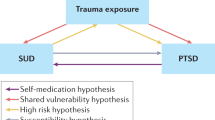
    2. Note: This preprint has been reviewed by subject experts for Review Commons. Content has not been altered except for formatting.

      Learn more at Review Commons


      Referee #2

      Evidence, reproducibility and clarity

      Main findings

      Taking a multi-omic approach, the authors provide quantitative evidence for translation repression of ~200 mRNAs in Plasmodium yoelii female gametocytes. These mRNAs are then translated, and proteins detected by 6 hours after activating gametocytes. They accomplish this by performing a comparative global analysis of the transcriptome and proteome between female gametocytes and early zygotes that provides an intresting resource. The authors also use proximity labelling of the DOZI/CITH/ALBA4 repression complex, and these data suggest the complex may disassemble in the zygote or change its composition.

      Major points

      1. Line 181-184: The authors state that there is no evidence of how the DCA complex selects specific mRNAs for translation repression. While the exact mechanisms have not been fully elucidated, Braks et al (2008, doi:10.1093/nar/gkm1142) suggested a role of the untranslated regions (UTRs) in translation repression of transcripts in Plasmodium berghei female gametocytes. They identified a uridine-rich 47-base element in the 5'UTR and or 3'UTR that was associated with translationally repressed transcripts and validated it experimentally. Considering this finding, I would recommend an amendment of the statement and to include the earlier work. I would also like to see additional analysis to check if this U-rich motif or other motifs are associated with the translationally repressed transcripts identified in the current study. The current study should be better powered to conduct such an analysis.
      2. The authors used zygotes that expressed GFP tagged AP2-O, however, there is no explanation of the significance of using this line.

      Minor points

      In line 106-107, the authors refer to figure SI, this figure is about genomic locus and genotyping PCR for the PyApiAP2-O::GFP parasites but there is no intext description of why this specific line was used.<br /> Statement in line 122-124 "It is likely that....." should go into the discussion not results. Statement in line 171-175: "In addition to providing confirmatory...." Should be in the discussion not on the results. In Fig. 4 A and B, could the colour scheme be changed so that the proteins that are not in both samples (and probably contain many unspecifically detected proteins) appear less prominent?

      Significance

      Why is the paper interesting.

      Translation repression of mRNA at a global level in the female gametocytes has been studied previously in rodent malaria parasites investigated, but prior to the current study, the release of mRNA from translation repression in the mosquito stages has only been demonstrated for specific transcripts. By characterizing and quantitating changes in protein abundance between macrogamete and zygote, coupled with transcriptomic analysis, the current work broadens our understanding of zygotic translation activation that is key to successful malaria parasite transmission to the mosquito.

      This dataset provides a useful resource for the Plasmodium research community as it provides a more comprehensive view of how transcripts behave during the transitions from the mammalian host to the vector. It is one step in a broader endeavour towards finding genes crucial for parasite transmission that could be targeted for interventions.

      How translational repression and derepression is regulated remains unknown, although some of the molecular players have been identified. This paper shows proximity labelling and expansion microscopy data of the ribonuclear protein complex thought to mediate repression. Although the specific mechanistic insights provided by the experiments shown here remain relatively limited, the work demonstrates interesting new avenues for how translational derepression in Plasmodium can be studied.

    3. Note: This preprint has been reviewed by subject experts for Review Commons. Content has not been altered except for formatting.

      Learn more at Review Commons


      Referee #1

      Evidence, reproducibility and clarity

      This manuscript provides a detailed analysis of RNA and protein dynamics during transmission of the rodent malaria model P. yoelii from the mouse host to an in vitro ookinete culture setting (mimicking the mosquito midgut environment). This group and others have shown experimentally that a substantial number of mRNAs is stored in the female Plasmodium gametocyte, ready to be translated following initiation of ookinete development. The process is akin to maternal deposition of mRNA in oocytes of metazoans. With this manuscript the authors provide a significant contribution to the field of translational control in Plasmodium parasites as they explore the translational activation during the early hours of zygote-to-ookinete development. The paper presents RNAseq and mass-spec analyses of female gametocytes and for the first time for 6-hour zygotes (ie a fertilized female gamete); the zygote datasets are much improved and more comprehensive than the only other performed in 2008 in P. gallinaceum. Using comparative analyses of transcriptome and proteome data (including published datasets) the authors arrive at a list of 198 transcripts that are translationally repressed in the gametocyte and translated within 6 hours of fertilization in the zygote. Many of these mRNAs are known to be involved in zygote to ookinete transformation. BioID is finally used to explore changes in mRNP protein composition between the female gametocyte and the zygote.

      The paper is generally well written. The authors present a lot of data (also in comparison with published data). Sometimes perhaps the main message could be simplified / streamlined in section titles (Quantitative Proteomics by DIA-MS is not very informative. The outcome of the analysis would be more telling).

      A considerable proportion of the DIA mass-spec proteomics results section is very technical. The paper describes a biological phenomenon rather than a technical mass-spec advance. Can these technical details be moved to the methods section?

      On the other hand, a bit more detail could be provided in the main text. For example, the age of the zygotes is never mentioned. This is important, please add this. The main manuscript text has 16 mentions of the word "many". As the authors are in possession of the data, please provide, if missing, (in parenthesis) the absolute numbers, maybe in an "x out y" format. Please clearly state the number of biological and/or technical replicates used for transcriptome and proteome analyses in the main text, figures and/or figure legends. How many protein coding genes are encoded in the P. yoelii genome?

      The authors claim that only zygotes (fertilized females) have surface-exposed Pys25 (a surface protein they sue to affinity-purify zygotes) but not gametocytes. I could not find the experimental data for this in the paper. The cited reference #22 also does not appear to show this. In Figure 2C Pys25 is shown to be translated in gametocytes. In this context it may be important to note that in the related P. berghei the related protein P28 is expressed even in the absence of fertilization (Billker 2004; DOI: 10.1016/s0092-8674(04)00449-0). It may not be relevant whether translation requires fertilization, but the authors claim it affects trafficking of the Pys25 protein to the surface, so it needs to be shown. A reference to an infertile P. yoelii line would be great.

      It is highly commendable that all data is provided throughout the manuscript. For readability, may I suggest that the authors add labels to individual sheets within an excel file from A to Z, and do so also within the manuscript. That would really help; the most relevant data sets could then be identified quickly. For example, line 184 refers to 276 zygote proteins in which sheet of which table?

      Section 176 onwards: here the authors combine P. falciparum and P. yoelii proteomics data. Please explain why you excluded any of the available P. berghei proteome data such as the male and female gametocyte proteome? The same question applies to 294 onwards.

      The comparative transcriptome-proteome analysis arrives at 198 translationally repressed mRNAs. Could the authors provide one or two alternatives using less stringent parameters? The list in P. falciparum and P. berghei is considerably larger (500+ and 700+).

      The turboID data is informative but somewhat speculative in regard to spatial rearrangements within these mRNPs. Figure 6 presents the RNA helicase to bind the 5' end of mRNAs that are associated with polyribosomes and I assume being translated. Is this association realistic? The RNA helicase DOZI homolog of yeast (Dhh1) is also involved in decapping.

      Specific comments:

      title Is global the appropriate word? Some transcripts appear to be translated later.

      Line 30/32 Please re-phrase the sentence. There is: Cell Host Microbe 2012 Jul 19;12(1):9-19. doi: 10.1016/j.chom.2012.05.014.

      30 Perhaps add ookinete that establishes infection rather than the zygote. For a general readership, a brief description of the sexual life cycle might be useful

      32 DOZI/CITH/ALBA complex would require some explanation for a more general reader

      36-37 I believe zygotes were collected 6 hours after fertilization. Does that qualify as soon after fertilization? Motile ookinetes are generated within 20 hours and motility can be seen before that.

      37 Essential functions for what?

      39 Is the spatial arrangement of this mRNP known?

      40 Can you briefly allude to the "recent, paradigm-shifting models of translational control"

      44 Products = mRNA

      45 Oocyte in metazoans ?

      60/62 Please re-phrase the sentence. There is: Cell Host Microbe 2012 Jul 19;12(1):9-19. doi: 10.1016/j.chom.2012.05.014.

      81 PbDozi Plasmodium berghei DOZI

      84/85 Please rephrase and cite Nucleic Acids Res. 2008 Mar;36(4):1176-86. doi: 10.1093/nar/gkm1142. Epub 2007 Dec 23. and Cell Host Microbe 2012 Jul 19;12(1):9-19. doi: 10.1016/j.chom.2012.05.014.

      88 Please define the timepoints throughout this manuscript. What age are the zygotes? How many hours post-induction? Please define the time for ookinete development somewhere in the introduction

      104 Please add the age (in hours) of these zygotes from the time of starting the in vitro cultures. From the methods section it looks like 6 hours.

      103/105 I can find no evidence for P25 (Pys25) expression relying on fertilization in the cited paper (22). The SOM has no reference to Pys25 either. Please show data or reference published data that there is no translation and trafficking of Pys25 in unfertilized female gametes, ie those that are placed in ookinete medium. In this respect it may be important to note that unfertilized Plasmodium berghei females placed in ookinete medium translate P28, the P25 paralog (https://www.sciencedirect.com/science/article/pii/S0092867404004490?via%3Dihub)

      104 What cell line was used for the zygotes?

      114 The number of transcripts detected in gametocytes is quite small compared to the twice as large proteomics dataset. See for example also Lasonder 2016 for P. falciparum detected transcripts: 4477 different sense transcripts were identified, 98% of which were shared between MG and FG.

      117 Does the 194 up-in-gametocytes dataset include the 81 not found in zygotes?

      117 Could you indicate some of the genes in the plot?

      Fig1 How were the upregulated transcripts identified? 1647 are shown to be specific to zygotes in 1B, yet only 685 are shown in 1C to be upregulated. Do the transcripts found exclusively in zygotes not count? Are these transcripts likely the result of de novo transcription? How old are these zygotes when the libraries are made?

      132 Many? How many? Please provide a precise number.

      134 Please explain why p28 would be differentially abundant in the zygote rather than the female gametocyte. That would require de novo transcription of this gene. If there is experimental evidence for the de novo transcription of p28 and other translationally repressed transcripts in the zygote please cite the references. Can you name a few more examples here? P25 for example, ap2-o, or anything published and experimentally validated. What about AP2-o and AP2-Z? Both are known to be translationally repressed.

      139 Please define how many members of the IMC?

      156 Can you provide a number of how many parasites were used in total or per run. And how many biological and technical replicates were analysed?

      169 The number of proteins detected in the gametocyte sample is twice the size of transcripts. IS this to be expected?

      170 How many samples were analyzed? One gametocyte and one zygote sample?

      176 Why did you not include P. berghei in the meta-analysis?

      184 Please refer to an excel table here.

      184 145 proteins: do you mean orthologs in general or orthologs with a gene/protein annotation other than unknown function?

      190 142 proteins: do they all have orthologs in P. falciparum?

      Figure 2C P25 is not exclusive to zygotes here and also found in the gametocyte sample.

      190 shortlist

      219 onwards Does the list of 198 transcripts exclusively arise from your RNAseq and proteomics comparison? Or does it include falciparum data as outline in section 176 onwards, ie the list of 276 proteins that only are detected in zygotes?

      224 Early zygote? At 6 hours do the parasites not start to transform, elongate?

      225 >5-fold. Is this an arbitrary decision?

      227 1417 mRNAs: they are from which dataset?

      228/229 Please explain why DOZI and CITH are in the list of 198 repressed transcripts? They are present in the gametocyte. Are they upregulated>5 fold?

      259 ... as they are already translated in the gametocyte?

      295 Is this from the 198 TR list S4?

      294 onwards How many putatively falciparum transcripts are there? How many were identified in P. berghei? How many are common to all? A Venn diagram perhaps to compare the different studies

      301 How many transcripts were found associated with Plasmodium berghei DOZI and/or CITH in female gametocytes? How many of those were abundantly detected as protein in zygotes, or had no difference in protein abundance between gametocytes and zygotes, or even greater abundance in female gametocytes?

      303/305 Please indicate the numbers of translationally repressed transcripts identified for P. falciparum and berghei.

      317/319 Please add the promoter used for tid-GFP

      320 Please elaborate on the spatial organization of the DCA complex.

      321/322 Have precise binding sites of DOZI and ALBA4 really been shown experimentally in the cited papers? In relation to 5' and 3' ends of the mRNA? Please cite Braks et al. paper.

      323 What is the first generation BioID enzyme? BirA*

      323 Please cite relevant Kyle Roux and Alice Ting for the original enzymes

      327 Could you show images of ALBA4::TurboID::GFP, DOZI::TurboID::GFP and cytosolic (free) TurboID? Perhaps stained with fluorescently labelled streptavidin and / or against GFP? In the gametocyte and zygote samples?

      331 What is the age of these zygotes? Where they affinity purified?

      Fig S4 Please indicate whether ALBA4 and DOZI were tagged endogenously

      421/430 Please add a few references here

      429 translational repression?

      445 966 proteins in gallinaceum? The zygote cultures in that study were 2-3 hours. How old were the cultures in your study?

      481 Please explain / cite why repression is energetically costly.

      501 Please add the time-point of RNA and protein sampling. How many hours into ookinete development? What is the time from cardiac puncture through FACS sampling of gametocytes.

      711/713 Do you have any images that show the successful purification of zygotes away from gametocytes? Secondly, please provide a reference for the statement that unfertilized female gametocyte do not express surface exposed Pys25.

      711/716 Were parasites lysed and mechanically homogenised?

      Figure 6 What is the evidence that DOZI stays associated with mRNA that is being translated? Rather than mRNA that is being decapped. Please add the references that unequivocally show that DOZI and ALBA4 bind to opposite ends of repressed mRNAs.

      Significance

      The experiments in the manuscript are carefully conducted. Apart from a P. gallinaceum study from 2009 this is the first comprehensive analysis of the transcriptome and proteome of a Plasmodium zygote (developing ookinete) at 6 hours post-fertilization. The data are used to explore the temporal aspect of activation of translation during the first quarter of the 20-24 hour ookinete developmental period. The study will be of interest to the field, specifically those scientists working to understand translational control, ookinete development, and those developing intervention strategies to prevent mosquito infection and thus malaria transmission.

    1. Es importante recordar que cada técnica tiene sus propios instrumentos de aprendizaje que nos permite evaluar los tipos de aprendizajes como por ejemplo el conocimientos, habilidades y actitudes o valores. El docente es aquel que evalúa las técnicas e instrumentos que sean aptos para los estudiantes. y así reconocer que tipo de estrategias podemos implementar para la mejora de los estudiantes en le aula

    1. As

      第一步,对所有合成化合物(3f-o、4f-o)进行小通量终点测定,以检测 5 μM 浓度下的泛 HDAC 抑制活性(HeLa 核提取物)(图 S1)和根据给定方案,1 μM 浓度下的 HDAC3 抑制活性(图 S2)。 (69) 有趣的是,与泛 HDAC 抑制(% 抑制)相比,所有这些化合物都提供了更好的 HDAC3 抑制(% 抑制),并且所有这些化合物(化合物 3f 除外)都产生了更好的 HDAC3 抑制(抑制活性范围) = 59.61–99.48%) 比 1 μM 的 UF010 低。因此,表明所有这些化合物均表现出比泛 HDAC 抑制更有效且选择性的 HDAC3 抑制模式。其中,化合物4g、3h、4h、3i、4i、4n和4o产生超过75%的HDAC3抑制。通过进一步筛选所选化合物在 1 μM 浓度下对 HDAC1 和 HDAC2 的抑制作用(图 S3A、B 和表 S1),我们注意到化合物 4h、4i、4n 和 4o 对 HDAC1 和 HDAC2 的抑制率低于 17%。 HDAC2 抑制。随后,我们还测定了这些化合物相对于 HDAC4、HDAC5、HDAC6 和 HDAC8 的抑制百分比值(图 S3C-F)。从所获得的化合物的%HDAC3抑制活性结果推断,具有各种帽基的化合物比没有连接帽基的化合物表现出更好的抑制效力(3f和4f)。此外,在以正丙基酰肼基团作为 ZBG 的帽区中含有苄胺 (4h)、对甲氧基苄胺 (4i)、5-吲哚基 (4n) 和 6-喹啉酰基 (4o) 的化合物表现出更好的功效HDAC3 高于 HDAC1 和 HDAC2 亚型,高于其余化合物。

  11. homeassistant.gira.de homeassistant.gira.de
  12. homeassistant.gira.de homeassistant.gira.de
    1. Author response:

      The following is the authors’ response to the original reviews.

      Reviewer #1 (Recommendations For The Authors):

      This study is very well framed and the writing is very clear. The manuscript is well organized and easy to follow and overall the previous state of the art of the field is taken into account.  I only have a couple of minor comments 

      (1) There is a preprint that uses single nuclei RNA-Seq and ST on human MS subcortical white matter lesions doi: https://doi.org/10.1101/2022.11.03.514906. This work needs to be included in the discussion of the results. 

      (1.1) We appreciate the reviewer bringing up this important preprint, and we have referenced it in the Discussion section of our updated manuscript. 

      (2) The discussion should include the overall limitations of the study and how much it can be translated to human MS. Specifically, the current work uses EAE and therefore different disease stages are not captured in this study. This point is also raised by other reviewers. 

      (1.2) We thank the reviewer for raising this important point, and we have included additional discussion about the limitations of EAE and its disease relevance to MS.

      Reviewer #2 (Recommendations For The Authors):

      The authors state that this EAE model is better for studying cortical gradients because previous models "such as directly injecting inflammatory cytokines into the meninges/cortex" cause a traumatic injury. It needs to be discussed that these models have now been superseded by more refined models involving long-term overexpression of pro-inflammatory cytokines in the sub-arachnoid space, thereby avoiding traumatic injury. The current results should be discussed in light of these newer models (James et al, 2020; 2022), which are more similar to MS cortical pathology and do exhibit lymphoid-like structures. 

      (2.1) We thank the reviewer for pointing out these relevant studies, and we agree they describe non-traumatic and more MS-relevant models of leptomeningeal inflammation. We have included discussion of these works in the updated manuscript.  

      • The study will be substantially improved if some of the ST data is validated at least partially with some RNAscope or other in situ hybridization using a subset of probes that capture the take-home message of the paper. 

      (2.2) We agree with the reviewer that validation of transcriptomics results is important to support our conclusions. In the updated manuscript Figure 5 and Supplemental Figure 6 we have added RNAscope results for relevant genes. In agreement with the trends noted in the manuscript, expression of genes related to antigen processing and presentation such as B2m decreases gradually with distance from LMI. We also have included a reference to a newly published manuscript from our group (Gupta et al., 2023, J. Neuroinflammation) that characterizes meningeal inflammation and sub-pial changes in the SJL EAE model. In that manuscript, IHC is used to show accumulation of B cells and T cells in the leptomeningeal space, increased microglial and astrocyte reactivity adjacent to leptomeningeal inflammation, and reduction of neuronal markers adjacent to leptomeningeal inflammation.  

      • The lack of change in signaling pathways involved in B-cell/T-cell interaction and cytokine/chemokine signaling, which would be expected in areas of immune cell aggregation in the meninges, needs discussion. 

      (2.3) While we detected significant upregulation in antigen presentation, complement activation, and humoral immune signaling, areas of meningeal inflammation identified as cluster 11 showed upregulation of numerous other GO gene sets associated with immune cell interaction and cytokine signaling, as described in supplementary table 3. These include T-cell receptor binding, CCR chemokine receptor binding, interleukin 8 production, response to interleukin 1, positive regulation of interleukin-6 production, tumor necrosis factor production, leukocyte cell-cell adhesion. Overall, we believe that the collection of enriched gene sets is consistent with peripheral myeloid and lymphoid infiltration and cytokine production, with the most prominent cytokine / pathways being interferon ɣ/antigen processing and presentation, complement, and humoral inflammation.

      • Fig 4 subclusters includes T-cell activation, pos regulation of neuronal death, cellular response to IFNg, neg regulation of neuronal projections, Ig mediated immune response, cell killing, pos regulation of programmed cell death, pos regulation of apoptotic process, but none of these are discussed despite their obvious importance. 

      (2.4) We agree with the reviewer that these upregulated genesets warrant additional discussion and have added additional reference to these genesets in the results section. Also, the genesets ‘positive regulation of programmed cell death’, ‘positive regulation of apoptotic process’, and ‘positive regulation of cell death’ were erroneously included in Figure 4F in the initial manuscript, as they are actually downregulated in cluster 1_4. This has been clarified in the text.

      • Subcluster 11 appears spatially to represent the meninges, but what pathways are expressed there? 330 genes/pathways altered independent of other clusters - immune cell regulation? 

      (2.5) We refer the reviewer to Supplementary Table 3, which contains a complete list of GO genesets enriched within cluster 11 spots.

      • The surprising lack of immunoglobulin genes upregulated in the meninges of the mice, considering these are the genes most upregulated in the MS meninges. Should be pointed out and discussed. 

      (2.6) We appreciate the reviewer bringing up immunoglobulin genes, which previous publications have shown are elevated in MS meninges and cortical grey matter lesions. Consistent with this, several immunoglobulin genes are elevated in cluster 11, including genes encoding IgG2b, IgA, and IgM. While these results were available within the original submission in Supplementary Table 2, we have included the graph in the updated Supplementary Figure 3.

      • Meningeal signature may be poorly represented given the individual slices shown in suppl 3A, which suggests that only 3 of the EAE slices had significant meningeal infiltrates, indicated by cluster 11 genes.  

      (2.7) There was heterogeneity in the location and extent of meningeal infiltrate / cluster 11 in the EAE slices, as the reviewer points out. 2 slices had severe inflammation, 2 had moderate inflammation, and 2 had relatively mild inflammation, but all EAE slices were enriched in inflammation relative to naïve as demonstrated not only through clustering, but also through enriched marker analysis between EAE and Naive and Progeny analysis.  

      • The ST is not resolving the meningeal tissue and the immediate underlying grey matter, as demonstrated by a high signal for both CXCL13 and GFAP in cluster 11. 

      (2.8) We agree that the spatial transcriptomics strategy applied here is inadequate to precisely delineate between meningeal inflammation and the underlying brain parenchyma, and that the elevation of markers such as GFAP in cluster 11 indicates some ‘contamination’ of parenchymal cells into cluster 11. We have clarified this in the text and discussed the limitation of the spatial transcriptomics method used.  

      • More information is required concerning how many animals were used in this study, to meet the requirements for complying with the 3Rs. 

      (2.9) A total of 4 mice were used per group. In the naïve group one mouse contributed two slices, for a total of 5 naïve slices. In the EAE group two mice contributed two slices, for a total of 6 EAE slices. We have clarified this in the methods section of the updated manuscript.

      Reviewer #3 (Recommendations For The Authors):

      The authors should provide a more thorough description of the methodology, and there are a few minor concerns about experimental details, data presentation, and description that need to be addressed. In the next few lines, I will highlight a few important aspects that need to be addressed, propose some changes to the main manuscript, and suggest some additional experiments that, if successful, could confirm/support/further strengthen the conclusions that are at this point purely based on transcriptomic data. 

      Major comments/suggestions: 

      • The main gene expression changes between the control and EAE groups obtained via spatial transcriptomics need to be validated with another technique, at least partially. I suggest performing RNAscope or immunofluorescence imaging using brain sections from a new and independent cohort of animals, where cell-specific markers can also be tested. This type of assessment would work as a validation method and could also inform about the cell-specific contribution to the observed transcriptomic changes. 

      (3.1) Please refer to response 2.2 

      • The representative qualitative spatial expression heatmaps for each gene in Fig. 1F should be accompanied by corresponding graphs with quantitative measurements. Similar to what is done regarding the data in Fig. 2B and D. 

      (3.2) We agree with the reviewer that quantitative graphs were missing, and we have included them in the updated Supplementary Figure 1. 

      • A supplementary table discriminating all the DEGs (132 up and 70 downregulated) between cluster 11 and the other clusters has to be provided. What is the contribution of recruited encephalitogenic adaptive immune cells to this cluster 11 gene signature? 

      (3.3) These unfiltered results are provided in Supplementary Table 2, and to view the up and down regulated genes the reader can sort the table based on fold change and adjusted P value. We believe providing the complete table is more useful to the reader, since the fold change and

      P value thresholds used to determine “significance” are arbitrary. Since the spatial transcriptomics method used in this work does not have single cell resolution, we cannot accurately estimate the contribution of encephalitogenic adaptive immune cells in cluster 11. However, given previously published work of lymphocyte infiltration into the subarachnoid space in SJL EAE (Gupta et al., 2023, J. Neuroinflammation) and the enrichment of Cd3e in cluster 11 (Log2FC 0.31, adjusted P-val 0.005) we assume some contribution of peripheral lymphocytes.

      • The authors mention that there is grey matter pathology in this relapse model, and this has been shown in a previous publication (Bhargava et al., 2021). However, the regions analyzed in the present study are different from the ones shown in the referenced paper. Is there an overexpression of genes involved in, or gene modules indicative of, neuronal stress and/or death that spatially overlap with clusters 1 and 2? If so, it would be important to provide information about those gene modules in the main figures. It would also be quite relevant to show the levels of cell stress/death proteins and of axonal stress/damage, by APP and/or nonphosphorylated SMI-32 staining, in the deep brain regions (like the thalamus), to corroborate the link between these phenomena and the gene signatures of subclusters 1_3, 1_4, and 2_6. 

      (3.4) We thank the review for this insightful comment. We have recently published a manuscript that histologically analyzes leptomeningeal inflammation in the SJL EAE model, specifically assessing the areas looked at in our submitted manuscript (Gupta et al., 2023, J. Neuroinflammation). In that manuscript, IHC is used to show accumulation of B cells and T cells in the leptomeningeal space, increased microglial and astrocyte reactivity adjacent to leptomeningeal inflammation, and reduction of neuronal markers adjacent to leptomeningeal inflammation. To further describe the gene modules in the inflammatory subclusters 1_3/1_4/2_6, we have now provided heatmaps of the selected genesets and their constituent genes (Supplementary Figure 5). 

      • It would be important to provide heatmaps discriminating the DEGs that make the gene modules that are significantly altered in subclusters 1_3, 1_4, and 2_6. The gene ontology terms are sometimes ambiguous. For instance, it would be very informative to the reader (and to the field) to know which altered genes compose the "lysosome", "immune response", "response to stress", or "B cell meditated immunity" pathways that are altered in the EAE subcluster 1_3 (Fig. 4E). The same applies to the gene modules altered in the other subclusters of interest. Authors should also consider generating a Venn diagram with the DEGs from subclusters 1_3, 1_4, and 2_6, to complement the GO term Venn presented in Fig. 4H. Having these pieces of information readily available, either as main or supplementary figures, would be a great addition. 

      (3.5) We agree with the reviewer on this point and have included these heatmaps in Supplementary Figure 5. 

      • The role of IFN-gamma as well as B cells (and Igs) in myelination/remyelination is mentioned in the discussion. However, there is very little evidence that these cells or their cytokines/Igs are mediating the described transcriptomic signatures at the level of the brain parenchyma of EAE mice undergoing relapse. Do the "antigen processing and presentation, cell killing, interleukin 6 production, and interferon gamma response" go terms, which better fitted the trajectory analysis, in fact include genes expressed almost exclusively by T and/or B cells? Are there genes that are downstream of IFN type I or II signaling? 

      (3.6) Pathways including antigen processing / presentation, humoral inflammation, complement, among others were enriched in areas of meningeal inflammation and adjacent areas of parenchyma. These signaling pathways are mediated by effector molecules, many of which are produced by lymphocytes, but that can act on cells within the CNS parenchyma. The heatmaps in Supplementary Figure 5 demonstrate the significant role of MHC and complement genes, which could be expressed by leukocytes as well as glia, on many of the pathways.

      • Is the transcriptomic overlap between meningeal and brain parenchymal regions, or the appearance of signatures similar to the parenchymal subclusters 1_3, 1_4, and 2_6, prevented if the mice are treated with the murine versions of natalizumab or rituximab prior relapse? 

      (3.6) We appreciate the reviewers suggestion. Our future directions for this work includes testing the effects of disease modifying therapies on spatial and single-cell transcriptomic readouts of disease in SJL EAE.

      • Please clarify what control group was used in this study. Naïve mice are mentioned in the Results section, does this mean that control animals were not injected with CFA? Authors should also elaborate on the descriptive methodology employed for the analysis of the spatial

      transcriptomics data - especially regarding the trajectory analysis. As is, overall, the methodology description might not favor reproducibility. 

      (3.7) We appreciate the need for clarification here. Our control group in this study was naïve, not having received any CFA or pertussis toxin. While often used as the control in EAE studies focused on mechanisms of autoimmunity, CFA and pertussis toxin independently induce systemic inflammation. Since in this study we were interested in neuroinflammation broadly, we chose to use a naïve comparison group to maximize our ability to find genes enriched in neuroinflammation. We have elaborated our methods section, including methods related to trajectory analysis. 

      Minor comments/suggestions: 

      In Fig. 1D the indication of the rostral to ventral axis needs to be inverted. 

      Addressed.

      In Fig. 1E the authors should also include a representative H&E staining of the same region in a control animal. 

      Addressed.

      There is inconsistency in the number of clusters obtained after UMAP unbiased clustering of the spatial transcriptomic data: 

      • Fig. 3A-E - twelve clusters are shown (cluster 0 to 11). 

      • In the Results section eleven clusters are mentioned - "we performed unbiased UMAP clustering on the spatial transcriptomic dataset and identified 11 distinct clusters".

      The text was incorrect, there were 12 distinct clusters. This has been corrected.

      Considering the mice strain used was SJL/J mice, the peptide used to induce EAE should be PLP139-151, as mentioned in the Methods section "Induction of SJL EAE". However, the legend of Fig. 1 mentions "post immunization with MOG 35-55". Please correct this. 

      Corrected.

      In the Methods section it is mentioned "At 12 weeks post-immunization, animals were euthanized", however the Results section mentions that tissues were harvested at 11 weeks post-immunization - "Brain slices were collected from four naïve mice and four EAE mice 11 weeks postimmunization". Please correct this. 

      The Methods were incorrect, this has now been fixed. 

      Please clarify the number of animals used for spatial transcriptomic analysis: 

      • Legend of Fig. 1 mentions "Red arrows indicate MRI time points, black arrow indicates time of tissue harvesting (N = 6)." Whilst in the Results section it states "Brain slices were collected from four naïve mice and four EAE mice". 

      The figure one legend has now been corrected (N = 4). Additionally, we have added clarification about the number of animals / slices used in the Methods section (see response 2.9).

      Please be consistent in the way of representing DEGs in the MA plots: 

      • Fig. 3F shows the upregulated genes (in red) on the right and the downregulated genes (in blue) on the left. 

      • Supplemental Fig. 2K shows the upregulated genes (in red) on the left and the downregulated genes (in blue) on the right. 

      • Supplemental Fig. 4 shows the upregulated genes on the right in blue, while the downregulated genes are in red. 

      This has been fixed.

      The letters attributed to each subcluster in panels E-G of Fig. 4 are different from the respective figure legend. 

      This has been fixed.

      Correct the legend of supplemental figure 2: o "(G-H) Representative spatial feature plots of read count (F) and UMI (G) demonstrate expected anatomic variability in transcript amount and diversity.". 

      This has been fixed.

      In Supplemental Fig. 4G there is probably an error with the XX axis, since the significantly up and down-regulated genes are not visible. 

      This has been fixed.

    1. L'occasionale rinuncia di alcuni genitori alle vaccinazioni consigliate per i propri figli, spesso sulla base di fuorvianti informazioni pseudoscientifiche o di credenze errate sulla reale sicurezza dei vaccini[2][3][4][5], ha portato negli ultimi anni ad una ripresa dell'incidenza di malattie gravi o potenzialmente mortali (che sarebbero facilmente evitabili tramite semplici vaccinazioni) in migliaia di bambini.[

      In epoca vaccinazioni Covid-19 i genitori si sono fidati delle vaccinazioni a mRNA ed oltre a vaccinarsi loro stessi hanno fatto vaccinare i propri figli con un conseguente aumento delle morti preadolescenziali e adolescenziali oltreché prenatali e neonatali. I dati ci sono e sono sotto gli occhi di tutti...

    1. Trước khi phân loại Pod System, bạn cần xác định dòng sản phẩm này là gì, có phù hợp để sử dụng hay không nhé. Thực chất Pod System là dòng thuốc lá điện tử hiện đại, được trau chuốt hơn hết về thiết kế và mẫu mã.  Pod System sẽ thích hợp với tinh dầu vape có nồng độ nicotine cao (từ 20mg trở lên). Vậy Pod System được chia thành 2 loại chính sau: Pod Kit Pod kit được thiết kế đặc biệt nhỏ gọn nhưng cầm rất chắc tay. Sản phẩm này được lòng rất nhiều dân chơi khói, không chỉ giới trẻ mà còn ở độ tuổi trung niên cũng rất ưa chuộng.

      Pod System là dòng thuốc lá điện tử được thiết kế nhỏ gọn, tích hợp sẵn tinh dầu vào đầu pod. Website: https://vapepod365.net/pod-kit Phone: 0704810810 Địa chỉ: 468/13 Đường Trần Hưng Đạo,P2,Quận 5,Tp Hồ Chí Minh

      podsystem #podkit #podsystemgiare #maypod #podchamtinhdau

    1. That Socrates is a doer of evil, and corrupter of the youth, and he does not believe in the gods of the state, and has other new divinities of his own. That is the sort of charge; and now let us examine the particular counts. He says that I am a doer of evil, who corrupt the youth; but I say, O men of Athens, that Meletus is a doer of evil,

      This seems like once again he is stating the injustice that he feels. He feels as if he has been judged possibly?? Almost like there is a feeling of a predetermined fate for him.

    1. Esta lectura me pareció muy interesante por que es impresionante reconocer lo significativa y poderoso que puede llegar a ser la escritura. Como darnos cuenta de su gran evolución, esta ha adoptado múltiples formas de interpretación por parte de los seres de aquel entonces. La escritura no tuvo un desarrollo específico como el que conocemos hoy en día (letras o abecedario). Su origen inició con símbolos que daban un significado entendible solo para aquellos que habitaban en aquel entonces, lo que hoy conocemos como escritura simbólica, que utilizaba símbolos ideográficos.

    2. A través del tiempo la evolución ha sido un de los términos claves para la existencia e incluso la escritura ha evolucionado de manera radical desde el IV milenio a.C. Es muy importante e interesante conocer sobre la evolución de la escritura, ya que nos ayuda a conocer su historia y la de los humanos; a pesar de que el origen de los humanos sigue siendo un misterio, el de la escritura ya no lo es. Tras investigaciones se llego a la conclusión de que a través del mundo existen varias escrituras, las cuales representan a cada nación o pueblo del mudo, los mismos han ido cambiando a la par.

    1. Art. 927
      • a prescrição da pretensão punitiva do Estado na ação penal não impede o interesse processual objetivando indenização no juízo cível pelo mesmo fato. REsp 1.802.170-SP (Info 666)

      • Informativo 1138
      • ADI 7055 / DF
      • Órgão julgador: Tribunal Pleno
      • Relator(a): Min. ROSA WEBER
      • Redator(a) do acórdão: Min. LUÍS ROBERTO BARROSO
      • Julgamento: 22/05/2024 (Presencial)
      • Ramo do Direito: Constitucional, Civil, Processual Civil Matéria: Direitos e Garantias Fundamentais; Direito à Informação; Liberdade de Expressão; Comunicação Social; Liberdade de Imprensa; Assédio Judicial; Abuso do Direito de Ação; Cerceamento da Atividade Jornalística/Atos Ilícitos; Responsabilidade Civil; Obrigação de Indenizar; Dano Moral; Dolo; Culpa Grave/Competência; Foro de Domicílio do Réu

      ODS 16 - Paz, Justiça e Instituições Eficazes

      Assédio judicial a jornalistas: liberdade de expressão, liberdade de imprensa e foro de domicílio do réu

      Tese fixada“ - 1. Constitui assédio judicial comprometedor da liberdade de expressão o ajuizamento de inúmeras ações a respeito dos mesmos fatos, em comarcas diversas, com o intuito ou o efeito de constranger jornalista ou órgão de imprensa, dificultar sua defesa ou torná-la excessivamente onerosa; - 2. Caracterizado o assédio judicial, a parte demandada poderá requerer a reunião de todas as ações no foro de seu domicílio. - 3. A responsabilidade civil de jornalistas ou de órgãos de imprensa somente estará configurada em caso inequívoco de dolo ou de culpa grave (evidente negligência profissional na apuração dos fatos).”

      Resumo - A responsabilidade civil de jornalistas, ao divulgar notícias sobre figuras públicas ou assuntos de interesse social, só ocorre em casos de dolo ou culpa grave (manifesta negligência profissional na apuração dos fatos), não se aplicando a opiniões, críticas ou informações verdadeiras de interesse público.

      • Nos casos de assédio judicial a jornalistas, a parte ré poderá solicitar a reunião de todas as demandas judiciais para serem julgadas no foro de seu domicílio.

      • A responsabilidade civil de jornalistas, ao divulgar notícias sobre figuras públicas ou assuntos de interesse social, só ocorre em casos de dolo ou culpa grave (manifesta negligência profissional na apuração dos fatos), não se aplicando a opiniões, críticas ou informações verdadeiras de interesse público.

      • Esta Corte considera a liberdade de expressão uma liberdade preferencial pela sua importância para a dignidade da pessoa humana, sendo imprescindível para a democracia, que depende da participação esclarecida das pessoas. Essa posição preferencial da liberdade de expressão protege a atividade jornalística, somente cabendo atribuir a responsabilidade civil ao jornalista ou ao veículo de comunicação nas hipóteses explícitas de dolo ou culpa grave, esta última caracterizada pela evidente negligência profissional na apuração dos fatos.

      • Nos casos de assédio judicial a jornalistas, a parte ré poderá solicitar a reunião de todas as demandas judiciais para serem julgadas no foro de seu domicílio.

      • O assédio judicial verifica-se quando inúmeras ações são ajuizadas sobre os mesmos fatos em comarcas diversas com o objetivo de intimidar jornalistas, impedir sua defesa ou torná-la extremamente dispendiosa. É uma prática abusiva do direito de ação, com notório intuito de prejudicar o direito de defesa de jornalista ou órgão de imprensa.

      • Nesse contexto, quando identificado o assédio judicial, a proteção da liberdade de expressão legitima a fixação de competência no foro do domicílio do réu, que é a regra geral do direito brasileiro (CPC/2015, art. 46) (1). E há várias leis que estabelecem expressamente a reunião de ações com os mesmos fundamentos em um único foro (Lei da Ação Popular, Lei da Ação Civil Pública, Lei de Improbidade Administrativa). Para unificar as ações que forem iniciadas em tribunais distintos, bastará que a defesa solicite a sua remessa e redistribuição, tornando-se prevento o juiz do domicílio do réu no qual a primeira ação for distribuída.

      • Além disso, nas situações em que restar evidente o assédio judicial, o magistrado competente poderá reconhecer de ofício a ausência do interesse de agir e, consequentemente, extinguir sumariamente a ação sem resolução do mérito.

      • Com base nesses e em outros entendimentos, o Plenário, em apreciação conjunta, por maioria, julgou parcialmente procedente a ADI 6.792/DF e integralmente procedente a ADI 7.055/DF, para dar interpretação conforme a Constituição aos arts. 186 e 927, caput, do Código Civil (2), e ao art. 53 do Código de Processo Civil (3), nos moldes da tese anteriormente citada, fixada também por maioria. (1) CPC/2015: “Art. 46. A ação fundada em direito pessoal ou em direito real sobre bens móveis será proposta, em regra, no foro de domicílio do réu.”

      (2) CC/2002: “Art. 186. Aquele que, por ação ou omissão voluntária, negligência ou imprudência, violar direito e causar dano a outrem, ainda que exclusivamente moral, comete ato ilícito. (...) Art. 927. Aquele que, por ato ilícito (arts. 186 e 187), causar dano a outrem, fica obrigado a repará-lo.”

      (3) CPC/2015: “Art. 53. É competente o foro: I - para a ação de divórcio, separação, anulação de casamento e reconhecimento ou dissolução de união estável: a) de domicílio do guardião de filho incapaz; b) do último domicílio do casal, caso não haja filho incapaz; c) de domicílio do réu, se nenhuma das partes residir no antigo domicílio do casal; d) de domicílio da vítima de violência doméstica e familiar, nos termos daLei nº 11.340, de 7 de agosto de 2006 (Lei Maria da Penha);(Incluída pela Lei nº 13.894, de 2019) II - de domicílio ou residência do alimentando, para a ação em que se pedem alimentos; III - do lugar: a) onde está a sede, para a ação em que for ré pessoa jurídica; b) onde se acha agência ou sucursal, quanto às obrigações que a pessoa jurídica contraiu; c) onde exerce suas atividades, para a ação em que for ré sociedade ou associação sem personalidade jurídica; d) onde a obrigação deve ser satisfeita, para a ação em que se lhe exigir o cumprimento; e) de residência do idoso, para a causa que verse sobre direito previsto no respectivo estatuto; f) da sede da serventia notarial ou de registro, para a ação de reparação de dano por ato praticado em razão do ofício; IV - do lugar do ato ou fato para a ação: a) de reparação de dano; b) em que for réu administrador ou gestor de negócios alheios; V - de domicílio do autor ou do local do fato, para a ação de reparação de dano sofrido em razão de delito ou acidente de veículos, inclusive aeronaves.”

      Legislação: CC/2002: arts. 186 e 927 CPC/2015: arts. 46 e 53

      Observação: Julgamento conjunto: ADI 6.792/DF e ADI 7.055/DF (relatora Min. Rosa Weber, redator do acórdão Min. Luís Roberto Barroso)