10,000 Matching Annotations
  1. Jan 2026
    1. Author response:

      The following is the authors’ response to the previous reviews.

      Public Reviews: 

      Reviewer #1 (Public review): 

      Summary: 

      In their previous publication (Dong et al. Cell Reports 2024), the authors showed that citalopram treatment resulted in reduced tumor size by binding to the E380 site of GLUT1 and inhibiting the glycolytic metabolism of HCC cells, instead of the classical citalopram receptor. Given that C5aR1 was also identified as the potential receptors of citalopram in the previous report, the authors focused on exploring the potential of immune-dependent anti-tumor effect of citalopram via C5aR1. C5aR1 was found to be expressed on tumor-associated macrophages (TAMs) and citalopram administration showed potential to improve the stability of C5aR1 in vitro. Through macrophage depletion and adoptive transfer approaches in HCC mouse models, the data demonstrated the potential importance of C5aR1-expressing macrophage in the anti-tumor effect of citalopram in vivo. Mechanistically, their in vitro data suggested that citalopram may regulate the phagocytosis potential and polarization of macrophages through C5aR1. Next, they tried to investigate the direct link between citalopram and CD8+T cells by including an additional MASH-associated HCC mouse model. Their data suggest that citalopram may upregulate the glycolytic metabolism of CD8+T cells, probability via GLUT3 but not GLUT1-mediated glucose uptake. Lastly, as the systemic 5-HT level is down-regulated by citalopram, the authors analyzed the association between a low 5-HT and a superior CD8+T cell function against tumor. Although the data is informative, the rationale for working on additional mechanisms and logical link among different parts are not clear. In addition, some of the conclusion is also not fully supported by the current data. 

      Strengths: 

      The idea of repurposing clinical-in-used drugs showed great potential for immediate clinical translation. The data here suggested that the anti-depression drug, citalopram displayed immune regulatory role on TAM via a new target C5aR1 in HCC. 

      Comments on revised version: 

      The authors have addressed most of my concerns about the paper.

      We thank you the reviewer. We appreciate the reviewer’s constructive suggestions that helped improve the clarity and robustness of the study.

      Reviewer #2 (Public review):

      Summary: 

      Dong et al. present a thorough investigation into the potential of repurposing citalopram, an SSRI, for hepatocellular carcinoma (HCC) therapy. The study highlights the dual mechanisms by which citalopram exerts anti-tumor effects: reprogramming tumor-associated macrophages (TAMs) toward an anti-tumor phenotype via C5aR1 modulation and suppressing cancer cell metabolism through GLUT1 inhibition, while enhancing CD8+ T cell activation. The findings emphasize the potential of drug repurposing strategies and position C5aR1 as a promising immunotherapeutic target.

      Strengths:

      It provides detailed evidence of citalopram's non-canonical action on C5aR1, demonstrating its ability to modulate macrophage behavior and enhance CD8+ T cell cytotoxicity. The use of DARTS assays, in silico docking, and gene signature network analyses offers robust validation of drug-target interactions. Additionally, the dual focus on immune cell reprogramming and metabolic suppression presents a comprehensive strategy for HCC therapy. By highlighting the potential for existing drugs like citalopram to be repurposed, the study also emphasizes the feasibility of translational applications. During revision, the authors experimentally demonstrated that TAM has lower GLUT1, which further strengthens their claim of C5aR1 modulation-dependent TAM improvement for tumor therapy.

      Weaknesses:

      The authors proposed that CD8+ T cells have an TAM-independent role upon Citalopram treatment. However, this claim requires further investigation to confirm that the effect is truly "TAM independent".

      We appreciate the reviewer’s insightful comment regarding the interpretation of CD8<sup>+</sup> T cell roles. In this study, in vitro analyses show that citalopram directly enhances CD8<sup>+</sup>T cell activity, as evidenced by increased CFSE proliferation, upregulation of activation markers, and cytotoxic effector readouts (Figures S10A–E). Accordingly, we infer a TAM-independent CD8<sup>+</sup> T cell activation by citalopram in vitro.

      Our in vivo data indicate that the primary anti-tumor mechanism of citalopram involves targeting C5aR1<sup>+</sup> TAMs, which subsequently enhances CD8<sup>+</sup> T cell immunity. This conclusion is supported by the near-complete ablation of citalopram’s therapeutic effect upon TAM depletion with clodronate liposomes (Figure S5). Additionally, citalopram reduces serum serotonin (5-HT) levels (Figure 4E), recapitulating the serotonergic state of Tph1<sup>−/−</sup> mice. Notably, the anti-tumor effect and CD8<sup>+</sup> T cell activation induced by citalopram exceed those observed in Tph1<sup>−/−</sup> mice (Figures 4G–I), suggesting that 5-HT reduction contributes to CD8<sup>+</sup> T cell activation but operates alongside other mechanisms in vivo, prominently including TAM targeting. As suggested, we further tested CD8<sup>+</sup> T cell activity in the context of macrophage depletion. The result showed that citalopram did not further enhance CD8<sup>+</sup> T cell cytotoxicity after macrophage depletion, indicating that TAM-dependent pathways are central to CD8<sup>+</sup> T cell–mediated anti-tumor immunity and largely underlie the anti-tumor effects of citalopram.

      To accurately reflect our main findings, we had made several revisions to the manuscript. First, we have revised the title to “Citalopram exhibits immune-dependent anti-tumor effects by modulating C5aR1<sup>+</sup> TAMs”. In the Results section, the Conclusions have been updated to: “These data not only corroborate recent reports that SSRIs modulate CD8<sup>+</sup> T cell function via serotonergic-dependent mechanism, but also reveals additional in vivo regulatory avenues by which citalopram affects CD8<sup>+</sup> T cells, such as its ability to reprogram C5aR1<sup>+</sup> TAMs. Notably, in the context of macrophage depletion, CD8<sup>+</sup> T cell cytotoxicity was not further enhanced by citalopram, indicating that TAM-dependent pathways are central to CD8<sup>+</sup> T cell-mediated anti-tumor immunity and largely underlie the anti-tumor effects of citalopram”. In the Discussion part, we have included the following content: “Although citalopram directly stimulates CD8<sup>+</sup> T cells in vitro, the TAM-independent activation is not evident in vivo within the complex TME, as CD8<sup>+</sup> T cell responses are abolished by macrophage depletion, indicating that the in vivo effects of citalopram on CD8<sup>+</sup> T cells and tumor growth are largely TAM-dependent”.

      Recommendations for the authors:

      Reviewer #2 (Recommendations for the authors):

      Fig S5 and Fig 3: To improve clarity regarding the roles of TAMs and CD8+ T cells, can the authors experimentally demonstrate the macrophage-independent function of CD8+ T cells? An experiment in Fig 3J using or not using Clodro-Liposome to deplete TAMs would be more informative.

      We thank the reviewer for the insightful suggestion. In this study, in vitro analyses show that citalopram directly enhances CD8<sup>+</sup> T cell activity, as evidenced by increased CFSE proliferation, upregulation of activation markers, and cytotoxic effector readouts (Figures S10A–E). Therefore, we conclude a TAM-independent CD8<sup>+</sup> T cell activation induced by citalopram. Previously, in Figure S5, we analyzed the therapeutic effect of citalopram after macrophage depletion by clodronate liposomes and also probed the immune profiles. The result showed that CD8<sup>+</sup> T cell cytotoxic activities were not significantly affected by citalopram in this context (Figure S5E), indicating that the TAM-dependent pathway is central to CD8<sup>+</sup> T cell-mediated anti-tumor immunity and to the anti-tumor effects of citalopram. We have incorporated this result into the revised manuscript.

      Fig S4: The figure panel showing sample/treatment annotations is missing.

      Thank you for pointing this out. We have updated Fig. S4 to include explicit sample identifiers, treatment group labels, and drug concentrations.

      Since Glut3 is vital in both TAMs and CD8+ T cells, the authors should discuss the interaction between Glut3 and Citalopram. Additionally, include details about the structural homology between Glut1 and Glut3 in the discussion.

      Thank you for the suggestion. Citalopram was docked into the GLUT1 substrate-binding pocket, with the best poses showing an electrostatic interaction centered on E380 accompanied by hydrophobic contacts within the pocket (Our previous publication, Dong et al. Cell Reports 2024). Although GLUT1 and GLUT3 share a highly conserved core substrate-binding pocket, isoform-specific regulation arises from features outside the canonical site. Structural homology between GLUT1 and GLUT3 is high in the transmembrane core, but regulatory features, such as the cytosolic Sugar Porter (SP) motif network, the conserved A motif, lipid interfaces, and gating dynamics, differ between the two isoforms (PMID: 33536238). These regulatory differences can alter pocket accessibility, coupling to conformational transitions, and allosteric communication with the cytosol, such that a ligand binding GLUT1 in the inward-facing state may not stabilize a GLUT3 conformation that yields appreciable transport inhibition. Consistently, functional experiments have indicated robust GLUT1 engagement in cancer cells (Dong et al. Cell Reports 2024), while equivalent GLUT3 inhibition has not been observed in TAMs (Figure S8), suggesting isoform-selective targeting by citalopram. We have included these discussion in the revised manuscript.

      Fig 3O: Please clarify the statement regarding the requirements of CD8 T cells for the pro-tumor phenotype of C5aR1+ TAMs. Specify whether this relates to a pro- or anti-tumor effect of CD8 T cells.

      Thanks. As suggested, we have improved the statement as follows: “depletion of CD8<sup>+</sup> T cells abrogated the C5aR1<sup>+</sup> TAM-mediated enhancement of tumor growth (Figure 3O), suggesting that the anti-tumor effects of CD8<sup>+</sup> T cells are required for the pro-tumor phenotype of C5aR1<sup>+</sup> TAMs”.

    1. structure

      thinking of de Certau's analysis of space w language - both are moldable, but here showing how words can actually build up a separate space/sphere

    1. Reviewer #1 (Public review):

      Summary:

      This work presents an interesting circuit dissection of the neural system allowing a ctenophore to keep its balance and orientation in its aquatic environment by using a fascinating structure called the statocyst. By combining serial-section electron microscopy with behavioral recordings, the authors found a population of neurons which exists as a syncytium and could associate these neurons with specific functions related to controlling the beating of cilia located in the statocyst. The type A ANN neurons participate in arresting cilia beating, and the type B ANN neurons participate in resuming cilia beating and increasing their beating frequency.

      Moreover, the authors found that bridge cells are connected with the ANN neurons, giving them the role of rhythmic modulators.

      From these observations, the authors conclude that the control is coordination instead of feedforward sensory-motor function, a hypothesis that had been put forth in the past but could not be validated until now. They also compare it to the circuitry implementing a similar behavior in a species that belongs to a different phylum where the nervous system is thought to have evolved separately.

      Therefore, this work significantly advances our knowledge of the circuitry implementing the control of the cilia that participate in statocyst function which ultimately allow the animal to correct its orientation. It explains how the nervous system allows an animal to solve a specific problem and puts it in an evolutionary perspective showing a convincing case of convergent evolution.

      Strengths:

      The evidence for how the circuitry is connected is convincing. Pictures of synapses showing the direction of connectivity are clear and there are good reasons to believe that the diagram inferred is valid, even though we can always expect that some connections are missing.

      The evidence for how the cilia change their beating frequency is also convincing, and the paradigm and recording methods seem pretty robust.

      The authors achieved their aims and the results support their conclusions. This work impacts its field by presenting a mechanism by which ctenophores correct their balance, which will provide a template for comparison with other sensory systems.

    2. Author response:

      The following is the authors’ response to the original reviews.

      Public Reviews:

      Reviewer #1 (Public review):

      Summary:

      This work presents an interesting circuit dissection of the neural system allowing a ctenophore to keep its balance and orientation in its aquatic environment by using a fascinating structure called the statocyst. By combining serial-section electron microscopy with behavioral recordings, the authors found a population of neurons that exists as a syncytium and could associate these neurons with specific functions related to controlling the beating of cilia located in the statocyst. The type A ANN neurons participate in arresting cilia beating, and the type B ANN neurons participate in resuming cilia beating and increasing their beating frequency.

      Moreover, the authors found that bridge cells are connected with the ANN neurons, giving them the role of rhythmic modulators.

      From these observations, the authors conclude that the control is coordination instead of feedforward sensory-motor function, a hypothesis that had been put forth in the past but could not be validated until now. They also compare it to the circuitry implementing a similar behavior in a species that belongs to a different phylum, where the nervous system is thought to have evolved separately.

      Therefore, this work significantly advances our knowledge of the circuitry implementing the control of the cilia that participate in statocyst function, which ultimately allows the animal to correct its orientation. It represents an example of systems neuroscience explaining how the nervous system allows an animal to solve a specific problem and puts it in an evolutionary perspective, showing a convincing case of convergent evolution.

      Strengths:

      The evidence for how the circuitry is connected is convincing. Pictures of synapses showing the direction of connectivity are clear, and there are good reasons to believe that the diagram inferred is valid, even though we can always expect that some connections are missing.

      The evidence for how the cilia change their beating frequency is also convincing, and the paradigm and recording methods seem pretty robust.

      The authors achieved their aims, and the results support their conclusions. This work impacts its field by presenting a mechanism by which ctenophores correct their balance, which will provide a template for comparison with other sensory systems.

      Thank you very much for these comments.

      Weaknesses:

      The evidence supporting the claim that the neural circuitry presented here controls the cilia beating is more correlational because it only relies on the fact that the location of the two types of ANN neurons coincides with the quadrants that are affected in the behavioral recordings. Discussing ways by which causality could be established might be helpful.

      We have now added additional discussions in a new “Future Directions” section explaining that for example calcium imaging or targeted neuron ablations could be used in future work to establish causality. This would require the development of genetic delivery techniques to e.g. introduce GCaMP calcium sensor or transgenic reporters.

      The explanation of the relevance of this work could be improved. The conclusion that the work hints at coordination instead of feedforward sensory-motor control is explained over only a few lines. The authors could provide a more detailed explanation of how the two models compete (coordination vs feedforward sensory-motor control), and why choosing one option over the other could provide advantages in this context.

      We added a more detailed explanation about the two types of model and why we believe that a coordination model is more compatible with our connectome data.

      “An alternative model for the function of the nerve net would be a feedforward sensory-motor system, in which balancer cells provide mechanosensory input to motor effectors via the nerve net, similar to a reflex arc. None of our observations support such a sensory-motor model. There are no synaptic pathways from balancer cells or any other sensory cells to the nerve net. The only synaptic input to ANNs comes from the bridge cells (discussed below) and from each other. The three synaptically interconnected ANNs may generate endogenous rhythm that controls balancer cilia and is influenced by bridge input. ANNs may also be influenced by neuropeptides secreted by other aboral organ neurons. Such chemical inputs may underlie the flexibility of gravitaxis and its modulation by other cues (e.g. light). Overall, the coordination model parsimoniously explains both the ANN wiring topology and the observed dynamics, whereas a simple feedforward reflex does not.”

      Since the fact that the ANN neurons form a syncytium is an important finding of this study, it would be useful to have additional illustrations of it. For instance, pictures showing anastomosing membranes could typically be added in Figure 2.

      We have now included a movie (Video 3) showing a volumetric reconstruction of a segment of an ANN neuron, which highlights the anastomosing morphology in greater detail than static images.

      “Video 3. Volumetric reconstruction of a single ANN Q1-4 neuron showing syncytial soma (cyan) and nuclei (magenta). The rotating view highlights the anastomosing morphology, although not all fine details could be reconstructed due to data limitations.”

      Also, to better establish the importance of the study, it could be useful to explain why the balancers’ cilia spontaneously beat in the first place (instead of being static and just acting as stretch sensors).

      We have discussed in more detail why it may be important for the balancer cilia to beat.

      “The observation that balancer cilia beat spontaneously, even in the absence of external tilt, suggests that they are active sensory oscillators rather than static stretch sensors. Their spontaneous beating could set a dynamic baseline of sensitivity, which can then be modulated by ANN inputs or sensory changes during tilt. Such a dynamic system may be more sensitive to small deflections and be more responsive [@Lowe1997]. Thus, the regulated beating of balancer cilia should not be seen as noise, but as an adaptive feature that enables flexible and robust graviceptive responses. The ctenophore balancer may thus use active ciliary oscillations for enhanced sensorimotor integration similar to other sensory systems [@Wan_2023].”

      Reviewer #2 (Public review):

      Summary:

      In this manuscript, the authors describe the production of a high-resolution connectome for the statocyst of a ctenophore nervous system. This study is of particular interest because of the apparent independent evolution of the ctenophore nervous system. The statocyst is a component of the aboral organ, which is used by ctenophores to sense gravity and regulate the activity of the organ’s balancer cilia. The EM reconstruction of the aboral organ was carried out on a five-day-old larva of the model ctenophore Mnemiopsis leidyi. To place their connectome data in a functional context, the authors used high-speed imaging of ciliary beating in immobilized larvae. With these data, the authors were able to model the circuitry used for gravity sensing in a ctenophore larva.

      Strengths:

      Because of it apparently being the sister phylum to all other metazoans, Ctenophora is a particularly important group for studies of metazoan evolution. Thus, this work has much to tell us about how animals evolved. Added to that is the apparent independent evolution of the ctenophore nervous system. This study provides the first high-resolution connectomic analysis of a portion of a ctenophore nervous system, extending previous studies of the ctenophore nervous system carried out by Sid Tamm. As such, it establishes the methodology for high-resolution analysis of the ctenophore nervous system. While the generation of a connectome is in and of itself an important accomplishment, the coupling of the connectome data with analysis of the beating frequency of balancer cell cilia provides a functional context for understanding how the organization of the neural circuitry in the aboral organ carries out gravity sensing. In addition, the authors identified a new type of syncytial neuron in  Mnemiopsis. Interestingly, the authors show that the neural circuitry controlling cilia beating in Mnemiopsis shares features with the circuitry that controls ciliary movement in the annelid Platynereis, suggesting convergent evolution of this circuitry in the two organisms. The data in this paper are of high quality, and the analyses have been thoroughly and carefully done.

      Weaknesses:

      The paper has no obvious weaknesses.

      We thank the reviewer for these comments.

      Reviewer #3 (Public review):

      Summary:

      It has been a long time since I enjoyed reviewing a paper as much as this one. In it, the authors generate an unprecedented view of the aboral organ of a 5-day-old ctenophore. They proceed to derive numerous insights by reconstructing the populations and connections of cell types, with up to 150 connections from the main Q1-4 neuron.

      Strengths:

      The strengths of the analysis are the sophisticated imaging methods used, the labor-intensive reconstruction of individual neurons and organelles, and especially the mapping of synapses. The synaptic connections to and from the main coordinating neurons allow the authors to create a polarized network diagram for these components of the aboral organ. These connections give insight into the potential functions of the major neurons. This also gives some unexpected results, particularly the lack of connections from the balancer system to the coordinating system.

      Thank you for these positive comments on the paper.

      Weaknesses:

      There were no significant weaknesses in the paper - only a slate of interesting unanswered questions to motivate future studies.

      Recommendations for the authors:

      Reviewing Editor Comments:

      In consultation, the reviewers recommend that improving the evidence to “exceptional” would require additional perturbation experiments (e.g., ablation of specific neurons), as Reviewer 1 suggests. They also recommend adding a “Future Directions” section to the manuscript, because it opens up so many new experimental directions.

      We have added a new “Future Directions” section at the end of the Discussion. To carry out the proposed perturbation or calcium imaging experiments would require significant additional work and method development. We are actively working in establishing mRNA and DNA injection into ctenophore zygotes to enable live imaging, cell labelling or ablations in the future.

      Reviewer #1 (Recommendations for the authors):

      Suggestions for improved or additional experiments, data, or analyses:

      To establish causality (neurons control balancer cilia), an important experiment would be to manipulate each of these neuronal populations (e.g., by ablating them) and measure the effect of these ablations on the beating frequency of the balancer cilia of the four quadrants. Moreover, direct observation of neuronal activity (e.g., by using calcium imaging) would also provide more compelling evidence for neuronal control.

      We agree with the reviewer that such perturbation experiments would be needed to establish causality. Such experiments are currently still not possible in ctenophoes and would require significant technology development. We discuss such experiments in the “Future directions” section and also place this in the context of the currently available techniques in ctenophores. We are actively working on this but waiting for such technological breakthroughs and new experiments would significantly delay the publication of a version of record of the paper.

      Recommendations for improving the writing and presentation:

      ANN neurons are described in great detail, though SNN neurons are described more loosely. Perhaps a more detailed description of SNN neurons would be helpful.

      We added the information on SNNs to show that these cells are distinct from the ANN neurons. Since our focus is on the aboral organ, we did not aim for a comprehensive reconstruction of SNNs. Several of the processes of the SNNs are also truncated and outside our EM volume. We have nevertheless added additional details about the morphology and connectivity of SNN neurons.

      “Near the perifery of the aboral organ, we identified four further anastomosing nerve-net neurons. These resembled the previously reported syncytial subepithelial nerve net (SNN) neurons in the body wall of Mnemiopsis (Figure 2–figure supplement 1C–G) and were clearly distinct from the ANN neurons (both in location and morphology). SNN neurons show a blebbed morphology and contain dense core vesicles @Burkhardt2023 but no synapses.”

      Minor corrections to the text and figures:

      (1) Figure 2 C): “mitochondia” instead of “mitochondria”.

      corrected

      (2) Figure 3. Title: “balancer and and bridge”.

      corrected

      (3) Figure 3.C) “shown in xxx color”

      corrected

      Reviewer #2 (Recommendations for the authors):

      Clearer usage of the terms statocyst, aboral organ, aboral nerve net, statolith, dome, and lithocytes would be helpful. For readers not familiar with ctenophore anatomy, things can get a bit confusing. A single schematic with all of these terms would be helpful. In Figure 1E, there is a label “dc”. Should this be “do”?

      We have added an annotated schematic to Figure 1, explaining these terms.

      Figure 1C “The statocyst is a cavity-like organ enclosed by the dome cilia (do), which contains the statolith formed by lithocytes (li) and supported by the balancer cilia (bal).”

      Reviewer #3 (Recommendations for the authors):

      My comments are numerous, but mostly minor suggestions for improving the clarity.

      [Suggested insertions/changes are indicated by square brackets]

      (1) [It would be much easier to review this if there were line numbers, or with a double-spaced manuscript that was more accommodating for markup.]

      Thank you for this comment. We have increased the line spacing in the revised version. (We set the CSS line-height property on the html ‘body’ element to 2em).

      (2) The terms statolith, statocyst, and lithocytes can be confusing, so it would be nice to have an upfront definition of how they relate to each other.

      We have now explain these terms in the Introduction and also have improved the annotation of Figure 1.

      Figure1C. “The statocyst is a cavity-like organ enclosed by the dome cilia (do), which contains the statolith formed by lithocytes (li) and supported by the balancer cilia (bal).”

      (3) Statolith is spelled as statolyth in the early pages, but statolith in the later pages. I think -lith is more common, but in any case, these should be standardized.

      corrected to ‘statolith’

      ABSTRACT:

      (1) Differential load[s] on the balancer cilia [lead] to altered

      changed

      (2) We used volume electron microscopy (vEM) to image the aboral organ.

      changed

      (3) also form reciprocal connections with the bridge cells.

      corrected

      INTRODUCTION:

      (1) “identify conserved neuronal markers in ctenophores” - confusing - does this mean conserved across ctenophores, or conserved in ctenophores and other animals?

      changed to “classical neuronal markers”

      (2) “either increase or decrease their [ciliary] activity, indicating” - otherwise it sounds like the balancers are increasing activity.

      changed to “balancer cells may either increase or decrease their ciliary activity”

      (3) after “matches the setup used in high-speed imagine experiments”, it might be nice to add a statement like “Future studies could potentially investigate activity in the inverted orientation, when the statolith is suspended below the cilia, to see if the response differs.”

      In this sentence we referred to the orientation of the animals in our figures. There is a consensus among ctenophore researchers that when depicting ctenophores, the aboral organ should face downwards. However, for this paper we chose the opposite orientation to better match our experiments and help interpreting the results. We changed the text to: “In this study, we represent ctenophores with their aboral organ facing upwards (”balancer-up” posture), as this configuration facilitates intuitive interpretation of balance-like functions and matches the setup used in high-speed imaging experiments. ”

      We added the sentences “Future experiments could also explore how orientation affects the response of balancer cilia. For example, when the statolith is suspended below the cilia (the”balancer-down” posture), ciliary beating patterns may differ from what we observed here in the “balancer-up” configuration.” to the section Future Directions”.

      (4) “abolished by calcium[-]channel inhibitors”

      corrected

      (5) “By functional imaging, we uncovered” - It is not clear what functional imaging is. Maybe a fewword definition here, and be sure to explain in the methods.

      changed to “By high-speed ciliary imaging”. The details of the imaging are explained in the Methods section under “Imaging the Activity of Balancer Cilia”.

      RESULTS:

      (1) “five-day-old” - is it worth saying post-fertilization here?

      Thank you for pointing this out. In accordance with Presnell et al. (2022), we use post-hatching as the reference. We have revised the text in the Materials and Methods section to read: “5-day-old (5 days post-hatching)”

      (2) “We classified these cells into cell types [based on …]” - specify a bit about how you classified them based on morphology, the presence of organelles, etc.

      We added a clarification. “Our classification was based on i) ultrastructural features (e.g. number of cilia), ii) cell morphology (e.g. nerve net or bridge cells), iii) unique organelles (e.g. lamellate body, plumose cells), iv) and similarities to cell types previously described by EM. Our classification agrees with the cell types identified in the 1-day-old larva [@ferraioli2025].”

      (3) “CATMAID only supports [bifurcating] skeleton trees” - Correct?

      yes, a node in CATMAID cannot be fused to another node of the same skeleton to represent anastomoses

      FIGURE 1:

      (1) It is not worth redrawing and renumbering everything, but I wish the lateral view in A matched the rotated aboral view in B, instead of having to do two rotations to get the alignment to coincide. (Rotating panel B 90{degree sign} clockwise would make them match, but then it wouldn’t coincide with all the subsequent figures.)

      Thank you for the suggestion. We have replaced panel A with a lateral view that now matches panel B.

      (2) The labels on Figure 1 are a mix of two typefaces (Helvetica and Myriad?). They should be standardized to all use one typeface (preferably Helvetica).

      we have changed the font to Helvetica

      (3) Panel C legend: arrows are not really arrows. Say “Eye icons” or something like that. Can you show the location of the anal pores in the DIC image?

      Changed to ‘eye icons’. The anal pores are usually closed and only open briefly therefore it is not clear where exactly they would be, so indicating their position would be misleading.

      (4) Panel F, I cannot see the lines mentioned in the legend at all, except for maybe a tiny wisp in a couple of places. Either omit or make visible.

      changed to “The spheres indicate the position of nuclei in the reconstructed cells.”

      (5) Panel G. “Cells are color coded according to quadrants”… but unfortunately, the color scale is 90{degree sign} off of what is presented in the rest of the panels and the paper. Q1 and Q3 have been blue, but now Q2+4 are blue/purple, while Q1+3 are orange/yellow. Again, it seems like too much work to recolor panel G, but in future, it would be nice to maintain that consistency, especially since other panels specifically mention the consistent colors.

      We have changed the color code in panels B, C and E to match G and the subsequent panels/figures.

      RESULTS: Aboral synaptic nerve net

      (1)“We reconstructed three aboral nerve-net (ANN) neurons” - out of how many total? Were these three just the first ones traced, or are they likely to be all of the multi-domain neurons? One can’t tell if these are the top 3 (out of X), or if there are other multi-quad neurons that were not traced. Are there any Q1Q4 or Q2Q3 neurona? Specify overall composition.

      There are only three ANN neurons in the aboral organ. These are all completely reconstructed and contained within the volume. We have clarified this in the text. “We identified and reconstructed three aboral nerve-net (ANN) neurons, each exhibiting a syncytial morphology characterized by anastomosing membranes and multiple nuclei (ranging from two to five) (Figure 2A and B, Figure 2–figure supplement 1C). These three neurons are the only fully reconstructed ANN neurons contained within the volume. Several small ANN-like fragments were also observed at the periphery of the aboral organ, but their connectivity to the main ANN remains uncertain.”

      FIGURE 2:

      (1) Panel C: “N > 2 cells for each cell type” - is that supposed to say “N > 2 mitochondria”? More than 2 cells in all the types shown in the graph.

      It is number of cells for each cell type

      (2) Panel D: Is this the wrong caption? I can only see green and black circles, not red, yellow, or blue. Make them larger or “flat” (circled, not shaded spheres) if they are supposed to be visible

      Thank you for pointing this out. The caption was incorrect and has been corrected to match the figure.

      (3) Panel E: Amazing to see the cross-network connections!

      Thank you

      (4) Again, it is great to see the three ANN mapped out, but … are there other connections that weren’t mapped in this study? Other high-level coordinating neurons? ANN_Q1Q4 or Q2Q3?

      The reconstruction is complete and there are no other neurons or connections. Given the large size of ctenophore synapses, we are confident that we identified all or most synapses and their connections.

      RESULTS: Synaptic connectome

      (1) “displaying rotational symmetry” - This is one of the things I am most curious about. Where is the evidence of rotational symmetry in the network diagram? Is it the larger number of connections to Q2 and Q4? Any evidence of rotational symmetry, like Q1 and Q3 connect to Q2 and Q4 respectively, but not the other way around?

      changed to “displaying biradial symmetry”, we do not consider the slight difference in synapse number from ANN Q1-4 to the Q1-Q3 vs. Q2-Q4 balancers as significant or strong enough evidence for a single rotational symmetry (i.e. 180 degrees rotation)

      (2) “Surprisingly” - this *was* really surprising. There have to be some afferent neurons connecting from the balancers, don’t there? I can’t remember the connections to the SNN, but is there a tertiary set of ANNs that connect between the balancers and the top 3 ANNs? I would like a little more discussion about this.

      Indeed, this is why this is so surprising. Most people would have expected some output connections from the balancer to the nerve net or elsewhere. There are none. We have the complete balancer network and all balancer cells are ‘sink nodes’ (inputs only)(Figure3–figure supplement 1).

      we added a short statement in the beginning of the Bridge Cells as Feedback Regulators of Ciliary Rhythms section noting that no direct connections from the balancers to the ANN were found and that all balancer cells act as sink nodes (inputs only; Figure 3–figure supplement 1). This highlights that bridge cells are indeed the sole neuronal input to the ANN circuit.

      Figure 3:

      (1) As you know, during development, the diagonally opposite cells have a shared heritage and shared functionality. Are there neuronal signatures that correspond to the rotational symmetry that we see, for example, in the position of the anal pores?

      We did not find any evidence in neuronal complement for a diagonal symmetry, suggesting that neuronal organization does not simply mirror the organism’s rotational body symmetry.

      (2) Do you have the information to say whether there are any diagonal or asymmetric connections? Can’t tell if those would have shown up in the mapping efforts or if you focused on the major ones only.

      Based on our complete mapping, we did not find evidence for a diagonal pattern. The connectivity instead shows a biradial organization.

      (3) “extending across opposite quadrant regions” - to me, opposite would be diagonally opposite, but this looks like a set of cells between Q1 and Q2 is connecting to a sister-set in Q3+Q4. I wonder if, in a more detailed view, you could see whether this is a rotational correspondence, rather than a reflection. There are some subtle hints of this in the aboral view, with some cells on the right of the blue cluster and the left of the magenta cluster.

      changed to “extending across tentacular-axis-symmetric quadrant regions” for clarity

      (4) As with Figure 2, I do not see any circles/spheres that are yellow, red, or blue! There are some traces of what appear to be other neurons that have these colors, but nothing that would suggest the localization of mitochondria.

      Thank you for pointing this out. We have corrected the caption to match the figure, as in the previous item.

      (5) The connectivity map is very cool, but the caption does not seem to correspond to the version included in the manuscript. I don’t see any hexagons; all arrows seem to have the same thickness.

      changed to: “Complete connectivity map of the gravity-sensing neural circuit. Cells belonging to the same group are shown as diamonds, and the number of cells is added to their labels. The number of synapses is shown on the arrows.”

      RESULTS: Dynamics of balancer cilia

      (1) The orientation of the stage+larvae is a bit hard to follow. Maybe say the sagittal or tentacular plane is parallel to the sample stage and the gravity vector?

      we added “Larvae were oriented with their sagittal or tentacular plane parallel to the sample stage.”

      (2) “We could simultaneously image Q1(3) and Q2(4). The meaning of the numbers in () is not clear. Either way that I try to interpret it does not match the diagrams. Should this say viewing the tentacular plane, you can image Q1 and 4 or Q2 and 3?

      Thank you for spotting this mistake, we have changed to: “In larvae with their sagittal plane facing the objective, we could compare balancer-cilia movements between Q1 vs. Q2 or Q3 vs. Q4. In other larvae oriented in the tentacular plane, we could simultaneously image Q1 and Q4 or Q2 and Q3.”

      (3) Typo: episod[e]s were excluded

      Corrected

      DISCUSSION:

      This section is quite clean. Maybe mention some future directions:

      We have added a “Future Directions” section

      (1) Do these networks change during development? Five-days-old is still quite undeveloped - what would it look like in an adult specimen? Would you expect a larger version of the same or more diverse connections?

      As far as we know from work on aboral organs in adult ctenophores, the same structures and cells can be found. We do not know how the network will develop. We know that at 5 days the balancer is fully functional and the animals can orient and their behaviour is coordinated. So the wiring may not change extensively later in development. In the 1-day-old larva, Ferraioli et al. did not distinguish ANN neurons as a separate population, as these were merged with SNNs in their dataset. This suggests that significant cellular and circuit maturation likely occurs between 1 and 5 days.

      METHODS: Imaging the Activity of Balancer Cilia

      (1) “we selected only larvae whose aboral-oral axis was oriented nearly perpendicular to the gravitational vector”. Shouldn’t this be “nearly parallel to the gravity vector” not perpendicular?

      Thank you for spotting this, corrected.

    1. “Those of us who have been around a while know what a file is, but I was at a bit of a loss to explain it,”

      A representation how technology could be easily understood when progressively growing up with it, but harder to explain to those who never encountered it.

    2. basket where you have everything kind of together, and you’re just kind of pulling out what you need at any given time,

      I understand this representation, but it somewhat can be misunderstood as a collective mess within an interface and not for a core purpose.

    3. they didn’t understand the question.

      The collective confusion feels relatable, but within this context it's even more prevalent as there are various generations who weren't taught, or didn't have the accessibility to modern technology.

    1. Reviewer #2 (Public review):

      Summary:

      The manuscript by Luden et al. investigates the molecular function and DNA-binding modes of AHL15, a transcription factor with pleiotropic effects on plant development. The results contribute to our understanding of AHL15 function in development, specifically, and transcriptional regulation in plants, more broadly.

      Strengths:

      The authors developed a set of genetic tools for high-resolution profiling of AHL15 DNA binding and provided exploratory analyses of chromatin accessibility changes upon AHL15 overexpression. The generated data (CHiP-Seq, ATAC-Seq and RNA-Seq is a valuable resource for further studies. The data suggest that AHL15 does not operate as a pioneer TF, but is likely involved in gene looping.

      Weaknesses:

      While the overall message is conveyed clearly and convincingly, I see one major issue concerning motif discovery and interpretation. The authors state that because HOMER detected highly enriched motifs at frequencies below 1%, they conclude that "a true DNA binding motif would be present in a large portion of the AHL15 peaks (targets) and would be rare in other regions of the genome (background)."

      I agree that the frequency below 1% is unexpectedly low; however, this more likely reflects problems in data preprocessing or motif discovery rather than intrinsic biological properties of the transcriptional factor that possesses a DNA-binding domain and is known to bind AT_rich motifs. As it is, Figure 2 cannot serve as a main figure in the manuscript: it rather suggests that the generated CHiP-Seq peakset is dominated by noise (or motif discovery was done improperly) than that AHL15 binds nonspecifically.

      Since key methodological details on the HOMER workflow are missing in the M&M section, it is not possible to determine what went wrong. Looking at other results, i.e. the reasonably structured peak distribution around TSS/TTS and consistent overlap of the peaks between the replicas, I assume that the motif discovery step was done improperly.

      Therefore, I recommend redoing the motif analysis, for example, by restricting the search to the top-ranked peaks (e.g. TOP1000) and by using an appropriate background set (HOMER can generate good backgrounds, but it was not documented in the manuscript how the authors did it). If HOMER remains unsuccessful, the authors should consider complementary methods such as STREME or MEME, similar to the approach used for GH1-HMGA (https://pmc.ncbi.nlm.nih.gov/articles/PMC8195489). If the peakset is of good quality, I would expect the analysis to identify an AT-rich motif with a frequency substantially higher than 1%-more likely in the range of at least 30%. If such a motif is detected, it should be reported clearly, ideally with positional enrichment information relative to TSS or TTS. It would also be informative to compare the recovered motif with known GH1-HMGA motifs.

      If de novo motif discovery remains inconclusive, the authors should, at a minimum, assess enrichment of known AHL binding motifs using available PWMs (e.g. from JASPAR). As it stands, the claim that "our ChIP-seq data show that AHL15 binds to AT-rich DNA throughout the Arabidopsis genome with limited sequence specificity (Figure 2A, Figure S2-S4)" is not convincingly supported.

      Another point concerns the authors' hypothesis regarding the role of AHL15 in gene looping. While I like this hypothesis and it is good to discuss it in the discussion section, the data presented are not sufficient to support the claim, stated in the abstract, that AHL15 "regulates 3D genome organization," as such a conclusion would require additional, dedicated experiments.

    2. Reviewer #3 (Public review):

      Summary:

      This study investigated the role of AHL15 in the regulation of gene expression using AHL15 overexpression lines. Their results do show that more genes are downregulated when AHL15 is upregulated, and its binding does not affect the chromatin accessibility. Further, they investigated AHL15 binds in regions depleted in histone modifications and other epigenetic signatures. Subsequently, they investigated the presence of AHL15 in the gene chromatin loops. They found overlaps with both upregulated and downregulated genes. The methods are appropriately described, but could be improved to include the analysis of self-looping gene boundaries.

      Strengths:

      Their study clearly showed a lack of any specific sequence enrichment in the AHL15 binding sites, other than these being AT-rich, suggesting that AHL proteins do not recognize a specific DNA sequence but are recruited to their AT-rich target sites in another way. The study does suggest significant enrichment of AHL15 binding sites at TSS and TES, and AHL15 sites are depleted of any histone marks. They also identified that AHL15 binding sites overlap with self-looping gene boundaries.

      Weaknesses:

      The claim that AHL15 acts as a repressor and genes regulated by it are downregulated needs to be investigated based on AHL15 binding sites, to show enrichment/ depletion of AHL15 binding sites in overexpressing genes and repressed genes. The authors should provide data to support plant longevity with AHL15 overexpression using the DEX-induced system to support the claims in the title. Calculation of the enrichment score of AHL15 peaks in the self-looping genes that are upregulated or downregulated, and discussion about the different effects of AHL15 binding on self-looping regions to regulate gene expression may be helpful to understand the significance of the study. Motif enrichment in upregulated and downregulated genes separately to identify binding sequence preferences may be useful. It is not clear how the overlap of AHL15 peaks with self-looping genes has been carried out.

    3. Author response:

      Public Reviews:

      Reviewer #1 (Public review):

      The study by Luden et al. seeks to elucidate the molecular functions of AHL15, a member of the AT-HOOK MOTIF NUCLEAR LOCALIZED (AHL) protein family, whose overexpression has been shown to extend plant longevity in Arabidopsis. To address this question, the authors conducted genome-wide ChIP-sequencing analyses to identify AHL15 binding sites. They further integrated these data with RNA-sequencing and ATAC-sequencing analyses to compare directly bound AHL15 targets with genes exhibiting altered expression and chromatin accessibility upon ectopic AHL15 overexpression.

      The analyses indicate that AHL15 preferentially associates with regions near transcription start sites (TSS) and transcription end sites (TES). Notably, no clear consensus DNA-binding motif was identified, suggesting that AHL15 binding may be mediated through interactions with other regulatory factors rather than through direct sequence recognition. The authors further show that AHL15 predominantly represses its direct target genes; however, this repression appears to be largely independent of detectable changes in chromatin accessibility.

      In addition to the AHL protein family, the globular H1 domain-containing high-mobility group A (GH1-HMGA) protein family also harbors AT-hook DNA-binding domains. Recent studies have shown that GH1-HMGA proteins repress FLC, a key regulator of flowering time, by interfering with gene-loop formation. The observed enrichment of AHL15 at both TSS and TES regions, therefore, raises the intriguing possibility that AHL15 may also participate in regulating gene-loop architecture. Consistent with this idea, the authors report that several direct AHL15 target genes are known to form gene loops.

      Overall, the conclusions of this study are well supported by the presented data and provide new mechanistic insights into how AHL family proteins may regulate gene expression.

      However, it is important to note that the genome-wide analyses in this study rely predominantly on ectopic overexpression of AHL15 at developmental stages when the gene is not usually expressed. Moreover, loss-of-function phenotypes for AHL15 have not been reported, leaving unresolved whether AHL15 plays a physiological role in regulating plant longevity under native conditions. It therefore remains possible that longevity control is mediated by other AHL family members rather than by AHL15 itself. In this regard, the manuscript's title would benefit from more accurately reflecting this broader implication.

      The ahl15 loss-of-function phenotype has previously been described in Karami et al., 2020 (Nat. Plants), Rahimi et al., 2022a (New Phyt.), and Rahimi et al., 2022b (Curr. Biol.), showing that ahl15 loss-of-function among others results in accelerated vegetative phase change and flowering, a reduced number of leaves produced by axillary meristems in short day grown plants and reduced secondary growth in the inflorescence stem. The dominant-negative ahl15 delta-G allele, expressing a mutant protein lacking the conserved G motif in the PPC domain, shows these phenotypes more clearly in the heterozygous ahl15 +/- background, and is embryo lethal in the homozygous ahl15 background (Karami et al., 2021, Nature Comm.). In addition, we recently show that leaf senescence is significantly accelerated in the ahl15 loss-of-function mutant (Luden et al., 2025, BioRxiv). These results show that AHL15 is involved in several aspects of ageing in Arabidopsis, and we will adjust the introduction to discuss these previous findings more explicitly.

      I agree with reviewer 1 on the possibility that multiple AHLs could have an effect on longevity, which is partially supported by the delayed flowering time observed in the AHL20, AHL27, or AHL29 overexpression lines (Karami et al., 2020, Street et al., 2008). However, the induction of the AHL15-GR fusion alone by DEX shows a clear delay of developmental phase transitions and the aging process in general, indicating that AHL15 by itself is able to extend longevity as other AHLs are not affected by DEX treatment (proven by the fact that their expression is not significantly changed in our RNA-seq analysis of DEX-treated 35S:AHL15-GR seedlings).

      Reviewer #2 (Public review):

      Summary:

      The manuscript by Luden et al. investigates the molecular function and DNA-binding modes of AHL15, a transcription factor with pleiotropic effects on plant development. The results contribute to our understanding of AHL15 function in development, specifically, and transcriptional regulation in plants, more broadly.

      Strengths:

      The authors developed a set of genetic tools for high-resolution profiling of AHL15 DNA binding and provided exploratory analyses of chromatin accessibility changes upon AHL15 overexpression. The generated data (CHiP-Seq, ATAC-Seq and RNA-Seq is a valuable resource for further studies. The data suggest that AHL15 does not operate as a pioneer TF, but is likely involved in gene looping.

      Weaknesses:

      While the overall message is conveyed clearly and convincingly, I see one major issue concerning motif discovery and interpretation. The authors state that because HOMER detected highly enriched motifs at frequencies below 1%, they conclude that "a true DNA binding motif would be present in a large portion of the AHL15 peaks (targets) and would be rare in other regions of the genome (background)."

      I agree that the frequency below 1% is unexpectedly low; however, this more likely reflects problems in data preprocessing or motif discovery rather than intrinsic biological properties of the transcriptional factor that possesses a DNA-binding domain and is known to bind AT_rich motifs. As it is, Figure 2 cannot serve as a main figure in the manuscript: it rather suggests that the generated CHiP-Seq peakset is dominated by noise (or motif discovery was done improperly) than that AHL15 binds nonspecifically.

      Since key methodological details on the HOMER workflow are missing in the M&M section, it is not possible to determine what went wrong. Looking at other results, i.e. the reasonably structured peak distribution around TSS/TTS and consistent overlap of the peaks between the replicas, I assume that the motif discovery step was done improperly.

      Therefore, I recommend redoing the motif analysis, for example, by restricting the search to the top-ranked peaks (e.g. TOP1000) and by using an appropriate background set (HOMER can generate good backgrounds, but it was not documented in the manuscript how the authors did it). If HOMER remains unsuccessful, the authors should consider complementary methods such as STREME or MEME, similar to the approach used for GH1-HMGA (https://pmc.ncbi.nlm.nih.gov/). If the peakset is of good quality, I would expect the analysis to identify an AT-rich motif with a frequency substantially higher than 1%-more likely in the range of at least 30%. If such a motif is detected, it should be reported clearly, ideally with positional enrichment information relative to TSS or TTS. It would also be informative to compare the recovered motif with known GH1-HMGA motifs.

      If de novo motif discovery remains inconclusive, the authors should, at a minimum, assess enrichment of known AHL binding motifs using available PWMs (e.g. from JASPAR). As it stands, the claim that "our ChIP-seq data show that AHL15 binds to AT-rich DNA throughout the Arabidopsis genome with limited sequence specificity (Figure 2A, Figure S2-S4)" is not convincingly supported.

      Another point concerns the authors' hypothesis regarding the role of AHL15 in gene looping. While I like this hypothesis and it is good to discuss it in the discussion section, the data presented are not sufficient to support the claim, stated in the abstract, that AHL15 "regulates 3D genome organization," as such a conclusion would require additional, dedicated experiments.

      The motifs discovered by HOMER are ranked by their enrichment over background, of which the highest-scoring motifs are very rare in the AHL15-bound targets, but even rarer in the background, which is why they score highly on the percent enrichment score. As expected by reviewer 2, we identified AT-rich motifs that were present in a larger percentage of AHL15 targets (found in 3-18% of targets, depending on the motif, see for example motif #5 in figure S4A), which can be seen at the right tail of the histograms shown in figures 2B-C and figures S2-S4B-C. However, these motifs were also common in the background and were therefore not considered as significantly enriched in the AHL15-bound regions, with a target:background ratio of <2. As most of these motifs were flagged by HOMER as possible false-positives, and to limit the size of the (supplemental) figures, we did not show each of the motifs identified by HOMER in table form. We can include the full tables of de novo motifs identified by HOMER, including possible false-positive results for clarification.

      Although the identification of AT-rich motifs shows that AHL15 (and very likely most other AHL proteins as well) binds AT-rich regions, it does not sufficiently explain the binding of AHL15 to its target genes, as these motifs are found at almost equal frequencies in non-AHL15-bound regions.  In addition, a sequence found at this frequency in the genomic background is, in our view, too unspecific to be considered as a transcription factor binding site. Based on this, we concluded that AHL15 lacks a specific binding motif that can define the genes it binds.

      We will update the methods section to include more details on the HOMER analysis, and will also run the analysis in the top1000 shared peaks as suggested by reviewer 2.

      Reviewer #3 (Public review):

      Summary:

      This study investigated the role of AHL15 in the regulation of gene expression using AHL15 overexpression lines. Their results do show that more genes are downregulated when AHL15 is upregulated, and its binding does not affect the chromatin accessibility. Further, they investigated AHL15 binds in regions depleted in histone modifications and other epigenetic signatures. Subsequently, they investigated the presence of AHL15 in the gene chromatin loops. They found overlaps with both upregulated and downregulated genes. The methods are appropriately described, but could be improved to include the analysis of self-looping gene boundaries.

      Strengths:

      Their study clearly showed a lack of any specific sequence enrichment in the AHL15 binding sites, other than these being AT-rich, suggesting that AHL proteins do not recognize a specific DNA sequence but are recruited to their AT-rich target sites in another way. The study does suggest significant enrichment of AHL15 binding sites at TSS and TES, and AHL15 sites are depleted of any histone marks. They also identified that AHL15 binding sites overlap with self-looping gene boundaries.

      Weaknesses:

      The claim that AHL15 acts as a repressor and genes regulated by it are downregulated needs to be investigated based on AHL15 binding sites, to show enrichment/ depletion of AHL15 binding sites in overexpressing genes and repressed genes. The authors should provide data to support plant longevity with AHL15 overexpression using the DEX-induced system to support the claims in the title. Calculation of the enrichment score of AHL15 peaks in the self-looping genes that are upregulated or downregulated, and discussion about the different effects of AHL15 binding on self-looping regions to regulate gene expression may be helpful to understand the significance of the study. Motif enrichment in upregulated and downregulated genes separately to identify binding sequence preferences may be useful. It is not clear how the overlap of AHL15 peaks with self-looping genes has been carried out.

      A metagenome plot of AHL15 binding around genes that are differentially expressed upon DEX treatment can be found in Figure 3F. This analysis shows that AHL15 binding near differentially expressed genes is more pronounced compared to all AHL15-bound genes, and that AHL15 binding near the TSS is especially enriched for upregulated genes.

      As also suggested by reviewer 2, we will run a motif enrichment analysis on the differentially expressed genes that are bound by AHL15 to see if any motifs are enriched compared to the background and overrepresented in the AHL15-bound genes.

      Plant longevity in 35S:AHL15-GR plants treated with DEX has been shown by Karami et al. (2020; Nature Plants). DEX treatment extended vegetative development after flowering in Arabidopsis and tobacco, enhanced overall biomass in Arabidopsis and tobacco, re-initiation of vegetative growth in senescent tobacco) and recently we showed that it delays leaf senescence in Arabidopsis (Luden et al., 2025, bioRxiv). All these observations will be discussed in more detail in the text. In addition, we show that 35S:AHL15-GR plants treated a single time with DEX at 10 days after germination show a significantly delayed flowering time in figure 4C-D of this manuscript.

      The enrichment of AHL15 ChIP-seq peaks in self-looping genes will be analyzed as suggested and compared to a random set of genes as a control, and the methods section will be updated to clarify how the analyses on self-looping genes were carried out.

    1. The use of pastiglia, a technique where raised areas are created on the surface, adds further dimension, most notably in the brooch resting over St Thomas’ heart. This detail symbolises that Aquinas’ teachings were not only intellectual pursuits but also deeply rooted in his heart and soul, encapsulating the harmonious balance of faith and reason.

      Pastiglia, for Paste? Paste over the materials?

    1. But they are amusing themselves, for it is their adversary who is obliged to use words responsibly, since he believes in words.

      Sartre pointed out the strategic advantage of the "bad faith" argument: one party treats the dialogue not as a search for truth, but as a game; the other party, however, is bound by norms (reason, evidence, politeness). Applied to modern trolling, this explains why "seriously responding" often fails—the opponent's goal is not to be persuaded, but to make you invest time and effort, lose patience, and appear "too serious" in the public sphere. Therefore, the strategy is often not to argue more forcefully, but to identify their incentive structure (wasting your time, disrupting order) and reduce your susceptibility to being exploited.

    2. “Boys throw stones at frogs in fun, but the frogs do not die in fun, but in earnest.”

      This statement captures the essence of "lulz": the perpetrator treats the harm as entertainment, but the consequences for the victim are real and disproportionate. In the online context, many excuses like "it was just a joke" or "don't take it too seriously" essentially downplay this asymmetry of harm. It also reminds us that judging trolling shouldn't only consider the perpetrator's subjective motivation (for fun), but more importantly, the objective cost to the victim (pain, exclusion, and risk).

    3. 7.2. Origins of trolling# While the term “trolling” in the sense we are talking about in this chapter comes out of internet culture, the type of actions that we now call trolling have been happening as far back as we have historical records. 7.2.1. Pre-internet trolling# Before the internet, there were many activities that we would probably now call “trolling”, such as: Hazing: Causing difficulty or suffering for people who are new to a group Satire: (e.g., A Modest Proposal) which takes a known form, but does something unexpected or disruptive with it. Practical jokes / pranks The video above is a 1957 April Fool’s Day hoax video broadcast by the BBC claiming to show how spaghetti noodles are harvested from trees. Additionally, the enjoyment of causing others pain or distress (“lulz”) has also been part of the human experience for millennia: “Boys throw stones at frogs in fun, but the frogs do not die in fun, but in earnest.” Bion of Borysthenes (Greece ~300 BCE) Additionally, the inauthentic arguments have long been observed, and were memorably explored by Jean-Paul Sartre as “Bad Faith”. “Bad faith” here means pretending to hold views or feelings, while not actually holding them (this may be intentional, or it may be through self-deception). Sartre particularly observed this in arguments made by antisemites while he lived in Nazi-controlled Paris: “Never believe that anti-Semites are completely unaware of the absurdity of their replies. They know that their remarks are frivolous, open to challenge. But they are amusing themselves, for it is their adversary who is obliged to use words responsibly, since he believes in words. The anti-Semites have the right to play. They even like to play with discourse for, by giving ridiculous reasons, they discredit the seriousness of their interlocutors. They delight in acting in bad faith, since they seek not to persuade by sound argument but to intimidate and disconcert. If you press them too closely, they will abruptly fall silent, loftily indicating by some phrase that the time for argument is past.” Jean-Paul Sartre, 1945 CE, Paris, France 7.2.2. Origins of Internet Trolling# We can trace Internet trolling to early social media in the 1980s and 1990s, particularly in early online message boards and in early online video games. In the early Internet message boards that were centered around different subjects, experienced users would “troll for newbies” by posting naive questions that all the experienced users were already familiar with. The “newbies” who didn’t realize this was a troll would try to engage and answer, and experienced users would feel superior and more part of the group knowing they didn’t fall for the troll like the “newbies” did. These message boards are where the word “troll” with this meaning comes from. One set of the early Internet-based video games were Multi-User Dungeons (MUDs), where you were given a text description of where you were and could say where to go (North, South, East, West) and text would tell you where you were next. In these games, you would come across other players and could type messages or commands to attack them. These were the precursors to more modern Massively multiplayer online role-playing games (MMORPGS). In these MUDs, players developed activities that we now consider trolling, such as “Griefing” where one player intentionally causes another player “grief” or distress (such as a powerful player finding a weak player and repeatedly killing the weak player the instant they respawn), and “Flaming” where a player intentionally starts a hostile or offensive conversation. In the 2000s, trolling went from an activity done in some communities to the creation of communities that centered around trolling such as 4chan (2003), Encyclopedia Dramatica (2004), and some forums on Reddit (2005). These trolling communities eventually started compiling half-joking sets of “Rules of the Internet” that both outlined their trolling philosophy: Rule 43. The more beautiful and pure a thing is - the more satisfying it is to corrupt it and their extreme misogyny: Rule 30. There are no girls on the internet Rule 31. TITS or GTFO - the choice is yours [meaning: if you claim to be a girl/woman, then either post a photo of your breasts, or get the fuck out] You can read more at: knowyourmeme and wikipedia { requestKernel: true, binderOptions: { repo: "binder-examples/jupyter-stacks-datascience", ref: "master", }, codeMirrorConfig: { theme: "abcdef", mode: "python" }, kernelOptions: { kernelName: "python3", path: "./ch07_trolling" }, predefinedOutput: true } kernelName = 'python3' previous 7.1. What is trolling

      This section helped me realize that trolling isn’t just an internet-specific problem, but a behavior that has existed long before online spaces. I found the connection to satire, hazing, and especially Sartre’s idea of “bad faith” really interesting, because it shows how trolling often isn’t about genuine disagreement but about disrupting or provoking others. Understanding these historical roots makes it clearer why trolling is so persistent online today, and why simply asking trolls to “argue rationally” often doesn’t work.

    4. While the term “trolling” in the sense we are talking about in this chapter comes out of internet culture, the type of actions that we now call trolling have been happening as far back as we have historical records.

      This paragraph claims that, although the word “trolling” is derived from internet culture, the actions currently referred to as trolling are antecedent to the existence of the internet. It is arguing that trolling is not a new concept, but rather a cycle that has been evident throughout the history of social interaction among humans.

    5. This paragraph claims that, although the word “trolling” is derived from internet culture, the actions currently referred to as trolling are antecedent to the existence of the internet. It is arguing that trolling is not a new concept, but rather a cycle that has been evident throughout the history of social interaction among humans.

    6. This paragraph claims that, although the word “trolling” is derived from internet culture, the actions currently referred to as trolling are antecedent to the existence of the internet. It is arguing that trolling is not a new concept, but rather a cycle that has been evident throughout the history of social interaction among humans.

    7. In the 2000s, trolling went from an activity done in some communities to the creation of communities that centered around trolling such as 4chan (2003), Encyclopedia Dramatica (2004), and some forums on Reddit (2005). These trolling communities eventually started compiling half-joking sets of “Rules of the Internet” that both outlined their trolling philosophy: Rule 43. The more beautiful and pure a thing is - the more satisfying it is to corrupt it

      There’s lots of examples of widespread/mass trolling on 4chan changing entire communities or corners of the internet. When interacting with an individual troll, the consequences don’t go much further than mild annoyance, but when several people come together to collectively troll, they can cause real world consequences.

    1. Author response:

      The following is the authors’ response to the previous reviews

      Public Reviews:

      Reviewer #1 (Public review):

      The authors present exciting new experimental data on the antigenic recognition of 78 H3N2 strains (from the beginning of the 2023 Northern Hemisphere season) against a set of 150 serum samples. The authors compare protection profiles of individual sera and find that the antigenic effect of amino acid substitutions at specific sites depends on the immune class of the sera, differentiating between children and adults. Person-to-person heterogeneity in the measured titers is strong, specifically in the group of children's sera. The authors find that the fraction of sera with low titers correlates with the inferred growth rate using maximum likelihood regression (MLR), a correlation that does not hold for pooled sera. The authors then measure the protection profile of the sera against historical vaccine strains and find that it can be explained by birth cohort for children. Finally, the authors present data comparing pre- and post- vaccination protection profiles for 39 (USA) and 8 (Australia) adults. The data shows a cohort-specific vaccination effect as measured by the average titer increase, and also a virus-specific vaccination effect for the historical vaccine strains. The generated data is shared by the authors and they also note that these methods can be applied to inform the bi-annual vaccine composition meetings, which could be highly valuable.

      We appreciate the reviewer’s clear summary of our work.

      Thanks to the authors for the revised version of the manuscript. A few concerns remain after the revision:

      (1) We appreciate the additional computational analysis the authors have performed on normalizing the titers with the geometric mean titer for each individual, as shown in the new Supplemental Figure 6. We agree with the authors statement that, after averaging again within specific age groups, "there are no obvious age group-specific patterns." A discussion of this should be added to the revised manuscript, for example in the section "Pooled sera fail to capture the heterogeneity of individual sera," referring to the new Supplemental Figure 6.

      However, we also suggested that after this normalization, patterns might emerge that are not necessarily defined by birth cohort. This possibility remains unexplored and could provide an interesting addition to support potential effects of substitutions at sites 145 and 275/276 in individuals with specific titer profiles, which as stated above do not necessarily follow birth cohort patterns.

      The reviewer is correct that there remains heterogeneity among the serum titers to different strains that we cannot easily explain via age group, and suggests that additional patterns could emerge. We certainly agree that explaining this heterogeneity remains an interesting goal, but as described in the manuscript we have analyzed the possible causes of the heterogeneity as exhaustively as possible given the available metadata. At this point, the most we can say is that the strain-specific neutralization titers are highly heterogeneous in a way that cannot be completely explained by birth cohort. We agree that further analysis of the cause is an area for future work, and have made all of our data available so that others can continue to explore additional hypotheses. It may be that these questions can only be answered by experiments on sera from newer cohorts where more detailed metadata on infection and vaccination history are available.

      (2) Thank you for elaborating further on the method used to estimate growth rates in your reply to the reviewers. To clarify: the reason that we infer from Fig. 5a that A/Massachusetts has a higher fitness than A/Sydney is not because it reaches a higher maximum frequency, but because it seems to have a higher slope. The discrepancy between this plot and the MLR inferred fitness could be clarified by plotting the frequency trajectories on a log-scale.

      For the MLR, we understand that the initial frequency matters in assessing a variant's growth. However, when starting points of two clades differ in time (i.e., in different contexts of competing clades), this affects comparability, particularly between A/Massachusetts and A/Ontario, as well as for other strains. We still think that mentioning these time-dependent effects, which are not captured by the MLR analysis, would be appropriate. To support this, it could be helpful to include the MLR fits as an appendix figure, showing the different starting and/or time points used.

      Multinomial logistic regression is a widely used technique to estimate viral growth rates from sequencing counts (PLoS Computational Biology, 20:e1012443; Nature, 597:703-708; Science, 376:1327-1332). As the reviewer points out, it does assume that the relative viral growth rates are constant over the time period analyzed. However, most of the patterns mentioned by the reviewer are not deviations from this assumption, but rather just due to the fact that frequencies are plotted on a linear scale. More specifically, our multinomial logistic regression implementation defines two parameters per variant: the initial frequency and the growth rate. The absolute variant growth rate is effectively the slope of the logit-transformed variant frequencies. Each variant's relative fitness depends on that variant's growth rate relative to a predefined baseline variant. Plotting frequencies on a logit scale does help emphasize the importance of the slope by showing exponential growth as a linear trajectory. We have added a new Supplemental Figure 9 that plots the frequencies from Figure 5A on a logit scale. As can be seen the frequency trajectories are closer to linear on the logit scale.

      We have updated the results text to clarify the nature of the fixed relative growth rates per strain and to refer to this new supplemental figure as follows:

      To estimate the evolutionary success of different human H3N2 influenza strains during 2023, we used multinomial logistic regression, which uses sequence counts to estimate fixed strain growth rates relative to a baseline strain for the entire analysis time period (in this case, 2023) [50–52]. Relative growth rates estimated by multinomial logistic regression represent relative fitnesses of strains over that time period. There were sufficient sequencing counts to reliably estimate growth rates in 2023 for 12 of the HAs for which we measured titers using our sequencing-based neutralization assay libraries (Figure 5a,b and Supplemental Figure 9). We estimated strain growth rates relative to the baseline strain of A/Massachusetts/18/2022. Note that these growth rates estimate how rapidly each strain grows relative to the baseline strain, rather than the absolute highest frequency reached by each strain. Each strain’s absolute growth rate corresponds to the slope of the strain’s logit-transformed frequencies at the end of the analysis time period (Supplemental Figure 9).

      As the reviewer notes, the multinomial logistic regression implementation assumes a fixed growth rate for each strain over the time period being analyzed. This limitation causes the inferred growth rates to emphasize the latest trends in the analysis time period. For example, at the end of December 2023 in Figure 5A, the A/Ontario/RV00796/2023 strain is growing rapidly and replacing all other variants. Correspondingly, the multinomial logistic regression infers a high growth rate for that Ontario strain relative to the A/Massachusetts/18/2022 baseline strain. However, the A/Massachusetts/18/2022 strain was growing relative to other strains in the first half of 2023 since it has a higher growth rate than they do. However, there are modest deviations from linearity on the logit scale shown in the added supplementary figure likely because the assumption of a fixed set of relative growth rates over the analyzed time period is an approximation.

      We have added the following text to the discussion to highlight this limitation of the multinomial logistic regression:

      Our comparisons of the neutralization titers to the growth rates of different H3N2 strains was limited by the fact that only a modest number of strains had adequate sequence data to estimate their growth rates. Strains with more sequencing counts tend to be those with moderate-to-high fitness, which therefore limited the dynamic range of growth rates across strains we were able to analyze. Relatedly, the multinomial logistic regression infers a single fixed growth rate per strain for the entire analysis time period of 2023, and cannot represent changes in relative fitness of strains over that relatively short time period. Additionally, because the strains for which we estimated growth rates are phylogenetically related it is difficult to assess the statistical significance of the correlation [53], so it will be important for future work to reassess the correlations with new neutralization data against the dominant strains in future years.

      (3) Regarding my previous suggestion to test an older vaccine strain than A/Texas/50/2012 to assess whether the observed peak in titer measurements is virus-specific: We understand that the authors want to focus the scope of this paper on the relative fitness of contemporary strains, and that this additional experimental effort would go beyond the main objectives outlined in this manuscript. However, the authors explicitly note that "Adults across age groups also have their highest titers to the oldest vaccine strain tested, consistent with the fact that these adults were first imprinted by exposure to an older strain." This statement gives the impression that imprinting effects increase titers for older strains, whereas this does not seem to be true from their results, but only true for A/Texas. It should be modified accordingly.

      We agree with the reviewer’s suggestion that the specific language describing the potential trend of adults having the highest titers to the oldest strain tested could be further caveated. To this end, we have made the following edits to the portion of the main text that they highlighted:

      Adults across age groups also have their highest titers to the oldest vaccine strain tested (Figure 6), consistent with the fact that these adults were likely first imprinted by exposure to an older strain more antigenically similar to A/Texas/50/2012 (the oldest strain tested here) than more recent strains. Note that a similar trend towards adult sera having higher titers to older vaccine strains was also observed in a more recent study we have performed using the same methodology described here [60].

      Notably, this trend of adults across age groups having the highest titers to the oldest vaccine strains tested has held true in subsequent work we’ve performed with H1N1 viruses (Kikawa et al., 2025 Virus Evolution, DOI: https://doi.org/10.1093/ve/veaf086). In that more recent study, we again saw that adults (cohorts EPIHK, NIID, and UWMC) tended to have their highest titers to the oldest cell-passaged strain tested (A/California/07/2009), whereas children (cohort SCH) had more similar neutralization titers across strains.  These additional data therefore support the idea that adults tend to have their highest titers to older vaccine strains, a finding that is also consistent with substantial prior work (eg, Science, 346:996-1000).

      Reviewer #2 (Public review):

      This is an excellent paper. The ability to measure the immune response to multiple viruses in parallel is a major advancement for the field, that will be relevant across pathogens (assuming the assay can be appropriately adapted). I only had a few comments, focused on maximising the information provided by the sera. These concerns were all addressed in the revised paper.

      We thank this reviewer for the summary of our work and their helpful comments in the first revision.

      Reviewer #3 (Public review):

      The authors use high throughput neutralisation data to explore how different summary statistics for population immune responses relate to strain success, as measured by growth rate during the 2023 season. The question of how serological measurements relate to epidemic growth is an important one, and I thought the authors present a thoughtful analysis tackling this question, with some clear figures. In particular, they found that stratifying the population based on the magnitude of their antibody titres correlates more with strain growth than using measurements derived from pooled serum data. The updated manuscript has a stronger motivation, and there is substantial potential to build on this work in future research.

      Comments on revisions:

      I have no additional recommendations. There are several areas where the work could be further developed, which were not addressed in detail in the responses, but given this is a strong manuscript as it stands, it is fine that these aspects are for consideration only at this point.

      We appreciate this reviewer’s summary of our work, and we are glad they feel the motivation is stronger in the revised manuscript.

    1. Mais en novembre, le groupe français a répondu à un nouvel appel d’offres, cette fois pour identifier et localiser des étrangers. Cela s'appelle du skip-tracing, et une urgence pour l'ICE. Capgemini rafle la plus grosse part du marché, avec jusqu'à 365 millions de dollars à la clé. C'est écrit noir sur blanc : plus la société française localisera de migrants, plus elle pourra empocher d'argent. Les bonus financiers, en effet, sont basés sur le taux de réussite dans la vérification des adresses des étrangers.

      End of 2025 Capgemini entered into a new contract w ICE wrt skip-tracing. 365M USD, but Capgemini earns more when they locate more foreigners. --> this is worse than 'being IBM' bc now they have a direct financial stake in locating additional people.

    1. Pagination does not inform readers about textualcontent, but it can influence how they interact with a book. Knowing howmany pages remain in a chapter, for example, can help readers better decidehow best to allocate their time—when to continue reading or when to putthe book down and go to sleep. Even if they provide no information aboutnarrative or other content, completion percentages and similar informa-tion help players make similar decisions about their participation in digitalgameplay—helping prioritize tasks or allocate real-life time.

      They are also a partial spoiler, for you can deduce information based on how long the game will last.

    Annotators

    1. Reviewer #2 (Public review):

      Summary:

      The authors test how sample size and demographic balance of reference cohorts affect the reliability of normative models in ageing and Alzheimer's disease. Using OASIS-3 and replicating in AIBL, they change age and sex distributions and number of samples and show that age alignment is more important than overall sample size. They also demonstrate that models adapted from a large dataset (UK Biobank) can achieve stable performance with fewer samples. The results suggest that moderately sized but demographically well-balanced cohorts can provide robust performance.

      Strengths:

      The study is thorough and systematic, varying sample size, age, and sex distributions in a controlled way. Results are replicated in two independent datasets with relatively large sample sizes, thereby strengthening confidence in the findings. The analyses are clearly presented and use widely applied evaluation metrics. Clinical validation (outlier detection, classification) adds relevance beyond technical benchmarks.The comparison between within-cohort training and adaptation from a large dataset is valuable for real-world applications.

      The work convincingly shows that age alignment is crucial and that adapted models can reach good performance with fewer samples.

    2. Author response:

      The following is the authors’ response to the original reviews

      Reviewer #1:

      Summary: 

      Overall, this is a well-designed and carefully executed study that delivers clear and actionable guidance on the sample size and representative demographic requirements for robust normative modelling in neuroimaging. The central claims are convincingly supported. 

      Strengths: 

      The study has multiple strengths. First, it offers a comprehensive and methodologically rigorous analysis of sample size and age distribution, supported by multiple complementary fit indices. Second, the learning-curve results are compelling and reproducible and will be of immediate utility to researchers planning normative modelling projects. Third, the study includes both replication in an independent dataset and an adaptive transfer analysis from UK Biobank, highlighting both the robustness of the results and the practical advantages of transfer learning for smaller clinical cohorts. Finally, the clinical validation ties the methodological work back to clinical application.  

      We are grateful for the reviewer’s positive overall evaluation and for the constructive feedback, which has helped us refine and clarify the manuscript.

      Weaknesses: 

      There are two minor points for consideration: 

      (1) Calibration of percentile estimates could be shown for the main evaluation (similar to that done in Figure 4E). Because the clinical utility of normative models often hinges on identifying individuals outside the 5th or 95th percentiles, readers would benefit from visual overlays of model-derived percentile curves on the curves from the full training data and simple reporting of the proportion of healthy controls falling outside these bounds for the main analyses (i.e., 2.1. Model fit evaluation). 

      We thank the reviewer for this helpful point. To address this, we implemented two complementary analyses that evaluate the accuracy of percentile estimates in the main evaluation (Section 2.1, Model fit evaluation).

      (a) Percentage of healthy controls (HC) outside the extreme centiles (added to the main figure)

      For each sampling strategy and sample size, we now report the proportion of healthy controls falling outside the predicted 2.5th and 97.5th percentiles, to remain consistent with the 1.96 threshold used throughout the study. Under perfect calibration, this proportion should be close to 2.5%. This metric was computed for every ROI, model run, sample size, and sampling condition. The results are now shown in the main model-fit figure alongside MSLL, EV, Rho, SMSE, and ICC, and the corresponding statistics have been added throughout. This directly quantifies how well the centile estimates capture tail behavior, which is essential for the clinical interpretation of normative deviations. See the added plots to Figure 2 and Figure 3 (see also Table 2-3 in the revised main manuscript and replication in AIBL and transfer leaning experiments in Supplementary Materials Figure S1, S10-11, S18-19, S2829, Table S1-2, S5-6, S9-10). 

      (b) Centile curve overlays (added to the Supplementary Figures)

      To visually demonstrate calibration, we now include additional overlays of model-derived percentile curves against those obtained using the full training set. These are shown for key ROIs, multiple sample sizes and different sampling strategies in Supplementary Materials (Figure S9 and S27). These overlays illustrate where centile estimation diverges, particularly at age extremes. 

      Together, these additions provide both quantitative and qualitative evidence of percentile calibration across sampling regimes and sample sizes.

      (2) The larger negative effect of left-skewed sampling likely reflects a mismatch between the younger training set and the older test set; accounting explicitly for this mismatch would make the conclusions more generalizable. 

      We agree with the reviewer that the large negative effect of left-skewed training reflects a mismatch between the training and test age distributions. 

      To characterize the expected age distributions produced by each sampling strategy, we simulated the procedures used in the main analyses by repeatedly drawing training samples under all sampling conditions (representative, left-skewed, right-skewed, and the predefined sex-ratio settings). Simulations were performed at a fixed sample size (n = 200), generating 1000 samples per condition, and the resulting age distributions were summarized separately for males and females (Supplementary Materials section 5.1). These simulated distributions show that left-skewed sampling produces a more pronounced shift toward younger ages than the corresponding shift toward older ages under rightskewed sampling, particularly in OASIS-3, with smaller differences observed in AIBL (Tables S14– S15).

      To further quantify how these sampling-induced age profiles align with the empirical age structure of the test cohorts, we computed an age-bin coverage metric based on distribution intersection. Age was discretized into 20 quantile-based bins using the full training set of each dataset (OASIS-3 and AIBL) as reference.

      For each sampling strategy (Representative, Left-skewed, Right-skewed), sample size, and dataset, we generated 1000 independent training samples using the same sampling procedures as in the main analyses. For each sampled training set, age-bin count distributions were computed and compared to the corresponding HC test-set age-bin counts.

      Coverage was defined as:

      where, 𝑖 indexes age bins, 𝑛<sub>train</sub> and 𝑛<sub>test</sub> are the numbers of individuals in bin i in the sampled training set and HC test set, respectively. This metric quantifies the fraction of the test-set age distribution that is “covered” by the sampled training set and ranges from 0 (no test-set ages covered) to 1 (complete coverage of the test-set age distribution). For each condition, the mean and standard deviation of the coverage across repetitions were computed.

      We show that under left-skewed sampling, age coverage remains markedly reduced across all sample sizes in OASIS-3 in comparison with AIBL dataset (see Figures S37). This suggests that the poorer performance observed with left-skewed training may stem from a reduced coverage of the test age range. We added the following in the Discussion (page 27):

      “The left-skewed sampling had overall a greater effect than right-skewed sampling in both model evaluation and clinical validation, likely due to (1) the dataset’s original bias toward older individuals, making younger-skewed samples less representative, and (2) the older age structure of the AD population, which exacerbates mismatch when younger HC are used to calibrate models in the clinical population. This asymmetry is also reflected in the coverage analysis, where left-skewed sampling resulted in poorer age coverage of the target population at the same sample size (Supplementary Materials section 5.4.)”

      Reviewer #2:

      Summary: 

      The authors test how sample size and demographic balance of reference cohorts affect the reliability of normative models in ageing and Alzheimer's disease. Using OASIS-3 and replicating in AIBL, they change age and sex distributions and number of samples and show that age alignment is more important than overall sample size. They also demonstrate that models adapted from a large dataset (UK Biobank) can achieve stable performance with fewer samples. The results suggest that moderately sized but demographically well-balanced cohorts can provide robust performance. 

      Strengths: 

      The study is thorough and systematic, varying sample size, age, and sex distributions in a controlled way. Results are replicated in two independent datasets with relatively large sample sizes, thereby strengthening confidence in the findings. The analyses are clearly presented and use widely applied evaluation metrics. Clinical validation (outlier detection, classification) adds relevance beyond technical benchmarks. The comparison between within-cohort training and adaptation from a large dataset is valuable for real-world applications. 

      The work convincingly shows that age alignment is crucial and that adapted models can reach good performance with fewer samples. However, some dataset-specific patterns (noted above) should be acknowledged more directly, and the practical guidance could be sharper. 

      We are grateful for the reviewer’s positive overall evaluation and for the constructive comments that guided our revisions strengthened the manuscript.

      Weaknesses: 

      The paper uses a simple regression framework, which is understandable for scalability, but limits generalization to multi-site settings where a hierarchical approach could better account for site differences. This limitation is acknowledged; a brief sensitivity analysis (or a clearer discussion) would help readers weigh trade-offs. 

      We thank the reviewer for this insightful point. We agree that hierarchical Bayesian regression provides clear advantages in multi-site settings, particularly when site-level variability is substantial or when federated learning is required. In our case, both OASIS-3 and AIBL include only a small number of sites, and the primary aim of the study was to isolate the effects of sample size and covariate composition rather than to model site-related structure. For these reasons, implementing HBR was beyond the scope of the present work, but we fully acknowledge its relevance for studies with larger or more heterogeneous site configurations. To clarify this distinction, we added a dedicated paragraph in the Discussion (page 28) that situates warped BLR and HBR within different data scenarios and outlines the circumstances under which each approach is preferable.

      “From a methodological perspective, the choice between warped BLR and HBR should primarily be guided by the structure of site effects and by computational constraints. HBR explicitly models sitelevel variation through hierarchical random effects, enabling information sharing across sites and supporting federated-learning implementations in which site-specific updates can be combined without sharing raw data (Bayer et al., 2022; Kia et al., 2021; Maccioni et al., 2025). This structure provides more stable estimates when site-specific sample sizes are small or acquisition differences are substantial. In contrast, wrapped BLR treats site as a fixed-effect covariate when site adjustment is required and does not implement hierarchical pooling, but offers simpler inference and substantially lower computational cost while accommodating non-Gaussian data distributions through the warping transformation (C. J. Fraza et al., 2021). These properties make wrapped BLR practical in settings where site heterogeneity is limited or adequately controlled, whereas HBR may be preferable in strongly multisite contexts or when federated learning is required for privacy-preserving data integration.”

      Other than that, there are some points that are not fully explained in the paper: 

      (1) The replication in AIBL does not fully match the OASIS results. In AIBL, left-skewed age sampling converges with other strategies as sample size grows, unlike in OASIS. This suggests that skew effects depend on where variability lies across the age span. 

      Recommendation: Replication differences across datasets (age skew): 

      In OASIS, left-skewed (younger-heavy) training harms performance and does not fully recover with more data; in AIBL, performance under left-skew appears to converge toward the other conditions as training size grows. Given AIBL's smaller size and older age range, please explain this discrepancy. Does this imply that the effect of skew depends on where biological variability is highest across the age span (e.g., more variability from ~45-60 in OASIS vs {greater than or equal to}60 in AIBL), rather than on "skew" per se? If so, the paper should say explicitly that skewness must be interpreted relative to the age-variability profile of the target population, not just counts. 

      We thank the reviewer for this thoughtful comment. To examine whether differences in age-related variability could explain the replication patterns, we quantified how regional variance changed with age by computing age-binned variance profiles in the HC training sets of OASIS-3 and AIBL. Age was discretized into 10 quantile-based bins for each dataset separately. For each ROI and each age bin, we calculated the sample variance of the ROI values within that bin. The bin center was defined as the mean age of individuals in the corresponding bin. We then summarized variance across ROIs by computing, for each age bin, the median variance and its interquartile range (25th–75th percentile). These summary profiles (median and IQR across ROIs as a function of bin-centered age) are shown in Author response image 1. As shown in this plot, OASIS-3 and AIBL display comparable levels of variance across their respective age ranges, and the profiles do not suggest pronounced shifts in variability that would account for the divergent behavior of the left-skewed models.

      Author response image 1.

      Median ROI variance across age bins for OASIS-3 and AIBL. Shaded areas represent variability across regions within each age bin.

      Instead, the coverage analysis recommended by the reviewer in comment #5 and introduced in our response to Reviewer 1, comment #2 indicates that the replication differences between OASIS-3 and AIBL are primarily driven by the age coverage of the sampled training sets relative to the test cohorts. In AIBL, which has a narrower and predominantly older age range, left-skewed sampling shows slightly lower coverage than right-skewed sampling, but coverage increases steadily with sample size, and the strategies converge as n grows. In contrast, OASIS-3 spans a broader lifespan and is itself skewed toward older ages; under left-skewed sampling, coverage of the test-set age range increases more slowly and remains comparatively lower even at large n. This slower recovery of age coverage explains why leftskewed performance does not recover in OASIS-3 and why the discrepancies between left- and rightskewed sampling are more pronounced in this dataset. The corresponding age-coverage curves are reported in Supplementary Figures S37. 

      Furthermore, this difference is also reflected in the expected age distributions obtained from repeated simulations of the sampling procedures (Supplementary Materials section 5.1. Tables S14–S15), where left-skewed sampling induces a larger shift toward younger ages than right-skewed sampling induces toward older ages, especially in OASIS-3, with smaller differences observed in AIBL. 

      For more details on both analyses see also our response to Reviewer 1, comment #2.

      (2) Sex imbalance effects are difficult to interpret, since sex is included only as a fixed effect, and residual age differences may drive some errors. 

      Recommendation: Sex effects may be confounded with age:

      Because sex is treated only as a fixed effect, it is unclear whether errors under sex-imbalance scenarios partly reflect residual age differences between female and male subsets. Please report (or control for) age distributions within each sex-imbalance condition, and clarify whether the observed error changes are truly attributable to sex composition rather than age composition. 

      To address the concern that sex-imbalance effects could be driven by residual age differences we now explicitly report the age distributions by sex for the original training and test datasets, as well as the expected age distributions induced by each sampling condition, obtained by repeated simulation of the sampling procedure (Supplementary Materials section 5.1, Tables S13-15). Table S13 shows very similar distributions of age for HC train and test sets across sexes within each dataset. Tables S14–S15 further show that, within each sampling strategy, the age distributions of females and males are highly similar, including under sex-imbalanced conditions. These summaries confirm that the sampling procedures do not introduce systematic age-structure differences between sexes.

      In addition, we extended the statistical models for tOC and MSE to explicitly include age, sex, and all higher-order interactions with the diagnosis, sample size, and sex-ratio sampling (Supplementary Materials section 5.2., Tables S17 for direct training, and S19 for transferred models). For completion we also included age and sex for age samplings models (Supplementary Tables S16 for direct training, S18 for transferred models). These analyses revealed no significant main effects of age under seximbalanced sampling and only very small effect sizes in isolated higher-order interactions. Together, these results indicate that age did not introduce residual confounding in our analyses.

      We now report in the Results section (page 15) the following: 

      “Supplementary analysis (Tables S17,19) also showed that main effect of age was not significant for either MSE or tOC, and no significant age × sex-ratio interactions were observed. While some higherorder interactions involving age, diagnosis, and sex-ratio reached statistical significance, all associated effect sizes were very small and inconsistent across outcomes, indicating that the observed error changes are not driven by residual age confounding.”

      And in the Methods section (page 36): 

      “Age distributions were summarized separately for males and females in the original training and test sets (Supplementary Table S13) and the expected age distributions resulting from the skewed-age sampling and the sex-imbalance sampling procedures were obtained by repeated simulations at a fixed sample size and are reported in Supplementary Tables S14–S15.”

      (3) In Figure 3, performance drops around n≈300 across conditions. This consistent pattern raises the question of sensitivity to individual samples or sub-sampling strategy. 

      Recommendation: Instability around n ≈ 300 (Figure 3):

      Several panels show a consistent dip in performance near n=300. What drives this? Is the model sensitive to particular individuals being included/excluded at that size, or does it reflect an interaction with the binning/selection scheme? A brief ablation (e.g., alternative sub-sampling seeds or bins) would help rule out artefacts. 

      We thank the reviewer for highlighting this point. To assess whether the observed dip at n=300 reflected sensitivity to the specific individuals selected or to the sub-sampling scheme, we re-ran the analysis at n = 300 using 20 independent random seeds (Supplementary Materials sections 5.3.). This ablation showed no systematic decrease in performance across repetitions, indicating that the original effect was driven by stochastic sampling variability rather than a stable model instability or binning interaction. We now report this control analysis in the Supplementary Materials (Figure S36). We have clarified this point in the Results page 10:

      “A consistent dip in performance was observed around n = 300 for the left-skewed sampling condition in the original analysis (Figure 3). To assess whether this reflected sensitivity to the specific subsampling or stochastic sampling variability, we repeated the analysis for this specific sample using 20 independent random seeds (Figure S36); the absence of a consistent effect across repetitions indicates that the original pattern was driven by sampling variability rather than a systematic model artifact.”

      (4) The total outlier count (tOC) analysis is interesting but hard to generalize. For example, in AIBL, left-skew sometimes performs slightly better despite a weaker model fit. Clearer guidance on how to weigh model fit versus outlier detection would strengthen the practical message. 

      Recommendation: Interpreting total outlier count (tOC): 

      The tOC findings are interesting but hard to operationalize. In AIBL, even for n>40, left-skewed training sometimes yields slightly better tOC discrimination and other strategies plateau. Does this mean that a better model fit on the reference cohort does not necessarily produce better outlier-based case separation? Please add a short practical rule-set: e.g., when optimizing for deviation mapping/outlier detection, prioritize coverage of the patient-relevant age band over global fit metrics; report both fit and tOC sensitivity to training-set age coverage. 

      We thank the reviewer for this important point. Apparent improvements in tOC-based separation under left-skewed training should not be interpreted as indicating a better model or superior deviation mapping. In particular, in AIBL, left-skew can sometimes yield slightly larger group differences in tOC despite weaker overall model fit. This reflects an inflation of deviation magnitude in AD rather than improved separation per se. Crucially, relative ranking between HC and AD remains preserved across sampling strategies, as shown by the classification analysis in the main manuscript (Figure 5C), indicating that enhanced tOC contrast under left-skew does not translate into improved case discrimination. Instead, it reflects a systematic shift in deviation scale due to age-mismatched training.

      We now clarify this distinction in the Discussion of the main manuscript on page 26:

      “Importantly, apparent increases in HC–AD separation in total outlier count should not be interpreted as evidence of superior model quality. Age-mismatched training can rescale deviation magnitudes and inflate tOC in specific subgroups without improving true case–control separability, as shown by classification task (Figure 5C). Model fit metrics and outlier-based measures, therefore capture complementary but distinct aspects of normative model behavior and should be interpreted jointly rather than in isolation.”

      (5) The suggested plateau at n≈200 seems context dependent. It may be better to frame sample size targets in relation to coverage across age bins rather than as an absolute number. 

      Recommendation: "n≈200" as a plateau is context-dependent: 

      The suggested threshold for stable fits (about 200 people) likely depends on how variable the brain features are across the covered ages. Rather than an absolute number, consider reporting a coverageaware target, such as a minimum per-age-bin coverage or an effective sample size relative to the age range. This would make the guidance transferable to cohorts with different age spans. 

      We agree that the observed performance plateau around n≈200 is context dependent and may shift with the covered age range, anatomical variability, and feature of interest. In the present study, this stabilization was evaluated within the specific datasets and age spans considered and extending it to broader lifespan or different biological contexts will require dedicated future work.

      To clarify this point, we added an explicit age-coverage analysis in the Supplementary Materials (section 5.4.) as introduced in response to reviewer 1 on comment #2. This analysis shows that, under representative sampling, the point at which age coverage becomes complete closely coincides with the saturation of model fit and stability metrics. At the same time, we note that normative models operate in continuous covariate space, such that reliable interpolation can still be achieved even when intermediate age ranges are less densely sampled, provided that surrounding age ranges are sufficiently represented. This makes rigid minimum per-bin requirements difficult to define in a generalizable way.

      Rather than proposing a universal sample-size threshold, we now emphasize that both learning-curve analyses and age-coverage assessments offer a more transferable way to identify when performance approaches saturation for a given dataset. This clarification is now included in the Discussion on page 25:

      “This is further supported by the coverage analysis reported in the Supplementary Materials (section 5.4), which shows that under representative sampling, the point of full age coverage closely coincides with the saturation of model fit and stability metrics. Rather than proposing a universal sample size threshold, we therefore encourage readers to perform learning-curve analyses, complemented by age coverage assessments, in their own datasets to empirically assess when performance approaches saturation for their specific age range and population.”

      And we also address it in the limitations page 29: 

      “In addition, the observed stabilization of model performance around 200–300 participants was evaluated within the specific age ranges and cohorts examined here and may shift in broader lifespan settings or in populations with different sources of biological variability.”

      (5) Minor inconsistency in training-set size: 

      The manuscript mentions 691 in Methods, but the figures/scripts label is 692. Please correct for consistency. 

      Thank you for pointing out this inconsistency, the error in the methods section has been corrected.

    1. Reviewer #1 (Public review):

      This study investigates how Pten loss influences medulloblastoma development in mouse models of Shh-driven MB. Previous studies have shown that Pten heterozygosity can accelerate tumorigenesis in models where the entire GNP compartment harbours MB-promoting mutations, raising questions about how Pten levels and context interact, especially when MB-initiating mutations occur sporadically in the cerebellum. Here, the authors create an allelic series combining sporadic, cell-autonomous induction of oncogenic SmoM2 with Pten loss in granule neuron progenitors. In contrast to previous studies, Pten heterozygosity does not significantly impact tumour development from sporadic SmoM2 induction, whereas complete Pten loss accelerates tumour onset. Analysis of Pten-deficient tumours reveals accumulation of death-resistant differentiated cells and reduced macrophage infiltration. At early stages, Pten-deficient pre-tumour cells exhibit increased proliferation and EGL hyperplasia, indicating that Pten loss drives proliferation but shifts cells towards differentiation.

      Strengths

      This study raises the bar for modelling and interpreting the effects of secondary mutations on MB development. It is carefully executed, and the models-using sporadic oncogene induction rather than EGL-wide genetic manipulations-represent an advance in experimental design. The deeper phenotyping, including single-cell RNA-seq and target validation, adds rigor. This work extends previous work on ShhMB and Pten by showing that Pten heterozygosity in GNPs is likely not responsible for the accelerated tumour development reported in earlier studies. The evolution of these Pten-deficient tumours from proliferative to post-mitotic and death-resistant is an important observation with potential clinical significance.

      Minor weakness

      The absence of an effect of Pten heterozygosity on tumour development in their model suggests non-cell-autonomous effects, but this is not directly demonstrated. Changes in macrophage recruitment warrant further exploration and represent an interesting avenue for future investigation.

    2. Author response:

      The following is the authors’ response to the original reviews.

      eLife Assessment

      This valuable study provides insights into the role of Pten mutations in SHH-medulloblastoma, by using mouse models to resolve the effects of heterozygous vs homozygous mutations on proliferation and cell death throughout tumorigenesis. The experiments presented are convincing, with rigorous quantifications and orthogonal experimentation provided throughout, and the models employing sporadic oncogene induction, rather than EGL-wide genetic modifications, represent an advancement in experimental design. However, the study remains incomplete, such that the biological conclusions do not extend greatly from those in the extant literature; this could be addressed with additional experimentation focused on cell cycle kinetic changes at early stages, as well as greater characterization of macrophage phenotypes (e.g., microglia vs circulating monocytes). The work will be of interest to medical biologists studying general cancer mechanisms, as the function of Pten may be similar across tumor types.

      We appreciate the summary of the importance of our work and agree that it provides a foundation for future experiments addressing underlying mechanisms including the role of macrophages in tumor progression/regression

      Public Reviews:

      Reviewer #1 (Public review):

      Summary:

      This paper investigates how Pten loss influences the development of medulloblastoma using mouse models of Shh-driven MB. Previous studies have shown that Pten heterozygosity can accelerate tumorigenesis in models where the entire GNP compartment has MB-promoting mutations, raising questions about how Pten levels and context interact, especially when cancer-causing mutations are more sporadic. Here, the authors create an allelic series combining sporadic, cell-autonomous induction of SmoM2 with Pten loss in granule neuron progenitors. In their models, Pten heterozygosity does not significantly impact tumor development, whereas complete Pten loss accelerates tumour onset. Notably, Pten-deficient tumours accumulate differentiated cells, reduced cell death, and decreased macrophage infiltration. At early stages, before tumour establishment, they observe EGL hyperplasia and more pre-tumour cells in S phase, leading them to suggest that Pten loss initially drives proliferation but later shifts towards differentiation and accumulation of death-resistant, postmitotic cells. Overall, this is a well-executed and technically elegant study that confirms and extends earlier findings with more refined models. The phenotyping is strong, but the mechanistic insight is limited, especially with respect to dosage effects and macrophage biology.

      Strengths:

      The work is carefully executed, and the models-using sporadic oncogene induction rather than EGL-wide genetic manipulations-represent an advance in experimental design. The deeper phenotyping, including singlecell RNA-seq and target validation, adds rigor.

      Weaknesses:

      The biological conclusions largely confirm findings from previous studies (Castellino et al, 2010; Metcalf et al, 2013), showing that germline or conditional Pten heterozygosity accelerates tumorigenesis, generates tumors with a very similar phenotype, including abundant postmitotic cells, and reduced cell death.

      We respectfully would like to point out that we have added new insights not covered in the previous more abbreviated studies. First, we are the first to show that in a sporadic model, heterozygous loss of Pten does not lead to accelerated or more aggressive disease. This is an important finding, since this is the case for many patients and only germline PTEN mutant humans are likely to have more aggressive tumors. Also, the previous studies did not examine tumor progress by analyzing neonatal stages or analyze spinal cord metastasis. We found a different phenotype at some early stages then at end stage, thus they provide new insights. Our study also is the only one to apply a mosaic analysis to study cell behaviors at early stages of progression, including proliferation and differentiation/survival. We are also the first to demonstrate a reduction in macrophages in Pten mutant SHH-MB.

      The second stated goal - to understand why Pten dosage might matter - remains underdeveloped. The difference between earlier models using EGL-wide SmoA1 or Ptch loss versus sporadic cell-autonomous SmoM2 induction and Pten loss in this study could reflect model-specific effects or non-cell-autonomous contributions from Pten-deficient neighbouring cells in the EGL, for example. However, the study does not explore these possibilities. For instance, examining germline Pten loss in the sporadic SmoM2 context could have provided insight into whether dosage effects are cell-autonomous or dependent on the context.

      We thank the reviewer for suggesting this experiment and agree it would be an informative one for other groups to perform as a follow up to our work to allow a direct comparison in the same sporadic SHH-MB model of mosaic vs germline loss of Pten. Also, we would like to point out that we do show a dosage effect of lowering vs removing Pten when only sporadic GCPs also have an activating mutation in SMO. Please see above comments for additional new mechanistic insight we have provided.

      The observations on macrophages are intriguing but preliminary. The reduction in Iba1+ cells could reflect changes in microglia, barrier-associated macrophages, or infiltrating peripheral macrophages, but these populations are not distinguished. Moreover, the functional relevance of these immune changes for tumor initiation or progression remains unexplored.

      We agree, further studies of the influence of Pten mutations on macrophage phenotypes will be interesting.

      Reviewer #2 (Public review):

      The authors sought to answer several questions about the role of the tumor suppressor PTEN in SHHmedulloblastoma formation. Namely, whether Pten loss increases metastasis, understanding why Pten loss accelerates tumor growth, and the effect of single-copy vs double-copy loss on tumorigenesis. Using an elegant mouse model, the authors found that Pten mutations do not increase metastasis in a SmoD2-driven SHH-medulloblastoma mouse model, based on extensive characterization of the presence of spinal cord metastases. Upon examining the cellular phenotype of Pten-null tumors in the cerebellum, the authors made the interesting and puzzling observation that Pten loss increased the differentiation state of the tumor, with fewer cycling cells, seemingly in contrast to the higher penetrance and decreased latency of tumor growth.

      The authors then examined the rate of cell death in the tumor. Interestingly, Pten-null tumors had fewer dying cells, as assessed by TUNEL. In addition, the tumors expressed differentiation markers NeuN and SyP, which are rare in SHH-MB mouse models. This reduction in dying cells is also evident at earlier stages of tumor growth. By looking shortly after Pten-loss induction, the authors found that Pten loss had an immediate impact on increasing the proliferative state of GCPs, followed by enhancing the survival of differentiated cells. These two pro-tumor features together account for the increased penetrance and decreased latency of the model. While heterozygous loss of Pten also promoted proliferation, it did not protect against cell death.

      Interestingly, loss of Pten alone in GCPs caused an increase in cerebellar size throughout development. The authors suggest that Pten normally constrains GCP proliferation, although they did not check whether reduced cell death is also contributing to cerebellum size.

      Lastly, the authors examined macrophage infiltration and found that there was less macrophage infiltration in the Pten-null tumors. Using scRNA-seq, they suggest that the observed reduction in macrophages might be due to an immunosuppressive tumor microenvironment.

      This mouse model will be of high relevance to the medulloblastoma community, as current models do not reflect the heterogeneity of the disease. In addition, the elegant experimentation into Pten function may be relevant to cancer biologists outside of the medulloblastoma field.

      Strengths:

      The in-depth characterisation of the mouse model is a major strength of the study, including multiple time points and quantifications. The single-cell sequencing adds a nice molecular feature, and this dataset may be relevant to other researchers with specific questions of Pten function.

      Weaknesses:

      One weakness of the study was the examination of the macrophage phenotype, which did not include quantification (only single images), so it is difficult to assess whether this reduction of macrophages holds true across multiple samples. Future studies will also be needed to assess whether Pten-mutated patient medulloblastomas also have a differentiation phenotype, but this is difficult to assess given the low number of samples worldwide.

      We thank the reviewer for highlighting the importance of our sporadic mutant approach and new findings. As stated above, we agree, further studies of the influence of Pten mutations on macrophage phenotypes will be interesting as well as of human samples once large numbers can be obtained. All conclusions about macrophages are based on analyzing 3 independent tumors/genotype, which was stated in the Figure legends, and for all end stage tumors the sections were collected from one lateral edge of the tumor to the midline and for earlier stage from one side of the brain to the other, thus we believe the reported phenotypes are consistent within tumor and stages

      Recommendations for the authors:

      Reviewer #1 (Recommendations for the authors):

      Minor points 

      (1) The authors should state explicitly that early EGL analyses sample the same cerebellar region across animals (e.g., matched lobule or distance from the midline) because position-dependent effects are possible. 

      We agree this is an important aspect of the rigor of the study and are sorry this was not clear enough. We had stated in the legends to Figures 4 and 5 that midline sections were analyzed and when it was not the entire EGL quantified the region analyzed was shown, but we now include more details in all relevant Figure legends and in the Methods section. 

      (2) It is not clear from Figure 3i-k that TUNEL density in Syp-high regions differs between Pten+/- and Pten-/- tumors. 

      We have added a new graph as Figure 3 Supplemental Figure 1D with this direct comparison. Indeed, there is no difference between the Syp-high regions of Pten+/- and Pten-/- tumors as these regions of Pten+/- tumors have no detectable PTEN protein and thus have the same behavior as Pten-/- tumors (reduced cell death).

      (3) The authors interpret the increase in the %EdU+ GFP+ cells in the EGL as evidence of a faster cell cycle. However, EdU labeling alone does not demonstrate altered cell cycle kinetics; this would require a dedicated assay. It would also be informative to combine EdU with Ki67 staining. This could clarify whether the effect reflects changes in differentiation - for example, if a higher proportion of GFP+ pre-tumor cells remain Ki67+-or whether the increase in EdU simply reflects a greater fraction of cells being in cycle. Such an analysis might even reveal no change in cycling if the proliferation index in controls is lower. 

      We are sorry we did not make our analysis sufficiently clear in Figure 5 and Figure 6. The quantification of EdU+ cells was restricted to the outer EGL (region defined by containing GFP+ and EdU+ cells) where all cells should be Ki67+.  We cannot perform co-staining of Ki67 and GFP, since antigen retrieval for Ki67 removes the epitope for our GFP antibody. We have revised the wording in the figure legends and results sections.  

      (4) Some of the stains are unconvincing - for example, Figure 2 E,F, the p27 staining is difficult to distinguish from the background, Figure 7G,E- CD31+ blood vessels are difficult to see. 

      As requested, in Fig. 2 we adjusted the level of the green color for P27 to reduce the background in A, B, E , F using Photoshop. In Fig. 7G, H we adjusted the level of the green color for CD31 to reduce the background.  

      (5) Line 158: "unlike a SmoA2 model with germline or broad deletion of Pten in the cerebellum, where heterozygous deletion is sufficient..." That paper refers to the Neuro-D2SmoA1 mouse model. So this statement should be clarified.  

      We have made this edit.

      Reviewer #2 (Recommendations for the authors): 

      (1) I find the final discussion paragraph about Kmt2d does not add much to the study, as it seems obvious that the mechanisms of tumor formation would differ between two different tumor suppressor genes, but this is only my opinion. 

      We respectfully think it is interesting, even if expected, so have left it in the Discussion.

      (2) There is also a typo on line 342 that changes the meaning of the sentence: mTORC1 signaling is significantly 'unregulated'; 

      We thank the reviewer for noticing this mistake. We have changed 'unregulated' to ‘upregulated’.

      (3) Figure 9Q,R mislabeled: not mTORC1, but instead UPR  

      Asns is included in the mTOR pathway in Hallmark MTOR1 signaling as well as in the Unfolded Protein Response gene list. We have made a note of this in the Figure legend.

    1. Your initial post content shouldinclude no less than 300 words and response to students should be no less than 150 words per response.

      If this was not posted under the "Discussions" tab on bright space i would have for sure missed this piece of crucial information. The student should be incarge of reading this syllabus thoroughly but if this were to be in bold or maybe highlighted it would be better.

    2. This course is designed not just to build knowledge, but to help you think critically and ethically about the real-lifechallenges you may face in healthcare settings

      I like knowing that this course will help me in the future as a healthcare professional, specifically a Registered Nurse. I look forward to understanding all of the material in this class, and apply it to my future career in the healthcare field.

    1. Ask anyone who has dealt with persistent harassment online, especially women: [trolls stopping because they are ignored] is not usually what happens. Instead, the harasser keeps pushing and pushing to get the reaction they want with even more tenacity and intensity. It’s the same pattern on display in the litany of abusers and stalkers, both online and off, who escalate to more dangerous and threatening behavior when they feel like they are being ignored.

      It is also evident that there are trolls who are willing to fabricate fake information and rumors about that person. The reason is their way to get a reaction out of them, and if the rumor becomes more and more widespread, the person will have no choice but to go online and reply to clarify that it is not true.

    2. I don't think there is one good way to deal with trolls, because, like we mentioned, there are different reasons for trolling. But I especially love it when the tables are turned, and it's the trolls who get ragebaited.

    3. Have you witnessed different responses to trolling? What happened in those cases? What do you think is the best way to deal with trolling?

      I actually have seen different responses to trolling that have worked. I saw a video a woman made on Tiktok recently where she had received comments from a user on her videos harrassing her, and when she had realized that he lived around 3 hours from her, she went to his place of work and recorded herself confronting him. When she confronted him she told him if he didn't apologize she'd tell his wife about the Grindr account he had. He then ended up apologizing and saying he wouldn't do it again. One of my favorite quotes from her was "You dont know me, I dont know you, but I was the person you left that comment under, but I just wanted you to know, you see how easy i found you?". An absolutely deserved consequence for his actions. **

    4. One of the traditional pieces of advice for dealing with trolls is “Don’t feed the trolls,” which means that if you don’t respond to trolls, they will get bored and stop trolling. We can see this advice as well in the trolling community’s own “Rules of the Internet”: Do not argue with trolls - it means that they win But the essayist Film Crit Hulk argues against this in Don’t feed the trolls, and other hideous lies. That piece argues that the “don’t feed the trolls” strategy doesn’t stop trolls from harassing: Ask anyone who has dealt with persistent harassment online, especially women: [trolls stopping because they are ignored] is not usually what happens. Instead, the harasser keeps pushing and pushing to get the reaction they want with even more tenacity and intensity. It’s the same pattern on display in the litany of abusers and stalkers, both online and off, who escalate to more dangerous and threatening behavior when they feel like they are being ignored. Film Crit Hulk goes on to say that the “don’t feed the trolls” advice puts the burden on victims of abuse to stop being abused, giving all the power to trolls. Instead, Film Crit Hulk suggests giving power to the victims and using “skilled moderation and the willingness to kick people off platforms for violating rules about abuse”

      This challenges the idea that ignoring trolls is an effective solution, showing how silence can sometimes enable harassment to escalate rather than stop. It also highlights how “don’t feed the trolls” shifts responsibility onto victims, while stronger moderation places accountability on abusers and platforms instead.

    5. One of the traditional pieces of advice for dealing with trolls is “Don’t feed the trolls,” which means that if you don’t respond to trolls, they will get bored and stop trolling.

      “Don’t feed the trolls” assumes that attention is the only reward trolls seek, but that does not always match how harassment works. In some cases, the goal seems less about reaction and more about control or persistence. This makes platform-level intervention more important than individual restraint.

  2. ia802905.us.archive.org ia802905.us.archive.org
    1. ``beginner's mind.''

      Let's consider a reevaluation of the situation in which we assume that the stuckness now occurring, the zero of consciousness, isn't the worst of all possible situations, but the best possible situation you could be in. After all, it's exactly this stuckness that Zen Buddhists go to so much trouble to induce; through koans, deep breathing, sitting still and the like. Your mind is empty, you have a hollow-flexible'' attitude ofbeginner's mind.'' You're right at the front end of the train of knowledge, at the track of reality itself. Consider, for a change, that this is a moment to be not feared but cultivated. If your mind is truly, profoundly stuck, then you may be much better off than when it was loaded with ideas. The solution to the problem often at first seems unimportant or undesirable, but the state of stuckness allows it, in time, to assume its true importance. It seemed small because your previous rigid evaluation which led to the stuckness made it small.

    1. Michigan State University provides an example of how OPMs operate behind the scenes. The landing page for the University’s online executive development programs features the University’s logo and a picture from inside the school’s Broad College of Business. ‘Lead Like a Spartan,’ reads a banner on the program’s website. Perusing the information available to potential students, there is no indication that an external contractor provides recruitment and marketing services, as well as course production and instructional design for many of the programs rather than the university itself or that, for each dollar these programs bring in as revenue, more than half goes to that contractor.

      This made me think about transparency as part of the public mission. If students believe they’re buying an education from a public university, but a private company is changing recruitment, course design, and data use, then how the “public” is seen becomes kind of misleading. It’s like privatization that wears a university mask.

    2. The schools were rebuilt under the charter model, but big changes were in store. Some of these were more particularly insidious.

      This connects back to the land acknowledgement in a different way. It explains that privatization can be like a way of control, with outsiders running community institutions “through their lens.” That made me think about who makes up SFU’s priorities, is it students/community needs, or corporate partnerships, donors, etc.

    3. In 2008, the city of Chicago, Illinois entered into an arrangement with a private vendor to manage the city parking meters. Deals like this seem to make sense. Instead of paying out scarce taxpayer dollars to fund expensive infrastructure, our communities contract with private investors in win-win arrangements that deliver both public infrastructure and private profit.

      The “win-win” language is so real because that’s exactly how privatization is always sold, efficiency and savings. But the story sets up the twist, the “win” gets uneven over time. It shows how public institutions (including universities) can get pulled into deals that sound harmless, until you see the long-term costs and who actually benefits.

    4. RideAustin is a public version of an Uber-type system, but it has critical differences. Part of its stated mission is “doing right by drivers, ensuring a fair wage, doing right by the community.” And RideAustin leadership states that they “want to make transportation more accessible for everyone in the Austin area.” RideAustin donates to local charities as part of its structural operations, offers free rides for doctor visits for those in needs, abides by city regulations, and (in stark contrast to Uber) makes its operational data public.

      Fascinating model!

    5. we solve these problems by asking industry what it needs to feel better. But what industry needs and what our students and communities need may not always be the same thing.

      bolding this for myself for emphasis

    6. “Workforce partnerships,” where local industries help fund facilities and curriculum development in high-need labor markets, are designed to meet needs for both the markets and for students who will be graduating into them and who hope to be employed (not incidentally, so they can pay off their student loans). It’s another of the win-wins. But what is the long game here, from a public good perspective?

      Great questions to be asking

    7. “We must change our perspective of being a pure public university, one that is supported mostly by the state, to a university that is privatized,” said Bob Davies, Former President of Murray State University, “Yes, we are a public university, yes we hold public university values and ideas, but we are becoming privatized.”

      Must we?

    8. So I get concerned when we call Uber-based transit partnerships “public.” As Uber extracts its profits and riders are conveniently served, we may be willing to accept this deal as a win-win. But even a winning arrangement is not the same as public infrastructure, so the misleading rhetoric obscures the erosion of a public way of operating.

      I feel like this is getting at something really interesting rhetorically -- the question of accountability, responsibility, liability, and duty-owed. Public infrastructure as something shared, maintained, supported, repaired etc collectively, through structured arrangements. I'm thinking about agreements and arrangements, less about 'ownership'.

    1. actively struggling with the problems of talk would be to imagine something that is, at most, the shell or semblance of human life with language.

      AI can only imitate, but does not live the same experiences as humans (struggle, questioning, obstacles, etc)

    1. There are even more Tribes that are not Federally Recognized. There are many reasons for this, including but not limited to: false claims of extinction by anthropologists/census takers, genocide, and the very difficult Federal Acknowledgement Process.

      That is bs

    1. I cannot read the words, but I assume it tells me that "Superman is breaking down the door." Aloud, I pretendto read the words and say, "Superman is breaking down the door." Words, dialogue, also float out of Superman's mouth. Because he is breaking down the door,I assume he says, "I am breaking down the door." Once again, I pretend to read the words and say aloud, "I am breaking down the door" In this way, I learnedto read.

      He is quite literally narrating the book like a sport commentator would a sport. That’s amusing! When I read books I picture a movie playing in my mind so seeing that he experienced this in reverse is very interesting

    2. didn't have the vocabulary to say "paragraph," but I realized that a paragraph was a fencethat held words. The words inside a paragraph worked together for a common purpose. They had some specific reason for being inside the same fence. Thisknowledge delighted me. I began to think of everything in terms of paragraphs.

      Describing a paragraph as a fence is a very interesting analogy but I can see how a young boy can see it in such a creative way. I will definitely be using this analogy when I need to describe what a paragraph is to a younger child

  3. drive.google.com drive.google.com
    1. (1)unlike the traditional view that construal and inference (i.e., going beyond theavailable data) occurs after assigning category membership, DIVA uses theprocess of feature prediction and construal as the basis for making a classifica-tion decision; (2) unlike the traditional use of error-driven learning to adjustitem->class weights or feature->class weights, DIVA uses error-driven learningto adjust the recoding and decoding weights that comprise knowledge of within-category inter-feature relationships, so learning is not driven by classificationerrors but by construal errors along the correct category channel; and (3) thedifficulty of a classification problem is driven not so much by between-categoryconfusability (as follows from stimulus generalization theory) but by within-category coherence which can be operationalized in terms of the ease withwhich each feature of a category member can
      1. predict missing information
      2. construal errors: predicting other features in the category and seeing if they are correct/work with the other features
      3. how things work together
    2. imagine a contraption with aset of adjustable dials that produces a graded outcome in response to eachinput. The dials are initially at arbitrary positions, so the contraption producescompletely unsystematic outcomes. However, upon each observation of an itemthat merits a strong response (i.e., a category member), the dials are adjusted tomake it more likely that the contraption produces a stronger response to futureobservations similar to that one. Before long, the system reaches a point in “dialspace” that tends to elicit a strong response to the observed examples of a

      quite the wordy example, but translation: the dials correspond to an attribute. the output doesn't exactly say yes or no to the stimuli, but instead says weak, medium, or strong. at first, you don't know what the dials are correlated to, but after trial and error, you start to understand/learn what goes well where.

    3. combined cue-based approach in which thefeatures themselves serve not only as individual cues but they are also groupedinto additional compound cues

      confused on how it is "predictive"

    4. category is not a strict definitionagainst which all members conform but instead an ability to extract the statis-tical central tendency across known members

      rather than having strict rules of what stimuli ca fit into which categories, we use a "similarity" or "close enough" method

    5. The logical rules that are possible given a set of attributes and operatorsdefine a hypothesis space that gets reduced each time a posited rule is falsifiedby an observation (e.g., a blue item that is not in Category “B”). This approachhas been most fully realized in the RULEX model

      basically saying that we tend to categorize things based on specific attributes. when a stimuli falls into a certain category but doesnt fit the "rules/guidelines", we make exceptions

    1. In the Black Lives Matters protests of 2020, Dallas Police made an app where they asked people to upload videos of protesters doing anything illegal. In support of the protesters, K-pop fans swarmed the app and uploaded as many K-pop videos as they could eventually leading to the app crashing and becoming unusable, and thus protecting the protesters from this attempt at Police surveillance.

      I find it incredibly interesting that such a nice part of history like K-pop fans trolling in protest of the police by crashing the app- it's such a small gesture, but was incredibly impactful. Their voices were heard and seen. I was also there to witness when Tiktok users had come together to reserve tickets to a Trump rally and not show up, in an effort to ensure no one would show up to the event. Watching how powerful the internet can be when users come together is insane but an important lesson.

    2. would be to disrupt people’s rosy vision of the internet as their own personal emotional safe place that serves as a proxy for real-life interactions they are lacking

      This perspective is incredibly telling for how disconnected these people are from the world around them. Their relationship with the internet is the exact same but with a nihilistic mindset.

    3. Below is a fake pronunciation guide on youtube for “Hors d’oeuvres”:

      This example seems more like harmless fun, because it isn't hurting anyone. The worst that can happen is that you mispronounce a word, and then I hope someone will tell you. This is where I feel like trolling should stay. I can see the argument in people being misled and being shamed for not knowing the word, especially if someone isn't educated (child), but it's not actually keeping someone out of a community, bullying or provoking outrage.

    1. When a company such as Microsoft uses its resources intelligently, it can often increase sales, hold costs down, and earn a profit. Not all companies earn profits, but that is the risk of being in business. In U.S. business today, there is generally a direct relationship between risks and profit: the greater the risks, the greater the potential for profit (or loss). Companies that take too conservative a stance may lose out to more nimble competitors who react quickly to the changing business environment.

      Businesses provide goods and services that create a standard of living for people in society. When companies like Microsoft and Apple utilizes there resources efficiently and adapt to the changing environment in technology, these business then thrive and have a long lasting effect on the global market. For example, Apple Ipod created a new avenue for streaming music which led to the collapse in portable cd players.

    1. In other words, your first attempt was not a complete failure, but it did not achieve the end goal, so you try again with a different method.

      This is the complete opposite of insanity, which states doing the same thing expecting different results. Its always best to re-try a failure in a different way, sometimes, many different ways. That reminds me of the Disney cartoon movie Meet The Robinsons. The young boy tried his experiment over and over in many different ways until he finally figured it out.

    2. Grit can be defined as personal perseverance toward a task or goal. In learning, it can be thought of as a trait that drives a person to keep trying until they succeed. It is not tied to talent or ability, but is simply a tendency to not give up until something is finished or accomplished.

      I also reference this comment to a picture I have hanging in my room, it has a quote that says "Success: A progressive Realization of a Worthy Ideal." We will be successful as long as we see what we are striving for has a purpose.

    1. When students are engaged in arts integration, they develop skills in accessing and evaluating information (in both the art form and the other curriculum area).

      I know we all have mixed emotions about technology and its effect, but it truly can be used for good. In addition is is the future. How do we teach this now-necessary skill but safely?

    1. aving students design and pursue genuine research projectsthat generate rather than simply locate information teaches themthat research is about innovation—about doing what hasn’t beendone. It also demonstrates to them that research is a useful toolnot only for learning, but also for action. Information gained fromresearch can be used to impact their schools, homes, workplaces,and communitie

      This paragraph discusses the value of involving students in research. It also teaches that research is a useful tool for learning. Information gained can be used to impact various aspects aspect of lives, such as schools, homes, workplaces and communities.

    2. It also demonstrates to them that research is a useful toolnot only for learning, but also for action. Information gained fromresearch can be used to impact their schools, homes, workplaces,and communities.

      I like how the author explains that research can help real people and communities, not just earn grades. This connects to my own goals because I want to go into criminal justice and law, where research affects real lives. It reminds me that learning how to research well now will help me be more responsible and effective in my career.

    1. It's helpful to know that we are not just being graded simply for work and completion but also the amount of our time we spend advancing our knowledge and gaining an understanding.

    1. In fact, anything we experience that does not get structured narratively does not get remembered (Kahneman, 2010).

      This highlights how closely memory and storytelling are. Using stories in the classroom is not just engaging but essential for helping students retain information.

    2. “Entertainment is a requirement for successful storytelling

      I agree with this. If someone is reading outload and they are monotoned, they have a blank face and no pep to keep attention, nope sleep time! You have to keep someone's attention. If you want to know if you are a good storyteller, volunteer to do a story reading day at a Pree school or the library but ask for kids under the age of 6. That is the real test. My daughter can keep kids' attention all day. I can for a little bit. My husband stands no chance! so yes being entertaining while you're telling a story is a MUST!!!

    1. The nightclub was making money, but it was strictly agrind, and who needs a grind when there is easy money to be made?"

      This indicates that, at least in the case of Vincent Teresa, the aversion to fitting in the mold of what defines a "sucker" takes priority over actual success. The nightclub, while profitable, is still consistent work, and continuing it would constitute being a grind, and the person behind it a "sucker".

    1. One aspect of SCOT that I find troubling is that an analysis showed that particular social groups wield power over others through technology. Although there is research being done to counteract misuse of power and unfair social patterns "created and reinforced" through technology, this is an issue that will be impossible to eliminate as long as there are socioeconomic, educational, and cultural barriers (Social Construction of Technology).

      Be flexible in our understanding of power here! It's not always physical power, but power can be manifested in terms of resources, access to ideas, etc.

    1. 7.6.3. Trolling and Nihilism# While trolling can be done for many reasons, some trolling communities take on a sort of nihilistic philosophy: it doesn’t matter if something is true or not, it doesn’t matter if people get hurt, the only thing that might matter is if you can provoke a reaction. We can see this nihilism show up in one of the versions of the self-contradictory “Rules of the Internet:” 8. There are no real rules about posting … 20. Nothing is to be taken seriously … 42. Nothing is Sacred Youtuber Innuendo Studios talks about the way arguments are made in a community like 4chan: You can’t know whether they mean what they say, or are only arguing as though they mean what they say. And entire debates may just be a single person stirring the pot [e.g., sockpuppets]. Such a community will naturally attract people who enjoy argument for its own sake, and will naturally trend oward the most extremte version of any opinion. In short, this is the free marketplace of ideas. No code of ethics, no social mores, no accountability. … It’s not that they’re lying, it’s that they just don’t care. […] When they make these kinds of arguments they legitimately do not care whether the words coming out of their mouths are true. If they cared, before they said something is true, they would look it up. The Alt-Right Playbook: The Card Says Moops by Innuendo Studios While there is a nihilistic worldview where nothing matters, we can see how this plays out practically, which is that they tend to protect their group (normally white and male), and tend to be extremely hostile to any other group. They will express extreme misogyny (like we saw in the Rules of the Internet: “Rule 30. There are no girls on the internet. Rule 31. TITS or GTFO - the choice is yours”), and extreme racism (like an invented Nazi My Little Pony character). Is this just hypocritical, or is it ethically wrong? It depends, of course, on what tools we use to evaluate this kind of trolling. If the trolls claim to be nihilists about ethics, or indeed if they are egoists, then they would argue that this doesn’t matter and that there’s no normative basis for objecting to the disruption and harm caused by their trolling. But on just about any other ethical approach, there are one or more reasons available for objecting to the disruptions and harm caused by these trolls! If the only way to get a moral pass on this type of trolling is to choose an ethical framework that tells you harming others doesn’t matter, then it looks like this nihilist viewpoint isn’t deployed in good faith1. Rather, with any serious (i.e., non-avoidant) moral framework, this type of trolling is ethically wrong for one or more reasons (though how we explain it is wrong depends on the specific framework).

      This section helped me think about trolling in a much more nuanced way, especially the idea that disruption itself isn’t automatically good or bad. I found the discussion about group formation and norm enforcement really useful, because it explains why trolling can feel threatening—it challenges the patterns and signals that groups rely on to define who belongs. The comparison between trolling, protest, and revolution also stood out to me, since it shows how moral judgment often depends on whether we see the existing social order as legitimate. Overall, this section made it clear that evaluating trolling ethically requires looking beyond intent or humor and examining what is being disrupted and who is harmed or protected by that disruption.

    2. Every “we” implies a not-“we”. A group is constituted in part by who it excludes. Think back to the origin of humans caring about authenticity: if being able to trust each other is so important, then we need to know WHICH people are supposed to be entangled in those bonds of mutual trust with us, and which are not from our own crew. As we have developed larger and larger societies, states, and worldwide communities, the task of knowing whom to trust has become increasingly large. All groups have variations within them, and some variations are seen as normal. But the bigger groups get, the more variety shows up, and starts to feel palpable. In a nation or community where you don’t know every single person, how do you decide who’s in your squad?

      This highlights how authenticity and trust are closely tied to group identity, since deciding who belongs also means deciding who does not. As groups grow larger and more diverse, shared signals, norms, or identities often replace personal relationships as shortcuts for determining who can be trusted.

    3. Every “we” implies a not-“we”. A group is constituted in part by who it excludes. Think back to the origin of humans caring about authenticity: if being able to trust each other is so important, then we need to know WHICH people are supposed to be entangled in those bonds of mutual trust with us, and which are not from our own crew. As we have developed larger and larger societies, states, and worldwide communities, the task of knowing whom to trust has become increasingly large. All groups have variations within them, and some variations are seen as normal. But the bigger groups get, the more variety shows up, and starts to feel palpable. In a nation or community where you don’t know every single person, how do you decide who’s in your squad?

      This made me think about how “we” isn’t just a warm, inclusive word—it’s also a boundary. In big communities where you can’t personally know everyone, people start using shortcuts (language, style, beliefs, even humor) to decide who feels “safe” or “one of us,” but those shortcuts can get unfair really fast.

    1. The gods Anu, Enlil, Ea and celestial Shamash[held assembly], and Anu spoke unto Enlil: "These, because they slewthe Bull of Heaven, and slew :!-Humbaba that [guarded] the mountainsdense-[ wooded1 with cedar," so said Anu, "between these two [letone of them die!]"'And Enlil said: "Let Enkidu die, but let not Gilgamesh die!"'Celestial Shamash began to reply to the hero Enlil: "Was it not atyour word that they slew him, the Bull of Heaven - and also ::-Hum-baba? Now shall innocent Enkidu die?"

      It is quite a peculiar situation from many standpoints, as the gods seem unfair and inconsistent. Even though Shamash is associated with justice, he doesn’t actually enforce it when it is needed, and his words at the council change nothing. It’s also strange that eternal, supernatural beings can be so easily offended by semi-divine humans, as if their pride is fragile and their decisions depend on emotions rather than principles. Sending the Bull feels impulsive and illogical, and when it is defeated, the reaction looks less like “justice” and more like a wounded ego - punishing the heroes because the divine might of Ishtar wasn't strong enough to surpass the power of semi-gods. The biggest contradiction is Shamash’s role. He actively helped defeat Humbaba by sending the winds, but later avoided responsibility for that help, as if he supported the action in the moment yet refused to stand behind it when the consequences became serious. Other Gods on a council did not seem to bat an eye at these facts.

    1. L'Attachement à l'École : Synthèse de l'Intervention du Docteur Anne Raynaud

      Résumé Exécutif

      Ce document synthétise les points clés de l'intervention du Docteur Anne Raynaud, médecin psychiatre, sur l'application de la théorie de l'attachement dans le contexte scolaire.

      Face à une crise sans précédent de la santé mentale infantile, marquée par une augmentation des idées suicidaires chez de très jeunes enfants et une pression croissante sur le système éducatif, la théorie de l'attachement offre une grille de lecture et d'action essentielle.

      L'argument central est que la sécurité émotionnelle est le prérequis biologique à tout apprentissage.

      Le "système d'attachement" d'un enfant, activé par la peur ou le stress (provoqués par l'imprévisibilité, l'instabilité ou le manque de chaleur), désactive biologiquement son "système d'exploration", qui régit la curiosité, la socialisation et les apprentissages scolaires.

      Par conséquent, de nombreux comportements perturbateurs (agitation, opposition, agressivité) ne sont pas des actes de défiance mais des "comportements d'attachement aversifs", c'est-à-dire des signaux de détresse envoyés par un enfant en état d'insécurité.

      L'intervention souligne la responsabilité partagée de tous les adultes dans l'environnement de l'enfant (parents, enseignants, professionnels du soin et de la justice) de devenir des figures d'attachement fiables, ou des "porte-avions", capables d'offrir cette sécurité.

      Cela implique un changement de paradigme : passer d'une focalisation sur le comportement visible à une compréhension de la peur sous-jacente.

      Pour les professionnels, cela nécessite de développer une culture commune basée sur la collaboration interinstitutionnelle, de briser les fonctionnements en silo et de reconnaître l'impact de leurs propres postures et stratégies d'attachement sur les enfants et leurs familles.

      --------------------------------------------------------------------------------

      1. Constat sur l'État Actuel de l'École et de l'Enfance

      Le Dr Raynaud dresse un tableau alarmant de la situation actuelle, soulignant une convergence de crises qui impacte directement les enfants, les familles et le personnel éducatif.

      L'École comme Réceptacle des Crises Sociétales : L'école est devenue un "espace réceptacle de toutes les difficultés des familles".

      On attend d'elle qu'elle gère non seulement l'éducation, mais aussi des questions sociales, sociétales, de genre, de laïcité, accumulant les missions en un "mille-feuille" complexe sans que d'autres ne soient retirées.

      Pression sur les Enseignants : Le personnel enseignant est pris entre des "prescrits" nationaux (programmes, plans) et la réalité du terrain, créant des "injonctions paradoxales".

      Ils font face à des groupes-classes de plus en plus difficiles et hétérogènes.

      Détresse Psychologique Croissante des Enfants : Une augmentation massive et préoccupante de la détresse est observée.

      Citation clé : "J'ai jamais vécu une rentrée scolaire aussi douloureuse. J'ai jamais vu autant d'enfants avec des idées suicidaires."  

      ◦ Des enfants de 4 ou 5 ans expriment des scénarios suicidaires détaillés, motivés par un désir "d'être en paix" face à la pression (évaluations, cris des adultes).   

      ◦ Les exigences académiques du "plan maternel" dès 3 ans sont en décalage avec la maturité émotionnelle et développementale des enfants.

      Dysfonctionnements Systémiques :

      ◦ Une "flambée" des informations préoccupantes (IP), notamment en maternelle, submerge les services de protection de l'enfance (Crips).  

      ◦ La collaboration entre les institutions (école, soin, justice, social) est entravée par la méconnaissance mutuelle, des représentations défensives et un fonctionnement "en couloirs de nage".  

      ◦ Une tendance à la "causalité externe" ("c'est la faute de l'autre") empêche une remise en question collective et individuelle.   

      ◦ Le système lui-même peut devenir iatrogène, créant des traumatismes par son manque de cohérence, comme l'illustre le cas d'une élève ayant connu 11 familles d'accueil en 3 mois.

      2. La Théorie de l'Attachement comme Grille de Lecture

      Face à ce constat, la théorie de l'attachement, développée par le pédopsychiatre John Bowlby, est présentée comme une "culture commune" essentielle pour décoder les comportements et guider les interventions.

      Un Fondement Scientifique Solide : C'est une théorie robuste, validée par de nombreuses publications internationales et déjà intégrée depuis des décennies dans les politiques de l'enfance au Québec et dans les pays nordiques.

      Le Méta-besoin de Sécurité : La théorie se concentre sur le besoin fondamental de sécurité émotionnelle de l'enfant. Elle explique comment ce besoin se construit et comment l'insécurité s'exprime.

      Confusion Sémantique : Le terme anglais "attachment" a été traduit par "attachement", qui en français est souvent synonyme d'amour ou d'affection.

      Or, la théorie de l'attachement de Bowlby est fondamentalement liée à la gestion de la détresse, de la peur et au besoin d'apaisement. C'est un système de survie biologique.

      3. Les Systèmes Motivationnels Fondamentaux

      La théorie repose sur l'interaction de trois systèmes biologiques innés.

      La découverte majeure est que certains de ces systèmes sont mutuellement exclusifs : l'activation de l'un entraîne la désactivation de l'autre.

      | Système | Description | Déclencheur | Conséquence Biologique | | --- | --- | --- | --- | | Système d'Attachement | Système d'alerte et de survie ("gyrophare"). Son but est d'obtenir protection et réconfort. | Perception d'une menace, d'un danger, d'un manque de cohérence, prévisibilité, stabilité ou chaleur. | Activation de stratégies de gestion de la peur (fuir, attaquer, se figer). Désactive le système d'exploration. | | Système d'Exploration | Moteur du développement. Pousse l'individu à découvrir son environnement, à apprendre et à interagir. | Un état de sécurité émotionnelle. Lorsque le système d'attachement est apaisé. | Permet l'apprentissage, la curiosité, la motivation, le développement du langage, les interactions sociales, la régulation du sommeil. | | Système de Caregiving | Pousse un individu à apporter protection et réconfort à un autre perçu comme vulnérable. | Perception de la détresse ou de la vulnérabilité d'autrui. | Mobilise la sensibilité et les comportements de soin. Peut être désactivé si le propre système d'attachement de l'individu est sur-activé. |

      Implication cruciale : Un enfant dont le système d'attachement est activé par la peur ne peut biologiquement pas mobiliser son système d'exploration. Il n'est donc pas disponible pour les apprentissages. De même, un parent ou un professionnel submergé par son propre stress ne peut plus mobiliser efficacement son système de caregiving.

      4. Les Stratégies d'Attachement et leurs Manifestations

      En fonction de la réponse de son environnement (le "porte-avion"), l'enfant (le "petit avion") développe différentes stratégies pour gérer sa sécurité et son exploration.

      | Stratégie d'Attachement | Comportement du "Porte-Avion" (Figure d'attachement) | Comportement de l'Enfant ("Avion") | Manifestations à l'École | | --- | --- | --- | --- | | Sécure (60-65%) | Disponible, sensible et cohérent (au moins 50% du temps). Offre une base de sécurité fiable. | Explore l'environnement, sait qu'il peut revenir chercher du réconfort en cas de besoin. Demande de l'aide si nécessaire. | Curieux, engagé dans les apprentissages, socialement compétent, bonne estime de soi. | | Évitant / Détaché (15-20%) | Indisponible, distant, rejette les demandes de réconfort. | Apprend à ne pas solliciter d'aide et à s'autonomiser de manière précoce. Met ses émotions "sous le tapis". | En retrait, trop sage, isolé. Peut mimer des traits autistiques. Difficulté à évaluer ses compétences. N'attire pas l'attention. | | Ambivalent / Préoccupé ("Attachiant") | Incohérent, tantôt disponible, tantôt non, de manière imprévisible. | Maximise les signaux de détresse pour s'assurer une réponse. Adopte des comportements aversifs (colère, opposition, agitation) pour rester proche. | Agité, opposant, provocateur, très exigeant sur le plan relationnel. Peut mimer un TDAH. Anxiété massive face aux difficultés. | | Désorganisé | Source de menace et de peur (violence, humiliation, négligence grave). Le "porte-avion tire sur l'avion". | Perdu, sans stratégie cohérente. Peut alterner entre des attitudes contrôlantes (punitives ou "parentifiées") et/ou présenter une hypersexualisation de la relation. | Comportements inadaptés, erratiques. Difficulté à comprendre les règles sociales. Évolution fréquente vers des psychopathologies. |

      5. Application Pratique : L'Étude de Cas d'Olivier

      Olivier, 7 ans, présente une agitation et une opposition massives à l'école, conduisant à une IP. L'analyse via les "lunettes de l'attachement" change la perspective :

      1. Comprendre le comportement d'Olivier : Son père est hospitalisé, il intègre un nouvel établissement (ITEP), sa mère est inquiète.

      Ces facteurs activent massivement son système d'attachement. Son agitation et son opposition sont des comportements d'attachement aversifs : des signaux de peur.

      Son désintérêt pour les apprentissages et ses troubles du sommeil montrent que son système d'exploration est désactivé. L'hypothèse est une insécurité de type "attachiant".

      2. Collaborer avec les parents (Quentin et Vanessa) : Affirmer qu'ils sont "trop en difficulté" pour collaborer est une erreur.

      Leur propre système d'attachement est activé.

      Pour les mobiliser, il faut d'abord les sécuriser en utilisant le "confetti positif" (commencer par valoriser ce qui fonctionne) afin de ne pas les menacer et de leur permettre d'explorer l'aide proposée.

      3. La place de l'enseignante (Elodie) : Les stratégies d'attachement de l'enseignant influencent directement la scolarité. L'enseignant est aussi un "porte-avion".

      Si Elodie est elle-même de type anxieux/préoccupé, sa pression sur les apprentissages peut entrer en collision avec le besoin de sécurité d'Olivier, créant un cercle vicieux. La relation est une "rencontre" co-construite.

      6. Le Rôle Crucial des Professionnels et les Enjeux Systémiques

      Responsabilité Professionnelle : Les enseignants et autres professionnels sont des figures d'attachement potentielles, surtout pour les enfants les plus vulnérables.

      Leur sensibilité et leur capacité à offrir un "havre de sécurité" sont déterminantes. Une formation sur cette dimension relationnelle est indispensable.

      Lutter contre la Violence Institutionnelle : Le système actuel, par son cloisonnement et son manque de cohérence, peut "détruire" des enfants déjà fragilisés.

      La priorité doit être de construire des "chaînes de sécurité" : une collaboration fluide et une communication constante entre tous les acteurs (école, ITEP, pédopsychiatrie, justice, etc.) autour de l'enfant.

      Changer de Paradigme à Moyens Constants : Des changements significatifs ne sont pas toujours une question de moyens financiers, mais de "prise de conscience et d'adaptation".

      L'exemple des bulletins scolaires en Guyane, réécrits pour commencer par le "confetti positif", montre comment un changement de posture peut transformer la relation avec les familles et restaurer la confiance, sans coût supplémentaire.

      L'Image de l'Iceberg : Il est impératif de ne pas s'arrêter au comportement visible (la pointe de l'iceberg) mais de toujours chercher à comprendre la peur et les besoins émotionnels sous-jacents qui en sont la cause.

    1. If a particular step is complicated and needs a lot of explaining, then it will likely take up a paragraph on its own. But if a series of simple steps is easier to understand, then the steps can be grouped into a single paragraph.

      Choose whatever works best

    1. Once you have a general idea of what you will be writing about, you should sketch out the major events of the story that will compose your plot.

      This sentence emphasizes the importance of planning before writing, showing that a personal narrative is not just a random story but a carefully structured narrative. By creating an outline with a clear beginning, middle, and end, this helps the reader follow the story.

    2. man strife. For this reason, the subject of the memoir cannot be you.

      not about MY experience with suffering, but about THE human experience of suffering for example, or grief, or love, etc, using my experiences to inform the overall narrative

    1. Resilience is defined by the capacity of a system to adapt to disturbances and changes in the environment (Berkes et al., 2003, Young et al., 2006).

      Explanation: Resilience in SES refers not only to ecosystems recovering from events like wildfires but also to social systems adapting to environmental changes. For example, communities adjusting agricultural practices in response to prolonged droughts demonstrate social-ecological resilience.

    1. to trust the intuition of oppressed people over and against one’s own gut and experience, which is proven to lead you astray when operating from a vantage point of dominance.

      I find myself connecting to this point about counterintuitive solidarity personally. In regards to the inhumane actions by ICE agents we are seeing in the media and daily life right now, I personally find myself standing in solidarity with the victims. While I have never personally been attacked or oppressed by the law, and thus it would be easy for me to assume there is more to the story behind why ICE agents are being cruel and unlawful, I instead choose to trust the experience of those suffering at the hand of these acts. My vantage point of privilege is not inherently trustworthy, so on a daily basis, I push myself to listen to the stories of the victims and empathize with their experience. Because I choose to trust their position over mine, I feel as though I will be able to make more change.

      I had never hear this term before, but I love that now I know it. I pride myself on having done this already, despite not having this term explicitly defined. I feel as though if we can make counterintuitive solidarity more wide-spread, the potential for progress is remarkable. This term is similar to the saying most of us have been taught since a young age, "put yourself in someone else's shoes." If we can remember this lesson now, in our adulthood, it has become more important and useful than ever.

    2. This is an ambitious but important goal for any of us in leadership/power positions.

      I find myself wondering if there are any social structures in place that have done this successfully? I think the education system was very close, but we are regressing in terms of equitable accessibility and quality.

    3. one exception to the rule.

      I am a firm believer that you should always be a little early. I believe that this is the best way to present yourself as truly professional and show you care about what you are arriving to. I think the best leaders clearly show that they are dedicated to their commitments in this way. However, I was able to come up with an exception after thinking for a while. I think to more casual events, especially large group gatherings, I do not think it is necessary to be early. I think it is important to show you care in casual social situations, but I think there are other ways to do it rather that just showing up early.

    4. a lifelong process of critical self-reflection whereby an individual not only learns about another’s culture but rather starts with an examination of their own beliefs and cultural identities.

      I believe that communication in my analysis of a leader is the core skill that sticks out to me the most, but this only comes with humility. I had always learned that the best tactic for an argument is to put your effort into trying to lose that argument. Communication is important to have, but doesn't just encompass you talking. This means to ask questions and listen to the other person so that you may see where they are coming from. Humilty is the key solution to this, because humility is defined as thinking less about yourself and more about others.

    5. For justice to be achieved systemic shifts would be so comprehensive that all materials would be designed with every type of reader in mind such that no special surveying/assistance is needed.

      This is such a helpful visualization to see that justice is the minimization of the key problem that would be creating unequal oppurtunites, but what does this look like practically? Would these features of injustice be mainly abstract, or are there concrete things that we can fight to change in order to create this removal of the systemic barrier?

    6. try to find at least one exception to the rule.

      In very good leader there's open mindedness. This doesn't mean that a good leader is easily torn from their opinions or values, but it means that they take in other rational perspectives to analyze. There are always faults to our minds, our opinions and our backgrounds, so it's important to see the intention behind where other people would be coming from. Above all, a leader needs to be aware of their core values that won't part from them. A leader needs to know themselves to that they know the key aspects that should never part from them. These would be qualities such as honesty, resilience, loyalty, and authenticity.

    7. Cultural Humility

      Going through the differences between diversity, equity, and inclusion made me realize why representation alone ininstitutions is often seen as insufficient. I have seen many organizations focus solely on the physical presence of people (the "who") without asking whether these people actually experience power, safety, or influence once they are there. After further thought, this led me to consider that systems can differ radically on the surface while still preserving the same old hierarchies. The framing questions in the text, especially those revolving around who is given the right to the decision, making the table, and whose ways of being are appreciated, serve to reveal that inclusion is not just about the count; it is about the radical change of structures. This is tightly linked to the fact that leadership is very often presented as being neutral or objective, whereas in truth it reflects the values of the dominant culture. The focus on cultural humility and accountability shifted leadership from a possession or personal attribute to an engagement or doing. Instead of assuming that what is fair is already there, leaders must be ready to interrogate policies, practices, and norms that give advantages to some groups rather than others. Such a stance aligns with justice-oriented and systems-based approaches that emphasize the well-being of the community as a whole and simultaneously address the root causes of inequality. This section really made me think about how my own experiences as a young woman influence the way I navigate different spaces. I have had moments when I was expected to change myself to fit existing norms to be accepted, rather than places changing to accommodate new perspectives or different ways of being. Learning about equity, inclusion, and cultural humility gave me the words to describe why those moments felt likea threat or a limitation to me. This chapter reminded me that leadership is not just a matter of the right intention, but also of being attentive to those who arepressured to conform and those who feel comfortable being themselves.

    8. Albert Einstein is credited with saying that “common sense is the collection of prejudices acquired by age 18.

      This thought made me reflect on the fact that common sense is usually assumed to be neutral, while it is actually influenced by culture, power, and socialization. How can leaders tell that a common-sense thing is actually continuing dominant norms instead of being fair or inclusive? What kind of accountability do leaders have to the act of questioning the norms that are natural to them but may be harmful to others?

    1. They enjoy excitement and new experiences, but they often struggle to set limits and think things through carefully.
      1. I have something to say about this
    1. Multiple studies document disproportionate COVID-19 infection rates and mortality among US communities of color. Acosta et al. (2021) found that American Indian or Alaska Native, Latino, Black, and Asian or Pacific Islander persons had higher rates of COVID-19 hospitalizations, intensive care unit (ICU) admissions, and hospital deaths compared to non-Hispanic whites in the first year of the pandemic, and Truman et al. (2022) found large racial-ethnic disparities in age-adjusted COVID-19 mortality rates in both 2020 and 2021. Racial residential segregation is a strong predictor of infection rates. In New York and Chicago, zip codes with high levels of Black and Latino clustering had higher infection rates even after accounting for SES differences (Anderson et al. 2021). Wiltz et al. (2022) used data from 41 health care systems to examine racial-ethnic disparities in receipt of three COVID-19 treatments: monoclonal antibodies, remdesivir, and dexamethasone. They found lower use of monoclonal antibody treatment with Hispanic patients compared to non-Hispanic patients, and with Black, Asian and Other race patients compared to whites. Racial-ethnic disparities were smaller for remdesivir and dexamethasone, because these treatments are reserved for hospitalized patients with severe COVID-19. Monoclonal antibody treatment is more discretionary (because it is indicated only for mild to moderate cases) and also more difficult to administer because it is an out-patient infusion. Non-white patients may not have sought out monoclonal antibody treatments, but it is also possible that doctors prescribed these less frequently to non-white patients.

      These pragraphs dont expand on how "lower education is strongly associated with higher rates of infection and death" Unless its trying to say that certain races expereince covid more often and these said races also have lower education. this is the only connection I'm left with.

    2. lower education is strongly associated with higher rates of infection and death

      Really? This is a bold statment. I dont like how this is worded as it leads into the next paragraph that explains the races that experience higher rates of covid. I get that it could be fact that a race could experience covid more but the way its worded makes it seem like even if you are a certain race and have a good education, you dont exist. I get where the paragraph is trying to go but Id rather it make a conection between upbringing/background rather than race because the sole reason is not the race but said upbringing/background.

    3. Ten Leading Causes of Death in the United States, 1900 and 2020

      As a country we pay a lot for health care but there are a lot of people who choose not to get checked out because of their financial limitations. I wonder is this has something to do with how we are 26th on the LE Rank.

    4. has proposed that a fifth stage—the Age of Obesity and Inactivity—has been underway for the last few decades.

      I think anyone in todays day and age could agree with this. Yes many many people are still experiencing hunger around the world but in many societies its becoming normal. Normal as in its not surpsing.

    5. LE is 80.9 years in high-income countries, but only 65.1 years in low-income countries

      I think it’s extremely sad how big of a difference there is between Life expectancy in high income countries vs. low income countries. When people are born, they don’t get to chose where they live, so being born into a low income country is so unfair; especially due to the lower life expectancy.

    6. (e.g., gender, race, and social class), lifestyle, and the social and physical environment (e.g., exposure to toxic substances, participation in social networks, and social stress) as underlying factors of disease and illness

      I believe these are components of illness that we don't follow because they are minuscule compared to spreading germs, I think we focus less on the smaller but important ideals and how they effect different communities differently.

    7. Although we can think of proximate risk factors as causes of ill health, we must also understand the “causes of the causes”

      Health problems are not only caused by individual behaviors, but by the social conditions that shape those behaviors in the first place. Instead of blaming people for choices like smoking or poor diet, it encourages us to look at factors like income, stress, and access to resources. Understanding these “causes of the causes” helps explain why some groups experience worse health outcomes than others.

    8. Thus, high-income countries entered a fourth period of epidemiological transition—the Age of Delayed Degenerative Diseases.

      This explains that people are not avoiding chronic diseases altogether, but are getting them at older ages. Advances in medicine and healthier behaviors have helped delay these illnesses, which is why life expectancy has increased. However, this also means healthcare systems need to be prepared to care for more older adults living with chronic conditions.

  4. drive.google.com drive.google.com
    1. Page 8 “im not gonna say that i thought i could get rich from rap but i could clearly see that it was gonna get bigger before it went away. Way bigger.”

      You can tell from this quote alone that he not only saw rap as his passion but as an oppurtunity very early on I’ve always been told its not about if the idea is good its about the timing of it, he saw his oppurtunity and jumped at it

    1. But they were also regarded as the “bearers of civilization,” and through their capacity to produce legitimate children, they were the essential link for transmitting male wealth, honor, and status to future generations. This required strict control of their sexuality and a continuation of the Iberian obsession with “purity of blood.”

      I find it contradictory that Spaniard women were valued for their “pure blood,” while Spaniards born in the Americas were considered less superior to those born in Spain. This, along with the strict control over these women’s sexualities, leads me to believe that these values were held to control Spaniard women, not to preserve Spaniard “blood.”

    1. Therefore, the audience is one of the most important considerations in planning, writing, and reviewing a document.

      Usually, when writing, the author focuses less on hitting a specific target but more of expressing their own stories. It is important to keep in mind that in technical writing you are writing less for yourself but more for the audience.

    2. There are several types of audiences, including experts, technicians, executives, gatekeepers, and non-specialists (laypeople). However, most documents you create will have multiple audiences: often, a primary audience—the main audience for the document—and a secondary audience—other audiences that are likely to read the document, but who are not the main focus.

      This shows that there are different types of audiences. Most writing are not just for a specific audience, so, knowing the primary and secondary audience helps decide the wordings and the tone.

    3. For example, if you write a set of new procedures for a company’s technicians, you must also include information that your gatekeepers insist accompany the document, such as legal clauses or business descriptions. You will also need to think about the technicians’ bosses (executives) who need to approve any new procedures implemented at the site.

      This provides a pretty good example at what should be thought about when writing. You not only have to write information appealing to your primary audience but also keep in mind other useful details for a secondary audience.

    4. The secondary audience(s) is made up of others who may read or be interested in a document, but who is not the main (primary) reader. In the laboratory example, these groups could be experts who enforce laboratory regulations and safety standards, but also could be non-specialist custodial staff that clean and maintain the lab. Both of these groups may be interested in this document—the experts ensure that safety standards are met, while the non-specialists may need to follow the displayed protocols in an emergency. Additionally, the secondary audience may be someone your primary reader consults if your message, report, proposal, etc. is a request for a specific action. For example, if you are a salesperson making a pitch to a client, that client may need to consult their supervisor before agreeing to your terms.

      This shows that the reader doesn't always have to be an expert on what the reading is about. This highlights that both experts and non-specialists can use the same information provided for different purposes.

    1. A catalyst increases the reaction rate by providing an alternative pathway or mechanism for the reaction to follow

      I did not fully understand what an “alternative pathway or mechanism” means. The reading says it lowers activation energy, but it did not clearly explain how the pathway is different or what actually changes during the reaction.

    1. Self-disclosure is reciprocal, especially in the early stages of relationship development. The theory predicts new acquaintances like Pete and Jon will reach roughly equal levels of openness, but it doesn’t explain why. Pete’s vulnerability could make him seem more trustworthy, or perhaps his initial openness will make transparency seem more attractive.

      This part stood out to me because it shows how self-disclosure usually works as a give-and-take, especially early in a relationship. Social Penetration Theory suggests that when one person opens up, the other often feels pressure to match that level of openness, so things don’t feel unbalanced. Pete sharing something personal could make him seem more trustworthy to Jon, which encourages Jon to open up too. I also found it interesting that the theory admits it doesn’t fully explain why reciprocity happens, just that it usually does. This makes the theory feel more realistic, since not everyone reacts to vulnerability in the same way. Overall, this idea helps explain how small disclosures can slowly lead to deeper closeness.

    1. This course is fully online and does not require certain times to log in.

      I know that this course is fully online but will attending the optional monday zoom meetings count towards our participation for the class or for extra credit?

    1. But readers cannot easily return to the overview in order to get a sense of where they are or how much is left to read. In trying to create texts that do not “privilege” any one order of reading or interpretive framework, the postmodernists are privileging confusion itself.

      I noticed this in "depression quest" that there was no way of getting a sense of where you were in the game. For me, it made me connect better with my own personal journey through the story.

    2. But the navigational software designed specifically for this purpose and celebrated by many proponents of literary hypertext is anything but empowering to the reader, even in comparison to the earliest Web browsers.3 For instance, it offers the navigating reader no way to mark links as having been already taken, and no way to mark a lexia so it can be easily jumped back to. Many of the stories written in this framework do not even mark which words are hot links within the lexia text. Instead, the reader has to click on a pop-up display of cryptic link names.

      This represents the conflict between narratives and functionality that interactive games face. While the inderterminate text was created to free the reader from narrative, it may make it even harder for them to get any meaning from a story because it lacks any clear direction. Because of this, I think it is generally helpful for stories to have a clear narrative that give readers a way to start looking for meaning.

    3. In the rhizome, one is constantly threatened but also continuously enclosed. The fact that the plot will not resolve means that no irreparable loss will be suffered.

      In the rhiozme, as described by Murray, it's a story that never truly ends. It has multiple branches that keep on going no matter if the character dies. In the instance the character dies, you can choose another path and keep on going. So, though you are always scared of what will happen, your future is technically guaranteed and the character will live.

    4. As we navigate its tangled, anxiety-laden paths, enclosed within its shape-fitting borders, we are both the exasperated parent longing for closure and separation and the enthralled child, lingering forever in an unfolding process that is deeply comforting because it can never end.

      I believe that this depends on your perspective. I don't think that one can be evenly split 50/50 in this. Sometimes you could be the parent, but other times you could end up being the child. Eventually though, I do believe you will be bored out.

    5. Even those multiform stories that offer multiple retellings of the same event often resolve into a single “true” version—the viewpoint of the uninvolved eyewitness or the actual reality the protagonists wind up in after the alternate realities have collapsed.

      This can be related to the concept of having a single "true" ending in videogames. Often, games may have multiple endings or perspectives, but all of these only exist to serve the final goal intended by the author.

    6. Walking through a rhizome one enacts a story of wandering, of being enticed in conflicting directions, of remaining always open to surprise, of feeling helpless to orient oneself or to find an exit, but the story is also oddly reassuring.

      I like the idea that a story with no end can be as exciting as it is confusing. I feel like as readers, we expect stories to have some sort of closure, which makes it even more intriguing when there isn't. There is no sense of direction, which is what makes the Rapture of the Rhizome very special, it's open to interpretation.

    7. gency is the satisfying power to take meaningful action and see the results of our decisions and choices.

      Murray gives this dictionary definition but it seems insufficient to describe the relationship between author and interactor in interactive digital contexts. Consequences or outcomes(results) are given too much weight in this definition. Sometimes meaningful actions are about learning how to interact or simply making a work move forward.

    8. For instance, a computationally sophisticated MIT student who is also an expert gamer instanced a particular dramatic moment from the text-based Zork II as among his lifetime favorites: The story involves a dragon that is slow to rouse but always lethal if you persist in fighting him. Elsewhere in the dungeon is a wall of ice that is impossible to pass. What you must do is attack the dragon enough to get his attention—but not so much that he “toasts” you—and then run and head for the wall of ice. The dragon follows, sees his reflection in the ice, and thinks it is another dragon. He rears up and breathes fire at his enemy; as he does so, the ice melts, drowning the dragon and eliminating the obstructing wall

      Through the medium of a game, agency is limited but the environment is engineered in a way that makes helplessness as just another step or another obstacle adding to the enjoyment. Much like Odysseus, you're placed in a situation where there's not much to work with but through your agency you can make what there is of the situation to get out of it.

    1. It explains why community has the normative (moral) force that it does, because it is our narratives that provide us with our explanations for what good/bad look like.

      This is a very important piece of community in my eyes. Community is something that we associate ourselves with, so depending on the communities that you are akin to shows and tells a lot about a person. These feelings, actions, and reactions can be both good and bad, but it is all subjective.

    2. It must explain the feeling of pride or hurt we feel when a community of which we are part is praised or attacked

      I think that this is a very important part of the definition of community. I feel that sometimes people claim to be a part of a community but have no personal connections or feelings when situations that should affect them arise. Community should not be a "bandwagon" thing; it should be an always.

    3. it is a particular type of social grouping that explains the strong sense of shared identity

      There are many types of social groupings in the world, but communities are a form of social grouping where people share a certain story or aspect that has been a part of their life or has become a part of their lives. Communities are a tight group of people with a strong sense of sharing a form of their identity

    1. You may have heard the term genre in reference to publishing categories, such as novels or memoirs, but the term can refer to any type of writing that conforms to specific forms and benchmarks.

      I feel like I always misinterpreted the meaning of genre and this cleared that up for me

    2. Because people write in many different settings for many reasons, no particular English variety is appropriate for all writing tasks.

      I think there are many ways of writing and speaking in the same language as others but with deeper meaning

    3. Plot. Authors of narratives tell about one or more events. In fiction, the plot is the sequence of those events. In nonfiction, a plot is often referred to simply as the events, but nonfiction texts follow similar plot patterns, including exposition or introduction, a series of events leading to a climax or discovery, and events following the climax or discovery.

      I'd say the plot is the most important part of a narrative, it being the reason of 'what' the narrative trying to say.

    4. Story Arc. Most narratives have a story arc—a beginning, a middle, and an end—but not necessarily in that order. The story arc, or order of events, may occur chronologically, or the story may begin in the middle of the action and explain earlier events later in the sequence.

      Story arcs thoguhout a writitng help in keeping the reader invested and draw their attention to the narrative

    5. For example, speakers of some southern U.S. English varieties are often judged as “poor” or “unintelligent.”

      This is due to perception. But for a question, what actually does define an unintelligent speaker?

    6. idiolect

      I had never heard of this word before, but I think it is interesting. Everyone has their own idiolect without even realizing it or knowing what the word means.

    7. Most importantly, the audience must feel that the story has some significance. While the author’s main point may only be implied, rather than stated outright as in a conventional academic essay, readers should understand the point of the story and believe that it matters.

      Everyones able to just read to read or write to write, but understanding what your reading and/or writing allows you to process whats going on.

    1. The product belongs to the producers.” It belongs to the capitalist class as their legal property. Do you think that they will allow you to vote them away from them by passing a law and saying, “Be it enacted that on and after a certain day Mr. Capitalist shall be dispossessed?” You may, but I do not believe it. Hence, when you roll under your tongue the expression that you are revolutionists, remember what that word means. It means a revolution that shall turn all these things over where they belong—to the wealth producers.

      the rich or the capitalist will not let the workers control the outcome of profits to benefit the working class, or give a vote on how much profit the working class should receive, so that will cut into their profits greatly

    1. It is not my tongue, or pen, can express the sorrows of my heart, and bitterness of my spirit that I had at this departure: but God was with me in a wonderful manner, carrying me along, and bearing up my spirit, that it did not quite fail.

      This is so fascinating to me because I've just finished reading the book of Job with my family. This screams and mirrors Job's character and story from the Bible. Even through her losses and tragedies, she still found rest and peace in her faith in God. The language she used to describe the Native Americans and their actions added to the feeling of her despair and mourning.

    2. Now away we must go with those barbarous creatures, with our bodies wounded and bleeding, and our hearts no less than our bodies.

      Right off the bat, she sets the tone, mood, and scenery with a dark, heavy feeling, literally! This language not only shows how she feels about her captors as inhumane beings but also tells us about her deep agony and sorrowing.

    3. The colonists sent several men (Joseph Rowlandson among them) to Boston for more troops, but they were too late.

      Was Joseph Rowlandson drafted into a militia? Or since it mentioned troops, is he part of a formal military? I thought that at this point in history there wasn't any formal government or military. And wasn't he a minister of a town?

    4. The resulting strain on Anglo-Indian relations was exacerbated by the depletion of the Native population by disease and displacement while the colonists sustained one of the highest reproduction rates in the world.

      I've always wondered if the colonists ever had medication to fight off the diseases they introduced to the Native Americans, because how did they survive themselves? Maybe I forgot from my elementary education but I want to go into medicine and this question has sparked my curiosity because of my passion.

    5. I had one child dead, another in the wilderness, I knew not where, the third they would not let me come near to: “Me (as he said) have ye bereaved of my Children, Joseph is not, and Simeon is not, and ye will take Benjamin also, all these things are against me.” I could not sit still in this condition, but kept walking from one place to another

      This is another example of her relating her situation to the Bible. A worst parent's nightmare has come to pass with one of her children that died and she doesn't even know where the 2nd one is nor can she see the 3rd one that's so close to her. Once would think that this would have broken her faith for sure but Mary is a devout follower and remains firm in it still.

    6. The Puritans believed that human history was preconceived in the mind of God, and followed a narrative structure with a beginning (Creation), middle (Christ crucified), and end (Christ’s return).

      This Puritan ideology is consistent with the Christian faith that God has everything preconceived or has foreknowledge of all things (omniscient). This mirrors the Christian faith belief that God gave us free will to decide our choices. He knows the outcome, but he doesn't choose the outcome for us, we do.

    1. (“swan-neck” flasks)

      Swan-neck flask – A special bottle Louis Pasteur made that let air in but stopped germs from getting into the liquid. This helped show that life doesn’t just appear from nothing.

    1. In the room, he kept me from leaving by keeping me curious; he kept me from drowning by holding my breath in his mouth; yes, he kept me from leaving till the next day when he said Leave. Then, he couldn't keep me from coming back.

      The man keeping the women interested in the beginning, but then wanting his own independence again. But by this time the women is already drawn in, and the man can't get rid of her anymore.

    1. First, if pressed by the temporal power, they have affirmed and maintained that the temporal power has no jurisdiction over them, but, on the contrary, that the spiritual power is above the temporal.

      I believe the Luther was trying to convey in the debate ore spiritual and temporal power is that wouldn't all Christians be part of the spiritual power not just members of the clergy.

    2. Secondly, if it were proposed to admonish them with the Scriptures, they objected that no one may interpret the Scriptures but the Pope.

      Its shows controversy of authority in Catholic church which believed that Pope was the only person able to interpret the scriptures.

    1. In automation theory, a "centaur" is a person who is assisted by a machine. A "reverse centaur" is someone who has been conscripted into assisting a machine. If you're a software engineer who uses AI to write routine code that you have the time and experience to validate, deploying your Fingerspitzengefühl and process knowledge to ensure that it's fit for purpose, it's easy to see why you might find using AI (when you choose to, in ways you choose to, at a pace you choose to go at) to be useful. But if you're a software engineer who's been ordered to produce code at 10x, or 100x, or 10,000x your previous rate, and the only way to do that is via AI, and there is no human way that you could possibly review that code and ensure that it will not break on first contact with the world, you'll hate it (you'll hate it even more if you've been turned into the AI's accountability sink, personally on the hook for the AI's mistakes)

      at a speed you can keep up with

    1. restricted

      I never really thought about data being restricted, but especially in this day and age where data is so open, abundant and a little lawless, it is important to have some rules when it comes to data. These data is sacred to their communities and it's important to lay down restrictions.

    1. If the immediate goal of the action of trolling is to cause disruption or provoke emotional reactions, what is it that makes people want to do this disruption or provoking of emotional reactions? Some reasons people engage in trolling behavior include: Amusement: Trolls often find the posts amusing, whether due to the disruption or emotional reaction. If the motivation is amusement at causing others’ pain, that is called doing it for the lulz. Gatekeeping: Some trolling is done in a community to separate out an ingroup from outgroup (sometimes called newbies or normies). The ingroup knows that a post is just trolling, but the outgroup is not aware and will engage earnestly. This is sometimes known as trolling the newbies. Feeling Smart: Going with the gatekeeping role above, trolling can make a troll or observer feel smarter than others, since they are able to see that it is trolling while others don’t realize it. Feeling Powerful: Trolling sometimes gives trolls a feeling of empowerment when they successfully cause disruption or cause pain.** Advance and argument / make a point: Trolling is sometimes done in order to advance an argument or make a point. For example, proving that supposedly reliable news sources are gullible by getting them to repeat an absurd gross story. Punish or stop: Some trolling is in service of some view of justice, where a person, group or organization is viewed as doing something “bad” or “deserving” of punishment, and trolling is a way of fighting back.

      I found the motivations for trolling section helpful, especially the idea of feeling powerful or smart. It made me realize that trolling is often less about the target and more about the troll’s own social position or emotions. This helps explain why trolling persists even when it causes clear harm.

    2. Fig. 7.1 On Martin Luther King Day Jr. Day 2020, comedian Jaboukie Young-White, used his verified identity blue checkmark (before Elon Musk made blue checkmarks purchasable) to impersonate the official FBI account. He then made a trolling Tweet, pretending to be the FBI and referring to the theory that the FBI was behind the assassination of Martin Luther King Jr. (note: while this theory is not confirmed, the FBI definitely tried to get MLK to kill himself). Twitter quickly suspended Jaboukie’s account after this post, but many viewed his Tweet as a heroic (and funny) act of protest.#

      This example shows how trolling is not always just about being cruel or random. In this case, the post used shock and impersonation to provoke people into confronting a historical injustice and the FBI’s role in surveilling MLK. It blurs the line between trolling and political protest, which makes it especially interesting.

    1. Slavic pre-Christianreligion is at a disadvantage with respect to other religions of ancient Indo-Europeanpeoples: Slavs did not leave any direct written evidence of their religion. Like the otherIndo- European peoples, their culture was originally non-literate, but in their case theydid not adopt writing until they adopted Christianity.

      Slav

  5. mssu.blackboard.com mssu.blackboard.com
    1. "Accordingly, the potency of ML184 at the receptor containing the R253^6.62A mutant was not reduced but slightly increased by a factor of three with an efficacy similar to the wt receptor."

    2. "The mutations reduce the potency of LPI by 3- to 5- fold but did not affect efficacy or basal receptor activation, indicating that bulkier amino acids at this position can provide a significant steric hindrance without completely abolishing LPI activity."

    1. Reviewer #2 (Public review):

      Summary

      In this manuscript, the authors combine an automated touchscreen-based trial-unique nonmatching-to-location (TUNL) task with activity-dependent labeling (TRAP/c-Fos) and birth-dating of adult-born dentate granule cells (abDGCs) to examine how cognitive demand modulates dentate gyrus (DG) activity patterns. By varying spatial separation between sample and choice locations, the authors operationally increase task difficulty and show that higher demand is associated with increased mature granule cell (mGC) activity and an amplified suprapyramidal (SB) versus infrapyramidal (IB) blade bias. Using chemogenetic inhibition, they further demonstrate dissociable contributions of abDGCs and mGCs to task performance and DG activation patterns.

      The combination of behavioral manipulation, spatially resolved activity tagging, and temporally defined abDGC perturbations is a strength of the study and provides a novel circuit-level perspective on how adult neurogenesis modulates DG function. In particular, the comparison across different abDGC maturation windows is well designed and narrows the functionally relevant population to neurons within the critical period (~4-7 weeks). The finding that overall mGC activity levels, in addition to spatially biased activation patterns, are required for successful performance under high cognitive demand is intriguing.

      Major Comments

      (1) Individual variability and the relationship between performance and DG activation.

      The manuscript reports substantial inter-animal variability in the number of days required to reach the criterion, particularly during large-separation training. Given this variability, it would be informative to examine whether individual differences in performance correlate with TRAP+ or c-Fos+ density and/or spatial bias metrics. While the authors report no correlation between success and TRAP+ density in some analyses, a more systematic correlation across learning rate, final performance, and DG activation patterns (mGC vs abDGC, SB vs IB) could strengthen the interpretation that DG activity reflects task engagement rather than performance only.

      (2) Operational definition of "cognitive demand".

      The distinction between low (large separation) and high (small separation) cognitive demand is central to the manuscript, yet the definition remains somewhat broad. Reduced spatial separation likely alters multiple behavioral variables beyond cognitive load, including reward expectation, attentional demands, confidence, engagement, and potentially motivation. The authors should more explicitly acknowledge these alternative interpretations and clarify whether "cognitive demand" is intended as a composite construct rather than a strictly defined cognitive operation.

      (3) Potential effects of task engagement on neurogenesis.

      Given the extensive behavioral training and known effects of experience on adult neurogenesis, it remains unclear whether the task itself alters the size or maturation state of the abDGC population. Although the focus is on activity and function rather than cell number, it would be useful to clarify whether neurogenesis rates were assessed or controlled for, or to explicitly state this as a limitation.

      (4) Temporal resolution of activity tagging.

      TRAP and c-Fos labeling provide a snapshot of neural activity integrated over a temporal window, making it difficult to determine which task epochs or trial types drive the observed activation patterns. This limitation is partially acknowledged, but the conclusions occasionally imply trial-specific or demand-specific encoding. The authors should more clearly distinguish between sustained task engagement and moment-to-moment trial processing, and temper interpretations accordingly. While beyond the scope of the current study, this also motivates future experiments using in vivo recording approaches.

      (5) Interpretation of altered spatial patterns following abDGC inhibition.

      In the abDGC inhibition experiments, Cre+ DCZ animals show delayed learning relative to controls. As a result, when animals are sacrificed, they may be at an intermediate learning stage rather than at an equivalent behavioral endpoint. This raises the possibility that altered DG activation patterns reflect the learning stage rather than a direct circuit effect of abDGC inhibition. Additional clarification or analysis controlling for the learning stage would strengthen the causal interpretation.

      (6) Relationship between c-Fos density and behavioral performance.

      The study reports that abDGC inhibition increases c-Fos density while impairing performance, whereas mGC inhibition decreases c-Fos density and also impairs performance. This raises an important conceptual question regarding the relationship between overall activity levels and task success. The authors suggest that both sufficient activity and appropriate spatial patterning are required, but the manuscript would benefit from a more explicit discussion of how different perturbations may shift the identity, composition, or coordination of the active neuronal ensemble rather than simply altering total activity levels.

    1. If you think a blank sheet of paper or a blinking cursor on the computer screen is a scary sight, you are not alone. The textbook English for Business Success states that many writers, students, and employees find that beginning to write can be intimidating. When faced with a blank page, however, experienced writers remind themselves that writing, like other everyday activities, is a process. Every process, from writing to cooking, bike riding, and learning to use a new cell phone, will become significantly easier with practice.

      Starting to write can be intimidating, but it's also a process where you gain more experience.

    2. Reading plays a vital role in all the stages of the writing process, but it first figures in the development of ideas and topics. Different kinds of documents can help you choose a topic and also develop that topic.

      reading can give you a basis to refer to, look back on, and use for the overall writing process. you can borrow or take inspiration from other author's tones and diction

    3. Effective writing can be simply described as good ideas that are expressed well and arranged in the proper order.

      There is no one 'correct' process, it varies but the outcome remains a good piece of writing

    1. Another possibility is that British and Dutch tits use the same cues but in Britain the cues are better predictors of the food supply that will be available to nestlings. In the Hoge Veluwe, over the last three decades there has been little change in early spring temperatures (when the adult tits are forming food reserves to breed) in contrast to the markedly warmer late spring temperatures, which influence the caterpillar food available to nestlings. The adult tits may, therefore, not have been able to predict the earlier food availability for their offspring (Visser et al., 1998).

      So, not only do they need similar types of reaction norms, but the Dutch birds also lack better cues for food supply?

    2. caterpillar emergence with temperature (d) are similar.

      The relationship between tits and caterpillars is beneficial since the birds rely on the caterpillars to feed their chicks, and we know this timing is shaped by environmental cues. But over time, could this tendency to match egg laying with caterpillar peaks become genetically encoded in the population?

    3. In the Hoge Veluwe, The Netherlands, the great tits respond as in (b), with no significant average population response (solid line) but significant variation in individual female plasticity.

      Phenotypic plasticity is when a trait in an individual changes in response to the environment. In this case, only some females adjust their laying dates, which is plasticity. But if these differences in plasticity are heritable, natural selection could act on them, and over time this variation could drive evolution.

    4. Furthermore, the variation in plasticity is heritable.

      This variation leads to evolution since it has high heritability. The plastic responses, when the same genotype produces different phenotypes depending on environmental conditions, don’t equal evolution on their own if they are not heritable. But genetic differences in plasticity can be acted on by natural selection, which does drive evolutionary change.

    1. Note: This response was posted by the corresponding author to Review Commons. The content has not been altered except for formatting.

      Learn more at Review Commons


      Reply to the reviewers

      1. General Statements [optional]

      We thank all three Reviewers for appreciating our work and for sharing constructive feedback to further enhance the quality of our study. It is really gratifying to read that the Reviewers believe that this work is interesting, novel and of interest to broad audience. Therefore, we believe that it will be suitable for a high profile journal. Further, the experiments suggested by the reviewers have added value to the work and have substantiated our findings. It is important to highlight that we have performed all the suggested experiments. Please find below the detailed point by point response to Reviewer’s Comments.

      2. Point-by-point description of the revisions

      Reviewer #1 (Evidence, reproducibility and clarity (Required):

      • The manuscript entitled, "IP3R2 mediated inter-organelle Ca2+ signaling orchestrates melanophagy" is a rather diffuse study of the relationship between IP3R2 and melanin production. While this is an interesting and understudied area, the study lacks a clear focus. The model seems to be that IP3R2 is essential for mitochondrial calcium loading. And that its absence increases lysosomal calcium loading. There are also a number of incomplete and/or unconvincing links to autophagy/melanophagy, TMEM165, TRPML1 and even gene transcription. In this kind of diffuse study, each step needs to be convincing to get to the next one, which is not the case here. There are also references to altered proteasome function, despite the total absence of any direct data on the proteasome. Finally, I felt it was sometimes unclear whether the authors were referring to melanosomes or lysosomes at various points throughout the study.*

      While I suspect that, somewhere in here, there are some novel relationships worthy of further investigation, this is a case where the many parts make the overall product less convincing. What effects here are directly relevant to IP3R2? This study should stop there, leaving investigations of peripheral factors for future investigations, as the further you get from where you start, the less clear what you are studying becomes. And the less direct.

      Response: We thank the Reviewer for finding our study interesting and recognizing that this is an understudied area. Further, we appreciate the constructive feedback given by the Reviewer. We have addressed all the Reviewer’s comments. Please find below point-wise responses to the comments.

      Specific Comments:

      __ Comment 1.__ The separation of Figures 1F and 1J makes it impossible to assess the effect of αMSH on IP3R2 expression. This presentation makes interpretation difficult; a simple 4 lane Western would be more informative.

      Response: We apologize to the Reviewer for not being very clear. Actually, we have separated these data sets because these are two independent experimental conditions. The Figure 1F illustrates data from the LD-based pigmentation model, whereas Supplementary Figure 1K (Previously Fig 1J) depicts data from α-MSH–induced pigmentation model.

      Comment 2. One of the most attractive points made by this study is that there is a specific link between IP3R2 and melanin production. In my opinion, the null hypothesis is that this is just about the amount of IP3Rs expressed per cell. To reject this concept, the authors should show data demonstrating the relative expression of all 3 IP3Rs. Without this information, the null hypothesis that IP3R2 is the most expressed IP3R isoform and that's why its knockdown has the most dramatic effect cannot be rejected It would also be helpful to show where the different IP3Rs are expressed within the cell.

      Response: We thank the Reviewer for raising this interesting point and for the constructive comment. As suggested, we would like to clarify that the relative expression of all three IP₃R isoforms has already been analyzed in our study. Specifically, in Figure 1B, we demonstrate the expression pattern of IP₃R isoforms in our experimental system, where IP₃R2 shows the highest expression level, followed by IP₃R3 and IP₃R1 (IP₃R2 > IP₃R3 > IP₃R1). Further, in the revised manuscript, we additionally analyzed publicly available datasets for IP₃Rs expression. “The Human Protein Atlas” reports a higher expression of IP₃R2 in melanocytes compared to the other IP₃R isoforms (Supplementary Fig 1A). Therefore, we agree with the Reviewer’s proposed concept that the relatively higher expression of IP₃R2 can be one of the important factors that regulate pigmentation levels. Indeed, our analysis of microarray dataset from African vs Caucasian skin revealed a greater IP₃R2 expression in African skin compared to Caucasian skin (__Figure 1L). __

      With respect to subcellular localization, all three IP₃R isoforms are predominantly localized to the endoplasmic reticulum, consistent with their established role as ER-resident Ca²⁺ release channels. However, their expression levels are known to be highly cell and tissue specific (Bartok et al., Nature Communications 2019), supporting the idea that higher IP₃R2 levels play a functionally specialized role in melanogenesis.

      Comment 3. It would be helpful to label Figs 3F-I with the conditions used. The description in the text is of increased LC3II levels, however, the ratio of LC3I to LC3II might be more meaningful. Irrespective, although the graph shows an increase in LC3II, the Western really doesn't show much. As a standalone finding, I don't find this figure to be very convincing; there are better options to demonstrate this proposed relationship between IP3R2 and autophagy than what is shown.

      Response: We sincerely thank the Reviewer for this thoughtful and critical evaluation, which has helped us improve the clarity and precision of this analysis. To address this concern, in the revised manuscript, we have now labeled ‘LD’ in the Supplementary Fig 2A-B (Previously, Fig 4F-I) with the corresponding experimental conditions for clarity. In addition, we reanalyzed the data by calculating the LC3II/LC3I ratio in all the figures of the revised manuscript that include LC3II expression, which provides a more meaningful and robust assessment of autophagic flux. This revised analysis yields a clearer representation of LC3 dynamics and strengthens the interpretation of the western blotting data in support of the relationship between IP₃R2 and autophagy. Further, we have shown by confocal imaging that IP3R2 silencing significantly reduced GFP/RFP ratio of the pMRX-IP-GFP-LC3-RFP reporter system in comparison to control condition in Fig 4M-N to demonstrate the relationship between IP3R2 and autophagy. Collectively, these autophagy flux assays and biochemical experiments clearly demonstrate a direct relationship between IP3R2 and autophagy.

      Comment 4. The following statement at the beginning of page 22 "We observed an impaired proteasomal degradation of critical melanogenic proteins localized on melanosomes in the IP3R2 knockdown condition" is insufficiently supported by data to be made. Even if I was convinced that autophagy was enhanced, there is no data of any kind about the proteasome in this manuscript.

      Response: We appreciate the Reviewer’s careful scrutiny of this statement and the opportunity to clarify and strengthen our interpretation. To directly address the concern regarding proteasomal involvement, in the revised manuscript, we performed additional experiments using MG132, a well-established inhibitor of proteasomal degradation. These experiments were designed to assess whether the altered stability of melanogenic proteins observed upon IP₃R2 knockdown could be attributed to changes in proteasome-mediated turnover.

      In the revised manuscript, our new data show that treatment with MG132 leads to a marked reduction in the levels of melanosome-associated melanogenic proteins, including GP100 and DCT, compared to the DMSO control (Fig. 4A–D). This response contrasts with that of non-melanosomal proteins, such as IP₃R2 and Calnexin, which are localized to the endoplasmic reticulum and exhibits increased accumulation upon MG132 treatment (Fig. 4E–H), consistent with canonical proteasomal inhibition. These differential outcomes suggest that melanosome-resident proteins respond distinctly to proteasomal blockade, likely due to their compartmentalized localization on melanosomes.

      Previous studies have shown that impairment of proteasomal function can activate autophagy as a compensatory, cytoprotective mechanism (Williams et al, 2013; Li et al, 2019; Su & Wang, 2020; Pan et al, 2020). Indeed, we observed a significant increase in LC3II/LC3I levels in IP3R2 knockdown plus MG132 treatment condition in comparison to IP3R2 knockdown plus the DMSO control (Fig. 4I–J).

      To investigate whether impairment of proteasomal degradation upon IP3R2 silencing alone or together with MG132 selectively triggers melanophagy, we assessed melanophagy using melanophagy reporter, mCherry-Tyrosinase-eGFP following IP3R2 silencing along with MG132 treatment. Our observations revealed an increase in melanophagy flux with IP3R2 silencing and MG132 treatment compared to siNT with DMSO control (Fig 5K-L). This suggests that IP3R2 silencing induced inhibition of proteasomal degradation activates melanophagy. Taken together, these findings indicate that compromised proteasomal degradation engages the autophagy machinery, providing a mechanistic link between proteasome dysfunction, enhanced autophagy, and altered melanogenic protein turnover.

      Comment 5. In figure 5, the authors create a new ratiometric dye to detect melanosome stability based on the principle that tyrosinase is exclusively found in melanosomes. Unfortunately, there is no validation that this new construct is found exclusively in melanosomes upon expression. In addition, there is discussion about the pH of lysosomes, but not of melanosomes. Ultimately, this data cannot be considered at face value without any type of validation; I also note that the pictures lack sufficient detail to support identification of these structures as melanosomes. * While I maintain the above concerns, I note that, the data in supplemental figure 3 is MUCH more convincing than what is in the figure. Both the writing and the figure design should be rethought.*

      Response: We appreciate the Reviewer’s thorough evaluation and constructive critique of Figure 5, which has helped us to better clarify and validate this aspect of the study. In the revised manuscript, we directly address the concern regarding the subcellular specificity of the ratiometric probes, we performed detailed colocalization analysis using established melanosome markers. Specifically, we assessed the localization of the melanophagy detection probes mCherry–Tyr–eGFP and tyrosinase–mKeimaN1 with the melanosome-resident protein GP100 detected by anti-HMB45 (Supplementary Fig 2E-F and 2K-L). These analyses revealed a very high degree of colocalization, reflected by strong Pearson’s correlation and overlap coefficients, thereby validating that the expressed probes are predominantly localized to melanosomes.

      Regarding Lysosome/Melanosomal pH considerations, our melanophagy detection ratiometric probes: mCherry–Tyrosinase–eGFP (sensitive to acidic pH via eGFP) and tyrosinase mKeimaN1 (sensitive to acidic pH via Keima) are specifically designed to identify melanosome degradation, which happens upon melanosome fusion with lysosome. Consequently, the observed signal shifts indicate melanosome turnover rather than merely reflecting the lysosomal pH.

      To further corroborate the microscopic observations, we performed biochemical assays to study melanophagy flux upon IP3R2 silencing. We employed Bafilomycin A1, an inhibitor of autophagosome-lysosome fusion, to examine melanosomal protein accumulation. Upon Bafilomycin A1 treatment, IP3R2 silenced cells showed enhanced accumulation of melanosomes, as indicated by elevated tyrosinase levels compared with siNT controls (Supplementary Fig 3C-D), indicating elevated melanophagy flux upon IP3R2 knockdown. In the revised manuscript, we employed additional melanophagy detection strategies to further strengthen our findings. Specifically, we used Retagliptin phosphate (RTG), a well-established selective inducer of melanophagy, and observed a marked increase in melanophagy using the mCherry–Tyrosinase–eGFP melanophagy probe (Supplementary Fig 2G-H). Additionally, we performed independent validation by assessing colocalization of the melanosome (recognized by anti-HMB45 ab that identifies melanosomal structural protein GP100) with LC3 (Supplementary Fig 3A-B). This analysis revealed a significant increase in melanosomes colocalization with LC3 upon IP₃R2 silencing compared to control conditions.

      Collectively, these independent approaches clearly demonstrate that the melanophagy probes localize to melanosomes and detect melanophagy (by responding to melanosome fusion to lysosomes).

      Comment 6. Given the increase in ER Ca2+ content after IP3R2 knockdown, ER calcium content should be emptied before attempting to estimate lysosomal Ca2+ content with GPN or Bafilomycin. Otherwise, the source of calcium is less than clear.

      Response____: We appreciate the Reviewer’s careful consideration of Ca²⁺ source, which is critical for accurate interpretation of these experiments. Therefore, as suggested, in the revised manuscript, we conducted experiments involving Thapsigargin (Tg) pre-treatment to deplete ER Ca²⁺ reserves before examining lysosomal Ca²⁺ release using GPN or Bafilomycin (Supplementary Fig 6I-N). Even under these conditions, we noted increased lysosomal Ca²⁺ release in IP₃R2 knockdown cells, thus confirming that the observed Ca²⁺ signals originate from lysosomes rather than any remaining ER Ca²⁺. Importantly, this approach allowed us to minimize ER-derived Ca²⁺ contributions to changes in the lysosomal Ca²⁺ release.


      Reviewer #1 (Significance (Required)):

      The manuscript entitled, "IP3R2 mediated inter-organelle Ca2+ signaling orchestrates melanophagy" is a rather diffuse study of the relationship between IP3R2 and melanin production. While this is an interesting and understudied area, the study lacks a clear focus. The model seems to be that IP3R2 is essential for mitochondrial calcium loading. And that its absence increases lysosomal calcium loading. There are also a number of incomplete and/or unconvincing links to autophagy/melanophagy, TMEM165, TRPML1 and even gene transcription. In this kind of diffuse study, each step needs to be convincing to get to the next one, which is not the case here. There are also references to altered proteasome function, despite the total absence of any direct data on the proteasome. Finally, I felt it was sometimes unclear whether the authors were referring to melanosomes or lysosomes at various points throughout the study.

      Response____: We thank the Reviewer for finding our work interesting and appreciating that this is an understudied field. Further, we thank him/her for the constructive feedback on our study. We have performed several additional experiments and significantly revised the manuscript to address all the comments of the Reviewer.

      Reviewer #2 (Evidence, reproducibility and clarity (Required)):

      In the present manuscript, Saurav et al. identify IP3R2-mediated ER calcium release as a key suppressor of melanophagy, thereby sustaining pigmentation in melanocytes. Using in vitro (B16 murine melanoma cells, primary human melanocytes) and in vivo (zebrafish) models, the authors report that IP3R2 expression is positively correlated with pigmentation. They then investigate the impact of IP3R2 knockdown and find that IP3R2 silencing enhances the stability of melanogenic proteins, while also inducing autophagic degradation of melanosomes (i.e., melanophagy). Concomitantly, they find that IP3R2 silencing decreases mitochondrial calcium uptake, increases lysosomal calcium loading, and lowers lysosomal pH. They propose a pathway wherein in IP3R2 knockdown cells impaired mitochondrial calcium uptake induces the activation of AMPK-ULK1, and increased lysosomal calcium activates TRPML1 via TMEM165 and closer proximity interactions between ER and lysosomes, TFEB nuclear translocation, and upregulation of melanophagy-related genes, namely OPTN and RCHY1. The work is placed within the context of emerging roles of organelle calcium signaling in pigmentation biology, where extracellular calcium influx pathways are known regulators, but the contribution of ER-mitochondria-lysosome crosstalk to melanosome turnover remains largely unknown.

      Response____: We thank the Reviewer for appreciating our work and highlighting that the contribution of ER-mitochondria-lysosome crosstalk to melanosome turnover remains largely unappreciated.

      Major comments:

      Comment 1- The central finding is that IP3R2 knockdown induces melanophagy and reduces pigmentation. However, the manuscript does not identify any physiological or pathological context in which IP3R2 expression or activity is naturally downregulated in melanocytes. Without such context, the knockdown may represent an artificial perturbation that broadly alters ER calcium handling and triggers melanophagy as part of a general stress-induced autophagy response. This raises uncertainty about whether the pathway operates in vivo under normal or disease conditions. It would strengthen the study to identify upstream cues that reduce IP3R2 function and to test whether these also trigger melanophagy through the proposed mechanism.


      Response____: We thank the Reviewer for asking such an important question. The Reviewer asked to identify any physiological or pathological context in which IP3R2 expression is naturally downregulated in melanocytes. To address this question, in the revised manuscript, we analyzed publicly available microarray datasets comparing skin samples from Caucasian and African populations (Yin et al., Experimental Dermatology 2014). This unbiased analysis revealed considerably lower IP₃R2 expression in the Caucasian skin as compared to African skin (Fig. 1L). This data support a physiological correlation between IP₃R2 expression and pigmentation level, reinforcing the physiological relevance of the proposed pathway.


      Comment 2- While the data link IP3R2 knockdown to decreased pigmentation and increased melanophagy, the causality between altered organelle calcium dynamics and the melanophagy induction is inferred from correlation and partial rescue experiments. More direct interventions in the proposed downstream pathways (e.g., acute mitochondrial calcium uptake restoration, lysosomal calcium buffering) would strengthen mechanistic claims.

      Response____: We appreciate the Reviewer’s recommendation on strengthening the mechanistic causality between organelle Ca²⁺ dynamics and melanophagy. As suggested, in the revised manuscript, we restored acute mitochondrial Ca²⁺ uptake by MCU over-expression in the IP₃R2 knockdown background, which resulted in a marked reduction in melanophagy along with increased mitochondrial Ca²⁺ uptake in comparison to control (Fig 6I-L). This data clearly demonstrates that downstream of IP₃R2 silencing mitochondrial Ca²⁺ restoration rescues the melanophagy phenotype thereby revealing a mechanistic causality between mitochondrial Ca²⁺ dynamics and melanophagy.

      Similarly, to assess the causality between lysosomal Ca²⁺ dynamics and melanophagy, we silenced TMEM165 in the IP₃R2 knockdown background. Excitingly, upon TMEM165 knockdown we observed reduction in melanophagy, concomitant with decrease in lysosomal Ca²⁺ levels under IP₃R2 silencing conditions (Supplementary Fig 7I-L). Together, these direct manipulations support a causal role for altered organelle Ca²⁺ dynamics in driving melanophagy.


      We believe that these experiments would have addressed the concern of the Reviewer. However, if there are any other specific experiments that the Reviewer would like us to perform, we would be happy to carry out them as well.

      __Comment 3____- __Zebrafish assays convincingly show altered pigmentation with altered IP3R2 levels, but do not connect this to in vivo melanophagy measurements or TRPML1/TFEB activity, which would link the cell biology to organismal phenotype more directly.

      Response____: We thank the Reviewer for appreciating our in vivo zenrafish experiments. Futher, we acknowledge the Reviewer’s point of linking the cellular mechanisms to organismal phenotypes in vivo. Therefore, as suggested, we activated TRPML1 in the zebrafish model system. In the revised manuscript, we investigated role of the TRPML1–TFEB axis in pigmentation in vivo by pharmacological activation of TRPML channels with MLSA1. The MLSA1 treatment resulted in a marked reduction in zebrafish pigmentation compared to vehicle-treated controls (Fig. 8M). This phenotypic change was further substantiated by quantitative melanin content assays, which confirmed a significant decrease in melanin levels following MLSA1 treatment (Fig. 8M–N). These in vivo findings support the involvement of TRPML1-mediated lysosomal signaling in pigmentation regulation.

      Comment 4- The work suggests therapeutic potential for pigmentary disorders, but no disease models are tested. It is unclear whether the observed mechanisms operate under physiological stressors.

      Response____: We appreciate the Reviewer’s comment regarding physiological relevance and disease context. As addressed in Comment 1, we examined publicly available human skin microarray datasets for IP₃R2 expression in Caucasian and African population. This analysis revealed a positive correlation between IP₃R2 expression and human skin pigmentation, supporting that modulation of IP₃R2 occurs under physiological conditions rather than representing an artificial perturbation.

      While formal pigmentary disease models were not examined in this study, the observed correlation between IP₃R2 expression and physiological pigmentation differences along with our robust in vivo zebrafish data suggests that IP₃R2 plays an important role in physiological pigmentation. As highlighted by Reviewer 1 and Reviewer 3, the manuscript is already too long. Therefore, we plan to delineate the precise role of IP₃R2 in pigmentary disorders as an independent study.

      Comment 5- The paradox between the observed enhanced stability of melanogenic proteins and increased melanophagy is insufficiently addressed. DCT, Tyrosinase and GP100 are all melanosome-associated and their stability or degradation is in prior literature often interpreted as reflecting melanosome biogenesis and turnover. This discrepancy needs to be resolved, as it complicates interpretation of melanophagy assays.

      Response____: We appreciate the Reviewer’s careful consideration of this apparent paradox. This point was also raised by Reviewer 1. We have addressed the query in detail in response to Comment 4 of Reviewer 1. Briefly, the enhanced stability of melanosome-associated proteins reflects impaired proteasomal degradation and prolonged protein half-life, while the concurrent increase in melanophagy represents a compensatory turnover mechanism for degrading such dysfunctional melanosomes.

      Thus, increased melanophagy and apparent stabilization of melanogenic proteins are not contradictory but instead represent parallel outcomes of disrupted proteostasis. This interpretation is supported by our proteasomal inhibition experiments (Fig 4A-H) and autophagy analyses (Fig 4I-P), which collectively reconcile the observed protein stability with enhanced melanosome turnover.


      Comment 6- The authors propose that mitophagy and ER-phagy are reduced in IP3R2 knockdown cells, suggesting specific induction of melanophagy, but the rationale for why increased autophagic flux only targets melanosomes is insufficiently addressed. Also, these conclusions are solely based on Keima assays, and positive controls for mitophagy and ER-phagy are lacking.

      Response: We appreciate the Reviewer’s critical assessment of the specificity of autophagic targeting in the IP₃R2 knockdown condition and the need for appropriate validation controls. In the revised manuscript, we have repeated both the mitophagy and ER-phagy assays with well-established positive controls. Carbonyl cyanide-p-trifluoromethoxyphenylhydrazone (FCCP) was employed as a positive control to robustly induce mitophagy (Supplementary Fig 4E-F), while 4-phenylbutyric acid (4PBA) was used as a positive control for ER-phagy/reticulophagy (Supplementary Fig 4G-H). Secondly, we have validated the microscopy data with biochemical assays by examining levels of ER (Fig 4E-H) and mitochondria resident protein MCU.

      To provide a mechanistic rationale for the specific induction of melanophagy, we examined recently identified regulators of melanophagy, RCHY1 and OPTN (Lee et al., PNAS 2024). Bioinformatic analysis identified multiple TFEB binding sites on the promoters of both genes, which was supported by increased RCHY1 and OPTN expression following IP₃R2 knockdown. Further, in the revised manuscript, we performed additional loss-of-function experiments to demonstrate that co-silencing IP3R2 along with RCHY1 or OPTN significantly reduced melanophagy flux compared to IP₃R2 knockdown alone (Fig. 9H–K). Taken together, these data explain why enhanced autophagic flux downstream of IP₃R2 silencing is preferentially directed toward melanosomes.

      Comment 7- The melanophagy probes are novel and validated with rapamycin/bafilomycin, but quantitative calibration of GFP/mCherry or Keima signal to actual lysosomal delivery rates is missing; photobleaching, pH heterogeneity (incl., observed decrease in lysosomal pH), and melanin autofluorescence (see below) could confound ratios. Also, side-by-side comparison with other melanophagy detection approaches (e.g., colocalization of melanosomes with LC3) is lacking.

      __Response____: __We appreciate the Reviewer’s careful evaluation of the melanophagy probes and the potential technical confounders. In the revised manuscript, we have performed a variety of experiments to further characterize and validate the probes. First of all, the melanophagy detection ratiometric probes (mCherry–Tyrosinase–eGFP and tyrosinase mKeimaN1) are built on well-established and extensively validated backbones. Further, we used appropriate controls (empty vectors/non-targeting siRNAs/vehicle controls) in all experiments to analyze the relative fluorescence changes in the test condition v/s control. The confounding factors, if any, should be present for both test and control. Therefore, we initially did not perform side-by-side comparison with other melanophagy detection approaches.

      In the revised manuscript, as suggested by the reviewer, we employed additional melanophagy detection strategies to further strengthen our findings. Specifically, we used Retagliptin phosphate (RTG), a well-established selective inducer of melanophagy, and observed a marked increase in melanophagy using the mCherry–Tyrosinase–eGFP melanophagy probe (Supplementary Fig 2G-H). Additionally, we performed independent validation by assessing colocalization of the melanosome (recognized by anti-HMB45 ab that identifies melanosomal structural protein GP100) with LC3 (Supplementary Fig 3A-B). This analysis revealed a significant increase in melanosomes colocalization with LC3 upon IP₃R2 silencing compared to control conditions. Further, to minimize the contribution of melanin autofluorescence, non-transfected cells were imaged under identical settings, and background signals obtained from these cells were subtracted during fluorescence quantitation from all acquired images. Potential effects of photobleaching and pH heterogeneity were minimized by uniform acquisition parameters and ratiometric analysis. Taken together, we believe these complementary approaches address the Reviewer’s concerns and reinforce the robustness of our melanophagy measurements.

      Comment 8- Melanosomes exhibit broad autofluorescence, particularly upon excitation at 405-488 nm and extending into the red channel. This signal can overlap with the detection ranges for GFP, mCherry, and mKeima reporters, potentially confounding quantitative readouts unless appropriate controls (e.g., untransfected cells, spectral unmixing) are used. Throughout this manuscript, it is not addressed how melanosome autofluorescence was controlled for or excluded in the reported fluorescence measurements.

      __Response____: __We apologize to the Reviewer for not clearly stating that melanosome autofluorescence was controlled by imaging non-transfected cells under identical settings, and these background signals were subtracted during quantitation from the acquired images. Specifically, to rigorously control this issue, autofluorescence was systematically evaluated using non-transfected control cells imaged under identical excitation and emission settings used for GFP, mCherry, and mKeima reporters. These controls allowed us to define the baseline autofluorescence profile arising from melanosomes across the relevant spectral ranges. These details are included in the methods section.

      Comment 9- While OPTN and RCHY1 expression is elevated upon IP3R2 knockdown, functional engagement (e.g., OPTN localization to melanosomes, melanosome ubiquitination by RCHY1), or necessity (e.g., siRNA knockdown of these in the IP3R2-deficient background), are not tested.

      Response: We appreciate the Reviewer’s point on establishing necessity of OPTN and RCHY1 in IP₃R2 knockdown–induced melanophagy. In the revised manuscript, we performed targeted loss of function analyses for both OPTN and RCHY1 in the IP₃R2-deficient background. We assessed melanophagy using the mCherry–Tyrosinase–eGFP melanophagy probe following co-silencing of IP₃R2 with either OPTN or RCHY1. Quantitative analysis revealed a significant reduction in melanophagy flux upon co-silencing of either gene compared to IP₃R2 silencing alone (Fig. 9H–K). These findings establish the functional requirement of OPTN and RCHY1 downstream of IP₃R2 loss to drive melanophagy. Since functional engagement of OPTN and RCHY1 on melanosomes is already well-established (Lee et al. PNAS 2024 and Park et al. Autophagy 2024), we have not repeated these experiments. Taken together, our data demonstrates that OPTN and RCHY1 are not only overexpressed but also act as critical mediators of melanophagy downstream of IP₃R2 silencing.

      __Comment 10- __While siRNA/shRNA efficacy is shown, functional rescue with pore-dead mutants sometimes fails to return to control values. The possibility of partial off-target or compensatory effects is not fully excluded.

      Response: We thank the Reviewer for raising for this point. In this study, we employed pore-dead mutants of IP₃R2 (IP₃R2-M) and TRPML1 (TRPML1-M), both of them are well characterized, widely validated and extensively used by a number of leading groups in the field. Upon meticulous literature analysis, we came across multiple studies wherein partial rescue effect was reported with these pore-dead mutants. Therefore, we believe it is not surprising that we are also observing partial rescue in some of our assays.

      Actually, it is important to note that we observe rescue of the function and phenotype in every single experiment carried out with the mutants. We agree with the Reviewer that the extent of rescue is not up to control levels in few experiments. This can be attributed to the differences in the extend of expression of mutants across different experiments. However, we have validated the results with multiple independent approaches. Collectively, the use of multiple independent approaches along with genetic silencing, pharmacological inhibition/activation supports the specificity of the observed phenotypes.

      Comment 11- The mitochondrial and lysosomal calcium measurements are largely endpoint peak quantifications; kinetic analyses and buffering capacity measurements would provide more mechanistic depth, especially for the TMEM165 contribution. Also, TMEM165 necessity for melanophagy induction upon IP3R2 knockdown has not been directly addressed.

      Response: We appreciate the Reviewer’s request for greater mechanistic depth regarding organelle Ca²⁺ dynamics and the specific contribution of TMEM165. Consistent with this, we had previously demonstrated that TMEM165 silencing decreases lysosomal Ca²⁺ levels using Oregon BAPTA–dextran–based measurements (Supplementary Fig 7C-D), establishing its role in regulating lysosomal Ca²⁺ buffering. Building on this, in the revised manuscript, we performed kinetic analyses of lysosomal Ca²⁺ levels following IP₃R2 and TMEM165 silencing. These kinetic analyses validated our end point measurements that IP₃R2 knockdown leads to increase in lysosomal Ca²⁺ levels, whereas TMEM165 silencing results in decrease in lysosomal Ca²⁺ content in comparison to control. Therefore, highlighting distinct and opposing effects of IP₃R2 and TMEM165 on lysosomal Ca²⁺ kinetics.

      Further, we directly evaluated the necessity of TMEM165 for melanophagy induction in the IP₃R2-deficient background. TMEM165 knockdown alone resulted in a significant reduction in melanophagy (Supplementary Fig 7G-H). Further, co-silencing of TMEM165 with IP₃R2 also attenuated melanophagy compared to IP₃R2 knockdown alone (Supplementary Fig 7K-L). Collectively, these kinetic Ca²⁺ assays and genetic loss-of-function analyses provide mechanistic depth to the organelle Ca²⁺ measurements and establish TMEM165 as a critical regulator of melanophagy downstream of IP₃R2 silencing.

      Comment 12- The proximity ligation assay between VAP-A and LAMP1 is interpreted as showing increased ER-lysosome contacts in IP3R2 knockdown cells. However, additional controls are needed and quantitative TEM should be included to substantiate changes in organelle contact frequency and distance.

      Response: We thank the Reviewer’s for his/her emphasis on strengthening the validation of the proximity ligation assay (PLA) findings and on providing ultrastructural evidence to support altered organelle interactions. The PLA data revealed a significant increase in VAP-A–LAMP1 interaction signals in IP₃R2-silenced cells compared to control conditions (Fig. 7L–M). In the revised manuscript, this increase was not observed upon treatment with bafilomycin A1, a specific inhibitor of lysosomal acidification, or when one of the primary antibodies was omitted, confirming the specificity of the PLA signal (Fig. 7L–M). These controls support the interpretation that IP₃R2 downregulation enhances ER–lysosome interactions.

      To further substantiate the changes in organelle contact frequency and distance, we performed ultrastructural analyses using transmission electron microscopy (TEM). The quantitative TEM measurements revealed no significant change in the frequency of ER–mitochondria or ER–lysosome contacts upon IP₃R2 silencing (Fig. 7N–P). Similarly, ER–mitochondria distances remained unchanged. However, we observed a significant reduction in the distance between the ER and lysosomes in IP₃R2 knockdown cells compared to control (Fig. 7N, 7Q–R). Together, these complementary approaches demonstrate that IP₃R2 silencing specifically increases ER–lysosome proximity without altering overall contact frequency, thereby strengthening the conclusion that IP₃R2 regulates ER–lysosome coupling.

      Comment 13- Some assays report small biological n (e.g., three independent experiments with relatively small per-condition cell counts).

      __Response:____ __We appreciate the Reviewer’s comment regarding sample size. All experiments were performed with a minimum of three independent biological replicates, which is consistent with standard practice in the field. For imaging-based assays, multiple fields of view and cells were analyzed per condition in each independent experiment, and quantitative analyses were performed on pooled data across replicates. As suggested by the Reviewer, we have increased the cell numbers in some experiments. The detailed information on biological replicates and cell numbers analyzed is provided in the respective figure legends.

      Minor comments:

      • Comment 1- The title "IP3R2-mediated inter-organelle Ca2+ signaling orchestrates melanophagy" could be misread as indicating IP3R2 'promotes' melanophagy; consider rewording to make clear that IP3R2 suppresses melanophagy to maintain pigmentation. Similarly, the running title "IP3R2 negatively regulates melanophagy" would be clearer as "IP3R2 suppresses melanophagy".*

      __Response____: __As suggested by the Reviewer, we have modified the title and running title in the revised manuscript.

      Comment 2- Unify the framing of "positively regulates pigmentation" vs. "negatively regulates melanophagy" in the Introduction/Discussion.

      Response: As recommended, we have unified the framing in the suggested sections.

      Comment 3- Adding schematic flow diagrams summarizing each pathway at the end of relevant results (figure) sections could help accessibility.

      Response____: __We appreciate the Reviewer’s suggestion to improve accessibility of the presented pathways. Accordingly, we have included schematic diagrams at the end of the relevant figures. These schematics summarize: (i) ER–mitochondria interactions in the context of melanophagy (__Fig. 6P); (ii) differences in Ca²⁺ and pH regulation between wild-type and IP₃R2-silenced cells (Fig. 7S); and (iii) TRPML1-mediated Ca²⁺ release driving melanophagy via TFEB translocation (Fig. 9L). Together, these diagrams provide a concise visual overview of the key mechanistic pathways described in the study.

      Comment 4- While the introduction summarizes extracellular calcium signaling in pigmentation, there is less coverage of recent work on selective autophagy of other lysosome-related organelles (e.g., platelet dense granules, lytic granules), which could provide broader mechanistic context.

      __Response____: __As suggested by the Reviewer, we have discussed selective autophagy of other lysosome-related organelles in the introduction.

      Reviewer #2 (Significance (Required)):

      This study addresses an important gap in pigmentation biology by identifying IP3R2-mediated ER calcium release as a suppressor of melanophagy and a positive regulator of pigmentation. The strongest aspects are the integration of in vitro and in vivo models, the multi-faceted mechanistic exploration linking altered organelle calcium dynamics to selective melanosome turnover, and the development of novel ratiometric fluorescent probes for live-cell melanophagy measurement. Conceptually, the work extends prior literature that has focused on extracellular calcium influx and melanosome biogenesis, revealing a new inter-organelle calcium signaling module that controls melanosome degradation via AMPK-ULK1 and TMEM165-TRPML1-TFEB pathways.

      • However, several limitations reduce the strength of the mechanistic claims. Some key pathway steps are inferred from correlation and partial rescue rather than direct necessity/sufficiency tests (e.g., mitochondrial calcium uptake restoration, lysosomal calcium buffering). The paradoxical observation that IP3R2 knockdown both increases melanophagy and stabilizes melanosome-resident protein (DCT, Tyrosinase, GP100) is not resolved, complicating interpretation of the melanophagy assays. The specificity for melanophagy over other selective autophagy pathways is asserted but not fully explained mechanistically, and positive controls for mitophagy/ER-phagy are missing. Potential technical confounds, such as melanin autofluorescence in the detection ranges of GFP, mCherry, and mKeima, are not explicitly addressed and alternative assays for these key data were insufficiently employed. In vivo results do not yet connect altered pigmentation to melanophagy readouts or downstream TRPML1/TFEB activation. Importantly, the study does not identify any physiological or pathological scenario in which IP3R2 expression or activity is naturally reduced in melanocytes. In the absence of such upstream cues, IP3R2 knockdown may represent an artificial perturbation that triggers melanophagy as part of a broader stress-induced autophagy response, raising questions about the in vivo relevance of the proposed pathway.*

      • The work's primary audience is specialized, cell biologists, autophagy researchers, and pigmentation/skin biology specialists, but the mechanistic framework on organelle crosstalk and selective autophagy will interest a broader basic research readership, including those studying lysosome-related organelles in other systems. The ratiometric probes could be adapted for future melanophagy research, and the pathway insights may guide translational studies in pigmentary disorders or melanoma. My expertise is in mitochondrial and lysosomal calcium signaling, autophagy, and microscopy-based functional assays; I do not have detailed expertise in zebrafish developmental genetics, though the phenotypic analysis appears sound.*

      Response____: We thank the Reviewer for appreciating our work and stating that our study “addresses an important gap in pigmentation biology”. Further, we thank him/her for believing that this work will be of interest to a broad basic research readership. Moreover, we thank him/her for valuing the importance and potential significance of the ratio-metric melanophagy probes generated in this study. Finally, we acknowledge the Reviewer’s constructive feedback on our study, which has helped us in enhancing the quality of our manuscript. We have performed variety of additional in vitro experiments, in vivo zebrafish studies and have significantly revised the manuscript to address all the comments of the Reviewer.

      Reviewer #3 (Evidence, reproducibility and clarity (Required)):

      This is a robust and extensive study showing that IP3R2 selectively initiates a calcium signalling pathway leading to melanophagy, that is the degradation of melanosomes. This reduces pigmentation and UV light protection. A strength of the paper is that it combines detailed cellular studies with in viva studies in the zebrafish model. They show that knockdown of IP3R2 reverses this process perhaps leading to a strategy to enhance melanosome number and hence to afford protection from UV irradiation. The authors use a battery of fluorescent probes (mainly genetically encoded reporters) in investigate the signalling cascade leading to melanophagy or its reduction. This involves reports for a number of different organelles involved in this process. The experiments are generally well performed with clear controls for the probes in many cases. My main issue is the panels contain too much data which may obscure the message, and a good deal could be moved to supplementary data. The manuscript investigates many mechanisms in distinct organelles which is remarkable for a two author paper. Particularly interesting was the design of novel fluorescent protein reporters for melanophagy itself. One area not explored is ion fluxes across melanosomes themselves which are lysosome-related organelles and may exhibit similar properties and signalsomes of lysosomes.

      Specifically, the authors show that a REDUCTION of IP3R2-mediated calcium release leads to a calcium flux from the ER by a different mechanism (possibly via TMBIM6). This increases calcium loading of the lysosome via TMEM165, at the expense of calcium transfer to mitochondria, and an acidification.

      • This leads to TRPML1 activation and the lysosomal calcium release activates TFEB translocation to the nucleus increases the transcription of autophagy/melanophagy genes and activation of the AMPK-ULK1 pathway (rather than mTOR). This is a complex pathway and evidence is presented for many of the steps involved.*

      • This is a tour de force investigating organelle communication during the process of melanophagy, that is little understood. It highlights many important organelle ion transport events that are important findings in their own right. For example, the importance of TMEM165 in calcium filling of lysosomes.*

      Response____: We thank the Reviewer for appreciating our study and thinking that it is a robust and extensive study in a highly understudied area. We appreciate the Reviewer’s acknowledgement that our manuscript combines detailed cellular studies with in vivo studies in the zebrafish model. Further, we thank the Reviewer for his/her constructive feedback on our work.

      __ Major points:__

      Comment 1- The authors state that TPC activation does not activate TFEB translocation the nucleus. This is now not the case and should be at least looked at. What is the role of endolysosomal channels on the melanosomes themselves in melanophagy.

      Response____: We appreciate the Reviewer’s comment regarding the potential contribution of TPC channels to TFEB activation and melanophagy. In the revised manuscript, we assessed Ca²⁺ release from TPC2 under IP₃R2 knockdown conditions using the selective TPC2 agonist TPC2-A1-N (Supplementary Fig 9G-H). Additionally, we evaluated TFEB nuclear translocation following TPC2-mediated Ca²⁺ release using TPC2-A1-N (Supplementary Fig 9I-J). Our analyses revealed no significant differences in TPC2 activity or TFEB nuclear translocation upon IP₃R2 silencing compared to control conditions. These findings suggest that, in our system, TPC2-mediated Ca²⁺ signaling does not contribute significantly to TFEB activation or melanophagy downstream of IP₃R2 silencing, indicating a more prominent role for TRPML1-dependent Ca²⁺ signaling in this context.

      Comment 2- How does reduction in IP3R2 mediated calcium fluxes enhance lysosomal acidity?

      Response____: We thank the Reviewer’s question regarding the mechanistic link between reduced IP₃R2-mediated Ca²⁺ flux and enhanced lysosomal acidity. In the revised manuscript, we show that IP₃R2 silencing results in a significant upregulation of the lysosomal proton pump H⁺-ATPase subunits: ATPV0D1 and ATP6V1H (Supplementary Fig 6E-F). Increased H⁺-ATPase expression is expected to promote proton influx into the lysosomal lumen, thereby enhancing lysosomal acidification. These findings provide a mechanistic basis for how IP₃R2 silencing can drive increased lysosomal acidity.

      Comment 3- What mediates the ER source for calcium filling of lysosomes?

      Response____: We appreciate the Reviewer’s interest in the mechanism underlying ER to lysosome Ca²⁺ transfer. Recently, an independent study also reported that IP₃R2 silencing enhances lysosomal Ca²⁺ levels and lysosomal Ca²⁺ release (Zheng et al. Cell 2022). Literature suggests that lysosomal Ca²⁺ refilling is depend on Ca²⁺ fluxes originating from the endoplasmic reticulum, particularly through ER Ca²⁺ leak pathways at ER–lysosome contact sites. In this context, ER-resident Ca²⁺ leak channels such as TMBIM6 (also known as Bax inhibitor-1) play an important role in maintaining basal cytosolic Ca²⁺ levels that can be subsequently taken up by lysosomes (Kim et al. Autophagy 2020). TMBIM6-mediated Ca²⁺ leak from the ER provides a continuous, low-level Ca²⁺ source that supports lysosomal Ca²⁺ loading, (Kim et al. Autophagy 2020). This mechanism allows lysosomes to replenish their Ca²⁺ stores via Ca²⁺ uptake systems operating at ER–lysosome contact sites. Thus, ER Ca²⁺ leak channels represent a key conduit linking ER Ca²⁺ homeostasis to lysosomal Ca²⁺ filling and function.

      Recently, lysosome localized TMEM165 was identified to play an important role in Ca²⁺ filling of lysosomes (Zajac et al. Science Advances 2024). Here, in our study, we observe that TMEM165 drives lysosomal Ca²⁺ influx in melanocytes.

      Comment 4- Oregon-green-dextran is not a great probe for lysosomal calcium. Its Kd is 170nM and even in the acidic environment this may be lowered to low micromolar which may not be great for measuring changes around luminal concentrations of around 500uM. Additionally, it is usual to correct for pH effects simultaneously since the dye is also a pH reporter and has been used as such. However, I take the point that they still see an increase in fluorescence whilst pH falls probably indicating an increase in luminal lysosomal calcium confirmed by increased perilysosomal calcium.

      Response____: We thank the Reviewer for the careful and balanced assessment of the Oregon Green–dextran measurements. We appreciate the acknowledgment that, despite the known limitations of this probe and its pH sensitivity, the observed increase in fluorescence concurrent with reduced lysosomal pH is consistent with elevated luminal lysosomal Ca²⁺ levels. We are grateful for this positive interpretation, which strengthens our conclusions when considered alongside the large amount of supporting data.

      Comment 5- The major point is to reduce the number of main data panels with consigment of some controls perhaps to supplementary. This would increase the comprehensibility of the paper.

      Response____: We thank the Reviewer for this constructive and positive suggestion. We appreciate the emphasis on reducing the data in the main figures. Therefore, as suggested, we have moved considerable data to the supplementary figures. However, due to the additional experiments performed to address the concerns of other Reviewers, the main data panels may still look little busy. We sincerely think that the Reviewer would understand our situation.

      Minor points

      Comment 1- Fig 10 needs a clear legend with symbols in the diagram explained. eg ER calcium release proteins.

      Response____: We thank the Reviewer for this helpful and constructive comment. Therefore, we have revised the Figure 10 legend to clearly explain all symbols used in the schematic illustration.

      Reviewer #3 (Significance (Required)):

      This is a tour de force investigating organelle communication during the process of melanophagy, that is little understood. It highlights many important organelle ion transport events that are important findings in their own right. For example, the importance of TMEM165 in calcium filling of lysosomes.

      Response____: We sincerely thank the Reviewer for considering our work as “a tour de force investigation” and appreciating that our study presents several important organelle ion transport events.

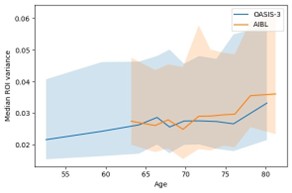
    2. Note: This preprint has been reviewed by subject experts for Review Commons. Content has not been altered except for formatting.

      Learn more at Review Commons


      Referee #2

      Evidence, reproducibility and clarity

      In the present manuscript, Saurav et al. identify IP3R2-mediated ER calcium release as a key suppressor of melanophagy, thereby sustaining pigmentation in melanocytes. Using in vitro (B16 murine melanoma cells, primary human melanocytes) and in vivo (zebrafish) models, the authors report that IP3R2 expression is positively correlated with pigmentation. They then investigate the impact of IP3R2 knockdown and find that IP3R2 silencing enhances the stability of melanogenic proteins, while also inducing autophagic degradation of melanosomes (i.e., melanophagy). Concomitantly, they find that IP3R2 silencing decreases mitochondrial calcium uptake, increases lysosomal calcium loading, and lowers lysosomal pH. They propose a pathway wherein in IP3R2 knockdown cells impaired mitochondrial calcium uptake induces the activation of AMPK-ULK1, and increased lysosomal calcium activates TRPML1 via TMEM165 and closer proximity interactions between ER and lysosomes, TFEB nuclear translocation, and upregulation of melanophagy-related genes, namely OPTN and RCHY1. The work is placed within the context of emerging roles of organelle calcium signaling in pigmentation biology, where extracellular calcium influx pathways are known regulators, but the contribution of ER-mitochondria-lysosome crosstalk to melanosome turnover remains largely unknown.

      Major comments:

      • The central finding is that IP3R2 knockdown induces melanophagy and reduces pigmentation. However, the manuscript does not identify any physiological or pathological context in which IP3R2 expression or activity is naturally downregulated in melanocytes. Without such context, the knockdown may represent an artificial perturbation that broadly alters ER calcium handling and triggers melanophagy as part of a general stress-induced autophagy response. This raises uncertainty about whether the pathway operates in vivo under normal or disease conditions. It would strengthen the study to identify upstream cues that reduce IP3R2 function and to test whether these also trigger melanophagy through the proposed mechanism.
      • While the data link IP3R2 knockdown to decreased pigmentation and increased melanophagy, the causality between altered organelle calcium dynamics and the melanophagy induction is inferred from correlation and partial rescue experiments. More direct interventions in the proposed downstream pathways (e.g., acute mitochondrial calcium uptake restoration, lysosomal calcium buffering) would strengthen mechanistic claims.
      • Zebrafish assays convincingly show altered pigmentation with altered IP3R2 levels, but do not connect this to in vivo melanophagy measurements or TRPML1/TFEB activity, which would link the cell biology to organismal phenotype more directly.
      • The work suggests therapeutic potential for pigmentary disorders, but no disease models are tested. It is unclear whether the observed mechanisms operate under physiological stressors.
      • The paradox between the observed enhanced stability of melanogenic proteins and increased melanophagy is insufficiently addressed. DCT, Tyrosinase and GP100 are all melanosome-associated and their stability or degradation is in prior literature often interpreted as reflecting melanosome biogenesis and turnover. This discrepancy needs to be resolved, as it complicates interpretation of melanophagy assays.
      • The authors propose that mitophagy and ER-phagy are reduced in IP3R2 knockdown cells, suggesting specific induction of melanophagy, but the rationale for why increased autophagic flux only targets melanosomes is insufficiently addressed. Also, these conclusions are solely based on Keima assays, and positive controls for mitophagy and ER-phagy are lacking.
      • The melanophagy probes are novel and validated with rapamycin/bafilomycin, but quantitative calibration of GFP/mCherry or Keima signal to actual lysosomal delivery rates is missing; photobleaching, pH heterogeneity (incl., observed decrease in lysosomal pH), and melanin autofluorescence (see below) could confound ratios. Also, side-by-side comparison with other melanophagy detection approaches (e.g., colocalization of melanosomes with LC3) is lacking.
      • Melanosomes exhibit broad autofluorescence, particularly upon excitation at 405-488 nm and extending into the red channel. This signal can overlap with the detection ranges for GFP, mCherry, and mKeima reporters, potentially confounding quantitative readouts unless appropriate controls (e.g., untransfected cells, spectral unmixing) are used. Throughout this manuscript, it is not addressed how melanosome autofluorescence was controlled for or excluded in the reported fluorescence measurements.
      • While OPTN and RCHY1 expression is elevated upon IP3R2 knockdown, functional engagement (e.g., OPTN localization to melanosomes, melanosome ubiquitination by RCHY1), or necessity (e.g., siRNA knockdown of these in the IP3R2-deficient background), are not tested.
      • While siRNA/shRNA efficacy is shown, functional rescue with pore-dead mutants sometimes fails to return to control values. The possibility of partial off-target or compensatory effects is not fully excluded.
      • The mitochondrial and lysosomal calcium measurements are largely endpoint peak quantifications; kinetic analyses and buffering capacity measurements would provide more mechanistic depth, especially for the TMEM165 contribution. Also, TMEM165 necessity for melanophagy induction upon IP3R2 knockdown has not been directly addressed.
      • The proximity ligation assay between VAP-A and LAMP1 is interpreted as showing increased ER-lysosome contacts in IP3R2 knockdown cells. However, additional controls are needed and quantitative TEM should be included to substantiate changes in organelle contact frequency and distance.
      • Some assays report small biological n (e.g., three independent experiments with relatively small per-condition cell counts).

      Minor comments:

      • The title "IP3R2-mediated inter-organelle Ca2+ signaling orchestrates melanophagy" could be misread as indicating IP3R2 'promotes' melanophagy; consider rewording to make clear that IP3R2 suppresses melanophagy to maintain pigmentation. Similarly, the running title "IP3R2 negatively regulates melanophagy" would be clearer as "IP3R2 suppresses melanophagy".
      • Unify the framing of "positively regulates pigmentation" vs. "negatively regulates melanophagy" in the Introduction/Discussion.
      • Adding schematic flow diagrams summarizing each pathway at the end of relevant results (figure) sections could help accessibility.
      • While the introduction summarizes extracellular calcium signaling in pigmentation, there is less coverage of recent work on selective autophagy of other lysosome-related organelles (e.g., platelet dense granules, lytic granules), which could provide broader mechanistic context.

      Significance

      This study addresses an important gap in pigmentation biology by identifying IP3R2-mediated ER calcium release as a suppressor of melanophagy and a positive regulator of pigmentation. The strongest aspects are the integration of in vitro and in vivo models, the multi-faceted mechanistic exploration linking altered organelle calcium dynamics to selective melanosome turnover, and the development of novel ratiometric fluorescent probes for live-cell melanophagy measurement. Conceptually, the work extends prior literature that has focused on extracellular calcium influx and melanosome biogenesis, revealing a new inter-organelle calcium signaling module that controls melanosome degradation via AMPK-ULK1 and TMEM165-TRPML1-TFEB pathways.

      However, several limitations reduce the strength of the mechanistic claims. Some key pathway steps are inferred from correlation and partial rescue rather than direct necessity/sufficiency tests (e.g., mitochondrial calcium uptake restoration, lysosomal calcium buffering). The paradoxical observation that IP3R2 knockdown both increases melanophagy and stabilizes melanosome-resident proteisn (DCT, Tyrosinase, GP100) is not resolved, complicating interpretation of the melanophagy assays. The specificity for melanophagy over other selective autophagy pathways is asserted but not fully explained mechanistically, and positive controls for mitophagy/ER-phagy are missing. Potential technical confounds, such as melanin autofluorescence in the detection ranges of GFP, mCherry, and mKeima, are not explicitly addressed and alternative assays for these key data were insufficiently employed. In vivo results do not yet connect altered pigmentation to melanophagy readouts or downstream TRPML1/TFEB activation. Importantly, the study does not identify any physiological or pathological scenario in which IP3R2 expression or activity is naturally reduced in melanocytes. In the absence of such upstream cues, IP3R2 knockdown may represent an artificial perturbation that triggers melanophagy as part of a broader stress-induced autophagy response, raising questions about the in vivo relevance of the proposed pathway.

      The work's primary audience is specialized, cell biologists, autophagy researchers, and pigmentation/skin biology specialists, but the mechanistic framework on organelle crosstalk and selective autophagy will interest a broader basic research readership, including those studying lysosome-related organelles in other systems. The ratiometric probes could be adapted for future melanophagy research, and the pathway insights may guide translational studies in pigmentary disorders or melanoma. My expertise is in mitochondrial and lysosomal calcium signaling, autophagy, and microscopy-based functional assays; I do not have detailed expertise in zebrafish developmental genetics, though the phenotypic analysis appears sound.

    3. Note: This preprint has been reviewed by subject experts for Review Commons. Content has not been altered except for formatting.

      Learn more at Review Commons


      Referee #1

      Evidence, reproducibility and clarity

      The manuscript entitled, "IP3R2 mediated inter-organelle Ca2+ signaling orchestrates melanophagy" is a rather diffuse study of the relationship between IP3R2 and melanin production. While this is an interesting and understudied area, the study lacks a clear focus. The model seems to be that IP3R2 is essential for mitochondrial calcium loading. And that its absence increases lysosomal calcium loading. There are also a number of incomplete and/or unconvincing links to autophagy/melanophagy, TMEM165, TRPML1 and even gene transcription. In this kind of diffuse study, each step needs to be convincing to get to the next one, which is not the case here. There are also references to altered proteasome function, despite the total absence of any direct data on the proteasome. Finally, I felt it was sometimes unclear whether the authors were referring to melanosomes or lysosomes at various points throughout the study. While I suspect that, somewhere in here, there are some novel relationships worthy of further investigation, this is a case where the many parts make the overall product less convincing. What effects here are directly relevant to IP3R2? This study should stop there, leaving investigations of peripheral factors for future investigations, as the further you get from where you start, the less clear what you are studying becomes. And the less direct.

      Specific Comments:

      1. The separation of Figures 1F and 1J makes it impossible to assess the effect of αMSH on IP3R2 expression. This presentation makes interpretation difficult; a simple 4 lane Western would be more informative
      2. One of the most attractive points made by this study is that there is a specific link between IP3R2 and melanin production. In my opinion, the null hypothesis is that this is just about the amount of IP3Rs expressed per cell. To reject this concept, the authors should show data demonstrating the relative expression of all 3 IP3Rs. Without this information, the null hypothesis that IP3R2 is the most expressed IP3R isoform and that's why its knockdown has the most dramatic effect cannot be rejected It would also be helpful to show where the different IP3Rs are expressed within the cell.
      3. It would be helpful to label Figs 3F-I with the conditions used. The description in the text is of increased LC3II levels, however, the ratio of LC3I to LC3II might be more meaningful. Irrespective, although the graph shows an increase in LC3II, the Western really doesn't show much. As a standalone finding, I don't find this figure to be very convincing; there are better options to demonstrate this proposed relationship between IP3R2 and autophagy than what is shown.
      4. The following statement at the beginning of page 22 "We observed an impaired proteasomal degradation of critical melanogenic proteins localized on melanosomes in the IP3R2 knockdown condition" is insufficiently supported by data to be made. Even if I was convinced that autophagy was enhanced, there is no data of any kind about the proteasome in this manuscript.
      5. In figure 5, the authors create a new ratiometric dye to detect melanosome stability based on the principle that tyrosinase is exclusively found in melanosomes. Unfortunately, there is no validation that this new construct is found exclusively in melanosomes upon expression. In addition, there is discussion about the pH of lysosomes, but not of melanosomes. Ultimately, this data cannot be considered at face value without any type of validation; I also note that the pictures lack sufficient detail to support identification of these stuctures asmelanosomes.

      While I maintain the above concerns, I note that, the data in supplemental figure 3 is MUCH more convincing than what is in the figure. Both the writing and the figure design should be rethought. 6. Given the increase in ER Ca2+ content after IP3R2 knockdown, ER calcium content should be emptied before attempting to estimate lysosomal Ca2+ content with GPN or Bafilomycin. Otherwise, the source of calcium is less than clear.

      Significance

      The manuscript entitled, "IP3R2 mediated inter-organelle Ca2+ signaling orchestrates melanophagy" is a rather diffuse study of the relationship between IP3R2 and melanin production. While this is an interesting and understudied area, the study lacks a clear focus. The model seems to be that IP3R2 is essential for mitochondrial calcium loading. And that its absence increases lysosomal calcium loading. There are also a number of incomplete and/or unconvincing links to autophagy/melanophagy, TMEM165, TRPML1 and even gene transcription. In this kind of diffuse study, each step needs to be convincing to get to the next one, which is not the case here. There are also references to altered proteasome function, despite the total absence of any direct data on the proteasome. Finally, I felt it was sometimes unclear whether the authors were referring to melanosomes or lysosomes at various points throughout the study.

    1. Fourth, inGermany the agrarian sector remained significant, with 4.4 million womenworking in agriculture in 1933, many of whom were farmers’ wives: in1939, women accounted for 54.5 percent of the agricultural workforce. 24By contrast, “the farmwife all but disappeared in England” in the interwaryears, with women in agriculture accounting for only 1 or 2 percent of thetotal female workforce

      Different experience

    Annotators

    1. the result is independent of the order in which the subtraction is made

      Be careful. This is true for vectors

      $$\vec{H}-\vec{P}=\left(-\vec{P}\right)+\vec{H}=\vec{H}+\left(-\vec{P}\right)$$

      but not exactly the same for numbers: $$7-2.2\ne2.2-7$$

    1. Reviewer #1 (Public review):

      Summary:

      In this manuscript, Dixit and colleagues investigate the role of FRG1 in modulating nonsense-mediated mRNA decay using human cell lines and zebrafish embryos. They present data from experiments that test the effect of normal, reduced or elevated levels of FRG1 on NMD of a luciferase-based NMD reporter and on endogenous mRNA substrates of NMD. They also carry out experiments to investigate FRG1's influence on UPF1 mRNA and protein levels, with a particular focus on the possibility that FRG1 regulates UPF1 protein levels through ubiquitin-mediated proteolysis of UPF1. The experiments described also test whether DUX4's effect on UPF1 protein levels and NMD could be mediated through FRG1. Finally, the authors also present experiments that test for physical interaction between UPF1, the spliceosome and components of the exon junction complex.

      Strengths:

      A key strength of the work is its focus on an intriguing model of NMD regulation by FRG1, which is of particular interest as FRG1 is positively regulated by DUX4, which has been previously implicated in subjecting UPF1 to proteosome-mediated degradation and thereby causing NMD inhibition. The data that shows that DUX4-mediated effect on UPF1 levels is diminished upon FRG1 depletion suggests that DUX4's regulation of NMD could be mediated by FRG1.

      Weaknesses:

      A major weakness and concern is that many of the key conclusions drawn by the authors are not supported by the data, and there are also some significant concerns with experimental design. More specific comments below describe these issues:

      (1) Multiple issues lower the confidence in the experiments testing the effect of FRG1 on NMD.

      (a) All reporter assays presented in the manuscript are based on quantification of luciferase activity, and in most cases, the effect on luciferase activity is quite small. This assay is the key experimental approach throughout the manuscript. However, no evidence is provided that the effect captured by this assay is due to enhanced degradation of the mRNA encoding the luciferase reporter, which is what is implied in the interpretation of these experiments. Crucially, there is also no control for the reporter that can account for the effects of experimental manipulations on transcriptional versus post-transcriptional effects. A control reporter lacking a 3'UTR intron is described in Barid et al, where the authors got their NMD reporter from. Due to small effects observed on luciferase activity upon FRG1 depletion, it is necessary to not only measure NMD reporter mRNA steady state levels, but it will be equally important to ascertain that the effect of FRG1 on NMD is at the level of mRNA decay and not altered transcription of NMD substrates. This can be accomplished by testing decay rates of the beta-globin reporter mRNA.

      (b) It is unusual to use luciferase enzymatic activity as a measurement of RNA decay status. Such an approach can at least be justified if the authors can test how many-fold the luciferase activity changes when NMD is inhibited using a chemical inhibitor (e.g., SMG1 inhibitor) or knockdown of a core NMD factor.

      (c) The concern about the direct effect of FRG1 on NMD is further amplified by the small effects of FRG1 knockout on steady-state levels of endogenous NMD targets (Figure 1A and B: ~20% reduction in reporter mRNA in MCF7 cells; Figure 1M, only 18 endogenous NMD targets shared between FRG1_KO and FRG1_KD).

      (d) The question about transcriptional versus post-transcriptional effects is also important in light of the authors' previous work that FRG1 can act as a transcriptional regulator.

      (2) In the experiments probing the relationship between DUX4 and FRG1 in NMD regulation, there are some inconsistencies that need to be resolved.

      (a) Figure 3 shows that the inhibition of NMD reporter activity caused by DUX4 induction is reversed by FRG1 knockdown. Although levels of FRG1 and UPF1 in DUX4 uninduced and DUX4 induced + FRG1 knockdown conditions are similar (Figure 5A), why is the reporter activity in DUX4 induced + FRG1 knockdown cells much lower than DUX4 uninduced cells in Figure 3?

      (b) In Figure 3, it is important to know the effect of FRG1 knockdown in DUX4 uninduced conditions.

      (c) On line 401, the authors claim that MG132 treatment leads to "time-dependent increase in UPF1 protein levels" in Figure 5C. However, upon proteasome inhibition, UPF1 levels significantly increase only at 8h time point, while the change at 12 and 24 hours is not significantly different from the control.

      (3) There are multiple issues with experiments investigating ubiquitination of UPF1:

      (a) Ubiquitin blots in Figure 6 are very difficult to interpret. There is no information provided either in the text or figure legends as to which bands in the blots are being compared, or about what the sizes of these bands are, as compared to UPF1. Also, the signal for Ub in most IP samples looks very similar to or even lower than the input.

      (b) Western blot images in Figure 6D appear to be adjusted for brightness/contrast to reduce background, but are done in such a way that pixel intensities are not linearly altered. This image appears to be the most affected, although some others have also similar patterns (e.g., Figure 5C).

      (4) The experiments probing physical interactions of FRG1 with UPF1, spliceosome and EJC proteins need to consider the following points:

      (a) There is no information provided in the results or methods section on whether immunoprecipitations were carried out in the absence or presence of RNases. Each RNA can be bound by a plethora of proteins that may not be functionally engaged with each other. Without RNase treatment, even such interactions will lead to co-immunoprecipitation. Thus, experiments in Figure 6 and Figure 7A-D should be repeated with and without RNase treatment.

      (b) Also, the authors claim that FRG1 is a "structural component" of EJC and NMD complexes seems to be an overinterpretation. As noted in the previous comment, these interactions could be mediated by a connecting RNA molecule.

      (c) A negative control (non-precipitating protein) is missing in Figure 7 co-IP experiments.

      (d) Polysome analysis is missing important controls. FRG1 and EIF4A3 co-sedimentation with polysomes could simply be due to their association with another large complex (e.g., spliceosome), which will also co-sediment in these gradients. This possibility can at least be tested by Western blotting for some spliceosome components across the gradient fractions. More importantly, a puromycin treatment control needs to be performed to confirm that FRG1 and EIF4A3 are indeed bound to polysomes, which are separated into ribosome subunits upon puromycin treatment. This leads to a shift of the signal for ribosomal proteins and any polysome-associated proteins to the left.

    2. Author response:

      Public Reviews:

      Reviewer #1 (Public review):

      Summary:

      In this manuscript, Dixit and colleagues investigate the role of FRG1 in modulating nonsense-mediated mRNA decay using human cell lines and zebrafish embryos. They present data from experiments that test the effect of normal, reduced or elevated levels of FRG1 on NMD of a luciferase-based NMD reporter and on endogenous mRNA substrates of NMD. They also carry out experiments to investigate FRG1's influence on UPF1 mRNA and protein levels, with a particular focus on the possibility that FRG1 regulates UPF1 protein levels through ubiquitin-mediated proteolysis of UPF1. The experiments described also test whether DUX4's effect on UPF1 protein levels and NMD could be mediated through FRG1. Finally, the authors also present experiments that test for physical interaction between UPF1, the spliceosome and components of the exon junction complex.

      Strengths:

      A key strength of the work is its focus on an intriguing model of NMD regulation by FRG1, which is of particular interest as FRG1 is positively regulated by DUX4, which has been previously implicated in subjecting UPF1 to proteosome-mediated degradation and thereby causing NMD inhibition. The data that shows that DUX4-mediated effect on UPF1 levels is diminished upon FRG1 depletion suggests that DUX4's regulation of NMD could be mediated by FRG1.

      Weaknesses:

      A major weakness and concern is that many of the key conclusions drawn by the authors are not supported by the data, and there are also some significant concerns with experimental design. More specific comments below describe these issues:

      (1) Multiple issues lower the confidence in the experiments testing the effect of FRG1 on NMD.

      (a) All reporter assays presented in the manuscript are based on quantification of luciferase activity, and in most cases, the effect on luciferase activity is quite small. This assay is the key experimental approach throughout the manuscript. However, no evidence is provided that the effect captured by this assay is due to enhanced degradation of the mRNA encoding the luciferase reporter, which is what is implied in the interpretation of these experiments. Crucially, there is also no control for the reporter that can account for the effects of experimental manipulations on transcriptional versus post-transcriptional effects. A control reporter lacking a 3'UTR intron is described in Barid et al, where the authors got their NMD reporter from. Due to small effects observed on luciferase activity upon FRG1 depletion, it is necessary to not only measure NMD reporter mRNA steady state levels, but it will be equally important to ascertain that the effect of FRG1 on NMD is at the level of mRNA decay and not altered transcription of NMD substrates. This can be accomplished by testing decay rates of the beta-globin reporter mRNA.

      We thank the reviewer for raising these points and for the careful evaluation of our experimental approach. Here we provide our response to comment (a) in three parts

      Reliance on luciferase-based reporter assays

      While luciferase-based NMD reporter assays represent an important experimental component of this study, our conclusions do not rely exclusively on this approach. The reporter-based findings are independently supported by RNA sequencing analyses of FRG1-perturbed cells, which demonstrate altered abundance of established PTC-containing NMD target transcripts. This genome-wide analysis provides an unbiased and physiologically relevant validation of FRG1 involvement in NMD regulation.

      All reporter assays presented in the manuscript are based on quantification of luciferase activity, and in most cases, the effect on luciferase activity is quite small.

      We respectfully disagree with the comment that the magnitude of the luciferase effects is low. Increased expression of FRG1, which leads to reduced UPF1 levels, results in a ~3.5-fold increase in relative luciferase activity (Fig. 1C), indicating a robust effect. Furthermore, in the in vivo zebrafish model, FRG1 knockout causes a pronounced decrease in relative luciferase activity (Fig. 1H), consistent with elevated UPF1 levels and enhanced NMD activity.

      It is also important to note that FRG1 functions as a negative regulator of UPF1; therefore, its depletion is expected to increase UPF1 levels. However, excessive elevation of UPF1 is likely constrained by additional regulatory mechanisms, which may limit the observable effects of FRG1 knockdown or knockout. In line with this, our previous study (1) demonstrated that FRG1 positively regulates multiple NMD factors while exerting an inverse regulatory effect on UPF1. This dual role suggests that FRG1 may act as a compensatory modulator of the NMD machinery, which likely explains the relatively subtle net effects observed in FRG1 knockdown/knockout conditions in vitro (Fig. 1A and 1B). This interpretation is explicitly discussed in the manuscript (Discussion, paragraph para 4).

      However, no evidence is provided that the effect captured by this assay is due to enhanced degradation of the mRNA encoding the luciferase reporter, which is what is implied in the interpretation of these experiments. Crucially, there is also no control for the reporter that can account for the effects of experimental manipulations on transcriptional versus post-transcriptional effects. A control reporter lacking a 3'UTR intron is described in Barid et al, where the authors got their NMD reporter from. Due to small effects observed on luciferase activity upon FRG1 depletion, it is necessary to not only measure NMD reporter mRNA steady state levels, but it will be equally important to ascertain that the effect of FRG1 on NMD is at the level of mRNA decay and not altered transcription of NMD substrates. This can be accomplished by testing decay rates of the beta-globin reporter mRNA.

      Thank you for your suggestion. We will test decay rates of the beta-globin reporter mRNA.

      (b) It is unusual to use luciferase enzymatic activity as a measurement of RNA decay status. Such an approach can at least be justified if the authors can test how many-fold the luciferase activity changes when NMD is inhibited using a chemical inhibitor (e.g., SMG1 inhibitor) or knockdown of a core NMD factor.

      We respectfully disagree that the use of luciferase enzymatic activity as a readout for NMD is unusual. Multiple prior studies have successfully employed identical or closely related luciferase-based/fluorescence-based reporters to quantify NMD activity (2–5). Importantly, the goal of our study was not to measure RNA decay kinetics per se, but rather to assess how altered FRG1 levels influence the functional efficiency of the NMD pathway. Given that FRG1 is a structural component of the spliceosome C complex (6) and is previously indirectly linked to NMD regulation (1,7) this approach was well-suited to address our central question.

      As suggested by the reviewer, we will also assess luciferase activity following pharmacological inhibition of NMD to further validate the reporter system's responsiveness.

      (c) The concern about the direct effect of FRG1 on NMD is further amplified by the small effects of FRG1 knockout on steady-state levels of endogenous NMD targets (Figure 1A and B: ~20% reduction in reporter mRNA in MCF7 cells; Figure 1M, only 18 endogenous NMD targets shared between FRG1_KO and FRG1_KD).

      The modest changes observed upon FRG1 loss do not preclude a direct role in NMD. As detailed in our response to comment (a) and discussed in paragraph 4 of the Discussion, limited effects on steady-state levels of endogenous NMD targets are expected given the buffering capacity of the NMD pathway and the contribution of compensatory regulatory mechanisms.

      (d) The question about transcriptional versus post-transcriptional effects is also important in light of the authors' previous work that FRG1 can act as a transcriptional regulator.

      We agree that distinguishing between transcriptional and post-transcriptional effects is important, particularly in light of our previous work demonstrating that FRG1 can function as a transcriptional regulator of multiple NMD genes (1). Consistent with this, the current manuscript shows that FRG1 influences the transcript levels of UPF1. In addition, we demonstrate that FRG1 regulates UPF1 at the protein level. We therefore conclude that FRG1 regulates UPF1 dually, at both transcriptional and post-transcriptional levels, supporting a dual role for FRG1 in the regulation of NMD.

      This conclusion is further supported by prior studies indicating post-transcriptional functions of FRG1. FRG1 is a nucleocytoplasmic shuttling protein(8), interacts with the NMD factor ROD1 (7), and has been identified as a component of the spliceosomal C complex (6). FRG1 has also been reported to associate with the hnRNPK family of proteins (8), which participate in extensive protein–protein interaction networks. Collectively, these observations are consistent with a role for FRG1 in regulating NMD components at multiple levels.

      (2) In the experiments probing the relationship between DUX4 and FRG1 in NMD regulation, there are some inconsistencies that need to be resolved.

      (a) Figure 3 shows that the inhibition of NMD reporter activity caused by DUX4 induction is reversed by FRG1 knockdown. Although levels of FRG1 and UPF1 in DUX4 uninduced and DUX4 induced + FRG1 knockdown conditions are similar (Figure 5A), why is the reporter activity in DUX4 induced + FRG1 knockdown cells much lower than DUX4 uninduced cells in Figure 3?

      We appreciate the reviewer’s comment. Figures 3 and 5A represent independent experiments in which FRG1 knockdown was achieved by transient transfection. As such, variability in transfection efficiency is expected and likely accounts for the quantitative difference. We want to highlight that compared to DUX4_induced lane (Fig. 5A, lane 2), when we knock down FRG1 on the DUX4_induced background, it shows a clear increase in the UPF1 level (Fig. 5A, lane 3). We will add one more replicate to 5 A with better FRG1_KD transfection to the experiment.

      (b) In Figure 3, it is important to know the effect of FRG1 knockdown in DUX4 uninduced conditions.

      We thank the reviewer for this thoughtful suggestion. The effect of FRG1 knockdown under DUX4-uninduced conditions is presented in Figure 1A, where FRG1 levels are reduced without altering DUX4 expression. In contrast, Figure 3 is specifically designed to assess the rescue effect—namely, how reduction of FRG1 expression under DUX4-induced conditions influences NMD efficiency. Therefore, inclusion of an FRG1 knockdown–only group in Figure 3 was not relevant to the objective of this experiment.

      (c) On line 401, the authors claim that MG132 treatment leads to "time-dependent increase in UPF1 protein levels" in Figure 5C. However, upon proteasome inhibition, UPF1 levels significantly increase only at 8h time point, while the change at 12 and 24 hours is not significantly different from the control.

      We thank the reviewer for this observation and agree that the statement of a “time-dependent increase in UPF1 protein levels” was inaccurate. A significant increase is observed only at the 8 h time point following MG132 treatment, with no significant changes at 12 h or 24 h. The text will be revised accordingly to reflect Figure 5C.

      (3) There are multiple issues with experiments investigating ubiquitination of UPF1:

      (a) Ubiquitin blots in Figure 6 are very difficult to interpret. There is no information provided either in the text or figure legends as to which bands in the blots are being compared, or about what the sizes of these bands are, as compared to UPF1. Also, the signal for Ub in most IP samples looks very similar to or even lower than the input.

      We agree that the ubiquitin blots in Figure 6 require clearer presentation. In the revised figure, we will annotate the ubiquitin immunoblots to indicate the region corresponding to UPF1 (~140 kDa), which is the relevant molecular weight for interpretation. Because UPF1 is polyubiquitinated, ubiquitinated species are expected to appear as multiple bands rather than a single discrete signal; therefore, ubiquitination was assessed across the full blot. Importantly, interpretation is based on comparisons between UPF1 immunoprecipitated samples within each panel (Fig. 6C–F), rather than between input and IP lanes. For example, in Figure 6 C UPF1 IP FRG1_KD compared to UPF1 IP FRG1_Ex, in Figure 6 D UPF1 IP FRG1_WT compared to UPF1 IP FRG1_KO, in Figure 6 E UPF1 IP FRG1_KO compared to UPF1 IP FRG1_KO+FRG1_Ex, and in Figure 6 F UPF1 IP FRG1_Ex compared to UPF1 IP FRG1_Ex+MG132 TRT.

      (b) Western blot images in Figure 6D appear to be adjusted for brightness/contrast to reduce background, but are done in such a way that pixel intensities are not linearly altered. This image appears to be the most affected, although some others have also similar patterns (e.g., Figure 5C).

      We thank the reviewer for raising this point. The appearance noted in Figure 6D was not due to non-linear alteration of pixel intensities, but rather resulted from the poor quality of the ubiquitin antibody, which required prolonged exposure times. To address this, we replaced the antibody and repeated the ubiquitin immunoblots shown in Figures 6D, 6E, and 6F.

      For Figure 5C, only uniform contrast adjustment was applied for clarity. Importantly, all adjustments were performed linearly and applied to the entire image. Raw, unprocessed images for all blots are provided in the Supplementary Information. Updated versions of Figures 5 and 6 will be included in the revised manuscript.

      (4) The experiments probing physical interactions of FRG1 with UPF1, spliceosome and EJC proteins need to consider the following points:

      (a) There is no information provided in the results or methods section on whether immunoprecipitations were carried out in the absence or presence of RNases. Each RNA can be bound by a plethora of proteins that may not be functionally engaged with each other. Without RNase treatment, even such interactions will lead to co-immunoprecipitation. Thus, experiments in Figure 6 and Figure 7A-D should be repeated with and without RNase treatment.

      We thank the reviewer for this important point. The co-immunoprecipitation experiments shown in Figures 6 and 7A–D were performed in the absence of RNase treatment; this information was inadvertently omitted and will be added to the Methods section and the relevant figure legends. To directly assess whether the observed interactions are RNA-dependent, we will repeat the key co-immunoprecipitation experiments in the presence of RNase treatment and include these results in the revised manuscript.

      (b) Also, the authors claim that FRG1 is a "structural component" of EJC and NMD complexes seems to be an overinterpretation. As noted in the previous comment, these interactions could be mediated by a connecting RNA molecule.

      We thank the reviewer for this insightful comment. As noted, previous studies have suggested that FRG1 interacts with components of the EJC and NMD machinery. Specifically, Bertram et al. (6) identified FRG1 as a component of the spliceosomal C complex via Cryo-EM structural analysis, and pull-down studies have shown direct interaction between FRG1 and ROD1, a known EJC component (7). These findings support a protein-protein interaction rather than one mediated solely by RNA. To further address the reviewer’s concern, we will perform key co-immunoprecipitation experiments in the presence of RNase treatment to distinguish RNA-dependent from RNA-independent interactions.

      (c) A negative control (non-precipitating protein) is missing in Figure 7 co-IP experiments.

      We agree that including a non-precipitating protein as a negative control is important, and we will perform the co-IP experiment incorporating this control.

      (d) Polysome analysis is missing important controls. FRG1 and EIF4A3 co-sedimentation with polysomes could simply be due to their association with another large complex (e.g., spliceosome), which will also co-sediment in these gradients. This possibility can at least be tested by Western blotting for some spliceosome components across the gradient fractions. More importantly, a puromycin treatment control needs to be performed to confirm that FRG1 and EIF4A3 are indeed bound to polysomes, which are separated into ribosome subunits upon puromycin treatment. This leads to a shift of the signal for ribosomal proteins and any polysome-associated proteins to the left.

      As recommended, we will examine the distribution of a spliceosome component across the gradient fractions to assess potential co-sedimentation. Additionally, we will perform a puromycin treatment control to confirm that FRG1 and EIF4A3 are genuinely associated with polysomes.

      Reviewer #2 (Public review):

      Summary:

      In this manuscript, Palo et al present a novel role for FRG1 as a multifaceted regulator of nonsense-mediated mRNA decay (NMD). Through a combination of reporter assays, transcriptome-wide analyses, genetic models, protein-protein interaction studies, ubiquitination assays, and ribosome-associated complex analyses, the authors propose that FRG1 acts as a negative regulator of NMD by destabilizing UPF1 and associating with spliceosomal, EJC, and translation-related complexes. Overall, the data, while consistent with the authors' central conclusions, are undermined by several claims-particularly regarding structural roles and mechanistic exclusivity. To really make the claims presented, further experimental evidence would be required.

      Strengths:

      (1) The integration of multiple experimental systems (zebrafish and cell culture).

      (2) Attempts to go into a mechanistic understanding of the relationship between FGR1 and UPF1.

      Weaknesses:

      (1) Overstatement of FRG1 as a structural NMD component.

      Although FRG1 interacts with UPF1, eIF4A3, PRP8, and CWC22, core spliceosomal and EJC interactions (PRP8-CWC22 and eIF4A3-UPF3B) remain intact in FRG1-deficient cells. This suggests that, while FRG1 associates with these complexes, this interaction is not required for their assembly or structural stability. Without further functional or reconstitution experiments, the presented data are more consistent with an interpretation of FRG1 acting as a regulatory or accessory factor rather than a core structural component.

      We thank the reviewer for this clarification. We would like to emphasize that we do not claim FRG1 to be a core structural component of either the spliceosome or the EJC. Consistent with the reviewer’s interpretation, our data indicate that FRG1 deficiency does not disrupt the structural integrity of these complexes. Our intended conclusion is that FRG1 functions as a regulatory or accessory factor in NMD rather than being required for complex assembly or stability. We will carefully revise the manuscript to remove any language that could be interpreted as an overstatement. In addition, we are currently performing further experiments to better define the association of FRG1 with the EJC.

      (2) Causality between UPF1 depletion and NMD inhibition is not fully established.

      While reduced UPF1 levels provide a plausible explanation for decreased NMD efficiency, the manuscript does not conclusively demonstrate that UPF1 depletion drives all observed effects. Given FRG1's known roles in transcription, splicing, and RNA metabolism, alterations in transcript isoform composition and apparent NMD sensitivity may arise from mechanisms independent of UPF1 abundance. To directly link UPF1 depletion to altered NMD efficiency, rescue experiments testing whether UPF1 re-expression restores NMD activity in FRG1-overexpressing cells would be important.

      As suggested, to directly test causality, we will perform rescue experiments to determine whether UPF1 re-expression restores NMD activity in FRG1-overexpressing MCF7 cells.

      (3) Mechanism of FRG1-mediated UPF1 ubiquitination requires clarification.

      The ubiquitination assays support a role for FRG1 in promoting UPF1 degradation; however, the mechanism underlying this remains unexplored. The relationship between FRG1-UPF1 what role FRG1 plays in this is unclear (does it function as an adaptor, recruits an E3 ubiquitin ligase, or influences UPF1 ubiquitination indirectly through transcriptional or signaling pathways?).

      We agree with the reviewer that the precise mechanism by which FRG1 promotes UPF1 ubiquitination remains to be defined. Our ubiquitination assays support a role for FRG1 in facilitating UPF1 degradation; however, whether FRG1 functions directly as an adaptor or E3 ligase, or instead influences UPF1 stability indirectly, is currently unclear. Notably, a prior study by Geng et al. reported that DUX4 expression alters the expression of numerous genes involved in protein ubiquitination, including multiple E3 ubiquitin ligases (9), and FRG1 itself has been reported to be upregulated upon DUX4 expression in muscle cells. We will expand the Discussion to address these potential mechanisms and place our findings in the context of indirect transcriptional or signaling pathways that may regulate UPF1 proteolysis. A detailed mechanistic dissection of FRG1-mediated ubiquitination is beyond the scope of the present study.

      (4) Limited transcriptome-wide interpretation of RNA-seq data.

      Although the RNA-seq data analysis relies heavily on a small subset of "top 10" genes. Additionally, the criteria used to define NMD-sensitive isoforms are unclear. A more comprehensive transcriptome-wide summary-indicating how many NMD-sensitive isoforms are detected and how many are significantly altered-would substantially strengthen the analysis.

      We thank the reviewer for this comment and agree that the current presentation may place a disproportionate emphasis on a limited subset of genes. These genes were selected as illustrative examples from an isoform-level analysis performed using IsoformSwitchAnalyzeR (ISAR) (10); however, we acknowledge that this approach does not fully convey the transcriptome-wide scope of the analysis.

      Using quantified RNA-seq data, ISAR was employed to identify significant isoform switches and transcripts predicted to be NMD-sensitive. Isoforms were annotated using GENCODE v47, and NMD sensitivity was assigned based on the established 50-nucleotide rule, as described in the Materials and Methods. To address the reviewer’s concern, we will revise the Results section to include a transcriptome-wide summary derived from the ISAR analysis.

      (5) Clarification of NMD sensor assay interpretation.

      The logic underlying the NMD sensor assay should be explained more clearly early in the manuscript, as the inverse relationship between luciferase signal and NMD efficiency may be counterintuitive to readers unfamiliar with this reporter system. Inclusion of a schematic or brief explanatory diagram would improve accessibility.

      We agree with the reviewer and would provide a schematic as well as the experimental setup diagram to improve accessibility to the readers.

      (6) Potential confounding effects of high MG132 concentration.

      The MG132 concentration used (50 µM) is relatively high and may induce broad cellular stress responses, including inhibition of global translation (its known that proteosome inhibition shuts down translation). Controls addressing these secondary effects would strengthen the conclusion that UPF1 stabilization specifically reflects proteasome-dependent degradation would be essential.

      We acknowledge the reviewer’s concern regarding the relatively high concentration of MG132 used in this study. While proteasome inhibition can indeed induce global translation inhibition, our interpretation is based on the specific stabilization of UPF1 observed under these conditions. Since inhibition of global translation would generally reduce protein levels rather than cause selective accumulation, the observed increase in UPF1 is unlikely to result from translational effects. To address this point, we plan to repeat selected experiments using a lower MG132 concentration to further confirm that UPF1 stabilization reflects proteasome-dependent degradation.

      (7) Interpretation of polysome co-sedimentation data.

      While the co-sedimentation of FRG1 with polysomes is intriguing, this approach does not distinguish between direct ribosomal association and co-migration with ribosome-associated complexes. This limitation should be explicitly acknowledged in the interpretation.

      We acknowledge that polysome co-sedimentation alone cannot definitively distinguish between direct ribosomal binding and co-migration with ribosome-associated complexes. Importantly, our interpretation does not rely solely on this assay; when combined with co-immunoprecipitation and proximity ligation assay results, the data consistently support an association of FRG1 with the exon junction complex. We are also conducting additional experiments with appropriate controls to further validate the specificity of FRG1’s association with ribosomes and to address the possibility of nonspecific co-migration.

      (8) Limitations of PLA-based interaction evidence.

      The PLA data convincingly demonstrate close spatial proximity between FRG1 and eIF4A3; however, PLA does not provide definitive evidence of direct interaction and is known to be susceptible to artefacts. Moreover, a distance threshold of ~40 nm still allows for proteins to be in proximity without being part of the same complex. These limitations should be clearly acknowledged, and conclusions should be framed accordingly.

      We thank the reviewer for highlighting this important point. We agree that PLA indicates close spatial proximity but does not constitute definitive evidence of direct interaction and can be susceptible to artefacts. We will explicitly acknowledge this limitation in the revised manuscript. Importantly, our conclusions are not solely based on PLA data; they are supported by complementary co-immunoprecipitation and polysome co-sedimentation assays, which provide biochemical evidence consistent with an association between FRG1 and eIF4A3.

      Reviewer #3 (Public review):

      The manuscript by Palo and colleagues demonstrates identification of FRG1 as a novel regulator of nonsense-mediated mRNA decay (NMD), showing that FRG1 inversely modulates NMD efficiency by controlling UPF1 abundance. Using cell-based models and a frg1 knockout zebrafish, the authors show that FRG1 promotes UPF1 ubiquitination and proteasomal degradation, independently of DUX4. The work further positions FRG1 as a structural component of the spliceosome and exon junction complex without compromising its integrity. Overall, the manuscript provides mechanistic insight into FRG1-mediated post-transcriptional regulation and expands understanding of NMD homeostasis. The authors should address the following issues to improve the quality of their manuscript.

      (1) Figure 7A-D, appropriate positive controls for the nuclear fraction (e.g., Histone H3) and the cytoplasmic fraction (e.g., GAPDH or α-tubulin) should be included to validate the efficiency and purity of the subcellular fractionation.

      We thank the reviewer for the suggestion. We will include appropriate positive controls for the nuclear fraction (Histone H3) and the cytoplasmic fraction (GAPDH or α-tubulin) in Figure 7A–D to validate the efficiency and purity of the subcellular fractionation.

      (2) To strengthen the conclusion that FRG1 broadly impacts the NMD pathway, qRT-PCR analysis of additional core NMD factors (beyond UPF1) in the frg1⁻/⁻ zebrafish at 48 hpf would be informative.

      We appreciate the reviewer’s insightful comment. We will perform qRT-PCR analysis of additional core NMD factors in the frg1⁻/⁻ zebrafish at 48 hpf to further strengthen the conclusion that FRG1 broadly impacts the NMD pathway.

      (3) Figure labels should be standardized throughout the manuscript (e.g., consistent use of "Ex" instead of mixed terms such as "Oex") to improve clarity and readability.

      We thank the reviewer for noticing the inconsistency. We will ensure that all figure labels are standardized throughout the manuscript (e.g., using “Ex” consistently) to improve clarity and readability.

      (4) The methods describing the generation of the frg1 knockout zebrafish could be expanded to include additional detail, and a schematic illustrating the CRISPR design, genotyping workflow, and validation strategy would enhance transparency and reproducibility.

      We appreciate the reviewer’s suggestion and will expand the Methods section to provide additional detail on the generation of the frg1 knockout zebrafish. A schematic illustrating the CRISPR design, genotyping workflow, and validation strategy will also be included to enhance transparency and reproducibility.

      (5) As FRG1 is a well-established tumor suppressor, additional cell-based functional assays under combined FRG1 and UPF1 perturbation (e.g., proliferation, migration, or survival assays) could help determine whether FRG1 influences cancer-associated phenotypes through modulation of the NMD pathway.

      We thank the reviewer for this thoughtful and constructive suggestion. While FRG1 is indeed a well-established tumor suppressor, incorporating additional cell-based functional assays under combined FRG1 and UPF1 perturbation would significantly broaden the scope of the current study. The present work is focused on elucidating the molecular relationship between FRG1 and the NMD pathway. Investigation of downstream cancer-associated phenotypes represents an important and interesting direction for future studies, but is beyond the scope of the current manuscript.

      (6) Given the claim that FRG1 inversely regulates NMD efficacy via UPF1, an epistasis experiment such as UPF1 overexpression in an FRG1-overexpressing background followed by an NMD reporter assay would provide stronger functional validation of pathway hierarchy.

      We agree with the reviewer’s suggestion. To strengthen the functional validation of the proposed pathway hierarchy, we will perform an epistasis experiment by overexpressing UPF1 in an FRG1-overexpressing background and assess NMD activity using an established NMD reporter assay. The results of this experiment will be included in the revised manuscript.

      References

      (1) Palo A, Patel SA, Shubhanjali S, Dixit M. Dynamic interplay of Sp1, YY1, and DUX4 in regulating FRG1 transcription with intricate balance. Biochim Biophys Acta Mol Basis Dis. 2025 Mar;1871(3):167636.

      (2) Sato H, Singer RH. Cellular variability of nonsense-mediated mRNA decay. Nat Commun. 2021 Dec 10;12(1):7203.

      (3) Baird TD, Cheng KCC, Chen YC, Buehler E, Martin SE, Inglese J, et al. ICE1 promotes the link between splicing and nonsense-mediated mRNA decay. eLife. 2018 Mar 12;7:e33178.

      (4) Chu V, Feng Q, Lim Y, Shao S. Selective destabilization of polypeptides synthesized from NMD-targeted transcripts. Mol Biol Cell. 2021 Dec 1;32(22):ar38.

      (5) Udy DB, Bradley RK. Nonsense-mediated mRNA decay uses complementary mechanisms to suppress mRNA and protein accumulation. Life Sci Alliance. 2022 Mar;5(3):e202101217.

      (6) Bertram K, El Ayoubi L, Dybkov O, Agafonov DE, Will CL, Hartmuth K, et al. Structural Insights into the Roles of Metazoan-Specific Splicing Factors in the Human Step 1 Spliceosome. Mol Cell. 2020 Oct 1;80(1):127-139.e6.

      (7) Brazão TF, Demmers J, van IJcken W, Strouboulis J, Fornerod M, Romão L, et al. A new function of ROD1 in nonsense-mediated mRNA decay. FEBS Lett. 2012 Apr 24;586(8):1101–10.

      (8) Sun CYJ, van Koningsbruggen S, Long SW, Straasheijm K, Klooster R, Jones TI, et al. Facioscapulohumeral muscular dystrophy region gene 1 is a dynamic RNA-associated and actin-bundling protein. J Mol Biol. 2011 Aug 12;411(2):397–416.

      (9) Geng LN, Yao Z, Snider L, Fong AP, Cech JN, Young JM, et al. DUX4 activates germline genes, retroelements, and immune mediators: implications for facioscapulohumeral dystrophy. Dev Cell. 2012 Jan 17;22(1):38–51.

      (10) Vitting-Seerup K, Sandelin A. The Landscape of Isoform Switches in Human Cancers. Mol Cancer Res MCR. 2017 Sep;15(9):1206–20.

    1. Reviewer #1 (Public review):

      Summary:

      During the earliest stages of mouse development, the zygote and 2-cell (2C) embryo are totipotent, capable of generating all embryonic and extra-embryonic lineages, and they transiently express a distinctive set of "2C-stage" genes, many driven by MERVL long terminal repeat (LTR) promoters. Although activation of these transcripts is a normal feature of totipotency, they must be rapidly silenced as development proceeds to the 4-cell and 8-cell stages; failure to shut down the 2C program results in developmental arrest. This study examines the role of maternal SETDB1, a histone H3K9 methyltransferase, in suppressing the 2C transcriptional network. Using an oocyte-specific conditional knockout that removes maternal Setdb1 while leaving the paternal allele intact, the authors demonstrate that embryos lacking maternal SETDB1 arrest during cleavage, with very few progressing beyond the 8-cell stage and no morphologically normal blastocysts forming. Transcriptomic analyses reveal persistent expression of MERVL-LTR-driven transcripts and other totipotency markers, indicating a failure to terminate the totipotent state. Together, the data demonstrate that maternally deposited SETDB1 is required to silence the MERVL-driven 2C program and enable the transition from totipotency to pluripotency. More broadly, the work identifies maternal SETDB1 as a key chromatin repressor that deposits repressive H3K9 methylation to shut down the transient 2C gene network and to permit normal preimplantation development.

      Strengths:

      (1) Closes a key knowledge gap.

      The study tackles a central open question - how embryos exit the totipotent 2-cell (2C) state - and provides direct in vivo evidence that epigenetic repression is required to terminate the 2C program for development to proceed. By identifying maternal SETDB1 as the responsible factor, the work substantially advances our understanding of the maternal-to-zygotic transition and early lineage specification.

      (2) Clean genetics paired with rigorous genomics.

      An oocyte-specific Setdb1 knockout cleanly isolates a maternal-effect requirement, ensuring that early phenotypes arise from loss of maternal protein. The resulting cleavage-stage arrest is unambiguous (most embryos stall before or around the 8-cell stage). State-of-the-art single-embryo RNA-seq across stages - well-matched to low-cell-number constraints - captures genome-wide mis-expression, including persistent 2C transcripts in mutants, strongly supporting the conclusions.

      (3) Compelling molecular linkage to phenotype.

      Transcriptome data show that without maternal SETDB1, embryos fail to repress a suite of 1-cell/2C-specific genes by the 8-cell stage. The tight correlation between continued activation of the MERVL-driven totipotency network and developmental arrest provides a specific molecular explanation for the observed failure to progress.

      (4) Mechanistic insight grounded in chromatin biology.

      SETDB1, a H3K9 methyltransferase classically linked to heterochromatin and transposon repression, targets MERVL LTRs and MERVL-driven chimeric transcripts in early embryos. Bioinformatic evidence indicates that these loci normally acquire H3K9me3 during the 2C→4C transition. The data articulate a coherent mechanism: maternal SETDB1 deposits repressive H3K9me3 at 2C gene loci to shut down the totipotency network, extending observations from ESC systems to bona fide embryos.

      (5) Broad implications for development and stem-cell biology.

      By pinpointing a maternal gatekeeper of the totipotent-to-pluripotent transition, the work suggests that some cases of cleavage-stage arrest (e.g., in IVF) may reflect faulty epigenetic silencing of transposon-driven genes. It also informs stem-cell efforts to control totipotent-like states in vitro (e.g., 2C-like cells), linking epigenetic reprogramming, transposable-element regulation, and developmental potency.

      Weaknesses:

      (1) Causality not directly demonstrated.

      The link among loss of SETDB1, persistence of 2C transcripts, and developmental arrest is compelling but remains correlative. No rescue experiments test whether dampening the 2C/MERVL program restores development. Targeted interventions-e.g., knocking down key 2C drivers (such as Dux) or pharmacologically curbing MERVL-linked transcription in maternal Setdb1 mutants-would strengthen the claim that unchecked 2C activity is causal rather than a by-product of other SETDB1 functions.

      (2) Limited mechanistic resolution of SETDB1 targeting.

      The study establishes a requirement for maternal SETDB1 but does not define how it is recruited to MERVL loci. Given SETDB1's canonical cooperation with TRIM28/KAP1 and KRAB-ZNFs, upstream sequence-specific factors and/or pre-existing chromatin features likely guide targeting. Direct occupancy and mark-placement evidence (e.g., SETDB1/TRIM28 CUT&RUN or ChIP, and H3K9me3 profiling at MERVL LTRs during the 2C→4C window) would convert inferred mechanisms into demonstrated ones.

      (3) Narrow scope on MERVL; broader epigenomic consequences underexplored.

      Maternal SETDB1 may restrain additional repeat classes or genes beyond the 2C network. A systematic repeatome analysis (LINEs/SINEs/ERV subfamilies) would clarify specificity versus a general loss of heterochromatin control. Moreover, potential effects on imprinting or DNA methylation balance are not examined; perturbations there could also contribute to arrest. Bisulfite-based DNA methylation maps at imprinted loci and allele-specific expression analyses would help rule in/out these mechanisms.

      (4) Phenotype quantitation and transcriptomic breadth could be clearer.

      The developmental phenotype is described qualitatively ("very few beyond 8-cell") without precise stage-wise arrest rates or representative morphology. Tabulated counts (2C/4C/8C/blastocyst), images, and statistics would increase clarity. On the RNA-seq side, the narrative emphasizes known 2C markers; reporting novel/unannotated misregulated transcripts, as well as downregulated pathways (e.g., failure to activate normal 8-cell programs, metabolism, or early lineage markers), would present a fuller portrait of the mutant state.

    2. Reviewer #2 (Public review):

      Zeng et al. report that Setdb1-/- embryos fail to extinguish the 1- and 2-cell embryo transcriptional program and have permanent expression of MERVL transposable elements. The manuscript is technically sound and well performed, but, in my opinion, the results lack conceptual novelty.

      (1) The manuscript builds on previous observations that: 1, Setbd1 is necessary for early mouse development, with knockout embryos rarely reaching the 8-cell stage; 2, SETB1 mediates H3K9me3 deposition at transposable elements in mouse ESCs; 3, SETB1silences MERVLs to prevent 2CLC-state acquisition in mouse ESCs. The strength of the current work is the demonstration that this is not due to a general transcriptional collapse; but otherwise, the findings are not surprising. The well-known (several Nature papers of years ago) crosstalk between m6A RNA modification and H3K9me3 in preventing 2CLC generation also partly compromises the novelty of this work.

      (2) The conclusions regarding H3K9me3 deposition are inferred based on previously reported datasets, but there is no direct demonstration.

      (3) The detection of chimeric transcripts is somewhat unreliable using short-read sequencing.

    3. Author response:

      eLife Assessment 

      This study presents a valuable finding on maternal SETDB1 as a key chromatin repressor that shuts down the 2C gene program and enables normal mouse embryonic development. The evidence supporting the claims of the authors is solid, although the inclusion of a causality test, a mechanistic understanding of SETDB1 targeting, and phenotypic quantification would have greatly strengthened the study. The work will be of broad interest to biologists working on embryonic development, stem cells and gene regulation.

      Thank you for this positive evaluation of our work. Please find the point-by point responses to the Reviewer’s comments below.

      Public Reviews:

      Reviewer #1 (Public review):

      Summary: 

      During the earliest stages of mouse development, the zygote and 2-cell (2C) embryo are totipotent, capable of generating all embryonic and extra-embryonic lineages, and they transiently express a distinctive set of "2C-stage" genes, many driven by MERVL long terminal repeat (LTR) promoters. Although activation of these transcripts is a normal feature of totipotency, they must be rapidly silenced as development proceeds to the 4-cell and 8-cell stages; failure to shut down the 2C program results in developmental arrest. This study examines the role of maternal SETDB1, a histone H3K9 methyltransferase, in suppressing the 2C transcriptional network. Using an oocyte-specific conditional knockout that removes maternal Setdb1 while leaving the paternal allele intact, the authors demonstrate that embryos lacking maternal SETDB1 arrest during cleavage, with very few progressing beyond the 8-cell stage and no morphologically normal blastocysts forming. Transcriptomic analyses reveal persistent expression of MERVL-LTR-driven transcripts and other totipotency markers, indicating a failure to terminate the totipotent state. Together, the data demonstrate that maternally deposited SETDB1 is required to silence the MERVL-driven 2C program and enable the transition from totipotency to pluripotency. More broadly, the work identifies maternal SETDB1 as a key chromatin repressor that deposits repressive H3K9 methylation to shut down the transient 2C gene network and to permit normal preimplantation development. 

      Strengths: 

      (1) Closes a key knowledge gap. 

      The study tackles a central open question - how embryos exit the totipotent 2-cell (2C) state - and provides direct in vivo evidence that epigenetic repression is required to terminate the 2C program for development to proceed. By identifying maternal SETDB1 as the responsible factor, the work substantially advances our understanding of the maternal-to-zygotic transition and early lineage specification. 

      (2) Clean genetics paired with rigorous genomics. 

      An oocyte-specific Setdb1 knockout cleanly isolates a maternal-effect requirement, ensuring that early phenotypes arise from loss of maternal protein. The resulting cleavage-stage arrest is unambiguous (most embryos stall before or around the 8-cell stage). State-of-the-art single-embryo RNA-seq across stages - well-matched to low-cell-number constraints - captures genome-wide mis-expression, including persistent 2C transcripts in mutants, strongly supporting the conclusions. 

      (3) Compelling molecular linkage to phenotype. 

      Transcriptome data show that without maternal SETDB1, embryos fail to repress a suite of 1-cell/2C-specific genes by the 8-cell stage. The tight correlation between continued activation of the MERVL-driven totipotency network and developmental arrest provides a specific molecular explanation for the observed failure to progress. 

      (4) Mechanistic insight grounded in chromatin biology. 

      SETDB1, a H3K9 methyltransferase classically linked to heterochromatin and transposon repression, targets MERVL LTRs and MERVL-driven chimeric transcripts in early embryos. Bioinformatic evidence indicates that these loci normally acquire H3K9me3 during the 2C→4C transition. The data articulate a coherent mechanism: maternal SETDB1 deposits repressive H3K9me3 at 2C gene loci to shut down the totipotency network, extending observations from ESC systems to bona fide embryos. 

      (5) Broad implications for development and stem-cell biology. 

      By pinpointing a maternal gatekeeper of the totipotent-to-pluripotent transition, the work suggests that some cases of cleavage-stage arrest (e.g., in IVF) may reflect faulty epigenetic silencing of transposon-driven genes. It also informs stem-cell efforts to control totipotent-like states in vitro (e.g., 2C-like cells), linking epigenetic reprogramming, transposable-element regulation, and developmental potency.

      We thank Reviewer 1 for recognizing the strengths in our work and for the suggestions below.

      Weaknesses: 

      (1) Causality not directly demonstrated. 

      The link among loss of SETDB1, persistence of 2C transcripts, and developmental arrest is compelling but remains correlative. No rescue experiments test whether dampening the 2C/MERVL program restores development. Targeted interventions-e.g., knocking down key 2C drivers (such as Dux) or pharmacologically curbing MERVL-linked transcription in maternal Setdb1 mutants-would strengthen the claim that unchecked 2C activity is causal rather than a by-product of other SETDB1 functions.

      We agree that rescue experiments might strengthen causality. Those experiments, however, would be extremely challenging technically because the knockdowns would need to be precisely timed to follow (and not prevent) the wave of 2c-specific activation. Knocking down 2c drivers in the zygote, for example, may prevent switching on the totipotency program. In addition, while sustained MERVL expression—such as that induced by forced DUX expression—disrupts totipotency exit and embryo development (1, 2), derepression of transcription is very broad in Setdb1<sup>mat-/+</sup> embryos and knocking down individual 2C drivers may not be sufficient to rescue development or restore the exit from totipotency.

      (2) Limited mechanistic resolution of SETDB1 targeting. 

      The study establishes a requirement for maternal SETDB1 but does not define how it is recruited to MERVL loci. Given SETDB1's canonical cooperation with TRIM28/KAP1 and KRAB-ZNFs, upstream sequence-specific factors and/or pre-existing chromatin features likely guide targeting. Direct occupancy and mark-placement evidence (e.g., SETDB1/TRIM28 CUT&RUN or ChIP, and H3K9me3 profiling at MERVL LTRs during the 2C→4C window) would convert inferred mechanisms into demonstrated ones.

      We do show H3K9me3 patterns at MERVL LTRs during the early2c-late2c-2c-4c-8c-morula window from a published dataset. Please see the genome browser images in Figures 4C, 4D, 4E, 6D, 6E and Figure S6. We agree that mapping of SETDB1/TRIM28 to those locations would strengthen the mechanistic insight. However, ChIPseq or CUT&RUN of those proteins in preimplantation embryos are not technically feasible. We do provide genetic evidence for the collaboration between SETDB1 and DUXBL, a DNA-binding factor, by showing that DUXBL cannot switch off its top targets without SETDB1 (Figure 6). Future studies will characterize the molecular mechanisms underlying this (likely indirect) collaboration. We do not think that DUXBL and SETDB1 directly interact, because such interaction was not detected by DUXBL IP-MS (3).

      (3) Narrow scope on MERVL; broader epigenomic consequences underexplored. 

      Maternal SETDB1 may restrain additional repeat classes or genes beyond the 2C network. A systematic repeatome analysis (LINEs/SINEs/ERV subfamilies) would clarify specificity versus a general loss of heterochromatin control. Moreover, potential effects on imprinting or DNA methylation balance are not examined; perturbations there could also contribute to arrest. Bisulfite-based DNA methylation maps at imprinted loci and allele-specific expression analyses would help rule in/out these mechanisms.

      We did examine genes and repeat elements beyond the 2c network. We evaluated gene and TE expression changes using four-way comparisons. Please find the results regarding gene expression in Figure 1C-J, Figure S2, Figure S3, Figure S4., Table S2, Table S3, and Table S4. Please find results on TE expression in Figure S5. Table S6, Table S7, and Table S8 and in the text. We agree that DNA methylation may be altered in Setdb1<sup>mat-/+</sup> embryos. In our hands, evaluating this possibility using bisulfite sequencing requires a larger number of embryos than what we can feasibly obtain (the number of obtained mutant embryos is very small). Regarding imprinted gene expression, one cannot fully assess and interpret imprinted gene expression in preimplantation stage embryos before the maternally deposited transcripts are gone. We reported earlier that clear somatic parental-specific patterns of imprinted gene expression may only start later in development, around 8.5 dpc (4).

      (4) Phenotype quantitation and transcriptomic breadth could be clearer. 

      The developmental phenotype is described qualitatively ("very few beyond 8-cell") without precise stage-wise arrest rates or representative morphology. Tabulated counts (2C/4C/8C/blastocyst), images, and statistics would increase clarity. On the RNA-seq side, the narrative emphasizes known 2C markers; reporting novel/unannotated misregulated transcripts, as well as downregulated pathways (e.g., failure to activate normal 8-cell programs, metabolism, or early lineage markers), would present a fuller portrait of the mutant state.

      Tabulated counts are displayed in Figure 1A, and morphology is shown in Figure S1A. We do say that 4% Setdb1<sup>mat-/+</sup> embryos reached the 8-cel stage by 2.5 dpc. We recovered zero Setdb1<sup>mat-/+</sup> blastocysts at 4.5 dpc (not shown). On the RNA-seq side we do report a more global assessment of transcription of genes and TEs (please see above at point 3), including novel chimeric transcripts (Table S6). Developmental pathways are shown in Figure S3 and Figure S4. Metabolic pathways are displayed in Figure S2.

      Reviewer #2 (Public review): 

      Zeng et al. report that Setdb1-/- embryos fail to extinguish the 1- and 2-cell embryo transcriptional program and have permanent expression of MERVL transposable elements. The manuscript is technically sound and well performed, but, in my opinion, the results lack conceptual novelty.

      (1) The manuscript builds on previous observations that: 1, Setbd1 is necessary for early mouse development, with knockout embryos rarely reaching the 8-cell stage; 2, SETB1 mediates H3K9me3 deposition at transposable elements in mouse ESCs; 3, SETB1silences MERVLs to prevent 2CLC-state acquisition in mouse ESCs. The strength of the current work is the demonstration that this is not due to a general transcriptional collapse; but otherwise, the findings are not surprising. The well-known (several Nature papers of years ago) crosstalk between m6A RNA modification and H3K9me3 in preventing 2CLC generation also partly compromises the novelty of this work.

      We thank the Reviewer for appreciating the technical quality of our work. Regarding novelty, please consider that prior work in ES cells included contradictory findings (please see our Introduction). Prior embryology work (please see our Introduction) did not explain the preimplantation-stage phenotype. We highly appreciate those earlier works. Our work here answers the expectations drawn from prior studies and unequivocally shows that SETDB1 carries out the developmentally essential function of suppressing MERVLs and the 2-cell program in the mouse embryo.

      (2) The conclusions regarding H3K9me3 deposition are inferred based on previously reported datasets, but there is no direct demonstration.

      Dynamic H3K9me3 deposition is displayed at MERVL LTRs during the early2c-late2c-2c-4c-8c-morula window (Figures 4C, 4D, 4E, 6D, 6E and Figure S6) from a published work that has very high-quality data. We agree that demonstrating loss off H3K9me3 in Setdb1<sup>mat-/+</sup> embryos would confirm that the H3K9me3 histone methyltransferase function of SETDB1 (as opposed to any, yet unidentified, non-HMT specific activity of SETDB1) is responsible for shutting down MERVL LTRs. However, ChIP-seq, CUT&RUN, or similar assays are not feasible due to the rarity of Setdb1<sup>mat-/+</sup> embryos.

      (3) The detection of chimeric transcripts is somewhat unreliable using short-read sequencing.

      We used single embryo total RNA-seq and we report detecting chimeric transcripts (Table S6), which is considered more reliable than mRNA-seq for detecting chimeric transcripts, because many are not polyadenylated. We acknowledge, however, that long-read sequencing, which recently is becoming available, but which is still very expensive, is currently the most powerful method for detecting chimeric transcripts. This, however, does not affect the major conclusions or the significance of our work.

    1. Reviewer #1 (Public review):

      Summary:

      The authors use an interesting expression system called a retron to express single-stranded DNA aptamers. Expressing DNA as a single-stranded sequence is very hard - DNA is naturally double stranded. However, the successful demonstration by the authors of expressing Lettuce, which is a fluorogenic DNA aptamer, allowed visual demonstration of both expression and folding, but only after extraction in cells, but not in vivo (possibly because of the low fluorescence of Lettuce, or perhaps more likely, some factor in cells preventing Lettuce fluorescence). This method will likely be the main method for expressing and testing DNA aptamers of all kinds, including fluorogenic aptamers like Lettuce and the future variants / alternatives.

      Strengths:

      This has an overall simplicity which will lead to ready adoption. I am very excited about this work. People will be able to express other fluorogenic aptamers or DNA aptamers tagged with Lettuce with this system.

      Weaknesses:

      Some things could be addressed/shown in more detail, e.g. half-lives of different types of DNA aptamers and ways to extend this to mammalian cells.

    2. Author response:

      The following is the authors’ response to the original reviews

      Comment to both reviewers:

      We are very grateful for the thoughtful and constructive comments from both reviewers. During the revision, and in direct response to these comments, we performed additional control experiments for the cellular fluorescence measurements. These new data revealed that the weak increase in green fluorescence reported in our original submission does not depend on retron-expressed Lettuce RT-DNA or the DFHBI-1T fluorophore, but instead reflects stress-induced autofluorescence of E. coli (e.g. upon inducer and antibiotic treatment).

      We also benchmarked the fluorogenic properties of Lettuce against the RNA FLAP Broccoli and found that Lettuce is ~100-fold less fluorogenic under optimal in vitro conditions. Consequently, with the currently available, in vitro- but not in vivo-optimized Lettuce variants, intracellular fluorescence cannot be reliably detected by microscopy or flow cytometry. We have therefore removed the original flow cytometry / and in-culture-fluorescence data and no longer claim detectable intracellular Lettuce fluorescence.

      In the revised manuscript, we now directly demonstrate that retron-produced Lettuce RT-DNA can be purified from cells and remains functional ex vivo with a gel-based fluorophore-binding assays. Together, these data clarify the current limitations of DNA-based FLAPs for in vivo imaging, while still establishing retrons as a viable platform for intracellular production of functional DNA aptamers.

      Reviewer #1 (Public Review):

      Summary:

      The authors use an interesting expression system called a retron to express single-stranded DNA aptamers. Expressing DNA as a single-stranded sequence is very hard - DNA is naturally double-stranded. However, the successful demonstration by the authors of expressing Lettuce, which is a fluorogenic DNA aptamer, allowed visual demonstration of both expression and folding. This method will likely be the main method for expressing and testing DNA aptamers of all kinds, including fluorogenic aptamers like Lettuce and future variants/alternatives.

      Strengths:

      This has an overall simplicity which will lead to ready adoption. I am very excited about this work. People will be able to express other fluorogenic aptamers or DNA aptamers tagged with Lettuce with this system.

      We thank the reviewer for their thoughtful assessment and appreciate their encouraging remarks.

      Weaknesses:

      Several things are not addressed/shown:

      (1) How stable are these DNA in cells? Half-life?

      We thank the reviewer for this insightful question.

      Retron RT-DNA forms a phage surveillance complex with the associated RT and effector protein[1-4]. Moreover, considering the unique ‘closed’ structure of RT-DNA[5] (with the ends of msr and msd bound either by 2’-5’ linkage and base paired region) and its noncoding function, we hypothesized that the RT-DNA must be exceptionally stable. Nevertheless, we attempted to determine half-life of the RT-DNA using qPCR for Eco2 RT-DNA. To this end, we designed an assay where we would first induce RT-DNA expression, use the induced cells to start a fresh culture without the inducers. We would then take aliquots from this fresh culture at different timepoints and determine RT-DNA abundance by qPCR.

      We induced RT-DNA expression of retron Eco2 in BL21AI cells as described in the Methods. After overnight induction, cells were washed to remove IPTG and arabinose, diluted to OD<sub>600</sub> = 0.2 into fresh LB without inducers, and grown at 37°C. At the indicated time points, aliquots corresponding to OD<sub>600</sub> = 0.1 were boiled (95°C, 5 min), and 1 µL of the lysate was used as template in 20 µL qPCR reactions (see revised Methods for details).

      Assuming RT-DNA degradation would occur by active degradation mechanisms (nuclease-mediated degradation) and dilution (cell growth and division), we determined the rate of degradation by the following equation

      where  is the degradation rate constant and the ratio is the dilution factor which takes into account dilution by cell division. OD<sub>600</sub>(t) was determined by fitting the OD<sub>600</sub> measurements by the following the equation describing logistic growth:

      Which yields the plots shown in Figure 2–figure supplement 1.

      After substituting OD<sub>600</sub>(t) by the function in equation (2), we fit the experimental data for the fold-change of the RT-DNA to equation (1). Interestingly, the best fit (red) was obtained with a  converging towards zero suggesting that the half-life of the RT-DNA is beyond the detection limit of our assay. To showcase typical half-lives of RNA, which are in the range of minutes in growing E. coli cells[6], we refitted the data using constant half-life of 15 and 30 minutes. In both cases, simulated curve deviated significantly from the experimental data further confirming that the half-life of the RT-DNA is probably orders of magnitude higher than the doubling time of E. coli under these optimal conditions. While we cannot exclude that the RT-DNA is still produced as a result of promotor leakiness, but we expect this effect to be low as the expression of RT-DNA in E. coli AI cells requires both the presence of IPGT and arabinose, which were thoroughly removed before inoculating the growth media with the starter culture. Overall, our data therefore argues for an exceptional stability of the RT-DNA in growing bacterial cells.

      We have now included this new experimental data in the supplementary information.

      (2) What concentration do they achieve in cells/copy numbers? This is important since it relates to the total fluorescence output and, if the aptamer is meant to bind a protein, it will reveal if the copy number is sufficient to stoichiometrically bind target proteins. Perhaps the gels could have standards with known amounts in order to get exact amounts of aptamer expression per cell?

      The copy number of RT-DNA can be estimated based on the qPCR experiments. We use a pET28a plasmid, which is low-copy with typical copy number 15-20 per cell[7]. We determined the abundance of RT-DNA over plasmid/RT-DNA, upon induction, to be 8-fold, thereby indicating copy number of Eco2 RT-DNA to be roughly around 100-200. Assuming an average aqueous volume of E. coli of 1 femtoliter[6], the concentration of RT-DNA is ~250-500 nM. We have added this information to the revised version of the manuscript.

      (3) Microscopic images of the fluorescent E. coli - why are these not shown (unless I missed them)? It would be good to see that cells are fluorescent rather than just showing flow sorting data.

      In the original submission, we used flow cytometry as an orthogonal method to quantify the fluorescence output of intracellularly expressed Lettuce aptamer, anticipating that it would provide high-throughput, quantitative information on a large population of cells. During the revision, additional controls revealed that the weak increase in fluorescence we had previously attributed to Lettuce expression was in fact a stress-induced autofluorescence signal that occurred independently of retron RT-DNA and DFHBI-1T. We have therefore removed these data from the manuscript and no longer claim detectable intracellular Lettuce fluorescence.

      To understand this limitation, we compared the in vitro fluorescence of Lettuce with that of the RNA FLAP Broccoli, which is commonly used for RNA live-cell imaging. Under optimal in vitro conditions, Lettuce shows ~100-fold lower fluorescence output than Broccoli (new Figure 3–figure supplement 5). Given this poor fluorogenicity and the low intracellular concentration of retron RT-DNA (now derived from the qPCR experiments), we conclude that the current Lettuce variants are below the detection threshold for in vivo imaging in our system. We now explicitly discuss this limitation and the need for further (in vivo) evolution of DNA-based FLAPs in the revised manuscript.

      (4) I would appreciate a better Figure 1 to show all the intermediate steps in the RNA processing, the subsequent beginning of the RT step, and then the final production of the ssDNA. I did not understand all the processing steps that lead to the final product, and the role of the 2'OH.

      We thank the referee for this comment. We have now made changes to Figure 1, showing the intermediate steps as well as a better illustration of the 2’-5’ linkage.

      (5) I would like a better understanding or a protocol for choosing insertion sites into MSD for other aptamers - people will need simple instructions.

      We appreciate the reviewer for bringing up this important point. We simulated the ssDNA structure using Vienna RNA fold with DNA parameters. Based on the resulting structure, we inserted Lettuce sequence in the single stranded and/or loop regions to minimise interference with the native msd fold. We have now included this information in the description of Figure 3.

      (6) Can the gels be stained with DFHBI/other dyes to see the Lettuce as has been done for fluorogenic RNAs?

      Yes. We have now included experiments where we performed in-gel staining with DFHBI-1T for both chemically synthesized Eco2-Lettuce surrogates as well as the heterologously expressed Eco2-Lettuce RT-DNA. We have added this data to the revised Figure 3 (panel C and E).

      (7) Sometimes FLAPs are called fluorogenic RNA aptamers - it might be good to mention both terms initially since some people use fluorogenic aptamer as their search term.

      We thank the referee for this useful suggestion. We have now included both terms in the introduction of the revised version.

      (8) What E coli strains are compatible with this retron system?

      Experimental and bioinformatic analysis have shown that retrons abundance varies drastically across different strains of E. coli[8-10]. For example, in an experimental investigation of 113 independent clinical isolates of E. coli, only 7 strains contained RT-DNA[8]. In our experiments, we have found that BL21AI strain is compatible with plasmid-borne Eco2. The fact that this strain has a native retron system (Eco1) allowed us to use it as internal standard. However, we were also able express Eco2 RT-DNA in conventional lab strains such as E. coli Top 10 (data not shown), indicating both ncRNA and the RT alone are sufficient for intracellular RT-DNA synthesis.

      (9) What steps would be needed to use in mammalian cells?

      We appreciate the reviewer’s thoughtful inquiry. Expression of retrons has been demonstrated in mammalian cells by Mirochnitchenko et al[11] and Lopez et al[12]. For example, Lopez et al demonstrate expression of retrons in mammalian cell lines using the Lipofectamine 3000 transfection protocol (Invitrogen) and a PiggyBac transposase system[12]. We also mention this in the discussion section of the revised manuscript. Expression of retron-encoded DNA aptamers in mammalian cells should be possible with these systems.

      (10) Is the conjugated RNA stable and does it degrade to leave just the DNA aptamer?

      We are grateful to the reviewer for their perceptive question. This usually depends on the specific retron system. For example, in case of certain retron systems such as retron Sen2, Eco4 and Eco7, the RNA is cleaved off, leaving behind just the ssDNA. In our case, with retron Eco2, the RNA remains stably bound to the ssDNA, thereby maintaining a stable hybrid RNA-DNA structure[10,13]. During the extraction of RT-DNA, the conjugated RNA is degraded during the RNase digestion step, and therefore is not visible in the gel images.

      Reviewer #2 (Public Review):

      Summary:

      This manuscript explores a DNA fluorescent light-up aptamer (FLAP) with the specific goal of comparing activity in vitro to that in bacterial cells. In order to achieve expression in bacteria, the authors devise an expression strategy based on retrons and test four different constructs with the aptamer inserted at different points in the retron scaffold. They only observe binding for one scaffold in vitro, but achieve fluorescence enhancement for all four scaffolds in bacterial cells. These results demonstrate that aptamer performance can be very different in these two contexts.

      Strengths:

      Given the importance of FLAPs for use in cellular imaging and the fact that these are typically evolved in vitro, understanding the difference in performance between a buffer and a cellular environment is an important research question.

      The return strategy utilized by the authors is thoughtful and well-described.

      The observation that some aptamers fail to show binding in vitro but do show enhancement in cells is interesting and surprising.

      We appreciate the reviewer’s thorough assessment.

      Weaknesses:

      This study hints toward an interesting observation, but would benefit from greater depth to more fully understand this phenomenon. Particularly challenging is that FLAP performance is measured in vitro by affinity and in cells by enhancement, and these may not be directly proportional. For example, it may be that some constructs have much lower affinity but a greater enhancement and this is the explanation for the seemingly different performance.

      We thank the reviewer for this insightful comment. In response, we conducted a series of additional control experiments to better understand the apparent discrepancy between the in vitro and in vivo data. These experiments revealed that the previously reported increase in intracellular green fluorescence is independent of retron-expressed Lettuce RT-DNA and DFHBI-1T, and instead reflects stress-induced autofluorescence of E. coli upon inducer and antibiotic treatment. Our original negative controls (empty wild-type Eco2, uninduced cells in the presence of DFHBI-1T) were therefore not sufficient to rule out this effect.

      As a consequence, we have removed the earlier FACS data from the manuscript and no longer claim detectable intracellular Lettuce fluorescence. The reviewer’s comment prompted us to re-examine the fluorogenicity of our constructs in vitro. We found that the 4Lev4 construct folds poorly and produces very low signal in in-gel staining assays with DFHBI-1T. In contrast, the 8LE variant (8-nt P1 stem at position v4) shows the highest fluorescence in these in-gel assays (new Figure 3C). Nevertheless, even this construct remains 100-fold less fluorogenic than the RNA-based FLAP Broccoli (new Figure 3–figure supplement 5), and we were unable to detect its intracellular fluorescence above background (new Figure 3–figure supplement 4).

      To still directly demonstrate that retron-embedded Lettuce domains that are synthesized under intracellular conditions are functional, we modified our strategy in the revision and purified the expressed RT-DNA from E. coli, followed by in-gel staining with DFHBI-1T (new Figure 3E). Despite the challenge of obtaining sufficient amounts of ssDNA, this ex vivo approach clearly shows that the retron-produced Lettuce RT-DNA retains fluorogenic activity.

      The authors only test enhancement at one concentration of fluorophore in cells (and this experimental detail is difficult to find and would be helpful to include in the figure legend). This limits the conclusions that can be drawn from the data and limits utility for other researchers aiming to use these constructs.

      We appreciate this excellent suggestion. In the original experiments, the DFHBI-1T concentration in cells was chosen based on published conditions for live-cell imaging of the Broccoli RNA aptamer[14], which is substantially more fluorogenic than Lettuce. Motivated by the reviewer’s comment, we explored different fluorophore concentrations and additional controls to optimize the in vivo readout. These experiments showed that the weak intracellular fluorescence signal is dominated by stress-induced autofluorescence[15] (possibly due to the weaker antitoxin activity of the modified msd) and does not depend on the presence of Lettuce RT-DNA or DFHBI-1T.

      Given the combination of low Lettuce fluorogenicity and low intracellular RT-DNA levels, we concluded that varying the fluorophore concentration alone does not provide a meaningful way to deconvolute these confounding factors in cells. Instead, we shifted our focus to a more direct assessment of Lettuce activity: we now demonstrate that retron-produced Lettuce RT-DNA can be purified from E. coli and retains fluorogenic activity in an in-gel staining assay with DFHBI-1T (new Figure 3E). We believe this revised strategy provides a clearer and more quantitative characterization of the system’s capabilities and limitations than the initial in vivo fluorescence measurements.

      The FLAP that is used seems to have a relatively low fluorescence enhancement of only 2-3 fold in cells. It would be interesting to know if this is also the case in vitro. This is lower than typical FLAPs and it would be helpful for the authors to comment on what level of enhancement is needed for the FLAP to be of practical use for cellular imaging.

      In the revised manuscript, we directly address this point by comparing the in vitro fluorescence of Lettuce (DNA) and Broccoli (RNA) under optimized buffer conditions. These experiments show that Broccoli is nearly two orders of magnitude more fluorogenic than Lettuce (new Figure 3-figure supplement 5). Thus, the low enhancement observed for Lettuce in cells is consistent with its intrinsically poor fluorogenicity in vitro.

      Based on this comparison and on reported properties of RNA FLAPs such as Broccoli, we conclude that robust cellular imaging typically requires substantially higher fluorogenicity and dynamic range than currently provided by DNA-based Lettuce. In other words, under our conditions, Lettuce is close to or below the practical detection limit for in vivo imaging, whereas Broccoli performs well. We now explicitly state in the Discussion that further evolution and optimization of DNA FLAPs will be required to achieve fluorescence enhancements that are suitable for routine cellular imaging, and we position our work as a first demonstration that functional DNA aptamers can be produced in cells via retrons, while also delineating the current sensitivity limits.

      Recommendations for the authors:

      Reviewer #1 (Recommendations For The Authors):

      Addgene accession numbers are not listed - how is this plasmid obtained?

      The sequence was obtained from Millman et al[16], and ordered as gblock from IDT. The gblock was then cloned into a pET28a vector by Gibson assembly. We have now included this in the methods section.

      Reviewer #2 (Recommendations For The Authors):

      Page 2, line 40 - FLAPS should be FLAPs

      We have corrected this typo in the revised version.

      References

      (1) Rousset, F. & Sorek, R. The evolutionary success of regulated cell death in bacterial immunity. Curr. Opin. Microbiol. 74, 102312; 10.1016/j.mib.2023.102312 (2023).

      (2) Gao, L. et al. Diverse enzymatic activities mediate antiviral immunity in prokaryotes. Science 369, 1077–1084; 10.1126/science.aba0372 (2020).

      (3) Carabias, A. et al. Retron-Eco1 assembles NAD+-hydrolyzing filaments that provide immunity against bacteriophages. Mol. Cell 84, 2185-2202.e12; 10.1016/j.molcel.2024.05.001 (2024).

      (4) Wang, Y. et al. DNA methylation activates retron Ec86 filaments for antiphage defense. Cell Rep. 43, 114857; 10.1016/j.celrep.2024.114857 (2024).

      (5) Wang, Y. et al. Cryo-EM structures of Escherichia coli Ec86 retron complexes reveal architecture and defence mechanism. Nat. Microbiol. 7, 1480–1489; 10.1038/s41564-022-01197-7 (2022).

      (6) Milo, R. & Phillips, R. Cell biology by the numbers (Garland Science Taylor & Francis Group, New York NY, 2016).

      (7) Sathiamoorthy, S. & Shin, J. A. Boundaries of the origin of replication: creation of a pET-28a-derived vector with p15A copy control allowing compatible coexistence with pET vectors. PLOS ONE 7, e47259; 10.1371/journal.pone.0047259 (2012).

      (8) Sun, J. et al. Extensive diversity of branched-RNA-linked multicopy single-stranded DNAs in clinical strains of Escherichia coli. Proc. Natl. Acad. Sci. U. S. A. 86, 7208–7212; 10.1073/pnas.86.18.7208 (1989).

      (9) Rice, S. A. & Lampson, B. C. Bacterial reverse transcriptase and msDNA. Virus Genes 11, 95–104; 10.1007/BF01728651 (1995).

      (10) Simon, A. J., Ellington, A. D. & Finkelstein, I. J. Retrons and their applications in genome engineering. Nucleic Acids Res. 47, 11007–11019; 10.1093/nar/gkz865 (2019).

      (11) Mirochnitchenko, O., Inouye, S. & Inouye, M. Production of single-stranded DNA in mammalian cells by means of a bacterial retron. J. Biol. Chem. 269, 2380–2383; 10.1016/S0021-9258(17)41956-9 (1994).

      (12) Lopez, S. C., Crawford, K. D., Lear, S. K., Bhattarai-Kline, S. & Shipman, S. L. Precise genome editing across kingdoms of life using retron-derived DNA. Nat. Chem. Biol. 18, 199–206; 10.1038/s41589-021-00927-y (2022).

      (13) Lampson, B. C. et al. Reverse transcriptase in a clinical strain of Escherichia coli: production of branched RNA-linked msDNA. Science 243, 1033–1038; 10.1126/science.2466332 (1989).

      (14) Filonov, G. S., Moon, J. D., Svensen, N. & Jaffrey, S. R. Broccoli: rapid selection of an RNA mimic of green fluorescent protein by fluorescence-based selection and directed evolution. J. Am. Chem. Soc. 136, 16299–16308; 10.1021/ja508478x (2014).

      (15) Renggli Sabine, Keck Wolfgang, Jenal Urs & Ritz Daniel. Role of Autofluorescence in Flow Cytometric Analysis of Escherichia coli Treated with Bactericidal Antibiotics. J. Bacteriol. 195, 4067–4073; 10.1128/jb.00393-13. (2013).

      (16) Millman, A. et al. Bacterial Retrons Function In Anti-Phage Defense. Cell 183, 1551-1561.e12; 10.1016/j.cell.2020.09.065 (2020).

    1. But when one TikToker’s video about taking them went viral, the surveys got filled out with mostly one narrow demographic, preventing many of the datasets from being used as intended.

      My question is how were people supposed to find the studies to begin with? If they’re generally accessible and do not have demographic validations what was the actual plan for getting a significant outreach?

    1. Unfortunately, it is likely to lie, or rather to let its imagination run wild in the absence of data. Asking for the result of a mathematical problem is running the risk of getting an approximate if not outright false answer.

      AI can be intelligent but there is times when it can be super wrong like the sentence states. It can be a 50/50 chance of trusting the program; it could be completely wrong at times so it would be better to try to do research on your own rather than relaying on the program.

    1. The Skinner box is a chamber that isolates the subject from the external environment and has a behavior indicator such as a lever or a button. When the animal pushes the button or lever, the box is able to deliver a positive reinforcement of the behavior (such as food) or a punishment (such as a noise).

      This method being used was an interesting factor as it implies on each and one of us. For example whether if its the choice of stepping outside or staying inside, you may benefit from both but also miss an opportunity.

    1. Reviewer #1 (Public review):

      Summary:

      Zhang and colleagues examine neural representations underlying abstract navigation in entorhinal cortex (EC) and hippocampus (HC) using fMRI. This paper replicates a previously identified hexagonal modulation of abstract navigation vectors in abstract space in EC in a novel task involving navigating in a conceptual Greeble space. In HC, the authors identify a three-fold signal of the navigation angle. They also use a novel analysis technique (spectral analysis) to look at spatial patterns in these two areas and identify phase coupling between HC and EC. Interestingly, the three-fold pattern identified in the hippocampus explains quirks in participants' behavior where navigation performance follows a three-fold periodicity. Finally, the authors propose a EC-HPC PhaseSync Model to understand how the EC and HC construct cognitive maps. The wide array and creativity of the techniques used is impressive but because of their unique nature, the paper would benefit from more details on how some of these techniques were implemented.

    2. Author response:

      The following is the authors’ response to the previous reviews

      Public Reviews:

      Reviewer #1 (Public review):

      Summary:

      Zhang and colleagues examine neural representations underlying abstract navigation in entorhinal cortex (EC) and hippocampus (HC) using fMRI. This paper replicates a previously identified hexagonal modulation of abstract navigation vectors in abstract space in EC in a novel task involving navigating in a conceptual Greeble space. In HC, the authors identify a three-fold signal of the navigation angle. They also use a novel analysis technique (spectral analysis) to look at spatial patterns in these two areas and identify phase coupling between HC and EC. Interestingly, the three-fold pattern identified in the hippocampus explains quirks in participants' behavior where navigation performance follows a three-fold periodicity. Finally, the authors propose a EC-HPC PhaseSync Model to understand how the EC and HC construct cognitive maps. The wide array and creativity of the techniques used is impressive but because of their unique nature, the paper would benefit from more details on how some of these techniques were implemented.

      Comments on revisions:

      Most of my concerns were adequately addressed, and I believe the paper is greatly improved. I have two more points. I noticed that the legend for Figure 4 still refers to some components of the previous figure version, this should be updated to reflect the current version of the figure. I also think the paper would benefit from more details regarding some of the analyses.

      Specifically, the phase-amplitude coupling analysis should have a section in the methods which should be sure to clarify how the BOLD signals were reconstructed.

      (1)“…I noticed that the legend for Figure 4 still refers to some components of the previous figure version, this should be updated to reflect the current version of the figure…”.

      Thank you for pointing this out. We have revised the legend of Figure 4 by removing the significance notation “***: p < 0.001”, which referred to elements from a previous version of the figure.

      (2)“…I also think the paper would benefit from more details regarding some of the analyses. Specifically, the phase-amplitude coupling analysis should have a section in the methods which should be sure to clarify how the BOLD signals were reconstructed”.

      We agree and appreciate the reviewer’s helpful suggestion. We have added a dedicated subsection entitled “Phase–amplitude coupling” to the Materials and Methods, in which we provide a detailed description of how the EC and HPC BOLD signals were reconstructed and how the coupling analysis was implemented. Correspondingly, we refined the description of this analysis in the Results section under “Phase synchronization between the HPC and EC activity”. The revised sections have been included below for your convenience. 

      Materials and Methods: Phase–amplitude coupling

      To quantify the spatial peak relationship between EC and HPC BOLD activity, we implemented a cross-frequency amplitude–phase coupling analysis in the directional space (Canolty et al., 2006). Rather than analyzing raw BOLD signals, we reconstructed 6-fold EC activity and 3-fold HPC activity in each voxel using sinusoidal modulation weights (β<sub>sine</sub> and β<sub>cosine</sub>) estimated from the raw BOLD signals. Specifically, activity was modeled as β<sub>cosine</sub>cos(kθ) + β<sub>sine</sub>sin(kθ), where k denotes the rotational symmetry. This approach selectively captures the hypothesized spatial symmetries of neural activity (e.g., 6-fold or 3-fold periodicity) as a function of movement direction. For this coupling analysis, we used participants’ original movement directions (i.e., without applying orientation calibration). The reconstructed 6-fold EC and 3-fold HPC activity were then converted into analytic representations using the Hilbert transform, yielding the instantaneous phase of the HPC (ϕ<sub>HPC</sub>) and the amplitude envelope of the EC (A<sub>ERC</sub>). HPC phases were classified into nine bins. The composite analytic signal, defined as z = A<sub>ERC</sub>e<sup>iϕHPC</sup>, was used to compute the modulation index M (Canolty et al., 2006), defined as the absolute value of the mean of z values, quantifying the scalar coupling strength between EC amplitude and HPC phase within each bin. A surrogate dataset, a null distribution of the modulation indices (M<sup>-</sup>), was generated by spatially offsetting the EC amplitude relative to the HPC phase across all possible spatial lags. The mean of this surrogate distribution was used as the baseline reference against which the observed coupling strength was compared.

      Results: Phase synchronization between the HPC and EC activity

      To examine whether the spatial phase structure in one region could predict that in another, we tested whether the orientations of the 6-fold EC and 3-fold HPC periodic activities, estimated from odd-numbered sessions using sinusoidal modulation with rotationally symmetric parameters, were correlated across participants. A cross-participant circular correlation was conducted between the spatial phases of the two areas to quantify the spatial correspondence of their activity patterns (EC: purple dots; HPC: green dots) (Jammalamadaka & Sengupta, 2001). The analysis revealed a significant circular correlation (Fig. 4a; r = 0.42, p < 0.001), as reflected by the continuous color progression across the participants (i.e., the colored lines connecting each pair of the EC and HPC dots in Fig. 4a), suggesting that participants with smaller hippocampal phases (green, outer ring) tended to have smaller entorhinal phases (purple, inner ring), and vice versa.

      In addition to the across-participant phase correlation, we further examined the spatial alignment between the 6-fold EC and 3-fold HPC activity patterns. Given that the spatial phase of the HPC is hypothesized to depend on EC projections, particularly along the three primary axes of the hexagonal code, we examined whether the periodic activities of the EC and HPC were spatially peak-aligned. Notably, unlike previous studies that focused on temporal coherence of neural oscillations (Buzsaki, 2006; Maris et al., 2011; Friese et al., 2013), our analysis focused on periodic coupling between brain areas in the directional space. To test spatial peak alignment between EC and HPC, a cross-frequency spatial coupling analysis (adapted from the amplitude–phase coupling framework; Canolty et al., 2006) was employed to identify at which HPC phase the EC exhibited maximal amplitude modulation. If the activities of both areas were peak-aligned (i.e., no peak offset), a strong coupling at phase 0 of the HPC would be expected as shown by the one-cyclebased schema in Fig. 4b. In doing so, the instantaneous phase of the HPC and the amplitude envelope of the EC were extracted from the reconstructed activity using the Hilbert transform (see methods for details). HPC phases were classified into nine bins, and the modulation index (M), quantifying the scalar coupling strength between EC amplitude and HPC phase, was computed within each bin. As a result, significant coupling was observed in the bin centered at phase 0 of the HPC (Fig. 4c; t(32) = 2.57, p = 0.02, Bonferroni-corrected across tests; Cohen’s d = 0.45). In contrast, no significant coupling was found in other bins (p > 0.05). To rule out the possibility that the observed coupling was driven by a potential harmonic (integer multiple) relationship between the 3-fold and 6-fold periodicities, we additionally conducted control analyses using 9-fold and 12-fold EC components. However, no significant coupling was observed in these controls (Fig. 4c; p > 0.05). Together, these results confirmed selective alignments of spatial peaks between the 6fold EC and 3-fold HPC periodicity in the conceptual direction domain.

      Reviewer #2 (Public review):

      The authors report results from behavioral data, fMRI recordings, and computer simulations during a conceptual navigation task. They report 3-fold symmetry in behavioral and simulated model performance, 3-fold symmetry in hippocampal activity, and 6-fold symmetry in entorhinal activity (all as a function of movement directions in conceptual space). The analyses seem thoroughly done, and the results and simulations are very interesting.

      We thank the reviewer for the positive assessment of our work.

      We thank both reviewers again for their constructive and insightful feedback, which has substantially strengthened the manuscript.

    1. L’Éducation Efficace : Synthèse de la Méthode de Laurence Dudek

      Ce document présente une analyse détaillée des principes de la méthode « Éducation efficace » développée par Laurence Dudek, psychopédagogue, lors d'un webinaire organisé par le Réseau Canopé de Corse.

      La méthode repose sur l'idée que la non-violence n'est pas seulement une valeur morale, mais le levier le plus performant pour l'apprentissage et le développement de l'enfant.

      Résumé Exécutif

      L'éducation efficace se définit par un postulat simple : ce qui est bienveillant est ce qui fonctionne.

      Contrairement aux méthodes coercitives (punitions et récompenses) qui visent l'obéissance à court terme au détriment de la relation, cette approche privilégie l'attachement sécure et l'exemple comme moteurs principaux d'apprentissage. Les points critiques à retenir sont :

      Le primat de l'exemple : L'enfant apprend par imitation et expérience, non par des injonctions verbales ou des explications rationnelles (inefficaces avant l'âge de 7 ans).

      L'émotion comme obstacle : La peur, la honte et le rejet sont des « encombrants cognitifs » qui saturent le cerveau et empêchent tout apprentissage réel.

      La redéfinition de l'erreur : L'échec n'est pas un manque de compétence, mais une étape nécessaire du développement qui doit être accueillie avec confiance.

      L'inefficacité de la force : Aucune violence n'est éducative. La contrainte brise le lien de confiance, moteur essentiel de la transmission entre mammifères.

      --------------------------------------------------------------------------------

      I. Les Fondements de l’Éducation Efficace

      Définition et Objectifs

      Laurence Dudek récuse les termes « éducation positive » ou « bienveillante » qui peuvent induire un jugement de valeur (positif vs négatif).

      Elle choisit le terme efficace car il est neutre : une méthode est efficace si elle produit les résultats escomptés (apprentissage, autonomie) sans détruire la relation.

      | Éducation Coercitive | Éducation Efficace | | --- | --- | | Basée sur la force (punition/récompense). | Basée sur la non-violence et l'attachement. | | Vise l'obéissance immédiate. | Vise l'apprentissage à long terme et l'autonomie. | | Génère un lien d'attachement insécure. | Favorise un lien d'attachement sécure. | | Utilise la peur, la honte et le rejet. | Utilise l'exemple, l'expérience et la confiance. |

      Le rôle de l'attachement

      Pour les mammifères humains, le lien d'attachement est la condition sine qua non de l'apprentissage.

      Un enfant qui craint une réaction imprévisible de son parent (punition, claque, colère) entre dans un état de vigilance qui paralyse ses capacités cognitives.

      L'enseignant ou le parent efficace est celui qui sait instaurer un respect mutuel et une disponibilité sécurisante.

      --------------------------------------------------------------------------------

      II. La Clé n°1 : La Valeur et le Pouvoir de l'Exemple

      Le levier principal de l'apprentissage est l'imitation de la figure d'attachement.

      L'inefficacité du discours rationnel

      Une erreur courante consiste à surinvestir l'explication verbale chez les jeunes enfants.

      Avant 7 ans : Les liens indirects de cause à effet (ex: « ne mange pas de bonbons, tu auras mal aux dents plus tard ») n'ont aucun sens pour le cerveau de l'enfant.

      Seul le lien direct et immédiat est intégré (ex: « c'est chaud, ça brûle »).

      Injonctions contradictoires : Dire « fais ce que je dis, pas ce que je fais » est une impasse.

      Un parent qui utilise son téléphone toute la journée ne peut pas exiger de son enfant qu'il s'en détache.

      Le miroir du comportement

      Si un enfant adopte un comportement inadapté, le parent doit d'abord se demander : « Où a-t-il appris cela ? ». L'enfant reflète les informations et le contexte fournis par l'adulte.

      La distinction entre réflexe et violence

      Chez les tout-petits (jusqu'à 4 ans), certains comportements dits « violents » (mordre, griffer) sont des réactions réflexes de défense.

      Si un adulte entrave physiquement un enfant de manière coercitive, le cerveau archaïque de l'enfant interprète la situation comme une prédation.

      L'enfant ne choisit pas d'être violent ; il réagit à un contexte perçu comme hostile.

      --------------------------------------------------------------------------------

      III. L'Impact des Émotions sur l'Apprentissage

      Les émotions douloureuses sont qualifiées d'encombrants cognitifs.

      1. Saturation cérébrale : Lorsqu'un enfant a peur, ressent de la honte ou se sent rejeté, son cerveau est entièrement consacré à la gestion de cette douleur interne. La concentration est rompue.

      2. Ancrages sensoriels négatifs : Si un apprentissage est imposé par la force ou la menace, le cerveau de l'enfant associe durablement le sujet (ex: les devoirs, les repas) à la douleur, cherchant ensuite à l'éviter systématiquement.

      3. Les trois leviers de la coercition : La peur (menaces), la honte (moqueries, culpabilisation) et le rejet (mise à distance) sont les outils d'une éducation qui sacrifie la confiance au profit d'un résultat immédiat et fragile.

      --------------------------------------------------------------------------------

      IV. Application Pratique et Autonomie

      La gestion de l'erreur (Clé n°1 et 3)

      L'erreur est une étape biologique du développement.

      Validation de l'apprentissage : On ne sait vraiment faire une chose que lorsqu'on a expérimenté le fait de ne pas savoir la faire.

      Posturale parentale : Accueillir l'erreur positivement (« C'est bien, tu es en train d'apprendre ») renforce la confiance.

      Sanctionner l'erreur stoppe le processus naturel de recherche et de correction.

      Le cas des règles sociales (Exemple des repas)

      Le webinaire illustre la méthode à travers l'exemple d'un enfant de 9 ans préférant manger avec les doigts.

      L'adulte n'a pas réponse à tout : Si l'enfant a les informations (l'exemple des parents utilisant des couverts) mais choisit de faire autrement, il exerce ses habiletés sociales.

      Contexte vs Obéissance : Forcer l'usage des couverts chez les proches crée un rejet de la relation (peur de retourner chez les grands-parents).

      Dudek suggère de faire confiance à l'enfant : si l'exemple est donné, il saura s'adapter en société par imitation, comme il le fait déjà à la cantine.

      La perfection parentale

      La violence éducative surgit souvent lorsque le parent est lui-même soumis à des injonctions de perfection ou de stress (ex: peur d'être en retard).

      L'urgence sociale (horaires) prend alors le pas sur la relation. La méthode suggère de prioriser le lien : il est moins grave d'être en retard que de briser la sécurité émotionnelle de l'enfant par une crise de colère.

      --------------------------------------------------------------------------------

      V. Enjeux Sociétaux et Institutionnels

      L'entrée précoce à l'école : Le sevrage naturel chez les primates humains se situe vers 5 ans (entre 2,5 et 7,5 ans).

      Envoyer des enfants non sevrés à l'école dès 3 ans génère un stress de séparation massif qui peut placer l'enfant en état de « sidération » ou de veille prolongée, ralentissant les apprentissages sociaux.

      Conditionnement et déconstruction : Environ 60 % de la population revendique encore le droit à la violence éducative, tandis que seuls 20 % conscientisent une approche non violente.

      Pour ces derniers, le défi majeur est de déconstruire leurs propres automatismes coercitifs hérités de leur enfance.

      --------------------------------------------------------------------------------

      Citations Clés

      « Efficace, ça veut juste dire que ça marche. Ce n'est pas un jugement de valeur, c'est un constat. »

      « La bienveillance n'est pas un but en soi, c'est un moyen. C'est le moyen d'être efficace et d'obtenir une meilleure transmission. »

      « Aucune violence n'est éducative. Absolument aucune. »

      « Ce qui va partir à la poubelle en premier [avec la punition], c'est la confiance, c'est la relation. »

      « Une erreur, c'est une étape du développement des apprentissages. »

    1. I had written that the only thing that all the different cultures hadin common was the human brain. Indigenous cultures, separated byvast spans of space and time, did not teach their incredibly similarmemory tools to one another. They must all use the same methodsfor innately human reasons.

      are they really innate?


      Some of my question is a tad rhetoric as I suspect that this current book is making an argument that there is a genetic basis for why/how it all works the way it does. It's also a question I know that Kelly has had buzzing around for a while.

      Large swaths of these practices have been taught and handed down from one person to another and from one group to another for millennia as well, but the other question is if they've been independently re-discovered across time or if they've changed/evolved the way in which languages have shifted over these same time frames.

    1. Reviewer #1 (Public review):

      Summary:

      The authors develop a multivariate extension of SEM models incorporating transmitted and non-transmitted polygenic scores to disentangle genetic and environmental intergenerational effects across multiple traits. Their goal is to enable unbiased estimation of cross-trait vertical transmission, genetic nurture, gene-environment covariance, and assortative mating within a single coherent framework. By formally deriving multivariate path-tracing rules and validating the model through simulation, they show that ignoring cross-trait structure can severely bias both cross- and within-trait estimates. The proposed method provides a principled tool for studying complex gene-environment interplay in family genomic data.

      Strengths:

      It has become apparent in recent years that multivariate processes play an important role in genetic effects that are studied (e.g., Border et al., 2022), and these processes can affect the interpretation of these studies. This paper develops a comprehensive framework for polygenic score studies using trio data. Their model allows for assortative mating, vertical transmission, gene-environment correlation, and genetic nurture. Their study makes it clear that within-trait and cross-trait influences are important considerations. While their exposition and simulation focus on a bivariate model, the authors point out that their approach can be easily extended to higher-dimensional applications.

      Weaknesses:

      (1) My primary concern is that the paper is very difficult to follow. Perhaps this is inevitable for a model as complicated as this one. Admittedly, I have limited experience working with SEMs, so that might be partly why I really struggled with this paper, but I ultimately still have many questions about how to interpret many aspects of the path diagram, even after spending a considerable amount of time with it. Below, I will try to point out the areas where I got confused (and some where I still am confused). If the authors choose to revise the paper, clarifying some of these points would substantially broaden the paper's accessibility and impact.

      (1a) Figure 1 contains a large number of paths and variable names, and it is not always apparent which variables correspond to which paths. For example, at a first glance, the "k + g_c" term next to the "T_m" box could arguably correspond to any of the four paths near it. Disentangling this requires finding other, more reasonable variables for the other lines and sifting through the 3 pages of tables describing the elements of the figure.

      (1b) More hand-holding, describing the different parameters in the model, would help readers who don't have experience with SEMs. For example, many parameters show up several times (e.g., delta, a, g_c, i_c, w) and describing what these parameters are and why they show up several times would help. Some of this information is found in the tables (e.g., "Note: [N]T denotes either NT or T, as both share the same matrix content"), though I don't believe it is explained what it means to "share the same matrix content."

      (1c) Relatedly, descriptions of the path tracing were very confusing to me. I was relieved to see the example on the bottom of page 10 and top of page 11, but then as I tried to follow the example, I was again confused. Because multiple paths have the same labels, I was not able to follow along which exact path from Figure 1 corresponded to the elements of the sum that made up Theta_{Tm}. Also, based on my understanding of the path-tracing rules described, some paths seemed to be missing. After a while, I think I decided that these paths were captured by the (1/2)*w term since that term didn't seem to be represented by any particular path in the figure, but I'm still not confident I'm right. In this example, rather than referring to things like "four paths through the increased genetic covariance from AM", it might be useful to identify the exact paths represented by indicating the nodes those paths go through. If there aren't space constraints, the authors might even consider adding a figure which just contains the relevant paths for the example

      (1d) The paper has many acronyms and variable names that are defined early in the paper and used throughout. Generally, I would limit acronyms wherever possible in a setting like this, where readers are not necessarily specialists. For the variables, while the definitions are technically found in the paper, it would be useful to readers if they were reminded what the variables stood for when they are referred to later, especially if that particular variable hasn't been mentioned for a while. As I read, I found myself constantly having to scroll back up to the several pages of figures and tables to remind myself of what certain variables meant. Then I would have to find where I was again. It really made a dense paper even harder to follow.

      (1e) Relatedly, on page 13, the authors make reference to a parameter eta, and I don't see it in Figure 1 or any of the tables. What is that parameter?

      (2) This point may be related to me misunderstanding the model, but if LT_p represent the actual genetic factors for the two traits for variants that are transmitted to the child, and T_p represents the PGS of for transmitted variants, shouldn't their be a unidirectional arrow from LT_p to T_p (since the genetic factor affects the PGS and not the other way around) and shouldn't there be no arrow from T_p to Y_0 (since the entire effect of the transmitted SNPs is represented by the arrow from LT_p to Y_0)? If I'm mistaken here, it would be useful to explain why these arrows are necessary.

      (3) Some explanation of how the interpretation of the coefficients differs in a univariate model versus a bivariate model would be useful. For example, in a univariate model, the delta parameter represents the "direct effect" of the PGI on the offspring's outcome (roughly corresponding to a regression of the offspring's outcome onto the offspring's PGI and each parent's PGI). Does it have the same interpretation in the bivariate case, or is it more closely related to a regression of one of the outcomes onto the PGIs for both traits?

      (4) It appears from the model that the authors are assuming away population stratification since the path coefficient between T_m and T_m is delta (the same as the path coefficient between T_m and Y_0). Similarly, I believe the effect of NT_m on Y_0 only has a genetic nurture interpretation if there is no population stratification. Some discussion of this would be valuable.

      References:

      Border, R., Athanasiadis, G., Buil, A., Schork, AJ, Cai, N., Young, AI, ... & Zaitlen, N.A. (2022). Cross-trait assortative mating is widespread and inflates genetic correlation estimates. Science , 378 (6621), 754-761.

    2. Reviewer #2 (Public review):

      (1) Summary and overall comments:

      This is an impressive and carefully executed methodological paper developing an SEM framework with substantial potential. The manuscript is generally very well written, and I particularly appreciated the pedagogical approach: the authors guide the reader step by step through a highly complex model, with detailed explanations of the structure and the use of path tracing rules. While this comes at the cost of length, I think the effort is largely justified given the technical audience and the novelty of the contribution.

      The proposed SEM aims to estimate cross-trait indirect genetic effects and assortative mating, using genotype and phenotype data from both parents and one offspring, and builds on the framework introduced by Balbona et al. While I see the potential interest of the model, it is still a bit unclear in which conditions I could use it in practice. However, this paper made a clear argument for the need for cross-traits models, which changed my mind on the topic (I would have accommodated myself with univariate models and only interpreted in the light of likely pleiotropy, but I am now excited by the potential to actually disentangle cross-traits effects).

      The paper is written in a way that makes me trust the authors' thoroughness and care, even when I do not fully understand every step of the model. I want to stress that I am probably not well-positioned to identify technical errors in the implementation. My comments should therefore be interpreted primarily from the perspective of a potential user of the method: I focus on what I understand, what I do not, and where I see (or fail to see) the practical benefits.

      For transparency, here is some context on my background. I have strong familiarity with the theoretical concepts involved (e.g., genetic nurture, gene-environment covariance, dynastic effects), and I have worked on those with PGS regressions and family-based comparison designs. My experience with SEM is limited to relatively simple models, and I have never used OpenMx. Reading this paper was therefore quite demanding for me, although still a better experience than many similarly technical papers, precisely because of the authors' clear effort to explain the model in detail. That said, keeping track of all moving parts in such a complex framework was difficult, and some components remain obscure to me.

      (2) Length, structure, and clarity:

      I do not object in principle to the length of the paper. This is specialized work, aimed at a relatively narrow audience, and the pedagogical effort is valuable. However, I think the manuscript would benefit from a clearer and earlier high-level overview of the model and its requirements. I doubt that most readers can realistically "just skim" the paper, and without an early hook clearly stating what is estimated and what data are required, some readers may disengage.

      In particular, I would suggest clarifying early on:

      • What exactly is estimated?

      For example, in the Discussion, the first two paragraphs seem to suggest slightly different sets of estimands: "estimate the effects of both within- and cross-trait AM, genetic nurture, VT, G-E covariance, and direct genetic effects." versus "model provides unbiased estimates of direct genetic effects (a and δ), VT effects (f), genetic nurture effects (ϕ and ρ), G-E covariance w and v, AM effects (μ), and other parameters when its assumptions are met." A concise and consistent summary of parameters would be helpful.

      • What data are strictly required?

      At several points, I thought that phenotypes for both parents were required, but later in the Discussion, the authors consider scenarios where parental phenotypes are unavailable. I found this confusing and would appreciate a clearer statement of what is required, what is optional, and what changes when data are missing.

      • Which parameters must be fixed by assumption, rather than estimated from the data?

      Relatedly, in the Discussion, the authors mention the possibility of adding an additional latent shared environmental factor across generations. It would help to clearly distinguish: - the baseline model, - the model actually tested in the paper, and - possible extensions.

      Making these distinctions explicit would improve accessibility.

      This connects to a broader concern I had when reading Balbona et al. (2021): at first glance, the model seemed readily applicable to commonly available data, but in practice, this was not the case. I wondered whether something similar applies here. A clear statement of what data structures realistically allow the model to be fitted would be very useful.

      I found the "Suggested approach for fitting the multivariate SEM-PGS model" in the Supplementary Information particularly helpful and interesting. I strongly encourage highlighting this more explicitly in the main manuscript. If the authors want the method to be widely used, a tutorial or at least a detailed README in the GitHub repository would greatly improve accessibility.

      Finally, while the pedagogical repetition can be helpful, there were moments where it felt counterproductive. Some concepts are reintroduced several times with slightly different terminology, which occasionally made me question whether I had misunderstood something earlier. Streamlining some explanations and moving more material to the SI could improve clarity without sacrificing rigor.

      (3) Latent genetic score (LGS) and the a parameter

      I struggled to understand the role of the latent genetic score (LGS), and I think this aspect could be explained more clearly. In particular, why is this latent genetic factor necessary? Is it possible to run the model without it?

      My initial intuition was that the LGS represents the "true" underlying genetic liability, with the PGS being a noisy proxy. Under that interpretation, I expected the i matrix to function as an attenuation factor. However, i is interpreted as assortative-mating-induced correlation, which suggests that my intuition is incorrect. Or should the parameter be interpreted as an attenuation factor?

      Relatedly, in the simulation section, the authors mention simulating both PGS and LGS, which confused me because the LGS is not a measured variable. I did not fully understand the logic behind this simulation setup.

      Finally, I was unsure whether the values simulated for parameter a in Figures 8-9 are higher than what would typically be expected given the current literature, though this uncertainty may reflect my incomplete understanding of a itself. I appreciated the Model assumptions section of the discussion, and I wonder if this should not be discussed earlier.

      (4) Vertical transmission versus genetic nurture

      I am not sure I fully understand the distinction between vertical transmission (VT) and genetic nurture as defined in this paper. From the Introduction, I initially had the impression that these concepts were used almost interchangeably, but Table 3 suggests they are distinct.

      Relatedly:

      • Why are ϕ and ρ not represented in the path diagram?

      • Are these parameters estimated in the model?

      The authors also mention that these parameters target different estimands compared to other approaches. It would be helpful to elaborate on this point. Relatedly, where would the authors expect dynastic effects to appear in this framework?

      (5) Univariate model and misspecification

      In the simulations where a univariate model is fitted to data generated under a true bivariate scenario, I have a few clarification questions.

      What is the univariate model used (e.g., Table 5)? Is it the same as the model described in Balbona et al. (2025)? Does it include an LGS?

      If the genetic correlation in the founder generation is set to zero, does this imply that all pleiotropy arises through assortative mating? If so, is this a realistic mechanism, and does it meaningfully affect the interpretation of the results?

      (6) Simulations

      Overall, I found the simulations satisfying to read; they largely test exactly the kinds of issues I would want them to test, and the rationale for these tests is clear.

      That said, I was confused by the notation Σ and did not fully understand what it represents.

      In the Discussion, the authors mention testing the misspecification of social versus genetic homogamy, but I do not recall this being explicitly described in the simulation section. They also mention this issue in the SI ("Suggested approach for fitting..."). I think it would be very helpful to include an example illustrating this form of misspecification.

      (7) Cross-trait specific limitations

      I am wondering - and I don't think this is addressed - what is the impact of the difference in the noisiness and the heritability of the traits used for this multivariate analysis?

      Using the example, the authors mention of BMI and EA, one could think that these two traits have different levels of noise (maybe BMI is self-reported and EA comes from a registry), and similarly for the GWAS of these traits, let's say one GWAS is less powered than the other ones. Does it matter? Should I select the traits I look at carefully in function of these criteria? Should I interpret the estimates differently if one GWAS is more powered than the other one?

    1. Reviewer #1 (Public review):

      This work convincingly shows that, rather than gradually "evolving" throughout interphase, global chromatin architecture undergoes unexpectedly sharp remodeling at G1-S (and to a lesser extent, S-G2) transitions. By applying "standard" Hi-C analyses on carefully sorted cells, the authors provide an excellent temporal view of how global chromatin architecture is changed throughout the cell cycle. They show a surprisingly abrupt increase in compartmentation strength (particularly interactions between the "active" A compartments) at G1-S transition, which is slightly weakened at S-G2 transition. Follow-up experiments show convincingly that the compartment "maturation" does not require the DNA synthesis accompanying S phase per se, but the authors have not identified the responsible factors (work for future publications). The possible biological ramifications of these architectural changes (setting up potential replication "factories", and/or facilitating transcription-replication conflict resolution, both more pertinent for the active A compartments, which are most affected) have been well discussed in the article, but still remain speculative at this stage.

      My major criticism of this article is aimed more at the state of the field in general, rather than this specific article, but it should be discussed to give a more balanced view: what actually is a chromatin compartment? Chromosomal tracing and live tracking experiments have shown that the majority of "structures" identified from Hi-C experiments are statistical phenomena, with even "strong" interactions only being infrequent and transient. A-B compartments are "built up" from multiple very low-frequency "interactions", so ascribing causal effects for genome functions is even tougher. As a result, I have very little confidence in the results of the authors' polymer simulations and their inferred "peninsula" A compartment structures without any other supporting experimental data.

      Specific minor points:

      (1) A better explanation for how Figure 1E was generated is required, because this figure could be very misleading. Figure 1F and all other cis-decay plots (and the Hi-C maps themselves) show that the strongest interactions are always at smaller genomic separations, so why should there be more "heat" at the megabase ranges in Figure 1E?

      (2) An ultra-high-resolution Hi-C study (Harris et al., Nat Commun, 2023) identified very small A and B compartments, including distinctions between gene promoters and gene bodies, raising further questions as to what the nature of a compartment really is beyond a statistical phenomenon. It is unreasonable to expect the authors to generate maps as deep as this prior study, but how much do their conclusions change according to the resolution of their compartment calling? The authors should include a balanced discussion on the "meaning" of A/B compartments.

    2. Reviewer #2 (Public review):

      Summary:

      This manuscript by Choubani et al presents a technically strong analysis of A/B compartment dynamics across interphase using cell-cycle-resolved Hi-C. By combining the elegant Fucci-based staging system with in situ Hi-C, the authors achieve unusually fine temporal resolution across G1, S, and G2, particularly within the short G1 phase of mESCs. The central finding that A/B compartment strength increases abruptly at the G1/S transition, stabilizes during S phase, and subsequently weakens toward G2 challenges the prevailing view that compartmentalization strengthens monotonically throughout interphase. The authors further propose that this "compartment maturation" is triggered by S-phase entry but occurs independently of active DNA synthesis, and that it involves a consolidation and large-scale reorganization of A-compartment domains.

      Strengths:

      Overall, this is a thoughtfully executed study that will be of broad interest to the 3D genome community. The data are of high quality, and the analyses are extensive, albeit not completely novel. In particular, previous work (Nagano et al 2017 and Zhang et al 2019) has shown that compartments are re-established after mitosis and strengthened during early interphase, and single-cell Hi-C studies have reported changes in compartment association across S phase. In particular, Nagano et al show that DNA replication correlates with a build-up of compartments, similar to what is presented here, with the authors' conclusion that compartment strength peaks in early S. The idea that it weakens toward G2, rather than continuing to strengthen, appears to be novel and differs from the prevailing framing in the literature.

      Weaknesses:

      That said, several aspects of the conceptual framing and interpretation would also benefit from further clarification, and the mechanistic interpretation of the reported compartment dynamics requires more careful positioning relative to established models of genome organization. Specific concerns are outlined below:

      (1) One of the major conclusions of the study is that compartment maturation does not require ongoing DNA replication. However, the interpretation would benefit from more precise wording. Thymidine arrest still permits licensing, replisome assembly, and other S-phase-associated chromatin changes upstream of bulk DNA synthesis. Therefore, their data, as presented, demonstrate independence from DNA synthesis per se, but not necessarily from the broader replication program. Please clarify this distinction in the text and interpretations throughout the manuscript.

      (2) A major conceptual issue that is not addressed at all is the well-established anti-correlation between cohesin-mediated loop extrusion and A/B compartmentalization. Numerous studies have shown that loss of cohesin or reduced loop extrusion leads to stronger compartment signals, whereas increased cohesin residence or enhanced extrusion weakens compartmentalization. Given this framework, an obvious alternative explanation for the authors' observations is that the abrupt increase in compartment strength at G1/S, and its decline toward G2, could reflect cell-cycle-dependent modulation of cohesin activity rather than a compartment-intrinsic "maturation" program.

      The manuscript does not explicitly consider this possibility, nor does it examine loop extrusion-related features (such as loop strength, insulation, or stripe patterns) across the same cell-cycle stages. Without discussing or analyzing this widely accepted model, it is difficult to distinguish whether the reported compartment dynamics represent a novel architectural mechanism or an indirect consequence of known changes in extrusion behavior during the cell cycle. I strongly encourage the authors to analyze their data to determine if they observe anti-correlated loop changes at the same time they observe compartment changes. Ideally, the authors would remove loop extrusion during interphase using well-established cohesin degrons available in mESCs and determine if the relative differences in compartment dynamics persist.

      (3) The proposed "peninsula-like" A-domain structures are inferred from ensemble Hi-C data and polymer modeling, rather than directly observed physical conformations. That is, single-cell imaging data clearly have shown that Hi-C (especially ensemble Hi-C) cannot uniquely specify physical conformations and that different underlying structures can produce similar contact patterns. The "peninsula" language, as written, risks being interpreted as a literal structural model rather than a conceptual visualization. Instead of risking this as just another nuanced Hi-C feature in the field, the authors could strengthen the manuscript by either (i) explicitly framing the peninsula model as a heuristic description of contact redistribution rather than a definitive physical architecture, or (ii) discussing alternative structural scenarios that could give rise to similar Hi-C patterns. Clarifying this distinction would improve the rigor and help readers better understand what aspects of A-compartment consolidation are directly supported by the data versus model-based extrapolations. For example, it would be useful to clarify whether the observed increase in long-range A-A contacts reflects spatial extension of internal A regions, changes in loop extrusion dynamics, increased compartment mixing within the A state, or population-averaged heterogeneity across alleles.

      (4) The extension of the analysis to additional cell types using HiRES single-cell data is a valuable addition and supports the idea that compartment maturation is not unique to mESCs. However, the limitations of these data, in particular, the limited phase resolution, in addition to the pseudo-bulk aggregation and variable coverage, should be emphasized more clearly in the main text. Framing these results as evidence for conservation in principle, rather than definitive proof of identical dynamics across tissues, would be a more appropriate framing.

    1. What I was trying to say before you so rudelyattacked me was - you two just signed your own deathcertificates IF you don't get some help on your side.I'm that help.LUCKY.And why should we trust you?MALCOLM.Well, for one, if I wanted - you'd both be deadright now. And the fact that I ain't slicing and dicingyour crazy redneck bums should be an indication thatI'm not trying or motivated in killing either one of you.JESS. What do you think, Luck?LUCKY. I don't like him.JESS. Yeah, but you don't like nobody.LUCKY. It's safer that way.MALCOLM. Shooting Dingo Tolson is a declaration of waragainst The Devils.JESS.Yeah, we know that.MALCOLM.And if you can't beat me, there's no way you gota chance against The Devils

      This part creates an event due to the addition of a new character. Although it is early in the play the introduction of a character gives the change of an event. With the introduction being solely from Jess's point of view we are also stuck in this point of view with her during the introduction of Malcom. Due to Malcolm saying that if Jess wants to beat The Devils, she has to be able to beat him firsts, makes everyone ask about what is so special about Malcom that makes him on par with The Devils. It creates a tension between Jess and Lucky, and Malcom about the background of Malcom.

    Annotators

    1. Reviewer #1 (Public review):

      Giordano et al. demonstrate that yeast cells expressing separated N- and C-terminal regions of Tfb3 are viable and grow well. Using this creative and powerful tool, the authors effectively uncouple CTD Ser5 phosphorylation at promoters and assess its impact on transcription. This strategy is complementary to previous approaches, such as Kin28 depletion or the use of CDK7 inhibitors. The results are largely consistent with earlier studies, reinforcing the importance of the Tfb3 linkage in mediating CTD Ser5 phosphorylation at promoters and subsequent transcription.

      Notably, the authors also observe effects attributable to the Tfb3 linker itself, beyond its role as a simple physical connection between the N- and C-terminal domains. These findings provide functional insight into the Tfb3 linker, which had previously been observed in structural studies but lacked clear functional relevance. Overall, I am very positive about this manuscript and offer a few minor comments below that may help to further strengthen the study.

      (1) Page 4

      PIC structures show the linker emerging from the N-terminal domain as a long alpha-helix running along the interface between the two ATPase subunits, followed by a turn and a short stretch of helix just N-terminal to a disordered region that connects to the C-terminal region (see schematic in Figure 1A).

      The linker helix was only observed in the poised PIC (Abril-Garrido et al., 2023), not in other fully-engaged PIC structures.

      (2) Page 8

      Recent structures (reviewed in (Yu et al., 2023)) show that the Kinase Module would block interactions between the Core Module and other NER factors. Therefore, TFIIH either enters into the NER complex as the free Core Module, or the Kinase Module must dissociate soon after.

      To my knowledge, this is still controversial in the NER field. I note the potential function of the kinase module is likely attributed to the N-terminal region of Tfb3 through its binding to Rad3. Because the yeast strains used in Figure 6 retain the N-terminal region of Tfb3, the UV sensitivity assay presented here is unlikely to directly address the contribution of the kinase module to NER.

      (3) Page 11

      Notably, release of the Tfb3 Linker contact also results in the long alpha-helix becoming disordered (Abril-Garrido et al., 2023), which could allow the kinase access to a far larger radius of area. This flexibility could help the kinase reach both proximal and distal repeats within the CTD, which can theoretically extend quite far from the RNApII body.

      Although the kinase module was resolved at low resolution in all PIC-Mediator structures, these structural studies consistently reveal the same overall positioning of the kinase module on Mediator, indicating that its localization is constrained rather than variable. This observation suggests that the linker region may help position the kinase module at this specific site, likely through direct interactions with the PIC or Mediator. This idea is further supported by numerous cross-links between the linker region and Mediator (Robinson et al., 2016).

    2. Reviewer #2 (Public review):

      Summary:

      This work advances our understanding of how TFIIH coordinates DNA melting and CTD phosphorylation during transcription initiation. The finding that untethered kinase activity becomes "unfocused," phosphorylating the CTD at ser5 throughout the coding sequence rather than being promoter-restricted, suggests that the TFIIH Core-Kinase linkage not only targets the kinase to promoters but also constrains its activity in a spatial and temporal manner.

      Strengths:

      The experiments presented are straightforward, and the models for coupling initiation and CTD phosphorylation and for the evolution of these linked processes are interesting and novel. The results have important implications for the regulation of initiation and CTD phosphorylation.

      Weaknesses:

      Additional data that should be easily obtainable and analysis of existing data would enable an additional test of the models presented and extract additional mechanistic insights.

    1. We all know that cramming is not an ideal practice for long-term memory and learning

      Nice to hear some alternatives, I feel like we are always told that cramming is not ideal for studying, but they sometimes forget to then provide us with other methods that we can use.

    1. Interval scales are numerical scales in which intervals have the same interpretation throughout. As an example, consider the Fahrenheit scale of temperature. The difference between 30 degrees and 40 degrees represents the same temperature difference as the difference between 80 degrees and 90 degrees. This is because each 10-degree interval has the same physical meaning (in terms of the kinetic energy of molecules).

      If I am understanding this rating scale correctly, the interval scale is significant to me because it is one that I personally experience and had to participate in when I experienced short term memory loss during an illness. The Wechsler Memory Scale task is when a person is asked to remember a number while listening to a story and then recall the number later. This is measured on an interval scale because the score goes up in equal steps based on how many numbers are remembered but the score of zero does not mean the person has no memory at all. Simply it is meant to access the severity of memory loss if any is being experienced by the subject.

    1. Beyond its use in science, however, there is a more personal reason to study statistics. Like most people, you probably feel that it is important to “take control of your life.” But what does this mean? Partly, it means being able to properly evaluate the data and claims that bombard you every day. If you cannot distinguish good from faulty reasoning, then you are vulnerable to manipulation and to decisions that are not in your best interest. Statistics provides tools that you need in order to react intelligently to information you hear or read. In this sense, statistics is one of the most important things that you can study

      This text explains that statistics are not only used in science but also help us in everyday life. This shows that understanding statistics helps us tell the difference between good and bad information so that we can make informed decisions. Without this we can be easily influenced and misled in our everyday lives. Learning and using statistics help us make better more informed decisions that are in our best interest. An example of this that I often experience as a mom on a fixed income is the constant credit cards or loan ads, and mailings that I am exposed to promising low monthly payments, low rates, and even credit improvment. However, by using a combination of common sense, statistics that include my personal income, past and present rates, fees, and total cost over time, I am able to make informed decisions and avoid being misled by "words" and making a choice of what is truly beneficial to myself and my income affordability.

    1. standing

      Q: standing

      A: 1) Based on this page:<br /> “standing” means being upright on its feet in one place (not sitting or lying down). Here it describes the tabby cat upright on the corner of Privet Drive.

      2) General knowledge (not from this page):<br /> “standing” can also mean having a particular status or reputation (e.g., “in good standing”), but that is not the meaning in this passage.


      1)基于本页内容:<br /> “standing” 的意思是“站着、直立地待在原地”(不是坐着或躺着)。这里用来描述那只虎斑猫直立地站在女贞路的街角。

      2)常识补充(非本页内容):<br /> “standing” 也可以表示“地位/声望/名誉”(例如 “in good standing”),但这不是本段文字里的用法。

    1. LLM responses are statistically likely rather than factually accurate. Sometimes these things correspond, but often they do not.

      It helps to know the basics on how LLM models answers on the questions where it analyses each word as a token, let's image some set of number, and try to find the most related words. That's why LLM models claim something as factual data, but you tell that they are wrong, they admit it and deeply apologize as a part of their polite training

    2. writing a letter on behalf of his daughter to an inspiring Olympic athlete.

      From a parenting and educational perspective, daughter would write an awesome and authentic letter to the Olympic Athlete. However, the real problem isn't that the letter needs to be perfect, but that the father is prioritizing efficiency over dedicating time to help her learn and express herself.

    1. We may be the smartest creatures on Earth, but have numerous cognitive biases; that is, there are errors in reasoning that are common to all people.

      I am aware that I have cognitive bias when familiar or shady situations occur. This action may be due to personal experience or assumptions made without proof and may lead me to act irrational.

    1. was taken down after producing convincing but false scientific articles

      A great connection to the LIAON - 5 statement, that data isn't filtered, and it might take over 100 years (forgive me if im wrong) to filter all of the data that is getting scrapped while training the models

    1. The study of statistics involves math and relies upon calculations of numbers. But it also relies heavily on how the numbers are chosen and how the statistics are interpreted

      This is close to a definition of stats.

    1. colored persons enlisted by State agents are enlisted as substitutes, and give credit to the States, and do not swell the army, because every black man enlisted by a State agent leaves a white man at home;

      When African Americans where enslaved they were told if they fight for our country, they will have more rights and be freed but almost/ if not all were never freed and had to come back and go back to work for their families.

    1. Do we need any classification questions? Any crosstabs by employee or client that we need to capture?

      Curious what Carl/Emily will say, but it might be good to know how long employees have been with CEC.

    2. Agree Extremely

      I don't really care, but it's interesting that we're not using "Somewhat agree" and "Strongly agree" here, etc. I'm curious whether there's a reason for the change in word order (and "Extremely" for "Strongly"). Fine to leave it, just curious.

    1. Reviewer #1: Evidentiary Rating: Potentially Informative

      Written Review: The manuscript presents an ultradeep, untargeted wastewater metagenomic survey and makes several key claims about pathogen detection, viral seasonality, and the discovery of emerging viruses. Below, we evaluate these claims and the evidence provided. 1. Highly pathogenic viruses, including H5N1, are present in Missouri wastewater

      The authors claim that highly pathogenic viruses like the H5N1 are escaping ordinary surveillance and being picked up by the authors’ ultradeep metagenomic surveillance, requires further scrutiny. In order to be sure that these viruses are really present in the sewage, it is not sufficient to present read counts or BLAST-based classifications alone. Notably, influenza H5N1 was detected only by the less conservative BLAST-based NVD pipeline, while the more stringent GOTTCHA2 method does not find it. 2. Ultradeep Untargeted approach can reveal many remerging and novel viruses

      In order to show that it is the “ultra-deepness” that allows us to see new viruses, the authors should present rarefaction curves. However it is of course not a very controversial claim. One can point to other papers and to the general understanding of microbial and viral community sampling, where increased sequencing depth greatly improves the detection of low-abundance taxa.

      We agree that the sequencing and wet lab procedure is indeed suited to finding novel viruses, but the bioinformatic workflow that the authors choose to implement, is not. Retaining only reads that share k-mers with known viruses in databases, will remove very novel viruses. Furthermore, we expect that the viral assemblies will be more fragmented, when all reads with unknown kmers are removed. 3. Many coronaviruses, rhino viruses and influenza show distinct and reproducible seasonality in the ultradeep metagenomes

      The study analyses samples from a single site spanning a single year. In order to claim that the seasonality is “reproducible”, data from multiple years (several winters) or multiple cities would be useful. The different viruses do indeed seem to have different peaks and can thus be considered distinct from each other. We agree with the authors on this.

      Additional comments: 1. It would be helpful if the authors presented their Kraken2 results in the supplementary material to see both classifiers side by side, as “unique in the GOTTCHA2 database” does not necessarily mean it is unique in the wastewater microbiome community, where many species can share sharing genomic regions. 2. We would recommend an alternative way of visualising the seasonal trends of the viruses as it is quite difficult to see it on the heatmaps. Lineplots for some specific genomes of interest could be helpful. 3. The comparison between metagenomic SARS-CoV-2 counts and PCR measurements shows only a modest correlation, which could also originate from the two workflows that process the samples in different ways. 4. The authors might consider treating the data compositionally (see CLR and ALR transformations), as recommended by Gloor et al1. If a lot of additional microbes are added to a sample, the relative abundance of everything else will go down. 1. Gloor, G. B., Macklaim, J. M., Pawlowsky-Glahn, V. & Egozcue, J. J. Microbiome Datasets Are Compositional: And This Is Not Optional. Front. Microbiol. 8, (2017).

    2. Reviewer #2: Evidentiary Rating: Reliable

      Written Review: The paper is well written and the use of a high number of samples is a key point to show representative results.

      Some issues to revise:

      Using RNA-seq means that DNA viruses are clearly at a disadvantage, which introduces a bias, yet the authors claim the study is unbiased. This study includes a bioinformatic filtering step that selects viruses matching specific known viral families. The supposed unbiased nature of the described method, should be discussed in greater depth.

      It is also stated (in the introduction) that targeted methods are unable to detect highly divergent, novel viral sequences circulating in the population, but there are published papers showing that probe-capture–based methods can recover viruses beyond the targeted panel. In addition, targeted studies have been shown to detect viral sequences that were not previously identified by untargeted approaches. As said before, this study includes a bioinformatic filtering step that selects viruses matching specific known viral families, which would avoid identification of new families. These points should be also discussed.

      It’s also not clear what criteria were used for taxonomic assignment. There is no explanation of minimum coverage, depth, or which typing/detection genes were required. As a result, this statement feels quite vague: "all reported human-infecting viruses were captured with sufficient coverage to assemble enough reads to confidently assign taxonomy".

      The classification of picobirnavirus as human viruses should be reconsidered according to published information.

    3. Reviewer #3: Evidentiary Rating: Strong

      Written Review: The authors showcase an impressive ultra-deep sequencing effort and in the manuscript documenting their work address several central points and goals, such as to “test the feasibility of viral surveillance using unbiased metagenomic sequencing”; that their approach can detect novel viruses and is unbiased and scalable; the ability to detect low abundance viruses such as influenza A. Critical thoughts about these claims are developed in the following paragraphs.

      In principle, the feasibility of the presented metagenomics approach is well demonstrated, but I think a clearer communication of what the authors’ notion of feasibility is exactly, and how well the experimental approach performs with regard to such feasibility goals would drive that point home even better. For example, most researchers don’t have resources for routine ultra-deep sequencing - could one sequence less deep and still achieve enough statistical power to detect low abundance viruses?

      While the exact definition of terms like “scalable” in this manuscript remains vague, one might argue that the presented approach is, due to its cost, currently not scalable, and probably will not be so in the midterm, even if sequencing costs continue to drop. Whether the approach is scalable to more than one location or along other axes is not explicitly evaluated in the manuscript.

      Similarly, the authors use “unbiased” but also use “minimally biased” throughout the manuscript. I would recommend a unified use and an explicit discussion of the mentioned minimal biases. Further, a RNA virus workflow is presented, without DNase treatment, implying that DNA viruses are equally represented - but the ability to capture different virus types is not addressed in the manuscript. Has the workflow been optimized to represent DNA and RNA viruses equally, or are DNA viruses in the library just a useful “side-effect”? This challenges the claim of being unbiased.

      Similarly, the authors claim being able to detect “novel” viruses and list relying on a priori knowledge of genetic makeup as a disadvantage of probe-capture approaches, but clearly also rely on a priori knowledge by basing detection filters on public databases. Being more explicit about what “novel” means in their study would make the manuscript more comprehensive. Additionally, this also impacts the notion of “unbiased” (see above).

      The authors validate SARS-CoV-2 detection with digital PCR. A similar validation approach for viruses which are “unexpected” and/or occur in low abundance would strengthen the claim of detecting epidemiological relevant virus surges. Especially the subtyping of influenza down to the genotype would benefit greatly from documenting how the authors came to that conclusion, for example with influenza virus segment coverage plots.

      Viral detection is validated via digital PCR for SARS-CoV-2. I would appreciate more information about the capability of ultra-deep sequencing to detect viruses, by establishing e.g. a limit of detection. In that context, the absolute number of reads attributed to SARS-CoV-2 or other viruses (depicted in Fig 4 & 5) is unclear to me, since the denominator of the normalization is not explicitly stated, i.e. the number or fraction of reads mapped to viral contigs. This together with better documentation of assembly statistics would enhance the manuscript and provide a clearer picture about the method’s capability in detecting low abundance or unexpected viruses.

      Overall, the manuscript is well written, explains methods in great detail and documents well this impressive approach of ultra-deep sequencing. I believe that an associated publication will greatly benefit the community. Publishing a negative finding such as rRNA removal not significantly improving viral detection is appreciated. Using SQL to query the large amounts of generated data is a great approach and shows the intention and ambition of building a routine surveillance pipeline.

    1. Landon is quite capable of accomplishing just about anything he sets his sights on, but often needs prodding and a bit of time to get started on a new goal. Hosea worries about the size of the two campus communities. Will Landon get lost among the crowd? Who will keep him on track? And then there’s the fact that Landon doesn’t know what he wants to study. Hosea also wonders how his own role as a father will change and what the right level of support to provide his son will be.

      From my understanding of the text, Landons father Hosea talks about his son Landon going to different schools and figuring out what he wants to study . Hosea is concerned because he fears that his son will have anxiety or fear maybe without guidance of his father.

    1. E-books make up less than 5 percent of the current book market, but that number is growing. At the beginning of 2010, Amazon had about 400,000 titles available for the Kindle device.

      Less than 5% seems like a really small number, but when put into comparison to just how many books have been written and released physically over time, it's actually really impressive that e-books have made a decent dent in the book market. Especially given the short amount of time e-books have been released.

    2. The technology got a boost when Oprah Winfrey praised the Kindle on her show in October 2008. By that holiday season, e-book reader sales were booming, and it wasn’t just the technologically savvy individuals who were interested anymore. Despite being criticized by some as providing an inferior reading experience to dedicated e-readers, the Apple iPad has been a powerful driving force behind e-book sales—more than 1.5 million books were downloaded on the Apple iPad during its first month of release in 2010.Marion Maneker, “Parsing the iPad’s Book Sale Numbers,” The Big Money, May 4, 2010

      I remember growing up when the tablet or iPad was released, the Kindle was completely forgotten. This might have just been in my community, but they were seen as foolish to buy since all they could do was read books. People would buy a tablet instead since it was able to do more than a Kindle. I do wonder if maybe a Kindle would encourage reading, because most people I knew who bought tablets were not reading on them.

    1. State your opinion, leave it on the table to be debated, picked up and critiqued by your colleagues, and then develop a question out of that opinion.

      I love Kyla Tompkin's straightforward solutions! Don't mince your words to a self-answering (self-bragging) question. Just confidently state your opinion, and it's okay to not understand and be corrected! Something that we've been discussing during lecture is how academia prizes and rewards perfectionism and mastery over knowledge. I am still learning, but when I was first reading theory, I wanted to always perform mastery over a text, and would prepare exactly what I would say for some academic clout and personal validation. It wasn't until entering upper division Feminist Studies courses that I realized that the students that I respected the most were always asking the most provocative questions, ones that I had never even considered to think about the answer for.

    2. the point of feminism was not to exacerbate our focus on the individual but rather to shift to structural and systemic thinking.

      Something I've thought about and continue to think about is ahbout intuition and "guts." This idea that trusting your own knowledge about the world ("trust your guts") often fails to account for the systems of power and dominant thought that "infiltrate" what we know and understand as intuition, or "guts." Your first gut reaction might be racist, sexist, classist, or any of the repeated rhetorics we've been taught living in our society. I've been attempting to retrain my "gut" to rethink about danger (and who's considered dangerous), feelings (considering my feelings might not always be truth), and accountability (how to properly repair harm when my gut does what it's been programmed to do).

    1. According to Fershtman (2023), it is important to improveinternational cooperation to solve global migration challenges and reduce crime in migrationcommunities. Therefore, attention should be paid to the development of policies that ensure theeconomic integration of migrants and strengthen control over their legalization

      Discussion on immigration has produced very mixed views. Immigration policy in the US is imperfect and a need for integration programs are clear. Open migration policies greatly help our labor force but cause social tensions. The root issue of this however is where these tensions rise from.

    2. Successful rehabilitation of ex-prisoners facilitates their integration into society, reducing the risk ofrecidivism and contributing to the safety of communities. It is especially important for migrantcommunities, who may face additional challenges such as economic instability and cultural barriers.Positive aspects of migration include the enrichment of the cultural environment, the developmentof the economy due to the active participation of migrants in the labor market, and the reduction ofthe burden on the penitentiary system due to the reduction of the crime rate.

      Rehabilitation and integration programs have potentially huge impact on not only the migrant communities themselves, but boosts things like the economy with a more active participation in the labor force and less strain on the penintentiary systems do to the lower incarceration rate.

    Annotators

    1. I like GitLab

      Summary: I Like GitLab

      • Initial Adoption: The author originally chose GitLab because it offered free private repositories when GitHub still charged for them, leading to a long-term workflow integration.
      • Integrated Container Registry: One of the most valued features is the built-in Docker registry, which eliminates the need for separate accounts, external access tokens, and concerns about Docker Hub pull limits.
      • CI/CD Maturity: GitLab's "config as code" (.gitlab-ci.yml) is praised for being versioned with the repo and offering extensive documentation, though the sheer volume of options can be overwhelming.
      • Runner Flexibility: While shared runners are reliable for free workloads, the author finds setting up custom runners on private VPS instances to be straightforward.
      • Performance Issues: The web interface is consistently described as sluggish and slow compared to GitHub, creating "constant friction" during long sessions.
      • Feature Bloat: GitLab attempts to be an all-in-one DevOps platform; while the author only uses about 10% of the features, they acknowledge the benefit of having advanced tools (like security scanning) available if needed.
      • Workflow Split: The author uses GitLab as a "digital workshop" for private, messy experiments and reserves GitHub for public-facing collaboration and visibility.

      Hacker News Discussion

      • Corporate Shift & Quality: Several users noted that since its IPO, GitLab seems to prioritize "enterprise checklist" features and AI over fixing long-standing bugs and improving general UI polish.
      • The "Sluggishness" Debate: A major point of discussion was GitLab's slow performance. Some attribute this to the "Ruby on Rails tax," though others pointed out that GitHub and Shopify also use Rails successfully, suggesting the issue lies in GitLab's specific architecture.
      • Rise of Alternatives: Many commenters mentioned switching to Forgejo or Gitea for self-hosting, citing significantly lower resource requirements (up to 90% less) and near-instant page loads.
      • The "80/20" Problem: Critics argued that GitLab often builds 80% of a feature to satisfy marketing requirements but leaves the remaining 20% of "polish" unfinished, leading to a "meme" of finding 5-year-old open bug reports for basic issues.
      • Storage Exploits: There was a technical side-discussion about the 10GB project limit; users noted that because the limit often applies per-layer rather than per-registry, it can sometimes be bypassed for very large images.
      • Website Appreciation: Many participants took a tangent to praise the blog's design, specifically its minimalist, terminal-like aesthetic and "markdown-as-markdown" presentation.
    1. Anaect 13.3 raises an interesting paradox: Moral truth vs. Legal justice. What Confucius seems to be saying here is that being “true” isn’t the same thing as just following the law. The Governor of She treats reporting the father as a moral good, but Confucius pushes back by grounding truth in family relationships instead. For Confucius, morality isn’t mainly about rules or punishment; it’s about acting properly within your roles, especially as a son or father. From that perspective, turning in your own parent misses what really matters morally.

    1. this lets us tell the difference between the campaign’s tweets (iPhone) and Trump’s own (Android).

      For Trump’s tweets, authenticity matters more in whether the account clearly represents whose voice it is than who physically typed the message. If users think they are reading Trump but it is actually his team, that mismatch weakens authenticity. Emotional tone also shapes what people perceive as “real.”

    1. Does this prove that the fastest men are running faster? Or is the difference just due to chance, no more than what often emerges from chance differences in performance from year to year? We can't answer this question with descriptive statistics alone. All we can affirm is that the two means are “suggestive.”

      So this appears to be why inferential statistics exists in the first place. A difference between two averages can feel persuasive, but this passage basically says: a gap is not automatically evidence of a real change. The moment you ask "is this difference real or just random variation?" you've stepped into inference.

