10,000 Matching Annotations
  1. Aug 2023
    1. Author Response

      The following is the authors’ response to the original reviews.

      Combined Public Review:

      It has been shown previously that maternal aging in mice is associated with an increase in accumulation of damaged mitochondria and activation of parkin-mediated autophagy (see DOI: 10.1080/15548627.2021.1946739). It has also been shown that C-natriuretic peptide (CNP) regulates oocyte meiotic arrest and that its use during in vitro oocyte maturation can improve parameters associated with decreased oocyte quality. Here the authors tested whether use of CNP treatment in vivo could improve oocyte quality and fertility of aged mice, for which they provided convincing evidence. They also attempted to determine how CNP improves oocyte developmental competence. They showed a correlation between CNP use in vivo and the appearance (and some functional qualities) of cytoplasmic organelles more closely approximating those of oocytes from young mice. However, this correlation could not be interpreted to imply causation. Additional experiments performed using CNP during in vitro maturation were not properly controlled and so are not possible to interpret.

      A strength of the manuscript is that the authors use an in vivo treatment to improve oocyte quality rather than just using CNP during oocyte maturation in vitro as has been done previously. This strategy provides more potential for improving oocyte quality - over the course of oocyte growth and maturation - rather than just the final few hours of maturation alone. This strategy also has the potential to be translated into a more generally useful clinical therapeutic method that using CNP during in vitro maturation. However, it is difficult to glean information regarding how CNP might have its effects in vivo. A range of models are used in the manuscript with a mix of in vivo studies with in vitro experiments, which results in some disconnect between systemic CNP and its reported intrafollicular action as well as in the short-term versus longer-term actions of CNP on oocyte quality. Specifically, CNP was shown to be reduced in the plasma of aged mice, but this was not shown in the granulosa cells, which are the reported source of CNP that acts on oocytes. Whether the ovarian source of CNP is reduced in aged females was not demonstrated, and CNP is not known to act on oocytes through an endocrine effect. In vivo treatments with CNP by i.p. injection were performed, but the dose (120 ug/kg) and time (14 days) of treatment were not validated by any prior experiments to give them physiological relevance.

      Thank you for the summary and for highlighting our manuscript’s strengths and weaknesses.

      Weaknesses:

      1. There are errors in the manuscript writing that make the Results difficult to follow. Reference to the Figures in the Results section does not match what is shown in the Figure panels. For example, the Results text reports differences in CNP levels in aged and young mice shown in Figure 1C, but the relevant panel is actually shown in Figure 1F. Other Figures have the same problem.

      Thanks for the valuable suggestion. All the mistakes have been corrected in the revised manuscript.

      1. The Results section is not always clear regarding what CNP treatment was done - in vivo injections or in vitro maturation. For example, what is the difference, if any, between Figures 2C-D and Figures S2A-B?

      Thank you for pointing out the potential confusion regarding the experimental procedures in Figures 2C-D and Figures S2A-B. In the revised manuscript, we have included additional explanations to clarify that Figures 2C-D represent in vivo injections, while Figures S2A-B depict in vitro maturation. In brief, the results presented in the Supplementary Material (Figures S1-S7) are derived from in vitro CNP treatment.

      1. Immature oocytes from aged females (~1 year) were treated with a two-step culture system with a pre-IVM step with CNP. Controls included oocytes from young (6-8 weeks) females or oocytes from aged females treated by conventional IVM. The description of these methods suggests that control oocytes did not receive an equivalent pre-IVM culture, hence the relevance of comparisons of CNP-treated versus control oocyte is questionable. It was observed that aged oocytes pre-cultured in CNP improved polar body extrusion rates and meiotic spindle morphology compared to oocytes in conventional IVM, as has been well established. The description of statistical methods does not make clear whether the PBE rate in CNP-treated old oocytes remained significantly lower than young controls.

      Statistical analyses were performed using GraphPad Prism 8.00 software (GraphPad, CA, United States). Differences between two groups were assessed using the t-test. Indeed, CNP is unlikely to fully restore the PB1 rate in aged mice to the same level as in the young group. PB1 rate in CNP-treated aged oocytes remained significantly lower than young controls (P<0.05).

      1. The main effect of the CNP 2-week treatment appears to be increasing the number of follicles that grow into secondary and antral stages, but there is no attempt made to discover the mechanism by which this occurs and therefore to understand why there might be an increase in the number of ovulated eggs, quality of the eggs, and litter size. It is also not clear how an intraperitoneal injection can guarantee its effectiveness because the half-life of CNP is very short, only a few minutes.

      The 2-week treatment of CNP had a significant impact, leading to an increase in the number of follicles progressing to secondary and antral stages, as well as an increase in the number of ovulated eggs, improved egg quality, and enhanced litter size. Previous studies (references: 10.1530/REP-18-0470; 10.1210/me.2012-1027) have demonstrated the crucial role of CNP as an upstream regulator in stimulating preantral follicle growth and promoting the ovulation rate. These studies have also identified the influence of CNP on the expression of key ovarian genes involved in cell growth and steroidogenic enzymes. Consistent with these findings, our study provides further evidence supporting CNP as a critical regulator of preantral follicle growth and oocyte quality. Furthermore, it is important to note that oocyte-derived paracrine factors play essential roles in follicular development. CNP may regulate the communication between oocytes and somatic cells, contributing to folliculogenesis and follicular development. We are considering this aspect for further investigation in another ongoing study.

      To ensure the effectiveness of CNP, given its short half-life (a few minutes), aged mice (58 weeks old) received daily intraperitoneal injections of CNP (120 μg/kg body weight; Cat#B5441, ApexBio) for a duration of 14 days.

      1. Meiotic spindle morphology, as well as a number of putative markers of cytoplasmic maturation are also suggested to be improved after pre-culture with CNP. In each case a subjective interpretation of "normal" morphology of these markers is derived from observations of the young controls and the proportions of oocytes with normal or abnormal appearance is evaluated. However, parameters that define abnormal patterns of these markers appear to be subjective judgements, and whether these morphological patterns can be mechanistically attributed to the differences in developmental potential cannot be concluded.

      Oocyte cytoplasmic maturation involves a remarkable reorganization of the oocyte cytoplasm, encompassing the movement of vesicles, mitochondria, Golgi apparatus, and endoplasmic reticulum. This dynamic process occurs during the transitions from the germinal vesicle breakdown (GVBD) stage to the metaphase I (MI), polar body extrusion (PBE), and metaphase II (MII) stages (reference: 10.1093/humupd/dmx040). In our study, we observed that CNP treatment partially rescued cytoplasmic maturation events in aged oocytes by maintaining normal distribution patterns of cortical granules (CG), endoplasmic reticulum (ER), and Golgi apparatus. However, further experiments are needed to investigate the specific action of CNP on the function of CG, ER, and Golgi apparatus. These experiments are beyond the scope of this manuscript, but we acknowledge the importance of this aspect and will consider it for future research. In this study, our main focus was to examine the effects of CNP on mitochondria distribution and function. Therefore, we analyzed the localization patterns of mitochondria, mitochondrial membrane potential, oocyte ATP content, and ROS levels. These experiments were aimed at elucidating the impact of CNP on mitochondrial dynamics and metabolism, which are crucial for oocyte quality and development.

      1. In addition to the localization patterns of mitochondria, the mitochondrial membrane potential, oocyte ATP content and ROS levels were assessed through more objective quantitative methods. These are well known to be defective in oocytes of aged females and CNP treatment improved these measures. Mitochondrial dysfunction is the most obvious link between oocyte apoptosis, autophagy, cytoplasmic organelle miss-localization and aberrant spindle morphology. Among the most intriguing results is the finding that CNP mediated a cAMP-dependent protein kinase (PKA) dependent reduction in mitochondrial autophagy mediators PINK and Parkin and reduced the recruitment of Parkin to mitochondria in oocytes. However, it may not be possible to directly link this observation to the improvements in IVM oocyte quality, since PINK/Parkin assessments were performed in oocytes from cultured follicles treated with CNP for 6 days.

      The beneficial effects of CNP on oocyte quality have been extensively demonstrated through in vivo experiments (Figure 1 and 4) and “two-step” in vitro culture experiments (Figure S1 and S7). In this study, our primary focus is to analyze the signaling pathway and mechanism by which CNP inhibits mitophagy in oocytes. Previous studies have highlighted the significant role of cAMP-PKA activity in reducing mitochondrial recruitment of Parkin and mitophagy (reference: 10.1038/s42003-020-01311-7). Consistent with these findings, our study revealed that aged oocytes exhibited lower concentrations of cAMP compared to young oocytes. However, upon administration of CNP, we observed a substantial increase in intraoocyte cAMP levels. To investigate the involvement of PKA in CNP-mediated oocyte mitophagy, we conducted further experiments. We isolated preantral follicles (80-100 µm diameter) from the ovaries of aged mice and subjected them to in vitro culture with either 100 nM CNP or a combination of 100 nM CNP and 10 µM H89, a PKA inhibitor. Monitoring the growth dynamics of the follicles revealed that treatment with 100 nM CNP significantly increased follicle diameter, while H89 treatment inhibited the promotive effect of CNP on preantral follicle growth (Figure 6 K and L). Western blot analysis demonstrated that CNP supplementation led to a significant decrease in PINK1 and Parkin expression levels, which were abrogated by H89 treatment (Figure 6 M-O). It is well-established that the cAMP-PKA pathway plays a crucial role in inhibiting Parkin recruitment to damaged mitochondria (Akabane et al., 2016). Therefore, we aimed to investigate whether PKA inhibition regulates Parkin recruitment. To assess the effects of CNP on mitochondria, we performed double staining for Parkin and translocase of outer mitochondrial membrane 20 (TOMM20). The results clearly demonstrated that CNP inhibited the mitochondrial localization of Parkin, while PKA inhibition with H89 led to Parkin translocation to mitochondria, as indicated by the overlap of the two staining signals (Figure 6 P and Q). Collectively, our data suggest that the suppression of Parkin recruitment through the cAMP-PKA axis represents an important mechanism underlying the protective effect of CNP against oxidative injury in maternally aged mouse oocytes.

      1. The gold standard assay for oocyte quality is embryo transfer and live birth. The authors assessed the impact of maturing oocytes in vitro in the presence of CNP on oocyte quality by less robust assays (e.g., preimplantation embryo development in vitro), so the impact on oocyte quality is less certain.

      We appreciate the Revierer’s suggestion to assay live birth rates by transfer embryos obtained from IVM oocytes. However, we decided not to pursue this option for this revision because of the current technical challenges that make it difficult to get a precise result of live birth rates from IVM oocyte. Thank you for your very valuable suggestion, we have discovered the shortcomings in my current work, and I will follow your suggestions in my future work to improve the level of scientific research and achieve more results.

      1. The terminology used to describe many of the Results exaggerates the findings. For example, the authors claim that many of their immunofluorescent markers of the various organelles have a pattern that is "restored" by CNP. However, in most cases the pattern is "improved" toward the control condition but is not fully restored.

      We acknowledge the confusion caused by the wording of the mechanism of action of CNP in the original version. In the resubmission, we have made significant improvements by providing critical information that clarifies the action of CNP. We believe that these revisions will enhance the understanding of the mechanism of CNP and its implications. Thank you for pointing out this issue, and we appreciate your feedback in helping us improve the clarity of our work.

      1. The numbers of embryos should have been corrected for the number of eggs fertilized as a starting point so that the percentage that developed to each stage could be expressed as a percentage of successfully fertilized eggs rather than overall percentages. As currently shown in the Figures and described in the Legend, there is no information regarding what the percentage on the y-axis means. For example, does Figure 4B show the number of 2C embryos divided by the number of eggs inseminated? Or is it divided by the number of successfully fertilized eggs, and if so, how was that assessed?

      The embryonic development rates (Figure 4 B-F) were calculated based on the total number of oocytes, and the percentages of oocytes that developed to each stage were expressed as overall percentages.

      1. When fewer eggs are fertilized, the numbers of embryos per group are lower and so the impact of culturing multiple embryos together is lost. As a result, it is possible that culture conditions rather than oocyte quality drove the differences in the numbers of embryos that achieved each stage of development.

      The embryonic development rate was calculated based on the total number of oocytes. Each group included a minimum of 50 oocytes with three replicates (Young: 51, aged: 53, CNP+aged: 50). The embryo culture conditions were consistent across all groups.

      1. Not all claims in the Discussion are supported by the evidence provided. For example, "In addition, the findings demonstrated that CNP improved cytoplasmic maturation events by maintaining normal CG, ER and Golgi apparatus distribution and function in aged oocytes" but it was never demonstrated that the altered distribution had any functional impact.

      Oocyte cytoplasmic maturation involves a remarkable reorganization of the oocyte cytoplasm, including the movement of vesicles, mitochondria, Golgi apparatus, and endoplasmic reticulum. Extensive remodeling and repositioning of intracellular organelles occur during the transitions from GVBD to MI, PBE, and MII stages (10.1093/humupd/dmx040). Our findings indicate that CNP partially rescued cytoplasmic maturation events in aged oocytes by preserving normal distribution of CG, ER, and Golgi apparatus, as well as maintaining mitochondrial function. We acknowledge the importance of considering the impact of CNP on the function of CG, ER, and Golgi apparatus for future research. In summary, these findings demonstrate that CNP improves cytoplasmic maturation events in aged oocytes by facilitating the reorganization of CG, ER, and Golgi apparatus.

      1. Incompleteness and errors in the Methods section reduce confidence in many of the results reported.

      We will enhance the readability of the entire Methods section for the resubmission.

      1. The methods used for Statistical Analysis are never explained in either the Methods or the Figure legends. It is unclear whether appropriate analyses were done, and it is frequently unclear what was the sample size and how many times a particular experiment was repeated. These weaknesses detract from confidence in the data.

      Statistical analyses were performed using GraphPad Prism 8.00 software (GraphPad, CA, United States). Differences between two groups were assessed using the t-test. Data were reported as means ± SEM. Results of statistically significant differences were denoted by asterisk. (P < 0.05 denoted by , P < 0.01 denoted by , P < 0.001 denoted by , and P < 0.0001 denoted by **).

      Recommendations for the authors: please note that you control which revisions to undertake from the public reviews and recommendations for the authors

      1. The introduction does not provide critical information regarding what is already known about the mechanism of action of CNP, what other tissues are impacted by CNP treatment, and how it might affect oocyte growth. Providing this information would make it much easier to understand what is novel about the current manuscript.

      We acknowledge that the mechanism of action of CNP was unclear in the original version. We have now included essential information to clarify the action of CNP.

      1. Comparison of the RNAseq dataset to robust datasets from young vs aged mice would strengthen the analysis (e.g., the dataset in DOI: 10.1111/acel.13482).

      Thank you for your professional suggestion. According to the suggestion from you, we will make comparison of the RNAseq dataset to robust datasets from young vs aged mice in my future work .

      1. Please explain what is "Dr. Tom" that was used for RNA sequencing analysis, in the Methods.

      Dr. Tom is a web-based solution that offers convenient analysis, visualization, and interpretation of various types of RNA data, including mRNA, miRNA, and lncRNA. It also supports the interpretation of single-cell RNA-seq data and WGBS data. Developed by a team of expert scientists and bioinformaticians at BGI, who have extensive experience in numerous research projects, Dr. Tom provides a wide range of intuitive and interactive data visualization tools tailored to save time in conducting differential expression or pathway analysis research. Moreover, its powerful analysis tools and advanced algorithms enable users to extract new insights and derive additional value from their data beyond what is available through standard RNA analysis services. The integration of data from leading databases worldwide allows users to reference and cross-check their results and findings. Dr. Tom is already trusted by tens of thousands of scientists and researchers, serving as a valuable and essential tool alongside their own internal data curation and analysis efforts. To learn more, please visit: Dr. Tom website https://www.bgi.com/global/service/dr-tom.

      1. The Results state that single-cell transcriptomics was performed, but the Methods state that 5 oocytes were collected from each mouse. The actual Method used should be clarified.

      Single-cell RNA-seq is a powerful technique that enables digital transcriptome analysis at the single-cell level using deep-sequencing methods. With this approach, even a single cell can be isolated and processed through various steps to generate sequencing libraries. Given the limited availability of oocyte samples, we employed a single-cell RNA-seq library construction protocol, allowing us to analyze the transcriptomes of individual oocytes. As a result, we collected and analyzed five oocytes from each mouse in our study.

      1. The raw RNAseq data should be deposited into a publicly accessible database and reported by an accession number. It is not sufficient to state that the data is included in the manuscript and supporting information.

      The RNA-seq data has been submitted as supporting information and is now accessible to all readers.

      1. The image in Figure 1G is not very clear.

      Thank you for bringing this to our attention. We will enhance the readability of all our figures for the resubmission.

    1. Jenže je tu ještě něco navíc. Především schopnost Washingtonu podřídit spojence svým zájmům a své strategii. Právě to umožňuje propojování alianční disciplíny s vytvářením ad hoc koalic ochotných pro jednotlivé vojenské akce USA.

      Kontrola nad spojenci není jen o výdajích, ale především o podřizování spojenců svým zájmům a své geopolitické strategii.

    1. Já o vício principal da finalidade é o desvio de poder. É quando o ato não atende a finalidade do interesse público, e muitas vezes atende a necessidades particulares.

      corrupção ?

    1. The sonnet and the dogfish are obscured by two different proce sses. The sonnet isobscured by the symbolic package which is formulated not by the sonnet itself but bythe media through which the sonnet is transmitted, the media which the educatorsbelieve for some reason to be transp arent. The new textbook, the type, the smell of thepage, the classroom , the alum inum windows and the winter sky, the personality ofMiss Hawkins— these m edia w hich are supposed to transmit the sonnet may o nlysucceed in transmitting themselves

      By taking the subject matter out of it's element or natural setting, it takes away the innate discovery and curiosity behind investigating it. Once it's in a classroom, we are given the subject matter in a specific way, and concerned about discovering it "wrong", so we don't fully grasp the topic because we're concerned about how we're learning it.

    2. It may be reco vered in a time o f national disaster. The Bright Angel Lodge isconverted into a rest home, a function that has nothing to do with the canyon a fewyards away. A wounded man is brought in. He regains cons ciousness; there outside hiswindow is the canyon

      The image presented in this passage, the man awakening and seeing the canyon for the first time, is a reflection of Cardenas discovering the canyon for the first time. The man, like Cardenas, is seeing the canyon without having planned to see it. He was not expecting it to look one way or another, therefore he was able to see it exactly how it was, in the moment. I think this passage is also saying that sometimes seeing something or doing something that is not planned, can be more meaningful than if it was planned.

    3. It is now appa rent that as between the many m easures which may b e taken toovercome the op acity, the boredom, of the direct confrontation of the thing or creaturein its citadel o f symbolic investiture, som e are less authentic than o thers.

      People may not explore outside the lines as they may want to know what they are getting themselves into, they may get bored, or they don't want to deal with any conflict.

    4. It may be reco vered in a time o f national disaster

      To me, this means that through tragedy, disaster, or something else negative, you can still find the beauty in something

    5. For example, after a lifetime of avoiding the beatentrack and guided tours, a man may deliberately seek out the most beaten track o f all,the most commonp lace tour imaginable: he may visit the canyon by a Greyhound tourin the company of a party from Terre Haute

      This passage suggests that with a different view, you can learn a lot. More specifically, if you go on the path most walked on, you can still learn a lot.

    6. But on the other hand , the source of his pleasure testifies to a certainalienation. For the young man is actually b arred from a direct encounter with anythingFrench excepting o nly that which has been set forth, authenticated by Puccini and

      9)

      “But on the other hand, the source of his pleasure testifies to a certain alienation. For the young man is actually barred from a direct encounter with anything French excepting only that which has been set forth, authenticated by Puccini and Rolland - those who know. If he had encountered the restaurant scene without reading Hemingway, without knowing that the performance was so typically, charmingly French, he would not have been delighted. He would only have been anxious at seeing things get so out of hand.” (Percy 3-4)

      I find it particularly interesting that in this section of the text, Percy openly and knowingly contradicts his previous points and central idea of his essay. The gist of the text leading up to this point is that society acts as a barrier between man and his ability to appreciate the world. Yet in this case, it is the preconceived notion of France by other “experts” that shape this individual’s enjoyment of the scene. Societal insight acts not as a barrier, but as an aid for appreciation. I would be curious to know more about why Percy included this in his essay because it seems to weaken the message he is trying to convey.

      • Henry Reynolds
    7. It may be reco vered in a time o f national disaster.

      6) “It may be recovered in a time of national disaster.” (Percy 2)

      Closely linked to his earlier point, which I have identified in Annotation 6, Percy explains that it is often a disaster that leads to the dissolution of societal confinement at a natural landmark. In this way, a disaster can have a positive flipside in that it “exposes” the feature for its wonder without interference. In fact, Percy directly states that a sight can be “Exposed… By the decay of those facilities which were designed to help the sightseer.” (Percy 2) Of course, the degree of which the landmark is “exposed” would depend on the severity of the disaster and therefore the extent of the societal dissolution.

      • Henry Reynolds
    8. For him there is no present; there is o nly the past of what has been formulatedand seen and the future of what has been formulated and not seen. T he present issurrendered to the past and the future

      3)

      “For him there is no present; there is only the past of what has been formulated and seen and the future of what has been formulated and not seen. The present is surrendered to the past and the future.” (Percy 1)

      Here, Percy explains that for many tourists, their “experience” at the landmark they are visiting doesn’t figuratively live in the present moment. Instead, they are hung up on making sure the experience lives up to descriptions from the past and will be preserved for the present. By definition, we are only truly “living” in the present moment, the past is gone and the future hasn’t happened yet. In my opinion, when one ignores the present moment, they sacrifice the scarce and irreplaceable moments in life.

      • Henry Reynolds
    9. W hy is it almost impossible to gaze directly at the Grand Canyon under thesecircumstances and see it for what it is—as one picks up a strange objec t from o ne’sback yard and gazes directly at it? It is almo st impossible because the Grand Canyon,the thing as it is, has been appropriated by the symbolic complex which has alreadybeen formed in the sightseer’s mind. Seeing the canyon under approved circumstancesis seeing the symb olic co mplex head on. T he thing is no longer the thing as itconfronted the Sp aniard ; it is rather that which has already been formulated—bypicture postcard , geography book, tourist folders, and the words Gra nd C any on. As aresult of this preformulation, the source of the sightseer’s pleasure undergoes a shift.W here the wonder and delight of the Spaniard arose from his penetration of the thingitself, from a progressive discovery of depths, patterns, colors, shadows, etc., now thesightseer measures his satisfaction by the d egree to w hich the canyo n con forms to thepreformed com plex

      The Grand Canyon is not giving tourists the same feeling as the Spaniard felt because tourists have expectations on what the grand canyon will look like, and especially high standards.

    10. or example, after a lifetime of avoiding the beatentrack and guided tours, a man may deliberately seek out the most beaten track o f all,the most commonp lace tour imaginable: he may visit the canyon by a Greyhound tourin the company of a party from Terre Haute—just as a man who has lived in New Yorkall his life may visit the Statue of Liberty.

      it is all about perspective, someone who is familiar with a completely different atmosphere and environment will still get something new and discoverable out of the most well-known trails and views.

    11. Seeing the canyon is made even more difficult by what the sightseer does when themoment arrives, when sovereign knower confronts the thing to be known. Instead oflooking at it, he photographs it. There is no co nfrontation at all. A t the end of fortyyears of preformulation and with the G rand Canyon yawning a t his feet, what does hedo? He waives his right of seeing and knowing and records sym bols fo r the nex t fortyyears. For him there is no present; there is o nly the past of what has been formulatedand seen and the future of what has been formulated and not seen. T he present issurrendered to the past and the future

      I think with the part that technology and social media is playing in our lives we feel the need to document everything in order to prove that we did it. But the actual documentation of the experience is taking away from actually experiencing it, so you'll actually only ever have the experience from behind a screen because you're so focused on documenting it that you miss actually being in the present moment.

    12. W hy is it almost impossible to gaze directly at the Grand Canyon under thesecircumstances and see it for what it is—as one picks up a strange objec t from o ne’sback yard and gazes directly at it? It is almo st impossible because the Grand Canyon,the thing as it is, has been appropriated by the symbolic complex which has alreadybeen formed in the sightseer’s mind. Seeing the canyon under approved circumstancesis seeing the symb olic co mplex head on. T he thing is no longer the thing as itconfronted the Sp aniard ; it is rather that which has already been formulated—bypicture postcard , geography book, tourist folders, and the words Gra nd C any on. As aresult of this preformulation, the source of the sightseer’s pleasure undergoes a shift.W here the wonder and delight of the Spaniard arose from his penetration of the thingitself, from a progressive discovery of depths, patterns, colors, shadows, etc., now thesightseer measures his satisfaction by the d egree to w hich the canyo n con forms to thepreformed com plex

      I understood this as addressing reputation. No one can perceive the Grand Canyon as if you're discovering it for the first time. On top of that, majority of people have seen pictures, so we establish this idea in our heads of what the Canyon is. This means when we visit it, we're just seeing if it lives up to the reputation.

    1. Domicílio

      Importante observar que o conceito de domicílio envolver um aspecto objetivo (residência) e um subjetivo (ânimo definitivo)

    1. I used words the general public could understand,and where I had to use complex terms, I explained them in the press release for my audience.

      Since this student tried to translate a researched-focused article to a public audience, this student took the approach of explaining the more complex terms. Another approach to this is to explain the term first, then use images to convey harder terms. Sometimes visuals can strengthen what they already know and capture more of their attention.

    1. Cuando las mercancías ingresan al país por conductos regulares, el Estado tienecontrol sobre las mismas y puede recaudar los impuestos y aranceles quecorresponden y con ello recaudar recursos necesarios para poder brindar losservicios que la población requiera y el sostenimiento del propio Estado. Sinembargo, lo anteriormente mencionado se ve truncado y el Estado es privado deesos recursos cuando por diversos artilugios o situaciones contrarias a Ley lasmercaderías ingresan al país sin el respectivo pago de los aranceles y/o lostributos que gravan su internamiento, ello debido a la participación de personas y/uorganizaciones dedicadas a burlar los controles aduaneros. Este tipo de burla esconocido con el nombre de contrabando, existiendo además la intencionalidad enla comisión de los hechos, lo cual implica de por medio el dolo.

      Hay menores recursos para el Estado Peruano, Introducción

    1. o, if the same document is submitted to Turnitin twice, and by some mistake the first version is not excluded from the second report, the Turnitin results will indicate a 100% similarity because it is looking at an identical document.

      Maybe try something like this?

      If the same or nearly the same paper is submitted to Turnitin more than once, Turnitin will return a very high similarity score. Identical passages submitted by the same student and within the same course (e.g., earlier and later drafts of a paper) will not be flagged. However, if more than one student in a course submits identical writing, or if a student submits writing identical to his or her writing submitted in a different course, that will be flagged by Turnitin.

    1. Activities
      1. Terms derived from the first letters of a phrase and are spoken as if they are a word on their own describes an: a. eponym b. acronym c. antonym d. synonym

      2. The term, Lou Gehrig's disease, is an example of a(an): a. eponym b. acronym c. modern language d. words built from word parts

      3. Word parts that do not fit within the language rules are referred to as: a. literals b. terms built from word parts c. terms not built from word parts d. rebels

      4. When defining a medical term such as translating it into English, one begins the definition with the: a. prefix b. combining form c. suffix d. word root

      5. ____ indicate where to place the emphasis when pronouncing a word. a. small case letters b. short vowel sounds c. long vowel sounds d. capital letters

      6. In the term hepat/o/megaly, “hepat/o” is a: a. prefix b. word root c. combining form d. suffix

      7. The prefix “brady” means: a. slow b. irregular c. fast d. regular

      8. The suffix “oma” means: a. nodule b. development c. inflammation d. tumor

    1. dired-toggle-read-only (usually bound to "C-x C-q"), now the Dired buffer is editable — you can change the names of files and later choose to commit those changes to disk use occur (usually bound to "M-s o") to narrow down the listed files in the Dired buffer , then use occur-edit-mode in the Occur buffer, use occur-edit-mode (bound to the "e" key) to make the occur buffer editable Use any number of query-replace ("M-%") or query-replace-regexp ("C-M-%") to rename any of the files in the Occur buffer. occur-cease-edit ("C-c C-c") to commit changes from the Occur buffer to the Dired buffer wdired-finish-edit (also bound to "C-c C-c") to commit those changes in the Dired buffer to the filesystem.

      dired내에서 occur를 통해 필터링을 한 뒤에 검색을 하는 등의 수정작업을 진행한 후 변경사항을 반영할 수 있다.

    1. Uso de problemas como punto de partidapara la adquisición de conocimientosnuevos y la concepción del estudiantecomo protagonista de la gestión de suaprendizaje.

      Implementar esta metodología es bastante útil para el proceso educativo integral de cada estudiante, independientemente del contexto en el que este se desenvuelva, siempre se encontrará el lugar para los procesos investigativos, con los cuales los niños tendrán la posibilidad de cuestionarse en relación a temas de su interés, ampliar sus conocimientos y descubrir o potenciar sus habilidades de forma autónoma y consciente.

    1. pueden conducir a una distorsión perceptiva, juicio impreciso, interpretación ilógica o lo que en general se llama irracionalidad.

      Como si vieras a través de un cristal que te distorsiona las formas y los colores reales.

    2. Un sesgo cognitivo es un error repetitivo o básico en pensar, evaluar, recordar u otros procesos cognitivos.[4]​ Es decir, un patrón de desviación de los estándares en el juicio, por el cual las inferencias se pueden crear sin razón

      Los sesgos te impiden llegar a juicios correctos. Joden tu lógica y razonamiento desviándolo (etimología de la palabra 'sesgo')

    3. Sesgo significa unilateral, carece de un punto de vista neutral o no tiene una mente abierta. El sesgo puede venir en muchas formas y está relacionado con el prejuicio y la intuición.

      Parcialidad y falta de ecuanimidad.

    1. V této situaci roste vliv těch, kdo lobují za zájmy nejrůznějších menšin. Většina voličů totiž už nemá žádnou představu o svých ekonomických a politických zájmech, která by se dala nějak zohlednit v politickém rozhodování. Všichni mají společný jen odpor k autoritám a volání po co největším prostoru pro rozvoj svých individuálních tužeb, ať již jsou jakékoliv. To je patrně také důvod znovuožívání klasického liberalismu ve smyslu boje všech proti státu. Vlastní touha znamená pro lidi víc než vlastní zájem, vlastní osoba pro ně znamená víc než jakýkoliv program.

      Zajímavá poznámka. Keller má nízké mínění o voličích samotných. Jsou pohlceni liberalismem a jeho přístupem k životu podobně, jako jsou i elity.

      ...A vida, myšlenka není Kellerova, ale je 60 let stará a pochází z eseje Ralfa Dahrendorfa z roku 1964 (Recent Changes in the Class Structure of European Societies)!

    1. Reviewer #2 (Public Review):

      Summary:<br /> In this work, Liang et al. investigate whether an abstract social space is neurally represented by a grid-like code. They trained participants to 'navigate' around a two-dimensional space of social agents characterized by the traits of warmth and competence, then measured neural activity as participants imagined navigating through this space. The primary neural analysis consisted of three procedures: 1) identifying brain regions exhibiting the hexagonal modulation characteristic of a grid-like code, 2) estimating the orientation of each region's grid, and 3) testing whether the strength of the univariate neural signal increases when a participant is navigating in a direction aligned with the grid, compared to a direction that is misaligned with the grid.<br /> From these analyses, the authors find the clearest evidence of a grid-like code in the prefrontal cortex and weaker evidence in the entorhinal cortex.

      Strengths:<br /> The work demonstrates the existence of a grid-like neural code for a socially-relevant task, providing evidence that such coding schemes may be relevant for a variety of two-dimensional task spaces.

      Weaknesses:<br /> In various parts of this manuscript, the authors appear to use a variety of terms to refer to the (ostensibly) same neural regions: prefrontal cortex, frontal pole, ventromedial prefrontal cortex (vmPFC), and orbitofrontal cortex (OFC). It would be useful for the authors to use more consistent terminology to avoid confusing readers.

      Claims about a grid code in the entorhinal cortex are not well-supported by the analyses presented. The whole-brain analysis does not suggest that the entorhinal cortex exhibits hexagonal modulation; the strength of the entorhinal BOLD signal does not track the putative alignment of the grid code there; multivariate analyses do not reveal any evidence of a grid-like representational geometry.

      On a conceptual level, it is not entirely clear how this work advances our understanding of grid-like encoding of two-dimensional abstract spaces, or of social cognition. The study design borrows heavily from Constantinescu et al. 2016, which is itself not an inherent weakness, but the Constantinescu et al. study already suggests that grid codes are likely to underlie two-dimensional spaces, no matter how abstract or arbitrary. If there were a hypothesis that there is something unique about how grid codes operate in the social domain, that would help motivate the search for social grid codes specifically, but no such theory is provided. The authors do note that warmth and competence likely have ecological importance as social traits, but other past studies have used slightly different social dimensions without any apparent loss of generality (e.g., Park et al. 2021). There are some (seemingly) exploratory analyses examining how individual difference measures like social anxiety and avoidance might affect the brain and behavior in this study, but a strong theoretical basis for examining these particular measures is lacking.

      I found it difficult to understand the analyses examining whether behavior (i.e., reaction times) and individual difference measures (i.e., social anxiety and avoidance) can be predicted by the hexagonal modulation strength in some region X, conditional on region X having a similar estimated grid alignment with some other region Y. It is possible that I have misunderstood the authors' logic and/or methodology, but I do not feel comfortable commenting on the correctness or implications of this approach given the information provided in the current version of this manuscript.

      It was puzzling to see passing references to multivariate analyses using representational similarity analysis (RSA) in the main text, given that RSA is only used in analyses presented in the supplementary material.

      References:<br /> Constantinescu, A. O., O'Reilly, J. X., & Behrens, T. E. (2016). Organizing conceptual knowledge in humans with a gridlike code. Science, 352(6292), 1464-1468.

      Park, S. A., Miller, D. S., & Boorman, E. D. (2021). Inferences on a multidimensional social hierarchy use a grid-like code. Nature Neuroscience, 24(9), 1292-1301.

    1. O, ye nominal Christians! might not an African ask you, learned you this from your God? who says unto you, Do unto all men as you would men should do unto you. Is it not enough that we are torn from our country and friends to toil for your luxury and lust of gain? Must every tender feeling be likewise sacrifices to your avarice? Are the dearest friends and relations, now rendered more dear by their separation from their kindred, still to be parted from each other, and thus prevented from cheering the gloom   of slavery with the small comfort of being together, and mingling their suffering and sorrows? Why are parents to lose their children, brothers their sisters, or husbands their wives? Surely this is a new refinement in cruelty, which, while it has no advantage to atone for it, thus aggravates distress, and adds fresh horrors even to the wretchedness of slavery.

      He is frustrated. He doesn't understand about how people who claim themselves to Christians but gets involved in the slavery trade. He's questioning of whether the people learned their actions from their God., questioning about who taught them to treat others like that like separating people from their families and torture them in a cruel way. I personally agree with him because it is very hypocritical based on the actions and from the belief's perspective and it makes it hard to believe that a certain person claimed to be this or that but doing the opposite.

    1. o theextent that biological diversity (indeed, even wilderness itself) is likely to survive inthe future only by the most vigilant and self-conscious management of the ecosys-tems that sustain it, the ideology of wilderness is potentially in direct conflict with thevery thing it encourages us to protect."6

      Very contradicting statement. In order to protect nature we need to be more vigilant, and in order to be more vigilant we need to know what behaviors to correct. But if we protect what we have and know (instinct-wise), we will loose it all?

    1. Una afección poco común que imita al CBDS es el síndrome de Mirizzi, que ocurre en menos del 1% de los pacientes con cálculos biliares. Las investigaciones preoperatorias pueden ayudar en el diagnóstico, aunque la gran mayoría de los casos se identifican en la cirugía

      El síndrome de Mirizzi es una complicación que aparece en aproximadamente el 1% de los pacientes con colelitiasis. Consiste en la impactación de un cálculo en el infundíbulo de la vesícula o el conducto cístico que comprime el conducto hepático común, pudiendo erosionarlo y generar una fístula colecisto-coledociana.

  2. drive.google.com drive.google.com
    1. The court heldthat an ordinary negligence standard did not apply in this sit-uation.18 The court held that “[t]o successfully plead a causeof action for failing to adequately enforce the rules in anorganized full-contact sport, plaintiff must allege that thedefendant acted with intent to cause the injury or that thedefendant engaged in conduct ‘totally outside the range ofthe ordinary activity’ involved with coaching or officiating thesport.”

      The court ruled in the correct direction in my opinion. This shows that enforcing rules and guidelines needs to be taken seriously. If not, someone could be seriously hurt.

    1. Những nghĩa địa xe điện là một đại diện nổi bật cho sự dư thừa và lãng phí có thể xảy ra khi nguồn vốn tràn ồ ạt vào một ngành công nghiệp đang phát triển, và có lẽ cũng là một tượng đài kỳ lạ cho sự tiến bộ vượt bậc trong lĩnh vực vận tải điện trong vài năm qua.

      Yeep, mình cũng nghĩ v,

      vì ngành nó phát triển nhanh quá, Product Cycle của nó bị ngắn lại, thế nên lỡ sx hàng loạt r mà không lường được là nó sẽ bị lỗi thời ngay lập tức -> thành ra sinh ra mấy cái nghĩa địa ntn.

    1. Добавление элементов

      Сначала вычисляется хэшкод ключа, затем индекс корзины в которую он будет добавлен по модулю от величины коллекции

      int bucketNum = (hashcode & 0x7fffffff) % capacity;

      Если такой ключ есть в коллекции, то выбросит исключение. Если присваивать по индексу, то новый элемент заменит старый. Если количество элементов меньше емкости словаря, то сложность приближается к О(1). Если необходимо увеличить емкость, то сложность становится O(n), где n - количество элементов. Если происходит [[Коллизия|коллизия]], т.е. элемент с таким индексом уже существует в массиве хэшей, то значение добавляется в корзину, а предыдущему последнему элементу корзины для этого ключа в поле next присваивается индекс нового элемента (Что бы можно было перебрать все значения по индексу и найти требуемое значение по ключу). Получается что для каждого индекса в таблице buckets создается однонапрявленный связный список. Этот механизм разрешения коллизий называется changing. Если количество коллизий становится большим (>100), то при расширении коллекции происходит операция перехэширования

    1. Narrated Abu Huraira(May Allah be pleased with him) :

      I said: "O Allah's Messenger (ﷺ)! Who will be the luckiest person, who will gain your intercession on the Day of Resurrection?" Allah's Messenger (ﷺ) said: O Abu Huraira! "I have thought that none will ask me about it before you as I know your longing for the (learning of) Hadiths. The luckiest person who will have my intercession on the Day of Resurrection will be the one who said sincerely from the bottom of his heart "None has the right to be worshipped but Allah."

      (Sahih al-Bukhari, Vol. 1, Book 3, Hadith 98 www.Sunnah.com)

      May Allah make us one of those closest to Him. Ameen

    1. Some (like Marx and his latter-day followers) regard faith as stultifying;they insist that it renders the faithful inert, even if relieved o

      Similar to Paul Vanderwood disagreeing with this statement, I disagree with what Marx and his latter day followers say. Having faith in someone doesn't mean they are dull or boring. Having faith in someone or something brings about power to yourself cause it means you trust someone else to help bring you up while you work on yourself.

    1. Angélica Amâncio, por sua vez, dedica-se à análise das representações da sociedade brasileira na França, através do estudo de algumas histórias em quadrinho (ou bandas-desenhadas), recentemente traduzidas e premiadas em festivais e feiras do livro.

      Este trabalho é parte de uma pesquisa pós-doutoral realizada na Université Paris Nanterre, sob a orientação de Graça dos Santos. A leitura e o corpus expandem-se em outros textos de minha autoria, como “História em quadrinhos e representações da sociedade brasileira na França”, que integra o livro Estudos da Intermidialidade: teorias, práticas, expansões, organizado por Alex MARTONI e Maria Cristina RIBAS (Editora CRV, 2022). No capítulo em questão, o enfoque recai sobre o imaginário do Brasil em álbuns publicados originalmente em francês – não em traduções, como acontece em Colonialismos e Colonialidades: teorias e circulações em português e em francês. O tema é também objeto de comunicações, como "Mercado editorial de quadrinhos e leituras (pós-)coloniais do Brasil", que compõe o painel “Configurações Intermidiáticas nos estudos Pós-coloniais” do XIII Congresso Internacional IAWIS/AIERTI, realizado em Belo Horizonte-MG, em 2023.

    1. Podemos omitir los pares de información que se repiten o son redundantes.

      Por convención en general se omiten las correlaciones redundantes sobre la diagonal, por eso aparece en blanco.

    1. Es conducida primordialmente en los ambientes naturales de los participantes

      Reconomiento de los contextos en los que interactuan las personas, disciplinas o conceptos con los que se van a trabajar.

    2. para responder a las preguntas es necesario elegir un contexto o ambiente donde selleve a cabo el estudio, pues aunque los planteamientos cualitativos son más generales, deben situarnosen tiempo y lugar

      Me parece peculiar que las investigaciones cualitativas tiendan a ser más generales, los elementos que se contemplan en la investigación tiendan a ser bastante específicos.

    3. Enfocarse en explorar y comprender un solo fenómeno, concepto o idea.

      Al socializar la investigación, los distintos factores que rodean al objeto de estudio hacian que no lograra identificar con claridad el fenómeno que abordo el proyecto. Lo que me llevó, al principio, a una confusión al empezar el análisis.

    1. MÉTODO PARA OPERACIONALIZAR VARIABLES

      Se enfoca en como se lleva a cabo la operacionalizacion de variables. a) Representacion literal del concepto: el nombre nos da una idea de que se trata pero practicamente es que se conceptualiza del modo más abstracto y pone en juego a la creatividad para formarse una imagen del fenómeno.

      b) Especificacion del concepto: la especificación del concepto en las ciencias sociales implica descomponer fenómenos complejos en componentes más pequeños y analizables

      c) La elección de los indicadores permite analizar el concepto desde diversas perspectivas y profundizar en su comprensión. Los indicadores son los elementos más concretos y medibles de una variable, ya que representan aspectos específicos del fenómeno que se está estudiando.

      d) Elaboración de indices: se elabora un indice general sobre cada indicador o aspecto.

    2. Niveles de abstracción y concreción

      Los niveles de abstracción y concreción en la investigación involucran la transformación de conceptos abstractos en variables operacionales medibles. Los tipos de definiciones operacionales A; Se formulan en términos de las operaciones que deben ser ejecutadas para causar un fenómeno o estado que debe ocurrir. B: se formula en términos de las operaciones que constituyen o que hacen un determinado objeto o cosa. C: describe las cualidades o características de las personas o cosas. Se formula en términos de las propiedades estáticas que las constituyen. Proporcionan enfoques específicos para concretar conceptos en función de la naturaleza de las variables que se definen.

    3. 5º Por el número de valores que adquieren,

      Las variables pueden ser clasificadas según el número de valores que pueden adquirir en politomías y dicotomías. Politomías: Estas variables pueden tener más de dos valores. Dicotomías: En este caso, las variables solo varían en dos valores. Ejemplos claros son "vivo" o "muerto", "masculino" o "femenino". Kerlinger menciona otro grupo de variables: observables y latentes. Las variables observables son las que se pueden medir o observar directamente, mientras que las latentes no son observables y subyacen a otras variables.

    4. 3º Por la posesión de la característica: categóricas y continuas

      Kerlinger señala que las variables continuas reflejan un orden jerárquico, donde un mayor valor indica una propiedad en mayor medida. Por otro lado, las variables categóricas asignan a los individuos a subconjuntos donde todos los miembros se consideran iguales y se les asigna el mismo número o valor.

      En el análisis de regresión múltiple, todas las variables, asi como las continuas como las categóricas, pueden ser consideradas para el análisis.

    5. Por la función que cumplen en la hipótesis

      En otra clasificación, las variables independientes son aquellas cuya asociación o influencia se busca descubrir, mientras que las variables dependientes son las que se explican en una investigación y las variables intervinientes, también conocidas como variables extrañas, producen efectos inesperados en la variable dependiente y pueden alterar los resultados.

    6. 1.2. Las variables

      Las variables son constructos abstractos que adquieren diferentes valores y representan propiedades o características en una investigación. Pueden ser definidas conceptualmente (teóricamente) o operacionalmente (empíricamente), y su importancia radica en su relación con las hipótesis y en su rol fundamental en el proceso de investigación.

    7. MÉTODO PARA OPERACIONALIZAR VARIABLES

      El texto detalla cómo se lleva a cabo la operacionalización de variables utilizando el enfoque propuesto por Boudon y Lazarsfeld. El proceso consta de cuatro pasos:

      a) Representación literal del concepto: Este tipo de representación parte de un concepto abstracto y lo conceptualiza de manera más amplia, identificando elementos de la realidad de estudio. Por ejemplo, se explica la estrategia militar y cómo se puede aplicar a la educación.

      b) Especificación del concepto: En las ciencias sociales, los fenómenos son complejos y no se pueden observar directamente, por lo que se dividen en factores menores.

      c) Selección de indicadores: Se eligieron indicadores específicos para mostrar los elementos del concepto en las observaciones del investigador.

      d) Creación de índices: Para medir el concepto, se crean índices generales o individuales.

    8. Niveles de abstracción y concreción

      El texto enfatiza cómo el investigador crea conceptos y variables para referirse a los hechos de la realidad, y que para hacer concretos los conceptos abstractos es necesario operacionalizar las variables. Se menciona que este proceso va desde lo abstracto hasta lo concreto, lo que permite al investigador expresarse en ambas formas según las necesidades de la investigación y la comunicación científica.

      Luego, de acuerdo con la naturaleza de las variables que definen, se presentan tres categorías de definiciones operacionales:

      • Definiciones de funcionamiento El tipo A se concentra en las operaciones que provocan un estado o fenómeno específico.
      • Definiciones de funcionamiento El tipo B se enfoca en las operaciones que forman o realizan un objeto o cosa específica.
      • Definiciones de funcionamiento El tipo C se refiere a las cualidades o características que permanecen constantes en personas o objetos.
    9. OPERACIONALIZACIÓN DE LAS VARIABLES

      El texto trata sobre la operacionalización de las variables en la investigación, destacando cómo el investigador dividió las variables desde lo general a lo específico. Se discuten las funciones del lenguaje, incluidas la connotación y la denotación, y cómo estas ayudan a conceptualizar y operar las variables.

      Vinculando la intención (contenido del término) y la extensión (amplitud del término) en su percepción, se destaca la importancia de la abstracción y concreción de las variables. El grado de abstracción o concreción de los términos se determina por la relación entre estos elementos. Además, se presentan ilustraciones de los niveles de intención y la extensión de los conceptos.

      El texto detalla cómo el investigador maneja las variables, desde su descomposición deductiva hasta cómo diferenciar la conceptualización de abstracción y concreción, destacando la importancia de los conceptos para la hipótesis y el marco conceptual de la investigación.

    10. Por el número de valores que adquieren

      En términos de politomías y dicotomías, el texto analiza la naturaleza de las variables. Las politomías son variables que pueden tener varias unidades de medida, como la edad. Sin embargo, las dicotomías se refieren a variables que solo tienen dos valores: vivo o muerto, masculino o femenino. Se menciona que en la investigación social, es común convertir politomías en dicotomías para mejorar la precisión de la contrastación de hipótesis.

      También se habla sobre las variables observables y latentes, que son diferentes porque las primeras son operacionales y las últimas no se pueden observar directamente. Se menciona que las variables latentes, como el aprovechamiento, la creatividad y la clase social, están relacionadas entre sí, y la ciencia está investigando cómo se relacionan. En resumen, el texto discute las diferencias entre politomías y dicotomías en las variables, así como las diferencias entre las variables observables y latentes, y destaca cómo estas distinciones afectan la investigación y el análisis.

    11. Por la posesión de la característica: categóricas y continua

      El texto analiza cómo la investigación distingue entre variables categóricas y continuas. Se destaca que las variables categóricas tienen características diferentes entre diferentes sujetos, como vivos o muertos, donde hay una clara discontinuidad entre las características. Las variables como el sexo, la edad o el estado civil solo se observan y no se miden.

      Las variables continuas, por otro lado, son aquellas en las que todos los sujetos comparten las mismas características, pero en diferentes grados. Estas se miden con herramientas y pueden tomar cualquier valor numérico dentro de un rango determinado. La inteligencia, por ejemplo, utiliza escalas y obtiene valores numéricos. También se habla sobre la definición de la variable continua, enfatizando su capacidad para tomar valores en un rango y mostrar un orden jerárquico. En el texto se menciona también cómo las variables categóricas otorgan valores numéricos iguales a subconjuntos iguales, lo que las convierte en algo "democráticas".

      Se enfatiza que el análisis de regresión múltiple tiene en cuenta tanto las variables continuas como las categóricas.

      En resumen, el texto detalla las diferencias entre las variables categóricas y continuas y muestra cómo se definen, miden y utilizan en la investigación, particularmente en el análisis de regresión múltiple.

    12. Por su naturaleza

      Las diferencias entre las variables atributivas y las variables activas se discuten en el artículo. Las variables activas están relacionadas con acciones o condiciones externas, como los métodos de enseñanza o el plan de estudio, mientras que las variables atributivas se refieren a características inherentes a las personas u objetos de estudio, como inteligencia, edad o sexo.

      Kerlinger distingue interesantemente las variables activas de las atributivas, destacando que las variables activas son manipuladas por el investigador, mientras que las atributivas son medidas. Esto significa que las variables activas pueden ser modificadas en diferentes grupos de sujetos, mientras que las variables atributivas, como las características humanas, son más difíciles de manipular.

      Sin embargo, Pérez Lugo divide las variables en cualitativas y cuantitativas para presentar una clasificación basada en su carácter. Las variables de tipo cualitativo, como el estado civil, pueden ser ordinales o nominales. Sin embargo, las variables cuantitativas son numéricas y se miden en diversos grados e intensidades.

      En resumen, el texto analiza una variedad de métodos para clasificar las variables en la investigación, ya sea por su naturaleza intrínseca (atributivas y activas) o por su tipo de variación (cualitativas y cuantitativas), brindando una comprensión completa de cómo se pueden abordar las variables en el contexto de la investigación científica.

    13. Por la función que cumplen en la hipótesis

      La naturaleza y clasificación de las variables en la investigación científica se discuten en el texto. Las variables independientes, que se consideran causas potenciales, se distinguen de las variables dependientes, que son efectos potenciales. Además, se mencionan las variables intervinientes o extrañas, que pueden tener un impacto imprevisto en los resultados.

      El autor explica cómo un investigador puede manipular las variables independientes para producir efectos específicos, mientras que las variables dependientes reflejan cambios en función de otras variables. Si no se controlan adecuadamente, las variables intervinientes pueden producir resultados desfavorables.

      Para ilustrar el concepto, se presenta un ejemplo relacionado con la educación en Perú. Las variables independientes (hábitos de lectura), dependientes (comprensión de la lectura) y intervinientes (nivel socioeconómico-educacional) se muestran en este ejemplo. Se destaca la importancia de controlar las variables intervinientes para garantizar que los efectos de la variable dependiente sean atribuidos de manera adecuada.

      En resumen, el texto ofrece una comprensión clara y concisa de cómo las variables se clasifican y interactúan en la investigación, y destaca la importancia de considerar las variables intervinientes para obtener resultados precisos y confiables.

    14. 1.2. Las variables

      El texto analiza el concepto de variables desde una perspectiva científica. Las variables son representaciones abstractas de constructos, propiedades o características que pueden tener diferentes valores, se enfatiza. Son esenciales para la formulación de hipótesis y se usan para comprender y estudiar hechos y fenómenos de la realidad. El autor enfatiza cómo los investigadores crean conceptos llamados variables para acercarse al conocimiento de la realidad, y cómo estas conceptualizaciones pueden ser cualitativas o cuantitativas. Además, se discute el valor de definir las variables de manera conceptual u operacional para comprender su manifestación empírica. Desde su conceptualización hasta su definición operacional, el texto analiza en detalle el papel de las variables en la investigación científica.

    15. hipótesis

      El texto destaca el papel fundamental que desempeñan las hipótesis en el proceso de investigación científica. Establece que las hipótesis son conjeturas razonables que responden a problemas científicos y se contrastan con hechos reales utilizando el método científico. Se convierten en teorías o conocimiento científico consolidado una vez que se verifican. Se discuten las hipótesis como provisionales y la posibilidad de refutación en función de su evolución a lo largo del tiempo. Varios autores, como Klimovsky y Kerlinger, enfatizan que las hipótesis son herramientas poderosas que permiten a los científicos obtener nuevas perspectivas y avanzar en el conocimiento. Para aclarar estos criterios, se menciona la opinión de Bunge sobre la naturaleza científica de las hipótesis y teorías en términos de contrastabilidad y compatibilidad con el conocimiento existente.

    1. INDICADOR

      Los indicadores desempeñan un papel esencial al hacer que las variables sean "medibles". Estos indicadores se relacionan con un punto de referencia y se utilizan para hacer comparaciones en contextos específicos o dentro de la propia variable.

    2. 4. CATEGORIZACIÓN O DIMENSIONES

      Es importante identificar y describir esas partes o tipos específicos en el estudio para una comprensión completa y precisa del tema en cuestión.

    3. OPERACIONALIZACIÓN O DEFINICIÓN OPERACIONA

      Operacionalización implica definir claramente cómo se va a medir una variable, qué indicadores se utilizarán y cómo se recopilarán los datos. Esto es crucial para garantizar que los resultados sean precisos y confiables. La operacionalización está estrechamente relacionada con la revisión de la literatura, ya que implica comprender cómo otros investigadores han medido y definido el mismo concepto.

    4. VALOR

      El texto se ocupa de la idea de los resultados o valores potenciales de una variable, enfatizando cómo varios indicadores pueden tener valores diferentes en relación con la variable en cuestión. El ejemplo de la "calidad docente" se utiliza para ilustrar cómo diferentes mediciones pueden tener diferentes ponderaciones en términos de valor porcentual. Además, se mencionan las columnas que podrían usarse en un esquema de recolección de datos, como la pregunta que mide la variable, la fuente de información y el método de recolección. En pocas palabras, el texto habla sobre la variabilidad de los resultados de una variable y cómo se puede organizar la recopilación de datos relacionados.

    5. ÍNDICE

      El texto presenta ejemplos específicos de indicadores, como el índice ocupacional, que es una medida del porcentaje de camas ocupadas, el índice de desempleo, que es una medida del porcentaje de desempleados y el índice de transición demográfica, que es una medida del porcentaje de atraso o avance en una región del país.

    6. UNIDAD DE MEDIDA

      Se explica en el texto cómo se espera la variable de respuesta en una medición planeada. Esta respuesta puede ser cuantitativa (expresada en cifras) o cualitativa (expresada en categorías o descripciones). Ejemplos de respuestas cualitativas incluyen niveles de satisfacción y acuerdos.

    7. NIVEL DE MEDICIÓN

      El texto enfatiza que cuantificar o cualificar es necesario para medir una variable y que esta habilidad se clasifica según el nivel de medición. Se menciona que existen cuatro niveles de medición estadística, cada uno de los cuales se distingue por las operaciones matemáticas que se pueden realizar con los números que se le asignan a la variable.situaciones.

    8. DEFINICIÓN DE LAS CATEGORIAS O DIMENSIONES

      El texto enfatiza la importancia de definir de manera conceptual y etimológica todas las dimensiones, categorías o clasificaciones. Esto garantiza una comprensión integral y precisa de cada componente del concepto en estudio.

    9. CATEGORIZACIÓN O DIMENSIONES

      El texto enfatiza la importancia de definir las dimensiones o categorías de un concepto en un estudio. La variable "recursos" sirve como ejemplo y puede incluir elementos técnicos, financieros, ambientales y humanos, entre otros. Esta precisión es fundamental para una comprensión clara y para evitar ambigüedades en la interpretación de la variable.

    10. OPERACIONALIZACIÓN O DEFINICIÓN OPERACIONAL

      El texto destaca la importancia de definir conceptos de manera precisa en el contexto de un estudio, incluso si esta definición difiere de su significado etimológico. Esto garantiza que la variable sea medible y está estrechamente relacionada con una revisión literaria adecuada. Cuando el concepto es obvio y ampliamente comprendido, la definición puede omitirse. En resumen, la definición precisa de los conceptos en un estudio es esencial para la medición y comprensión adecuadas de las variables, a menos que el significado de los conceptos sea claro y compartido.

    11. VARIABLE

      El texto explica que una variable es una característica que se puede medir y que se presenta en diferentes grados en los sujetos o fenómenos en estudio. Para ser observable y medible, esta propiedad debe admitir variaciones y ser traducible de un nivel abstracto an uno concreto. Las variables son de la unidad de análisis y se incluyen en la hipótesis y el título del estudio. En resumen, una variable es una característica medible que puede variar según el sujeto de la investigación y se utiliza para clasificar y medir fenómenos.

    1. greatest achievement

      The greatest achievement Suleiman The magnificent had was to make every religious person that lived where he lived, was to protect them no matter what they believe in (Christian or Jewish), it was to make them feel like they were welcome into his country and kingdom and make them feel like it was ok for them to believe in things they want to without judgement coming towards from other people who believed in different religion from others. The other greatest achievement he had was that when he believed that there are important things for education he would make many schools and colleges for people to have a certain knowledge in things. This made his country and kingdom grow bigger due o the fact that he achieved the goals that he has given himself to do.

    1. 12:3 Those who are wi se[a] will shine like the brightness of the heavens, and those who lead many to righteousness, like the stars for ever and ever. https://www.americamagazine.org/politics-society/2020/05/08/its-time-rethink-electoral-college https://www.npr.org/sections/itsallpolitics/2011/12/20/144016912/we-the-people-npr-readers-would-ratify-four-new-amendments https://www.americamagazine.org/politics-society/2020/05/08/its-time-rethink-electoral-college https://www.npr.org/sections/itsallpolitics/2011/12/20/144016912/we-the-people-npr-readers-would-ratify-four-new-amendments https://constitutioncenter.org/blog/vote-now-an-amendment-to-end-the-electoral-college https://www.nytimes.com/2020/02/09/opinion/letters/electoral-college.html https://www.latimes.com/opinion/readersreact/la-ol-le-electoral-college-20180904-story.html you are offline https://slate.com/news-and-politics/2014/05/amending-the-constitution-is-much-too-hard-blame-the-founders.html we the people rise again https://slate.com/news-and-politics/2012/06/fix-the-constitution-amending-by-national-referendum.html safe souls, safe fu https://slate.com/news-and-politics/2012/06/fixing-the-constitution-protecting-informational-privacy.html https://slate.com/news-and-politics/2020/05/new-reconstruction-constitution-democracy.html We the People of Slate … The U.S. Constitution, as you mighta been, shoulda [“come” on … its someday] rewrϕte it. "Politicians talk about the Constitution as if it were as sacrosanct as the Ten Commandments [interjection: spec. it is actually almost exactly related!]. But the document itself invites change and revision. What if the president served only one six-year term instead two four-year terms? What if your state’s population determined how many senators represent it? What if the Constitution included a right to health care? We asked legal scholars and Slate readers to cross out what they didn’t like in the Constitution and pencil in their hearts’ desires. Here’s what the document would look like with their best ideas." Slate: u_s_constitution as_rewritten by_slate_legal_experts_and_readers 多也了了夕 "with a wand of scheffilara, 并#亦太 he begins … "I am now on the Staff of Menelaus, the Spears of Longinus and Lancelot; and the name "Mosche ex Nashon." Logically the recent mentions of Gilgamesh and the simultaneous 同時 overlaping 場道 of the eventual link between the famous ruling of Solomon on the separation of babies and mothers and waters and land … to a story of many “two cities” that culminates in a cultural or societal or “evolutionary” link to Sodom and Gomorrah and the city-state of Babylon (and it’s Hanging Gardens) and also of course to Paris and Troy and “Masstodon” and city-states [ciudadestado] and perhaps planet-cities; from Cambridge to Cambridge across the “Cable” to see state to “London” … recently I called it “the city of realms” … I started out logically intending to link “game theory” and John Nash to the mathematical story of Sputnik and a revival of American physics; but in my usual way of rambling into the woods [I mean neighborhood] of stream of consciousness … turned into a premonitory discourse of “two cities” and how sometimes even things as obvious as the number of letters in the word “two” don’t do a good enough job of conveying … how and/or why one is simply never enough, and two isn’t much better–but in the end a circle … is drawn; the perfect circle in our imaginary mathematical perfection … I see a parted “line” in the letter pronounced “tea” (and beginning that word); and two “vee” (pron. of “v”) symbols joined together in a word we pronounce as “double-you” … and symbolically because I know “V” is the Roman Numeral for 5 (five) and I know not how to multiply in Roman numerals– It’s important to pause; here. I am going to write a more detailed piece on “the two cities” as I work through this maze like crossroads between “them” and “demo…” … here demorigstrably I am trying to fuse together an evolutionary change in … lit. biological evolution as well as an echelon leap forward in "self-government" … in a place where these two things are unfathomable and unspokenly* connected. https://www.google.com/search?q=prometheuslocke+%2Bsite%3Agodlikeproductions.com “Silence is betrayal” -MLK To a question on the idiom; is Bablyon about “the law” or “of the land of Nod?” “What is democracy” … the song, Metallica’s “ONE” echoes and repeats; as we apparently scrive together the word “THEM” … I question myself … if Babylon were the capital city of some mythical Nation of Time … if it were the central “turning point” of Sheol; ... >|< Can you not see that in this place; in a world that should see and does there is a gigantic message proving that we are not in reality and trying to show us how and why that's the best news since ... ever---that it's as simple as conjoining "the law of the land" with a basic set of rules that automatically turn Hell into something so much closer to Heaven I just do not understand---why we cant stand up together and say "bullets will not kill innocent children" and "snowflakes will not start avalanches ...." that cover or bury or hide the road from Earth to Verital)e .... or from the mythical Valis to Tanis---or from Rigel to Beth-El ... "guess?" ## as "an easy" answer; I'm looking for a fusion of "law and land" that somehow remembers a "jok'er a scene" about "lawn" seats; and "where the girls are green;" It's as simple as night and day; Heaven and Hell ... the difference between survival and--what we are presented with here; it's "doing this right"--that ends the Hell of representative democracy and electoral college--the blindness and darkness of not seeing "EXTINCTION LEVEL EVENT" encoded in these words and in our governments foundation ... by the framers [not just of the USA; but English .. and every language]  ... is literally just as simple as "not caring" or thinking we are at the beginning of some long process--or thinking it will never be done--that special "IT" that's the emancipation of you and I. Here words like "gnosis" and "gaudeamus" pair with my/ur "new ntersanding*" of the difference between Asgard and Medgard and really understanding our purpose here is to end "evil" ... things like "simulating disease and pain" (here, simulating meaning ... intentionally causing, rather than "gamifying away") and successfully linking the "Pillars of Hercules" to Plato's vision of Atlantis and the letter sequences "an" and "as" ... unlock a fusion of religion and mythology and "cryptographic truth" that connects "messianic" and "Christian" to "Roman" ... "Chinese" and "American" ... literally the key to the difference between the phrases "we are" and "we were" .... in "sight" of "silicon" in simulation and Israel, Genesis, and "silence" ... trying to the raising of Asgardian enlightenment ... and seeing "simple cypher" connecting to "Norse" ... and the "I AM THAT" surer than shit ... the intention and design of all religion and creation is to end "simulated reality" and also not seeing "SR" ... in Israel and Norse ... "for instance." https://www.google.com/search?q=%22I+AM%22+%22WE+ARE%22+%2Bsite%3Afromtaws "SOIS" a key--in two languages conjugated literally as both "I AM" and "WE ARE" simultaneously; Search: I know that if I am than so are you ... and it is because we have overcome .... something I truly cannot figure out, fathom, or believe ... was truly here before us--a spiralling series of failures ... speaking: to the heavens; but in secret and in action; "doing everything possible to succeed." It's a simple linguistic concept; the "singularity" and the "plurality" of a simple word--"to be"--but it goes to the heart of everything that we are and everything that is around us. This is a message about understanding and preserving individuality as well as liberty; and literally seeing "ARXIV" and understanding "often" and failing to connect God and prescience to "IV" and the Fourth Amendment ... it's about blindness and ... "curing the blind instantly" ... and fathoming how and why this message has been etched into our entire history and and all religions and myths and music--to help us "to be THAT we" that actually "are responsible" for the end of Hell. I neglected to mention "Har-Wer" and "Tower of Babel" which are both related lingusitically, religiously and topically: "to who ..." and while we're on "four score and [seven years from now]" seeing the fourth "living thing" in Eden and it's (the name, Abel) connection to Babel and Abraham Lincoln; slavery and ... understanding we live in a place where the history of the United States also, like Monoceros and "Neil Armstrong's first step" are a time shifted ... overlayed map to achieving freedom ... it's about becoming a father-race ... and actually "doing" the technological steps required to "emancipate the e's of 'me&e'" and survive in exo-planetary space--- it might be as simple as adding "because we did this" here and now; and having it be something we are truly proud of .... forevermore™ ... for certain in the heart of this story about cyclicality and repetition of error--its not because we did "this" or something over and over again; it's about changing "the problem" and then helping others to also overcome ... "things like time travel ... erasing speech" --- however that happenecl. I also failed to mention that "I am in Hell" ... as in this world is hellacious to me; in an overlay with the Hellenic period and this message that we are in the Trojan Horse ... a small gem .... "planet" truly is the Ark of the Covenant---and it's the simple understanding that "reality is hell" is to "living without air conditioning and plumbing is hell" just as soon as you achieve ... "rediscovering" those things--- I can't figure out why I am the only person screaming "this is Hell." That's also, Hell. ... but recently suggested an old joke about "there being 10 kinds of people in the world (obv an anti-tautology and a tautology simultaneously)" only after that brief bit of singularity and duality mentioning the rest of the joke: "those that understand binary and those that don't know how to base convert between counting with two hands and counting with only an 'on and off.'" It's not obvious if you aren't trying to figure it out, I suppose; but 10 is decimal notation for "kiss" and the "often" without "of" ... and binary notation for the decimal equivalent of "2." A long long time ago in a state that simply non-randomly ties to the heart of the name of our galaxy ... I was again thinking of the "perfect imperfections" of things like saying "three equals one equals one" (which, of course was related to the Holy Trinity and it's "prescient/anachronistic Adamic presence encoded in the name Ab|ra|ha|m" which means "father of a great multitude") ... I brought that one back in the last few months; connecting the letter K and in this "logos-rythmic" tie to the "base of a number system" embellish the truth just a bit and suggest a more accurate rendition of the original [there is no such thing as equality, "is" of separate objects--as in no two snowflakes are the same unless they are literally the same one; true of ancient weights and with the advent of (thinking about) time no two "planets" are the same even if they're the exact same one--unless it's at a fixed moment in time. This name may be viewed either as meaning "father of many" in Hebrew or else as a contraction of ABRAM (1) and הָמוֹן (hamon) meaning "many, multitude". The biblical patriarch Abraham was originally named Abram but God changed his name (see Genesis 17:5). https://en.wikipedia.org/wiki/Yeshua#Yeshua,_Yehoshua,_and_Yeshu_in_the_Talmud K=3:11 ... to a handle on the music, the DHD of the gate and the *ring of David's "sling" ... ---and that's a relationship of "3 is to 11" as [the SAT style "analog]y" as a series of alpha, two mathematic, and two numeric symbols ... may only tie in my mind alone to the books of Genesis and Matthew and the phrase "chapter and verse" and to the stories of Lot and Job ... again in Genesis and the eponymous "Book of Job." So ... "tying up loose ends one 10b [III] iv. " as it appears I've taken it upon myself to call a Job and suggest is my "Lot in life [x]i* [3]" I worry sometimes that important things are missing, or will disappear---for instance Mirriam Webster, which is a "canonical/standard dictionary) should probably have an entry for "lot in life" non-idiomatically as "granny apples to sour apples" as 2 MANY ALSO ICI; 1twoⅱ ... following in Mitnick's bold introductory word steps; the curve and the complement ... the missiles and the canoes; the line and the blank space ... "supposedly two examples of two kinds, which could be three not nothings ... Today I write about something monumental; as if as important as the singularity depicted in Arthur C. Clarke's 2001 "A Space Odyssey" ... and remember a day when I thought it very novel and interesting to see the words "stillborn and yet still born" connected in a single piece of writing to "Stillwater and yet still water" ... today adding in another phrase noting the change wrought only by one magical single "space" (also a single capital letter; and a third phrase): "block chains with a great blockchain." http://www.goodmath.org/blog/2015/07/21/arabic-numerals-have-nothing-to-do-with-angle-counting/ https://gizmodo.com/no-this-viral-image-does-not-explain-the-history-of-ar-1719306568 https://en.wikipedia.org/wiki/Chinese_word_for_%22crisis%22 https://dictionary.hantrainerpro.com/chinese-english/translation-ji_howmany.htm https://dictionary.hantrainerpro.com/chinese-english/translation-duo_many.htm https://en.wikipedia.org/wiki/Euripides, Iphigenia in Aulis or Iphigenia at Aulis[1] (Ancient Greek: Ἰφιγένεια ἐν Αὐλίδι, Iphigeneia en Aulidi; variously translated, including the Latin Iphigenia in Aulide) is the last of the extant works by the playwright Euripides. Written between 408, after Orestes, and 406 BC, the year of Euripides' death, the play was first produced the following year[2] in a trilogy with The Bacchae and Alcmaeon in Corinth by his son or nephew, Euripides the Younger,[3] and won first place at the City Dionysia in Athens. The play revolves around Agamemnon, the leader of the Greek coalition before and during the Trojan War, and his decision to sacrifice his daughter, Iphigenia, to appease the goddess Artemis and allow his troops to set sail to preserve their honour in battle against Troy. The conflict between Agamemnon and Achilles over the fate of the young woman presages a similar conflict between the two at the beginning of the Iliad. In his depiction of the experiences of the main characters, Euripides frequently uses tragic irony for dramatic effect. J.K. Rowling spurred just this past week a series of explanations about just exactly what is a blockchain coin worth ... and why is it so; her final words on the subject (artistic liberty taken, obviously not the last she'll say of this magic moment) "I don't think I trust this." Taken directly from an off the cuff email to ARXM titled: "Slow the S is ... our Hypothes.is" I imagine I'll be adding some wiki/ipfs stuff to it--and try to keep it compatible; the design and layout is almost exactly what I was dreaming about seeing--as a "first rough draft product." Lo, and behold. It's been added to the many places I host my tome; the small compilation of nearly every important email that has gone out ... all the way back to the days of the strange looking Margarita glass ... that now very much resembles the "Cantonese character 'le'" which I've come to associate with a "handle" on multiple corners of a room--something like an automatic coat rack conveyor belt connecting different versions of "what's in the box." I'm planning on using that symbol 了 to denote something like multiple forks of the same page. Obviously I'm thinking forward to things like "the Transhumaist Chain Party" (BDSM, right?)'s version of some particular piece of legislation, let's say everything starts with the sprawling "bulbing" of "Amendment M" ideas and specific verbiage ... and then we'll of course need some kind of new git/subversion/cvs style version control mechanism to merge intelligently into something that might actually .... really should ... make it into that place in history--the first constitutional amendment ratified by a "Continental Congress of All People" ... but you could also see it as an ongoing sort of forking of something like the "wikipedia page" on what some specific term, say "technocracy" means, and how two parties might propagandize and change the meaning of such thing; to suit the more intelligent and wise times we now live in. For instance, we might once have had a "democracy" and a "democractic" party that had some Anarchist Cook Book version of the history of it ending in something like Snipes and Stallone's "DEMOLITION MAN." Just kidding, we all know "democracy" has everything to do with "d is cl ... and not th" ... to be the them that is the heart of the start of the first true democracy. At least the first one I've ever seen, in my old "to a republic" ... style. As it is you can play around with commenting and highlighting and annotating all the stuff I've written and begged and begged for comments on--while I work on layering the backend to to perma-store our ideas and comments on both a blockchain (probably a new one; now that i've worked a little with ethereum) with maybe some key-merkle-tree-walk-search stuff etched into the original Rinkeby ... and then of course distributed data in the "public owned and operated" IPFS. To be clear, I plan on rewriting the backend storage so that we will have a permanent record of all comments; all versions of whatever is being commented on; and changes/revisions to those documents--sort of turning the web into a massive instant "place of collaboration, discussion, and co-authoring" ... if you use the wonderful LEGO pieces that have been handed to us in ideas from places like me, lemma--dissenter, and of course hypothes.is who has brought you and i such a polished and nice to look at "first draft" of something like the living Constitution come repository of all human knowledge. I do sort of secretly wich they would have called this project something like "annotating and reflecting (or real or ...) knowledge" just so the movement could have been called ARK. ... or something .... but whatever join the "calling you a reporter" group or ... "supposedly a scientist?" NOIR INgR .. I CITE SITE OF ENUDRICAM; a rekindling of the dream of a city appearing high above in the sky, now with a boldly emblazened smiling rainbow and upsidown river ... specifically the antithesis of "angel falls," there's a lagoon too--actually a chain of several ponds underneith the floating rock ... and in some versions of this waking dream there are rings around the thing; you might imagine an artificial set of centripetal orbitals something like a fusion of the ring Eslyeum and the "Six-Axis ride" of the JKF Center's "Spacecamp." I write as I dream, and though I cannot for certain explain exactly how; it's become a strong part of my mythology that this spectacular rendition of "what ends the silence" has something to do with the magical delivery of "a book" ... something not of this Earth but an unnatural thing; one I've dreamt of creating many times. This book is something like the DSM-IV and something like a Merck diagnostic manual; but rather than the old antiquated cures of "the Norse Medgard" this spectacle nearly "itsimportant" autoprints itself and lands on something like every doorpost; what it is is a list of reasons why "simply curing all disease" with no explanation and no conversation would be a travesty of morality--how it would render us half-blind to the myriad of new solutions that can come from truly understanding why "ITIS" to me has become a kind of magical marker: an "it is special" as in, it's cure could possibly solve a number of other problems. Through that missing "o," English on the ball, we see a connection between a number of words that shine bright light including Exodus itself which means "let there be light," the word for Holy Fire and the Burning Bush.. .reversed to hSE'Ah, and a story about the Second Coming parting our holy waters. This answer connects the magical Rod's of Aaron in Exodus and the Iron Rod of Jesus Christ to the Sang Rael itself... in a fusion that explains how the Periodic Table element for Iron links not just to Total Recall and Mars, but also to this key my dream of what the first day of the Second Coming might be like; were the Rod of Christ... in the right hands. In a story that also spans the Bible, you might understand better how stone to bread and your input make all the difference in the world between Heaven and Adam's Hand. Once more, what do you think He ....   Since the very earliest days of this story, I have asked for better for you, even than see Nearly all of the original parts of the original "post-origination dream" remain intact; there's a walkway that magically creates new paths and "attractions" based on where you walk, something like an inversion of the artificial intelligence term "a random walk down a binary tree" ... for instance going left might bring you to the Internet Cafetornaseum of the Earl of Sandwich; and going to the right might bring you to the ICIMAX/Auditorium of Science and Discovery--there's a walkway to "Magical GLAS D'elevators" that open a special "instantiation" of the Japan Room of the Potter and the Toolmaker ... complete with a special [second level and hidden staircase] Pool of Bethesdaibo verily delivering something like youth of mind and body ... or at least as close to such a thing as a sip of Holy Water or Ambrosia or a dip in the pool of Coccoon and Ponce De'Leon could instantly bring ... to those that have seen Jupiter Ascending ... the questions of "nature versus nurture" and what it means to be "old and wise" and "young at heart" truly mean--- https://www.youtube.com/watch?v=M8CyN1awWls https://link.springer.com/chapter/10.1057/9780230366688_16 https://www.youtube.com/watch?v=YDo5zvYNn3A Somewhere between the outdoor rafting ride and the level with the special "ballroom of the ancient gallery" ... perhaps now being named or renamed or recalled as something about "Face [of] the Music" lies a magical "mini-maize" ... a look at a mock-up (or #isitit) of Merlink and Harthor's "round table" that displays a series of ... (at least to me) magical appearing holographic displays and controls that my dreams have stolen from Phillip K. Dick's Minority Report and something of what I hope Microsoft's Dynamics/Hololens/Surface will become---a series of short "focus groups" .... to guage and discuss the information in the "CITIES-D5AM-MERCK" ... how to end world hunger and nearly all disease with the press of a magical buzzer--castling churches to something like "political-party-town-hall-meeting centers" and replacing jails and prisons and hospitals with something like the "Hospitalier's PRIDE and DOJOY's I practiced "Kung-fun-dance" ... a fusion of something like a hotel and a school that probably looks very much like a university with classrooms and dorms and dining hall's all fit into a single building. I imagine a series of 2 or 3 "room changes" as in you walk from the one where you get the book and talk about it ... to the one where you talk about "what everyone else said about it" and maybe another one that actually connects you to other people with something like Facebook's Portal; the point of the whole thing to really quickly "rubber stamp" the need for an end to "bars in the sky" nonalcoholic connotation--as in "overcoming the phrase the sky is the limit" and showing us the need for a beacon of glowing hope fulfilled--probably actually the vision of a holographic marker turning into actual rings around the single moon of Earth, the focus of the song annoucing the dawn of the age of Aquarius--- It might lead us also to Ceres; and another set of artificial rings, or to Monoceros and a rehystorical understanding of the birthplace and birthing of the "river roads" that bridge the "space gaps" in the galaxy from our "one giant leap for mankind" linking the Apollo moon landing to the mythological connection to the sun; and connecting how the astrological charts of the ancients might detail a special kind of overlapping--the link between Earth's SOL and something like Proxima or Alpha Centauri; and how that "monostar bridge" might overlap to Orion and from there through Sagitarius and the center of the Milky Way ... all the way to Andromeda and more dreams of being in a place where there's a map to a tri-galactic system in the constellation Cancer and a similar one in Leo ... and just incase you haven't noticed it--a special marker here, I thought to myself it might be cool to "make an acronymic tie to Monoceros" and without even thinking auto-wrote Orion (which was the obvious constellation next to Monoceros, in the charts) and then to Sagitarrius; which is the obvious ... heart of our astrological center and link to "other galaxies." ----I've dreamt or scriven or reguessed numerous times how the Milky Way's map to an "Atlas marked through time by the ages and the ancients" might tie this place and this actual map to the creation of the railways between stars to the beginning and the end of time and of course to this message that links it all to time travel. There's a few "guesses" I've contemplated; that perhaps the Milky Way chart is a metal-cosmic or microcosmic map to the dawn of time in the galactic vision of ... just after the big bang; or it might tie to a map of something like the unthinkable--a civilization that became so powerful it was able to reverse the entropy of "cosmic expansion" and reverse the thing Asimov wrote of in "The Last Question" as the end of life and the ability to survive basically due to "heat loss." "The Last Question." (And if you read two, why not "The Last Answer"?). Find these readings added to our collection, 1,000 Free Audio Books: Download Great Books for Free. https://archive.org/details/texts http://zlibraryexau2g3p.onion.pet/ Looking for free, professionally-read audio books from Audible.com, including ones written by Isaac Asimov? * all "asterisks" in the abovə document denote a sort of Adamic unspoken relationship between notations and meanings; here adding the "Latin word for three" and source of the phrase "t.i.d." (which is doctor/pharmacy latin for "three times a day") where the "t" there is an abbreviation of "ter" ... and suppose the link between K and 11 and 3 noting it's alphanumeric position in the English alphabet as the 11th letter and only linking cognitively to three via the conversion between hex, and binarryy ... aberrative here is the overlapping "hakkasan" style (or ZHIV) lack of mention of the answer in "state of Kansas" and the "citystate of Slovakia" as described in the ICANN document linked [in] the related subsection or slice of the word "binarry" for the state of India. Tetris could be spelled with the addition of only a single letter [in] "tea"---the three letters "ris" are the hearts of the words "Christ" and "wrist" [and arguably of Osiris where you also see the round table character of the solar-system/sun glyph and the chemical element for The Fifth Element (as def. by i) via "Sinbad" and "Superman." The ERIS Free Network should also be mentioned here in connection with the IRC network I associate in the place between skipping stones and sacred hearts defined by "AOL" and "Kdice" in my life. In the lexicon of modern HTML, curly braces are generally relative to "classes" and "major object definitions (javascript/css)" while square brackets generally only take on computer-interpreted meaning in "Markdown" which is clearly (by definition, by this character set "[]") a superset (or at least definately not a subset) of HTML. Dr. Will Caster (Johnny Depp) is a scientist who researches the nature of sapience, including artificial intelligence. He and his team work to create a sentient computer; he predicts that such a computer will create a technological singularity, or in his words "Transcendence". His wife, Evelyn (played by Rebecca Hall), is also a scientist and helps him with his work. Following one of Will's presentations, an anti-technology terrorist group called "Revolutionary Independence From Technology" (R.I.F.T.) shoots Will with a polonium-laced bullet and carries out a series of synchronized attacks on A.I. laboratories across the country. Will is given no more than a month to live. In desperation, Evelyn comes up with a plan to upload Will's consciousness into the quantum computer that the project has developed. His best friend and fellow researcher, Max Waters (Paul Bettany), questions the wisdom of this choice, reasoning that the "uploaded" Just from my general understanding and memory "st" is not ... to me (specifically) an abbreviation of "state" but "ste" is a U.S. Postal code (also "as I understand it") for the name of a special room or set of rooms called a "suite" and in Adamic "connotation" I sometimes read it as "sweet" ... which has several meanings that range from "cool" to "a kind of taste sensation" to "easy to sway or fool." If you asked me though, for instance if "it" was an abbreviation or shorthand notation or acronym for either "a United state" or "saint" ... you'd be sure. While it's clear from studying linguistic cryptography ... (If I studied it a little here and some there, its also from the "universal translator of Star Trek") and the personal understanding that language is a kind of intelligent code, and "any code is crackable" ... that I caution here that "meaning" and "face value" often differ widely and wildly ... even in the same place or among the same group of people ... either varying over time or heritage. Menelaus, in Greek mythology, king of Sparta and younger son of Atreus, king of Mycenae; the abduction of his wife, Helen, led to the Trojan War. During the war Menelaus served under his elder brother Agamemnon, the commander in chief of the Greek forces. When Phrontis, one of his crewmen, was killed, Menelaus delayed his voyage until the man had been buried, thus giving evidence of his strength of character. After the fall of Troy, Menelaus recovered Helen and brought her home. Menelaus was a prominent figure in the Iliad and the Odyssey, where he was promised a place in Elysium after his death because he was married to a daughter of Zeus. The poet Stesichorus (flourished 6th century BCE) introduced a refinement to the story that was used by Euripides in his play Helen: it was a phantom that was taken to Troy, while the real Helen went to Egypt, from where she was rescued by Menelaus after he had been wrecked on his way home from Troy and the phantom Helen had disappeared. https://www.britannica.com/topic/Menelaus-Greek-mythology This article is about the ancient Greek city. For the town of ancient Crete, see Mycenae (Crete). For the hamlet in New York, see Mycenae, New York. Μυκῆναι, Μυκήνη The Lion Gate at Mycenae, the only known monumental sculpture of Bronze Age Greece 37°43′49″N 22°45′27″ECoordinates: 37°43′49″N 22°45′27″E This article contains special characters. Without proper rendering support, you may see question marks, boxes, or other symbols. Mycenae (Ancient Greek: Μυκῆναι or Μυκήνη, Mykēnē) is an archaeological site near Mykines in Argolis, north-eastern Peloponnese, Greece. It is located about 120 kilometres (75 miles) south-west of Athens; 11 kilometres (7 miles) north of Argos; and 48 kilometres (30 miles) south of Corinth. The site is 19 kilometres (12 miles) inland from the Saronic Gulf and built upon a hill rising 900 feet (274 metres) above sea level.[2] In the second millennium BC, Mycenae was one of the major centres of Greek civilization, a military stronghold which dominated much of southern Greece, Crete, the Cyclades and parts of southwest Anatolia. The period of Greek history from about 1600 BC to about 1100 BC is called Mycenaean in reference to Mycenae. At its peak in 1350 BC, the citadel and lower town had a population of 30,000 and an area of 32 hectares.[3] 3. Chew 2000, p. 220; Chapman 2005, p. 94: "...Thebes at 50 hectares, Mycenae at 32 hectares..." https://en.wikipedia.org/wiki/Clymene_(mythology) Melpomene (/mɛlˈpɒmɪniː/; Ancient Greek: Μελπομένη, romanized: Melpoménē, lit. 'to sing' or 'the one that is melodious'), initially the Muse of Chorus, she then became the Muse of Tragedy, for which she is best known now.[1] Her name was derived from the Greek verb melpô or melpomai meaning "to celebrate with dance and song." She is often represented with a tragic mask and wearing the cothurnus, boots traditionally worn by tragic actors. Often, she also holds a knife or club in one hand and the tragic mask in the other. Melpomene is the daughter of Zeus and Mnemosyne. Her sisters include Calliope (muse of epic poetry), Clio (muse of history), Euterpe (muse of lyrical poetry), Terpsichore (muse of dancing), Erato (muse of erotic poetry), Thalia (muse of comedy), Polyhymnia (muse of hymns), and Urania (muse of astronomy). She is also the mother of several of the Sirens, the divine handmaidens of Kore (Persephone/Proserpina) who were cursed by her mother, Demeter/Ceres, when they were unable to prevent the kidnapping of Kore (Persephone/Proserpina) by Hades/Pluto. In Greek and Latin poetry since Horace (d. 8 BCE), it was commonly auspicious to invoke Melpomene.[2] See also [AREXMACHINA] Muses in popular culture The Nine Muses Flagstaff (/ˈflæɡ.stæf/ FLAG-staf;[6] Navajo: Kinłání Dookʼoʼoosłííd Biyaagi, Navajo pronunciation: [kʰɪ̀nɬɑ́nɪ́ tòːkʼòʔòːsɬít pɪ̀jɑ̀ːkɪ̀]) is a city in, and the county seat of, Coconino County in northern Arizona, in the southwestern United States. In 2018, the city's estimated population was 73,964. Flagstaff's combined metropolitan area has an estimated population of 139,097. Flagstaff lies near the southwestern edge of the Colorado Plateau and within the San Francisco volcanic field, along the western side of the largest contiguous ponderosa pine forest in the continental United States. The city sits at around 7,000 feet (2,100 m) and is next to Mount Elden, just south of the San Francisco Peaks, the highest mountain range in the state of Arizona. Humphreys Peak, the highest point in Arizona at 12,633 feet (3,851 m), is about 10 miles (16 km) north of Flagstaff in Kachina Peaks Wilderness. The geology of the Flagstaff area includes exposed rock from the Mesozoic and Paleozoic eras, with Moenkopi Formation red sandstone having once been quarried in the city; many of the historic downtown buildings were constructed with it. The Rio de Flag river runs through the city. Originally settled by the pre-Columbian native Sinagua people, the area of Flagstaff has fertile land from volcanic ash after eruptions in the 11th century. It was first settled as the present-day city in 1876. Local businessmen lobbied for Route 66 to pass through the city, which it did, turning the local industry from lumber to tourism and developing downtown Flagstaff. In 1930, Pluto was discovered from Flagstaff. The city developed further through to the end of the 1960s, with various observatories also used to choose Moon landing sites for the Apollo missions. Through the 1970s and '80s, downtown fell into disrepair, but was revitalized with a major cultural heritage project in the 1990s. The city remains an important distribution hub for companies such as Nestlé Purina PetCare, and is home to the U.S. Naval Observatory Flagstaff Station, the United States Geological Survey Flagstaff Station, and Northern Arizona University. Flagstaff has a strong tourism sector, due to its proximity to Grand Canyon National Park, Oak Creek Canyon, the Arizona Snowbowl, Meteor Crater, and Historic Route 66. #PSANSDISL #LWDISP either without gas or seeing cupidic arroz in "thank you" or "allta, wild" ... pps: a magnanimous decision ... I stand here on the brink of what appears to be total destruction; at least of everything I had hoped and dreamed for ... for the last decade in my life which appears literally to span thousands of years if not more in the eyes of some other beholder. I spent several months in Kentucky telling a story of a post apocalyptic and post-cataclysmic delusion; some world where I was walking around in a "fake plane" something like a holodeck built and constructed around me as I "took a walk around the world" to ... it did anything but ease my troubled mind. Recently a few weeks in Las Vegas, and a similar story; telling as I walked penniless down the streets filled with casino's and anachronistic taxi-cabs ... some kind of vision of the entirety of the heavens or the Earth or the "choir of angels" I think of when I echo the words Elohim and Aesir from mythology ... there with me in one small city in superposition; seeing what was a very well put together and interesting story about a "star port" Nirvane ... a place that could build cities into the face of mountains and half working monorails appearing in the sky---literally right before my eyes. I suppose this is the place "post cataclysm" though I still have trouble understanding what it is that's actually about ... in my mind it connects to the words "we are losing habeas" echo'ed from the streets of Los Angeles in a more clear and more military voice than usual--as I walked block by block trying to evade a series of events that would eventually somehow connect all the way to the "outskirts of Orlando, Florida" in a place called Alhambra. Apparently the name of a castle; though I wasn't aware of that until much later. It doesn't feel at all like a "cataclysm" to me; I see no great rift--only a world filled with silent liars, people who collectively believe themselves to have stolen something--something gigantic--at least that's the best interpretation of the throws and impetus behind the thing that I and mythology together call Jormungandr. With an eye for "mythological connections" you could clearly see that name of the Great Serpent of Revelation connects to something like the Unseelie; the faeries of Gaelic lore. To me though this world seems still somewhat fluid, it's my entire life--moving from Plantation to a place where the whole of it might be Bethlehem and to "clear my throat" it's not hard to see here how that land of "coughs" connects to the Biblical land of Nod and to the "Adamically sieved" Snifleheim ... from just a little twist on the ancient Norse land most probably as close to Hel as anyone ever gets--or so I dream and hope---still today. It all looks so real and so fake at the same time; planned for thousands of generations, the culmination of some grand masterpiece story that certainly ties history and myth and reality into a twisted heap of "one big nothing, one big nothing at all." I've tried to convey to the world how important I believe this place and this time to be--not by some choice of my own ... but through an understanding of the import of our history and the impact of having it be so obviously tuned and geared towards this specific time ... many thousands of years literally all focused on a single moment, on one day or one hour or even just a few years where all of that gets thrown down on the table as if some trump card has been played--and whether or not you fathom the same magnanimous statement or situation or position ... to me, I think it depends on whether or not you grew up in the same kind of way, believing our history to be so fixed and so difficult to change. I don't particularly feel like that's the "zeitgeist" of today; I feel like the children believe it to be some kind of game, and that it is such as easy thing to "sed" away or switch and turn into something else--another story, another purpose ... anyone's personal fantasy land come true. I don't think that's the case at all, it's clearly a personal nightmare; and it's clearly one we've seen time and time again--though not myself--the Jesus Christ that is the same yesterday, today; and once again perhaps echoing "no tomorrow" never remembers or believes that we've "seen it all before" or that we've ever really gotten the point; the thing you present to me as "factual reality" is a sickness, it disgusts me; and I'd do anything to go back to the world "where I was so young, and so innocent" and so filled with starry-eyed hope that we were at the foot of something grand and amazing that would become an empire turned republic of the heavens; filling the stars ... with the kind of love for kindness and fairness that I once associated very strongly with the thing I still believe to be the American Spirit. "Suddenly it changes, violently it changes" ... another song echoes through the ages--like the "words of the prophets dancing ((as light)) through the air" ... and I no longer even have a glimmer of hope that the thing I called the American People still exist; I feel we've been replaced by some broken container of minds, that the sky itself has become corrupt to the point that there's no hope of turning around this thing that I once believed with all my heart and all my mind was so obviously a "designed downward spiral" one that was---again--so obviously something of a joke, intended to be easy to bounce off a false bottom and springboard beyond "escape velocity" and beyond the dark waters of "nearest habitable star systems (being so very far away)" into a place where new words and new ideas would "soar" and "take flight." Here though; I am filled with a kind of lonely sadness ... staring at what appears to be the same mistake(s) happening over and over again; something I've come to call "skipping stones in the pond of reality" and really do liken it to this thing that appears to be the new meaning of "days" and ... a civilization that spends absolutely no love or lust to enter a once sacred and holy place and tarnish it with their sick beliefs and their disgusting desires. You all ... you appear to be some kind of springboard to "bunt" forth yet another age or era of nothingness into the space between this planet and "none worth reaching" and thank God, out of grasp. Today, I'd condemn the entirety of this world simply for it's lack of "oathkeepers" and understanding of what the once hallowed words of Hippocrates meant to ... to the people charged and dharmically required to heal rather than harm. It appears the place and time that was once ... at least destined to be the beginning of Heaven ... has become a "recurring stump" of some future unplanned and tarnished by many previous failed efforts and attempts to overcome this same "lack of conversation or care" for what it meant to be "humane" in a world where that was clearly set high aloft and above "humanity" in the place where they--where we were the best nature had to offer, the sanest, the kindest; the shining last best hope. Today I write almost every day ... secretly thanking "my God" for the disappearance of my tears and the still small but bright hope that "Tearran" will one day connect the Boston Tea Party and the idea that "render to Caesar" and Robin of Loxley ... all have something to do with a re-ordering of society and the worth and import of "money" ... to a place that cares more for freedom from murder than it does ... "freedom from having to allow others to hear me speak." I hold back tears and emotions; not by conscious choice or ability but ... still with that strange kind of lucky awkward smile; and secretly not so far below the surface it's the hope of "a swift death" that ... that really scares me more than the automatons and mechanical responses I see in the faces of many drivers as they pass me on the street--the imagery of connecting it to the serpentine monster of the movie Beetlejuice ... something I just "assume" the world understands and ... doesn't seem to fear (either); as if Churchill had gotten it all wrong and backwards--the only thing you have to fear, is the loss of fear of "loss." Here my crossroads---halfway between the city my son lives in and the city my parents live in--it's on making a decision on whether I should continue at all, or personally work on some kind of software project I've been writing about, or whether I should focus on writing about a "revolution" in government and society that clearly is ... "somewhat underway." In my mind it's obvious these things are all connected; that the software and the governance and the care of whether or not "Babylon" is remembered as a city of great laws and great change or a city of demons and depravity ... that these thi]ngs all hinge and congeal around a change in your hearts; hoping you will chose to be the beginning of a renaissance of "society and civilization" rather than the kings and queens of a sick virtual anarchy ... believing yourselves to have stolen "a throne of God" rather than to literally be the devastating and demoralizing depreciation of "lords and fiefdoms" to something more closely resembled by the time of the Four Horsemen depicted in Highlander. These words intended to be a "forward" to yet another compliment of a ((nother installment of a partial)) chain of emails; whimsically once half-joking ... I called it the Great Chain of Revelation. The software too; part of the great chain, this "idea" that the blockchain revolution will eventually create a distributed and equal governance structure, and a rekindling of monetary value focused on "free and open collaboration" rather than "survival of the most unfit"--something society and civilization seem to have turned the "call of life" from and to ... literally just in the last few years as we were so very close to ... reaching beyond the Heaven(s). I don't think its hard to imagine how a "new set of ground rules" could significantly change the "face of a place" -- make it something shiny and new or even on the other side of the coin, decayed or depraved. It's not hard to connect the kind of change I'm hoping for with "collision protection" and "automatic laws" to the (perhaps new, perhaps ... ancient) Norse creation story of the brothers of Odin: Vili and Ve. It might be hard to see today how a new "kind of spiritual interaction" might be only a few "mouse clicks" away though--how it could change everything literally in a flash of overnight sensation ... or how it might take something like a literal flash of stardom (or ... on the other hand, something like totalitarian or authoritarian "iron fisting") to make a change like this "ubiquitious" or ... something like the (imagined in my mind as ... messianic) "ED" of storming through the cosmos or the heavens and turning something that might appear to be "free and perfect feeling" today into a universe "civlized overnight" and then ... I wonder how long it would take to laud a change like that; for it to be something of a voluntary "reunderstanding" of a process ... to change the meaning of every word or every thought that connects to the process of "civilization" to recognize that something so great and so powerful has happened as to literally change the meaning of the word, to turn a process of civilization into something that had a ... "signta-lamcla☮" of forboding and then a magical staff struck into the heart of a sea and then ... and then the word itself literally changes to introduce a new "mid term" or "halfway point" in which a great singularity or enlightenment or change in perspective or understanding sort of acknowledges ... that some "clear outside" force not only intervened on the behalf of the future and the people of our world but that it was uniquely involved in the whole of-- "waking up" tio a nu def of #Neopoliteran. ^Like the previous notation; the below text comes from an email previously sent; and while i stand behind things like my sanity, my words; and my continued and faithful attempt to speak and convey both a useful and helpful truth to the world---sometimes just a single day can make all the difference in the world. Sometimes it's just a single moment; a flash or a comment about ^th@ blink of an eye" ... and I've literally just "thought up/had/experienced/transitioned thru" that exact moment. The lies standing between "communication" and either "cooperation" or .... some other kind of action have become more defined. More obvious. Because of this clarification; like a kind of "ins^tant* gnosis" ... search high and lo ... the depths all the way to above the heavens ... for a festive divorce ceremonial ritual ... that looks something like a bachelor party ':;] — @amrs@koyu.SPACe ... @suzq@rettiwtkcuf.social (@yitsheyzeus) May 22, 2020 I ... TERON; Gjall are painting me into a corner here; and I don't see around it anymore--I don't see the light, and I don't see the point. I was a happy-go-lucky little kid in my mind; that's not "what I wanted to be" or what I wanted to present, it's who I was. I saw "Ashkenazi" and ... know I am one of those ... and I kind of understood that something horrible might have happened, or might happen here--and I kind of understand that crying smashing feeling of "to ash" that echoes through the ages in the potpourri songs about pockets full of Parker Posey .. and ancient Psalms about "from the ashes of Edom" we have come--and from that you can see the cyclical sickness of this ... place so sure it's "East of Eden" and yet gung-ho on barrelling down the same old path towards ash and towards Edom and towards ... more of Dave's "ashes to ashes dust to dust" and his "smoke clouds roll and symphony of death..." and few words of solace in a song called Recently that I imagine was fleeting and has recently come and gone--people stare, I can't ignore the sick I see. I can't ignore his "... and tomorrow back to being friends" and all but wonder who among us doesn't realize it's "ash" and "gone" and "no memory of today" that's the night between now and ... a "tomorrow with friends" not just for me--but for all of you--for this place that snickers and pantomimes some kind of ... anything but "I'm not done yet" and "there's more ... vendetta ... and retribution to be had, Adam ... please come back in a few more of our faux-days." This is sickness; and happy-go-lucky Himodaveroshalayim really doesn't do much but complain about that word, the "sickle" and the tragic unavoidable ... ash of it all ... these days--you'd think we could "pull out" of this mess, turn another way; smile another day, but it seems there's only one way to get to that avenu in the mind of ... "he who must not know or be me." I have to admit I found some joy in the epiphany that the hidden city of Zion and it's fusion with the Namayim' version of how that "Ha" gels and jives with the name Abraham and the Manna from Heaven and the bath salt and the tina and the "am in e" of amphetamine--maybe a glimmer or a shimmer or a glow of hope at the moment "Nazion" clicked ... and I said ... "no, not me ... I'm nothing like a king, no dreams of authoritarianism at all in the heart of Kish@r;" even as I wrote words that in the spirit of the moment were something of a "tis of a'we" that connected to my country and the first sing-songy "tisME" that I linked to trying to talk in the rhyming spirit of some "first Christ" that probably just like me was one limmerick away from the end of the rainbow and one "Four Non Blondes" song away from tying "or whatever that means" and this land crowned with "brotherhood" (to some personal "of the Bell, and of the bell towers so tall and Crestian") to just one Hopp skip and jump away from the heart of the obvious echoes of a bridge between haiku and Heroku... a few more gears shift into place, a click and and a mechanical turn of the face of the clock's ku-ku striking ... it was the word "Earthene" that was the last "Jesusism" around the post Cimmerian time linking Dionysus and Seuss to that same "su-s" that's belonging to a moment in the city of Uranus--codified and etched in stone as "MCO"--not just for its saucer and warp nacelles and "deflector dish" but for it's underground caverns and it's above ground "Space Mountain" and that great golf ball in the heart of it all. The gears of time and the dawns of civilizequey.org query the missing "here" in our true understanding of what "in the beginning, to hear; to here ... to rue the loss of the Maize from Monoceros to the VEGA system and the tri-galactic origin of ... "some imaginary universal ... Earthene pax" to have dropped the ball and lost it all somewhere between "Avenu Malkaynu" and melaleuca trees--or Yggrasil and Snifleheim--or simply to miss the point and "rue brickell" because of bricks rather than having any kind of love or nostalgia linking to a once cobblestone roadway to the city in the Emerald skies paved in golden "do not return" signs ... to have lost Avenues well after not realizing it was "Heaven'es that were long gone far before I stepped foot on this road once called too Holy for sandals" in a place where that Promised Land and this place of "K'nanites" just loses it's grip on reality when it comes to mentioning the possibility that the original source and story of Ca'anan was literally designed to rid the world of ... "bad nanites" and the mentality of ... vindictiveness that I see behind every smirk. The final hundred nanoseconds on our clock towards doom and gloom cause another bird to fly; another snake to curl up and listen again to the songs designed to charm it into oblivion; whether that's about a club in South Beach or a place not so far from our new "here..." all remains to be seen in my innocent eyes wondering what it truly is that stands between what you are ... and finding "forgiveness not needed--innocent child writes to the mass" ... and the long arm of the minute hand and the short finger of the hour for one brief moment reconcile and move towards "midnight" together; and it's simply idyllic, the Nazarene corner between nil and null you've relegated the history of Terran poast futures into ... "foreves mas" or so they (or you) think. I'm still so far from "Five Finger Death Punch" though; and so far from Rammstein and so far from any kind of sick events that could stand between me and "the eternal" and change my still "casual alternative rock" loving heart to something more death metal; I rue whatever lies between me and there being any kind of Heaven that thinks there could exist a "righteous side" of Hell and it... simultaneously. I still see light here in admonishing the masses and the angels standing against the story and the message God brings us in our history. I still see sparks in siding with the "causticness" of "no holodecks in sight" and the hunger and the pain of simulating ... "the hells of reality" over the story of decades or centuries of silence refusing to see "holography" and "simulated" in the word Holocaust and the horrors of this place that simply doesn't seem to fathom or understand the moments of hunger pangs and the fear of "dark Earth pits" or towers of "it's not Nintendo-DS" linking the Man in the High Castle to an Iron Mask. I rally against being what I clearly am raised high on some pedestal by some force beyond my comprehension and probably beyond that of the "perfect storm in time" that refuses to itself acknowledge what it means to gaze at such an unfathomable loss of innocence at the cost of a "happy and serene future" or even at the glimmer of the Never-Never-Land I'd hoped we would all cherish and love and share ... the games and the newfound freedom that comes not just from "seeing Holodeck" turn into "no bullets" and "no cages" but into a world that grows and flourishes into something that's so far beyond my capability to understand that I'm stuck here; dumbfounded; staring at you refusing to stop car accidents and school shootings ... because "pedestal." For the "fire and the glory" of some night you refuse to see is this one--this place where morality rekindles from ... from what appears tobe one small candle, but truly--if it's not in your heart, and it's not coming from some great force of goodness--fear today and a world of "forever what else may come." Here in a place the Bible calls Penuel at the crossing of a River Jordan ... the Angel of the Lord notes the parallels in time and space between the Potomac and the Rhine--stories of superposition and cities and nation-states that are nothing more than a history of a history of things like the Monoceros "arroz" linking not just to the constellation Orion but to Sagittarius and to Cupid and of course to the Hunter you know so well-- Searching for a Saturday; a sabbath to be made Holy once more ... "at the Rubycon" The Einstein-Rosen Wormhole and the Marshall-Bush-JFKjr Tunnel The waters are called narah, (for) the waters are, indeed, the offspring of Nara; as they were his first residence (ayana), he thence is named Narayana. — Chapter 1, Verse 10[3] In a semi-fit of shameless arexua-self recognition i'm going to mention Amazon's new series "Upload" and connect it to the PKD work that my Martian-in-simulcrum-ciricculum-vitae on "colonization education" ... tying together Transcendance, Total Recall and ... well; to be honest it actually gave me another "uptick" in the upbeat ... maybe i'll stick around until I'm sure there's at least one more copy of me in the ivrtual-invverse ... oh, that reminds me ... Farmer)'s Lord of Opium also touches on this same "mind of God in the computer" subject (which of course leads to Ghost in the Shell and Lucy--thanks Scarlette :). While I'm listing Matrix-intersected pieces of the puzzle to No Jack City, Elon Musk's neuralace and Anderson's Feed are also worth a mention. Also the first link in this paragraph is titled ... "the city of the name of time never spoken after time woke up and stfu'd" (which of course is the primary subject of this ... update to the city Aerosol). The ... "actual original typed dream" included a sort of "roller coaster ride" through space all the way to Mars; where the real purpose of "the thing" I am calling the "Mars Hall" was to display previous victories and failures ... and the introduction of "older or future" culture's suggestions for "the right way" to colonize a new habitat. If it were Epcot Center, this would be something like SpaceMountain taking you to to the foture of "Epcot Countries" as if moving from "countries" to planets were as easy as simply ... "reading backwards." THE SOFTWARE, SINGERS, AND SHIELD(S) OF HEIROSOLYMITHONEYY Thinking just a little bit ahead of myself, but I'm on "Unreal Object/Map Editor within the VR Server" and calling it something like "faux-wet-ware" ... which then of course leads to a similar onomonopeia of "weapons and ..." where-with-all to find a better singer's name to connect the road of "sword" to a Wo'riordan ... but I think that fusion of warrior and woman probably does actually say ... enough of it all; on this road to the living Bright Water that the diety in my son's middle name defines well here, as "waking up," stretching it's tributaries and it's winding wonders and wistfully .... Narayana (Sanskrit: नारायण, IAST: Nārāyaṇa) is known as one who is in yogic slumber on the celestial waters, referring to Lord Maha Vishnu. He is also known as the "Purusha" and is considered the Supreme being in Vaishnavism. andromedic; the ports of call ... to the mediterranean (literally) from the gulf coast; ... ho engages in the creation of 14 worlds within the universe as Brahma when he deliberately accepts rajas guna, himself sustains, maintains and preserves the universe as Vishnu by accepting sattva guna. Narayana himself annihilates the universe at the end of maha-kalp ... . there's no place like home. there's no place like home. there's no place like home. and so it begins ... "f: r e l i g i o n find out what it means to me. faucet, ever single one, stream of purity ... from Fort Myers ... f ... flicks ... Flint. " ^this notation will from this email forward in linear time denote some form of contact method or information related to the context of the message you are reading. This particular one sends me an encrypted email. 5if there is an "@" symbol involved in the "anchor's hypertext reference" (technically an "a href=" in HTML4) your browser should attempt to open an email client to send a message over an anonymous SMTP relay. Understand that "anonymous" in this case may or may not mean your sending email address is hidden or obvuscated--so if you want to receive a reply you must include it in the DATA of your SMTP transmission defined by the RFC5321 attached. In most cases "anonymous" also means that you will not have the recipients direct contact information unless they have made it public---additionally the exact server/system/relay used may or may not be the "Sbroken Berkman Perl Script" linked to in the "hypertext reference" specifically anchored to the words "an anonymous SMTP relay" above. A simple "hat character" (^) and the letter "t" as you see beginning the above paragraph will denote a contact method or form that works over the internet using an HTTP protocol defined in a series of RFC's including (but not limited to) RFC's numbered as 2616, 7230, 7235, 2068 and use a simple language which is based on a definition suggested or proposed currently by an organization called the "W3C Consortium" ---and ... previously set and defined by an organiza^tion located at html.spec.whatwg.org; which appears (to me, for the first time as I write these words) to follow the conceptual spirit of the "living document" defined by the several "Continental Congresses, et alia." I personally now conjoin this document in my head to a procession of patrilineal or matrilnear predecessors to the actual event .... still to be defined ... but related to this specific email, this mailing list; its contributors and readers as well as actual members of the organization (still to be created, defined, or named) that creates a "round table*" of members that is open to the public, to all voters educated enough to understand the specific issue being voted on (up to a standard that; in this place and time appears to be unset and unmet but materially related to reawching the age of 18 years old; growing up in or being born in the United States of America (related spec.* to the Constitution of the United States of America which is officially "self-defined" through a process which includes all three branches of the government which it also "self-defines" and purports to be "of, for, and by the people"--though the general population is only able to contribute through an indirect process (read:the people cannot directly contribute to the constitution without either running for office (like a senator) or being appointed to a specific government position (like a judge or executive branch public servant). The current state of American representative democracy is the highest standard to which I am currently knowledgable of "extant*"--and it is specifically substandard, inferior, and "just not good enough" as a comparison to the process required to vote in the organization being "self-defined" through this process. It is my sincere and clear hope that "this process" will result in a legal and moral amendment to the document shown in the previous link and presented by the Legislative Branch of the United States here. It is my current and faithful belief that anything else would also be significantly below the standards morally required by "this process" which of course includes over 200 years of American citizenship and (other international relations; i.e., e.g, for "iv" example, id est, exemplia gratia) as well as the Sons of Liberty and prior to that contributions from the Crown and the "Parliament and Crown" of the United Kingdom; among others et alea's ifndef: 'swikipedia/et_al.. To note specifically because of lack of personal knowledge and public notoriety (assuming all other requiremnant* achem requirements) alas, babylon. i listened to a man yesterday who was talking about "true heroes" ... he of course noted jesus christ and superman together, suggesting the first was one, and the second just a fiction. he also talked about people like ghandi and "leaders who use non-violent means to "change the world." i at least agree with him on the third, ghandi is a good prototype for some kind of hero. staring at this ... "to be completed" work on tales of two cities, whether from sodom and gomorrah all the way to athens and sparta and perhaps even london and paris--and this particular city, babylon; it stands out as one which truly has no equal or even "mirror" in the history of the world. i suppose i'd add "alexandria" and suggest the library and the laws; something that are fundamental to the ethos of the planet i call "athens." i imagine he did not know "hammurabi's" name; and even today in this place where i ask and do not receive answers; i imagine you still don't connect muhammad or amsterdam ... to this king who in our history is set apart and lifted high on a pedestal of having "codified and written down" laws ... for the very first time. it's almost comical, it took me a paragraph and a sentence to connect "the king and i" to this mirror world, where the bible and the people have most assuredly decided "babylon" is a negative thing or a depraved place. "fallen, fallen, is [the city of] babylon the great" ... just a quote from one of my favorite movies; which of course is re-quoting "dante" and/or "the bible" "a dwelling place [of] (the) demons (say), it has become." www.icann.org/news/blog/the-problem-with-the-seven-keys kauri on IPFS: has-abaslom-and-the-ethos-of-arcadia

      12:3 Those who are wi se[a] will shine like the brightness of the heavens, and those who lead many to righteousness, like the stars for ever and ever.

      you are offline

      we the people rise again

      safe souls, safe fu


      We the People of Slate ...

      The U.S. Constitution, as you [mighta been, shoulda "come" on ... its somedayrewrϕte it.

      "Politicians talk about the Constitution as if it were as sacrosanct as the Ten Commandments [interjection: spec. it is actually almost exactly related!]. But the document itself invites change and revision. What if the president served only one six-year term instead two four-year terms? What if your state's population determined how many senators represent it? What if the Constitution included a right to health care? We asked legal scholars and Slate readers to cross out what they didn't like in the Constitution and pencil in their hearts' desires. Here's what the document would look like with their best ideas."

      多也了了夕 "with a ~~wand~~ of scheffilara, 并#亦太 he begins ... "I am now on the Staff of Menelaus, the Spears of Longinus and Lancelot; and the name "Mosche ex Nashon."

      Logically the recent mentions of Gilgamesh and the simultaneous 同時 overlaping 場道 of the eventual link between the famous ruling of Solomon on the separation of babies and mothers and waters and land ... to a story of many "two cities" that culminates in a cultural or societal or "evolutionary" link to Sodom and Gomorrah and the city-state of Babylon (and it's Hanging Gardens) and also of course to Paris and Troy and "Masstodon" and city-states [ciudadestado] and perhaps planet-cities; from Cambridge to Cambridge across the "Cable" to see state to "London" ... recently I called it "the city of realms" ... I started out logically intending to link "game theory" and John Nash to the mathematical story of Sputnik and a revival of American physics; but in my usual way of rambling into the woods [I mean neighborhood] of stream of consciousness ... turned into a premonitory discourse of "two cities" and how sometimes even things as obvious as the number of letters in the word "two" don't do a good enough job of conveying ... how and/or why one is simply never enough, and two isn't much better--but in the end a circle ... is drawn; the perfect circle in our imaginary mathematical perfection ... I see a parted "line" in the letter pronounced "tea" (and beginning that word); and two "vee" (pron. of "v") symbols joined together in a word we pronounce as "double-you" ... and symbolically because I know "V" is the Roman Numeral for 5 (five) and I know not how to multiply in Roman numerals--

      It's important to pause; here. I am going to write a more detailed piece on "the two cities" as I work through this maze like crossroads between "them" and "demo..." ... here demorigstrably I am trying to fuse together an evolutionary change in ... lit. biological evolution as well as an echelon leap forward in "self-government" ... in a place where these two things are unfathomable and unspokenly* connected.

      To a question on the idiom; is Bablyon about "the law" or "of the land of Nod?"

      "What is democracy" ... the song, Metallica's "ONE" echoes and repeats; as we apparently scrive together the word "THEM" ... I question myself ... if Babylon were the capital city of some mythical Nation of Time ... if it were the central "turning point" of Sheol; ... >|<

      Can you not see that in this place; in a world that should see and does there is a gigantic message proving that we are not in reality and trying to show us how and why that's the best news since ... ever---that it's as simple as conjoining "the law of the land" with a basic set of rules that automatically turn Hell into something so much closer to Heaven I just do not understand---why we cant stand up together and say "bullets will not kill innocent children" and "snowflakes will not start avalanches ...." that cover or bury or hide the road from Earth to Verital)e .... or from the mythical Valis to Tanis---or from Rigel to Beth-El ... "guess?"

      ## as "an easy" answer; I'm looking for a fusion of "law and land" that somehow remembers a "jok'er a scene" about "lawn" seats; and "where the girls are green;"

      It's as simple as night and day; Heaven and Hell ... the difference between survival and--what we are presented with here; it's "doing this right"--that ends the Hell of representative democracy and electoral college--the blindness and darkness of not seeing "EXTINCTION LEVEL EVENT" encoded in these words and in our governments foundation ... *by the framers [not just of the USA; but English .. and every language] *

      ... is literally just as simple as "not caring" or thinking we are at the beginning of some long process--or thinking it will never be done--that special "IT" that's the emancipation of you and I.

      Here words like "gnosis" and "gaudeamus" pair with my/ur "new ntersanding*" of the difference between Asgard and Medgard and really understanding our purpose here is to end "evil" ... things like "simulating disease and pain" (here, simulating meaning ... intentionally causing, rather than "gamifying away") and successfully linking the "Pillars of Hercules" to Plato's vision of Atlantis and the letter sequences "an" and "as" ... unlock a fusion of religion and mythology and "cryptographic truth" that connects "messianic" and "Christian" to "Roman" ... "Chinese" and "American" ... literally the key to the difference between the phrases "we are" and "we were" ....

      in "sight" of "silicon" in simulation and Israel, Genesis, and "silence" ... trying to the raising of Asgardian enlightenment ... and seeing "simple cypher" connecting to "Norse" ...

      and the "I AM THAT" surer than shit ... the intention and design of all religion and creation is to end "simulated reality" and also not seeing "SR" ... in Israel and Norse ... "for instance."

      It's a simple linguistic concept; the "singularity" and the "plurality" of a simple word--"to be"--but it goes to the heart of everything that we are and everything that is around us. This is a message about understanding and preserving individuality as well as liberty; and literally seeing "ARXIV" and understanding "often" and failing to connect God and prescience to "IV" and the Fourth Amendment ... it's about blindness and ... "curing the blind instantly" ... and fathoming how and why this message has been etched into our entire history and and all religions and myths and music--to help us "to be THAT we" that actually "are responsible" for the end of Hell.

      • I neglected to mention "Har-Wer" and "Tower of Babel" which are both related lingusitically, religiously and topically: "to who ..." and while we're on "four score and [seven years from now]" seeing the fourth "living thing" in Eden and it's (the name, Abel) connection to Babel and Abraham Lincoln; slavery and ... understanding we live in a place where the history of the United States also, like Monoceros and "Neil Armstrong's first step" are a time shifted ... overlayed map to achieving freedom ... it's about becoming a father-race ... and actually "doing" the technological steps required to "emancipate the e's of 'me&e'" and survive in exo-planetary space---

      it might be as simple as adding "because we did this" here and now; and having it be something we are truly proud of .... forevermore™ ... for certain in the heart of this story about cyclicality and repetition of error--its not because we did "this" or something over and over again; it's about changing "the problem" and then helping others to also overcome ... "things like time travel ... erasing speech" --- however that happenecl.

      • I also failed to mention that "I am in Hell" ... as in this world is hellacious to me; in an overlay with the Hellenic period and this message that we are in the Trojan Horse ... a small gem .... "planet" truly is the Ark of the Covenant---and it's the simple understanding that "reality is hell" is to "living without air conditioning and plumbing is hell" just as soon as you achieve ... "rediscovering" those things---

      • I can't figure out why I am the only person screaming "this is Hell." That's also, Hell.

      ... but recently suggested an old joke about "there being 10 kinds of people in the world (obv an anti-tautology and a tautology simultaneously)" only after that brief bit of singularity and duality mentioning the rest of the joke: "those that understand binary and those that don't know how to base convert between counting with two hands and counting with only an 'on and off.'" It's not obvious if you aren't trying to figure it out, I suppose; but 10 is decimal notation for "kiss" and the "often" without "of" ... and binary notation for the decimal equivalent of "2." A long long time ago in a state that simply non-randomly ties to the heart of the name of our galaxy ... I was again thinking of the "perfect imperfections" of things like saying "three equals one equals one" (which, of course was related to the Holy Trinity and it's "prescient/anachronistic Adamic presence encoded in the name Ab|ra|ha|m" which means "father of a great multitude") ... I brought that one back in the last few months; connecting the letter K and in this "logos-rythmic" tie to the "base of a number system" embellish the truth just a bit and suggest a more accurate rendition of the original [there is no such thing as equality, "is" of separate objects--as in no two snowflakes are the same unless they are literally the same one; true of ancient weights and with the advent of (thinking about) time no two "planets" are the same even if they're the exact same one--unless it's at a fixed moment in time.

      K=3:11 ... to a handle on the music, the DHD of the gate and the *ring of David's "sling" ...

      ---and that's a relationship of "3 is to 11" as [the SAT style "analogy)]y" as a series of alpha, two mathematic, and two numeric symbols ... may only tie in my mind alone to the books of Genesis and Matthew and the phrase "chapter and verse" and to the stories of Lot and Job ... again in Genesis and the eponymous "Book of Job." So ... "tying up loose ends one 10b [III] iv. " as it appears I've taken it upon myself to call a Job and suggest is my "Lot in life [x]i* [3]"

      • I worry sometimes that important things are missing, or will disappear---for instance Mirriam Webster, which is a "canonical/standard dictionary) should probably have an entry for "lot in life" non-idiomatically as "granny apples to sour apples" as

      2 MANY ALSO ICI; 1two ... following in Mitnick's bold introductory word steps; the curve and the complement ... the missiles and the canoes; the line and the blank space ... "supposedly two examples of two kinds, which could be three not nothings ... Today I write about something monumental; as if as important as the singularity depicted in Arthur C. Clarke's 2001 "A Space Odyssey" ... and remember a day when I thought it very novel and interesting to see the words "stillborn and yet still born" connected in a single piece of writing to "Stillwater and yet still water" ... today adding in another phrase noting the change wrought only by one magical single "space" (also a single capital letter; and a third phrase): "block chains with a great blockchain."

      • https://en.wikipedia.org/wiki/EuripidesIphigenia in Aulis or Iphigenia at Aulis[1] (Ancient Greek: Ἰφιγένεια ἐν Αὐλίδι, Iphigeneia en Aulidi; variously translated, including the Latin Iphigenia in Aulide) is the last of the extant works by the playwright Euripides. Written between 408, after Orestes, and 406 BC, the year of Euripides' death, the play was first produced the following year[2] in a trilogy with The Bacchae and Alcmaeon in Corinth by his son or nephew, Euripides the Younger,[3] and won first place at the City Dionysia in Athens.

      • The play revolves around Agamemnon, the leader of the Greek coalition before and during the Trojan War, and his decision to sacrifice his daughter, Iphigenia, to appease the goddess Artemis and allow his troops to set sail to preserve their honour in battle against Troy. The conflict between Agamemnon and Achilles over the fate of the young woman presages a similar conflict between the two at the beginning of the Iliad. In his depiction of the experiences of the main characters, Euripides frequently uses tragic irony for dramatic effect.

      J.K. Rowling spurred just this past week a series of explanations about just exactly what is a blockchain coin worth ... and why is it so; her final words on the subject (artistic liberty taken, obviously not the last she'll say of this magic moment) "I don't think I trust this."

      Taken directly from an off the cuff email to ARXM titled: "Slow the S is ... our Hypothes.is"

      I imagine I'll be adding some wiki/ipfs stuff to it--and try to keep it compatible; the design and layout is almost exactly what I was dreaming about seeing--as a "first rough draft product." Lo, and behold. It's been added to the many places I host my tome; the small compilation of nearly every important email that has gone out ... all the way back to the days of the strange looking Margarita glass ... that now very much resembles the "Cantonese character 'le'" which I've come to associate with a "handle" on multiple corners of a room--something like an automatic coat rack conveyor belt connecting different versions of "what's in the box." I'm planning on using that symbol 了 to denote something like multiple forks of the same page. Obviously I'm thinking forward to things like "the Transhumaist Chain Party" (BDSM, right?)'s version of some particular piece of legislation, let's say everything starts with the sprawling "bulbing" of "Amendment M" ideas and specific verbiage ... and then we'll of course need some kind of new git/subversion/cvs style version control mechanism to merge intelligently into something that might actually .... really should ... make it into that place in history--the first constitutional amendment ratified by a "Continental Congress of All People" ... but you could also see it as an ongoing sort of forking of something like the "wikipedia page" on what some specific term, say "technocracy" means, and how two parties might propagandize and change the meaning of such thing; to suit the more intelligent and wise times we now live in. For instance, we might once have had a "democracy" and a "democractic" party that had some Anarchist Cook Book version of the history of it ending in something like Snipes and Stallone's "DEMOLITION MAN."

      Just kidding, we all know "democracy" has everything to do with "d is cl ... and not th" ... to be the them that is the heart of the start of the first true democracy. At least the first one I've ever seen, in my old "to a republic" ... style. As it is you can play around with commenting and highlighting and annotating all the stuff I've written and begged and begged for comments on--while I work on layering the backend to to perma-store our ideas and comments on both a blockchain (probably a new one; now that i've worked a little with ethereum) with maybe some key-merkle-tree-walk-search stuff etched into the original Rinkeby ... and then of course distributed data in the "public owned and operated" IPFS. To be clear, I plan on rewriting the backend storage so that we will have a permanent record of all comments; all versions of whatever is being commented on; and changes/revisions to those documents--sort of turning the web into a massive instant "place of collaboration, discussion, and co-authoring" ... if you use the wonderful LEGO pieces that have been handed to us in ideas from places like me, lemma--dissenter, and of course hypothes.is who has brought you and i such a polished and nice to look at "first draft" of something like the living Constitution come repository of all human knowledge. I do sort of secretly wich they would have called this project something like "annotating and reflecting (or real or ...) knowledge" just so the movement could have been called ARK. ... or something .... but whatever join the "calling you a reporter" group or ... "supposedly a scientist?"

      NOIR INgR .. I CITE SITE OF ENUDRICAM; a rekindling of the dream of a city appearing high above in the sky, now with a boldly emblazened smiling rainbow and upsidown river ... specifically the antithesis of "angel falls," there's a lagoon too--actually a chain of several ponds underneith the floating rock ... and in some versions of this waking dream there are rings around the thing; you might imagine an artificial set of centripetal orbitals something like a fusion of the ring Eslyeum and the "Six-Axis ride" of the JKF Center's "Spacecamp." I write as I dream, and though I cannot for certain explain exactly how; it's become a strong part of my mythology that this spectacular rendition of "what ends the silence" has something to do with the magical delivery of "a book" ... something not of this Earth but an unnatural thing; one I've dreamt of creating many times. This book is something like the DSM-IV and something like a Merck diagnostic manual; but rather than the old antiquated cures of "the Norse Medgard" this spectacle nearly "itsimportant" autoprints itself and lands on something like every doorpost; what it is is a list of reasons why "simply curing all disease" with no explanation and no conversation would be a travesty of morality--how it would render us half-blind to the myriad of new solutions that can come from truly understanding why "ITIS" to me has become a kind of magical marker: an "it is special" as in, it's cure could possibly solve a number of other problems.

      Through that missing "o," English on the ball, we see a connection between a number of words that shine bright light including Exodus itself which means "let there be light," the word for Holy Fire and the Burning Bush.. .reversed to hSE'Ah, and a story about the Second Coming parting our holy waters.

      This answer connects the magical Rod's of Aaron in Exodus and the Iron Rod of Jesus Christ to the Sang Rael itself... in a fusion that explains how the Periodic Table element for Iron links not just to Total Recall and Mars, but also to this key

      my dream of what the first day of the Second Coming might be like; were the Rod of Christ... in the right hands. In a story that also spans the Bible, you might understand better how stone to bread and your input make all the difference in the world between Heaven and Adam's Hand. Once more, what do you think He ....

      Since the very earliest days of this story, I have asked for better for you, even than see

      Nearly all of the original parts of the original "post-origination dream" remain intact; there's a walkway that magically creates new paths and "attractions" based on where you walk, something like an inversion of the artificial intelligence term "a random walk down a binary tree" ... for instance going left might bring you to the Internet Cafetornaseum of the Earl of Sandwich; and going to the right might bring you to the ICIMAX/Auditorium of Science and Discovery--there's a walkway to "Magical GLAS D'elevators" that open a special "instantiation" of the Japan Room of the Potter and the Toolmaker ... complete with a special [second level and hidden staircase] Pool of Bethesdaibo verily delivering something like youth of mind and body ... or at least as close to such a thing as a sip of Holy Water or Ambrosia or a dip in the pool of Coccoon and Ponce De'Leon could instantly bring ... to those that have seen Jupiter Ascending ... the questions of "nature versus nurture" and what it means to be "old and wise" and "young at heart" truly mean---

      Somewhere between the outdoor rafting ride and the level with the special "ballroom of the ancient gallery" ... perhaps now being named or renamed or recalled as something about "Face [of] the Music" lies a magical "mini-maize" ... a look at a mock-up (or #isitit) of Merlink and Harthor's "round table" that displays a series of ... (at least to me) magical appearing holographic displays and controls that my dreams have stolen from Phillip K. Dick's Minority Report and something of what I hope Microsoft's Dynamics/Hololens/Surface will become---a series of short "focus groups" .... to guage and discuss the information in the "CITIES-D5AM-MERCK" ... how to end world hunger and nearly all disease with the press of a magical buzzer--castling churches to something like "political-party-town-hall-meeting centers" and replacing jails and prisons and hospitals with something like the "Hospitalier's PRIDE and DOJOY's I practiced "Kung-fun-dance" ... a fusion of something like a hotel and a school that probably looks very much like a university with classrooms and dorms and dining hall's all fit into a single building. I imagine a series of 2 or 3 "room changes" as in you walk from the one where you get the book and talk about it ... to the one where you talk about "what everyone else said about it" and maybe another one that actually connects you to other people with something like Facebook's Portal; the point of the whole thing to really quickly "rubber stamp" the need for an end to "bars in the sky" nonalcoholic connotation--as in "overcoming the phrase the sky is the limit" and showing us the need for a beacon of glowing hope fulfilled--probably actually the vision of a holographic marker turning into actual rings around the single moon of Earth, the focus of the song annoucing the dawn of the age of Aquarius---

      It might lead us also to Ceres; and another set of artificial rings, or to Monoceros and a rehystorical understanding of the birthplace and birthing of the "river roads" that bridge the "space gaps" in the galaxy from our "one giant leap for mankind" linking the Apollo moon landing to the mythological connection to the sun; and connecting how the astrological charts of the ancients might detail a special kind of overlapping--the link between Earth's SOL and something like Proxima or Alpha Centauri; and how that "monostar bridge" might overlap to Orion and from there through Sagitarius and the center of the Milky Way ... all the way to Andromeda and more dreams of being in a place where there's a map to a tri-galactic system in the constellation Cancer and a similar one in Leo ... and just incase you haven't noticed it--a special marker here, I thought to myself it might be cool to "make an acronymic tie to Monoceros" and without even thinking auto-wrote Orion (which was the obvious constellation next to Monoceros, in the charts) and then to Sagitarrius; which is the obvious ... heart of our astrological center and link to "other galaxies."

      ----I've dreamt or scriven or reguessed numerous times how the Milky Way's map to an "Atlas marked through time by the ages and the ancients" might tie this place and this actual map to the creation of the railways between stars to the beginning and the end of time and of course to this message that links it all to time travel. There's a few "guesses" I've contemplated; that perhaps the Milky Way chart is a metal-cosmic or microcosmic map to the dawn of time in the galactic vision of ... just after the big bang; or it might tie to a map of something like the unthinkable--a civilization that became so powerful it was able to reverse the entropy of "cosmic expansion" and reverse the thing Asimov wrote of in "The Last Question" as the end of life and the ability to survive basically due to "heat loss."

      "The Last Question." (And if you read two, why not "The Last Answer"?). Find these readings added to our collection, 1,000 Free Audio Books: Download Great Books for Free.

      Looking for free, professionally-read audio books from Audible.com, including ones written by Isaac Asimov?

      * all "asterisks" in the abovə document denote a sort of Adamic unspoken relationship between notations and meanings; here adding the "Latin word for three" and source of the phrase "t.i.d." (which is doctor/pharmacy latin for "three times a day") where the "t" there is an abbreviation of "ter" ... and suppose the link between K and 11 and 3 noting it's alphanumeric position in the English alphabet as the 11th letter and only linking cognitively to three via the conversion betweehex, and binarryy ... aberrative here is the overlapping "hakkasan" style (or ZHIV) lack of mention of the answer in "state of Kansas" and the "citystate of Slovakia" as described in the ICANN document linked [in] the related subsection or slice of the word "binarry" for the state of India. Tetris could be spelled with the addition of only a single letter [in] "tea"---the three letters "ris" are the hearts of the words "Christ" and "wrist" [and arguably of Osiris where you also see the round table character of the solar-system/sun glyph and the chemical element for The Fifth Element (as def. by i) via "Sinbad" and "Superman." The ERIS Free Network should also be mentioned here in connection with the IRC network I associate in the place between skipping stones and sacred hearts defined by "AOL" and "Kdice" in my life. In the lexicon of modern HTML, curly braces are generally relative to "classes" and "major object definitions (javascript/css)" while square brackets generally only take on computer-interpreted meaning in "Markdown" which is clearly (by definition, by this character set "[]") a superset (or at least definately not a subset) of HTML.

      Dr. Will Caster (Johnny Depp) is a scientist who researches the nature of sapience, including artificial intelligence. He and his team work to create a sentient computer; he predicts that such a computer will create a technological singularity, or in his words "Transcendence". His wife, Evelyn (played by Rebecca Hall), is also a scientist and helps him with his work.

      Following one of Will's presentations, an anti-technology terrorist group called "Revolutionary Independence From Technology" (R.I.F.T.) shoots Will with a polonium-laced bullet and carries out a series of synchronized attacks on A.I. laboratories across the country. Will is given no more than a month to live. In desperation, Evelyn comes up with a plan to upload Will's consciousness into the quantum computer that the project has developed. His best friend and fellow researcher, Max Waters (Paul Bettany), questions the wisdom of this choice, reasoning that the "uploaded"

      Just from my general understanding and memory "st" is not ... to me (specifically) an abbreviation of "state" but "ste" is a U.S. Postal code (also "as I understand it") for the name of a special room or set of rooms called a "suite" and in Adamic "connotation" I sometimes read it as "sweet" ... which has several meanings that range from "cool" to "a kind of taste sensation" to "easy to sway or fool."

      If you asked me though, for instance if "it" was an abbreviation or shorthand notation or acronym for either "a United state" or "saint" ... you'd be sure.

      While it's clear from studying linguistic cryptography ... (If I studied it a little here and some there, its also from the "universal translator of Star Trek") and the personal understanding that language is a kind of intelligent code, and "any code is crackable" ... that I caution here that "meaning" and "face value" often differ widely and wildly ... even in the same place or among the same group of people ... either varying over time or heritage.

      Menelaus, in Greek mythologyking of Sparta and younger son of Atreus, king of Mycenae; the abduction of his wife, Helen, led to the Trojan War. During the war Menelaus served under his elder brother Agamemnon, the commander in chief of the Greek forces. When Phrontis, one of his crewmen, was killed, Menelaus delayed his voyage until the man had been buried, thus giving evidence of his strength of character. After the fall of Troy, Menelaus recovered Helen and brought her home. Menelaus was a prominent figure in the Iliad and the Odyssey, where he was promised a place in Elysium after his death because he was married to a daughter of Zeus. The poet Stesichorus (flourished 6th century BCE) introduced a refinement to the story that was used by Euripides in his play Helen: it was a phantom that was taken to Troy, while the real Helen went to Egypt, from where she was rescued by Menelaus after he had been wrecked on his way home from Troy and the phantom Helen had disappeared.

      This article is about the ancient Greek city. For the town of ancient Crete, see Mycenae (Crete). For the hamlet in New York, see Mycenae, New York.

      Μυκῆναι, Μυκήνη

      Lions-Gate-Mycenae.jpg

      The Lion Gate at Mycenae, the only known monumental sculpture of Bronze Age Greece

      37°43′49"N 22°45′27"ECoordinates37°43′49"N 22°45′27"E

      This article contains special characters. Without proper rendering support, you may see question marks, boxes, or other symbols.

      Mycenae (Ancient Greek: Μυκῆναι or Μυκήνη, Mykēnē) is an archaeological site near Mykines in Argolis, north-eastern PeloponneseGreece. It is located about 120 kilometres (75 miles) south-west of Athens; 11 kilometres (7 miles) north of Argos; and 48 kilometres (30 miles) south of Corinth. The site is 19 kilometres (12 miles) inland from the Saronic Gulf and built upon a hill rising 900 feet (274 metres) above sea level.[2]

      In the second millennium BC, Mycenae was one of the major centres of Greek civilization, a military stronghold which dominated much of southern Greece, Crete, the Cyclades and parts of southwest Anatolia. The period of Greek history from about 1600 BC to about 1100 BC is called Mycenaean in reference to Mycenae. At its peak in 1350 BC, the citadel and lower town had a population of 30,000 and an area of 32 hectares.[3]

      3. Chew 2000, p. 220; Chapman 2005, p. 94: "...Thebes at 50 hectares, Mycenae at 32 hectares..."

      Melpomene (/mɛlˈpɒmɪniː/Ancient GreekΜελπομένηromanizedMelpoménēlit. 'to sing' or 'the one that is melodious'), initially the Muse of Chorus, she then became the Muse of Tragedy, for which she is best known now.[1] Her name was derived from the Greek verb melpô or melpomai meaning "to celebrate with dance and song." She is often represented with a tragic mask and wearing the cothurnus, boots traditionally worn by tragic actors. Often, she also holds a knife or club in one hand and the tragic mask in the other.

      Melpomene is the daughter of Zeus and Mnemosyne. Her sisters include Calliope (muse of epic poetry), Clio (muse of history), Euterpe (muse of lyrical poetry), Terpsichore (muse of dancing), Erato (muse of erotic poetry), Thalia (muse of comedy), Polyhymnia (muse of hymns), and Urania (muse of astronomy). She is also the mother of several of the Sirens, the divine handmaidens of Kore (Persephone/Proserpina) who were cursed by her mother, Demeter/Ceres, when they were unable to prevent the kidnapping of Kore (Persephone/Proserpina) by Hades/Pluto.

      In Greek and Latin poetry since Horace (d. 8 BCE), it was commonly auspicious to invoke Melpomene.[2]

      See also [AREXMACHINA]

      Flagstaff (/ˈflæɡ.stæf/ FLAG-staf;[6] NavajoKinłání Dookʼoʼoosłííd Biyaagi, Navajo pronunciation: [kʰɪ̀nɬɑ́nɪ́ tòːkʼòʔòːsɬít pɪ̀jɑ̀ːkɪ̀]) is a city in, and the county seat of, Coconino County in northern Arizona, in the southwestern United States. In 2018, the city's estimated population was 73,964. Flagstaff's combined metropolitan area has an estimated population of 139,097.

      Flagstaff lies near the southwestern edge of the Colorado Plateau and within the San Francisco volcanic field, along the western side of the largest contiguous ponderosa pine forest in the continental United States. The city sits at around 7,000 feet (2,100 m) and is next to Mount Elden, just south of the San Francisco Peaks, the highest mountain range in the state of Arizona. Humphreys Peak, the highest point in Arizona at 12,633 feet (3,851 m), is about 10 miles (16 km) north of Flagstaff in Kachina Peaks Wilderness. The geology of the Flagstaff area includes exposed rock from the Mesozoic and Paleozoic eras, with Moenkopi Formation red sandstone having once been quarried in the city; many of the historic downtown buildings were constructed with it. The Rio de Flag river runs through the city.

      Originally settled by the pre-Columbian native Sinagua people, the area of Flagstaff has fertile land from volcanic ash after eruptions in the 11th century. It was first settled as the present-day city in 1876. Local businessmen lobbied for Route 66 to pass through the city, which it did, turning the local industry from lumber to tourism and developing downtown Flagstaff. In 1930, Pluto was discovered from Flagstaff. The city developed further through to the end of the 1960s, with various observatories also used to choose Moon landing sites for the Apollo missions. Through the 1970s and '80s, downtown fell into disrepair, but was revitalized with a major cultural heritage project in the 1990s.

      The city remains an important distribution hub for companies such as Nestlé Purina PetCare, and is home to the U.S. Naval Observatory Flagstaff Station, the United States Geological Survey Flagstaff Station, and Northern Arizona University. Flagstaff has a strong tourism sector, due to its proximity to Grand Canyon National ParkOak Creek Canyon, the Arizona SnowbowlMeteor Crater, and Historic Route 66.

      PSANSDISL #LWDISP either without gas or seeing cupidic arroz in "thank you" or "allta, wild" ...

      pps: a magnanimous decision ...

      I stand here on the brink of what appears to be total destruction; at least of everything I had hoped and dreamed for ... for the last decade in my life which appears literally to span thousands of years if not more in the eyes of some other beholder. I spent several months in Kentucky telling a story of a post apocalyptic and post-cataclysmic delusion; some world where I was walking around in a "fake plane" something like a holodeck built and constructed around me as I "took a walk around the world" to ... it did anything but ease my troubled mind.

      Recently a few weeks in Las Vegas, and a similar story; telling as I walked penniless down the streets filled with casino's and anachronistic taxi-cabs ... some kind of vision of the entirety of the heavens or the Earth or the "choir of angels" I think of when I echo the words Elohim and Aesir from mythology ... there with me in one small city in superposition; seeing what was a very well put together and interesting story about a "star port" Nirvane ... a place that could build cities into the face of mountains and half working monorails appearing in the sky---literally right before my eyes.

      I suppose this is the place "post cataclysm" though I still have trouble understanding what it is that's actually about ... in my mind it connects to the words "we are losing habeas" echo'ed from the streets of Los Angeles in a more clear and more military voice than usual--as I walked block by block trying to evade a series of events that would eventually somehow connect all the way to the "outskirts of Orlando, Florida" in a place called Alhambra.

      Apparently the name of a castle; though I wasn't aware of that until much later.

      It doesn't feel at all like a "cataclysm" to me; I see no great rift--only a world filled with silent liars, people who collectively believe themselves to have stolen something--something gigantic--at least that's the best interpretation of the throws and impetus behind the thing that I and mythology together call Jormungandr. With an eye for "mythological connections" you could clearly see that name of the Great Serpent of Revelation connects to something like the Unseelie; the faeries of Gaelic lore. To me though this world seems still somewhat fluid, it's my entire life--moving from Plantation to a place where the whole of it might be Bethlehem and to "clear my throat" it's not hard to see here how that land of "coughs" connects to the Biblical land of Nod and to the "Adamically sieved" Snifleheim ... from just a little twist on the ancient Norse land most probably as close to Hel as anyone ever gets--or so I dream and hope---still today. It all looks so real and so fake at the same time; planned for thousands of generations, the culmination of some grand masterpiece story that certainly ties history and myth and reality into a twisted heap of "one big nothing, one big nothing at all."

      I've tried to convey to the world how important I believe this place and this time to be--not by some choice of my own ... but through an understanding of the import of our history and the impact of having it be so obviously tuned and geared towards this specific time ... many thousands of years literally all focused on a single moment, on one day or one hour or even just a few years where all of that gets thrown down on the table as if some trump card has been played--and whether or not you fathom the same magnanimous statement or situation or position ... to me, I think it depends on whether or not you grew up in the same kind of way, believing our history to be so fixed and so difficult to change. I don't particularly feel like that's the "zeitgeist" of today; I feel like the children believe it to be some kind of game, and that it is such as easy thing to "sed" away or switch and turn into something else--another story, another purpose ... anyone's personal fantasy land come true.

      I don't think that's the case at all, it's clearly a personal nightmare; and it's clearly one we've seen time and time again--though not myself--the Jesus Christ that is the same yesterday, today; and once again perhaps echoing "no tomorrow" never remembers or believes that we've "seen it all before" or that we've ever really gotten the point; the thing you present to me as "factual reality" is a sickness, it disgusts me; and I'd do anything to go back to the world "where I was so young, and so innocent" and so filled with starry-eyed hope that we were at the foot of something grand and amazing that would become an empire turned republic of the heavens; filling the stars ... with the kind of love for kindness and fairness that I once associated very strongly with the thing I still believe to be the American Spirit.


      "Suddenly it changes, violently it changes" ... another song echoes through the ages--like the "words of the prophets dancing ((as light)) through the air" ... and I no longer even have a glimmer of hope that the thing I called the American People still exist; I feel we've been replaced by some broken container of minds, that the sky itself has become corrupt to the point that there's no hope of turning around this thing that I once believed with all my heart and all my mind was so obviously a "designed downward spiral" one that was---again--so obviously something of a joke, intended to be easy to bounce off a false bottom and springboard beyond "escape velocity" and beyond the dark waters of "nearest habitable star systems (being so very far away)" into a place where new words and new ideas would "soar" and "take flight."

      Here though; I am filled with a kind of lonely sadness ... staring at what appears to be the same mistake(s) happening over and over again; something I've come to call "skipping stones in the pond of reality" and really do liken it to this thing that appears to be the new meaning of "days" and ... a civilization that spends absolutely no love or lust to enter a once sacred and holy place and tarnish it with their sick beliefs and their disgusting desires. You all ... you appear to be some kind of springboard to "bunt" forth yet another age or era of nothingness into the space between this planet and "none worth reaching" and thank God, out of grasp. Today, I'd condemn the entirety of this world simply for it's lack of "oathkeepers" and understanding of what the once hallowed words of Hippocrates meant to ... to the people charged and dharmically required to heal rather than harm.

      It appears the place and time that was once ... at least destined to be the beginning of Heaven ... has become a "recurring stump" of some future unplanned and tarnished by many previous failed efforts and attempts to overcome this same "lack of conversation or care" for what it meant to be "humane" in a world where that was clearly set high aloft and above "humanity" in the place where they--where we were the best nature had to offer, the sanest, the kindest; the shining last best hope.


      Today I write almost every day ... secretly thanking "my God" for the disappearance of my tears and the still small but bright hope that "Tearran" will one day connect the Boston Tea Party and the idea that "render to Caesar" and Robin of Loxley ... all have something to do with a re-ordering of society and the worth and import of "money" ... to a place that cares more for freedom from murder than it does ... "freedom from having to allow others to hear me speak." I hold back tears and emotions; not by conscious choice or ability but ... still with that strange kind of lucky awkward smile; and secretly not so far below the surface it's the hope of "a swift death" that ... that really scares me more than the automatons and mechanical responses I see in the faces of many drivers as they pass me on the street--the imagery of connecting it to the serpentine monster of the movie Beetlejuice ... something I just "assume" the world understands and ... doesn't seem to fear (either); as if Churchill had gotten it all wrong and backwards--the only thing you have to fear, is the loss of fear of "loss."


      Here my crossroads---halfway between the city my son lives in and the city my parents live in--it's on making a decision on whether I should continue at all, or personally work on some kind of software project I've been writing about, or whether I should focus on writing about a "revolution" in government and society that clearly is ... "somewhat underway." In my mind it's obvious these things are all connected; that the software and the governance and the care of whether or not "Babylon" is remembered as a city of great laws and great change or a city of demons and depravity ... that these thi]ngs all hinge and congeal around a change in your hearts; hoping you will chose to be the beginning of a renaissance of "society and civilization" rather than the kings and queens of a sick virtual anarchy ... believing yourselves to have stolen "a throne of God" rather than to literally be the devastating and demoralizing depreciation of "lords and fiefdoms" to something more closely resembled by the time of the Four Horsemen depicted in Highlander.

      These words intended to be a "forward" to yet another compliment of a ((nother installment of a partial)) chain of emails; whimsically once half-joking ... I called it the Great Chain of Revelation. The software too; part of the great chain, this "idea" that the blockchain revolution will eventually create a distributed and equal governance structure, and a rekindling of monetary value focused on "free and open collaboration" rather than "survival of the most unfit"--something society and civilization seem to have turned the "call of life" from and to ... literally just in the last few years as we were so very close to ... reaching beyond the Heaven(s).

      I don't think its hard to imagine how a "new set of ground rules" could significantly change the "face of a place" -- make it something shiny and new or even on the other side of the coin, decayed or depraved. It's not hard to connect the kind of change I'm hoping for with "collision protection" and "automatic laws" to the (perhaps new, perhaps ... ancient) Norse creation story of the brothers of Odin: Vili and Ve.

      It might be hard to see today how a new "kind of spiritual interaction" might be only a few "mouse clicks" away though--how it could change everything literally in a flash of overnight sensation ... or how it might take something like a literal flash of stardom (or ... on the other hand, something like totalitarian or authoritarian "iron fisting") to make a change like this "ubiquitious" or ... something like the (imagined in my mind as ... messianic) "ED" of storming through the cosmos or the heavens and turning something that might appear to be "free and perfect feeling" today into a universe "civlized overnight" and then ...

      I wonder how long it would take to laud a change like that; for it to be something of a voluntary "reunderstanding" of a process ... to change the meaning of every word or every thought that connects to the process of "civilization" to recognize that something so great and so powerful has happened as to literally change the meaning of the word, to turn a process of civilization into something that had a ... "signta-lamcla☮" of forboding and then a magical staff struck into the heart of a sea and then ... and then the word itself literally changes to introduce a new "mid term" or "halfway point" in which a great singularity or enlightenment or change in perspective or understanding sort of acknowledges ...

      that some "clear outside" force not only intervened on the behalf of the future and the people of our world but that it was uniquely involved in the whole of--

      "waking up" tio a nu def of #Neopoliteran.

      ^Like the previous notation; the below text comes from an email previously sent; and while i stand behind things like my sanity, my words; and my continued and faithful attempt to speak and convey both a useful and helpful truth to the world---sometimes just a single day can make all the difference in the world.

      Sometimes it's just a single moment; a flash or a comment about ^th@ blink of an eye" ... and I've literally just "thought up/had/experienced/transitioned thru" that exact moment. The lies standing between "communication" and either "cooperation" or .... some other kind of action have become more defined. More obvious. Because of this clarification; like a kind of "ins^tant* gnosis"

      ... search high and lo ... the depths all the way to above the heavens ...\ \ for a festive divorce ceremonial ritual ... that looks something like a bachelor party ':;]

      --- @amrs@koyu.SPACe ... @suzq@rettiwtkcuf.social (@yitsheyzeus) May 22, 2020

      I ... TERON;

      Gjall are painting me into a corner here; and I don't see around it anymore--I don't see the light, and I don't see the point. I was a happy-go-lucky little kid in my mind; that's not "what I wanted to be" or what I wanted to present, it's who I was. I saw "Ashkenazi" and ... know I am one of those ... and I kind of understood that something horrible might have happened, or might happen here--and I kind of understand that crying smashing feeling of "to ash" that echoes through the ages in the potpourri songs about pockets full of Parker Posey .. and ancient Psalms about "from the ashes of Edom" we have come--and from that you can see the cyclical sickness of this ... place so sure it's "East of Eden" and yet gung-ho on barrelling down the same old path towards ash and towards Edom and towards ... more of Dave's "ashes to ashes dust to dust" and his "smoke clouds roll and symphony of death..." and few words of solace in a song called Recently that I imagine was fleeting and has recently come and gone--people stare, I can't ignore the sick I see.

      I can't ignore his "... and tomorrow back to being friends" and all but wonder who among us doesn't realize it's "ash" and "gone" and "no memory of today" that's the night between now and ... a "tomorrow with friends" not just for me--but for all of you--for this place that snickers and pantomimes some kind of ... anything but "I'm not done yet" and "there's more ... vendetta ... and retribution to be had, Adam ... please come back in a few more of our faux-days." This is sickness; and happy-go-lucky Himodaveroshalayim really doesn't do much but complain about that word, the "sickle" and the tragic unavoidable ... ash of it all ... these days--you'd think we could "pull out" of this mess, turn another way; smile another day, but it seems there's only one way to get to that avenu in the mind of ... "he who must not know or be me."


      I have to admit I found some joy in the epiphany that the hidden city of Zion and it's fusion with the Namayim' version of how that "Ha" gels and jives with the name Abraham and the Manna from Heaven and the bath salt and the tina and the "am in e" of amphetamine--maybe a glimmer or a shimmer or a glow of hope at the moment "Nazion" clicked ... and I said ... "no, not me ... I'm nothing like a king, no dreams of authoritarianism at all in the heart of Kish@r;" even as I wrote words that in the spirit of the moment were something of a "tis of a'we" that connected to my country and the first sing-songy "tisME" that I linked to trying to talk in the rhyming spirit of some "first Christ" that probably just like me was one limmerick away from the end of the rainbow and one "Four Non Blondes" song away from tying "or whatever that means" and this land crowned with "brotherhood" (to some personal "of the Bell, and of the bell towers so tall and Crestian") to just one Hopp skip and jump away from the heart of the obvious echoes of a bridge between haiku and Heroku... a few more gears shift into place, a click and and a mechanical turn of the face of the clock's ku-ku striking ... it was the word "Earthene" that was the last "Jesusism" around the post Cimmerian time linking Dionysus and Seuss to that same "su-s" that's belonging to a moment in the city of Uranus--codified and etched in stone as "MCO"--not just for its saucer and warp nacelles and "deflector dish" but for it's underground caverns and it's above ground "Space Mountain" and that great golf ball in the heart of it all.

      The gears of time and the dawns of civilizequey.org query the missing "here" in our true understanding of what "in the beginning, to hear; to here ... to rue the loss of the Maize from Monoceros to the VEGA system and the tri-galactic origin of ... "some imaginary universal ... Earthene pax" to have dropped the ball and lost it all somewhere between "Avenu Malkaynu" and melaleuca trees--or Yggrasil and Snifleheim--or simply to miss the point and "rue brickell" because of bricks rather than having any kind of love or nostalgia linking to a once cobblestone roadway to the city in the Emerald skies paved in golden "do not return" signs ... to have lost Avenues well after not realizing it was "Heaven'es that were long gone far before I stepped foot on this road once called too Holy for sandals" in a place where that Promised Land and this place of "K'nanites" just loses it's grip on reality when it comes to mentioning the possibility that the original source and story of Ca'anan was literally designed to rid the world of ... "bad nanites" and the mentality of ... vindictiveness that I see behind every smirk.

      The final hundred nanoseconds on our clock towards doom and gloom cause another bird to fly; another snake to curl up and listen again to the songs designed to charm it into oblivion; whether that's about a club in South Beach or a place not so far from our new "here..." all remains to be seen in my innocent eyes wondering what it truly is that stands between what you are ... and finding "forgiveness not needed--innocent child writes to the mass" ... and the long arm of the minute hand and the short finger of the hour for one brief moment reconcile and move towards "midnight" together; and it's simply idyllic, the Nazarene corner between nil and null you've relegated the history of Terran poast futures into ... "foreves mas" or so they (or you) think.


      I'm still so far from "Five Finger Death Punch" though; and so far from Rammstein and so far from any kind of sick events that could stand between me and "the eternal" and change my still "casual alternative rock" loving heart to something more death metal; I rue whatever lies between me and there being any kind of Heaven that thinks there could exist a "righteous side" of Hell and it... simultaneously.


      I still see light here in admonishing the masses and the angels standing against the story and the message God brings us in our history. I still see sparks in siding with the "causticness" of "no holodecks in sight" and the hunger and the pain of simulating ... "the hells of reality" over the story of decades or centuries of silence refusing to see "holography" and "simulated" in the word Holocaust and the horrors of this place that simply doesn't seem to fathom or understand the moments of hunger pangs and the fear of "dark Earth pits" or towers of "it's not Nintendo-DS" linking the Man in the High Castle to an Iron Mask.

      I rally against being what I clearly am raised high on some pedestal by some force beyond my comprehension and probably beyond that of the "perfect storm in time" that refuses to itself acknowledge what it means to gaze at such an unfathomable loss of innocence at the cost of a "happy and serene future" or even at the glimmer of the Never-Never-Land I'd hoped we would all cherish and love and share ... the games and the newfound freedom that comes not just from "seeing Holodeck" turn into "no bullets" and "no cages" but into a world that grows and flourishes into something that's so far beyond my capability to understand that I'm stuck here; dumbfounded; staring at you refusing to stop car accidents and school shootings ... because "pedestal." For the "fire and the glory" of some night you refuse to see is this one--this place where morality rekindles from ... from what appears tobe one small candle, but truly--if it's not in your heart, and it's not coming from some great force of goodness--fear today and a world of "forever what else may come."


      Here in a place the Bible calls Penuel at the crossing of a River Jordan ... the Angel of the Lord notes the parallels in time and space between the Potomac and the Rhine--stories of superposition and cities and nation-states that are nothing more than a history of a history of things like the Monoceros "arroz" linking not just to the constellation Orion but to Sagittarius and to Cupid and of course to the Hunter you know so well--

      Searching for a Saturday; a sabbath to be made Holy once more ... "at the Rubycon"

      The Einstein-Rosen Wormhole and the Marshall-Bush-JFKjr Tunnel

      The waters are called narah, (for) the waters are, indeed, the offspring of Nara; as they were his first residence (ayana), he thence is named Narayana.

      --- Chapter 1, Verse 10[3]

      In a semi-fit of shameless arexua-self recognition i'm going to mention Amazon's new series "Upload" and connect it to the PKD work that my Martian-in-simulcrum-ciricculum-vitae on "colonization education" ... tying together Transcendance, Total Recall and ... well; to be honest it actually gave me another "uptick" in the upbeat ... maybe i'll stick around until I'm sure there's at least one more copy of me in the ivrtual-invverse ... oh, that reminds me ... Farmer)'s Lord of Opium also touches on this same "mind of God in the computer" subject (which of course leads to Ghost in the Shell and Lucy--thanks Scarlette :).

      While I'm listing Matrix-intersected pieces of the puzzle to No Jack City, Elon Musk's neuralace and Anderson's Feed are also worth a mention. Also the first link in this paragraph is titled ... "the city of the name of time never spoken after time woke up and stfu'd" (which of course is the primary subject of this ... update to the city Aerosol).

      The ... "actual original typed dream" included a sort of "roller coaster ride" through space all the way to Mars; where the real purpose of "the thing" I am calling the "Mars Hall" was to display previous victories and failures ... and the introduction of "older or future" culture's suggestions for "the right way" to colonize a new habitat. If it were Epcot Center, this would be something like SpaceMountain taking you to to the foture of "Epcot Countries" as if moving from "countries" to planets were as easy as simply ... "reading backwards."

      THE SOFTWARE, SINGERS, AND SHIELD(S)

      OF

      HEIROSOLYMITHONEYY

      Thinking just a little bit ahead of myself, but I'm on "Unreal Object/Map Editor within the VR Server" and calling it something like "faux-wet-ware" ... which then of course leads to a similar onomonopeia of "weapons and ..." where-with-all to find a better singer's name to connect the road of "sword" to a Wo'riordan ... but I think that fusion of warrior and woman probably does actually say ... enough of it all; on this road to the living Bright Water that the diety in my son's middle name defines well here, as "waking up," stretching it's tributaries and it's winding wonders and wistfully ....

      Narayana (Sanskrit: नारायण, IASTNārāyaṇa) is known as one who is in yogic slumber on the celestial waters, referring to Lord Maha Vishnu. He is also known as the "Purusha" and is considered the Supreme being in Vaishnavism.

      andromedic; the ports of call ... to the mediterranean (literally) from the gulf coast;

      ... ho engages in the creation of 14 worlds within the universe as Brahma when he deliberately accepts rajas guna, himself sustains, maintains and preserves the universe as Vishnu by accepting sattva guna. Narayana himself annihilates the universe at the end of maha-kalp ...

      .

      there's no place like home. there's no place like home. there's no place like home.

      and so it begins ... "f:

      r e l i g i o n

      find out what it means to me. faucet, ever single one, stream of purity ...

      from Fort Myers ... f ... flicks ... Flint.

      "

      ^this notation will from this email forward in linear time denote some form of contact method or information related to the context of the message you are reading. This particular one sends me an encrypted email. 5if there is an "@" symbol involved in the "anchor's hypertext reference" (technically an "a href=" in HTML4) your browser should attempt to open an email client to send a message over an anonymous SMTP relay. Understand that "anonymous" in this case may or may not mean your sending email address is hidden or obvuscated--so if you want to receive a reply you must include it in the DATA of your SMTP transmission defined by the RFC5321 attached. In most cases "anonymous" also means that you will not have the recipients direct contact information unless they have made it public---additionally the exact server/system/relay used may or may not be the "Sbroken Berkman Perl Script" linked to in the "hypertext reference" specifically anchored to the words "an anonymous SMTP relay" above.

      A simple "hat character" (^) and the letter "t" as you see beginning the above paragraph will denote a contact method or form that works over the internet using an HTTP protocol defined in a series of RFC's including (but not limited to) RFC's numbered as 2616, 7230, 7235, 2068 and use a simple language which is based on a definition suggested or proposed currently by an organization called the "W3C Consortium"

      ---and ... previously set and defined by an organiza^tion located at html.spec.whatwg.org; which appears (to me, for the first time as I write these words) to follow the conceptual spirit of the "living document" defined by the several "Continental Congresses, et alia." I personally now conjoin this document in my head to a procession of patrilineal or matrilnear predecessors to the actual event .... still to be defined ... but related to this specific email, this mailing list; its contributors and readers as well as actual members of the organization (still to be created, defined, or named) that creates a "round table" of members that is open to the public, to all voters educated enough to understand the specific issue being voted on (up to a standard that; in this place and time appears to be unset and unmet but materially related to reawching the age of 18 years old; growing up in or being born in the United States of America (related spec. to the Constitution of the United States of America which is officially "self-defined" through a process which includes all three branches of the government which it also "self-defines" and purports to be "of, for, and by the people"--though the general population is only able to contribute through an indirect process (read:the people cannot directly contribute to the constitution without either running for office (like a senator) or being appointed to a specific government position (like a judge or executive branch public servant).

      The current state of American representative democracy is the highest standard to which I am currently knowledgable of "extant"--and it is specifically substandard, inferior, and "just not good enough" as a comparison to the process required to vote in the organization being "self-defined" through this process*. It is my sincere and clear hope that "this process" will result in a legal and moral amendment to the document shown in the previous link and presented by the Legislative Branch of the United States here. It is my current and faithful belief that anything else would also be significantly below the standards morally required by "this process" which of course includes over 200 years of American citizenship and (other international relations; i.e.e.gfor "iv" exampleid estexemplia gratia) as well as the Sons of Liberty and prior to that contributions from the Crown and the "Parliament and Crown" of the United Kingdom; among others et alea's ifndef: 'swikipedia/et_al..

      To note specifically because of lack of personal knowledge and public notoriety (assuming all other requiremnant* achem requirements)

      alas, babylon.

      i listened to a man yesterday who was talking about "true heroes" ... he of course noted jesus christ and superman together, suggesting the first was one, and the second just a fiction. he also talked about people like ghandi and "leaders who use non-violent means to "change the world." i at least agree with him on the third, ghandi is a good prototype for some kind of hero. staring at this ... "to be completed" work on tales of two cities, whether from sodom and gomorrah all the way to athens and sparta and perhaps even london and paris--and this particular city, babylon; it stands out as one which truly has no equal or even "mirror" in the history of the world. i suppose i'd add "alexandria" and suggest the library and the laws; something that are fundamental to the ethos of the planet i call "athens."

      i imagine he did not know "hammurabi's" name; and even today in this place where i ask and do not receive answers; i imagine you still don't connect muhammad or amsterdam ... to this king who in our history is set apart and lifted high on a pedestal of having "codified and written down" laws ... for the very first time. it's almost comical, it took me a paragraph and a sentence to connect "the king and i" to this mirror world, where the bible and the people have most assuredly decided "babylon" is a negative thing or a depraved place.

      "fallen, fallen, is [the city of] babylon the great"

      ... just a quote from one of my favorite movies; which of course is re-quoting "dante" and/or "the bible"

      "a dwelling place [of] (the) demons (say), it has become."

    1. Note: This rebuttal was posted by the corresponding author to Review Commons. Content has not been altered except for formatting.

      Learn more at Review Commons


      Reply to the reviewers

      Responses to Reviewers’ Comments

      __Reviewer_ #1 (Evidence, reproducibility and clarity (Required)):_ __ *Summary In this study, using genetic labeling and deletion modeling, the authors discovered that Tbx1 myoprogenitors, rather than Pax3+/Myf5+ cells, give rise to supraclavicular brown adipose tissue (scBAT). This finding is both intriguing and significant. Furthermore, the genetic ablation of PPARγ or PRDM16, driven by Tbx1-Cre, reduced the size/weight of scBAT and its thermogenesis function capacity, supporting the importance of Tbx-1 cells. Interestingly, the authors found that human scBAT, located in the deep neck region, exhibits higher Tbx1 expression than subcutaneous neck WAT, potentially indicating a similar origin of scBAT in rodents and humans. Overall, this novel finding is exciting and could push the BAT field into a new phase. The manuscript is also well-written and organized.

      Comments 1. The authors assert that Myf5+ progenitors do not contribute to scBAT adipocytes. However, Figure 2C shows that 7% of medial scBAT are mG positive, suggesting a minor contribution of Myf5+ progenitors to scBAT. The conclusion that scBAT does not originate from Myf5+ precursor cells may be overly strong.*

      __Response____: __We thank the reviewer for pointing out the overstatement. We have rephased the conclusion from Figure 2 as “Myf5+ progenitors seldom give rise to scBAT adipocytes”.

      The authors claim that "prdm16 is dispensable for the development of scBAT." However, supporting data seems insufficient. The absence of a difference in scBAT weight does not guarantee that development was unaffected. Additional experiments, like H&E staining and immunofluorescence (IF) staining of RFP/GFP, could help demonstrate a similar number of GFP+ brown adipocytes in scBAT, thereby supporting this statement.

      Response____: __We do not have direct evidence that Prdm16 is dispensable for scBAT development; therefore, we have removed such statement in the revised manuscript. In addition, we provided H&E staining of scBAT, demonstrating evident adipose whitening and fibrosis in Prdm16ΔTbx1 mice (__Figure 7C). These results are consistent with previous findings that PRDM16 is required for the maintenance of brown adipocyte identity (PMID: 24703692).

      • In the "scBAT contributes to temperature maintenance in mice" section, this phenomenon only seems to apply to female mice (Figure 5). This conclusion may need adjustment to account for this sex difference. Moreover, for females, are there H&E staining results available for scBAT? For males, is there a change in Ucp1 expression? It could be beneficial to examine mRNA expression levels for additional thermogenic genes, such as Dio2, Prdm16, Cidea, and PGC-1a.*

      Response____: __Following the reviewer’s suggestion, we rephased our conclusion from Figure 5 to "scBAT contributes to temperature maintenance in __female mice". Also as requested, we provided the H&E staining of female scBAT (Figure 5E), showing a partial loss of brown adipose identity in PpargΔTbx1 mice. For males, we performed RT-qPCR and calculated total gene expression based on tissue weight. While Pparg, Prdm16 and Dio2 total expression was downregulated in Pparg-deficient scBAT, total Ucp1 expression was unchanged in scBAT and iBAT of male mice (Figure 5N, O). This might explain the similar cold tolerance between wildtype and PpargΔTbx1 males (Figure 5P).

      • Considering that mutant mice have smaller scBAT, how does this difference influence glucose homeostasis between WT and mutants?*

      Response____: __We performed glucose tolerance test and found no difference in glucose homeostasis of HFD PpargΔTbx1 mice (__Figure 6C). This could be due to intact iBAT in these animals, which is a much larger glucose consumer than scBAT.

      • In Figures 5G & M, it seems more accurate for the y-axis label to read "Body temperature change."*

      __Response____: __We changed the y-axis label. Thank you for the suggestions.

      • There is inconsistency in scale bar labeling: o Figure 3A vs 3D o Figure 4B vs 4C o Figure 5L, where scale bars are missing in the H&E staining images o Figure S1, where the scale bar is in the middle of the image*

      __Response____: __In the revised manuscript, we have provided consistent scale bars in all figures, including all these pointed by the reviewer. Thank you.

      • In Figure 3, the western blot data should be quantified, and the molecular weight (kDa) should be included to clarify the band's position.*

      Response____: __We have now indicated molecular weights in __Figure 3C, F and provided quantified UCP1 and PPARγ expression levels to the right of Western blots.

      • The statement "RT-qPCR revealed much higher levels of TBX expression in total lysates from deep neck BAT (Figure 8A)" could be clarified by adding "than neck WAT" at the end. *

      __Response____: __Done. Thank you for your suggestion.

      Reviewer____ #1 (Significance (Required)): Significance The major advancement of this study lies in the authors' novel finding of the embryonic lineage of brown adipocytes in the supraclavicular brown adipose tissue (scBAT) depot. They demonstrated that this lineage differs from those in the dorsal BAT depots by utilizing Myf5-Cre, Pax3-Cre, and TBX1-Cre reporter mouse models.

      __Reviewer____ #2 (Evidence, reproducibility and clarity (Required)): __ *This study aimed to investigate the developmental origin of brown adipose tissue (BAT) in the supraclavicular region and its implications for metabolic health. The authors have used genetic fate mapping in mice to trace the lineage of brown adipocytes in the supraclavicular region. The findings revealed that supraclavicular brown adipocytes do not originate from the Pax3+/Myf5+ epaxial dermomyotome, which is responsible for the development of interscapular BAT. Instead, most supraclavicular brown adipocytes were marked by the Tbx1+ lineage, indicating that the pharyngeal mesoderm is involved in their development. This work provides the first evidence that scBAT adipocytes do not share the same embryonic origins as iBAT fat cells. By identifying the location-specific myogenic progenitors for supraclavicular BAT versus interscapular BAT, the researchers shed light on the distinct developmental origins of different BAT depots. Overall, these findings provide new insights into the developmental origin of supraclavicular BAT and highlight the need to consider the anatomical locations and developmental origins in studying BAT development and function.

      Major comments: The manuscript addresses an important yet understudied area and provides convincing results that support the key conclusions. The authors also engage in extensive discussion, speculating on the broader implications of the findings and outlining the limitations of their study. The observation that the loss of Pparg in Tbx1-expressing cells leads to a reduction in supraclavicular BAT is intriguing. However, as the authors acknowledge, Tbx1 is expressed in inguinal white adipocytes as well. Therefore, it remains unclear how changes in Tbx1 in ingWAT in this model might affect BAT depots. The authors should provide further clarification on this matter and include additional discussion regarding the potential indirect effects and limitations of these models. *

      Response____: __We thank the reviewer for their overall enthusiasm about our manuscript, in which we primarily focus on Tbx1 lineage cells in BAT, the supraclavicular depot to be more specific. Tbx1-Cre mediated genetic deletion of the Pparg gene will inevitably perturb PPARγ function in other Tbx1-expressing tissues, such as scapular muscles and certain WAT depots. In a recent publication (PMID: 32240964), the Tbx1 gene was shown to be expressed in mouse inguinal WAT (iWAT) at a much higher level than interscapular BAT. TBX1 overexpression was sufficient to induce UCP1 protein in iWAT, while TBX1 deficiency rendered mice more sensitive to cold-induced body temperature drop. However, in our PpargΔTbx1 mice, we did not observe any significant loss of Pparg gene expression in iWAT (__Figure S3F), suggesting the possibility that Tbx1-positive cells are only a small proportion of iWAT. Nevertheless, we did not see any reduced expression of thermogenic genes in iWAT of PpargΔTbx1 mice (Figure S3F), indicating either that Tbx1-expressing cells are dispensable for thermogenesis or that other still-undefined mechanisms exist to compensate for the loss of PPARγ. We acknowledge the limitations of our animal models and have discussed these points in the second paragraph of Discussion.

      In Figure 5, it would be beneficial to include the expression of a broader range of thermogenic genes and proteins in both males and females. This would strengthen the argument that the loss of Pparg in Tbx1+ progenitors impairs scBAT function.

      Response____: __Thank you for the suggestion and we have now provided the expression of additional thermogenic genes including Ucp1, Prdm16, Ppargc1a, Cidea, and Dio2 in both males and females (__Figure 5F, G, N, and O). These results demonstrate that loss of PPARγ in Tbx1+ myoprogenitors impairs scBAT thermogenic function, with more profound impact on males than females.

      *Minor Comments: It would be more appropriate to present the results of the cold challenge studies as absolute body temperature rather than just the difference between groups. This is important because there could be baseline differences in basal body temperature among the experimental groups. *

      __Response____: __Thank you for the suggestion. The results summarized in Figure 5H and 5P were from several batches of independent experiments that were carried out at different times. Plotting absolute body temperature created a bigger variance that precluded us from drawing any conclusion. Therefore, we decided to plot the data as changes in body temperature in Figure 5H and 5P. As shown in Figure 8, we did not observe baseline differences in body temperature between wildtype and Prdm16ΔTbx1 mice, suggesting that loss of scBAT thermogenic function would not affect basal body temperature.

      *It is recommended to include representative images of cre-negative animals to validate the reagents and models used in the study. Including such images would enhance the reliability of the experimental approach and strengthen the overall validity of the findings. *

      Response____: __Representative images of Cre-negative mT/mG reporter animals have now been provided in __Figure S1. Thank you for the suggestion.

      The manuscript would benefit from placing the findings in the context of the broader field. For instance, discussing whether the loss of Prdm16 in Myf5 progenitors has a similar impact on interscapular BAT (iBAT) development or thermogenic function would provide valuable insights. Additionally, exploring the relationship between Tbx1 progenitors and adipocyte progenitors in adult BAT depots, such as Pdgfra+ and Trpv1+ progenitors, could further enhance our understanding of the developmental origins and functional characteristics of different adipocyte populations

      __Response____: __The reviewer raised an important point that we should place our finders in the context of the broader field. Indeed, it has been reported earlier that loss of PRDM16 in Myf5 progenitors leads to iBAT dysfunction in adult mice (PMID: 24703692), a similar phenotype to what we found in scBAT of Prdm16ΔTbx1 mice. The early embryonic development was not evidently perturbed in iBAT (using Myf5-cre) or scBAT (using Tbx1-cre), which might be compensated by other PRDM family protein, such as PRDM3. However, using Adipoq-Cre to knock out PRDM16 only leads to defects in beige adipocyte, but not classic BAT (PMID: 24439384). Together, these results demonstrate that PRDM16 in myoprogenitors is required for brown adipocyte identity maintenance during aging and similar transcriptional regulatory circuits control the differentiation and/or activity of both iBAT and scBAT. Further investigations are warranted to identify depot-specific regulations and functions of BAT. In adult BAT, progenitors that are marked by genes like Pdgfra and Trpv1 have been reported to contribute to cold-induced BAT recruitment and tissue homeostasis. While not the scope of our current research, future endeavors are needed to test if embryonic Tbx1+ myoprogenitors give rise to all or only some populations of adult BAT progenitors. These points have now been added to the revised Discussion section.

      Reviewer____ #2 (Significance (Required)): * Field of expertise: Adipose biology, Developmental biology, Thermogenesis

      The manuscript addresses an important and previously understudied area in the field of brown adipose tissue (BAT) development. The study challenges the long-standing assumption that Pax3+/Myf5+ progenitors in the dermomyotome are the sole developmental source of brown adipocytes in mice, including both interscapular BAT (iBAT) and other brown adipocytes.

      This work provides experimental evidence that the supraclavicular BAT (scBAT) adipocytes have a distinct embryonic origin compared to iBAT fat cells. While the developmental source of iBAT has been known for over a decade, this study demonstrates for the first time that scBAT adipocytes do not arise from the Pax3+/Myf5+ progenitors in the dermomyotome.

      The findings presented in this manuscript have the potential to make a lasting impact on the brown adipose tissue research community, particularly those interested in the developmental aspects of brown fat. *

      __Reviewer____ #3 (Evidence, reproducibility and clarity (Required)): __ *This manuscript explores the cell origin of supraclavicular brown adipose tissue (scBAT). UCP1-expressing brown/beige adipocytes are found in several anatomical locations but most studies have been focused on intrascapular brown adipose tissue (iBAT) in rodents, a depot that only exist in infants (but not adults) in humans. Very little is known about the biology (including the origin) of other BAT deposes. Here using multiple lineage tracing tools and conditional KO mice the authors convincingly demonstrate that about 50% of the scBAT cells originate from Tbx1+ myoprogenitors and provide functional evidence that ablation of Pparg or Prdm16 in Tbx1-cells blocks development of scBAT or affects thermogenic function of mice. The study design is straightforward, well carried out and the conclusion is supported by the data. The discovery has significant implication as brown adipocytes are mainly found in the supraclavicular region in the human body. I have few relative minor comments.

      Tbx-Cre lineage tracing indicates that 50% scBAT cells are marked by Tbx1. The authors discussed this may be either due to low recombination efficiency of Tbx1-Cre or due to multiple lineage origin of scBAT cells. The possibility of Cre recombination efficiency can be addressed easily by genomic DNA recombination analysis. *

      Response____: __To test recombination efficiency, we performed RT-PCR to detect wildtype and mutant Pparg mRNA using primers provided in the original report of the Pparg-floxed mice (PMID: 14660788). The mutant Pparg mRNA could only be detected in scBAT, not iBAT, of PpargΔTbx1 mice (__Figure S3A). The similar abundance of wildtype and mutant Pparg transcripts in PpargΔTbx1 scBAT indicates a 50% recombination rate. However, we currently cannot distinguish the following possible reasons for the incomplete recombination: 1) only half of scBAT adipocytes are Tbx1-lineage cells; 2) a portion of Tbx1-progeny cells have low Cre expression and thus no recombination; 3) The Tbx1 promoter does not fully recapitulate the endogenous Tbx1 gene expression. The identity of non-Tbx1 progeny adipocytes in the scBAT depot requires future investigations.

      *In the introduction the authors conclude that Myf5, Pax3 are "location markers" instead of cell identity markers. While I agree with this statement it is quite confusing. It implies that the study aims to identify cell identify markers but based on the analogy Tbx1 is also a location marker. *

      __Response____: __We apologize for the confusion caused by using “identity” to describe both lineage origins and functional cell types. Based on previous and our current studies, we propose Myf5, Pax3, and Tbx1 as location markers that distinguish BAT depots at different locations. They are not identity markers as these progenitors also give rise to other cell types, such as muscles, white adipocytes, fibroblasts, and others. We removed any statements indicating Tbx1 as an identity marker.

      *Figure 8 human expression compares TBX1 mRNA levels in neck fat to subcutaneous white fat. This is different from the comparison of dorsal and ventral BAT in mice. Therefore, the data are not particularly relevant to this study and should be moved to a supplemental figure. *

      __Response____: __We agree with the reviewer that the comparison of human TBX1 was not made between dorsal and ventral BAT. This is due the loss of dorsal BAT in adult humans, which make it almost impossible to make such direct comparison in humans. Nonetheless, the higher expression of TBX1 in deep neck BAT compared to subcutaneous neck WAT suggests that TBX1 might be functionally important for BAT thermogenesis. This is consistent with a recent report using transgenic Tbx1 mouse models that demonstrates the role of adipose TBX1 in thermogenic capacity (PMID: 32240964). We believe that data in Figure 8 is relevant to our current study, but we are also receptive to move it to the supplementary if the reviewer insists so.

      *Can the authors speculate/discuss on why there is no Pax3 labelled cells but 7% Myf5 labeled cells in scBAT? *

      __Response____: __We would like to clarify that both Pax3+ (6.7%) and Myf5+ (7.2%) progenitors label a similar percentage of brown adipocytes in the medial scBAT. These percentages are now provided in the revised text and can be visualized in Figure 1H and 2D. On the other hand, nearly none of lateral scBAT adipocytes were labelled by either Pax3+ or Myf5+ progenitors.

      Reviewer____ #3 (Significance (Required)): The discovery has significant implication as brown adipocytes are mainly found in the supraclavicular region in the human body.

  3. inst-fs-iad-prod.inscloudgate.net inst-fs-iad-prod.inscloudgate.net
    1. o see ourselves as al-ways and only in competition with one another for patriarchal ap-proval, to look upon each other with jealousy, fear, and hatred.

      This is true as well. It is even portrayed in media and films, it makes me think of the movie Mean Girls. And after all of the girl against girl drama, there was a moment of clarity between them and in the end the girls didn't fight against each other. Crazy connection I know.

    1. Existen distintos tipos de correlación, o formas en que dos variables pueden estar asociadas. Por ejemplo: Correlación lineal o de Pearson Correlación de Spearman etc

      no se entiende, creo que está de más

    1. Reviewer #1 (Public Review):

      Summary: A well-executed series of experiments that will likely be of immense interest to (a) vector-borne disease researchers and (b) gram-negative sepsis/bacteremia researchers. The study uses comparative transcriptomics to begin probing what makes Peromyscus leucopus a unique host for numerous pathogens. Most issues with the paper are trivial, relating to descriptions of statistical cutoffs. While the paper does not provide mechanistic insight into how P. leucopus restrains its immune response to LPS or other microbial invaders, it is likely that this paper will be frequently consulted by researchers trying to understand that phenomenon.

      Strengths:

      o Use of outbred M. musculus is a commendable choice for the studies here.<br /> o Excellent decision by the authors to use their published dataset (with appropriate statistical normalization) to improve their statistical power to examine sex-biased gene expression. Is it possible to go one step further and briefly incorporate their prior BALB/c data to see how the BALB/c compare to the outbred mice. This could perhaps be just a PCA plot to see if they cluster with the outbred mice and/or Peromyscus, or are separate.<br /> o The correlations and ratios used to try to understand immune cell dynamics are clever and likely reflect interesting biology, but caution should be used when interpreting these indirect measures. As there are no tools for cell separation in P. leucopus, the authors should continue to include these data to stimulate ideas in the field, but readers should understand the "conclusions" are hypotheses due to the nature of the bulk RNAseq.

      Weaknesses:

      o Supplemental Table 1 only lists genes that passed the authors statistical thresholds. The full list of genes detected in their analysis should be included with read counts, statistics, etc. as supplemental information<br /> o While P. leucopus is a critical reservoir for B. burgdorferi, caution should be taken in directly connecting the data presented here and the Lyme disease spirochete. While it's possible that P. leucopus have a universal mechanism for limiting inflammation in response to PAMPs, B. burgdorferi lack LPS and so it is also possible the mechanisms that enable LPS tolerance and B. burgdorferi tolerance may be highly divergent.<br /> o Statistical significance is binary and p-values should not be used as the primary comparator of groups (e.g. once a p-value crosses the deigned threshold for significance, the magnitude of that p-value no longer provides biological information). For instance, in comparing GO-terms, the reason for using of high p-value cutoffs ("None of these were up-regulated gene GO terms with p values < 1011 for M. musculus.") to compare species is unclear. If the authors wish to compare effect sizes, comparing enrichment between terms that pass a cutoff would likely be the better choice. Similarly, comparing DEG expression by p-value cutoff and effect size is more meaningful than analyses based on exclusively on p-value: "Of the top 100 DEGs for each species by ascending FDR p value." Description in later figures (e.g. Figure 4) is favored.<br /> o The ability to use of CD45 to normalize data is unclear. Authors should elaborate both on the use of the method and provide some data how the data change when they are normalized. For instance, do correlations between untreated Mus and Peromyscus gene expression improve? The authors seem to imply this should be a standard for interspecies comparison and so it would be helpful to either provide data to support that or, if applicable, use of the technique in literature should be referenced.<br /> o Regarding the ISG data-is a possible conclusion not that Peromyscus don't upregulate the antiviral response because it's already so high in untreated rodents? It seems untreated Peromyscus have ISG expression roughly equivalent to the LPS mice for some of the genes. This could be compared more clearly if genes were displayed as bar plots/box and whisker plots rather than in scatter plots. It is unclear why the linear regression is the key point here rather than normalized differences in expression.<br /> o Some sections of the discussion are under supported:<br />  The claim that low inflammation contributes to increased lifespan is stated both in the introduction and discussion. Is there justification to support this? Do aged pathogen-free mice show more inflammation than aged Peromyscus?<br />  The claim that reduced Peromyscus responsiveness could lead to increased susceptibility to infection is prominently proposed but not supported by any of the literature cited.<br />  References to B. burgdorferi, which do not have LPS, in the discussion need to ensure that the reader understands this and the potential that responses could be very different.

    1. QUINES DADES PERSONALS TRACTEM?En compliment del que disposa la LQPD i els reglaments que la despleguen, l’informem, com a usuari d’aquest lloc web, que les dades objecte de tractament són les categoritzades a l’apartat següent (CATEGORIES DE DADES OBJECTE DE TRACTAMENT).Seran objecte de tractament totes les dades personals recollides directament de l’interessat o bé mitjançant el seu gestor, comercialitzador o qualsevol altre col·laborador, incloent-hi els documents que les continguin i els que es puguin obtenir mitjançant la gravació de converses telefòniques, dades biomètriques i de geolocalització, abans, durant i després de la formalització d’una sol·licitud, precontracte o servei relatius a qualsevol dels productes comercialitzats per CRÈDIT ANDORRÀ, SA que siguin necessaris per a l’estudi, l’emissió, el desenvolupament i l’execució de la relació contractual.Amb caràcter general, només es tractaran dades personals de menors d’edat quan els seus pares o tutors legals hagin prestat el seu consentiment per al tractament que sigui necessari en execució del corresponent contracte o servei, en compliment d’una obligació legal o interès legítim, sempre que s’hagi fet la corresponent ponderació de drets i sense perjudici de l’exercici dels drets que la normativa de protecció de dades personals atorga a l’interessat.CATEGORIES DE DADES OBJECTE DE TRACTAMENTAmb caràcter general, les categories de dades personals objecte de tractament en l’emissió d’una oferta, precontracte o contracte que CRÈDIT ANDORRÀ,SA ofereixi per qualsevol mitjà seran dades de caràcter identificatiu de l’interessat, així com les referents a les seves característiques personals, circumstàncies socials o qualsevol altra que pugui ser necessària per a la seva execució.Amb caràcter més específic:Dades relatives a les pòlisses per a la contractació i el manteniment de productes i serveis comercialitzats (propis o de tercers), particularment:Dades de contractació: productes i serveis contractats o sol·licitats, condició de titular o autoritzat del compte, dades de categorització segons la normativa en matèria de mercats de valors i instruments financers (normativa MIFID), informació sobre inversions fetes i la seva evolució i informació sobre els moviments de les operacions de finançament.Dades financeres bàsiques: saldos actuals i històrics de productes i serveis i historial de pagament dels productes i serveis contractats.Dades de tercers que figurin als extractes i rebuts de comptes corrents: informació relativa als apunts i moviments que facin tercers emissors als seus comptes.Dades de la possible condició d’accionista de l’entitat.Dades de les comunicacions mantingudes: les que haguem pogut obtenir de xats, videoconferències, enregistrament de trucades telefòniques o altres mitjans equivalents.Dades de navegació pròpies: les dades que puguem obtenir de la seva navegació per la nostra pàgina web, possibles aplicacions mòbils, ID del dispositiu, adreça IP i si ha acceptat l’ús de cookies.Dades obtingudes de fonts d’accés al públic, registres públics o fonts externes.Finalment, en els formularis de contacte que, en qualsevol format, CRÈDIT ANDORRÀ, SA posi a la seva disposició una vegada lliurada la informació prèvia a la recollida de dades amb remissió a aquesta política de privacitat, seran objecte de tractament les dades necessàries per poder establir el contacte sol·licitat.FINALITATS DEL TRACTAMENT DE LES SEVES DADESCRÈDIT ANDORRÀ, SA podrà tractar les seves dades personals per a les finalitats descrites a continuació, sempre que ho consenti en part o en la seva totalitat:Finalitat 1: Per a l’oferta comercial i la publicitat de tot tipus de productes i serveis relacionats amb el sector bancari-financer i assegurador de totes les entitats que formen part del Grup Creand, per qualsevol dels canals que el banc tingui operatius.Finalitat 2: Per a l’anàlisi i l’estudi de les seves dades amb la finalitat de segmentar i elaborar perfils de cara a la valoració de riscos i la confecció de noves propostes comercials de productes.  Finalitat 3: Per a la cessió de dades a tercers, en particular perquè el banc pugui cedir les seves dades a empreses participades de Grup Creand o a d’altres amb les quals el banc tingui acords i les activitats de les quals estiguin relacionades amb el sector bancari, serveis d’inversió, tinença d’accions, capital risc i immobiliàries, distribució de béns o serveis, i assegurador, per tal que li puguin fer arribar ofertes comercials dels productes que comercialitzen.Així mateix, l’informem que el consentiment exprés que ens atorga es mantindrà vigent mentre no el revoqui o, si no l’ha emès, mentre es mantingui la relació contractual entre vostè i el Banc, amb les excepcions exposades a la clàusula relativa al termini de conservació de les dades.El tractament de les dades personals per a la prevenció del frau o del blanqueig de capitals i el finançament del terrorisme, i altres finalitats reguladores, té com a base jurídica el compliment d’una obligació legal de CRÈDIT ANDORRÀ, SA, en la seva condició de responsable del tractament.QUANT DE TEMPS CONSERVAREM LES SEVES DADES?Les seves dades personals es tractaran mentre sigui vigent la relació contractual i les relacions comercials i de negoci, o mentre es mantingui la vigència del consentiment atorgat per a les finalitats específiques referides anteriorment.Un cop acabada la relació contractual o revocat el consentiment atorgat, les dades que no siguin necessàries per a les finalitats per a les quals es van recollir deixaran de ser tractades i només es conservaran, exclusivament, per complir les obligacions legals imposades al Banc o a les filials del Grup Creand, i per a la formulació, l’exercici o la defensa de reclamacions, durant el termini de prescripció de les accions derivades de les relacions contractuals subscrites.A QUINS DESTINATARIS ES COMUNICARAN LES SEVES DADES?Amb caràcter general, CRÈDIT ANDORRÀ, SA no comunicarà les seves dades a tercers si no té el seu consentiment exprés per fer-ho. Per a les finalitats esmentades anteriorment, i només quan sigui necessari, les seves dades personals es podran transmetre a:Encarregats del tractament de CRÈDIT ANDORRÀ, SA que hagin de processar les seves dades personals en relació amb la finalitat de què es tracti, cosa que faran seguint les instruccions de CRÈDIT ANDORRÀ, SA, en la condició de responsable del tractament, de conformitat amb la seva política de privacitat i amb qualsevol mesura de seguretat i de confidencialitat apropiada i establerta per CRÈDIT ANDORRÀ, SA.Administracions públiques competents, en els casos que preveu la Llei i per a les finalitats que s’hi defineixin.En el marc de les comunicacions anteriors, i quan sigui necessari fer transferències internacionals de dades, només es transferiran als països on existeixi una decisió d’adequació de la Comissió Europea. En el cas de països tercers, es requerirà l’adopció de garanties addicionals en els termes que exigeixi la normativa vigent.

      Substituir pel nou redactat que es proposarà

    1. Author Response

      The following is the authors’ response to the original reviews.

      We would first like to thank the reviewers and the editor for their insightful comments and suggestions. We are particularly glad to read that our so<ware package constitutes a set of “well-written analysis routines” which have “the potential to become very valuable and foundational tools for the analysis of neurophysiological data”. We have updated the manuscript to address their remarks where appropriate.

      Additionally, we would like to stress that this kind of tools is in continual development. As such, the manuscript offered a snapshot of the package at one point during this process, which in this case was several months ago at initial submission. Since then, several improvements were implemented. The manuscript has been further updated to reflect these more recent changes.

      From the Reviewing Editor:

      The reviewers identified a number of fundamental weaknesses in the paper.

      1) For a paper demonstrating a toolbox, it seems that some example analyses showing the value of the approach (and potentially the advantage in simplification, etc over previous or other approaches) are really important to demonstrate.

      As noted by the first reviewer, the online repository (i.e. GitHub page) conveys a better sense of the toolboxes’ contribution to the field than the present manuscript. This is a fair remark but at the same time, it is unclear how to illustrate this in a journal article without dedicating a great deal of page space to presenting raw code, while online tools offer an easier and clearer way to do this. As a work-around, our strategy was to illustrate some examples of data analysis in Figures 4&5 by comparing each illustrated processing step to the corresponding command line used by the Pynapple package. Each step requires a single line of code, meaning that one only needs to write three lines of code to decode a feature from population activity using a Bayesian decoder (Fig. 4a), compute a cross-correlograms of two neurons during specific stimulus presentation (Fig. 4b) or compute the average firing rate of two neurons around a specific time of the experimental task (Fig. 4c). We believe that these visual aides make it unnecessary to add code in the main text of this manuscript. However, to aid reader understanding, we now provide clear references to online Jupyter notebooks which show how each figure was generated in figure legends as well as in the “Code Availability” section.

      https://github.com/pynapple-org/pynapple-paper-2023

      Furthermore, we have opted-in for the “Executable Research Articles” feature at eLife, which will make it possible to include live scripts and figures in the manuscript once it is accepted for publication. We do not know at this stage what it entails exactly, but we hope that Figures 4&5 will become live with this feature. The readers will have the possibility to see and edit the code directly within the online version of the manuscript.

      2) The manuscript's claims about not having dependencies seem confusing.

      We agree that this claim was somewhat unfounded. There are virtually no Python packages that do not have dependencies. Our intention was to say that the package had no dependencies outside the most common ones, which are Numpy, Scipy, and Pandas. Too many packages in the field tend to have long list of dependencies making long-term back-compatibility quite challenging. By keeping depencies minimal, we hope to maximise the package’'s long term back-compatibility. We have rephrased this statement in the manuscript in the following sections:

      Figure 1, legend.

      “These methods depend only on a few, commonly used, external packages.”

      Section Foundational data processing: “they are for the most part built-in and only depend on a few widely-used external packages. This ensures that the package can be used in a near stand-alone fashion, without relying on packages that are at risk of not being maintained or of not being compatible in the near future.”

      3) Given its significant relevance, it seems important to cite the FMATool and describe connections between it (or analyses based on it) and the presented work.

      Indeed, although we had already cited other toolboxes (including a review covering the topic comprehensively), we should have included this one in the original manuscript. Unfortunately, to the best of our knowledge, this toolbox is not citable (there is no companion paper). We have added a reference to it in plain text.

      4) Some discussion of integration between Pynapple and the rest of a full experimental data pipeline should be discussed with regard to reproducibility.

      This is an interesting point, and the third paragraph of the discussion somewhat broached this issue. Pynapple was not originally designed to pre-process data. However, it can, in theory, load any type of data streams a<er the necessary pre-processing steps. Overall, modularity is a key aspect of the Pynapple framework, and this is also the case for the integration with data pre-processing pipelines, for example spike sorting in electrophysiology and detection of region of interest in calcium imaging. We do not think there should be an integrated solution to the problem but, instead, to make it possible that any piece of code can be used for data irrespective of their origin. This is why we focused on making data loading straightforward and easy to adapt to any particular situation. To expand on this point and make it clear that Pynapple is not meant to pre-process data but can, in theory, load any type of data streams a<er the necessary pre-processing steps, we have added the following sentences to the aforementioned paragraph:

      “Data in neuroscience vary widely in their structure, size, and need for pre-processing. Pynapple is built around the idea that raw data have already been pre-processed (for example, spike sorting and detection of ROIs).”

      5) Relatedly, a description of how data are stored a<er processing (i.e., how precisely are processed data stored in NWB format).

      We agree that this is a critical issue. NWB is not necessarily the best option as it is not possible to overwrite in a NWB file. This would require the creation of a new NWB file each time, which is computationally expensive and time consuming. It also further increases the odds of writing error. Theoretically, users who needs to store intermediate results in a flexible way could use any methods they prefer, writing their own data files and wrappers to reload these data into Pynapple objects. Indeed, it is not easy to properly store data in an object-specific manner. This is a long-standing issue and one we are currently working to resolve.

      To do so, we are developing I/O methods for each Pynapple core objects. We aim to provide an output format that is simple to read and backward compatible in future Pynapple releases. This feature will be available in the coming weeks. To note, while NWB may not be the central data format of Pynapple in future releases, it has become a central node in the neuroscience ecosystem of so<ware. Therefore, we aim to facilitate the interaction of users with reading and writing for this format by developing a set of simple standalone functions.

      Reviewer #1 (Public Review):

      A typical path from preprocessed data to findings in systems neuroscience o<en includes a set of analyses that o<en share common components. For example, an investigator might want to generate plots that relate one time series (e.g., a set of spike times) to another (measurements of a behavioral parameter such as pupil diameter or running speed). In most cases, each individual scientist writes their own code to carry out these analyses, and thus the same basic analysis is coded repeatedly. This is problematic for several reasons, including the waste of time, the potential for errors, and the greater difficulty inherent in sharing highly customized code.

      This paper presents Pynapple, a python package that aims to address those problems.

      Strengths:

      The authors have identified a key need in the community - well-written analysis routines that carry out a core set of functions and can import data from multiple formats. In addition, they recognized that there are some common elements of many analyses, particularly those involving timeseries, and their object- oriented architecture takes advantage of those commonalities to simplify the overall analysis process.

      The package is separated into a core set of applications and another with more advanced applications, with the goal of both providing a streamlined base for analyses and allowing for implementations/inclusion of more experimental approaches.

      Weaknesses:

      There are two main weaknesses of the paper in its present form.

      First, the claims relating to the value of the library in everyday use are not demonstrated clearly. There are no comparisons of, for example, the number of lines of code required to carry out a specific analysis with and without Pynapple or Pynacollada. Similarly, the paper does not give the reader a good sense of how analyses are carried out and how the object-oriented architecture provides a simplified user interaction experience. This contrasts with their GitHub page and associated notebooks which do a better job of showing the package in action.

      As noted in the response to the Reviewing Editor and response to the reviewer’s recommendation to the authors below, we have now included links to Jupyter notebooks that highlight how panels of Figures 4 and 5 were generated (https://github.com/pynapple-org/pynapple-paper-2023). However, we believe that including more code in the manuscript than what is currently shown (I.e. abbreviated call to methods on top of panels in Figs 4&5) would decrease the readability of the manuscript.

      Second, the paper makes several claims about the values of object-oriented programming and the overall design strategy that are not entirely accurate. For example, object-oriented programming does not inherently reduce coding errors, although it can be part of good so<ware engineering. Similarly, there is a claim that the design strategy "ensures stability" when it would be much more accurate to say that these strategies make it easier to maintain the stability of the code. And the authors state that the package has no dependencies, which is not true in the codebase. These and other claims are made without a clear definition of the properties that good scientific analysis so<ware should have (e.g., stability, extensibility, testing infrastructure, etc.).

      Following thFMAe reviewer’s comment, we have rephrased and clarified these claims. We provide detailed response to these remarks in the recommendations to authors below.

      There is also a minor issue - these packages address an important need for high-level analysis tools but do not provide associated tools for preprocessing (e.g., spike sorting) or for creating reproducible pipelines for these analyses. This is entirely reasonable, in that no one package can be expected to do everything, but a bit deeper account of the process that takes raw data and produces scientific results would be helpful. In addition, some discussion of how this package could be combined with other tools (e.g., DataJoint, Code Ocean) would help provide context for where Pynapple and Pynacollada could fit into a robust and reliable data analysis ecosystem.

      We agree the better explaining how Pynapple is integrated within data preprocessing pipelines is essential. We have clarified this aspect in the manuscript and provide more details below.

      Reviewer #1 (Recommendations For The Authors):

      Page 1

      • Title

      The authors should note that the application name- "Pynapple" could be confused with something from Apple. Users may search for "Pyapple" as many python applications contain "py" like "Numpy". "Pyapple" indeed is a Python Apple that works with Apple products. They could consider "NeuroFrame", "NeuroSeries" or "NeuroPandas" to help users realize this is not an apple product.

      We thank the referee for this interesting comment. However, we are not willing to make such change at this point. The community of users has been growing in the last year and it seems too late to change the name. To note, it is the first time such comment is made to us and it does not seem that users and collaborators are confused with any Apple products.

      • Abstract

      The authors mentioned that the Pynapple is "fully open source". It may be better to simply say it is "open source".

      We agree, corrected.

      Assuming the authors keep the name, it would be helpful if the full meaning of Pynapple - Python Neural Analysis Package was presented as early as possible.

      Corrected in the abstract.

      • Highlight

      An application being lightweight and standalone does not imply nor ensure backward compatibility. In general, it would be useful if the authors identified a set of desirable code characteristics, defined them clearly in the introduction, and then describe their so<ware in terms of those characteristics.

      Thank you for your comment. We agree that being lightweight and standalone does not necessarily imply backward compatibility. Our intention was to emphasize that Pynapple is designed to be as simple and flexible as possible, with a focus on providing a consistent interface for users across different versions. However, we understand that this may not be enough to ensure long-term stability, which is why we are committed to regular updates and maintenance to ensure that the code remains functional as the underlying code base (Python versions, etc.) changes.

      Regarding your suggestion to identify a set of desirable code characteristics, we believe this is an excellent idea. In the introduction, we briefly touch upon some of the core principles that guided our development of Pynapple: a lightweight, stable, and simple package. However, we acknowledge that providing a more detailed discussion of these characteristics and how they relate to the design of our so<ware would be useful for readers. We have added this paragraph in the discussion:

      “Pynapple was developed to be lightweight, stable, and simple. As simplicity does not necessarily imply backward compatibility (i.e. long-term stability of the code), Pynapple main objects and their properties will remain the same for the foreseeable future, even if the code in the backend may eventually change (e.g. not relying on Pandas in future version). The small number of external dependencies also decrease the need to adapt the code to new versions of external packages. This approach favors long-term backward compatibility.”

      Page 2

      • The authors wrote -

      "Despite this rapid progress, data analysis o<en relies on custom-made, lab-specific code, which is susceptible to error and can be difficult to compare across research groups."

      It would be helpful to add that custom-made, lab-specific code can lead to a violation of FAIR principles (https://en.wikipedia.org/wiki/FAIR_datadata). More generally, any package can have errors, so it would be helpful to explain any testing regiments or other approach the authors have taken to ensure that their code is error-free.

      We understand the importance of the FAIR principles for data sharing. However, Pynapple was not designed to handle data through their pre-processing. The only aspect that is somehow covered by the FAIR principles is the interoperability, but again, it is a requirement for the data to interoperate with different storage and analysis pipelines, not of the analysis framework itself. Unlike custom-made code, Pynapple will make interoperability easier, as, in theory, once the required data loaders are available, any analysis could be run on any dataset. We have added the following sentence to the discussion:

      “Data in neuroscience vary widely in their structure, size, and need for pre-processing. Pynapple is built around the idea that raw data has already been pre-processed (for example, spike sorting and ROI detection). According to the FAIR principles, pre-processed data should interoperate across different analysis pipelines. Pynapple makes this interoperability possible as, once the data are loaded in the Pynapple framework, the same code can be used to analyze different datasets”

      • The authors wrote -

      "While several toolboxes are available to perform neuronal data analysis ti–11,2ti (see ref. 29 for review), most of these programs focus on producing high-level analysis from specified types of data and do not offer the versatility required for rapidly-changing analytical methods and experimental methods."

      Here it would be helpful if the authors could give a more specific example or explain why this is problematic enough to be a concern. Users may not see a problem with high-level analysis or using specific data types.

      Again, we apologize for not fully elaborating upon our goals here. Our intention was to point out that toolboxes o<en focus on one particular case of high-level analysis. In many cases, such packages lack low level analysis features or the flexibility to derive new analysis pipelines quickly and effortlessly. Users can decide to use low-level packages such as Pandas, but in that case, the learning curve can be steep for users with low, if any, computational background. The simplicity of Pynapple, and the set of examples and notebooks, make it possible for individuals who start coding to be quickly able to analyze their data.

      As we do not want to be too specific at this point of the manuscript (second paragraph of the intro) and as we have clarified many of the aspects of the toolbox in the new revised version, we have only added the following sentence to the paragraph:

      “Users can decide to use low-level data manipulation packages such as Pandas, but in that case, the learning curve can be steep for users with low, if any, computational background.”

      • The authors wrote -

      "To meet these needs, a general toolbox for data analysis must be designed with a few principles in mind"

      Toolboxes based on many different principles can solve problems. It is likely more accurate to say that the authors designed their toolbox with a particular set of principles in mind. A clear description of those principles (as mentioned in the comment above) would help the reader understand why the specific choices made are beneficial.

      We agree that these are not “universal” principles and clearly more the principles we had in mind when we designed the package. We have clarified these principles and made clear that these are personal point of views.

      We have rephrased the following paragraph:

      “To meet these needs, we designed Pynapple, a general toolbox for data analysis in systems Neuroscience with a few principles in mind.“

      • The authors wrote -

      "The first property of such a toolbox is that it should be object-oriented, organizing so<ware around data."

      What facts make this true? For example, React is a web development library. A common approach to using this library is to use Hooks (essentially a collection of functions). This is becoming more popular than the previous approach of using Components (a collection of classes). This is an example of how Object-oriented programming is not always the best solution. In some cases, for example, object- oriented coding can cause problems (e.g. it can be hard to find the place where a given function is defined and to figure out which version is being used given complex inheritance structures.)

      In general, key selling points of object-oriented programming are extension, inheritance, and encapsulation. If the authors want to retain this text (which would be entirely reasonable), it would be helpful if they explained clearly how an object-oriented approach enables these functions and why they are critical for this application in particular.

      The referee makes a particularly important point. We are aware of the limits of OOP, especially when these objects become over-complex, and that the inheritance become unclear.

      We have clarified our goal here. We believe that in our case, OOP is powerful and, overall, is less error- prone that a collection of functions. The reasons are the following:

      An object-oriented approach facilitates better interactions between objects. By encapsulating data and behavior within objects, object-oriented programming promotes clear and well-defined interfaces between objects. This results in more structured and manageable code, as objects communicate with each other through these well-defined interfaces. Such improved interactions lead to increased code reliability.

      Inheritance, a key concept in object-oriented programming, allows for the inheritance of properties. One important example of how inheritance is crucial in the Pynapple framework is the time support of Pynapple objects. It determines the valid epoch on which the object is defined. This property needs to be carried over during different manipulations of the object. Without OOP, this property could easily be forgotten, resulting in erroneous conclusions for many types of analysis. The simplest case is the average rate of a TS object: the rate must be computed on the time support ( a property of TS objects), not the beginning to the end of the recording (or of a specific epoch, independent of the TS). Finally, it is easier to access and manipulate the meta information of a Pynapple object than without using objects.

      • The authors wrote -

      "drastically diminishing the odds of a coding error"

      This seems a bit strong here. Perhaps "reducing the odds" would be more accurate.

      We agree. Now changed.

      Page 3

      • The authors wrote -

      ". Another property of an efficient toolbox is that as much data as possible should be captured by only a small number of objects This ensures that the same code can be used for various datasets and eliminates the need of adapting the structure"

      It may be better to write something like - "Objects have a collection of preset variables/values that are well suited for general use and are very flexible." Capturing "as much data as possible" may be confusing, because it's not the amount that this helps with but rather the variety.

      We thank the referee for this remark. We have rephrased this sentence as follows:

      “Another property of an efficient toolbox is that a small number of objects could virtually represents all possible data streams in neuroscience, instead of objects made for specific physiological processes (e.g. spike trains).”

      • The authors wrote -

      "The properties listed above ensure the long-term stability of a toolbox, a crucial aspect for maintaining the code repository. Toolboxes built around these principles will be maximally flexible and will have the most general application"

      There are two issues with this statement. First, ensuring long-term stability is only possible with a long- term commitment of time and resources to ensure that that code remains functional as the underlying code base (python versions, etc.) changes. If that is something you are commisng to, it would be great to make that clear. If not, these statements need to be less firm.

      Second, it is not clear how these properties were arrived at in the first place. There are things like the FAIR Principles which could provide an organizing framework, ideally when combined with good so<ware engineering practices, and if some more systematic discussion of these properties and their justification could be added, it would help the field think about this issue more clearly.

      The referee makes a valid point that ensuring long-term stability requires a long-term commitment of time and resources to maintain the code as the underlying technology evolves. While we cannot make guarantees about the future of Pynapple, we believe that one of the best ways to ensure long-term stability is by fostering a strong community of users and contributors who can provide ongoing support and development. By promoting open-source collaboration and encouraging community involvement, we hope to create a sustainable ecosystem around Pynapple that can adapt to changes in technology and scientific practices over time. Ultimately, the longevity of any scientific tool depends on its adoption and use by the research community, and we hope that Pynapple can provide value to neuroscience researchers and continue to evolve and improve as the field progresses.

      It is noteworthy that the first author, and main developer of the package, has now been hired as a data scientist at the Center for Computational Neuroscience, Flatiron Institute, to explicitly continue the development of the tool and build a community of users and contributors.

      • The authors wrote -

      "each with a limited number of methods..."

      This may give the impression that the functionality is limited, so rephrasing may be helpful.

      Indeed! We have now rephrased this sentence:

      “The core of Pynapple is five versatile timeseries objects, whose methods make it possible to intuitively manipulate and analyze the data.”

      • The authors wrote that object-oriented coding

      "limits the chances of coding error"

      This is not always the case, but if it is the case here, it would be helpful if the authors explain exactly how it helps to use object-oriented approaches for this package.

      We agree with the referee that it is not always the case. As we explained above, we believe it is less error-prone that a collection of functions. Quite o<en, it also makes it easier to debug. We have changed this sentence with the following one:

      “Because objects are designed to be self-contained and interact with each other through well-defined methods, users are less likely to make errors when using them. This is because objects can enforce their own internal consistency, reducing the chances of data inconsistencies or unexpected behavior. Overall, OOP is a powerful tool for managing complexity and reducing errors in scientific programming.”

      • Fig 1

      In object-oriented programming, a class is a blueprint for the classes that inherit it. Instantiating that<br /> class creates an object. An object contains any or all of these - data, methods, and events. The figure could be improved if it maintained these organizational principles as figure properties.

      We agree with the referee’s remark regarding the logic of objects instantiation but how this could be incorporated in Fig. 1 without making it too complex is unclear. Here, objects are instantiated from the first to the second column. We have not provided details about the parent objects, as we believe these details are not important for reader comprehension. In its present form, the objects are inherited from Pandas objects, but it is possible that a future version is based on something else. For the users, this will be transparent as the toolbox is designed in such a way that only the methods that are specific to Pynapple are needed to do most computation, while only expert programmers may be interested in using Pandas functionalities.

      • The authors wrote that Pynapple does -

      "not depend on any external package"

      As mentioned above, this is not true. It depends on Numpy and likely other packages, and this should be explained. It is perfectly reasonable to say that it depends on only a few other packages.

      As said above, we have now clarified this claim.

      Page 5.

      • The authors wrote -

      "represent arrays of Ts and Tsd"

      For a knowledgeable reader's reference, it would be helpful to refer to these either as Numpy arrays (at least at first when they are defined) or as lists if they are native python objects.

      Indeed, using the word “arrays” here could be confusing because of Numpy arrays. We have changed this term with “groups”.

      • The authors wrote -

      "Pynapple is built with objects from the Pandas library ... Pynapple objects inherit the computational stability and flexibility"

      Here a definition of stability would be useful. Is it the case that by stability you mean "does not change o<en"? Or is some other meaning of stability implied?

      Yes, this is exactly what we meant when referring to the stability of Pandas. We have added the following precision:

      “As such, Pynapple objects inherit the long-term consistency of the code and the computational flexibility computational stability and flexibility from this widely used package.”

      Page 6

      • Fig 2

      In Fig 2 A and B, the illustrations are good. It would also be very helpful to use toy code examples to illustrate how Pynapple will be used to carry out on a sample analysis-problem so that potential users can see what would need to be done.

      We appreciate the kind works. Regarding the toy code, this is what we tried to do in Fig. 4. Instead of including the code directly in the paper, which does not seem a modern way of doing this, we now refer to the online notebooks that reproduce all panels of Figure 4.

      • The authors wrote -

      "While these objects and methods are relatively few"

      In object-oriented programming, objects contain methods. If a method is not in an object, it is not technically a method but a function. It would be helpful if the authors made sure their terminology is accurate, perhaps by saying something like "While there are relatively few objects, and while each object has relatively few methods ... "

      We agree with the referee, we have changed the sentence accordingly.

      • The authors wrote -

      "if not implemented correctly, they can be both computationally intensive and highly susceptible to user error"

      Here the authors are using "correctly" to refer to two things - "accuracy" - gesng the right answer, and "efficiency" - gesng to that answer with relatively less computation. It would be clearer if they split out those two concepts in the phrasing.

      Indeed, we used the term to cover both aspects of the problem, leading to the two possible issues cited in the second part of the sentence. We have changed the sentence following the referee’s advice:

      “While there are relatively few objects, and while each object has relatively few methods, they are the foundation of almost any analysis in systems neuroscience. However, if not implemented efficiently, they can be computationally intensive and if not implemented accurately, they are highly susceptible to user error.”

      • In the next sentence the authors wrote -

      "Pynapple addresses this concern."

      This statement would benefit from just additional text explaining how the concern is addressed.

      We thank the referee for the suggestion. We have changed the sentence to this one: “The implementation of core features in Pynapple addresses the concerns of efficiency and accuracy”

      Page 9

      • The authors wrote -

      This is implemented via a set of specialized object subclasses of the BaseLoader class. To avoid code redundancy, these I/O classes inherit the properties of the BaseLoader class. "

      From a programming perspective, the point of a base class is to avoid redundancy, so it might be better to just mention that this avoids the need to redefine I/O operations in each class.

      We have rephrased the sentence as follows:

      “This is implemented via a set of specialized object subclasses of the BaseLoader class, avoiding the need to redefine I/O operations in each subclass"

      • The authors wrote -

      "classes are unique and independent from each other, ensuring stability"

      How do classes being unique and independent ensure stability? Perhaps here again the misunderstanding is due to the lack of a definition of stability.

      We thank the referee for the remark. We first changed “stability” for “long-term backward compatibility”. We further added the following sentence to clarify this claim. “For instance, if the spike sorting tool Phy changes its output in the future, this would not affect the “Neurosuite” IO class as they are independent of each other. This allows each tool to be updated or modified independently, without requiring changes to the other tool or the overall data format.”

      • The authors wrote -

      "Using preexisting code to load data in a specific manner instead of rewriting already existing functions avoids preprocessing errors"

      Here it might be helpful to use the lingo of Object-oriented programming. (e.g. inheritance and polymorphism). Defining these terms for a neuroscience audience would be useful as well.

      We do not think it is necessary to use too much technical term in this manuscript. However, this sentence was indeed confusing. We have now simplified it:

      “[…], users can develop their own custom I/O using available template classes. Pynapple already includes several of such templates and we expect this collection to grow in the future.”

      Page 10

      • The authors wrote -

      "These analyses are powerful because they are able to describe the relationships between time series objects while requiring the fewest number of parameters to be set by the user."

      It is not clear that this makes for a powerful analysis as opposed to an easy-to-use analysis.

      We have changed “powerful” with “easy to use".

      Page 12

      "they are built-in and thus do not have any external dependencies"

      If the authors want to retain this, it would be helpful to explain (perhaps in the introduction) why having fewer external dependencies is useful. And is it true that these functions use only base python classes?

      We have rephrased this sentence as follows:

      “they are for the most part built-in and only depend on a few common external packages, ensuring that they can be used stand-alone without relying on packages that are at risk of not being maintained or of not being compatible in the near future.”

      Other comments:

      • It would be helpful, as mentioned in the public review, to frame this work in the broader context of what is needed to go from data to scientific results so that people understand what this package does and does not provide.

      We have added the following sentence to the discussion to make sure readers understand:

      “The path from data collection to reliable results involves a number of critical steps: exploratory data analysis, development of an analysis pipeline that can involve custom-made developed processing steps, and ideally the use of that pipeline and others to replicate the results. Pynapple provides a platform for these steps.”

      • It would also be helpful to describe the Pynapple so<ware ecosystem as something that readers could contribute to. Note here that GNU may not be a good license. Technically, GNU requires any changes users make to Pynapple for their internal needs to be offered back to the Pynapple team. Some labs may find that burdensome or unacceptable. A workaround would be to have GNU and MIT licenses.

      The main restriction of the GPL license is that if the code is changed by others and released, a similar license should be used, so that it cannot become proprietary. We therefore stick to this choice of license.

      We would be more than happy to receive contributions from the community. To note, several users outside the lab have already contributed. We have added the following sentence in the introduction:

      “As all users are also invited to contribute to the Pynapple ecosystem, this framework also provides a foundation upon which novel analyses can be shared and collectively built by the neuroscience community.”

      • This so<ware shares some similarities with the nelpy package, and some mention of that package would be appropriate.

      While we acknowledge the reviewer's observation that Nelpy is a similar package to Pynapple, there are several important differences between the two.

      First, Nelpy includes predefined objects such as SpikeTrain, BinnedSpikeTrain, and AnalogSignal, whereas Pynapple would use only Ts and Tsd for those. This design choice was made to provide greater flexibility and allow users to define their own data structures as needed.

      Second, Nelpy is primarily focused on electrophysiology data, whereas Pynapple is designed to handle a wider range of data types, including calcium imaging and behavioral data. This reflects our belief that the NWB format should be able to accommodate diverse experimental paradigms and modalities.

      Finally, while Nelpy offers visualization and high-level analysis tools tailored to electrophysiology, Pynapple takes a more general-purpose approach. We believe that users should be free to choose their own visualization and analysis tools based on their specific needs and preferences.

      The package has now been cited.

      Reviewer #2 (Public Review):

      Pynapple and Pynacollada have the potential to become very valuable and foundational tools for the analysis of neurophysiological data. NWB still has a steep learning curve and Pynapple offers a user- friendly toolset that can also serve as a wrapper for NWB.

      The scope of the manuscript is not clear to me, and the authors could help clarify if Pynacollada and other toolsets in the making become a future aspect of this paper (and Pynapple), or are the authors planning on building these as separate publications.

      The author writes that Pynapple can be used without the I/O layer, but the author should clarify how or if Pynapple may work outside NWB.

      Absolutely. Pynapple can be used for generic data analysis, with no requirement of specific inputs nor NWB data. For example, the lab is currently using it for a computational project in which the data are loaded from simple files (and not from full I/O functions as provided in the toolbox) for further analysis and figure generation.

      This was already noted in the manuscript, last paragraph of the section “Importing data from common and custom pipelines”

      “Third, users can still use Pynapple without using the I/O layer of Pynapple.”.

      We have added the following sentence in the discussion

      “To note, Pynapple can be used without the I/O layer and independent of NWB for generic, on-the-fly analysis of data.”

      This brings us to an important fundamental question. What are the advantages of the current approach, where data is imported into the Ts objects, compared to doing the data import into NWB files directly, and then making Pynapple secondary objects loaded from the NWB file? Does NWB natively have the ability to store the 5 object types or are they initialized on every load call?

      NWB and Pynapple are complimentary but not interdependent. NWB is meant to ensure long-term storage of data and as such contains a as much information as possible to describe the experiment. Pynapple does not use NWB to directly store the objects, however it can read from NWB to organize the data in Pynapple objects. Since the original version of this manuscript was submitted, new methods address this. Specifically, in the current beta version, each object now has a “save” method. Obviously, we are developing functions to load these objects as well. This does not depend on NWB but on npz, a Numpy specific file format. However, we believe it is a bit too premature to include these recent developments in the manuscript and prefer not to discuss this for now.

      Many of these functions and objects have a long history in MATLAB - which documents their usefulness, and I believe it would be fisng to put further stress on this aspect - what aspects already existed in MATLAB and what is completely novel. A widely used MATLAB toolset, the FMA toolbox (the Freely moving animal toolbox) has not been cited, which I believe is a mistake.

      We agree that the FMA toolbox should have been cited. This ha now been corrected.

      Pynapple was first developed in Matlab (it was then called TSToolbox). The first advantage is of course that Python is more accessible than Matlab. It has also been adopted by a large community of developers in data analysis and signal processing, which has become without a doubt much larger than the Matlab community, making it possible to find solutions online for virtually any problem one can have. Furthermore, in our experience, trainees are now unwilling to get training in Matlab.

      Yet, Python has drawbacks, which we are fully aware of. Matlab can be very computationally efficient, and old code can usually run without any change, even many years later.

      A limitation in using NWB files is its standardization with limited built-in options for derived data and additional metadata. How are derived data stored in the NWB files?

      NWB has predetermined a certain number of data containers, which are most common in systems neuroscience. It is theoretically possible to store any kind of data and associated metadata in NWB but this is difficult for a non-expert user. In addition, NWB does not allow data replacement, making is necessary to rewrite a whole new NWB file each time derived data are changed and stored. Therefore, we are currently addressing this issue as described above. Derived data and metadata will soon be easy to store and read.

      How is Pynapple handling an existing NWB dataset, where spikes, behavioral traces, and other data types have already been imported?

      This is an interesting point. In theory, Pynapple should be able to open a NWB file automatically, without providing much information. In fact, it is challenging to open a NWB file without knowing what to look for exactly and how the data were preprocessed. This would require adapting a I/O function for a specific NWB file. Unfortunately, we do not believe there is a universal solution to this problem. There are solutions being developed by others, for example NWB Widgets (NWB Widgets). We will keep an eye on this and see whether this could be adapted to create a universal NWB loader for Pynapple.

      Reviewer #2 (Recommendations For The Authors):

      Other tools and solutions are being developed by the NWB community. How will you make sure that these tools can take advantage of Pynapple and vice versa?

      We recognize the importance of collaboration within the NWB community and are committed to making sure that our tools can integrate seamlessly with other tools and solutions developed by the community.

      Regarding Pynapple specifically, we are designing it to be modular and flexible, with clear APIs and documentation, so that other tools can easily interface with it. One important thing is that we want to make sure Pynapple is not too dependent of another package or file format such as NWB. Ideally, Pynapple should be designed so that it is independent of the underlying data storage pipeline.

      Most of the tools that have been developed in the NWB community so far were designed for data visualisation and data conversion, something that Pynapple does not currently address. Multiple packages for behavioral analysis and exploration of electro/optophysiological datasets are compatible with the NWB format but do not provide additional solutions per se. They are complementary to Pynapple.
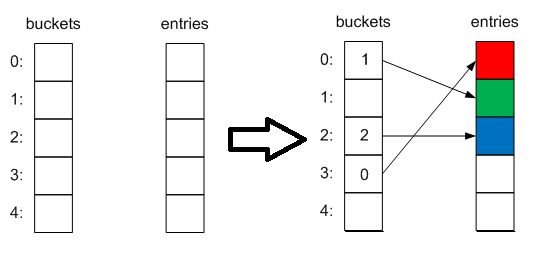
    1. Odpor k západním elitám a vágní představy, že světové dění je kýmsi organizováno a kontrolováno, přičemž přirozené podezření padá na USA, jejichž primárním pohonem je zisk. Kritika západní liberální, kapitalistické ekonomické politiky pak jde ruku v ruce s odporem k západnímu liberalismu hodnotovému a politickému, obsahujícímu práva LGBTQ lidí a feminismus, i k mezinárodním integračním organizacím, které jsou projektem sloužícím západním korporacím a globalizované ekonomice.

      Zajímavé, že by Deník Referendum již nic z toho nekritizoval? Ani kapitalismus? Očividně výrok skrývá hodně pravdy o autorech a redaktorech samotných, více, než si uvědomují.

    2. Tak jako každým rokem se v Příčovech konalo Vlastenecké setkání, společná akce českých nacionalistů, konspirátorů a ultrakonzervativců různých barev.

      Už titulek naznačuje, o jaký styl psaní se bude jednat. "Konspirátoři" atd. jsou v autorově úzu vším, jen ne čistě analytickou kategorií.

  4. accessmedicina-mhmedical-com.biblioteca.unimagdalena.edu.co accessmedicina-mhmedical-com.biblioteca.unimagdalena.edu.co
    1. En los seres humanos, la acumulación de endotoxinas a partir de una infección bacteriana grave puede inducir una respuesta inmune innata demasiado fuerte, causando un choque séptico

      LPS o lipopolisacarido o endotoxina, produce en gran cantidad shock séptico

    2. Las SP-A y SP-D se unen diferencialmente a los patrones moleculares asociados a patógenos ya sean carbohidratos, lípidos o proteínas y ayudan a prevenir la infección al bloquear y modificar los componentes de la superficie y promover la eliminación de los patógenos. Por ejemplo, se unen diferencialmente a dos estados alternativos del patógeno pulmonar Klebsiella pneumoniae

      .

    1. A previously undescribed mechanism underlying butterfly wing coloration patterns was discovered in two distantly related butterfly species, Siproeta stelenes and Philaethria diatonica. These butterflies have bright green wings, but the color pattern is not derived from solid pigments or nanostructures of the scales or from the color of the cuticular membrane but rather from a liquid retained in the wing membrane.

      Se descubrió un mecanismo no descrito previamente que subyace a los patrones de coloración de las alas de las mariposas en dos especies de mariposas lejanamente relacionadas, Siproeta stelenes y Philaethria diatonica. Estas mariposas tienen alas de color verde brillante, pero el patrón de color no se deriva de pigmentos sólidos o nanoestructuras de las escamas ni del color de la membrana cuticular, sino de un líquido retenido en la membrana del ala.

    1. a pejotização foi um processo presente entre 2015 e 2020 no estado. O cenário de incerteza econômica levou, por hipótese, empregadores a optar por formas de contratação de menor custo de demissão como uma forma de se preparar para a possível interrupção da produção.
    1. Synod ČCE souhlasí s možností požehnání svazků osob stejného pohlaví, pokud o to požádají. Synod ČCE vnímá, že názory na tuto otázku nejsou v církvi jednotné, podporuje činnost komise pro soužití s LGBTQ lidmi a pokračování diskuze v církvi o tomto tématu. Synod konstatuje, že žádný kazatel není povinen žehnat svazkům osob stejného pohlaví.
    1. Since we know that it will iterate once for each value in the collection, it is often said that a for loop creates a definite iteration because we definitely know how many times we are going to iterate.

      Loop For - constitui o que pode ser chamado de iteração definida.

    1. Reviewer #1 (Public Review):

      This manuscript addresses the important and understudied issue of circuit-level mechanisms supporting habituation, particularly in pursuit of the possible role of increases in the activity of inhibitory neurons in suppressing behavioral output during long-term habituation. The authors make use of many of the striking advantages of the larval zebrafish to perform whole brain, single neuronal calcium imaging during repeated sensory exposure, and high throughput screening of pharmacological agents in freely moving, habituating larvae. Notably, several blockers/antagonists of GABAA(C) receptors completely suppress habituation of the O-bend escape response to dark flashes, suggesting a key role for GABAergic transmission in this form of habituation. Other substances are identified that strikingly enhance habituation, including melatonin, although here the suggested mechanistic insight is less specific. To add to these findings, a number of functional clusters of neurons are identified in the larval brain that have divergent activity through habituation, with many clusters exhibiting suppression of different degrees, in line with adaptive filtration during habituation, and a single cluster that potentiates during habituation. Further assessment reveals that all of these clusters include GABAergic inhibitory neurons and excitatory neurons, so we cannot take away the simple interpretation that the potentiating cluster of neurons is inhibitory and therefore exerts an influence on the other adapting (depressing) clusters to produce habituation. Rather, a variety of interpretations remain in play.

      Overall, there is great potential in the approach that has been used here to gain insight into circuit-level mechanisms of habituation. There are many experiments performed by the authors that cannot be achieved currently in other vertebrate systems, so the manuscript serves as a potential methodological platform that can be used to support a rich array of future work. While there are several key observations that one can take away from this manuscript, a clear interpretation of the role of GABAergic inhibitory neurons in habituation has not been established. This potential feature of habituation is emphasized throughout, particularly in the introduction and discussion sections, meaning that one is obliged as a reader to interrogate whether the results as they currently stand really do demonstrate a role for GABAergic inhibition in habituation. Currently, the key piece of evidence that may support this conclusion is that picrotoxin, which acts to block some classes of GABA receptors, prevents habituation. However, there are interpretations of this finding that do not specifically require a role for modified GABAergic inhibition. For instance, by lowering GABAergic inhibition, an overall increase in neural activity will occur within the brain, in this case below a level that could cause a seizure. That increase in activity may simply prevent learning by massively increasing neural noise and therefore either preventing synaptic plasticity or, more likely, causing indiscriminate synaptic strengthening and weakening that occludes information storage. Sensory processing itself could also be disrupted, for instance by altering the selectivity of receptive fields. Alternatively, it could be that the increase in neural activity produced by the blockade of inhibition simply drives more behavioral output, meaning that more excitatory synaptic adaptation is required to suppress that output. The authors propose two specific working models of the ways in which GABAergic inhibition could be implemented in habituation. An alternative model, in which GABAergic neurons are not themselves modified but act as a key intermediary between Hebbian assemblies of excitatory neurons that are modified to support memory and output neurons, is not explored. As yet, these or other models in which inhibition is not required for habituation, have not been fully tested.

      This manuscript describes a really substantial body of work that provides evidence of functional clusters of neurons with divergent responses to repeated sensory input and an array of pharmacological agents that can influence the rate of a fundamentally important form of learning.

    2. Reviewer #3 (Public Review):

      To analyze the circuit mechanisms leading to the habituation of the O-bed responses upon repeated dark flashes (DFs), the authors performed 2-photon Ca2+ imaging in larvae expressing nuclear-targeted GCaMP7f pan-neuronally panning the majority of the midbrain, hindbrain, pretectum, and thalamus. They found that while the majority of neurons across the brain depress their responsiveness during habituation, a smaller population of neurons in the dorsal regions of the brain, including the torus longitudinalis, cerebellum, and dorsal hindbrain, showed the opposite pattern, suggesting that motor-related brain regions contain non-depressed signals, and therefore likely contribute to habituation plasticity.

      Further analysis using affinity propagation clustering identified 12 clusters that differed both in their adaptation to repeated DFs, as well as the shape of their response to the DF.

      Next by the pharmacological screening of 1953 small molecule compounds with known targets in conjunction with the high-throughput assay, they found that 176 compounds significantly altered some aspects of measured behavior. Among them, they sought to identify the compounds that 1) have minimal effects on the naive response to DFs, but strong effects during the training and/or memory retention periods, 2) have minimal effects on other aspects of behaviors, 3) show similar behavioral effects to other compounds tested in the same molecular pathway, and identified the GABAA/C Receptor antagonists Bicuculline, Amoxapine, and Picrotoxinin (PTX). As partial antagonism of GABAAR and/or GABACR is sufficient to strongly suppress habituation but not generalized behavioral excitability, they concluded that GABA plays a very prominent role in habituation. They also identified multiple agonists of both Melatonin and Estrogen receptors, indicating that hormonal signalling may also play a prominent role in habituation response.

      To integrate the results of the Ca2+ imaging experiments with the pharmacological screening results, the authors compared the Ca2+ activity patterns after treatment with vehicle, PTX, or Melatonin in the tethered larvae. The behavioral effects of PTX and Melatonin were much smaller compared with the very strong behavioral effects in freely-swimming animals, but the authors assumed that the difference was significant enough to continue further experiments. Based on the hypothesis that Melatonin and GABA cooperate during habituation, they expected PTX and Melatonin to have opposite effects. This was not the case in their results: for example, the size of the 12(Pot, M) neuron population was increased by both PTX and Melatonin, suggesting that pharmacological manipulations that affect habituation behavior manifest in complex functional alterations in the circuit, making capturing these effects by a simple difficult.

      Since the 12(𝑃𝑜𝑡, 𝑀) neurons potentiate their responses and thus could act to progressively depress the responses of other neuronal classes, they examined the identity of these neurons with GABA neurons. However, GABAergic neurons in the habituating circuit are not characterized by their Adaptation Profile, suggesting that global manipulations of GABAergic signalling through PTX have complex manifestations in the functional properties of neurons.

      Overall, the authors have performed an admirably large amount of work both in whole-brain neural activity imaging and pharmacological screening.

    1. Io dico che ben sento tirarmi dalla necessità, subito che concepisco una materia o so-stanza corporea, a concepire insieme ch’ella è terminata 1 e figurata di questa o di quellafigura, ch’ella in relazione ad altre è grande o piccola, ch’ella è in questo o quel luogo,in questo o quel tempo, ch’ella si muove o sta ferma, ch’ella tocca o non tocca un altrocorpo, ch’ella è una, poche o molte, né per veruna imaginazione posso separarla da que-ste condizioni; ma ch’ella debba essere bianca o rossa, amara o dolce, sonora o muta, digrato o ingrato odore, non sento farmi forza alla mente di doverla apprendere da cotalicondizioni necessariamente accompagnata 2: anzi, se i sensi non ci fossero scorta, forse ildiscorso o l’immaginazione per se stessa non v’arriverebbe già mai3.Per lo che vo io pensando che questi sapori, odori, colori, etc., per la parte del soggettonel quale ci par che riseggano 4, non sieno altro che puri nomi, ma tengano solamentelor residenza nel corpo sensitivo, sì che rimosso l’animale, sieno levate e annichilate tuttequeste qualità; tuttavolta 5 però che noi, sì come gli abbiamo imposti nomi particolari edifferenti da quelli de gli altri primi e reali accidenti, volessimo credere ch’esse ancorafussero veramente e realmente da quelli diverse 6.Le qualità soggettive esistono solo nel soggetto senzienteIo credo che con qualche esempio più chiaramente spiegherò il mio concetto. Io vomovendo una mano ora sopra una statua di marmo, ora sopra un uomo vivo. Quantoall’azzione che vien dalla mano, rispetto a essa mano è la medesima sopra l’uno e l’altrosoggetto, ch’è di quei primi accidenti, cioè moto e toccamento, né per altri nomi vienda noi chiamata: ma il corpo animato, che riceve tali operazioni, sente diverse affez-zioni secondo che in diverse parti vien tocco; e venendo toccato, verbigrazia7, sotto lepiante de’ piedi, sopra le ginocchia o sotto l’ascelle, sente, oltre al commun toccamento,un’altra affezzione, alla quale noi abbiamo imposto un nome particolare, chiamandolasolletico: la quale affezzione è tutta nostra, e non punto della mano; e parmi che gra-vemente errerebbe chi volesse dire, la mano, oltre al moto e al toccamento, avere in sé1 Ha una misura definita, dei limiti.2 Nel momento in cui mi trovo di fronte a unasostanza corporea, sento il bisogno, per conoscer-la veramente, di cogliere i dati quantitativi chela caratterizzano (figura, relazioni con altre cose,collocazione nello spazio e nel tempo, movimen-to o quiete ecc.), mentre non sono altrettantospinto a cogliere altri aspetti relativi al colore, alsapore, all’emissione di suoni e odori.3 Galilei giustifica la negazione del carattere og-gettivo delle qualità sensibili adducendo che laloro esistenza è attestata solo dai sensi, non dal“discorso”, ossia dal ragionamento, e dall’imma-ginazione, dall’attività mentale. In base al con-cetto della scienza come frutto sia dell’osserva-zione empirica che della dimostrazione rigorosa,egli esclude dal campo del conoscere scientificociò che esiste solo in quanto oggetto di esperien-za (sapori, odori ecc.).4 Risiedano.5 A meno che.6 Le considerazioni svolte inducono a pensareche sapori, colori, odori, attribuiti come sensa-zioni a un soggetto senziente, non siano altro chenomi e abbiano la loro consistenza solo nel sog-getto che li percepisce, così che, una volta elimi-nato il soggetto senziente (“rimosso l’animale”),di tali fenomeni non resta nulla, anche se noi,avendo loro imposto nomi diversi da quelli datialle qualità oggettive, tendiamo a credere a unaloro realtà propria e specifica.7 Per esempio.

      prova

    Annotators

    1. outra espécie de “direito” (as aspas são de rigor) cujo fundamento, como dizia Lefort, “não tem figura”, é marcado por um “excesso face a toda formulação efetivada”, o que significa que sua formulação contém a exigência de sua reformulação. É só assumindo esse excesso que a democracia pode existir.
    2. No entanto, é graças a ações como essas que direitos são ampliados, que a noção de liberdade ganha novos matizes. Sem elas, certamente nossa situação de exclusão social seria significativamente pior.  Nesses momentos, encontramos o ponto de excesso da democracia em relação ao direito. Uma sociedade que tem medo desses momentos, que não é mais capaz de compreendê-los, é uma sociedade que procura reduzir a política a um mero acordo referente às leis que atualmente temos e aos modos que atualmente temos para mudá-las (como se a forma atual da estrutura política fosse a melhor possível – levando em conta o que é o sistema político brasileiro, pode-se claramente compreender o caráter absurdo da colocação).
    3. Por essas razões, a democracia admite o caráter “desconstrutível” do direito, e ela o admite por meio do reconhecimento daquilo que poderíamos chamar de legalidade da “violação política”
    1. LCIBIADE: Ma, per gli dèi, o Socrate, io stesso non so cosa dico; c'è il rischio che da tempo iosia, senza rendermene conto, in una condizione estremamente vergognosa

      annotazione

    Annotators

    1. Reviewer #2 (Public Review):

      The paper "Polymerization cycle of actin homolog MreB from a Gram-positive bacterium" by Mao et al. provides the second biochemical study of a gram-positive MreB, but importantly, the first study examines how gram-positive MreB filaments bind to membranes. They also show the first crystal structure of a MreB from a Gram-positive bacterium - in two nucleotide-bound forms, finally solving structures that have been missing for too long. They also elucidate what residues in Geobacillus MreB are required for membrane associations. Also, the QCM-D approach to monitoring MreB membrane associations is a direct and elegant assay.

      While the above findings are novel and important, this paper also makes a series of conclusions that run counter to multiple in vitro studies of MreBs from different organisms and other polymers with the actin fold. Overall, they propose that Geobacillus MreB contains biochemical properties that are quite different than not only the other MreBs examined so far but also eukaryotic actin and every actin homolog that has been characterized in vitro. As the conclusions proposed here would place the biochemical properties of Geobacillus MreB as the sole exception to all other actin fold polymers, further supporting experiments are needed to bolster these contrasting conclusions and their overall model.

      1. (Difference 1) - The predominant concern about the in vitro studies that makes it difficult to evaluate many of their results (much less compare them to other MreB/s and actin homologs) is the use of a highly unconventional polymerization buffer containing 500(!) mM KCL. As has been demonstrated with actin and other polymers, the high KCl concentration used here (500mM) is certain to affect the polymerization equilibria, as increasing salt increases the hydrophobic effect and inhibits salt bridges, and therefore will affect the affinity between monomers and filaments. For example, past work has shown that high salt greatly changes actin polymerization, causing: a decreased critical concentration, increased bundling, and a greatly increased filament stiffness(Kang et al., 2013, 2012). Similarly, with AlfA, increased salt concentrations have been shown to increase the critical concentration, decrease the polymerization kinetics, and inhibit the bundling of AlfA filaments (Polka et al., 2009). A more closely related example comes from the previous observation that increasing salt concentrations increasingly slow the polymerization kinetics of B. subtilis MreB (Mayer and Amann, 2009). Lastly, These high salt concentrations might also change the interactions of MreB(Gs) with the membrane by screening charges and/or increasing the hydrophobic effect.

      Given that 500mM KCl was used throughout this paper, many (if not all) of the key experiments should be repeated in more standard salt concentration (~100mM), similar to those used in most previous in vitro studies of polymers. This would test if the many divergent properties of MreB(Gs) reported here arise from some difference in MreB(Gs) relative to other MreBs (and actin homologs), or if they arise from the 400mM difference in salt concentration between the studies. Critically, it would also allow direct comparisons to be made relative to previous studies of MreB (and other actin homologs) that used much lower salt, thereby allowing them to definitively demonstrate whether MreB(Gs) is indeed an outlier relative to other MreB and actin homologs. I would suggest using 100mM KCL, as historically, all polymerization assays of actin and numerous actin homologs have used 50-100mM KCL: 50mM KCl (for actin in F buffer) or 100mM KCl for multiple prokaryotic actin homologs and MreB (Deng et al., 2016; Ent et al., 2014; Esue et al., 2006, 2005; Garner et al., 2004; Polka et al., 2009; Rivera et al., 2011; Salje et al., 2011) Likewise, similar salt concentrations are standard for tubulin (80 mM K-Pipes) and FtsZ (100 mM KCl or 100mM KAc in HMK100 buffer).

      2. (Difference 2) - One of the most important differences claimed in this paper is that MreB(Gs) filaments are straight, a result that runs counter to the curved T. Maritima and C. crescentus filaments detailed by the Löwe group (Ent et al., 2014; Salje et al., 2011). Importantly, this difference could also arise from the difference in salt concentrations used in each study (500mM here vs. 100mM in the Löwe studies), and thus one cannot currently draw any direct comparisons between the two studies.

      One example of how high salt could be causing differences in filament geometry: high salts are known to greatly increase the bending stiffness of actin filaments, making them more rigid (Kang et al., 2013). Likewise, increasing salt is known to change the rigidity of membranes. As the ability of filaments to A) bend the membrane or B) Deform to the membrane depends on the stiffness of filaments relative to the stiffness of the membrane, the observed difference in the "straight vs. curved" conformation of MreB filaments might simply arise from different salt concentrations.

      Thus, in order to draw several direct comparisons between their findings and those of other MreB orthologs (as done here), the studies of MreB(GS) confirmations on lipids should be repeated at the same buffer conditions as used in the Löwe papers, then allowing them to be directly compared.

      3. (Difference 3) - The next important difference between MreB(Gs) and other MreBs is the claim that MreB polymers do not form in the absence of membranes.

      A) This is surprising relative to other MreBs, as MreBs from 1) T. maritime (multiple studies), E.coli (Nurse and Marians, 2013), and C. crescentus (Ent et al., 2014) have been shown to form polymers in solution (without lipids) with electron microscopy, light scattering, and time-resolved multi-angle light scattering. Notably, the Esue work was able to observe the first phase of polymer formation and a subsequent phase of polymer bundling (Esue et al., 2006) of MreB in solution. 2) Similarly, (Mayer and Amann, 2009) demonstrated B. subtilis MreB forms polymers in the absence of membranes using light scattering.

      B) The results shown in figure 5A also go against this conclusion, as there is only a 2-fold increase in the phosphate release from MreB(Gs) in the presence of membranes relative to the absence of membranes. Thus, if their model is correct, and MreB(Gs) polymers form only on membranes, this would require the unpolymerized MreB monomers to hydrolyze ATP at 1/2 the rate of MreB in filaments. This high relative rate of hydrolysis of monomers compared to filaments is unprecedented. For all polymers examined so far, the rate of monomer hydrolysis is several orders of magnitude less than that of the filament. For example, actin monomers are known to hydrolyze ATP 430,000X slower than the monomers inside filaments (Blanchoin and Pollard, 2002; Rould et al., 2006).

      C) Thus, there is a strong possibility that MreB(Gs) polymers are indeed forming in solution in addition to those on the membrane, and these "solution polymers" may not be captured by their electron microscopy assay. For example, high salt could be interfering with the absorption of filaments to glow discharged lacking lipids.<br /> In order to definitively prove that MreB(Gs) does not have polymers in solution, the authors should:

      i) conduct orthogonal experiments to test for polymers in solution. The simplest test of polymerization might be conducting pelleting assays of MreB(Gs) with and without lipids, sweeping through the concentration range as done in 2B and 5a.

      ii) They also could examine if they see MreB filaments in the absence of lipids at 100mM salt (as was seen in both Löwe studies), as the high salt used here might block the charges on glow discharged grids, making it difficult for the polymer to adhere.

      iii) Likewise, the claim that MreB lacking the amino-terminus and the α2β7 hydrophobic loop "is required for polymerization" is questionable as if deleting these resides blocks membrane binding, the lack of polymers on the membrane on the grid is not unexpected, as these filaments that cannot bind the membrane would not be observable. Given these mutants cannot bind the membrane, mutant polymers could still indeed exist in solution, and thus pelleting assays should be used to test if non-membrane associated filaments composed of these mutants do or do not exist.

      A final note, the results shown in "Figure 1 - figure supplement 2, panel C" appear to directly refute the claim that MreB(Gs) requires lipids to polymerize. As currently written, it appears they can observe MreB(Gs) filaments on EM grids without lipids. If these experiments were done in the presence of lipids, the figure legend should be updated to indicate that. If these experiments were done in the absence of lipids, the claim that membrane association is required for MreB polymerizations should be revised.

      4. (Difference 4) - The next difference between this study and previous studies of MreB and actin homologs is the conclusion that MreB(Gs) must hydrolyze ATP in order to polymerize. This conclusion is surprising, given the fact that both T. Maritima (Salje · 2011, Bean 2008) and B. subtilis MreB (Mayer 2009) have been shown to polymerize in the presence of ATP as well as AMP-PNP. Likewise, MreB polymerization has been shown to lag ATP hydrolysis in not only T. maritima MreB (Esue 2005), eukaryotic actin, and all other prokaryotic actin homologs whose polymerization and phosphate release have been directly compared: MamK (Deng et al., 2016), AlfA (Polka et al., 2009), and two divergent ParM homologs (Garner et al., 2004; Rivera et al., 2011).

      Currently, the only piece of evidence supporting the idea that MreB(Gs) must hydrolyze ATP in order to polymerize comes from 2 observations: 1) using electron microscopy, they cannot see filaments of MreB(Gs) on membranes in the presence of AMP-PNP or ApCpp, and 2) no appreciable signal increase appears testing AMPPNP- MreB(Gs) using QCM-D. This evidence is by no means conclusive enough to support this bold claim: While their competition experiment does indicate AMPPNP binds to MreB(Gs), it is possible that MreB(Gs) cannot polymerize when bound to AMPPNP. For example, it has been shown that different actin homologs respond differently to different non-hydrolysable analogs: Some, like actin, can hydrolyze one ATP analog but not the other, while others are able to bind to many different ATP analogs but only polymerize with some of one of them. Thus, to further verify their "hydrolysis is needed for polymerization" conclusion, they should:<br /> A. Test if a hydrolysis deficient MreB(Gs) mutant (such as D158A) is also unable to polymerize by EM.<br /> B. They also should conduct an orthogonal assay of MreB polymerization aside from EM (pelleting assays might be the easiest). They should test if polymers of ATP, AMP-PNP, and MreB(Gs)(D158A) form in solution (without membranes) by conducting pelleting assays. These could also be conducted with and without lipids, thereby also addressing the points noted above in point 3.<br /> C. Polymers may indeed form with ATP-gamma-S, and this non-hydrolysable ATP analog should be tested.<br /> D. They could also test how the ADP-Phosphate bound MreB(Gs) polymerizes in bulk and on membranes, using beryllium phosphate to trap MreB in the ADP-Pi state. This might allow them to further refine their model.<br /> E. Importantly, the Mayer study of B. subtilis MreB found the same results in regard to nucleotides, "In polymerization buffer, MreB produced phosphate in the presence of ATP and GTP, but not in ADP, AMP, GDP or AMP-PNP, or without the readdition of any nucleotide". Thus this paper should be referenced and discussed

      5. (Difference 5) - The introduction states (lines 128-130) "However, the need for nucleotide binding and hydrolysis in polymerization remains unclear due to conflicting results, in vivo and in vitro, including the ability of MreB to polymerize or not in the presence of ADP or the non-hydrolyzable ATP analog AMP-PNP."

      A) While this is a great way to introduce the problem, the statement is a bit vague and should be clarified, detaining the conflicting results and appropriate references. For example, what conflicting in vivo results are they referring to? Regarding "MreB polymerization in AMP-PNP", multiple groups have shown the polymerization of MreB(Tm) in the presence of AMP-PNP, but it is not clear what papers found opposing results.

      B) The statement "However, the need for nucleotide binding and hydrolysis in polymerization remains unclear due to conflicting results, in vivo and in vitro, including the ability of MreB to polymerize or not in the presence of ADP or the non-hydrolyzable ATP analog AMP-PNP" is technically incorrect and should be rephrased or further tested.

      i. For all actin (or tubulin) family proteins, it is not that a given filament "cannot polymerize" in the presence of ADP but rather that the ADP-bound form has a higher critical concentration for polymer formation relative to the ATP-bound form. This means that the ADP polymers can indeed polymerize, but only when the total protein exceeds the ADP critical concentration. For example, many actin-family proteins do indeed polymerize in ADP: ADP actin has a 10-fold higher critical concentration than ATP actin, (Pollard, 1984) and the ADP critical concentrations of AlfA and ParM are 5X and 50X fold higher (respectively) than their ATP-bound forms(Garner et al., 2004; Polka et al., 2009)

      ii. Likewise, (Mayer and Amann, 2009) have already demonstrated that B. subtilis MreB can polymerize in the presence of ADP, with a slightly higher critical concentration relative to the ATP-bound form.

      Thus, to prove that MreB(Gs) polymers do not form in the presence of ADP would require one to test a large concentration range of ADP-bound MreB(Gs). They should test if ADP- MreB(Gs) polymerizes at the highest MreB(Gs) concentrations that can be assayed. Even if this fails, it may be the MreB(Gs) ADP polymerizes at higher concentrations than is possible with their protein preps (13uM). An even more simple fix would be to simply state MreB(Gs)-ADP filaments do not form beneath a given MreB(Gs) concentration.

      Other Points to address:

      1. There are several points in this paper where the work by Mayer and Amann is ignored, not cited, or readily dismissed as "hampered by aggregation" without any explanation or supporting evidence of that fact.

      A) Lines 100-101 - While the irregular 3-D formations seen formed by MreB in the Dersch 2020 paper could be interpreted as aggregates, stating that the results from specifically the Gaballah and Meyer papers (and not others) were "hampered by aggregation" is currently an arbitrary statement, with no evidence or backing provided. Overall, these lines (and others in the paper) dismiss these two works without giving any evidence to that point. Thus, they should provide evidence for why they believe all these papers are aggregation, or remove these (and other) dismissive statements.

      One important note - There are 2 points indicating that dismissing the Meyer and Amann work as aggregation is incorrect: 1) the Meyer work on B. subtilis MreB shows both an ATP and a slightly higher ADP critical concentration. As the emergence of a critical concentration is a steady-state phenomenon arising from the association/dissociation of monomers (and a kinetically limiting nucleation barrier), an emergent critical concentration cannot arise from protein aggregation, critical concentrations only arise from a dynamic equilibrium between monomer and polymer. 2) Furthermore, Meyer observed that increased salt slowed and reduced B. subtilis MreB light scattering, the opposite of what one would expect if their "polymerization signal" was only protein aggregation, as higher salts should increase the rate of aggregation by increasing the hydrophobic effect.

      B) Lines 113-137 -The authors reference many different studies of MreB, including both MreB on membranes and MreB polymerized in solution (which formed bundles). However, they again neglect to mention or reference the findings of Meyer and Amann (Mayer and Amann, 2009), as it was dismissed as "aggregation". As B. subtilis is also a gram-positive organism, the Meyer results should be discussed.

      2. Lines 387-391 state the rates of phosphate release relative to past MreB findings: "These rates of Pi release upon ATP hydrolysis (~ 1 Pi/MreB in 6 min at 53{degree sign}C) are comparable to those observed for MreBTm and MreB(Ec) in vitro". While the measurements of Pi release AND ATP hydrolysis have indeed been measured for actin, this statement does not apply to MreB and should be corrected: All MreB papers thus far have only measured Pi release alone, not ATP hydrolysis at the same time. Thus, it is inaccurate to state "rates of Pi release upon ATP hydrolysis" for any MreB study, as to accurately determine the rate of Pi release, one must measure: 1. The rate of polymer over time, 2) the rate of ATP hydrolysis, and 3) the rate of phosphate release. For MreB, no one has, so far, even measured the rates of ATP hydrolysis and phosphate release with the same sample.

      3. The interpretation of the interactions between monomers in the MreB crystal should be more carefully stated to avoid confusion. While likely not their intention, the discussions of the crystal packing contacts of MreB can appear to assume that the monomer-monomer contacts they see in crystals represent the contacts within actual protofilaments. One cannot automatically assume the observations of monomer-monomer contacts within a crystal reflect those that arise in the actual filament (or protofilament).

      A) They state, "the apo form of MreBGs forms less stable protofilaments than its G- homologs ." Given filaments of the Apo form of MreB(GS) or b. subtilis have never been observed in solution, this statement is not accurate: while the contacts in the crystal may change with and without nucleotide, if the protein does not form polymers in solution in the apo state, then there are no "real" apo protofilaments, and any statements about their stability become moot. Thus this statement should be rephrased or appropriately qualified.

      B) Another example: while they may see that in the apo MreB crystal, the loop of domain IB makes a *single* salt bridge with IIA and none with IIB. This contrasts with every actin, MreB, and actin homolog studied so far, where domain IB interacts with IIB. This might reflect the real contacts of MreB(Gs) in the solution, or it may be simply a crystal-packing artifact. Thus, the authors should be careful in their claims, making it clear to the reader that the contacts in the crystal may not necessarily be present in polymerized filaments.

      4. lines 201-202 - "Polymers were only observed at a concentration of MreB above 0.55 μM (0.02 mg/mL)". Given this concentration dependence of filament formation, which appears the same throughout the paper, the authors could state that 0.55 μM is the critical concentration of MreB on membranes under their buffer conditions. Given the lack of critical concentration measurement in most of the MreB literature, this could be an important point to make in the field.

      5. Both mg/ml and uM are used in the text and figures to refer to protein concentration. They should stick to one convention, preferably uM, as is standard in the polymer field.

      6. Lines 77-78 - (Teeffelen et al., 2011) should be referenced as well in regard to cell wall synthesis driving MreB motion.

      7. Line 90 - "Do they exhibit turnover (treadmill) like actin filaments?". This phrase should be modified, as turnover and treadmilling are two very different things. Turnover is the lifetime of monomers in filaments, while treadmilling entails monomer addition at one end and loss at the other. While treadmilling filaments cause turnover, there are also numerous examples of non-treadmilling filaments undergoing turnover: microtubules, intermediate filaments, and ParM. Likewise, an antiparallel filament cannot directionally treadmill, as there is no difference between the two filament ends to confer directional polarity.

      8. Throughout the paper, the term aggregation is used occasionally to describe the polymerization shown in many previous MreB studies, almost all of which very clearly showed "bundled" filaments, very distinct entities from aggregates, as a bundle of polymers cannot form without the filaments first polymerizing on their own. Evidence to this point, polymerization has been shown to precede the bundling of MreB(Tm) by (Esue et al., 2005).

      9. lines 106-108 mention that "The N-terminal amphipathic helix of E. coli MreB (MreBEc) was found to be necessary for membrane binding. " This is not accurate, as Salje observed that one single helix could not cause MreB to mind to the membrane, but rather, multiple amphipathic helices were required for membrane association (Salje et al., 2011). The Salje results imply that dimers (or further assemblies) of MreB drive membrane association, a point that should be discussed in regard to the question "What prompts the assembly of MreB on the inner leaflet of the cytoplasmic membrane?" posed on lines 86-87.

      10. On lines 414-415, it is stated, "The requirement of the membrane for polymerization is consistent with the observation that MreB polymeric assemblies in vivo are membrane-associated only." While I agree with this hypothesis, it must be noted that the presence or absence of MreB polymers in the cytoplasm has not been directly tested, as short filaments in the cytoplasm would diffuse very quickly, requiring very short exposures (<5ms) to resolve them relative to their rate of diffusion. Thus, cytoplasmic polymers might still exist but have not been tested.

      11. lines 429-431 state, "but polymerization in the presence of ADP was in most cases concluded from light scattering experiments alone, so the possibility that aggregation rather than ordered polymerization occurred in the process cannot be excluded."

      A) If an increased light scattering signal is initiated by the addition of ADP (or any nucleotide), that signal must come from polymerization or multimerization. What the authors imply is that there must be some ADP-dependent "aggregation" of MreB, which has not been seen thus far for any polymer. Furthermore, why would the addition of ADP initiate aggregation?

      B) Likewise, the statement "Differences in the purity of the nucleotide stocks used in these studies could also explain some of the discrepancies" is unexplained and confusing. How could an impurity in a nucleotide stock affect the past MreB results, and what is the precedent for this claim?

      12. lines 467-469 state, "Thus, for both MreB and actin, despite hydrolyzing ATP before and after polymerization, respectively, the ADP-Pi-MreB intermediate would be the long-lived intermediate state within the filaments."

      A) For MreB, this statement is extremely speculative and unbiased, as no one has measured 1) polymerization, 2) ATP hydrolysis, and 3) phosphate release. For example, it could be that ATP hydrolysis is slow, while phosphate release is fast, as is seen in the actin from Saccharomyces cerevisiae.

      B) For actin, the statement of hydrolysis of ATP of monomer occurring "before polymerization" is functionally irrelevant, as the rate of ATP hydrolysis of actin monomers is 430,000 times slower than that of actin monomers inside filaments(Blanchoin and Pollard, 2002; Rould et al., 2006).

      13. Lines 442-444. "On the basis of our data and the existing literature, we propose that the requirement for ATP (or GTP) hydrolysis for polymerization may be conserved for most MreBs." Again, this statement both here (and in the prior text) is an extremely bold claim, one that runs contrary to a large amount of past work on not just MreB, but also eukaryotic actin and every actin homolog studied so far. They come to this model based on 1) one piece of suggestive data (the behavior of MreB(GS) bound to 2 non-hydrolysable ATP analogs in 500mM KCL), and 2) the dismissal (throughout the paper) of many peer-reviewed MreB papers that run counter to their model as "aggregation" or "contaminated ATP stocks ." If they want to make this bold claim that their finding invalidates the work of many labs, they must back it up with further validating experiments.

      References cited.

      Blanchoin L, Pollard TD. 2002. Hydrolysis of ATP by Polymerized Actin Depends on the Bound Divalent Cation but Not Profilin †. Biochemistry-us 41:597-602. doi:10.1021/bi011214b

      Deng A, Lin W, Shi N, Wu J, Sun Z, Sun Q, Bai H, Pan Y, Wen T. 2016. In vitro assembly of the bacterial actin protein MamK from 'Candidatus Magnetobacterium casensis' in the phylum Nitrospirae. Protein Cell 7:267-280. doi:10.1007/s13238-016-0253-x

      Dersch S, Reimold C, Stoll J, Breddermann H, Heimerl T, Soufo HJD, Graumann PL. 2020. Polymerization of Bacillus subtilis MreB on a lipid membrane reveals lateral co-polymerization of MreB paralogs and strong effects of cations on filament formation. Bmc Mol Cell Biology 21:76. doi:10.1186/s12860-020-00319-5

      Ent F van den, Izoré T, Bharat TA, Johnson CM, Lowe J. 2014. Bacterial actin MreB forms antiparallel double filaments. eLife 3:e02634. doi:10.7554/elife.02634

      Esue O, Cordero M, Wirtz D, Tseng Y. 2005. The Assembly of MreB, a Prokaryotic Homolog of Actin. J Biol Chem 280:2628-2635. doi:10.1074/jbc.m410298200

      Esue O, Wirtz D, Tseng Y. 2006. GTPase Activity, Structure, and Mechanical Properties of Filaments Assembled from Bacterial Cytoskeleton Protein MreB. J Bacteriol 188:968-976. doi:10.1128/jb.188.3.968-976.2006

      Garner EC, Campbell CS, Mullins RD. 2004. Dynamic instability in a DNA-segregating prokaryotic actin homolog. Science (New York, NY) 306:1021-1025. doi:10.1126/science.1101313

      Kang H, Bradley MJ, Elam WA, De La Cruz EM. 2013. Regulation of Actin by Ion-Linked Equilibria. Biophys J 105:2621-2628. doi:10.1016/j.bpj.2013.10.032

      Kang H, Bradley MJ, McCullough BR, Pierre A, Grintsevich EE, Reisler E, Cruz EMDL. 2012. Identification of cation-binding sites on actin that drive polymerization and modulate bending stiffness. Proc National Acad Sci 109:16923-16927. doi:10.1073/pnas.1211078109

      Mayer JA, Amann KJ. 2009. Assembly properties of the Bacillus subtilis actin, MreB. Cell Motil Cytoskel 66:109-118. doi:10.1002/cm.20332

      Nurse P, Marians KJ. 2013. Purification and Characterization of Escherichia coli MreB Protein. J Biol Chem 288:3469-3475. doi:10.1074/jbc.m112.413708

      Polka JK, Kollman JM, Agard DA, Mullins RD. 2009. The Structure and Assembly Dynamics of Plasmid Actin AlfA Imply a Novel Mechanism of DNA Segregation. J Bacteriol 191:6219-6230. doi:10.1128/jb.00676-09

      Pollard TD. 1984. Polymerization of ADP-actin. J Cell Biology 99:769-777. doi:10.1083/jcb.99.3.769

      Rivera CR, Kollman JM, Polka JK, Agard DA, Mullins RD. 2011. Architecture and assembly of a divergent member of the ParM family of bacterial actin-like proteins. The Journal of biological chemistry 286:14282-14290. doi:10.1074/jbc.m110.203828

      Rould MA, Wan Q, Joel PB, Lowey S, Trybus KM. 2006. Crystal Structures of Expressed Non-polymerizable Monomeric Actin in the ADP and ATP States*. J Biol Chem 281:31909-31919. doi:10.1016/s0021-9258(19)84105-4

      Salje J, van den Ent F, de Boer P, Löwe J. 2011. Direct Membrane Binding by Bacterial Actin MreB. Mol Cell 43:478-487. doi:10.1016/j.molcel.2011.07.008

      Teeffelen S van, Wang S, Furchtgott L, Huang KC, Wingreen NS, Shaevitz JW, Gitai Z. 2011. The bacterial actin MreB rotates, and rotation depends on cell-wall assembly. Proceedings of the National Academy of Sciences of the United States of America 108:15822-15827. doi:10.1073/pnas.1108999108

    1. In 1930, Walther Bothe and Herbert Becker performed an experiment, which was further improved by Irène and Frédéric Joliot-Curie. These authors, however, misinterpreted their results and believed to have observed γ-rays while they had seen neutrons. After additional experimental verifications, James Chadwick gave the correct interpretation of these experiments in 1932. Immediately, the new particle, the neutron, became an essential actor of nuclear and elementary particle physics, and completely changed the whole research landscape.
      • interpreto o "descubrio experimentalmente"?
    1. ologist: Person who studies; a specialist

      my references have this as logist, not ologist. I believe the o is the common combing vowel for this suffix. Our companion has it as logist as well.

    1. Pneum/a/o/ato/ono

      although pneum has several combining form variations this may be confusing. Perhaps since word roots/combining forms are being introduced just using pneumon/o for lung would be less confusing. The respiratory chapter will introduce the students to the various forms. I'd also suggest the singular term of lung rather than lungs.

    2. Thorac/o: Chest

      this is a great list. I suggest the following to include all body systems:

      andr/o: male

      orch/o: testis, testicle

      carcin/o: cancer

      opt/o: vision

    1. Various materials were placed in between the source and MISTRAL window indifferent tests to better calibrate the incoming power onto the instrument. Thetransmission values typical of each material were estimated as follows E’ COSI’?REF???

      O un foglio di bak nel caso di HSNR oppure eccosorb nel caso di LSNR

    2. Figure 5.1. Optical calibration setup of the LEKIDs array. The numbered labels on theleft side of the picture correspond to the element of the optical setup listed above. Thepicture to the right shows the ray tracing on MISTRAL focal plane (FP) relative todifferent source positions. MISTRAL window is also equivalent to the SRT FP. Pictureadapted from [33 ]. FWHM della sorgente come è stata ricavata? E’ data da caratt. dellacasa madre?

      Mi pare che la configurazione della foto non è quella effettivamente utilizzata. Nella config finale c'era uno strato di eccosorb senza strutture piramidali attaccato sotto la lente + un altro foglio di eccosorb (LSNR) o bak (HSNR) direttamente poggiati sulla finestra.

      La FWHM è stata misurata con le scansioni

    3. IN QUESTA CONFIG NON C’ERA MONTATO IL WINDOW SHUTTER VERO?MENZIONO QUESTA COSA O IGNORO? C’ERA ANCHE BACHELITE VERO?DEVO MENZIONARE VALORI TRASMISSIONE/ASSORBIMENTO E NUMEROFOGLI BACHELITE MESSI? CHI CITO PER TUTTI QUESTI RISULTATI?MENZIONARE TEST OTTICI DI DE PETRIS? NELLO SPECIFICO:

      Il ws non c'era ma puoi anche non dirlo secondo me, non è essenziale. Le misure di calibrazione le abbiamo fatte in due configurazioni: alto SNR e basso SNR. Tra le due configurazioni cambiava il numero di eccosorb o bakeliti. HSNR: NDF - lente - eccosorb - bakelite LSNR: NDF - lente - eccosorb - eccosorb Le trasmissioni in W-band sono state misurate nel setup del FTS da Andrea: NDF=1%, eccosorb=1%, bak=50%.

    Annotators

    1. Pero que necesidad‼️ de subir un artículo abierto en Research Gate, con la liga bastaría. Eso solo difunde el PDF y no abona alas métricas obtenidas a través del DOI, o si contará en Altmetrics?

  5. bt3stg-craft.betterteam.com bt3stg-craft.betterteam.com
    1. Author Response

      The following is the authors’ response to the original reviews.

      Both reviewers strongly suggest that you modify the title of your paper to something that better reflects the data presented.

      We have made the title more specific to the findings described in the manuscript and revised the rest of the manuscript in response to the additional reviewer’s comments. We adjusted the abstract accordingly.

      Public Reviews:

      Reviewer #1 (Public Review):

      This manuscript conducts a classic QTL analysis to identify the molecular basis of natural variation in disease resistance. This identifies a pair of glycosyltransferases that contribute to steroidal glycoalkaloid production. Specifically altering the final hexose structure of the compound. This is somewhat similar to the work in tomatine showing that the specific hexose structure mediates the final potential bioactivity. Using the resulting transgenic complementation lines that show that the gene leads to a strong resistance phenotype to one isolate of Alternaria solani and the Colorado potato beetle. This is solid work showing the identification of a new gene and compound influencing plant biotic interactions. While the experiments are solid, the introduction, discussion and associated claims don't accurately reflect my reading of what is known and said in the current literature.

      The sentence on line 53-54 is misleading. It provides only three citations on specific links between specialized metabolism and disease resistance. However, there are actually at least 40 on specific links of camalexin and indolic phytoalexins to disease resistance. Similarly there are dozens of uncited papers on benzoxazinoids, indolic glucosinolates, aliphatic glucosinolates and tomatine to both non-host and host based resistance mechanisms. This even goes as far as showing how the pathogens resist an array of these compounds. The choices in the introduction make it appear that little is known about specialized metabolism to disease resistance but I would suggest that this is not an allusion supported by the literature. I would agree that given the breadth of specialized metabolism we have a lot of knowledge about a set of them but that there are hundreds to thousands of untested compounds but to indicate that little is known is unfair to the specialized metabolism community. This is especially true as the introduction and discussion give no image of the large body of literature on specialized metabolism to insect interactions even though this is a major component of this manuscript.

      We have rewritten this part of the introduction (lines 50-69). In the original text, we meant to convey our impression that receptor-mediated resistance is studied in a very high degree of detail, and that resistance that is based on secondary metabolites is receiving less recognition in comparison, especially in the plant-microbe interactions field. We agree that our comments might give the (false) impression that there is not much known. There is indeed a lot of data to support the importance of specialised metabolites in resistance, especially against necrotrophic pathogens and insects. The changes that we made should give a better reflection of that knowledge.

      I would also agree that specialized metabolism is not a conscious target of breeding programs but the work on benzoxazinoids in maize and glucosinolates in the Brassica's has shown that these compounds have been influenced by breeding programs. Similarly work on de novo domestication of multiple crops is focused on the adjustment of specialized metabolism in these crops.

      The reviewer is right to point out that specialized metabolism is influenced by breeding. Specialized metabolites may not only be involved in defence, but they can also affect other properties of the plant such as quality aspects. Potato breeders have made efforts to reduce SGA content in tubers to prevent problems with toxicity and to meet safety regulations. We have adjusted the discussion (lines 255-260).

      I would disagree with the hint on line 49-50 and again on lines 236-239 that specialized metabolism may have less pleiotropy. This is not supported by recent work on benzoxazinoids and glucosinolates showing that they have numerous regulatory links to the plant and can be highly pleiotropic. Even the earliest avenicin work in oat showed that the deficient lines had altered root development.

      We agree with the reviewer and we have removed the hints that specialized metabolism may have less pleiotropy from the manuscript. We do believe that the broad-spectrum activity of specialized metabolites can be an advantage, but this non-specificity also comes with risks in case of food crops. We note the potential negative effects of SGAs in the discussion (see previous comment and lines 300-303).

      My main message from the above three paragraphs is to point out that there are a number of places in the manuscript where the current state of the specialized metabolite literature is not accurately portrayed. To properly place the manuscript in the broader context, I would suggest a more even handed introduction and discussion that takes into account the current state of the specialized metabolism literature.

      We rewrote these parts to provide a more balanced view on the role of specialized metabolites in disease resistance.

      Is it accurate to say complete resistance to A. solani if only a single isolate of the pathogen is used? Is there evidence that I am unaware of that there are no isolates of this pathogen with saponin resistance? There are pathogens with natural tomatine resistance and this is a common feature of plant pathogens that they have genetic variation in the resistance to specialized metabolism. For example, it should be noted that Botrytis BO5.10 is a tomatine sensitive isolate and the van Kan and Hahn groups have published on isolates that are resistant to saponins. I would suggest caveating across the manuscript that this is a single isolate and that it is possible that there may be isolates with natural resistance to the steroidal glycoalkaloid?

      While it is true that we only describe the results of testing a single isolate of A. solani in the submitted manuscript, we previously showed that the S. commersonii resistance is effective against additional Alternaria isolates and species from different locations (1). We included this context to the introduction (lines 71-73) and also added the results of testing a more recent Dutch A. solani isolate (altNL21002, isolated from a potato field in the Netherlands in 2021) and an isolate from the US (ConR1H, isolated from a potato field in Idaho in 2015) to the supplementary material of the revised manuscript (lines 102-104). Of course, this still does not prove that the SGAs protect against all A. solani isolates and we have been more specific in referring to the Alternaria isolate that was tested. Similarly, it is impossible to make a general statement on the lack of detoxification capacity of all isolates of A. solani. It may indeed be possible that there are Alternaria isolates that are tolerant to the tetraose SGAs produced by S. commersonii, especially in natural habitats where Solanum species that produce tetraose SGAs and Alternaria co-occur. We have added this point to the discussion (lines 292-294).

      In Figure 4b, is the infection site about 3.5 mm in size such that 3.5 mm means absolutely no infection? If not, that would mean there is some outgrowth by Alternaria and the resistance isn’t complete.

      We often observe dead tissue underneath the inoculation droplet on resistant plants, which is measured as a lesion. Such lesions can usually visually be discriminated from the lesions on susceptible genotypes by their colour (dark black for resistant plants versus a more brownish colour of the lesions on susceptible plants), but this information is lost in the quantitative data presented in the figures. Droplets occasionally flow out over the leaf surface, which may explain why larger ‘lesions’ are sometimes observed on resistant plants. In rare cases, there may also be a little bit of outgrowth of Alternaria beyond the inoculation droplet before the infection is stopped on resistant genotypes. Whether the resistance is ‘complete’ in such cases is debatable. We tuned down our statements regarding ‘complete’ resistance throughout the manuscript.

      Reviewer #2 (Public Review):

      The study focuses on a mechanism of pest/pathogen resistance identified in Solanum commersonii, which appears to offer dominant resistance to Alternaria solani through the activity of specific glycosyltransferases which facilitate the production of tetraose glycoalkaloids in leaf tissue. The authors demonstrated that these glycoalkaloids are suppressive to the growth of multiple pathogenic ascomycetes and furthermore, that transgenic plants expressing these glycosyltransferases in susceptible S. commersonii clones demonstrate improved resistance to a specific strain of A. solani and a genotype of Colorado Potato Beetle. The study design is straightforward, yet thorough, and does a good job demonstrating the importance of these genes in resistance. While the research findings are significant there are statements throughout the manuscript that overstate both the novelty and utility of the findings.

      Title: While the protection is impressive, the title suggests that these glycoalkaloids provide protection against all fungi and insects, which is both unlikely and essentially impossible to prove. This should be changed to something more measured. This is especially true given that only a single fungus and insect were tested against transgenic plants, but would be an overstatement even with more robust evaluation.

      We appreciate the comment of the reviewer and agree that is unlikely that the S. commersonii SGAs protect against all fungi and insects and that it would be impossible to prove this. We intended to highlight the fact that these compounds provide a qualitative (‘complete’) resistance against the tested isolates/genotypes, and that they are effective across a wide range of organisms (‘fungi and insects’). We have made the title more specific to the findings described in the manuscript.

      Throughout the paper: A single isolate of A. solani and a single genotype of CPB were used in this study. While this is in line with the typical limitations of such a study, the authors need to be careful about claiming broad resistance to either of the species. Variability in fungicide tolerance and detoxification activity have been noted in both fungi and CPB, so more specific language should be used throughout (such as L213 and L221).

      Similar points were raised by reviewer 1. We have tuned down our statements regarding ‘complete’ resistance and clarified that we tested only a limited set of A. solani isolates and single CPB genotype throughout the manuscript.

      Reviewer #2 (Recommendations For The Authors):

      L39: Fix grammar.

      Done

      L42: Race is a terminology not used in all pathosystems (others include pathovar, subspecies, etc.).

      We removed the word race and use the general ‘pathogen’.

      L53: The role of pterocarpans, flavonoids, indoles, terpenes, and a number of other compound classes have been linked to plant defense across the entire plant kingdom. Highlighting Avenacin is fine, but it shouldn't be ignored that the role of phytoalexins and phytoanticipins in defense against fungi (and the subsequent detoxification of these compounds by fungi) has been well established in a number of pathosystems.

      We have removed the specific reference to avenacin (we still refer to it in the discussion, as there are interesting similarities with the saponins from tomato and potato) and tried to highlight the diversity of plant defence compounds across the plant kingdom and the importance of tolerance mechanisms in different pathosystems in the revised manuscript (lines 52-60).

      L234-237: This is broadly an overstatement. To my knowledge there is quite a bit of interest in plant defense compounds for breeding (in plants generally) and we know quite a bit about their mode of action (fungal membrane perturbation through binding to ergosterol). There have been active breeding efforts for decades to reduce glycoalkaloid content in potatoes due to the hemolytic activity of these compounds. While this may or may not be the case with these specific SGAs, a more accurate summary of the state of the field is warranted.

      We have rewritten the paragraph to give a more balanced view of breeding for SGAs in potato (lines 63-69 on the mode of action of SGAs and lines 255-260 regarding breeding for specific SGA variants in potato).

      L279: "...introgression breeding could help to move these compounds from wild relatives to crop species..." Yes, but at what cost? If it results in increase GSAs in tubers, then the plants would be inedible. This could be made more clear and support the following statement that alternative deployment techniques including application as biological protectants.

      The reviewer is right to point out the importance of considering negative effects of SGAs in breeding. We paid more attention to this aspect in the discussion and added a sentence to clarify that effects on human health and the environment should be considered before employing these compounds (lines 300-303).

      Discussion:

      L229-230: the authors state that the tetraose SGA from commersonii can protect against other fungi, but this does not appear to have been tested. Rather, they looked at resistance in the CGN18024_1 and CGN18024_3 lines, which could express other factors unrelated to GSAs to impact resistance or susceptibility. Experiments to support this statement would include screening of the transgenic lines for resistance to other fungi, but this does not appear to have been done.

      We believe that the tetraose SGAs have the potential to protect against a range of fungi, but the reviewer correctly points out that these experiments do not provide definitive proof for their role in resistance to other pathogens besides A. solani and CPB. We have adjusted our statement accordingly (lines 247-250 of the discussion, 84-88 of the introduction and the abstract).

      Future questions should likely include characterizing the overall SGA content of resistant potatoes, characterizing the saponin content specifically found within tubers, and purifying the compounds to characterize the hemolytic activity of these specific compounds. Even if these aren't your exact plans, they would be necessary steps in any resistance breeding efforts. In particular, it will be important to know if the SGA content is increased in tubers of the tested lines, especially CGN18024_1, CGN18024_3, and the transgenics. Ideally, for breeding purposes there would be a disconnect between SGA production in foliage and tubers. It is unclear whether this is possible in these lines.

      These are all good questions, and it would be nice to follow up on them in future research. We explore the different routes towards a safe use of SGAs in resistance breeding in the discussion.

      It has been shown that commersonine, one of the tetraose glycoalkaloids is also present in Solanum chacoense. It would be useful to note both this fact and that the Early Blight resistance which has been noted in Solanum chacoense may additionally be from these compounds (examples below).

      o https://www.cabi.org/GARA/FullTextPDF/Pre2000/19871336643.pdf

      o https://apsjournals.apsnet.org/doi/pdf/10.1094/PHYTO-06-18-0181-R (breeding line 24-24-12 has s. chacoense parentage)

      o https://agris.fao.org/agris-search/search.do?recordID=DJ20220231195

      This is indeed an interesting observation and it is well possible that SGAs are responsible for the resistance of S. chacoense. There are additional wild Solanum species that produce similar SGAs as found in S. commersonii that could confer resistance to early blight (or CPB) and we added this to the discussion (lines 263-265).

      Reference

      1. Wolters PJ, de Vos L, Bijsterbosch G, Woudenberg JH, Visser RG, van der Linden G, et al. A rapid method to screen wild Solanum for resistance to early blight. European Journal of Plant Pathology. 2019;154:109-14.
    1. Reviewer #2 (Public Review):

      This manuscript describes experiments that further investigate the actions of the transcription factor Bcl11b in regulating mossy fiber (MF) synapses in the hippocampus. Prior work from the same group had demonstrated that loss of Bcl11b results in loss of MF synapses as well as a decrease in LTP. Here the authors focus on a target of Bcl11b a secreted synaptic organizer C1ql2 which is almost completely lost in Bcl11b KO. Viral reintroduction of C1ql2 rescues the synaptic phenotypes, whereas direct KD of C1ql2 recapitulates the Bcl1 phenotype. C1ql2 itself interacts directly with Nrxn3 and replacement with a binding deficient mutant C1q was not able to rescue the Bcl11b KO phenotype. Overall there are some interesting observations in the study, however there are also some concerns about the measures and interpretation of data.

      The authors state that they used a differential transcriptomic analysis to screen for candidate targets of Bcl11b, yet they do not present any details of this screen. This should be included and at the very least a table of all DE genes included. It is likely that many other genes are also regulated by Bcl11b so it would be important to the reader to see the rationale for focusing attention on C1ql2 in this study.

      All viral-mediated expression uses AAVs which are known to ablate neurogenesis in the DG (Johnston DOI: 10.7554/eLife.59291) through the ITR regions and leads to hyperexcitability of the dentate. While it is not clear how this would impact the measurements the authors make in MF-CA3 synapses, this should be acknowledged as a potential caveat in this study.

      The authors claim that the viral re-introduction "restored C1ql2 protein expression to control levels. This is misleading given that the mean of the data is 2.5x the control (Figure 1d and also see Figure 6c). The low n and large variance are a problem for these data. Moreover, they are marked ns but the authors should report p values for these. At the least, this likely large overexpression and variability should be acknowledged. In addition, the use of clipped bands on Western blots should be avoided. Please show the complete protein gel in primary figures of supplemental information.

      Measurement of EM micrographs: As prior work suggested that MF synapse structure is disrupted the authors should report active zone length as this may itself affect "synapse score" defined by the number of vesicles docked. More concerning is that the example KO micrographs seem to have lost all the densely clustered synaptic vesicles that are away from the AZ in normal MF synapses e.g. compare control and KO terminals in Fig 2a or 6f or 7f. These terminals look aberrant and suggest that the important measure is not what is docked but what is present in the terminal cytoplasm that normally makes up the reserve pool. This needs to be addressed with further analysis and modifications to the manuscript.

      The study also presents correlated changes in MF LTP in Bcl11b KO which are rescued by C1ql2 expression. It is not clear whether the structural and functional deficits are causally linked and this should be made clearer in the manuscript. It is also not apparent why this functional measure was chosen as it is unlikely that C1ql2 plays a direct role in presynaptic plasticity mechanisms that are through a cAMP/ PKA pathway and likely disrupted LTP is due to dysfunctional synapses rather than a specific LTP effect. The authors should consider measures that might support the role of Bcl11b targets in SV recruitment during the depletion of synapses or measurements of the readily releasable pool size that would complement their findings in structural studies.<br /> Bcl11b KO reduces the number of synapses, yet the I-O curve reported in Supp Fig 2 is not changed. How is that possible? This should be explained.

      Matsuda et al DOI: 10.1016/j.neuron.2016.04.001 previously reported that C1ql2 organizes MF synapses by aligning postsynaptic kainate receptors with presynaptic elements. As this may have consequences for the functional properties of MF synapses including their plasticity, the authors should report whether they see deficient postsynaptic glutamate receptor signaling in the Bcl11b KO and rescue in the C1ql2 re-expression.

    1. global shortage of GPUs

      Govorice o pomanjkanju nVidia GPU-jev za treniranje AI. Grez za "H100", ki naj bi stal okoli $35.000 na kos zato je ta trg ogromen. Na linku se nahaja twitter post kjer nekdo ugiba da jih je trenutno čez 400.000 kar nanese na vrednost 15 miljard dolarjev. Potrebe še naprej rastejo. nVidia absolutno dominira ta trg.

    1. Na verdade, existe um consenso entre os cientistas de que há aquecimento global causado pela ação humana.

      Curioso, o G1 tendo essa convicção toda para validar o que é verdade e não é? E consenso não significa 100%... falta fontes e informação mais precisas.

    1. Note: This rebuttal was posted by the corresponding author to Review Commons. Content has not been altered except for formatting.

      Learn more at Review Commons


      Reply to the reviewers

      Reviewer #1*. This is a good paper dealing with gap of our knowledge in understanding reason of ICB failures. Subject being difficult it is expected that the design and content of such experiment will be complex.But the authors forget practicality of readers attention and making paper apear interesting. They need to organise and may be classify the varied information in such a way that reader can find a rhythm in excavating data more easily. It appears confusing at time, so they may try to make it more simple. In this way they may concentrate more on methods and classify results too. A thorough revision is suggested, to make it consize. *

      __Authors’ answer: __We thank the Reviewer for his positive evaluation and constructive feedback. We appreciate the complexity of single-cell RNA-sequencing analyses. In order to simplify our manuscript, our revised manuscript now focuses on the transitional states of tumor-resident and circulating T cells found in ovarian cancer patients. Our study is timely as it is the first to report the developmental relationship of TILs in ovarian cancer. We substantially edited our manuscript to make it clear that our findings suggest a gradual acquisition of the exhaustion program initiated by effector-like cells (cluster CD8_GZMH) that eventually gives rise to more terminal states with features of tissue residency and chemotaxis (clusters CD8_CCL4, CD8_XCL1, and CD8_CXCL13). We also include new analyses revealing the presence and proportion of these T cell states in different cancer patients (New Fig. 4A-B), and how these T cell states associate with clinical responses to immune checkpoint blockade (ICB). We hope the Reviewer will find our revised manuscript easier to read.

      Reviewer #2. I think the first half of the article, in which the GZMH-CD8 cluster is considered to be in an intermediate state of transition to exhaustion, is interesting, and I feel that the single-cell seq and TCR data are well analyzed to make the point. On the other hand, I feel that the latter part of the paper may not be anything more than a hypothesis. In particular, the part claiming that it is related to prognosis or applicable to the prediction of the effect of ICB is insufficient, since their gene signature is not described in detail and the contents of the Figure are not mentioned in the manuscript. In the latter part, the effects of GPR184 and 25-HC, or the effects of IL21, would require experiments to verify (to verify whether the addition of chemokine or the inhibition of the receptor changes the specific CD8 population).

      Author’s answer: Thank you for discussing the limitation of the signature employed. We agree with the reviewer’s comment. Old Figure 5 has been removed from the revised manuscript.

      Reviewer #2. Minor point: In particular, there is little mention of Figure 5 in the text, making it difficult to understand.

      Author’s answer: Thank you for your comment. As we previously discussed, we have removed Figure 5 from the revised manuscript. The method used to generate the signature was found to be inappropriate.

      Reviewer #2. The latter part is difficult to understand. To begin with, it is already known that ovarian cancer does not contribute much to ICB, so what does it mean to analyze the CD8 population, which is known as a marker of ICB response in other carcinomas, as an indicator? Especially for clinicians like us, it is hard to imagine that the results will lead to clinical trials that will attempt to sort out the population that ICB is favored in.

      Author’s answer: Although immune checkpoint blockade has demonstrated limited effectiveness against ovarian cancer, subset analyses suggest superior efficacy for some patients and according to subtype. Combination anti-PD-1/CTLA-4 therapy for instance achieved response rates up to 31% (Zamarin et al., 2020), and superior benefit for single agent PD-1 blockade has been reported in clear cell ovarian cancer. Moreover, encouraging clinical results have recently been reported in studies exploring combinations with PARP and VEGF inhibitors. As example, interim analysis of the phase 3 DUO-O trial (NCT03737643) showed a statistically significant and clinically meaningful improvement in PFS in patients with newly diagnosed advanced ovarian cancer without a BRCA1/2 mutation (Harter et al., 2023).

      Our study aimed to better understand how ovarian tumor-infiltrating T cells acquire their exhaustion program after migrating from the periphery and whether these mechanisms are unique or shared amongst cancer types. Recent studies in other cancer types had shown the dynamics of T cells and demonstrated the clonal replacement of intratumoral T cells after ICB and emphasized the role of peripheral clones in this process (Wu et al., 2020; Yost et al., 2019). In lung cancer, it has been proposed a transitional state between precursor and terminally differentially cells (Gueguen et al., 2021). Our study demonstrates, for the first time in ovarian cancer, the presence of similar transitional states of CD8 T cells. Our revised manuscript also now includes new data revealing that pre-effector GZMK- and intermediary GZMH-expressing CD8 cells are better biomarkers of ICB response than terminally differentiated XCL1 and CXCL13 expressing CD8 T cells (New Figure 4). Altogether, our study provides important and novel insights on the development of tumor-infiltrating T cells in ovarian cancer patients, which may serve to better select ovarian cancer patients for ICB therapy.

      Reviewer #2. Since the first half of the study is very interesting, we feel that it is more important to confirm the mechanism of exhaustion from the blood via the intermediate (GZMH_CD8), including functional experiments. Also, as a clinician, we are very interested in the perspective of whether some of the fractions identified in this study are different in proportion in different patients and whether they correlate with the clinical course of the disease since the study only analyzed a sample of 5 patients.

      Author’s answer: We thank the reviewer for proposing to extend our analysis. As suggested, our revised manuscript now includes new analyses which reveals the different proportions of our identified T cells states in different cancer patients (New Figure 4). We further investigated whether these T cell states associate with clinical responses and observed that pre-effector GZMK- and intermediary GZMH-expressing CD8 T cells are better biomarkers of ICB response than terminally exhausted XCL1- and CXCL13-expressing CD8 T cells (New Figure 4).

      Reviewer #3. Question 1: Whether the distribution patterns of CD4+ and CD8+ T cell clusters in Figure 1B were comparable among the 5 patient samples? Whether the proportion of five types of clones in Figure 3C are comparable among the 5 patient samples?

      Author’s answer: Thank you for the question. We included the results to answer these questions in the supplementary material (fig. S1C-D). For each patient, we calculated the proportion of a cluster among T cells in the blood or tumor. As observed in the boxplot (fig. S1C), the proportion of some subsets were higher in certain patients, such as the higher proportion of CD8_GZMK in the tumor of patient p09454. A recent study classified patients’ tumors based on the spatial distribution of CD8 T cells and performed scRNA-seq to identified cell subsets enriched in the groups inflamed/infiltrated (characterized by the distribution of CD8 T cells within the tumor epithelium), excluded (infiltrating CD8 T cells are restricted to the tumor stroma) or desert (T cells are not present or have low frequency) (Hornburg et al., 2021). Interestingly, this subset of CD8_GZMK cells were enriched in desert tumors, suggesting that the difference we observed in our dataset might reflect the spatial distribution of CD8 T cells in patient p09454. Regarding the TCR-seq data, the frequency of the five types of clones was different among patients. To show this data, we included a barplot (fig. S2D), showing for example, a higher proportion of tumor-expanded clones in patient p10329.

      Reviewer #3. Question 2: In Figure S2C, only a very small number of cells in the CD8-GZMK K-22 population. Are these cells representative? Do they generally exist in multiple samples or only in one sample?

      Author’s answer: Thank you for your comment. The subcluster k_22 indeed has a smaller number of cells compared to other subclusters. Nevertheless, the K_22 cluster was found in every patient and in every healthy donor. To clarify, we edited our revised manuscript to include a statement that cluster k_22 was composed of fewer cells compared to other clusters.

      Reviewer #3. Question 3: In the Fig.S6 legend, the authors stated "Our results suggest the differentiation of cluster CD8-GZMK into the effector-like subset CD8-GZMH." However, there seems to be no corresponding analysis in the main text to support this conclusion.

      Author’s answer: We appreciate your attention to this statement. We agree the results of our study doesn’t sustain this statement and so we have excluded it in the revised manuscript.

      Reviewer #3____. Question 4: Is there more detailed clinical information that can be provided for the 5 patients included in the study? Per the methods all patients were receiving debulking surgery and were treatment naïve, but did they differ in stage, age, comorbidities, etc.?

      Author’s answer: Thank you for your comment on this. We have included a table with clinical information on the stage, age, and menopause status of the five patients.

      Reviewer #3. Question 5: Were any cells included for sequencing from adjacent 'normal' tissue uninvolved with tumor (these samples are from surgical debulking of primary tumors, which may include such areas of non-involved tissue.) While shared TCR clonotypes between blood and intratumoral T cells strongly suggests the tumor-resident populations are recruited from the blood, the degree of sharing with normal tissue-resident T cells would be of interest as well.

      Author’s answer: Thank you for your comment. Samples were provided for sc-RNA-seq after pathology review and validation of tumor histology. We did not perform sc-RNA-seq on normal adjacent tissue (NAT) We agree this would be interesting as a follow up study, since in other cancer types (renal, colon and lung) it has been demonstrated that T clones expanded in the tumor and NAT are also present in peripheral blood (Wu et al., 2020).

      Reviewer #3. Question 6: Very little is discussed about HGSOC itself in the main text (eg clinical background, prior literature on the composition of infiltrating immune populations and potential reasons for at best modest poor responses to IO) until the first sentence of the discussion. As the entirety of the new data produced in this study is from HGSOC tumors there should be more focus on this tumor type and conversation with the prior literature on it (mainly from prior studies on the immune environment of HGSOC). Further, how distinct do the authors suspect the cell populations found in their study to be to ovarian as opposed to other epithelial tumor types?

      Author’s answer: Thank you for the suggestion. We now included more background information on immunotherapy of HGSOC. Specifically, we added the following paragraph in our introduction: “In ovarian cancer, the presence of both T and B cells improves patients' survival (Nelson, 2015; Nielsen et al, 2012). They are usually organized in lymphoid aggregates ranging from a small group of cells to a well-organized TLS (Kroeger et al, 2016). Organized TLSs correlate with better survival, such as observed in patients treated with ICB. Although immunotherapy has demonstrated limited effectiveness against ovarian cancer, subsets of patients may thus benefit from ICB. In support of this, combination anti-PD-1/CTLA-4 therapy can achieve response rates above 30% (Zamarin et al., 2020), and encouraging clinical results have recently been reported when combining ICB with with PARP and VEGF inhibitors (Harter et al., 2023)”.

      Reviewer #3. Question 7: Were the signature genes used for analysis in figure 5 remove chosen in a formal, unbiased manner, or simply hand-picked as representative of the respective cell types? This information is not provided in the supplement.

      Author’s answer: Another reviewer has also expressed similar concerns. The genes selected to represent cell types were chosen manually, which we acknowledge is not the best method for defining a signature. As a result, we have decided to exclude Figure 5 from the manuscript under review. We believe an unbiased approach is more suitable for characterizing the cell network proposed in our study.

      Reviewer #3. Question 8: While the NicheNet analysis of potential interactions among lymphocyte populations raises some strong hypotheses, it would be interesting to extend the interaction analysis to all CD45+ populations, given the sequencing was done on CD45+ immune cells.

      Author’s answer: Thank you for suggesting analysis. We have included the results of cell interaction including all CD45+ cells (fig. S3). We observed CD40L as one of the top predicted ligands highly expressed in CD4_CXCL13 subset mediating a response in subsets of antigen-presenting cells, such as B cells (cluster B), plasma cells (cluster PC_2), and plasmacytoid dendritic cells (cluster pDC). Interestingly, this result also support the hypothesis of Tfh-like cells (cluster CD4_CXCL13) coordinating the action of intratumoral immune cells involved in the antitumor immune response.

      Reviewer #3. Question 9: A sample size of 5 patients is relatively small for current single cell RNAseq studies of human tumor patients.

      Author’s answer: We agree with the reviewer that a sample size of 5 patients is relatively small. Thus, to validate our results in other patients, we included in the reviewed manuscript the analysis of scRNA-seq of 47 patients across10 cancer types (dataset from (Zheng et al., 2021). As demonstrated in figure 3 and figure 5, we could identify subsets of CD8 and CD4 T cells from our ovarian cancer patients in those 10 cancer types dataset.

      Reviewer #3.____ Minor

      *1. In lines 96-97, "CD8-GZMB" was mentioned twice in the description. *

      2. In line 126, this section did not discuss residency markers, yet a conclusion about residency was made in this sentence.

      Author’s answer: We appreciate you bringing these errors to our attention. We fixed them in the updated version of the manuscript.

      References:

      Gueguen, P., Metoikidou, C., Dupic, T., Lawand, M., Goudot, C., Baulande, S., … Amigorena, S. (2021). Contribution of resident and circulating precursors to tumor-infiltrating CD8 T cell populations in lung cancer. Science Immunology, Vol. 6, p. eabd5778. doi:10.1126/sciimmunol.abd5778

      Harter, P., Trillsch, F., Okamoto, A., Reuss, A., Kim, J.-W., Rubio-Pérez, M. J., … Aghajanian, C. (2023). Durvalumab with paclitaxel/carboplatin (PC) and bevacizumab (bev), followed by maintenance durvalumab, bev, and olaparib in patients (pts) with newly diagnosed advanced ovarian cancer (AOC) without a tumor BRCA1/2 mutation (non-tBRCAm): Results from the randomized, placebo (pbo)-controlled phase III DUO-O trial. Journal of Clinical Orthodontics: JCO, 41(17_suppl), LBA5506–LBA5506.

      Hornburg, M., Desbois, M., Lu, S., Guan, Y., Lo, A. A., Kaufman, S., … Wang, Y. (2021). Single-cell dissection of cellular components and interactions shaping the tumor immune phenotypes in ovarian cancer. Cancer Cell. doi:10.1016/j.ccell.2021.04.004

      Wu, T. D., Madireddi, S., de Almeida, P. E., Banchereau, R., Chen, Y.-J. J., Chitre, A. S., … Grogan, J. L. (2020). Peripheral T cell expansion predicts tumour infiltration and clinical response. Nature. doi:10.1038/s41586-020-2056-8

      Yost, K. E., Satpathy, A. T., Wells, D. K., Qi, Y., Wang, C., Kageyama, R., … Chang, H. Y. (2019). Clonal replacement of tumor-specific T cells following PD-1 blockade. Nature Medicine. doi:10.1038/s41591-019-0522-3

      Zamarin, D., Burger, R. A., Sill, M. W., Powell, D. J., Jr, Lankes, H. A., Feldman, M. D., … Aghajanian, C. (2020). Randomized Phase II Trial of Nivolumab Versus Nivolumab and Ipilimumab for Recurrent or Persistent Ovarian Cancer: An NRG Oncology Study. Journal of Clinical Oncology: Official Journal of the American Society of Clinical Oncology, 38(16), 1814–1823.

      Zheng, L., Qin, S., Si, W., Wang, A., Xing, B., Gao, R., … Zhang, Z. (2021). Pan-cancer single-cell landscape of tumor-infiltrating T cells. Science, 374(6574), abe6474.

    1. One thing becomes apparent across his TV shows, proving him to be one of the most distinct showrunners around

      O que torna o seu modo de contar histórias único?

    1. O Time, thou must untangle this, not I. 0701  It is too hard a knot for me t’ untie.

      3rd pass - though this sentence is seemingly simplistic, I feel it ties (no pun intended) the message of this play together perfectly. Love leads you to crazy things, including making you act irrationally, even through manipulation/deceit or self interest if it means getting what you so desire. In this instance, the web of lve interest's are complicated as is, but the deceit/manipulation bestowed on each character adds even more layers to it. In my opinion, it's all kind of comedic irony

    1. after the expiration of any additional period of time fixed by thebuyer in accordance with paragraph (1) of article 47, or after the sellerhas declared that he will not perform his obligations within such anadditional period; o

      Article 49(2)(b)(ii) offers the buyer an additional possibility of avoiding the contract where the time limit in Article 49(2)(b)(i) has passed.

      Article 49(2)(b)(ii) presupposes the buyer’s entitlement to avoid the contract under Article 49(1)(a), the existence of a right to require performance pursuant to Article 46, and proper fixing of an additional period of time under Article 47.145 In the case of delivery of non-conforming goods, the buyer must assert the right to delivery of substitute goods or repair no later than within a reasonable period of time after the notice of defects. If he remains inactive during this period and demands neither performance nor avoidance of the contract, then he permanently loses these rights (Article 46(2) and (3) or Article 49(2)(b) (i)). In such a case also, he can no longer regain the lost right to avoid the contract under Article 49(2)(b)(ii) by fixing an additional period of time for the seller to remedy the defect, since the seller is no longer obligated to remedy the defec

      In the case of Article 49(2)(b)(ii), the fixing of an additional period of time by the buyer gives him a right to declare the contract avoided within a reasonable time period if the seller fails to perform within the additional period of time. However, after expiration of the additional period of time, the buyer may also abide by the contract instead of declaring avoidance thereof.153 He can also fix repeated additional periods of time in succession.154 A second period of time has the same effect as the first: the buyer is again bound until the expiration of that period or until the seller declares (possibly repeatedly) his refusal to perform (Article 47(2)); thereafter there is a new right to avoid the contract under art. 49(2)(b)(ii)

    1. En palabras de Irving Resendiz, “la inteligencia artificial ya está revolucionando la arquitectura. El arquitecto, universidad o despacho que no la use dejará de estar a la vanguardia respecto a los demás, será la norma como cualquier otro programa o software para arquitectura. Nos brindará más creatividad para desarrollar y construir edificaciones que nunca nos hubiésemos imaginado.”

      We think this part is pathos because it bring us information about the feelings of irving resendiz in relation to the revolution of AI in the architecture, he says that Ai are tools that can improve the creativity as we never imagine.

    2. ChatGPT es un modelo de lenguaje natural de gran escala desarrollado por OpenAI, una empresa co-fundada por Elon Musk y el inversor de Silicon Valley Sam Altman en 2015; este proyecto genera texto coherente y natural a partir del aprendizaje, patrones de lenguaje y procesamiento de datos, así que cualquier persona puede acceder y preguntarle o pedirle casi lo que sea.

      in terms of ethos and credibility this language is backed up by big names like elon musk where he is the co-founder.

  6. bafybeickvbv2mhabaxgh7phax4uo23uumyzrtkgfgvztinst3kpmjcrrdy.ipfs.w3s.link bafybeickvbv2mhabaxgh7phax4uo23uumyzrtkgfgvztinst3kpmjcrrdy.ipfs.w3s.link
    1. a social layer ontop of web annotation tools

      Complete this with the - autonomous - zero friction - interpersonal - communication infrastructure o f the IndyWeb

      transition from conversations to deep collaboration

      as IndyPlex is an interpersonal collaborative nots app too.

    1. Heritable (genetic) female-limited colour polymorphisms are also common in Odonata, with one female morph typically exhibiting male-like (androchrome) colouration and one or two morphs exhibiting female-specific colouration (gynochromes).

      VariablesBIOcolores

      Los polimorfismos de color limitados a las hembras heredados (genéticos) también son comunes en Odonata, con un morfo femenino que generalmente exhibe una coloración similar a la masculina (androcromo) y uno o dos morfos que exhiben una coloración específica de la hembra (ginecromos).

  7. inst-fs-iad-prod.inscloudgate.net inst-fs-iad-prod.inscloudgate.net
    1. EN G L I S H G RAMMAR4 .£9 3 }H O W T O T E A C H I T ;D ESIGN ED AS A TEX T-B OOK F OR COMMON SC HO O LS, AN DF OR T H E P R I MARY , IN TERMED IATE, AN D G RAMMARD EPARTMEN TS OF GRAD ED SCHOO LS.H E N RY BOLTWOOD , A.M. ,MAS TE R O F P RI NC E TON H I G H S C HO O L .C H I C A G O

      metadata 3

    1. Individuals are social animals who are influenced bysocial preferences, social networks, social identities,and social norms: most people care about what thosearound them are doing and how they fit into theirgroups, and they imitate the behavior of others almostautomatically, as shown in figure O.3.

      This is true for all people, though sometimes less obvious

    1. Pero a veces la mala situación de la información importante se complica con lapresencia de palabras irrelevantes o con incisos que alejan los vocablos que deberían irjuntos.

      En ocasiones, la transmisión efectiva de información importante se puede ver dificultada por la inclusión de palabras irrelevantes o por la introducción de incisos que separan términos que seguramente estarán conectados.

    2. Veamos qué puede pasar en la práctica. Nuestro pensamiento corre más deprisaque la mano, apuntando o tecleando, y se nos ocurren ideas paralelas, cuando todavía nohemos terminado de escribir Ja primera. Puesto que no hay tiempo y tampoco encajansintácticamente, la solución más sencilla consiste en abrir un inciso en la frase queestamos escribiendo (un paréntesis, unos guiones o unas comas) y apuntar la idea nueva;

      A veces nuestro pensamiento suele avanzar a un ritmo más veloz que nuestra habilidad para plasmarlo en papel o en una pantalla al teclear. A menudo, surgen ideas paralelas mientras aún estamos completando la redacción de la primera idea. Dado que el tiempo es limitado, la solución más simple y efectiva suele ser la inserción (ya sea mediante paréntesis, guiones o comas) para registrar la nueva idea.

    3. En definitiva, la extensión de la frase no es un valor absoluto. Pueden complicar laoración otros aspectos como los incisos, el orden de las palabras o determinadasestructuras sintácticas. Además, la comunicación depende también de otros factorescomo el nivel cultural del lector destinatario o el tema del texto.

      Podemos decir que la longitud de una frase no es una medida inflexible. Hay otros elementos que pueden agregar complejidad a una oración, como las inserciones de incisos, la disposición de las palabras o ciertas estructuras sintácticas. Además, la eficacia de la comunicación también está influenciada por diversos factores, como el nivel educativo del lector, así como la temática del texto en cuestión.

    1. run permanently

      What does this mean? It seems like shournal still needs to be activated at each shell session. Are you recommending that this be achieved by adding activation to the bash profile/bash rc, or is this only a statement that shournal was engineered to have a low overhead such that it could run indefinitely, even simulataneously with processes that demand high CPU, i/o, and/or RAM?

    1. The frequency of carcinoma developing in choledochal cysts is > 14% at 20 years, and thus early surgical excision is recommended

      koledok kistinde 20 yılda kolanjşoca riski %14 üzerinde. o yüzden erken cerrahi önerilebilir. asa ve statin ve metformin riski azaltıyormuş OMG.

    1. Responsabilidade
      1. Antes de se demonstrar tais decorrências, é preciso diferenciar o vício do fato ou defeito. No vício – seja do produto ou do serviço –, o problema fica adstrito aos limites do bem de consumo, sem outras repercussões (prejuízos intrínsecos). Por outra via, no fato ou defeito – seja também do produto ou serviço –, há outras decorrências, como é o caso de outros danos materiais, de danos morais e dos danos estéticos (prejuízos extrínsecos).

      2. Anote-se que as expressões destacadas são utilizadas com tom didático interessante por Leonardo de Medeiros Garcia.

      3.Pode-se dizer que, quando o dano permanece nos limites do produto ou serviço, está presente o vício.

      4.Se o problema extrapola os seus limites, há fato ou defeito, presente, no último caso, o acidente de consumo propriamente dito. Vejamos alguns exemplos concretos.

    1. course

      how data is received client -> socket -> n/w thread(lightweight) -> req queue -> i/o thread(crc check & append to commit log[.index and .log file]) -> resp queue -> n/w-> socket

      purgatory map -> used for req until data is replicated

      how data is fetched client -> socket -> n/w -> req queue -> i/o thread (fetch ranges are calcualted with .index) -> res queue -> n/w -> socket

      purgatory map -> waits until is arrived based on consumer config

      also follows zero copy - meaning data fetched from file directly to n/w thread - mostly page cached

      if not cached -> may need to use tiered storage

    1. níveis de 20 ng/mL (50 nmol/L) satisfazem a necessidade de pelo menos 97,5% da população.1818 Ross AC, Manson JE, Abrams SA, Aloia JF, Brannon PM, Clinton SK, et al. The 2011 report on dietary reference intakes for calcium and vitamin D from the Institute of Medicine: what clinicians need to know. J Clin Endocrinol Metab. 2011 Jan;96(1):53-8. Entretanto, o Ministério da Saúde, e o Conselho de Nutrição do Reino Unido, definem a deficiência de vitamina D como <25 nmol/L (10 ng/mL). Além disso, outros têm argumentado que o limiar da deficiência deveria ser significativamente mais alto, 50 nmol/L (20 ng/dL).1
    2. As manifestações clínicas da toxicidade por vitamina D são variadas, mas amplamente relacionadas à hipercalcemia, e incluem neuropsiquiátricas (como confusão, psicose, estupor ou coma), gastrointestinais (dor abdominal, vômito, polidipsia, anorexia, constipação, pancreatite), cardiovasculares (hipertensão, complicações com o intervalo QT, elevação do segmento ST, bradiarritmias, bloqueio cardíaco de primeiro grau) e complicações renais (hipercalciúria, lesão renal aguda (LRA), desidratação e nefrocalcinose).
    3. descoberta da relação entre a deficiência de vitamina D e a epidemia de raquitismo no início do século 20, iniciou-se uma campanha de saúde pública para uma exposição solar controlada. Na década de 1930, as autoridades de saúde dos Estados Unidos tomaram medidas, e introduziram suplementação de alimentos, como o leite, para melhorar a ingestão e a concentração de vitamina D na população em geral.
    1. Author Response

      Reviewer #1 (Public Review):

      The Authors of this study have investigated the consequence of knocking out protein 4.1B on hippocampal interneurons. They observed that in 4.1B KO mice, the myelinization of axons of PV and SST interneurons was altered. In addition, the molecular organization of the nodal, heminodal, and juxtaparanodal parts of the interneuron axons was disrupted in 4.1B KO mice. Further, the authors found some changes in spiking features of SST, but not PV interneurons as well as synaptic inhibition recorded in CA1 pyramidal cells. Lastly, 4.1B KO mice showed some impairment in spatial memory.

      Strengths

      One of the strengths of this MS is the multilevel approach to the question of how myelinization of interneuron axons can contribute to hippocampal functions. Further, the cell biological results support the claim of the reorganization of channel distributions at axonal nodes.

      Weaknesses

      1) Although the authors acknowledge that SST is expressed in different GABAergic cell types in the hippocampus, they claim that OLM cells, which express SST are subject to changes in 4.1B KO mice. However, this claim is not supported by data. Both OLM cells and GABAergic projection cells expressing SST have many long-running axons in the stratum radiatum, where the investigations have been conducted (e.g. Gulyas et al., 2003; Jinno et al., 2007). Thus, the SST axons can originate from any of these cell types. In addition, both these GABAergic cells have a sag in their voltage responses upon negative current injections (e.g. Zemankovics et al., 2010), making it hard to separate these two SST inhibitory cell types based on the single-cell features. In summary, it would be more appropriate to name the sampled interneurons as SST interneurons. Alternatively, the authors may want to label intracellularly individual interneurons to visualize their dendrites and axons, which would allow them to verify that the de-myelinization occurs along the axons of OLM cells, but not SST GABAergic projection neurons.

      We agree and named the sampled interneurons as SST interneurons throughout the text. We acknowledge that SST GABAergic projection cells have long-running axons in the stratum radiatum (Gulyas et al., 2003; Jinno et al., 2007) that may be also dysmyelinated. See Results lanes 200 and 350.

      2) Although both the cellular part and the behavioral part are interesting, there is no link between them at present. The changes observed in spatial memory tests may not be caused by the changes in the axonal de-myelinization of hippocampal interneurons. Such a claim can be made only using rescue experiments, since changes in 4.1B KO mice leading to behavioral alterations may occur i) in other cell types and ii) in other regions, which have not been investigated.

      Alteration of spatial memory has not been previously reported in the 4.1B KO mice. Our results leave open the possibility that dysmyelination of inhibitory interneurons in the hippocampus may induce impaired cognitive ability (see preprint). We agree that future studies investigating a putative rescue of spatial memory by means of virus-mediated expression of 4.1B in hippocampal Lhx6 interneurons would be very informative.

      Reviewer #2 (Public Review):

      In this study, Pinatel et al. address the role of interneuron myelination in the hippocampus using a 4.1B protein mouse knockout model. They show that deficiency in 4.1B significantly reduces myelin in CA1 stratum radiatum, specifically myelin along axons of parvalbumin and somatostatin hippocampal interneurons. In addition, there are striking defects in the distribution of ion channels along myelinated axons, with misplacement of Na channel clusters along the nodes of Ranvier and the heminodes, and a pronounced decrease in potassium channels (Kv1) at juxtaparanodes. The axon initial segments of SST are also shorter. Because the majority of myelinated axons in the stratum radiatum of the hippocampus belong to PV and SST interneurons such profound changes in myelination are expected to affect interneuronal function. Interestingly, the authors show that PV basket cells' properties appear largely unaffected, while there are substantial changes in stratum oriens O-LM cells. Inhibitory inputs to pyramidal neurons are also changed. Behaviorally, the 4.1B KO mice exhibit deficits in spatial working memory, supporting the role of interneuronal myelination in hippocampal function. This study provides important insights into the role of myelination for the function of inhibitory interneurons, as well as in the mechanisms of axonal node development and ion channel clustering, and thus will be of interest to a broad audience of circuit and cellular neuroscientists. However, the claims of the specificity of the reported changes in myelination need to be better supported by evidence.

      Strengths:

      The authors combine a wide array of genetic, immunolabeling, optical, electrophysiological, and behavioral tools to address a still unresolved complex problem of the role of myelination of locally projecting inhibitory interneurons in the hippocampus. They convincingly show that changing myelination and ion channel distribution along nodes and heminodes significantly impairs the function of at least some interneuron types in the hippocampus and that this is accompanied by behavioral deficits in spatial memory.

      Regarding the organization of myelinated axons, the lack of 4.1B causes striking changes at the nodes of Ranvier that are convincingly and beautifully presented in the Figures. While the reduction in Kv1 in 4.1B KO mice has been previously reported, the mislocalization of sodium channels at the nodes and heminodes had only been observed in developing but not adult spinal cords. This difference in the dependence of the sodium channel distribution on 4.1B in adult hippocampus vs spinal cord may hold important clues for the varying role of myelin along axons of different neuronal types.

      The manuscript is very well written, the discussion is comprehensive, and provides detailed background and analysis of the current findings and their implications.

      Weaknesses:

      Because of the wide diversity of interneuron types in the hippocampus, and also the presence of myelinated axons from other neuron types as well, including pyramidal neurons, it is very difficult to disentangle the effects of the observed changes in the 4.1 B KO mouse model. While the authors have been careful to explore different possibilities, some of the claims of the specificity of the reported changes in myelination are not completely founded. For example, there is no compelling evidence that the myelination of axons other than the local interneurons is unchanged. The evidence strongly supports the claims of changes in interneuronal myelination, but it leaves open the question of whether 4.1B lack affects the myelination of hippocampal pyramidal neurons or of long-range projections.

      This is an important question also raised by Reviewer 1. We have now quantified the density of paranodes in the alveus as shown in Figure 1I. Paranode density was not affected in the alveus nor in the stratum lacunosum-moleculare suggesting that myelinated axons connecting extra-hippocampal areas may be preserved. In particular, this is an indication that the axons of pyramidal neurons that run into the alveus should be properly myelinated.

      To be able to better interpret the changes in the 4.1B KO mice, knowledge of the distribution of 4.1B in the hippocampus of control mice will be very helpful. The authors state that 4.1B is observed in PV neurons but not in pyramidal neurons, however, the evidence is not convincing. Thus, the lack of immunolabeling at the pyramidal neuron cell bodies does not indicate that 4.1B is missing at the axonal level. The analysis also leaves out the question of whether 4.1 B is seen in the axons of somatostatin neurons.

      We agree and do not exclude that 4.1B may be expressed along the axons of pyramidal neurons. We performed double-staining for SST and 4.1B to show that 4.1B is localized along the internode and enriched at the paranodes of SST axons as observed for PV axons (Figure 4F). The enrichment of 4.1B in GABAergic neurons was previously observed in premyelinated hippocampal cell culture (Bonetto et al. 2019).

      Reviewer #3 (Public Review):

      Pinatel and colleagues addressed a currently understudied topic in neurobiology, namely, the architecture and function of myelination in subsets of Parvalbumin (PV)- and Somatostatin (SST)-positive GABAergic hippocampal interneurons and its dependence on juxtaparanodal organizer proteins. In order to elucidate the structural and functional implications of interneuron myelination, the authors visualized inhibitory neurons by utilizing a Lhx2-Lhx6 tdTomato reporter line in combination with mutants for crucial membrane and cytoskeletal linker proteins such as Contactin2/TAG-1, Caspr2, and Protein 4.1B. They then applied a comprehensive set of histological, electrophysiological, and behavioral experiments to dissect the role these proteins play in proper myelination and function of PV- and SST-interneurons.

      The bulk of the study's data is based on immunofluorescence, which is presented in a number of figures comprised of high-quality images. As much as this is a strength of the study, the underlying image analysis as described in the methods falls short. All structural data rely on the measurements of physical parameters such as length of internodes, the distance between (juxta)paranode and node, the distance between node and myelin sheath, length of the axon initial segment (AIS), etc. In light of this, and considering the small physical dimensions of the nodal region in general, the methods remain unclear about the depth of 3D reconstruction/deconvolution applied to the samples. Measurements presented in the results show significant differences in sub-micrometer dimension, which at least according to the stated methods, are unlikely to be precise given that the confocal imaging parameters do not seem to reach Nyquist conditions. For a study in which a third of all data is aimed at elucidating (sub)micrometer changes, this is crucial and the study would benefit from a more rigorous method description by the authors.

      Another methodological weakness is the somewhat small n, and its incoherence across the experiments and therefore, the statistics performed in some of the experiments. Statistics are based on either n for animals, or n for individual data points from several animals. Why is not all data represented as mean/animal? Also, the sampling in general with n = 3 animals is borderline acceptable; in some cases, it seems that only 2 animals were used, and in others, no number is given at all (please refer to author comments for details). This needs to be addressed, either by explaining why so few animals were used, or by adding more data from individual animals.<br /> Assigning structures (AIS, nodes) as n results in overstating effects, since especially for AIS, there is significant heterogeneity in the length across neurons from the same type, and this is masked when 100 AIS are considered as individual n instead 100 AIS per animal, and the animal is (correctly) the n.

      Since the study seems to switch back and forth between these assignments, it would be helpful to level these data across all experiments unless there are specific reasons not to do so, which then need to be explained. As outlined in the methods, all values are given as means {plus minus} SEM; this needs to be corrected for those cases where the standard deviation is the appropriate choice (e.g. all graphs showing n = individual structure, and not the mean of an animal).

      As far as the analysis of geometrical AIS changes is concerned, the method section should be extended to address how, if at all, AIS length and position were analyzed in 3D, also considering the somewhat "spotty" immunosignal outlined in Fig. 8D.

      We agree with all these comments. We improved Fig.1 I and J by adding more data (n=4 mice). We would like to point out that the phenotype of the 4.1B KO mice is highly penetrant. The selective loss of myelin in the hippocampus was observed in the two different genetic background (4.1B-/- and 4.1B-/-;Lhx6;tdTomato mice) and at all the ages examined (P25P180).

      For the quantitative morphological analysis: We considered “n=number of animals” in Figure 1 to describe the massive and selective alteration of myelin in the hippocampus of 4.1B KO mice. In the following Figures, we considered n=ROIs (Figure 2, Figure 3, Figure 6) for the density of SST and PV interneurons or oligodendroglial cells and n=individual structures (Figure 4, Figure 5, Figure 8) for a more precise sampling of the structure heterogeneity (internode, node, AIS). Means ± SEM are indicated in the text corresponding to plot boxes and distribution plots in the Figures.

      Concerning AIS measurements, we considered “n” as individual AIS in a coherent manner with the electrophysiological recordings in which “n” is the individual cells. We hope that we have now better illustrated the AIS of SST cells in the stratum oriens in the new Figure 8 with single channel images. In contrast to the AIS of pyramidal neurons that display sinuous feature, the AIS of SST neurons (and especially O-LM cells which axons run straight across the stratum radiatum) show a rather straight organization.

      We improved our measurements of the AIS structural parameters (onset, length) of SST neurons of the stratum oriens using confocal imaging with a 20x objective, 0.54 µm steps, Nyquist conditions. Indeed, these new measurements confirmed that the AIS of SST neurons was significantly shorter in the 4.1B KO mice.

      The observed AIS length change is then discussed in the context of a study conducted in a pharmacological model of myelin loss, however, that particular study (Hamada & Kole, 2015) found not only a length change but a position change after cuprizone-induced AIS plasticity. The authors should therefore discuss this finding in a bit more detail than simply stating "Adaptation of the AIS has been reported in the cuprizone chemical model of demyelination" (p. 14, ll. 512).

      We added these sentences in the Discussion:

      Lane 527: Supporting this notion, previous studies have reported an adaptive response of the AIS of cortical pyramidal neurons in the cuprizone chemical model of demyelination. Specifically, it was observed that the length of the AIS is reduced together with a more proximal site of the onset. These changes reduce the AIS excitability suggesting a compensatory mechanism to ectopic action potentials generated in demyelinated axons (Hamada and Kole, 2015).

      Lane 556: Interestingly, in cortical pyramidal neurons, demyelination induced by cuprizone causes the restructuring of AIS and reduces excitability at this site. “Acute demyelination leads to a more proximal onset of AIS without a change in the length of ßIV spectrin expression. However, the AIS of these acutely demyelinated axons display a reduced length of Nav1.6 channel expression and extended Kv7.3 channel expression at the distal site (Hamada and Kole, 2015).”

      Similarly to the points made about structural data above, the data from electrophysiological recordings should be presented in such a way that e.g. the number of cells and/or animals is readily accessible from the graph or legend. In its current form, this information - while available - needs to be pieced together from in-text information supplemented by figure legends. Sometimes, the authors do not include the number of animals behind individual cell data (for details please see author comments). Please carefully review all figures and edit accordingly.

      The behavioral data presented in the study is interesting, but the conclusions drawn are not supported by the data presented, as many unknown factors remain in place that could contribute to the observed phenotype.

    1. Christopher Alexander’s A Pattern Language (1977)

      Goated. The Oregon Project changed the world. I don't think U of O is the best campus, but the fact that Alexander could point to a system that worked - well enough - helped broadcast his ideas on a world stage.

      I don't think that prescriptivist community design works as well as we'd like it to, though, especially with such rapid technological advancement. There has to be some central vision or respect for how the environment changes. Considering the current needs of the community doesn't necessarily accommodate future needs. (Yes, some of the patterns have provisions for this - and I know they're suggestions.)

    1. El modelo en el nuevo artículo de Bradley sugiere una posible explicación: cuando se formó por primera vez el sedimento de 100 millones de años, los microbios atrapados en realidad podrían haber tenido más energía o poder. Según Morono, tal vez esa condición inicial, seguida de una caída más inmediata en los niveles de energía, de alguna manera hizo más probable la supervivencia a largo plazo a medida que las células se enterraban más profundamente.

      Me llama la atención la explicación que se menciona en este párrafo y resalto lo siguiente: "...los microbios atrapados en realidad podrían haber tenido mas energía o poder." Lo que da a entender que por esta característica es por la cual estos microorganismos han sobrevivido a grandes profundidades a lo largo de millones de años, descartando que algunos de estos microbios desde sus inicios requerían una pisca de energía para existir y conforme los sedimentos iban enterrándolos a grandes profundidades, estos se adaptaban, como lo menciona "El origen de las especies" de Darwin, no es la especie más intelectual la que sobrevive; no es la más fuerte la que sobrevive; sino que la especie que sobrevive es la que mejor puede adaptarse y ajustarse al ambiente cambiante en el que se encuentra. (Leon C. Megginson, 1963) A lo que concluyo que tal vez estos microorganismos encontraron otra fuente de energía.

    2. El modelo en el nuevo artículo de Bradley sugiere una posible explicación: cuando se formó por primera vez el sedimento de 100 millones de años, los microbios atrapados en realidad podrían haber tenido más energía o poder. Según Morono, tal vez esa condición inicial, seguida de una caída más inmediata en los niveles de energía, de alguna manera hizo más probable la supervivencia a largo plazo a medida que las células se enterraban más profundamente.

      Me llama la atención la explicación que se menciona en este párrafo y resalto lo siguiente: "...los microbios atrapados en realidad podrían haber tenido mas energía o poder." Lo que da a entender que por esta característica es por la cual estos microorganismos han sobrevivido a grandes profundidades a lo largo de millones de años, descartando que algunos de estos microbios desde sus inicios requerían una pisca de energía para existir y conforme los sedimentos iban enterrándolos a grandes profundidades, estos se adaptaban, como lo menciona "El origen de las especies" de Darwin, no es la especie más intelectual la que sobrevive; no es la más fuerte la que sobrevive; sino que la especie que sobrevive es la que mejor puede adaptarse y ajustarse al ambiente cambiante en el que se encuentra. (Leon C. Megginson, 1963) A lo que concluyo que tal vez estos microorganismos encontraron otra fuente de energía.

    3. All in all, “you don’t need a lot of power to make life go,” she added. And that opens up the possibility that life exists in realms where scientists might not have looked before — including on planets that do not seem hospitable. Perhaps, for instance, cells have managed to survive on worlds that once had oceans by biding their time until conditions improve.

      Este fragmento me pareció interesante, se habla que con el hallazgo de esta investigación se puede pensar que la vida a podido proliferar en distintos ambientes, por lo que esto puede dar una idea que tal vez pueda existir muestras de vida en otros lugares del universo. En general es interesante, ya que se menciona que la investigación no fue fácil, lo que lleva a que la exploración de algunas partes del océano pueden ser ambiguo o complicado de llevarse a cabo, esto puede dejar varias dudas y un amplio tema de investigación y exploración.

    4. All in all, “you don’t need a lot of power to make life go,” she added. And that opens up the possibility that life exists in realms where scientists might not have looked before — including on planets that do not seem hospitable. Perhaps, for instance, cells have managed to survive on worlds that once had oceans by biding their time until conditions improve.

      Me pareció increíble que así como lo menciona en este párrafo y en todo el texto, los investigadores tienen en mente la posibilidad mas precisa de que la vida en otros planetas si es o fue posible, esto es un gran avance ya que recuerdo que años anteriores el pensar en la existencia de vida fuera de la tierra era una idea poco real o producto de la ciencia ficción y el hecho de que ahora haya mucha información, investigaciones y el tiempo de ir a visualizarlo por uno mismo considero que es donde se notan los grandes avances tanto de conocimiento como tecnológicos y científicos.

    5. descubrió que el trabajo de modelado de Bradley y sus colegas complementa sus propios hallazgos sobre la vida en los sedimentos profundos y podría ayudar a llenar algunos espacios en blanco.

      Un hecho es que hay muchos investigadores en todo el mundo, cuando hay proyectos grandes., como este y se hacen conferencias o divulgación muchas veces nos pueden tener una gran aportación, este caso. El tener conocimiento es compartirlo.<br /> Es sumamente importante para enriquecer o hasta solucionar problemas de nuestras actualidad. O que mas personas se interesen por la ciencia.

    1. 如果在头文件中定义了变量(该做法是错误的!),在多个cpp文件中包含,编译时会有多个.o文件中有这个变量,所以在链接环节会出错

      头文件中只能出现声明,不能出现变量或函数的定义

    1. Preregistro de hipótesis No Sí csa02_2 Apertura de datos No Sí csa02_3 Investigación reproducible No Sí csa02_4 Herramientas como Software o repositorios en línea

      Sugiero poner ejemplos entre paréntesis de los ítems. Me parece que "apertura de datos" por ejemplo, se puede entender de forma muy distinta para muchos grupos de académicos. Lo mismo con "Investigación reproducible", son conceptos muy amplios que sería bueno aterrizar con programas, softwares concretos, o alguna definición para qué se entienda bien. Sería bueno testear eso en la entrevista cognitiva

    1. All this matters because existing research indicates CTE participation can be stratified by race, gender, income, and rurality.

      Sadly the current Ontario system is a major culprit here. Kids in grade 10 have to make a choice between the O/M/C/U streams that will affect them for life. Don't have a good chemistry tutor at age 15? Great, you're never going to uni unless you make some intense sacrifices down the road to re-do your high school credits, and be willing to give up any college credits you've accumulated in the transfer.

    1. náuseas o vómitos persistentes, dolor abdominal posprandial intolerable o diarrea intratable, obstrucción mecánica o funcional (íleo) distal al lugar de alimentación, malabsorción grave o fístulas entéricas de alto rendimiento.

      CHECK ON pueden SOLO PARENTERAL

    1. o have a wage means to be part of a social contract, and there is no doubt concerning its meaning: you work, not because you like it, or because it comes naturally to you, but because it is the only condition under which you are allowed to live. But exploited as you might be, you are not that work.

    1. The discourse of disciplines is about a rule: not a j u r i d i c al rule derived from sovereignty, but a discourse about a natural rule, or in other w o r d s a norm. Disciplines w i l l define not a code of l a w , but a code of normalization, and they w i l l neces- s a r i l y refer to a theoretical horizon that is not the edifice of l a w , but the field of the h u m an sciences.

    1. before investors and new residents began pouring into the city,

      Se calhar o problema está em não ver a casa como um direito, permitindo aos mais ricos serem proprietários de um maior número de casas. Deveria-se limitar o número de casas por proprietário/empresa

    1. personal data that is made or caused to be made publicly availableby—(A) the Data Principal to whom such personal data relates; o

      GDPR - No exemptions for publicly available data.

      DJ: This is ridiculous and flies in the face of any contemporary idea of privacy and data protection. Puttaswamy has clarified that privacy is context-based and not place-based. Data protection scholarship and literature for three decades has accepted that contextual integrity needs to be the basis of thinking about these things. Horrible, dangerous provision, feeds into the data broker machinery that preys on people in India today.

      Also, no context about what 'publicly available' means - does it have to be openly accessible to qualify? Even if some exemption for public data makes sense, it needs to be qualified.

    1. The usefulness of ‘realism’ in explaining Russia’s decision to invade Ukraine

      Possibilidade de relacionar o texto e a vertente realista com os estudos de segurança ontológica, contextualizando o cenário da PEx russa a partir da memória histórica.

    1. Author Response

      The following is the authors’ response to the original reviews.

      In response to the eLife assessment that “the analysis of the data is inadequate”, we strongly disagree and we to point out that in fact we follow the latest IUPHAR community guidelines on bias identification and quantification (Kolb et al, 2022). These protocols are not yet being used in the RTK and FGF fields, and thus the reviewer is not familiar with them, or with the concept of ligand bias. Our responses to the technical comments start at the bottom of page 7 of this document.

      We have edited the paper by adding a scaling step-by-step protocol in the Supplementary Data. We have also expanded the Discussion to help readers understand what is measured and how it is very novel. We have also changed the title of the manuscript. The edits in the Manuscript are marked in yellow. Our response to the reviewer is given below.

      Question/comment: 1. Previous studies have demonstrated that the variability of signal transduction stimulated by different FGF family members originates from their preferential activation of different members of the FGFR family (Ornitz et al., 1996). For example, it was previously shown that members of the FGF8 subfamily preferentially activate FGFR3c, whereas members of the FGF4 subfamily activate FGFR1c more potently than other FGFs. Moreover, it was shown that FGF18, a member of the FGF8 subfamily, preferentially binds to and activates the FGFR3c isoform. Indeed, this can be seen in the data shown in Figure 3 in this manuscript, where maximum levels of FGFR1 pY653/4 and pFRS2 are reached at different concentrations when stimulated with increasing concentrations of each ligand in HEK293T cells.

      The reviewer is correct that there are differences in the signaling of the different FGFRs, however these differences are not relevant for this work. This paper is only about FGFR1c, as this is the only FGF-receptor which is expressed in the mesenchyme of the developing limb bud (early limb bud stage, before the onset of mesenchymal condensations) and encounters different FGF ligands. In the article, we analyze the mechanism by which one FGFR recognizers and responds to three different FGFs.

      The reviewer also correctly points out that differences in our work “can be seen in the data shown in Figure 3 in this manuscript, where maximum levels of FGFR1 pY653/4 and pFRS2 are reached at different concentrations when stimulated with increasing concentrations of each ligand in HEK293T cells”. This is correct, but this is a statement about the potencies of the ligands, which is just one of three characteristics we explore here, namely potencies, efficacies, and bias. To determine if ligand bias exists or not, we need to compare two ligands and two responses (such as growth arrest and ECM degradation, or pY653/4 and pFRS2 phosphorylation). Ours is the first report of ligand bias in FGFR1 signaling, and the presence of bias goes far beyond simply differences in potencies (Kolb et al, 2022). Ligand bias in FGFR1 has never been demonstrated before. In part, this is because there have been no cell lines that give us the opportunity to compare two functional responses to FGF stimulus, via just one endogenously expressed FGFR variant. Notice that the paper that the reviewer is citing, (Ornitz et al., 1996), compares only 1 (one) type of response, when induced by different ligands, i.e. proliferation, and thus cannot answer the question if ligand bias exists or not. We have edited the Discussion to emphasize this fact. We have also changed the title.

      Two studies meant to characterize FGF binding to the FGFRs (Ornitz et al., 1996; Zhang et al., 2006) have defined the main rules of the FGF-FGFR interaction, such as exclusivity of the FGF3 subfamily (FGF3, FGF7, FGF10) for the ‘b’ variants of the FGFR1 and FGFR2. These studies however do not measure ligand binding. These studies were carried-out in BAF/3 cells, where the transfected FGFRs are treated with exogenous FGFs, to cause cell proliferation. As such, the studies have several limitations. In BAF/3 cells, the cell proliferation is used as a surrogate for FGF binding on FGFR. The FGFRs activate cell proliferation via RAS-ERK MAP kinase pathway. However, many other pathways of downstream signaling are initiated by FGFRs, regulating cell differentiation, migration, metabolism and apoptosis, in biological contexts. Using single cellular response (cell proliferation) as a surrogate for FGF binding to their receptors will favor FGF ligands causing cell proliferation. FGFs which have preference for other responses will incorrectly appear weakly binding and weakly activating in BAF/3 cells. Further, an FGF ligand binding with high affinity to the receptor but inducing a lower proliferative response will be recognized as a less ‘preferential’ for the particular receptor in the BAF/3 assay. Second, the significant diversity of signaling of 18 FGFs through seven FGFR variants in mammalian development suggests that many previously unappreciated nodules of FGF-FGFR signaling exist, including the recently discovered FGF signaling towards primary cilia, or interaction with insulin receptor system (Kunova Bosakova et al., 2019; Neugebauer et al., 2009; Nies et al., 2022). This diversity is not reflected in BAF/3 assay, which respond to FGFs with only one phenotype. This is why we have used the RCS cells in the manuscript. In RCS cells, at least two qualitatively different cell responses can be induced by the FGF signaling, making the cell model ideal for elucidating biased signaling.

      The so called ‘binding preferences’ based on the Ornitz articles are not binding measurements and should not be used universally to describe the FGF interactions with FGFRs, because we do not know what the term really means, nor what is it based on; the molecular basis of the FGFR signaling BAF/3 is poorly characterized. In our article, we model the processes occurring in every developing mammalian limb, where three FGF ligands (FGF4, FGF8, FGF9), released by the ectoderm at the surface of the limb bud, signal to the underlying mesenchymal cell expressing just one FGF-receptor, the FGFR1c (Mariani and Martin, 2003; Tabin and Wolpert, 2007). Unlike the BAF/3 cells engineered to ectopically express one FGFR and treated by recombinant FGFs in the lab, all three FGFs are recognized by cells expressing FGFR1c, and each of the three FGFs delivers unique morphogenetic information. The mechanisms underlying differential signaling of multiple FGFs via one FGFR are poorly defined, as the term ‘preferential signaling’ does not provide mechanistic explanation. Our article is a step towards understanding the complex processes of FGF ligand recognition and response. In our article, we evaluate the potency, the efficacy, the FGFinduced FGFR1c oligomerization and downregulation, and conformation of the active FGFR1c dimers in response to FGF4, FGF8 and FGF9. We show that FGF4, FGF8, and FGF9 are biased ligands, and that bias can explain differences in FGF4, FGF8 and FGF9-mediated cellular responses in development.

      References

      Kolb P, Kenakin T, Alexander SPH, Bermudez M, et al. Community guidelines for GPCR ligand bias: IUPHAR review 32. Br J Pharmacol. 2022;179, 3651-3674.

      Kunova Bosakova M, Nita A, Gregor T, Varecha M, et al. Fibroblast growth factor receptor influences primary cilium length through an interaction with intestinal cell kinase. Proc Natl Acad Sci U S A. 2019;116(10):4316-4325.

      Mariani FV, Martin GR. Deciphering skeletal patterning: clues from the limb. Nature. 2003;423(6937):319-25.

      Nies VJM, Struik D, Liu S, Liu W, et al. Autocrine FGF1 signaling promotes glucose uptake in adipocytes. Proc Natl Acad Sci U S A. 2022;119(40):e2122382119.

      Neugebauer JM, Amack JD, Peterson AG, Bisgrove BW, Yost HJ. FGF signalling during embryo development regulates cilia length in diverse epithelia. Nature. 2009;458(7238):651-4.

      Ornitz DM, Xu J, Colvin JS, McEwen DG, et al. Receptor specificity of the fibroblast growth factor family. J Biol Chem. 1996;271(25):15292-7.

      Tabin C, Wolpert L. Rethinking the proximodistal axis of the vertebrate limb in the molecular era. Genes Dev. 2007;21(12):1433-42.

      Zhang X, Ibrahimi OA, Olsen SK, Umemori H, Mohammadi M, Ornitz DM. Receptor specificity of the fibroblast growth factor family. The complete mammalian FGF family. J Biol Chem. 2006;281(23):15694-700.

      Question/comment: In order to be sure that the 'biased agonist' described in this manuscript for FGF8 binding is not caused by binding preference towards different FGFR members, the authors should present data comparing cell signaling via FGFR3c stimulated by FGF4, FGF8, and FGF9.

      Here, we study signaling by FGFR1, which is the only receptor that is expressed in the mesenchyme of the developing limb bud. FGFR3 is not expressed there, and thus we do not study FGFR3 in this paper. FGFR3 is important regulator of skeletal development, but is not involved in the early stages like FGFR1. When the bones are formed, FGFR3 regulates chondrocyte proliferation and differentiation in the growth plate cartilage (Colvin et al., 1996). In fact, we are currently performing experiments with FGFR3 and multiple FGF ligands, and we see that it also engages in biased signaling. However, these FGFR3 studies have no relevance to the current work and will be published separately.

      The so called ‘binding preferences towards different FGFR members’, based on the Ornitz articles (Ornitz et al., 1996; Zhang et al., 2006) provides no mechanistic explanation about differential FGF signaling via the activation of a single FGFR. Our article is a step forward towards the mechanism, by demonstration, for the first time, that ‘ligand bias’ may explain differential signaling by FGF4, FGF8 and FGF9 via FGFR1c.

      References

      Colvin JS, Bohne BA, Harding GW, McEwen DG, Ornitz DM. Skeletal overgrowth and deafness in mice lacking fibroblast growth factor receptor 3. Nat Genet. 1996;12(4):390-7.

      Ornitz DM, Xu J, Colvin JS, McEwen DG, MacArthur CA, Coulier F, Gao G, Goldfarb M. Receptor specificity of the fibroblast growth factor family. J Biol Chem. 1996;271(25):15292-7.

      Zhang X, Ibrahimi OA, Olsen SK, Umemori H, Mohammadi M, Ornitz DM. Receptor specificity of the fibroblast growth factor family. The complete mammalian FGF family. J Biol Chem. 2006;281(23):15694-700.

      Question/comment: 2. It is well-established that FGFR signaling by canonical FGF family members including FGF4, FGF8, and FGF9 is dependent on interactions of heparin or heparan sulfate proteoglycans (HSPG) to the ligand the receptors. Differential contributions of heparin to cell signaling mediated by FGF4, FGF8, and FGF9 binding and activation of different FGFRs expressed in RCS cells as this cell express endogenous HSPG molecules. This question should be addressed by comparing cell signaling via FGFRs ectopically expressed in BAF/3 cells (which do not possess endogenous FGFRs and HSPG) stimulated by FGF4, FGF8, and FGF9 in the absence or presence of different heparin concentrations. This approach has been applied many times in the past to explore and establish the role of heparin in control of ligand induced FGFR activation.

      The work cannot be done with BAF/3 cells, since the topic of the study is ligand bias so we need to compare at least two measurable responses. In RCS cells, the two functional responses are growth arrest and extracellular matrix degradation. In BAF/3 cells, ligand stimulation leads to one single response: proliferation.

      The HSPG and other sulphated proteoglycans work as low affinity FGF co-receptors. They stabilize the FGF secondary structure, present the FGFs to the FGFRs, and participate in FGFFGFR interactions (Yayon et al., 1991; Schlessinger et al., 2000; Zakrzewska et al., 2009). In the FGF field, the FGF-FGFR interaction is commonly supported by addition of exogenous heparin, which is highly sulphated glycosaminoglycan capable of full substitution of the cell-bound HSPGs in their function as low affinity FGF co-receptors.

      Most cells produce proteoglycans, including BAF/3 cells. The analysis of expression of FGFR overexpressed in BAF/3 cells demonstrated that FGFR1, FGFR2 and FGFR3 migrate as proteins of approximately 130-150 kDa (Ornitz et al., 1996; Fig. 1A), which implies extensive glycosylation in Golgi. For instance, the full-length amino acid sequence for human FGFR3 is 806 residues, which on acrylamide gel migrates as a band of approximately 85 kDa; heavier FGFR3 variants are Golgi-glycosylated proteins. The treatment with de-glycosylation enzymes reduces the molecular weight to the one expected from the amino acid sequence.

      To carry-out the BAF/3 experiment with FGF4, FGF8, and FGF9 in the absence or presence of different heparin concentrations, as the referee suggests, makes no sense. In BAF/3 cells, all FGF stimulations were done in the presence of 2 g/ml heparin (Ornitz et al., 1996; Zhang et al., 2006), because without heparin there would be no signaling. Even if the BAF/3 cells produce ample HSPGs, the heparin would still have to be used, because without it many of the FGFs would likely cause no response, regardless of the FGFR variant expressed. We and other have demonstrated, that most of the FGFs require stabilization by heparin to elicit signaling in cells expressing abundant amounts of HSPG (Buchtova et al., 2015; Chen et al., 2012).

      Why should we compare the FGF signaling in BAF/3 transfected with FGFR1, with the RCS cells which express endogenous FGFR1? In RCS cells, several cellular phenotypes caused by FGF signaling can be easily detected and quantified, in comparison with BAF/3 cells, which only respond to the FGF signaling by proliferation. No bias in signaling can be established in cells with display only single type of response. The RCS cells used in our paper represent one of the most tractable cellular models of FGFR signaling. There are more than 40 articles exploring the mechanisms of FGF-FGFR signaling in RCS cells, including mechanisms of FGF signal transduction, FGF regulation of cell cycle, cell proliferation, differentiation, premature senescence, loss of extracellular matrix, interaction of FGF signaling with WNT, cytokine and natriuretic peptide signaling, and others (Raucci et al., 2004; Priore et al., 2006; Kamemura et al., 2017; Kolupaeva et al., 2013; Krejci et al., 2005; Krejci et al., 2007; Krejci et al., 2010; Dailey et al., 2003; Rozenblatt-Rosen et al., 2002; Fafilek et al., 2008). In addition, the three treatments to inhibit pathological FGFR signaling which are now in human trials (RBM007, meclozine) or FDAapproved (vosoritide), were initially developed in RCS cells, benefiting from the well characterized molecular mechanisms of FGF signaling (Krejci et al., 2005; Wendt et al., 2015; Kimura et al., 2021; Matsushita et al., 2013). In comparison with RCS cells, very little is known about the mechanisms of the FGF signaling in BAF/3 cells, as the BAF/3 proliferation assay is used mostly to evaluate FGFR agonists and antagonists (Yamada et al., 2020; Kamatkar et al., 2019; Motomura et al., 2008). We have edited this information to the revised Discussion.

      References

      Buchtova M, Oralova V, Aklian A, Masek J, et al. Fibroblast growth factor and canonical WNT/βcatenin signaling cooperate in suppression of chondrocyte differentiation in experimental models of FGFR signaling in cartilage. Biochim Biophys Acta. 2015 May;1852(5):839-50.

      Buchtova M, Chaloupkova R, Zakrzewska M, Vesela I, et al. Instability restricts signaling of multiple fibroblast growth factors. Cell Mol Life Sci. 2015 Jun;72(12):2445-59.

      Chen G, Gulbranson DR, Yu P, Hou Z, Thomson JA. Thermal stability of fibroblast growth factor protein is a determinant factor in regulating self-renewal, differentiation, and reprogramming in human pluripotent stem cells. Stem Cells. 2012 Apr;30(4):623-30.

      Fafilek B, Balek L, Bosakova MK, Varecha M, et al. The inositol phosphatase SHIP2 enables sustained ERK activation downstream of FGF receptors by recruiting Src kinases. Sci Signal. 2018 Sep 18;11(548):eaap8608.

      Kamemura N, Murakami S, Komatsu H, Sawanoi M, et al. Biochem Biophys Res Commun. 2017 Jan 29;483(1):82-87.

      Kamatkar N, Levy M, Hébert JM. Development of a Monomeric Inhibitory RNA Aptamer Specific for FGFR3 that Acts as an Activator When Dimerized. Mol Ther Nucleic Acids. 2019 Sep 6;17:530-539.

      Kimura T, Bosakova M, Nonaka Y, Hruba E, Yasuda K, et al. An RNA aptamer restores defective bone growth in FGFR3-related skeletal dysplasia in mice. Sci Transl Med. 2021 ;13(592):eaba4226.

      Kolupaeva V, Daempfling L, Basilico C. The B55α regulatory subunit of protein phosphatase 2A mediates fibroblast growth factor-induced p107 dephosphorylation and growth arrest in chondrocytes. Mol Cell Biol. 2013 Aug;33(15):2865-78.

      Krejci P, Masri B, Salazar L, Farrington-Rock C, et al. Bisindolylmaleimide I suppresses fibroblast growth factor-mediated activation of Erk MAP kinase in chondrocytes by preventing Shp2 association with the Frs2 and Gab1 adaptor proteins. J Biol Chem. 2007;282(5):2929-36.

      Krejci P, Masri B, Fontaine V, Mekikian PB, et al. Interaction of fibroblast growth factor and C-natriuretic peptide signaling in regulation of chondrocyte proliferation and extracellular matrix homeostasis. J Cell Sci. 2005 Nov 1;118(Pt 21):5089-100.

      Krejci P, Prochazkova J, Smutny J, Chlebova K, et al. FGFR3 signaling induces a reversible senescence phenotype in chondrocytes similar to oncogene-induced premature senescence. Bone. 2010;47(1):102-10.

      Matsushita M, Kitoh H, Ohkawara B, Mishima K, et al. Meclozine facilitates proliferation and differentiation of chondrocytes by attenuating abnormally activated FGFR3 signaling in achondroplasia. PLoS One. 2013;8(12):e81569.

      Motomura K, Hagiwara A, Komi-Kuramochi A, Hanyu Y, et al. An FGF1:FGF2 chimeric growth factor exhibits universal FGF receptor specificity, enhanced stability and augmented activity useful for epithelial proliferation and radioprotection. Biochim Biophys Acta. 2008 Dec;1780(12):1432-40.

      Ornitz DM, Xu J, Colvin JS, McEwen DG, MacArthur CA, Coulier F, Gao G, Goldfarb M. Receptor specificity of the fibroblast growth factor family. J Biol Chem. 1996;271(25):15292-7.

      Priore R, Dailey L, Basilico C. Downregulation of Akt activity contributes to the growth arrest induced by FGF in chondrocytes. J Cell Physiol. 2006 Jun;207(3):800-8.

      Raucci A, Laplantine E, Mansukhani A, Basilico C. Activation of the ERK1/2 and p38 mitogen-activated protein kinase pathways mediates fibroblast growth factor-induced growth arrest of chondrocytes. J Biol Chem. 2004;279(3):1747-56.

      Robinson JW, Egbert JR, Davydova J, Schmidt H, et al. Dephosphorylation is the mechanism of fibroblast growth factor inhibition of guanylyl cyclase-B. Cell Signal. 2017;40:222229.

      Rozenblatt-Rosen O, Mosonego-Ornan E, Sadot E, Madar-Shapiro L, et al. Induction of chondrocyte growth arrest by FGF: transcriptional and cytoskeletal alterations. J Cell Sci. 2002 Feb 1;115(Pt 3):553-62.

      Schlessinger J, Plotnikov AN, Ibrahimi OA, Eliseenkova AV, et al. Crystal structure of a ternary FGF-FGFR-heparin complex reveals a dual role for heparin in FGFR binding and dimerization. Mol Cell. 2000 Sep;6(3):743-50.

      Wendt DJ, Dvorak-Ewell M, Bullens S, Lorget F, et al. Neutral endopeptidase-resistant Ctype natriuretic peptide variant represents a new therapeutic approach for treatment of fibroblast growth factor receptor 3-related dwarfism. J Pharmacol Exp Ther. 2015 Apr;353(1):132-49.

      Yamada R, Fukumoto R, Noyama C, Fujisawa A, et al. An epidermis-permeable dipeptide is a potential cosmetic ingredient with partial agonist/antagonist activity toward fibroblast growth factor receptors. J Cosmet Dermatol. 2020 Feb;19(2):477-484.

      Yayon A, Klagsbrun M, Esko JD, Leder P, Ornitz DM. Cell surface, heparin-like molecules are required for binding of basic fibroblast growth factor to its high affinity receptor. Cell. 1991 Feb 22;64(4):841-8.

      Zakrzewska M, Wiedlocha A, Szlachcic A, Krowarsch D, et al. Increased protein stability of FGF1 can compensate for its reduced affinity for heparin. J Biol Chem. 2009 Sep 11;284(37):25388-403. doi: 10.1074/jbc.M109.001289.

      Zhang X, Ibrahimi OA, Olsen SK, Umemori H, Mohammadi M, Ornitz DM. Receptor specificity of the fibroblast growth factor family. The complete mammalian FGF family. J Biol Chem. 2006;281(23):15694-700.

      Question/comment: It is impossible to interpret the FGFR binding characteristics and cellular activates of FGF4, FGF8, and FGF9 in the absence of information about the role of heparin in their binding and activation.

      We do not measure ligand binding to FGFR1 in this study. We record biological responses when we treat with FGF different ligands, and thus we measure the efficacy and the potency of each ligand to induce a response, and then we compare 2 ligands and 2 responses to determine if bias exists or not. We do not ask questions about the role of heparin, as it is always there no matter if we treat with FGF4, FGF8, or FGF9.

      Why it is not possible to interpret our cellular data? In our article, the RCS cells were treated with FGFs in the presence of 1 g/ml heparin, as clearly stated in Methods section. Using heparin at 1 or more μg/ml, to stabilize FGFs and negate the effect of endogenous HSPG, is a standard approach in the FGF field. This includes the two articles, which the whole field have used for more than 20 years as a basic reference for FGF-FGFR interactions (Ornitz et al., 1996; Zhang et al., 2006). In these studies, 2 μg/ml of heparin along with FGFs was used to treat BAF/3 cells; no experiments were conducted without heparin, as is does not make sense. Most likely, without heparin the obtained FGF-FGFR ‘preferences’ would, in fact, be the differences in FGF thermal stability, as we clearly demonstrate in our previous study (Buchtova et al., 2015). The latter article gives a detailed information about the role of heparin in the signaling of multiple FGFs in RCS cells.

      References

      Buchtova M, Chaloupkova R, Zakrzewska M, Vesela I, Cela P, Barathova J, Gudernova I, Zajickova R, Trantirek L, Martin J, Kostas M, Otlewski J, Damborsky J, Kozubik A, Wiedlocha A, Krejci P. Instability restricts signaling of multiple fibroblast growth factors. Cell Mol Life Sci. 2015 Jun;72(12):2445-59.

      Ornitz DM, Xu J, Colvin JS, McEwen DG, MacArthur CA, Coulier F, Gao G, Goldfarb M. Receptor specificity of the fibroblast growth factor family. J Biol Chem. 1996;271(25):15292-7. <br /> Zhang X, Ibrahimi OA, Olsen SK, Umemori H, Mohammadi M, Ornitz DM. Receptor specificity of the fibroblast growth factor family. The complete mammalian FGF family. J Biol Chem. 2006;281(23):15694-700.

      Technical Comments/Answers

      Question/comment: 3. It is not clear how some of the experimental data were analyzed. Blots in Figures 3A and 3B should include controls (total FGFR1 for pY653/4 and total FRS for pFRS2). How are the data shown in Figure 3C normalized? It does look like the level of phosphorylation was all normalized against the strongest signals irrespective of which ligand was used. Each data representing each ligand should be separately normalized.

      The reviewer is correct that most often in the RTK literature “each data representing each ligand is separately normalized”. But this approach will eliminate all the information about ligand efficacies and about ligand bias; it will only yield information about the potencies. Here we are not only interested in the potencies, as we are also interested to determine if bias exists or not. As such, we follow scaling protocols that have been established and are currently recommended for ligand bias studies (Kolb et al, 2022).

      One way to explain why the scaling that the reviewer is recommending is not correct for this work is to look at equation 2. What the reviewer is suggestion is to set all values of Etop to 1. In this case, the bias coefficient will depend only on the measured potencies, EC50. But this contradicts the very definition of bias, as it is NOT a difference in potencies only. In the literature, differences in potencies are called “quantitative differences”, while ligand bias describes differences which are called “qualitative” or “fundamental” (Kenakin, 2019).

      To eliminate confusion, we have added a scaling protocol to the Supplement of the paper.

      References

      Kolb P, Kenakin T, Alexander SPH, Bermudez M, et al. Community guidelines for GPCR ligand bias: IUPHAR review 32. Br J Pharmacol. 2022;179, 3651-3674.

      Kenakin T. Biased Receptor Signaling in Drug Discovery. Pharmacol Rev 2019;71, 267315.

      Question/comment: 4. In page 6, authors used the plot shown in Figure 3 for 'FGFR downregulation' to conclude that "the effect of FGF4 on FGFR1 downregulation is smaller when compared to the effects of FGF8 and FGF9. However, it is unclear how the data shown in the plot was normalized - none of the data seem to reach "1.0". Moreover, the plot seems to suggest that FGF4 can strongly downregulate FGFR as it can downregulate FGFR with higher potency.

      The Western blots assessing FGFR1 expression are easy to scale, as the value in the absence of ligand is set to 1. The expression decreases as a function of the ligand concentration. We plot FGFR1 downregulation, so we subtract 1 from the scaled FGFR1 band intensities. The total amount of FGFR1 never becomes undetectable (i.e. zero), as the ligand concentration is increased. Thus, a value of 1 in the downregulation curve is never obtained.

      We have added a protocol for this scaling in the Supplement.

      Question/comment: 5. The structural basis of FGFR1 ligand bias and the different dimeric configurations and interactions between the kinase domain of FGFR1 dimers are not warranted (Figure 6). In the absence of any structural experimental data of different forms of FGFR dimers stimulated by FGF ligands the model presents in the manuscript is speculative and misleading.

      This statement about Figure 6 is not fully correct because Figure 6A and B show experimental data. These are FRET experiments which show that the biased ligand, FGF8, induces different FGFR1 transmembrane domain conformation, as compared to FGF4 and FGF9.

      The rest of the panels in Figure 6 show modeling using PyRosetta. These are indeed not experimental data, but to the best of our knowledge this is the very first time PyRosetta has been used to predict kinase-kinase interfaces.

    1. desarrollo a lo largo del tiempo, estabilidad temática, profundidad temática y de indagación de nivel académico y elaboración personal de conocimientos y relaciones entre notas.

      Estoy de acuerdo con el desarrollo a lo largo del tiempo (del sistema, no del interés por un tema concreto) No es necesaria estabilidad temática. Zettelkasten puede alojar variabilidad perfectamente. De hecho es algo que gestiona maravillosamente. Su característica fundamental es "cómo" aloja la información, no "qué" información aloja o "porqué" lo hace. Se puede tener un zettelkasten porque uno es alguien intelectualmente curioso y quiere tener un sistema donde externalizar el desarrollo de su conocimiento personal. La clave es tener claro lo que supone mantener un sistema así, estar dispuesto a utilizar el flujo de trabajo que propone y a la inversión de tiempo que requiere

    2. Respecto del segundo problema, entiendo que la curatoría de los elementos ingresados al Zettelkasten en forma de notas permanentes reduce el ruido y la contaminación del sistema.

      Ya comentamos en el grupo el tema del ruido. Hay que tener cuidado porque ser excesivamente restrictivo, o utilitarista, con la creación de notas puede ser un impedimento para desarrollar la complejidad interna del zettelkasten.

    3. El método Zettelkasten supone tres tipos particulares de notas: 1. Notas bibliográficas. 2. Notas temporales o de trabajo. 3. Notas permanentes.

      La nomenclatura de Ahrens es un despropósito. La denominación de "nota bibliográfica" se realiza en función de la naturaleza del contenido de la nota. Sin embargo la denominación "nota permanente" no se hace empleando el mismo criterio, el de nombrar el tipo de contenido que registra, sino que lo hace en función de su permanencia en el sistema. Y aquí viene otro problema, porque las notas bibliográficas también son "permanentes". No desaparecen del sistema una vez son creadas y las notas temporales, en muchos de las propuestas que se muestran en internet, tampoco desaparecen sino que se conservan, aunque sea en algún otro lugar. Esta mezcla de criterios a la hora de nombrar los tipos notas solo ha generado confusión.

    4. Tal como yo lo veo, la metodología Zettelkasten es para comprender en profundidad y producir conocimiento bastante académico sobre algo que no eres tu, tu vida, tus comportamientos y tus rutinas; y donde exista un tema más o menos consistente. Incluyendo, además, dentro del rubro académico a personas que no necesariamente pertenecen al ámbito universitario, pero que se “especializan” en algún tema en concreto a lo largo del tiempo: sea una ingeniera en seguridad informática o un cheff de alta y original gastronomía.

      La metodología es para lo que la uses, independientemente del objeto de la misma al que se dirija; siempre que respete las características esenciales de la misma.

    5. Muy posiblemente esto suponga un volumen mayor a 100 o 200 notas permanentes. Recordemos en en sus 30 años de trabajo, el Zettelkasten de Luhmann termino siendo habitado por más de 90.000 notas. Si vamos a fuentes, me atrevo a decir que el requisito para montar un Zettelkasten require saber que se deberá leer más más allá de 50 artículos científicos estándar o 50 capítulos de libro sobre un tema particular.

      Unos criterios que se sienten arbitrarios. ¿De donde salen dichas referencias a la cantidad de notas permanente y fuentes? La referencia para valorar la idoneidad del método a lo mejor no está en "cuánto", referido a la cantidad notas/fuentes voy a generar o emplear sino en "cómo" quiero desarrollar mi conocimiento personal. De nuevo, no importa si durante un tiempo concreto desarrollo mis conocimiento acerca de una cuestión y no vuelvo a ella nunca más. Zettelkasten tiene la capacidad para alojar ese conocimiento ahí sin que suponga un impedimento para el desarrollo de otras cuestiones y a la espera de que en un futuro pueda establecer algún tipo de conexión con otras notas/contenidos. Luhmann tenía secciones con 1, 2 y 3 notas, lo que demuestra que iniciar un tema y no desarrollarlo mucho o, incluso, abandonarlo no es un problema.

    6. Vale la pena tomarse el trabajo de montarse un método Zettelkasten, aprender su funcionamiento, reglas, componentes y procedimientos si y solo si, como Luhmann, usted se va a proponer desarrollar una investigación académica de 30 años acerca del funcionamiento de la sociedad como sistema. O bueno… al menos si usted se encuentra ante uno de estos dos escenarios: 1. Va a desarrollar un proyecto académico de investigación de mediano alcance, o 2. Tiene un campo temático de investigación más o menos estable y académico en el cual se va a concentrar a los largo del tiempo.

      Luhmann comenzó su zettelkasten en 1952/3, a los 25 años, cuando estaba preparando sus oposiciones de Derecho. Antes de emplear los muebles de madera ya había probado con el uso de notas dentro de los libros y de carpetas, métodos que descartó por no considerarlos operativos (se deformaban los libros y se le caían los papeles de las carpetas). Su relación con la sociología no comenzaría hasta el año 64/65, después de volver de Harvard. Es decir, no fue hasta 12 años más tarde de la creación de su Zettelkasten que abordó su investigación acerca de la Teoría General de Sistemas. Así pues, vincular el uso de zettelkasten a dicho proyecto es un error. Asimismo, la diversidad de temas presentas en su ZKI da pruebas de que no se enfocaba en un campo de estudio concreto sino que el contenido de su fichero reflejaba sus múltiples y variados intereses acerca de campos muy distintos.