Projet 5 : BosnaWebGIS
@vincent : Je te laisse revoir la rédaction de ta partie (cf. le mail que je t'ai envoyé le 19/08).
Projet 5 : BosnaWebGIS
@vincent : Je te laisse revoir la rédaction de ta partie (cf. le mail que je t'ai envoyé le 19/08).
Utiliser le modèle ci-dessous (à copier-coller puis compléter, nous reverrons l’ordre des projets par la suite) _________ Titre Généralités ####Personne référente et institution de rattachement : Domaines (choisir un ou plusieurs parmi) : collecte, extraction, stockage structuration, indexation fouille et analyse spatialisation Mots clefs : Résumé (1000 mots) : Objectifs : Apports scientifiques Innovation Jeux de données Livrables Apports de Distam Apports à Distam
Cette partie va disparaître sitôt que nous serons certains que tous les projets ont bien été décrits dans cette partie. Attention ! N'effacez pas les sauts de ligne que j'ai ajoutés dans la description de vos projets : ils sont nécessaires pour une mise en page lisible.
Projet 8 : Rag’it!
@caovy : C'est ici qu'il faut décrire ton projet (et non dans la partie 'fouille'). Pourrais-tu reprendre la structure de description de chaque projet (fournie en début de document) et distribuer les éléments dans cette structure s'il te plaît ? Il me semble que le projet que tu présentes ici est celui qui devrait figurer sur le carnet distam aujourd'hui : c'est un travail fait (ou initié du moins). Donc soit il se poursuit en tant que tel, soit il sert de base à un travail plus large qui inclut ce que tu fais au Luxembourg, en tout état de cause, tu expliques comment ici. Merci !
métadonnées spatiales.
@Estelle : J'ai mis en forme la présentation du projet (dont il faudra changer le numéro à la fin). Pourras-tu relire l'ensemble pour vérifier qu'il n'y a pas de coquille ?
isation spatiale.
@lia: J'ai mis en forme la présentation du projet (dont il faudra changer le numéro à la fin). Pourras-tu relire l'ensemble pour vérifier qu'il n'y a pas de coquille ?
dépôt dans Nakala
@Cecile : J'ai mis en forme la présentation du projet (dont il faudra changer le numéro à la fin). Pourras-tu relire l'ensemble pour vérifier qu'il n'y a pas de coquille ?
à disposition des protocoles associés
@noemie : J'ai mis en forme la présentation du projet (dont il faudra changer le numéro à la fin). Pourras-tu relire l'ensemble pour vérifier qu'il n'y a pas de coquille ?
da-
DOI: 10.1371/journal.pone.0323980
Resource: Bloomington Drosophila Stock Center (RRID:SCR_006457)
Curator: @maulamb
SciCrunch record: RRID:SCR_006457
BDSC:24132
DOI: 10.1101/2025.07.31.667991
Resource: RRID:BDSC_24132
Curator: @maulamb
SciCrunch record: RRID:BDSC_24132
BDSC:30590
DOI: 10.1101/2025.07.31.667991
Resource: RRID:BDSC_30590
Curator: @scibot
SciCrunch record: RRID:BDSC_30590
RRID:AB_2313606
DOI: 10.1158/1078-0432.CCR-24-2200
Resource: (Vector Laboratories Cat# BA-1000, RRID:AB_2313606)
Curator: @scibot
SciCrunch record: RRID:AB_2313606
RRID:CVCL_0030
DOI: 10.1126/sciadv.adx6587
Resource: (TKG Cat# TKG 0331, RRID:CVCL_0030)
Curator: @scibot
SciCrunch record: RRID:CVCL_0030
RRID:AB_2340771
DOI: 10.1101/2025.08.13.670051
Resource: (Jackson ImmunoResearch Labs Cat# 715-035-151, RRID:AB_2340771)
Curator: @scibot
SciCrunch record: RRID:AB_2340771
RRID:AB_2313606
DOI: 10.1101/2025.08.11.669712
Resource: (Vector Laboratories Cat# BA-1000, RRID:AB_2313606)
Curator: @scibot
SciCrunch record: RRID:AB_2313606
RRID:AB_2086734
DOI: 10.1016/j.immuni.2025.07.005
Resource: (R and D Systems Cat# AF-492-NA, RRID:AB_2086734)
Curator: @scibot
SciCrunch record: RRID:AB_2086734
RRID:AB_2313606
DOI: 10.1016/j.devcel.2025.07.016
Resource: (Vector Laboratories Cat# BA-1000, RRID:AB_2313606)
Curator: @scibot
SciCrunch record: RRID:AB_2313606
RRID:AB_2814354
DOI: 10.1016/j.celrep.2025.116157
Resource: (BioLegend Cat# 394645, RRID:AB_2814354)
Curator: @scibot
SciCrunch record: RRID:AB_2814354
RRID:SCR_012954
DOI: 10.1016/j.cell.2025.07.036
Resource: RepeatMasker (RRID:SCR_012954)
Curator: @scibot
SciCrunch record: RRID:SCR_012954
RRID:SCR_022063
DOI: 10.1016/j.cell.2025.07.036
Resource: EDTA (RRID:SCR_022063)
Curator: @scibot
SciCrunch record: RRID:SCR_022063
RRID:AB_2534069
DOI: 10.1016/j.cell.2025.07.034
Resource: (Thermo Fisher Scientific Cat# A-11001, RRID:AB_2534069)
Curator: @scibot
SciCrunch record: RRID:AB_2534069
256
256 couleurs ? Et ça c'est peu ? Et comment accède-t-on à cette info ?
afficher tout en haut et tout en bas de la page le logo qui renvoie sur la page d'accueil grâce à un lien.
Il manque une précision ici, je trouve. Ici, on comprend qu'il faut afficher les logos seulement sur la page "À propos", mais dans la solution, les logos sont affichés sur les deux ("Accueil" + "À propos").
Stanton told a Congressional commiee that year that nothing lessthan America’s national unity was at stake: “To curtail or destroy thenetworks’ unique quality of instantaneous national interconnection wouldbe a colossal baward step.
It's interesting to see how TV was once considered essential for national unity, but now many news stations tend to be more in support of different political parties. Which often leads to information being heavily censored, misleading information, and disunity.
Review coordinated by Life Science Editors Foundation Reviewed by: Dr. Angela Andersen, Life Science Editors Foundation Potential Conflicts of Interest: None
PUNCHLINE. This preprint identifies CCL2 as a central inflammatory driver of cachexia in autophagy-deficient mice, revealing a novel neuroinflammatory mechanism that suppresses appetite and leads to lethal wasting. In the absence of Atg7, systemic inflammation elevates CCL2, which targets and depletes hypothalamic neurons that promote feeding, specifically those expressing orexin and melanin-concentrating hormone (MCH). This neuronal loss triggers anorexia, metabolic failure, and death. Genetic deletion of Ccl2 or restoration of appetite via leptin deficiency fully rescues survival. However, anti-CCL2 antibodies fail to replicate this protection, highlighting the challenge of targeting cytokines in complex inflammatory states. The findings reframe cachexia as a disorder of brain-centered inflammation, with CCL2 as a key mediator.
BACKGROUND. Autophagy, the lysosomal degradation pathway essential for maintaining cellular homeostasis, is crucial during starvation and in the fed state. Systemic deletion of core autophagy genes like Atg5 or Atg7 in adult mice leads to rapid-onset weight loss, liver inflammation, and neurodegeneration—hallmarks of cachexia, a syndrome common in cancer, chronic kidney disease, and neurodegeneration. Interestingly, restoring autophagy in neurons alone can rescue neonatal lethality, suggesting that brain function is critical to systemic survival. This study addresses a fundamental question: how does autophagy protect against cachexia, and what are the mediators of its failure?
KEY QUESTION ADDRESSED. How does impaired autophagy in the adult organism lead to cachexia, and what is the role of brain inflammation and appetite regulation in this process?
SUMMARY. Mice with inducible, whole-body Atg7 deletion develop lethal cachexia characterized by hypophagia, tissue wasting, and systemic inflammation. Among several cytokines upregulated in these mice, only CCL2 (also known as MCP-1) is essential for driving disease. Genetic deletion of Ccl2 restores feeding, preserves body weight, and rescues survival. The underlying mechanism involves selective loss of hypothalamic neurons that express orexin and MCH—two neuropeptides critical for stimulating appetite and regulating energy balance. Single-nucleus RNA-seq suggests these neurons are absent in Atg7-deficient mice but preserved in Ccl2-deficient animals. Notably, CCL2 appears to originate from fibroblast-like stromal cells in the hypothalamus, highlighting a non-neuronal source of the neuroinflammatory insult. Pharmacologic blockade of CCL2 using a monoclonal antibody fails to rescue the phenotype, emphasizing the need for a deeper understanding of cytokine action in the CNS. Finally, deletion of leptin (ob/ob genotype) also rescues food intake and survival, underscoring anorexia as the critical effector of cachexia lethality in this model.
KEY RESULTS Whole-body Atg7 deletion causes cachexia and inflammation Figures 1A–J, Supp. Fig. S1 Mice exhibit rapid weight loss, muscle and fat depletion, liver inflammation, and elevated circulating cytokines, including CCL2.
CCL2 is essential for lethality in autophagy-deficient mice Figures 2A–B, Supp. Fig. S2 Among multiple cytokines tested (GDF15, CXCL10, CCL2), only Ccl2 deletion fully rescues survival and body composition.
CCL2 deletion restores hepatic function and fasting tolerance Figures 2C–I Ccl2−/−;Atg7Δ/Δ mice maintain glucose levels, survive fasting, and show normal gluconeogenesis, unlike their Atg7Δ/Δ counterparts.
CCL2 drives anorexia in autophagy-deficient mice Figures 3A–H Loss of Ccl2 restores food intake and total energy expenditure (TEE), confirming that CCL2 suppresses appetite.
CCL2 causes hypothalamic neuron loss Figures 4A–G, Supp. Fig. S3 Single-nucleus RNA-seq shows selective depletion of orexin and melanin-concentrating hormone (MCH) neurons—both central to appetite regulation—in Atg7Δ/Δ mice. This neuronal loss is fully reversed by Ccl2 deletion.
CCL2 is expressed in fibroblast cells in the hypothalamus, suggesting the potential source (Figure 4G).
Leptin deficiency restores survival despite persistent CCL2 elevation Figures 5A–I ob/ob;Atg7Δ/Δ mice survive, confirming that appetite suppression, not inflammation or weight loss per se, drives death.
Anti-CCL2 antibody fails to rescue cachexia Supp. Fig. S2G–J A neutralizing antibody against CCL2 (C1142) does not improve survival, highlighting differences between genetic and pharmacologic cytokine suppression.
STRENGTHS Uncovers a specific cytokine-neuron interaction driving lethal anorexia Demonstrates that preserving appetite alone is sufficient for survival Employs rigorous genetic models and multi-omic analysis Challenges the notion that cachexia is a purely metabolic disorder Provides a novel brain-centered mechanistic framework for systemic wasting
FUTURE WORK & EXPERIMENTAL DIRECTIONS Elucidate why CCL2 antibodies fail. Explore CCR2 signaling in the hypothalamus and its contribution to neuron loss Test whether this mechanism operates in more disease-relevant models: * • 5/6 nephrectomy (chronic kidney disease): features systemic inflammation and cachexia * • C26 or Lewis lung carcinoma (cancer cachexia): gold-standard models with upregulated CCL2 and appetite suppression * • SOD1-G93A (ALS model): mimics neuroinflammatory wasting * • Bleomycin-induced pulmonary fibrosis: induces systemic inflammation and muscle loss Use neuron-specific autophagy knockouts to dissect region-specific vulnerability Investigate sex differences and long-term behavioral recovery in Ccl2- or leptin-rescued mice
RELEVANCE TO RECENT LITERATURE This study complements recent work on inflammation-driven neurobehavioral deficits in cachexia: Zhu et al. (2025, Science) identified an IL-6–driven brainstem-to-basal ganglia circuit that suppresses motivation in cancer cachexia. In contrast, this preprint reveals CCL2-mediated destruction of hypothalamic appetite neurons, suggesting multiple inflammatory mediators act through distinct neuroanatomical routes to drive cachexia. Together, these findings support a growing model in which cachexia is driven by neuroimmune signaling.
AUTHORSHIP NOTE. This review was drafted with the assistance of ChatGPT (OpenAI) to organize and articulate key insights. Dr. Angela Andersen checked the final document.
FINAL TAKEAWAY. This preprint redefines cachexia as a neuroinflammatory syndrome, where CCL2—likely produced by fibroblasts in the hypothalamus – leads to the elimination of orexigenic neurons and lethal appetite suppression. By showing that rescuing food intake, rather than reversing metabolic derangements, is sufficient to prevent death, the authors shift our understanding of wasting from a metabolic imbalance to a brain-centered inflammatory pathology. These findings open new paths for preventing cachexia across diseases, but also highlight the complexity of translating cytokine-targeted therapies to the clinic.
The State of the Culture, 2024<br /> by [[Ted Gioia]]<br /> accessed on 2025-08-18T08:53:09
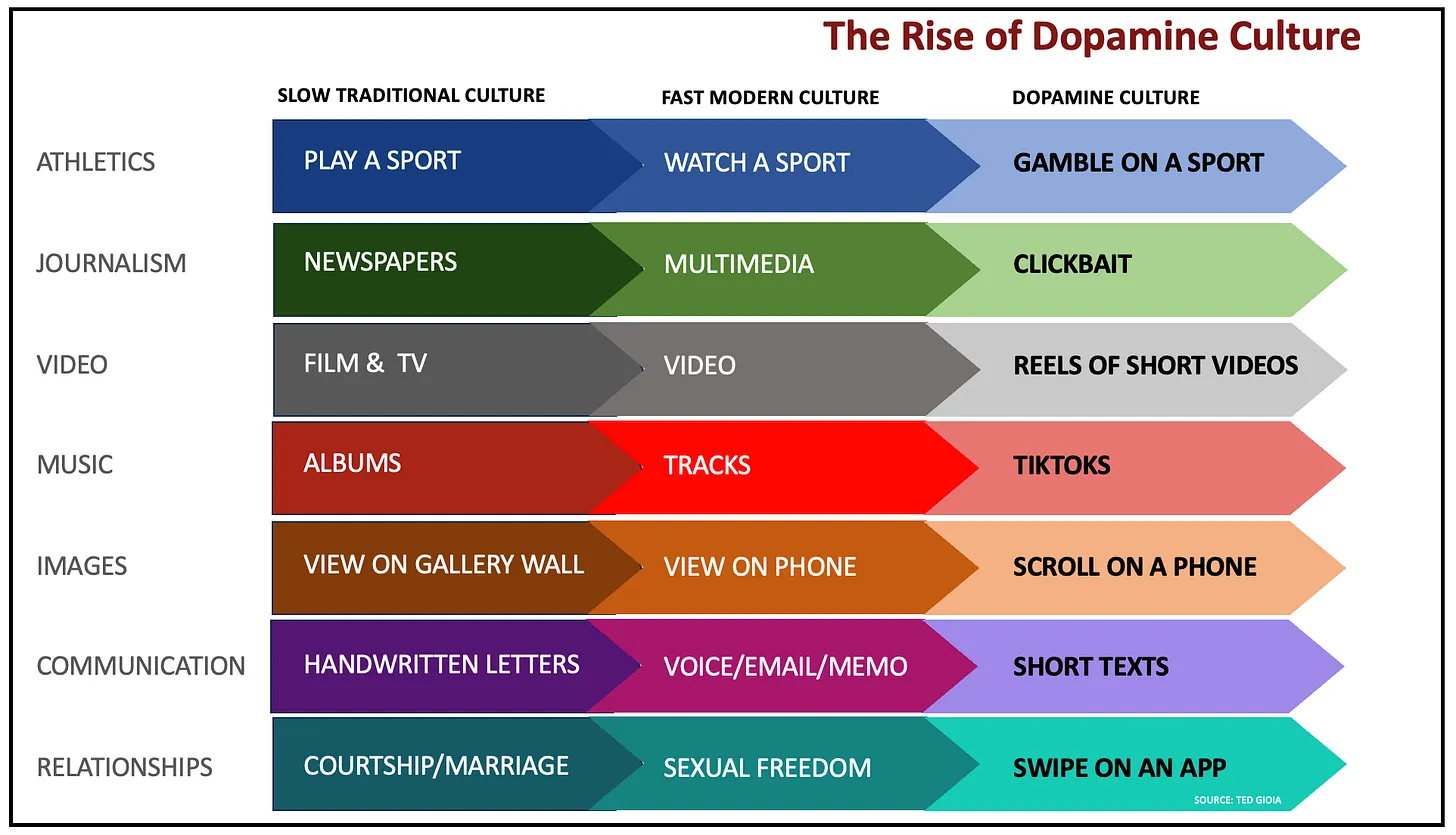
Author response:
The following is the authors’ response to the previous reviews
Reviewer #1 (Public review):
Summary:
The crystal structure of the Sld3CBD-Cdc45 complex presented by Li et al. is a significant contribution that enhances our understanding of CMG formation during the rate-limiting step of DNA replication initiation. This structure provides crucial insights into the intermediate steps of CMG formation, and the particle analysis and model predictions compellingly describe the mechanism of Cdc45 loading. Building upon previously known Sld3 and Cdc45 structures, this study offers new perspectives on how Cdc45 is recruited to MCM DH through the Sld3-Sld7 complex. The most notable finding is the structural rearrangement of Sld3CBD upon Cdc45 binding, particularly the α8-helix conformation, which is essential for Cdc45 interaction and may also be relevant to its metazoan counterpart, Treslin. Additionally, the conformational shift in the DHHA1 domain of Cdc45 suggests a potential mechanism for its binding to Mcm2NTD. Furthermore, Sld3's ssDNA-binding experiments provide evidence of its novel functions in the DNA replication process in yeast, expanding our understanding of its role beyond Cdc45 recruitment.
Strengths:
The manuscript is generally well-written, with a precise structural analysis and a solid methodological section that will significantly advance future studies in the field. The predictions based on structural alignments are intriguing and provide a new direction for exploring CMG formation, potentially shaping the future of DNA replication research. This research also opens up several new opportunities to utilize structural biology to unravel the molecular details of the model presented in the paper.
Weaknesses:
The main weakness of the manuscript lies in the lack of detailed structural validation for the proposed Sld3-Sld7-Cdc45 model, and its CMG bound models, which could be done in the future using advanced structural biology techniques such as single particle cryo-electron microscopy. It would also be interesting to explore how Sld7 interacts with the MCM helicase, and this would help to build a detailed long-flexible model of Sld3-Sld7-Cdc45 binding to MCM DH and to show where Sld7 will lie on the structure. This will help us to understand how Sld7 functions in the complex. Also, future experiments would be needed to understand the molecular details of how Sld3 and Sld7 release from CMG is associated with ssARS1 binding.
The proposals based on this study provide new knowledge of the CMG formation process. We agree that our Sld3-Sld7-Cdc45 model will be further confirmed by cryo-EM. We improved our ssARS1-binding assay and quantified data (See the response to Recommendations for the authors of #3 review).
Reviewer #2 (Public review):
Summary
The manuscript presents valuable findings, particularly in the crystal structure of the Sld3CBD-Cdc45 interaction and the identification of additional sequences involved in their binding. The modeling of the Sld7-Sld3CBD-CDC45 subcomplex is novel, and the results provide insights into potential conformational changes that occur upon interaction. Although the single-stranded DNA binding data from Sld3 of different species is a minor weakness, the experiments support a model in which the release of Sld3 from the complex may be promoted by its binding to origin single-stranded DNA exposed by the helicase.
Strengths
The Sld3CBD-Cdc45 structure is a novel contribution, revealing critical residues involved in the interaction.
The model structures generated from the crystal data are well presented and provide valuable insights into the interaction sequences between Sld3 and Cdc45.
The experiments testing the requirements for interaction sequences are thorough and conducted well, with clear figures supporting the conclusions.
The conformational changes observed in Sld3 and Cdc45 upon binding are interesting and enhance our understanding of the interaction.
The modeling of the Sld7-Sld3CBD-CDC45 subcomplex is a new and valuable addition to the field.
The proposed model of Sld3 release from the complex through binding to single stranded DNA at the origin is intriguing.
Weaknesses
The section on the binding of Sld3 complexes to origin single-stranded DNA is somewhat weakened by the use of Sld3 proteins from different species. The comparisons between Sld3-CBD, Sld3CBD-Cdc45, and Sld7-Sld3CBD-Cdc45 involve complexes from different species, limiting the comparisons' value.
Although the study reveals that Sld3 binds to different residues of Cdc45 than those previously shown to bind Mcm or GINS, the data in the paper do not shed any additional light on how GINS and Sld3 binding to Cdc45 or Mcms. would affect each other. Other previous research has suggested that the binding of GINS and Sld3 to Mcm or Cdc45 may be mutually exclusive. The authors acknowledge that a structural investigation of Sld3, Sld7, Cdc45, and MCM during the stage of GINS recruitment will be a significant goal for future research.
We agree that it is better to use all samples from a source; however, due to limitations in protein expression, we used Sld7-Sld3CBD-Cdc45 from a different source. The two sources used in this study belong to the same family, and the proteins Sld7, Sld3 and Cdc45 share sequence conservation with similar structures predicted by Alphafold3 (RMSD = 0.356, 1.392, and 0.891 for Ca atoms of Sld7CTD, Sld7NTD-Sld3NTD, and Sld3CBD-Cdc45). Such similarity in source and proteins allows us to do the comparison. We also mentioned that a cryo-EM study of Sld3-Sld7-Cdc45-MCM and Sld3-Sld7-CMG structures will be a significant goal for future research in our manuscript.
Reviewer #3 (Public review):
Summary:
The paper by Li et al. describes the crystal structure of a complex of Sld3-Cdc45-binding domain (CBD) with Cdc45 and a model of the dimer of an Sld3-binding protein, Sld7, with two Sld3-CBD-Cdc45 for the tethering. In addition, the authors showed the genetic analysis of the amino acid substitution of residues of Sld3 in the interface with Cdc45 and biochemical analysis of the protein interaction between Sld3 and Cdc45 as well as DNA binding activity of Sld3 to the single-strand DNAs of the ARS sequence.
Strengths:
The authors provided a nice model of an intermediate step in the assembly of an active Cdc45-MCM-GINS (CMG) double hexamers at the replication origin, which is mediated by the Sld3-Sld7 complex. The dimer of the Sld3-Sld7 complexes tethers two MCM hexamers together for the recruitment of GINS-Pol epsilon on the replication origin.
Weaknesses:
The biochemical analysis should be carefully evaluated with more quantitative ways to strengthen the authors' conclusion even in the revised version.
In this revision, we improved our ssARS1-binding assay in more quantitative ways (See the response to Recommendations for the authors).
Reviewer #1 (Recommendations for the authors):
I thank the authors for all their replies to my previous questions and for doing all the necessary corrections. I am satisfied with most of their replies, however, upon second reading I have a few more suggestions which could help to improve the manuscript further and make an impact in the field. My comments are listed below.
(1) In general, the manuscript is well structured, but I feel that it requires professional English correction. In many places it was difficult to understand the sentences and I had to read it several times to understand it. Also, very long sentences should be avoided. The flow should be easy to read and understand, and that is why I feel it requires professional English correction.
Following the comment, we checked English carefully and shortened the very long sentences.
(2) Page 5, line 103, please include molecule after the word complex to make it like- "Only one complex molecule exists within an asymmetric unit."
We revised this sentence (P5/L103).
(3) Line 113- more than the N-terminal half of the protruding long helix α7 113 was disordered in the Sld3CBD-Cdc45 complex. This sentence is not clear. What does it mean more than the N-terminal half? Please rewrite it.
We revised this sentence to give the corresponding residue number “(D219–H231)” (P5/L114).
(4) Page 5, result 2- Conformation changes in Sld3CBD and Cdc45 for binding each other, this section may require a little restructuring. Line 130-131- "Therefore, the helix α8CTP seems to be an intrinsically disordered segment when Sld3 alone but 130 folds into a helix coupled to the binding partner Cdc45 in the Sld3CBD-Cdc45 complex." This statement is the crux of the structural finding and therefore, I feel it should move after the first sentence.
Thank you for your comments. We rewrote this part (P5/L128-131).
(5) Line 121-122: Compared to the isolated form (PDBIDs: 5DGO 121 for huCdc45 [31] and 6CC2 for EhCdc45 [33]) and the CMG form (PDBID: 3JC6. Write it in the same format. Make 6CC2 in bracket like other PDB IDs. Restructure this sentence.
We revised this sentence (P5/122-123).
(6) Line 127-129: This sentence is also not very clear.
We revised this sentence together with above No (4). (P5/L128-131)
(7) In my question 4- "Can authors add a supplementary figure showing the probability of disordernes..."., I meant to use a disorder prediction tool like IUPred for the protein sequences and show that α8 is predicted to be a disordered upon sequence analysis. This will help to show the inherent property of α8 helix, and it could add up to the understanding that a disordered region is being structured in the complex structure.
The structures showed that α8CTP is stabilized by binding with Cdc45, but disordered in Sld3CBD alone, indicating that this part is flexible, like an intrinsically disordered segment. We have deposited the structure to PDB, so predictions like IUPred cannot show meaningful information.
(8) Question 9 regarding Supplementary Figure 8- Please include your statement in the figure legend - "WT Sld3CBD was prepared in a complex with Cdc45, while the mutants of Sld3CBD existed alone, we calculated the elements of secondary structure from the crystal structure of Sld3CBD-Cdc45. The concentration of samples was controlled to the same level for CD measurement."
Following the comment, we optimized the figure legend of Supplementary Figure 8.
(9) Question 13- I understand that negative staining and SEC-SAXS experiments could be very tricky for such protein complexes, which have very long loops and are flexible. Did authors try a GraFix cross-linking before doing the negative staining TEM? If it is not being tried, then it might be a good idea to try it and it may help to get much cleaner particles and easier class averaging. Although I completely understand the technical challenges the authors describe and I agree with them, I still feel that one good experiment that shows this dimer model would be very helpful to strengthen the claim. I am concerned because if people start using a similar DLS experiment to calculate intermolecular distances, citing your paper, in many cases it might be a wrong interpretation. In case the negative staining still does not work, at least discuss your technical challenges in the discussion section and mention that SEC-SAXS showed a similar length of the complex and show the Guinier plot and Porod plots in the supplementary data.
We believe that DLS is one of the methods for analyzing the single particle size. Of course, the confirmation by multiple methods will give compelling evidence. Following the comment, we added SEC-SAXS data in the [Results] (P7/L194-196) (Cdc45 recruitment to MCM DH by Sld3 with partner Sld7) and Supplementary Figure 11. The Sld7-Sld3-Cdc45 forms a flexible, long shape. Each binding domain is rigid but linked by the long loops. The flexibility problems are caused by the long loop linkers, but not by binding. So, we did not try to use the cross-linking method for analysis experiments.
(10) Page 8, line 221- litter sequence specificity: Correct the word "litter" with little. Also, the word shaped is written as sharped at a few places in the manuscript. Please correct it.
We apologize for making such mistakes. We have modified these words.
(11) Page 9, line 237-238: Would it be possible to add a lane showing Sld7 binding to the ssDNA in figure 4. I recommend showing this to understand the ssDNA binding affinity of Sld7 by itself and it will also help us to compare when it is in complex with Sld3.
Considering that Sld7 on CMG is always a complex with Sld3, the ssDNA binding affinity should use the Sld3-Sld7 complex. Additionally, we attempted to overexpress Sld7, but could not obtain the target protein.
Reviewer #2 (Recommendations for the authors):
Thank you for the improved manuscript. The following sentence is unclear: "Cdc45 binds tighter to long ssDNA (>60 bases) with a litter sequence specificity".
We apologize for making such a mistake. We modified “litter” to “little”.
I found it challenging to understand which species were used while reading the results section and figure legends. I recommend that the authors revise the text in both the results and figure legends to clearly indicate when proteins from different species are being compared. Additionally, it would be valuable to explicitly acknowledge this limitation in the text.
Following the comment, we added a description for using different species in results (P8/L224-225) and figure legends (Supplementary Figure 14). We added more information in the Methods to explain why we used two species for preparing proteins.
Reviewer #3 (Recommendations for the authors):
Major points:
(1) The current title is not appropriate for the general readers. At least, DNA replication or DNA replication initiation should be added and abbreviations such as CBD should be avoided.
Following the comment, we added “DNA replication” into the title. Regarding “CBD”, since the full name of “Cdc45 binding domain” is too long, we continue to use Sld3CBD.
(2) As in my previous review, I asked for quantification of the EMSA assay shown in Figure 4 and Supplemental Figures 13 and 14. Since some signals of the bands are very weak, it is hard to conclude something. Given different protein concentrations used in the experiment, the authors should provide any kinds of value. For example, Sld3CBD-CDC45 shows weaker DNA binding than Sld3CBD alone (line 231). Is this true (or reproducible)? It is hard to conclude without any quantification.
We have repeated the EMSA assay four or more times with different rods of overexpression, purification and DNA synthesis, indicating that the EMSA assay is reproducible. In this revision, we changed the DNA stain and adjusted the ratio between the protein and ssDNA with increasing concentrations. The smeared bands of ssDNA with Sld7–Sld3ΔC–Cdc45 or Sld7–Sld3ΔC exhibit enhanced discernibility, and the ssDNA bands are intense enough for grayscale calculations (Figure 4 in the second revised version). We used a series of t-tests to confirm a significantly ssDNA residual level between Sld3CBD–Cdc45 to Sld3CBD, Sld7–Sld3ΔC–Cdc45, and Sld7–Sld3ΔCS (t-test, ****: P<0.0001). We also carefully controlled the sample amount in the EMAS assay and described it in the [Methods].
Moreover, in this EMSA assay (in Figure 4), the authors suggest that the disappearance of ssDNA bands corresponds with the binding of the protein to the DNA. However, it is also possible that the DNA is degraded. It is very important to show the band of protein-DNA complexes on the gel (a whole gel, not the parts of the gel shown in Figure). Why did the authors use this "insensitive" assay using SyberGreen, not radio-labelled ssDNA?
In this revision, we added a negative control of no ssDNA-binding by using ssARS1-3_3 for all protein samples (Sld3CBD, Sld3CBD–Cdc45, Sld7–Sld3ΔC–Cdc45 and Sld7–Sld3ΔC), which were the same rod of expression and purification for bound to ssARS1s (ssARS1-2 and ssARS1-5) (Figure 4), showing that the disappearance of ssDNA bands is caused by binding to proteins, not degradation. Moreover, this time, by changing the DNA stain and increasing the concentration of the samples, the smeared ssDNA bands exhibit enhanced discernibility in the high molecular weight regions when mixed with Sld7–Sld3ΔC–Cdc45 or Sld7–Sld3ΔC, whereas no bands appeared in the NC (ssARS1-3_1). The positions of smeared ssDNA bonds correspond to those of protein in the protein-stain pages, indicating that ssARS1 were complexed with proteins. Following the comment, we show all bands on the gel in Figure 4 and Supplementary Figure 14. Compared to Sld7–Sld3ΔC–Cdc45 or Sld7–Sld3ΔC, Sld3CBD and ssDNA bonds could not be observed because the pI value of Sld3CBD, which affects the entry of the samples into the gel.
We agree that using radio-labelled ssDNA can obtain a sensitive binding assay. However, current laboratory constraints did not allow us to use radio-labelled ssDNA. Furthermore, considering the characteristics of our target proteins, Sld3CBD, Sld3CBD–Cdc45, Sld7–Sld3ΔC–Cdc45, and Sld7–Sld3ΔC, we planned to perform the binding assay in a more natural state without any modifications, labelling or linkers. Additionally, we have attempted to use ITC experiments but failed in the measurements. Presumably, the conformational flexibility of Sld7-Sld3-Cdc45 and Sld7-Sld3 caused a thermodynamic anomaly.
Minor points:
(1) Line 215, 80b: This should be "80 nucleotides(nt)". Throughout the text, nucleotides is better than base to show the length of ssDNAs.
Thank you for your comments. We modified these words throughout the text.
Reviewer #2 (Public review):
Summary:
This study presents a valuable characterization of the effects of intracranial theta-burst stimulation of the basolateral amygdala on single units spiking activity in several areas in the human brain, associated with memory processing. It is written clearly and concisely, allowing readers to fully understand the analysis used.
The authors used a visual recognition memory task previously employed by their group to characterize the effects of basolateral amygdala stimulation upon memory consolidation (Inman et al, 2018). This current report presents an interesting analysis that complements the results reported in the 2018 paper.
Strengths:
Rare combination of human neurophysiology and behavior -<br /> The type of experiment performed in the manuscript, which contains both neurophysiological data, behavior, and a deep brain stimulation intervention (DBS), is incredibly rare, takes many years to accomplish with tight collaboration between clinical and research teams. Our understanding of spiking dynamics of human neurons is very limited, and this report is an important piece in the puzzle that allows DBS to be used in future interventions that will benefit patients' health.
Multiple brain areas included -<br /> It's important to note that the report analyzes brain areas with which the Amygdala has extensive connections (Fig. 1A) - Hippocampus, OFC, Amygdala, ACC. It seems that neurons in all these areas were modulated by the stimulation, except the ACC, in which firing rates were so low that only a handful of neurons were included in the analysis. This is an important demonstration that low-amplitude stimulation (even when reduced to 0.5mA) can travel far and wide across the human brain.
The experiment is cleverly designed to tease apart responses due to visual stimuli (image presentation) and electrical stimulation. Authors suggest that the units modulated by stimulation are largely distinct from those responsive to image offset during trials without stimulation. The subpopulation that responds strongly also tends to have a higher baseline firing rate. It's important to add that the chosen modulation index is more likely to be significant in neurons with higher firing rates (Figure S8). The authors discuss the tradeoff of using a nonparametric modulation index for vs. other methods (for example, percent change in trial-averaged firing rate from baseline).
Author response:
The following is the authors’ response to the original reviews.
Reviewer #1 (Public review):
“This is an exploratory study that doesn't explore quite enough. Critically, the authors make a point of mentioning that neuronal firing properties vary across cell types, but only use baseline firing rate as a proxy metric for cell type. This leaves several important explorations on the table, not limited to the following:”
1a: “Do waveform shape features, which can also be informative of cell type, predict the effect of stimulation?”
To address this question, we modeled our approach to cell type classification after Peyrache et al. 2012. More specifically, we extracted two features from the mean unit waveforms—the valley-to-peak time (VP) and the peak half-width (PHW). These features were then used to classify units into two distinct clusters (k-means, clusters = 2, based on a strong prior from existing literature), representing putative excitatory and inhibitory neurons. Our approach recapitulated many of the same observations in Peyrache et al. 2012, namely (1) identification of two clusters (low PHW/VP: inhibitory, high PHW/VP: excitatory), (2) an ~80/20 ratio of excitatory/inhibitory neurons, and (3) greater baseline firing rates in the inhibitory vs. excitatory neurons. However, we did not observe a preferential modulation of one cell type compared to another (see newly created Figure 4). A description of this analysis and its takeaways has been incorporated into the manuscript.
Change to Text:
Created Figure 4 (Separation of presumed excitatory and inhibitory neurons by waveform morphology).
Caption: (A) Two metrics were calculated using the averaged waveforms for each detected unit: the valley-to-peak width (VP) and peak half-width (PHW). (B) Scatterplot of the relationship between VP and PHW; note that units with identical metrics are overlaid. Using k-means clustering, we identified two distinct response clusters, representing presumed excitatory (E, blue) and inhibitory (I, red) neurons. The units from which the example waveforms were taken are outlined in black. Probability distributions for each metric are shown along the axes. (C) Total number of units within each cluster, separated by region. (D) Comparison of baseline firing rates, separated by cluster. (E) Percent of modulated units in each cluster. * p < 0.05, NS = not significant.
Added a description of clustering methodology to lines 132-137: “We calculated two metrics from the averaged waveform from each detected unit: the valley-to-peak-width (VP) and the peak half-width (PHW) (Figure 4A); previously, these two properties of waveform morphology have been used to discriminate pyramidal cells (excitatory) from interneurons (inhibitory) in human intracranial recordings (Peyrache et al., 2012). Next, we performed k-means clustering (n = 2 clusters) on the waveform metrics, in line with previous approaches to cell type classification.
Added a section in the Results titled “Theta Burst Stimulation Modulates Excitatory and Inhibitory Neurons Equally”. Lines 370-378: “Using k-means clustering, we grouped neurons into two distinct clusters based on waveform morphology, representing neurons that were presumed to be excitatory (E) and inhibitory (I) (Figure 4B). Inhibitory (fast-spiking) neurons exhibited shorter waveform VP and PHW, compared with excitatory (regular-spiking) neurons (I cluster centroid: VP = 0.50ms, PHW = 0.51ms; E cluster centroid: VP = 0.32ms, PHW = 0.31ms), and greater baseline firing rates (U(N<sub>I</sub> = 23, N<<sub>E</sub> = 133) = 1074.50, p = 0.023) (Figure 4D). Although we observed a much greater proportion of excitatory vs. inhibitory neurons (E: 85.3%, I: 14.7%), stimulation appeared to affect excitatory and inhibitory neurons equally, suggesting that one cell type is not preferentially activated over another (Figure 4E).
Modified discussion of the effects of stimulation on different cell types. Lines 475-483: “…To test these hypotheses directly, we clustered neurons into presumed excitatory and inhibitory neurons based on waveform morphology. In doing so, we observed ~85% excitatory and ~15% inhibitory neurons, which is very similar what has been reported previously in human intracranial recordings (Cowan et al. 2024, Peyrache et al., 2012). Interestingly, stimulation appeared to modulate approximately the same proportion of neurons for each cell type (~30%), despite the differently-sized groups. Recent reports, however, have suggested that the extent to which electrical fields entrain neuronal spiking, particularly with respect to phase-locking, may be specific to distinct classes of cells (Lee et al., 2024).”
1b: “Is the autocorrelation of spike timing, which can be informative about temporal dynamics, altered by stimulation? This is especially interesting if theta-burst stimulation either entrains theta-rhythmic spiking or is more modulatory of endogenously theta-modulated units.”
The reviewer is correct in suggesting that rate-modulation represents only one of many possible ways by which exogenous theta burst stimulation may influence neuronal activity. Indeed, intracranial theta burst stimulation has previously been shown to evoke theta-frequency oscillatory responses in local field potentials (Solomon et al. 2021), and other forms of stimulation (i.e., transcranial alternating current stimulation) may modulate the rhythm, rather than the rate, of neuronal spiking (Krause et al. 2019).
To investigate whether stimulation altered rhythmicity in neuronal firing, we contrasted the spike timing autocorrelograms, as suggested. More specifically, we computed the pairwise differences in spike timing for each trial, separating spikes into the same pre-, during-, and post-stimulation epochs described in the manuscript (bin size = 5 ms, max lag = 250 ms), grouped neurons by whether they were modulated, and then contrasted the differences in the latencies of the peak normalized autocorrelation value between epochs. Only neurons with a firing rate of ≥ 1 Hz (n = 70/203, 34.5%) were included in this analysis since sparse firing resulted in noisy autocorrelation estimates. Subsequent statistical testing of the peak latency differences between pre-/during- and pre-/post-stimulation did not reveal any group-level differences (Mann-Whitney U tests, p > 0.05). Thus, we were not able to identify neuronal responses suggestive of altered rhythmicity (see Figure S5). A description of this analysis and its takeaways has been incorporated into the manuscript.
Of note, there are two elements of the data that constrain our ability to detect modulation in the rhythm of firing. First, the baseline activity recorded across neurons modulated by stimulation was relatively low (i.e., median firing rate = 1.77 Hz). Second, stimulation often resulted in a suppression, rather than an enhancement, of firing rate. Taken together, the sparse firing afforded limited opportunity to characterize changes to subtle patterns of spiking.
Change to Text:
Created Figure S5 (Analysis of modulation in spiking rhythmicity)
Caption: (A) Representative autocorrelograms ACG) for a single neuron. The pairwise differences in spike timing were computed for each trial and epoch (bin size = 5 ms, max lag = 250 ms), then smoothed with a Gaussian kernel. The peak in the normalized ACG across trials was computed for each epoch. (B) Kernel density estimate of the peak ACG lag, separated by epoch. (C) The peak ACG lags were split by whether the neuron was modulated (Mod) or unaffected by stimulation (NS = not significant) for each of the two contrasts: pre- vs. during-stim (left) and pre- vs. post-stim (right).
Details about the autocorrelation methodology have been incorporated. Lines 166-172: “To investigate whether stimulation altered rhythmicity in neuronal firing, we analyzed the spike timing autocorrelograms. More specifically, we computed the pairwise differences in spike timing for each trial (bin size = 5 ms, max lag = 250 ms) and then contrasted the differences in the latencies of the peak normalized autocorrelation value between epochs (pre-, during-, post-stimulation). Only neurons with a firing rate of ≥ 1 Hz (n = 70/203, 34.5%) were included in this analysis since sparse firing resulted in noisy autocorrelation estimates.
The results from contrasting the autocorrelograms are now mentioned briefly. Lines 297-298: “Stimulation, however, did not appear to alter the rhythmicity in neuronal firing, as measured by spiking autocorrelograms (Figure S5).”
1c: “The authors reference the relevance of spike-field synchrony (30-55 Hz) in animal work, but ignore it here. Does spike-field synchrony (comparing the image presentation to post-stimulation) change in this frequency range? This does not seem beyond the scope of investigation here.”
We agree that a further characterization of spike-field and spike-phase relationships may provide rich insights into more complex regional and interregional dynamics that may be altered by stimulation. Given that many metrics are biased by sample size (e.g., number of spikes), which can vary considerably, computing the pairwise phase consistency (PPC) between spikes and LFP is a preferred metric (Vinck et al. 2010). Although PPC is unbiased, its variance nonetheless increases considerably with low spike counts; pooling spike counts across trials, however, decouples the temporal relationship between spiking and the LFP phase for each trial, confounding results and yielding an unstable estimate.
To determine whether such an analysis is indeed possible, we calculated the percentage of stimulation trials with ≥ 10 spikes in both the 1s pre- and post-stimulation epochs (a relatively low threshold for inclusion). Only a very small proportion of the total number of trials across all neurons met this criterion (2.5%). Thus, because of the sparse spiking in our data, we are unable to reliably characterize spike-field or spike-phase modulation in detected neurons.
Change to Text:
In the manuscript, we have added a description of why our data is not well-suited to investigate these relationships.
Lines 532-538: “The present study did not investigate interactions between spiking activity and local field potentials because neuronal spiking was sparse at baseline and often further suppressed by stimulation; only a very small proportion of the total number of trials across all neurons exhibited ≥ 10 spikes in both the 1s pre- and post-stimulation epochs (~2.5%). Although certain metrics are not biased by sample size (e.g., pairwise phase consistency), low spike counts can dramatically affect variance and, therefore, result in unstable estimates (Vinck et al., 2011).
1d: “How does multi-unit activity respond to stimulation? At this somewhat low count of neurons (total n=156 included) it would be valuable to provide input on multi-unit responses to stimulation as well.”
We thank the reviewer for this suggestion. We have incorporated an analysis of multiunit activity (MUA), which similarly identifies robust modulation via permutation-based statistical testing and characterizes the different profiles of responses (i.e., increased vs. decreased MUA threshold crossings pre- vs. post-stimulation).
Change to Text:
Created Figure S8 (Analysis of multiunit activity response to stimulation)
Caption: (A) Example trace of multiunit activity (MUA) in one channel during a single stimulation trial. Threshold crossings are highlighted with a pink dot overlaid on the MUA signal with a corresponding hash below. (B) The percentage of channels with significantly modulated MUA, separated by the direction of effect. (C) The percentage of channels with significantly modulated MUA, separated by direction effect and region. Inc (red; post > pre) vs. Dec (blue; post < pre). HIP = hippocampus, OFC = orbitofrontal cortex, AMY = amygdala, ACC = anterior cingulate cortex. *** p < 0.001, NS = not significant.
Details about the MUA methodology have been incorporated. Lines 174-180: “Finally, we measured modulation in multiunit activity (MUA) by filtering the microleectrode signals in a 300-3,000 Hz window and counting the number of threshold crossings. Thresholds were determined on a per-channel basis and defined as -3.5 times the root mean square of the signal during the baseline period; activity during stimulation was excluded since stimulation artifact is difficult to separate from MUA in the absence of spike sorting.
MUA results are now incorporated. Lines 365-367: “Additional characterization of MUA revealed a dominant signature of increased activity post- vs. pre-stimulation, in line with these trends observed at the single-neuron level (Figure S8).”
1e: “Several intracranial studies have implicated proximity to white matter in determining the effects of stimulation on LFPs; do the authors see an effect of white matter proximity here?”
We thank the reviewer for the interesting question. Subsequent characterization revealed only small differences in the proximity of stimulation contacts to white matter (range 1.5-8.0 mm), likely because the chosen target (i.e., basolateral amygdala) has several nearby white matter structures (e.g., stria terminalis). Nonetheless, we performed a linear regression between the proximity to white matter and the stimulation-induced effect on behavior (stimulation vs. no-stimulation d’ difference), the results of which indicate no clear association (p > 0.05; see Figure S9). Critically, this is not to suggest that white matter proximity has no interaction with the reported behavioral effects, but rather, that we could not identify such an association within our data.
Change to Text:
Created Figure S9 (The effect of stimulation proximity to white matter and distance to recorded neurons).
Caption: (A) Kernel density estimate of the Euclidean distance from stimulation contacts to nearest WM structure (in mm); hash marks represent individual observations. (B) The change in memory performance (Δd’) was linearly regressed onto the distance from the stimulated contacts to white matter.
The following has been added to lines 405-426: “Proximity to white matter has been shown to influence the effects of stimulation on behavior and the strength of evoked responses (Mankin et al., 2021; Mohan et al., 2020; Paulk et al., 2022). Across all stimulated contacts, we observed only small differences in the proximity of stimulation contacts to white matter (median = 4.5 mm, range = 1.5-8.0 mm), likely because the chosen target (i.e., basolateral amygdala) has several nearby white matter structures (e.g., stria terminalis). Nonetheless, we performed a linear regression between the proximity to white matter and the stimulation-induced effect on behavior (stimulation vs. no-stimulation d’ difference), the results of which indicate no clear association (p > 0.05; see Figure S9).
Comment 2: “It is a little confusing to interpret stimulation-induced modulation of neuronal spiking in the absence of stimulation-induced change in behavior. How do the authors findings tell us anything about the neural mechanisms of stimulation-modulated memory if memory isn't altered? In line with point #1, I would suggest a deeper dive into behavior (e.g. reaction time? Or focus on individual sessions that do change in Figure 4A?) to make a stronger statement connecting the neural results to behavioral relevance.”
We agree that the connection between the observed stimulation-induced neuronal modulation and effects on behavior is unclear and has proven challenging to elucidate. Per the reviewer’s suggestion, we further focused our analyses on the neuronal modulation effects in the individual sessions that resulted in a robust change in memory performance (stimulation vs. no-stimulation d’ difference threshold of ± 0.5, based on a moderate effect size for Cohen’s d); both a positive and negative threshold were used to capture robust changes in memory performance associated with firing rate modulation, whether enhancement or suppression. To this end, we contrasted the proportion of modulated neurons in the sessions where stimulation resulted in a robust behavioral change (Δd’) with those that did not (~d’). We did not observe a difference in the proportions between groups when collapsed across all sampled regions, or when separately evaluated (Fisher’s exact tests, p > 0.05; see Figure 5C).
Given that this approach did not further clarify the connection between our neural and behavioral results, we believe it is most appropriate to deemphasize claims in the manuscript regarding the potential insights for behavioral modulation (e.g., memory enhancement), and have done so.
Change to Text:
Toned down reference to the memory-related effects of stimulation in the abstract by removing the following lines from the abstract: “Previously, we demonstrated that intracranial theta burst stimulation (TBS) of the basolateral amygdala (BLA) can enhance declarative memory, likely by modulating hippocampal-dependent memory consolidation…” and “…and motivate future neuromodulatory therapies that aim to recapitulate specific patterns of activity implicated in cognition and memory.”
Changed Figure 4 to Figure 5
Created Figure 5C (Interaction between behavioral effects and neuronal modulation)(C) Change in recognition memory performance was split into two categories using a d’ difference threshold of ± 0.5: responder (positive or negative; Δd’, pink) and non-responder (~d’, grey). Individual d’ scores are shown (left) with points colored by outcome category; dotted lines demarcate category boundaries, and the grey-shaded region represents negligible change. The number of sessions within each outcome category (middle) and the proportion of modulated units as a function of outcome category, separated by region (right). NS = not significant.
The description of the behavioral results has been updated. Lines 394-403: “At the level of individual sessions, we observed enhanced memory (Δd’ > +0.5) in 36.7%, impaired memory (Δd’ < -0.5) in 20.0%, and negligible change (-0.5 ≤ Δd’ ≤ 0.5) in 43.3% when comparing performance between the stim and no-stim conditions; a threshold of Δd’ ± 0.5 was chosen for this classification based on the defined range of a “medium effect” for Cohen’s d. To test our hypothesis that neuronal modulation would be associated with changes in memory performance, we combined the sessions that resulted in either memory enhancement or impairment and contrasted the proportion of modulated units across regions sampled. We did not, however, observe a meaningful difference in the proportion of modulated units when grouped by behavioral outcome (all contrasts p > 0.05) (Figure 5C).
Lines 213-214 and 394-397 have been edited to reflect a change in the d’ threshold used for categorizing behavioral results (from Δd’ ± 0.2 to Δd’ ± 0.5).
Comment 3: “It is not clear to me why the assessment of firing rates after image onset and after stim offset is limited to one second - this choice should be more theoretically justified, particularly for regions that spike as sparsely as these.”
We thank the reviewer for this question and acknowledge that no clear justification was provided for this decision in the manuscript. Our decision to limit each of the analysis epochs to 1s was chosen for two reasons. First, the maximum possible length of the during-stimulation epoch was 1 s (stim on for 1 s). Although the pre- and post-stimulation epochs could be extended without issue, we were concerned that variable time windows could introduce a bias, for instance, resulting in different variances between epochs. Second, we anticipated, both from empirical observations and prior literature, that the neural response following stimulation or task features (e.g., image onset/offset) was likely to be transient, rather than sustained for a period of many seconds. By keeping the windows short, we ensured that our approach to detecting modulation (i.e., contrasting trial-wise spike counts between each pair of epochs) captured the intended effect rather than random noise. We have incorporated a discussion of this rationale in the Peri-Stimulation Modulation Analyses section.
Change to Text:
Lines 156-158 have been added: “Each epoch was constrained to 1 s to ensure that subsequent firing rate contrasts were unbiased and to capture potential transient effects (e.g., image onset/offset).”
Comment 4: “This work coincides with another example of human intracranial stimulation investigating the effect on firing rates (doi: https://doi.org/10.1101/2024.11.28.625915). Given how incredibly rare this type of work is, I think the authors should discuss how their work converges with this work (or doesn't).”
Thank you for bringing this highly relevant work to our attention. We were unaware of this recent preprint and have incorporated a discussion of its main findings into the manuscript.
Change to Text:
New citations: van der Plas et al. 2024 (bioRxiv), Cowan et al. 2024 (bioRxiv)
The discussion of related studies has been updated. Lines 447-457: “Few studies, however, have characterized the impact of electrical stimulation via macroelectrodes on the spiking activity of human cortical neurons, none of which involve intracranial theta burst stimulation. One study reported a long-lasting reduction in neural excitability among parietal neurons, with variable onset time and recovery following continuous transcranial TBS in non-human primates (Romero et al., 2022). In a similar vein, it was recently shown that human neurons are largely suppressed by single-pulse electrical stimulation (Cowan et al., 2024; Plas et al., 2024). Other emerging evidence suggests that transcranial direct current stimulation may entrain the rhythm rather than rate of neuronal spiking (Krause et al., 2019) and that stimulation-evoked modulation of spiking may meaningfully impact behavioral performance on cognitive tasks (Fehring et al., 2024).”
Comment 5: “What information does the pseudo-population analysis add? It's not totally clear to me.”
We recognize the need to further contextualize the motivation for the exploratory pseudo-population analysis and appreciate the reviewer for bringing the lack of detail to our attention. In brief, the analysis allowed us to observe trends in activity across populations of neurons, which, in principle, are not visible by characterizing modulation solely in discrete neurons. Additional details have been incorporated into the manuscript, as suggested.
Change to Text:
Additional justification has been incorporated in the description of the methodology. Lines 185-187: “…This approach enables the identification of dominant patterns of coordinated neural activity that may not be apparent when examining individual neurons in isolation.”, lines 192-194: “…By collapsing across subjects into a common pseudo-population, this analysis provides a mesoscale view of how stimulation modulates shared activity patterns across anatomically distributed neural populations.”
A summary interpretation has been added to the paragraph describing the results. Lines 326-328: “Taken together, these analyses reveal global structure in the state space of responses to BLA stimulation within hippocampal circuits.”
Reviewer #2 (Public review):
Comment 1 “Authors suggest that the units modulated by stimulation are largely distinct from those responsive to image offset during trials without stimulation. The subpopulation that responds strongly also tends to have a higher baseline of firing rate. It's important to add that the chosen modulation index is more likely to be significant in neurons with higher firing rates.”
This is an important point that was not previously addressed in our manuscript. We suspect there are likely two factors at play worth considering with respect to our chosen nonparametric modulation index: neurons with lower activity require smaller changes in spike counts to be significantly modulated (easier to flip ranks), and neurons with higher activity empirically exhibit greater absolute shifts in the number of spikes. Our further use of permutation testing, while mitigating false positives, may also somewhat constrain the ability to detect modulation in sparsely active neurons. Nonetheless, given that many trials entailed few or no spikes, we believe this approach is preferable to alternatives that may be more susceptible to noise (e.g., percent change in trial-averaged firing rate from baseline).
To better understand the tradeoffs with detection probability, we performed a sensitivity analysis. We generated synthetic data with different baseline firing rates (0.1-5.0 Hz) and effect sizes (± 0.1-0.7 Hz) and simulated the likelihood of detection with our given modulation index across neurons. The results of the simulation support the notion that the probability of detecting modulation is lower for sparsely active neurons (Figure S8C). Further discussion of this consideration for the chosen modulation index, as well as details regarding the sensitivity analysis, have been incorporated into the manuscript.
Change to Text:
Created Figure S7C (Detection probability analysis)
Caption: The same permutation-based analyses reported in the manuscript were repeated under different control conditions… (C) Visualization of the predicted probability of detecting modulation across synthetic neurons with variable firing rates and modulation effect sizes; FR = firing rate.
Lines 223-224 have been added to the Methods section titled “Firing Rate Control Analyses”: “We performed a series of control analyses to test whether our approach to firing rate detection was robust…”
A description of the simulation has been incorporated into the same section as above. Lines 234-237: “Finally, to better understand the tradeoffs with our statistical approach, we generated synthetic data with different baseline firing rates (0.1-5.0 Hz) and effect sizes (± 0.1-0.7 Hz), then simulated the likelihood of detecting modulation across variable conditions (Figure S7C).”
The description of the results from the control analyses has been updated. Lines 330-339: “Finally, we performed three supplementary analyses to evaluate the robustness of our approach to detecting firing rate modulation: a sensitivity analysis assessing the proportion of modulated units at different firing rate thresholds for inclusion/exclusion, a data dropout analysis designed to control for the possibility that non-physiological stimulation artifacts may preclude the detection of temporally adjacent spiking, and a synthetic detection probability analysis. These results recapitulate our observation that units with higher baseline firing are most likely to exhibit modulation (though the probability of detecting modulation is lower for sparsely active neurons) and suggest that suppression in firing rate is not solely attributable to amplifier saturation following stimulation (Figure S7).
Comment 2: “Readers can benefit from understanding with more details the locations chosen for stimulation - in light of previous studies that found differences between effects based on proximity to white matter (For example - PMID 32446925, Mohan et al, Brain Stimul. 2020 and PMID 33279717 Mankin et al Brain Stimul. 2021).”
This has been addressed in the above response to Reviewer’s 1 comment 1.1e.
Change to Text:
See changes related to Reviewer 1 comment 1.1e.
Comment 3: “Missing information in the manuscript…”
3a: “Images of stimulation anatomical locations for all subjects included in this study. Ideally information about the impedance of the contacts to be able to calculate the actual current used.”
As requested, we have provided an image from the coronal T1 MRI sequence, which highlights the position of the stimulated contacts for each of the 16 patients. Though we did not measure the impedances directly, the stimulation was current-controlled, which ensured that the desired current and charge density were consistent regardless of the tissue or electrode impedance.
Change to Text:
Created Figure S1 (Anatomical location of stimulated electrodes).
Caption: A coronal slice from the T1-weighted MRI scan is shown for each patient who participated in the study (n = 16). Electrode contacts within the same plane of the image are shown with blue circles, and the bipolar pair of stimulated contacts within the basolateral amygdala is highlighted in red.
Lines 144-145 have been edited to reflect that the delivered stimulation was current-controlled: “Specifically, we administered current-controlled, charge-balanced, …”
3b: “The studied population is epilepsy patients, and the manuscript lacks description of their condition, proximity to electrodes included in the study to pathological areas, and the number of units from each patient/hemisphere.”
We agree that additional information regarding patient demographics, experimental details, and clinical characteristics would further contextualize this unique patient population. A new table has been included, which contains the following information: patient ID, sex, age, # experimental session, # SEEG leads (and # microelectrodes), # detected units (L vs. R hemisphere), and suspected seizure onset zone.
Change to Text:
Created Table S1 (Patient demographics and clinical characteristics).
Lines 258-259 have been added: “…(see Table S1 for patient demographics).”
3c: “I haven't seen any comments on code availability (calculating modulation indices and statistics) and data sharing.”
For clarification, a section titled Resource Availability is already appended to the end of the manuscript following the Conclusion, which describes the data and code availability.
Change to Text:
None
3d: “Small comment - Figure legend 3E - Define gray markers (non-modulated units?)”
Thank you for highlighting this omission. We have updated the relevant figure caption.
Change to Text:
The following has been added to the Figure 3 caption: “…whereas units without a significant change in activity are shown in grey.”
Reviewer #2 (Public review):
Summary:
Soham Mukhopadhyay et al. investigated the protein folding of the secretome from gall-forming microbes using the AI-based structure-modeling tool AlphaFold2. Their study analyzed six gall-forming species, including two Plasmodiophorid species and four others spanning different kingdoms, along with one non-gall-forming Plasmodiophorid species, Polymyxa betae. The authors found no effector fold specifically conserved among gall-forming pathogens, leading to the conclusion that their virulence strategies are likely achieved through diverse mechanisms. However, they identified an expansion of the Ankyrin repeat family in two gall-forming Plasmodiophorid species, with a less pronounced presence in the non-gall-forming Polymyxa betae. Additionally, the study revealed that known effectors such as CCG and AvrSen1 belong to sequence-unrelated but structurally similar (SUSS) effector clusters.
Strengths:
(1) The bioinformatics analyses presented in this study are robust, and the AlphaFold2-derived resources deposited in Zenodo provide valuable resources for researchers studying plant-microbe interactions. The manuscript is also logically organized and easy to follow.
(2) The inclusion of the non-gall-forming Polymyxa betae strengthens the conclusion that no effector fold is specifically conserved in gall-forming pathogens and highlights the specific expansion of the Ankyrin repeat family in gall-forming Plasmodiophorids.
(3) Figure 4a and 4b effectively illustrate the SUSS effector clusters, providing a clear visual representation of this finding.
(4) Figure 1 is a well-designed, comprehensive summary of the number and functional annotations of putative secretomes in gall-forming pathogens. Notably, it reveals that more than half of the analyzed effectors lack known protein domains in some pathogens, yet some were annotated based on their predicted structures, despite the absence of domain annotations.
Weaknesses:
(1) The effector families discussed in this paper remain hypothetical in terms of their functional roles, which is understandable given the challenges of demonstrating their functions experimentally. However, this highlights the need for experimental validation as a next step.
Authors' response: Thank you. Yes, there is a lot of work to do in the coming years.
Reviewer's response: Incorporating experimental validation substantially strengthened the manuscript. Did you try the AlphaFold-Multimer prediction of the interaction between PBTT_00818 and the GroES-like protein? Does the model indicate a high-confidence interface?
(2) Some analyses, such as those in Figure 4e, emphasize motifs derived from sequence alignments of SUSS effector clusters. Since these effectors are sequence-unrelated, sequence alignments might be unreliable. It would be more rigorous to perform structure-based alignments in addition to sequence-based ones for motif confirmation. For instance, methods described in Figure 3E of de Guillen et al. (2015, https://doi.org/10.1371/journal.ppat.1005228) or tools like Foldseek could be useful for aligning structures of multiple sequences.
Authors' response: In Fig. 4e, we highlight the conserved cysteine residues. While there is no clearly conserved overall motif, the figure illustrates that despite the high sequence divergence, the key cysteines involved in disulfide-bridge formation are consistently conserved across the sequences.
Reviewer's response: Understood. Nevertheless, if a reliable sequence alignment can indeed be generated, I would interpret this to mean that the CCG effectors constitute a highly diversified family rather than being truly sequence unrelated. By comparison, members of the MAX effector family share a common fold, yet their sequences are so divergent that sequence alignment is impossible.
(3) When presenting AlphaFold-generated structures, it is essential to include confidence scores such as pLDDT and PAE. For example, in Figure 1D of Derbyshire and Raffaele (2023, https://doi.org/10.1038/s41467-023-40949-9), the structural representations were colored red due to their high pLDDT scores, emphasizing their reliability.
Authors' response: Thank you for the observation. Due to the restrictive parameters used in our analysis, over 90 % of the structure would appear red. For this reason, we chose not to include the color scale, as it would not provide additional informative value in this context.
Reviewer's response: Understood.
Author response:
The following is the authors’ response to the original reviews.
Reviewer #1 (Public review):
Summary:
This manuscript presents a comprehensive structure-guided secretome analysis of gall-forming microbes, providing valuable insights into effector diversity and evolution. The authors have employed AlphaFold2 to predict the 3D structures of the secretome from selected pathogens and conducted a thorough comparative analysis to elucidate commonalities and unique features of effectors among these phytopathogens.
Strengths:
The discovery of conserved motifs such as 'CCG' and 'RAYH' and their central role in maintaining the overall fold is an insightful finding. Additionally, the discovery of a nucleoside hydrolase-like fold conserved among various gall-forming microbes is interesting.
Weaknesses:
Important conclusions are not verified by experiments.
Thank you very much. There are many aspects of this study that could be further validated, each potentially requiring years of work. Therefore, we chose to focus on two specific hypotheses: are AlphaFol-Multimer predictions accurate? Can ANK target more than one host protein? Particularly, we focused on the identification of putative targets for one of the ankyrin repeat proteins, PBTT_00818 (Fig. 6). Using one-by-one yeast two-hybrid (Y2H) assays, we tested the AlphaFold-Multimer prediction of an interaction between PBTT_00818 and MPK3. The interaction did not occur in yeast, suggesting it might not take place under those conditions.
This negative result led us to perform a Y2H screen using an Arabidopsis cDNA library, which identified a GroES-like protein, highly expressed in roots, as a potential target of the ANK effector. Surprisingly, both the PBTT_00818–MPK3 and PBTT_00818–GroES-like protein interactions were later confirmed in planta using BiFC assays. These findings suggest two key points: (1) AlphaFold predictions can be accurate for ANK proteins, and (2) ANK domains, known for mediating protein-protein interactions, may enable these effectors to target multiple host proteins.
Although the precise biological implications remain unclear, it is possible that ANK proteins act as scaffolds or adaptors for other effectors during infection. The validations presented here open exciting avenues for further research into the role of ANK proteins in Plasmodiophorid pathogenesis and gall formation. This is presented in the corrected preprint and Fig. 7, Table S12, Fig. S7-S8.
Reviewer #2 (Public review):
Summary:
Soham Mukhopadhyay et al. investigated the protein folding of the secretome from gall-forming microbes using the AI-based structure modeling tool AlphaFold2. Their study analyzed six gall-forming species, including two Plasmodiophorid species and four others spanning different kingdoms, along with one non-gall-forming Plasmodiophorid species, Polymyxa betae. The authors found no effector fold specifically conserved among gall-forming pathogens, leading to the conclusion that their virulence strategies are likely achieved through diverse mechanisms. However, they identified an expansion of the Ankyrin repeat family in two gall-forming Plasmodiophorid species, with a less pronounced presence in the non-gall-forming Polymyxa betae. Additionally, the study revealed that known effectors such as CCG and AvrSen1 belong to sequence-unrelated but structurally similar (SUSS) effector clusters.
Strengths:
(1) The bioinformatics analyses presented in this study are robust, and the AlphaFold2-derived resources deposited in Zenodo provide valuable resources for researchers studying plant-microbe interactions. The manuscript is also logically organized and easy to follow.
(2) The inclusion of the non-gall-forming Polymyxa betae strengthens the conclusion that no effector fold is specifically conserved in gall-forming pathogens and highlights the specific expansion of the Ankyrin repeat family in gall-forming Plasmodiophorids.
(3) Figure 4a and 4b effectively illustrate the SUSS effector clusters, providing a clear visual representation of this finding.
(4) Figure 1 is a well-designed, comprehensive summary of the number and functional annotations of putative secretomes in gall-forming pathogens. Notably, it reveals that more than half of the analyzed effectors lack known protein domains in some pathogens, yet some were annotated based on their predicted structures, despite the absence of domain annotations.
Weaknesses:
(1) The effector families discussed in this paper remain hypothetical in terms of their functional roles, which is understandable given the challenges of demonstrating their functions experimentally. However, this highlights the need for experimental validation as a next step.
Thank you. Yes, there is a lot of work to do in the coming years.
(2) Some analyses, such as those in Figure 4e, emphasize motifs derived from sequence alignments of SUSS effector clusters. Since these effectors are sequence-unrelated, sequence alignments might be unreliable. It would be more rigorous to perform structure-based alignments in addition to sequence-based ones for motif confirmation. For instance, methods described in Figure 3E of de Guillen et al. (2015, https://doi.org/10.1371/journal.ppat.1005228) or tools like Foldseek could be useful for aligning structures of multiple sequences.
In Fig. 4e, we highlight the conserved cysteine residues. While there is no clearly conserved overall motif, the figure illustrates that despite the high sequence divergence, the key cysteines involved in disulfide bridge formation are consistently conserved across the sequences.
(3) When presenting AlphaFold-generated structures, it is essential to include confidence scores such as pLDDT and PAE. For example, in Figure 1D of Derbyshire and Raffaele (2023, https://doi.org/10.1038/s41467-023-40949-9), the structural representations were colored red due to their high pLDDT scores, emphasizing their reliability.
Thank you for the observation. Due to the restrictive parameters used in our analysis, over 90% of the structure would appear red. For this reason, we chose not to include the color scale, as it would not provide additional informative value in this context.
Reviewer #1 (Recommendations for the authors):
Experimental validation of the significance of 'CCG' and 'RAYH' motifs would further strengthen this study.
Regarding the Mig1-like protein in Ustilago maydis, the presence of four conserved cysteine residues that are pivotal for maintaining the stability of its folded structure raises an intriguing question. Specifically, while many Mig cluster effectors contain four cysteine residues that form two conserved disulfide bridges, this structure is notably absent in the Mig protein itself. The author has speculated that these four cysteine residues form two conserved disulfide bonds, which are crucial for the stability of Mig protein folding. However, this hypothesis remains unvalidated. To test this prediction, it would be prudent to simulate mutations in the cysteine residues corresponding to the disulfide bonds in Mig and employ molecular dynamics simulations to assess the stability of folding before and after the mutation.
Mig-1 does contain the four conserved cysteine residues responsible for forming disulfide bridges. However, due to the high divergence among Mig-1-like sequences, the alignment software was unable to properly align all the cysteine residues. As a result, Mig-1 may appear to lack these conserved cysteines in the alignment, although they are indeed present upon individual inspection. This is an area that research groups working with U. maidis as a model could explore further to expand our understanding of this effector family.
Could you please clarify why talking about Ankyrins and LRR in Arabidopsis thaliana (line 252)? Additionally, what are the structural and functional differences between the LRR sequences of P. brassicae and those of the host plants?
This sentence refers to the identification of the ANK motif in P. brassicae and S. spongospora, not in Arabidopsis thaliana. While the hydrophobic core of the ANK domains appears conserved between the host and the pathogen, the surface residues are highly polymorphic.
The evidence supporting the interaction between the ANK effector and Arabidopsis immunity-related proteins, as validated using AlphaFold-Multimer, is currently limited. To enhance the reliability of these data, it is advisable for the author to select several pairs of proteins predicted to interact for further experimental verification.
We conducted a large-scale yeast two-hybrid (Y2H) screen using the ANK domain effector PBTT_00818, which was selected due to its high iPTM+pTM score. The Y2H interactions were subsequently validated through BiFC assays. Our results show that PBTT_00818 interacts with Arabidopsis MPK3 in the nucleus, consistent with predictions from the AlphaFold2-multimer model. In addition, PBTT_00818 was also found to target AT3G56460, a GroES-like zinc-binding alcohol dehydrogenase, also localized in the nucleus.
While the manuscript is well-composed, certain sections could be enhanced for clarity and readability. For example, the discussion section could be expanded to include a more in-depth analysis of the implications of the findings for understanding the virulence mechanisms of gall-forming microbes. Additionally, a comparison of the findings with previous studies on related pathogens would provide a more comprehensive perspective.
Certain sections of the discussion have been expanded. However, we chose to focus on the novel aspects of the study and to avoid comparisons with other plant pathogens, as those mechanisms are already well known and extensively studied. Studies using AlphaFold in plant pathology are also limited.
*Reviewer #2 (Recommendations for the authors):*
The results of clustering analyses are highly dependent on the chosen thresholds. Given that the authors provide clear and well-designed visualizations of SUSS effectors in Figures 4a and 4b, applying the same presentation methods to Figures 5a and 5b could make these analyses more convincing.
We were able to generate the all-vs-all matrix for Figures 4a and 4b because it involved only 13 proteins. However, Figure 5b includes over 40 effectors, making it impractical to visualize the data in the same way. Instead, we presented the sequence-based clusters as nodes and connected them based on structural similarity.
Une IA apprentie botaniste : l'histoire d'un apprentissage supervisé 🌱
Ceci est un test
Mettons-nous de nouveau à la place du logiciel qui est en train d’apprendre.🤖
Phrase à revoir
good
Rob Nixon, Slow Violence and the Environmentalism of the Poor (Cambridge, MA: Harvard University Press, 2011).
Still, space scientists knew that the icy dust bodies that formed carbonaceous chondrites were likely to contain water, ammonia and small carbon molecules like aldehydes and methanol, so the elemental constituents of amino acids would have been present. They needed only a source of energy to facilitate the reaction. Experimental work suggested that ultraviolet radiation from supernovas could have been strong enough to do it. Collisions between the dust bodies could also have heated them enough to produce a similar effect.
Me llama la atención como se da a entender que no solo basta con tener los "ingredientes" necesarios para la vida, también se necesita una fuente de energía para que la vida florezca, dando a entender que todo fue un proceso que necesitó un impulso en su inicio
Why, for example, does terrestrial life use only 20 of the scores of amino acids that can be produced
En este párrafo me llamó la atención esta pregunta y decidí indagar un poco. Según lo que investigué, pudo haber sido un proceso aleatorio, sin embargo, estos 20 aminoácidos fueron los que proporcionaron una base más solida para la vida, ya que, el código genético que traduce los genes en proteínas está limitados a estos 20 aminoácidos y habría tenido mayor dificultad si se hubieran incluido más; trayendo mutaciones fatales para la vida.
n 2021, the Hayabusa2 space mission successfully delivered a morsel of the asteroid 162173 Ryugu to Earth — five grams of the oldest, most pristine matter left over from the solar system’s formation 4.5 billion years ago. Last spring, scientists revealed that the chemical composition of the asteroid includes 10 amino acids, the building blocks of proteins. The discovery added to the evidence that the primordial soup from which life on Earth arose may have been seasoned with amino acids from pieces of asteroids.
esta investigación es que nos recuerda que la vida en la Tierra quizá no empezó únicamente aquí, sino que fue el resultado de una colaboración cósmica. Los rayos gamma, que normalmente asociamos con radiación peligrosa, en realidad pudieron ser la chispa que transformó simples moléculas en aminoácidos dentro de los asteroides. Es como si el universo mismo hubiera hecho una especie de laboratorio natural, preparando los ingredientes de la vida y enviándolos a nuestro planeta en forma de meteoritos.
slow violence
Nixon, Rob. Slow Violence and the Environmentalism of the Poor, Rob Nixon. Cambridge, MA: Harvard University Press, 2011.
Nixon, Rob. Slow Violence and the Environmentalism of the Poor, Rob Nixon. Cambridge, MA: Harvard University Press, 2011.
El objetivo de este estudio fue describir las características pedagógicas en losprocesos evaluativos implementados en asignaturas virtuales en las Carreras deGrado en la Universidad Nacional de Villarrica del Espíritu Santo. Se analizaronen profundidad factores que caracterizan a una evaluación en un ambiente virtual,estrategias didácticas evaluativas, gestión de la evaluación y el seguimiento delestudiante. Se realizó un estudio de caso múltiple con enfoque mixto. Se observólas características evaluativas en las carreras de Licenciatura en Ciencias de laEducación e Ingeniería en Sistemas Informáticos. Los resultados muestran quelas evaluaciones implementadas son innovadoras y variadas, pero se identificaronalgunas limitaciones en cuanto a la claridad de los criterios de evaluación y lafrecuencia de retroalimentación individualizada. Estos hallazgos sugieren lanecesidad de fortalecer la formación docente en el diseño e implementación delas evaluaciones en ambientes virtuales
Necesito que realicen un resumen del siguiente texto
revistas
Al menos destaca la revista de la Red de Humanidades Digitales: https://revistas.uned.es/index.php/RHD/index
existen programas de posgrado (maestrías y doctorados) que aborden las humanidades digitales.
No existían para 2017, ya en 2025 hay algunas como es el caso de la que se imparte en la UAQuerétaro y en el Tec de Monterrey.
Art. 46
Ramo do Direito DIREITO ADMINISTRATIVO
Tema - Servidor público. Devolução de valores recebidos. Artigo 46, caput, da Lei n. 8.112/1990. Revisão da tese definida no Tema repetitivo 531/STJ. Ausência de alcance nos casos de pagamento indevido decorrente de erro de cálculo ou operacional da administração pública. Possibilidade de devolução. Salvo inequívoca presença da boa-fé objetiva. Tema 1009.
DESTAQUE - Os pagamentos indevidos aos servidores públicos decorrentes de erro administrativo (operacional ou de cálculo), não embasado em interpretação errônea ou equivocada da lei pela Administração, estão sujeitos à devolução, ressalvadas as hipóteses em que o servidor, diante do caso concreto, comprova sua boa-fé objetiva, sobretudo com demonstração de que não lhe era possível constatar o pagamento indevido.
INFORMAÇÕES DO INTEIRO TEOR - A controvérsia consiste em definir se a tese firmada no Tema 531/STJ seria igualmente aplicável aos casos de erro operacional ou de cálculo, para igualmente desobrigar o servidor público, de boa-fé, a restituir ao erário a quantia recebida a maior.
No julgamento do Recurso Especial Repetitivo n. 1.244.182/PB (Tema 531/STJ), definiu-se que quando a Administração Pública interpreta erroneamente uma lei, resultando em pagamento indevido ao servidor, de boa-fé, cria-se uma falsa expectativa de que os valores recebidos são legais e definitivos, impedindo, assim, que ocorra desconto dos mesmos, o que está em conformidade com a Súmula 34 da Advocacia Geral da União - AGU.
Assim, acerca da impossibilidade de devolução ao erário de valores recebidos indevidamente por servidor público, de boa-fé, em decorrência de equívoco na interpretação de lei pela Administração Pública, constata-se que o tema está pacificado.
O artigo 46, caput, da Lei n. 8.112/1990 estabelece a possibilidade de reposições e indenizações ao erário. Trata-se de disposição legal expressa, plenamente válida, embora com interpretação dada pela jurisprudência com alguns temperamentos, especialmente em observância aos princípios gerais do direito, como boa-fé, a fim de impedir que valores pagos indevidamente sejam devolvidos ao erário.
Diferentemente dos casos de errônea ou má aplicação de lei, onde o elemento objetivo é, por si, suficiente para levar à conclusão de que o beneficiário recebeu o valor de boa-fé, assegurando-lhe o direito da não devolução do valor recebido indevidamente, na hipótese de erro material ou operacional deve-se analisar caso a caso, de modo a averiguar se o servido tinha condições de compreender a ilicitude no recebimento dos valores, de modo a se lhe exigir comportamento diverso, diante do seu dever de lealdade para com a Administração Pública.
Impossibilitar a devolução dos valores recebidos indevidamente por erro perceptível da Administração Pública, sem a análise do caso concreto da boa-fé objetiva, permitiria o enriquecimento sem causa por parte do servidor, em flagrante violação do artigo 884 do Código Civil.
Por tudo isso, não há que se confundir erro na interpretação de lei com erro operacional, de modo àquele não se estende o entendimento fixado no Recurso Especial Repetitivo n. 1.244.182/PB, sem a observância da boa-fé objetiva do servidor público, o que possibilita a restituição ao Erário dos valores pagos indevidamente decorrente de erro de cálculo ou operacional da Administração Pública.
Isto é, se houve erro de interpretação ou de aplicação de lei; não deve haver devolução;
Se se tratar de erro de cálculo ou operacional, deve haver devolução.
dweb.link@ http://bafybeihda4gloeygr5moflptlfedkbhkuysutw7ulbomreqfx6fywro4xa.ipfs.localhost:8080/?filename=%EF%BC%82display%20metaphor%20scripting%20language%EF%BC%82%20gyuri%20lajos%20dime%20-%20Brave%20Search%20(8_12_2025%209%EF%BC%9A35%EF%BC%9A01%20AM).html
for = wikify myself
CSP vs Actor model for concurrency -


The Future of Automated Infrastructure
Discussion on: CSP vs Actor model for concurrency
my comment on this
da-GAL4
DOI: 10.1002/fft2.70078
Resource: Bloomington Drosophila Stock Center (RRID:SCR_006457)
Curator: @maulamb
SciCrunch record: RRID:SCR_006457
RRID:AB_2313581
DOI: 10.3390/nu17152434
Resource: (Vector Laboratories Cat# BA-2000, RRID:AB_2313581)
Curator: @scibot
SciCrunch record: RRID:AB_2313581
AB_10572253
DOI: 10.3390/cells14151150
Resource: (DSHB Cat# BA-F8, RRID:AB_10572253)
Curator: @scibot
SciCrunch record: RRID:AB_10572253
RRID:SCR_005065
DOI: 10.1371/journal.pone.0327344
Resource: Zebrafish International Resource Center (RRID:SCR_005065)
Curator: @scibot
SciCrunch record: RRID:SCR_005065
RRID:AB_2313606
DOI: 10.1038/s42003-025-08544-4
Resource: (Vector Laboratories Cat# BA-1000, RRID:AB_2313606)
Curator: @scibot
SciCrunch record: RRID:AB_2313606
Aunque los biocombustibles suelen considerarse una opción ecológica, su producción a partir de cultivos agrícolas provoca más daños que beneficios: favorece la deforestación, incrementa las emisiones de CO₂ de manera indirecta, encarece los alimentos y amenaza a los ecosistemas. Solo tendrían un verdadero valor sustentable si se elaboran con residuos o mediante tecnologías que no compitan con la agricultura ni demanden grandes extensiones de tierra.
(Smith et al., 2016; Tenopir et al., 2016)
another citation:
Niles MT, Schimanski LA, McKiernan EC, Alperin JP (2020) Why we publish where we do: Faculty publishing values and their relationship to review, promotion and tenure expectations. PLoS ONE 15(3): e0228914. https://doi.org/10.1371/journal.pone.0228914
Vencidos os prazos
(ADI 1926, Relator(a): ROBERTO BARROSO, Tribunal Pleno, julgado em 20-04-2020, PROCESSO ELETRÔNICO DJe-136 DIVULG 01-06-2020 PUBLIC 02-06-2020)
(ADI 4.265, Plenário, Rel. Min. Alexandre de Moraes, j. em 09.04.2018)
segurança
Taxa de segurança preventiva relativa a eventos não gratuitos e a emissão de certidões para defesa de direitos - ADI 3.717/PR Relator: Ministro Nunes Marques
RESUMO - É constitucional a instituição de taxa por serviços prestados por órgãos de segurança pública relativos (i) à segurança preventiva em eventos esportivos e de lazer com cobrança de ingresso, bem como (ii) à emissão de certidões e atestados, desde que não se destinem à defesa de direitos ou ao esclarecimento de interesse pessoal (CF/1988, art. 5º, XXXIV, b).
Conforme jurisprudência desta Corte (1), o serviço de segurança pública e as atividades a ela inerentes, como policiamento ostensivo e vigilância, não podem ser financiados mediante taxas, dada a impossibilidade de que sua prestação ocorra de forma individualizada. Assim, por constituir serviço geral e indivisível, prestado a toda a coletividade, este deve ser remunerado por meio de impostos. Contudo, há situações em que os serviços, apesar de prestados por órgãos de segurança pública, são efetivamente oferecidos de modo específico e divisível. Nesse contexto, prestações oferecidas atipicamente pelos órgãos de segurança pública e que são usufruídas de modo particular pelos administrados podem ser custeadas por meio de taxas (2).
Na espécie, a operação logística necessária para garantir a segurança em eventos de grande porte, com finalidade lucrativa, não pode ser imputada à sociedade como um todo através de um financiamento indistinto, arrecadado pelo poder público via impostos. Também não é cabível partilhar, entre toda a sociedade, os custos de serviços prestados pelos órgãos da Administração Policial Militar estadual para fornecimento, entre outros, de “cópias (xerox) autenticadas (por folha)”, “diárias/permanência de veículos apreendidos nas unidades policiais militares”, fotografias e inscrição em cursos e exames. Por expressa vedação constitucional (3), a cobrança de taxa não é válida apenas para o fornecimento de certidões e atestados direcionados à defesa de direitos ou ao esclarecimento de interesse pessoal (4). Com base nesses entendimentos, o Plenário, por unanimidade, julgou parcialmente procedente a ação para (i) declarar a inconstitucionalidade dos itens 1.1.1 e 1.2 (1.2.1 a 1.2.5) da tabela anexa à Lei nº 10.236/1992 do Estado do Paraná; e (ii) dar interpretação conforme aos itens 2.1 e 2.3 da mesma lista, no sentido de impossibilitar a cobrança de taxa para emissão de certidões/atestados solicitados com o propósito de defender direitos e esclarecer situações de interesse pessoal.
Também não é cabível partilhar, entre toda a sociedade, os custos de serviços prestados pelos órgãos da Administração Policial Militar estadual para fornecimento, entre outros, de “cópias (xerox) autenticadas (por folha)”, “diárias/permanência de veículos apreendidos nas unidades policiais militares”, fotografias e inscrição em cursos e exames. Por expressa vedação constitucional (3), a cobrança de taxa não é válida apenas para o fornecimento de certidões e atestados direcionados à defesa de direitos ou ao esclarecimento de interesse pessoal (4). Com base nesses entendimentos, o Plenário, por unanimidade, julgou parcialmente procedente a ação para (i) declarar a inconstitucionalidade dos itens 1.1.1 e 1.2 (1.2.1 a 1.2.5) da tabela anexa à Lei nº 10.236/1992 do Estado do Paraná; e (ii) dar interpretação conforme aos itens 2.1 e 2.3 da mesma lista, no sentido de impossibilitar a cobrança de taxa para emissão de certidões/atestados solicitados com o propósito de defender direitos e esclarecer situações de interesse pessoal.
I
Ramo do Direito DIREITO PROCESSUAL CIVIL, DIREITO TRIBUTÁRIO
TemaPaz, Justiça e Instituições Eficazes <br /> Execução fiscal. Juntada de título executivo relativo a terceiro. Emenda à inicial. Art. 240, § 1º, do CPC/2015. Retroação da interrupção da prescrição à data da propositura da ação. Impossibilidade.
Destaque - Não é possível considerar como válida, para fins de interrupção da prescrição, a propositura de execução fiscal fundada em certidão de dívida ativa (CDA) de contribuinte diverso.
Informações do Inteiro Teor - A controvérsia consiste em decidir se a emenda à inicial pela juntada do título executivo incorreto afasta a regra do art. 240, § 1º, do Código de Processo Civil (CPC), segundo a qual a interrupção da prescrição, operada pelo despacho que ordena a citação, retroage à data da propositura da ação.
No caso, por ocasião do ajuizamento da execução fiscal, a Fazenda Nacional procedeu à juntada de título executivo cujo sujeito passivo não era a parte executada, ou seja, referente a empresa distinta. Intimado, o ente fazendário apresentou o documento correto, prosseguindo, assim, a tramitação do processo.
Inicialmente, afasta-se a aplicação da Súmula n. 392 do Superior Tribunal de Justiça, que admite a substituição da certidão de dívida ativa (CDA) até a prolação da sentença de embargos, nos casos de correção de erro material ou formal, vedada a modificação do sujeito passivo da execução. Isso porque, na hipótese, não se discute a validade da CDA em si, mas sim a juntada equivocada de título executivo alheio à parte executada, o que comprometeria a regularidade da petição inicial.
A correção desse vício atrai a incidência do Código de Processo Civil, aplicável de forma subsidiária à execução fiscal, nos termos do art. 1º da Lei n. 6.830/1980.
Assim, é cabível a aplicação do art. 321 do CPC para permitir a emenda da petição inicial, com a correção dos documentos que a instruem. Apenas em caso de inércia da parte após a intimação é que se justifica o indeferimento da inicial.
Contudo, embora haja previsão legal para a correção de defeitos ou irregularidades na petição inicial, para o Superior Tribunal de Justiça, quando a petição inicial é protocolada em desacordo com o disposto no art. 319 do CPC, de modo a impedir o desenvolvimento válido e regular do processo, a interrupção da prescrição, nos termos do art. 240, § 1º, do CPC, somente retroage à data da emenda da inicial (AgInt no REsp n. 1.749.085/DF, rel. Ministro Marco Buzzi, Quarta Turma, julgado em 2/10/2023, DJe de 5/10/2023; e AgInt no REsp n. 1.746.781/PE, rel. Ministro Napoleão Nunes Maia Filho, Primeira Turma, julgado em 25/5/2020, DJe de 28/5/2020).
Aplica-se esse entendimento ao caso, visto que seria completamente inviável o prosseguimento da execução fiscal cujo sujeito passivo do título executivo não correspondesse à parte executada.
transação
Processo: AREsp 2.523.152-CE, Rel. Ministro Francisco Falcão, Segunda Turma, por unanimidade, julgado em 21/5/2024, DJe 23/5/2024.
Ramo do Direito <br /> DIREITO ADMINISTRATIVO, DIREITO PROCESSUAL CIVIL, DIREITO TRIBUTÁRIO
TemaPaz, Justiça e Instituições Eficazes <br /> Embargo à execução. Desistência do embargado. Adesão ao REFIS. Previsão de pagamento de honorários. Nova cobrança. Bis in idem.
DESTAQUE - Havendo a previsão de pagamento, na esfera administrativa, dos honorários advocatícios, na ocasião da adesão do contribuinte ao Programa de Parcelamento Fiscal, a imposição de pagamento da verba honorária, quando da extinção da execução fiscal, configura bis in idem, sendo vedada nova fixação da verba.
INFORMAÇÕES DO INTEIRO TEOR - Havendo a previsão de pagamento, na esfera administrativa, dos honorários advocatícios, na ocasião da adesão do contribuinte ao Programa de Parcelamento Fiscal, a imposição de pagamento da verba honorária, quando da extinção da execução fiscal, configura bis in idem, sendo vedada nova fixação da verba. Tal entendimento, inclusive, foi cristalizado no enunciado do Tema repetitivo n. 400/STJ.
PRIMEIRA TURMA
Processo: REsp 2.032.814-RS, Rel. Ministro Gurgel de Faria, Rel. para acórdão Ministro Paulo Sérgio Domingues, Primeira Turma, por maioria, julgado em 10/6/2025, DJEN 30/6/2025.
Ramo do Direito DIREITO TRIBUTÁRIO
TemaPaz, Justiça e Instituições Eficazes <br /> Transação tributária. Renúncia para fins de adesão. Silêncio da legislação. Condenação em honorários advocatícios com base no art. 90 do CPC/2015. Não cabimento. Princípios da segurança jurídica, da boa-fé, da proteção e da confiança. Violação.
Destaque - A cobrança, pela Fazenda Pública, de honorários advocatícios sem previsão na legislação que instituiu as condições da transação tributária viola os princípios da segurança jurídica, da boa-fé do administrado e da proteção da confiança.
Informações do Inteiro Teor - Discute-se, no caso, se a parte recorrida, que renunciou ao direito pleiteado na presente ação como condição para aderir à transação tributária prevista na Lei n. 13.988/2020, deve ser condenada ao pagamento de honorários advocatícios, com base no artigo 90 do Código de Processo Civil/2015, aplicado subsidiariamente.
Dentre os compromissos a serem assumidos pelo administrado/contribuinte na celebração da transação, previstos no art. 3º da Lei n. 13.988/2020, está a renúncia do direito objeto do litígio, independentemente de qual ação judicial está sendo utilizada para discutir o valor cobrado pelo fisco. O parágrafo 1º deixa evidente que o administrado/contribuinte deve aceitar todas as condições estabelecidas na Lei e sua regulamentação, confessando o débito.
Diferentemente de outros acordos que possam ser realizados, os dispositivos legais transcritos deixam clara a supremacia da Fazenda Nacional na celebração da transação, ao fixar suas condições no edital que a parte aderirá ou não. Não há negociação e sim o aceite ou não pelo administrado/contribuinte das condições impostas, ou seja, não há horizontalidade na relação.
Por sua vez, quanto à incidência dos honorários advocatícios na renúncia, pelo contribuinte, das ações judiciais nas quais o valor transacionado está sendo discutido a Lei n. 13.988/2020 é omissa. Assim, essa é a questão que se coloca: realizada a adesão do contribuinte à transação, em caso de silêncio da respectiva lei regente, deve ser aplicado subsidiariamente o CPC/2015, como lei geral, para arbitramento de honorários quando da renúncia ao direito em que se fundam ações judiciais em andamento?
A transação apresenta verdadeira novação em relação ao crédito tributário que estava sendo discutido judicialmente. Toma-se o valor do crédito, divide-se pelo número de parcelas, e eis o valor que será cobrado do contribuinte.
Não é possível admitir que, após a transação, se venha a incluir no montante transacionado novos valores não previstos na lei que a instituiu nem no edital com o qual o contribuinte concordou. A cobrança de honorários advocatícios não previstos no instrumento de transação - elaborado pela própria Fazenda Nacional - viola os princípios da boa-fé e da não-surpresa.
Nessa esteira de raciocínio está o venire contra factum proprium, implícito na cláusula geral da boa-fé objetiva, pois não há previsão de honorários na lei que rege a matéria nem na Portaria da transação elaborada pela própria Fazenda Nacional. Assim, não cabe a ela requerer ao Poder Judiciário que supra uma lacuna que ela mesma criou.
Não se trata aqui de negar vigência ao art. 90 do CPC/2015, que versa sobre a incidência de honorários sucumbenciais em caso de renúncia ao direito sobre o qual se funda a ação. É que a renúncia, em geral, é o ato unilateral da parte, a qual havia ingressado em Juízo e, por qualquer razão, desejou deixar de litigar. Aplica-se a regra geral do CPC/2015.
Contudo, no caso da transação tributária, o negócio jurídico realizado tem todas as suas condições estabelecidas na nova lei que a instituiu. E elas estão todas previstas no artigo 3º da Lei n. 13.988/2020 e respectivas regulamentações.
No tocante ao princípio da segurança jurídica, o Superior Tribunal de Justiça possui entendimento de que: "a proteção da confiança no âmbito tributário, uma das faces do princípio da segurança jurídica, prestigiado pelo CTN, deve ser homenageada, sob pena de olvidar-se a boa-fé do contribuinte, que aderiu à política fiscal de inclusão social, concebida mediante condições onerosas para o gozo da alíquota zero de tributos." (REsp 1.928.635/SP, rel. Ministra Regina Helena Costa, Primeira Turma, julgado em 10/8/2021, DJe de 16/8/2021).
Aqui a renúncia não é totalmente voluntária. É uma condição para a realização da transação a que o contribuinte aderiu, como a própria Fazenda Nacional alega em seu recurso especial. Por isso, somente podem ser incluídos no instrumento de transação as verbas expressamente previstas na legislação que a permitiu.
Ou seja, a situação foge ao que ordinariamente se encontra, e não se pode aplicar a regra do CPC/2015 de forma subsidiária. Aplica-se o art. 171 do Código Tributário Nacional: somente valem as condições expressas na lei.
Desse modo, sem previsão na legislação que instituiu as condições da transação, a Fazenda Pública não pode cobrar honorários sem violar os princípios da segurança jurídica, da boa-fé do administrado e da proteção da confiança. O silêncio da norma quanto à aplicação de honorários advocatícios não permite a aplicação do artigo 90 do CPC/2015 ao caso, pelas razões já expostas.
Sendo assim, o fato de a Lei n. 13.988/2020 e a Portaria PGFN n. 14.402/2020 silenciarem a respeito da inclusão de honorários sucumbenciais por ocasião da renúncia em ações em andamento não constitui uma omissão a ser suprida pela aplicação subsidiária do CPC/2015. É um silêncio deliberado, que leva à aplicação da lei especial, o art. 171 do CTN e a lei específica que regula a transação e exclui a aplicação da lei geral.
expedido
Ramo do Direito DIREITO PROCESSUAL CIVIL
TemaPaz, Justiça e Instituições Eficazes <br /> Cumprimento de sentença. Adjudicação de bens. Penhora prévia. Necessidade. Devido processo legal.
Destaque - A penhora é ato processual prévio e necessário à adjudicação de bens.
Informações do Inteiro Teor - A controvérsia jurídica diz respeito à possibilidade de se deferir a adjudicação de bem no processo de execução sem sua penhora prévia e formal.
Os artigos 523, § 3º e 825, inciso I, do Código de Processo Civil estabelecem que a penhora é ato processual prévio e necessário à adjudicação de bens. Essa sequência lógica e cronológica decorre da própria natureza da execução forçada e do sistema de expropriação nela previsto.
A exigência da penhora prévia como pressuposto para a adjudicação não representa mera formalidade processual, mas concretiza a garantia fundamental do devido processo legal prevista no art. 5º, LIV, da Constituição Federal, segundo o qual " ninguém será privado da liberdade ou de seus bens sem o devido processo legal".
Dessa forma, a sequência procedimental estabelecida pelo legislador processual (penhora-avaliação-expropriação) reforça o comando constitucional, estruturando um processo executivo que equilibra a efetividade da tutela jurisdicional com as garantias do executado.
A penhora, nessa perspectiva constitucional, representa uma etapa processual qualificada, que não pode ser suprimida por decisão judicial sem que isso implique violação à própria garantia do devido processo legal.
A supressão da penhora viola, portanto, não apenas as disposições infraconstitucionais que regulam o procedimento executivo, mas também o núcleo essencial da garantia constitucional do devido processo legal, na medida em que permite a privação de bens do executado sem a observância do procedimento legalmente estabelecido.
A inobservância deste pressuposto processual caracteriza nulidade absoluta, dispensando a comprovação de dano efetivo. Nesse contexto, o prejuízo é presumido ex lege, uma vez que vulnera princípios fundamentais como a segurança jurídica e o devido processo legal.
Por fim, é relevante observar que a necessidade da penhora antecedente não se restringe à adjudicação, mas constitui requisito inafastável em qualquer modalidade de expropriação prevista no art. 825 do CPC, seja ela a adjudicação (inciso I), a alienação (inciso II) ou a apropriação de frutos e rendimentos (inciso III).
financiers
Est-ce qu'on devrait enlever le mot « financiers »? Est-ce que la divulgation des frais de voyage et d'accueil est considéré comme financier?
Gestionnaire principal, Politiques financières, délégation et assurance de la qualité
Gest. princ.- Financial politiques, assurance qualité et délégations... selon PC411... mais on dirait que le début n'est pas traduit dans PC411 (Financial politiques)
Gestionnaire principal, Gestion et modernisation financières
Gestionnaire principal des finances - Modernisation de la gestion financière et systèmes... Selon PC411
Bureau de la
Est-ce qu'il faut indiquer : Bureau de la.... ou juste Fonction du contrôleur?
SVP me revenir si oui afin que j'ajuste mon bloc de signature dans mes courriels.
Bureau de la
Est-ce qu'il faut indiquer : Bureau de la.... ou juste Fonction du contrôleur?
SVP me revenir si oui afin que j'ajuste mon bloc de signature dans mes courriels.
Parcs Canada.
Il manque la traduction de : We look forward to collaborating with you. (voir version anglaise)... à la fin du paragraphe
exigences
directives? Dans la version anglaise on a dit directives
La fonction de contrôleur assure une gestion rigoureuse des fonds publics grâce à l’élaboration et à l’application de politiques financières, de pratiques comptables et à la supervision des opérations et systèmes financiers. En tant qu’organisation du gouvernement du Canada, cette fonction est exercée conformément aux exigences du Secrétariat du Conseil du Trésor du Canada et du Receveur général du Canada, assurant ainsi le respect des cadres de gestion financière fédéraux. Elle favorise la transparence, la cohérence et la reddition de comptes dans les rapports financiers, contribuant à une saine gestion et à une prise de décisions éclairée à tous les niveaux de Parcs Canada.
Should this paragraph have a alignment ''justified''?
Directive on collecting sales taxes
Can we update the link to the following so it goes directly on the directive and not the Financial Policies portal :
extension://bjfhmglciegochdpefhhlphglcehbmek/pdfjs/web/viewer.html?file=https%3A%2F%2Fintranet2%2Fmedia%2F6961987%2Fdirective-on-collecting-sales-taxes-v10.pdf
Chapitre très intéressant ! Par contre, mon cerveau était en feu dans la partie des "ancres" :)
target="_blank"
Bon bah du coup, il ne reste plus qu'à ajouter cet attribut à toutes les balises "a" de la formation :)
Note: This response was posted by the corresponding author to Review Commons. The content has not been altered except for formatting.
Learn more at Review Commons
Manuscript number: RC-2025-02879 Corresponding author(s): Matteo Allegretti; Alia dos Santos
In this study, we investigated the effects of paclitaxel on both healthy and cancerous cells, focusing on alterations in nuclear architecture. Our novel findings show that:
Paclitaxel-induced microtubule reorganisation during interphase alters the perinuclear distribution of actin and vimentin. The formation of extensive microtubule bundles, in paclitaxel or following GFP-Tau overexpression, coincides with nuclear shape deformation, loss of regulation of nuclear envelope spacing, and alteration of the nuclear lamina.
Paclitaxel treatment reduces Lamin A/C protein levels via a SUN2-dependent mechanism. SUN2, which links the lamina to the cytoskeleton, undergoes ubiquitination and consequent degradation following paclitaxel exposure.
Lamin A/C expression, frequently dysregulated in cancer cells, is a key determinant of cellular sensitivity to, and recovery from, paclitaxel treatment.
Collectively, our data support a model in which paclitaxel disrupts nuclear architecture through two mechanisms: (i) aberrant nuclear-cytoskeletal coupling during interphase, and (ii) multimicronucleation following defective mitotic exit. This represents an additional mode of action for paclitaxel beyond its well-established mechanism of mitotic arrest.
We thank the reviewers for their time and constructive feedback. We have carefully considered all comments and have carried out a full revision. The updated manuscript now includes additional data showing:
Overexpression of microtubule-associated protein Tau causes similar nuclear aberration phenotypes to paclitaxel. This supports our hypothesis that increased microtubule bundling directly leads to nuclear disruption in paclitaxel during interphase.
Paclitaxel's effects on nuclear shape and Lamin A/C and SUN2 expression levels occur independently of cell division.
Reduced levels of Lamin A/C and SUN2 upon paclitaxel treatment occur at the protein level via ubiquitination of SUN2.
The effects of paclitaxel on the nucleus are conserved in breast cancer cells.
Full Revision
We have also edited our text and added further detail to clarify points raised by the reviewers. We believe that our revised manuscript is overall more complete, solid and compelling thanks to the reviewers' comments.
Reviewer #1 Evidence, reproducibility and clarity
This description of the down-regulation of the expression of lamin A/C upon treatment with paclitaxel and its sensitivity to SUN2 is quite interesting but still somehow preliminary. It is unclear whether this effect involves the regulation of gene expression, or of the stability of the proteins. How SUN2 mediates this effect is still unknown.
We thank the reviewer for this valuable comment. To elucidate the mechanism behind the decrease in Lamin A/C and SUN2 levels, we have now performed several additional experiments. First, we performed RT-qPCR to quantify mRNA levels of these genes, relative to the housekeeping gene GAPDH (Supplementary Figure 3B and O). The levels of SUN2 and LMNA mRNA remained the same between control and paclitaxel-treated cells, indicating that this effect instead occurs at the protein level. We have also tested post-translational modifications as a potential regulatory mechanism for Lamin A/C and SUN2. In addition to the phosphorylation of Ser404 which we had already tested (Supplementary Figure 3C), we have now included additional Phos-tag gel and Western blotting data showing that the overall phosphorylation status of Lamin A/C is not affected by paclitaxel (Supplementary Figure 3E and F). We also pulled-down Lamin A/C from cell lysates and then Western blotted for polyubiquitin and acetyl-lysine, which showed that the ubiquitination and acetylation states of Lamin A/C are also not affected by paclitaxel (Supplementary Figure 3G-I). However, Western blots for polyubiquitin of SUN2 pulled down from cell lysates showed that paclitaxel treatment results in significant SUN2 ubiquitination (Figure 3M and N). Therefore, we propose that the downregulation of SUN2 following paclitaxel treatment occurs by ubiquitin-mediated proteolysis.
The roles of free tubulins and polymerized microtubules, and thus the potential role of paclitaxel, need to be uncovered.
We addressed this important point by using an alternative method to stabilise/bundle microtubules in interphase, namely by overexpressing GFP-Tau, as suggested by reviewer 2. Following GFP- Tau overexpression, large microtubule bundles were observed throughout the cytoplasm (Figure 4A), and this resulted in a significant decrease in nuclear solidity (Figure 4B). Furthermore, in cells where microtubule bundles extensively contacted the nucleus, the nuclear lamina became unevenly distributed and appeared patchy (Figure 4C). This supports our hypothesis that the aberrations to nuclear shape and Lamin A/C localisation in paclitaxel-treated cells are due to the presence of microtubules bundles surrounding the nucleus.
The doses of paclitaxel at which occur the effects described in the paper are not fully consistent with all the conclusions. Most experiments have been done at 5 nM. However, at this dose the effect of lamin A/C over or down expression on the growth (differences in the slopes of the curves in Figure 4A) are not fully convincing and not fully consistent with the clear effect on viability as well (in addition, duration of treatments before assessing vialbility are not specified). At 1 nM, cell growth is reduced and the rescuing effect of lamin over-expression is much more clear (Fig 4A), and the nucleus deformation clear (Fig 2A) but this dose has no effect on lamin A/C expression (Fig 3C), which questions how lamins impact nucleus shape and cell survival. Cytoskeleton reorganisation in these conditions is not described although it could clarify the respective role of force production (suggested in figure 1) and nuclei resistance (shown in figure 2) in paclitaxel sensitivity.
We thank the reviewer for raising this important point. We have addressed this by conducting additional repeats for the cell confluency measurements to increase the statistical power of our experiments (Figure 5A). Our data now show that GFP-lamin A/C had a statistically significant effect on rescuing cell growth at both 1 nM and 5 nM paclitaxel, while Lamin A/C knockdown exacerbated the inhibition of cell growth at 5 nM paclitaxel but not 1 nM paclitaxel (Figure 5A). In addition, we note that the duration of paclitaxel treatment before assessing viability was specified in the figure legend: "Bar graph comparing cell viability between wild-type (red), GFP-Lamin A/C overexpression (green), and Lamin A/C knockdown (blue) cells following 20 h incubation in 0, 1, 5, or 10 nM paclitaxel." We also repeated cell viability analysis after 48 h incubation in paclitaxel instead of 20 h to allow for a longer time for differences to take effect (Figure 5B).
We also added figures showing the cytoskeletal reorganisation at both 1 and 10 nM in addition to 0 and 5 nM (Supplementary Figure 1A) showing that microtubule bundling and condensation of actin into puncta correlated with increased paclitaxel concentration. Vimentin colocalised well with microtubules at all concentrations.
We have also included in our results section further clarification for the use of 5nM paclitaxel in this study. The new section reads as follows: "Experiments were performed at 5 nM paclitaxel (with additional experiments to determine dose relationships at 1 and 10 nM) because this aligns with previous studies7,14,24. Furthermore, previous analysis of patient plasma reveals that typical concentrations are within the low nanomolar range8, and concentrations of 5-10 nM are required in cell culture to reach the same intracellular concentrations observed in vivo in patient tumours9. This aligns with in vitro cytotoxic studies of paclitaxel in eight human tumour cell lines which show that paclitaxel's IC50 ranges between 2.5 and 7.5 nM41."
Finally, although the absence of role of mitotic arrest is clear from the data, the defective reorganisation of the nucleus after mitosis still suggest that the effect of paclitaxel is not independent of mitosis.
We thank the reviewer for pointing out the need for clarification in the wording of our manuscript. We have reworded the title and relevant sections of our abstract, introduction, and discussion to make it clearer that the effects of paclitaxel on the nucleus are due to a combination of aberrant nuclear cytoskeletal coupling during interphase and multimicronucleation following mitotic slippage. We have also added additional data in support of the effect of paclitaxel on nuclear architecture during interphase. For this, we used serum-starved cells (which divide only very slowly such that the majority of cells do not pass through mitosis during the 16 h incubation in paclitaxel [Supplementary Figure 2D]). Our new data confirmed that paclitaxel's effects on nuclear solidity, and Lamin A/C and SUN2 proteins levels can occur independently of cell division (Figure 2C; Figure 3H-J). Finally, when we overexpressed GFP-Tau (as discussed above) we observed similar aberrations to nuclear solidity and Lamin A/C localisation. This indicates that these effects occur due to microtubule bundling in interphase, especially as in our study GFP-Tau did not lead to multimicronucleation or appear to affect mitosis (Figure 4).
Below are the main changes to the text regarding the interphase effect of paclitaxel:
Title: "Paclitaxel compromises nuclear integrity in interphase through SUN2-mediated cytoskeletal coupling"
Abstract: "Overall, our data supports nuclear architecture disruption, caused by both aberrant nuclear-cytoskeletal coupling during interphase and exit from defective mitosis, as an additional mechanism for paclitaxel beyond mitotic arrest."
Introduction: "Here we propose that cancer cells have increased vulnerability to paclitaxel both during interphase and following aberrant mitosis due to pre-existing defects in their NE and nuclear lamina."
Discussion: "Overall, our work builds on previous studies investigating loss of nuclear integrity as an anti-cancer mechanism of paclitaxel separate from mitotic arrest14,20,21. We propose that cancer cells show increased sensitivity to nuclear deformation induced by aberrant nuclear-cytoskeletal coupling and multimicronucleation following mitotic slippage. Therefore, we conclude that paclitaxel functions in interphase as well as mitosis, elucidating how slowly growing tumours are targeted."
minor: a more thorough introduction of known data about dose response of cells in culture and in vivo would help understanding the range of concentrations used in this study.
As mentioned above, we have now included additional information in our Results section to clarify our paclitaxel dose range: "Experiments were performed at 5 nM paclitaxel (with additional experiments to determine dose relationships at 1 and 10 nM) because this aligns with previous studies7,14,24. Furthermore, previous analysis of patient plasma reveals that typical concentrations are within the low nanomolar range8, and concentrations of 5-10 nM are required in cell culture to reach the same intracellular concentrations observed in vivo in patient tumours9. This aligns with in vitro cytotoxic studies of paclitaxel in eight human tumour cell lines which show that paclitaxel's IC50 ranges between 2.5 and 7.5 nM41."
Significance
In this manuscript, Hale and colleagues describe the effect of paclitaxel on nucleus deformation and cell survival. They showed that 5nM of paclitaxel induces nucleus fragmentation, cytoskeleton reorganisation, reduced expression of LaminA/C and SUN2, and reduced cell growth and viability. They also showed that these effects could be at least partly compensated by the over-expression of lamin A/C. As fairly acknowledged by the authors, the induction of nuclear deformation in paclitaxel-treated cells, and the increased sensitivity to paclitaxel of cells expressing low level of lamin A/C are not novel (reference #14). Here the authors provided more details on the cytoskeleton changes and nuclear membrane deformation upon paclitaxel treatment. The effect of lamin A/C over and down expression on cell growth and survival are not fully convincing, as further discussed below. The most novel part is the observation that paclitaxel can induce the down-regulation of the expression of lamin A/C and that this effect is mediated by SUN2.
We appreciate the reviewer's summary and thank them for their time. We believe our comprehensive revisions have addressed all comments, strengthening the manuscript and making it more robust and compelling.
Reviewer #2 Evidence, reproducibility and clarity This study investigates the effects of the chemotherapeutic drug paclitaxel on nuclear-cytoskeletal coupling during interphase, claiming a novel mechanism for its anti-cancer activity. The study uses hTERT-immortalized human fibroblasts. After paclitaxel exposure, a suite of state- of-the-art imaging modalities visualizes changes in the cytoskeleton and nuclear architecture. These include STORM imaging and a large number of FIB-SEM tomograms.
We thank the reviewer for the summary and for highlighting our efforts in using the latest imaging technical advances.
Major comments:
The authors make a major claim that in addition to the somewhat well-described mechanism of paclitaxel on mitosis, they have discovered 'an alternative, poorly characterised mechanism in interphase'.
However, none of the data proves that the effects shown are independent of mitosis. To the contrary, measurements are presented 48 hours after paclitaxel treatment starts, after which it can be assumed that 100% of cells have completed at least one mitotic event. The appearance of micronuclei evidences this, as discussed by the authors shortly. It looks like most of the results shown are based on botched mitosis or, more specifically, errors on nuclear assembly upon exit from mitosis rather than a specific effect of paclitaxel on interphase. The readouts the authors show just happen to be measurements while the cells are in interphase.
Alternative hypotheses are missing throughout the manuscript, and so are critical controls and interpretations.
We thank the reviewer for highlighting the lack of clarity in our wording. We have revised the title, abstract and relevant sections of the introduction and discussion to clarify our message that the effects of paclitaxel on the nucleus arise from a combination of aberrant nuclear-cytoskeletal coupling during interphase and multimicronucleation following exit from defective mitosis. We have also included additional data where we used slow-dividing, serum-starved cells (under these conditions, the majority of cells do not undergo mitosis during the 16 h incubation in paclitaxel [Supplementary Figure 2D]). Our new data show that even in these cells there is a clear effect of paclitaxel on nuclear solidity, and Lamin A/C and SUN2 protein levels, further supporting our hypothesis that these phenotypes can occur independently of cell division (Figure 2C; Figure 3H-J). Furthermore, we performed additional experiments where we used overexpression of GFP-Tau as an alternative method of stabilising microtubules in interphase and observed similar aberrations to nuclear solidity and Lamin A/C localisation. As GFP-Tau overexpression did not lead to micronucleation or appear to affect mitosis, these data support the hypothesis that nuclear aberrations occur due to microtubule bundling in interphase (Figure 4). We discuss these experiments in more detail below. Finally, we have reworded the introduction to better introduce alternative hypotheses and mechanisms for paclitaxel's activity.
The authors claim that 'Previously, the anti-cancer activity of paclitaxel was thought to rely mostly on the activation of the mitotic checkpoint through disruption of microtubule dynamics, ultimately resulting in apoptosis.' The authors may have overlooked much of the existing literature on the topic, including many recent manuscripts from Xiang-Xi Xu's and another lab.
We would like to note that the paper from Xiang-Xi Xu's lab (Smith et al, 2021) was cited in our original manuscript (reference 14 in both the original and revised manuscripts). We have now also included additional review articles from the Xiang-Xi Xu lab (PMID:36368286 20 and PMID: 35048083 21). Furthermore, we have clarified the wording in both the introduction and discussion to better reflect the current understanding of paclitaxel's mechanism and alternative hypotheses.
The data, e.g. in Figure 1, does not hold up to the first alternative hypothesis, e.g. that paclitaxel stabilizes microtubules and that excessive mechanical bundling of microtubules induces major changes to cell shape and mechanical stress on the nucleus. Even the simplest controls for this effect (the application of an alternative MT stabilizing drug or the overexpression of an MT stabilizer, e.g., tau).
We thank the reviewer for suggesting this control experiment using the microtubule stabiliser Tau. We have now included these experiments in the revised version of the manuscript (Figure 4). The overexpression of GFP-Tau supports our hypothesis that cytoskeletal reorganisation in paclitaxel exerts mechanical stress on the nucleus during interphase, resulting in nuclear deformation and aberrations to the nuclear lamina. In particular, GFP-Tau overexpression resulted in large microtubule bundles throughout the cytoplasm (Figure 4A). Notably, in cells where these bundles extensively contacted the nucleus, we observed a significant decrease in nuclear solidity (Figure 4B) accompanied by changes in nuclear lamina organisation, including a patchy lamina phenotype, similar to that induced by paclitaxel (Figure 4C).
The focus on nuclear lamina seems somewhat arbitrary and adjacent to previously published work by other groups. What would happen if the authors stained for focal adhesion markers? There would probably be a major change in number and distribution. Would the authors conclude that paclitaxel exerts a specific effect on focal adhesions? Or would the conclusion be that microtubule stabilization and the following mechanical disruption induce pleiotropic effects in cells? Which effects are significant for paclitaxel function on cancer cells?
We thank the reviewer for raising important points regarding the specificity of paclitaxel's effects. We agree that microtubule stabilisation can induce myriad cellular changes, including alterations to focal adhesions and other cytoskeletal components. Our focus on Lamin A/C and nuclear morphology is grounded both in the established clinical relevance of nuclear mechanics in cancer and builds on mechanistic work from other groups.
Lamin A/C expression is commonly altered in cancer, and nuclear morphology is frequently used in cancer diagnosis35. Lamin A/C also plays a crucial role in regulating nuclear mechanics32 and, importantly, determines cell sensitivity to paclitaxel14. However, the mechanism by which Lamin A/C determines sensitivity of cancer cells to paclitaxel is unclear.
Our data are consistent with Lamin A/C being a determinant of paclitaxel survival sensitivity. We also provide evidence that paclitaxel itself reduces Lamin A/C protein levels and disrupts its organisation at the nuclear envelope. We directly link these effects to microtubule bundling around the nucleus and degradation of force-sensing LINC component SUN2, highlighting the importance of nuclear architecture and mechanics to overall cellular function. Furthermore, we show that recovery from paclitaxel treatment depends on Lamin A/C expression levels. This has clinical relevance, as unlike cancer cells, healthy tissue with non-aberrant lamina would be able to selectively recover from paclitaxel treatment.
Minor comments:
While I understand the difficulty of the experiments and the effort the authors have put into producing FIB-SEM tomograms, I am not sure they are helping their study or adding anything beyond the light microscopy images. Some of the images may even be in the way, such as supplementary Figure 6, which lacks in quality, controls, and interpretation. Do I see a lot of mitochondria in that slice?
We agree with the reviewer that Supplementary Figure 6 does not add significant value to the manuscript and thank the reviewer for pointing this out. We have removed it from the manuscript accordingly.
I may have overlooked it, but has the number of cells from which lamellae have been produced been stated?
We thank the reviewer for pointing out the missing information. For our cryo-ET experiments, we collected data from 9 lamellae from paclitaxel-treated cells and 6 lamellae from control cells, with each lamella derived from a single cell. This information has now been added to the figure legend (Figure 2F).
Significance
The significance of studying the effect of paclitaxel, the most successful chemotherapy drug, should be broad and of interest to basic researchers and clinicians.
As outlined above, I believe that major concerns about the design and interpretation of the study hamper its significance and advancements.
We appreciate the reviewer's concerns and have performed major revisions to strengthen the significance of our study. Specifically, we conducted two key sets of experiments to validate our original conclusions: serum starvation to control for the effects of cell division, and overexpression of the microtubule stabiliser Tau to demonstrate that paclitaxel can affect the nucleus via its microtubule bundling activity in interphase.
By elucidating the mechanistic link between microtubule stabilisation and nuclear-cytoskeletal coupling, our findings contribute to our understanding of paclitaxel's multifaceted actions in cancer cells.
My areas of expertise could be broadly defined as Cell Biology, Cytoskeleton, Microtubules, and Structural Biology.
Reviewer #3 Evidence, reproducibility and clarity The manuscript presents interesting new ideas for the mechanism of an old drug, taxol, which has been studied for the last 40 years.
We thank the reviewer for the positive feedback.
Although similar ideas are published, which may be suitable to be cited? • Paclitaxel resistance related to nuclear envelope structural sturdiness. Smith ER, Wang JQ, Yang DH, Xu XX. Drug Resist Updat. 2022 Dec;65:100881. doi: 10.1016/j.drup.2022.100881. Epub 2022 Oct 15. PMID: 36368286 Review. • Breaking malignant nuclei as a non-mitotic mechanism of taxol/paclitaxel. Smith ER, Xu XX. J Cancer Biol. 2021;2(4):86-93. doi: 10.46439/cancerbiology.2.031. PMID: 35048083 Free PMC article.
We thank the reviewer for bringing to our attention these important review articles. In our initial manuscript, we only cited the original paper (14, also reference 14 in the original manuscript). We have now included citations to the suggested publications (20,21).
We would also like to emphasise how our manuscript distinguishes itself from the work of Smith et al.14,20,21:
Cell-type focus: In their study 14, Smith et al. examined the effect of paclitaxel on malignant ovarian cancer cells and proposed that paclitaxel's effects on the nucleus are limited to cancer cells. However, our data extends these findings by demonstrating paclitaxel's effects in both cancerous and non-cancerous backgrounds.
Cytoskeletal reorganisation: Smith et al. show reorganisation of microtubules in paclitaxel-treated cells14. Our data show re-organisation of other cytoskeletal components, including F-actin and vimentin.
Multimicronucleation: Smith et al. propose that paclitaxel-induced multimicronucleation occurs independently of cell division14. Although we observe progressive nuclear abnormalities during interphase over the course of paclitaxel treatment, our data do not support this conclusion; we find that multimicronucleation occurs only following mitosis.
Direct link between microtubule bundling and nuclear aberrations: We show that nuclear aberrations caused by paclitaxel during interphase (distinct from multimicronucleation) are directly linked to microtubule bundling around the nucleus, suggesting they result from mechanical disruption and altered force propagation.
Lamin A/C regulation: Consistent with Smith et al.14, we show that Lamin A/C depletion leads to increased sensitivity to paclitaxel treatment. However, we further demonstrate that paclitaxel itself leads to reduced levels of Lamin A/C and that this effect occurs independently of mitosis and is mediated via force-sensing LINC component SUN2. Upon SUN2 knockdown, Lamin A/C levels are no longer affected by paclitaxel treatment.
Recovery: Finally, our work reveals that cells expressing low levels of Lamin A/C recover less efficiently after paclitaxel removal. This might help explain how cancer cells could be more susceptible to paclitaxel.
Only one cell line was used in all the experiments? "Human telomerase reverse transcriptase (hTERT) immortalised human fibroblasts" ? The cells used are not very relevant to cancer cells (carcinomas) that are treated with paclitaxel. It is not clear if the observations and conclusions will be able to be generalized to cancer cells.
We thank the reviewer for this comment. Our initial study aimed to understand the effects of paclitaxel on nuclear architecture in non-aberrant backgrounds. To show that the observed effects of paclitaxel are also applicable to cancer cells, we have now repeated our main experiments using MDA-MB-231 human breast cancer cells (Supplementary Figure 1B; Supplementary Figure 3P-T). Similar to our findings in human fibroblasts, paclitaxel treatment of MDA-MB-231 led to cytoskeletal reorganisation (Supplementary Figure 1B), a decrease in nuclear solidity (Supplementary Figure 3P), aberrant (patchy) localisation of Lamin A/C (Supplementary Figure 3Q), and a reduction in Lamin A/C and SUN2 levels (Supplementary Figure 3R-T).
"Fig. 1. (B) STORM imaging of α-tubulin immunofluorescence in cells fixed after 16 h incubation in control media or 5 nM paclitaxel. Lower panels show α-tubulin clusters generated with HDBSCAN analysis. Scale bars = 10 μm." It needs explanation of what is meaning of the different color lines in the lower panels, just different filaments?
We have added further detail to the figure legend for clarification: "Lower panels show α-tubulin clusters generated with HDBSCAN analysis. Different colours distinguish individual α-tubulin clusters, representing individual microtubule filaments or filament bundles."
Generally, the figures need additional description to be clear.
We have added further clarification and detail to our figure legends.
"Figure 3 - Paclitaxel results in aberrations to the nuclear lamina." The sentence seems not to be well constructed. "Paclitaxel treatment causes ..."?
We changed this sentence to: "Figure 3 - Paclitaxel treatment results in aberrant organisation of the nuclear lamina and decreased Lamin A/C levels via SUN2."
Lamin A and C levels are different in different images (Fig. 3B, H): some Lamin A is higher, and sometime Lamin C is higher? This may possibly due to culture condition or subtle difference in sample handling?.
We thank the reviewer for pointing this out and we agree that the ratio of Lamin A to Lamin C can vary with culture conditions. To confirm that paclitaxel treatment reduces total Lamin A/C levels regardless of this ratio, we repeated the Western blot analysis in three additional biological replicates using cells in which Lamin C levels exceeded Lamin A levels. These experiments confirmed a comparable decrease in total Lamin A/C levels. Figure 3B and 3C have been updated accordingly.
Also, the effect on Lamin A/C and SUN2 levels are not significant of robust.
Decreased Lamin A/C and SUN2 levels following paclitaxel treatment were consistently seen across three or more biological repeats (Figure 3B-C), and this could be replicated in a different cell type (MDA-MB-231) (Supplementary Figure 3R-T). Furthermore, Western blotting results are consistent with the patchy Lamin A/C distribution observed using confocal and STORM following paclitaxel treatment (Figure 3A; Supplementary Figure 3A), where Lamin A/C appears to be absent from discrete areas of the lamina.
Any mechanisms are speculated for the reason for the reduction?
We have now included additional data which aims to shed light on the mechanism behind the decrease in Lamin A/C and SUN2 levels following paclitaxel treatment. We found that SUN2 is selectively degraded during paclitaxel treatment. Immunoprecipitation of SUN2 followed by Western blotting against Polyubiquitin C showed increased SUN2 ubiquitination in paclitaxel (Figure 3M and N). Furthermore, in our original manuscript, we showed that Lamina A/C levels remained unaltered during paclitaxel treatment in cells where SUN2 had been knocked down. We propose that changes in microtubule organisation affect force propagation to Lamin A/C specifically via SUN2 and that this leads to Lamina A/C removal and depletion. Future work will be needed to fully understand this mechanism.
In addition to the findings described above, we report no significant changes in mRNA levels for LMNA or SUN2 in paclitaxel (Supplementary Figure 3B and O). Phos-tag gels followed by Western blotting analysis for Lamin A/C also did not detect changes to the overall phosphorylation status of Lamin A/C due to paclitaxel treatment. This is in agreement with our initial data showing no changes to Lamin A/C Ser 404 phosphorylation levels (Supplementary Figure 3E and F). Finally, Lamin A/C immunoprecipitation experiments followed by Western blotting for Polyubiquitin C and acetyl-lysine showed no significant changes in the ubiquitination and acetylation state of Lamin A/C in paclitaxel-treated cells (Supplementary Figure 3G-I).
Also, the about 50% reduction in protein level is difficult to be convincing as an explanation of nuclear disruption.
The nuclear lamina and LINC complex proteins play a critical role in regulating nuclear integrity, stiffness and mechanical responsiveness to external forces28,31-33,54,75, as well as in maintaining the nuclear intermembrane distance69,74. In particular, SUN-domain proteins physically bridge the nuclear lamina to the cytoskeleton through interactions with Nesprins, thereby preserving the perinuclear space distance30,69,74. Mutations in Lamins have been shown to disrupt chromatin organization, alter gene expression, and compromise nuclear structural integrity, and experiments with LMNA knockout cells reveal that nuclear mechanical fragility is closely coupled to nuclear deformation47. Furthermore, nuclear-cytoskeletal coupling is essential during processes such as cell migration, where cells undergo stretching and compression of the nucleus; weakening or loss of the lamina in such cases compromises cell movement47,73. In our work, we show that alterations to nuclear Lamin A/C and SUN2 by paclitaxel treatment coincide with nuclear deformations (Figure 2A-D, F, G; Figure 3A-D, F, G; Supplementary Figure 3A, P-T) and that these deformations are reversible following paclitaxel removal (Supplementary Figure 4B-D). Our experiments also demonstrate that Lamin A/C expression levels significantly influence cell growth, cell viability, and cell recovery in paclitaxel (Figure 5). Therefore, drawing on current literature and our results, we propose that, during interphase, paclitaxel induces severe nuclear aberrations through the combined effects of: i) increased cytoskeletal forces on the NE caused by microtubule bundling; ii) loss of ~50% Lamin A/C and SUN2; iii) reorganisation of nucleo-cytoskeletal components.
Significance
The manuscript presents interesting new ideas for the mechanism of an old drug, taxol, which has been studied for the last 40 years.
The data may be improved to provide stronger support.
Additional cell lines (of cancer or epithelial origin) may be repeated to confirm the generality of the observation and conclusions.?
We thank the reviewer for the feedback and valuable suggestions. In response, we have included experiments using human breast cancer cell line MDA-MB-231 to further corroborate our findings and interpretations. We believe these additions have improved the clarity, robustness and impact of our manuscript, and we are grateful for the reviewer's contributions to its improvement.
Note: This preprint has been reviewed by subject experts for Review Commons. Content has not been altered except for formatting.
Learn more at Review Commons
This description of the down-regulation of the expression of lamin A/C upon treatment with paclitaxel and its sensitivity to SUN2 is quite interesting but still somehow preliminary. It is unclear whether this effect involves the regulation of gene expression, or of the stability of the proteins. How SUN2 mediates this effect is still unknown. The roles of free tubulins and polymerized microtubules, and thus the potential role of paclitaxel, need to be uncovered.
The doses of paclitaxel at which occur the effects described in the paper are not fully consistent with all the conclusions. Most experiments have been done at 5 nM. However, at this dose the effect of lamin A/C over or down expression on the growth (differences in the slopes of the curves in Figure 4A) are not fully convincing and not fully consistent with the clear effect on viability as well (in addition, duration of treatments before assessing vialbility are not specified). At 1 nM, cell growth is reduced and the rescuing effect of lamin over-expression is much more clear (Fig 4A), and the nucleus deformation clear (Fig 2A) but this dose has no effect on lamin A/C expression (Fig 3C), which questions how lamins impact nucleus shape and cell survival. Cytoskeleton reorganisation in these conditions is not described although it could clarify the respective role of force production (suggested in figure 1) and nuclei resistance (shown in figure 2) in paclitaxel sensitivity.
Finally, although the absence of role of mitotic arrest is clear from the data, the defective reorganisation of the nucleus after mitosis still suggest that the effect of paclitaxel is not independent of mitosis.
minor: a more thorough introduction of known data about dose response of cells in culture and in vivo would help understanding the range of concentrations used in this study.
In this manuscript, Hale and colleagues describe the effect of paclitaxel on nucleus deformation and cell survival. They showed that 5nM of paclitaxel induces nucleus fragmentation, cytoskeleton reorganisation, reduced expression of LaminA/C and SUN2, and reduced cell growth and viability. They also showed that these effects could be at least partly compensated by the over-expression of lamin A/C. As fairly acknowledged by the authors, the induction of nuclear deformation in paclitaxel-treated cells, and the increased sensitivity to paclitaxel of cells expressing low level of lamin A/C are not novel (reference #14). Here the authors provided more details on the cytoskeleton changes and nuclear membrane deformation upon paclitaxel treatment. The effect of lamin A/C over and down expression on cell growth and survival are not fully convincing, as further discussed below. The most novel part is the observation that paclitaxel can induce the down-regulation of the expression of lamin A/C and that this effect is mediated by SUN2.
BDSC:26523
DOI: 10.1083/jcb.201804018
Resource: RRID:BDSC_26523
Curator: @maulamb
SciCrunch record: RRID:BDSC_26523
BDSC:23663
DOI: 10.1083/jcb.201804018
Resource: RRID:BDSC_23663
Curator: @maulamb
SciCrunch record: RRID:BDSC_23663
BDSC:9227
DOI: 10.1083/jcb.201804018
Resource: RRID:BDSC_9227
Curator: @scibot
SciCrunch record: RRID:BDSC_9227
33392
DOI: 10.1038/s41467-025-56346-3
Resource: RRID:BDSC_33392
Curator: @maulamb
SciCrunch record: RRID:BDSC_33392
RRID:AB_2565852
DOI: 10.1093/jimmun/vkaf141
Resource: (BioLegend Cat# 128041, RRID:AB_2565852)
Curator: @scibot
SciCrunch record: RRID:AB_2565852
Antecedents
Creo que vale decir que la mayoría de los proyectos que se han adjudicado el InES, así como las universidades que tienen programas de ciencia abierta (como la UC) siguen enfocados en el vicio que mencionaba anteriormente. Publicaciones abiertas, pero sin profundizar en la cultura de la OS con los demás pasos que involucra.
Reproducible analysis
Me da la impresión que este debiera ser el objetivo fuerte a impulsar dentro del ecosistema de la ciencia abierta. Digo, sobre el que más trabajo falta por hacer. Se podrían citar los ejercicios de replicación de Breznau. No necesariamente acá, sino más adelante al momento de habalr sobre el caso de Chile y latinoamérica.
However, like many others developments in science, the open science movementhas arrived slowly to Latin America, especially in social sciences. Although there have been some initiativesin recent years, most of them are driven mainly by the natural sciences.
Acá sería bueno señalar que en términos generales, la mayoría de los logros en ciencias sociales en América Latina se concentran en el crecimiento de fuentes y publicaciones abiertas como Scielo o Redalyc: https://www.ouvrirlascience.fr/latin-america-could-become-a-world-leader-in-non-commercial-open-science/
such as UCLA,have responded by canceling subscriptions to publishers like Elsevier, prompting negotiations that have ledto agreements promoting open-access practices.
Sería bueno incluir la fuente acá: https://www.science.org/content/article/university-california-boycotts-publishing-giant-elsevier-over-journal-costs-and-open o https://www.nature.com/articles/d41586-019-00758-x
Author response:
The following is the authors’ response to the original reviews.
Reviewer #1 (Public review):
Summary:
In this study by Li et al., the authors re-investigated the role of cDC1 for atherosclerosis progression using the ApoE model. First, the authors confirmed the accumulation of cDC1 in atherosclerotic lesions in mice and humans. Then, in order to examine the functional relevance of this cell type, the authors developed a new mouse model to selectively target cDC1. Specifically, they inserted the Cre recombinase directly after the start codon of the endogenous XCR1 gene, thereby avoiding off-target activity. Following validation of this model, the authors crossed it with ApoE-deficient mice and found a striking reduction of aortic lesions (numbers and size) following a high-fat diet. The authors further characterized the impact of cDC1 depletion on lesional T cells and their activation state. Also, they provide in-depth transcriptomic analyses of lesional in comparison to splenic and nodal cDC1. These results imply cellular interactions between lesion T cells and cDC1. Finally, the authors show that the chemokine XCL1, which is produced by activated CD8 T cells (and NK cells), plays a key role in the interaction with XCR1-expressing cDC1 and particularly in the atherosclerotic disease progression.<br /> Strengths:
The surprising results on XCL1 represent a very important gain in knowledge. The role of cDC1 is clarified with a new genetic mouse model.
Thank you
Weaknesses:
My criticism is limited to the analysis of the scRNAseq data of the cDC1. I think it would be important to match these data with published data sets on cDC1. In particular, the data set by Sophie Janssen's group on splenic cDC1 might be helpful here (PMID: 37172103; https://www.single-cell.be/spleen_cDC_homeostatic_maturation/datasets/cdc1). It would be good to assign a cluster based on the categories used there (early/late, immature/mature, at least for splenic DC).
Thank you very much for your help. Using the scRNA seq data of Xcr1<sup>+</sup> cDC1 sorted from ApoE<sup>–/–</sup> mice, we re-annotated the populations, following the methodology proposed by Sophie Janssen's group. These results are presented in Figure S9 and Figure S10 and described in detail in the Results and Discussion section.
Please refer to the Results section from line 264 to 284: “Using the scRNA seq data of Xcr1<sup>+</sup> cDC1 sorted from hyperlipidemic mice, we annotated the 10 populations as shown in Figure S9A, following the methodology from a previous study [41]. Ccr7<sup>+</sup> mature cDC1s (Cluster 3, 7 and 9) and Ccr7- immature cDC1s (remaining clusters) were identified across cDC1 cells sorted from aorta, spleen and lymph nodes (Figure S9B). Further stratification based on marker genes reveals that Cluster 10 is the pre-cDC1, with high expression level of CD62L (Sell) and low expression level of CD8a (Figure S9C). Cluster 6 and 8 are the proliferating cDC1s, which express high level of cell cycling genes Stmn1 and Top2a (Figure S9D). Cluster 1 and 4 are early immature cDC1s, and cluster 2 and 5 are late immature cDC1s, according to the expression pattern of Itgae, Nr4a2 (Figure S9E). Cluster 9 cells are early mature cDC1s, with elevated expression of Cxcl9 and Cxcl10 (Figure S9F). Cluster 3 and 7 as late mature cDC1s, characterized by the expression of Cd63 and Fscn1 (Figure S9G). As shown in Figure 5C and Figure S9, the 10 populations displayed a major difference of aortic cDC1 cells that lack in pre-cDC1s (cluster 10) and mature cells (cluster 3, 7 and 9). Interestingly, in hyperlipidemic mice splenic cDC1 possess only Cluster 3 as the late mature cells while the lymph node cDC1 cells have two late mature populations namely Cluster 3 and Cluster 7. In further analysis, we also compared splenic cDC1 cells from HFD mice to those from ND mice. As shown in Figure S10, HFD appears to impact early immature cDC1-1 cells (Cluster 1) and increases the abundance of late immature cDC1 cells (Cluster 2 and 5), regardless of the fact that all 10 populations are present in two origins of samples. We also found that Tnfaip3 and Serinc3 are among the most upregulated genes, while Apol7c and Tifab are downregulated in splenic cDC1 cells sorted from HFD mice”.
Please refer to the Discussion section from line 380 to 385: “Based on the maturation analysis of the cDC1 scRNA seq data [41], our findings suggest that the aortic cDC1 cells display a major difference from those of spleen and lymph nodes by lacking the mature clusters, whereas lymph node cDC1 cells contain an additional Fabp5<sup>+</sup> S100a4<sup>+</sup> late mature Cluster. Our results also suggest that hyperlipidemia contributes to alteration in early immature cDC1 and in the abundance of late immature cDC1 cells, which was associated with dramatic change in gene expression of Tnfaip3, Serinc3, Apol7c and Tifab”.
Reviewer #2 (Public review):
This study investigates the role of cDC1 in atherosclerosis progression using Xcr1Cre-Gfp Rosa26LSL-DTA ApoE-/- mice. The authors demonstrate that selective depletion of cDC1 reduces atherosclerotic lesions in hyperlipidemic mice. While cDC1 depletion did not alter macrophage populations, it suppressed T cell activation (both CD4+ and CD8+ subsets) within aortic plaques. Further, targeting the chemokine Xcl1 (ligand of Xcr1) effectively inhibits atherosclerosis. The manuscript is well-written, and the data are clearly presented. However, several points require clarification:
(1) In Figure 1C (upper plot), it is not clear what the Xcr1 single-positive region in the aortic root represents, or whether this is caused by unspecific staining. So I wonder whether Xcr1 single-positive staining can reliably represent cDC1. For accurate cDC1 gating in Figure 1E, Xcr1+CD11c+ co-staining should be used instead.
The observed false-positive signal in the wavy structures within immunofluorescence Figure 1C (upper panel) results from the strong autofluorescence of elastic fibers, a major vascular wall component (alongside collagen). This intrinsic property of elastic fibers is a well-documented confounder in immunofluorescence studies [A, B].
In contrast, immunohistochemistry (IHC) employs an enzymatic chromogenic reaction (HRP with DAB substrate) that generates a brown precipitate exclusively at antigen-antibody binding sites. Importantly, vascular elastic fibers lack endogenous enzymatic activity capable of catalyzing the DAB reaction, thereby preventing this source of false positivity in IHC.
Given that Xcr1 is exclusively expressed on conventional type 1 dendritic cells [C], and considering that IHC lacks the multiplexing capability inherent to immunofluorescence for antigen co-localization, single-positive Xcr1 staining reliably identifies cDC1s in IHC results.
[A] König, K et al. “Multiphoton autofluorescence imaging of intratissue elastic fibers.” Biomaterials vol. 26,5 (2005): 495-500. doi:10.1016/j.biomaterials.2004.02.059
[B] Andreasson, Anne-Christine et al. “Confocal scanning laser microscopy measurements of atherosclerotic lesions in mice aorta. A fast evaluation method for volume determinations.” Atherosclerosis vol. 179,1 (2005): 35-42. doi:10.1016/j.atherosclerosis.2004.10.040
[C] Dorner, Brigitte G et al. “Selective expression of the chemokine receptor XCR1 on cross-presenting dendritic cells determines cooperation with CD8+ T cells.” Immunity vol. 31,5 (2009): 823-33. doi:10.1016/j.immuni.2009.08.027
(2) Figure 4D suggests that cDC1 depletion does not affect CD4+/CD8+ T cells. However, only the proportion of these subsets within total T cells is shown. To fully interpret effects, the authors should provide:
(a) Absolute numbers of total T cells in aortas.
(b) Absolute counts of CD4+ and CD8+ T cells.
Thanks for your suggestions. We agree that assessing both proportions and absolute numbers in Figure 4 provides a more complete picture of the effects of cDC1 depletion on T cell populations. Furthermore, we also add the absolute count of cDC1 cells and total T cells, and CD44 MFI (mean fluorescence intensity) in CD4<sup>+</sup> and CD8<sup>+</sup> T cells in Figure 4, and supplemented corresponding textual descriptions in the revised manuscript.
Please refer to the Results section from line 183 to 187: “Subsequently, we assessed T cell phenotype in the two groups of mice. While neither the frequencies nor absolute counts of aortic CD4<sup>+</sup> and CD8<sup>+</sup> T cells differed significantly between two groups of mice (Figure 4D-F), CD69 frequency and CD44 MFI (Mean Fluorescence Intensity), the T cell activation markers, were significantly reduced in both CD4<sup>+</sup> and CD8<sup>+</sup> T cells from Xcr1<sup>+</sup> cDC1 depleted mice compared to controls (Figure 4G and H)”.
(3) How does T cell activation mechanistically influence atherosclerosis progression? Why was CD69 selected as the sole activation marker? Were other markers (e.g., KLRG1, ICOS, CD44) examined to confirm activation status?
We sincerely appreciate these insightful comments. As extensively documented in the literature, activated effector T cells (both CD4+ and CD8+) critically promote plaque inflammation and instability through their production of pro-inflammatory cytokines (particularly IFN-γ and TNF-α), which drive endothelial activation, exacerbate macrophage inflammatory responses, and impair smooth muscle cell function [A].
In our study, we specifically investigated the role of cDC1 cells in atherosclerosis progression. Our key findings demonstrate that cDC1 depletion attenuates T cell activation (as shown by reduced CD69/CD44 expression) and that this reduction in activation is functionally linked to the observed decrease in atherosclerosis burden in our model.
Regarding CD44 as an activation marker, we performed quantitative analyses of CD44 mean fluorescence intensity (MFI) in aortic T cells (Figure 4). Importantly, the MFI of CD44 was significantly lower on both CD4+ and CD8+ T cells from Xcr1<sup>Cre-Gfp</sup> Rosa26<sup>LSL-DTA</sup> ApoE<sup>–/–</sup> mice compared to the control ApoE<sup>–/–</sup> mice (data shown below), which is consistent with the result of CD69 in Figure 4. We added the related description in the Result section.
Please refer to the Results section from line 185 to 187 “CD69 frequency and CD44 MFI (Mean Fluorescence Intensity), the T cell activation markers, were significantly reduced in both CD4+ and CD8+ T cells from Xcr1+ cDC1 depleted mice compared to controls (Figure 4G and H)”.
Similarly, MFI of CD44 was significantly lower on both CD4<sup>+</sup> and CD8<sup>+</sup> T cells from Xcl1<sup>–/–</sup> ApoE<sup>–/–</sup> mice compared to the control ApoE<sup>–/–</sup> mice (data shown below), which is consistent with the result of CD69 in Figure 7. We also added the related description in the Result section.
Please refer to the Results section from line 308 to 309 “Crucially, CD69<sup>+</sup> frequency and CD44 MFI remained comparable in both aortic CD4<sup>+</sup> and CD8<sup>+</sup> T cells between two groups (Figure 7D-F).”
[A] Hansson, Göran K, and Andreas Hermansson. “The immune system in atherosclerosis.” Nature immunology vol. 12,3 (2011): 204-12. doi:10.1038/ni.2001
(4) Figure 7B: Beyond cDC1/2 proportions within cDCs, please report absolute counts of: Total cDCs, cDC1, and cDC2 subsets. Figure 7D: In addition to CD4+/CD8+ T cell proportions, the following should be included:
(a) Total T cell numbers in aortas
(b) Absolute counts of CD4+ and CD8+ T cells.
Thanks for your suggestions. We have now included in Figure 7 the absolute counts of cDC, cDC1, and cDC2 cells, along with CD4<sup>+</sup> and CD8<sup>+</sup> T cells in aortic tissues. Additionally, we provide the corresponding CD44 mean fluorescence intensity (MFI) measurements for both CD4<sup>+</sup> and CD8<sup>+</sup> T cell populations. We added the related description in the Result section.
Please refer to the Results section from line 303 to 311: “The flow cytometric results illustrated that both frequencies and absolute counts of Xcr1<sup>+</sup> cDC1 cells in the aorta were significantly reduced, but cDCs and cDC2 cells from Xcl1<sup>–/–</sup> ApoE<sup>–/–</sup> were comparable with that from ApoE<sup>–/–</sup> (Figure 7A-C). Moreover, in both lymph node and spleen, the absolute numbers of pDC, cDC1 and cDC2 from Xcl1<sup>–/–</sup> ApoE<sup>–/–</sup> were comparable with that from ApoE<sup>–/–</sup> (Figure S11). Crucially, CD69<sup>+</sup> frequency and CD44 MFI remained comparable in both aortic CD4<sup>+</sup> and CD8<sup>+</sup> T cells between two groups (Figure 7D-F). However, aortic CD8<sup>+</sup> T cells exhibited reduced frequency and absolute count, while CD4<sup>+</sup> T cells showed increased frequency but unchanged counts in Xcl1<sup>–/–</sup> ApoE<sup>–/–</sup> mouse versus controls (Figure 7G and H).”
(5) cDC1 depletion reduced CD69+CD4+ and CD69+CD8+ T cells, whereas Xcl1 depletion decreased Xcr1+ cDC1 cells without altering activated T cells. How do the authors explain these different results? This discrepancy needs explanation.
We sincerely appreciate your professional and insightful comments regarding the mechanistic relationship between cDC1 depletion and T cell activation. Direct cDC1 depletion in the Xcr1<sup>Cre-Gfp</sup> Rosa26<sup>LSL-DTA</sup> ApoE<sup>–/–</sup> micmodel removes both recruited and tissue-resident cDC1s, eliminating their multifunctional roles in antigen presentation, co-stimulation and cytokine secretion essential for T cell activation. In contrast, Xcl1 depletion reduces, but does not eliminate cDC1 migration into plaques. Furthermore, alternative chemokine axes (e.g., CCL5/CCR5, CXCL9/CXCR3, BCL9/BCL9L) may partially rescue cDC1 recruitment [13, 68, 69], and non-cDC1 APCs (e.g., monocytes, cDC2s) may compensate for T cell activation [55, 70]. We emphasize that Xcl1 depletion specifically failed to alter T cell activation in hyperlipidemic ApoE<sup>–/–</sup> mice. However, its impact may differ in other pathophysiological contexts due to compensatory mechanisms. We thank you again for highlighting this nuance, which strengthens our mechanistic interpretation. We have added these points to the discussion section and included new references.
Please refer to the Discussion section from line 407 to 413: “Notably, while complete ablation of Xcr1<sup>+</sup> cDC1s impaired T cell activation, reduction of Xcr1<sup>+</sup> cDC1 recruitment via Xcl1 deletion did not significantly compromise this process. This discrepancy may arise through compensatory mechanisms: alternative chemokine axes (e.g., CCL5/CCR5, CXCL9/CXCR3, BCL9/BCL9L) may partially rescue Xcr1<sup>+</sup> cDC1 homing [13, 68, 69], while non-cDC1 antigen-presenting cells (e.g., monocytes, cDC2s) may sustain T cell activation [55, 70]. Furthermore, tissue-specific microenvironment factors could potentially modulate its role in other diseases.”. [13] Eisenbarth, S C. “Dendritic cell subsets in T cell programming: location dictates function.” Nature reviews. Immunology vol. 19,2 (2019): 89-103. doi:10.1038/s41577-018-0088-1 [55] Brewitz, Anna et al. “CD8+ T Cells Orchestrate pDC-XCR1+ Dendritic Cell Spatial and Functional Cooperativity to Optimize Priming.” Immunity vol. 46,2 (2017): 205-219. doi:10.1016/j.immuni.2017.01.003 [68] de Oliveira, Carine Ervolino et al. “CCR5-Dependent Homing of T Regulatory Cells to the Tumor Microenvironment Contributes to Skin Squamous Cell Carcinoma Development.” Molecular cancer therapeutics vol. 16,12 (2017): 2871-2880. doi:10.1158/1535-7163.MCT-17-0341.[69] He F, Wu Z, Liu C, Zhu Y, Zhou Y, Tian E, et al. Targeting BCL9/BCL9L enhances antigen presentation by promoting conventional type 1 dendritic cell (cDC1) activation and tumor infiltration. Signal Transduct Target Ther. 2024;9(1):139. Epub 2024/05/30. doi: 10.1038/s41392-024-01838-9. PubMed PMID: 38811552; PubMed Central PMCID: PMCPMC11137111.[70] Böttcher, Jan P et al. “Functional classification of memory CD8(+) T cells by CX3CR1 expression.” Nature communications vol. 6 8306. 25 Sep. 2015, doi:10.1038/ncomms9306.
Reviewer #1 (Recommendations for the authors):
(1) Line 32 - The authors might want to add that the mouse model leads to a "constitutive" depletion of cDC1.
Thanks for your advice, we have revised the sentence as follows.
Please refer to the Results section from line 31 to 33: “we established Xcr1<sup>Cre-Gfp</sup> Rosa26<sup>LSL-DTA</sup> ApoE<sup>–/–</sup> mice, a novel and complex genetic model, in which cDC1 was constitutively depleted in vivo during atherosclerosis development”.
(2) Line 187-188: The authors claim that T cell activation was "inhibited" if cDC1 was depleted. The data shows that the T cells were less activated, but there is no indication of any kind of inhibition; this should be corrected.
Thanks for your advice, we have revised the sentence as follows.
Please refer to the Results section from line 183 to 187: “Subsequently, we assessed T cell phenotype in the two groups of mice. While neither the frequencies nor absolute counts of aortic CD4<sup>+</sup> and CD8<sup>+</sup> T cells differed significantly between two groups of mice (Figure 4D-F), CD69 frequency and CD44 MFI (Mean Fluorescence Intensity), the T cell activation markers, were significantly reduced in both CD4<sup>+</sup> and CD8<sup>+</sup> T cells from Xcr1<sup>+</sup> cDC1 depleted mice compared to controls (Figure 4G and H)”.
(3) Why are some splenic DC clusters absent in LNs and vice versa? This is not obvious to this reviewer and should at least be discussed.
We appreciate the insightful question regarding the absence of certain splenic DC clusters in LNs. This phenomenon in Figure 5 aligns with the 'division of labor' paradigm in dendritic cell biology: tissue microenvironments evolve specialized DC subsets to address local immunological challenges. The absence of universal clusters reflects functional adaptation, not technical artifacts. We acknowledge that this tissue-specific heterogeneity warrants further discussion and have expanded our analysis to address this point in the discussion part of our manuscript.
Please refer to the Discussion section from line 375 to 385: “This pronounced tissue-specific compartmentalization of Xcr1<sup>+</sup> cDC1 subsets may related to multiple mechanisms including developmental imprinting that instructs precursor differentiation into transcriptionally distinct subpopulations [62], and microenvironmental filtering through organ-specific chemokine axes (e.g., CCL2/CCR2 in spleen) selectively recruits receptor-matched subsets [63, 64]. This spatial specialization optimizes pathogen surveillance for local immunological challenges. Based on the maturation analysis of the cDC1 scRNA seq data [41], our findings suggest that the aortic cDC1 cells display a major difference from those of spleen and lymph nodes by lacking the mature clusters, whereas lymph node cDC1 cells contain an additional Fabp5<sup>+</sup> S100a4<sup>+</sup> late mature Cluster. Our results also suggest that hyperlipidemia contributes to alteration in early immature cDC1 and in the abundance of late immature cDC1 cells, which was associated with dramatic change in gene expression of Tnfaip3, Serinc3, Apol7c and Tifab”.
[62]. Liu Z, Gu Y, Chakarov S, Bleriot C, Kwok I, Chen X, et al. Fate Mapping via Ms4a3-Expression History Traces Monocyte-Derived Cells. Cell. 2019;178(6):1509-25 e19. Epub 2019/09/07. doi: 10.1016/j.cell.2019.08.009. PubMed PMID: 31491389.
[63]. Bosmans LA, van Tiel CM, Aarts S, Willemsen L, Baardman J, van Os BW, et al. Myeloid CD40 deficiency reduces atherosclerosis by impairing macrophages' transition into a pro-inflammatory state. Cardiovasc Res. 2023;119(5):1146-60. Epub 2022/05/20. doi: 10.1093/cvr/cvac084. PubMed PMID: 35587037; PubMed Central PMCID: PMCPMC10202633.
[64]. Mildner A, Schonheit J, Giladi A, David E, Lara-Astiaso D, Lorenzo-Vivas E, et al. Genomic Characterization of Murine Monocytes Reveals C/EBPbeta Transcription Factor Dependence of Ly6C(-) Cells. Immunity. 2017;46(5):849-62 e7. Epub 2017/05/18. doi: 10.1016/j.immuni.2017.04.018. PubMed PMID: 28514690.
[41]. Bosteels V, Marechal S, De Nolf C, Rennen S, Maelfait J, Tavernier SJ, et al. LXR signaling controls homeostatic dendritic cell maturation. Sci Immunol. 2023;8(83):eadd3955. Epub 2023/05/12. doi: 10.1126/sciimmunol.add3955. PubMed PMID: 37172103.
(4) The authors should discuss how XCL1 could impact lesional cDC1 and T cell abundance. Notably, preDCs do not express XCR1, and T cells express XCL1 following TCR activation. Is there a recruitment or local proliferation defect of cDC1 in the absence of XCL1? Could there also be a role for NK cells as a potential source of XCL1?
We appreciate your insightful questions regarding the differential effects of Xcl1 on cDC1s and T cells. Xcl1 primarily mediates the recruitment of mature cDC1s. Our data demonstrate that Xcl1 deletion significantly reduces aortic cDC1 abundance, which correlates with a concomitant decrease in CD8<sup>+</sup> T cell numbers within the aorta. These findings strongly suggest that the Xcl1-Xcr1 axis plays a regulatory role in T cell accumulation in aortic plaques.
Consistent with prior studies [A, B], cDC1 recruitment can occur in the absence of Xcl1 which echoes our findings that cDC1 cells were still found in Xcl1 knockout aortic plaque but in lower abundance. It is very true that further studies are required to address how the Xcl1 dependent and independent cDC1 cells activate T cells and if they possess capability of proliferation in tissue differentially. We have added these points in discussion section.
Please refer to the Discussion section from line 407 to 415: “Notably, while complete ablation of Xcr1<sup>+</sup> cDC1s impaired T cell activation, reduction of Xcr1<sup>+</sup> cDC1 recruitment via Xcl1 deletion did not significantly compromise this process. This discrepancy may arise through compensatory mechanisms: alternative chemokine axes (e.g., CCL5/CCR5, CXCL9/CXCR3, BCL9/BCL9L) may partially rescue Xcr1<sup>+</sup> cDC1 homing [13, 68, 69], while non-cDC1 antigen-presenting cells (e.g., monocytes, cDC2s) may sustain T cell activation [55, 70]. Furthermore, tissue-specific microenvironment factors could potentially modulate its role in other diseases. In summary, our findings identify Xcl1 as a potential therapeutic target for atherosclerosis therapy, though its cellular origins and regulation of lesional Xcr1<sup>+</sup> cDC1 and T cells dynamics require further studies”.
In literatures, Xcl1 are expressed in NK cells and subsects of T cells, and NK cells can be a potential source of Xcl1 during atherosclerosis which deserve further investigations [A, C, D].
[A] Böttcher, Jan P et al. “NK Cells Stimulate Recruitment of cDC1 into the Tumor Microenvironment Promoting Cancer Immune Control.” Cell vol. 172,5 (2018): 1022-1037.e14. doi:10.1016/j.cell.2018.01.004
[B] He, Fenglian et al. “Targeting BCL9/BCL9L enhances antigen presentation by promoting conventional type 1 dendritic cell (cDC1) activation and tumor infiltration.” Signal transduction and targeted therapy vol. 9,1 139. 29 May. 2024, doi:10.1038/s41392-024-01838-9
[C] Woo, Yeon Duk et al. “The invariant natural killer T cell-mediated chemokine X-C motif chemokine ligand 1-X-C motif chemokine receptor 1 axis promotes allergic airway hyperresponsiveness by recruiting CD103+ dendritic cells.” The Journal of allergy and clinical immunology vol. 142,6 (2018): 1781-1792.e12. doi:10.1016/j.jaci.2017.12.1005
[D] Winkels, Holger et al. “Atlas of the Immune Cell Repertoire in Mouse Atherosclerosis Defined by Single-Cell RNA-Sequencing and Mass Cytometry.” Circulation research vol. 122,12 (2018): 1675-1688. doi:10.1161/CIRCRESAHA.117.312513
Reviewer #2 (Recommendations for the authors):
There is a logical error in line 298. I suggest revising to: "Collectively, these data suggest that Xcl1 promotes atherosclerosis by recruiting Xcr1+ cDC1 cells, which subsequently drive T cell activation in lesions."
Thanks for your advice. Since Xcl1 deficiency reduced both the frequencies and absolute counts of Xcr1+ cDC1 and CD8+ T cells in lesions without affecting T cell activation, we revised the sentence as you suggested.
Please refer to the Results section from line 314 to 315: “Collectively, these data suggest that Xcl1 promotes atherosclerosis by recruiting Xcr1<sup>+</sup> cDC1 cells, and facilitating CD8<sup>+</sup> T cell accumulation in lesions”.
Note: This response was posted by the corresponding author to Review Commons. The content has not been altered except for formatting.
Learn more at Review Commons
Manuscript number: RC-2025-02946
Corresponding author(s): Margaret, Frame
Roza, Masalmeh
[Please use this template only if the submitted manuscript should be considered by the affiliate journal as a full revision in response to the points raised by the reviewers.
If you wish to submit a preliminary revision with a revision plan, please use our "Revision Plan" template. It is important to use the appropriate template to clearly inform the editors of your intentions.]
This section is optional. Insert here any general statements you wish to make about the goal of the study or about the reviews.
We thank the reviewers for recognizing the significance of our work and for their constructive feedback and suggestions, most of which we have implemented in our revised manuscript.
This section is mandatory. *Please insert a point-by-point reply describing the revisions that were already carried out and included in the transferred manuscript. *
Reviewer #1
Evidence, reproducibility and clarity
Review of Masalmeh et al. Title: "FAK modulates glioblastoma stem cell energetics..."
Previous studies have implicated FAK and the related tyrosine kinase PYK2 in glioblastoma growth, cell migration, and invasion. Herein, using a murine stem cell model of glioblastoma, the authors used CRISPR to inactivate FAK, FAK-null cells selected and cloned, and lentiviral re-expression of murine FAK in the FAK-null cells (termed FAK Rx) was accomplished. FAK-/- cells were shown to possess epithelial characteristics whereas FAK Rx cells expressed mesenchymal markers and increased cell migration/invasion in vitro. Comparisons between FAK-/- and FAK Rx cells showed that FAK re-expressed increased mitochondrial respiration and amino acid uptake. This was associated with FAK Rx cells exhibiting filamentous mitochondrial morphology (potentially an OXPHOS phenotype) and decreased levels of MTFR1L S235 phosphorylation (implicated in mito morphology fragmentation). Mito and epithelial cell morphology of FAK-/- cells was reversed by treatment with Rho-kinase inhibitors that also increased mito metabolism and cell viability. Last, FAK-dependent glioblastoma tumor growth was shown by comparisons of FAK-/- and FAK Rx implantation studies.
The studies by Masalmeh provide interesting findings associating FAK expression with changes in mitochondrial morphology, energy metabolism, and glutamate uptake. According to the authors model, FAK expression is supporting a glioblastoma stem cell like phenotype in vitro and tumor growth in vivo. What remains unclear is the mechanistic connection to cell changes and whether or not these are be dependent on intrinsic FAK activity or as the Frame group has previously published, potentially FAK nuclear localization. The associations with MTFR1L phosphorylation and effects by Rho kinase inhibition are likely indirect and remind this reviewer of long-ago studies with FAK-null fibroblasts that exhibit epithelial characteristics, still express PYK2, exhibited elevated RhoA GTPase activity. Some of these phenotypes were linked to changes in RhoGEF and RhoGAP signaling with FAK and/or Pyk2. At a minimum, it would be informative to know whether Pyk2 signaling is relevant for observed phenotypes and whether the authors can further support their associations with FAK-targeted or FAK-Pyk2-targeted inhibitors or PROTACs.
Some questions that would enhance potential impact. 1. Cell generation. Please describe the analysis of FAK-/- clones in more detail. The "low viability" phenotype needs further explanation with regard to clonal expansion and growth characteristics?
Response:
Figure 1F: need further support of MET change upon FAK KO and EMT reversion.
Response: We have added a heatmap (Figure S1E) illustrating the changes in protein expression of core-enriched EMT/MET genes products (by proteomics) after FAK gene deletion (EMT genes as defined in Howe et al., 2018) ; this strengthens the conclusion that the MET reversion morphological phenotype is accompanied by recognised MET protein changes.
Fig. 2: Need further support if FAK effects impact glycolysis or oxidative phosphorylation in particular as implicated by the stem cell model.
Response: We show that FAK impacts both glycolysis (Figure 2A, 2E, and 2F) and mitochondrial oxidative phosphorylation on the basis of the oxygen consumption rate (OCR) (Figure 2B, and 2D), showing both are contributing pathways to FAK-dependent energy production. We have clarified this in the text.
Is there a combinatorial potential between FAKi and chemotherapies used for glioblastoma. Need to build upon past studies.
Response: Yes, previous studies suggest that inhibiting FAK can sensitize GBM cells to chemotherapy (Golubovskaya et al., 2012; Ortiz-Rivera et al., 2023). We have included a paragraph in the discussion section to make sure this is clearer. Although it is not the subject of this study, we appreciate it is useful context.
The notation of changes in glucose transporter expression should be followed up with regard to the potential that FAK-expressing cells may have different uptake of carbon sources and other amino acids. Altered uptake could be one potential explanation for increase glycolysis and glutamine flux.
Response: We agree with the reviewer that glucose uptake could be contributing and we include data that 2 glucose transporters are indeed FAK-regulated namely Glucose transporter 1 (GLUT1, encoded by Slc2a1 gene) and Glucose transporter 3 (GLUT 3, encoded by Slc2a3 gene) (shown in Figure S2B and C).
It would be helpful to support the confocal microscopy of mitos with EM.
Response:
We are concerned (and in our experience) that Electron microscopy (EM) may introduce artefacts during sample preparation. In contrast, immunofluorescence sample preparation is less susceptible to artefacts. The SORA system we used is not a conventional point-scanning confocal microscope, but is a super-resolution module based on a spinning disk confocal platform (CSU-W1; Yokogawa) using optical pixel reassignment with confocal detection. This method enhances resolution in all dimensions with resolution in our samples measured at 120nm. This has been instructive in defining a new level of changes in mitochondrial morphology upon FAK gene deletion.
Lack of FAK expression with increased MTFR1 phosphorylation is difficult to interpret.
Response: We do not directly show that this phosphorylation event is causal in our experiments; however, we think it important to document this change since it has been published that phosphorylation of MTFR1 has been causally linked to the mitochondrial morphology we observed in other systems (Tilokani et al., 2022).
Need to have better support between loss of FAK and the increase in Rho signaling. Use of Rho kinase inhibitors is very limited and the context to FAK (and or Pyk2) remains unclear. Past studies have linked integrin adhesion to ECM as a linkage between FAK activation and the transient inhibition of RhoA GTP binding. Is integrin signaling and FAK involved in the cell and metabolism phenotypes in this new model?
Response: To better support the antagonistic effect of FAK on Rho-kinase (ROCK) signalling, we included a new experiment in which the integrin-FAK signalling pathway has been disrupted by treating FAK WT cells with an agent that causes detachment from the substratum, Accutase, and growing the cells in suspension in laminin-free medium. We present ROCK activity data, as judged by phosphorylated MLC2 at serine 19 (pMLC2 S19), relating this to induced FAK phosphorylation at Y397 (a surrogate for FAK activity) that is supressed after integrin disengagement. These measurements have been compared with conditions whereby integrin-FAK signalling is activated by growing the cells on laminin coated surfaces. We observed a time-dependent decrease in pFAK(Y397) levels (normalised to total FAK) in suspended cells compared to those spread on laminin, while pMLC2(S19) levels increased in a reciprocal manner over time in detached cells relative to spread cells (S4A and B). There is therefore an inverse relationship between integrin-FAK signalling and ROCK-MLC2 activity, consistent with findings from FAK gene deletion experiments. In the former case, we do not rely on gene deletion cell clones.
Significance
The studies by Masalmeh provide interesting findings associating FAK expression with changes in mitochondrial morphology, energy metabolism, and glutamate uptake. According to the authors model, FAK expression is supporting a glioblastoma stem cell like phenotype in vitro and tumor growth in vivo. What remains unclear is the mechanistic connection to cell changes and whether or not these are be dependent on intrinsic FAK activity or as the Frame group has previously published, potentially FAK nuclear localization. The associations with MTFR1L phosphorylation and effects by Rho kinase inhibition are likely indirect and remind this reviewer of long-ago studies with FAK-null fibroblasts that exhibit epithelial characteristics, still express PYK2, exhibited elevated RhoA GTPase activity. Some of these phenotypes were linked to changes in RhoGEF and RhoGAP signaling with FAK and/or Pyk2. At a minimum, it would be informative to know whether Pyk2 signaling is relevant for observed phenotypes and whether the authors can further support their associations with FAK-targeted or FAK-Pyk2-targeted inhibitors or PROTACs.
__Response: __
Deleting the gene encoding FAK in mouse embryonic fibroblasts leads to elevated Pyk2 expression (Sieg, 2000). However, in the GBM stem cell model we used here, Pyk2 was not expressed (determined by both transcriptomics and proteomics). We have included Figure S1E to show that PYK2 expression was undetectable in FAK -/- and FAK Rx cells at the RNA level (Figure S1F). We conclude that there is no compensatory increase in Pyk2 upon FAK loss in these cells. In the transformed neural stem cell model of GBM, we do not consistently or robustly detect nuclear FAK.
Review #2
Masalmeh and colleagues employ a neural stem/progenitor cell-based glioma model (NPE cells) to investigate the role of Focal Adhesion Kinase (FAK) in GBM, with a focus on potential links between the regulation of morphological/adhesive and metabolic GBM cell properties. For this, the authors employ wt cells alongside newly generated FAK-KO and -reexpressing cells, as well as pharmacological interventions to probe the relevance of specific signaling pathways. The authors´ main claims are that FAK crucially modulates glioma cell morphology, cell-cell and cell-substrate interactions and motility, as well as their metabolism, and that these effects translate to changes to relevant in vivo properties such as invasion and tumor growth.
My main issues are with the model chosen by the authors.
As per the methods section, generation of FAK-KO and -"Rx" NPE cells entailed protracted selection/expansion processes, which may have resulted in inadvertent selection for cellular/molecular properties unrelated to the desired one (loss or gain of FAK expression) and which may have had cascading effects on NPE cells. The authors nonetheless repeatedly claim the parameters they quantify, such as mitochondrial or cytoskeletal properties or metabolic features, to have directly resulted from FAK loss or reintroduction. Examples of such causal inferences are to be found in lines 123, 134/135, 165, 181. Such causal claims are, in my view, unsupported.
Acute perturbation of FAK expression/activity, genetically or pharmacologically, followed by a rapid assessment of the processes under investigation, would be needed to begin to assess causality, even if acute genetic perturbations may be technically challenging as sufficient gene expression reduction or restoration to physiologically relevant levels may be hard to achieve.
Response:
We would like to first comment on the model we used here, which we think will clarify the validity of our approach. The model is a transformed stem cell model of GBM that was published in (Gangoso et al., Cell, 2021) and is now used regularly in the GBM field. As mentioned in the response to Reviewer 1, we have added text (page 4 and 5 in the revised manuscript) and a new supplementary figure (Figure S1D) clarifying that the morphological changes we observed were consistent across multiple FAK -/- clones, showing this was not due to any inter-clonal variability. We also added images showing that the morphological changes were apparent at 48 h after nucleofecting FAK -/- cells with the FAK‑expressing vector specifically (not the empty vector), prior to starting G418 selection to enrich for FAK‑expressing cells (Figure S1C), addressing the worry that clonal variation and selection was the cause of the FAK-dependent phenotypes we observed. We believe that our model provides a type of well controlled, clean genetic cancer cell system of a type that is commonly used in cancer cell biology, allowing us to attribute phenotypes to individual proteins.
We have also carried out a more acute treatment by using the FAK inhibitor VS4718 to perturb FAK kinase activity and assessed the effects on glycolysis and glutamine oxidation after 48h treatment (Figure S2D, E and F). We found that treating the transformed neural stem cells (parental population) with FAK inhibitor (300nM VS4718) decreases glucose incorporation into glycolysis intermediates and glutamine incorporation into TCA cycle intermediates, consistent with a role for FAK's kinase activity in maintaining glycolysis and glutamine oxidation.
The employed pharmacological modulation of ROCK activity is the only approach that, given the presumably acute nature of the treatment, may have allowed the authors to probe the proposed functional links. The methods section of the manuscript does not however comprise details as to the duration of these treatments, which leaves open the possibility of long-term treatment having been carried out (data shown in Figure 5B refers to 72hr treatment).
__Response: __
We have added the duration of the treatment to the Methods section and Figure Legends, to clarify that cells were treated with ROCK inhibitors for 24h, before assessing the effects on mictochondria (Figure 4C, D, S4C and D) and glutamine oxidation (Figure 5A, and S5). For metabolic activity by AlamarBlue assay, cells were treated with ROCK inhibitors for 72h (Figure 5B).
Even in the case of ROCK inhibitor experiments, it is however unclear if and how the effects on cell morphology and adhesion, mitochondrial organization and metabolic activity may be connected to each other and, if at all, to FAK expression.
Given the above uncertainties due to the nature of the model and experimental approaches, it is hard to assess the reliability and thus the relevance of the findings.
Response:
FAK suppresses ROCK activity (as judged by pMLC2 S19, Figure 4A and B). Treating FAK -/- cells with two different ROCK inhibitors restored mesenchymal-like cell morphology, mitochondrial morphology and glutamine oxidation. As mentioned above, to strengthen our evidence for the antagonistic role of FAK in ROCK-MLC2 signalling, we have now introduced an experiment whereby integrin-FAK signalling was disrupted through treatment with a detachment agent (Accutase), and subsequently maintaining the cells in suspension in laminin-free medium. We assessed pMLC2 S19 levels (a measure of ROCK activity) relating this to FAK phosphorylation that is supressed after integrin disengagement. These results were evaluated relative to spread wild type cells growing on laminin where Integrin-FAK signalling was active (Figure S4A and B). We observed an inverse relationship between Integrin-FAK signalling and ROCK-MLC2 activity in keeping with our conclusions (Figure 4A and B).
Experimental support for the ability of cell-substrate interaction modulation to concomitantly impact cellular metabolism and motility/invasion would be significant both in terms of advancing our understanding of glioma cell biology and of its translational potential, but the evidence being provided is at best compatible with the proposed model.
Response: We carried out a new experiment to support the ability of cell-substrate interaction modulation to impact metabolism; specifically, we inhibited cell-substrate interactions by plating the cells on Poly-2-hydroxyethyl methacrylate (Poly 2-HEMA)-coated dishes. This suppressed FAK phosphorylation at Y397, as expected, with concomitant reduction in glutamine utilisation in the TCA cycle (Figure S3A, B and C).
My background/expertise is in developmental and adult neurogenesis, in vivo modelling of gliomagenesis and cell fate control/reprogramming, with a focus on molecular mechanisms of differentiation and quantitative aspects of lineage dynamics; molecular details of the control of cellular metabolism, cell-cell adhesion and cytoskeletal dynamics are not core expertise of mine.
We appreciate this reviewer's expertise are not necessarily in the cancer cell biology and genetic intervention aspects of our study. We hope that the explanations we have provided satisfy the reviewer that our conclusions are valid.
Este esquema de medición se compone por tres dimensiones de segundo orden: Sentido de pertenencia (1), el cual se compone por un dos indicadores; uno de identidad nacional y orgullo por el país. Calidad de la vida en el vecindario (2), construida mediante cuatro factores, en donde el único que contiene un indicador es el de confianza en vecinos. Y por último Redes sociales (3), que contiene un factor de confianza interpersonal y otro de comportamiento prosocial.
no será mejor agregar en el mismo esquema cuáles son dimensiones y cuáles subdimensiones?
El Centro de Estudios de Conflicto y Cohesión Social es una iniciativa que surge el año 2014 con la intención de estudiar desde una perspectiva multidimensional los factores que agudizan el conflicto social y aquellos que fortalecen la cohesión social en Chile. A través del trabajo investigativo, la colaboración con instituciones públicas y la formación de capital humano avanzado, COES se presenta como un centro que busca el vínculo entre ciencia, Estado y sociedad, proponiendo diagnósticos y soluciones que contribuyan al desarrollo y bienestar del país.
párrafo 2 de introducción, y falta agregar lo del OCS
El primer trabajo mencionado es uno de los antecedentes principales del actual trabajo, puesto que, a partir de una revisión sistemática de estudios internacionales, busca identificar los principales indicadores que posibilitan la operacionalización y medición de la cohesión social en Chile con los datos de ELSOC. El segundo documento pretende aportar en la medición de la cohesión social pero a un nivel regional, abordando la construcción técnica y metodológica para medir este fenómeno en América Latina.
mejor incluir la descripción en párrafo arriba
Author response:
The following is the authors’ response to the original reviews.
Reviewer #1 (Public Review):
Major points
(1) The authors discovered a novel regulation of the Hippo-YAP pathway by SARS-CoV-2 infection but did not address the pathological significance of this finding. It remains unclear why YAP downstream gene transcription needs to be inhibited in response to SARS-CoV-2 infection. Is this inhibition crucial for the innate immune response to SARS-CoV-2? The authors should re-analyze their snRNA-seq and bulk RNA-seq data described in Figure 1 to determine whether any of the affected YAP downstream genes are involved in this process.
We appreciate the reviewer’s suggestion to clarify the pathological significance of YAP pathway inhibition in SARS-CoV-2 infection. To address this, we re-analyzed our snRNA-seq and bulk RNA-seq datasets to determine whether YAP target genes overlap with known mediators of the innate immune response. As described in Fig. 1C, bulk RNA-seq revealed decreased expression of multiple YAP downstream targets linked to innate immune regulation (e.g., Thbs1, Ccl2, Axl, and Csf1) in SARS-CoV-2–infected cells in vitro.
snRNA-seq of alveolar type I (AT1) cells from COVID-19 patients revealed a more complex landscape: While we observed reduced YAP activity overall (Fig. 1G), multiple YAP target genes involved in innate immunity and cytokine signaling were paradoxically elevated (Supplemental Fig. 1E). Several factors likelt explain these conflicting observations: 1. In the lung, AT1 cells (which are critical for gas exchange) may cell specifically respond to virus infection by upregulating genes related to immune response by other signaling pathway(s); 2. In vivo, SARS-CoV-2 infection triggers a surge in cytokines, chemokines, and other local factors that can differentially modulate YAP binding sites and thus affect its downstream targets, a complexity not fully captured in vitro; 3. YAP is highly sensitive to mechanical signals and tissue architecture. The 3D structure of altered cell–cell junctions in infected lung tissue, and fluid shear stress in the alveolar space could shape YAP target gene transcription differently from simplified monolayer cell cultures.
We have expanded the results section of the new version to include the above points. We also acknowledge that ongoing and future work is needed to delineate the exact molecular and tissue-specific pathways through which YAP inhibition confers a potential advantage in combating SARS-CoV-2.
(2) The authors concluded that helicase activity is required for NSP13-induced inhibition of YAP transcriptional activity based on mutation studies (Figure 3B). This finding is somewhat confusing, as K131, K345/K347, and R567 are all essential residues for NSP13 helicase activity while mutating K131 did not affect NSP13's ability to inhibit YAP (Figure 3B). Additionally, there are no data showing exactly how NSP13 inhibits the YAP/TEAD complex through its helicase function. This point was also not reflected in their proposed working model (Figure 4H).
We appreciate the reviewer’s concerns regarding the helicase‐dependent inhibition of YAP by NSP13, particularly the roles of K131, K345/K347, and R567. Based on published structural and biochemical studies, each of these residues uniquely supports helicase function (1): K131 is crucial for stabilizing the NSP13 stalk region by interacting with S424. Substituting K131 with alanine (K131A) reduces helicase efficiency but does not completely abolish it; K345/K347 are key DNA‐binding residues, and mutating both (K345A/K347A) largely prevents NSP13 from binding DNA, thus eliminating unwinding. R567 is critical for ATP hydrolysis, and the R567A mutant retains DNA binding capacity but fails to unwind it. In Fig. 3B, K131A suppresses YAP transactivation to nearly the same extent as wild‐type NSP13, suggesting that partial helicase activity is sufficient for complete YAP/TEAD inhibition. Conversely, the K345A/K347A and R567A mutants show markedly diminished repression, underscoring the importance of DNA binding and ATP hydrolysis.
As the new Fig. 4J illustrates, NSP13 must bind DNA and hydrolyze ATP to unwind nucleic acids. This helicase‐dependent process likely enables NSP13 to remodel chromatin structure by binding TEAD and properly organize YAP repressors at YAP/TEAD complex to prevent YAP/TEAD transactivation. In support of this mechanism, the K345A/K347A mutant, unable to anchor to DNA, fails to repress YAP and slightly increases YAP‐driven transcription (Fig. 3B), presumably by mislocalizing YAP repressors. Likewise, the ATPase‐dead R567A can bind DNA but does not unwind and remodel chromatin to recruit YAP repressors, resulting in a loss of YAP suppression (Fig. 3B and 3F). Our revised model demonstrates that both DNA binding and ATP‐dependent unwinding are essential for NSP13 to suppress YAP transcriptional activity. We have updated the results, discussion, and model accordingly.
(3) The proposed model that NSP13 binds TEAD4 to recruit repressor proteins and inhibits YAP/TEAD downstream gene transcription (Figure 4H) needs further characterization. Second, NSP13 is a DNA-binding protein, and its nucleic acid-binding mutant K345A/K347A failed to inhibit YAP transcriptional activity (Figure 3B). The authors should investigate whether NSP13 could bind to the TEAD binding sequence or the nearby sequence on the genome to modulate TEAD's DNA binding ability. Third, regarding the identified nuclear repressors, the authors should validate the interaction of NSP13 with the ones whose loss activates YAP transcriptional activity (Figure 4G). Lastly, why can't NSP13 bind TEAD4 in the cytoplasmic fractionation if both NSP13 and TEAD4 are detected there (Figure 3B)? This finding indicates their interaction is not a direct protein-protein interaction but is mediated by something in the nucleus, such as genomic DNA.
(1) Low TEAD expression in HEK293T cells: Our IP-MS experiments were performed in HEK293T cells, which, according to the Human Protein Atlas, express TEAD1–4 at comparatively low levels (TEAD1: 16.5, TEAD2: 16.4, TEAD3: 4.9, TEAD4: 38.7 nTPM). In contrast, HeLa cells, where we successfully validated NSP13-mediated YAP suppression (Fig. 4H, Supplementary Fig.5B-D), show higher expression of these TEAD isoforms (TEAD1: 97.1, TEAD2: 27.3, TEAD3: 12.2, TEAD4: 48.1 nTPM). Therefore, insufficient TEAD abundance in HEK293T cells may limit the sensitivity needed to detect TEAD–NSP13 interactions in our proteomic screens.
(2) Transience and potential DNA dependence: Our co-immunoprecipitation (co-IP) experiments (Fig. 4B, Supplementary Fig.4C-E) indicated that NSP13–TEAD4 binding is low-affinity. Under standard IP-MS conditions (which typically do not include chemical cross-linkers or nucleic acids to stabilize transient complexes), weak or short-lived interactions can be lost during washes or sample processing.
(3). Additional supporting evidence: We carefully checked our IP-MS data and found that the well-known TEAD binding proteins, including CTBP1/2 and GATA4, were pulled down, suggesting TEAD’s absence does not rule out an NSP13–TEAD association.
(3a) We acknowledge that our NSP13 immunoprecipitation–mass spectrometry (IP-MS) did not identify any TEAD proteins (Fig. 4G and IP-MS tables). Several factors likely contributed to this outcome:
(3b) We sincerely appreciate the reviewer’s insightful suggestion. While we agree that mapping NSP13 occupancy at individual TEAD-binding motifs is valuable, we respectfully consider this to be beyond the scope of the current study. Biochemical and structural work on coronavirus NSP13 shows that it recognizes nucleic‑acid substrates primarily through their 5′ single‑stranded overhang and duplex architecture, not through a defined base sequence(2, 3). Accordingly, our data (Fig. 3B and 3F) indicate that DNA binding ability, rather than recognition of a specific motif, enables NSP13 to perform its helicase activity in proximity to TEAD and recruit repressors. Moreover, the DNA‑binding mutant K345A/K347A and the ATPase‑dead mutant R567A both fail to suppress YAP/TEAD transcription despite retaining the ability to interact with TEAD (Fig. 3B). These loss‑of‑function phenotypes demonstrate that NSP13’s chromatin engagement and unwinding activity, rather than sequence‑restricted targeting, are essential for repression. For these reasons, motif‑specific binding assays were not pursued in this revision, but we clarified in the discussion that NSP13’s DNA engagement is likely structural or TEAD-dependent, rather than sequence‑directed. We also highlighted this as an important avenue for future investigation.
(3c) To validate the NSP13 interacting proteins from our IP-MS data, we generated plasmids expressing several candidates (CCT3, SMARCD1, EIF4A1, LMNA, TTF2, and YY2) and performed co-IP assays. As predicted, we confirmed the robust interaction between NSP13 and TEAD (Supplemental Fig. 5E). However, these putative nuclear repressors exhibited weak binding to NSP13 compared with TEAD4, suggesting that NSP13 associates with them indirectly, possibly as part of a larger multiprotein complex or depending on the chromatin structure, rather than via direct protein–protein interaction (Fig. 4J).
(3d) We appreciate the reviewer’s question. To investigate whether their association might be DNA‐dependent, we performed co‐IP experiments using nuclear lysates in the presence or absence of various nucleases: Universal Nuclease (which degrades all forms of DNA and RNA), DNase I (which cleaves both single‐ and double‐stranded DNA), and RNase H (which selectively cleaves the RNA strand in RNA/DNA hybrids). Our findings revealed that nucleic acid removal did not disrupt the NSP13/TEAD4 interaction (Supplemental Fig.4E), indicating that their binding is not solely mediated by DNA or RNA.
Reviewer #2 (Public Review):
Specific comments and suggestions for improvement of the manuscript:
(1) NSP13 has been reported to block, in a helicase-dependent manner, episomal DNA transcription (PMID: 37347173), raising questions about the effects observed on the data shown from the HOP-Flash and 8xGTIIC assays. It would be valuable to demonstrate the specificity of the proposed effect of NSP13 on TEAD activation by YAP (versus broad effects on reporter assays) and also to show that NSP13 reduces the function of endogenous YAP-TEAD transcriptional activity (i.e., does ectopic NSP13 expression reduce the expression of YAP induced TEAD target genes in cells).
We appreciate the reviewer’s comments and have carefully revisited the conclusions from the published paper(4) (PMID: 37347173), which reported that NSP13 suppresses episomal DNA transcription, as evidenced by reduced Renilla luciferase (driven by the herpes simplex virus thymidine kinase promoter) and GFP expression upon co‐expression with NSP13. For our experiments, we used a dual‐luciferase assay with Renilla luciferase (under the same promoter) as an internal control. After re-examining our raw Renilla luciferase data (now provided in the supplemental Excel file “Supporting data value”), we found that while 100 ng of NSP13 did not affect Renilla luciferase levels, 400 ng of NSP13 reduced them by approximately 50% relative to the YAP5SA‐only group (Supplemental Fig.2B, Fig.3C-D). We observed a similar reduction with NSP13 truncation mutants—an outcome not fully consistent with the published study (Supplemental Fig.3D, PMID: 37347173). However, unlike their finding of robust episomal DNA suppression, our data indicate that the K345A/K347A mutant of NSP13, which lacks DNA‐binding ability, completely lost its suppressive effect (Fig.3B).
We performed additional Notch reporter assays to address the concern that NSP13 might nonspecifically inhibit episomal DNA transcription (including the HOP‑Flash and 8×GTIIC reporters). These experiments revealed that co‑expression of NSP13 with NICD (Notch intracellular domain) does not suppress Notch signaling (Supplemental Fig. 2C), indicating that NSP13 does not globally block all reporter systems. To evaluate whether NSP13 reduces endogenous YAP‑TEAD activity, we transiently overexpressed NSP13 WT and its R567A mutant in HeLa cells. However, bulk RNA‑seq and qPCR analyses did not reveal a clear decrease in YAP target genes, possibly due to the low transfection efficiency (< 50%, Supplemental Fig.4D). Interestingly, we observed that YAP5SA was predominantly retained in the nucleus upon NSP13 or R567A co‑expression, suggesting that NSP13 (or together with its interacting partners) restricts YAP5SA cytoplasmic shuttling. Future studies will involve stable cell lines expressing NSP13 WT or R567A to better characterize the mechanisms driving YAP5SA nuclear retention and clarify how NSP13 specifically suppresses YAP activity.
(2) While the IP-MS experiment may have revealed new regulators of TEAD activity, the data presented are preliminary and inconclusive. No interactions are validated and beyond slight changes in TEAD reporter activity following knockdown, no direct links to YAP-TEAD are demonstrated, and no link to NPS13 was shown. Also, no details are provided about the methods used for the IP-MS experiment, raising some concerns about potential false positive associations within the data.
We appreciate the reviewer’s feedback regarding our IP-MS findings and acknowledge that additional validation is required to establish definitive links between the identified putative regulators, YAP-TEAD, and NSP13. We have taken the following steps (and plan further experiments) to address these concerns:
(2a) Co-IP validation: Same with the answer for Reviewer #1 (3c), we generated plasmids expressing several top candidate interactors from the IP-MS data (CCT3, SMARCD1, EIF4A1, LMNA, TTF2, and YY2) and performed direct co-IP assays in a more controlled setting. The results indicated that these putative NSP13 interactors had weaker binding compared to TEAD4, implying that NSP13 may associate with them as part of a larger complex or depending on the chromatin structure rather than through a direct protein–protein interaction (Fig. 4J).
(2b) qPCR validation: Beyond reporter assays for evaluating YAP transactivation after the candidate YAP suppressor knockdown (Fig. 4H and Supplemental Fig. 5C), we performed qPCR to detect YAP activation on endogenous YAP-TEAD target genes (e.g., CTGF CYR61, and AMOTL2) after CCT3 knockdown. Expression of CTGF and CYR61 was higher compared to control (Supplemental Fig. 5D), strengthening the case for an interaction relevant to YAP-TEAD signaling.
(2c) To investigate how NSP13‐interacting proteins link to the YAP/TEAD complex, we examined the IP‑MS dataset and identified several well‐known YAP and TEAD binding partners, including CTBP1/2 (TEAD‐binding), GATA4 (TEAD‐binding), and multiple 14‐3‐3 isoforms (YWHAZ/YWHAB/YWHAH/YWHAQ, YAP binding). These findings suggest that NSP13 may form a larger nuclear complex with YAP/TEAD and associated cofactors. In the future, we will determine whether these putative TEAD regulators also interact with NSP13 under various conditions (e.g., in the presence or absence of DNA) and whether co‐expression of NSP13 influences their association with YAP or TEAD. This approach will clarify how NSP13 might leverage these factors to regulate YAP‐TEAD function.
(2e) For the mass spectrometry experiments, HEK293T cells were transfected with Flag‐YAP1, HA‐NSP13, or Flag‐YAP1 + HA‐NSP13 according to the manufacturer’s standard protocols. After nuclear extraction and lysis, the supernatant was incubated with HA magnetic beads to immunoprecipitate (IP) NSP13. The IP samples were subsequently analyzed by mass spectrometry to identify NSP13‐associated proteins (Fig. 4F). Each experimental condition was performed in duplicate to ensure reproducibility. We included an appropriate negative control (Flag‐YAP1) and stringent data‐filtering criteria to minimize false positives. We apologize for not including these details in our original Methods section; in this revised manuscript, we have fully described the number of replicates, the controls used, and our data analysis pipelines.
RRID:AB_2313606
DOI: 10.1210/jendso/bvaf116
Resource: (Vector Laboratories Cat# BA-1000, RRID:AB_2313606)
Curator: @scibot
SciCrunch record: RRID:AB_2313606
RRID:AB_10860103
DOI: 10.1111/bph.70170
Resource: (Proteintech Cat# 18592-1-AP, RRID:AB_10860103)
Curator: @scibot
SciCrunch record: RRID:AB_10860103
RRID:AB_2313606
DOI: 10.1111/bph.70150
Resource: (Vector Laboratories Cat# BA-1000, RRID:AB_2313606)
Curator: @scibot
SciCrunch record: RRID:AB_2313606
RRID:SCR_007175
DOI: 10.1101/2025.08.05.668435
Resource: Harvard Medical School Biopolymers Core Facility (RRID:SCR_007175)
Curator: @scibot
SciCrunch record: RRID:SCR_007175
RRID:CVCL_1119
DOI: 10.1093/carcin/bgae056
Resource: (KCB Cat# KCB 200730YJ, RRID:CVCL_1119)
Curator: @scibot
SciCrunch record: RRID:CVCL_1119
RRID:AB_2313606
DOI: 10.1038/s41598-025-04329-1
Resource: (Vector Laboratories Cat# BA-1000, RRID:AB_2313606)
Curator: @scibot
SciCrunch record: RRID:AB_2313606
RRID:AB_2561594
DOI: 10.1016/j.cels.2025.101368
Resource: None
Curator: @scibot
SciCrunch record: RRID:AB_2561594
Note: This response was posted by the corresponding author to Review Commons. The content has not been altered except for formatting.
Learn more at Review Commons
Reviewer #1 (Evidence, reproducibility and clarity (Required)):
This manuscript addresses the question of whether inhibitors of the phosphatases Eya1-4 and of the kinase PLK1 provide an effective therapeutic approach to a range of cancers. Both Eyas and PLK1 have well documented roles in development, and have been implicated in a subset of tumors. Moreover, the authors have previously shown that PLK1 is a substrate of Eya phosphatase activity. Building on these previous findings, the authors assess the possibility of combining an Eya inhibitor, benzarone, with a PLK1 inhibitor, BI2536.
There are several concerns with the study: 1. The authors suggest that these two drugs are synergistic. Synergy is usually taken as indicative of a greater than additive effect of the two drugs. The ZIP synergy score tested here indicates that the combination of the two drugs has a synergy score between 0 and 10 (figure1, and figure 5). According to "Synergy Finder", "A ZIP synergy score of greater than 10 often indicates a strong synergistic effect, while a score less than -10 suggests a strong antagonistic effect. Scores between -10 and 10 are typically considered additive or near-additive." The data in figure 2 on mitotic cell fraction and on cell death also seems to be more of an additive effect of the two drugs than synergy. The data in figure 3 are also additive effects on RAD51. Therefore a conclusion that "These data indicate that the drug combination was broadly synergistic" seems unwarranted.
There is a general lack of nomenclature standardisation for defining synergy. Furthermore, multiple synergy models exist, with discrepancies between them. However, as the reviewer states, the prevailing view is that synergy is a combination effect that is stronger than the additive effect of the two drugs. Synergy scores derived from dose-response matrices using different synergy scoring models with scores that fall above 5 are considered truly synergistic (Malyutina A et al., 2019). To strengthen our conclusion of synergy between PLK1 and EYA inhibitors, we have calculated synergy scores using additional synergy models for both benzarone + BI2536 and benzarone + volasertib in H4 and T98G cell lines. Specifically, we find robust synergy (>5) using ZIP, HSA and Bliss calculations with the Benzarone + BI2536 drug combination in H4 cells and with Benzarone + Volasertib in H4 and T98G cells. Synergy scores for Benzarone + BI2536 fell just below 5 in T98G cells. These data are now included in Supplemental Fig S1G of the revised manuscript.
The discovery of synergistic drug combinations can be further strengthened by evaluating synergy across multiple cellular models. In this study, we have tested a total of 27 different cancer models that universally support synergy.
Regarding the phenotypic outcomes (mitotic cell fraction, cell death, RAD51 foci), we agree that the observed effects are additive. This is consistent with overall synergistic effects on viability being caused by a combination of additive mechanistic effects. We have amended the text in the revised manuscript to clarify this point.
There was no statistical difference in the synergy scores of the "high expressing" versus "low expressing cells". So the conclusion that the drug combination "t was effective at lower doses in cell lines with high levels of EYA1 and/or EYA4" seems unwarranted based on the data. Moreover, since there was no statistical difference in synergy between high and low expressing cells, stating that "the potential utility of the combination treatment depends on the specific overexpression of EYA1 and/or EYA4 in cancer cells," seems unwarranted by the data.
Synergy scores quantify the interaction between drugs, but do not capture absolute treatment effectiveness or dose sensitivity, both of which are crucial for therapeutic considerations. We have included the following sentence in the revised manuscript to clarify this distinction: “While synergy scores did not significantly differ between high and low EYA expressors, high EYA1/4 expression was associated with increased sensitivity to the combination treatment at lower doses, as evidenced by decreased cell viability.” We have also amended the conclusions in the Abstract and Discussion to reflect that the potential utility of the combination therapy in EYA1/4-high cancers is supported by potency rather than synergy scores alone.
Benzarone and benzbromarone and their derivatives have been shown to bind and inhibit Eya phosphatases, albeit at fairly high doses. However, these two compounds also have a number of other, unrelated targets. The only demonstration that Eyas are a target of benzarone in this study are the CETSA data in supplemental figure 1. The data here seem to represent an n of 1, with no error bars shown. Even more importantly, there is no control. Looking at the blot of actin, it seems as if there may be a benzarone- temperature effect on this protein as well. It would be very helpful to show some evidence that knockdown of Eya similarly synergizes with the PLK1 inhibitor, show data that benzarone is in fact inhibiting Eya activity in these cells by looking at known targets (ie the carboxyterminal tyrosine of H2AX), and other evidence of specificity.
The specificity of benzarone to the EYA proteins has been demonstrated previously using both in vitro phosphatase assays and the assessment of EYA-mediated pathways (Tadjuidje et al., 2012; Wang et al., 2021; Nelson et al., 2024). These publications have been cited in the manuscript. In addition, benzarone produces phenotypes consistent with the known functions of the EYAs (ie, reduction of PLK1 activity, reduction in RAD51 foci, G2/M arrest, and apoptosis). To further validate EYA target specificity, we have performed viability assays on control and EYA4-depleted HeLa, H4 and T98G cells in response to BI2536 treatment, demonstrating EYA4 depletion-mediated sensitization to BI2536. These data are now included in Fig 1H of the revised manuscript.
To strengthen our CETSA data, we have now included: (i) densitometry of actin, demonstrating a lack of benzarone-temperature effect, (ii) CETSA analysis for an additional cell line (T98G), demonstrating enhanced thermal stability of the EYAs in the presence of benzarone, and (iii) CETSA analysis of an additional protein (BUB1) to demonstrate target specificity. These data are now included in Supplemental Fig S1E and F of the revised manuscript.
The proteomic and transcriptomic data of cell lines that were vulnerable to the combination of BI2536 and benzarone implicate overall changes in chromatin with sensitivity. These findings call into question the idea that these two compounds are acting selectively on PLK1 and Eyas. The authors don't really provide any model for explaining this correlation of Nurd complex components with targeting Eyas and PLK1.
The proteomic and transcriptomic data demonstrate that sensitivity to the combination treatment is associated with higher expression of NuRD complex members and other chromatin regulators. This suggests that cell lines with certain chromatin configurations might be more susceptible to the combined inhibition of PLK1 and EYA. This does not undermine the demonstrated on-target effects of the two compounds, but rather suggests a potential contextual dependence of drug efficacy on chromatin state. Our data thereby implicate NuRD complex expression as a predictive biomarker for tumours that are likely to respond to EYA and PLK1 combination therapy. This has now been clarified in the discussion section of the revised manuscript.
Specificity of antibodies: I would like to see validation of the Eya antibodies, given the difficulty with such reagents in the field.
All EYA antibodies have now been validated by western blot analysis following siRNA-mediated depletion. These data are presented in Supplemental Fig S1A of the revised manuscript.
Reviewer #1 (Significance (Required)):
New therapies targeting glioblastoma would be welcome. It is not clear that the combination tested here is an effective approach to therapy. It would be necessary to know the targets of the combination and understand the mechanism so that the approach could be pursued further,
Reviewer #2 (Evidence, reproducibility and clarity (Required)):
This study explores the sensitivity of cancer cell lines, particularly GBM cells, to dual inhibition of EYA and PLK1, aiming to uncover the connection between these pathways and the cancer stem cell state. Additionally, it investigates whether the NuRD complex modulates GBM cell responses to EYA and PLK1 inhibition. While the findings are interesting, further clarification is needed to establish the mechanistic links between EYA, PLK1, and NuRD, as well as a stronger rationale for their targeted inhibition in GBM therapy- this can be better clarified.
Some key comments and recommendations: The findings demonstrate that the combination of Benzarone (EYAi) and volasertib (PLKi) significantly reduced cell proliferation in H4 and T98G GBM cell lines, both of which show high expression of EYA. In contrast, the low EYA-expressing A172 cells exhibited limited response. A possible explanation is the inherently slower proliferation rate of A172 cells, which may reduce their dependence on G2/M arrest, thereby diminishing the impact of PLK1i. Does A172 line show a similar growth or cell division rate to H4 and T98G lines.
A172 cells have a slower proliferation rate than H4 or T98G cells, which may diminish their response to EYA/PLK1 inhibitors. However, in this study we have tested a total of 15 cancer cell lines and 12 GBM stem cell line models. No clear correlation between cell growth rate and sensitivity was observed. As a specific example, the low EYA expressing SJSA-1 cell line has a high proliferation rate but is a low responder to EYA1/PLK1 inhibitors.
Additionally, although protein expression levels of EYA were assessed across these cell lines, the activity and expression levels of PLK1 were not fully characterized. Since PLK1 is a crucial regulator of mitotic entry and DNA damage repair, its activity across cell lines may contribute to the observed variations in drug sensitivity. Could the authors investigate levels of PLK in these cell lines?
To address this point, we compared PLK1 expression levels across the panel of cancer cell lines used in our study. These data are now included in Supplemental Fig S1D of the revised manuscript, and show that PLK1 levels are comparable across the cell lines, indicating that baseline PLK1 abundance does not fully explain the observed differential sensitivity.
The study describes the combination treatment as synergistic in H4 and T98G cells, however this synergy is unclear in Fig 2A and Supplemental Fig S2A. The data suggest that H4 and T98G cells exhibit sensitivity to either EYA or PLK1 inhibition alone, with combined treatment showing enhanced effects rather than synergy. This distinction is evident as BI2536 alone induces robust G2/M arrest with decreased G1 and S phase cells. To validate these findings, combination treatment should be tested in additional GBM cell lines. Additionally, repeating FUCCI cell cycle assays in A172 and H4 cells, particularly in H4, where increased γH2AX and phospho-H3 were detected in response to individual inhibitors, would provide more definitive insights into treatment-induced cell cycle dynamics.
We agree that several of the phenotypic outcomes, for example G2/M arrest (Fig 2A) and micronuclei formation (Supplemental Fig S2A), produce additive rather than synergistic effects in the combination treated cells. The major claim of the study is that the combination treatment results in potent loss of cell viability in EYA1/EYA4 overexpressing cancer cell models. This is consistent with a combination of additive mechanistic effects causing overall synergistic effects on cancer cell viability. We have clarified this point in the revised manuscript.
We have previously struggled to get adequate FUCCI sensor expression in H4 cells. However, to address this point, we have quantified cell cycle phase distribution in H4 cells treated with benzarone, BI2536, and the drug combination, using our quantitative image-based cytometry data (Fig 3A, B). These data demonstrate an accumulation of H4 cells in G2/M following combination treatment, consistent with the FUCCI data from T98G cells. Cell cycle dynamics of H4 cells are now included in Supplemental Fig S2A of the revised manuscript.
A notable inconsistency: Figure 1 utilizes volasertib, whereas Figure 2 employs BI2536. Given that both inhibitors target PLK1 why these specific inhibitors were chosen for each experiment.
This is not the case. To clarify, BI2536 is used in both Fig 1 and 2. Volasertib is used in Supplemental Fig S1 to reproduce the synergy matrix, thereby demonstrating consistent results with a second PLK1 inhibitor.
The observation of increased Rad52 foci and sister chromatid exchange (SCE) upon EYA and PLK1 inhibition (Figure 3) is interesting. These findings suggest that dual inhibition impairs homologous recombination (HR), reinforcing the role of EYA and PLK1 in maintaining genomic stability.
We agree.
Figure 4 suggests that SJH1 cells, with low EYA expression, exhibit increased sensitivity to EYA inhibition - does this cell line show high expression of PLK or NuRD?
To clarify, Fig 4 shows that SJH1 cells, which display moderate levels of EYA expression, are highly sensitive to EYA/PLK1 inhibition. Consistent with the observed positive correlation between NuRD protein expression and EYA/PLK1 inhibitor sensitivity, SJH1 cells exhibit the highest levels of NuRD components relative to the other GBM stem cell lines. Expression levels of NuRD components across the slightly sensitive, moderately sensitive, and highly sensitive GBM stem cell lines from publicly available proteomic data and western blot analysis have now been included in Supplemental Fig S5A and B of the revised manuscript, further demonstrating this positive correlation.
It seems like EYA1 (HW1) and EY4 (SB2B and PB1) expression levels are better predictors of sensitivity to treatment, but not EYA2 and 3 (which is high in H4)- can the authors comment on this?
Overall, EYA1 and EYA4 expression levels are the major predictors of EYA/PLK1 inhibitor sensitivity in both the cancer cell lines (Fig 1) and the GBM stem cell models (Fig 4). EYA3 levels are also positively associated with sensitivity in the GBM stem cell models, but not in the cancer cell lines. Despite being consistently high, EYA2 expression levels were not associated with sensitivity in either model. These intricacies are likely to reflect functional differences between the proteins, and their ability to form different sub-complexes with each other. We have now clarified these points in the discussion of the revised manuscript.
Reviewer #2 (Significance (Required)):
It remains unclear whether NuRD complex involvement is independent of EYA expression levels. Since EYA and PLK1 regulate cell cycle progression and DNA repair, further investigation is needed to delineate their connection to NuRD-mediated chromatin remodeling and differentiation programs. Overall, this study provides some interesting evidence for targeting transcriptional and mitotic vulnerabilities in GBM but requires further validation of synergistic mechanisms, differential inhibitor effects, and NuRD complex involvement in regulating the EYA-PLK1 axis.
Reviewer #3 (Evidence, reproducibility and clarity (Required)):
This manuscript extends the findings of the interactions between EYA family members and PLK1. The idea to combine EYA inhibitors and PLK1 inhibitors is a thoughtful approach. The effects on proliferation and DNA damage are useful. This effort is a combination of preclinical efforts and some mechanistic efforts and will require additional efforts to support the conclusions drawn.
Major concerns: 1. The preclinical studies will absolutely require in vivo studies. All brain tumor treatments are limited by delivery across the blood-brain barrier. It is critical to have intracranial survival studies to support the significance of the findings.
In this study, we have focused on in vitro models including cancer cell lines, GBM stem cell models and 3D tumor spheroids, to establish proof-of-principle as well as mechanistic insight for combined EYA/PLK1 inhibition. We recognize that blood-brain-barrier penetration and therapeutic efficacy in vivo are key translational steps; however, we feel that benzarone is a suboptimal drug candidate for in vivo evaluation. Future development of second-generation EYA inhibitors with higher potency, improved selectivity, and better blood-brain-barrier permeability, is currently underway by ourselves and other groups. These compounds are likely to be more suitable for future in vivo studies, including pharmacokinetic profiling, blood-brain-barrier penetration assays, and orthotopic intracranial tumour models to assess their therapeutic potential more rigorously.
Likewise, cancer stem cell studies require in vivo studies.
As outlined above, we feel that in vivo studies fall beyond the scope of this study.
The proper studies of sphere formation would include in vitro limiting dilution assays. I would suggest greater depth in stem cell and differentiation marker studies to understand what the connection to stemness is.
The limiting dilution assay is used to measure the self-renewal potential of cancer stem cells, and would be used in this context to determine whether the treatments impact cellular differentiation. This is not the focus of this study. Rather, we are interested in comparing drug sensitivity in cancer stem cells versus differentiated cancer cells. Nevertheless, this is a great suggestion for future investigation as part of a more detailed evaluation of stemness and how these drugs and drug combinations impact self-renewal.
DNA damage responses differ between cancer stem cells and differentiated tumor cells. I would suggest comparison of effects between matched cells with different cell states.
We agree that cancer stem cells and their differentiated counterparts often display distinct DNA damage responses. We have tried to mimimise the impact of these differences on the overall conclusions by using multiple cancer cell lines and GBM stem models. To address this comment, we performed western blot analysis of DNA damage response proteins in matched PB1 stem cells and differentiated cells, demonstrating comparable expression of DNA damage response proteins. These data have now been included in Supplemental Fig S5C of the revised manuscript.
While the inhibitors used may have general specificity for the molecular targets, I would suggest that the authors use genetic loss-of-function and gain-of-function studies to validate the findings. It is particularly important because the primary targets do not predict treatment responses. I would suggest that rescues with PLK1 phosphorylation mutants would be helpful.
Our data demonstrate that EYA expression levels are predictive of treatment response in both cancer cell lines and GBM stem cell models. To further validate EYA target specificity, we have used a genetic loss-of-function approach. Specifically, we performed viability assays on control and EYA4-depleted HeLa, H4 and T98G cells in response to BI2536 treatment, demonstrating EYA4 depletion-mediated sensitization to BI2536. These data are now included in Fig 1H of the revised manuscript.
We have previously performed comprehensive rescue experiments with PLK1 phosphorylation mutants (Fig 5C–K; Nelson et al., Nat. Commun. 2024). These experiments demonstrated that cell death in response to EYA depletion or inhibition is attributable to the phosphorylation status of pY445 on PLK1, with an accumulation of Y445 phosphorylation reducing PLK1 activity and functionality, culminating in the potent induction of mitotic cell death.
Figure 5 should be performed with several lines across different response groups.
Our study currently includes cell viability and proliferation data from multiple models including 15 cancer cell lines and 12 GBM stem cell line models, spanning different EYA expression levels, and displaying varying sensitivities to both single agents and the EYA/PLK1 combination treatment. We then narrowed the number of models significantly for follow-up analysis. In Fig 5, we selected the highly sensitive PB1 GBM stem cell line based on its ability to form and grow as spheroids. While we appreciate the suggestion to expand these analyses to additional lines, we would like to respectfully decline growing additional spheroids at this time due to limitations inherent in the expansion of these models. We believe that the current dataset adequately demonstrates the reproducibility and relevance of our findings across different response groups.
The molecular associations are currently just associations. I would suggest greater analysis using genetic manipulation to test causation.
To address this concern, we have performed additional experiments using siRNA-mediated knockdown of EYA4 in HeLa, H4 and T98G cells. These experiments demonstrate that depletion of EYA4 sensitizes cells to PLK1 inhibition, mimicking the effects observed with pharmacological EYA inhibition. These data have been included in Fig 1H of the revised manuscript, and provide additional functional evidence supporting a causal relationship between EYA activity and sensitivity to PLK1 inhibition.
Figure 6 should be better developed to include protein testing and validation.
To address this point, expression levels of NuRD components have been compared using publicly available proteomic datasets and western blot analysis across the slightly sensitive, moderately sensitive and highly sensitive GBM stem cell lines, supporting a positive correlation with sensitivity. These data have been included in Supplemental Fig S5A and B of the revised manuscript.
Reviewer #3 (Significance (Required)):
This is a modest advance in understanding how EYA family members may function with PLK1.
Note: This preprint has been reviewed by subject experts for Review Commons. Content has not been altered except for formatting.
Learn more at Review Commons
This manuscript extends the findings of the interactions between EYA family members and PLK1. The idea to combine EYA inhibitors and PLK1 inhibitors is a thoughtful approach. The effects on proliferation and DNA damage are useful. This effort is a combination of preclinical efforts and some mechanistic efforts and will require additional efforts to support the conclusions drawn.
Major concerns:
The preclinical studies will absolutely require in vivo studies. All brain tumor treatments are limited by delivery across the blood-brain barrier. It is critical to have intracranial survival studies to support the significance of the findings.
Likewise, cancer stem cell studies require in vivo studies.
The proper studies of sphere formation would include in vitro limiting dilution assays. I would suggest greater depth in stem cell and differentiation marker studies to understand what the connection to stemness is.
DNA damage responses differ between cancer stem cells and differentiated tumor cells. I would suggest comparison of effects between matched cells with different cell states.
While the inhibitors used may have general specificity for the molecular targets, I would suggest that the authors use genetic loss-of-function and gain-of-function studies to validate the findings. It is particularly important because the primary targets do not predict treatment responses. I would suggest that rescues with PLK1 phosphorylation mutants would be helpful.
Figure 5 should be performed with several lines across different response groups.
The molecular associations are currently just associations. I would suggest greater analysis using genetic manipulation to test causation.
Figure 6 should be better developed to include protein testing and validation.
This is a modest advance in understanding how EYA family members may function with PLK1.
Note: This preprint has been reviewed by subject experts for Review Commons. Content has not been altered except for formatting.
Learn more at Review Commons
This study explores the sensitivity of cancer cell lines, particularly GBM cells, to dual inhibition of EYA and PLK1, aiming to uncover the connection between these pathways and the cancer stem cell state. Additionally, it investigates whether the NuRD complex modulates GBM cell responses to EYA and PLK1 inhibition. While the findings are interesting, further clarification is needed to establish the mechanistic links between EYA, PLK1, and NuRD, as well as a stronger rationale for their targeted inhibition in GBM therapy- this can be better clarified.
Some key comments and recommendations:
The findings demonstrate that the combination of Benzarone (EYAi) and volasertib (PLKi) significantly reduced cell proliferation in H4 and T98G GBM cell lines, both of which show high expression of EYA. In contrast, the low EYA-expressing A172 cells exhibited limited response. A possible explanation is the inherently slower proliferation rate of A172 cells, which may reduce their dependence on G2/M arrest, thereby diminishing the impact of PLK1i. Does A172 line show a similar growth or cell division rate to H4 and T98G lines.
Additionally, although protein expression levels of EYA were assessed across these cell lines, the activity and expression levels of PLK1 were not fully characterized. Since PLK1 is a crucial regulator of mitotic entry and DNA damage repair, its activity across cell lines may contribute to the observed variations in drug sensitivity. Could the authors investigate levels of PLK in these cell lines?
The study describes the combination treatment as synergistic in H4 and T98G cells, however this synergy is unclear in Figure 2A and EV 2A. The data suggest that H4 and T98G cells exhibit sensitivity to either EYA or PLK1 inhibition alone, with combined treatment showing enhanced effects rather than synergy. This distinction is evident as BI2536 alone induces robust G2/M arrest with decreased G1 and S phase cells. To validate these findings, combination treatment should be tested in additional GBM cell lines. Additionally, repeating FUCCI cell cycle assays in A172 and H4 cells, particularly in H4, where increased γH2AX and phospho-H3 were detected in response to individual inhibitors, would provide more definitive insights into treatment-induced cell cycle dynamics.
A notable inconsistency: Figure 1 utilizes volasertib, whereas Figure 2 employs BI2536. Given that both inhibitors target PLK1 why these specific inhibitors were chosen for each experiment.
The observation of increased Rad52 foci and sister chromatid exchange (SCE) upon EYA and PLK1 inhibition (Figure 3) is interesting. These findings suggest that dual inhibition impairs homologous recombination (HR), reinforcing the role of EYA and PLK1 in maintaining genomic stability.
Figure 4 suggests that SJH1 cells, with low EYA expression, exhibit increased sensitivity to EYA inhibition - does this cell line show high expression of PLK or NuRD?
It seems like EYA1 (HW1) and EY4 (SB2B and PB1) expression levels are better predictors of sensitivity to treatment, but not EYA2 and 3 (which is high in H4)- can the authors comment on this?
It remains unclear whether NuRD complex involvement is independent of EYA expression levels. Since EYA and PLK1 regulate cell cycle progression and DNA repair, further investigation is needed to delineate their connection to NuRD-mediated chromatin remodeling and differentiation programs.
Overall, this study provides some interesting evidence for targeting transcriptional and mitotic vulnerabilities in GBM but requires further validation of synergistic mechanisms, differential inhibitor effects, and NuRD complex involvement in regulating the EYA-PLK1 axis.
Note: This preprint has been reviewed by subject experts for Review Commons. Content has not been altered except for formatting.
Learn more at Review Commons
This manuscript addresses the question of whether inhibitors of the phosphatases Eya1-4 and of the kinase PLK1 provide an effective therapeutic approach to a range of cancers. Both Eyas and PLK1 have well documented roles in development, and have been implicated in a subset of tumors. Moreover, the authors have previously shown that PLK1 is a substrate of Eya phosphatase activity. Building on these previous findings, the authors assess the possibility of combining an Eya inhibitor,benzarone, with a PLK1 inhibitor, BI2536.
There are several concerns with the study:
The authors suggest that these two drugs are synergistic. Synergy is usually taken as indicative of a greater than additive effect of the two drugs. The ZIP synergy score tested here indicates that the combination of the two drugs has a synergy score between 0 and 10 (figure1, and figure 5) . According to "Synergy Finder" , "A ZIP synergy score of greater than 10 often indicates a strong synergistic effect, while a score less than -10 suggests a strong antagonistic effect. Scores between -10 and 10 are typically considered additive or near-additive." The data in figure 2 on mitotic cell fraction and on cell death also seems to be more of an additive effect of the two drugs than synergy. The data in figure 3 are also additive effects on RAD51. Therefore a conclusion that "These data indicate that the drug combination was broadly synergistic" seems unwarranted. Indeed, the data form
There was no statistical difference in the synergy scores of the "high expressing" versus "low expressing cells". So the conclusion that the drug combination "t was effective at lower doses in cell lines with high levels of EYA1 and/or EYA4" seems unwarranted based on the data. Moreover, since there was no statistical difference in synergy between high and low expressing cells, stating that "the potential utility of the combination treatment depends on the specific overexpression of EYA1 and/or EYA4 in cancer cells," seems unwarranted by the data.
Benzarone and benzbromarone and their derivatives have been shown to bind and inhibit Eya phosphatases, albeit at fairly high doses. However, these two compounds also have a number of other, unrelated targets. The only demonstration that Eyas are a target of benzarone in this study are the CETSA data in supplemental figure 1. The data here seem to represent an n of 1, with no error bars shown. Even more importantly, there is no control. Looking at the blot of actin, it seems as if there may be a benzarone- temperature effect on this protein as well. It would be very helpful to show some evidence that knockdown of Eya similarly synergizes with the PLK1 inhibitor, show data that benzarone is in fact inhibiting Eya activity in these cells by looking at known targets (ie the carboxyterminal tyrosine of H2AX), and other evidence of specificity.
The proteomic and transcriptomic data of cell lines that were vulnerable to the combination of BI2536 and benzarone implicate overall changes in chromatin with sensitivity. These findings call into question the idea that these two compounds are acting selectively on PLK1 and Eyas. The authors don't really provide any model for explaining this correlation of Nurd complex components with targeting Eyas and PLK1.
Specificity of antibodies: I would like to see validation of the Eya antibodies, given the difficulty with such reagents in the field.
New therapies targeting glioblastoma would be welcome. It is not clear that the combination tested here is an effective approach to therapy. It would be necessary to know the targets of the combination and understand the mechanism so that the approach could be pursued further,
DEAG/REAG
Lehet akkor ezt is nyelvesíteni kéne Elszámolópartner -r . HA mindenhol DEAG/REAG akkor maradjon
parents", qui vont contenir d'autres éléments dits "enfants
Vous avez expliqué (dans le texte ou dans la vidéo) qu'on pouvait "mettre l'indentation" avec la touche tab. Mais ça ne positionne pas le curseur de notre alinéa directement là où nous sommes sensés écrire (selon le nombre de parents). J'ai trouvé sur internet un raccourci permettant de corriger l'organisation de tous nos alinéas : Alt + Maj + F
evasão da morte celular,
Evitam apoptose
Prend soin de toi grâce à la nature Aloisia® est née d’un amour maternel qui s’est transformé en une passion pour tout ce que le monde naturel peut t’offrir pour ta santé et ton bien-être. En respectant la planète et chaque cellule de ton corps, Aloisia® associe son instinct bienveillant à une connaissance approfondie des remèdes homéopathiques et des compléments entièrement naturels afin d’améliorer ton quotidien.
Dit is een test
Reviewer #4 (Public review):
Summary:
In this paper, Derkaloustian et al. look at the important topic of what affects fine touch perception. The observations that there may be some level of correlation with instabilities are intriguing. They attempted to characterize different materials by counting the frequency (occurrence #, not of vibration) of instabilities at various speeds and forces of a PDMS slab pulled lengthwise over the material. They then had humans perform the same vertical motion to discriminate between these samples. They correlated the % correct in discrimination with differences in frequency of steady sliding over the design space as well as other traditional parameters such as friction coefficient and roughness.
The authors pose an interesting hypothesis and make an interesting observation about the occurrences of instability regimes in different materials while in contact with PDMS, which is interesting for the community to see in publication. It should be noted however that the finger is complex, and there are many factors that may be over simplified, and perhaps even incorrect, with the use of the PDMS finger. There are trends, such as the trend of surfaces that are more similar in PDMS friction coefficient being easier to discriminate than those with more different PDMS friction coefficient, that contradict multiple other papers in the literature (Fehlberg et al., 2024; Smith and Scott, 1996). This may be due to the PDMS finger not being representative of the real finger conditions. A measurement of friction and the instabilities with a human finger, or demonstration that the PDMS finger is producing the same results (friction coefficient, instabilities, etc.) as a human finger, is needed.
Strengths:
The strength of this paper is in its intriguing hypothesis and important observation that instabilities may contribute to what humans are detecting as differences in these apparently similar samples.
Weaknesses:
There is are significant weaknesses in the representativeness of the PDMS finger, the vertical motion, and the speed of sliding to real human exploration. The real finger has multiple layers with different moduli. In fact, the stratum corneum cells, which are the outer layer at the interface and determine the friction, have much higher modulus than PDMS. In addition, the flat contact area can cause shifting of contact points. Both can contribute to making the PDMS finger have much more stick slip than a real finger. In fact, if you look at the regime maps, there is very little space that has steady sliding. This does not represent well human exploration of surfaces. We do not tend to use force and velocity that will cause extensive stick slip (frequent regions of 100% stick slip) and, in fact, the speeds used in the study are on the slow side, which also contributes to more stick slip. At higher speeds and lower forces, all of the materials had steady sliding regions. Further, on these very smooth surfaces, the friction and stiction are more complex and cannot dismiss considerations such as finger material property change with sweat pore occlusion and sweat capillary forces. Also, the vertical motion of both the PDMS finger and the instructed human subjects is not the motion that humans typically use to discriminate between surfaces.
This all leads to the critical question, why is the friction, normal force, and velocity not measured during the measured human exploration using the real human finger? An alternative would be showing that the PDMS finger reproduces the results of the human finger. I have checked the author's previous papers with this setup and did not find one that showed that the PDMS finger produced the same results as a human finger (Carpenter et al., 2018; Dhong et al., 2018; Nolin et al., 2022, 2021). The reviewer is not asking to do a more detailed psychophysical study with a decision-making model. All that is being asked is to use a human finger for the friction coefficient and instability measurements at typical human forces and speeds, or at least doing these measurements with both for one or two samples to show that the PDMS finger produces the same results as a human finger. The authors posed an extremely interesting hypothesis that humans may alter their speed to feel the instability transition regions. This is something that could be measured with a real finger but is not likely to be correlated accurately enough to match regime boundaries determined with such a simplified artificial finger.
References
Carpenter CW, Dhong C, Root NB, Rodriquez D, Abdo EE, Skelil K, Alkhadra MA, Ramírez J, Ramachandran VS, Lipomi DJ. 2018. Human ability to discriminate surface chemistry by touch. Mater Horiz 5:70-77. doi:10.1039/C7MH00800G<br /> Dhong C, Kayser LV, Arroyo R, Shin A, Finn M, Kleinschmidt AT, Lipomi DJ. 2018. Role of fingerprint-inspired relief structures in elastomeric slabs for detecting frictional differences arising from surface monolayers. Soft Matter 14:7483-7491. doi:10.1039/C8SM01233D<br /> Fehlberg M, Monfort E, Saikumar S, Drewing K, Bennewitz R. 2024. Perceptual Constancy in the Speed Dependence of Friction During Active Tactile Exploration. IEEE Transactions on Haptics 17:957-963. doi:10.1109/TOH.2024.3493421<br /> Nolin A, Licht A, Pierson K, Lo C-Y, Kayser LV, Dhong C. 2021. Predicting human touch sensitivity to single atom substitutions in surface monolayers for molecular control in tactile interfaces. Soft Matter 17:5050-5060. doi:10.1039/D1SM00451D<br /> Nolin A, Pierson K, Hlibok R, Lo C-Y, Kayser LV, Dhong C. 2022. Controlling fine touch sensations with polymer tacticity and crystallinity. Soft Matter 18:3928-3940. doi:10.1039/D2SM00264G<br /> Smith AM, Scott SH. 1996. Subjective scaling of smooth surface friction. Journal of Neurophysiology 75:1957-1962. doi:10.1152/jn.1996.75.5.1957
Author response:
The following is the authors’ response to the original reviews.
Reviewer #1 (Public Review):
Summary:
In this manuscript, the authors used a coarse-grained DNA model (cgNA+) to explore how DNA sequences and CpG methylation/hydroxymethylation influence nucleosome wrapping energy and the probability density of optimal nucleosomal configuration. Their findings indicate that both methylated and hydroxymethylated cytosines lead to increased nucleosome wrapping energy. Additionally, the study demonstrates that methylation of CpG islands increases the probability of nucleosome formation.
Strengths:
The major strength of this method is that the model explicitly includes elastic constraints on the positions of phosphate groups facing a histone octamer, as DNA-histone binding site constraints. The authors claim that their model enhances the accuracy and computational efficiency and allows comprehensive calculations of DNA mechanical properties and deformation energies.
Weaknesses:
A significant limitation of this study is that the parameter sets for the methylated and hydroxymethylated CpG steps in the cgNA+ model are derived from all-atom molecular dynamics (MD) simulations that suggest that both methylated and hydroxymethylated cytosines increase DNA stiffness and nucleosome wrapping energy (P´erez A, et al. Biophys J. 2012; Battistini, et al. PLOS Comput Biol. 2021). It could predispose the coarse-grained model to replicate these findings. Notably, conflicting results from other all-atom MD simulations, such as those by Ngo T in Nat. Commun. 2016, shows that hydroxymethylated cytosines increase DNA flexibility, contrary to methylated cytosines. If the cgNA+ model was trained on these later parameters or other all-atom force fields, different conclusions might be obtained regarding the effects of methylated and hydroxymethylation on nucleosome formation.
Despite the training parameters of the cgNA+ model, the results presented in the manuscript indicate that methylated cytosines increase both DNA stiffness and nucleosome wrapping energy. However, when comparing nucleosome occupancy scores with predicted nucleosome wrapping energies and optimal configurations, the authors find that methylated CGIs exhibit higher nucleosome occupancies than unmethylated ones, which seems to contradict their findings from the same paper which showed that increased stiffness should reduce nucleosome formation affinity. In the manuscript, the authors also admit that these conclusions “apparently runs counter to the (perhaps naive) intuition that high nucleosome forming affinity should arise for fragments with low wrapping energy”. Previous all-atom MD simulations (P´erez A, et al. Biophys J. 2012; Battistini, et al. PLOS Comput Biol. 202; Ngo T, et al. Nat. Commun. 20161) show that the stiffer DNA upon CpG methylation reduces the affinity of DNA to assemble into nucleosomes or destabilizes nucleosomes. Given these findings, the authors need to address and reconcile these seemingly contradictory results, as the influence of epigenetic modifications on DNA mechanical properties and nucleosome formation are critical aspects of their study. Understanding the influence of sequence-dependent and epigenetic modifications of DNA on mechanical properties and nucleosome formation is crucial for comprehending various cellular processes. The authors’ study, focusing on these aspects, will definitely garner interest from the DNA methylation research community.
Training the cgNA+ model on alternative MD simulation datasets is certainly of interest to us. However, due to the significant computational cost, this remains a goal for future work. The relationship between nucleosome occupancy scores and nucleosome wrapping energy is still debated, with conflicting findings reported in the literature, as noted in our Discussion section. Interestingly, we find that our predicted log probability density of DNA spontaneously acquiring a nucleosomal configuration is a better indicator of nucleosome occupancy than our predicted DNA nucleosome wrapping energy.
Reviewer #2 (Public Review):
Summary:
This study uses a coarse-grained model for double-stranded DNA, cgNA+, to assess nucleosome sequence affinity. cgNA+ coarse-grains DNA on the level of bases and accounts also explicitly for the positions of the backbone phosphates. It has been proven to reproduce all-atom MD data very accurately. It is also ideally suited to be incorporated into a nucleosome model because it is known that DNA is bound to the protein core of the nucleosome via the phosphates.
It is still unclear whether this harmonic model parametrized for unbound DNA is accurate in describing DNA inside the nucleosome. Previous models by other authors, using more coarse-grained models of DNA, have been rather successful in predicting base pair sequence-dependent nucleosome behavior. This is at least the case as far as DNA shape is concerned whereas assessing the role of DNA bendability (something this paper focuses on) has been consistently challenging in all nucleosome models, to my knowledge.
It is thus of major interest whether this more sophisticated model is also more successful in handling this issue. As far as I can tell the work is technically sound and properly accounts for not only the energy required in wrapping DNA but also entropic effects, namely the change in entropy that DNA experiences when going from the free state to the bound state. The authors make an approximation here which seems to me to be a reasonable first step.
Of interest is also that the authors have the parameters at hand to study the effect of methylation of CpG-steps. This is especially interesting as it allows us to study a scenario where changes in the physical properties of base pair steps via methylation might influence nucleosome positioning and stability in a cell-type-specific way.
Overall, this is an important contribution to the question of how the sequence affects nucleosome positioning and affinity. The findings suggest that cgNA+ has something new to offer. But the problem is complex, also on the experimental side, so many questions remain open.
Strengths:
The authors use their state-of-the-art coarse-grained DNA model which seems ideally suited to be applied to nucleosomes as it accounts explicitly for the backbone phosphates.
Weaknesses:
(1) According to the abstract the authors consider two “scalar measures of the sequence-dependent propensity of DNA to wrap into nucleosomes”. One is the bending energy and the other, is the free energy. Specifically in the latter, the authors take the difference between the free energies of the wrapped and the free DNA. Whereas the entropy of the latter can be calculated exactly, they assume that the bound DNA always has the same entropy (independent of sequence) in its more confined state. The problem is the way in which this is written (e.g. below Eq. 6) which is hard to understand. The authors should mention that the negative of Eq. 6 is what physicists call free energy, namely especially the free energy difference between bound and free DNA.
We have included the necessary clarifications in the revised manuscript, below Eq. 6.
(2) In Eq. 5 the authors introduce penalty coefficients c<sub>i</sub>. They write that values are “set by numerical experiment to keep distances ... within the ranges observed in the PDB structure, while avoiding sterical clashes in DNA.” This is rather vague, especially since it is unclear to me what type of sterical clashes might occur. Figure 1 shows then a comparison between crystal structures and simulated structures. They are reasonably similar but standard deviations in the fluctuations of the simulation are smaller than in the experiments. Why did the authors not choose smaller c<sub>i</sub>-values to have a better fit? Do smaller values lead to unwanted large fluctuations that would lead to steric clashes between the two DNA turns? I also wonder what side views of the nucleosomes look like (experiments and simulations) and whether in this side view larger fluctuations of the phosphates can be observed in the simulation that would eventually lead to turn-turn clashes for smaller c<sub>i</sub>-values.
The side view plots of the experimental and predicted nucleosome structures are now added to Supplementary material (Figure S8). Indeed, smaller c<sub>i</sub> values lead to steric clashes between the two turns of DNA – this is now specified in the Methods section. A possible improvement of our optimisation method and a direction of future work would be adding a penalty which prevents steric clashes to the objective function. Then the c<sub>i</sub> values could be reduced to have bigger fluctuations that are even closer to the experimental structures. We added this explanation to the Results section.
Reviewer #3 (Public Review):
Summary:
In this study, the authors utilize biophysical modeling to investigate differences in free energies and nucleosomal configuration probability density of CpG islands and nonmethylated regions in the genome. Toward this goal, they develop and apply the cgNA+ coarse-grained model, an extension of their prior molecular modeling framework.
Strengths:
The study utilizes biophysical modeling to gain mechanistic insight into nucleosomal occupancy differences in CpG and nonmethylated regions in the genome.
Weaknesses:
Although the overall study is interesting, the manuscripts need more clarity in places. Moreover, the rationale and conclusion for some of the analyses are not well described.
We edited the manuscript according to the reviewer’s suggestions and hopefully improved its readability.
Reviewer #1 (Recommendations For The Authors):
(1) The cgNA+ model parameters are derived from all-atom molecular dynamics (MD) simulations, yet there is no consensus within all-atom MD simulations regarding the impact of CpG methylation on DNA mechanical properties. The authors could consider fitting the coarsegrained model with a different all-atom force field to verify whether the conclusions regarding the effects of methylation and hydroxymethylation on DNA nucleosome wrapping energies still hold. For further details on MD simulations related to CpG methylation effects, the authors are advised to consult the review paper by Li et al. (2022) titled “DNA methylation: Precise modulation of chromatin structure and dynamics” published in Current Opinion in Structural Biology.
Parametrizing the cgNA+ model using MD simulations with various force fields is certainly of interest to us. However, due to the computational cost involved, it remains a goal for future work.
(2) Beyond DNA mechanical properties, which are directly linked to nucleosome wrapping energies in this study, the authors might also consider other factors such as geometric properties that could influence nucleosome formation. This approach might help the authors to reconcile the observed higher nucleosome occupancy scores for methylated CpGs. The authors are encouraged to review the aforementioned paper for additional experimental and MD simulation studies that could support this perspective.
Geometric properties of DNA are directly incorporated into our method through the cgNA+ model equilibrium shape prediction µ. We compute the mechanical energy needed deform µ to a nucleosomal configuration. Notably, the equilibrium shape µ is sensitive to methylation, as demonstrated in Figure 3.
(3) There are some issues with citation accuracy in the manuscript. For instance, in the Discussion section, the authors attribute a statement to Collings et al. and Anderson (2017), claiming that “methylated regions, known to have high wrapping energy, are among the highest nucleosome occupied elements in the genome.” However, upon reviewing this paper, it appears that it does not make any claims about the high wrapping energy of methylated regions.
The paragraph is now edited and a separate citation, P´erez et al. (2012), is given for the statement that methylation regions have high wrapping energy.
Reviewer #2 (Recommendations For The Authors):
Please improve the readability by:
(1) making clear that -ln ρ in Eq. 6 on page 4 is actually the free energy. Also, the word entropy comes too late (on page 7) where the best explanation of Eq. 6 is presented.
We added a comment about -ln ρ being the free energy after Eq. 6 and also included an equation, relating ln ρ and entropy.
(2) page 12 and 13 show two sets of experimental data. They are quite different from each other. When reading this, I wondered why there is this difference. But only on page 16, you explain that these are different cell types. The difference should be explained already when the papers are introduced on page 12.
A corresponding sentence already appeared in page 12: “The observations about nucleosome occupancy should be regarded as preliminary, and be treated with caution, as they are based on experimental data obtained for the cancerous HeLa cells Schwartz et al. (2019) and human genome embryonic stem cells Yazdi et al. (2015)”. Now we also added this information to the first paragraph of the subsection for clarity.
Finally, I add here some general thoughts that came up when reading the paper, comparing your findings with earlier findings in the field. This is not a strict one-to-one comparison and thus does not have to find its way into this manuscript but might give ideas for future studies. Experiments suggest that nucleosomes prefer DNA with a high content of C’s and G’s. Figure 2 does not look at the GC content but at the number of CpG’s. But in any case, let’s use this as a proxy for GC content. Figure 2a suggests that there is not a strong dependence of the bending energy on the number CpG steps. This is consistent with earlier work with the rigid basepair model which shows the same behavior for GC content (for both MD and crystal parametrizations). Figure 2c (related to the negative free energy) shows that with an increasing number of CpG steps the propensity to bind goes down. This suggests that the entropic cost to confine CpG-rich DNA increases, which in turn reflects that these DNA stretches are softer. This is rather interesting since in the case of the rigid basepair model this effect is observed only when stiffnesses are extracted from crystal data not MD data (however, this refers again to CG content). This might indicate a difference between the rigid bp model and cgNA+ which will be interesting to study in the future. Interesting is also the effect of CpG methylation. The stiffer methylated steps lead to an increase in the energy with the number of such steps (Figure 2a). The entropic cost for binding is thus expected to be smaller and this is indeed observed in Figure 2c when compared to the non-methylated steps.
We thank the reviewer for this comment. As for the GC content, the energy and lnp plots are indeed very similar to those in Figure 2.
Reviewer #3 (Recommendations For The Authors):
(1) The formulation of the cgNA+ model in the method section was not easy to follow and can be described better to improve clarity.
We have revised the model description and hope that its clarity has been improved
(2) The authors mention utilizing 100 human genome sequences with 100 configurations from DB. It would be helpful to clarify the source of these 100 human genome sequences. Are these 100 distinct regions on the human reference genome, or are they from a specific dataset or database?
We now include an explanation about the origin of sequences: “The human genome sequences are a random subset of our sequence sample for the CGI and NMI intersection in the Chromosome 1, but the following observations remain unchanged for sequence samples from different genomic regions.”
(3) The authors mention the lack of tail unwrapping in their model. It would be beneficial to understand the magnitude of this issue and its potential impact on the overall results. How significant is the lack of unwrapping events in their current model?
We observed the unwrapping of approximately five base-pairs at each end of our predicted nucleosome configurations, in comparison to the experimental configurations (Figure 1). This issue could be solved by adding additional constraints at the ends of the 147 bp sequence. The wrapping energy would increase marginally, as only about 10 of 147 bp would be affected. We added this remark to the main text.
(4) Observations from Figure 3 are not described properly. Are these differences statistically significant? Why is twist higher for CpG sites but lower for a roll?
We added an explanation of how the statistics was computed into the caption of Figure 3. In fact, we didn’t use statistical estimates here, but generated all the possible cases and computed the exact statistics (for the given set of our model parameters). Regarding the changes in twist and roll, we have added the following comment on page 7: “The ground state changes resulting from cytosine modifications – primarily characterized by an average increase in roll and a decrease in twist – may be linked to steric hindrance caused by the cytosine 5-substituent (Battistini et al. (2021)). Notably, the negative coupling between twist and roll has already been observed in X-ray crystallography data (Olson et al. (1998)).”
(5) Figure 4 does not clarify the authors’ conclusion of higher stiffness for ApT and TpA dinucleotides. The authors should provide further explanation for this observation.
We revised the text to clarify that the statement regarding ApT and TpA being the most stiff and the most flexible dinucleotides is not a conclusion derived from Figure 4, but rather from earlier work that we cite.
(6) In Figure 7, the authors note that methylated CGIs have higher nucleosome occupancy on average than unmethylated sequences. Is this observation statistically significant?
We observe that methylated sequences have a higher average occupancy than unmethylated sequences in Yazdi et al. data, when the CpG count falls into the intervals from 5 to 14 and from 15 to 24. For each of the two intervals this difference is statistically significant: the permutation test, used due to the lack of normality, yields a p-value of 0.0001 for both cases. The differences in mean scores shown in Figure 8 are also statistically significant. Such test results are expected, given the large sample sizes and the observed differences in means, therefore we prefer not to include this discussion in main text.
(7) The authors note that their analyses to correlate nucleosome occupancy profile with the methylation state of underlying sequences are preliminary, as different cell lines were used to perform these analyses. Given this inconsistency, it needs to be clarified why this analysis was performed and what the takeaway is.
We added the following comment at the end of the Results section: “Although comparing data from different cell lines is not optimal, to the best of our knowledge, no publicly available methylation and nucleosome occupancy data exist for the entire human genome within the same cell type. Nevertheless, since the lowest log probability densities in the human genome are predicted for CpG-rich sequences regardless of their methylation state (Figure 2d), and the same holds for both sets of the nucleosome occupancy scores (Figure 7), we conclude that the lowest occupancies occur for sequences with the lowest log probability densities.”
Addgene_86851
DOI: 10.1101/2025.08.05.668642
Resource: None
Curator: @scibot
SciCrunch record: RRID:Addgene_86851
Les balises <em> et <strong> ne signifient pas respectivement “mettre en italique" ou "mettre en gras” mais seulement que le texte est “important”.
En fait, c'est comme s'il y avait des balises "imp 1", "imp 2" et "imp 3" et que le navigateur change de style selon le chiffre après le "imp", c'est ça ? Ce que je ne comprends pas, c'est que, si "strong" ne signifie pas, pour le navigateur, "mettre en gras", dans ce cas, il choisit aléatoirement entre "surligner", "italique" et "gras" ? Mais dans ce cas, pourquoi des balises spécifiques pour chacun des styles ?
Reviewer #2 (Public review):
Summary:
In this manuscript, the authors investigate the functional requirements for glutamine and glutaminolysis in antibody responses. The authors first demonstrate that the concentrations of glutamine in lymph nodes are substantially lower than in plasma, and that at these levels, glutamine is limiting for plasma cell differentiation in vitro. The authors go on to use genetic mouse models in which B cells are deficient in glutaminase 1 (Gls), the glucose transporter Slc2a1, and/or mitochondrial pyruvate carrier 2 (Mpc2) to test the importance of these pathways in vivo.
Interestingly, deficiency of Gls alone showed clear antibody defects when ovalbumin was used as the immunogen, but not the hapten NP. For the latter response, defects in antibody titers and affinity were observed only when both Gls and either Mpc2 or Slc2a1 were deleted. These latter findings form the basis of the synthetic auxotrophy conclusion. The authors go on to test these conclusions further using in vitro differentiations, Seahorse assays, pharmacological inhibitors, and targeted quantification of specific metabolites and amino acids. Finally, the authors document reduced STAT3 and STAT1 phosphorylation in response to IL-21 and interferon (both type 1 and 2), respectively, when both glutaminolysis and mitochondrial pyruvate metabolism are prevented.
Strengths:
(1) The main strength of the manuscript is the overall breadth of experiments performed. Orthogonal experiments are performed using genetic models, pharmacological inhibitors, in vitro assays, and in vivo experiments to support the claims. Multiple antigens are used as test immunogens--this is particularly important given the differing results.
(2) B cell metabolism is an area of interest but understudied relative to other cell types in the immune system.
(3) The importance of metabolic flexibility and caution when interpreting negative results is made clear from this study.
Weaknesses:
(1) All of the in vivo studies were done in the context of boosters at 3 weeks and recall responses 1 week later. This makes specific results difficult to interpret. Primary responses, including germinal centers, are still ongoing at 3 weeks after the initial immunization. Thus, untangling what proportion of the defects are due to problems in the primary vs. memory response is difficult.
(2) Along these lines, the defects shown in Figure 3h-i may not be due to the authors' interpretation that Gls and Mpc2 are required for efficient plasma cell differentiation from memory B cells. This interpretation would only be correct if the absence of Gls/Mpc2 leads to preferential recruitment of low-affinity memory B cells into secondary plasma cells. The more likely interpretation is that ongoing primary germinal centers are negatively impacted by Gls and Mpc2 deficiency, and this, in turn, leads to reduced affinities of serum antibodies.
(3) The gating strategies for germinal centers and memory B cells in Supplemental Figure 2 are problematic, especially given that these data are used to claim only modest and/or statistically insignificant differences in these populations when Gls and Mpc2 are ablated. Neither strategy shows distinct flow cytometric populations, and it does not seem that the quantification focuses on antigen-specific cells.
(4) Along these lines, the conclusions in Figure 6a-d may need to be tempered if the analysis was done on polyclonal, rather than antigen-specific cells. Alum induces a heavily type 2-biased response and is not known to induce much of an interferon signature. The authors' observations might be explained by the inclusion of other ongoing GCs unrelated to the immunization.
Prezados autores, lido o texto há por destacar o seguinte: - o texto é relevante e aponta para uma temática pouco explorada em Moçambique; - Possui uma descrição clara do objecto e indica seu foco, relevância e inserção na perspectiva teórico metodológica adoptada; - É rico na descrição e atualização autoral. Entretanto, alguns aspectos podem merecer reparo: - A necessidade de uma correção linguística e gramatical; - A necessidade de, logo na introdução, no âmbito da busca por mapear o contexto da fala, afinar o foco para a proposta da pesquisa. Por exemplo, evitando grande menção feita sobre o fotojornalismo. Att., Roberto Chaua
A dokumentált (documented vagy un. Treaty) helyszámlán elszámolt tranzakciókból létrejött állomány hozamai után kedvezményes adó vehető igénybe a DTT (Double Tax Treaty - Kettős Adóztatást Elkerülő Egyezmény) alapján. A nem dokumentált (undocumented vagy un. non-Treaty) helyszámlán elszámolt tranzakciókból létrejött állomány hozamai után kedvezményes adó nem vehető igénybe, akkor sem ha két ország között létezik DTT.
húzzuk ki még nem létezik
貢献することができるかも知れない
その他含め↓とかどうでしょう
筆者自身も手の届くところから貢献を始められるかもしれない
e introductionof the maine into the home meant that family members needed to come toterms with the presence of a communication medium that might transformolder modes of family interaction.
As television was introduced to families, it created a new way for families to interact, whether it be positive or negative.
La Inteligencia Artificial (IA) proporciona el potencial necesario para abordar algunos de los desafíos mayores de la educación actual, innovar las prácticas de enseñanza y aprendizaje y acelerar el progreso para la consecución del ODS 4. Sin embargo, los rápidos desarrollos tecnológicos conllevan inevitablemente múltiples riesgos y desafíos, que hasta ahora han superado los debates políticos y los marcos regulatorios. La UNESCO se compromete a apoyar a los Estados Miembros para que saquen provecho del potencial de las tecnologías de la IA con miras a la consecución la Agenda de Educación 2030, al tiempo que vela por que su aplicación en contextos educativos responda a los principios básicos de inclusión y equidad.
Párrafo interesante
Note: This response was posted by the corresponding author to Review Commons. The content has not been altered except for formatting.
Learn more at Review Commons
We would like to thank the reviewers for taking the time to review our manuscript and for providing valuable comments on how to improve it. We are pleased to see that both reviewers recognize the novelty and importance of our study, its conceptual advance and potential clinical significance. They also noted the novelty and value of our functional mechanistic approach using epigenetic editing. Below, we provide a point-by-point response to their questions and points raised. The changes introduced in response to their feedback are highlighted in yellow in the revised manuscript file.
__Reviewer #1 (Evidence, reproducibility and clarity (Required)): __
Summary This study by Prada et al. aimed to explore DNA methylation and gene expression in primary EpCAMhigh/PDPNlow cells, consisting of for (probably) the largest part of AT2 cells, to understand the molecular mechanisms behind the impaired regeneration of alveolar epithelial progenitor cells in COPD. They found that higher or lower promoter methylation in COPD-associated cells was inversely correlated with changes in gene expression, with interferon signaling emerging as one of the most upregulated pathways in COPD. IRF9 was identified as the master regulator of interferon signaling in COPD. Targeted DNA demethylation of IRF9 in an A549 cell line resulted in a robust activation of its downstream target genes, including OAS1, OAS3, PSMB8, PSMB9, MX2 and IRF7, demonstrating that demethylation of IRF9 is sufficient to activate the IFN signaling pathway, validating IRF9 as a master regulator of IFN signaling in (alveolar) epithelial cells.
Major comments:
To remove airways (and blood vessels) completely from the lung tissue is difficult, if not impossible. This means that the assumption that the sorted EpCAMpos/PDPNlow cells primarily consisted of AT2 cells remains valid only if a quantitative analysis is conducted on the proportion of HT2-280pos cells in all samples in cytospins to exclude any significant contamination from bronchial epithelial cells. If authors cannot demonstrate >95% pure HT-280-positive cells, then the key conclusions suggesting that the epigenetic regulation of the IFN pathway might be crucial in AT2 progenitor cell regeneration could also potentially apply to bronchial progenitor cells. In addition, if >95% purity cannot be demonstrated, the data should be adjusted to account for differences in cell type composition.
__Response: __
We thank the reviewer for raising this important point. Although, as pointed out by the reviewer, we cannot guarantee that our sorted cells do not contain a minor contamination from respiratory / terminal bronchial cells, we carefully selected donors, tissue regions, and sorting strategy to ensure the highest possible enrichment of AT2 cells, as we explain below. We have now expanded the methods and results section and covered this point in the manuscript discussion.
AT2 marker genes (ABCA3, LPCAT1, LAMP3 and the surfactant genes SFTPA2, SFTPB and SFTPC) were among the top highly expressed genes in our RNA-seq data and were not significantly changed in COPD (please see expression data in __ S2A__ in the manuscript, and below for convenience), as well as Table 6, providing further evidence that the sorted cells carry a strong AT2 transcriptional signature. Fig. 1G* FACS plot examples showing the analysis of sorted AT2 cells (back sorting) from control (blue) and COPD (green) donors displayed over total cell lung suspensions (grey) H Representative IF staining of HT2-280 expression in sorted AT2 cells from no COPD (top) and COPD (bottom) donors. Nuclei (blue) were stained with DAPI, scale bars=20µm __Fig. S2A __Normalized read counts from RNA-seq data for AT2-specific genes in sorted AT2 cells from each donor (dots). Data points represent normalised counts from no COPD (blue), COPD I (light green) and COPD II-IV (dark green). Group median is shown as a black bar. *
In agreement with a previous study which profiled bulk AT2 using expression arrays (PMID: 23117565), we also observed upregulation of IFN signaling pathway in COPD AT2s. The enrichment of IFNα/β signature was also observed in COPD in the inflammatory AT2 cluster (iAT2) in a recent scRNA-seq study (PMID: 36108172). As part of the revision, we compared the IFN gene signature identified in our bulk AT2 RNA-seq with a recent scRNA-seq study (published after the submission of our manuscript, PMID: 39147413) that profiled EpCAMpos cells from COPD and non-smoker donor lungs. We observed an upregulation of our IFN signature genes in AT2 in COPD (mostly in AT2c and rbAT2 subsets), suggesting that similar signatures were observed in COPD AT2s in this dataset as well (please see __ S4E-F__ below). ____Figure S4E Expression values for the indicated genes of the IFN pathway from an external scRNA-seq dataset of AT2 cells from COPD patients and healthy controls (Hu et al, 2024). Y-axis shows log-normalized gene expression levels. F. Combined gene set score of the genes shown in (E) in different subsets of AT2 cells from Hu et al, 2024. The IFN signature genes were identified in our integrative analysis of TWGBS and RNA-seq in sorted AT2 cells.
We have also carefully examined DNA methylation profiles across all samples. The density plots of our T-WGBS DNA methylation data are very similar among the individual samples in all 3 groups, indicating that the sorted cells consist mostly of a single cell type, as there are no obvious intermediate (25-75%) methylation peaks, as observed in cell mixtures ( 2A and the panel below). No reference DNA methylation profiles are available for respiratory or terminal bronchial cells; hence, we cannot compare how epigenetically different these cells would be from AT2 nor perform a deconvolution for potential minor contamination with distal airway cells. *Figure: DNA methylation density plots of sorted EpCAMpos/PDPNneg cells from no COPD (blue, n=3), COPD I (light green, n=3) and COPD II-IV (dark green, n=5) showing a homogeneous methylation pattern and low abundance at intermediate (25%-75%) methylation values across all profiled samples, indicating that the sorted cells were mostly of a single cell type. *
We have now added a sentence to the limitations section of the discussion to cover that point specifically. CHANGES IN THE MANUSCRIPT:
AT2 cells were isolated by fluorescence-activated cell sorting (FACS) from cryopreserved distal lung parenchyma, depleted of visible airways and vessels of three no COPD controls, three COPD I and five COPD II-IV patients as previously described (24, 52, 53)
The isolated cells were positive for HT2-280, a known AT2 marker (54)*, as confirmed by immunofluorescence (Fig. 1H), validating the identity and high enrichment of the isolated AT2 populations. ** *
*Known AT2-specific genes, including ABCA3, LAMP3 and surfactant genes (SFTPA2, SFTPB and SFTPC) were among the top highly expressed genes and were not significantly changed in COPD AT2s (Fig. S2A, Table 6), further confirming the AT2-characteristic transcriptional signature of our isolated cells. *
However, 5-AZA is a global demethylating agent, and the observed effects may not be direct. To validate the epigenetic regulation of central AT2 pathways further, we took advantage of locus-specific epigenetic editing technology *(73). We focused on the IFN pathway because it was the most significantly enriched Gene Ontology (GO) term in our integrative analysis of TWGBS and RNA-seq data. Several IFN pathway members had associated hypomethylated DMRs within promoter-proximal regions and concomitant increased gene expression (Fig. 4C and S2C). Additionally, we confirmed the elevated expression of IFN-related genes with associated DMRs identified in our study in AT2 cells and AT2 cell subclusters from a recently published scRNA-seq cohort (74) (Fig. S4E-F). *
We observed upregulation of multiple IFN genes in AT2 in COPD, consistent with a previous expression array study (24). IFNα/β signaling was also enriched in COPD patients in the inflammatory AT2 cluster (iAT2) in a recent scRNA-seq study (84) and our INF signature genes were also upregulated in AT2c and AT2rb subsets in COPD, identified by another scRNA-seq study recently (74)*. ** *
Finally, despite careful removal of airways from distal lung tissue using a dissecting microscope, we cannot exclude the presence of some terminal/respiratory bronchiole cells in our FACS-isolated EpCAMpos/PDPNlow population. Recent scRNA-seq studies provided an unprecedented resolution and identified several epithelial subpopulations and transitional cells residing in the terminal/respiratory bronchioles and alveoli, including respiratory airway secretory cells (93), terminal airway-enriched secretory cells (28), terminal bronchiole-specific alveolar type-0 (AT0) (70), and emphysema-specific AT2 cells (74). These cells may contribute to alveolar repair in healthy and COPD lungs; however, with our bulk DNA methylation and RNA-seq study, we are unable to resolve all these subpopulations. Future development of single-cell methylation and non-reference-based algorithms for DNA methylation deconvolution will enable deeper epigenetic phenotyping of specific AT2 and bronchiolar cell subsets.
(Methods) Validation of IFN gene upregulation in a published scRNA-seq dataset
scRNA-seq data from (74), generously provided by M. Köningshoff, were processed using the default Seurat workflow (117). Expression of IFN-related genes was extracted and plotted as log-normalised gene expression levels in AT2 cells from control and COPD donors. Seurat's AddModuleScore() function was used to compute a gene set score for a custom IFN program using the genes listed in __Fig. S4E __and to analyse the IFN gene set scores in AT2 cell subclusters identified in (74). Briefly, average gene expression scores were computed for the gene set of interest, and the expression of control features (randomly selected) was subtracted as described in (118).
Fig. S4E and F: E. Expression values for the indicated genes of the IFN pathway from an external scRNA-seq dataset of AT2 cells from COPD patients and healthy controls (74). Y-axis shows log-normalized gene expression levels. F. Combined gene set score of the genes shown in (E) in different subsets of AT2 cells from (74). The IFN signature genes were identified in our integrative analysis of TWGBS and RNA-seq in sorted AT2 cells.
The overrepresentation of several keratins (KRT5, KRT14, KRT16, KRT17), mucins (MUC12, MUC13, MUC16, MUC20) and the transcription factor FoxJ1 is now attributed by the authors to a possible dysregulation of AT2 identity and differentiation in COPD (lines 282 - 284) where they cite refs 28, 69, 70. Authors try to support this with IF double stains for KRT5 and HT-280 to identify co-expression of KRT5 and HT2-280 in lung tissue (Figure S2H). However, the evidence for the co-expression of both markers could be presented more convincingly.
__Response: __
We found the potential co-expression of airway and alveolar markers in COPD lungs interesting and hence included it in the original manuscript. The initial discovery came from our bulk RNA-seq data, where we observed upregulation of several genes typically found in more proximal airways in COPD (mentioned above by the reviewer). Of note, some of them (e.g., FoxJ1) are expressed at very low levels. Following reviewer's comments, to validate possible colocalization of AT2 and airway markers on protein level, we performed further IF analysis. We took Z-stack images to demonstrate the co-localization of HT2-280 and Krt5 more convincingly and co-stained the same tissue regions with SCGB3A2 (a TASC/distal airway cell marker, PMID 36796082). Even though these are rare events, we were able to reproduce the existence of HT2-280/Krt5 positive, SCGB3A2 negative cells in the alveoli of COPD patients on the protein level (__Fig. S2H __and panels below). Although interesting, we decided to keep this finding in the supplement and did not include it in the discussion to focus the story on the epigenetic regulation of the IFN pathway, which is the main discovery of our study. We will investigate this observation in future studies.
Figure S2H and here: Examples of HT2-280/Krt5 double positive cells. Top, immunofluorescence staining of the alveolar region of a COPD II donor showing the existence of AT2 cells (HT2-280 positive (red), which are SCGB3A2 negative (green, left) but KRT5 positive (green, right). In conclusion, double-positive HT2-280/KRT5 cells are rare but present in the alveoli of COPD patients. Magnification: 20x. Scale bar: 50 µm. Bottom, Z-stack images highlighting HT2-280 (red) and KRT5 (green) double-positive cells at 63x magnification. Scale bar: 5 µm.
CHANGES IN THE MANUSCRIPT:
In addition, we observed an upregulation of several keratins (KRT5, KRT14, KRT16, KRT17) and mucins (MUC12, MUC13, MUC16, MUC20), suggesting a potential dysregulation of alveolar epithelial cell differentiation programs in COPD (Table 6, Fig. S2F). Immunofluorescence staining confirmed the presence of KRT5-positive cells in the distal lung in COPD and identified cells positive for both KRT5 and HT2-280 (Fig. S2H). Collectively, these results indicate a dysregulation of stemness and identity in the alveolar epithelial cells in COPD.
Fig. S2H legend: The zoomed-in panel (right corner, bottom) demonstrates the presence of rare HT2-280/KRT5 double-positive cells in the alveoli of COPD patients.* Slides were counterstained with DAPI, scale bars = 50µm, 20µm or 5µm, as displayed in images. *
Double staining for KRT5 and HT2-280 did highlight the proximity of both cell types in lung tissue, underscoring the challenge of removing airways (including the smaller and terminal bronchi) from the tissue. In addition, HT-280/KRT5 co-expression is not consistent with recent studies from refs 28, 69, 70 where other markers for distal airway cell transition, such as SCGB3A2 and BPIFB1, have been demonstrated, which were not investigated in this study.
Response:
We provided a general overview of the different signatures observed in our data, but we could not validate every deregulated pathway or gene. We include the relevant tables detailing all differentially expressed genes and differentially methylated regions to enable and encourage the community to follow up on the data in subsequent studies.
As demonstrated above, we detect the co-occurrence of HT2-280/KRT5 staining on the protein level in the same cells in the alveoli of COPD patients. We would like to emphasize that alveolar epithelial cell identity in CODP lungs has not been investigated in detail on the protein or RNA level, and HT2-280/KRT5 co-expression/co-localization has not been directly tested in the studies mentioned by the reviewer since, among other reasons, the gene encoding HT2-280 has not been identified. Notably, a recent study (published after the submission of our manuscript) focusing on enriched epithelial cells from the distal lungs of COPD patients (PMID 35078977), identified an emphysema-specific AT2 subtype co-expressing the AT2 marker SFTPC and distal airway cell transition marker SCGB3A2, indicating that disease-specific AT2 populations with possible co-occurrence of AT2 and airway markers exist. In our dataset, SCGB3A2 was not deregulated (log2 fold change=0.22, adj p-value= 0.47), as shown in Table 6, and the HT2-280/Krt5 positive cells were negative for SCGB3A2 in our IF staining (see above).
BPIFB1 is one of the antimicrobial peptides genes with an associated DMR and is significantly upregulated in COPD cells in our study (log2 fold change=1.17, adj p-value=0.0016), as shown in the supplementary figure Fig S4C and here below for convenience.
Figure S4C Fold-change in gene expression of BPIFB1 in AT2 cells in COPD (RNA-seq) and A549 cells treated with 0.5µM AZA (RT-qPCR) compared to control samples. Left, RNA-seq data from AT2 cells (no COPD, blue, n=3; COPD II-IV, green, n=5). Right, A549 treated with AZA (orange, n=3) compared to control DMSO-treated cells (grey, n=3). The group median is shown as a black bar.
The small (and not evenly divided) sample size of both COPD and non-COPD specimens may lead to a higher risk for false positive results as adjustments for multiple testing typically rely on the number of comparisons, and small sample sizes may not provide enough data points to adequately control for this.
__Response: __
We acknowledge the problem of testing for multiple traits with relatively small numbers of samples. The availability of donor tissue, especially from non-COPD and COPD-I donors, was limited, and we applied very strict donor matching and quality control criteria for sample inclusion to avoid additional variability and confounding factors. The importance of strict quality control in selecting appropriate control samples was highlighted in our previous study (PMID: 33630765), where we demonstrated that approximately 50% of distal lung tissue from cancer patients with normal spirometry has pathological changes. Hence, we believe that the quality of the tissue was paramount to the reliability of the data. Strict quality control and sample matching for multiple parameters, including age, BMI, smoking status and smoking history (critical for DNA methylation studies), and cancer type (for background tissue), is a key strength of our approach, but it inevitably limited our sample size.
First, all samples were cryopreserved and then processed in parallel in groups of 1 non-COPD and 2-3 COPD samples. This process included tissue dissociation, FACS sorting, back sorting (always), and immunofluorescence staining (when enough material was available). Cell pellets were stored at -80{degree sign}C until the entire cohort was ready for sequencing. This was done to limit the potential variation introduced by processing and sorting. RNA and DNA isolations were performed in parallel for all the sorted cell pellets, which were then sequenced as a single batch.
During data analysis, we applied stringent cutoffs for DMR detection to reduce the risk of false positives due to multiple comparisons and a small sample size. Specifically, we filtered for regions with at least 10% methylation difference and containing at least 3 CpGs. Additionally, we applied a non-parametric Wilcoxon test using average DMR methylation levels to remove potentially false-positive regions, as the t-statistic is not well suited for non-normally distributed values, as expected at very low/high (close to 0% / 100%) methylation levels. A significance level of 0.1 has been used. Therefore, we are confident that the rigorous analysis and strict criteria applied in this study allowed us to detect trustworthy DMRs that we could further functionally validate using epigenetic editing. All the details of the DMR analysis are provided in the methods section. To address this point and limitation, we have added the following paragraphs in the discussion section of the manuscript:
CHANGE IN THE MANUSCRIPT:
*The strengths of our study include the use of purified human alveolar type 2 epithelial progenitor cells from a well-matched and carefully validated cohort of human samples, including mild and severe COPD patients, providing high relevance to human COPD. *
However, we acknowledge several limitations of our study that warrant further investigation. First, the sample size was small. The use of strict quality criteria for donor selection limited the available samples, particularly for the ex-smoker control group. This resulted in an unequal distribution of COPD and control samples. This impacts the power of statistical analysis, particularly in the WGBS analysis, where millions of regions genome-wide are tested. Nevertheless, the clear negative correlation between promoter methylation and corresponding gene expression highlights the robustness of the DMR selection. Additionally, we were able to experimentally validate interferon-associated DMRs using epigenetic editing, highlighting the power of integrated epigenetic profiling in identifying disease-relevant regulators.
__Minor suggestions for improvement __
__Introduction __ • In general, refer to the actual experimental studies rather than review papers where appropriate.
Response:
We have now carefully checked all the references and amended them to refer to experimental studies when required.
Clearly specify whether a study was conducted in mice or humans, as this distinction is crucial for understanding the relevance of the findings to COPD.
__Response: __
All our experiments were performed with human lung cells and tissues. No mouse samples were used. As suggested, we have now clearly stated that our study was performed using human tissue samples and cells in different parts of the manuscript, including the discussion, where we now explicitly highlight the strengths and limitations of our study.
CHANGES IN THE MANUSCRIPT:
...we generated whole-genome DNA methylation and transcriptome maps of sorted human primary alveolar type 2 cells (AT2) at different disease stages.
However, the regulatory circuits that drive aberrant gene expression programs in human AT2 cells in COPD are poorly understood
Therefore, we set out to profile DNA methylation of human AT2 cells at single CpG-resolution across COPD stages.
...*suggesting that aberrant epigenetic changes may drive COPD phenotypes in human AT2. *
To identify genome-wide DNA methylation changes associated with COPD in purified human AT2 cells...
The similarity of the methylation and gene expression profiles in the PCAs suggested that epigenetic and transcriptomic changes in human AT2 cells during COPD might be interrelated ...
*In this work, we demonstrate that genome-wide DNA methylation changes occurring in human AT2 cells may drive COPD pathology by dysregulating key pathways that control inflammation, viral immunity and AT2 regeneration. *
*Using high-resolution epigenetic profiling, we uncovered widespread alterations of the DNA methylation landscape in human AT2 cells in COPD that were associated with global gene expression changes. *
*Currently, it is unclear how cigarette smoking leads to changes in DNA methylation patterns in human AT2 *
The strengths of our study include the use of purified human alveolar epithelial progenitor cells from a well-matched and carefully validated cohort of human samples, including mild and severe COPD patients, providing high relevance to human COPD.
__Methods __ • Line 473, here is meant 3 ex-smoker controls instead of smoker controls?
__Response: __
All donors (no COPD and COPD) used in our study are ex-smokers. Matching the samples with regard to smoking status and history is critical for epigenetic studies, as cigarette smoke profoundly affects DNA methylation genome-wide (PMID: 38199042, PMID: 27651444). This has now been clarified in the revised manuscript.
CHANGE IN THE MANUSCRIPT____:
Of note, we included only ex-smokers in our profiling to avoid acute smoking-induced inflammation as a confounding factor (50)*. *
Importantly, we matched the smoking status and smoking history of all donors, which is key in epigenetic studies, as cigarette smoking profoundly impacts the DNA methylation landscape of tissues (96).
In total, 3 ex-smoker controls (no COPD), 3 mild COPD donors ex-smokers (GOLD I, COPD I) and 5 moderate-to-severe COPD donors ex-smokers (GOLD II-IV, COPD II-IV) were profiled (Fig. 1A-C, Table 1)
__Discussion __ • A list of limitation should be added to the discussion. One is the use of the alveolar cell line A549, which produces mucus, a characteristic more commonly associated with bronchial epithelial cells. (ref 43)l530:
__Response: __
The profiling was performed using purified primary human alveolar epithelial progenitor cells. For technical reasons, A549 cells were only used for validation of the results using epigenetic editing. The A549 phenotype depends on the growth medium used, in our case, Ham's F-12 medium, which is recommended for long-term A549 culture and promotes multilamellar body formation and differentiation toward an AT2-like phenotype (PMID: 27792742)__. __We are developing epigenetic editing technology for use in primary lung cells; however, the approach currently relies on the high efficiency of transient transfections, which cannot yet be achieved with primary adult AT2 cells. We were positively surprised by how well the methylation data obtained from patient AT2s translated into mechanistic insights when using A549 cells, despite being a cancer cell line. This suggests that the fundamental mechanisms of epigenetic regulation of IRF9 and the IFN signaling pathway are conserved between A549 and primary AT2 cells.
Another limitation to consider is that cells were isolated primarily from individuals with lung cancer, except for patients with COPD stage IV. In particular as COPD stage II and IV samples were taken together. And discuss the small and unevenly divided sample size
__Response: __
We thank the reviewer for bringing up this important point, which we carefully considered when designing our study. To match our samples across the cohort, all the no-COPD, COPD I, and two of the COPD II-IV samples were obtained from cancer resections. In addition to other characteristics, like age, BMI and smoking status, we also matched the donors by cancer type (all profiled donors had squamous cell carcinoma). We collected lung tissue as far away from the carcinoma as possible and sent representative pieces for histological analysis by an experienced lung pathologist to confirm the absence of visible tumours. In addition, to ensure that our data represents COPD-relevant signatures, we intentionally included samples from three COPD donors undergoing lung resections (without a cancer background) in the profiling.
Following the reviewer's suggestion, to investigate the potential impact of non-cancer samples on driving the observed differences, we carefully checked the PCAs for both DNA methylation and RNA-seq. We could not identify a clear separation of no-cancer COPD samples from the cancer COPD samples (or other cancer samples) in any examined PCs, indicating no cofounding effect of cancer background in the samples. We observed that one sample contributing to PC2 is a non-cancer sample, but this was a rather sample-specific effect, as the other two non-cancer samples clustered together with the other severe COPD samples with a cancer background. Notably, in our DNA methylation data, we do not observe typical features of cancer methylomes, like global loss of DNA methylation or aberrant methylation of CpG islands (e.g., in tumour suppressor genes) (see Fig 2A), further suggesting that we do not "pick up" confounding cancer signatures in our data.
Following the comments from both reviewers, to clarify that point, we added the information about cancer and non-cancer samples to the PCA figures for DNA methylation (new Fig. 2B) and RNA-seq (new Fig. 3A) data in the revised manuscript, as shown below
CHANGE IN THE MANUSCRIPT____:
COPD samples from donors with a cancer background clustered together with the COPD samples from lung resections, confirming that we detected COPD-relevant signatures (Fig. 2B).
Fig.2B* Principal component analysis (PCA) of methylation levels at CpG sites with > 4-fold coverage in all samples. COPD I and COPD II-IV samples are represented in light and dark green triangles, respectively, and no COPD samples as blue circles. COPD samples without a cancer background are displayed with a black contour. The percentage indicates the proportion of variance explained by each component. *
Unsupervised principal component analysis (PCA) on the top 500 variable genes revealed a clear influence of the COPD phenotype in separating no COPD and COPD II-IV samples, as previously observed with the DNA methylation analysis, irrespective of the cancer background of COPD samples (Fig.3A, Fig. S2B).
*Principal component analysis (PCA) of 500 most variable genes in RNA-seq analysis. PCA 1 and 2 are shown in Fig.3A, PCA 1 and 4 in Fig.S2B. COPD I and COPD II-IV samples are represented in light and dark green triangles, respectively, and no COPD samples as blue circles. COPD samples without a cancer background are displayed with a black contour. The percentage indicates the proportion of variance explained by each component. *
__Response: __
We thank the reviewer for suggestions on how to improve the discussion of our manuscript. We have now added a strength/limitation section to our discussion and included the points suggested by both reviewers.
CHANGE IN THE MANUSCRIPT____:
The strengths of our study include the use of purified human alveolar epithelial progenitor cells from a well-matched and carefully validated cohort of human samples, including mild and severe COPD patients, providing high relevance to human COPD. Importantly, we matched the smoking status and smoking history of all donors, which is key in epigenetic studies, as cigarette smoking profoundly impacts the DNA methylation landscape of tissues (96). With the first genome-wide high-resolution methylation profiles of isolated cells across COPD stages, we offer novel insights into the epigenetic regulation of gene expression in epithelial progenitor cells in COPD, expanding our understanding of how alterations in regulatory regions and specific genes could contribute to disease development. We identified IRF9 as a key IFN transcription factor regulated by DNA methylation. Notably, by targeting IRF9 through epigenetic modifications, we modulated the activity of the IFN pathway, which plays a crucial role in the immune response and lung tissue regeneration. Epigenetic editing techniques could offer a novel therapeutic strategy for COPD by downregulating IFN pathway activation and promoting the regeneration of epithelial progenitor cells in the lungs. Further preclinical and clinical studies are needed to validate the efficacy and safety of epigenetic editing approaches in COPD treatment (33)*. *
*However, we acknowledge several limitations to our study that warrant further investigation. First is the small sample size and replication difficulty due to the lack of available data, common challenges for studies working with sparse human material and hard-to-purify cell populations. The use of strict quality criteria in donor selection limited the available samples, especially for the ex-smoker control group, leading to an unequal distribution of COPD and control samples. Overall, this impacts the power of statistical analysis, especially in the WGBS analysis, where millions of regions genome-wide are tested. Nevertheless, the clear negative correlation of promoter methylation to the corresponding gene expression highlights the robustness of the DMR selection. Furthermore, we could experimentally validate interferon-associated DMRs using epigenetic editing, highlighting the power of integrated epigenetic profiling for the discovery of disease-relevant regulators. *
Overall, we detected a higher number of correlated DMR-DEG associations using our simple promoter-proximal linkage compared to the GeneHancer approach. Assigning enhancers to their target genes with high confidence is a complex and challenging task. Enhancers are often located far from the genes they regulate and can interact with their target genes through three-dimensional chromatin loops. Furthermore, enhancers can operate in a highly context-dependent manner, with the same enhancer regulating different genes depending on the cell type, developmental stage, or environmental signals. Determining which enhancer is active under specific conditions remains a hurdle in the field, especially since the AT2-specific chromatin profiles of enhancer marks are not yet available.
In addition, while WGBS provides unprecedented resolution and high coverage of the DNA methylation sites across the genome, it does not allow distinguishing 5-methylcytosine from 5-hydroxymethylcytosine. Therefore, we cannot exclude that some methylated sites we detected are 5-hydroxymethylated. However, as 5-hydroxymethylcytosine is present at very low levels in the lung tissue (97)*, its effect is likely marginal. *
Finally, despite careful removal of airways from distal lung tissue using a dissecting microscope, we cannot exclude the presence of some terminal/respiratory bronchiole cells in our FACS-isolated EpCAMpos/PDPNlow population. Recent scRNA-seq studies provided an unprecedented resolution and identified several epithelial subpopulations and transitional cells residing in the terminal/respiratory bronchioles and alveoli, including respiratory airway secretory cells (93), terminal airway-enriched secretory cells (28), terminal bronchiole-specific alveolar type-0 (AT0) (70), and emphysema-specific AT2 cells (74). These cells may contribute to alveolar repair in healthy and COPD lungs; however, with our bulk DNA methylation and RNA-seq study, we are unable to resolve all these subpopulations. Future development of single-cell methylation and non-reference-based algorithms for DNA methylation deconvolution will enable deeper epigenetic phenotyping of specific AT2 and bronchiolar cell subsets.
__References __ • Check references. For instance, there is no reference in the text to ref 43.
Align format of references
__Response: __
We thank the reviewer for spotting this inconsistency. We have carefully checked and aligned the format of all references. The (old) reference 43 is now mentioned in the discussion part.
__Reviewer #1 (Significance (Required)): __
The strength of this study lies in its focus on the molecular mechanisms underlying the impaired regeneration of epithelial progenitor cells in COPD. The discovery of IRF9, which regulates IFN signaling and is prominently upregulated in COPD, together with the convincing validation of the epigenetic control of the IFN pathway by targeted DNA demethylation of the IRF9 gene, adds significant value to the COPD research field.
Main limitations of the study are the relatively small sample size of both COPD and non-COPD specimens and the claim that the sorted EpCAMpos/PDPNlow cells primarily consisted of AT2 cells.
__- Describe the nature and significance of the advance (e.g. conceptual, technical, clinical) for the field. __
The nature and significance of the advance in epigenetic editing of IRF9 in COPD can be described as both conceptual and potentially clinical:
Conceptual Advance: The epigenetic editing of IRF9 enhances our understanding of the molecular mechanisms underlying COPD pathogenesis. By targeting IRF9 through epigenetic modifications, researchers were able to modulate the activity of the IFN pathway, which plays a crucial role in the immune response and lung tissue regeneration. This approach offers insights into the epigenetic regulation of gene expression in epithelial progenitor cells in COPD and expands our understanding of how alterations in specific gene methylation could contribute to disease progression.
Clinical Significance: The potential clinical significance of epigenetic editing of IRF9 lies in its implications for COPD therapy. If successful, epigenetic editing techniques could offer a novel therapeutic strategy for COPD by downregulating IFN pathway activation and promoting regeneration of epithelial progenitor cells in the lungs. Obviously, further preclinical and clinical studies are needed to validate the efficacy and safety of epigenetic editing approaches in COPD treatment.
__Response: __We thank the reviewer for recognising the importance of our study, its conceptual advance and potential clinical significance. We are pleased to see that the reviewer highlights the promise of epigenetic editing in both furthering our basic understanding of molecular mechanisms of chronic diseases and its future potential as a therapeutic strategy.
__- Place the work in the context of the existing literature (provide references, where appropriate). __ Few experimental papers have been published on epigenetic editing in lung diseases, with limited research available beyond the study referenced in citation 43. Song J, Cano-Rodriquez D, Winkle M, Gjaltema RA, Goubert D, Jurkowski TP, Heijink IH, Rots MG, Hylkema MN. Targeted epigenetic editing of SPDEF reduces mucus production in lung epithelial cells. Am J Physiol Lung Cell Mol Physiol. 2017 Mar 1;312(3):L334-L347. doi: 10.1152/ajplung.00059.2016. Epub 2016 Dec 23. PMID: 28011616.
Response:
We thank the reviewer for recognising the uniqueness and novelty of our study and the lack of research on the functional understanding of DNA methylation in the context of lung and lung diseases.
- State what audience might be interested in and influenced by the reported findings.
This study is of broad interest to researchers investigating the pathogenesis and treatment of COPD.
__- Define your field of expertise with a few keywords to help the authors contextualize your point of view. __
Expertise in: Lung pathology, Immunology, COPD, Epigenetics
- Indicate if there are any parts of the paper that you do not have sufficient expertise to evaluate. Less expertise in: Epigenetic Editing
__Reviewer #2 (Evidence, reproducibility and clarity (Required)): __
__Summary: __
This study aim to understand the molecular mechanisms underlying dysfunction in AT2 cells in COPD, by profiling bulk genome wide DNA methylation using Tagmentation-based whole-genome bisulfite sequencing (T-WGBS) and RNA sequencing in selectively sorted primary AT2 cells. The study stands out in it's sequencing breadth and use of an incredibly difficult cell population, and has the potential to add substantially to our mechanistic understanding of epigenetic contributions to COPD. A further highlight is the concluding aspect of the study where the authors undertook targeted modification of specific CpG methylation, provided direct, site-specific evidence for transcriptional regulation by CpG methylation.
Response:
We thank the reviewer for recognizing the conceptual and methodological advance of our study and for noting the value of our functional mechanistic approach.
__Major comments: __
The authors clearly show that there is DNA methylation alteration in AT2 cells from COPD individuals that links functional to gene expression at some level. However, I think the statement "to identify genome-wide changes associated with COPD development and progression..." and similar other references to disease development understanding is not accurate given the DNA methylation primary comparison is between control and moderate to severe COPD, with no temporal detail or evidence that they drive progression rather than are a result of COPD development. The paragraph starting on line 186 where this is a addressed to some extent is quite vague and doesn't really provide confidence that DNAm dysregulation occurs at an early stage in this context. This can be addressed by changing the focus/style of the text.
__Response: __
Thank you for raising this point. We agree with the reviewer that our cross-sectional study describes the association of methylation changes with either COPD I or more established disease (COPD II-IV) and that the observed changes may be either the driver or a result of COPD development. This has been clarified in the revised manuscript, and we removed the statements about disease initiation and progression. This is an important point; hence, we added an extra line to the discussion to make that clear.
__CHANGE IN THE MANUSCRIPT____: __
Therefore, we set out to profile DNA methylation of human AT2 cells at single CpG-resolution across COPD stages to identify epigenetic changes associated with disease and combine this with RNA-seq expression profiles.
To identify epigenetic changes associated with COPD, we collected lung tissue from patients with different stages of COPD,
....to identify methylation changes associated with mild disease, we included TWGBS data from AT2 isolated from COPD I patients (n=3) in the analysis.
Currently, we do not know whether the identified DNA methylation changes are the cause or the consequence of the disease process and not much is known about the correlation of DNA methylation with disease severity.
*However, our study is cross-sectional, our cohort included only 3 COPD I donors, and we did not have any follow-up data on the patients, so future large-scale profiling of mild disease (or even pre-COPD cohorts) in an extended patient cohort will be crucial for a better understanding of early disease and its progression trajectories. *
__Results comments and suggestions: __
For the integrated analysis, there is a focus on DMRs in promoters with very little analysis on other regions. The paragraph starting on line 317 describes some analysis on enhancers but is very brief, doesn't include information on how many/which DMRs were included, making it hard to interpret the impact of the 147 DMRs and 93 genes identified - is this nearly all DMRs and genes analysed or very few? A comparison to the promoter analysis would be of interest. Especially as the targeted region followed up with lovely functional assessment in the last sections is a gene body DMR, not a promoter DMR.
__Response: __
We thank the reviewer for pointing out the importance of changes in enhancers. We agree that extending the enhancer analysis is very interesting. However, assigning enhancers to their target genes with high confidence is a complex and challenging task. Enhancers are often located far from the gene they regulate, sometimes spanning hundreds of kilobases. They can interact with their target genes through three-dimensional chromatin loops, potentially bypassing nearby genes to activate more distant ones, making it difficult to confidently link specific enhancers to their target genes. Furthermore, enhancers can operate in a highly context-dependent manner. The same enhancer can regulate different genes depending on the cell type, developmental stage, or environmental signals. Another challenge is that enhancers often work in clusters or "enhancer landscapes," where multiple enhancers contribute to the regulation of a single gene. Disentangling the contribution of individual enhancers within such clusters and determining which enhancer is active under specific conditions remains an ongoing hurdle in the field, especially since the AT2-specific chromatin profiles of enhancer marks are not yet available.
One approach we tried to account for more distal regulatory regions was to assign DMRs to the nearest gene with a maximum distance of up to 100 kb using GREAT (Genomic Regions Enrichment of Annotations Tool) and simultaneously perform gene enrichment analysis of the associated genes. The old Figure S1C (now S1D) shows the top 10 enriched terms of either hyper- or hypomethylated DMRs, and Table 4 shows the full list of enriched terms. However, in this analysis, we did not integrate the results of the RNA-seq analysis. To demonstrate that we can correlate methylation with gene expression associations in this analysis, we then took a closer look at the WNT/b-catenin pathway, which contains 147 DMRs associated with 93 genes from the respective pathway (old Figure S3D, now S3G). Here, we showed that distal DMRs up to 100 kb away from the TSS show a high correlation with gene expression. We are including the two figures below for convenience:
*Left panels, functional annotation of genes located next to hypermethylated (top) and hypomethylated (bottom) DMRs using GREAT. Hits were sorted according to the binominal adjusted p-value and the top 10 hits are shown. The adjusted p-value is indicated by the color code and the number of DMR associated genes is indicated by the node size. Right panel, scatter plot showing distal DMR-DEG pairs associated with Wnt-signaling. Pairs were extracted from GREAT analysis (hypermethylated, DMR-DEG distance Following the reviewer's suggestion, we have now extended the enhancer analysis using the GeneHancer database, the most comprehensive, integrated resource of enhancer/promoter-gene associations. We used the GeneHancer version 5.14, which annotates 392,372 regulatory genomic elements (GeneHancer element) on the hg19 reference genome. Of the 25,028 DMRs, 18,289 DMRs (73% of all DMRs) coincided with at least one GeneHancer element, resulting in 19,661 DMR-GeneHancer associations. Next, we extracted the GeneHancer elements associated with protein-coding or long-non-coding RNAs genes, which left us with 2,144 DMR-GeneHancer associations. Next, we used only high-scoring gene GeneHancer associations ("Elite"), leaving 1,485 DMR-GeneHancer associations. Of those, we selected the GeneHancer elements, which are linked to genes differentially expressed in our RNA-seq analysis resulting in a final table of 376 DMR-GeneHancer associations (Table 9 DMR_DEG_GeneHancer, Tab 2). Similar to the promoter-proximal analysis, we analysed the correlation of expression and methylation changes of the DMR-GeneHancer associations, demonstrating a high number of negatively and positively correlated events (Fig.S3D). Finally, we performed the gene enrichment analysis for positively and negatively correlating genes. We detected significant GO term enrichments only for negatively correlating genes (Fig.S3E and Table 10_Enrichment_results, Tab2).
CHANGE IN THE MANUSCRIPT
To harness the full resolution of our whole-genome DNA methylation data, we extended the analysis beyond promoter-proximal regions and assessed how epigenetic changes in distal regulatory regions (enhancers) may relate to transcriptional differences in COPD. As the assignment of enhancer elements to the corresponding genes is challenging, we tried two different approaches. First, we used the GeneHancer database (72) to link DMRs to regulatory genomic elements (GeneHancer element). Of the 25,028 DMRs, 18,289 DMRs (73%) coincided with at least one GeneHancer element. Of those 2,144 DMR-GeneHancer associations were linked either to protein-coding or lncRNA genes. Next, we filtered for high-scoring gene GeneHancer associations ("Elite"), leaving 1,485 DMR-GeneHancer Elite associations. Of those, we selected the GeneHancer elements, which are linked to genes differentially expressed in our RNA-seq analysis, resulting in 376 DMR-GeneHancer associations (Table 9). Similar to the promoter-proximal analysis, we assessed the correlation of expression and methylation changes of the DMR-GeneHancer associations, demonstrating a high proportion of negatively and positively correlated events (Fig. S3E). Finally, we performed gene enrichment analysis for positively and negatively correlated genes. We detected significant GO term enrichments for negatively correlating genes only (Fig. S3F and Table 10), with the most pronounced term "regulation of tumor necrosis factor". In an alternative approach, we linked proximal and distal (within 100 kb from TSS) DMRs to the next gene using GREAT (57) (Fig S1C, Table 4) *and calculated Spearman correlation between DMRs and associated DEGs__. 147 DMRs were associated with high correlation rates with 93 genes from the WNT/β-catenin pathway (Fig. S3G)__, suggesting that DNA methylation may also drive the expression of genes of the WNT/β-catenin family. *
Figure S3E and F: E. Spearman correlation between gene expression and DMR methylation of DMRs assigned to gene regulatory elements using the GeneHancer database. F. GO-Term over-representation analysis of DEGs negatively correlated to DMRs in gene regulatory elements. The adjusted p-value is indicated by the color code and the percentage number of associated DEGs is indicated by the node size.
(Methods) For enhancer analysis, the GeneHancer database version 5.14, which annotates 392,372 regulatory genomic elements (GeneHancer element) on the hg19 reference genome, was used (72). Of the 25,028 DMRs 18,289 DMRs coincided with at least one GeneHancer element, resulting in 19,661 DMR-GeneHancer associations. Next, the GeneHancer elements were filtered for association with protein-coding or long-non-coding RNAs genes and high-scoring gene GeneHancer associations ("Elite"), leaving 1,485 DMR-GeneHancer associations. Of those, the GeneHancer elements were selected, which are linked to differentially expressed genes in COPD resulting in a final table of 376 DMR-GeneHancer associations. Similar to the promoter-proximal analysis, the Spearman correlation of expression and methylation changes of the DMR-GeneHancer associations was assessed. GO gene enrichment analysis for positively and negatively correlating genes was done using Metascape (111).
A comparison to the promoter analysis would be of interest.
Response:
We detected more highly correlated (|correlation coefficient| > 0.5) DMR-DEG associations using our simple promoter proximal linkage (n=643) in comparison with the GeneHancer approach comprising annotated enhancer elements (n=327/2,144). Gene enrichment results pointed to the interferon pathway, which we could confirm using epigenetic editing. This pathway was not present in the GeneHancer analysis, indicating that regulation of the IFN pathway may be controlled by proximal elements.
CHANGE IN THE MANUSCRIPT____:
Overall, we detected a higher number of correlated DMR-DEG associations using our simple promoter-proximal linkage compared to the GeneHancer approach. Assigning enhancers to their target genes with high confidence is a complex and challenging task. Enhancers are often located far from the genes they regulate and can interact with their target genes through three-dimensional chromatin loops. Furthermore, enhancers can operate in a highly context-dependent manner, with the same enhancer regulating different genes depending on the cell type, developmental stage, or environmental signals. Determining which enhancer is active under specific conditions remains a hurdle in the field, especially since the AT2-specific chromatin profiles of enhancer marks are not yet available.
Especially as the targeted region followed up with lovely functional assessment in the last sections is a gene body DMR, not a promoter DMR.
Response:
We thank the reviewer for bringing up that point. To clarify, we defined the promoter regions for the analysis as regions located {plus minus} 6 kb (upstream and downstream) from the transcriptional start site (TSS). Since the term "promoter" often refers to the region upstream of the transcriptional start site, its use may have been misleading. For clarity, we changed the text correspondingly to __promoter proximal methylation __and explained in the methods how the regions for analysis were defined.
__CHANGE IN THE MANUSCRIPT____: __
"DMR association per gene promoter" was changed to "Gene promoter proximal DMRs"
Fig. S3B: "DMR in promoter" was changed to "promoter proximal DMR(s)"
"by DNA methylation changes in promoters" was changed to "by DNA methylation changes in promoter proximity"
"regulated by promoter methylation" was changed to "regulated by promoter-proximal methylation"
"analysis of the promoter DMRs" was changed to "analysis of the promoter-proximal DMRs"
"between promoter methylation" was changed to "between promoter proximal methylation"
Cytoscape was used to analyse negatively or positively correlated DMR DEG pairs. ClueGO (v2.5.6) analysis was conducted using all DEG associated with a promoter proximal DMR (+/- 6 kb from TSS) and the Spearman correlation coefficient 0.5 (112).
Lines 299-301 - I'm not sure the graph in Fig S3A support the conclusion that there was a preferential negative relationship between DNAm and gene expression. Looks like there are a substantial number of cases where a positive relationship is observed and this needs to be acknowledged.
Response:
In this part, we refer to Fig S3C. In the left panel, downregulated genes clearly show higher counts for the hypermethylated DMRs, whereas the hypomethylated DMRs are enriched at upregulated genes (right panel), indicating a preference for negative correlation: lower methylation, higher gene expression. If there were no preference, we would expect a 50:50 ratio of hypo- and hypermethylated DMRs, and we observed a 77:23 ratio. Nevertheless, we agree that there is a substantial number of cases (n=151) with a high positive correlation, which we now highlight in the text. For clarity, we also modified the figure legend to indicate that a stacked histogram is represented in the panel.
__CHANGE IN THE MANUSCRIPT____: __
L303: Interestingly, 23.5% of the identified DMR DEG pairs (n=151) showed a positive correlation between gene expression and DNA methylation.
*Figure legend in Fig. S3C was changed to: C Stacked histogram showing location of hyper- and hypomethylated DMRs relative to the TSS of DEGs in downregulated (left) and upregulated (right) genes. *
Line 307 - what are the "analysed DEGs"? Are they the methylation associated genes?
Response:
Those are the DEGs we identified in RNA-seq analysis. To clarify, we changed the text to "identified DEGs".
__CHANGE IN THE MANUSCRIPT____: __
"analysed DEGs" was changed to "identified DEGs"*
Line 307-309 - "Among the analyzed DEGs, 76.5% (492) displayed a negative correlation (16.8% of the total DEGs), indicating a possible direct regulation by DNA methylation, while 23.5% (151) showed a positive correlation between gene expression and DNA methylation" - are the authors suggesting the positive correlation doesn't indicate direct regulation?
__Response: __
Thank you for highlighting this point. We did not intend to suggest that negative correlation indicates direct regulation, while positive correlation suggests a lack thereof. To clarify that point, we have reformulated this sentence.
__CHANGE IN THE MANUSCRIPT____: __
Among the identified DEGs, 76.5% (n=492) displayed a negative correlation (16.8% of the total DEGs), consistent with a repressive role of promoter DNA methylation. Interestingly, 23.5% of the identified DEG (n=151) showed a positive correlation between gene expression and DNA methylation.
Line 313 - why did the authors focus on only negatively correlated genes to identify their top dysregulated pathway of IFN signalling? Why not do pathway analysis on the DNAm associated genes separately to identify DNAm associated pathways?
Response:
We have also performed a pathway enrichment analysis using the positively correlated genes but did not identify any significantly enriched pathways/process/terms. When we examined the top hit of the gene set enrichment analysis, the interferon signaling pathway, we observed only negatively correlated DMR gene associations (Fig. 5B). Therefore, we decided to use only the negatively correlated DMRs, as using all correlated genes would give a higher background and dilute our results.
CHANGE IN THE MANUSCRIPT____:
Cytoscape was used to analyse negatively or positively correlated DMR DEG pairs. ClueGO (v2.5.6) analysis was conducted using all DEG associated with a promoter proximal DMR (+/- 6 kb from TSS) and the Spearman correlation coefficient 0.5 (113).
A comparison of the gene expression data with previous data in AT2 cell/single cell data would strengthen the gene expression section.
__Response: __
We compared our gene expression signatures with the study of Fujino et al., who profiled sorted AT2 cells (EpCAMhighPDPNlow) from COPD/controls using expression arrays (PMID: 23117565). Consistent with our study, the authors also observed the upregulation of interferon signalling (among other pathways) in COPD AT2s. However, no raw data was available in the published manuscript for a more in-depth analysis.
Several recent scRNA-seq studies identified transcriptional signatures of COPD and control cells (e.g., PMIDs: 36108172, 35078977, 36796082, 39147413__). However, most studies did not match the smoking status of the control and COPD donors and looked at the whole lung tissue, with limited power to detect gene expression changes in distal alveolar cells. It is difficult to directly compare our data to the gene expression data from non-smokers vs COPD patients, as cigarette smoking profoundly remodels the epigenome and transcriptional signatures of cells. In addition, differences in technologies and depth of sequencing make such comparisons challenging. However, one study (PMID: 36108172) performed scRNA-seq analysis on 3 non-smokers, 4 ex-smokers and 7 COPD ex-smoker lungs. Despite relatively limited coverage of epithelial cells in the dataset (We also compared the main AT2 IFN signature identified in the integration of our DNA methylation in promoter-proximal regions and RNA-seq with a recent study (published after the submission of our manuscript, PMID: 39147413) that profiled EpCAMpos cells from COPD and control lungs (non-smokers) using scRNA-seq. We observed an upregulation of our IFN signature genes in AT2 in COPD (specifically in AT2-c and rbAT2 subsets), suggesting that similar signatures were observed in this dataset as well. However, ex-smokers were not included in this study, making direct comparisons difficult. We have now included the panels shown below as __Figure S4E and S4F:
Figure S4E and F: Expression values for the indicated genes of the IFN pathway from an external scRNA-seq dataset of AT2 cells from COPD patients and healthy controls (74). Y-axis shows log-normalized gene expression levels. F. Combined gene set score of the genes shown in (E) in different subsets of AT2 cells from (74)*. The IFN signature genes were identified in our integrative analysis of TWGBS and RNA-seq in sorted AT2 cells. *
CHANGES IN THE MANUSCRIPT:
However, 5-AZA is a global demethylating agent, and the observed effects may not be direct. To validate the epigenetic regulation of central AT2 pathways further, we took advantage of locus-specific epigenetic editing technology (73). We focused on the IFN pathway because it was the most significantly enriched Gene Ontology (GO) term in our integrative analysis of TWGBS and RNA-seq data. Several IFN pathway members had associated hypomethylated DMRs within promoter-proximal regions and concomitant increased gene expression (Fig. 4C and Fig.S2C). Additionally, we confirmed the elevated expression of IFN-related genes with associated DMRs identified in our study in AT2 cells and AT2 cell subclusters from a recently published scRNA-seq cohort (74)* (Fig. S4E-F). *
(Methods) Validation of IFN gene upregulation in a published scRNA-seq dataset
scRNA-seq data from (74), generously provided by M. Köningshoff, were processed using the default Seurat workflow (117). Expression of IFN-related genes was extracted and plotted as log-normalised gene expression levels in AT2 cells from control and COPD donors. Seurat's AddModuleScore() function was used to compute a gene set score for a custom IFN program using the genes listed in __Fig. S4E __and to analyse the IFN gene set scores in AT2 cell subclusters identified in (74). Briefly, average gene expression scores were computed for the gene set of interest, and the expression of control features (randomly selected) was subtracted as described in (118).
Fig. S4 E and F. E. Expression values for the indicated genes of the IFN pathway from an external scRNA-seq dataset of AT2 cells from COPD patients and healthy controls (74). Y-axis shows log-normalized gene expression levels. F. Combined gene set score of the genes shown in (E) in different subsets of AT2 cells from (74). The IFN signature genes were identified in our integrative analysis of TWGBS and RNA-seq in sorted AT2 cells. __ __
The paragraph starting on line 173 feels a little redundant when we know there is RNA available to test if the differential DNAm links to altered gene expression - this selected of example regions/genes would be better placed after the gene expression has been reported, at which point you could say whether the linked genes displayed altered transcription.
Response:
The current structure (with DNA methylation, followed by RNA-seq and integration) is intentional and serves several important purposes. As this is the first genome-wide high-resolution COPD DNA methylation study of AT2, we aimed to describe the methylation landscape independently of gene expression (noting the limitation of current understanding of how DNA methylation regulates expression). This early focus on DMRs lays clear groundwork by highlighting potential regulatory elements and pathways that could be disrupted, independent of or even before corroborative transcriptional data. Additionally, positioning these examples early in the narrative helps to frame subsequent gene expression analyses. Once RNA data are introduced later, the reader can directly compare the methylation patterns with transcriptional outcomes, thereby enhancing the overall story. In other words, by first showcasing disease-relevant methylation changes, we underscore a hypothesis that these epigenetic modifications are functionally meaningful. The later integration of gene expression data then serves as a confirmatory or complementary layer, rather than the sole basis for inferring biological significance. This is important as we still do not fully understand the function of DNA methylation outside promoters, and its role is also important for splicing, 3D genome organisation, non-coding RNA regulation, enhancer regulation, etc.
Similarly, the TF enrichment analysis is great but maybe would have added value to be done on DNA regions later shown to be linked to differential expression - was there different enrichment at DNA regions that are vs are not associated with altered expression? And could you test in vitro whether changing methylation of DNA (maybe a blunt too like 5-aza would be ok) alters TF binding (cut+run/ChIP?). Furthermore, it would be interesting to understand the TF sensitivity analysis within the context of positive versus negative DNA methylation:gene expression correlations.
Response:
As suggested by the reviewer, we now performed the TF enrichment analysis using the DMRs with a high correlation (|correlation coefficient|>0.5) between methylation and expression (Figure S3D) and expanded the method section to include TF analysis. We observed ETS domain motifs enriched at hypomethylated regions. They prefer unmethylated DNA (MethylMinus) and are therefore expected to bind with higher affinity to the respective DMRs in COPD. We agree with the reviewer that further verifying altered TF binding using cut&run or ChIP assays would be very interesting, but it is out of the scope of this manuscript. Such analysis is technically very challenging to perform with low numbers of primary AT2 cells and will be the focus of our follow-up mechanistic studies.
CHANGE IN THE MANUSCRIPT____:
Additionally, motif analysis of DMRs that were highly correlated (|Spearman correlation coefficient| > 0.5) with DEGs revealed a prominent enrichment of the cognate motif for ETS family transcription factors, such as ELF5, SPIB, ELF1 and ELF2 at hypomethylated DMRs (Fig. S3D). Interestingly, SPIB was shown to facilitate the recruitment of IRF7, activating interferon signaling (71)*, and our WGBS data uncovers SPIB motifs at hypomethylated DMRs, which aligns with its binding preferences at unmethylated DNA (methyl minus, Fig. S3D). *
Figure S3D: Enrichment of methylation-sensitive binding motifs at hypo- (right) and hypermethylated (left) DMRs, using DMRs with a high correlation (|Spearman correlation coefficient| > 0.5) between methylation and gene expression. Methylation-sensitive motifs were derived from Yin et al (64). Transcription factors, whose binding affinity is impaired upon methylation of their DNA binding motif, are shown in red (Methyl Minus), and transcription factors, whose binding affinity upon CpG methylation is increased, are shown in blue (Methyl Plus).
(Methods) To obtain information about methylation-dependent binding for transcription factor motifs which are enriched at DMRs, the results of a recent SELEX study (64)* were integrated into the analysis. They categorised transcription factors based on the binding affinity of their corresponding DNA motif to methylated or unmethylated motifs. Those whose affinity was impaired by methylation were categorised as MethylMinus, while those whose affinity increased were categorised as MethylPlus. A motif database of 1,787 binding motifs with associated methylation dependency was constructed. The log odds detection threshold was calculated for the HOMER motif search as follows. Bases with a probability > 0.7 got a score of log(base probability/0.25); otherwise, the score was set to 0. The final threshold was calculated as the sum of the scores of all bases in the motif. Motif enrichment analysis was carried out against a sampled background of 50,000 random regions with matching GC content using the findMotifsGenome.pl script of the HOMER software suite, omitting CG correction and setting the generated SELEX motifs as the motif database. *
__Methods: __ • The authors should include more detail of the TWGBS rather than directing the reader to a previous publication. Also DNA concentration post bisulfite conversion would be a useful metric to provide.
__Response: __
Following the suggestion, we have now expanded the details of TWGBS in the methods part of the manuscript. Due to limited space, we did not include a detailed protocol but instead referred to a published step-by-step protocol (55). Of note, we do not measure DNA concentration post-bisulfite conversion but consistently use the starting input of 30 ng of genomic DNA across all samples.
__CHANGE IN THE MANUSCRIPT____: __
(Methods): 15 pg of unmethylated DNA phage lambda was spiked in as a control for bisulfite conversion. Tagmentation was performed in TAPS buffer using an in-house purified Tn5 assembled with load adapter oligos (55) at 55 {degree sign}C for 8 min. Tagmentation was followed by purification using AMPure beads, oligo replacement and gap repair as described (55). Bisulfite treatment was performed using EZ DNA Methylation kit (Zymo) following the manufacturer's protocol.
*The T-WGBS library preparations were performed for all donors in parallel and sequenced in a single batch to minimize batch effects and technical variability. *
Differential DNA methylation analysis: It is stated that DNA regions had to contain 3 CpG sites but was this within a defined DNA size range?
Response:
The maximum distance between individual CpGs within DMR was set to 300 bp. To clarify, we added that information to the methods part.
__CHANGE IN THE MANUSCRIPT____: __
*"regions with at least 10% methylation difference and containing at least 3 CpGs with a maximum distance of 300 bp between them. *
Refence genome only provided for RNAseq not TWGBS?
__Response: __We used hg19 as the reference genome. The information on the reference genome for DNA methylation analysis was provided in the methods L574 (original manuscript_: "The reads were aligned to the transformed strands of the hg19 reference genome using BWA MEM")
The tables do not appear in the PDF and I struggled to tally to the "Dataset" files provided if that is what they were referring to?
Response:
Full tables (uploaded as Datasets in the manuscript central due to their size) were uploaded together with the manuscript files. They are quite large and will not convert to pdf, so they may not have been included in the merged pdf file. We assume that they should be available to the reviewers with the other files and will clarify that with the editorial staff in the resubmission cover letter.
For the gene expression analysis, can it be made clearer that a full analysis was done on COPD I samples. It is a little confusing to the reader as this was not done for DNAm so might be assumed the same targeted analysis on only genes found to be differentially expressed between control and COPD II-IV, but that cannot be the case as an overlap of COPD1 vs COPD II-IV genes if provided. For this overlap, do genes show the same effect direction?
__Response: __
To clarify, for the RNA-seq analysis, we performed DEG analysis for no-COPD versus COPD II-IV, as well as no-COPD versus COPD I. We then took all differentially expressed genes (presented in the Venn diagram) and plotted them for all samples as a heatmap. To split the genes into groups displaying similar effect directions, we applied a clustering approach and identified 3 main signatures. Cluster 3 primarily comprises genes unique to COPD I samples, which are associated with the adaptive immune system and hemostasis (Fig. 4E). In the other two clusters, we mainly observe a transitioning pattern from control to severe COPD samples, correlating with the FEV1 values of the patients. This has now been clarified in the manuscript.
Replication is difficult on these studies as the samples are so difficult to come by. Also limited by sample size for the same reason. It doesn't mean the study is not worth doing and the data are still valuable. However, it may be pertinent to include technical validation of a few regions of interest, acknowledge the limitation (along side strengths) in the discussion, and perhaps provide actual p value rather than blanket Response:
We thank the reviewer for acknowledging the replication challenges for studies working with sparse human material and hard-to-purify cell populations. Following the reviewer's suggestion, we have now included a strengths and limitations section in the discussion where we summarised the points highlighted by both reviewers.
Regarding technical validation, we would like to note that the whole genome bisulfite sequencing (WGBS) technology, as well as the tagmentation-based WGBS (T-WGBS), have been validated in the past few years in several publications (e.g., PMID: 24071908) and shown to yield reliable DNA methylation quantification in comparison to other technologies (PMID: 27347756). For us, technical validation using alternative methods (e.g. bisulfite sequencing or pyrosequencing) is difficult as it requires significantly more input DNA than the low-input T-WGBS we have performed and obtaining sufficient amounts of material from primary human AT2 cells (especially from severe COPD) is not possible with the size of tissue we can access. However, while establishing the T-WGBS for this project, we initially validated our approach using Mass Array, a sequencing-independent method. For this, we performed T-WGBS on the commercially available smoker and COPD lung fibroblasts and selected 9 regions with different methylation levels for validation using a Mass Array. We obtained an excellent correlation between both methods, providing technical validation of T-WGBS and our analysis workflow. This validation was published in our earlier manuscript (PMID: 37143403), but we provided the data below for convenience.
Scatter plots showing correlation of average methylation obtained with T-WGBS and Mass Array from COPD and smoker fibroblasts. Each dot represents one region with varying methylation levels. The blue diagonal represents the linear regression. Shaded areas are confidence intervals of the correlation coefficient at 95%. Correlation coefficients and P values were calculated by the Pearson correlation method.
To enable further validation and follow-up by the community, we included the full list of DMRs, associated p-values and additional information for DNA methylation analysis (DMR width, n.CpGs, MethylDiff, etc) in Table 3 (Table_3_wgbs_dmr_info.xlsx) and the information about DEGs from RNA-seq in Table 6 (Table_6_RNAseq_DEG_info.xlsx).
It isn't clear to me if DNA and RNA are from the same cells? The results say "cells matching those used for T-WGBS" but the methods suggest separate extractions so not the same cells? If they are not the same cells a comment on the implications of this should be included in the discussion for example, potentially some differences in cell type composition, storage time etc.
Response:
Lung tissue samples were freshly cryopreserved, and H&E slides derived from exemplary pieces of the tissue analyzed. Once we had a group of at least 3 samples comprising one non-COPD and 2 COPD samples, we processed them in parallel to limit sorting variation between control and disease samples. The sorted cells were counted, aliquoted and pelleted at 4{degree sign}C before flash freezing and storing at -80{degree sign}C. The storage time of the cell pellets varied between the donors. RNA and DNA were isolated from cell pellets collected from the same FACS sorting experiment; therefore, we do not expect differences in cell type composition. In addition, RNA and DNA isolation were performed for all sorted pellets in parallel. All library preparations for TWGBS and RNA-seq were performed for all donors in parallel and sequenced in a single batch to minimise batch effects and technical variability. This has now been clarified in the methods part of the manuscript.
__CHANGE IN THE MANUSCRIPT____: __
To minimize potential technical bias, samples from no COPD and COPD donors were processed in parallel in groups of 3 (one no COPD and 2 COPD samples).
RNA and genomic DNA for RNA-seq and TWGBS were isolated from identical aliquots of sorted cell pellets.
Genomic DNA was extracted from 1-2x10⁴ sorted alveolar epithelial cells isolated from cryopreserved lung parenchyma from 11 different donors in parallel using QIAamp Micro Kit
The TWGBS library preparations were performed for all donors in parallel and sequenced in a single batch to minimize batch effects and technical variability.* *
RNA was isolated from flash-frozen pellets of 2x10⁴ sorted AT2 cells from 11 different donors in parallel.
The RNA-seq library preparation for all donors was performed in parallel and all samples were sequenced in a single batch to minimize batch effects and technical variability.
Line 193 the authors say "Since DMRs were overrepresented at cis-regulatory sites...." - "cis" needs to be defined. If you link DNAm regions to gene via "closest gene" does this not automatically mean you're outputs will be cis? Just needs better definition/explanation.
Response:
The term "cis‐regulatory sites" in our manuscript is intended to denote regulatory elements-such as enhancers, promoters, and other nearby control regions-that reside on the same chromosome and close to the genes they regulate. While it's true that linking a DMR to its closest gene captures a cis association, our phrasing emphasises that the DMRs are enriched specifically at these functional regulatory elements (Fig. 2E) rather than being randomly distributed. This usage aligns with established conventions in the field. To avoid any misunderstandings, we have now changed the term to gene regulatory sites.
__CHANGE IN THE MANUSCRIPT____: __
*We changed the "cis-regulatory sites" to "gene regulatory sites" *
__Minor comments: __
Line 157: "we identified site-specific differences....". Change to region specific?
Response:
This has now been corrected as suggested.
Line 102-103: needs a reference for the statement "Alterations in DNA methylation patterns have been implicated......"
Response:
Following the reviewer's suggestion, we added the relevant references (34-36) to this statement.
Line 266 - what does "strong dysregulation" mean? Large fold change, very significant?
Response:
We removed the word "strong" from this sentence.
Lines 423-425 - statement needs a reference
Response:
Following the reviewer's suggestion, we added the relevant reference to this statement.
Line 428 - word missing between "epigenetic , we"?
Response:
This has now been corrected. The text reads: "Through treatment with a demethylating drug and targeted epigenetic editing, we demonstrated the ability to modulate..."
Prior studies are well references, text and figures are clear and accurate.
__Reviewer #2 (Significance (Required)): __
This study has several strengths:
1) Sample collection and characterisation. AT2 cells are incredibly hard to come by and the authors should be commended to generating the samples. However, proximity to cancer is always a potential issue, especially in epigenetic studies. Is it feasible to include any analysis to show the samples derived from those with cancer don't drive the changes observed? Even a high level PCA or an edit of fig 2A with non-cancer in a different colour in supplemental - looks like there is one outlier, is that a non-cancer? Or a correlation of change in beta between control and cancer/COPD and control and non-cancer:COPD (for want a better phrase!). just an indicator that the non-cancer COPD samples are not driving differences.
Response:
We thank the reviewer for highlighting the value of generating data from hard-to-work-with AT2 populations and bringing up the important point of cancer proximity, which we considered very carefully when designing our study. To match our samples across the cohort, all the no-COPD, COPD I, and two of the COPD II-IV distal lung samples were obtained from cancer resections. In addition to other characteristics, like age, BMI and smoking status, we also matched the donors by cancer type (all profiled donors had squamous cell carcinoma). We collected lung tissue as far away from the carcinoma as possible and sent representative pieces for histological analysis by an experienced lung pathologist to confirm the absence of visible tumours. In addition, to ensure that our data represents COPD-relevant signatures, we intentionally included samples from three COPD donors undergoing lung resections (without a cancer background) in the profiling.
Following the reviewer's suggestion, to investigate the potential impact of non-cancer samples on driving the observed differences, we carefully checked the PCAs for both DNA methylation and RNA-seq. We could not identify a clear separation of no-cancer COPD samples from the cancer COPD samples (or other cancer samples) in any examined PCs, indicating no cofounding effect of cancer samples. We observed that one sample contributing to PC2 is a non-cancer sample, but this was a rather sample-specific effect, as the other two non-cancer samples clustered together with the other severe COPD samples with a cancer background. Notably, in our DNA methylation data, we do not observe typical features of cancer methylomes, like global loss of DNA methylation or aberrant methylation of CpG islands (e.g., in tumour suppressor genes) (see Fig. 2A), further suggesting that we do not "pick up" confounding cancer signatures in our data.
Following the comments from both reviewers, to clarify that point, we added the information about cancer and non-cancer samples to the PCA figures for DNA methylation (new Fig. 2B) and RNA-seq (new Fig. 3A) data in the revised manuscript, as shown below
CHANGE IN THE MANUSCRIPT____:
COPD samples from donors with a cancer background clustered together with the COPD samples from lung resections, confirming that we detected COPD-relevant signatures (Fig. 2B).
Fig. 2B.* Principal component analysis (PCA) of methylation levels at CpG sites with > 4-fold coverage in all samples. COPD I and COPD II-IV samples are represented in light and dark green triangles, respectively, and no COPD samples as blue circles. COPD samples without a cancer background are displayed with a black contour. The percentage indicates the proportion of variance explained by each component. *
Unsupervised principal component analysis (PCA) on the top 500 variable genes revealed a clear influence of the COPD phenotype in separating no COPD and COPD II-IV samples, as previously observed with the DNA methylation analysis, irrespective of the cancer background of COPD samples (Fig.3A, Fig. S2B).
*Principal component analysis (PCA) of 500 most variable genes in RNA-seq analysis. PCA 1 and 2 are shown in Fig.3A, PCA 1 and 4 in Fig.S2B. COPD I and COPD II-IV samples are represented in light and dark green triangles, respectively, and no COPD samples as blue circles. COPD samples without a cancer background are displayed with a black contour. The percentage indicates the proportion of variance explained by each component. *
2) This is the first time DNAm has been profiled in AT2 cells. It is incredibly difficult, valuable and novel data that will increase the fields capability technically, their understanding of functional mechanisms and potential translation considerably. It's audience will be primarily translational respiratory however the fundamental science aspect of gene expression regulation by DNA methylation with have wider reach across developmental and disease science.
Response:
We thank the reviewer for recognising the uniqueness and novelty of our study and highlighting the value and potential impact of our datasets for the lung field.
3) the functional analysis using targeted CRISPR-Cas9 is very well done and adds impact.
Response:
We thank the reviewer for recognising the strengths and added value of the functional analysis using epigenetic editing.
__Potential weaknesses/areas for development __
I feel the main weakness is the in the section integrating DNA methylation and gene expression. The rationale for a focus on various aspects, for example inversely related DNAm/gene expression pairs, the IFN pathway and IRF9, are not clear. Also further understanding of the differences between DNAm associated genes and non-DNAm associated genes could be expanded, at the pathway level, TF regulation level, effect size level (are DNAm associated changes to gene expression larger, enriched for earlier differential expression)
Response:
Our rationale for focusing on the inversely related DNAm/gene expression pairs in promoter proximal is purely data-driven, as they represent the biggest group in our data (Fig. 4A-B). Among those negatively correlated genes, we observed the strongest enrichment for the IFN pathway (Fig. C), making it an obvious, data-driven target for further studies. The negative correlation of expression and methylation for IFN pathway genes could be validated in 5-AZA assays in A549 cells (Fig. 5A). Next, we made an interaction network analysis showing IRF9 and STAT2 as master regulators (Fig. 5B) of the negatively correlated IFN genes. As IRF9 itself displayed a negative correlation between DNA methylation and expression (Fig. 5C), we used the associated DMR for further epigenetic editing (Fig. 5D-E). We performed the additional requested analyses of the enhancer-associated changes and genes, as described above. We fully agree with the reviewer that our data sets are a great resource and can be further used to elaborate on other relationships of DNA methylation and RNA expression or other pathways, but this is out of the scope of this study. To enable further studies by the research community, we provide all necessary information about DMRs and DEGs in the associated supplementary tables and the raw data through the EGA, as well as the CRISPRa editing assay.
The authors could comment on potential masking of differences between 5hmC and mC and the implications it may have
Response:
We thank the reviewer for bringing up this important point. Indeed, bisulfite sequencing cannot differentiate between methylated and hydroxymethylated cytosines; hence, some of the methylated sites may be hydroxymethylated. However, the overall levels of hydromethylation in differentiated adult tissues are very low (except for the brain), orders of magnitude lower compared to DNA methylation. Following the reviewer's suggestion, we have added a sentence in the limitation section of the discussion to clarify that point.
__CHANGE IN THE MANUSCRIPT: __
In addition, while WGBS provides unprecedented resolution and high coverage of the DNA methylation sites across the genome, it does not allow distinguishing 5-methylcytosine from 5-hydroxymethylcytosine. Therefore, we cannot exclude that some methylated sites we detected are 5-hydroxymethylated. However, the 5-hydroxymethylcytosine is present at very low levels in the lung tissue (97)*. ** *
Furthermore, while the rationale for looking at DMRs is clear, especially given the sample number, I am interested to understand what proportion of the assayed CpGs "fit" within the cut off stipulations of the DMR analysis - that is, is their potentially COPD effects at sparse CpG regions/individual CpG sites that are not being identified. A comment on this would be useful and seems the strength of profiling genome wide. I'm happy genome wide is beneficial it just feels a little circular that the authors have chosen whole genome to avoid the bias of the Illumina array and a focus on promotors, but have primarily reported promoter DNAm. This caught my attention again in the discussion where the authors state that cis-regulatory regions were also identified in their fibroblast data .....is this finding a factor of the analysis performed? (also a comparison of regions Identified in AT2 cells versus fibroblasts would be really interesting for a future paper)
Response:
We decided to focus our analysis on regions rather than individual CpG sites when looking at differential methylation, as DNA methylation is spatially correlated, and methylation changes in larger regions are more likely to have a biological function. Extending the analysis to single CpG sites would require a higher number of samples for a reliable analysis compared to the DMR analysis (as mentioned by the reviewer).
Of note, we addressed the platform comparison between Illumina array technology and WGBS in our previous fibroblast study (PMID: 37143403), where we compared our WGBS data with the published 450k array data of COPD parenchymal fibroblasts (Clifford et al., 2018). We observed only a marginal overlap between the CpGs from our DMRs and the CpGs probes available on the array (which was due to the differences in technologies used and the limited coverage of the 450K array in comparison to our genome-wide approach, in which we covered 18 million CpGs). Out of the 6279 DMRs identified in our fibroblast study, only 1509 DMRs overlapped with at least one CpG probe on the 450K array, and after removing low-quality CpGs from the array data, only 1419 DMRs were left. This comparison highlighted the increased resolution of the WGBS compared to Illumina arrays.
The reason why we focused on promoter proximal DMRs are the following: 1) the assignment of the enhancer elements in AT2 to the corresponding gene is still too inaccurate in the absence of AT2 specific enhancer chromatin maps 2) regulation at enhancers by DNA methylation might be more complex and might change (increase or attenuate) binding affinities of certain transcription factors (Fig.2H), which might lead to gene expression changes or 3) methylation changes might be an indirect effect of differential TF binding PMID: 22170606). However, we agree with the reviewer that despite these limitations, expanding the analysis beyond promoters adds value to the manuscript; hence, as described above, we expanded the analysis of non-promoter regions, including enhancers, in the revised manuscript.
We thank the reviewer for the suggestion to compare the regions identified in AT2 cells and fibroblasts in a future paper.
My expertise:Respiratory, cell biology, epigenetics.
Note: This preprint has been reviewed by subject experts for Review Commons. Content has not been altered except for formatting.
Learn more at Review Commons
Summary:
This study aim to understand the molecular mechanisms underlying dysfunction in AT2 cells in COPD, by profiling bulk genome wide DNA methylation using Tagmentation-based whole-genome bisulfite sequencing (T-WGBS) and RNA sequencing in selectively sorted primary AT2 cells. The study stands out in it's sequencing breadth and use of an incredibly difficult cell population, and has the potential to add substantially to our mechanistic understanding of epigenetic contributions to COPD. A further highlight is the concluding aspect of the study where the authors undertook targeted modification of specific CpG methylation, provided direct, site-specific evidence for transcriptional regulation by CpG methylation.
Major comments:
The authors clearly show that there is DNA methylation alteration in AT2 cells from COPD individuals that links functional to gene expression at some level. However, I think the statement "to identify genome-wide changes associated with COPD development and progression..." and similar other references to disease development understanding is not accurate given the DNA methylation primary comparison is between control and moderate to severe COPD, with no temporal detail or evidence that they drive progression rather than are a result of COPD development. The paragraph starting on line 186 where this is a addressed to some extent is quite vague and doesn't really provide confidence that DNAm dysregulation occurs at an early stage in this context. This can be addressed by changing the focus/style of the text.
Results comments and suggestions:
For the integrated analysis, there is a focus on DMRs in promoters with very little analysis on other regions. The paragraph starting on line 317 describes some analysis on enhancers but is very brief, doesn't include information on how many/which DMRs were included, making it hard to interpret the impact of the 147 DMRs and 93 genes identified - is this nearly all DMRs and genes analysed or very few? A comparison to the promoter analysis would be of interest. Especially as the targeted region followed up with lovely functional assessment in the last sections is a gene body DMR, not a promoter DMR.
Lines 299-301 - I'm not sure the graph in Fig S3A support the conclusion that there was a preferential negative relationship between DNAm and gene expression. Looks like there are a substantial number of cases where a positive relationship is observed and this needs to be acknowledged.
Line 307 - what are the "analysed DEGs"? Are they the methylation associated genes?
Line 307-309 - "Among the analyzed DEGs, 76.5% (492) displayed a negative correlation (16.8% of the total DEGs), indicating a possible direct regulation by DNA methylation, while 23.5% (151) showed a positive correlation between gene expression and DNA methylation" - are the authors suggesting the positive correlation doesn't indicate direct regulation?
Line 313 - why did the authors focus on only negatively correlated genes to identify their top dysregulated pathway of IFN signalling? Why not do pathway analysis on the DNAm associated genes separately to identify DNAm associated pathways?
A comparison of the gene expression data with previous data in AT2 cell/single cell data would strengthen the gene expression section.
The paragraph starting on line 173 feels a little redundant when we know there is RNA available to test if the differential DNAm links to altered gene expression - this selected of example regions/genes would be better placed after the gene expression has been reported, at which point you could say whether the linked genes displayed altered transcription.
Similarly, the TF enrichment analysis is great but maybe would have added value to be done on DNA regions later shown to be linked to differential expression - was there different enrichment at DNA regions that are vs are not associated with altered expression? And could you test in vitro whether changing methylation of DNA (maybe a blunt too like 5-aza would be ok) alters TF binding (cut+run/ChIP?). Furthermore it would be interesting to understand the TF sensitivity analysis within the context of positive versus negative DNA methylation:gene expression correlations.
Methods:
The authors should include more detail of the TWGBS rather than directing the reader to a previous publication. Also DNA concentration post bisuphite conversion would be a useful metric to provide.
Differential DNA methylation analysis: It is stated that DNA regions had to contain 3 CpG sites but was this within a defined DNA size range?
Refence genome only provided for RNAseq not TWGBS?
The tables do not appear in the PDF and I struggled to tally to the "Dataset" files provided if that is what they were referring to?
For the gene expression analysis, can it be made clearer that a full analysis was done on COPD I samples. It is a little confusing to the reader as this was not done for DNAm so might be assumed the same targeted analysis on only genes found to be differentially expressed between control and COPD II-IV, but that cannot be the case as an overlap of COPD1 vs COPD II-IV genes if provided. For this overlap, do genes show the same effect direction?
Replication is difficult on these studies as the samples are so difficult to come by. Also limited by sample size for the same reason. It doesn't mean the study is not worth doing and the data are still valuable. However, it may be pertinent to include technical validation of a few regions of interest, acknowledge the limitation (along side strengths) in the discussion, and perhaps provide actual p value rather than blanket < p 0.1, seems very lenient but may all be super significant (this may already be in the tables I wasn't able to find).
It isn't clear to me if DNA and RNA are from the same cells? The results say "cells matching those used for T-WGBS" but the methods suggest separate extractions so not the same cells? If they are not the same cells a comment on the implications of this should be included in the discussion for example, potentially some differences in cell type composition, storage time etc.
Line 193 the authors say "Since DMRs were overrepresented at cis-regulatory sites...." - "cis" needs to be defined. If you link DNAm regions to gene via "closest gene" does this not automatically mean you're outputs will be cis? Just needs better definition/explanation.
Minor comments:
Line 157: "we identified site-specific differences....". Change to region specific?
Line 102-103: needs a reference for the statement "Alterations in DNA methylation patterns have been implicated......"
Line 266 - what does "strong dysregulation" mean? Large fold change, very significant?
Lines 423-425 - statement needs a reference
Line 428 - word missing between "epigenetic , we"?
Prior studies are well references, text and figures are clear and accurate.
This study has several strengths:
1) Sample collection and characterisation. AT2 cells are incredibly hard to come by and the authors should be commended to generating the samples. However, proximity to cancer is always a potential issue, especially in epigenetic studies. Is it feasible to include any analysis to show the samples derived from those with cancer don't drive the changes observed? Even a high level PCA or an edit of fig 2A with non-cancer in a different colour in supplemental - looks like there is one outlier, is that a non-cancer? Or a correlation of change in beta between control and cancer/COPD and control and non-cancer:COPD (for want a better phrase!). just an indicator that the non-cancer COPD samples are not driving differences.
2) This is the first time DNAm has been profiled in AT2 cells. It is incredibly difficult, valuable and novel data that will increase the fields capability technically, their understanding of functional mechanisms and potential translation considerably. It's audience will be primarily translational respiratory however the fundamental science aspect of gene expression regulation by DNA methylation with have wider reach across developmental and disease science.
3) the functional analysis using targeted CRISPR-Cas9 is very well done and adds impact.
Potential weaknesses/areas for development:
I feel the main weakness is the in the section integrating DNA methylation and gene expression. The rationale for a focus on various aspects, for example inversely related DNAm/gene expression pairs, the IFN pathway and IRF9, are not clear. Also further understanding of the differences between DNAm associated genes and non-DNAm associated genes could be expanded, at the pathway level, TF regulation level, effect size level (are DNAm associated changes to gene expression larger, enriched for earlier differential expression) The authors could comment on potential masking of differences between 5hmC and mC and the implications it may have
Furthermore, while the rationale for looking at DMRs is clear, especially given the sample number, I am interested to understand what proportion of the assayed CpGs "fit" within the cut off stipulations of the DMR analysis - that is, is their potentially COPD effects at sparse CpG regions/individual CpG sites that are not being identified. A comment on this would be useful and seems the strength of profiling genome wide. I'm happy genomewide is beneficial it just feels a little circular that the authors have chosen whole genome to avoid the bias of the Illumina array and a focus on promotors, but have primarily reported promoter DNAm. This caught my attention again in the discussion where the authors state that cis-regulatory regions were also identified in their fibroblast data ..... is this finding a factor of the analysis performed? (also a comparison of regions Id'ed in AT2 cells versus fibroblasts would be really interesting for a future paper)
My expertise: Respiratory, cell biology, epigenetics.
Ebben az esetben megnyílik az instrukciót részletező ablak, ahol megtekinthetőek az adatok
A szöveg elé írjuk, hogy . Ha elérhető a jóváhagyó gomb , ebben az esetben ...
Funkció státuszváltásra szolgál, a kimenő NEWM helyett PREA üzenet megy ki. Az al-letétkezelőnél /CSD-nél HOLD státuszba áll szintén az instrukció.
Covered - ha ez az, ez nem Fedezetvizsgálat alatt hanem Fedezettség = fedezettség státusz állítása manuálisan, amennyiben a számlavezető rendszerben rendelkezésre áll a szükséges értékpapír és/vagy pénz fedezet
Jolliet’s questionable claims were later re-futed by La Salle, who in his zeal to discredit Jolliet alsomade equally insincere claim
Shows the core rivalry—both explorers exaggerated or distorted facts to gain political and economic advantage in the Illinois Country.
[respuesta del informante]
¿Se puede mostrar la respuesta?
[INDICAR MES Y AÑO]
¿Se puede cargar la información?
(respuesta del informante)
¿Es posible programar para que se muestre la respuesta de la persona?
Author response:
The following is the authors’ response to the original reviews.
Reviewer #1 (Public review):
Summary:
Cook et al. have presented an important study on the transcriptomic and epigenomic signature underlying craniofacial development in marsupials. Given the lack of a dunnart genome, the authors also prepared long and short-read sequence datasets to assemble and annotate a novel genome to allow for the mapping of RNAseq and ChIPseq data against H3K4me3 and H3K27ac, which allowed for the identification of putative promoter and enhancer sites in dunnart. They found that genes proximal to these regulatory loci were enriched for functions related to bone, skin, muscle and embryonic development, highlighting the precocious state of newborn dunnart facial tissue. When compared with mouse, the authors found a much higher proportion of promoter regions aligned between species than for enhancer regions, and subsequent profiling identified regulatory elements conserved across species and are important for mammalian craniofacial development. In contrast, the identification of dunnart-specific enhancers and patterns of RNA expression further confirm the precocious state of muscle development, as well as for sensory system development, in dunnart suggesting that early formation of these features are critical for neonate marsupials likely to assist with detecting and responding to cues that direct the joeys to the mother's teat after birth. This is one of the few epigenomic studies performed in marsupials (of any organ) and the first performed in fat-tailed dunnart (also of any organ). Marsupials are emerging as an important model for studying mammalian development and evolution and the authors have performed a novel and thorough analysis, impressively including the assembly of a new marsupial reference genome that will benefit many future studies.
Strengths:
The study provides multiple pieces of evidence supporting the important role enhancer elements play in mammalian phenotypic evolution, namely the finding of a lower proportion of peaks present in both dunnart and mouse for enhancers than for promoters, and dunnart showing more genes uniquely associated with it's active enhancers than any other combination of mouse and dunnart samples, whereas this pattern was less pronounced than for promoter-associated genes. In addition, rigorous parameters were used for the cross-species analyses to identify the conserved regulatory elements and the dunnart-specific enhancers. For example, for the results presented in Figure 1, I agree that it is a little surprising that the average promoter-TSS distance is greater than that for enhancers, but that this could be related to the possible presence of unannotated transcripts between genes. The authors addressed this well by examining the distribution of promoter-TSS distances and using proximal promoters (cluster #1) as high confidence promoters for downstream analyses.
The genome assembly method was thorough, using two different long read methods (Pacbio and ONT) to generate the long reads for contig and scaffold construction, increasing the quality of the final assembled genome.
Weaknesses:
Biological replicates of facial tissue were collected at a single developmental time point of the fat-tailed dunnart within the first postnatal day (P0), and analysed this in the context of similar mouse facial samples from the ENCODE consortium at six developmental time points, where previous work from the authors have shown that the younger mouse samples (E11.5-12.5) approximately corresponds to the dunnart developmental stage (Cook et al. 2021). However, it would be useful to have samples from at least one older dunnart time point, for example, at a developmental stage equivalent to mouse E15.5. This would provide additional insight into the extent of accelerated face development in dunnart relative to mouse, i.e. how long do the regulatory elements that activated early in dunnart remain active for and does their function later influence other aspects of craniofacial development?
We thank the reviewer for their feedback and agree that the inclusion of multiple postnatal stages in the dunnart would give further valuable insights to the comparative analyses. Unfortunately, we were limited by the pouch young available and prioritized ensuring robust data at a single stage for this study. We hope to expand this work to more stages in future studies.
The authors refer to the development of the CNS being delayed in marsupials relative to placental mammals, however, evidence shows how development of the dunnart brain (whole brain or cortex) is protracted compared to mouse, by a factor of at least 2 times, rather than delayed per se (Workman et al. 2013; Paolino et al. 2023). In addition, there is evidence that cortical formation and cell birth may begin at approximately the same stage across species equivalent to the neonate period in dunnart (E10.5 in mouse), and that shortly after this at the stage equivalent to mouse E12.5, the dunnart cortex shows signs of advanced neurogenesis followed by a protracted phase of neuronal maturation (Paolino et al. 2023). Therefore, it is possible that marsupial CNS development appears delayed relative to mouse but instead begins at the same stage and then proceeds to develop on a different timing scale.
The comparison here is not directly between CNS development in placental and marsupials but CNS development relative to development of a subset of structures of the cranial skeleton and musculature (as first proposed by Kathleen Smith 1997). For example, Smith 1997 found that in eutherians, evagination of the telencephalon and appearance of the pigment in the eye occur before the ossification of the premaxilla, maxilla, and dentary. However, in marsupials, evagination of the telencephalon and appearance of the pigment in the eye occur concurrently with condensation of cartilage in the basicranium and the ossification of the premaxilla, maxilla, and dentary. Smith 1997 reports both a delay in the initiation of CNS development in marsupials relative to craniofacial ossification and a protraction of CNS development compared to placental mammals.
This also highlights the challenges of correlating different staging systems between placentals and marsupials as stages determined as equivalent can change depending on which developmental events are used. The protracted development of the CNS in marsupials (Smith 1997, Workman et al. 2013; Paolino et al. 2023) still supports the hypothesis that during the short gestation period in marsupials structures required for life outside the womb in an embryonic-like state, such as the orofacial region, are likely prioritized.
We have clarified this based on the reviewers feedback and added text referring to the protraction of marsupial CNS development to the Discussion section.
[New text]: Marsupials display advanced development of the orofacial region relative to development of the central nervous system when compared to placental mammals[3,6].
[New text]: Although development of the central nervous system is protracted in marsupials compared to placentals, marsupials have well-developed peripheral motor nerves and sensory nerves (eg. the trigeminal) at birth [5].
Reviewer #2 (Public review):
This study by Cook and colleagues utilizes genomic techniques to examine gene regulation in the craniofacial region of the fat-tailed dunnart at perinatal stages. Their goal is to understand how accelerated craniofacial development is achieved in marsupials compared to placental mammals.
The authors employ state-of-the-art genomic techniques, including ChIP-seq, transcriptomics, and high-quality genome assembly, to explore how accelerated craniofacial development is achieved in marsupials compared to placental mammals. This work addresses an important biological question and contributes a valuable dataset to the field of comparative developmental biology. The study represents a commendable effort to expand our understanding of marsupial development, a group often underrepresented in genomic studies.
The dunnart's unique biology, characterized by a short gestation and rapid craniofacial development, provides a powerful model for examining developmental timing and gene regulation. The authors successfully identified putative regulatory elements in dunnart facial tissue and linked them to genes involved in key developmental processes such as muscle, skin, bone, and blood formation. Comparative analyses between dunnart and mouse chromatin landscapes suggest intriguing differences in deployment of regulatory elements and gene expression patterns.
Strengths
(1) The authors employ a broad range of cutting-edge genomic tools to tackle a challenging model organism. The data generated - particularly ChIP-seq and RNA-seq from craniofacial tissue - are a valuable resource for the community, which can be employed for comparative studies. The use of multiple histone marks in the ChIP-seq experiments also adds to the utility of the datasets.
(2) Marsupial occupy an important phylogenetic position, but they remain an understudied group. By focusing on the dunnart, this study addresses a significant gap in our understanding of mammalian development and evolution. Obtaining enough biological specimens for these experiments studies was likely a big challenge that the authors were able to overcome.
(3) The comparison of enhancer landscapes and transcriptomes between dunnarts and can serve as the basis of subsequent studies that will examine the mechanisms of developmental timing shifts. The authors also carried out liftover analyses to identify orthologous enhancers and promoters in mice and dunnart.
Weaknesses and Recommendations
(1) The absence of genome browser tracks for ChIP-seq data makes it difficult to assess the quality of the datasets, including peak resolution and signal-to-noise ratios. Including browser tracks would significantly strengthen the paper by provide further support for adequate data quality.
We have put together an IGV session with the dunnart genome, annotation and ChIP-seq tracks. This is now available in the FigShare data repository (10.7554/eLife.103592.1).
(2) The first two figures of the paper heavily rely in gene orthology analysis, motif enrichment, etc, to describe the genomic data generated from the dunnart. The main point of these figures is to demonstrate that the authors are capturing the epigenetic signature of the craniofacial region, but this is not clearly supported in the results. The manuscript should directly state what these analyses aim to accomplish - and provide statistical tests that strengthen confidence on the quality of the datasets.
As this is the first epigenomic profiling for this species we performed extensive data quality control (See Supplementary Tables 2-3, 18, 20-23 and Supplementary Figures 1-3, 6-11). These figures and corresponding Supplementary Tables show the robustness of the data, including well-described metrics for assessing promoters and enhancers, GO terms relevant to craniofacial development and binding motifs for key developmental TF families.
We have emphasised this aspect of the work more strongly in the results section, particularly in [Defining craniofacial putative enhancer- and promoter regions in the dunnart].
(3) The observation that "promoters are located on average 106 kb from the nearest TSS" raises significant concerns about the quality of the ChIP-seq data and/or genome annotation. The results and supplemental information suggest a combination of factors, including unannotated transcripts and enhancer-associated H3K4me3 peaks - but this issue is not fully resolved in the manuscript. The authors should confirm that this is not caused by spurious peaks in the CHIP-seq analysis - and possibly improve genome annotation with the transcriptomic datasets presented in the study.
Spurious ChIP-seq peaks could be possible as there is no “blacklisted regions” database for the dunnart to filter on, however we used a no-IP control, a stringent FDR of 0.01 and peaks had to be reproducible in two biological replicates when calling peaks - all of which should reduce the likelihood of false positives.
H3K4me3 activity at enhancers is well-established, in particular when enhancer sequences are also bound by RNA Pol II ((Koch and Andrau, 2011; Pekowska et al., 2011). However, compared to H3K4me3 activity at promoters, H3K4me3 levels at enhancers are low (Calo and Wysocka, 2013). This is in line with our observations that H3K4me3 levels at enhancers are much lower than observed at promoter regions (see Supplementary Note 2). We found that H3K4me3 peaks located closer to the TSS had a stronger peak signal (mean = 46.10) than distal H3K4me3 peaks (mean = 6.95; Wilcoxon FDR-adjusted p < 2.2 x 10<sup>-16</sup>). This suggests that although some distal promoter peaks may be due to missingness in the annotation, the majority likely represent peaks associated with enhancer regions. We have emphasized this finding more strongly in the results section:
[New text]: H3K4me3 activity at enhancers is well-established[25,26], however, compared to H3K4me3 activity at promoters, H3K4me3 levels at enhancers are low[27]. This is in line with our observations where H3K4me3 levels at distal enhancer peaks are nearly 7 times lower than those observed at promoter regions (see SupNote2).
(4) The comparison of gene regulation between a single dunnart stage (P1) and multiple mouse stages lacks proper benchmarking. Morphological and gene expression comparisons should be integrated to identify equivalent developmental stages. This "alignment" is essential for interpreting observed differences as true heterochrony rather than intrinsic regulatory differences.
Given the developmental differences between eutherian and marsupial mammals it is challenging to assign the dunnart a precise “equivalent” developmental stage to the mouse. From our morphological and developmental characterisation (see Cook et al. 2020 Nat Comms Bio) based on ossification patterns the dunnart orofacial region on the day of birth appears to be similar to that of an E12.5 mouse embryo (just prior to the observation of ossified craniofacial bones). However, when we compared both regulatory elements and expressed genes between the dunnart at this stage (P1) and 5 developmental stages in the mouse, there is no obvious equivalent stage. For example, when we simply compare genes linked to enhancer peaks, the group with the largest intersection between dunnart and any mouse stage are ~500 genes that are present in dunnart, and mouse stages E10.5, E12.5 - E15.5, Figure 5B). When we then compare genes expressed in the dunnart to temporal gene expression dynamics during mouse development we find that the largest overlap is with genes highly expressed at E14.5 or E15.5 in the mouse (Figure 6, Supplementary Figure 5). We have strengthened the rationale for the selected mouse stages in the comparative analyses section of the results.
(5) The low conservation of putative enhancers between mouse and dunnart (0.74-6.77%) is surprising given previous reports of higher tissue-specific enhancer conservation across mammals. The authors should address whether this low conservation reflects genuine biological divergence or methodological artifacts (e.g., peak-calling parameters or genome quality). Comparisons with published studies could contextualize these findings.
The reported range (0.74 - 6.77%) refers to the number regions called as an active enhancer peak in both species (conserved activity) divided by the total number of dunnart peaks alignable to the mouse genome, which we expect to be low given sequence turnover rates and the evolutionary distance separating dunnart and mice. The alignability (conserved sequence) for dunnart enhancers to the mouse genome was ~13% for 100bp regions and can be found in Supplementary Table 22, we have now clarified this in the main text.
[New Text]: After building dunnart-mm10 liftover chains (see Methods and SupNote5) we compared mouse and dunnart regulatory elements. The alignability (conserved sequence) for dunnart enhancers to the mouse genome was ~13% for 100bp regions (Supplementary Table 22).
The activity conservation range reported here is consistent with previously reported for marsupial-placental enhancer comparisons (Villar et al. 2015), where ~1% of conserved liver-specific human enhancers had conserved activity to opossum. Follow up studies in Berthelot et al 2018 also found that approximately 1% of human liver enhancers were conserved across the placental mammals included in the study.
(6) Focusing only on genes associated with shared enhancers excludes potentially relevant genes without clear regulatory conservation. A broader analysis incorporating all orthologous genes may reveal additional insights into craniofacial heterochrony.
We appreciate the reviewers comment, we understand that a broader analysis may provide some additional insights to this question however in this study our focus was understanding the enhancers driving craniofacial development in these species. We linked enhancers with gene expression data as additional evidence of regulatory programs involved in craniofacial development. The majority (~70%) of genes reproducibly expressed were linked to an active enhancer and/or promoter. This has now been highlighted in the result section.
[New Text]: There were 12,153 genes reproducibly expressed at a level > 1 TPM across three biological replicates, with the majority of genes 67% of genes expressed (67%; 8158/12153) associated with near an active enhancer and/or promoter peak.
In conclusion, this study provides an important dataset for understanding marsupial craniofacial development and highlights the potential of genomic approaches in non-traditional model organisms. However, methodological limitations, including incomplete genome annotation and lack of developmental benchmarking weaken the robustness and of the findings. Addressing these issues would significantly enhance the study's utility to the field and its ability to support the study's central conclusion that dunnart-specific enhancers drive accelerated craniofacial development.
Reviewer #1 (Recommendations for the authors):
Minor comments and corrections:
(1) ChIP-seq FRiP fractions were much higher in dunnart samples than in mouse. Is this related to any differences in sample preparation they are aware of in the ENCODE datasets of mouse, such as different anti-histone antibodies used (and therefore different efficiency of binding to the same histone markers across species)? The authors appear to have addressed something similar with respect to the much lower enriched peak number observed in the mouse sample relative to dunnart in Supp note 4. I suspect the "technical cofounder" they refer to there is affecting both the FRiP scores and the higher correlation coefficients between IP and input in mouse.
We chose the same antibodies used in the mouse craniofacial tissue ENCODE experiments however, the procedure is slightly different. We used the MAGnify Chromatin Immunoprecipitation System while in the ENCODE assays performed by Bing Ren’s group in 2012 was an in-house lab protocol for MicroChIP. Given that the samples for mouse and dunnart were not processed together, by the same researcher, with the same protocol there could be any number of technical cofounders impacting enrichment. A low FRiP score suggests low specificity as the majority of reads are in non-specific regions (low enrichment), consistent with the higher correlation between IP and input in mouse. The data quality also appears to vary between H3K27ac and H3K4me3 in the mouse (Supplementary Table 21), with H3K4me3 FRiP scores more similar to those observed in our dunnart experiments. This suggests a potential confounder specific to the mouse H3K27ac IP. QC metrics (FRiP, bam correlation) are consistent between H3K27ac and H3K4me3 IPs in our experiments (Supplementary Table 20).
(2) Some of the promoter peak numbers in Supp table 1 do not match the numbers in the main text.
We have corrected the incorrect number reported in the text for promoter peaks with orthologous genes (8590 -> 8597).
(3) In Supp tables 2 and 3, the number of GO terms similar across tables is 466, which is ~42% of total number of enriched GO terms. However the authors mention that only 23% of terms were the same between promoters and enhancers, and a value of 42% was applied to the proportion of terms uniquely enriched for terms associated with genes assigned to promoters only. Unless I'm reading these Supp tables incorrectly, is it possible the proportions were mixed up?
Thanks for catching this. The lists provided in Supplementary Table 2 were incorrect. The Supplementary Tables and in text description has been corrected to reflect this.
(4) Would be helpful to add a legend for the mouse samples in Supp Figure 10.
We have added the labels to the plot.
(5) In Supp note 5, regarding the percentage of alignable peaks recovered, the percentages mentioned for the 50bp and 500bp peak summit lengths for enhancers and promoters do not seem to match the values in Supp tables 22 and 23.
Thank you for catching this - we have corrected the Supplementary Tables and in text.
(6) Please provide additional information to explain how dunnart RNA expression was associated with the five temporal expression clusters found in the mouse data shown in Figure 6 given there is only one dunnart time point and so the species temporal pattern's could not be compared, i.e. how was the odds ratio calculated and was this applied iteratively for dunnart against each mouse age and within each temporal cluster?
The TCseq package takes the mouse expression data across all 6 stages and calls differentially expressed genes with an absolute log<sub>2</sub> fold-change > 2 compared to the starting time-point (E10.5). The mouse gene expression patterns were clustered into 5 clusters that each show distinct temporal expression patterns (see Supplementary Figure 5D). The output from this is 5 lists where within each list are unique genes that share a temporal pattern. These lists of mouse genes were then each compared to the orthologous genes expressed in the dunnart using a Fishers Exact test with corrections for multiple testing using the Holm method. We have added additional details in the methods:
[New text]: Orthologous genes reproducibly expressed >1 TPM in the dunnart were compared to the list of genes for each cluster using Fisher’s Exact Test followed by p-value corrections for multiple testing with the Holm method.
(7) SupFile1 and SupFile2 - which supplementary note or figure are these referring to?
Apologies for this error. These items were meant to link to the FigShare repository where the supplementary files can be found. We have corrected this using the DOI for the repository.
Reviewer #2 (Recommendations for the authors):
(1) Authors should clarify that the mouse ENCODE data used for the comparisons was obtained from craniofacial tissue.
This has now been corrected to clarify that the mouse ENCODE data used was from craniofacial tissues. ENCODE mouse embryonic facial prominence ChIP-seq and gene expression quantification file accession numbers and details used in study can be found in Supplementary Table 17.
(2) Given the large differences in TPM for highly expressed genes shown in Figure 5, a MA or volcano plot would provide a more comprehensive view of global transcriptome differences between species.
We have added this plot as Supplementary Figure 13.
(3) It is unclear whether the enrichment analysis was performed for mouse genes, dunnart genes, or both.
In reference to Figure 5, Gene Ontology enrichment analysis was performed on the top 500 highly expressed genes in dunnart. Because there is not an ontology database for dunnart gene IDs, these top 500 dunnart gene IDs were converted to the orthologous gene ID in mouse before performing the enrichment analysis. We apologise for the lack of clarity and have added additional text in the results section to make this clearer. In addition, the relevant methods section now reads:
[New text]: As there is no equivalent gene ontology database for dunnart, we converted the Tasmanian devil RefSeq IDs to Ensembl v103 using biomaRt v2.46.3 and then converted these to mouse Ensembl v103 IDs. In this way we were able to use the mouse Ensembl Gene Ontology annotations for the dunnart gene domains. All gene ontology analyses were performed using clusterProfiler v4.1.4[117], with Gene Ontology from the org.Mm.eg.db v3.12.0 database[118], setting an FDR-corrected p-value threshold of 0.01 for statistical significance.
Reviewer #3 (Public review):
The manuscript by Ono et al describes the application of prime editors to introduce precise genetic changes in the zebrafish model system. Probably the most important observation is that, compared to the "standard" PE2, the prime editor with full nuclease activity appears to be more efficient at introducing insertions into the genome. Although many laboratories around the world have successfully used oligonucleotide-mediated HDR to insert short exogenous sequences such as epitope tags or loxP sites into the zebrafish genome, the method suffers from a high frequency of indels at the edit site. Thus, additional tools are badly needed, making this manuscript very important. Length of the longer reported insertion (+30) is quite close to the range of V5 (14 amino acids) and ALFA (12 amino acids without "spacer" prolines) epitope tags, as well as loxP site (34 nucleotides). Conclusions drawn in the paper are supported by compelling evidence. I only have a few minor comments:
(1) The logic for introducing two nucleotide changes (at +3 and +10) to change a single amino acid (I378) should be explicitly explained in the main body of the manuscript. It is indeed self-explanatory when looking at Supplementary Figure 1. One way of doing it could be to include Supplementary Figure 1a in Figure 1.
(2) It is not clear why a 3-nucleotide insertion was used to generate W722X. The human W720X is a single-nucleotide polymorphism, and it should be possible to make a corresponding zebrafish mutant by introducing two nucleotide changes.
(3) Lines 137-138: T7 Endonuclease assay used in Figure 2d detects all polymorphisms, both precise changes and indels. Thus, if this assay were performed on embryos shown in Figure 1c-d, the overall percentage of modified alleles would be similarly higher for PEn over PE2 (add up precise prime edits and indels). The conclusion in the last sentence of the paragraph is, therefore, incorrect, I believe.
(4) Use of terminology. "Germline transmission" is typically used to refer to the fraction of F0s transmitting desired changes (or transgenes) to their progeny, while "germline mosaicism" refers to the fraction of F1s with the desired change in the progeny of a given F0. "Germline transmission" in line 217 should be replaced with "germline mosaicism".
(5) Lines 253-255: The fraction of injected embryos that had mosaic nuclear expression of GFP, indicative of NLS insertion, should be clarified. It should also be clarified whether embryos positive for nuclear GFP were preselected for amplicon sequencing and germline transmission analyses. This is extremely important for extrapolation to scenarios like epitope tagging, where preselection is not possible.
(6) Statistical analyses. It would be helpful to clarify why different statistical tests are sometimes used to assess seemingly very similar datasets (Figures 1c, 1d, 2b, 2c, 2f).
(7) Discussion. Since authors suggest that PEn might be especially beneficial for insertion of additional sequences, it is important to stress locus-to-locus variability of success. While the precise +3 insertion was indeed tremendously efficient at both tested loci (ror2 and adgrf3b), +12 addition into adgrf3b was over 10 times less efficient (lines 193-194). In contrast, +30 into smyhc:GFP using the shorter pegRNA was highly efficient again with an average of 8.5% of sequence reads indicating precise integration (line 257, Figure 5c). Longer pegRNA did not work nearly as well (Figure 5c), but was still much better than +12 into adgrf3b. As dangerous as it is to extrapolate from small datasets, perhaps these observations indicate that optimization of RT template and PBS may be needed for each new locus in order to significantly outperform oligonucleotide-mediated HDR? If so, would the cost of ordering several pegRNAs and the effort needed to compare them factor in when deciding which method to use? Reported germline transmission rates for both ror2 W722X (+3, Figure 4a) and smyhc:NLS-GFP (+30, Figure 5f) are tantalizingly high.
Author response:
The following is the authors’ response to the current reviews.
Reviewer #1 (Recommendation For the Authors):
Thanks to the authors for addressing my suggestions. I think these modifications have improved the clarity of the data and the overall presentation of the manuscript. The methods are now more clearly explained, and the additional details help make the results easier to interpret. Where addressing the comment wasn't feasible, the authors gave reasonable explanations. Overall, the revisions strengthen the paper, and I have no further concerns.
Thank you for your recommendations, which have significantly improved our paper.
Reviewer #2 (Recommendation For the Authors):
The additional work conducted by the authors is greatly appreciated. All concerns (and beyond) have been thoroughly addressed by the authors and I am thankful for their consideration and attention to detail. Only one possible issue with the revisions is described below for consideration:
Regarding the CFU counts and/or axis labels in Figure S3B, some of the listed "CFU per 1 mL" values (in both the figure itself and File S2B) are extraordinarily high. For example, the greatest CFU for PA14 observed in Figure 4E is ~1x10^9. However, PA14 at 0 ug/mL Ceftazidime reaches nearly 1x10^16 in Figure S3B. From what I can tell, this should be beyond the capacity of bacteria in this space by several orders of magnitude. (E.g., a cubic centimeter [~1 mL] is ~1x10^12 cubic micrometers. At their smallest dimensions and volume, a maximum of ~1x10^13 cells could theoretically fit in this space assuming no liquid and perfect organization.) Similarly, both "AMM" and "AMM (+PA14)" consistently reach CFUs between 1x10^12 and 1x10^14 in this assay. Are the authors confident in the values and/or depiction of CFUs for this figure? It seems like this could be a labeling or dilutioncounting issue.
Thank you for your positive remarks on our revised manuscript and for your constructive comments that have strengthened our work.
We agree with the concern regarding the CFU counts in Figure S3B. The very high values (>10<sup>12</sup>CFU) reflect a technical enumeration artifact that, due to the nature of the assay, cannot be fully avoided. The origin of these inflated counts is described in more detail below:
Following competition assays between Pseudomonas aeruginosa and Stenotrophomonas maltophilia in liquid culture with antibiotics, we enumerate survivors for each species by colony forming unit (CFU) counts. Because two different bacterial species must be quantified from mixed cultures, we use a gentamicin resistance marker carried by one species at a time.
Each condition is therefore enumerated twice, as we alternate which species harbors the gentamicin cassette.
During coculture in antibiotics and minimal medium, clinical isolates of P. aeruginosa and S. maltophilia, like those used here, can transiently increase their tolerance to antibiotics, including aminoglycosides. This reduces the effectiveness of gentamicin selection at the plating step necessary for CFU enumeration. For the data presented in Figure S3B, in a subset of highOD₆₀₀ conditions in the competition assay, this tolerance produces artificially inflated CFU values that exceed the biological carrying capacity during the CFU enumeration step.
We evaluated alternative enumeration strategies (e.g., fluorescent protein markers with a nonselective medium), but these proved unsuitable for these strains due to differences in growth rates and media compatibility, introducing other large biases. Given these constraints, selective plating remains the only feasible approach for this work, and the associated artifact cannot be eliminated entirely.
Importantly, transient resistance (tolerance), although common, is not a universal occurrence (e.g., we did not observe it when we performed the experiments shown in Figure 4E). When it does arise, it occurs reproducibly under the same experimental high-OD<sub>600</sub> conditions and does not obscure any of the relative comparisons that underpin our conclusions.
For transparency, we have retained the measured values in Figure S3B and we note in the legend that counts above ~10<sup>12</sup> CFU represent a technical overestimation due to transient gentamicin tolerance. Counts below 10<sup>12</sup> CFU are accurately enumerated.
Reviewer #3 (Recommendation For the Authors):
All concerns have been satisfied and the manuscript is ready for publishing.
Thank you for your recommendations, which have significantly improved our paper.
The following is the authors’ response to the original reviews.
Reviewer #1 (Public review):
The study would benefit from presenting raw data in some cases, such as MIC values and SDS-PAGE gels, by clarifying the number of independent experiments used, as well as further clarification on statistical significance for some of the data.
All original data used to generate Fig. 1, Fig. 4E, Fig. S3 and Fig. S4A are presented in File S2. Tab (A) is dedicated to data used for Fig. 1 and Fig. S4A, while tabs (B) and (C) show the data used for Fig. 4E and S3, respectively. This information is indicated in the legends of the relevant figures.
All experiments in this study were performed in three independent (biological) experiments (with the exception of the complementation data shown in Fig. S1 and Fig. S5, which were performed in two independent (biological) experiments). The number of biological and technical replicates for each experiment is stated in the figure legends, as well as in the “Statistical analysis of experimental data” part of the “Materials and Methods” section of the paper. Specifically, for antibiotic MIC assays we have not performed statistical analyses as per recommended practice. The reason for this is stated in the following section from the “Statistical analysis of experimental data” part of the “Materials and Methods” section of the paper (lines 699-711 of the revised manuscript):
“Antibiotic MIC values were determined in biological triplicate, except for MIC values recorded for dsbA complementation experiments in our E. coli K-12 inducible system that were carried out in duplicate. All ETEST MICs were determined as a single technical replicate, and all BMD MICs were determined in technical triplicate. All recorded MIC values are displayed in the relevant graphs; for MIC assays where three or more biological experiments were performed, the bars indicate the median value, while for assays where two biological experiments were performed the bars indicate the most conservative of the two values (i.e., for increasing trends, the value representing the smallest increase and for decreasing trends, the value representing the smallest decrease). We note that in line with recommended practice, our MIC results were not averaged. This should be avoided because of the quantized nature of MIC assays, which only inform on bacterial survival for specific antibiotic concentrations and do not provide information for antibiotic concentrations that lie in-between the tested values.”
Reviewer #2 (Public review):
While Figure 5E demonstrates a protective effect of DsbA-dependent β-lactamase, the omission of CFU data for S. maltophilia makes it difficult to assess the applicability of the polymicrobial strategy. Since S. maltophilia is pre-cultured prior to the addition of P. aeruginosa and antibiotics, it is unclear whether the protective effect is dependent on high S. maltophilia CFU. It is also unclear what the fate of the S. maltophilia dsbA dsbL mutant is under these conditions. If DsbA-deficient S. maltophilia CFU is not impacted, then this treatment will result in the eradication of only one of the pathogens of interest. If the mutant is lost during treatment, then it is not clear whether the loss of protection is due specifically to the production of non-functional β-lactamase or simply the absence of S. maltophilia.
We have simultaneously tracked the abundance of P. aeruginosa and S. maltophilia strains in our cross-protection experiment for select antibiotic concentrations. To be able to perform this experiment, we had to label two extremely-drug-resistant strains of S. maltophilia with an antibiotic resistance marker that allowed us to quantify them in mixtures with P. aeruginosa. Our results can be found in Fig. S3 of our revised manuscript and, in a nutshell, show that ceftazidime treatment leads to eradication of both P. aeruginosa and S. maltophilia when disulfide bond formation is impaired in S. maltophilia.
The following text was added to address the questions of the reviewer:
“Due to the naturally different growth rates of these two species (S. maltophilia grows much slower than P. aeruginosa) especially in laboratory conditions, the protocol we followed [1] requires S. maltophilia to be grown for 6 hours prior to co-culturing it with P. aeruginosa. To ensure that at this point in the experiment our two S. maltophilia strains, with and without dsbA, had grown comparatively to each other, we determined their cell densities (Fig. S3A). We found that S. maltophilia AMM dsbA dsbL had grown at a similar level as the wild-type strain, and both were at a higher cell density [~10<sup>7</sup> colony forming units (CFUs)] compared to the P. aeruginosa PA14 inoculum (5 x 10<sup>4</sup> CFUs)” (lines 353-361 of the revised manuscript).
“To ensure that ceftazidime treatment leads to eradication of both P. aeruginosa and S. maltophilia when disulfide bond formation is impaired in S. maltophilia, we monitored the abundance of both strains in each synthetic community for select antibiotic concentrations (Fig. S3B). In this experiment we largely observed the same trends as in Fig. 4E. At low antibiotic concentrations, for example 4 μg/mL of ceftazidime, S. maltophilia AMM is fully resistant and thrives, thus outcompeting P. aeruginosa PA14 (dark pink and dark blue bars in Fig. S3B). The same can also be seen in Fig. 4E, whereby decreased P. aeruginosa PA14 CFUs are recorded. By contrast S. maltophilia AMM dsbA dsbL already displays decreased growth at 4 μg/mL of ceftazidime because of its non-functional L1-1 enzyme, allowing comparatively higher growth of P. aeruginosa (light pink and light blue bars in Fig. S3B). Despite the competition between the two strains, P. aeruginosa PA14 benefits from S. maltophilia AMM’s high hydrolytic activity against ceftazidime, which allows it to survive and grow in high antibiotic concentrations even though it is not resistant (see 128 μg/mL; dark pink and dark blue bars in Fig. S3B). In stark opposition, without its disulfide bond in S. maltophilia AMM dsbA dsbL, L1-1 cannot confer resistance to ceftazidime, resulting in killing of S. maltophilia AMM dsbA dsbL and, consequently, also of P. aeruginosa PA14 (see 128 μg/mL; light pink and light blue bars in Fig. S3B).
The data presented here show that, at least under laboratory conditions, targeting protein homeostasis pathways in specific recalcitrant pathogens has the potential to not only alter their own antibiotic resistance profiles (Fig. 3 and 4A-D), but also to influence the antibiotic susceptibility profiles of other bacteria that co-occur in the same conditions (Fig. 5). Admittedly, the conditions in a living host are too complex to draw direct conclusions from this experiment. That said, our results show promise for infections, where pathogen interactions affect treatment outcomes, and whereby their inhibition might facilitate treatment” (lines 381406 of the revised manuscript).
The alleged clinical relevance and immediate, theoretical application of this approach should be properly contextualized. At multiple junctures, the authors state or suggest that interactions between S. maltophilia and P. aeruginosa are known to occur in disease or have known clinical relevance related to treatment failure and disease states. For instance, the citations provided for S. maltophilia protection of P. aeruginosa in the CF lung environment both describe simplified laboratory experiments rather than clinical or in vivo observations. Similarly, the citations provided for both the role of S. maltophilia in treatment failure and CF disease severity do not support either claim. The role of S. maltophilia in CF is currently unsettled, with more recent work reporting conflicting results that support S. maltophilia as a marker, rather than cause, of severe disease. These citations also do not support the suggestion that S. maltophilia specifically contributes to treatment failure. While it is reasonable to pursue these ideas as a hypothesis or potential concern, there is no evidence provided that these specific interactions occur in vivo or that they have clinical relevance.
Thank you for your comment. You are entirely correct. We have amended the test throughout our revised manuscript to avoid overstating the role of S. maltophilia in CF infections and to reference additional relevant works in the literature. Please find below representative examples of such passages:
“On the other hand, CF microbiomes are increasingly found to encompass S. maltophilia [2-4], a globally distributed opportunistic pathogen that causes serious nosocomial respiratory and bloodstream infections [5-7]. S. maltophilia is one of the most prevalent emerging pathogens [6] and it is intrinsically resistant to almost all antibiotics, including β-lactams like penicillins, cephalosporins and carbapenems, as well as macrolides, fluoroquinolones, aminoglycosides, chloramphenicol, tetracyclines and colistin. As a result, the standard treatment option for lung infections, i.e., broad-spectrum β-lactam antibiotic therapy, is rarely successful in countering S. maltophilia [7,8], creating a definitive need for approaches that will be effective in eliminating both pathogens” (lines 33-41 of the revised manuscript).
“Of the organisms studied in this work, S. maltophilia deserves further discussion because of its unique intrinsic resistance profile. The prognosis of CF patients with S. maltophilia lung carriage is still debated [4,9-16], largely because studies with extensive and well-controlled patient cohorts are lacking. This notwithstanding, the therapeutic options against this pathogen are currently limited to one non-β-lactam antibiotic-adjuvant combination, , which is not always effective, trimethoprim-sulfamethoxazole [17-20], and a few last-line β-lactam drugs, like the fifth-generation cephalosporin cefiderocol and the combination aztreonam-avibactam. Resistance to commonly used antibiotics causes many problems during treatment and, as a result, infections that harbor S. maltophilia have high case fatality rates [7]. This is not limited to CF patients, as S. maltophilia is a major cause of death in children with bacteremia [5]” (lines 440-450 of the revised manuscript).
Reviewer #3 (Public review):
The impact of the work can be strengthened by demonstrating increased efficacy of antibiotics in mice models or wound models for Pseudomonas infections. Worm models are relevant, but still distant from investigations in animal models.
Thank you for this comment. We appreciate the sentiment, and we would have liked to be able to perform experiments in a murine model of infection. There are several reasons that made this not possible, and as a result we used G. mellonella as an informative preliminary in vivo infection model. The DSB proteins have been shown to play a central role in bacterial virulence. Because of this our P. aeruginosa and S. maltophilia mutant strains are not efficient in establishing an infection, even in a wound model. This could be overcome had we been able to use the chemical inhibitor of the DSB system in vivo, however this also is not possible This is due to the fact that the chemical compound that we use to inhibit the function of DsbA acts on DsbB. Inhibition of DsbB blocks the re-oxidation of DsbA and leads to its accumulation in its inactive reduced form. However, the action of the inhibitor can be bypassed through reoxidation and re-activation of DsbA by small-molecule oxidants such as L-cystine, which are abundant in rich growth media or animal tissues. This makes the inhibitor only suitable for in vitro assays that can be performed in minimal media, where the presence of small-molecule oxidants can be strictly avoided, but entirely unsuitable for an insect or a vertebrate animal model.
Reviewer #1 (Recommendation For the Authors):
(1) The analysis of the role of DsbA in the assembly of cysteine-containing β-lactamases is a significant finding. However, in addition to showing the MIC fold difference, I think, it would be important to show the raw data for the actual MIC values obtained for each β-lactamase enzyme/antibiotic combination and in both strains (+ and - dsbA).
Also, can the authors clarify whether these experiments were conducted on 3 independent samples (there seems to be some contradicting information in the paper and the supplementary figures). If possible, I would also recommend showing in the figure whether the MIC differences observed were statistically significant.
All original data used to generate Fig. 1, Fig. 4E, Fig. S3 and Fig. S4A are presented in File S2. Tab (A) is dedicated to data used for Fig. 1 and Fig. S4A, while tabs (B) and (C) show the data used for Fig. 4E and S3, respectively. This information is indicated in the legends of the relevant figures.
All experiments in this study were performed in three independent (biological) experiments (with the exception of the complementation data shown in Fig. S1 and Fig. S5, which were performed in two independent (biological) experiments). The number of biological and technical replicates for each experiment is stated in the figure legends, as well as in the “Statistical analysis of experimental data” part of the “Materials and Methods” section of the paper. Specifically, for antibiotic MIC assays we have not performed statistical analyses as per recommended practice. The reason for this is stated in the following section from the “Statistical analysis of experimental data” part of the “Materials and Methods” section of the paper (lines 699-711 of the revised manuscript):
“Antibiotic MIC values were determined in biological triplicate, except for MIC values recorded for dsbA complementation experiments in our E. coli K-12 inducible system that were carried out in duplicate. All ETEST MICs were determined as a single technical replicate, and all BMD MICs were determined in technical triplicate. All recorded MIC values are displayed in the relevant graphs; for MIC assays where three or more biological experiments were performed, the bars indicate the median value, while for assays where two biological experiments were performed the bars indicate the most conservative of the two values (i.e., for increasing trends, the value representing the smallest increase and for decreasing trends, the value representing the smallest decrease). We note that in line with recommended practice, our MIC results were not averaged. This should be avoided because of the quantized nature of MIC assays, which only inform on bacterial survival for specific antibiotic concentrations and do not provide information for antibiotic concentrations that lie in-between the tested values.”
(2) For Figure 2A, can the authors provide the full Westerns and ideally the SDS-PAGE gel corresponding to the Westerns where the Β-lactamases and the control DNA-K were detected.
Thank you for this comment. Full immunoblots and SDS PAGE analysis of the immunoblot samples for total protein content are shown in File S3 of our revised manuscript.
(3) For the enzymatic assays, was the concentration of enzyme used "normalised " based on the amount detected in the westerns where possible or was only the total amount of protein considered. When similar amounts of enzyme were added, was the activity still compromised?
The β-lactam hydrolysis assay was normalized based on the weight of the cell pellets (wet cell pellet mass) of the tested strains. This means, that for each enzyme expressed in cells with and without DsbA, strains were normalized to the same weight to volume ratio, and thus strains expressing the same enzyme were only compared to each other.
Because enzyme degradation in the absence of DsbA is a key factor underlying the effects we describe for most of the tested β-lactamases (see Fig. 2A and S4A; no protein band is detected for 5 of the 7 enzymes in the dsbA mutant), it was not possible to normalize our samples based on enzyme levels detected by immunoblot. Normalization based on enzyme amounts would be feasible had we purified each β-lactamase after expression in the two different strain backgrounds (+/- dsbA) assuming sufficient protein amounts could be isolated from the dsbA mutant strain. Nonetheless, we feel that such a comparison would be misleading, since enzyme degradation likely plays the biggest role in the lack of activity observed for most of these enzymes in the absence of DsbA.
(4) Not sure whether Fig 3 is very informative. Perhaps it could be redesigned to better encapsulate the findings in this manuscript (combine figurer 3 and 6 into one). I would also include the chemical structure of the inhibitors used and perhaps include how they block the system by binding to DsbB.
Thank you for this comment. Fig. 3 was combined with Fig. 6 of the submitted manuscript. The new model figure is Fig. 5 in our revised manuscript.
The inhibitor compound used in our study has been extensively characterized in a previous publication [21]. Considering that this inhibitor is not the main focus of our paper, we have avoided showing its chemical structure in any of the main display items. That said, its structure can be found in File S5 of our revised manuscript, which contains the quality control information on this compound. As suggested, we included the following sentence to describe the mode of action of this inhibitor: “Compound 36 was previously shown to inhibit disulfide bond formation in P. aeruginosa via covalently binding onto one of the four essential cysteine residues of DsbB in the DsbA-DsbB complex [21]” (lines 309-311 of the revised manuscript).
(5) Figure 4: Similar to my comment above showing in the figure whether the differences observed in Figure 4, particularly A-C, are statistically significant (i.e. galleria survival difference in the presence and absence of dsbA) would be beneficial.
As mentioned in our answer to comment 1 above, we have not performed statistical analyses for antibiotic MIC assays because, in line with recommended practice, our MIC results were not averaged (Fig. 3A,B,D,E of our revised manuscript). This should be avoided because of the quantized nature of MIC assays, which only inform on bacterial survival for specific antibiotic concentrations and do not provide information for antibiotic concentrations that lie in-between the tested values. Statistical analysis of G. mellonella survival data (Fig. 3C,F of our revised manuscript) was performed and is described fully in the legend of Fig. 3, as well as in the “Statistical analysis of experimental data” part of the “Materials and Methods” section of the paper (lines 729-738 of the revised manuscript). Finally, the statistical analyses for the most important comparisons in panels (C) and (F) of Fig. 3 are also marked directly on the figure.
(6) Were the authors able to test the redox state of DsbA upon addition of the DsbB inhibitor to further demonstrate that the effects observed were indeed due to the obstruction of the Dsb machinery and not due to off target effects.
Thank you for the opportunity to clarify this. In previous work from our lab, we have used a DSB system inhibitor termed “compound 12” in [22] with activity against DsbB proteins from Enterobacteria. In our previous study [23] we, indeed, tested the redox state of DsbA in the presence of this inhibitor compound. We could not perform the same experiment here with “compound 36” from [21], because we do not have an antibody against the DsbA protein of S. maltophilia. That said, we have carried out experiments that confirm that our results are due to specific inhibition of the DSB system and not because of off-target effects. In particular, we show that the gentamicin MIC values of S. maltophilia AMM remain unchanged in the presence of the inhibitor and treatment of S. maltophilia AMM dsbA dsbL with the compound does not affects its colistin MIC value (Fig. S2E and lines 317-320 of the revised manuscript).
(7) Given the remarkable effects shown by the DsbB inhibitor, did the authors use this compound to assess whether inhibition of the Dsb system with small molecules would block cross-resistance in S. maltophilia - P. aeruginosa mixed communities (Fig 5D).
Unfortunately, this was not possible. The decrease in the ceftazidime MIC value of S. maltophilia AMM in the presence of the DSB inhibitor compound is more modest than the effects we observed when the dsbA dsbL mutant is used (compare Fig. 4D (left) with Fig.4A of the revised manuscript). This means that in the presence of the DSB inhibitor there are still sufficient amounts of functional β-lactamase present and we expect that they would contribute to cross-protection of P. aeruginosa. While the use of the DSB inhibitor does have a drastic impact on the colistin resistance profile of S. maltophilia AMM (Fig. 4D of the revised manuscript), unlike β-lactamases, which act as common goods, MCR enzymes act solely on the lipopolysaccharide of their producer and do not contribute to bacterial interactions, precluding the use of colistin for a cross-protection experiment.
Reviewer #2 (Recommendation For the Authors):
(1) The acronym used for synthetic cystic fibrosis sputum medium (lines 523, 531, 535, 601, and 603) is defined in the manuscript as 'SCF', but the common formulation is 'SCFM', including in the provided citation. Suggest changing to SCFM for consistency.
Thank you for this comment. This has been amended throughout our revised manuscript.
(2) In Figure 1, while the legend states that "No changes in MIC values are observed for strains harboring the empty vector control (pDM1)[...]" (lines 729-30), the median of ceftazidime in the pDM1 control appears to indicate a 2-fold decrease in MIC. This would not seem to significantly impact the other results since the MIC decreases observed for other conditions are all 3-fold or greater, but this should be addressed and/or explained in the text.
You are correct. Thank you for the opportunity to clarify this. Generally, since MIC assays have a degree of variability, we have only followed decreases in MIC values that are greater than 2fold. Generally, for most of our controls, the recorded MIC fold changes are below 2-fold. The only exception to this is the ceftazidime MIC drop of the empty-vector control, showing a 2fold change, which we do not consider significant.
To ensure that this is clear in our text and figure legends the following changes were made:
The clause “only differences larger than 2-fold were considered” was added to the text (lines 110-111 of the revised manuscript).
We amended the legend of Fig. 1 accordingly: “No changes in MIC values are observed for the aminoglycoside antibiotic gentamicin (white bars) confirming that absence of DsbA does not compromise the general ability of this strain to resist antibiotic stress. Minor changes in MIC values (≤ 2-fold) are observed for strains harboring the empty vector control (pDM1) or those expressing the class A β-lactamases L2-1 and LUT-1, which contain two or more cysteines (Table S1), but no disulfide bonds (top row)”.
(3) Similarly, in Fig S1E, there appears to be only partial complementation for BPS-1m. Do the authors hypothesize that this observation is related to a folding defect, rather than degradation of protein, as described for BPS-1m for Figure 2?
Thank you for the opportunity to clarify this. You are correct that we only achieve partial complementation for the E. coli strain expressing the BPS-1m enzyme from the Burkholderia complex. Despite the fact that the gene for this enzyme was codon optimized, we observed that its expression in E. coli is sub-optimal and incurs fitness effects. In fact, to record the data presented in our manuscript the E. coli strains had to be transformed anew every time. Considering that the related enzyme BPS-6 does not present any of these challenges, we attribute the partial complementation to technical difficulties with the expression of the bps-1m gene in E. coli.
We clarified this by adding the following clause to our manuscript: “we only achieve partial complementation for the dsbA mutant expressing BPS-1m, which we attribute to the fact that expression of this enzyme in E. coli is sub-optimal” (lines 132-134 of the revised manuscript).
(4) Lines 204-206: "[...]we deleted the principal dsbA gene, dsbA1 (pathogenic bacteria often encode multiple DsbA analogues [24,25]), in several multidrug-resistant (MDR) P. aeruginosa clinical strains (Table S2)". That multiple DsbA analogues are often encoded is good information to provide, but it was unclear from quickly looking at the citations whether Pa is counted among these. Is it expected that all oxidative protein folding in Pa functions through DsbA1? Conveying this information, if possible, may make the impact of the results in this model clearer.
Thank you for this comment. To address it we added the following text to our manuscript:
“To determine whether the effects on β-lactam MICs observed in our inducible system (Fig. 1 and [23]) can be reproduced in the presence of other resistance determinants in a natural context with endogenous enzyme expression levels, we deleted the principal dsbA gene, dsbA1, in several multidrug-resistant (MDR) P. aeruginosa clinical strains (Table S2). Pathogenic bacteria often encode multiple DsbA analogues [24,25] and P. aeruginosa is no exception. It encodes two DsbAs, but DsbA1 has been found to catalyze the vast majority of the oxidative protein folding reactions taking place in its cell envelope [26]” (lines 172-178 of the revised manuscript).
(5) Regarding the clinical Pa isolates G4R7 and G6R7, have the authors performed any phenotypic testing on these strains to identify differences that might explain the substantial difference in piperacillin MIC? I.e., can these isolates be distinguished by growth rate, genetic markers or expression levels, early or late infection, mucoidy, etc. This is not essential for the current work, but could weigh on the efficacy of this treatment strategy for AIM1expressing clinical isolates. (E.g., the G4R7 dsbA1 strain exhibits a piperacillin MIC still ~2fold higher than WT G6R7).
Thank you for the opportunity to clarify this. For clinical strains used in our study, we have evaluated their antibiotic resistance profiles, but we have not performed any additional phenotypic characterization. There are many reasons that contribute to differences in antibiotic resistance, starting simply from β-lactamase expression levels and extending to organismal effects, like the ones mentioned by the reviewer. Such characterization would fall outside the scope of our paper, especially since we sensitize our tested P. aeruginosa clinical isolates for the majority of the β-lactams antibiotics tested.
We acknowledged this by adding the following sentence to our revised manuscript:
“Despite the fact that P. aeruginosa G4R7 dsbA1 was not sensitized for piperacillintazobactam, possibly due to the high level of piperacillin-tazobactam resistance of the parent clinical strain, our results across these two isolates show promise for DsbA as a target against β-lactam resistance in P. aeruginosa” (lines 191-194 of the revised manuscript).
(6) Lines 180-2: "This shows that without their disulfide bonds, these proteins are unstable and are ultimately degraded by other cell envelope proteostasis components [33]". While it is clear that protein is significantly lost in all cases except for BPS-1m in 2A, the dsbA pDM1bla constructs in 2B appear to all retain non-trivial (>10-fold) nitrocefin hydrolysis activity compared to the dsbA pDM1 control. This does not impact the other results in 2B, but it would seem that a loss-of-function folding defect, as described subsequently for BPS-1m, is also part of the explanation for the observed MIC decreases, and this was not necessarily clear from the quoted passage. This could simply be clarified in the final sentence - that both mechanisms are potentially in play - if the authors agree with that interpretation.
You are correct, thank you for your comment. We amended the text in our revised manuscript as follows:
The data presented so far (Fig. 1 and 2) demonstrate that disulfide bond formation is essential for the biogenesis (stability and/or protein folding) and, in turn, activity of an expanded set of clinically important β-lactamases, including enzymes that currently lack inhibitor options” (lines 158-161 of the revised manuscript).
(7) While it is clear from Figure S2 that the various dsb mutants do not have a general growth defect or collateral sensitivity to another antibiotic, it does not appear that there is an analogous control for the DSB inhibitor demonstrating no growth/toxic effects at the concentration used. This could be provided similarly to Figure S2, using gentamicin as a control antibiotic.
We have carried out experiments that confirm that our results are due to specific inhibition of the DSB system and not because of off-target effects. In particular, we show that the gentamicin MIC values of S. maltophilia AMM remain unchanged in the presence of the inhibitor and treatment of S. maltophilia AMM dsbA dsbL with the compound does not affects its colistin MIC value (Fig. S2E and lines 317-320 of the revised manuscript).
(8) Complementation is appropriately provided for experiments with E. coli, but are not provided for P. aeruginosa or S. maltophilia. It should be straightforward to complement in Pa, but is also probably less critical considering the evidence from E. coli. However, since the Sm mutant is a gene cluster with two genes, it would seem more imperative to complement this strain. This reviewer is not familiar enough with Sm to know if complementation is routine or feasible with this organism; if not, the controls for the DSB inhibitor should at least be provided.
As mentioned in our response to comment 7 above, we have carried out experiments that confirm that our DSB inhibitor results are due to specific inhibition of the DSB system and not because of off-target effects.
Moreover, in response to this comment, we have further demonstrated that our results are due to the specific interaction of DsbA with β-lactamase enzymes by complementing dsbA deletions in representative clinical strains of multidrug-resistant Pseudomonas aeruginosa and extremely-drug-resistant Stenotrophomonas maltophilia. We would like to note here that gene complementation in clinical isolates remains very rare in the literature due to their high levels of resistance and limited genetic tractability. Most of the few complementation examples reported for these two organisms are limited to strains that, although pathogenic, are commonly used in the lab, or to complementation efforts in non-clinical strain systems (for example use of P. aeruginosa PA14 for complementation, instead of the focal clinical isolate).
We tested three different complementation strategies, two of which ended up being unsuccessful. After approximately 9 months of work, we succeeded in complementing a representative clinical strain for each organism (P. aeruginosa CDC #769 dsbA1 and S. maltophilia AMM dsbA dsbL) by inserting the dsbA1 gene from P. aeruginosa PAO1 into the Tn7 site on the chromosome. Both clinical strains show full complementation for every antibiotic tested; our complementation results can be found in Fig. S2B,D of the revised manuscript.
The following text was added for P. aeruginosa clinical isolates:
We have demonstrated the specific interaction of DsbA with the tested β-lactamase enzymes in our E. coli K-12 inducible system using gentamicin controls (Fig. 1 and File S2A) and gene complementation (Fig. S1). To confirm the specificity of this interaction in P. aeruginosa, we performed representative control experiments in one of our clinical strains, P. aeruginosa CDC #769. We first tested the general ability of P. aeruginosa CDC #769 dsbA1 to resist antibiotic stress by recording MIC values against gentamicin, and found it unchanged compared to its parent (Fig. S2A). Gene complementation in clinical isolates is especially challenging and rarely attempted due to the high levels of resistance and lack of genetic tractability in these strains. Despite these challenges, to further ensure the specificity of the interaction of DsbA with tested β-lactamases in P. aeruginosa, we have complemented dsbA1 from P. aeruginosa PAO1 into P. aeruginosa CDC #769 dsbA1. We found that complementation of dsbA1 restores MICs to wild-type values for both tested β-lactam compounds (Fig. S2B) further demonstrating that our results in P. aeruginosa clinical strains are not confounded by off-target effects” (lines 226-239 of the revised manuscript).
The following text was added for S. maltophilia clinical isolates:
“Since the dsbA and dsbL are organized in a gene cluster in S. maltophilia, we wanted to ensure that our results reported above were exclusively due to disruption of disulfide bond formation in this organism. First, we recorded gentamicin MIC values for S. maltophilia AMM dsbA dsbL and found them to be unchanged compared to the gentamicin MICs of the parent strain (Fig. S2C). This confirms that disruption of disulfide bond formation does not compromise the general ability of this organism to resist antibiotic stress. Next, we complemented S. maltophilia AMM dsbA dsbL. The specific oxidative roles and exact regulation of DsbA and DsbL in S. maltophilia remain unknown. For this reason and considering that genetic manipulation of extremely-drug-resistant organisms is challenging, we used our genetic construct optimized for complementing P. aeruginosa CDC #769 dsbA1 with dsbA1 from P. aeruginosa PAO1 (Fig. S2B) to also complement S. maltophilia AMM dsbA dsbL. We based this approach on the fact that DsbA proteins from one species have been commonly shown to be functional in other species [27-30]. Indeed, we found that complementation of S. maltophilia AMM dsbA dsbL with P. aeruginosa PAO1 dsbA1 restores MICs to wild-type values for both ceftazidime and colistin (Fig. S2D), conclusively demonstrating that our results in S. maltophilia are not confounded by off-target effects” (lines 282-297 of the revised manuscript).
(9) In Figure 5E, the growth inhibition and loss of Pa CFU in 4 ug/mL ceftazidime for the Sm co-culture condition, which is subsequently lost in the Sm dsbA dsbL co-culture, does not appear to be discussed. As Pa is shown to grow fine in monoculture at this concentration, this result should be discussed in relation to the co-culture dynamics. Is it expected or observed that WT Sm is out-competing Pa under this condition and growing to a high CFU/mL? This would seem to have parallels to citation 49.
As requested by this reviewer (see comment 10 below), we simultaneously tracked the abundance of P. aeruginosa and S. maltophilia strains in our cross-protection experiment. During this process we probed the abundances of the two organisms at 4 µg/mL of ceftazidime. Our results can be seen in Fig. S3B of the revised manuscript. The reviewer is correct and these effects are due to competition between P. aeruginosa and S. maltophilia with the latter being able to reach very high CFUs in this antibiotic concentration.
The following text on co-culture dynamics was added to our revised manuscript:
At low antibiotic concentrations, for example 4 μg/mL of ceftazidime, S. maltophilia AMM is fully resistant and thrives, thus outcompeting P. aeruginosa PA14 (dark pink and dark blue bars in Fig. S3B). The same can also be seen in Fig. 4E, whereby decreased P. aeruginosa PA14 CFUs are recorded. By contrast S. maltophilia AMM dsbA dsbL already displays decreased growth at 4 μg/mL of ceftazidime because of its non-functional L1-1 enzyme, allowing comparatively higher growth of P. aeruginosa (light pink and light blue bars in Fig. S3B)” (lines 384-390 of the revised manuscript).
(10) The data presented in Figure 5E would be augmented by the inclusion of, for at least a few representative cases, the Sm CFUs relative to the Pa CFUs. In describing the protective effects of Sm on Pa for imipenem treatment, the authors of citation 12 note that the effect was dependent on Sm cell density. This raises the immediate question of whether the protection observed in this work is similarly dependent on cell density of Sm. It is unclear if the authors expect Sm to persist under these conditions, and it seems Sm CFU should be expected to be relatively high considering it is pre-incubated for 6 hours prior to the assay. What is the physiological state of these cells, and how are they affected by ceftazidime? While many other variables are likely relevant to the translation of this protection, the relative abundance and localization of Sm and Pa commonly observed in CF patients, as well as the effective concentration of antibiotic observed in vivo, is likely worth consideration.
As mentioned in our response to comment 9 above, we have simultaneously tracked the abundance of P. aeruginosa and S. maltophilia strains in our cross-protection experiment for select antibiotic concentrations. To be able to perform this experiment, we had to label two extremely-drug-resistant strains of S. maltophilia with an antibiotic resistance marker that allowed us to quantify them in mixtures with P. aeruginosa. Our results can be found in Fig. S3 of our revised manuscript and, in a nutshell, show that ceftazidime treatment leads to eradication of both P. aeruginosa and S. maltophilia when disulfide bond formation is impaired in S. maltophilia.
The following text was added to address the questions of the reviewer:
“Due to the naturally different growth rates of these two species (S. maltophilia grows much slower than P. aeruginosa) especially in laboratory conditions, the protocol we followed [1] requires S. maltophilia to be grown for 6 hours prior to co-culturing it with P. aeruginosa. To ensure that at this point in the experiment our two S. maltophilia strains, with and without dsbA, had grown comparatively to each other, we determined their cell densities (Fig. S3A). We found that S. maltophilia AMM dsbA dsbL had grown at a similar level as the wild-type strain, and both were at a higher cell density [~10<sup>7</sup> colony forming units (CFUs)] compared to the P.aeruginosa PA14 inoculum (5 x 10<sup>4</sup> CFUs)” (lines 353-361 of the revised manuscript).
“To ensure that ceftazidime treatment leads to eradication of both P. aeruginosa and S. maltophilia when disulfide bond formation is impaired in S. maltophilia, we monitored the abundance of both strains in each synthetic community for select antibiotic concentrations (Fig. S3B). In this experiment we largely observed the same trends as in Fig. 4E. At low antibiotic concentrations, for example 4 μg/mL of ceftazidime, S. maltophilia AMM is fully resistant and thrives, thus outcompeting P. aeruginosa PA14 (dark pink and dark blue bars in Fig. S3B). The same can also be seen in Fig. 4E, whereby decreased P. aeruginosa PA14 CFUs are recorded. By contrast S. maltophilia AMM dsbA dsbL already displays decreased growth at 4 μg/mL of ceftazidime because of its non-functional L1-1 enzyme, allowing comparatively higher growth of P. aeruginosa (light pink and light blue bars in Fig. S3B). Despite the competition between the two strains, P. aeruginosa PA14 benefits from S. maltophilia AMM’s high hydrolytic activity against ceftazidime, which allows it to survive and grow in high antibiotic concentrations even though it is not resistant (see 128 μg/mL; dark pink and dark blue bars in Fig. S3B). In stark opposition, without its disulfide bond in S. maltophilia AMM dsbA dsbL, L1-1 cannot confer resistance to ceftazidime, resulting in killing of S. maltophilia AMM dsbA dsbL and, consequently, also of P. aeruginosa PA14 (see 128 μg/mL; light pink and light blue bars in Fig. S3B).
The data presented here show that, at least under laboratory conditions, targeting protein homeostasis pathways in specific recalcitrant pathogens has the potential to not only alter their own antibiotic resistance profiles (Fig. 3 and 4A-D), but also to influence the antibiotic susceptibility profiles of other bacteria that co-occur in the same conditions (Fig. 5). Admittedly, the conditions in a living host are too complex to draw direct conclusions from this experiment. That said, our results show promise for infections, where pathogen interactions affect treatment outcomes, and whereby their inhibition might facilitate treatment” (lines 381406 of the revised manuscript).
(11) Regarding the role of microbial interactions in CF and other disease/infection contexts, the authors should temper their descriptions in accordance with citations provided. As an example, lines 96-99: "For example, in the CF lung, highly drug-resistant S. maltophilia strains actively protect susceptible P. aeruginosa from β-lactam antibiotics [12], and ultimately facilitate the evolution of β-lactam resistance in P. aeruginosa [14]."
Neither citation provided here attests to Sm protection of Pa "in the CF lung". Both papers use a simplified in vitro co-culture model to assess Sm protection of Pa from antibiotics and the evolution of Pa antibiotic resistance in the presence or absence of Sm, respectively. In the latter case, it should also be noted that while the authors observed somewhat faster Pa resistance evolution in one co-culture condition, they did not observe it in the other, and that resistance evolution in general was observed regardless of co-culture condition. There are also statements in the ultimate and penultimate paragraphs of the Discussion section that repeat these points. The authors could re-frame this aspect of their investigation as part of a working hypothesis related to potential interactions of these pathogens, and should appropriately caveat what is and is not known from in vitro and in vivo/clinical work.
Thank you for your comment. You are entirely correct. We have amended the test throughout our revised manuscript to avoid overstating these finding and to be clear about the fact that they originate from experimental studies. Please find below representative examples of such passages:
“In particular, some antibiotic resistance proteins, like β-lactamases, which decrease the quantities of active drug present, function akin to common goods, since their benefits are not limited to the pathogen that produces them but can be shared with the rest of the bacterial community. This means that their activity enables pathogen cross-resistance when multiple species are present [1,31], something that was demonstrated in recent work investigating the interactions between pathogens that naturally co-exist in CF infections. More specifically, it was shown that in laboratory co-culture conditions, highly drug-resistant S. maltophilia strains actively protect susceptible P. aeruginosa from β-lactam antibiotics [1]. Moreover, this crossprotection was found to facilitate, at least under specific conditions, the evolution of β-lactam resistance in P. aeruginosa [32]” (lines 47-57 of the revised manuscript).
“The antibiotic resistance mechanisms of S. maltophilia impact the antibiotic tolerance profiles of other organisms that are found in the same infection environment. S. maltophilia hydrolyses all β-lactam drugs through the action of its L1 and L2 β-lactamases [7,8]. In doing so, it has been experimentally shown to protect other pathogens that are, in principle, susceptible to treatment, such as P. aeruginosa [1]. This protection, in turn, allows active growth of otherwise treatable P. aeruginosa in the presence of complex β-lactams, like imipenem [1], and, at least in some conditions, increases the rate of resistance evolution of P. aeruginosa against these antibiotics [32]” (lines 332-340 of the revised manuscript).
(12) Regarding the role of S. maltophilia in CF disease, the authors should either discuss clinical associations more completely or note the conflicting data on its role in disease. As an example, lines 84-87: "As a result, the standard treatment option, i.e., broad-spectrum βlactam antibiotic therapy, constitutes a severe risk for CF patients carrying both P. aeruginosa and S. maltophilia [10,11], creating an urgent need for antimicrobial approaches that will be effective in eliminating both pathogens."
It is unclear how this treatment results in a "severe risk" for CF patients colonized by both Sm and Pa. Citation 10 suggests an association between anti-pseudomonal antibiotic use and increased prevalence of Sm, but neither citation supports a worsening clinical outcome from this treatment. Citation 10 further notes that clinical scores between Sm-positive and control cohorts could not be distinguished statistically. Citation 11 is a review that makes note of this conflicting data regarding Sm, including reference to a more recent (at the time) result using multivariate analysis showing no independent affect of Sm on survival.
The above point similarly applies to other statements in the manuscript, for example at lines 266-267: "Considering the contribution of S. maltophilia strains to treatment failure in CF lung infections [8,10,11][...]" As well as lines 79-80: "Pulmonary exacerbations and severe disease states are also associated with the presence of S. maltophilia [8]"
Again, the provided citations do not support the implication that Sm specifically 'contributes to treatment failure in CF lung infections' or that Sm is specifically associated with severe disease states. In addition to the previously discussed citations, citation 8 describes broad "pulmotypes" composed of 10 species/genera that could be associated with particular clinical (e.g., exacerbation) or treatment (e.g., antibiotic therapy) characteristics, but these cannot, without further analysis, be associated with, or causally linked to, a specific pathogen. While pulmotype 2 in citation 8 was associated with a more severe clinical state and appeared to have the highest relative abundance of Sm compared to other pulmotypes, Sm was not identified (Figure 4A) as an independent factor that distinguishes between moderate and severe disease, unlike Pa and some anaerobes (4F-H). The authors also observed that decreasing relative abundance of Pa, in particuar, is correlated with subsequent exacerbation, but did not correlate this with the presence of any other species or genera. Again, this should be re-framed with the appropriate caveat that this is a hypothesis with possible clinical significance.
Several suggested papers are included below on Sm association with clinical characteristics to incorporate into the manuscript if the authors choose to do so:
https://doi.org/10.1177/14782715221088909
https://doi.org/10.1016/j.prrv.2010.07.003
https://doi.org/10.1016/j.jcf.2013.05.009 https://doi.org/10.1002/ppul.23943
https://doi.org/10.1002/14651858.CD005405.pub2
https://doi.org/10.1164/rccm.2109078 http://dx.doi.org/10.1136/thx.2003.017707
Thank you for your comment. You are entirely correct. We have amended the test throughout our revised manuscript to avoid overstating the role of S. maltophilia in CF infections and to reference additional relevant works in the literature. Please find below representative examples of such passages:
“On the other hand, CF microbiomes are increasingly found to encompass S. maltophilia [2-4], a globally distributed opportunistic pathogen that causes serious nosocomial respiratory and bloodstream infections [5-7]. S. maltophilia is one of the most prevalent emerging pathogens [6] and it is intrinsically resistant to almost all antibiotics, including β-lactams like penicillins, cephalosporins and carbapenems, as well as macrolides, fluoroquinolones, aminoglycosides, chloramphenicol, tetracyclines and colistin. As a result, the standard treatment option for lung infections, i.e., broad-spectrum β-lactam antibiotic therapy, is rarely successful in countering S. maltophilia [7,8], creating a definitive need for approaches that will be effective in eliminating both pathogens” (lines 33-41 of the revised manuscript).
“Of the organisms studied in this work, S. maltophilia deserves further discussion because of its unique intrinsic resistance profile. The prognosis of CF patients with S. maltophilia lung carriage is still debated [4,9-16], largely because studies with extensive and well-controlled patient cohorts are lacking. This notwithstanding, the therapeutic options against this pathogen are currently limited to one non-β-lactam antibiotic-adjuvant combination, , which is not always effective, trimethoprim-sulfamethoxazole [17-20], and a few last-line β-lactam drugs, like the fifth-generation cephalosporin cefiderocol and the combination aztreonam-avibactam. Resistance to commonly used antibiotics causes many problems during treatment and, as a result, infections that harbor S. maltophilia have high case fatality rates [7]. This is not limited to CF patients, as S. maltophilia is a major cause of death in children with bacteremia [5]” (lines 440-450 of the revised manuscript).
Reviewer #3 (Recommendation For the Authors):
(1) The referencing of supplemental figures does not follow a sequential order. For example, Figure S2 appears in the text before S1. The sequential ordering of figure numbers improves the readability and can be considered while editing the manuscript for revision.
Thank you for this comment. This is amended in our revised manuscript and supplemental figures and files are cited in order.
(2 )It will be useful to provide a brief description of ambler classes since these are important to study design (for a broader audience).
Thank you for this suggestion. This has been added and can be found in lines 91-101 of the revised manuscript.
(3) The rationale for using K12 strain for E. coli should be provided. It appears that is a model system that is well established in their lab, but a scientific rationale can be listed. Maybe this strain does not have any lactamases in its genome other than the one being expressed as compared to pathogenic E. coli?
Thank you for this suggestion. This has been added and can be found in lines 104-106 of the revised manuscript.
(4) The reviewers used worm model to test their observations, which is relevant. Given the significant implications of their work in overcoming resistance to clinically used antibiotics and availability of already generated dsbA mutants in clinical strains, it will be useful to investigate survival in animal models or at least wound models of Pseudomonas infections. The reviewer does not deem this necessary, but it will significantly increase the impact of their seminal work.
Thank you for this comment. We appreciate the sentiment, and we would have liked to be able to perform experiments in a murine model of infection. There are several reasons that made this not possible, and as a result we used G. mellonella as an informative preliminary in vivo infection model. The DSB proteins have been shown to play a central role in bacterial virulence. Because of this our P. aeruginosa and S. maltophilia mutant strains are not efficient in establishing an infection, even in a wound model. This could be overcome had we been able to use the chemical inhibitor of the DSB system in vivo, however this also is not possible This is due to the fact that the chemical compound that we use to inhibit the function of DsbA acts on DsbB. Inhibition of DsbB blocks the re-oxidation of DsbA and leads to its accumulation in its inactive reduced form. However, the action of the inhibitor can be bypassed through reoxidation and re-activation of DsbA by small-molecule oxidants such as L-cystine, which are abundant in rich growth media or animal tissues. This makes the inhibitor only suitable for in vitro assays that can be performed in minimal media, where the presence of small-molecule oxidants can be strictly avoided, but entirely unsuitable for an insect or a vertebrate animal model.
allowing people to go around and take any point of view and that that ability to see grounded in data a lot of different ways that we could live is going to be the lighthouse that guides us
lighthouse
allowing to emerge you know i love computers emerge within the computer but more importantly in our own minds allowing to emerge a map of this new territory
a map of this new territory
can all be unique but we can still make wise choices together
unique wise choices together
says attribution i manage that as you copy things back and forth i trace it back that's kind of how it makes it all work
wiggle that around
it's now gold and i read now and i click a link on my page it finds theirs so i've inserted my page in the middle of their site
inserted my page in the middle of their site
i switch point of views here it looks the same but that's because i haven't gotten to my part yet
if i start clicking through these pages i can look this is actually a document from ecotrust here in portland
click on a link the new page comes up and i don't lose the context of the other
new page comes up
made the pages narrow so it's easy to put pages side by side
the bluish one is the original and the gold one is a new idea placed in the midst of other pages
the point of view is what's on my side of the wall or your side of the wall
making each wall be part of a whole making a bunch of things into a part a whole without destroying their identity
ended up stumbling across something that turned out to be big
create something that feels like wiki but that supports a chorus of voices you know not not necessarily in unison but in harmony
when you get authors together in a common space
what they know it turns them into authors
link that has a lot of respect for people because it opens doors instead of putting up wall
link open doors instead of putting up walls
but if the link is into a walled garden?
Author response:
The following is the authors’ response to the original reviews.
Reviewer #1 (Public review):
Dixit, Noe, and Weikl apply coarse-grained and all-atom molecular dynamics to determine the response of the mechanosensitive proteins Piezo 1 and Piezo 2 proteins to tension. Cryo-EM structures in micelles show a high curvature of the protein whereas structures in lipid bilayers show lower curvature. Is the zero-stress state of the protein closer to the micelle structure or the bilayer structure? Moreover, while the tension sensitivity of channel function can be inferred from the experiment, molecular details are not clearly available. How much does the protein's height and effective area change in response to tension? With these in hand, a quantitative model of its function follows that can be related to the properties of the membrane and the effect of external forces.
Simulations indicate that in a bilayer the protein relaxes from the highly curved cryo-EM dome (Figure 1).
Under applied tension, the dome flattens (Figure 2) including the underlying lipid bilayer. The shape of the system is a combination of the membrane mechanical and protein conformational energies (Equation 1). The membrane's mechanical energy is well-characterized. It requires only the curvature and bending modulus as inputs. They determine membrane curvature and the local area metric (Equation 4) by averaging the height on a grid and computing second derivatives (Equations 7, 8) consistent with known differential geometric formulas.
The bending energy can be limited to the nano dome but this implies that the noise in the membrane energy is significant. Where there is noise outside the dome there is noise inside the dome. At the least, they could characterize the noisy energy due to inadequate averaging of membrane shape.
My concern for this paper is that they are significantly overestimating the membrane deformation energy based on their numerical scheme, which in turn leads to a much stiffer model of the protein itself.
We agree that “thermal noise” is intrinsic to MD simulations, as in “real” systems, leading to thermally excited shape fluctuations of membranes and conformational fluctuations of proteins. However, for our coarse-grained simulations, the thermally excited membrane shape fluctuations can be averaged out quite well, and the resulting average shapes are smooth, see e.g. the shapes and lines of the contour plots in Fig. 1 and 2. For our atomistic simulations, the averaged shapes are not as smooth, see Fig. 3a and the lines of the contour plots in Fig. 3b. Therefore, we do not report bending energies for the nanodome shapes determined from atomistic simulations, because bending energy calculations are sensitive to remaining “noise” on small scales (due to the scale invariance of the bending energy), in contrast to calculations of excess areas, which we state now on lines 620ff.
For our coarse-grained simulations, we now corroborate our bending energy calculations based on averaged 3d shapes by comparing to bending energy values obtained from highly smoothened 2d mean curvature profiles (see Fig. 1c for mean curvature profiles in tensionless membranes). We discuss this in detail from line 323 on, starting with:
“To corroborate our bending energy calculations for these averaged three-dimensional nanodome shapes, we note that essentially identical bending energies can be obtained from the highly smoothened mean curvatures M of the two-dimensional membrane profiles. …”
Two things would address this:
(1) Report the membrane energy under different graining schemes (e.g., report schemes up to double the discretization grain).
There are two graining schemes in the modeling, and we have followed the reviewer’s recommendation regarding the second scheme. In the first, more central graining scheme, we use quadratic membrane patches with a sidelength of about 2 nm to determine membrane midplane shapes and lipid densities of each simulation conformation. This graining scheme has also been previously employed in Hu, Lipowsky, Weikl, PNAS 38, 15283 (2013) to determine the shape and thermal roughness of coarse-grained membranes. A sidelength of 2 nm is necessary to have sufficiently many lipid headgroups in the upper and lower leaflet in the membrane patches for estimating the local height of these leaflets, and the local membrane midplane height as average of these leaflet heights (see subsection “Membrane shape of simulation conformation” in the Methods section for details). However, we strongly believe that doubling the sidelength of membrane patches in this discretization is not an option, because a discretization length of 4 nm is too coarse to resolve the membrane deformations in the nanodome, see e.g. the profiles in Fig. 1b. Moreover, any “noise” from this discretization is rather completely smoothened out in the averaging process used in the analysis of the membrane shapes, at least for the coarse-grained simulations. This averaging process requires rotations of membrane conformations to align the protein orientations of the conformations (see subsection “Average membrane shapes and lipid densities” for details). Because of these rotations, the original discretization is “lost” in the averaging, and a continuous membrane shape is generated. To calculate the excess areas and bending energies for this smooth, continuous membrane shape, we use a discretization of the Monge plane into a square lattice with lattice parameter 1 nm. As a response to the referee’s suggestion, we now report that the results for the excess area do not change significantly when doubling this lattice parameter to 2 nm. On line 597, we write:
“For a lattice constant of a=2 nm, we obtain extrapolated values of the excess area Delta A from the coarse-grained simulations that are 2 to 3% lower than the values for a=1 nm, which is a small compared to statistical uncertainties with relative errors of around 10%.”
On lines 614ff, we now state that the bending energy results are about 10% to 13% lower for a=2 nm, likely because of the lower resolution of the curvature in the nanodome compared to a=1 nm, rather than incomplete averaging and remaining roughness of the coarse-grained nanodome shapes.
(2) For a Gaussian bump with sigma=6 nm I obtained a bending energy of 0.6 kappa, so certainly in the ballpark with what they are reporting but significantly lower (compared to 2 kappa, Figure 5 lower left). It would be simpler to use the Gaussian approximation to their curves in Figure 3 - and I would argue more accurate, especially since they have not reported the variation of the membrane energy with respect to the discretization size and so I cannot judge the dependence of the energy on discretization. I view reporting the variation of the membrane energy with respect to discretization as being essential for the analysis if their goal is to provide a quantitative estimate for the force of Piezo. The Helfrich energy computed from an analytical model with a membrane shape closely resembling the simulated shapes would be very helpful. According to my intuition, finite-difference estimates of curvatures will tend to be overestimates of the true membrane deformation energy because white noise tends to lead to high curvature at short-length scales, which is strongly penalized by the bending energy.
Instead of Gaussian bumps, we now calculate the membrane bending energy also from the two-dimensional, continuous mean curvature profiles (see Fig. 1c). These mean curvature profiles are highly smoothened (see figure caption for details). Nonetheless, we obtain essentially the same bending energies as in our discrete calculations of averaged, smoothened threedimensional membrane shapes, see new text on lines 326ff. We believe that this agreement corroborates our bending energy calculations. We still focus on values obtained for threedimensional membrane shapes, because of incomplete rotational symmetry. The three-dimensional membrane shapes exhibit variations with the three-fold symmetry of the Piezo proteins, see Figure 2a and b.
We agree that the bending energy of thermally rough membranes depends on the discretization scheme, because the discretization length of any discretization scheme leads to a cut-off length for fluctuation modes in a Fourier analysis. But again, we average out the thermal noise, for reasons given in the Results section, and analyse smooth membrane shapes.
The fitting of the system deformation to the inverse time appears to be incredibly ad hoc ... Nor is it clear that the quantified model will be substantially changed without extrapolation. The authors should either justify the extrapolation more clearly (sorry if I missed it!) or also report the unextrapolated numbers alongside the extrapolated ones.
We report the values of the excess area and bending energy in the different time intervals of our analysis as data points in Fig. 4 with supplement. We find it important to report the time dependence of these quantities, because the intended equilibration of the membrane shapes in our simulations is not “complete” within a certain time window of the simulations. So, just “cutting” the first 20 and 50% of the simulation trajectories, and analysing the remaining parts as “equilibrated” does not seem to be a reasonable choice here, at least for the membrane properties, i.e. for the excess area and bending energy. We agree that the linear extrapolation used in our analysis is a matter of choice. At least for the coarse-grained simulations, the extrapolated values of excess areas and bending energies are rather close to the values obtained in the last time windows (see Figure 4).
In summary, this paper uses molecular dynamics simulations to quantify the force of the Piezo 1 and Piezo 2 proteins on a lipid bilayer using simulations under controlled tension, observing the membrane deformation, and using that data to infer protein mechanics. While much of the physical mechanism was previously known, the study itself is a valuable quantification. I identified one issue in the membrane deformation energy analysis that has large quantitative repercussions for the extracted model.
Reviewer #2 (Public review):
Summary:
In this study, the authors suggest that the structure of Piezo2 in a tensionless simulation is flatter compared to the electron microscopy structure. This is an interesting observation and highlights the fact that the membrane environment is important for Piezo2 curvature. Additionally, the authors calculate the excess area of Piezo2 and Piezo1, suggesting that it is significantly smaller compared to the area calculated using the EM structure or simulations with restrained Piezo2. Finally, the authors propose an elastic model for Piezo proteins. Those are very important findings, which would be of interest to the mechanobiology field.
Whilst I like the suggestion that the membrane environment will change Piezo2 flatness, could this be happening because of the lower resolution of the MARTINI simulations? In other words, would it be possible that MARTINI is not able to model such curvature due to its lower resolution?
Related to my comment above, the authors say that they only restrained the secondary structure using an elastic network model. Whilst I understand why they did this, Piezo proteins are relatively large. How can the authors know that this type of elastic network model restrains, combined with the fact that MARTINI simulations are perhaps not very accurate in predicting protein conformations, can accurately represent the changes that happen within the Piezo channel during membrane tension?
These questions regarding the reliability of the Martini model are very reasonable and are the reason why we include also results from atomistic simulations, at least for Piezo 2, and compare the results. In the Martini model, secondary structure constraints are standard. In addition, constraints on the tertiary structure (e.g. via an elastic network model) are also typically used in simulations of soluble, globular proteins. However, such tertiary constraints would make it impossible to simulate the tension-induced flattening of the Piezo proteins. So instead, as we write on lines 427ff, “we relied on the capabilities of the Martini coarse-grained force field for modeling membrane systems with TM helix assemblies (Sharma and Juffer, 2013; Chavent et al., 2014; Majumder and Straub, 2021).” In these refences, Martini simulations were used to study the assembly of transmembrane helices, leading to agreement with experimentally observed structures. As we state in our article, our atomistic simulations corroborate the Martini simulations, with the caveats that are now more extensively discussed in the new last paragraph of the Discussion section starting on line 362.
Modelling or Piezo1, seems to be based on homology to Piezo2. However, the authors need to further evaluate their model, e.g. how it compares with an Alphafold model.
We understand the question, but see it beyond the scope of our article, also because of the computational demand of the simulations. The question is: Do coarse-grained simulations of Piezo1 based on an Alphafold model as starting structure lead to different results? It is important to note that we only model the rather flexible 12 TM helices at the outer ends of the Piezo 1 monomers via homology modeling to the Piezo 2 structure, which includes these TM helices. For the inner 26 TM helices, including the channel, we use the high-quality cryo-EM structure of Piezo 1. Alphafold may be an alternative for modeling the outer 12 helices, but we don’t think this would lead to statistically significant differences in simulations – e.g. because of the observed overall agreement of membrane shapes in all our Piezo 1 and Piezo 2 simulation systems.
To calculate the tension-induced flattening of the Piezo channel, the authors "divide all simulation trajectories into 5 equal intervals and determine the nanodome shape in each interval by averaging over the conformations of all independent simulation runs in this interval.". However, probably the change in the flattening of Piezo channel happens very quickly during the simulations, possibly within the same interval. Is this the case? and if yes does this affect their calculations?
Unfortunately, the flattening is not sufficiently quick, so is not complete within the first time windows, see data points in Figure 4. We therefore report the time dependence with the plots in Figure 4 and extrapolate, see also our response above to reviewer 1.
Finally, the authors use a specific lipid composition, which is asymmetric. Is it possible that the asymmetry of the membrane causes some of the changes in the curvature that they observe? Perhaps more controls, e.g. with a symmetric POPC bilayer are needed to identify whether membrane asymmetry plays a role in the membrane curvature they observe.
Because of the rather high computational demands, such controls are beyond our scope. We don’t expect statistically significant differences for symmetric POPC/cholesterol bilayers. On lines 229ff, we now state:
“Our modelling assumes that any spontaneous curvature from asymmetries in the lipid composition is small compared to the curvature of the nanodome and, thus, negligible, which is plausible for the rather slight lipid asymmetry of our simulated membranes (see Methods).”
Reviewer #3 (Public review):
Strengths:
This work focuses on a problem of deep significance: quantifying the structure-tension relationship and underlying mechanism for the mechanosensitive Piezo 1 and 2 channels. This objective presents a few technical challenges for molecular dynamics simulations, due to the relatively large size of each membrane-protein system. Nonetheless, the technical approach chosen is based on the methodology that is, in principle, established and widely accessible. Therefore, another group of practitioners would likely be able to reproduce these findings with reasonable effort.
Weaknesses:
The two main results of this paper are (1) that both channels exhibit a flatter structure compared to cryo-EM measurements, and (2) their estimated force vs. displacement relationship. Although the former correlates at least quantitatively with prior experimental work, the latter relies exclusively on simulation results and model parameters.
Below is a summary of the key points we recommend addressing in a revised version of the manuscript:
(1) The authors should report and discuss controls for the membrane energy calculations, specifically by increasing the density of the discretization graining. We also suggest validating the bending modulus used in the energy calculations for the specific lipid mixture employed in the study.
We have addressed both points, see our response to the reviewer’s comments for further details.
(2) The authors should consider and discuss the potential limitations of the coarse-grained simulation force field and clarify how atomistic simulations validate the reported results, with a more detailed explanation of the potential interdependencies between the two.
We now discuss the caveats in the comparison of coarse-grained and atomistic simulations in more detail in a new paragraph starting on line 362.
(3) The authors should provide further clarification on other points raised in the reviewers' comments, for instance, the potential role of membrane asymmetry.
We have done this – see above. We now further explain on lines 437ff why we use an asymmetric membrane. On lines 230ff, we discuss that any spontaneous membrane curvature due to lipid asymmetry is likely small compared to the nanodome curvature and, thus, negligible.
Reviewer #1 (Recommendations for the authors):
(1) Report discretization dependence of the membrane energy (up to double the density of the current discretization graining).
We have added several text pieces in the paragraph “Excess area and bending energy” starting on line 583 in which we state how the results depend on the lattice constant a of the calculations.
(2) Evaluate an analytical energy of a membrane bump with a shape similar to the simulation. This would be free of all sampling and discretization artifacts and would thus be an excellent lower bound of the energy.
We have done this for the curvature profile in Figure 1c and corresponding curvature profiles of the shape profiles in Figure 2d, see next text on lines 326ff.
Minor:
(1) The lipid density (Figure 1 right, 2c, 3c) is not interesting nor is it referred to. It can be dropped.
We think the lipid density maps are important for two reasons: First, they show the protein shape obtained after averaging conformations, as low-lipid-density regions. Second, the lipid densities are used in the calculation of the bending energies, to limit the bending energy calculations to the membrane in the nanodome, see Eq. 9. We therefore prefer to keep them.
(2) Figure 7 is attractive but not used in a meaningful way. I suggest inserting the protein graphic from Figure 7 into Figure 1 with the 4-helix bundles numbered alongside the structure. Figure 7 could then be dropped.
Figure 7 is a figure of the Methods section. We need it to illustrate and explain aspects of the setup (numbering of helices, missing loops) and analysis (numbering scheme of 4-TM helix units).
(3) Some editing of the use of the English language would be helpful. "Exemplary" is a bit of a funny word choice, it implies that the conformation is excellent, and not simply representative. I'd suggest "Representative conformation".
We agree and have replaced “exemplary” by “representative”.
(4) Typos:
Equation 4 - Missing parentheses before squared operator inside the square root.
We have corrected this mistake.
Reviewer #2 (Recommendations for the authors):
This study focuses mainly on Piezo2; the authors do not perform any atomistic simulations of Piezo1, and the coarse-grained simulations for Piezo1 are shorter. As a result, their analysis for Piezo2 seems more complete. It would be good if the authors did similar studies with Piezo1 as with Piezo2.
We agree that atomistic simulations of Piezo 1 would be interesting, too. However, because the atomistic simulations are particularly demanding, this is beyond our scope.
Reviewer #3 (Recommendations for the authors):
(1) At line 63, a very large tension from the previous work by De Vecchis et al is reported (68 mN/m). The authors are sampling values up to about 21 mN/m, which is considerably smaller. However, these values greatly exceed what typical lipid membranes can sustain (about 10 mN/m) before rupturing. When mentioning these large tensions, the authors should emphasize that these values are not physiologically significant, because they would rupture most plasma membranes. That said, their use in simulation could be justified to magnify the structural changes compared to experiments.
We agree that our largest membrane tension values are unphysiological. However, we see a main novelty and relevance of our simulations in the fact that we obtain a response of the nanodome in the physiological range of membrane tensions, see e.g. the 3<sup>rd</sup> sentence of the abstract. Yes, we include simulations at tensions of 21 mN/m, but most of our simulated tension values are in the range from 0 to 10 mN/m (see e.g. Fig. 3e), in contrast to previous simulation studies.
(2) At line 78 and in the Methods, only the reference paper is for the CHARMM protein force field, but not for the lipid force field.
We have added the reference Klauda et al., 2010 for the CHARMM36 lipid force field in both spots.
(3) (Line 83) Acknowledging that the authors needed to use the structure from micelles (because it has atomic resolution), how closely do their relaxed Piezo structures compare with the lowerresolution data from the MacKinnon and Patapoutian papers?
There are no structures reported in these papers to compare with, only a clear flattening as stated.
(4) (Line 99) The authors chose a slightly asymmetric lipid membrane composition to capture some specific plasma-membrane features. However, they do not discuss which features are described by this particular composition, which doesn't include different acyl-chain unsaturations between leaflets. Further, they do not seem to comment on whether there is enrichment of certain lipid species coupled to curvature, or whether there is any "scrambling" occurring when the dome section and the planar membrane are stitched together in the preparation phase (Figure 8).
Enrichment of lipids in contact with the protein is addressed in the reference Buyan et al., 2020, based on Martini simulations with Piezo 1. We have a different focus, but still wanted to keep an asymmetric membrane as in essentially all previous simulation studies as now stated also on lines 439ff, to mimic the native Piezo membrane environment. There is no apparent “scrambling” in the setup of our membrane systems. We also did not explore any coupling between curvature and lipid composition, but will publish the simulation trajectories to enable such studies.
(5) (Caption of Figure 2). Please comment briefly in the text why the tensionless simulation required a longer simulation run (e.g. larger fluctuations?)
We added as explanation on line 500 as explanation: “ … to explore the role of the long-range shape fluctuations in tensionless membranes for the relaxation into equilibrium”. The relaxation time of membrane shape fluctuations strongly increases with the wave length, which is only limited by the simulation box size in the absence of tensions. However, also for 8 microsecond trajectories, we do not observe complete equilibriation and therefore decided to extrapolate the excess area and bending energy values obtained for different time intervals of the trajectories.
(6) (Caption of Figure 3). Please clarify in the Methods how the atomistic simulations were initialized were they taken from independent CG simulation snapshots? If not, the use of the adjective "independent" would be questionable given the very short atomistic simulation time length.
We now added that the production simulations started from the same structure. On lines 386, we now discuss the starting structure of the atomistic simulations in more detail.
(7) (Line 202). The approach of discretizing the bilayer shape is reasonable, but no justification was provided for the 1-nm grid spacing. In my opinion, there should be a supporting figure showing how the bending energy varies with the grid spacing.
We now report also the effect of a 2-nm grid spacing on the results, see new text passages on page 18, and provide an explanation for the smaller 1-nm grid spacing on lines 587ff, where we write:
“This lattice constant [a = 1 nm] is chosen to be smaller than the bin width of about 2nm used in determining the membrane shape of the simulation conformations, to take into account that the averaging of these membrane shapes can lead to a higher resolution compared to the 2 nm resolution of the individual membrane shapes.”
(8) (Line 211). The choice by the authors to use a mixed lipid composition complicates the task of defining a reasonable bending modulus. Experimentally and in atomistic simulations, lipids with one saturated tail (like POPC or SOPC) are much stiffer when they are mixed with cholesterol (https://doi.org/10.1529/biophysj.105.067652, https://doi.org/10.1103/PhysRevE.80.021931, https://doi.org/10.1093/pnasnexus/pgad269). On the other hand, MARTINI seems to predict a slight *softening* for POPC mixed with cholesterol (https://doi.org/10.1038/s41467-023-43892-x). Further complicating this matter, mixtures of phospholipids with different preferred curvatures are predicted to be softer than pure bilayers (e.g. https://doi.org/10.1021/acs.jpcb.3c08117), but asymmetric bilayers are stiffer than symmetric ones in some circumstances (https://doi.org/10.1016/j.bpj.2019.11.3398).
This issue can be quite thorny: therefore, my recommendation would be to either: (a) directly compute k for their lipid composition, which is straightforward when using large CG bilayers (as was done in Fowler et al, 2016), but it would also require more advanced methods for the atomistic ones; (b) use a reasonable *experimental* value for k, based on a similar enough lipid composition.
We now justify in somewhat more detail why we use an asymmetric membrane, but agree that his complicates the bending energy estimates. We only aim to estimate the bending energy in the Martini 2.2 force field, because our elasticity model is based on and, thus, limited to results obtained with this force field. We have included the two further references using the Martini 2.2 force field suggested by the reviewer on line 213, and discuss now in more detail how the bending rigidity estimate enters and affects the modeling, see lines 226ff.
(9) (Line 224). Does this closing statement imply that all experimental work from ex-vivo samples describe Piezo states under some small but measurable tension?
We compare here to the cryo-EM structure in detergent micelles. So, there is no membrane tension, there may be a surface tension of the micelle, but we assume here that Piezo proteins are essentially force free in detergent micelles. Membrane embedding, in contrast, leads to strong forces on Piezo proteins already in the absence of membrane tension, because of the membrane bending energy.
(10) (Line 304). The Discussion concludes with a reasonable point, albeit on a down note: could the authors elaborate on what kind of experimental approach may be able to verify their modeling results?
Very good question, but this is somewhat beyond our expertise. We don’t have a clear recommendation – it is complicated. What can be verified is the flattening, i.e. the height and curvature of the nanodome in lower-resolution experiments. We see our results in line with these experiments, see Introduction.
(11) (Line 331). The very title of the Majumder and Straub paper addresses the problem of excessive binding strength between protein beads in the MARTINI force field, which should be mentioned. Figure 3(d) shows that the atomistic systems have larger excess areas than the CG ones. This could be related to MARTINI's "stickiness", or just statistical sampling. Characterizing the grid spacing (see point 7 above) might help illuminate this.
We discuss now the larger excess area values of the atomistic simulations on lines 381ff.
(12) (Lines 367, 375). Are the harmonic restraints absolute position restraints or additional bonds?
Note also that the schedule at which the restraints are released (10-ns intervals) is relatively quick. Does the membrane have enough time to equilibrate the number of lipids in each leaflet?
These are standard, absolute position restraints. The 10-ns intervals may be too short to fully equilibrate the numbers of lipids, we have not explored this. The main point in the setup was to have a reasonable TM helix embedding with a smooth membrane, without any rupturing. This turned out to be tricky, with the procedures illustrated in Figure 8 as solution. If the membrane is smooth, the lipid numbers quickly equilibrate either in the final relaxation or in the initial nanoseconds of the production runs.
(13) (Line 387) The use of an isotropic barostat for equilibration further impedes the system's ability to relax its structure. I feel that the authors should validate more strongly their protocol to rule out the possibility that incomplete equilibration could bias dynamics towards flatter membranes, which is one of the main results of this paper.
We don’t see how choices in the initial relaxation steps could have affected our results, at least for the coarse-grained simulations. There is more and more flattening throughout all simulation trajectories, see e.g. the extrapolations in Figure 4. All initial simulation structures are significantly less flattened than the final structures in the production runs.
(14) (Line 403). What is the protocol for reducing the membrane size for atomistic simulation? This is even more important to mention than for CG simulations.
We just cut lipids beyond the intended box size of the atomistic simulations. As a technical point, we now have also added on line 507 how PIP2 lipids were converted.
(15) (Line 423). The CHARMM force field requires a cut-off distance of 12 Å for van der Waals forces, with a force-based continuous switching scheme. The authors should briefly comment on this deviation and its possible impact on membrane properties. Quick test simulations of very small atomistic bilayers with the chosen composition could be used as a comparison.
We don’t expect any relevant effect on membrane properties within the statistical accuracies of the quantities of interest here (i.e. excess areas).
(16) (Equation 4). There are some mismatched parentheses: please check.
We have corrected this mistake.
(17) (Equations 7-8). Why did the authors use finite-differences derivatives of z(x,y) instead of using cubic splines and the corresponding analytical derivatives?
In our experience, second derivatives of standard cubic splines can be problematic. The continuous membrane shapes we obtain in our analysis are averages of such splines. We find standard finite differences more reliable, and therefore discretize these shapes. Already for the 2d membrane profiles of Figure 1b and 2d, calculating curvatures from interpolations using splines is problematic.
Author response:
Reviewer #1 (Public review):
Summary:
In this manuscript, Gerken et al examined how neurons in the human medial temporal lobe respond to and potentially code dynamic movie content. They had 29 patients watch a long-form movie while neurons within their MTL were monitored using depth electrodes. They found that neurons throughout the region were responsive to the content of the movie. In particular, neurons showed significant responses to people, places, and to a lesser extent, movie cuts. Modeling with a neural network suggests that neural activity within the recorded regions was better at predicting the content of the movies as a population, as opposed to individual neural representations. Surprisingly, a subpopulation of unresponsive neurons performed better than the responsive neurons at decoding the movie content, further suggesting that while classically nonresponsive, these neurons nonetheless provided critical information about the content of the visual world. The authors conclude from these results that low-level visual features, such as scene cuts, may be coded at the neuronal level, but that semantic features rely on distributed population-level codes.
Strengths:
Overall, the manuscript presents an interesting and reasonable argument for their findings and conclusions. Additionally, the large number of patients and neurons that were recorded and analyzed makes this data set unique and potentially very powerful. On the whole, the manuscript was very well written, and as it is, presents an interesting and useful set of data about the intricacies of how dynamic naturalistic semantic information may be processed within the medial temporal lobe.
We thank the reviewer for their comments on our manuscript and for describing the strengths of our presented work
Weaknesses:
There are a number of concerns I have based on some of the experimental and statistical methods employed that I feel would help to improve our understanding of the current data.
In particular, the authors do not address the issue of superposed visual features very well throughout the manuscript. Previous research using naturalistic movies has shown that low-level visual features, particularly motion, are capable of driving much of the visual system (e.g, Bartels et al 2005; Bartels et al 2007; Huth et al 2012; Çukur et al 2013; Russ et al 2015; Nentwich et al 2023). In some of these papers, low-level features were regressed out to look at the influence of semantics, in others, the influence of low-level features was explicitly modeled. The current manuscript, for the most part, appears to ignore these features with the exception of scene cuts. Based on the previous evidence that low-level features continue to drive later cortical regions, it seems like including these as regressors of no interest or, more ideally, as additional variables, would help to determine how well MTL codes for semantic features over top of these lower-order variables.
We thank the reviewer for this insightful comment and for the relevant literature regarding visual motion in not only the primary visual system but in cortical areas as well. While we agree that the inclusion of visual motion as a regressor of no interest or as an additional variable would be overall informative in determining if single neurons in the MTL are driven by this level of feature, we would argue that our analyses already provide some insight into its role and that only the parahippocampal cortical neurons would robustly track this feature.
As noted by the reviewer, our model includes two features derived from visual motion: Camera Cuts (directly derived from frame-wise changes in pixel values) and Scene Cuts (a subset of Camera Cuts restricted to changes in scene). As shown in Fig. 5a, decoding performance for these features was strongest in the parahippocampal cortex (~20%), compared to other MTL areas (~10%). While the entorhinal cortex also showed some performance for Scene Cuts (15%), we interpret this as being driven by the changes in location that define a scene, rather than by motion itself.
These findings suggest that while motion features are tracked in the MTL, the effect may be most robust in the parahippocampal cortex. We believe that quantifying more complex 3D motion in a naturalistic stimulus like a full-length movie is a significant challenge that would likely require a dedicated study. We agree this is an interesting future research direction and will update the manuscript to highlight this for the reader.
A few more minor points that would help to clarify the current results involve the selection of data for particular analyses. For some analyses, the authors chose to appropriately downsample their data sets to compare across variables. However, there are a few places where similar downsampling would be informative, but was not completed. In particular, the analyses for patients and regions may have a more informative comparison if the full population were downsampled to match the size of the population for each patient or region of interest. This could be done with the Monte Carlo sampling that is used in other analyses, thus providing a control for population size while still sampling the full population.
We thank the reviewer for raising this important methodological point. The decision not to downsample the patient- and region-specific analyses was deliberate, and we appreciate the opportunity to clarify our rationale.
Generally, we would like to emphasize that due to technical and ethical limitations of human single-neuron recordings, it is currently not possible to record large populations of neurons simultaneously in individual patients. The limited and variable number of recorded neurons per subject (Fig. S1) generally requires pooling neurons into a pseudo-populations for decoding, which is a well‐established standard in human single‐neuron studies (see e.g., (Jamali et al., 2021; Kamiński et al., 2017; Minxha et al., 2020; Rutishauser et al., 2015; Zheng et al., 2022)).
For the patient-specific analysis, our primary goal was to show that no single patient's data could match the performance of the complete pseudo-population. Crucially, we found no direct relationship between the number of recorded neurons and decoding performance; patients with the most neurons (patients 4, 13) were not top performers, and those with the fewest (patients 11, 14) were not the worst (see Fig. 4). This indicates that neuron count was not the primary limiting factor and that downsampling would be unlikely to provide additional insight.
Similarly, for the region-specific analysis, regions with larger neural populations did not systematically outperform those with fewer neurons (Fig. 5). Given the inherent sparseness of single-neuron data, we concluded that retaining the full dataset was more informative than excluding neurons simply to equalize population sizes.
We agree that this methodological choice should be transparent and explicitly justified in the text. We will add an explanation to the revised manuscript to justify why this approach was taken and how it differs from the analysis in Fig. 6.
Reviewer #2 (Public review):
Summary:
This study introduces an exciting dataset of single-unit responses in humans during a naturalistic and dynamic movie stimulus, with recordings from multiple regions within the medial temporal lobe. The authors use both a traditional firing-rate analysis as well as a sophisticated decoding analysis to connect these neural responses to the visual content of the movie, such as which character is currently on screen.
Strengths:
The results reveal some surprising similarities and differences between these two kinds of analyses. For visual transitions (such as camera angle cuts), the neurons identified in the traditional response analysis (looking for changes in firing rate of an individual neuron at a transition) were the most useful for doing population-level decoding of these cuts. Interestingly, this wasn't true for character decoding; excluding these "responsive" neurons largely did not impact population-level decoding, suggesting that the population representation is distributed and not well-captured by individual-neuron analyses.
The methods and results are well-described both in the text and in the figures. This work could be an excellent starting point for further research on this topic to understand the complex representational dynamics of single neurons during naturalistic perception.
We thank the reviewer for their feedback and for summarizing the results of our work.
(1) I am unsure what the central scientific questions of this work are, and how the findings should impact our understanding of neural representations. Among the questions listed in the introduction is "Which brain regions are informative for specific stimulus categories?". This is a broad research area that has been addressed in many neuroimaging studies for decades, and it's not clear that the results tell us new information about region selectivity. "Is the relevant information distributed across the neuronal population?" is also a question with a long history of work in neuroscience about localist vs distributed representations, so I did not understand what specific claim was being made and tested here. Responses in individual neurons were found for all features across many regions (e.g., Table S1), but decodable information was also spread across the population.
We thank the reviewer for this important point, which gets to the core of our study's contribution. While concepts like regional specificity are well-established from studies on the blood-flow level, their investigation at the single-neuron level in humans during naturalistic, dynamic stimulation remains a critical open question. The type of coding (sparse vs. distributed) on the other hand cannot be investigated with blood-flow studies as the technology lacks the spatial and temporal resolution.
Our study addresses this gap directly. The exceptional temporal resolution of single-neuron recordings allows us to move beyond traditional paradigms and examine cellular-level dynamics as they unfold in neuronal response on a frame-by-frame basis to a more naturalistic and ecologically valid stimulus. It cannot be assumed that findings from other modalities or simplified stimuli will generalize to this context.
To meet this challenge, we employed a dual analytical strategy: combining a classic single-unit approach with a machine learning-based population analysis. This allowed us to create a bridge between prior work and our more naturalistic data. A key result is that our findings are often consistent with the existing literature, which validates the generalizability of those principles. However, the differences we observe between these two analytical approaches are equally informative, providing new insights into how the brain processes continuous, real-world information.
We will revise the introduction and discussion to more explicitly frame our work in this context, emphasizing the specific scientific question driving this study, while also highlighting the strengths of our experimental design and recording methods.
(2) The character and indoor/outdoor labels seem fundamentally different from the scene/camera cut labels, and I was confused by the way that the cuts were put into the decoding framework. The decoding analyses took a 1600ms window around a frame of the video (despite labeling these as frame "onsets" like the feature onsets in the responsive-neuron analysis, I believe this is for any frame regardless of whether it is the onset of a feature), with the goal of predicting a binary label for that frame. Although this makes sense for the character and indoor/outdoor labels, which are a property of a specific frame, it is confusing for the cut labels since these are inherently about a change across frames. The way the authors handle this is by labeling frames as cuts if they are in the 520ms following a cut (there is no justification given for this specific value). Since the input to a decoder is 1600ms, this seems like a challenging decoding setup; the model must respond that an input is a "cut" if there is a cut-specific pattern present approximately in the middle of the window, but not if the pattern appears near the sides of the window. A more straightforward approach would be, for example, to try to discriminate between windows just after a cut versus windows during other parts of the video. It is also unclear how neurons "responsive" to cuts were defined, since the authors state that this was determined by looking for times when a feature was absent for 1000ms to continuously present for 1000ms, which would never happen for cuts (unless this definition was different for cuts?).
We thank the reviewer for the valuable comment regarding specifically the cut labels. The choice to label frames that lie in a time window of 520ms following a cut as positive was selected based on prior research and is intended to include the response onsets across all regions within the MTL (Mormann et al., 2008). We agree that this explanation is currently missing from the manuscript, and we will add a brief clarification in the revised version.
As correctly noted, the decoding analysis does not rely on feature onset but instead continuously decodes features throughout the entire movie. Thus, all frames are included, regardless of whether they correspond to a feature onset.
Our treatment of cut labels as sustained events is a deliberate methodological choice. Neural responses to events like cuts often unfold over time, and by extending the label, we provide our LSTM network with the necessary temporal window to learn this evolving signature. This approach not only leverages the sequential processing strengths of the LSTM (Hochreiter et al., 1997) but also ensures a consistent analytical framework for both event-based (cuts) and state-based (character or location) features.
(3) The architecture of the decoding model is interesting but needs more explanation. The data is preprocessed with "a linear layer of same size as the input" (is this a layer added to the LSTM that is also trained for classification, or a separate step?), and the number of linear layers after the LSTM is "adapted" for each label type (how many were used for each label?). The LSTM also gets to see data from 800 ms before and after the labeled frame, but usually LSTMs have internal parameters that are the same for all timesteps; can the model know when the "critical" central frame is being input versus the context, i.e., are the inputs temporally tagged in some way? This may not be a big issue for the character or location labels, which appear to be contiguous over long durations and therefore the same label would usually be present for all 1600ms, but this seems like a major issue for the cut labels since the window will include a mix of frames with opposite labels.
We thank the reviewer for their insightful comments regarding the decoding architecture. The model consists of an LSTM followed by 1–3 linear readout layers, where the exact number of layers is treated as a hyperparameter and selected based on validation performance for each label type. The initial linear layer applied to the input is part of the trainable model and serves as a projection layer to transform the binned neural activity into a suitable feature space before feeding it into the LSTM. The model is trained in an end-to-end fashion on the classification task.
Regarding temporal context, the model receives a 1600 ms window (800 ms before and after the labeled frame), and as correctly pointed out by the reviewer, LSTM parameters are shared across time steps. We do not explicitly tag the temporal position of the central frame within the sequence. While this may have limited impact for labels that persist over time (e.g., characters or locations), we agree this could pose a challenge for cut labels, which are more temporally localized.
This is an important point, and we will clarify this limitation in the revised manuscript and consider incorporating positional encoding in future work to better guide the model’s focus within the temporal window. Additionally, we will add a data table, specifying the ranges of hyperparameters in our decoding networks. Hyperparameters were optimized for each feature and split individually, but we agree that some more details on how these parameters were chosen are important and we will provide a data table in our revised manuscript giving more insights into the ranges of hyperparameters.
We thank the reviewer for this important point. We will clarify this limitation in the revised manuscript and note that positional encoding is a valuable direction to better guide the model’s focus within the temporal window. To improve methodological transparency, we will also add a supplementary table detailing the hyperparameter ranges used for our optimization process.
(4) Because this is a naturalistic stimulus, some labels are very imbalanced ("Persons" appears in almost every frame), and the labels are correlated. The authors attempt to address the imbalance issue by oversampling the minority class during training, though it's not clear this is the right approach since the test data does not appear to be oversampled; for example, training the Persons decoder to label 50% of training frames as having people seems like it could lead to poor performance on a test set with nearly 100% Persons frames, versus a model trained to be biased toward the most common class. [...]
We thank the reviewer for this critical and thoughtful comment. We agree that the imbalanced and correlated nature of labels in naturalistic stimuli is a key challenge.
To address this, we follow a standard machine learning practice: oversampling is applied exclusively to the training data. This technique helps the model learn from underrepresented classes by creating more balanced training batches, thus preventing it from simply defaulting to the majority class. Crucially, the test set remains unaltered to ensure our evaluation reflects the model's true generalization performance on the natural data distribution.
For the “Persons” feature, which appears in nearly all frames, defining a meaningful negative class is particularly challenging. The decoder must learn to identify subtle variations within a highly skewed distribution. Oversampling during training helps provide a more balanced learning signal, while keeping the test distribution intact ensures proper evaluation of generalization.
The reviewer’s comment—that we are “training the Persons decoder to label 50% of training frames as having people”—may suggest that labels were modified. We want to emphasize this is not the case. Our oversampling strategy does not alter the labels; it simply increases the exposure of the rare, underrepresented class during training to ensure the model can learn its pattern despite its low frequency.
We will revise the Methods section to describe this standard procedure more explicitly, clarifying that oversampling is a training-only strategy to mitigate class imbalance.
(5) Are "responsive" neurons defined as only those showing firing increases at a feature onset, or would decreased activity also count as responsive? If only positive changes are labeled responsive, this would help explain how non-responsive neurons could be useful in a decoding analysis.
We define responsive neurons as those showing increased firing rates at feature onset; we did not test for decreases in activity. We thank the reviewer for this valuable comment and will address this point in the revised manuscript by assessing responseness without a restriction on the direction of the firing rate.
(6) Line 516 states that the scene cuts here are analogous to the hard boundaries in Zheng et al. (2022), but the hard boundaries are transitions between completely unrelated movies rather than scenes within the same movie. Previous work has found that within-movie and across-movie transitions may rely on different mechanisms, e.g., see Lee & Chen, 2022 (10.7554/eLife.73693).
We thank the reviewer for pointing out this distinction and for including the relevant work from Lee & Chan (2022) which further contextualizes this distinction. Indeed, the hard boundaries defined in the cited paper differ slightly from ours. The study distinguishes between (1) hard boundaries—transitions between unrelated movies—and (2) soft boundaries—transitions between related events within the same movie. While our camera cuts resemble their soft boundaries, our scene cuts do not fully align with either category. We defined scene cuts to be more similar to the study’s hard boundaries, but we recognize this correspondence is not exact. We will clarify the distinctions between our scene cuts and the hard boundaries described in Zheng et al. (2022) in the revised manuscript, and will update our text to include the finding from Lee & Chan (2022).
Reviewer #3 (Public review):
This is an excellent, very interesting paper. There is a groundbreaking analysis of the data, going from typical picture presentation paradigms to more realistic conditions. I would like to ask the authors to consider a few points in the comments below.
(1) From Figure 2, I understand that there are 7 neurons responding to the character Summer, but then in line 157, we learn that there are 46. Are the other 39 from other areas (not parahippocampal)? If this is the case, it would be important to see examples of these responses, as one of the main claims is that it is possible to decode as good or better with non-responsive compared to single responsive neurons, which is, in principle, surprising.
We thank the reviewer for pointing out this ambiguity in the text. Yes, the other 39 units are responsive neurons from other areas. We will clarify to which neuronal sets the number of responsive neurons corresponds. We will also include response plots depicting the unit activity for the mentioned units.
(2) Also in Figure 2, there seem to be relatively very few neurons responding to Summer (1.88%) and to outdoor scenes (1.07%). Is this significant? Isn't it also a bit surprising, particularly for outdoor scenes, considering a previous paper of Mormann showing many outdoor scene responses in this area? It would be nice if the authors could comment on this.
We thank the reviewer for this insightful point. While a low response to the general 'outdoor scene' label seems surprising at first, our findings align with the established role of the parahippocampal cortex (PHC) in processing scenes and spatial layouts. In previous work using static images, each image introduces a new spatial context. In our movie stimulus, new spatial contexts specifically emerge at scene cuts. Accordingly, our data show a strong PHC response precisely at these moments. We will revise the discussion to emphasize this interpretation, highlighting the consistency with prior work.
Regarding the first comment, we did not originally test if the proportion of the units is significant using e.g. a binomial test. We will include the results of a binomial test for each region and feature pair in the revised manuscript.
(3) I was also surprised to see that there are many fewer responses to scene cuts (6.7%) compared to camera cuts (51%) because every scene cut involves a camera cut. Could this have been a result of the much larger number of camera cuts? (A way to test this would be to subsample the camera cuts.)
The decrease in responsive units for scene cuts relative to camera cuts could indeed be due to the overall decrease in “trials” from one label to the other. To test this, we will follow the reviewer’s suggestion and perform tests using sets of randomly subsampled camera cuts and will include the results in the revised manuscript.
(4) Line 201. The analysis of decoding on a per-patient basis is important, but it should be done on a per-session basis - i.e., considering only simultaneously recorded neurons, without any pooling. This is because pooling can overestimate decoding performances (see e.g. Quian Quiroga and Panzeri NRN 2009). If there was only one session per patient, then this should be called 'per-session' rather than 'per-patient' to make it clear that there was no pooling.
The per-patient decoding was indeed also a per-session decoding, as each patient contributed only a single session to the dataset. We will make note of this explicitly in the text to resolve the ambiguity.
(6) Lines 406-407. The claim that stimulus-selective responses to characters did not account for the decoding of the same character is very surprising. If I understood it correctly, the response criterion the authors used gives 'responsiveness' but not 'selectivity'. So, were people's responses selective (e.g., firing only to Summer) or non-selective (firing to a few characters)? This could explain why they didn't get good decoding results with responsive neurons. Again, it would be nice to see confusion matrices with the decoding of the characters. Another reason for this is that what are labelled as responsive neurons have relatively weak and variable responses.
We thank the reviewer for pointing out the importance of selectivity in addition to responsiveness. Indeed, our response criterion does not take stimulus selectivity into account and exclusively measures increases in firing activity after feature onsets for a given feature irrespective of other features.
We will adjust the text to reflect this shortcoming of the response-detection approach used here. To clarify the relationship between neural populations, we will add visualizations of the overlap of responsive neurons across labels for each subregion. These figures will be included in the revised manuscript.
In our approach, we trained separate networks for each feature to effectively mitigate the issue of correlated feature labels within the dataset (see earlier discussion). While this strategy effectively deals with the correlated features, it precluded the generation of standard confusion matrices, as classification was performed independently for each feature.
To directly assess the feature selectivity of responsive neurons, we will fit generalized linear models to predict their firing rates from the features. This approach will enable us to quantify their selectivity and compare it to that of the broader neuronal population.
(7) Line 455. The claim that 500 neurons drive decoding performance is very subjective. 500 neurons gives a performance of 0.38, and 50 neurons gives 0.33.
We agree with the reviewer that the phrasing is unclear. We will adjust our summary of this analysis as given in Line 455 to reflect that the logistic regression-derived neuronal rankings produce a subset which achieve comparable performance.
(8) Lines 492-494. I disagree with the claim that "character decoding does not rely on individual cells, as removing neurons that responded strongly to character onset had little impact on performance". I have not seen strong responses to characters in the paper. In particular, the response to Summer in Figure 2 looks very variable and relatively weak. If there are stronger responses to characters, please show them to make a convincing argument. It is fine to argue that you can get information from the population, but in my view, there are no good single-cell responses (perhaps because the actors and the movie were unknown to the subjects) to make this claim. Also, an older paper (Quian Quiroga et al J. Neurophysiol. 2007) showed that the decoding of individual stimuli in a picture presentation paradigm was determined by the responsive neurons and that the non-responsive neurons did not add any information. The results here could be different due to the use of movies instead of picture presentations, but most likely due to the fact that, in the picture presentation paradigm, the pictures were of famous people for which there were strong single neuron responses, unlike with the relatively unknown persons in this paper.
This is an important point and we thank the reviewer for highlighting a previous paradigm in which responsive neurons did drive decoding performance. Indeed, the fact that the movie, its characters and the corresponding actors were novel to patients could explain the disparity in decoding performance by way of weaker and more variable responses. We will include additional examples in the supplement of responses to features. Additionally, we will modify the text to emphasize the point that reliable decoding is possible even in the absence of a robust set of neuronal responses. It could indeed be the case that a decoder would place more weight on responsive units if they were present (as shown in the mentioned paper and in our decoding from visual transitions in the parahippocampal cortex).
dweb.link: https://bafybeieocmqb3264qcji6mjset2ppjtjmwe7vzbs2n53etfovisbtgrxca.ipfs.dweb.link?filename=holepunchto_hypercore%EF%BC%9A%20Hypercore%20is%20a%20secure%2C%20distributed%20append-only%20log.%20(8_12_2025%2011%EF%BC%9A00%EF%BC%9A48%20AM).html
RRID:AB_399853
DOI: 10.1126/science.adn6712
Resource: (BD Biosciences Cat# 612562, RRID:AB_399853)
Curator: @scibot
SciCrunch record: RRID:AB_399853
RRID:CVCL_0069
DOI: 10.1038/s44341-025-00023-5
Resource: (CLS Cat# 300423/NA, RRID:CVCL_0069)
Curator: @scibot
SciCrunch record: RRID:CVCL_0069
AB_357658
DOI: 10.1016/j.scr.2025.103798
Resource: (R and D Systems Cat# MAB1368, RRID:AB_357658)
Curator: @scibot
SciCrunch record: RRID:AB_357658
RRID:AB_10693546
DOI: 10.1016/j.neuropharm.2025.110624
Resource: (Cell Signaling Technology Cat# 2332, RRID:AB_10693546)
Curator: @scibot
SciCrunch record: RRID:AB_10693546
RRID:SCR_002798
DOI: 10.1007/s12672-025-03339-9
Resource: GraphPad Prism (RRID:SCR_002798)
Curator: @scibot
SciCrunch record: RRID:SCR_002798
Note: This response was posted by the corresponding author to Review Commons. The content has not been altered except for formatting.
Learn more at Review Commons
Reviewer #1 (Evidence, reproducibility and clarity (Required)):
Summary: findings and key conclusions Epithelial cell competition in larval imaginal discs involves signaling with the Sas ligand and Ptd10D receptor. In wild type cells both are typically found at the apical surface, but relocalize to the lateral cortex at the winner-loser interface. Ptd10D activation leads to reduced Ras signaling, increased pro-apoptotic Jnk signaling and consequently the elimination of loser cells. In the manuscript the authors address the role of the actin cytoskeleton in the context of the signaling controlling cell elimination in Drosophila larval eye imaginal discs. They interfere by clonal overexpression of the guanyl nucleotide exchange factor RhoGEF2 (RG2), which has previously been shown to induce dominant gain-of-function phenotypes by activation of Rho signaling. In this context the requirement of and genetic interactions with the other pathways implicated in cell elimination is tested. They find that RG2 induced cell elimination depends on PtD10D, Hippo signaling and Crumbs.
Major comments: claims and conclusions The experimental setting, using clonal analysis in imaginal discs, is straight-forward and well-established, including quantification of clone size and comparison of phenotypes. The presented data are of high quality and thus the direct conclusions are fully supported by the data as long as they refer to the actual experimental interference. What is not supported by the data is the generalization of the conclusions, i. e. that RG2 overexpression would be equivalent to Actin cytoskeletal deregulation. This equivalence is expressed in the title "Actin cytoskeletal deregulation, caused by RhoGEF2 overexpression.." and the summary " that actin cytoskeleton deregulated cells (as induced by RhoGEF2 overexpression (RhoGEF2OE))...". In my view such an equivalence is not justified. There is no doubt that RG2 overactivation affects the actin cytoskeleton in multiple ways, such as contractility via MyoII or polymerization via Dia, among others. There is also no doubt that other pathways are also directly or indirectly affected beside the actin cytoskeleton. The authors do not present data showing the specificity of RG2 overexpression. For example, the authors could investigate the phenotype and genetic interaction with an alternative way of interference, independent of RG2, of the actin cytoskeleton to support their conclusion. There is a second assumption, which may not be justified, that the function of the cytoskeleton would be generally downstream of cell polarity, see abstract l24 "triggering cytoskeletal deregulation (which occurs downstream of cell polarity disruptions)..". There are certainly cytoskeletal activities such as cell shape changes that mediate the execution of cell elimination. However interfering with the cortical cytoskeleton also affect the distribution of cortical polarity proteins. The authors do not present data to demonstrate the specificity of RG2 overexpression concerning a function downstream of cell polarity.
Response: We apologise for our phrasing of the title and the sentence in the summary that suggests that it is the actin cytoskeleton disruption caused by RhoGEF2 overexpression that is responsible for the effects on cell competition. We have rephrased the title and edited the text to avoid such an inference.
With regard to the reviewer’s second concern regarding the link between cell polarity disruption and actin cytoskeletal deregulation, there is indeed evidence that this occurs.
There are numerous examples of how cell polarity regulators affect the actin cytoskeleton in both Drosophila and mammalian cells (reviewed by Humbert et al., 2015, DOI 10.1007/978-3-319-14463-4_4). Indeed, in our previous paper (Brumby et al., 2011. PMID: 21368274), we found genetic evidence that the knockdown of the polarity regulator, dlg, cooperates with activated Ras (RasACT) to produce a hyperplastic eye phenotype, and that this phenotype is rescued by knockdown of actin cytoskeletal regulators like RhoGEF2 or Rho. This data suggests that these actin cytoskeleton regulators act downstream of cell polarity disruption to cooperate with RasACT. Furthermore, another study has shown that the activation of Myosin II is increased in scrib mutants and impairs Hippo pathway signaling, and is also required for the cooperation of scrib mutants with RasACT (Külshammer, et al., 2013. PMID: 23239028). Consistent with this finding, we have previously shown that RhoGEF2 acts via Rho, Rok, and Myosin II activation in cooperation with RasACT (Khoo et al., 2013. PMID: 23324326). Furthermore, another cell polarity regulator, Lgl, binds to and negatively regulates Myosin II function in Drosophila (Strand et al., 1994. PMID: 7962095; Betschinger et al., 2005. PMID: 15694314). Moreover, Drosophila Scrib and Dlg bind to GUK-holder/NHS1 (Nance–Horan syndrome-like 1), which is a regulator of the WAVE/SCAR-ARP2/3-branched F-actin pathway, and this interaction is required for epithelial tissue development (Caria et al., 2018. PMID: 29378849). Thus, although cell polarity gene loss can affect the actin cytoskeleton by different means, and RhoGEF2 can activate Rho to regulate various actin cytoskeletal effectors (Limk, Dia, PKN, Rok), what they have in common is the activation of Myosin II. To make this clearer, we have now added brief sections to the introduction and Discussion highlighting and contextualising evidence for the effect of cell polarity disruption on the actin cytoskeleton.
Reviewer #1 (Significance (Required)):
The study establishes genetic interactions and dependencies concerning cell elimination following a very specific experimental interference of RG2 overexpression. It remains unclear, however, to which degree these genetic interactions contribute to controlling cell competition in situations that are physiologically relevant. The generalization of RG2 overexpression as a specific test the function of the actin cytoskeleton is an interpretation not supported by the presented data and the experimental set up.
Response: Although RhoGEF2 overexpression does lead to actin cytoskeletal disruption via Rho effectors, the reviewer is correct that we do not know whether it is the actin cytoskeleton disruption per se that is involved in triggering cell competition. We have edited the text accordingly.
Reviewer #2 (Evidence, reproducibility and clarity (Required)):
Summary: In the manuscript "Actin cytoskeletal deregulation, caused by RhoGEF2 overexpression, induces cell competition dependent on Ptp10D, Crumbs, and the Hippo signaling pathway", Natasha et al. investigate how actin cytoskeletal deregulation drives cell competition in the Drosophila eye disc. By overexpressing RhoGEF2 to induce cytoskeletal disruption and utilizing genetic knockdowns of various candidate genes, the authors examine the spatial distribution and interaction between normal and deregulated cell populations. Their findings demonstrate that cell competition and clone elimination in this context are dependent on sas-Ptp10D, scrib, and components of the Hippo signaling pathway. The study is well executed and provides a potentially impactful contribution to the field. The experimental design is solid, and the conclusions are generally well supported by the data. Only minor revisions are needed to strengthen clarity and presentation. Specific suggestions and comments regarding significance are listed below.
Major comments: There is a discrepancy between the representative images (Fig. 3A-C′) and the quantification in Fig. 3J. The statistical analysis may be limited by small sample size or suboptimal test choice (e.g., Kruskal-Wallis vs. ANOVA). Increasing the sample size and reassessing the statistical approach could strengthen this otherwise well-executed section.
Response: The data is normally distributed, so we have repeated the analysis using a one-way ANOVA (instead of the Kruskal-Wallis test – Initially we used this one because of the small sample number, but the data is normally distributed, and so a one-way ANOVA is appropriate). From examining all the images again, we can ascertain that there is indisputably less active caspase-3 staining in RhoGEF2-OE Ptp10D-KD compared to RhoGEF2-OE Dicer2. We have selected a more suitable image that better represents this snapshot of active caspase-3 staining in RhoGEF2-OE Ptp10D-KD. Also, a more representative control image is now shown, where some baseline active caspase-3 staining is present.
A minor concern relates to the interpretation and consistency of the statistical analyses used. For example, in Figure 5I, both the Kruskal-Wallis test and an unpaired t-test were used, with the authors stating that the t-test was applied specifically to compare wild-type and crb-/- clones (p = 0.0147). However, in the adjacent panel (Figure 5J), only a one-way ANOVA was used. This inconsistency may give the impression that the choice of statistical test in Figure 5I was influenced by a lack of significance with the Kruskal-Wallis test, rather than by experimental design. Unifying the statistical approach within related panels would improve clarity and minimize potential reader misinterpretation. Additionally, some of the statistical tests applied may not fully align with the underlying data distributions. Statistical methods used in parts of the manuscript may need to be reevaluated, and the rationale for their selection should be clarified in the text.
Response: We have checked the data carefully, plotted all the individual data sets in R, and the data is not normally distributed. Therefore, conducting a Kruskal-Wallis test is the best approach. This analysis shows that there is no significant difference between crb-/- and WT in our experimental setting. However, there is a slight trend towards increased crb-/- clone size. We have added a more detailed description of the statistical methods used in different situations in the Materials and Methods section.
In the section on how crb-/- affects actin distribution and accumulation within the tissue (Figure 6H′ and Supplementary Figure 5), it appears that F-actin may accumulate more prominently in cytoplasmic regions rather than at cell-cell junctions under crb-/- conditions. However, due to the current level of magnification, it is difficult to determine the precise subcellular localization. Although this question is somewhat tangential to the main focus of the manuscript and not essential for publication, it could be valuable, if the authors included a few higher-magnification images showing F-actin distribution in RhoGEF2OE Dicer2, RhoGEF2OE Ptp10D KD, and RhoGEF2OE crb-/- conditions. Including these in the supplementary figures could help clarify how actin cytoskeletal regulation is affected.
Response: We have added zoomed-in images to Figs 6G and 6H to show the effect on F-actin more clearly. It is possible that F-actin may be more prominent in the cytoplasm in crb-/- clones, however further experiments would be needed to provide more evidence for this, which are unfortunately beyond the scope of our capabilities at this time.
In Figure 6H′ the Diap1 signal in the RhoGEF2OE condition appears non-uniform, with noticeably weaker intensity on the left side of the image and stronger signal on the right. This asymmetry is not observed in the RhoGEF2OE crb-/- condition shown in Figure 6K′. It is unclear whether this pattern reflects a biological phenomenon consistently observed in RhoGEF2OE tissues or if it might result from technical factors such as uneven mounting or imaging. To prevent potential misinterpretation, we recommend clarifying this point, providing additional representative images if available, or replacing the current image with one that more clearly reflects the typical expression pattern.
Response: We assume the reviewer means Fig 6J, and we have replaced the image with a more representative one.
In Fig. 3B′, cleaved Caspase-3 appears localized to specific regions at the WT/RhoGEF2OE interface, suggesting spatial bias in Ptp10D-dependent elimination. This raises important questions about what determines regional susceptibility-are certain tissue conditions or cell states more prone to apoptosis in this context? Figure 3 raises the question of whether RhoGEF2OE-induced, actin-deregulated clones undergo dynamic changes, such as expanding or regressing, over the course of the larval stage. Such temporal variability could influence GFP⁺ clone size and the expression of apoptotic markers like cleaved Caspase-3 and Diap1. The stated use of the L3 stage, which spans ~48 hours (Tennessen & Thummel, 2011), lacks sufficient temporal resolution. Clarifying the timing of dissection and fixation relative to clone induction would improve interpretation of clone behavior and marker dynamics.
Response: While the reviewer raises an interesting question about spatial and temporal sensitivities to apoptosis upon genetic perturbations, we have conducted all of our experiments on samples obtained from the wandering L3 stage. We have added the following text to the Materials and Methods to make it clearer: “Wandering third-instar larvae (L3) were picked for all experiments, and for each experiment all larvae were of equivalent size.”.
Minor comments: GFP signal appears weaker in the wild-type group compared to experimental conditions, raising the question of whether image processing (e.g., contrast and color balance) was applied uniformly and if this difference reflects true variation in expression.
Response: Yes, images were always identically processed. We have stated in the Materials and Methods imaging section: “Laser intensity and gain was unchanged within each experimental group”.
For Figures 2, 3, and 5, including representative images for each eye phenotype category would clarify the scoring criteria. In Figure 5, the use of a "2.5" category in the main figure should be explained-does it correspond to category 3 or indicate an intermediate phenotype?
Response: Apologies for this error, and thanks to the reviewer for highlighting this. The “2.5” rating was a mistake based on a previous classification scale we used, and we have changed 2.5 to 3 in the graph. We have also included a new supplementary figure explaining our rankings (Supp Fig 10).
In Figure 5I, the y-axis range (0-150%) is broader than needed; adjusting it to 0-100% would better reflect the data and improve clarity.
Response: We have edited the Fig 5I graph accordingly.
The sentence from line 343- 348 is long and challenging to follow.
Response: We have reworded the sentence.
Missing the Figure number on Line 286.
Response: We have added the Figure number.
Reviewer #2 (Significance (Required)):
Significance: This study is well executed and rigorously addresses previously reported variations in phenotypic outcomes across laboratories. Beyond clarifying the role of Ptp10D in cell competition, the authors establish RhoGEF2 overexpression as a reliable method to induce cell competition and identify key molecular players involved in this process. This work represents a meaningful advance by introducing novel approaches and deepening understanding of known factors in clone elimination. The mosaic RhoGEF2 overexpression technique developed in this study provides a valuable tool for investigating cell-cell interactions at the tissue level, with broad applicability in basic research. This approach holds particular promise for probing.
Response: We thank the reviewer for their support of the significance and quality of our manuscript.
Note: This preprint has been reviewed by subject experts for Review Commons. Content has not been altered except for formatting.
Learn more at Review Commons
Summary:
In the manuscript "Actin cytoskeletal deregulation, caused by RhoGEF2 overexpression, induces cell competition dependent on Ptp10D, Crumbs, and the Hippo signaling pathway", Natasha et al. investigate how actin cytoskeletal deregulation drives cell competition in the Drosophila eye disc. By overexpressing RhoGEF2 to induce cytoskeletal disruption and utilizing genetic knockdowns of various candidate genes, the authors examine the spatial distribution and interaction between normal and deregulated cell populations. Their findings demonstrate that cell competition and clone elimination in this context are dependent on sas-Ptp10D, scrib, and components of the Hippo signaling pathway. The study is well executed and provides a potentially impactful contribution to the field. The experimental design is solid, and the conclusions are generally well supported by the data. Only minor revisions are needed to strengthen clarity and presentation. Specific suggestions and comments regarding significance are listed below.
Major comments:
There is a discrepancy between the representative images (Fig. 3A-C′) and the quantification in Fig. 3J. The statistical analysis may be limited by small sample size or suboptimal test choice (e.g., Kruskal-Wallis vs. ANOVA). Increasing the sample size and reassessing the statistical approach could strengthen this otherwise well-executed section. A minor concern relates to the interpretation and consistency of the statistical analyses used. For example, in Figure 5I, both the Kruskal-Wallis test and an unpaired t-test were used, with the authors stating that the t-test was applied specifically to compare wild-type and crb-/- clones (p = 0.0147). However, in the adjacent panel (Figure 5J), only a one-way ANOVA was used. This inconsistency may give the impression that the choice of statistical test in Figure 5I was influenced by a lack of significance with the Kruskal-Wallis test, rather than by experimental design. Unifying the statistical approach within related panels would improve clarity and minimize potential reader misinterpretation. Additionally, some of the statistical tests applied may not fully align with the underlying data distributions. Statistical methods used in parts of the manuscript may need to be reevaluated, and the rationale for their selection should be clarified in the text. In the section on how crb-/- affects actin distribution and accumulation within the tissue (Figure 6H′ and Supplementary Figure 5), it appears that F-actin may accumulate more prominently in cytoplasmic regions rather than at cell-cell junctions under crb-/- conditions. However, due to the current level of magnification, it is difficult to determine the precise subcellular localization. Although this question is somewhat tangential to the main focus of the manuscript and not essential for publication, it could be valuable, if the authors included a few higher-magnification images showing F-actin distribution in RhoGEF2OE Dicer2, RhoGEF2OE Ptp10D KD, and RhoGEF2OE crb-/- conditions. Including these in the supplementary figures could help clarify how actin cytoskeletal regulation is affected. In Figure 6H′, the Diap1 signal in the RhoGEF2OE condition appears non-uniform, with noticeably weaker intensity on the left side of the image and stronger signal on the right. This asymmetry is not observed in the RhoGEF2OE crb-/- condition shown in Figure 6K′. It is unclear whether this pattern reflects a biological phenomenon consistently observed in RhoGEF2OE tissues or if it might result from technical factors such as uneven mounting or imaging. To prevent potential misinterpretation, we recommend clarifying this point, providing additional representative images if available, or replacing the current image with one that more clearly reflects the typical expression pattern. In Fig. 3B′, cleaved Caspase-3 appears localized to specific regions at the WT/RhoGEF2OE interface, suggesting spatial bias in Ptp10D-dependent elimination. This raises important questions about what determines regional susceptibility-are certain tissue conditions or cell states more prone to apoptosis in this context? Figure 3 raises the question of whether RhoGEF2OE-induced, actin-deregulated clones undergo dynamic changes, such as expanding or regressing, over the course of the larval stage. Such temporal variability could influence GFP⁺ clone size and the expression of apoptotic markers like cleaved Caspase-3 and Diap1. The stated use of the L3 stage, which spans ~48 hours (Tennessen & Thummel, 2011), lacks sufficient temporal resolution. Clarifying the timing of dissection and fixation relative to clone induction would improve interpretation of clone behavior and marker dynamics.
Minor comments:
GFP signal appears weaker in the wild-type group compared to experimental conditions, raising the question of whether image processing (e.g., contrast and color balance) was applied uniformly and if this difference reflects true variation in expression. For Figures 2, 3, and 5, including representative images for each eye phenotype category would clarify the scoring criteria. In Figure 5, the use of a "2.5" category in the main figure should be explained-does it correspond to category 3 or indicate an intermediate phenotype? In Figure 5I, the y-axis range (0-150%) is broader than needed; adjusting it to 0-100% would better reflect the data and improve clarity. The sentence from line 343- 348 is long and challenging to follow. Missing the Figure number on Line 286.
This study is well executed and rigorously addresses previously reported variations in phenotypic outcomes across laboratories. Beyond clarifying the role of Ptp10D in cell competition, the authors establish RhoGEF2 overexpression as a reliable method to induce cell competition and identify key molecular players involved in this process. This work represents a meaningful advance by introducing novel approaches and deepening understanding of known factors in clone elimination. The mosaic RhoGEF2 overexpression technique developed in this study provides a valuable tool for investigating cell-cell interactions at the tissue level, with broad applicability in basic research. This approach holds particular promise for probing
Reviewer #2 (Public review):
Summary:
This study focuses on Orf9b, a SARS-COV1/2 protein that regulates innate signaling through interaction with Tom70. San Felipe et al use a combination of biophysical methods to characterize the coupling between lipid-binding, dimerization, conformational change, and protein-protein-interaction equilibria for the Orf9b-Tom70 system. Their analysis provides a detailed explanation for previous observations of Orf9b function. In a cellular context, they find other factors may also be important for the biological functioning of Orf9b.
Strengths:
San Felipe et al elegantly combine structural biology, biophysics, kinetic modelling, and cellular assays, allowing detailed analysis of the Orf9b-Tom70 system. Such complex systems involving coupled equilibria are prevalent in various aspects of biology, and a quantitative description of them, while challenging, provides a detailed understanding and prediction of biological outcomes. Using SPR to guide initial estimates of the rate constants for solution measurements is an interesting approach.
Weaknesses:
This study would benefit from a more quantitative description of uncertainties in the numerous rate constants of the models, either through a detailed presentation of the sensitivity analysis or another approach such as MCMC. Quantitative uncertainty analysis, such as MCMC is not trivial for ODEs, particularly when they involve many parameters and are to be fitted to numerous data points, as is the case for this study. The authors use sensitivity analysis as an alternative, however, the results of the sensitivity analysis are not presented in detail, and I believe the authors should consider whether there is a way to present this analysis more quantitatively. For example, could the residuals for each +/-10% parameter change for the peptide model be presented as a supplementary figure, and similarly for the more complex models? Further details of the range of rate constants tested would be useful, particularly for the ka and kB parameters.
The authors build a model that incorporates an α-helix-β-sheet conformational change, but the rate constant for the conversion to the α-helix conformation is required to be second order. Although the authors provide some rationale, I do not find this satisfactorily convincing given the large number of adjustable parameters in the model and the use of manual model fitting. The authors should discuss whether there is any precedence for second-order rate constants for conformational changes in the literature. On page 14, the authors state this rate constant "had to be non-linear in the monomer β-sheet concentration" - how many other models did the authors explore? For example, would αT↔α↔αα↔ββ (i.e., conformational change before dimer dissociation) or α↔βαT↔ββ (i.e., Tom70 binding driving dimer dissociation) be other plausible models for the conformational change that do not require assumptions of second-order rate constants for the conformational change?
Overall, this study progresses the analysis of coupled equilibria and provides insights into Orf9b function.
Comments on revisions:
The authors have done a satisfactory job addressing my concerns.
Regarding my recommendations to the authors - point 7: "Orf9b-FITC:Tom70" and "PT", representing the same species, are still both used in the equations on page 14, which is confusing for anyone who may wish to re-use the model. I appreciate this is quite a subtle point but given the importance of the model for the manuscript I feel the authors should do their due diligence to ensure it is presented as clearly as possible.
Author response:
The following is the authors’ response to the original reviews.
Reviewer #1 (Public review):
Summary:
Felipe and colleagues try to answer an important question in Sarbecovirus Orf9b-mediated interferon signaling suppression, given that this small viral protein adopts two distinct conformations, a dimeric β-sheet-rich fold and a helix-rich monomeric fold when bound by Tom70 protein. Two Orf9b structures determined by X-ray crystallography and Cryo-EM suggest an equilibrium between the two Orf9b conformations, and it is important to understand how this equilibrium relates to its functions. To answer these questions, the authors developed a series of ordinary differential equations (ODE) describing the Orf9b conformation equilibrium between homodimers and monomers binding to Tom70. They used SPR and a fluorescent polarization (FP) peptide displacement assay to identify parameters for the equilibrium and create a theoretical model. They then used the model to characterize the effect of lipid-binding and the effects of Orf9b mutations in homodimer stability, lipid binding, and dimer-monomer equilibrium. They used their model to further analyze dimerization, lipid binding, and Orf9b-Tom70 interactions for truncated Orf9b, Orf9b fusion mutant S53E (blocking Tom70 binding), and Orf9b from a set of Sars-CoV-2 VOCs. They evaluated the ability of different Orf9b variants for binding Tom70 using Co-IP experiments and assessed their activity in suppressing IFN signaling in cells.
Overall, this work is well designed, the results are of high quality and well-presented; the results support their conclusions.
We thank reviewer #1 for their thoughtful assessment of our work and their constructive feedback.
Strengths:
(1) They developed a working biophysical model for analyzing Orf9b monomer-dimer equilibrium and Tom70 binding based on SPR and FP experiments; this is an important tool for future investigation.
(2) They prepared lipid-free Orf9b homodimer and determined its crystal structure.
(3) They designed and purified obligate Orf9b monomer, fused-dimer, etc., a very important Orf9b variant for further investigations.
(4) They identified the lipid bound by Orf9b homodimer using mass spectra data.
(5) They proposed a working model of Orf9b-Tom70 equilibrium.
Weaknesses:
(1) It is difficult to understand why the obligate Orf9b dimer has similar IFN inhibition activity as the WT protein and obligate Orf9b monomer truncations.
We thank the reviewer for their observation and agree that the obligate homodimer IFN results were not what we expected to observe given our FP kinetic results with the purified obligate homodimer and noted our surprise in the discussion. We also note that we have two possible hypotheses for why this is the case.
In our discussion, we noted the possible introduction of an increased avidity effect with fused homodimer and have improved it as follows with additions in red:
“This result was unexpected as we had anticipated the obligate homodimer results to resemble the phosphomimetic. We hypothesize that this may be explained by two possible factors. First, we can’t exclude the introduction of an increased avidity between Orf9b and Tom70 when using the fused homodimer. Although our modeled decrease in the association rate of Orf9b:Tom70 (which increases the K<sub>D</sub> of the complex) suggests that fusing two copies of Orf9b decreases the affinity to Tom70, one copy of the fusion construct could also be capable of either binding to two copies of Tom70, or, one copy of the fusion could undergo rapid rebinding to Tom70. These effects would lead to a much tighter interaction in cellular assays than we modeled in vitro. A second possible explanation is that our assumptions about high lipid binding are not valid for cell based assays.”
We also noted that a second possible explanation is due to our limitations in isolating the apo-fused homodimer to compare to the lipid-bound fused homodimer and possible differences this could have on our assays and briefly expanded upon this. Again, we improved this with additions in red:
“As we have shown with both WT and fusion constructs, recombinantly expressed and purified Orf9b is lipid-bound and this can stabilize the homodimer to slow or inhibit the binding to Tom70. For the Orf9b fusion construct, we attempted to isolate the lipid-free species through protein refolding as previously described to compare the effect of lipid-binding on the homodimer fusion (similar to our WT experiments); however, we could not recover the stably folded homodimer. We hypothesize that the discrepancy between our kinetic results and Co-IP/IFN results could be due to subsaturation of the Orf9b fusion homodimers by lipids in cell based assays. While we have shown that lipid-binding occurs in recombinant expression systems, it is possible that in our cell based signaling assays that lipid-binding only affects a minor population of Orf9b. Given that we were unable to isolate the apo-fusion homodimer, we could not directly compare whether there are differences in fusion homodimer stability in the presence or absence of lipid-binding. Therefore, it is possible that the apo-fusion homodimer undergoes unfolding and refolding into alpha helices that lead to Tom70 binding similar to the WT construct.”
(2) The role of Orf9b homodimer and the role of Orf9b-bound lipid in virus infection, remains unknown.
We agree that we did not try to directly test for the role of the homodimer during infection and this remains an open area of exploration for future studies. We have included this caveat in our discussion but suggested possible experiments and future directions that could help shed light on this:
“Although we have not directly tested for the role the homodimer conformation plays during infection, we have demonstrated that lipid-binding to the homodimer can bias the equilibrium away from Tom70. Lipids including palmitate have been shown to act as both a signaling molecule as well as a post-translational modification during antiviral innate immune signaling (S Mesquita et al. 2024; Wen et al. 2022; S. Yang et al. 2019). As a post-translational modification (referred to as S-acylation), MAVS, a mitochondrial type 1 IFN signaling protein that associates with Tom70 (X.-Y. Liu et al. 2010; McWhirter, Tenoever, and Maniatis 2005; Seth et al. 2005), has been shown to be post-translationally palmitoylated which affects its ability to localize to the mitochondrial outer membrane during viral infection and is a known target of Orf9b (Bu et al. 2024; Lee et al. 2024). When this is impaired (either by mutation or by depletion of the palmitoylation enzyme ZDHHC24), IFN activation is impaired (Bu et al. 2024). Therefore, future investigations should consider if the homodimer conformation of Orf9b is capable of antagonizing other IFN signaling factors such as MAVS by binding to palmitoyl groups. Indeed, Orf9b has already been shown to be capable of binding to MAVS by Co-IP (Han et al. 2021), however, whether or not this occurs through the palmitoyl modification remains unknown.”
Reviewer #2 (Public review):
Summary:
This study focuses on Orf9b, a SARS-COV1/2 protein that regulates innate signaling through interaction with Tom70. San Felipe et al use a combination of biophysical methods to characterize the coupling between lipid-binding, dimerization, conformational change, and protein-protein-interaction equilibria for the Orf9b-Tom70 system. Their analysis provides a detailed explanation for previous observations of Orf9b function. In a cellular context, they find other factors may also be important for the biological functioning of Orf9b.
Strengths:
San Felipe et al elegantly combine structural biology, biophysics, kinetic modelling, and cellular assays, allowing detailed analysis of the Orf9b-Tom70 system. Such complex systems involving coupled equilibria are prevalent in various aspects of biology, and a quantitative description of them, while challenging, provides a detailed understanding and prediction of biological outcomes. Using SPR to guide initial estimates of the rate constants for solution measurements is an interesting approach.
Weaknesses:
This study would benefit from a more quantitative description of uncertainties in the numerous rate constants of the models, either through a detailed presentation of the sensitivity analysis or another approach such as MCMC. Quantitative uncertainty analysis, such as MCMC is not trivial for ODEs, particularly when they involve many parameters and are to be fitted to numerous data points, as is the case for this study. The authors use sensitivity analysis as an alternative, however, the results of the sensitivity analysis are not presented in detail, and I believe the authors should consider whether there is a way to present this analysis more quantitatively. For example, could the residuals for each +/-10% parameter change for the peptide model be presented as a supplementary figure, and similarly for the more complex models? Further details of the range of rate constants tested would be useful, particularly for the ka and kB parameters.
We thank the reviewer for their constructive feedback and have generated supplemental figures providing a deeper analysis of the residuals for each model parameter adjusted +/- 10% from the reported values which we have added to our supplemental figures as Figure 1 - Supplemental 3 and Figure 4 - Supplemental 5 .
We note that there are modest improvements in residual plots where model parameters are individually lowered by 10% from their reported value when considering this single dataset, however, our choice of using the reported values was driven by finding values that were suitable for improving model behavior across multiple concentration series in different datasets. Specifically, we have also included the RMSD values for each model parameter subjected to a +/-10% change from a single concentration time course as well as the percent change in RMSD relative to the RMSD generated by our reported model parameters to illustrate this. We have also included text that makes note of the observed pattern in the residuals from Figure 4 - Supplement 5 and provided some explanations for why this may occur.
“Inspection of the residuals from the 5uM apo-Orf9b homodimer time course showed clear patterns when individual model parameters were subjected to a 10% increase or decrease from the reported values. While our proposed model qualitatively describes the concentration dependent change in kinetic behavior, the residual plots may suggest that additional binding reactions may also be occurring that are not captured by our model.”
Figure 1 - Supplemental 3. Plots of residuals from Orf9b peptide model showing effect of an increase or decrease by 10% on each model parameter. All residuals and reporting are with respect to the100uM of unlabeled Orf9b peptide condition. Blue dots: reported value. Red dots: 10% increase in reported value. Green dots: 10% decrease in reported value. Table reporting of RMSD values for model fitsafter +/-10% change to model parameter (Left column) and percent change in RMSD relative to reported model RMSD (Right column).
“As an alternative to attempting to place CIs on the parameters, we performed sensitivity analysis to determine which parameters the model was most sensitive to (see methods and Figure 1 - Supplemental 3). Additionally, we note that the model parameters were derived from the fit of only one concentration (100uM), but fit the other concentrations equally well. We observed that the model parameter that was most sensitive to change was the rate of Orf9b-FITC:Tom70 ([PT]) dissociation when subjected to a 10% increase or decrease whereas all other model parameters showed no sensitivity to change (Figure 1 - Supplemental 3).”
Figure 4 - Supplemental 5: Plot of residuals showing the effect of increasing or decreasing individual model parameters 10% compared to the reported values. All residual plots are with respect to the 5uM apo-Orf9b homodimer condition. Blue dots: reported value. Red dot: 10% increase in reported value. Green dot: 10% decrease in reported value. (Left columns) Table of RMSD values calculated from model fits showing the effect of both +/-10% change to individual model parameters. (Right columns) Percent change in RMSD values subjected to +/-10% change for individual model parameters relative to the RMSD of the reported model.
We have also included the following revised text to accompany this figure.
“Further, we repeated the sensitivity analysis described previously for the peptide model and also considered the sensitivity of model parameters by inspecting each individually (Figure 4- figure supplemental 5). We found that when examining the residuals of the lowest concentration of 5uM, the model was most sensitive to changes in three parameters: the rate of homodimer association and dissociation and the conversion from β to α-monomers.”
“Therefore, under low concentrations of Orf9b homodimer, binding to Tom70 is limited by the rate of homodimer association and dissociation as well as the conversion of Orf9b monomers to the α-helical conformation.”
We have also included a supplemental figure showing how changes in the model parameters ka and kB affect the models behavior to help illustrate the range of values tested as Figure 4 - Supplemental 4.
Figure 4 - Supplemental 4: Plots of model behavior showing the effect of changes to alpha-beta and beta-alpha monomer interconversion rates compared to experimental values. Data is modeled with respect to the apo-Orf9b homodimer 5uM condition. Black line represents reported model fit and values used.
We have also incorporated the following revised text.
“The model parameters k<sub>a</sub> and k<sub>B</sub> describe the rate of interchange between the β-sheet and α-helix monomer conformations. These parameters must be estimated by modeling because our assays do not allow us to directly measure the folding rates between these conformations. To identify these values, we performed a scan of k<sub>a</sub> and k<sub>B</sub> values that yielded the best agreement between the model and the experimental conditions (Figure 4 - figure supplemental 4).”
The authors build a model that incorporates an α-helix-β-sheet conformational change, but the rate constant for the conversion to the α-helix conformation is required to be second order. Although the authors provide some rationale, I do not find this satisfactorily convincing given the large number of adjustable parameters in the model and the use of manual model fitting. The authors should discuss whether there is any precedence for second-order rate constants for conformational changes in the literature. On page 14, the authors state this rate constant "had to be non-linear in the monomer β-sheet concentration" - how many other models did the authors explore? For example, would αT↔α↔αα↔ββ (i.e., conformational change before dimer dissociation) or α↔βαT↔ββ (i.e., Tom70 binding driving dimer dissociation) be other plausible models for the conformational change that do not require assumptions of second-order rate constants for the conformational change?
We thank the reviewer for their feedback. During our studies, we tested several models prior to the final one presented in Figure 4A. The first model that we tested as described in Figure 4 - Supplemental 3 described ββ↔α↔αT with no conformational change. We tested several models that integrated the existing structural data for both Orf9b and Tom70 and found that while these models could fit individual time series, they did not explain the concentration dependent changes in subsequent time series nor did they explain changes induced by lipid-binding and mutations in VOC.
With respect to the possibilities of αT↔α↔αα↔ββ and α↔βαT↔ββ models, we have revised our manuscript to mention that we did test additional models before we settled on the model that we presented.
“We tested different reaction schemes that incorporated the interconversion between β-sheet to α-helix conformations by considering models that described a conformational change in the homodimer leading to Tom70 binding rather than monomers. None of these models adequately described our experimental results, therefore we continued developing our model as outlined in Figure 4D”
With respect to the second-order rate describing the fold change from β to α, we have added the revised text to the manuscript:
“We initially tested the impact of keeping the rate constant k<sub>a</sub> first order, just like k<sub>B</sub> which did yield the sigmoidal behavior we observed in the 5uM apo-homodimer condition. However, this assumption failed to describe the data at other concentrations resulting in a substantial overestimation compared to our experimental results when holding k<sub>B</sub> at a constant value throughout. We found that when the β-sheet to α-helix rate (k<sub>a</sub> ) was made a second order rate constant, we were able to hold the rate constant across all concentrations tested suggesting a non-linearity in the monomer β-sheet concentration.”
While this was surprising to us, we reasoned that a biological explanation for why the conversion from β to α was second order was that the β-monomers may transiently self-associate to cooperatively fold into the α-helical conformation. We did acknowledge this choice to make the β to α parameter non-linear (unlike the α to β conversion which was single order).
We concede that we could not find specific examples describing non-linear kinetics comparable to the system we described in literature, however, such systems have been reported for proteins that exhibit high structural plasticity where transient interactions with another copy of the protein or another protein altogether drive folding changes and we have revised this manuscript to include some additional citations to papers that describe such systems (Zuber et al. 2022; Tuinstra et al. 2008).
Overall, this study progresses the analysis of coupled equilibria and provides insights into Orf9b function.
Reviewer #1 (Recommendations for the authors):
(1) What was the unlabeled Orf9b peptide is added to the pre-equilibrated Orf9b-FITC:Tom70 solution as a competitor? Figure 1D illustrates that the competitor was full-length Orf9b.
We have revised the figure to illustrate that in this experiment, the competitor is the unlabeled FITC peptide and not the full length Orf9b sequence
(2) Figure 2B, what is the higher Mw peak from refolded Orf9b homodimer.
We have added the following revised text (highlighted in red) to the manuscript to clarify Figure 2B.
“The SEC elution profile and retention volume of refolded Orf9b directly overlapped with natively folded homodimeric Orf9b and suggested a high recovery of the refolded homodimer with the early eluting peaks corresponding to either a chaperone-bound species (natively folded) or misfolded protein (refolded) as judged by SDS-PAGE (Figure 2B). Together, the overlap in elution peaks corresponding to the folded homodimer suggested a high recovery of the homodimer from the refolding conditions.”
(3) Figure 2C, in the main text, the authors state that "...observed that the refolded homodimer structure closely aligned with the lipid-bound reference structure, which shows that the homodimer fold can be recovered after denaturing". Please provide structural comparison details here, software used? Rmsd and Dali Z-score.
We have added the following revised text (highlighted in red) to the manuscript to clarify Figure 2C.
“Aligning the structure of the Orf9b homodimer (PDB 6Z4U) with our structure of the refolded Orf9b homodimer (9N55) in Pymol resulted in an RMSD of 1.1Å. Further, we also searched our structures of the refolded Orf9b homodimer on the Dali server against the existing structures of the lipid-bound Orf9b homodimer which yielded a Z-score of 2.2 which shows good correspondence between the structures.”
(4) To prove the refolded Orf9b homodimer did not contain lipid, could the authors provide mass spectra data for the refolded Orf9b sample and compare it with the results in Figure 2 - Supplemental 1.
We do not have complete mass spectra data for the refolded homodimer samples, however, we feel that the native mass spectrometry data provides a good orthogonal comparison between natively folded and refolded samples for the presence or absence of lipids. We concede that we only used mass spectrometry to characterize the four peaks that were unique to the natively folded deconvoluted spectra which confirmed that shift in mass relative to the expected homodimer molecular weight corresponded to the two lipids we presented. However, we would expect that performing mass spectrometry on the refolded sample would only further confirm our observations from the crystal structures and the native mass spectrometry.
(5) Have the authors tried to use analytical ultracentrifugation to analyze the Orf9b dimer-monomer equilibrium, given that AUC provides a much more accurate measurement of molecular mass?
We thank the reviewer for this suggestion and agree that AUC could be an additional useful strategy for monitoring the dimer-monomer equilibrium and provide additional validation of the molecule weights of both the monomer and homodimer.
While we have not performed AUC, we have revised our manuscript to include more discussion about the determination of molecular weights by SEC.
“For the Orf9b homodimer, the retention volume was consistent with molecular weight standards based on the expected molecular weight of the homodimer (~21kDa) and the standard (~29kDa). In the case of the Orf9b monomer, although we would expect the retention volume of the monomer (~10.6kDA) to be between the molecular weight standards of 13.4kDa and 6.5kDa, the greater retention volume could be explained by non-specific hydrophobic interactions between the monomeric Orf9b and the column.”
(6) The authors used truncation of 7 C-terminal amino acids to generate an obligate Orf9b monomer for their assays. It would be interesting to mutate residues at the homodimer interface to generate Orf9b monomers rather than deleting residues. For example, mutate 91-96aa (FVVVTV) to negatively charged residues, which will not only disrupt the dimerization interface, but also impair lipid binding. The dimer interface mutant should then be tested in their SPR, FP assays, as well as IFN inhibition assays.
We thank the reviewer for their suggestion and agree that mutation of the 7 C-terminal amino acids into negatively charged residues could be an interesting alternative strategy to generating an obligate Orf9b monomer without the need for truncating the residues. Our choice of using the truncated construct we proposed was driven by our analysis of the structure of the homodimer which reveals that a significant portion of the dimer interface is composed of backbone-backbone hydrogen bonding between the two chains of Orf9b. We reasoned that truncating these residues would be the most effective way to compromise the interface between the two chains and drive a predominantly monomeric behavior, however, compromising the interface with multiple mutations is an intriguing alternative.
Reviewer #2 (Recommendations for the authors):
(1) The authors could comment on the slow monomer-dimer exchange observed by SEC and how it fits with their other analysis.
We thank the reviewer for their comment and concede that the slow exchange may be a limitation of this experimental setup. Our observations from our SPR experiments and modeling showed us that the homodimer may be fast to dissociate into monomer given the off rate which would suggest a half-life for the homodimer to be on the order of seconds, however, we still observe a noticeable dimer species on the chromatograms. We initially allowed the diluted samples to reach equilibrium prior to injection onto the analytical sizing column, however, it is possible that the system is still in a pre-equilibrium prior to injection onto the column. This could be driven by interactions between the protein and the column that prevents full dissociation of the homodimer. While this is a limitation, we note that we did not use the Kd value that we determined by non-linear regression fitting to the equilibrium observed on the chromatograms for downstream experiments but instead used the value to get a ballpark estimate for the homodimer Kd which is on the same order as the Kd determined by SPR.
(2) It might be useful to include the rate constants on the reaction arrows of the schematic representation of the models.
We have revised Figure 4D to include the rates for both Orf9b monomer binding to Tom70 and Orf9b binding to Orf9b as derived from the SPR experiments as well as the modeled values for the interconversion between α and β monomers. We also revised Figure 7 to include these values as well as the modeled dissociation rate for homodimer when lipid-bound.
(3) I couldn't find how the sensitivity analysis was performed for the more complex models. Was this the same +/- 10% as per the peptide model?
We used the same +/- 10% sensitivity analysis for the peptide model in the more complex equilibrium model and have revised our manuscript to clearly reflect that.
(4) Further clarification of "inspection of residuals suggested that the fits were accurate". In Figure 1B, the residues look to have systematic errors, perhaps indicating other processes occurring.
We agree that in the SPR kinetic fitting results for the Orf9b peptide binding to Tom70 in Figure 1B that there are some regions where the fit over or under estimates the experimental results. This is partially the result of limitations in the number of different binding models that we can fit in the analysis software which is why we reported using a 1:1 langmuir binding model. It is certainly possible that there may be some additional binding reactions that occur, however, we limited our use of these specific kinetic results to the peptide model that we proposed in Figure 1D. We did note in the manuscript text that it was necessary for us to change the model parameter values to some extent in order to fit our experimental results which may be partially explained by the SPR fitting errors.
“With the parameter set obtained from the 100µM condition, we then held all parameters fixed and simply changed the peptide concentrations in the model to fit the remaining conditions by hand. We note that this process saw the model parameter values change between 3% at the lowest end up to 70% at the highest end from the experimentally derived values but remained within an order of magnitude of the experimental SPR values. We speculate that this arises due to the differences in experimental setup between SPR and FP-based methods of measuring kinetics.”
(5) The manuscript builds logically, but given the sophisticated nature of the system and the modelling could benefit from more clarity/streamlining in the descriptions/illustrations.
We have revised our manuscript in response to both reviewers comments and hope that the clarity of the work is improved as a result.
(6) Figure 4 Supplement 3 - where did the rate constants for Model 1 come from? Was there any attempt to alter them to fit the data better?
We have clarified in the figure description that the rate constants used in Model 1 were the same values used in Figure 4B (but without the interconversion between beta and alpha rates).
“Comparison of kinetic model 1 and 2 in describing experimental results from the kinetic binding assay. Experimental results using 10uM of refolded Orf9b homodimer are shown as rings with the predicted behavior of model 1 (equilibrium exchange) shown as a dark blue line. The predicted behavior of model 2 (equilibrium exchange with a conformational change between β-sheet and ɑ-helical monomers) is shown as the light blue line. Model parameter values were the same as described in Figure 4D and kept constant in both model comparisons.”
(7) What are and [PT] in the second set of equations (page 13)?
[‘PT] refers to the concentration of “fluorescent probe” (Orf9b-FITC) and Tom70.
(8) "Additionally, the fused homodimer association rate (which can be viewed as a rate of tertiary complex formation)" - can the authors provide a mathematical proof for this?
In the case of the fused homodimer kinetic data, we did not develop a separate model to explicitly take into account the differences between using a fused construct versus the WT construct that can dissociate into monomers. We have clarified our interpretation of this in the manuscript.
“Although our model explicitly describes homodimer dissociation into monomers as a requisite step for Orf9b binding to Tom70, we adapted it for the fusion experimental data. In this case, all model parameters other than the association and dissociation kinetics of the fluorescent probe and Tom70 were adjusted to achieve the best agreement with the experimental data. When applied to the fusion homodimer, the parameters describing homodimer dissociation into separate monomers could instead describe the dissociation of the two β-sheet domains away from each other in the tertiary structure but remaining physically linked through the linker region.”
(9) "For Lambda and Omicron, the P10S mutation results in the serine being positioned to form several hydrogen bonds between R13 and the backbone carbonyl of A11 and L48 within the same chain..." is this taken from AlphaFold predicted structures of the mutants? If so, it should be made clear that this is derived from predicted structures. And even so, AlphaFold can be poor at determining structures of mutants, and so there is greater uncertainty in the prediction of the bonds.
For Lambda, Omicron, and Delta mutations, we used Pymol to examine how the placement of mutations could structurally explain the kinetic differences we observed in our model. We have gone back and clarified in the figure description that these predictions are not derived from AlphaFold.
(10) "biological replicates" - is this different protein purifications?
Yes, in this case biological replicates refer to different protein purifications for all variants described and tested.
(11) Are any of the authors involved in the Berkeley Madonna commercial software used in the manuscript? If so, should this be in the conflict of interest statement?
Yes, Michael Grabe is an owner of Berkeley Madonna, and we have updated our conflicts of interest statement to reflect this.
Note: This preprint has been reviewed by subject experts for Review Commons. Content has not been altered except for formatting.
Learn more at Review Commons
Summary:
This is a very insightful work showing how to disentangle one of the most complex transcriptional networks in yeast (S. cerevisiae) by combining single-cell dynamics, dynamical-systems modeling, Bayesian-style inference, and genetic perturbations. The authors tackle a problem that has eluded quantitative resolution for over two decades-how yeast regulates its seven primary glucose importer genes (HXT1-HXT7) in response to both steady and temporally changing extracellular [glucose]. Their integrated experimental-theoretical approach delivers the most satisfying mechanistic and quantitative explanation to date, and I enthusiastically recommend this manuscript for publication.
Yeast relies on seven passive hexose transporters (Hxt1-Hxt7) to import glucose, its preferred sugar; deleting all seven abolishes growth on glucose. The underlying regulatory network is exceptionally intricate, reflecting yeast's evolutionary priority for glucose. Two membrane sensors-Snf3 (high affinity) and Rgt2 (low affinity)-detect extracellular glucose and thereby inactivate two co-repressors, Mth1 and Std1, which modulate the DNA-binding factor Rgt1. Concurrently, intracellular glucose activates the SNF1 kinase, phosphorylating and exporting the repressor Mig1, while Mth1/Std1 also govern the transcription and stability of Mig2, another DNA-binding repressor. Together, Rgt1, Mig1, and Mig2 integrate these inputs to control HXT promoter activity (Fig. 2A). Importantly, Mth1 and Std1 do not directly bind to DNA and this complication - the protein-protein interaction that one cannot get from DNA sequence - is just one source of difficulty that the authors overcame.
To map the network's behavior, the authors used microfluidic "cages" housing single cells expressing GFP-tagged HXTs, monitoring fluorescence under three constant glucose levels-low (0.01%), medium (0.1%), and high (1%) (Fig. 1B-C). The authors confirm that steady-state Hxt abundances rank by transporter affinity. But the more important and surprising discovery is that when the cells were subjected to gradual glucose up-shifts and down-shifts, they discovered that some transporters transiently spike only when [glucose] rises and others only when [glucose] falls (Fig. 1C and Fig. S1F). This discovery establishes that the HXT network not only "senses" the absolute external [glucose] concentration but also the direction of the temporal change in external [glucose].
To understand how the regulatory network yields such intricate temporal changes in HXT expression, the authors first focused on the medium-affinity transporter, Hxt4. Targeted knockouts of Mig1/Mig2 versus Mth1/Std1 confirmed that Hxt4 dynamics arise from differential repressor kinetics. To formalize these findings, the authors built an ODE model grounded in literature-based constraints (pg. 13 of the Supplement) with explicit separation of repressor timescales. They rigorously fit the model to wild-type and knockout time series-exploring parameter sensitivity in depth (Fig. S5).
The authors discovered that their model and experiments converged on a push-pull mechanism: fast-acting Mig1/Mig2 dominate during glucose up-shifts, while slower Mth1/Std1 govern down-shifts, determining whether each HXT gene is repressed or de-repressed (i.e., "who gets there first"). Extending this analysis across all seven HXTs via approximate Bayesian computation revealed the most likely repressor-promoter interactions for each transporter, reducing a vast parameter space to unique or small sets of plausible regulatory schemes. The authors thus revealed what could be happening and which regulations are improbable - a more nuanced and comprehensive view than giving just one outcome for each HXT.
Overall, this work represents a role model - textbook-worthy - for quantitative systems biology. Beyond the rigor and novelty of its findings, the authors explain complex mathematical concepts with clarity, and the narrative flows logically from experiment to model to inference. This study provides a definitive mechanistic resolution of the HXT network and establishes a broadly applicable framework for dissecting dynamic and complex gene circuits.
Major points:
I don't recommend any new experiments or modeling; the major claims are already well supported by the data and models. Below are comments and questions intended to improve clarity and facilitate the reader's understanding. Please feel free to disregard any that you find not sensible or beyond the scope of the current work.
Minor points:
Hyun Youk.
Referee cross-commenting
I agree with the other reviewers' comments. The other reviewers noticed important points I have missed. But like them, I'm still supportive of the work being published with < 1 month spent on revision. I still don't recommend any further experiments or modeling.
This is a very insightful work showing how to disentangle one of the most complex transcriptional networks in yeast (S. cerevisiae) by combining single-cell dynamics, dynamical-systems modeling, Bayesian-style inference, and genetic perturbations. The authors tackle a problem that has eluded quantitative resolution for over two decades-how yeast regulates its seven primary glucose importer genes (HXT1-HXT7) in response to both steady and temporally changing extracellular [glucose]. Their integrated experimental-theoretical approach delivers the most satisfying mechanistic and quantitative explanation to date, and I enthusiastically recommend this manuscript for publication via Review Commons.
Reviewer #2 (Public review):
In the present manuscript, Dannulat Frazier et al. provide a novel and advanced protocol for obtaining almost pure populations of neural rosette stem cells (NRSCs) expressing the general markers NES and SOX2. These NSCs are expandable and exhibit dorsal forebrain properties and markers that are maintained throughout passages in culture (at least until passage 12). The authors also demonstrate the multipotency of these NSCs by their ability to differentiate into functional neurons, and precursors of astrocytes and oligodendrocytes.
This method does not require the usual step of manual rosette selection and allows a greater homogeneity of the NSCs obtained and the standardization of the protocol, which will allow greater advances in the applications of these NSCs in research and as models of disease or compound testing. The manuscript is of great interest for the research area, since it describes a new methodology that can facilitate the research and therapeutic application of NSCs.
The manuscript is well-written; the results are clear, robust, and well-explained. The conclusions reached in this paper are well-supported by the data, but some aspects could be better clarified.
(1) The results presented in the present manuscript of the NSCS are performed up to passage 12; it would be interesting to know up to which passages these cells can be expanded, maintaining their initial properties. Have the authors analyzed passages beyond 12?
(2) In Figure 2A, where different markers are shown in NSCs at different passages, it seems that at passage 12, there is a decrease in TJP1+ zones in relation to earlier passages, which could indicate a reduction in the potential to generate rosettes. Have the authors done any quantification along these lines? Could this be the case, or is it just an effect of the image chosen?
(3) In Figure 3A, it is very striking and intriguing that the decrease in the expression of the PAX6 gene in passage 8 in relation to passage 2, which does not correspond to what is observed at the protein level. Have the authors verified this result using another technique, such as for example RT-q-PCR?
(4) In Figure 5B, the labeling for GFAP, appears rather nuclear, despite being a cytoskeleton protein. How can the authors explain this?
A analise do discurso veiculado pelo livro didático é indissociável da analise dos conteúdos e tendências historiográficas de que é portador.
É importante perceber a concepção de conhecimento expressa no livro; ou seja, além de sua capacidade de transmitir determinado acontecimento histórico, é preciso identificar como esse conhecimento deve ser apreendido.
Fala sobre alguns limites que precisa ter na elaboração dolivro didático, assim como a forma de escrever, para que crianças compreendam. Requer precisão nas infos e conceitos.
Importância do livro didático: Reside na explicitação e sistematização de conteúdos históricos provenientes das propostas curriculares e da produção historiográfica. *Autores e editoras tem sempre, na elaboração dos livros, o desafio de criar esses vínculos. - O livro didático tem sido o principal responsável pela concretização dos conteúdos históricos escolares.
Livro didático: produto da industria cultural Enquanto mercadoria: lógica de vendagem e requer definições sobre preço e formas de consumo Destinatário principal: professor (mas se esse livro foi distribuido pela rede municipal de Floripa, quem comprou? Aluno: consumidor compulsório Sua confeccção segue os princípios do sistema de avaliação, obedecendo às normas definidas pelo poder estatal, que assim interfere indiretamente na sua produção e é o principal comprador desse material
https://jp.misumi-ec.com/vona2/vm_cutting/T0130000000/T0130010000/T0130010300/?CategorySpec=SP464386%3A%3Ah
一階層下の超硬ボールエンドミル (被削材: アルミ)一覧へ
Reviewer #1 (Public review):
Summary:
The authors performed genome assemblies for two Fagaceae species and collected transcriptome data from four natural tree species every month over two years. They identified seasonal gene expression patterns and further analyzed species-specific differences.
Strengths:
The study of gene expression patterns in natural environments, as opposed to controlled chambers, is gaining increasing attention. The authors collected RNA-seq data monthly for two years from four tree species and analyzed seasonal expression patterns. The data are novel. The authors could revise the manuscript to emphasize seasonal expression patterns in three species (with one additional species having more limited data). Furthermore, the chromosome-scale genome assemblies for the two Fagaceae species represent valuable resources, although the authors did not cite existing assemblies from closely related species.
Weaknesses:
The study design has a fundamental flaw regarding the evaluation of genetic or evolutionary effects. As a basic principle in biology, phenotypes, including gene expression levels, are influenced by genetics, environmental factors, and their interaction. This principle is well-established in quantitative genetics.
In this study, the four species were sampled from three different sites (see Materials and Methods, lines 543-546), and additionally, two species were sampled from 2019-2021, while the other two were sampled from 2021-2023 (see Figure S2). This critical detail should be clearly described in the Results and Materials and Methods. Due to these variations in sampling sites and periods, environmental conditions are not uniform across species.
Even in studies conducted in natural environments, there are ways to design experiments that allow genetic effects to be evaluated. For example, by studying co-occurring species, or through transplant experiments, or in common gardens. To illustrate the issue, imagine an experiment where clones of a single species were sampled from three sites and two time periods, similar to the current design. RNA-seq analysis would likely detect differences that could qualitatively resemble those reported in this manuscript.
One example is in line 197, where genus-specific expression patterns are mentioned. While it may be true that the authors' conclusions (e.g., winter synchronization, phylogenetic constraints) reflect real biological trends, these conclusions are also predictable even without empirical data, and the current dataset does not provide quantitative support.
If the authors can present a valid method to disentangle genetic and environmental effects from their dataset, that would significantly strengthen the manuscript. However, I do not believe the current study design is suitable for this purpose.
Unless these issues are addressed, the use of the term "evolution" is inappropriate in this context. The title should be revised, and the result sections starting from "Peak months distribution..." should be either removed or fundamentally revised. The entire Discussion section, which is based on evolutionary interpretation, should be deleted in its current form.
If the authors still wish to explore genetic or evolutionary analyses, the pair of L. edulis and L. glaber, which were sampled at the same site and over the same period, might be used to analyze "seasonal gene expression divergence in relation to sequence divergence." Nevertheless, the manuscript would benefit from focusing on seasonal expression patterns without framing the study in evolutionary terms.
To better support the seasonal expression analysis, the early RNA-seq analysis sections should be strengthened. There is little discussion of biological replicate variation or variation among branches of the same individual. These could be important factors to analyze. In line 137, the mapping rate for two species is mentioned, but the rates for each species should be clearly reported. One RNA-seq dataset is based on a species different from the reference genome, so a lower mapping rate is expected. While this likely does not hinder downstream analysis, quantification is important.
In Figures 2A and 2B, clustering is used to support several points discussed in the Results section (e.g., lines 175-177). However, clustering is primarily a visualization method or a hypothesis-generating tool; it cannot serve as a statistical test. Stronger conclusions would require further statistical testing.
The quality of the genome assemblies appears adequate, but related assemblies should be cited and discussed. Several assemblies of Fagaceae species already exist, including Quercus mongolica (Ai et al., Mol Ecol Res, 2022), Q. gilva (Front Plant Sci, 2022), and Fagus sylvatica (GigaScience, 2018), among others. Is there any novelty here? Can you compare your results with these existing assemblies?
Most importantly, Figure 1B-D shows synteny between the two genera but also indicates homology between different chromosomes. Does this suggest paleopolyploidy or another novel feature? These chromosome connections should be interpreted in the main text-even if they could be methodological artifacts.
In both the Results and Materials and Methods sections, descriptions of genome and RNA-seq data are unclear. In line 128, a paragraph on genome assembly suddenly introduces expression levels. RNA-seq data should be described before this. Similarly, in line 238, the sentence "we assembled high-quality reference genomes" seems disconnected from the surrounding discussion of expression studies. In line 632, Illumina short-read DNA sequencing is mentioned, but it's unclear how these data were used.
Reviewer #2 (Public review):
Summary:
This study explores how gene expression evolves in response to seasonal environments, using four evergreen Fagaceae species growing in similar habitats in Japan. By combining chromosome-scale genome assemblies with a two-year RNA-seq time series in leaves and buds, the authors identify seasonal rhythms in gene expression and examine both conserved and divergent patterns. A central result is that winter bud expression is highly conserved across species, likely due to shared physiological demands under cold conditions. One of the intriguing implications of this study is that seasonal cycles might play a role similar to ontogenetic stages in animals. The authors touch on this by comparing their findings to the developmental hourglass model, and indeed, the recurrence of phenological states such as winter dormancy may act as a cyclic form of developmental canalization, shaping expression evolution in a way analogous to embryogenesis in animals.
Strengths:
(1) The evolutionary effects of seasonal environments on gene expression are rarely studied at this scale. This paper fills that gap.
(2) The dataset is extensive, covering two years, two tissues, and four tree species, and is well suited to the questions being asked.
(3) Transcriptome clustering across species (Figure 2) shows strong grouping by season and tissue rather than species, suggesting that the authors effectively controlled for technical confounders such as batch effects and mapping bias.
(4) The idea that winter imposes a shared constraint on gene expression, especially in buds, is well argued and supported by the data.
(5) The discussion links the findings to known concepts like phenological synchrony and the developmental hourglass model, which helps frame the results.
Weaknesses:
(1) While the hierarchical clustering shown in Figure 2A largely supports separation by tissue type and season, one issue worth noting is that some leaf samples appear to cluster closely with bud samples. The authors do not comment on this pattern, which raises questions about possible biological overlap between tissues during certain seasonal transitions or technical artifacts such as sample contamination. Clarifying this point would improve confidence in the interpretation of tissue-specific seasonal expression patterns.
(2) While the study provides compelling evidence of conserved and divergent seasonal gene expression, it does not directly examine the role of cis-regulatory elements or chromatin-level regulatory architecture. Including regulatory genomic or epigenomic data would considerably strengthen the mechanistic understanding of expression divergence.
(3) The manuscript includes a thoughtful analysis of flowering-related genes and seasonal GO enrichment (e.g., Figure 3C-D), providing an initial link between gene expression timing and phenological functions. However, the analysis remains largely gene-centric, and the study does not incorporate direct measurements of phenological traits (e.g., flowering or bud break dates). As a result, the connection between molecular divergence and phenotypic variation, while suggestive, remains indirect.
(4) Although species were sampled from similar habitats, one species (Q. acuta) was collected at a higher elevation, and factors such as microclimate or local photoperiod conditions could influence expression patterns. These potential confounding variables are not fully accounted for, and their effects should be more thoroughly discussed or controlled in future analyses.
(5) Statistical and Interpretive Concerns Regarding Δφ and dN/dS Correlation (Figures 5E and 5F):
(a) Statistical Inappropriateness: Δφ is a discrete ordinal variable (likely 1-11), making it unsuitable for Pearson correlation, which assumes continuous, normally distributed variables. This undermines the statistical validity of the analysis.
(b) Biological Interpretability: Even with the substantial statistical power afforded by genome-wide analysis, the observed correlations are extremely weak. This suggests that the relationship, if any, between temporal divergence in expression and protein-coding evolution is negligible.
Taken together, these issues weaken the case for any biologically meaningful association between Δφ and dN/dS. I recommend either omitting these panels or clearly reframing them as exploratory and statistically limited observations.
Author response:
Reviewer #1 (Public review):
Summary:
The authors performed genome assemblies for two Fagaceae species and collected transcriptome data from four natural tree species every month over two years. They identified seasonal gene expression patterns and further analyzed species-specific differences.
Strengths:
The study of gene expression patterns in natural environments, as opposed to controlled chambers, is gaining increasing attention. The authors collected RNA-seq data monthly for two years from four tree species and analyzed seasonal expression patterns. The data are novel. The authors could revise the manuscript to emphasize seasonal expression patterns in three species (with one additional species having more limited data). Furthermore, the chromosome-scale genome assemblies for the two Fagaceae species represent valuable resources, although the authors did not cite existing assemblies from closely related species.
Thank you for your careful assessment of our manuscript.
Weaknesses:
Comment; The study design has a fundamental flaw regarding the evaluation of genetic or evolutionary effects. As a basic principle in biology, phenotypes, including gene expression levels, are influenced by genetics, environmental factors, and their interaction. This principle is well-established in quantitative genetics.
In this study, the four species were sampled from three different sites (see Materials and Methods, lines 543-546), and additionally, two species were sampled from 2019-2021, while the other two were sampled from 2021-2023 (see Figure S2). This critical detail should be clearly described in the Results and Materials and Methods. Due to these variations in sampling sites and periods, environmental conditions are not uniform across species.
Even in studies conducted in natural environments, there are ways to design experiments that allow genetic effects to be evaluated. For example, by studying co-occurring species, or through transplant experiments, or in common gardens. To illustrate the issue, imagine an experiment where clones of a single species were sampled from three sites and two time periods, similar to the current design. RNA-seq analysis would likely detect differences that could qualitatively resemble those reported in this manuscript.
One example is in line 197, where genus-specific expression patterns are mentioned. While it may be true that the authors' conclusions (e.g., winter synchronization, phylogenetic constraints) reflect real biological trends, these conclusions are also predictable even without empirical data, and the current dataset does not provide quantitative support.
If the authors can present a valid method to disentangle genetic and environmental effects from their dataset, that would significantly strengthen the manuscript. However, I do not believe the current study design is suitable for this purpose.
Unless these issues are addressed, the use of the term "evolution" is inappropriate in this context. The title should be revised, and the result sections starting from "Peak months distribution..." should be either removed or fundamentally revised. The entire Discussion section, which is based on evolutionary interpretation, should be deleted in its current form.
If the authors still wish to explore genetic or evolutionary analyses, the pair of L. edulis and L. glaber, which were sampled at the same site and over the same period, might be used to analyze "seasonal gene expression divergence in relation to sequence divergence." Nevertheless, the manuscript would benefit from focusing on seasonal expression patterns without framing the study in evolutionary terms.
We sincerely thank the reviewer for the detailed and thoughtful comments. We fully recognize the importance of carefully distinguishing genetic and environmental contributions in transcriptomic studies, particularly when addressing evolutionary questions. The reviewer identified two major concerns regarding our study design: (1) the use of different monitoring periods across species, and (2) the use of samples collected from different study sites. We addressed both concerns with additional analyses using 112 new samples and now present new evidence that supports the robustness of our conclusions.
(1) Monitoring period variation does not bias our conclusions
To address concerns about the differing monitoring periods, we added new RNA-seq data (42 samples each for bud and leaf samples for L. glaber and 14 samples each for bud and leaf samples for L. edulis) collected from November 2021 to November 2022, enabling direct comparison across species within a consistent timeframe. Hierarchical clustering of this expanded dataset (Fig. S6) yielded results consistent with our original findings: winter-collected samples cluster together regardless of species identity. This strongly supports our conclusion that the seasonal synchrony observed in winter is not an artifact of the monitoring period and demonstrates the robustness of our conclusions across datasets.
(2) Site variation is limited and does not confound our findings
Although the study included three sites, two of them (Imajuku and Ito Campus) are only 7.3 km apart, share nearly identical temperature profiles (see Fig. S2), and are located at the edge of similar evergreen broadleaf forests. Only Q. acuta was sampled from a higher-altitude, cooler site. To assess whether the higher elevation site of Q. acuta introduced confounding environmental effects, we reanalyzed the data after excluding this species. Hierarchical clustering still revealed that winter bud samples formed a distinct cluster regardless of species identity (Fig. S7), consistent with our original finding.
Furthermore, we recalculated the molecular phenology divergence index D (Fig. 4C) and the interspecific Pearson’s correlation coefficients (Fig. 5A) without including Q. acuta. These analyses produced results that were similar to those obtained from the full dataset (Fig. S12; Fig. S14), indicating that the observed patterns are not driven by environmental differences associated with elevation.
(3) Justification for our approach in natural systems
We agree with the reviewer that experimental approaches such as common gardens, reciprocal transplants, and the use of co-occurring species are valuable for disentangling genetic and environmental effects. In fact, we have previously implemented such designs in studies using the perennial herb Arabidopsis halleri (Komoto et al., 2022, https://doi.org/10.1111/pce.14716) and clonal Someiyoshino cherry trees (Miyawaki-Kuwakado et al., 2024, https://doi.org/10.1002/ppp3.10548) to examine environmental effects on gene expression. However, extending these approaches to long-lived tree species in diverse natural ecosystems poses significant logistical and biological challenges. In this study, we addressed this limitation by including three co-occurring species at the same site, which allowed us to evaluate interspecific differences under comparable environmental conditions. Importantly, even when we limited our analyses to these co-occurring species, the results remained consistent, indicating that the observed variation in transcriptomic profiles cannot be attributed to environmental factors alone and likely reflects underlying genetic influences.
Accordingly, we added four new figures (Fig. S6, Fig. S7, Fig. S12 and Fig. S14) and revised the manuscript to clarify the limitations and strengths of our design, to tone down the evolutionary claims where appropriate, and to more explicitly define the scope of our conclusions in light of the data. We hope that these efforts sufficiently address the reviewer’s concerns and strengthen the manuscript.
To better support the seasonal expression analysis, the early RNA-seq analysis sections should be strengthened. There is little discussion of biological replicate variation or variation among branches of the same individual. These could be important factors to analyze. In line 137, the mapping rate for two species is mentioned, but the rates for each species should be clearly reported. One RNA-seq dataset is based on a species different from the reference genome, so a lower mapping rate is expected. While this likely does not hinder downstream analysis, quantification is important.
We thank the reviewer 1 for the helpful comment. To evaluate the variation among biological replicates, we compared the expression level of each gene across different individuals. We observed high correlation between each pair of individuals (Q. glauca (n=3): an average correlation coefficient r = 0.947; Q. acuta (n=3): r = 0.948; L. glaber (n=3): r = 0.948)). This result suggests that the seasonal gene expression pattern is highly synchronized across individuals within the same species. We mentioned this point in the Result section in the revised manuscript. We also calculated the mean mapping rates for each species. As the reviewer expected, the mapping rate was slightly lower in Q. acuta (88.6 ± 2.3%) and L. glaber (84.3 ± 5.4%), whose RNA-Seq data were mapped to reference genomes of related but different species, compared to that in Q. glauca (92.6 ± 2.2%) and L. edulis (89.3 ± 2.7%). However, we minimized the impact of these differences on downstream analysis. These details have been included in the revised main text.
In Figures 2A and 2B, clustering is used to support several points discussed in the Results section (e.g., lines 175-177). However, clustering is primarily a visualization method or a hypothesis-generating tool; it cannot serve as a statistical test. Stronger conclusions would require further statistical testing.
We thank the reviewer for the helpful comment. As noted, we acknowledge that hierarchical clustering (Fig. 2A) is primarily a visualization and hypothesis-generating method. To assess the biological relevance of the clusters identified, we conducted a Mann-Whitney U test or the Steel-Dwass test to evaluate whether the environmental temperatures at the time of sample collection differed significantly among the clusters. This analysis (Fig. 2B) revealed statistically significant differences in temperature in the cluster B3 (p < 0.01), indicating that the gene expression clusters are associated with seasonal thermal variation. These results support the interpretation that the clusters reflect coordinated transcriptional responses to environmental temperature. We revised the Results section to clarify this point.
The quality of the genome assemblies appears adequate, but related assemblies should be cited and discussed. Several assemblies of Fagaceae species already exist, including Quercus mongolica (Ai et al., Mol Ecol Res, 2022), Q. gilva (Front Plant Sci, 2022), and Fagus sylvatica (GigaScience, 2018), among others. Is there any novelty here? Can you compare your results with these existing assemblies?
We agree that genome assemblies of Fagaceae species are becoming increasing available. However, our study does not aim to emphasize the novelty of the genome assemblies per se. Rather, with the increasing availability of chromosome-level genomes, we regard genome assembly as a necessary foundation for more advanced analyses. The main objective of our study is to investigate how each gene is expressed in response to seasonal environmental changes, and to link genome information with seasonal transcriptomic dynamics. To address the reviewer’s comment in line with this objective, we added a discussion on the syntenic structure of eight genome assemblies spanning four genera within the Fagaceae, including a species from the genus Fagus (Ikezaki et al. 2025, https://doi.org/10.1101/2025.07.31.667835). This addition helps to position our work more clearly within the context of existing genomic resources.
Most importantly, Figure 1B-D shows synteny between the two genera but also indicates homology between different chromosomes. Does this suggest paleopolyploidy or another novel feature? These chromosome connections should be interpreted in the main text-even if they could be methodological artifacts.
A previous study on genome size variation in Fagaceae suggested that, given the consistent ploidy level across the family, genome expansion likely occurred through relatively small segmental duplications rather than whole-genome duplications. Because Figure 1B-D supports this view, we cited the following reference in the revised version of the manuscript.
Chen et al. (2014) https://doi.org/10.1007/s11295-014-0736-y
In both the Results and Materials and Methods sections, descriptions of genome and RNA-seq data are unclear. In line 128, a paragraph on genome assembly suddenly introduces expression levels. RNA-seq data should be described before this. Similarly, in line 238, the sentence "we assembled high-quality reference genomes" seems disconnected from the surrounding discussion of expression studies. In line 632, Illumina short-read DNA sequencing is mentioned, but it's unclear how these data were used.
We relocated the explanation regarding the expression levels of single-copy and multi-copy genes to the section titled “Seasonal gene expression dynamics.” Additionally, we clarified in the Materials and Methods section that short-read sequencing data were used for both genome size estimation and phylogenetic reconstruction.
Reviewer #2 (Public review):
Summary:
This study explores how gene expression evolves in response to seasonal environments, using four evergreen Fagaceae species growing in similar habitats in Japan. By combining chromosome-scale genome assemblies with a two-year RNA-seq time series in leaves and buds, the authors identify seasonal rhythms in gene expression and examine both conserved and divergent patterns. A central result is that winter bud expression is highly conserved across species, likely due to shared physiological demands under cold conditions. One of the intriguing implications of this study is that seasonal cycles might play a role similar to ontogenetic stages in animals. The authors touch on this by comparing their findings to the developmental hourglass model, and indeed, the recurrence of phenological states such as winter dormancy may act as a cyclic form of developmental canalization, shaping expression evolution in a way analogous to embryogenesis in animals.
Strengths:
(1) The evolutionary effects of seasonal environments on gene expression are rarely studied at this scale. This paper fills that gap.
(2) The dataset is extensive, covering two years, two tissues, and four tree species, and is well suited to the questions being asked.
(3) Transcriptome clustering across species (Figure 2) shows strong grouping by season and tissue rather than species, suggesting that the authors effectively controlled for technical confounders such as batch effects and mapping bias.
(4) The idea that winter imposes a shared constraint on gene expression, especially in buds, is well argued and supported by the data.
(5) The discussion links the findings to known concepts like phenological synchrony and the developmental hourglass model, which helps frame the results.
We are grateful for the reviewer for the detailed and thoughtful review of our manuscript.
Weaknesses:
(1) While the hierarchical clustering shown in Figure 2A largely supports separation by tissue type and season, one issue worth noting is that some leaf samples appear to cluster closely with bud samples. The authors do not comment on this pattern, which raises questions about possible biological overlap between tissues during certain seasonal transitions or technical artifacts such as sample contamination. Clarifying this point would improve confidence in the interpretation of tissue-specific seasonal expression patterns.
Leaf samples clustered into the bud are newly flushed leaves collected in April for Q. glauca, May for Q. acuta, May and June for L. edulis, and August and September for L. glaber. To clarify this point, we highlighted these newly flushed leaf samples as asterisk in the revised figure (Fig. 2A).
comment; (2) While the study provides compelling evidence of conserved and divergent seasonal gene expression, it does not directly examine the role of cis-regulatory elements or chromatin-level regulatory architecture. Including regulatory genomic or epigenomic data would considerably strengthen the mechanistic understanding of expression divergence.
We thank the reviewer for this insightful comment. As noted in the Discussion section, we hypothesize that such genome-wide seasonal expression patterns—and their divergence across species—are likely mediated by cis-regulatory elements and chromatin-level mechanisms. While a direct investigation of regulatory architecture was beyond the scope of the present study, we fully agree that incorporating regulatory genomic and epigenomic data would significantly deepen the mechanistic understanding of expression divergence. In this regard, we are currently working to identify putative cis-regulatory elements in non-coding regions and are collecting epigenetic data from the same tree species using ChIP-seq. We believe the current study provide a foundation for these future investigations into the regulatory basis of seasonal transcriptome variation. We made a minor revision to the Discussion to note that an important future direction is to investigate the evolution of non-coding sequences that regulate gene expression in response to seasonal environmental changes.
(3) The manuscript includes a thoughtful analysis of flowering-related genes and seasonal GO enrichment (e.g., Figure 3C-D), providing an initial link between gene expression timing and phenological functions. However, the analysis remains largely gene-centric, and the study does not incorporate direct measurements of phenological traits (e.g., flowering or bud break dates). As a result, the connection between molecular divergence and phenotypic variation, while suggestive, remains indirect.
We would like to note that phenological traits have been observed in the field on a monthly basis throughout the sampling period and the phenological data were plotted together with molecular phenology (e.g. Fig. 2A, C; Fig. 3C, D). Although the temporal resolution is limited, these observations captured species-specific differences in key phenological events such as leaf flushing and flowering times. We revised the manuscript to clarify this point.
(4) Although species were sampled from similar habitats, one species (Q. acuta) was collected at a higher elevation, and factors such as microclimate or local photoperiod conditions could influence expression patterns. These potential confounding variables are not fully accounted for, and their effects should be more thoroughly discussed or controlled in future analyses.
We fully agree with the reviewer that local environmental conditions, including microclimate and photoperiod differences, could potentially influence gene expression patterns. To assess whether the higher elevation site of Q. acuta introduced confounding environmental effects, we reanalyzed the data after excluding this species. Hierarchical clustering still revealed that winter bud samples formed a distinct cluster regardless of species identity (Fig. S7), consistent with our original finding.
Furthermore, we recalculated the molecular phenology divergence index D (Fig. 4C) and the interspecific Pearson’s correlation coefficients (Fig. 5A) without including Q. acuta. These analyses produced results that were qualitatively similar to those obtained from the full dataset (Fig. S12; Fig. S14), indicating that the observed patterns are not driven by environmental differences associated with elevation.
We believe these additional analyses help to decouple the effects of environment and genetics, and support our conclusion that both seasonal synchrony and phylogenetic constraints play key roles in shaping transcriptome dynamics. We added four new figures (Fig. S6, Fig. S7, Fig. S12 and Fig. S14) and revised the text accordingly to clarify this point and to acknowledge the potential impact of site-specific environmental variation.
(5) Statistical and Interpretive Concerns Regarding Δφ and dN/dS Correlation (Figures 5E and 5F):
(a) Statistical Inappropriateness: Δφ is a discrete ordinal variable (likely 1-11), making it unsuitable for Pearson correlation, which assumes continuous, normally distributed variables. This undermines the statistical validity of the analysis.
We thank the reviewer for the insightful comment. We would like to clarify that the analysis presented in Figures 5E and 5F was based on linear regression, not Pearson’s correlation. Although Δφ is a discrete variable, it takes values from 0 to 6 in 0.5 increments, resulting in 13 levels. We treated it as a quasi-continuous variable for the purposes of linear regression analysis. This approach is commonly adopted in practice when a discrete variable has sufficient resolution and ordering to approximate continuity. To enhance clarity, we revised the manuscript to explicitly state that linear regression was used, and we now reported the regression coefficient and associated p-value to support the interpretation of the observed trend.
(b) Biological Interpretability: Even with the substantial statistical power afforded by genome-wide analysis, the observed correlations are extremely weak. This suggests that the relationship, if any, between temporal divergence in expression and protein-coding evolution is negligible.
Taken together, these issues weaken the case for any biologically meaningful association between Δφ and dN/dS. I recommend either omitting these panels or clearly reframing them as exploratory and statistically limited observations.
We agree with the reviewer’s comment. While we retained the original panels, we reframed our interpretation to emphasize that, despite statistical significance, the observed correlation is very weak—suggesting that coding region variation is unlikely to be the primary driver of seasonal gene expression patterns. Accordingly, we revised the “Relating seasonal gene expression divergence to sequence divergence” section in the Results, as well as the relevant part of the Discussion.
Author response:
Reviewer #1 (Public review):
The authors' goal was to arrest PsV capsids on the extracellular matrix using cytochalasin D. The cohort was then released, and interaction with the cell surface, specifically with CD151, was assessed.
The model that fragmented HS associated with released virions mediates the dominant mechanism of infectious entry has only been suggested by research from a single laboratory and has not been verified in the 10+ years since publication. The authors are basing this study on the assumption that this model is correct, and these data are referred to repeatedly as the accepted model despite much evidence to the contrary.
Please note that we state in the introduction on line 65/66 ´Two release mechanisms are discussed, that mutually are not exclusive´. This is implying that we do not consider the shedding model as the one accepted model. HS may associate with PsVs despite of a decreased affinity and only after priming (see below the ‘priming model’) may translocate to the cell body.
Furthermore, we do not state in the discussion either that the shedding model is the preferred one; although it is correct that we refer to the shedding model more extensively, simply because we find HS associated with transferred PsVs, which is in line with this model and requires its citation.
The discussion in lines 65-71 concerning virion and HSPG affinity changes is greatly simplified. The structural changes in the capsid induced by HS interaction and the role of this priming for KLK8 and furin cleavage have been well researched. Multiple laboratories have independently documented this. If this study aims to verify the shedding model, additional data need to be provided.
As outlined above, our finding is compatible with both models, and we do not aim to verify the shedding model or disprove the priming model.
It appears that the referee wishes more visibility of the priming model. Inhibition of KLK8 and furin should reduce the translocation to the cell body, no matter whether PsVs carry HS on their surface or not. For revision, we plan an experiment as in Figure 3 (CytD), testing whether either KLK8 or furin inhibition blocks the transfer to the cell body. Then, our data can be discussed also in the context of the priming model and by this increase its visibility.
The model should be fitted into established entry events, or at minimum, these conflicting data, a subset of which is noted below, need to be acknowledged.
(1) The Sapp lab (Richards et al., 2013) found that HSPG-mediated conformational changes in L1 and L2 allowed the release of the virus from primary binding and allowing secondary receptor engagements in the absence of HS shedding.
(2) Becker et al. found that furin-precleaved capsids could infect cells independently of HSPG interaction, but this infection was still inhibited with cytochalasin D.
(3) Other work from the Schelhaas lab showed that cytochalasin D inhibition of infection resulted in the accumulation of capsids in deep invaginations from the cell surface, not on the ECM
(4) Selinka et al., 2007, showed that preventing HSPG-induced conformational changes in the capsid surface resulted in noninfectious uptake that was not prevented with cytochalasin D.
(5) The well-described capsid processing events by KLK8 and furin need to be mechanistically linked to the proposed model. Does inhibition of either of these cleavages prevent engagement with CD151?
The authors need to consider an explanation for these discrepancies.
That PsVs carry HS-cleavage products doesn´t imply that HS cleavage is sufficient or required for infection. Therefore, we do not view our data as being in conflict with the priming model. In fact, our observations are compatible with aspects of both the shedding and the priming model.
Yet, we acknowledge that the study would gain importance by directly testing the priming model within our experimental system. As requested by the referee, we will discuss the above papers, and further plan to test KLK8 and furin inhibitors.
Other issues:
(1) Line 110-111. The statement about PsVs in the ECM being too far away from the cell surface to make physical contact with the cell surface entry receptors is confusing. ECM binding has not been shown to be an obligatory step for in vitro infection.
Not obligatory, but strongly supportive (Bienkowska-Haba et al., Plos Path., 2018; Surviladze et al., J. Gen. Viro., 2015). As recently published by the Sapp lab (Bienkowska-Haba et al., Plos Path., 2018), ´Direct binding of HPV16 to primary keratinocytes yields very inefficient infection rates for unknown reasons.´ Moreover, the paper shows that HaCaT cell ECM binding of PsVs increases the infection of NHEK by 10-fold and of HFK by almost 50-fold.
This idea is referred to again on lines 158-159 and 199. The claim (line 158) that PsV does not interact with the cell within an hour needs to be demonstrated experimentally and seems at odds with multiple laboratories' data. PsV has been shown to directly interact with HSPG on the cell surface in addition to the ECM. Why are these PsVs not detected?
We do not question that in many cellular systems PsVs interact with heparan sulfate proteoglycans (HSPGs) present on the cell surface, or both on the cell surface and the ECM. We stated in the manuscript on line 59 ´While in cell culture virions bind to HS of the cell surface and the ECM, it has been suggested that in vivo they bind predominantly to HS of the extracellular basement membrane (Day and Schelhaas, 2014; Kines et al., 2009; Schiller et al., 2010).´
Moreover, we ourselves detect these PsVs, for example, in Figure 5A (CytD, 0 min time point), a handful of PsVs localize to the cell body area. However, the large majority overlaps with the strong HS staining at the cell periphery, likely the ECM. An accurate quantification of the fractions of PsVs bound to the ECM/cell body is for the following reasons very difficult. First, the ECM PsVs are very dense and therefore not microscopically resolved into single PsVs, at least not completely (see Figure 1C; the high intensity spots are non-resolved PsVs, please see our discussion on line 148 - 152). For this reason, by just counting spots we strongly underestimate the ECM PsVs versus the cell body PsVs. Second, with the available immunostainings we cannot exactly delineate the ECM from the cell body. In particular, at the cell border region (for example see Figure 4B) we often observe PsV accumulations. Assigning these ´cell border region PsVs´ entirely to the cell body fraction, a preliminary analysis (correcting for the limitation of non-resolved ECM PsVs) suggests that about a quarter of the PsVs bind to the cell body. On the other hand, assigning them to the ECM, the cell body fraction would be much below 10%. Third, we observe that in regions devoid of ECM and cells PsVs apparently adhere unspecifically to the glass-coverslip. This suggests that some of the cell body PsVs are just unspecific background. Subtraction of a background PsV density from the ECM and cell body PsV density will reduce relatively more the cell body PsVs, and consequently decreases the fraction of cell body PsVs even more.
Moreover, in the course of the project we wondered whether at the basolateral membrane there are not many binding sites anyway. To address this question, in an unpublished experiment, we detached HaCaT cells with trypsin, incubated them with PsVs, and then allowed reattachment to assess the binding in suspension. We detected minimal to no binding, which, however, could also result from apical membrane adherence to the coverslip or trypsin-mediated cleavage of HSPGs. As suggested by the reviewing editor, we agree that repeating this experiment using EDTA for detachment—thus preserving HSPGs—would offer more definitive insight into binding efficiency in the absence of accessibility constraints. In summary, the reason why in our cellular system most PsVs do not bind to the cell surface could be a combination of several factors:
(1) The primary binding partners are more abundant in the ECM and the polarized HaCaT cells secrete more ECM when compared to other cultured cells used to study HPV infection. This promotes ECM binding.
(2) In the polarized HaCaT cells, the apical membrane is largely devoid of syndecan-1, CD151 and Itga6, wherefore PsVs infect the cell via the basolateral membrane. However, the accessibility to the basolateral membrane is restricted, PsVs must diffuse through a narrow slit between the glass coverslip and the attached cell to reach HS on the cell surface. This limits cell surface binding.
(3) If HaCaT cells secrete large amounts of ECM, the may become depleted from cell surface HS. As outlined above, we will try to find out how many PsVs bind to the basolateral membrane in the absence of restricted accessibility. If it turns out that HaCaT cells have not many binding sites anyway, this would additionally promote binding to the ECM.
The outcome of the above issues, and how we will mention them in the revised version of the manuscript, is open. In any case, we would like to point out that PsVs bound to the cell body do not weaken our main conclusion. Still, we recognize that this point merits attention and plan several modifications of the manuscript. We did already, but now we will mention more explicitly that PsVs have been shown to directly interact with HSPG on the cell surface, in addition to the ECM, but that it also has been shown that the ECM strongly supports infection in NHEK and HFK (Bienkowska-Haba et al., Plos Path., 2018). The following is a draft version of a paragraph we plan to incorporate, explaining the above issue and why we used in our experiments HaCaT cells:
´In vitro, PsVs bind to both the cell surface and the ECM, as has been widely documented. In vivo, however, it has been proposed that initial binding occurs predominantly to the basement membrane ECM, rather than directly to the cell surface (Day and Schelhaas, 2014; Kines et al., 2009; Schiller et al., 2010). This distinction reinforces the physiological relevance of ECM-bound particles in the early steps of HPV infection. Support for a functional role of ECM-mediated entry comes from a study showing that PsV binding to ECM derived from HaCaT cells significantly enhances infection of primary keratinocytes (Bienkowska-Haba et al., 2018). For these reasons, we specifically chose polarized HaCaT cells as a model system. These cells secrete abundant ECM from which the cells readily collect bound PsVs. On the other hand, the polarization limits the access of PsVs to basolateral receptors such as CD151 and Itgα6, and also cell body resident Syndecan-1, the most abundant HSPG in keratinocytes (Rapraeger et al., 1986; Hayashi et al., 1987; Kim et al., 1994). Hence, as polarization limits direct cell surface accessibility it biases binding toward the ECM, that in this culture system is abundant. Hence, in the HaCaT cell culture system, like probably in vivo, PsVs cannot circumvent binding to the ECM what they can do in unpolarized cell cultures that may not even secrete significant amounts of ECM. Altogether, this experimental situation closely mimics the in vivo situation where PsVs bind preferentially to the ECM (Day and Schelhaas, 2014; Kines et al., 2009; Schiller et al., 2010).´
We appreciate the reviewer’s input and believe these additions will strengthen the manuscript with regard to the relevance of the used cellular model system.
(2) The experiments shown in Figure 5 need to be better controlled. Why is there no HS staining of the cell surface at the early timepoints? This antibody has been shown to recognize N-sulfated glucosamine residues on HS and, therefore, detects HSPG on the ECM and cell surface.
We have shown all images at the same adjustments of brightness and contrast. As the staining at the periphery is stronger, the impression is given that the cell surface is not stained, although there is some staining. Specific staining is documented in Figure 5D, showing the PCC between PsVs and HS only of the cell body. If there was no HS staining, the PCC would be zero, which is not the case. Yet, it is lower when compared to the PCC measured at the cell border region, with more strongly stained HS.
We will provide images at different contrast and brightness adjustments enabling the reader to see the staining on the cell surface. We will provide also more overview images to illustrate the strong variability of the HS staining between cells.
Therefore, the conclusion that this confirms HS coating of PsV during release from the ECM (line 430-431) is unfounded. How do the authors distinguish between "HS-coated virions" and HSPG-associated virions?
The HS intensity transiently increases on the cell body (Fig. 5D) only after releasing a cohort of PsVs, which can be only explained by PsVs that carry HS from the ECM to the cell body. However, the effect is not significant. Using the antibody 3G10 detecting the HS neoepitope (see the referees’ suggestion below) we will reanalyze this point. This should help clarifying the issue.
It is difficult to comprehend how the addition of 50 vge/cell of PsV could cause such a global change in HS levels.
The distribution of bound PsVs largely varies between cells. Some areas are covered with essentially confluent cells, to which hardly any PsVs are bound, because accessing the basolateral membrane of confluent cells is nearly impossible, and PsVs do not bind to the exposed apical membrane. This is different in cultures of unpolarized cells where we expect that PsVs distribute more equally over cells.
This means that in our experiments the vge/cell is not a suitable parameter for relating the magnitude of an effect to a defined number of PsVs. In the ECM, the PsV density is very high, enabling one cell to collect several hundred PsVs, much more than expected from the 50 vge/cell. We will point this out in the revised version.
The claim that the HS levels are decreased in the non-cytochalasin-treated cells due to PsV-induced shedding needs to be demonstrated.
We did not claim that PsVs induce shedding, we rather believe they just take shedded HS with them. Without PsVs, the shedded HS likely remains in the ECM or is washed out very slowly.
If HS is actually shed, staining of the cell periphery could increase with the antibody 3G10, which detects the HS neoepitope created following heparinase cleavage.
As outlined above, we plan to test the suggested antibody 3G10. We also plan to repeat the 0 min time point (with and without PsVs, with and without CytD) to find out whether in the PsV absence the HS intensity (at 0 min) is unchanged between control and CytD.
Reviewer #2 (Public review):
Summary:
Massenberg and colleagues aimed to understand how Human papillomavirus particles that bind to the extracellular matrix (ECM) transfer to the cell body for later uptake, entry, and infection. The binding to ECM is key for getting close to the virus's host cell (basal keratinocytes) after a wounding scenario for later infection in a mouse vaginal challenge model, indicating that this is an important question in the field.
Strengths:
The authors take on a conceptually interesting and potentially very important question to understand how initial infection occurs in vivo. The authors confirm previous work that actin-based processes contribute to virus transport to the cell body. The superresolution microscopy methods and data collection are state-of-the art and provide an interesting new way of analysing the interaction with host cell proteins on the cell surface in certain infection scenarios. The proposed hypothesis is interesting and, if substantiated, could significantly advance the field.
Weaknesses:
As a study design, the authors use infection of HaCaT keratinocytes, and follow virus localisation with and without inhibition of actin polymerisation by cytochalasin D (cytoD) to analyse transfer of virions from the ECM to the cell by filopodial structures using important cellular proteins for cell entry as markers.
First, the data is mostly descriptive besides the use of cytoD, and does not test the main claim of their model, in which virions that are still bound to heparan sulfate proteoglycans are transferred by binding to tetraspanins along filopodia to the cell body.
The study identifies a rapid translocation step from the ECM to the cell body. We have no data that demonstrates a physical interaction between PsVs and CD151. In the model figure, we draw CD151 as part of the secondary receptor complex. We are sorry for having raised the impression that PsVs would bind directly to CD151 and will rephrase the respective section.
Second, using cytoD is a rather broad treatment that not only affects actin retrograde flow, but also virus endocytosis and further vesicular transport in cells, including exocytosis. Inhibition of myosin II, e.g., by blebbistatin, would have been a better choice as it, for instance, does not interfere with endocytosis of the virus.
We agree, and plan to test whether blebbistatin is equally efficient in blocking the transfer.
Third, the authors aim to study transfer from ECM to the cell body and the effects thereof. However, there are substantial, if not the majority of, viruses that bind to the cell body compared to ECM-bound viruses in close vicinity to the cells.
We agree that in multiple cell culture systems viruses bind preferentially to the cell directly. But we respectfully disagree with the assertion that the majority of PsVs bind to the cell body of HaCaT keratinocytes. As noted above (e.g., Figure 5A, CytD, 0 min), only a small fraction of PsVs localize to the cell body, whereas the vast majority overlap with intense HS staining at the cell periphery, consistent with ECM association, as the accessibility to the basolateral expressed HSPG is limited (see above). Based on quantitative estimation from multiple images, ECM-bound PsVs largely outnumber cell-bound particles (see above). These features make HaCaT cells a suitable in vitro model for mimicking in vivo conditions, where HPV has been proposed to bind predominantly to the basement membrane ECM rather than the cell surface (Day and Schelhaas, 2014; Kines et al., 2009; Schiller et al., 2010) which also strongly enhances infection of primary keratinocytes in vitro (Bienkowska-Haba et al., 2018).
Thus, we believe our system appropriately models the physiologically relevant scenario of ECM-to-cell transfer, and the observed predominance of ECM binding supports the validity of our experimental focus.
This is in part obscured by the small subcellular regions of interest that are imaged by STED microscopy, or by the use of plasma membrane sheets. As a consequence, the obtained data from time point experiments is skewed, and remains for the most part unconvincing due to the fact that the origin of virions in time and space cannot be taken into account. This is particularly important when interpreting association with HS, the tetraspanin CD151, and integral alpha 6, as the low degree of association could originate from cell-bound and ECM-transferred virions alike.
As stated above, we observe massive binding of PsVs to the ECM, in contrast to very few PsVs that diffuse beneath the basolateral membrane of the polarized HaCaT cells and do bind directly to the cell surface (or maybe they are simply trapped between glass and basolateral membrane). PsVs are not expected to bind to the apical membrane that is depleted from CD151 and Itga6. In other cellular systems, cells may hardly secrete ECM, are not polarized, and do not adhere so tightly to the substrate. In other cultures, where virions can easily circumvent ECM binding, the large majority of PsVs will likely bind directly to the cell surface.
As outlined above, in order to quantify PsVs that can bind without restricted accessibility, we plan to detach HaCaT cells by EDTA from the substrate, incubate them with PsVs, and let them adhere again (please see above).
No matter what is the outcome, the fraction of PsVs that binds directly to the cell surface does not weaken our conclusion that we have identified a very fast and efficient transfer step from the ECM to the cell body.
Fourth, the use of fixed images in a time course series also does not allow for understanding the issue of a potential contribution of cell membrane retraction upon cytoD treatment due to destabilisation of cortical actin. Or, of cell spreading upon cytoD washout.
If blebbistatin works as expected, we can safely conclude that we observe the very same process as described in Scheelhas et al., PLoS Pathogens, 2008, showing that the PsVs migrate by retrograde transport to the cell surface and not that the cell spreads out and by this reaches the PsVs.
The microscopic analysis uses an extension of a plasma membrane stain as a marker for ECM-bound virions, which may introduce a bias and skew the analysis.
Our plasma membrane stain does not stain the ECM. Please see Figure 1. The stain is actually used to distinguish the cell body from the ECM area.
Fifth, while the use of randomisation during image analysis is highly recommended to establish significance (flipping), it should be done using only ROIs that have a similar density of objects for which correlations are being established.
We agree that the way of how randomization is done is very important. Regarding the association of PsVs with CD151 and HS, based on flipped images, we generated a calibration curve used for the correction of random background. For details, please see Supplementary Figures 3 and 5.
For instance, if one flips an image with half of the image showing the cell body, and half of the image ECM, it is clear that association with cell membrane structures will only be significant in the original. I am rather convinced that using randomisation only on the plasma membrane ROIs will not establish any clear significance of the correlating signals.
Figure 5D shows the PCC specifically of the cell body. In flipped images (not shown in the manuscript for clarity, but can be added) we obtain a PCC of around zero. For CytD, the flipped images always have a significantly lower PCC compared to the original images. In the control, the PCC of the flipped images are significantly lower only for the 30 min and 60 min time point. The non-significance of the 0 min and 180 min time point is due to low PCCs also in the original images.
Also, there should be a higher n for the measurements.
One n is the average of 15 cells. We realize that with n = 3 we find significant effects only if the effect is very strong or moderate with very low variance.
pSpCas9(BB)-2A-Puro (PX459) V2.0
DOI: 10.3390/pathogens14070677
Resource: RRID:Addgene_62988
Curator: @olekpark
SciCrunch record: RRID:Addgene_62988
SDR42E1-HA
DOI: 10.3389/fendo.2025.1585859
Resource: Addgene (RRID:SCR_002037)
Curator: @olekpark
SciCrunch record: RRID:SCR_002037
52047
DOI: 10.1172/jci.insight.188413
Resource: RRID:Addgene_52047
Curator: @olekpark
SciCrunch record: RRID:Addgene_52047
pSpCas9(BB)-2A-Puro (PX459) V2.0
DOI: 10.1093/jimmun/vkae019
Resource: RRID:Addgene_62988
Curator: @olekpark
SciCrunch record: RRID:Addgene_62988
pcDNA6-HA-LPAR6-3xFLAG
DOI: 10.1073/pnas.2415426122
Resource: Addgene (RRID:SCR_002037)
Curator: @olekpark
SciCrunch record: RRID:SCR_002037
pSpCas9–2A-GFP
DOI: 10.1021/acs.jmedchem.5c01340
Resource: RRID:Addgene_48138
Curator: @olekpark
SciCrunch record: RRID:Addgene_48138
pSpCas9(BB)-2A-GFP (PX458
DOI: 10.1016/j.virs.2025.05.004
Resource: RRID:Addgene_48138
Curator: @olekpark
SciCrunch record: RRID:Addgene_48138
1036 pcDNA3 Myr HA Akt1
DOI: 10.3390/antiox14070892
Resource: RRID:Addgene_9008
Curator: @olekpark
SciCrunch record: RRID:Addgene_9008
plasmid_8454
DOI: 10.1101/2025.06.06.657909
Resource: RRID:Addgene_8454
Curator: @scibot
SciCrunch record: RRID:Addgene_8454
RRID:AB_330924
DOI: 10.1016/j.isci.2025.113034
Resource: (Cell Signaling Technology Cat# 7076, RRID:AB_330924)
Curator: @scibot
SciCrunch record: RRID:AB_330924
Note: This response was posted by the corresponding author to Review Commons. The content has not been altered except for formatting.
Learn more at Review Commons
Manuscript number: RC-2025-03083 Corresponding author(s): David Fay General Statements [optional] This section is optional. Insert here any general statements you wish to make about the goal of the study or about the reviews.
We greatly appreciate the input of the four reviewers, all of whom carried out a careful reading of our manuscript, provided useful suggestions for improvements, and were enthusiastic about the study including its thoroughness and utility to the field. Because the reviewers required no additional experiments, we were able to address their comments in writing.
However, in response to a comment from reviewer #4 we decided to add an additional new biological finding to our study given that our functional validation of proximity labeling targets was not extensive. Namely, we now show that a missense mutation affecting BCC-1, one of the top NEKL-MLT interactors identified by our proximity labeling screen, is a causative mutation (together with catp-1) in a strain isolated through a forward genetic screen for suppressors of nekl molting defects (new Fig 9C). This finding, combined with our genetic enhancer tests, further strengthens the functional relevance of proteins identified though our proximity labeling approach and highlights the synergy of proteomics combined with classical genetics.
Positive statements from reviewers include: Reviewer #1: Overall, this is an outstanding study that will be of great interest to those interested in using proximity labeling to identify interactors of their favorite protein. The experiments are well executed and the data presented in a mostly clear manner.
Reviewer #2: The key conclusions are convincing, and the work is rigorous. The work provides a clear roadmap to reproducing the data. The experiments are adequately replicated, and statistical analysis is adequate... In many papers, TurboID seems very trivial but this paper clearly highlights the limitations and will be an invaluable resource for labs that want to get proximity labeling established in their labs.
Reviewer #3: Overall, the claims are solid and conclusions supported. The data and methods are substantial to enable reproducibility in other labs. The experiments have been repeated multiple times with particular attention to statistical analysis. ...This manuscript represents a methodological advance that will likely become an oft-cited reference for members of the C. elegans community and a springboard for other basic biomedical scientists wanting to adapt rigorous proximity labeling techniques to their system.
Reviewer #4: Fay et al. present a solid, clear and comprehensive BioID-based proteomics study that takes into account and discusses decisive aspects for the (re)production and analysis of high-quality TurboID-based mass spectrometry data. Claims and conclusions are generally well and sufficiently supported by the presented data and illustrated with figures (throughout the text as well as with plenty of supplementary data)... Basic consideration and thoughts for the experimental design and MS data analysis are given in detail and can serve as another guideline for future studies.
Based on these reviews and comments, we believe that our manuscript is suitable for publication in a high-impact journal. 1. Point-by-point description of the revisions This section is mandatory. Please insert a point-by-point reply describing the revisions that were already carried out and included in the transferred manuscript.
*Reviewer #1 (Evidence, reproducibility and clarity (Required)): *
*Proximity labeling has become a powerful tool for defining protein interaction networks and has been utilized in a growing number of multicellular model systems. However, while such an approach can efficiently generate a list of potential interactors, knowledge of the most appropriate controls and standardized metrics to judge the quality of the data are lacking. The study by Fay systematically investigates these questions using the C. elegans NIMA kinase family members NEKL-2 and NEKL-2 and their known binding partners MLT-2, MLT-3 and MLT-4. The authors perform eight TurboID experiments each with multiple NEKL and MLT proteins and explore general metrics for assessing experimental outcomes as well as how each of the individual metrics correlates with one another. They also compare technical and biological replicates, explore strategies for identifying false positives and investigate a number of variations in the experimental approach, such as the use of N- versus C-terminal tags, depletion of endogenous biotinylated proteins, combining auxin-inducible degradation, and the use of gene ontology analysis to identify physiological interactors. Finally, the authors validate their findings by demonstrating that a number of the candidate identified functionally interact with NEKL-2 or components of the WASH complex. *
Overall this is an outstanding study that will be of great interest to those interested in using proximity labeling to identify interactors of their favorite protein. The experiments are well executed and the data presented in a mostly clear manner. I really like this study (particularly because I plan to do a proximity labeling study of my own), but I did come away less than impressed with some of the analysis. This is a data-dense manuscript, and it appears to me that the authors tried to cover so much ground that in some cases very little insight was provided. For instance, the authors promote the use of data independent acquisition (DIA) as compared to the more commonly used data dependent acquisition (DDA). However the authors do not provide any analysis to indicate one approach is better than the other. Likewise the combined use of auxin-induced degradation and proximity labeling is explored but there is very little to take away from these experiments. Despite these issues, I am very enthusiastic about the study as a whole. Below I list major and minor concerns.
Major concerns * 1. My biggest issue with the manuscript is that a lot is made of the use of data independent acquisition (DIA) as compared to the more commonly used data dependent acquisition (DDA). The authors perform experiments using DIA and DDA approaches but do not directly compare the outcomes. As a result there is really no way to know if one approach is better than the other. I would suggest the authors either perform the necessary analysis to compare the two approaches or tone down their promotion of DIA.* We agree and have scaled back any statements comparing DDA to DIA as our manuscript did not address this directly. We also now point out this caveat in our closing thoughts section, while referencing other studies that compared the two (lines 926-929). Our main point was to convey that DIA worked well for our proximity labeling studies but has seen little use by the model organism field. Surprising (to us), DIA was also considerably less expensive than DDA options.
2. Line 75, The authors promote the use of data-independent acquisition (DIA) without defining what this approach is and how it differs from the more conventional data-dependent acquisition. As a non-mass spectroscopist, I found myself with lots of question concerning DIA, what it is and how it differs from DDA. I think it would really be helpful to expand the description of DIA and its comparison with DDA in the introduction. As non-mass-spectroscopists ourselves, we understand the reviewer's point. Because the paper is quite long, we were trying to avoid non-essential information. We have now added some information to explain some of the key differences between DDA and DIA. We have also included references for readers who may want to learn more. (lines 77-80)
Minor concerns: * Line 92 typo. I believe the authors meant to say NEKL-2-MLT-2-MLT-4. * Corrected. (line 95)
Line169. Is exogenous the correct word to use here? It suggests that you are talking about non-worm proteins, but I know you are not. Corrected. Changed to "Moreover, the detection of biotinylated proteins may be difficult if the bait-TurboID fusion is expressed at low levels..." (line 181).
Line 177 typo (D) should be (C). Corrected. (line 1122)
Figure 1C: Lucky Charms may sue you for infringement of their trademarked marshmallow treats. Thank you for picking up on this. The authors accept full responsibility for any resulting lawsuits.
Figure 1D. The NEKL-2::TurboID band is indicated with a green triangle in the figure but the figure legend states that green triangles indicate mNG::TurboID control. I know this triangle is a shade off the triangle that indicates mNG::TurboID but it's really hard to see the difference. All of the differently colored triangles in panel F are unnecessary. I would either just pick one color for all non-control bait proteins or better yet, only use a triangle to point to bands that are not obvious. For instance I don't need the triangles that point to NEKL-2 -3 and -4 fusion proteins. These are just distracting. We understand the reviewer's point. We colored the triangles to match the colors used for the proteins in the figures. We have now added "bright green triangles with white outlines" (Fig 1 legend) to indicate the Pdpy-7::mNG::TurboID control" and changed triangles in the corresponding figures. Although we would be fine with removing or changing the triangles, we think that they may aid somewhat with clarity.
Line: 316: Conceivably, another factor that could contribute to the counterintuitive upregulation of some proteins in the N2 samples is related to the fusion proteins that are being expressed in the TurboID lines. A partially functional bait protein (one with a level of activity similar to nekl-2(fd81) that may not result in an obvious phenotype) could directly or indirectly affect gene expression leading to lower levels of a subset of proteins in the TurboID samples. The same could be said for fusion proteins with a gain-of-function effect. This is an interesting idea, and we tested this possibility by looking for consistent overlap between N2-up proteins between biological replates of individual bait proteins. We now include a representative Venn diagram in S3C Fig to highlight this comparison. In summary, although we cannot rule out this possibility, our analysis did not support the widespread occurrence of this effect in our study. We also made certain that our statement regarding N2 up proteins was not too definitive. (lines 285-288)
*Fig 3 B-E. I am a little confused how the data in these graphs is normalized. For instance, I would have expected that for NEKL-3 in panel B, that the normalized (log2) intensity value in N2 be set at 0 as it is for NEKL-2. Maybe I just don't have enough information on how these plots were generated. * The difference is that in the N2 sample, NEKL-3 was detected but NEKL-2 was not. The numbers themselves are assigned by the Spectronaut software used to quantify the DIA results but are not meaningful beyond indicating relative amounts (intensity values) of a given protein within an individual biological experiment. We've added some lines to the figure legend to make this clearer. (lines 1165-1169)
*Figure 6C legend is not correct. * Corrected. (line 1214)
Line 575: Figure reference should be Fig. S5G. The authors should check to make sure all references to supplemental figures include correct panel information. Corrected. (line 464) In addition, we have now gone through the manuscript and added panel numbers references where applicable. Note that the addition of a new supplemental file has shifted the numbering.
Line 576. The authors reference a study by Artan and colleagues and report a weak correlation between their study and that of Artan. They reference figure S4 but it should be Fig S5H. Apologies and many thanks to the reviewer for catching these errors. (line 464)
Line 652. The authors note that numerous proteins were present at substantially reduced levels in the mNG::TurboID samples and suggest that sticky proteins may have been outcompeted or otherwise excluded from beads incubated with the mNG::TurboID lysates. Why would sticky proteins only be a problem in these samples? The reasoning is not clear to me. The idea was that in the sample with very high levels of biotinylated proteins (mNG::TurboID), the surface of the beads might become saturated with high-affinity biotinylated proteins. This could prevent or out complete the binding of random proteins that are not biotinylated but nevertheless have some affinity to the beads ("sticky" proteins). We have reworded this section to make this clearer. (lines 546-550)
Line 745: The term "bait overlaps" is a bit vague. Ultimately, I figured out what it meant but it was not immediately obvious. We have changed this to "overlap between baits" and made this section clearer. (line 624-628)
*S7B Fig. Why is actin missing from the eluate? * In S7B we refer to the purified eluate as the "eluate", which may have caused some confusion. In other sections of the manuscript, we refer to the bead-bound proteins as the "purified eluate" (Figs 1 and 5). For the purified eluate a portion of the streptavidin beads are boiled in sample buffer to elute the bound proteins before running a western. Actin would not be expected in these samples because it's (presumably) not biotinylated in our samples and doesn't detectably bind the beads. This result was seen in all relevant westerns in S1 Data. For consistency, however, we've gone through all our files to make sure we consistently use the term "purified eluate" versus "eluate", which is less specific.
L*ine 873: The authors state the extent of overlap in GO terms between the various experiments and provide percentages. I tried to extract this information from Figure 8C and came up with different values. For instance, in the case of Molecular Function, they state that they observed a 54% overlap between NEKL-2 and NEKL-3 but in the Venn diagram in Figure 8C I see that the NEKL-2 and NEKL-3 experiments had 71 (25+46) GO terms in common. Out of 98 GO terms for NEKL-2 or 104 for NEKL-3 the percentage I got is closer to 72. Am I analyzing this correctly? * Thanks for checking this. We believe our method for calculating the percent overlap is correct. In the case of NEKL-2/NEKL-3 overlap for Molecular Function, there are 131 total unique terms, of which 71 overlap, giving a 54% overlap. In the case of NEKL-2/NEKL-3 overlap for Biological Process, however, we made an error in arithmetic (415 unique, 239 overlap), such that the correct percentage is 58%, which we have corrected in the text.
*Reviewer #1 (Significance (Required)): *
*Overall this is an outstanding study that will be of great interest to those interested in using proximity labeling to identify interactors of their favorite protein. The experiments are well executed and the data presented in a mostly clear manner. I really like this study (particularly because I plan to do a proximity labeling study of my own), but I did come away less than impressed with some of the analysis. This is a data-dense manuscript, and it appears to me that the authors tried to cover so much ground that in some cases very little insight was provided. For instance, the authors promote the use of data independent acquisition (DIA) as compared to the more commonly used data dependent acquisition (DDA). However the authors do not provide any analysis to indicate one approach is better than the other. Likewise the combined use of auxin-induced degradation and proximity labeling is explored but there is very little to take away from these experiments. Despite these issues, I am very enthusiastic about the study as a whole. *
*Reviewer #2 (Evidence, reproducibility and clarity (Required)): *
*This study expanded the use of data-independent acquisition-mass spectrometry (DIA-MS) in TurboID proximity-labeling proteomics to identify novel interactors of NEKL-2, NEKL-3, MLT-2, MLT-3, and MLT-4 complexes in C. elegans. The authors described several useful metrics to evaluate the quality of TurboID experiments, such as using the percentage of upregulated genes, the percentage of proteins present only in bait-TurboID experiments as compared to N2 controls, and the percentage of endogenously biotinylated carboxylases as internal controls. Further, the authors introduced methodological variability across 23 TurboID experiments and evaluated any improvement to the resulting data, such as N-terminally tagging bait proteins with TurboID, depleting endogenous carboxylases, and auxin-inducible degradation of known complex members. Finally, this study identified the kinase folding chaperone CDC-37 and the WASH complex component DDL-2 as novel interactors with the NEKL-MLT complexes through an RNAi-based enhancer approach following their identification by TurboID. *
Major comments: * The key conclusions are convincing, and the work is rigorous. The work provides a clear roadmap to reproducing the data. The experiments are adequately replicated, and statistical analysis is adequate. We only have minor comments.*
Minor comments: * •In the western blot in Fig 1 why does the mNG::Turbo have two bands? * Thank you for point this out. To our knowledge this is a breakdown product that was especially prevalent in replicate 3 (also see S1 Data), which we chose to shown because all the NEKL-MLTs were clearly visible in this western. The expected size of the mNeonGreen::TurboID (including linker and tags) is ~68 kDa and our blots are roughly consistent those of Artan et al., (2001). This lower band was not evident in Exp 8. We have now included a statement in the figure legend to indicate that the upper band is the full-length protein whereas the lower band is likely to be a breakdown product (lines 1141-1142).
•Fig 2B is difficult to parse as a reader. Columns labeled "Upreg," "Downreg," "TurboID only," "N2 only," "Filter-1," "Filter-2," and "Epi %" could be moved to Supplemental. Fold change vs N2 could be represented as a bar chart, allowing for trends between fold change and the metrics Upreg %, Turbo %, and Carboxylase % to be seen more clearly. Further, rows headed "Carboxylase depletion," "DDA," and "Auxin treated" could be presented as separate panels to better match the distinct points made in the text. After serious consideration we have made several changes including the addition of S2 Fig, which may provide readers with a better visual representation of the bait and prey fold changes observed in all our experiments. However, we feel that the detailed data embedded in Fig 2 is the most concise and accurate means by which to convey our full results and is key to our methodological conclusions. As such we did not want to relegate this information to a supplemental table. We note that this figure was not found to be problematic by other reviewers, although we do understand the points made by this reviewer.
•Line 179: in vivo should be italicized Because journals differ in their stylistic practices, we are currently waiting before doing our final formatting. We did keep our use of Latin phrases consistently non-italicized in the draft.
•Lines 215-217: The comparison between Western blot expression levels and prior fluorescent reporter levels is unclear. Could be reformatted to make it clearer that relative expression of the different NEKL-MLTs in this study is consistent with prior data. We reformatted this sentence to improve clarity. (lines 205-207)
*•Lines 267-268: The final line of the passage is unclear and can be removed. * This sentence has been removed.
•Lines 311-313: This study is able to use the recovery of bait and known interactor proteins as internal controls to determine the quality of each experiment, but this may not always be the case for other users' experiments. The authors should comment on how Upreg %, a value influenced by many factors, can actually be used as a quality check when a bait protein has no known interactors. We have added language to highlight this point. (lines 344-348)
*•Line 702: There is a [new REF] that should be removed * As described above, we have now included this finding on bcc-1 as part of this manuscript (Fig 9C).
•The approach used mixed stage animals, but some genes oscillate or are transiently expressed. Please discuss cost-benefit of mixed stage vs syncing. This is an important point. We have added a discussion on the benefits and drawbacks of using mixed stages to the discussion. (lines 901-911)
*•Authors were working on hypodermally expressed proteins. It would be valuable to discuss what tissues are amenable to TurboID. Ie are the cases where there are few cells (anchor cell, glial sockets, etc) that it will be extremely challenging to perform this technique * We agree that certain tissues/proteins will not be amenable to proximity labeling. We believe that we have addressed this point together with the above comment throughout the manuscript and now on lines 936-940.
•Authors mention approaches such as nanobodies, split Turbo. Based on their experiences it would be valuable to add Discussion on strengths and weaknesses of these approaches to guide folks considering TurboID and DIA-MS experiments in C. elegans Because we have not tested these methods, we feel that we cannot provide a great deal of insight into these alternate approaches. We mention and reference these methods in the introduction so that readers are aware of them.
*Reviewer #2 (Significance (Required)): *
•Advance in technique: This study expands the use cases of data-independent acquisition MS method (DIA-MS) in C. elegans, which fragments all ions independent of the initial MS1 data. The benefits of this approach include better reproducibility across technical replicates and better recovery of low abundance peptides, which are critical for advancing our ability to capture weak and transient interactions.
•The use of DIA-MS in this study has improved our understanding of the partners of these NEKL-MLTs in membrane trafficking, molting, and cell adhesion within the epidermis.
•In many papers, TurboID seems very trivial but this paper clearly highlights the limitations and will be an invaluable resource for labs that want to get proximity labeling established in their labs.
*Reviewer #3 (Evidence, reproducibility and clarity (Required)): *
*Summary: *
Fay and colleagues perform a series of proximity labeling experiments in C. elegans followed by thorough and rational analysis of the resulting biotinylated proteins identified by LC-MS/MS. The overall goals of the study are to evaluate different techniques and provide practical guidance on how to achieve success. The major takeaways are that integration of data-independent acquisition (DIA) along with comparison of endogenously tagged TurboID alleles to soluble TurboID expressed in the same tissue results in improved detection of bona-fide interactors and reduced numbers of false-positives.
*Major comments: *
Overall the claims are solid and conclusions supported. The data and methods are substantial to enable reproducibility in other labs. The experiments have been repeated multiple times with particular attention to statistical analysis. I have no major concerns with the manuscript and focus primarily on improving the accessibility of this important contribution to the scientific community. As such, I suggest that the authors:
1) Provide more explanation of and rationale for using DIA. This is not yet a standard technique and most basic biomedical scientists will be unaware of the jargon. As I expect many labs in the C. elegans community and beyond will be interested in the guidance provided in this manuscript, the introduction offers a great opportunity to bring the reader up to speed, as opposed to sending them to the complicated proteomics analysis literature. We have added some additional context (lines 77-80) as well as new references. We note that getting into the technical differences between DIA and DDA, beyond what we briefly mention, would take a substantial amount of space, may not be of interest to many readers, and can be found through standard internet and (sigh) AI-based searches.
*2) Provide a better overview of the various protocols tested (Experiments 1-8). Maybe at the beginning of the results, and maybe with an accompanying schematic. As currently written, it is difficult to figure out details regarding how the experiments vary and why. * We have now added a short paragraph to better inform the reader at the front end regarding the major experiments. (lines 139-146).
3) As to be expected, expression of TurboID tags at endogenous levels via low abundance proteins in a complex multicellular system results in somewhat weak signals that flirt with the limit of detection. Perhaps by combining tagged alleles within the same complex (NEKL-3/MLT-3 or NEKL-2/MLT-2/MLT-4) the signals could be boosted? Tandem tags, either on one end or multiple ends of proteins might help as well. As the authors point out, a benefit of tagging the two NEKL-MLT complexes is that there are strong loss-of-function phenotypes (lethal molting defects) to help evaluate whether a tagging strategy results in a non-functional complex. THESE EXPERIMENTS ARE OPTIONAL and might simply be discussed at the authors discretion. These are interesting ideas that we have now incorporated into our discussion. (lines 936-940)
*Minor Comments: *
*1) Figure 3A is cropped on the right. * Thank you for catching this. Corrected.
*2) Better define [new REF] on line 702. * We have added new results (Fig 9C), obviating the need for this reference.
***Referee cross-comments** *
Overall, I am in agreement with, and supportive of, the other reviewers' comments.
*Reviewer #3 (Significance (Required)): *
*Significance: *
Proximity labeling is often proposed as a technique to determine interaction networks of proteins in vivo, but in practice it remains challenging for most labs to execute a successful experiment, especially within the context of multicellular model organisms. Fay and colleagues provide a much needed roadmap for how to best approach proximity labeling experiments in C. elegans that will likely apply to other model systems.
They establish a rigorous approach by choosing to endogenously tag components of two essential NEKL-MLT complexes required for C. elegans molting. These complexes are relatively low abundance as they are only expressed in a single cell type, the hyp7 epidermal syncytium. In addition, as inactivation of any member of the complexes results in molting defects, they have a powerful selection for functional tags. Thus, they have set a high bar for themselves in order to discern whether a given variation on the experimental approach results in improved detection of interactors and fewer false positives.
*Potential areas for improvement include lowering the expression level of the skin-specific soluble TurboID used to determine non-specific biotinylation events. This control results in much higher levels of biotinylation compared to the TurboID-tagged NEKL-MLT alleles and likely affects their analysis, which they openly admit. In addition, to reduce the high level of background biotinylation signals generated by endogenous carboxylases, they adopt a depletion strategy pioneered by other researchers but this does not offer major improvements in detection of specific signals. The source of these conflicting results remains to be determined. It is also curious that auxin-inducible degradation of components of the NEKL-MLT complexes did not robustly alter the resulting biotinylating capacity of other members. This approach should be evaluated in subsequent studies. Finally, as mentioned in Major Comment #3 (above), it would be interesting to see if combining TurboID tags within the same complex might improve signal-to-background ratios. *
This manuscript represents a methodological advance that will likely become an oft-cited reference for members of the C. elegans community and a springboard for other basic biomedical scientists wanting to adapt rigorous proximity labeling techniques to their system. I am a cell biologist that uses a variety of genetic, molecular and biochemical approaches, mostly centered around C. elegans. I have used LC/MS-MS in our studies but have relatively little expertise in evaluating all aspects of proteomic pipelines.
*Reviewer #4 (Evidence, reproducibility and clarity (Required)): *
*Fay et al. describe an extensive proximity labeling BioID study in C. elegans with TurboID and DIA-LCMS analysis. They chose the NEKL-2/3 kinases and their known interactors MLT-2/3/4 as TurboID-fused bait proteins (C- and partially N-terminal fusions encoded from CRISPR-mediated genome edited genes). With eight biological replicates (and three to four technical replicates each) and with the unmodified wildtype or mNeonGreen-TurboID expressing worms as controls, a comprehensive dataset was generated. Although starting from quite different abundances of the bait-fusions within the cell lysates all bait proteins and known complex-binding partners were convincingly enriched with capturing streptavidin beads after only one hour of incubation with the lysate. This confirms the general applicability of TurboID-BioID approach in C. elegans. The BioID method typically gives rise to large proteomics datasets (up to more than thousand proteins identified after biotin capture) with several tens to hundreds enriched proteins (against negative control strains) as potential proteins that localize proximal to the bait-TurboID protein. However, substantial variations of candidates between biological replicates are frequently observed in BioID experiments. The authors scrutinized their dataset towards indicative metrics, filters and cutoffs in order to separate high-confidence from low-confidence candidates. With the workflow applied the authors melt down the number of candidates to 15 proteins that were grouped in four functional groups reasonably associated to NEKL-MLT function. *
Successful BioID experiments depend on reliable enrichment quantification with mass spectrometry using control cell lines that require a carefully bait-tailored design. Those must adequately express TurboID controls matching the abundance of the bait-TurboID fusion protein and its biotinylation activity. After affinity capture, sample preparation and LCMS data acquisition there is no silver bullet towards the identification true bait neighbors. Fay et al. elaborately describe their considerations and workflow towards high-confidence candidates. The workflow considered (i) data analysis with Volcano plots to account for statistical reproducibility of biological replicates against negative controls, (ii) fraction of proteins only detected in the positive or negative controls thus evading the fold-enrichment quantification approach, (iii) evaluation of variations in carboxylase enrichment as a measure for variations in the general biotin capture quality between experiments, (iv) an assessment of technical reproducibility with scatter plots and Venn diagrams, (v) exclusion of potentially false positives, e.g. promiscuously biotinylated non-proximal proteins, through comparisons with control worms expressing a non-localized mNeonGreen-TurboID fusion protein, (vi) batch effects, (vii) the impact of endogenous biotinylated carboxylases through depletion, (viii) gene ontology analysis of enriched proteins, (ix) weighing data according to the quality of individual experiments according to the afore mentioned metrics, and finally (x) genetic interaction studies to functionally associate high-confidence candidates with the bait.
*Major comments: *
Fay et al. present a solid, clear and comprehensive BioID-based proteomics study that takes into account and discusses decisive aspects for the (re)production and analysis of high-quality TurboID-based mass spectrometry data. Claims and conclusions are generally well and sufficiently supported by the presented data and illustrated with figures (throughout the text as well as with plenty of supplementary data). However, although the authors claim to seek for substrates of the kinase complex they drew no further attention to the phosphorylation status of the captured proteins. Haven't the MS data been analyzed in this respect? Information regarding this issue would enhance the manuscript. Data generation and method description appear reproducible for readers. Also, the statistical analyses appear adequate. The authors should also consider to deposit their MS raw and analysis data in a public repository (e.g. PRIDE) for future reviewing processes and as reference data for readers and followers. Our raw MS data have been deposited by the Arkansas Proteomics Facility. I have followed up to ensure that they are publicly available.
*Minor comments: *
The authors should combine supplementary data files to reduce the number of single files readers have to deal with. We have combined these files as suggested.
The authors should avoid the term "upregulation" or "increased biotinylation" when capture enrichment is meant. We agree with reviewer's point. We now use the terms enriched versus reduced or up versus down, depending on the context, and clearly define these terms. These changes have been incorporated throughout the manuscript.
*Reviewer #4 (Significance (Required)): *
The manuscript presents a robust BioID proteomics screening for co-localizing proteins of NEKL-2/3 kinases and their known interactors MLT-2/3/4. The ongoing validation of their functional interactions and whether the protein candidates reflect phosphorylation substrates or else remains elusive and is announced for upcoming manuscripts. The knowledge gain in terms of molecular mechanisms with NEKL-2/3 MLT-2/3/4 involvement in C. elegans is therefore limited to a table of - promising - interacting candidates that have to be studied further. Information about the phosphorylation status of the captured proteins from the MS data are not given. However, knowing the protein candidates will be of interest for groups working with these complexes (or the identified potentially interacting proteins) either in C. elegans or any other organism. Also, in-depth proteomics screenings with novel approaches such as BioID have to be established for individual organisms. For C. elegans there is only one prior BioID publication (Holzer et al. 2022). Many of the aspects discussed here have also been addressed earlier for BioIDs in other organisms and are not principally new. However, the presented study can be of conceptual interest for labs delving into or entangled with the BioID method in C. elegans or other organisms. The study addresses especially proteomics groups working on protein-protein interactions using proximity labeling/MS approaches. Basic consideration and thoughts for the experimental design and MS data analysis are given in detail and can serve as another guideline for future studies.
Note: This preprint has been reviewed by subject experts for Review Commons. Content has not been altered except for formatting.
Learn more at Review Commons
Summary:
Fay and colleagues perform a series of proximity labeling experiments in C. elegans followed by thorough and rational analysis of the resulting biotinylated proteins identified by LC-MS/MS. The overall goals of the study are to evaluate different techniques and provide practical guidance on how to achieve success. The major takeaways are that integration of data-independent acquisition (DIA) along with comparison of endogenously tagged TurboID alleles to soluble TurboID expressed in the same tissue results in improved detection of bona-fide interactors and reduced numbers of false-positives.
Major comments:
Overall the claims are solid and conclusions supported. The data and methods are substantial to enable reproducibility in other labs. The experiments have been repeated multiple times with particular attention to statistical analysis. I have no major concerns with the manuscript and focus primarily on improving the accessibility of this important contribution to the scientific community. As such, I suggest that the authors:
Minor Comments:
Referee cross-comments
Overall, I am in agreement with, and supportive of, the other reviewers' comments.
Proximity labeling is often proposed as a technique to determine interaction networks of proteins in vivo, but in practice it remains challenging for most labs to execute a successful experiment, especially within the context of multicellular model organisms. Fay and colleagues provide a much needed roadmap for how to best approach proximity labeling experiments in C. elegans that will likely apply to other model systems.
They establish a rigorous approach by choosing to endogenously tag components of two essential NEKL-MLT complexes required for C. elegans molting. These complexes are relatively low abundance as they are only expressed in a single cell type, the hyp7 epidermal syncytium. In addition, as inactivation of any member of the complexes results in molting defects, they have a powerful selection for functional tags. Thus, they have set a high bar for themselves in order to discern whether a given variation on the experimental approach results in improved detection of interactors and fewer false positives.
Potential areas for improvement include lowering the expression level of the skin-specific soluble TurboID used to determine non-specific biotinylation events. This control results in much higher levels of biotinylation compared to the TurboID-tagged NEKL-MLT alleles and likely affects their analysis, which they openly admit. In addition, to reduce the high level of background biotinylation signals generated by endogenous carboxylases, they adopt a depletion strategy pioneered by other researchers but this does not offer major improvements in detection of specific signals. The source of these conflicting results remains to be determined. It is also curious that auxin-inducible degradation of components of the NEKL-MLT complexes did not robustly alter the resulting biotinylating capacity of other members. This approach should be evaluated in subsequent studies. Finally, as mentioned in Major Comment #3 (above), it would be interesting to see if combining TurboID tags within the same complex might improve signal-to-background ratios.
This manuscript represents a methodological advance that will likely become an oft-cited reference for members of the C. elegans community and a springboard for other basic biomedical scientists wanting to adapt rigorous proximity labeling techniques to their system. I am a cell biologist that uses a variety of genetic, molecular and biochemical approaches, mostly centered around C. elegans. I have used LC/MS-MS in our studies but have relatively little expertise in evaluating all aspects of proteomic pipelines.
Note: This preprint has been reviewed by subject experts for Review Commons. Content has not been altered except for formatting.
Learn more at Review Commons
Summary: The authors present ASPEN - a tool for allelic imbalance estimation in haplotype-resolved single-cell RNA-seq data. Besides the mean of the allelic ratio, ASPEN manages to assess its under- and overdispersion as well as perform group-level comparisons. Dr. Wong with colleagues applied ASPEN to the simulated and publicly available single-cell data from mouse brain organoids and T cells. They showed a general applicability of the tool to this type of data, compared it with scDALI in terms of statistical power, and made numerous conclusions regarding the allele-specific regulation of housekeeping and cell-specific gene expression in general and during cell differentiation, as well as identified examples of X inactivation, imprinting and random monoallelic expression.
Major comments:
Minor comments:
Nowadays the allele-specific gene expression analysis using single-cell RNA-seq data is widely used to study allele-specific bursting [https://doi.org/10.1186/s13059-017-1200-8], imprinting, X chromosome inactivation [https://doi.org/10.1038/s42003-022-03087-4] and other processes [https://doi.org/10.1016/j.tig.2024.07.003].
Synthèse des Injustices Épistémiques en Santé
Cette table ronde aborde le concept d'injustice épistémique, le définissant comme des injustices dans le domaine de la connaissance, et explore comment ces injustices se manifestent spécifiquement dans le secteur de la santé.
Les intervenants soulignent le caractère systémique de ces injustices et leur rôle dans la perpétuation des inégalités sociales.
1. Qu'est-ce que l'Injustice Épistémique ?
Le terme "épistémique" désigne ce qui a trait à la connaissance. Ainsi, l'injustice épistémique est une injustice qui se produit dans le domaine de la connaissance.
Elle ne relève pas du hasard mais "reflète les intérêts de certains groupes sociaux par opposition à d'autres groupes sociaux qui auraient d'autres intérêts", entraînant "une surreprésentation des intérêts des groupes dominants et une sous-représentation des intérêts des groupes dominés".
Plus grave encore, ces inégalités ne sont pas qu'un reflet mais "contribuent également à les perpétuer et à les renforcer".
Les injustices épistémiques sont profondément ancrées dans des phénomènes sociaux structurants, notamment ceux qui organisent le monde social selon des relations de pouvoir, désavantageant ou marginalisant certains groupes.
Deux types principaux d'injustices épistémiques sont discutés :
Injustices testimoniales : Elles concernent la crédibilité accordée au discours d'une personne.
Un déficit de crédibilité systémique se produit lorsque "on appartient à un groupe social auquel sont associés des stéréotypes négatifs" (préjudices identitaires), ce qui affecte la perception de son discours.
Par exemple, les femmes sont souvent perçues comme plus émotives ou moins rationnelles, ce qui peut entraîner une minimisation de leurs symptômes médicaux ou de leur témoignage en justice.
Injustices herméneutiques : Elles désignent la marginalisation d'un sujet dans sa capacité à produire, recevoir ou s'inscrire dans un champ de connaissance.
Le sujet est "diminué dans sa capacité à recevoir de la connaissance à produire de la connaissance et de manière générale à s'inscrire dans un champ de production et de réception de connaissances".
Cela se traduit par une difficulté à "comprendre sa propre expérience", notamment face à la maladie.
Cependant, il est souligné que "au sein de petites communautés de petits groupes par exemple des groupes de paroles des groupes de réunion des groupes même familiaux que le sujet va être le plus à même de produire des connaissances vis-à-vis de son expérience."
Le concept d'injustice épistémique est présenté comme un "concept vivant extrêmement fertile" qui peut aider à comprendre l'expérience de la maladie et à "se mobiliser face à ça".
2. Exemples d'Injustices Épistémiques en Santé
Plusieurs exemples concrets sont fournis pour illustrer ces injustices :
L'Endométriose : Cette maladie, qui touche environ 10% des femmes, est un cas d'école. Les patientes atteintes d'endométriose subissent des injustices testimoniales et herméneutiques tout au long de leur parcours de soins.
Déficit de crédibilité : Les douleurs sont souvent "minimisées" ou attribuées à des "causes psychologiques" en raison de préjugés sexistes ("trop douillettes", "tendance à exagérer"). Cela conduit à un délai diagnostique moyen de 7 ans.
Impact sur la patiente : La patiente peut normaliser ses symptômes ou modifier son comportement (ex: mentir sur des symptômes psychologiques ou des violences sexuelles) pour ne pas perdre en crédibilité.
Manque de reconnaissance : L'absence de diagnostic spécifique empêche les patientes de "faire sens à partir de leur expérience" et de communiquer sur ce qu'elles vivent.
Conséquences systémiques : Le manque de recherche sur l'endométriose (qualifiée d' "undone science" car "l'ignorance qu'on a vis-à-vis de l'endométriose bah c'est le résultat de processus structurel culturel politique") est perpétué par la minimisation des témoignages.
Cela crée un cercle vicieux où "comme il y a pas de recherche sur cette maladie bah c'est une maladie qui est mal connue des médecins qui est mal comprise et du coup les patientes continuent à ne pas être diagnostiqué".
Scandales sanitaires : La découverte tardive de risques liés à certaines pilules progestatives (méningiomes) illustre comment des témoignages de patientes sur des effets secondaires ont pu être ignorés ou minimisés.
L'Amiante et les maladies professionnelles : Cet exemple met en lumière les stéréotypes de classe et la difficulté pour les ouvriers de faire entendre leur voix.
Asymétrie de pouvoir : La reconnaissance d'une maladie professionnelle (ex: cancer broncho-pulmonaire lié à l'amiante) implique une négociation complexe entre patients, médecins et entrepreneurs.
La loi de 1919 instaure un système de tableaux qui doit prouver le lien entre l'exposition et la pathologie dans un délai donné, ce qui est particulièrement difficile pour des maladies à longue latence comme le mésothéliome (30-35 ans).
Préjudices identitaires de classe : Les victimes issues de la classe ouvrière manquent souvent du "capital culturel du langage de l'expertise" et des connaissances sur le "bon échiquier" politique pour se faire entendre face aux médecins et entrepreneurs.
Importance des mobilisations : La reconnaissance de ces maladies a été obtenue grâce à des mobilisations syndicales (comme l'Andeva avec la CGT), démontrant que "toutes les voies ne se valent pas et l'idée c'est de savoir que faire de savoir avec qui les associ avec qui l'associer et comment se situer dans un champ politique".
Le VIH/SIDA dans les années 90 aux États-Unis : Cet exemple illustre la capacité des patients à se positionner dans un débat épistémique sur les essais cliniques.
Conflit d'objectifs : Alors que les chercheurs visaient des essais cliniques solides (aveugles, randomisés) pour des résultats fiables, les patients, confrontés à la mort, cherchaient avant tout un accès aux médicaments et à prolonger leur vie.
Le rôle des "patients experts" : Conscients des réalités du terrain (non-observance des traitements, recours à des médicaments illégaux, participation à plusieurs essais), les patients experts ont démontré l'inefficacité des essais classiques et ont milité pour des méthodes alternatives ("science sale ou impure") qui, bien que produisant des résultats hétérogènes, étaient plus fiables et permettaient aux patients d'accéder aux traitements.
Reconnaissance des connaissances situées : Cette période a vu la légitimation des "connaissances de terrain" des patients comme "épistémiquement valables" et leur intégration légitime dans le champ épistémique général. Toutefois, il est noté que ces "patients experts" étaient initialement majoritairement "des mecs blancs, joie, gay avec un fort capital économique culturel", excluant de fait d'autres catégories de personnes (femmes, personnes racisées).
3. Esprit Critique et Résistance aux Injustices Épistémiques
Le concept d'injustice épistémique est pertinent pour développer un esprit critique et mieux analyser les questions de santé publique.
Le système de soins et ses tensions : Le système de soins est un "système distribué de connaissances" traversé par des relations de pouvoir.
Il est marqué par une tension entre son objectif de soin et le fait qu'il est aussi un lieu de "production et de reproduction de validisme et de psychophobie", ainsi que d'autres discriminations (sexisme, racisme, homophobie, transphobie, grossophobie).
Questions pour l'individu et la société :
À l'échelle des dispositifs sociaux : Quelles réformes entreprendre pour réduire ces injustices dans le soin ?
Pour l'individu :
Comment résister aux injustices épistémiques subies, particulièrement en tant que membre d'une catégorie minorisée ?
Comment se défendre contre le sexisme, le racisme, le validisme médical, etc. ?
Attitude personnelle : Comment éviter de reproduire ces injustices envers autrui, sachant que "on contribue tous à ce type d'injustice dans nos interactions avec les autres et ce même lorsqu'on est soi-même dominé socialement" ?
La défiance envers les institutions de santé : Les injustices épistémiques peuvent expliquer la défiance envers la médecine conventionnelle ou le recours aux thérapies alternatives.
Raisonnement légitime de la patiente : L'exemple de la femme atteinte d'endométriose montre qu'il est rationnel pour elle de rejeter la parole d'un médecin qui minimise sa douleur, car son expérience directe lui indique le contraire.
Perte de confiance progressive : Les injustices testimoniales répétées peuvent conduire à une perte de confiance "d'abord probablement concerner un médecin puis les médecins de façon générale puis voir la médecine conventionnelle sur sa maladie voire sur la santé en général".
Les scandales sanitaires et l'errance diagnostique/thérapeutique renforcent cette défiance.
Recherche d'alternatives : Les patientes se tournent alors vers des thérapies alternatives ou des communautés de patients en ligne qui offrent "de l'écoute, de l'empathie, une compréhension de son vécu qui ne va pas être minimisée mais qui va être accepté et écouté et pris en compte", ainsi qu'un "partage de savoir" et une "grande crédibilité".
4. Conclusion et Perspectives
Les injustices épistémiques sont des "affaires de relations structurelles de pouvoir, de configuration sociale et notamment institutionnelle".
Il est crucial de dépasser une lecture uniquement individuelle pour comprendre et corriger ces phénomènes.
Avoir cette "compréhension sociale peut quand même changer des choses à l'échelle individuelle et aussi à l'échelle collective et c'est notamment se donner les moyens de mettre en place des stratégies de résistance épistémique et de justice épistémique".
Il est souligné que la médecine n'est pas un bloc monolithique d'injustice ; des efforts sont faits (ex: implication des patients experts, initiatives de journaux scientifiques), mais ils restent "minoritaires et beaucoup trop faibles".
Enfin, la question posée par le public, "des connaissances peuvent-elles être injustes ?", est nuancée par la suggestion que ce sont plutôt les "méconnaissances qui seraient sources d'injustice".
La réponse insiste sur la nécessité de considérer "ce qui compte socialement comme connaissance à un instant donné" et comment les "savoirs experts qui n'ont pas été produits" ou l'expertise des personnes concernées sont souvent exclus du discours dominant.
Note de synthèse : Le climat incestuel, grandir sous la menace
Cette note de synthèse explore le concept de "climat incestuel", tel qu'abordé dans le podcast "Un Podcast à soi (61) | ARTE Radio Podcasts".
Elle vise à éclairer les définitions, les manifestations, les impacts et les controverses autour de cette notion, en s'appuyant sur les témoignages et analyses présentés.
1. Définition et reconnaissance du "climat incestuel"
Le "climat incestuel" est une ambiance générale qui s'installe dans une famille, imprégnée de connotations sexuelles et d'une confusion des rôles, sans nécessairement qu'il y ait eu un acte sexuel pénalement répréhensible.
Comme l'explique la narratrice du podcast : "Cette ambiance générale qui a le parfum de l'inceste mais sans viol ou agression sexuelle sans passage à l'acte pénalement répréhensible."
Reconnaissance institutionnelle et sociale : Le terme est mentionné dans le rapport 2023 de la Commission Indépendante sur l'Inceste et les Violences Sexuelles faites aux Enfants (CIIVISE) et circule également sur les réseaux sociaux, témoignant d'une prise de conscience croissante.
Difficulté à saisir : Claire Gotha, thérapeute spécialisée, souligne la nature insaisissable de ce climat : "C'est ambiant. Ce n'est pas forcément un fait avéré comme un passage à l'acte incestueux peut l'être...
Là comme c'est dans l'ambiance familiale il y a pas de fait concret." Cette normalisation au sein de la famille rend d'autant plus difficile pour les victimes de le reconnaître et d'en parler.
2. Manifestations du climat incestuel
Les récits de Julie et Nathalie illustrent diverses formes que peut prendre ce climat :
Sexualisation du langage et de l'environnement :
Blagues et commentaires à caractère sexuel : Le père de Julie faisait "beaucoup de blagues de cul" et utilisait des expressions comme "pute vierge", créant un malaise constant. De même, la mère et le père de Louison faisaient des réflexions sexualisées sur la nourriture ("Ah on dirait que tu suces salope").
Invasion de l'intimité par la sexualité parentale : Nathalie raconte la présence de cassettes vidéo intimes de ses parents et de revues pornographiques "à hauteur d'enfant".
Son père se dénudait fréquemment à la maison, exposant son corps, y compris des érections matinales, ce qui mettait Nathalie mal à l'aise et lui donnait un sentiment de "sale".
Contrôle et sexualisation du corps de l'enfant :
Sorna Fall mentionne des "frôlements, des attouchements qui sont pas nécessairement clairement sexuels" et la "sexualisation par le vocabulaire du corps de l'enfant".
Nathalie a constaté que le regard de son père sur son corps d'adolescente était "le même que celui des hommes dehors".
Parentification et conjugalisation de la relation enfant-parent :
Les pères peuvent "féminiser" leur fille en les traitant comme des "petites femmes" ou des "petites princesses", avec une "jouissance" et une "possessivité" observables.
Le père de Julie la disait "la femme de sa vie", lui chuchotait des choses à l'oreille et vantait leur "complicité intellectuelle folle comme si j'étais son égal".
Louison raconte comment, dès 2 ans et demi, elle devait s'occuper émotionnellement de sa mère dépressive, la consoler, lui faire des câlins, et que sa mère lui "volait [ses] émotions".
Sa mère ne fait "encore aujourd'hui pas de distinction entre nous deux.
Je suis à la fois sa fille, sa mère, sa sœur, sa psy son amoureuse." * Intrusion et absence de limites :
Le père de Louison mettait ses doigts dans sa bouche si elle bâillait ou dans sa braguette ouverte.
Elle explique également comment la psyché de l'enfant peut être "envahie d'images sexuelles concernant les parents même si c'est que du discours".
3. Conséquences et impact sur les victimes
Le climat incestuel a des répercussions profondes et durables sur les victimes :
Julie se souvient de la photo de son père l'habillant : "est-ce que c'est une belle photo ? oui c'est une belle photo mais elle me met mal à l'aise. C'est pas tout à fait une photo d'enfant."
Elle a souvent une "sensation sans mots ou sans émotion vraiment déterminer un truc de quand même c'est bizarre".
Le père de Julie, confronté à son malaise, a répondu "Ma fille est une prude ma fille est frigide.
Vas-y dis-le que je suis un pédophile." Ce qui a créé une "sidération" chez Julie, car "techniquement parlant objectivement parlant il y a rien."
Problèmes relationnels et psychologiques : Nathalie a eu "trois relations longues avec différents types de violences" et a développé des problèmes de consommation de drogue et des "hallucinations la nuit". Les conséquences sont "très graves".
Difficulté à rompre le silence : Le silence est omniprésent dans les familles concernées.
La mère de Louison, elle-même victime, lui a dit "Ah non je peux pas te le dire parce que je le pense pas" quand Louison lui a demandé de lui dire que ce qu'elle avait subi n'était pas de sa faute.
Normalisation de l'anormalité : Les enfants grandissant dans un climat incestuel peuvent normaliser des comportements inappropriés, comme les blagues de cul et les attouchements déplacés lors des repas de famille décrits par Louison : "je me disais pas c'est normal Et je me disais pas c'est pas normal je me disais juste rien."
Dévoiement de la fonction parentale : Le climat incestuel représente "le dévoiement de la fonction de responsabilité en fonction de pouvoir".
L'enfant est au "service du parent y compris psychiquement", sans "place pour son altérité psychique, physique, émotionnelle, sexuelle". * Détachement émotionnel : Louison exprime ne pas ressentir de colère envers ses parents, ce qu'elle considère comme "pas bon signe", indiquant une incapacité à exprimer cette émotion envers les auteurs de la violence.
4. Controverses et analyses expertes
Le lien entre climat incestuel et inceste avéré :
Et "Si tu avais pas peur qu'il te touche c'est que tu as pas été socialisé avec d'autres autour de toi qui étaient violés Si tu as eu cette peur c'est parce que tu as été imprégné de la peur d'autres autour de toi qui eux vivaient de la violence sexuelle."
La complaisance sociale et l'impunité :
Les témoins silencieux envoient le message que "jamais personne n'interviendra".
5. Chemins de résilience et de prévention
Reconnaître le malaise : Le podcast insiste sur l'importance de "s'autoriser à dire ce qu'on trouve gênant ce qu'on trouve étrange s'autoriser à le penser aussi".
Écouter les enfants et valider leurs perceptions :
Il est crucial de renvoyer aux enfants qu'ils ont "le droit sur leur propre corps" et de "soutenir les enfants par un commentaire sur le fait 'Oh tu as pas l'air de trouver ça tellement drôle ou tu as pas l'air d'aimer tellement quand tonon fait ça et cetera.'".
Les victimes ont des "antennes hyper affutées" et leurs perceptions sont souvent justes. * Ne pas confondre égalité et absence de responsabilité : Sorna Fall met en garde contre l'idée que "si adulte et enfant pouvait se parler d'ego à ego tout irait mieux", car cela néglige les "spécificités de l'enfant, des vulnérabilités d'enfant, des sensibilités de l'enfant". L'adulte a une "responsabilité supérieure".
En conclusion, le "climat incestuel" est une réalité complexe et souvent insidieuse qui marque durablement les victimes.
Sa reconnaissance et sa compréhension sont essentielles pour briser le silence, permettre aux victimes de se reconstruire et prévenir ces violences.
Ha egy sorra duplán kattintunk akkor megnyílik az áttekintő panel (floating panel), és beúszik egy részletező felület, ahol egy másik tagoltabb formában jelennek meg az instrukcióhoz kapcsolódó mezők.
A beúszó felület a Settlement modul/Instruction (Elszámolási instrukciók) és Allegement (Függő tételek)almenüben érhető el kizárólag.
544-547
A számot tegyük át az üzenettípus-ba. Leírás : RVSL - Reversal - konfirmáció visszavonása
Az üzenet funkciója ebben az esetben CANC – törölve.Ha a küldendő SWIFT üzenet elutasításra kerül (például ha NACK szolgáltatásiüzenet érkezik, vagy HID 548 érkezik a címzettől). Továbbá, ha REJT548 érkezik a kiküldött instrukcióra, a kimenőinstrukció státusza szintén ELUTASÍTVA lesz. → Szolgáltatási üzenet.A Reason mező a hivatalos szabványnak megfelelő kóddal kerül kitöltésre (lásd fent).
A rejected- visszautasított státusz azt jelenti, hogy a SWIFT hálózatra kiküldött üzenet visszautasításra került, és nem feldolgozható
Jacques Rancière : L'Émancipation Intellectuelle Aujourd'hui - Synthèse et Analyse Ce document de synthèse présente les thèmes principaux et les idées essentielles développées par Jacques Rancière dans son exposé sur "L'émancipation intellectuelle aujourd'hui", en s'appuyant sur des citations directes pour éclairer ses propos.
Introduction à la Conférence : La Schizophrénie du Formateur et le Lien au Travail Social L'introduction de la conférence par Élisabeth Lefort établit d'emblée un pont entre la théorie universitaire et la pratique concrète du travail social, notamment en évoquant la difficulté d'allier sa formation universitaire et ses fonctions de cadre de formation. Elle utilise deux "vignettes cliniques" pour illustrer les problématiques de l'inégalité intellectuelle et de la domination pédagogique.
Vignette Clinique 1 : Madame P et la Langue Maternelle (1990) Madame P, immigrée vietnamienne, est convoquée à l'école de sa fille de 3 ans, qui ne parle pas en classe. La directrice insiste sur la nécessité de parler français à la maison pour éviter un retard scolaire, malgré le fait que Madame P exprime ses sentiments en vietnamien. Cette vignette met en lumière la pression institutionnelle à l'uniformisation linguistique et la négation d'une identité et d'un savoir situés.
Vignette Clinique 2 : Madame T et le Multilinguisme (2010) Madame T, postdoctorante turque maîtrisant cinq langues, est confrontée à une situation similaire concernant son fils de 3 ans à Bruxelles. La directrice de l'école s'inquiète de son isolement et du fait qu'il ne parle que le turc à la maison. Cependant, Madame T réfute les arguments de la directrice en citant des études scientifiques prouvant les avantages du multilinguisme. Cette vignette illustre la persistance de la "relation pédagogique écrasante" malgré l'évolution des contextes sociaux et des niveaux d'éducation des mères.
Ces deux situations, séparées par vingt ans, sont présentées comme des manifestations d'une même "relation pédagogique écrasante qui s'exprime et qui nie des identités et des savoirs situés". Elles servent de point de départ pour introduire la pensée de Jacques Rancière, et plus particulièrement sa thèse de "l'égalité des intelligences" tirée de son œuvre "Le Maître ignorant".
La Pensée de Joseph Jacotot et la Subversion de l'Ordre Éducatif Jacques Rancière, en réponse à l'introduction, souligne la nature paradoxale de sa conférence au sein d'une institution éducative, lui qui a toujours affirmé que "aucune institution n'émancipe jamais personne". Il se propose d'éclaircir la pensée de Joseph Jacotot (années 1820-1830), souvent perçu comme un pédagogue excentrique, mais dont les idées sont une "provocation radicale à l'égard de tout un ordre des choses et des pensées, un ordre à la fois intellectuel et politique".
La Logique Pédagogique comme Instrument d'Ordre Social Jacotot s'inscrit dans un contexte post-révolutionnaire où l'instruction est envisagée comme un moyen de "achever la révolution", c'est-à-dire de mettre fin au désordre tout en accompagnant le progrès. La pédagogie devient un modèle pour la société : "l'exercice de l'autorité des maîtres et la soumission des élèves n'a pas d'autre but en principe que la progression des élèves aussi loin qu'ils peuvent aller". L'instruction est vue comme un moyen de former les élites et de "gouverner la société par les gens instruits", tout en offrant au peuple les connaissances "nécessaires et suffisantes" pour s'intégrer pacifiquement. Cette approche présuppose une progression sage et adaptée au "niveau d'intelligence supposé un peu primitive ou un peu frustre" du peuple.
La Thèse Jacotiste : L'Égalité n'est pas un But, mais un Point de Départ La rupture radicale de Jacotot se résume par l'affirmation suivante : "La distance que l'école et la société pédagogisée font formé à son modèle prétendent réduire est en réalité la distance dont elles vivent et qu'elle ne cesse de reproduire." L'égalité n'est pas un résultat à atteindre en réduisant l'inégalité, mais une "opinion fondamentale" ou un point de départ. L'inégalité n'est pas un état de fait, mais une "position de principe" de la logique pédagogique.
L'Explication : Vecteur de l'Abroutissement L'acte pédagogique fondamental, l'explication, est dénoncé par Jacotot. Il ne s'agit pas seulement d'une procédure pratique, mais d'une métaphore de la relation inégalitaire : "l'explication se donne un petit peu comme l'espèce de procédure qui va un petit peu lever le voile... mais en même temps euh disons on va disons mettre cette connaissance à sa place dans la totalité du savoir et on va la délivrer bah au bon moment quoi." L'explication, en prétendant combler un défaut de savoir, "construit et reproduit continuellement la présupposition inégalitaire fondamentale", en postulant deux intelligences : une "inférieure" (celle de l'ignorant, de l'enfant, de l'homme du peuple) et une "supérieure" (celle du maître qui détient le savoir et sait comment l'apprendre). Ainsi, "la transmission du savoir est donc toujours en même temps transmission du sentiment de l'inégalité des intelligences", processus que Jacotot nomme "abrutissement".
L'Émancipation : La Conscience d'une Capacité Intellectuelle Égale pour Tous L'émancipation, à l'opposé de l'abrutissement, est un acte positif : "la prise de conscience d'une capacité intellectuel qui vous appartient mais qui vous appartient dans la mesure où disons vous la présupposez également chez toute autre". Jacotot affirme qu'il n'y a qu'une seule intelligence, celle qui découvre l'inconnu à partir du connu, depuis l'apprentissage de la langue maternelle jusqu'aux hypothèses des savants. L'émancipation consiste à amener l'élève à prendre conscience de cette capacité universelle. Les deux formules clés de Jacotot sont "Tout est dans tout" et "Apprendre quelque chose et rapporter tout le reste". Cela signifie qu'il n'y a pas de point de départ ou d'ordre de progression obligé dans l'apprentissage ; n'importe quel élément de connaissance peut servir de "tout" à partir duquel établir des connexions et tracer de nouveaux chemins.
L'Émancipation Intellectuelle Aujourd'hui : Saturation et Confirmation de l'Inégalité Rancière analyse l'évolution de nos sociétés contemporaines où "la société pédagogisée" s'est perfectionnée à l'extrême, rendant les "friches et ces interstices propres à l'autodidaxie égalitaire" de plus en plus rares. Le tissu du savoir a coïncidé avec la totalité du tissu social, et le temps de l'apprentissage avec le temps de la vie, confirmant l'inégalité.
La Réduction des Ambitions Égalitaires dans l'Éducation Rancière observe, notamment depuis les années 1960, une "réduction des ambitions égalitaires à quelque chose comme un processus de confirmation de de l'inégalité". Il cite le débat sur l'éducation en France dans les années 1980, opposant une position "sociologique" (adapter la culture aux enfants des milieux défavorisés) et une position "républicaine" (distribuer universellement le même savoir). Ces deux approches, bien que contradictoires, sont toutes deux fondées sur la "présupposition inégalitaire".
L'institution globale, selon Rancière, a finalement imposé une "programmation bureaucratique d'une concordance présupposée entre trois temps" : le développement des individus, le temps des institutions éducatives et le processus économique et social global. Des outils comme Parcoursup ou le processus de Bologne visent une uniformité idéale, mais cette harmonie est "constamment différée dans la pratique", transformant la discordance en "leur propre échec" pour les individus. Cette machine à fabriquer la concordance des temps fabrique en réalité une "hiérarchie du temps", distinguant le temps homogène des experts et le temps chaotique des individus incapables de s'y accorder.
L'Annexion des Espaces de Savoir par la Science Sociale Les "interstices" et "espaces vacants" propices à l'émancipation, dont parlait Jacotot, ont été "annexés au territoire de cette science nouvelle... la science sociale". Rancière retrace trois âges de la science sociale :
L'âge de la "médecine de la société" (socialisme utopique) : la science sociale propose des lois pour organiser la société et résoudre ses maux. L'âge marxiste : critique de la première approche, la science analyse les lois de l'évolution historique de la société pour fournir les moyens d'une action collective transformatrice. Cependant, la faillite du communisme a entraîné une "dissociation durable des liens entre la connaissance des lois de la société et l'action politique transformatrice". Le troisième stade (actuel) : la science sociale est devenue "le savoir de sa reproduction nécessaire" de l'inégalité. Rancière illustre cela avec l'évolution de la pensée de Bourdieu et Passeron, de l'optimisme des "Héritiers" (1964) qui proposait des remèdes aux inégalités scolaires, à la confirmation de la "reproduction" (1970) où la science "ne se propose plus de remédier cette violence mais essentiellement de montrer la nécessité objective des mécanismes de sa reproduction". La science sociale "confirme à sa manière l'axiome de la société pédagogisée à savoir que ceux qui sont dominés le sont en raison de leur défaut de savoir". Le savoir est devenu coextensif à la vie de la société : "tous les aspects du monde où nous vivons sont devenus objets de savoir", mais un savoir qui "ne promet plus finalement aucune forme de libération" et qui tourne en rond pour "montrer à quel point le savoir diffère de l'ignorance". Ce savoir a remplacé les "savoirs autodidactes" ancrés dans des expériences sociales alternatives, comme le "savoir ouvrier".
L'Institution Journalistique et la Logique du "Décryptage" L'institution journalistique incarne également cette logique explicatrice. Si elle se justifiait autrefois par le fait de "donner aux lecteurs les informations nécessaires pour qu'ils puissent exercer... leurs droits de citoyen libre et égaux", elle a aujourd'hui inversé sa doctrine. Face à un excès d'informations, la tâche est de "sélectionner l'information nécessaire et suffisante et en la compagnant son explication".
Le mot clé de cette nouvelle approche est "décrypté". Ce terme, autrefois réservé aux espions pour traduire un message codé en langage clair, a subi un "étrange détournement". Aujourd'hui, "le décryptage c'est l'opération qui montre qu'un message d'apparence claire est en réalité un texte obscur". Tout fait évident est transformé en "énigme qui réclame un spécialiste pour en révéler le sens caché". Cela renforce la coextensivité du savoir et de la vie, où "à la fois on nous raconte tout mais en même temps attention vous vous allez rien d'y comprendre si on vous explique pas et s'il y a pas si on fait pas venir les analystes".
Le Consensus : Négation de la Discussion et de l'Égalité des Intelligences Le "consensus", apparu dans les années 1990, est dénoncé comme bien plus qu'un simple accord de bonne volonté. C'est en réalité "l'accord sur le fait que bah justement il y a pas il y a rien à discuter ou pas grand-chose à discuter Pourquoi ? Parce que bon ben voilà si on recense les données ben on va on va tout de suite voir les solutions qu'elles commandent quoi ce qui amène toujours un dernier ressort à constater qu'il y en a qu'une seule en définitif". Le consensus est "l'accord sur le fait bah les choses sont comme elles sont ne peuvent pas être autrement quoi". Toute tentative de "donner un autre nom aux choses une autre topographie aux événements" est ignorée, car elle n'est "pas reconnue" et "même ne pas être entendu". Le consensus est un "procédé de saturation de ce qu'il y a" destiné à exclure la possibilité même de voir et de nommer autrement, rendant "l'inégalité des intelligences interminablement expliquée... semblable à l'ordre normal des choses".
Le Paradoxe de l'Émancipation et l'Humeur du Mépris Dans ce contexte de saturation du savoir et de confirmation de l'inégalité, l'émancipation intellectuelle prend une signification "particulière et un peu redoutable". Elle exige une "rupture avec la présupposition inégalitaire" et la "mise en œuvre de l'égalité des intelligence". Cependant, l'inégalité n'est plus un simple "sentiment d'incapacité individuelle", elle est "incorporée dans la texture même des descriptions du monde".
La "Désexplication" et la Rupture avec la Réalité Imposée L'émancipation ne peut être une connaissance qui éclaire la réalité, car cette réalité est "tissée par les mots de la domination et par ses cartes". Elle doit être un "brouillage de cette réalité", une "volonté d'ignorer ce qu'elle impose". Rancière propose le terme de "désexplication" : "ce qui se passe aujourd'hui ? Passé que voilà on a les cartes on a on peut dire là les cartes d'un monde où tout est en place les choses bien identifiées les événements bien expliqués les voix bien tracé puis bon il faut d'une certaine façon commencer à renoncer à toutes ces identifications et à tous ces liens". Cela implique de "réapprendre un marché sans les repères qui nous disait où on était où on allait".
Le Maître Ignorant : Dissociation de la Cause et de l'Effet Le paradoxe de l'émancipation est que sa "méthode... ne peut pas être un programme d'émancipation qui se substitue à la méthode explicatrice". L'émancipation implique la "dissociation de la cause et de l'effet". Le "maître ignorant" n'est pas celui qui ne sait rien, mais celui "qui ignore l'effet de savoir qu'il produit et surtout l'effet d'émancipation qu'il produit ou qu'elle produit". Il est donc contradictoire de vouloir imaginer un "système d'éducation émancipé" parallèle, car l'émancipation ne peut pas être planifiée ou vérifiée dans le temps de l'institution. Elle demande des "temps et des espaces assez libres pour qu'elles puissent tracer des chemins à travers les mailles de la logique explicatrice".
L'Expérience Personnelle de l'Autodidaxie et la Solidarité Collective Rancière partage son expérience d'historien amateur dans les archives du mouvement ouvrier, où son "impréparation" et son "absence de guide" lui ont permis de "trouver... la manifestation d'une pensée d'une intelligence égale à tout autre". Il souligne que l'émancipation intellectuelle, bien qu'individuelle, n'est pas opposée à la lutte collective. Elle n'est pas le "développement personnel" ou "l'estime de soi", mais "la conscience qu'on est intelligent que de l'intelligence égale qu'on prête à tout autre". Des mouvements collectifs (Révolution française, 1830, Mai 68, mouvements d'occupation des places) peuvent créer les espaces propices à ces rencontres émancipatrices. L'émancipation "n'aime pas être planifiée elle aime pas la séparation des moyens et des fins".
L'Humeur du Mépris : La Tristesse du Savoir Impuissant Rancière conclut sur l'importance de l'"humeur" qui accompagne le savoir. Le savoir actuel, omniprésent et interprétatif, est "impuissant" et "dépité de cette impuissance". Il est pris dans une "humeur triste qui est l'humeur du mépris". Cette humeur caractérise les "esprits progressistes" qui, effrayés par la montée des forces "antidémocratiques, identitaires, racistes et obscurantistes" (incarnées par Donald Trump), les expliquent par l'"ignorance" et "l'arriération" des populations (le "populisme").
Cependant, Rancière critique cette explication, car elle reproduit la logique explicatrice du mépris. Que ce soient les partisans de Trump qui méprisent les "inutiles" ou les critiques de Trump qui méprisent les "ignorants" qui se laissent séduire, les deux camps partagent "ce sentiment de savoir qu'essentiellement une croyance bah en l'inégalité".
Vers une Communauté des Égaux Jacotot rappelle que "le même mot intelligence peut signifier deux choses opposées" :
Ceux qui se sentent intelligents "de par la bêtise qu'ils identifient chez les autres". Ceux qui se sentent intelligents "de par l'intelligence qui reconnaissent entre autres". L'intelligence n'est pas seulement une capacité, mais "une manière d'être de sentir et de communiquer en bref une manière de faire monde". La société actuelle est une "société du mépris", tandis que la "société des égos" est une "création continue" d'actes d'égalité, d'expérimentations singulières qui "brouille les cartes du consensus" et "recrée surtout une confiance dans la capacité de tous".
Il appelle à une "vertu d'attention", à se demander "quel genre de monde nous construisons à travers nos paroles et et nos actes", et à "changer la direction de notre regard et l'humeur qui l'accompagne". Il faut s'intéresser aux "expérimentations de l'égalité", aux "pratiques qui essayent ici et là de mettre en œuvre la présupposition égalitaire" et "respirer l'air de l'égalité et de la faire circuler autant qu'on peut".
So talking, understanding, distilling, ideulating, planning, sharing, translating, testing, verifying. These all sound like structured communication to me
all sounds like Structured comunication - ideating = formulative thinking articulation descriptions Affective not just effective
effects that your code had on the world
The other 80 to 90% is in structured communication.
Code is the artifact that we can point to, we can measure, we can debate, and we can discuss
end on a couple of open questions
Is everything is a spec?
Bringing Forth Worlds with philosopher Ezequiel Di Paolothe exquisite tensions of autonomy and interaction, hosted by Mirko ProkopAndrea Hiott and Ezequiel Di PaoloAug 02, 2025

BL 53314
DOI: 10.1242/dev.204572
Resource: RRID:BDSC_53314
Curator: @scibot
SciCrunch record: RRID:BDSC_53314
RRID:AB_2227895
DOI: 10.1016/j.psj.2025.105667
Resource: None
Curator: @scibot
SciCrunch record: RRID:AB_2227895
Note de synthèse : Améliorer l'Efficacité des Réunions de Travail grâce aux Sciences Cognitives
Ce document synthétise les idées clés et les stratégies proposées par Marc Huriaux, docteur en neurosciences, pour améliorer l'efficacité des réunions de travail en s'appuyant sur les principes des sciences cognitives.
L'objectif principal est de générer plus d'intelligence collective et de créativité pour résoudre des problématiques complexes.
Thèmes Principaux et Idées Clés :
1. L'Intelligence Individuelle et l'Inhibition des Automatismes :
Utilité des réunions : Une réunion doit avant tout être utile et générer de l'intelligence collective pour résoudre des problèmes.
Inhibition des automatismes : Pour être efficace et créatif, il est crucial d'inhiber nos automatismes de pensée (système 1 de Kahneman) et de s'engager dans une réflexion plus profonde (système 2). C'est un effort coûteux.
Citation : "un des éléments central pour être efficace quand on doit essayer de répondre à des problématiques c'est d'inhiber sans ces automatismes et d'essayer de bloquer ce qui dans notre pensée qui va courir comme ça si vous êtes familier du système 1 et 2 de cane man ben voilà dans le cas le plus fréquent on va quand on se pose un problème quand on est confronté un problème on va automatiquement y répondre très rapidement et parfois c'est efficace la plupart du temps c'est efficace là dans la question qui nous intéresse on va dire qu'il faudrait y réfléchir peut-être un petit peu et donc il faudrait passer en système 2 se poser inhiber l'automa."
Esprit critique : Le véritable esprit critique implique d'être prêt à changer d'avis, ce qui nécessite d'inhiber nos "autoroutes de pensée" préexistantes. Cette difficulté est amplifiée en groupe, où la tendance est de défendre sa propre pensée sans écouter.
2. Le Piège du Jugement et la Métacognition :
Impact du jugement : Les jugements rapides et les stéréotypes (ex: "il est complètement débile") bloquent la génération d'intelligence collective. Ils empêchent d'écouter et de comprendre le processus de pensée de l'autre.
Citation : "si je pars de là c'est foutu en fait ça sert à rien de faire tout ça ça sert à rien de se réunir pour parler d'esprit critique pour juger voilà et donc je pense que ça dans les séances de travail c'est la base la base c'est de pratiquer enfin de d'écouter les missions d'Elisabeth felti meta de choc et qui est là et de pratiquer la métacognition c'est à dire de se rendre compte quand on est en train de parler à quelqu'un dans une séance de travail ou à deux du moment où on est en train de générer un jugement."
Métacognition comme outil : La métacognition, la capacité à prendre conscience de son propre jugement, est un outil fondamental pour éviter de "ruiner les possibilités" d'une discussion constructive. Il s'agit de s'arrêter, d'écouter et d'explorer la pensée de l'autre sans préjugés.
Citation : "l'outil tout bête c'est de se dire mais comment je fais pour me rendre compte du moment où je suis en train de ruiner les possibilités pour la personne à qui je parle d'avoir un nouvel angle et de me ruiner moi-même la possibilité de penser différemment bah c'est tout simple c'est dès lors que je commence à juger l'autre."
Exploration cognitive : Adopter une posture d'exploration cognitive, en étant ouvert à changer d'avis et à comprendre comment l'autre a construit sa pensée, même si elle semble absurde au premier abord.
3. La Diversité et la Pensée Divergente :
4. Les Pièges Comportementaux et le Rôle de l'Animateur :
5. Ouvrir la Collaboration au-delà des Cercles Habituel :
En somme, pour des réunions de travail efficaces, il est impératif de cultiver l'humilité, d'inhiber le jugement, de valoriser la diversité des pensées, d'encourager l'exploration audacieuse d'idées et de gérer activement les dynamiques de groupe, notamment en assurant un temps de parole équitable et en désamorçant l'animosité par la bienveillance.
Toma la Interamericana hacia el oeste y
Eliminar - Esta parte ya está abajo, y repetirla aquí no aporta valor
En la oración que hizo la noche antes de morir, Jesús le dijo a Jehová: “He completado la obra que me encargaste”. Él confiaba en que Jehová lo recompensaría por haber sido fiel
Juan 17:4,5
“HE COMPLETADO LA OBRA QUE ME ENCARGASTE”
.h2
Incluso cuando parecía que Jehová lo había abandonado, prefirió morir antes que darle la espalda a su cariñoso Padre
Mateo 27:46
Jesús probablemente fue el ángel al que Jehová envió para que guiara y protegiera a los israelitas mientras iban por el desierto. ¿Por qué tenían que obedecer a ese ángel? Jehová dijo la razón:
“Mi nombre está en él” (lea Éxodo 23:20, 21).
